






Bringing You the Wonder of Yesterday – Today

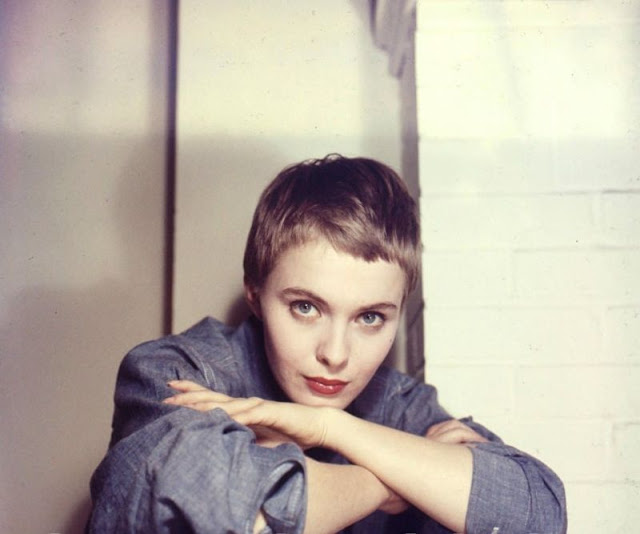
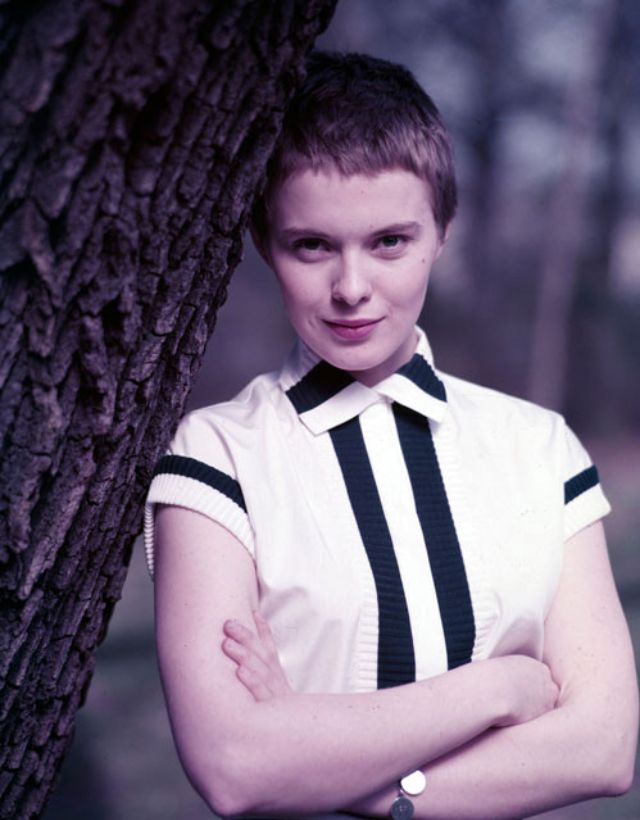
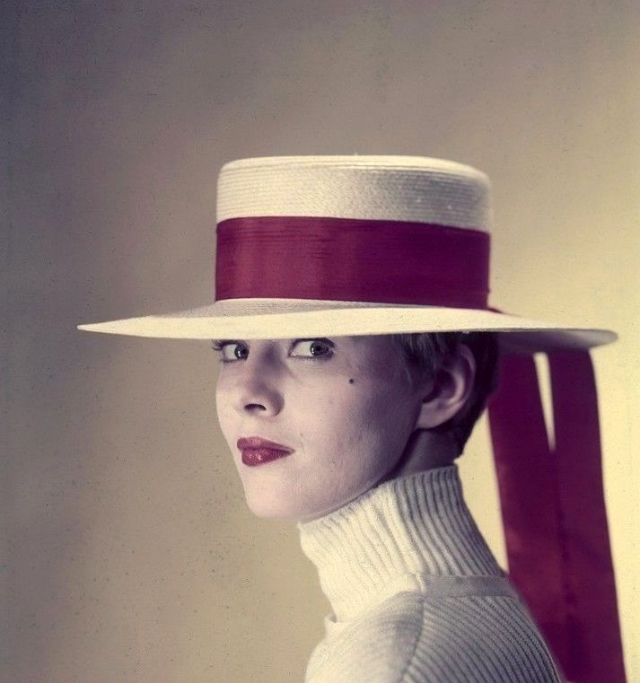
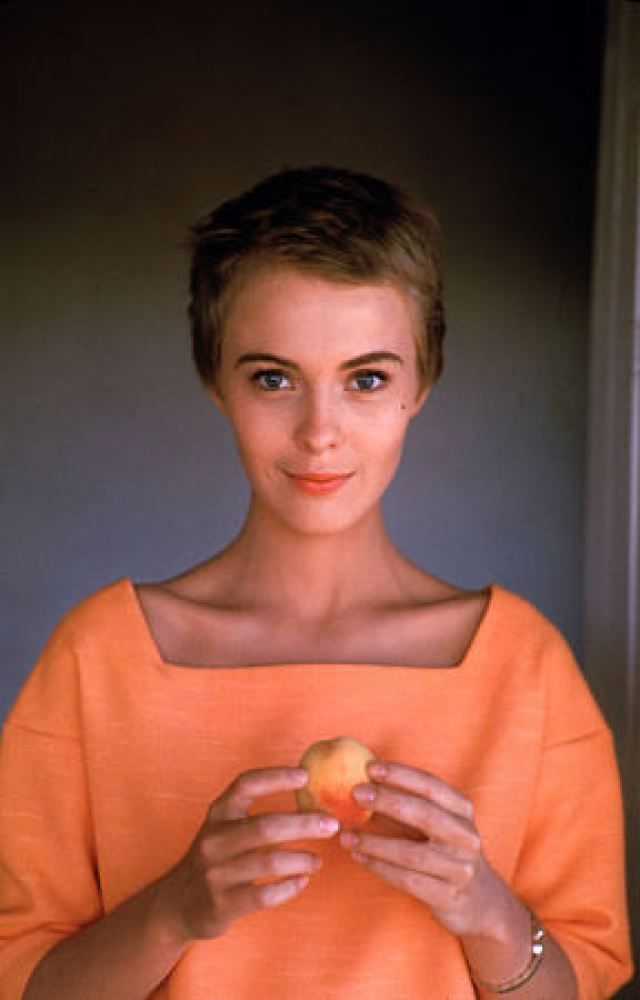
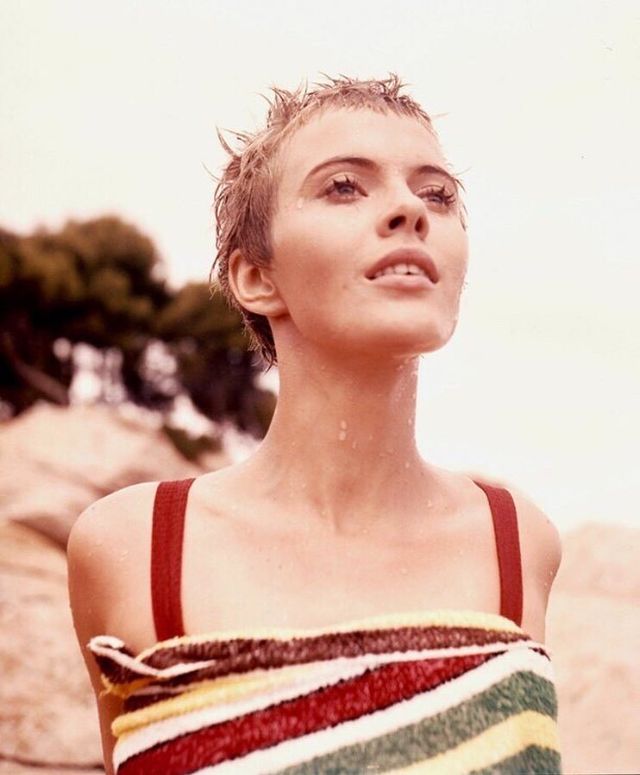
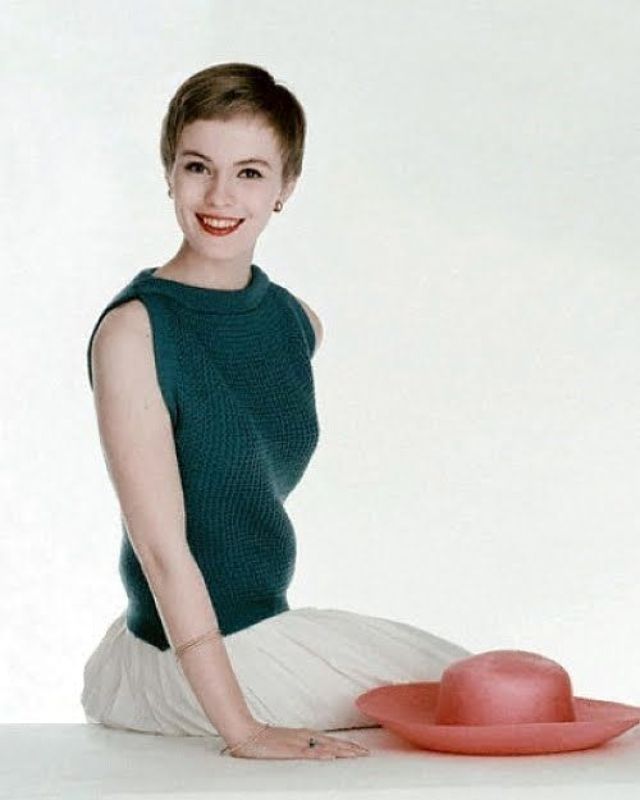
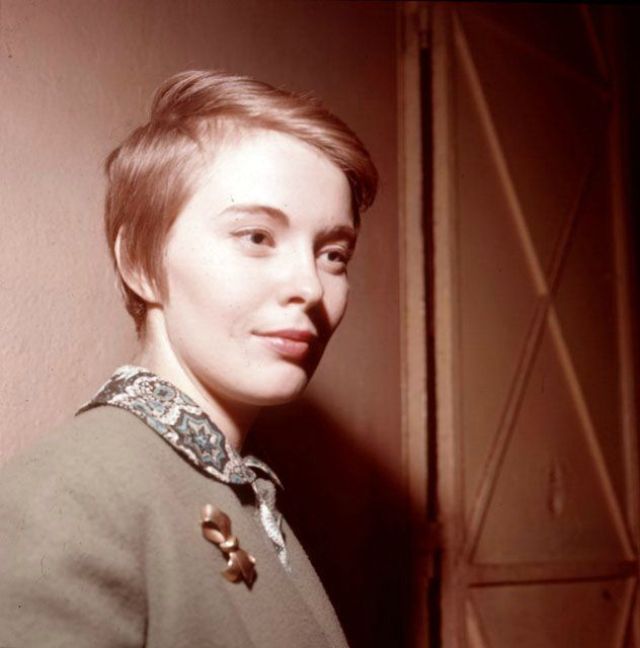
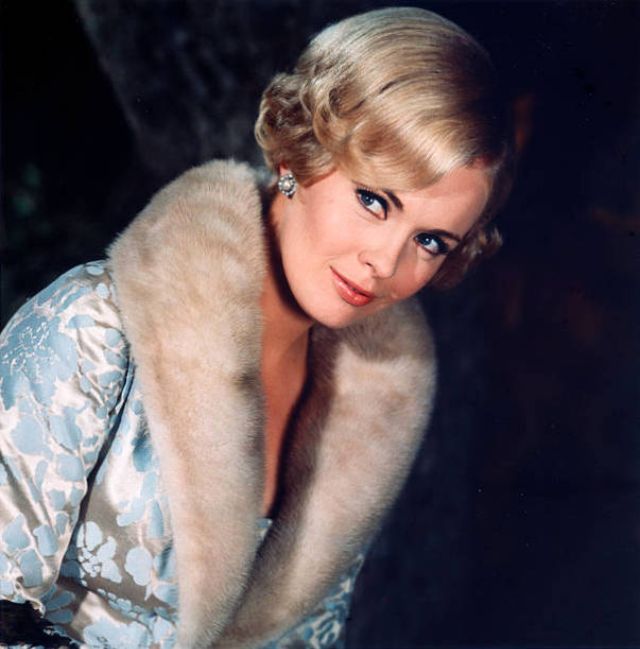
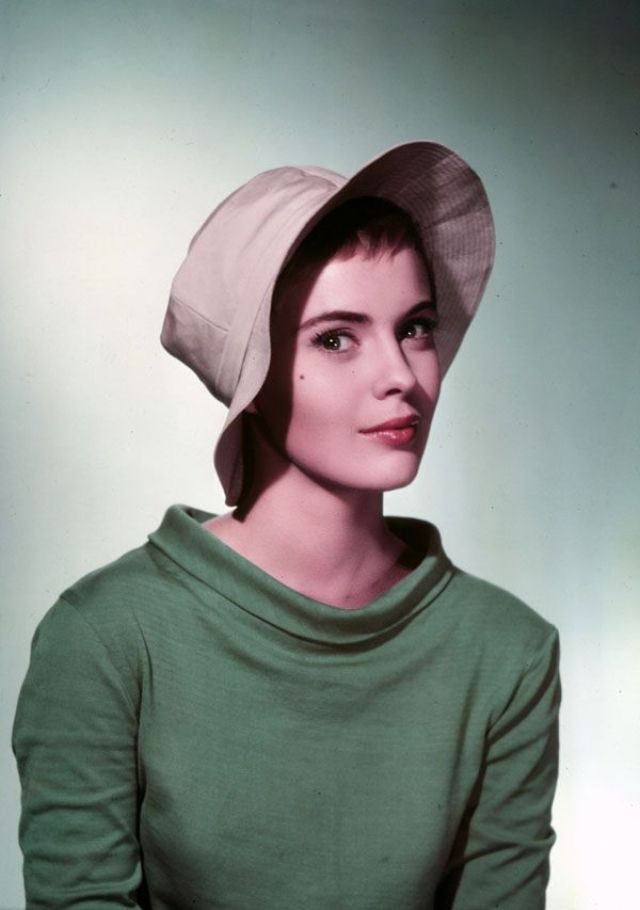
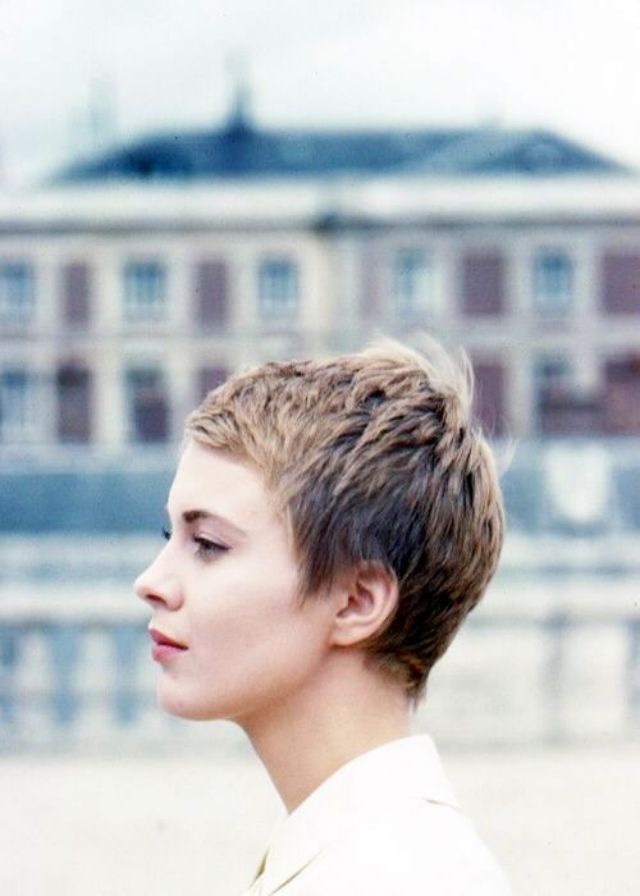
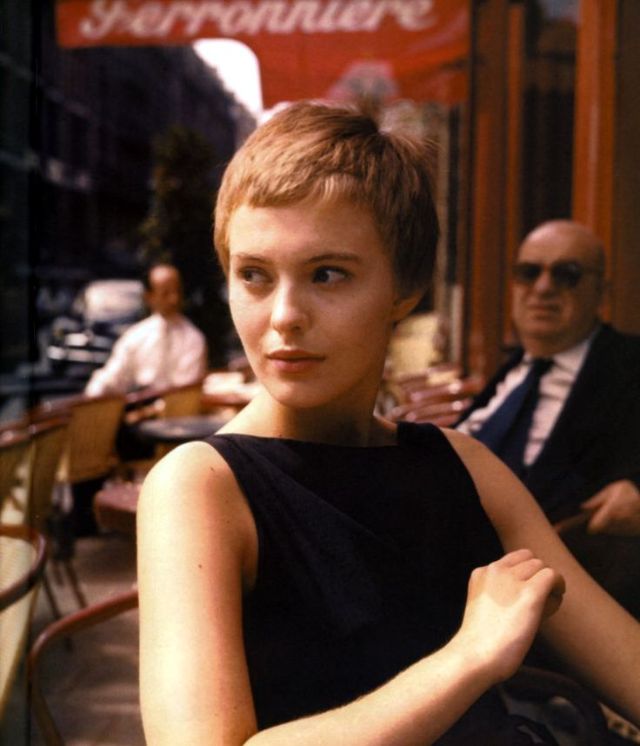
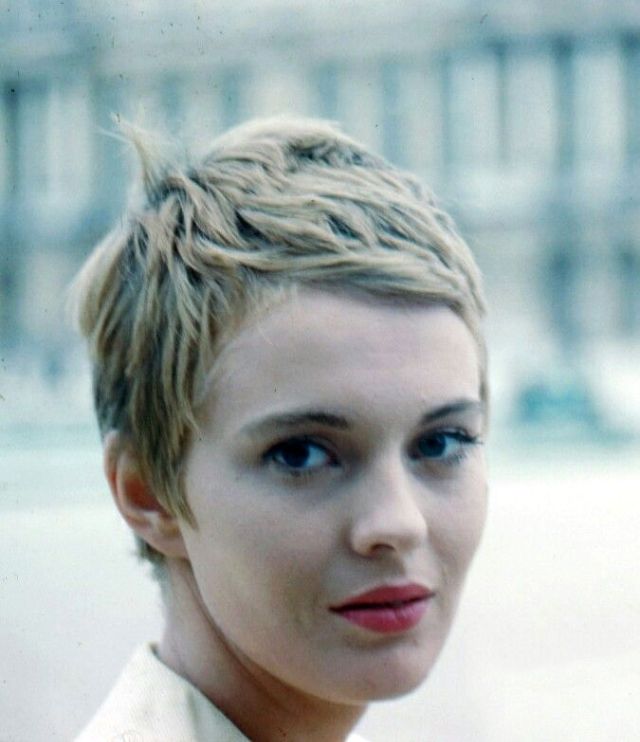
Jean Dorothy Seberg (November 13, 1938 – August 30, 1979) was an American actress who lived half of her life in France. Her performance in Jean-Luc Godard’s 1960 film Breathless immortalized her as an icon of French New Wave cinema.
Seberg appeared in 34 films in Hollywood and in Europe, including Saint Joan, Bonjour Tristesse, Lilith, The Mouse That Roared, Breathless, Moment to Moment, A Fine Madness, Paint Your Wagon, Airport, Macho Callahan, and Gang War in Naples.
Seberg was among the best-known targets of the FBI COINTELPRO project. Her targeting was in retaliation for her support of the Black Panther Party, a smear directly ordered by J. Edgar Hoover.
Seberg died at the age of 40 in Paris, with police ruling her death a probable suicide. Romain Gary, Seberg’s second husband, called a press conference shortly after her death at which he blamed the FBI’s campaign against Seberg for her death. Gary noted that the FBI had planted false rumors with American media outlets claiming that her 1970 pregnancy was a Black Panther’s child, and claimed that the trauma had resulted in the child’s miscarriage. Gary stated that Seberg had attempted suicide on numerous anniversaries of the child’s death, August 25. (Wikipedia)
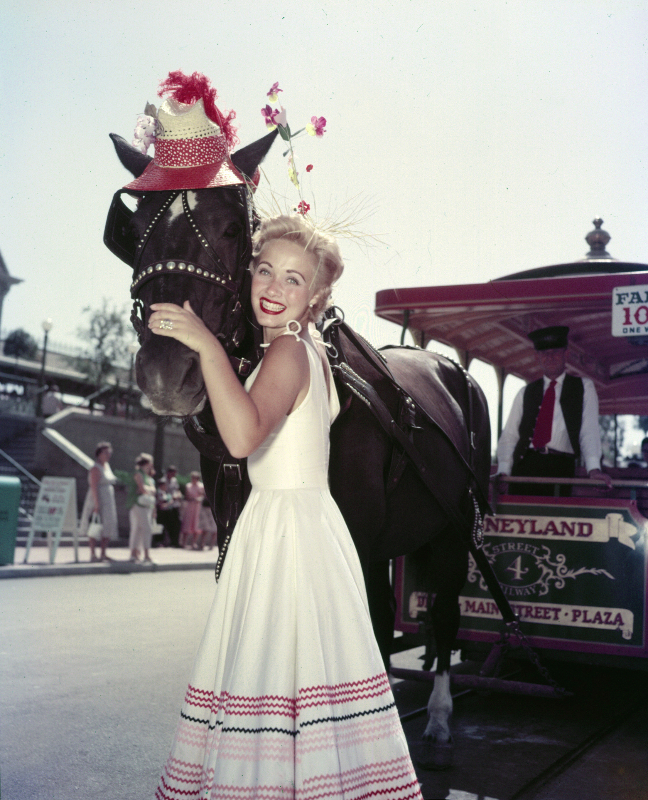
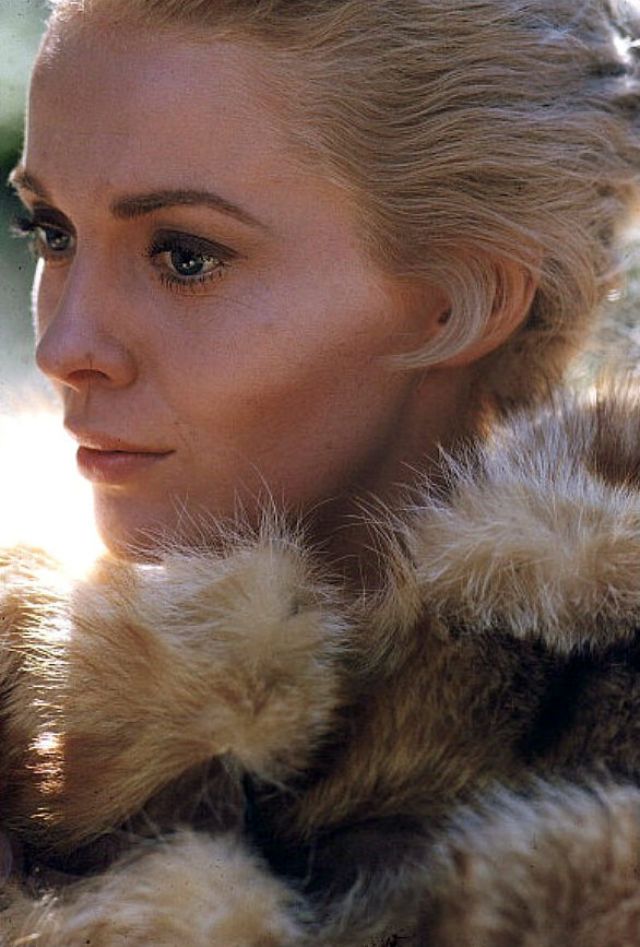
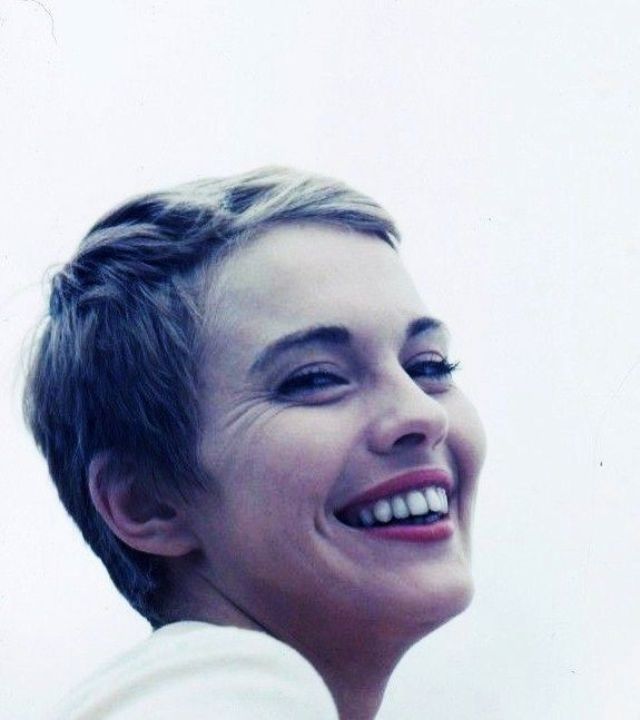
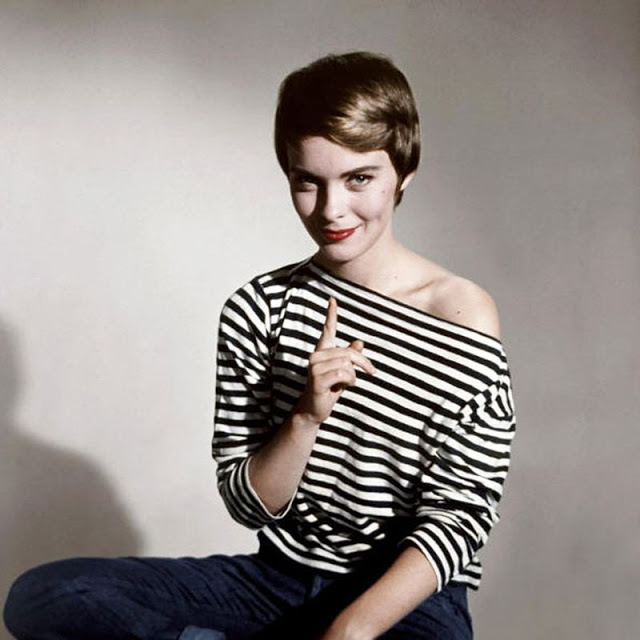
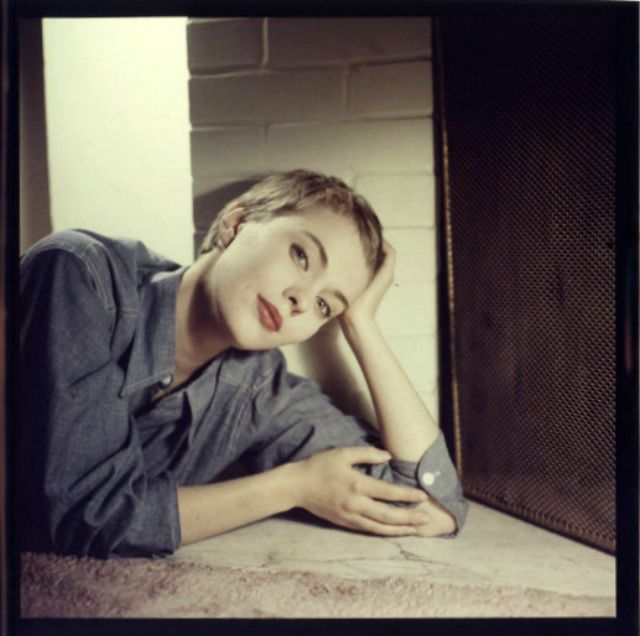
Shown is a glamorous photo collection that shows the beauty of young Jean Seberg in the 1960s.



















New Zealand is an island country in the southwestern Pacific Ocean. It consists of two main landmasses—the North Island (Te Ika-a-Māui) and the South Island (Te Waipounamu)—and over 700 smaller islands, covering a total area of 268,021 square kilometres (103,500 sq mi). New Zealand is about 2,000 kilometres (1,200 mi) east of Australia across the Tasman Sea and 1,000 kilometres (600 mi) south of the islands of New Caledonia, Fiji, and Tonga. The country’s varied topography and sharp mountain peaks, including the Southern Alps, owe much to tectonic uplift and volcanic eruptions. New Zealand’s capital city is Wellington, and its most populous city is Auckland.
Owing to their remoteness, the islands of New Zealand were the last large habitable landmass to be settled by humans. Between about 1280 and 1350, Polynesians began to settle in the islands and then developed a distinctive Māori culture. In 1642, the Dutch explorer Abel Tasman became the first European to sight and record New Zealand. In 1840, representatives of the United Kingdom and Māori chiefs signed the Treaty of Waitangi, which declared British sovereignty over the islands. In 1841, New Zealand became a colony within the British Empire, and in 1907 it became a dominion; it gained full statutory independence in 1947, and the British monarch remained the head of state. Today, the majority of New Zealand’s population of 5 million is of European descent; the indigenous Māori are the largest minority, followed by Asians and Pacific Islanders. Reflecting this, New Zealand’s culture is mainly derived from Māori and early British settlers, with recent broadening of culture arising from increased immigration. The official languages are Māori and New Zealand Sign Language, with English being dominant and a de facto official language.
A developed country, New Zealand ranks highly in international comparisons of national performance, such as quality of life, education, protection of civil liberties, government transparency, and economic freedom. New Zealand underwent major economic changes during the 1980s, which transformed it from a protectionist to a liberalised free-trade economy. The service sector dominates the national economy, followed by the industrial sector, and agriculture. International tourism is also a significant source of revenue. Nationally, legislative authority is vested in an elected, unicameral Parliament, while executive political power is exercised by the Cabinet, led by the prime minister, currently Jacinda Ardern. Queen Elizabeth II is the country’s monarch and is represented by the governor-general. In addition, New Zealand is organised into 11 regional councils and 67 territorial authorities for local government purposes. The Realm of New Zealand also includes Tokelau (a dependent territory); the Cook Islands and Niue (self-governing states in free association with New Zealand); and the Ross Dependency, which is New Zealand’s territorial claim in Antarctica.
New Zealand is a member of the United Nations, Commonwealth of Nations, ANZUS, OECD, ASEAN Plus Six, Asia-Pacific Economic Cooperation, the Pacific Community and the Pacific Islands Forum. (Wikipedia)
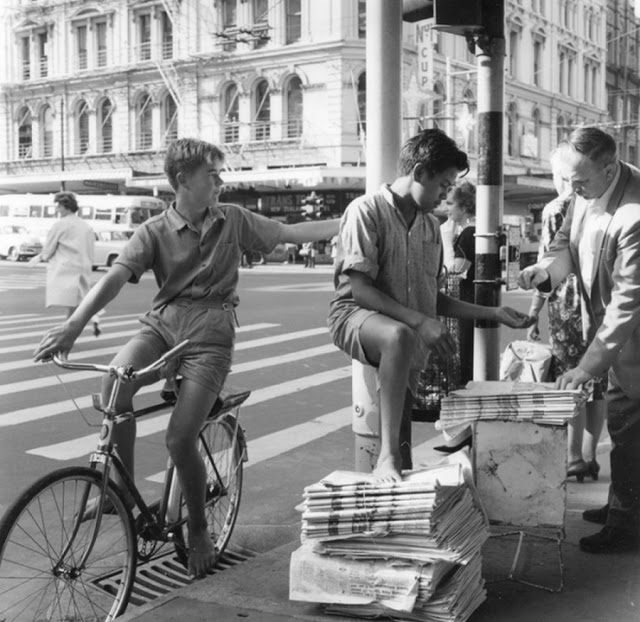
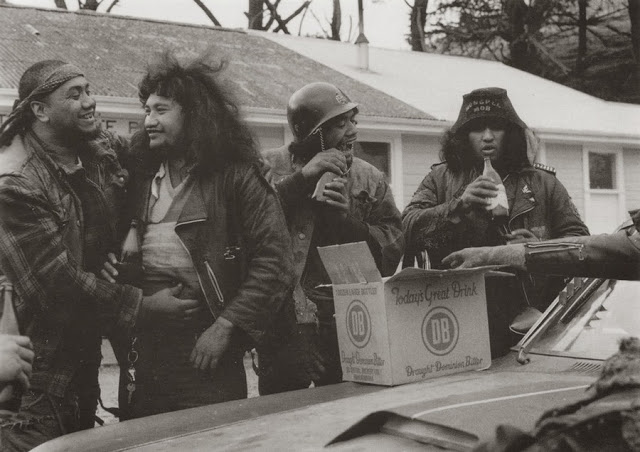
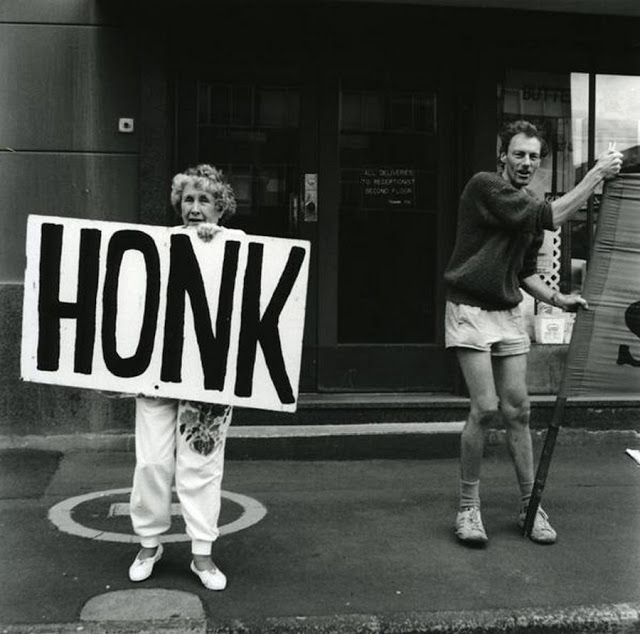
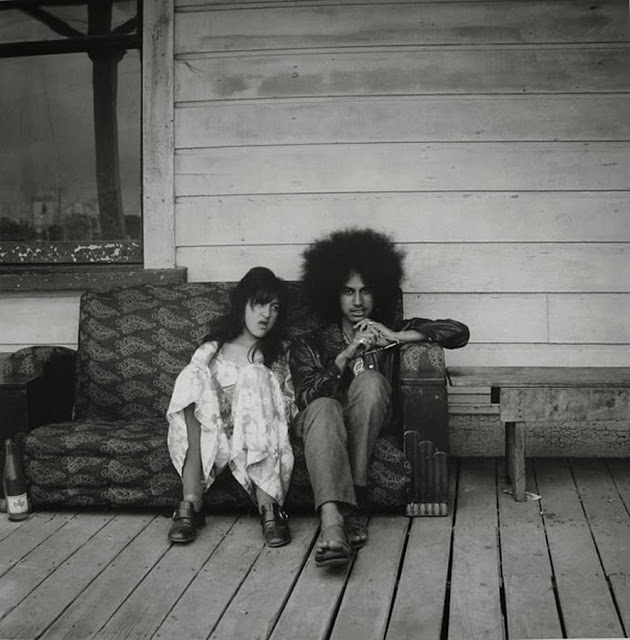
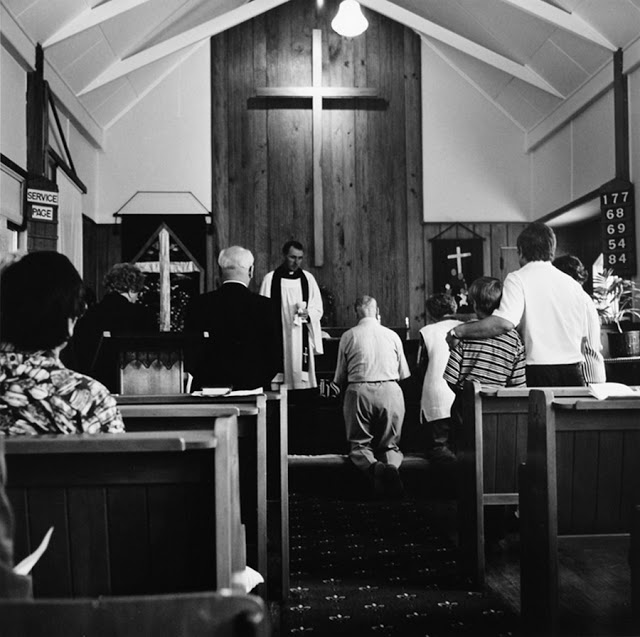
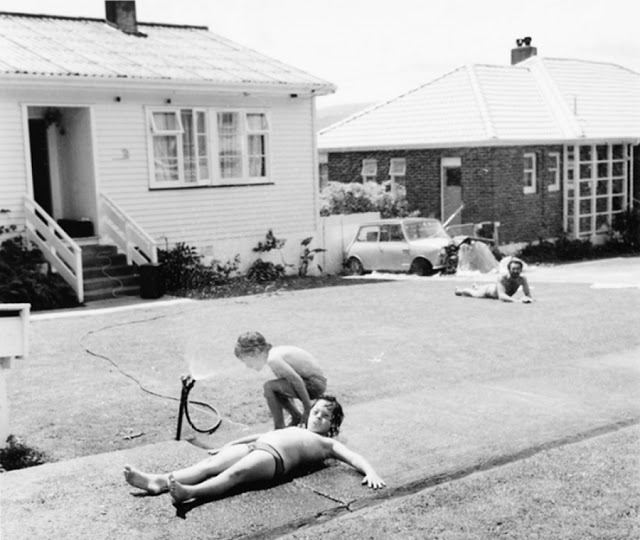
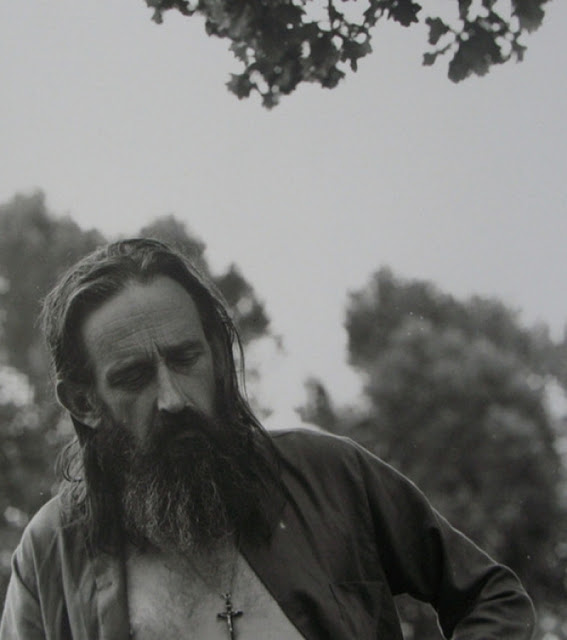
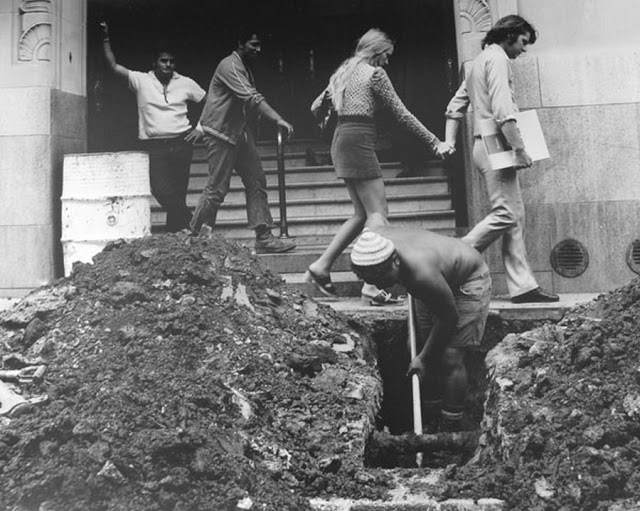
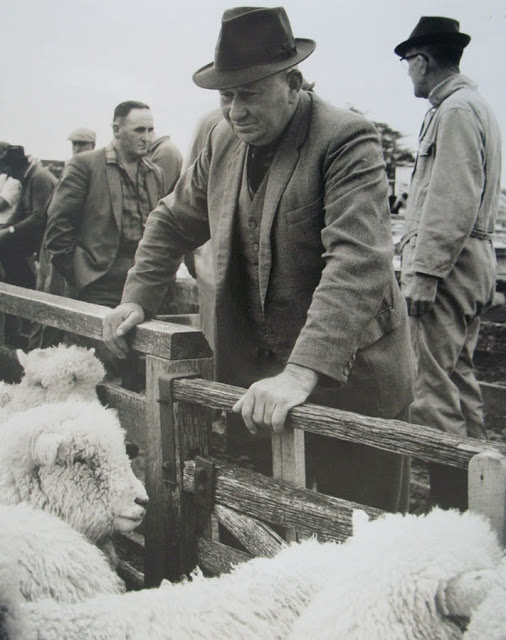
Ans Westra is responsible for the most comprehensive documentation of Maori culture over 50 years of significant political and cultural change. She immigrated to New Zealand in 1957 and began her career in 1962 as a fulltime freelance documentary photographer, working mainly for the Department of Education and Te Ao Hou, a Maori magazine published by the Government.
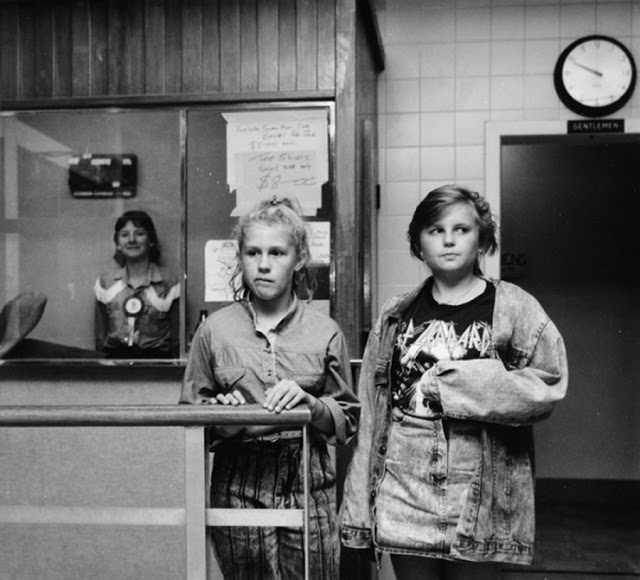
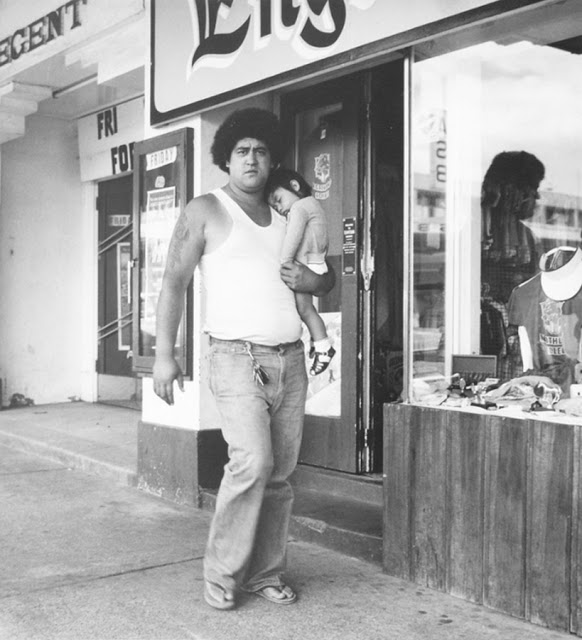
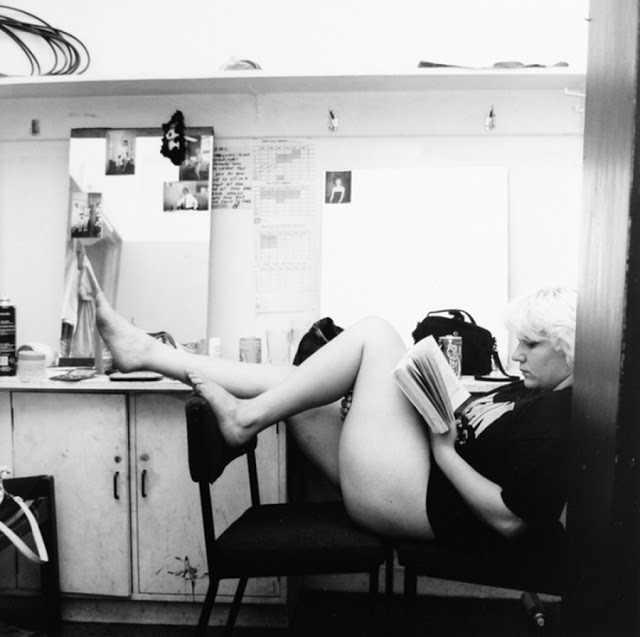
Here’s a collection of 30 black and white photographs taken by Ans Westra show everyday life in New Zealand from the 1960s to early 1980s.













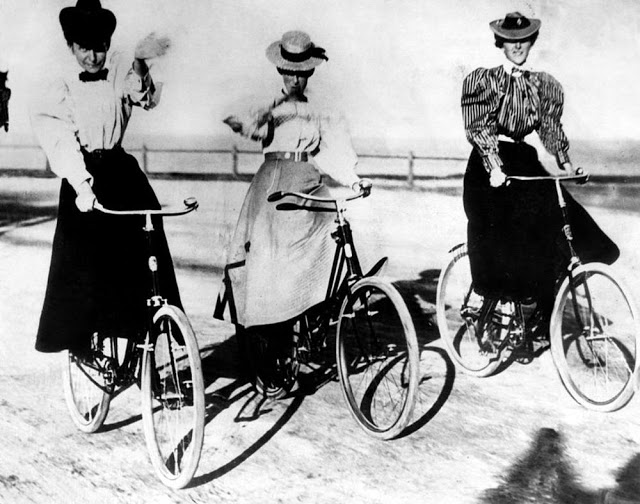
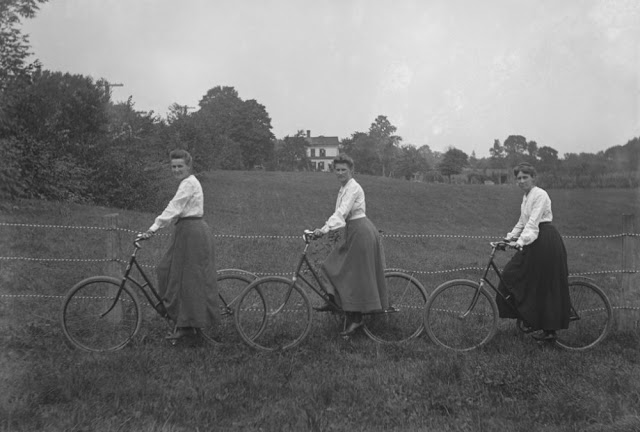
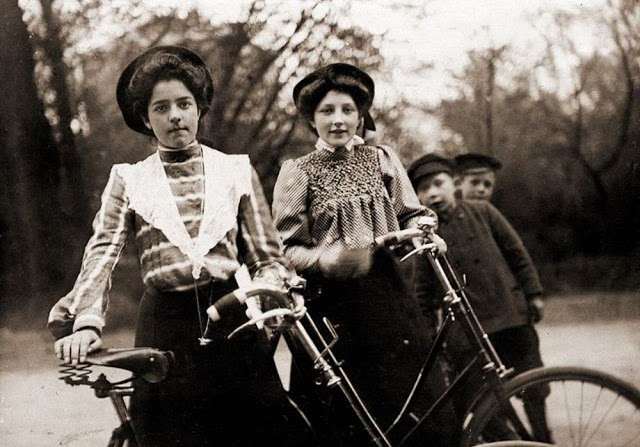
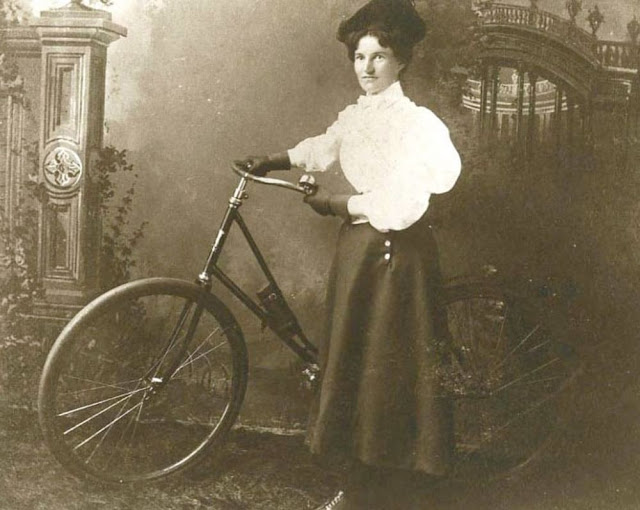
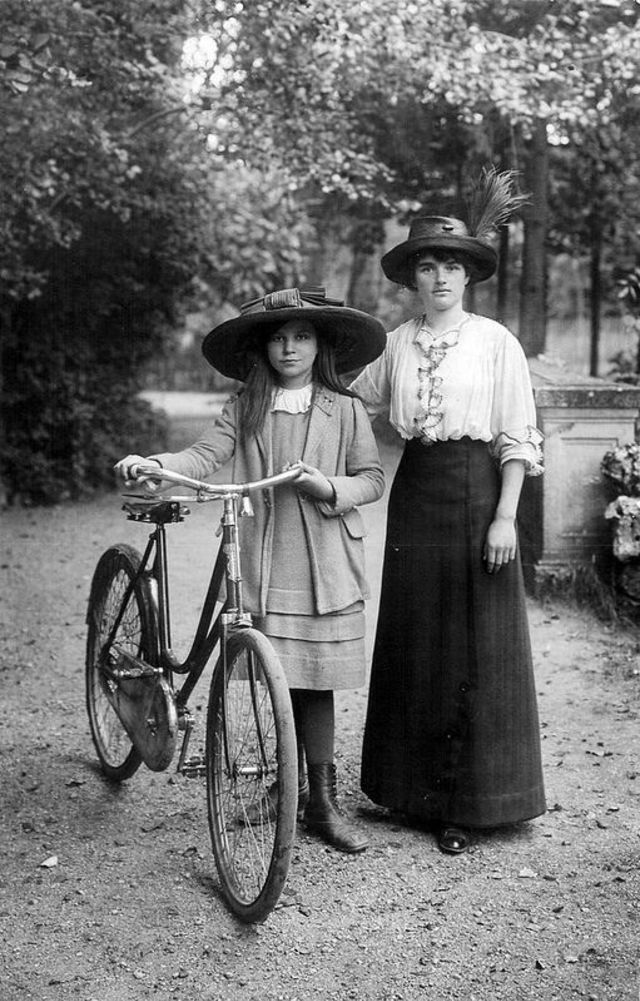
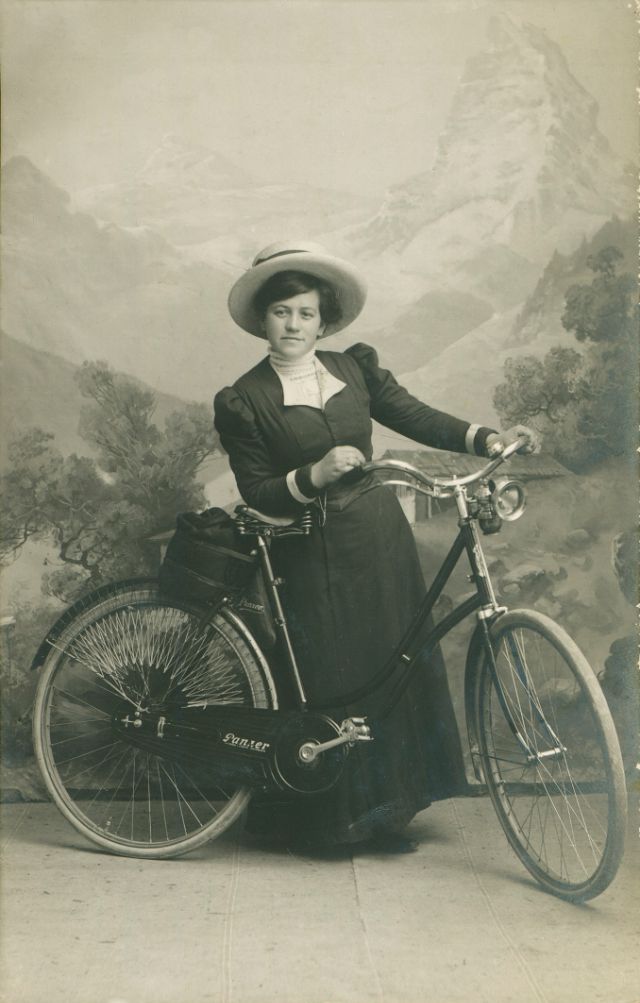
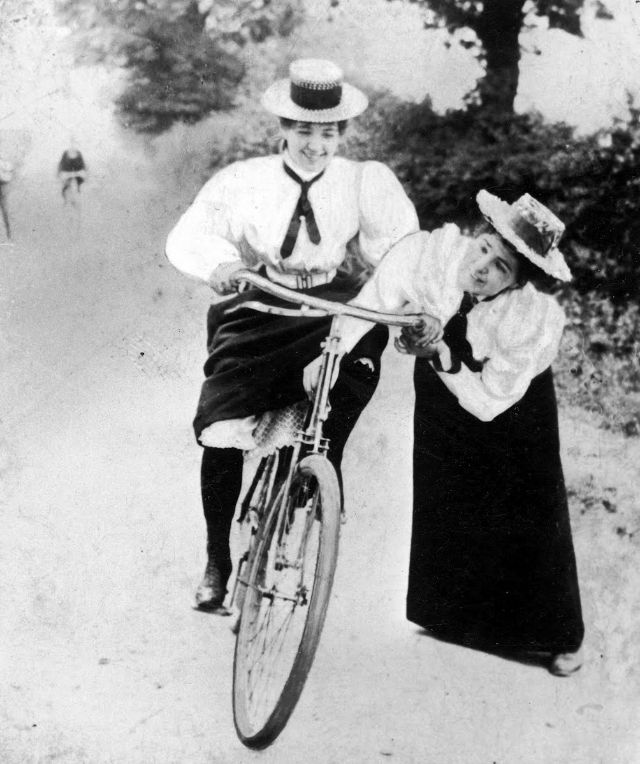
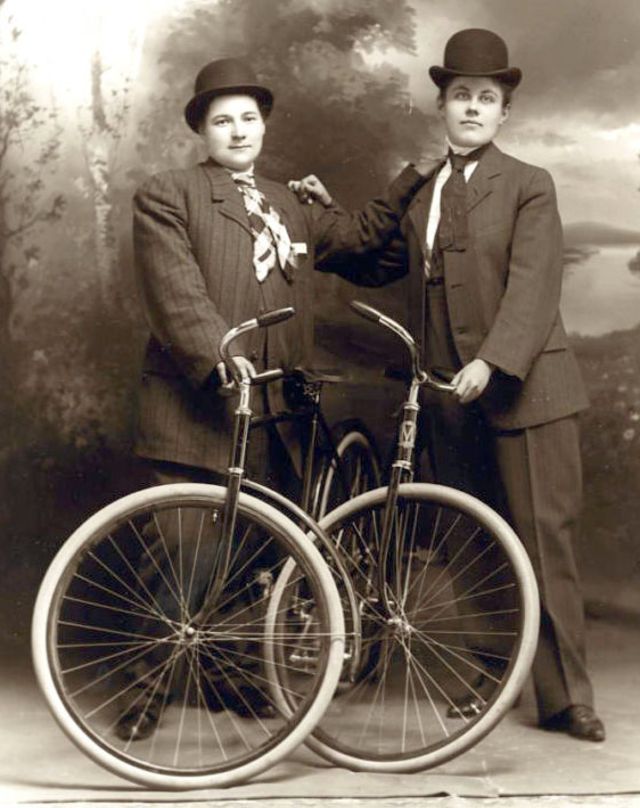
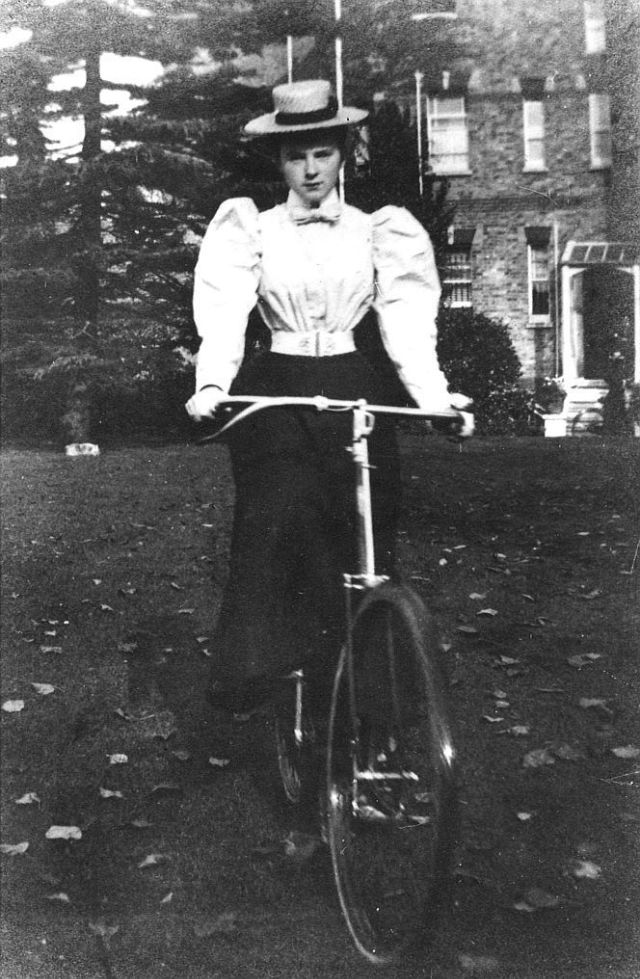
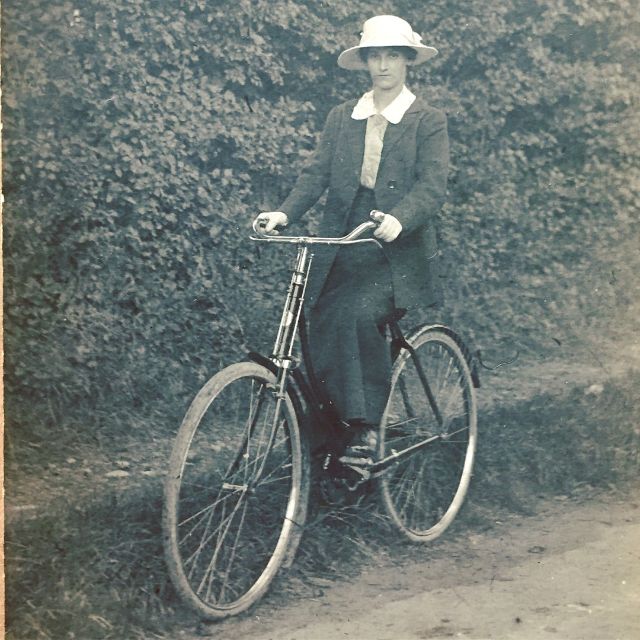
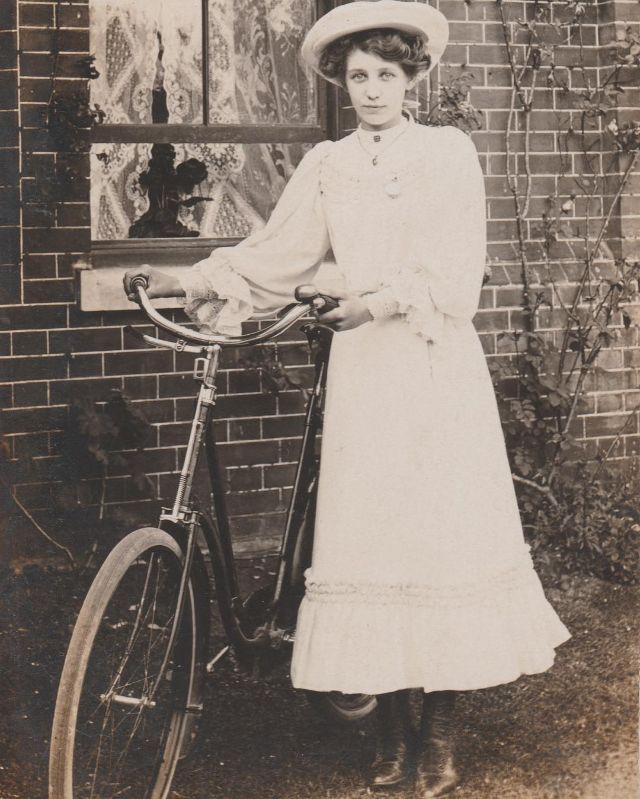
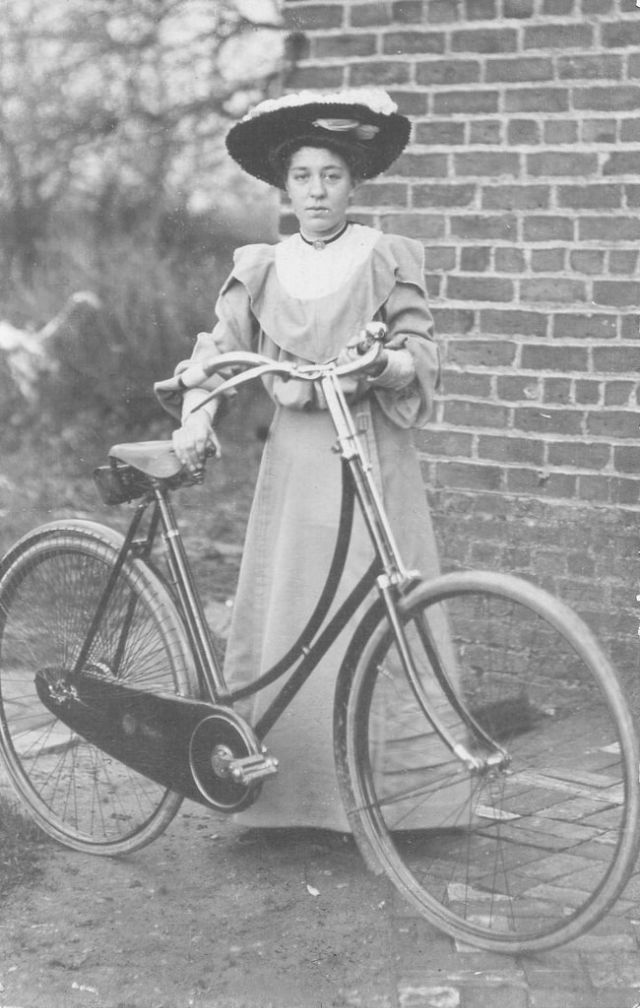
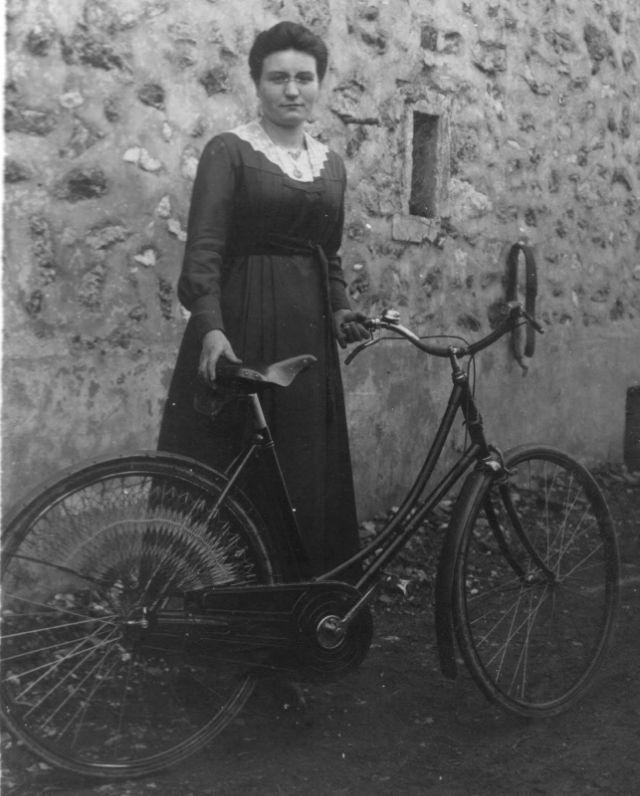
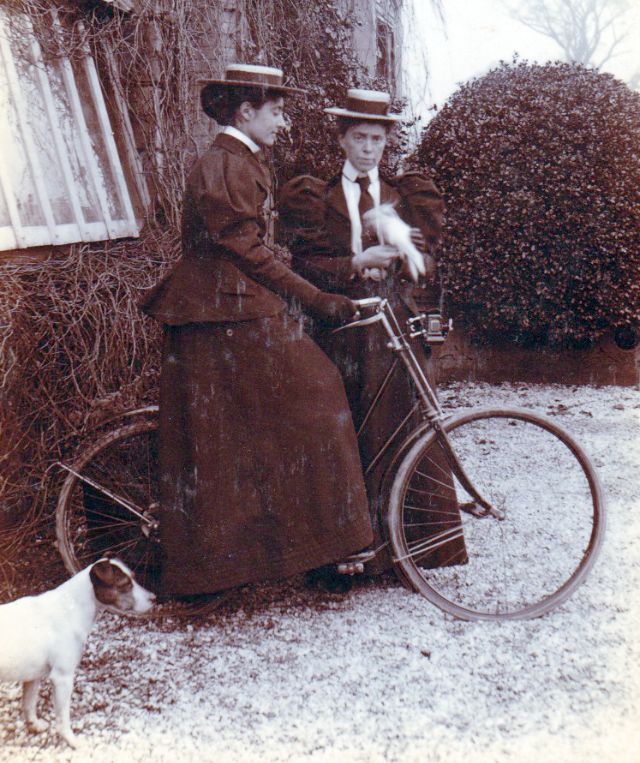
Up until the invention of the modern “safety” bicycle in 1887, few women rode the high wheel bicycles of the previous generation. But in the 1890s, a “cycling craze” offered a new kind of mobility to many young women. In 1897 alone, more than two million bicycles were sold in the United States, about one for every 30 inhabitants.
Bikes facilitated unchaperoned dates—even elopements. Just as troubling to some moralists of the day, cycling women often wore bloomers, widely seen as indecent, that were much like men’s pants. The Women’s Rescue League of Boston even claimed that, following the closing of brothels, prostitutes were riding bikes to reach their clients.
Another charge against the cycling craze was that people were spending their Sundays—often the only work-free day of the week—on bike rides rather than at church. Already, male church attendance had been on the decline. As a sport open to both women and men, cycling threatened to leave preachers with congregations made up of only the sick and the elderly.










Read more of this content when you subscribe today.


Become a paid subscriber to get access to the rest of this post and other exclusive content.
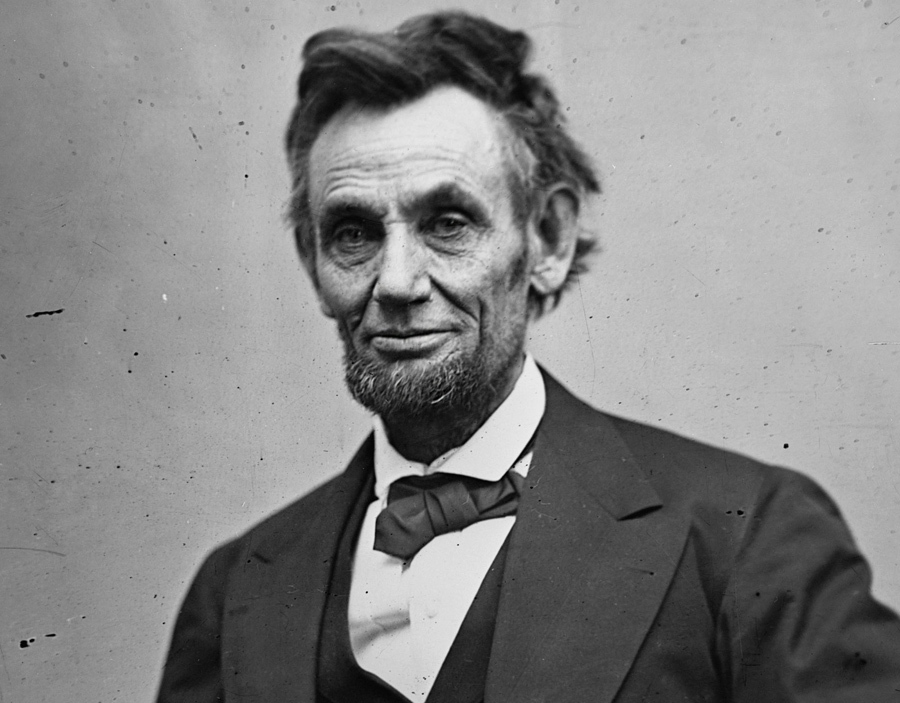
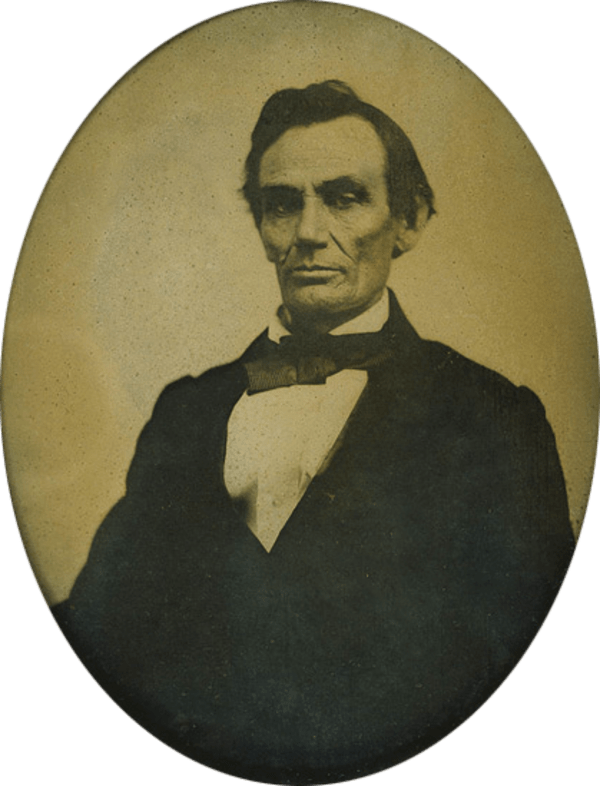
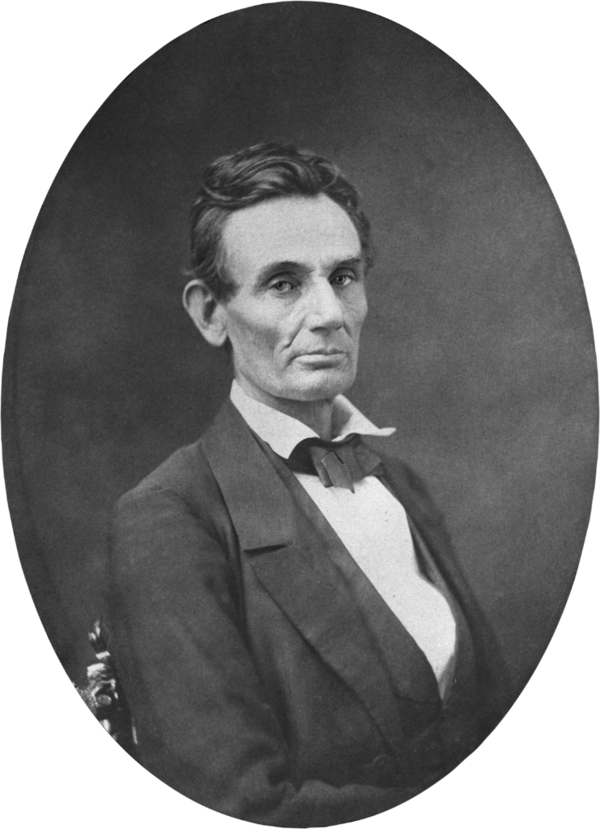
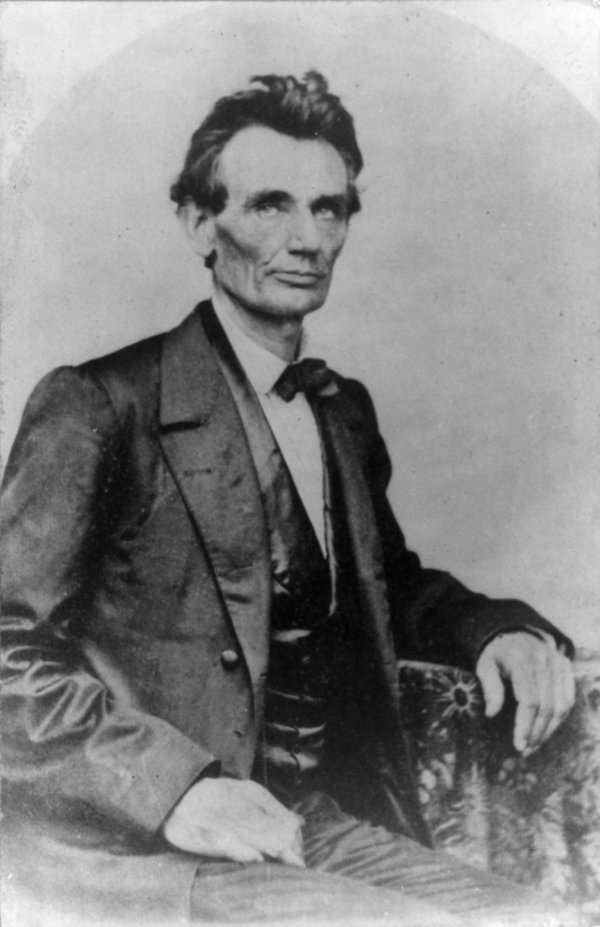
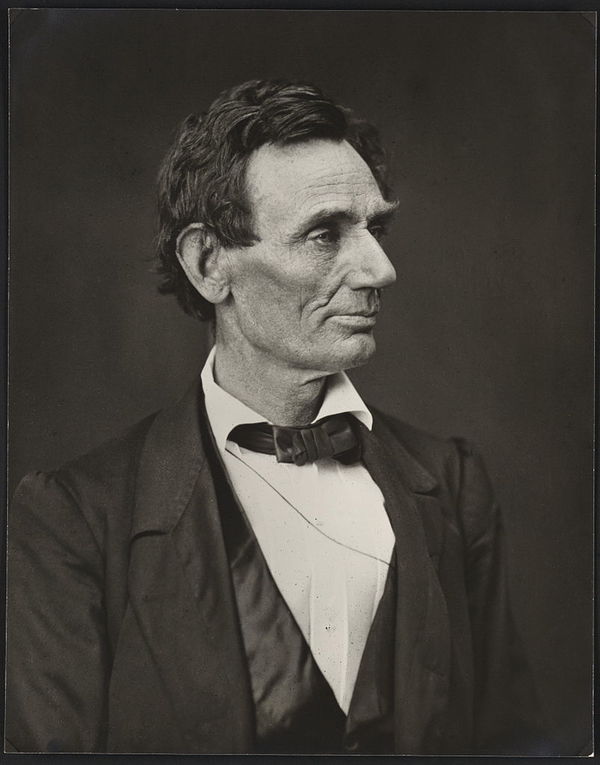
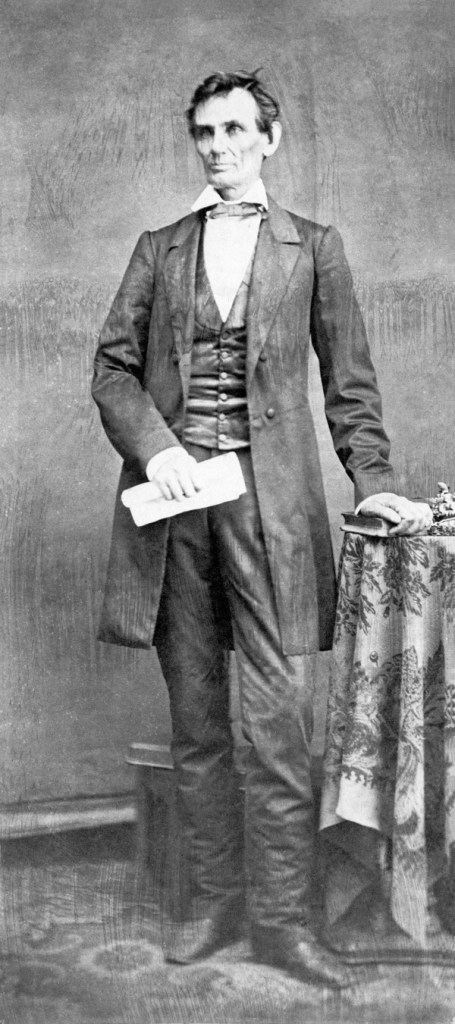
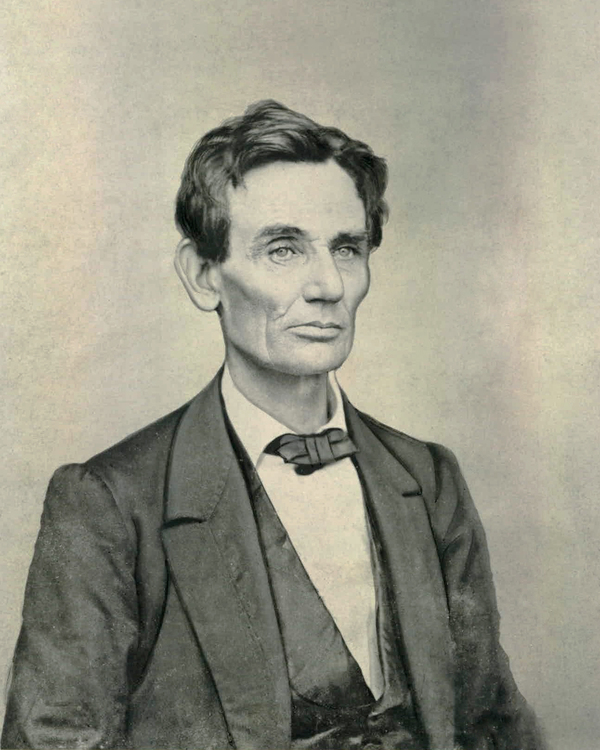
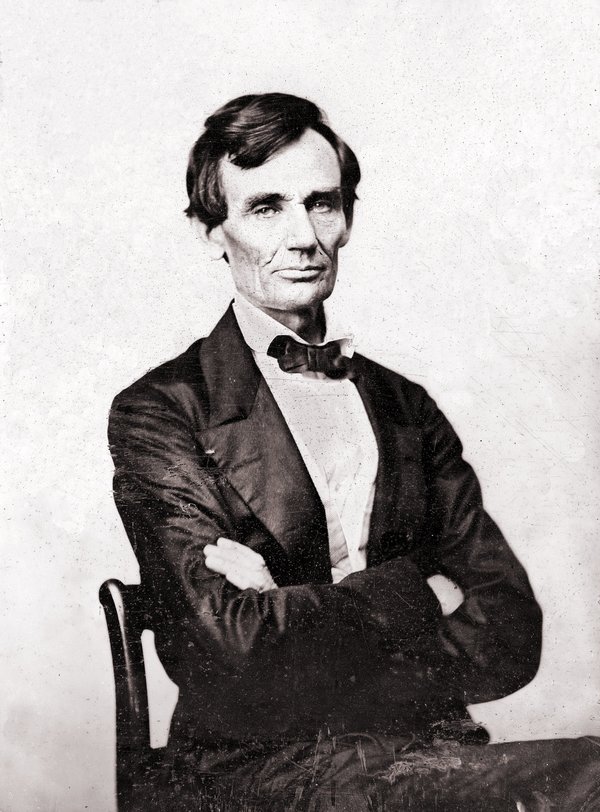
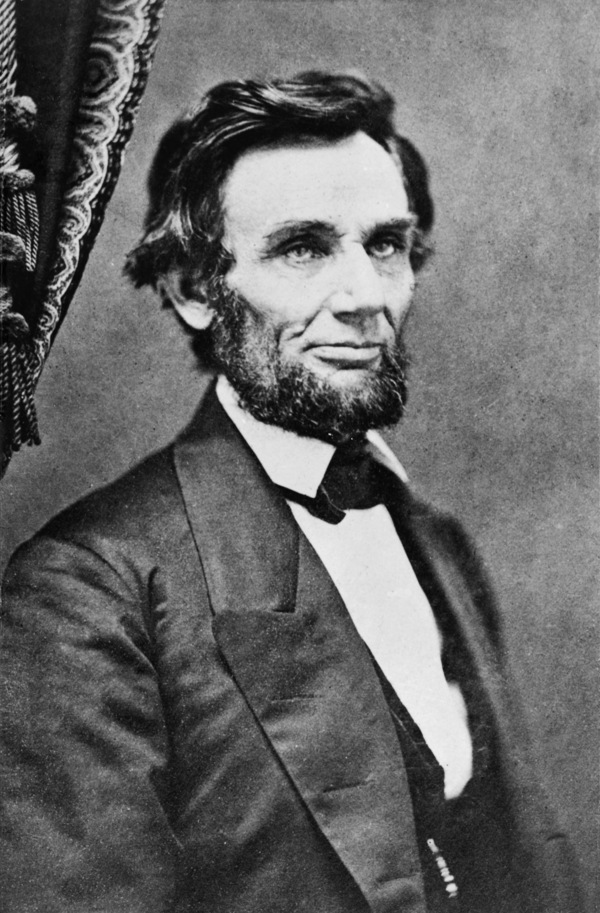
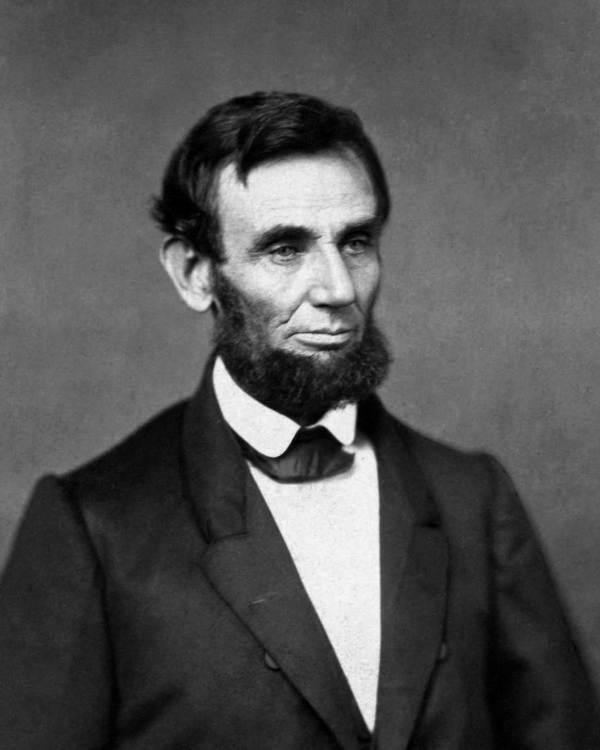
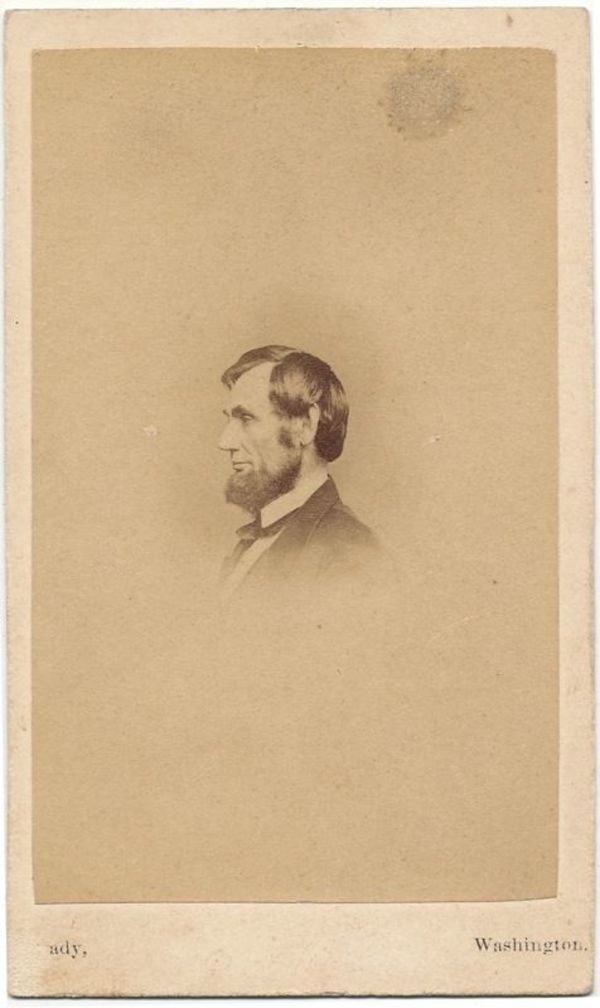
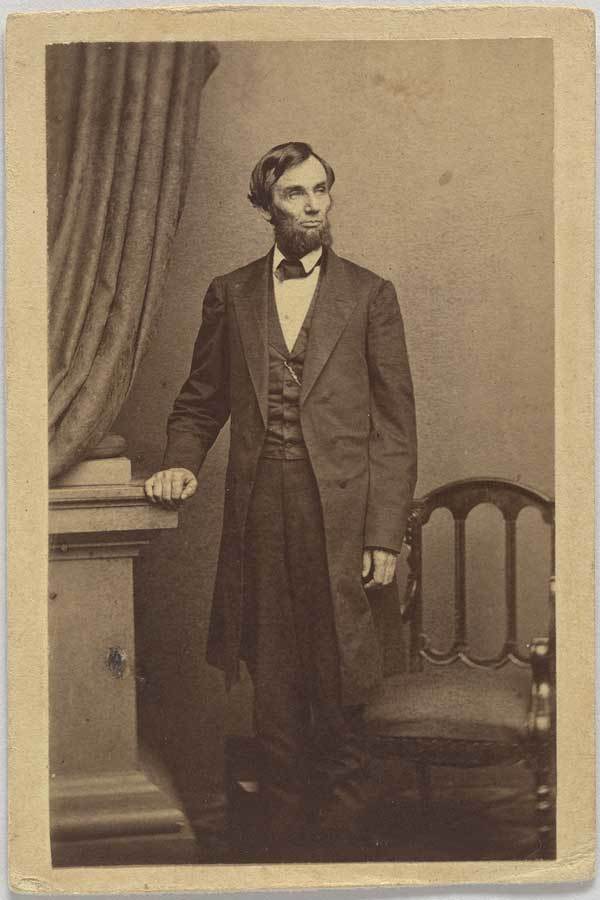
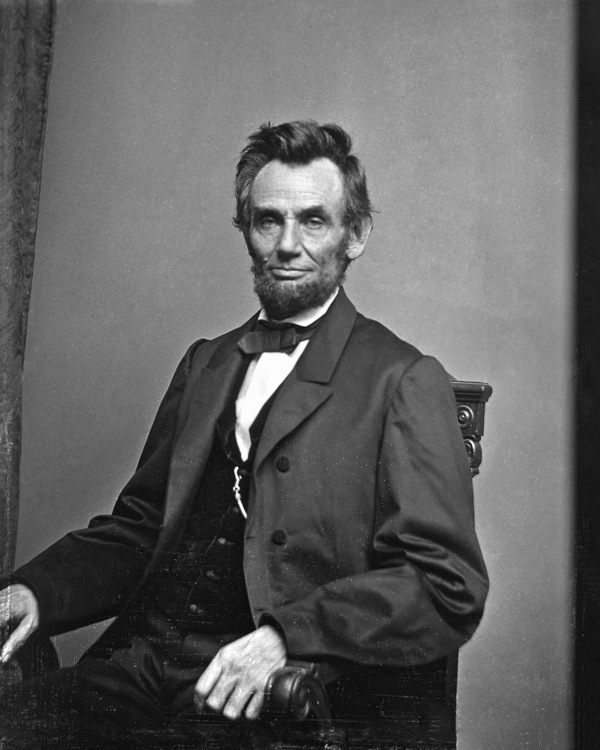
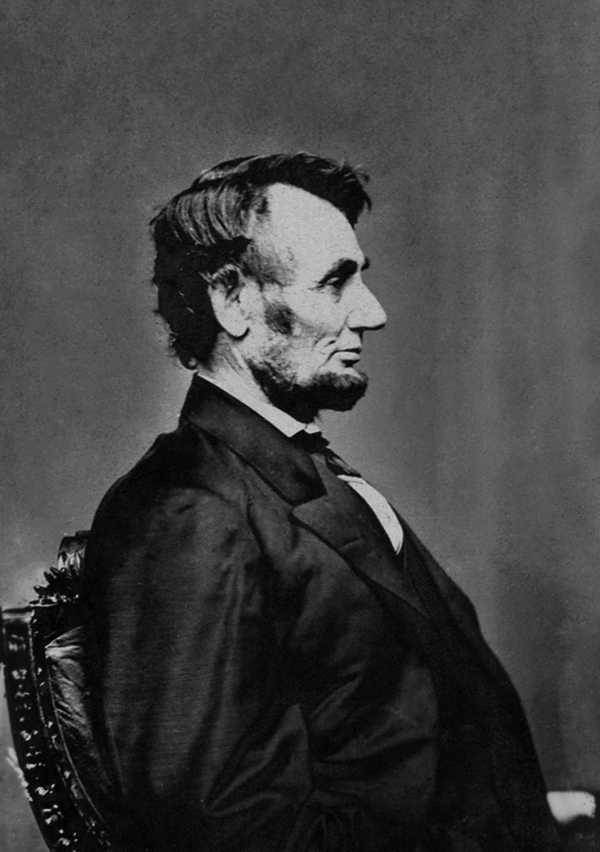
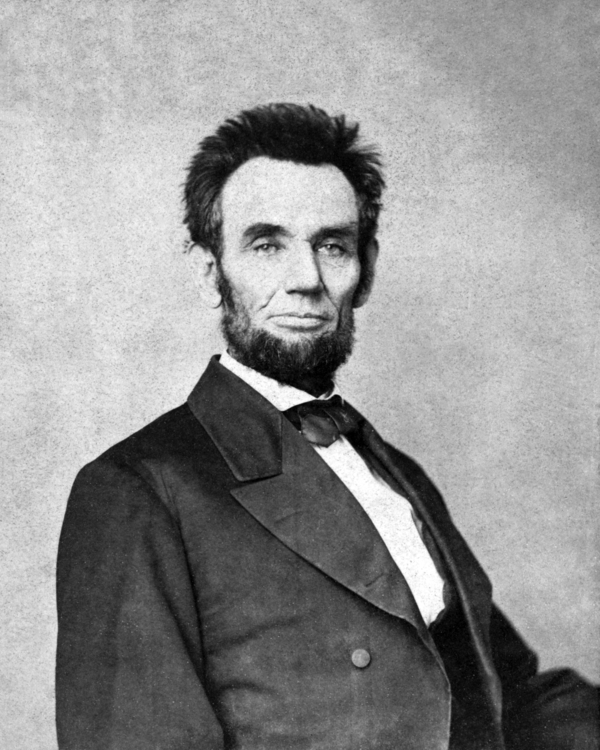
Abraham Lincoln (February 12, 1809 – April 15, 1865) was an American lawyer and statesman who served as the 16th president of the United States from 1861 until his assassination in 1865. Lincoln led the nation through the American Civil War and succeeded in preserving the Union, abolishing slavery, bolstering the federal government, and modernizing the U.S. economy.
Lincoln was born into poverty in a log cabin and was raised on the frontier primarily in Indiana. He was self-educated and became a lawyer, Whig Party leader, Illinois state legislator, and U.S. Congressman from Illinois. In 1849, he returned to his law practice but became vexed by the opening of additional lands to slavery as a result of the Kansas–Nebraska Act. He reentered politics in 1854, becoming a leader in the new Republican Party, and he reached a national audience in the 1858 debates against Stephen Douglas. Lincoln ran for President in 1860, sweeping the North in victory. Pro-slavery elements in the South equated his success with the North’s rejection of their right to practice slavery, and southern states began seceding from the Union. To secure its independence, the new Confederate States fired on Fort Sumter, a U.S. fort in the South, and Lincoln called up forces to suppress the rebellion and restore the Union.
Lincoln, a moderate Republican, had to navigate a contentious array of factions with friends and opponents from both the Democratic and Republican parties. His allies, the War Democrats and the Radical Republicans, demanded harsh treatment of the Southern Confederates. Anti-war Democrats (called “Copperheads”) despised Lincoln, and irreconcilable pro-Confederate elements plotted his assassination. He managed the factions by exploiting their mutual enmity, carefully distributing political patronage, and by appealing to the American people. His Gettysburg Address appealed to nationalistic, republican, egalitarian, libertarian, and democratic sentiments. Lincoln scrutinized the strategy and tactics in the war effort, including the selection of generals and the naval blockade of the South’s trade. He suspended habeas corpus in Maryland, and he averted British intervention by defusing the Trent Affair. He engineered the end to slavery with his Emancipation Proclamation, including his order that the Army and Navy liberate, protect, and recruit former slaves. He also encouraged border states to outlaw slavery, and promoted the Thirteenth Amendment to the United States Constitution, which outlawed slavery across the country.
Lincoln managed his own successful re-election campaign. He sought to heal the war-torn nation through reconciliation. On April 14, 1865, just days after the war’s end at Appomattox, he was attending a play at Ford’s Theatre in Washington, D.C., with his wife Mary when he was fatally shot by Confederate sympathizer John Wilkes Booth. Lincoln is remembered as a martyr and hero of the United States and is often ranked as the greatest president in American history. (Wikipedia)













































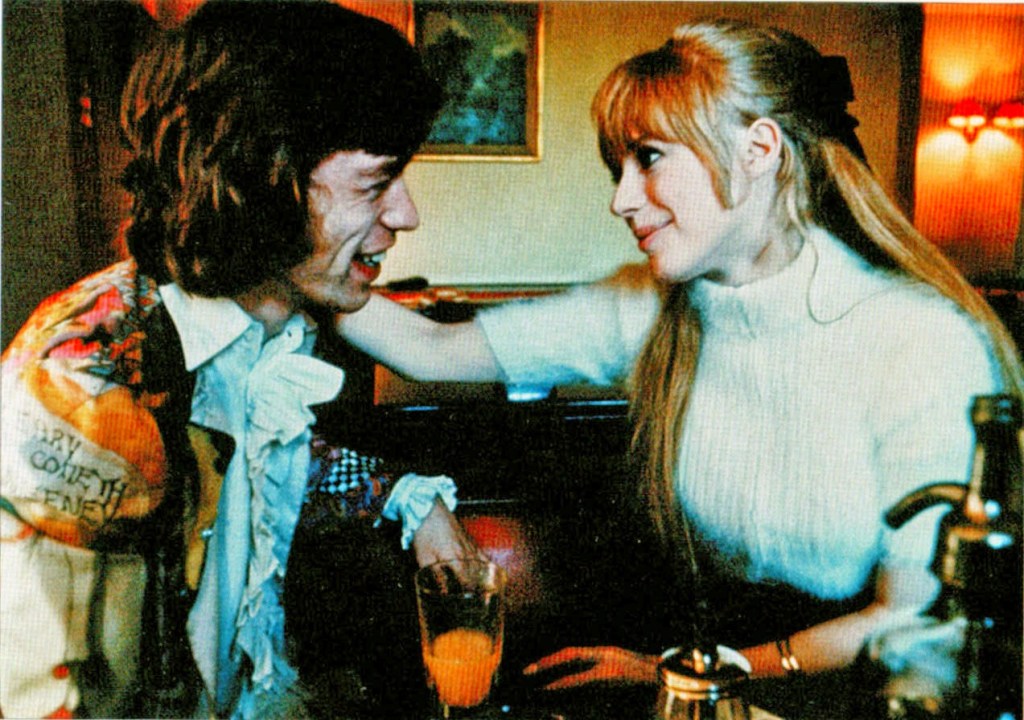
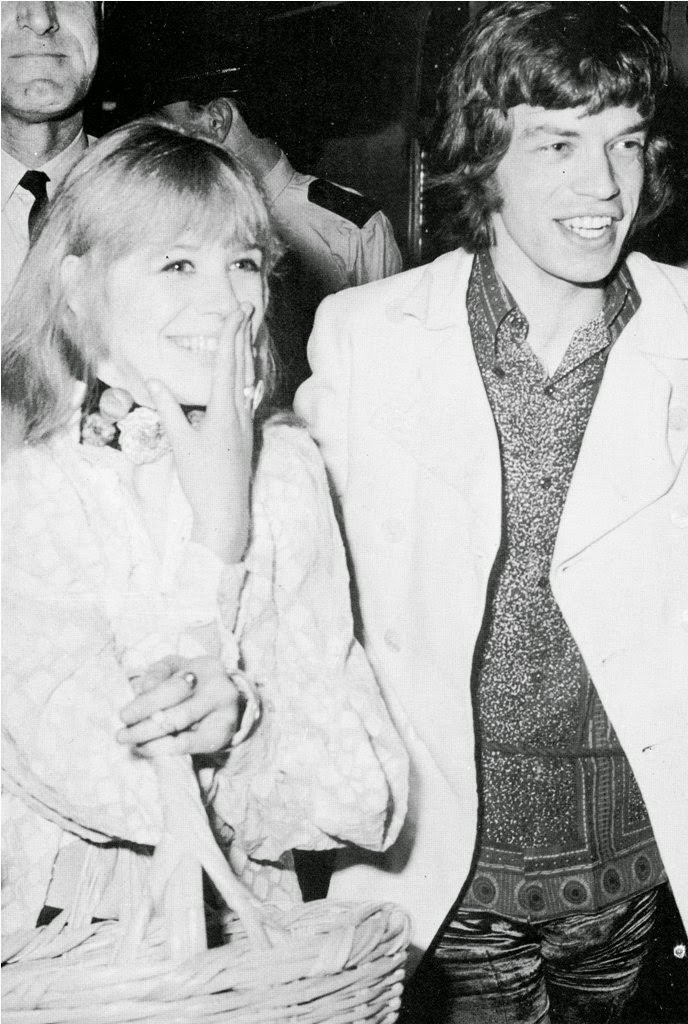
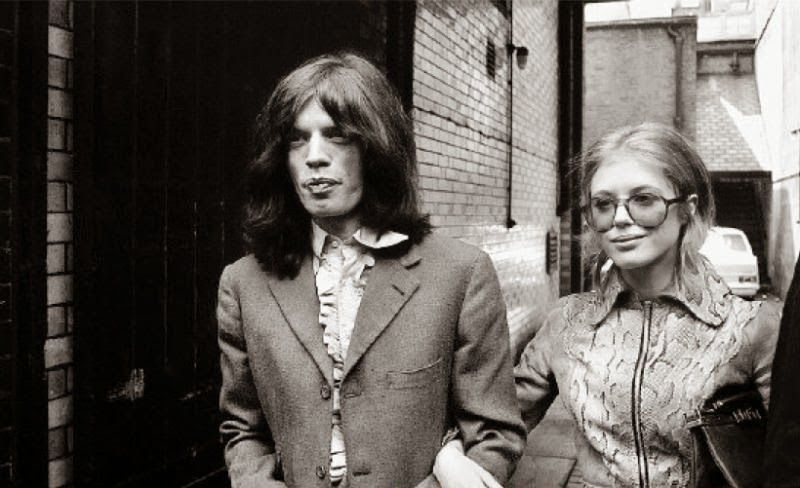
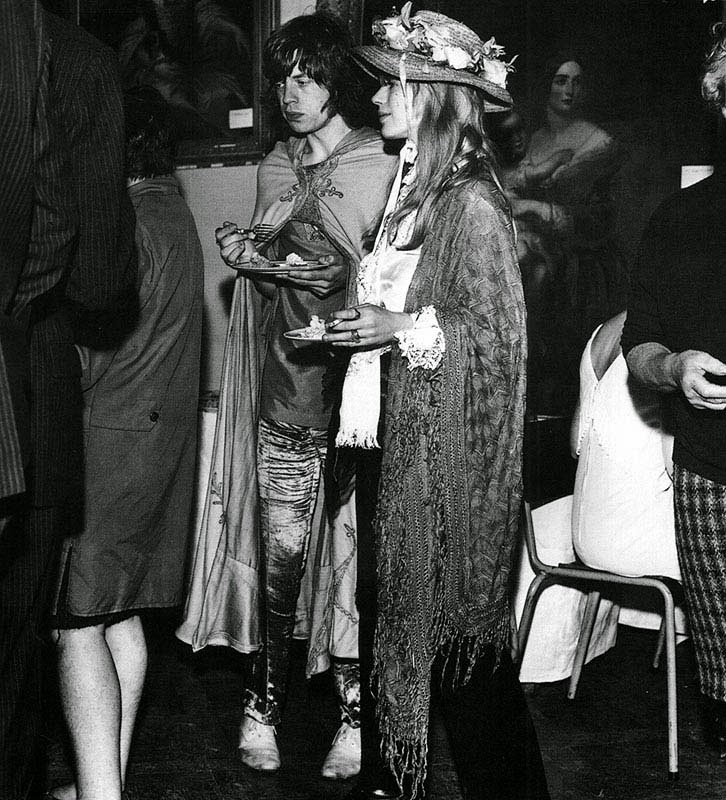
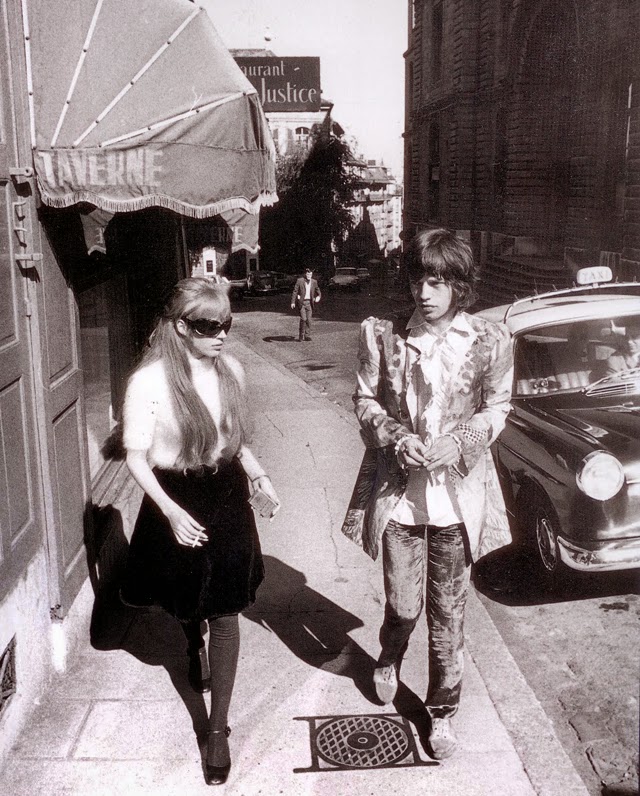
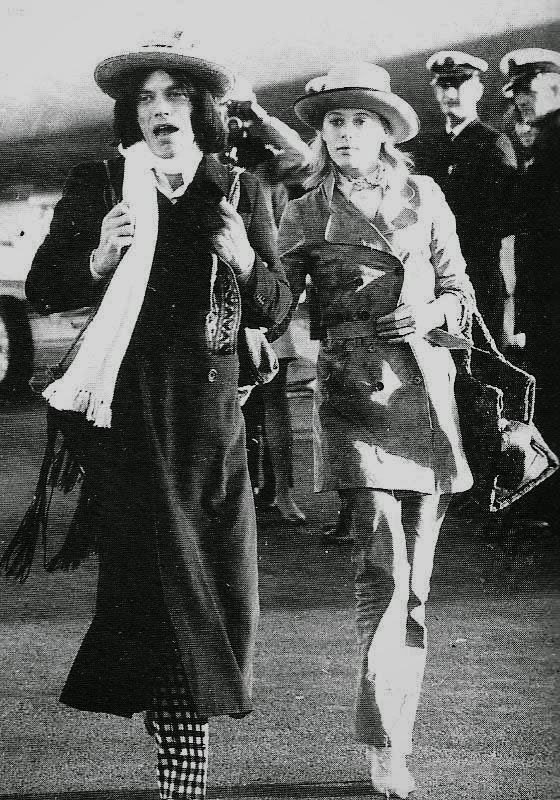
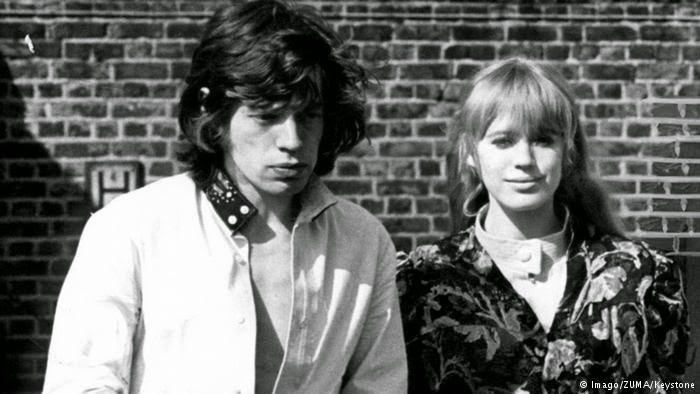
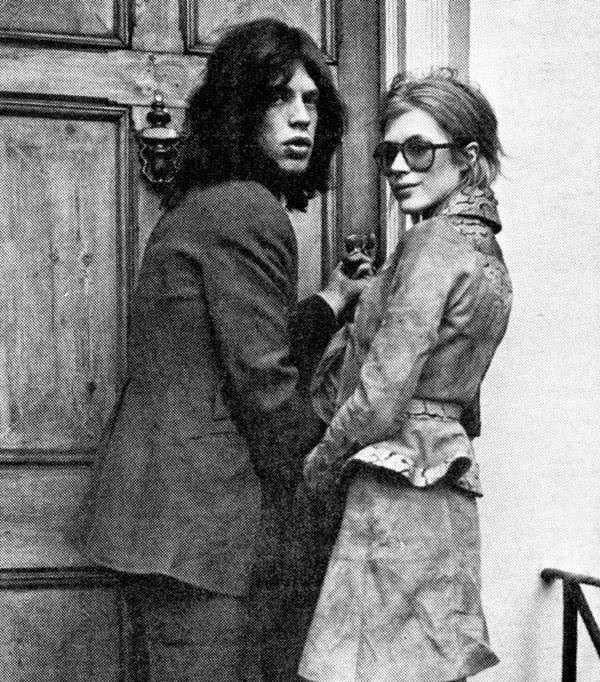
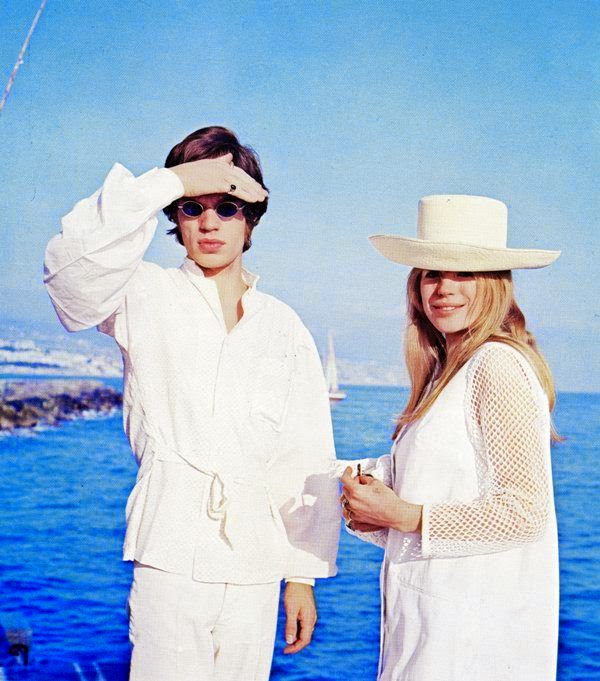
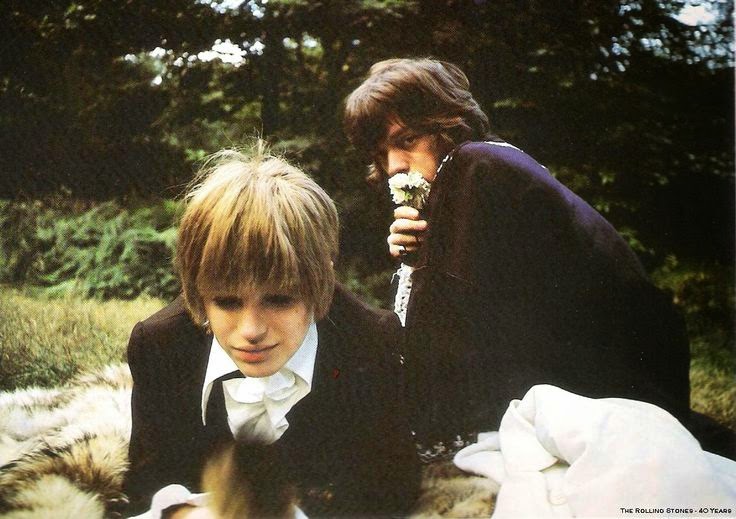
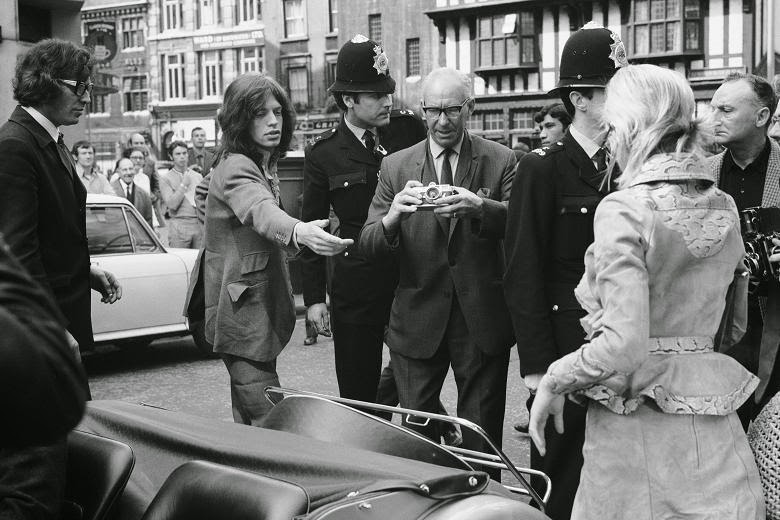
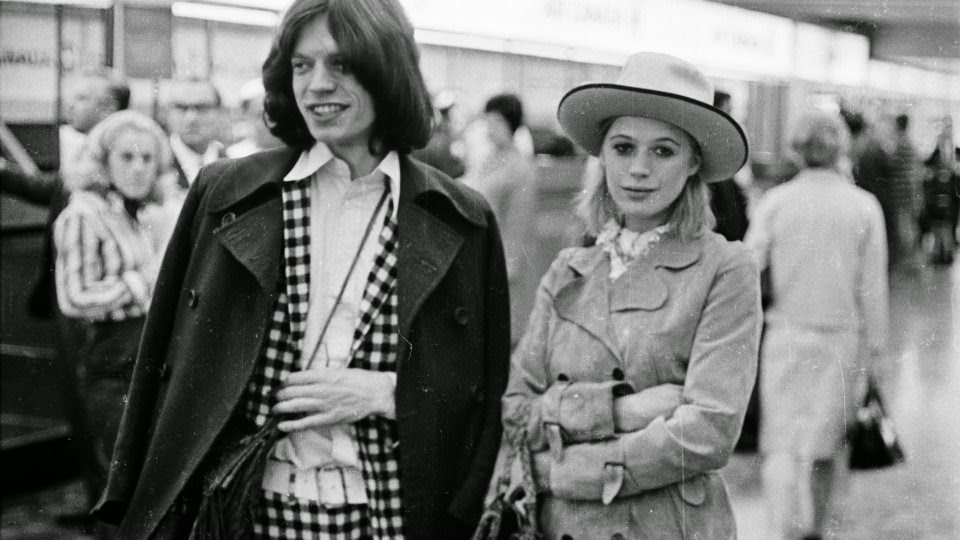
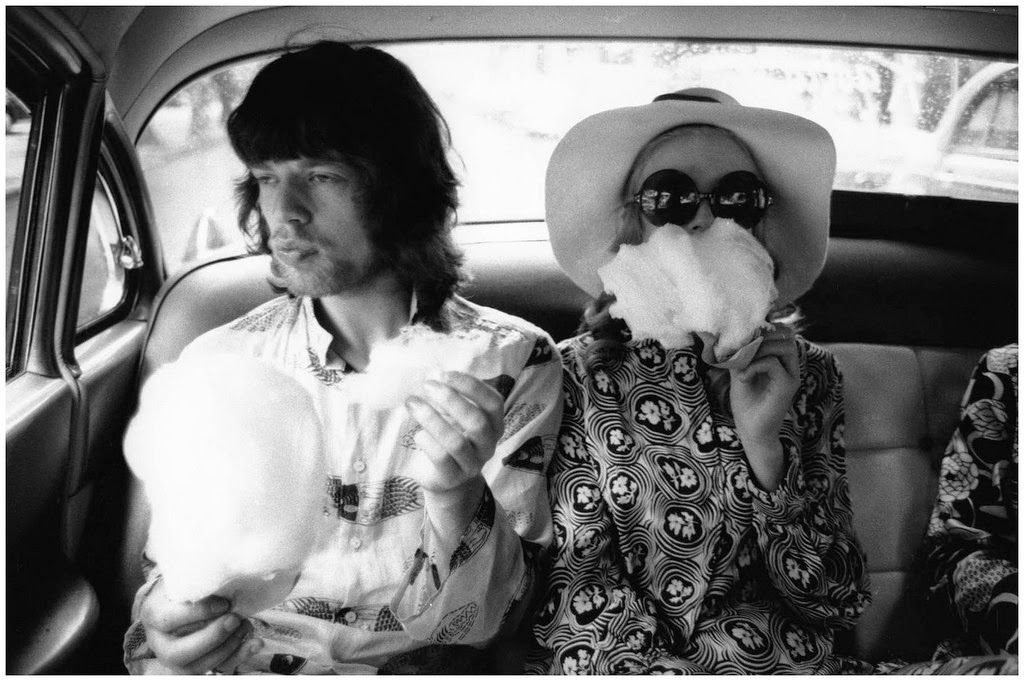
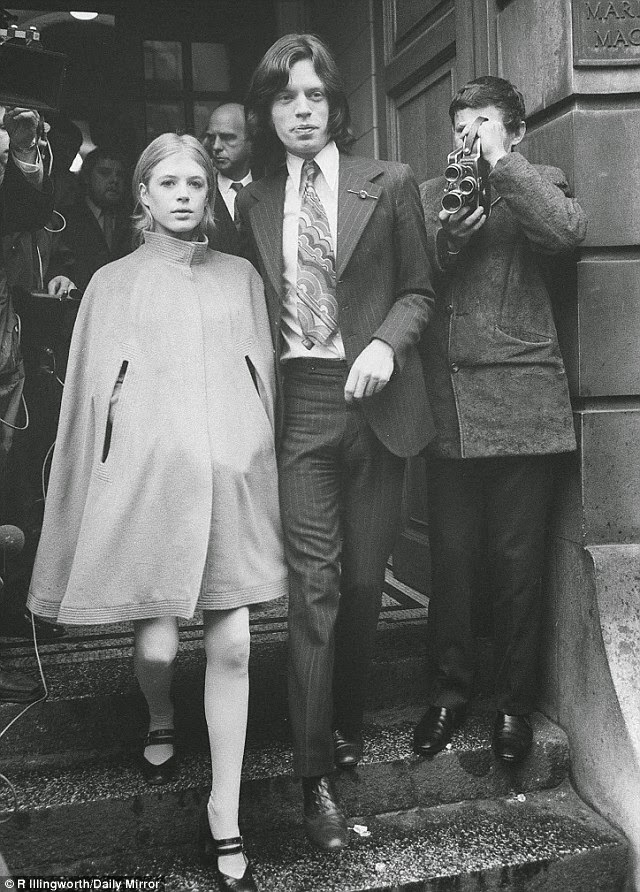
Love, sex and the best of rock & roll. Mick Jagger and Marianne Faithfull were the most cool, stylish and creative couple of the sex revolution era. Their groovy style and famous careers made them one of the most popular couples of the late 1960s.
Besides being beautiful and the inspiration for a number of the Rolling Stones songs, Faithfull was herself the author of one of their best, “Sister Morphine.”
Enjoy a collection of 37 vintage pictures of the 1960s music power couple.


















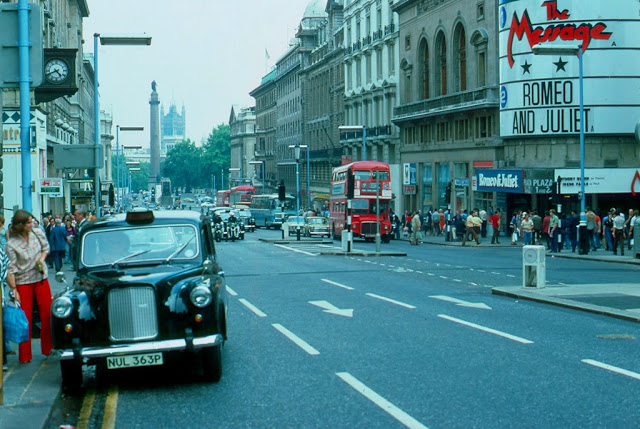
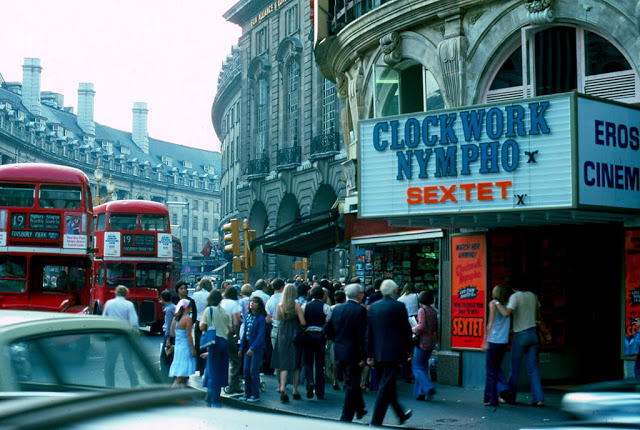
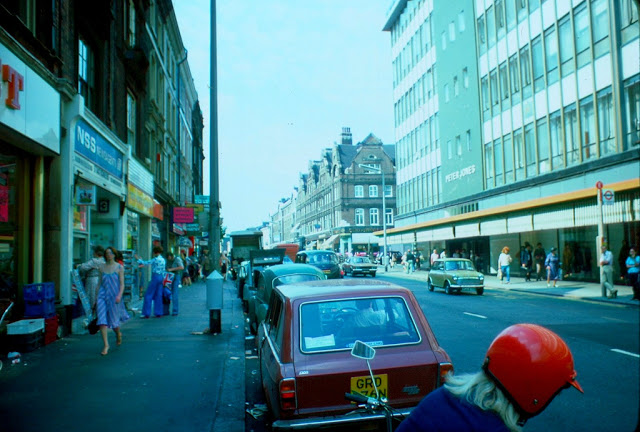
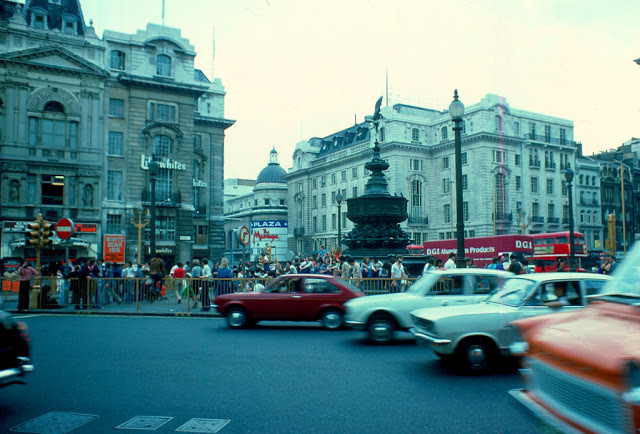
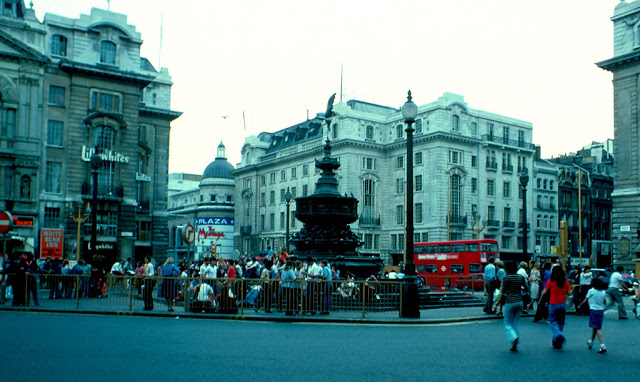
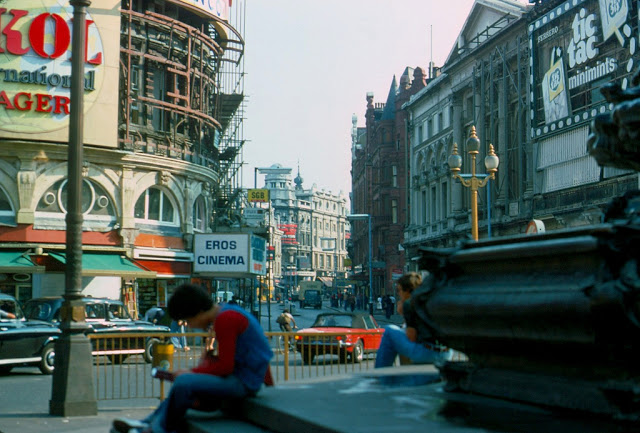
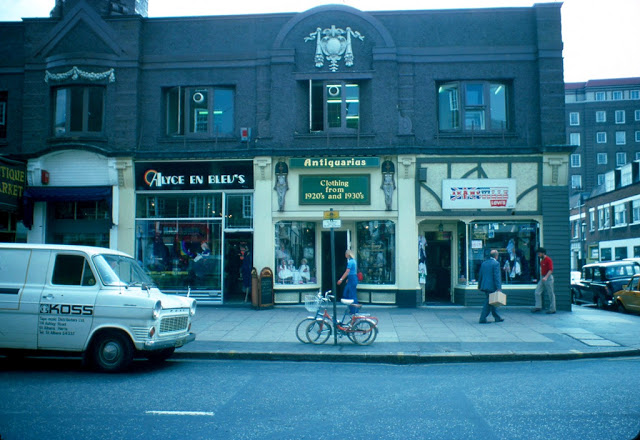
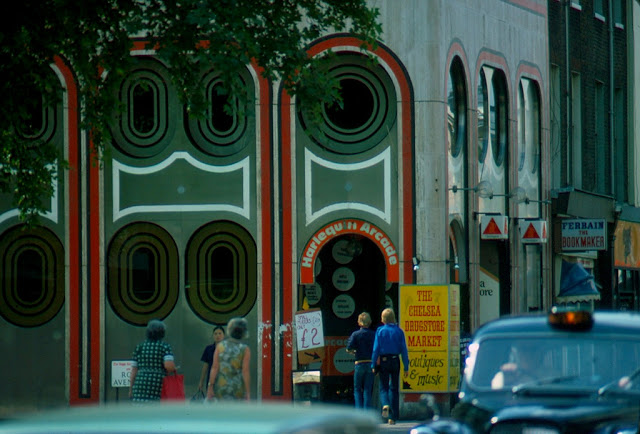
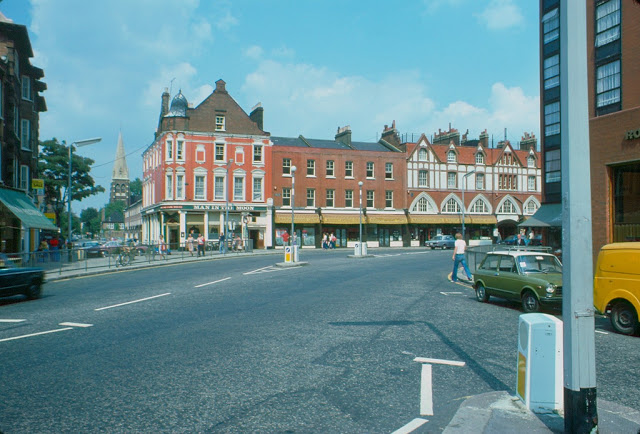
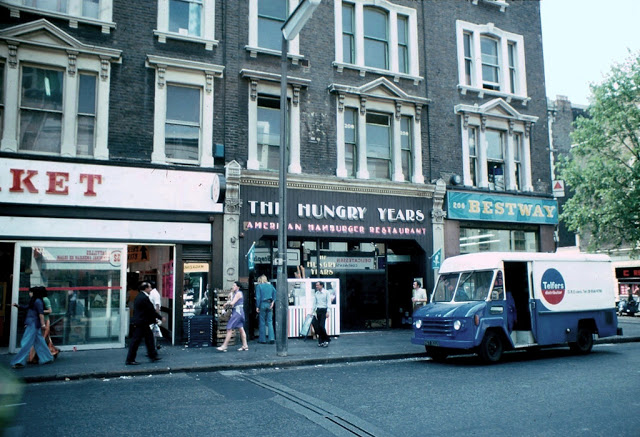
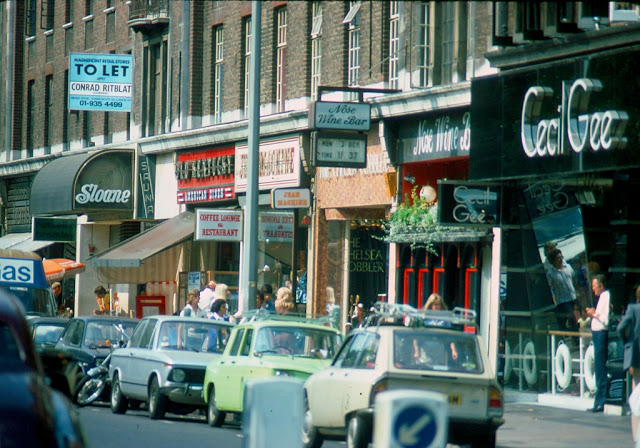
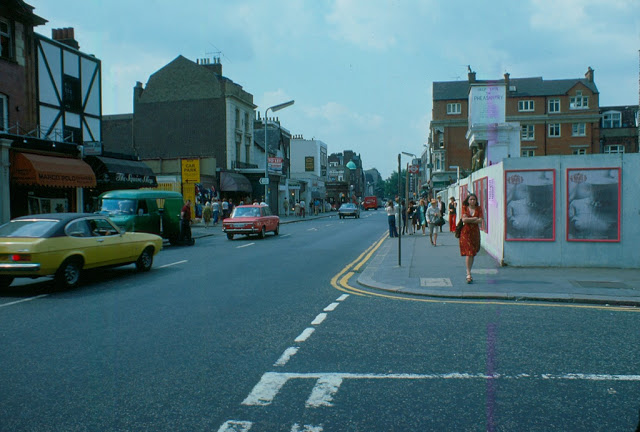
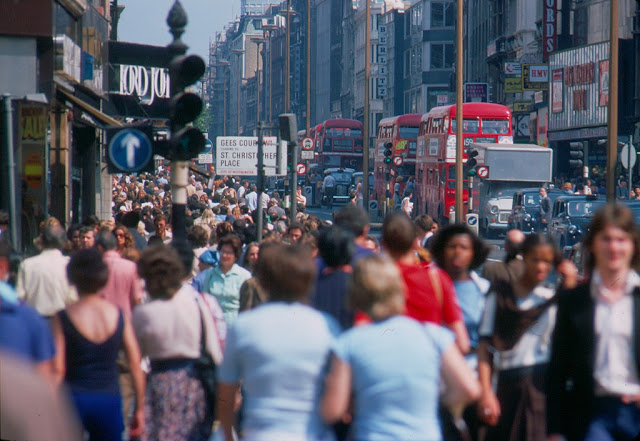
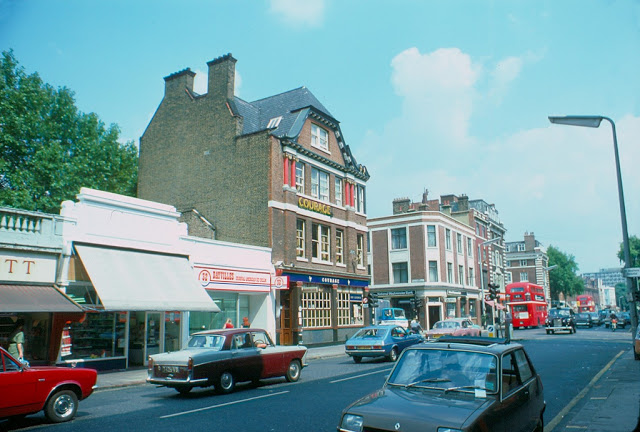
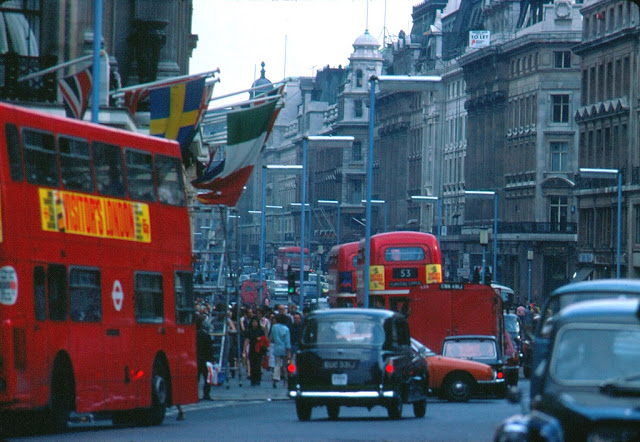
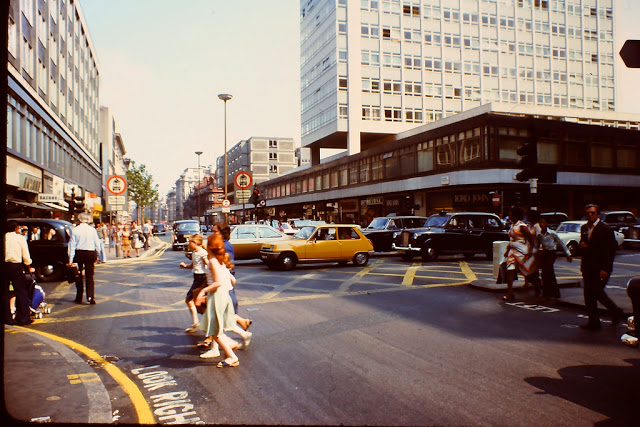
London is the capital and largest city of England and the United Kingdom. It stands on the River Thames in south-east England at the head of a 50-mile (80 km) estuary down to the North Sea, and has been a major settlement for two millennia. The City of London, its ancient core and financial centre, was founded by the Romans as Londinium and retains boundaries close to its medieval ones. Since the 19th century, “London” has also referred to the metropolis around this core, historically split between the counties of Middlesex, Essex, Surrey, Kent, and Hertfordshire, which largely comprises Greater London, governed by the Greater London Authority. The City of Westminster, to the west of the City of London, has for centuries held the national government and parliament.
London, as one of the world’s global cities, exerts strong influence on its arts, commerce, education, entertainment, fashion, finance, health care, media, tourism, and communications. Its GDP (€801.66 billion in 2017) makes it the biggest urban economy in Europe and one of the major financial centres in the world. In 2019 it had the second highest number of ultra high-net-worth individuals in Europe after Paris and the second-highest number of billionaires of any city in Europe after Moscow. With Europe’s largest concentration of higher education institutions, it includes Imperial College London in natural and applied sciences, the London School of Economics in social sciences, and the comprehensive University College London. The city is home to the most 5-star hotels of any city in the world. In 2012, London became the first city to host three Summer Olympic Games.
London’s diverse cultures mean over 300 languages are spoken. The mid-2018 population of Greater London of about 9 million, made it Europe’s third-most populous city. It accounts for 13.4 per cent of the UK population. Greater London Built-up Area is the fourth-most populous in Europe, after Istanbul, Moscow and Paris, with 9,787,426 inhabitants at the 2011 census. The London metropolitan area is the third-most populous in Europe after Istanbul’s and Moscow’s, with 14,040,163 inhabitants in 2016.
London has four World Heritage Sites: the Tower of London; Kew Gardens; the Palace of Westminster, along with Westminster Abbey, and St Margaret’s Church; and the historic settlement in Greenwich, where the Royal Observatory, Greenwich defines the Prime Meridian (0° longitude) and Greenwich Mean Time. Other landmarks include Buckingham Palace, the London Eye, Piccadilly Circus, St Paul’s Cathedral, Tower Bridge and Trafalgar Square. It has numerous museums, galleries, libraries and sporting venues, including the British Museum, National Gallery, Natural History Museum, Tate Modern, British Library and West End theatres. The London Underground is the oldest rapid transit system in the world. (Wikipedia)