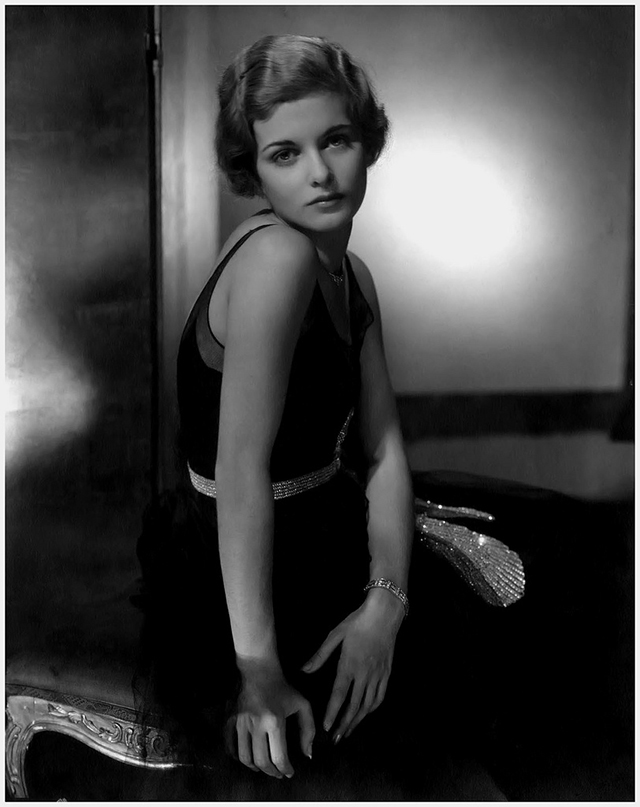
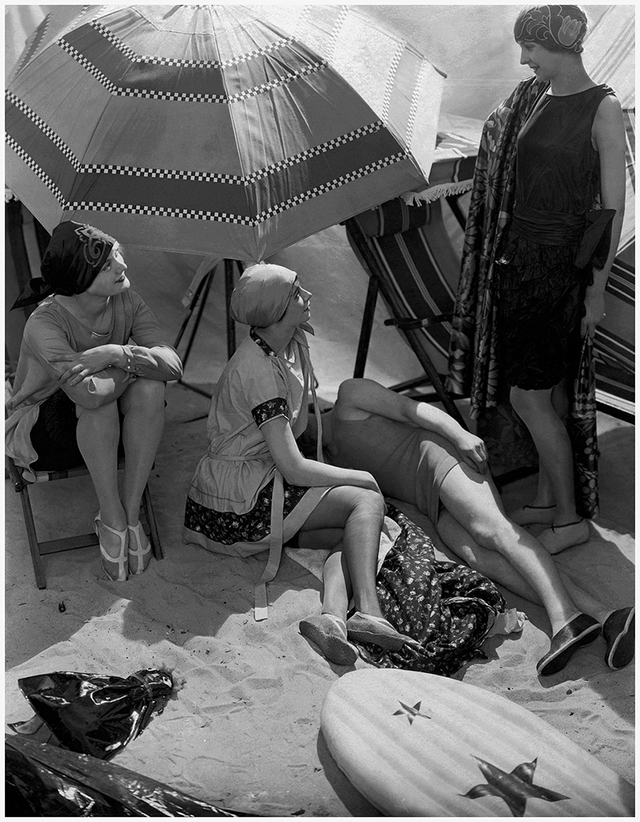
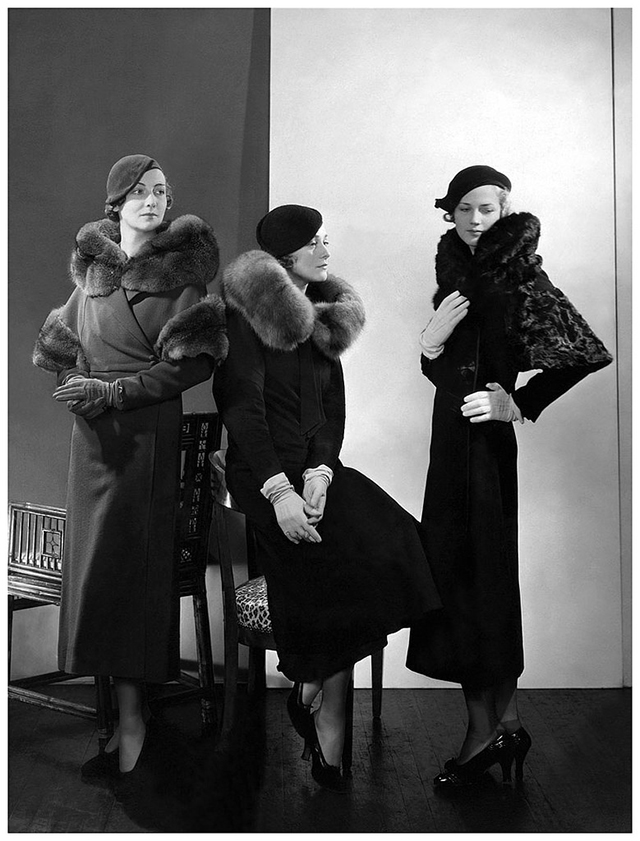
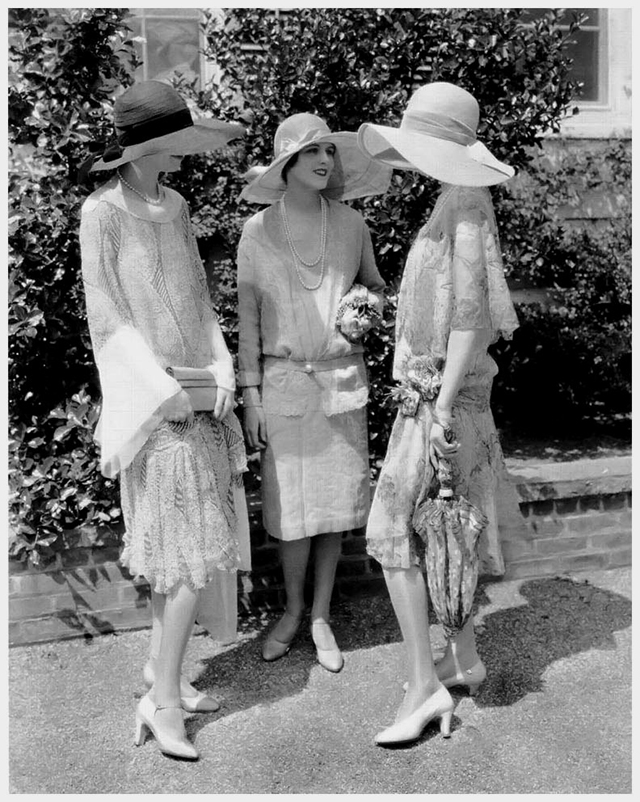
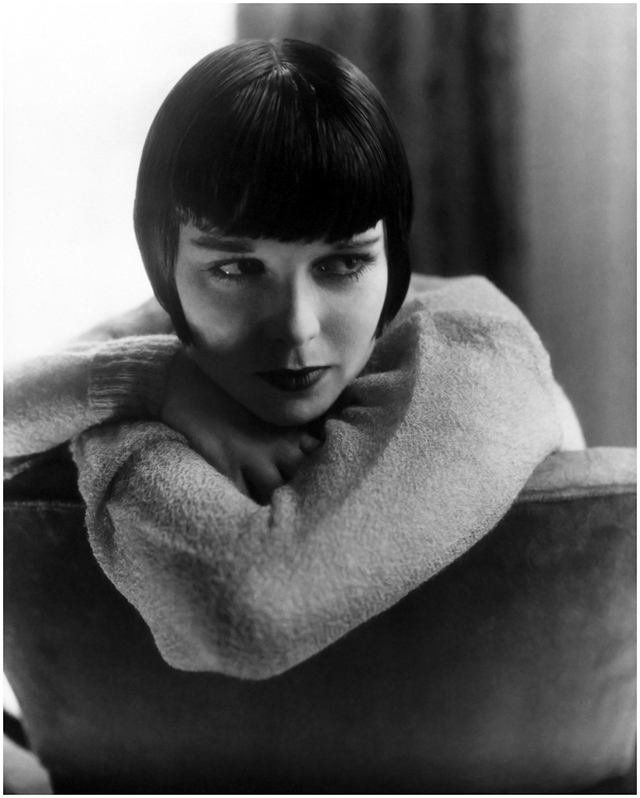
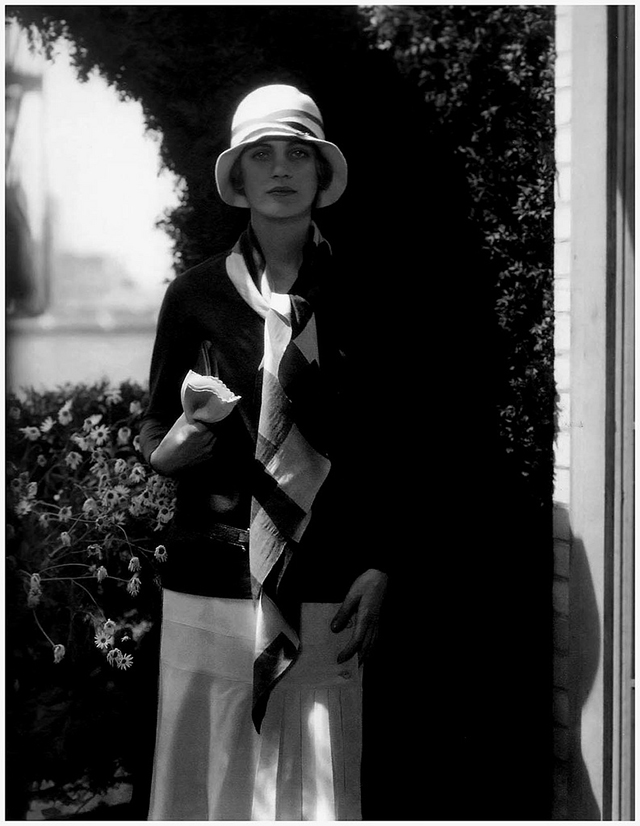
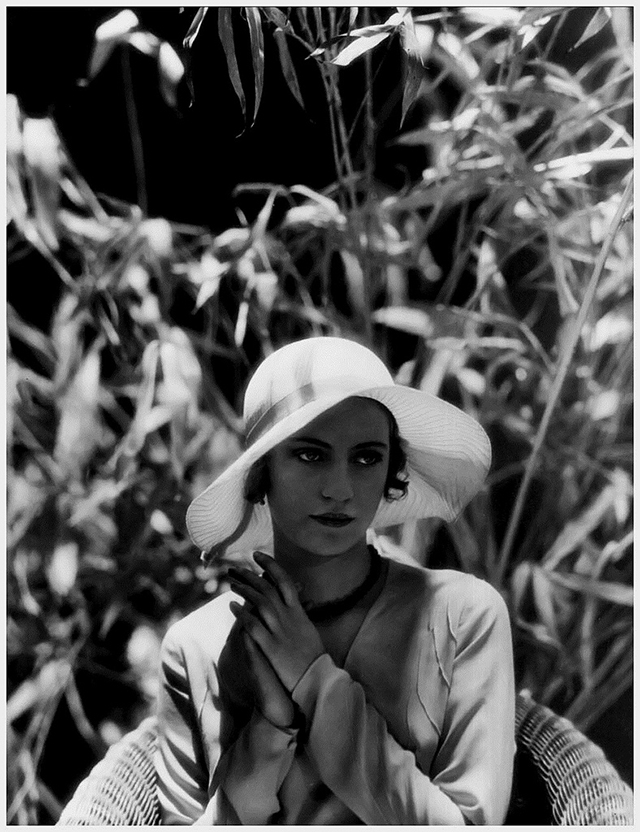
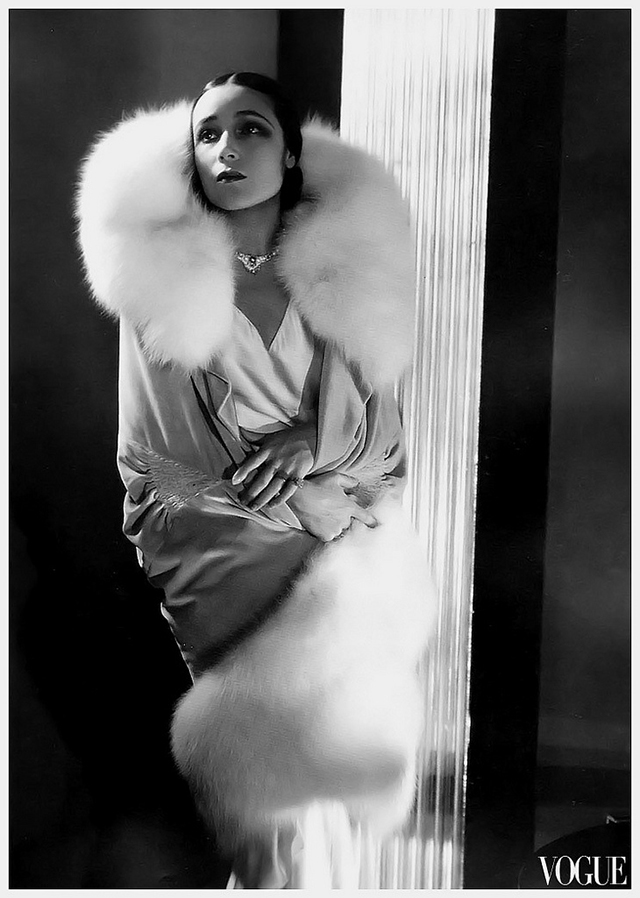
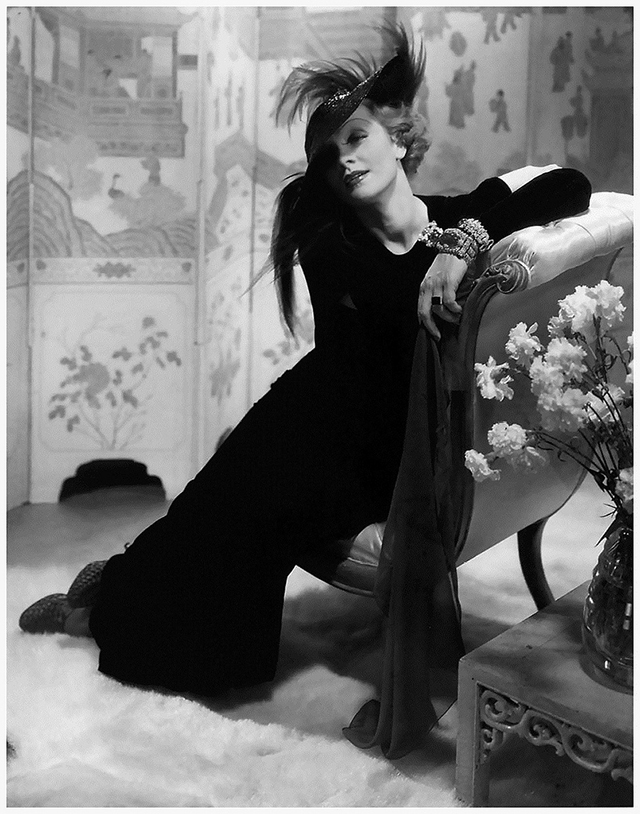
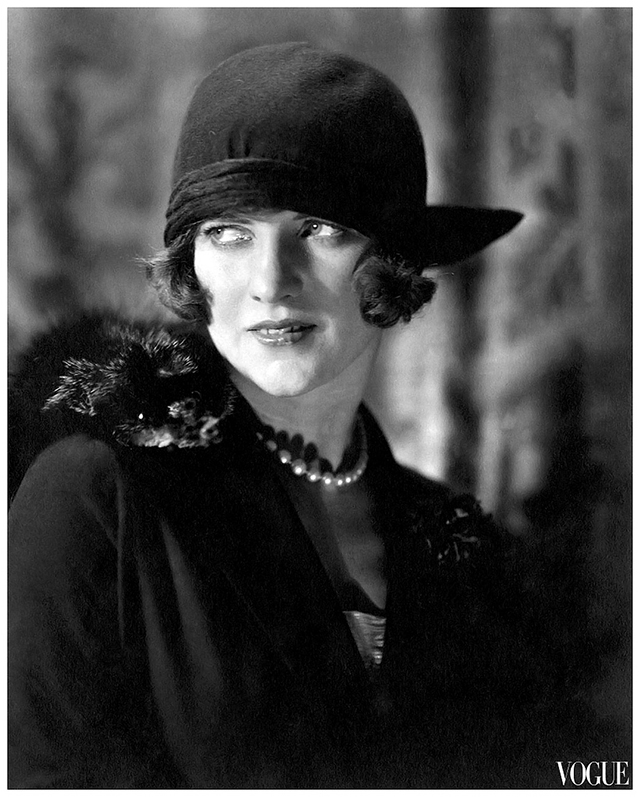
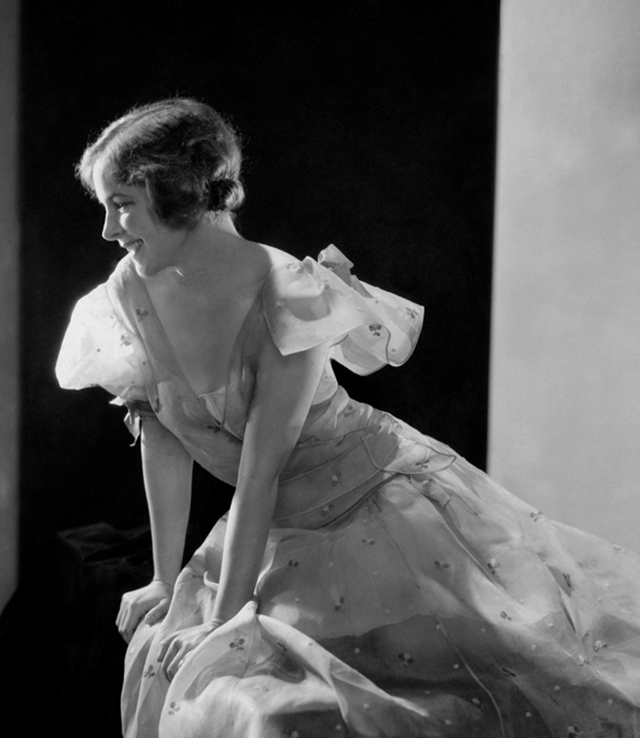
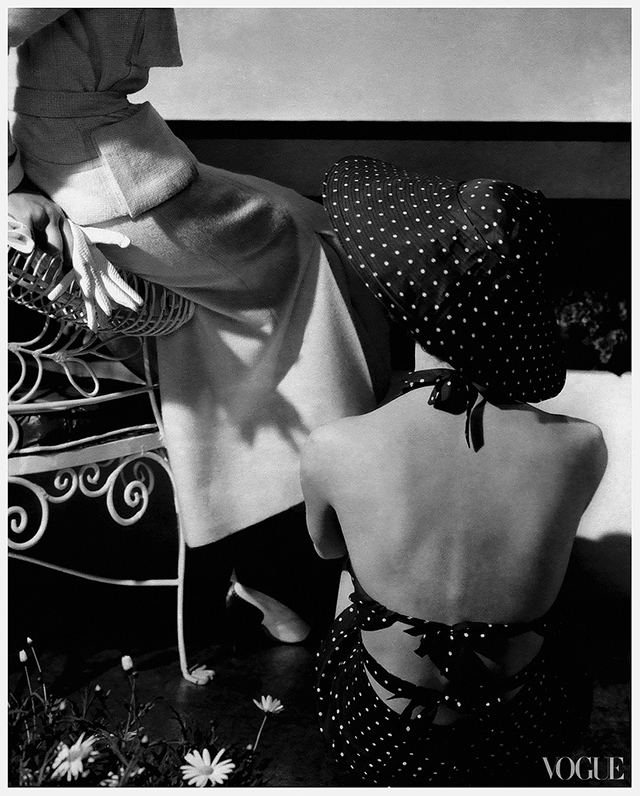
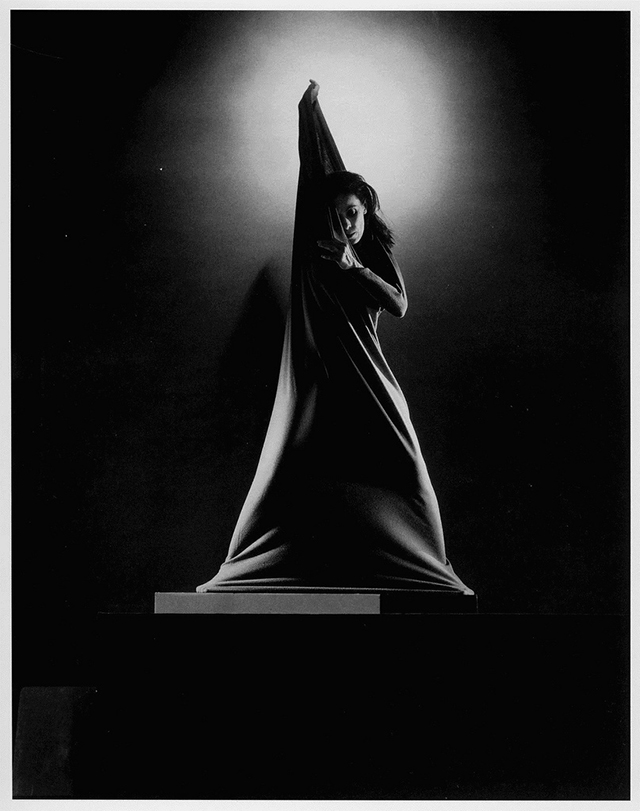
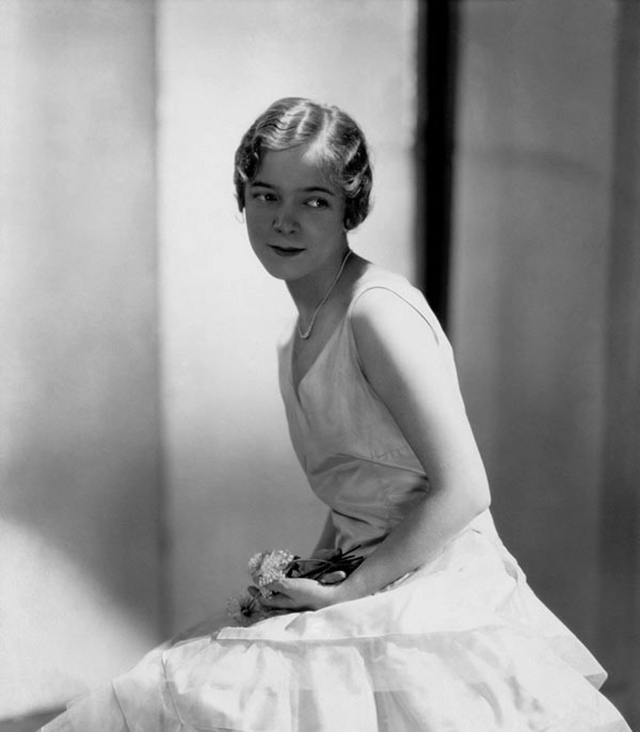
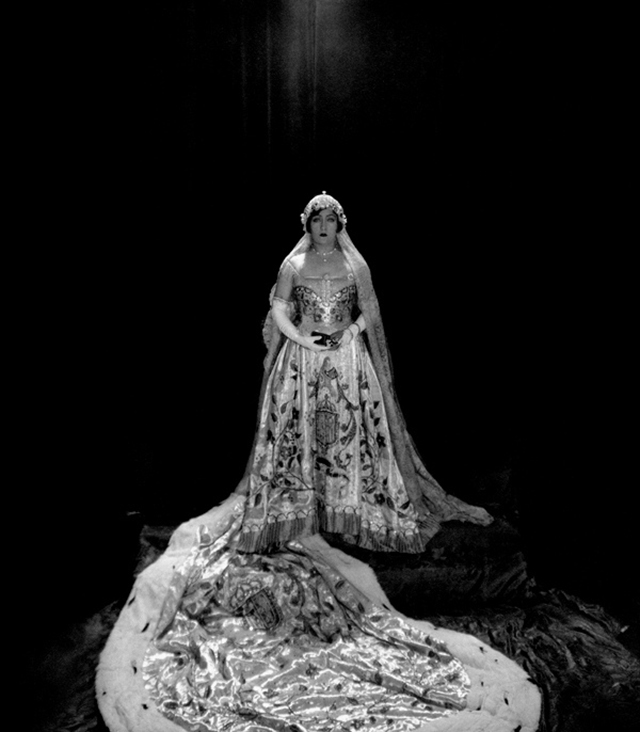
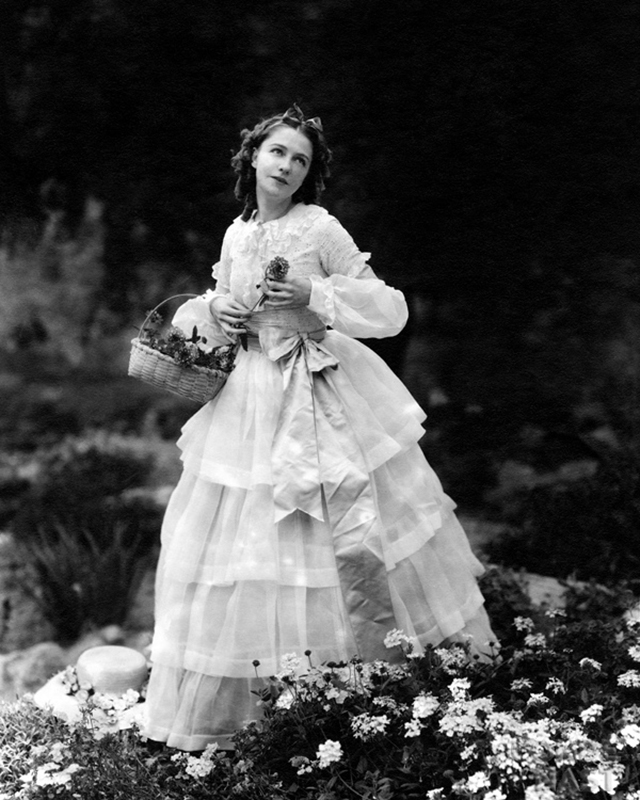
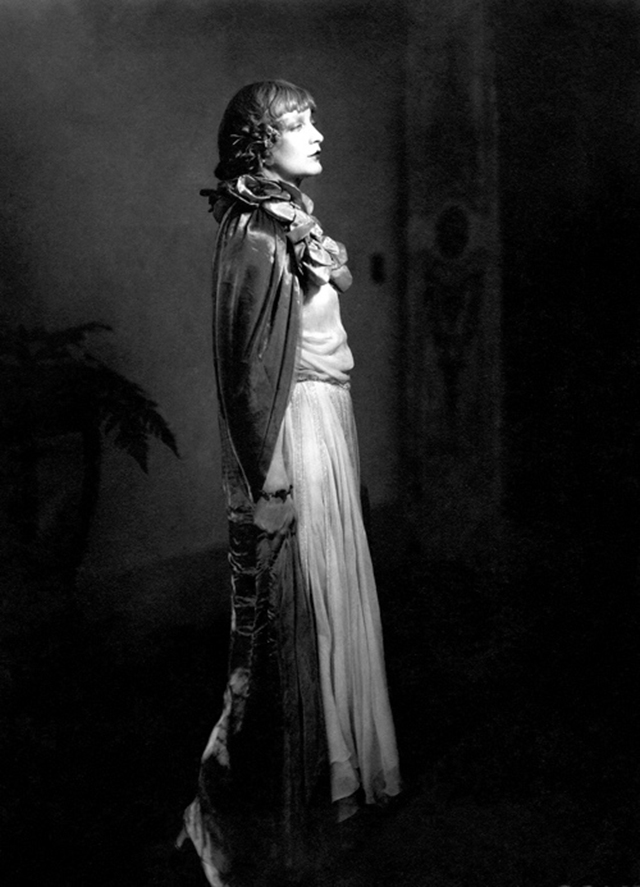
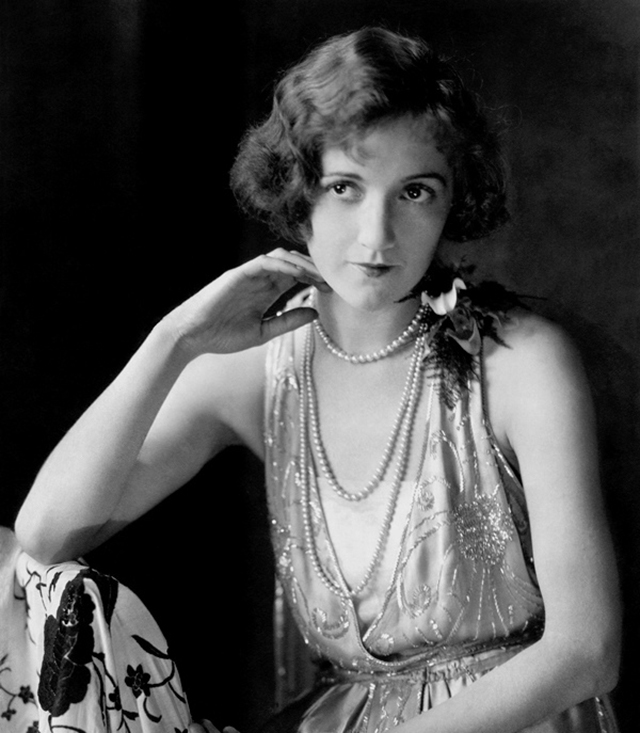
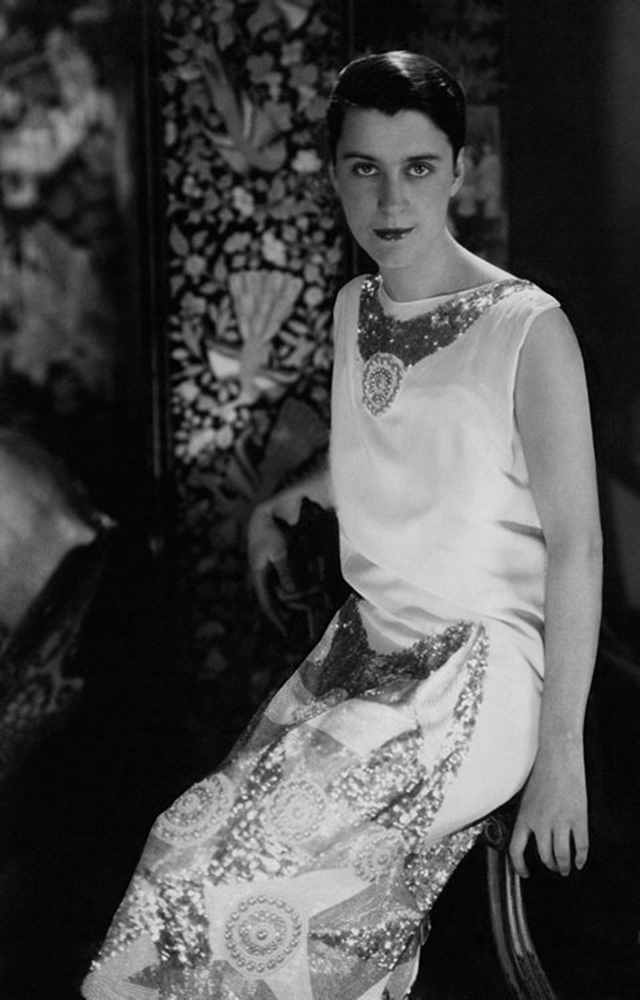
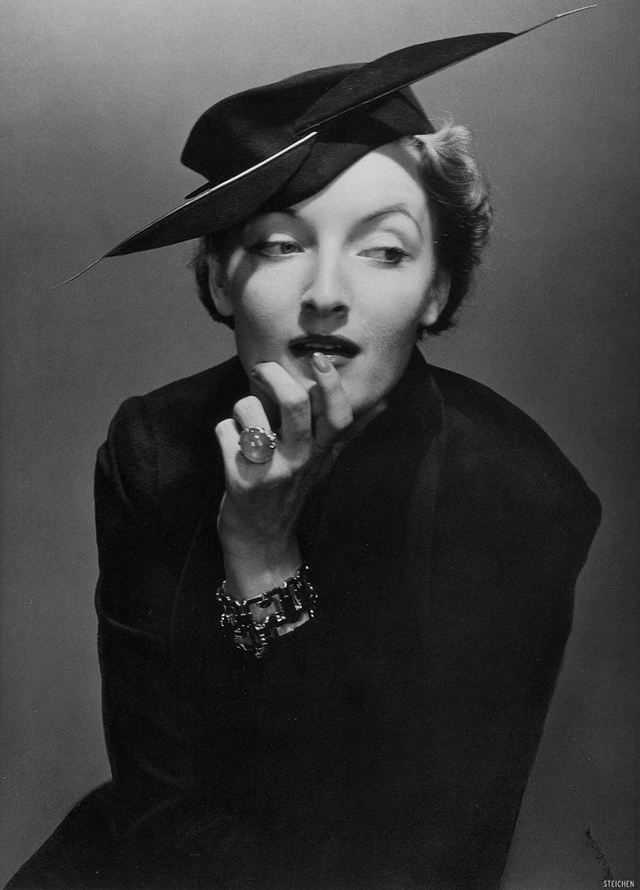
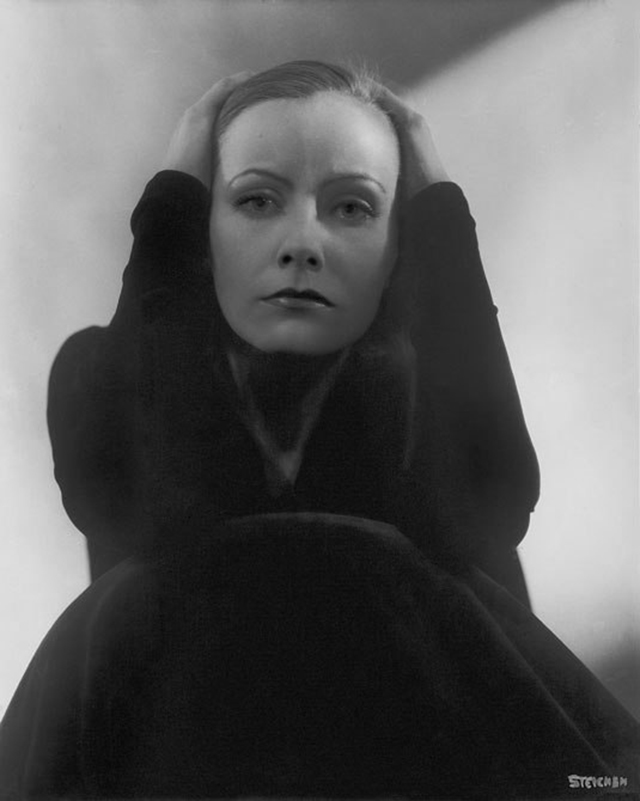
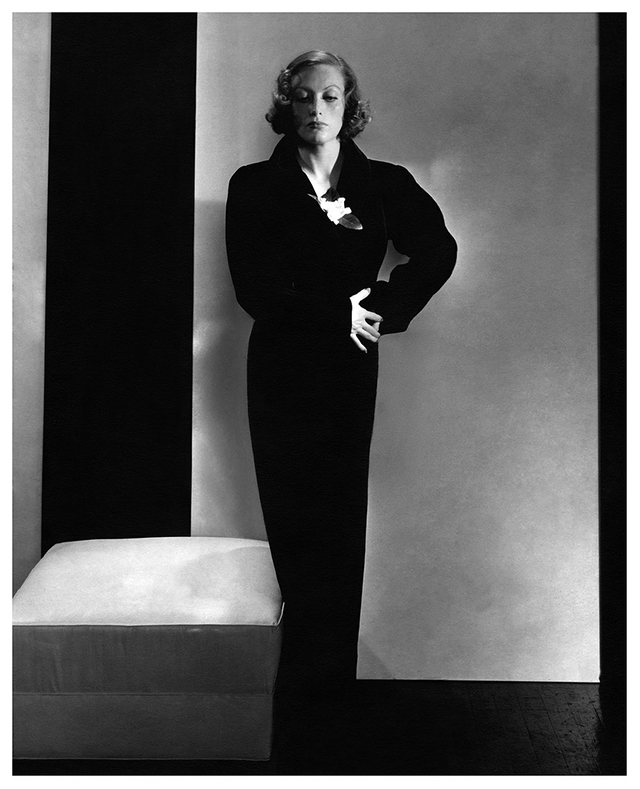
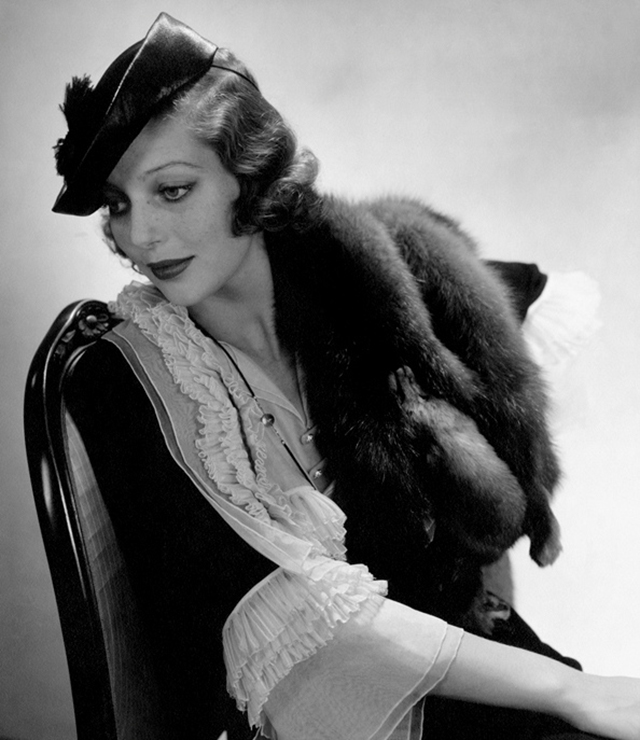
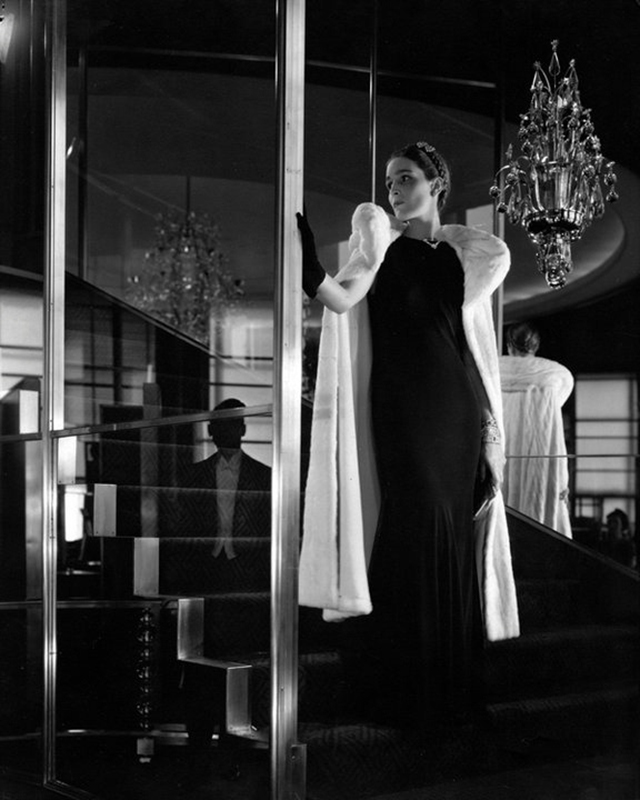
Edward Steichen (1879-1973) was a Luxembourgian American photographer, painter, and art gallery and museum curator. He began by studying pictorialist photography and his early work expressed the romanticism of the early 20th century with artful, dark, and foggy images of the countryside.
His photos of gowns for the magazine Art et Décoration in 1911 are regarded as the first modern fashion photographs ever published. From 1923 to 1938, Steichen was a photographer for the Condé Nast magazines Vogue and Vanity Fair while also working for many advertising agencies including J. Walter Thompson. During these years, Steichen was regarded as the best known and highest paid photographer in the world.
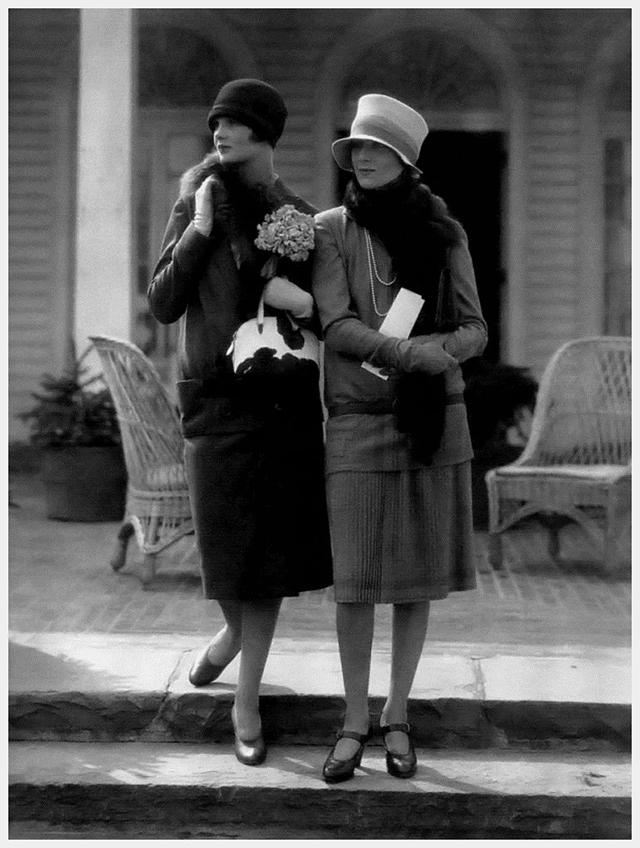
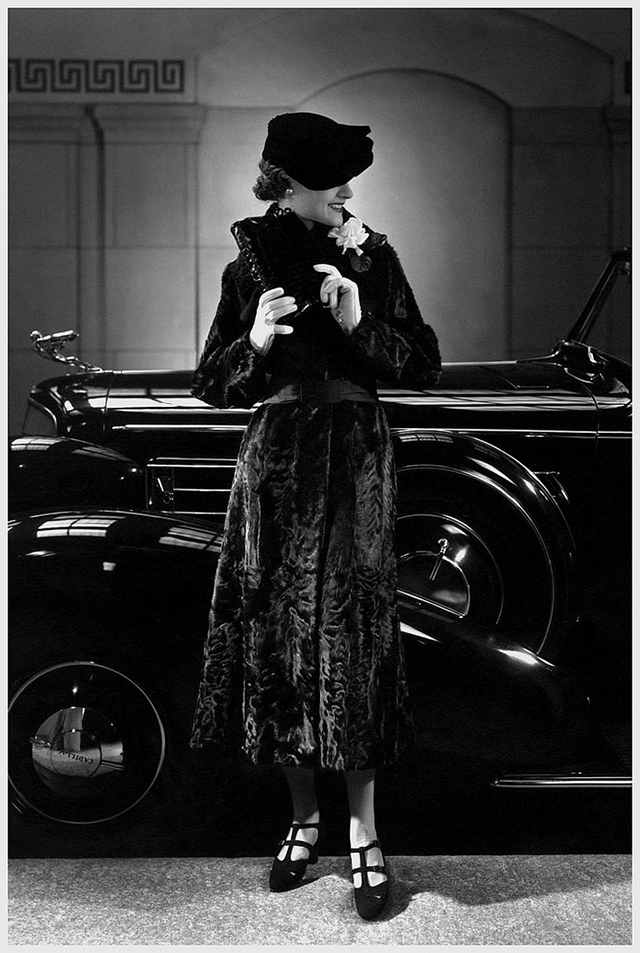
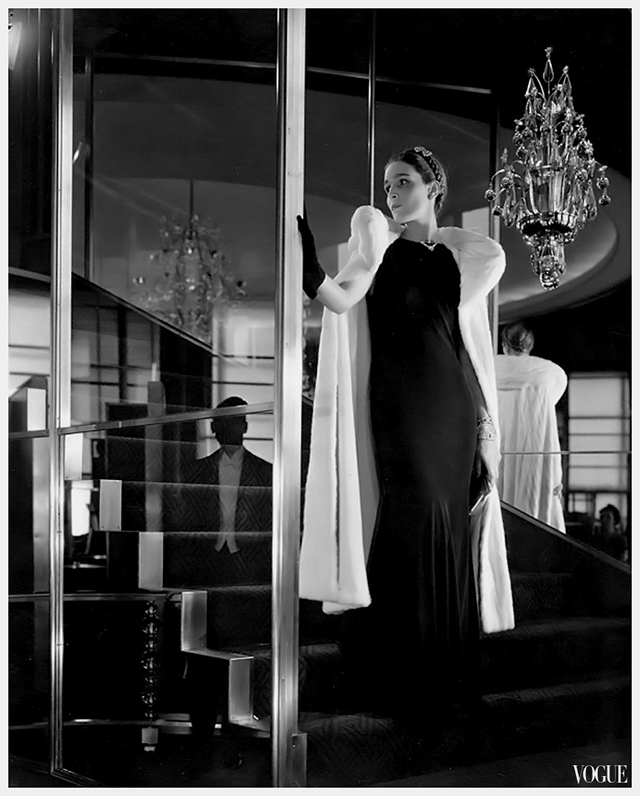
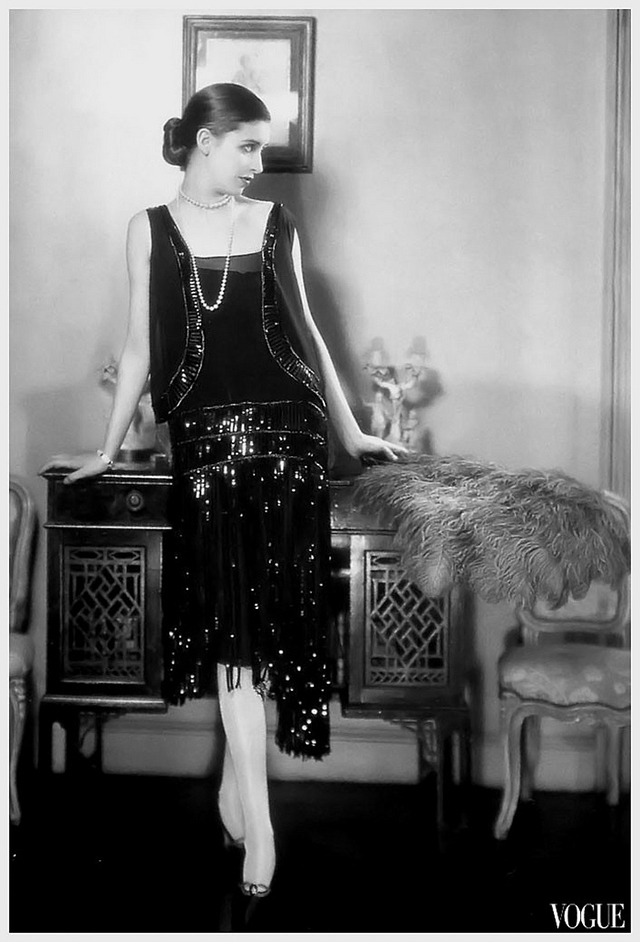
Joan Bennett, 1928Beach wear, 19251932Katharine Hepburn, 1933Gertrude Lawrence, 1928Vogue 1926Model at left in a wool suit by Edward Molyneux; the one at right in a two-piece dress by Drecoll, 1926.American singer, dancer and actress Jane Powell standing in front of a Cadillac 370-D Fleetwood, 1935Vogue 1934Dorothy Smart is wearing a black velvet hat by Madame Agnès, 1926Marlene Dietrich, 1931Vogue 1926. Model and photographer, Marion Morehouse is wearing black sequined dress by Chanel.Louise Brooks, 1928Lee Miller, wearing Chanel with a Caroline Reboux hat, 1928Lee Miller, 1928Dolores Del Rio, 1929Marlene Dietrich, 1932December 1923Two models on the deck of the cruise ship liner Lurline, 1934Helen Hayes, 1931English stage actress Mary Taylor wearing a white angora hat with grosgrain band by Maria Guy, striped rough silk ensemble, and dark shirred scarf, with reflection in mirror behind her.British actress Merle Oberon, Vogue 1935Amelia Earhart1933Martha Graham, 1931Helen HayesGloria Swanson, 1924Dolores Costello, 1927Dolores del RioDorothy Gish, 1931Eleanor Boardman, 1928Estelle Winwood, 1923Constance Talmadgeent, 1924Claire Luce, 1928Beatrice Lily, 1926Danish actress Gwili Andre. Vogue, 1936.Greta Garbo, 1928Joan Crawford wearing Elsa Schiaparelli, Vogue October 1932Loretta YoungSeptember 1934
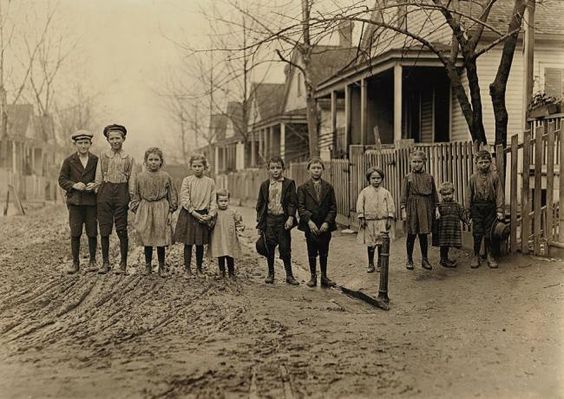
In 1908 Lewis Hine picked up his camera and became the photographer for the National Child Labor Committee. It was a start of a long decade, as Lewis traveled across the country, documenting child labor, getting constant threats from factory owners as the immorality of child labor was supposed to be kept away from the public’s eye. However, Hine persisted, adopting many different disguises (such as a fire inspector or a bible salesman) to snap pictures and interview the children working at factories or in the streets.
Lewis Hine used his camera as a tool for social commentary and reform, focusing on the dangerous and appalling conditions that the children had to work in. Risking his own safety, Hine snapped thousands of photographs with one goal – to end child labor. And of course, spreading the photographs, in the form of pamphlets, newspapers, and magazines paid off as the federal government eventually had to put out stricter labor laws.
Accident To Young Mill Worker. Giles Edmund Newsom, 11 years old. While Working In Sanders Spinning Mille, A Piece Of The Machine Fell On To His Foot Mashing His Toe. This Caused Him To Fall On To A Spinning Machine And His Hand Went Into Unprotected Gearing, Crushing And Tearing Out Two Fingers. Bessemer City, North Carolina.
Subscribe to continue reading
Become a paid subscriber to get access to the rest of this post and other exclusive content.
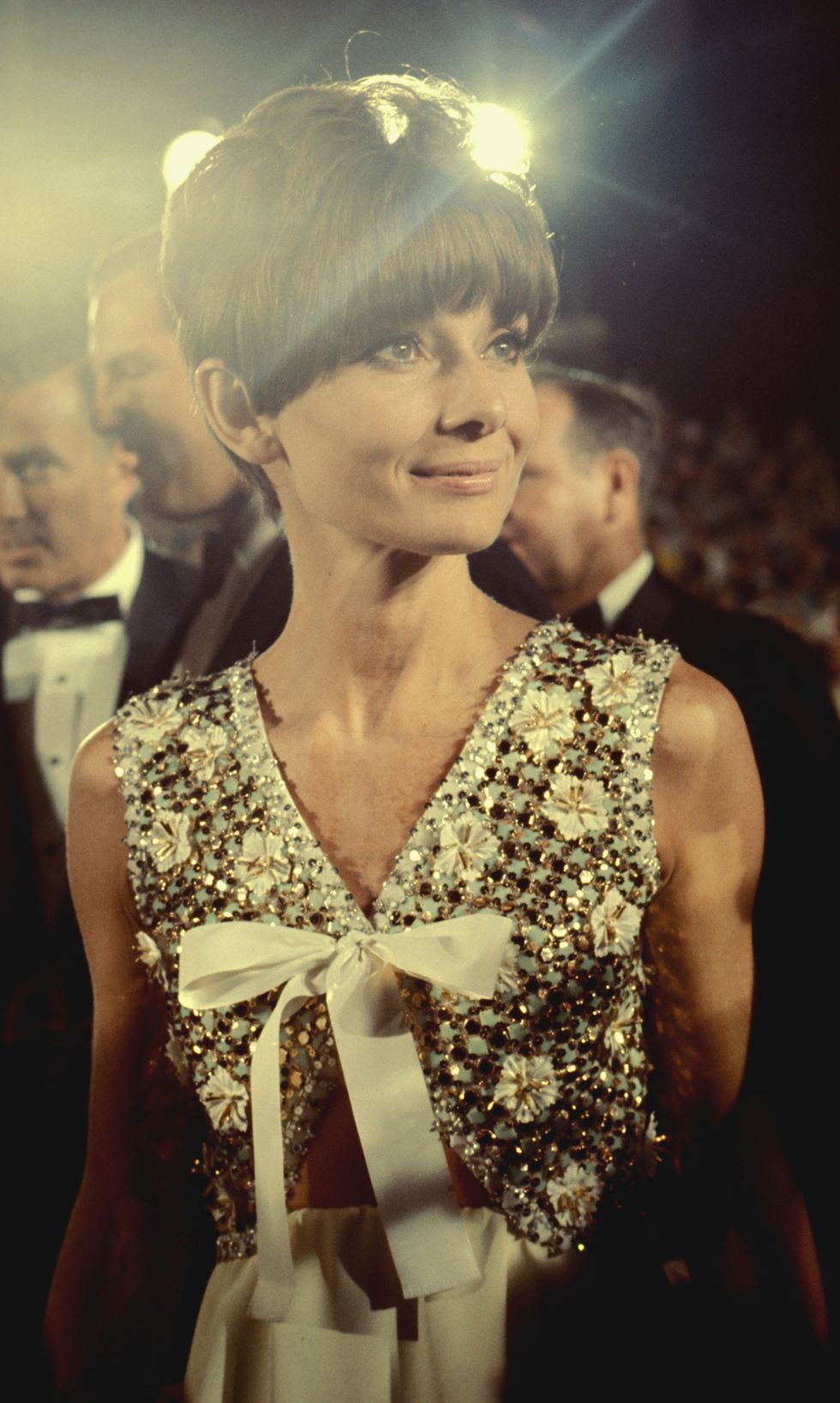
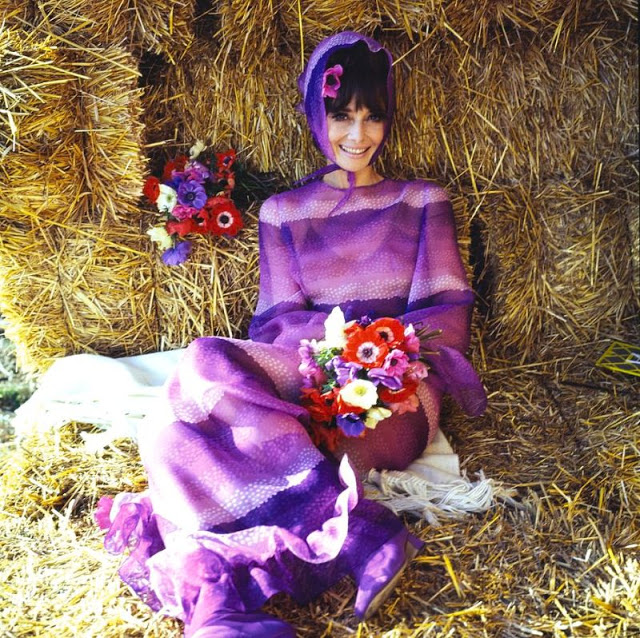
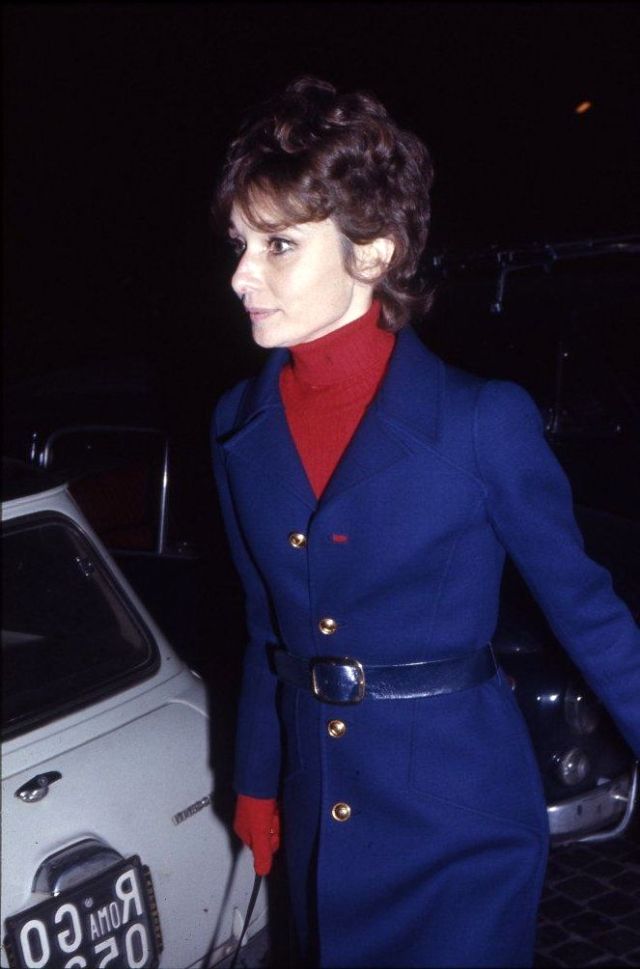
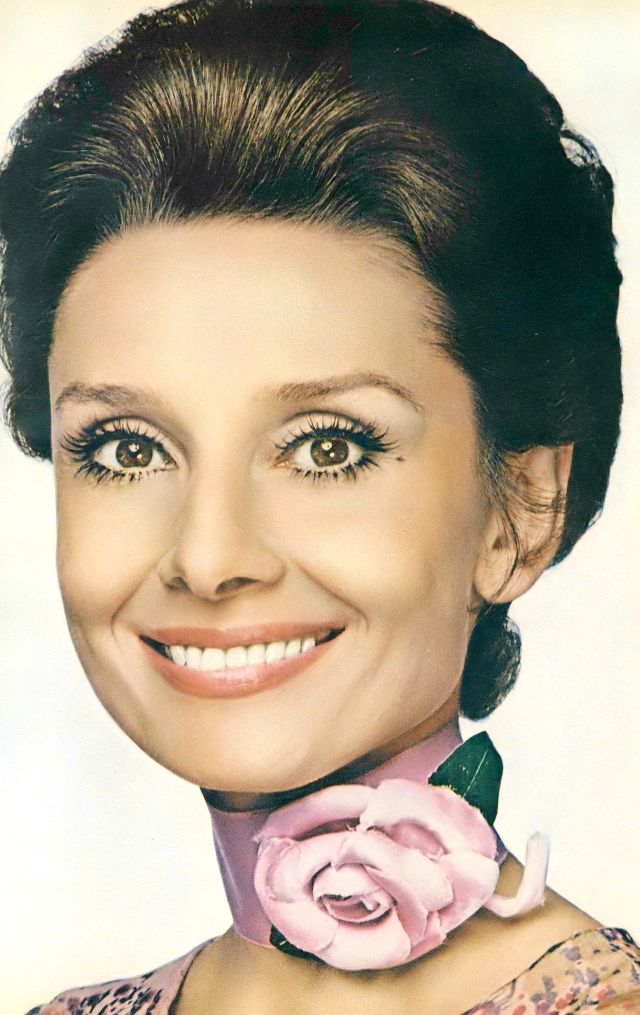
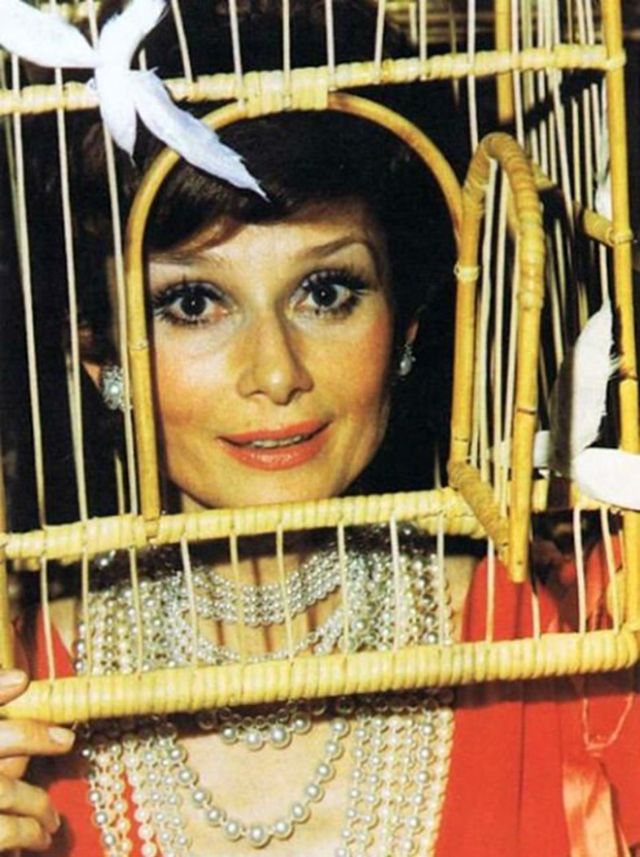
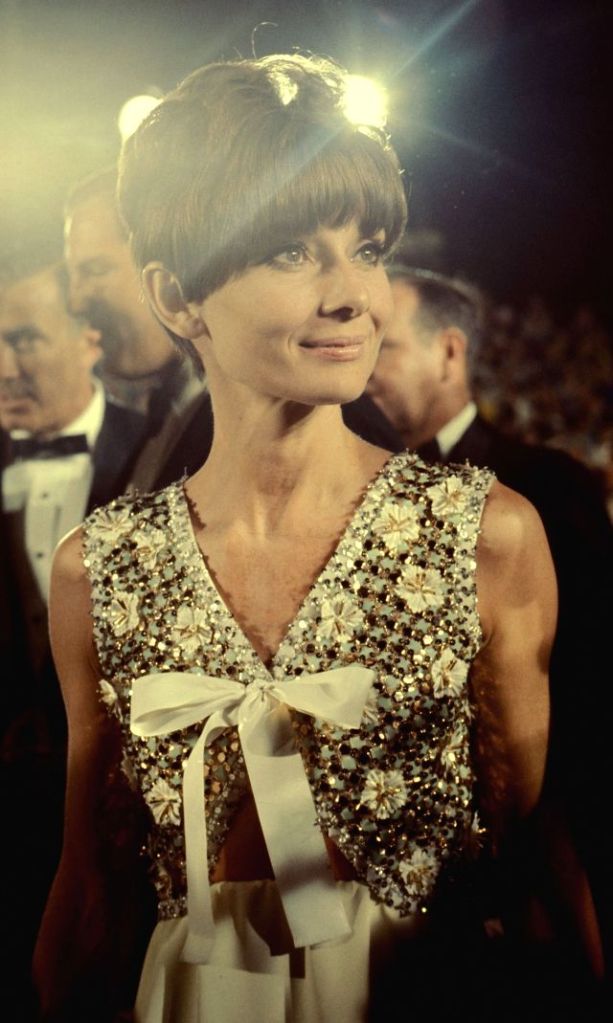
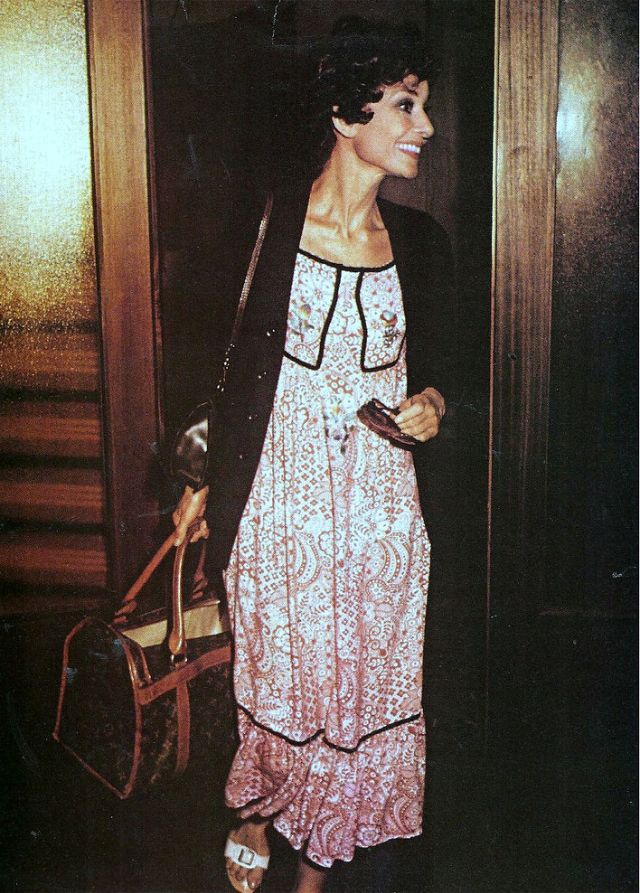
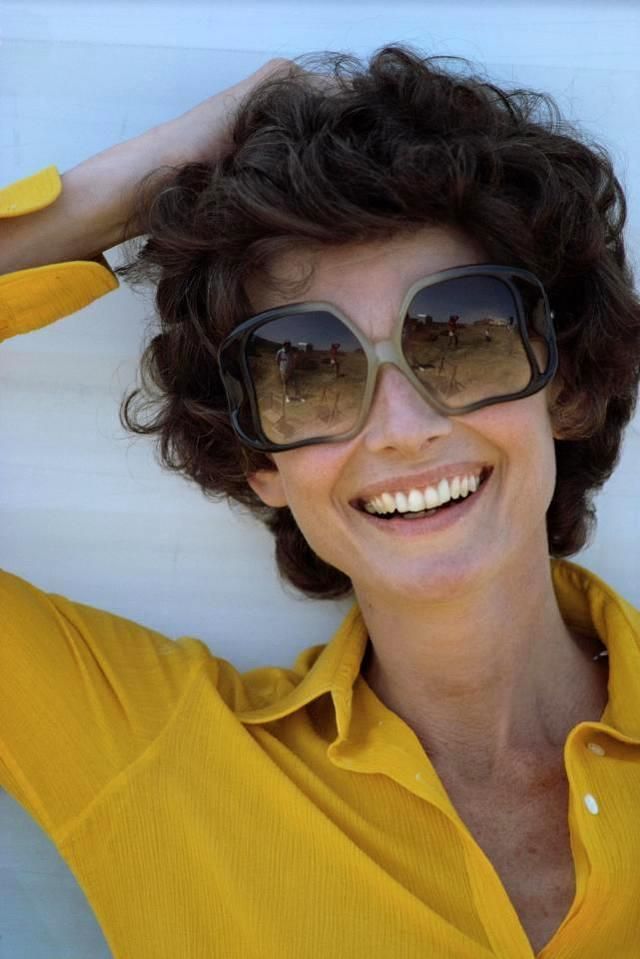
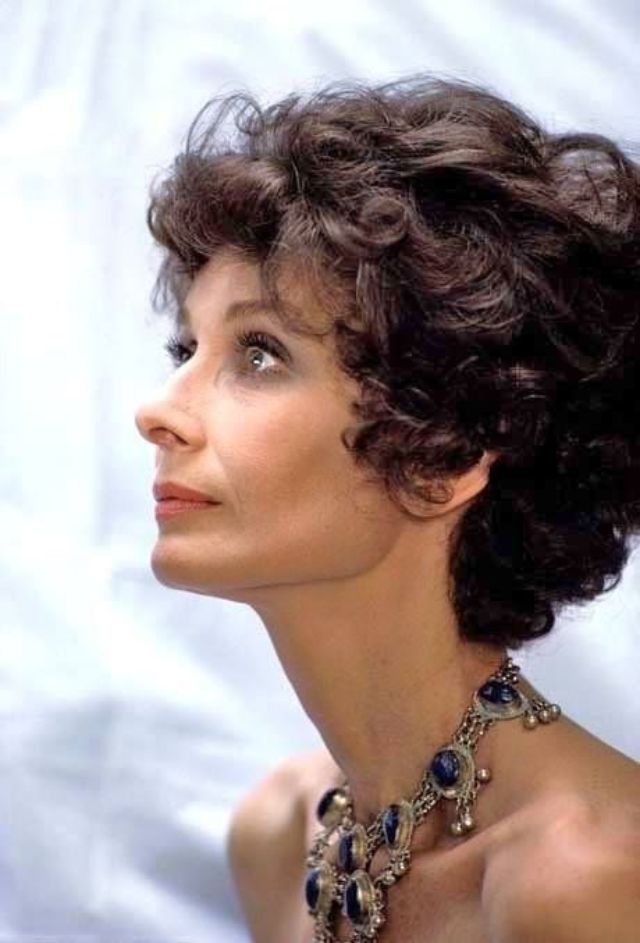
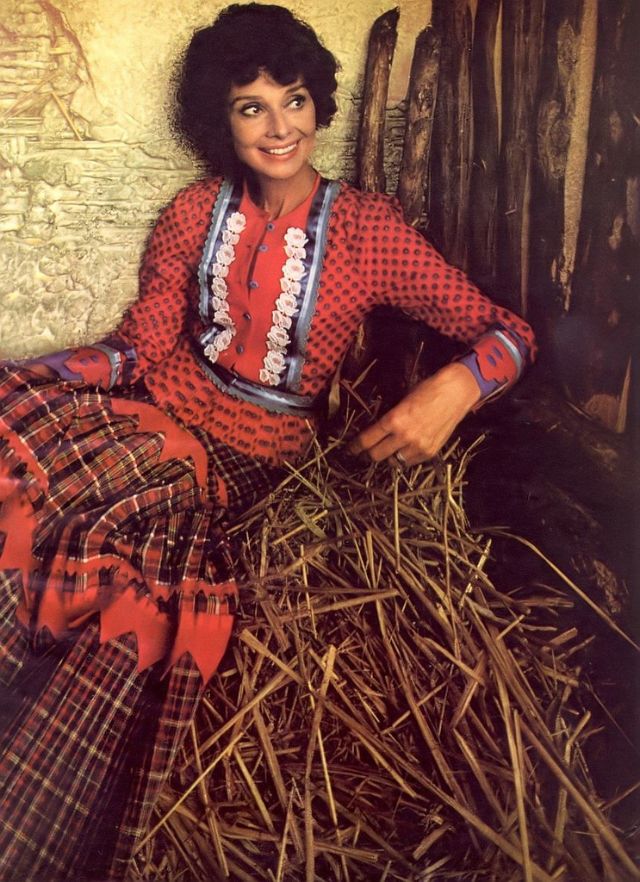
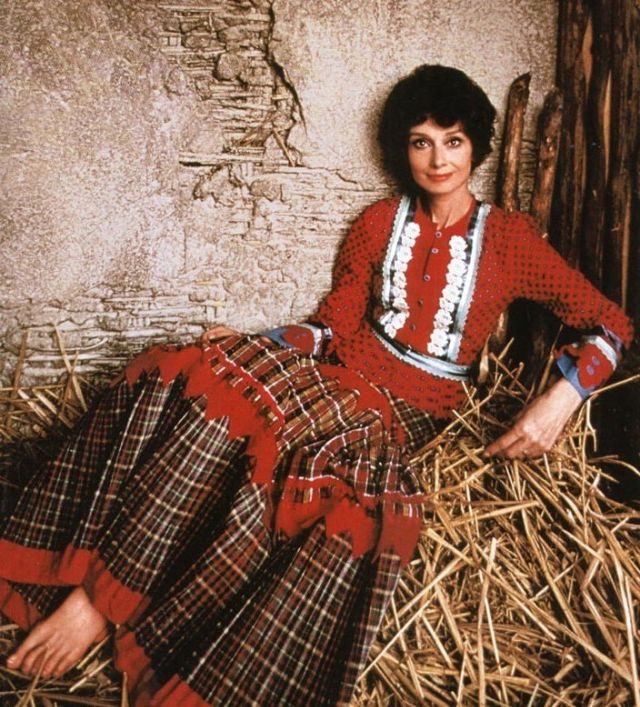
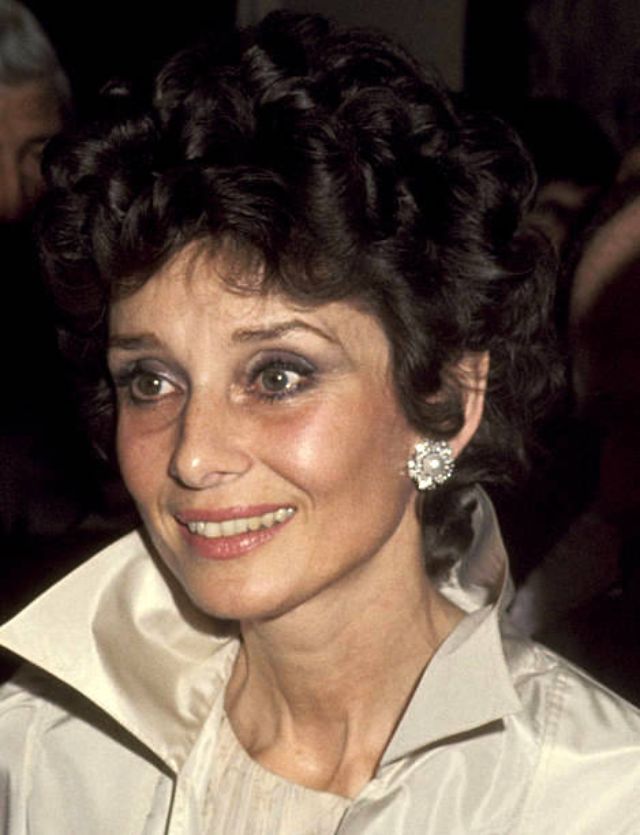
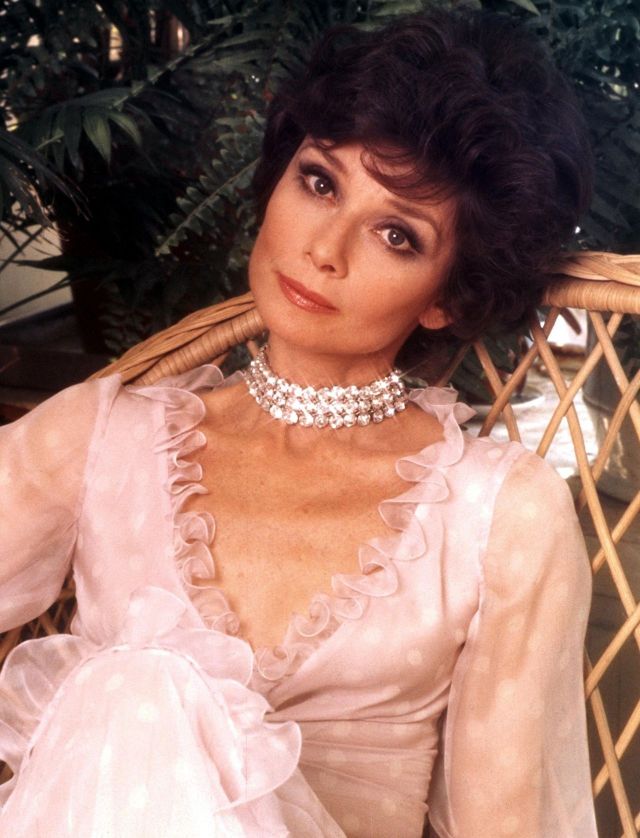
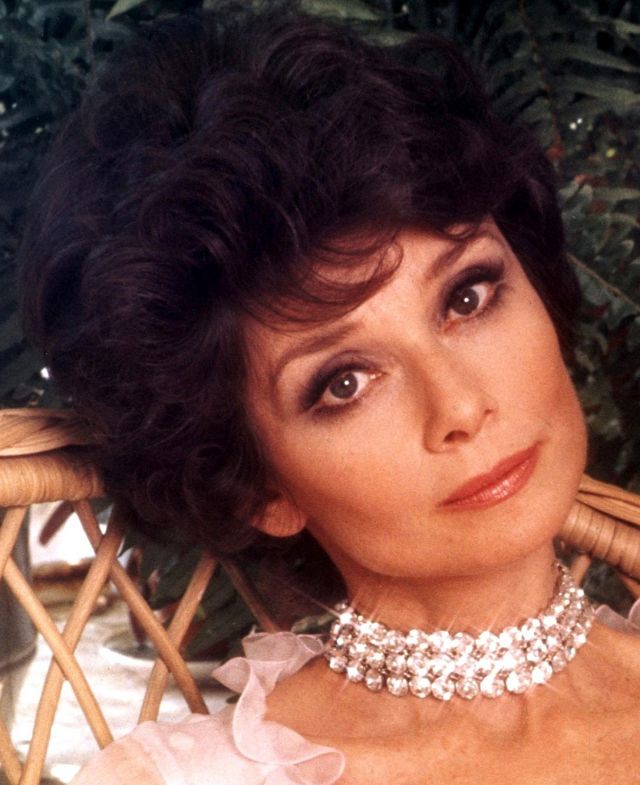
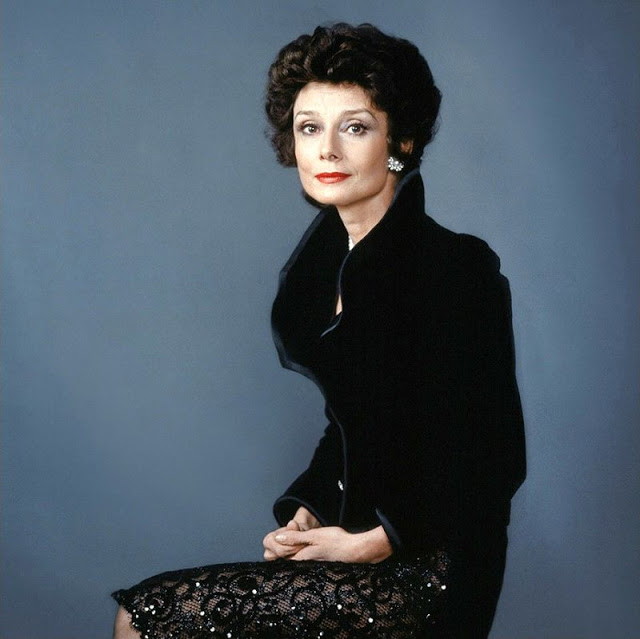
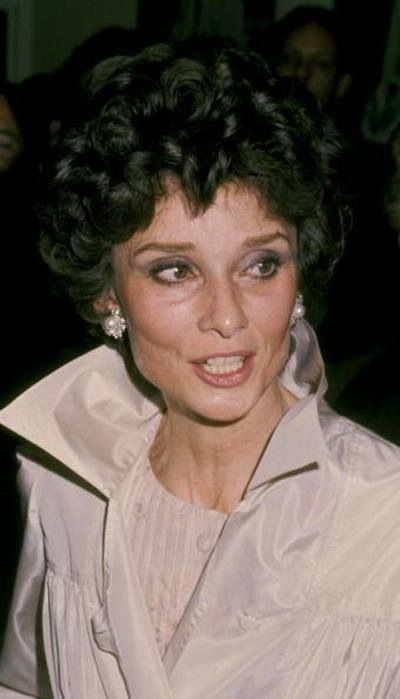
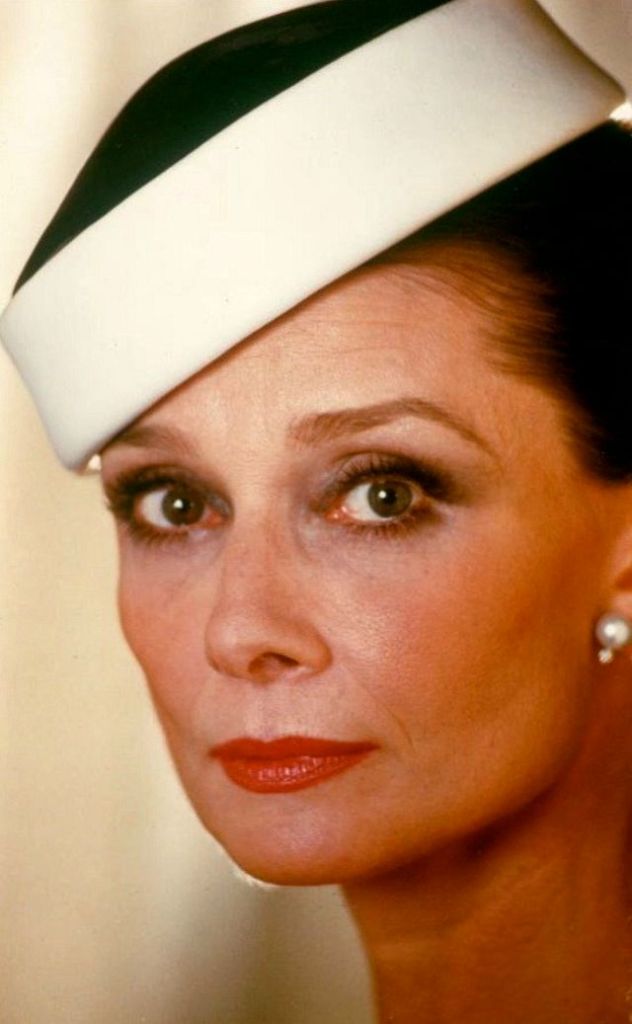
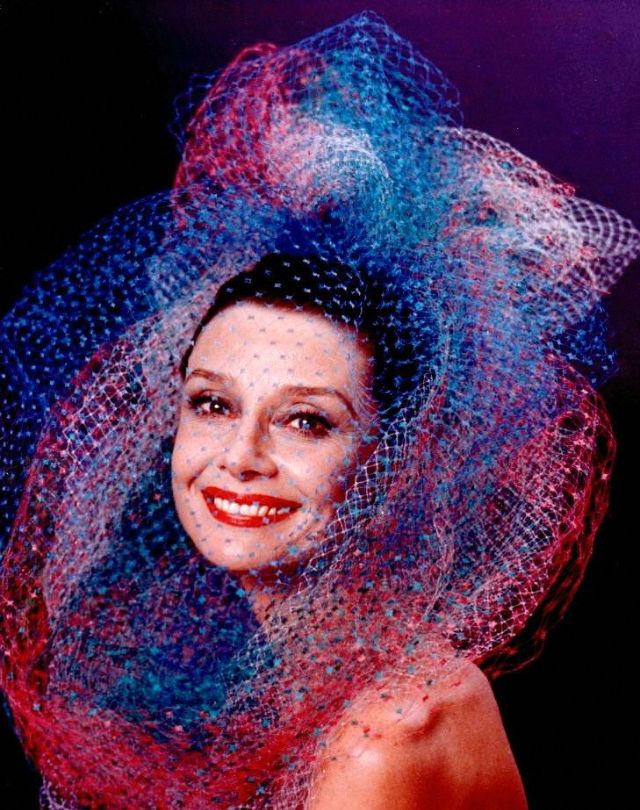
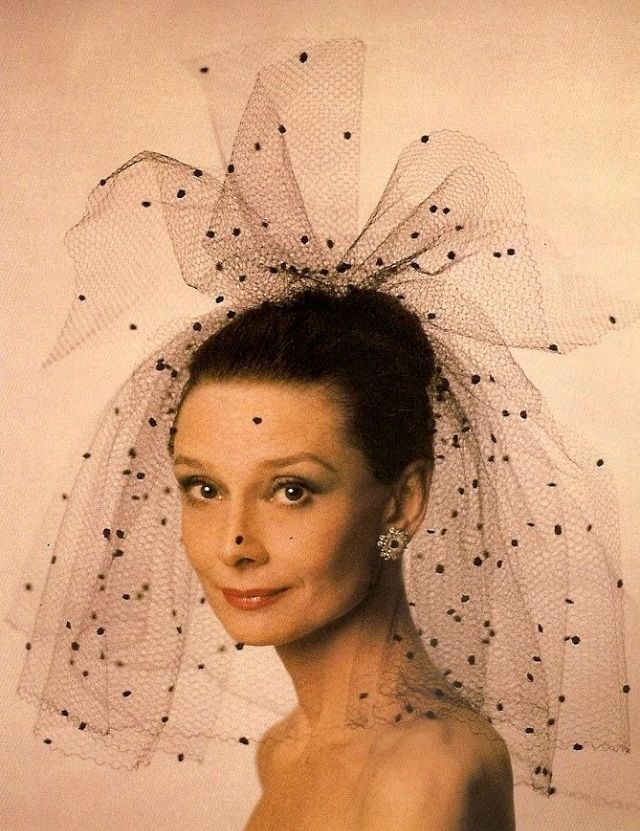
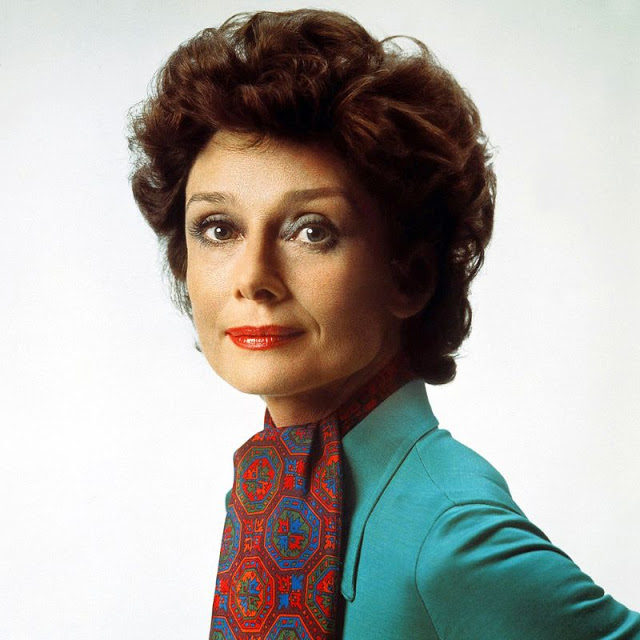
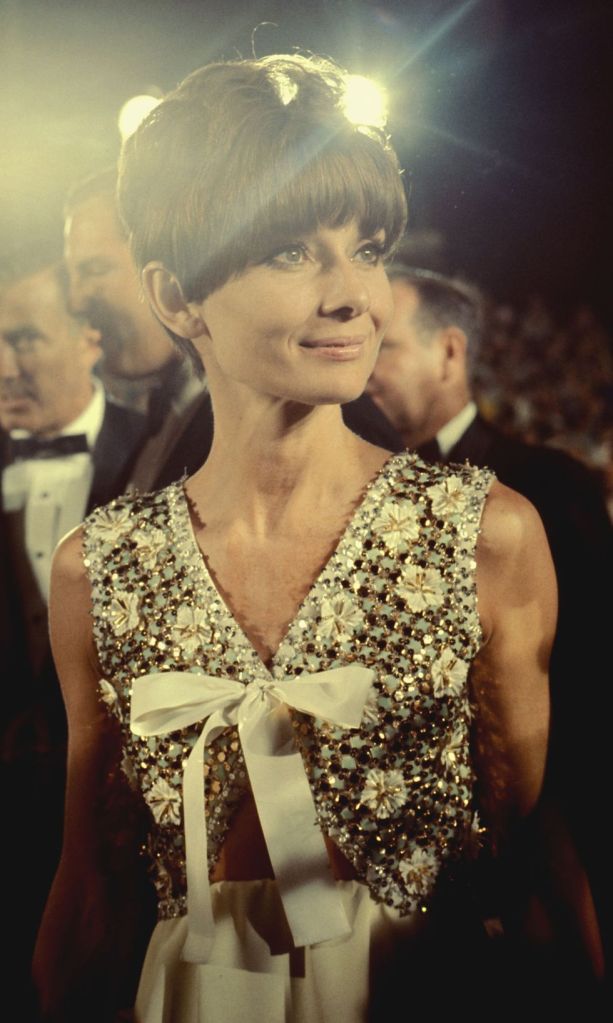
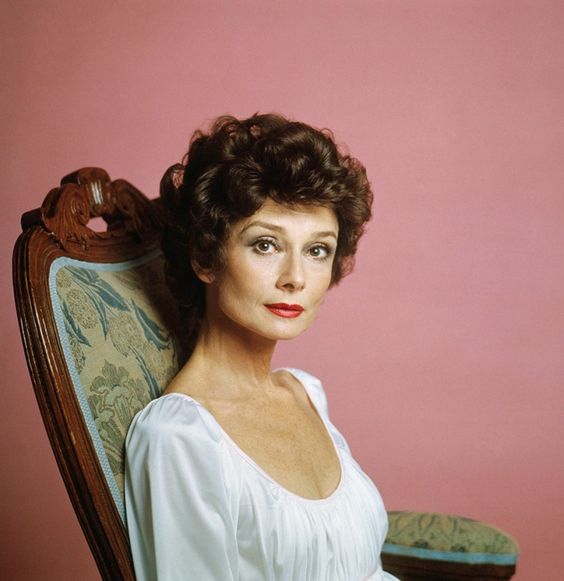
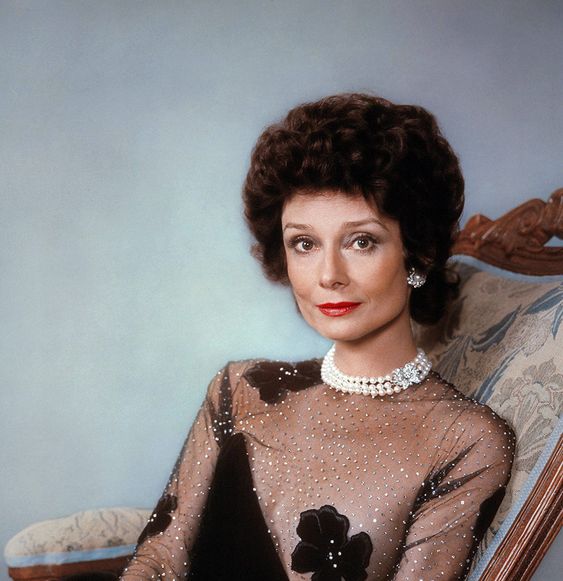
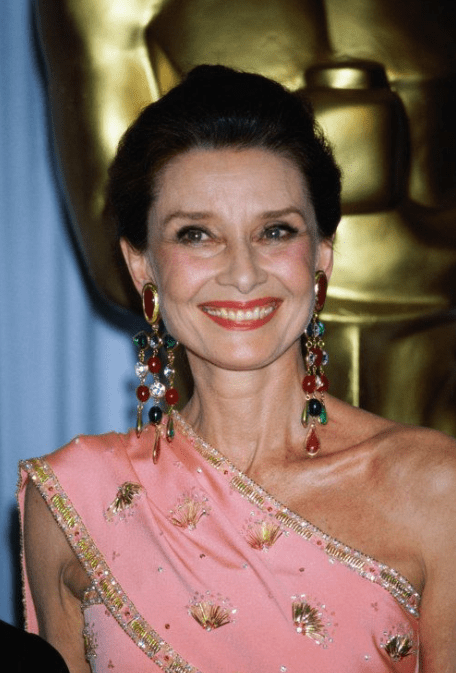
Audrey Hepburn (born Audrey Kathleen Ruston; 4 May 1929 – 20 January 1993) was a British[a] actress and humanitarian. Recognised as both a film and fashion icon, she was ranked by the American Film Institute as the third-greatest female screen legend from the Classical Hollywood cinema and was inducted into the International Best Dressed List Hall of Fame.
Born in Ixelles, Brussels, Hepburn spent parts of her childhood in Belgium, England, and the Netherlands. She studied ballet with Sonia Gaskell in Amsterdam beginning in 1945, and with Marie Rambert in London from 1948. She began performing as a chorus girl in West End musical theatre productions and then had minor appearances in several films. She rose to stardom in the romantic comedy Roman Holiday (1953) alongside Gregory Peck, for which she was the first actress to win an Oscar, a Golden Globe Award, and a BAFTA Award for a single performance. That year, she also won a Tony Award for Best Lead Actress in a Play for her performance in Ondine.
She went on to star in a number of successful films such as Sabrina (1954), in which Humphrey Bogart and William Holden compete for her affection; Funny Face (1957), a musical where she sang her own parts; the drama The Nun’s Story (1959); the romantic comedy Breakfast at Tiffany’s (1961); the thriller-romance Charade (1963), opposite Cary Grant; and the musical My Fair Lady (1964). In 1967 she starred in the thriller Wait Until Dark, receiving Academy Award, Golden Globe, and BAFTA nominations. After that, she only occasionally appeared in films, one being Robin and Marian (1976) with Sean Connery. Her last recorded performances were in the 1990 documentary television series Gardens of the World with Audrey Hepburn.
Hepburn won three BAFTA Awards for Best British Actress in a Leading Role. In recognition of her film career, she received BAFTA’s Lifetime Achievement Award, the Golden Globe Cecil B. DeMille Award, the Screen Actors Guild Life Achievement Award, and the Special Tony Award. She remains one of only sixteen people who have won Academy, Emmy, Grammy, and Tony Awards. Later in life, Hepburn devoted much of her time to UNICEF, to which she had contributed since 1954. Between 1988 and 1992, she worked in some of the poorest communities of Africa, South America, and Asia. In December 1992, she received the Presidential Medal of Freedom in recognition of her work as a UNICEF Goodwill Ambassador. A month later, she died of appendiceal cancer at her home in Switzerland at the age of 63. (Wikipedia)
Canada is a country in North America. Its ten provinces and three territories extend from the Atlantic to the Pacific and northward into the Arctic Ocean, covering 9.98 million square kilometres (3.85 million square miles), making it the world’s second-largest country by total area. Its southern and western border with the United States, stretching 8,891 kilometres (5,525 mi), is the world’s longest bi-national land border. Canada’s capital is Ottawa, and its three largest metropolitan areas are Toronto, Montreal, and Vancouver.
Indigenous peoples have continuously inhabited what is now Canada for thousands of years. Beginning in the 16th century, British and French expeditions explored and later settled along the Atlantic coast. As a consequence of various armed conflicts, France ceded nearly all of its colonies in North America in 1763. In 1867, with the union of three British North American colonies through Confederation, Canada was formed as a federal dominion of four provinces. This began an accretion of provinces and territories and a process of increasing autonomy from the United Kingdom. This widening autonomy was highlighted by the Statute of Westminster 1931 and culminated in the Canada Act 1982, which severed the vestiges of legal dependence on the Parliament of the United Kingdom.
Canada is a parliamentary democracy and a constitutional monarchy in the Westminster tradition. The country’s head of government is the prime minister—who holds office by virtue of their ability to command the confidence of the elected House of Commons—and is appointed by the governor general, representing the monarch, who serves as head of state. The country is a Commonwealth realm and is officially bilingual at the federal level. It ranks among the highest in international measurements of government transparency, civil liberties, quality of life, economic freedom, and education. It is one of the world’s most ethnically diverse and multicultural nations, the product of large-scale immigration from many other countries. Canada’s long and complex relationship with the United States has had a significant impact on its economy and culture.
A highly developed country, Canada has the 26th highest nominal per-capita income globally and the sixteenth-highest ranking in the Human Development Index. Its advanced economy is the ninth-largest in the world, relying chiefly upon its abundant natural resources and well-developed international trade networks. Canada is part of several major international and intergovernmental institutions or groupings including the United Nations, NATO, the G7, the Group of Ten, the G20, the Organisation for Economic Co-operation and Development (OECD), the World Trade Organization (WTO), the Commonwealth of Nations, the Arctic Council, the Organisation internationale de la Francophonie, the Asia-Pacific Economic Cooperation forum, and the Organization of American States. (Wikipedia)
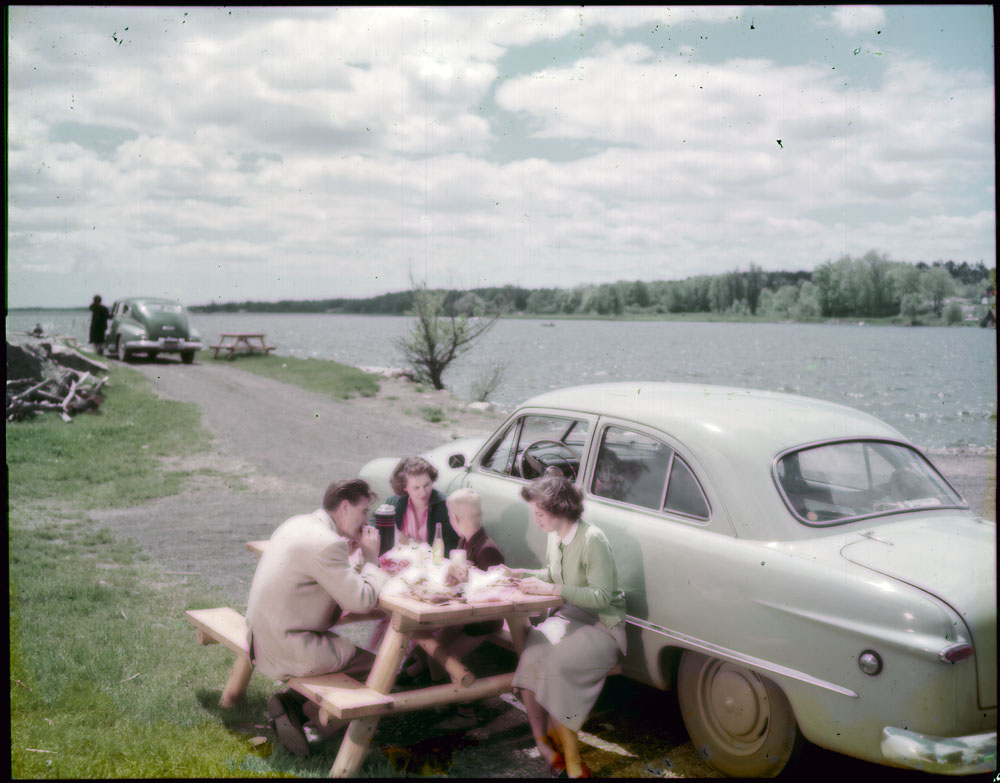
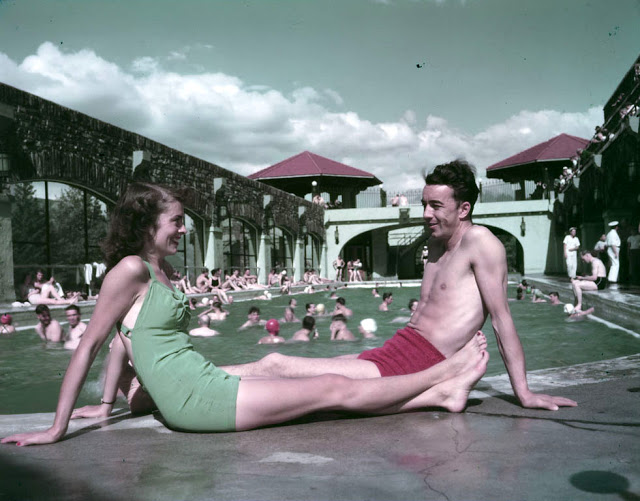
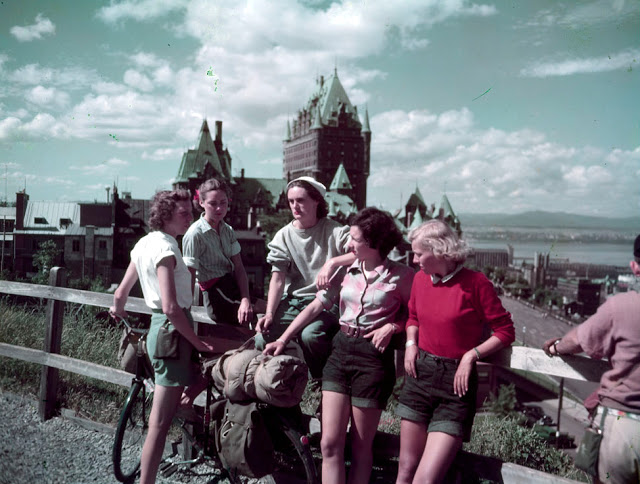
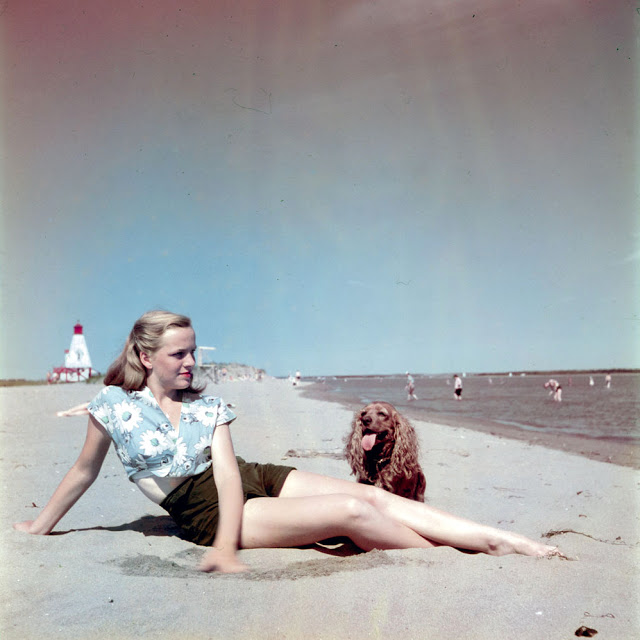
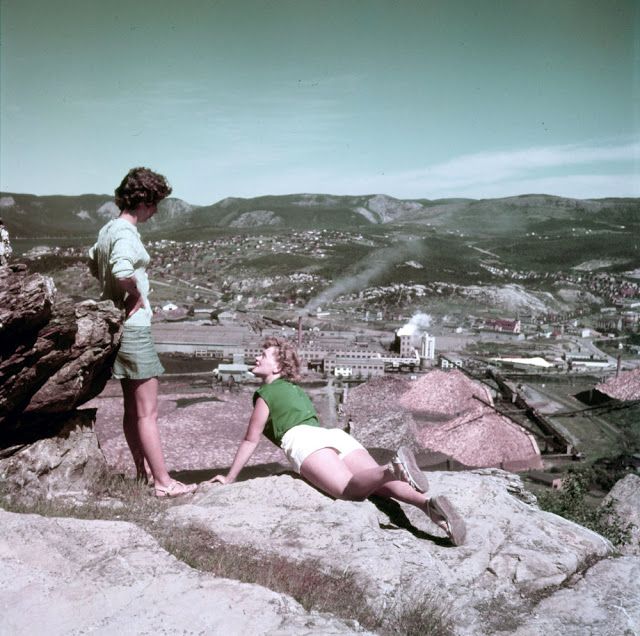
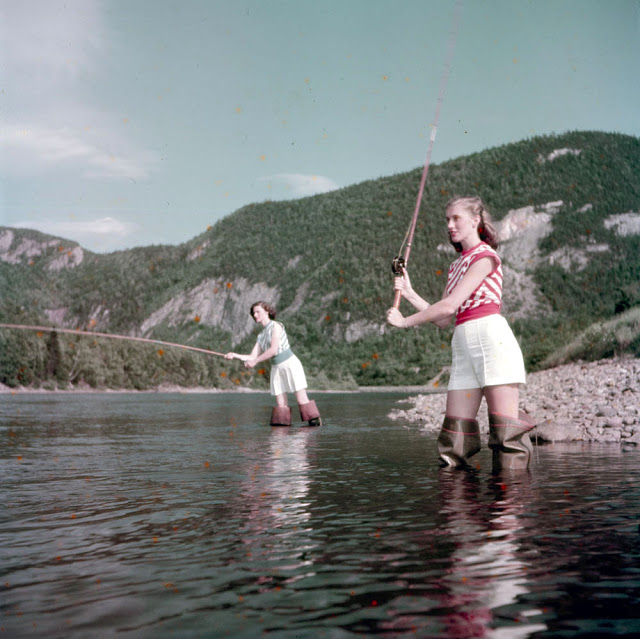
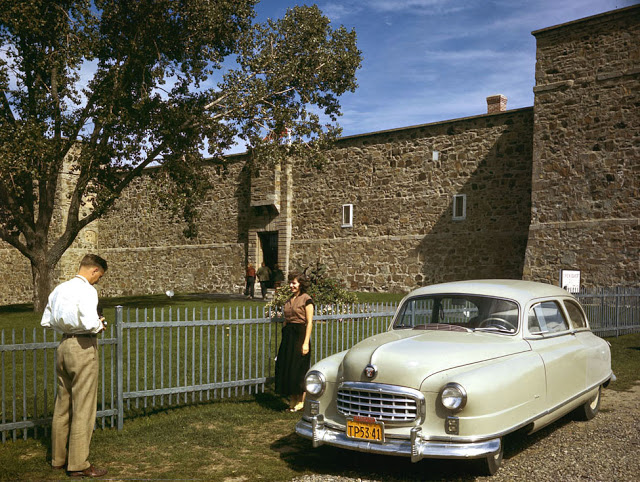
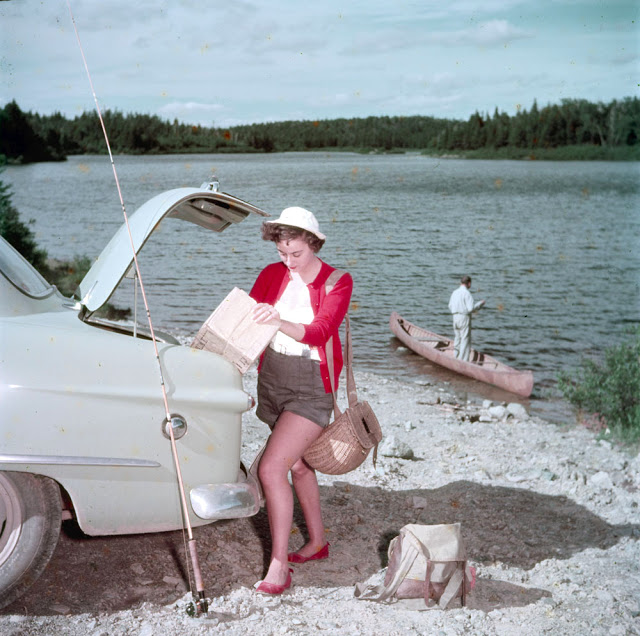
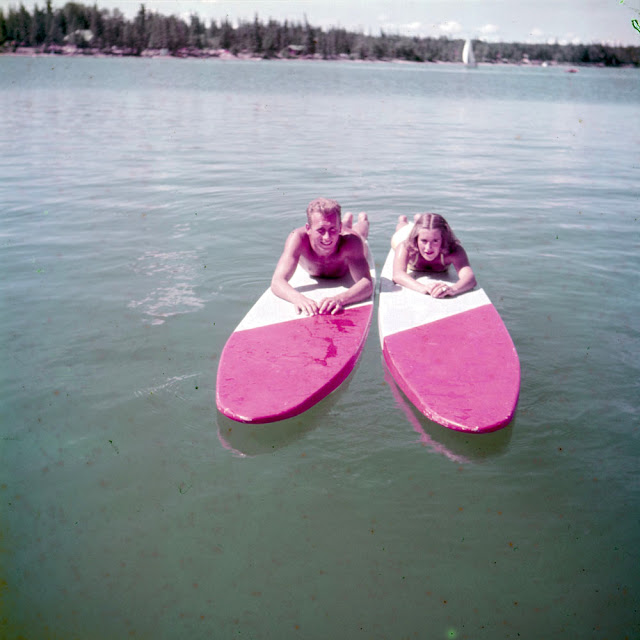
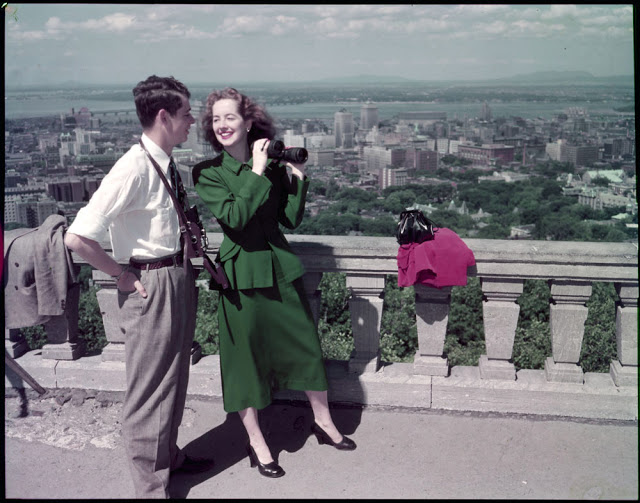
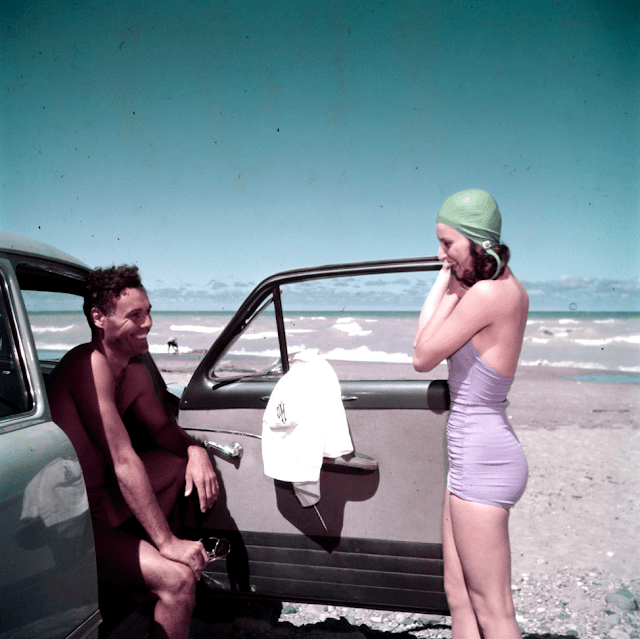
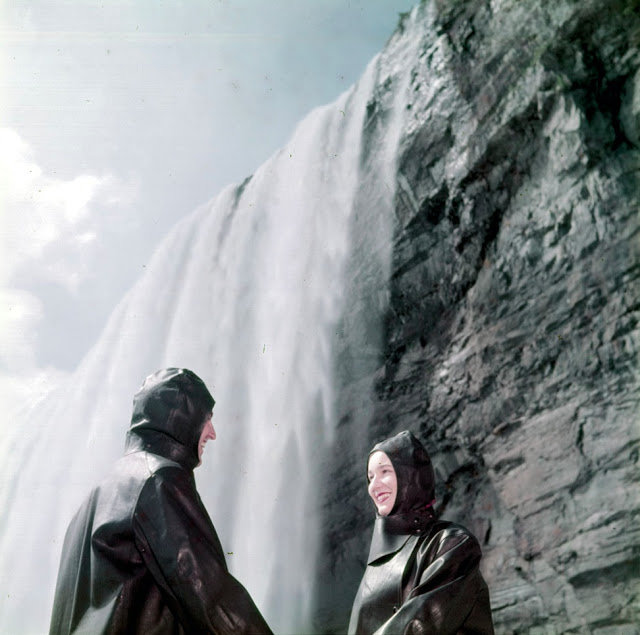
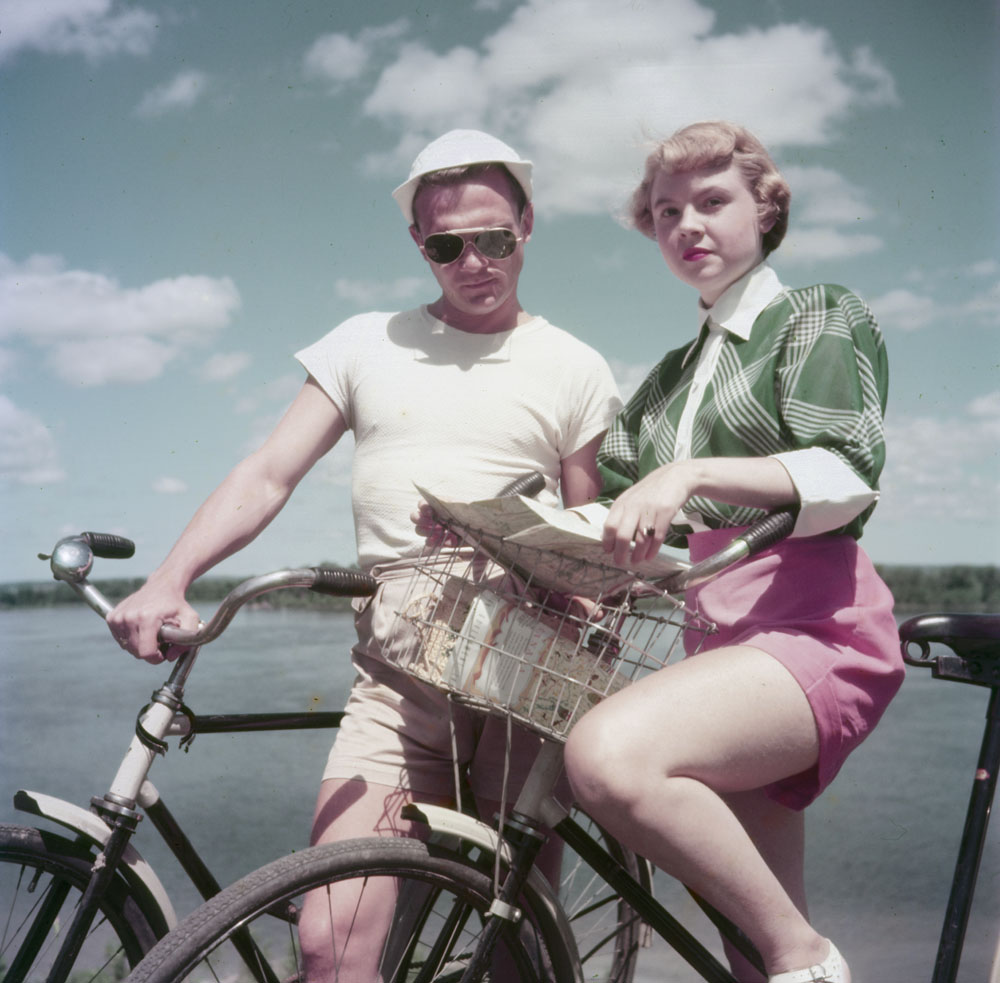
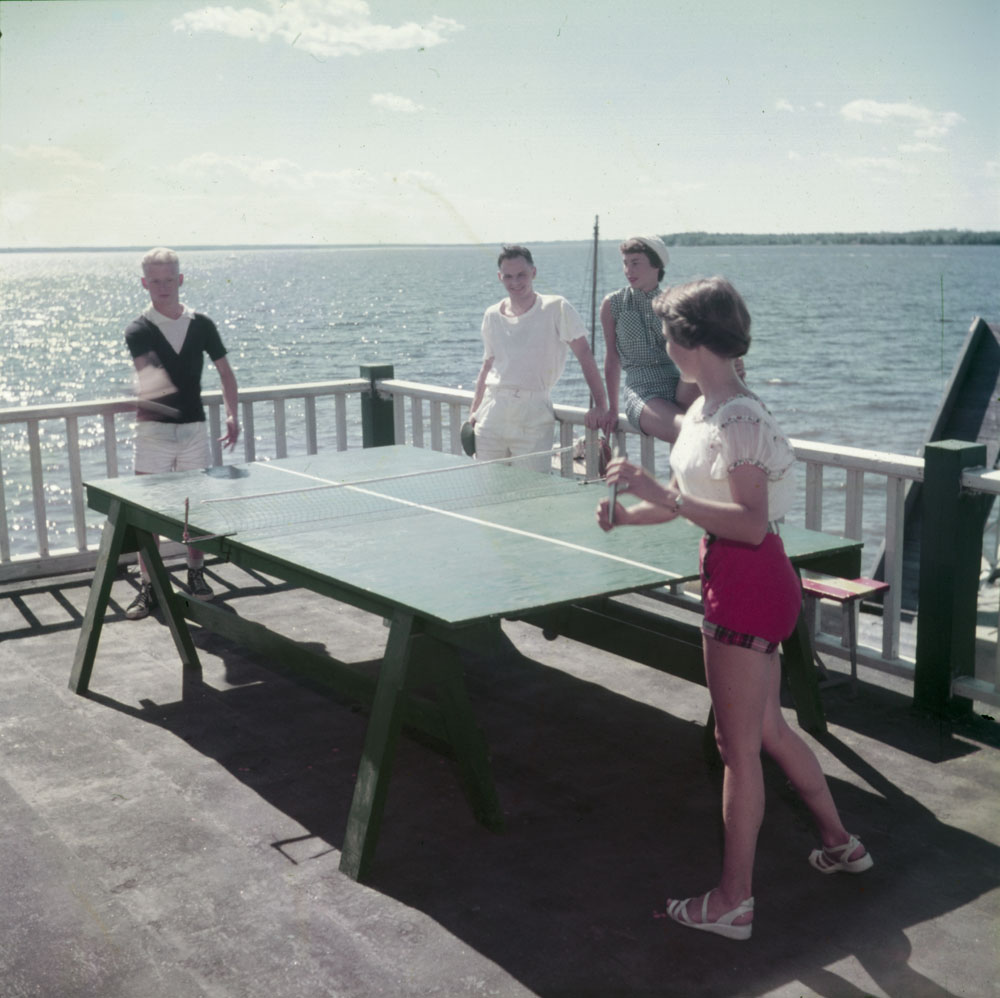
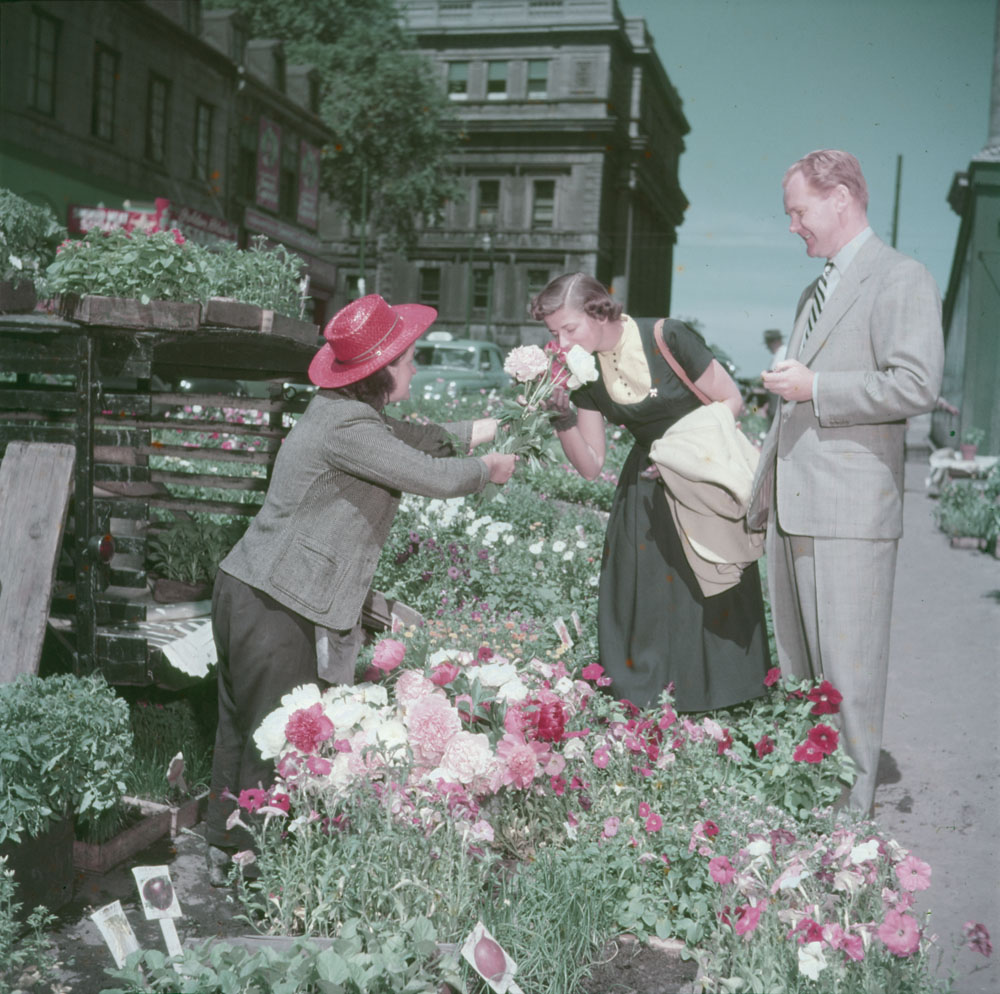
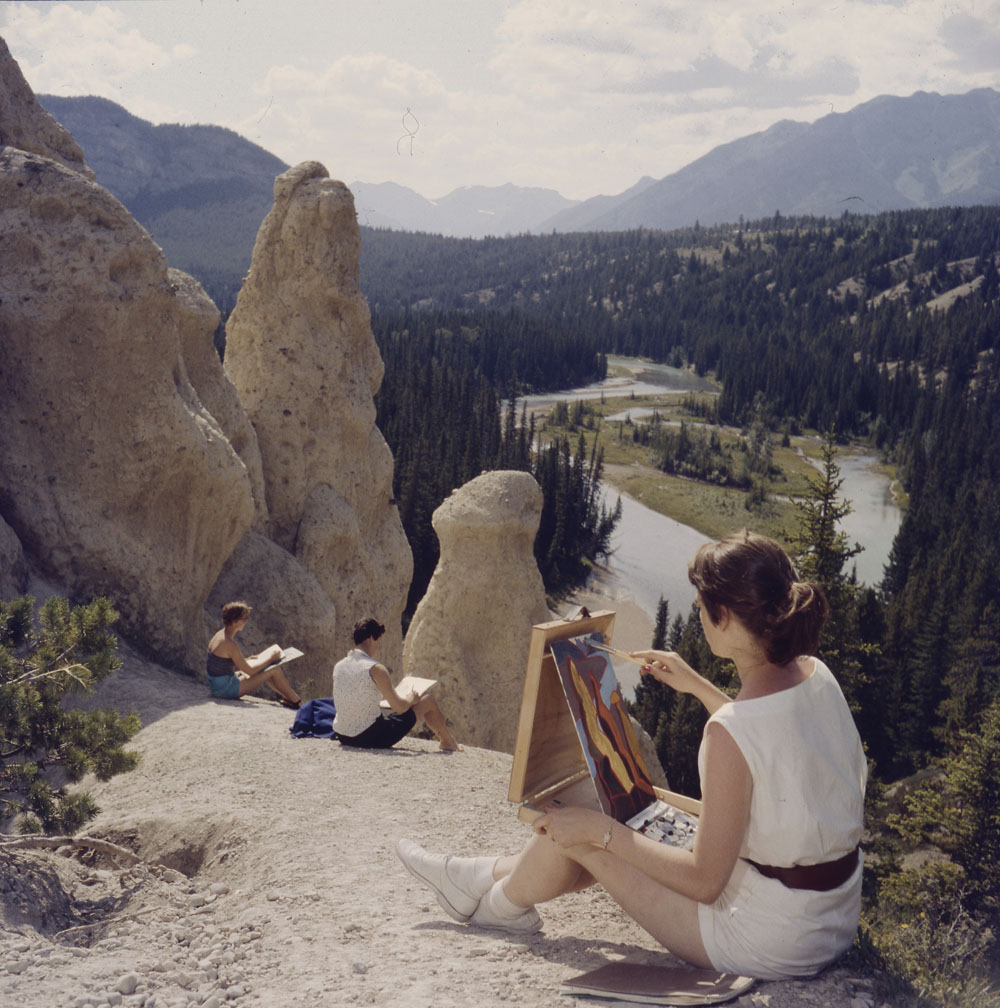
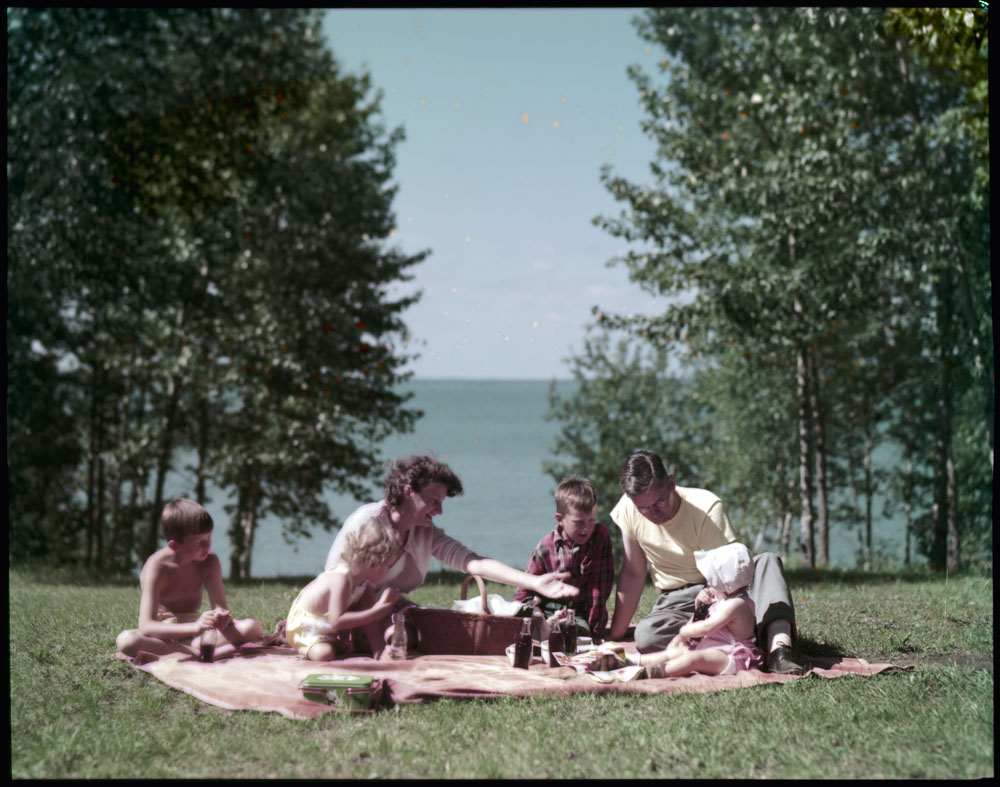
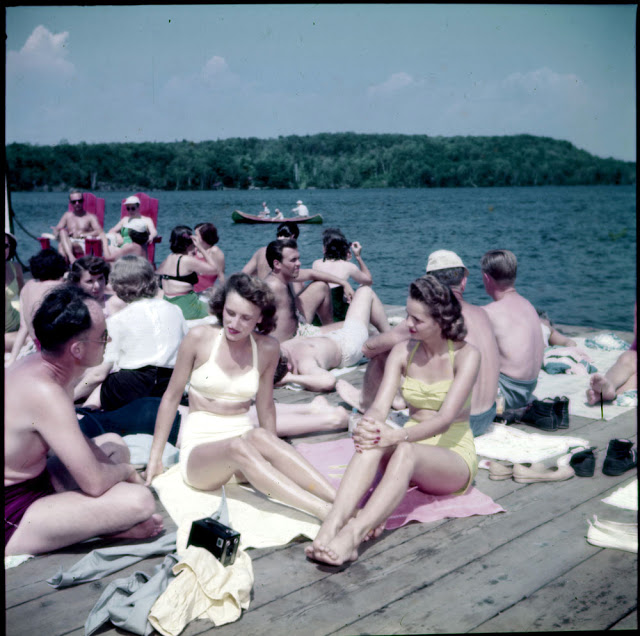
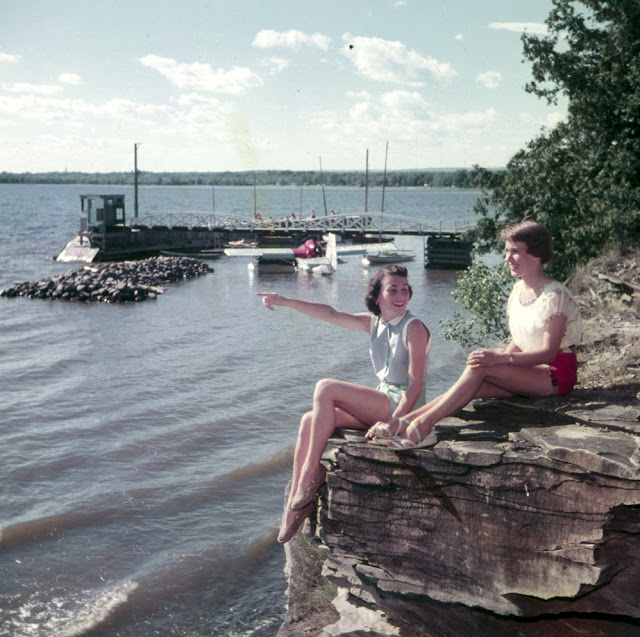
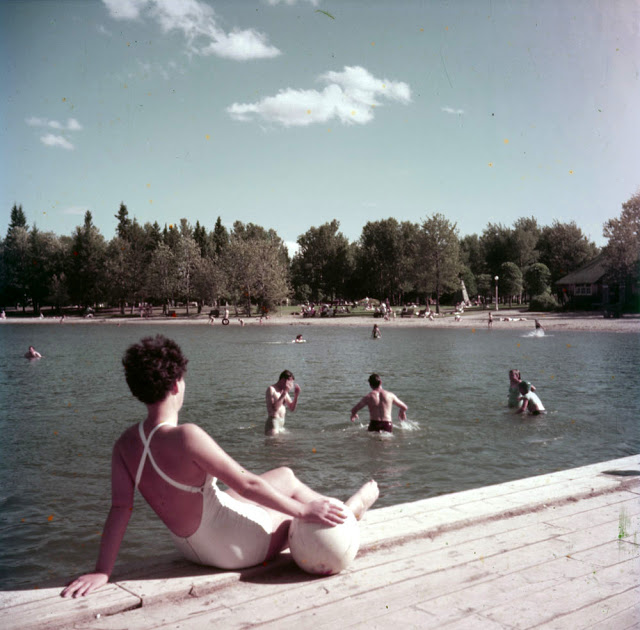
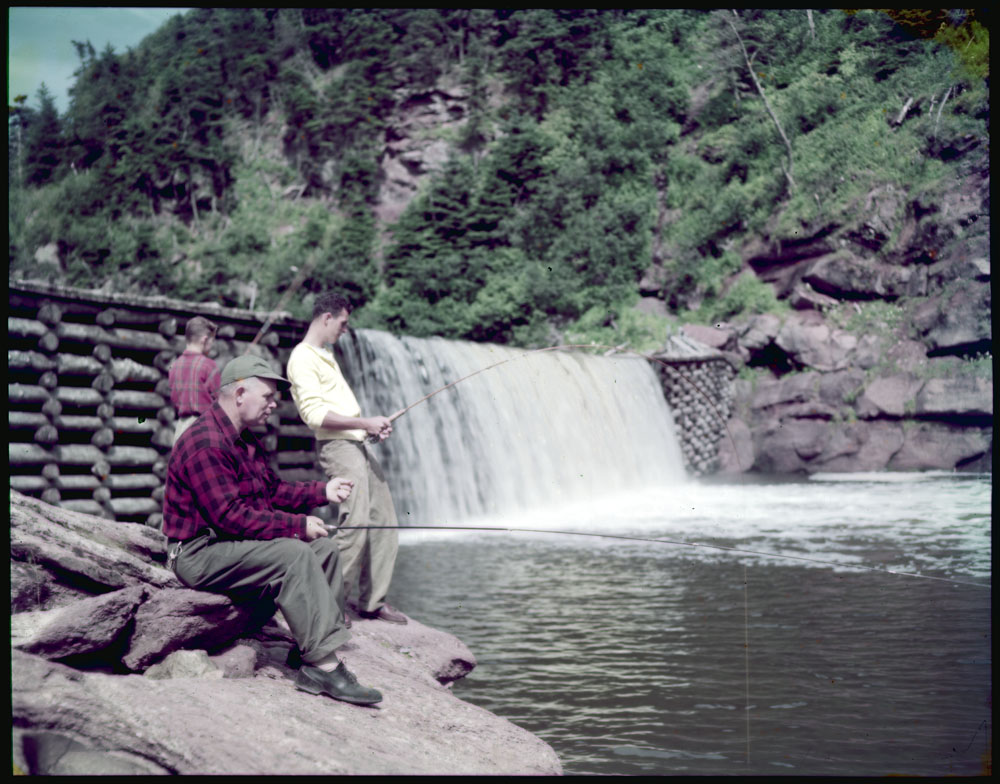
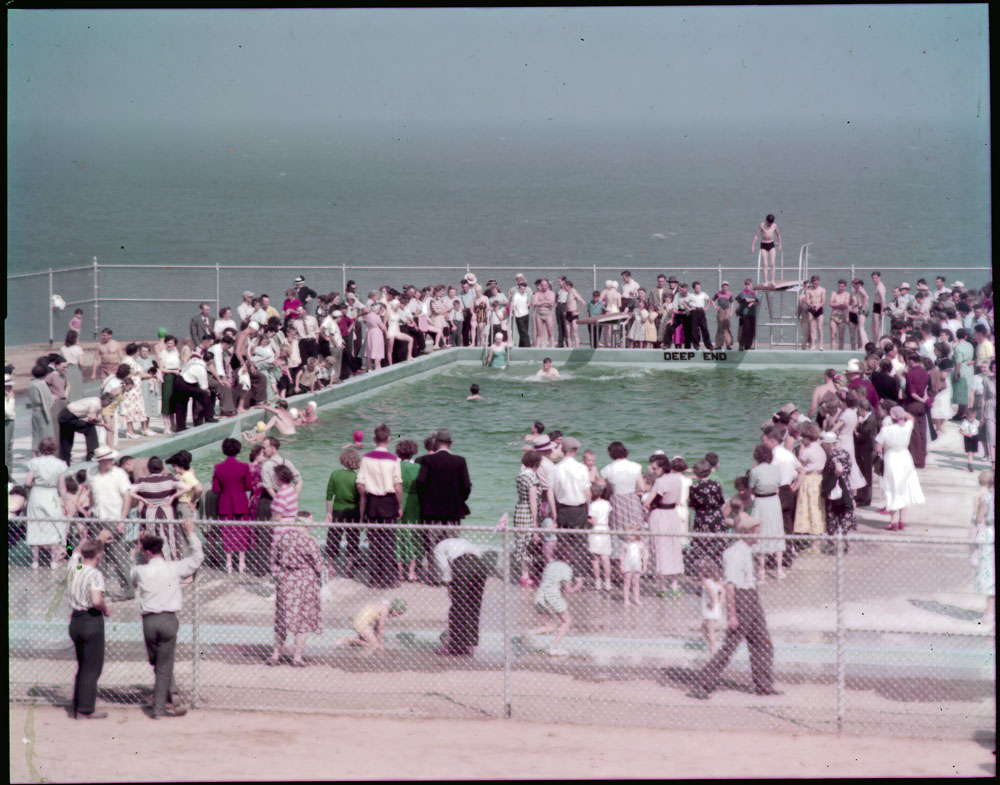
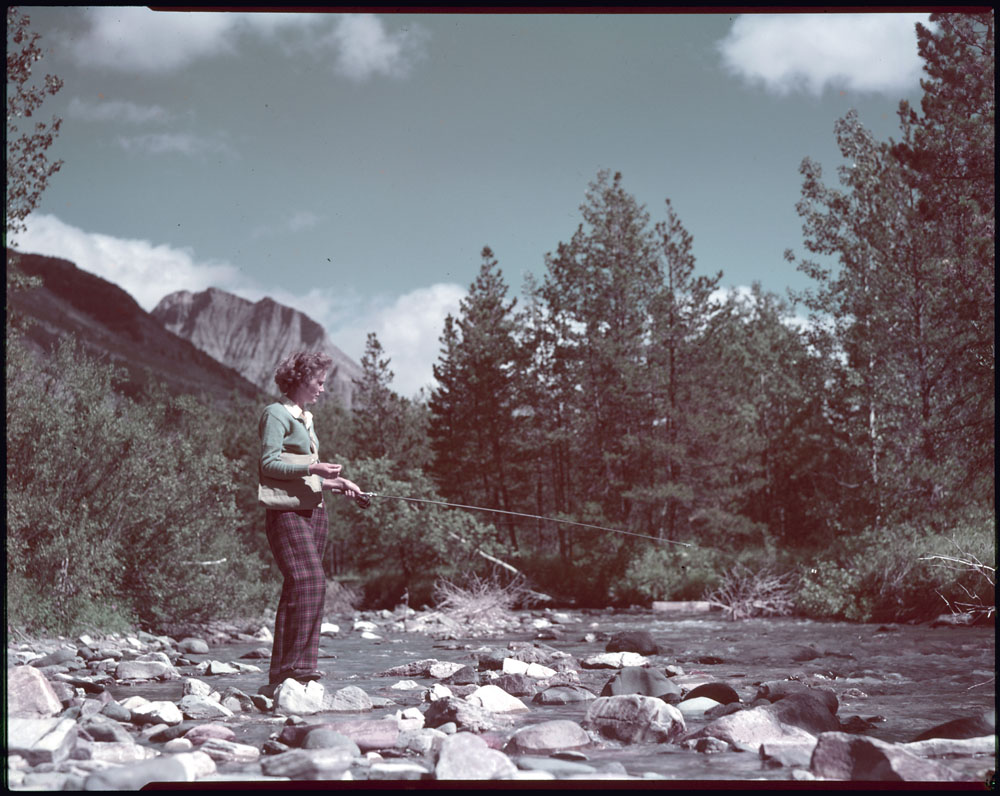
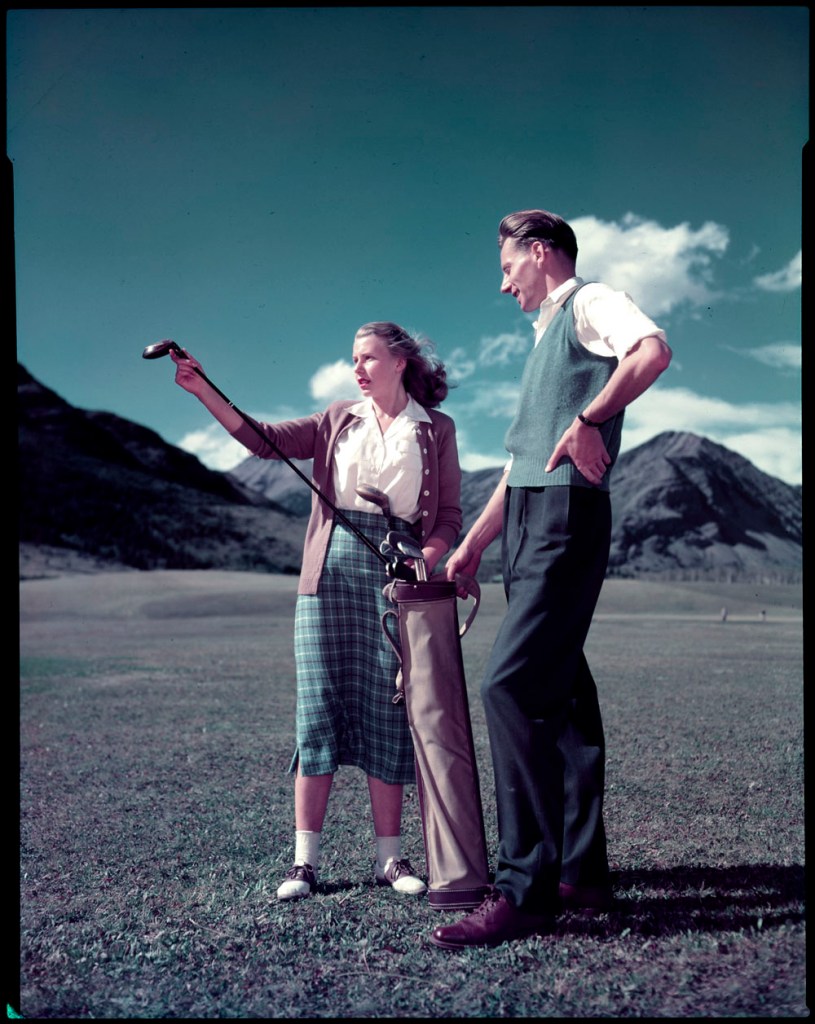
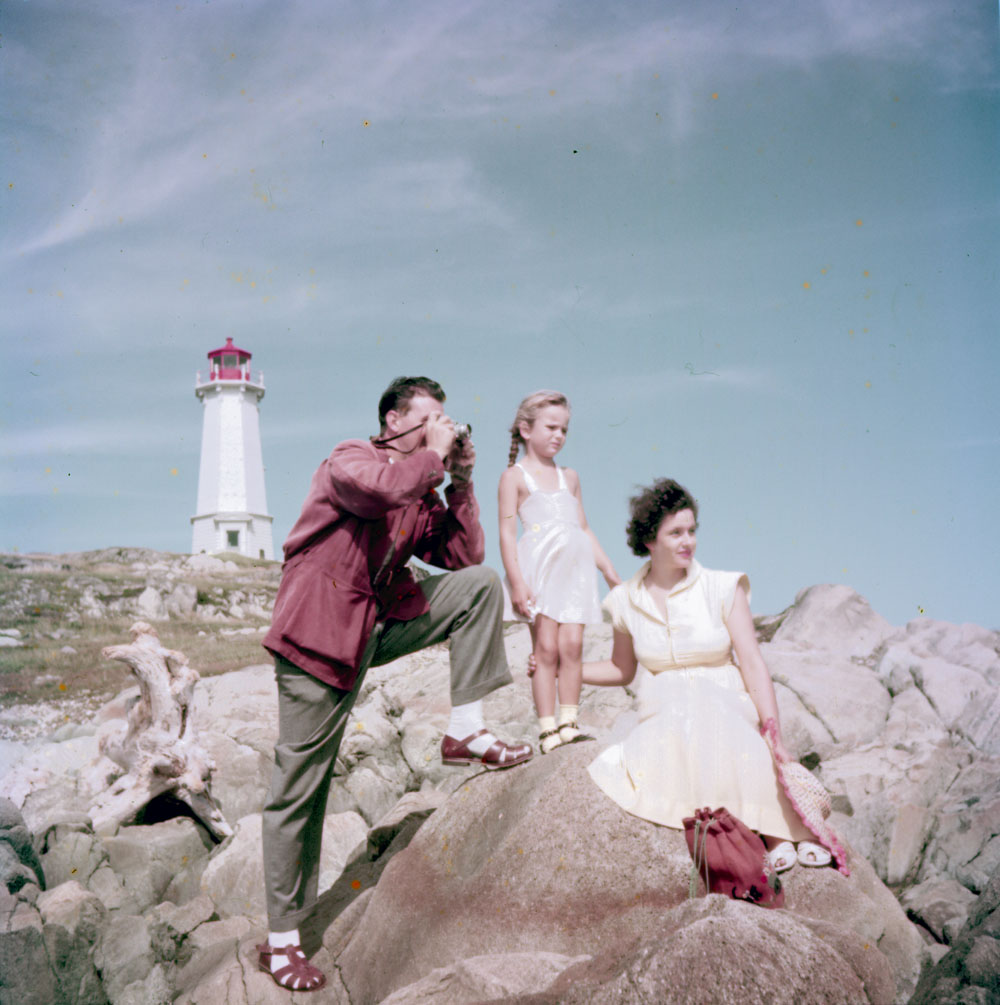
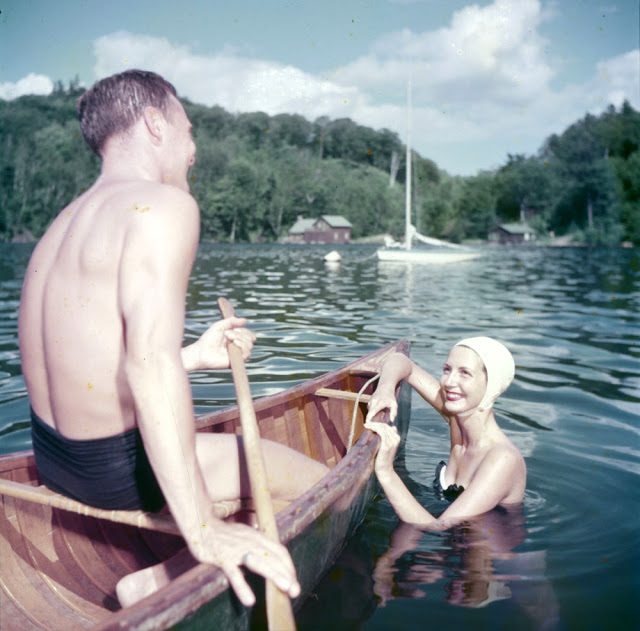
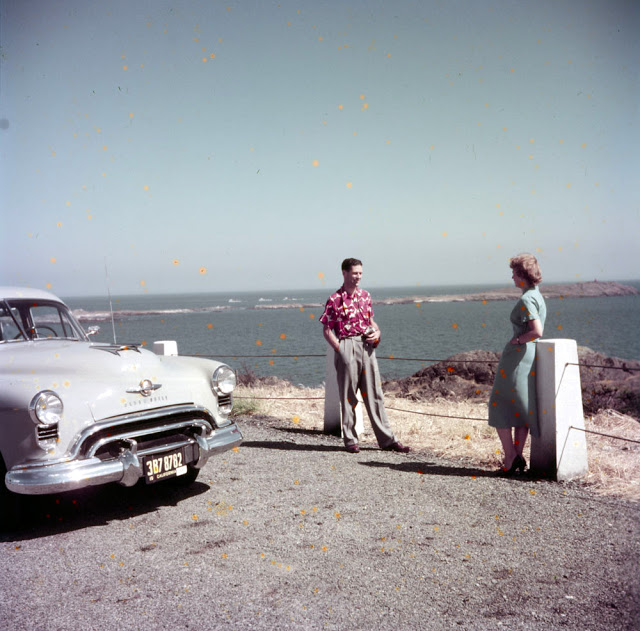
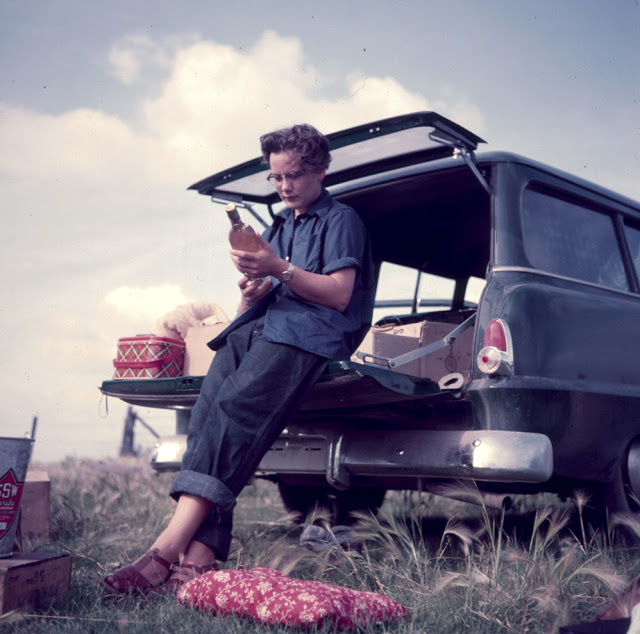
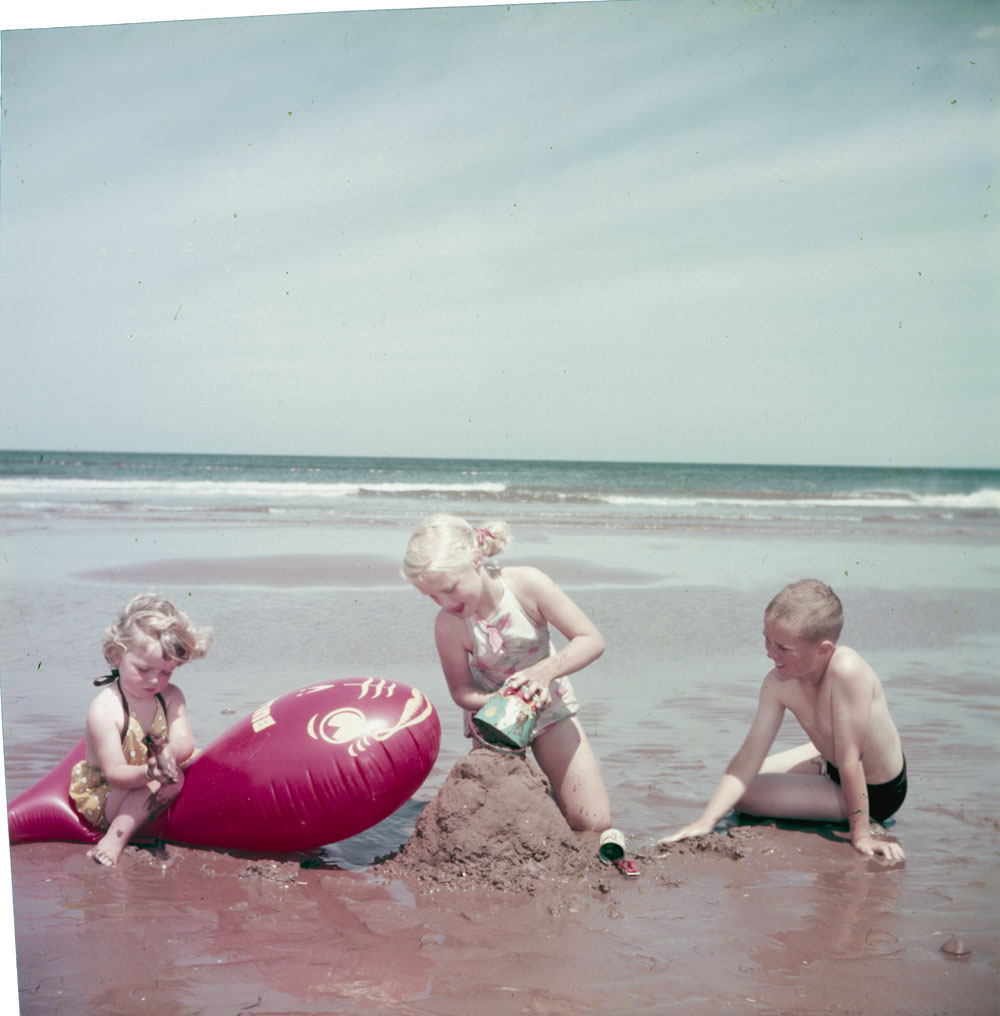
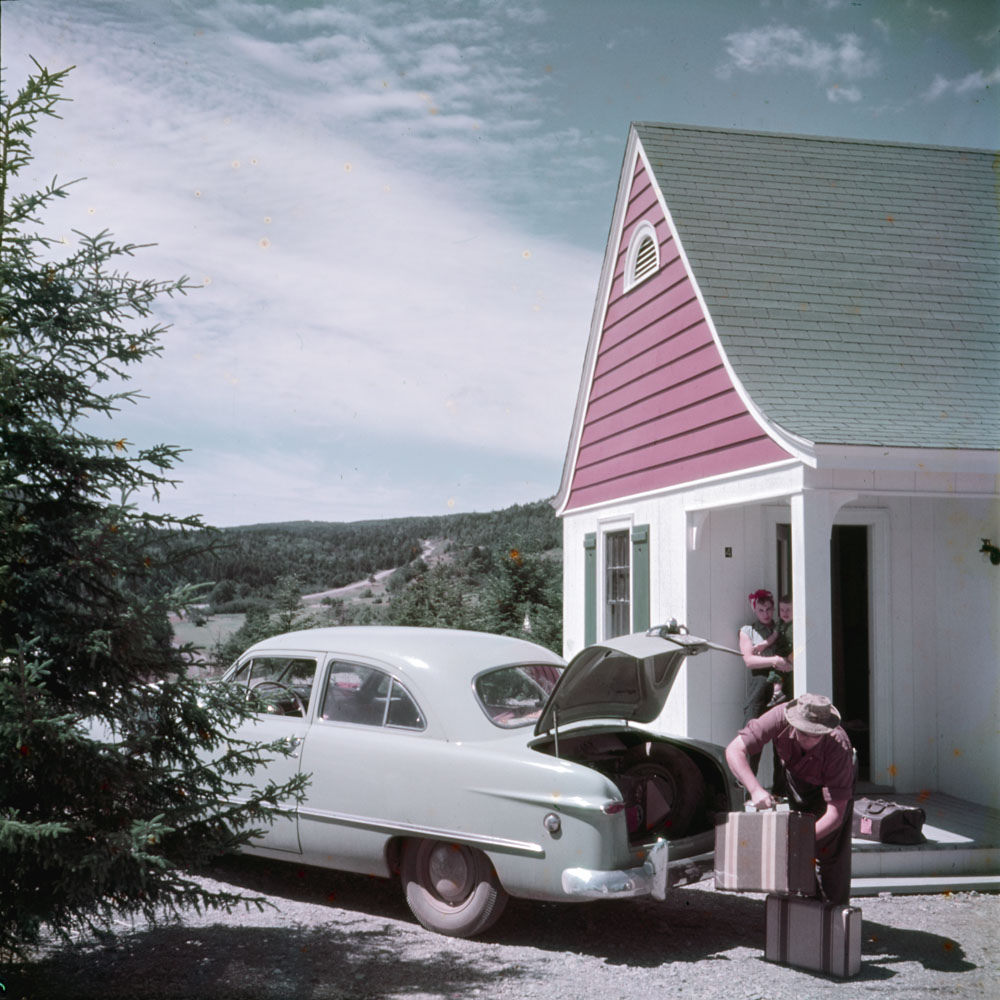
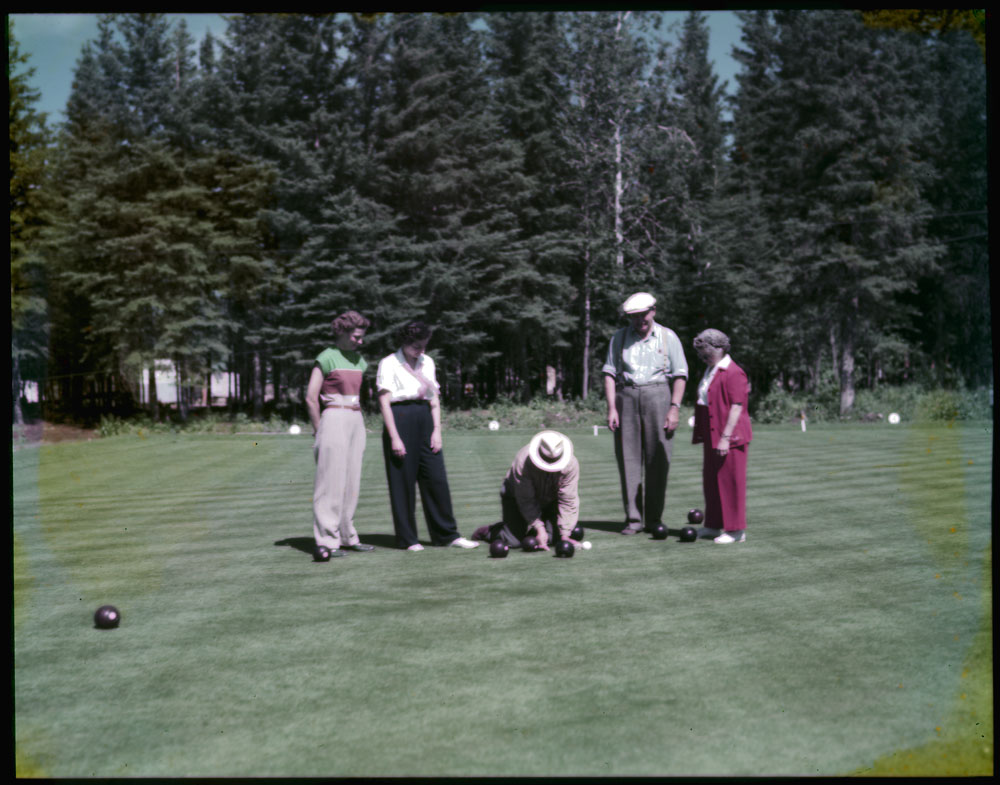
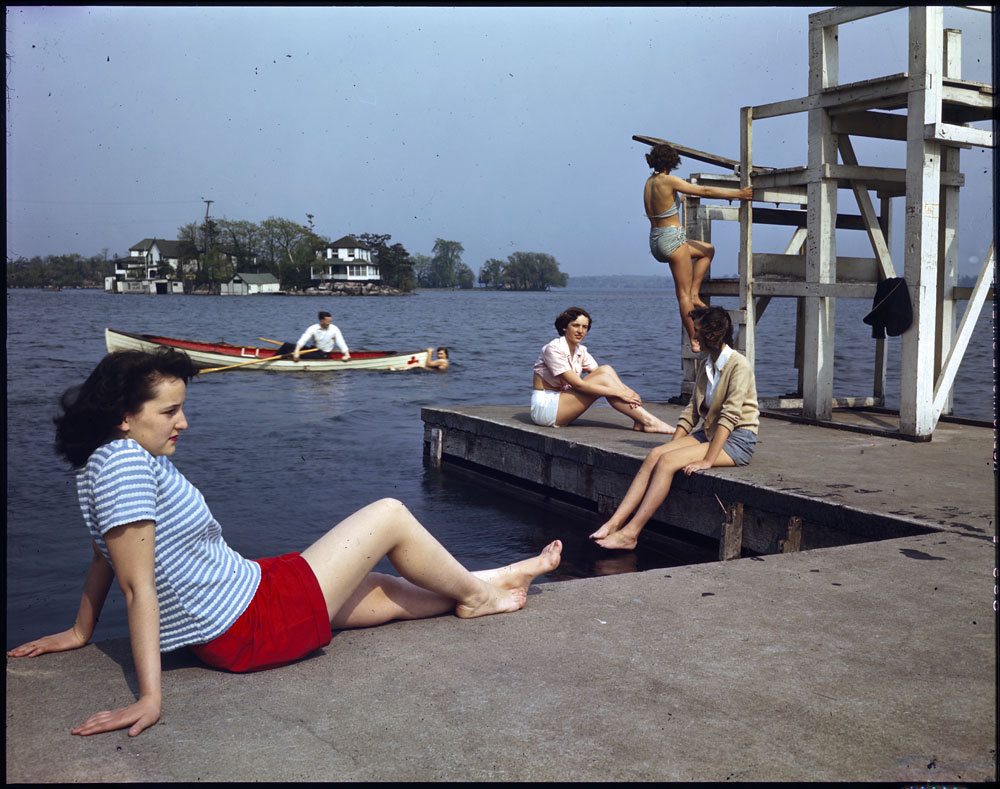
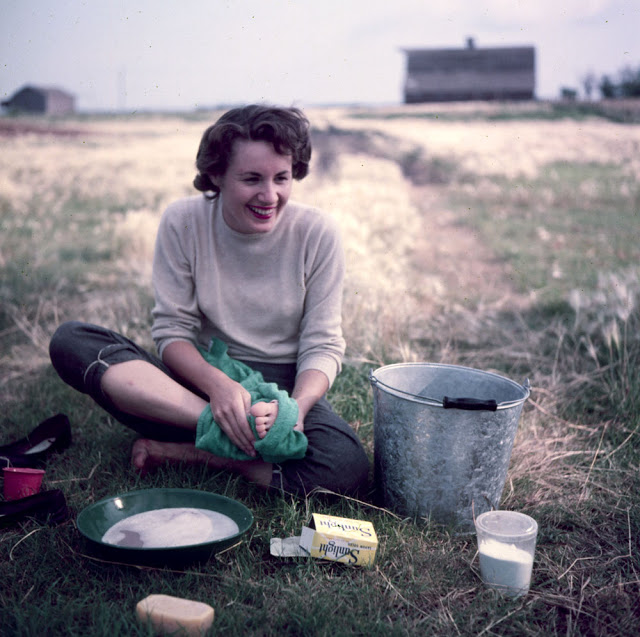
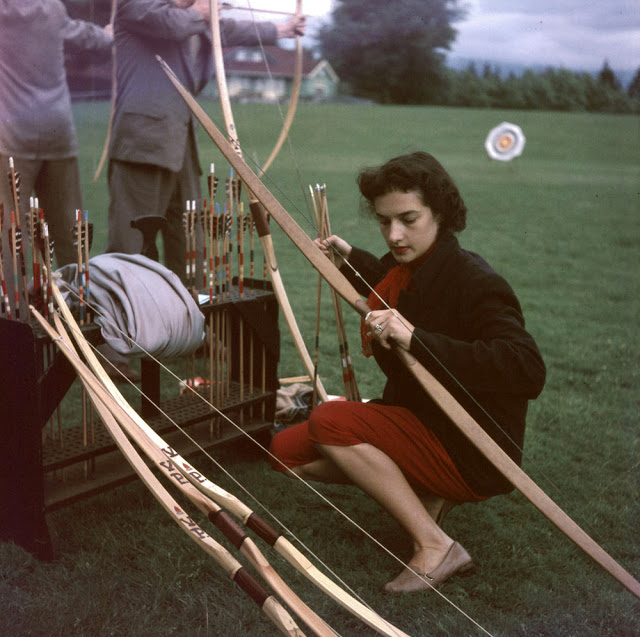
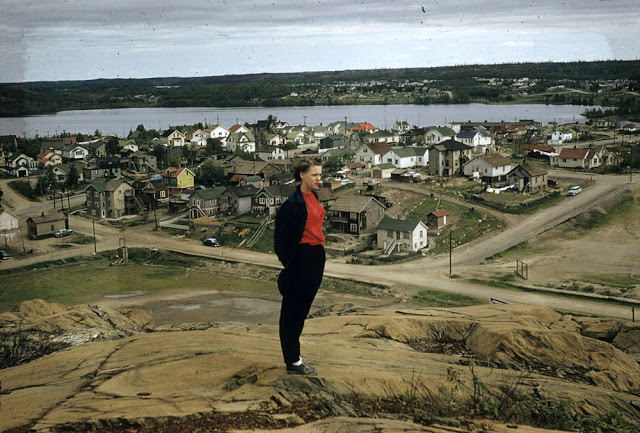
Cave and Basin swimming pool, Banff National Park, Alberta, October 1948Five hostel workers, Quebec City, August 1948Pointe-du-Chêne, New Brunswick, October 1948Corner Brook, Newfoundland, July 1949Fly fish for salmon in the Humber River, Corner Brook, Newfoundland, July 1949Sarnia, Ontario, Yacht Club, 1949Young couple photographing with a new bathtub Nash, Fort Chambly, Quebec, 1949Anglers, Bennett Lake, Fundy National Park, New Brunswick, July 1950Paddle boarding, Lake Waskesiu, Saskatchewan, July 1950.Tourists view the city of Montreal from the lookout on Mount Royal, Quebec, June 1950Grand Bend, Ontario, July 1951Horseshoe Falls from lookout platform, Niagara Falls, Ontario, July 1951A man and a woman on bicycles consult a road map on the bank of the Ottawa River, Rockcliffe Park, Ontario, June 1952Two men and two women play ping-pong at Britannia Yacht Club, Ottawa, Ontario, June 1952A woman smelling some flowers offered by a vendor at the Bonsecours market in Montreal, 1950Students painting some of the remarkable scenery in Banff National Park, Alberta. 1957A family picnic at Lake Waskesiu, Prince Albert National Park, Saskatchewan, 1950Sunbathing at Wigwassan Lodge, Lake Rosseau, Muskoka, Ontario, July 1951Britannia Yacht Club, Ottawa, June 1952Clear Lake, Manitoba, 1952Fishing at Point Wolfe River, Fundy National Park, New Brunswick, 1950The swimming pool at Fundy National Park, New Brunswick, 1950Picnicking on the shore of the St. Lawrence River, Mallorytown Landing, Thousand Islands national park, 1950Fishing in Cameron Creek, Waterton Lakes National Park, Alberta, 1949Golfer chooses a club on the golf course at Waterton Lakes National Park, Alberta, 1948Man, woman and little girl on the rocks below the lighthouse at Fortress of Louisbourg National Historic Site, Nova Scotia, 1952Meech Lake, Quebec, July 1952Vacationing in British Columbia, July 1953Picnic in Portage-la-Prairie, Manitoba, August 5, 1954Children playing at Brackley Beach, Prince Edward Island, 1953A man unpacks the trunk of his car for a stay in one of the chalets in Fundy National Park, New Brunswick, 1950Bowling on the public greens at Waskesiu, Saskatchewan, 1950Early summer swimming in the St. Lawrence River near Brockville, Ontario, 1949Makeshift bath, Portage-la-Prairie, Manitoba, August 5, 1954Stanley Park archers, Vancouver, 1954Flin Flon, Manitoba, June 27, 1956
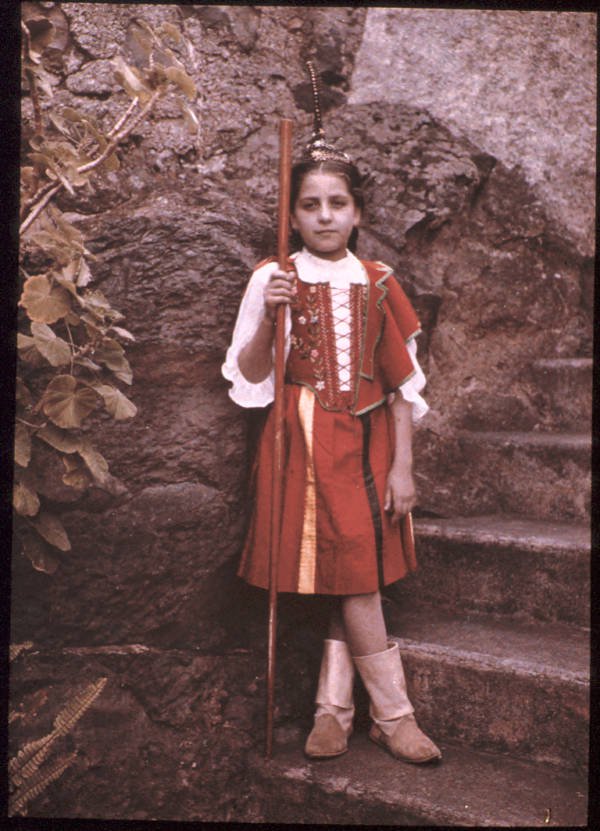
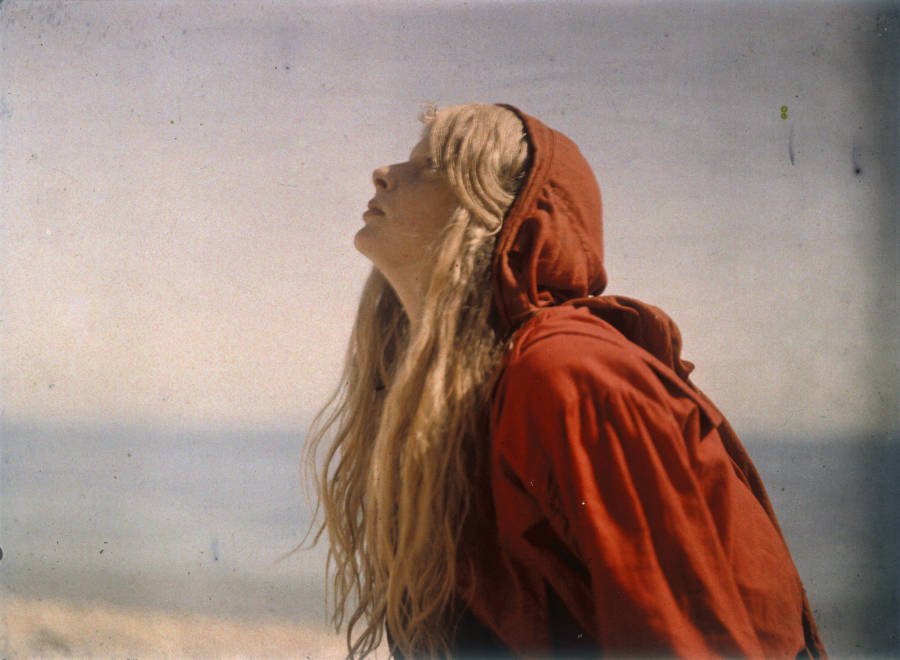
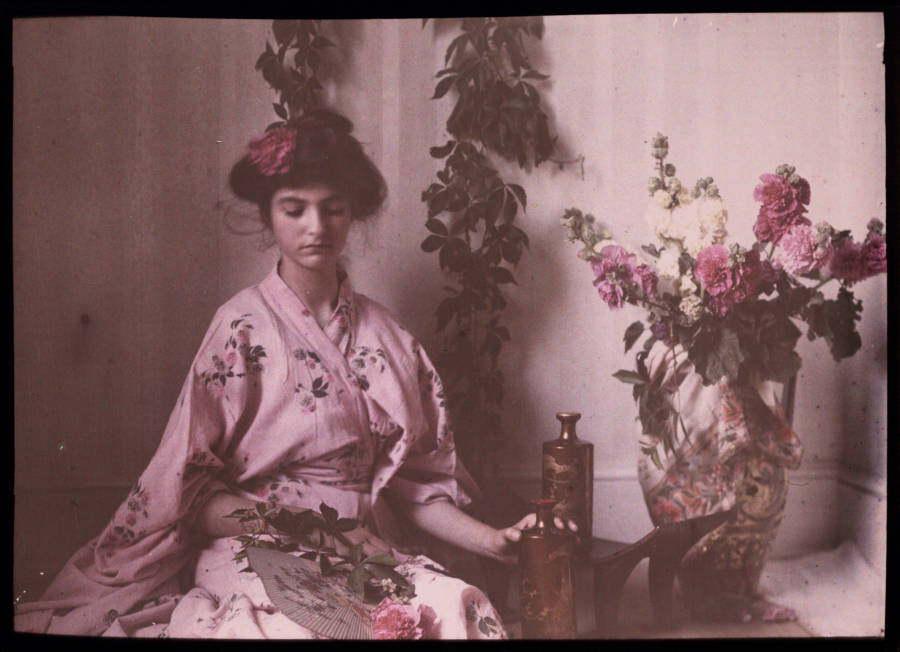
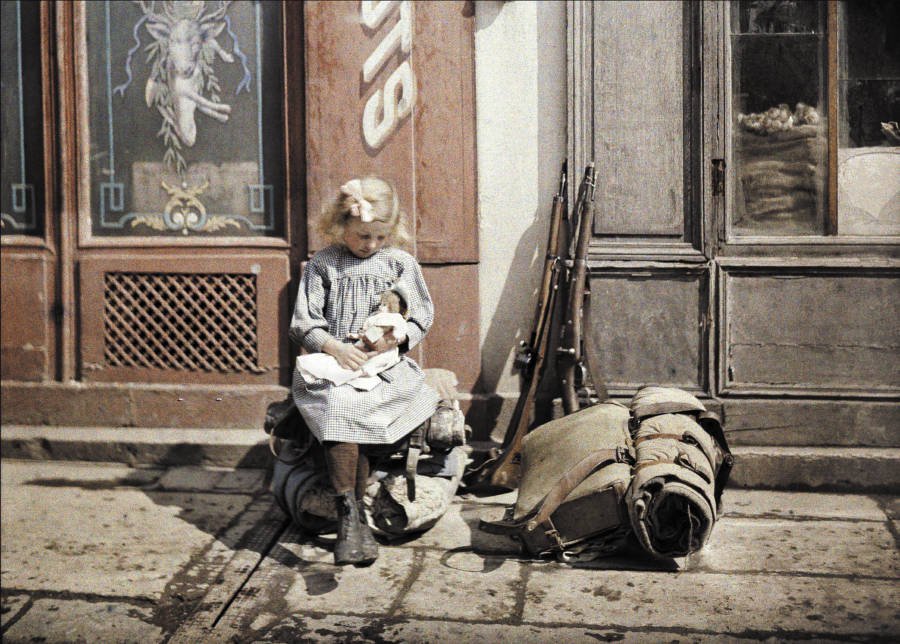
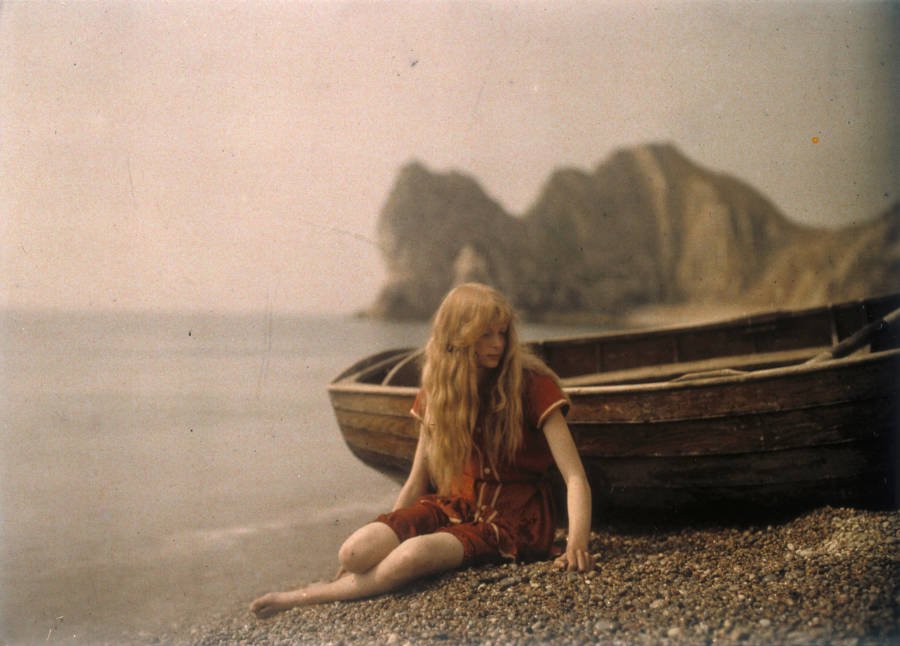
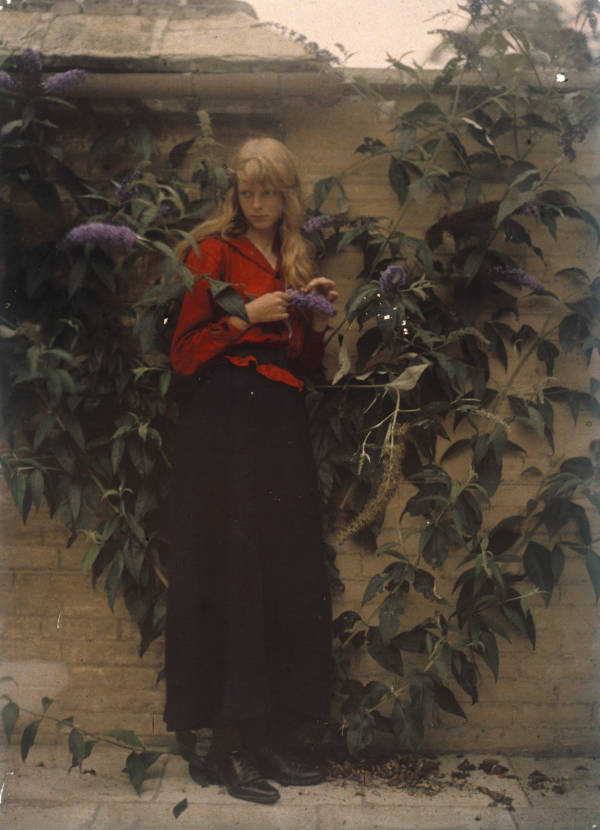
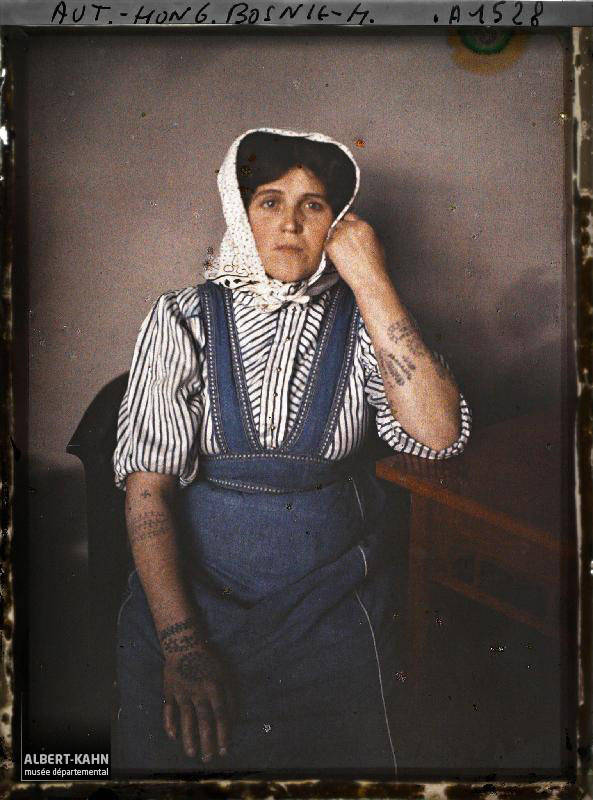
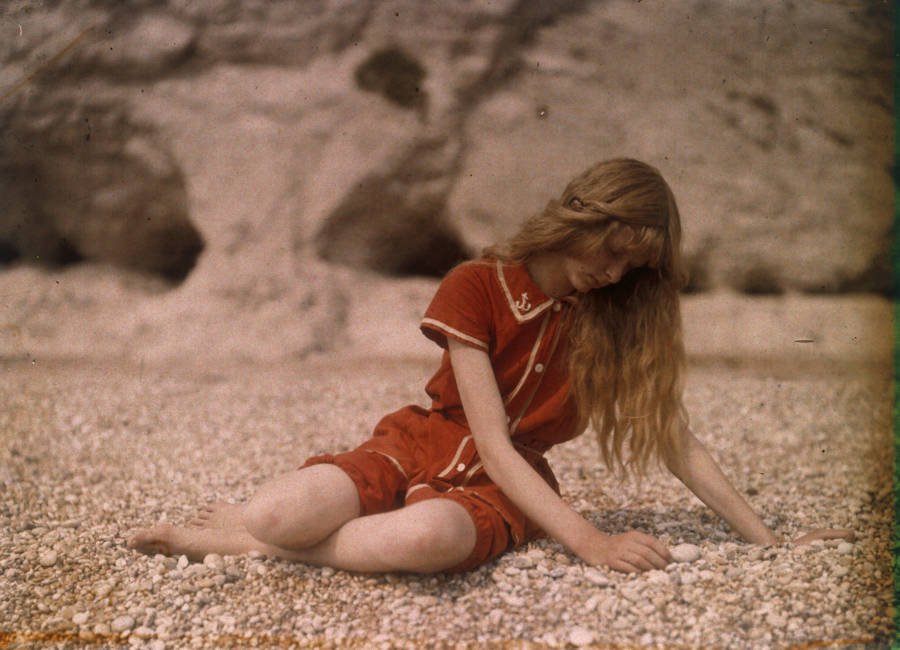
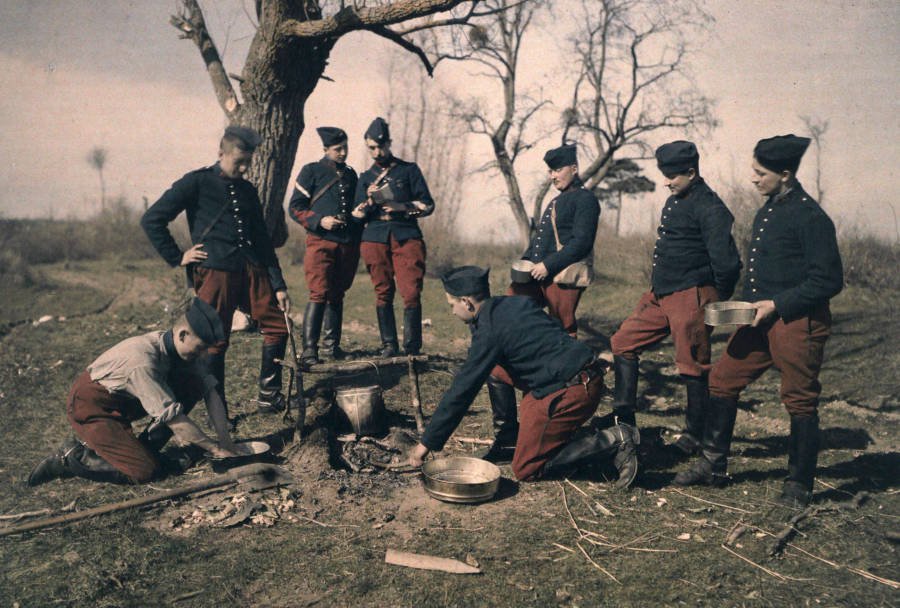
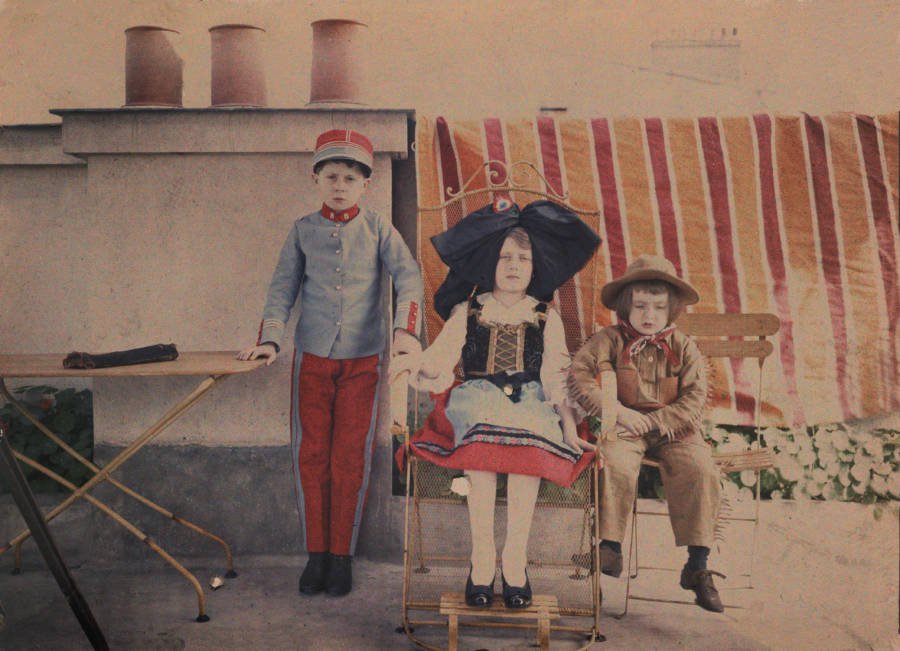
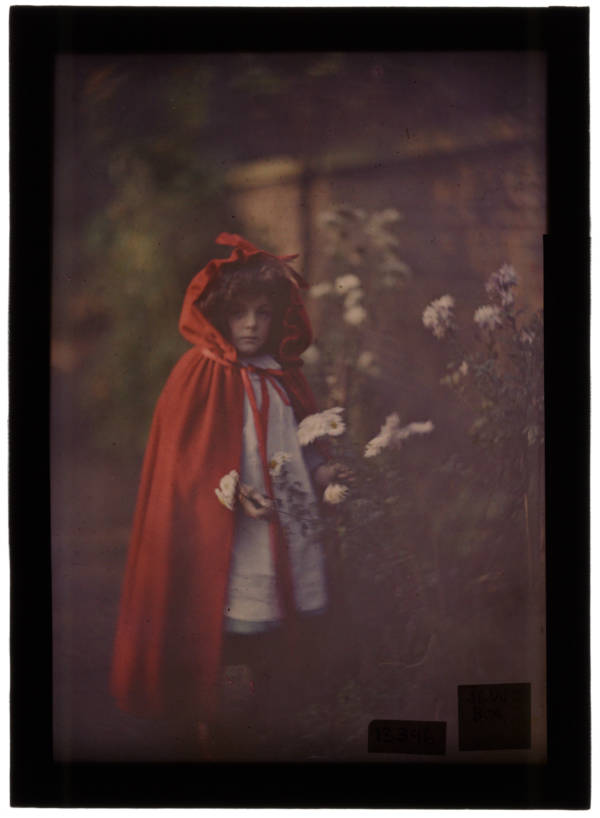
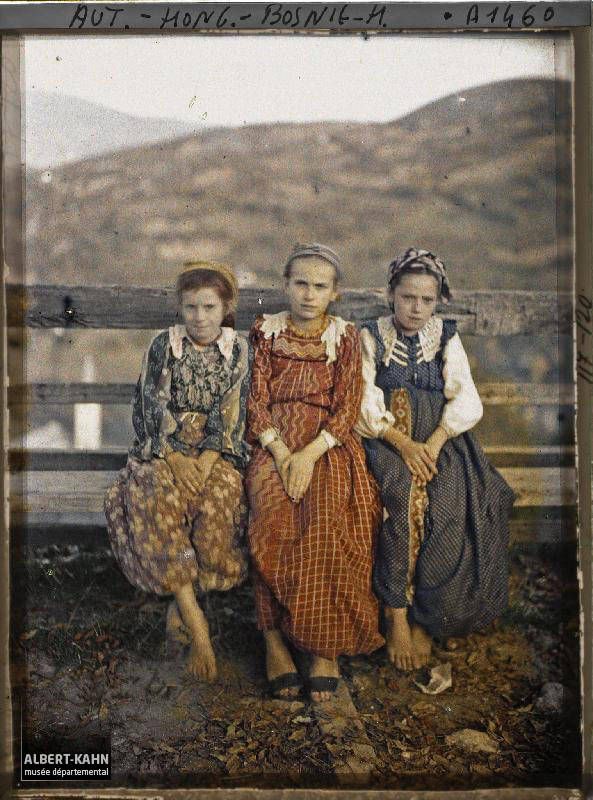
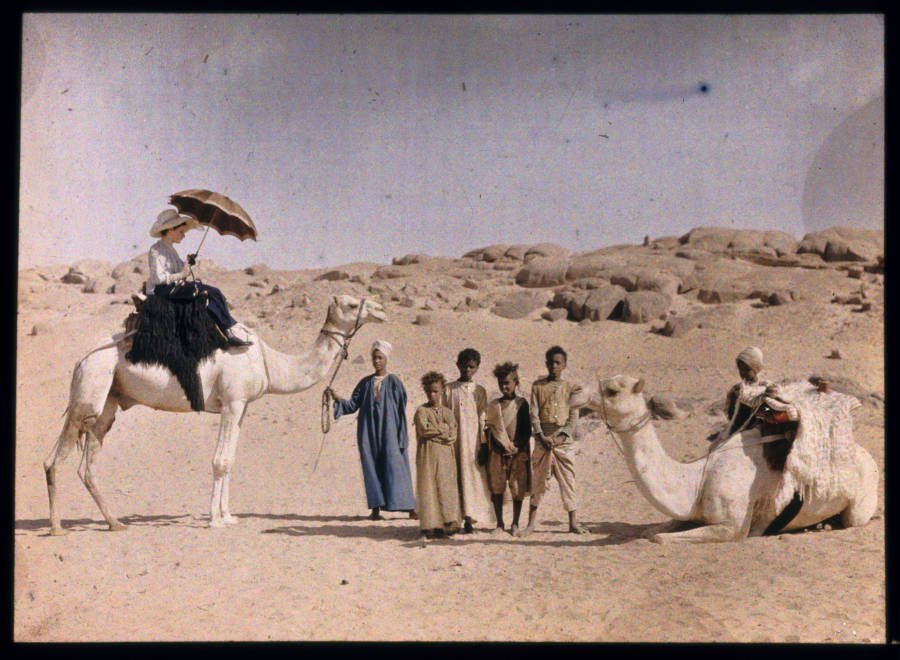
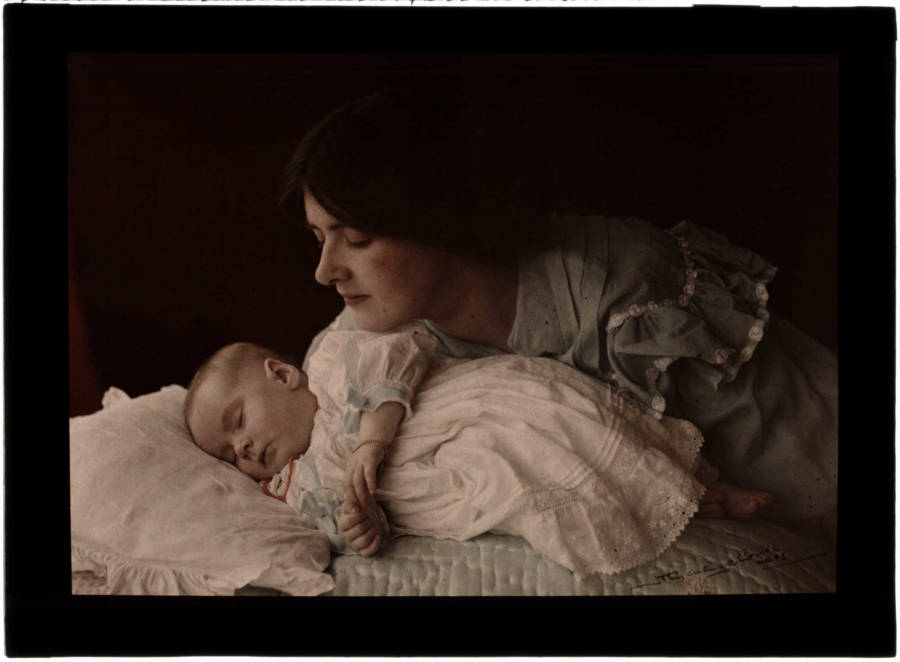
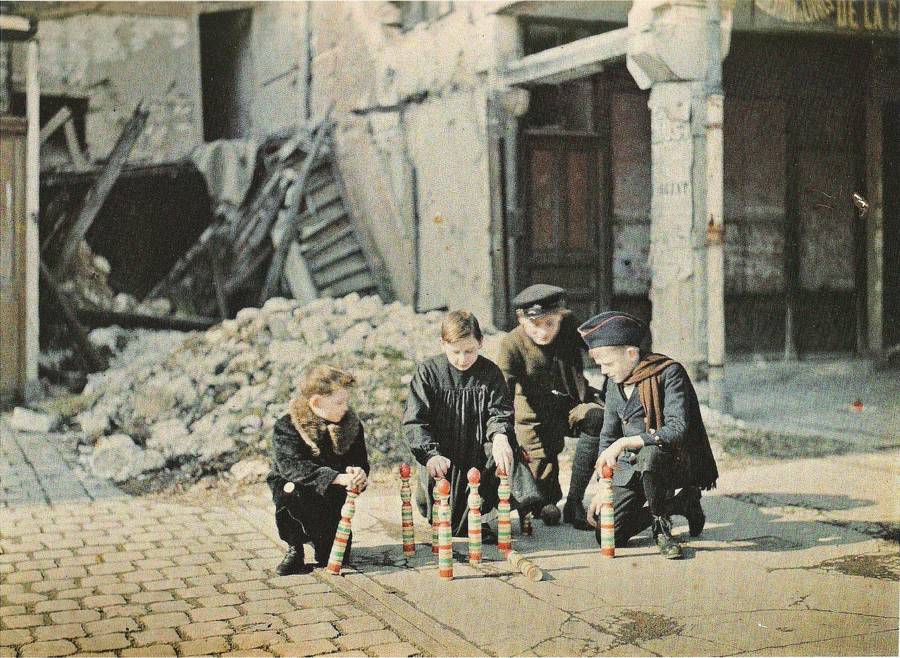
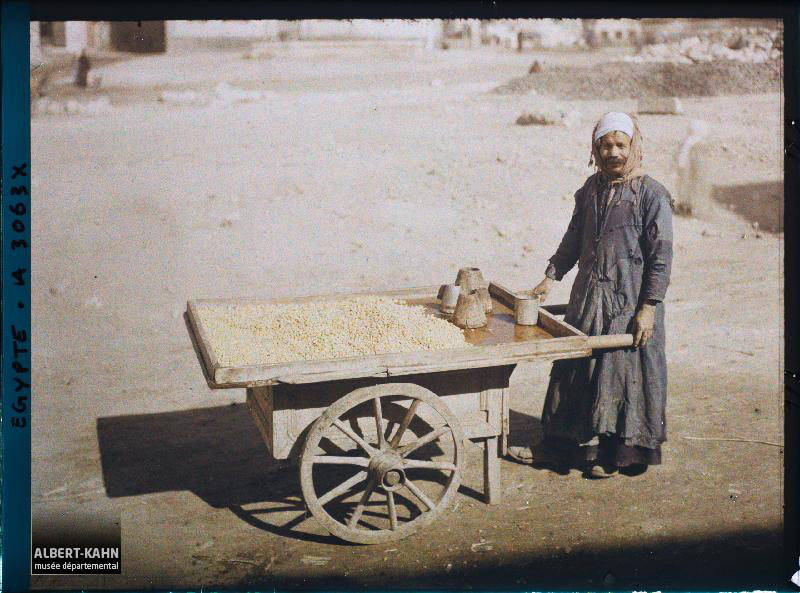
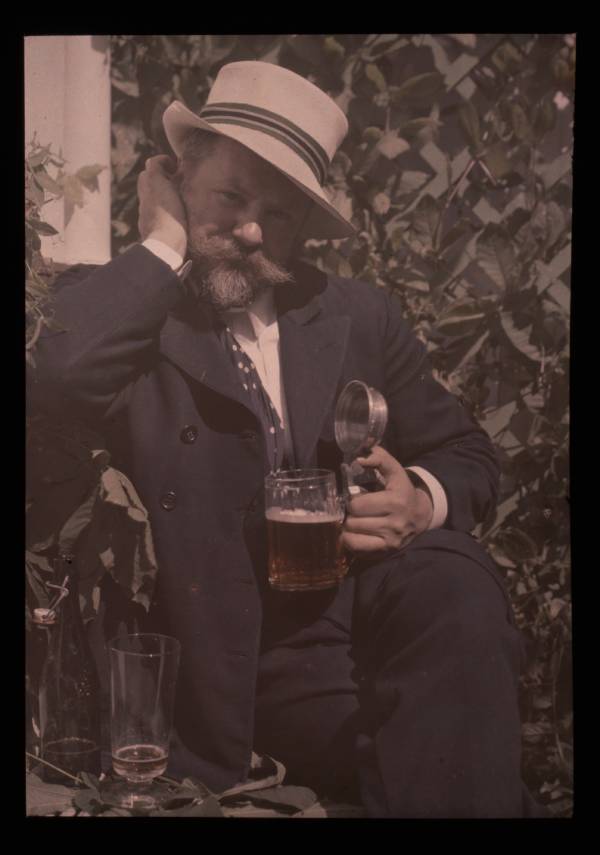
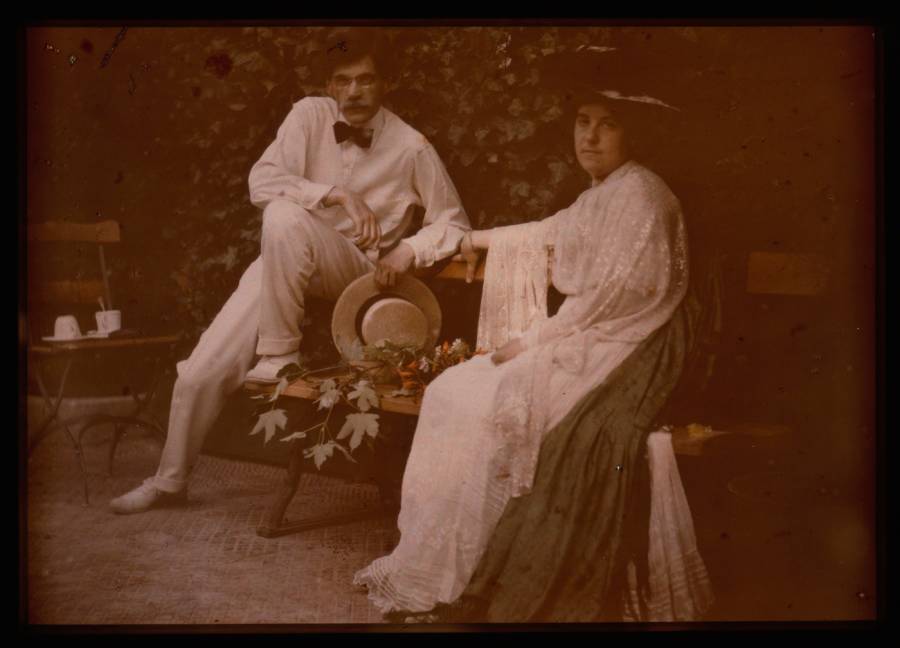
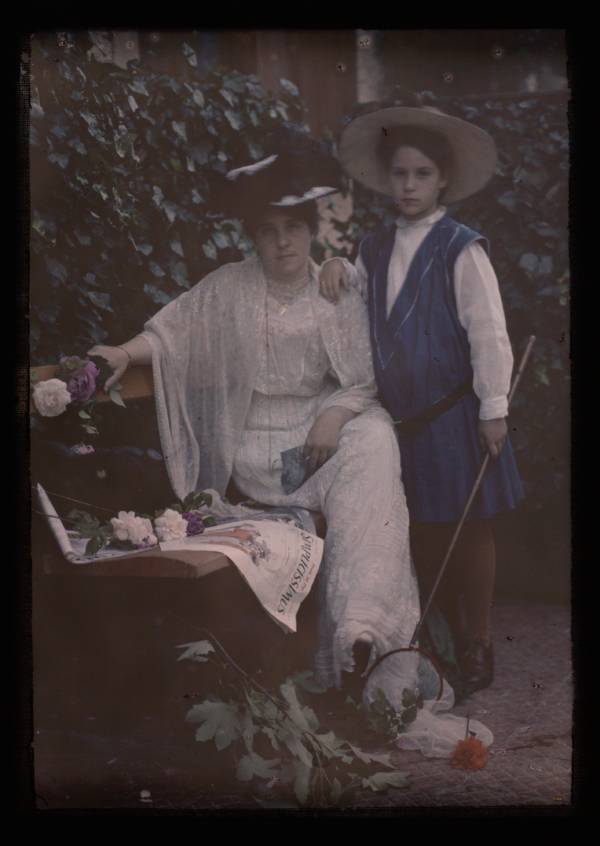
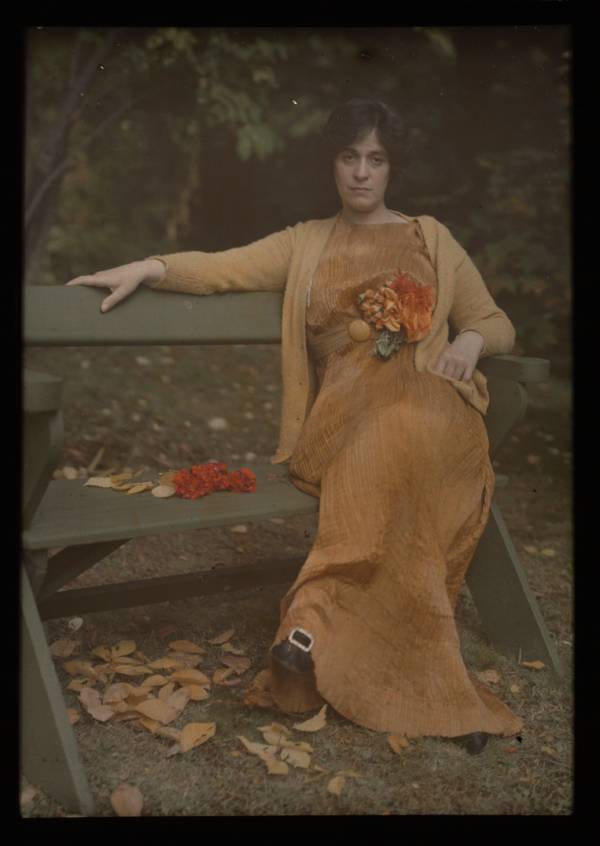
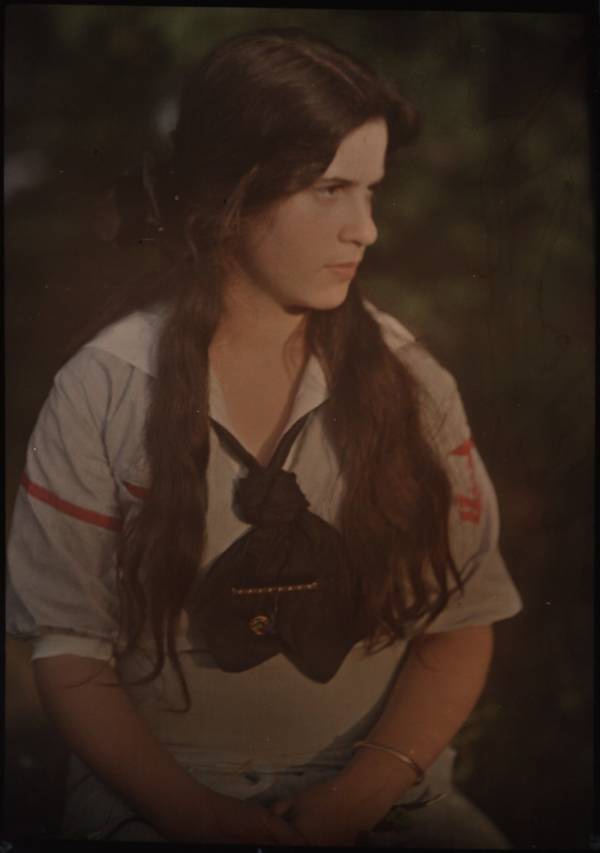
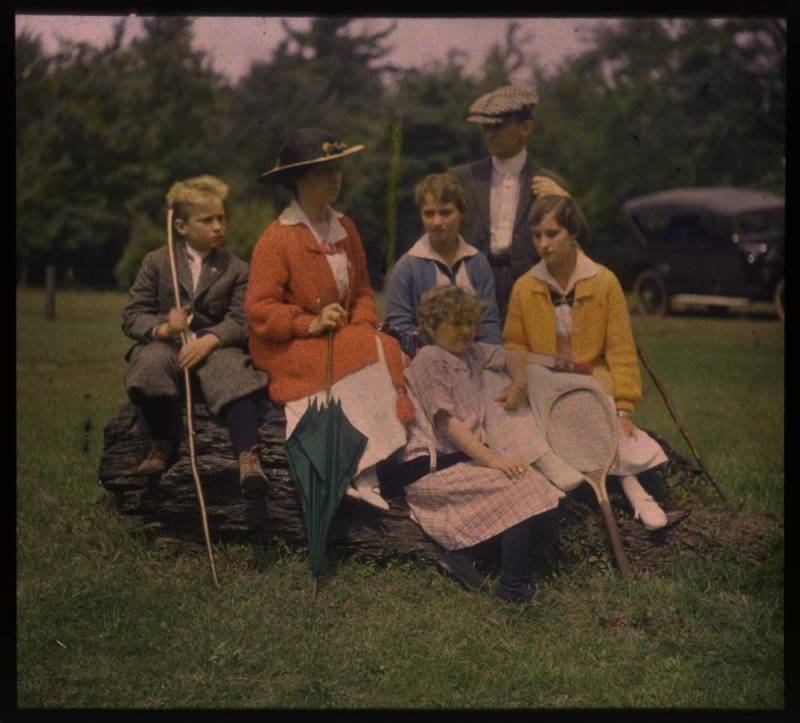
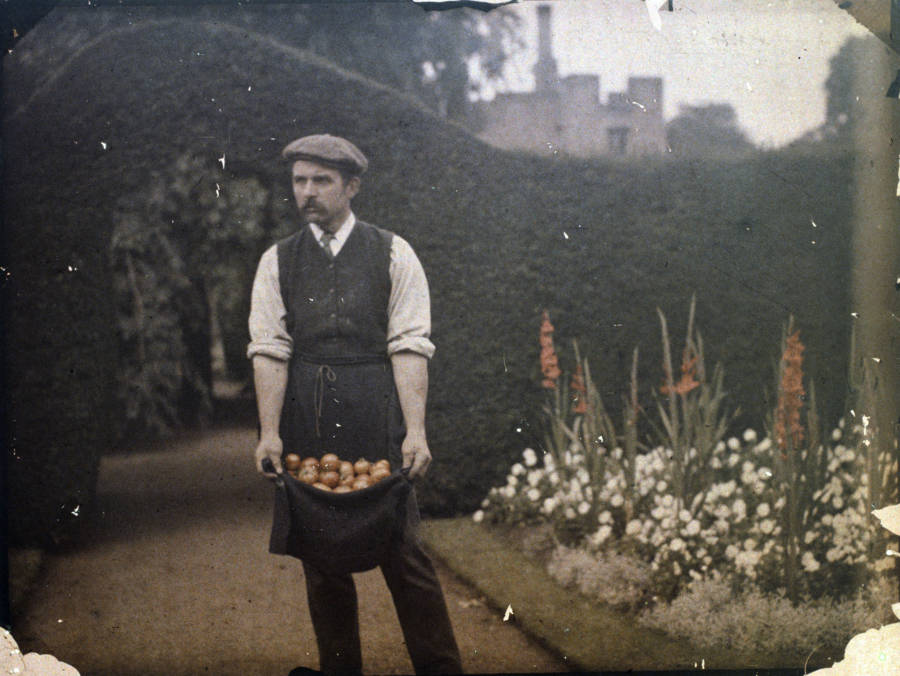
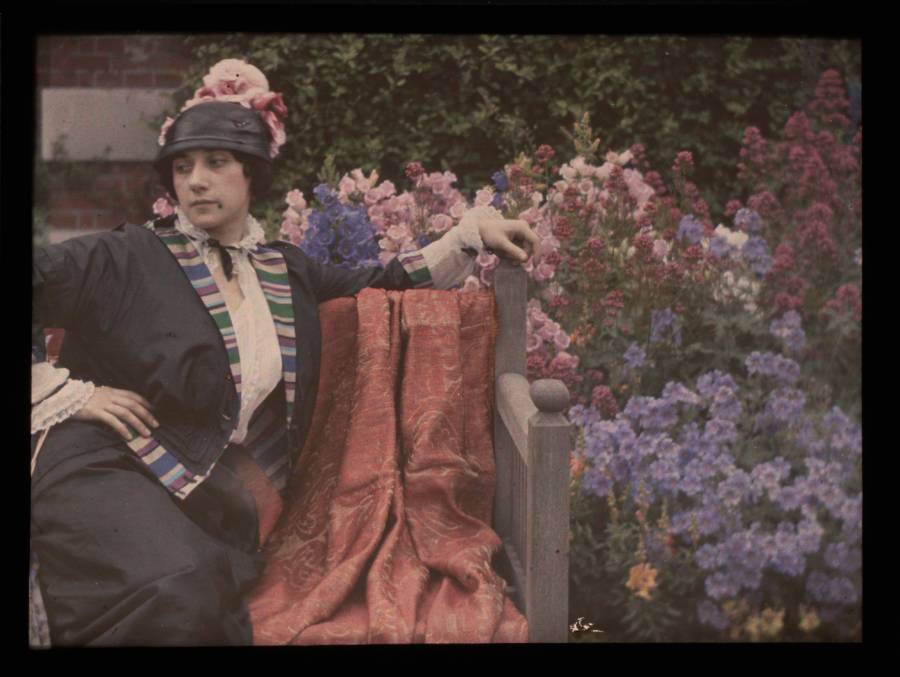
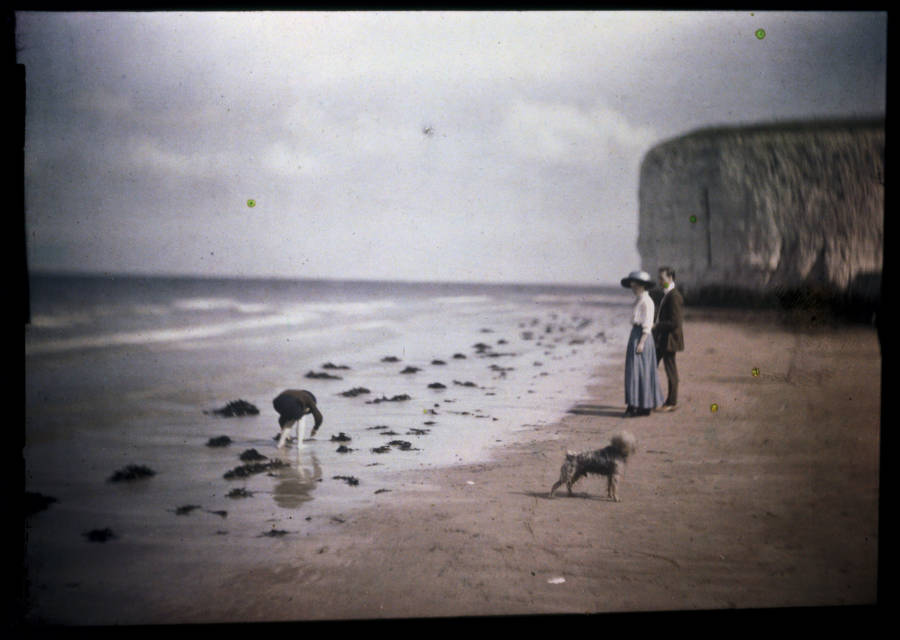
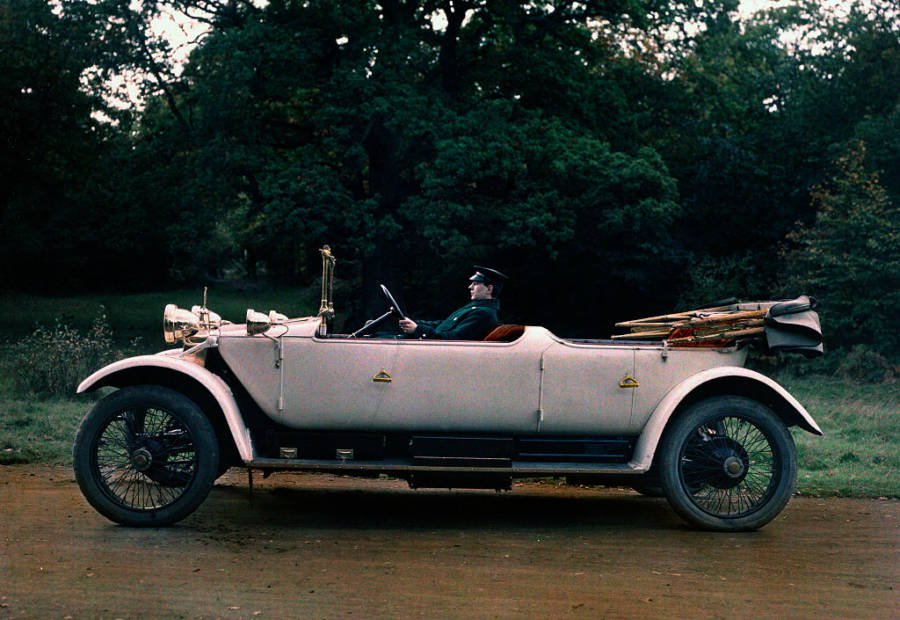
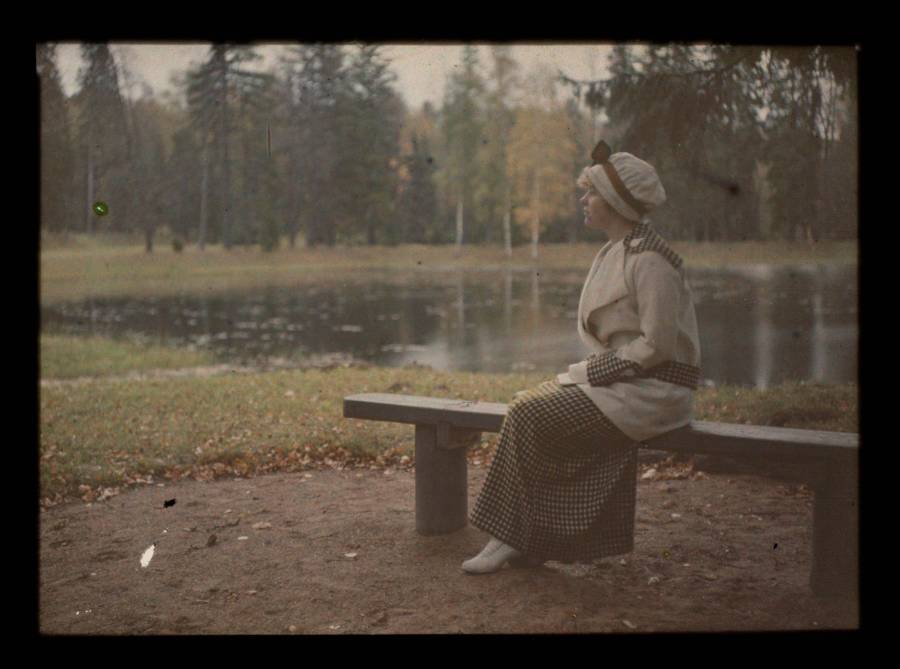
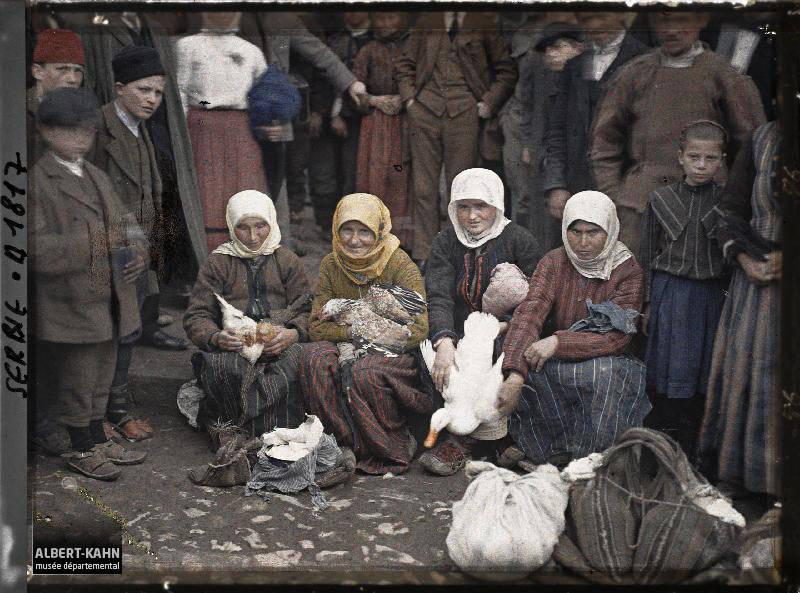
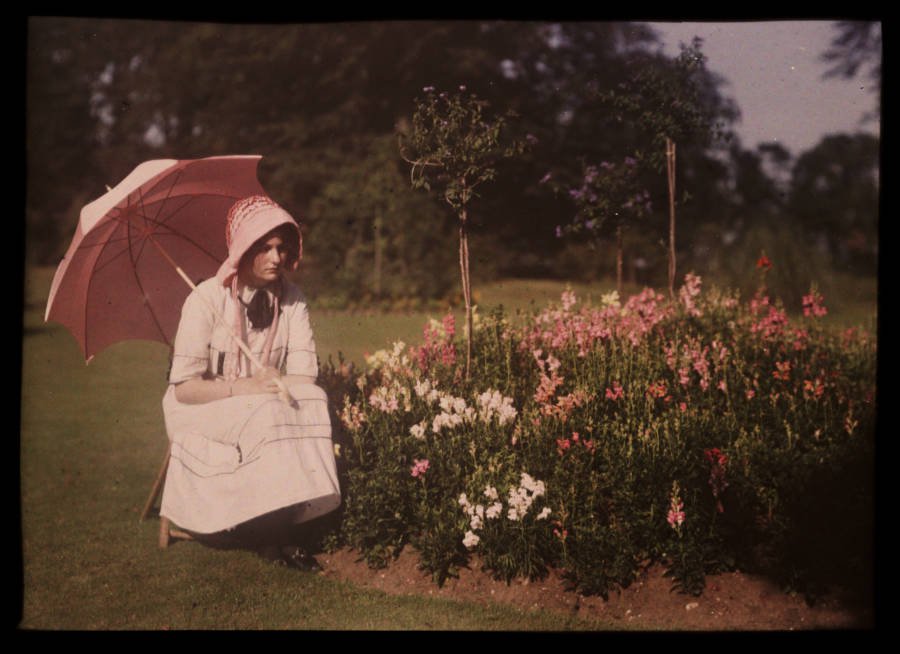
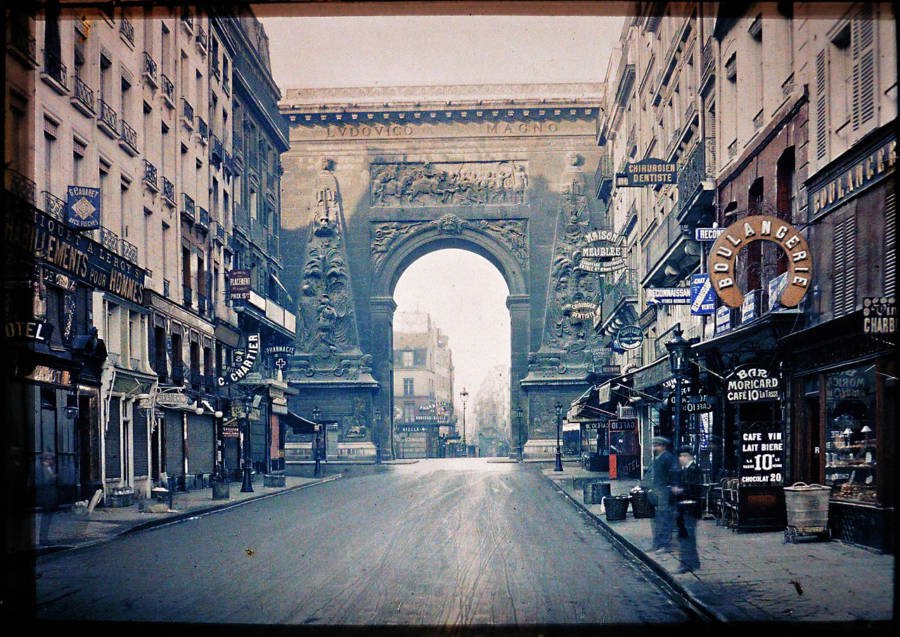
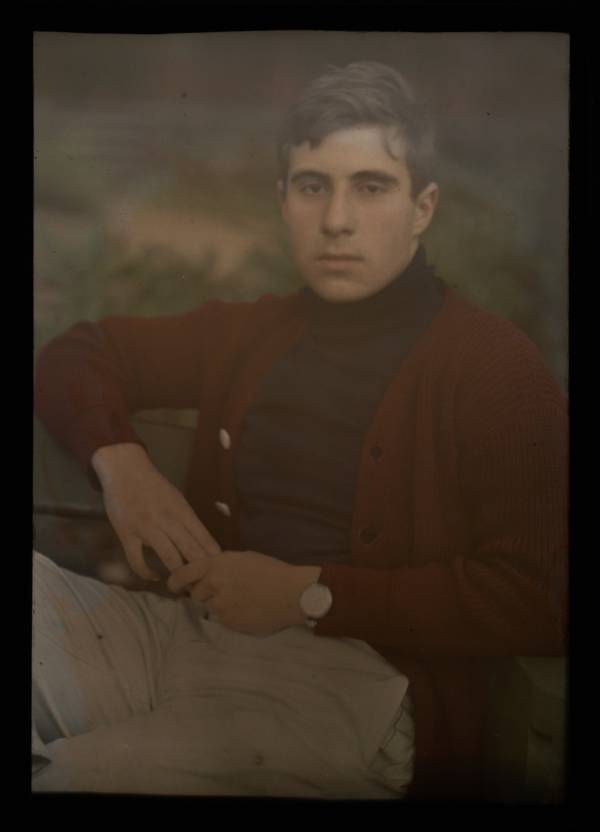
Christina, the daughter of Autochrome photographer Mervyn O’Gorman, poses in a red cloak in order to be photographed by her father. Dorset, England. 1913.The daughter of Autochrome photographer Etheldreda Janet Laing poses in a kimono in order to be photographed by her mother. England. 1908.A little girl plays with her doll next to two guns and a knapsack in Reims, France during World War I. 1917.Two men play chess in Hoboken, N.J. 1907.Christina sits beside a boat. 1913.Two women sit on a bench. Location unspecified. 1915.Christina poses with a purple Buddleia flower. 1915A woman with tattooed arms poses in Bosnia. 1912.Christina sits on the beach. 1913.French soldiers prepare lunch outdoors. 1910.Children pose in costume during World War I. France. 1914.A little girl in a red riding hood poses near some flowers. England. 1907.Christina walks on the beach. 1913.Three little girls sit on the terrace next to Kastel Fortress in Bosnia. 1912.Else Paneth (left), the wife of Austrian chemist and photographer Friedrich Paneth, sits on a camel in Egpyt. 1913.“Mother and Child.” 1910.Children play in the ruins of Reims, France during World War I. 1917.Constantin Mitrofanovitch Flórinsky, officer of Tsar Nicholas II of Russia. 1907.“The Last Digger.” United Kingdom. 1910.Two couples of tennis players sit on a bench in France. 1912.A local stands next to a cart in Cairo, Egypt. 1914.Photographer Frank Eugene poses for an Autochrome in Hoboken, N.J. 1907.The daughter of photographer Frank Eugene poses with photographer Alfred Stieglitz. Location unspecified. 1907.Emmy (left), the daughter of Autochrome photographer Frank Eugene. Tutzing, Bavaria. 1907.Selma Schubart, the sister of photographer Alfred Stieglitz. Hoboken, N.J. 1907.Katherine Stieglitz, the daughter of photographer Alfred Stieglitz. 1910.A family poses for an Autochrome outdoors. 1915A gardener holds tomatoes in his apron. United Kingdom. 1905.Tamara Karasavina, a leading dancer in the Russian ballet, poses next to some flowers. 1908An Italian rifleman poses in Verona, Italy. 1918.A family stands on the beach in Margate, England. 1915.A man drives a British-made Lanchester automobile. 1913Two girls sit in a field. England. 1908.A condemned prisoner stands in chains in Ulaanbaatar, Mongolia. 1913.The Moulin Rouge. Paris. 1914.Olga Victorovna Dmitrieff sits outdoors on a bench. Russia. 1907.The daughters of Autochrome photographer Etheldreda Janet Laing pose on a balcony. England. 1908.A group of Serbian women sit in a market square. 1913.The daughter of photographer Etheldreda Janet Laing sits with a parasol sitting by a flower bed. England. 1908.Porte Saint-Denis. Paris. 1914.A man poses in a red sweater. Hoboken, N.J. 1907.Russian soldiers pose amid the ruins at Reims, France during World War I. 1917.A young girl poses near some flowers. England. 1910.A girl poses in traditional dress in Madeira, Portugal. 1910.
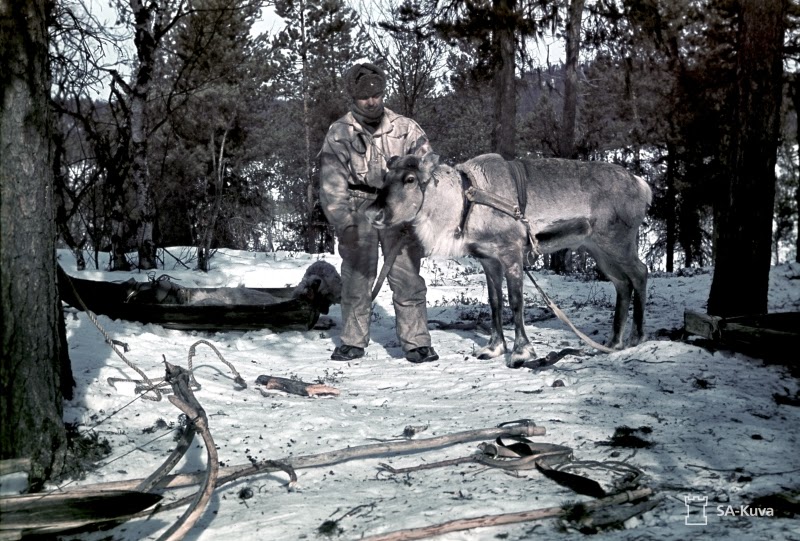
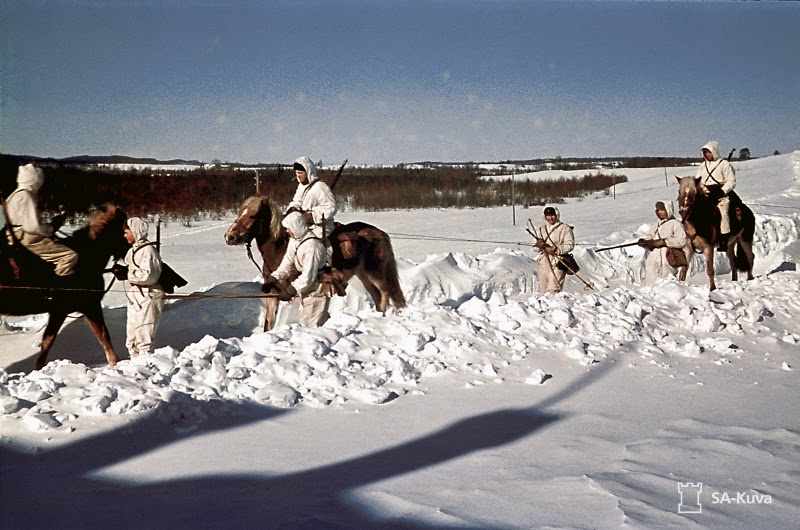
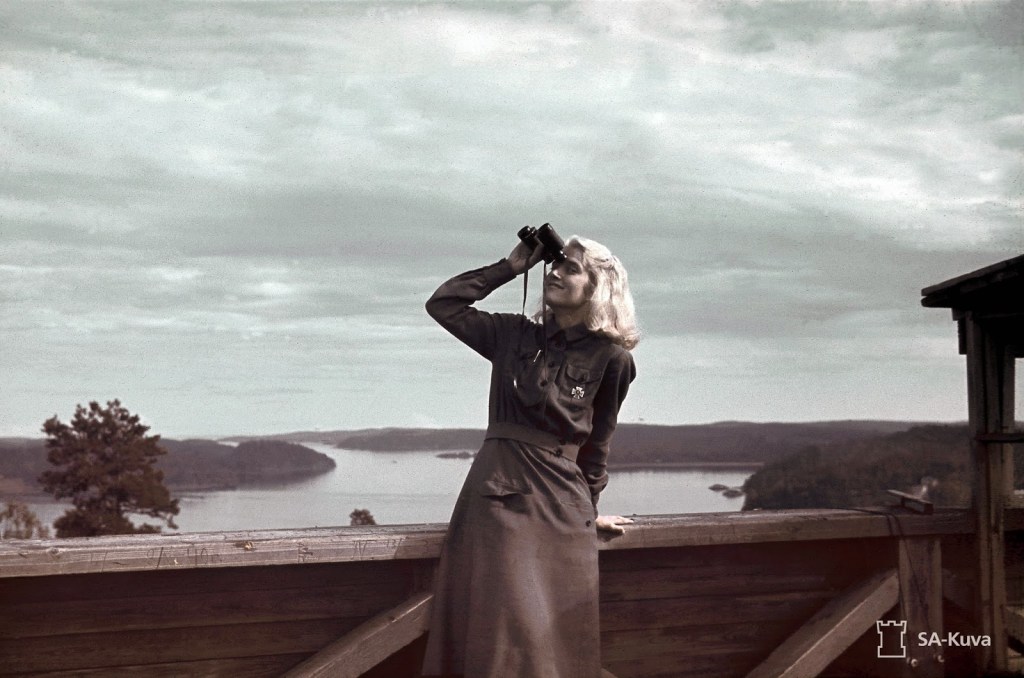
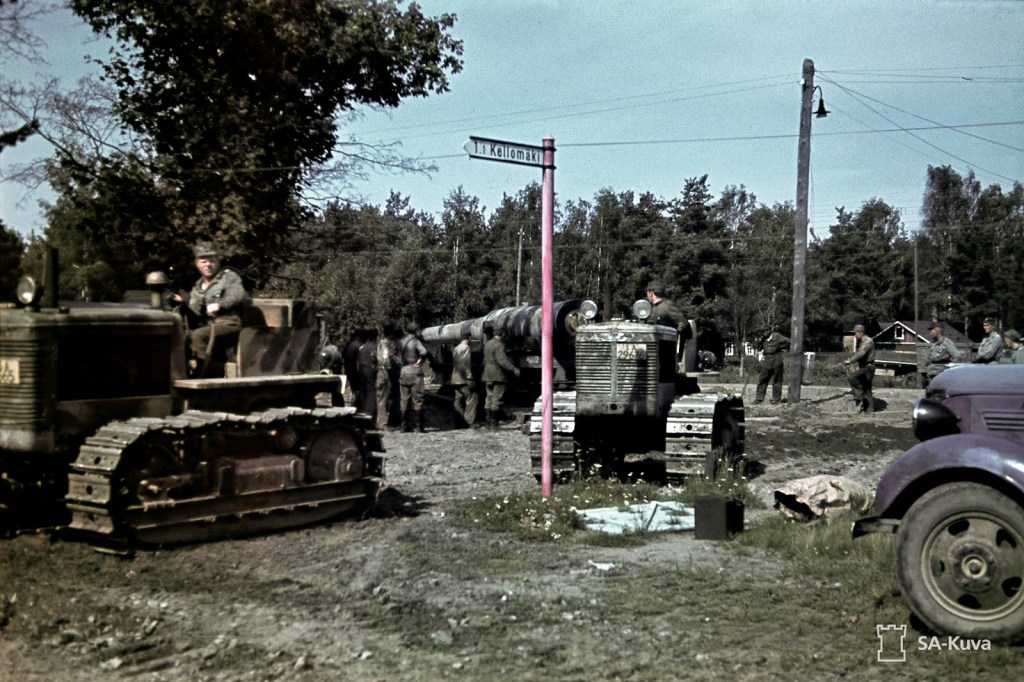
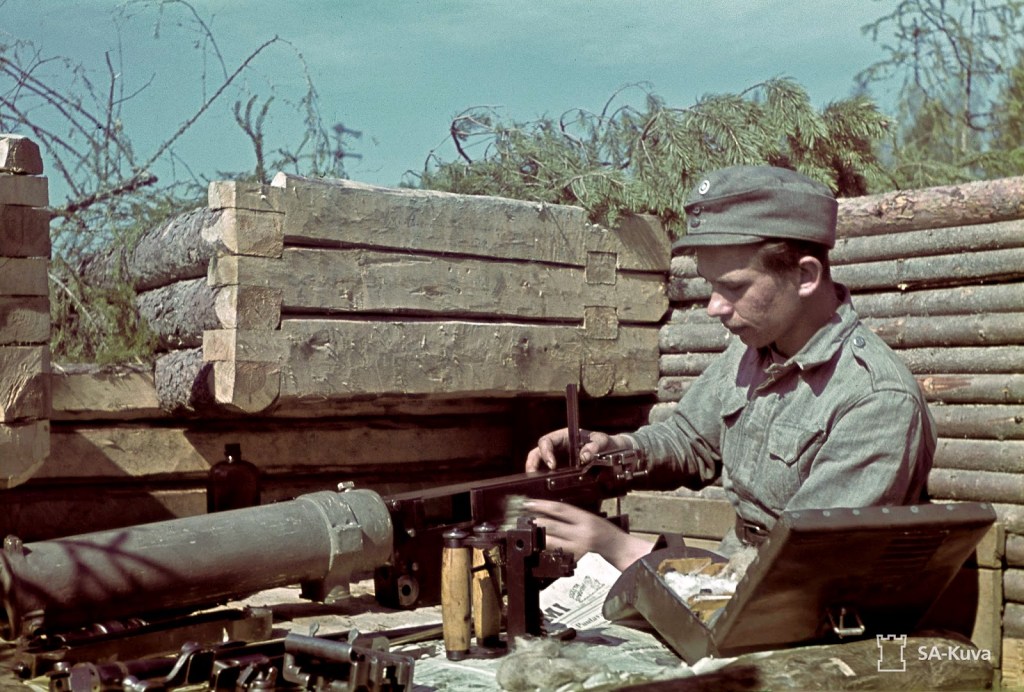
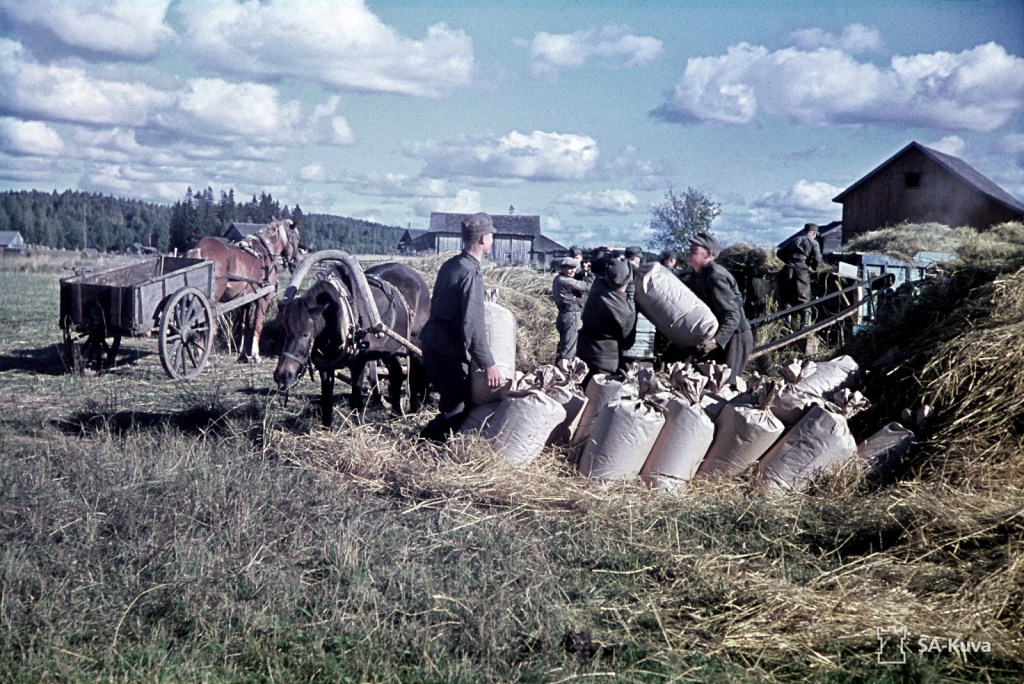
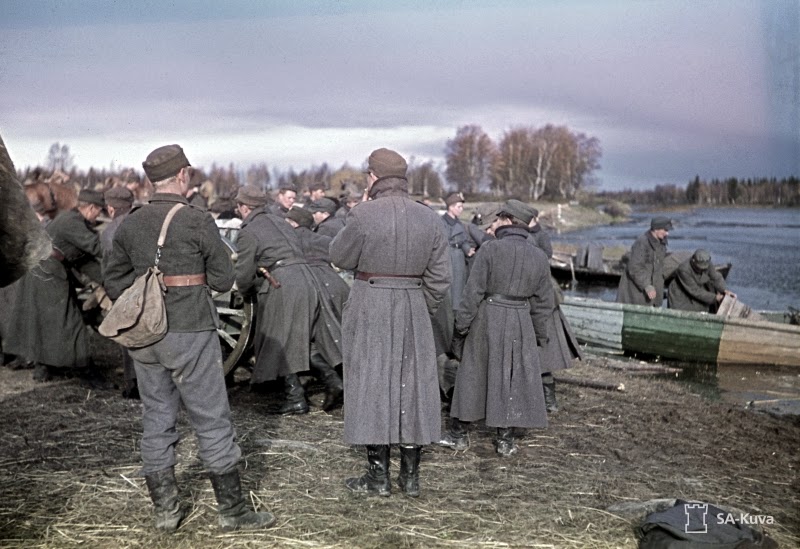
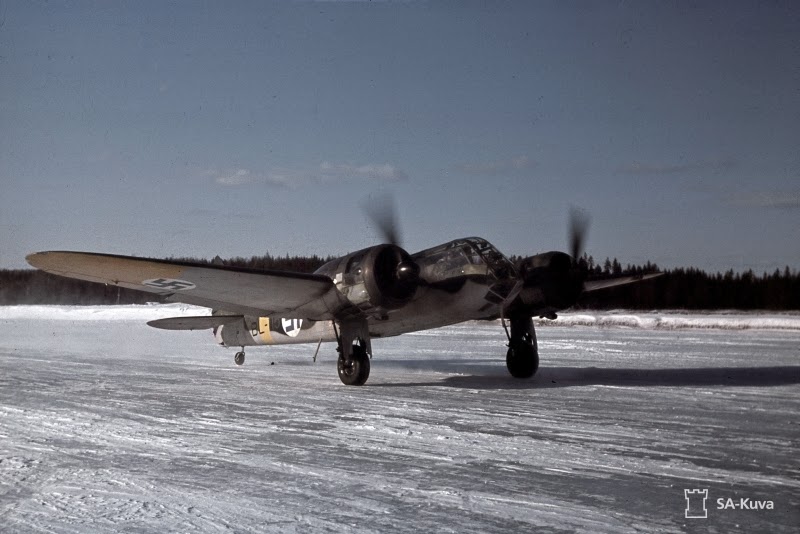
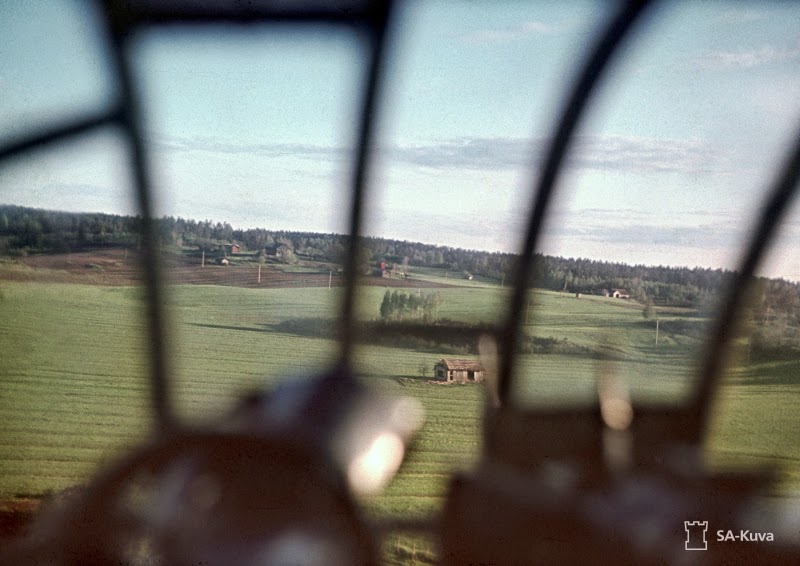
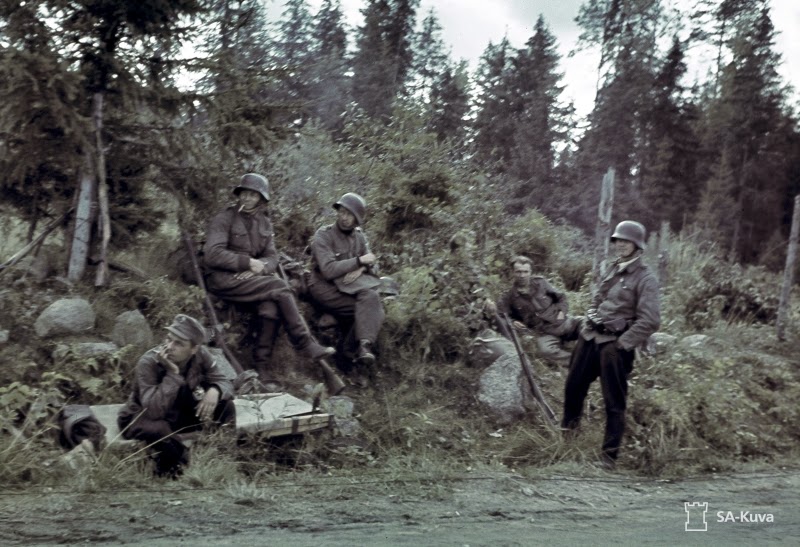
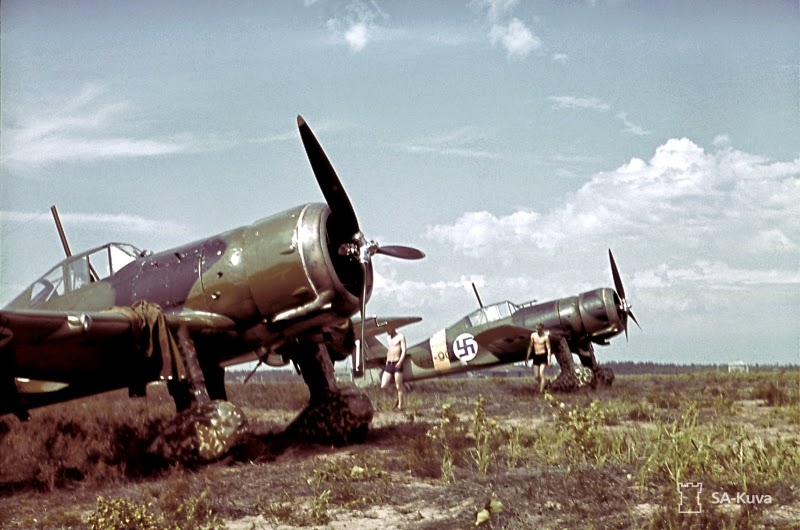
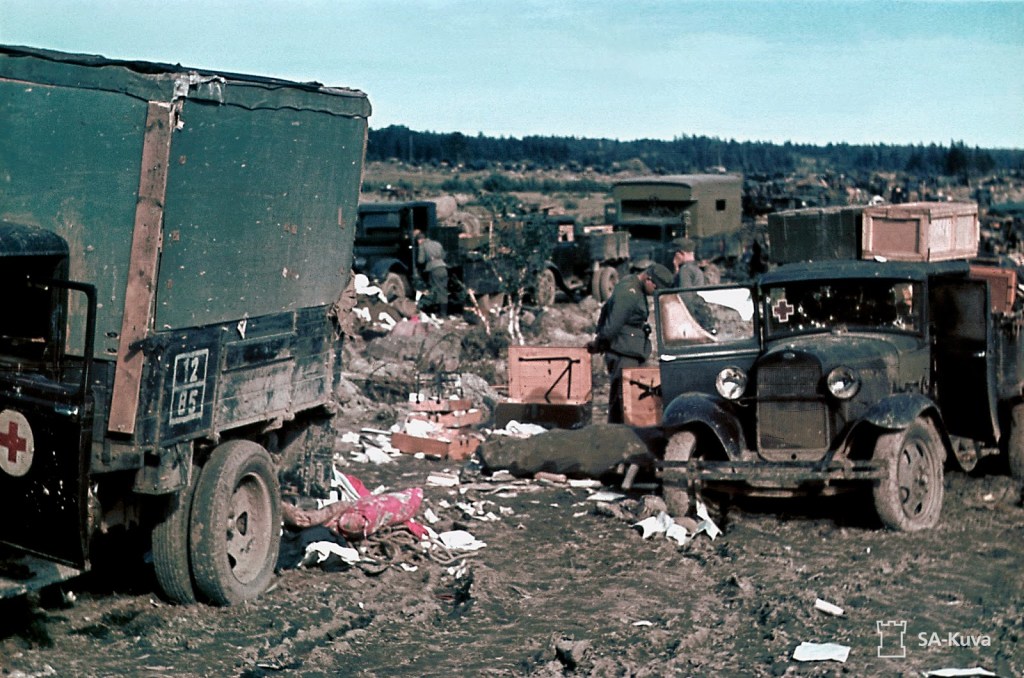
The Continuation War, also known as Second Soviet-Finnish war, was a conflict fought by Finland and Nazi Germany, against the Soviet Union (USSR) from 1941 to 1944, as a part of World War II. In Soviet historiography, the war was called the Finnish Front of the Great Patriotic War. Germany regarded its operations in the region as part of its overall war efforts on the Eastern Front and provided Finland with critical material support and military assistance, including economic aid.
The Continuation War began 15 months after the end of the Winter War, also fought between Finland and the USSR. There have been numerous reasons proposed for the Finnish decision to invade, with regaining territory lost during the Winter War being regarded as the most common. Other justifications for the conflict included President Ryti’s vision of a Greater Finland and Commander-in-Chief Mannerheim’s desire to annex East Karelia. Plans for the attack were developed jointly between the Wehrmacht and a faction of Finnish political and military leaders with the rest of the government remaining ignorant. Despite the co-operation in this conflict, Finland never formally signed the Tripartite Pact, though they did sign the Anti-Comintern Pact. Finland’s leadership justified their alliance with Germany as self-defence. On 25 June 1941 the Soviet Union launched an air raid against Finnish cities, after which Finland declared war and also allowed German troops stationed in Finland to begin offensive warfare. By September 1941, Finland had regained its post–Winter War concessions to the Soviet Union: the Karelian Isthmus and Ladoga Karelia. However, the Finnish Army continued the offensive past the pre-1939 border with the conquest of East Karelia, including Petrozavodsk, as well as halting only around 30–32 km (19–20 mi) from the centre of Leningrad, where they participated in besieging the city by cutting its northern supply routes and digging in until 1944. In Lapland, joint German–Finnish forces failed to capture Murmansk or cut the Kirov (Murmansk) Railway, a transit route for lend-lease equipment to the USSR. The conflict stabilised with only minor skirmishes until the tide of the war turned against the Germans and the Soviet Union’s strategic Vyborg–Petrozavodsk Offensive in June 1944. The attack drove the Finns from most of the territories they had gained during the war, but the Finnish Army halted the offensive in August 1944.
Hostilities between Finland and the USSR ended with a ceasefire, which was called on 5 September 1944, formalised by the signing of the Moscow Armistice on 19 September 1944. One of the conditions of this agreement was the expulsion, or disarming, of any German troops in Finnish territory, which led to the Lapland War between Finland and Germany. World War II was concluded formally for Finland and the minor Axis powers with the signing of the Paris Peace Treaties in 1947. The treaties confirmed the territorial provisions of the 1944 armistice: restoration of borders per the 1940 Moscow Peace Treaty, the ceding of the municipality of Petsamo (Russian: Пе́ченгский райо́н, Pechengsky raion) and the leasing of Porkkala Peninsula to the USSR. Furthermore, Finland was required to pay $300 million in war reparations to the USSR, accept partial responsibility for the war, and acknowledge that it had been a German ally.
Casualties were 63,200 Finns and 23,200 Germans dead or missing during the war, in addition to 158,000 and 60,400 wounded, respectively. Estimates of dead or missing Soviets range from 250,000 to 305,000 while 575,000 have been estimated to have been wounded or fallen sick. (Wikipedia)
(These color photos are published at the Finnish Defence Forces photo archive, http://sa-kuva.fi)
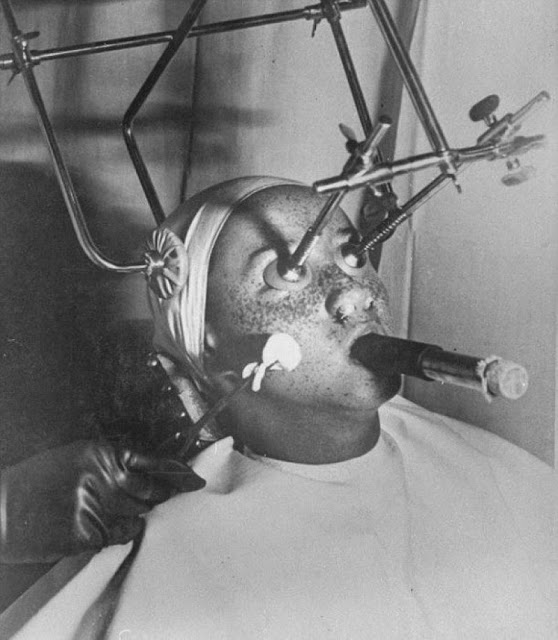
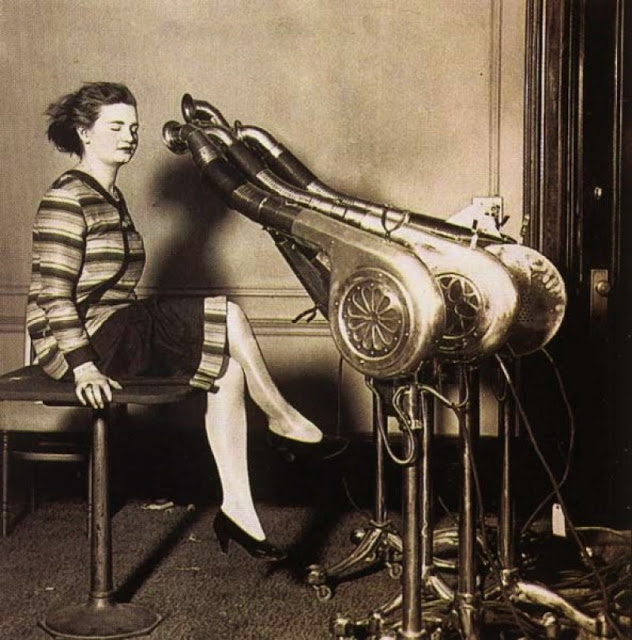
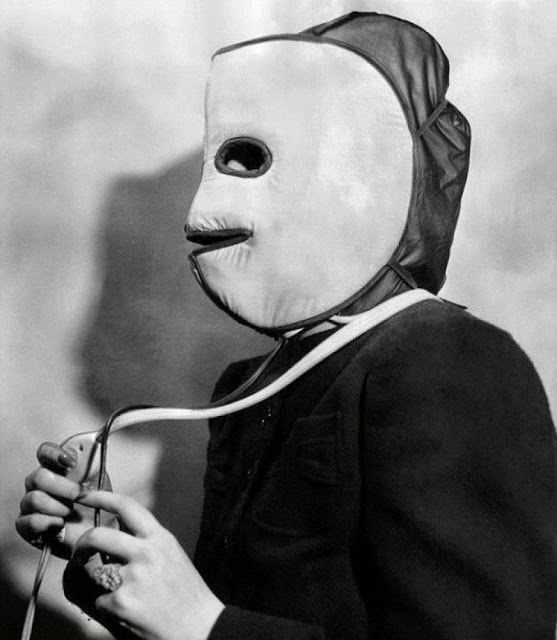
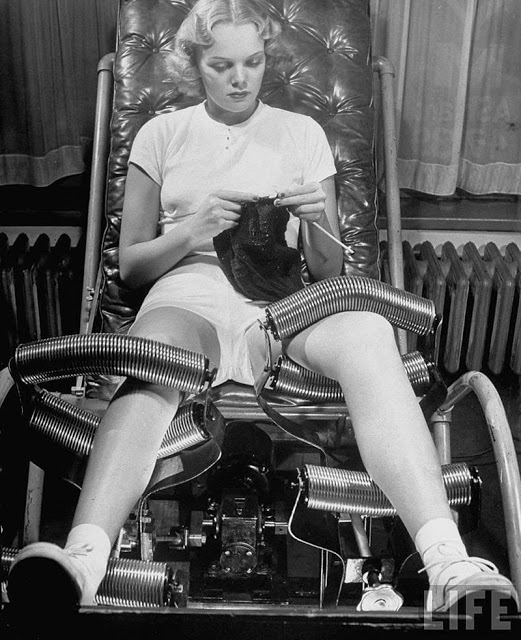
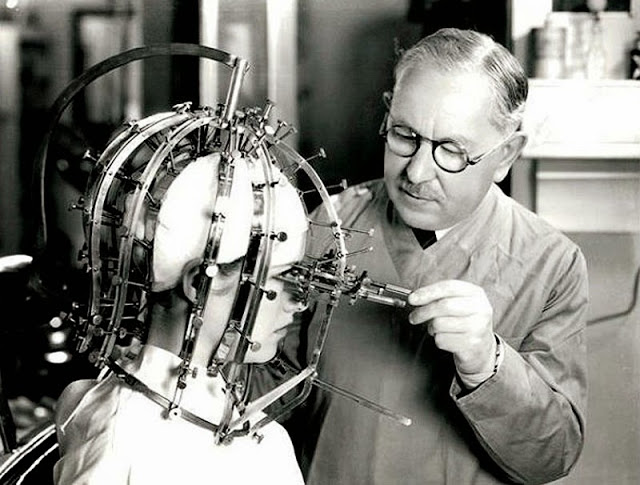
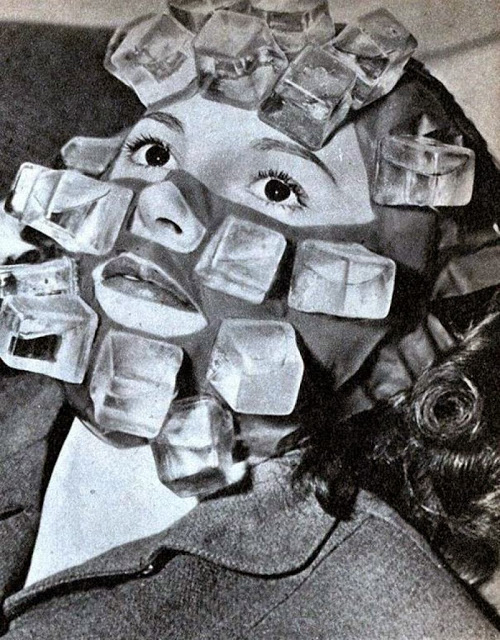
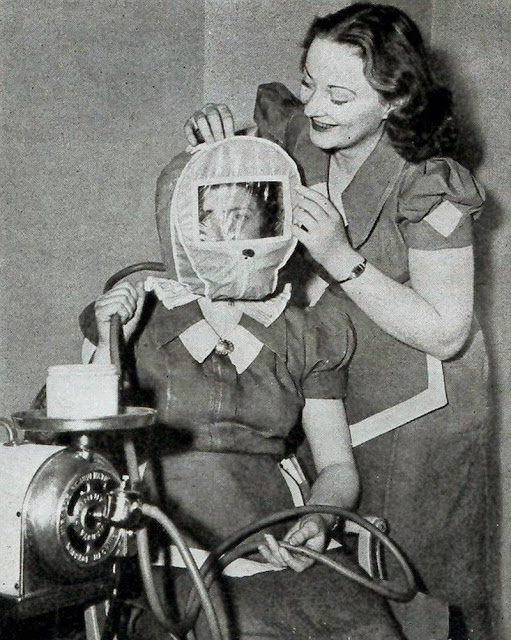
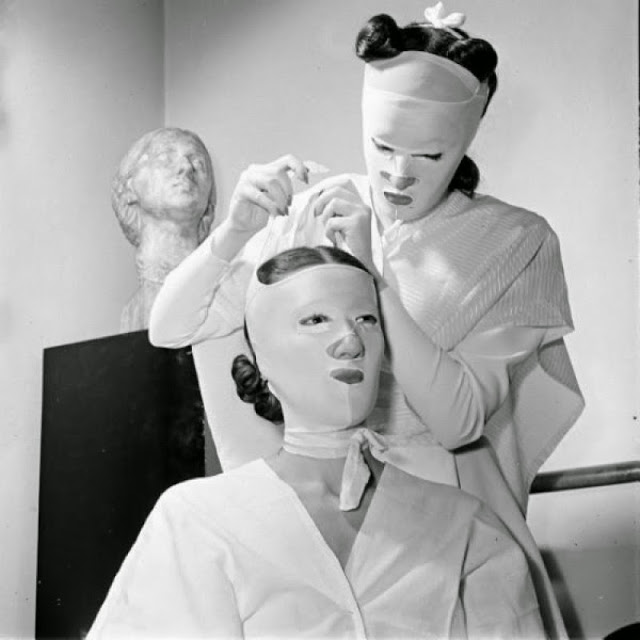
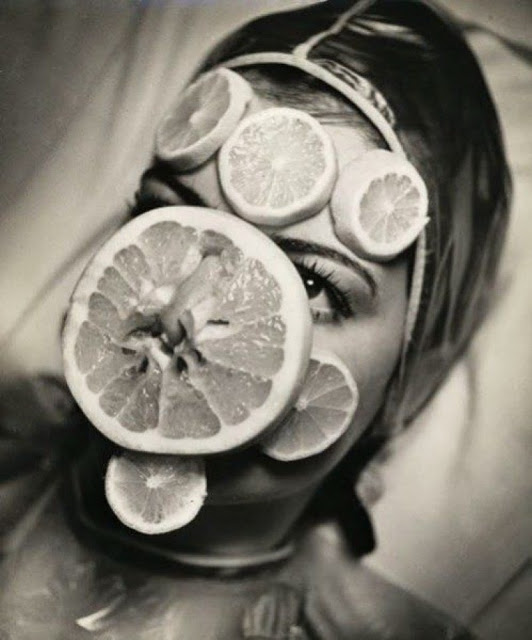
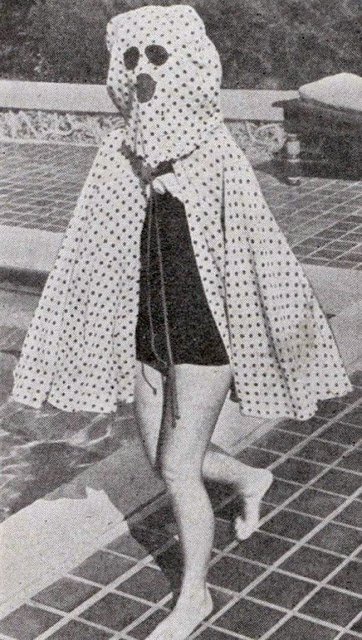
These vintage pictures below describe how terrible beauty care procedures looked like in the 1920s and 1940s. Women now must be happy they don’t have to spend many hours sitting under strange devices or put weird things on their faces.
Procedure of removing freckles with carbon dioxide, 1930s.Permanent hair procedure. Germany, 1929.Blow-drying, 1920s.Warming mask for the face and head, 1940.Legs massage with metal rollers for weight loss. USA, 1940s.Device that helps to correct the application of make-up, invention of Max Factor, 1930.Ice mask by Max Factor.Special mask that guaranteed a rosy complexion reducing the air pressure and allegedly substituted for a walk in the mountains.Device creating dimples on cheeks, used in the night. First produced in 1936.Another device for permanent hair waving. Women had to sit with such a thing on the head for hours.Beauty treatments at the Helena Rubinstein’s salon, 1940s.Rubber “beauty masks” worn to get rid of wrinkles and skin imperfections, 1921.Fruit mask, 1930.Vacuum face massage for smooth skin and nice complexion, 1930.Beauties from the 1940s tried to save their skin from burns, before sunscreen was invented.
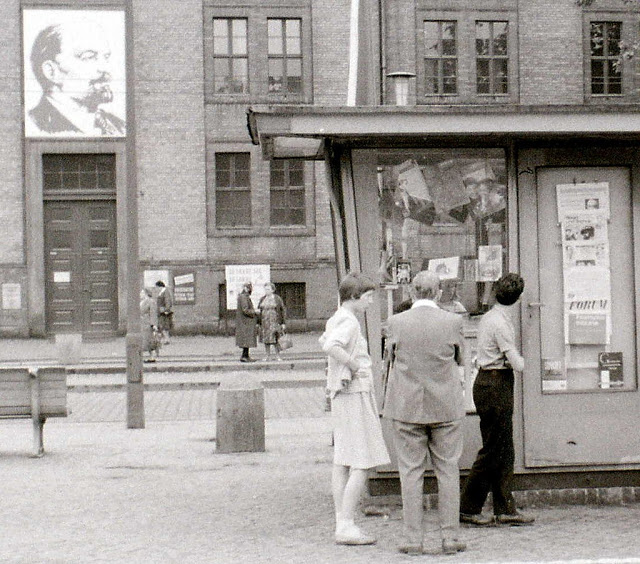
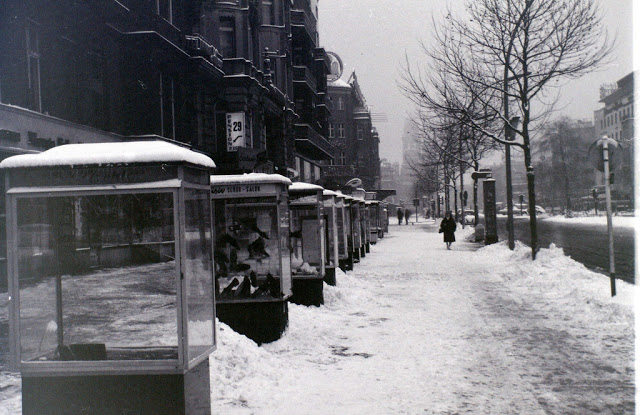
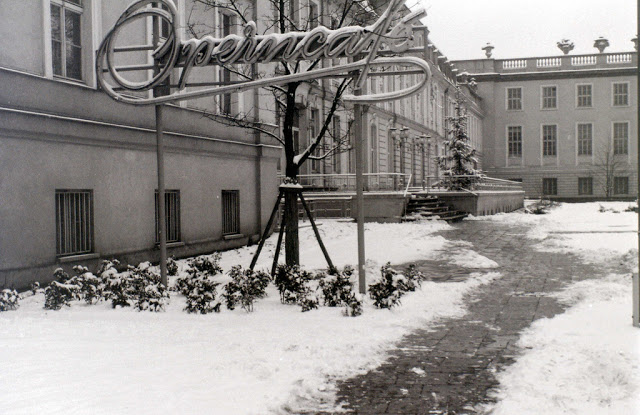
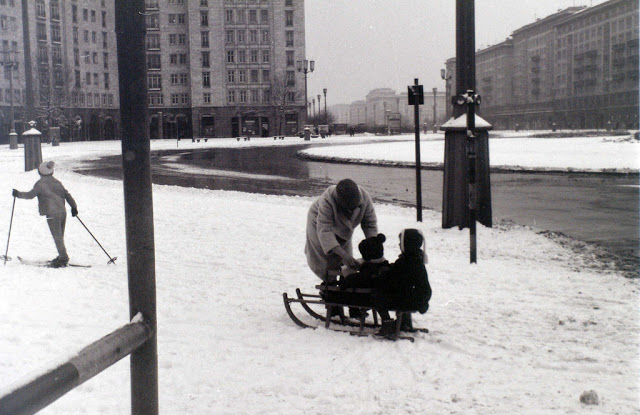
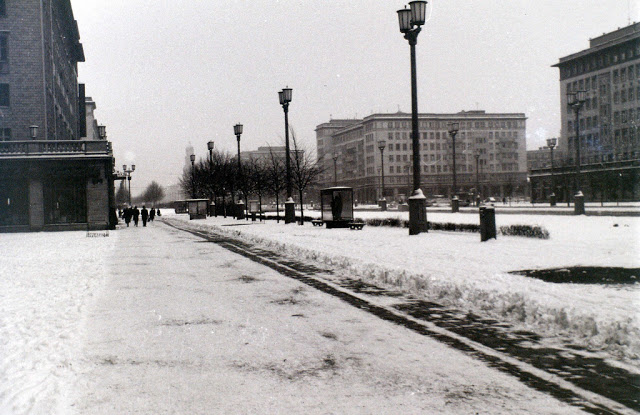
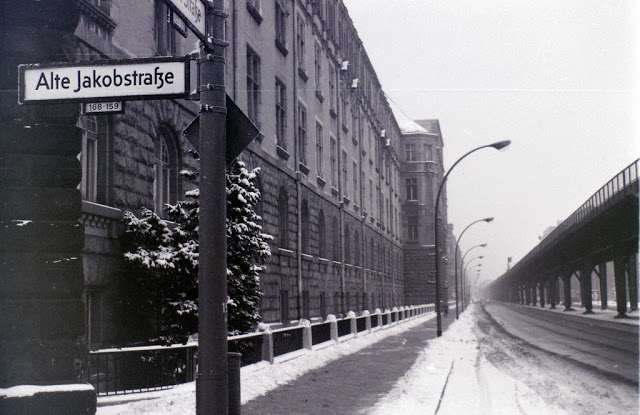
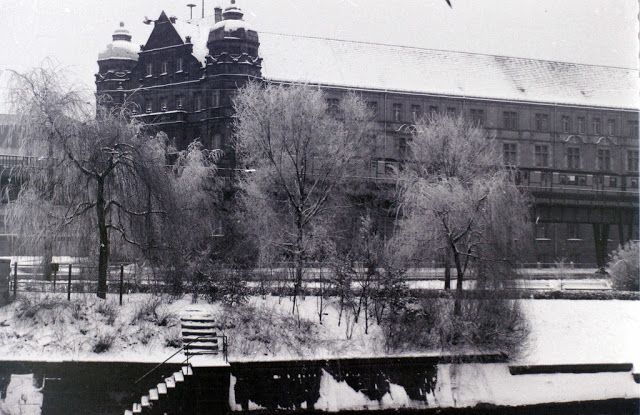
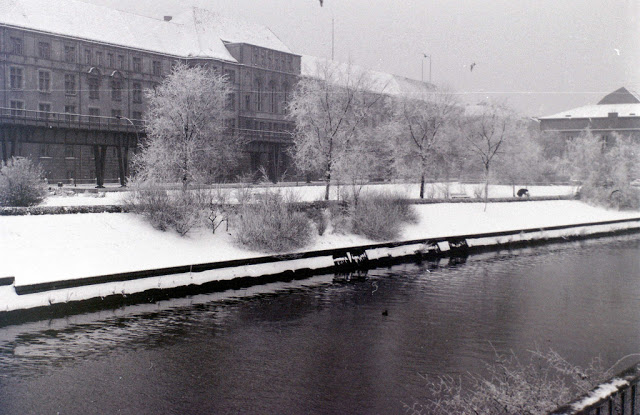
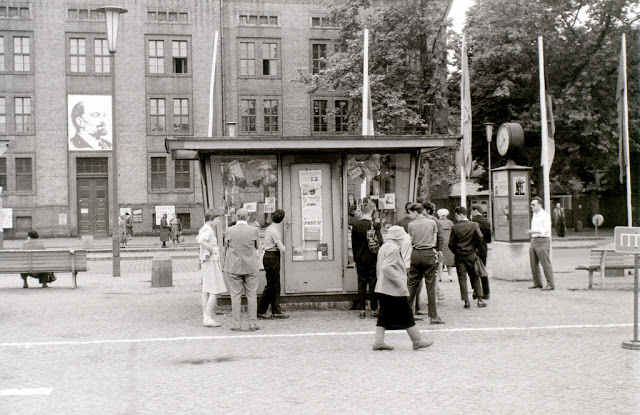
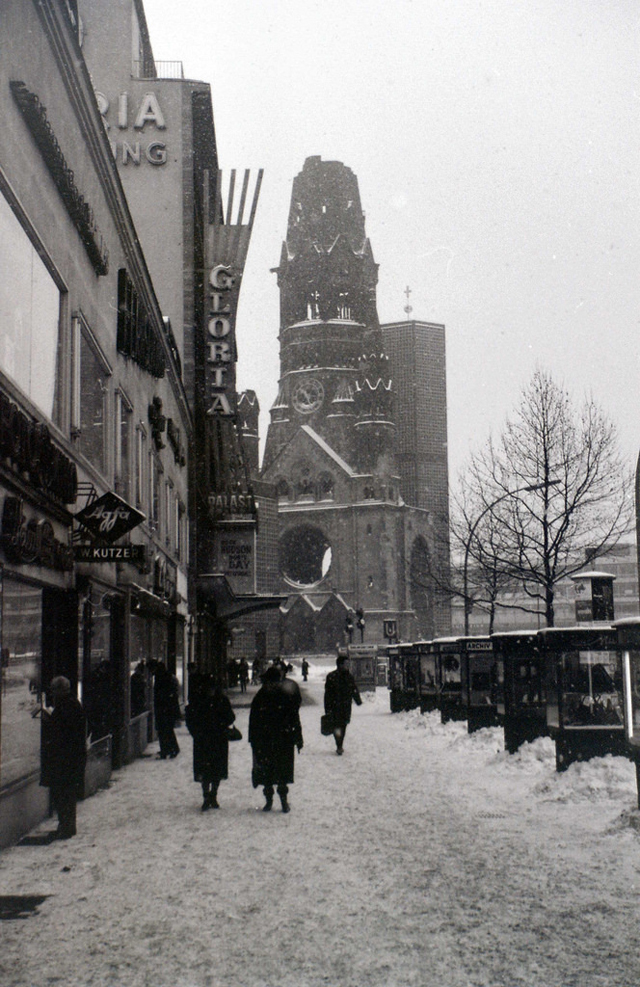
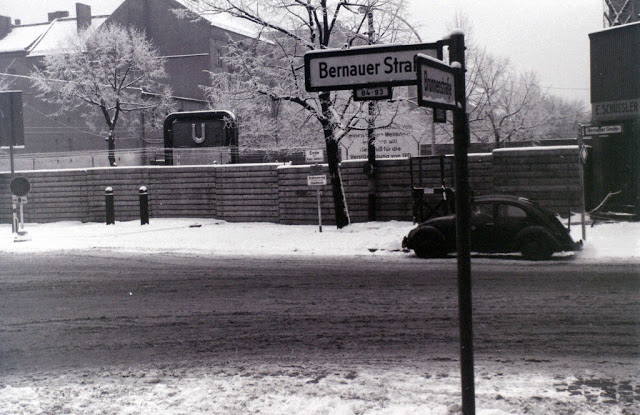
Berlin is the capital and largest city of Germany by both area and population. Its 3.7 million inhabitants make it the European Union’s most populous city, according to population within city limits. One of Germany’s sixteen constituent states, Berlin is surrounded by the State of Brandenburg and contiguous with Potsdam, Brandenburg’s capital. Berlin’s urban area, which has a population of around 4.5 million, is the second most populous urban area in Germany after the Ruhr. The Berlin-Brandenburg capital region has over six million inhabitants and is Germany’s third-largest metropolitan region after the Rhine-Ruhr and Rhine-Main regions.
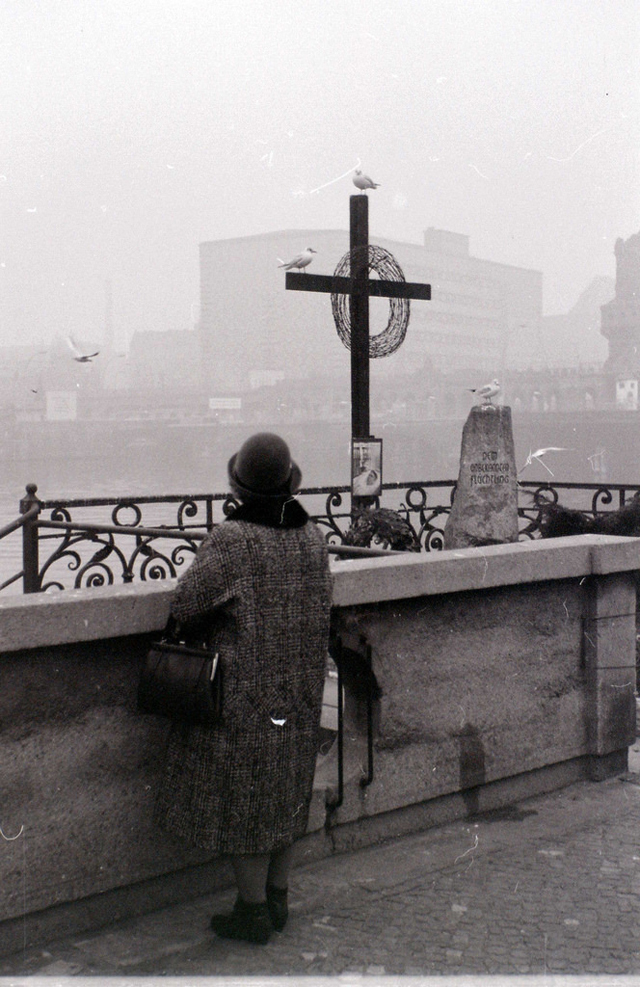
Berlin straddles the banks of the Spree, which flows into the Havel (a tributary of the Elbe) in the western borough of Spandau. Among the city’s main topographical features are the many lakes in the western and southeastern boroughs formed by the Spree, Havel and Dahme, the largest of which is Lake Müggelsee. Due to its location in the European Plain, Berlin is influenced by a temperate seasonal climate. About one-third of the city’s area is composed of forests, parks, gardens, rivers, canals and lakes. The city lies in the Central German dialect area, the Berlin dialect being a variant of the Lusatian-New Marchian dialects.
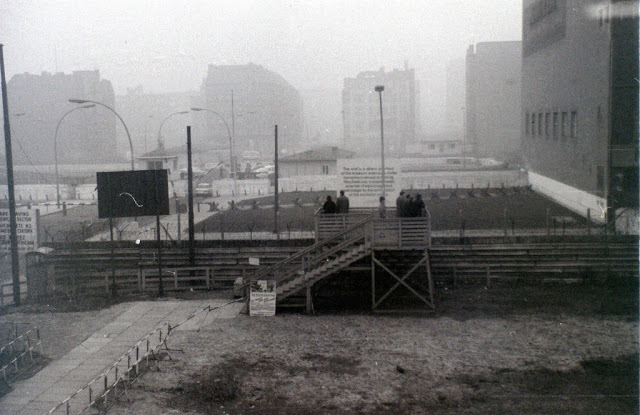
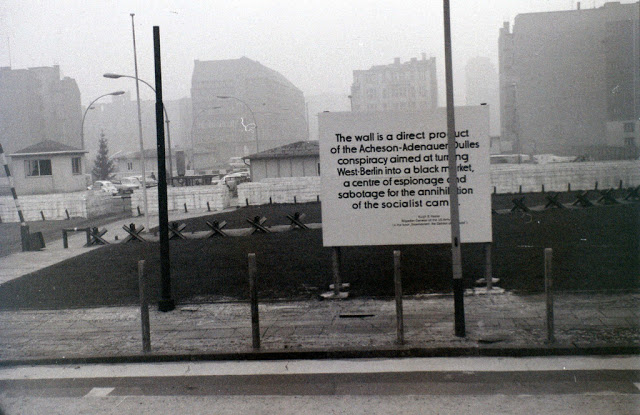
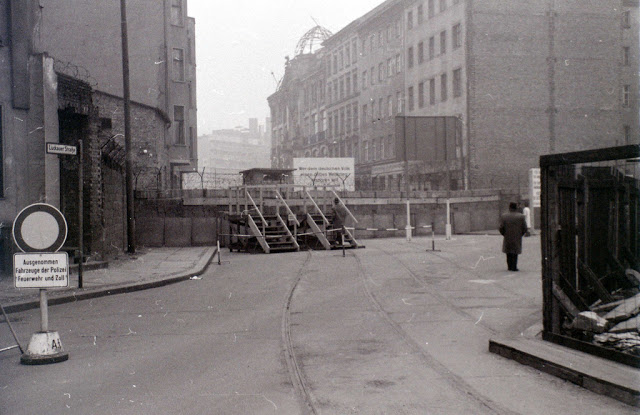
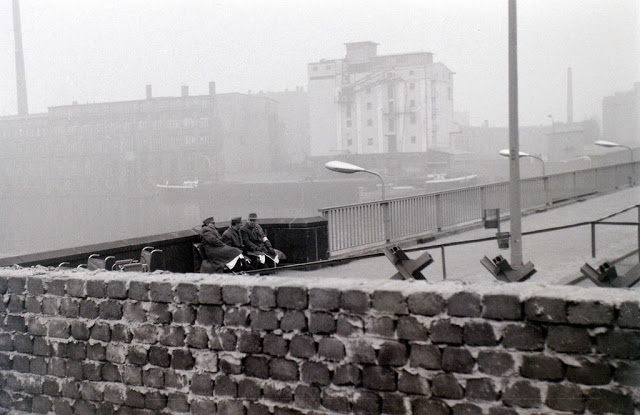
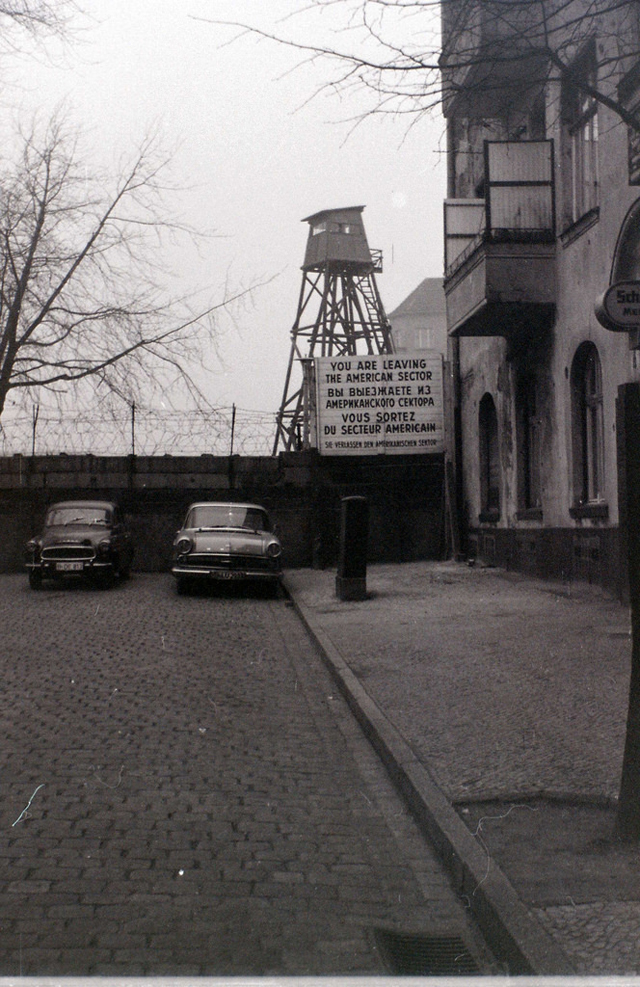
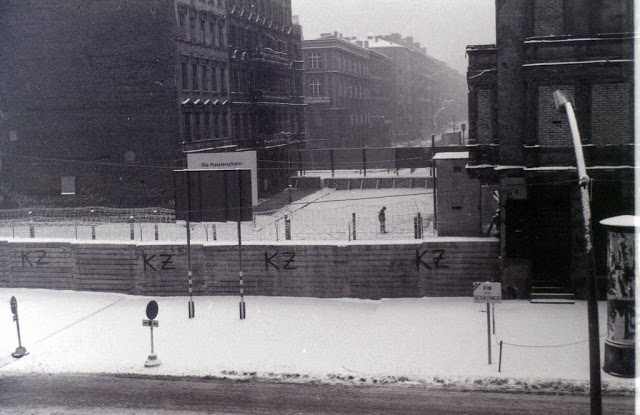
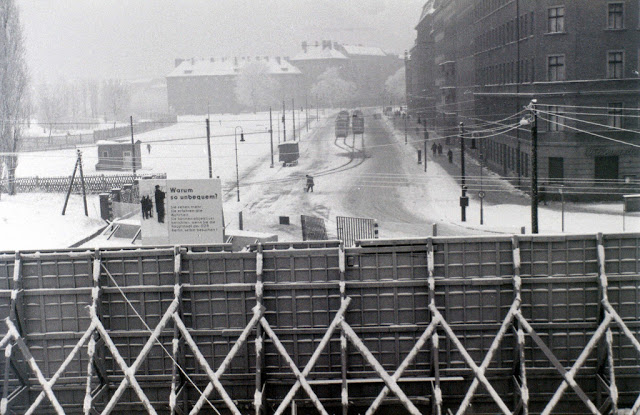
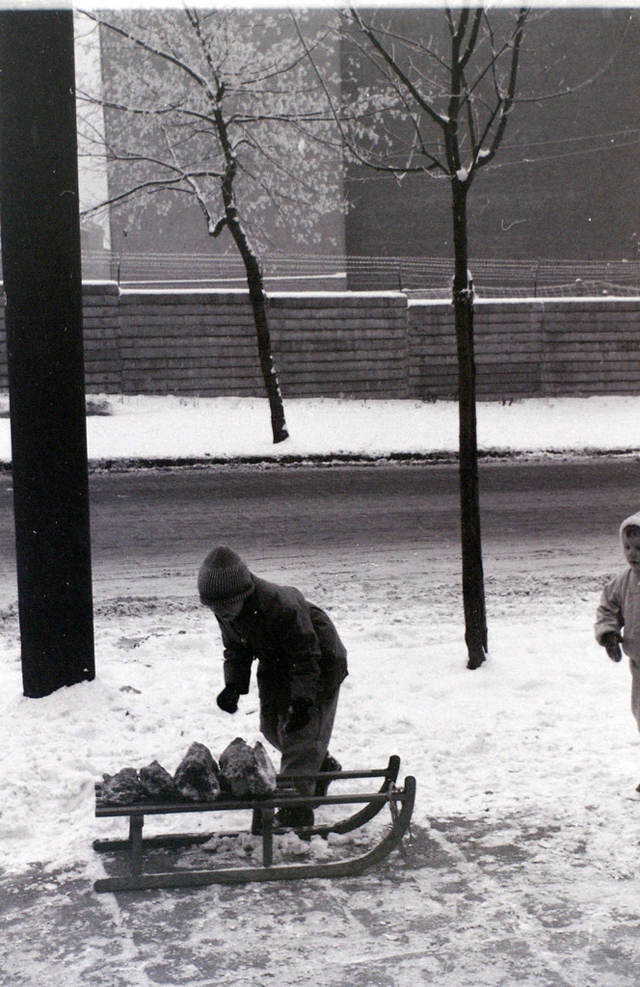
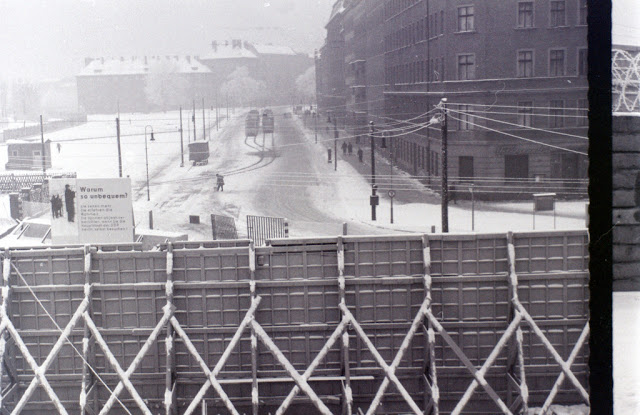
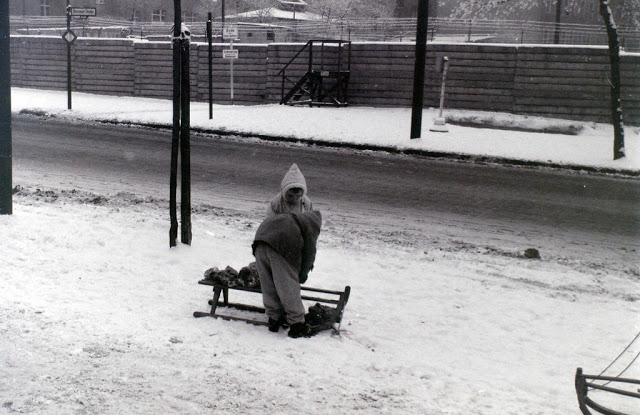
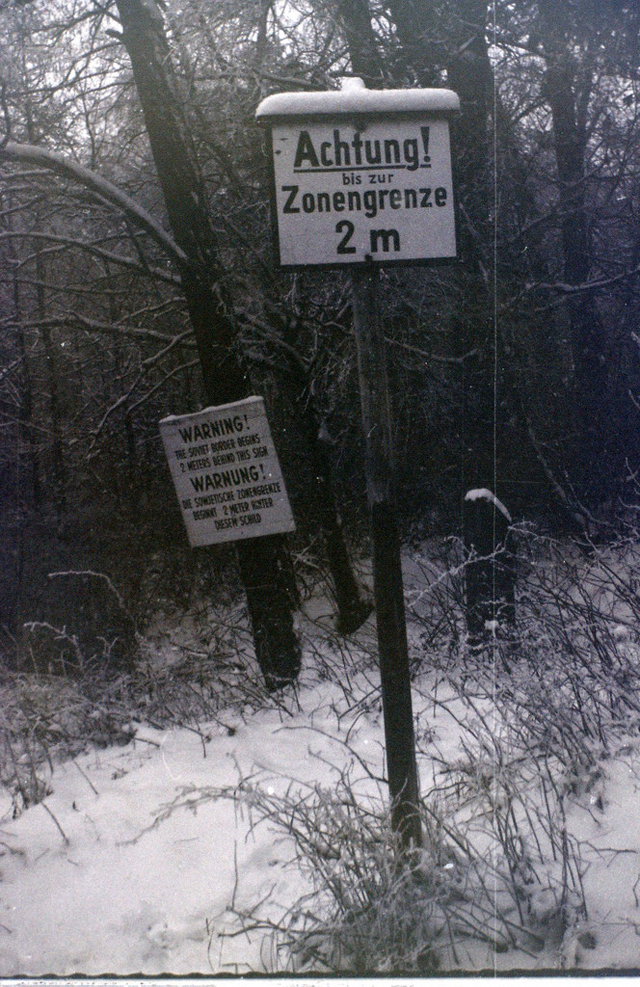
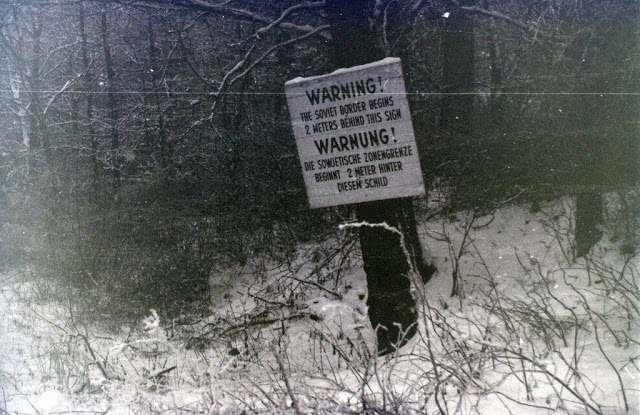
First documented in the 13th century and at the crossing of two important historic trade routes, Berlin became the capital of the Margraviate of Brandenburg (1417–1701), the Kingdom of Prussia (1701–1918), the German Empire (1871–1918), the Weimar Republic (1919–1933), and the Third Reich (1933–1945). Berlin in the 1920s was the third-largest municipality in the world. After World War II and its subsequent occupation by the victorious countries, the city was divided; West Berlin became a de facto exclave of West Germany, surrounded by the Berlin Wall (from August 1961 to November 1989) and East German territory. East Berlin was declared capital of East Germany, while Bonn became the West German capital. Following German reunification in 1990, Berlin once again became the capital of all of Germany.
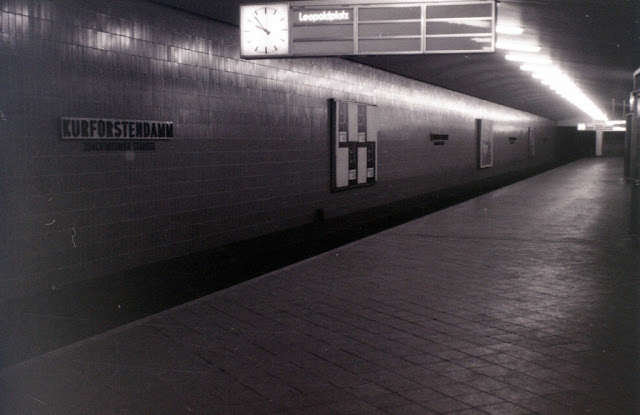
Berlin is a world city of culture, politics, media and science. Its economy is based on high-tech firms and the service sector, encompassing a diverse range of creative industries, research facilities, media corporations and convention venues. Berlin serves as a continental hub for air and rail traffic and has a highly complex public transportation network. The metropolis is a popular tourist destination. Significant industries also include IT, pharmaceuticals, biomedical engineering, clean tech, biotechnology, construction and electronics.
Berlin is home to world-renowned universities such as the Humboldt University, the Technical University, the Free University, the University of the Arts, ESMT Berlin and Bard College Berlin. Its Zoological Garden is the most visited zoo in Europe and one of the most popular worldwide. With Babelsberg being the world’s first large-scale movie studio complex, Berlin is an increasingly popular location for international film productions. The city is well known for its festivals, diverse architecture, nightlife, contemporary arts and a very high quality of living. Since the 2000s Berlin has seen the emergence of a cosmopolitan entrepreneurial scene.
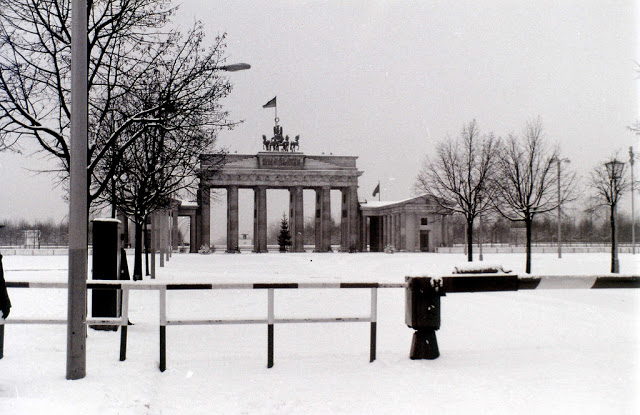
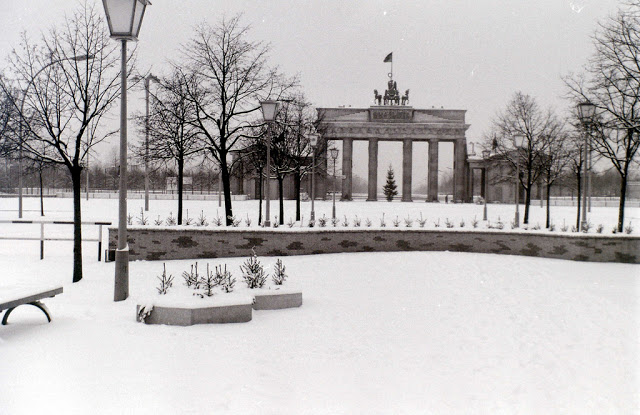
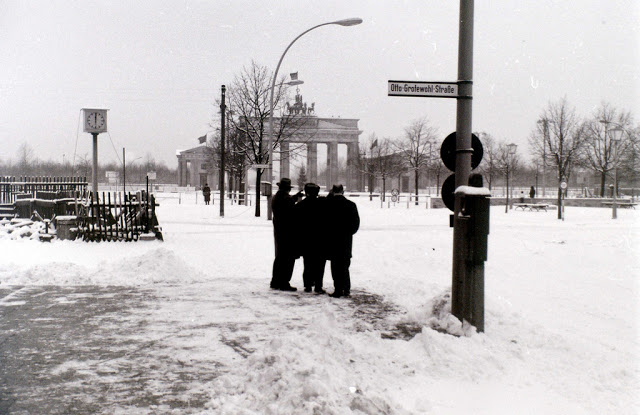
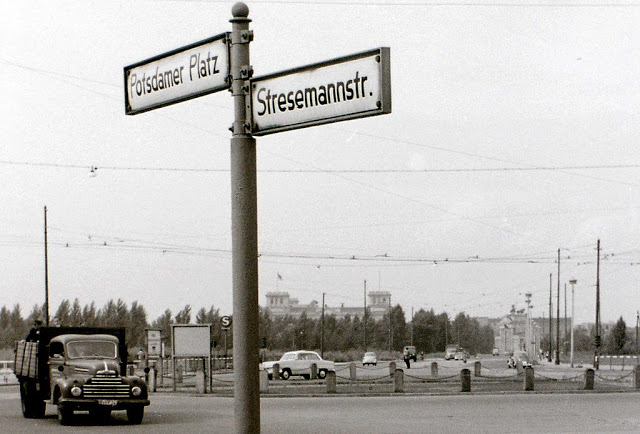
Berlin contains three World Heritage Sites: Museum Island; the Palaces and Parks of Potsdam and Berlin; and the Berlin Modernism Housing Estates. Other landmarks include the Brandenburg Gate, the Reichstag building, Potsdamer Platz, the Memorial to the Murdered Jews of Europe, the Berlin Wall Memorial, the East Side Gallery, the Berlin Victory Column, Berlin Cathedral and the Berlin Television Tower, the tallest structure in Germany. Berlin has numerous museums, galleries, libraries, orchestras, and sporting events. These include the Old National Gallery, the Bode Museum, the Pergamon Museum, the German Historical Museum, the Jewish Museum Berlin, the Natural History Museum, the Humboldt Forum, the Berlin State Library, the Berlin State Opera, the Berlin Philharmonic and the Berlin Marathon. (Wikipedia)
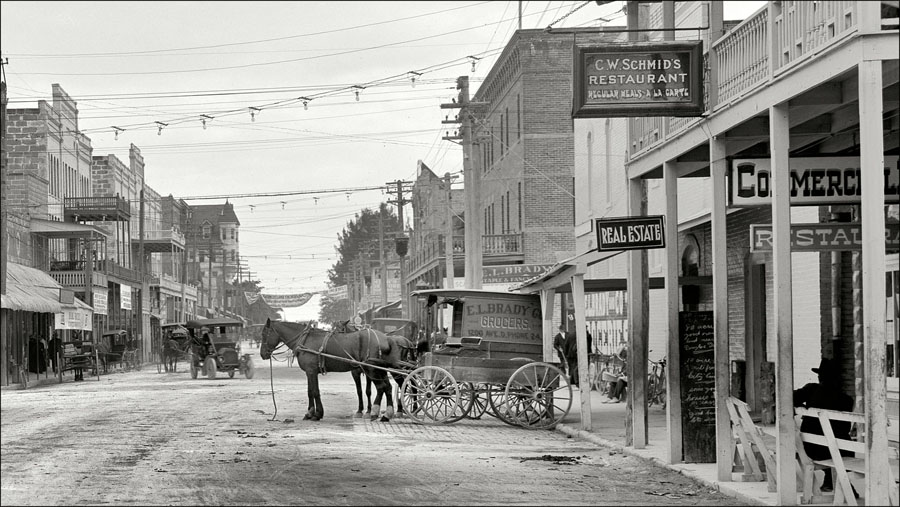
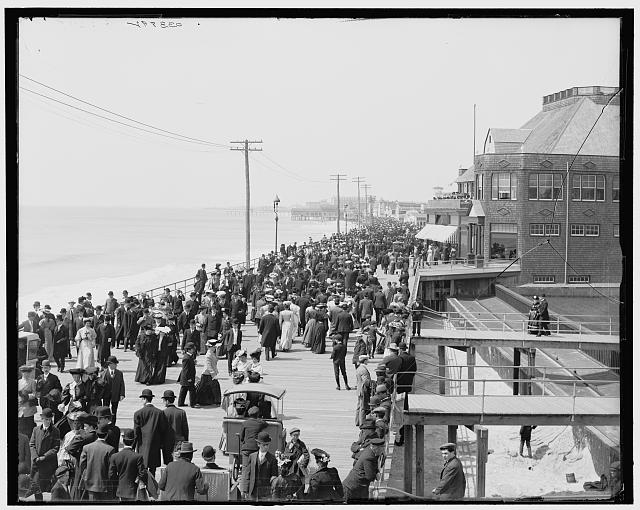
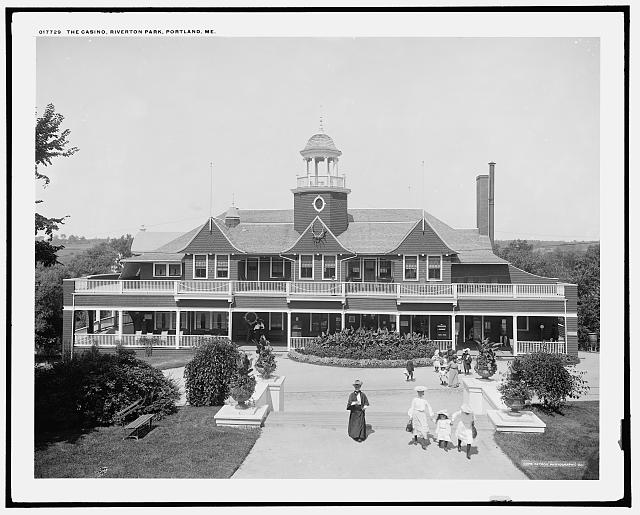
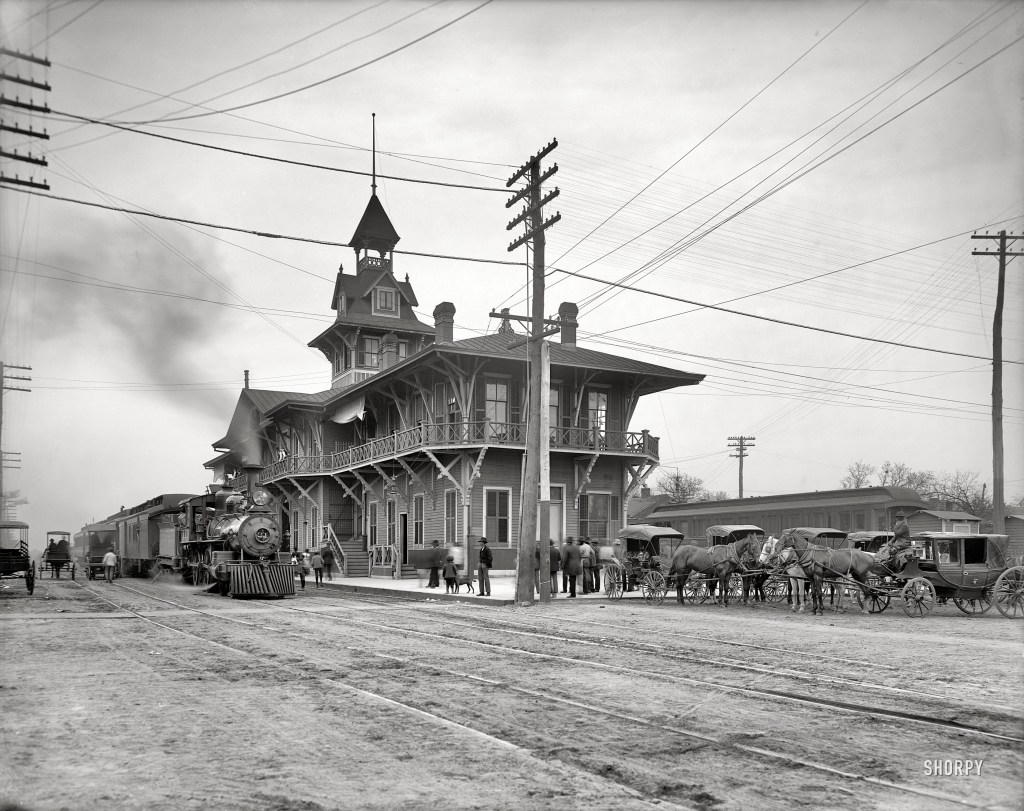
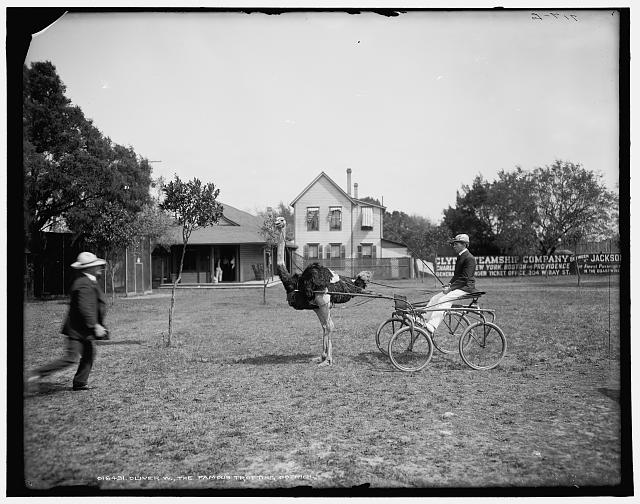
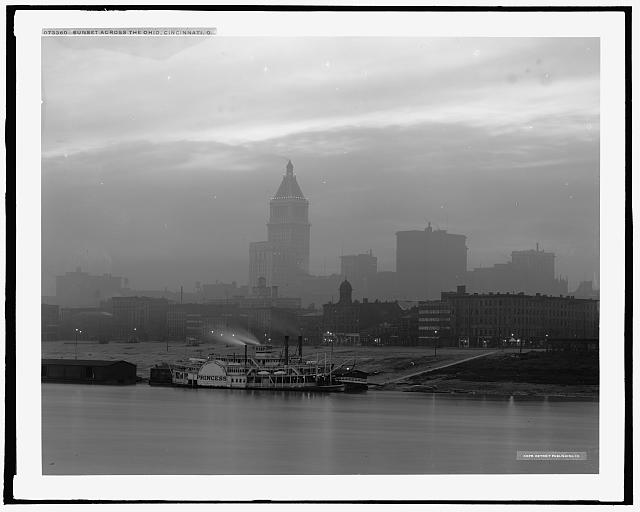
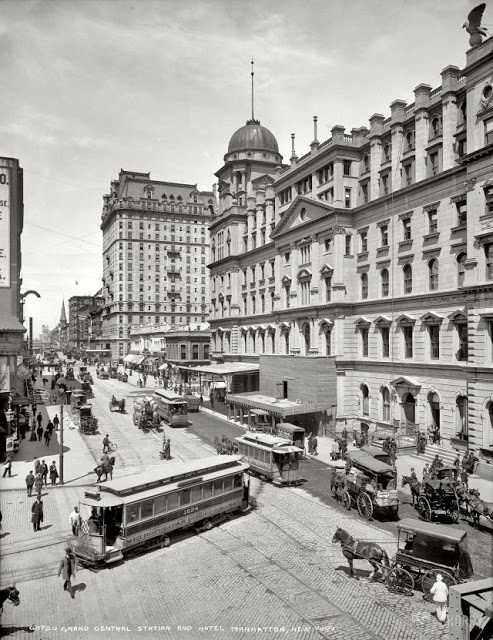
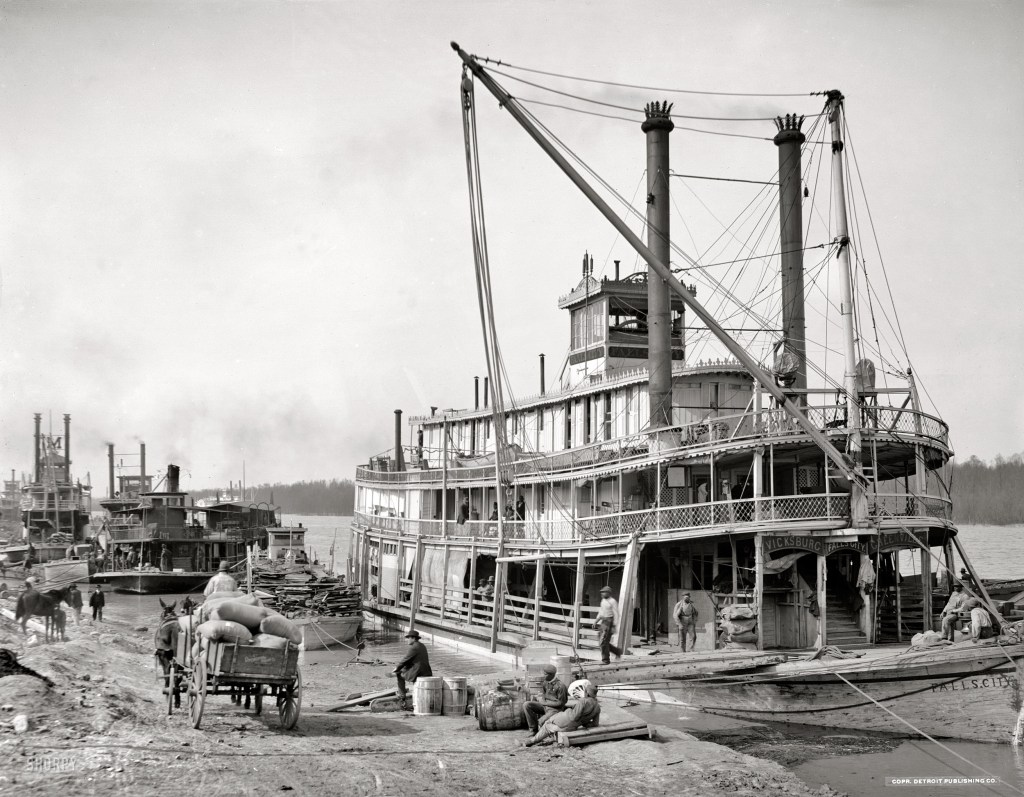
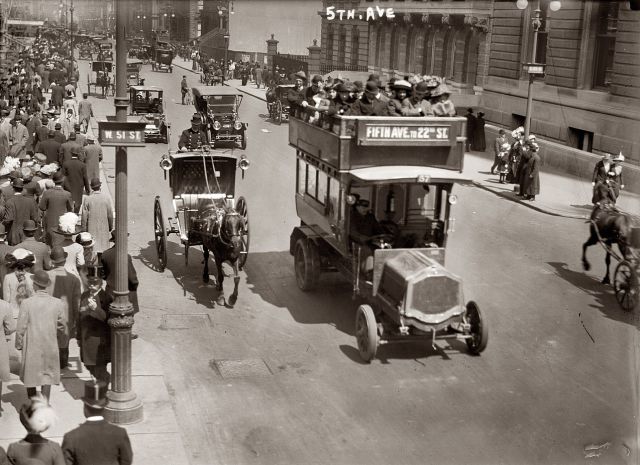
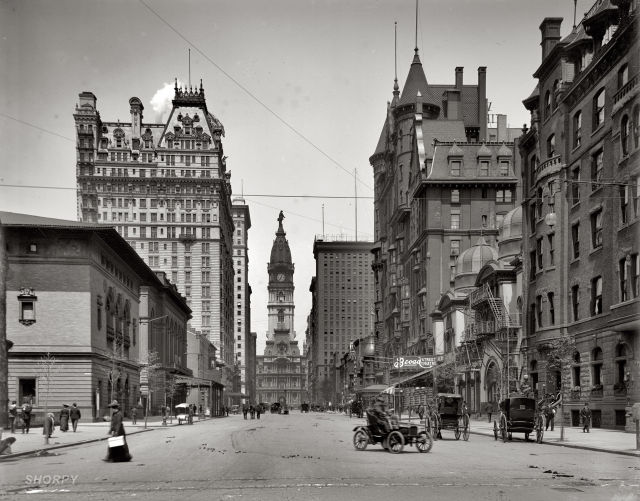
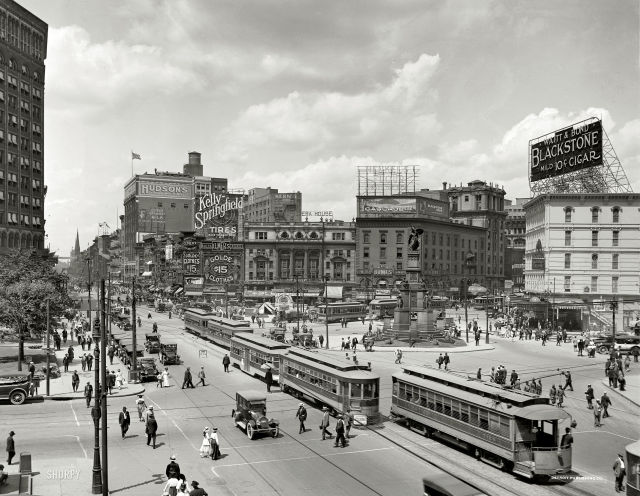
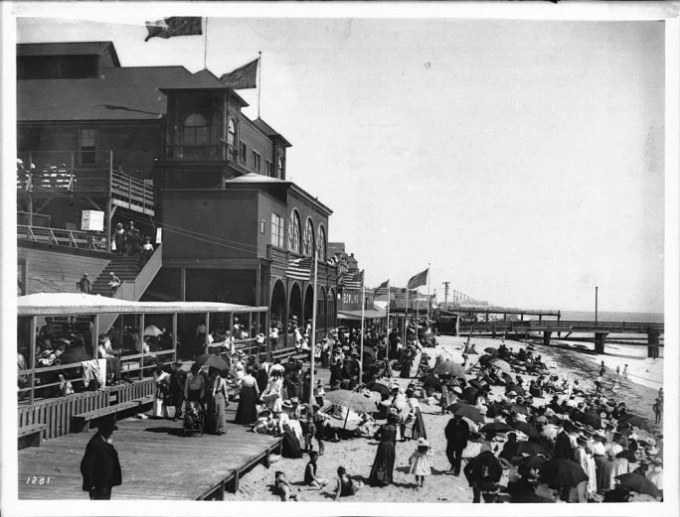
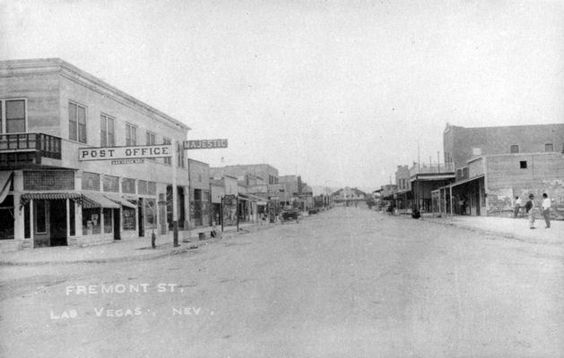
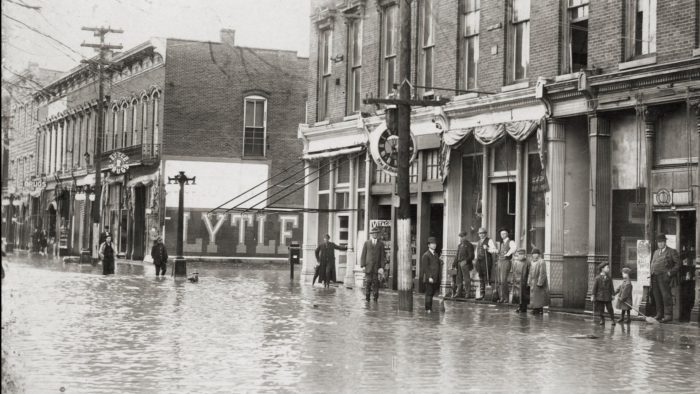
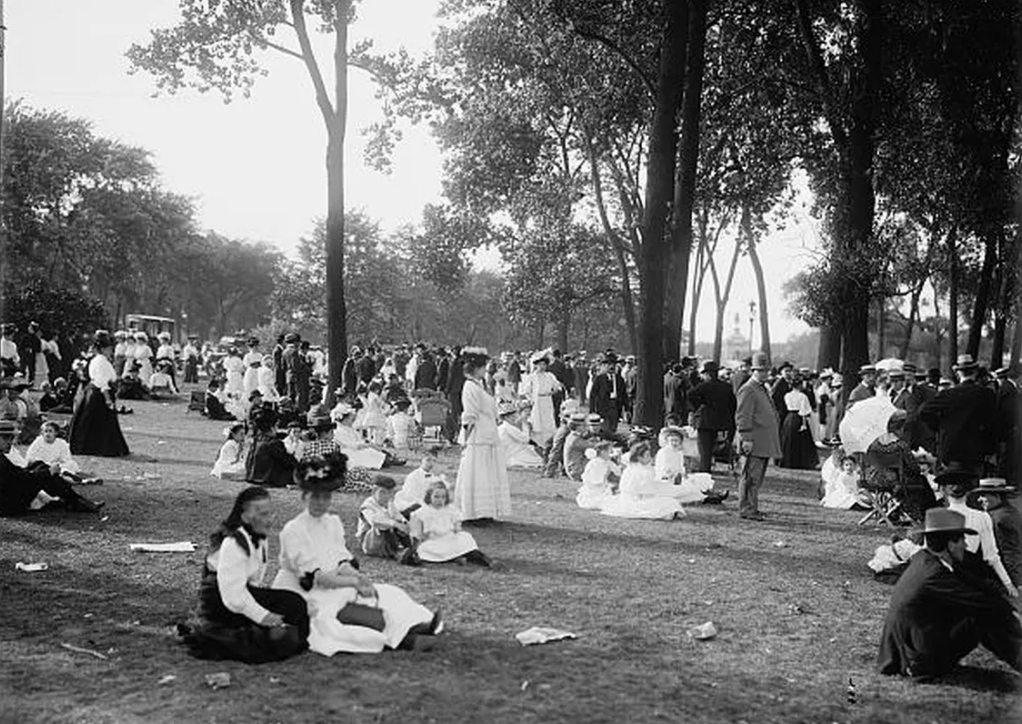
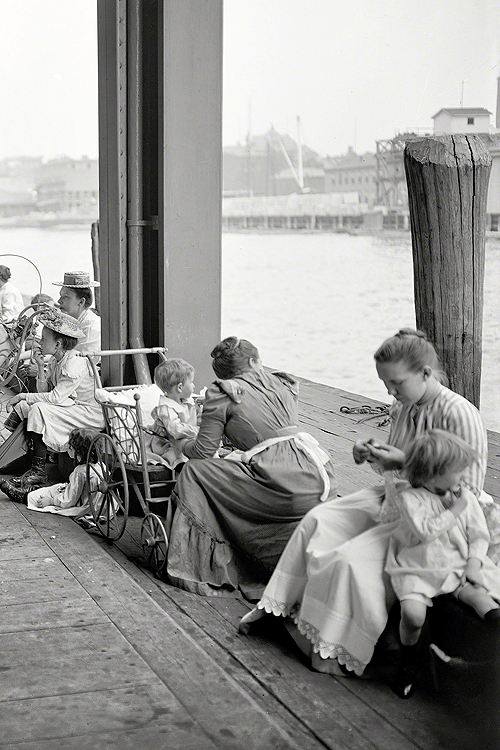
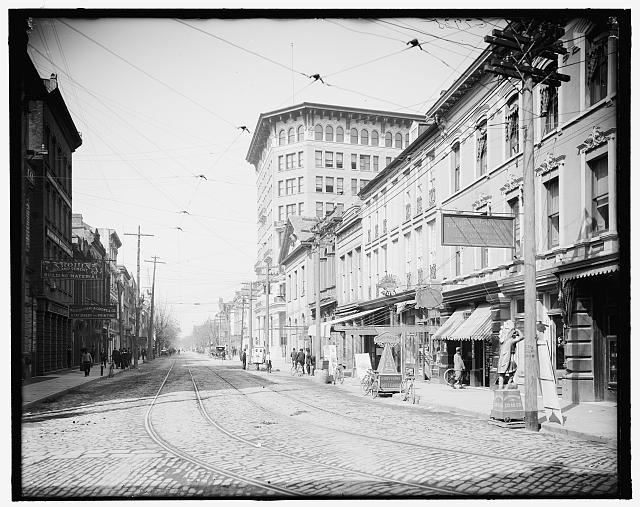
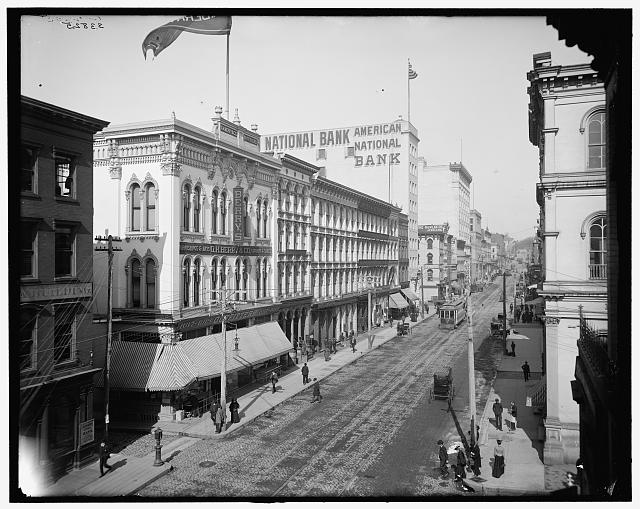
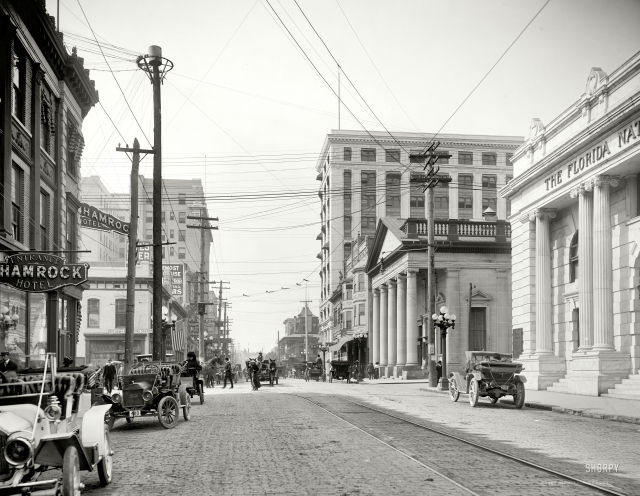
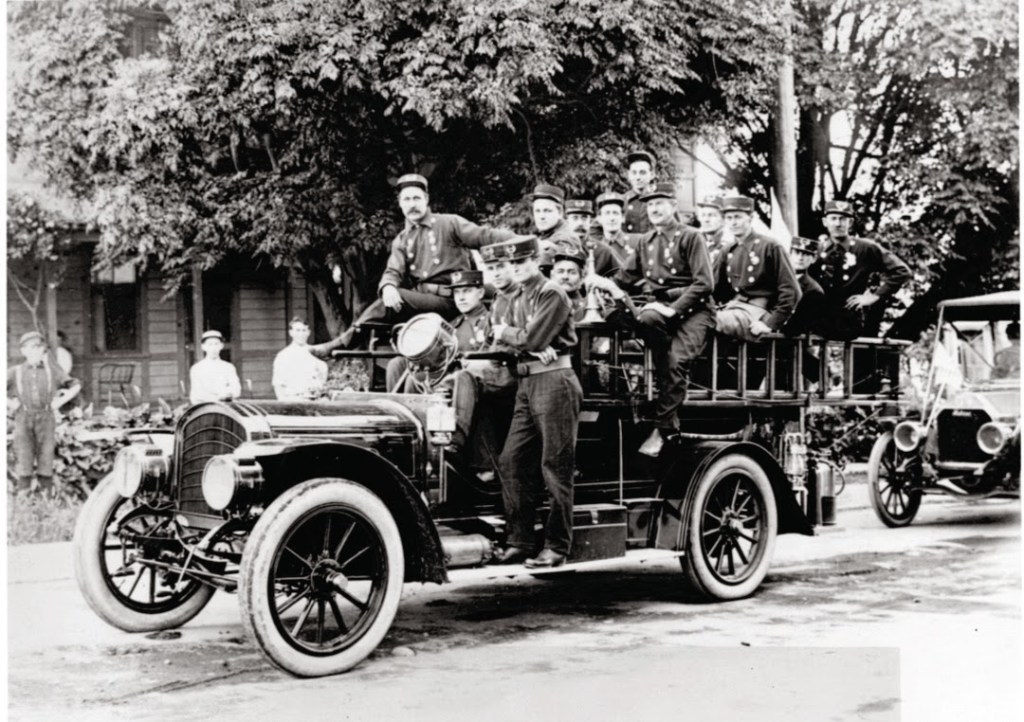
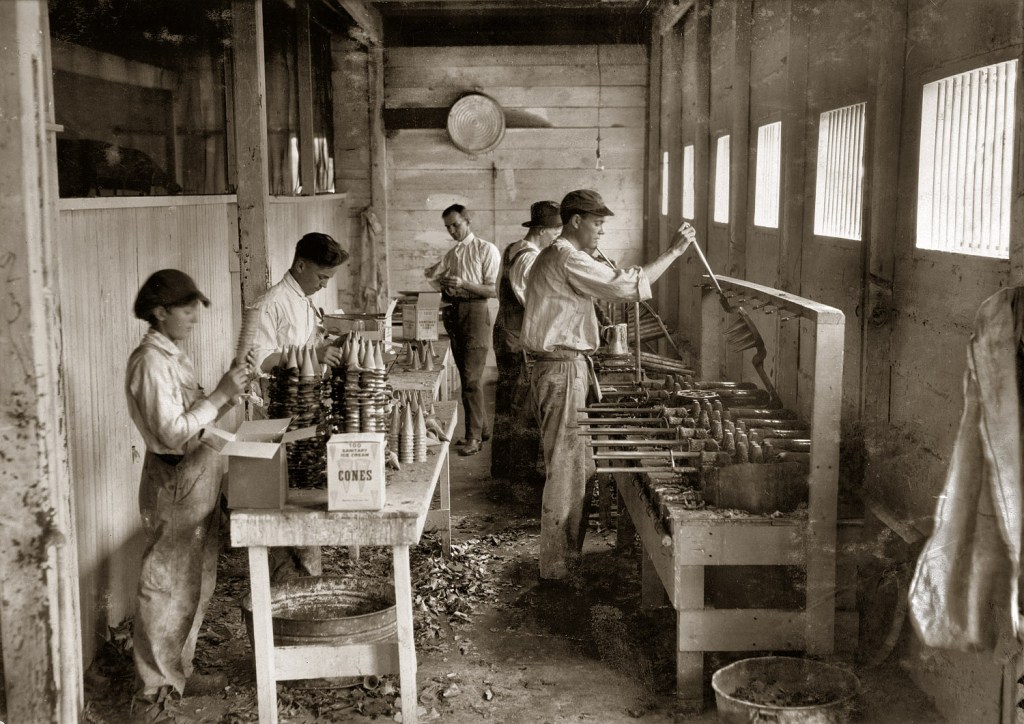
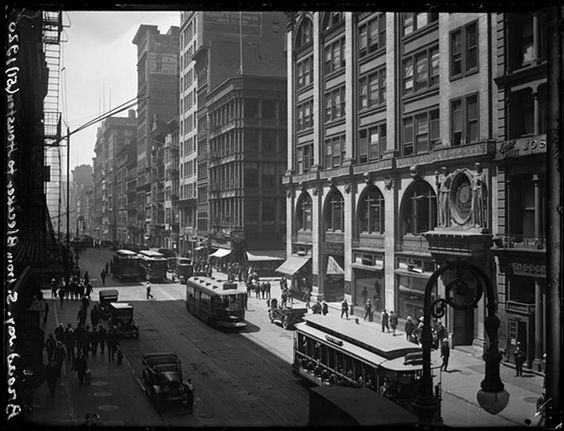
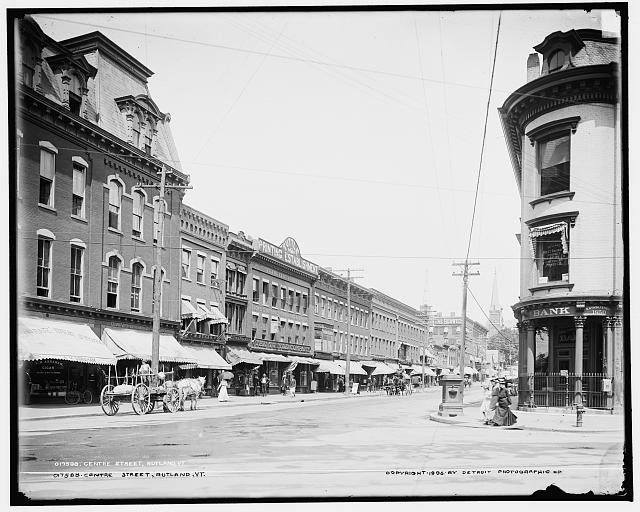
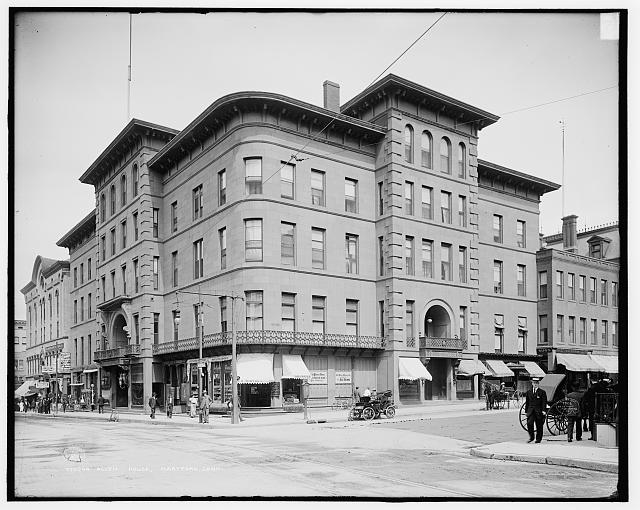
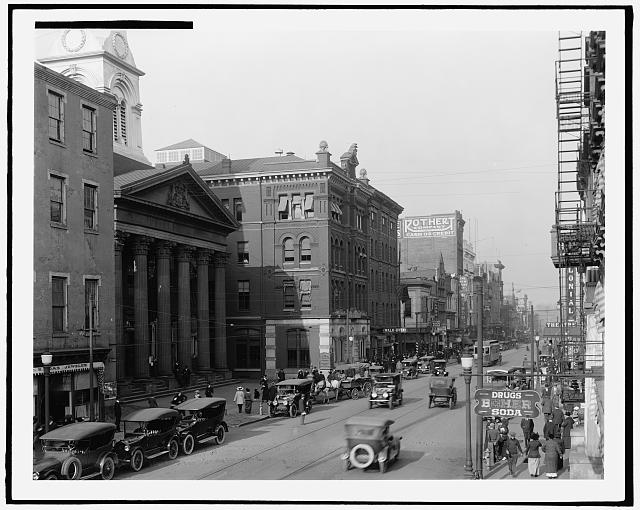
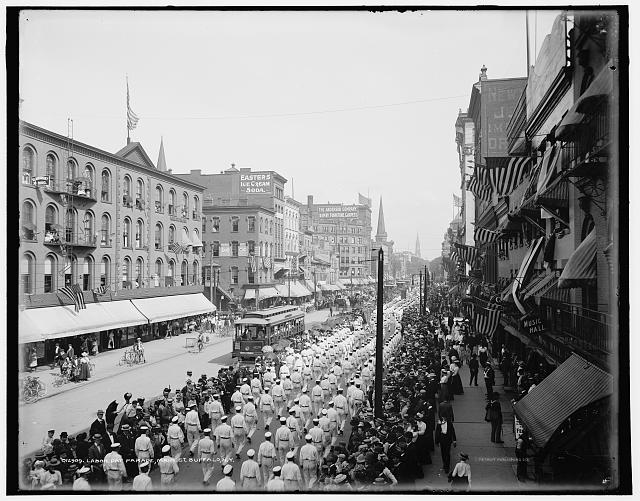
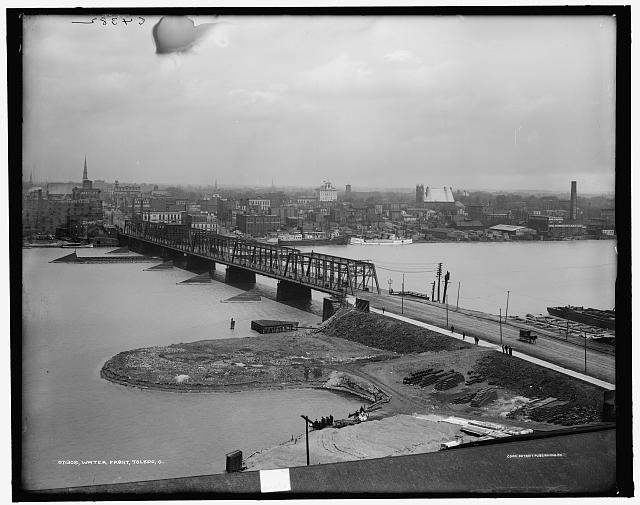
Monroe Avenue, Detroit, Michigan, 1913.San Francisco, 1912Point Bridge, Pittsburgh, Pennsylvania, 190012th St. Bascule Bridge, Chicago, Illinois, 1906Grand Avenue, Kansas City, Missouri, 1905Club house, Kennebunkport, Maine, 1901Skyline, New York from New Jersey, New York, N.Y., 1910South on the Boardwalk, Atlantic City, New Jersey, 1905Casino, Riverton Park, Portland, Maine, 1906Louisville & Nashville Railway station. Pensacola, Florida, 1906.Post Office and Eagle Building. Brooklyn, N.Y 1906Oliver W., the famous trotting ostrich at Florida Ostrich Farm, Jacksonville, Florida, 1903Sunset across the Ohio, Cincinnati, Ohio, 1910Ships aground in Pensacola Harbor, after the hurricane of 1906 – Pensacola, FloridaGrand Central Station and Hotel Manhattan, New York, 1903Quincy Market, Boston, Mass., 1904The Sternwheeler “Falls City”, Vicksburg, Mississippi, 1900.Mules on the levee, New Orleans, Louisiana, 1903.The main street of Richmond, Virginia, 1905Treasury Building, Washington, D.C., 1913Dexter Avenue and the Capitol, Montgomery, Alabama, 1906Wabash Avenue, Chicago, 1907Fifth Avenue, New York, 1913Broad Street north of Spruce Street, Philadelphia, 1905Woodward Avenue, Detroit, Michigan, 1917A Santa Monica, California beach scene in the early 1900sFremont Street, Las Vegas, Nevada, 1910The Great Flood of 1913 in Rushville, IndianaParade, Mason City, Iowa, 1910Main Street, Salt Lake City, 1904.Concert at Lincoln Park,Chicago, Illinois, 1910Children in Augusta, Georgia, 1911Recreation dock (amusement pier), New York. 1900Rainy Day on Main St. Tulsa, Oklahoma, 1910Battery Park Hotel, Asheville, North Carolina, 1902Broad St. looking west, Charleston, South Carolina, 1910Main Street, Richmond, Virginia, 1905A New Orleans milk cart. New Orleans, Louisiana, c. 1903Forsyth Street, Jacksonville, Florida, 1910Washington, 1913Whittier, California Fire Department in 1904US troops in Brownsville, Texas. 1916Workshop of Sanitary Ice Cream Cone Co.,Oklahoma City. 1917Delivery wagon on 12th Street (now Flagler St.) in Miami, 1908.Houston 1918Center Street, Rutland, Vermont. 1904Crawford Street Bridge, Providence, R.I., 1906Allyn House, Hartford, Conn., 1908Market Street. Harrisburg, Pennsylvania, 1916.Labor Day parade, Main St., Buffalo, N.Y.West Market Street. Indianapolis, Indiana, 1907.The Cherry Street Bridge over the Maumee River. Toledo, Ohio, 1909Baltimore, Maryland, from Federal Hall, 1903