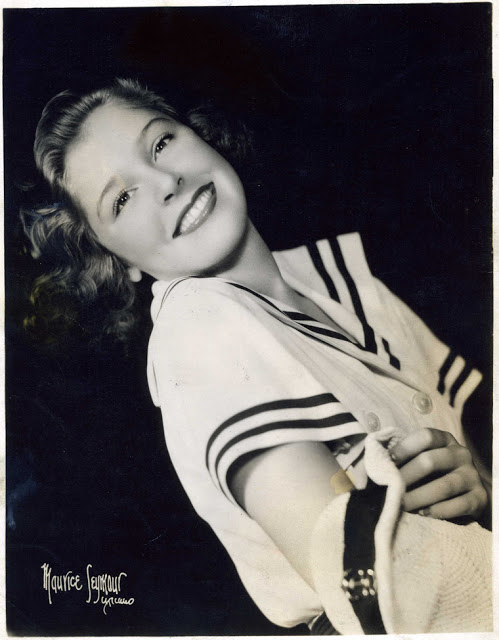
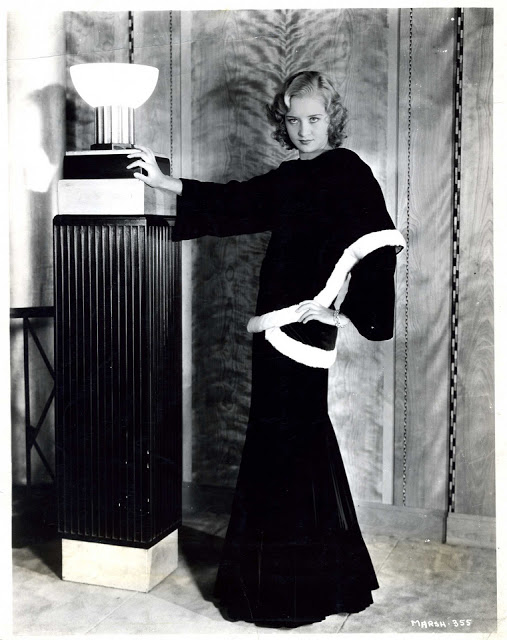
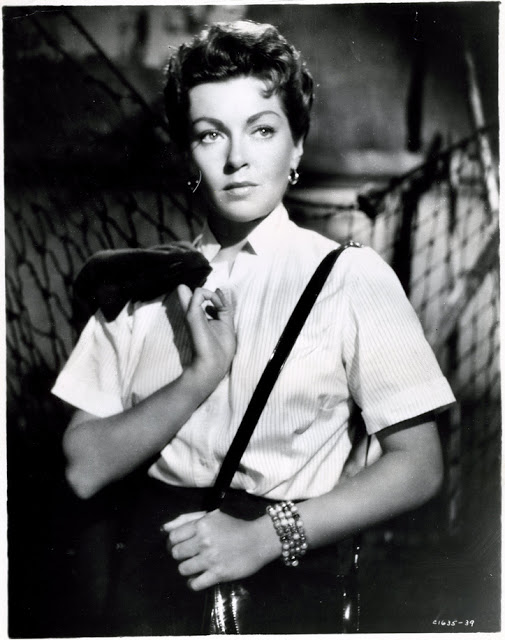
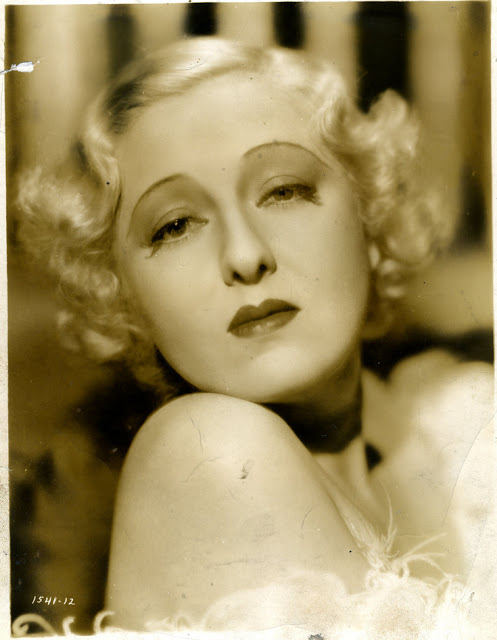
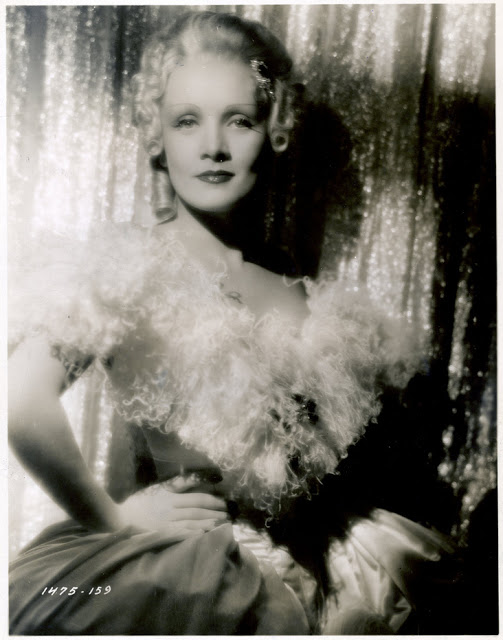
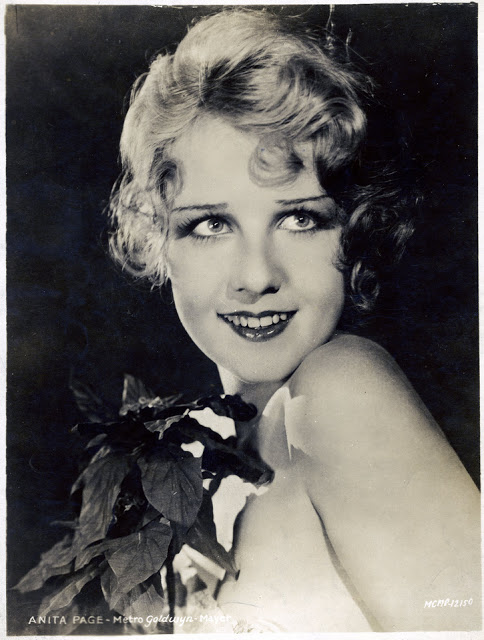
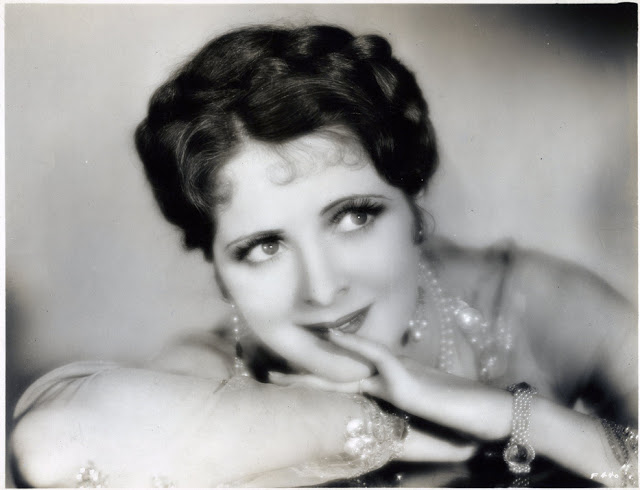
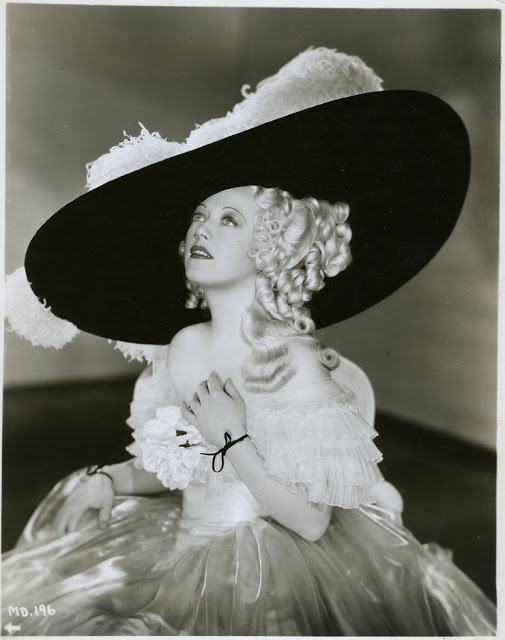
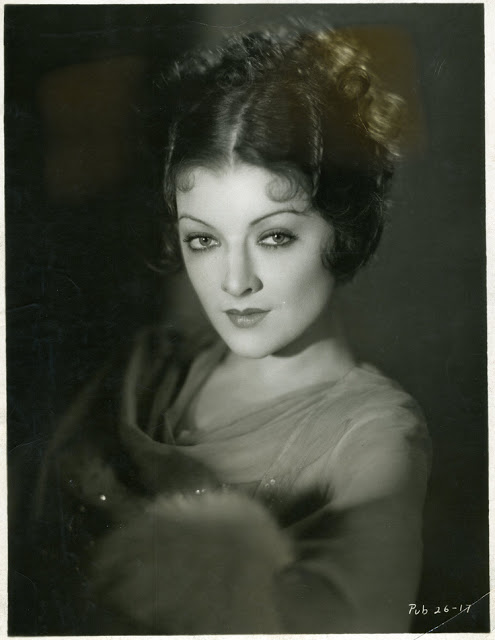
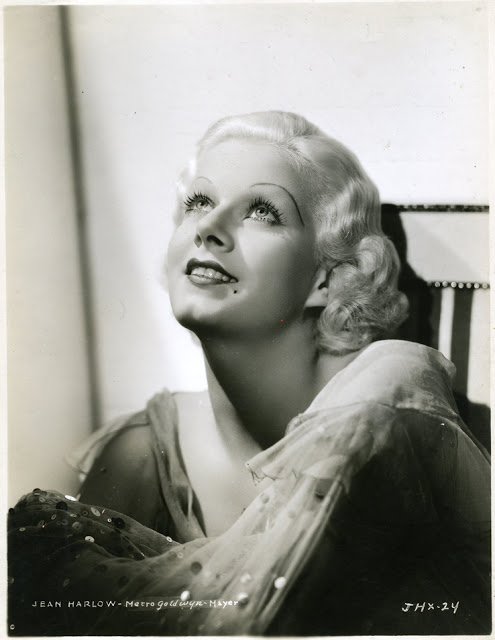
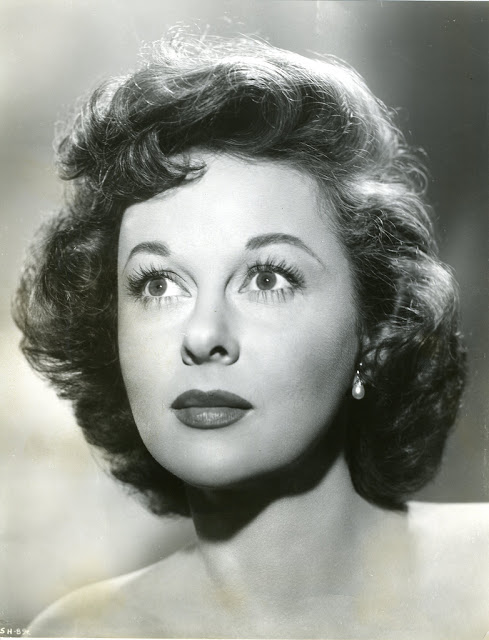
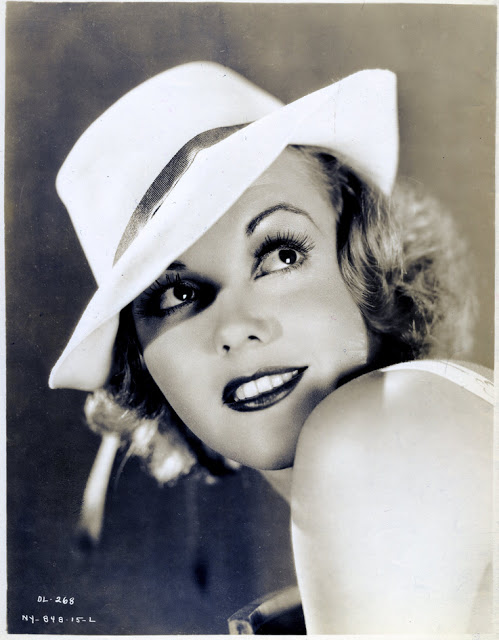
They are not only so beautiful, but also very talented! Here is a small collection of vintage portrait pictures of beautiful actresses from 1920s to 1940s.







Bringing You the Wonder of Yesterday – Today
They are not only so beautiful, but also very talented! Here is a small collection of vintage portrait pictures of beautiful actresses from 1920s to 1940s.
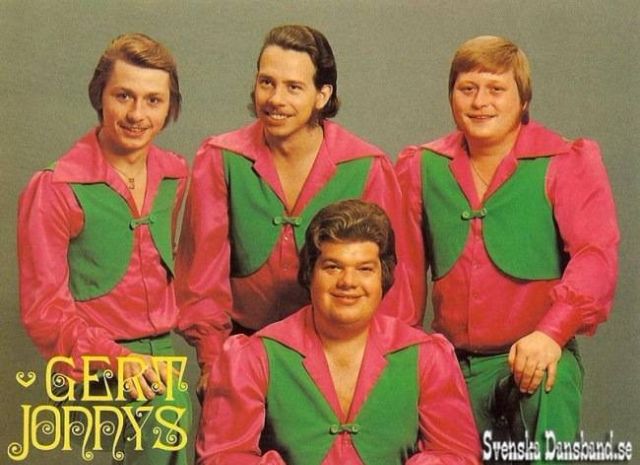
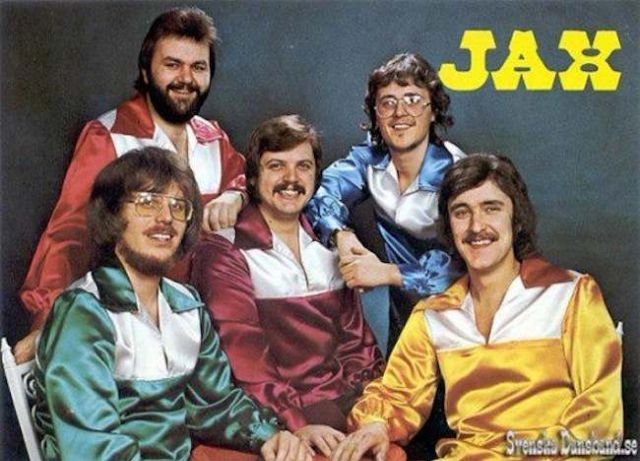
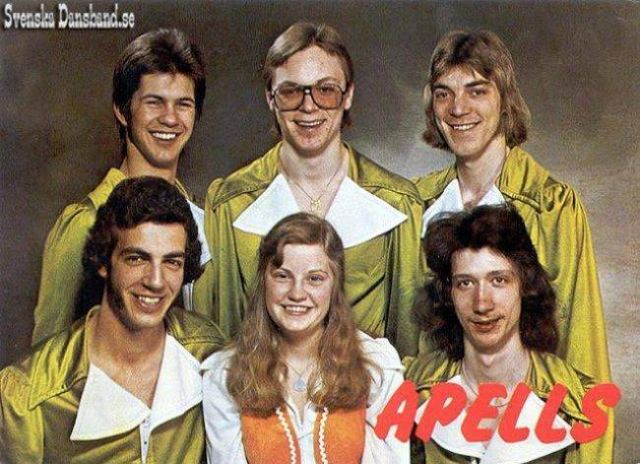
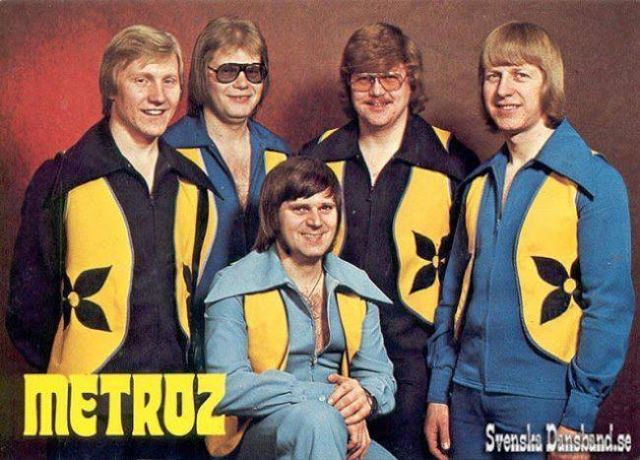
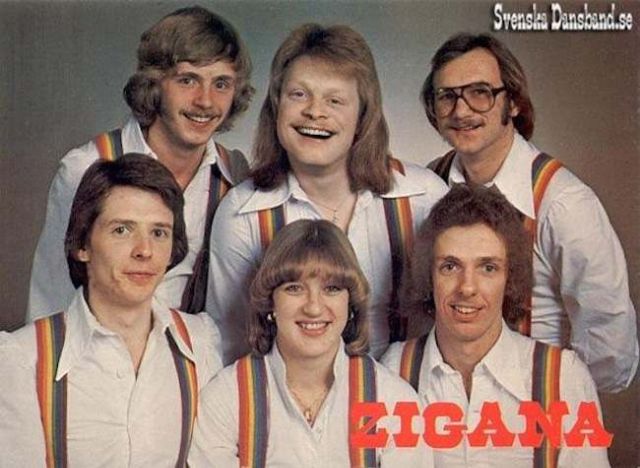
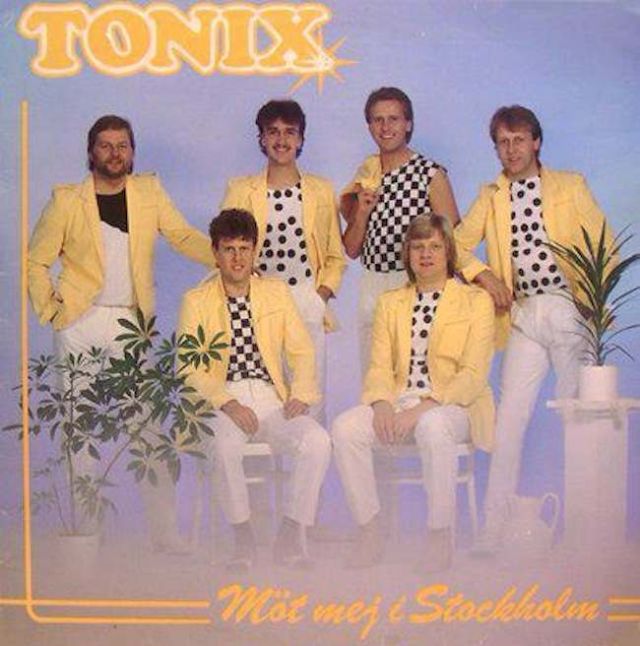
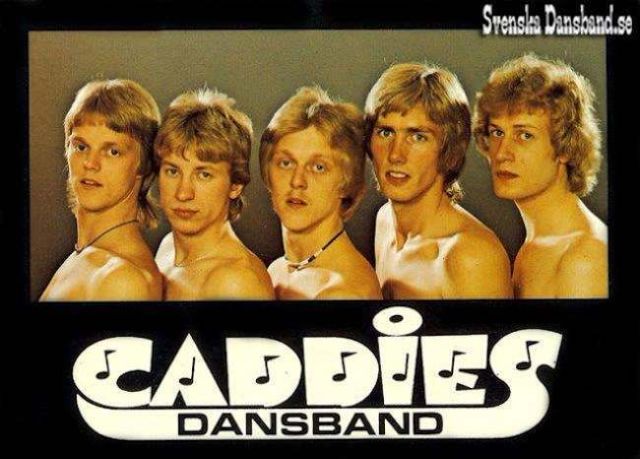
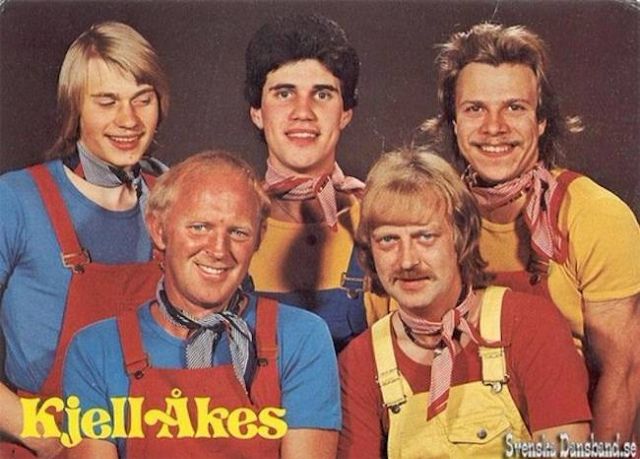
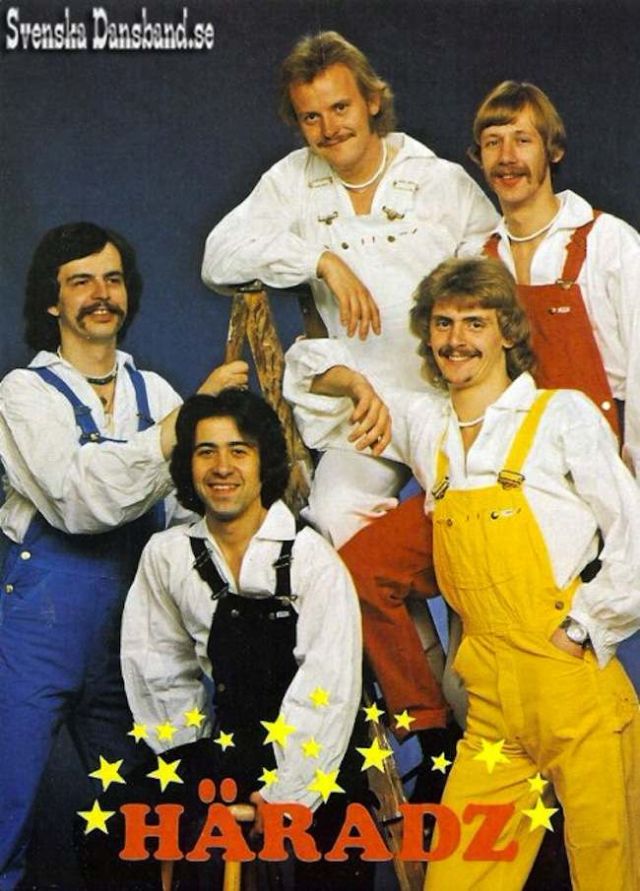
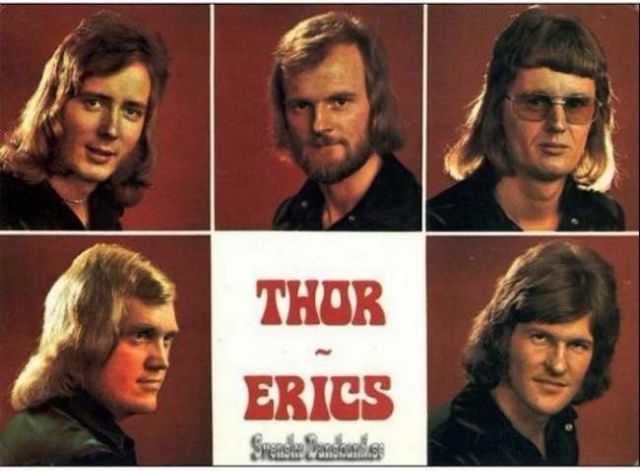
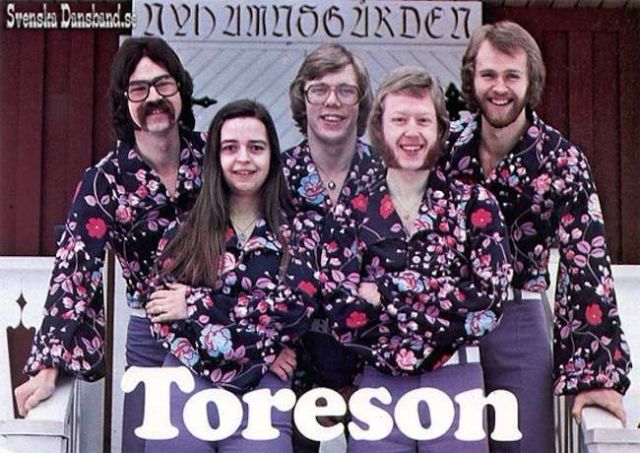
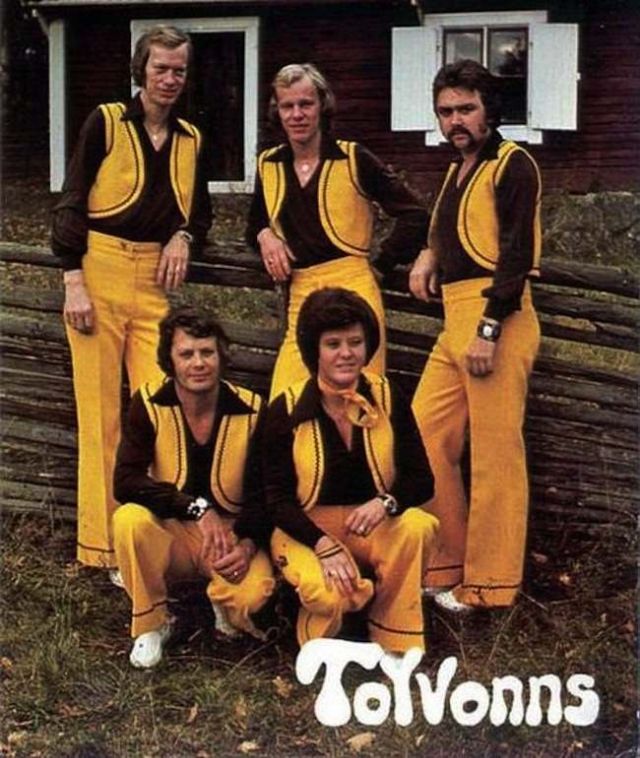
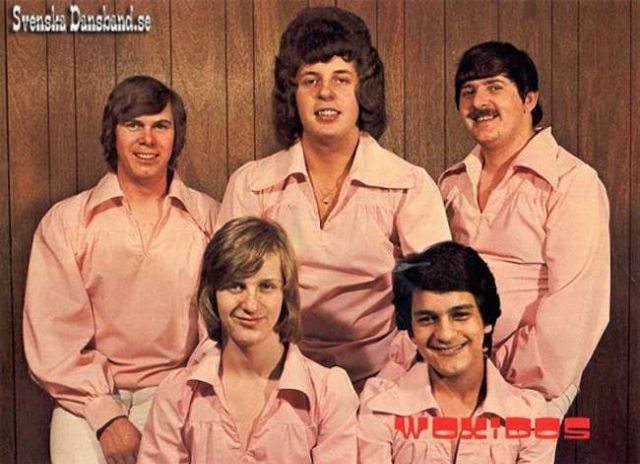
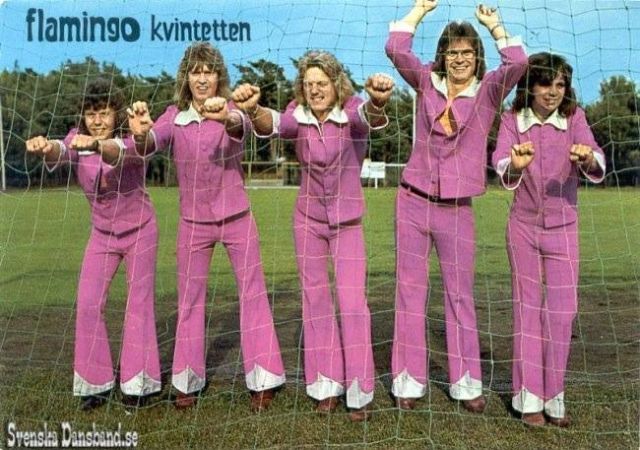
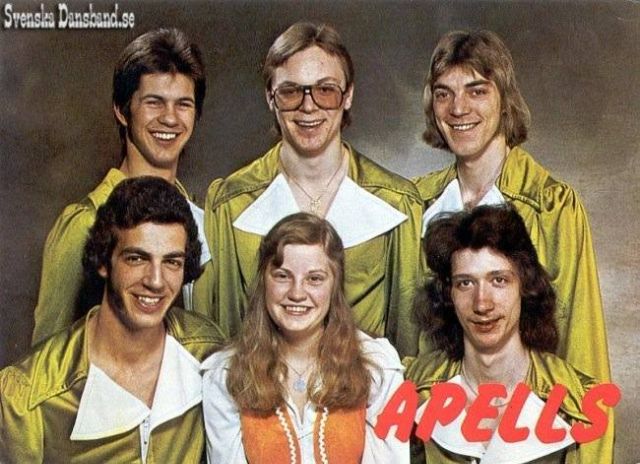
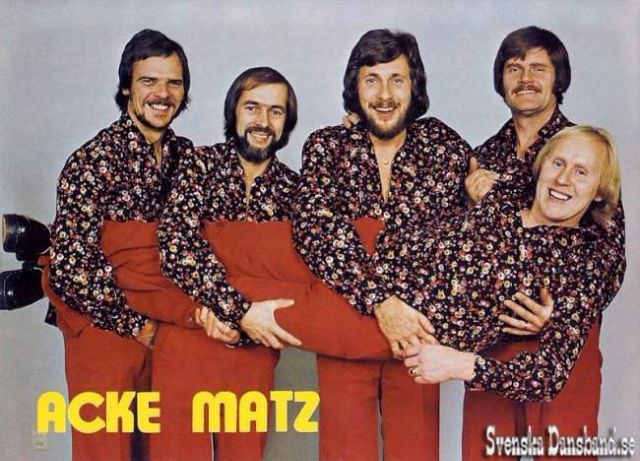
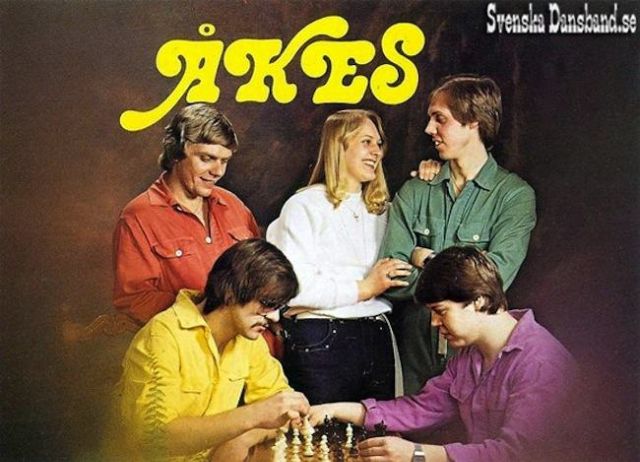
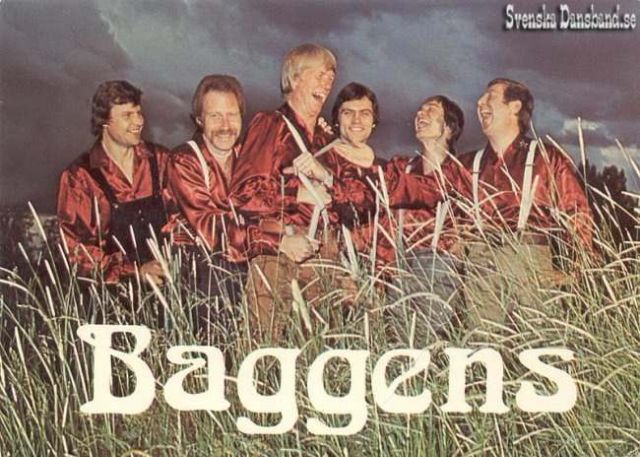
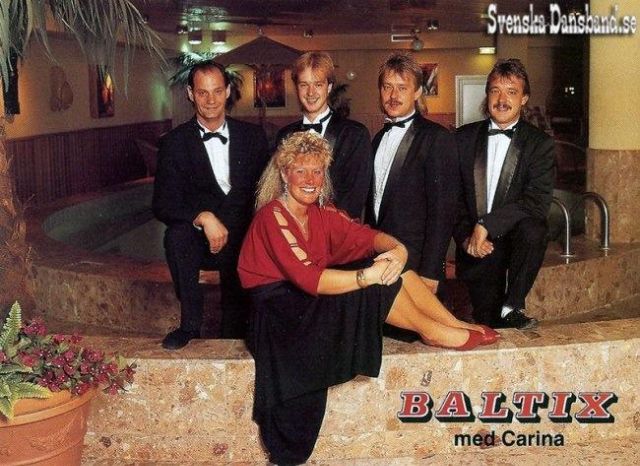
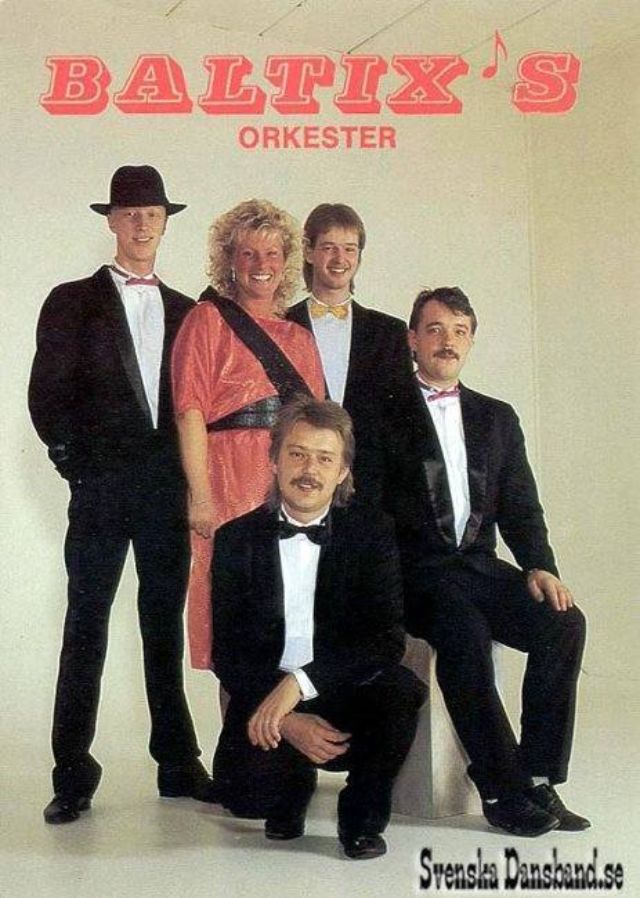
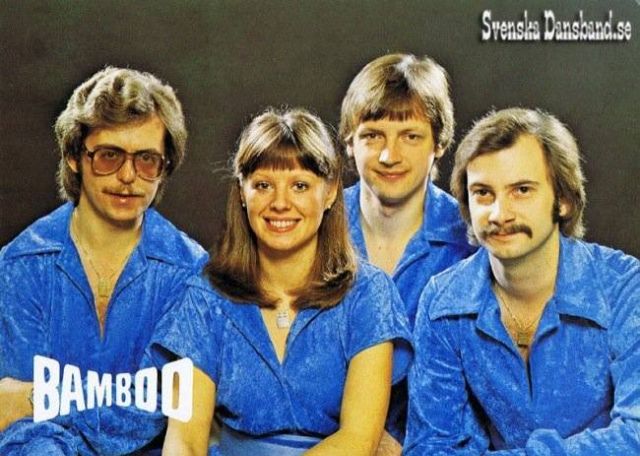
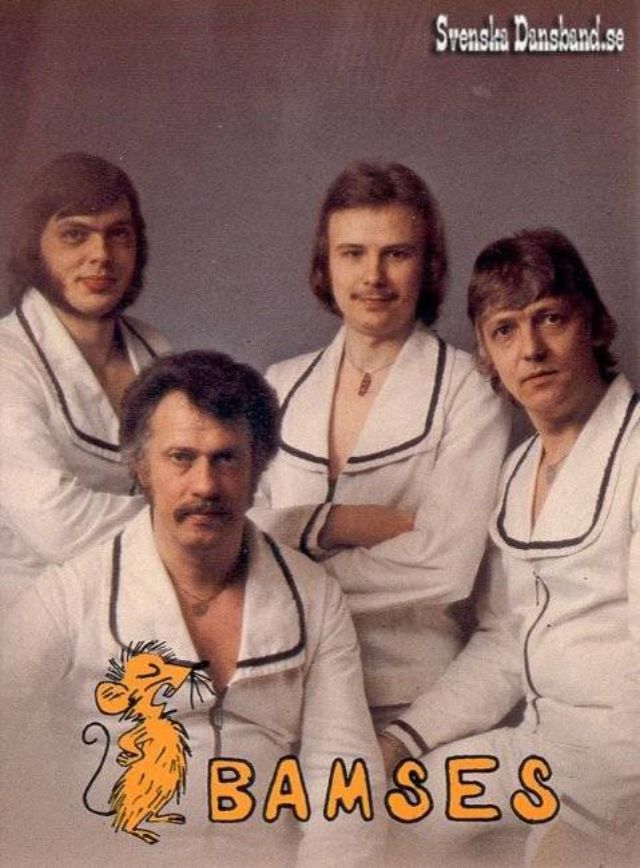
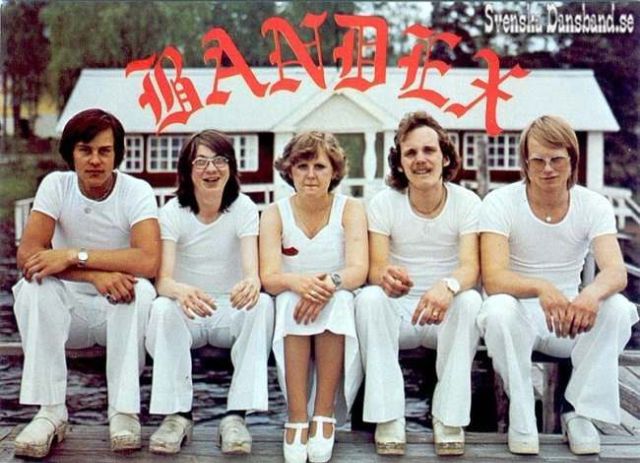
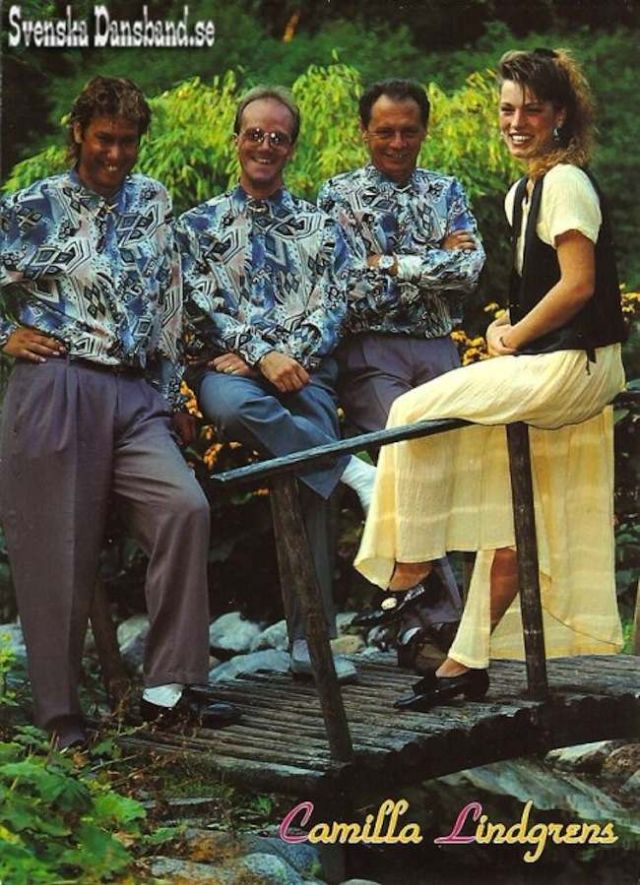
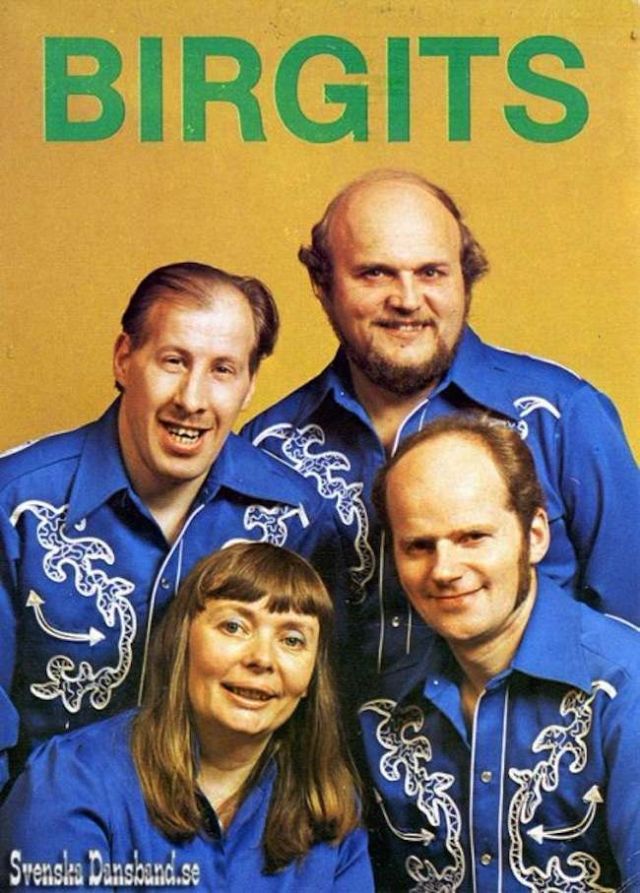
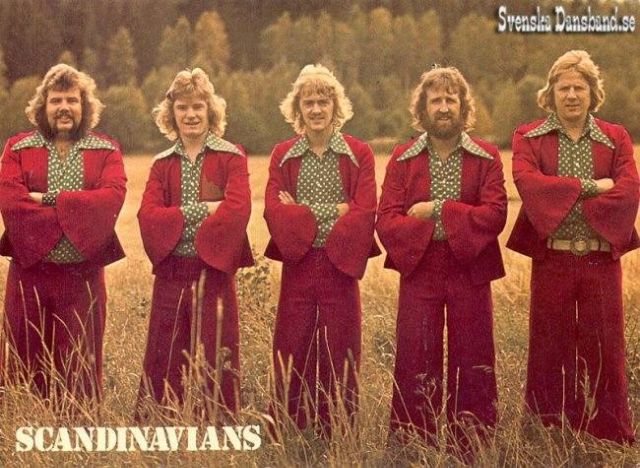
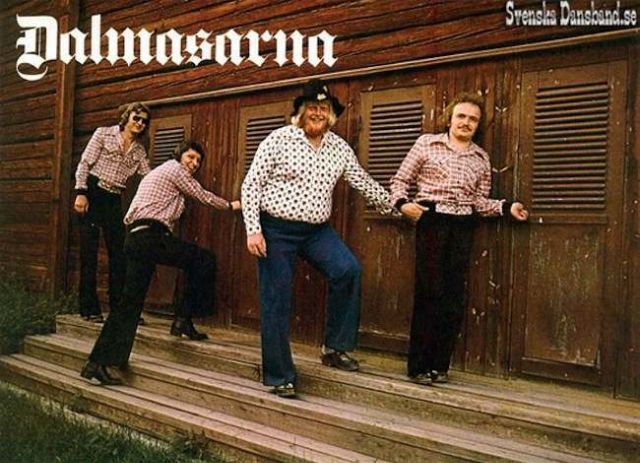
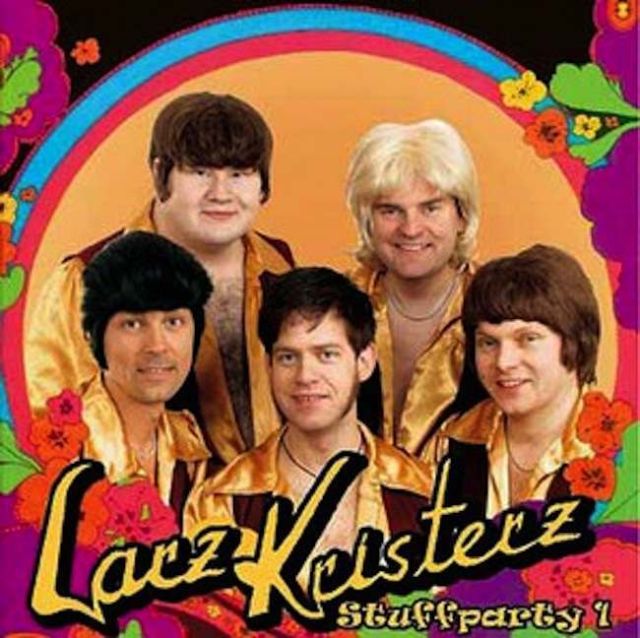
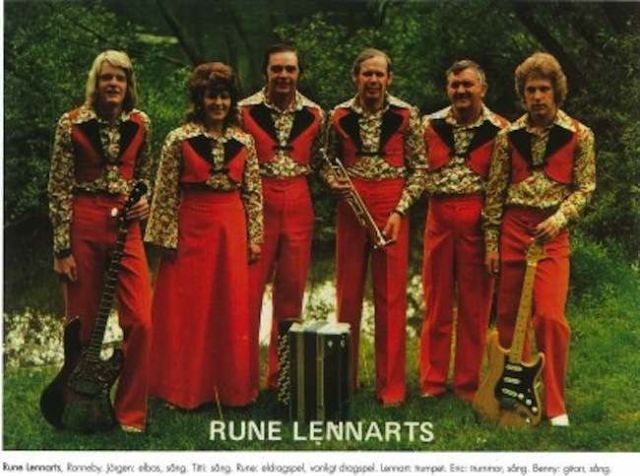
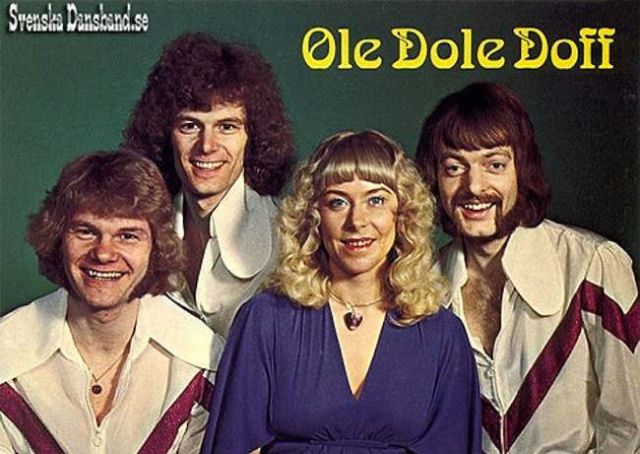
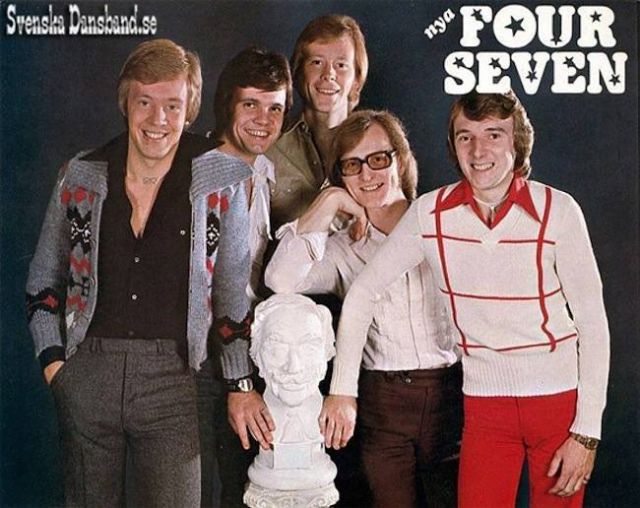
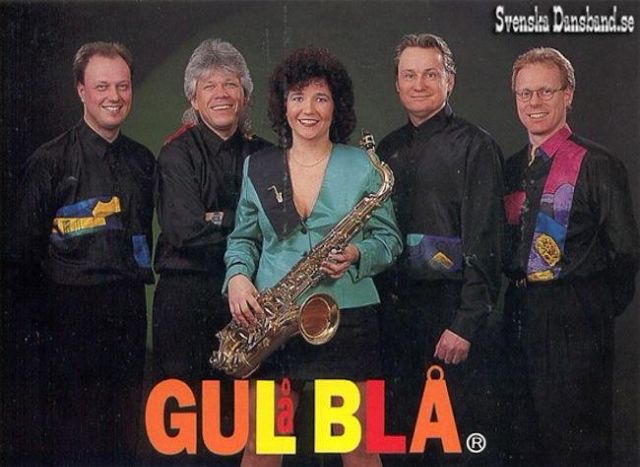
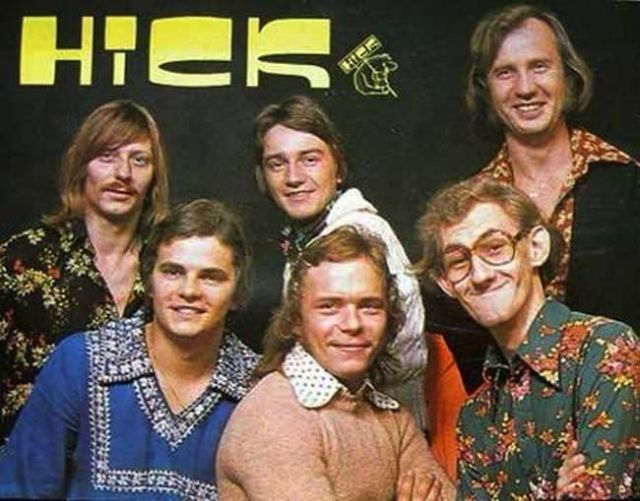
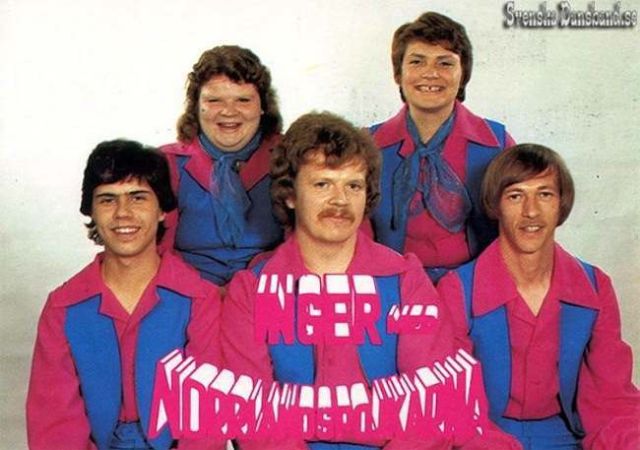
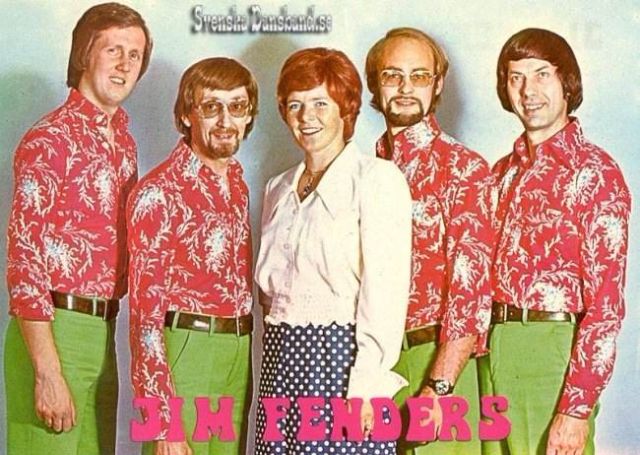
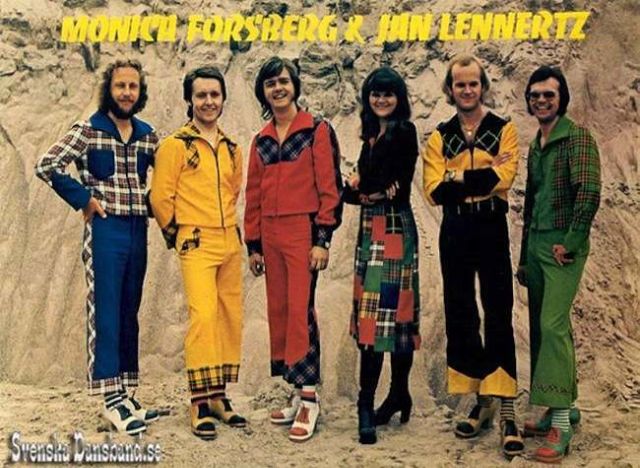
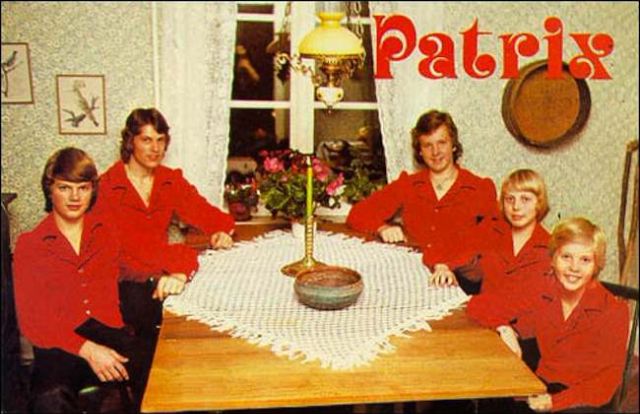
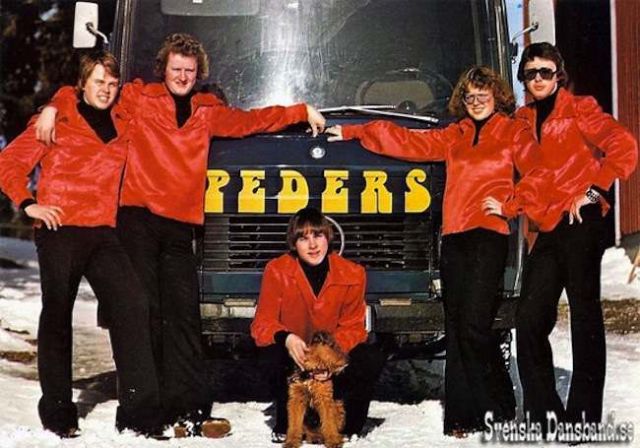
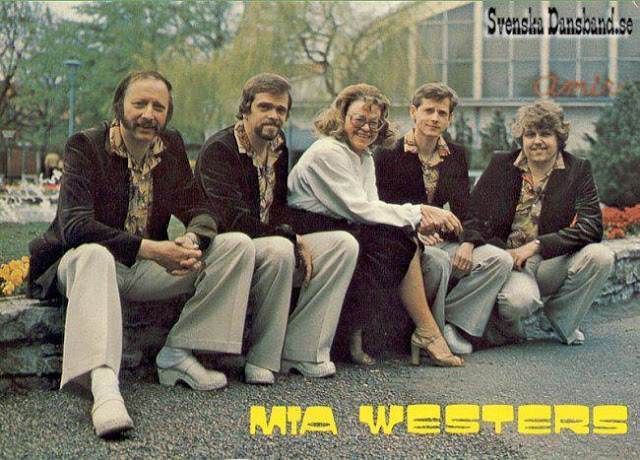
Dansband (“dance band”) is a Swedish term for a band that plays dansbandsmusik (“dance band music”). Dansbandsmusik is often danced to in pairs. The terms dansband and dansbandsmusik were coined around 1970, when Swedish popular music developed a signature style. The genre developed primarily in Sweden, but has spread to neighbouring countries Norway, Denmark and the Swedish speaking regions of Finland.
Before dansband music became popular, many jazz orchestras played a “schlager-inspired” dance music. Many people believe that the development of the dansbands during the 1950s and 1960s depended on the decreasing interest for jazz, it being replaced by pop and rock as the most popular music among young people.
The golden era of dansband music was the 1970s, with bands like Thorleifs, Flamingokvintetten, Ingmar Nordströms, Wizex and Matz Bladhs. There were at most around 800 full-time working dansbands in Sweden; by the late 1990s this number was down to around 500.
The term “dansband” was coined in Sweden in 1976, to sound more modern and tougher than the earlier “dansorkester” (dance orchestra), but later many of the bands have begun to call themselves “live bands”.
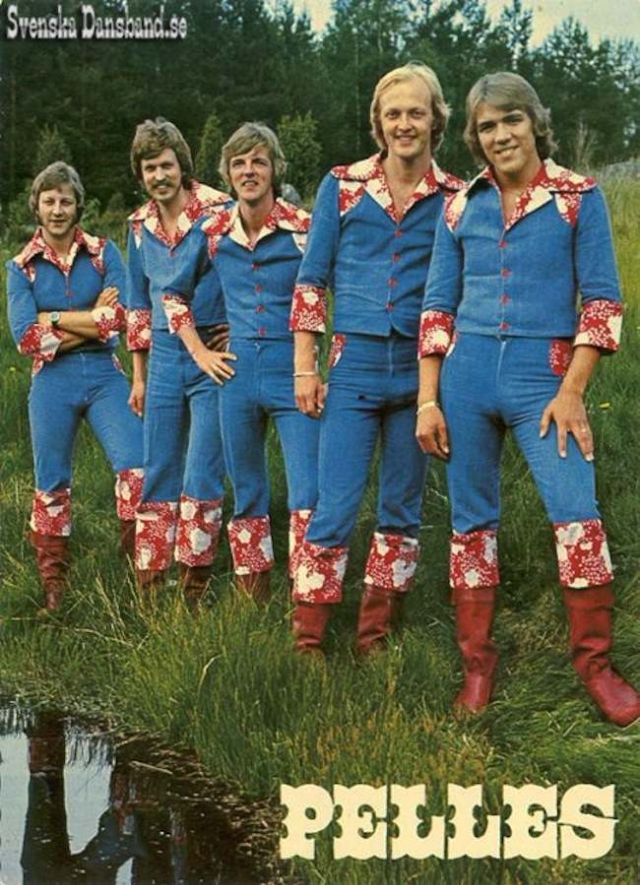
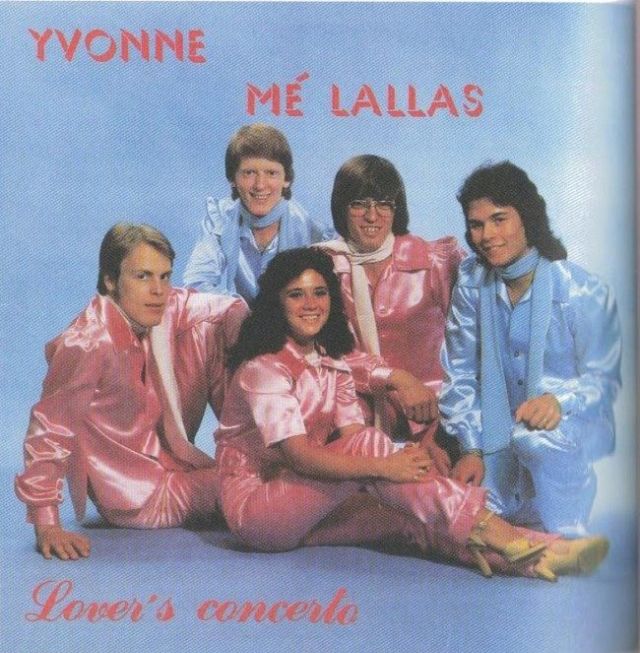
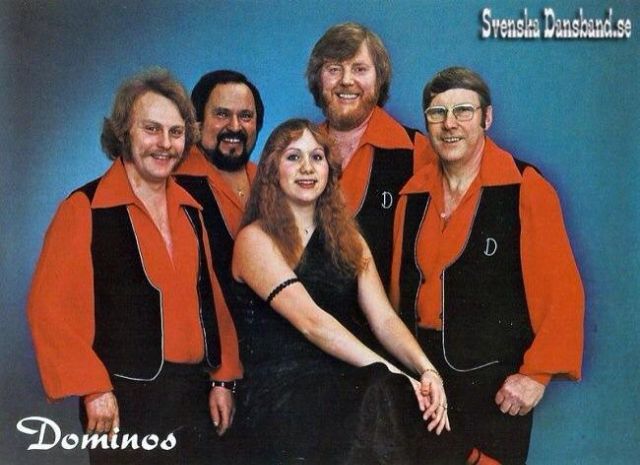
For taxation reasons, it was possible to deduct “fantasy” outfits in the declaration of income. The reasoning behind the phrasing was that it shouldn’t be possible to wear the same outfit in your daily life. This led to many bands wearing highly extravagant matched outfits in their stage performances.


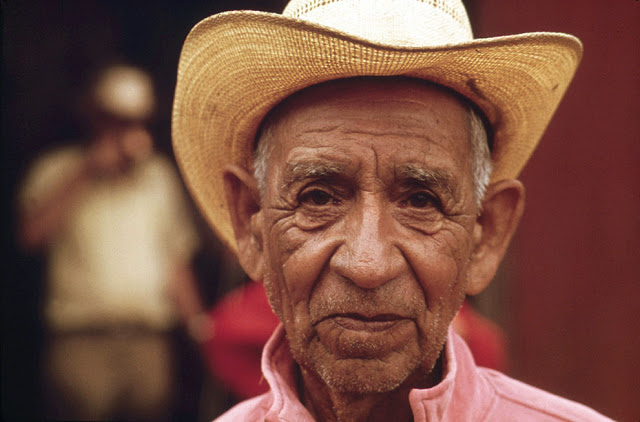
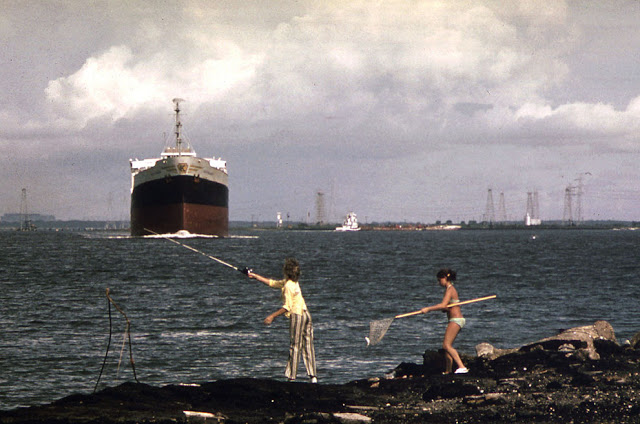
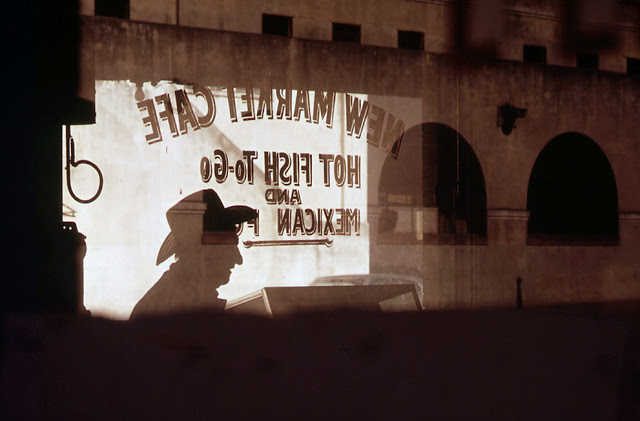
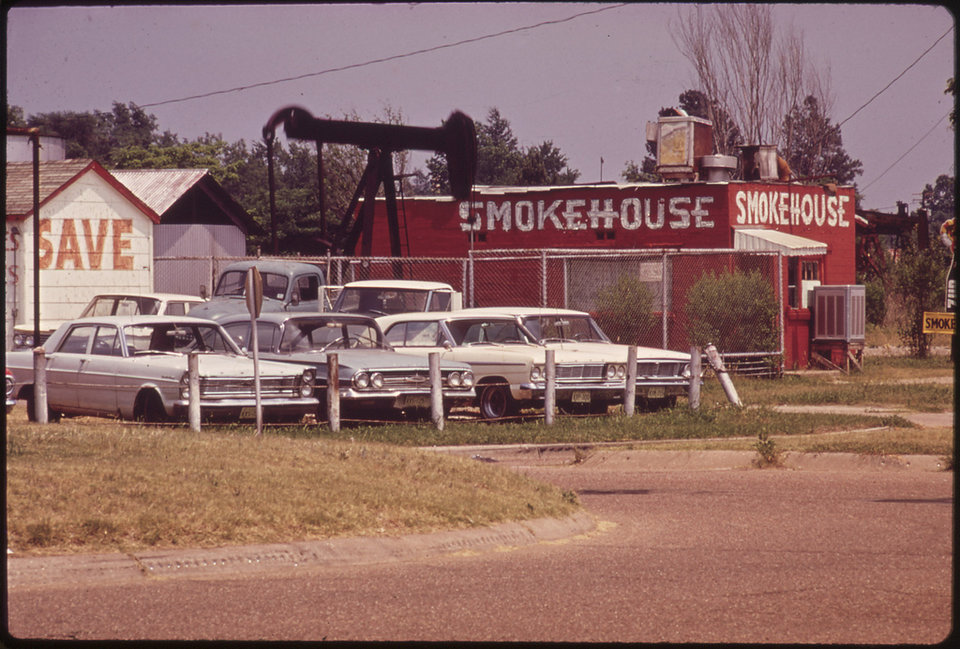
Texas is a state in the South Central region of the United States. At 268,596 square miles (695,662 km2), and with more than 29.1 million residents in 2020, it is the second-largest U.S. state by both area (after Alaska) and population (after California). Texas shares borders with the states of Louisiana to the east, Arkansas to the northeast, Oklahoma to the north, New Mexico to the west, and the Mexican states of Chihuahua, Coahuila, Nuevo León, and Tamaulipas to the south and southwest; and has a coastline with the Gulf of Mexico to the southeast.
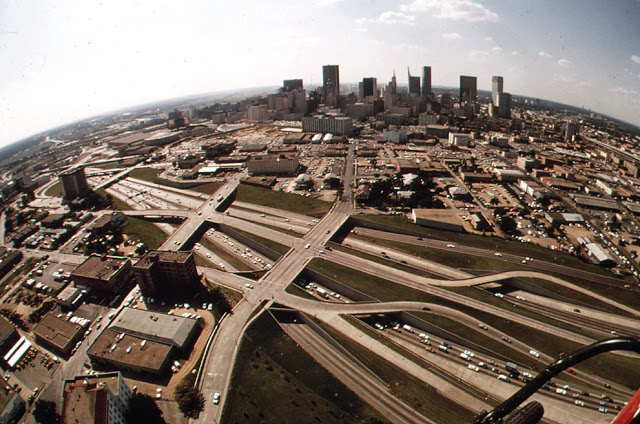
Houston is the most populous city in Texas and the fourth-largest in the U.S., while San Antonio is the second most populous in the state and seventh-largest in the U.S. Dallas–Fort Worth and Greater Houston are, respectively, the fourth- and fifth-largest metropolitan statistical areas in the country. Other major cities include Austin, the second most populous state capital in the U.S., and El Paso. Texas is nicknamed the “Lone Star State” for its former status as an independent republic, and as a reminder of the state’s struggle for independence from Mexico. The “Lone Star” can be found on the Texas state flag and on the Texas state seal. The origin of Texas’s name is from the Caddo word táyshaʼ meaning ‘friends’.
Due to its size and geologic features such as the Balcones Fault, Texas contains diverse landscapes common to both the U.S. Southern and the Southwestern regions. Although Texas is popularly associated with the U.S. southwestern deserts, less than ten percent of Texas’s land area is desert. Most of the population centers are in areas of former prairies, grasslands, forests, and the coastline. Traveling from east to west, one can observe terrain that ranges from coastal swamps and piney woods, to rolling plains and rugged hills, and finally the desert and mountains of the Big Bend.
The term “six flags over Texas” refers to several nations that have ruled over the territory. Spain was the first European country to claim and control the area of Texas. France held a short-lived colony. Mexico controlled the territory until 1836 when Texas won its independence, becoming the Republic of Texas. In 1845, Texas joined the union as the 28th state. The state’s annexation set off a chain of events that led to the Mexican–American War in 1846. A slave state before the American Civil War, Texas declared its secession from the U.S. in early 1861, and officially joined the Confederate States of America on March 2 of the same year. After the Civil War and the restoration of its representation in the federal government, Texas entered a long period of economic stagnation.
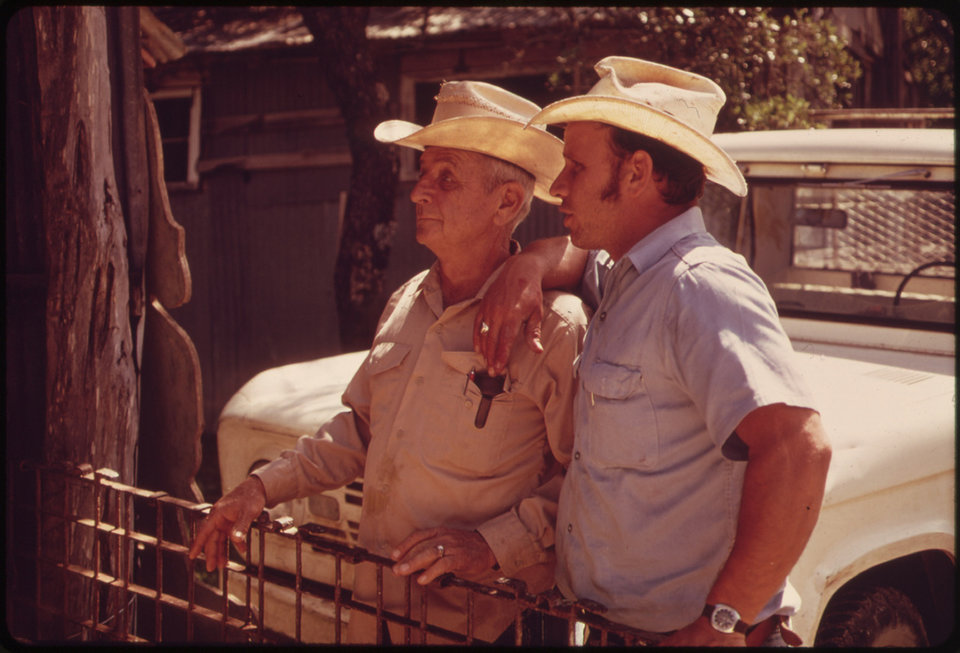
Historically, four major industries shaped the Texas economy prior to World War II: cattle and bison, cotton, timber, and oil. Before and after the U.S. Civil War, the cattle industry—which Texas came to dominate—was a major economic driver for the state, and created the traditional image of the Texas cowboy. In the later 19th century, cotton and lumber grew to be major industries as the cattle industry became less lucrative. It was ultimately, though, the discovery of major petroleum deposits (Spindletop in particular) that initiated an economic boom which became the driving force behind the economy for much of the 20th century. Texas developed a diversified economy and high tech industry during the mid-20th century. As of 2015, it is second in the United States with most Fortune 500 company headquarters with 54. With a growing base of industry, the state leads in many industries, including tourism, agriculture, petrochemicals, energy, computers and electronics, aerospace, and biomedical sciences. Texas has led the U.S. in state export revenue since 2002, and has the second-highest gross state product. If Texas were a sovereign state, it would have the 10th-largest economy in the world. (Wikipedia)
















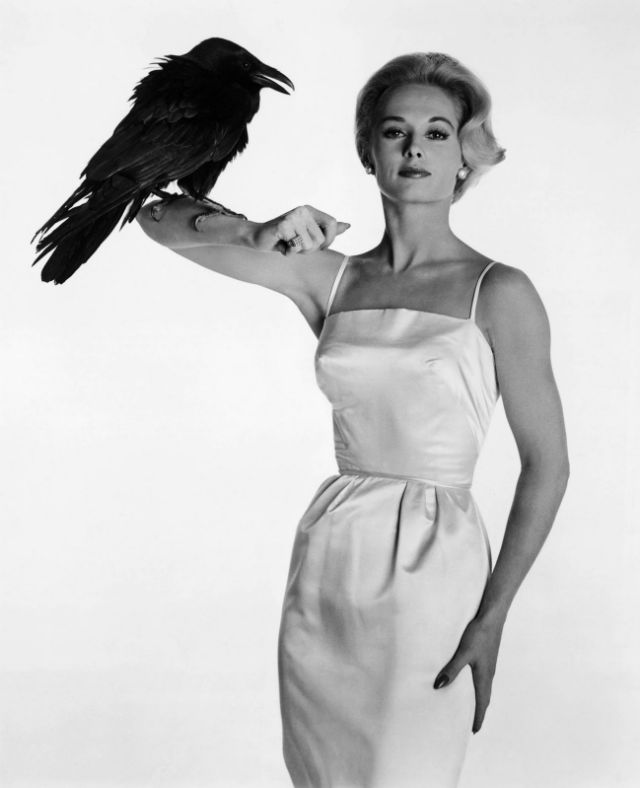
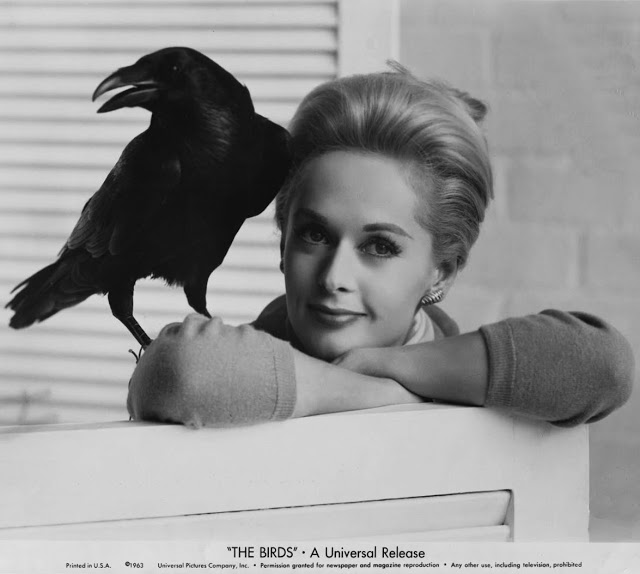
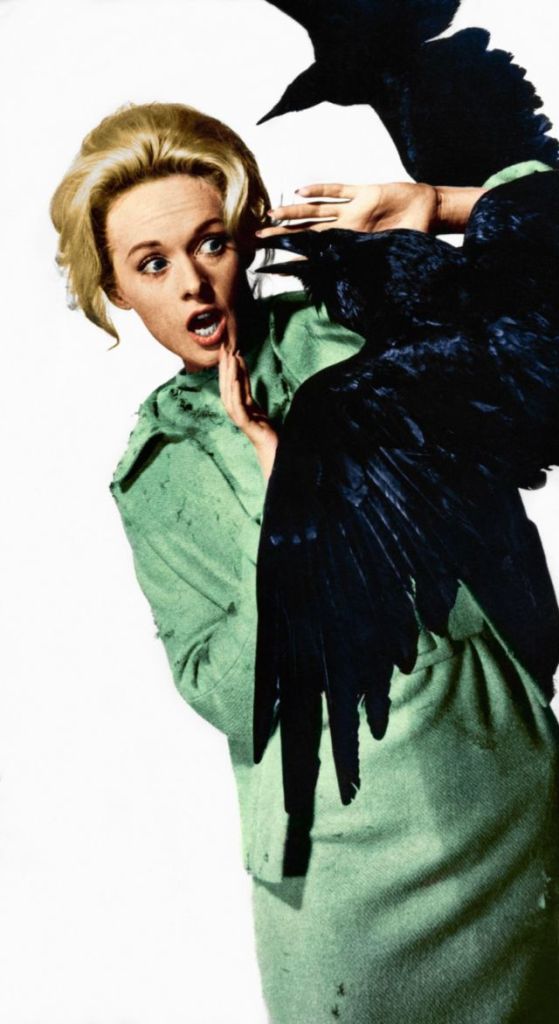
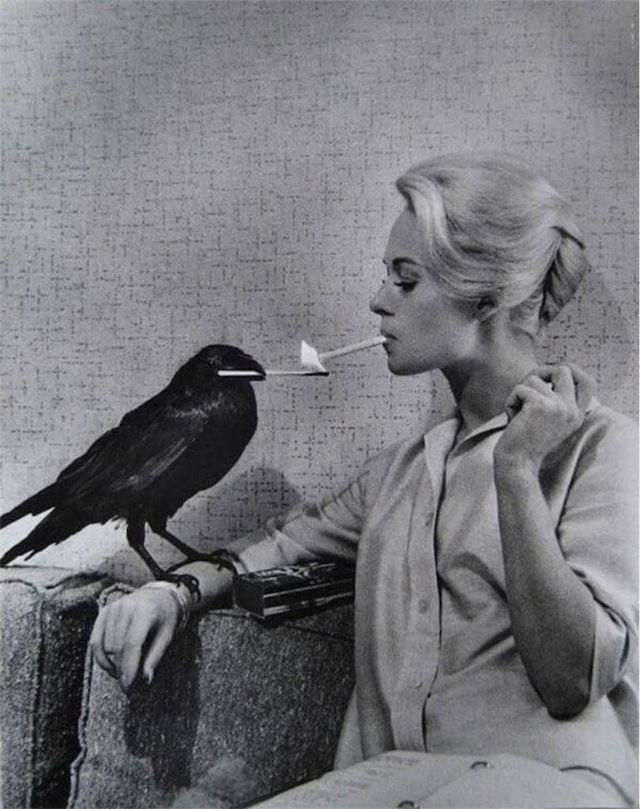
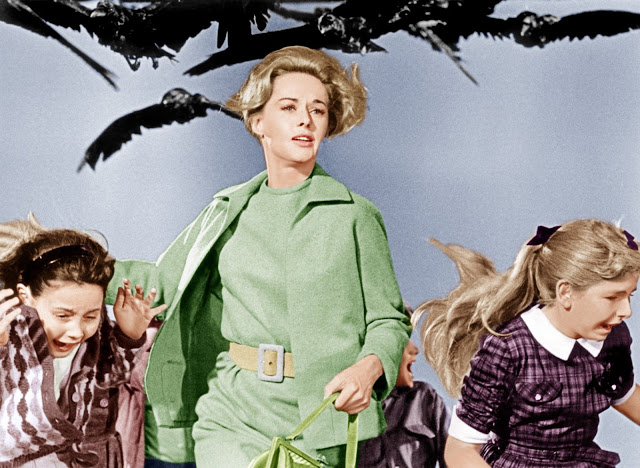
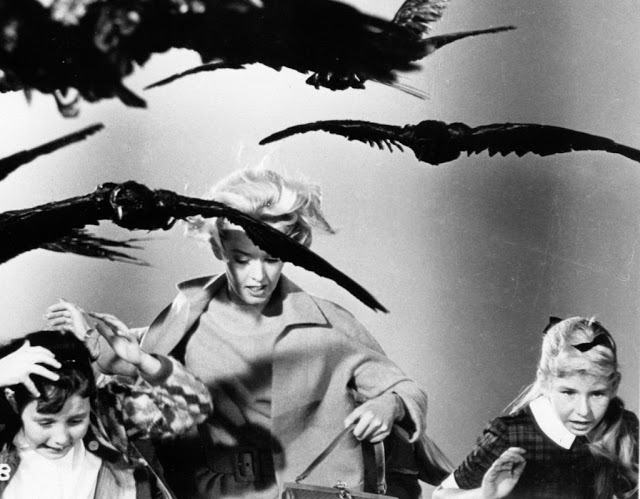
The Birds (1963) was directed and produced by Alfred Hitchcock and based on a story by Daphne du Maurier. It starred Rod Taylor, Tippi Hedren, Jessica Tandy and Suzanne Pleshette.
It is one of the most disturbing sequences in cinematic history: a woman tiptoes through a house until – in three staccato shots – she discovers the bloody corpse of its occupant on the bedroom floor, his eye sockets two black holes dripping with gore.
The scene is just one of several grisly moments in Alfred Hitchcock’s peerless horror flick, The Birds, made three years after his scorching success with Psycho.
It was Hedren’s screen debut. Hitchcock became her drama coach, and gave her an education in film-making as she attended many of the production meetings such as script, music or photography conferences. Hedren said, “I probably learned in three years what it would have taken me 15 years to learn otherwise.” Hedren portrayed her role of Melanie Daniels as Hitchcock requested. She said, “He gives his actors very little leeway. He’ll listen, but he has a very definite plan in mind as to how he wants his characters to act. With me, it was understandable, because I was not an actress of stature. I welcomed his guidance.”
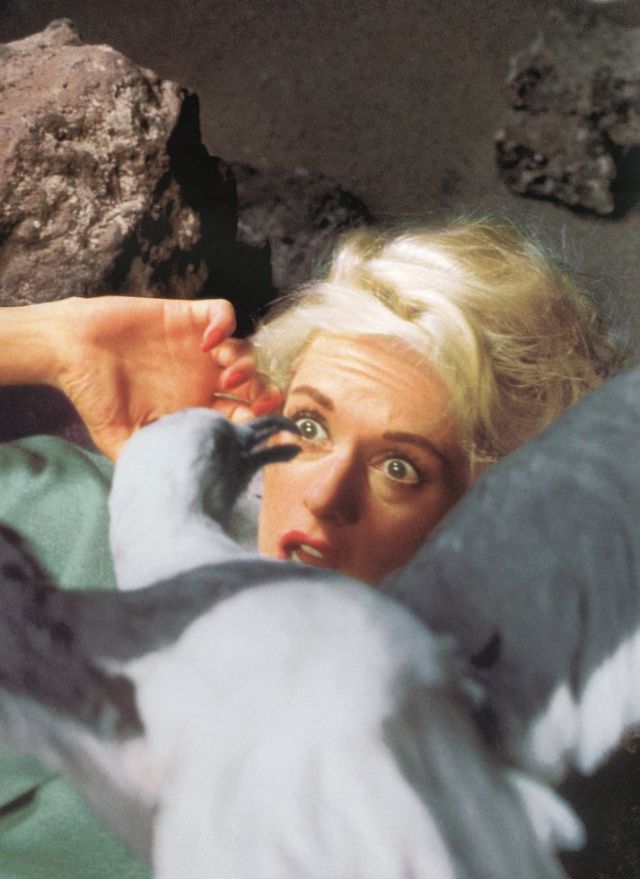
During the six months of principal photography, Hedren’s schedule was tight, as she was only given one afternoon off a week. At first, she found the shooting “wonderful”. Hitchcock told a reporter, after a few weeks of filming, that she was remarkable, and said, “She’s already reaching the lows and highs of terror.” Nonetheless, Hedren recalled the week she did the final bird attack scene in a second-floor bedroom as the worst of her life.
Before filming it, she asked Hitchcock about her character’s motivations to go upstairs, and his response was, “Because I tell you to.” She was then assured that the crew would use mechanical birds. Instead, Hedren endured five solid days of prop men, protected by thick leather gloves, flinging dozens of live gulls, ravens and crows at her (their beaks clamped shut with elastic bands). In a state of exhaustion, when one of the birds gouged her cheek and narrowly missed her eye, Hedren sat down on the set and began crying. A physician ordered a week’s rest. Hitchcock protested, according to Hedren, saying there was nobody but her to film. The doctor’s reply was, “Are you trying to kill her?” She said the week also appeared to be an ordeal for the director.
Universal’s executives, who did not back Hitchcock’s decision to hire Hedren in the first place, were impressed with her performance and Wasserman described it as “remarkable”. While promoting The Birds, Hitchcock was full of praise for his new protégée, and compared her to Grace Kelly.
The film was screened out of competition in May at a prestigious invitational showing at the 1963 Cannes Film Festival. Hedren received the Golden Globe Award for New Star of the Year, tied with Elke Sommer and Ursula Andress. Her role as Melanie Daniels was named by Premiere magazine as one of the greatest movie characters of all time.


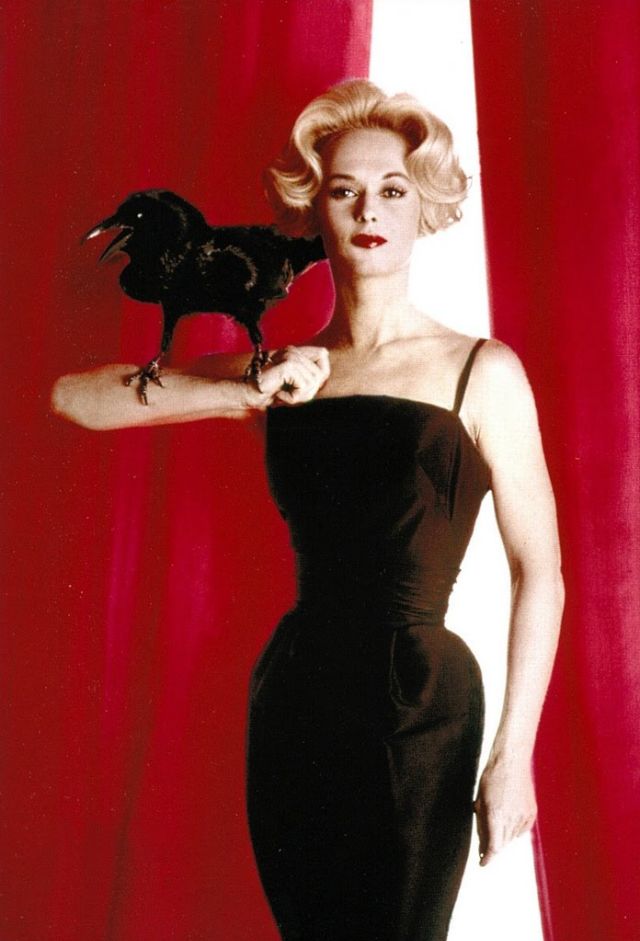

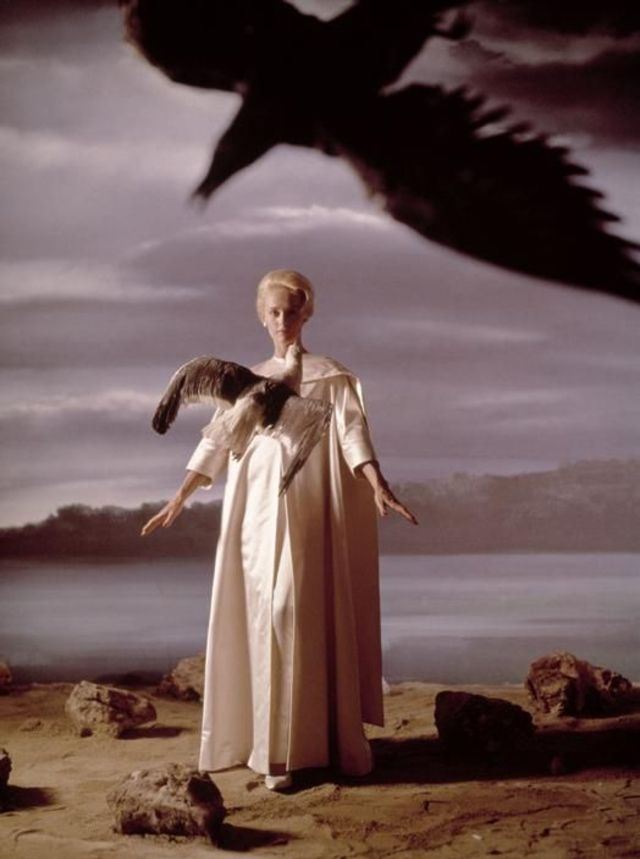
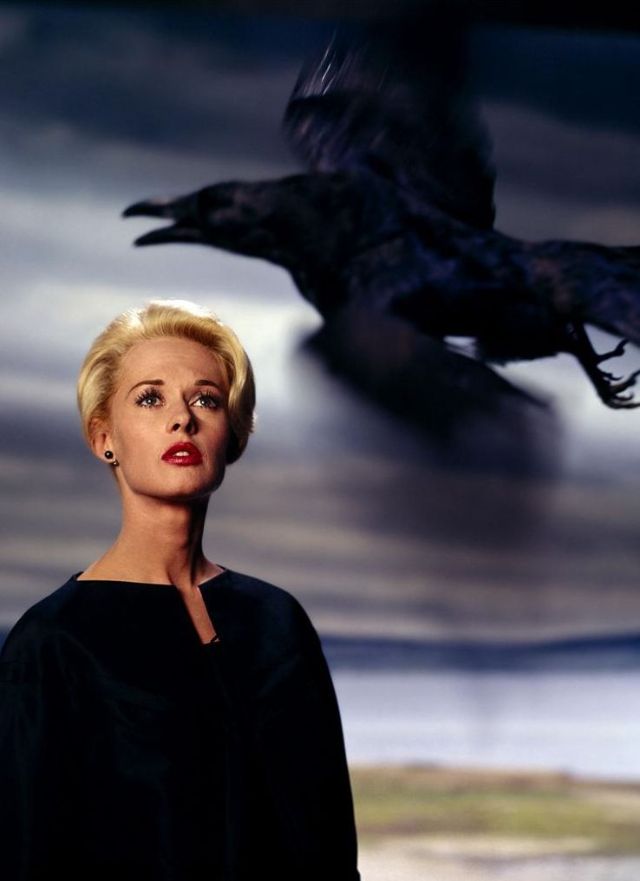
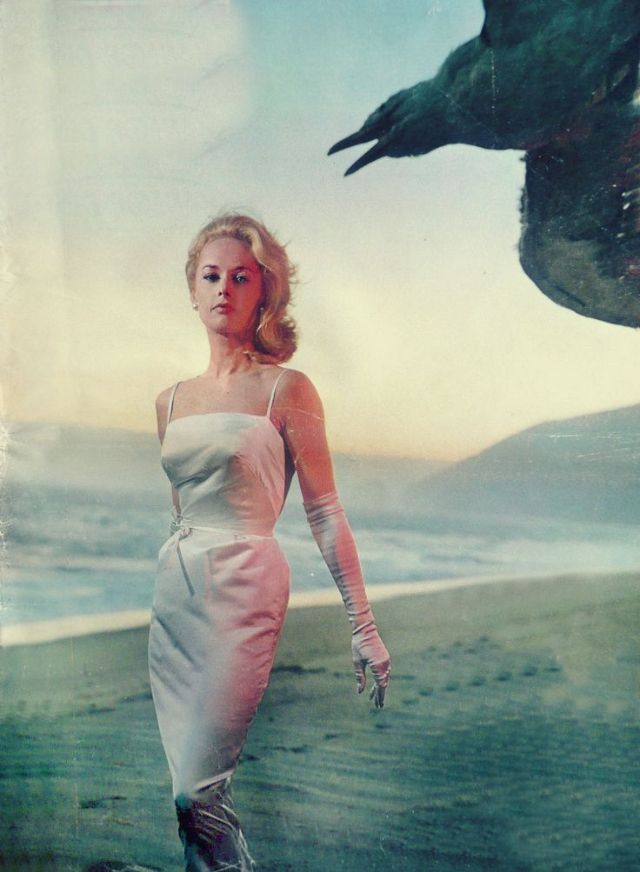



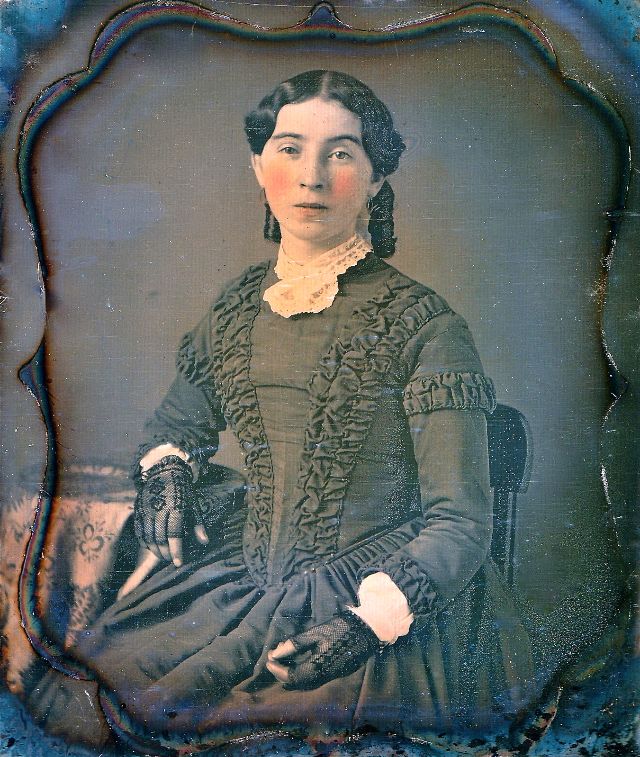
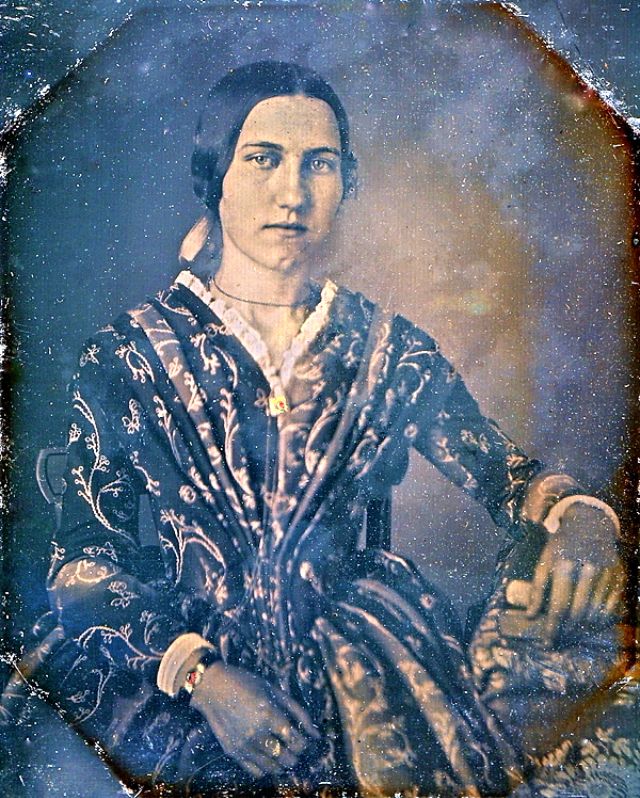
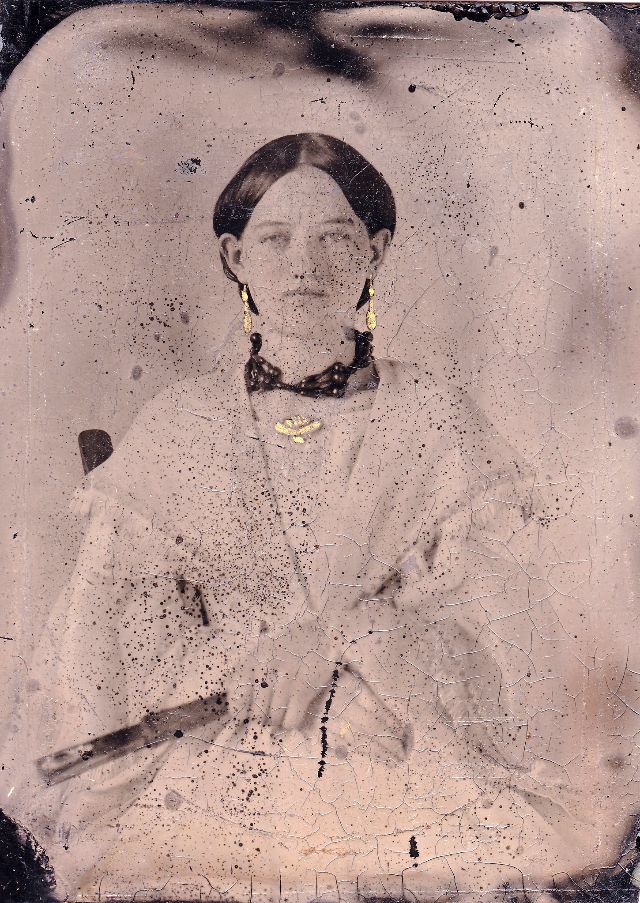
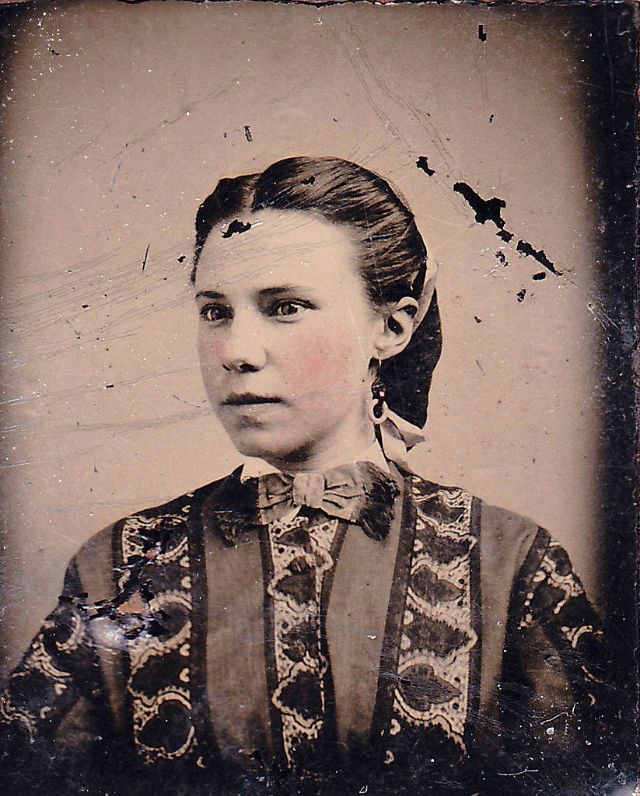
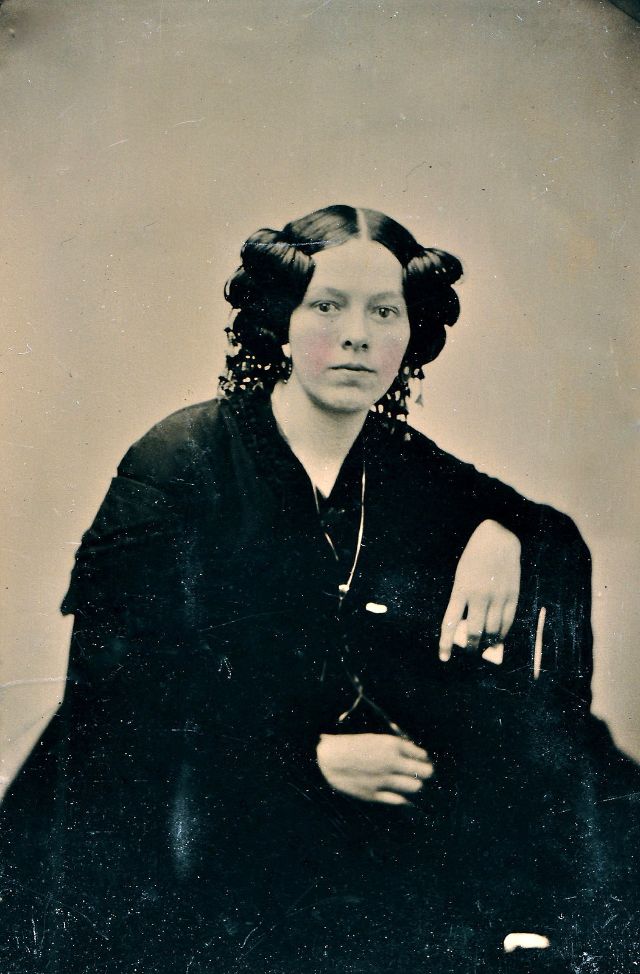
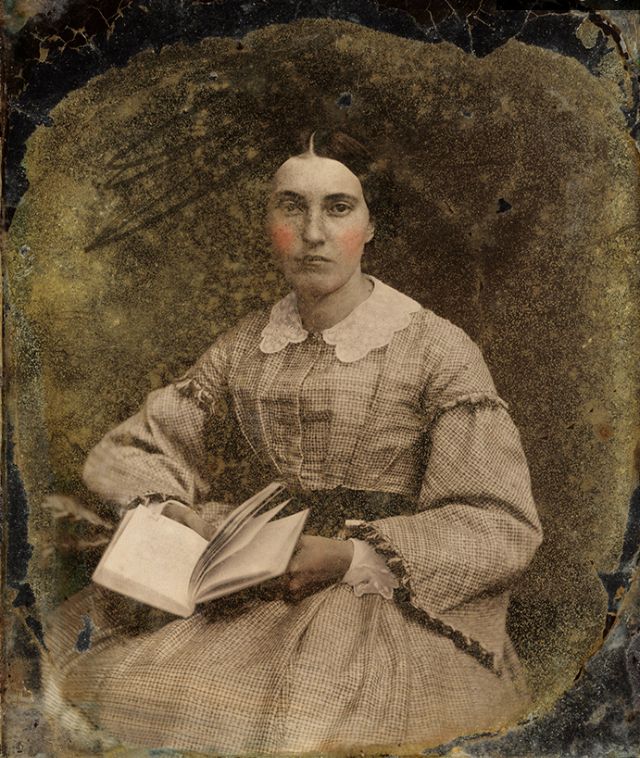
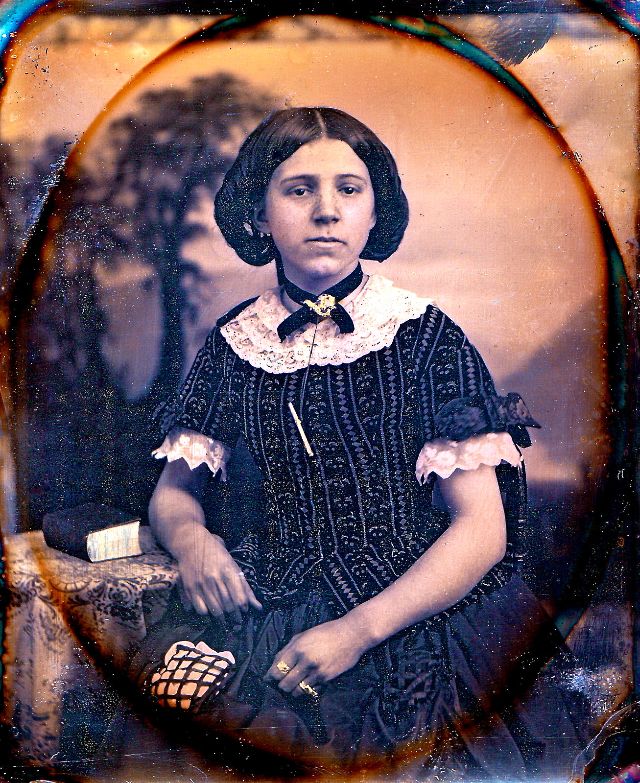
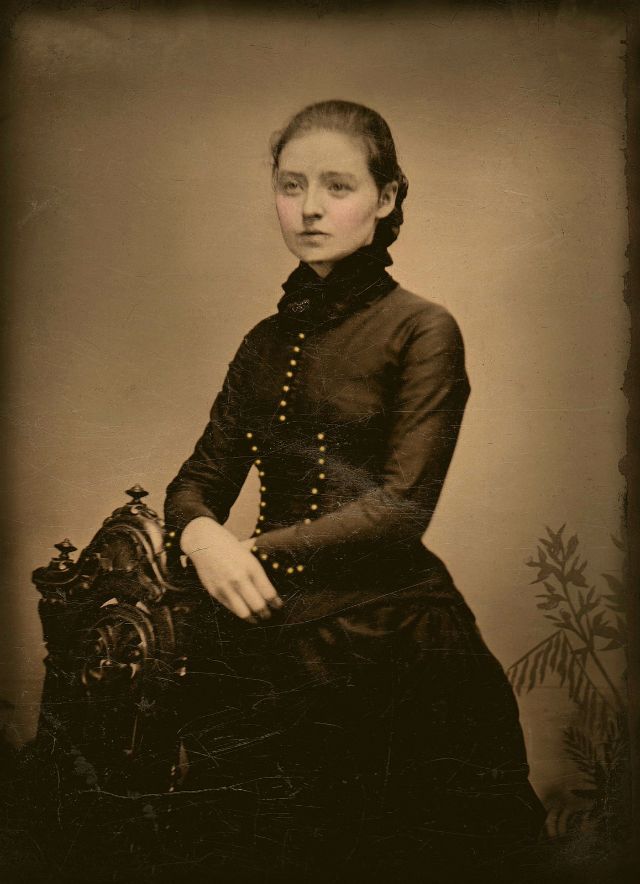
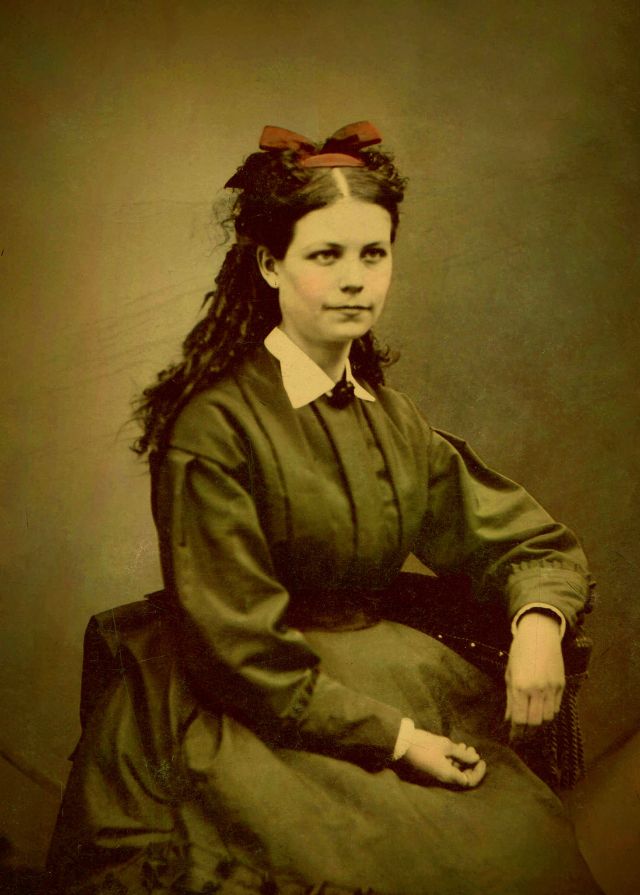
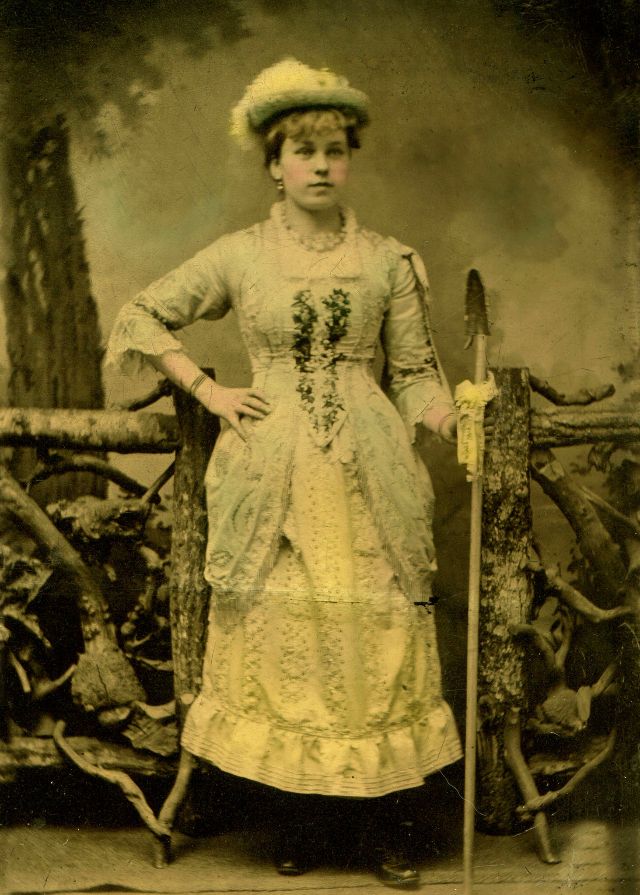
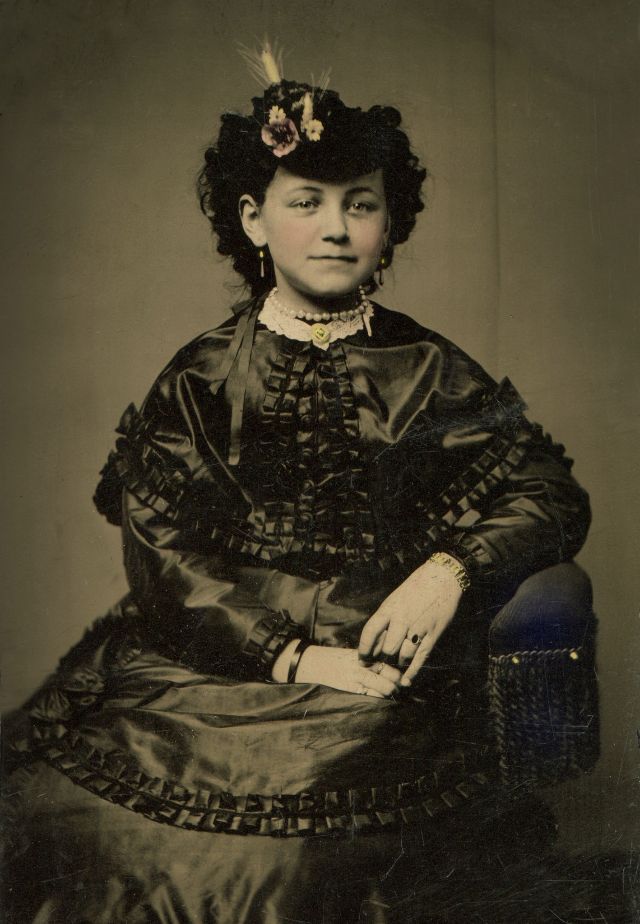
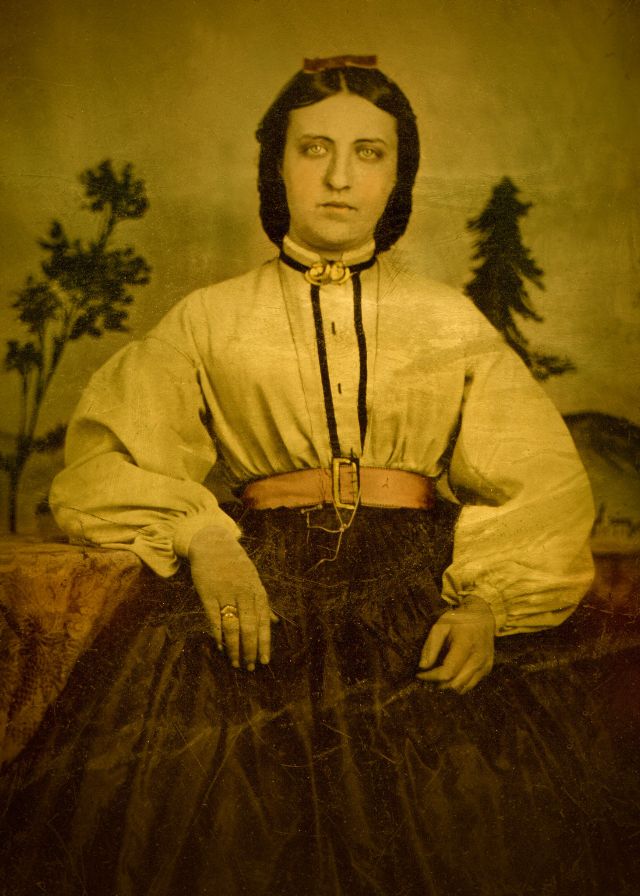
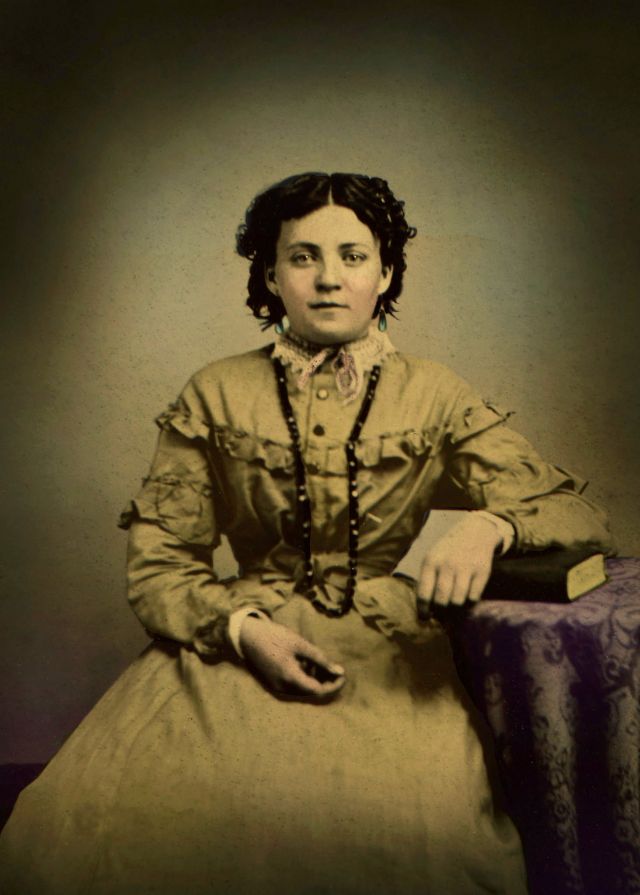
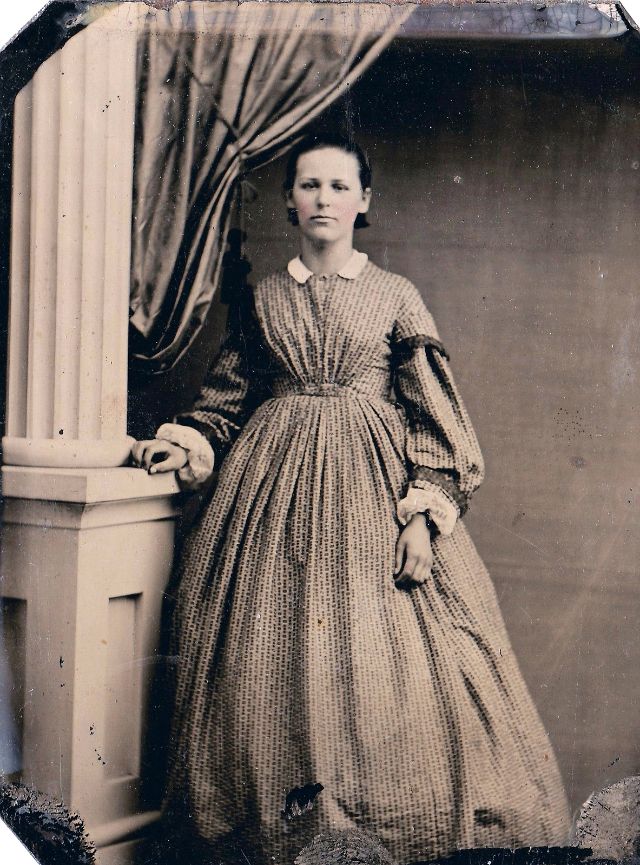
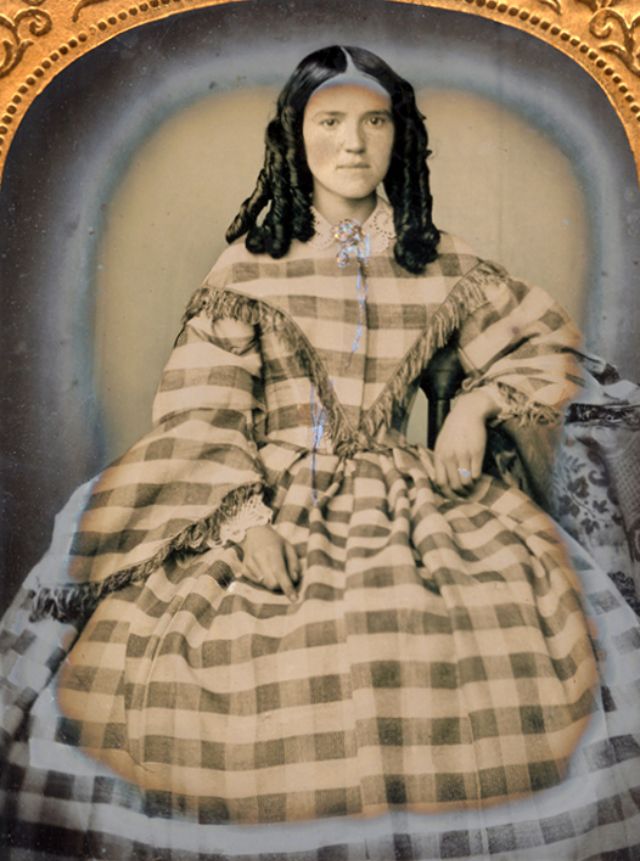
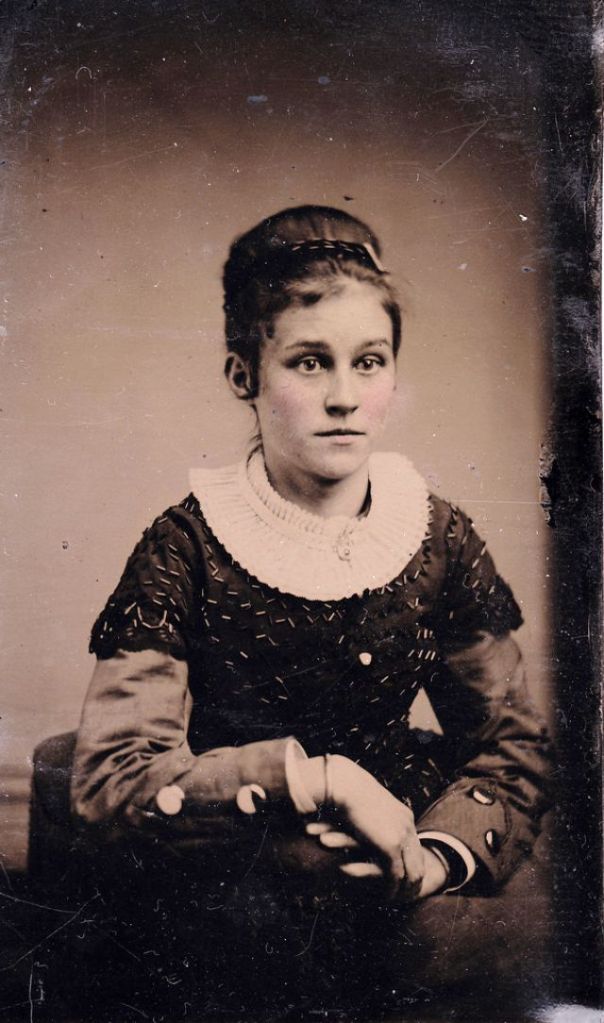
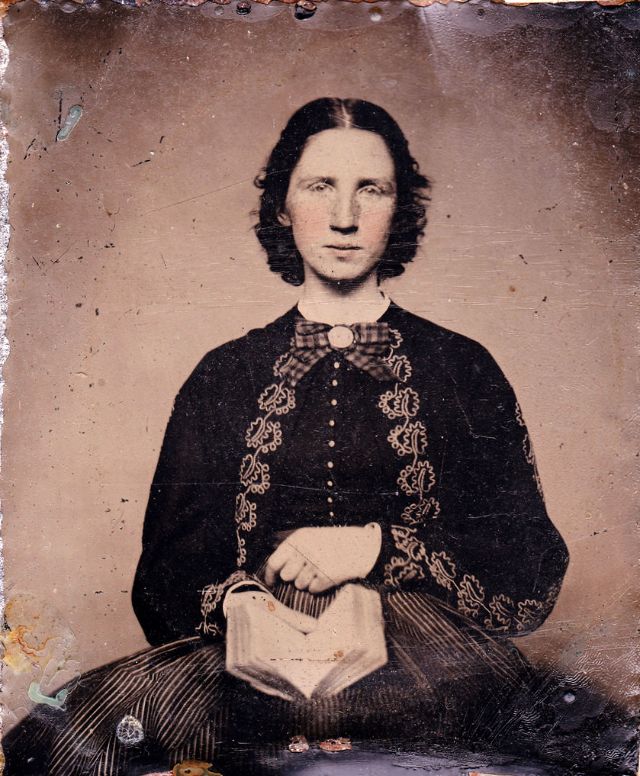
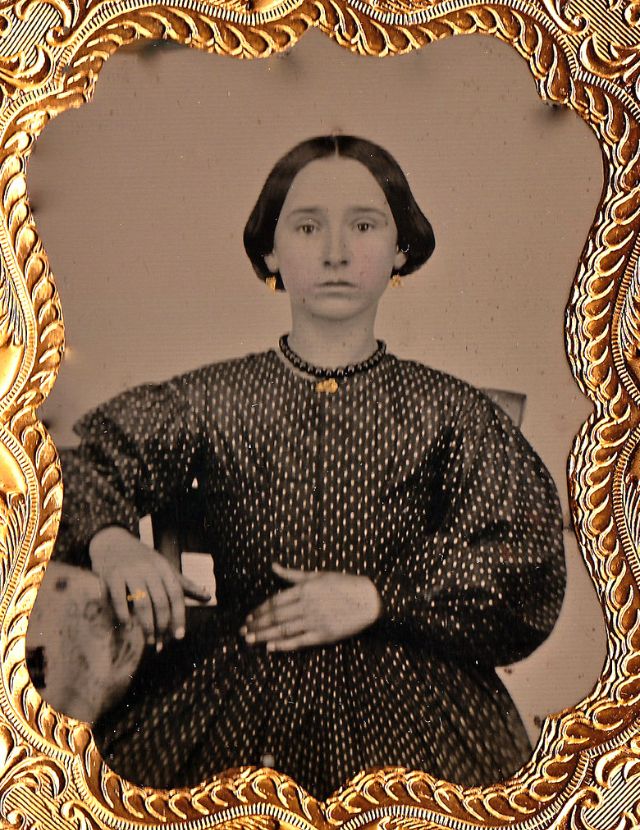
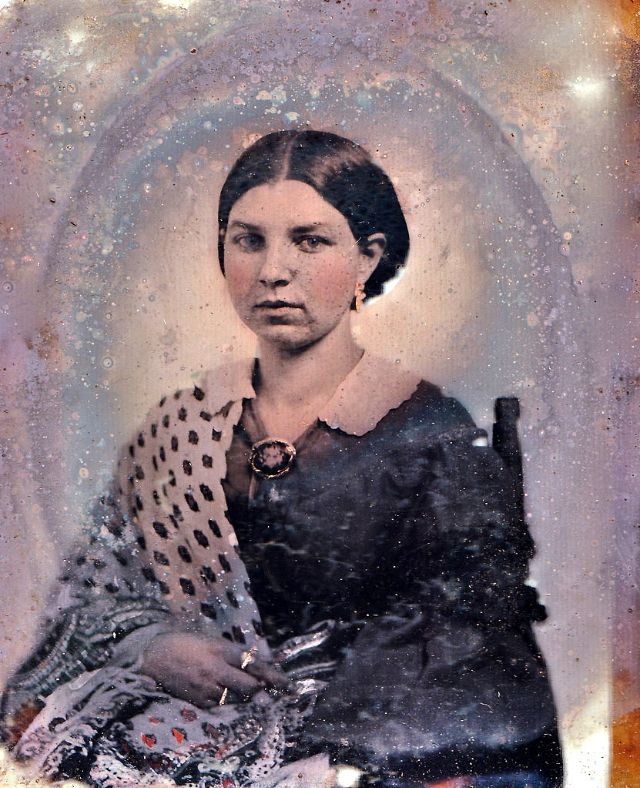
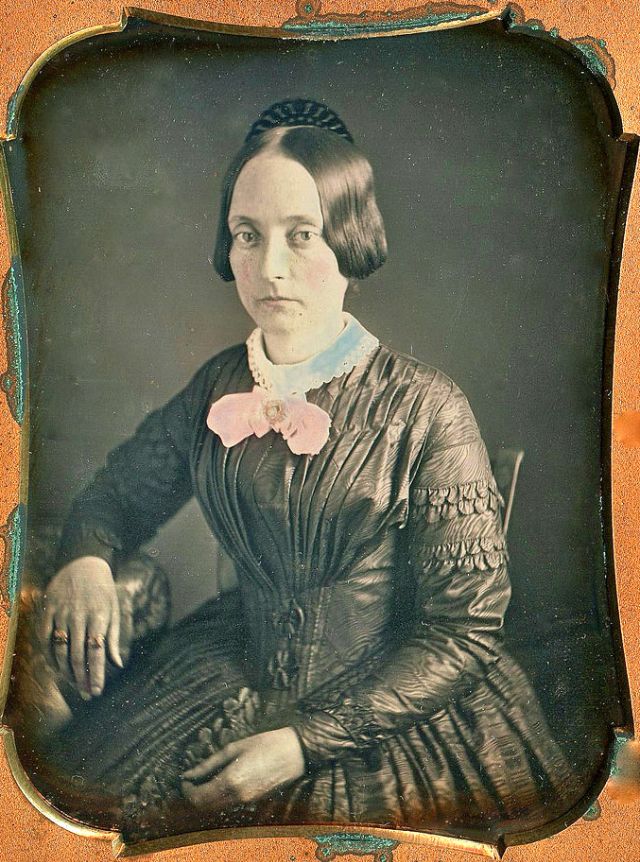
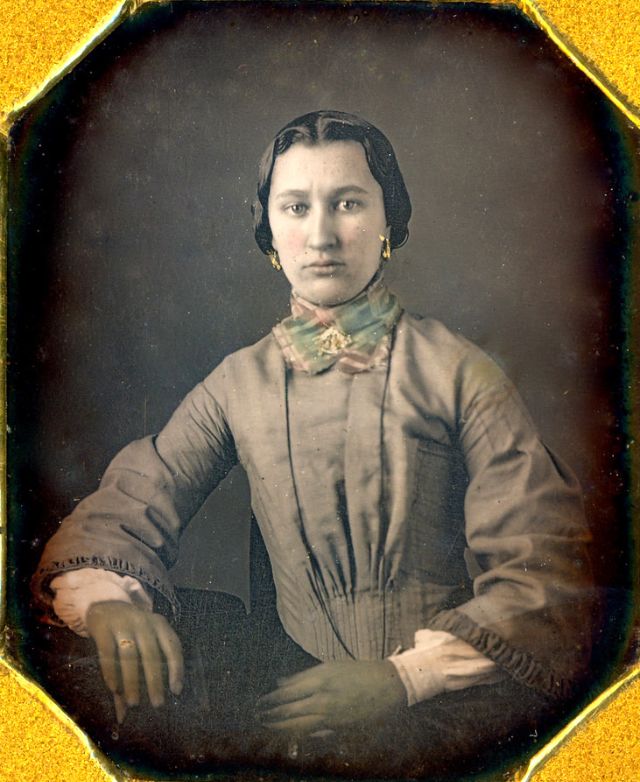
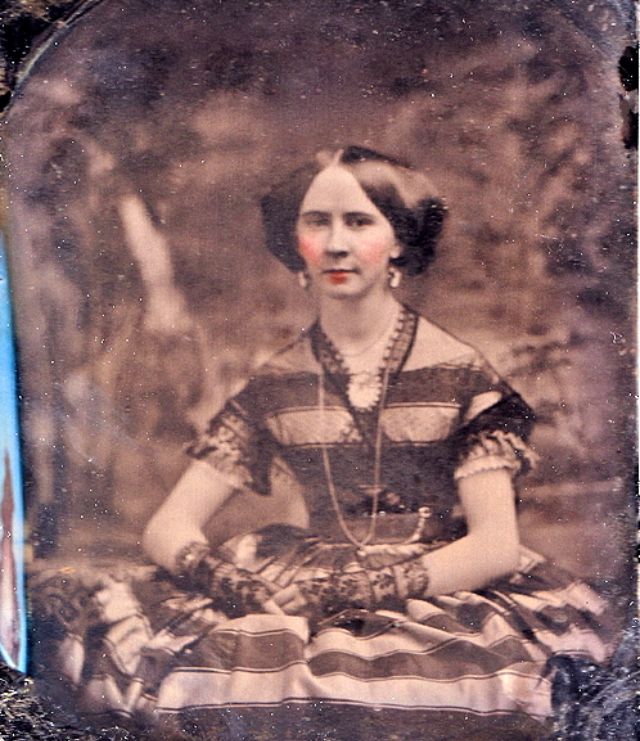
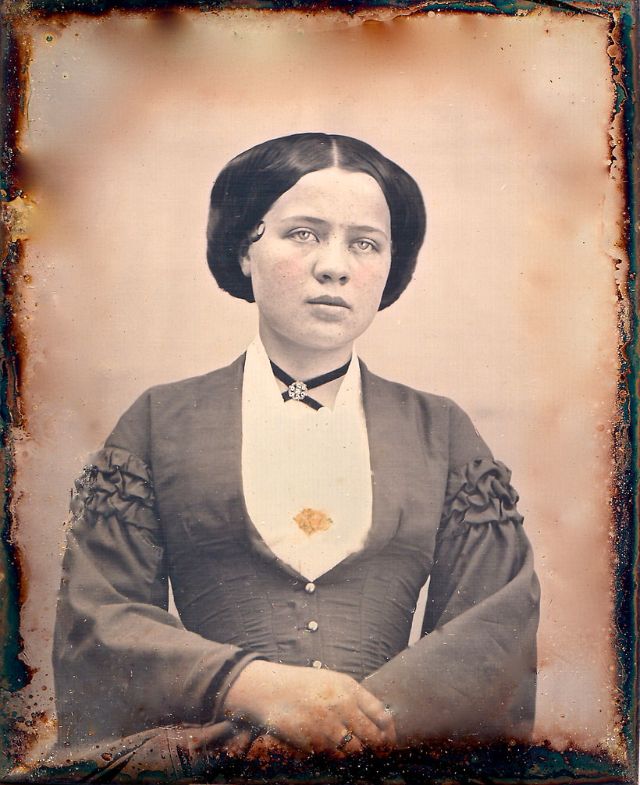
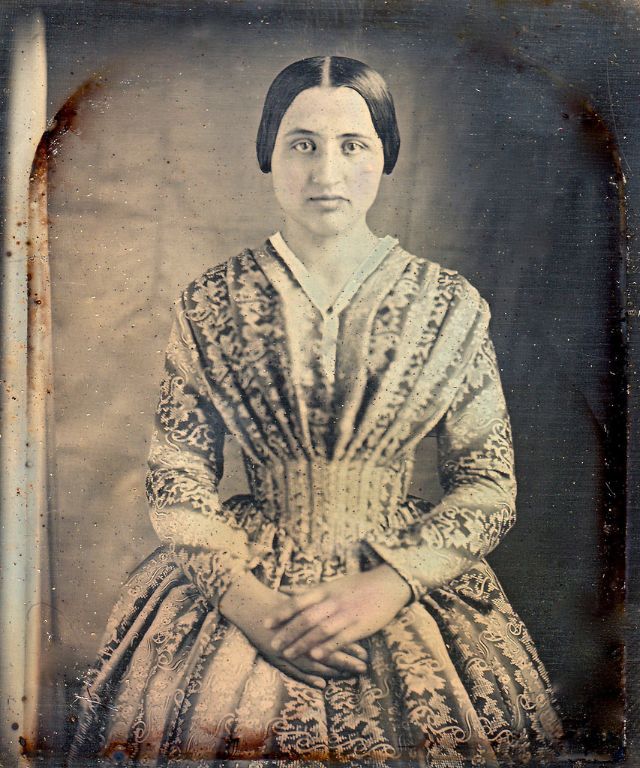
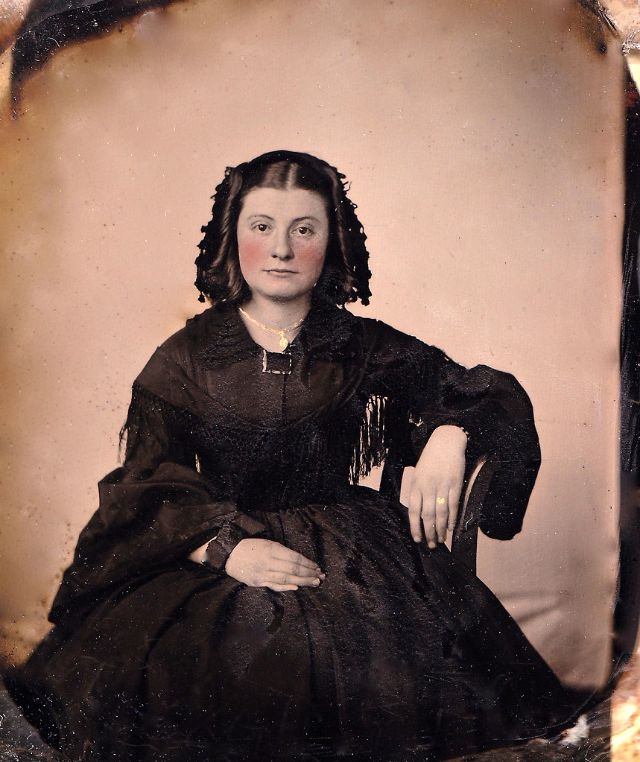
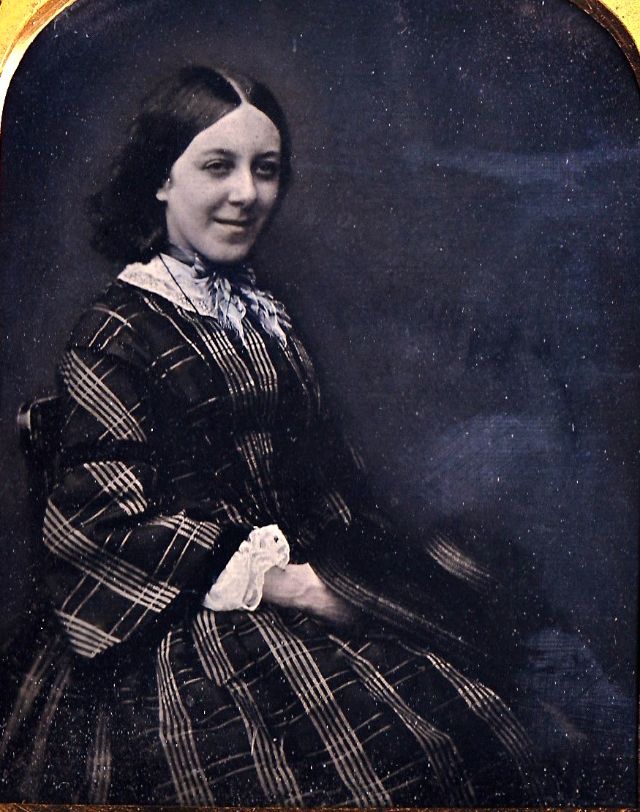
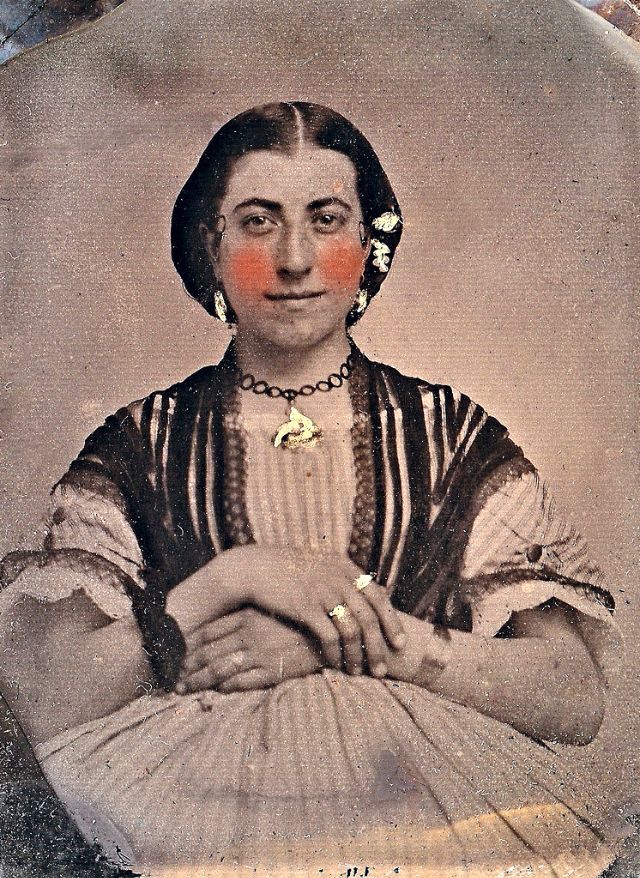
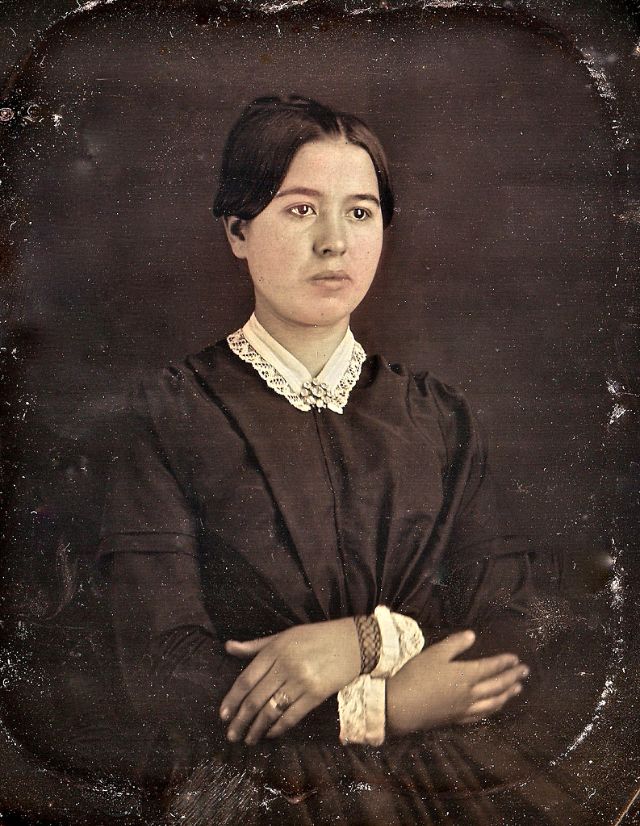
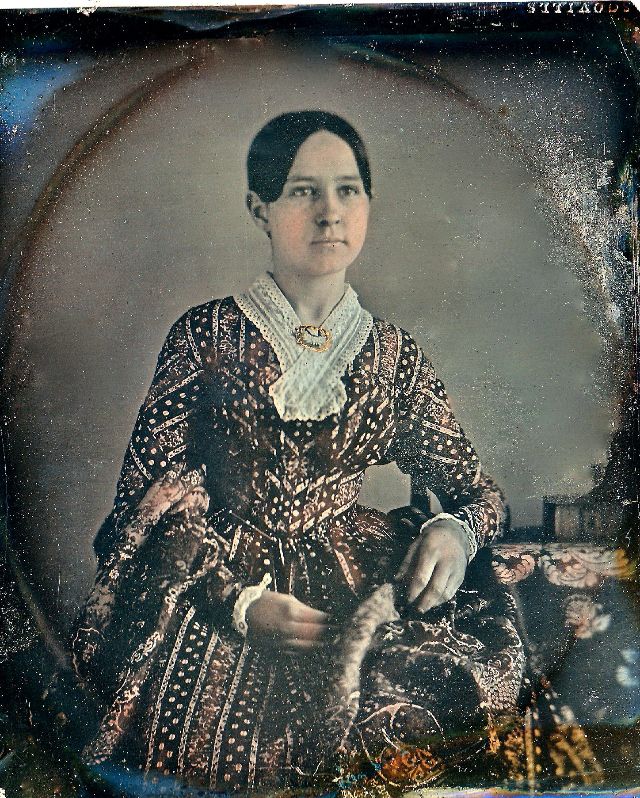
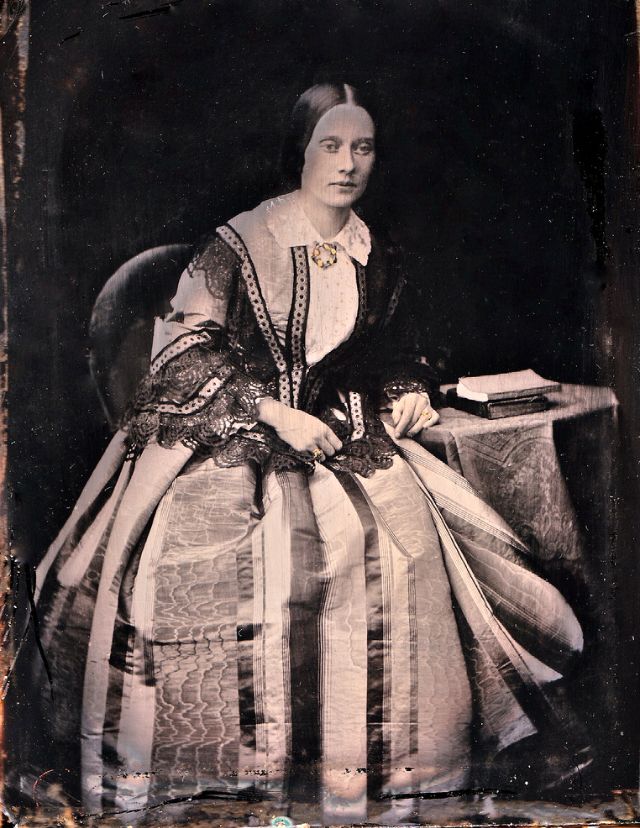
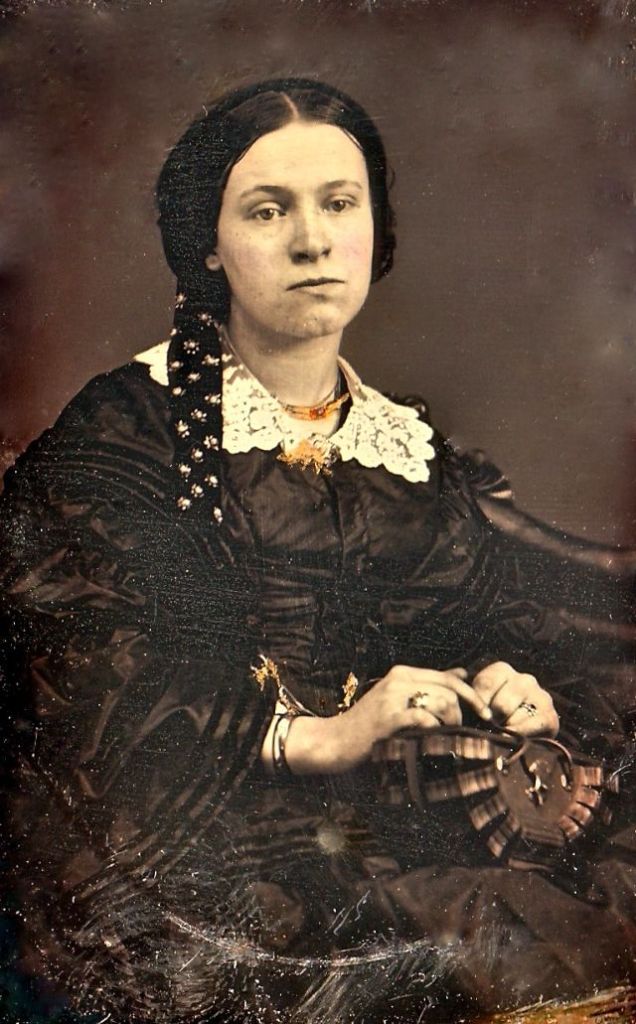
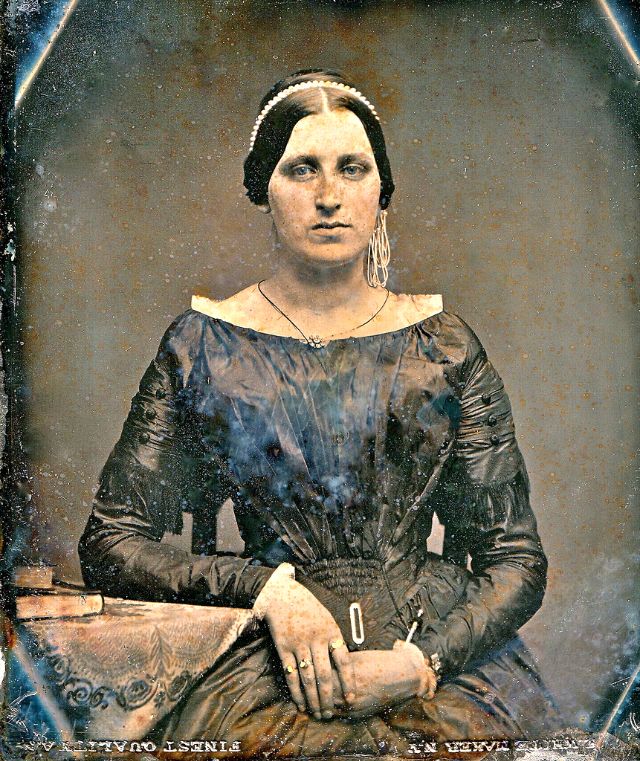

Read more of this content when you subscribe today.
Charles Lansiaux (1855–1939) became a photographer at the end of the 19th century. He established his own business in 1903, describing his company purpose as “Artistic and industrial photography, city works, emergency works, interior photography with artificial light, enlargements, amateur documentary photography.”
At the beginning of the war in 1914, he started documenting daily life in Paris, far from the frontline. The resulting series of over 1000 images, titled “Aspects of Paris during the war of 1914” was not initially intended for publication but to be preserved as a testimony of what had happened. The Paris Historical library purchased the images as they were taken.
Here’s a gallery of 86 astonishing photographs capture everyday life in Paris from 1914-1919:


Become a paid subscriber to get access to the rest of this post and other exclusive content.
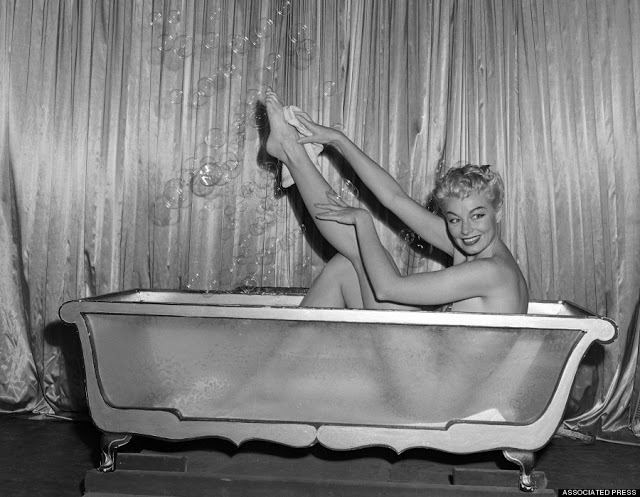
Become a paid subscriber to get access to the rest of this post and other exclusive content.
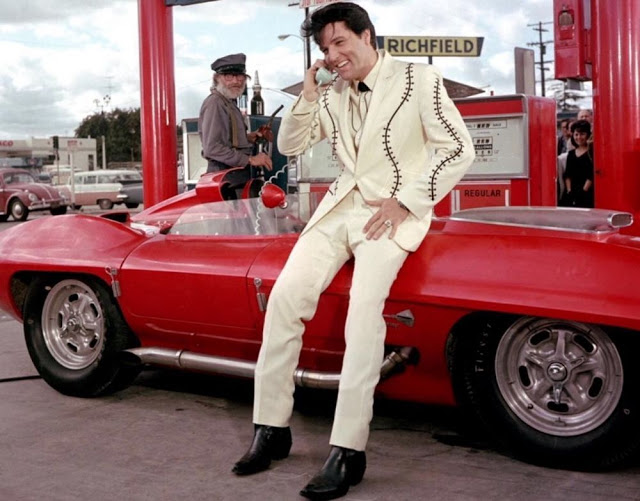
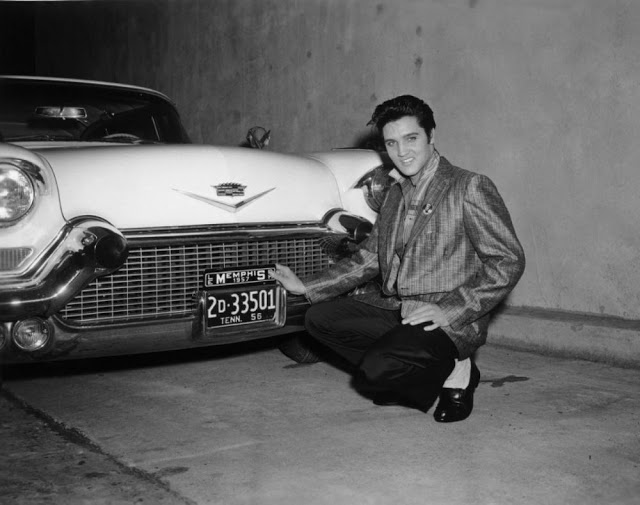
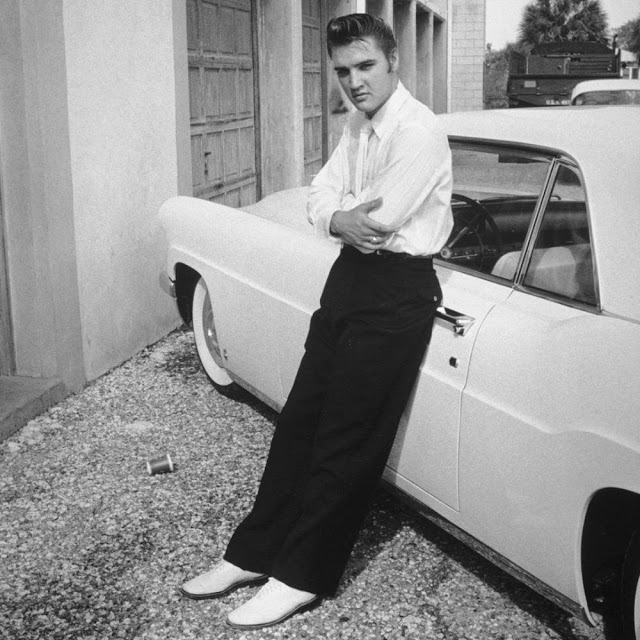
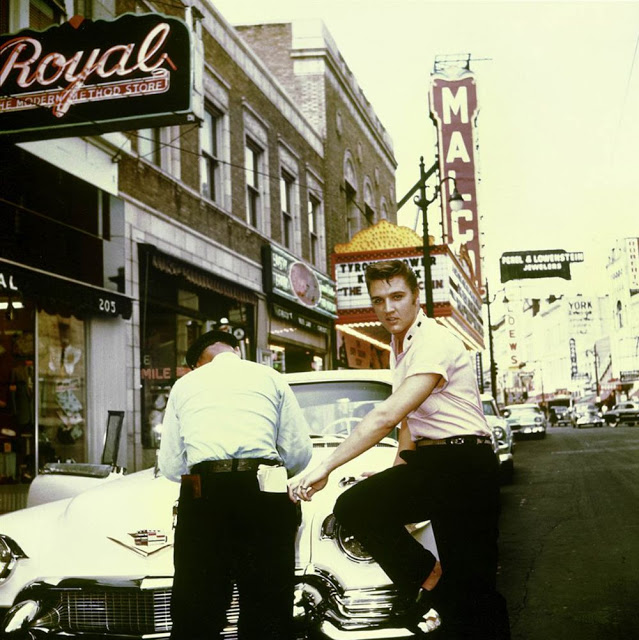
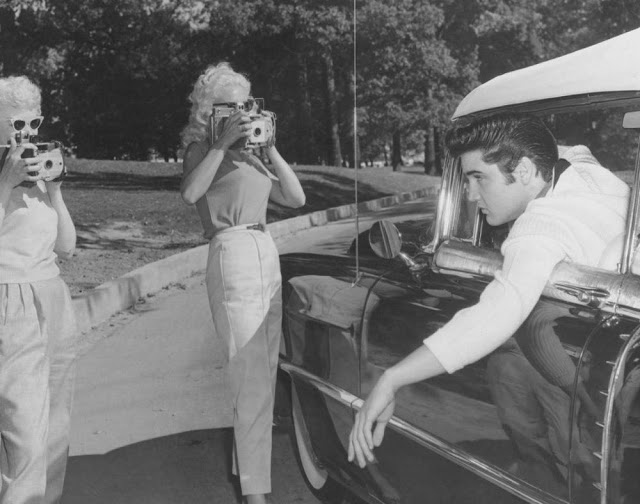
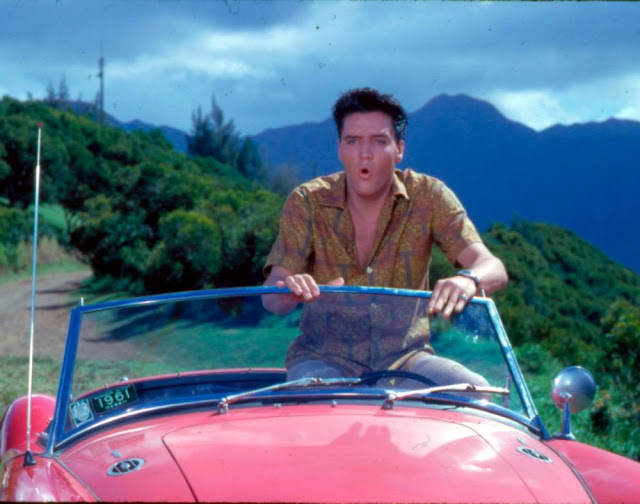
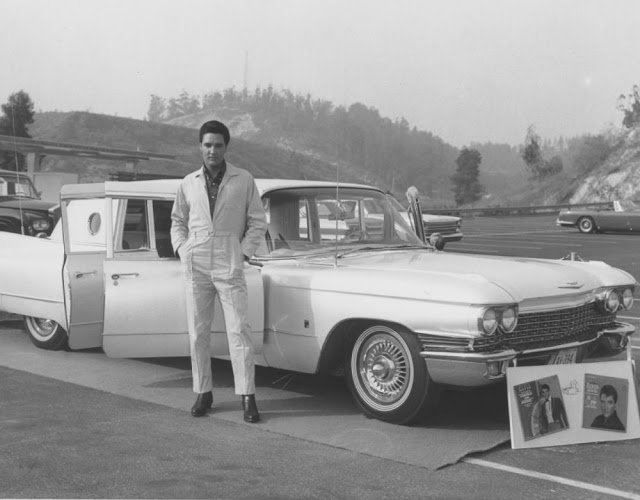
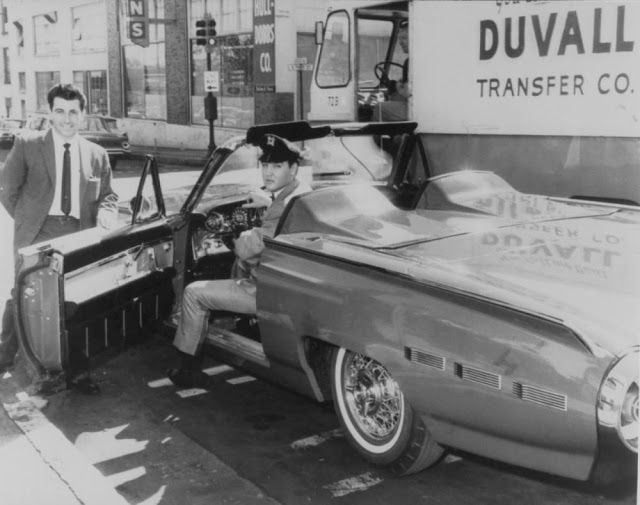
“You may have a pink Cadillac, but don’t you be nobody’s fool,” Elvis sang on Baby, Let’s Play House. He did, and he wasn’t. The King amassed a collection of rare cars that would leave many a motorhead drooling with envy.
Not only was Elvis a keen car collector, he was known for his generous automotive gifts he bestowed on friends and family – he bought his mum a famous pink Cadillac and gave some of his other Caddies to backing singers and even his dentist.
He also gave one of his BMW 507s to Bond girl Ursula Andress. The other, which he drove while he was stationed in Germany, has just been unveiled, fully restored to it’s original form and color, as Elvis turned it Porsche red to try and stop girls writing their phone numbers in lipstick on the body paint.
Here we take a look at some of his much-loved automobiles.
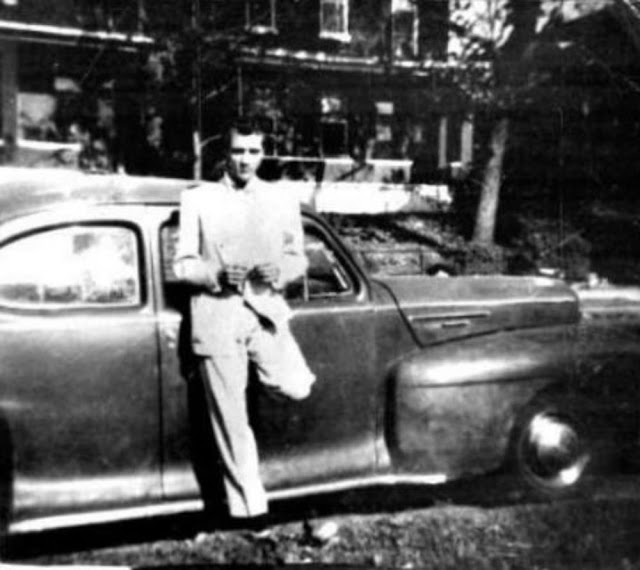








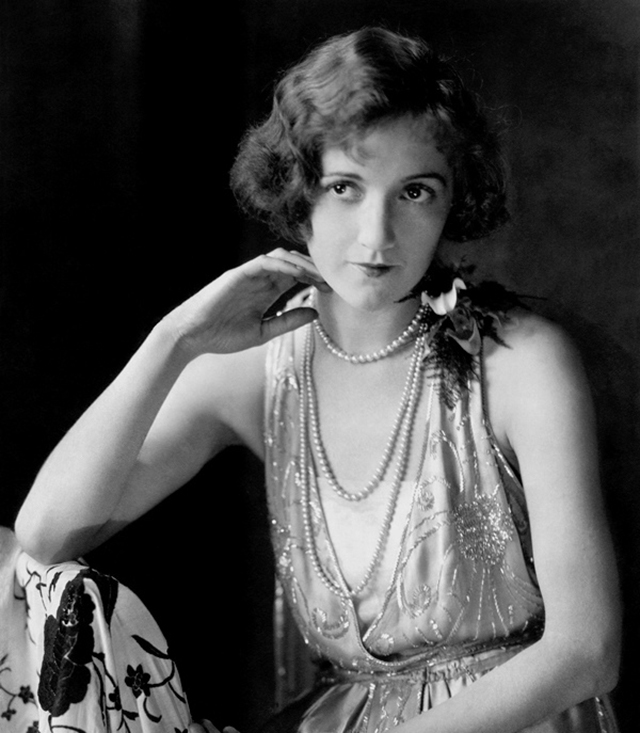
Edward Steichen (1879-1973) was a Luxembourgian American photographer, painter, and art gallery and museum curator. He began by studying pictorialist photography and his early work expressed the romanticism of the early 20th century with artful, dark, and foggy images of the countryside.
His photos of gowns for the magazine Art et Décoration in 1911 are regarded as the first modern fashion photographs ever published. From 1923 to 1938, Steichen was a photographer for the Condé Nast magazines Vogue and Vanity Fair while also working for many advertising agencies including J. Walter Thompson. During these years, Steichen was regarded as the best known and highest paid photographer in the world.
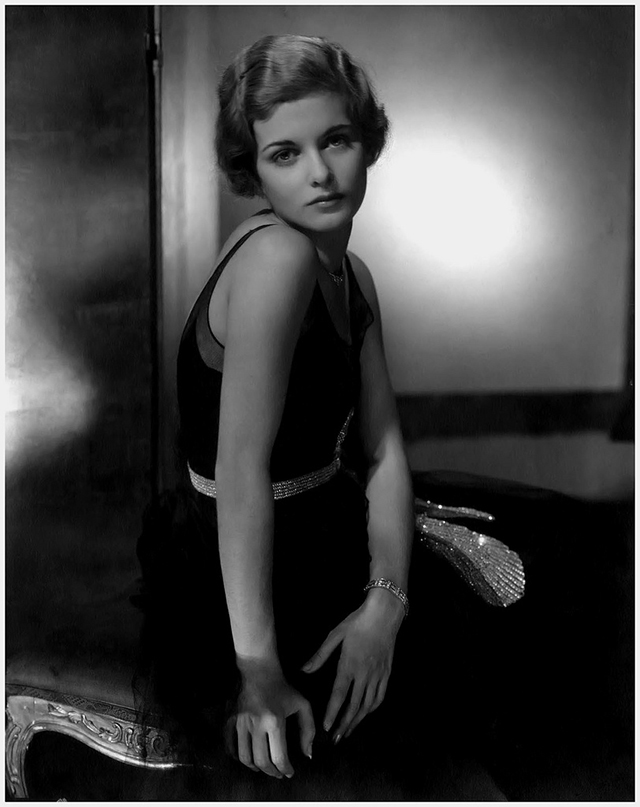
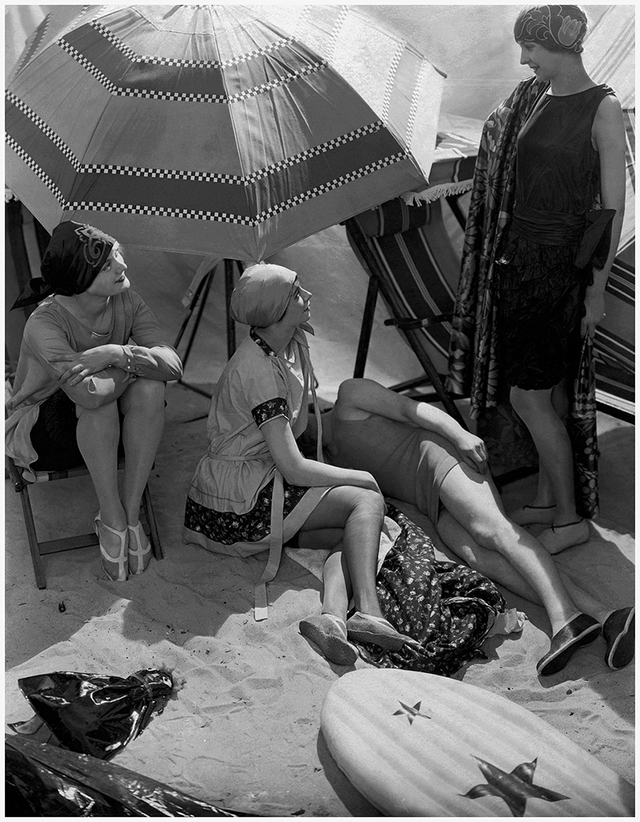
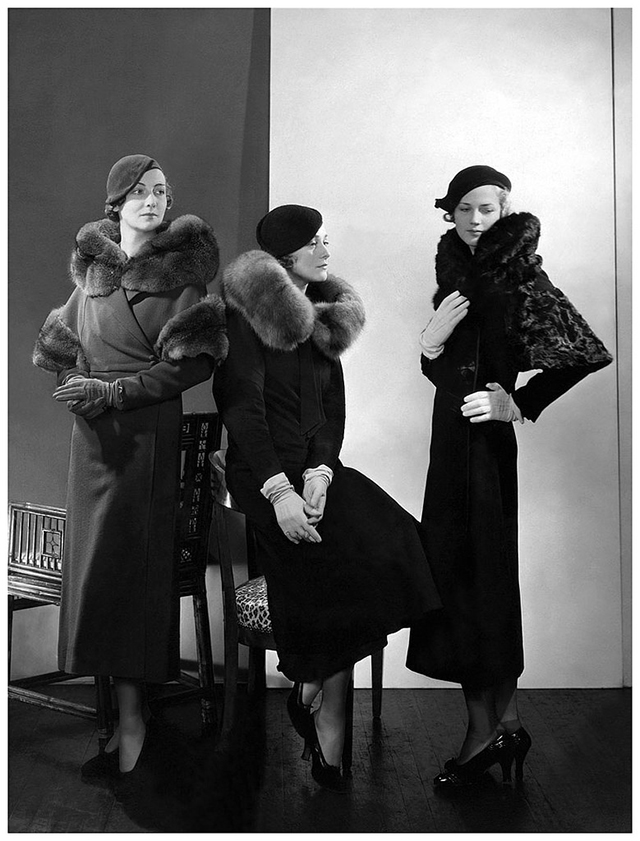


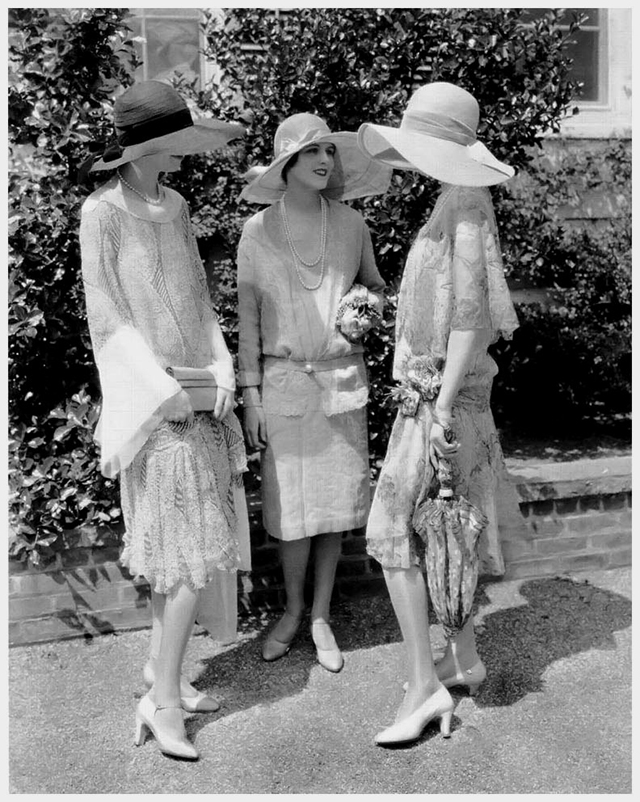
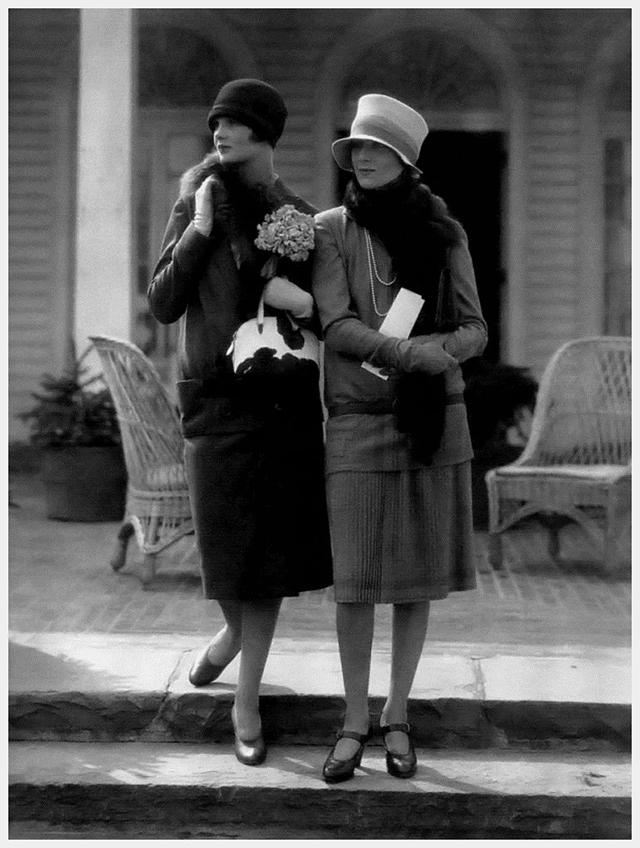
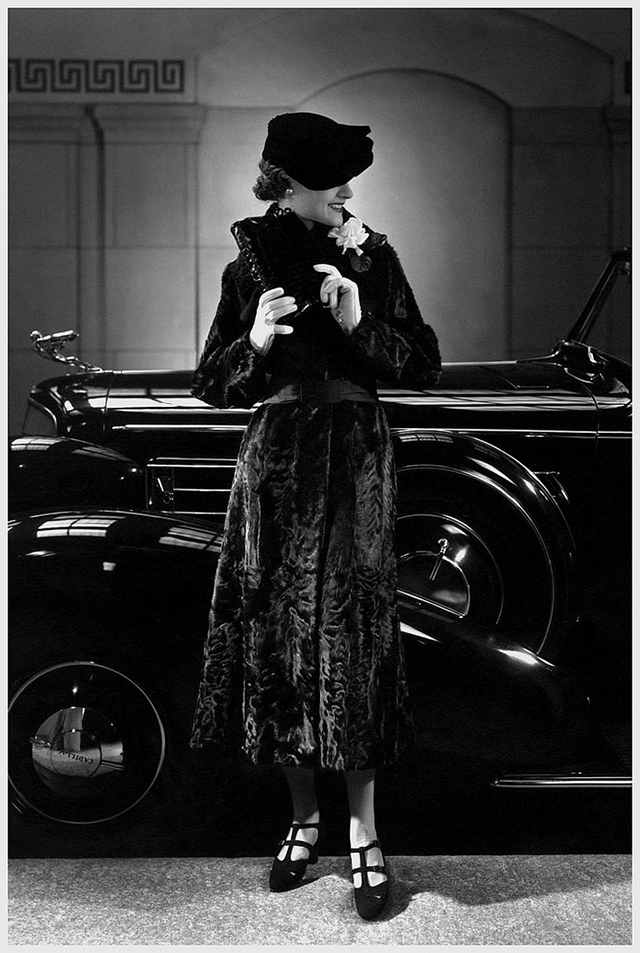
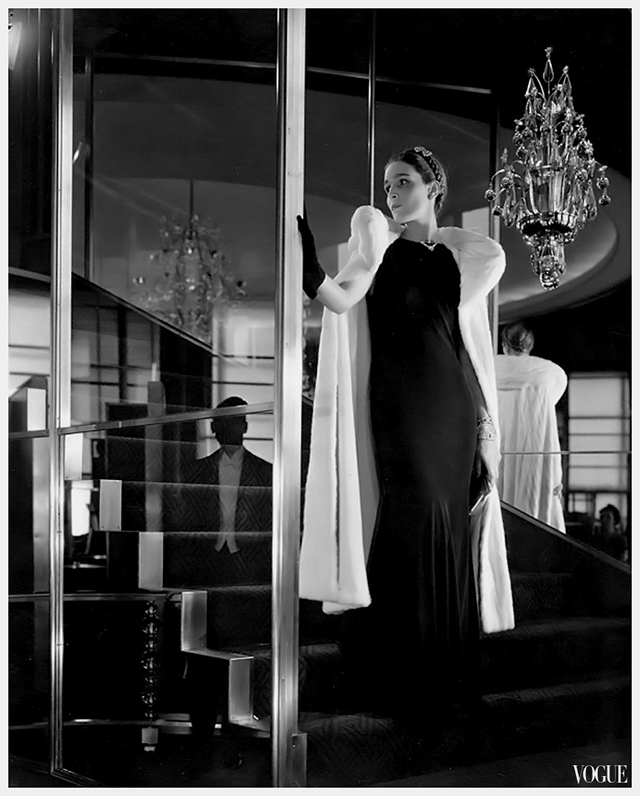


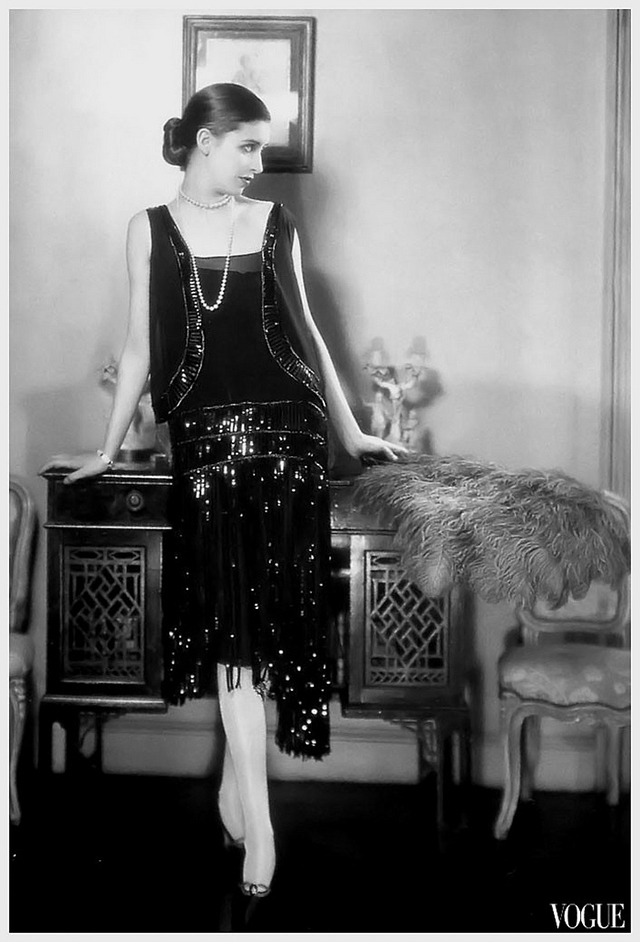
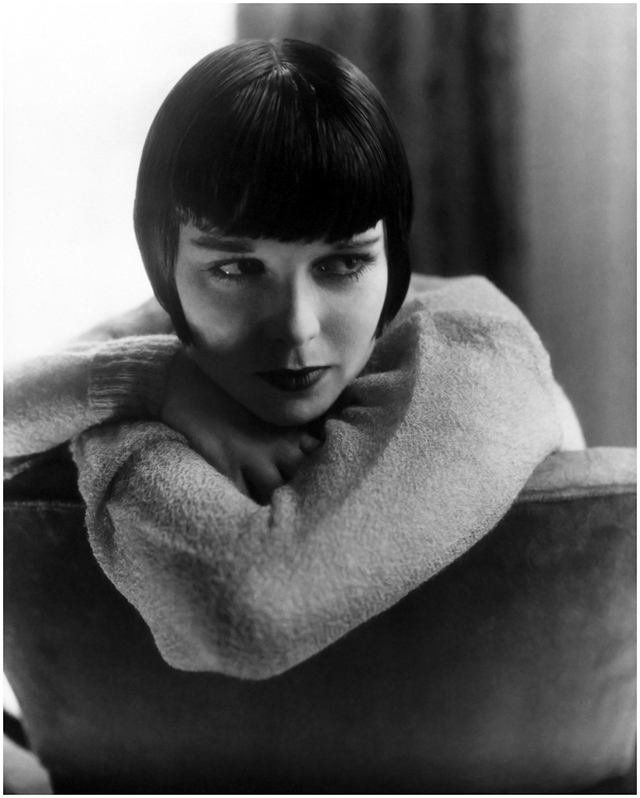
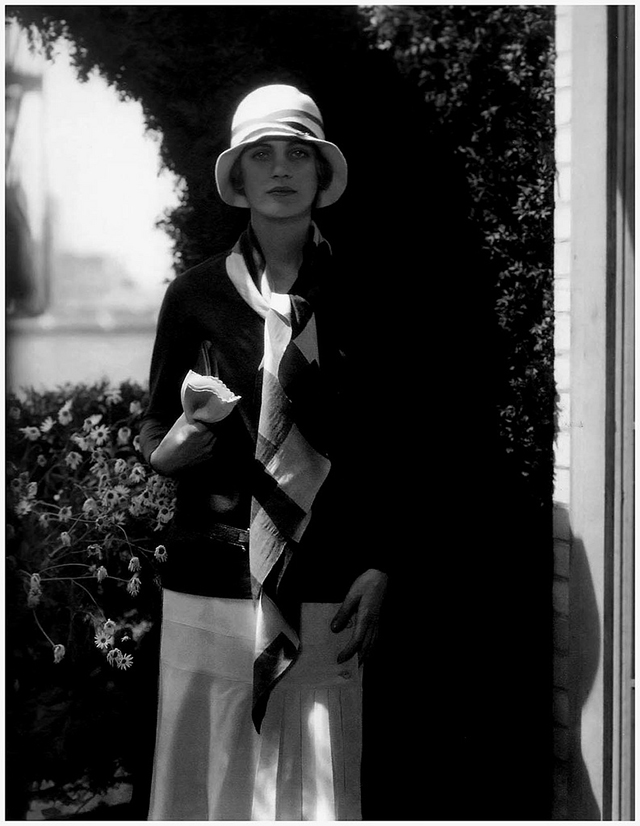
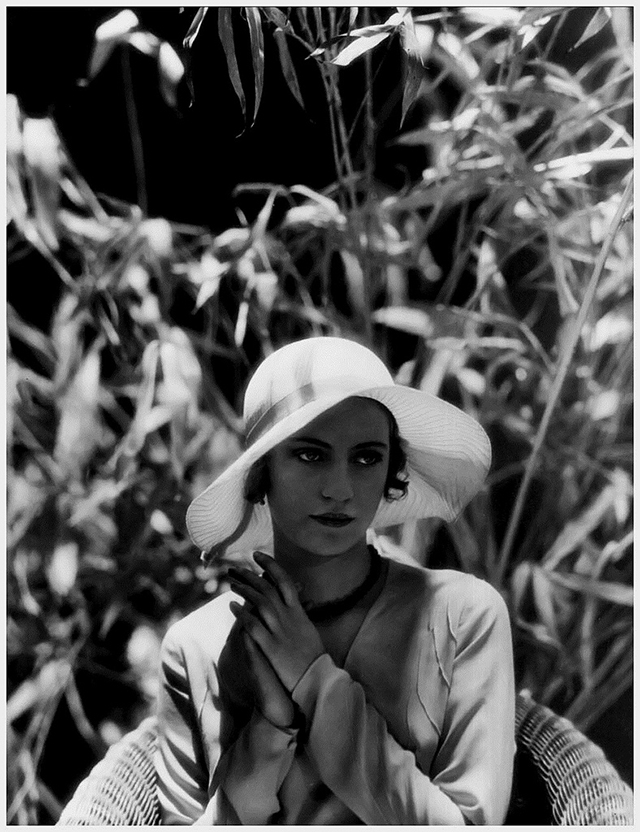
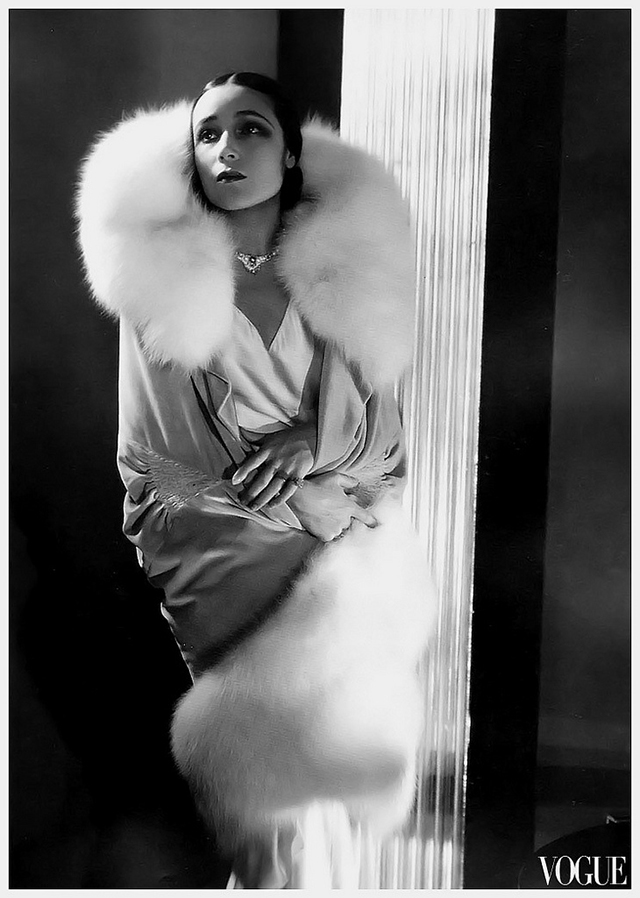
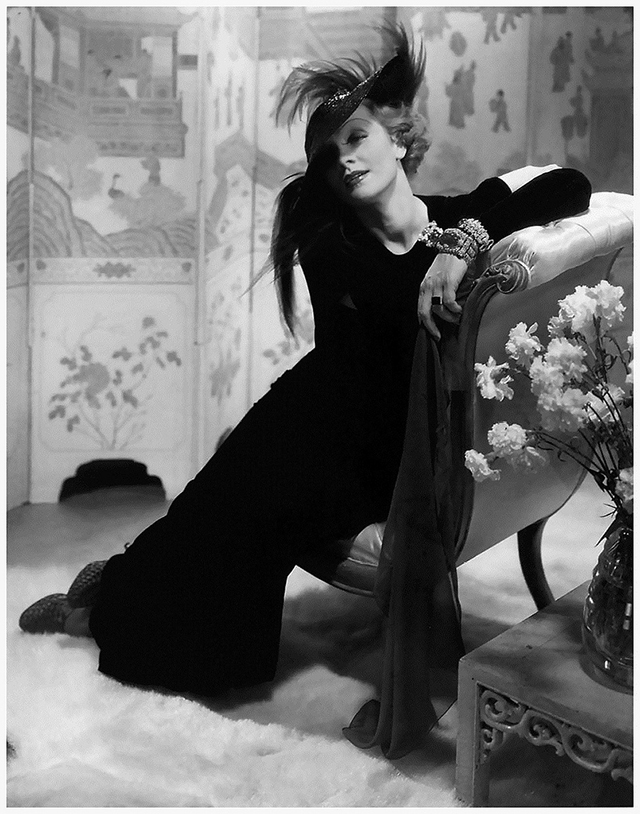
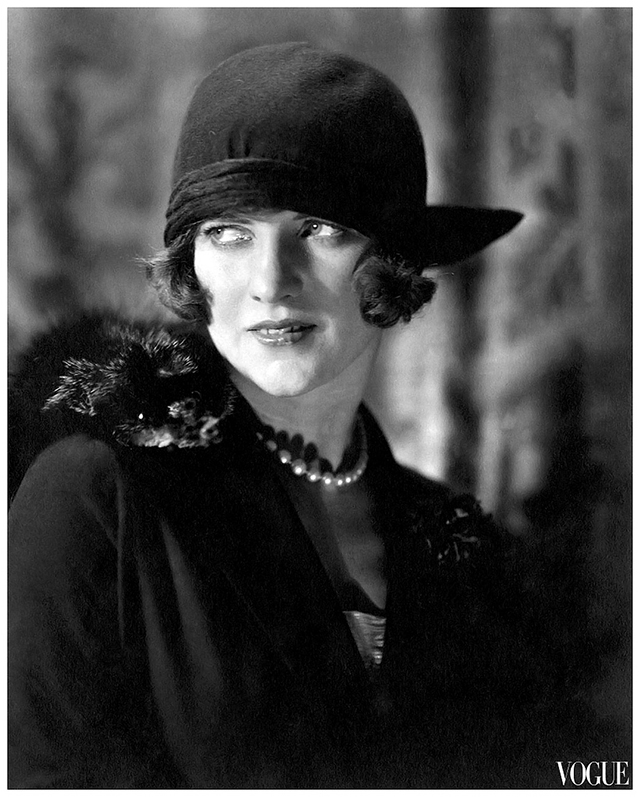

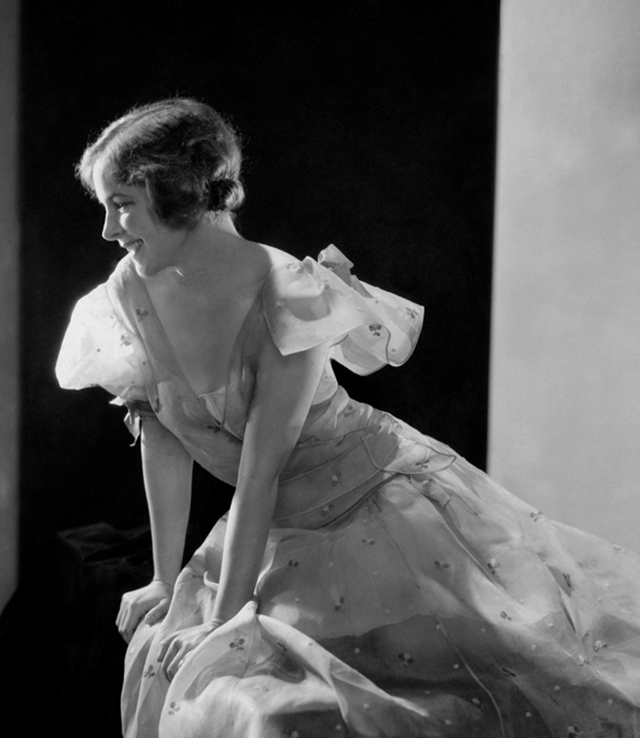


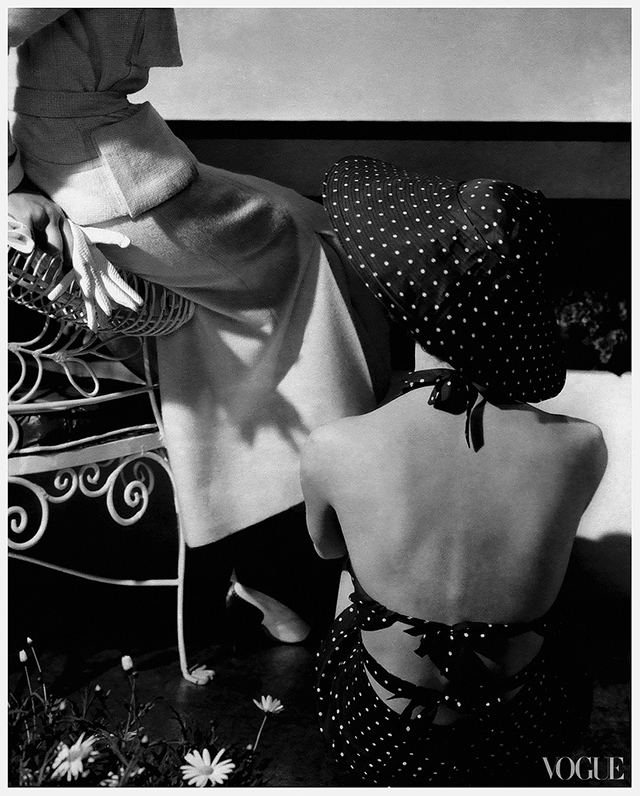
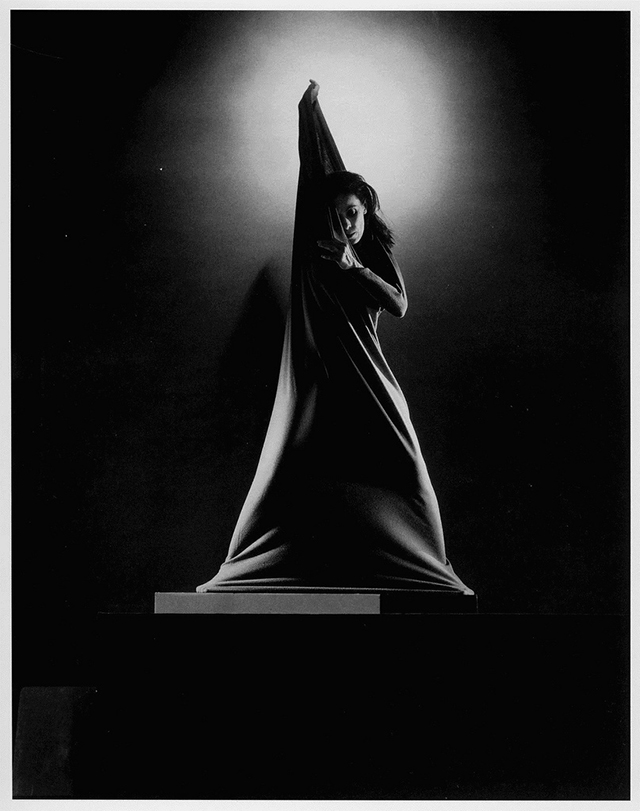
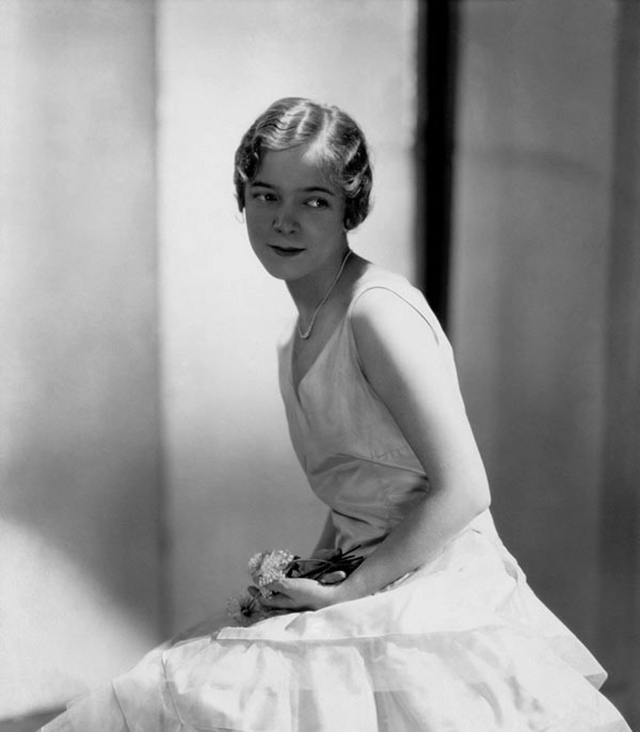
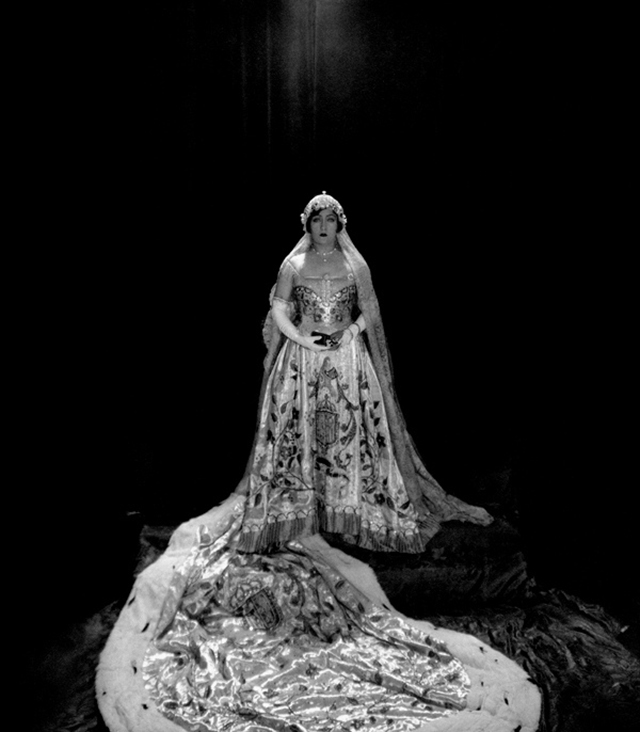


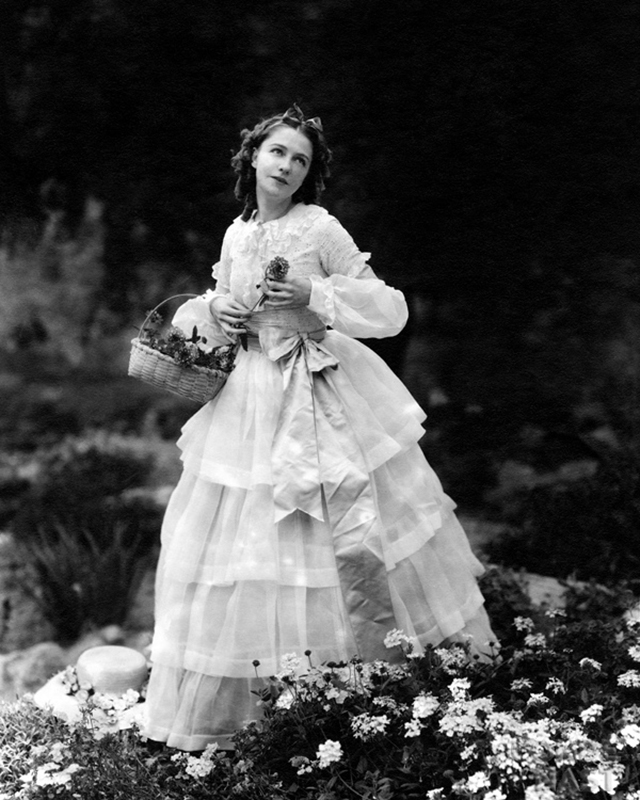

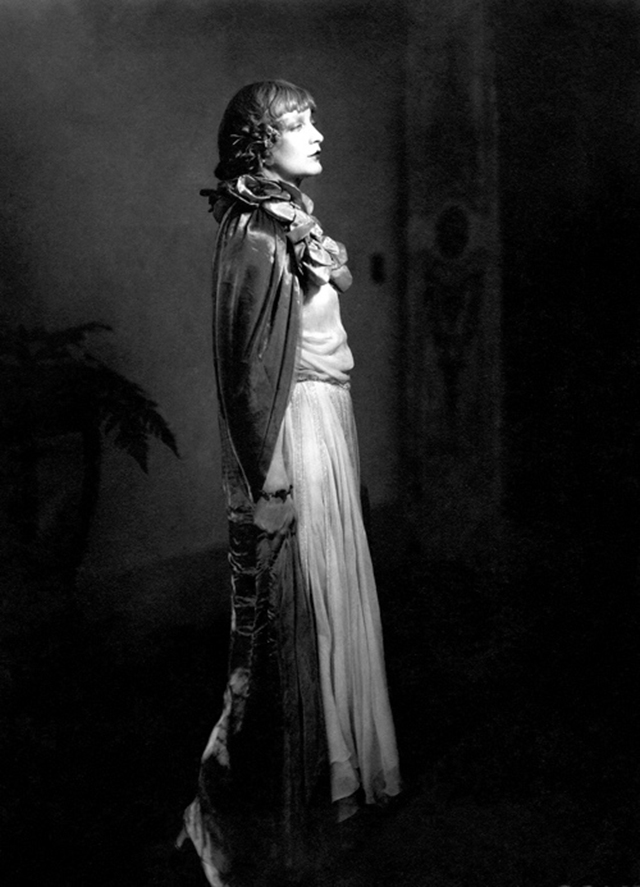

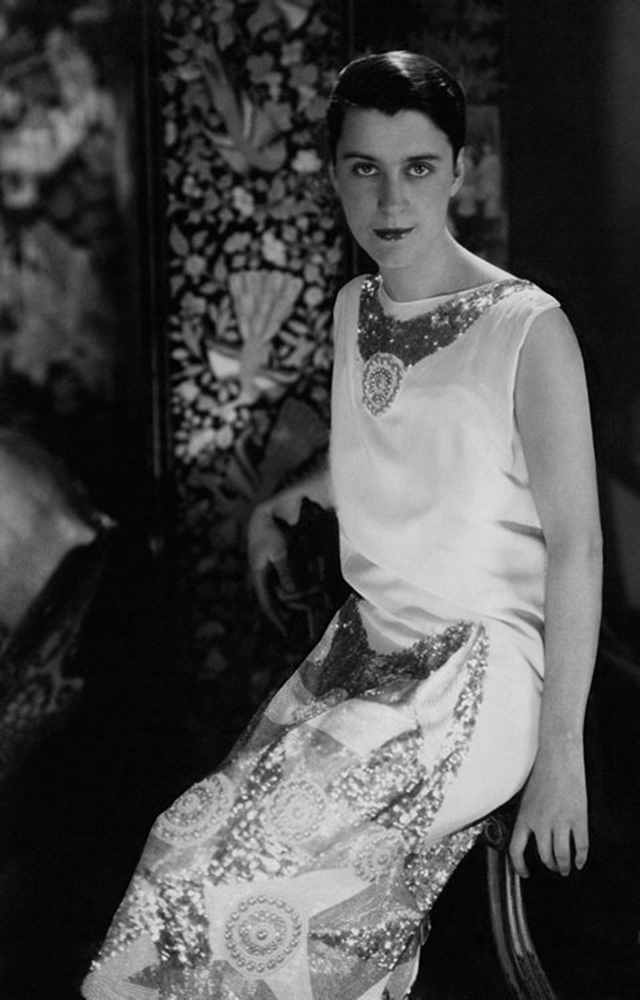
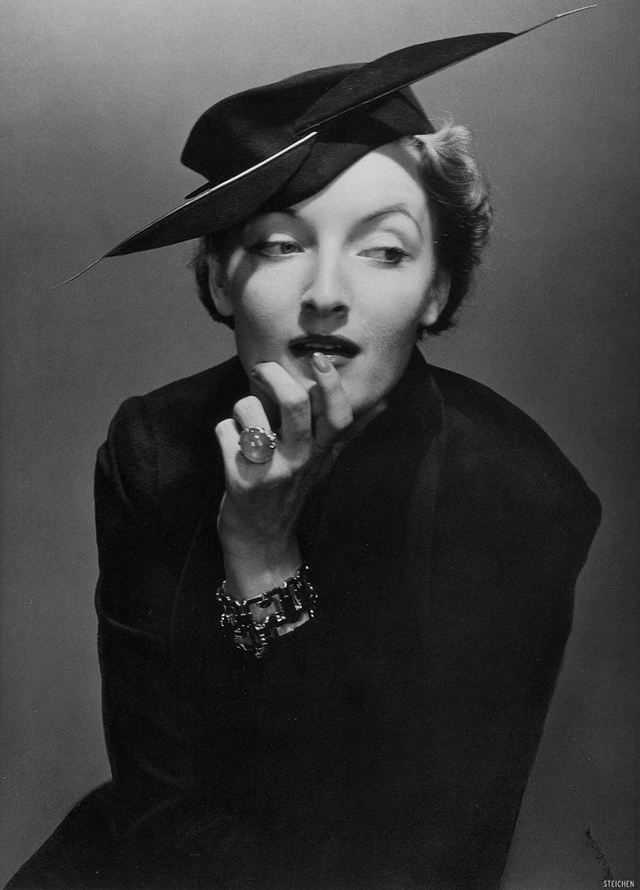
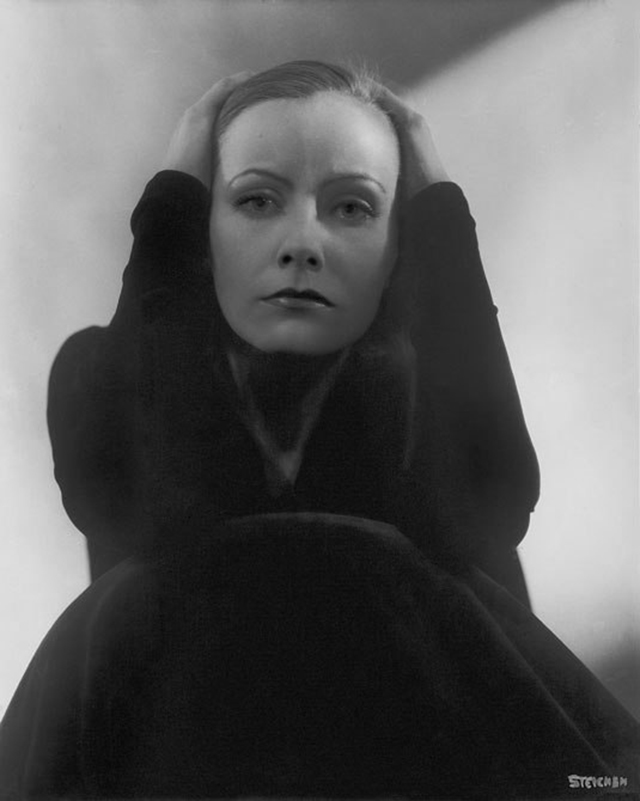
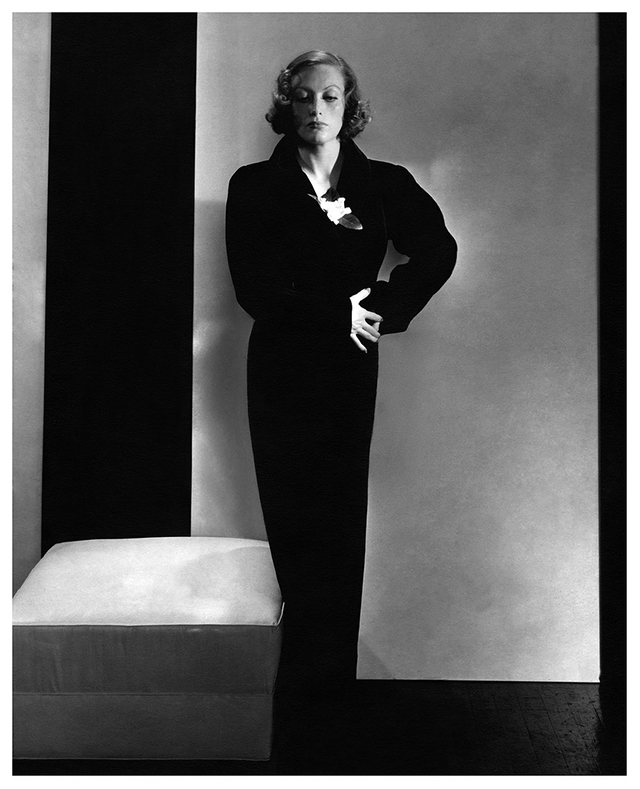
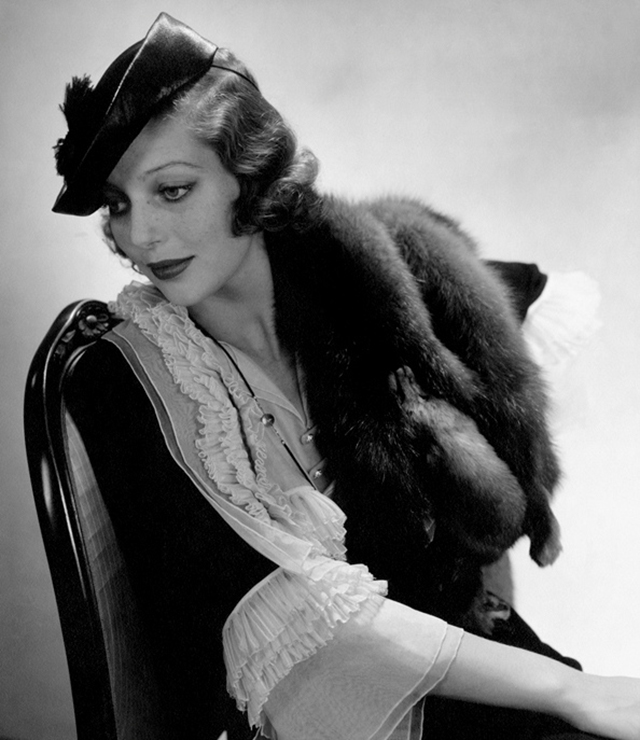
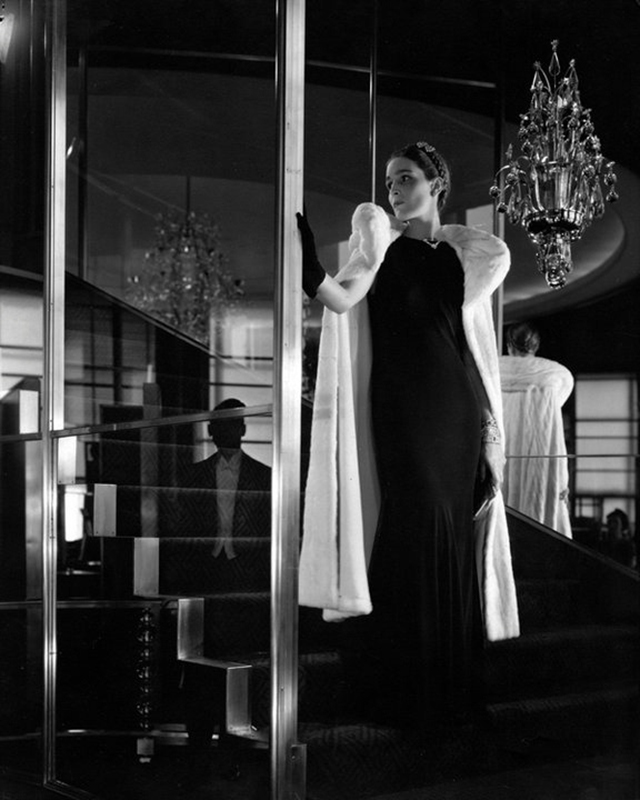
(Photos by Edward Steichen)

Read more of this content when you subscribe today.
In 1908 Lewis Hine picked up his camera and became the photographer for the National Child Labor Committee. It was a start of a long decade, as Lewis traveled across the country, documenting child labor, getting constant threats from factory owners as the immorality of child labor was supposed to be kept away from the public’s eye. However, Hine persisted, adopting many different disguises (such as a fire inspector or a bible salesman) to snap pictures and interview the children working at factories or in the streets.
Lewis Hine used his camera as a tool for social commentary and reform, focusing on the dangerous and appalling conditions that the children had to work in. Risking his own safety, Hine snapped thousands of photographs with one goal – to end child labor. And of course, spreading the photographs, in the form of pamphlets, newspapers, and magazines paid off as the federal government eventually had to put out stricter labor laws.

Become a paid subscriber to get access to the rest of this post and other exclusive content.
