





Bringing You the Wonder of Yesterday – Today





























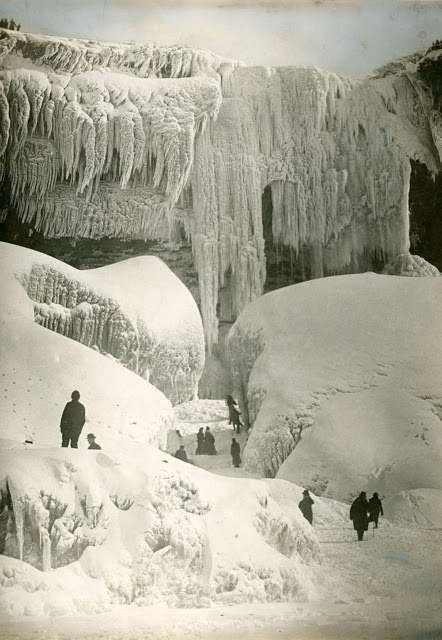
Niagara Falls is a group of three waterfalls at the southern end of Niagara Gorge, spanning the border between the province of Ontario in Canada and the state of New York in the United States. The largest of the three is Horseshoe Falls, also known as Canadian Falls, which straddles the international border of the two countries. The smaller American Falls and Bridal Veil Falls lie within the United States. Bridal Veil Falls is separated from Horseshoe Falls by Goat Island and from American Falls by Luna Island, with both islands situated in New York.
Formed by the Niagara River, which drains Lake Erie into Lake Ontario, the combined falls have the highest flow rate of any waterfall in North America that has a vertical drop of more than 50 m (160 ft). During peak daytime tourist hours, more than 168,000 m3 (six million cubic feet) of water goes over the crest of the falls every minute. Horseshoe Falls is the most powerful waterfall in North America, as measured by flow rate.[3] Niagara Falls is famed for its beauty and is a valuable source of hydroelectric power. Balancing recreational, commercial, and industrial uses has been a challenge for the stewards of the falls since the 19th century.
Niagara Falls is located 27 km (17 mi) north-northwest of Buffalo, New York, and 121 km (75 mi) south-southeast of Toronto, between the twin cities of Niagara Falls, Ontario, and Niagara Falls, New York. Niagara Falls was formed when glaciers receded at the end of the Wisconsin glaciation (the last ice age), and water from the newly formed Great Lakes carved a path over and through the Niagara Escarpment en route to the Atlantic Ocean. (Wikipedia)
These stunning photos show Niagara Falls frozen over during winter in the past.




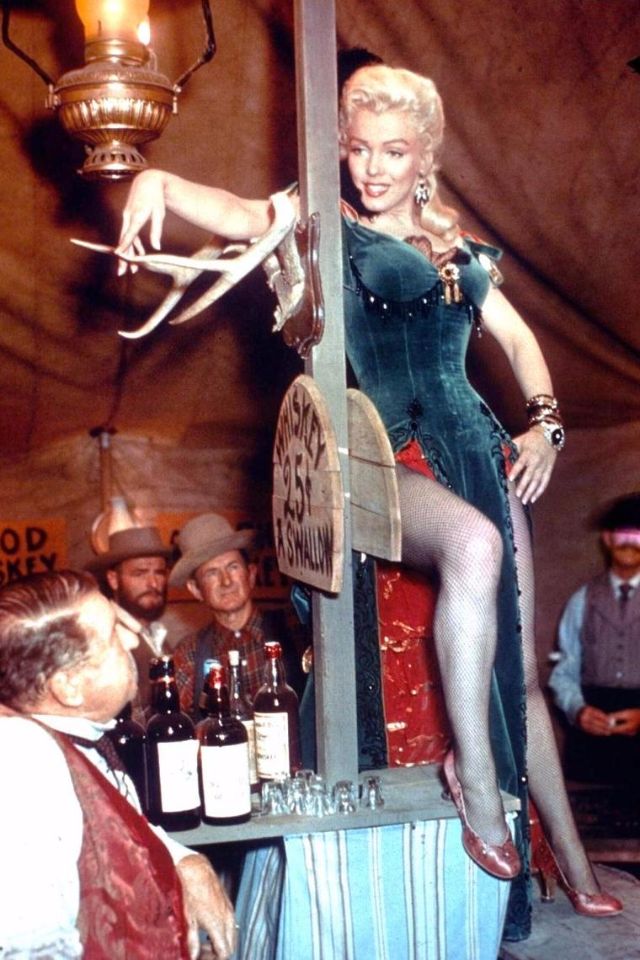
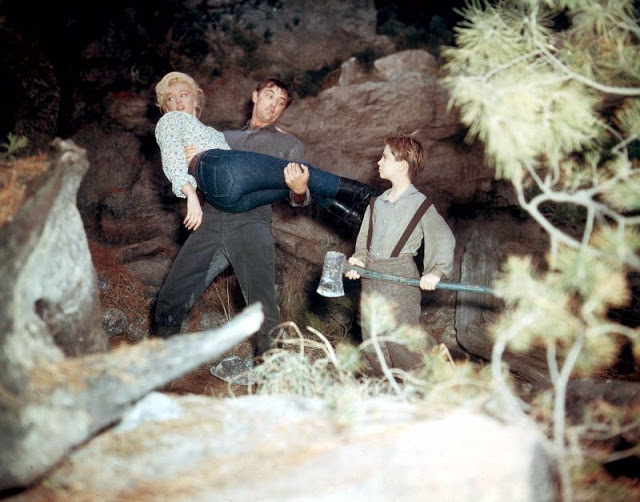
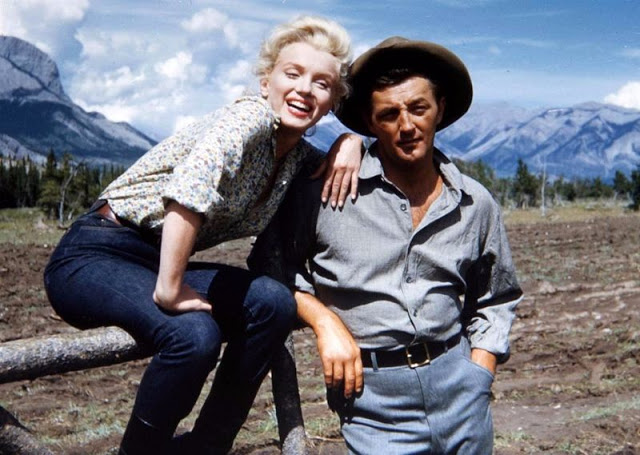
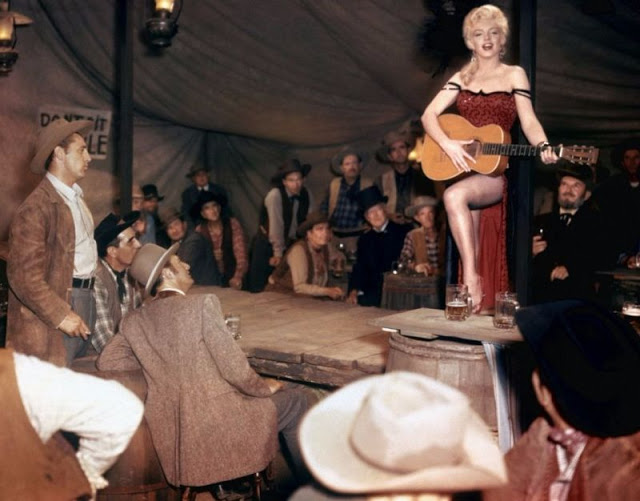
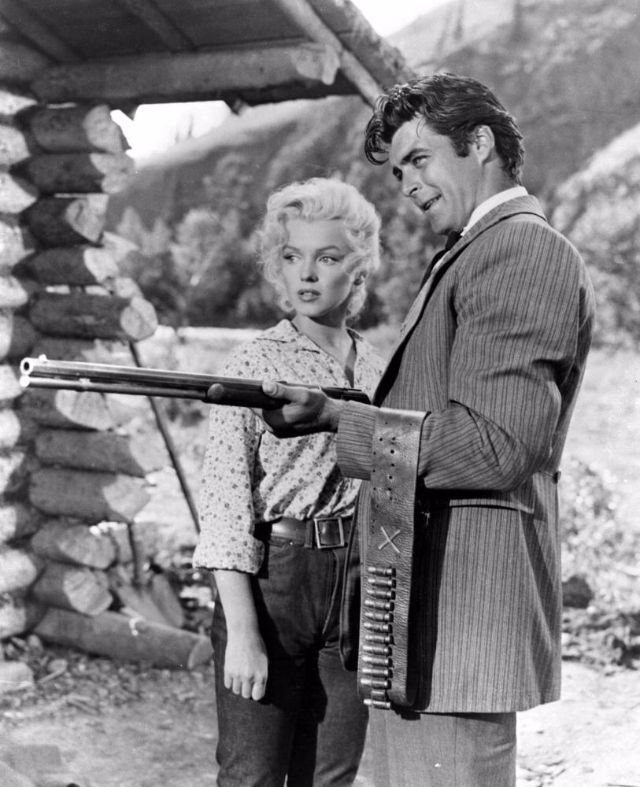
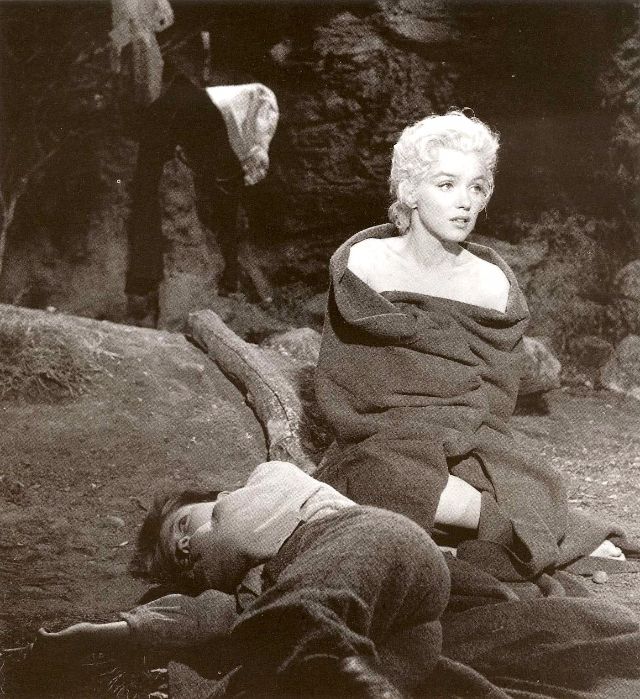
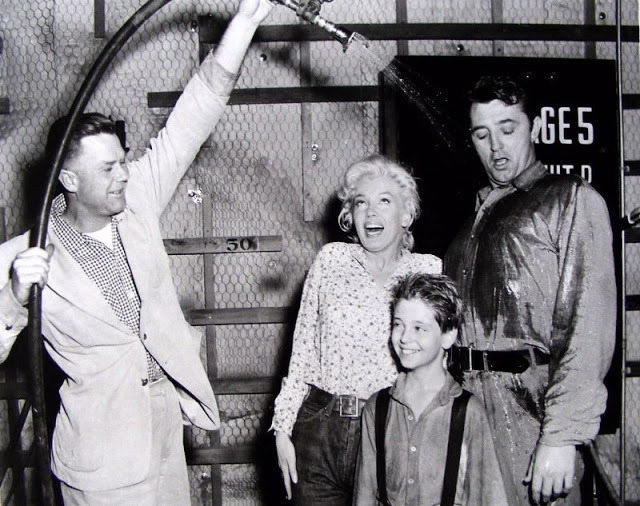
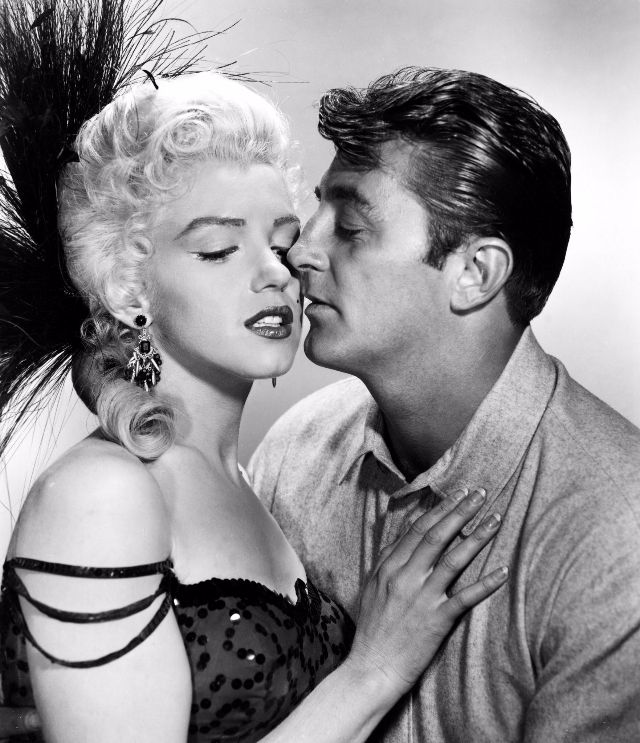
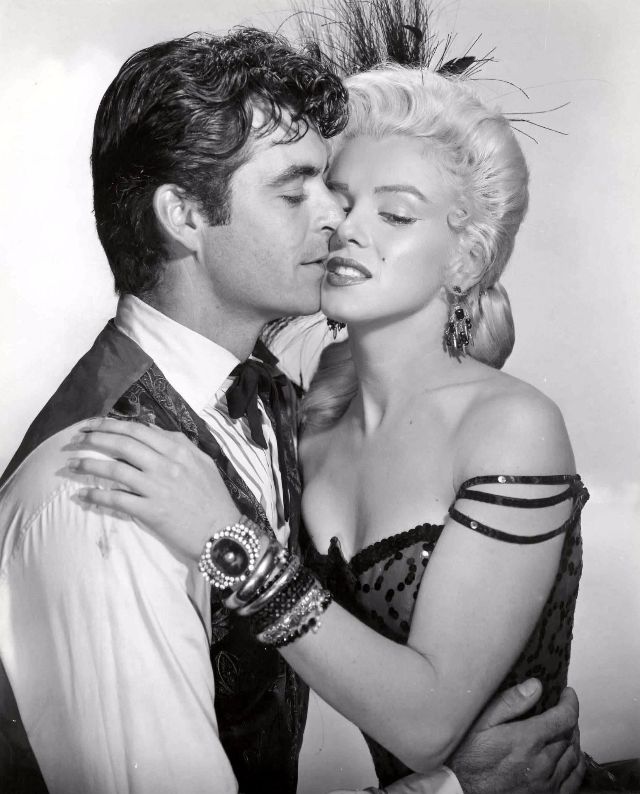
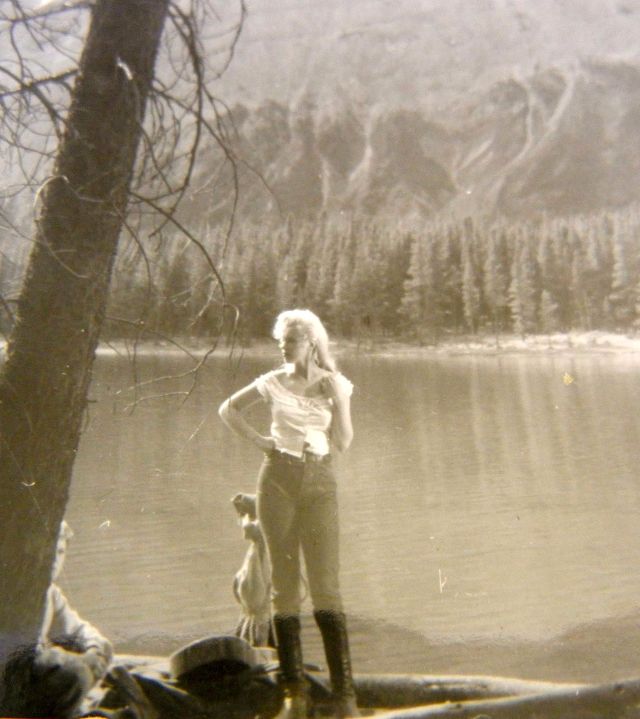
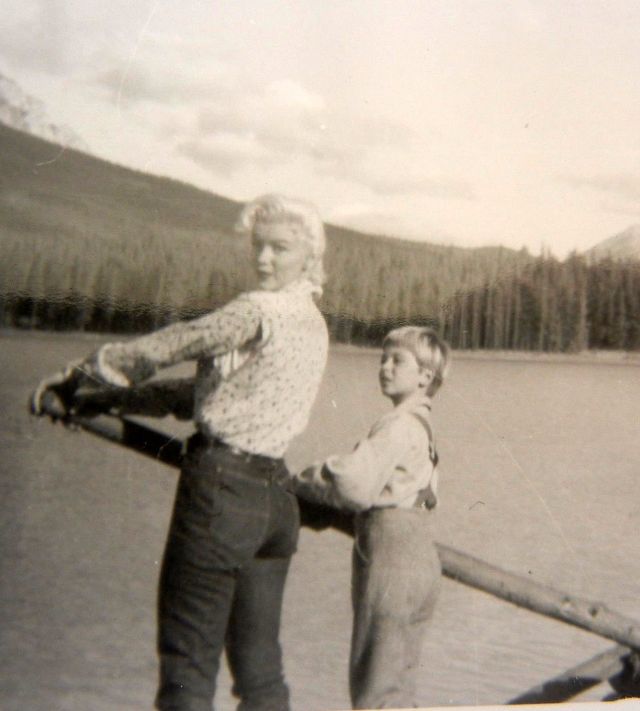
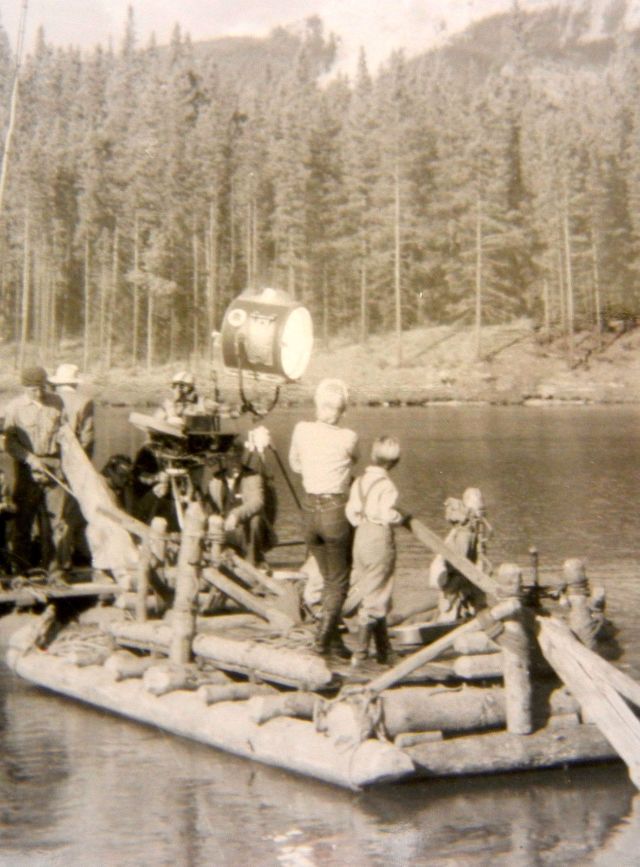
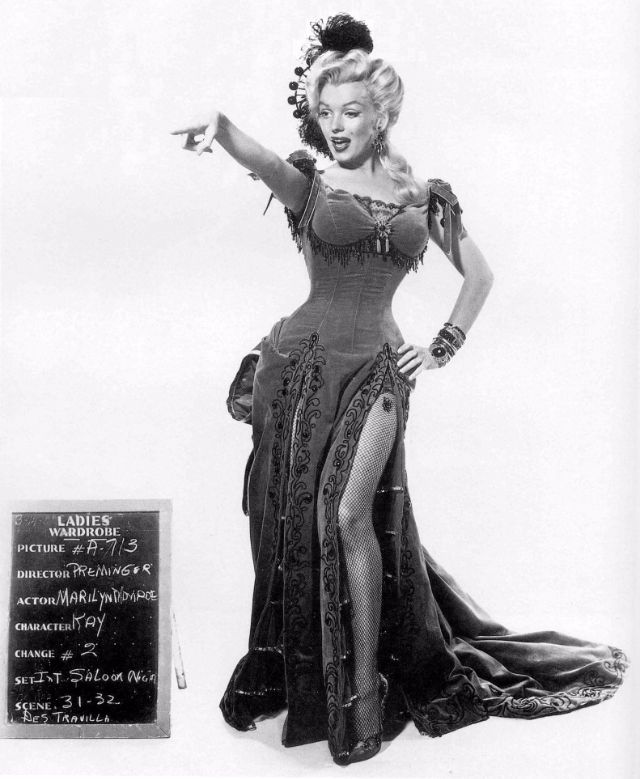
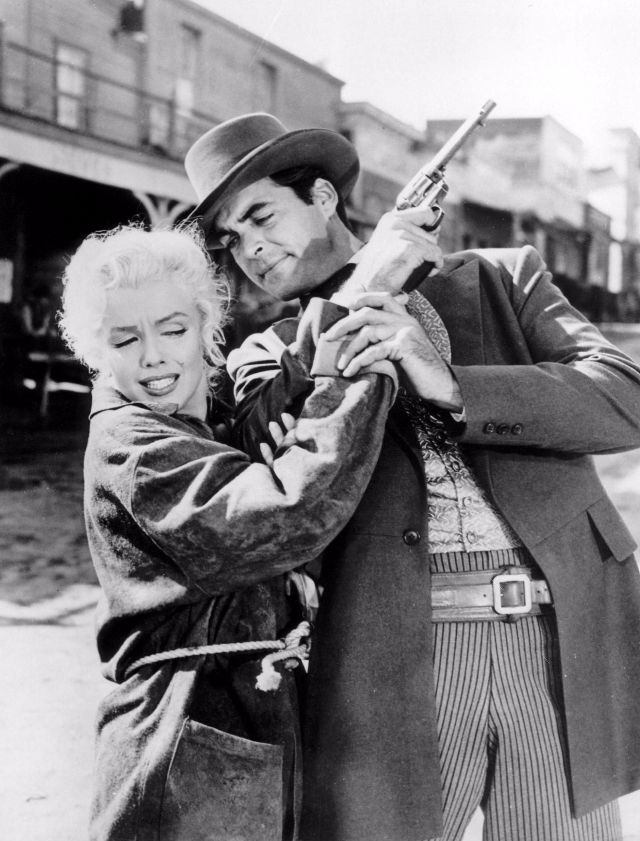
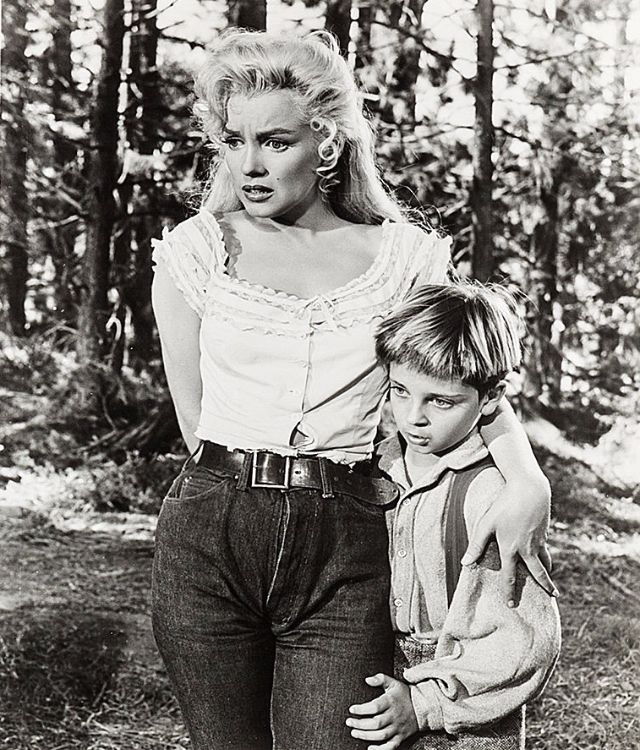
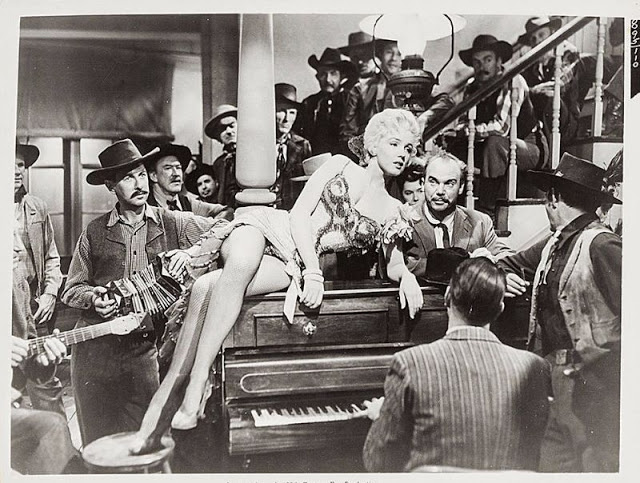
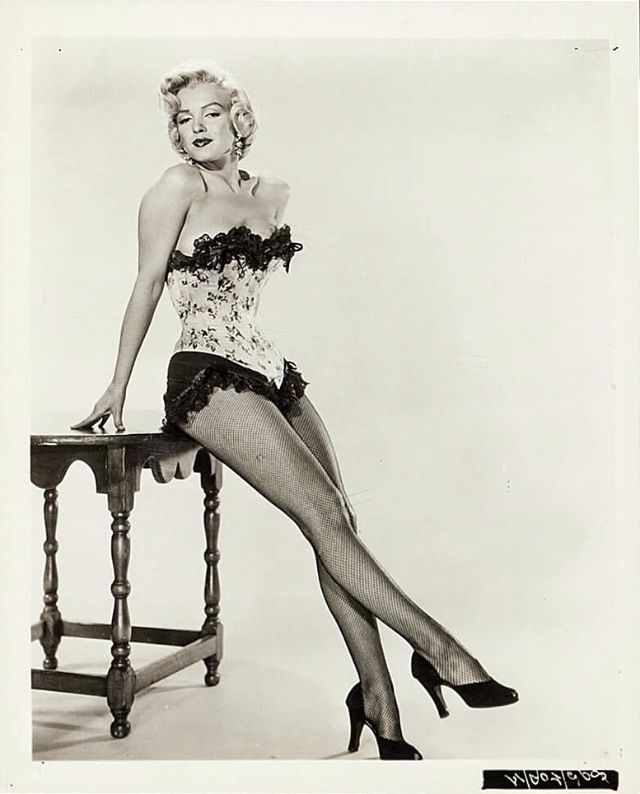
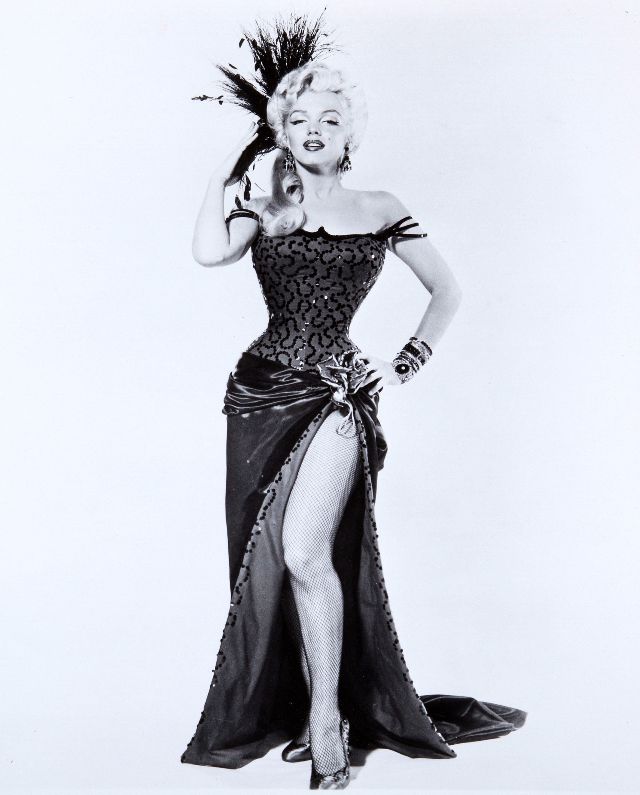
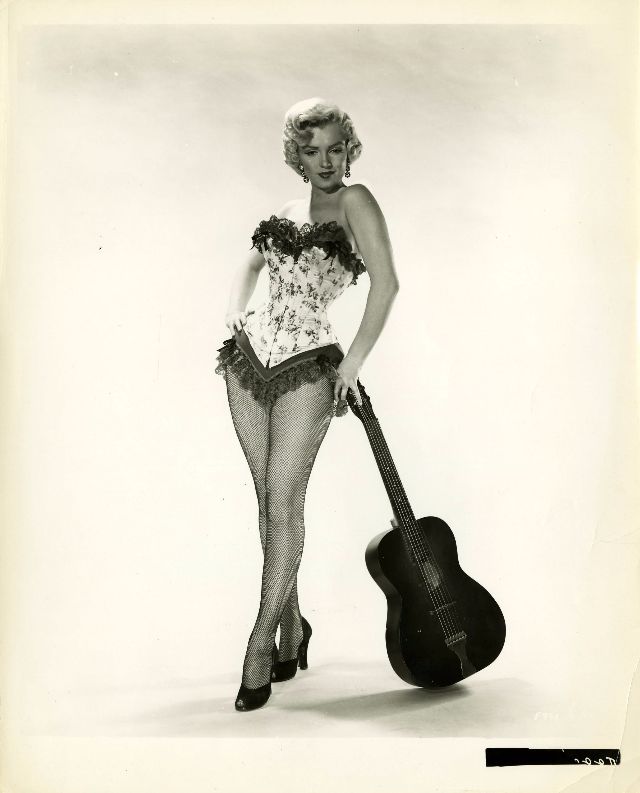
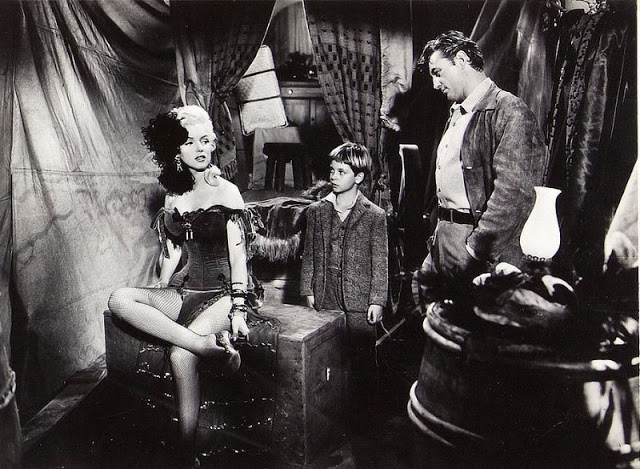
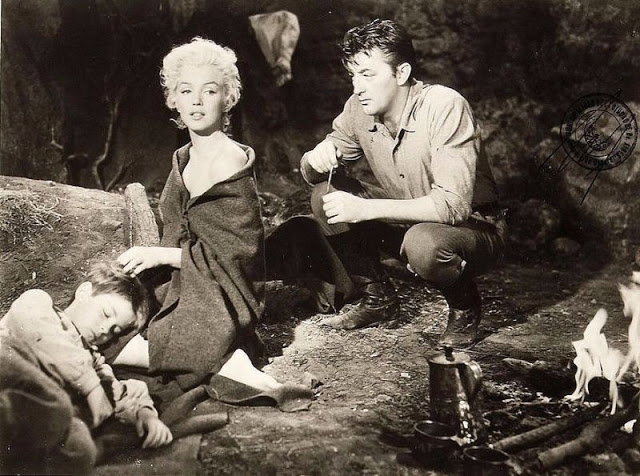
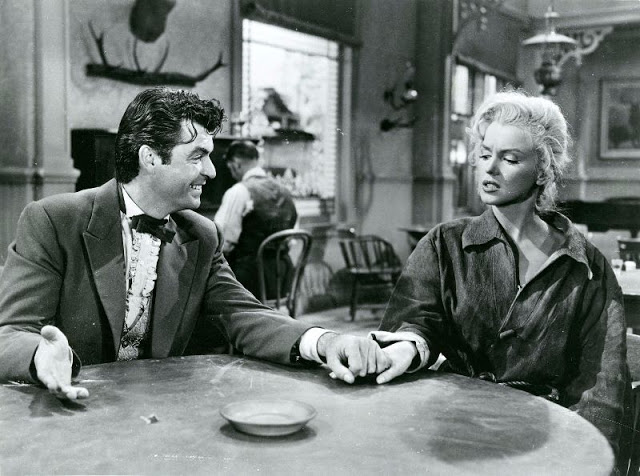
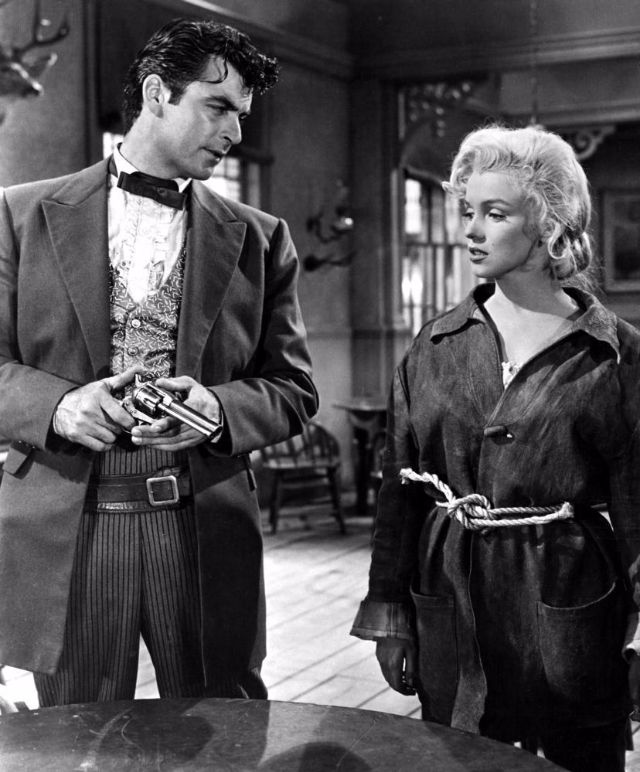
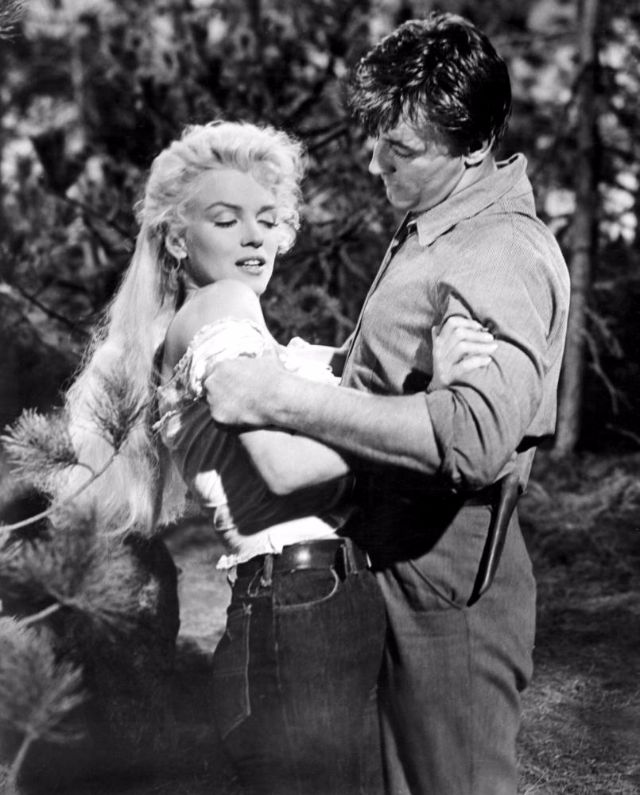
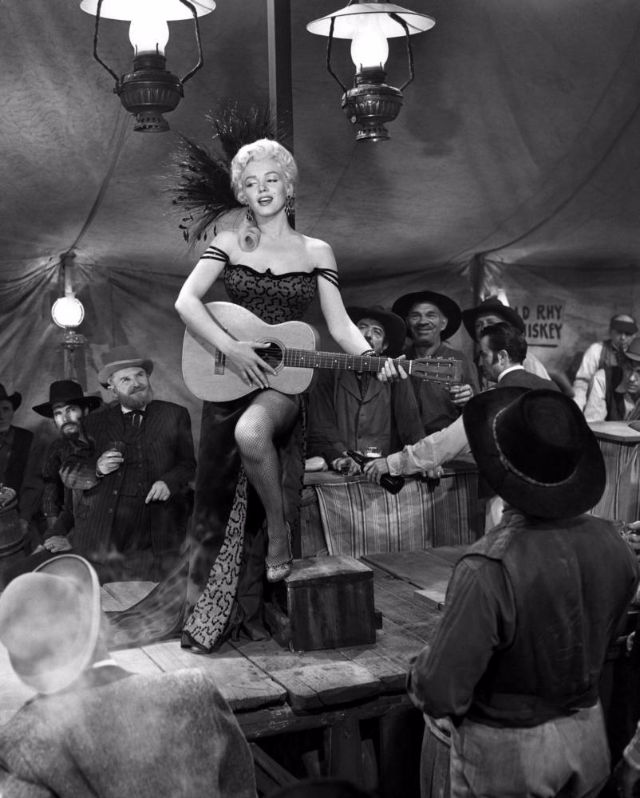
‘River of No Return’ is a 1954 American Western film directed by Otto Preminger and starring Robert Mitchum and Marilyn Monroe. The screenplay by Frank Fenton is based on a story by Louis Lantz, who borrowed his premise from the 1948 Italian film The Bicycle Thief. It was made in Technicolor and CinemaScope and released by 20th Century Fox.
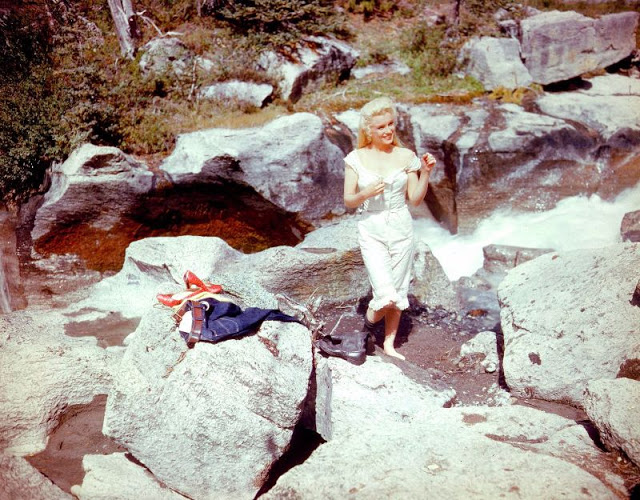
Here is a photo collection of Marilyn Monroe filming ‘River of No Return’ in 1954.















Boston, officially the City of Boston, is the capital and most populous city of the Commonwealth of Massachusetts in the United States and 24th-most populous city in the country. The city proper covers 48.4 square miles (125 km2) with a population of 675,647 in 2020, also making it the most populous city in New England. It is the seat of Suffolk County (although the county government was disbanded on July 1, 1999). The city is the economic and cultural anchor of a substantially larger metropolitan area known as Greater Boston, a metropolitan statistical area (MSA) home to a census-estimated 4.8 million people in 2016 and ranking as the tenth-largest MSA in the country. A broader combined statistical area (CSA), generally corresponding to the commuting area and including Providence, Rhode Island, is home to some 8.2 million people, making it the sixth most populous in the United States.
Boston is one of the oldest municipalities in the United States, founded on the Shawmut Peninsula in 1630 by Puritan settlers from the English town of the same name. It was the scene of several key events of the American Revolution, such as the Boston Massacre, the Boston Tea Party, the Battle of Bunker Hill and the siege of Boston. Upon American independence from Great Britain, the city continued to be an important port and manufacturing hub as well as a center for education and culture. The city has expanded beyond the original peninsula through land reclamation and municipal annexation. Its rich history attracts many tourists, with Faneuil Hall alone drawing more than 20 million visitors per year. Boston’s many firsts include the United States’ first public park (Boston Common, 1634), first public or state school (Boston Latin School, 1635) and first subway system (Tremont Street subway, 1897).
Today, Boston is a thriving center of scientific research. The Boston area’s many colleges and universities make it a world leader in higher education, including law, medicine, engineering and business, and the city is considered to be a global pioneer in innovation and entrepreneurship, with nearly 5,000 startups. Boston’s economic base also includes finance, professional and business services, biotechnology, information technology and government activities. Households in the city claim the highest average rate of philanthropy in the United States; businesses and institutions rank among the top in the country for environmental sustainability and investment. The city has one of the highest costs of living in the United States as it has undergone gentrification, though it remains high on world livability rankings. (Wikipedia)
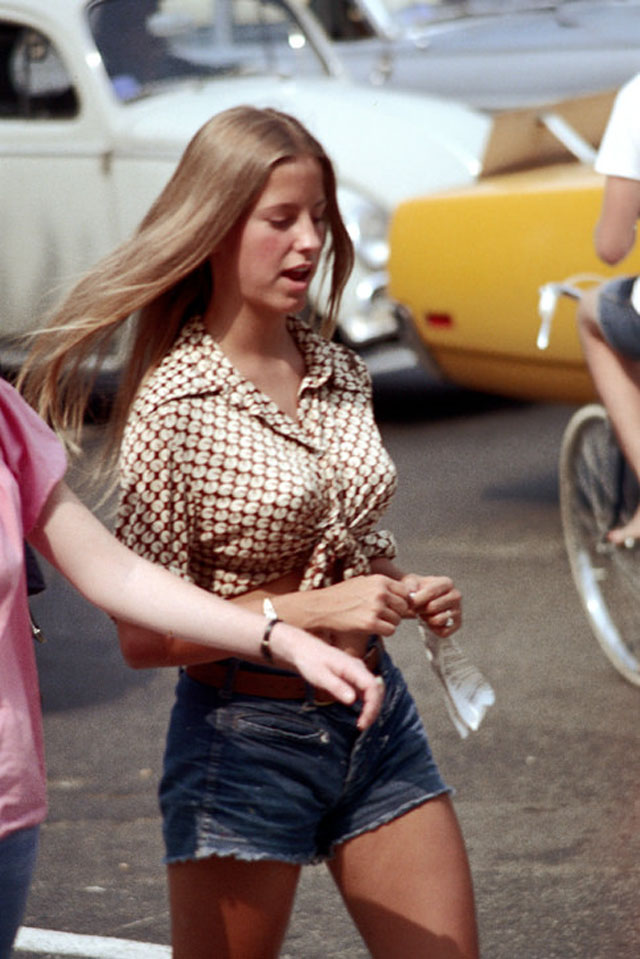
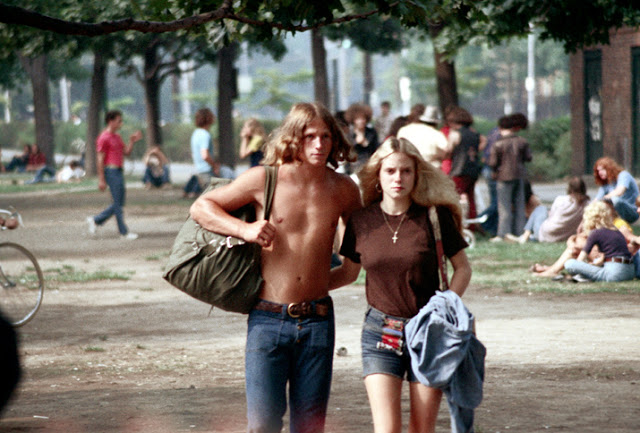
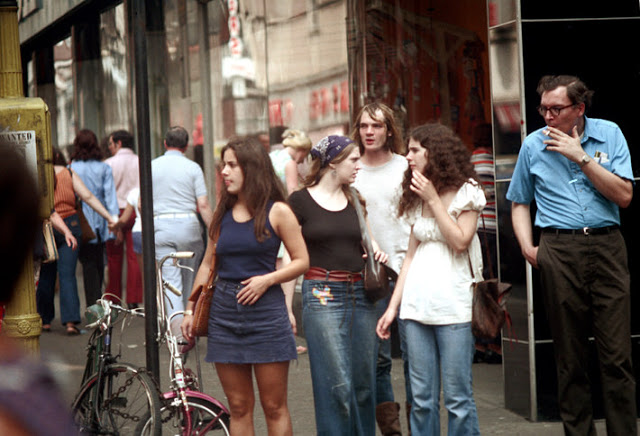
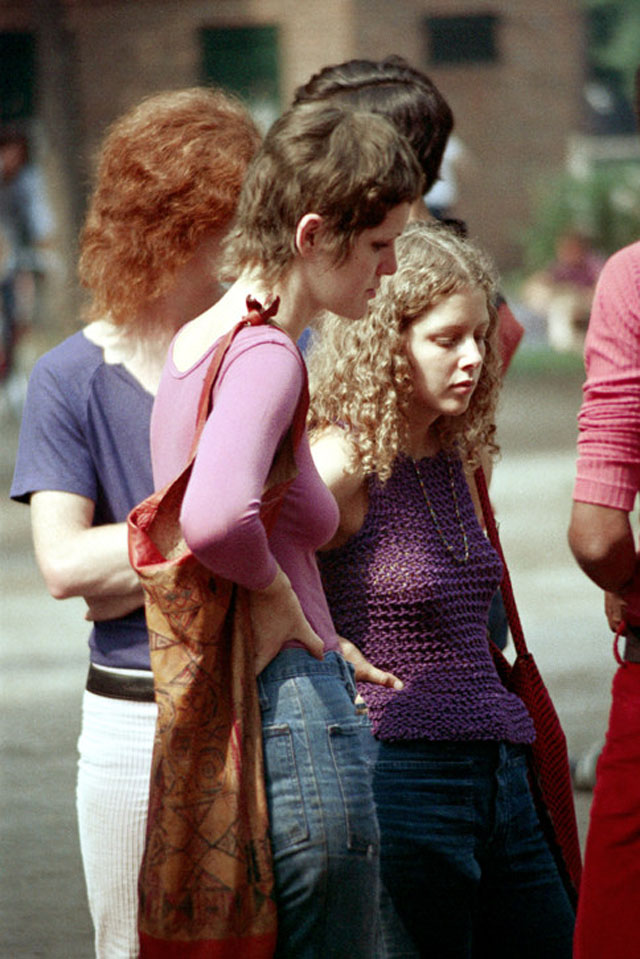
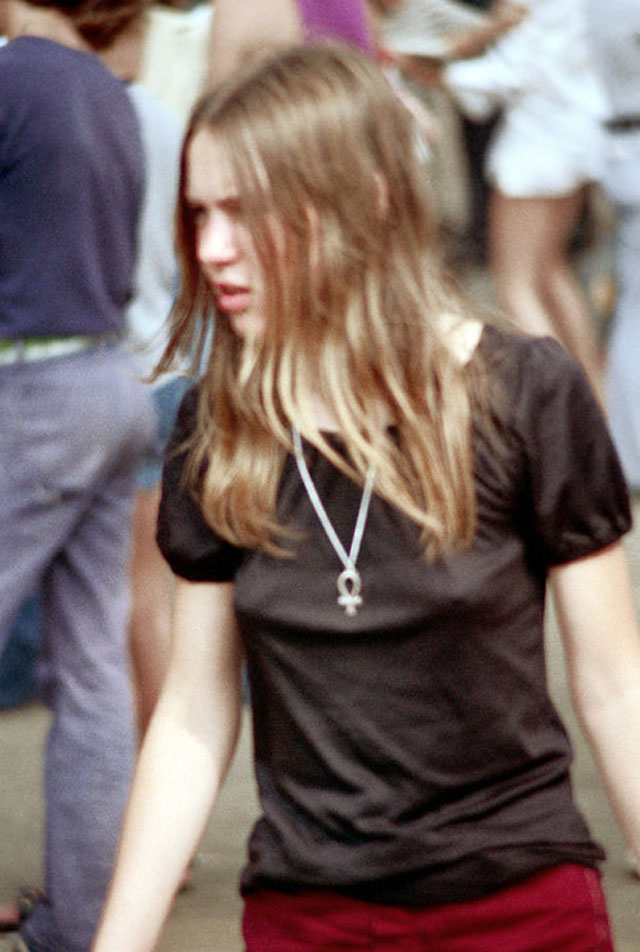
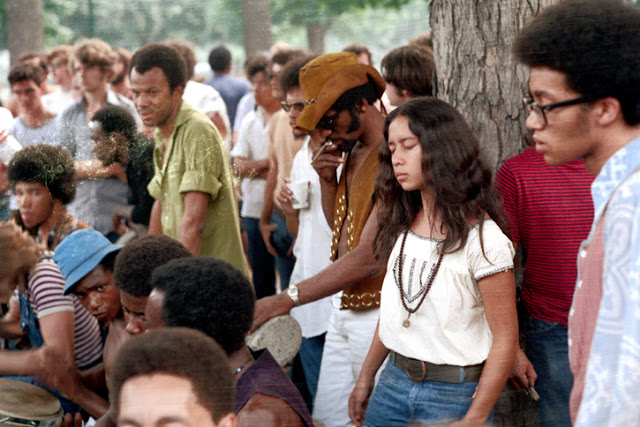
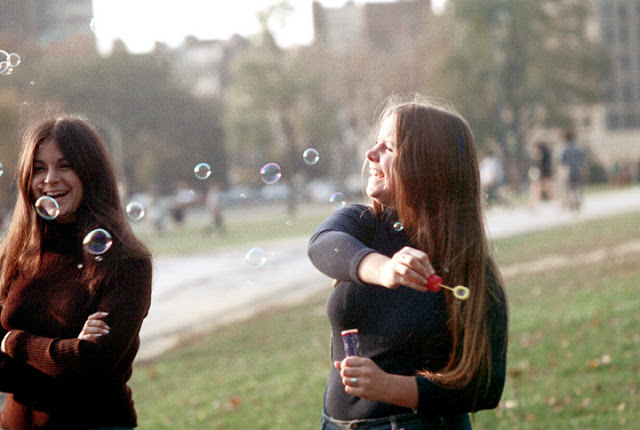
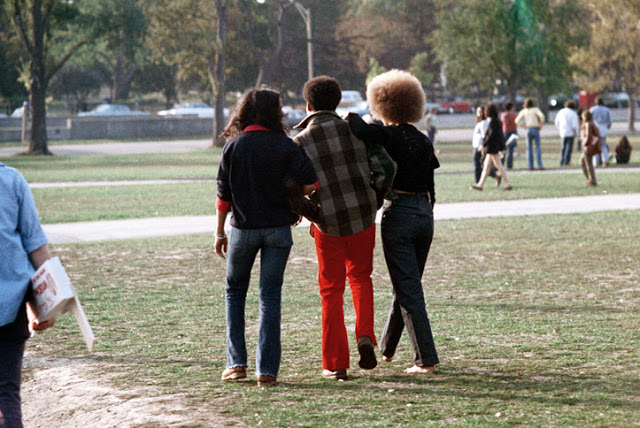
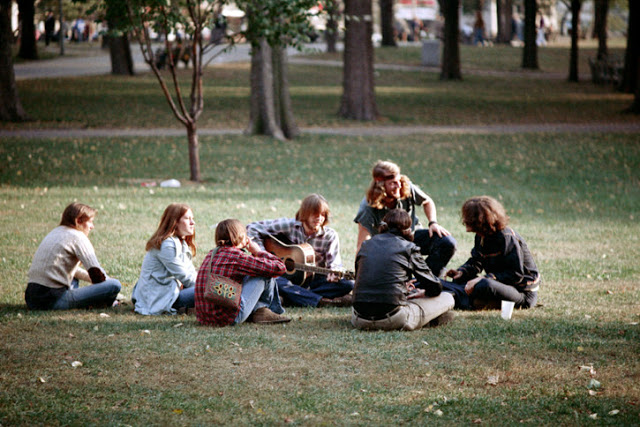
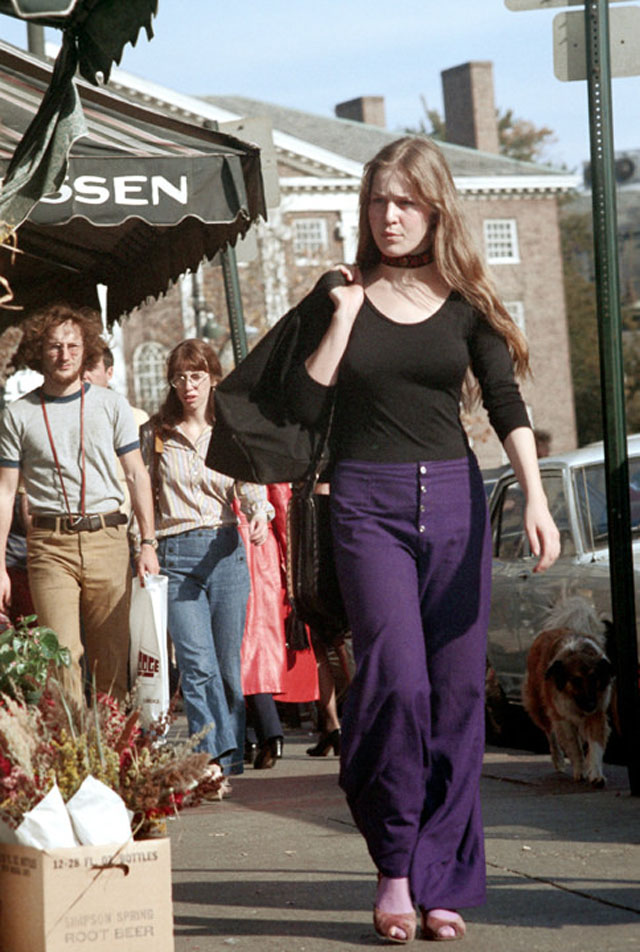
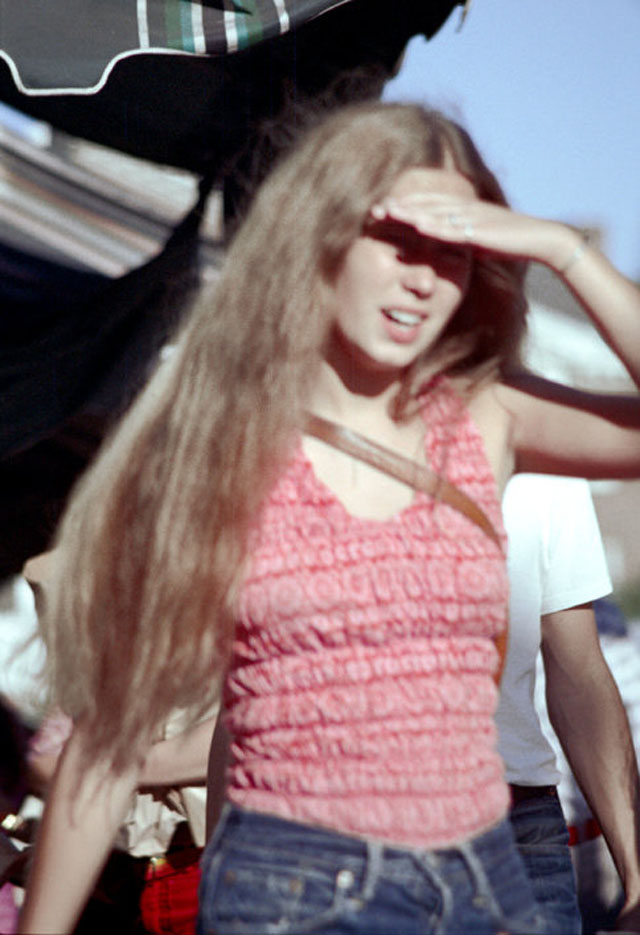
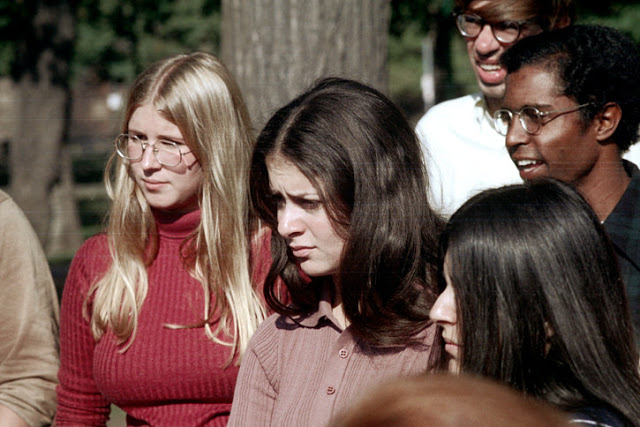
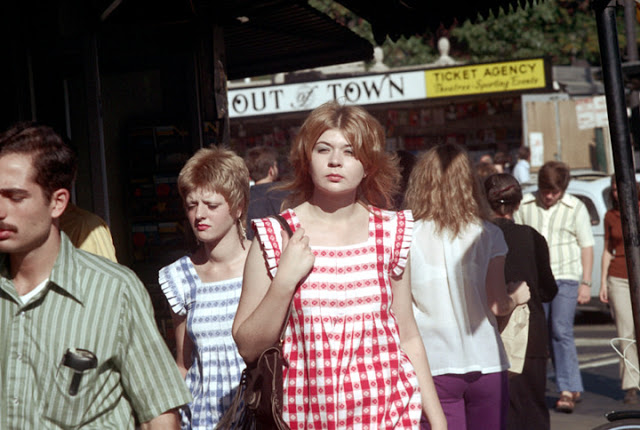
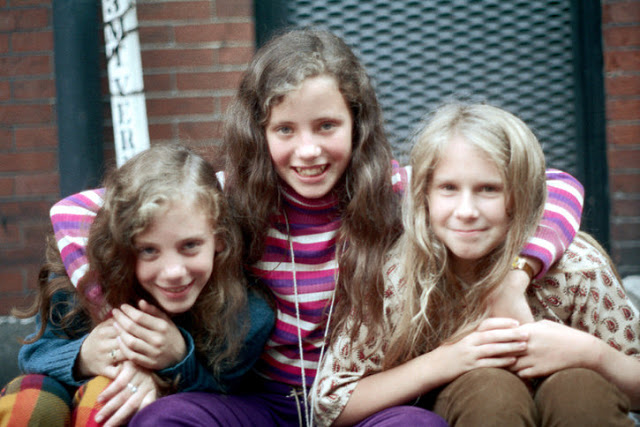

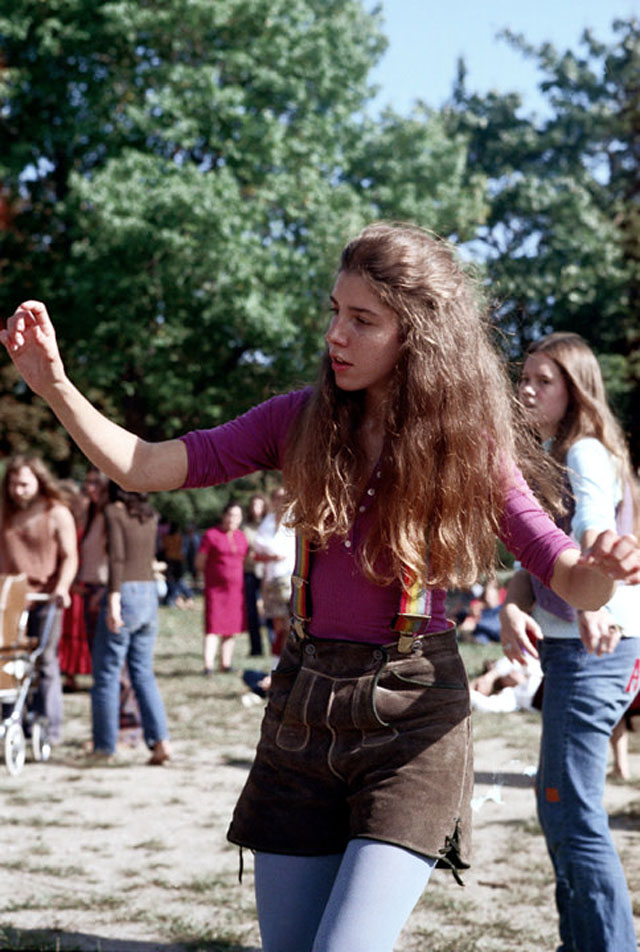
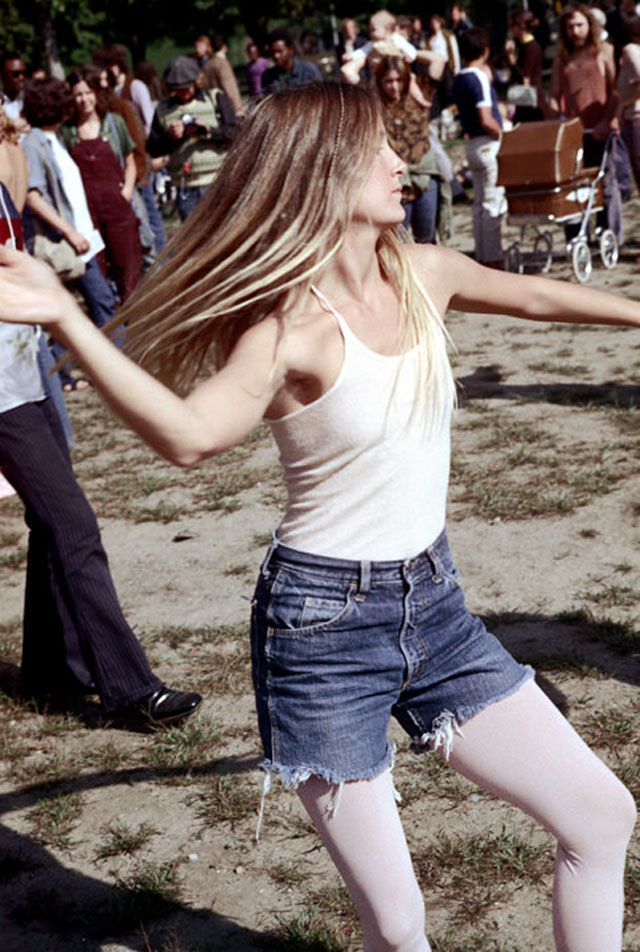
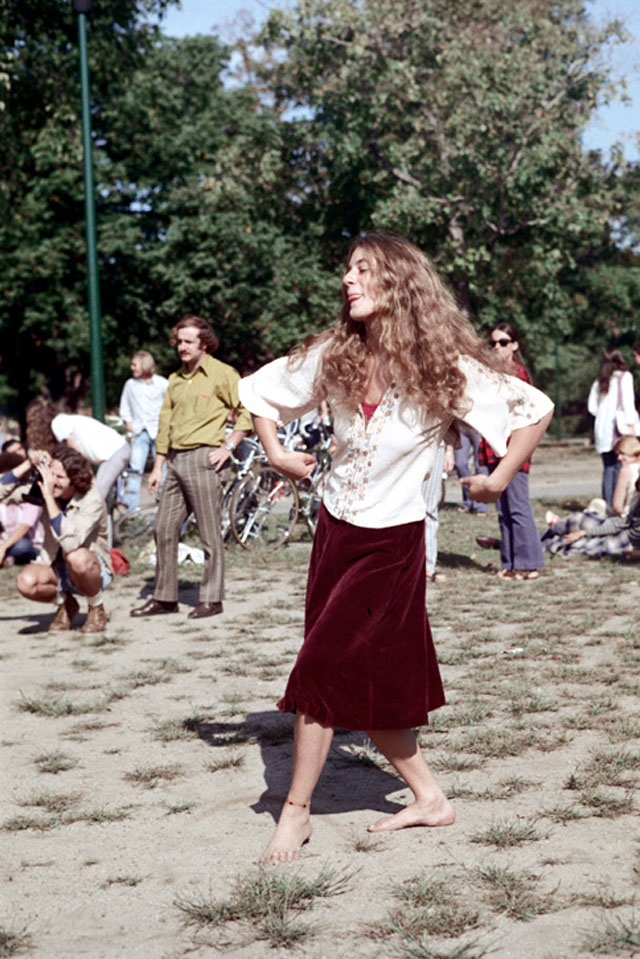
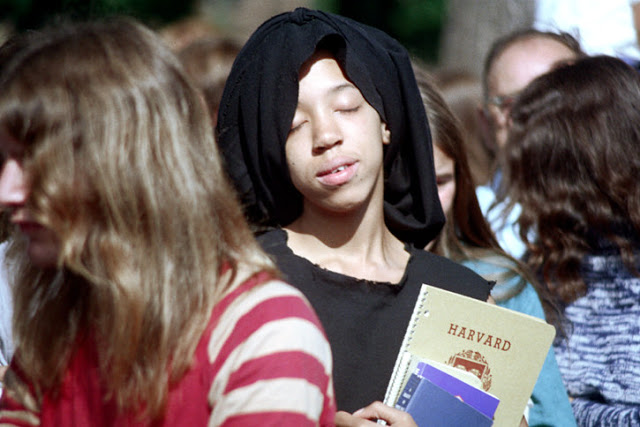
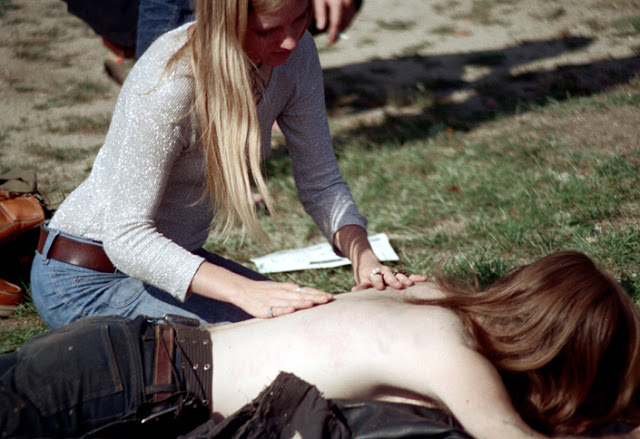
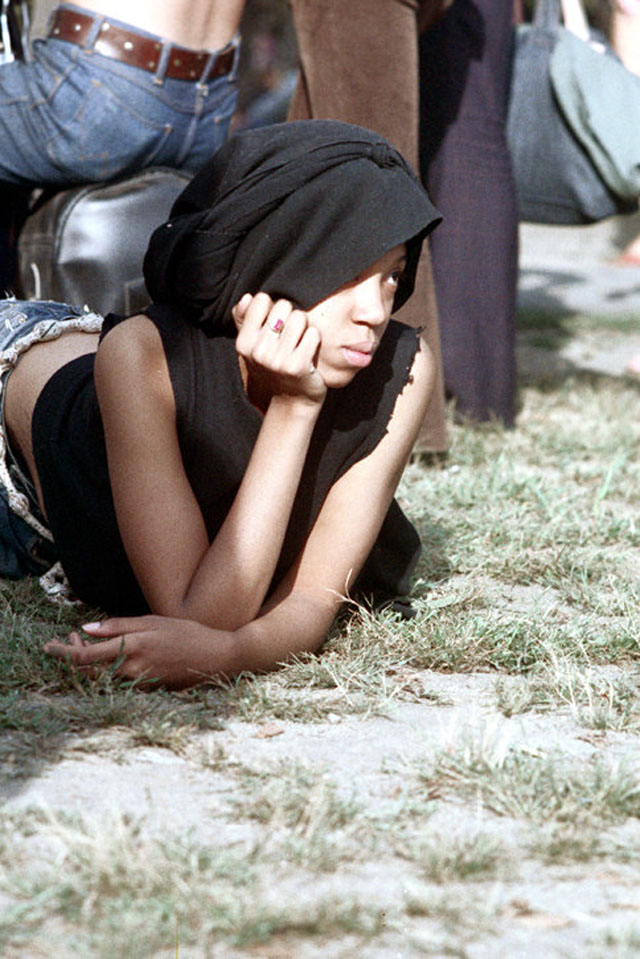
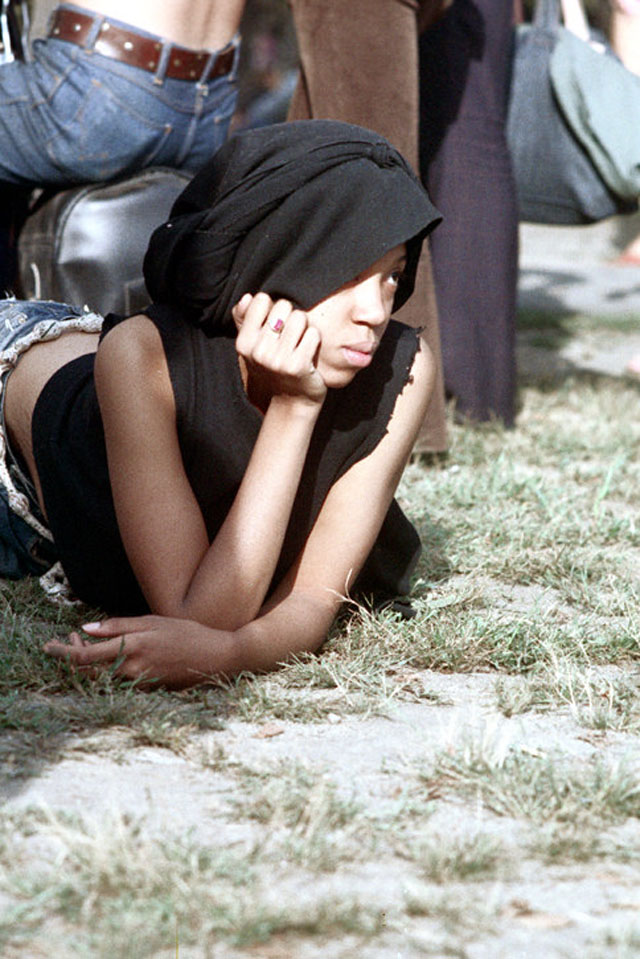
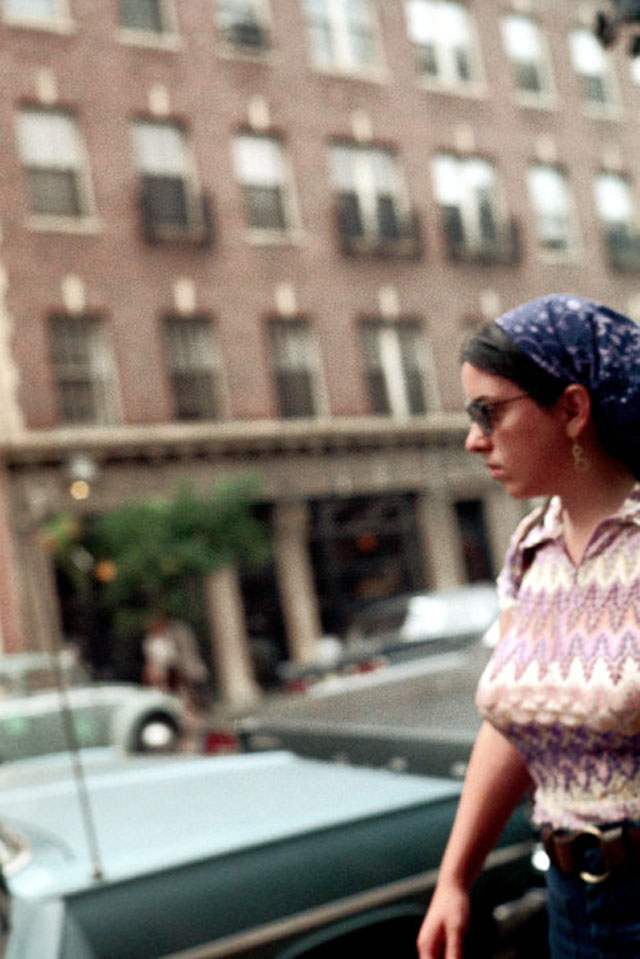
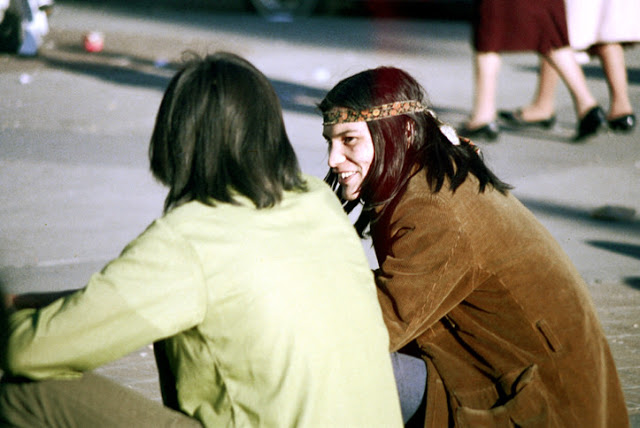
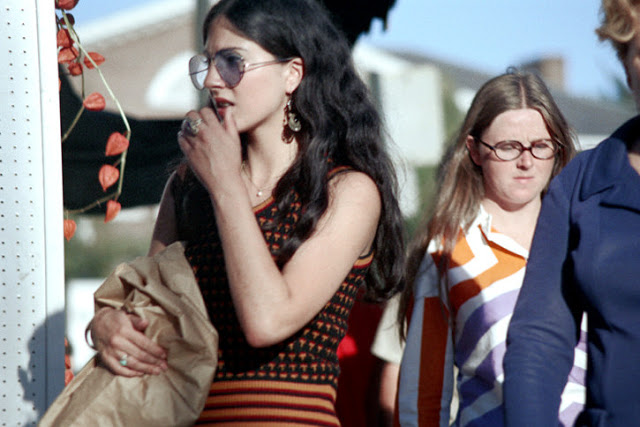

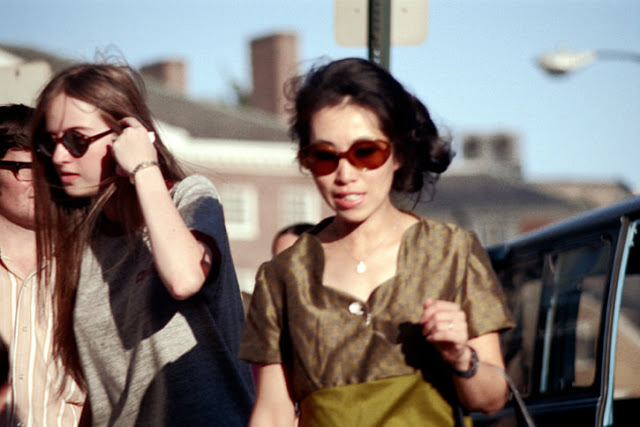
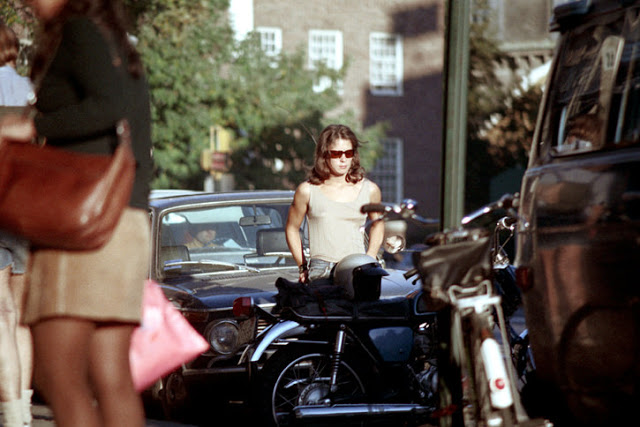
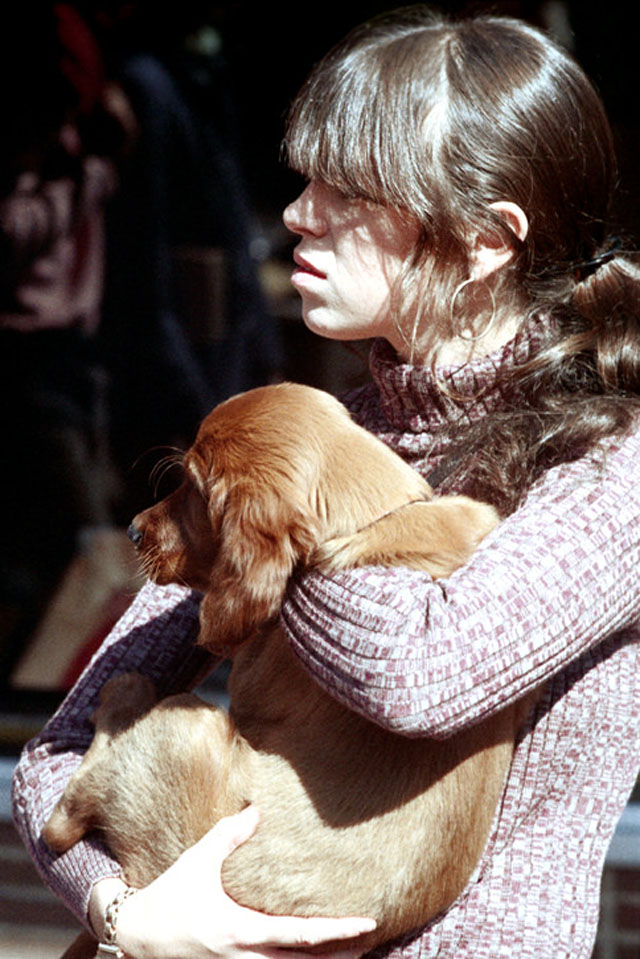
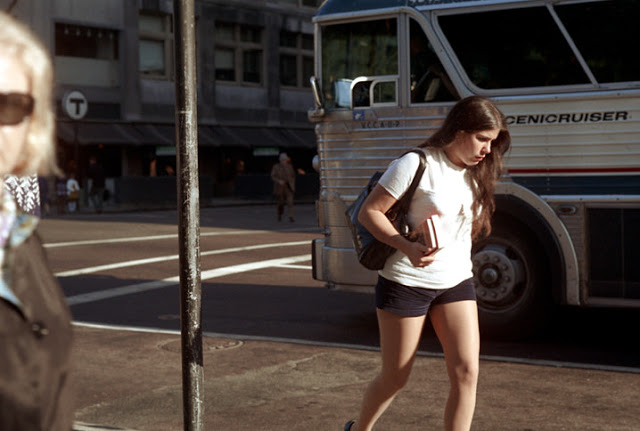
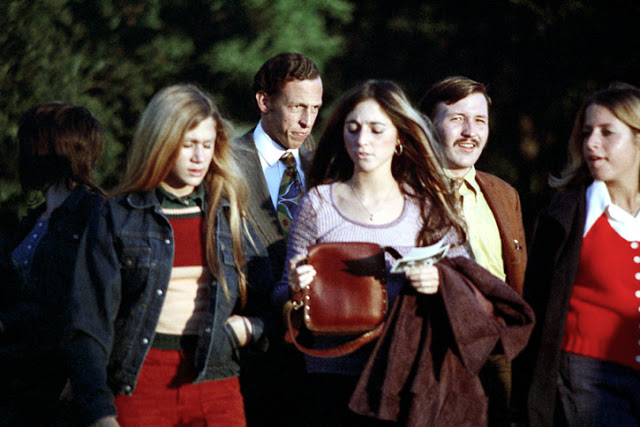
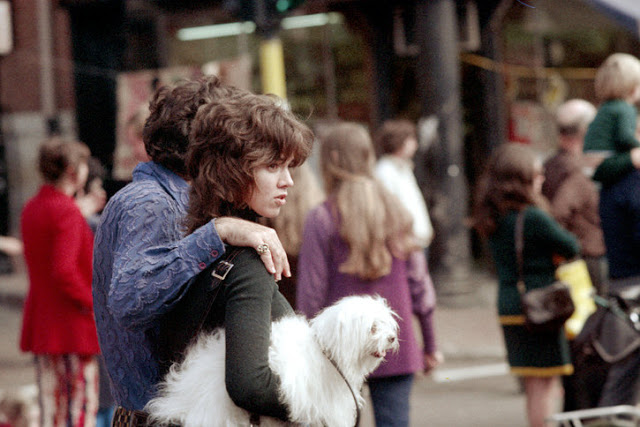
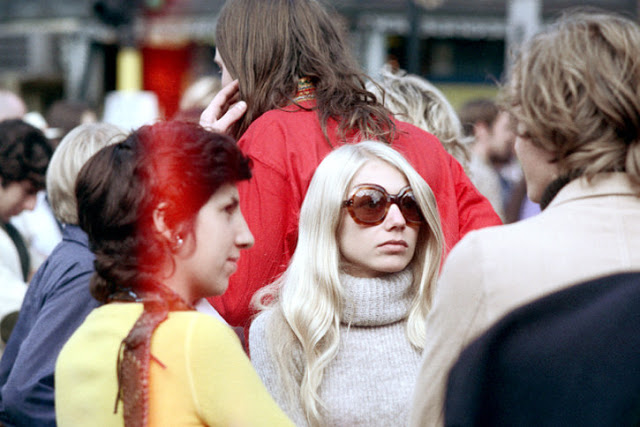
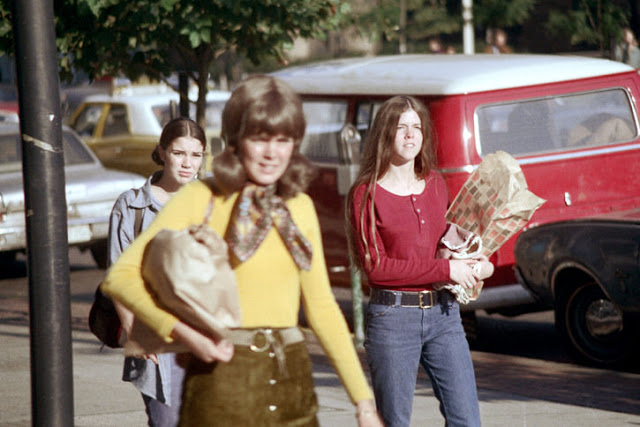
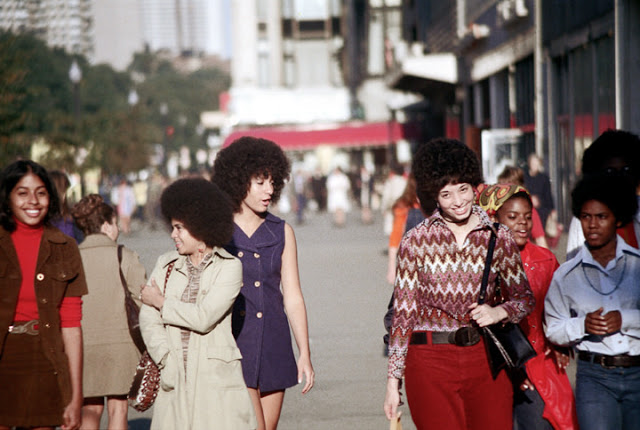
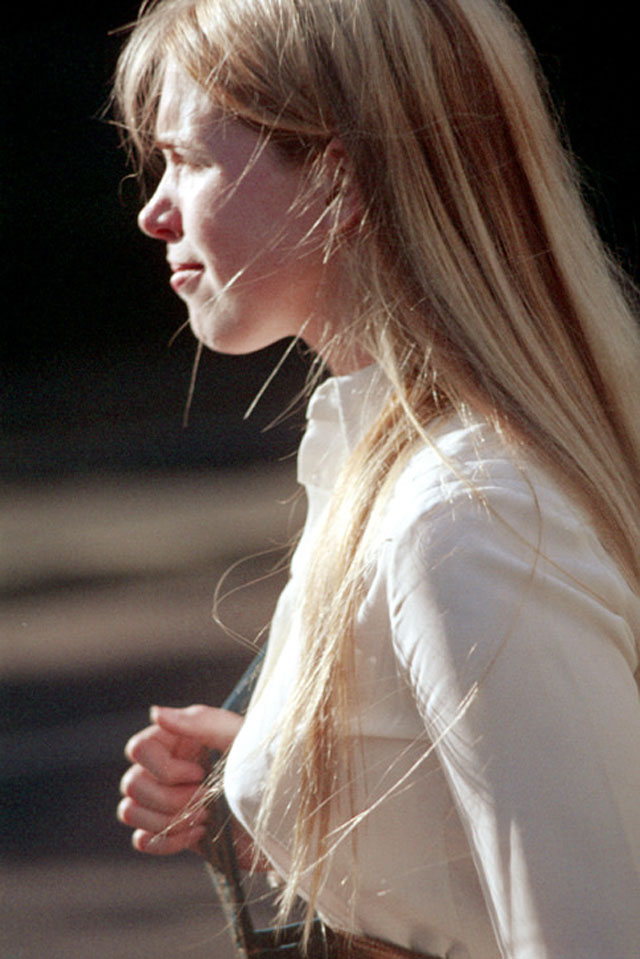
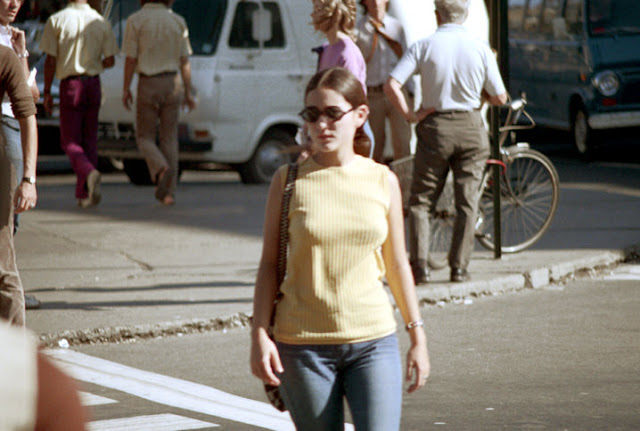
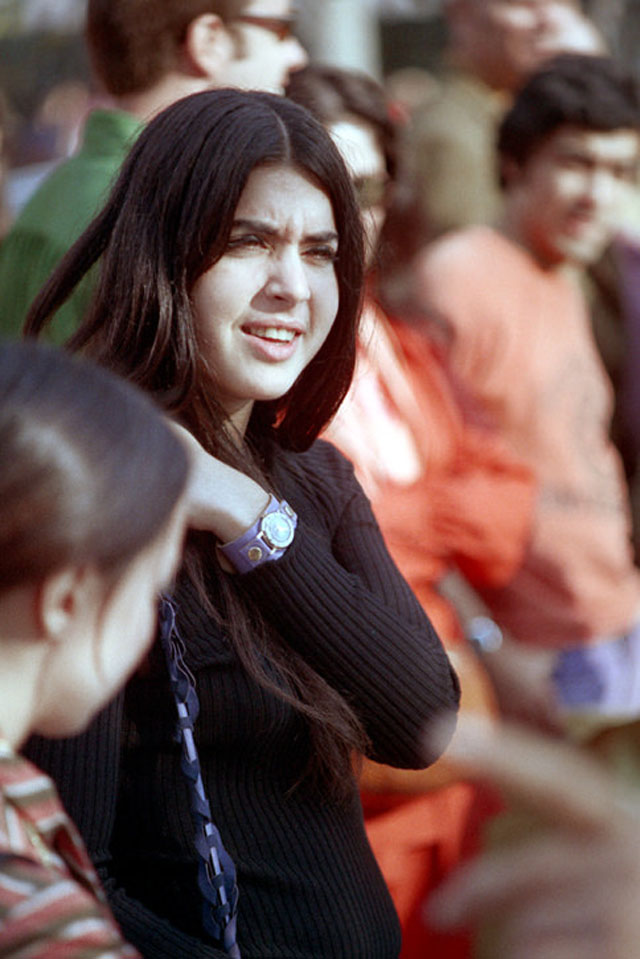
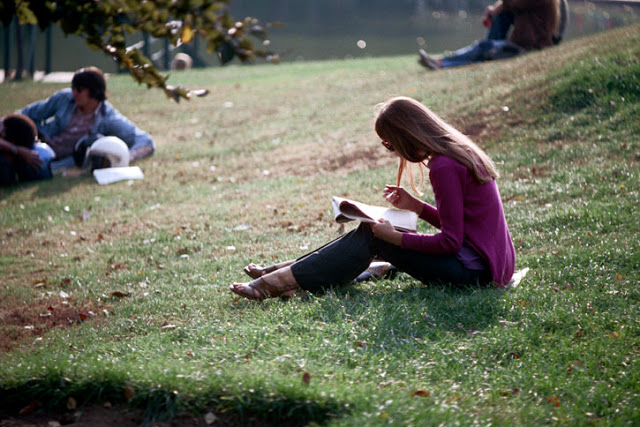
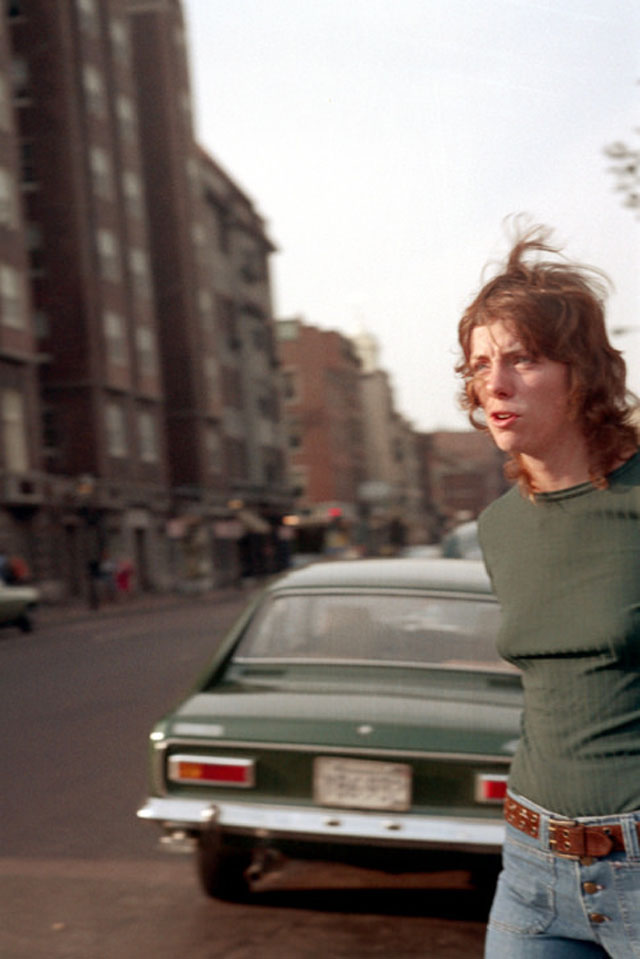
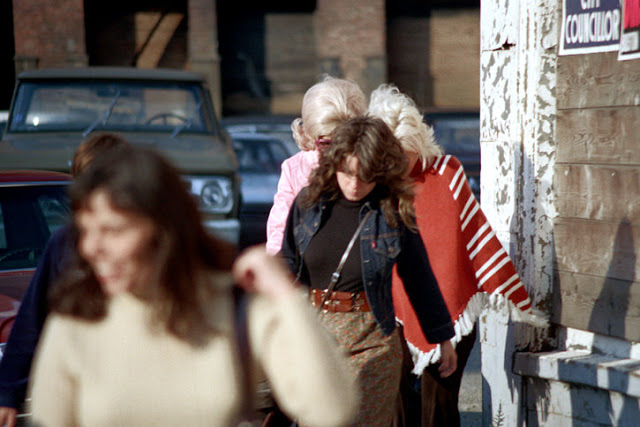
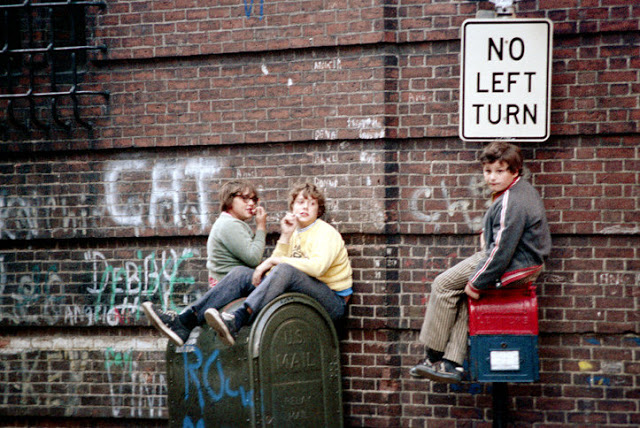
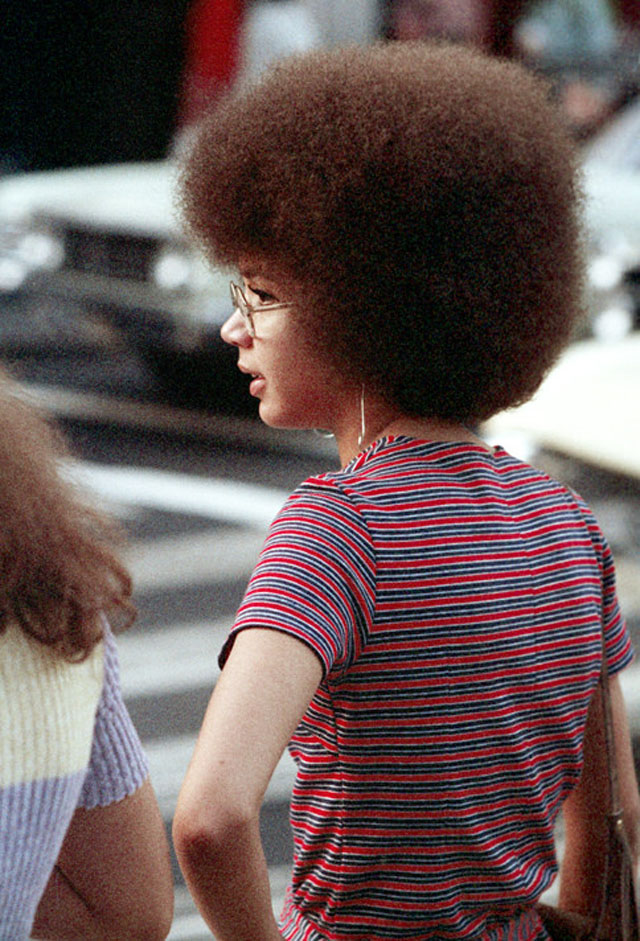
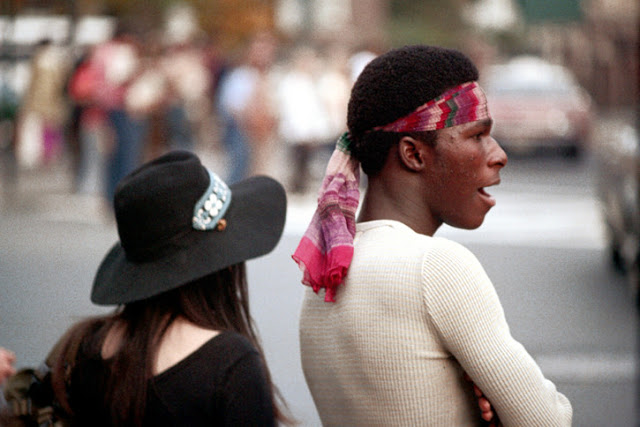
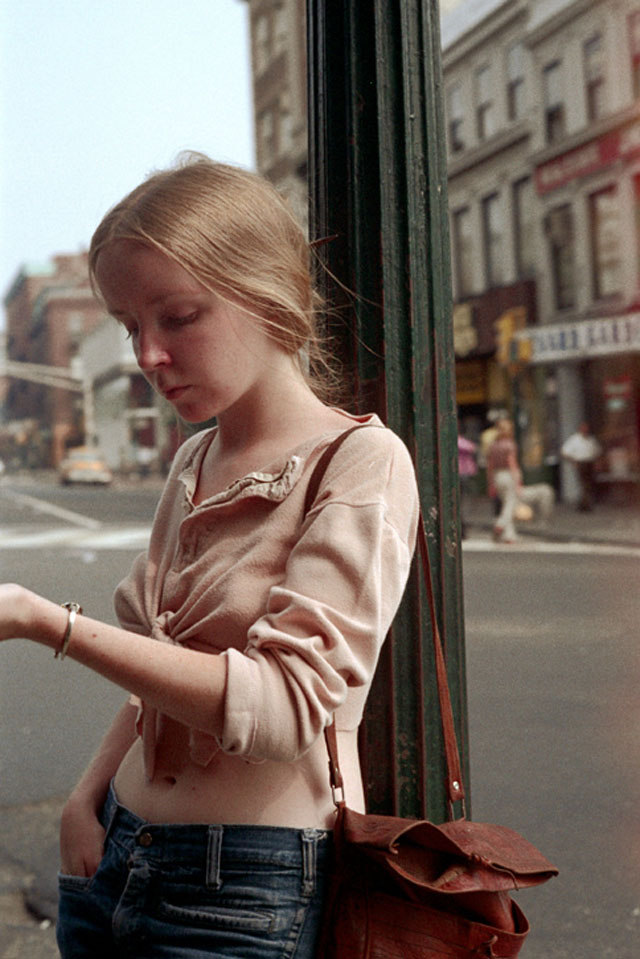
(Photos by Nick Dewolf)

Belfast (meaning ‘mouth of the sand-bank ford’) is the capital and largest city of Northern Ireland, standing on the banks of the River Lagan on the east coast. It is the 12th-largest city in the United Kingdom and the second-largest in Ireland. It had a population of 343,542 as of 2019. Belfast suffered greatly during the violence that accompanied the partition of Ireland, and especially during the more recent conflict known as the Troubles.
By the early 19th century, Belfast was a major port. It played an important role in the Industrial Revolution in Ireland, becoming briefly the biggest linen-producer in the world, earning it the nickname “Linenopolis”. By the time it was granted city status in 1888, it was a major centre of Irish linen production, tobacco-processing and rope-making. Shipbuilding was also a key industry; the Harland and Wolff shipyard, which built the RMS Titanic, was the world’s largest shipyard. Belfast as of 2019 has a major aerospace and missiles industry. Industrialisation, and the inward migration it brought, made Belfast Northern Ireland’s biggest city. Following the partition of Ireland in 1921, Belfast became the seat of government for Northern Ireland. Belfast’s status as a global industrial centre ended in the decades after the Second World War.
Belfast is still a port with commercial and industrial docks, including the Harland and Wolff shipyard, dominating the Belfast Lough shoreline. It is served by two airports: George Best Belfast City Airport, 3 miles (5 kilometres) from the city centre, and Belfast International Airport 15 miles (24 kilometres) west of the city. The Globalization and World Cities Research Network (GaWC) listed Belfast as a Gamma + global city in 2020. (Wikipedia)
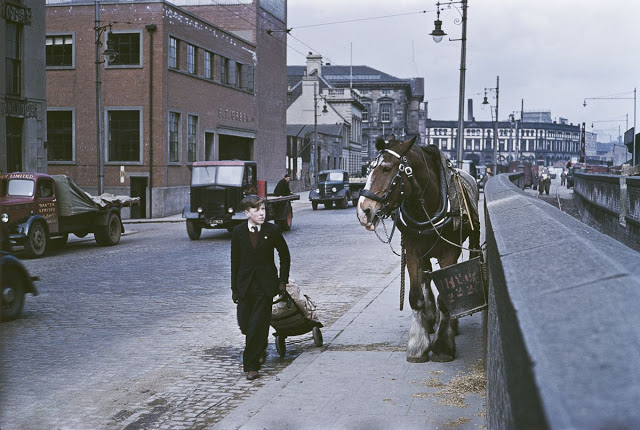
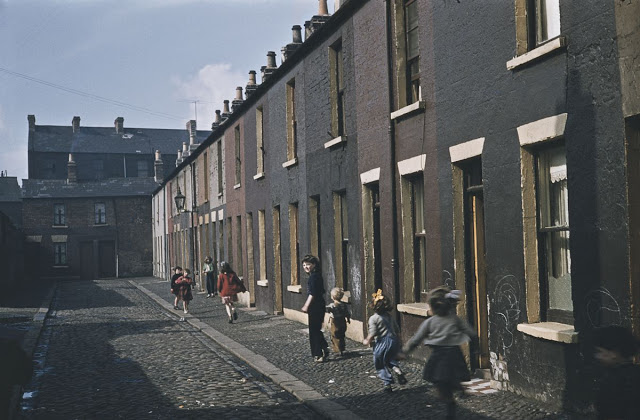
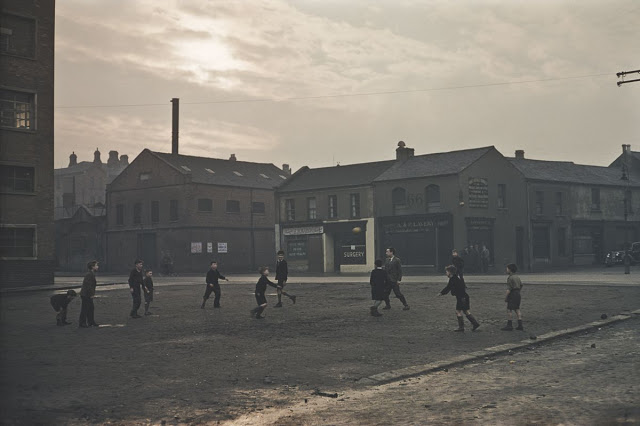
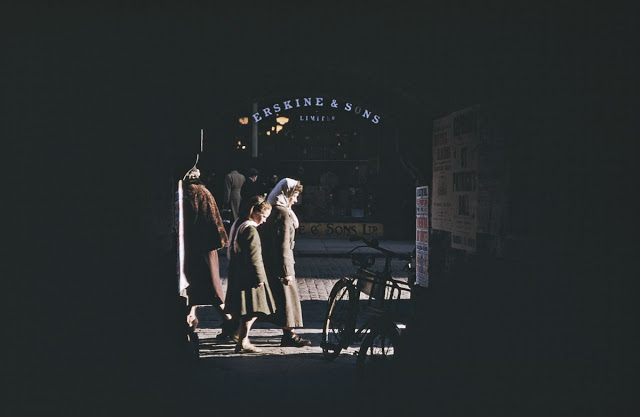
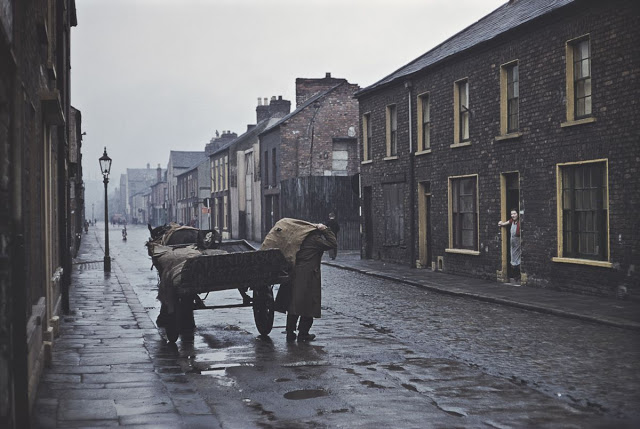
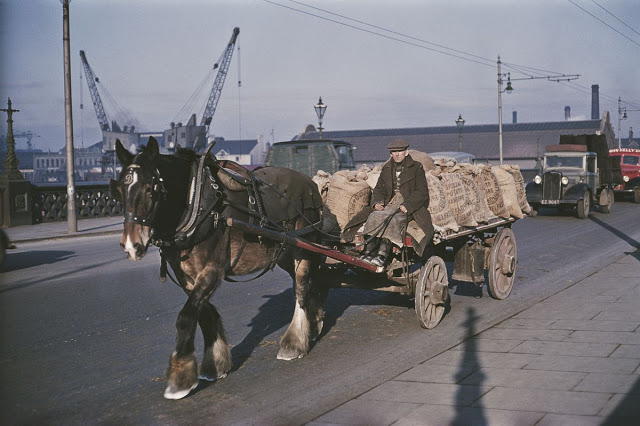
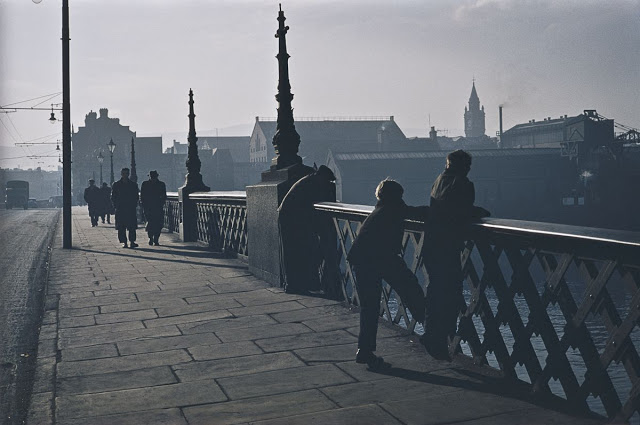
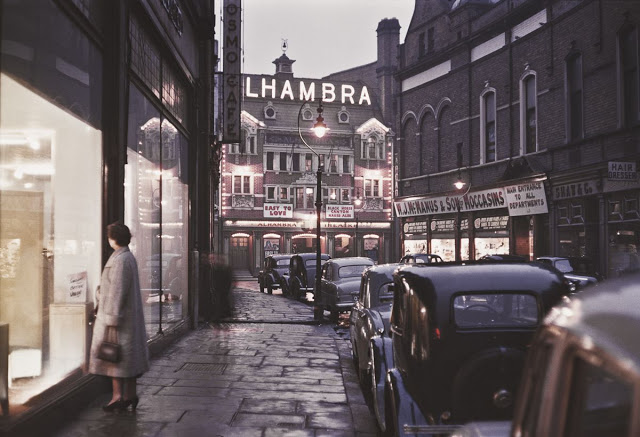
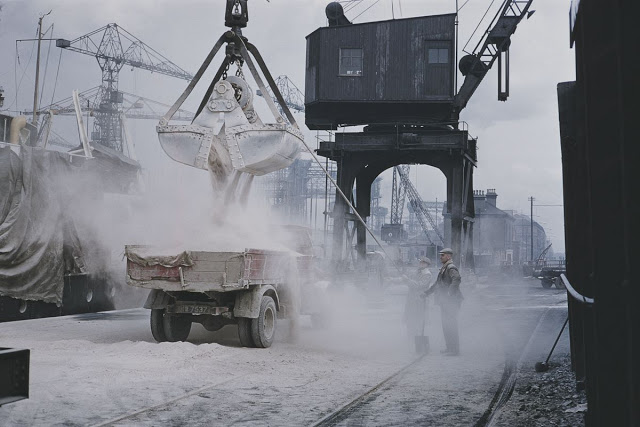
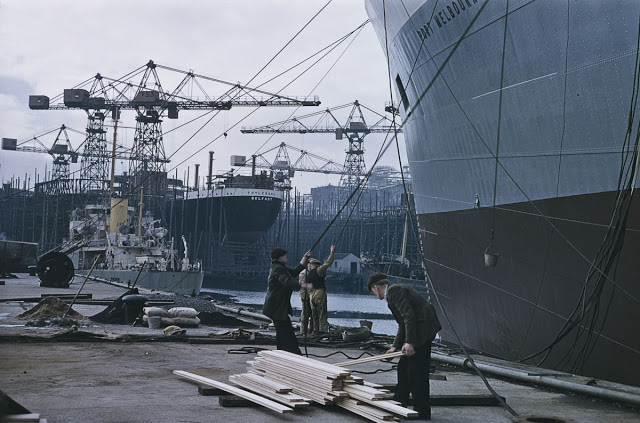
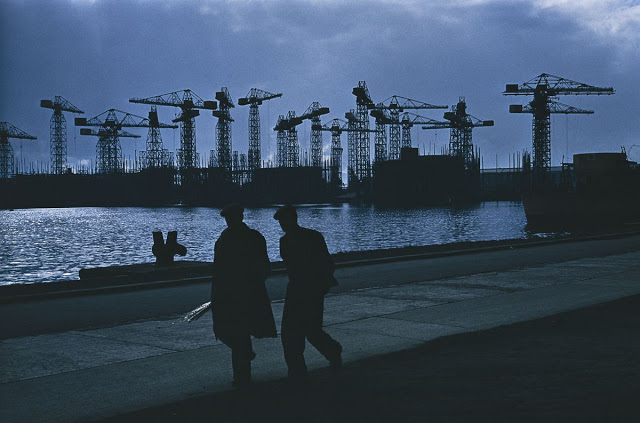
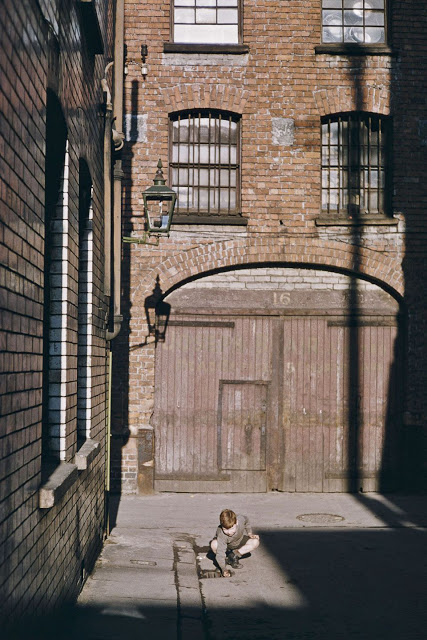
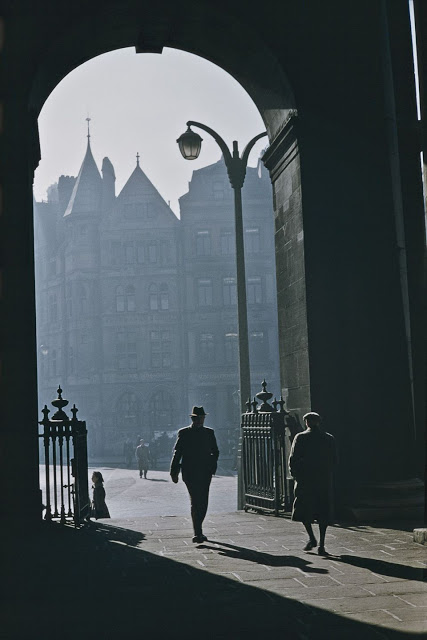
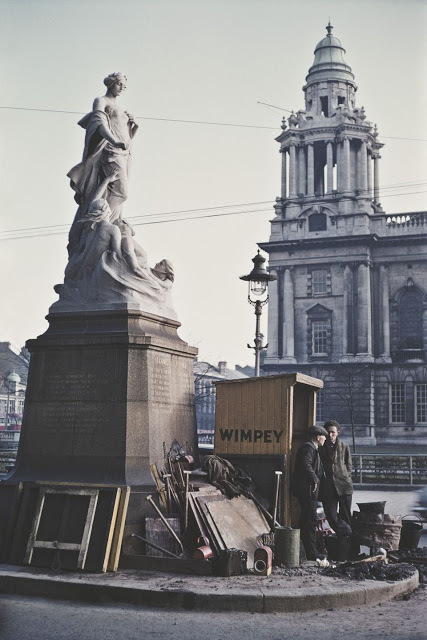
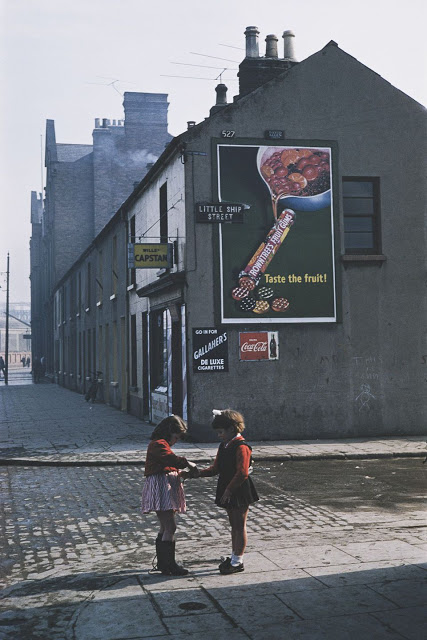
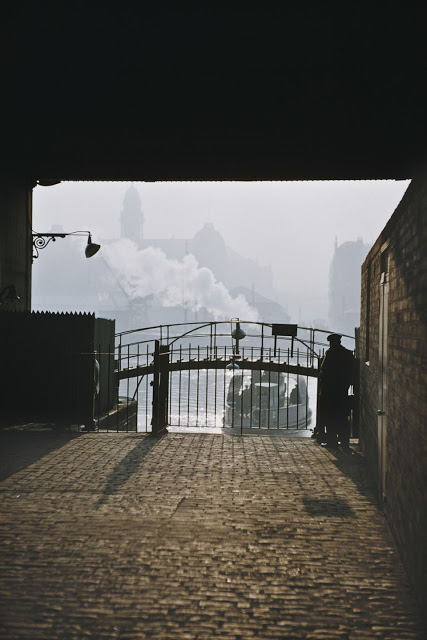
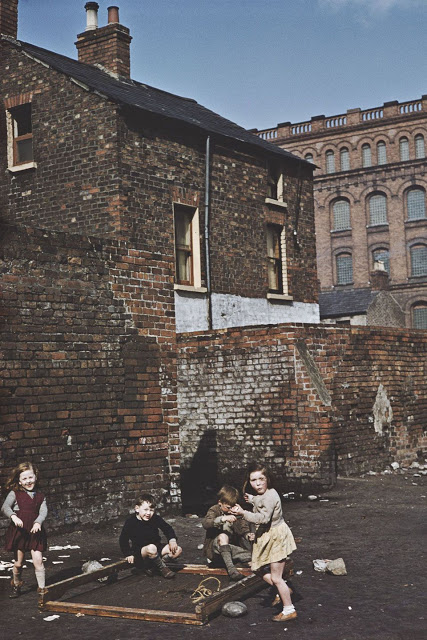
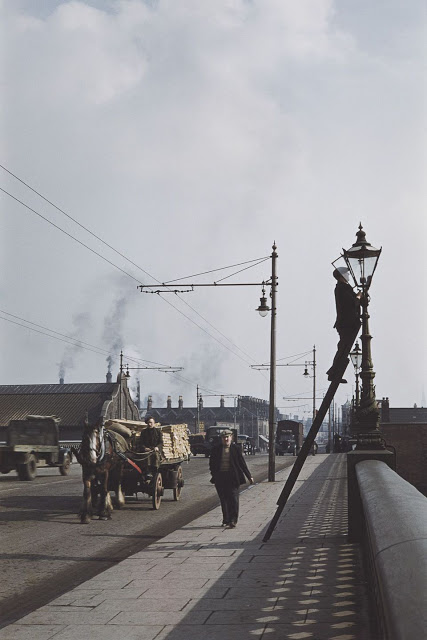
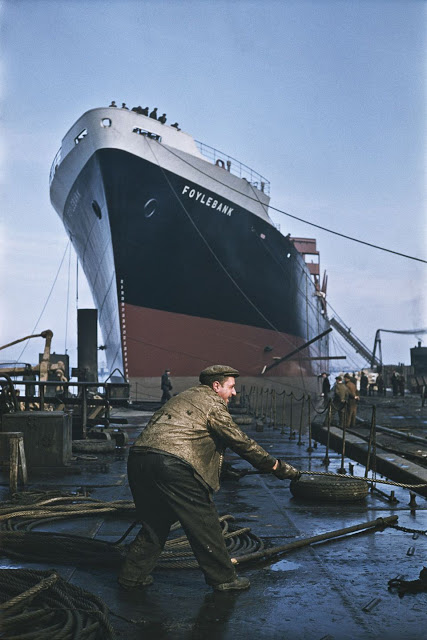
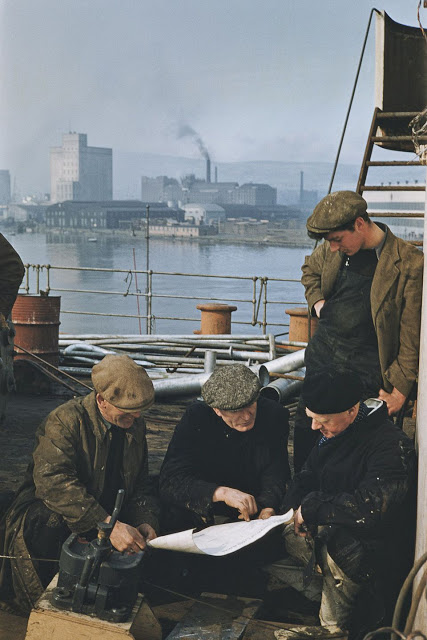
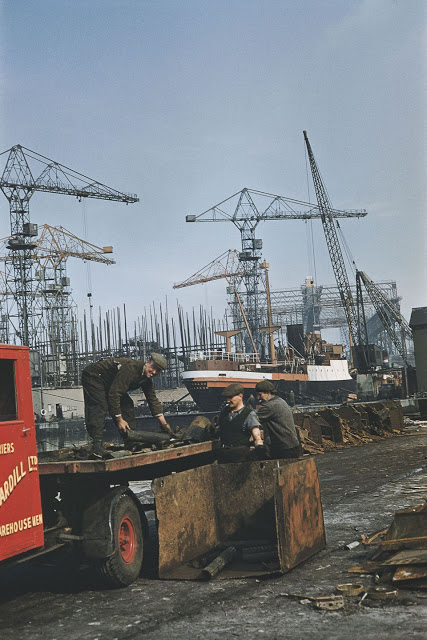
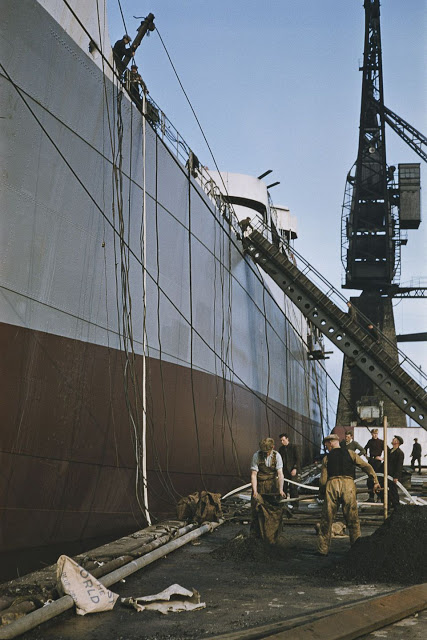
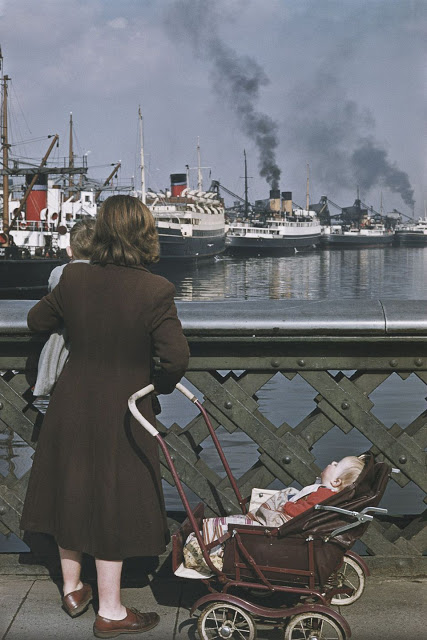
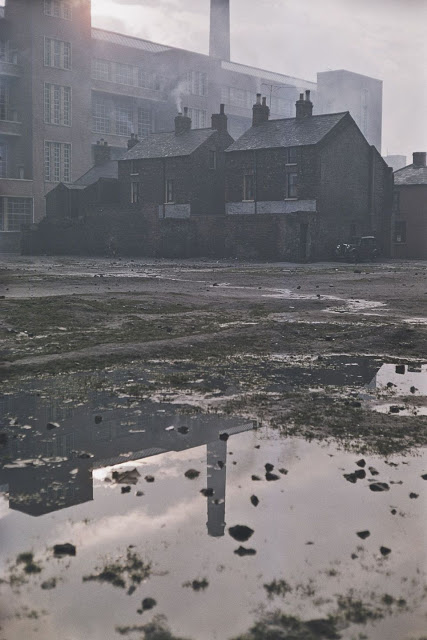
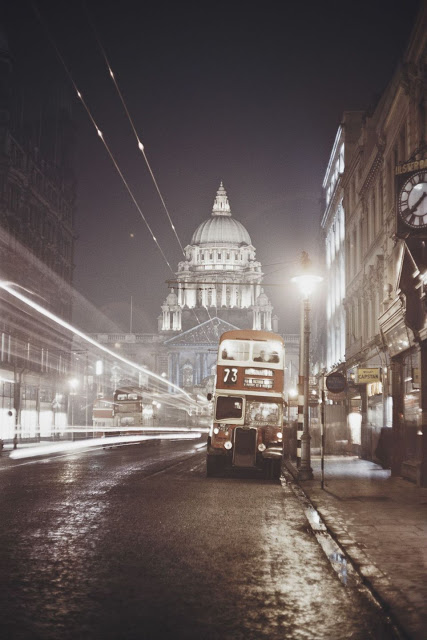
(Photos by Bert Hardy/Picture Post/Hulton Archive/Getty Images)

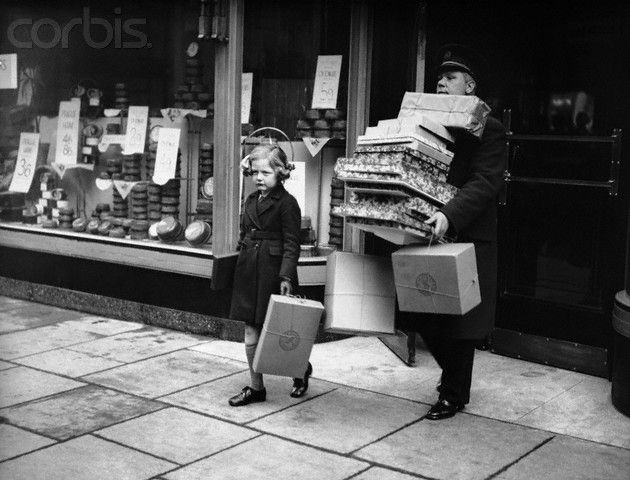
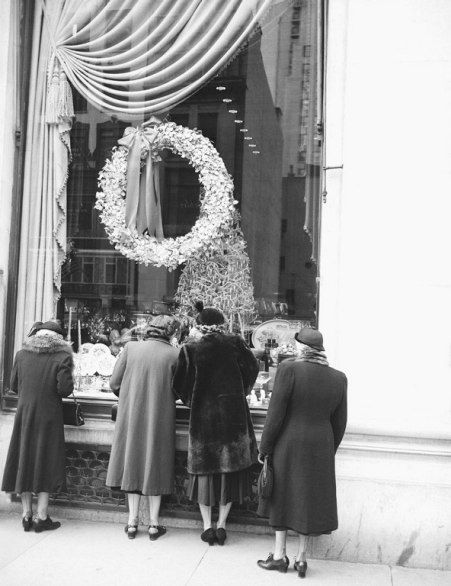
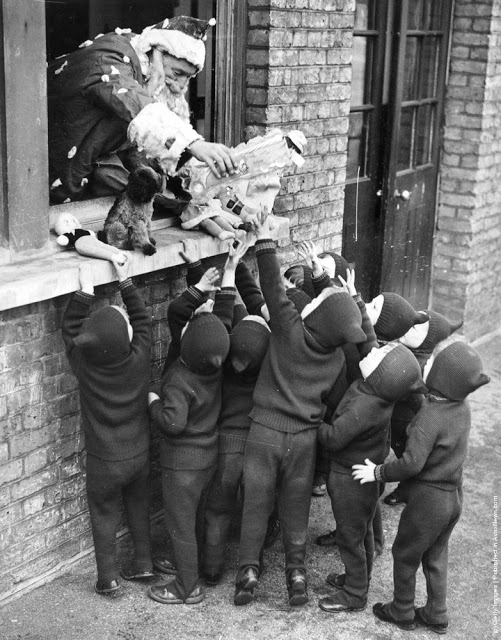
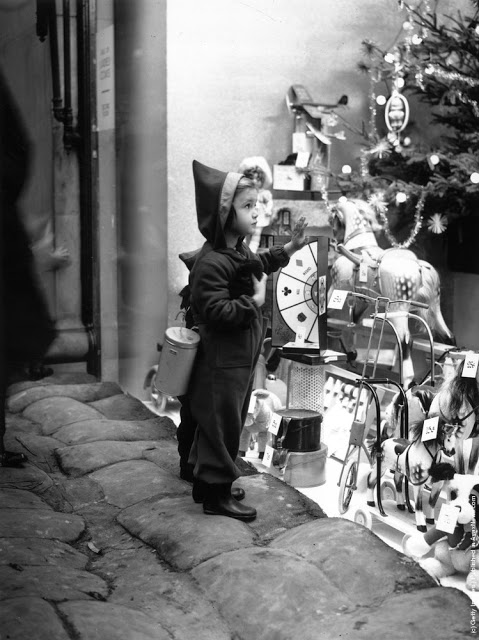
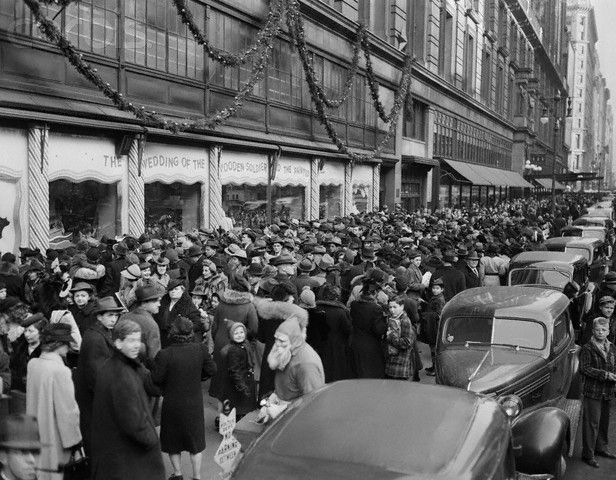
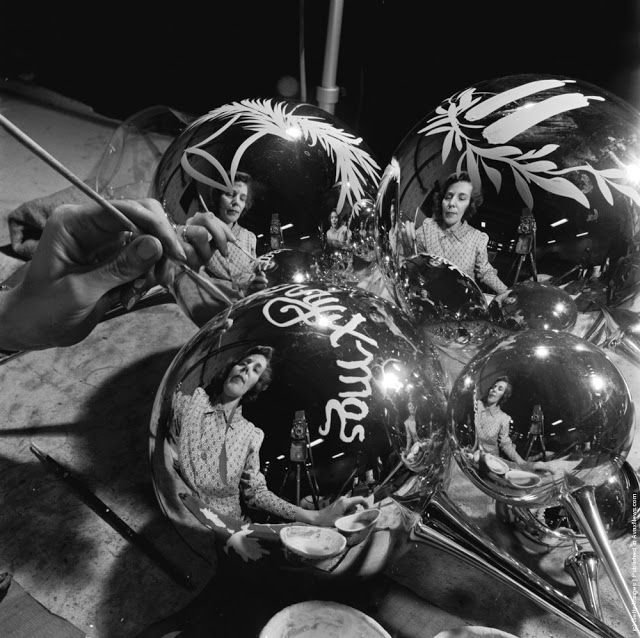
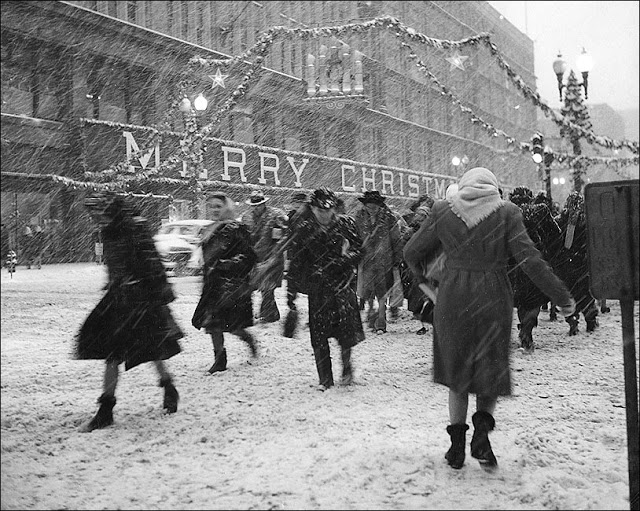
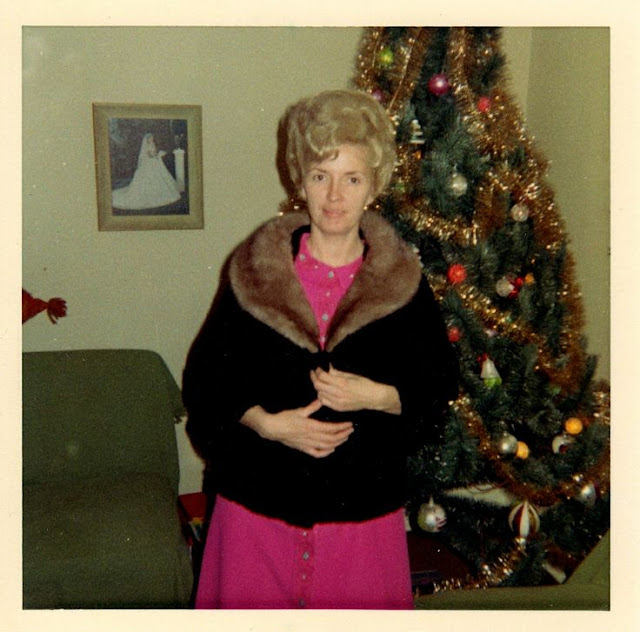
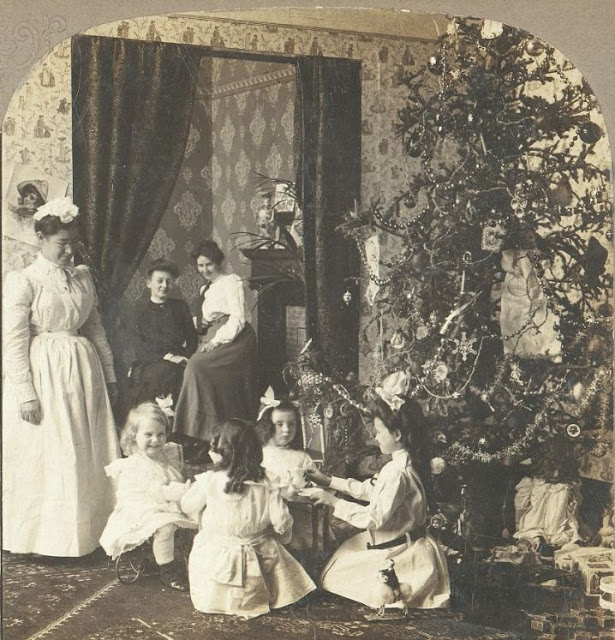
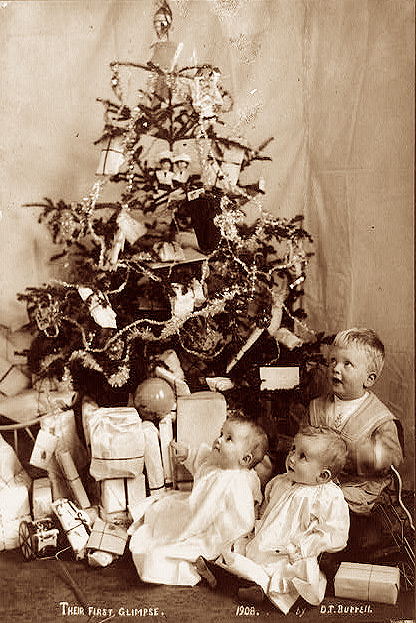
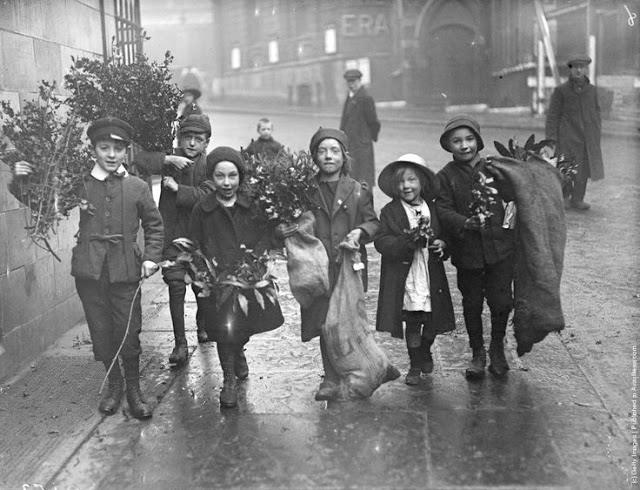
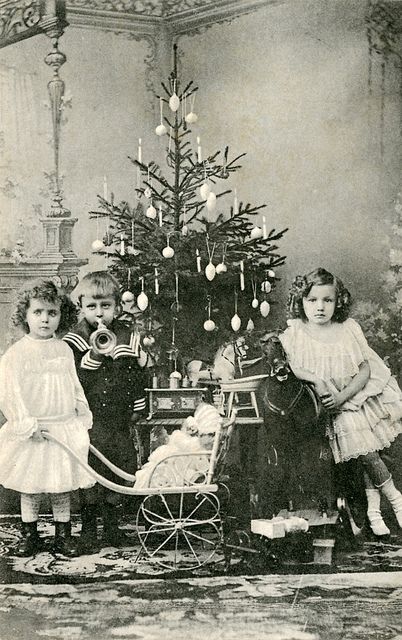
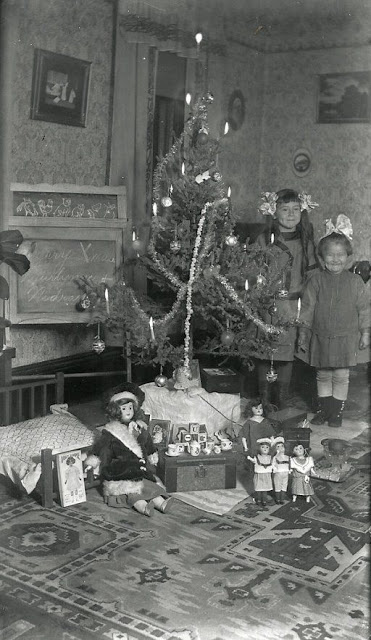
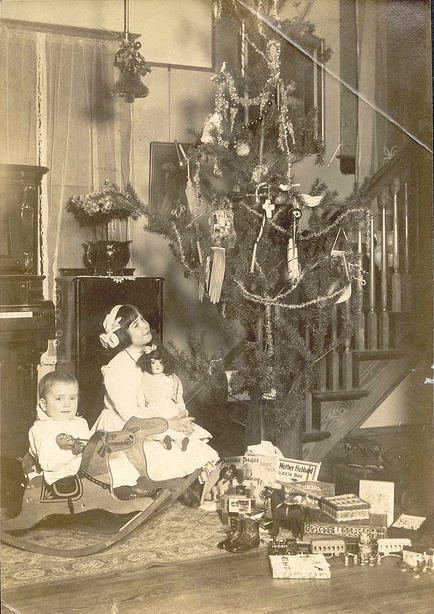
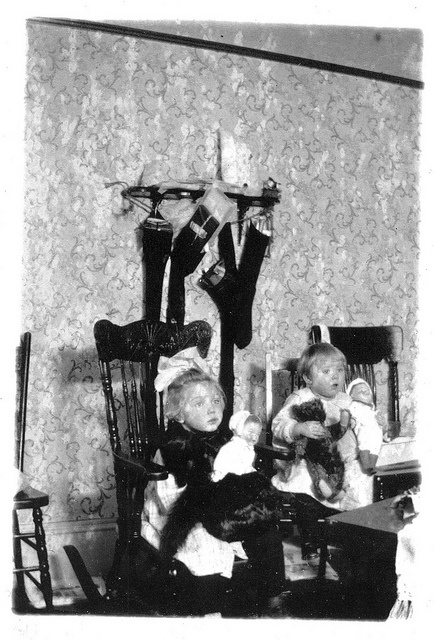
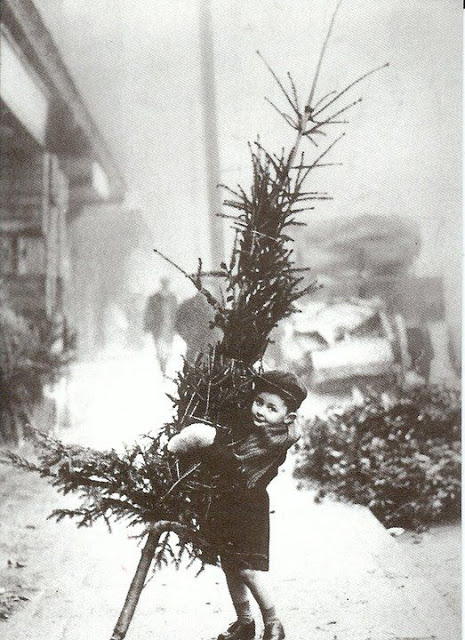
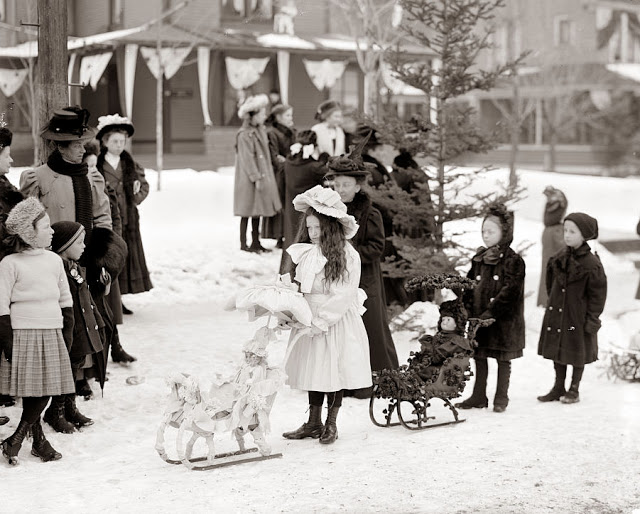
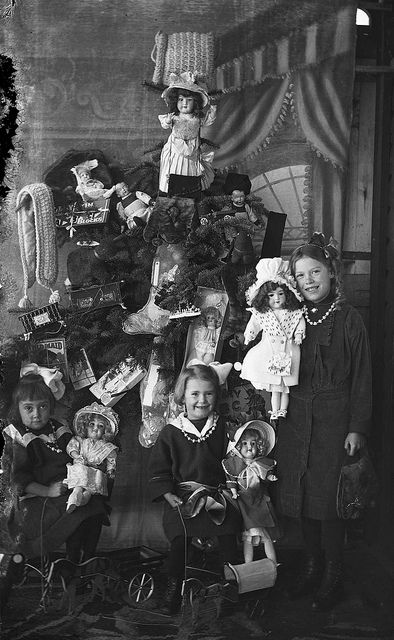
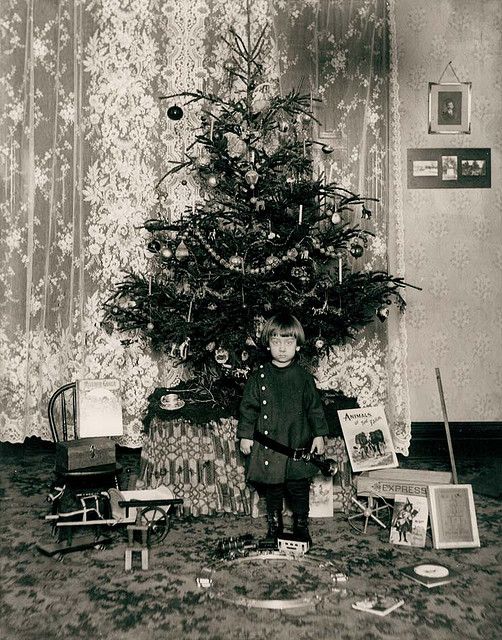
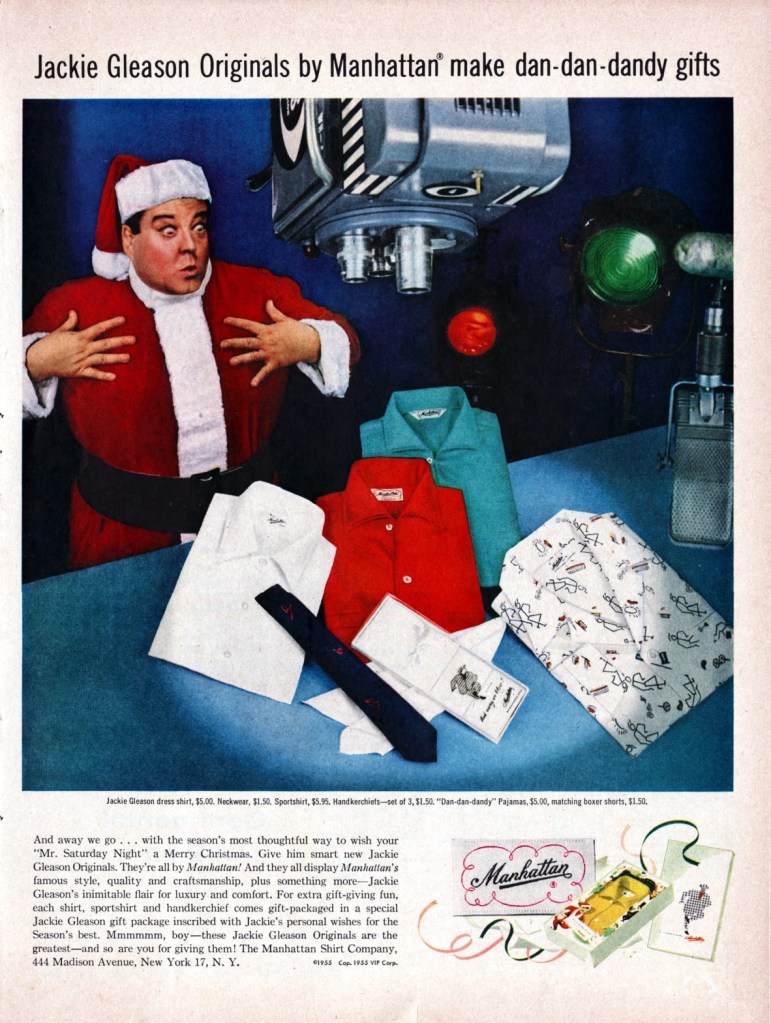
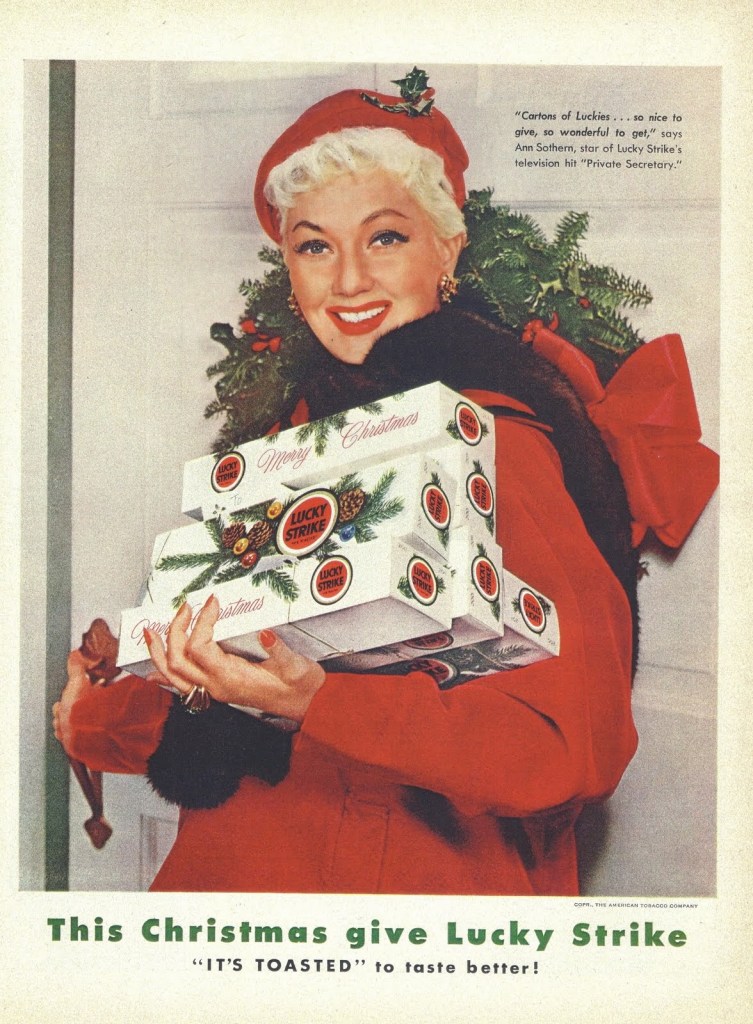
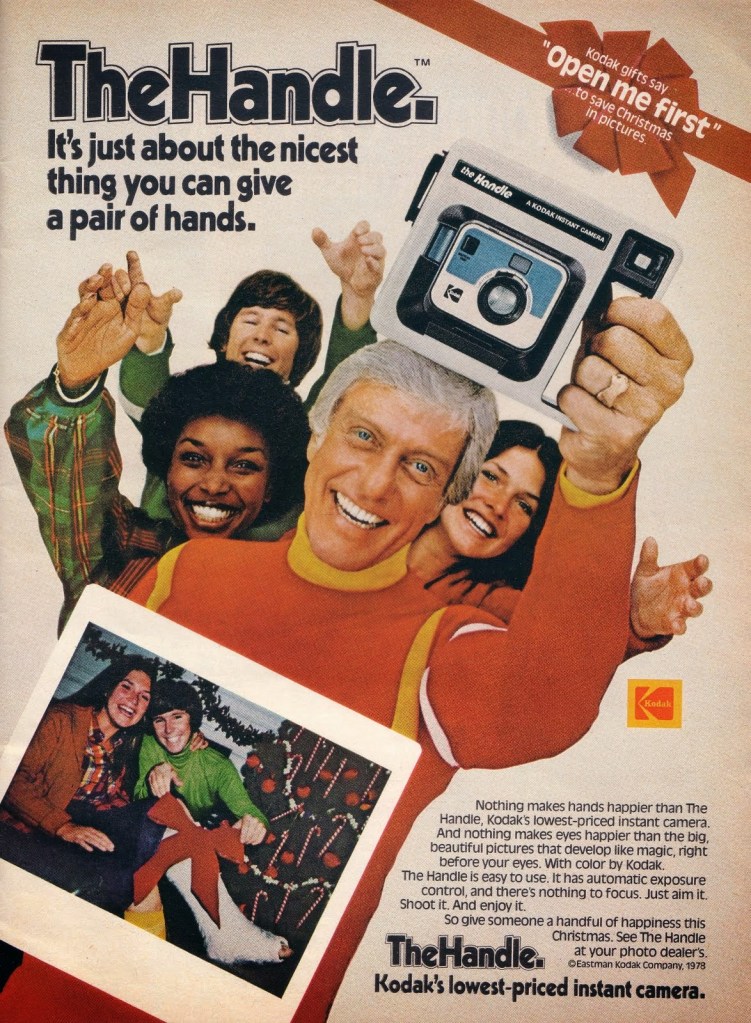
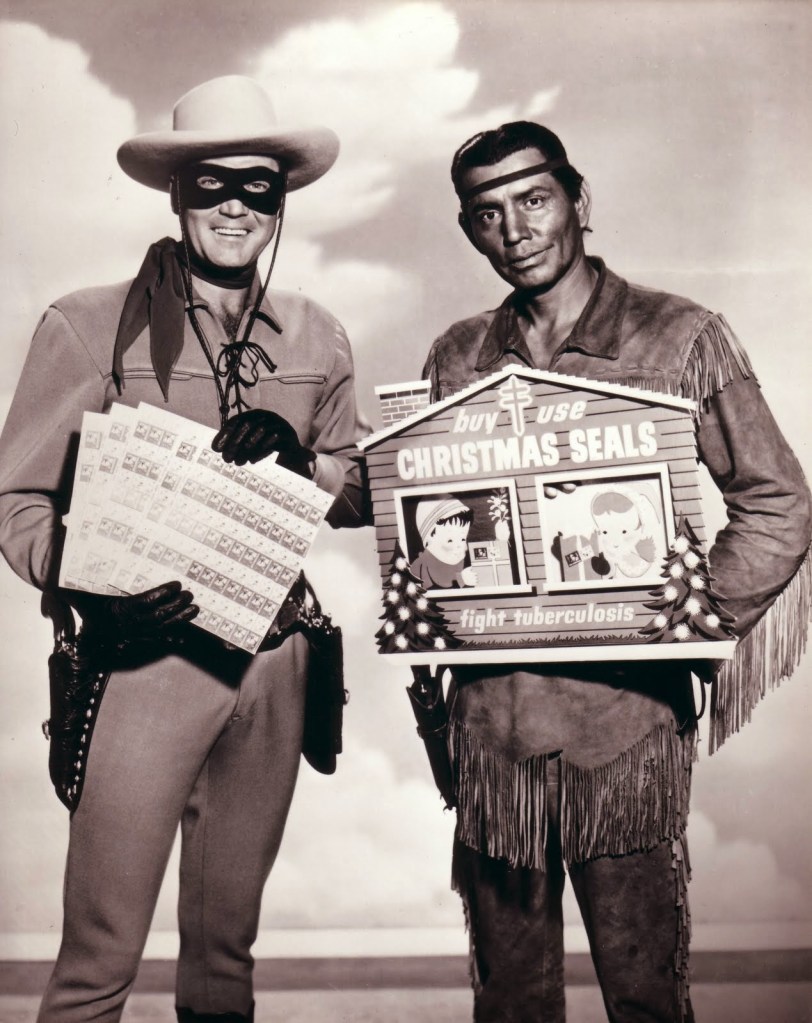
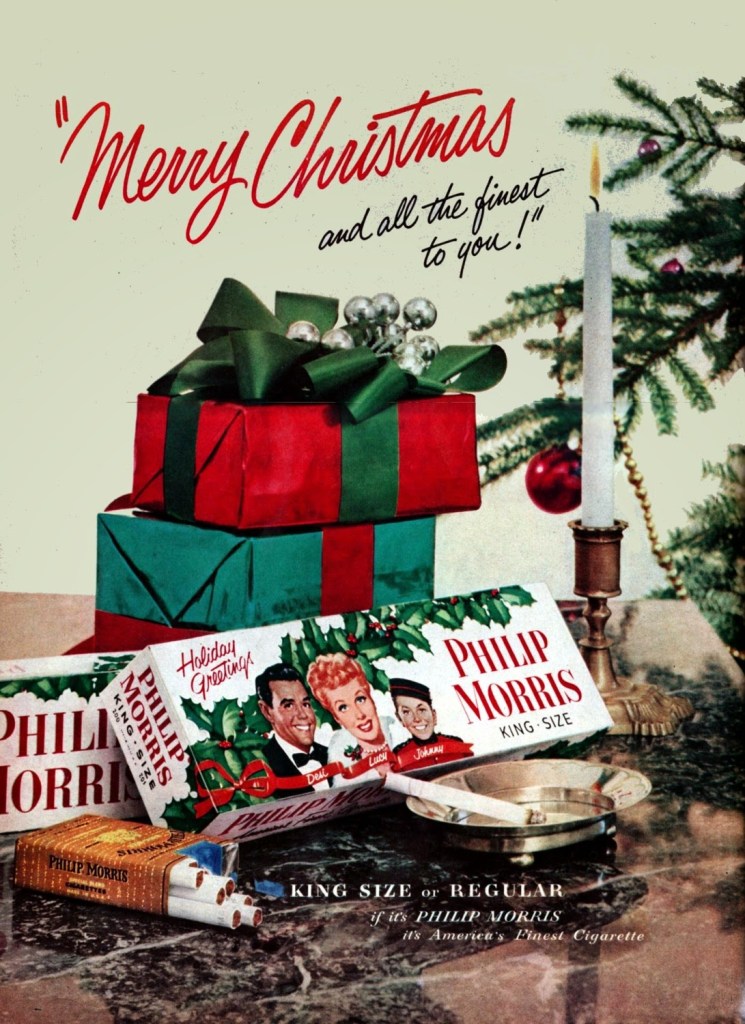
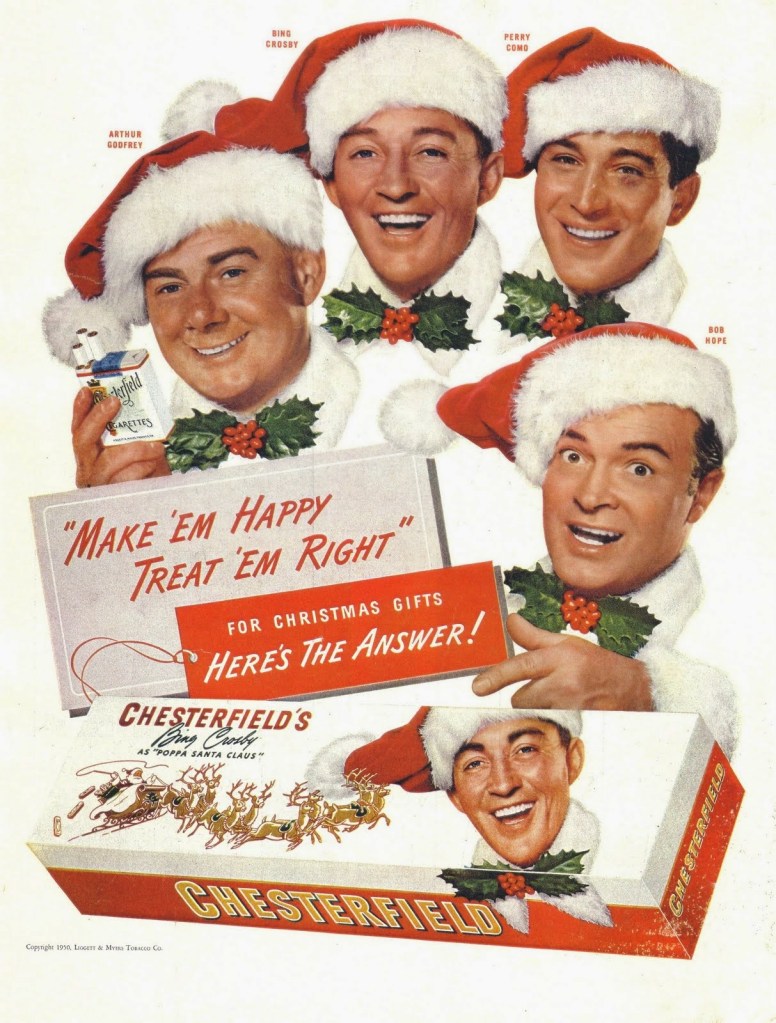
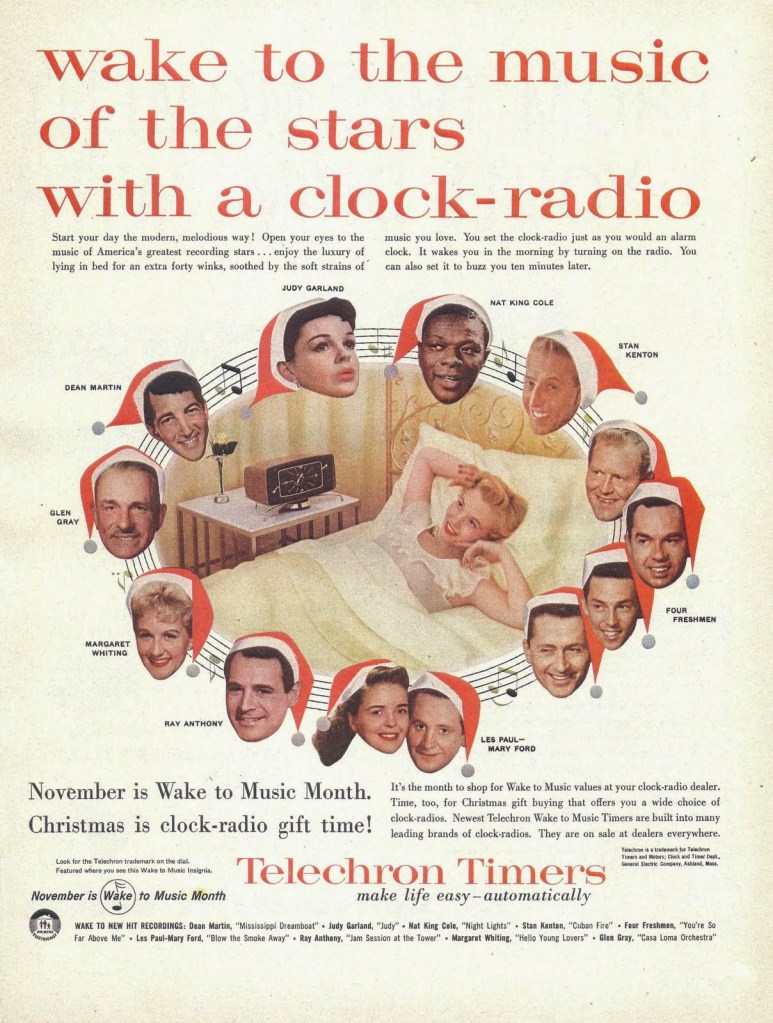
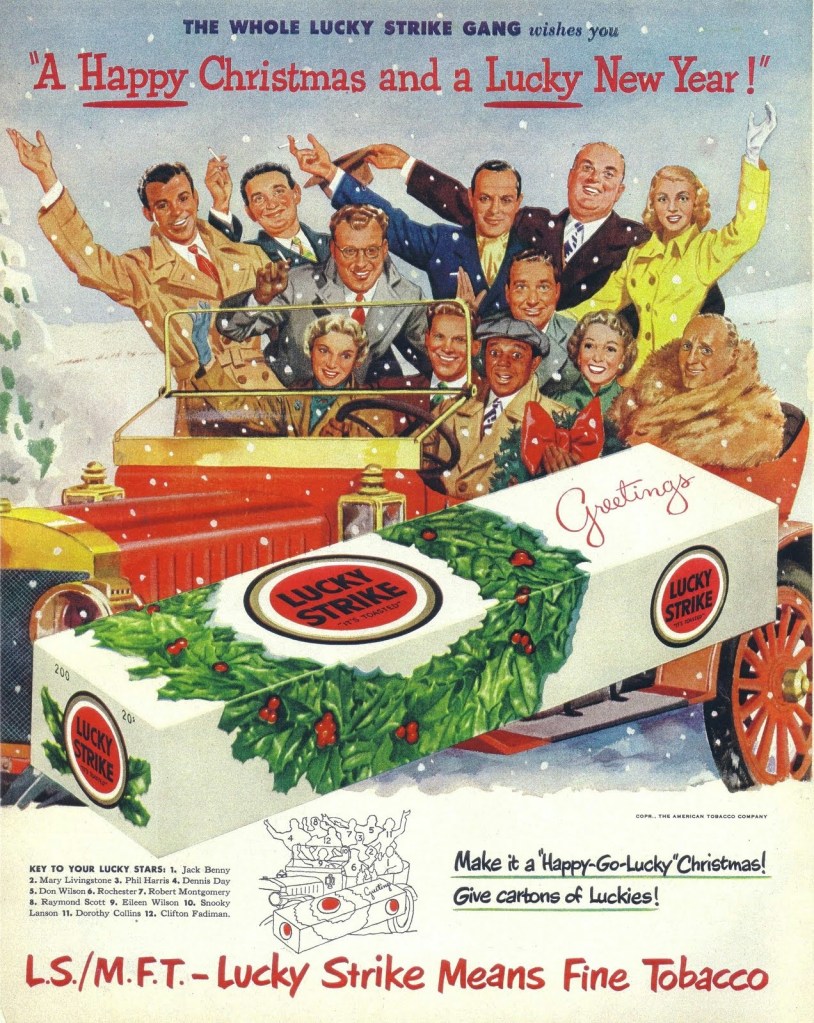
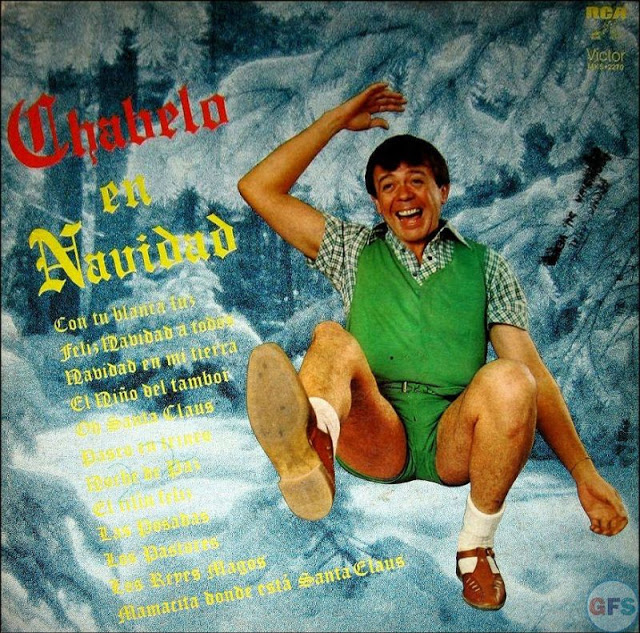
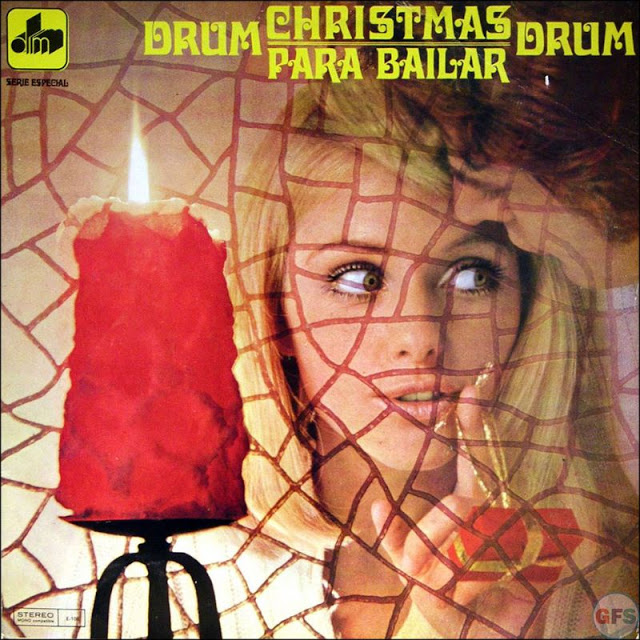
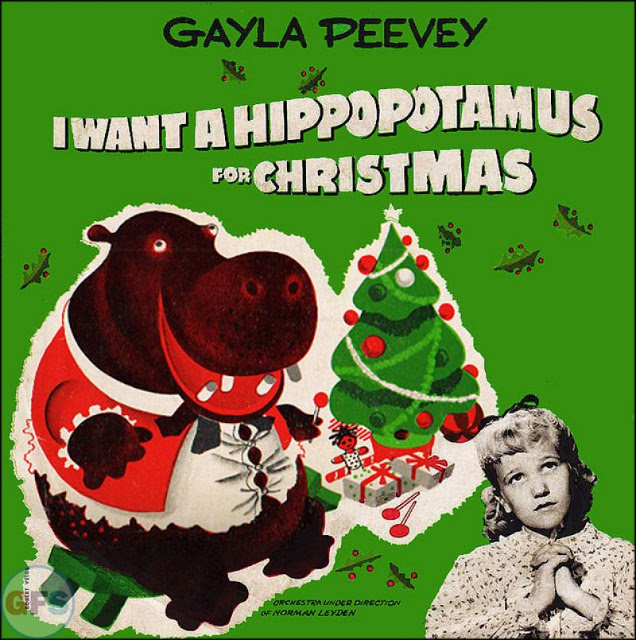
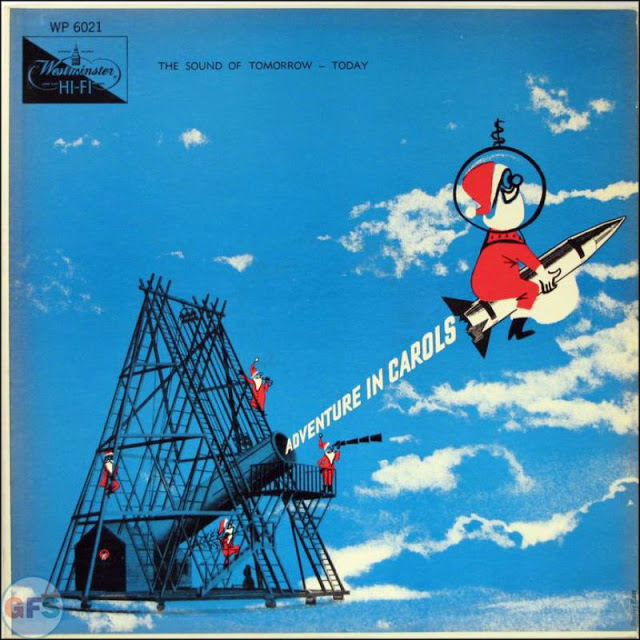
From lighting a real candle on the branch of an indoor Christmas tree, to a well-dressed family singing carols on a stairwell in the home, this lovely collection of nostalgic photos reveal how children from a bygone era celebrated the festive season.








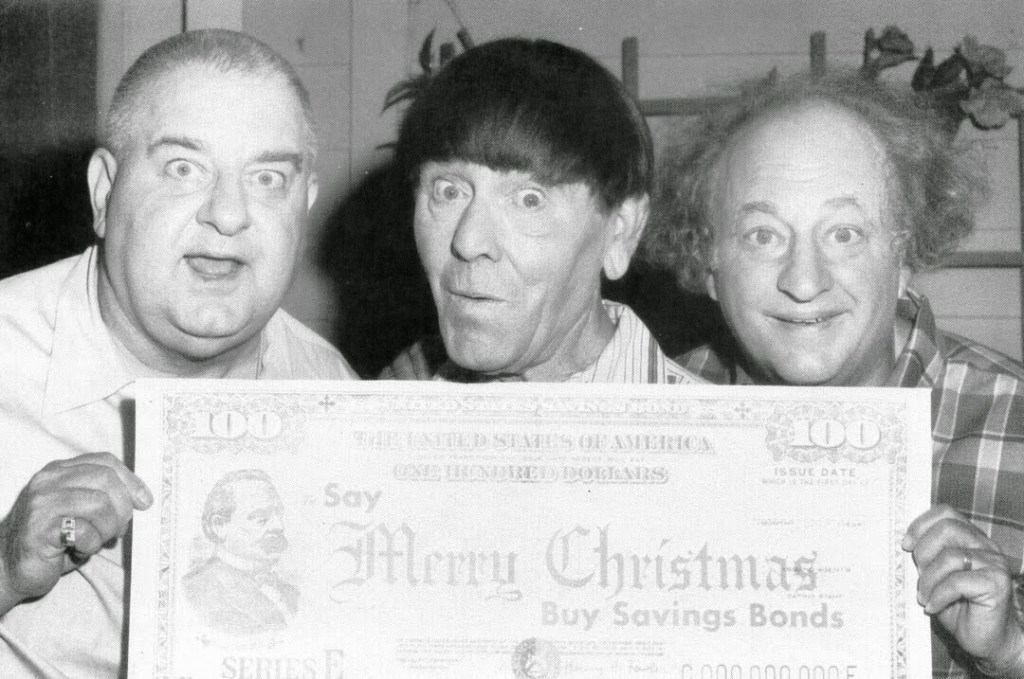
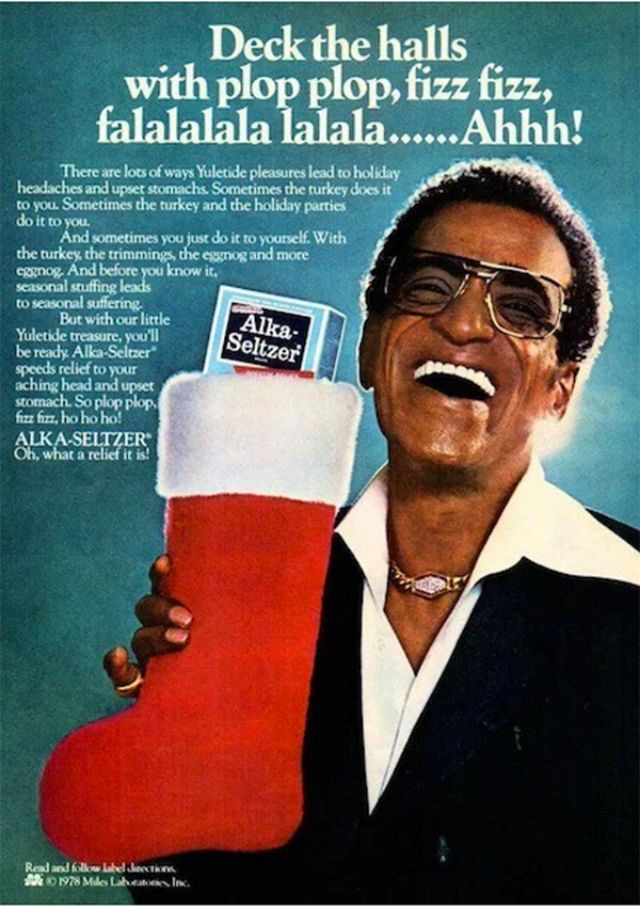

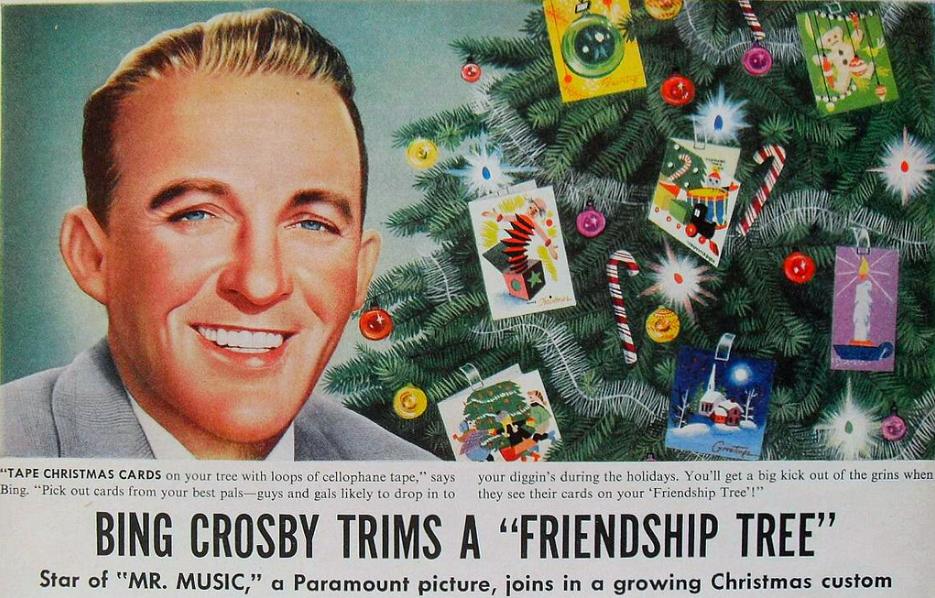

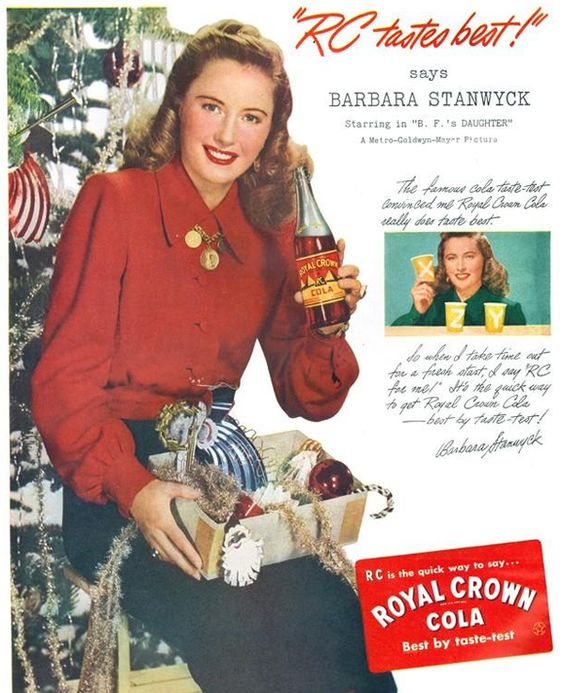



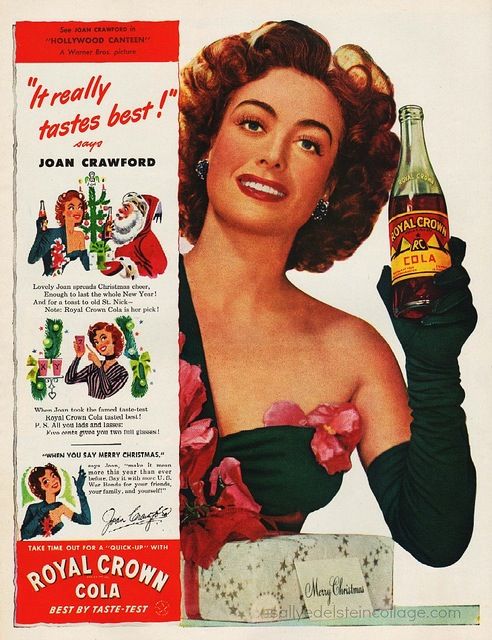

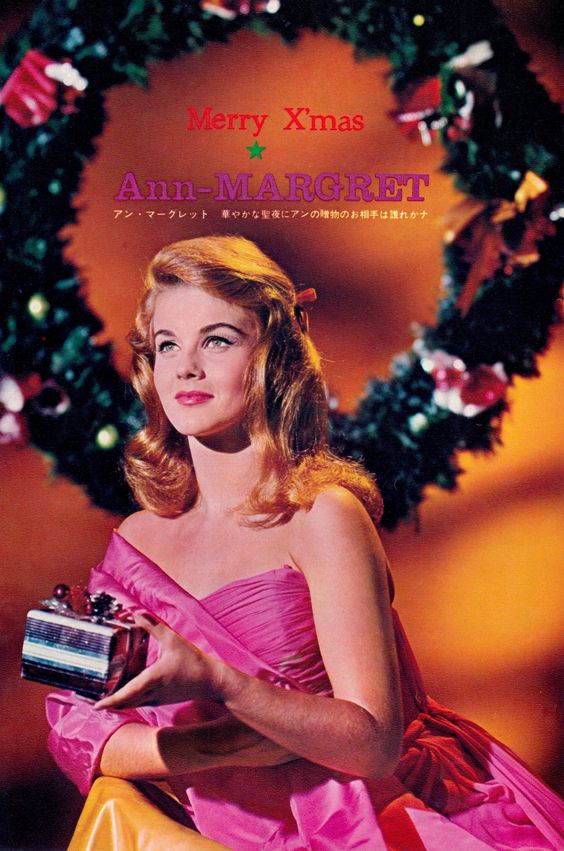
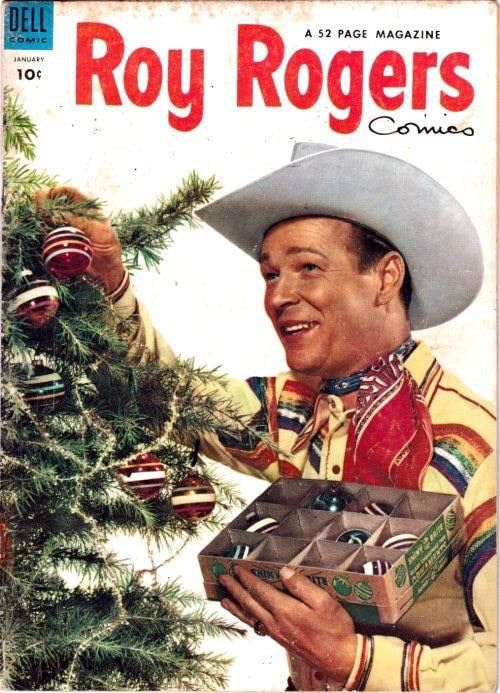

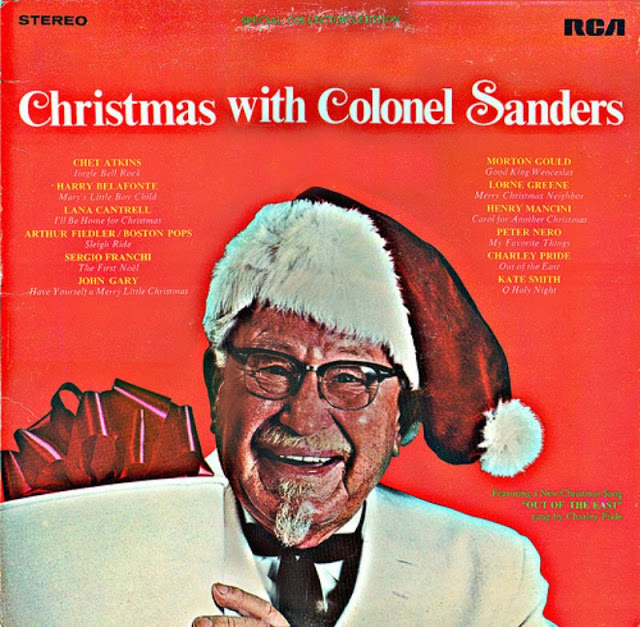
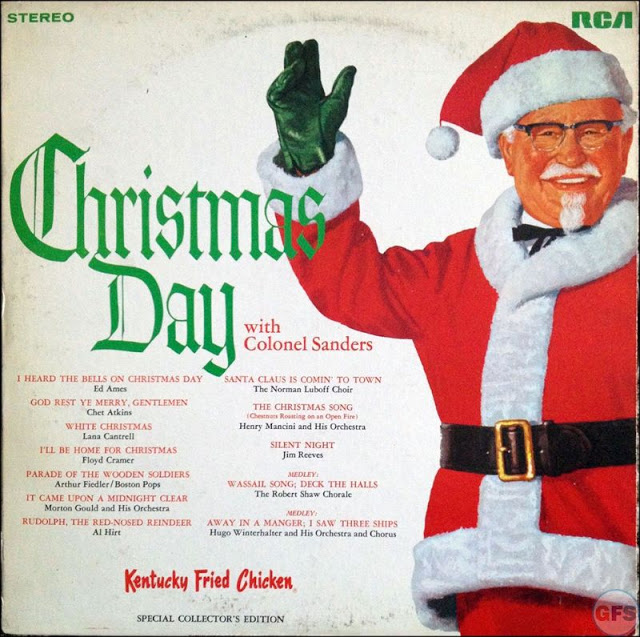
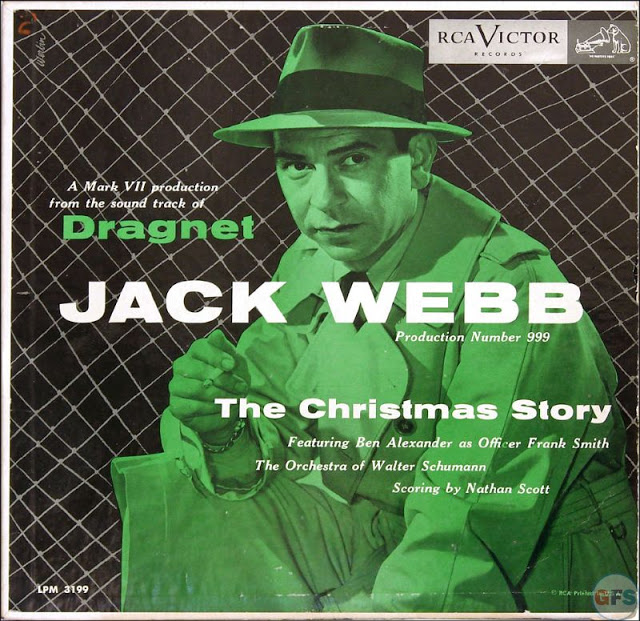
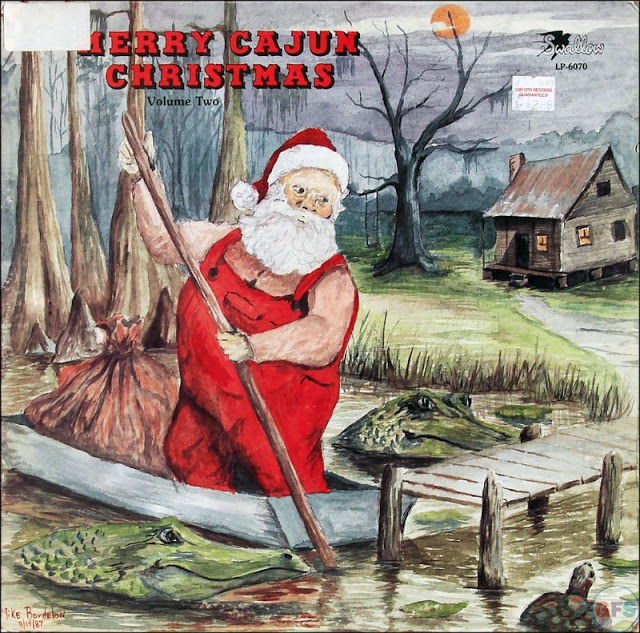
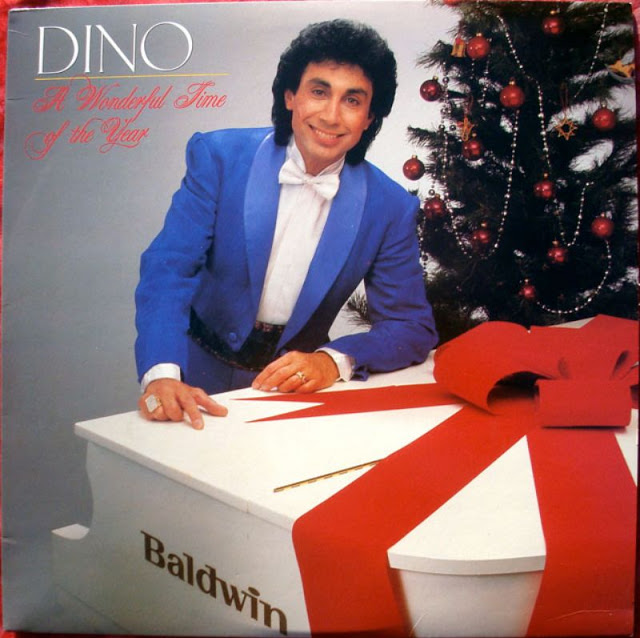
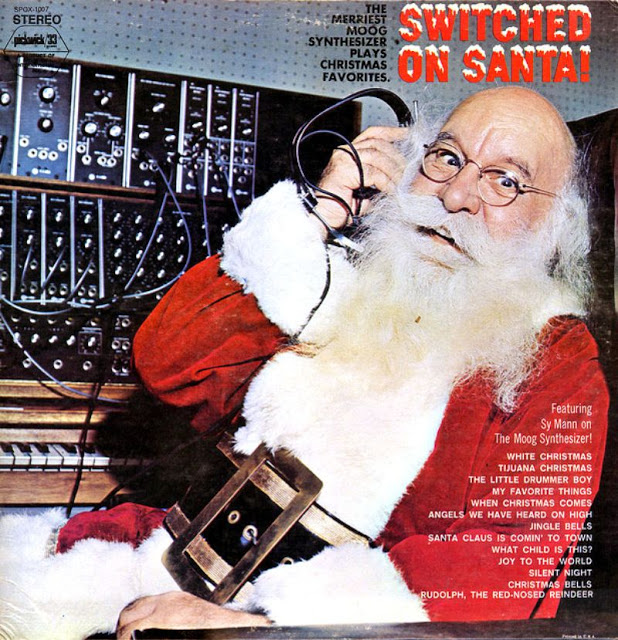
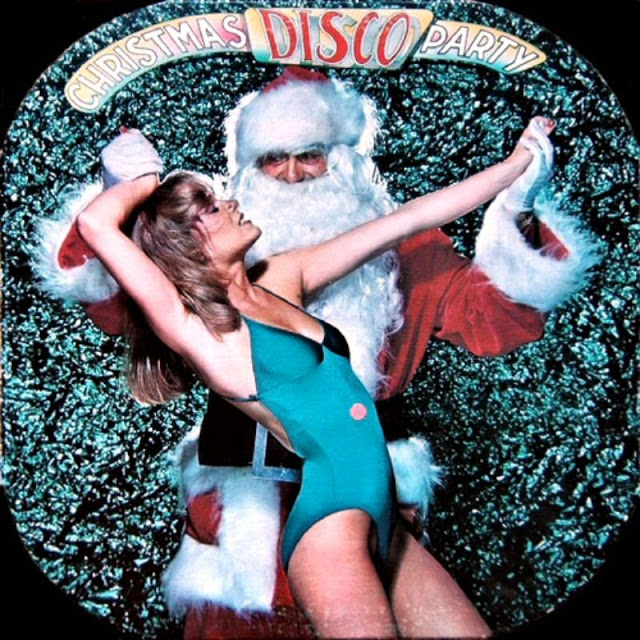
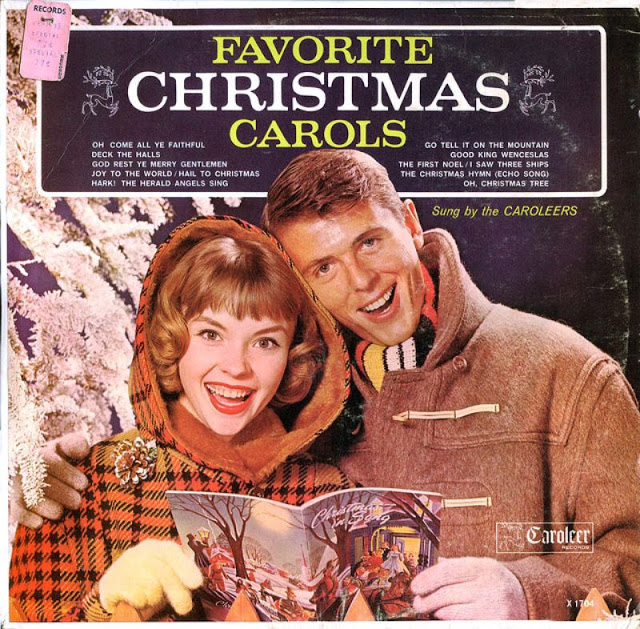
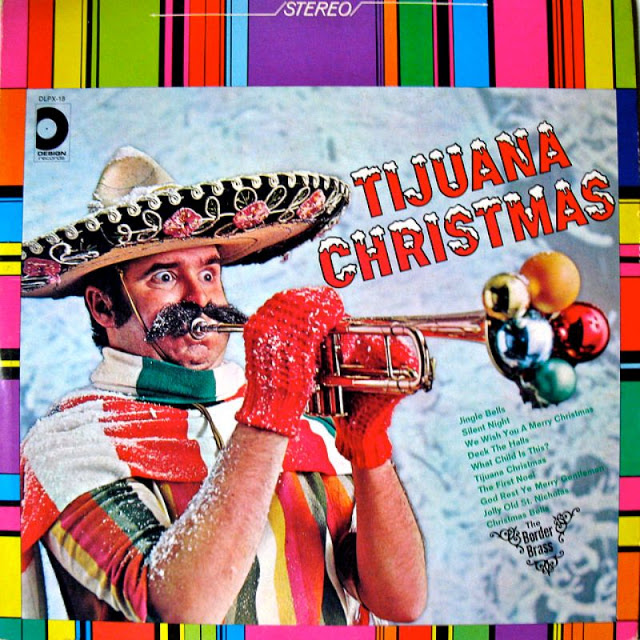
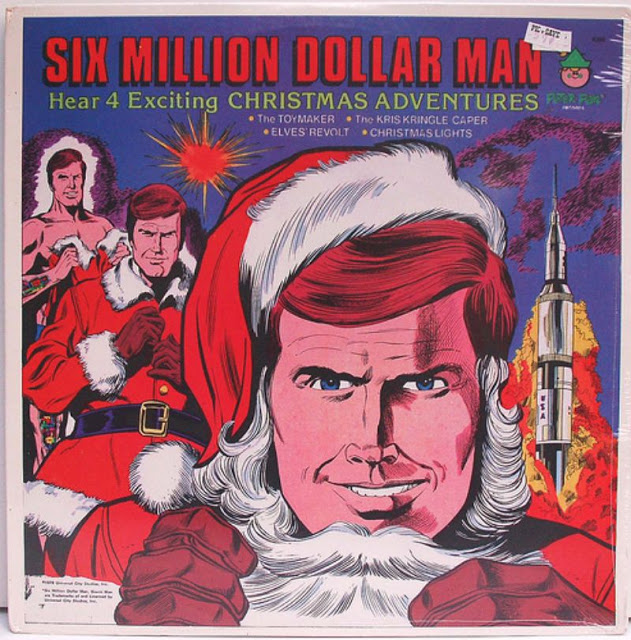
Every year, a handful of new artists try their hand at a Christmas album. It works for some, but for many others, it’s just kind of a weird experiment.
It’s more or less expected for a lot of country singers and mainstream pop stars to make at least some kind of holiday offering, but there are plenty of musicians and bands who do, even though it doesn’t seem to fit the general theme of their music. Here’s a list of 16 Christmas albums from artists who we really thought had no business making Christmas albums…


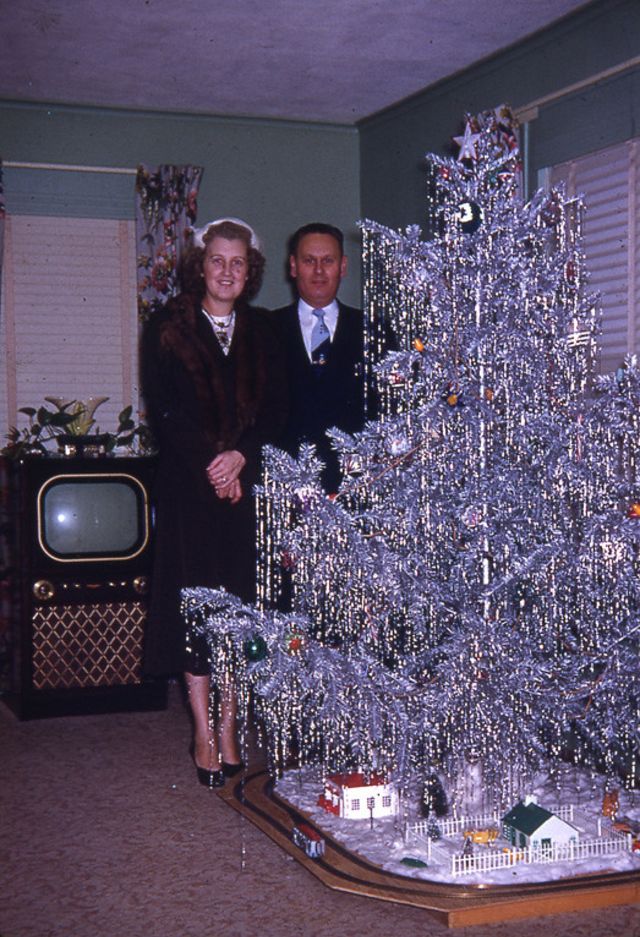

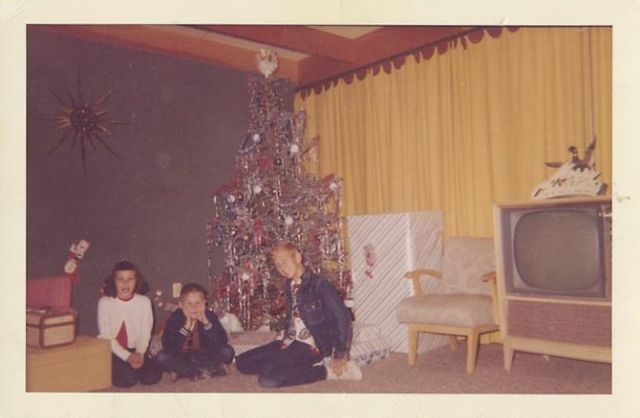
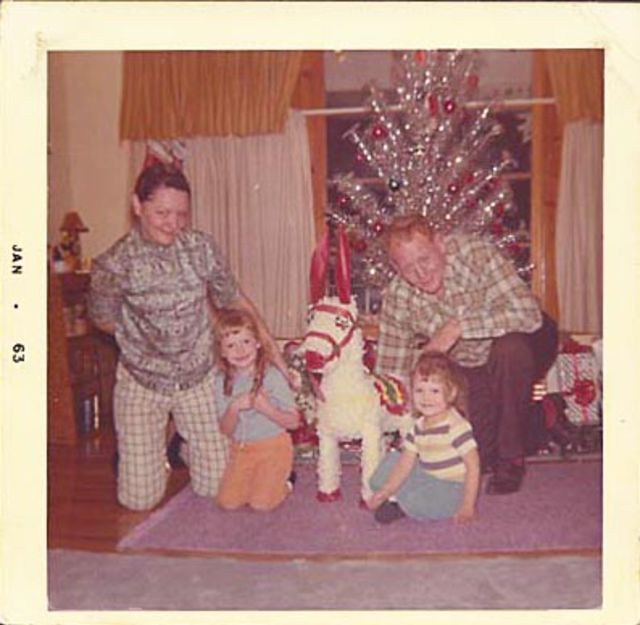
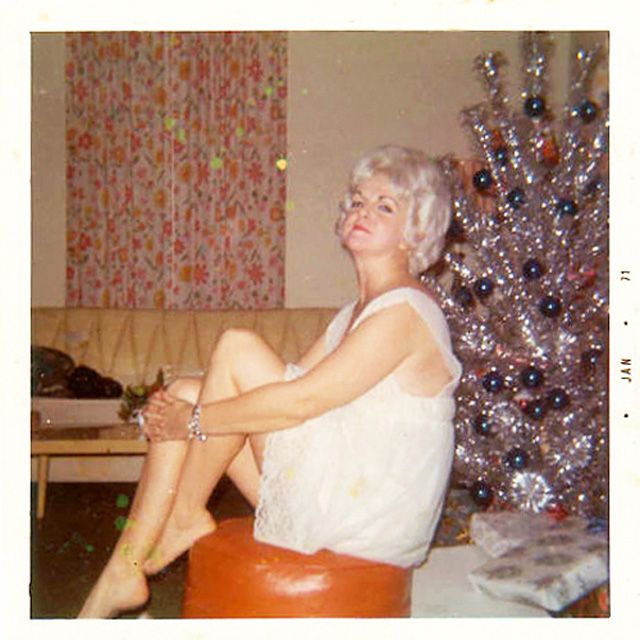
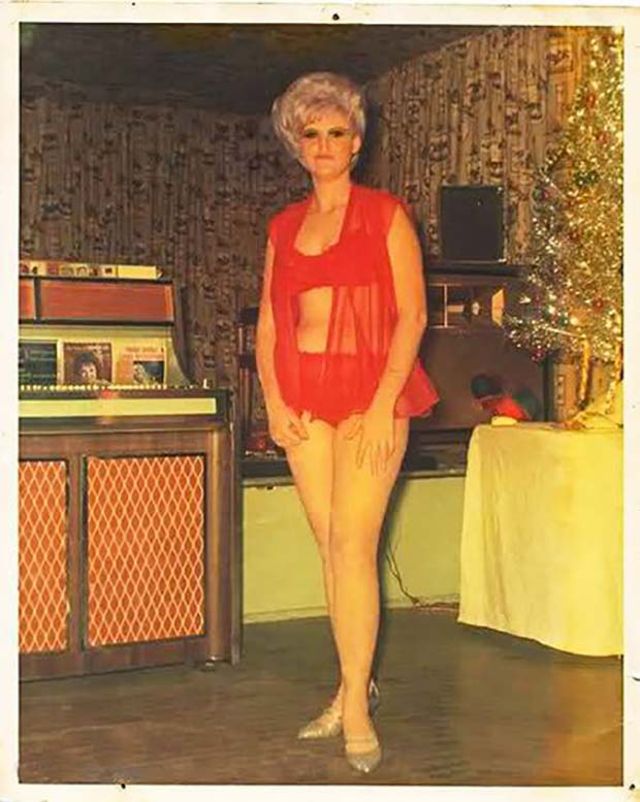
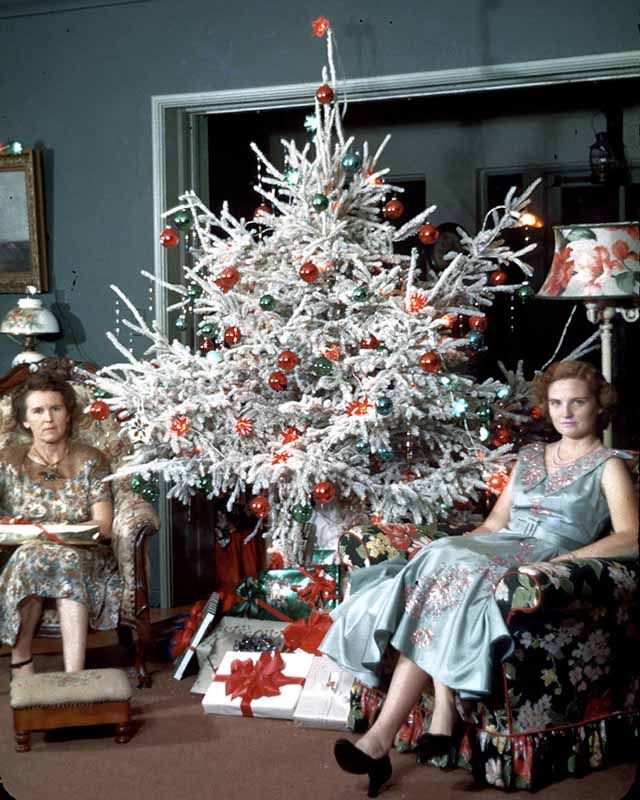
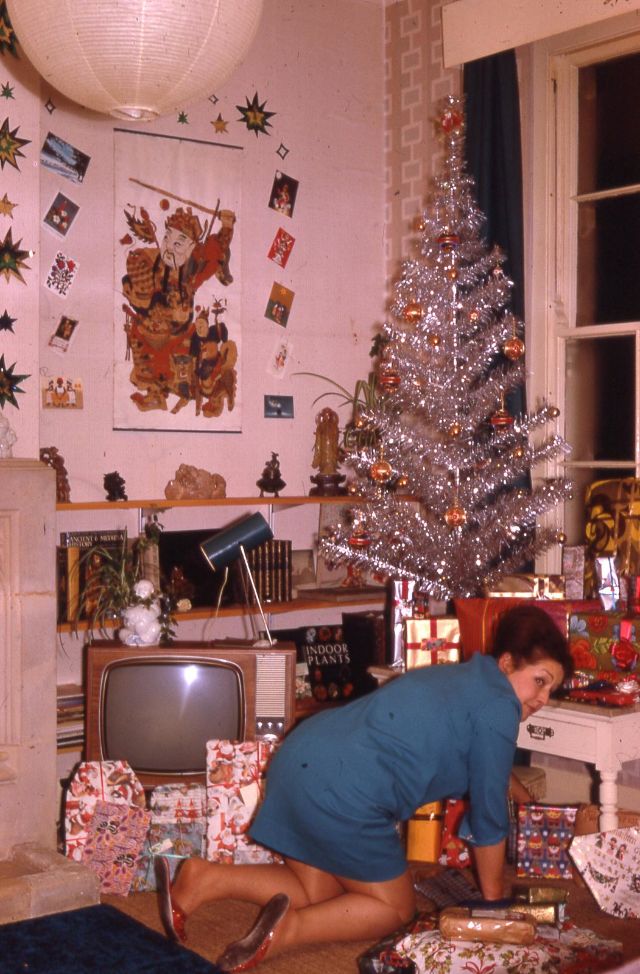
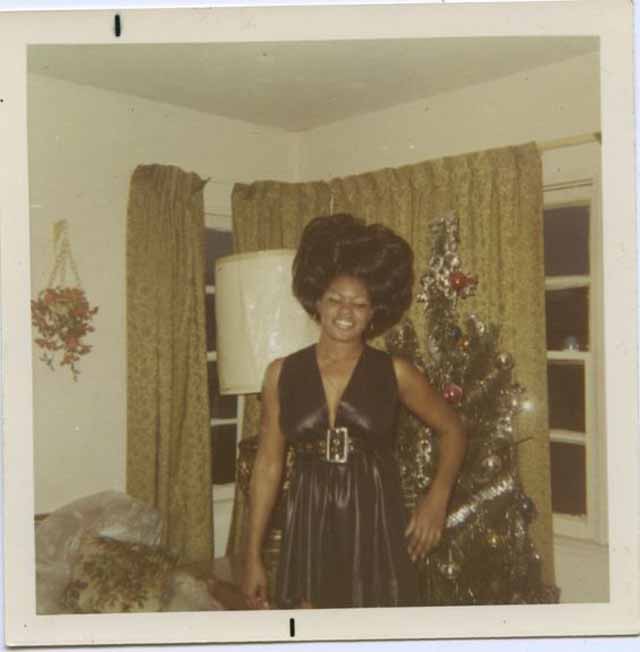
The aluminum Christmas tree became extremely popular and sought after by the public in the early and mid-1960s. With beautiful mercury glass balls of red, blue and green these trees were very dazing to behold. Throw in a color wheel and you are on the launch pad for an awesome display that gives a dazzling brilliance to any room.
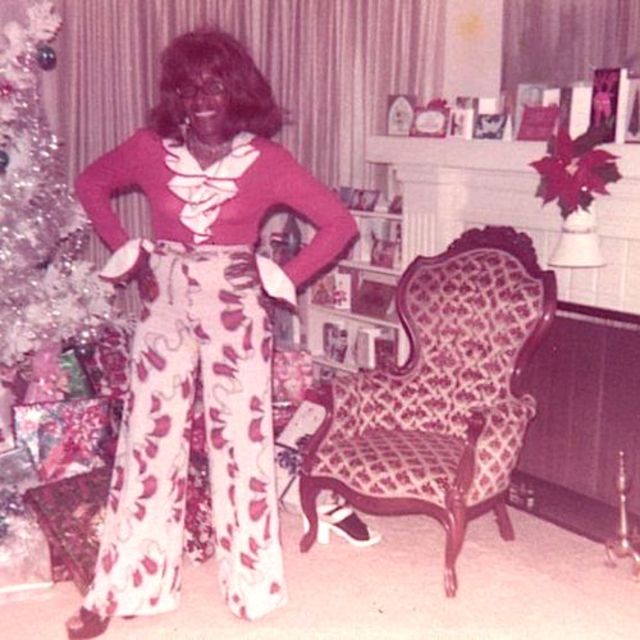
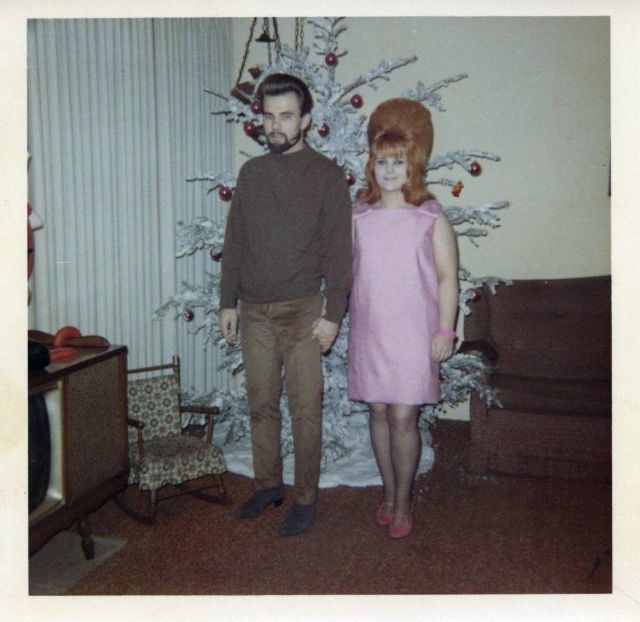
The Aluminum Christmas tree remained a top seller on the market until the mid 1970s, and was phased out by the bicentennial year of 1976 when more traditional trees became popular. Originally, the trees predominant color was silver and represented a wonderfully-sparkling breathtaking symbol the “Space Age Era” with silver reflecting bright moving points of light that had silvery shimmering branches. However in the late 1960s pink, purple, gold, green, red and a whole gallery of colors became available.
Even the famous vintage aluminum Christmas tree the Sparkler or Pom-Pom was later manufactured in various other shades such as blue, pink, green and red. In our times these remarkable and well-made aluminum trees are found on vintage sites across the internet with their swirled and tapered fullness ready to be UN-boxed for a new Christmas.