
Bringing You the Wonder of Yesterday – Today
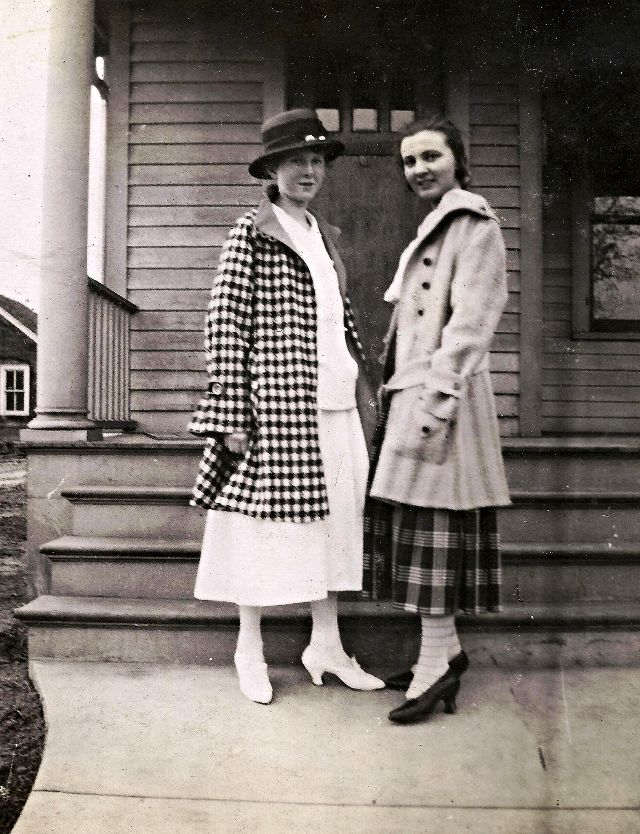
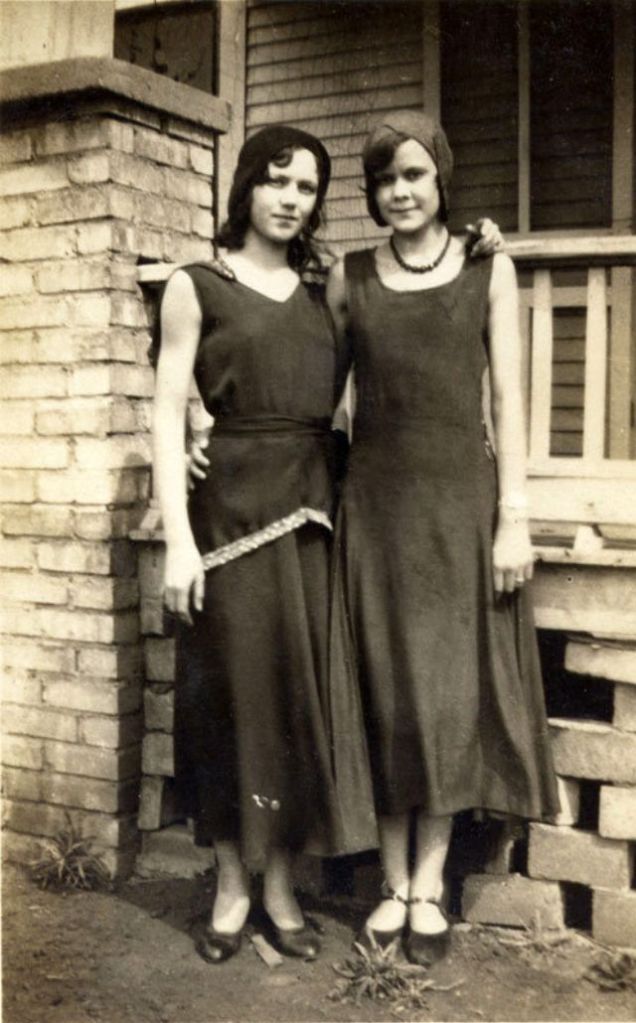
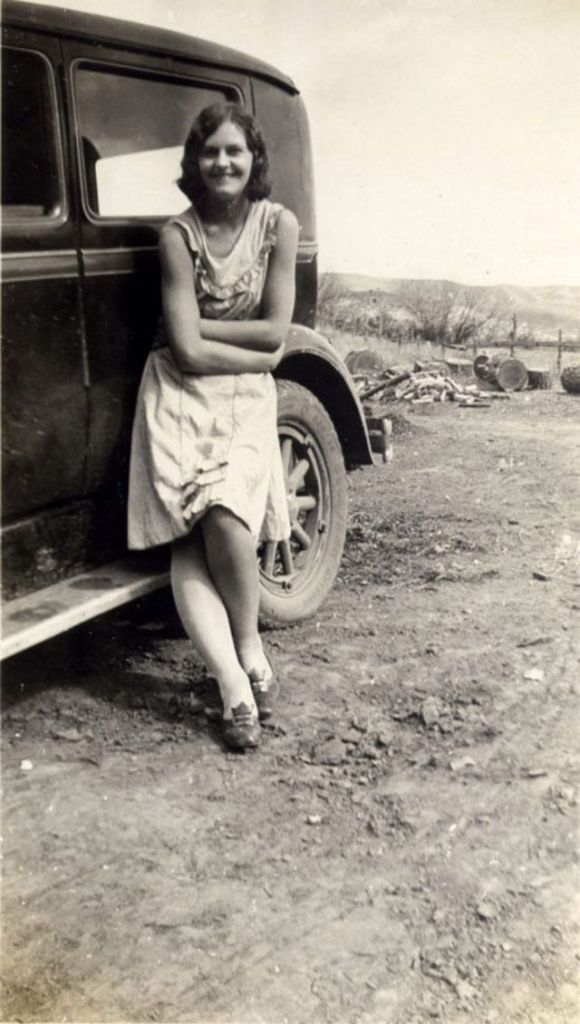
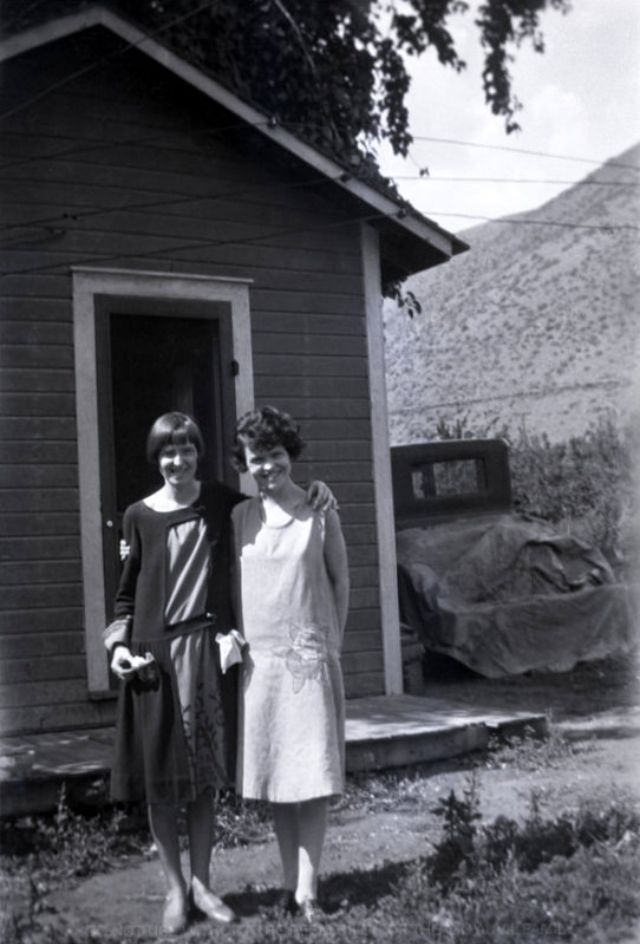
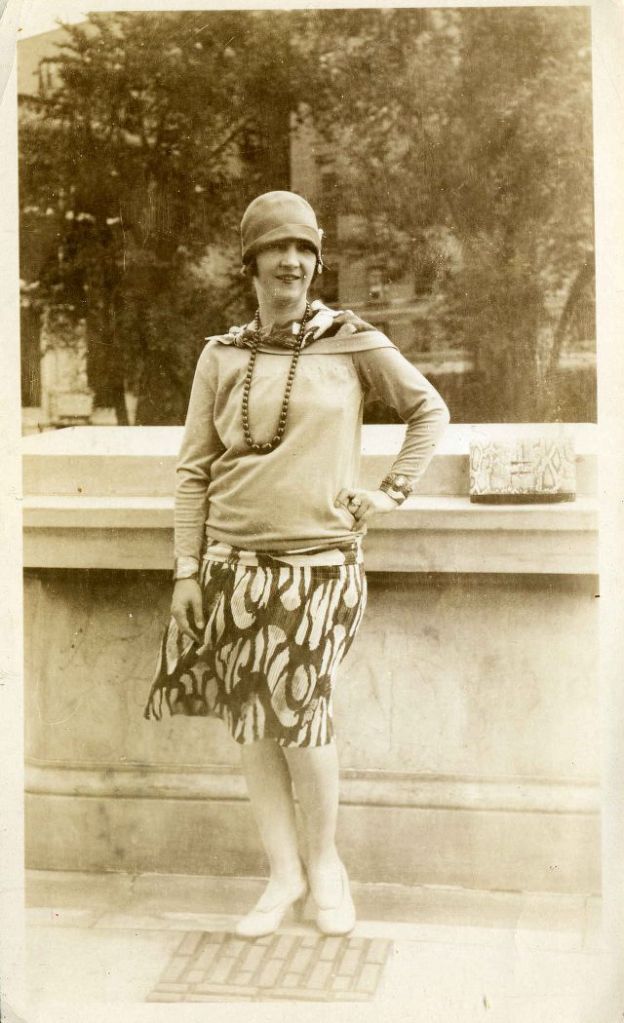
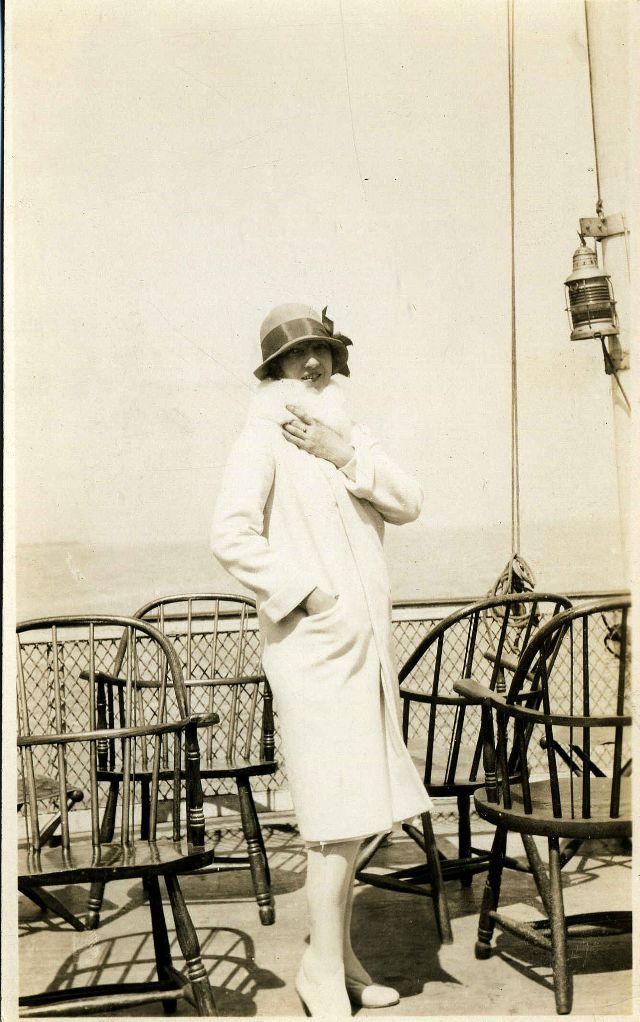
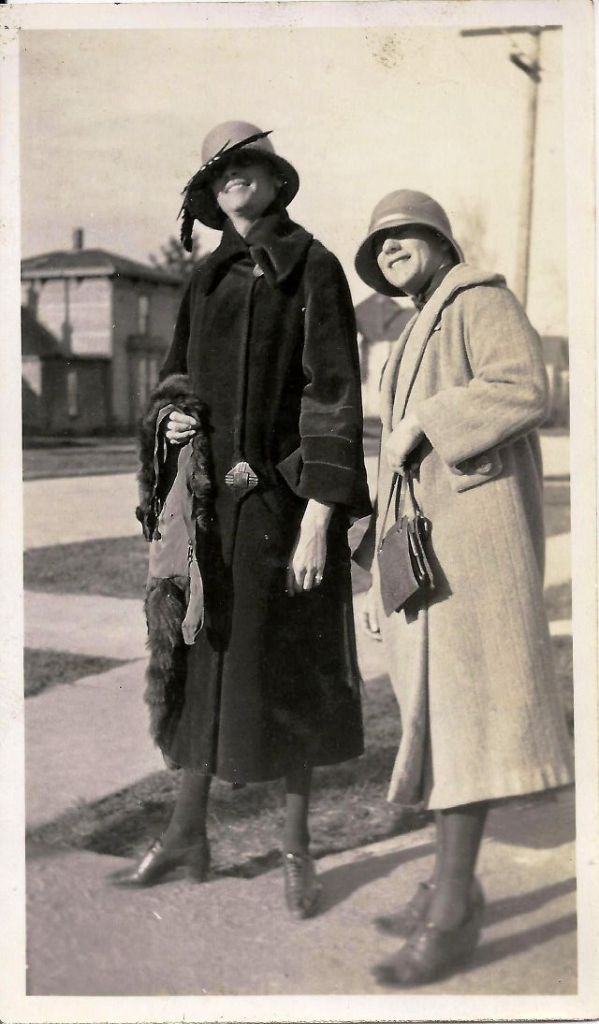
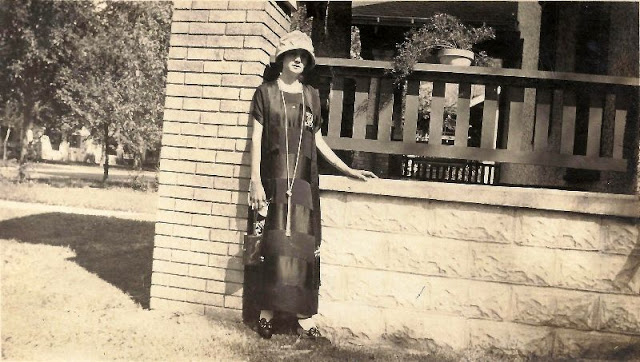
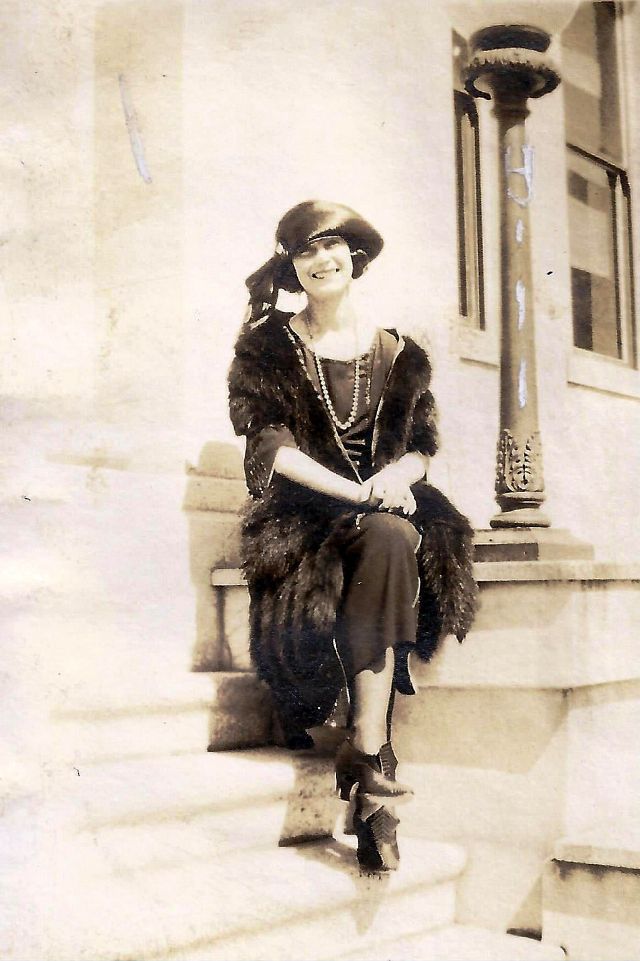
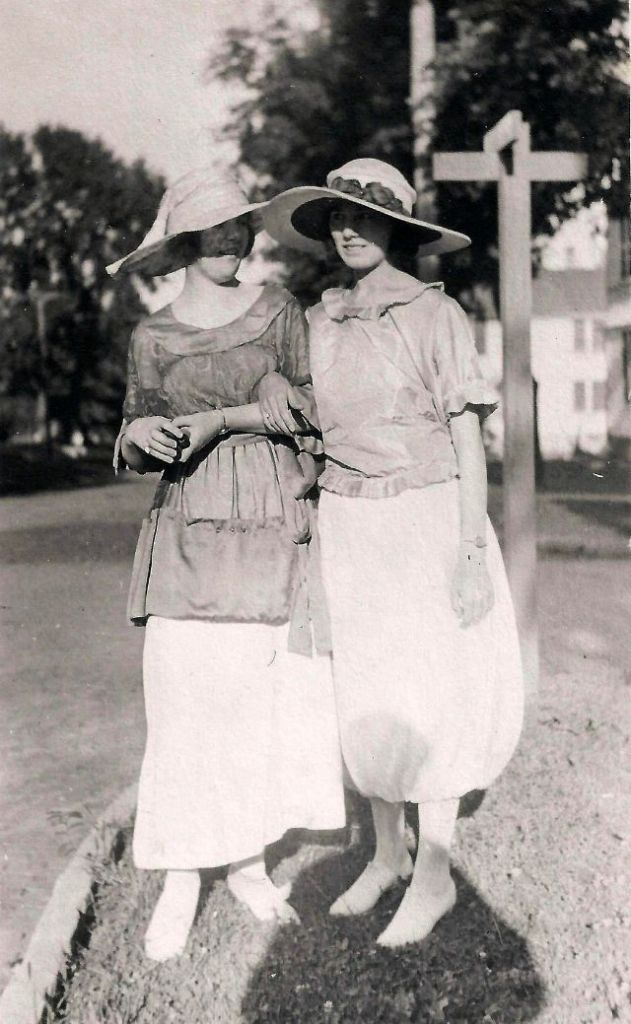
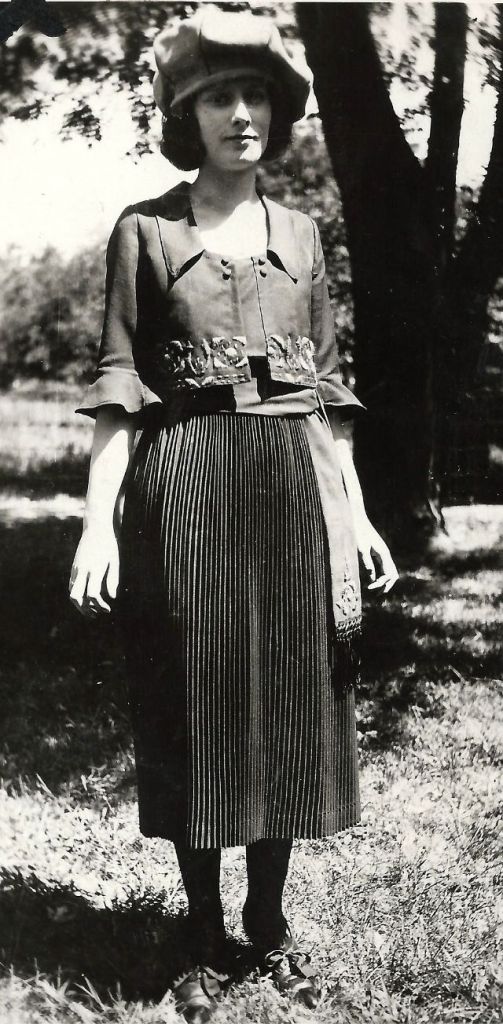
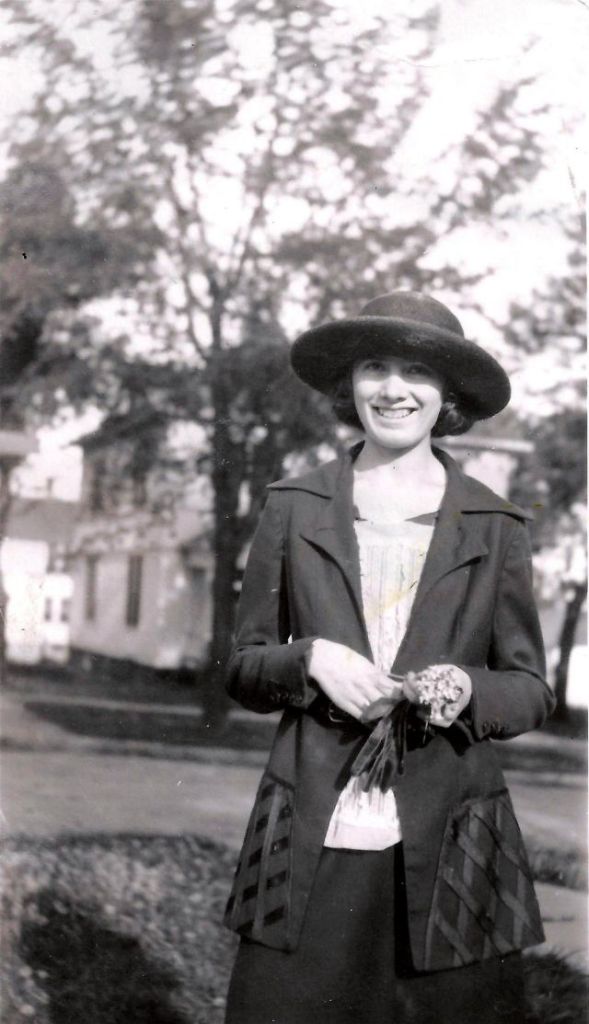
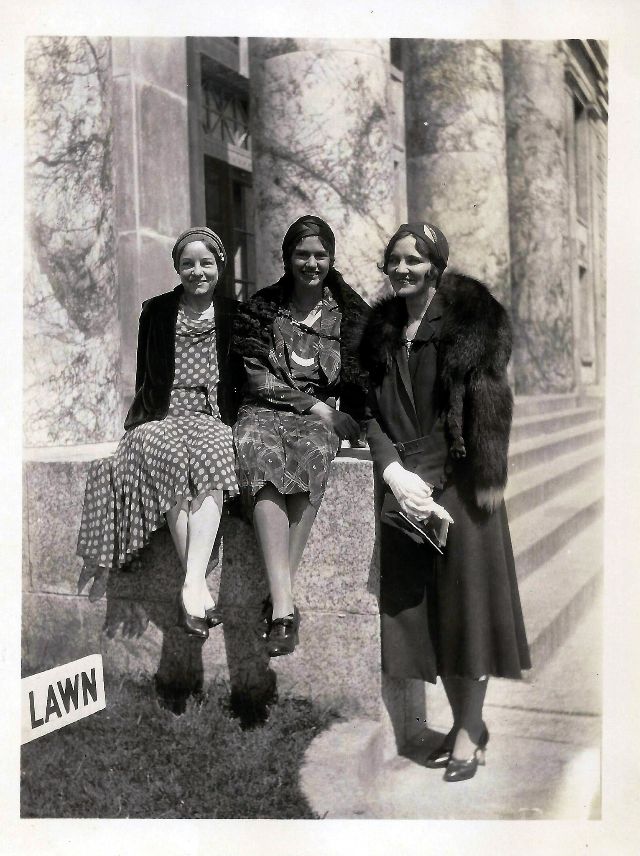
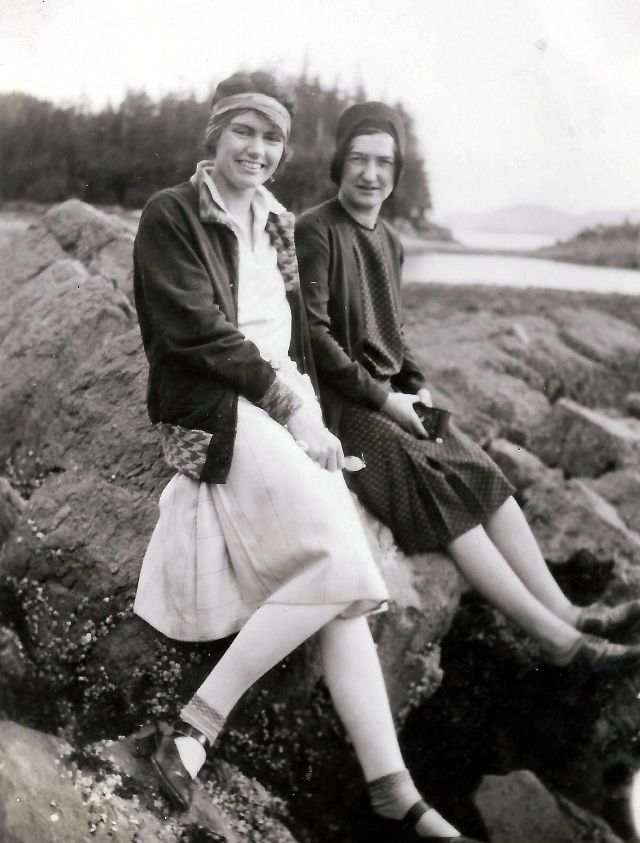
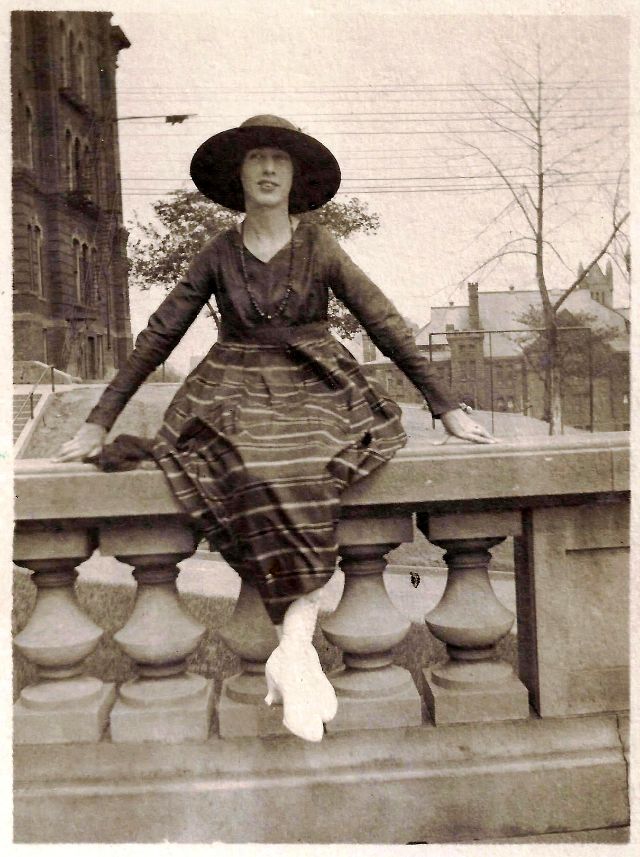
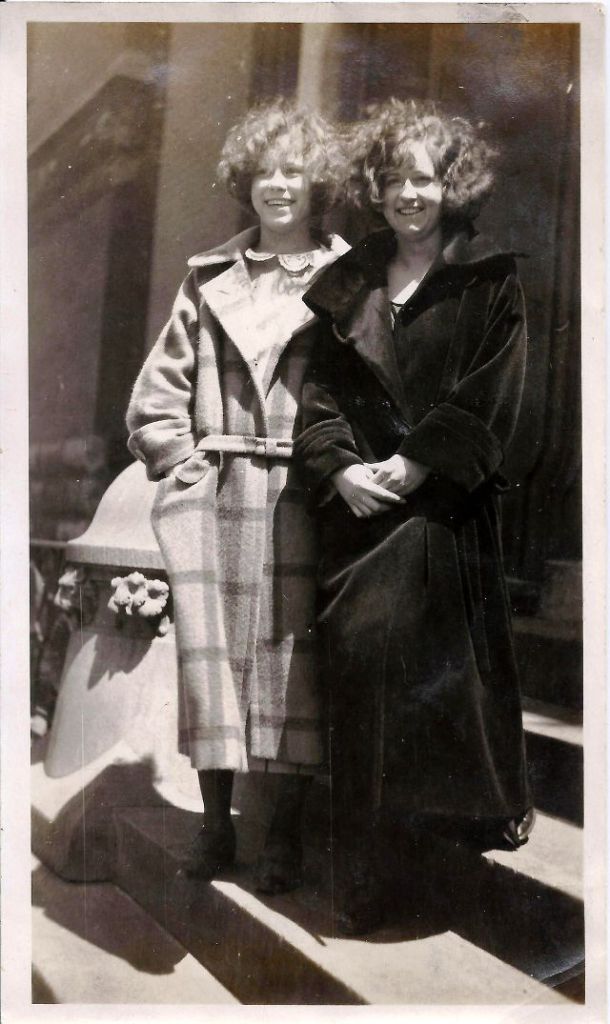
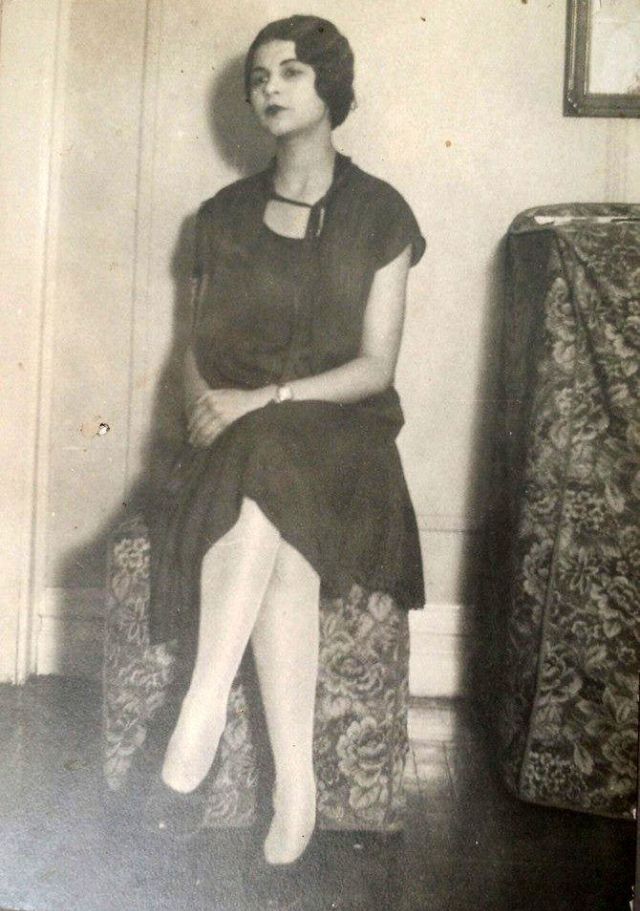
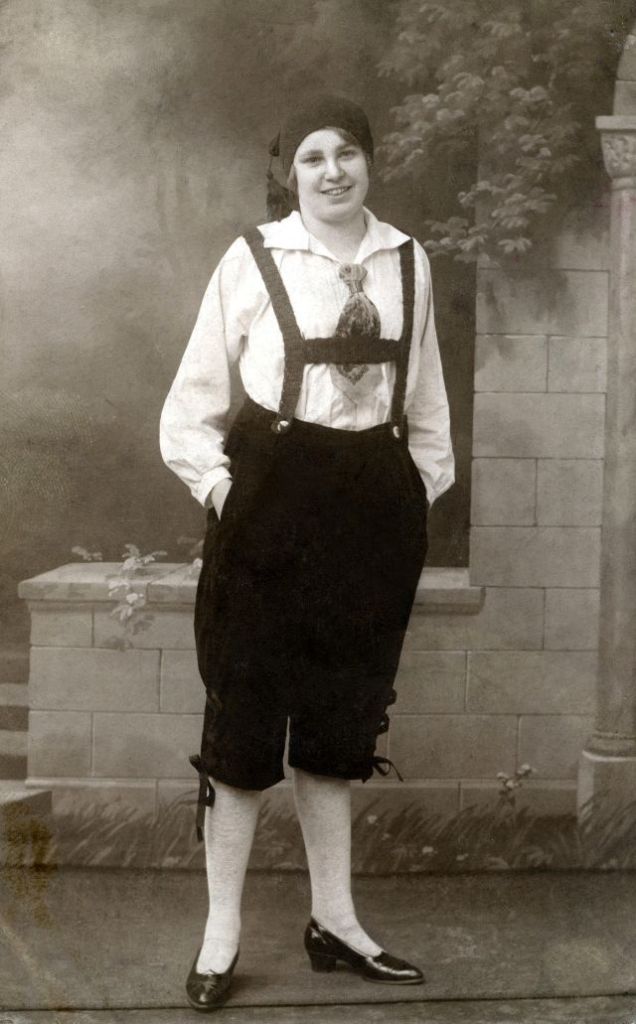
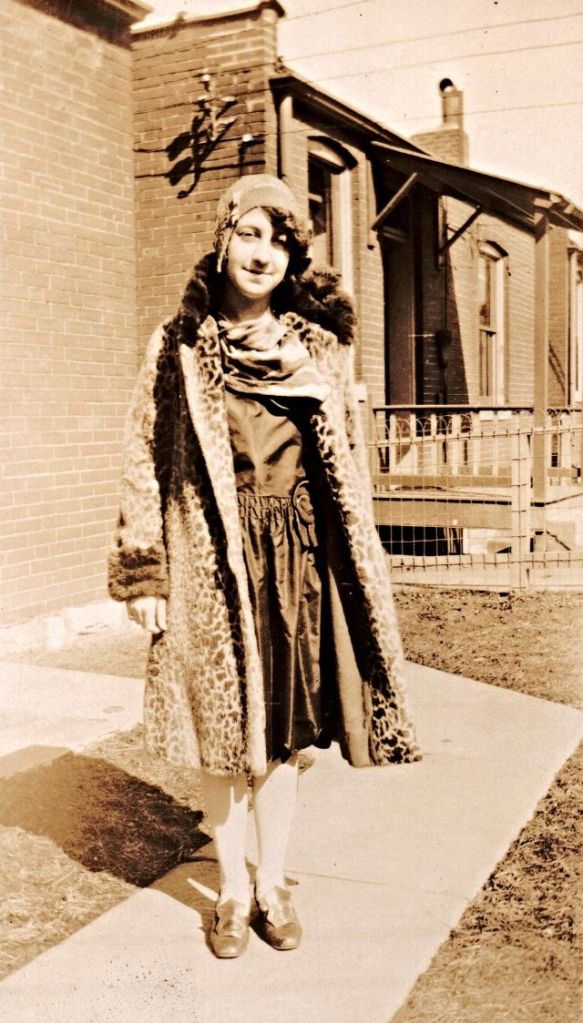
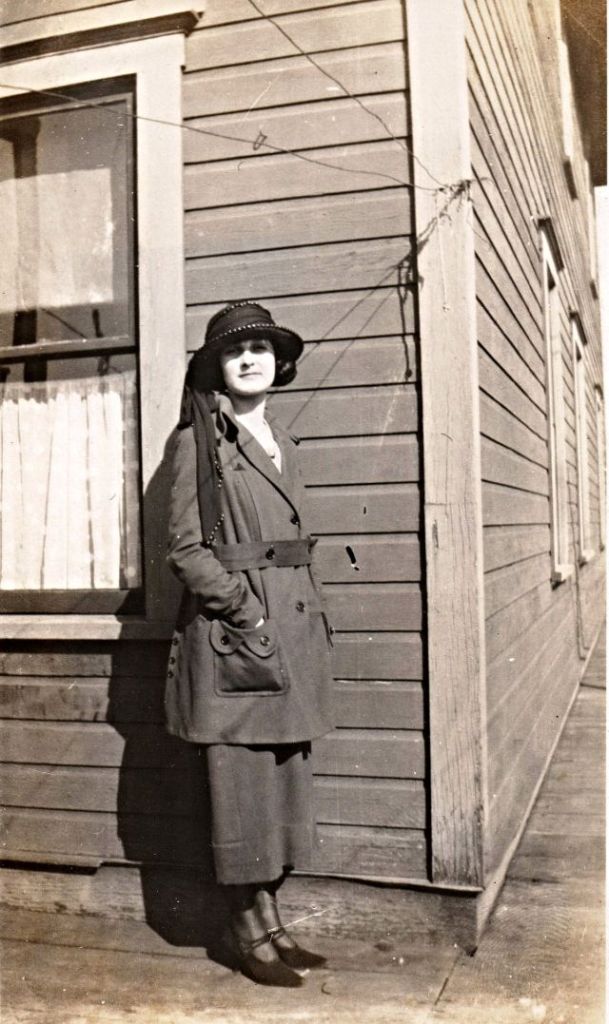
Much has been written about 1920s fashion, and for good reason. It is easily one of the most influential, creative and unique epochs in modern fashion history.
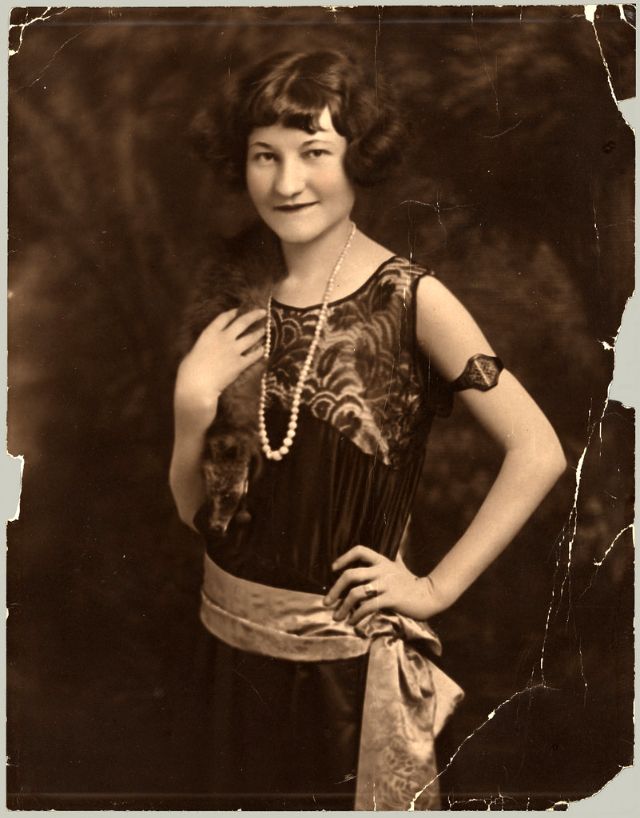
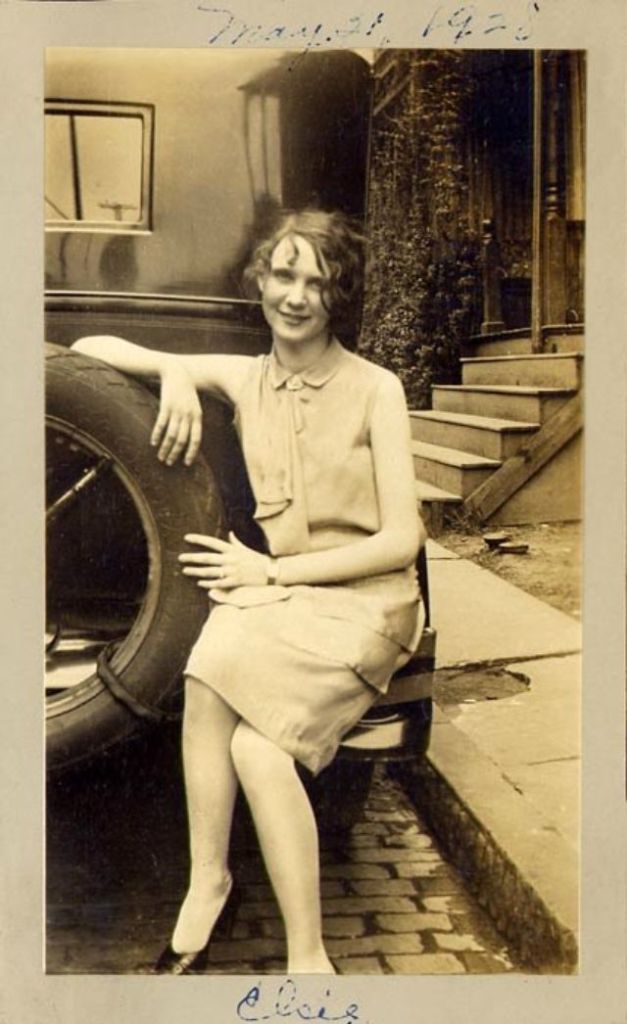
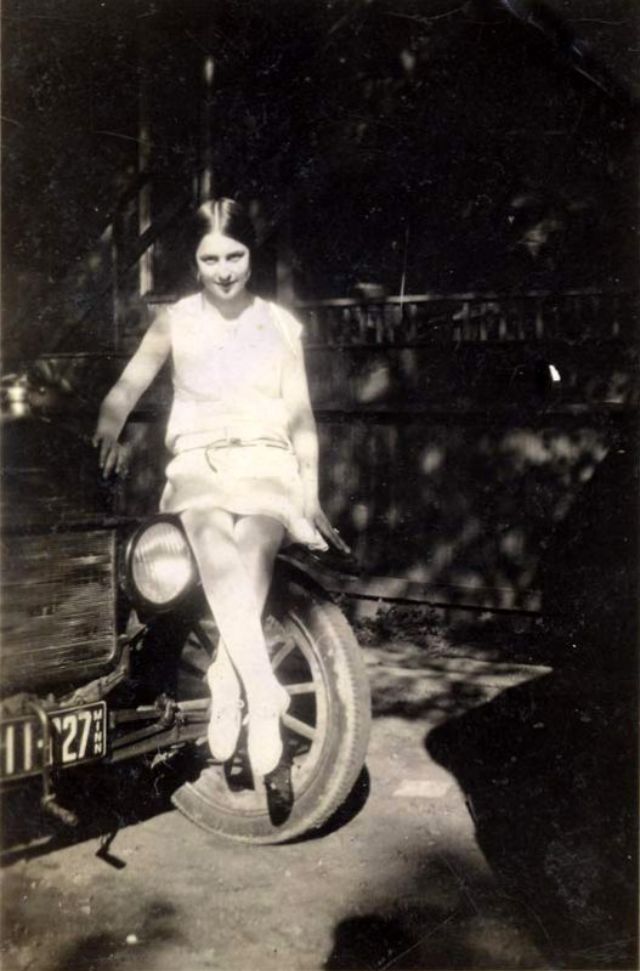
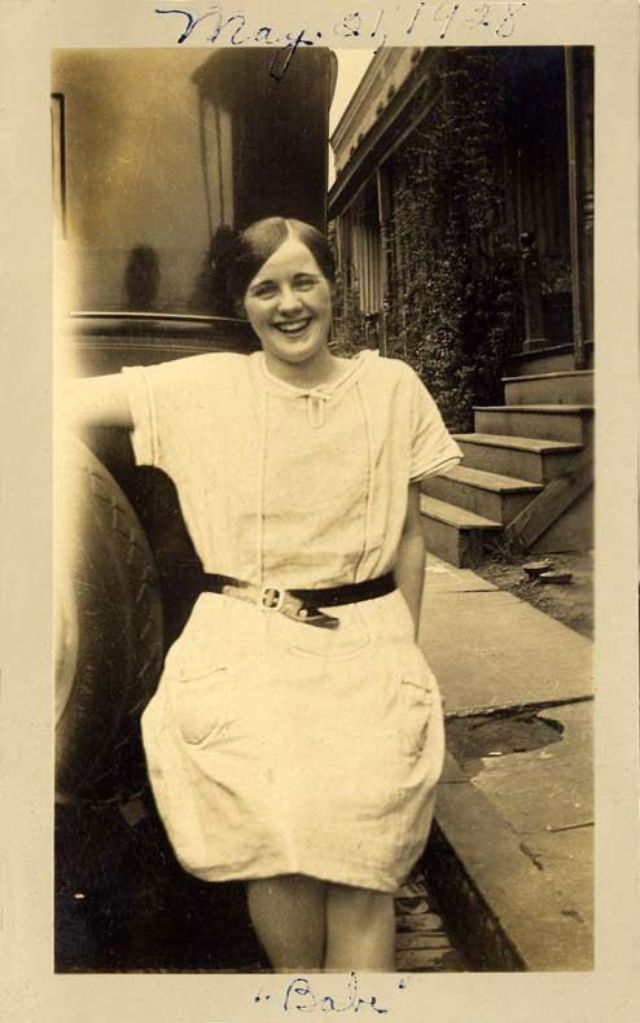
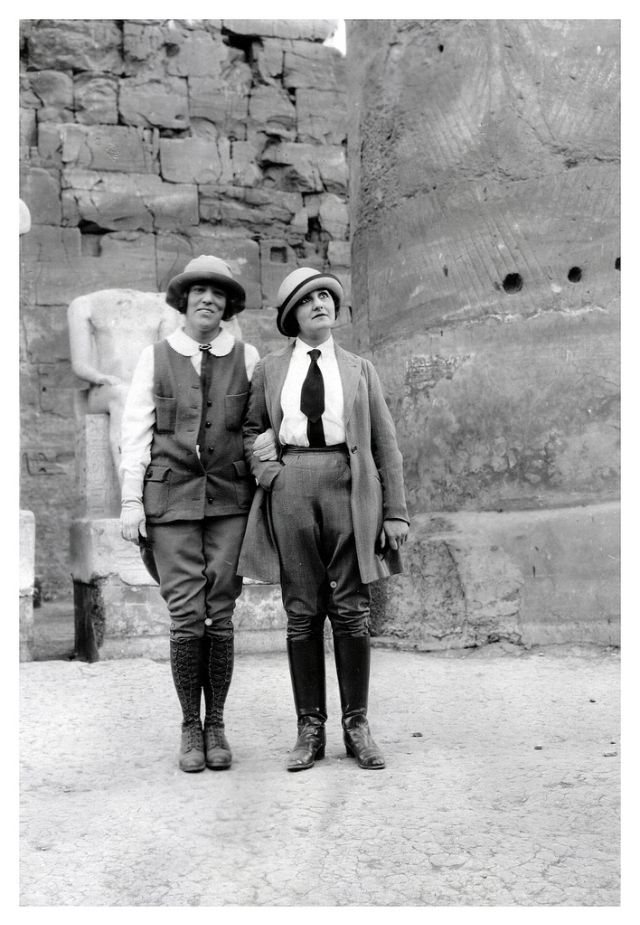
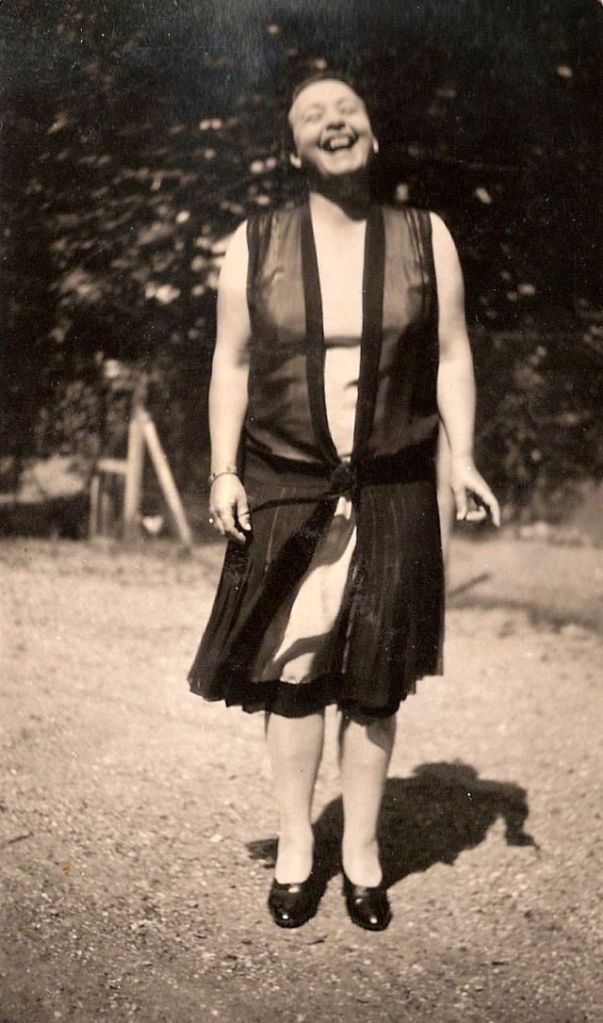
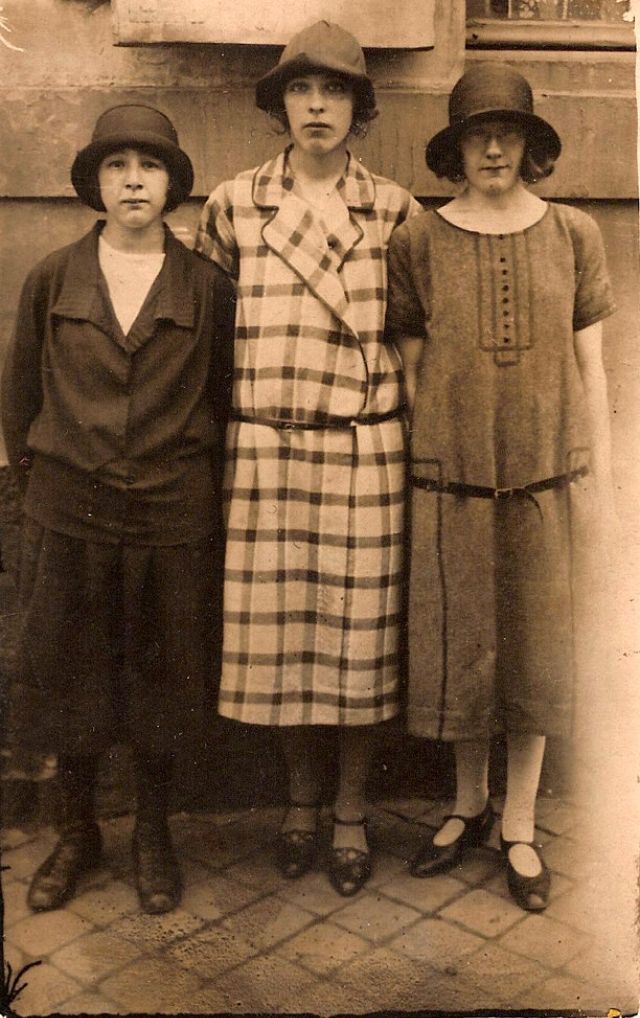
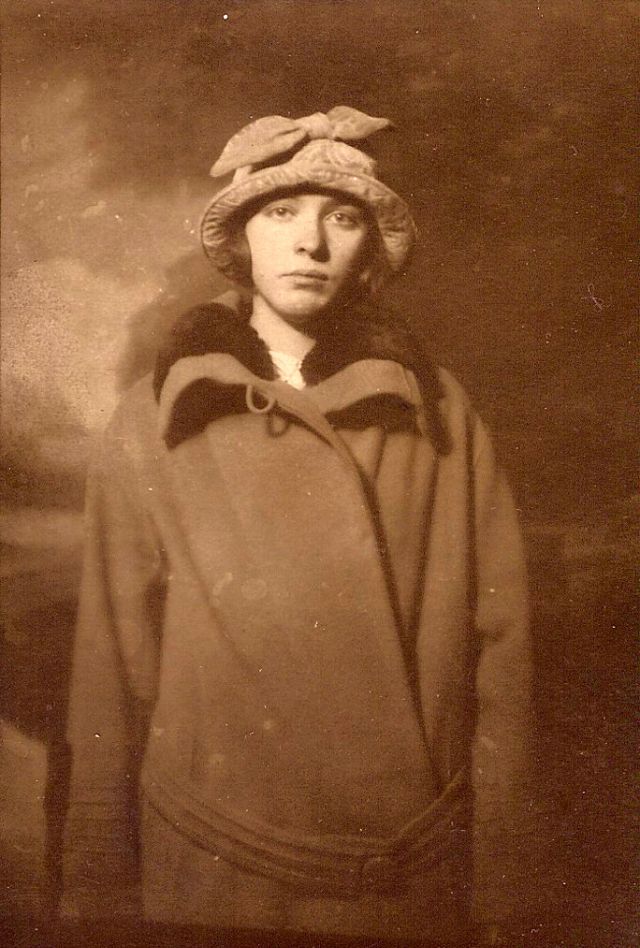
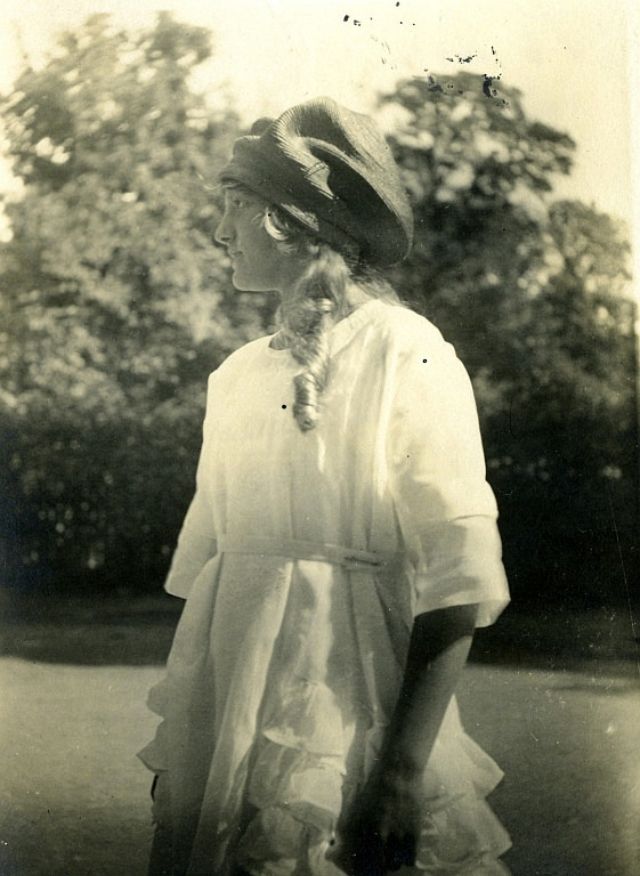
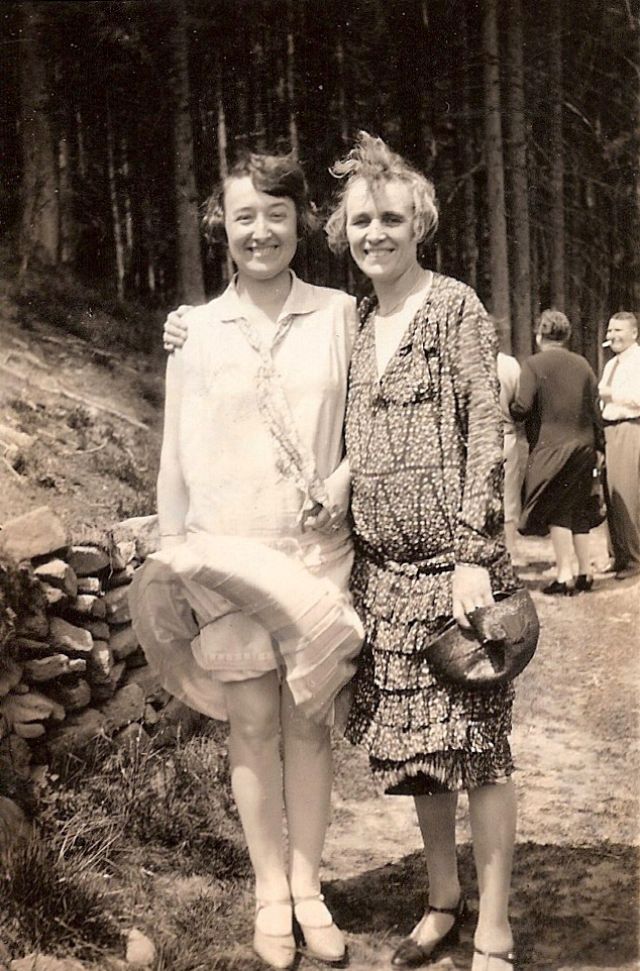
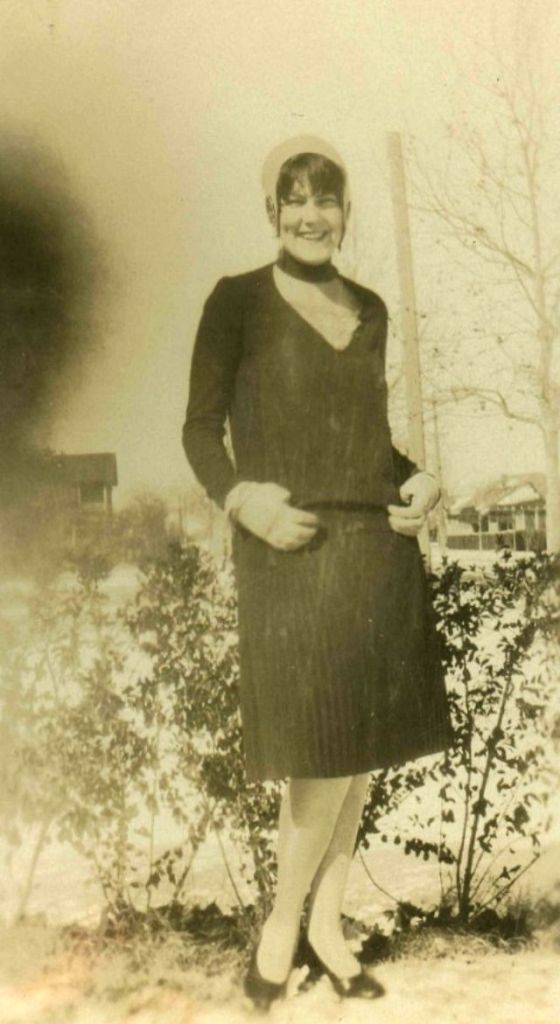
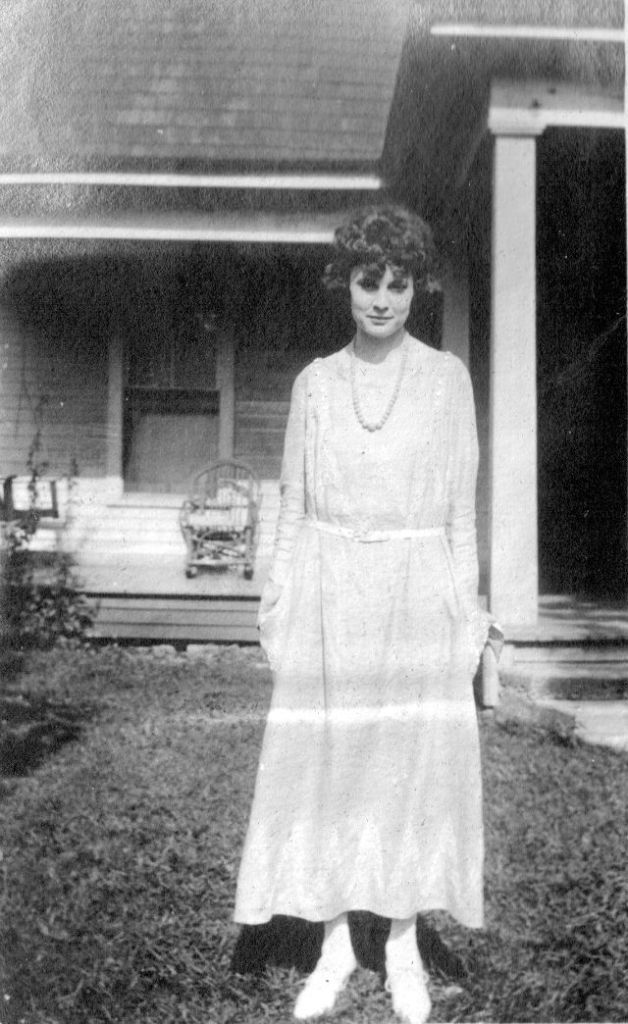
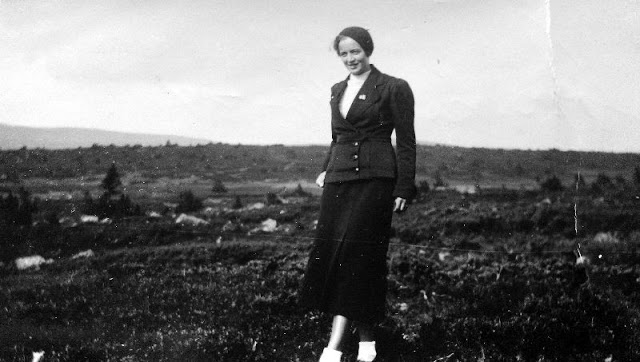
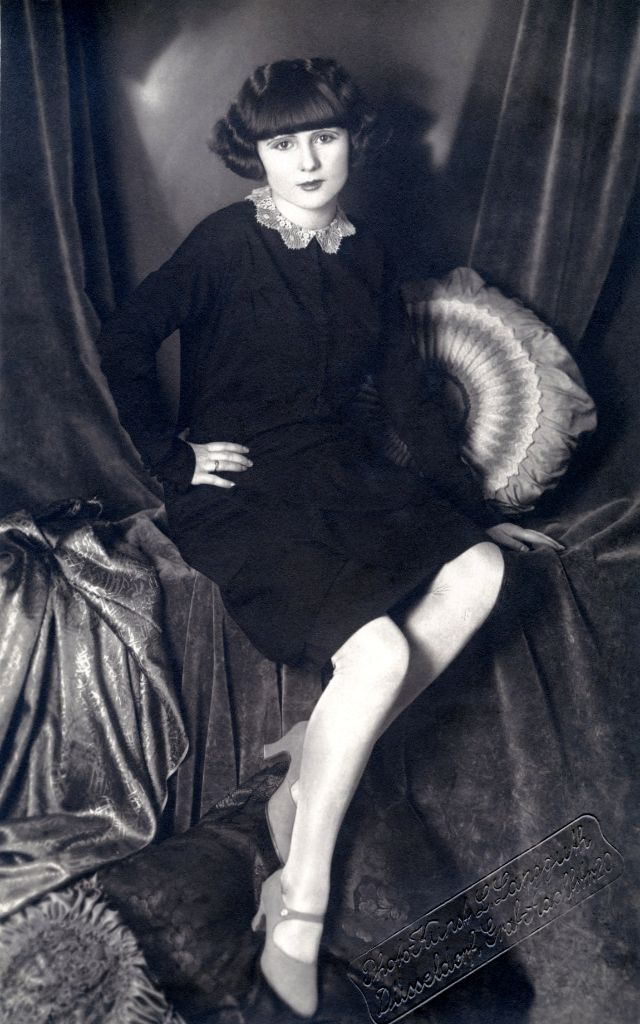
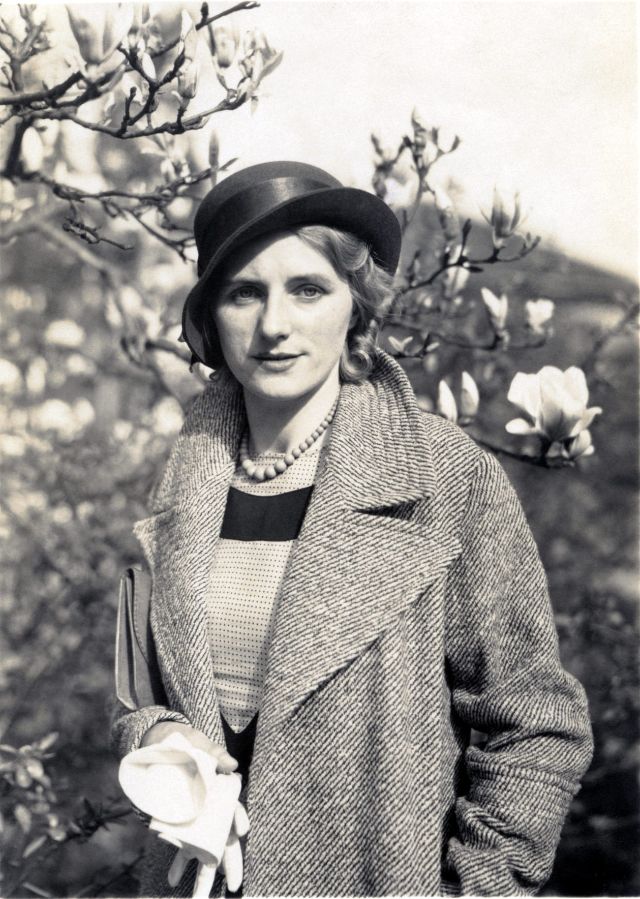
The most stunning thing you will notice about 1920s fashion is the shape of the silhouette. It is strikingly straight and flat. While most fashions accentuate the figure in some way or another, it almost seemed like, at times, any shape other than straight was a big no-no. This straight shape is a very distinct element of 1920s style.
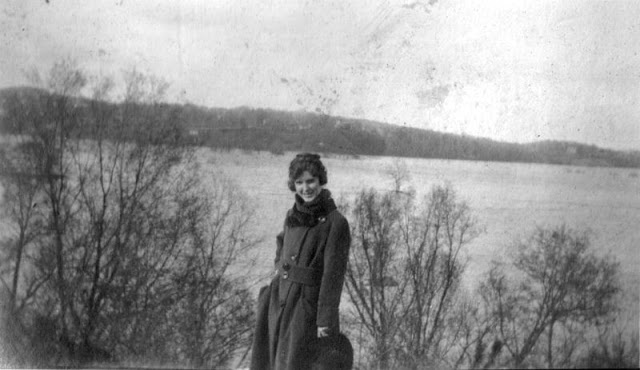
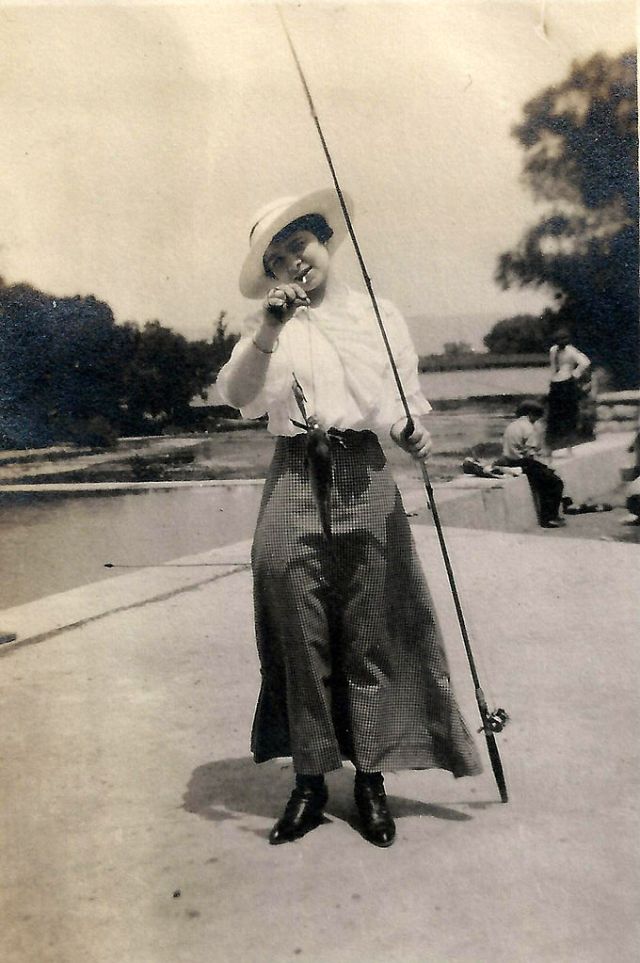
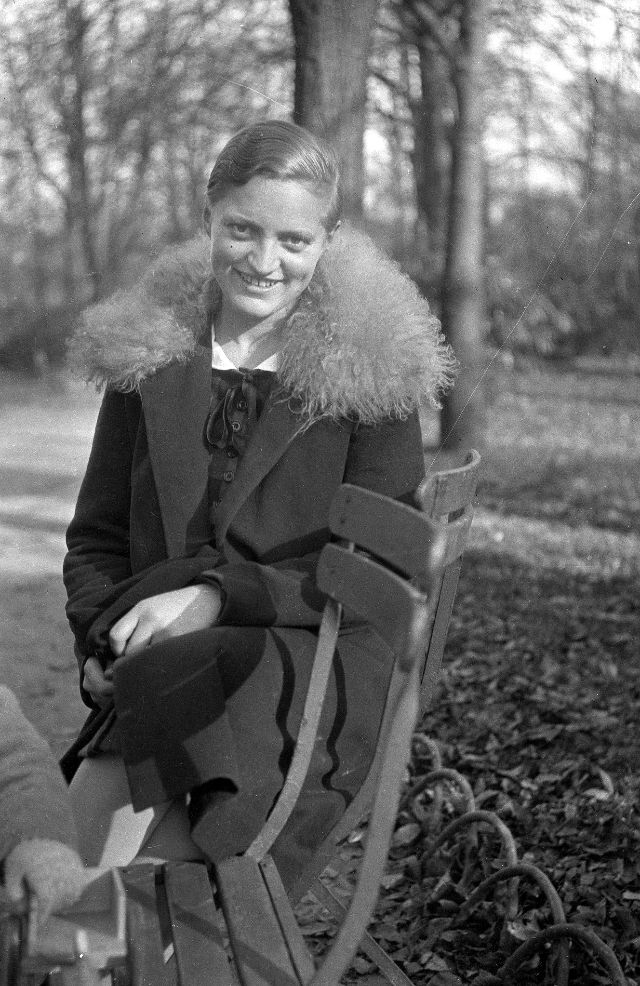
Take a look at these pictures to see what stylish women looked like from the 1920s.
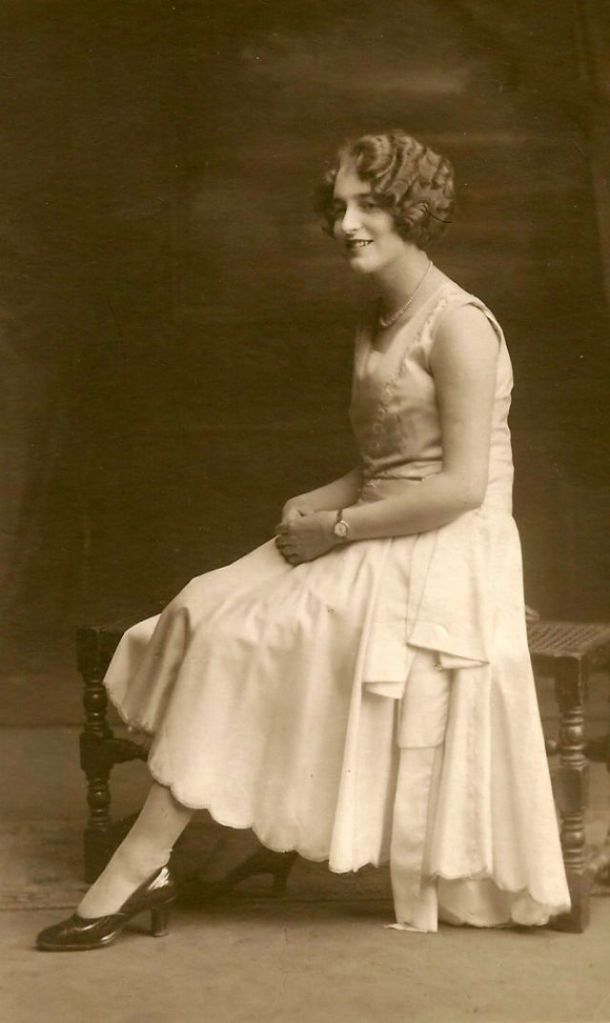
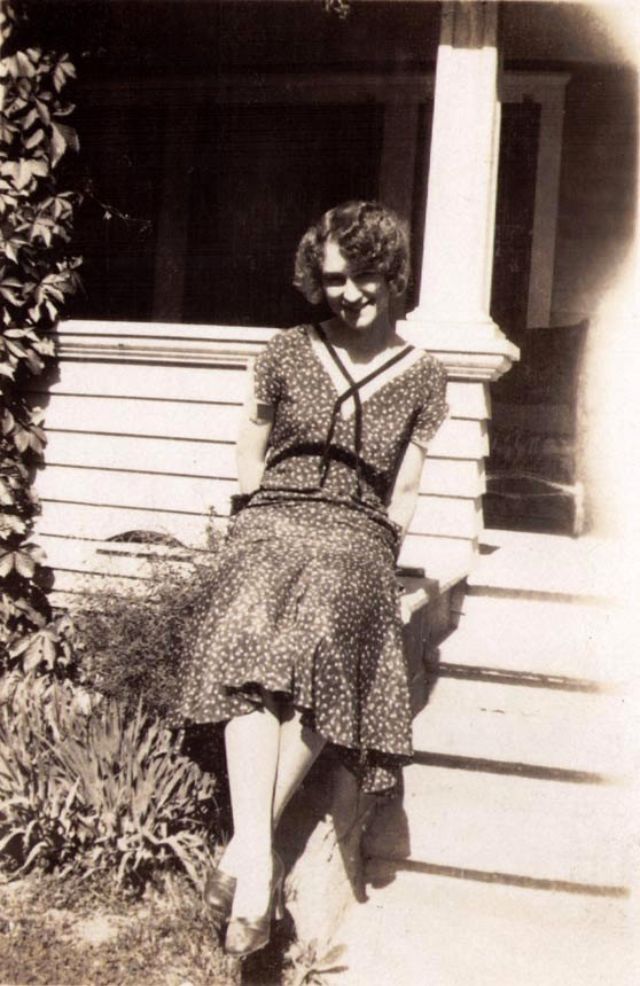
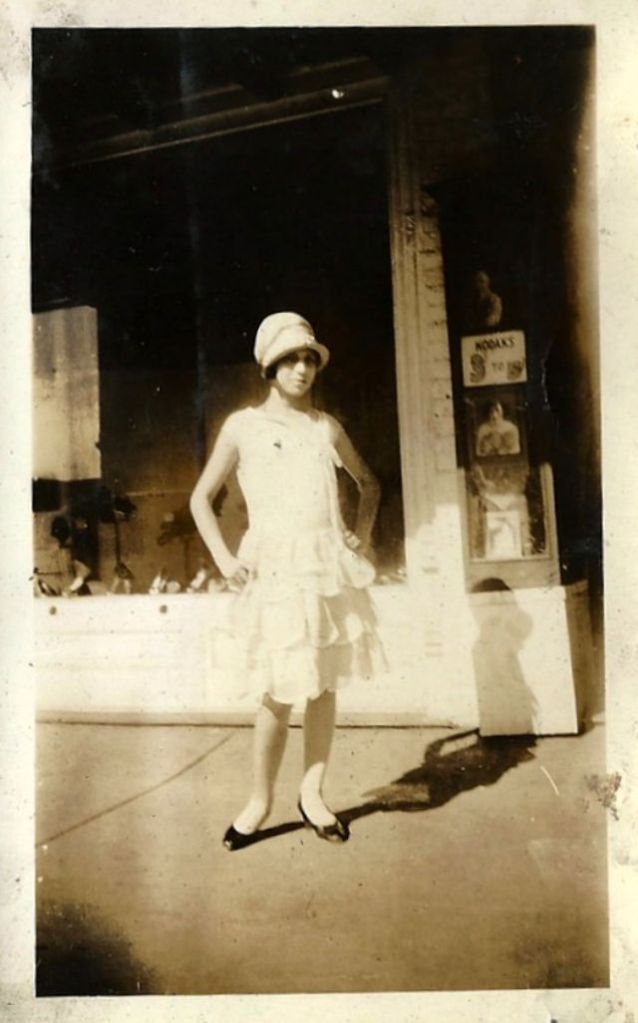
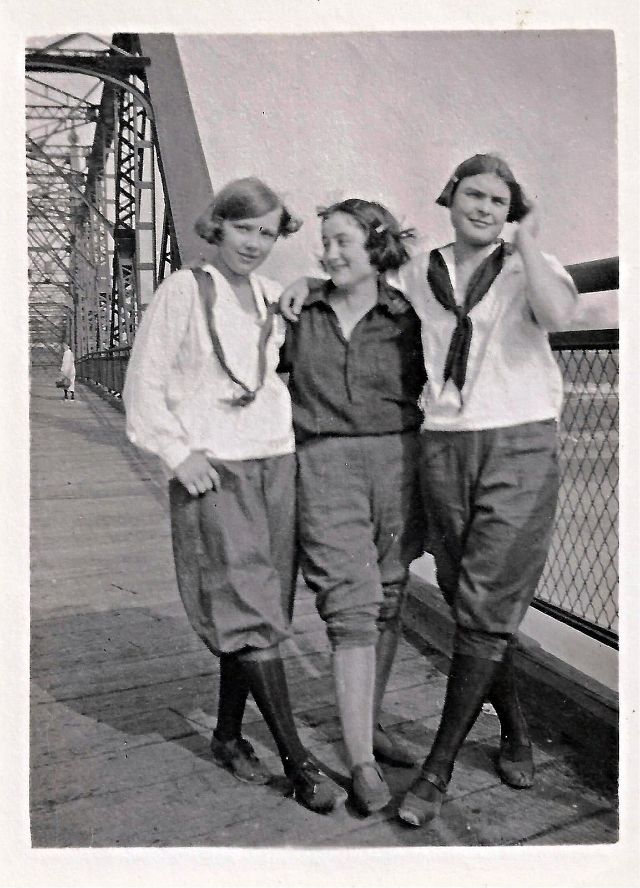

Read more of this content when you subscribe today.
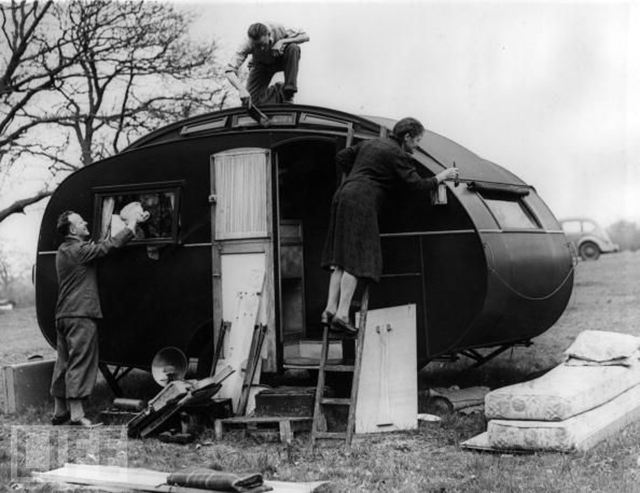
Travel trailers and caravans vary from basic models which may be little more than a tent on wheels to those containing several rooms with all the furniture and furnishings and equipment of a home.
In the United States, the history of travel trailers can be traced back to the early 1920s, when those who enjoyed their use were often referred to as ‘tin can tourists’. As time progressed, trailers became more liveable and earned a new name in the 1930s and 1940s, which was the house trailer.
In the 1950s and 1960s, the industry seemed to split, creating the two types that we see today, that of the recreational vehicle (RV) industry and mobile home industry.
Today travel trailers are classified as a type of RV along with motorhomes, fifth-wheel trailers, pop-up trailers, and truck campers.
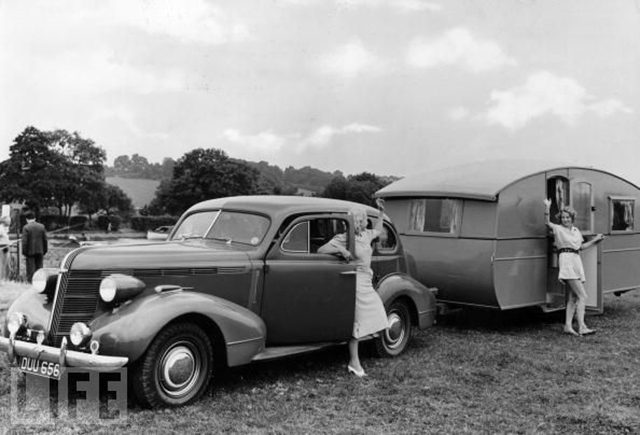
Here’s a collection of 20 vintage photos that show the golden age of travel trailers during the 1940s and 1950s.

Become a paid subscriber to get access to the rest of this post and other exclusive content.

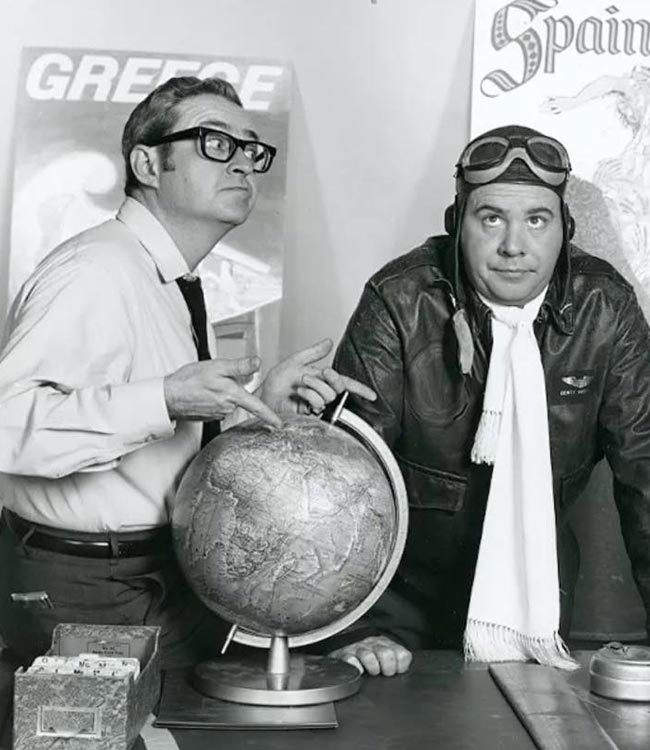
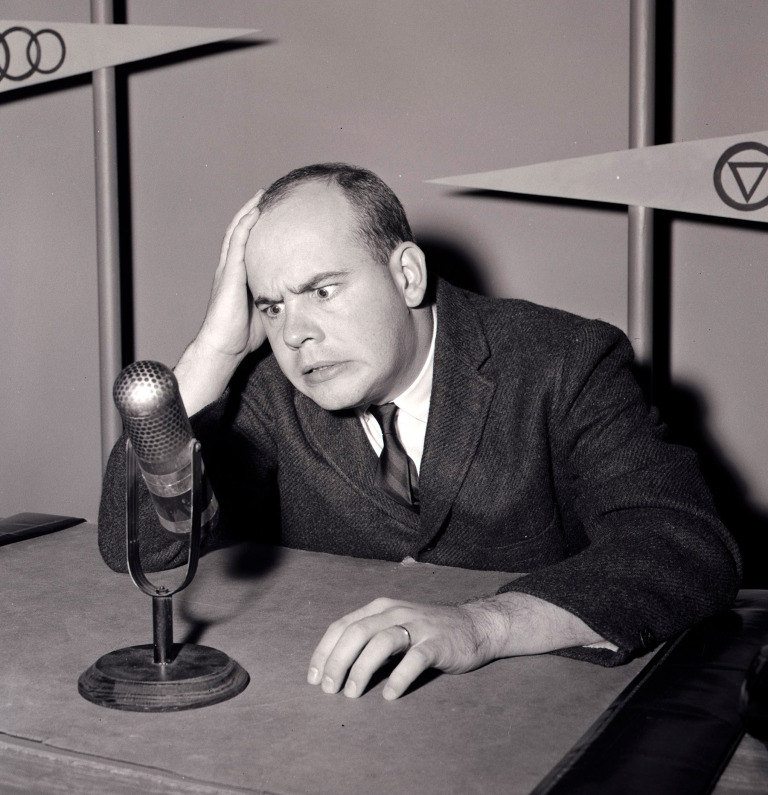
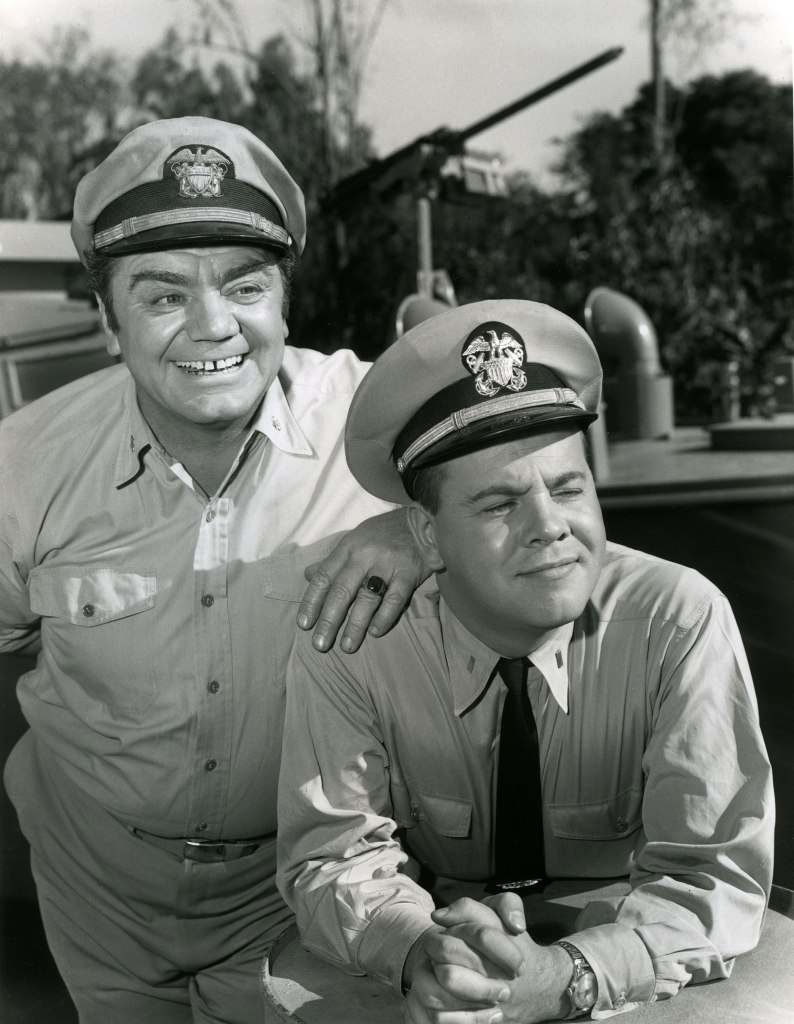
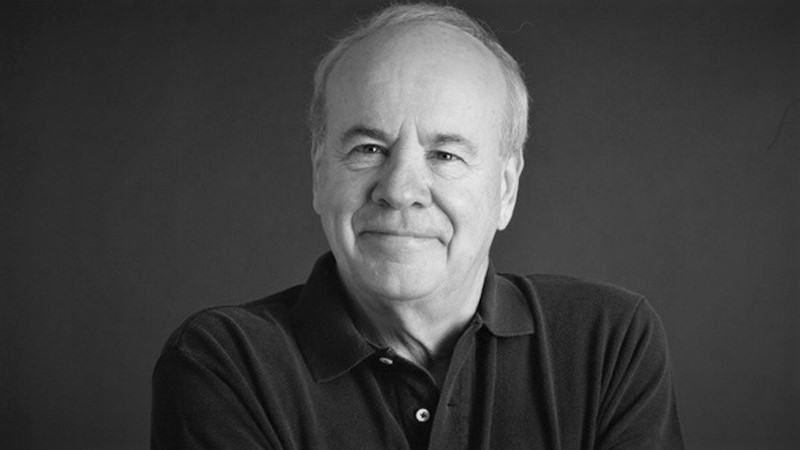
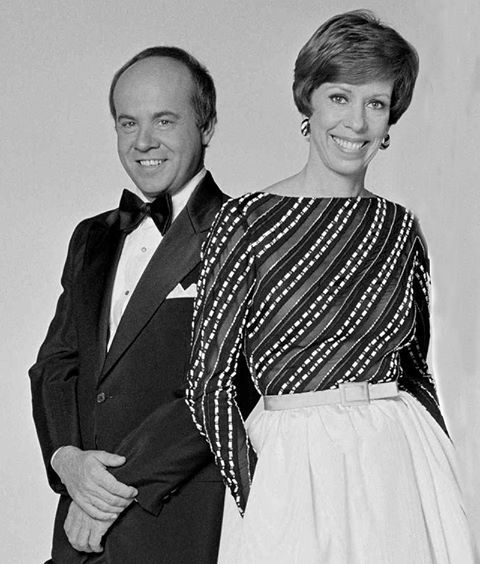
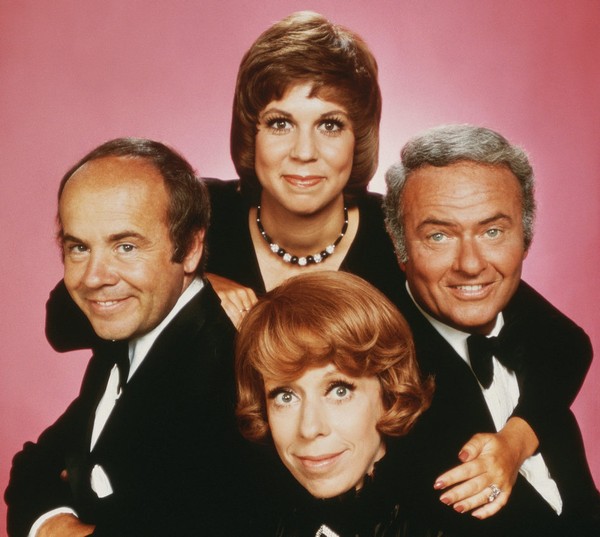
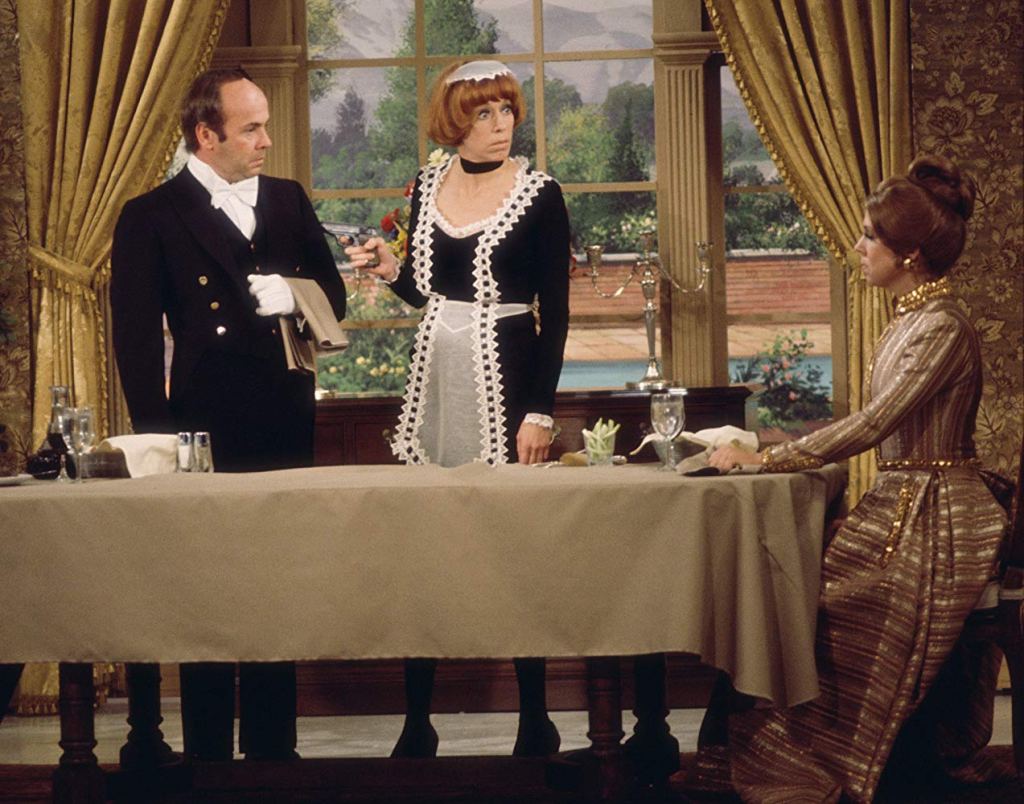
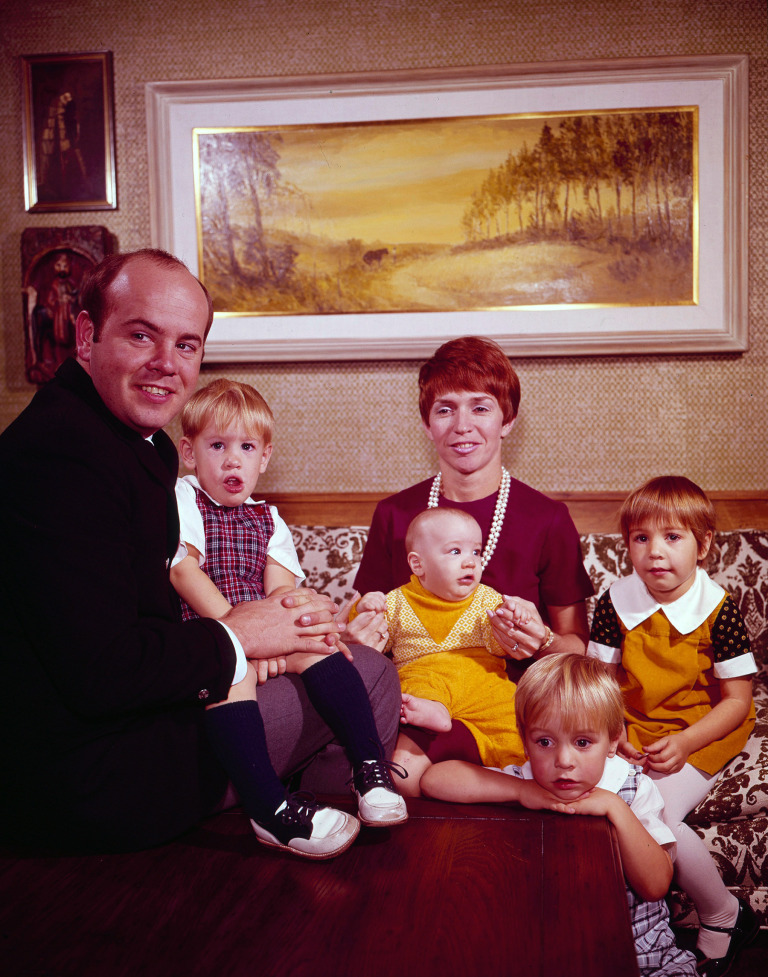
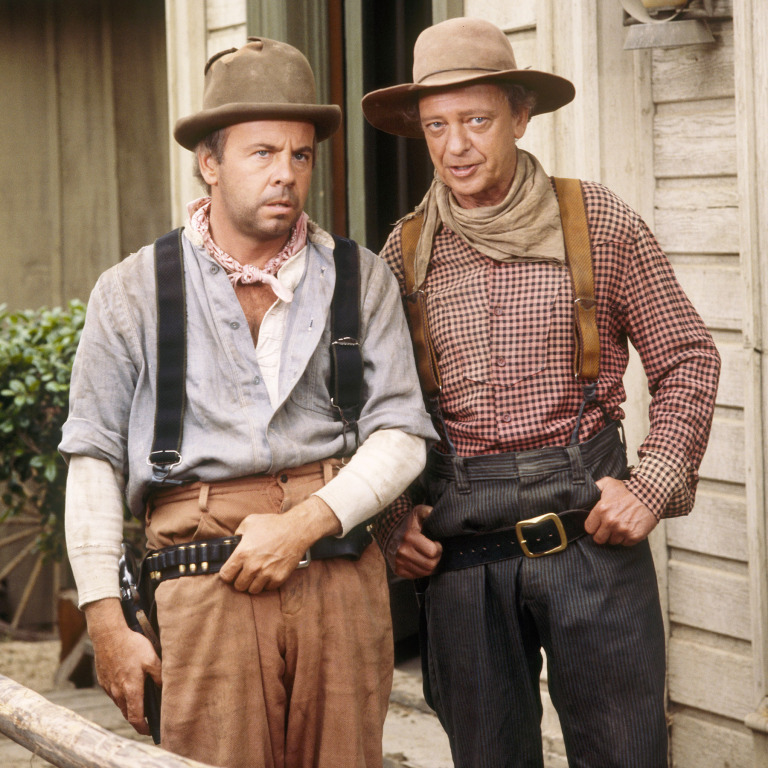
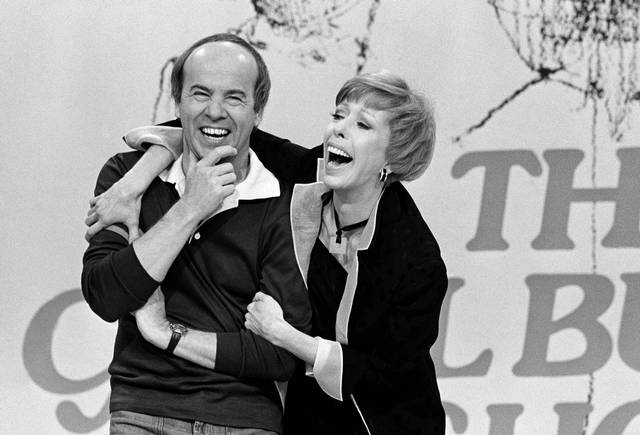
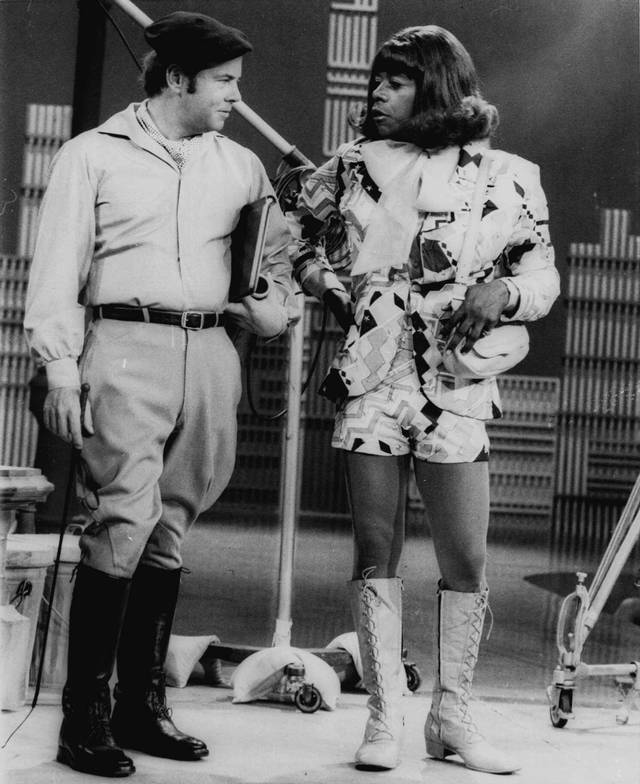
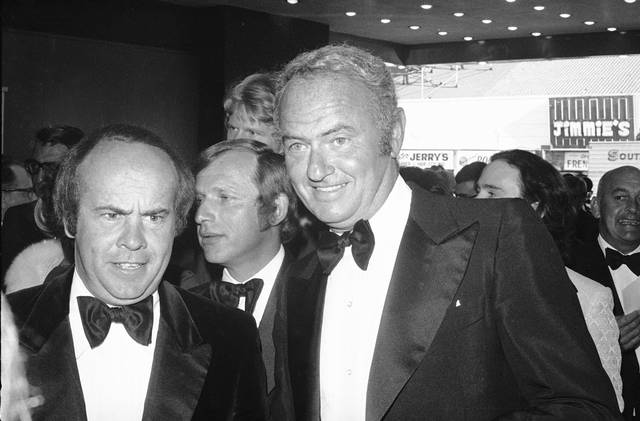
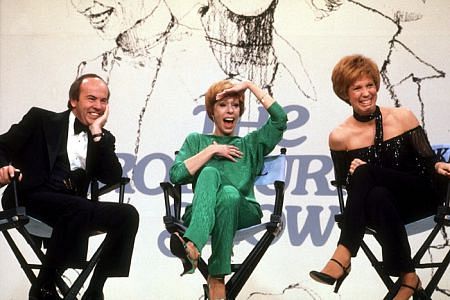
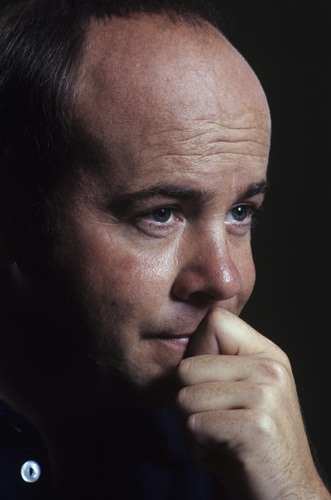
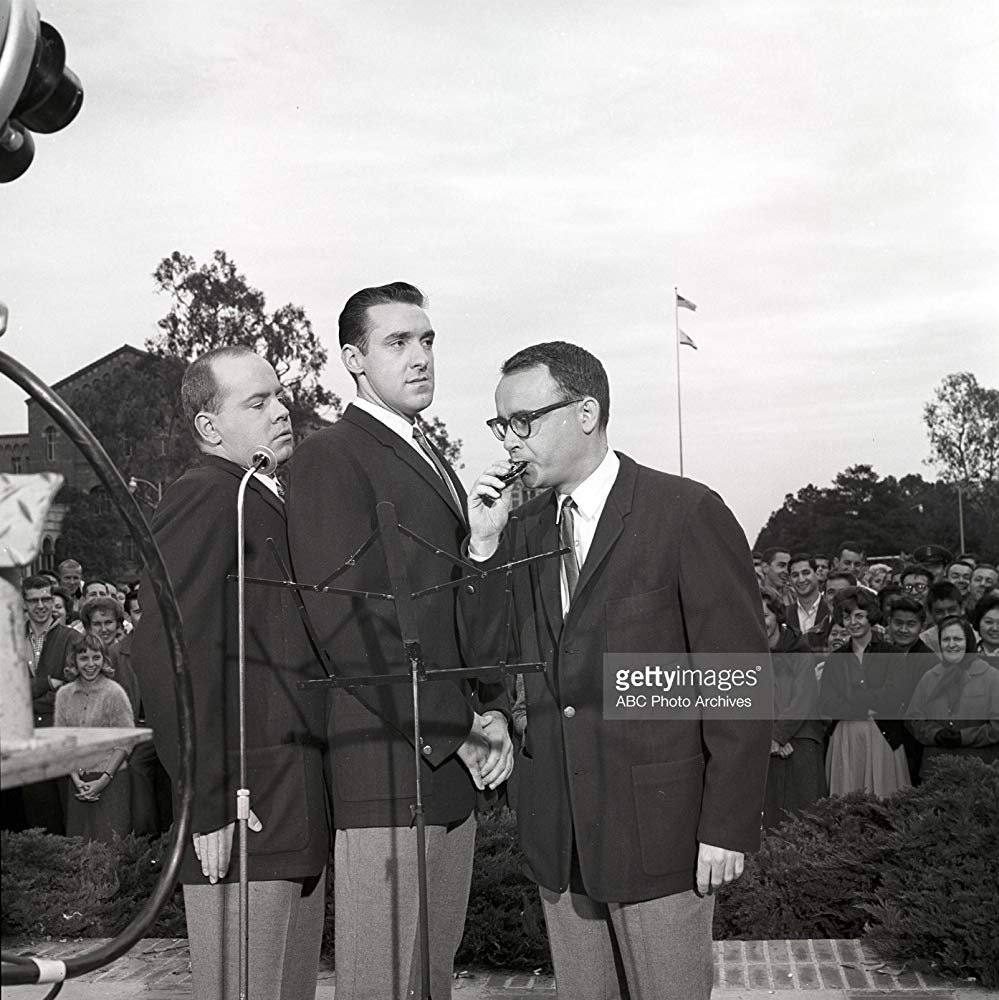
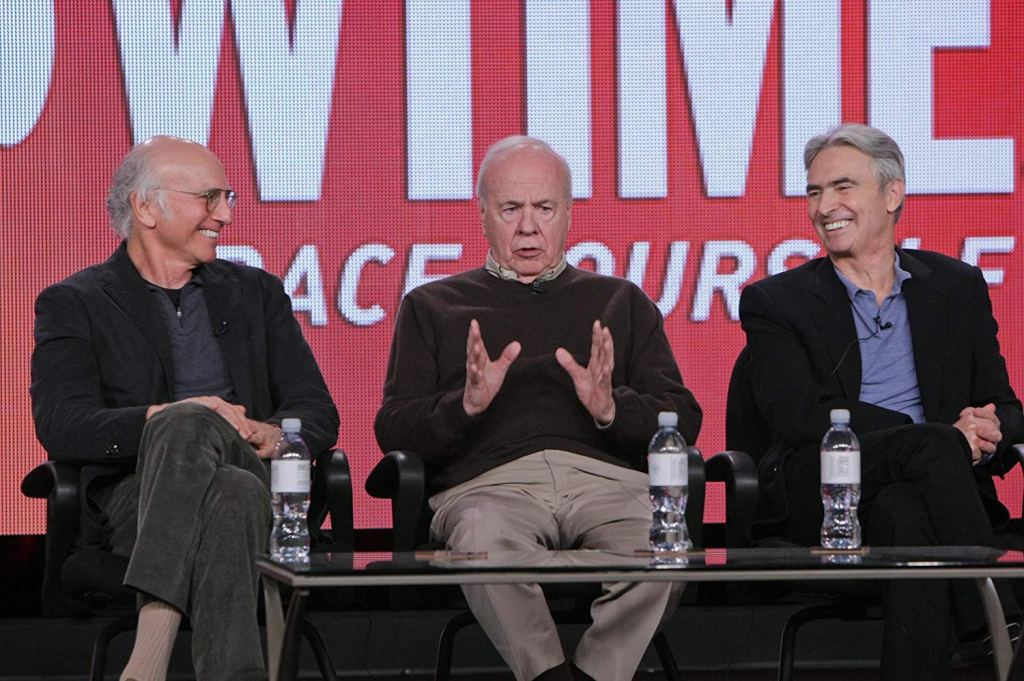
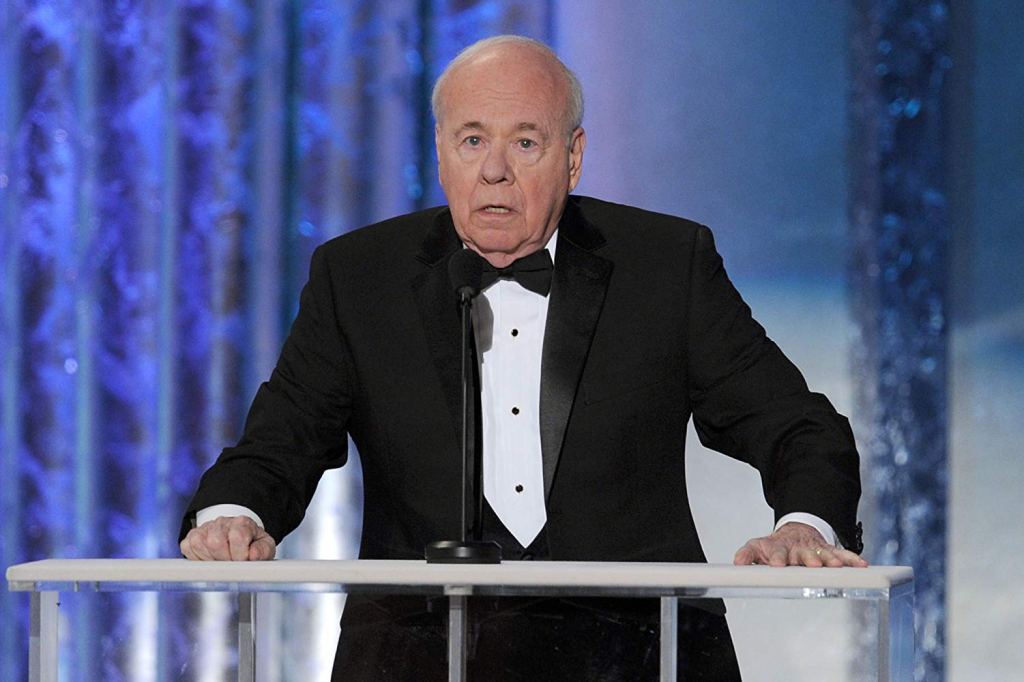
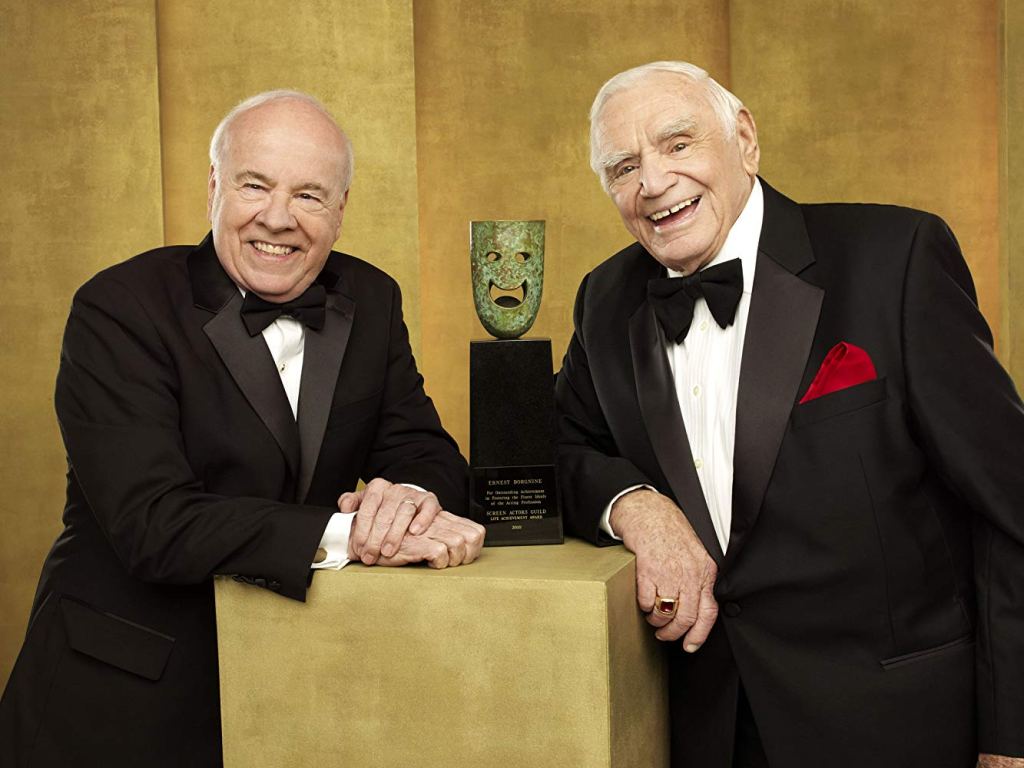
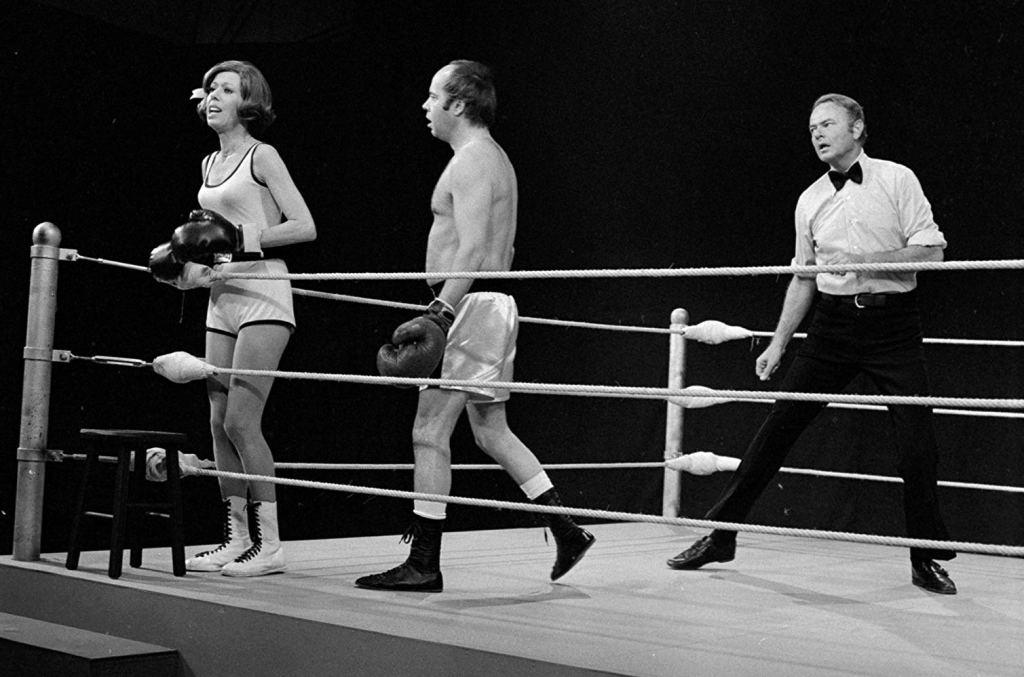
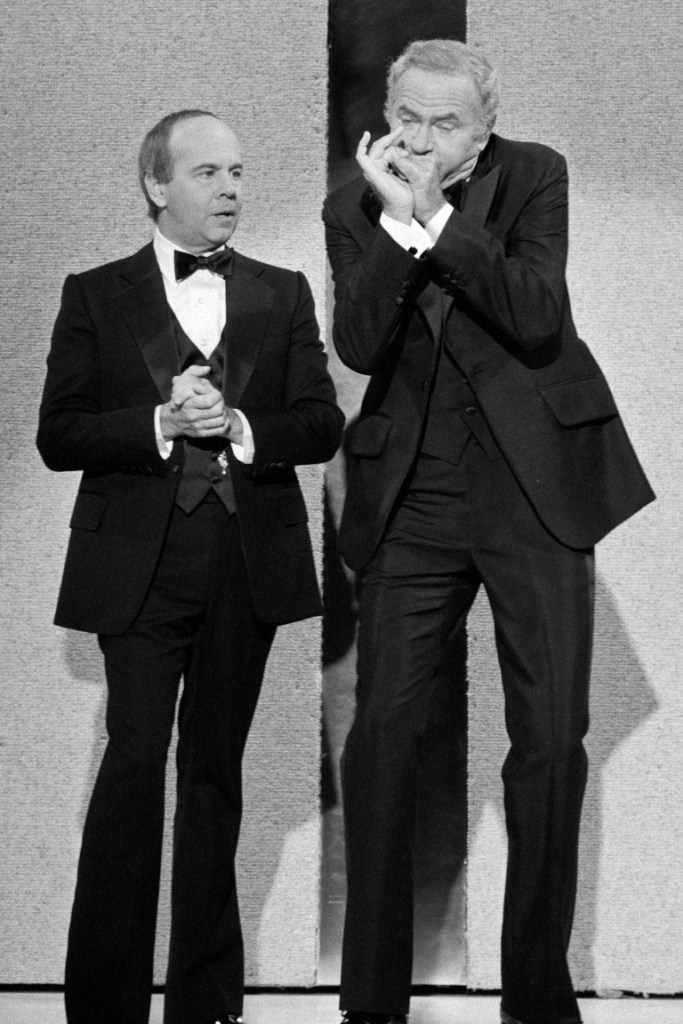
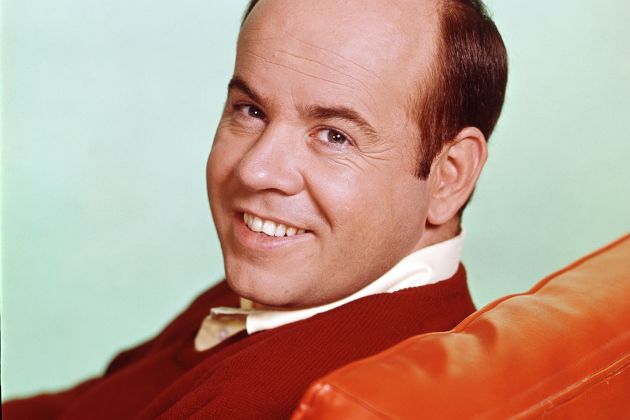
Thomas Daniel “Tim” Conway (December 15, 1933 – May 14, 2019) was an American actor, comedian, writer, and director. From 1966 to 2012 he appeared in more than 100 TV shows, TV series and films. Among his more notable roles, he portrayed the inept Ensign Parker in the 1960s World War II TV situation comedy McHale’s Navy, was a regular cast member (1975–1978) on the TV comedy The Carol Burnett Show where he portrayed his recurrent iconic characters Mister Tudball, the Oldest Man and the Dumb Private, co-starred with Don Knotts in several films (1975–80), was the title character in the Dorf series of eight sports comedy direct-to-video films (1987–1996), and provided the voice of Barnacle Boy in the animated series SpongeBob SquarePants (1999–2012). Twice, in 1970 and in 1980–1981, he had his own TV series.
Conway was admired for his ability to depart from scripts with humorous ad libs and gestures, which frequently caused others in the skit to break character while attempting to control their surprise and laughter. He won six Primetime Emmy Awards during his career, four of which were awarded for The Carol Burnett Show, including one for writing. (Wikipedia)












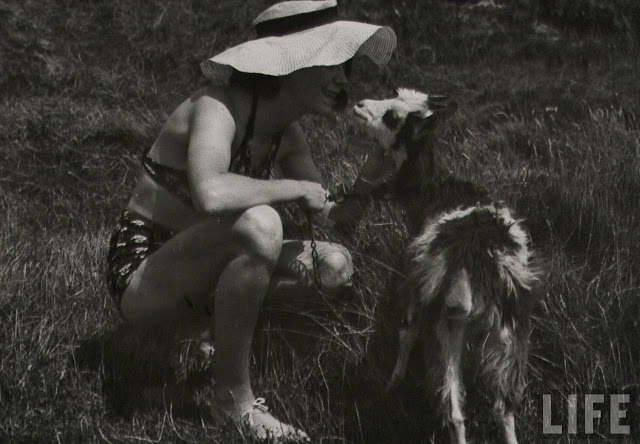
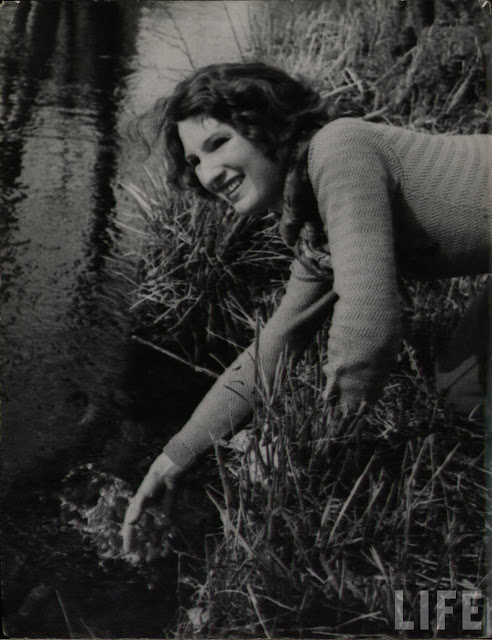
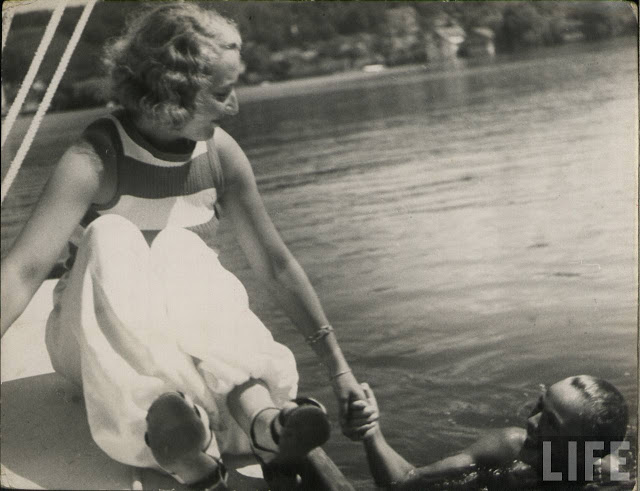
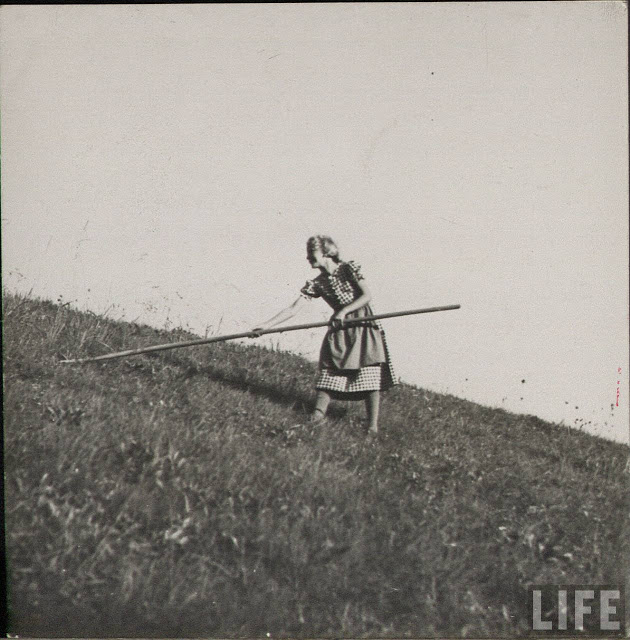
Summer is for many a season of youth and dreams, of lighthearted moments we have longed for, as sunbeams and shadows stretch on hot sidewalks and a nightly breeze, along with crickets’ chirping, serenades our dreamy thoughts.
These vintage photos show what summer fun looked like from between the 1920s and 1950s:


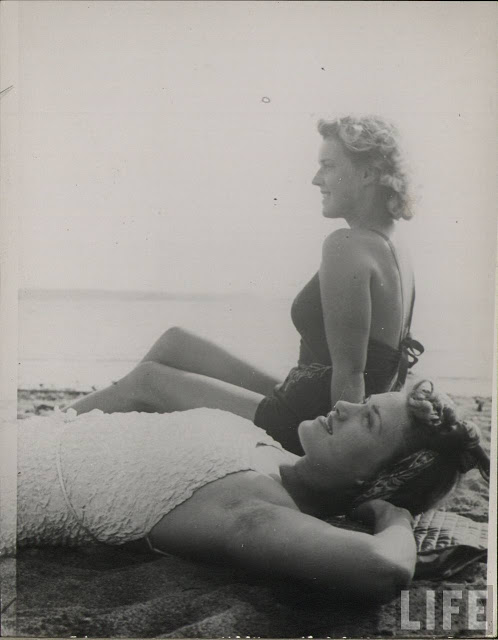
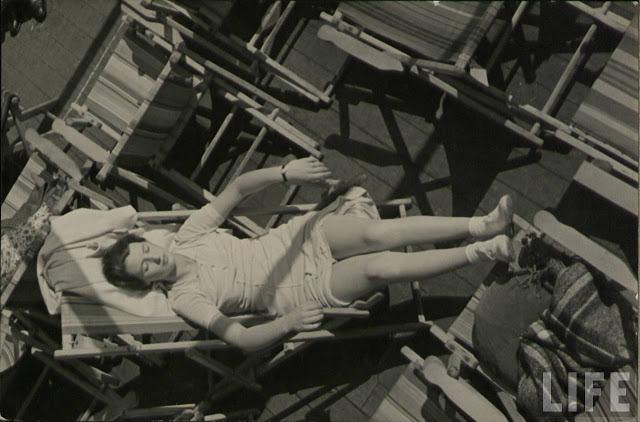

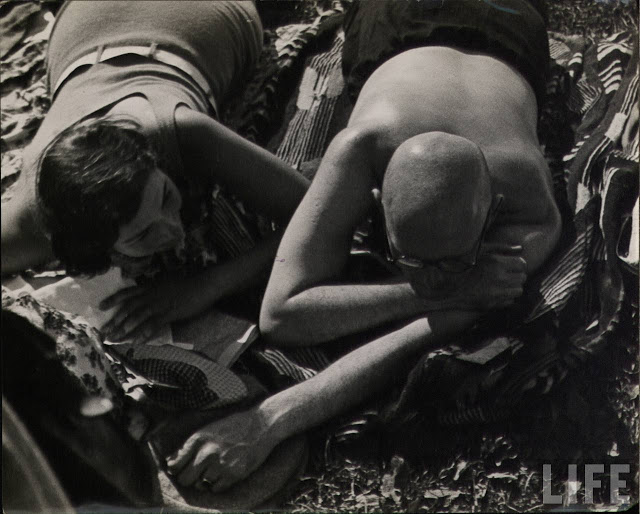


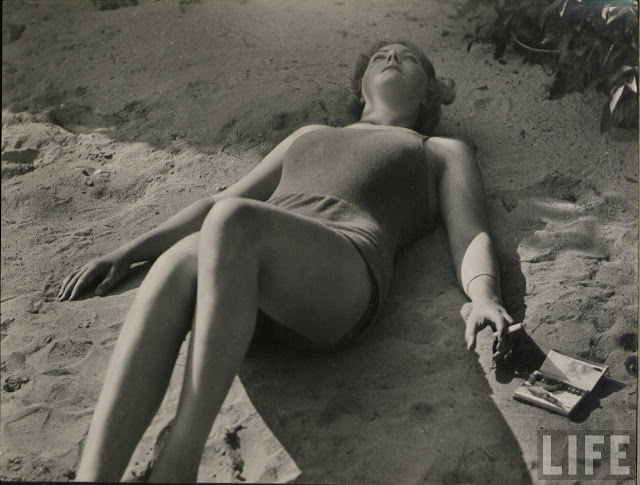


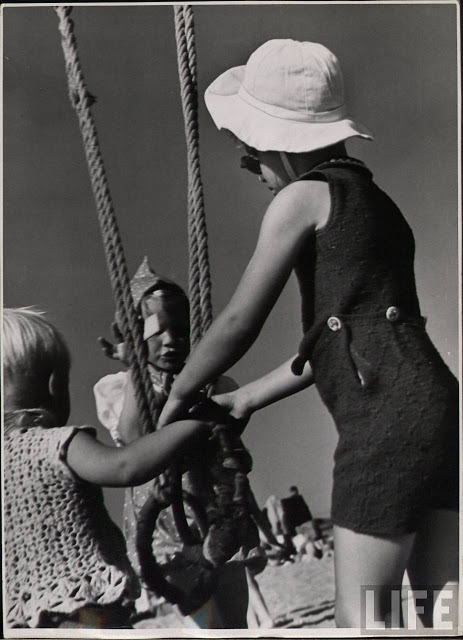
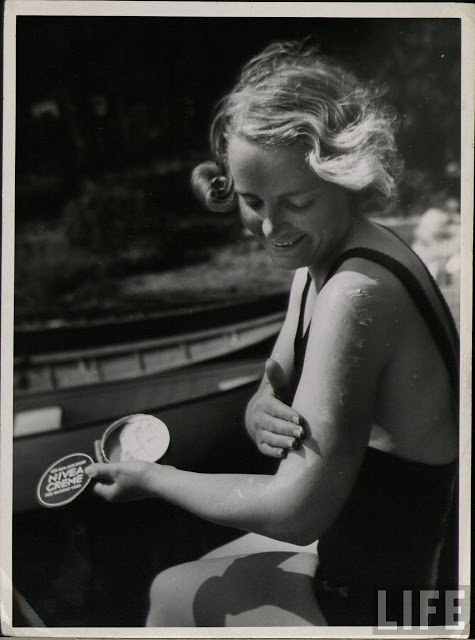
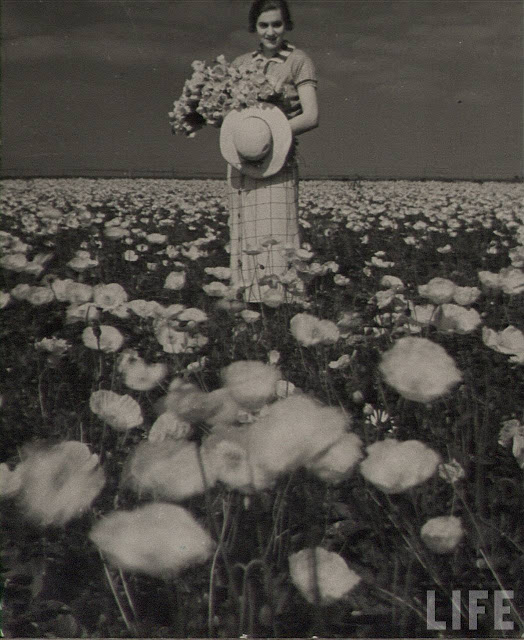


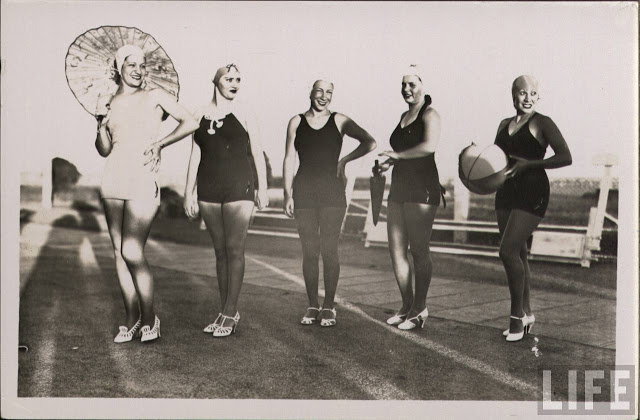

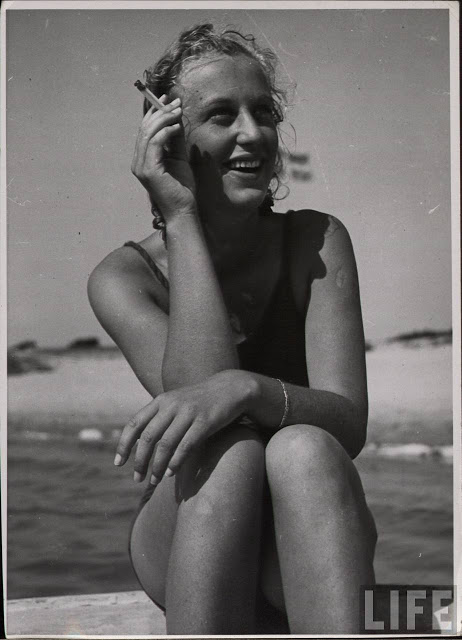
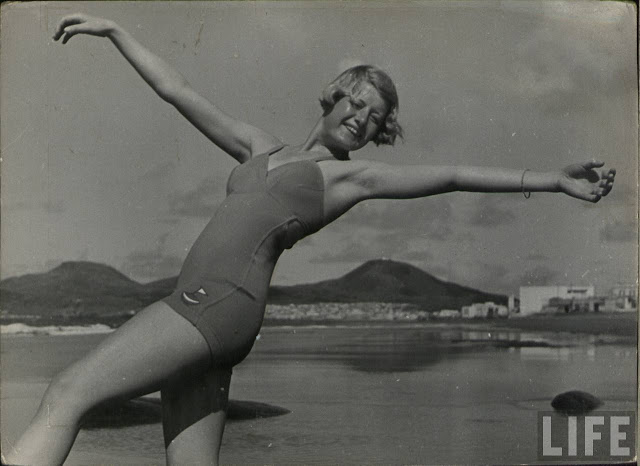


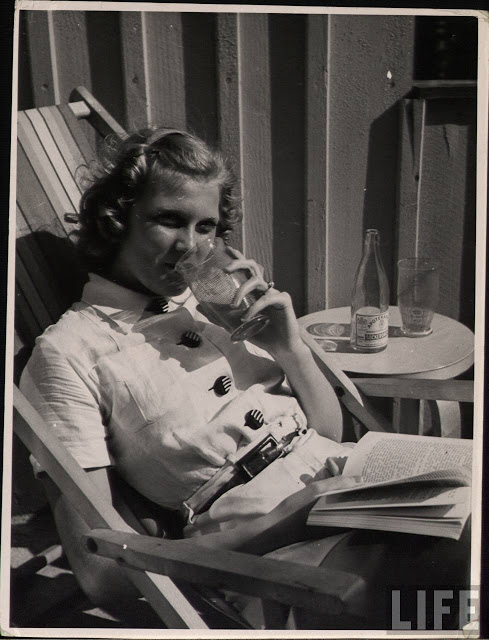
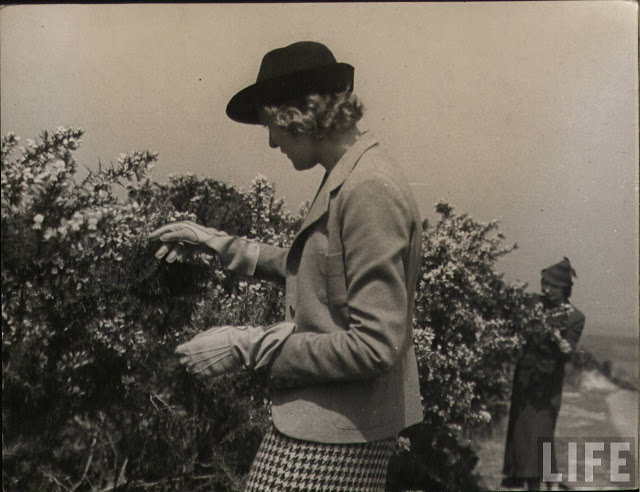


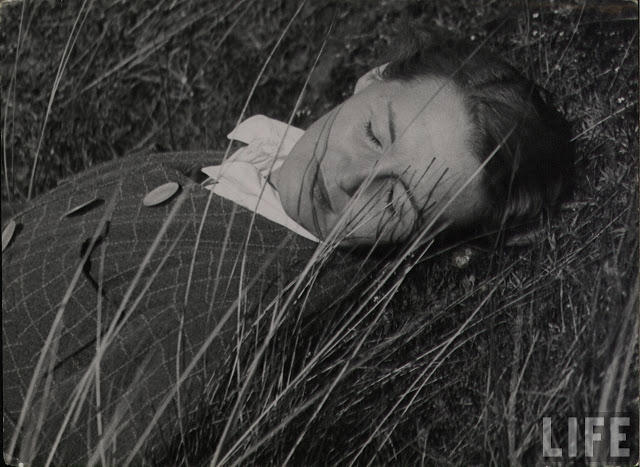

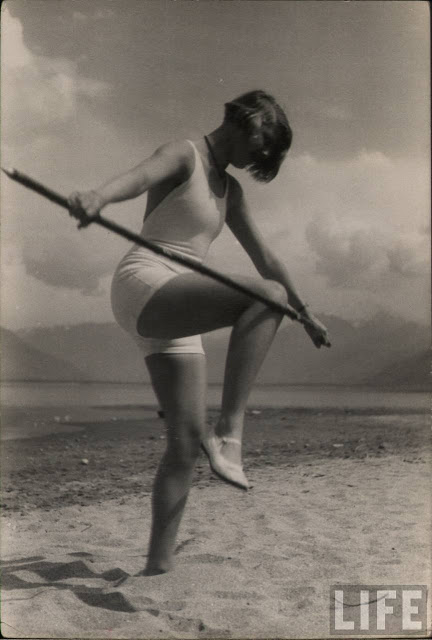
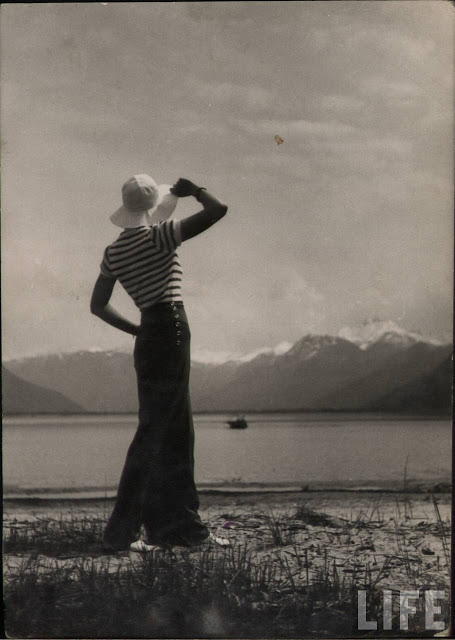
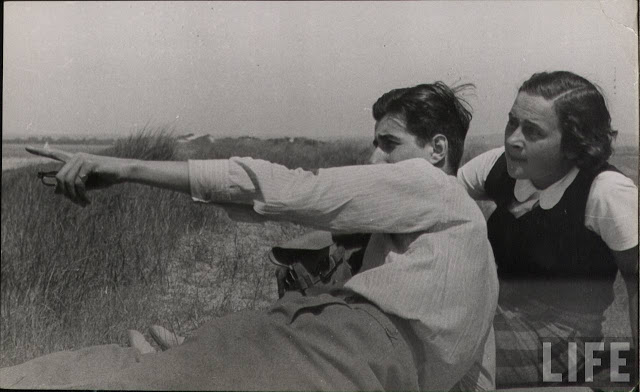
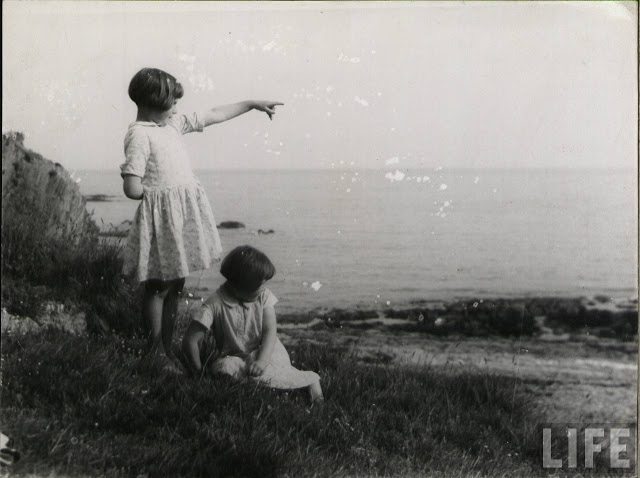


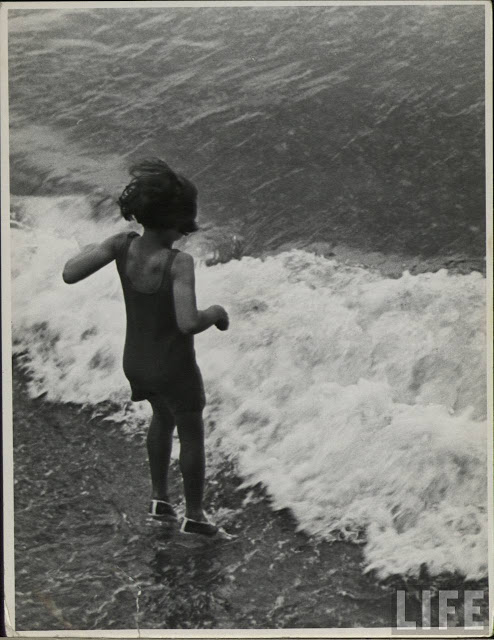
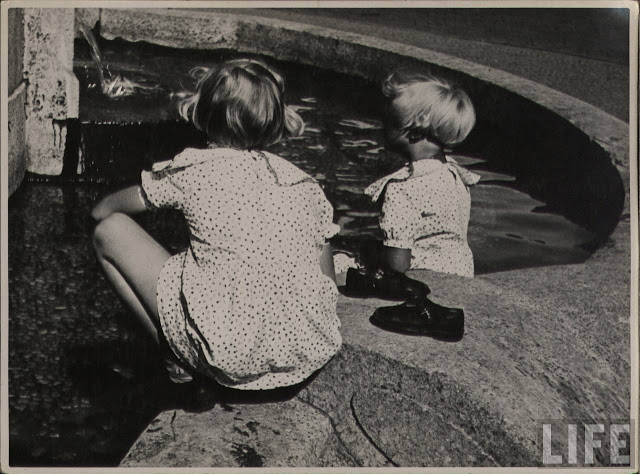


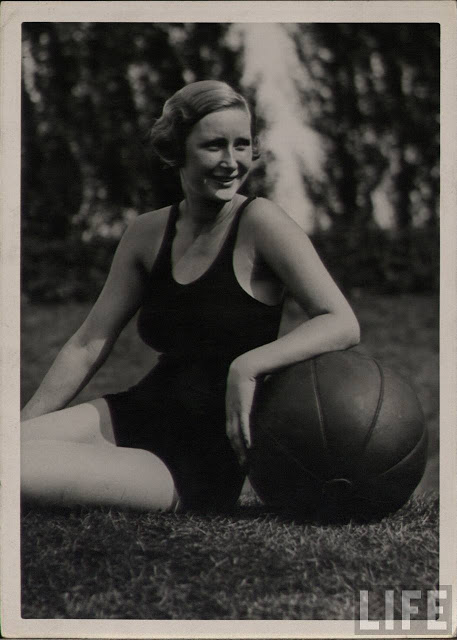


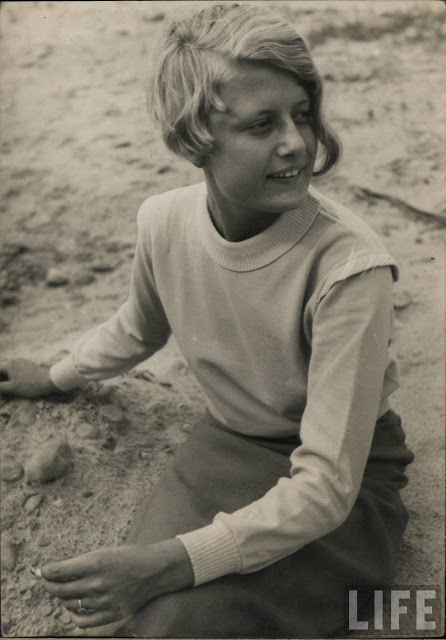

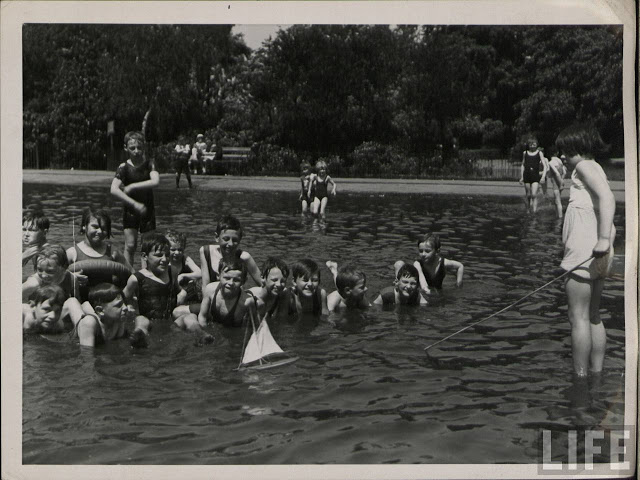


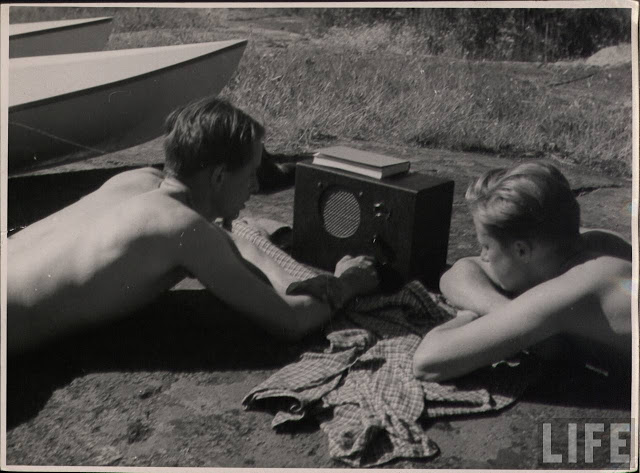
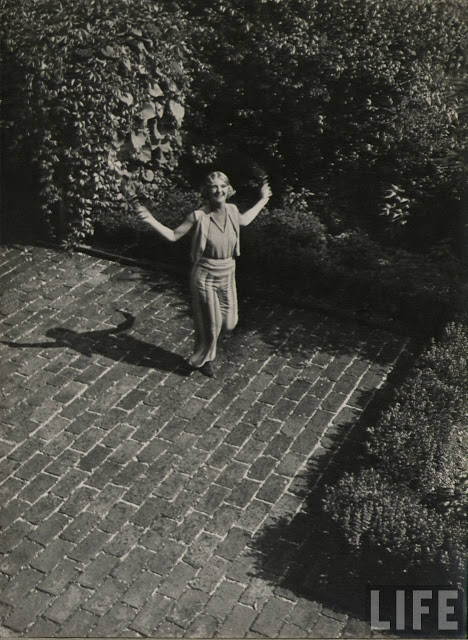


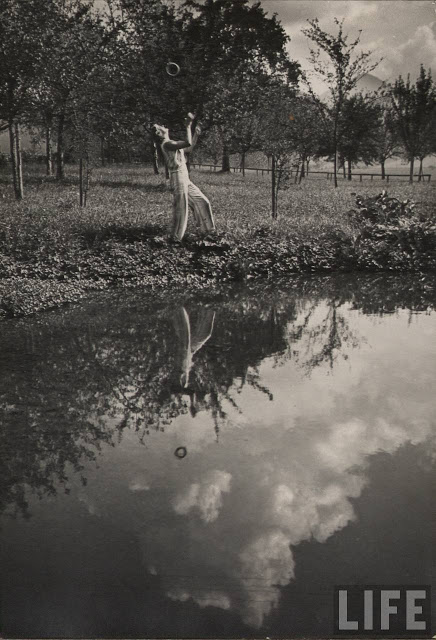

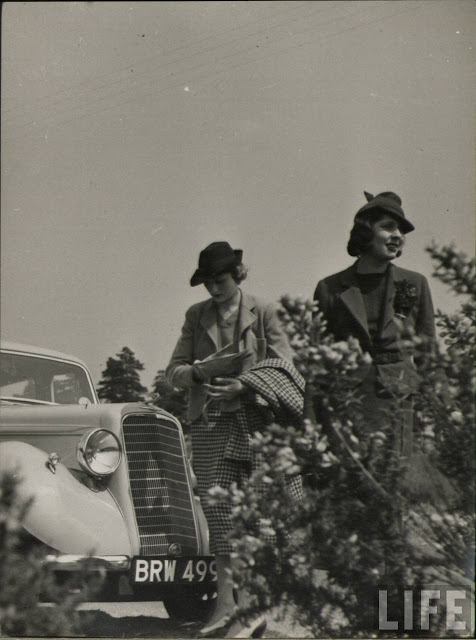

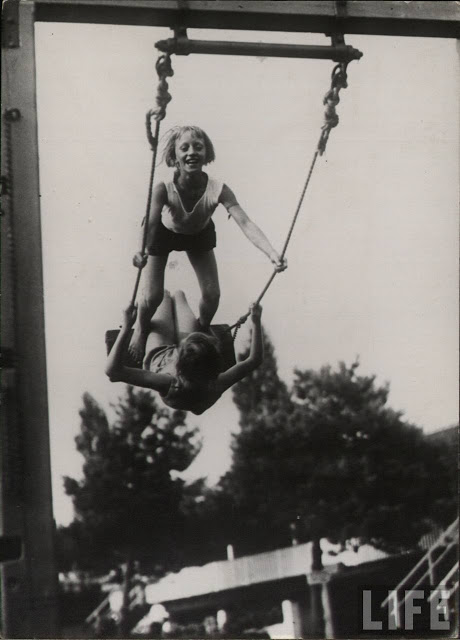
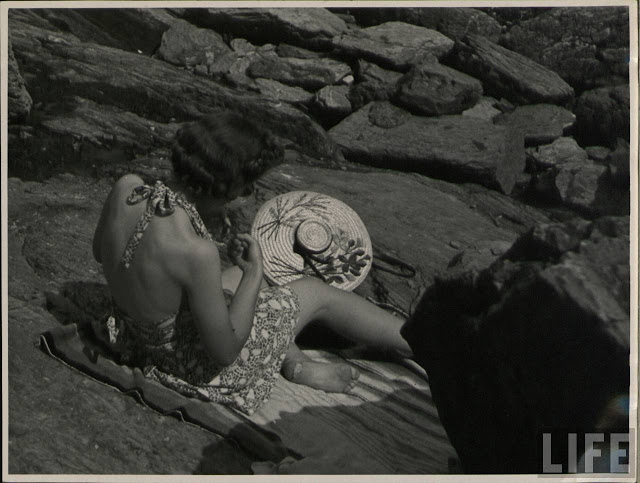


(Images via LIFE archives)
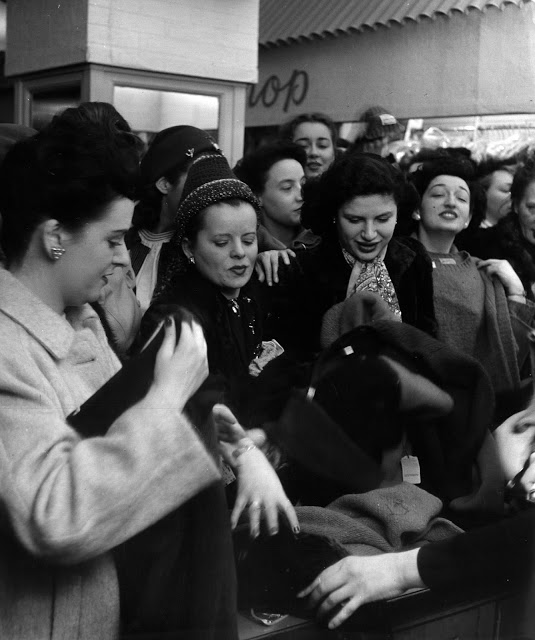
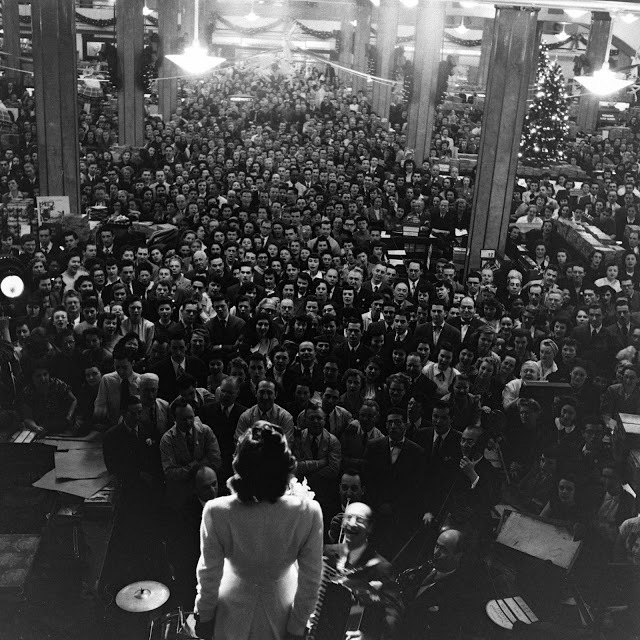
Images of preparations for the Christmas season at Macy’s—then, at one million square feet, the biggest store in the world—bespeak a highly orchestrated operation relying upon 14,000 employees to ready 400,000 items to be swept off of shelves by 250,000 eager shoppers.
Macy’s (originally R. H. Macy & Co.) is an American chain founded in 1858 by Rowland Hussey Macy. It became a division of the Cincinnati-based Federated Department Stores in 1994, through which it is affiliated with the Bloomingdale’s department store chain; the holding company was renamed Macy’s, Inc. in 2007. As of 2015, Macy’s was the largest U.S. department store company by retail sales.
Rowland Hussey Macy opened four retail dry goods stores between 1843 and 1855. One of them was the original Macy’s store in downtown Haverhill, Massachusetts; it opened in 1851 to serve the mill industry employees of the area. They all failed, but he learned from his mistakes. Macy moved to New York City in 1858, to establish a new store named “R. H. Macy & Co.” on Sixth Avenue between 13th and 14th Streets. The location was far north of where other dry goods stores were at the time. On the company’s first day of business on October 28, 1858, sales totaled $11.08, equal to $330.82 today. The branding emblem at the onset of the 1858 store was a Rooster. The red star did not appear to replace it until 1862.
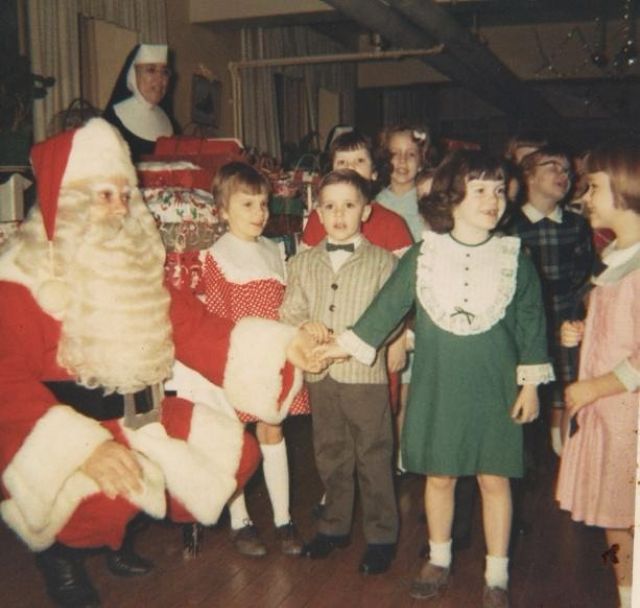
As the business grew, Macy’s expanded into neighboring buildings, opening more and more departments. The store used publicity devices such as a store Santa Claus, themed exhibits, and illuminated window displays to draw in customers. It also offered a money-back guarantee, although it accepted only cash into the 1950s. The store also produced its in-house made-to-measure clothing for both men and women, assembled in an on-site factory.
In 1875, Macy took on two partners, Robert M. Valentine (1850–1879), a nephew; and Abiel T. La Forge (1842–1878) of Wisconsin, who was the husband of a cousin. Macy died in 1877 from inflammatory kidney disease (then known as Bright’s disease). La Forge died the following year, and Valentine died in 1879. Ownership of the company remained in the Macy family until 1895, when the Straus brothers acquired the company (now called “R. H. Macy & Co.”). Isidor Straus and his brother Nathan Straus had previously held a license to sell china and other goods in the Macy’s store.
In 1902, the flagship store moved uptown to Herald Square at 34th Street and Broadway, so far north of the other main dry goods emporia that it had to offer a steam wagonette to transport customers from 14th Street to 34th Street.[11] Although the Herald Square store initially consisted of just one building, it expanded through new construction, eventually occupying almost the entire block bounded by Seventh Avenue on the west, Broadway on the east, 34th Street on the south and 35th Street on the north, with the exception of a small pre-existing building on the corner of 35th Street and Seventh Avenue and another on the corner of 34th Street and Broadway. This latter 5-story building was purchased by Robert H. Smith in 1900 for $375,000 (equivalent to $11.7 million in 2021) with the idea of getting in the way of Macy’s becoming the largest store in the world: it is largely supposed that Smith, who was a neighbor of the Macy’s store on 14th Street, was acting on behalf of Siegel-Cooper, which had built what they thought was the world’s largest store on Sixth Avenue in 1896. Macy’s ignored the tactic, and simply built around the building, which now carries Macy’s “shopping bag” sign by lease arrangement. In 1912, Isidor Straus died in the sinking of the Titanic at the age of 67 with his wife, Ida.
The original Broadway store was designed by architects De Lemos & Cordes, was built in 1901–02 by the Fuller Company and has a Palladian facade, but has been updated in many details. There were further additions to the west in 1924 and 1928, and the Seventh Avenue building in 1931, all designed by architect Robert D. Kohn, the newer buildings were increasingly Art Deco in style. In 2012, Macy’s began the first full renovation of the iconic Herald Square flagship store at a reported cost of $400 million. Studio V Architecture, a New York-based firm, was the overall Master Plan architect of the project. Studio V’s design raised controversy over the nature of contemporary design and authentic restoration.
The building was added to the National Register of Historic Places as a National Historic Landmark in 1978.
National expansion
In the 1960s, Macy’s built a store on Queens Boulevard in Elmhurst, in the New York City borough of Queens. This resulted in a round department store on 90 percent of the lot, with a small privately owned house on the corner. Macy’s no longer fully occupies this building, which now contains the Queens Place Mall, with Macy’s Furniture Gallery as a tenant; instead it moved its full outlet to the nearby Queens Center.
More distant acquisitions included Lasalle & Koch (Toledo, 1924), Davison-Paxon-Stokes (Atlanta, 1929), L. Bamberger & Co. (Newark, 1929), O’Connor Moffat & Company (San Francisco, 1945) and John Taylor Dry Goods Co. (Kansas City, 1947). O’Connor Moffat was renamed Macy’s San Francisco in 1947, later becoming Macy’s California, and John Taylor was renamed Macy’s Missouri-Kansas in 1949. Stores in Toledo retained the Lasalle’s name until 1981, joining the Missouri-Kansas stores to become Macy’s Midwest. The Toledo stores were sold to Elder-Beerman in 1986.
Macy’s New York began opening stores outside of its historic New York City–Long Island trade area in 1983 with a location at Aventura Mall in Aventura, Florida (a suburb of Miami), followed by several locations in Plantation, Florida (now relocated from the Fashion Mall to the Broward Mall since the Burdine’s acquisition), Houston, New Orleans, and Dallas. Davison’s in Atlanta was renamed Macy’s Atlanta in early 1985 with the consolidation of an early incarnation of Macy’s Midwest (former Taylor and Lasalle’s stores in Kansas City and Toledo, respectively), but late in 1985, Macy’s sold the former Midwest locations. Bamberger’s, which had aggressively expanded throughout New Jersey, into the Greater Philadelphia Metropolitan area in the 1960s and 1970s as well as into Nanuet, New York (southern Rockland County), and into the Baltimore metropolitan area in the early 1980s, was renamed Macy’s New Jersey in 1986.
As of October 31, 2021, there were 516 stores (576 boxes), including 11 flagships (16 boxes) and 384 magnets (429 boxes), for a total of 395 core stores (445 boxes), and 57 neighborhood stores (62 boxes), 47 furniture galleries (52 boxes), 2 furniture clearance centers, 8 freestanding Backstage stores, 5 Market by Macy’s and 2 stores converted to fulfillment centers (there are a total of 512 fuil line stores) with the Macy’s nameplate in operation throughout the United States. Its flagship store is located at Herald Square in the Manhattan borough of New York City. The company had 130,000 employees and earned annual revenue of $24.8 billion as of 2017.
Macy’s has conducted the annual Macy’s Thanksgiving Day Parade in New York City since 1924 and has sponsored the city’s annual Fourth of July fireworks display since 1976. Macy’s Herald Square is one of the largest department stores in the world.[8] The flagship store covers almost an entire New York City block, features about 1.1 million square feet of retail space, includes additional space for offices and storage, and serves as the endpoint for the Thanksgiving Day parade. The value of Herald Square alone is estimated at around $3 billion.
In August 2021, WHP Global announced that Toys “R” Us is opening 400+ stores within Macy’s starting in 2022. (Wikipedia)


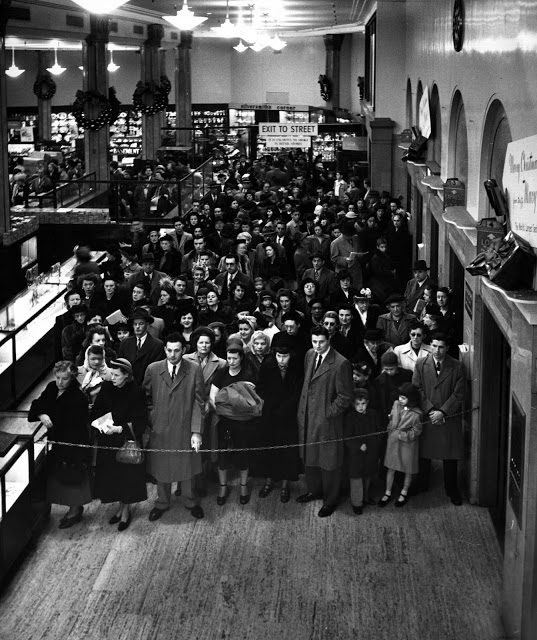
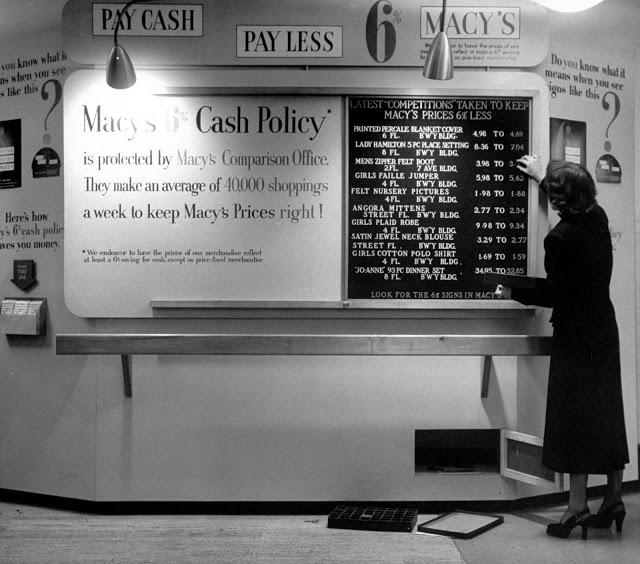

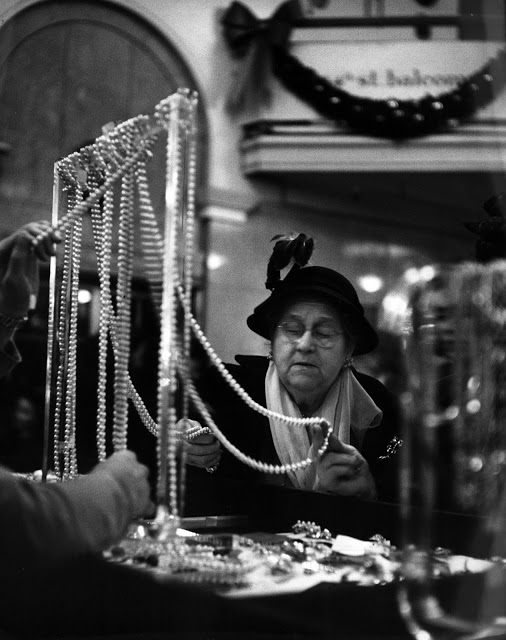


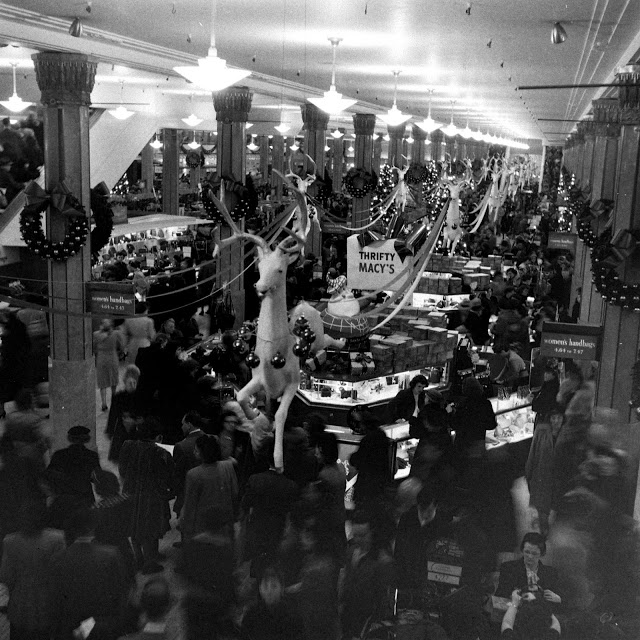

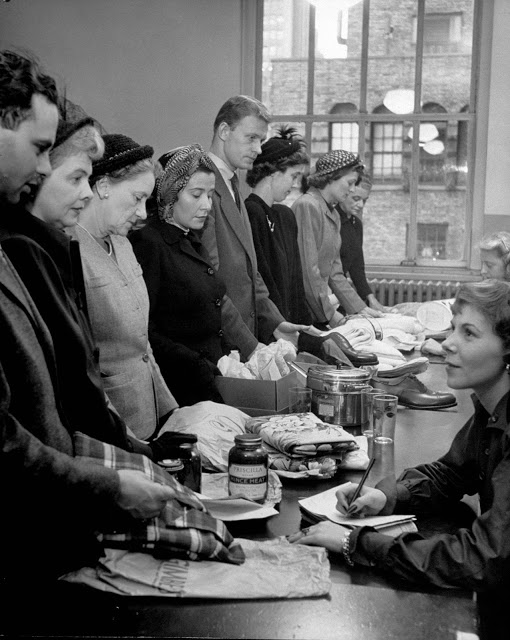


(Photos: Nina Leen—The LIFE Picture Collection/Getty Images)
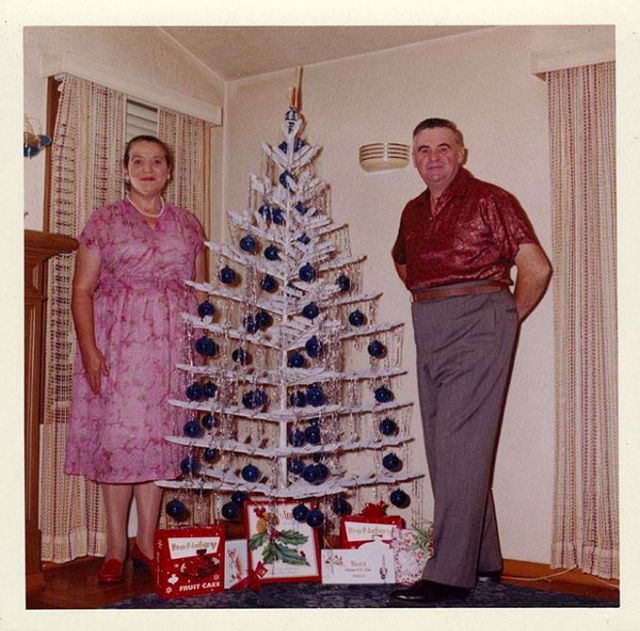

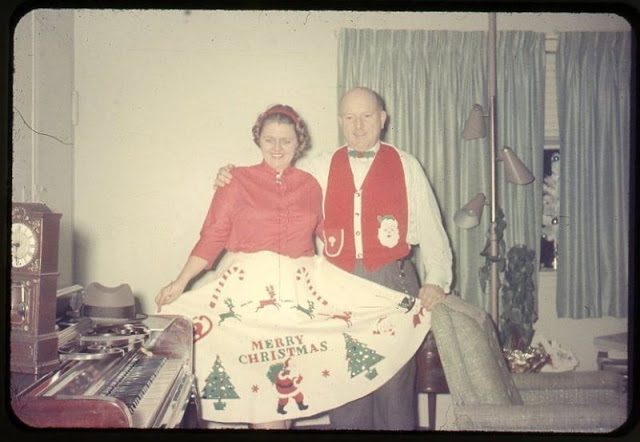

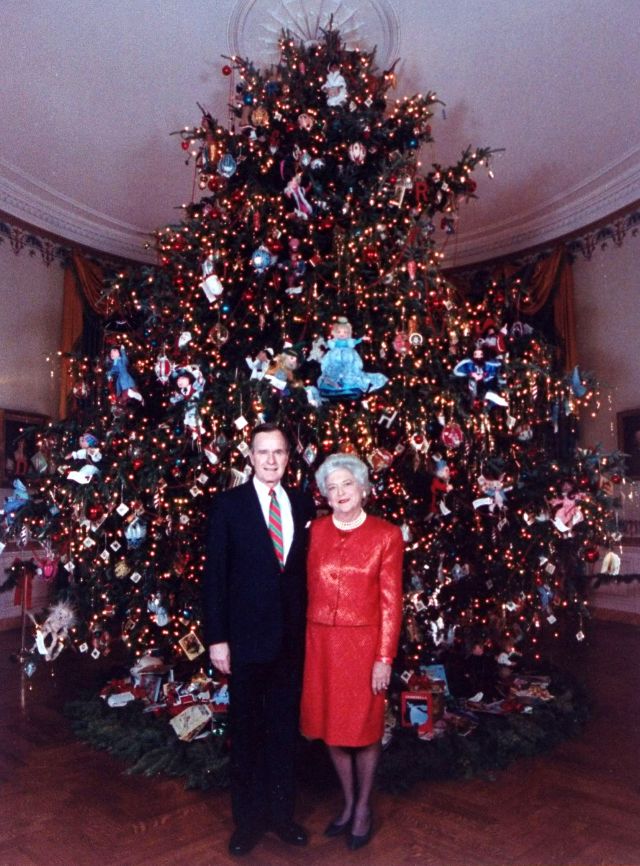

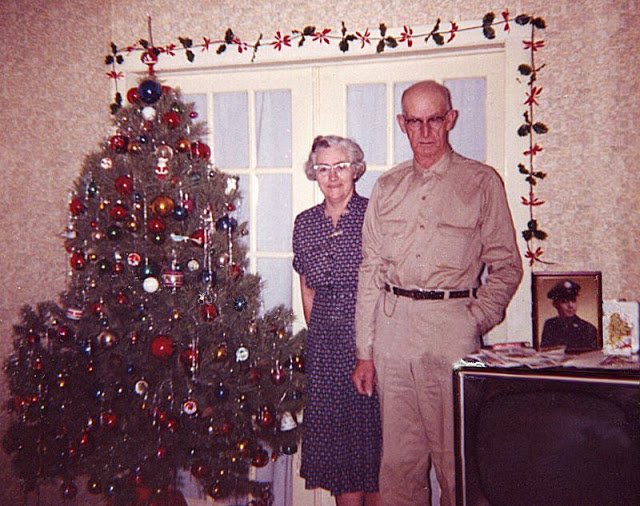

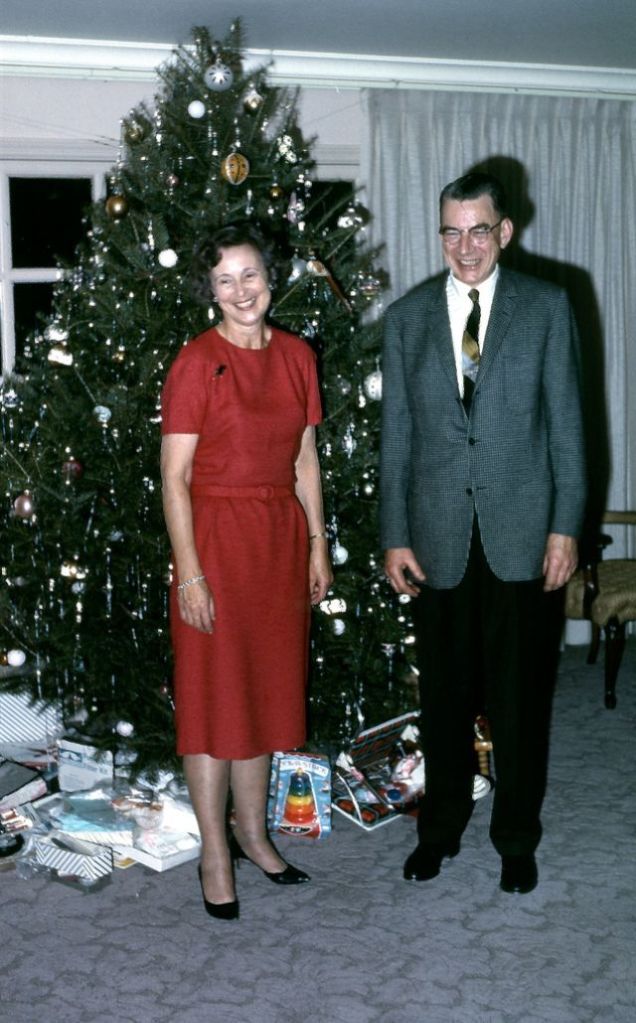


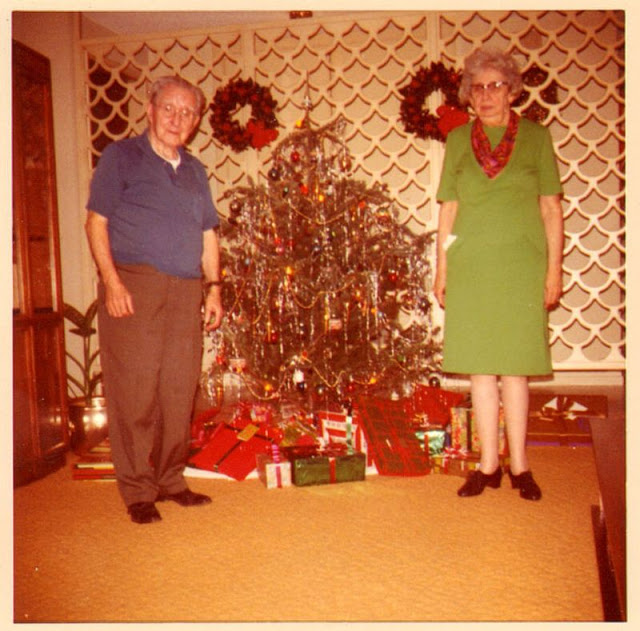
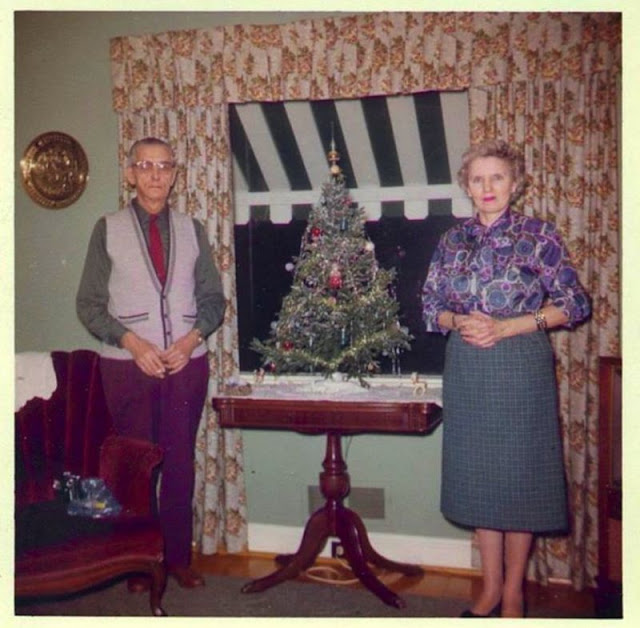

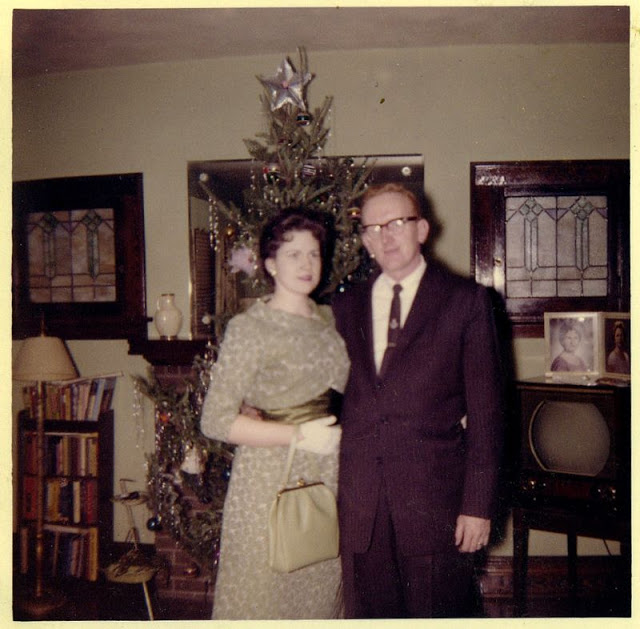


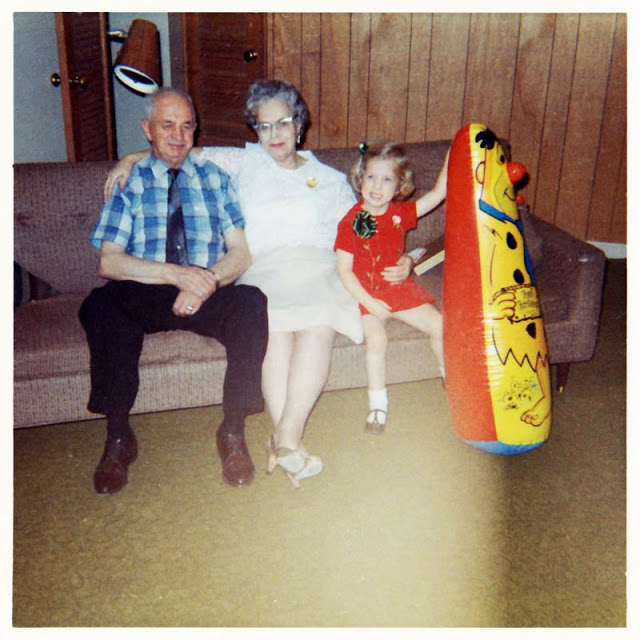
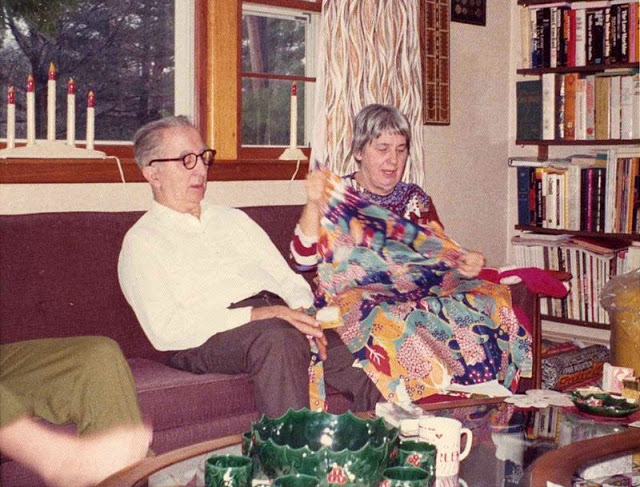

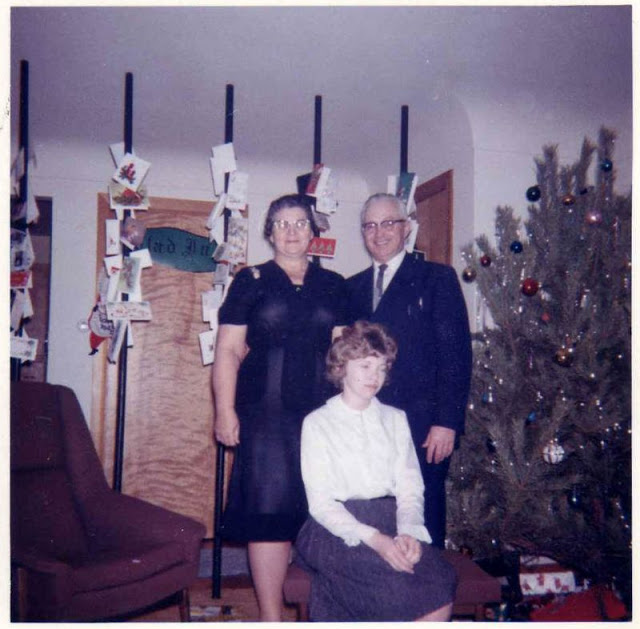


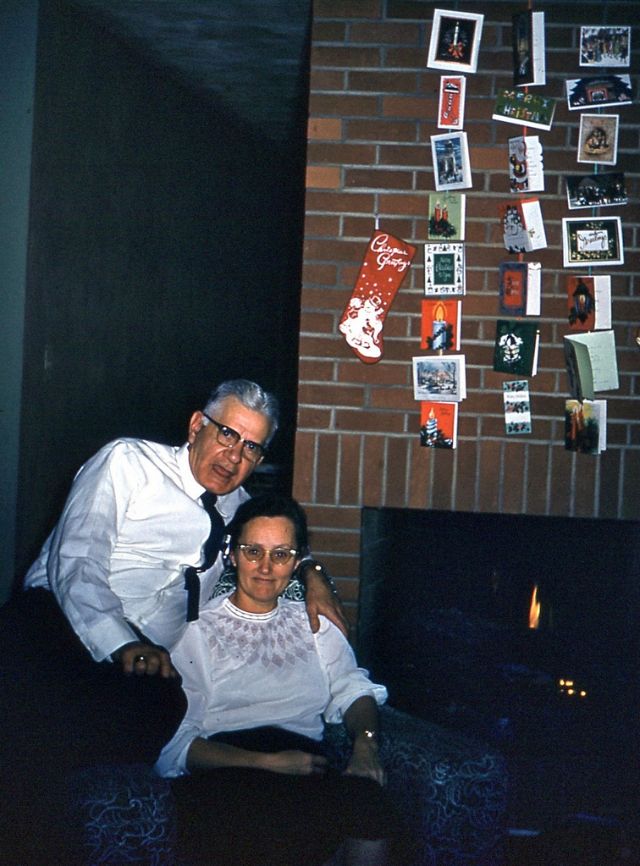

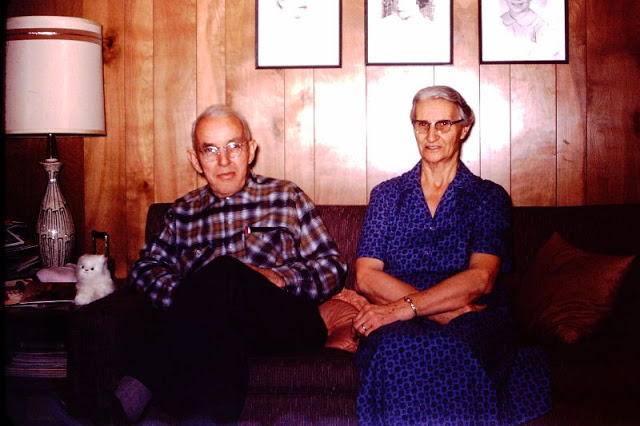
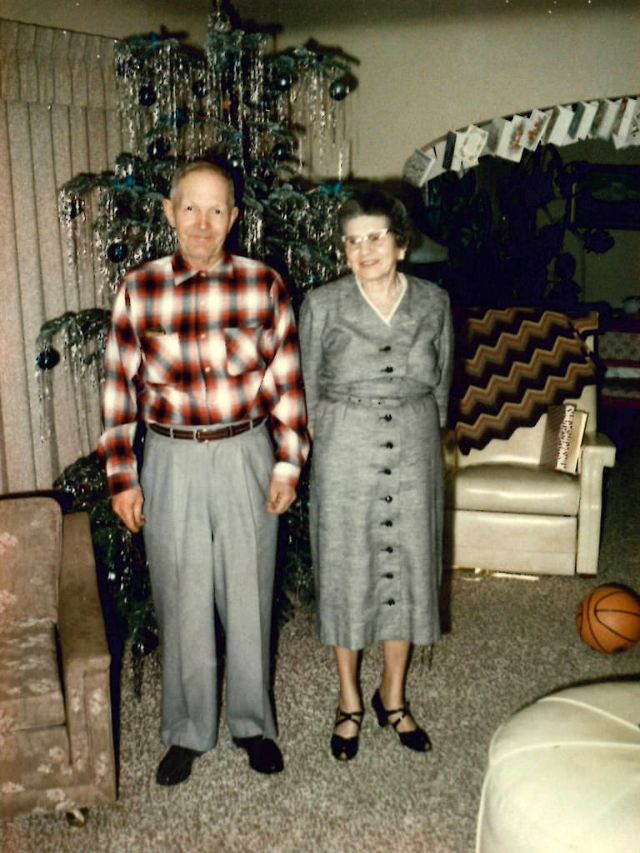

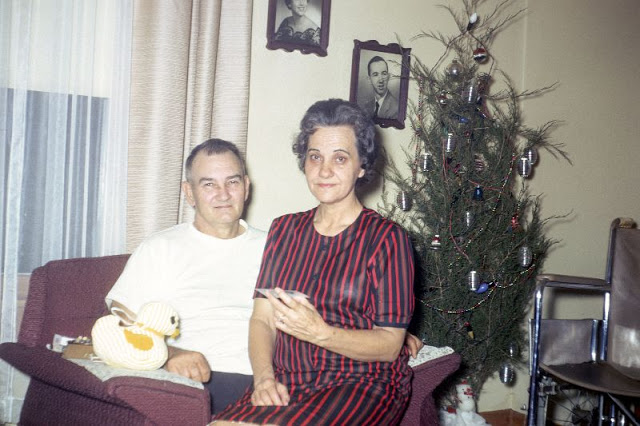

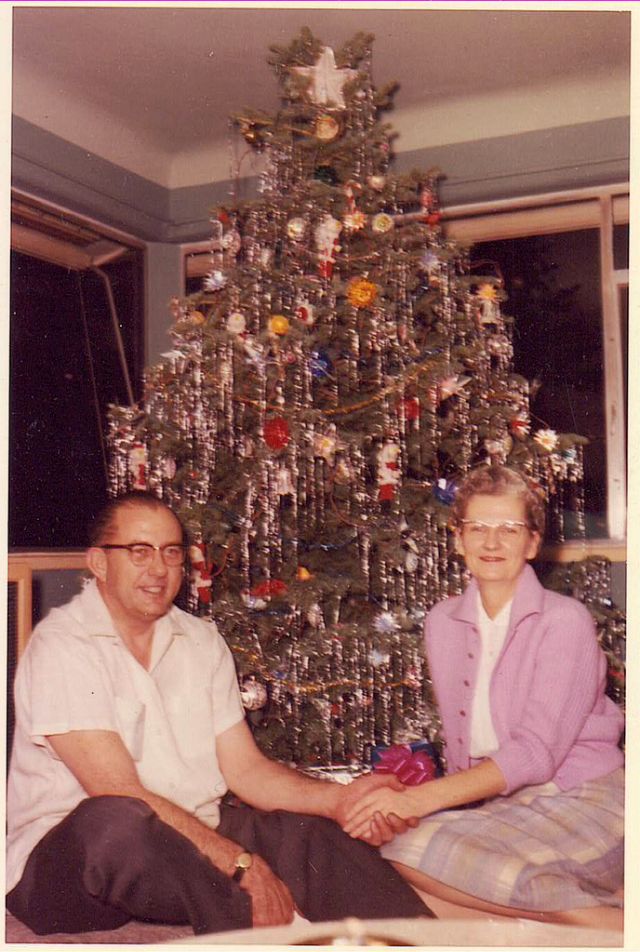


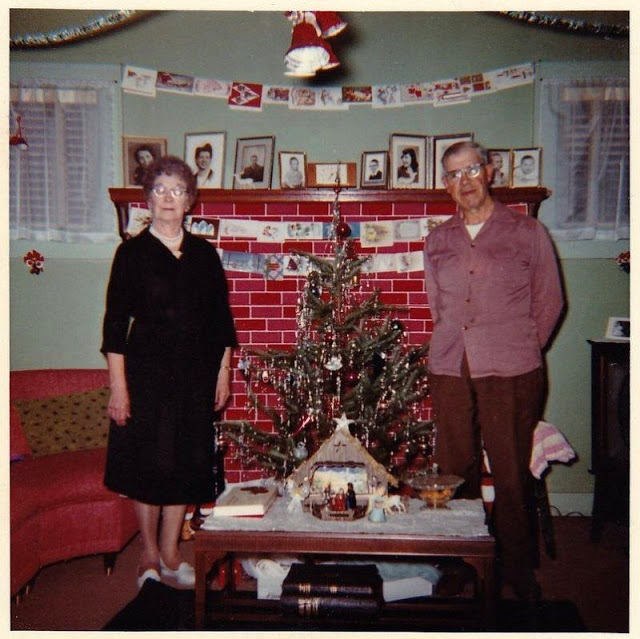

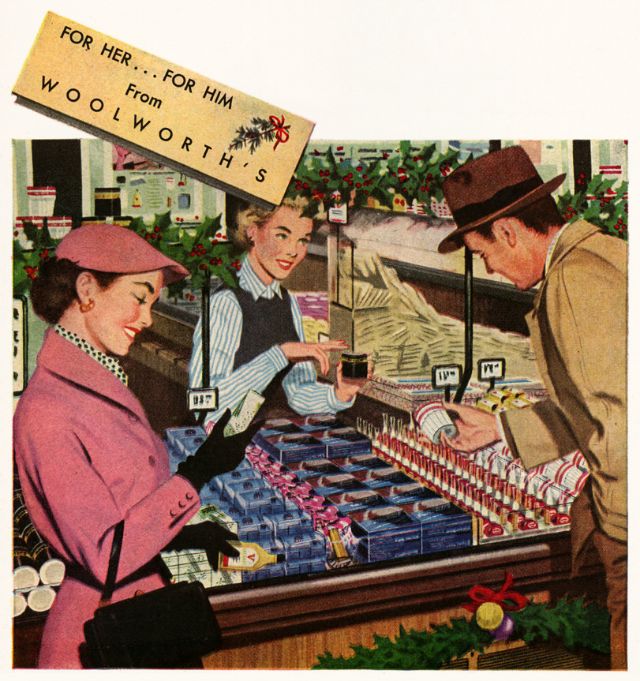
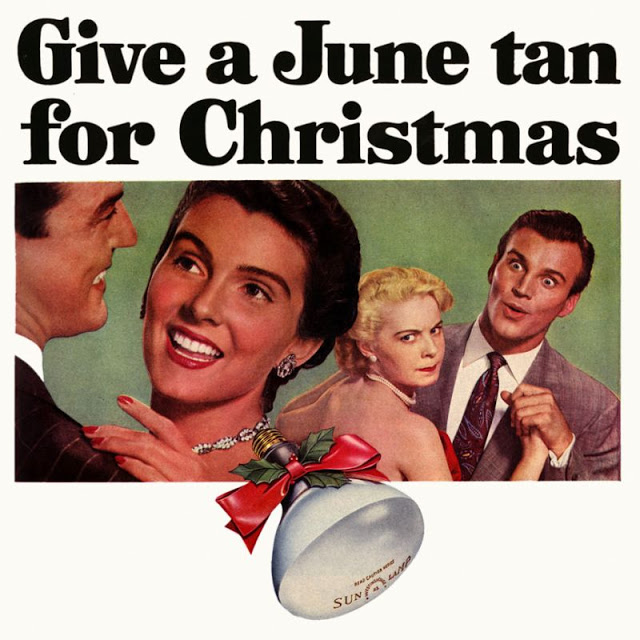
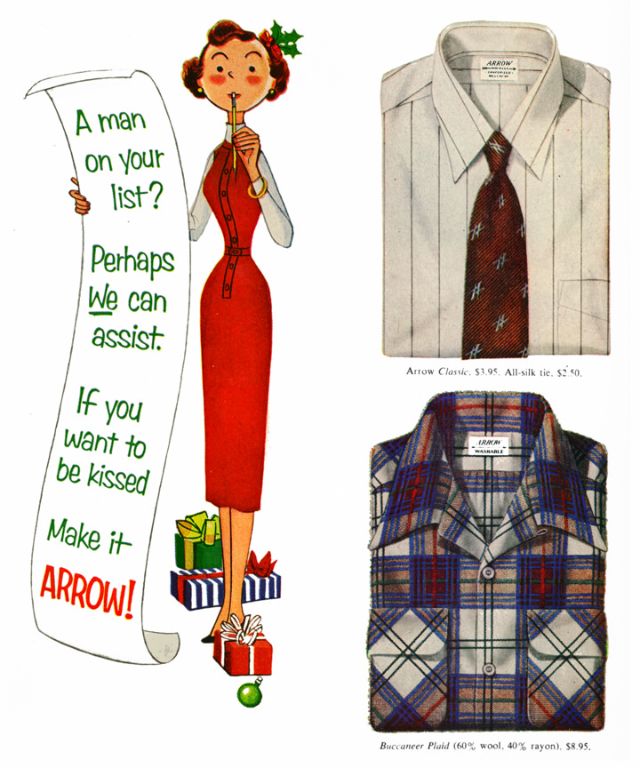
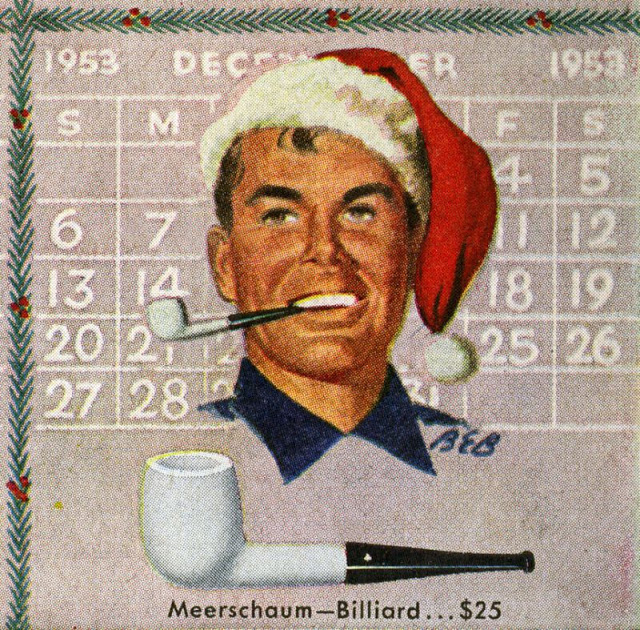
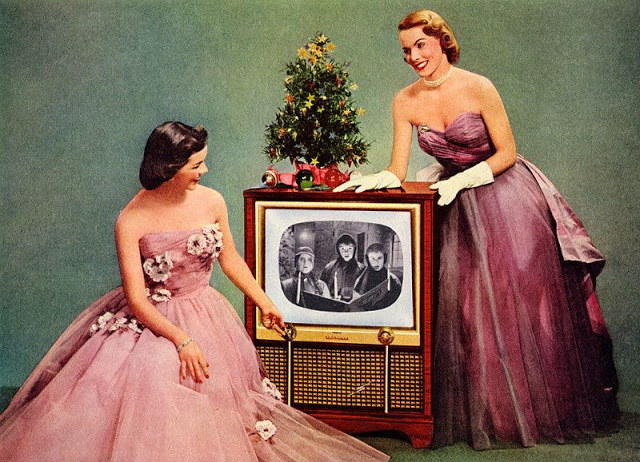
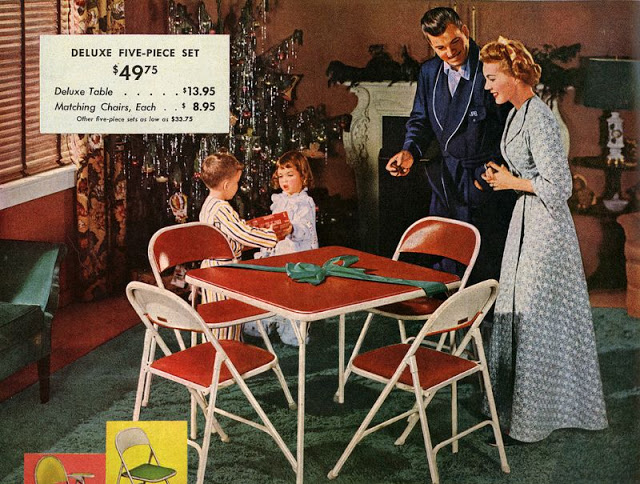
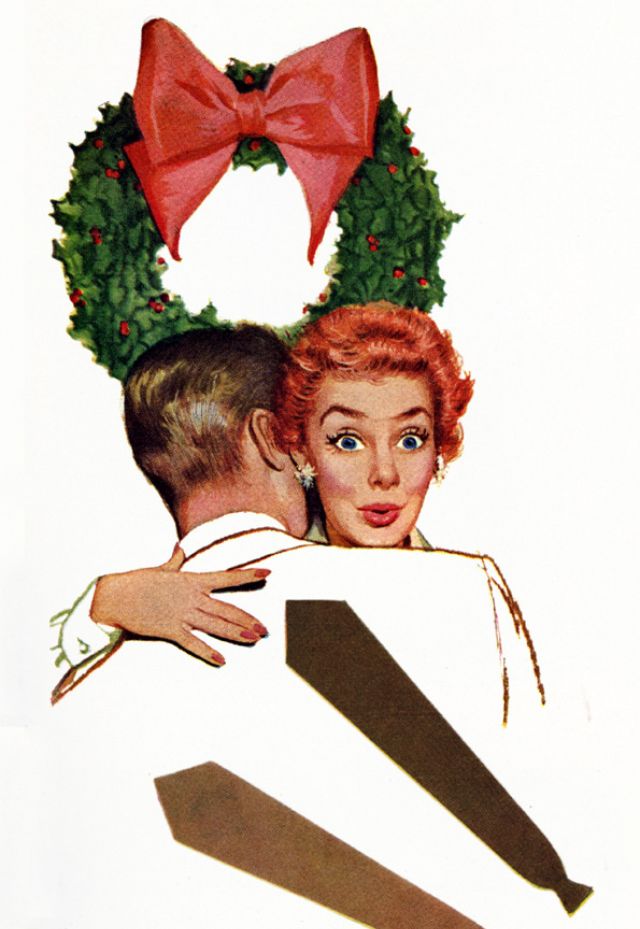
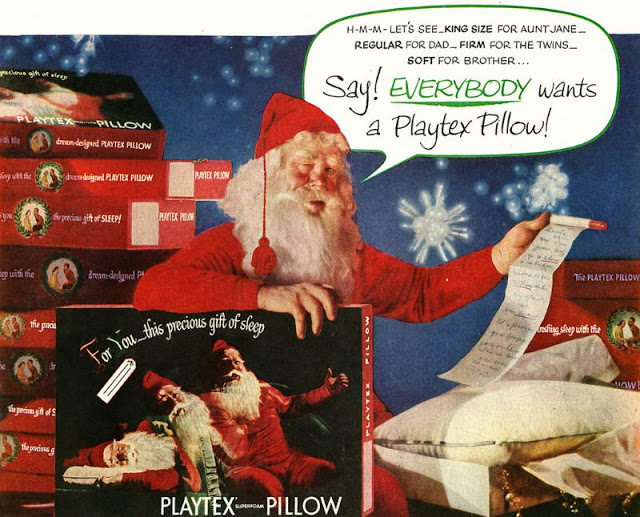
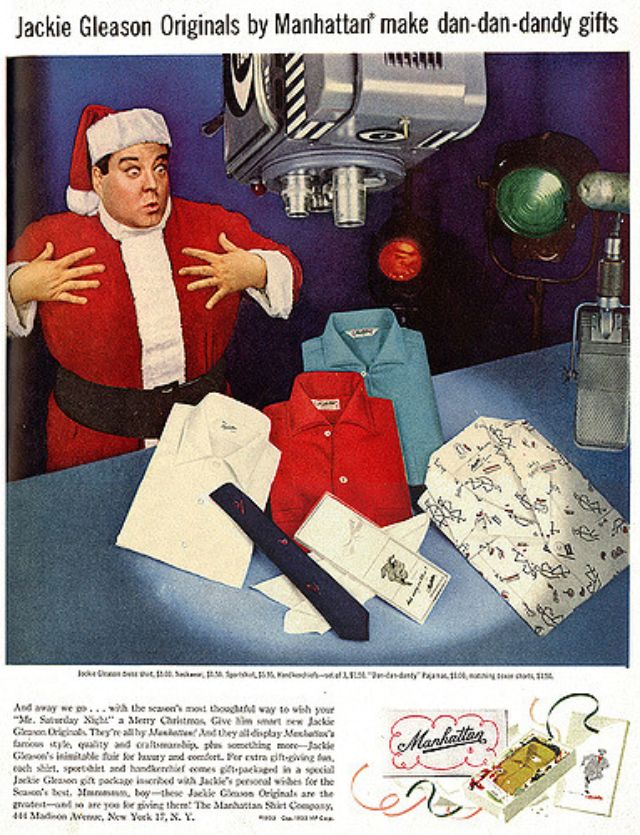
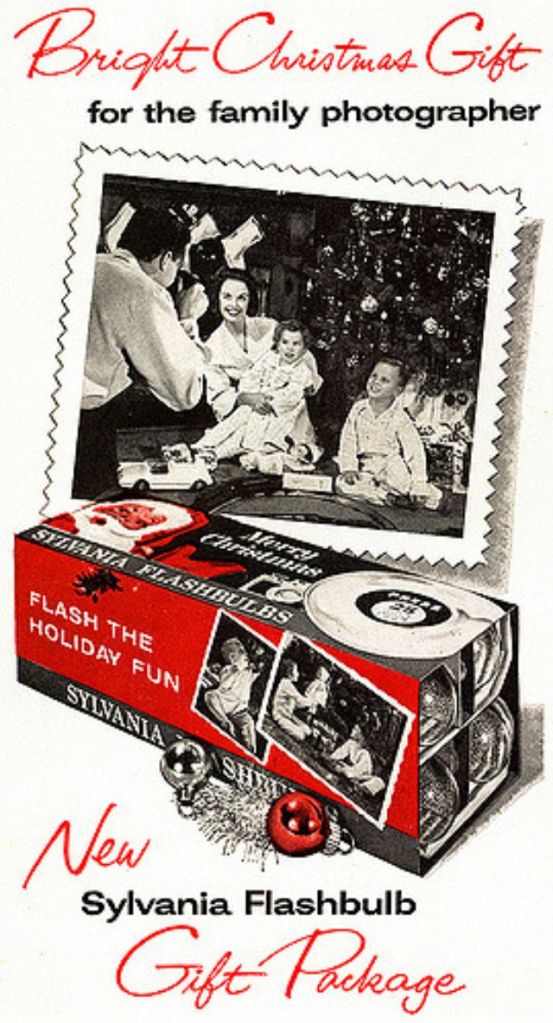
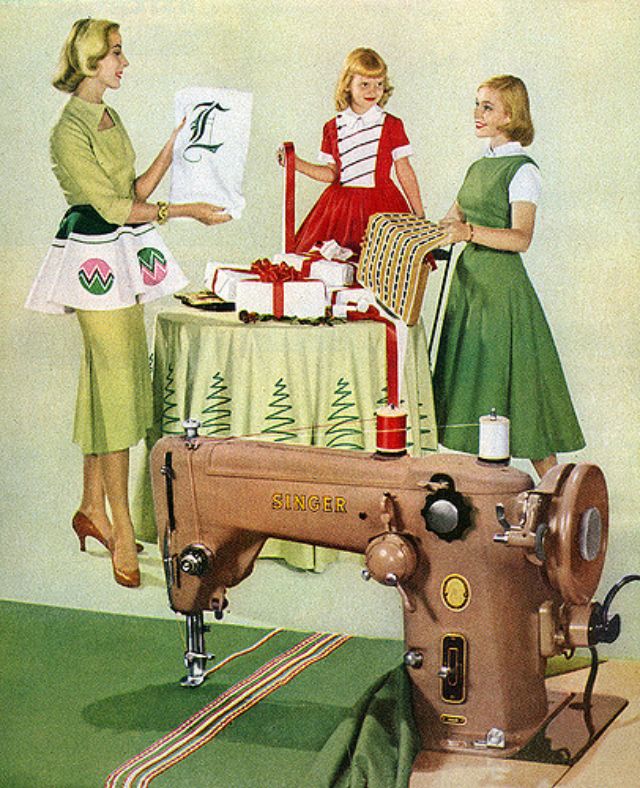
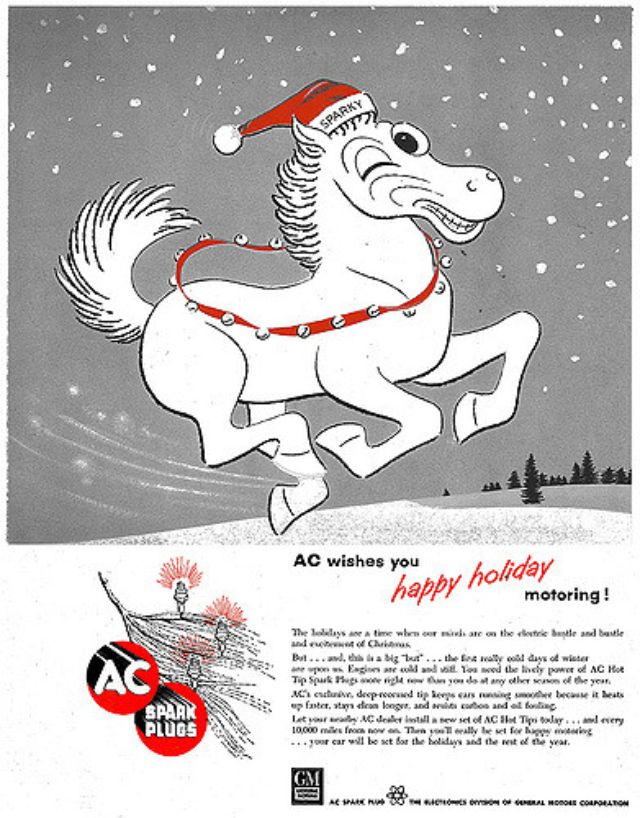
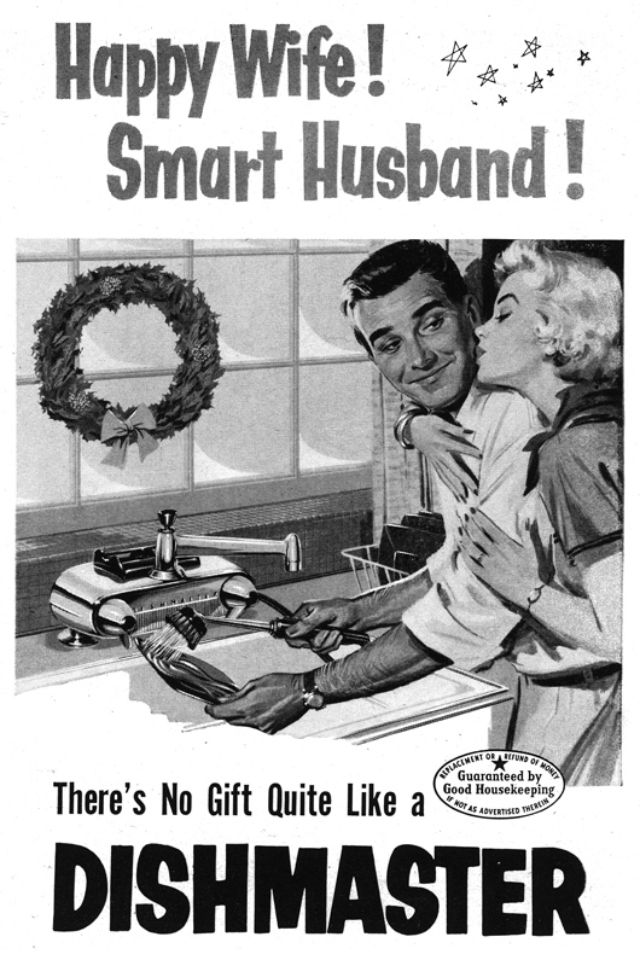
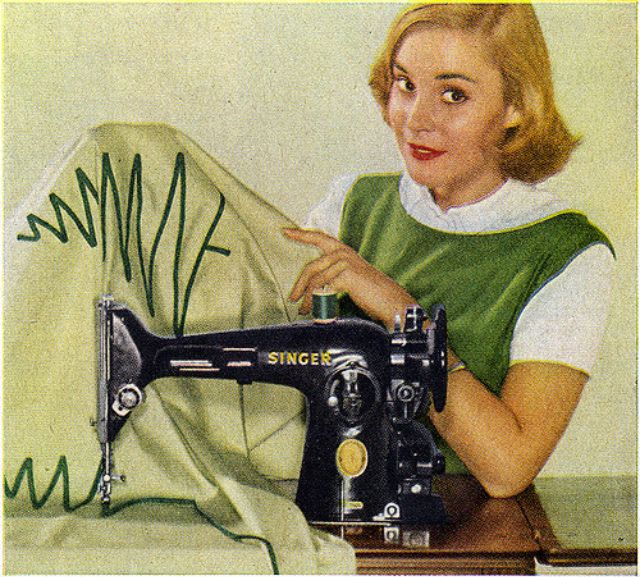
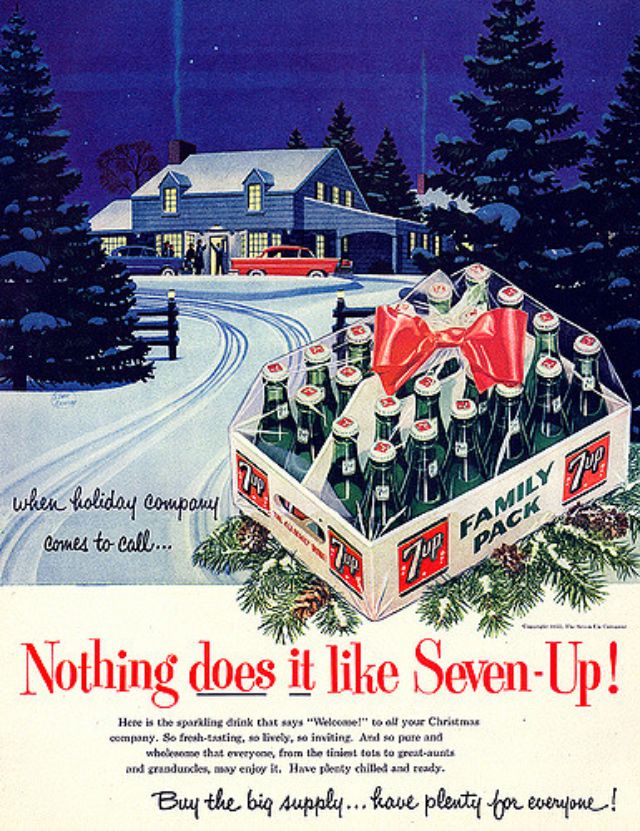
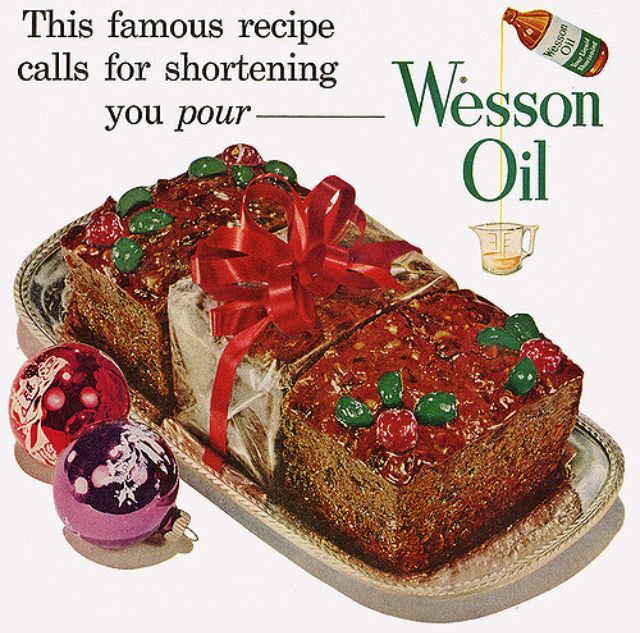
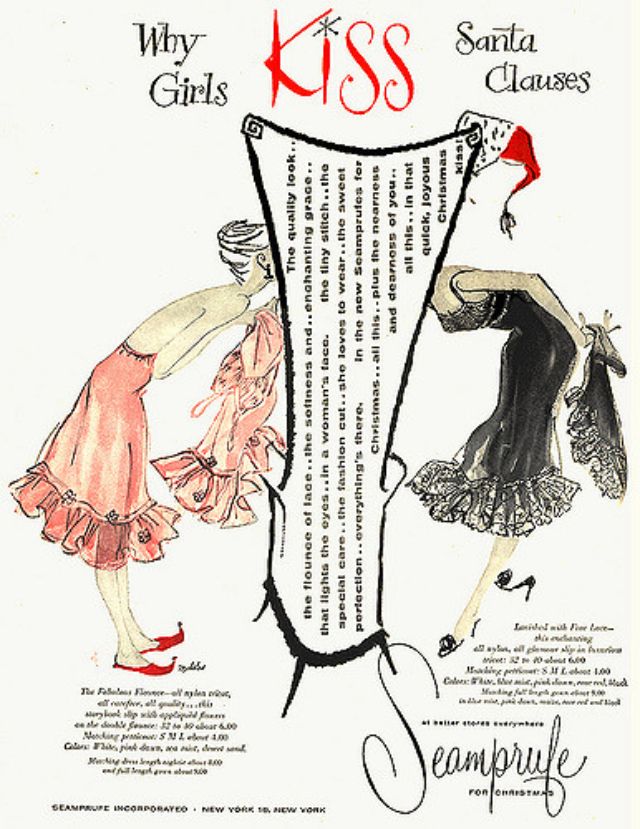
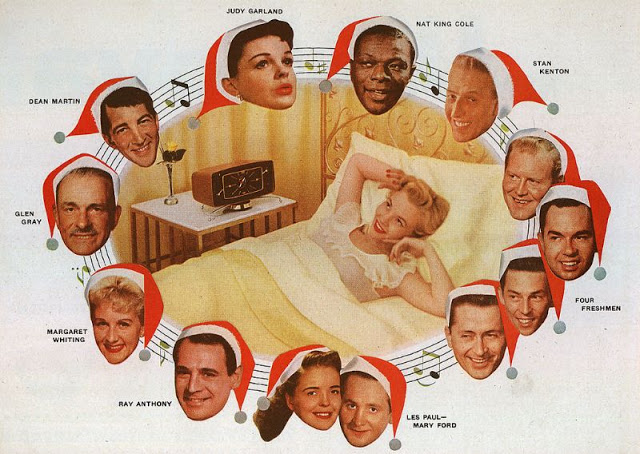
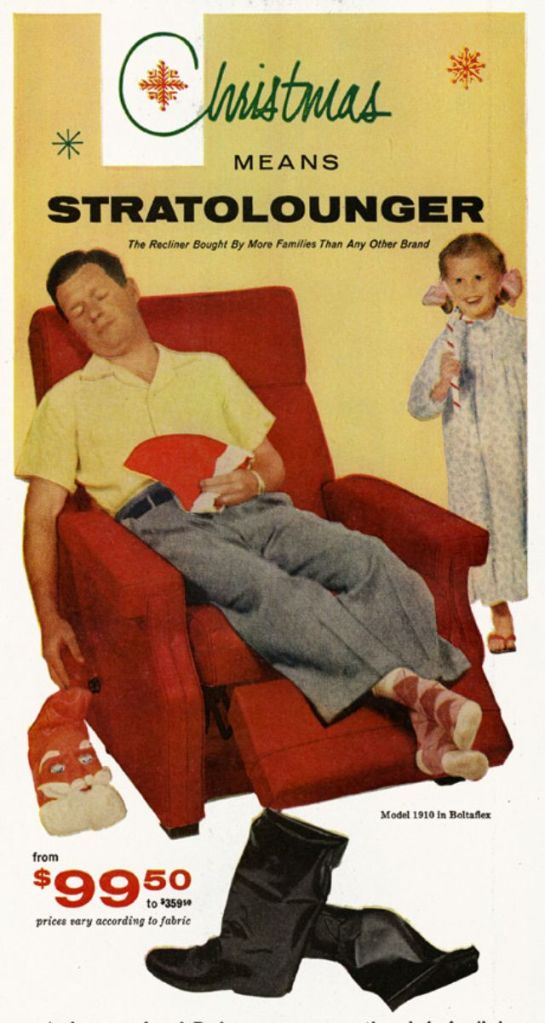
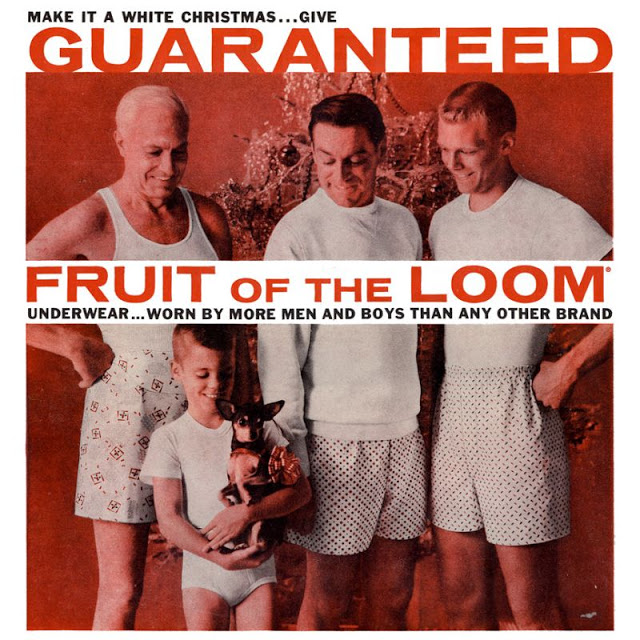
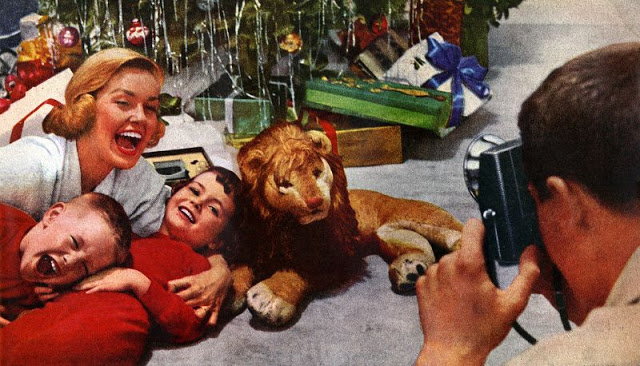
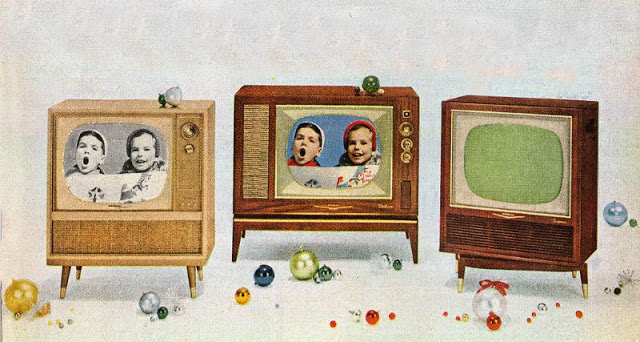
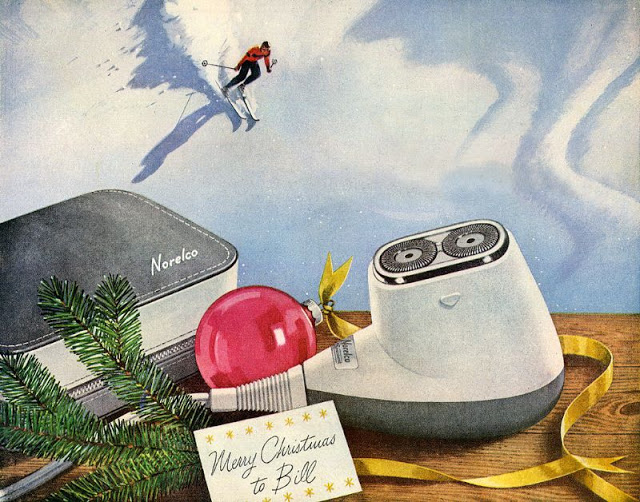
A photo collection that shows some hilarious ads for the Holiday from LIFE magazine in the 1950s.











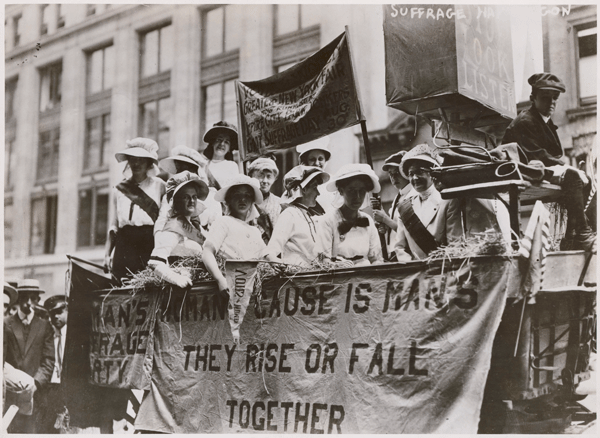
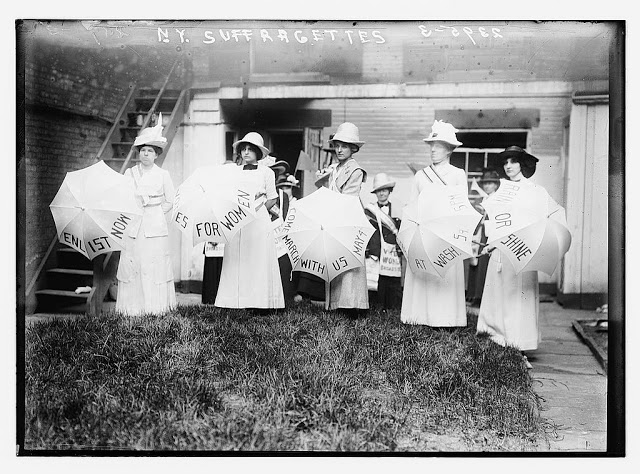
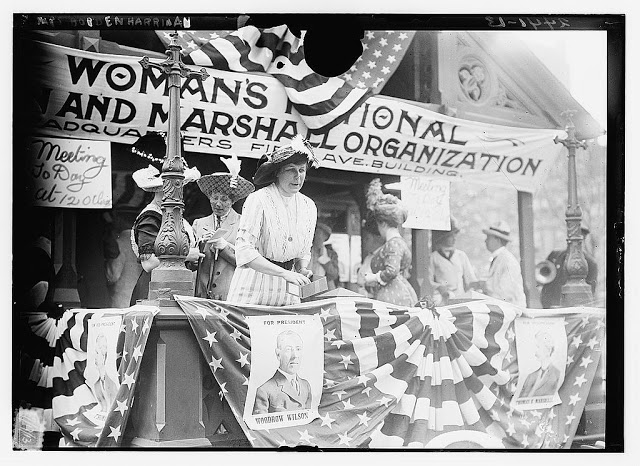
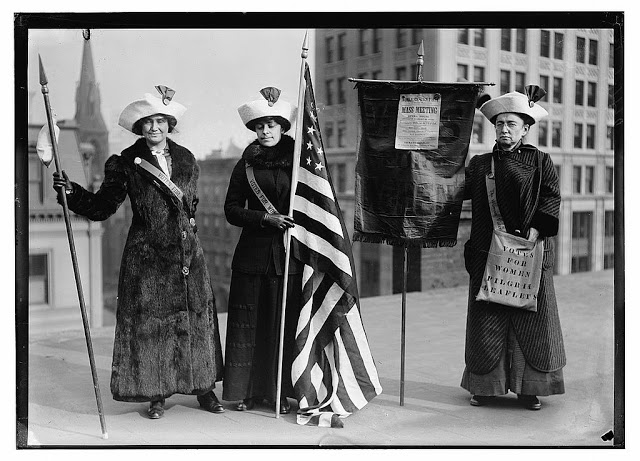
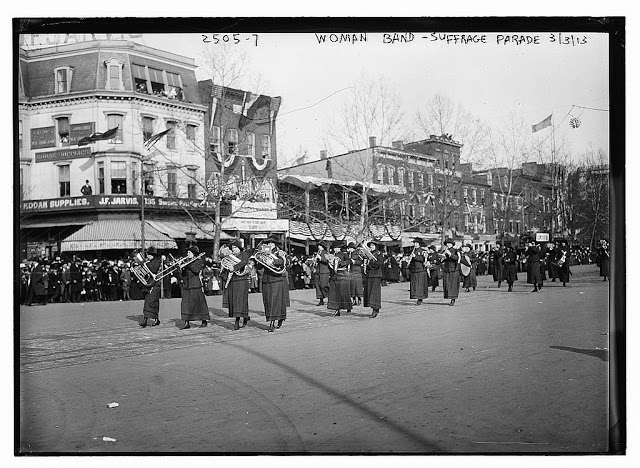
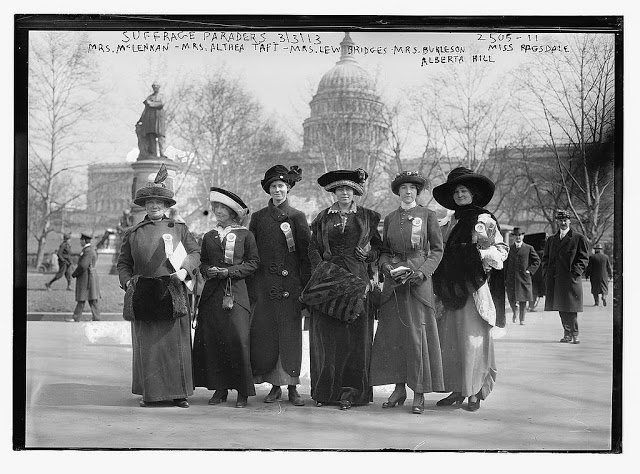
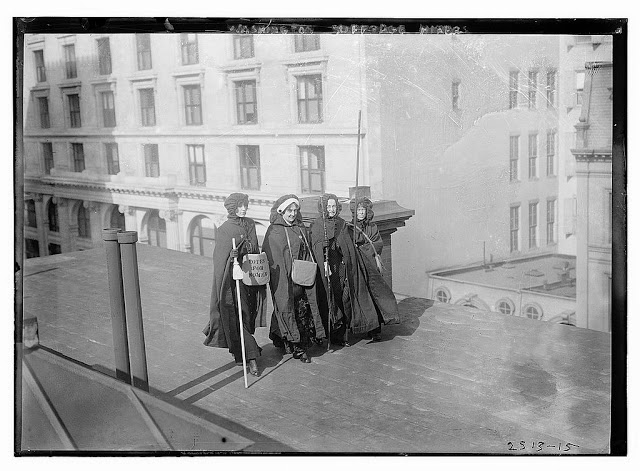
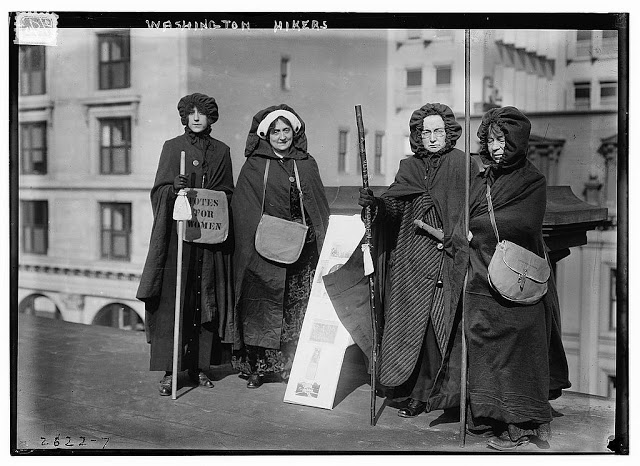
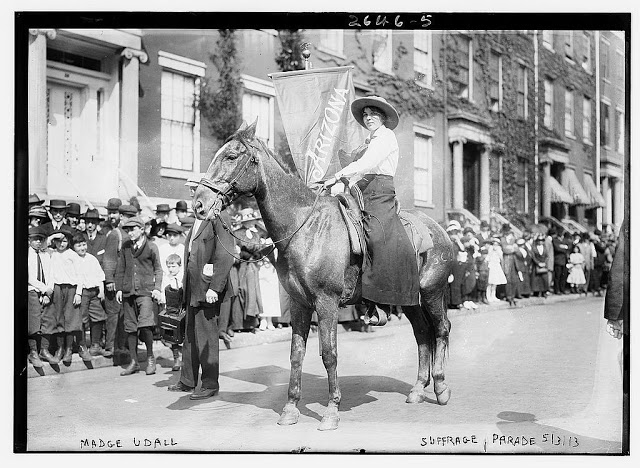
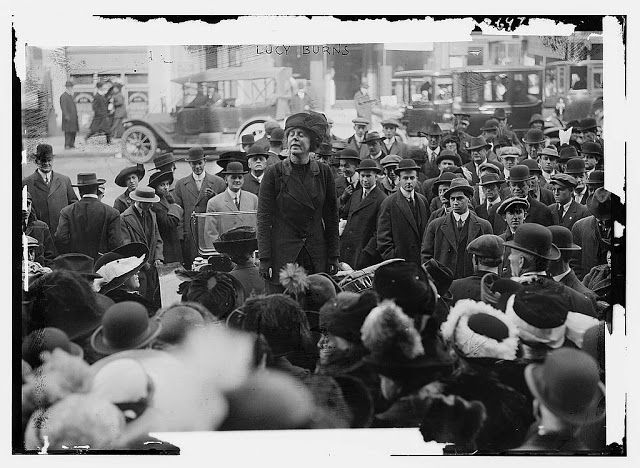
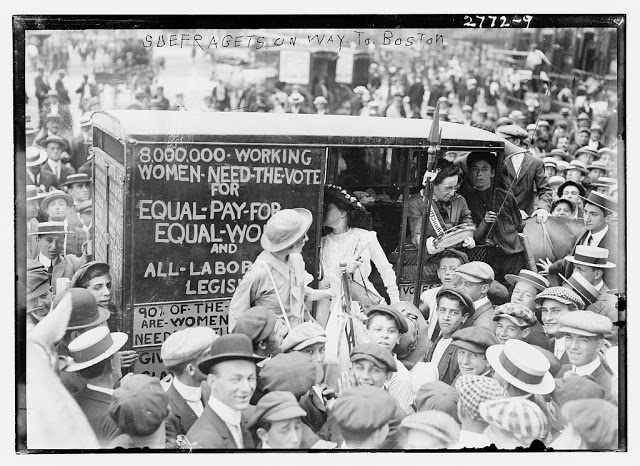
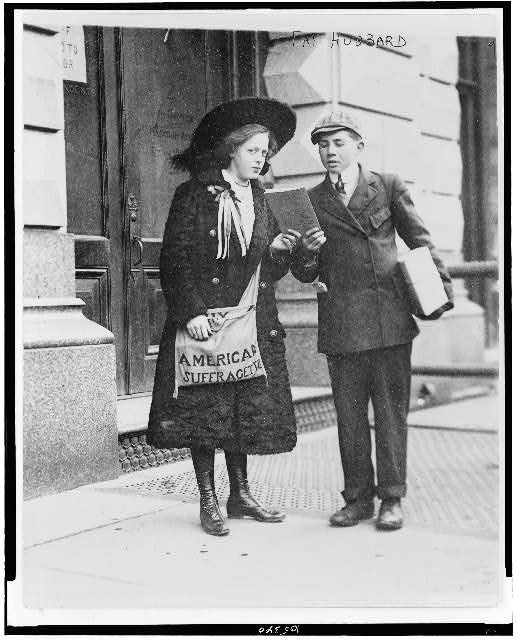
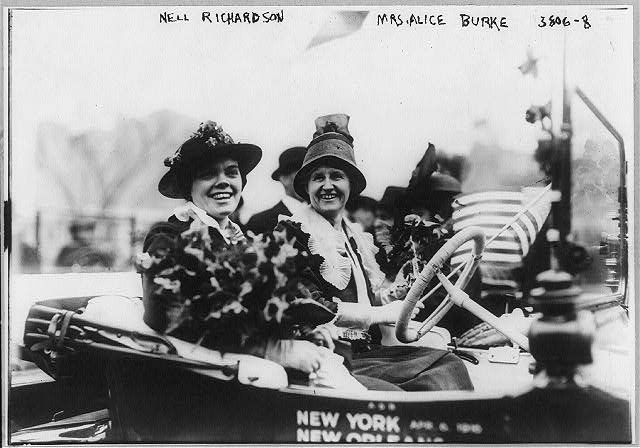
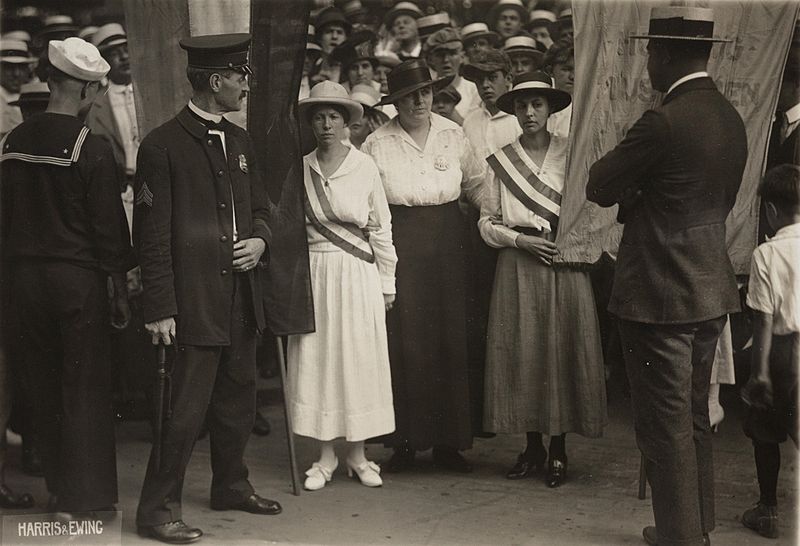
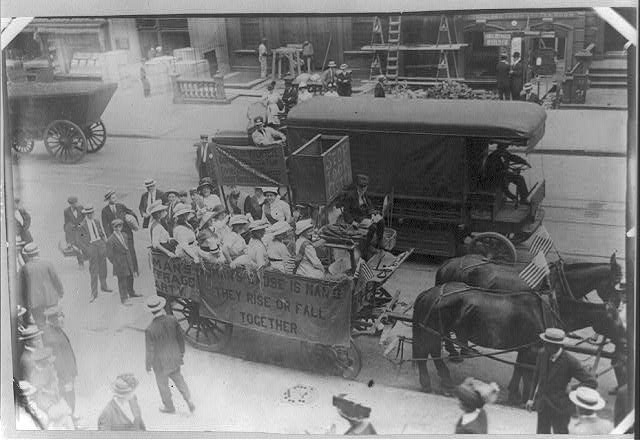
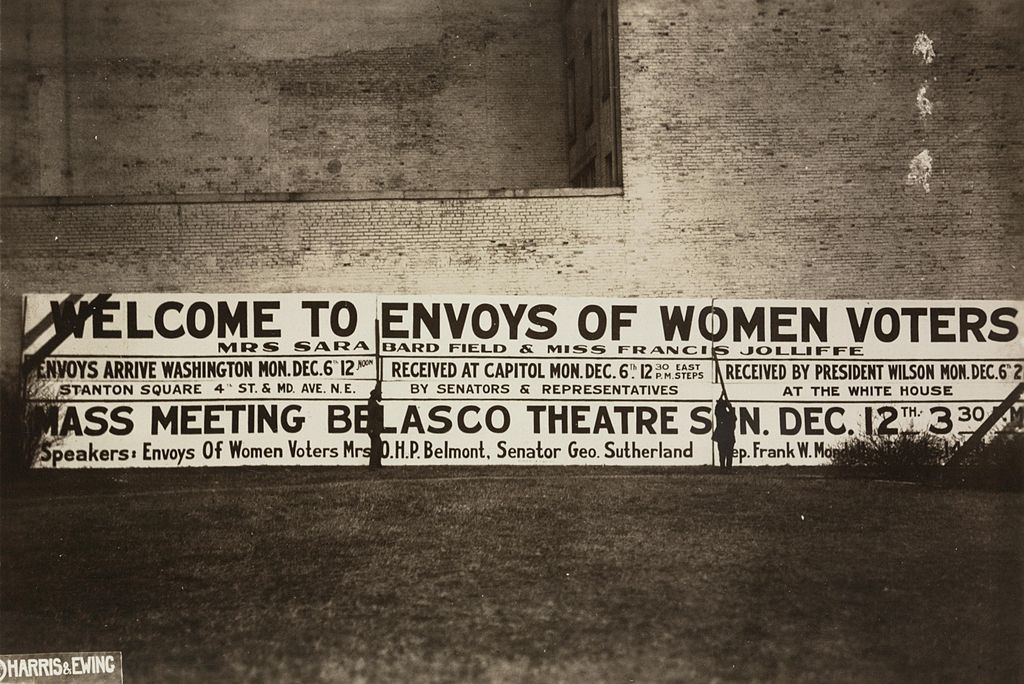
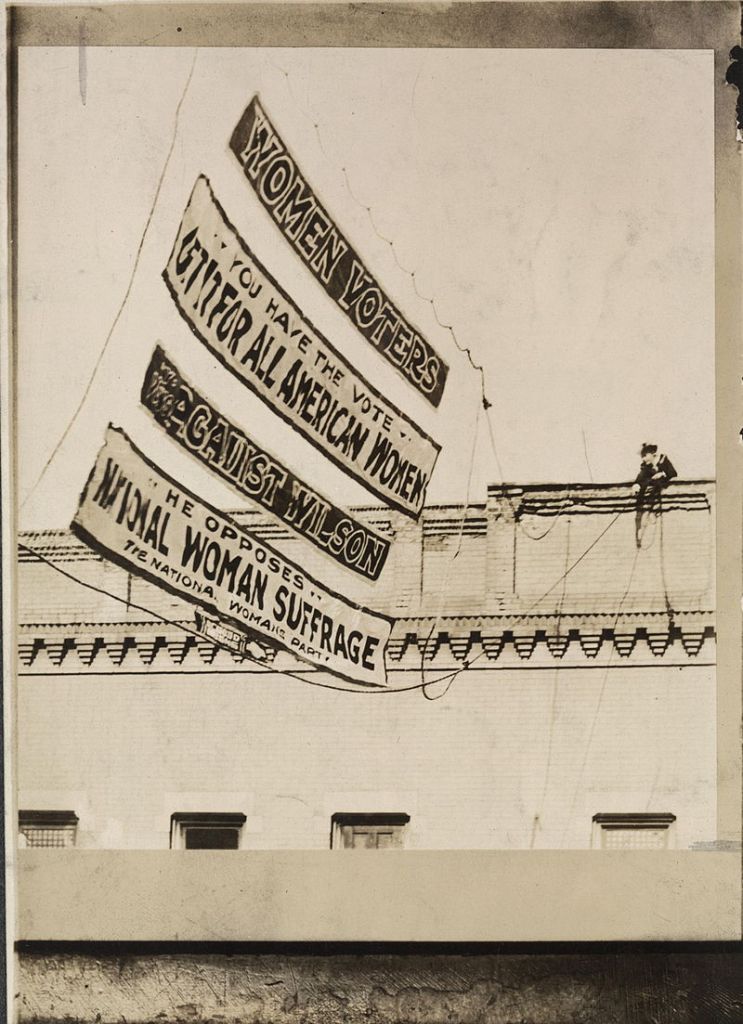
Women’s legal right to vote was established in the United States over the course of more than half a century, first in various states and localities, sometimes on a limited basis, and then nationally in 1920.
The demand for women’s suffrage began to gather strength in the 1840s, emerging from the broader movement for women’s rights. In 1848, the Seneca Falls Convention, the first women’s rights convention, passed a resolution in favor of women’s suffrage despite opposition from some of its organizers, who believed the idea was too extreme. By the time of the first National Women’s Rights Convention in 1850, however, suffrage was becoming an increasingly important aspect of the movement’s activities.
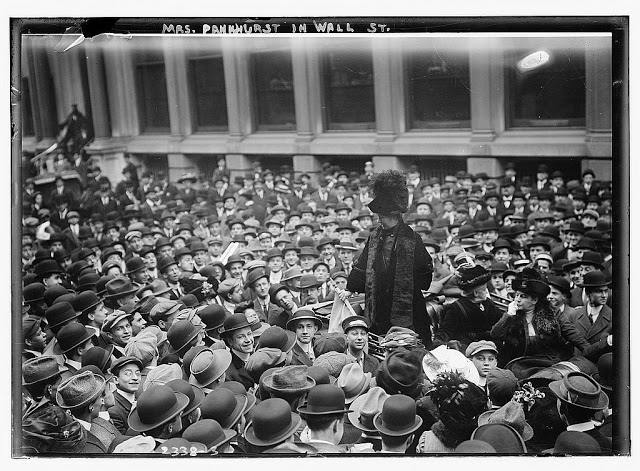
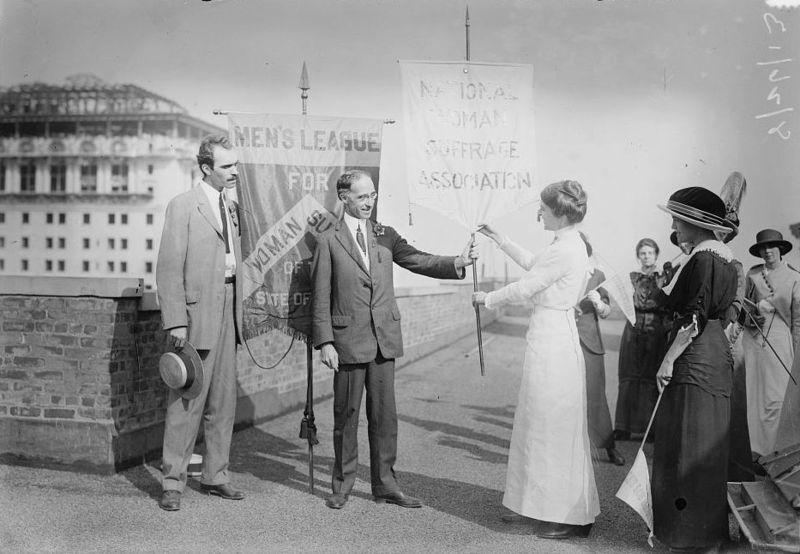
The first national suffrage organizations were established in 1869 when two competing organizations were formed, one led by Susan B. Anthony and Elizabeth Cady Stanton and the other by Lucy Stone and Frances Ellen Watkins Harper. After years of rivalry, they merged in 1890 as the National American Woman Suffrage Association (NAWSA) with Anthony as its leading force. The Women’s Christian Temperance Union (WCTU), which was the largest women’s organization at that time, was established in 1873 and also pursued women’s suffrage, giving a huge boost to the movement.
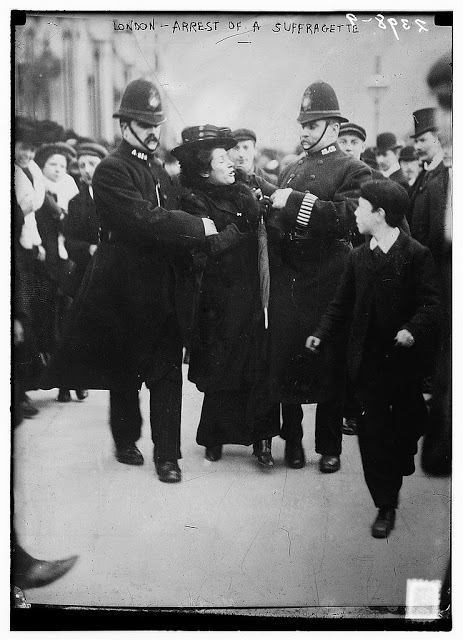
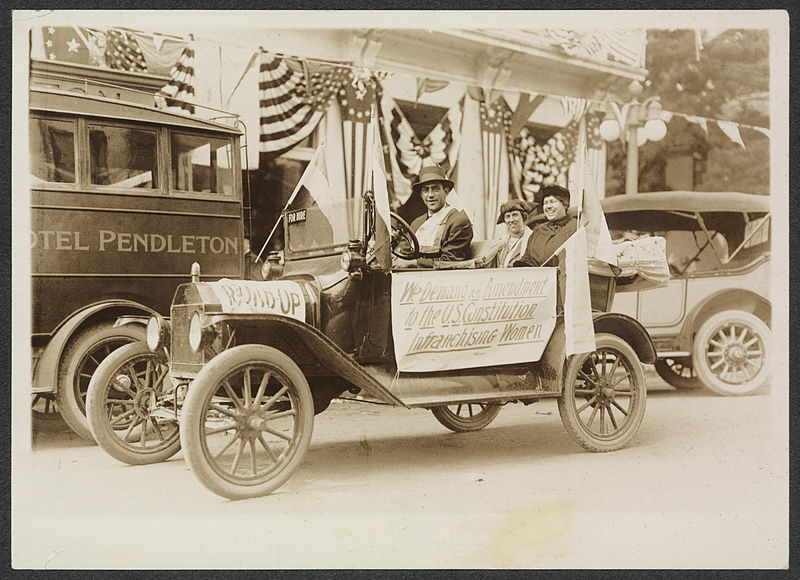
Hoping that the U.S. Supreme Court would rule that women had a constitutional right to vote, suffragists made several attempts to vote in the early 1870s and then filed lawsuits when they were turned away. Anthony actually succeeded in voting in 1872 but was arrested for that act and found guilty in a widely publicized trial that gave the movement fresh momentum. After the Supreme Court ruled against them in the 1875 case Minor v. Happersett, suffragists began the decades-long campaign for an amendment to the U.S. Constitution that would enfranchise women. Much of the movement’s energy, however, went toward working for suffrage on a state-by-state basis.
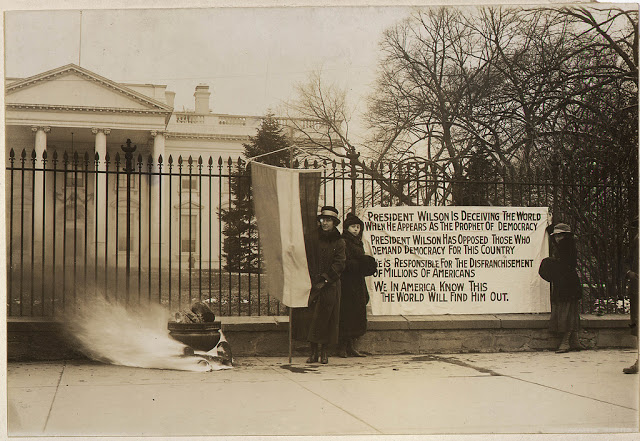
In 1916 Alice Paul formed the National Woman’s Party (NWP), a militant group focused on the passage of a national suffrage amendment. Over 200 NWP supporters, the Silent Sentinels, were arrested in 1917 while picketing the White House, some of whom went on hunger strike and endured forced feeding after being sent to prison. Under the leadership of Carrie Chapman Catt, the two-million-member NAWSA also made a national suffrage amendment its top priority. After a hard-fought series of votes in the U.S. Congress and in state legislatures, the Nineteenth Amendment became part of the U.S. Constitution on August 18, 1920. It states, “The right of citizens of the United States to vote shall not be denied or abridged by the United States or by any State on account of sex.” (Wikipedia)