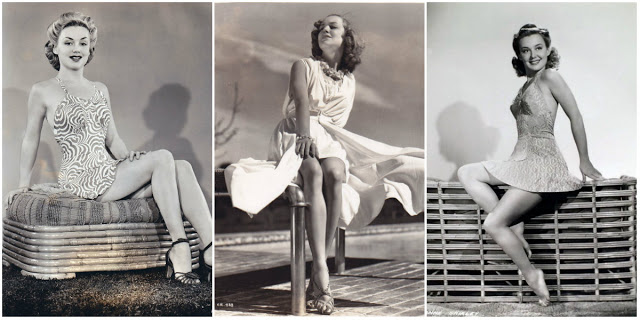
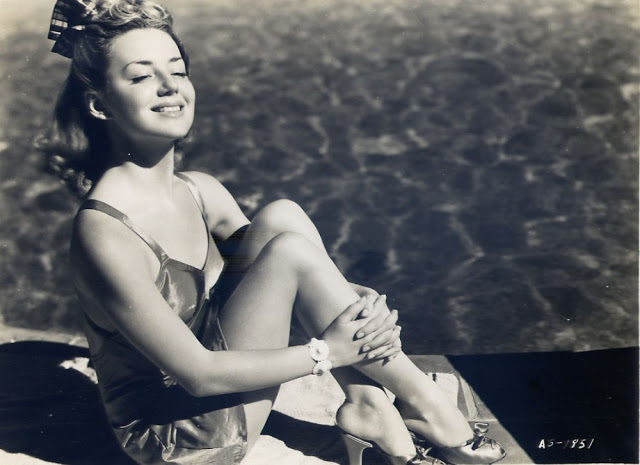
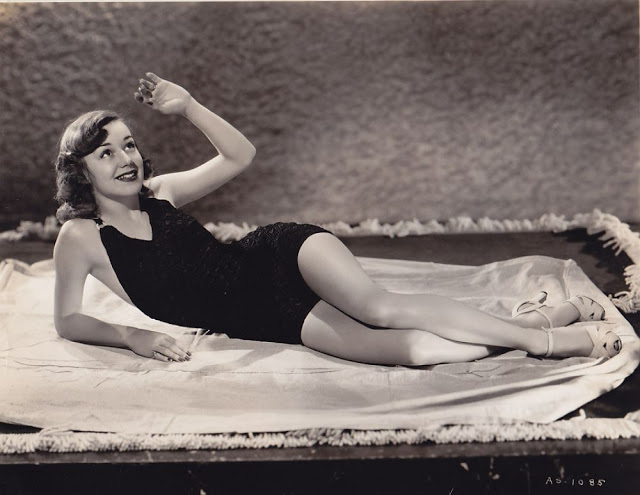
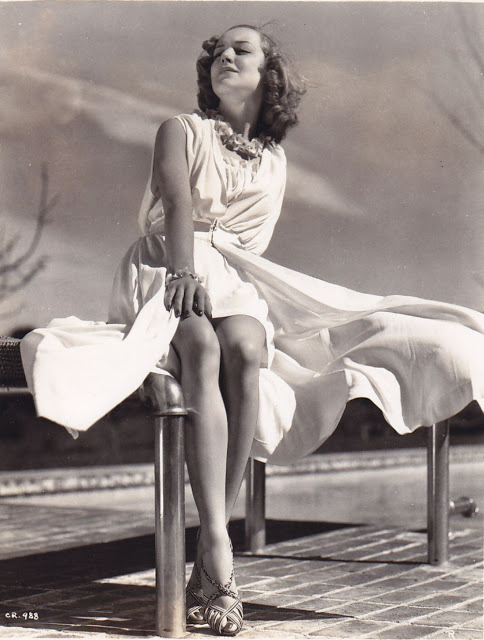
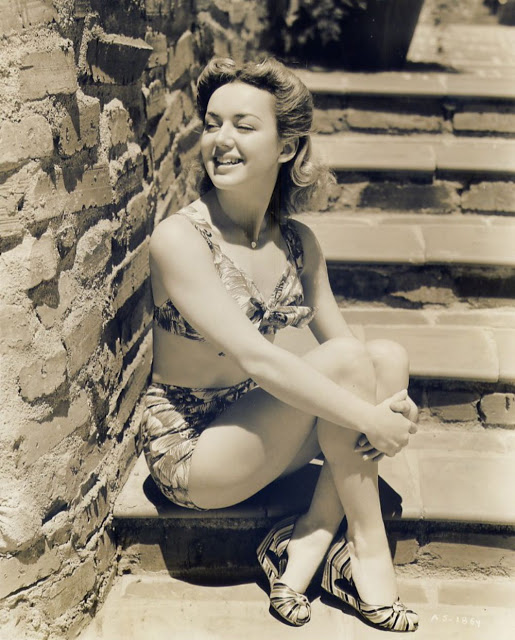
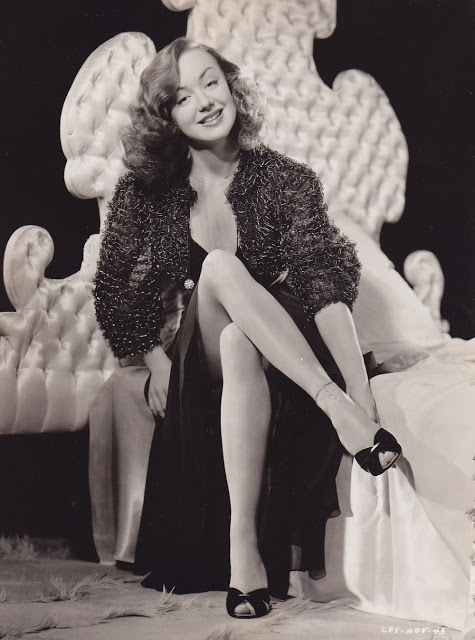
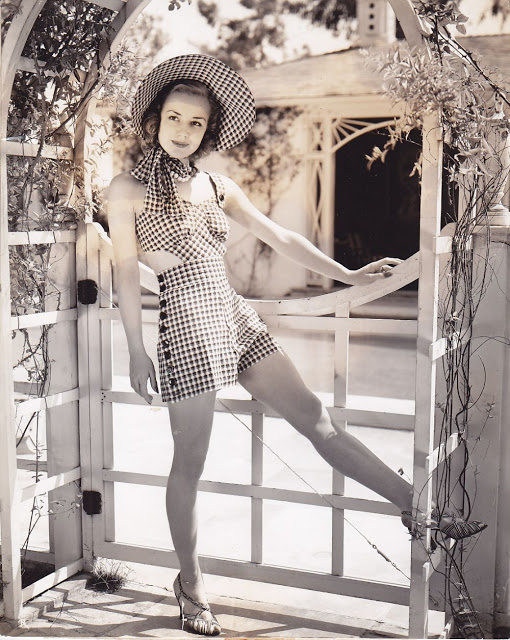
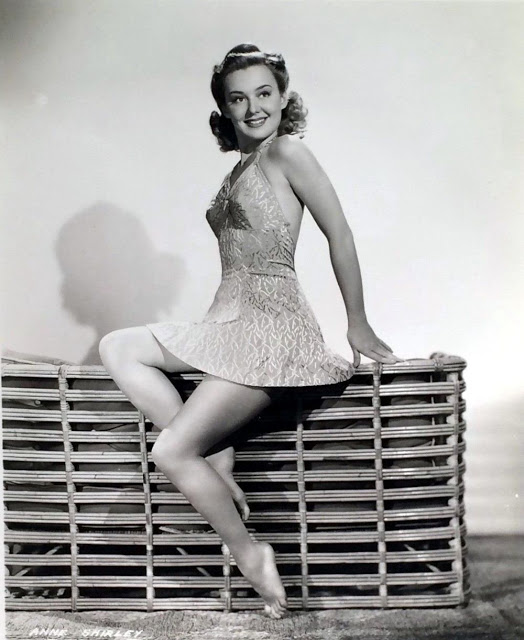
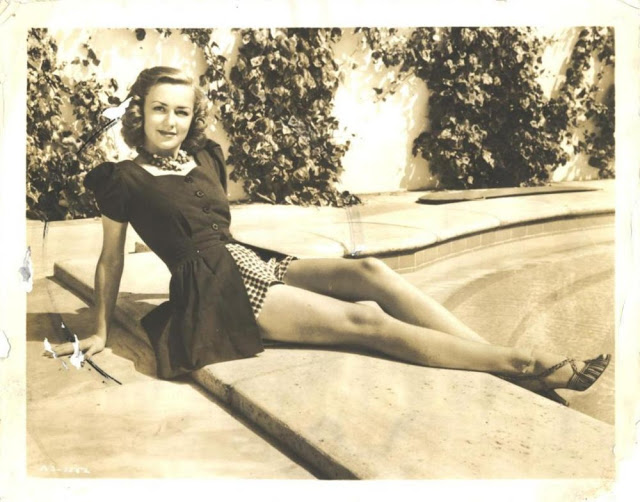
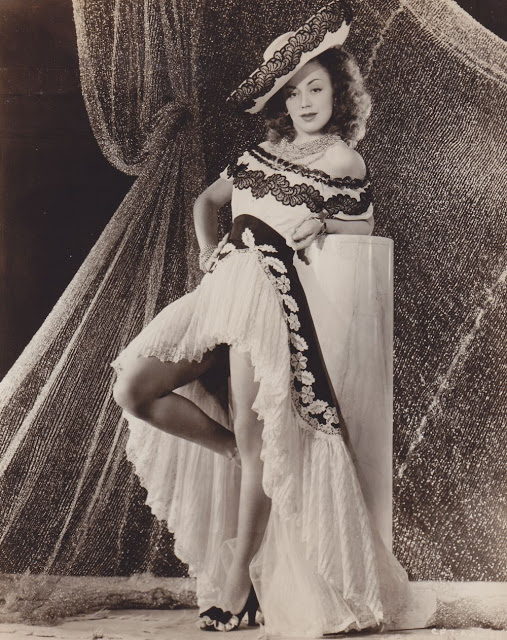
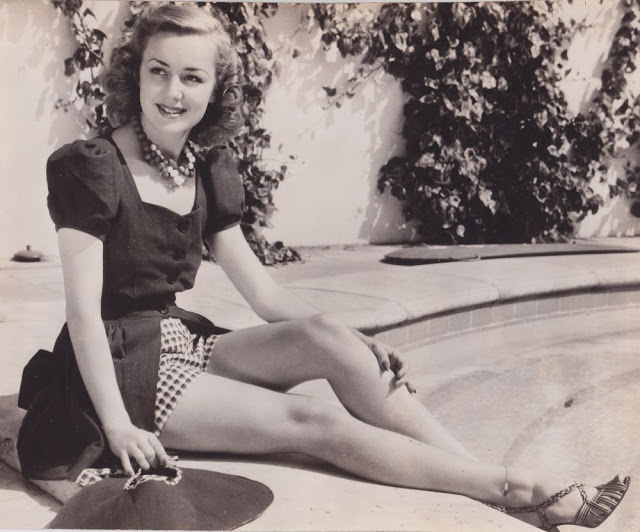
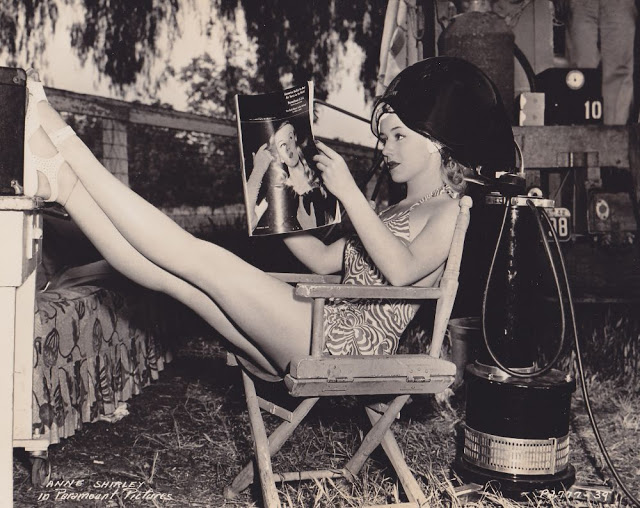
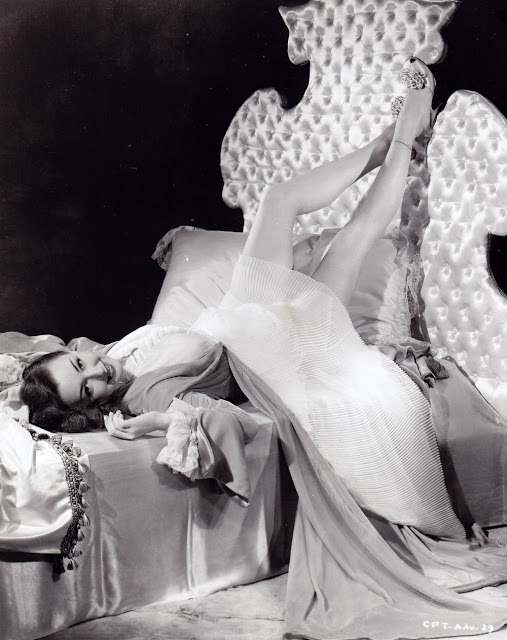
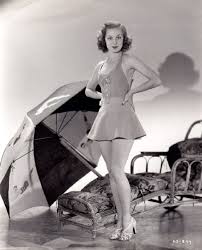
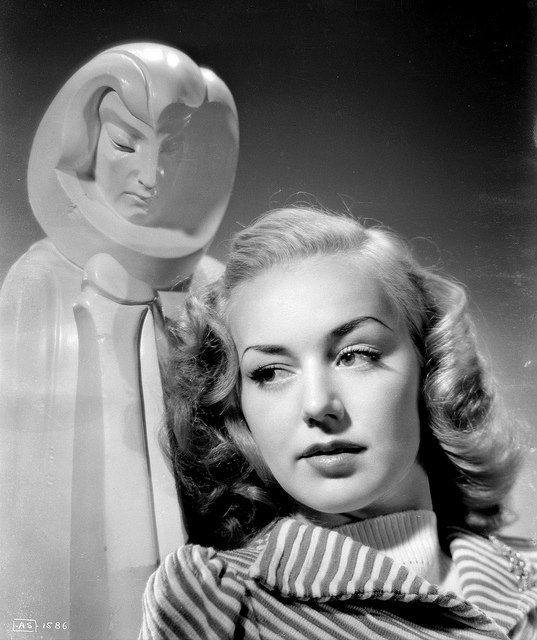
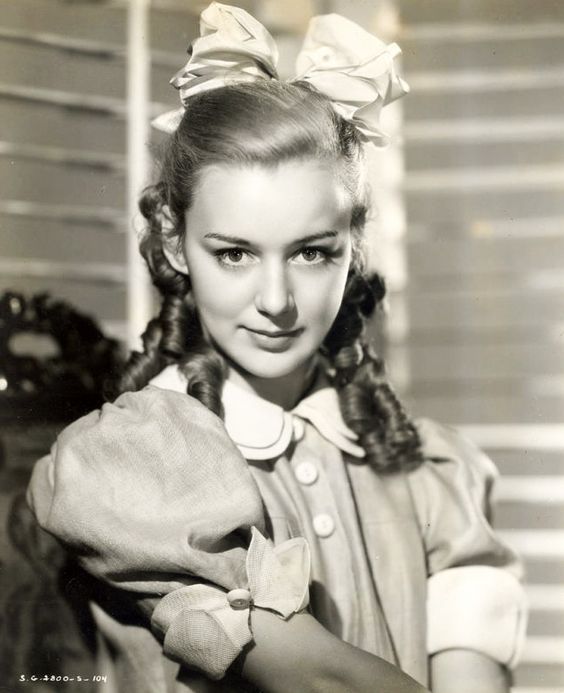
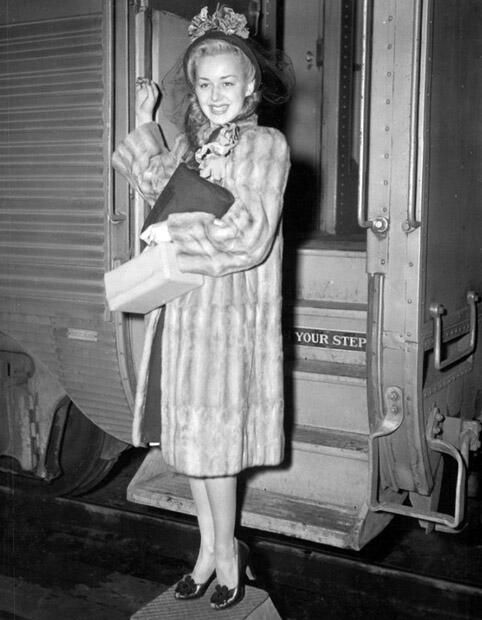
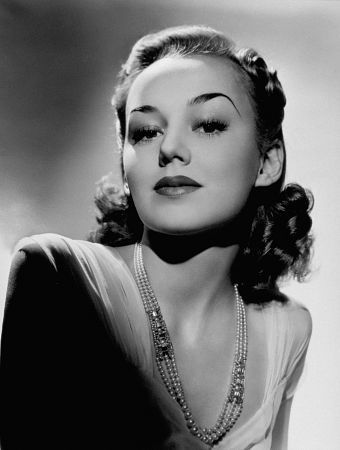
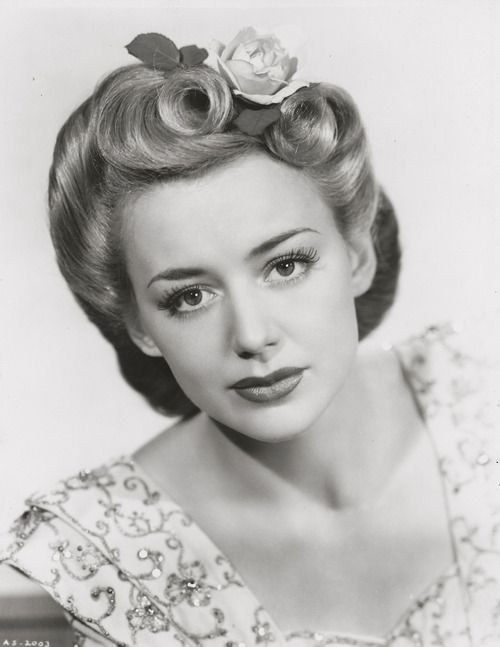
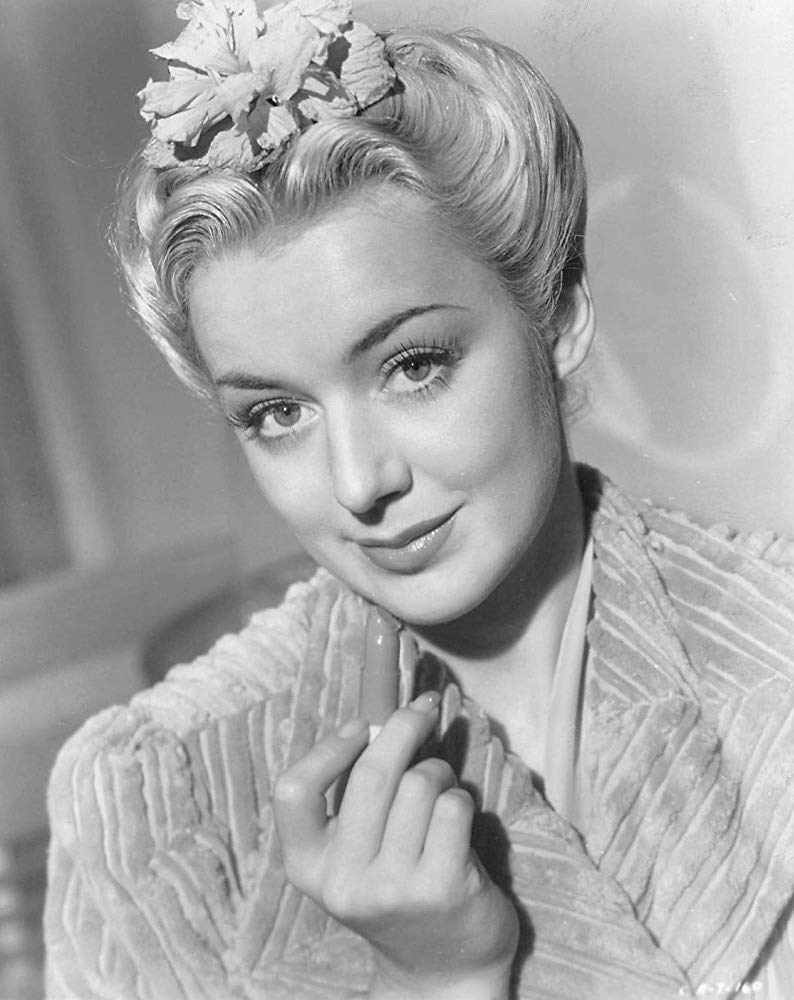
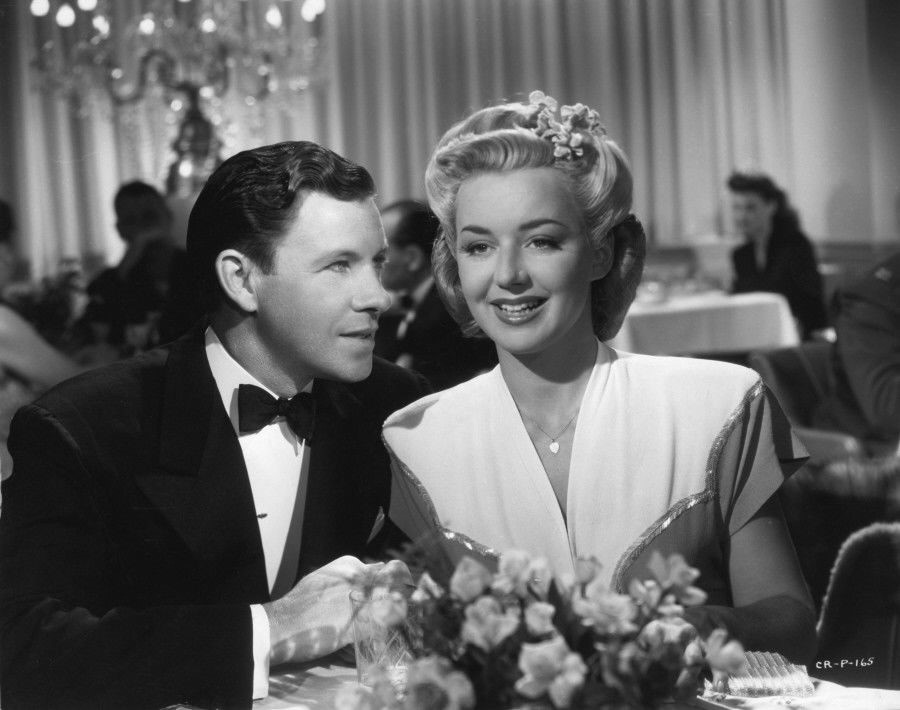
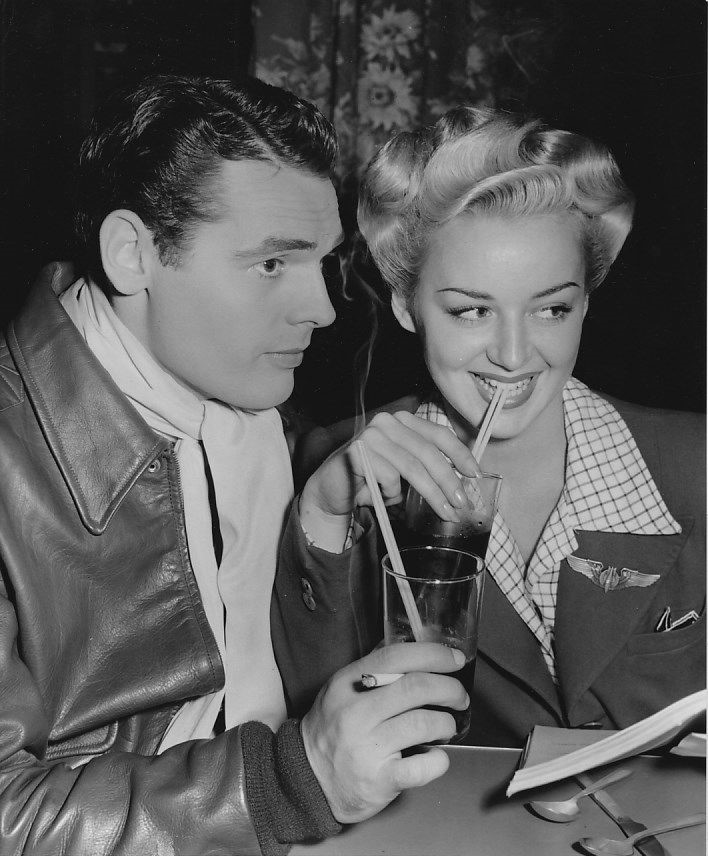
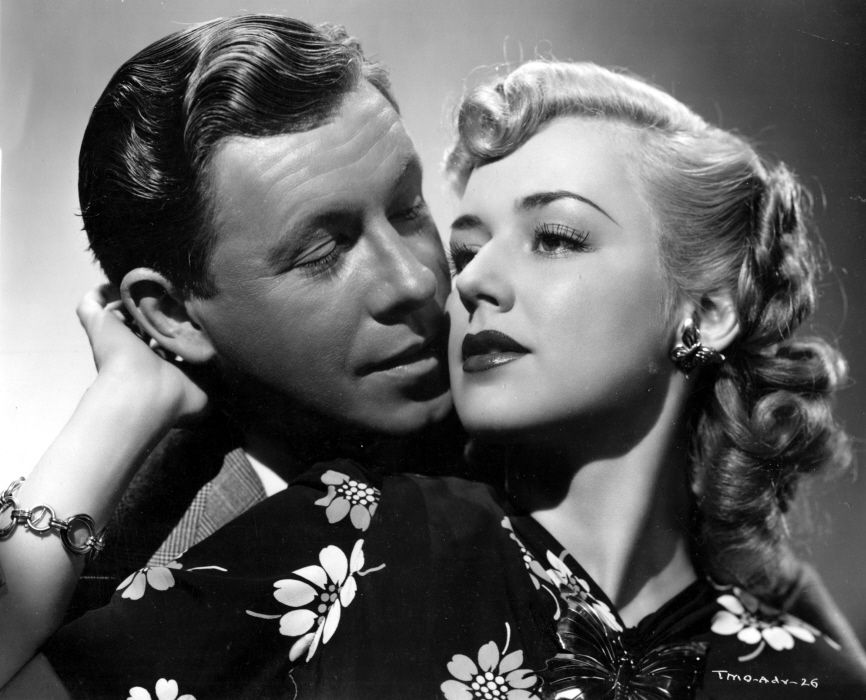
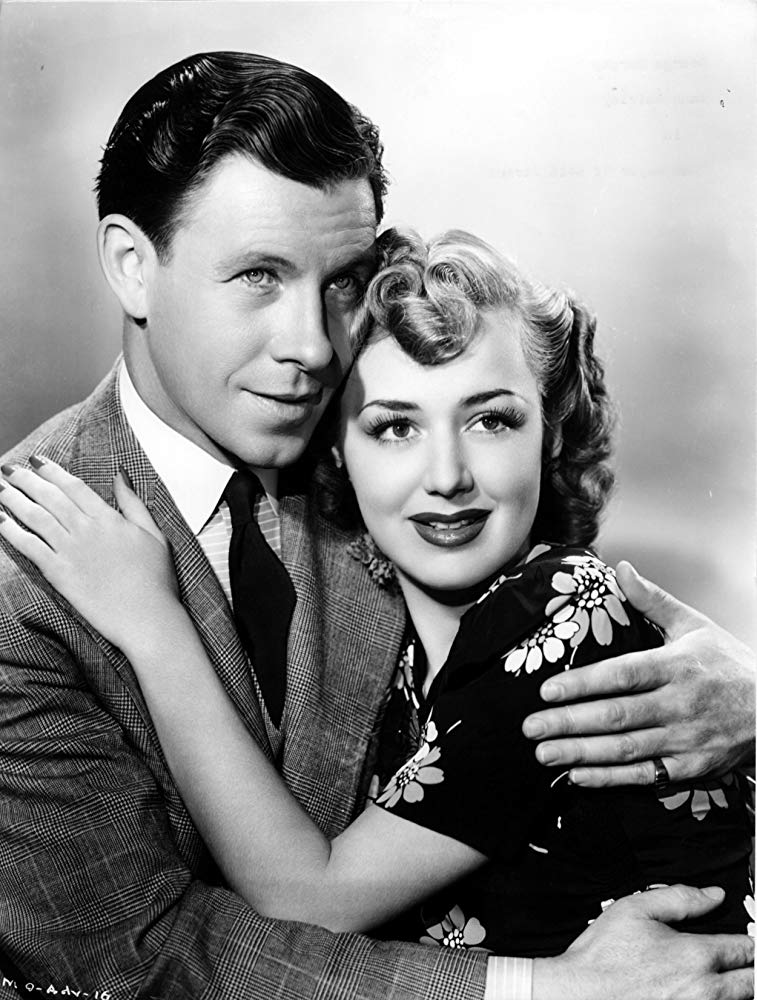
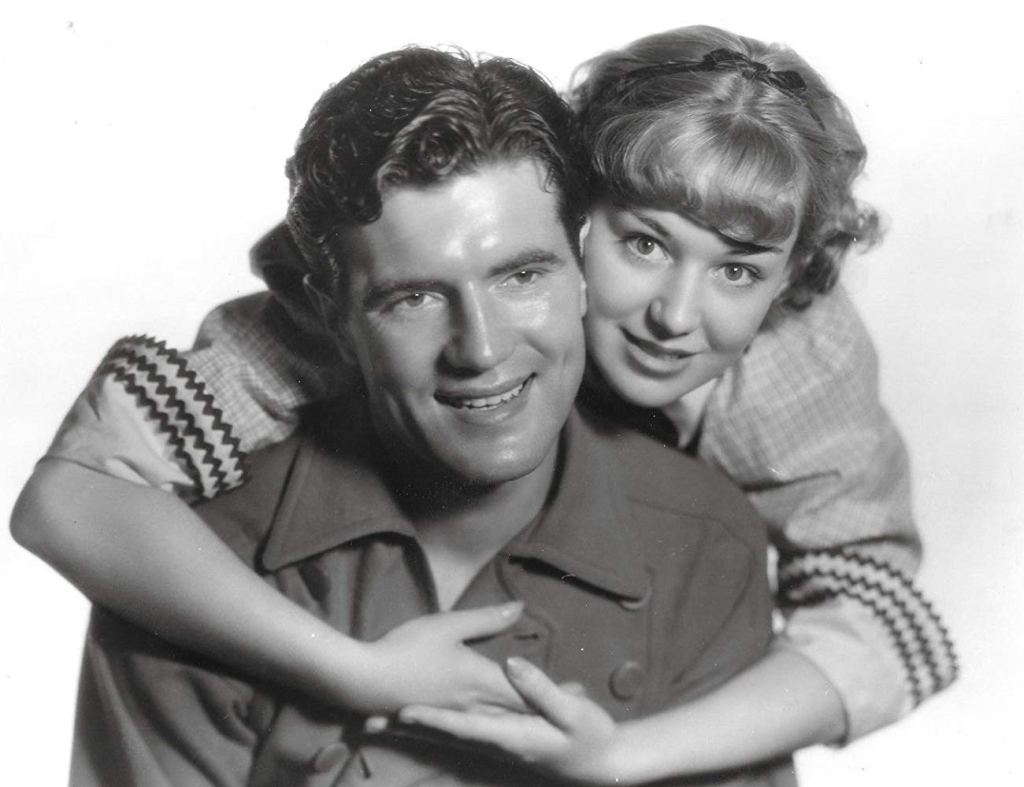
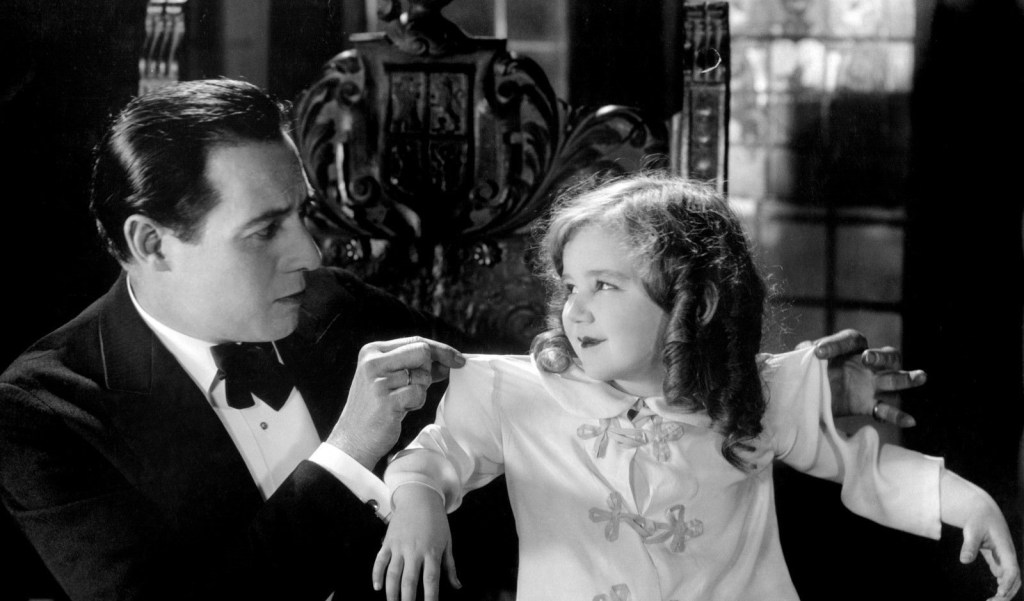
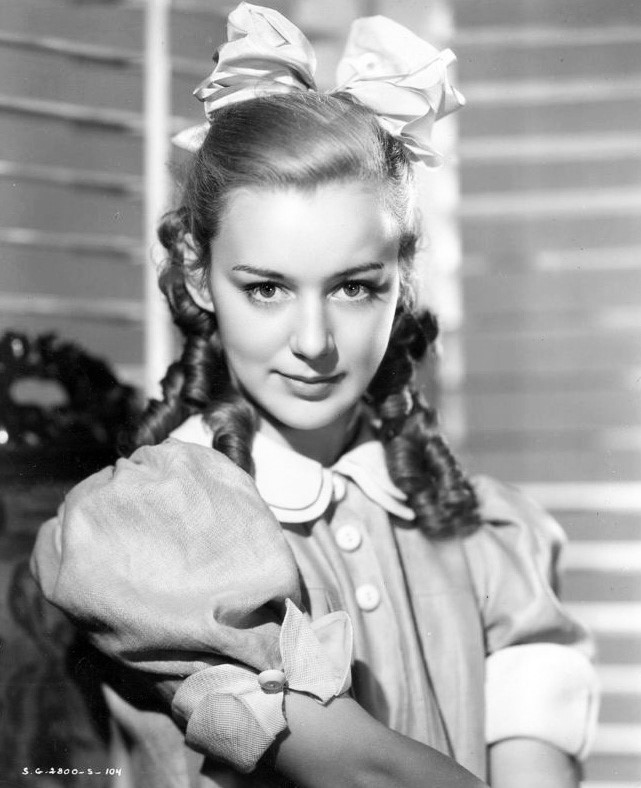
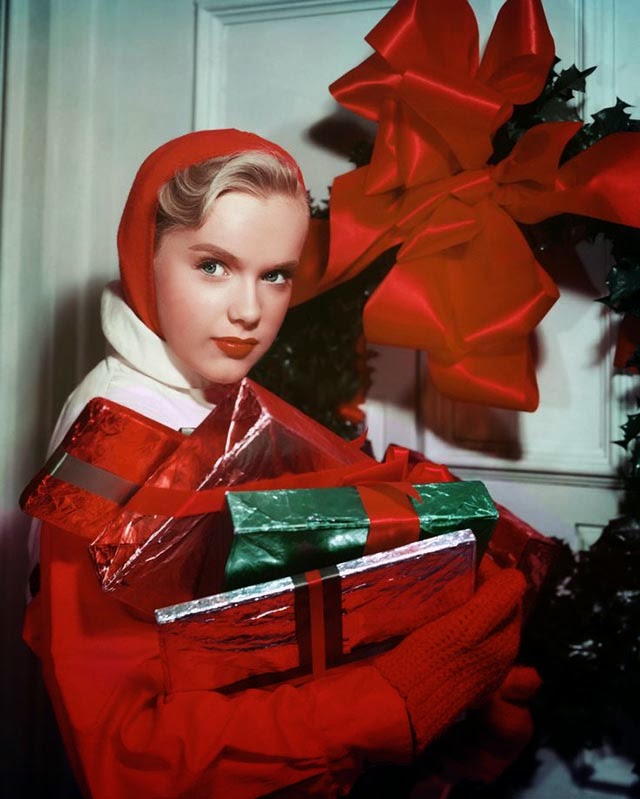
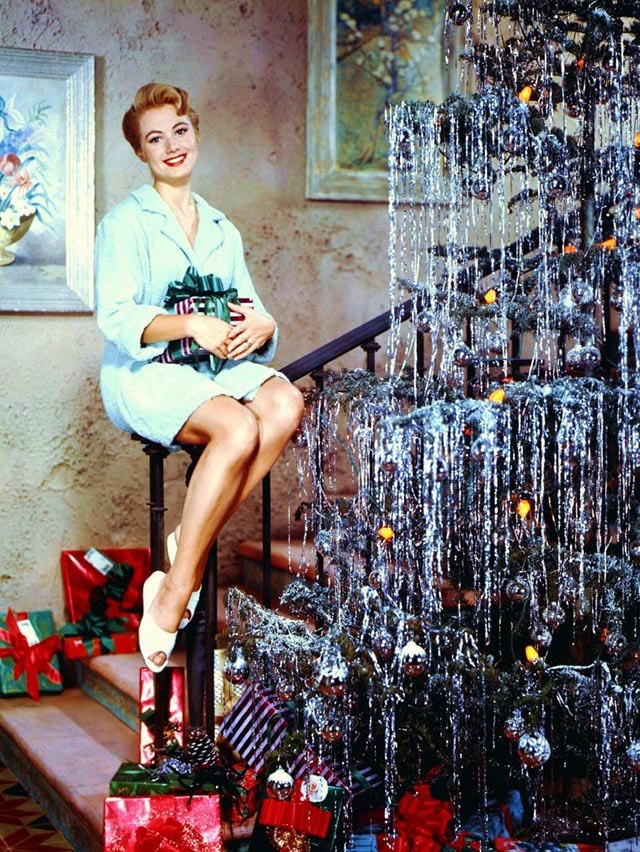
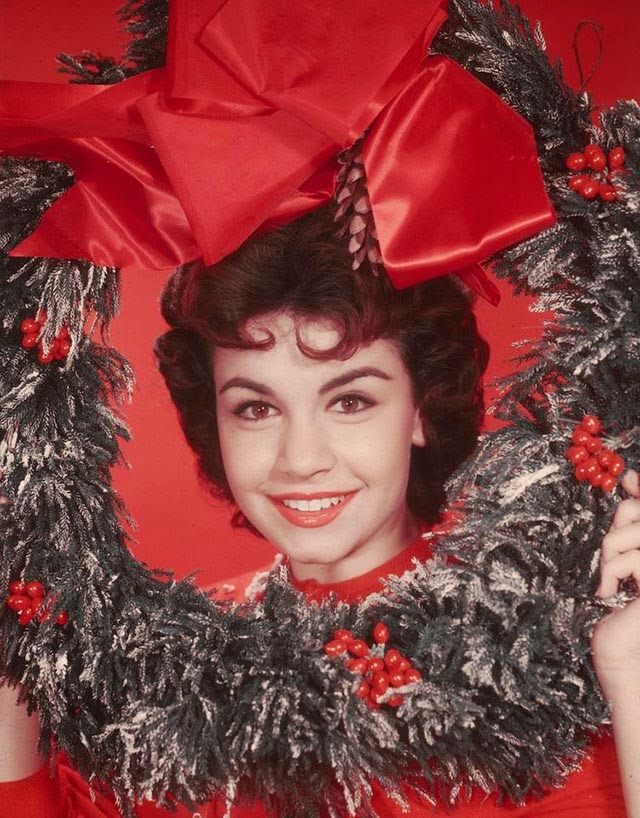
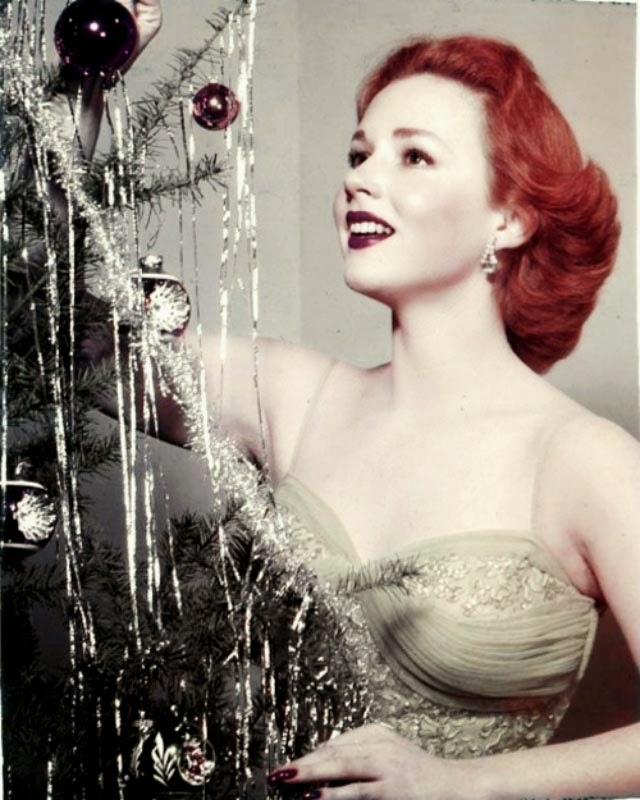
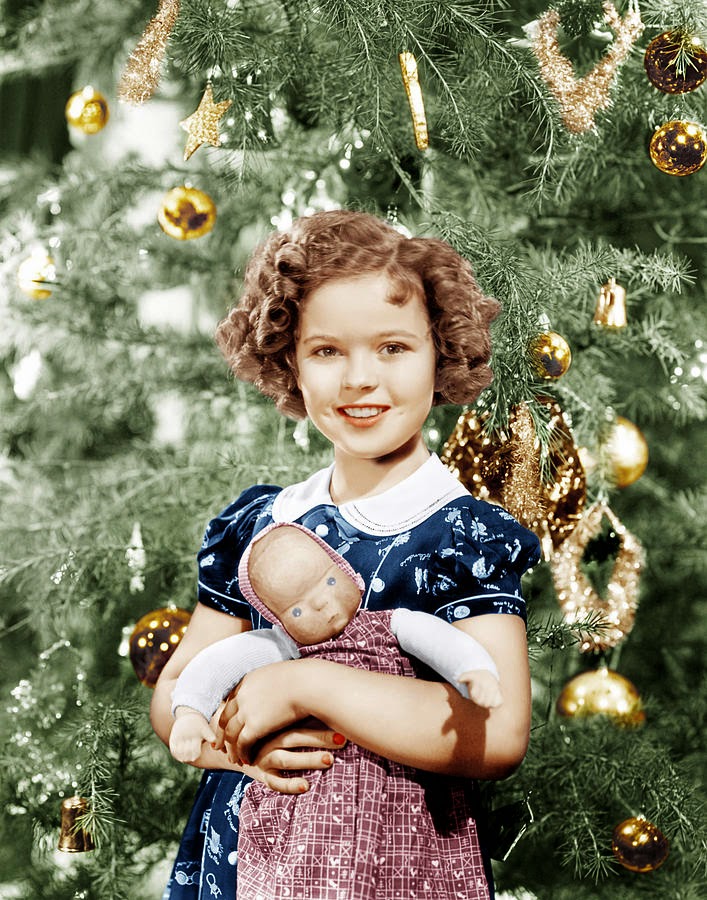
Manhattan-born Anne was christened Dawn Evelyeen Paris on April 17, 1918. Her father died while she was still a baby and she and her widowed mother lived a very meager New York existence at first.
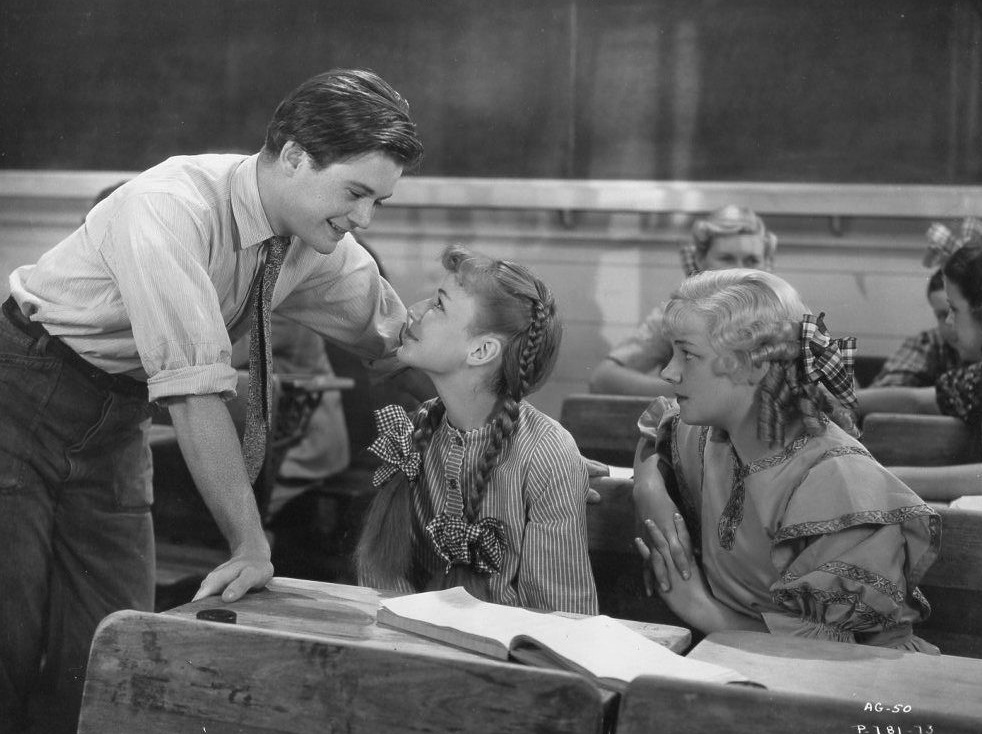
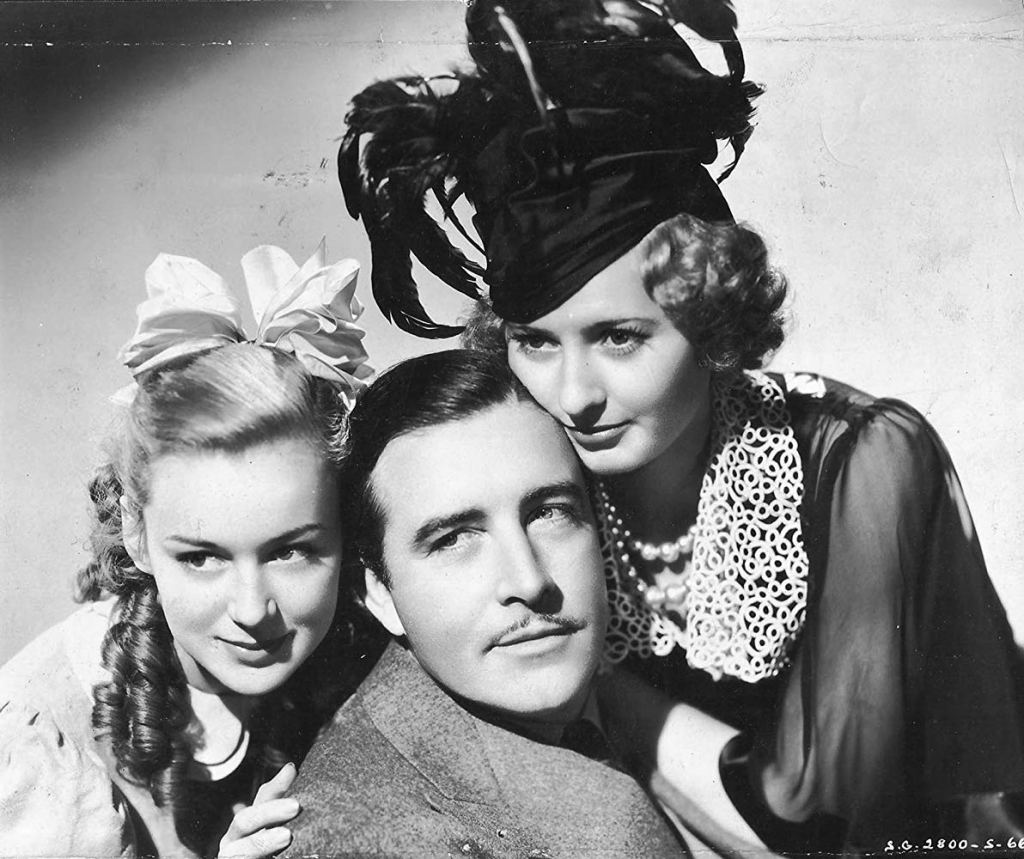
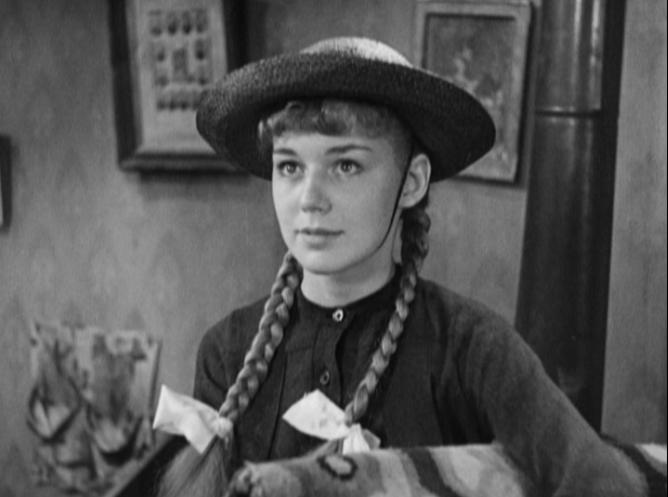
Beginning her career as a child actress under the stage name Dawn O’Day, Shirley adopted the name of the character she played in the film adaptation of Anne of Green Gables in 1934, and achieved a successful career in supporting roles. Among her films is Stella Dallas (1937), for which she was nominated for an Academy Award for Best Supporting Actress.
During this time of major success, Anne met and eventually married actor John Payne in 1937. The popular Hollywood couple had one child, Julie Payne, who became an actress of her own for a time in the 1970s. Her subsequent career was full of promise but with every quality picture bestowed upon her, such as Vigil in the Night (1940) and The Devil and Daniel Webster (1941), came a faltering one that hurt her career, including Career (1939) and West Point Widow (1941). Especially disappointing was her long-anticipated “Green Gables” sequel Anne of Windy Poplars (1940), which received very lackluster reviews.
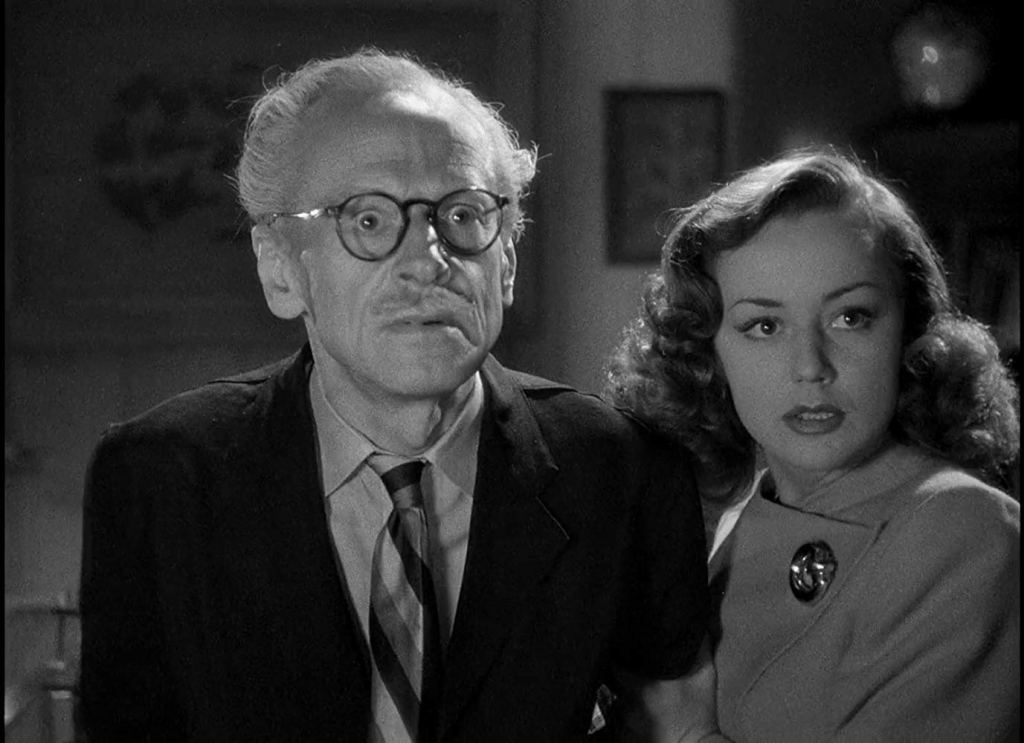
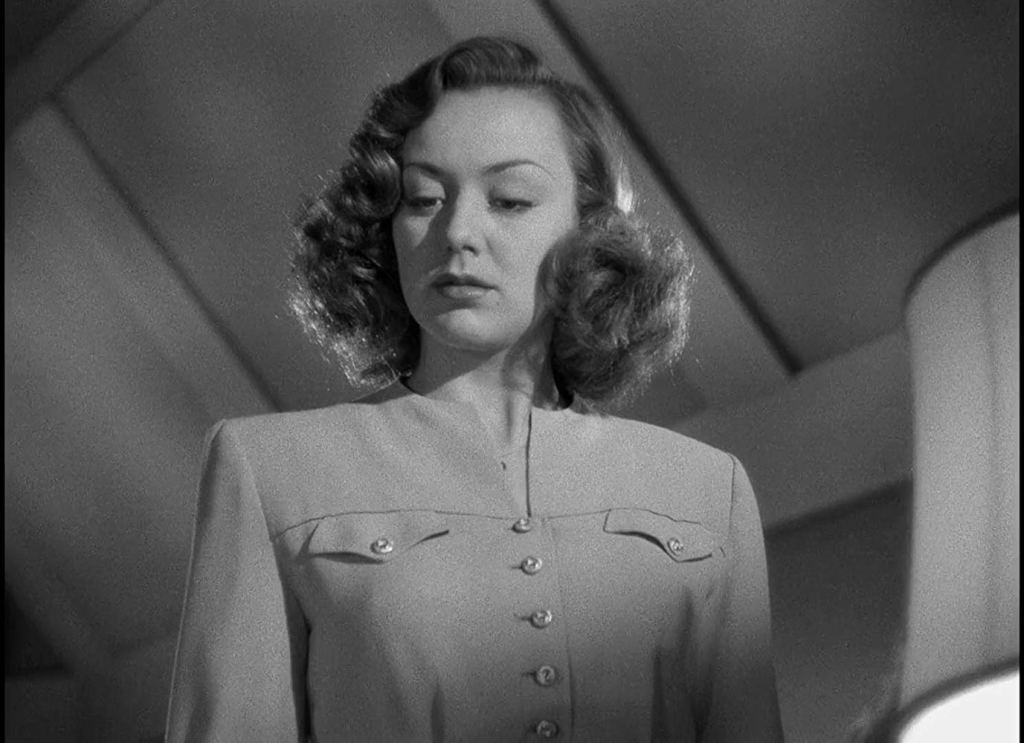
The still-young actress finished on top, however, opposite Dick Powell in the classic movie mystery Murder, My Sweet (1944). Divorced from John Payne in 1943, Anne decided to end her career after her second marriage to the movie’s producer Adrian Scott in 1945, tiring of the Hollywood rat race she had endured since a child. Never an ambitious actress, Anne stayed with her career as long as she did primarily to please her mother. Her three-year marriage to Scott was unable to sustain the legal troubles of her husband’s 1947 blacklisting (he was one of the “Hollywood 10” imprisoned during the McCarthy era for his communist affiliations). Her 1949 marriage to screenwriter Charles Lederer, the nephew of actress Marion Davies, was her longest and most fulfilling.
Never tempted to resume her career at any time, she remained a charming and gracious socialite in the Hollywood circle. A painter on the side, she at one point entertained the thought of becoming a behind-the-scenes worker, such as a dialogue coach, but it was never pursued aggressively. Her husband’s sudden death in 1976 triggered a severe emotional crisis for Anne, who turned for a time to alcohol. Recovered, she lived the rest of her life completely out of the limelight, dying in 1993 of lung cancer at age 75.
Not as well remembered as an actress of her award-worthy caliber should be, perhaps had Anne Shirley given Hollywood a longer tryout and added a bit more bite to her rather benign, sweetly sentimental image, her star wouldn’t be as dim today. Nevertheless, she has unarguably preserved herself quite well on film.
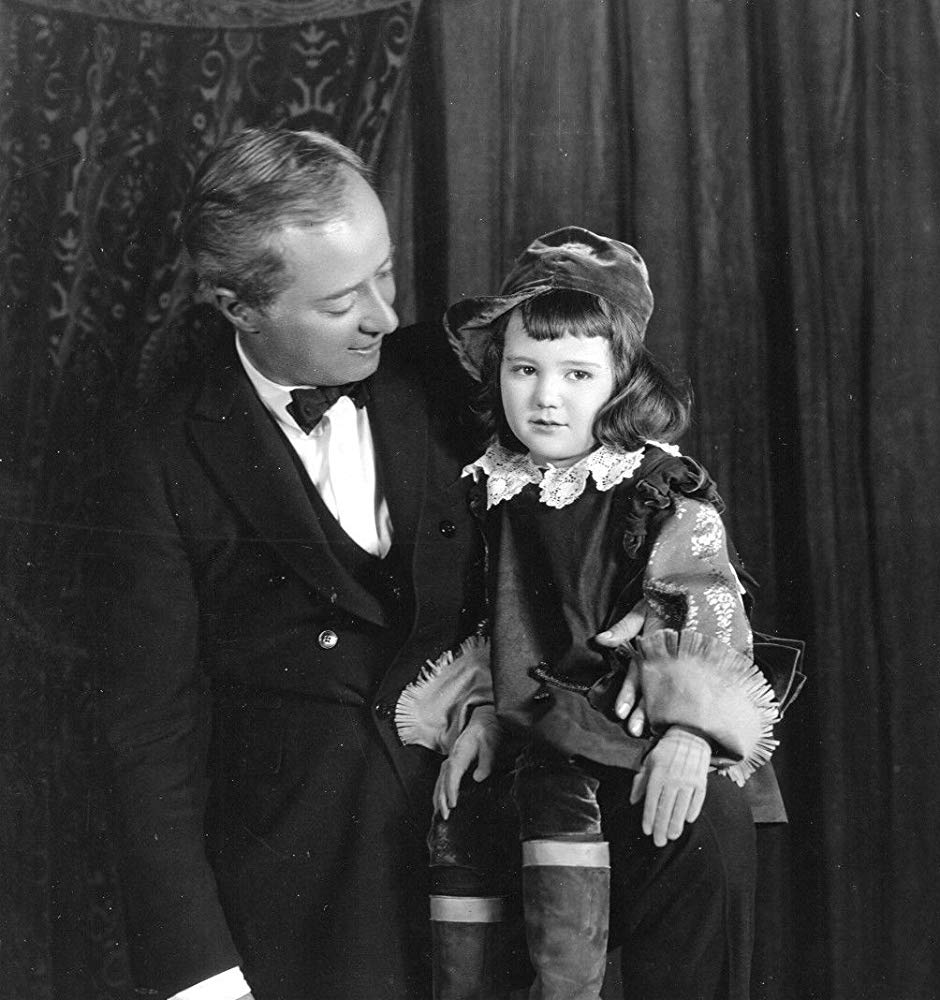
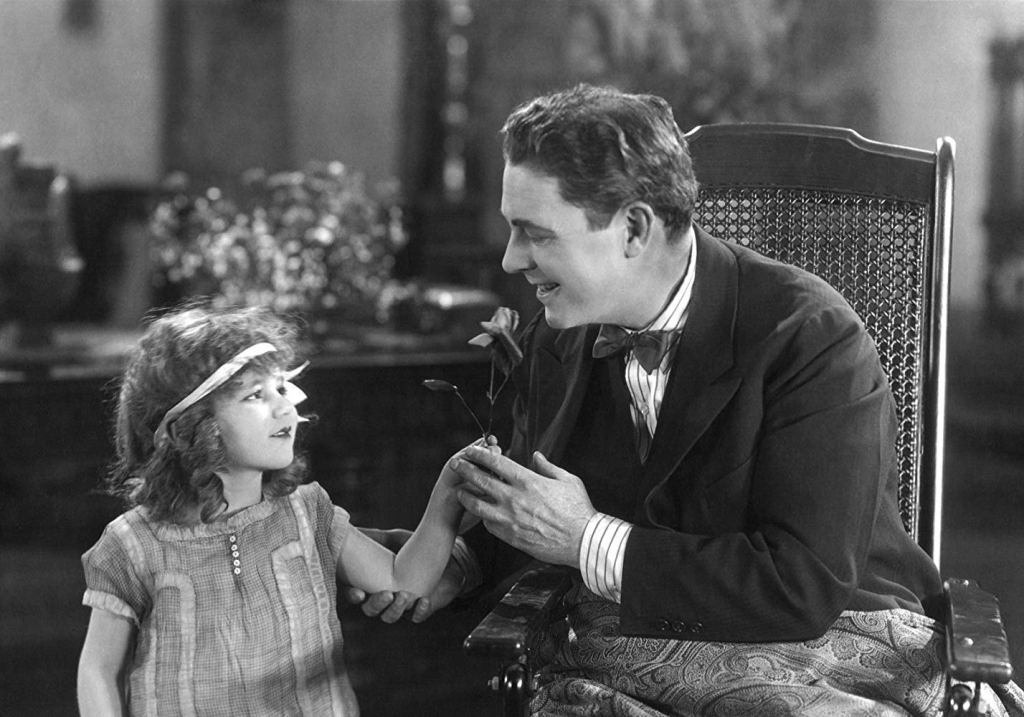
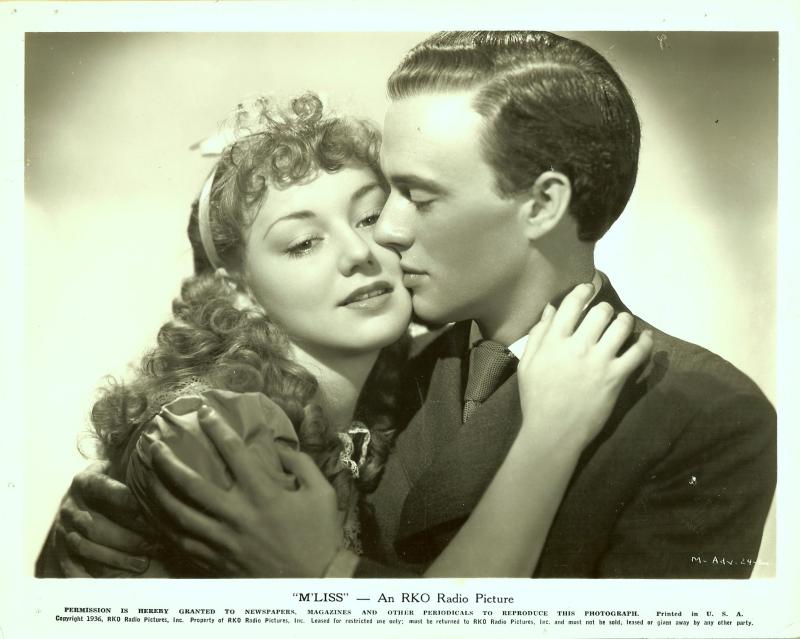
George Murphy and Anne Shirley in The Powers Girl (1943)Walter Reed and Anne Shirley in Bombardier (1943)Eddie Albert and Anne Shirley in Lady Bodyguard (1943)George Murphy and Anne Shirley in The Mayor of 44th Street (1942)George Murphy and Anne Shirley in The Mayor of 44th Street (1942)John McGuire and Anne Shirley in Steamboat Round the Bend (1935)Tom Brown, Gertrude Messinger, and Anne Shirley in Anne of Green Gables (1934)Anne Shirley in The Spanish Dancer (1923)William Farnum and Anne Shirley in The Man Who Fights Alone (1924)Elliott Dexter and Anne Shirley in The Fast Set (1924)Barbara Stanwyck and Anne Shirley (right) in Stella Dallas (1937)Barbara Stanwyck and Anne Shirley (right) in Stella Dallas (1937)Barbara Stanwyck, John Boles, and Anne Shirley (Left) in Stella Dallas (1937)Anne Shirley in Stella Dallas (1937)Betty Compson and Anne Shirley (right) in The Fast Set (1924)Maude Eburne, Lillian Randolph, and Anne Shirley (center) in West Point Widow (1941)John Beal and Anne Shirley in M’Liss (1936)Dick Powell and Anne Shirley in Murder, My Sweet (1944)Miles Mander and Anne Shirley in Murder, My Sweet (1944)Anne Shirley in Murder, My Sweet (1944)Anne Shirley in Anne of Green Gables (1934)
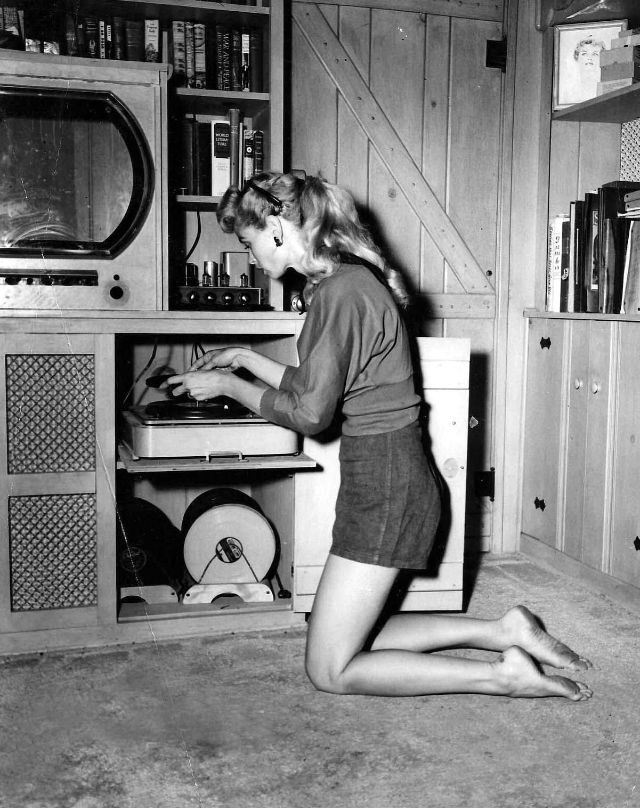
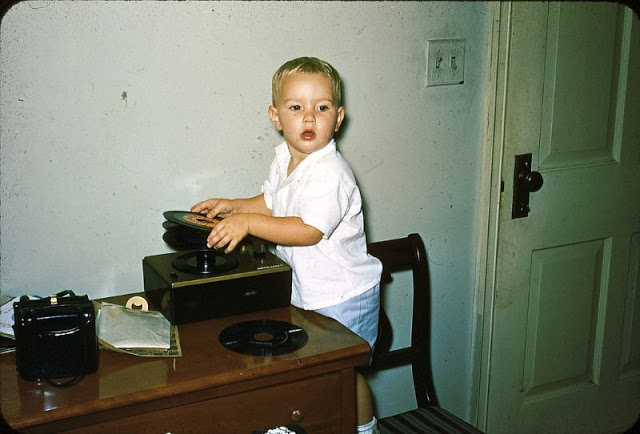
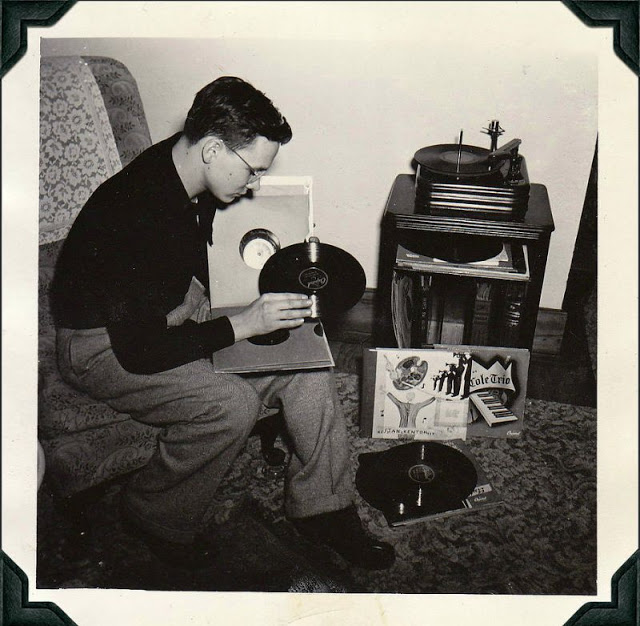
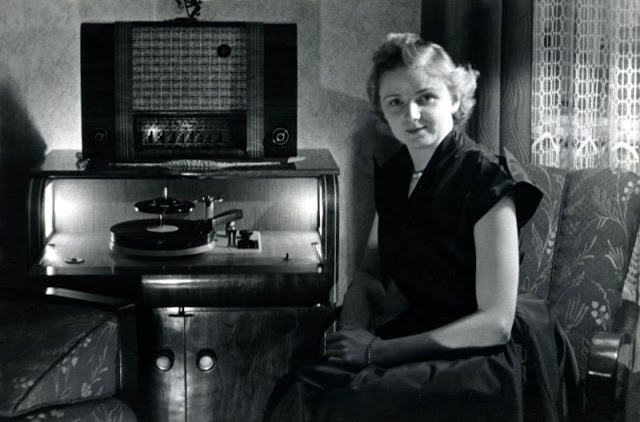
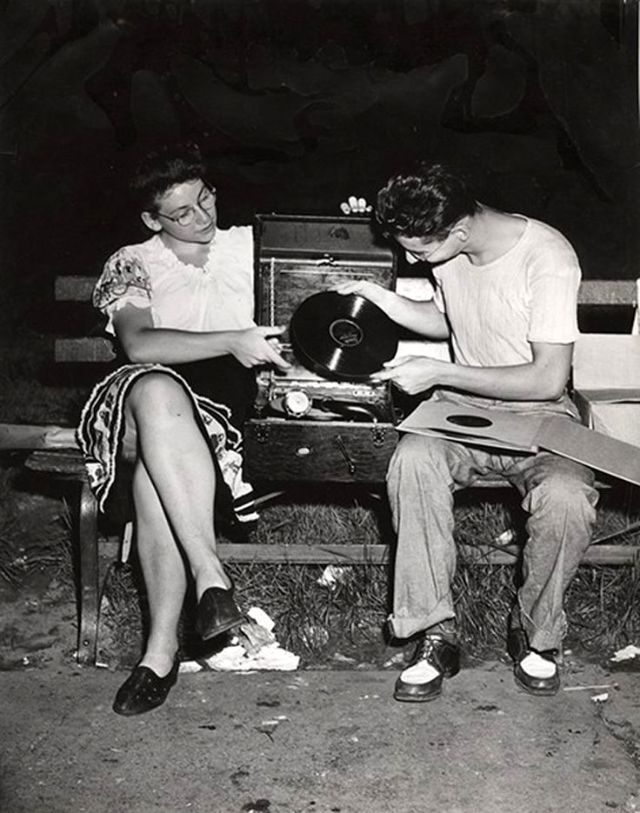
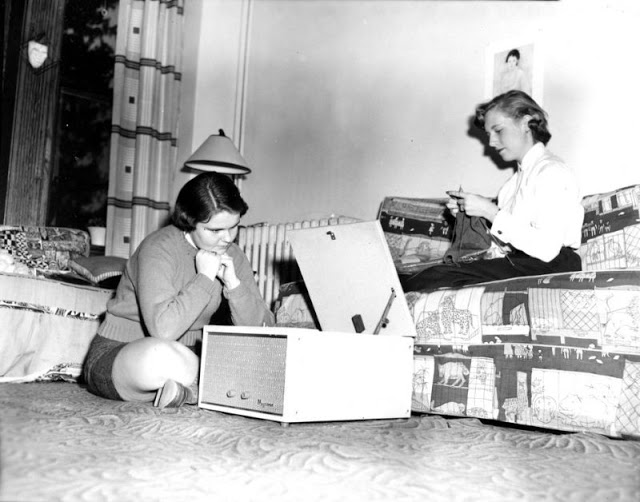
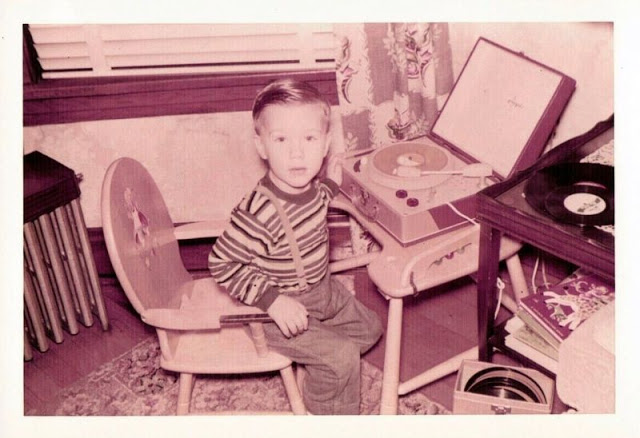
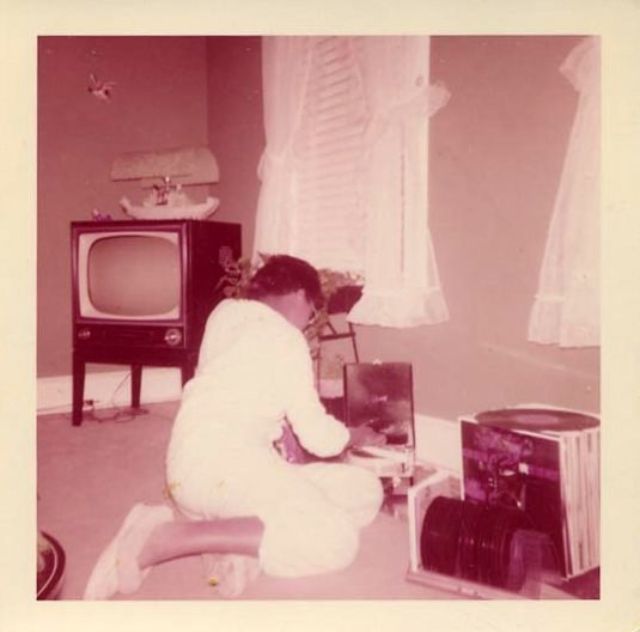
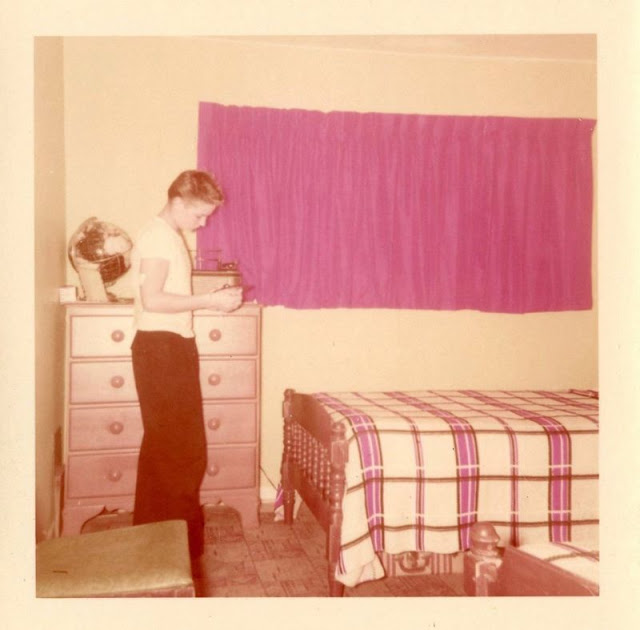
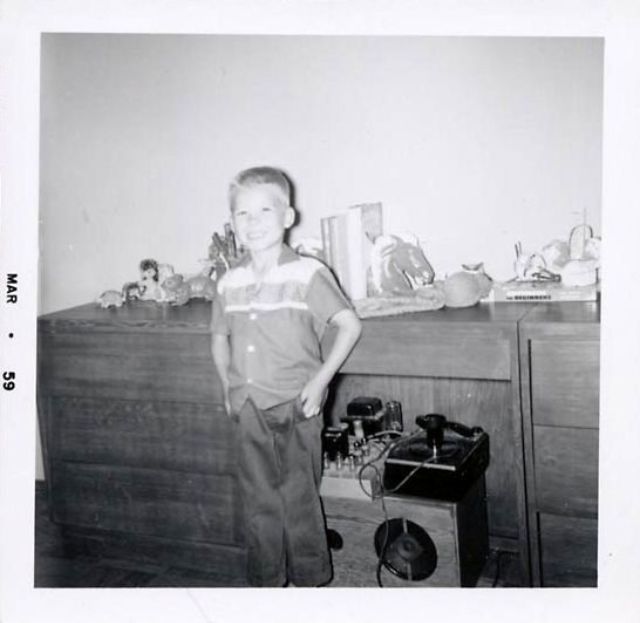
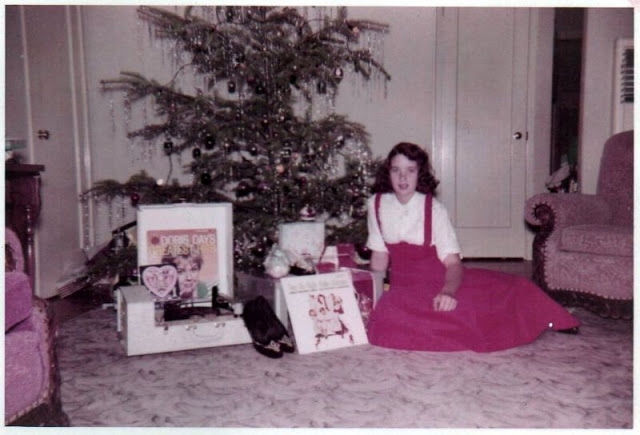
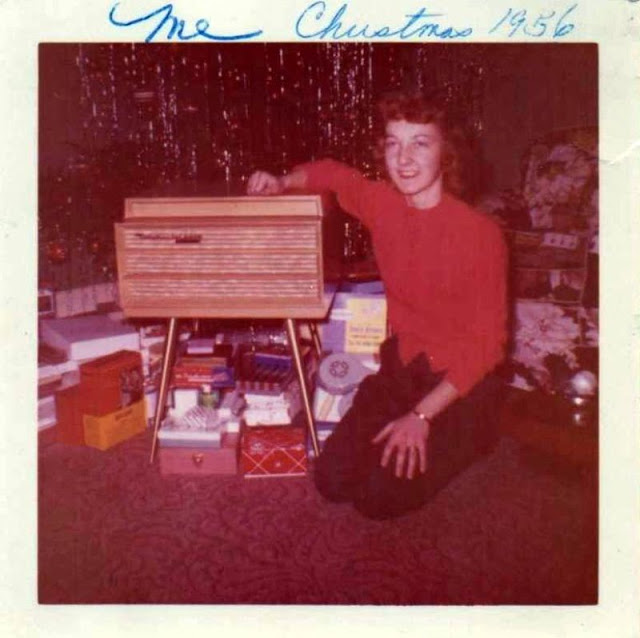
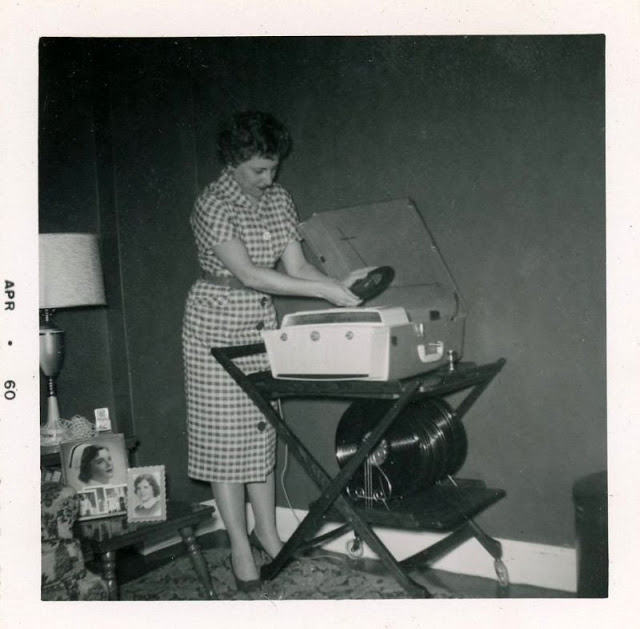
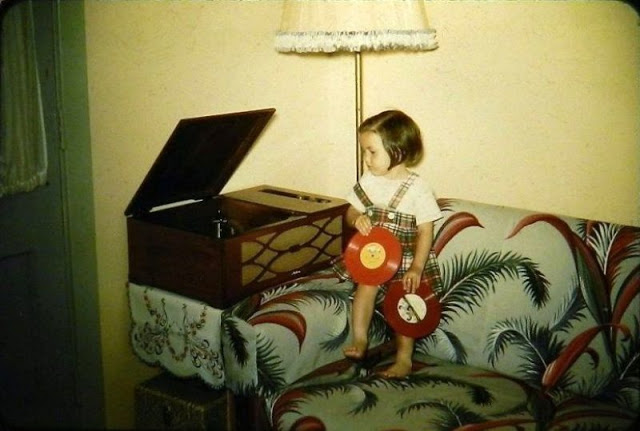
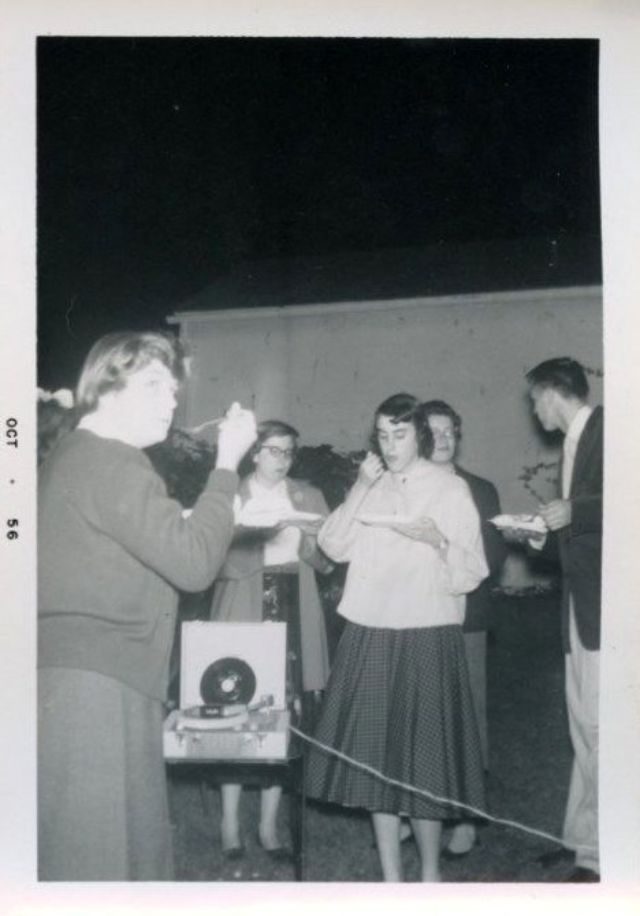
Rock and roll began in the 1950s and people wanted to listen to the latest hits on a cheap, portable record player. Record players, though, were often not cheap, amounting to several months of saving, but nevertheless many people made the sacrifice.
These cool pictures that captured people with their record players in the 1950s.
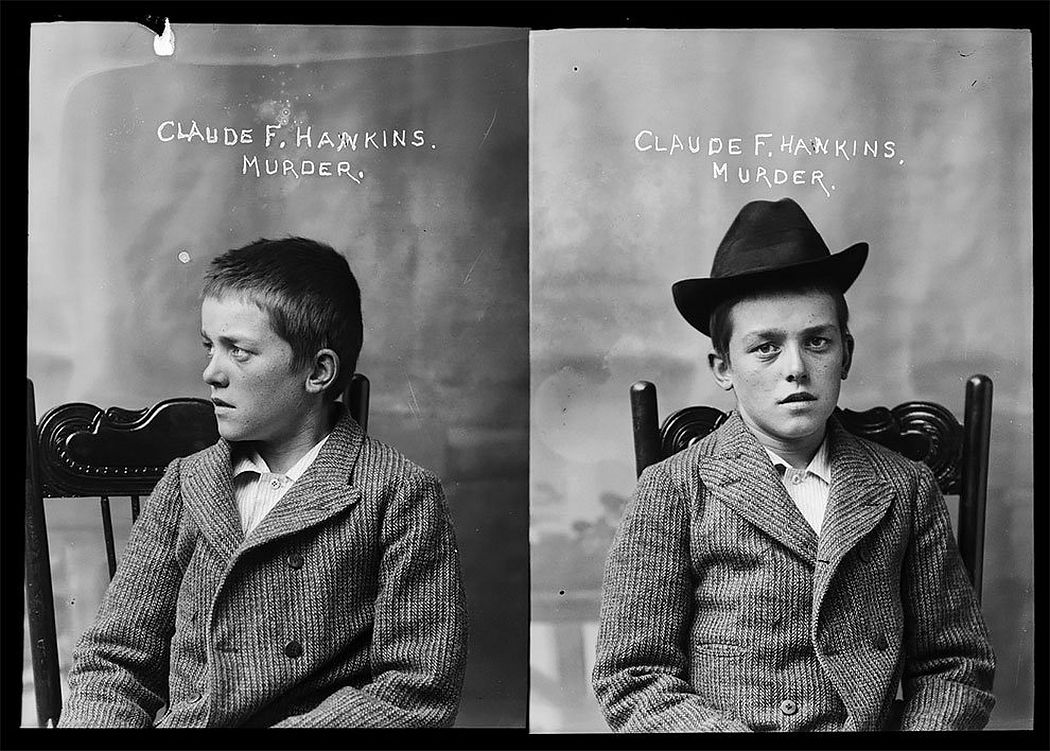
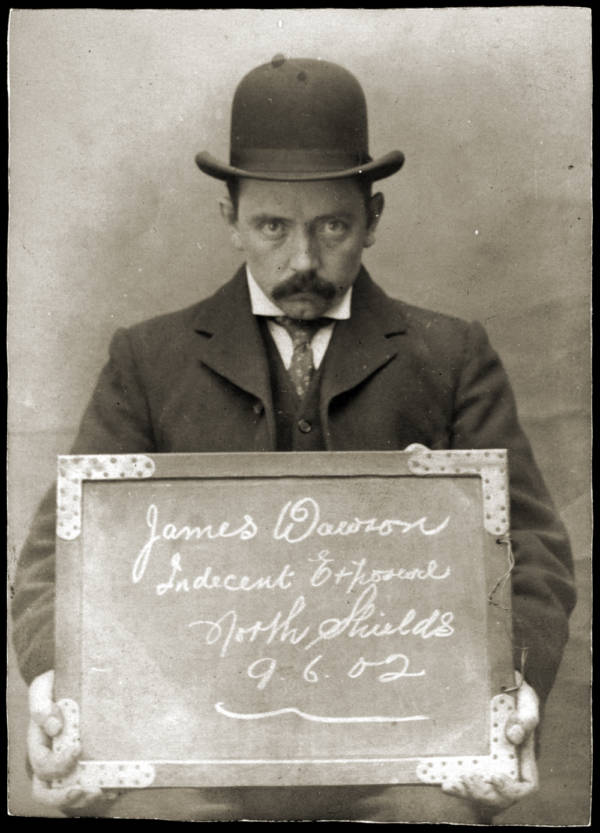
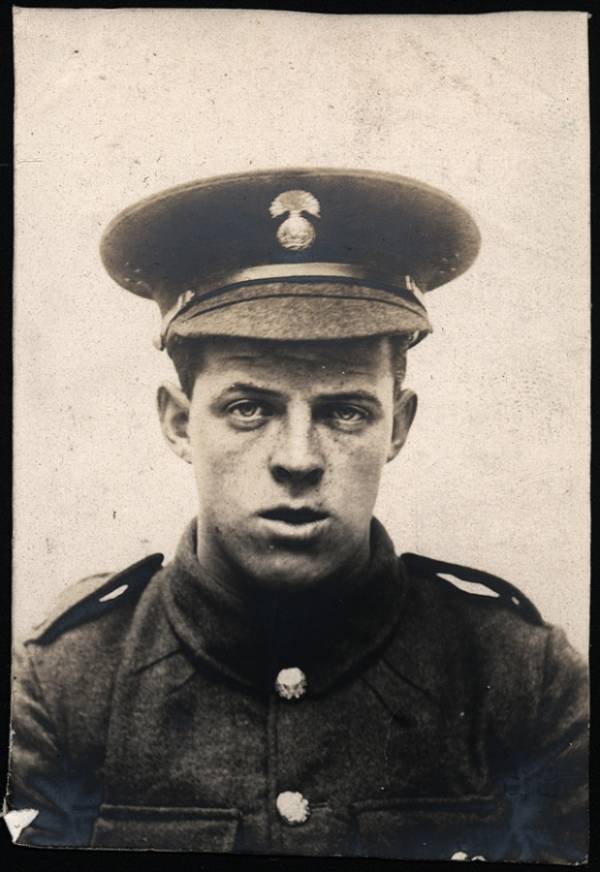
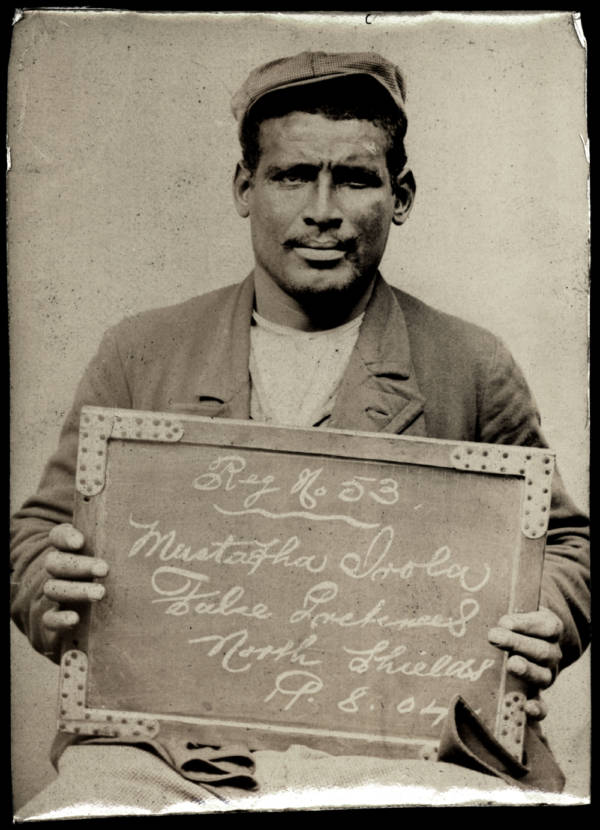
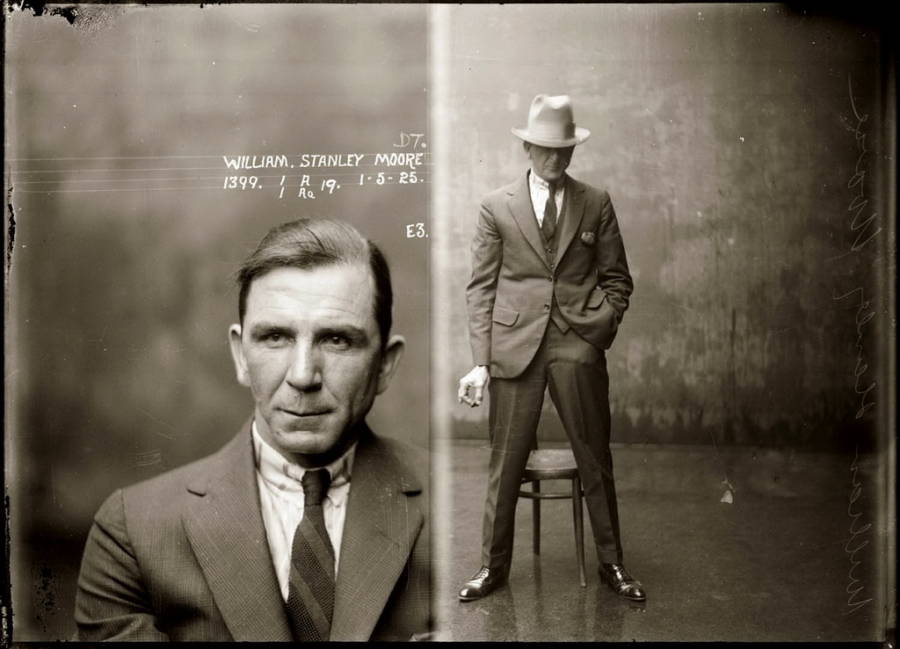
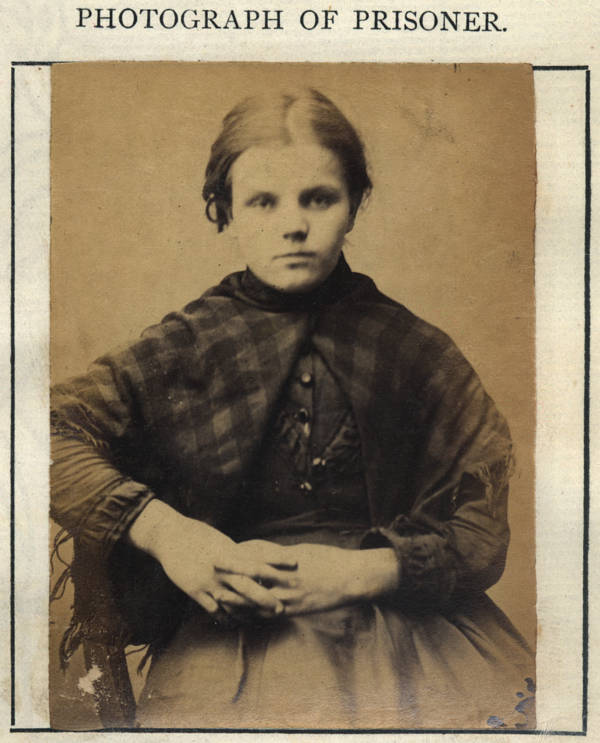
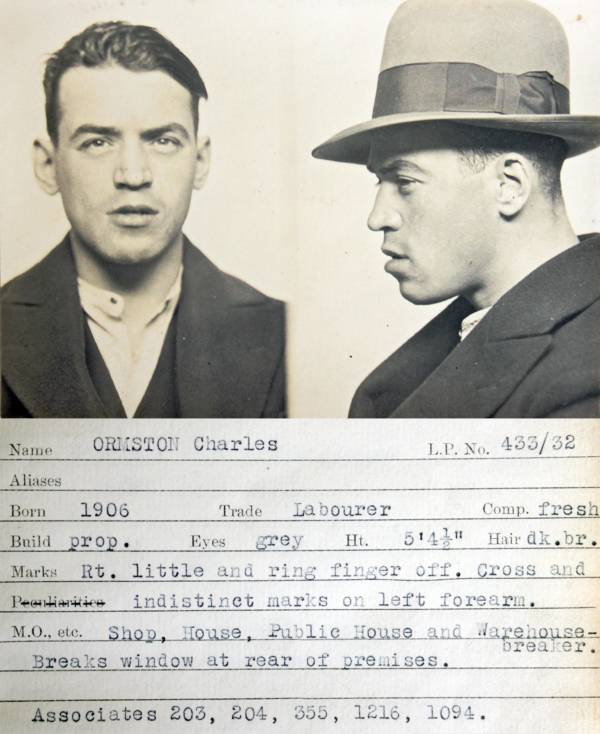
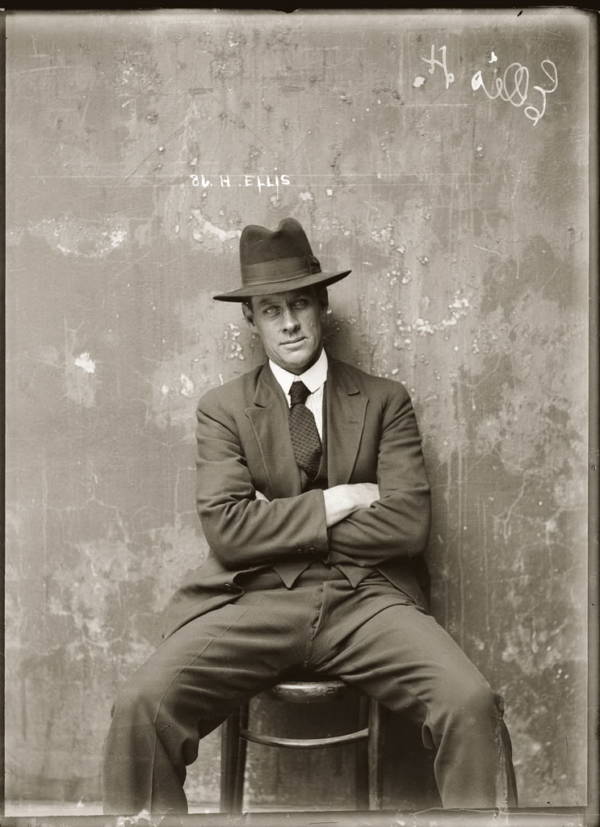
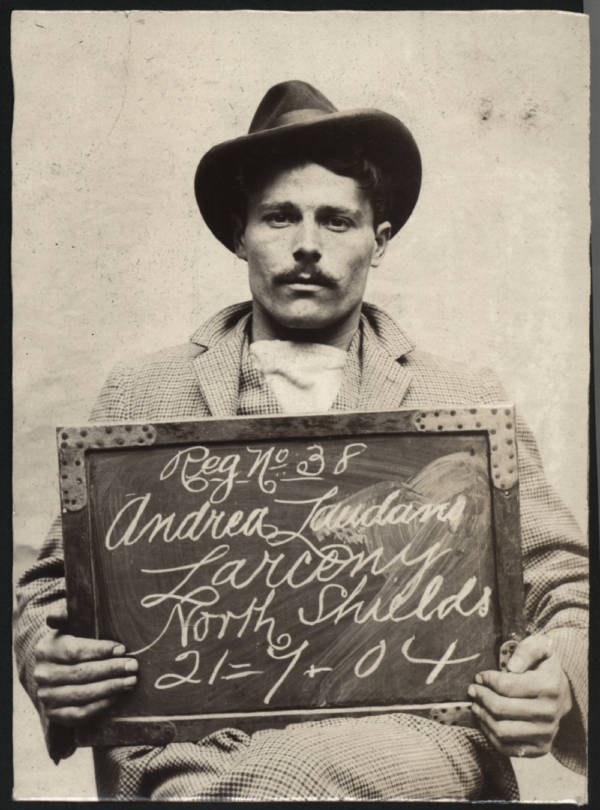
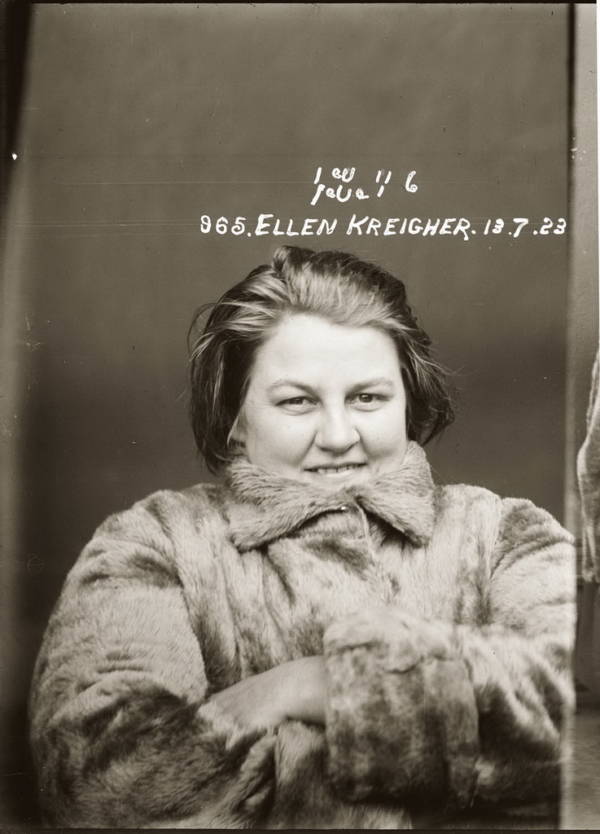
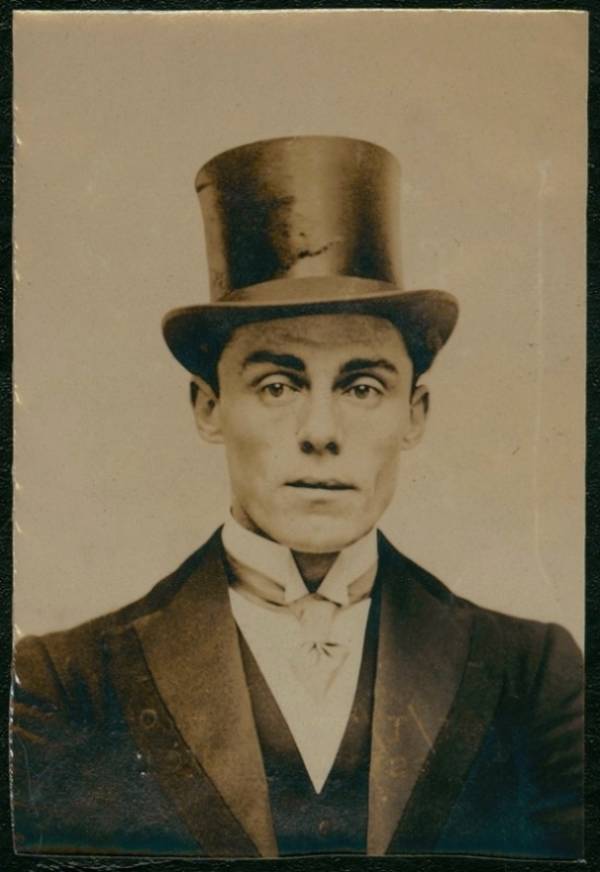
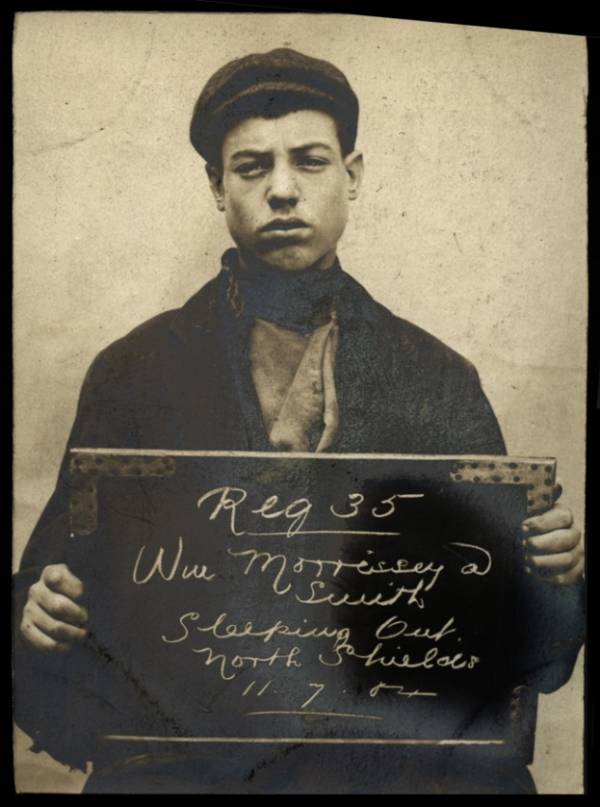
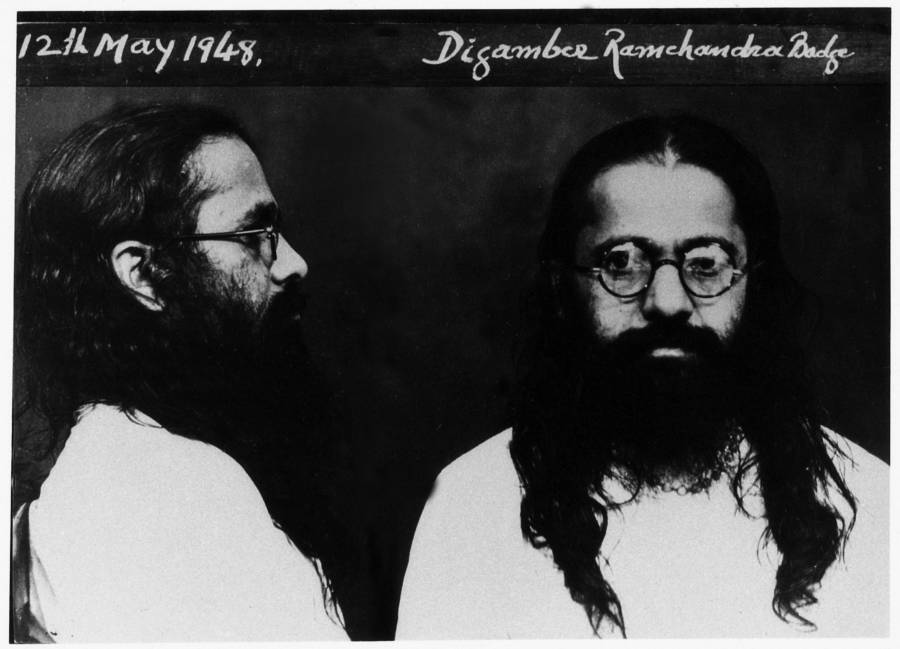
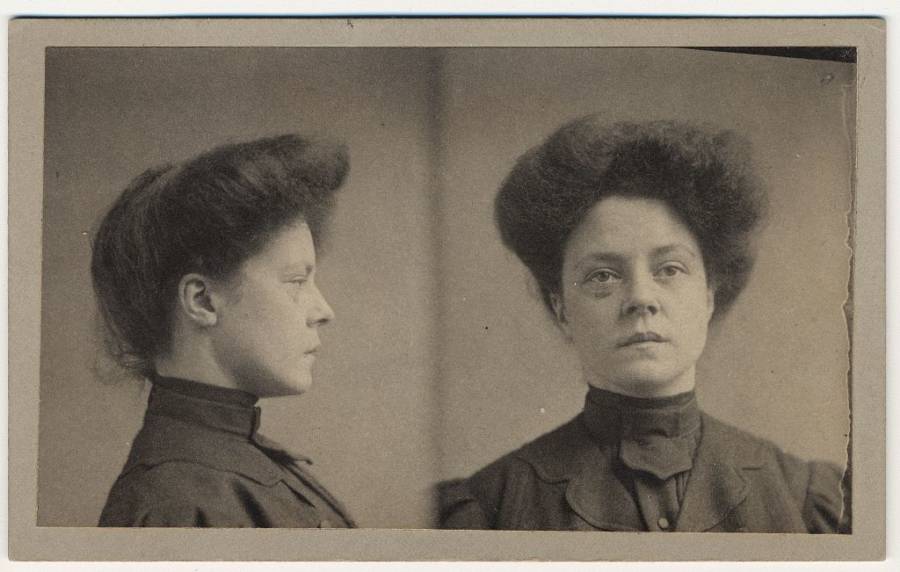
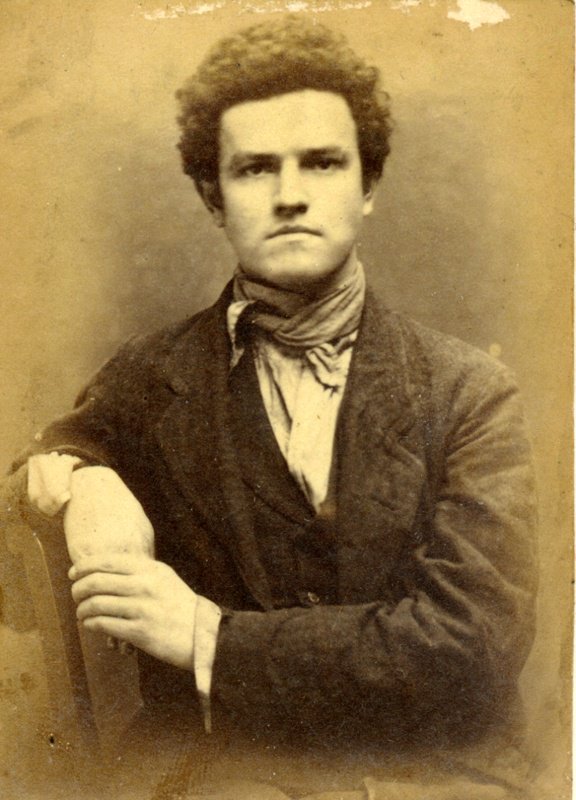
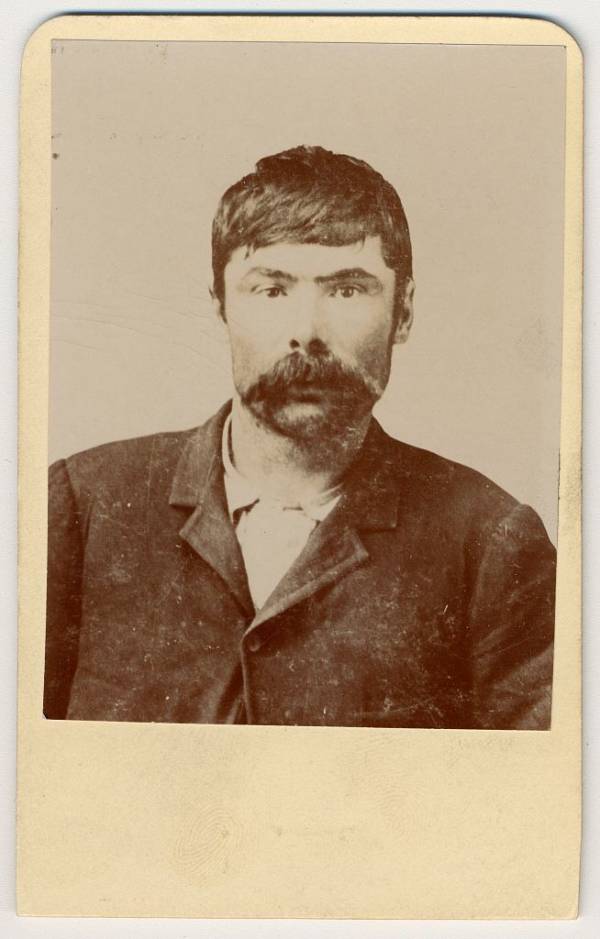
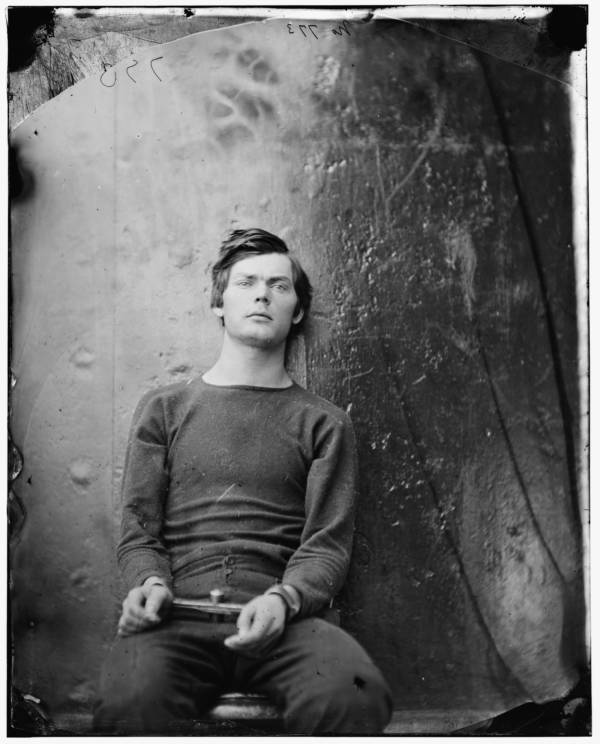
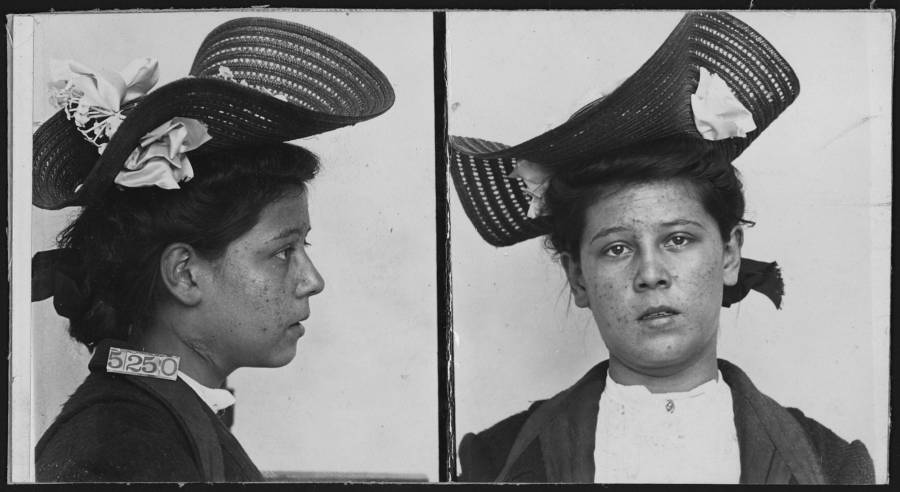
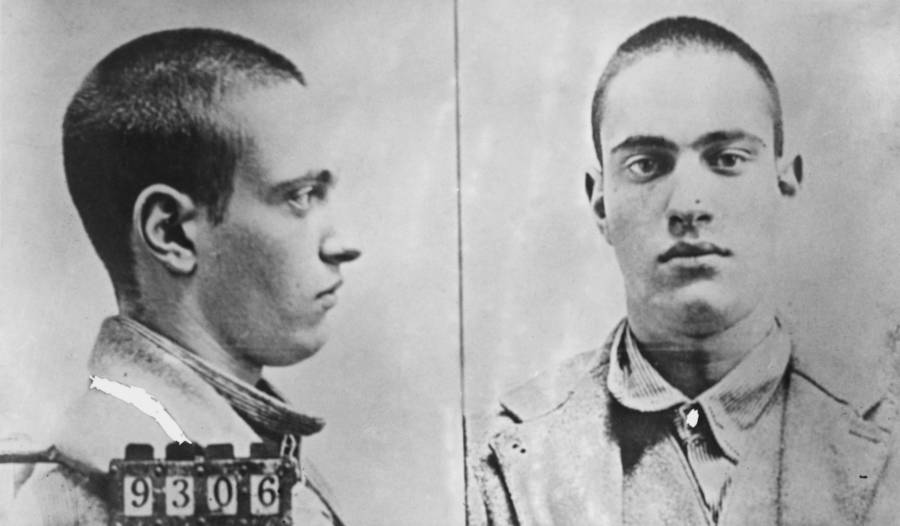
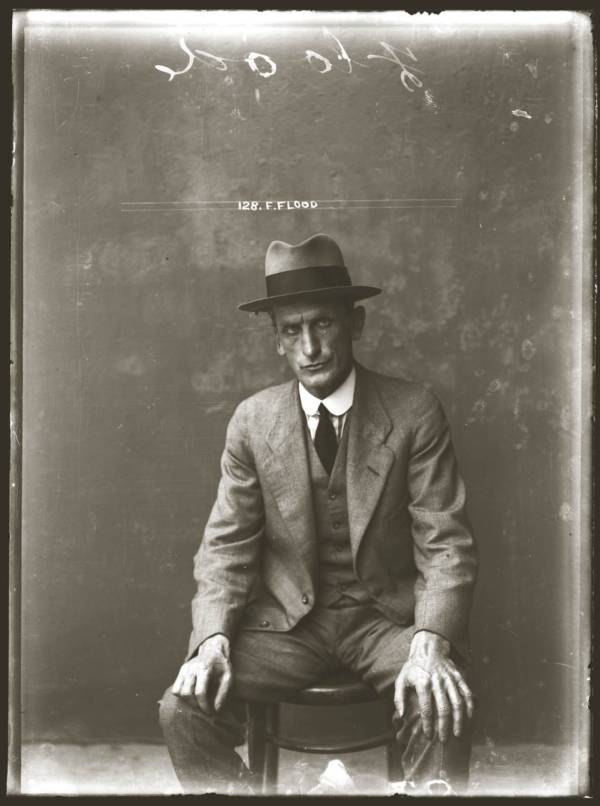
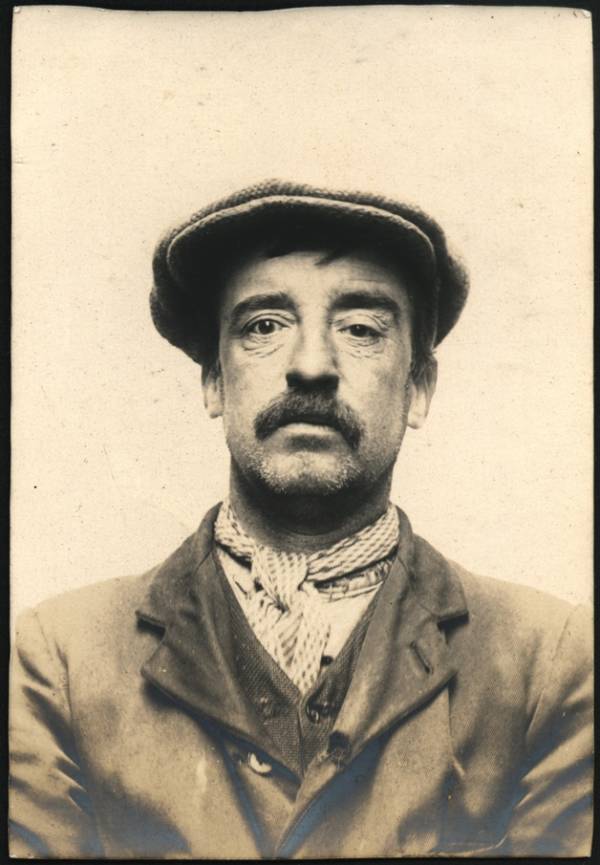
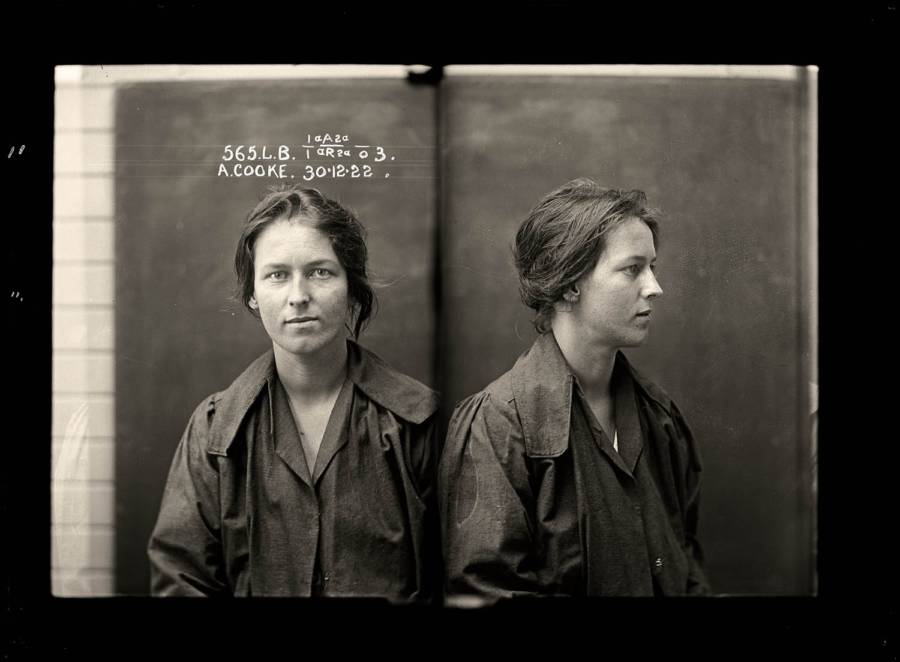
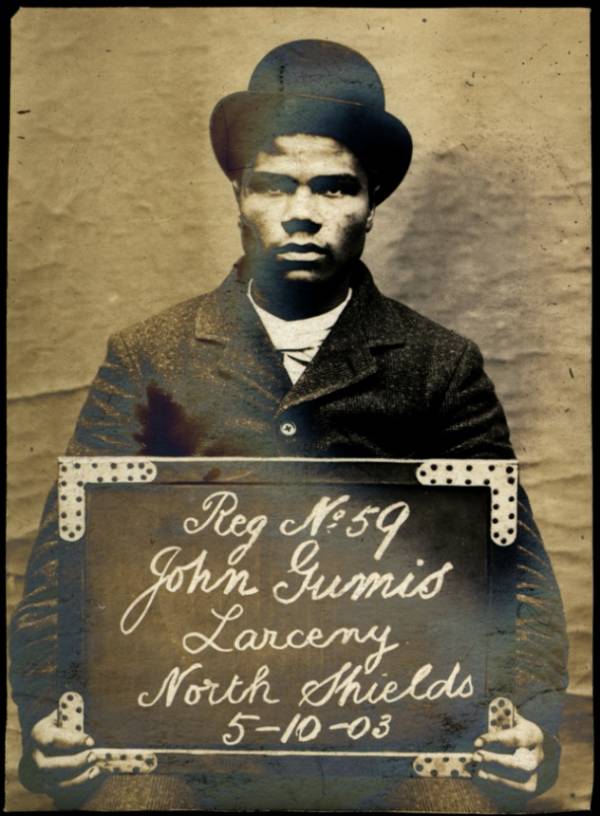
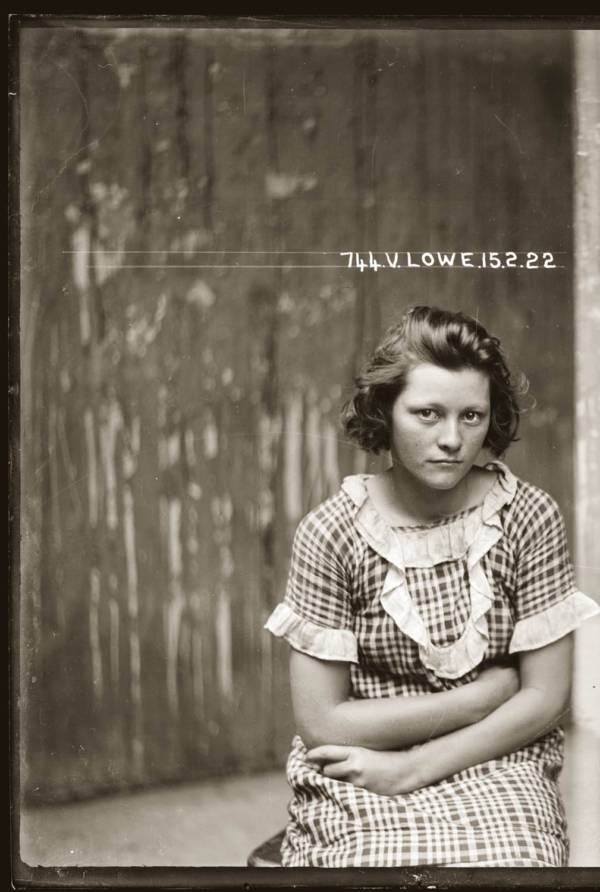
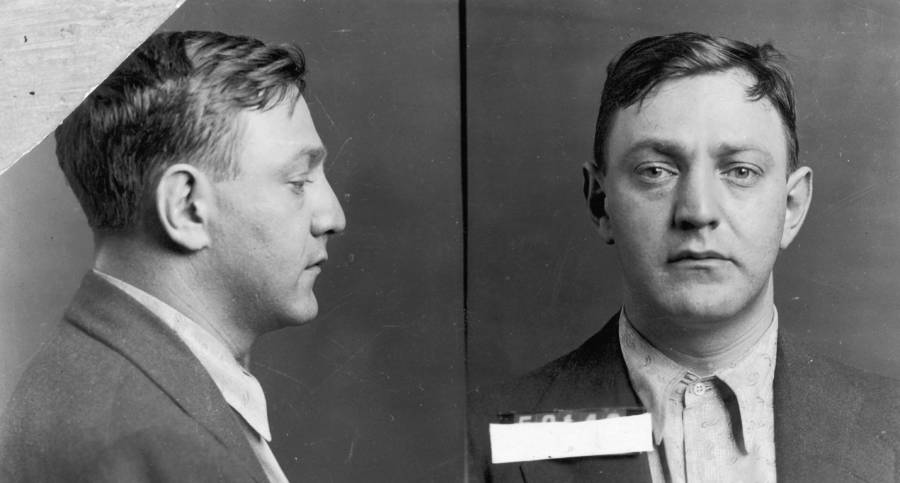
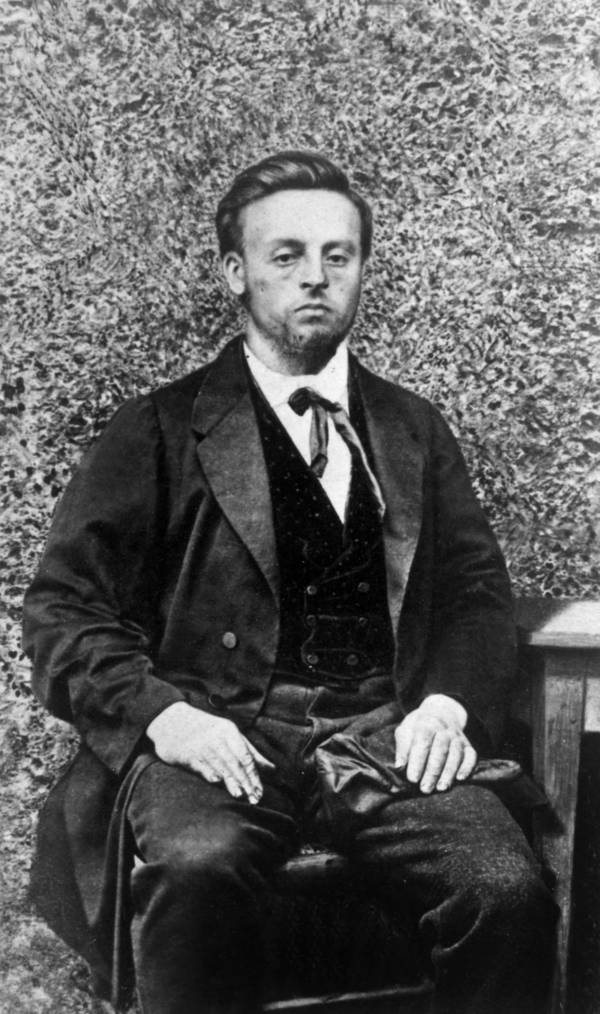
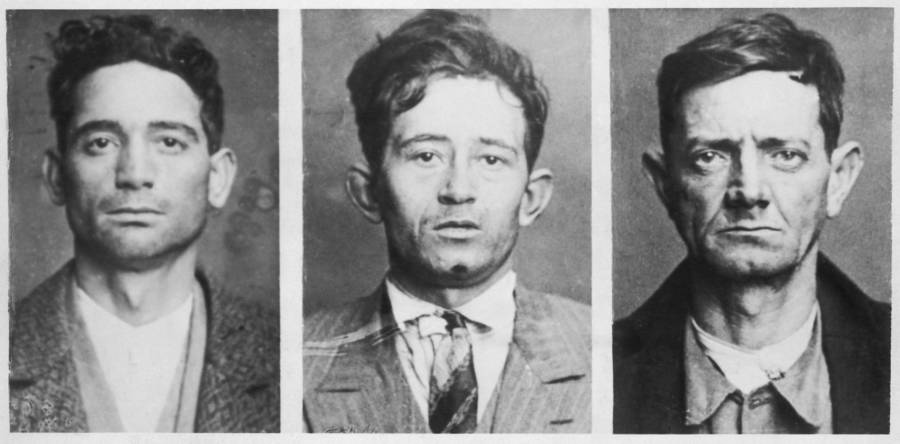
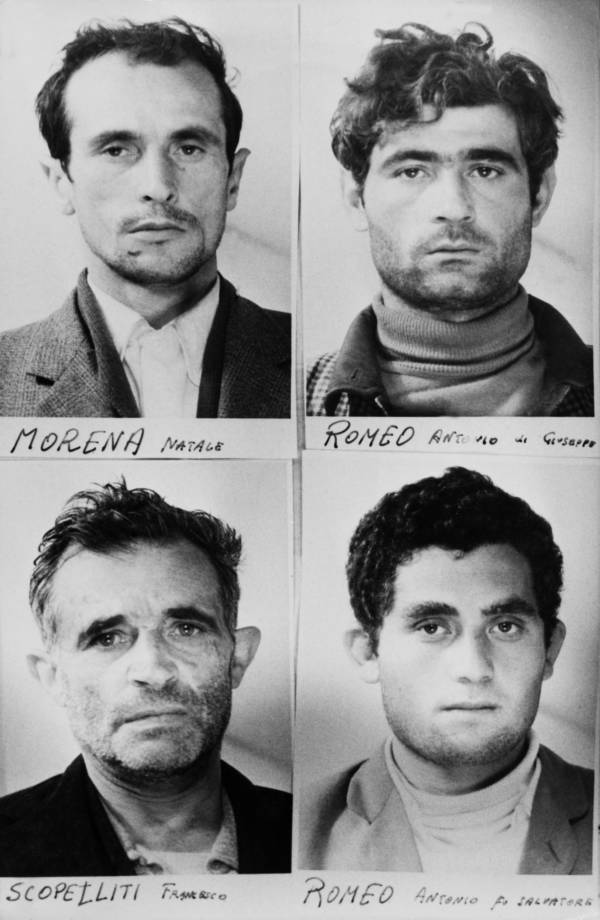
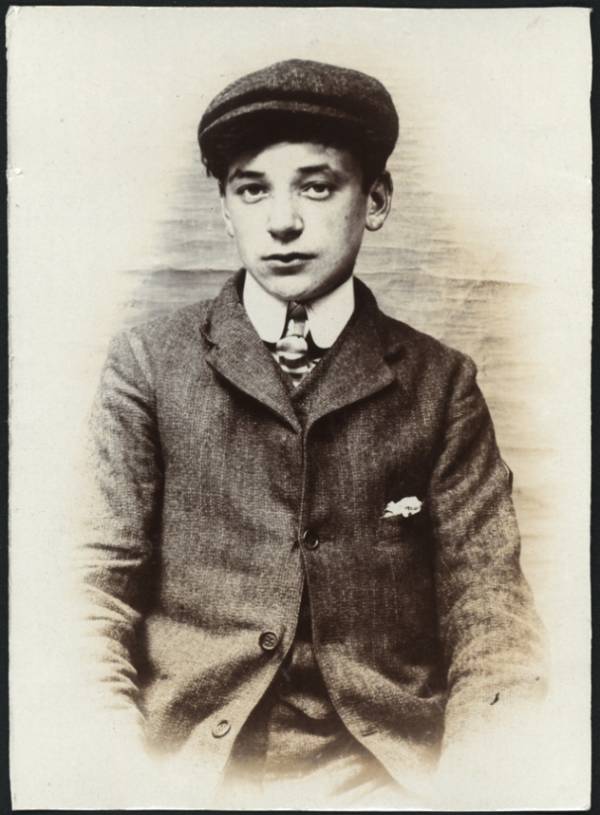
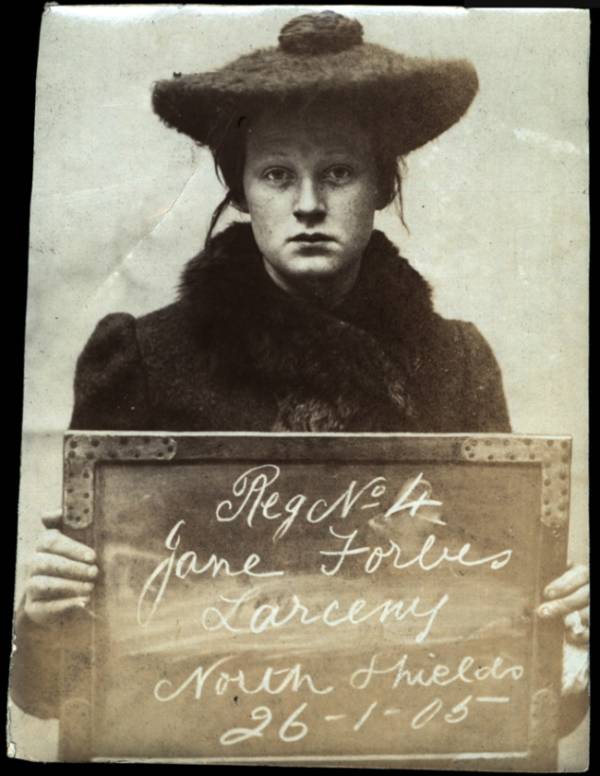
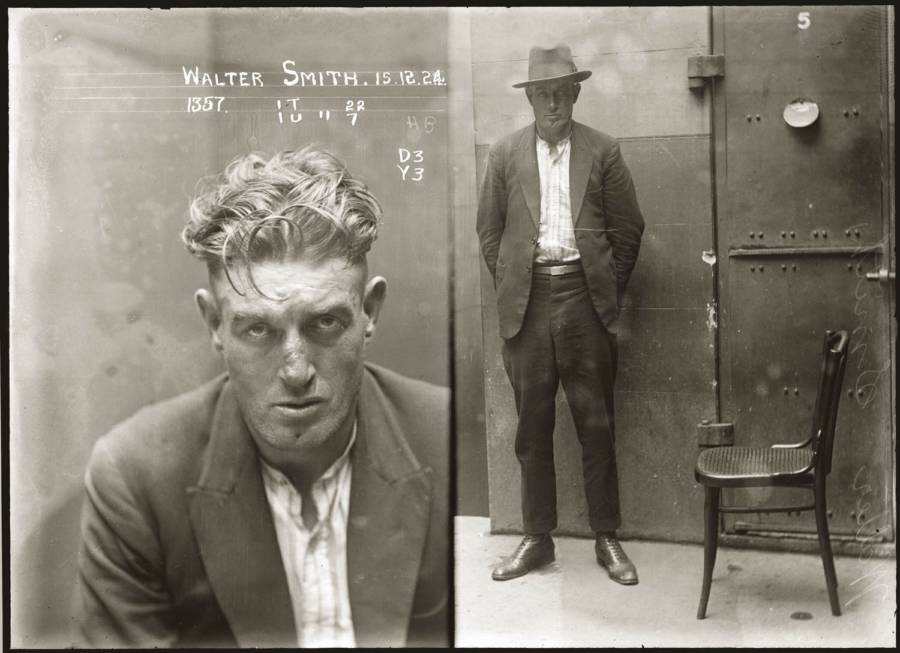
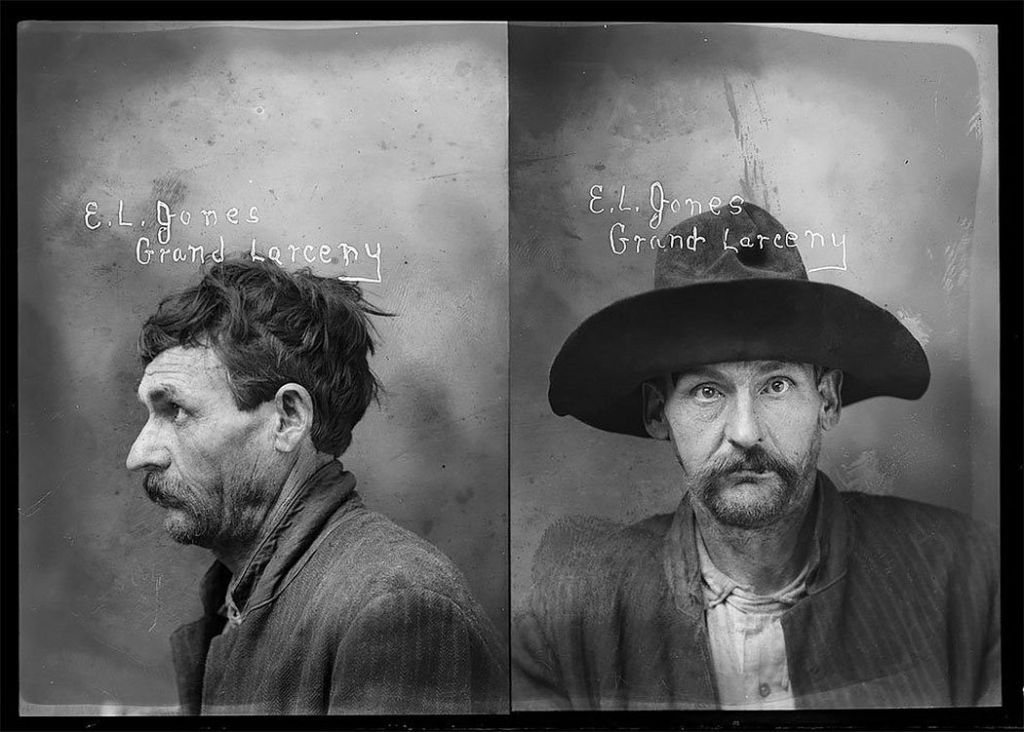
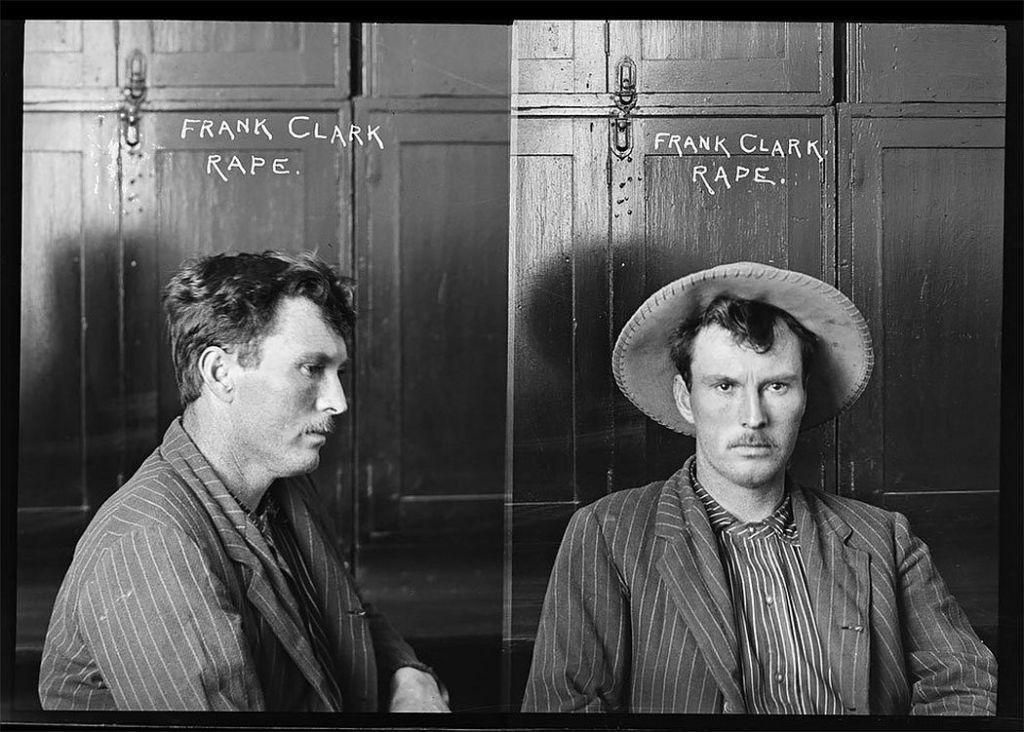
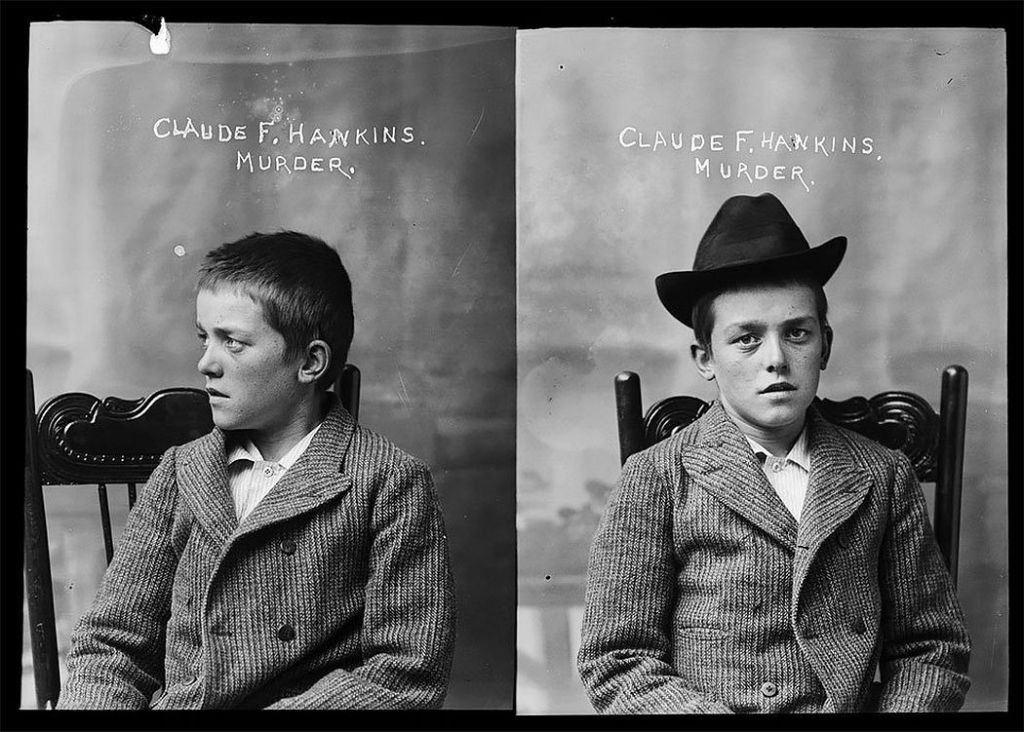
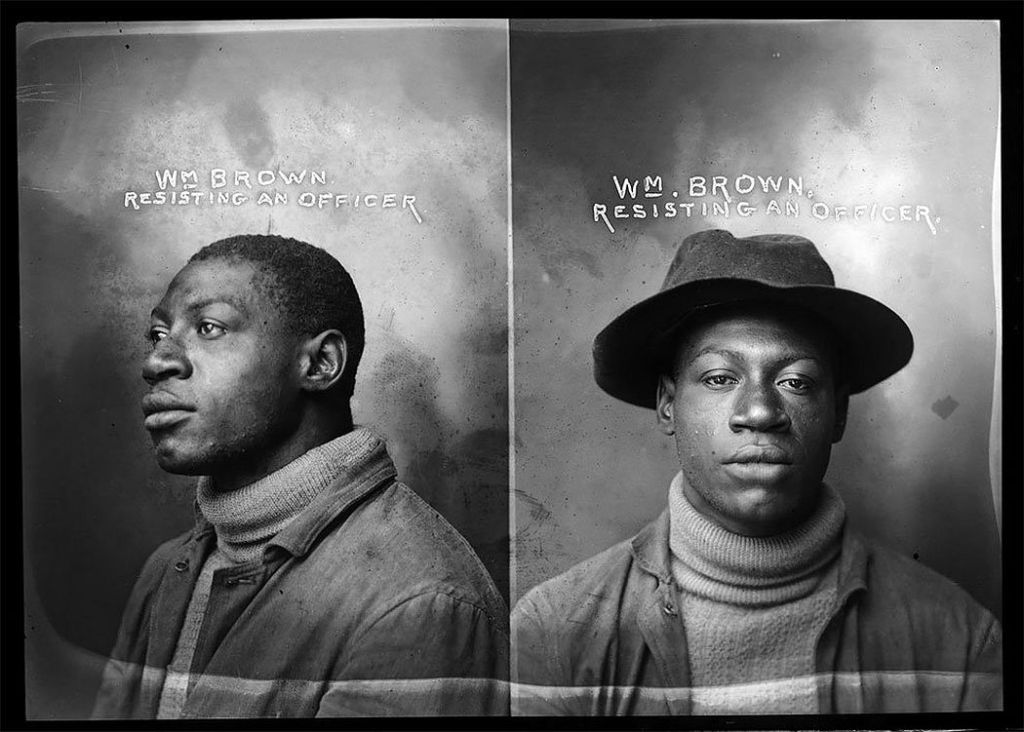
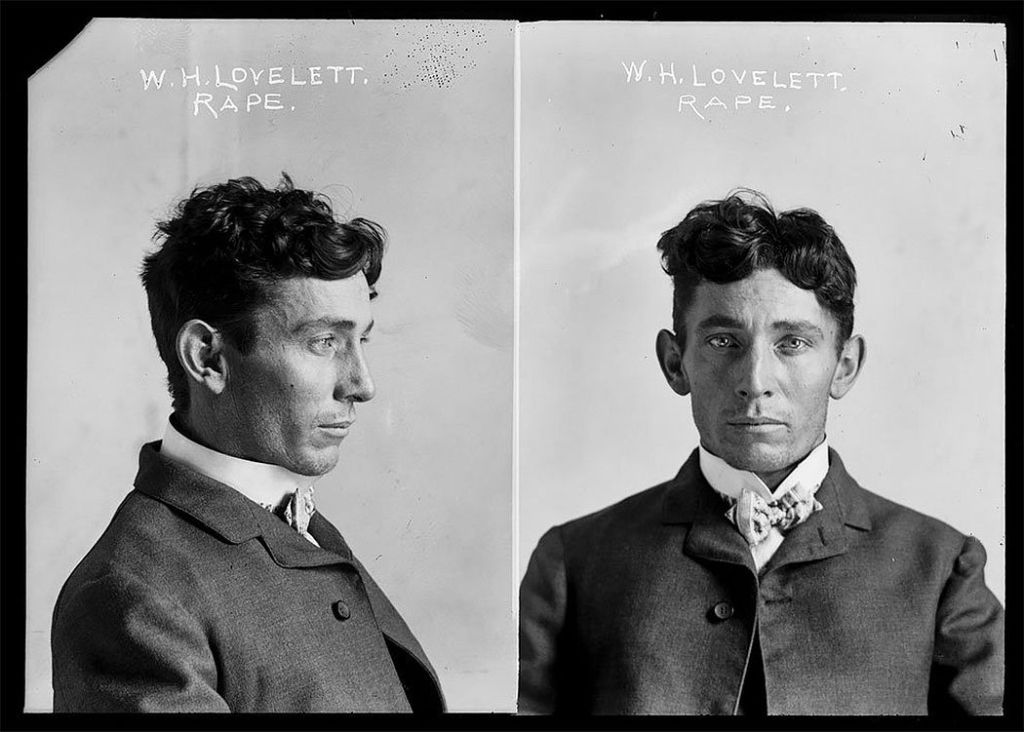
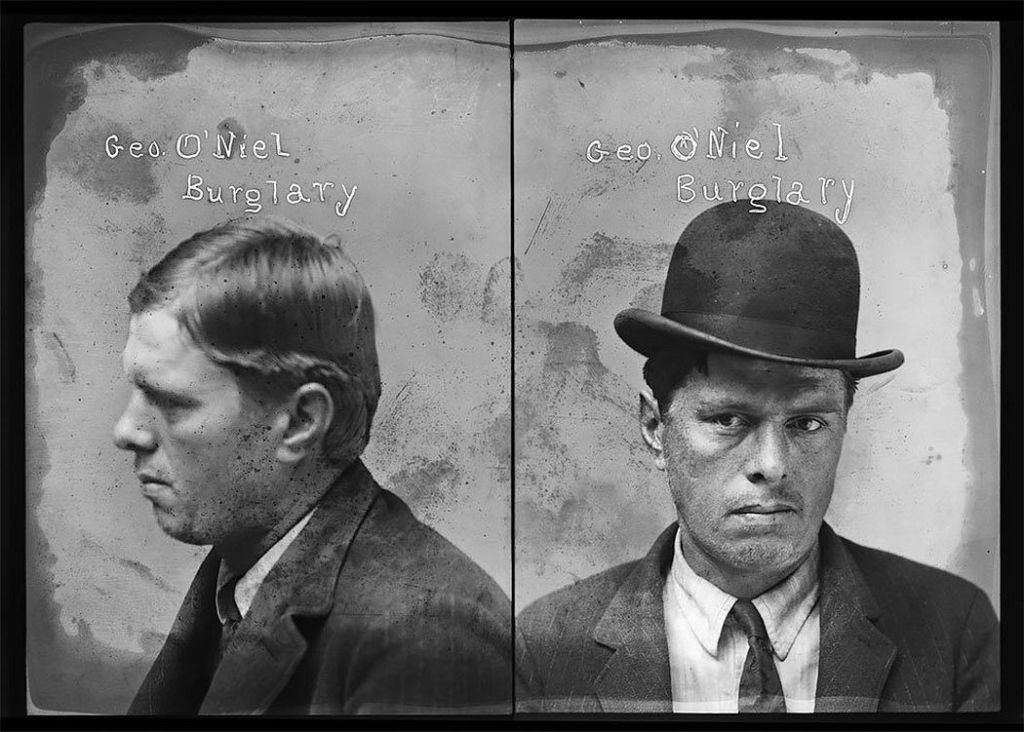
James Dawson Indecent Exposure North Shields Police Station, UK June 9, 1902Lawrence Armstrong Theft North Shields Police Station, UK September 30, 1915Mustapha Irola False Pretenses North Shields Police Station, UK August 19, 1904William Stanley Moore Dealing opium Central Police Station, Sydney May 1, 1925Isabella Hindmarch Theft Newcastle, UK Circa 1871-1873Charles Ormston Newcastle upon Tyne, UK Circa 1930sHerbert Ellis Central Police Station, Sydney Circa 1920Andrea Laudano Larceny North Shields Police Station, UK July 21, 1904Ellen (“Nellie”) Kreigher Murder Central Police Station, Sydney July 13, 1923James Chase Obtaining money by false pretenses North Shields Police Station, UK January 22, 1916William Morrissey Sleeping Outdoors North Shields Police Station, UK July 11, 1904Digambar Badge One of the attempters on Gandhi’s life, afterwards released for cooperating with the prosecution India May 12, 1948Catherine O’Neill Theft New York 1906James Davit Obtaining money by false pretenses Newcastle, UK Circa 1871-1873Tom O’Day, alias Joe Chancellor Member of the Hole in the Wall gang Circa 1900Lewis Powell (aka Payne) Abraham Lincoln assassination conspirator Aboard the U.S.S. Saugus April 27, 1865Lizzie Cardish Arson Leavenworth Federal Penitentiary 1906Nathan Leopold Murder Joliet Prison, Illinois 1924Francis Flood Theft Central Police Station, Sydney May 5, 1920Charles S. Jones Larceny North Shields Police Station, UK September 15, 1914Alice Cooke Bigamy and theft State Reformatory for Women, Long Bay, New South Wales 1922John Gumis Larceny North Shields Police Station, UK October 5, 1903Valerie Lowe Breaking and entering Central Police Station, Sydney February 15, 1922Dutch Schultz Gangster 1931Jean Baptiste Troppmann Murder Paris 1869From left: Leonetti, Guiffaut, and Galendemi (first names unspecified) Bank robbery and murder, Marseilles, France, 1930Mafia shootout suspects Regio Calahia, ItalyJames E Howe Theft North Shields Police Station, UK September 19, 1906Jane Forbes Larceny North Shields Police Station, UK January 26, 1905Walter Smith Breaking and entering Central Police Station, Sydney December 24, 1924E.L. Jones, Grand Larceny, 1900sFrank Clark, Rape, 1900sClaude F. Hawkins, Murder, 1900sWilliam Brown, Resisting an Officer, 1900sW.H. Lovelett, Rape, 1900sGeo. O’Niel, Burglary, 1900s
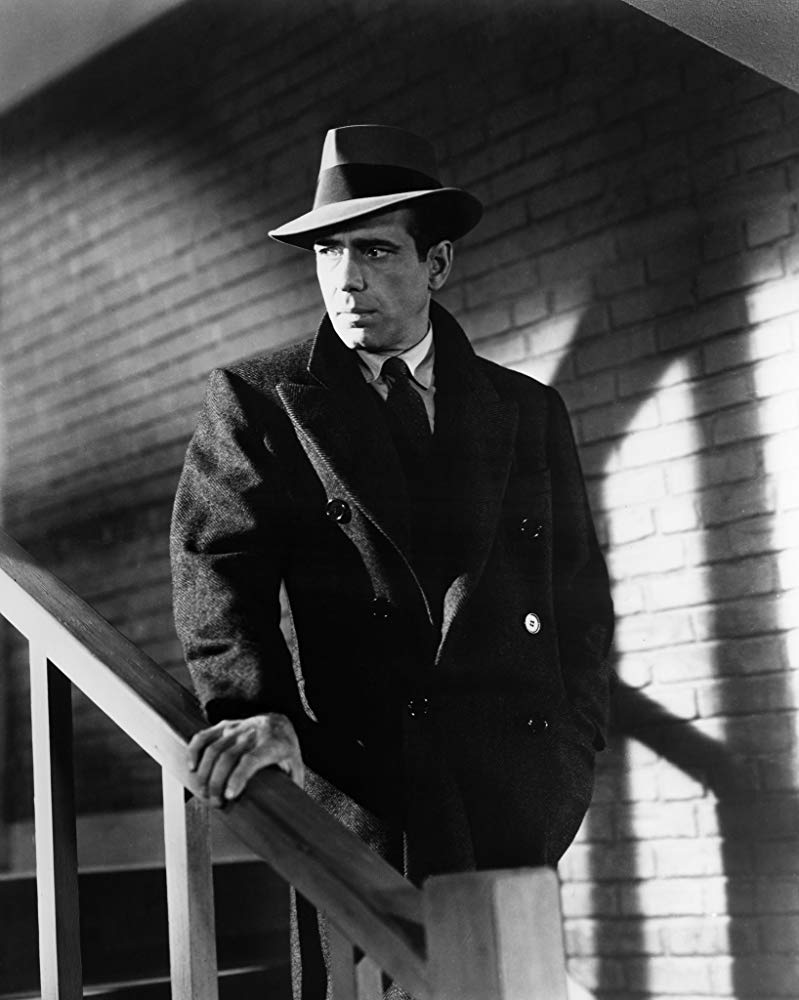
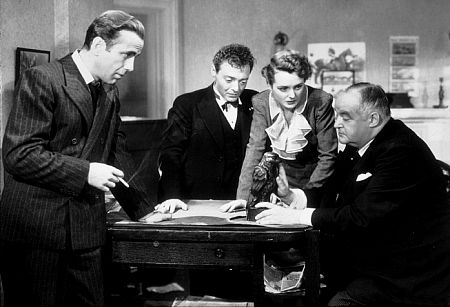
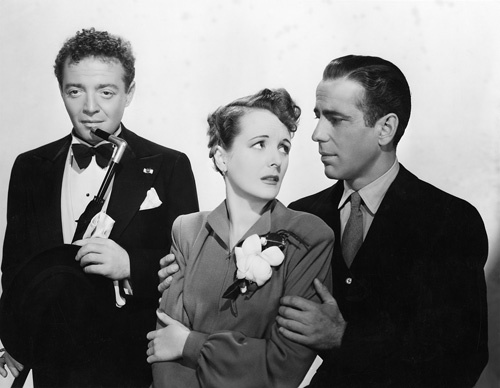
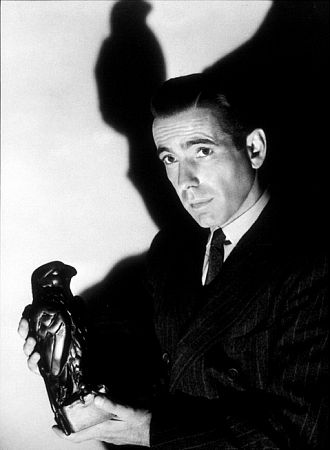
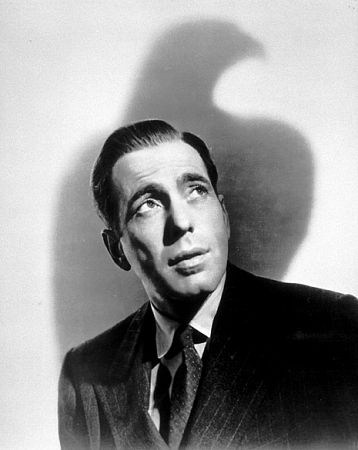
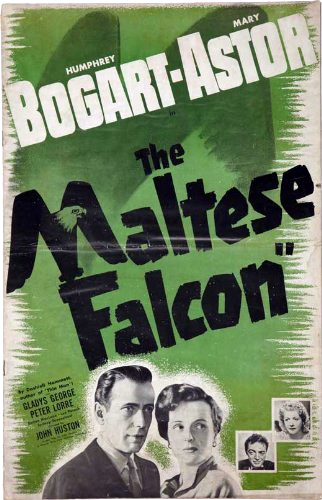
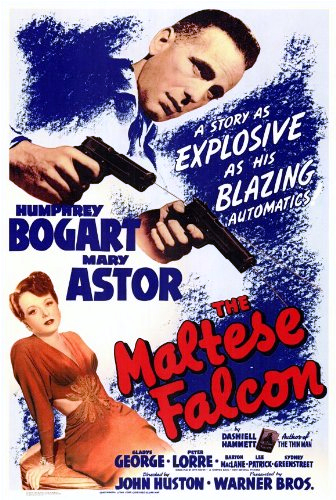
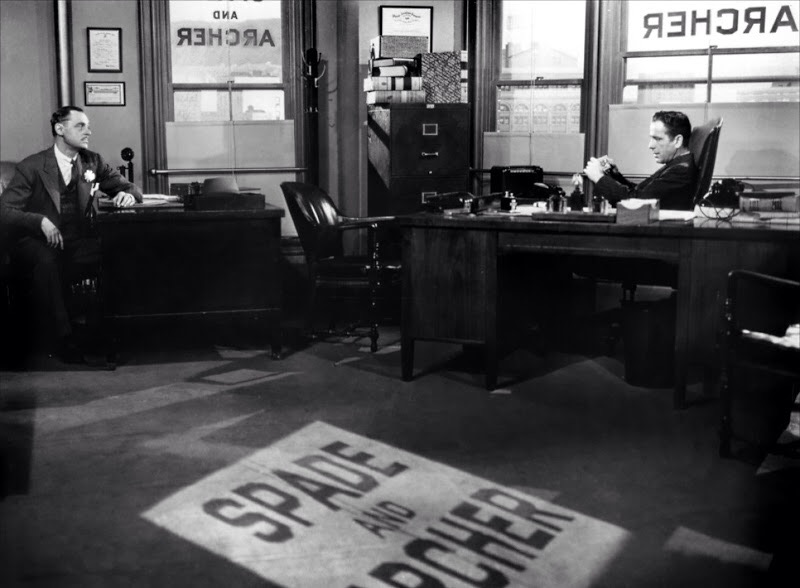
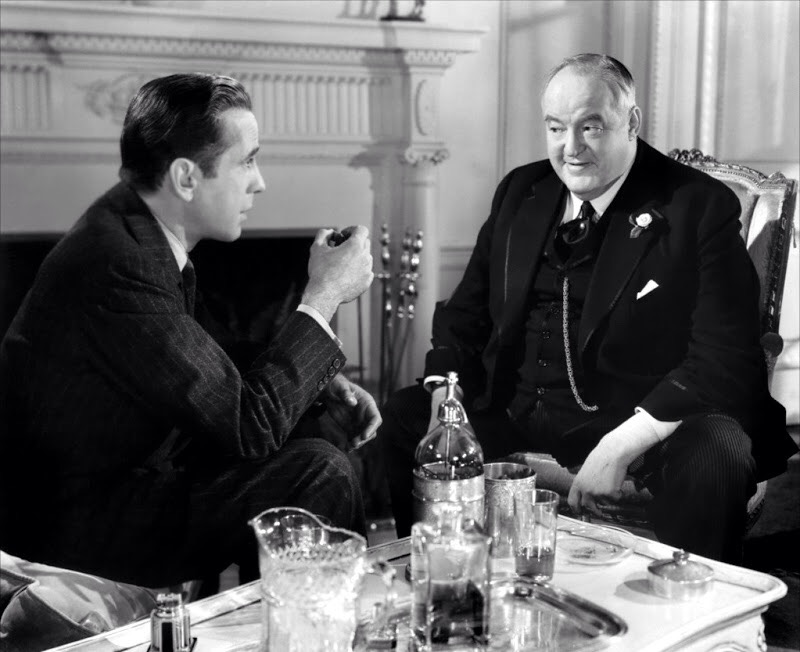
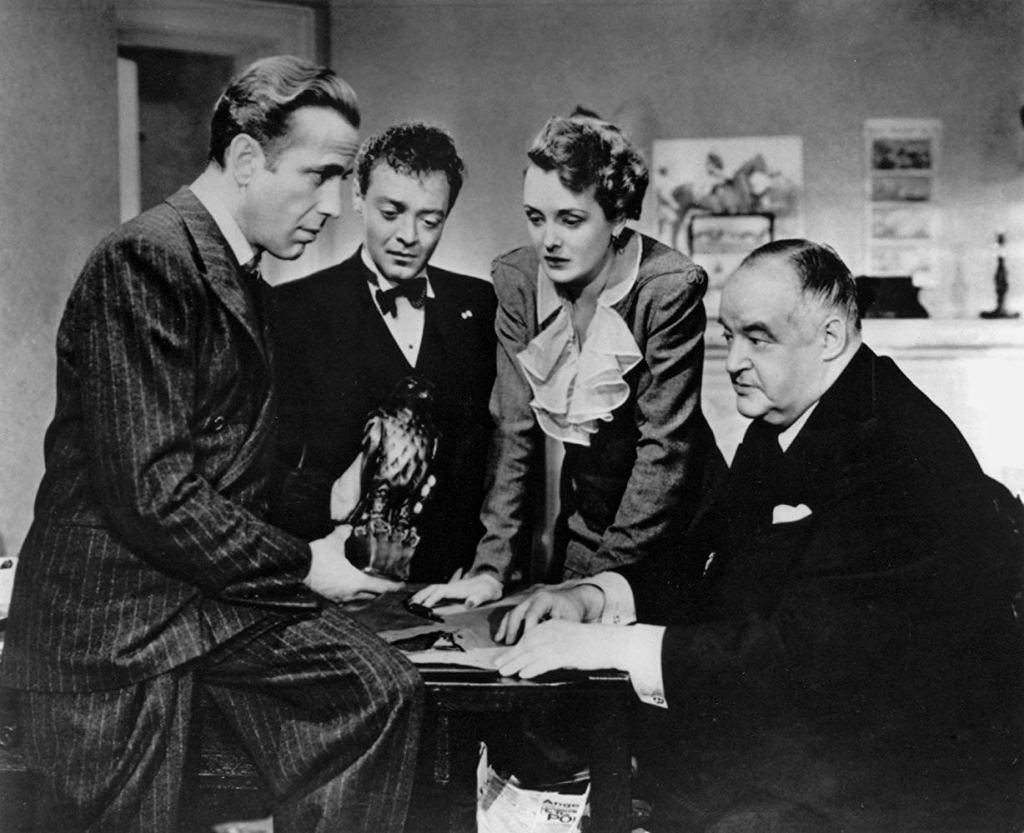
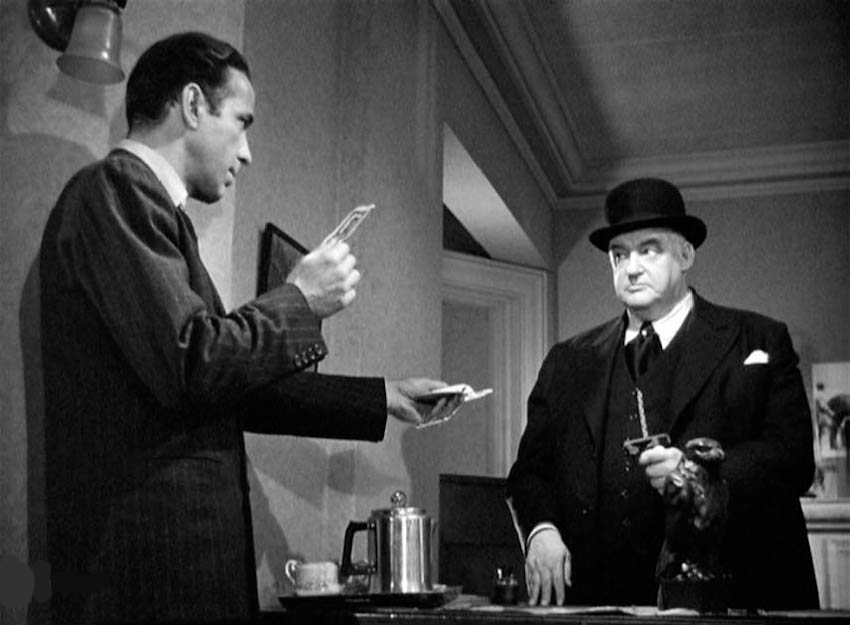
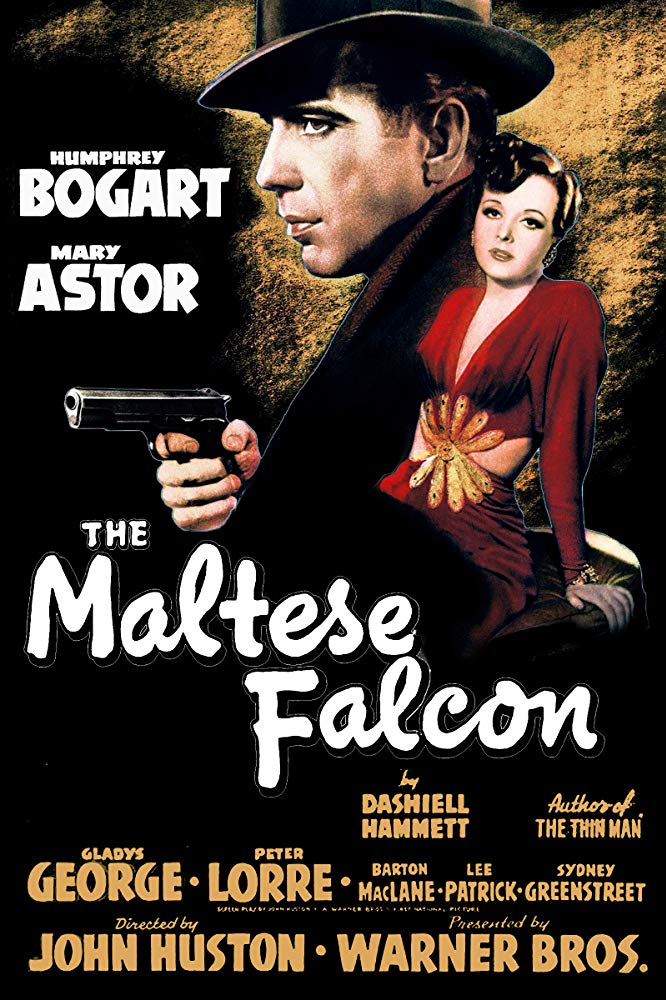
The Maltese Falcon is a 1941 American film noir written and directed by John Huston in his directorial debut, based on the 1930 novel of the same name by Dashiell Hammett and indebted to the 1931 movie of the same name. It stars Humphrey Bogart as private investigator Sam Spade and Mary Astor as his femme fatale client. Gladys George, Peter Lorre and Sydney Greenstreet co-star, with the last appearing in his film debut. The story follows a San Francisco private detective and his dealings with three unscrupulous adventurers, all of whom are competing to obtain a jewel-encrusted falcon statuette.
The film premiered in New York City on October 3, 1941, and was nominated for three Academy Awards. Considered one of the greatest films of all time, it was one of the first 25 films selected by the Library of Congress to be included in the National Film Registry for being “culturally, historically, or aesthetically significant”. It is a part of Roger Ebert’s series The Great Movies and was cited by Panorama du Film Noir Américain as the first major film noir. (Wikipedia)
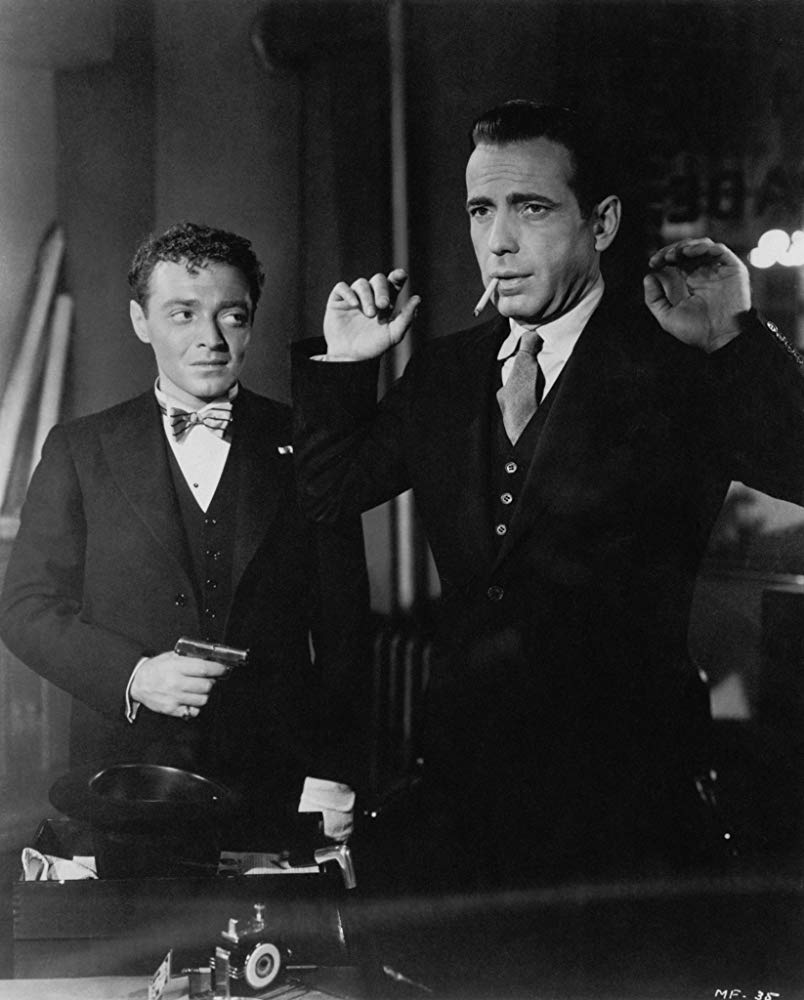
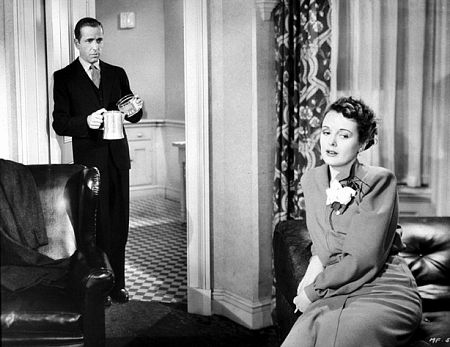
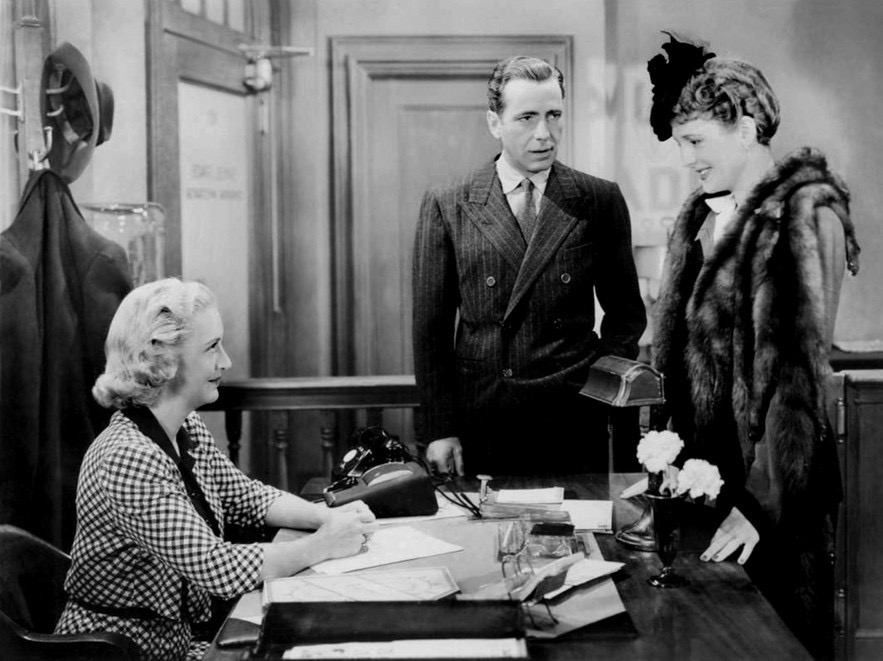
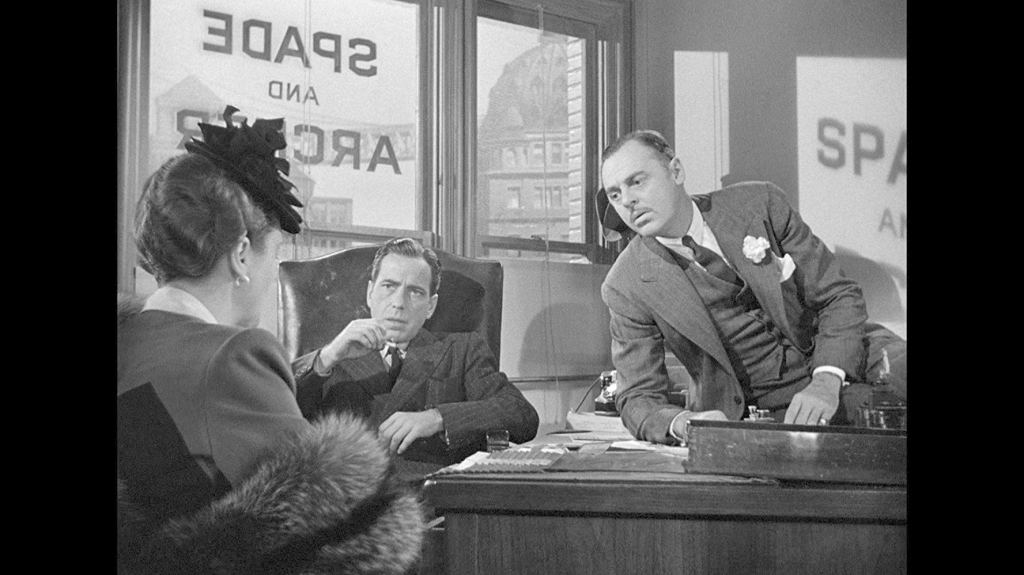
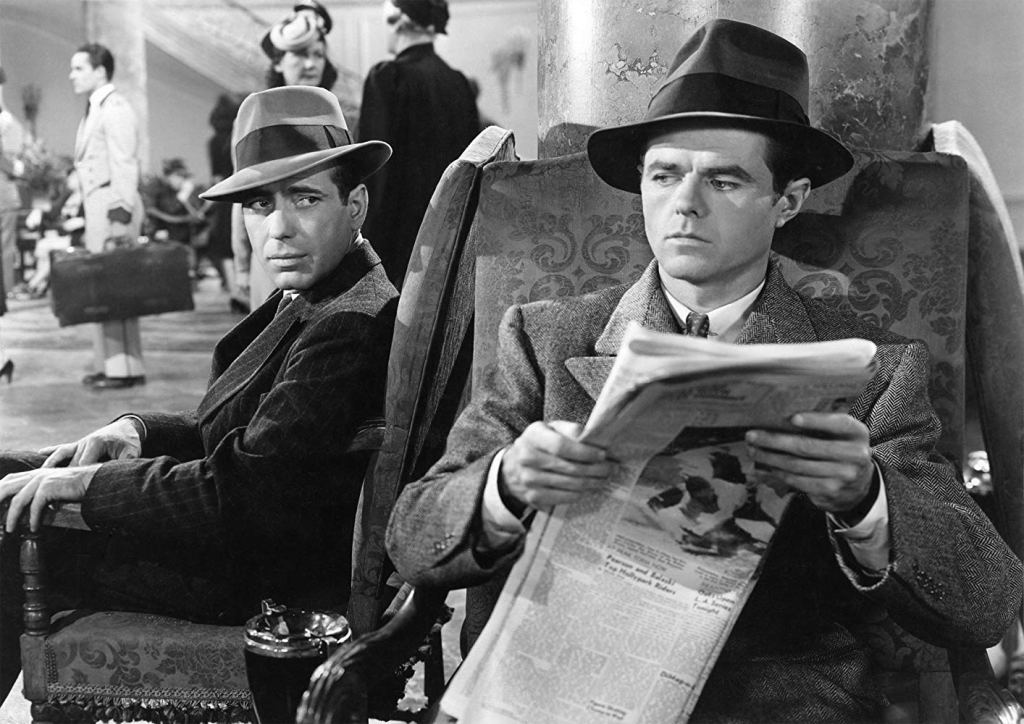
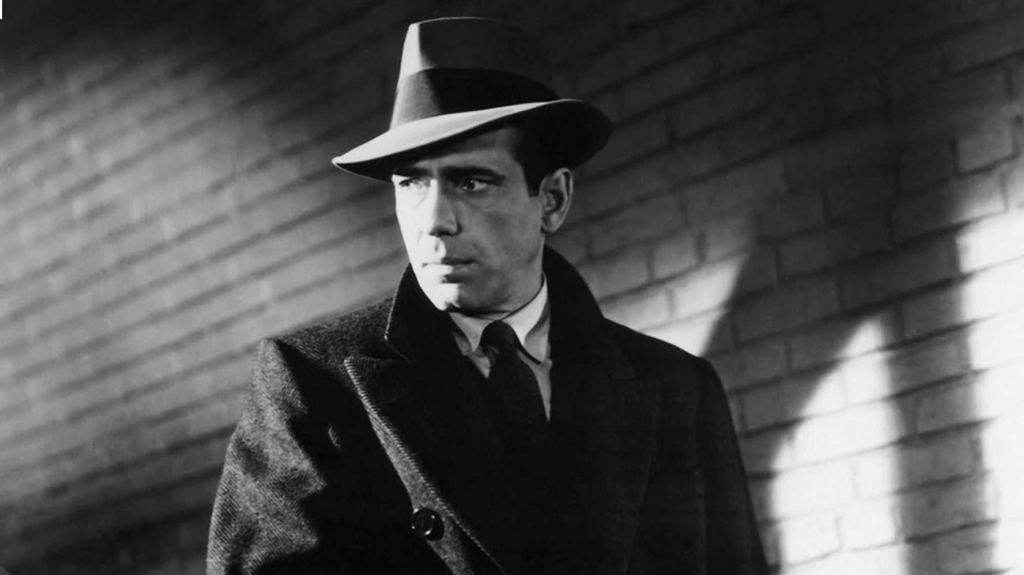
Humphrey Bogart in The Maltese Falcon (1941)Humphrey Bogart in The Maltese Falcon (1941)Humphrey Bogart in The Maltese Falcon (1941)Humphrey Bogart and Peter Lorre in The Maltese Falcon (1941)Humphrey Bogart in The Maltese Falcon (1941)Humphrey Bogart, Ward Bond, and Barton MacLane in The Maltese Falcon (1941)Humphrey Bogart and Mary Astor in The Maltese Falcon (1941)Humphrey Bogart and Mary Astor in The Maltese Falcon (1941)Ward Bond and Humphrey BogartMary Astor, Humphrey Bogart, and Peter LorreHumphrey Bogart and Lee PatrickSidney Greenstreet (sitting) and Humphrey BogartHumphrey Bogart and Peter LorreHumphrey Bogart and Peter LorreHumphrey Bogart, Peter Lorre, Mary Astor, and Sidney GreenstreetHumphrey Bogart, Mary Astor, and Peter LorrePeter Lorre, Mary Astor, Humphrey BogartHumphrey Bogart in The Maltese Falcon (1941)Humphrey Bogart in The Maltese Falcon (1941)Humphrey Bogart in The Maltese Falcon (1941)Humphrey Bogart in “The Maltese Falcon” 1941 Humphrey Bogart and Mary Astor in The Maltese Falcon (1941)Humphrey Bogart, Peter Lorre, Mary Astor, and Gladys George in The Maltese FalconThe Maltese Falcon (1941)Humphrey Bogart, Sydney Greenstreet, and Elisha Cook Jr. in The Maltese Falcon (1941)Humphrey Bogart and Gladys George in The Maltese Falcon (1941)Humphrey Bogart and Mary Astor in The Maltese Falcon (1941)Humphrey Bogart in The Maltese Falcon (1941)Humphrey Bogart and Jerome Cowan in The Maltese Falcon (1941)Humphrey Bogart and Sydney GreenstreetHumphrey Bogart, Mary Astor, and Lee PatrickHumphrey Bogart, Ward Bond, and Barton MacLaneHumphrey Bogart, Mary Astor, and Jerome CowanHumphrey Bogart and Mary AstorHumphrey Bogart, Peter Lorre, and Sydney GreenstreetHumphrey Bogart, Mary Astor, and Jerome CowanThe Maltese Falcon (1941)Humphrey Bogart and Elisha Cook Jr.Peter Lorre, Mary Astor, and Sydney GreenstreetHumphrey Bogart in The Maltese Falcon (1941)Humphrey Bogart in The Maltese Falcon (1941)Humphrey Bogart, Peter Lorre, Mary Astor, and Sydney GreenstreetHumphrey Bogart in The Maltese Falcon (1941)Sydney Greenstreet (Gutman) demands the return of his $10,000 in the envelope. Humphrey Bogart (Sam Spade) keeps $1,000 of the money for his time and expenses.The Maltese Falcon (1941)
New York, often called New York City to distinguish it from New York State, or NYC for short, is the most populous city in the United States. With a 2020 population of 8,804,190 distributed over 300.46 square miles (778.2 km2), New York City is also the most densely populated major city in the United States. Located at the southern tip of the State of New York, the city is the center of the New York metropolitan area, the largest metropolitan area in the world by urban area. With over 20 million people in its metropolitan statistical area and 23,582,649 in its combined statistical area as of 2020, New York is one of the world’s most populous megacities. New York City has been described as the cultural, financial, and media capital of the world, significantly influencing commerce, entertainment, research, technology, education, politics, tourism, dining, art, fashion, and sports, and is the most photographed city in the world. Home to the headquarters of the United Nations, New York is an important center for international diplomacy, and has sometimes been called the capital of the world.
Situated on one of the world’s largest natural harbors, New York City is composed of five boroughs, each of which is coextensive with a respective county of the State of New York. The five boroughs—Brooklyn (Kings County), Queens (Queens County), Manhattan (New York County), the Bronx (Bronx County), and Staten Island (Richmond County)—were created when local governments were consolidated into a single municipal entity in 1898. The city and its metropolitan area constitute the premier gateway for legal immigration to the United States. As many as 800 languages are spoken in New York, making it the most linguistically diverse city in the world. New York is home to more than 3.2 million residents born outside the United States, the largest foreign-born population of any city in the world as of 2016. As of 2019, the New York metropolitan area is estimated to produce a gross metropolitan product (GMP) of $2.0 trillion. If the New York metropolitan area were a sovereign state, it would have the eighth-largest economy in the world. New York is home to the highest number of billionaires of any city in the world.
New York City traces its origins to a trading post founded on the southern tip of Manhattan Island by Dutch colonists in approximately 1624. The settlement was named New Amsterdam (Dutch: Nieuw Amsterdam) in 1626 and was chartered as a city in 1653. The city came under English control in 1664 and was renamed New York after King Charles II of England granted the lands to his brother, the Duke of York. The city was regained by the Dutch in July 1673 and was renamed New Orange for one year and three months; the city has been continuously named New York since November 1674. New York City was the capital of the United States from 1785 until 1790, and has been the largest U.S. city since 1790. The Statue of Liberty greeted millions of immigrants as they came to the U.S. by ship in the late 19th and early 20th centuries, and is a symbol of the U.S. and its ideals of liberty and peace. In the 21st century, New York has emerged as a global node of creativity, entrepreneurship, and environmental sustainability, and as a symbol of freedom and cultural diversity. In 2019, New York was voted the greatest city in the world per a survey of over 30,000 people from 48 cities worldwide, citing its cultural diversity.
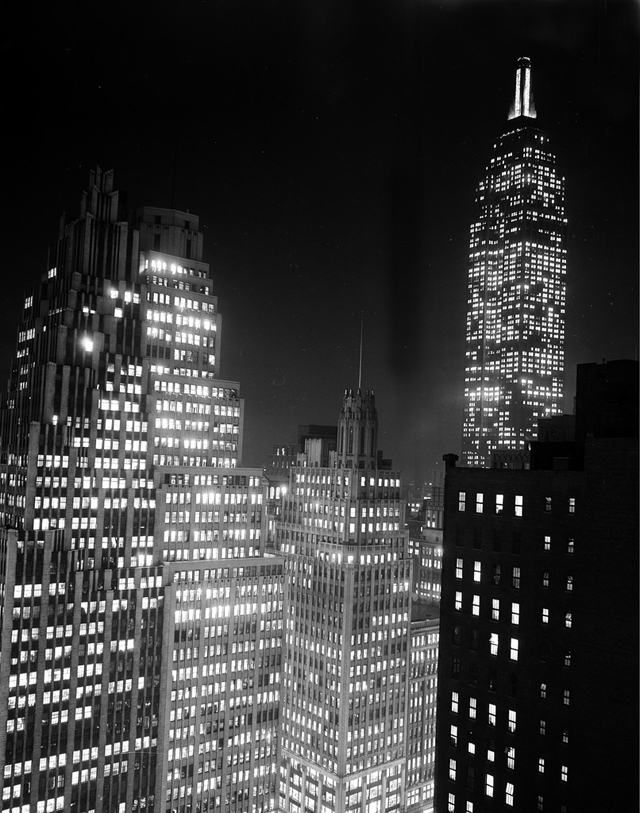
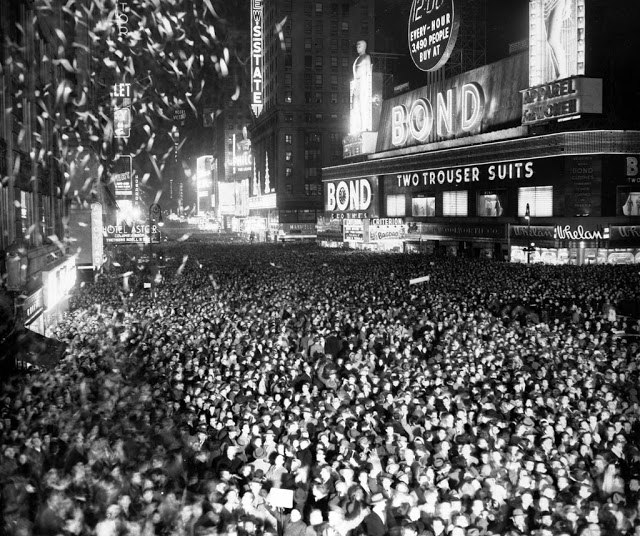
Many districts and monuments in New York City are major landmarks, including three of the world’s ten most visited tourist attractions in 2013. A record 66.6 million tourists visited New York City in 2019. Times Square is the brightly illuminated hub of the Broadway Theater District, one of the world’s busiest pedestrian intersections, and a major center of the world’s entertainment industry. Many of the city’s landmarks, skyscrapers, and parks are known around the world, as is the city’s fast pace, spawning the term New York minute. The Empire State Building has become the global standard of reference to describe the height and length of other structures. Manhattan’s real estate market is among the most expensive in the world. Providing continuous 24/7 service and contributing to the nickname The City That Never Sleeps, the New York City Subway is the largest single-operator rapid transit system worldwide, with 472 rail stations. The city has over 120 colleges and universities, including Columbia University, New York University, Rockefeller University, and the City University of New York system, which is the largest urban public university system in the United States. Anchored by Wall Street in the Financial District of Lower Manhattan, New York City has been called both the world’s leading financial center and the most financially powerful city in the world, and is home to the world’s two largest stock exchanges by total market capitalization, the New York Stock Exchange and NASDAQ. (Wikipedia)
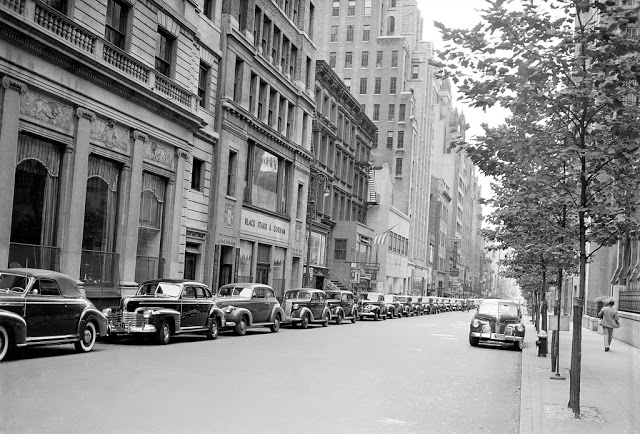
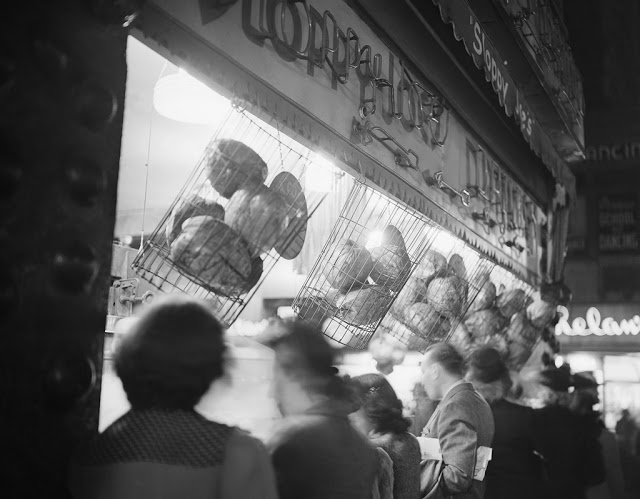
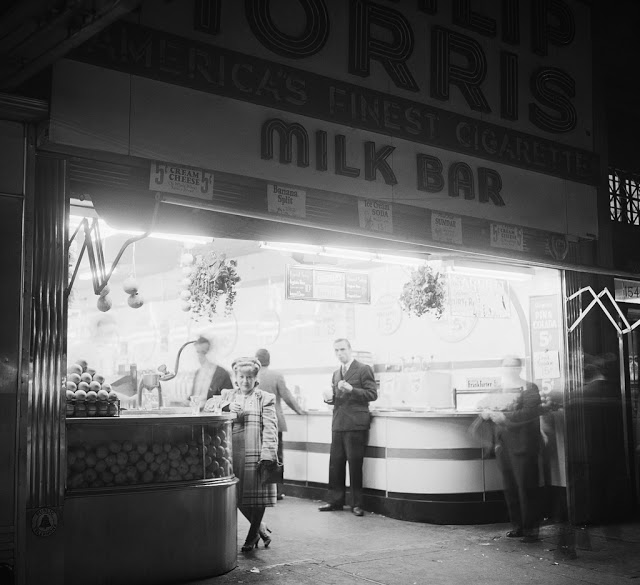
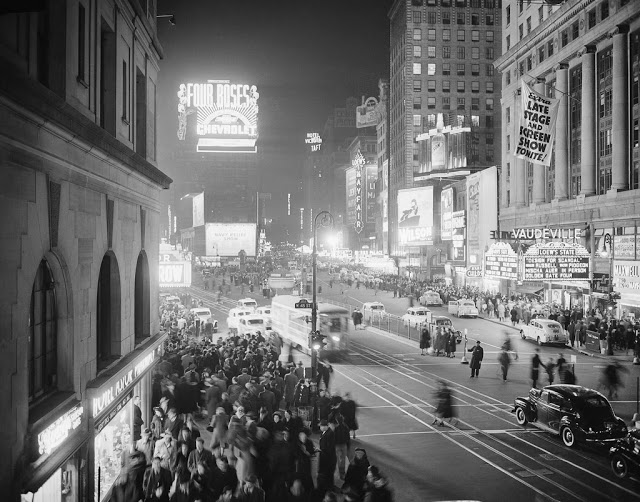
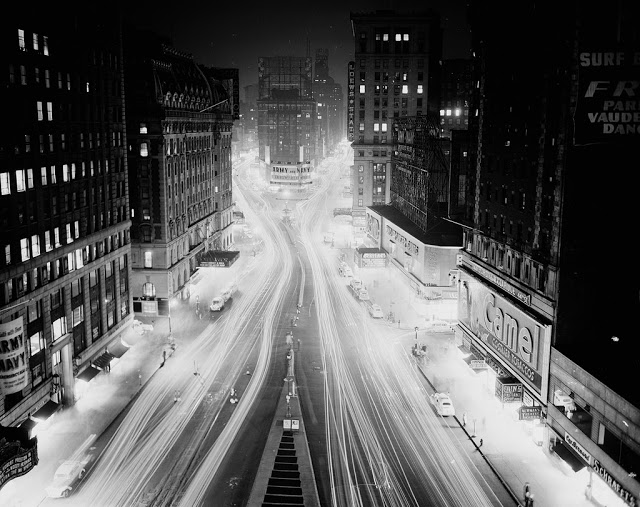
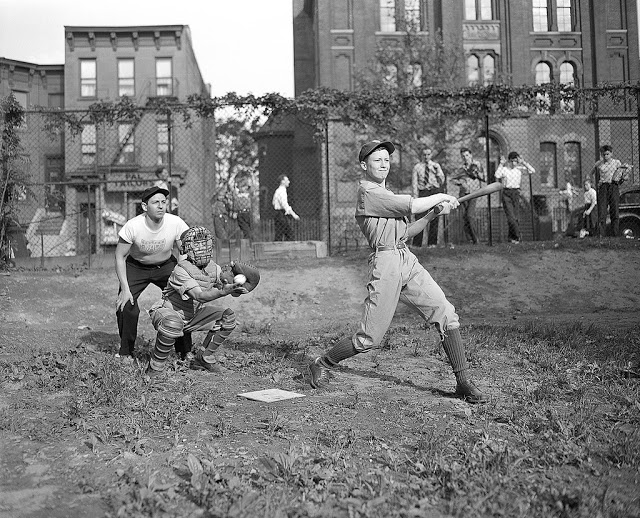
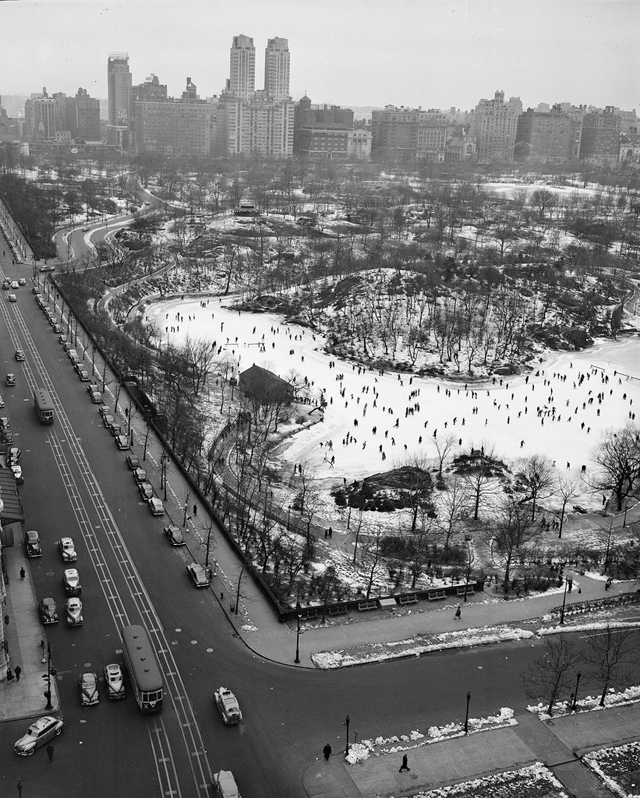
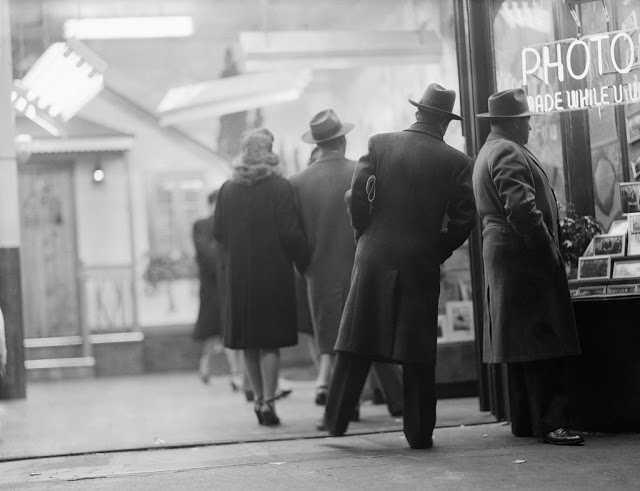
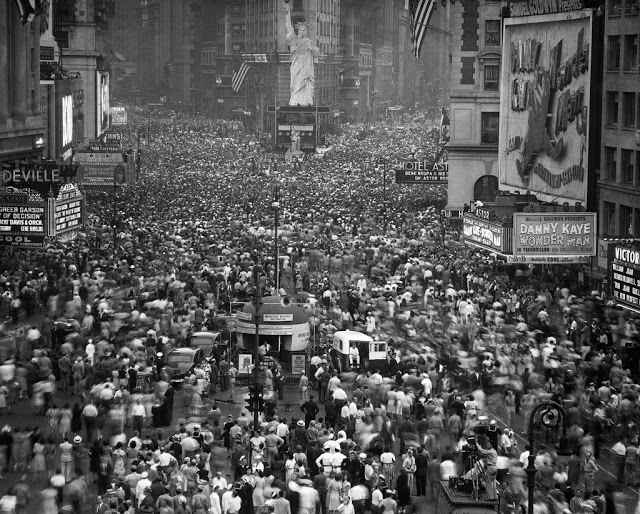
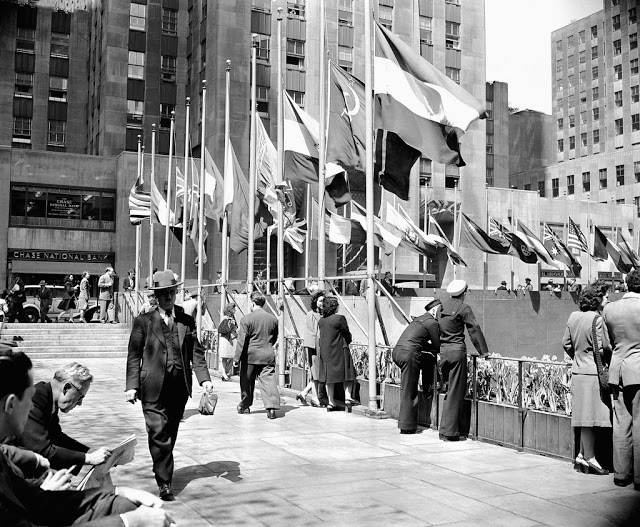
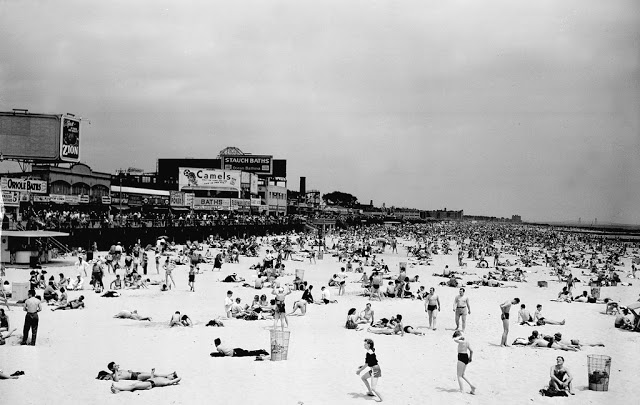
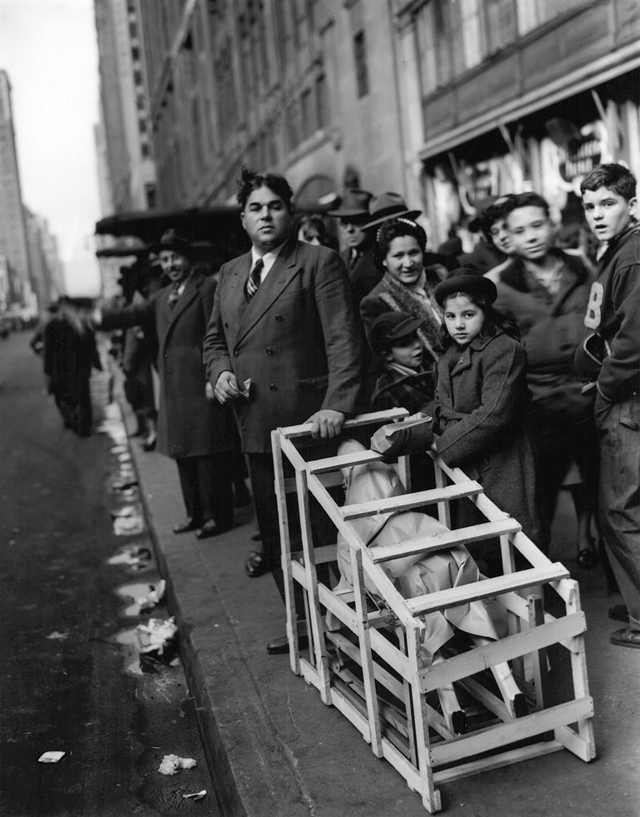
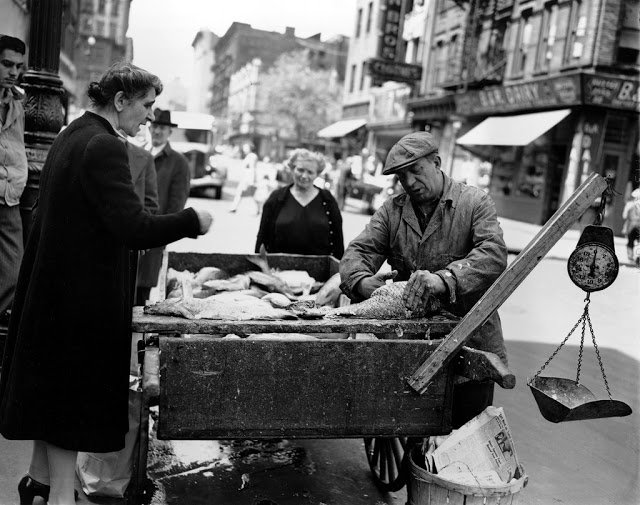
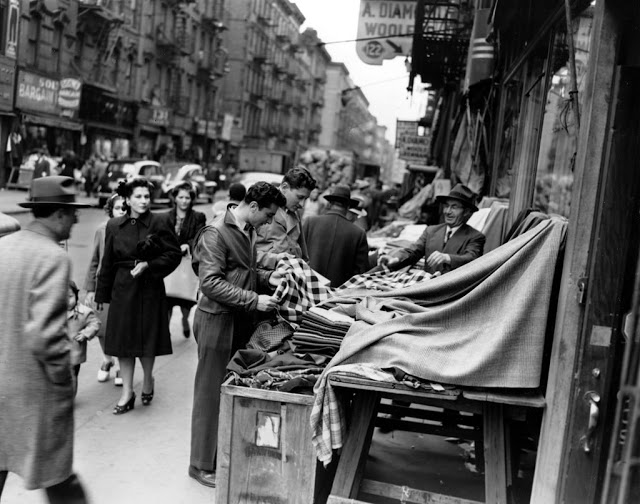
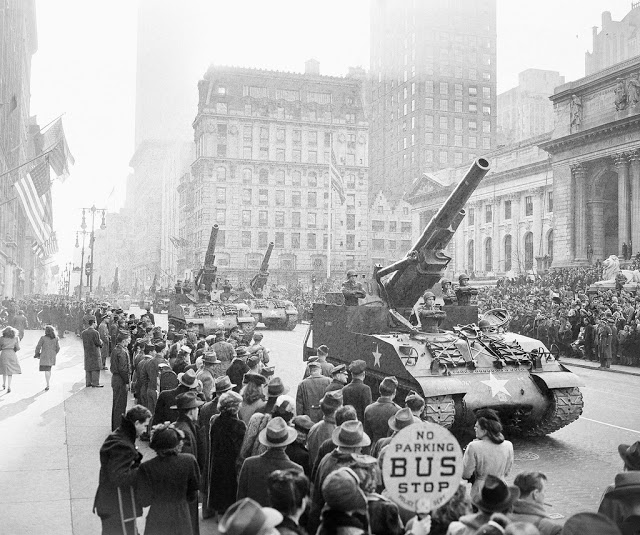
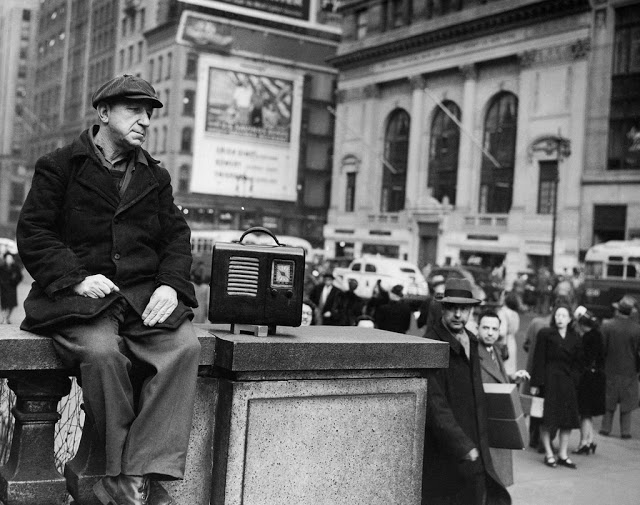
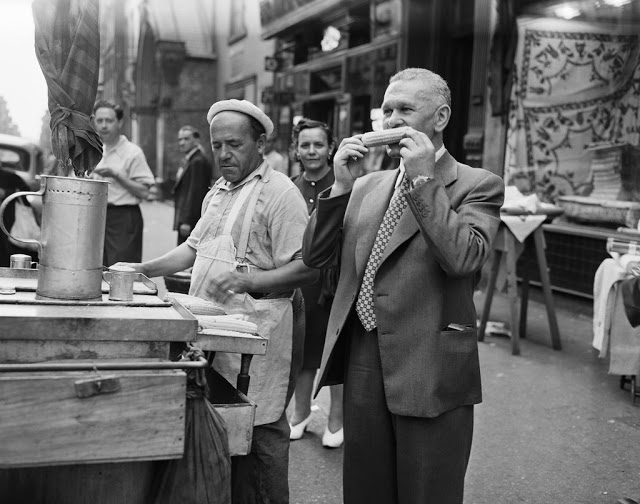
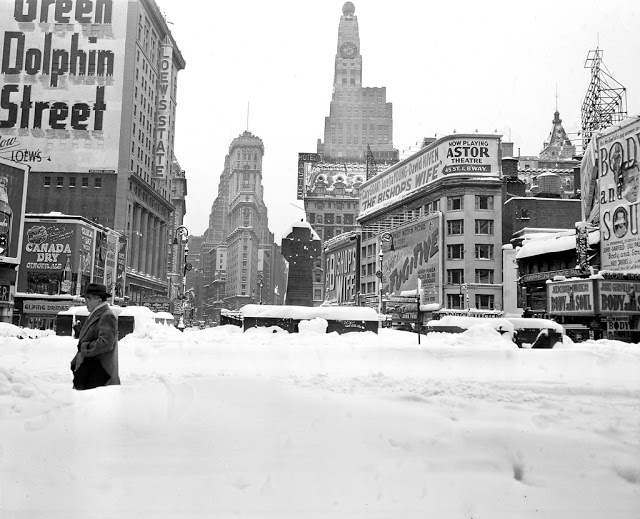
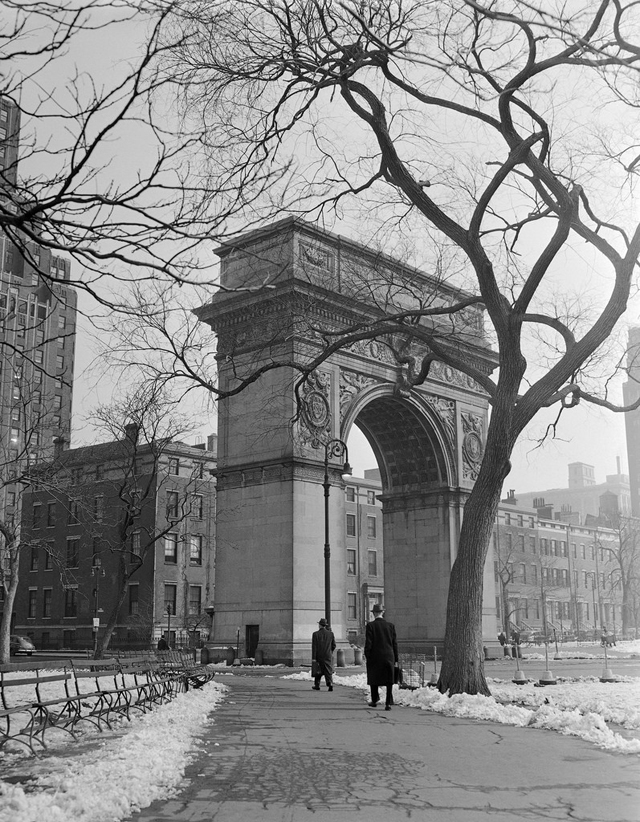
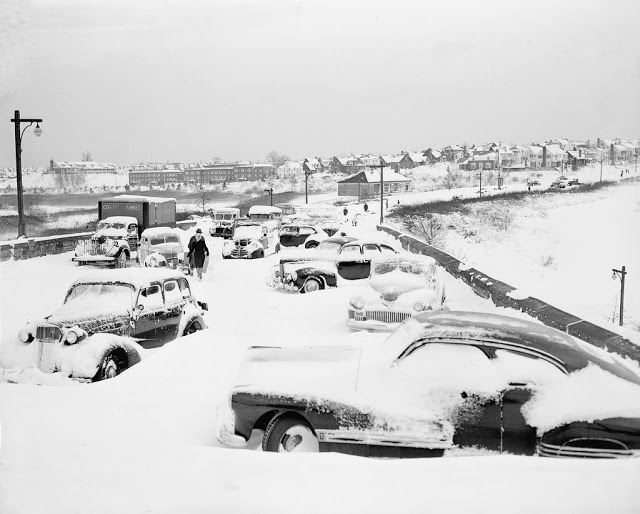
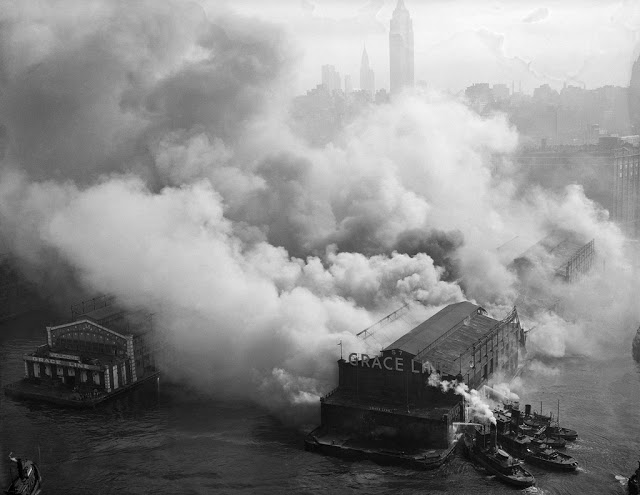
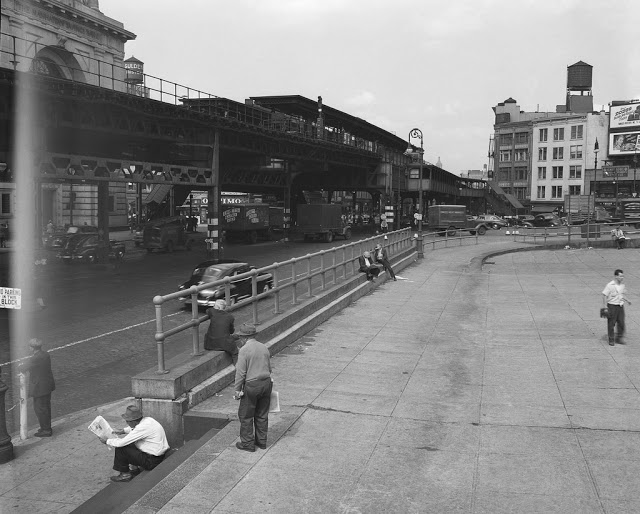
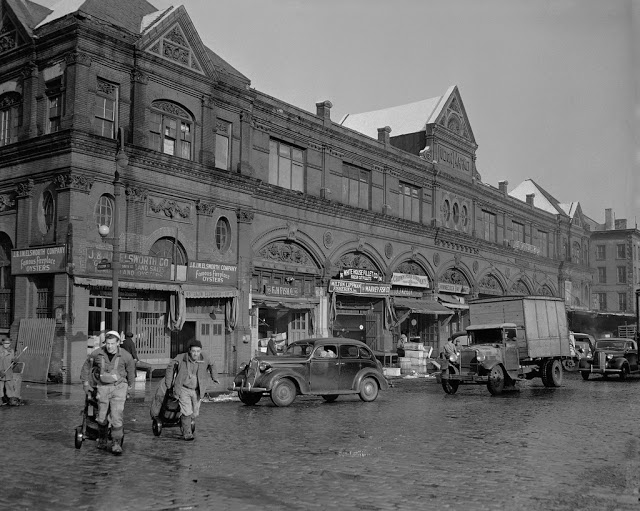
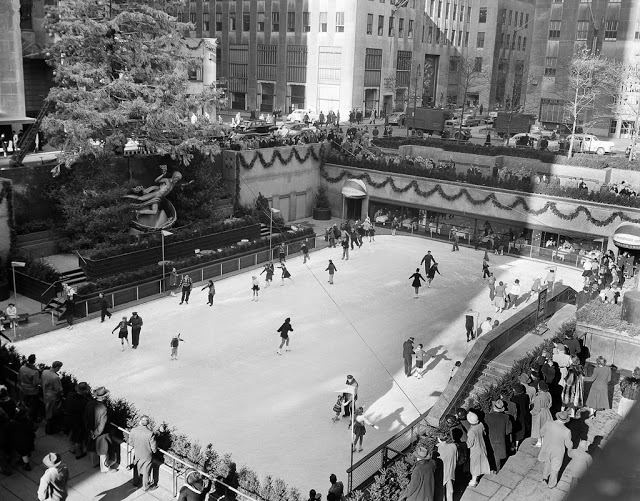
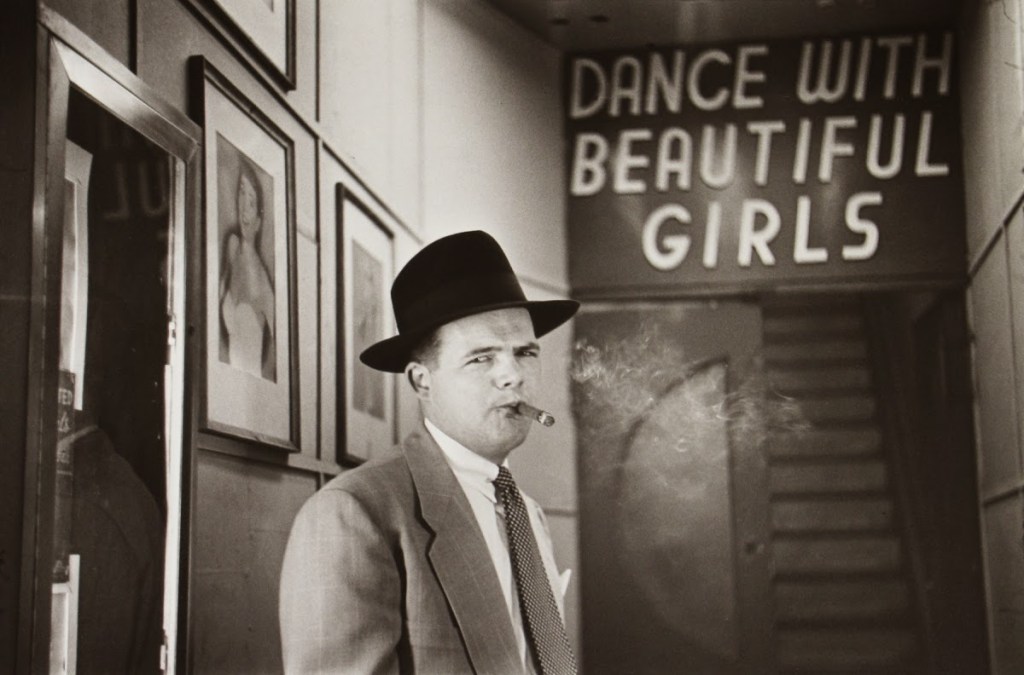
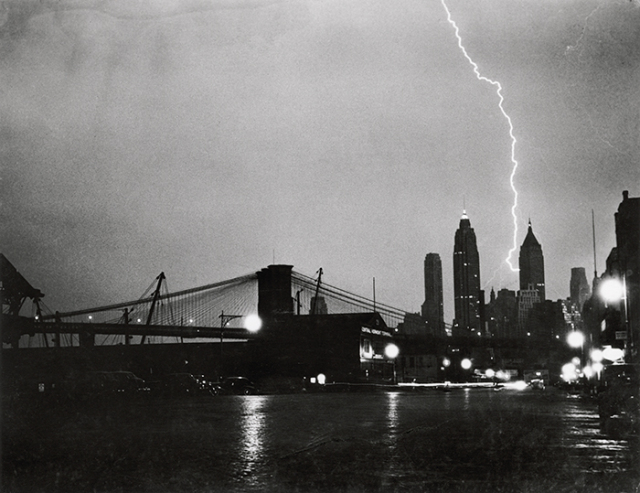
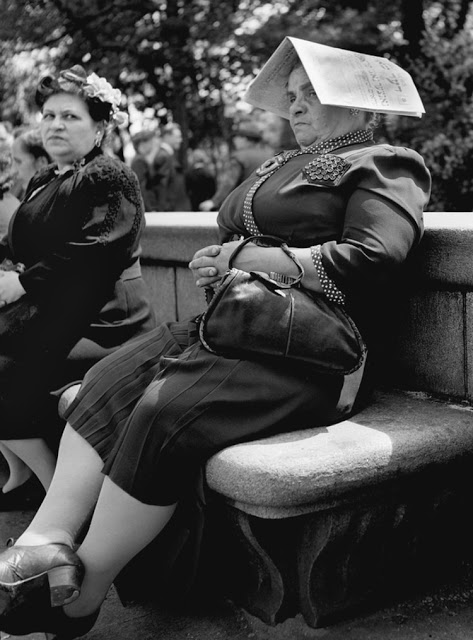
Rows of cars line the curb as a result of free parking over Labor Day weekend in New York City, Sept. 6, 1942A crowd of customers gather at Sloppy Joe’s soft drink stand during a dimout in Times Square, New York, May 21, 1942An Italian spaghetti house and a German health food store next to each other on 86th St. in New York, Jan. 22, 1942Customers gather at soft drink stand during a dimout in Times Square, New York, May 21, 1942The bright lights of Times Square during the New Year’s Eve celebration, Dec. 31, 1942Times Square dimout, New York, March 1, 1942Times Square looking north from the New York Times newspaper building at 42nd St., during a dim-out in midtown Manhattan, May 20, 1942Workmen prepare to lower one of the 100-pound metal cornices from the Hotel Ansonia in New York, Sept. 22, 1942A boy swings and misses at a ball during a practice session in Brooklyn, N.Y., June 9, 1943After 18 months in the dark, theater marquees on Broadway light up again while underneath the crowds come out of the dimout gloom in New York, Nov. 2, 1943Two Army soldiers assist a man who was involved in a scuffle that occurred during the outbreak of a race riot in the Harlem area, Aug. 2, 1943Ice skaters in New York’s Central Park look from the top of the Savoy Plaza Hotel at 59th St. and Fifth Ave., Jan. 9, 1944Pedestrians strolling Broadway stop to peek into one of the many photo studios looking for diversion in New York, Dec. 1, 1944A huge crowd in New York’s Times Square jubilantly welcome the news that the Japanese had accepted the allies terms of surrender on Aug. 14, 1945People observing the death of President Roosevelt, the United Nations flags fly at half mast at Rockefeller Plaza, New York, April 13, 1945People sunbathe on the beach and walk along the boardwalk at Coney Island in Brooklyn, May 27, 1945A Christmas Eve shopper with a crated rocking horse tries to hail a cab outside Macy’s department store in New York City on Dec. 24, 1946A pushcart vendor cleans fresh fish before weighing it for a customer in New York’s Lower East Side, June 1, 1946Enticing delicacies on Mulberry Street in Little Italy, in New York, June 1, 1946Men stop to look at fabric for sale at an outdoor table in front of a store in New York’s Lower East Side on June 1, 1946Soldiers stand rigidly at attention in their vehicles which carry 8-inch Howitzers, during the Victory Parade of the 82nd Airborne Division on Fifth Avenue in New York, Jan. 12, 1946The Third Avenue el winds its way through lower Manhattan, February 12, 1946A longshoreman listens to his radio as he sits on the terrace wall in front of the New York Public Library on the corner of 42nd Street in New York January 29, 1947A man stares at the prices scribbled on the window of Bowery restaurant on New York’s Lower East Side, Sept. 26, 1947A pedestrian stops and enjoys a hot ear of corn from the vendor in New York, July 14, 1947A pedestrian walks between drifts of snow in Times Square, Dec. 27, 1947A row of red-brick mansions peek through Washington Square Park’s Washington Arch in New York City’s Greenwich Village on February 25, 1947An elderly street merchant wheels his push cart loaded with crockery slowly along at the corner of Orchard and Delancy Streets on the Lower East Side of New York, July 14, 1947Passengers scurry to buses at 49th Street and Fifth Ave., as snow continues to fall reaching a depth of 10.5 inches, Dec. 26, 1947Pedestrians make their way in between cars stalled on the bridge while crossing the Grand Central Parkway at Union Turnpike, Kew Gardens, Queens, Dec. 27, 1947Smoke from a massive fire pours out of Pier 57 on the Hudson River at 15th Street in New York, Sept. 29, 1947The Bowery where it intersects with Canal Street in New York, 1947The Empire State Building is seen at right in this aerial view of buildings in Manhattan’s Garment District on Seventh Avenue on Dec. 9, 1947The Fulton Fish Market from corner of Fulton St. looking north, New York City, Jan. 6, 1947A huge balloon in the form of comic fireman floats over Broadway during the annual Macy’s Thanksgiving Day Parade in New York, Nov. 25, 1948A man takes a nap on the ground in New York, July 17, 1948A pretzel vendor displays his wares on an approach to the Manhattan Bridge in New York City, April 29, 1948A young boy makes a chalk drawing on the sidewalk in front of a tenement house on 36th Street, NYC, May 12, 1948Early morning in the Fulton Fish Market, New York City’s wholesale fish center, on Sept. 5, 1948Police and pickets scuffle at the entrance of the New York Stock Exchange at 11 Wall Street in New York, March 30, 1948The bridge crossing over the East 34th Street station, looks north over the Third Avenue Line El train, New York City, 1948The crowded beach at Coney Island in Brooklyn, Aug. 28, 1948Two workmen eat their lunch beside their excavation on fashionable Fifth Avenue between 56th and 57th Streets in New York, June 8, 1948People crowd into Times Square, in New York, Dec. 31, 1949, to welcome in the New YearSkaters glide on the ice at the center’s skating rink in midtown Manhattan, New York, Dec. 8, 1949Snow-covered trees in Central Park are seen against the Essex House building on Central Park South, NYC, March 1, 1949West Broadway looking north from Vesey Street in New York City on July 21, 1949Yellow cabs line New York’s Fifth Avenue, Jan. 15, 19495th Avenue New YorkSocial PatronLongchamps Restaurant, 42nd and Lexington Ave. New YorkA lightning bolt strikes above Lower Manhattan on July 27, 1940Newspaper Hat, 1946Police Car, New York, 1942Lunch Break, New York, 1947Brooklyn boys, 1946
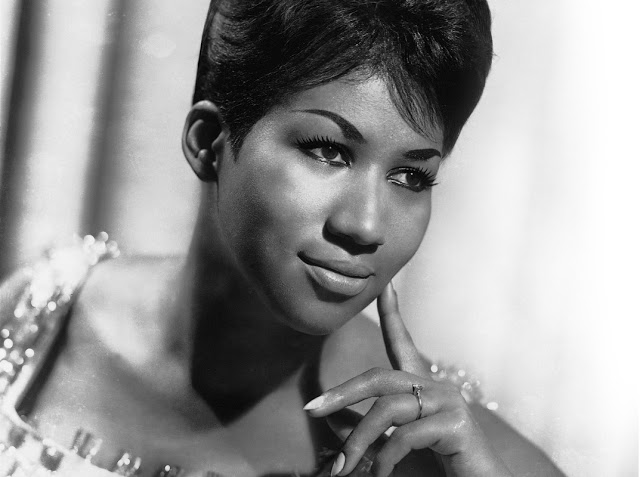
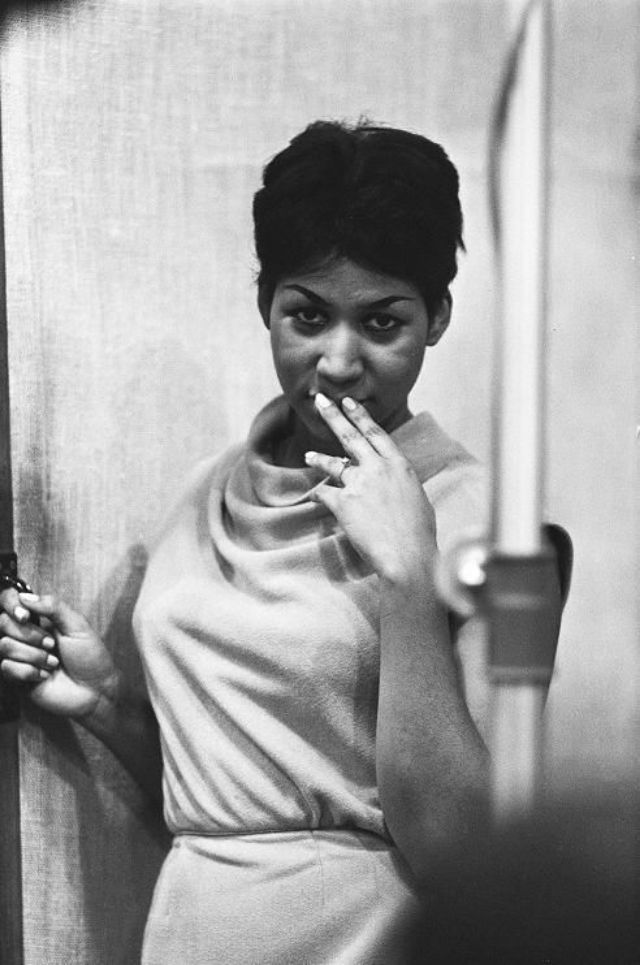
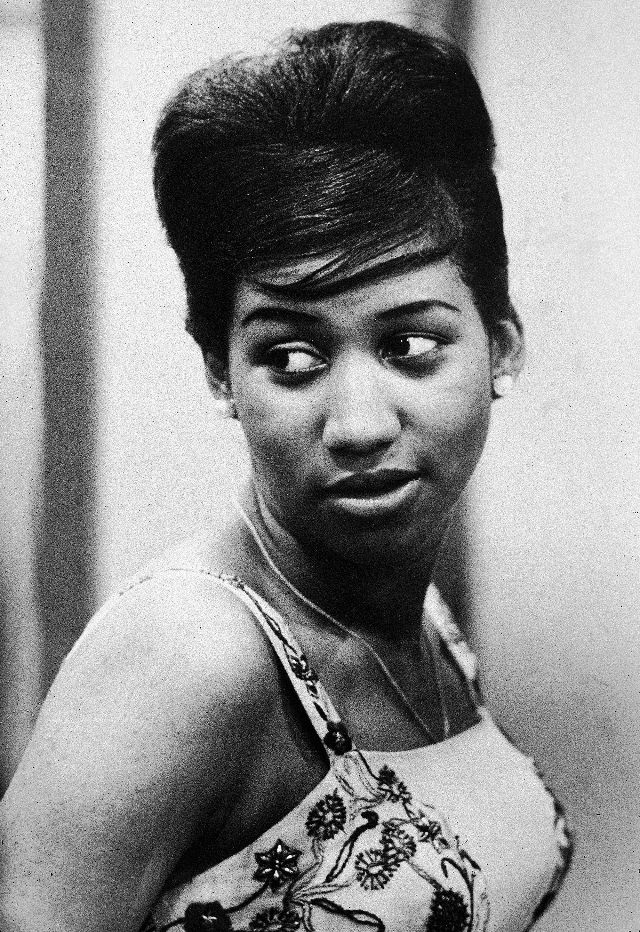
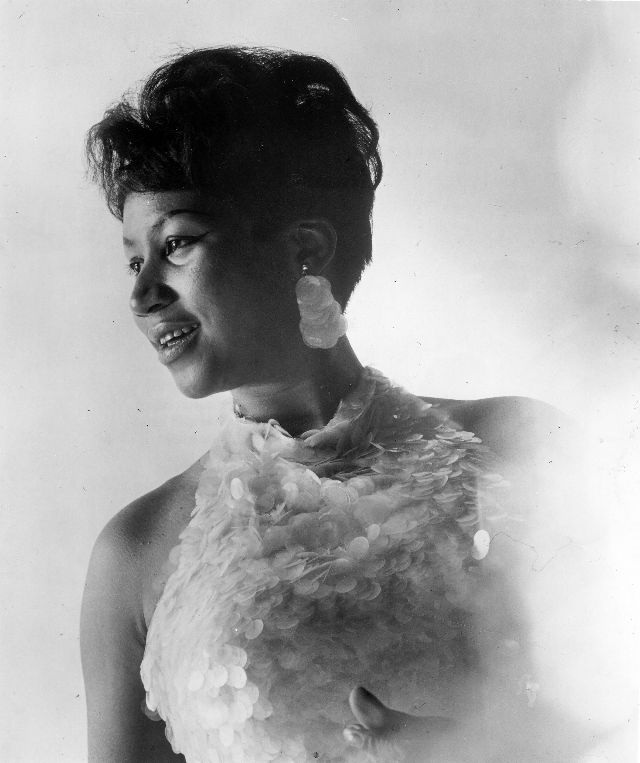
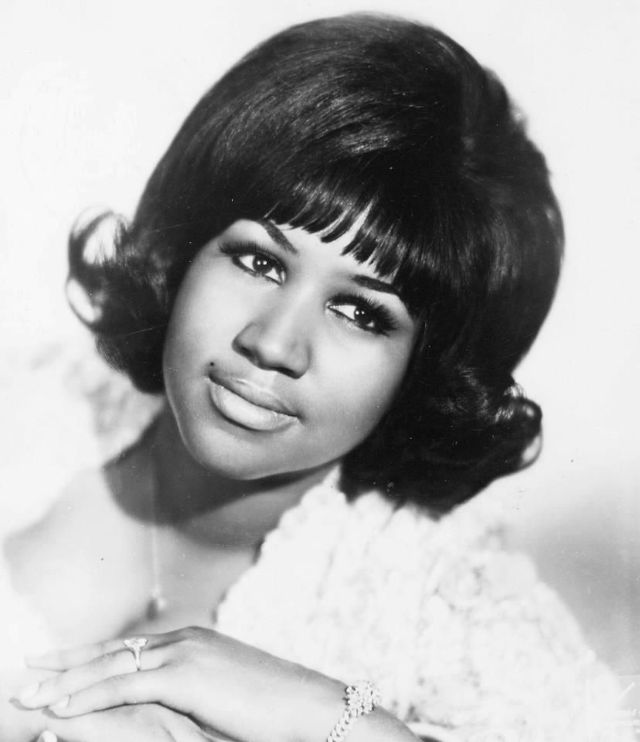
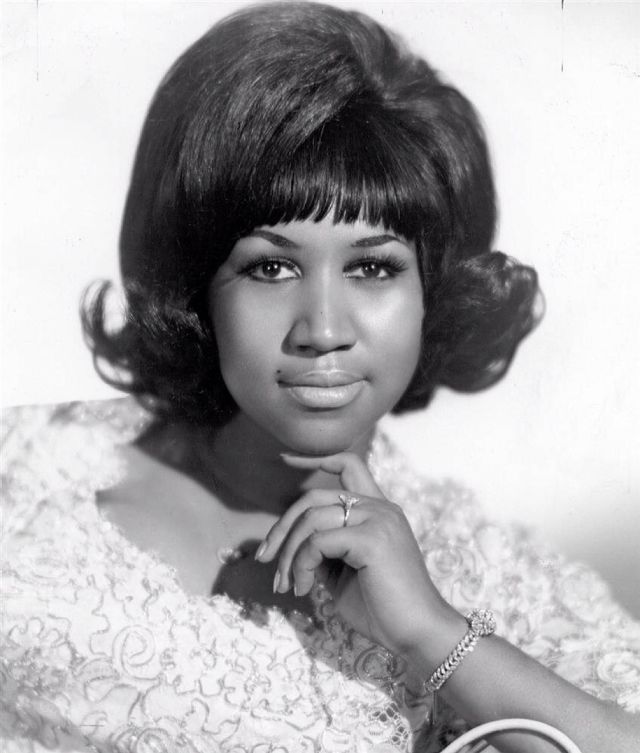
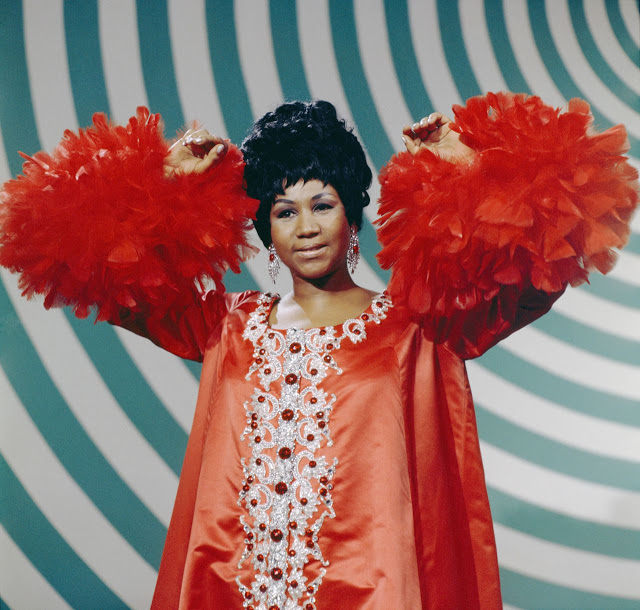
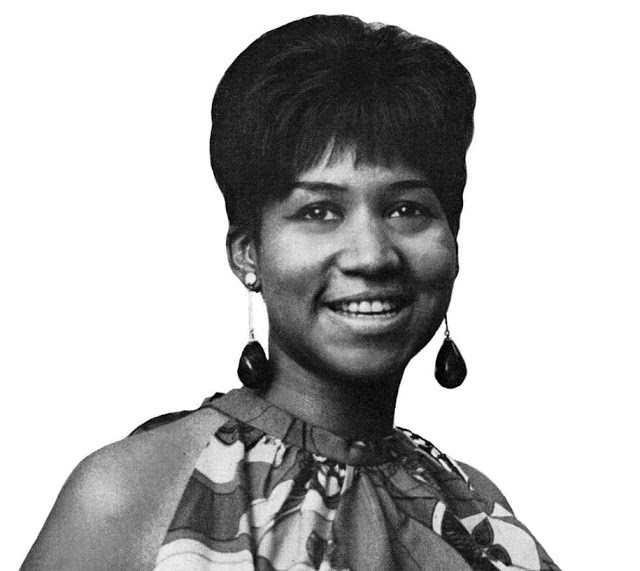
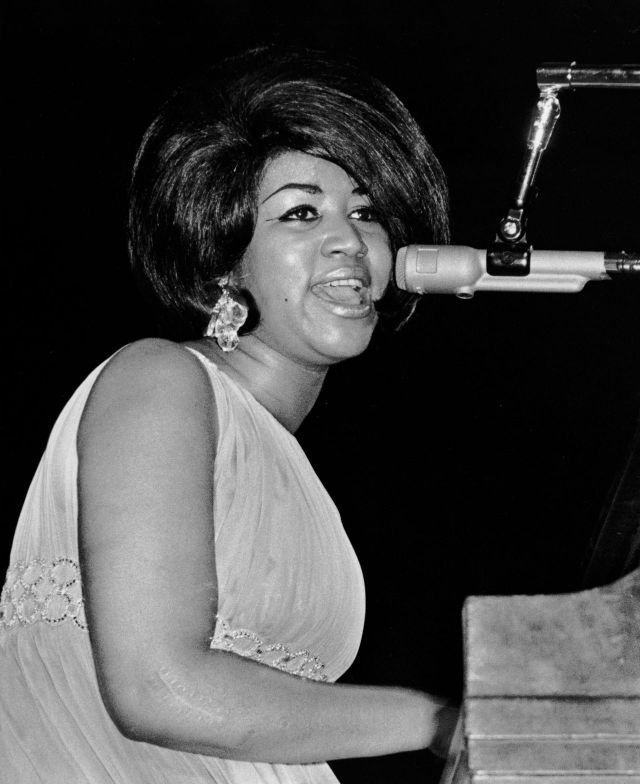
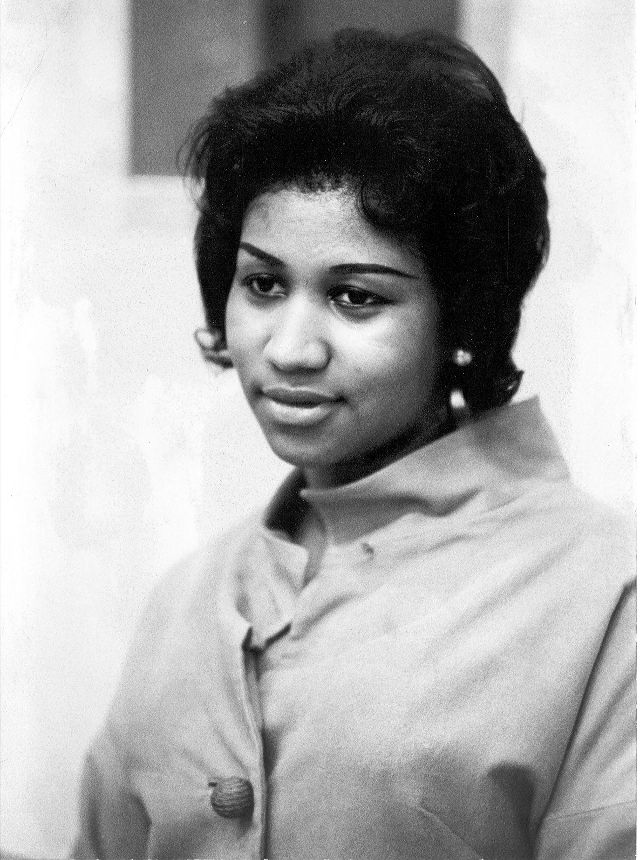
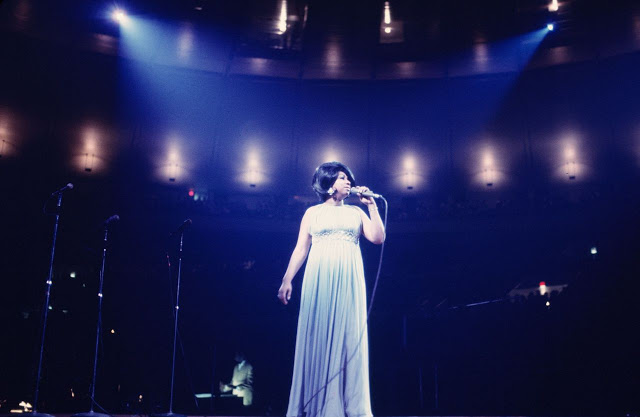
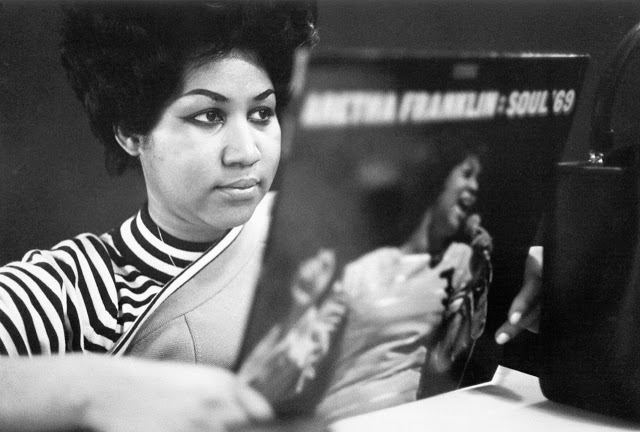
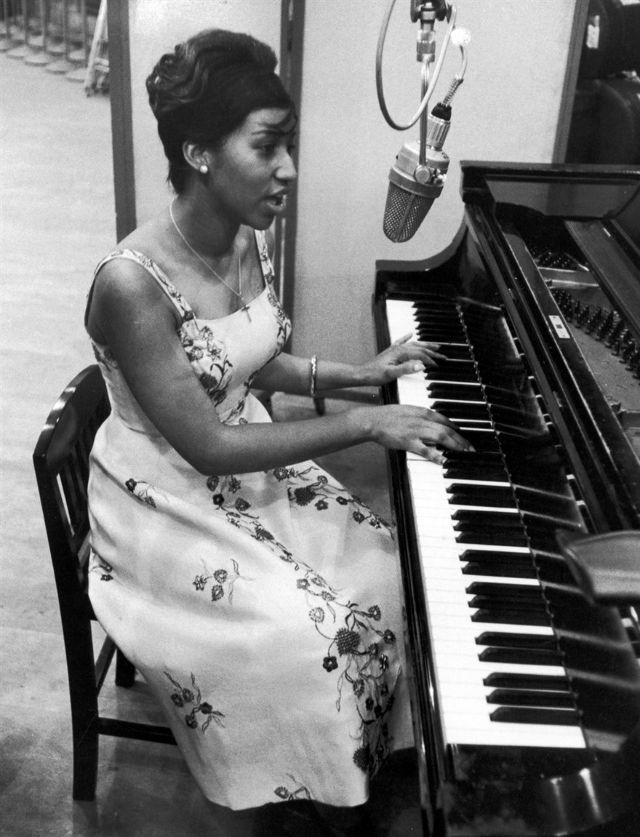
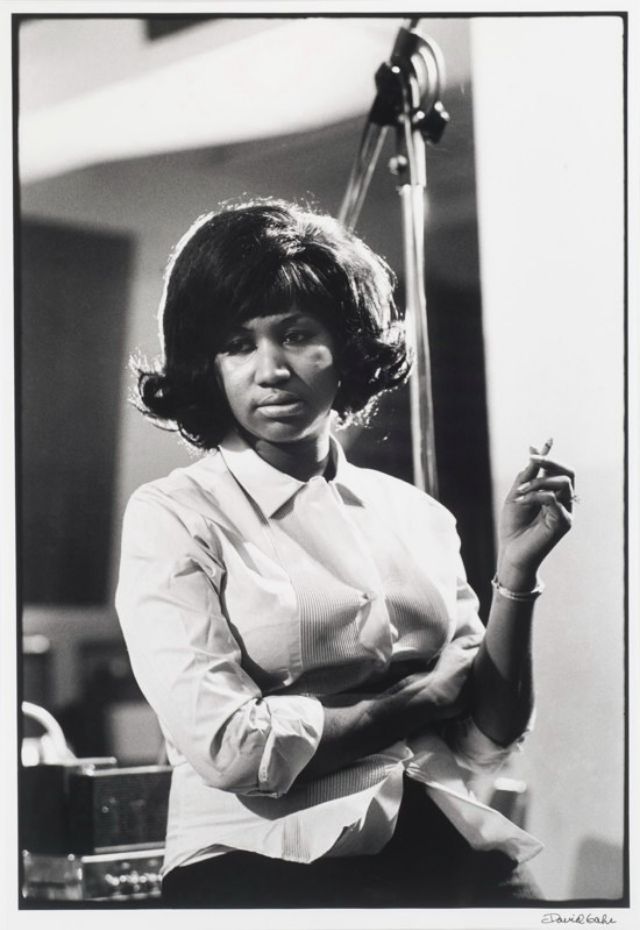
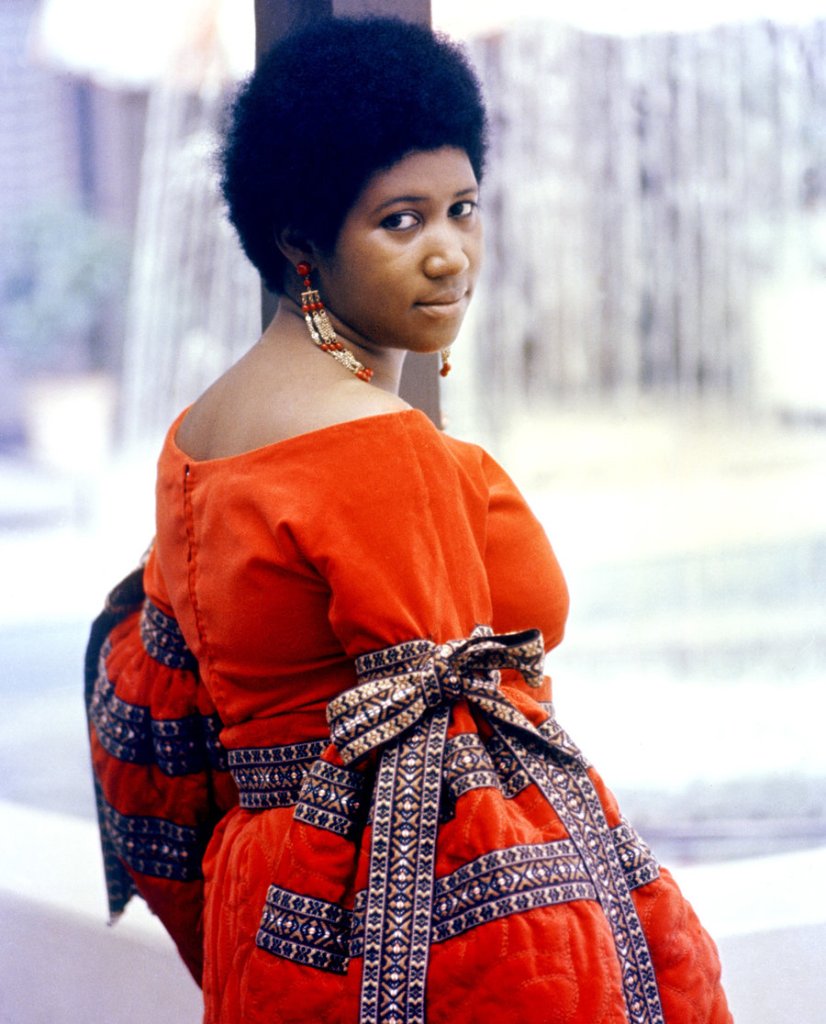
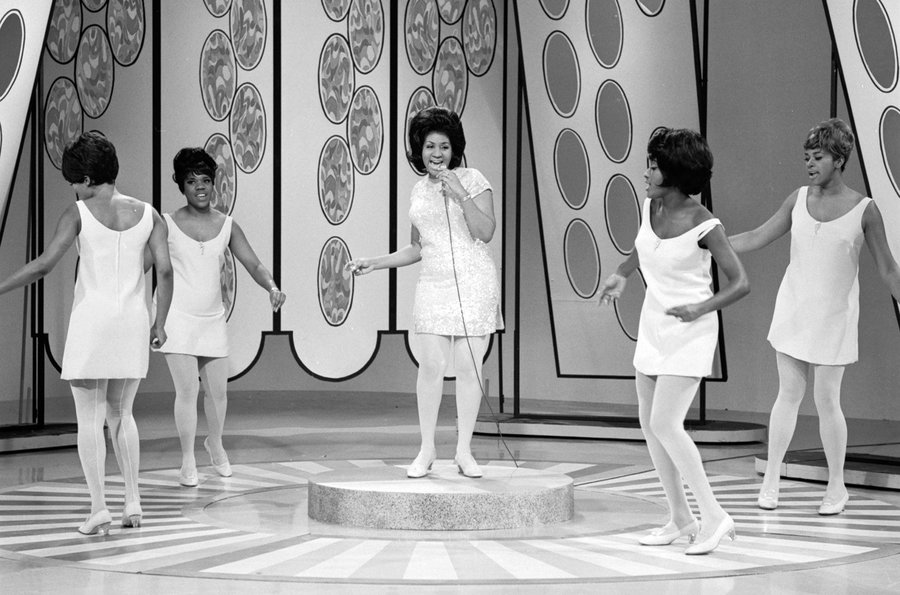
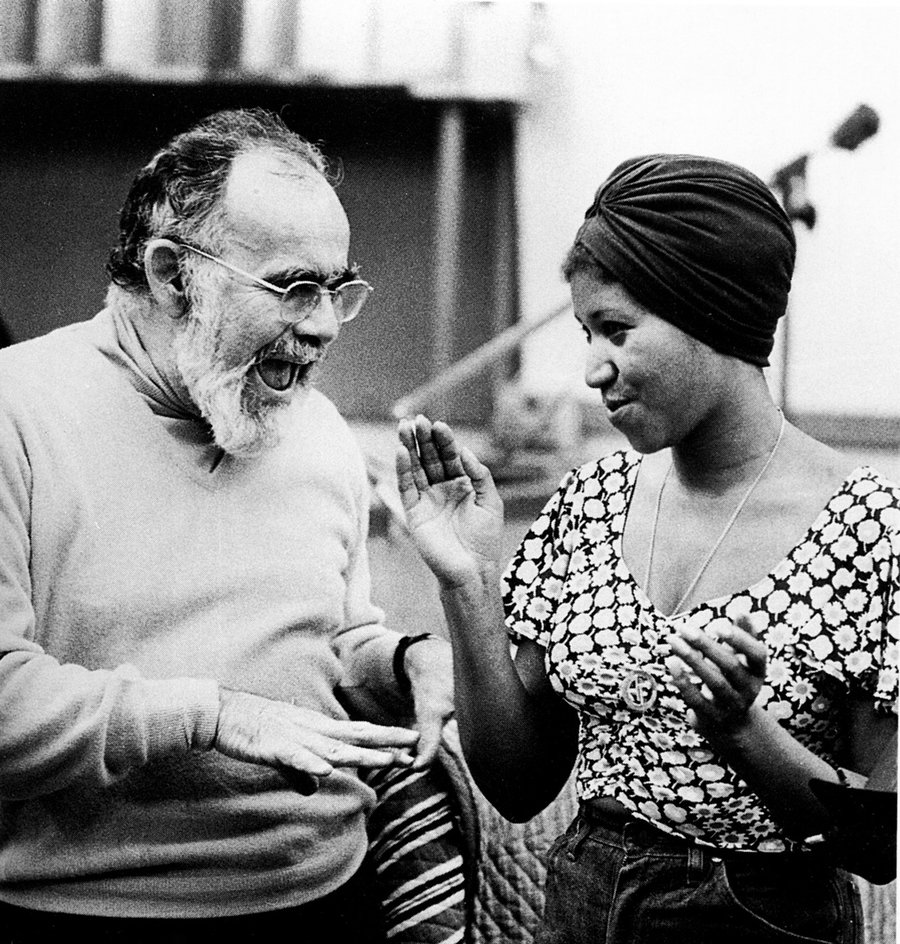
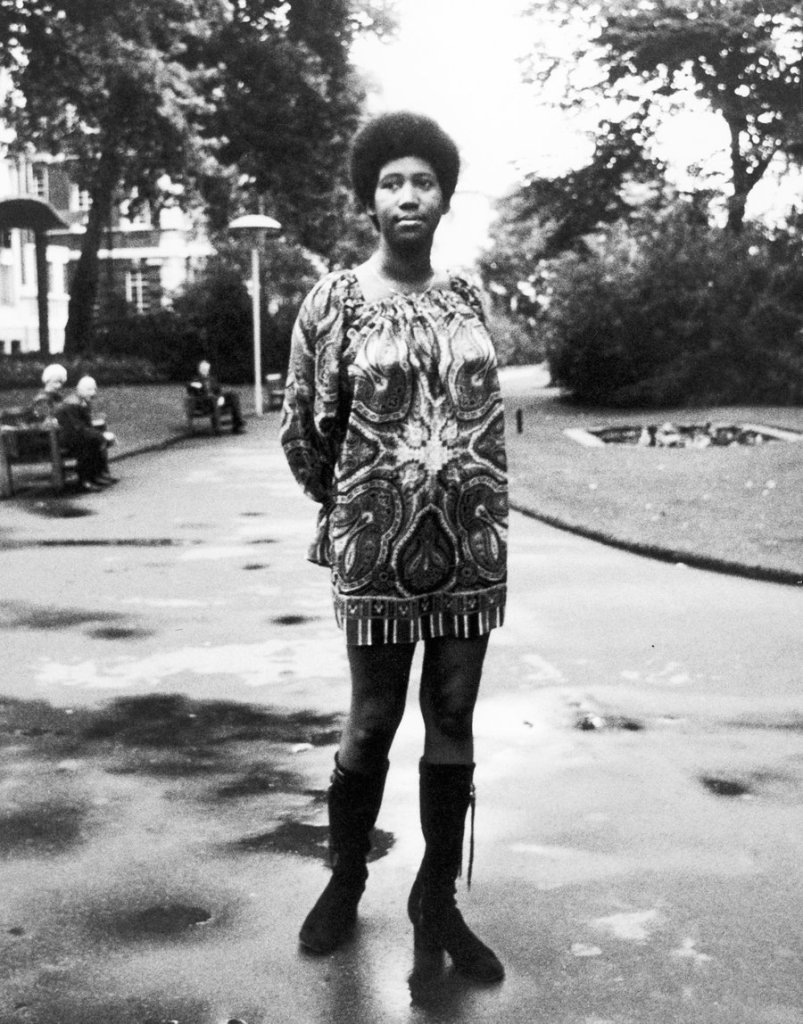
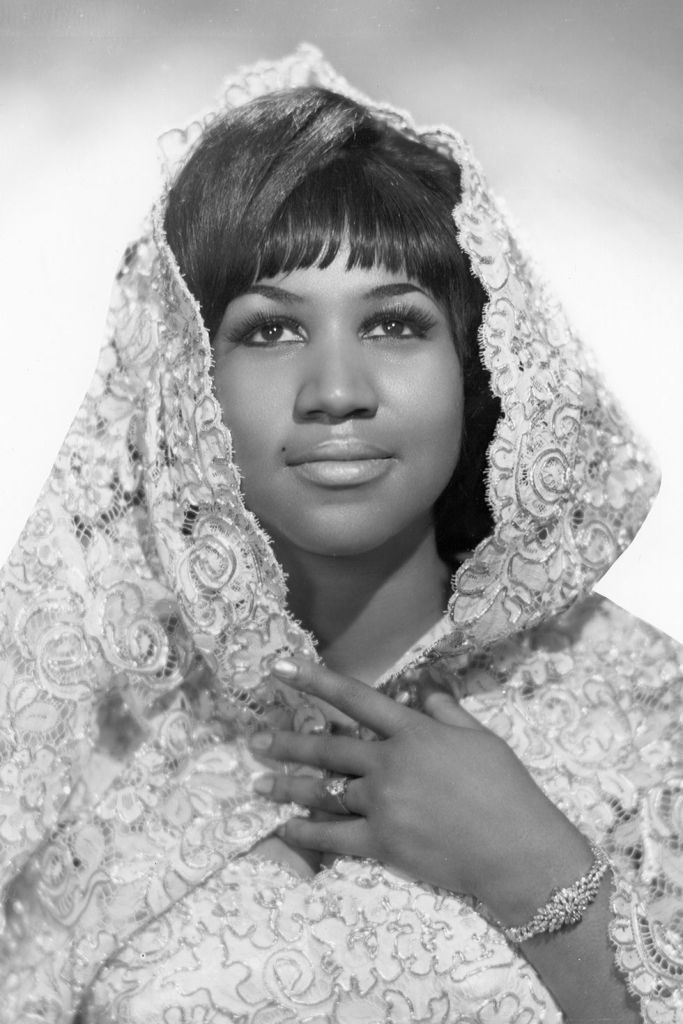
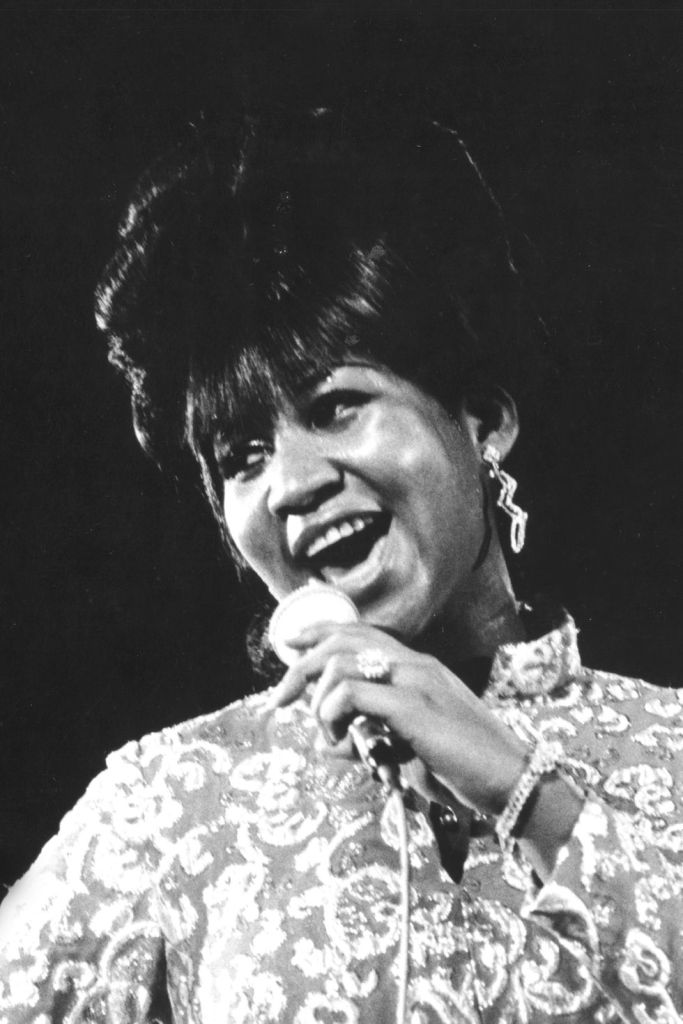
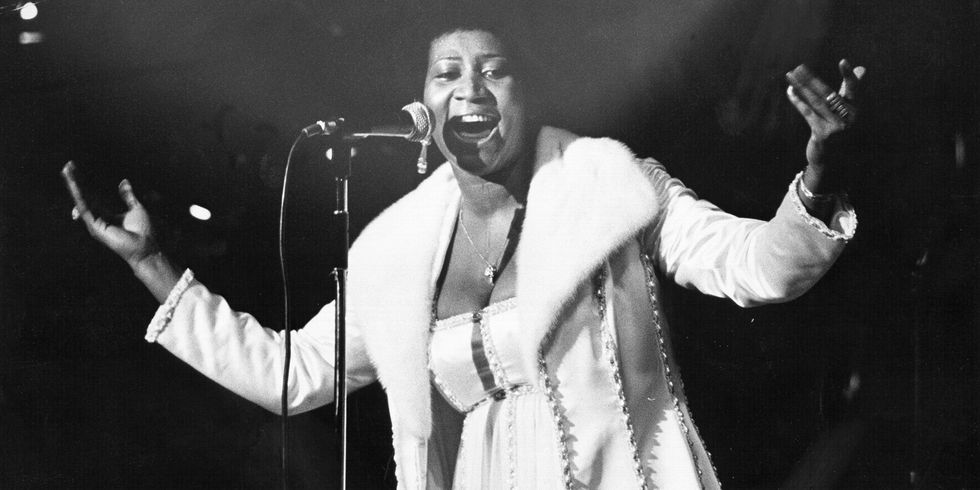
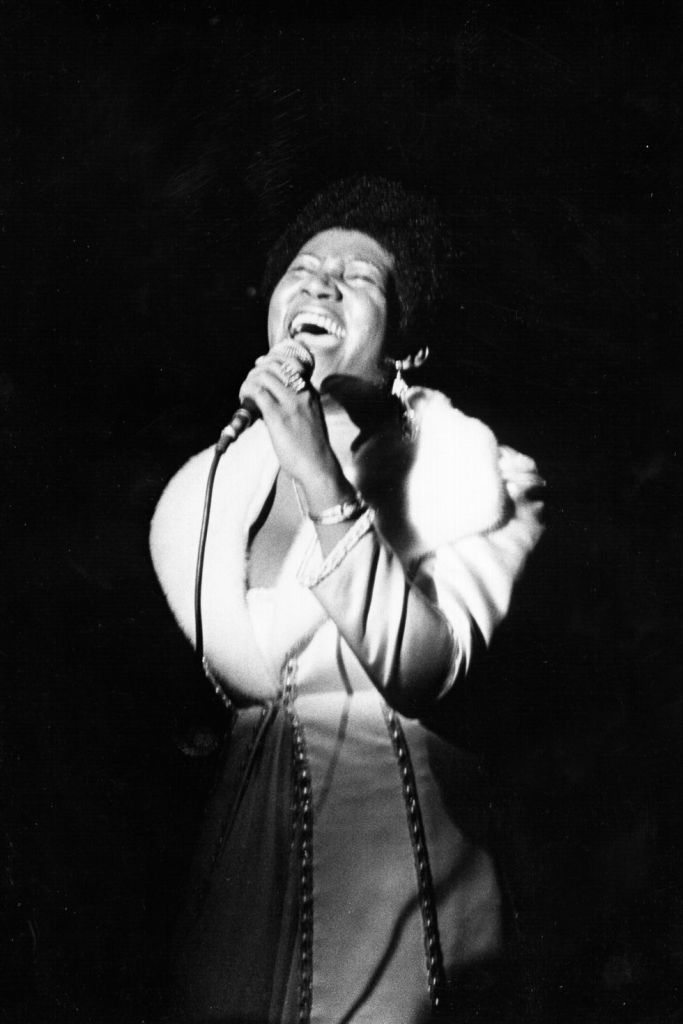
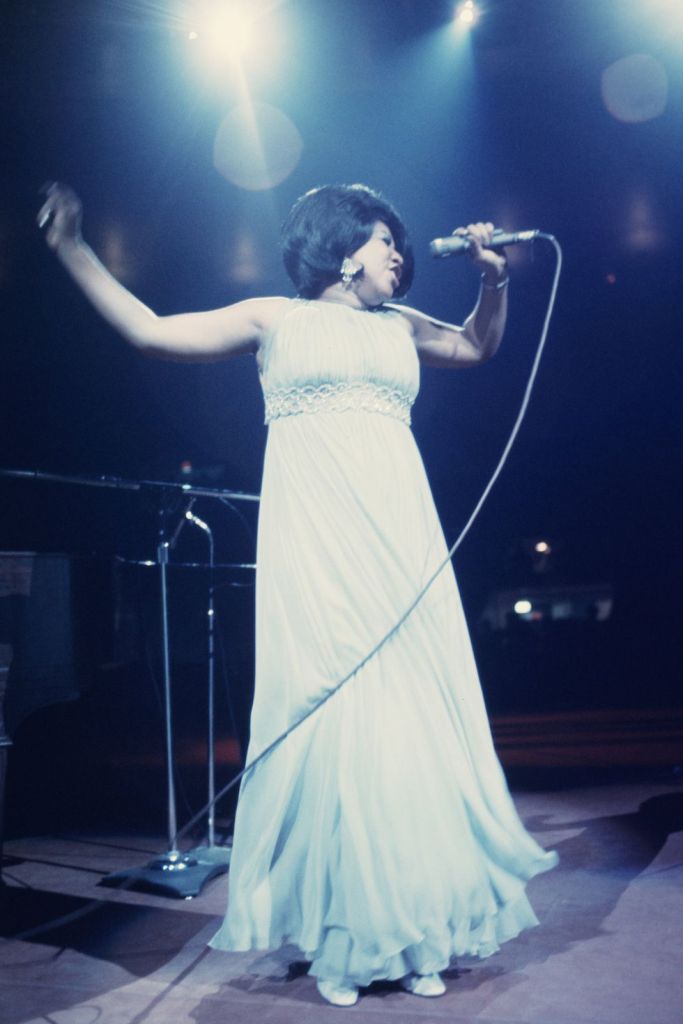
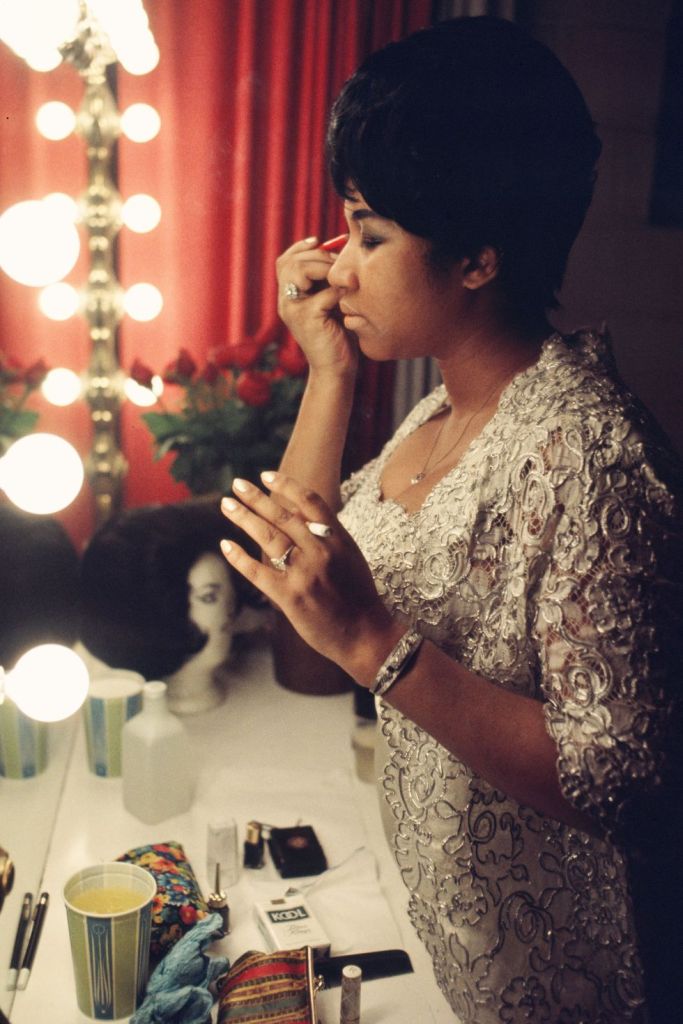
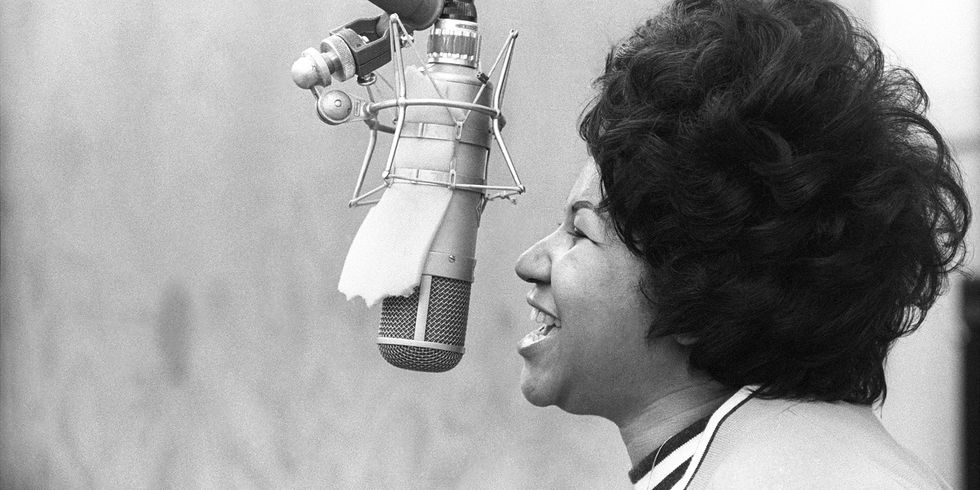
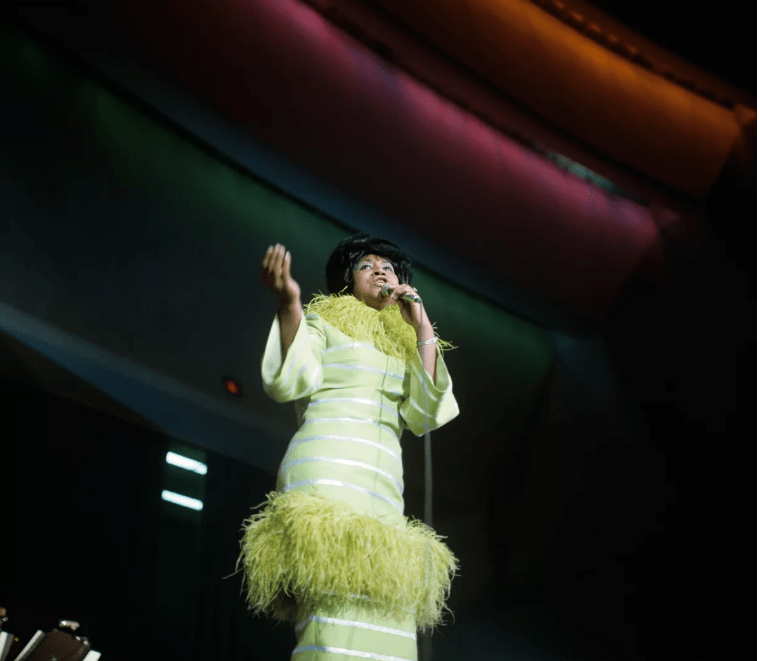
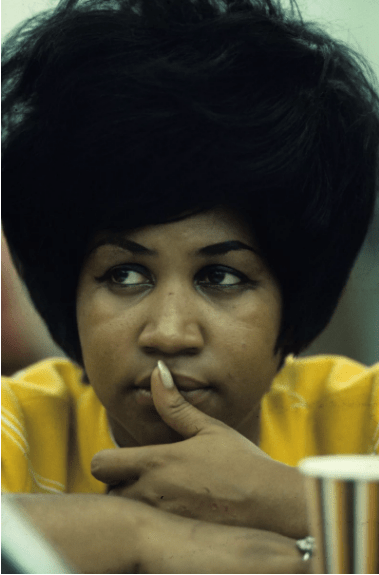
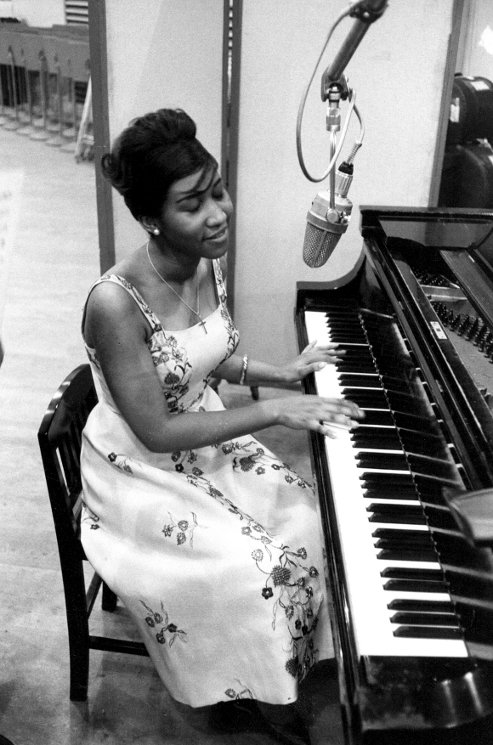
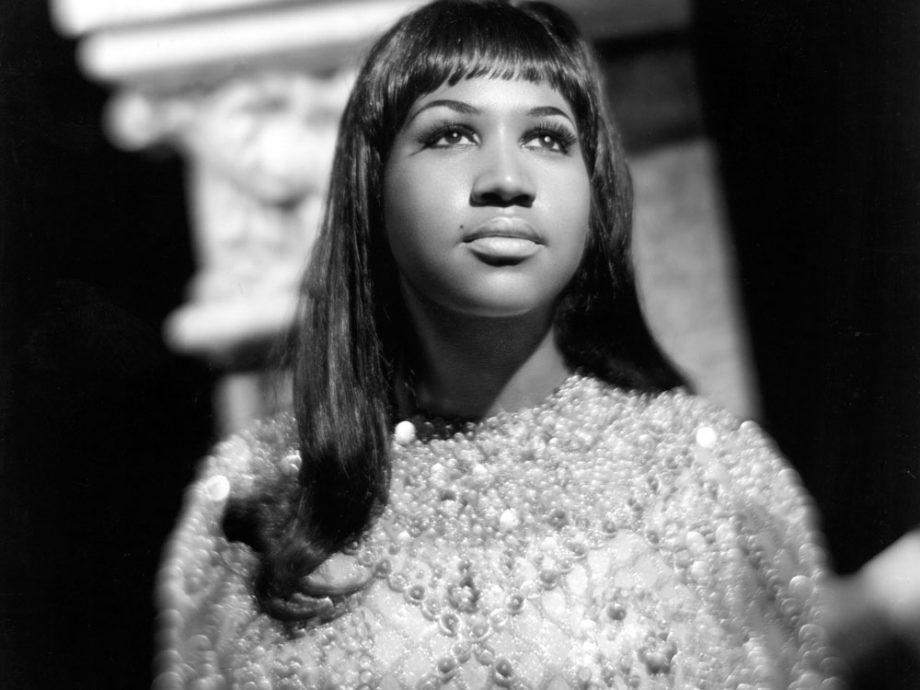
Aretha Louise Franklin (March 25, 1942 – August 16, 2018) was an American singer, songwriter, and pianist. Referred to as the “Queen of Soul”, she has twice been placed 9th in Rolling Stone’s 100 Greatest Artists of All Time. Franklin began her career as a child, singing gospel at New Bethel Baptist Church in Detroit, Michigan, where her father C. L. Franklin was a minister.
At the age of 18, she embarked on a music career as a recording artist for Columbia Records. While her career did not immediately flourish, she found acclaim and commercial success once she signed with Atlantic Records in 1966. Her commercial hits such as “I Never Loved a Man (The Way I Love You)”, “Respect”, “(You Make Me Feel Like) A Natural Woman”, “Chain of Fools”, “Think” and “I Say a Little Prayer” propelled her past her musical peers.
Franklin continued to record acclaimed albums such as I Never Loved a Man the Way I Love You (1967), Lady Soul (1968), Spirit in the Dark (1970), Young, Gifted and Black (1972), Amazing Grace (1972), and Sparkle (1976), before experiencing problems with her record company. She left Atlantic in 1979 and signed with Arista Records. She appeared in the 1980 film The Blues Brothers before releasing the successful albums Jump to It (1982), Who’s Zoomin’ Who? (1985), and Aretha (1986) on the Arista label. In 1998, Franklin returned to the Top 40 with the Lauryn Hill-produced song “A Rose Is Still a Rose”; later, she released an album of the same name, which was certified gold.
Franklin recorded 112 charted singles on Billboard, including 73 Hot 100 entries, 17 top-ten pop singles, 100 R&B entries, and 20 number-one R&B singles. Besides the foregoing, Franklin’s well-known hits also include “Ain’t No Way”, “Call Me”, “Don’t Play That Song (You Lied)”, “Spanish Harlem”, “Rock Steady”, “Day Dreaming”, “Until You Come Back to Me (That’s What I’m Gonna Do)”, “Something He Can Feel”, “Jump to It”, “Freeway of Love”, “Who’s Zoomin’ Who”, and “I Knew You Were Waiting (For Me)” (a duet with George Michael). She won 18 Grammy Awards, including the first eight awards given for Best Female R&B Vocal Performance (1968–1975) and a Grammy Awards Living Legend honor and Lifetime Achievement Award. Franklin is one of the best-selling music artists of all time, having sold more than 75 million records worldwide.
Franklin received numerous honors throughout her career. She was awarded the National Medal of Arts and the Presidential Medal of Freedom. In 1987, she became the first female performer to be inducted into the Rock and Roll Hall of Fame. She also was inducted into the UK Music Hall of Fame in 2005 and into the Gospel Music Hall of Fame in 2012. In 2010, Rolling Stone magazine ranked her number one on its list of the “100 Greatest Singers of All Time” and number nine on its list of “100 Greatest Artists of All Time”. The Pulitzer Prize jury in 2019 awarded Franklin a posthumous special citation “for her indelible contribution to American music and culture for more than five decades”. In 2020, she was inducted into the National Women’s Hall of Fame. (Wikipedia)
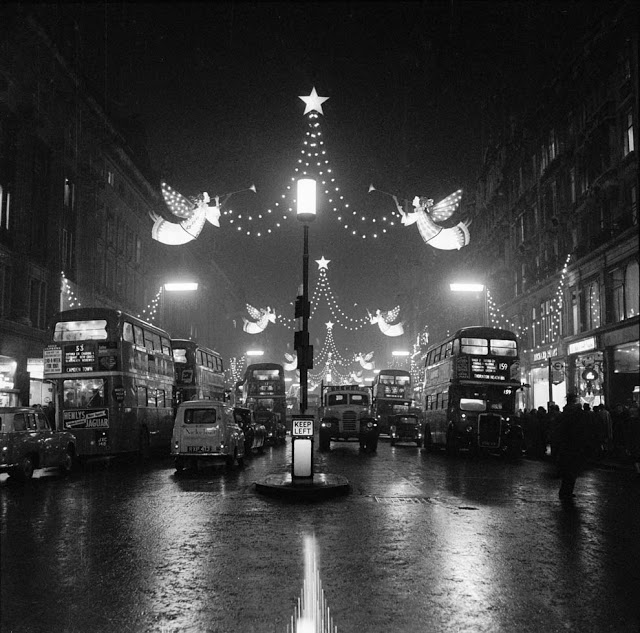
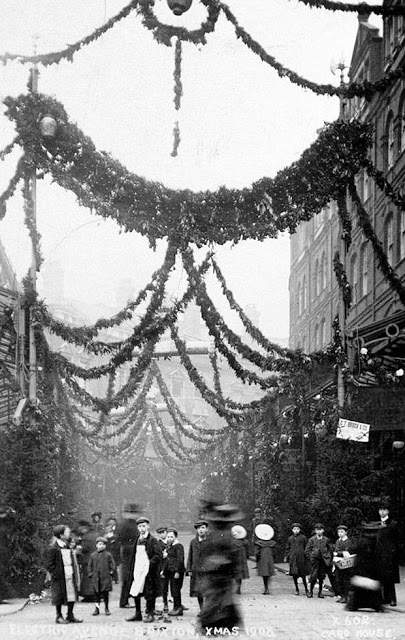
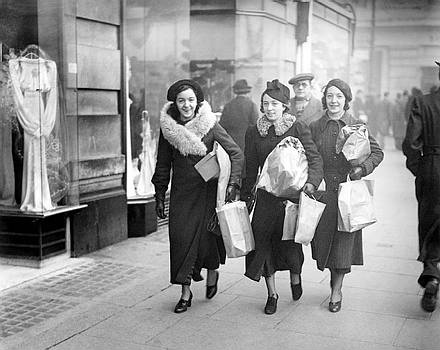
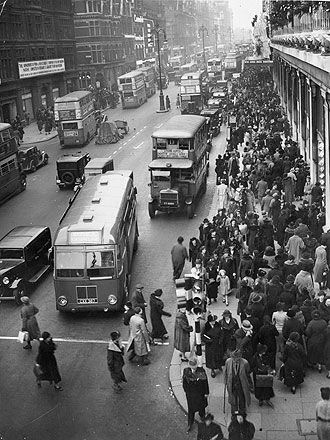
There’s so much tradition to pack into December that it’s no wonder Christmas seems to start before autumn does these days. London has always been crazy for Christmas, though – just check out the gallery below, which shows the city in festive trim from the past.
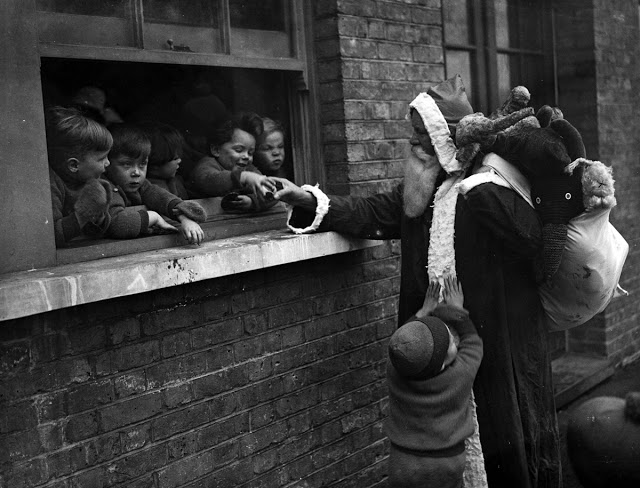
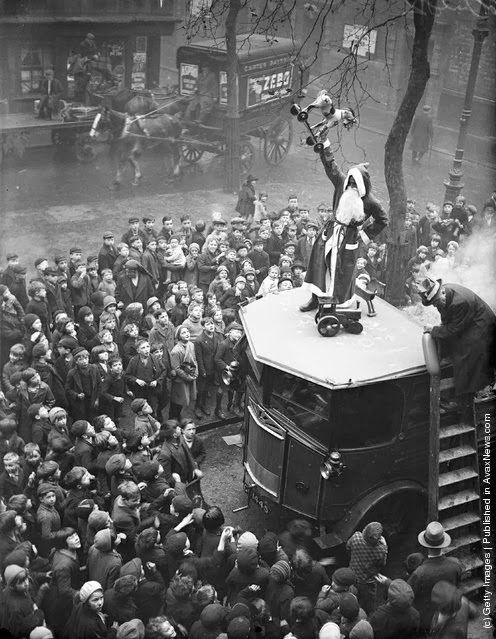
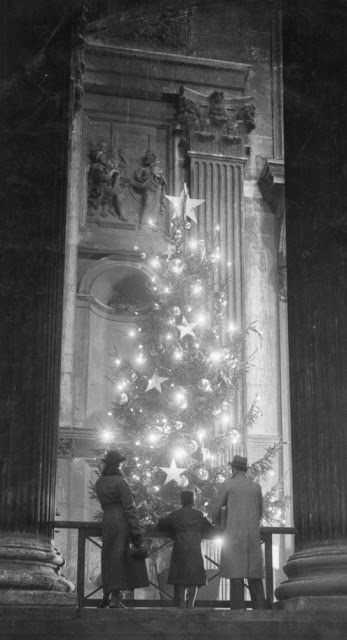
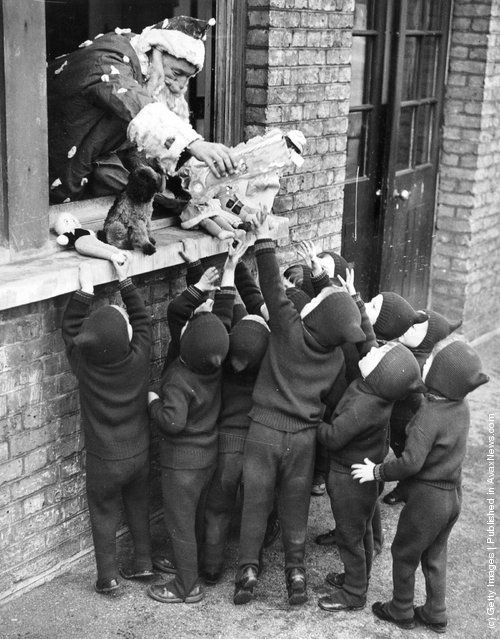
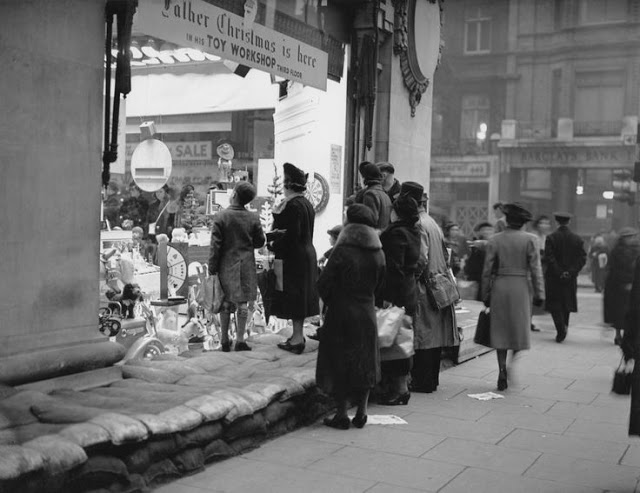
A children’s Christmas party at the Hoxton Mission, London, 18th November 1933A family look at the sparkling lights on the Christmas tree at St. Paul’s Cathedral, London, 16th November 1938Christmas at night on Regent Street, 1960Christmas atmosphere on Electric Avenue, Brixton, London, 1908Christmas decorations on Electric Avenue, Brixton, 1911Christmas lights on Regent Street, 1955Christmas shopping on Oxford Street, London, 1937Christmas trees in Covent Garden Market, 1952Crowds of Christmas shoppers on Oxford Street, London, December 1936Father Christmas delivering presents to the Children’s Aid and Adoption Society at Leytonstone, 20th November 1931Father Christmas hands out presents to children at the Aid And Adoption Society home at Leytonstone, 1938Father Christmas walks on the streets of wartime London, 23rd December 1940Mod Christmas decorations on London’s Carnaby Street, 1967Sandbags are placed outside the shop window at Selfridges to protect it during the first Christmas of World War II, 1939Santa Claus drives a motorcycle past a bus through Oxford Street, London using the sidecar to hold his toys, 1949Taking the Christmas tree home, Chelsea, London, 1915The Regent Street Christmas lights on evening, London, 1960