











Bringing You the Wonder of Yesterday – Today

Read more of this content when you subscribe today.

Become a paid subscriber to get access to the rest of this post and other exclusive content.

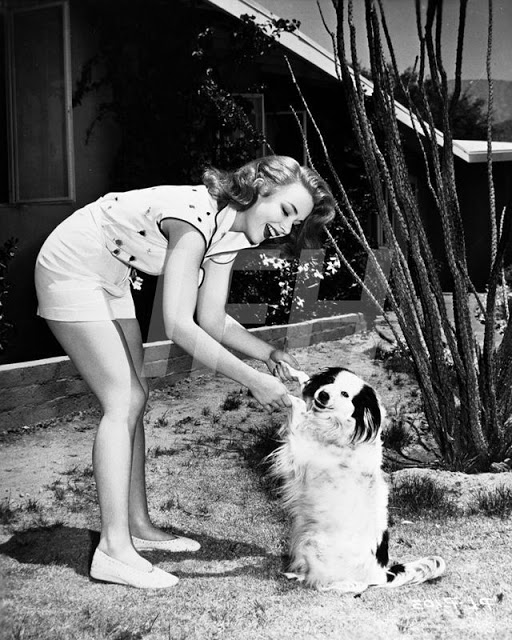
Anne Francis (September 16, 1930 – January 2, 2011) got into show business quite early in life. She was born Ann Marvak on September 16, 1930 in Ossining, New York, the only child of Phillip Marvak, a businessman/salesman, and the former Edith Francis. A natural little beauty, she became a John Robert Powers model at age 6(!) and swiftly moved into radio soap work and television in New York. By age 11, she was making her stage debut on Broadway playing the child version of Gertrude Lawrence in the star’s 1941 hit vehicle “Lady in the Dark”. During this productive time, she attended New York’s Professional Children’s School.
Read more of this content when you subscribe today.
Metro-Goldwyn-Mayer put the lovely, blue-eyed, wavy-blonde hopeful under contract during the post-war World War II years. While Anne appeared in a couple of obscure bobbysoxer bits, nothing much came of it. Frustrated at the standard cheesecake treatment she was receiving in Hollywood, the serious-minded actress trekked back to New York where she appeared to good notice on television’s “Golden Age” drama and found some summer stock work on the sly (“My Sister Eileen”).
Discovered and signed by 20th Century-Fox’s Darryl F. Zanuck after playing a seductive, child-bearing juvenile delinquent in the low budget film So Young So Bad (1950), Anne soon starred in a number of promising ingénue roles, including Elopement (1951), Lydia Bailey (1952) and Dreamboat (1952) but she still could not seem to rise above the starlet typecast.
At MGM, she found promising leading lady work in a few noteworthy 1950s classics: Bad Day at Black Rock (1955); Blackboard Jungle (1955); and the science fiction cult classic Forbidden Planet (1956). While co-starring with Hollywood’s hunkiest best, including Paul Newman, Dale Robertson, Glenn Ford and Cornel Wilde, her roles still emphasized more her glam appeal than her acting capabilities.
In the 1960s, Anne began refocusing strongly on the smaller screen, finding a comfortable niche on television series. She found a most appreciative audience in two classic The Twilight Zone (1959) episodes and then as a self-sufficient, Emma Peel-like detective in Aaron Spelling’s short-lived cult series Honey West (1965), where she combined glamour and a sexy veneer with judo throws, karate chops and trendy fashions. The role earned her a Golden Globe Award and Emmy Award nomination.
Francis was well known for striking physical assets – long and shapely legs, flowing blonde hair, mesmerizing blue eyes and a trademark mole just to the right of her lower lip. The beauty mark was even written into the script of one of her films. In 2005, TV Guide ranked Francis at No. 18 on its “50 Sexiest Stars of All Time” list.
Yet there was far more to the preternaturally poised, immensely talented Francis than mere looks. “Her beauty cloaked her brains without obscuring them,” Time magazine eulogized in 2011 shortly after her death. “In one sense, she was a blend of Hollywood’s two most popular female types in the ’50s: the bombshell blonds (Marilyn) Monroe and (Jayne) Mansfield — an adolescent’s notion of squeaky-voiced sexuality — and smart, slim vixens like Audrey Hepburn and Grace Kelly.”
Here we collected some of beautiful vintage photos of American actress Anne Francis during the 1950s.
Become a paid subscriber to get access to the rest of this post and other exclusive content.
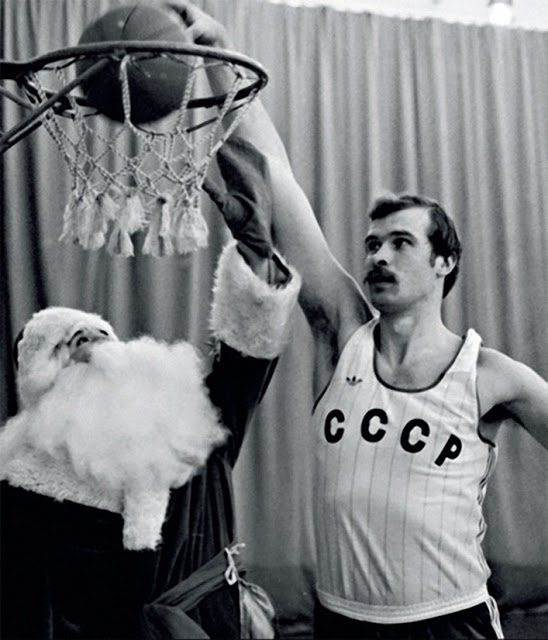
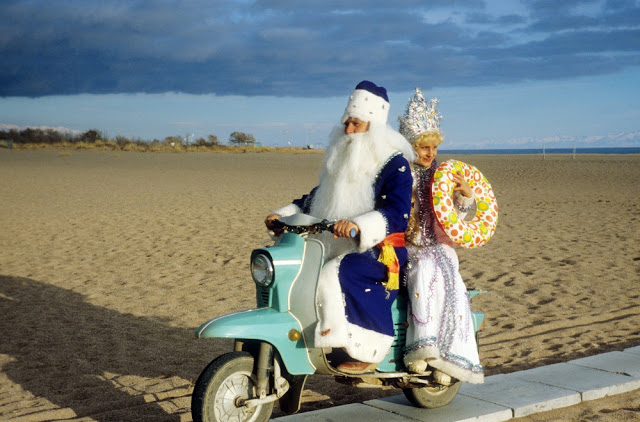
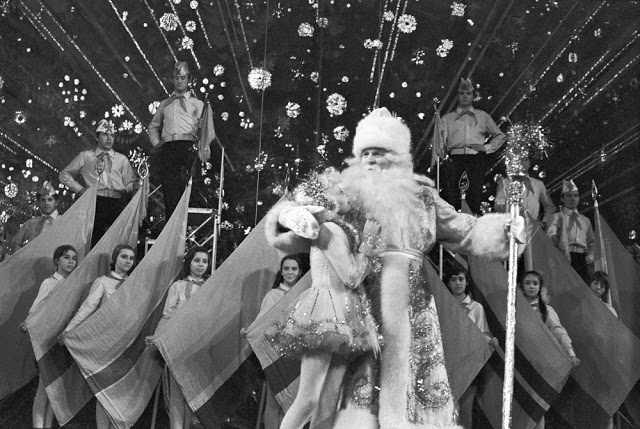
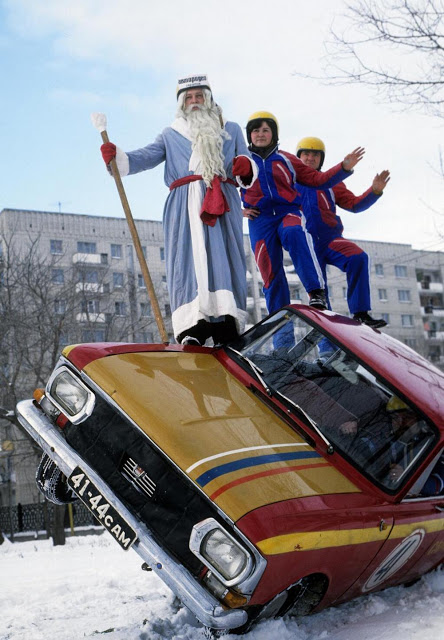
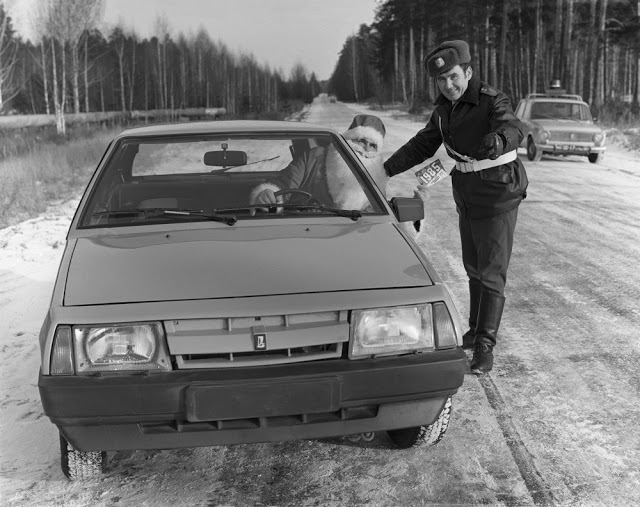
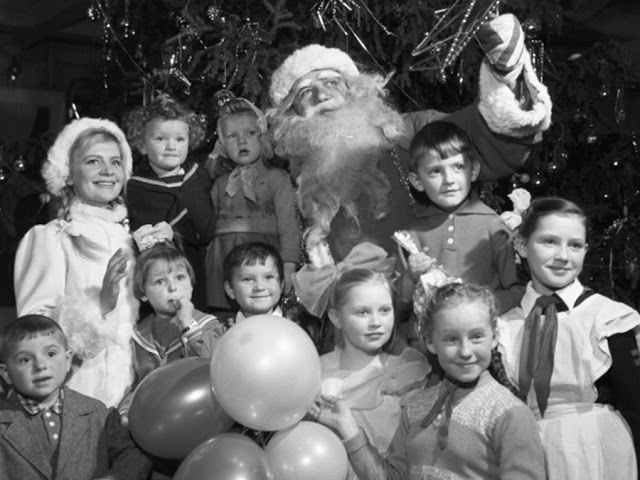
Ded Moroz is a Slavic fictional character similar to that of Father Christmas. The literal translation is “Old Man Frost”, often translated as “Grandfather Frost”. Ded Moroz brings presents to children and often delivers them in person on New Year’s Eve.
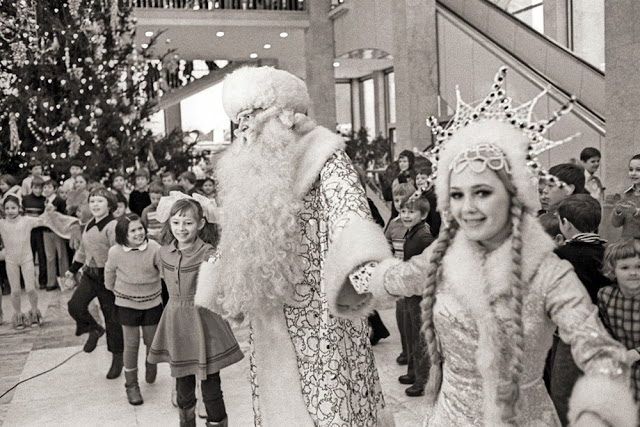
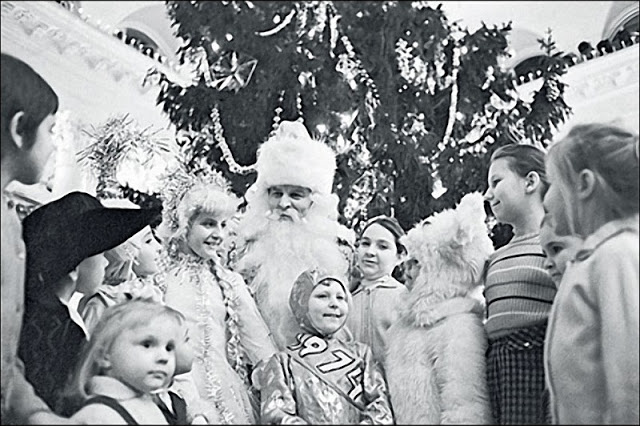
Ded Moroz is accompanied by Snegurochka, his granddaughter and helper, who wears long silver-blue robes and a furry cap or a snowflake-like crown. She is a unique attribute of Ded Moroz, since similar characters in other cultures don’t have a female companion.
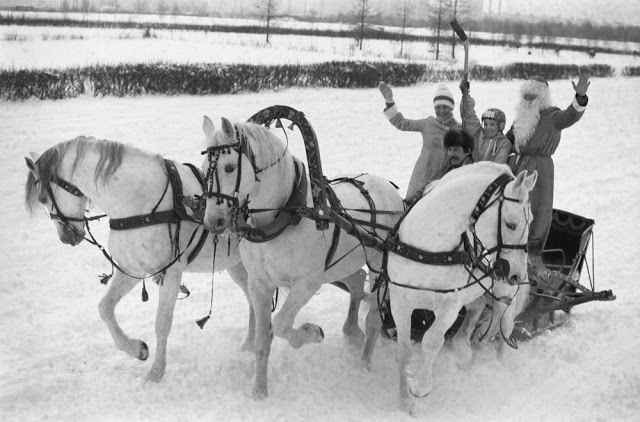
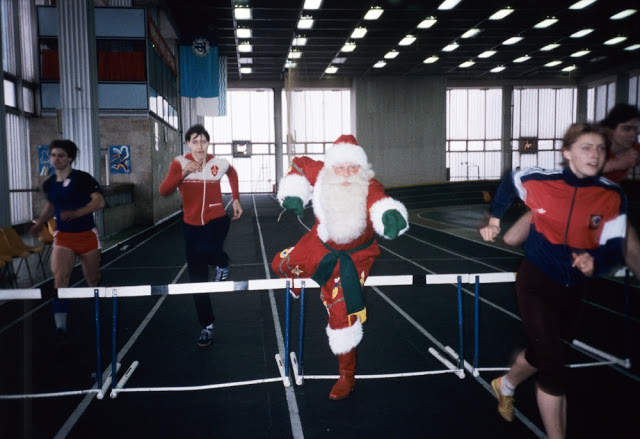
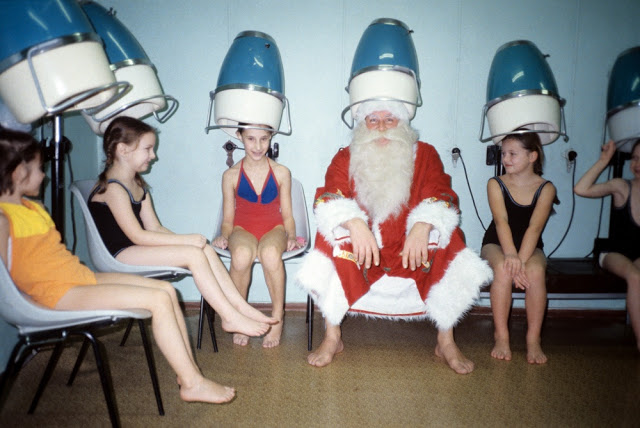
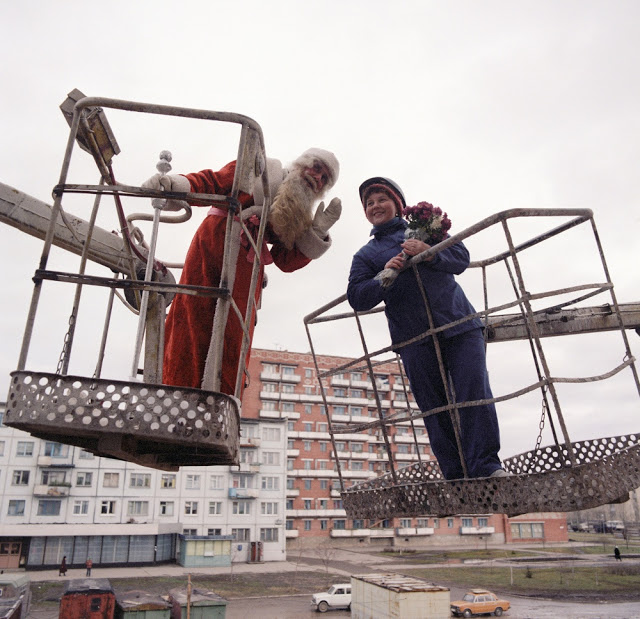
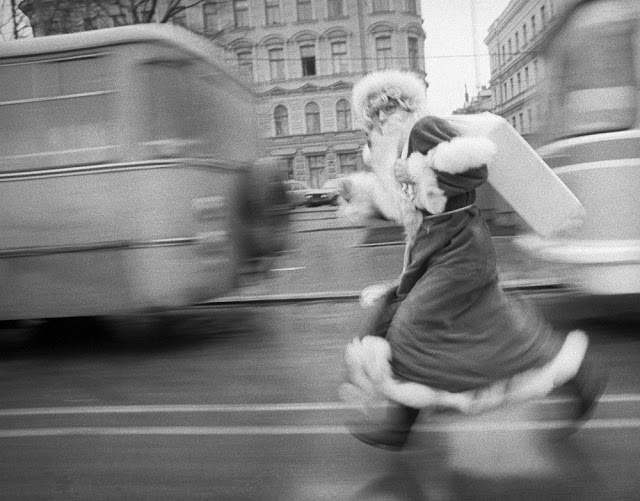
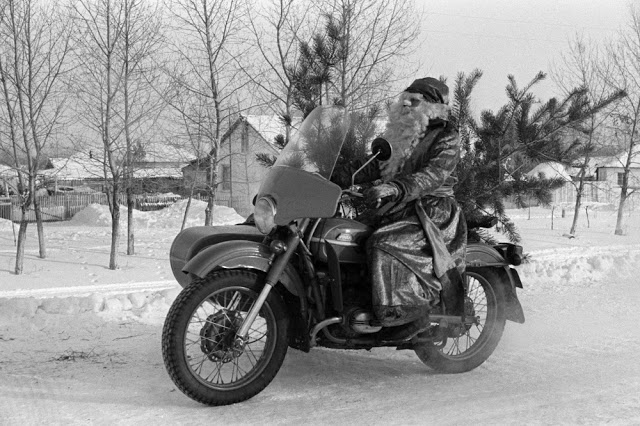
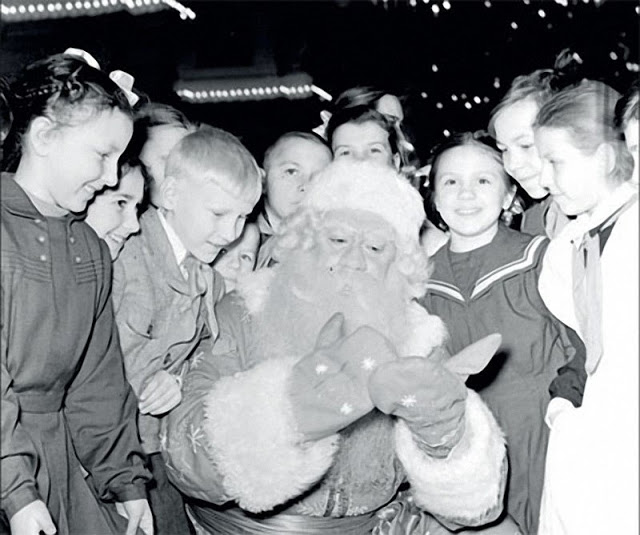
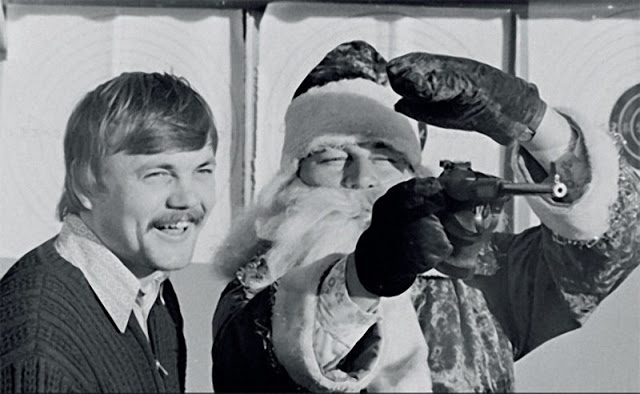
Ded Moroz wears a heel-length fur coat, a semi-round fur hat, and valenki on his feet. He has a long white beard. He walks with a long magic staff and sometimes rides a troika. Here, below is a collection of 23 funny pictures of Soviet Santa Clauses from the 1980s.















































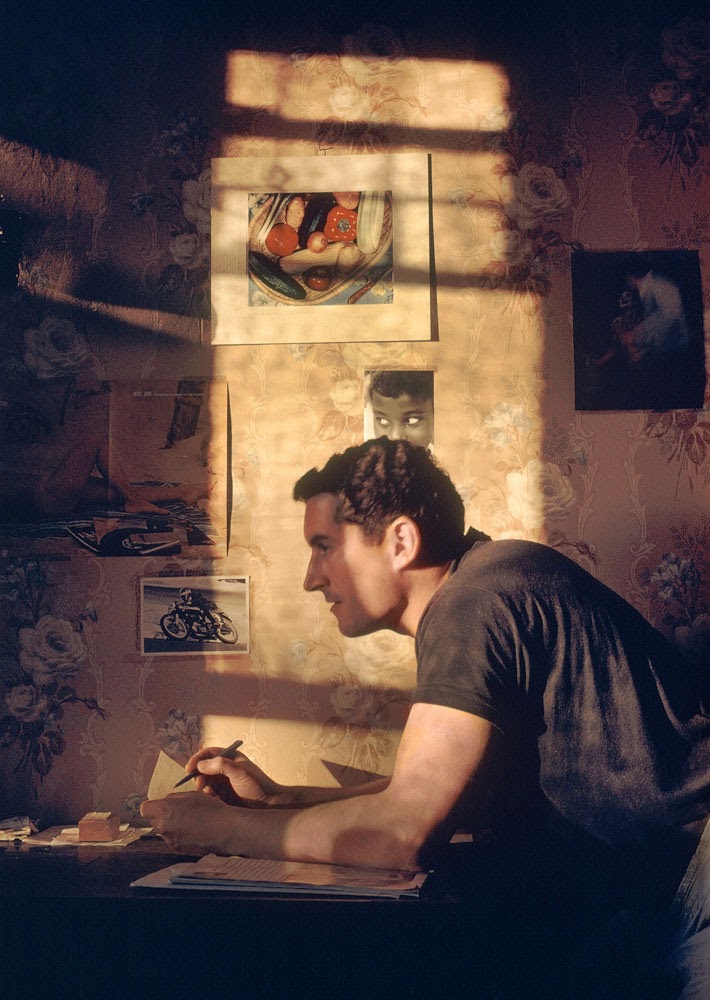
Fred Herzog was born in Germany in 1930. Immigrating to Canada in 1952, he took odd jobs wherever he could find them. He rented a place at a rooming house, which is where he met Ferro Shelley Marincowitz, a South African who also happened to be a medical photographer. Herzog had an interest in photography; his camera was one of the few items he brought with him from Germany. Marincowitz encouraged that interest and soon they found a basement suite where they built a darkroom for both of them to share.
Over the next several years, Herzog read about technique, studied other photographers, and spent every spare moment shooting. His friendship with Marincowitz eventually led to getting a job as a medical photographer himself, first at St. Paul’s Hospital, and four years later at the University of British Columbia. Herzog was obsessed with the energy of the city. He was drawn to the neon signs, the colorful cars, the food markets, and billboards. He wanted to capture life as it was, to document the “American dream”. He wasn’t interested in commenting on social policy or expressing an opinion one way or another, just showing reality. This was one of the reasons he used color film. It was the way he saw the city and the way he wanted others to see it.
Herzog has spent decades with his camera in his hand, walking not only the streets of Vancouver, but also San Francisco, Montreal, Seattle, and other major cities. It has only been in the last several years, however, that his work has been recognized by galleries and art critics around the world.


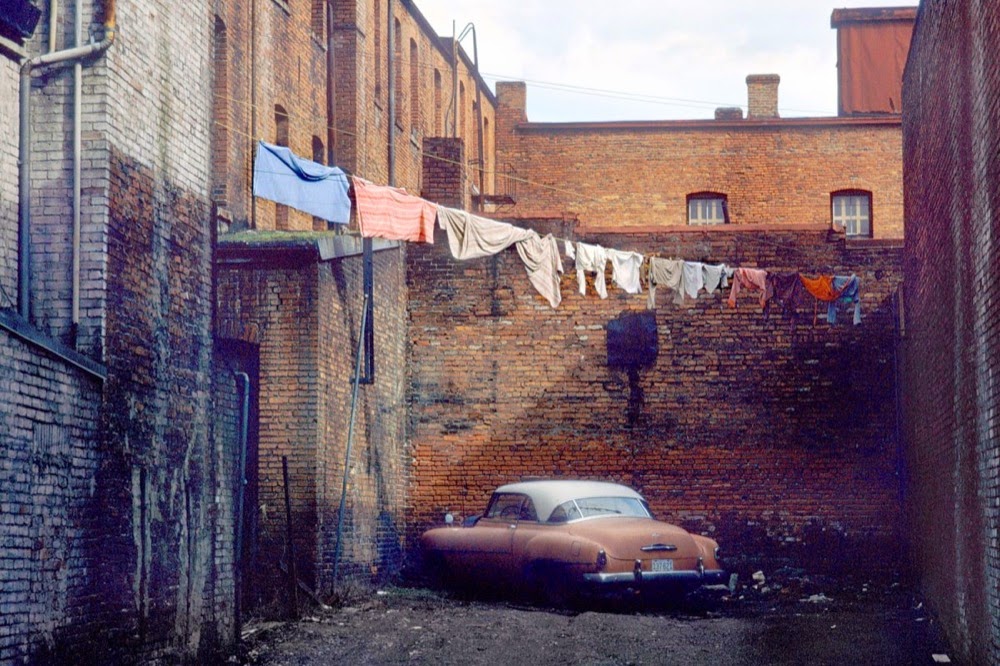
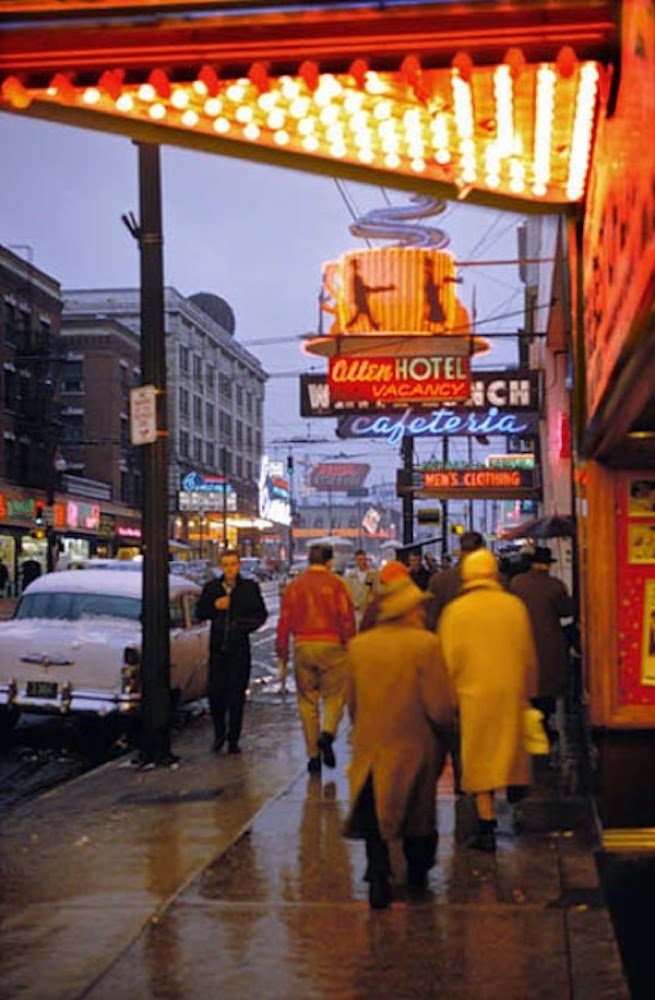

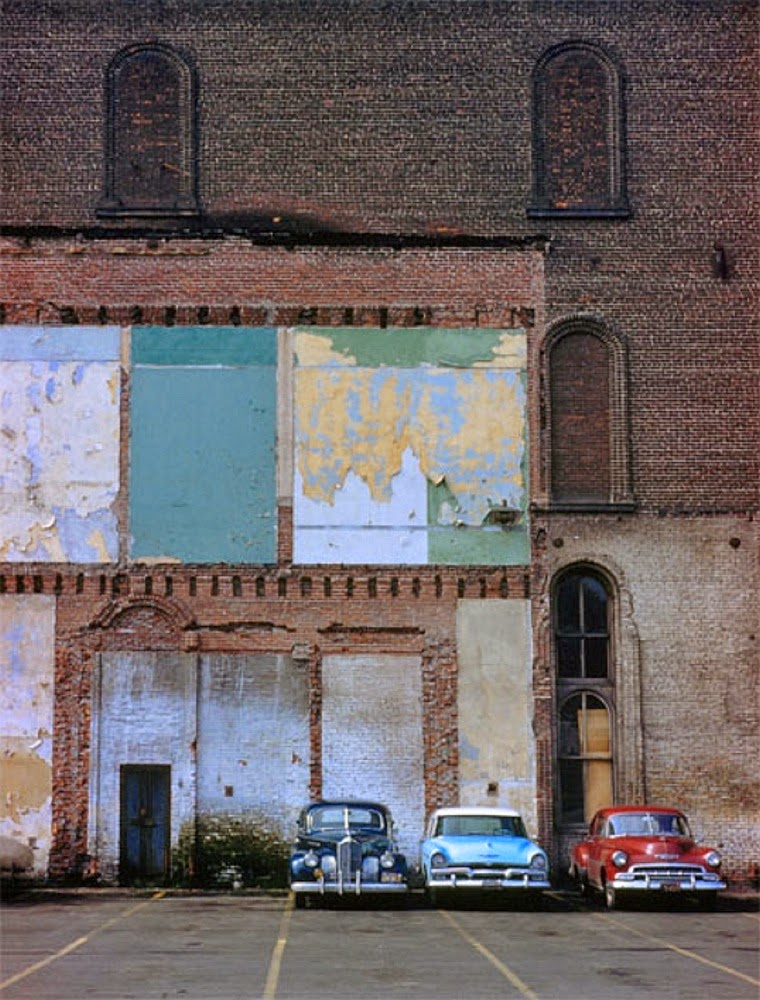
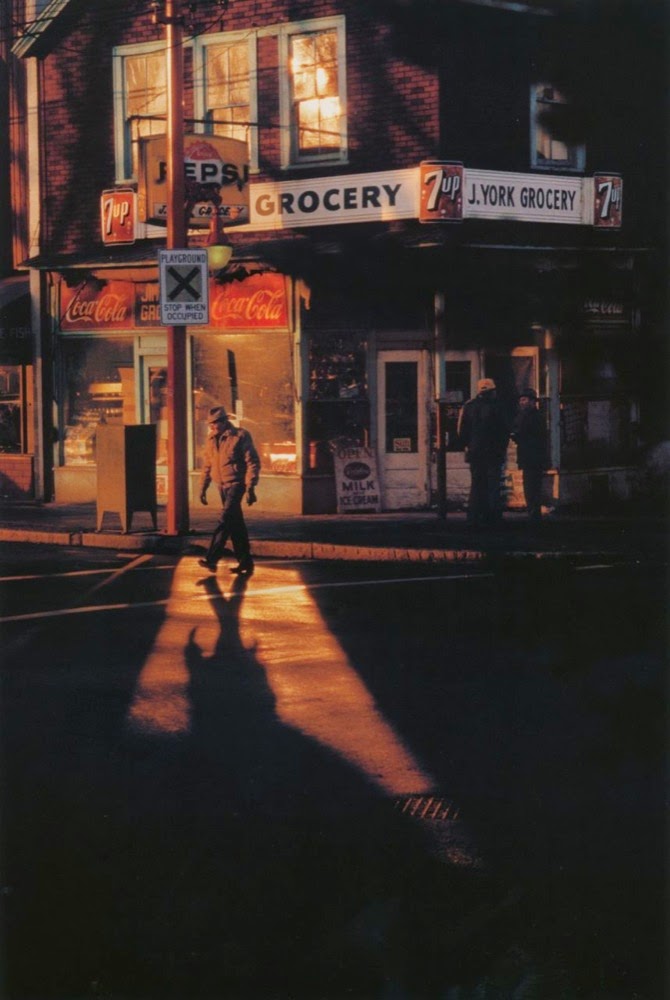

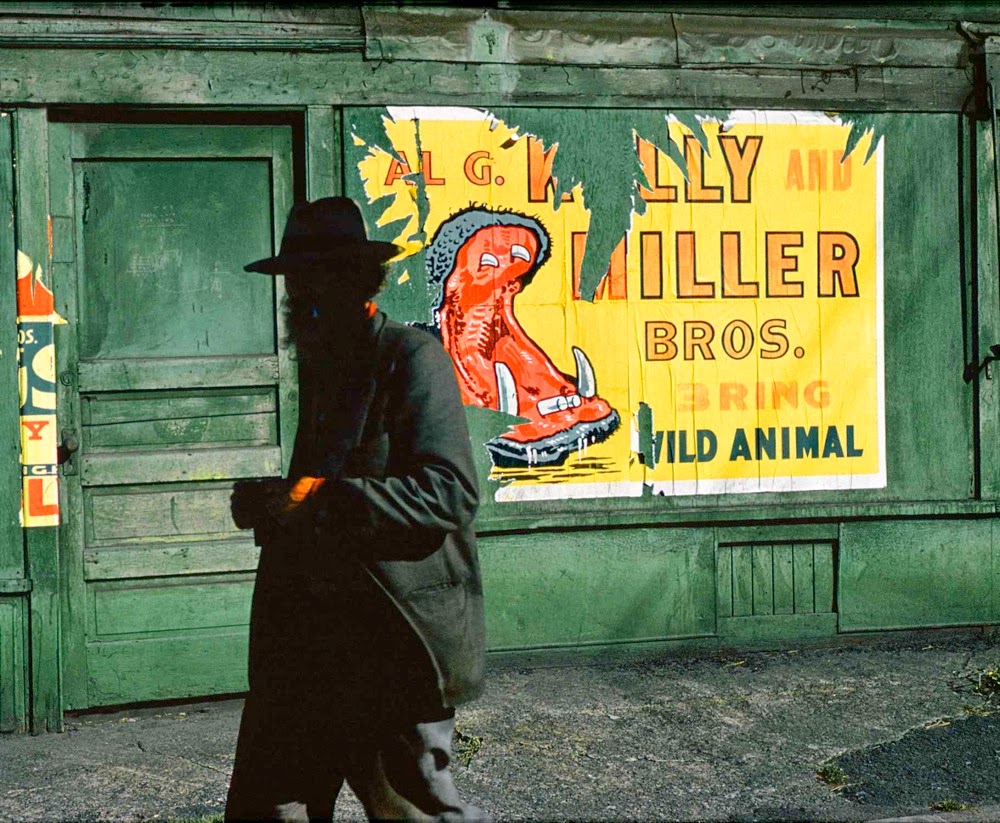
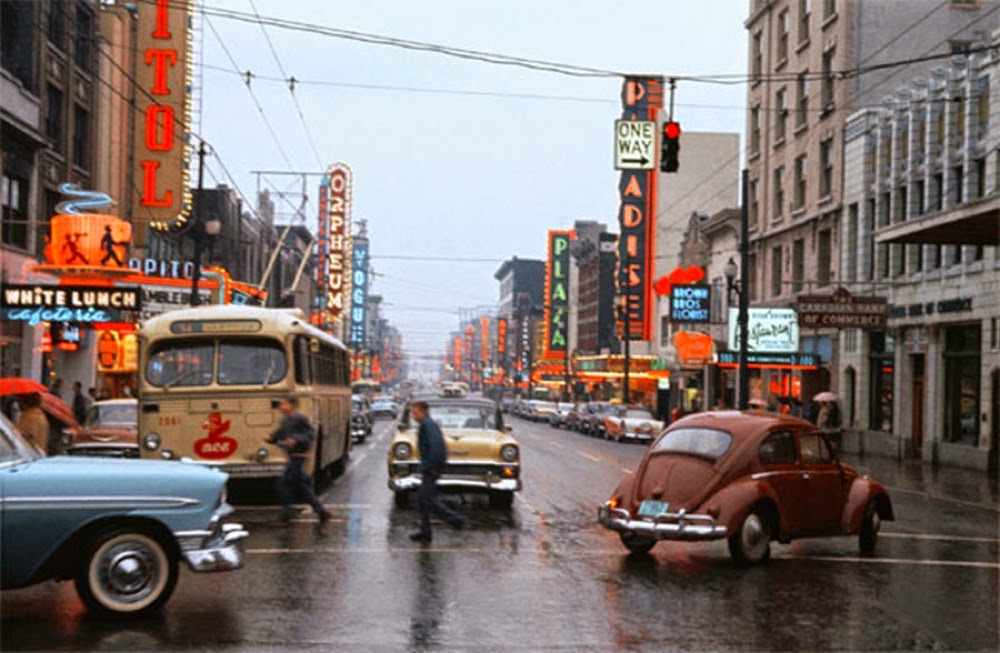
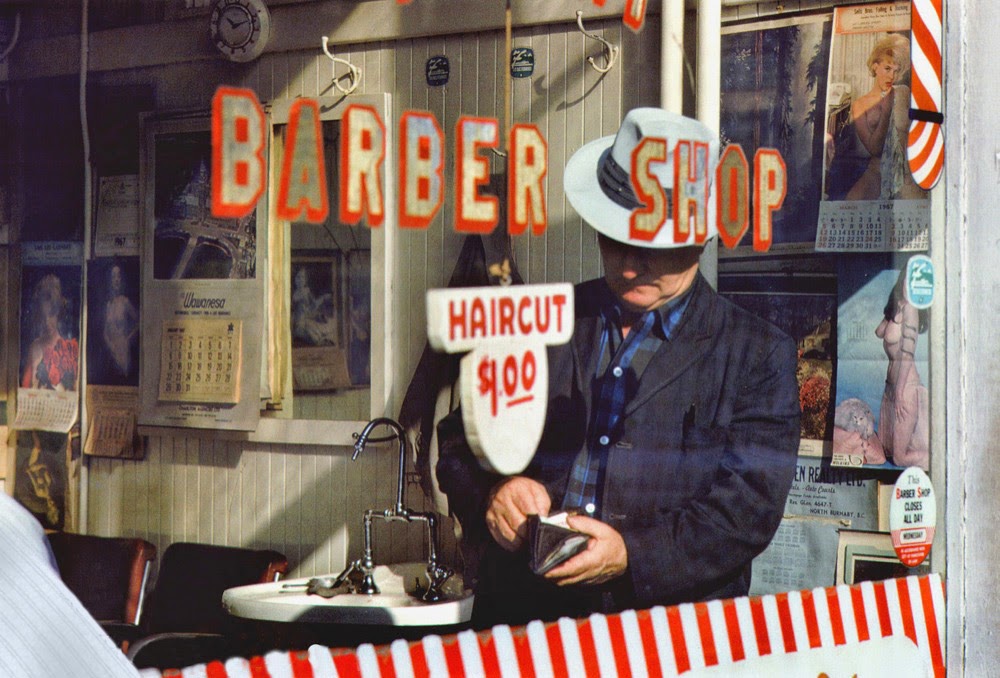

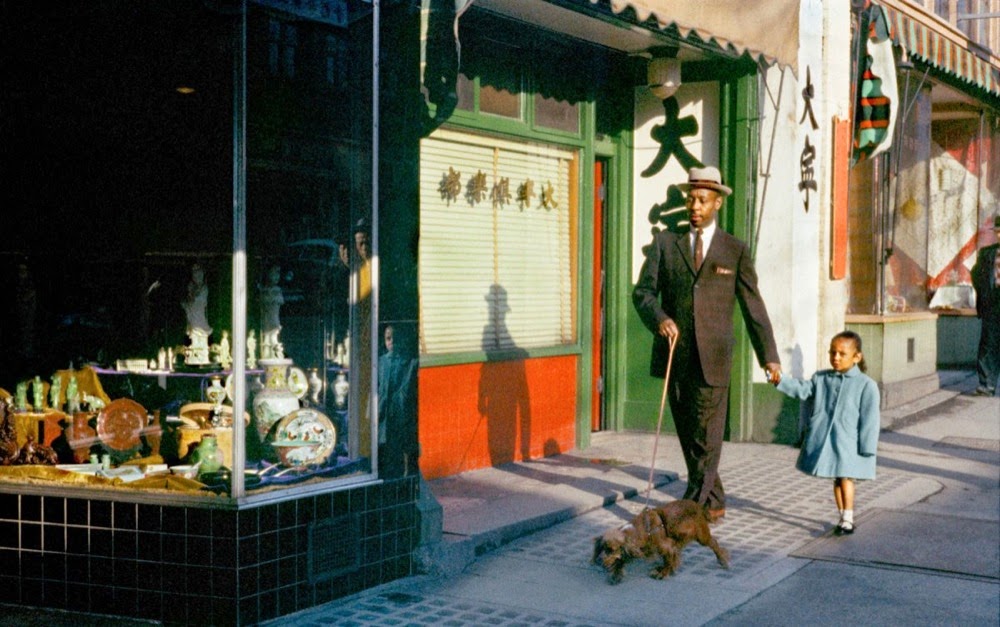
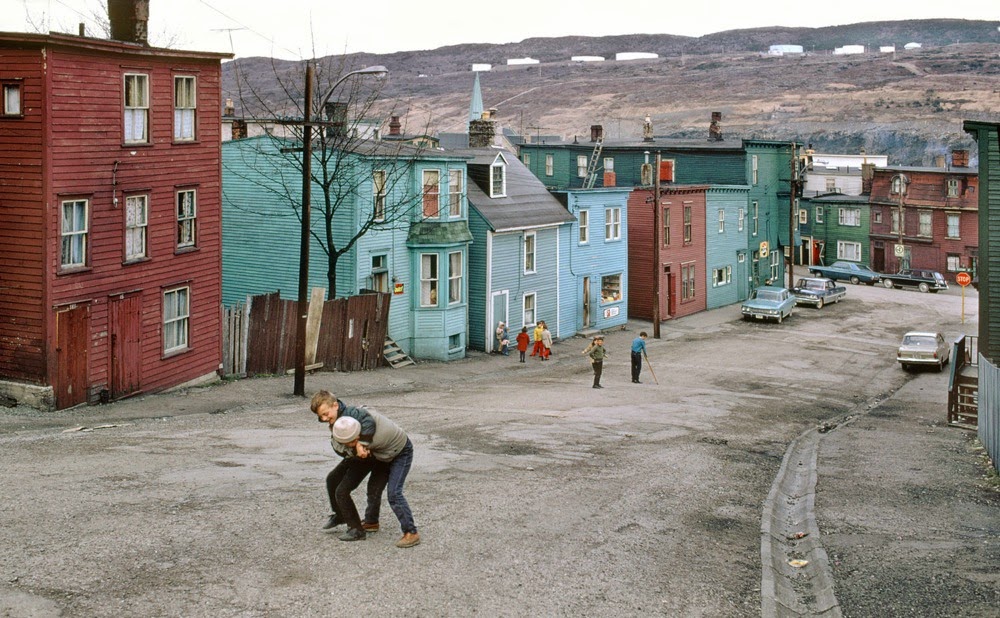
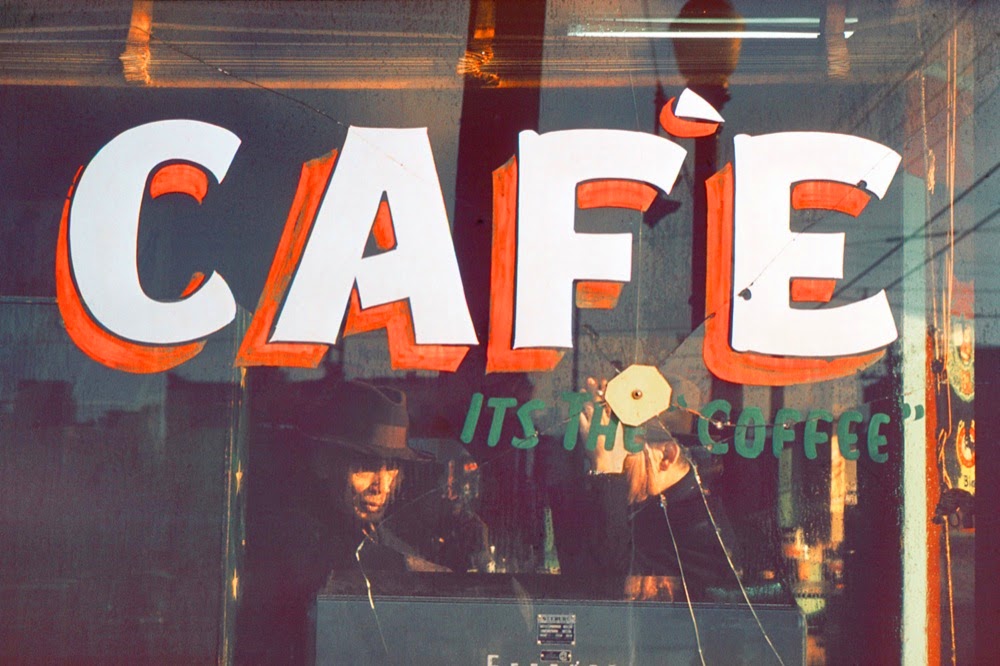
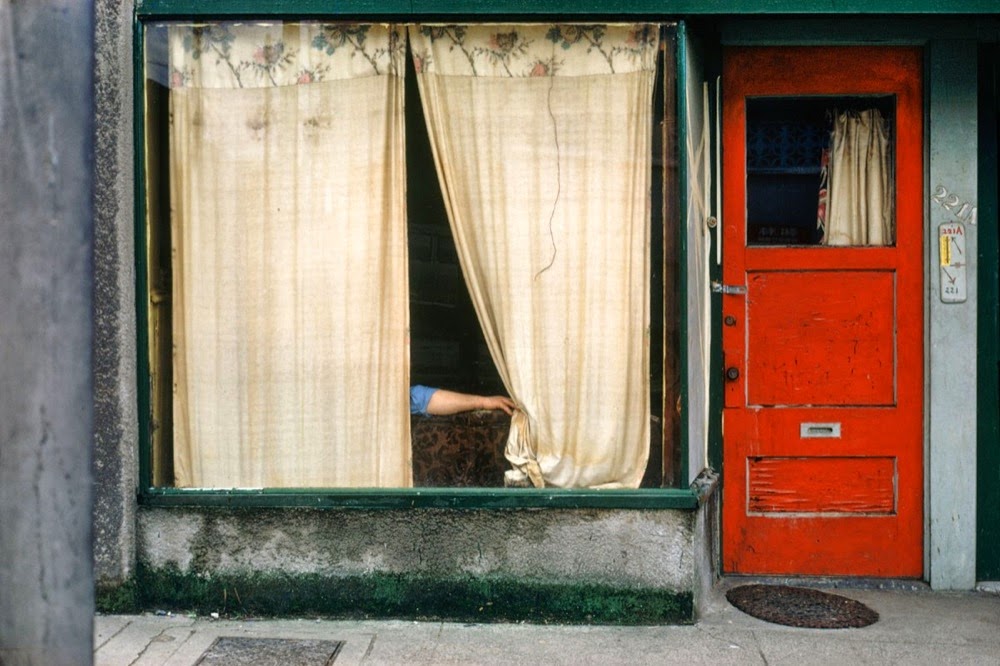
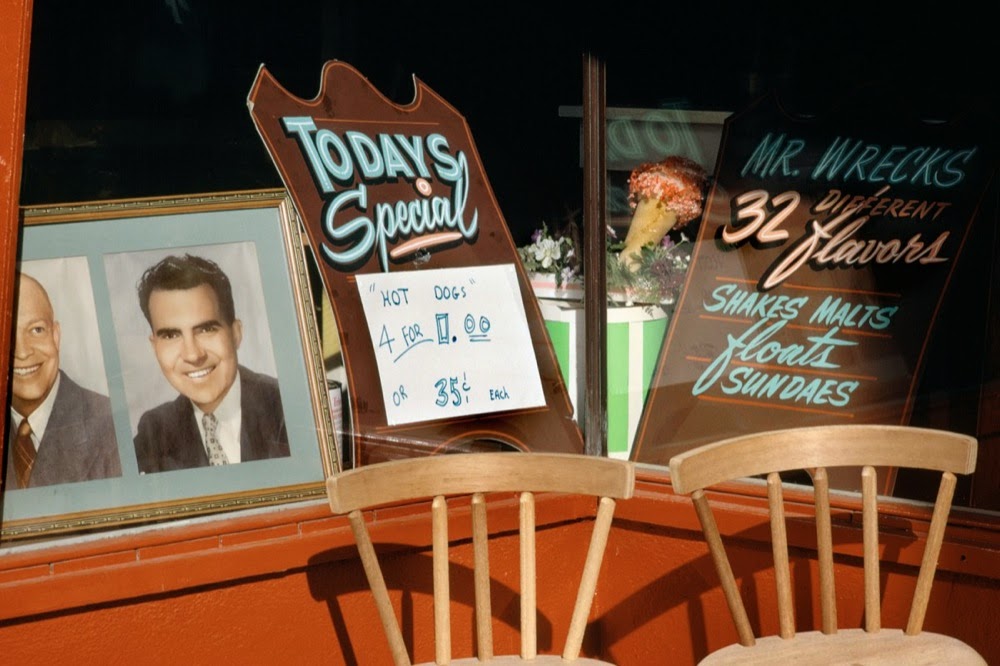
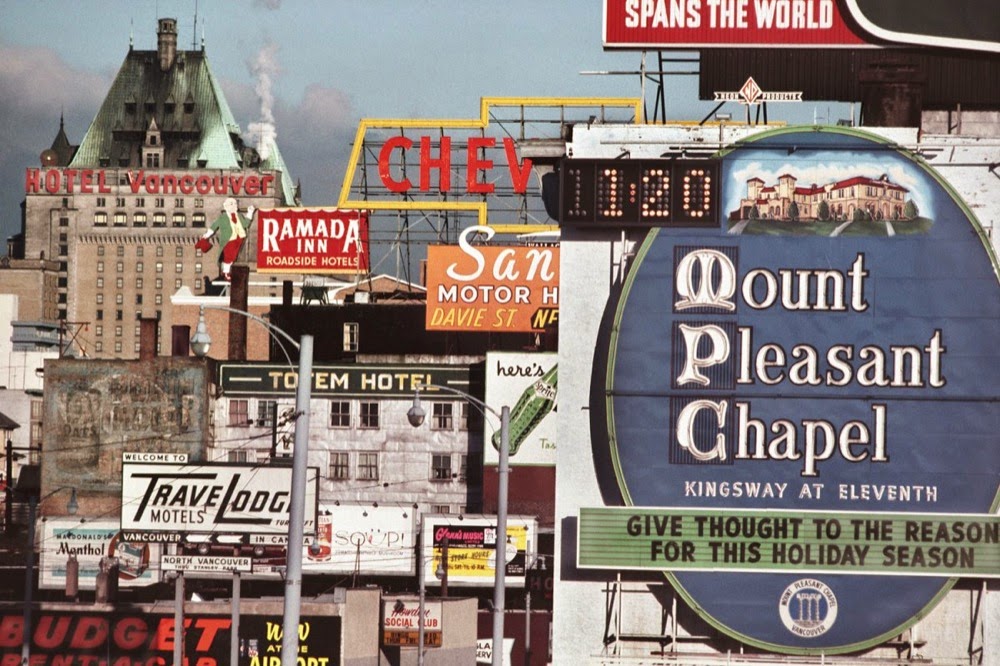
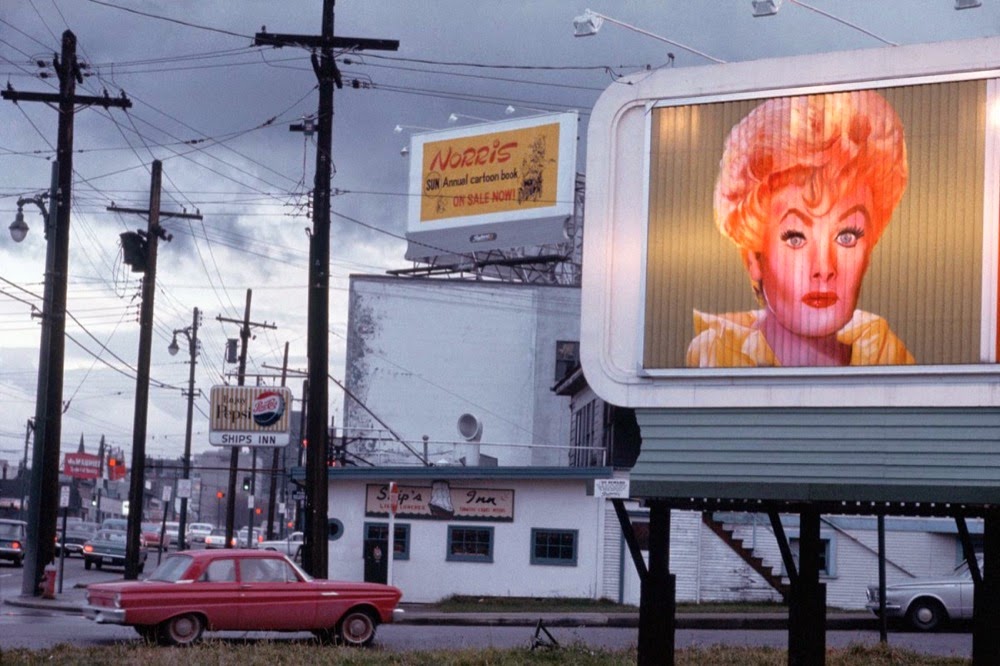

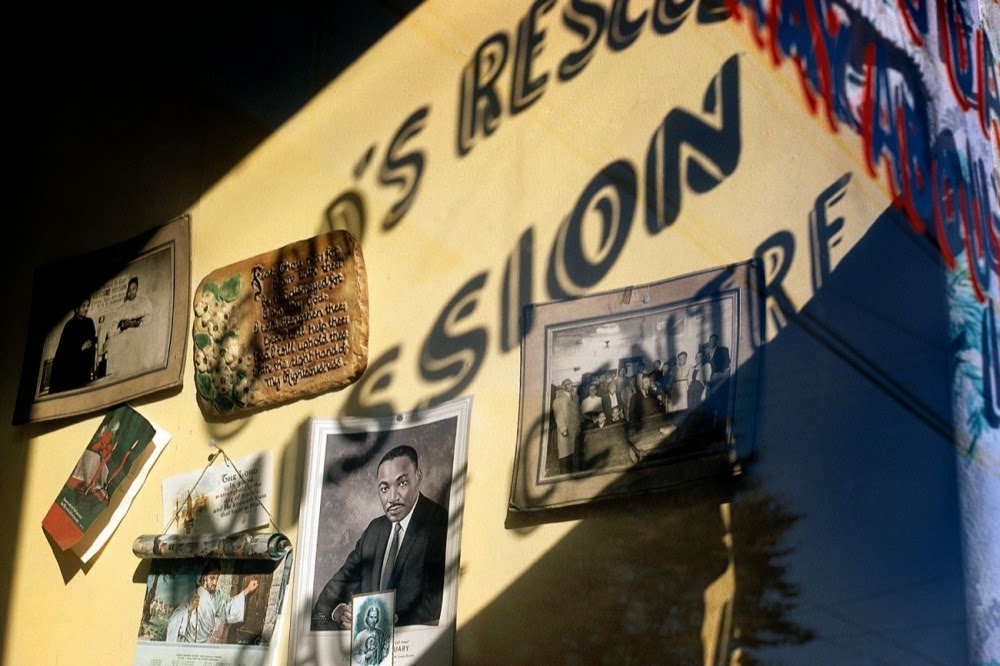
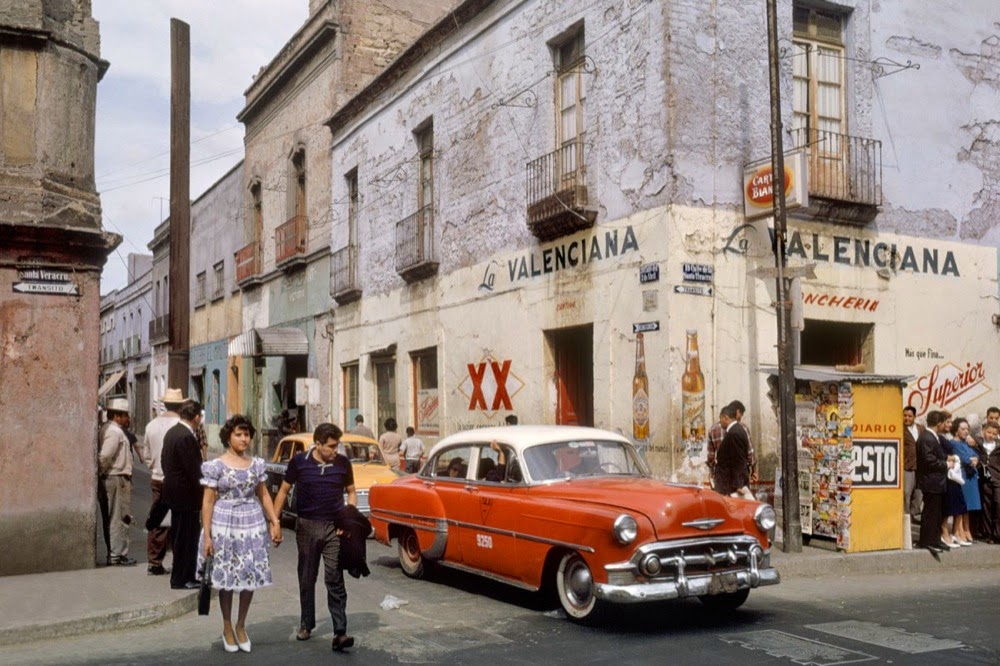
Photos by Fred Herzog
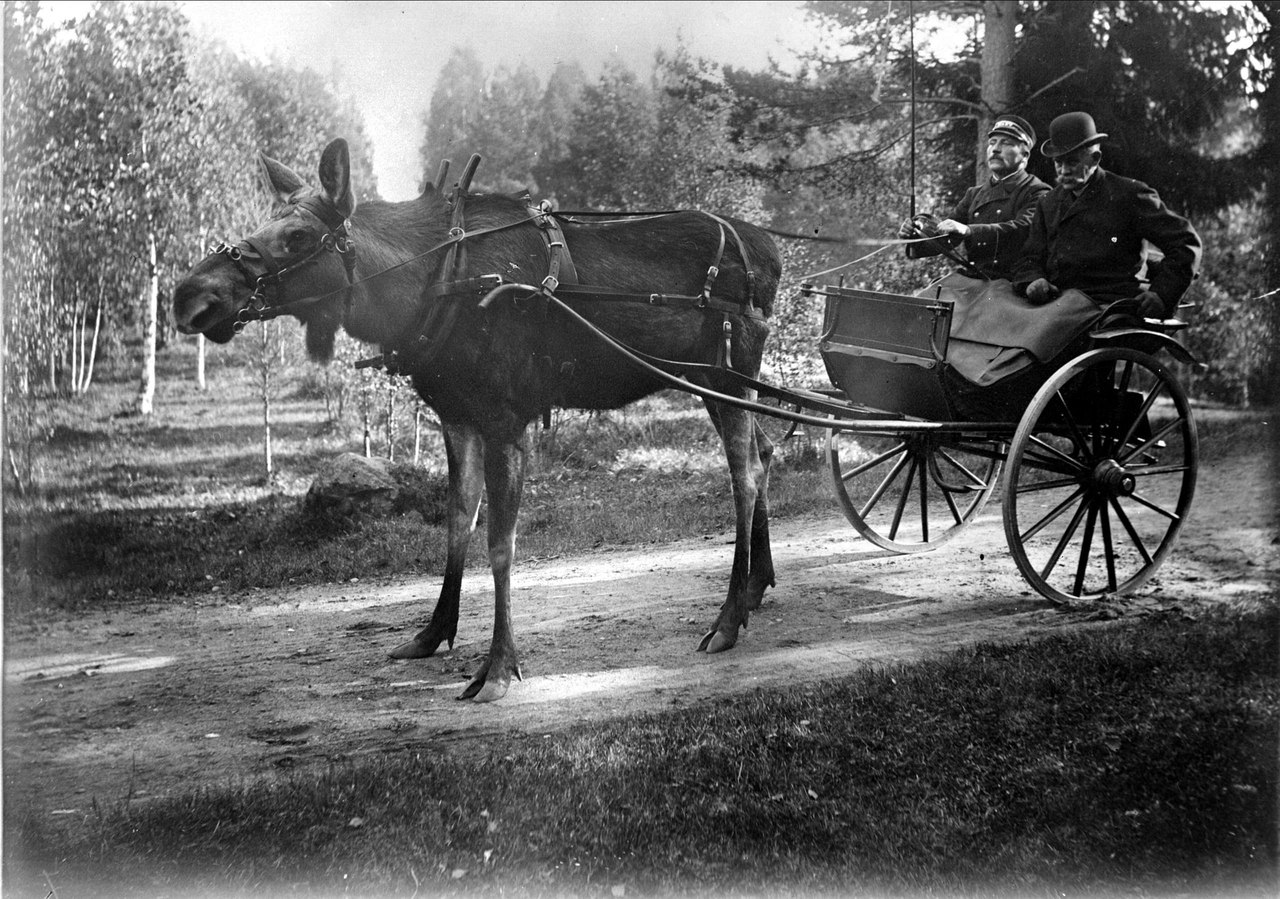
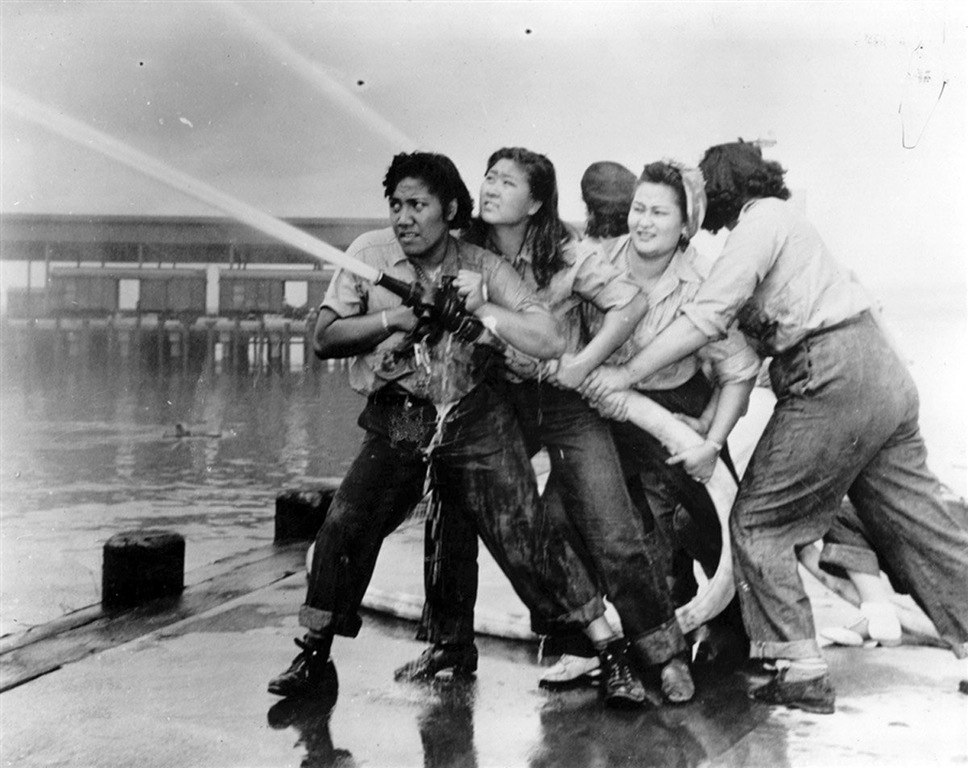
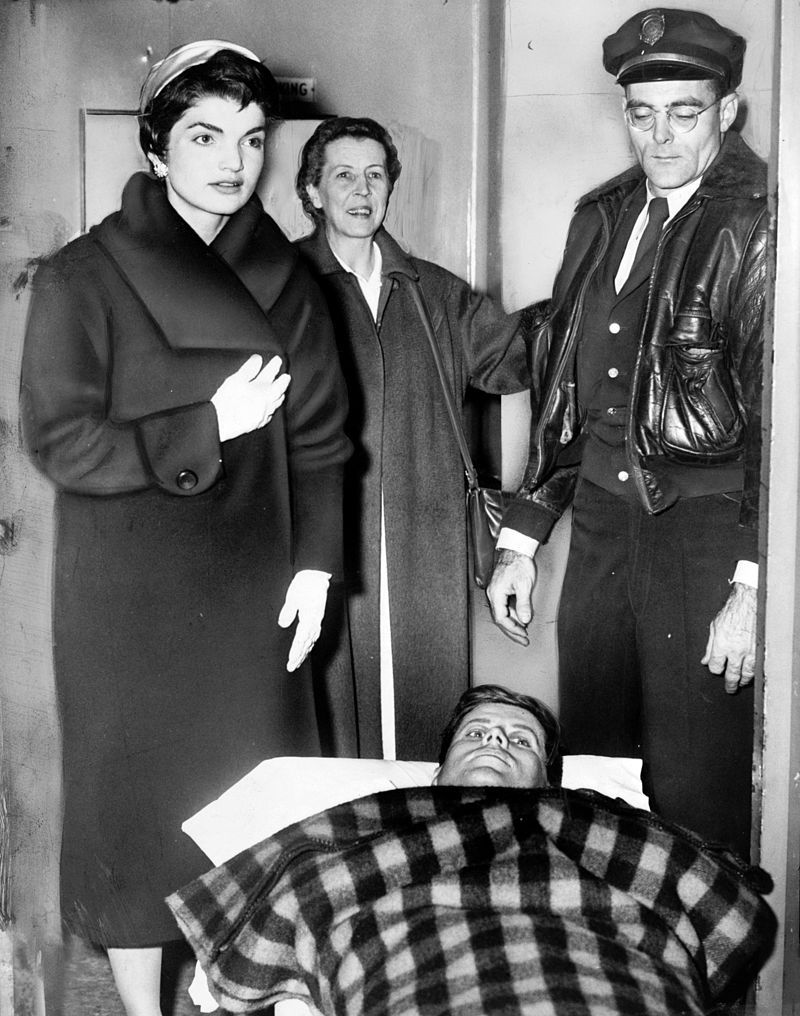
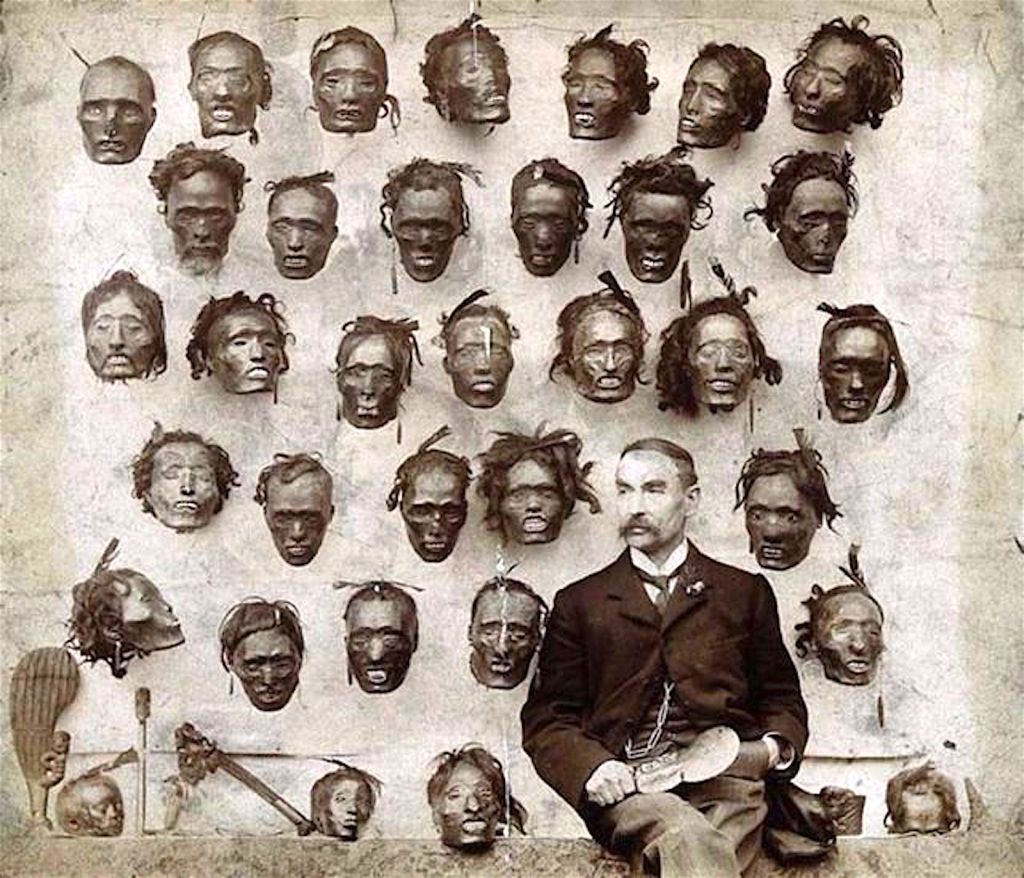
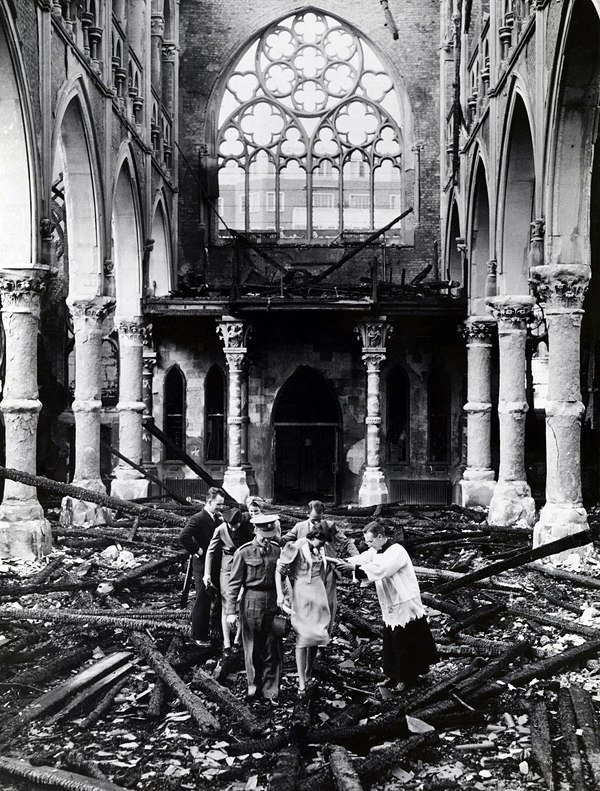

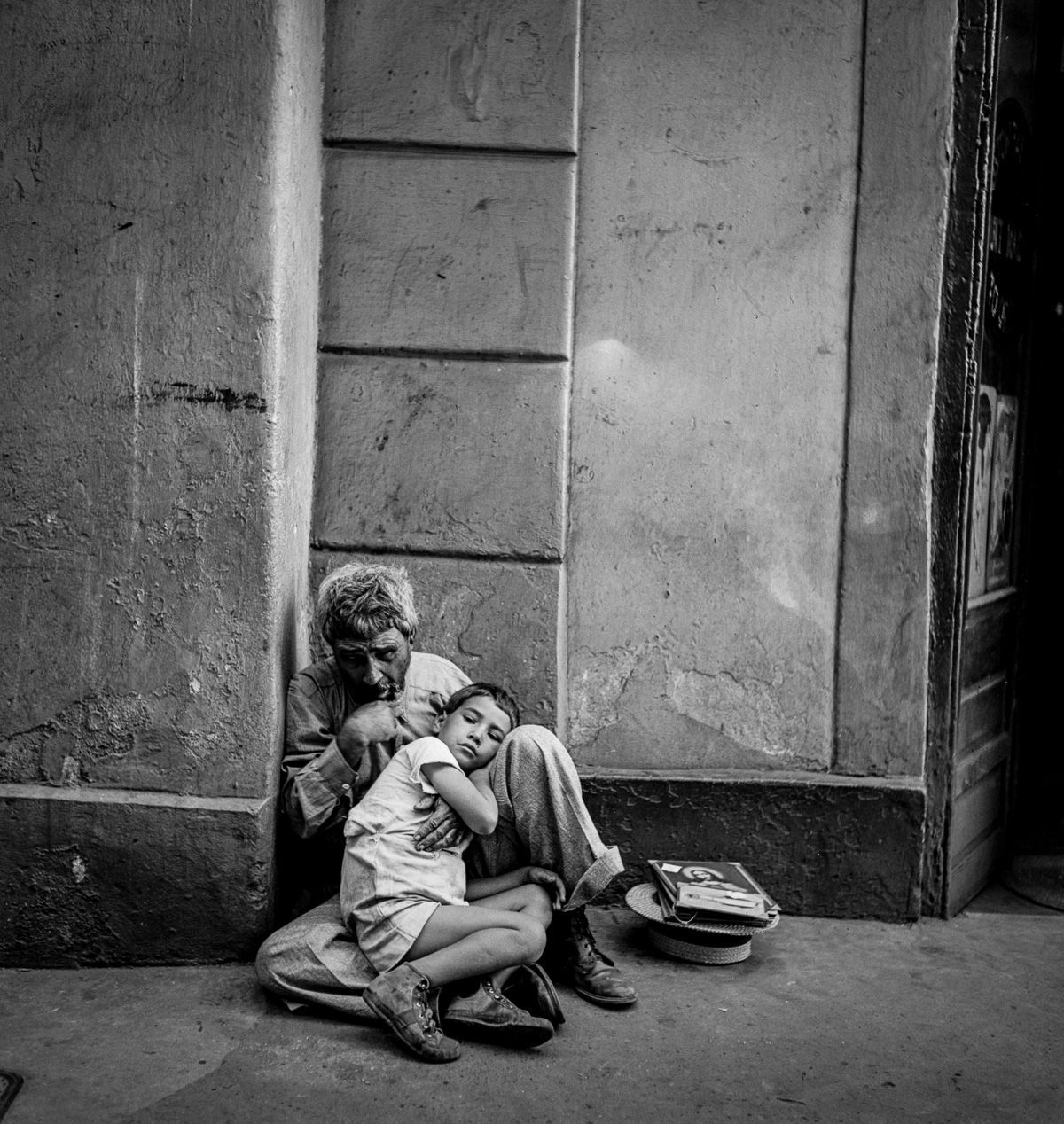
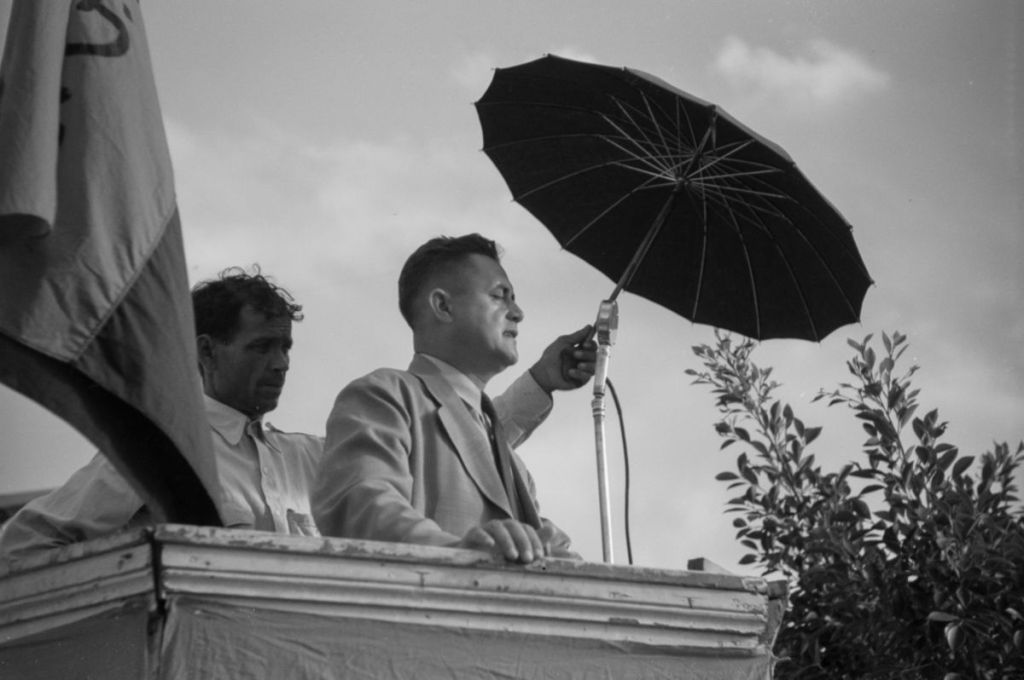
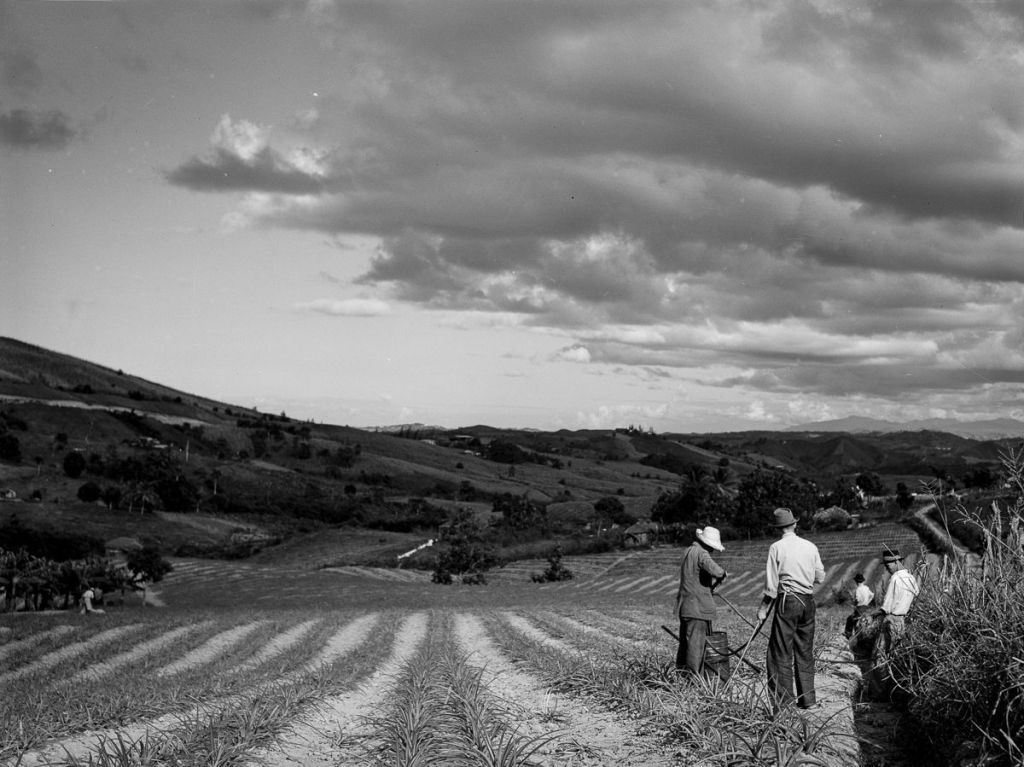
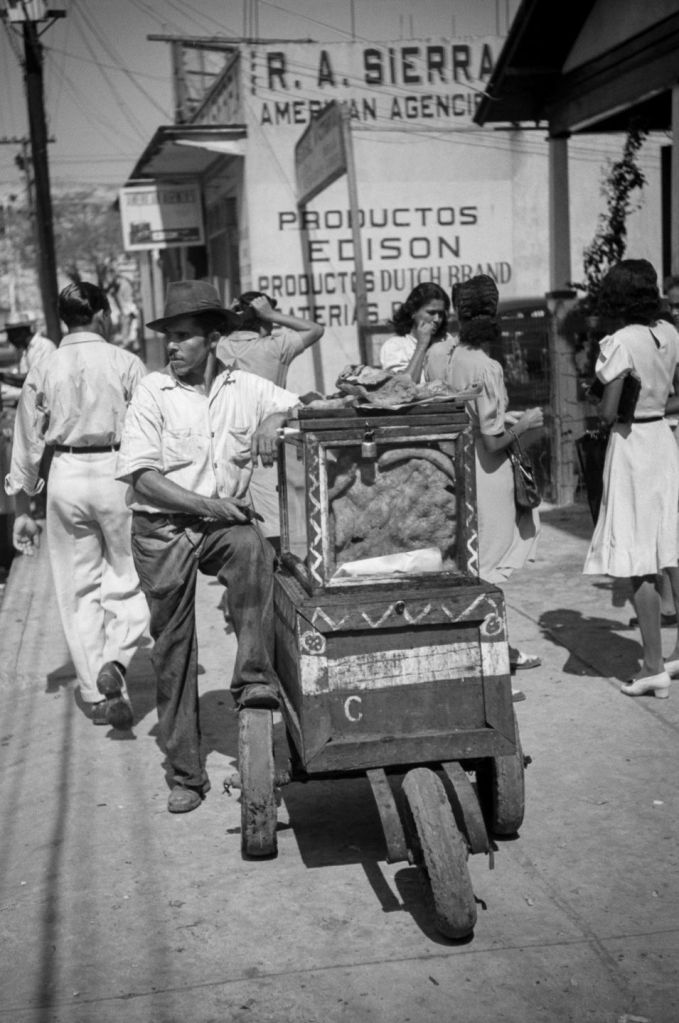
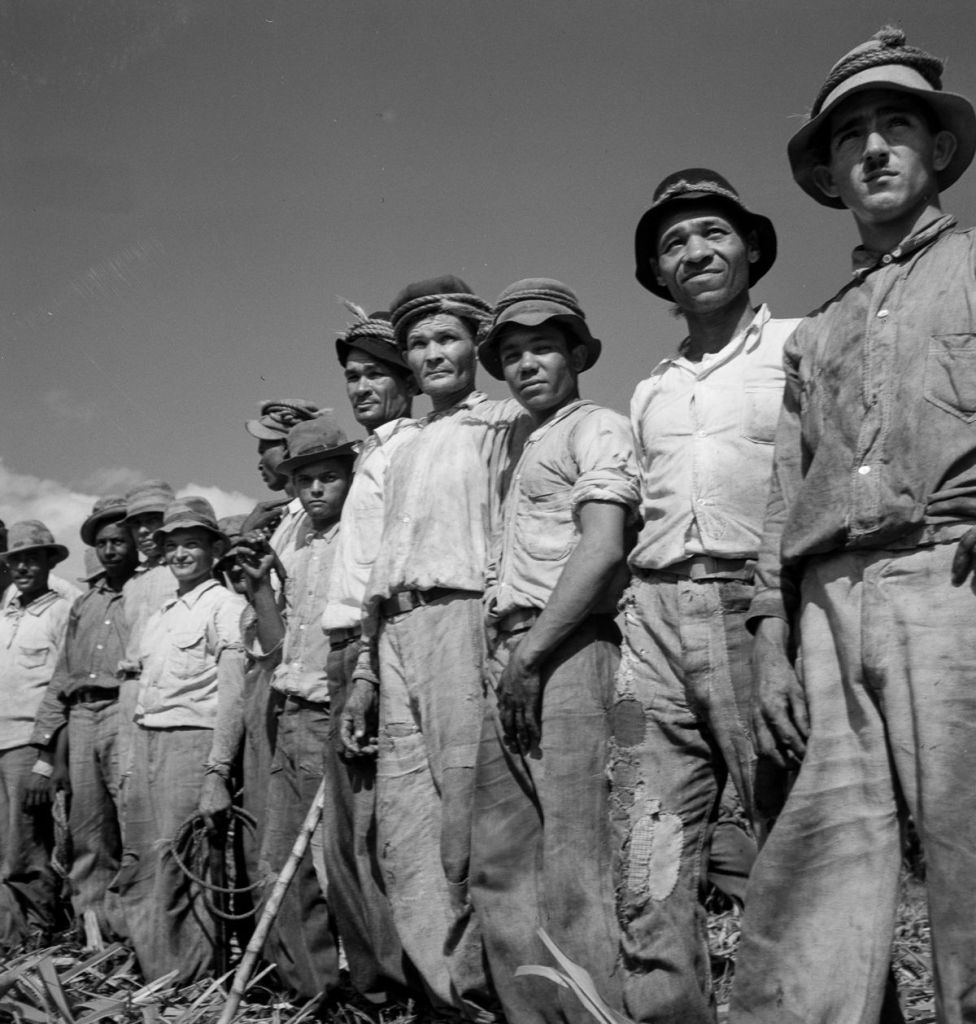
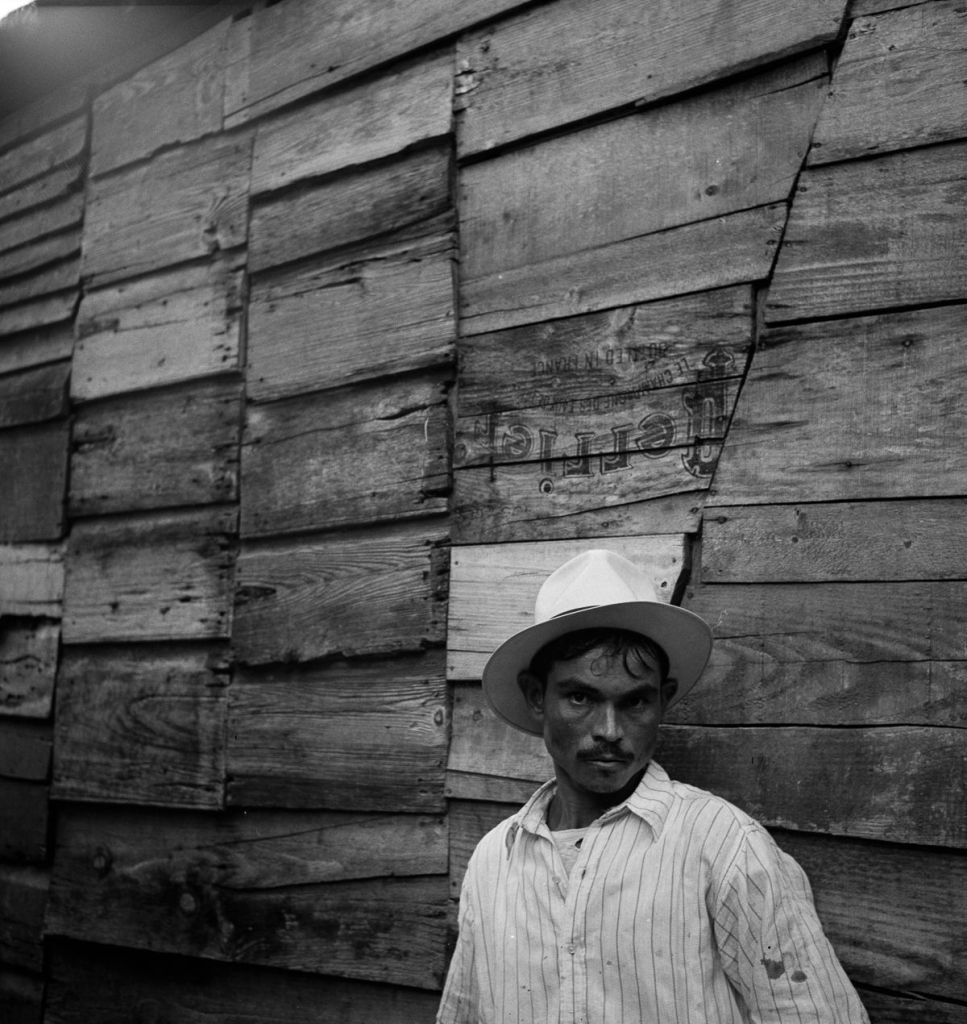
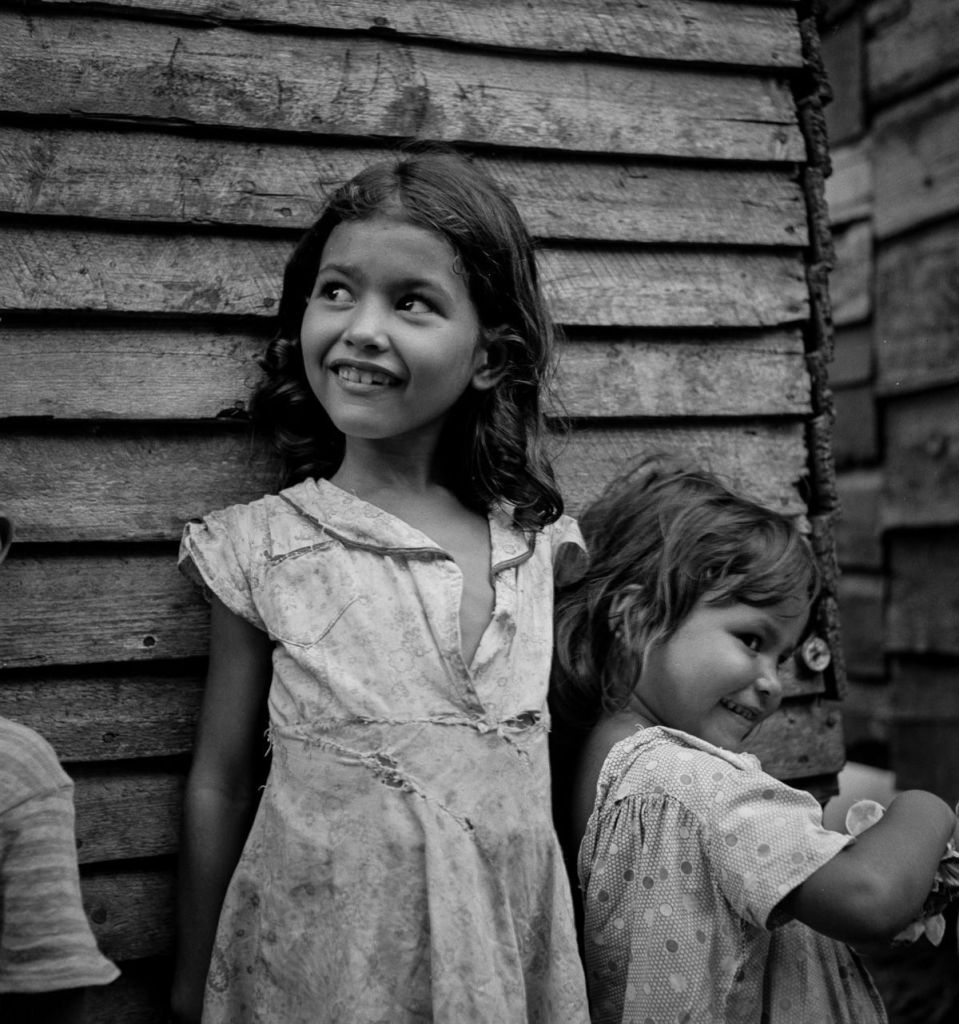
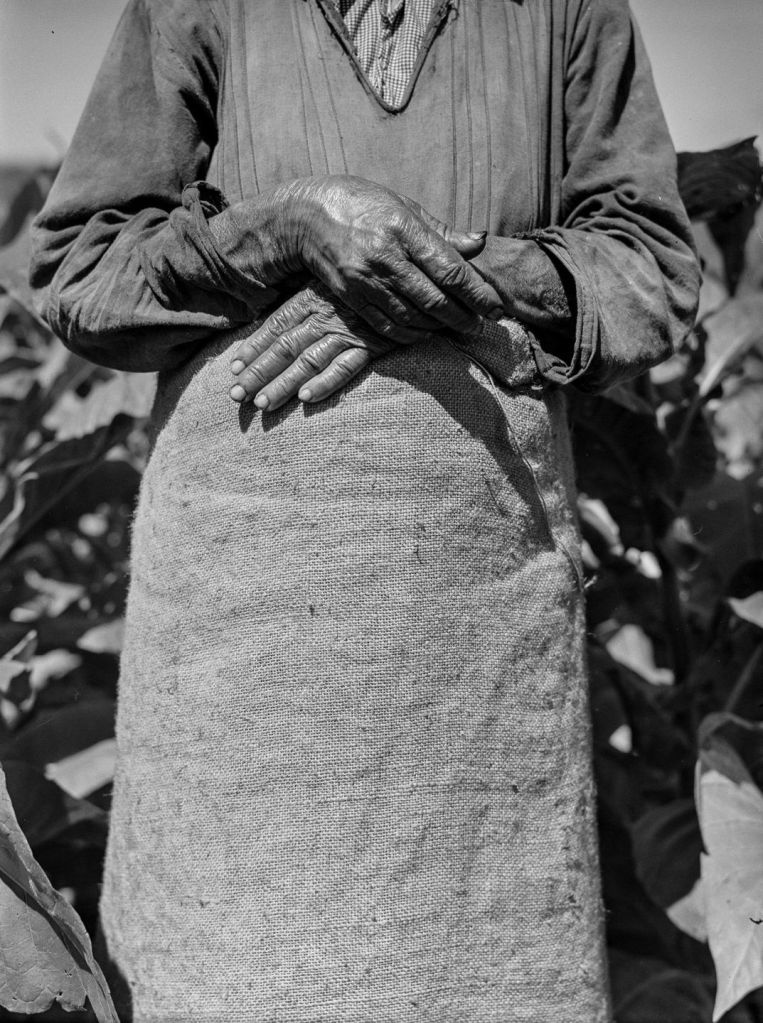
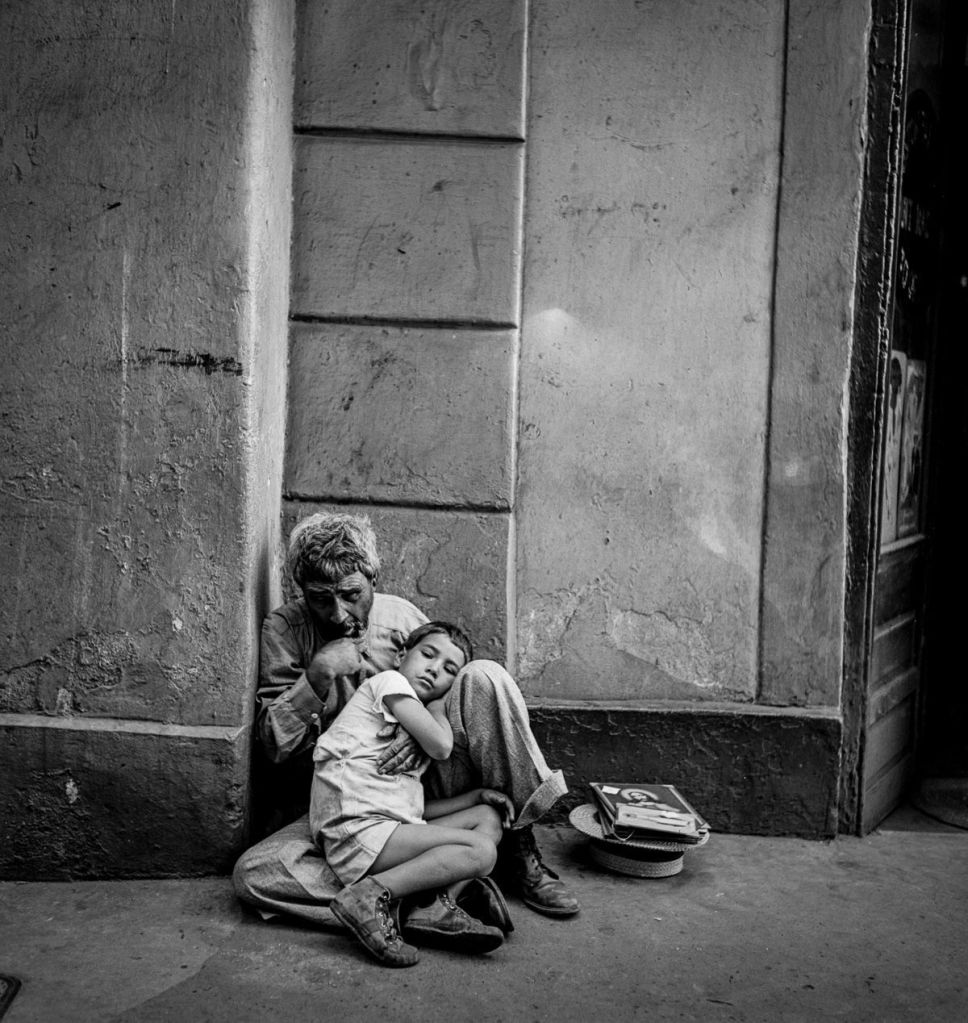
Puerto Rico (Spanish for ‘Rich Port’; abbreviated PR; Taino: Boriken, Borinquen), officially the Commonwealth of Puerto Rico (Spanish: Estado Libre Asociado de Puerto Rico, lit. ‘Free Associated State of Puerto Rico’) is a Caribbean island and unincorporated territory of the United States. It is located in the northeast Caribbean Sea, approximately 1,000 miles (1,600 km) southeast of Miami, Florida.
The Commonwealth is an archipelago among the Greater Antilles located between the Dominican Republic and the U.S. Virgin Islands; it includes the eponymous main island and several smaller islands, such as Mona, Culebra, and Vieques. It has roughly 3.2 million residents, and its capital and most populous city is San Juan. Spanish and English are the official languages of the executive branch of government, though Spanish predominates.
Originally populated by the indigenous Taíno people, Puerto Rico was colonized by Spain following the arrival of Christopher Columbus in 1493. It was contested by other European powers, but remained a Spanish possession for the next four centuries. Spanish rule led to the displacement and assimilation of the native population, the forced migration of African slaves, and settlement primarily from the Canary Islands and Andalusia. Within the Spanish Empire, Puerto Rico played a secondary but strategic role compared to wealthier colonies like Peru and New Spain. By the late 19th century, a distinct Puerto Rican identity began to emerge, centered around a fusion of indigenous, African, and European elements. In 1898, following the Spanish–American War, the United States acquired Puerto Rico.
Puerto Ricans have been U.S. citizens since 1917, and can move freely between the island and the mainland. However, as residents of an unincorporated territory, American citizens of Puerto Rico are disenfranchised at the national level, do not vote for the president or vice president, and generally do not pay federal income tax. However, in addition to the other four territories which send non-voting representatives to Congress, they do participate in presidential primaries. As it is not a state, Puerto Rico does not have a vote in the U.S. Congress, which governs it under the Puerto Rico Federal Relations Act of 1950. Puerto Rico is represented federally solely by one non-voting member of the House called a Resident Commissioner. The U.S. Congress approved a local constitution in 1952, allowing U.S. citizens residing on the Island to elect a governor. Puerto Rico’s current and future political status has consistently been a matter of significant debate.
Beginning in the mid-20th century, the U.S. government, together with the Puerto Rico Industrial Development Company, launched a series of economic projects to develop Puerto Rico into an industrial high-income economy. It is classified by the International Monetary Fund as a developed jurisdiction with an advanced, high-income economy; it ranks 40th on the Human Development Index. The main drivers of Puerto Rico’s economy are manufacturing (primarily pharmaceuticals, petrochemicals, and electronics) followed by the service industry (namely tourism and hospitality). (Wikipedia)
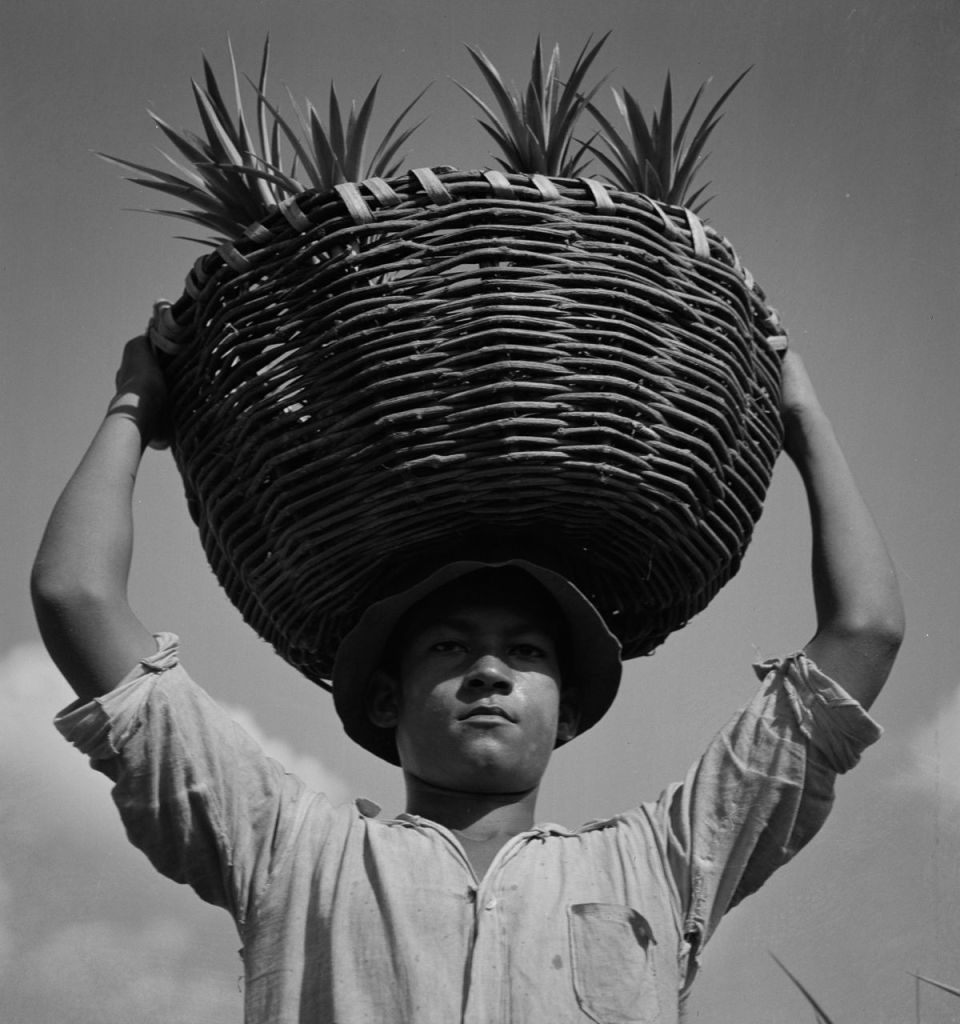
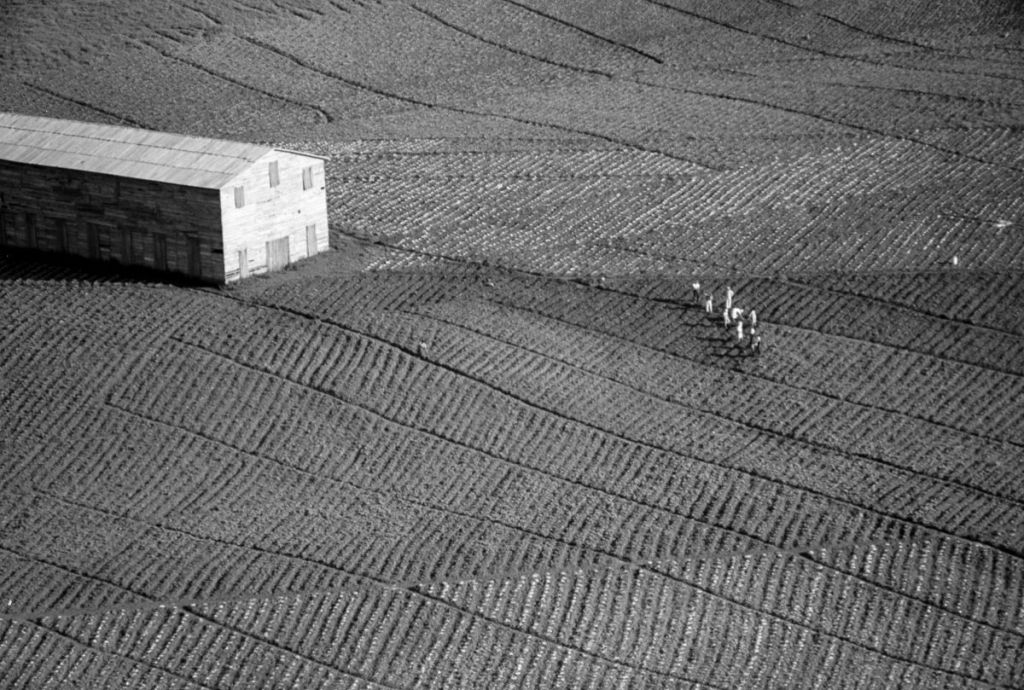
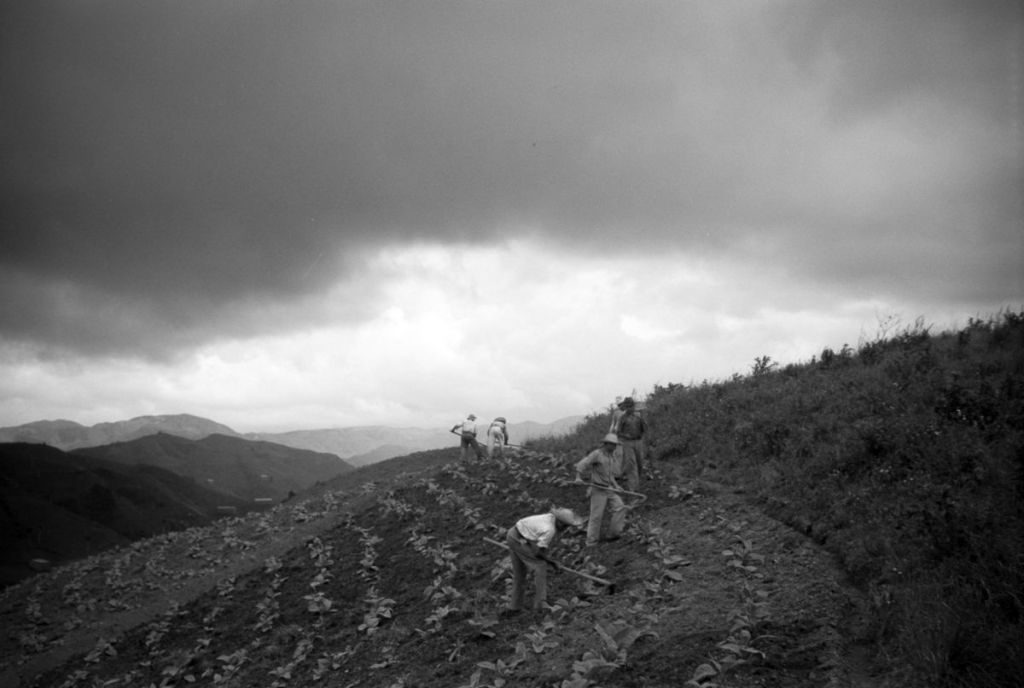
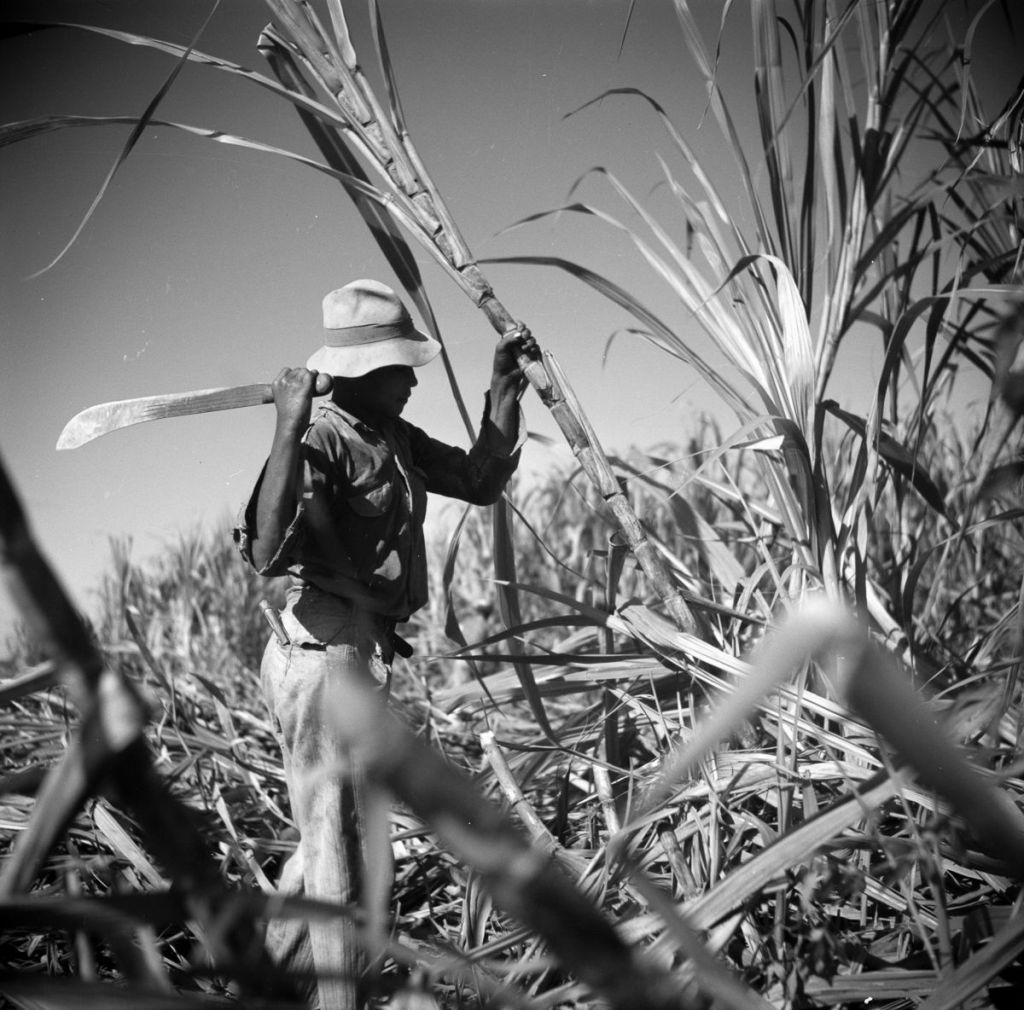
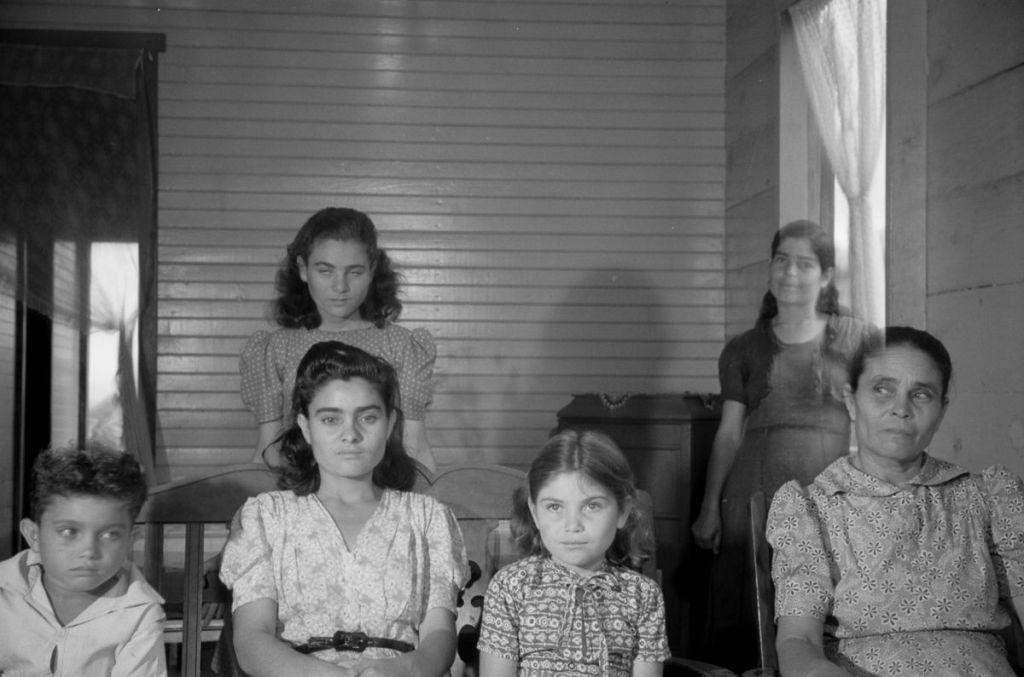

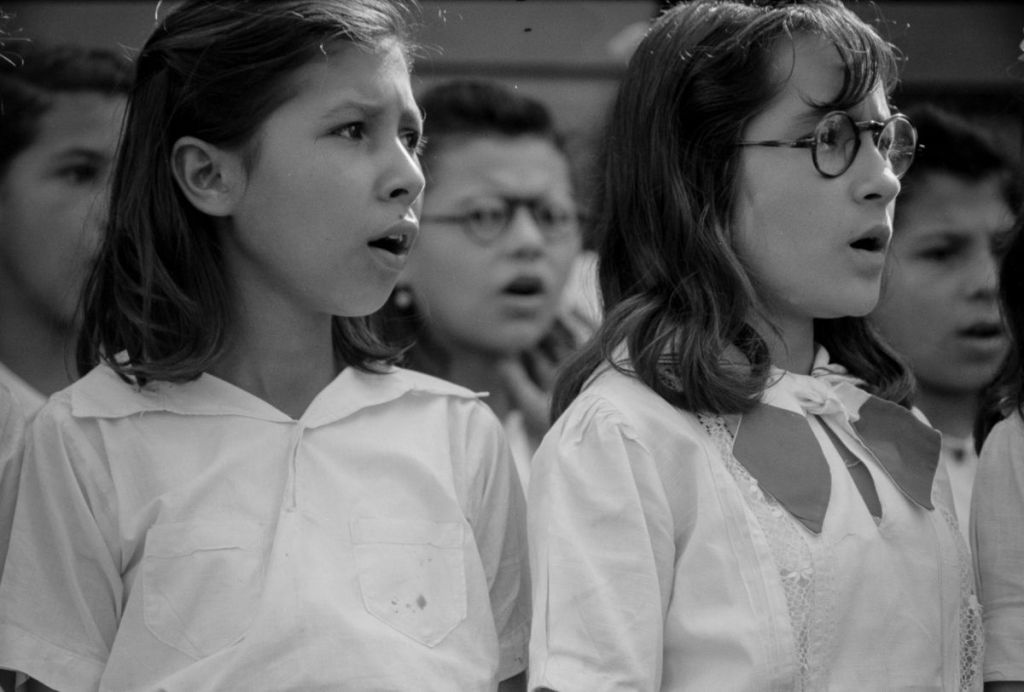
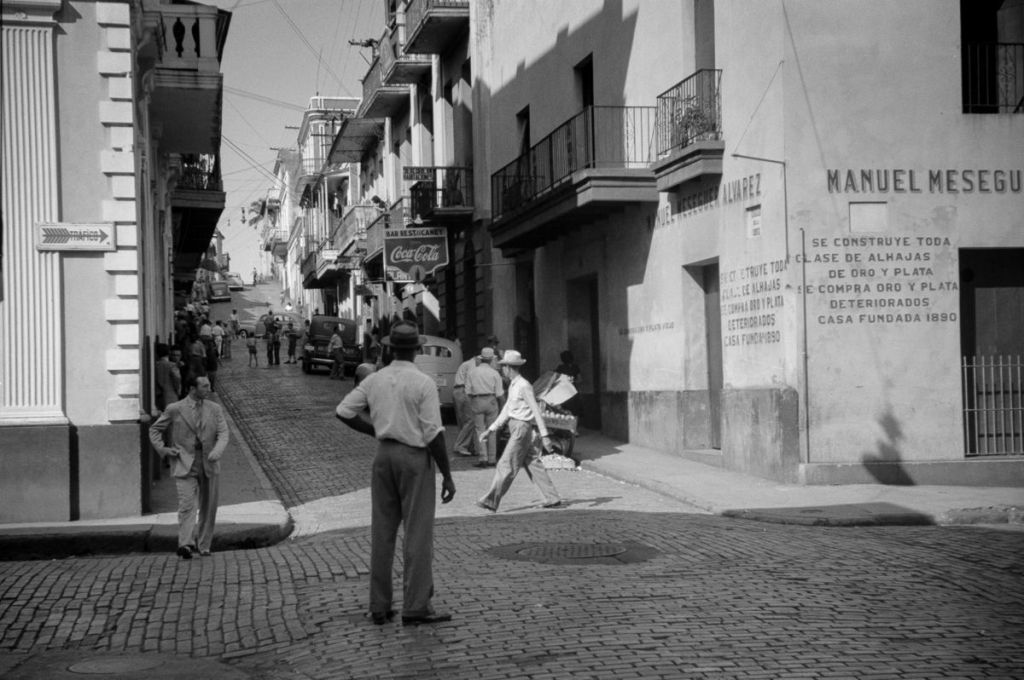


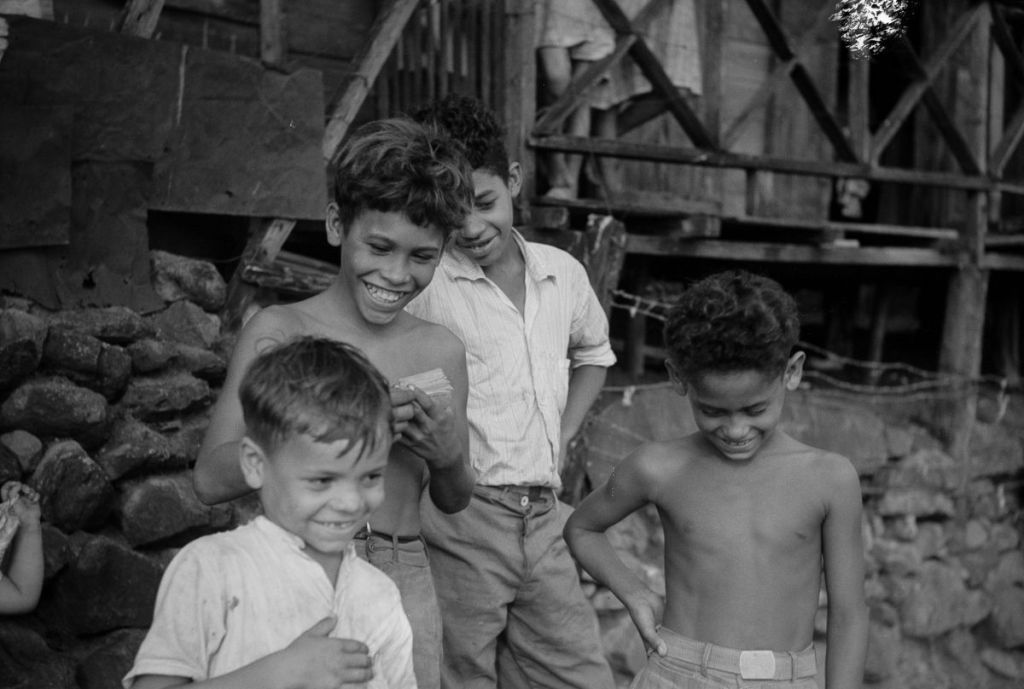

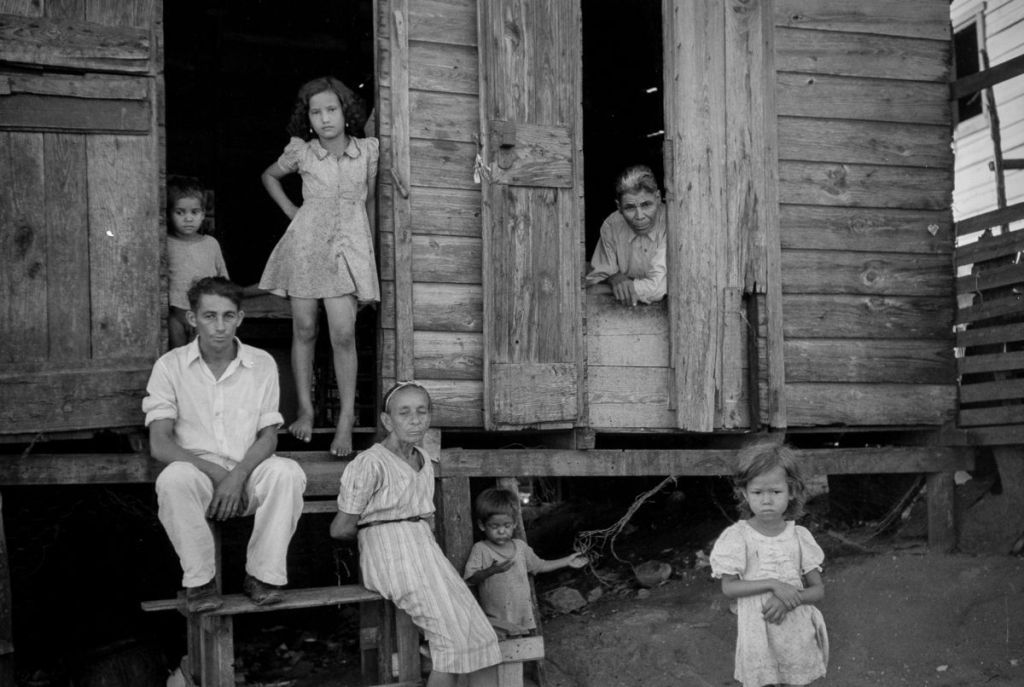
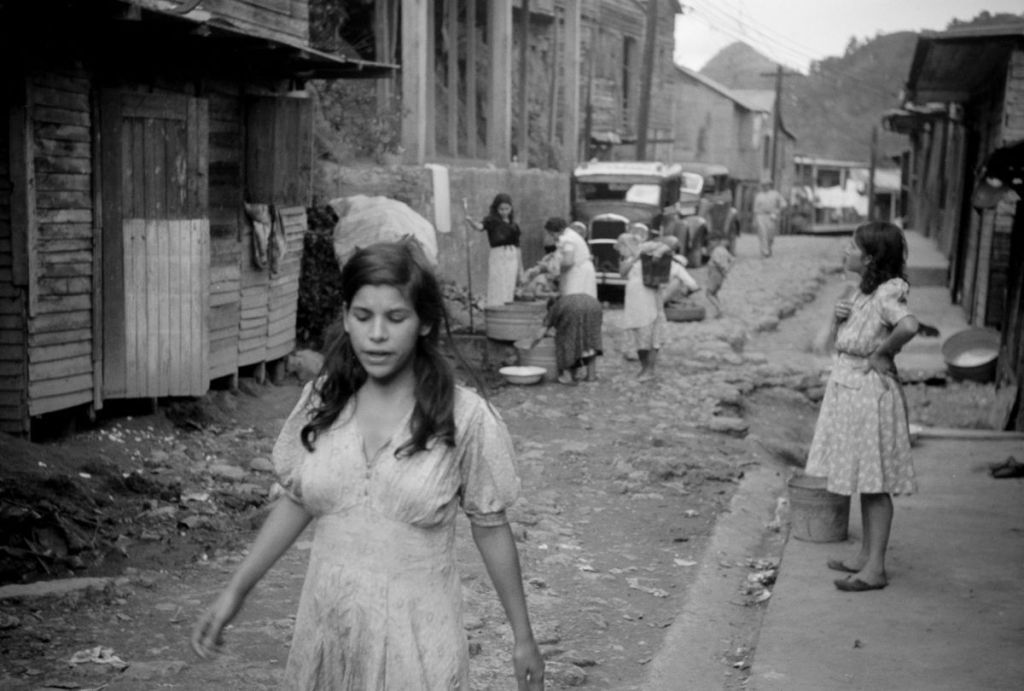

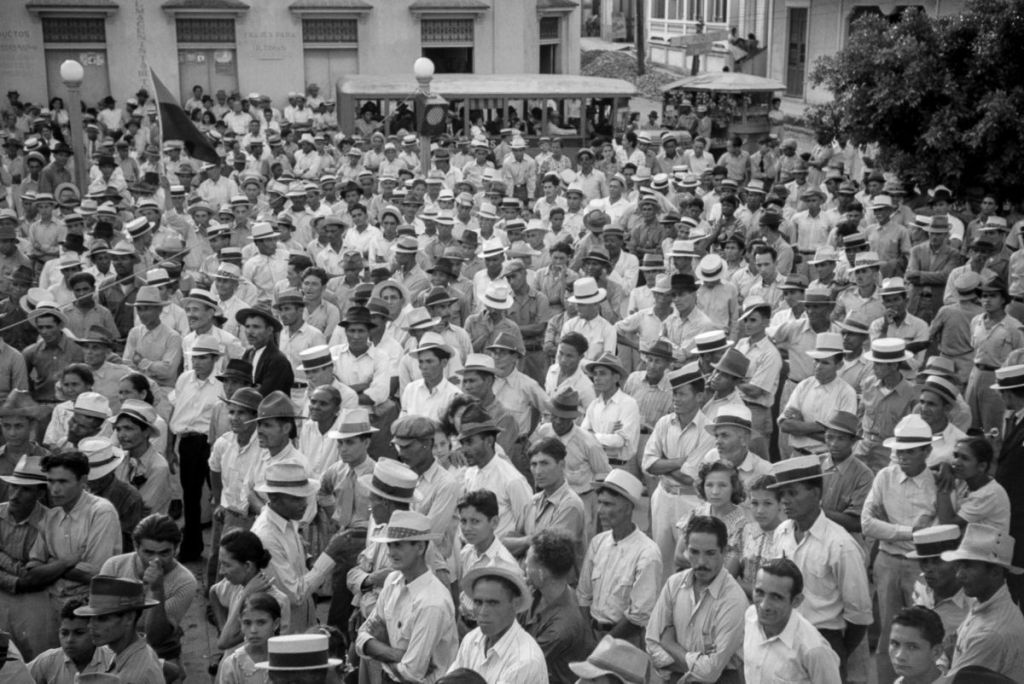

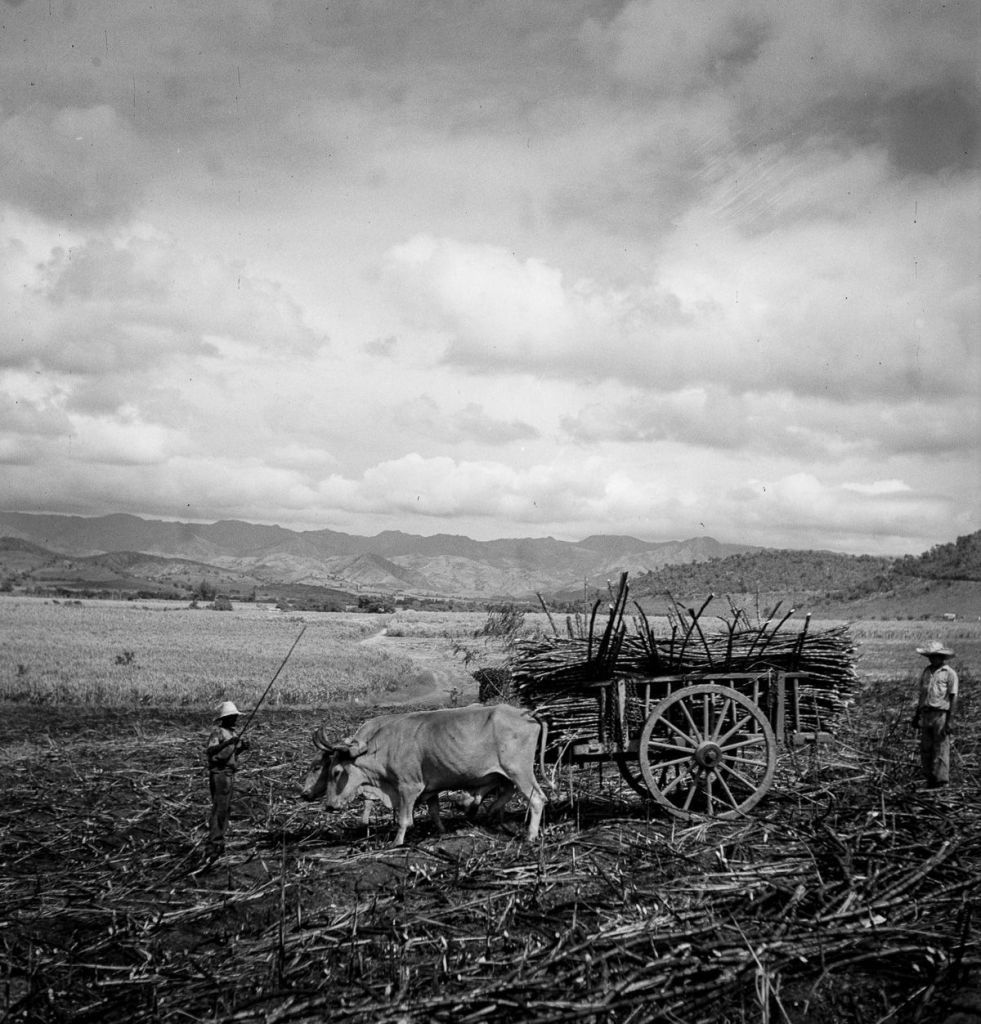
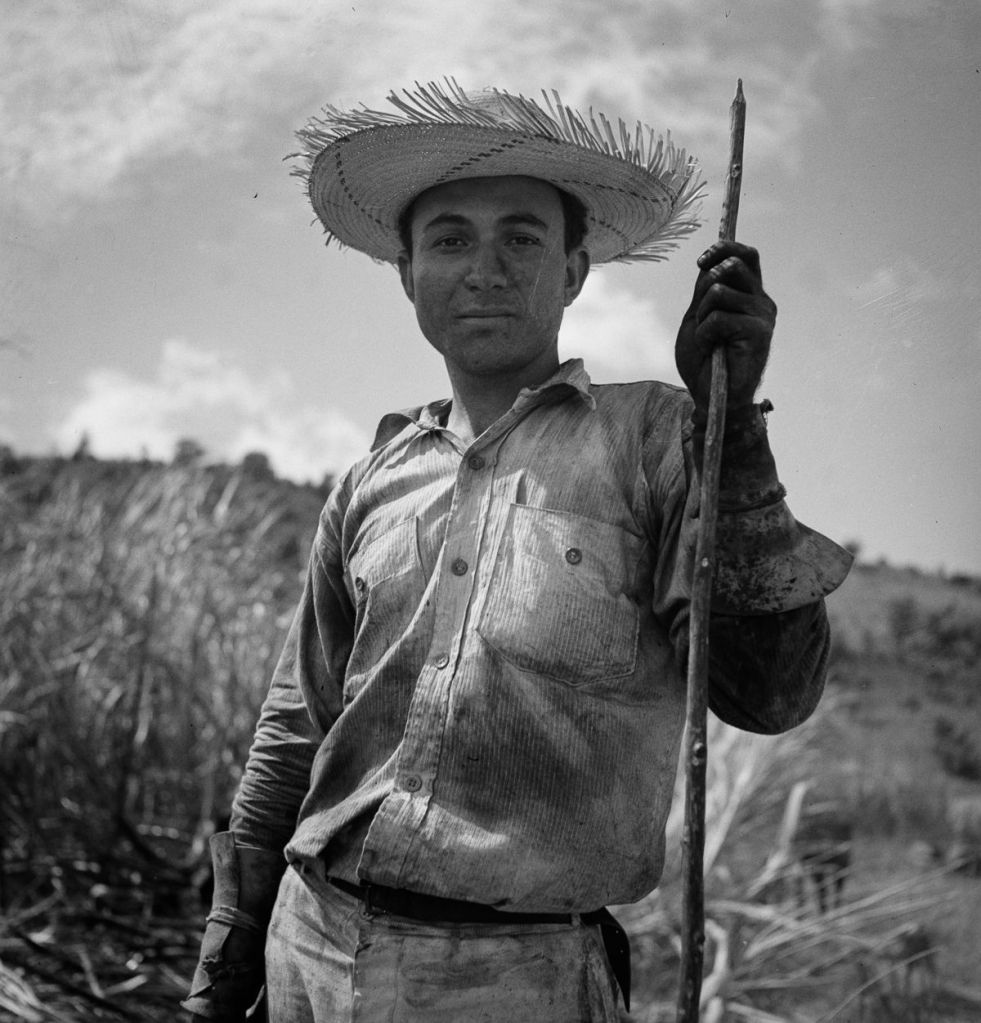
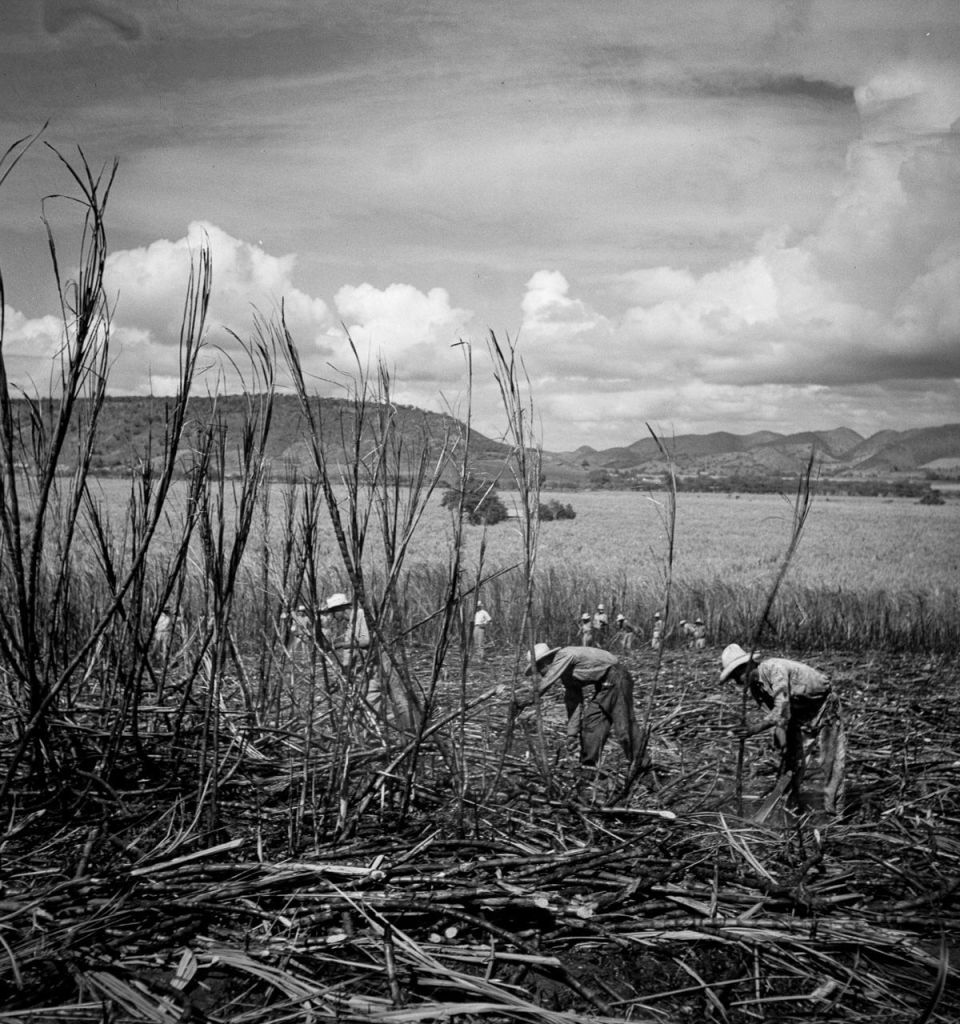


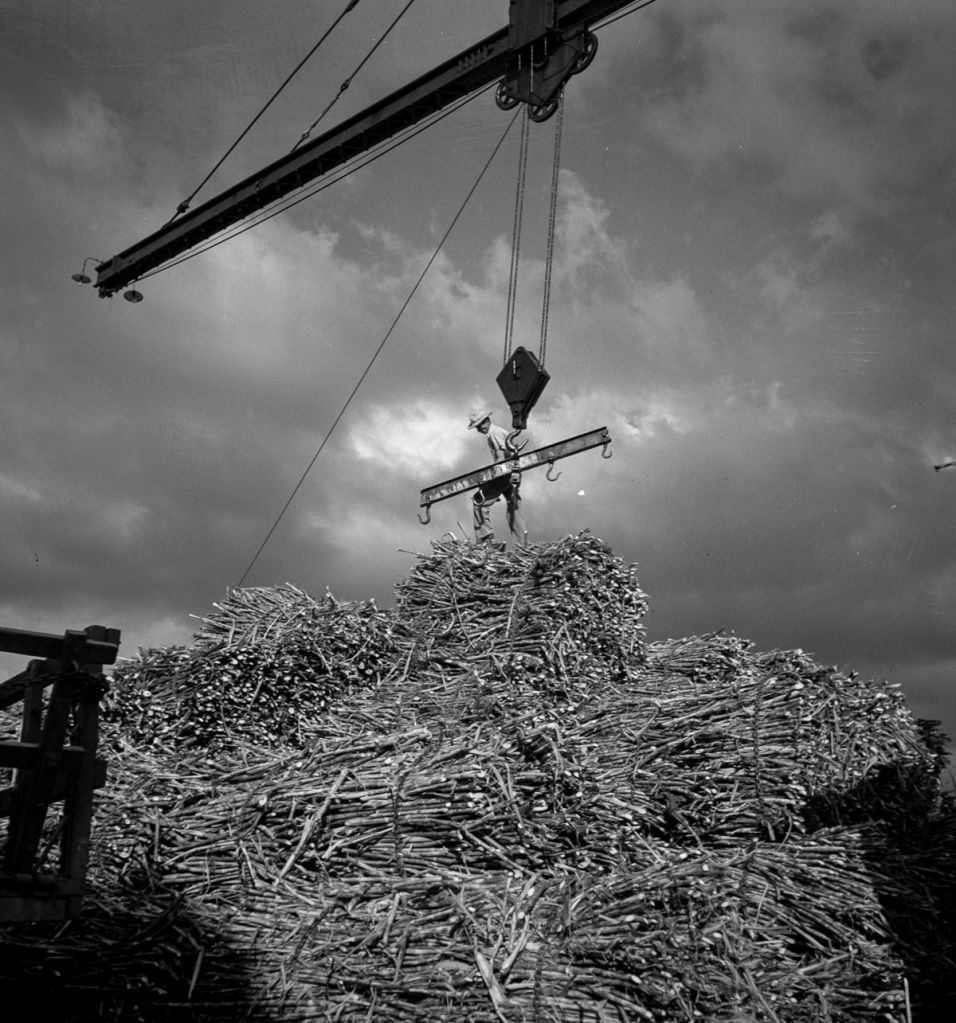
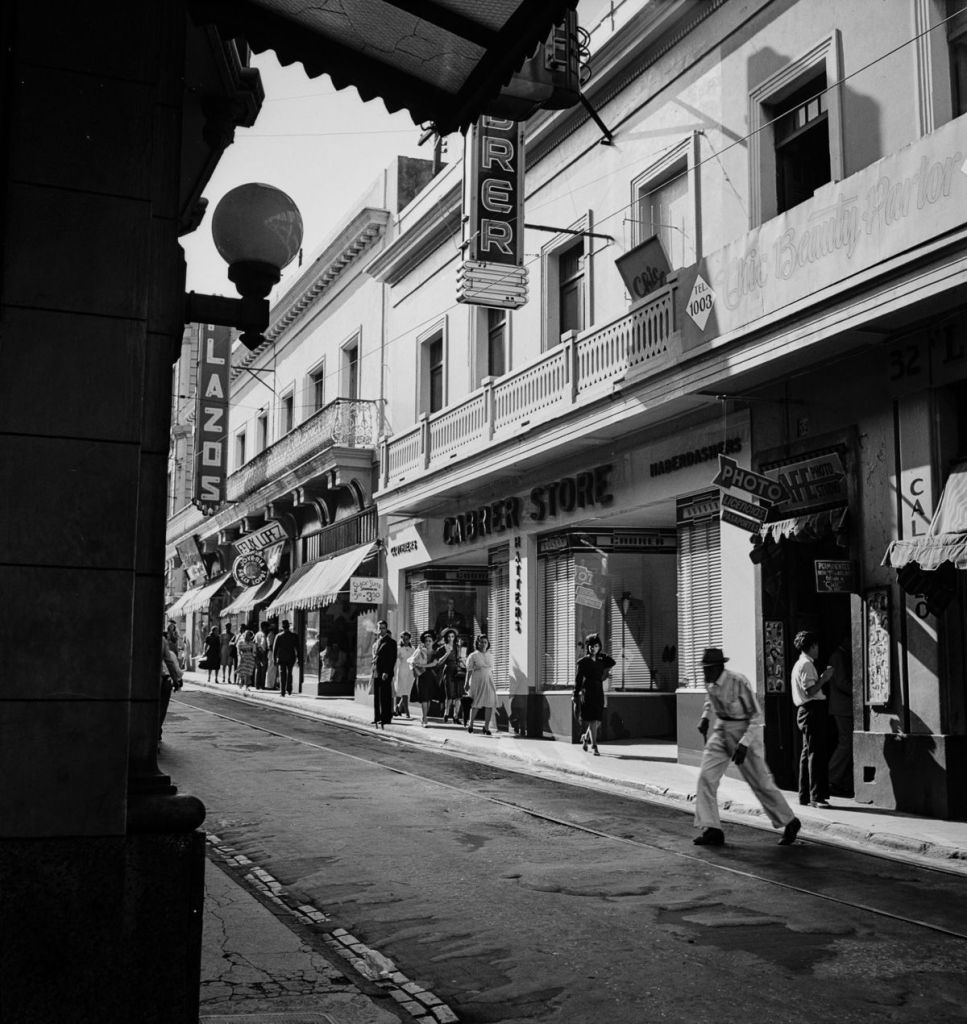
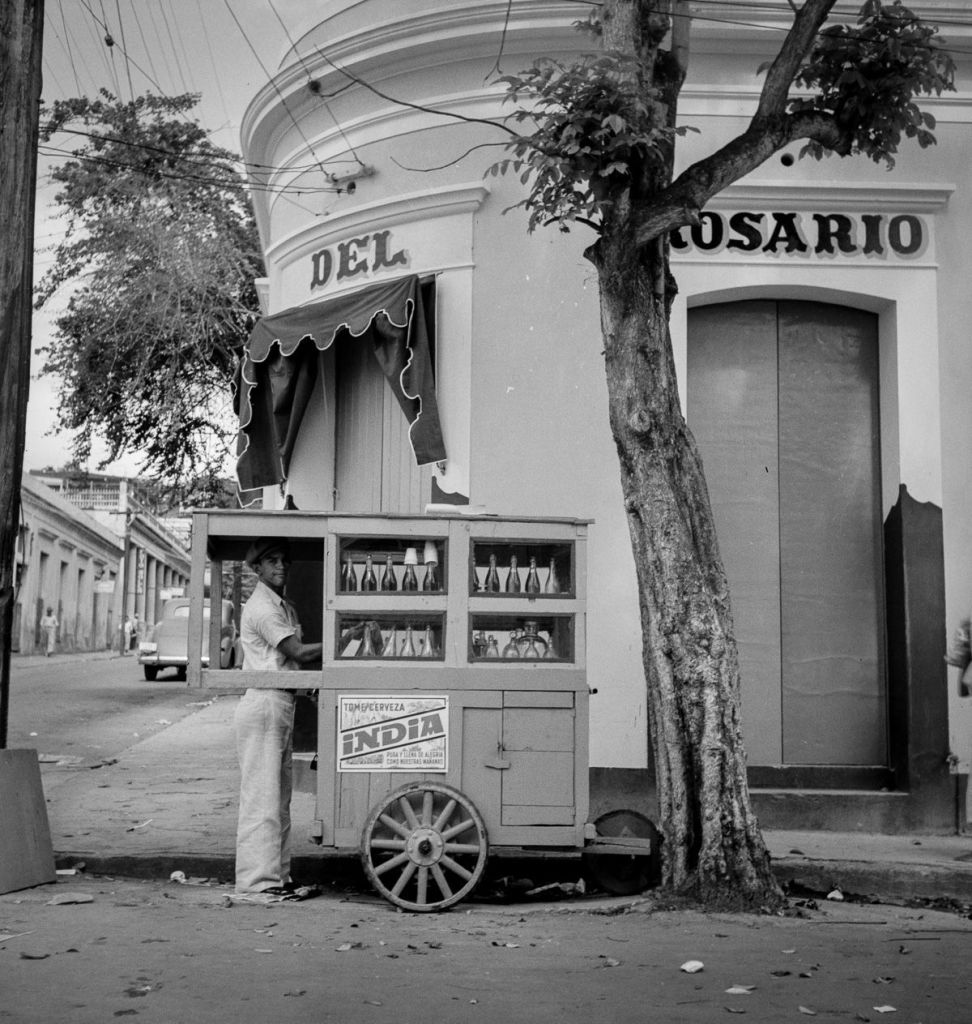
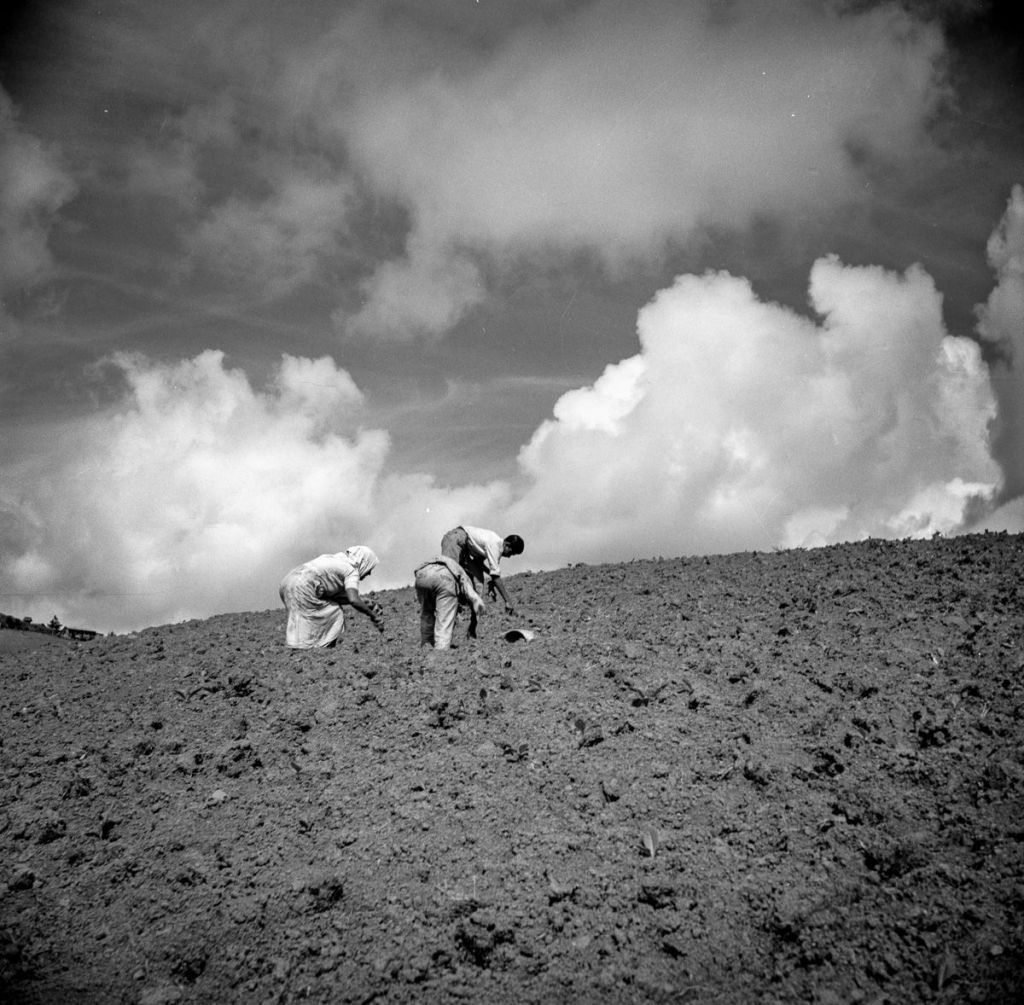
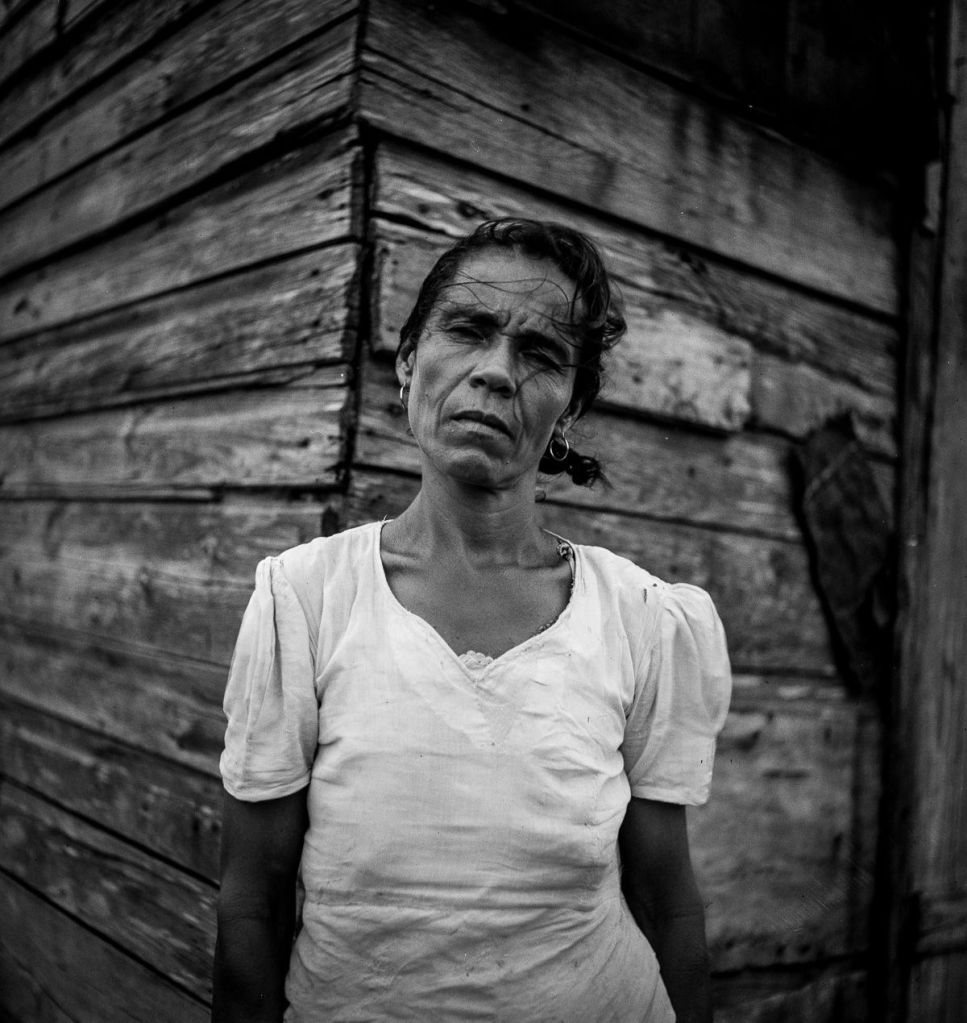
Photos from Library of Congress
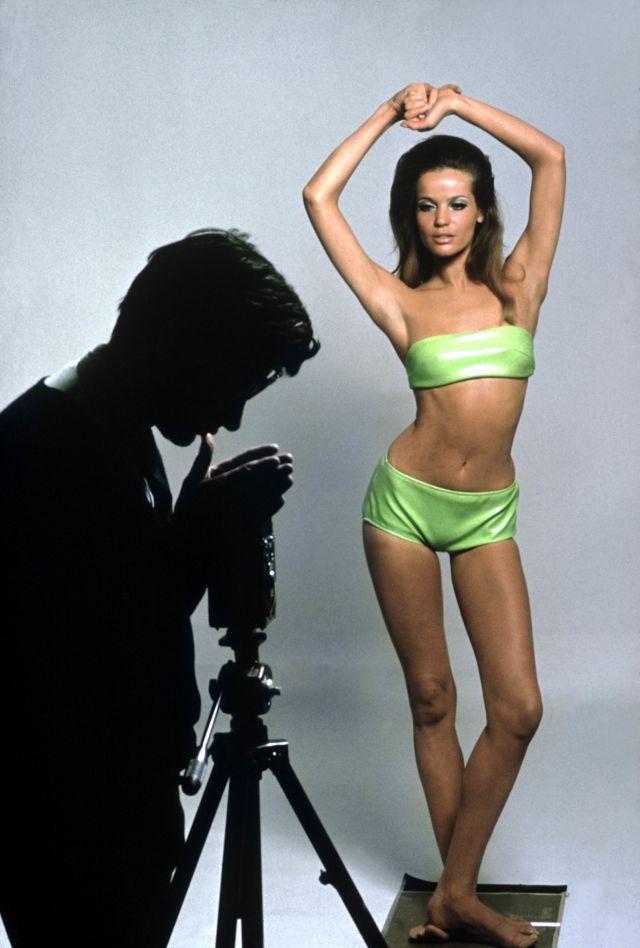
Born 1925 in Pittsburgh, Pennsylvania, Burt Glinn served in the United States Army between 1943 and 1946 before studying literature at Harvard University where he edited and photographed for the Harvard Crimson college newspaper. From 1949 to 1950, he worked for Life magazine before becoming a freelancer.
Glinn became an associate member of Magnum in 1951 along with Eve Arnold and Dennis Stock – the first Americans to join the young photo agency – and a full member in 1954. He made his mark with spectacular color series on the South Seas, Japan, Russia, Mexico and California.
In 1959, Glinn received the Mathew Brady Award for Magazine Photographer of the Year from the University of Missouri.
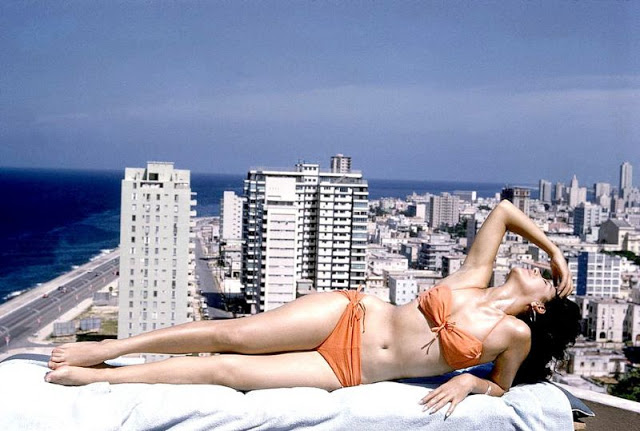
Glinn covered the Sinai War, the US Marine invasion of Lebanon and Fidel Castro’s takeover of Cuba. In the 1990s, he completed an extensive photo essay on the topic of medical science.
Versatile and technically brilliant, Glinn was one of Magnum’s great corporate and advertising photographers. He received numerous awards for his editorial and commercial photography, including the Best Book of Photographic Reporting from Abroad from the Overseas Press Club and the Best Print Ad of the Year from the Art Directors Club of New York.
Glinn served as president of ASMP from 1980-1981. Between 1972 and 1975, he was president of Magnum, and was re-elected to the post in 1987.
Burt Glinn died in 2008 in Southampton, New York, aged 82, because of kidney failure and pneumonia.
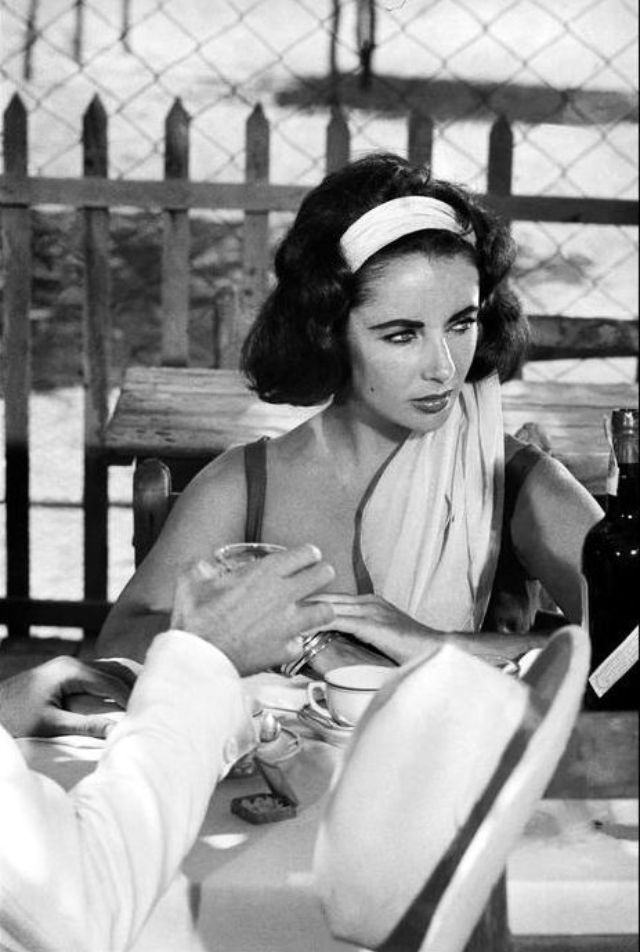
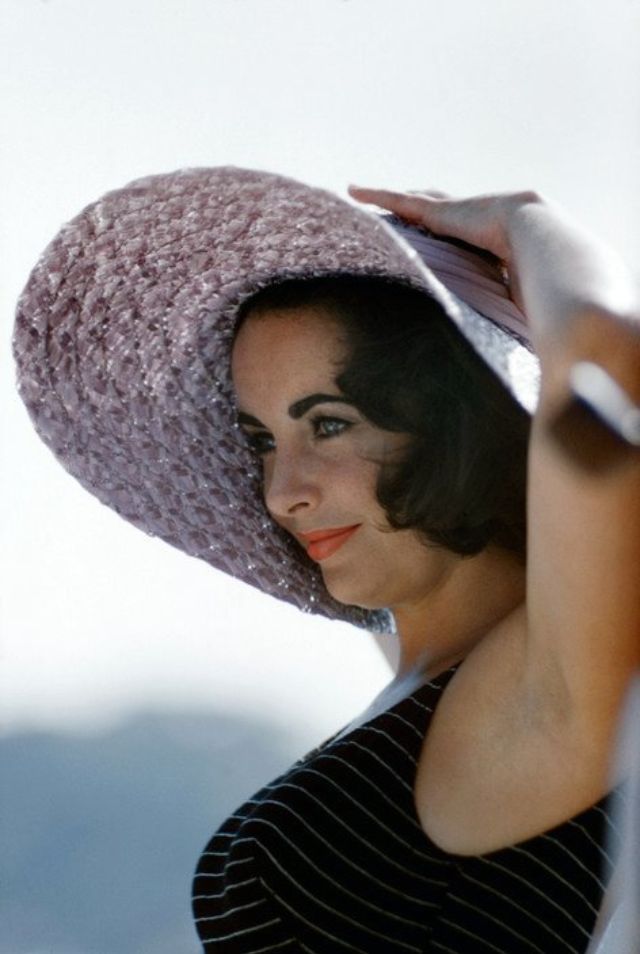
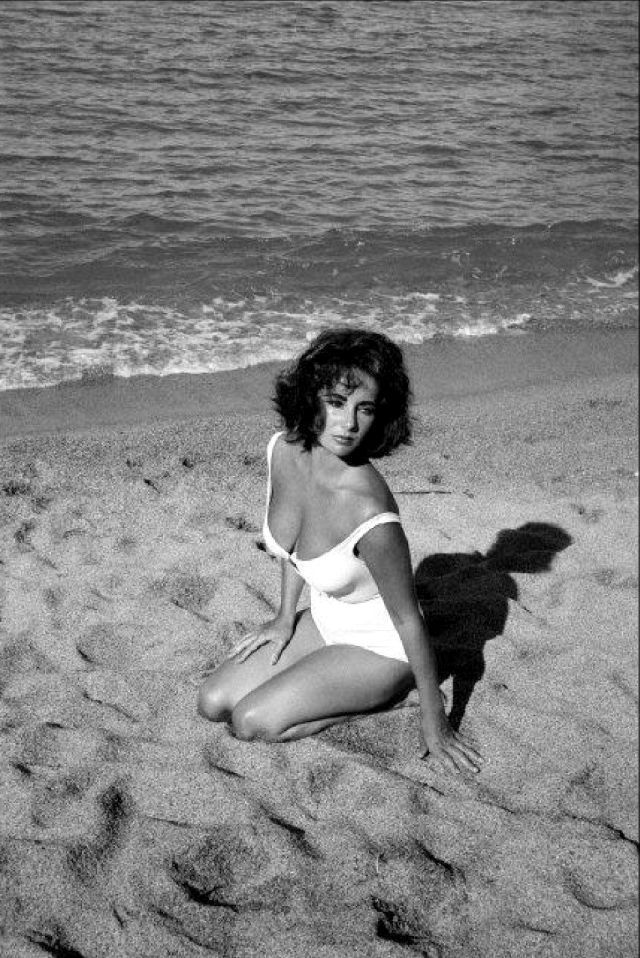
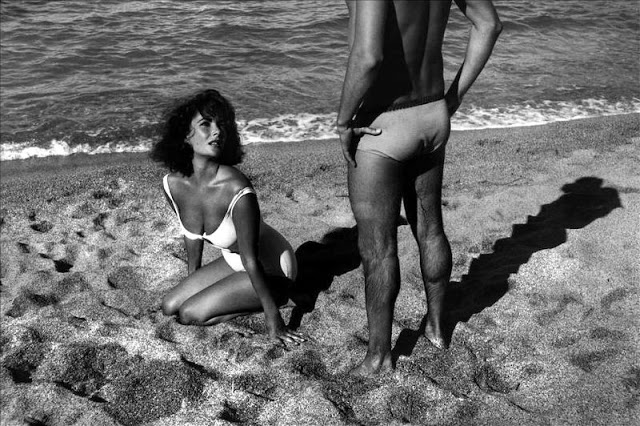
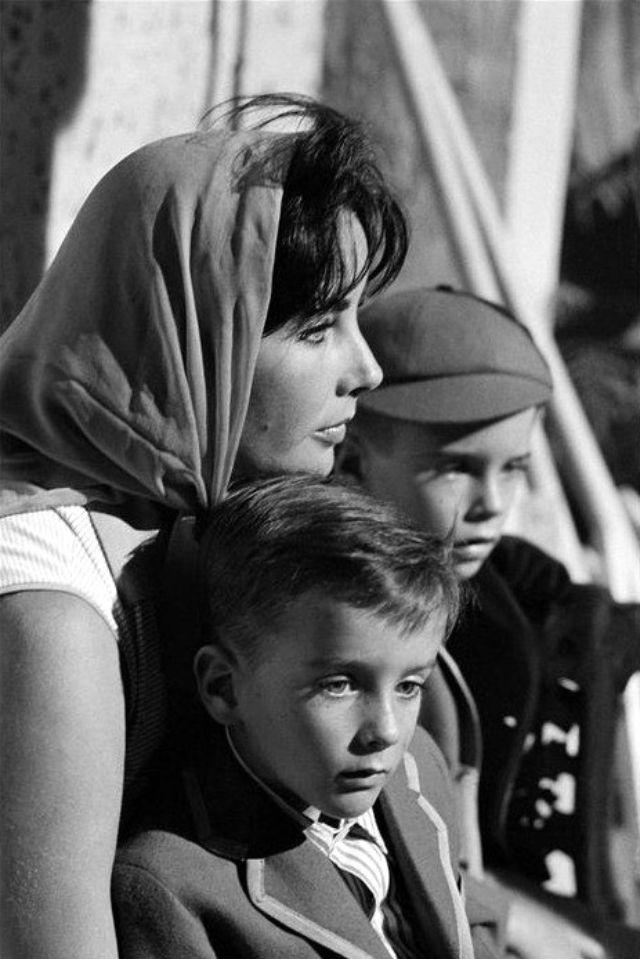
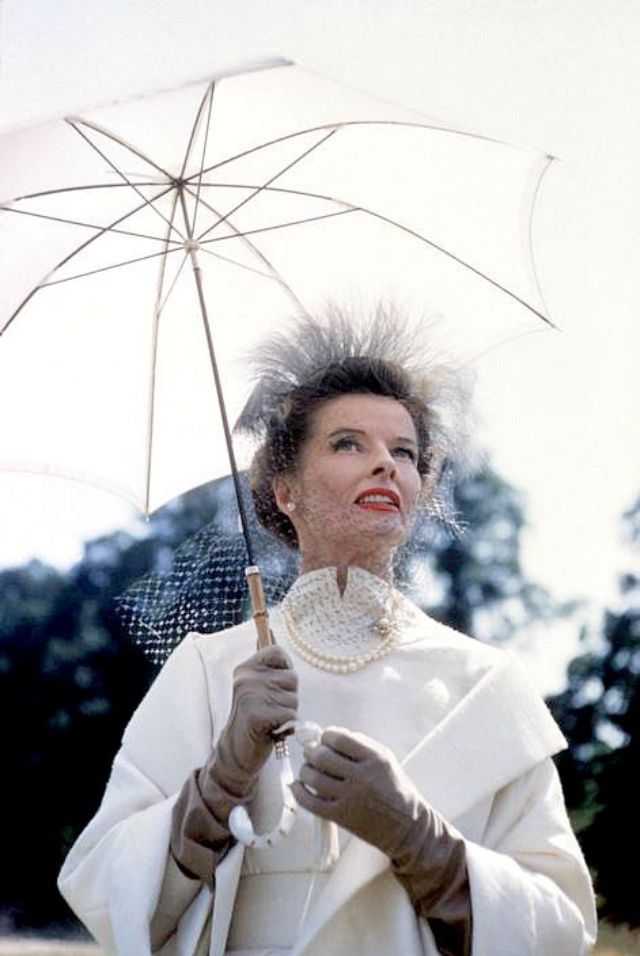
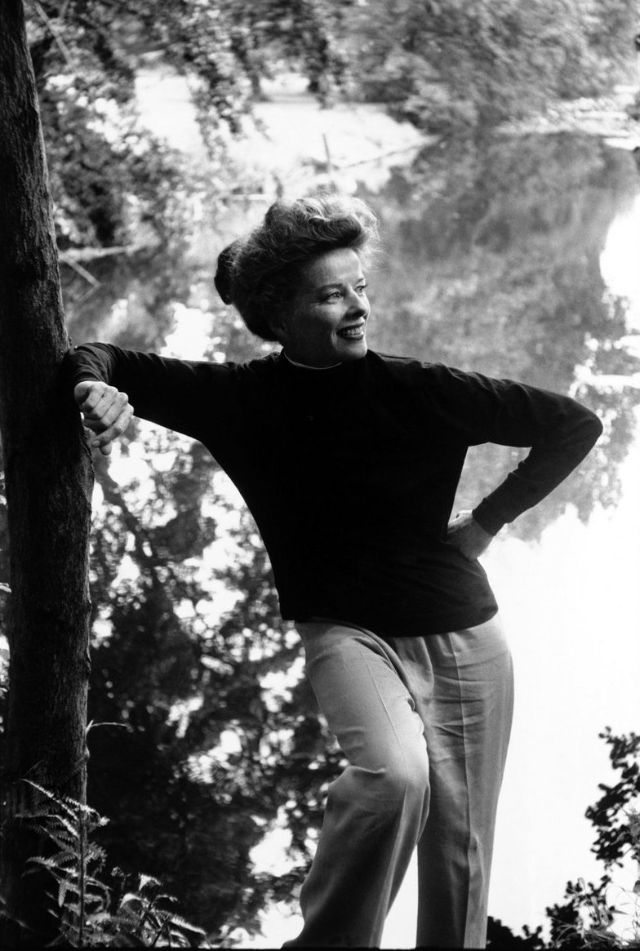
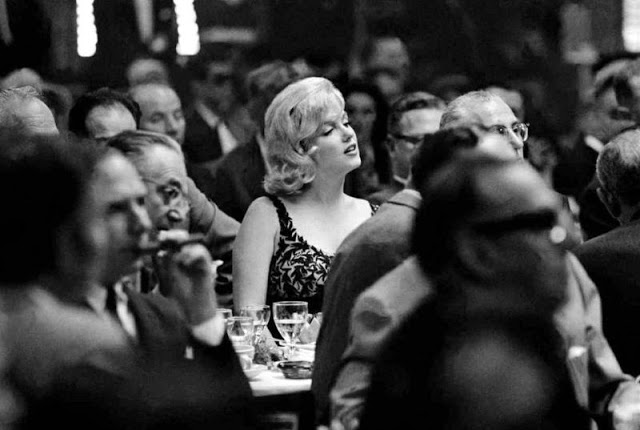
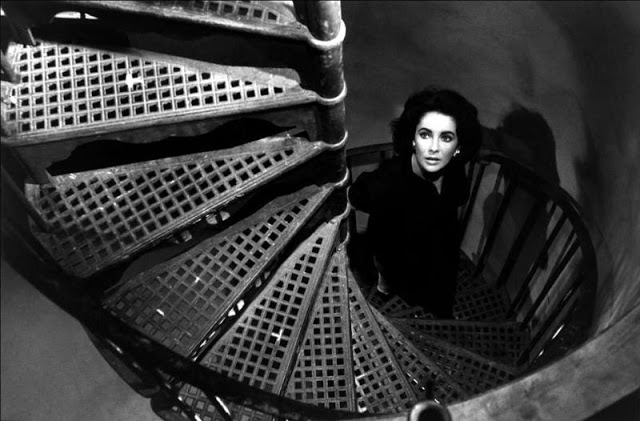
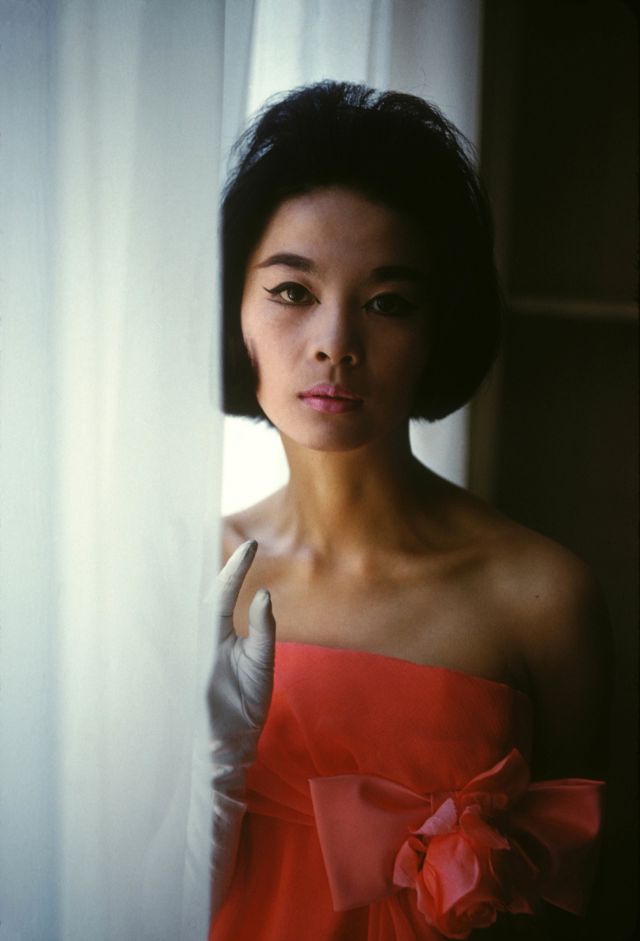
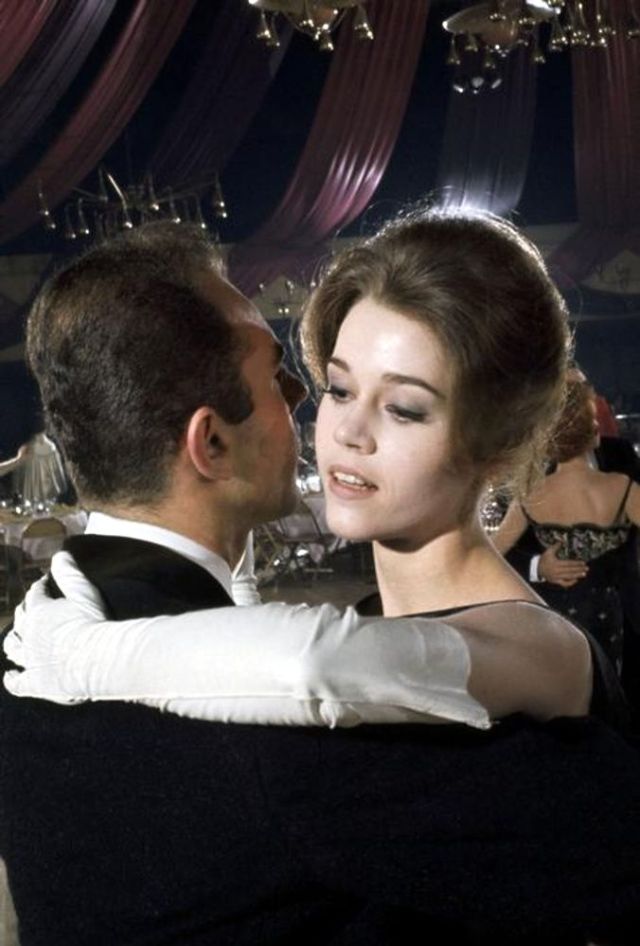
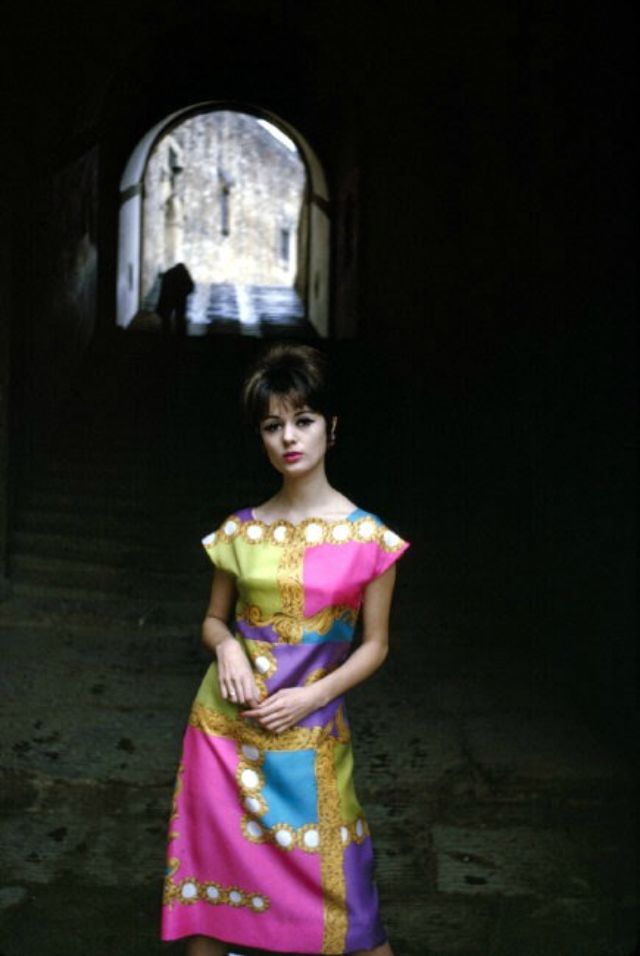
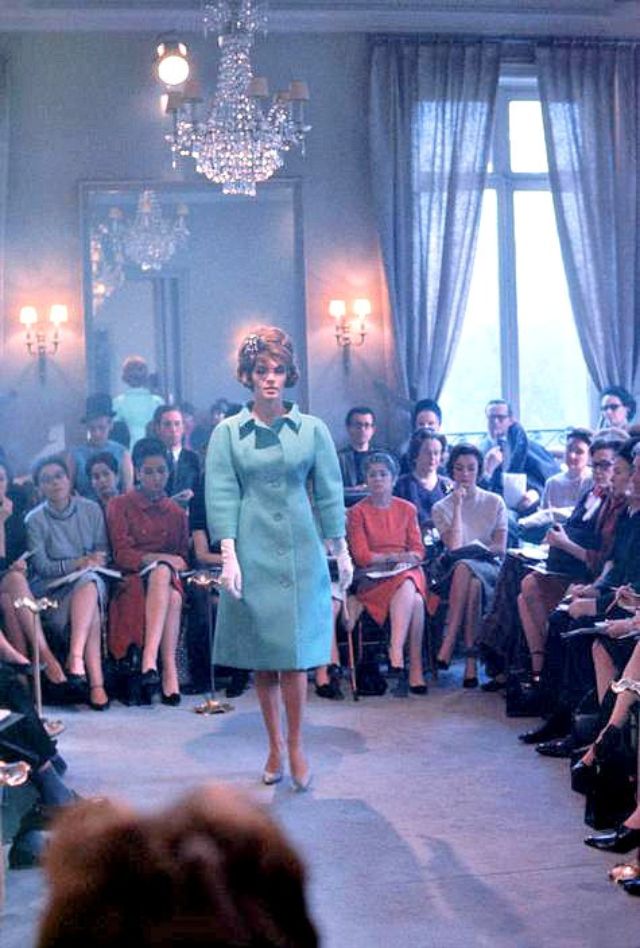
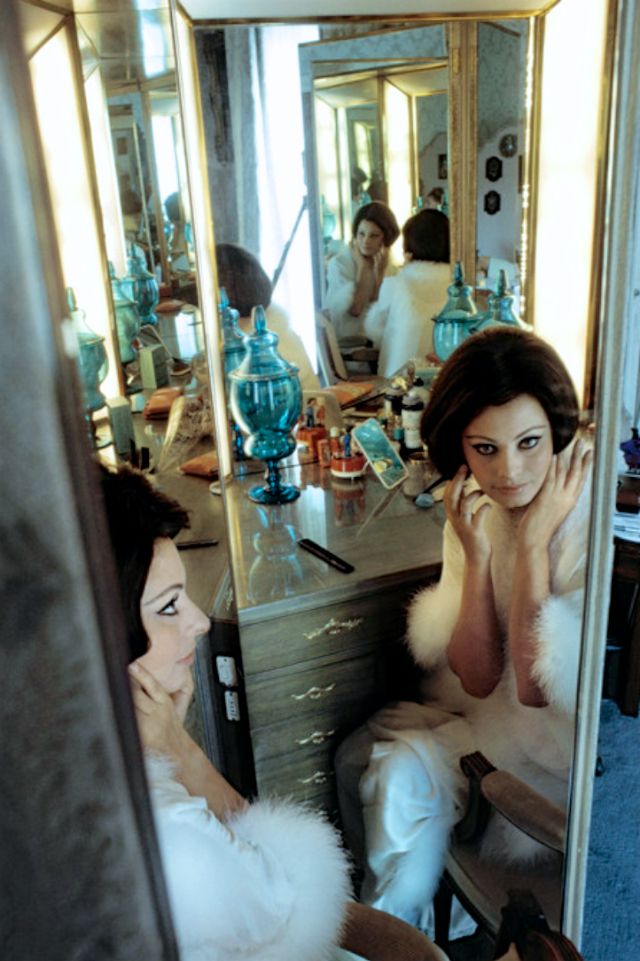
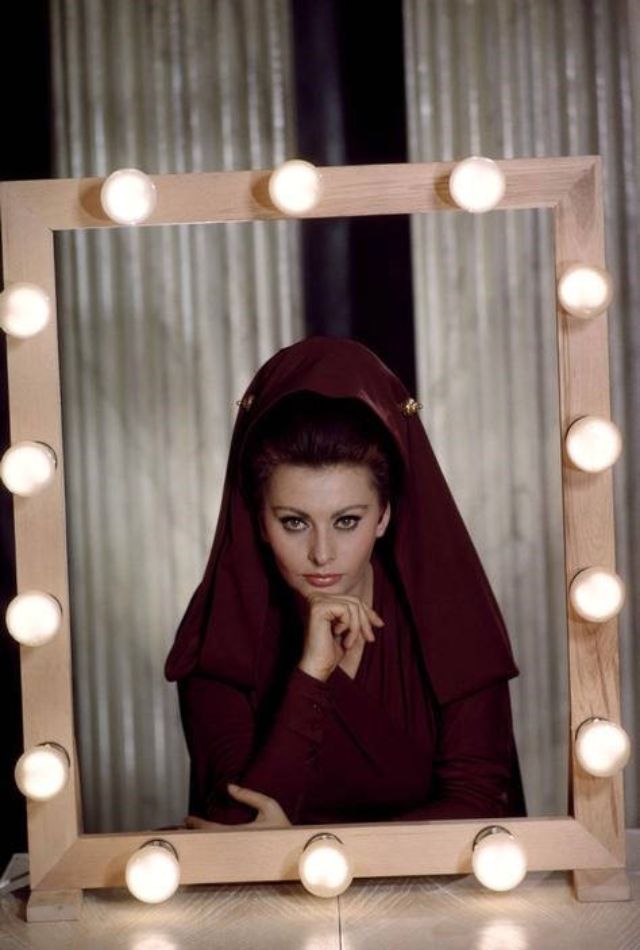
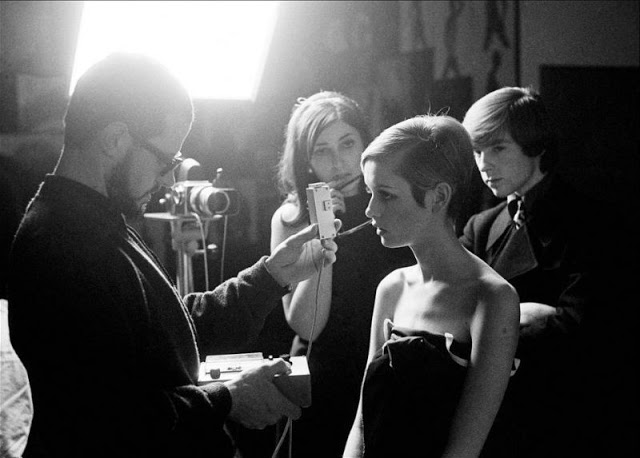
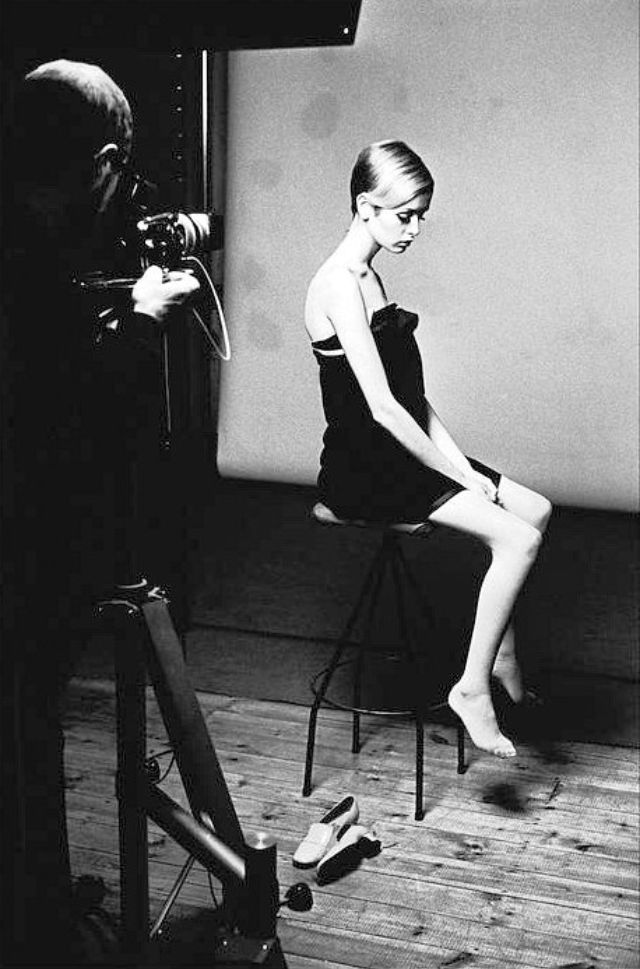
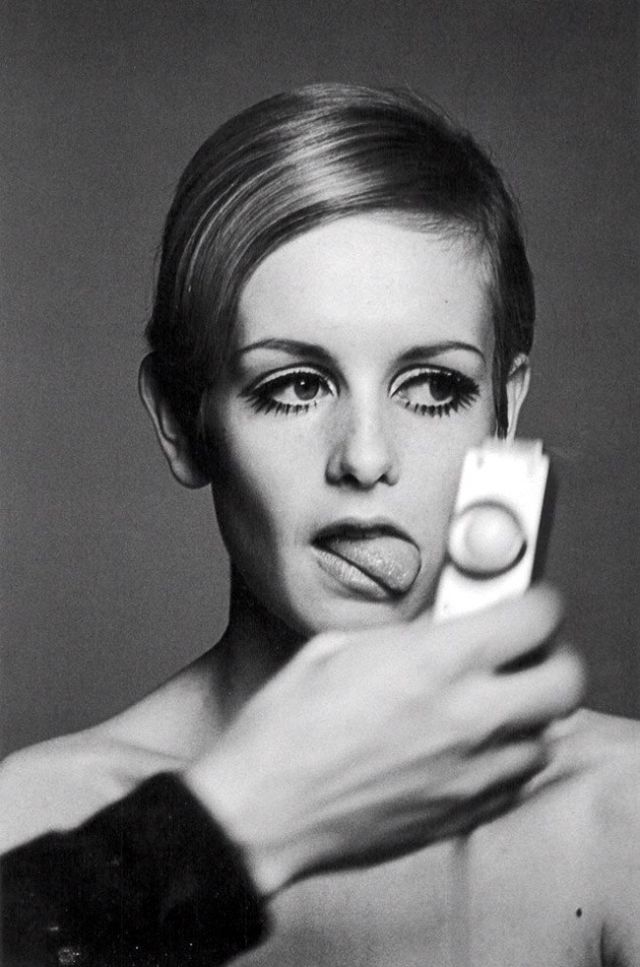
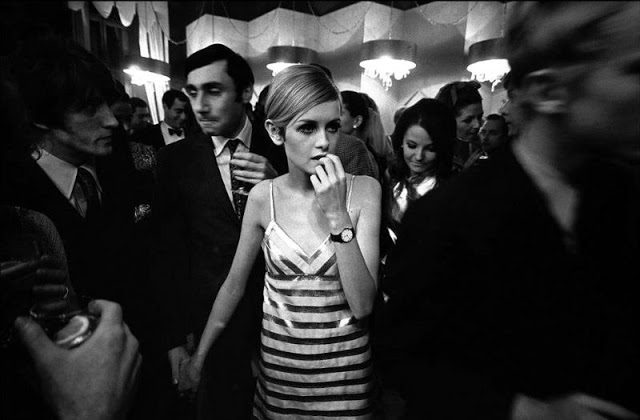
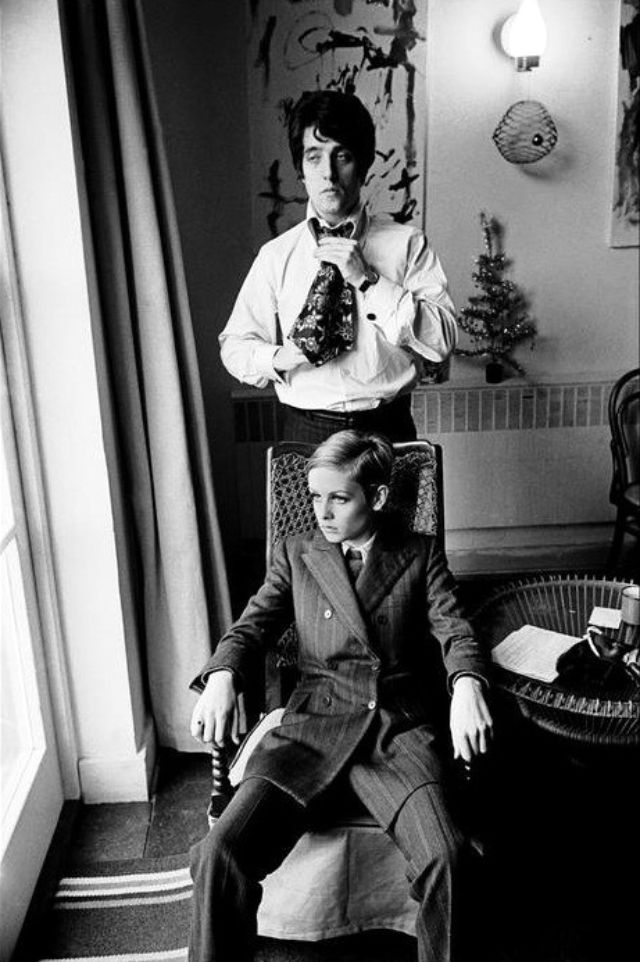
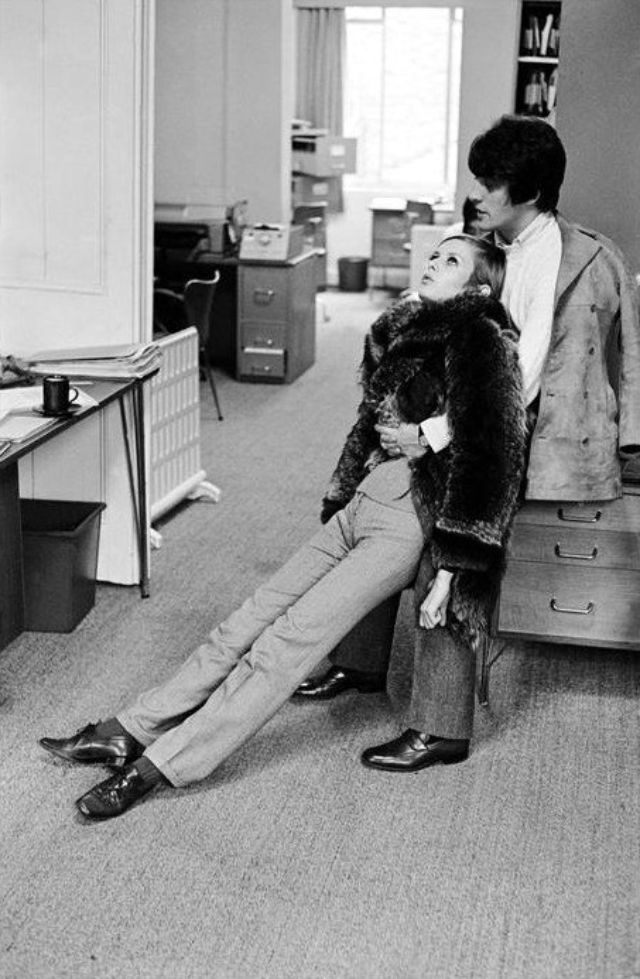
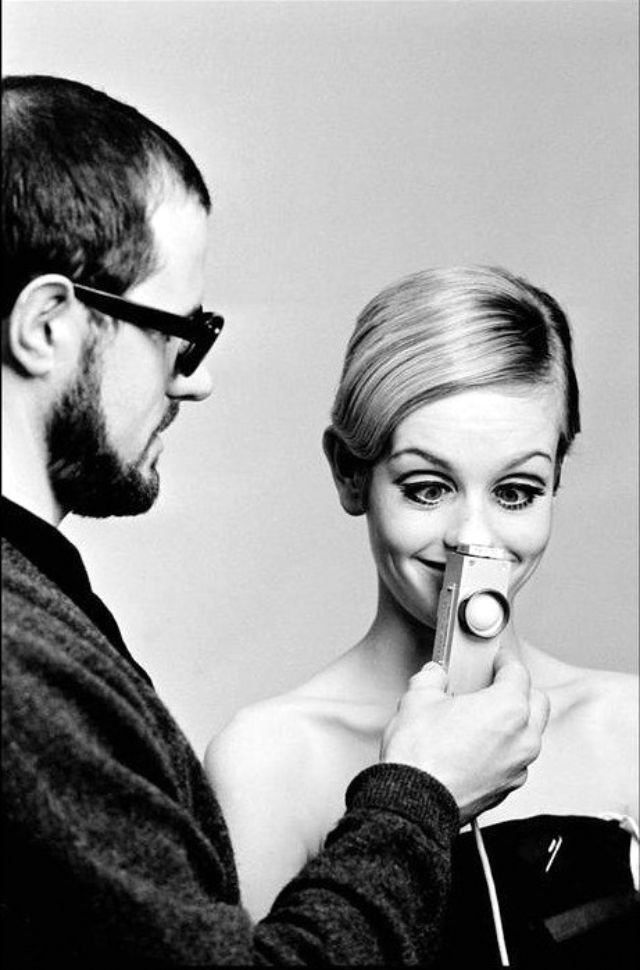
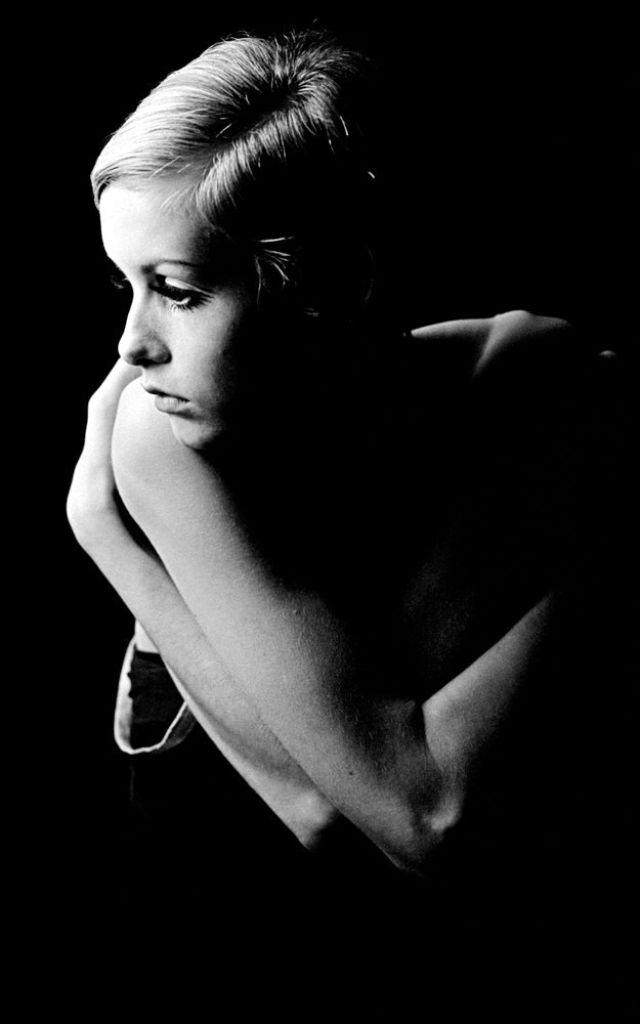
These glamorous photos of classic beauties are part of his work that Glinn shot in the 1950s and 1960s.
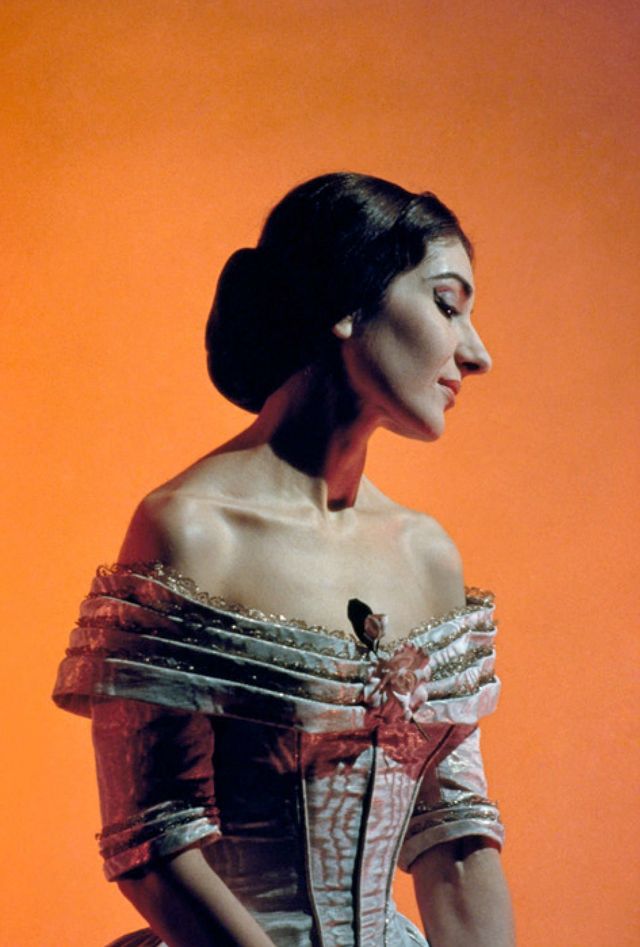
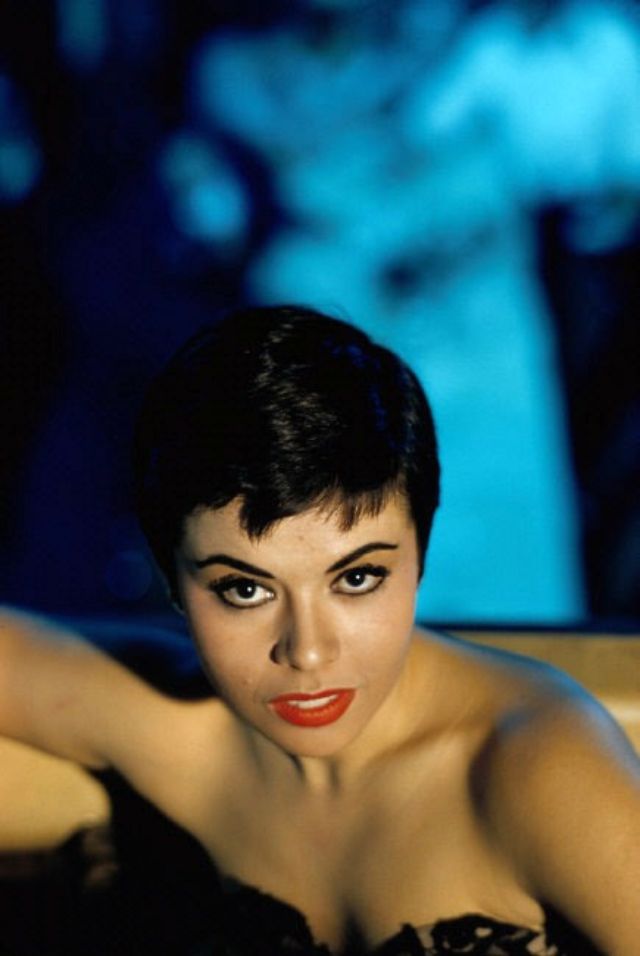
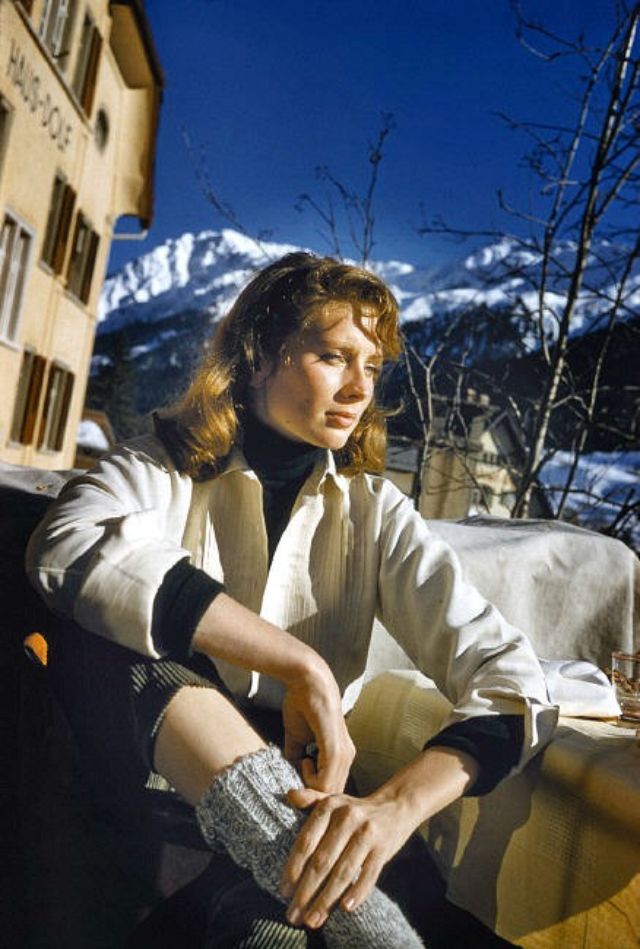
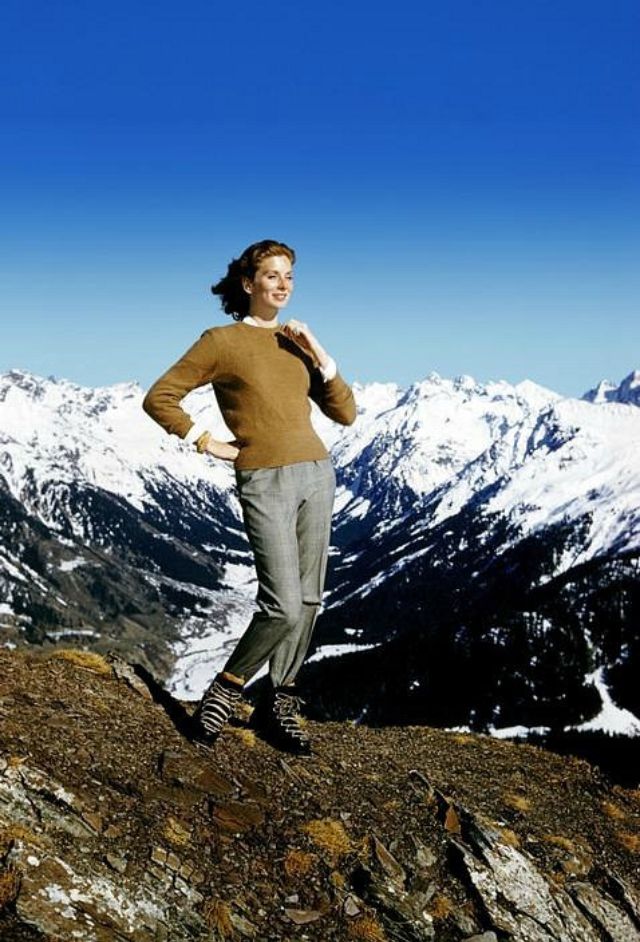
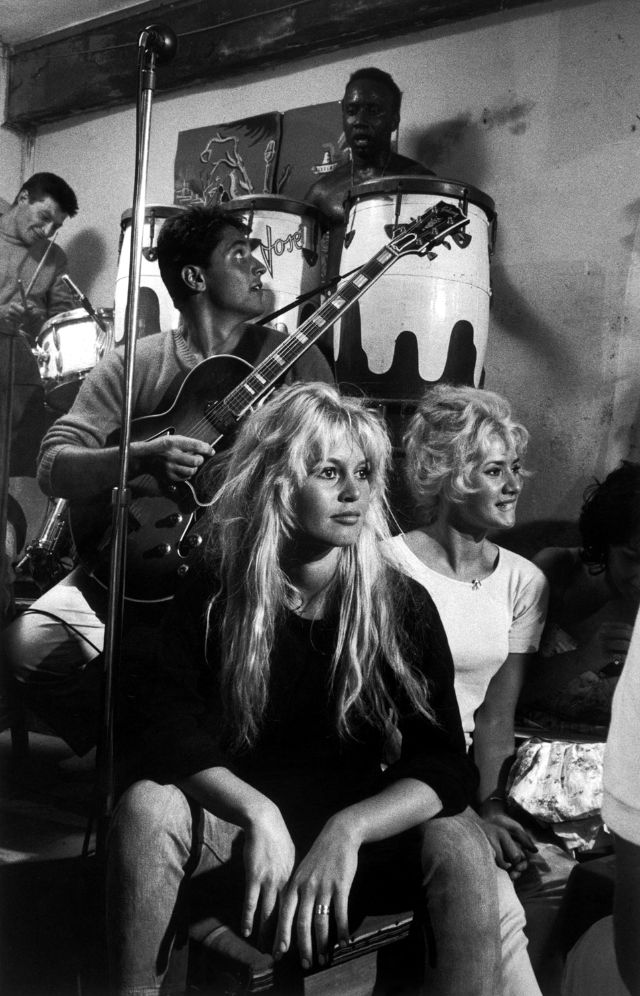

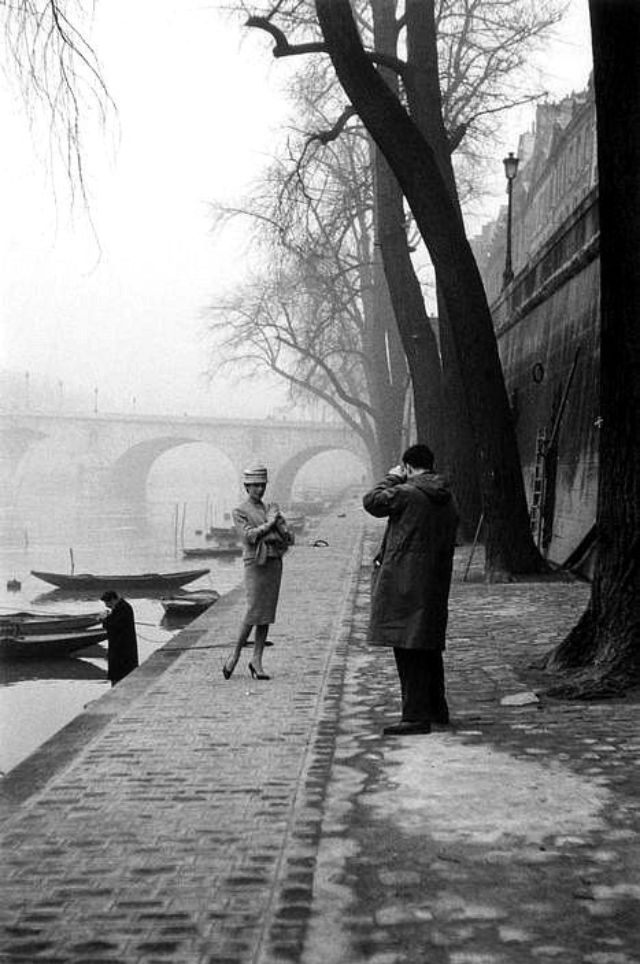

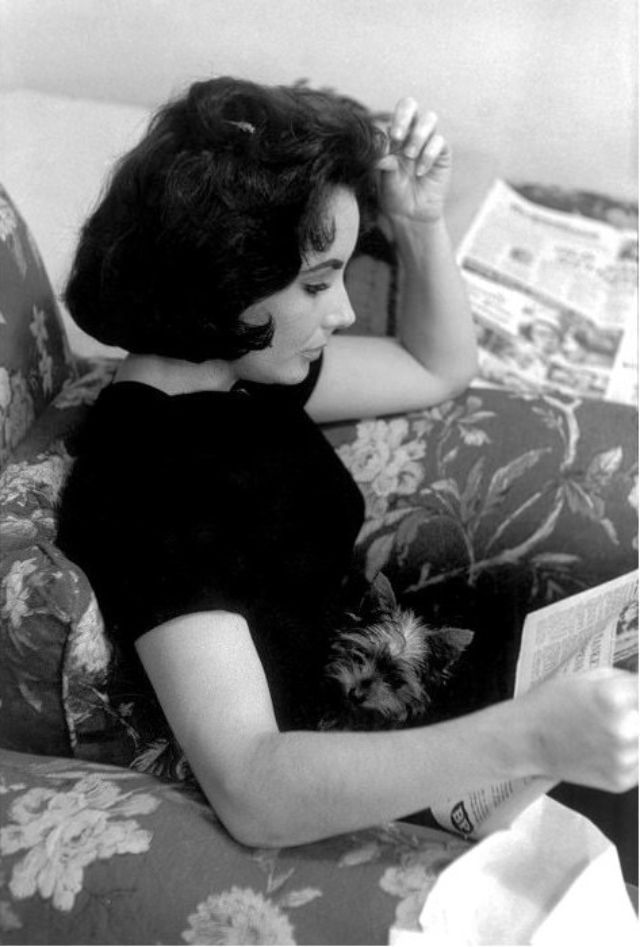






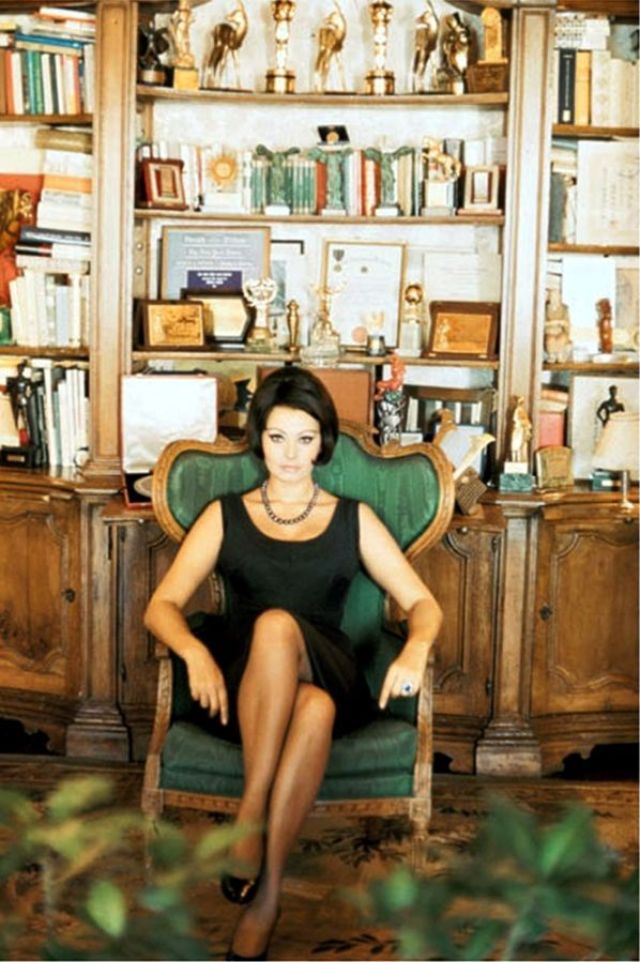

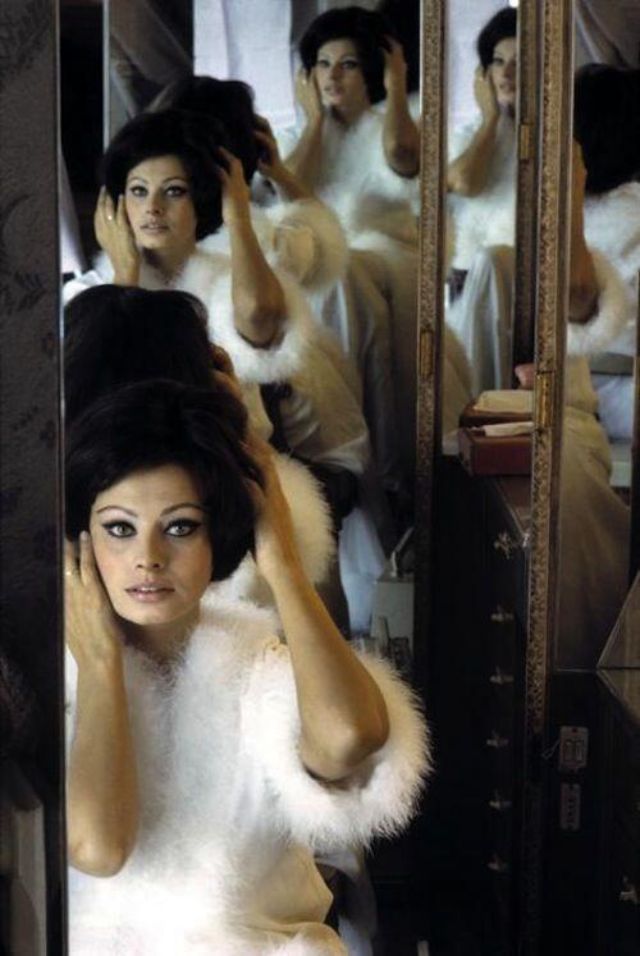
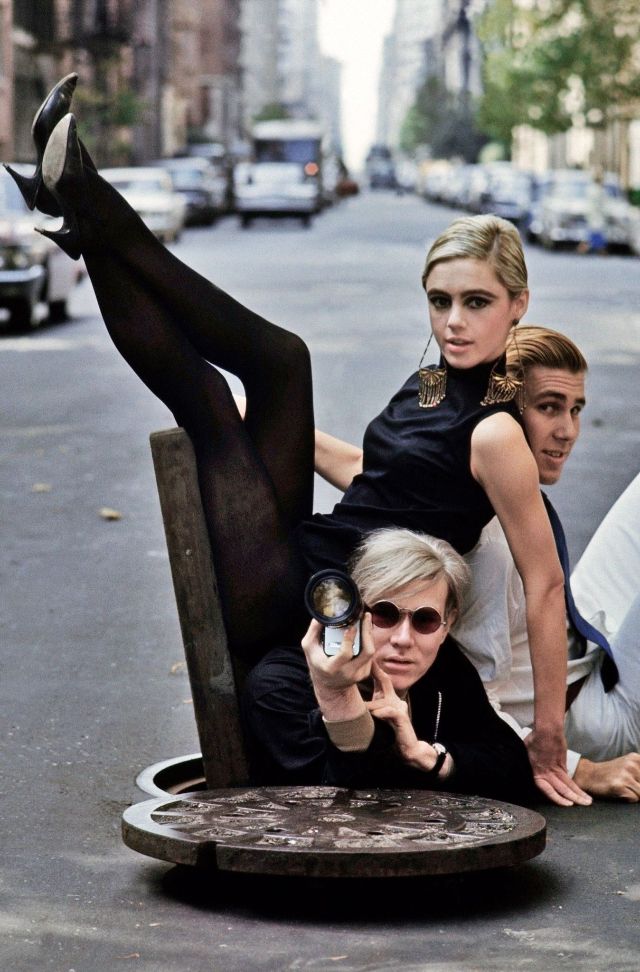

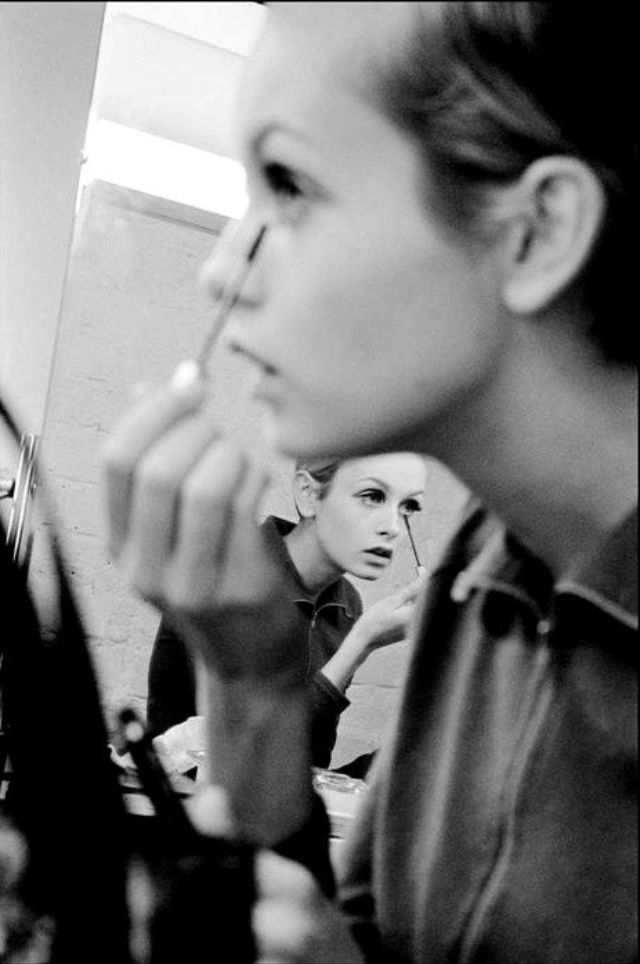



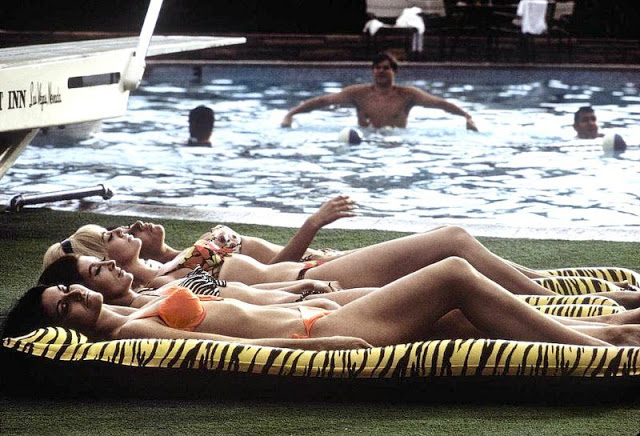
(Photos by Burt Glinn)
