56 Amazing Photos From the 1920s

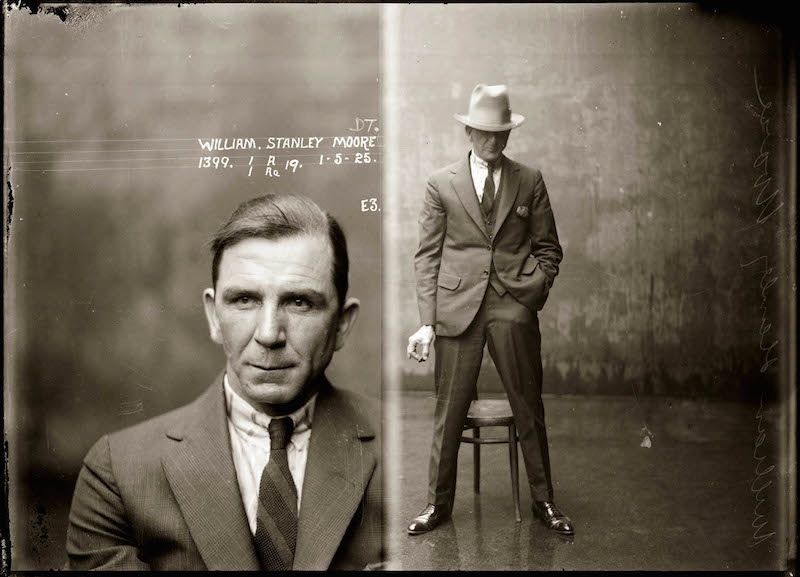
Even the mugshots were cool, 1925.
Miss Universe Ella Van Hueson, circa June 16, 1928.
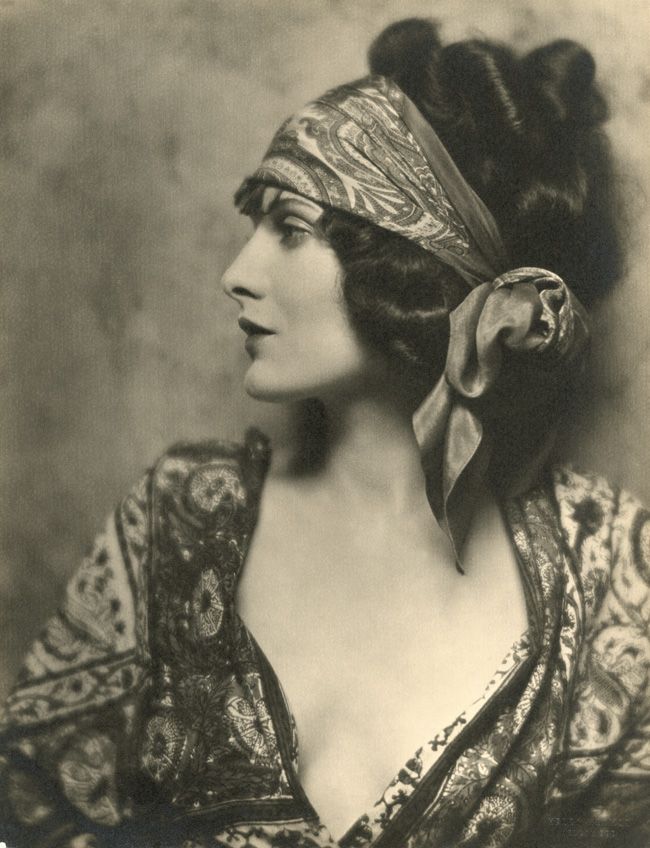
Silent film star Evelyn Brent, 1924.
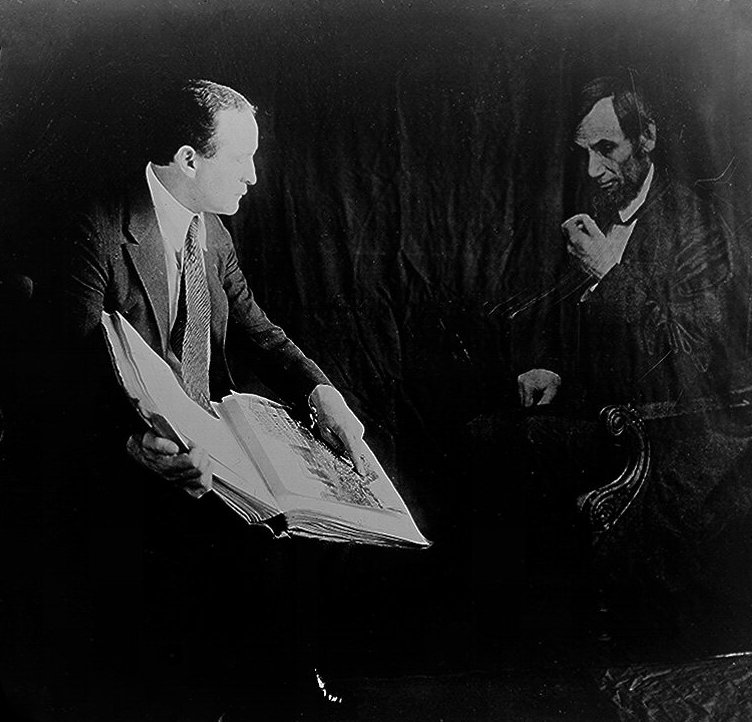
Harry Houdini demonstrates photo manipulation by taking a “spirit photograph” with Abraham Lincoln, 1920
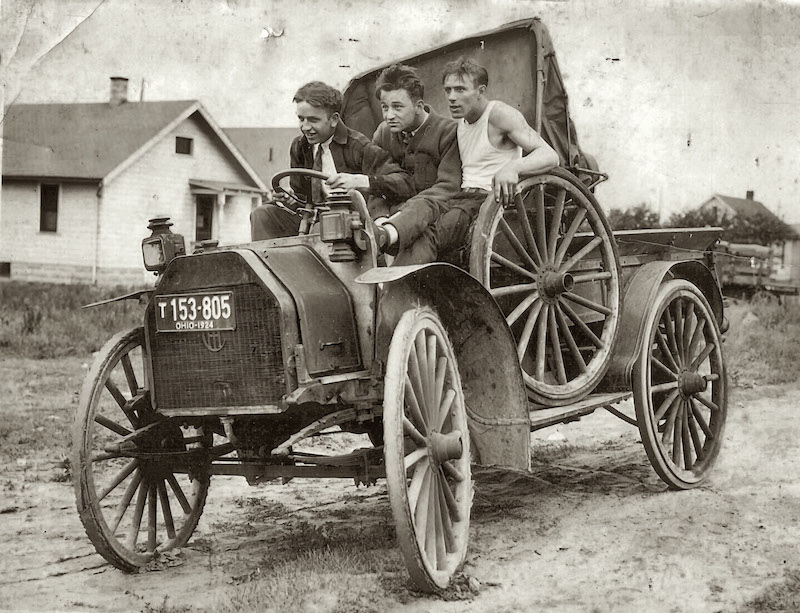
Three young men in a vehicle, 1924
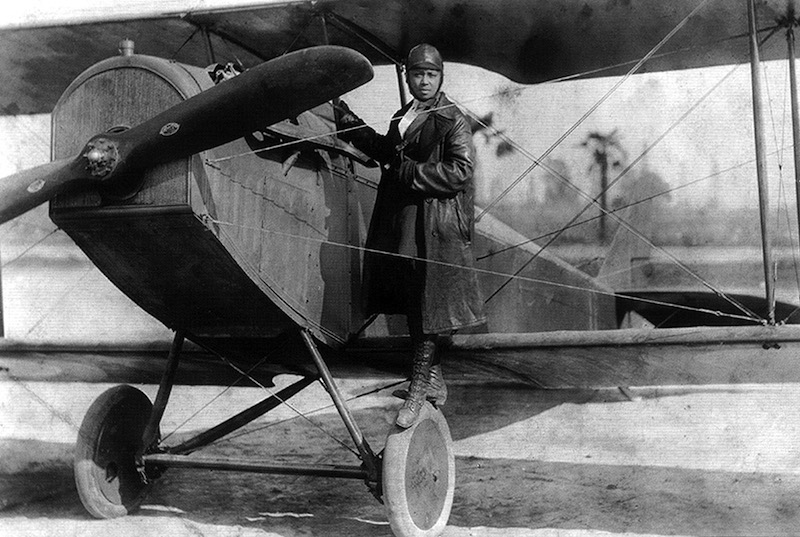
Aviator Bessie Coleman and her plane in 1922
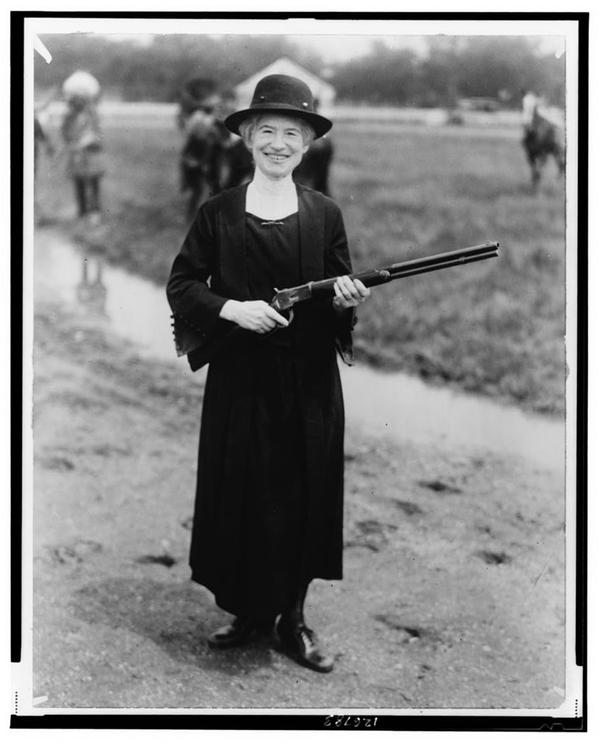
Sharpshooter Annie Oakley with a gun that Buffalo Bill gave her, 1922.
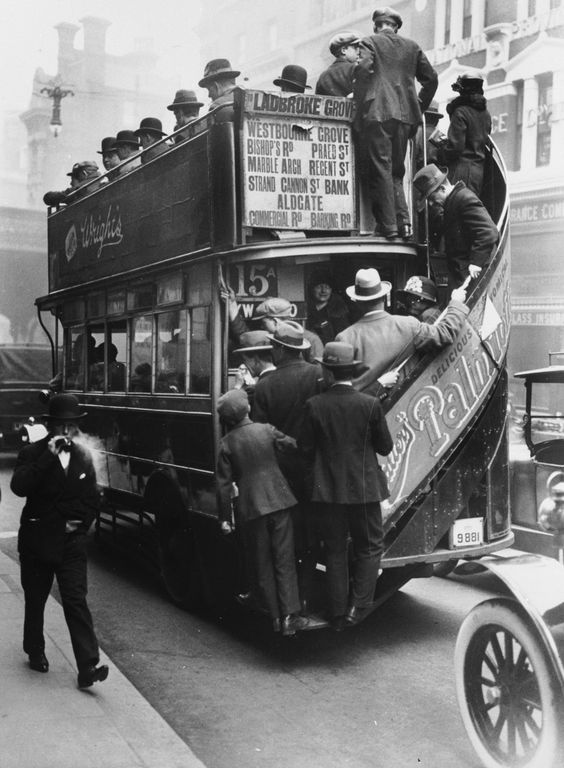
London Bus, 1928
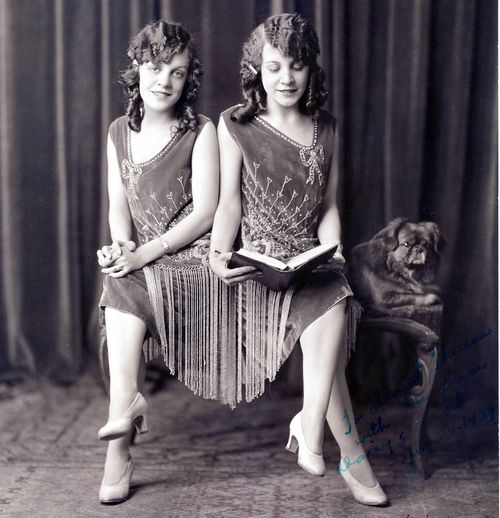
Conjoined twins Daisy and Violet Hilton, 1920s
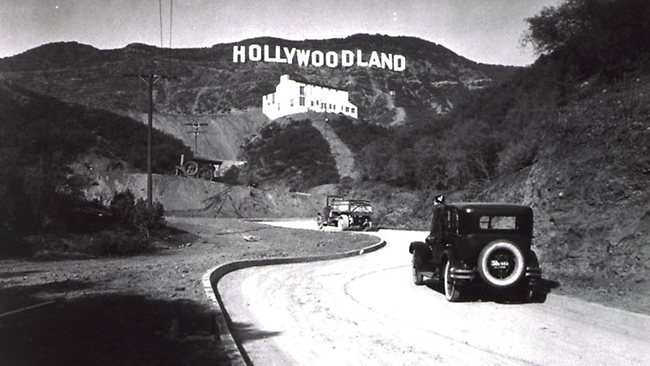
The Hollywood sign originally said “Hollywoodland” when it was installed in 1923.
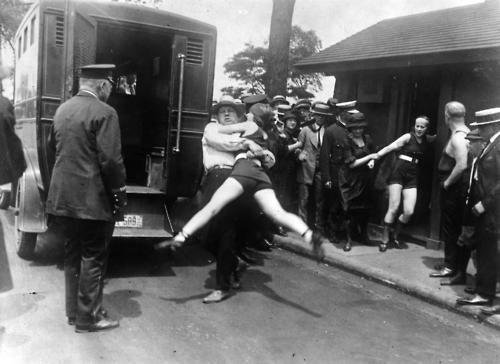
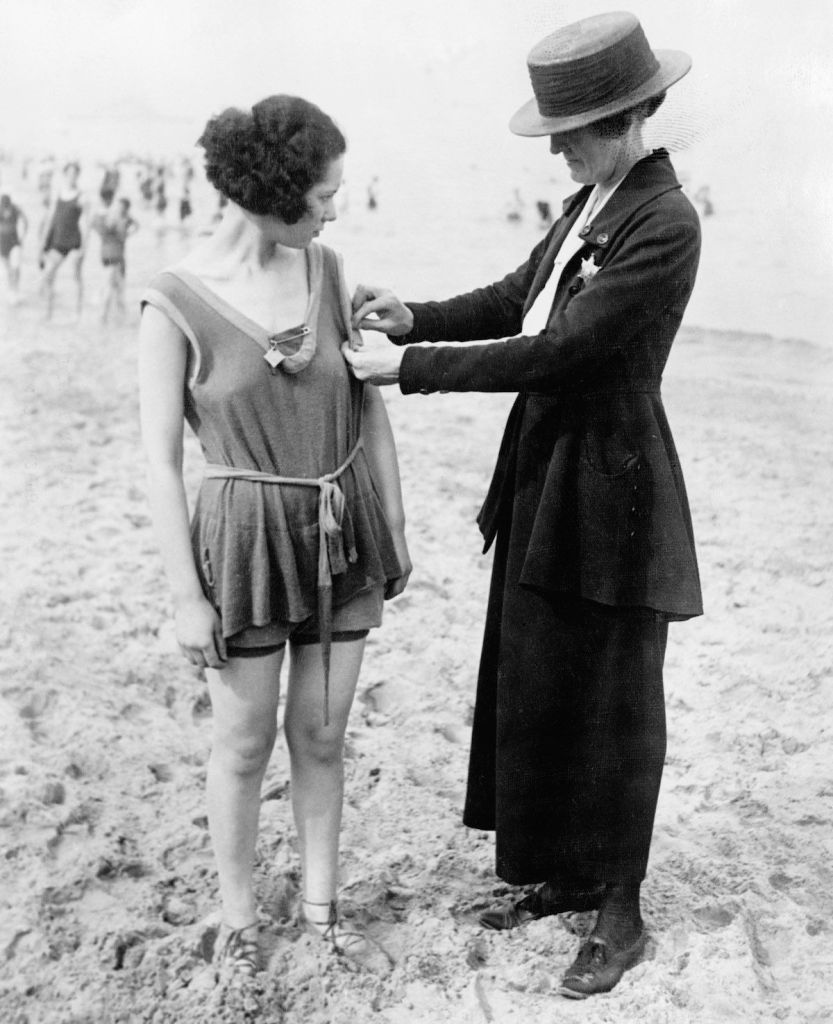
Women in Chicago being arrested for wearing one piece bathing suits and showing a little leg. 1922.
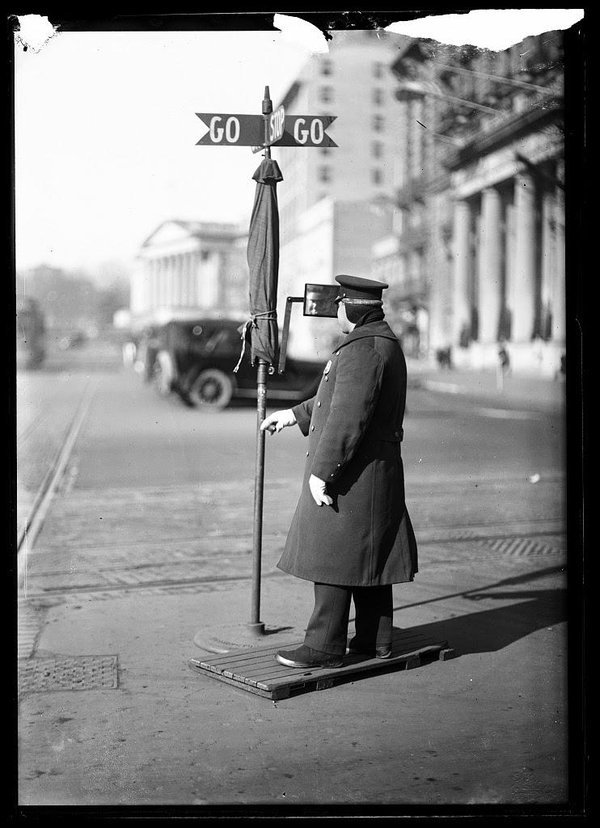
Traffic officer, Washington, D.C., 1923
Actor Rudolph Valentino, 1920s
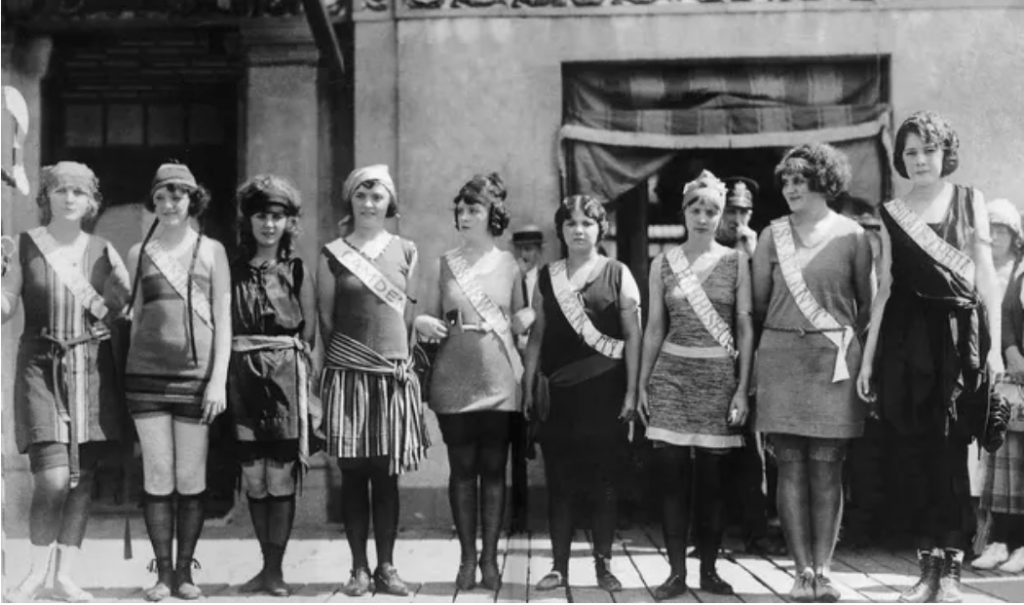
Miss America Contest, 1921
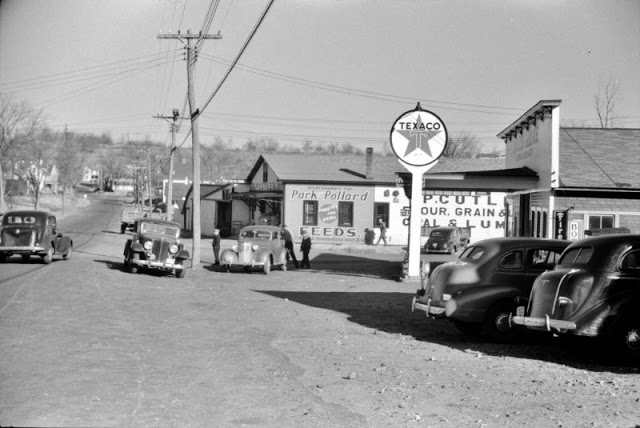
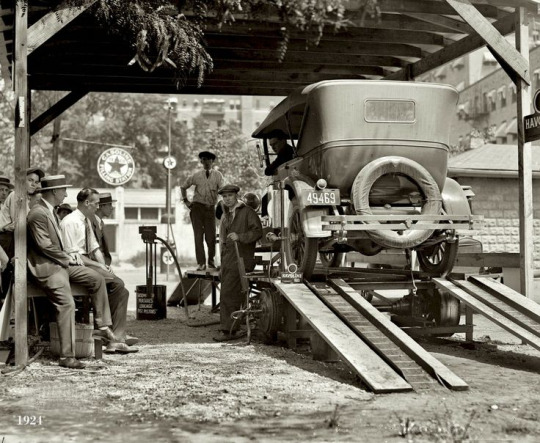
Texaco Service 1924
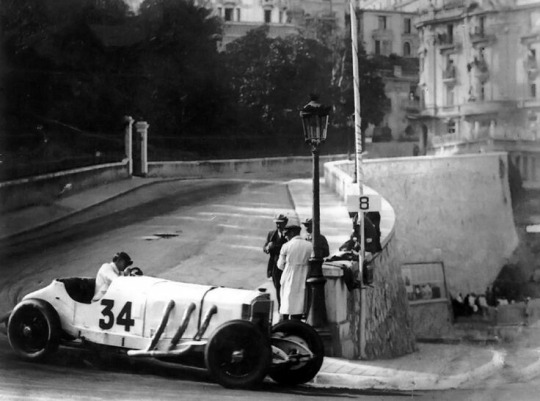
Monaco 1929
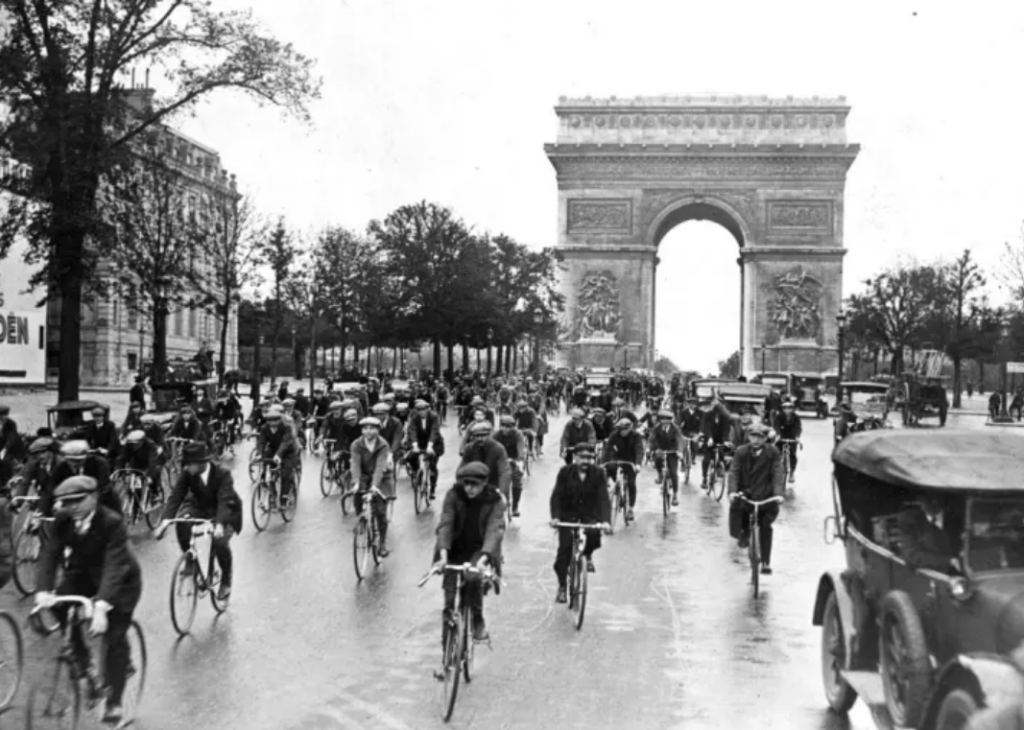
Here, cycling up the Champs Elysees are the nearly 160 competitors of the Tour de France in June, 1926.
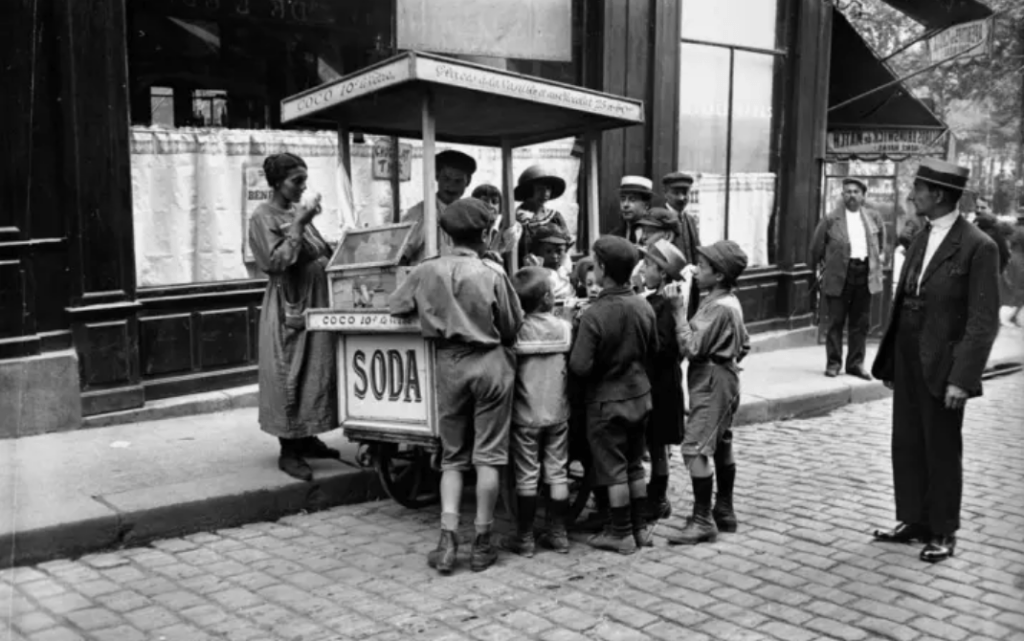
An ice-cream vendor selling sodas and sweets to children on the city streets of Paris, 1925.
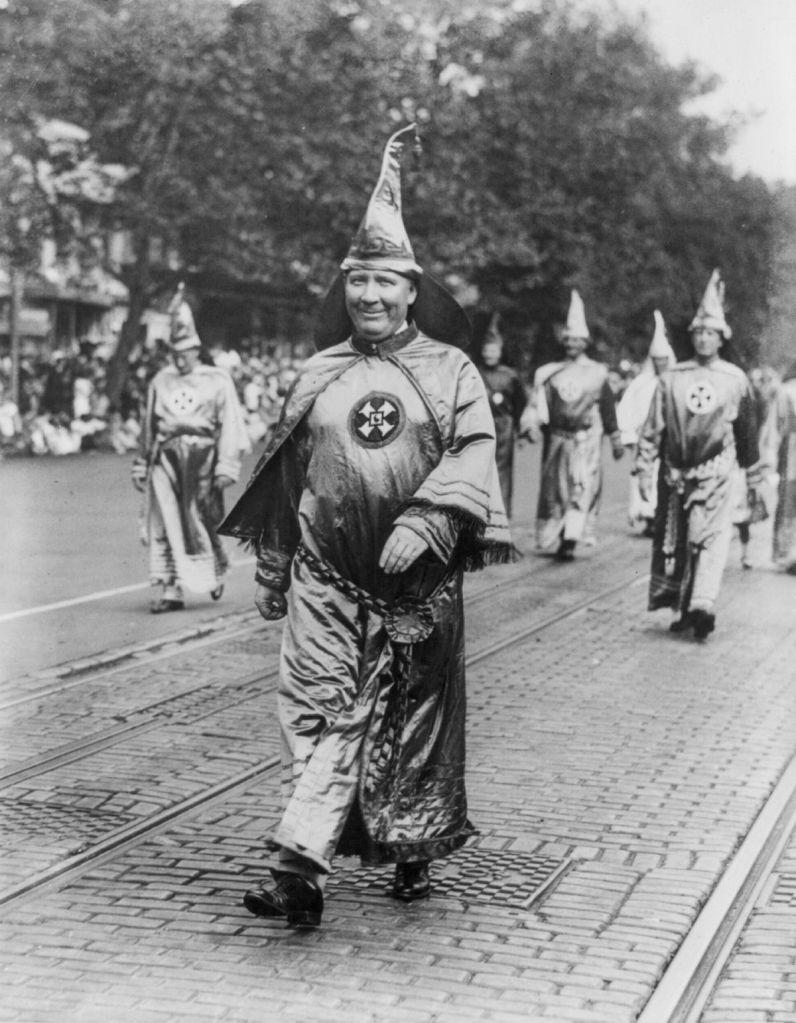
Hiram Wesley Evans, who was Imperial Wizard of the Ku Klux Klan, walking in the mass Klan march in Washington, D.C., in 1926
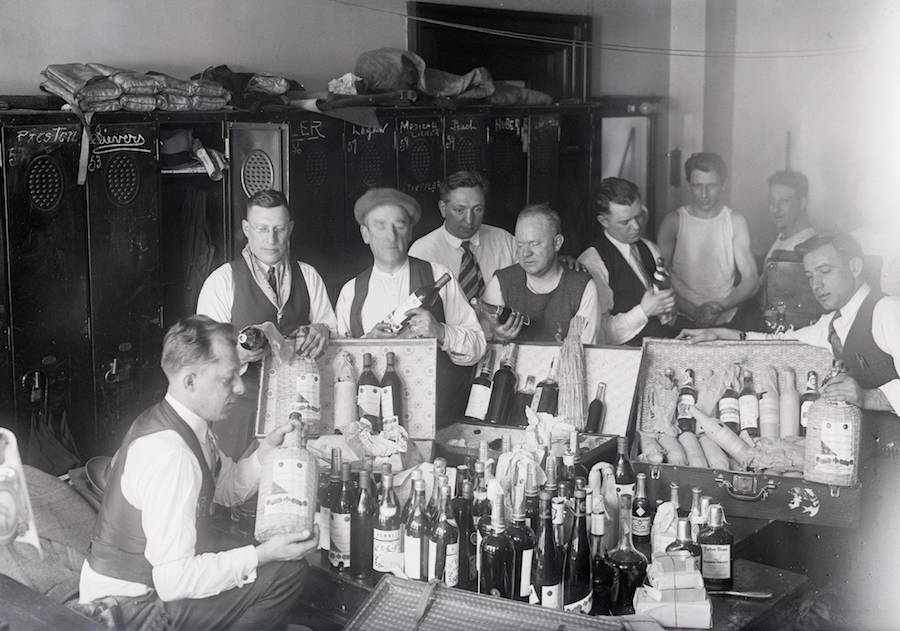
New York City prohibition agents dumping liquor into the gutter, 1920s.
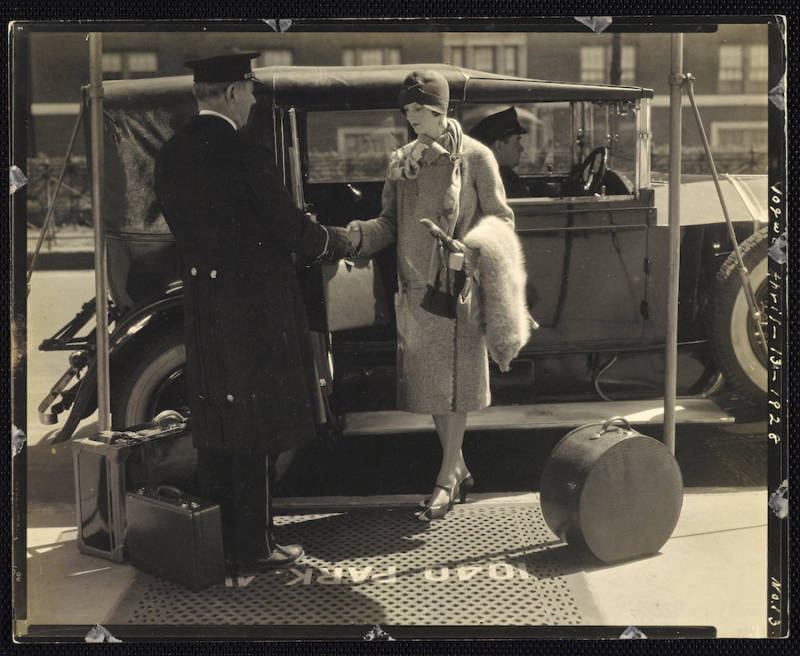
Model Hannah Lee Sherman dressed in a Chanel coat, brimless hat, fox stole, suede bag, and snakeskin shoes is helped out of a car on Park Avenue in NYC.
Customs men examining liquor seized from a rum-runner ship from Havana that docked at a port on the harbor of New York.
Chicago policewomen checking for violations of the bathing suit-length laws, 1921.
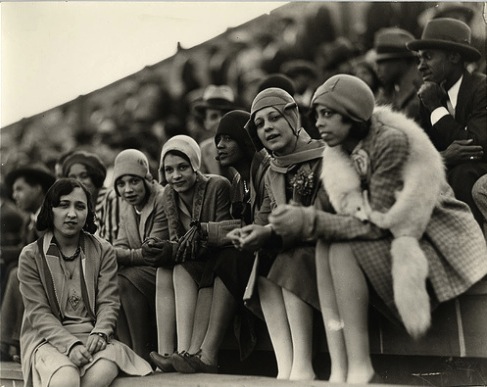
Howard University Flappers, 1920.
Al Capone in a Bathing Suit at His Palm Island Florida Estate, 1929.
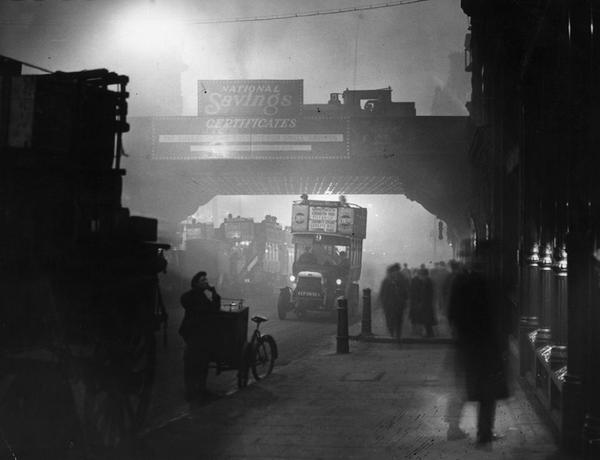
A smoggy Ludgate Circus, London, 1922.
Corner of Michigan and Griswold. Detroit, Michigan, 1920.
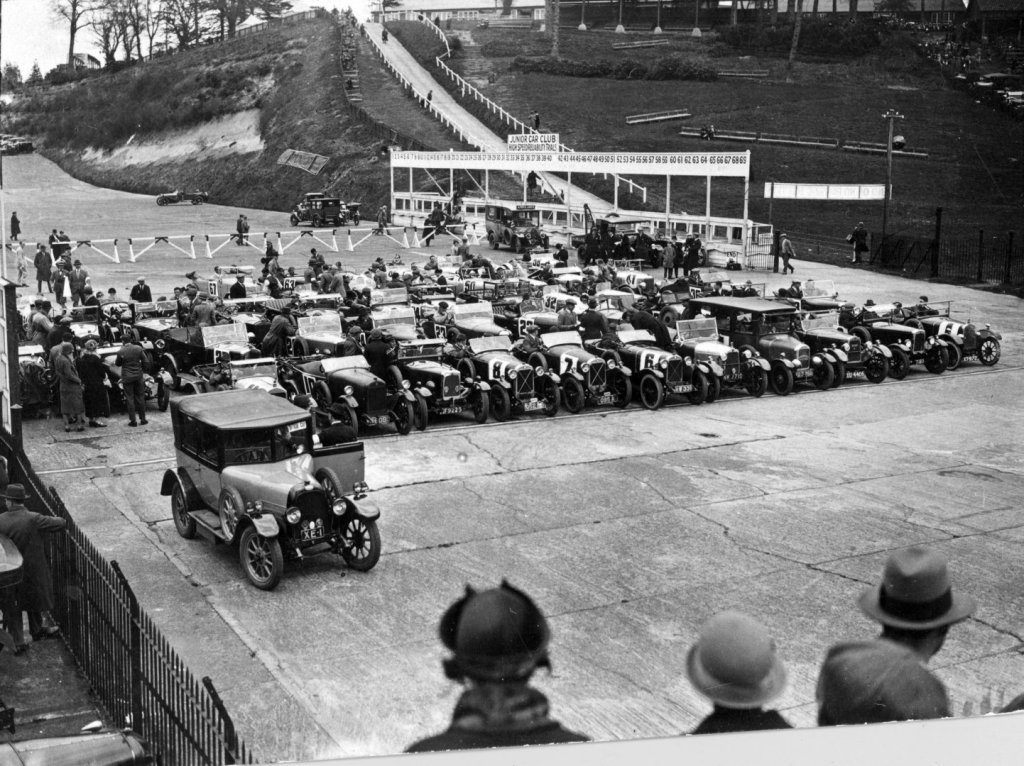
2nd May 1925: 58 light cars starting the 100 miles high speed reliability trials at Brooklands, Weybridge, Surrey, England.
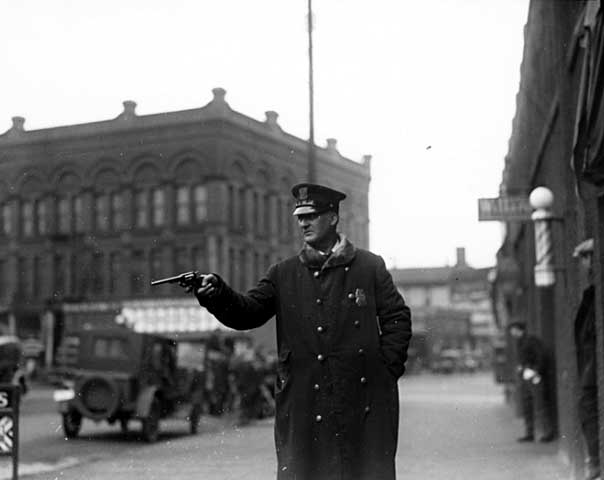
Directing traffic the Minneapolis way, 1923
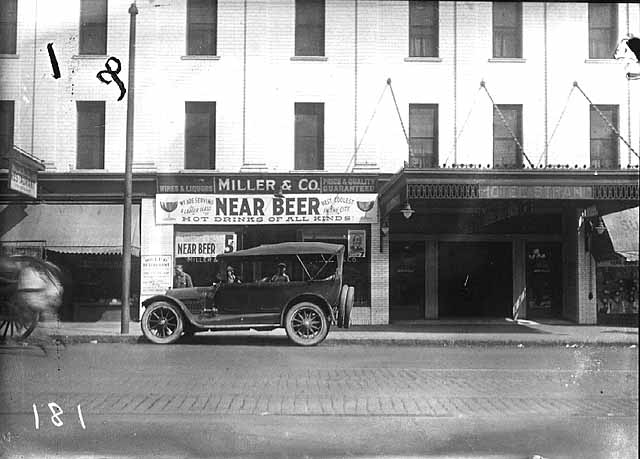
Miller’s restaurant, 126 Washington Avenue south, Minneapolis, January 16, 1920
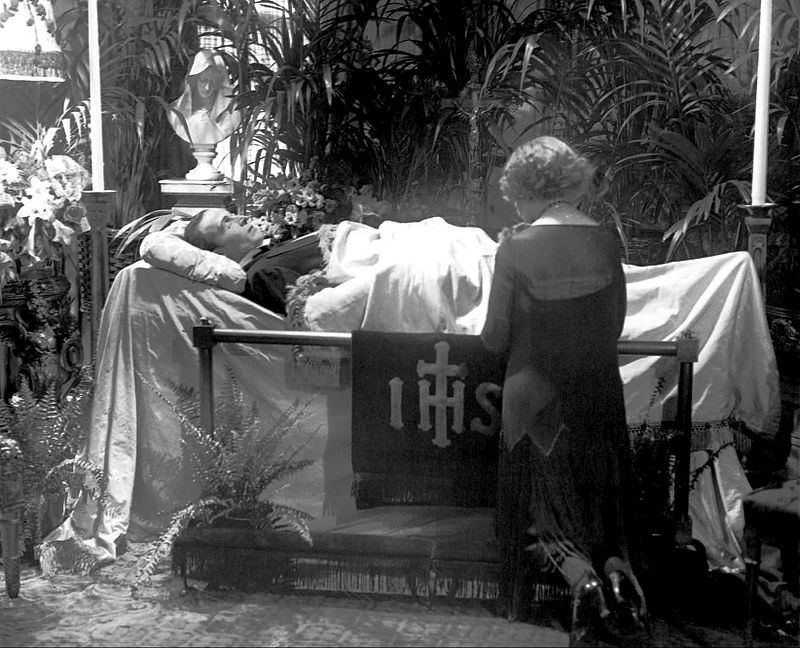
A mourner grieves at the bier of Rudolph Valentino during the actor’s funeral, August 1926.
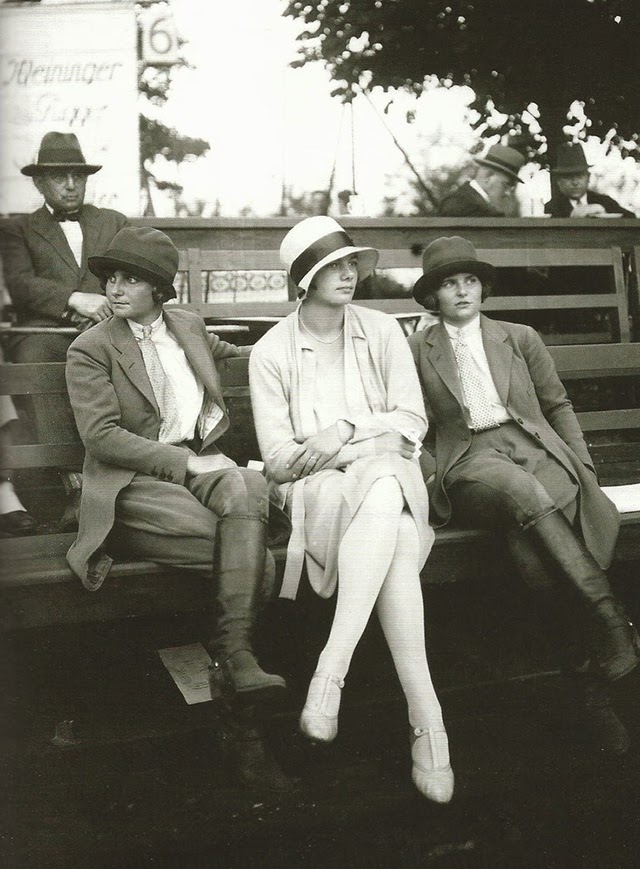
Berlin, 1928
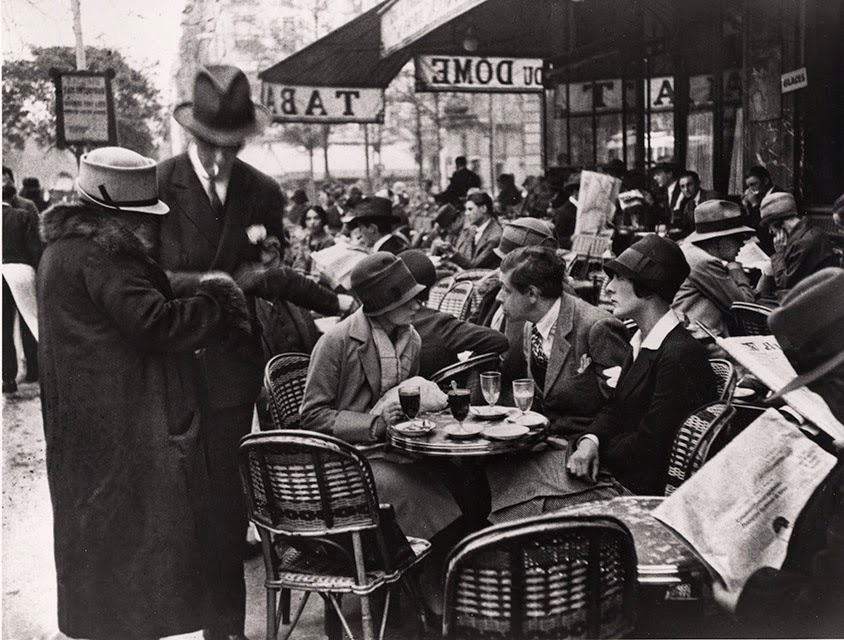
Cafe du Dome, Paris 1928.
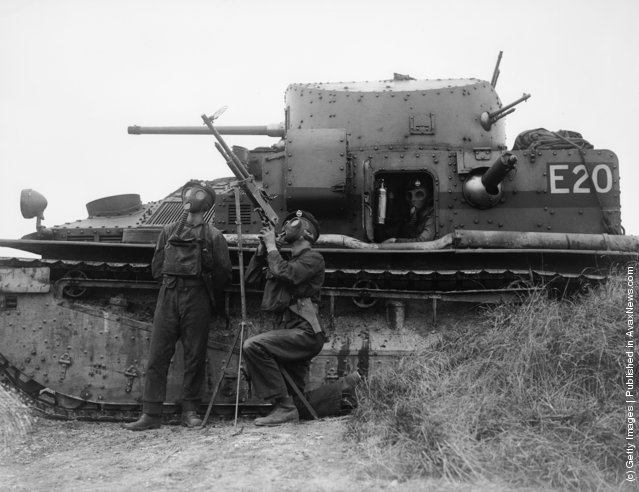
British soldiers wear gasmasks during manoeuvres. 1928
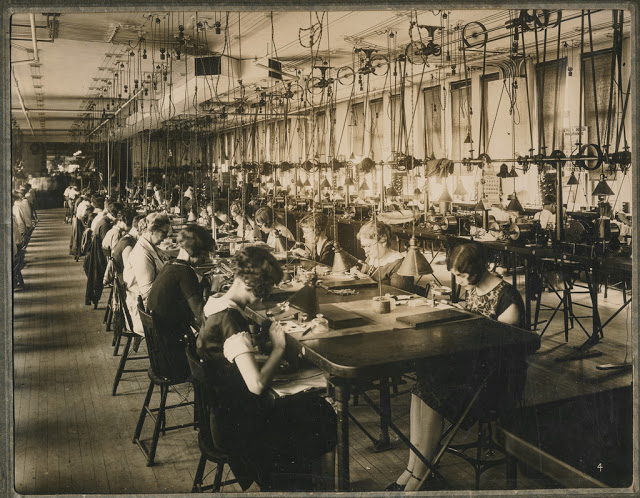
Women working in a factory, 1920s
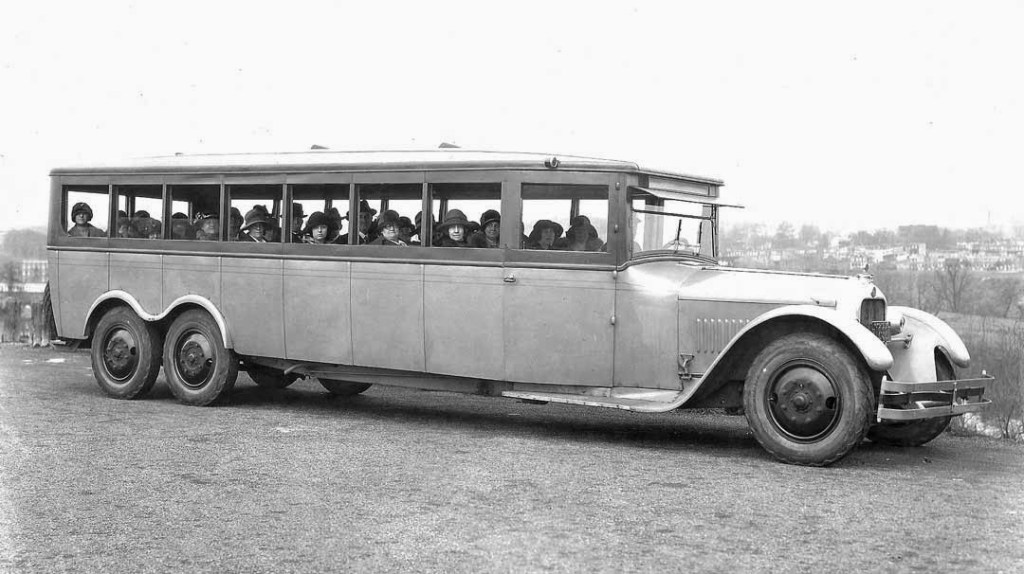
A Goodyear Six-wheeled Bus from 1921
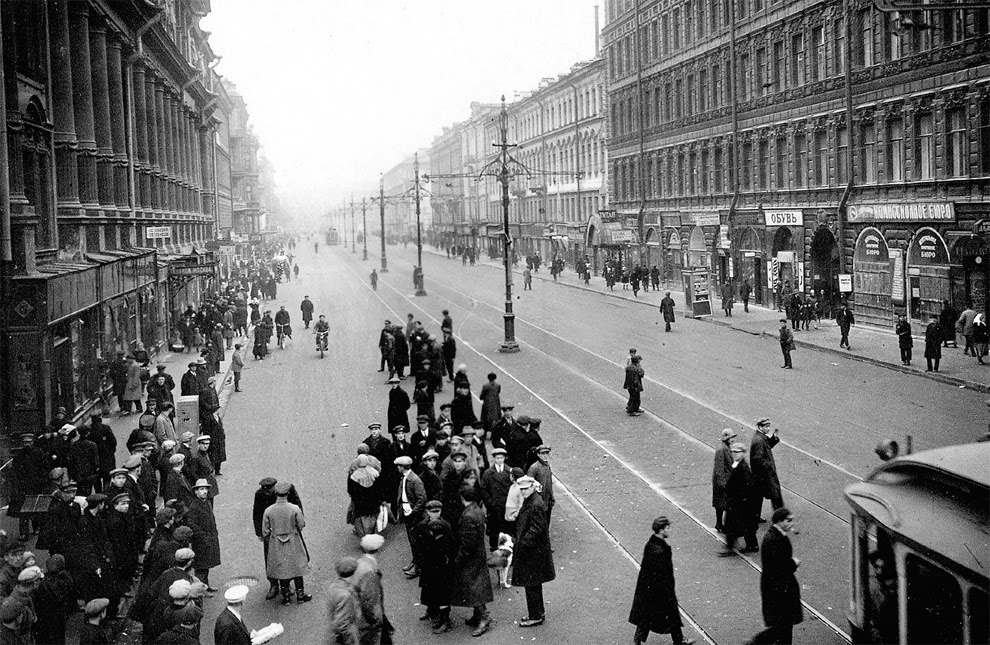
Leningrad, Russia, 1920s
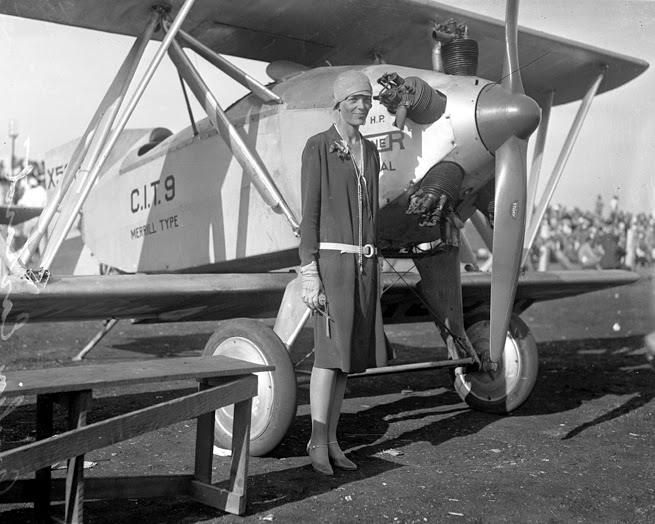
Amelia Earhart, Los Angeles, 1928.
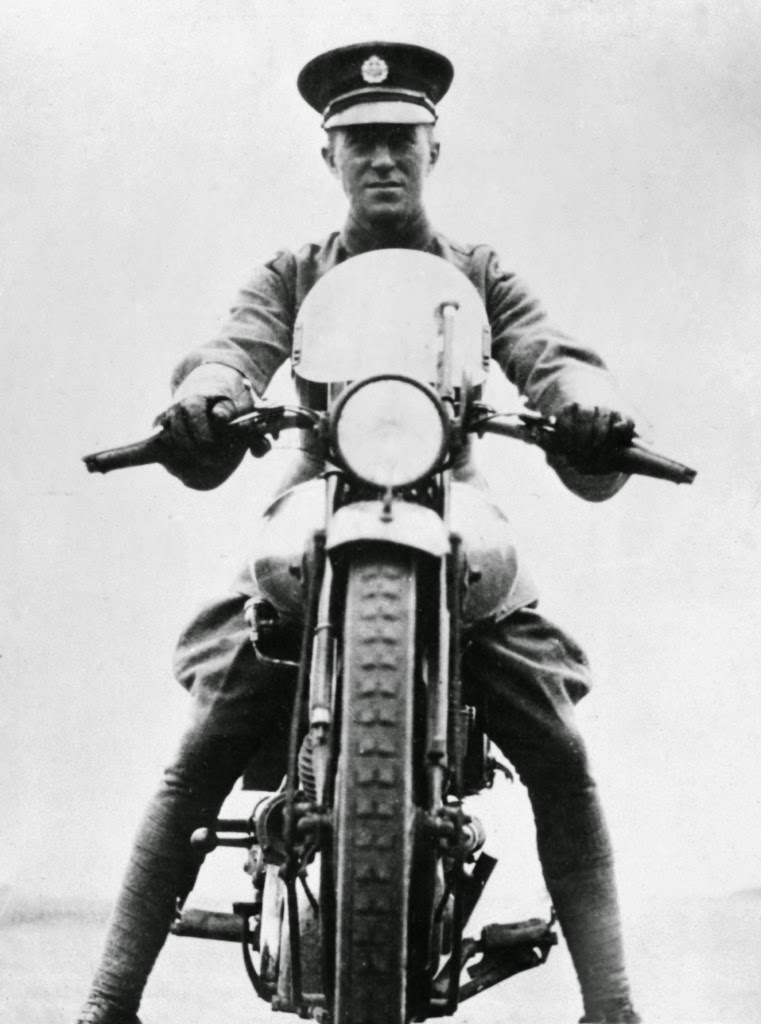
T.E. Lawrence, ‘Lawrence of Arabia’, on his Brough Superior motorcycle. 1927
The two Royal Princes, Prince Albert, foreground, and Prince Henry, at Cambridge University use motorcyles to go to lectures. 1920
Signor Davide Cislaghi with his one wheel motorcycle called the “Monowheel”, 1923.
Paris, 1920s
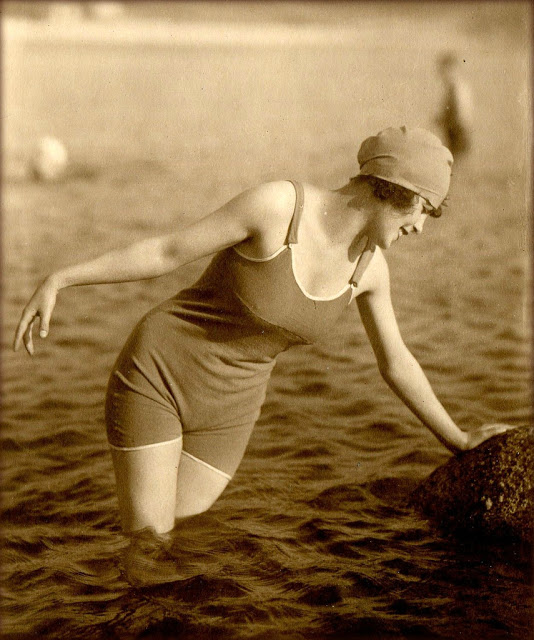
Young beauty in swimsuit, 1920s
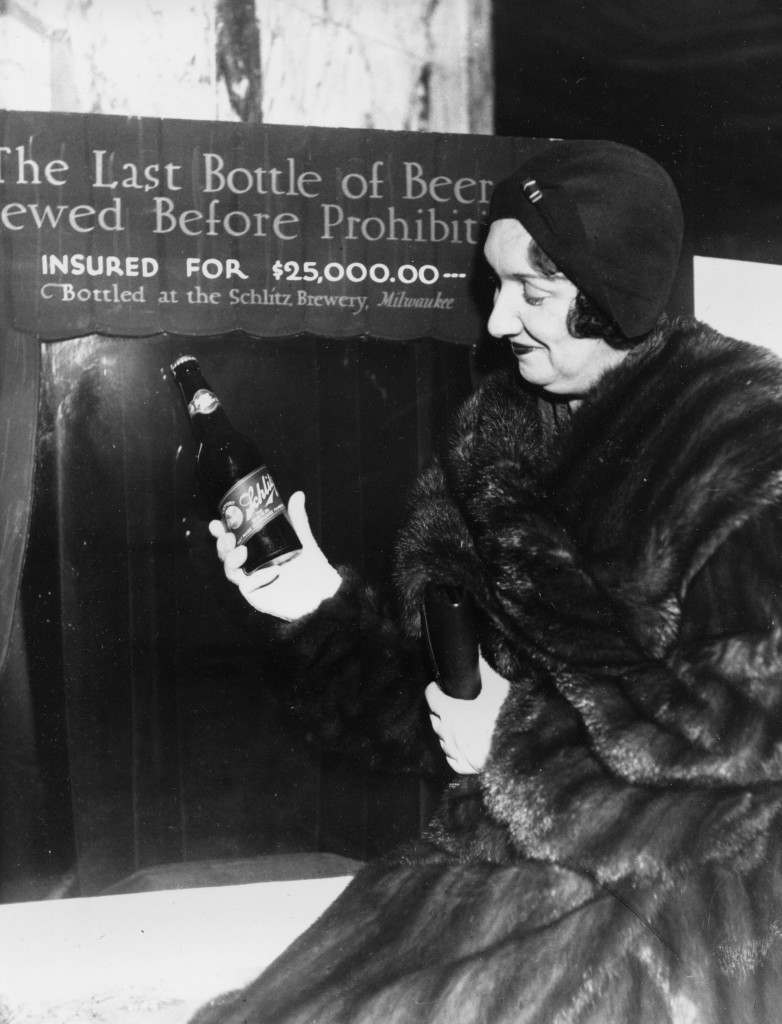
Rae Samuels holds the last bottle of beer that was distilled before prohibition went into effect in Chicago, Ill., Dec. 29, 1920.
Two bathers being escorted off the beach by a police woman. Chicago, Ill., 1922
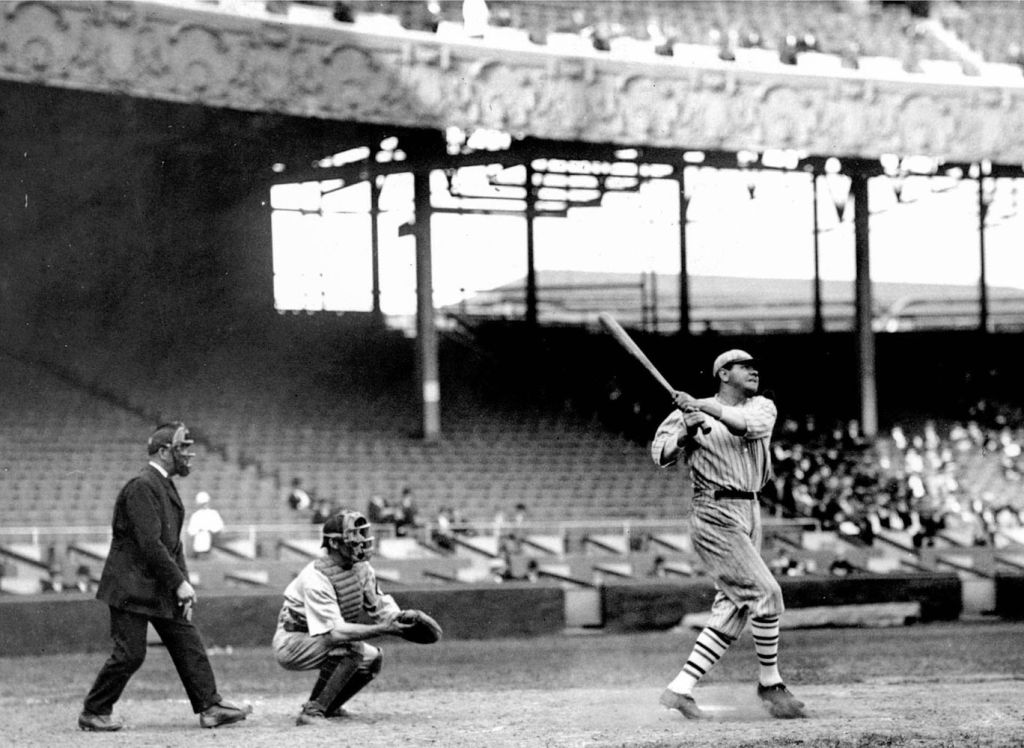
Babe Ruth batting in 1926.
Charles Lindbergh with the Spirit of St. Louis before his Paris flight, 1927
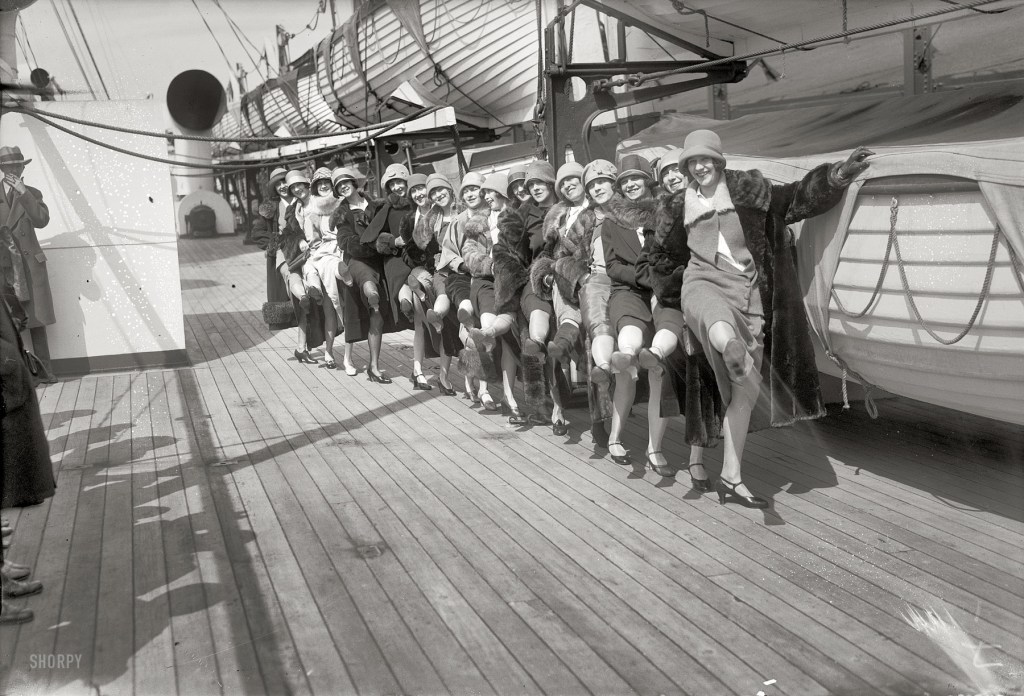
“Tiller girls.” Arriving from England, 16 chorus girls in the troupe originated by British musical-theater impresario and precision-dancing pioneer John Tiller. New York, 1926.
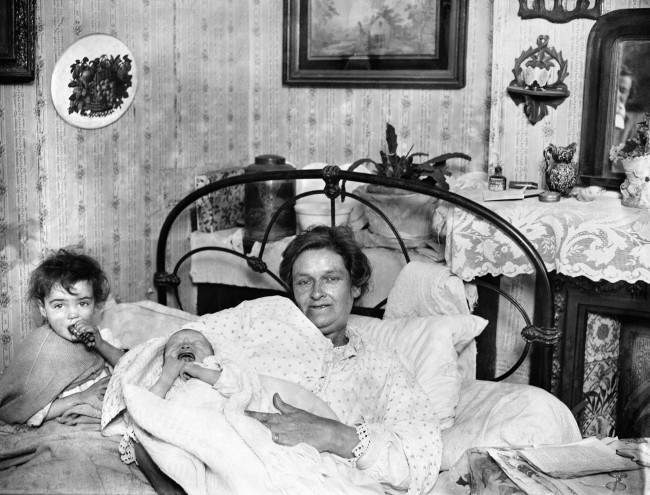
Emily Lucas of Tonbridge, England, with her 23rd child, 1926.
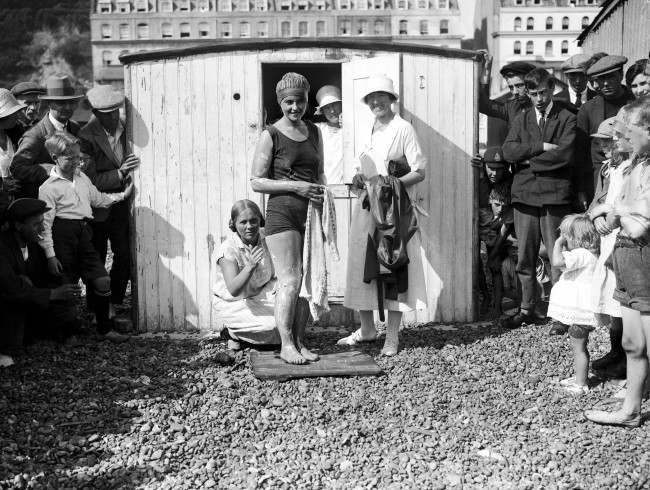
Miss Mercedes Gleitze starts from Folkestone to attempt to swim the channel. This was her seventh try. Mercedes Gleitze became, at her eighth attempt, the first British woman to swim the channel. 1926
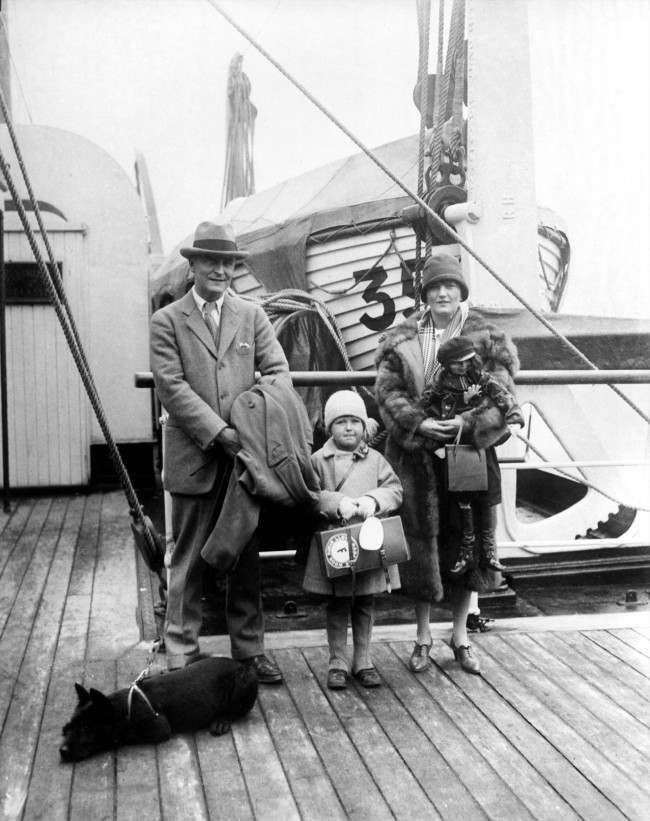
American writer F. Scott Fitzgerald poses with his wife Zelda and their daughter Scottie aboard a ship as they return to America from a two-year European trip in Dec. 1926.
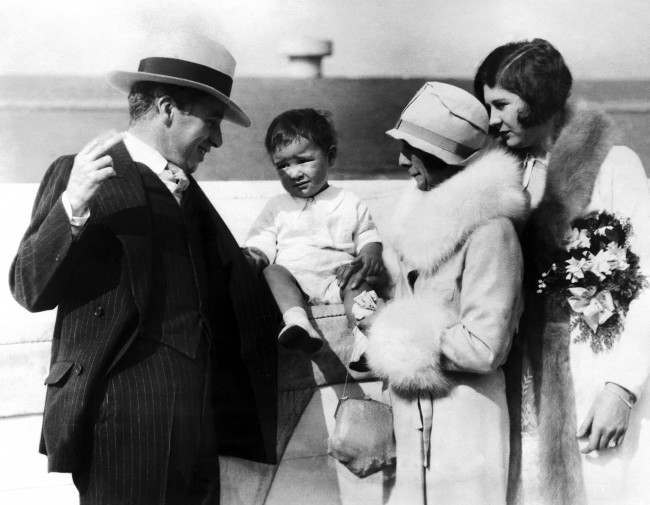
Charlie Chaplin, his son, his mother-in-law and his wife. 1926
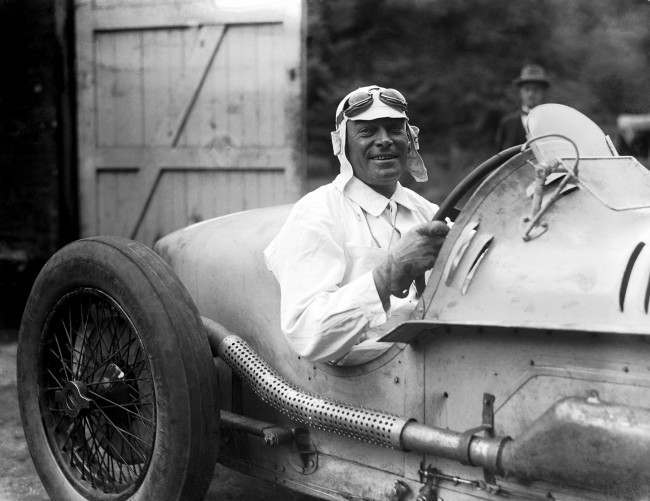
Louis Wagner, winner of the first English Grand Prix, 1926
Norma Smallwood, of Tulsa, Okla., poses in her bathing suit with trophies after becoming Miss America 1926 in Atlantic City, N.J., on Sept. 11, 1926.
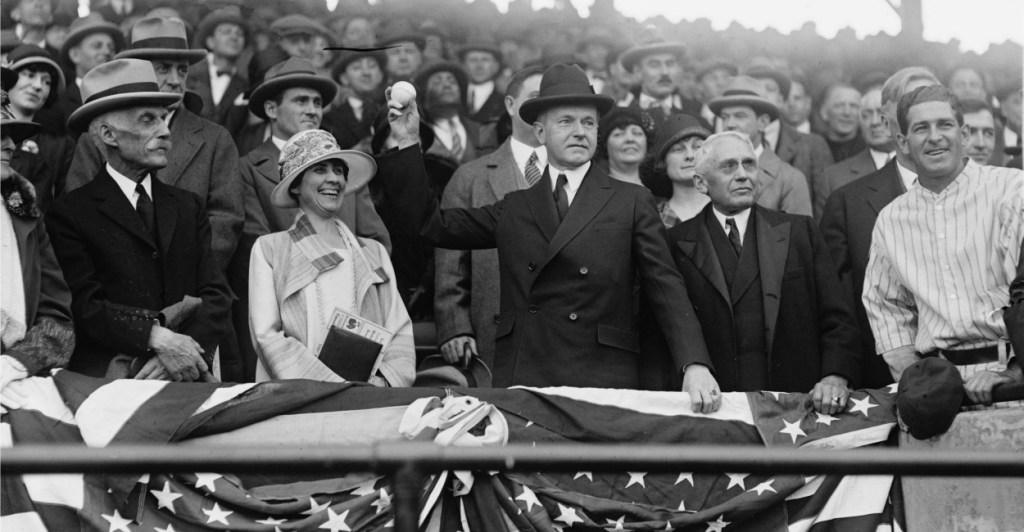
President Calvin Coolidge, with wife Grace and Secretary of Treasury Andrew Mellon, opens the Baseball season by throwing out the first ball, Apr. 22, 1924.
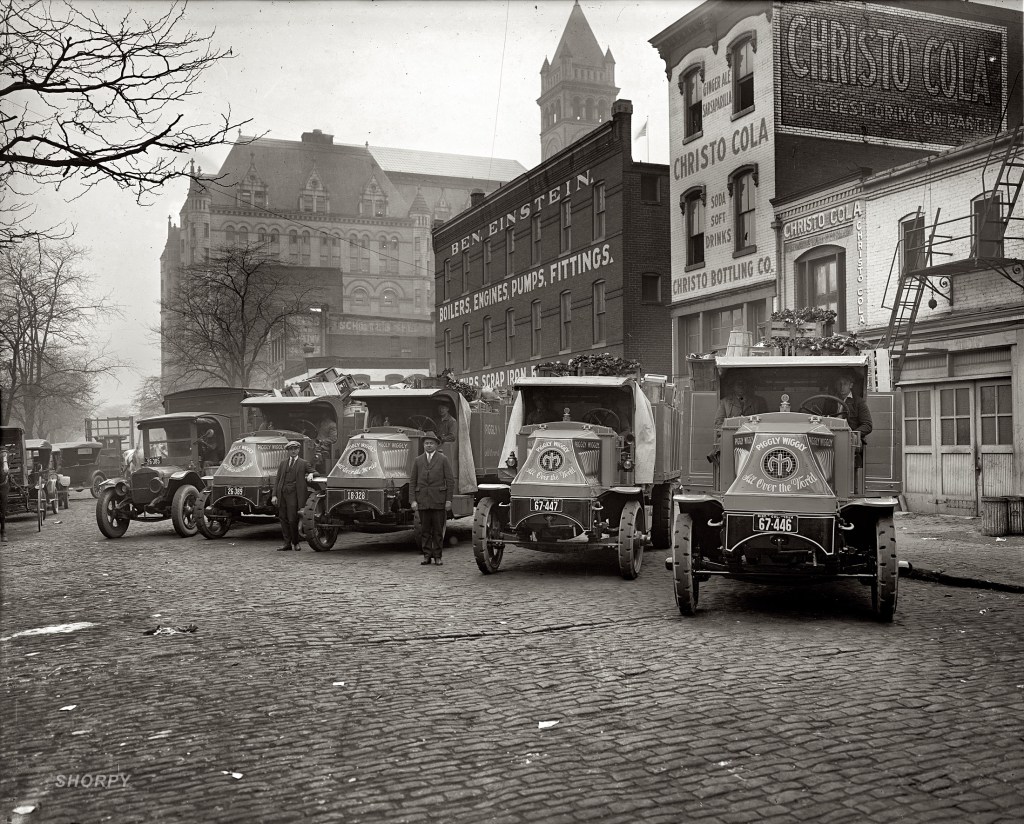
Piggly Wiggly trucks in Washington, D.C., at the Christo Cola Bottling Co., 1924

49 Amazing Vintage Photos Showing Life in the United States During the Early 1940s

Born 1914 as Jacob Ovcharov in Voroshilovka, Podolie Governorate, Russian Empire (now Vorošýlivka, Ukraine) and moved, with his parents and younger brother, to the United States in 1923, American photographer Jack Delano worked for the Farm Security Administration (FSA) and was also a composer noted for his use of Puerto Rican folk material.

After graduating from the Academy, Delano started working as a freelance photographer in Philadelphia and New York. He also developed an interest in films, and together with his future wife Irene Esser started making short documentaries.

Impressed by the work of famous photographers like Dorothea Lange and Walker Evans, Delano applied for a job with the historical section of the FSA (Farm Security Administration) in 1940. For the next years he traveled throughout the United States, Puerto Rico, and the US Virgin Islands. All through this time Delano’s primary assignment was to document the social and working conditions of people in FSA projects. All of this was happening during the Second World War, and Delano was drafted in 1943.

Delano traveled throughout the South Pacific and South America before being discharged in 1946.

These amazing photographs Delano took for the Farm Security Administration-Office of War Information that documented everyday life of the US during WWII.
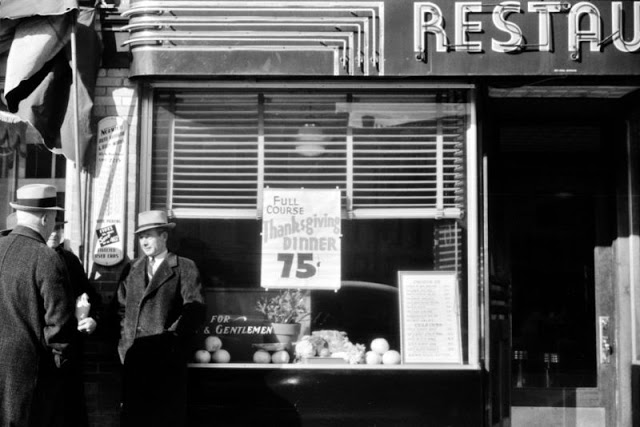
Connecticut. 75¢ Thanksgiving. On a main street in Norwich, November 1940
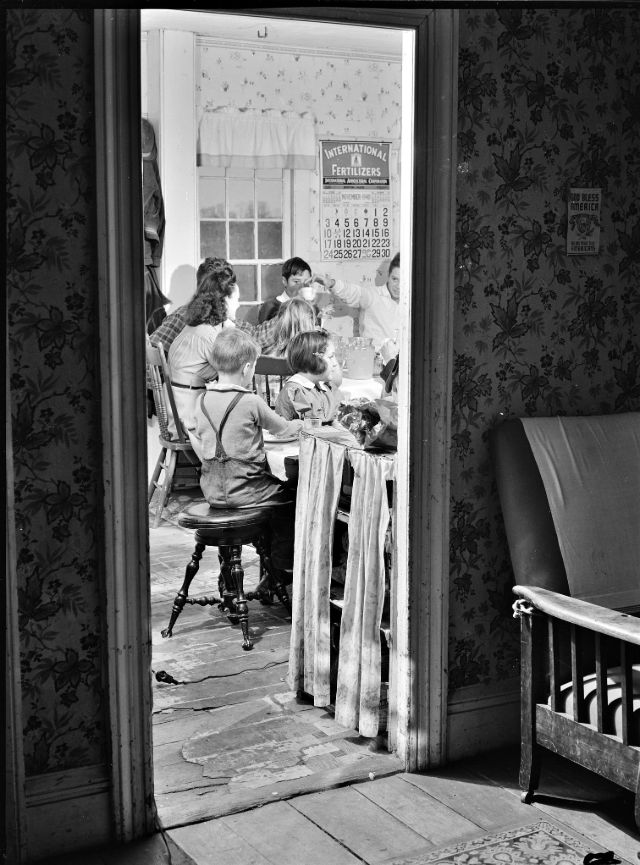
Connecticut. A Glimpse of Thanksgiving. At the Crouch family Thanksgiving Day dinner, Ledyard, November 1940
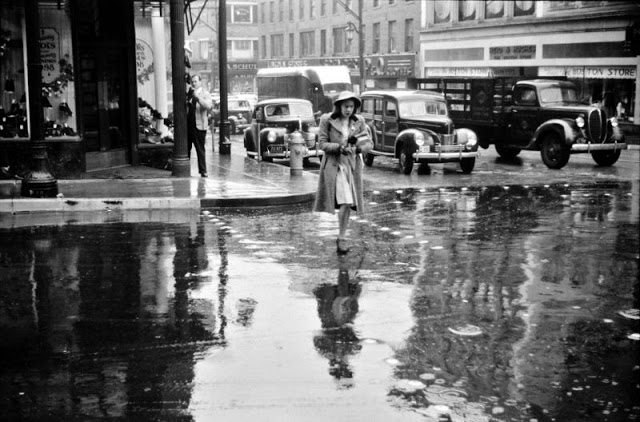
Connecticut. A Woman window shopping on a rainy day in Norwich, November 1940
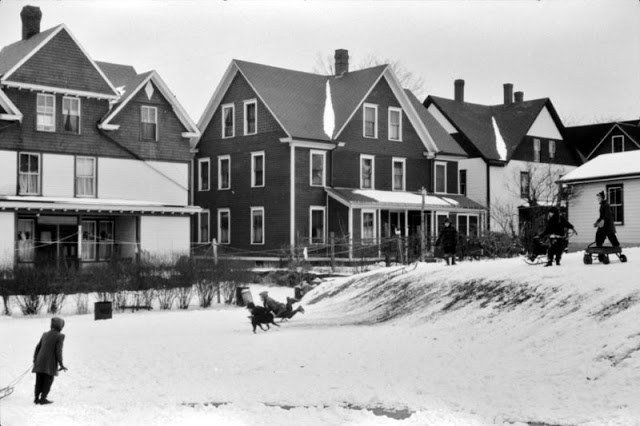
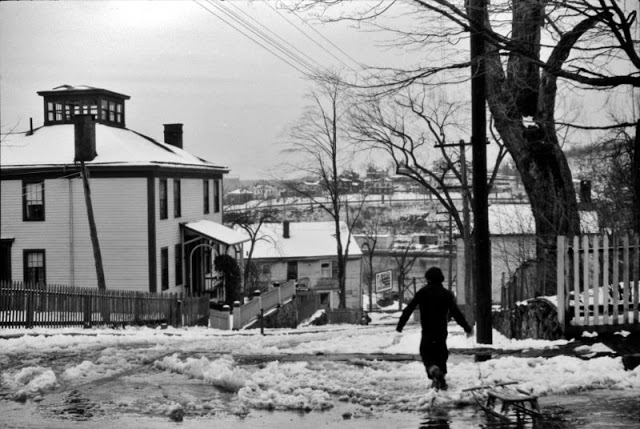
Connecticut. All Downhill. Children sledding in Jewett City, November 1940
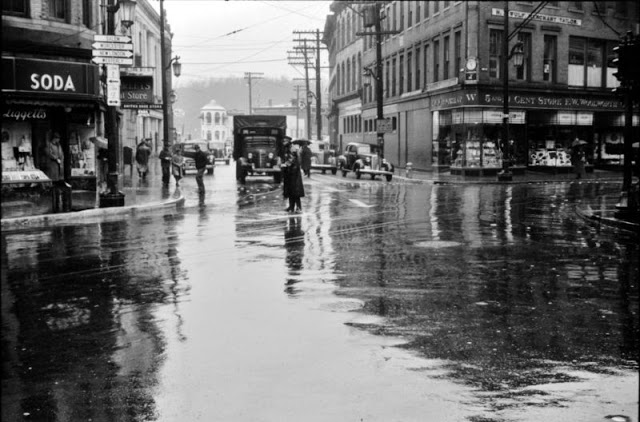
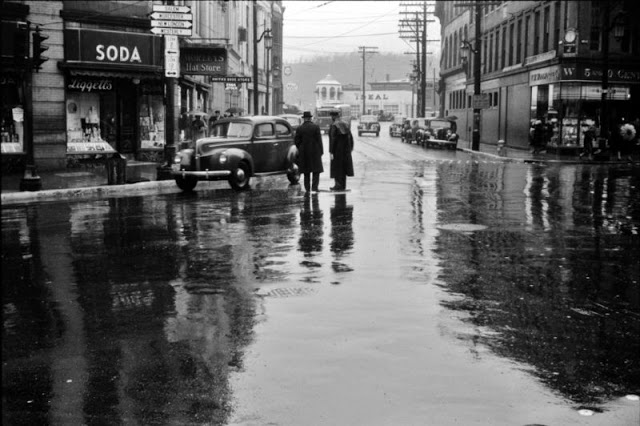
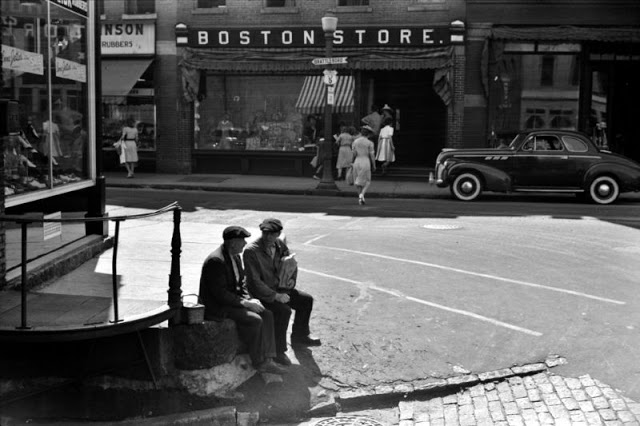
Connecticut. Five & Dime. Main street intersection in Norwich on a rainy day, November 1940
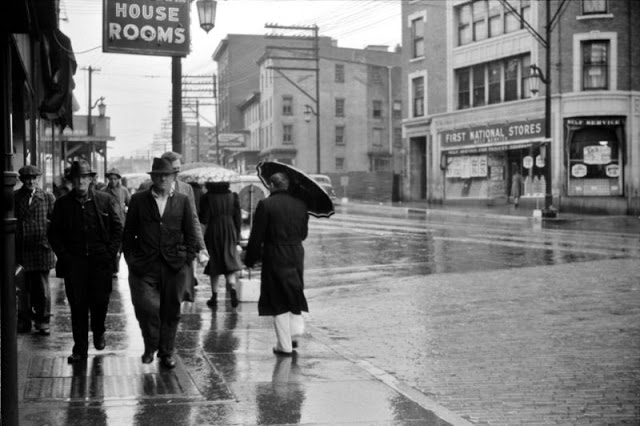
Connecticut. House Rooms. Norwich on a rainy day, November 1940
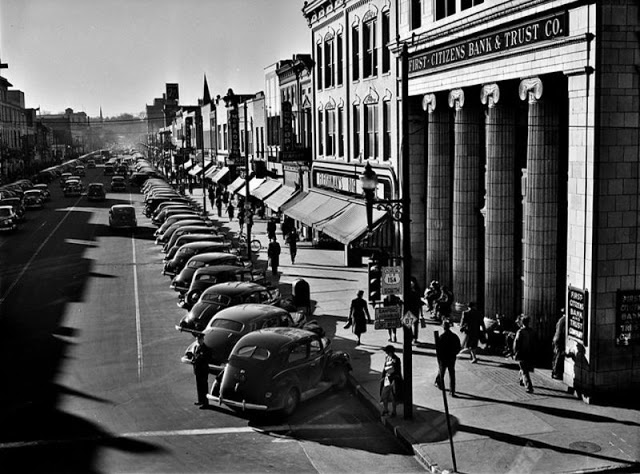
Connecticut. Main street intersection in Norwich, November 1940
Connecticut. Mercury on Main. A rainy day view of a main street intersection in Norwich, November 1940
Connecticut. Passengers Anonymous. People in a bus on rainy day in Norwich, November 1940
Connecticut. Playing in Traffic. Two Children playing in snow in Norwich, November-December 1940
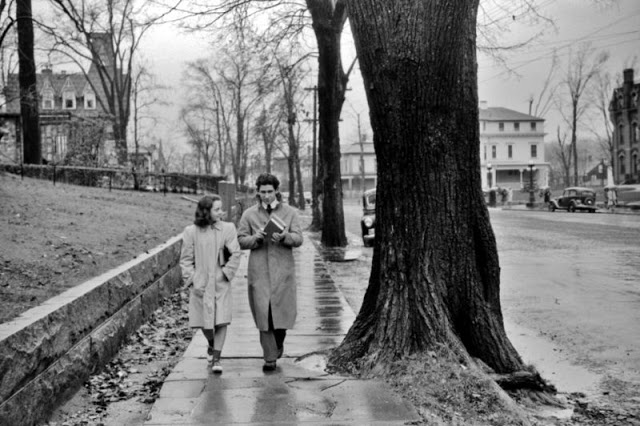
Connecticut. Rainy Day Chaperone. Coming home from school on a rainy day in Norwich, November 1940
Connecticut. Rainy Day Confidential. Waiting for a bus in Norwich, November 1940
Connecticut. Scene in Colchester, November-December 1940
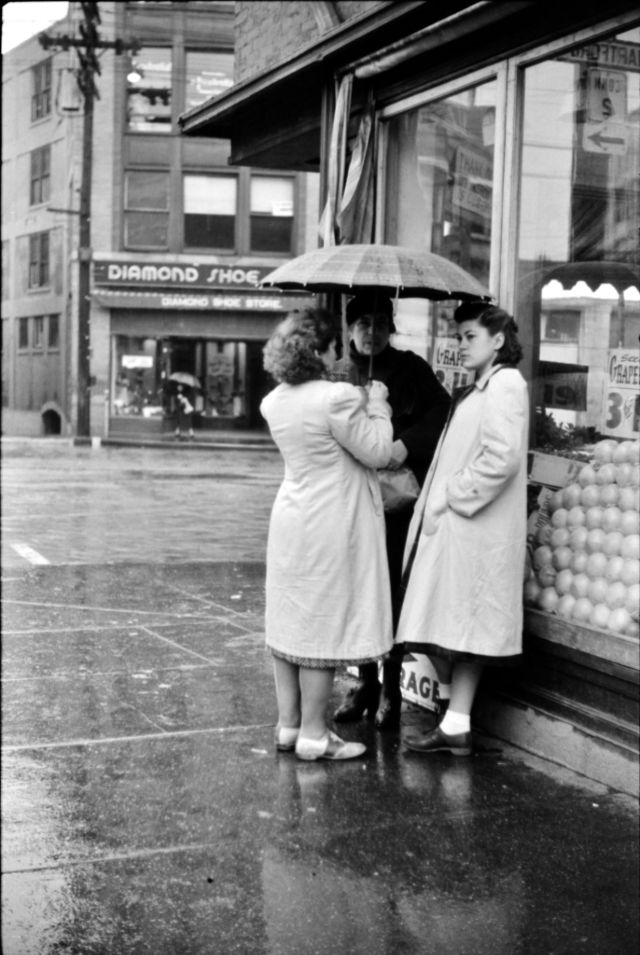
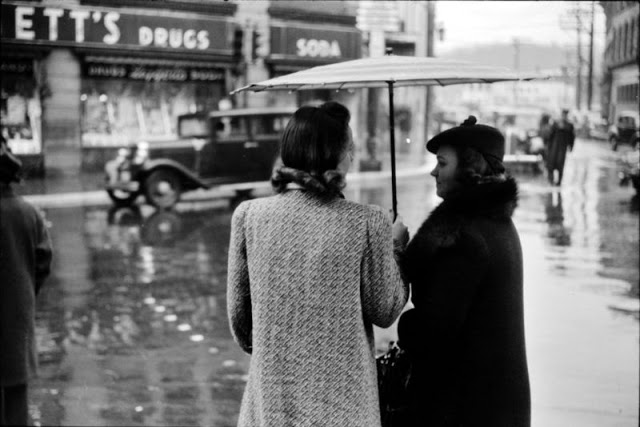
Connecticut. Shelter for Two. Main street intersection in Norwich on a rainy day, November 1940
Connecticut. Snowdust. Street in Norwich, November 1940
Connecticut. Traffic Cop. Norwich on a rainy day, November 1940
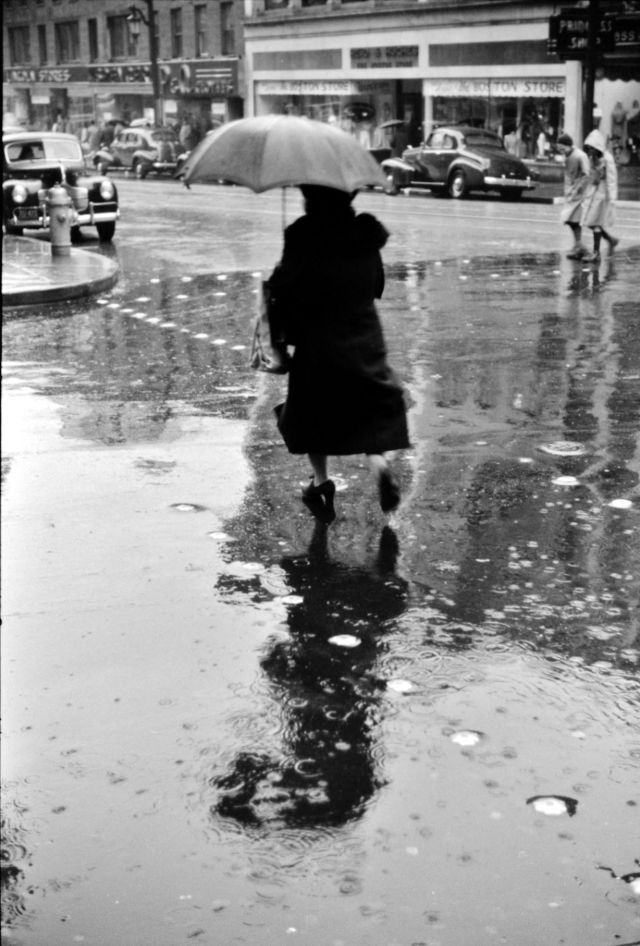
Connecticut. Wet Crossing. Norwich on a rainy day, November 1940
Connecticut. What Are Friends For. Norwich on a rainy day, November 1940
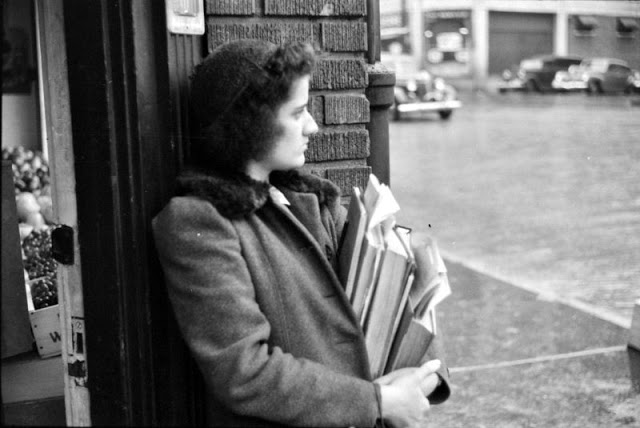
Connecticut. Young school girl waiting for a bus on a rainy day in Norwich, November 1940
Connecticut. Youth in Winter. Street in Norwich, November 1940
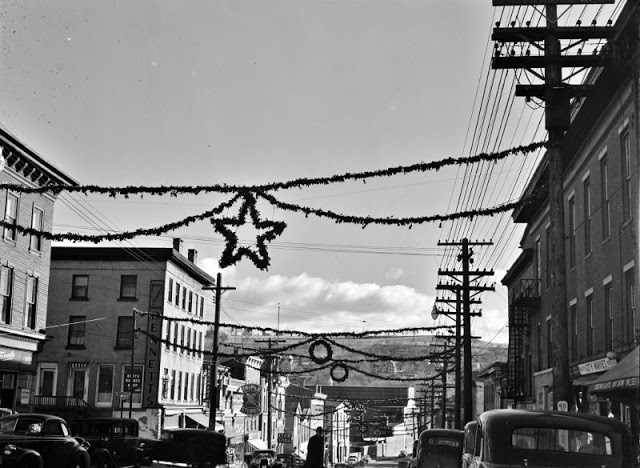
Connecticut. Yuletide Derby. The main street of Derby decorated for the Christmas season, December 1940
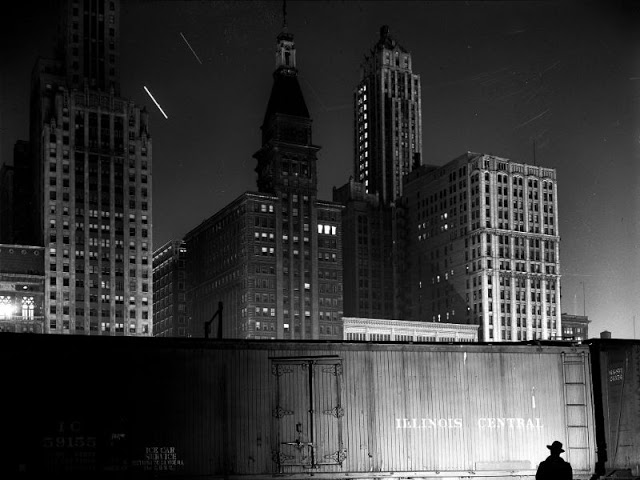
Illinois. Chicago Noir. Special agent making his rounds at night at the South Water Street freight terminal of the Illinois Central Railroad, Chicago, May 1943
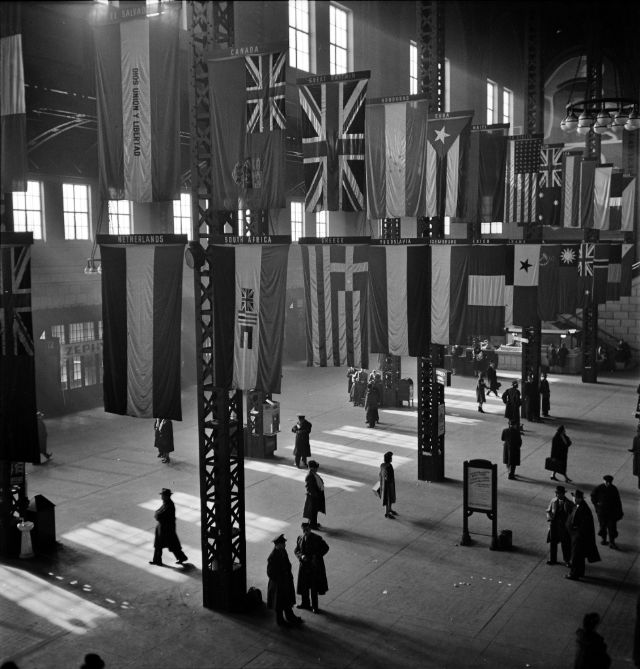
Illinois. Crossroads of the World. Union Station concourse showing display the flags of the Allied Nations, Chicago,
January 1943
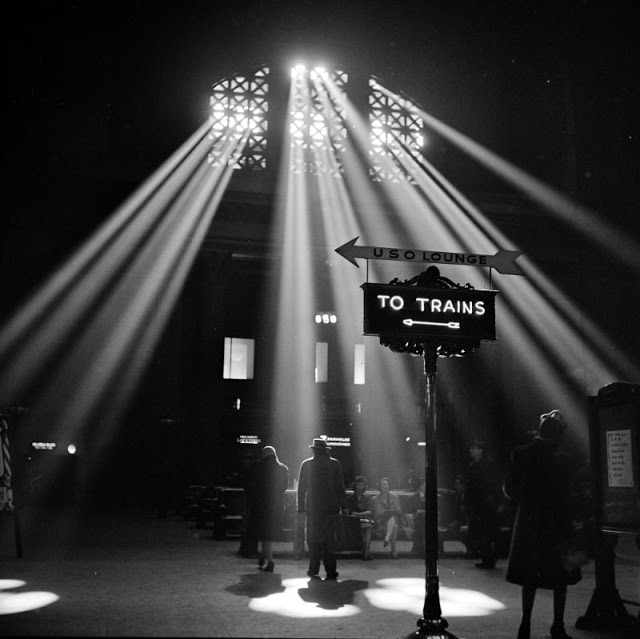
Illinois. Shedding Light. In the waiting room of the Union Station, Chicago, January 1943
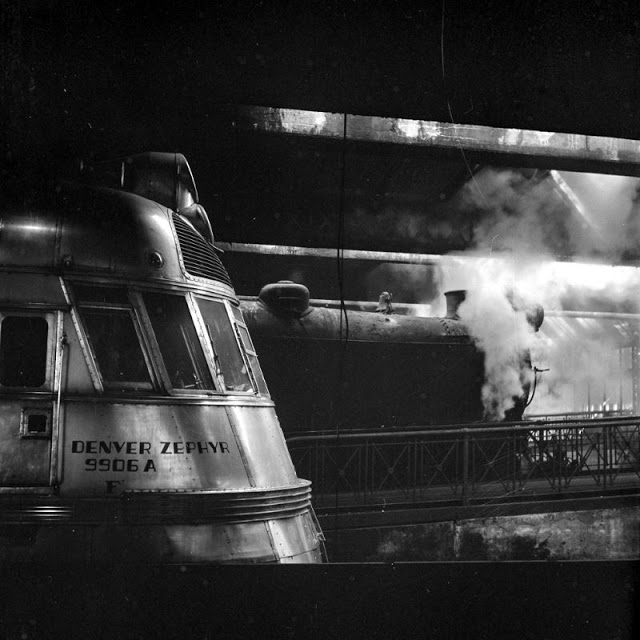
Illinois. Steel Thunderbolts. A Steam and a diesel engine at the Union Station yards in Chicago, January 1943
Illinois. Union Arch. Exit of the underground tunnel through Union Station which is used by taxis and trucks, Chicago, January 1943
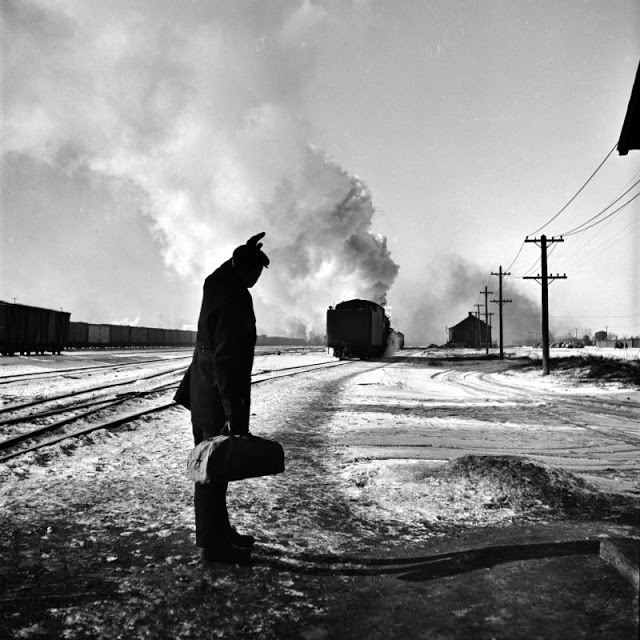
Iowa. It’s Been Good to Know Ya. Wolfsmith waves good-bye. Freight ops of the Chicago & Northwestern RR between Chicago and Clinton, January 1943
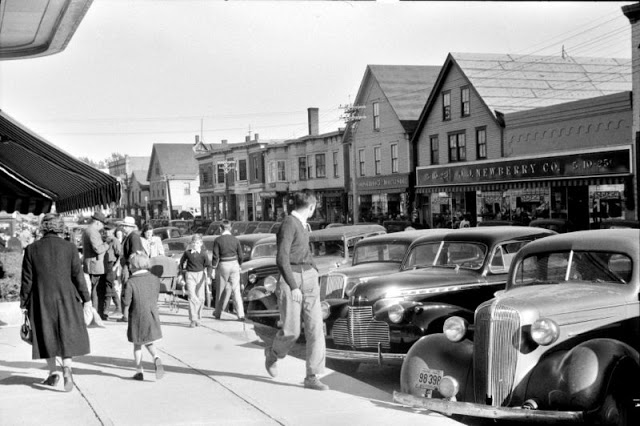
Maine. Saturday afternoon on main street in Caribou, October 1940
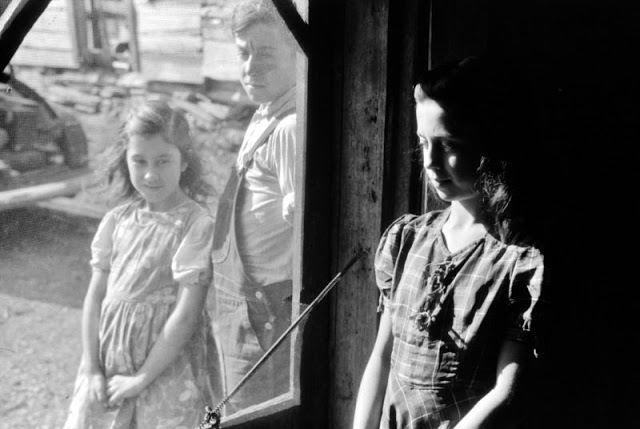
Maine. Two of the Dumond children at the back door of their home in Lille. The family are French-Canadian potato farmers and Farm Security Administration clients, October 1940
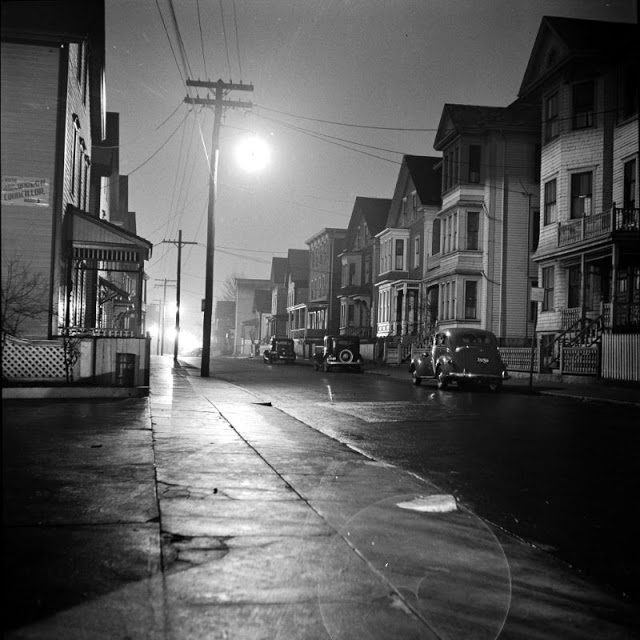
Massachusetts. Nocturne. A Foggy Night in New Bedford, 1940
Massachusetts. On Little Cat Feet. Foggy Night street scene in New Bedford, 1940
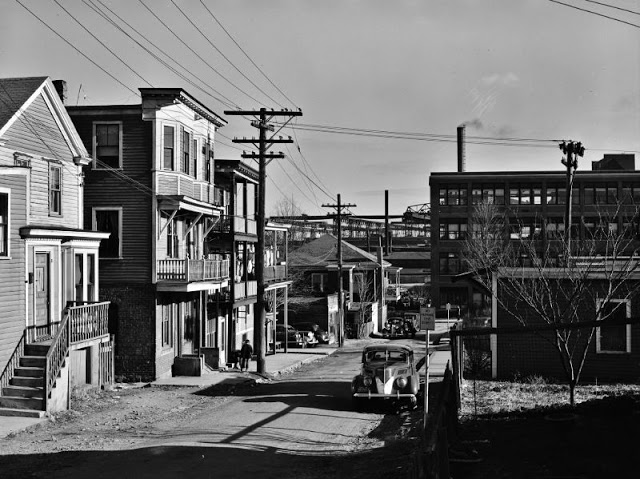
Massachusetts. Working Class Hearths. A Syrian neighborhood near the shipyards. Slum area where many shipyard workers live. Winter Street, Quincy, December 1940
New Mexico. Workin’ on the Railroad. Portrait of Abbie Caldwell, employed in the Atchison, Topeka and Santa Fe Railroad yard to clean out potash cars, Clovis, March 1943
North Carolina. Map Quest. Florida migrants studying a road map before leaving Elizabeth City for the state of Delaware, 1940
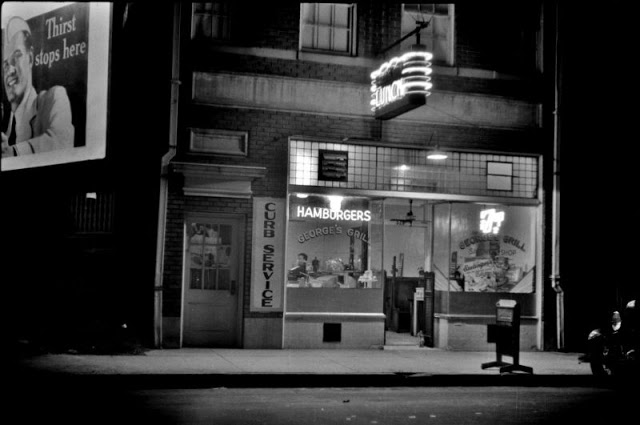
North Carolina. Night Owls’ Roost. A hamburger shop in Durham. George’s Grill, open all night, May 1940
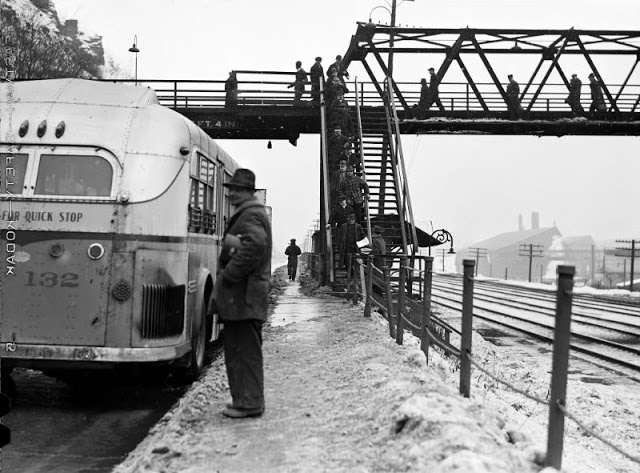
North Carolina. The Long Shadows. Traffic on the main street of Fayetteville, North Carolina at about five o’clock, when the workers start coming out at Fort Bragg, March 1941
North Carolina. Workmen’s Lunch. Migratory agricultural workers having supper at the store in Belcross, 1940
Pennsylvania. Knocking Off. The end of the afternoon shift at the Jones and Laughlin Steel Corporation in Aliquippa, January 1941
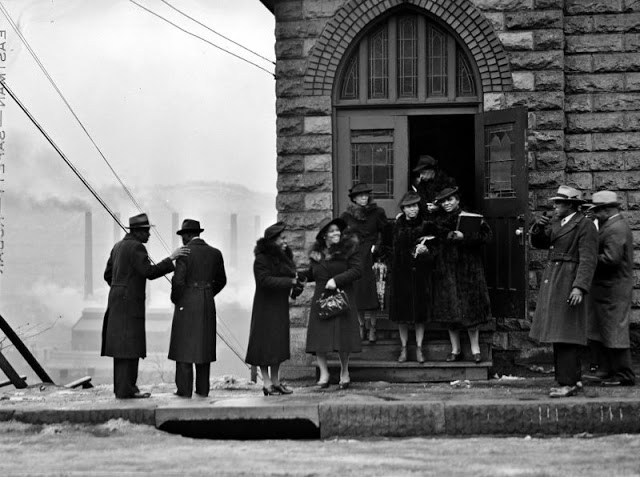
Pennsylvania. Sunday Best. Congregation of a Black church in the mill district of Pittsburgh, January 1941
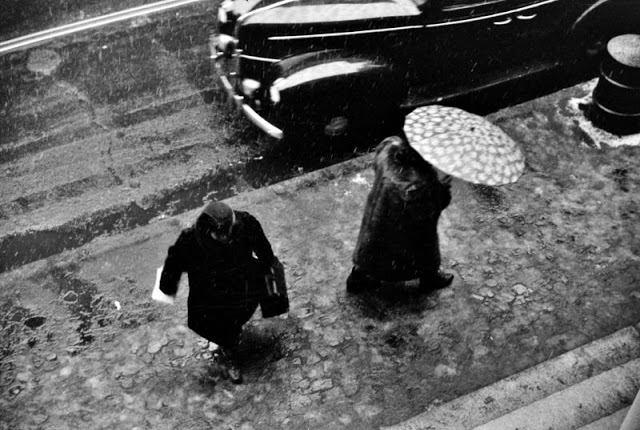
Rhode Island. Torrential. On a rainy day in Providence, December 1940
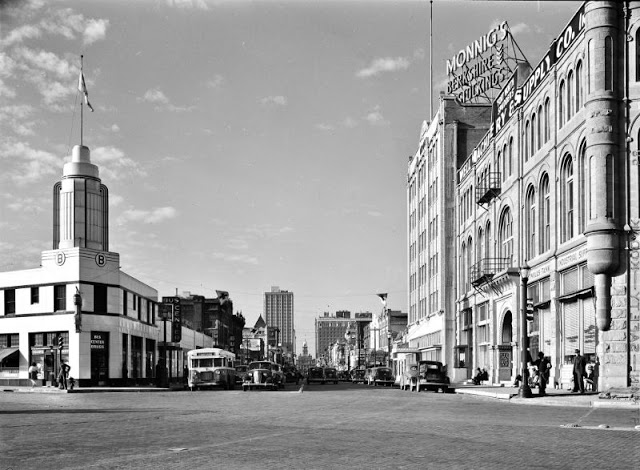
Texas. Streamline Intersection. View of Main Street in Fort Worth, January 1942
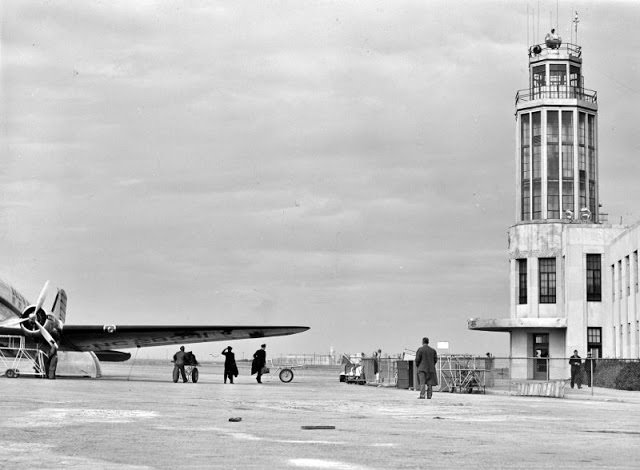
Texas. View of the tarmac at Meacham Field, Fort Worth, January 1942
Vermont. A Conversation. On the main street of Bellows Falls, August 1941
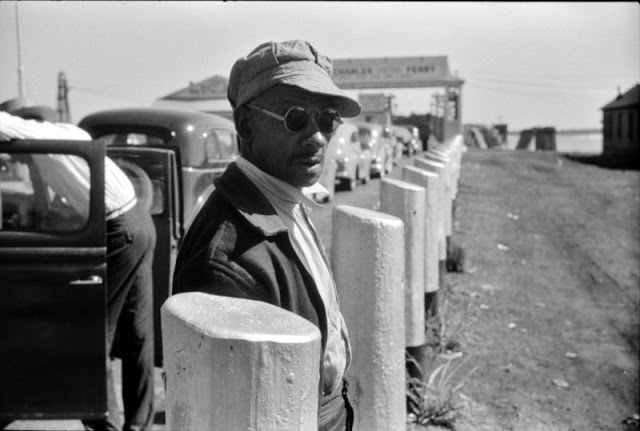
Virginia. Roadside Style. Migratory agricultural worker waiting at the Little Creek end for the Norfolk-Cape Charles ferry, July 1940
Virginia. Sailor Man. On board the ‘Princess Anne’ super-deluxe luxury liner ferry plying between Little Creek, Virginia (Norfolk) and Cape Charles, 1940
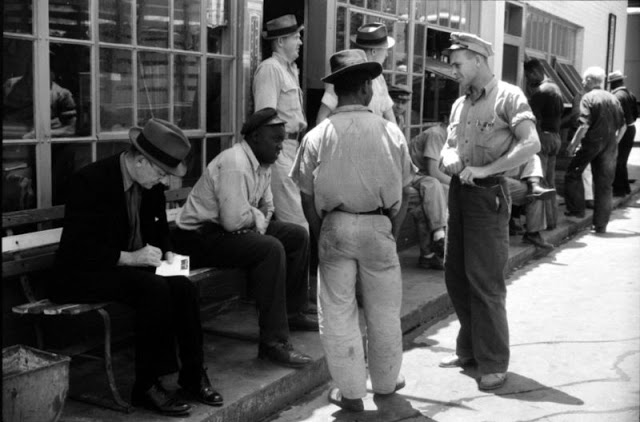
Washington, D.C. At a truck service station on U.S. 1 (New York Avenue), 1940
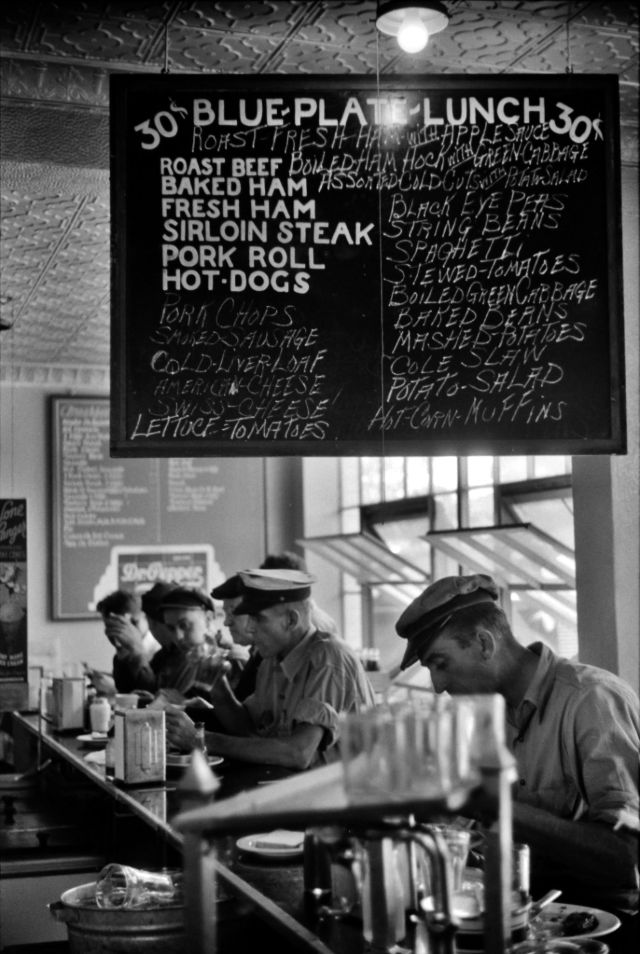
Washington, D.C. Blue Plate Lunch. In the cafe at a truck drivers’ service station on U.S. 1 (New York Avenue), June 1940
Washington, D.C. Free sleeping quarters for truck drivers at a truck service station on U.S. 1 (New York Avenue), June 1940
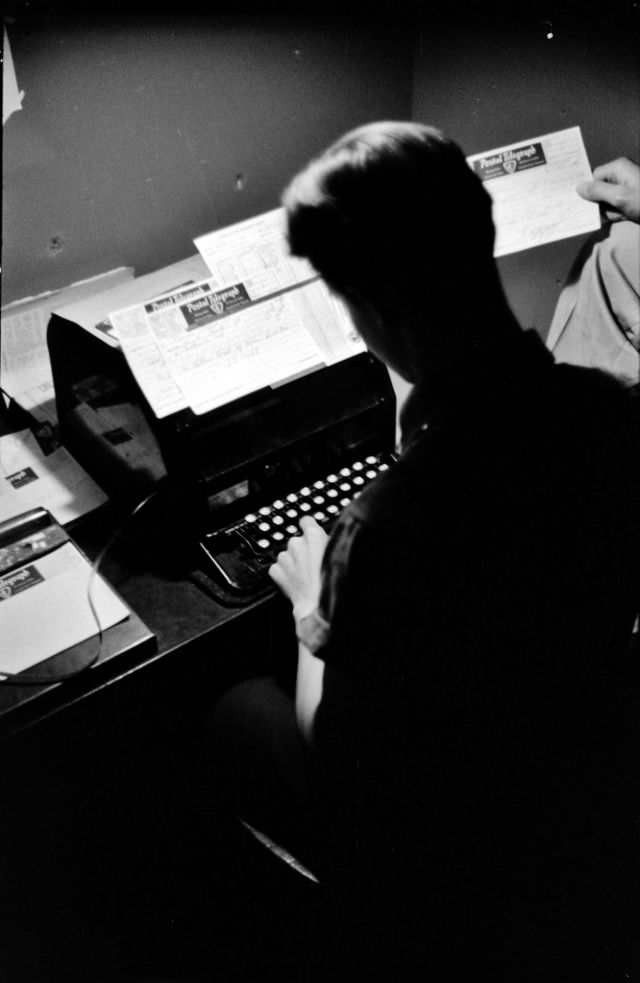
Washington, D.C. Instant Messaging. Direct postal telegraph wire at a truck service station on U.S. 1 (New York Avenue), 1940

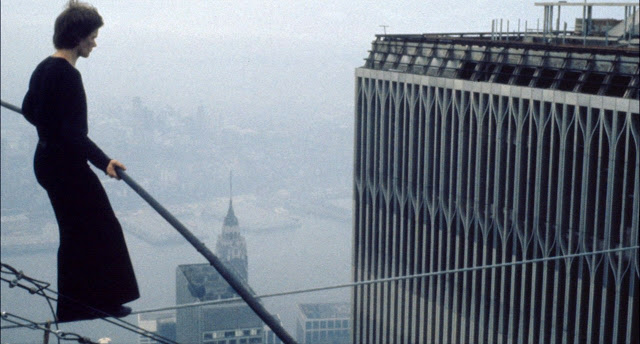
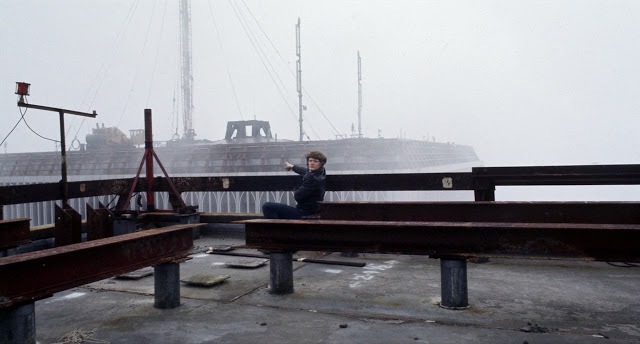
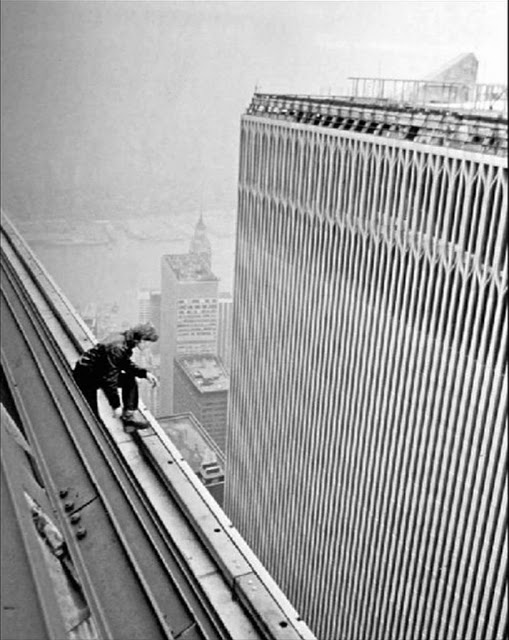
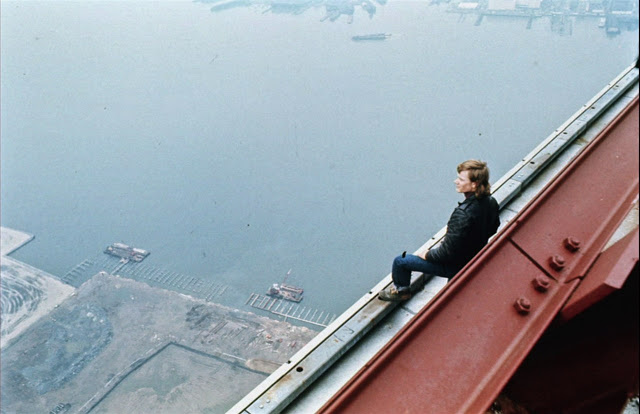
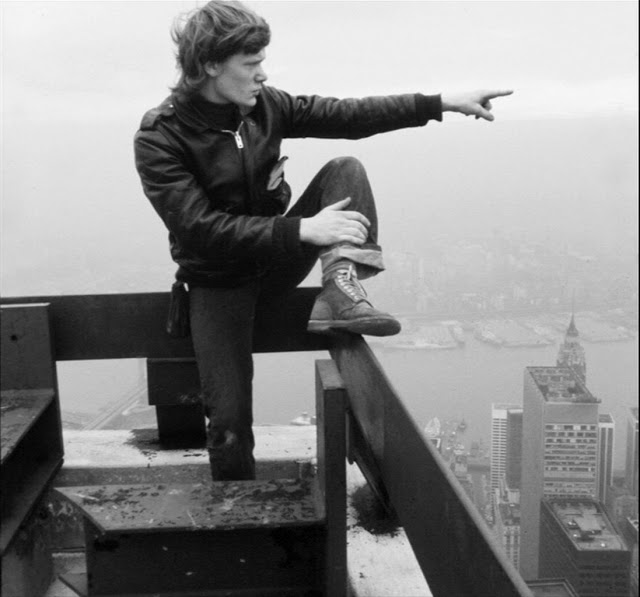
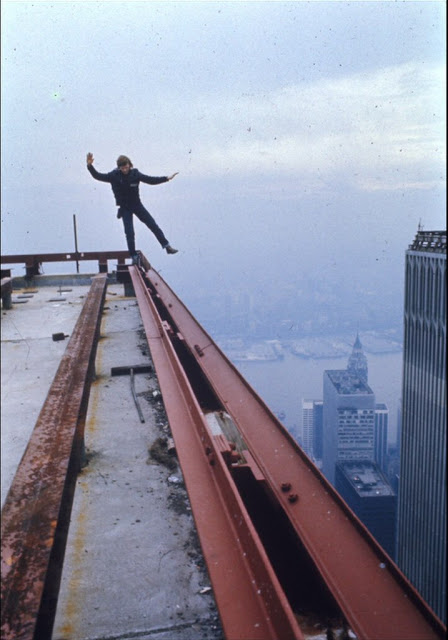
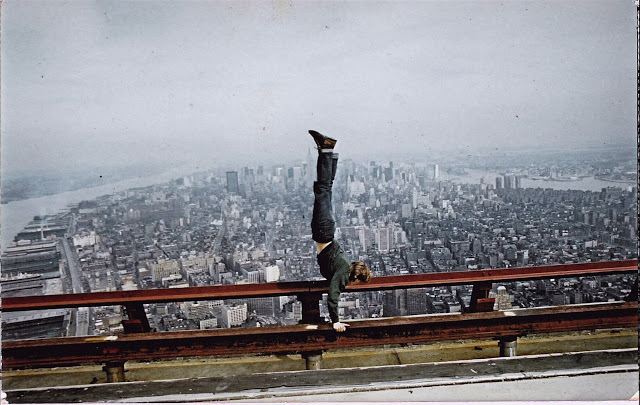
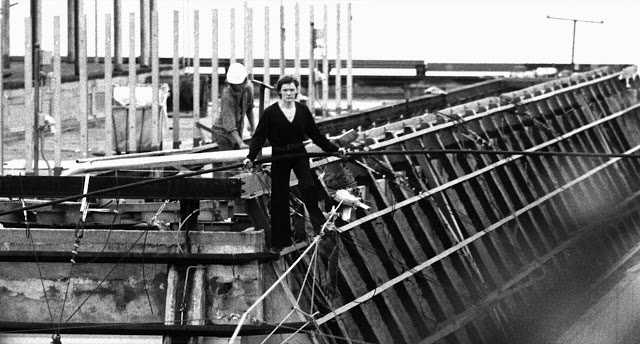
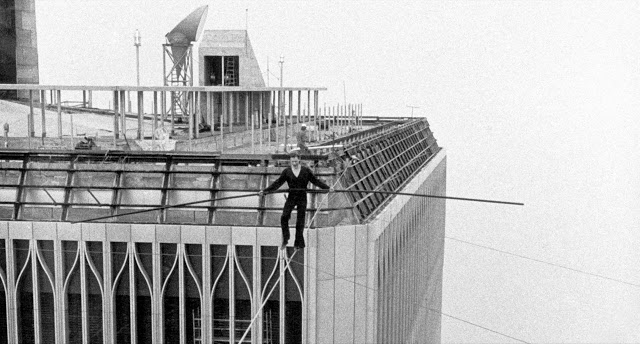
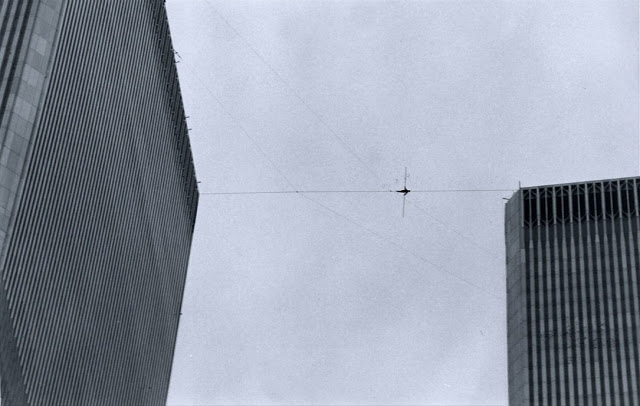
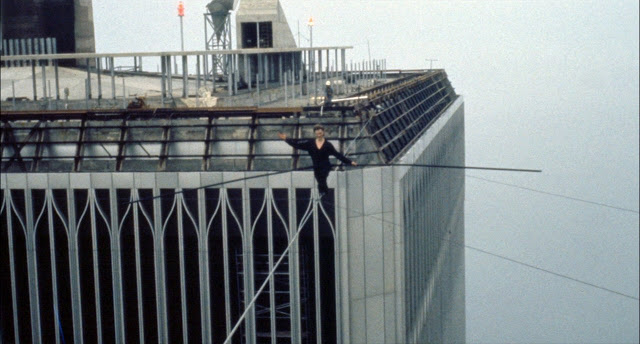
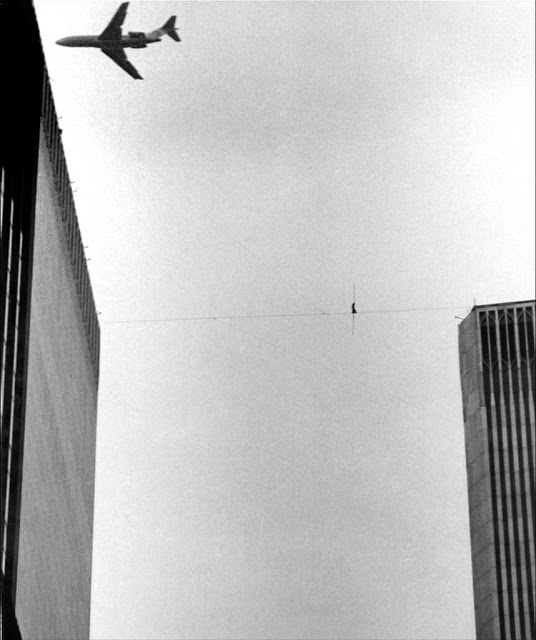
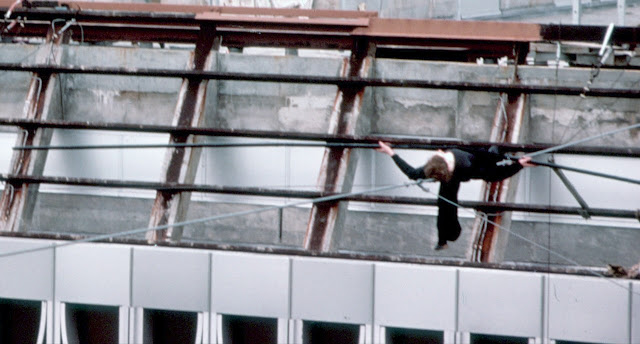
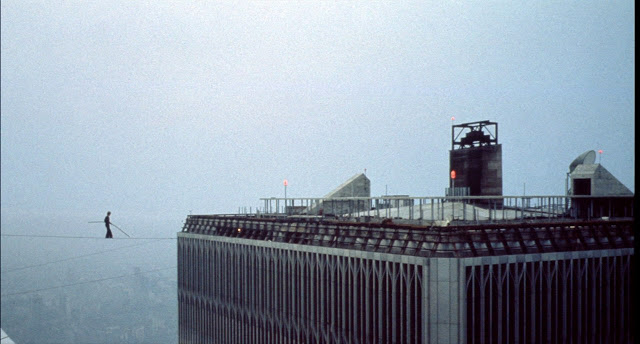
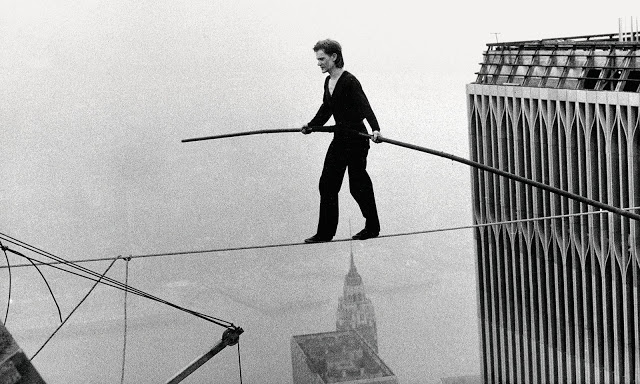
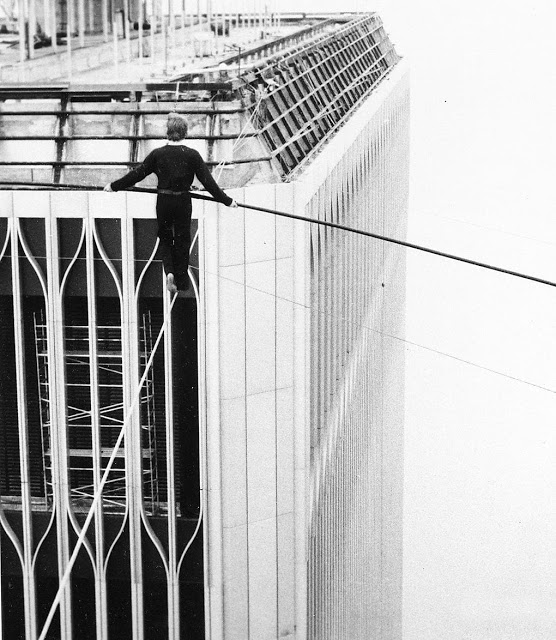
36 Vintage Photos of Philippe Petit’s Twin Towers Tightrope Walk in 1974

The original World Trade Center was a large complex of seven buildings in the Financial District of Lower Manhattan, New York City, United States. It opened on April 4, 1973, and was destroyed in 2001 during the September 11 attacks. At the time of their completion, the Twin Towers—the original 1 World Trade Center (the North Tower) at 1,368 feet (417 m); and 2 World Trade Center (the South Tower) at 1,362 feet (415.1 m)—were the tallest buildings in the world. Other buildings in the complex included the Marriott World Trade Center (3 WTC), 4 WTC, 5 WTC, 6 WTC, and 7 WTC. The complex contained 13,400,000 square feet (1,240,000 m2) of office space.

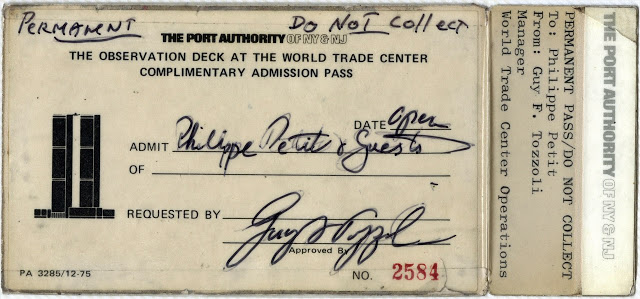
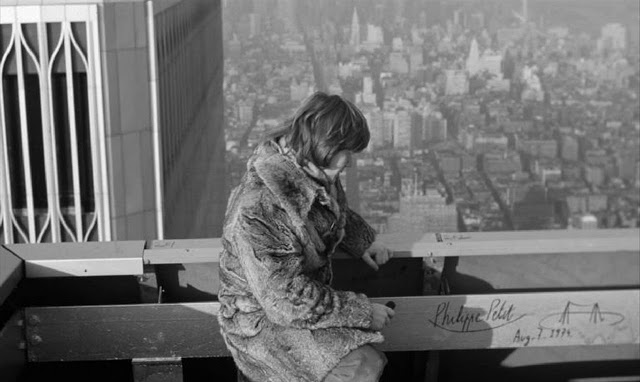
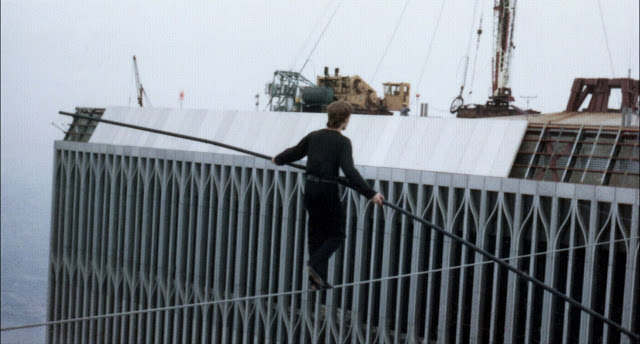
The core complex was built between 1966 and 1975, at a cost of $400 million (equivalent to $2.27 billion in 2021). The idea was suggested by David Rockefeller to help stimulate urban renewal in Lower Manhattan, and his brother Nelson signed the legislation to build it. The buildings at the complex were designed by Minoru Yamasaki. In 1998, the Port Authority of New York and New Jersey decided to privatize it by leasing the buildings to a private company to manage. It awarded the lease to Silverstein Properties in July 2001. During its existence, the World Trade Center symbolized globalization and the economic power of America. Although its design was initially criticised by New York citizens and professional critics, the Twin Towers became an icon of New York City. It had a major role in popular culture, and according to one estimate was depicted in 472 films. The Twin Towers were also used in Philippe Petit’s frequent tightrope-walking performance on 7 August 1974. Following the September 11 attacks, mentions of the complex in various media were altered or deleted, and several dozen “memorial films” were created.

The World Trade Center experienced several major crime and terrorist incidents, including a fire on February 13, 1975; a bombing on February 26, 1993; a bank robbery on January 14, 1998, and finally a terrorist attack on September 11, 2001. The latter began after Al-Qaeda-affiliated hijackers flew two Boeing 767 jets into the Twin Towers within minutes of each other. Between 16,400 and 18,000 people were in the Twin Towers when they were struck. The fires from the impacts were intensified by the planes’ burning jet fuel, which along with the initial damage to the buildings’ structural columns, ultimately caused both towers to collapse. The attacks in New York City killed 2,606 people in and within the vicinity of the towers, as well as all 157 on board the two aircraft. Falling debris from the towers, combined with fires that the debris initiated in several surrounding buildings, led to the partial or complete collapse of all the WTC complex’s buildings including 7 World Trade Center, and caused catastrophic damage to 10 other large structures in the surrounding area.

The cleanup and recovery process at the World Trade Center site took eight months, during which the remains of the other buildings were demolished. On May 30, 2002, the last piece of WTC steel was ceremonially removed. A new World Trade Center complex is being built with six new skyscrapers and several other buildings, many of which are complete. A memorial and museum to those killed in the attacks, a new rapid transit hub, and an elevated park have been opened. The memorial features two square reflecting pools in the center marking where the Twin Towers stood. One World Trade Center, the tallest building in the Western Hemisphere at 1,776 feet (541 m) and the lead building for the new complex, was completed in May 2013 and opened in November 2014. (Wikipedia)

30 Vintage Photos Showing Times Square in New York City

Times Square is a major commercial intersection, tourist destination, entertainment center, and neighborhood in the Midtown Manhattan section of New York City, at the junction of Broadway and Seventh Avenue. Brightly lit by numerous billboards and advertisements, it stretches from West 42nd to West 47th Streets, and is sometimes referred to as “the Crossroads of the World”, “the Center of the Universe”, “the heart of the Great White Way”, and “the heart of the world”. One of the world’s busiest pedestrian areas, it is also the hub of the Broadway Theater District and a major center of the world’s entertainment industry. Times Square is one of the world’s most visited tourist attractions, drawing an estimated 50 million visitors annually. Approximately 330,000 people pass through Times Square daily, many of them tourists, while over 460,000 pedestrians walk through Times Square on its busiest days.

Formerly known as Longacre Square, Times Square was renamed in 1904 after The New York Times moved its headquarters to the then newly erected Times Building, now One Times Square. It is the site of the annual New Year’s Eve ball drop, which began on December 31, 1907, and continues to attract over a million visitors to Times Square every year.

Times Square functions as a town square, but is not geometrically a square; it is closer in shape to a bowtie, with two triangles emanating roughly north and south from 45th Street, where Seventh Avenue intersects Broadway. Broadway runs diagonally, crossing through the horizontal and vertical street grid of Manhattan laid down by the Commissioners’ Plan of 1811, and that intersection creates the “bowtie” shape of Times Square.

The southern triangle of Times Square has no specific name, but the northern triangle is officially Duffy Square. It was dedicated in 1937 to World War I chaplain Father Francis P. Duffy of New York City’s U.S. 69th Infantry Regiment and is the site of a memorial to him. There is also a statue of composer and entertainer George M. Cohan, and the TKTS ticket booth for Broadway theaters. (Wikipedia)

Longacre Square, not long before it became “Times Square.” Circa 1900.
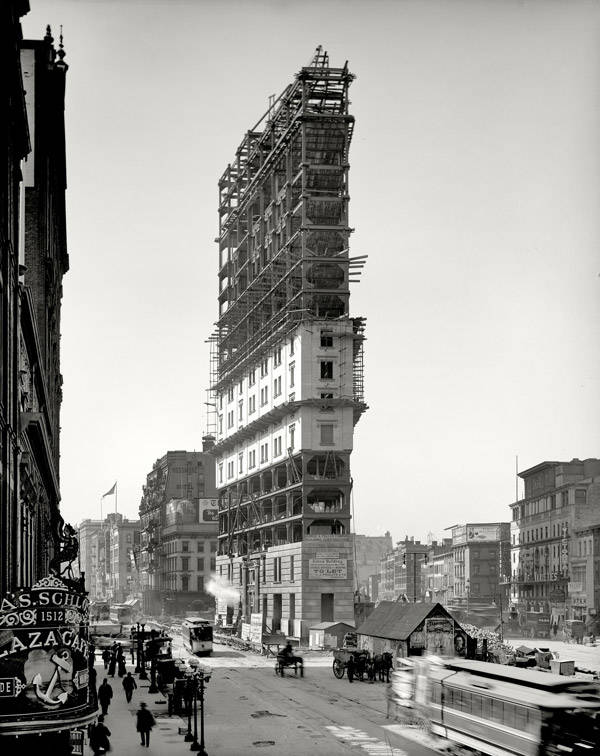
Looking northwest down 42nd Street from Broadway, where the iconic One Times Square now stands. 1898.
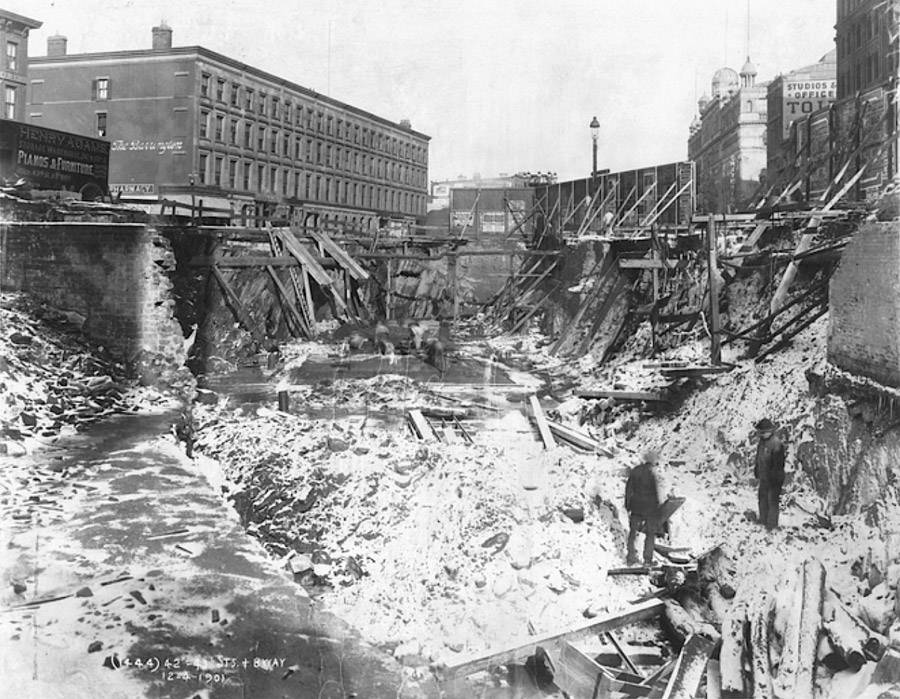
The view from the north in Longacre Square over an excavation for subway construction. The camera is located in what would eventually become the New York Times building. December 4, 1901.
The construction of the Times Tower. 1903.
Both spectators and cars line up to watch a car race in Times Square. 1908.
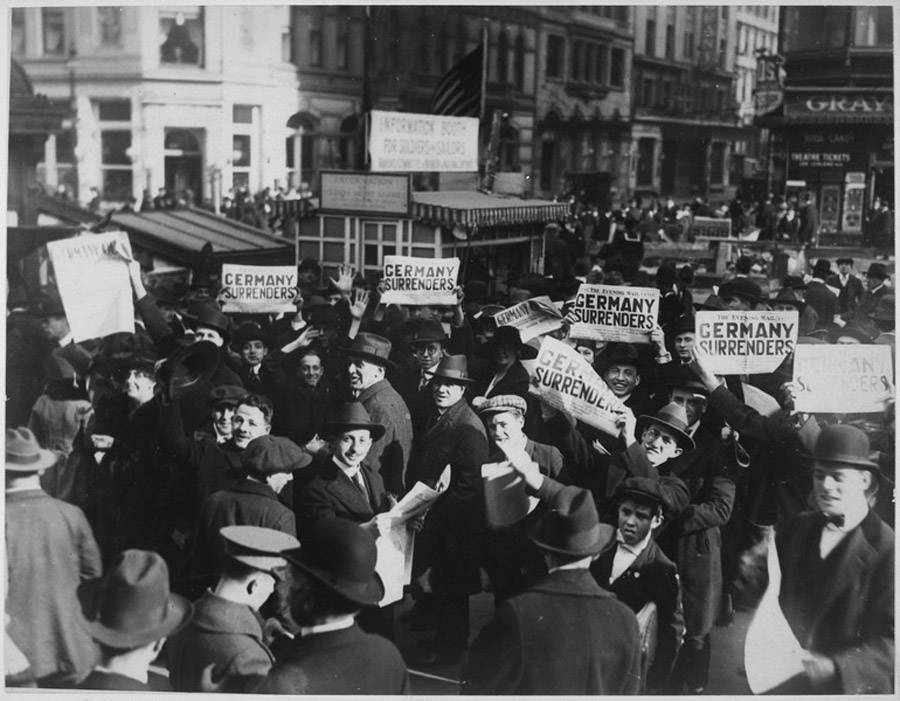
People hold up papers in Times Square announcing Germany’s surrender in World War I. November 7, 1918.
Thousands gather in the streets of Times Square to get results on the World Series from a remote scoreboard. October 1919.
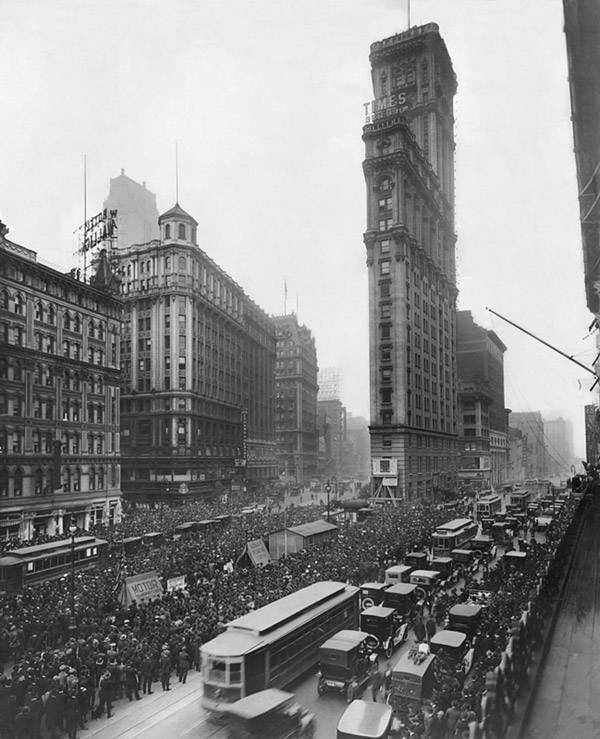
A crowd has swelled in Times Square, awaiting the results of a boxing match between Jack Dempsey and Georges Carpentier in July 1921.
Streetcars, automobiles, and pedestrians all make up the busy traffic of 1920s Times Square. October 15, 1923.
A bread line of men stretches through Times Square during the Great Depression. 1932.
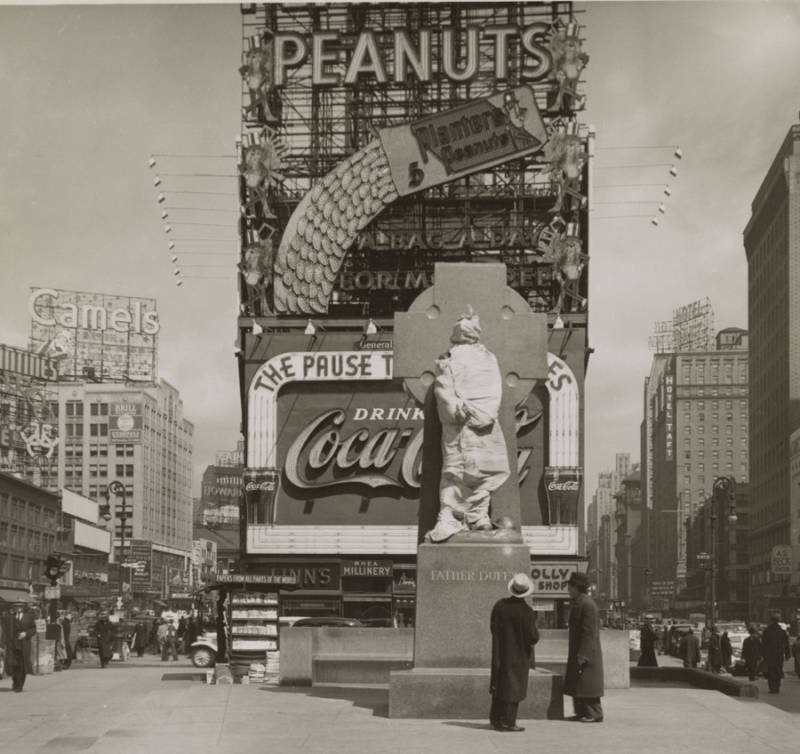
The still wrapped Father Duffy statue in Times Square. The statue of the soldier, priest, and military chaplain was soon to be dedicated on May 2, 1937.
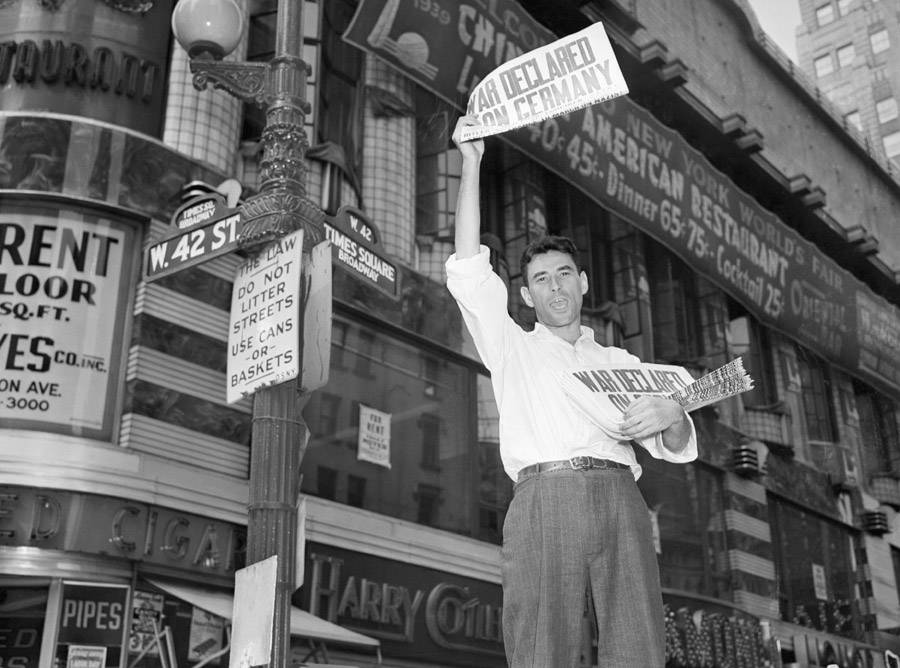
A newspaper man with a stack of papers in is hand stands on the corner of West 42nd Street and Broadway.
The paper’s headline reads “War Declared On Germany.” September 3, 1939.
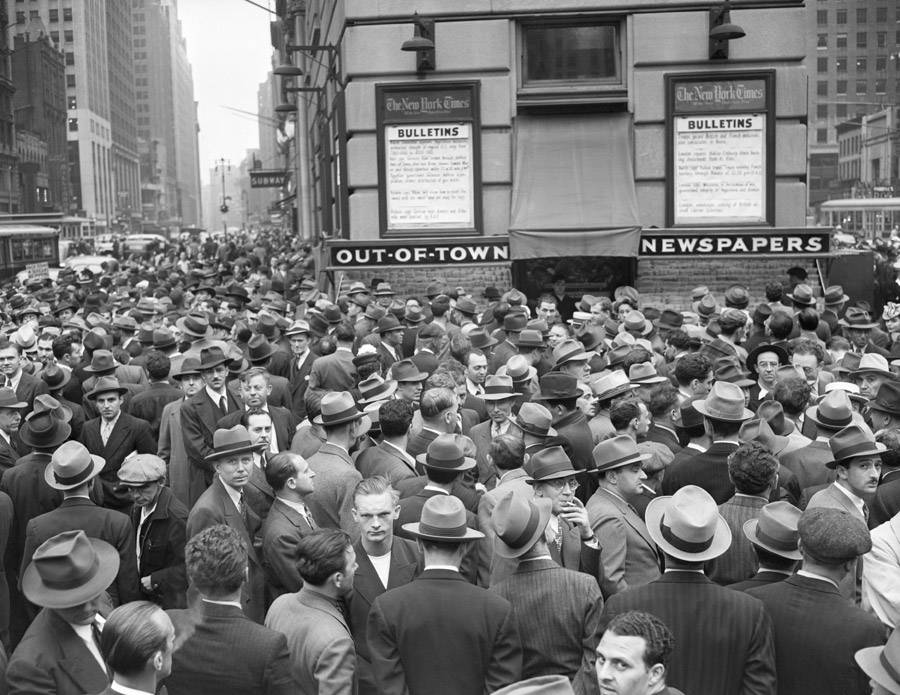
People crowd into the streets of Times Square to read a bulletin announcing Italy’s entry into World War II. June 10, 1940.
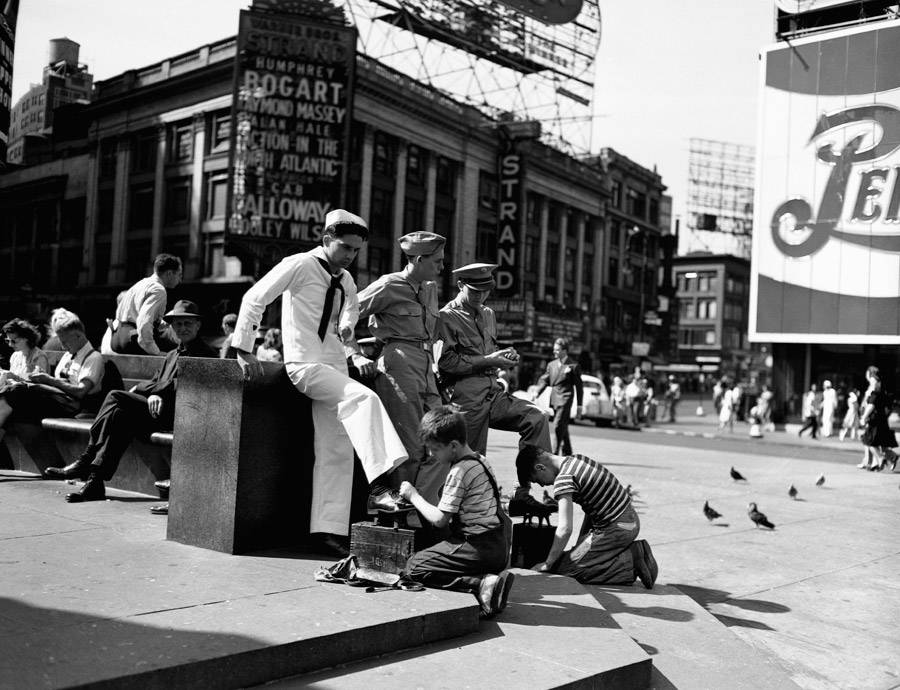
Soliders and sailors sit by Father Duffy’s statue in Times Square as some boys shine their shoes. June 1943.
Crowds gather in Times Square awaiting news of the D-Day invasion. June 6, 1944.
A woman dressed in only heels and a barrel that reads “I Did My Bit, Did You?” stands in Times Square.
The promotion, organized by the United National Clothing Collection was part of drive to collect clothing and bedding for overseas war relief. April 1945.
Sailors and soldiers celebrate Japan’s surrender, marking the end of WWII. August 14, 1945.
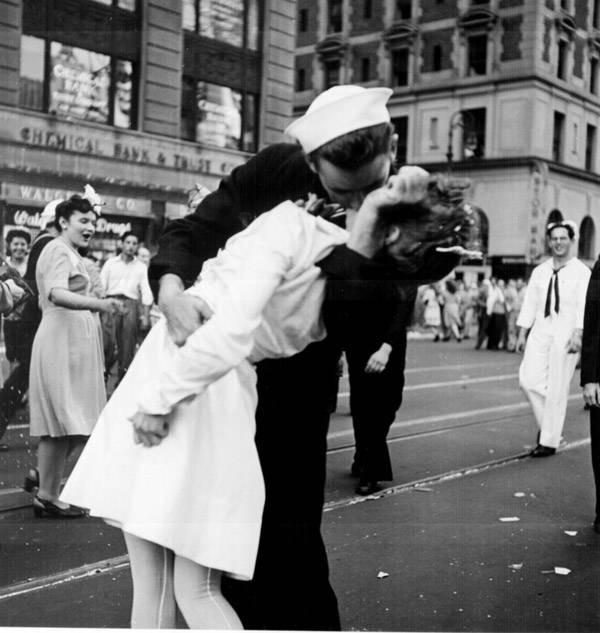
A sailor kisses a nurse in Times Square amid celebrations marking the end of World War II. August 14, 1945.
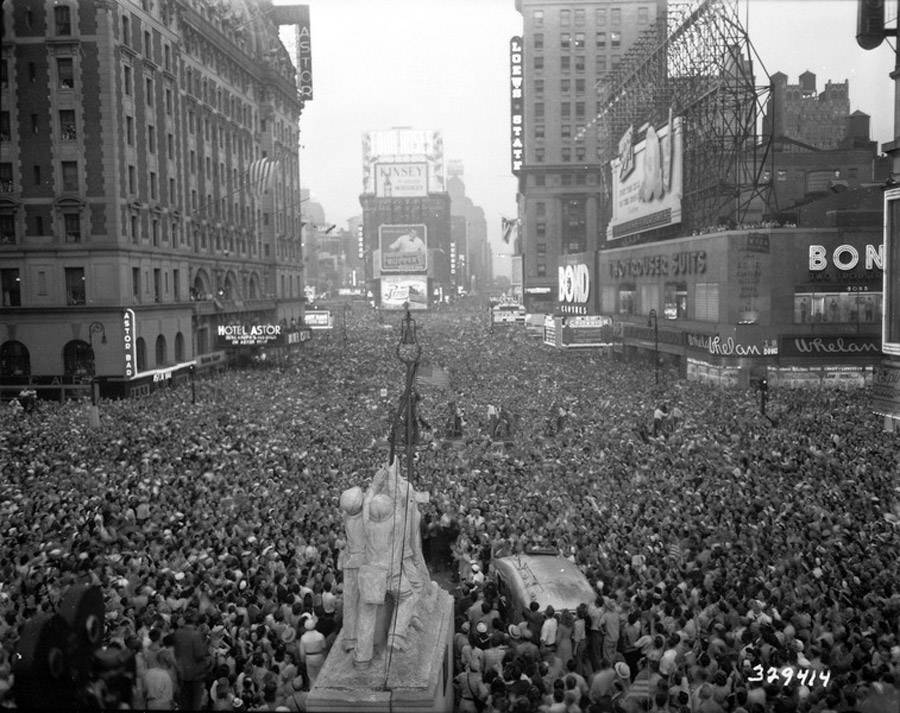
Crowds of people wave in Times Square upon the announcement of Japan’s surrender in 1945.
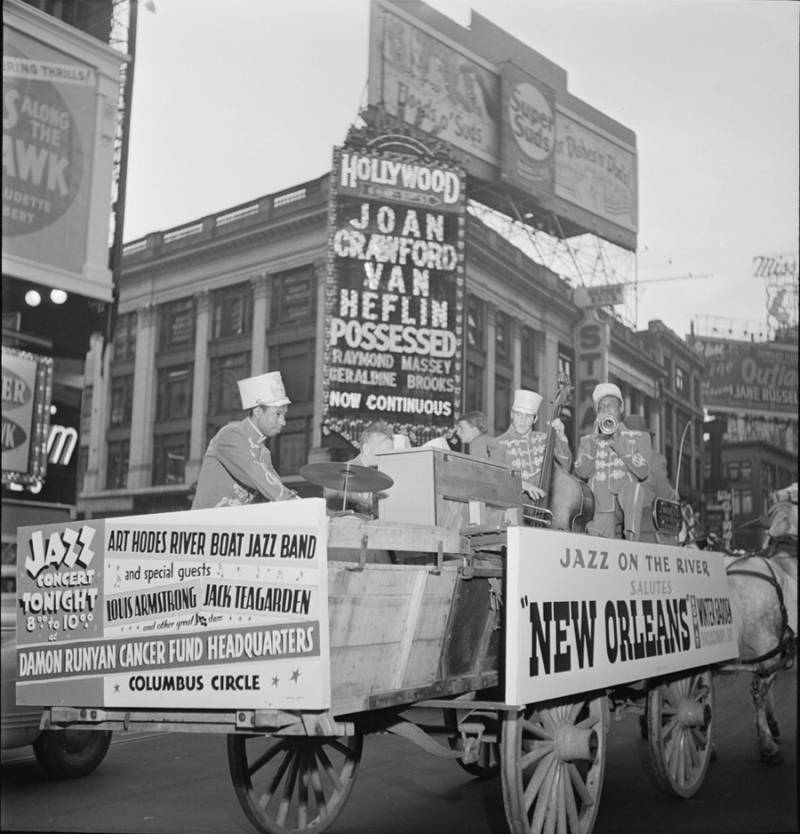
A horse-pulled carriage advertising jazz on the river makes its way through Times Square. July 1947.
A large billboard advertising Camel cigarettes. 1948.
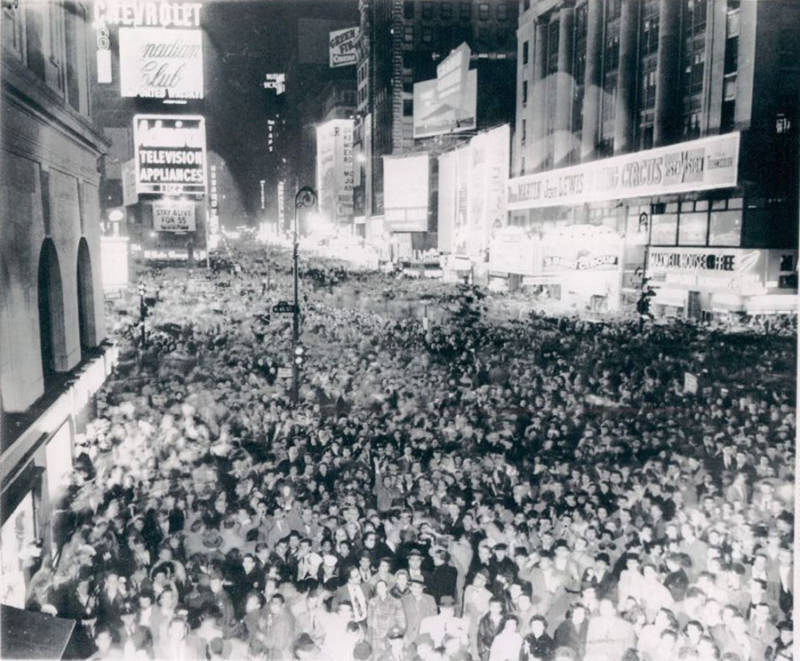
Crowds pack into Times Square to ring in the new year in 1954.
Actress Marilyn Monroe steps out of a limo in Times Square for the premier of her film Some Like It Hot. March 1, 1959.
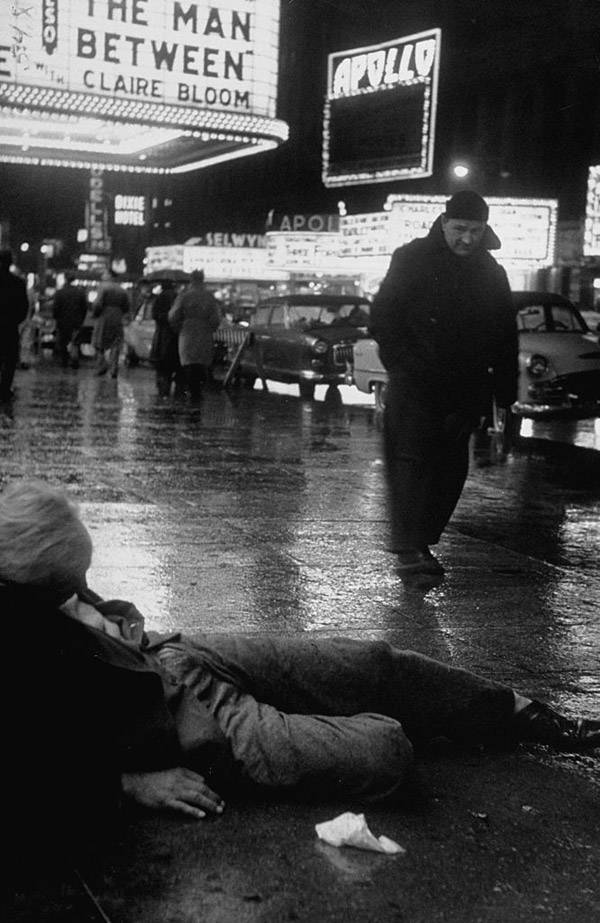
a man walks past a drunkard lying on the sidewalk. February 1, 1954.
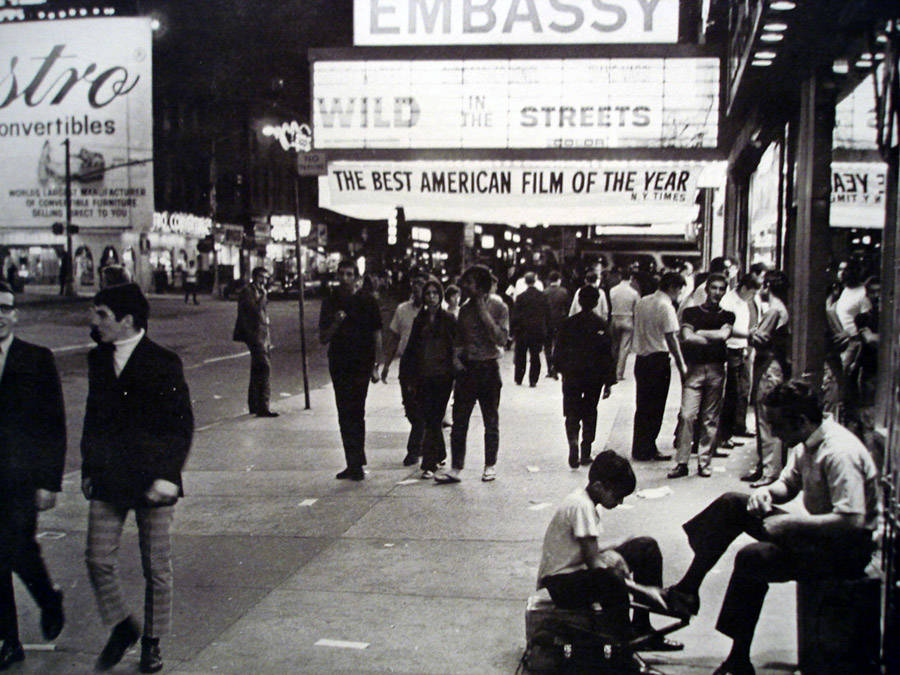
A young boy shines a man’s shoes as passerby stroll past several Times Square theaters. 1968.
Cars and people pass by in Times Square. Circa 1960s.
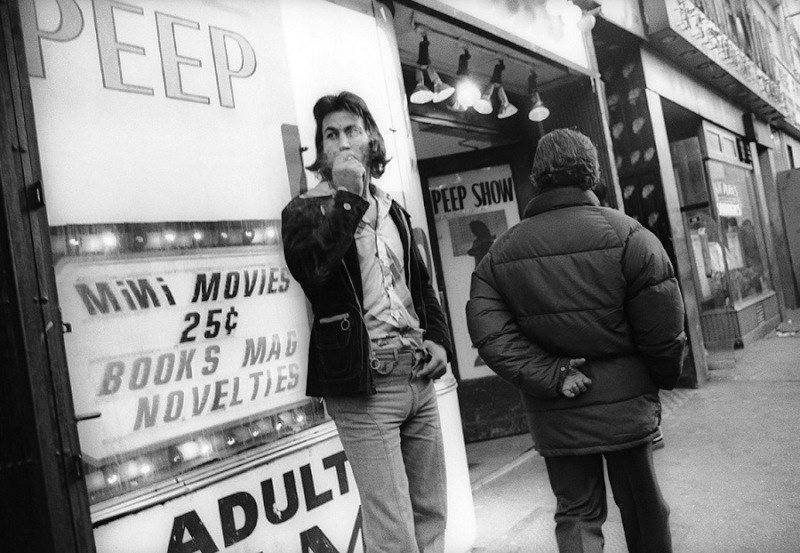
1966 marked a small yet, big change for the area with the introduction of 25 cent peep shows.
A group of prostitutes walk by a man in Times Square during the summer of 1971.
As the area took on a seedier personality, many of the old businesses fled, with the area’s movie palaces falling into decay. Circa 1970s.

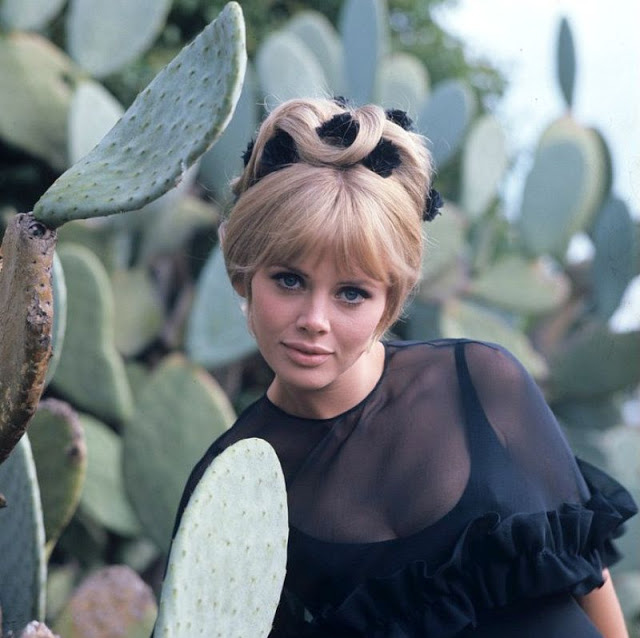
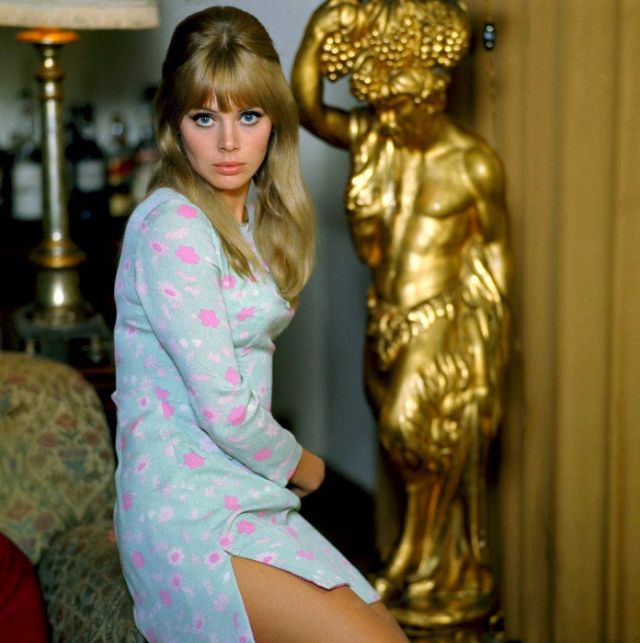
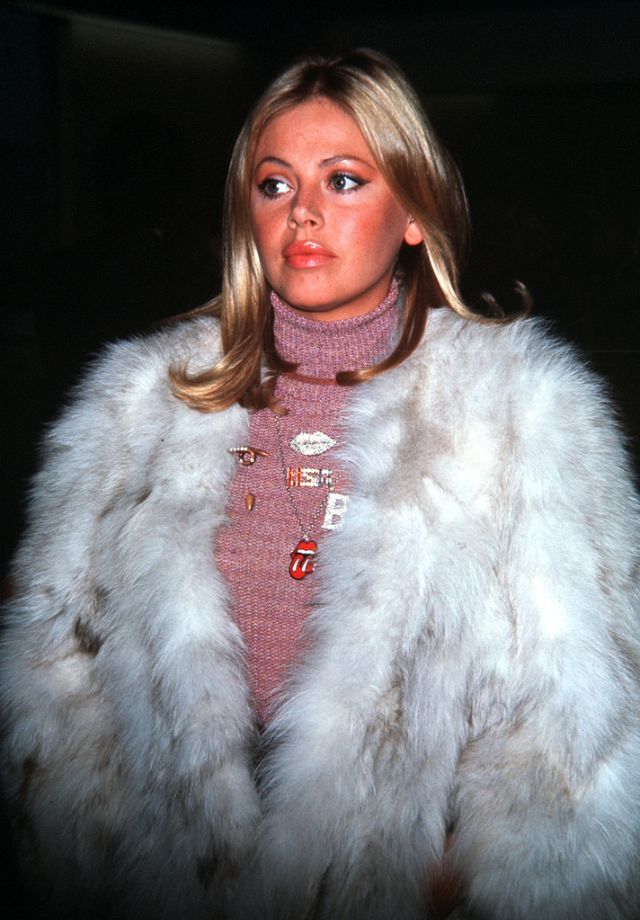
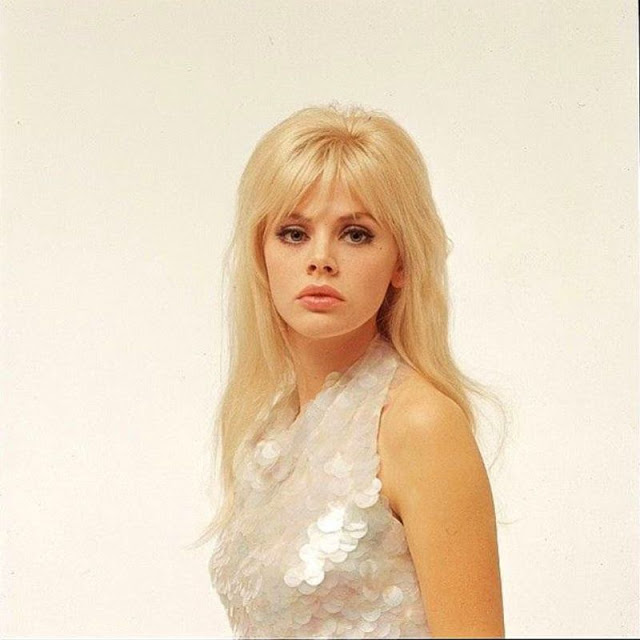
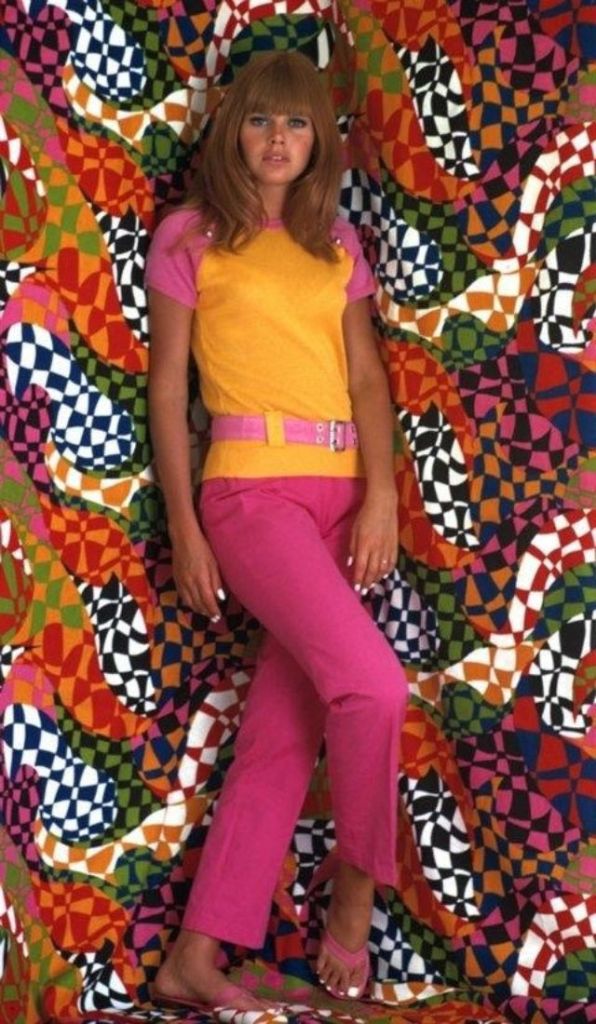
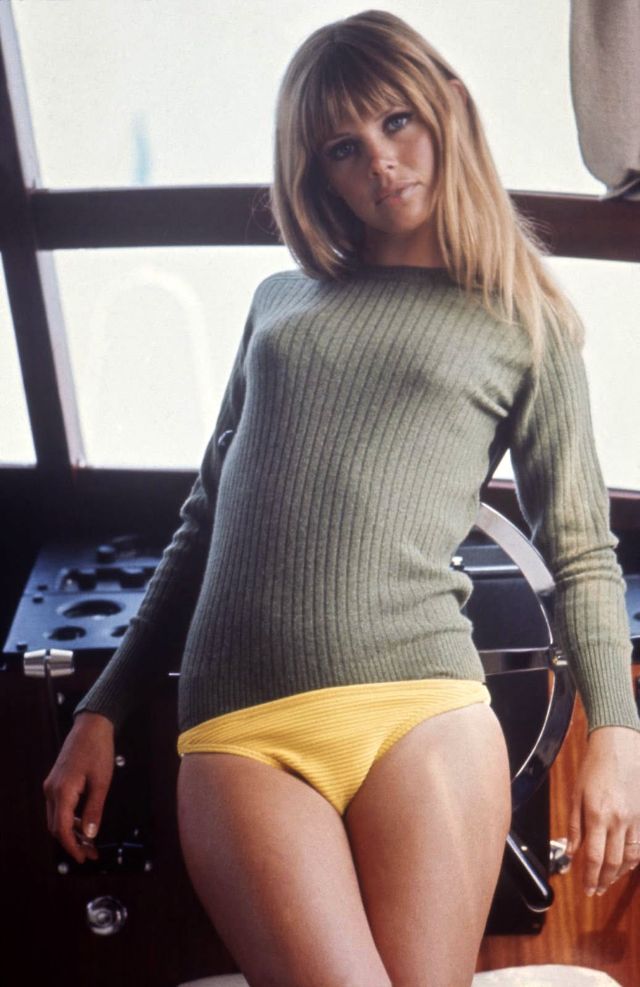
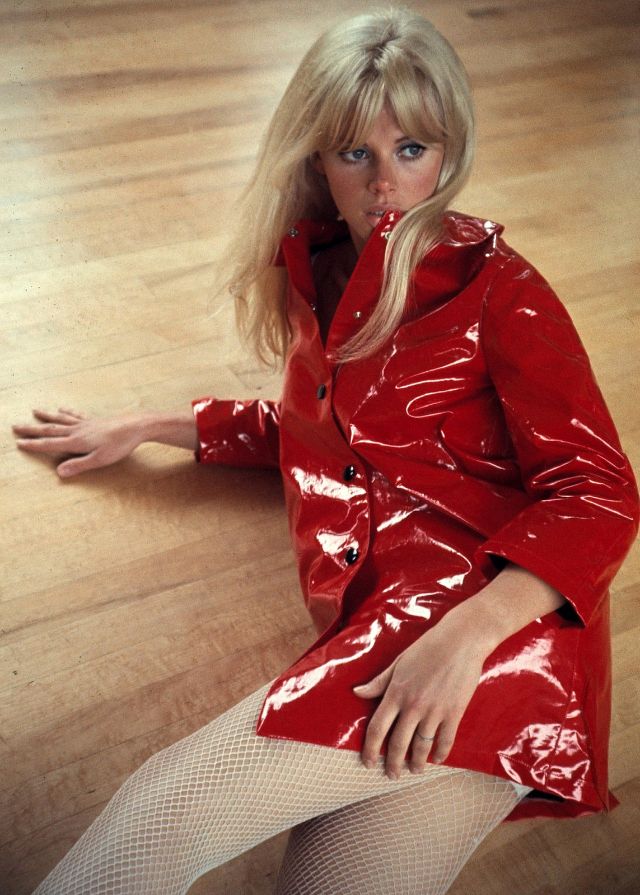
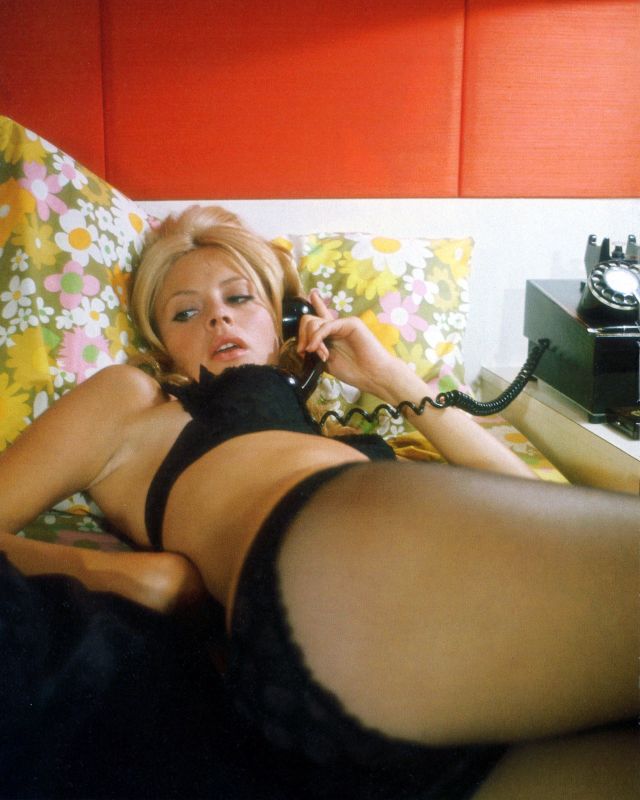
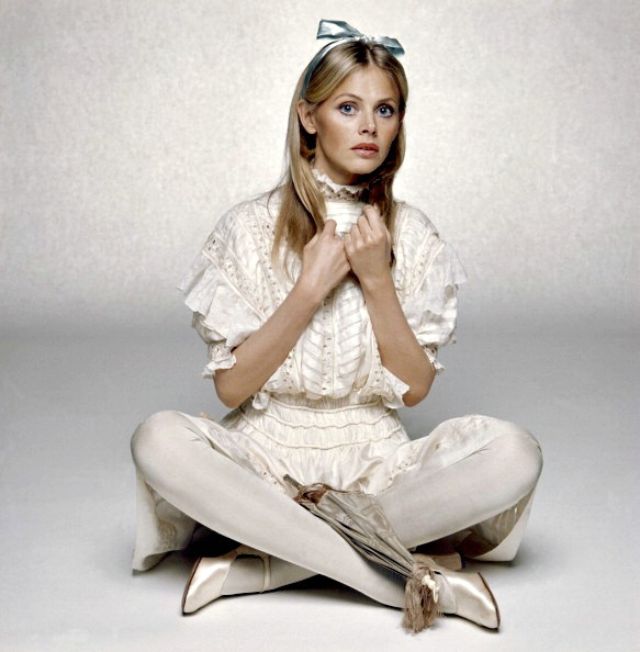
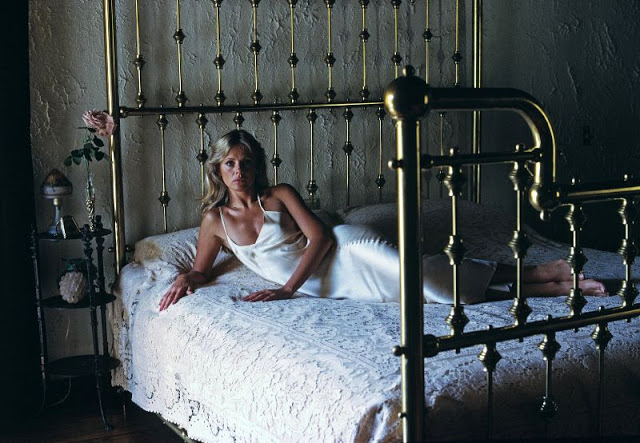
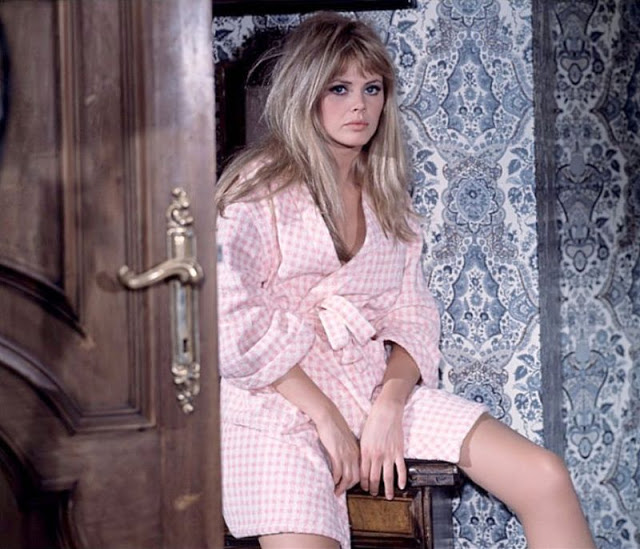
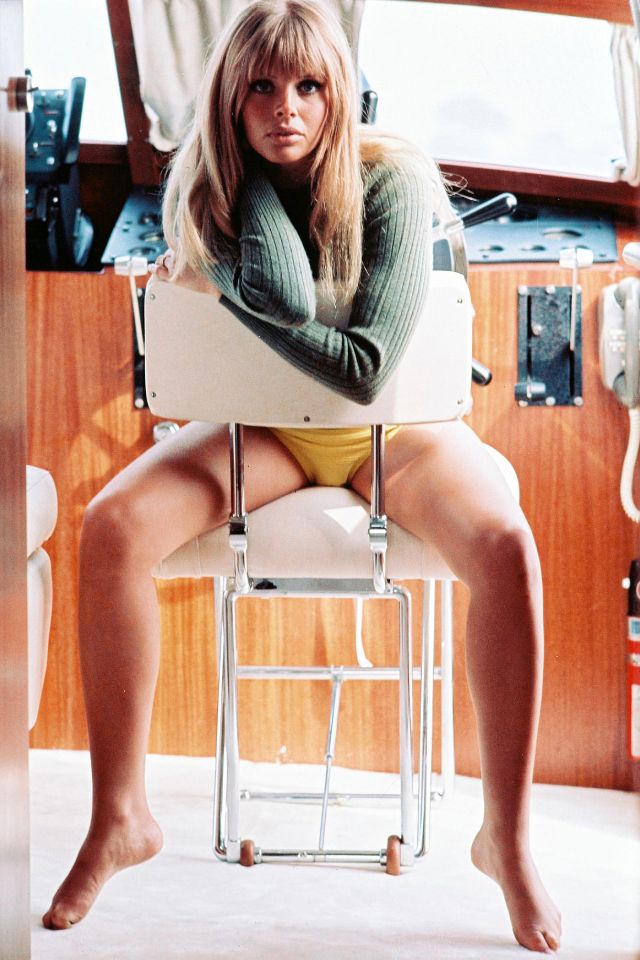
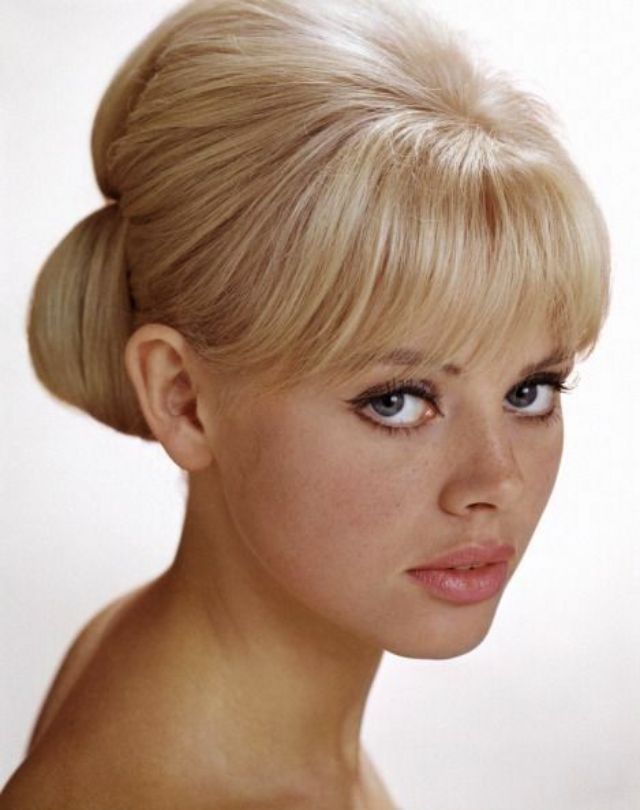
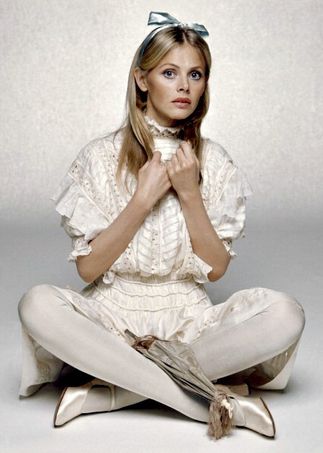
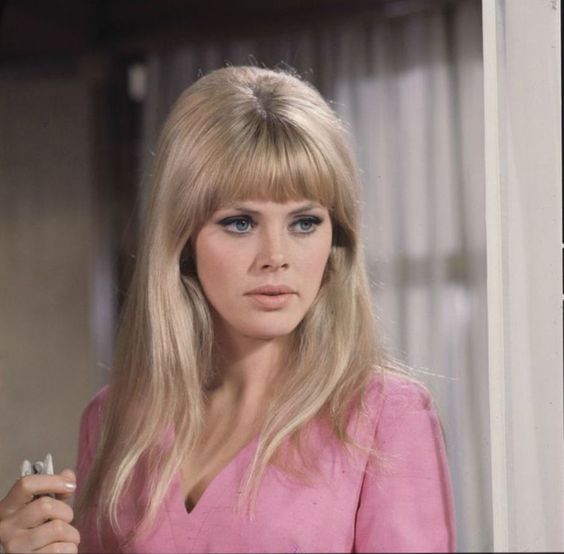
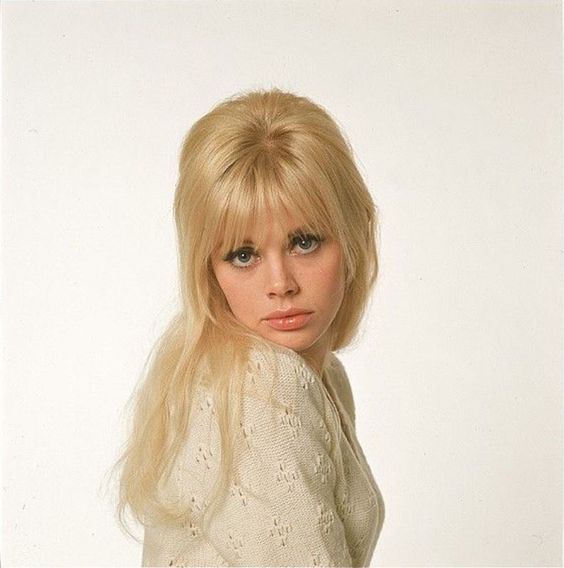
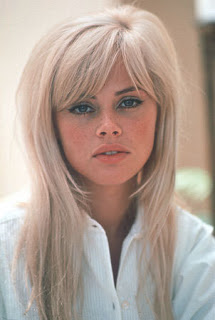
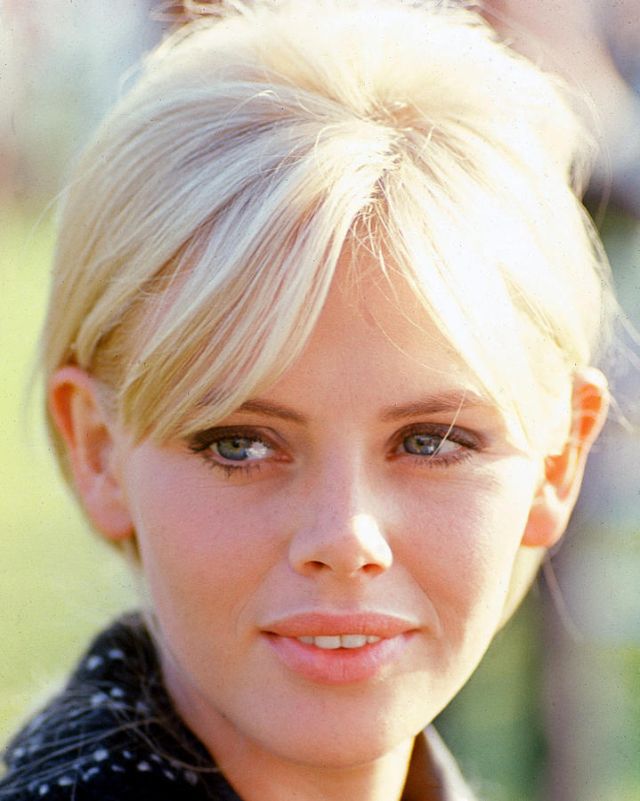
54 Stunning Photos of Britt Ekland During The 1960s

Britt Ekland was born in Sweden and grew up to be the poster girl for beautiful, big-eyed Scandinavian blondes. She attended a drama school and then joined a traveling theater group. With her looks as her passport, Britt entered films and became a star in Italy. When Peter Sellers met her in a hotel, he fell hard for her and they soon married. The combination of Sellers’ stardom and her stunning beauty contributed to her fame (the fact that Sellers suffered a heart attack in bed on their wedding night did not hurt, either). She appeared in two films with her husband: After the Fox (1966), written by Neil Simon, and the forgettable The Bobo (1967). Her claim to fame would come as the young girl who invented the striptease in The Night They Raided Minsky’s (1968). After that, she appeared in a string of movies that were built around her looks and not much else. She did appear in some first-rate productions over the years, though, two of them being Get Carter (1971) and the cult classic The Wicker Man (1973). The high point in her career would be her role as Bond girl Mary Goodnight in The Man with the Golden Gun (1974). After her much publicized breakup with rocker Rod Stewart in 1977, Britt continued to make movies–both features and made-for-TV films–and tried the stage. By that time, the quality of her film projects had decreased markedly, and she was reduced to appearing in things like Fraternity Vacation (1985) and Beverly Hills Vamp (1989).
Text by Tony Fontana via IMDB.com.

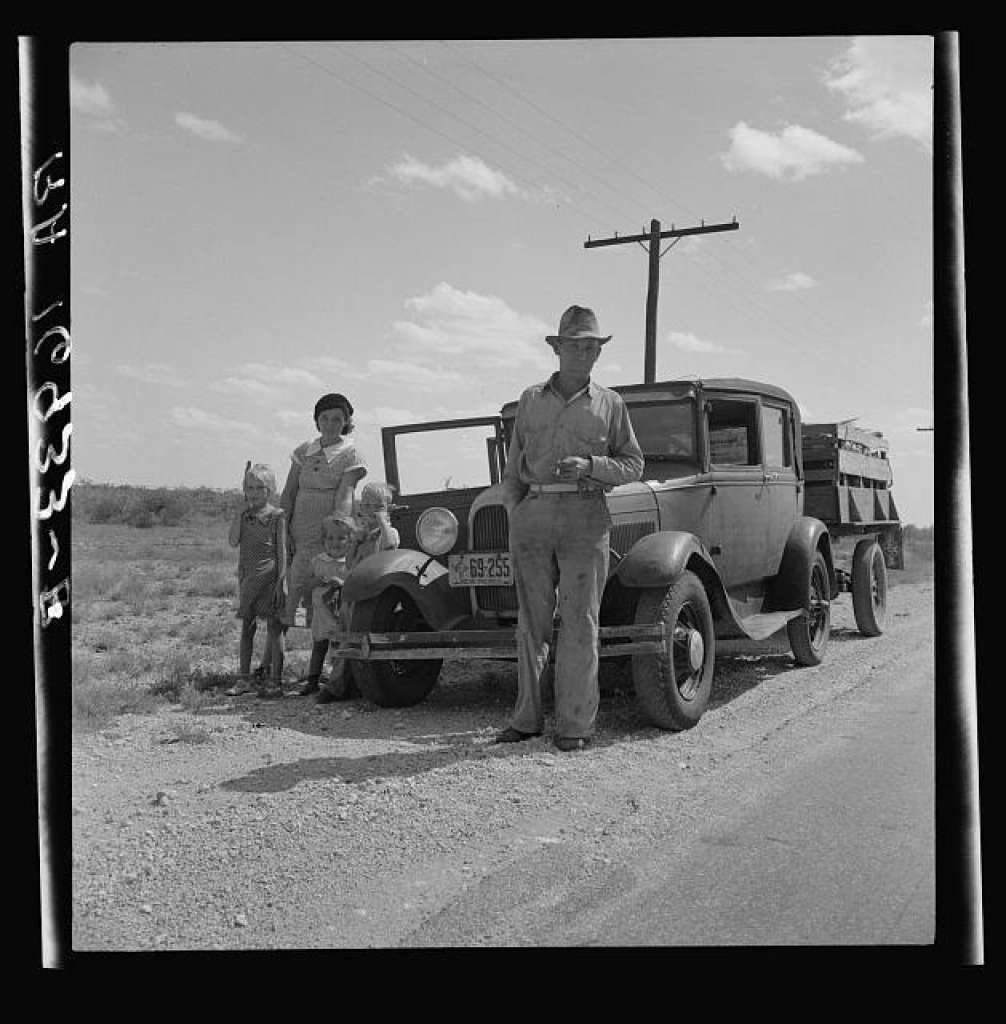
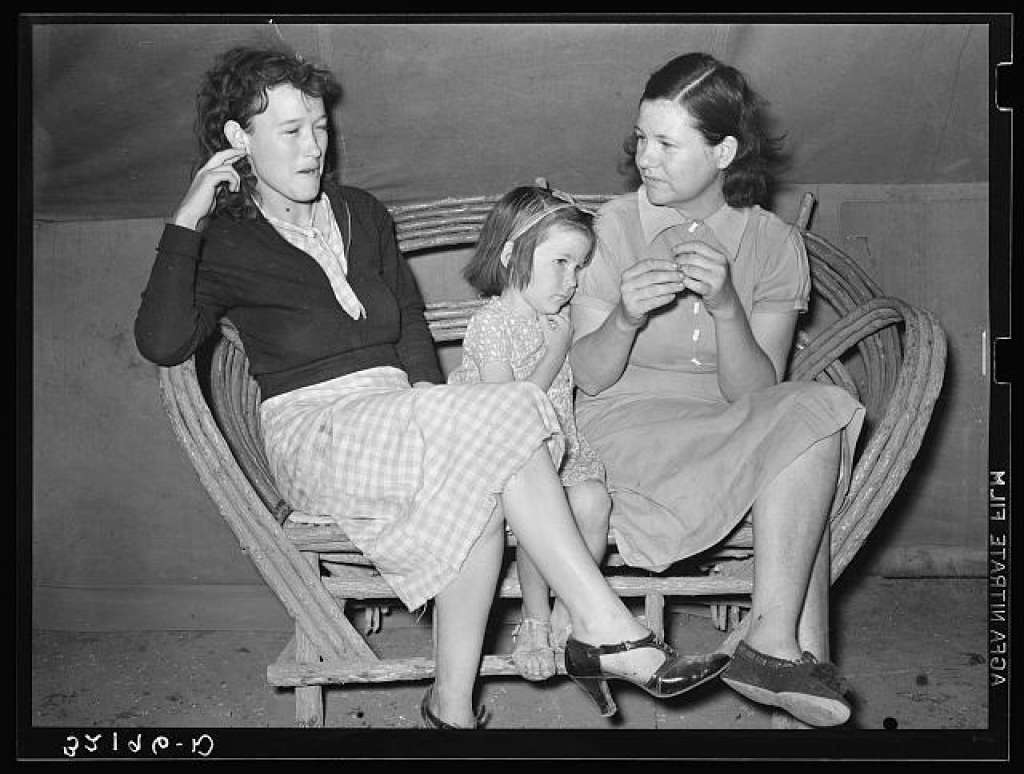
Amazing Photos Showing Life in Texas migrant camps During the 1940s

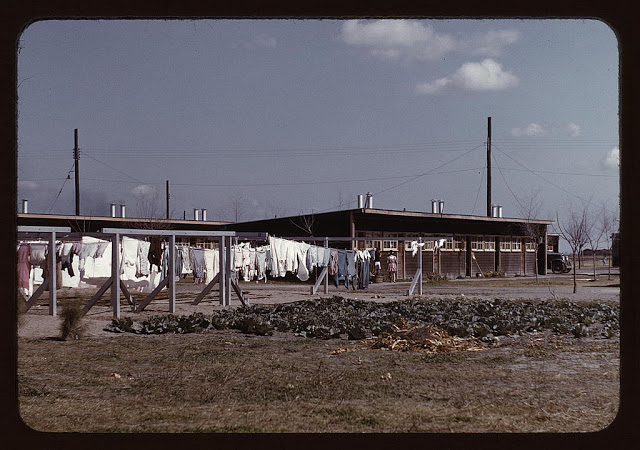
Migrant Camps, or Weedpatch Camp, has its origins in the migrations during the drought that caused the Dust Bowl in the mid-1930s. Oklahoma was especially hard hit by the drought and many of the farmers there left. They migrated to California where they moved from farm to farm looking for work as farm laborers. They were joined by other migrant workers from Texas, Arkansas and Missouri. Housing for the migrants consisted of either squatter camps (tents pitched by the side of a road) or camps established by the farmers and growers.

Because of the lack of hygiene and security that these types of camps offered, the Farm Security Administration (FSA) built labor camps consisting of permanent buildings with running water such as schools and libraries. The FSA also provided help locating work. The first administrator of Weedpatch Camp was Tom Collins.[2]

Between April 1935 and December 1936, the federal government’s New Deal Resettlement Administration (RA) had relocated many struggling rural and urban families to planned communities. Weedpatch Camp, however, was constructed by the Works Progress Administration. It was located on the outskirts of the small towns of Arvin and Weedpatch. The camp now is located in an unincorporated area of Kern County just south of Bakersfield.

The camp originally consisted of canvas tents on plywood platforms for the residents and permanent buildings to house the community functions such as administration, community hall, post office, library and barber shop. Later, the residents’ tents were replaced by permanent wood frame shacks. The buildings are single story wood frame structures.

There are three buildings remaining from the camp that make up this National Register of Historic Places property: the community hall, the post office, and the library. The latter two buildings were moved next to the community hall to form the beginnings of a historic park on the property. In 2007, the exteriors of the library and post office buildings were renovated.[3]

The camp is significant in the history of California for the migration of people escaping the Dust Bowl. These migrants were known by the derogatory term of Okie and were the subject of discrimination from the local population.

The plight of the Okies and a description of Migrant Camps were chronicled by novelist John Steinbeck in his book The Grapes of Wrath. The book is dedicated to camp administrator Collins who was the model for the character called Jim Rawley.[2] Author Sonora Babb worked at the camp under Collins’ supervision and wrote Whose Names Are Unknown, a novel depicting the experiences of a migrant family from Oklahoma that went unpublished until 2004 due to her publisher dropping the book shortly after The Grapes of Wrath was released and met with major success.[4]

Migrant advocate Dr. Myrnie Gifford revealed in a 1937 Kern County Public Health Department annual report that 25% of the Okies in Arvin Federal Labor Camp tested positive for a disease associated with agricultural dust exposure called “valley fever.”[5]

The camp was subsequently taken over by the Kern County Housing Authority, which administers it as the Sunset Labor Camp to assist migrant farm workers. (Wikipedia)

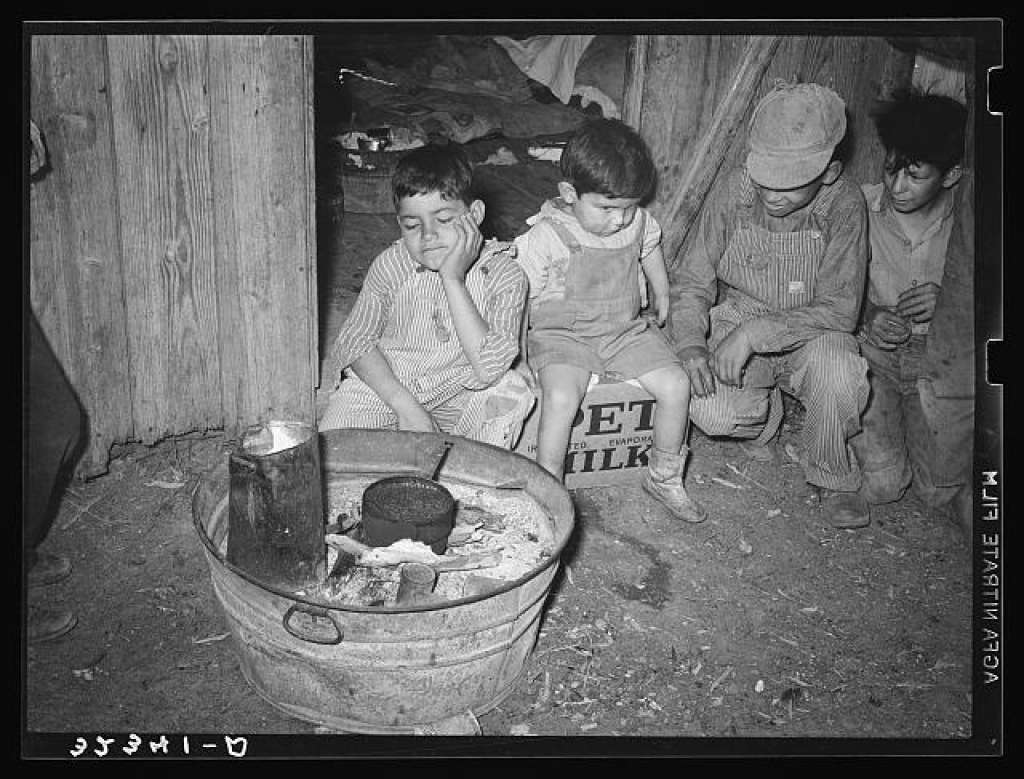
Boys sitting on a truck parked at a labor camp in Robstown, Texas. 1942
Migrant workers talking in Harlingen, Texas. 1940
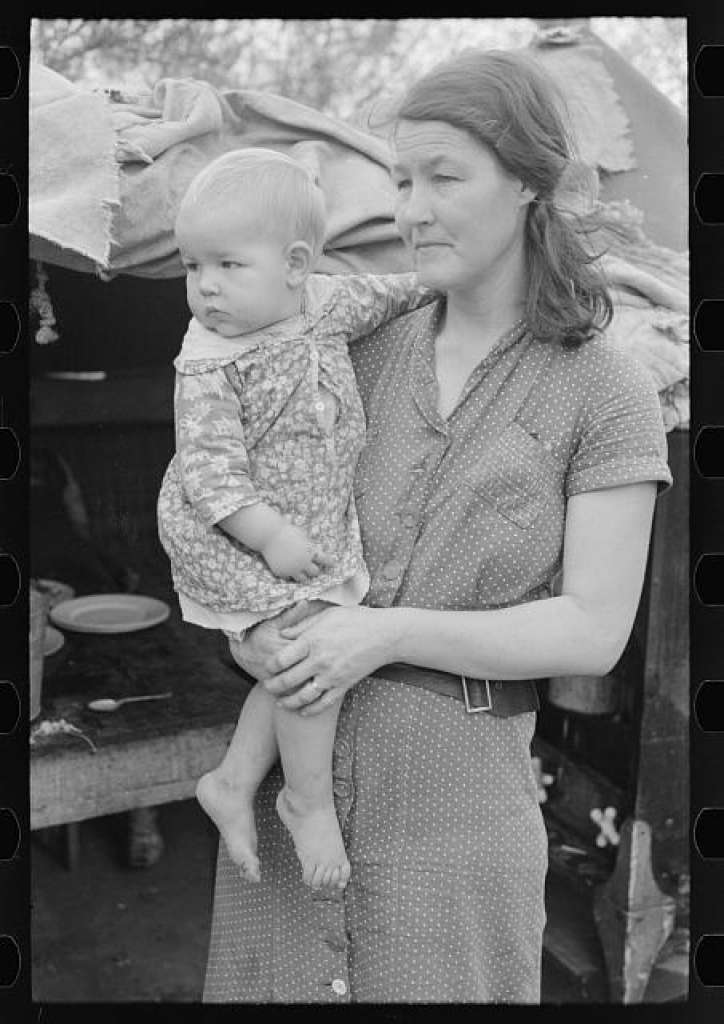
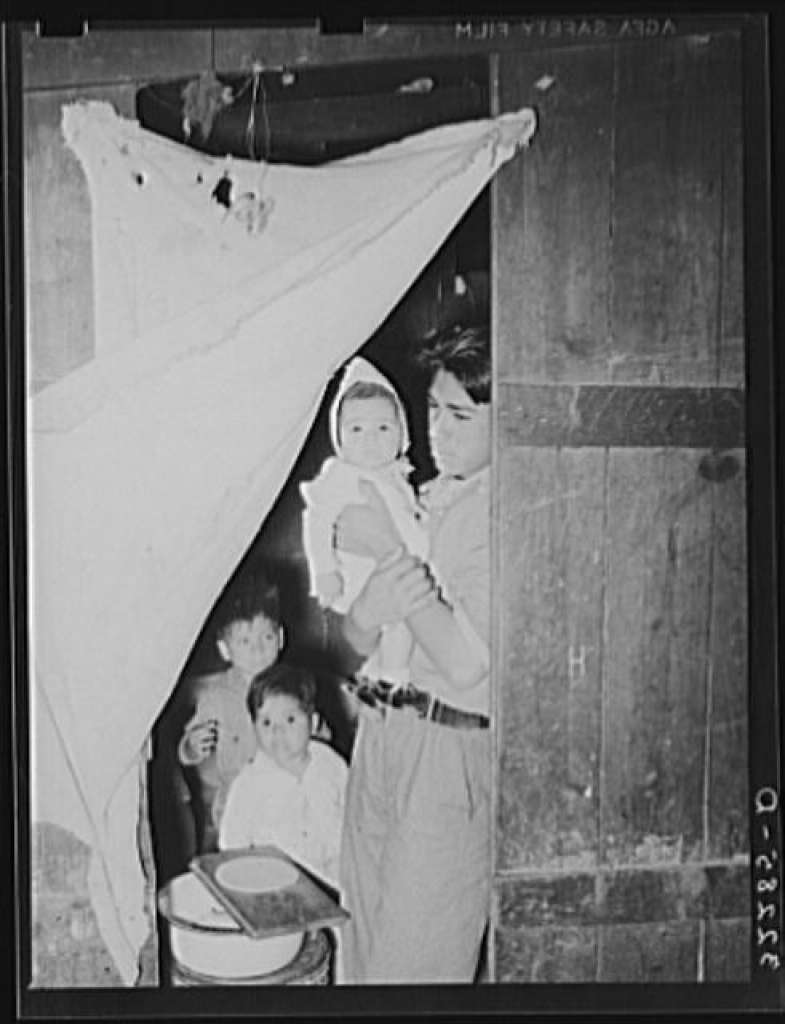
Mother and child in a migrant camp near Harlingen, Texas. 1940
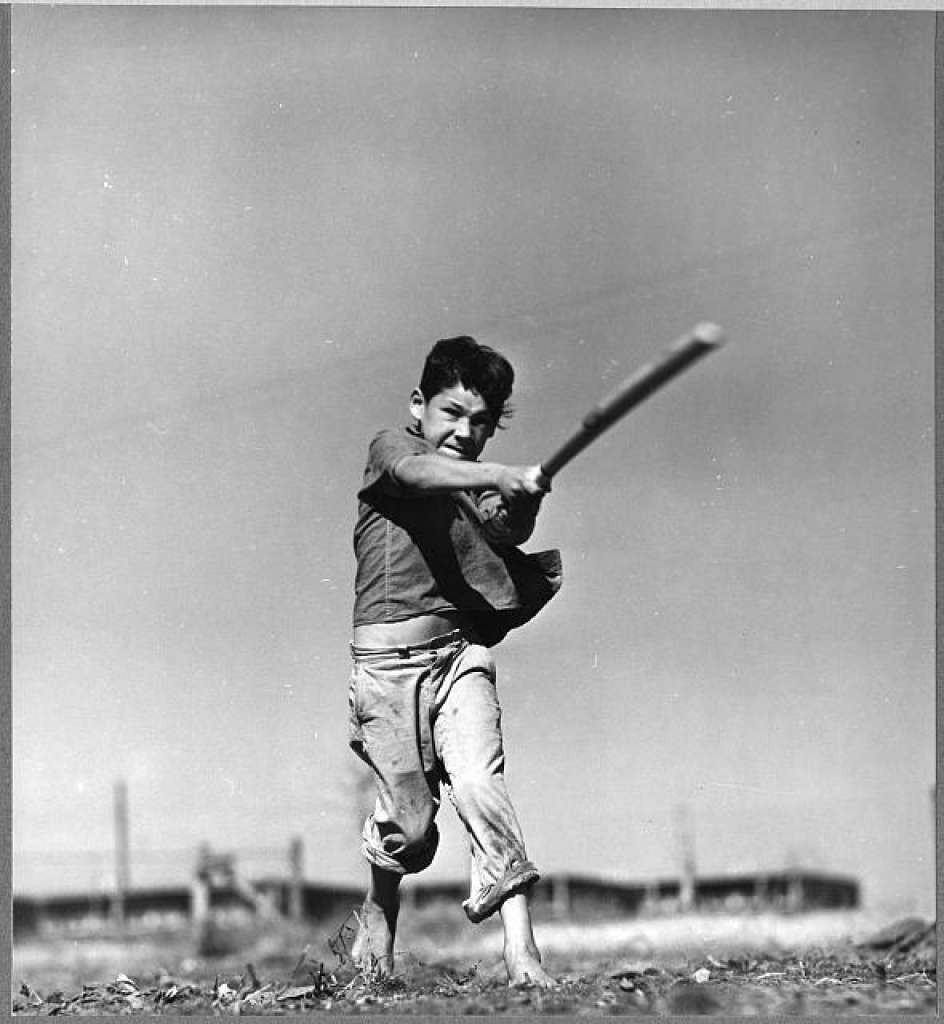
A Saturday morning baseball game on the Farm Security Administration migratory labor camp in 1942 in Robstown, Teaxas, 1942.
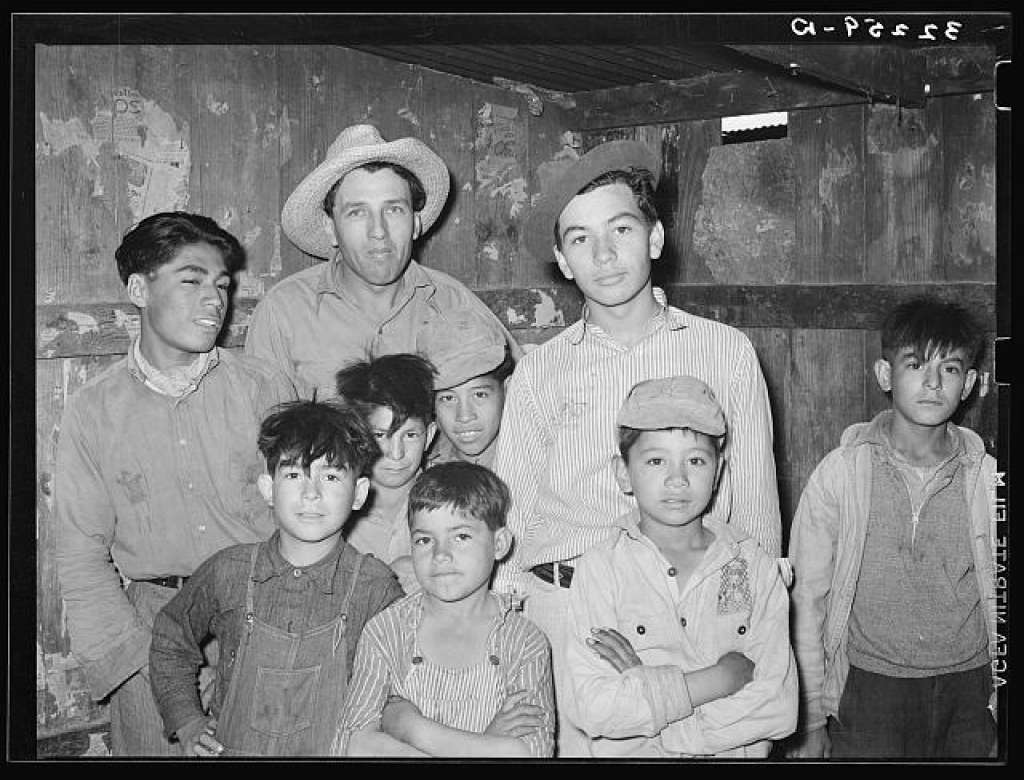
Mexican Men and children on a migrant camp in Robstown, Texas in 1939.
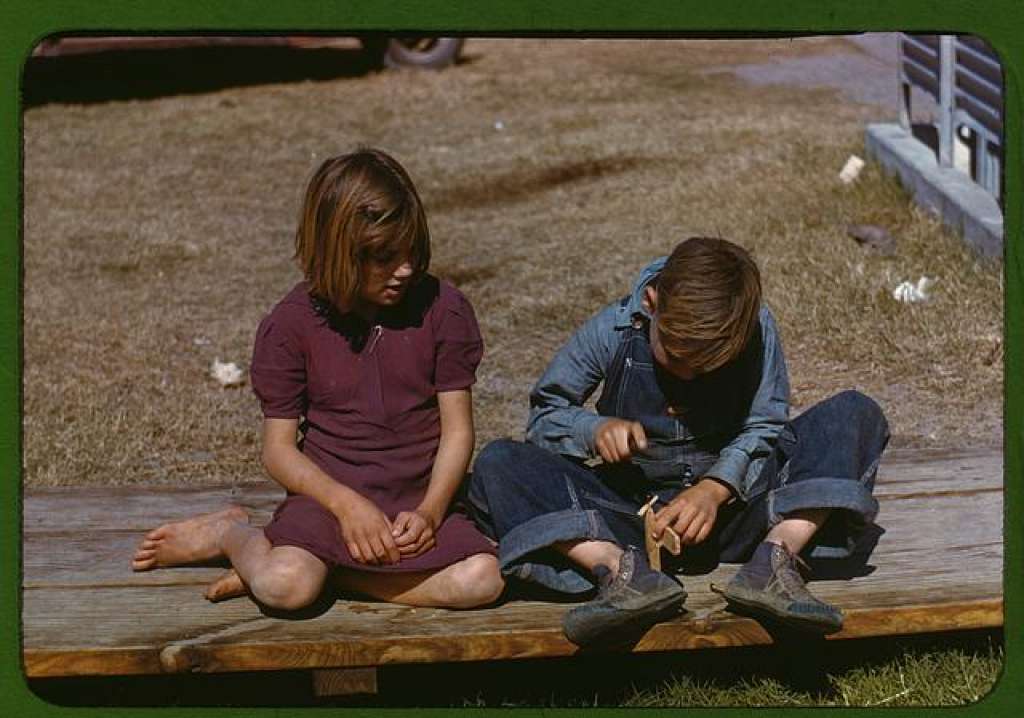
A boy builds a model airplane in the FSA camp, Robstown in 1942.
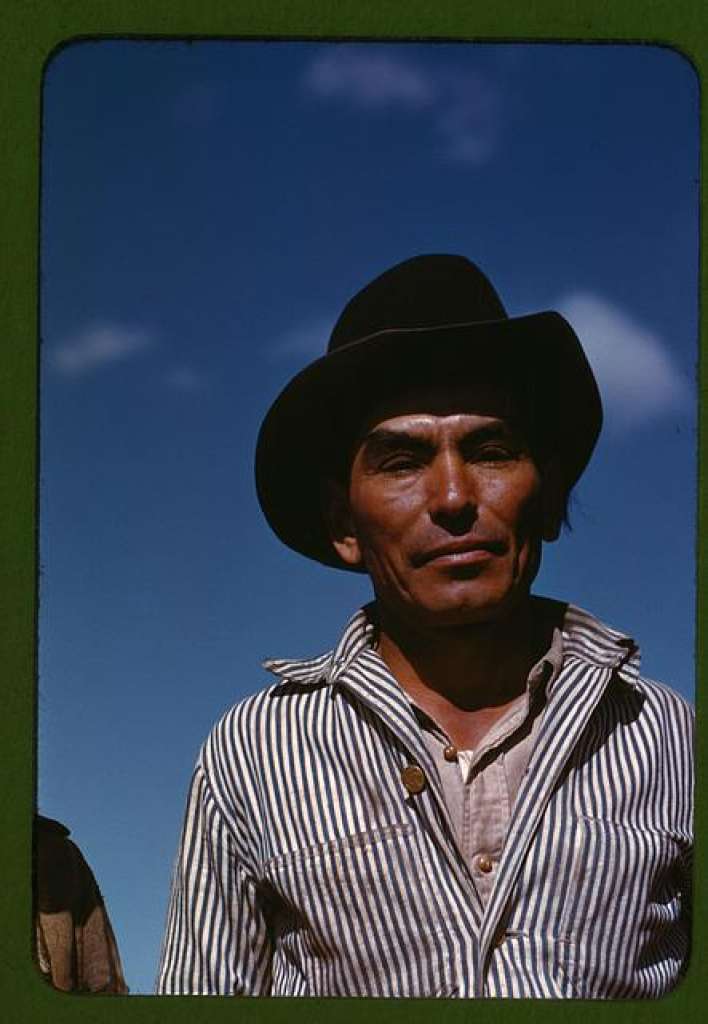
A migrant worker at a labor camp in Robstown in 1942.
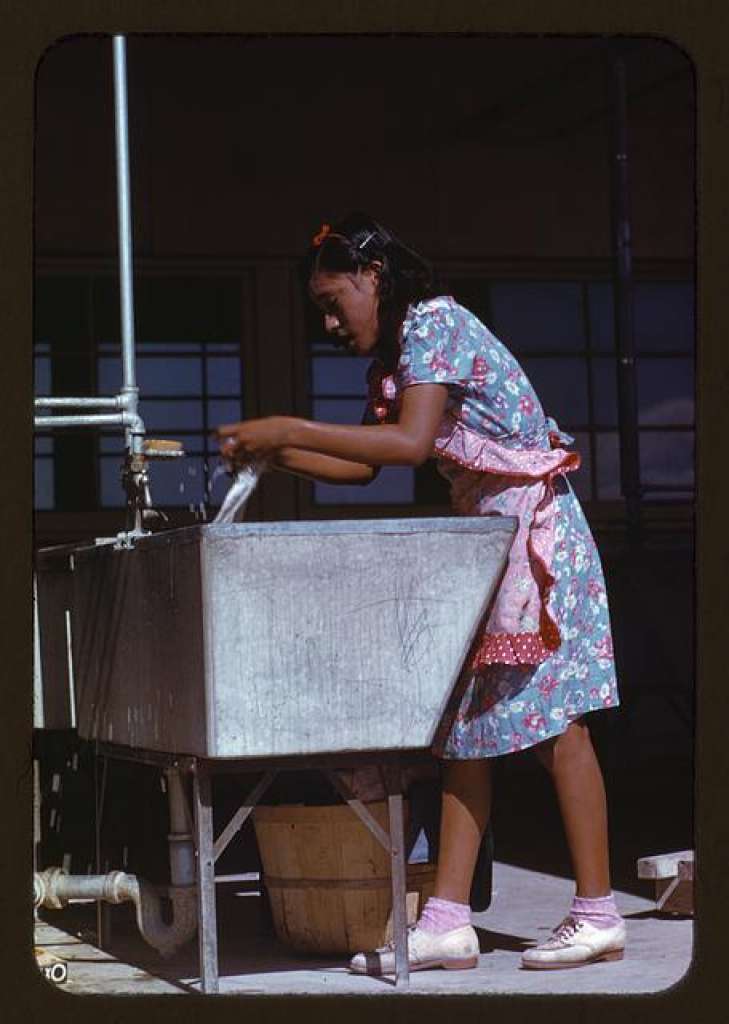
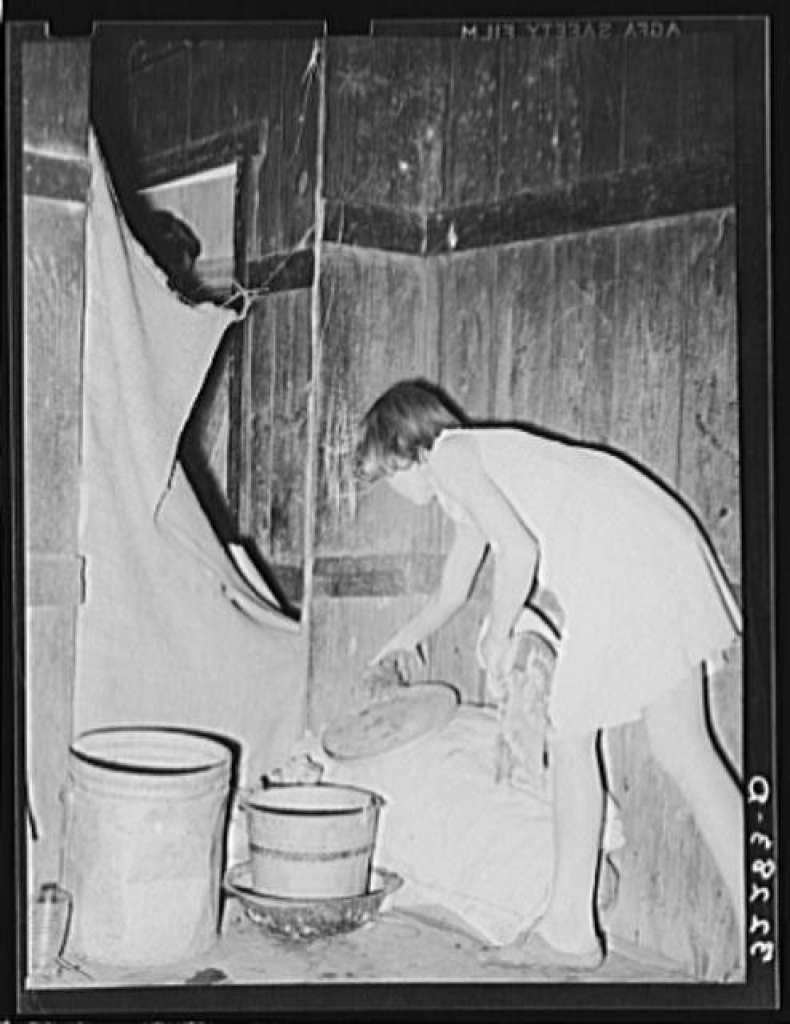
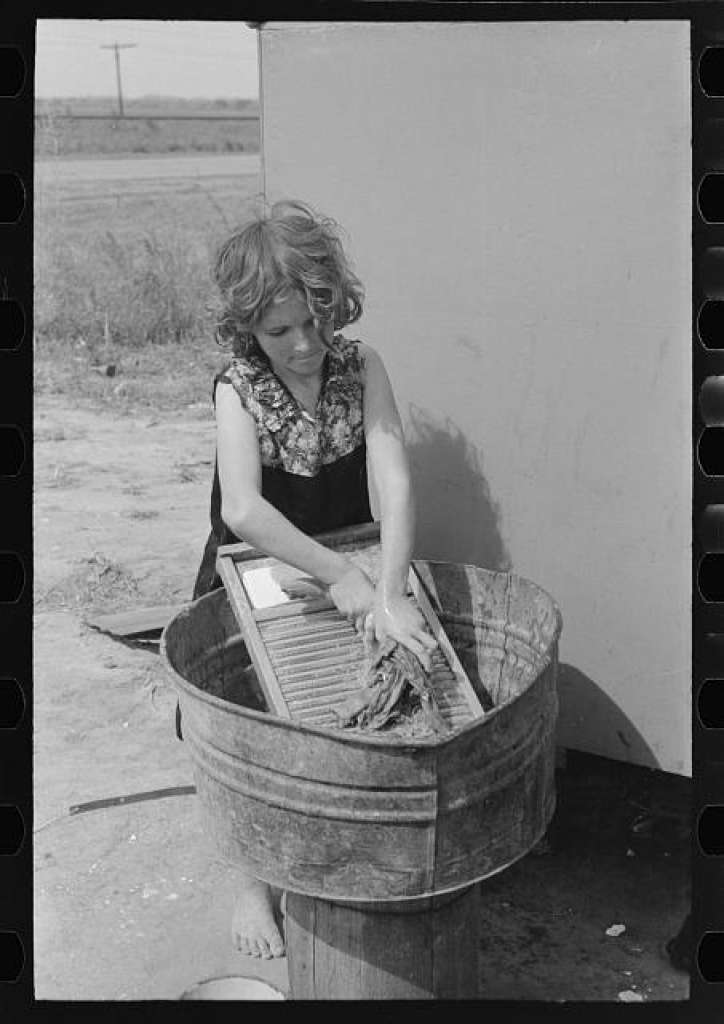
A woman at the community laundry facility in a Robstown labor camp in 1942.
A woman at the Robstown labor camp in 1942.
Child of a migrant worker living near Harlingen, Texas, 1940.
Child of a migratory farm laborer in the field during the harvest of the community center’s cabbage crop, FSA labor camp, Texas, 1940.
Mexican Woman sewing in her home in Robstown, Texas in 1939.
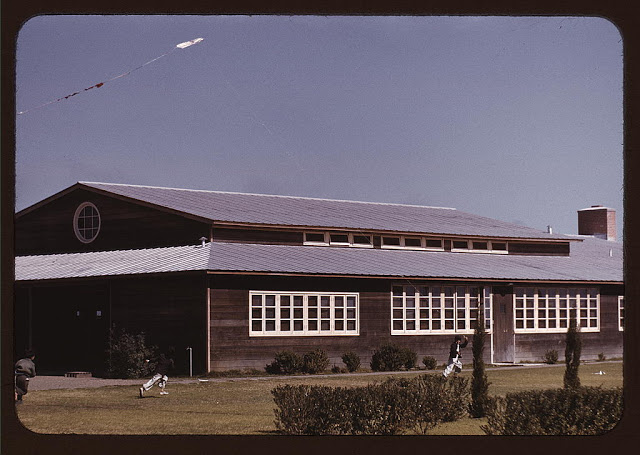
Boys flying a kite in front of the community center at the FSA camp, Robstown, 1942
Boys playing marbles, Robstown, Texas, 1942
Community clothesline at the FSA labor camp, Robstown, Texas, 1942
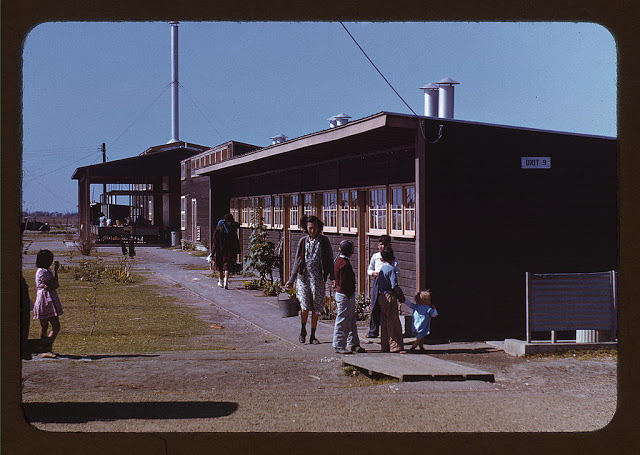
Families of migratory workers in front of their row shelters at the FSA labor camp, Robstown, Texas, 1942
Gardens are planted in front of the row shelters, Robstown, 1942
Row shelters at the FSA labor camp, Robstown, Texas, Jan. 1942
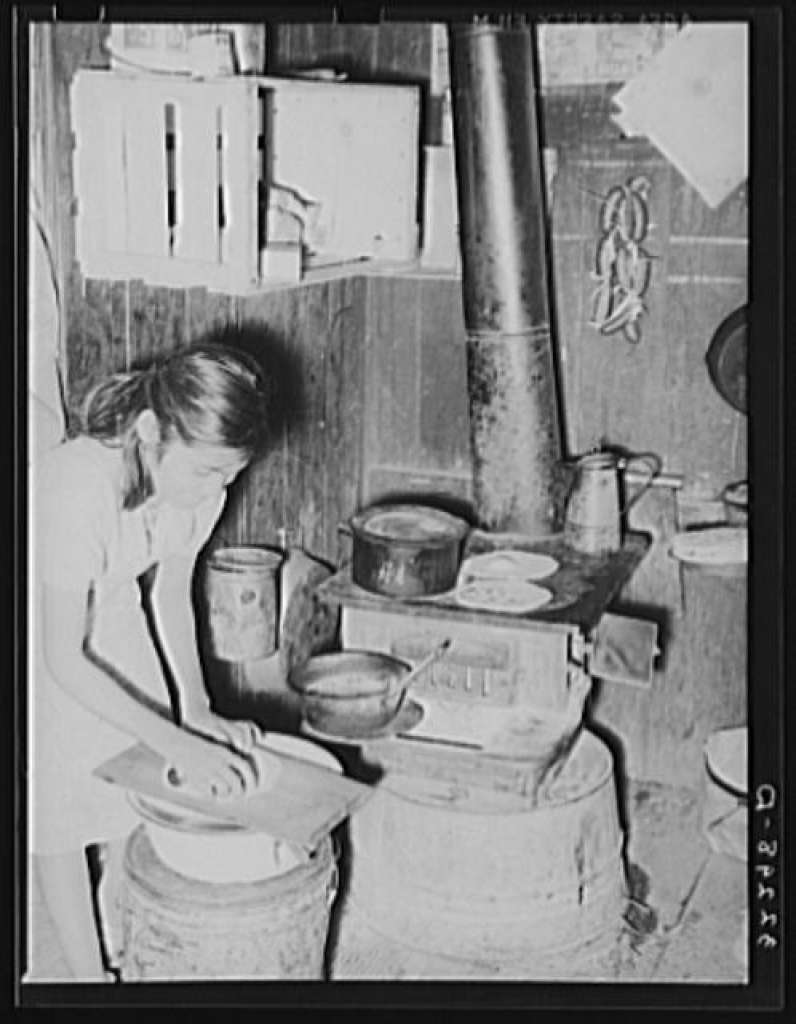
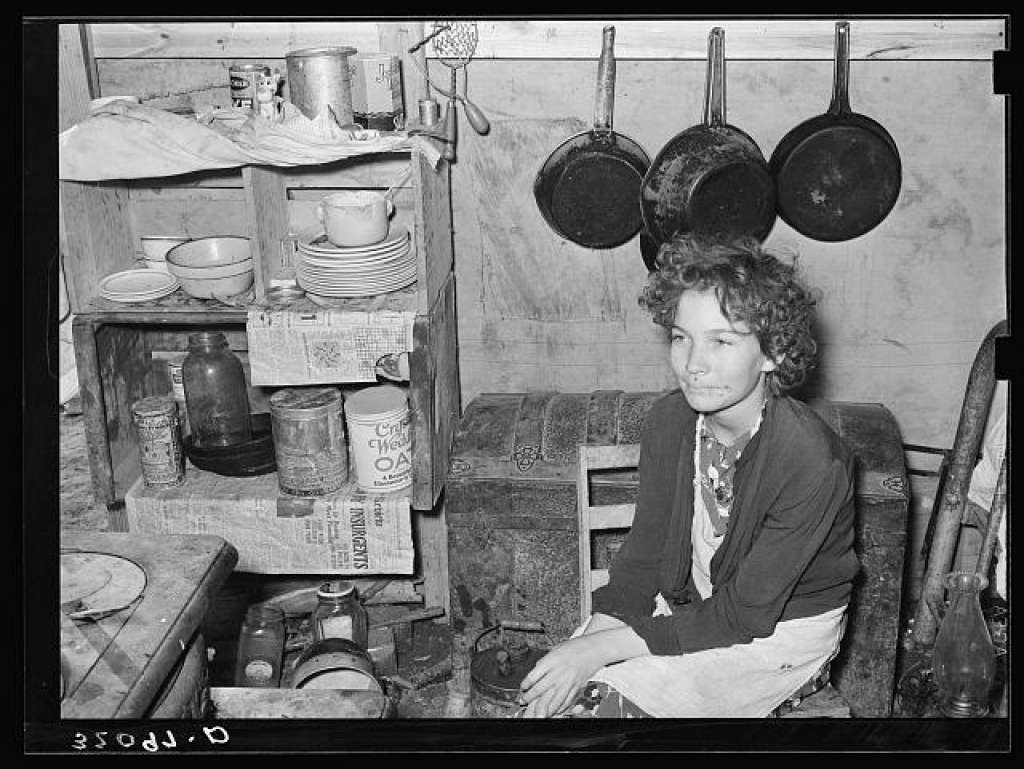
A woman in 1939, cooking in her kitchen in Robstown, Texas.
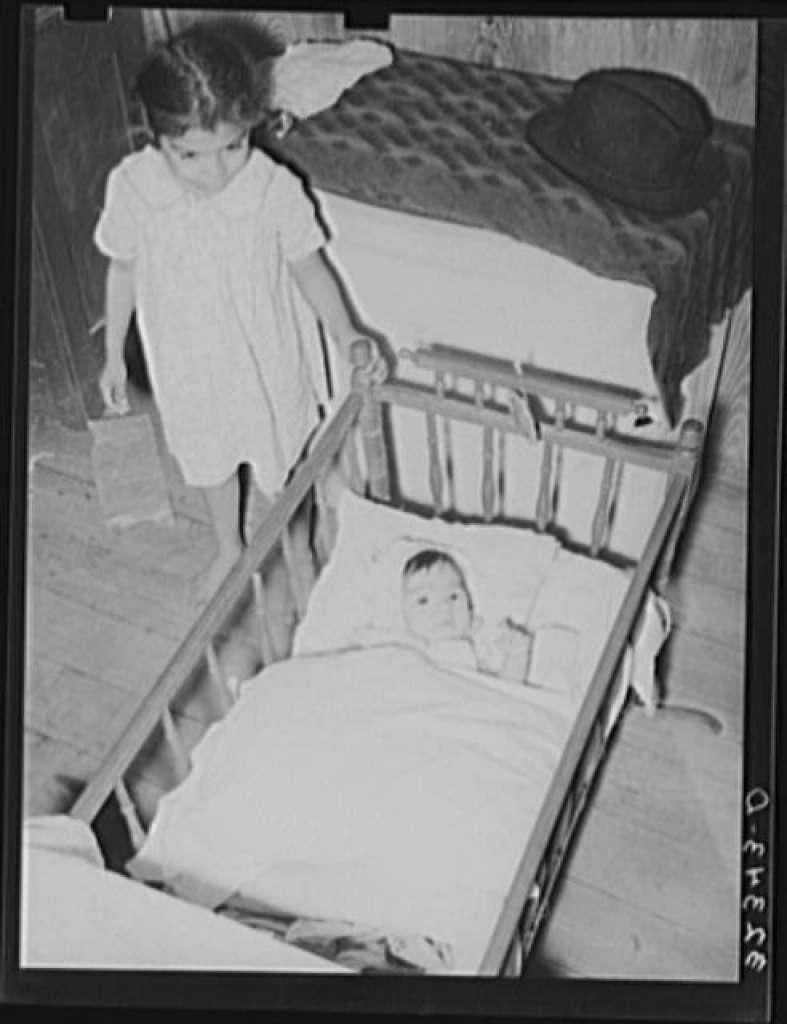
Children of a labor contractor in their home. Robstown, Texas.
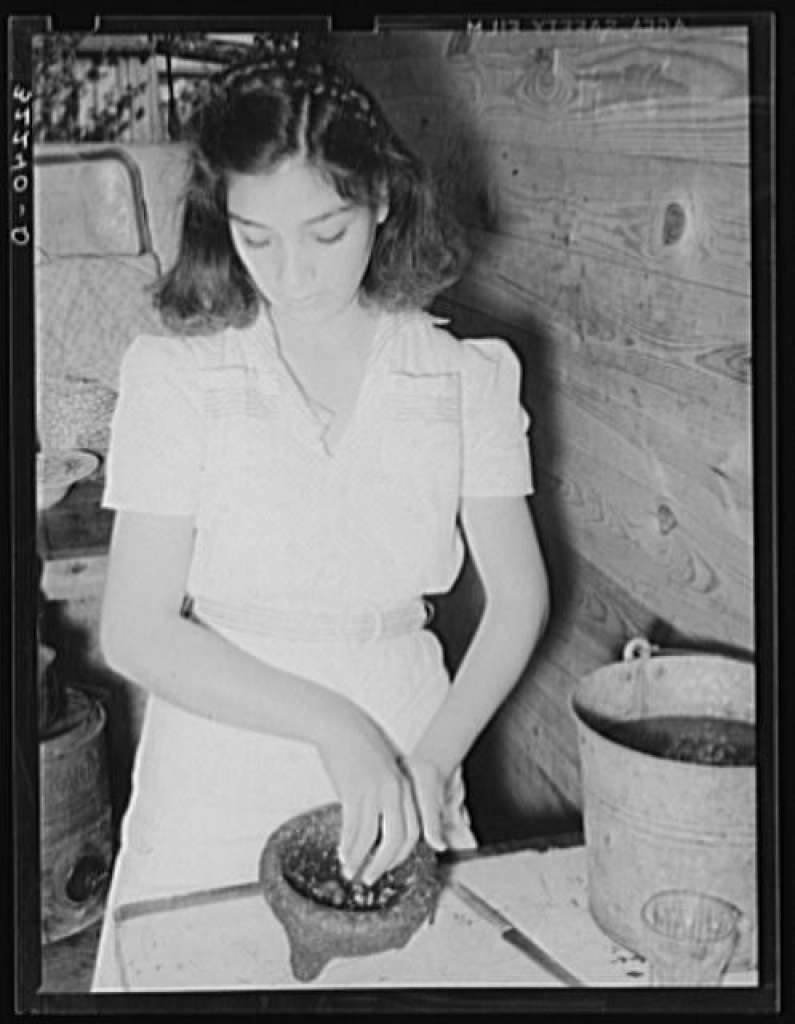
Mexican A girl grinding peppers. Robstown, Texas
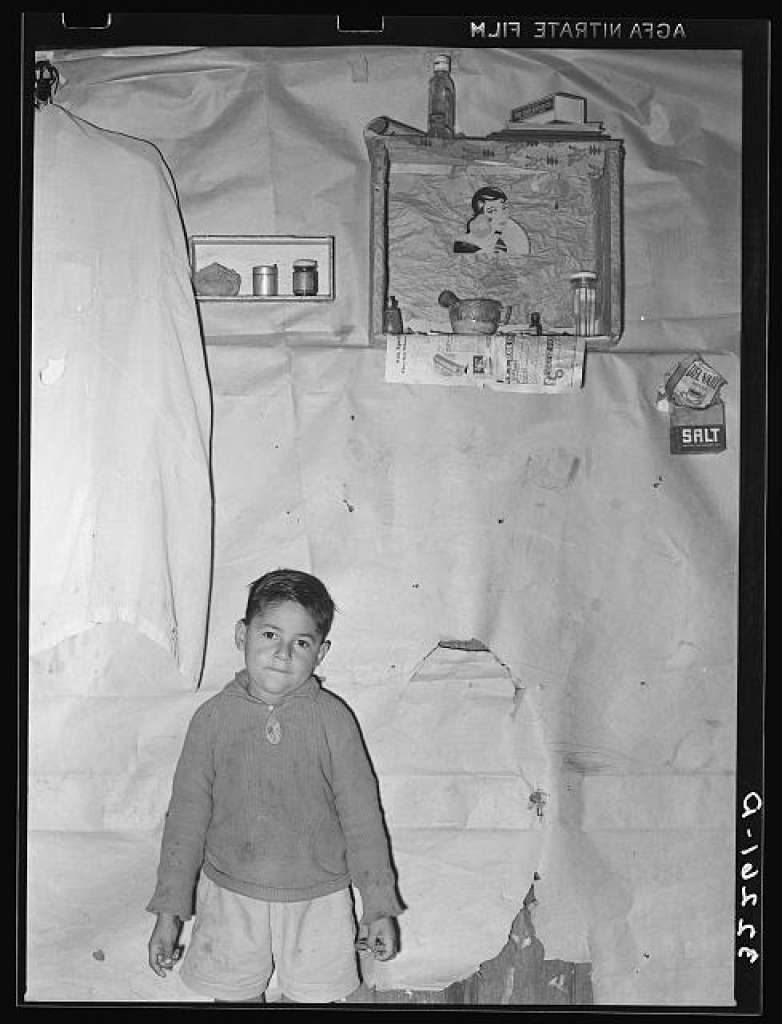
Children of a labor contractor in Robstown, Texas, 1939.
A family in Robstown, Texas in 1939.
Mexican Labor contractor and child in their home. Notice that the doorway shows the construction of the house. Two houses have been joined together. Robstown, Texas, 1939
In 1939 a girl 12, keeps house in a trailer for her three brothers who are migrant workers, near Harlingen, Texas.
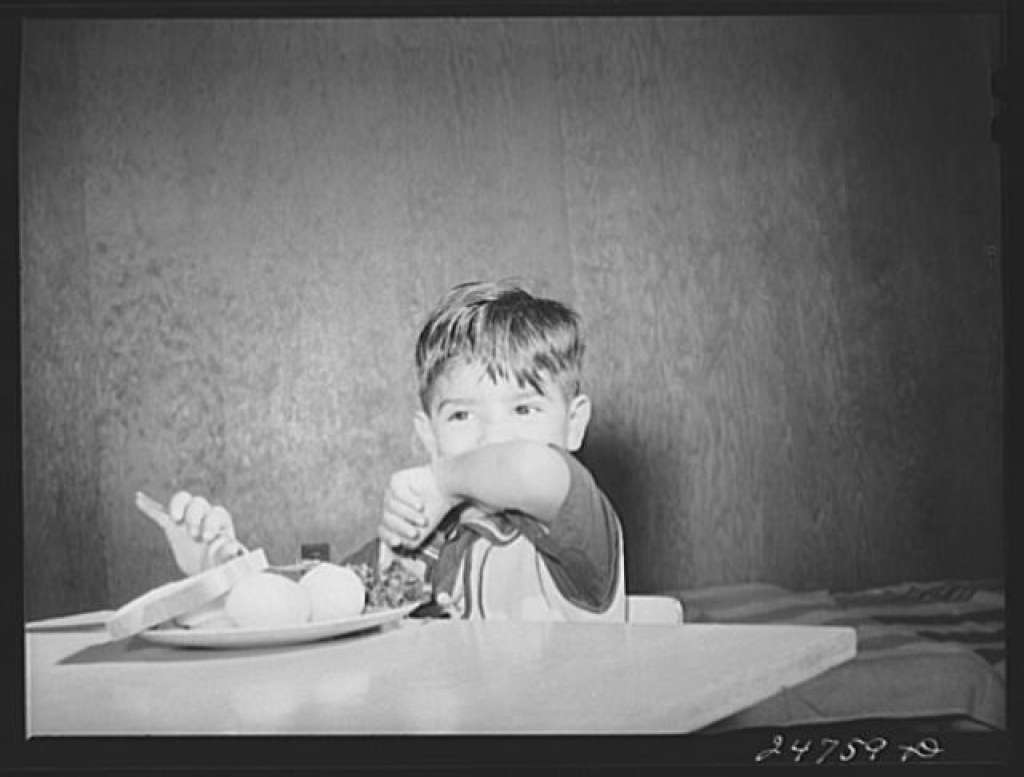
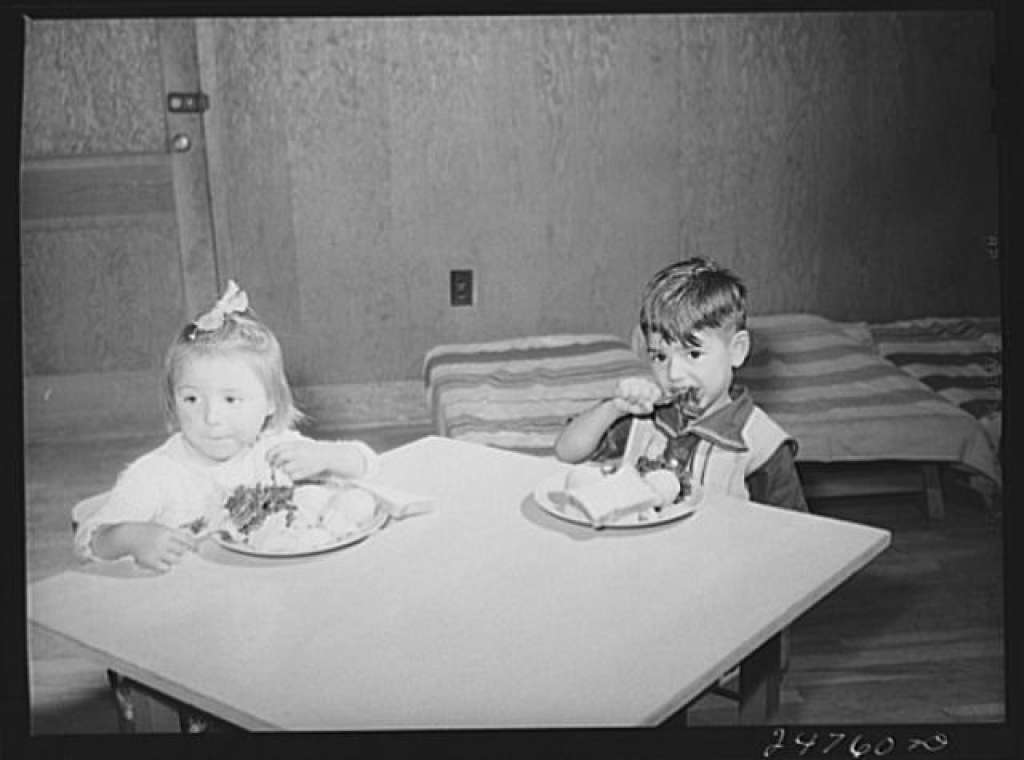
Child at lunch. Nursery school, FSA (Farm Security Administration) camp. Robstown, Texas.
Nursery school, FSA (Farm Security Administration) camp. Robstown, Texas, in 1942.
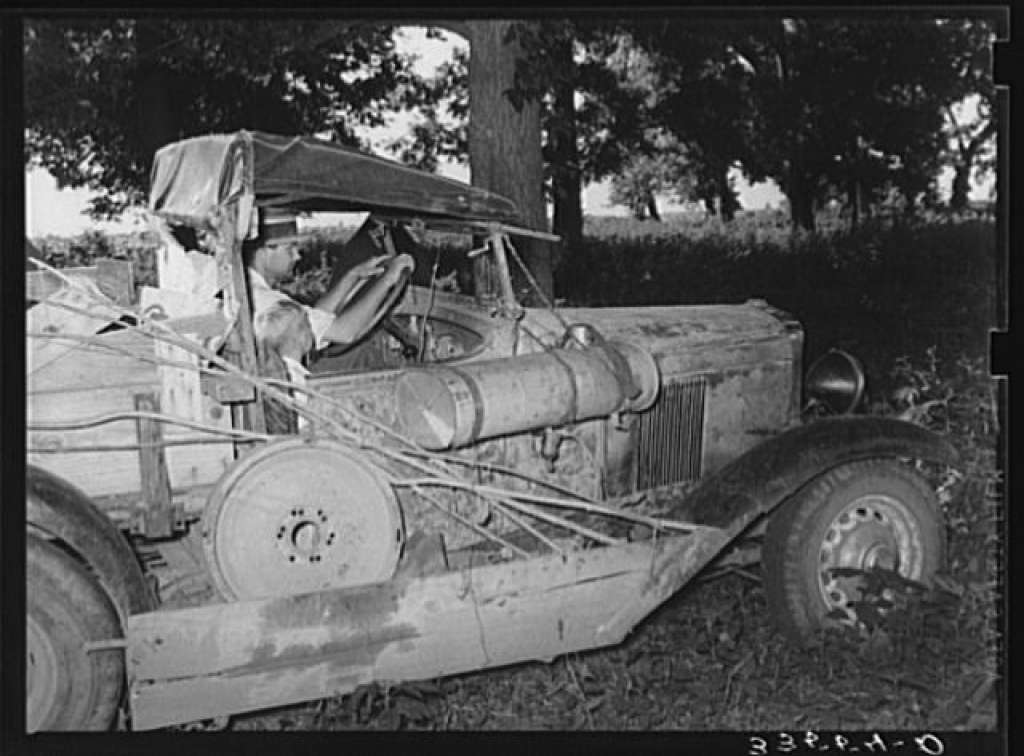
Migrant agricultural worker from Texas in his automobile in Wagoner County, near Tullahassee, Oklahoma
Migrant oil worker and wife near Odessa, Texas
Migrant labor camp in Weslaco, Texas.
Son of a migrant worker in Weslaco, Texas. 1939
The son of a migrant worker in a tent home in Mercedes, Texas in 1939.
The son of a migrant worker in Harlingen, Texas.
Migrant oil worker and family near Odessa, Texas, in 1937
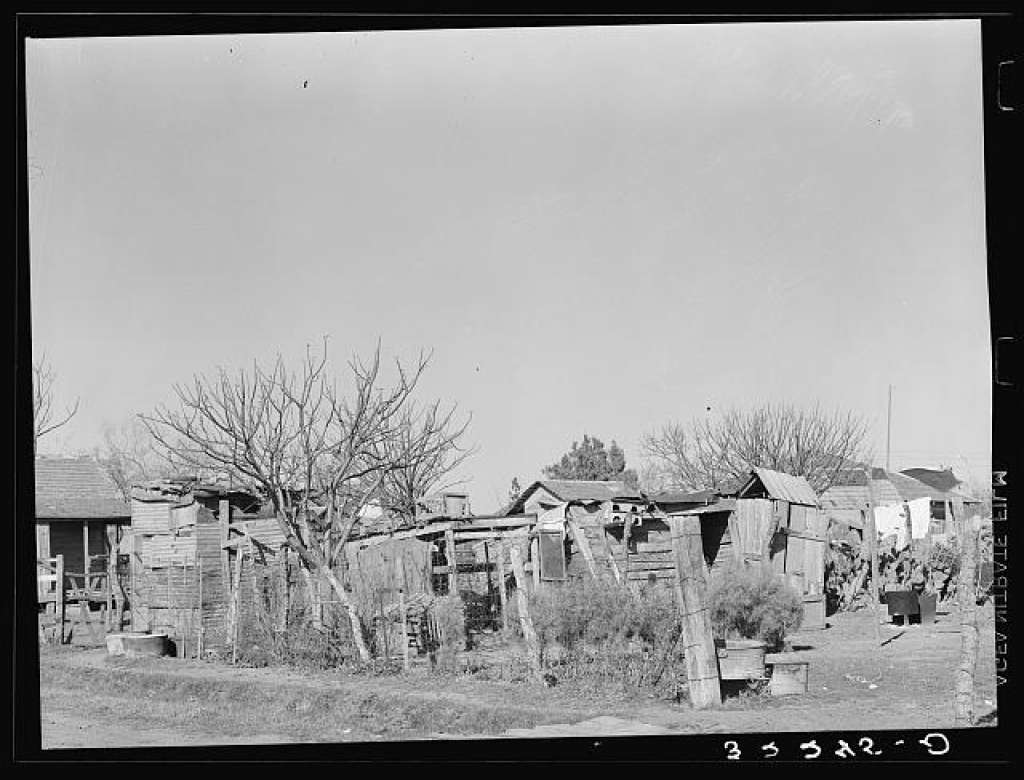
Housing of migrant day laborers, Robstown, Texas in 1939.
A home in Robstown, Texas.
Robstown, Texas in 1939.
Child of Texas migrant family who follow the cotton crop from Corpus Christi to the Panhandle. 1937

20 Vintage Photos Show Women’s Fashions During the Jazz Age

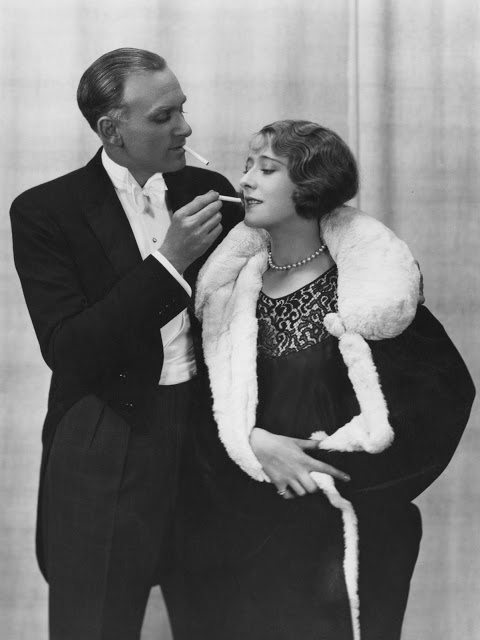
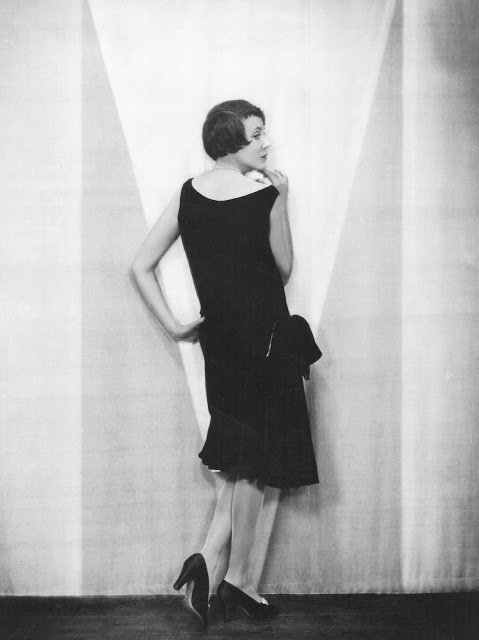
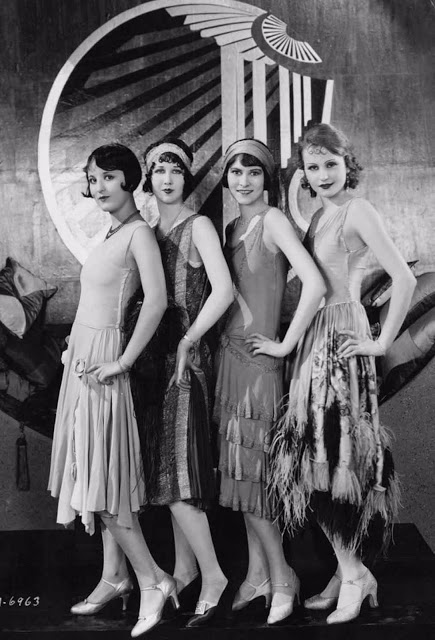
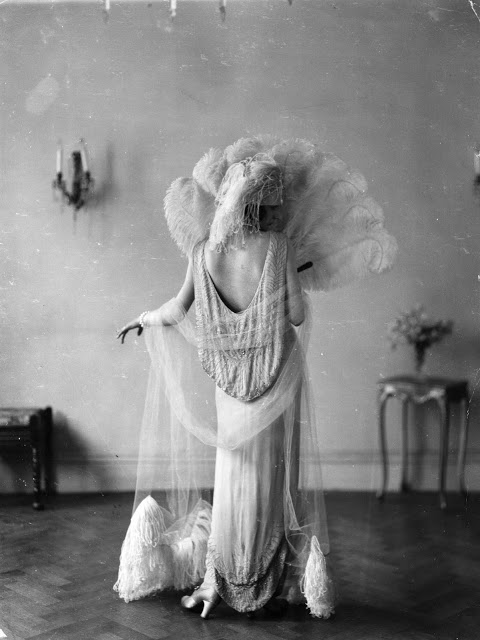
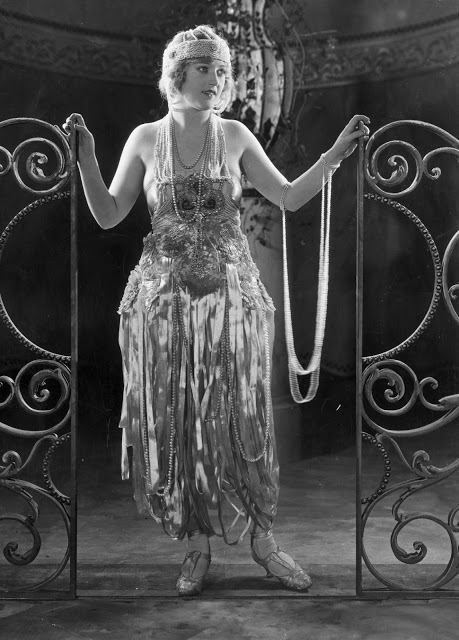
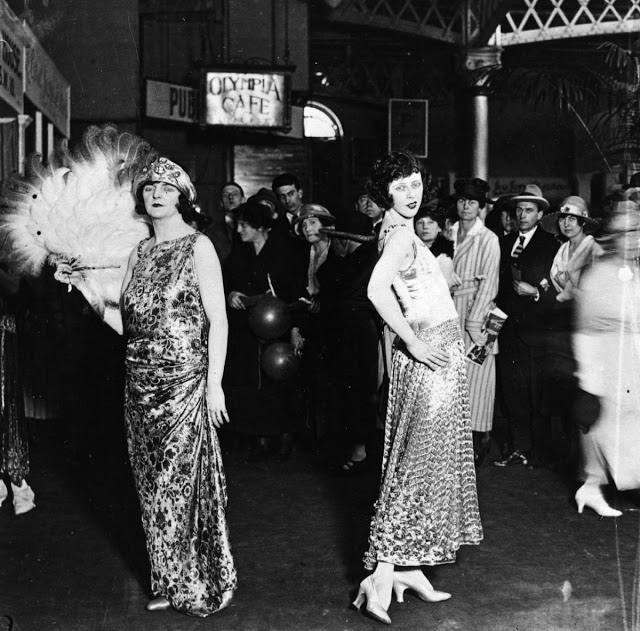
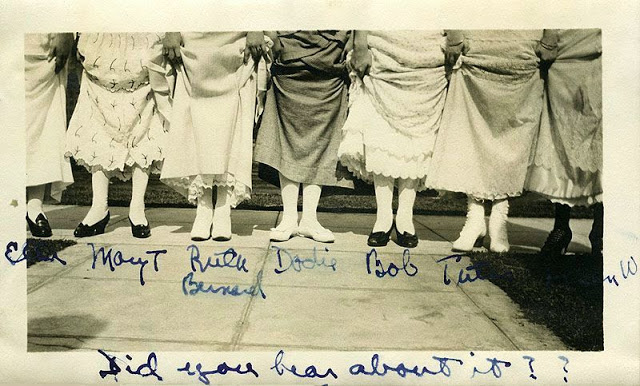
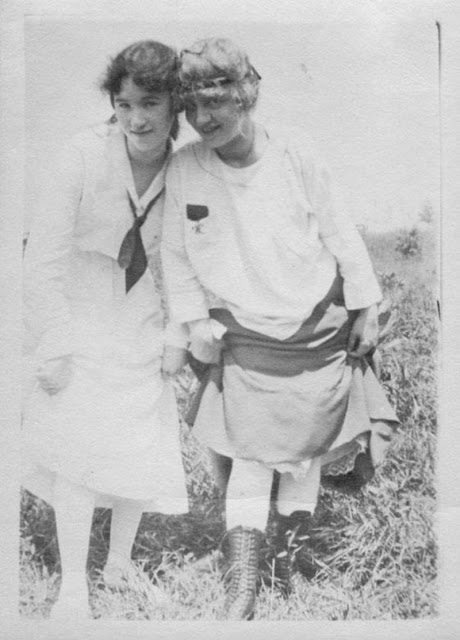
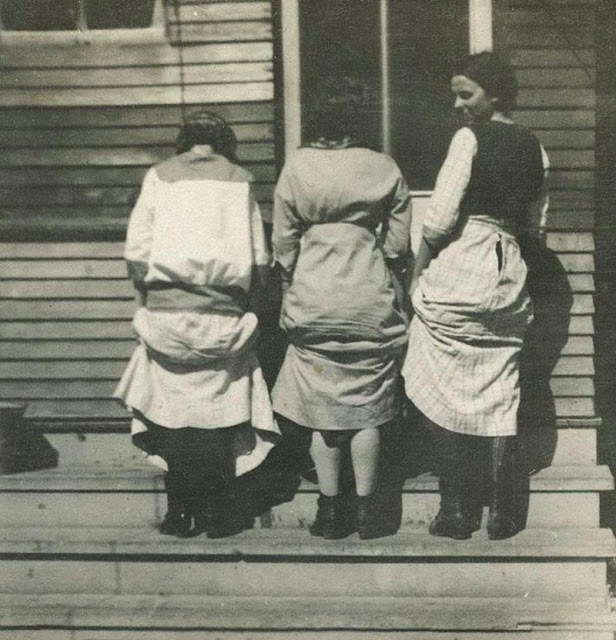
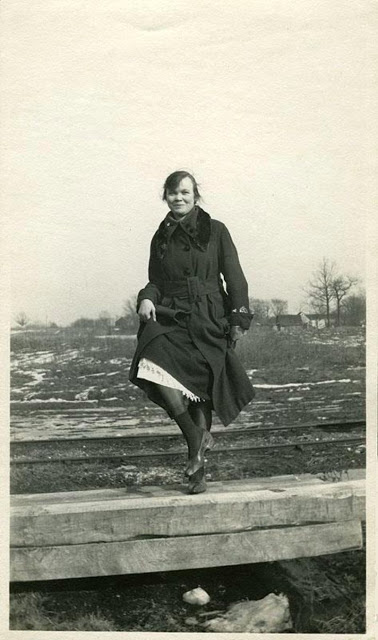
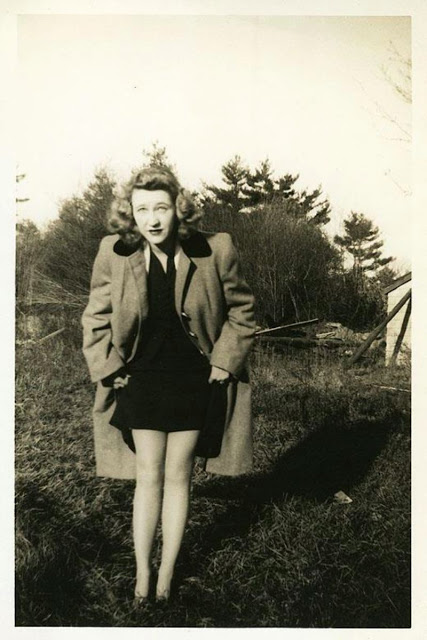
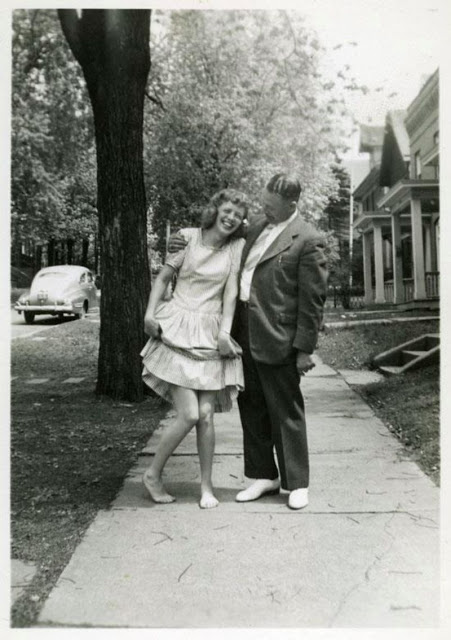
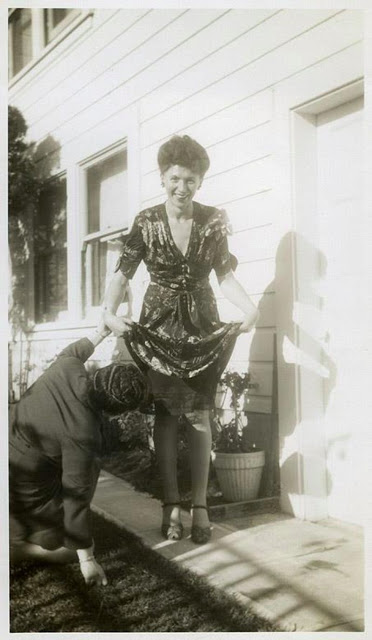
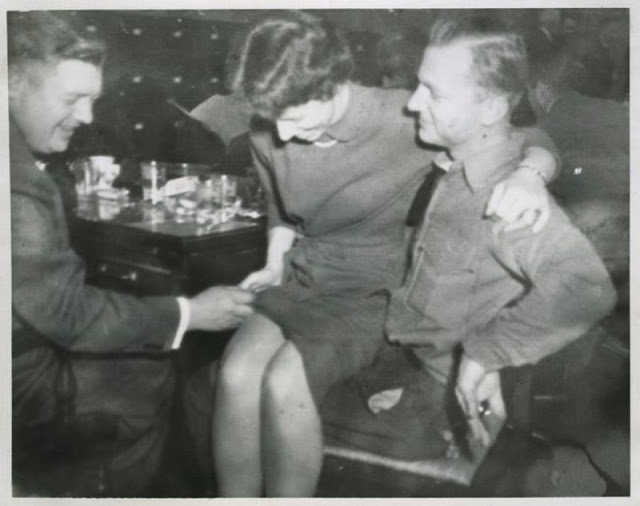
1920s fashion was the perfect blend between style and function. Beautiful clothes that allowed women to move.

The 1920s heralded a dramatic break between America’s past and future. Before World War I the country remained culturally and psychologically rooted in the nineteenth century, but in the 1920s America seemed to break its wistful attachments to the recent past and usher in a more modern era. The most vivid impressions of that era are flappers and dance halls, movie palaces and radio empires, and Prohibition and speakeasies.

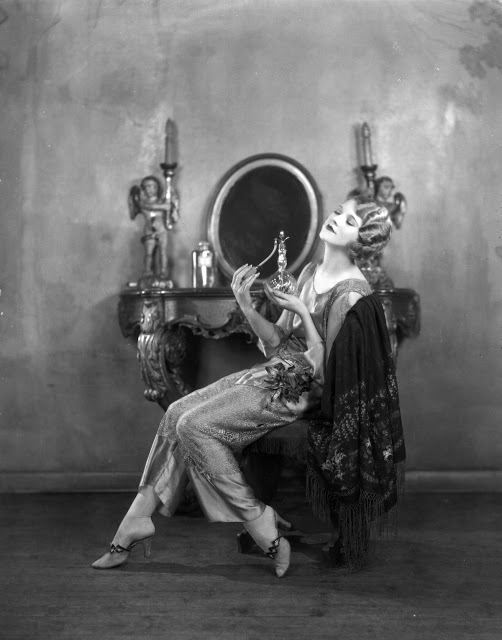
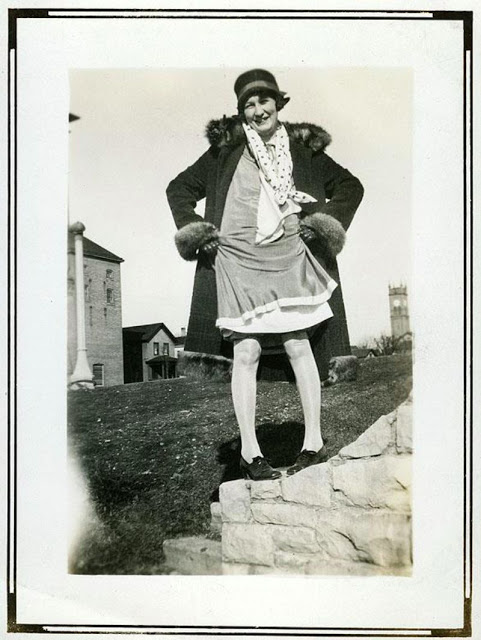
The flapper is most associated with the 1920s. Their skirts were shorter, they partied all night long, and they were the fad of the time. They left their corsets behind in nineteen-nineteen and put on a cloche hat to cover their short locks. They dropped their dress waistlines to their low hips and enjoyed the looseness of the prime time of their lives. They wore dresses adorned with fur and sequins. The colors were of bright and pale and often in dramatic combinations. Fashion had changed, and it would never be the same.

35 Vintage Photos of What Summer Used to Look Like in America

A woman applies sunscreen in the 1950s.
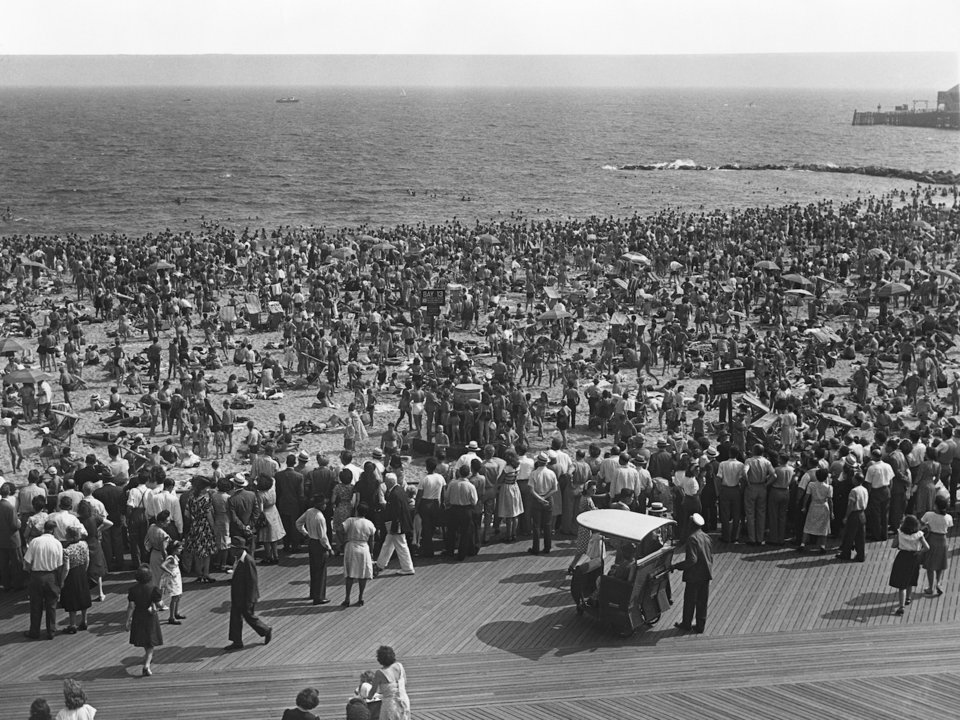
A day at the beach, 1950.
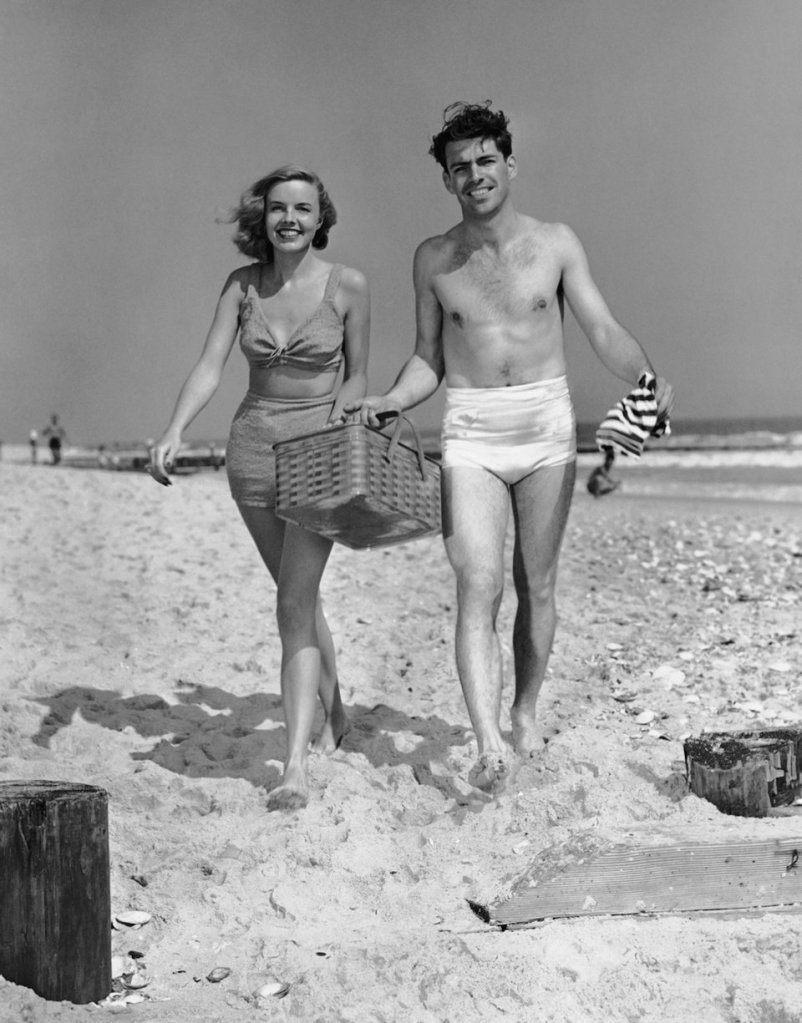
A couple on a beach holding a picnic basket, 1950s
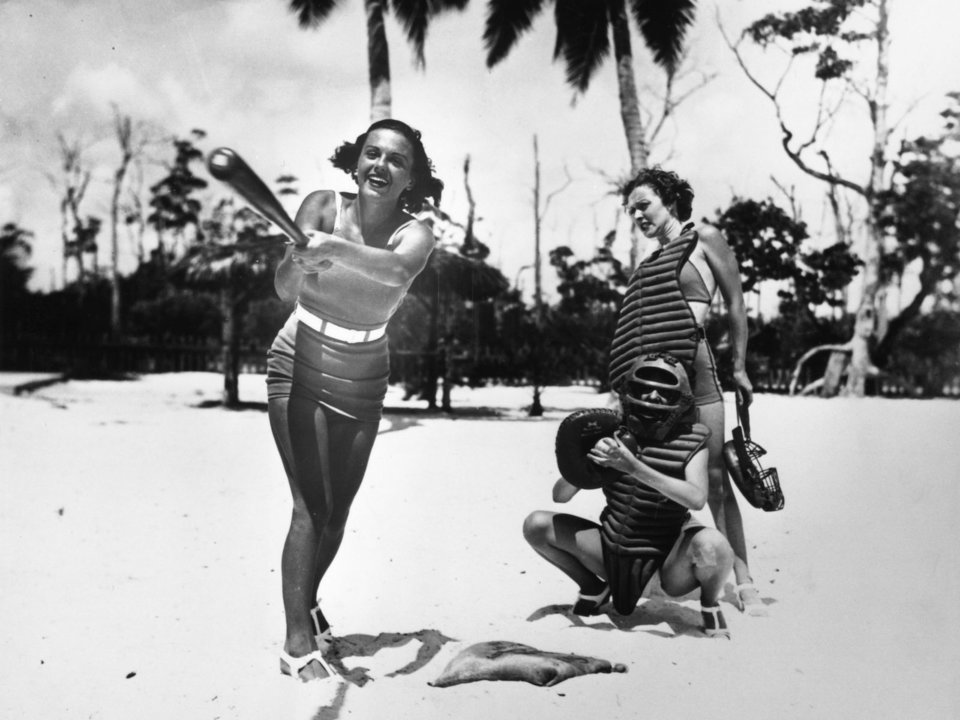
Women play baseball at a beach in Miami, Florida, 1935.
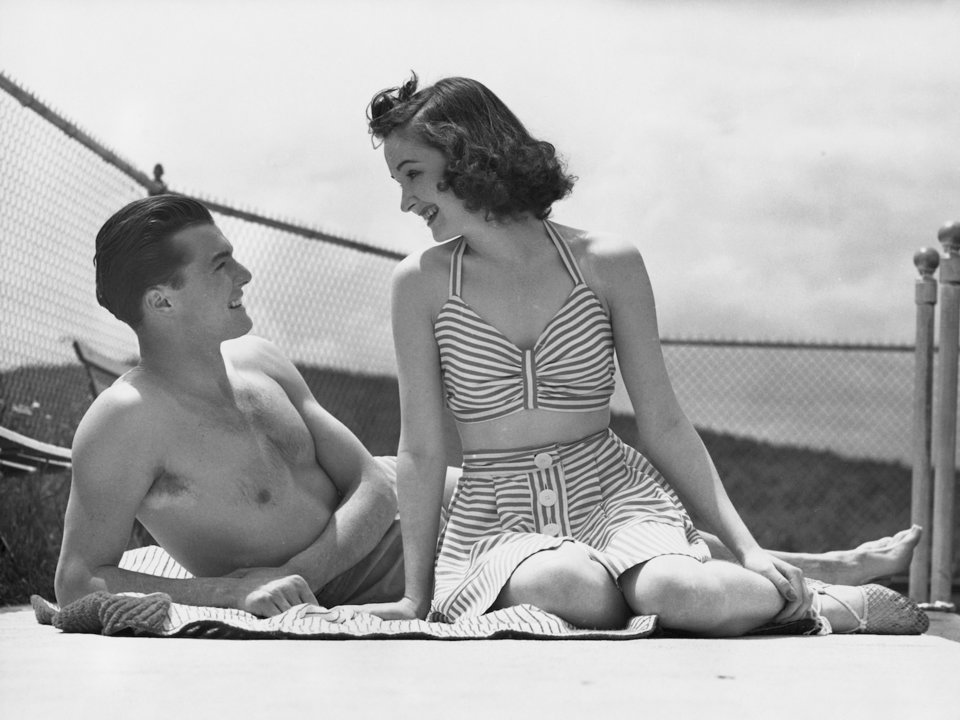
In the 1950s, a couple poses with a beach ball.
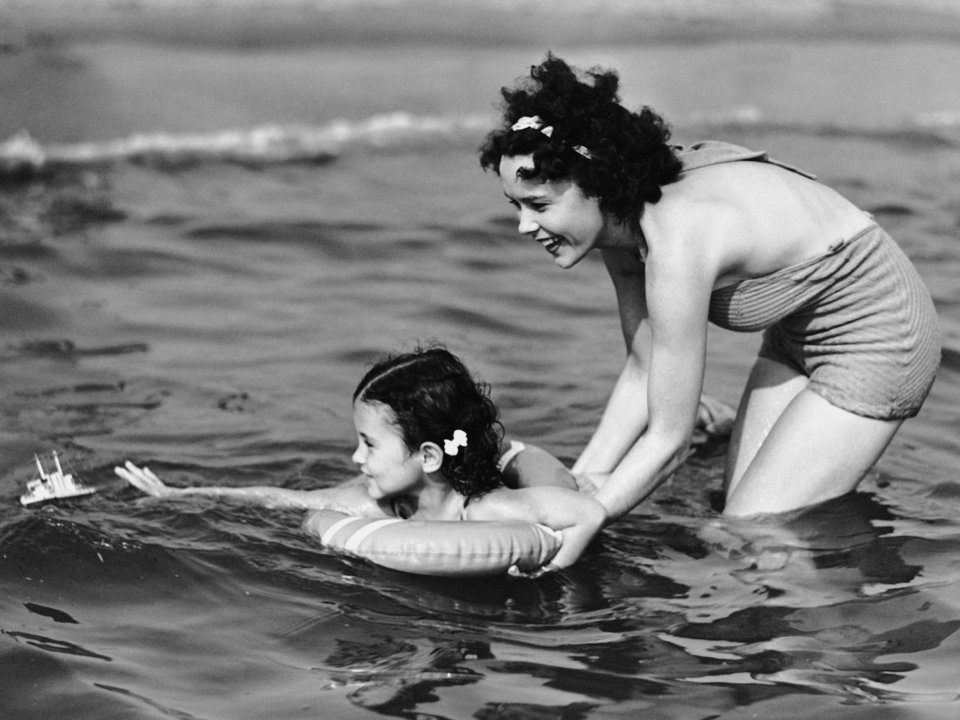
A mother and daughter play in the sea in the 1950s.
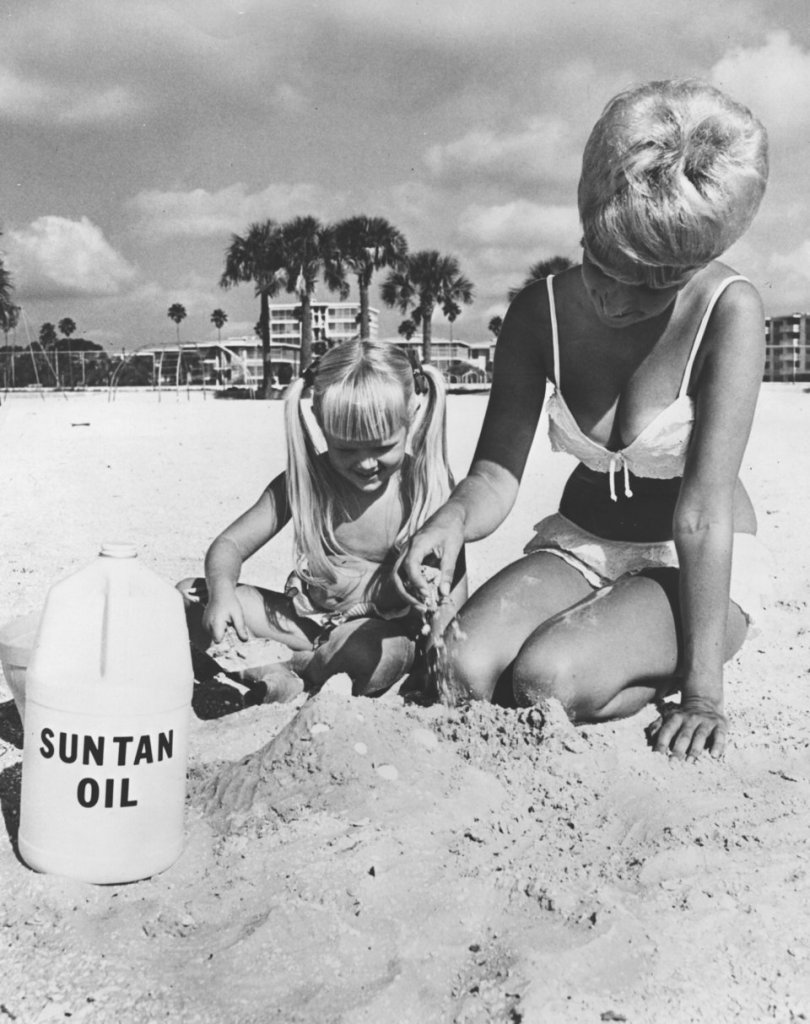
A mother and daughter in St. Petersburg, Florida, make a sandcastle together, 1968.
A group of people at an American beach in the 1950s.
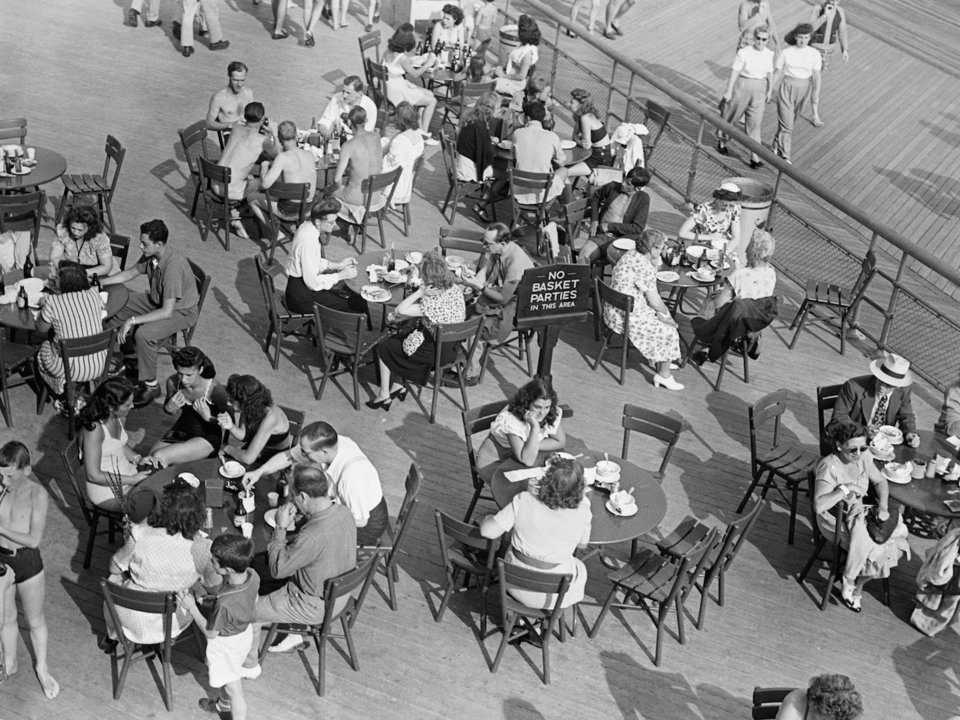
People dine at a boardwalk café in the 1950s.
A couple sunbathes on a sailboat in the 1950s.
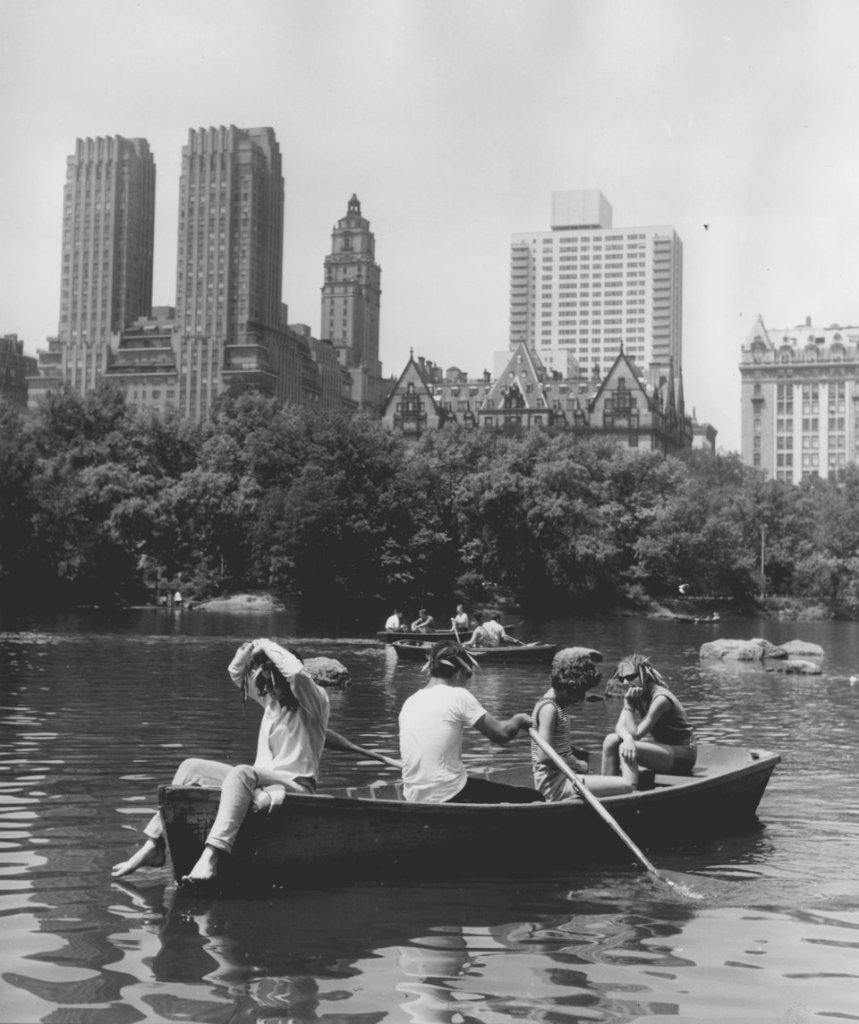
A group of friends goes for a canoe ride around the boating lake at Central Park in New York City, 1964
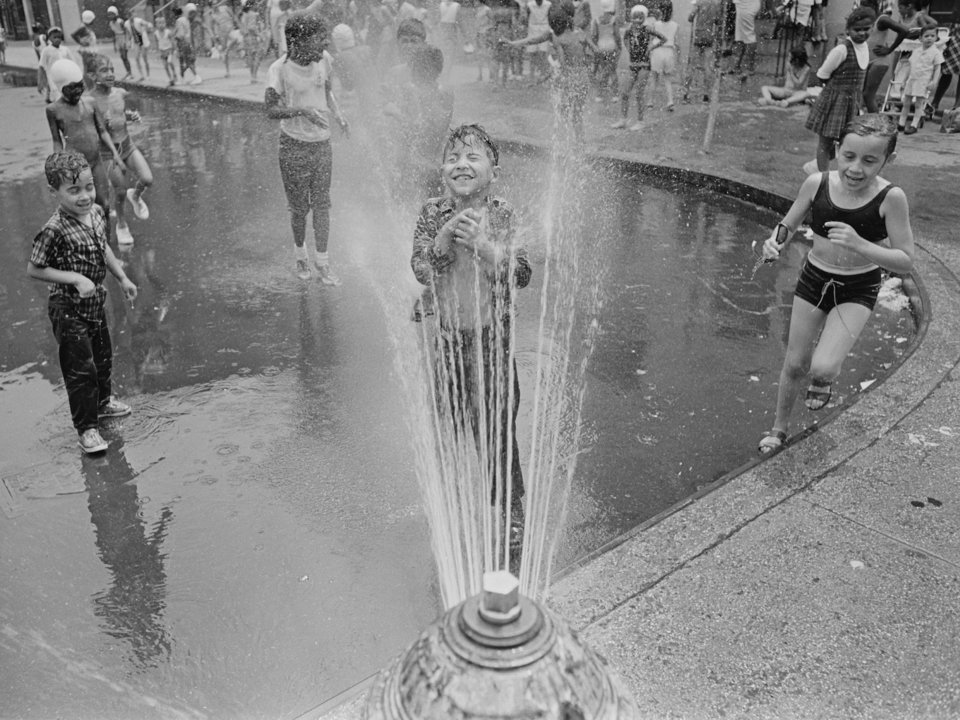
Kids in Harlem, New York City, cool off in front of a fire hydrant, 1966.
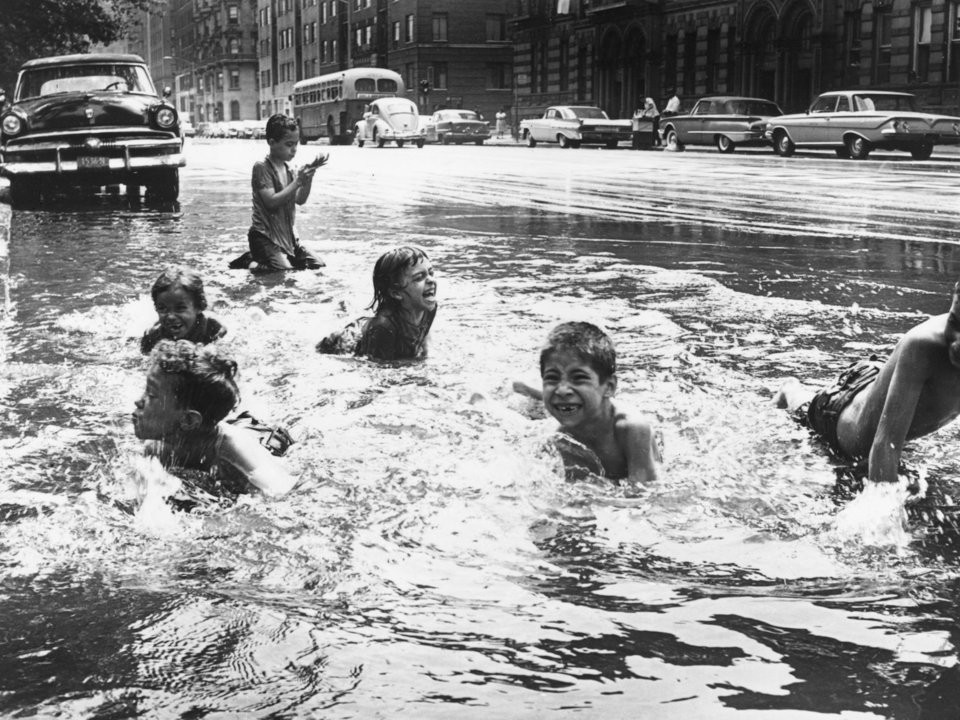
Kids in New York City splash around in a street flooded by fire hydrants, 1957.
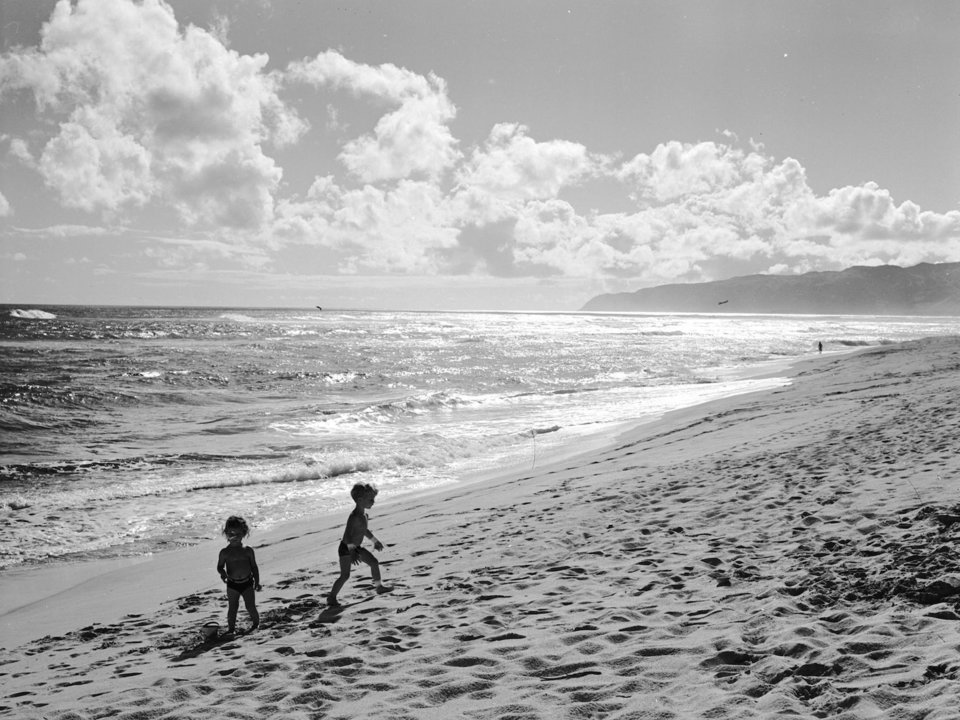
A beach in Hawaii, 1955.
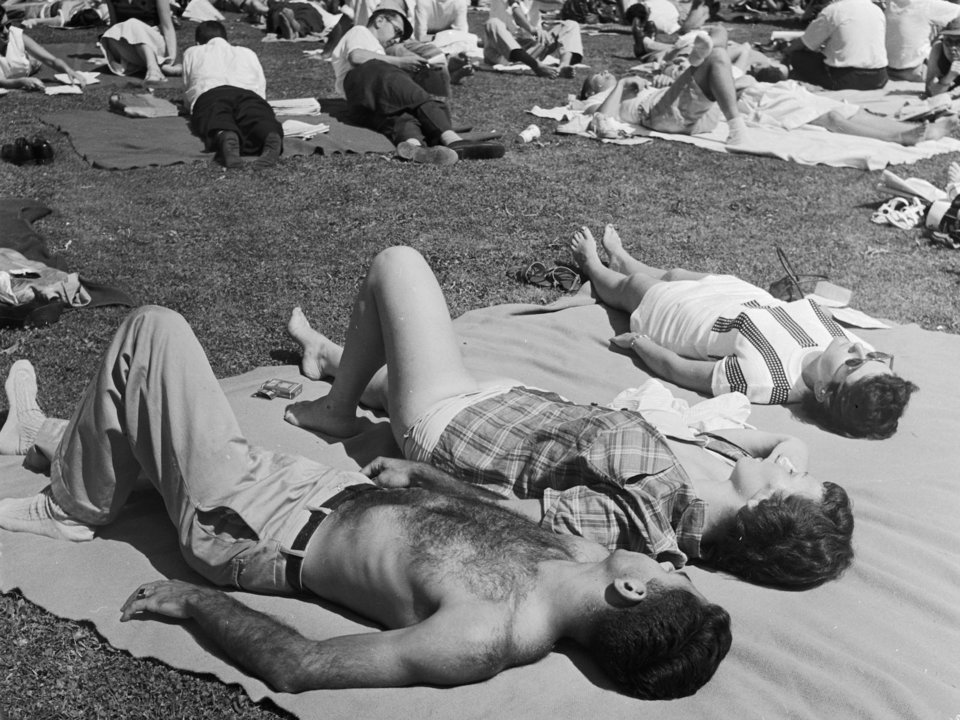
People sunbathe at a concert held near Lenox, Massachusetts. 1960
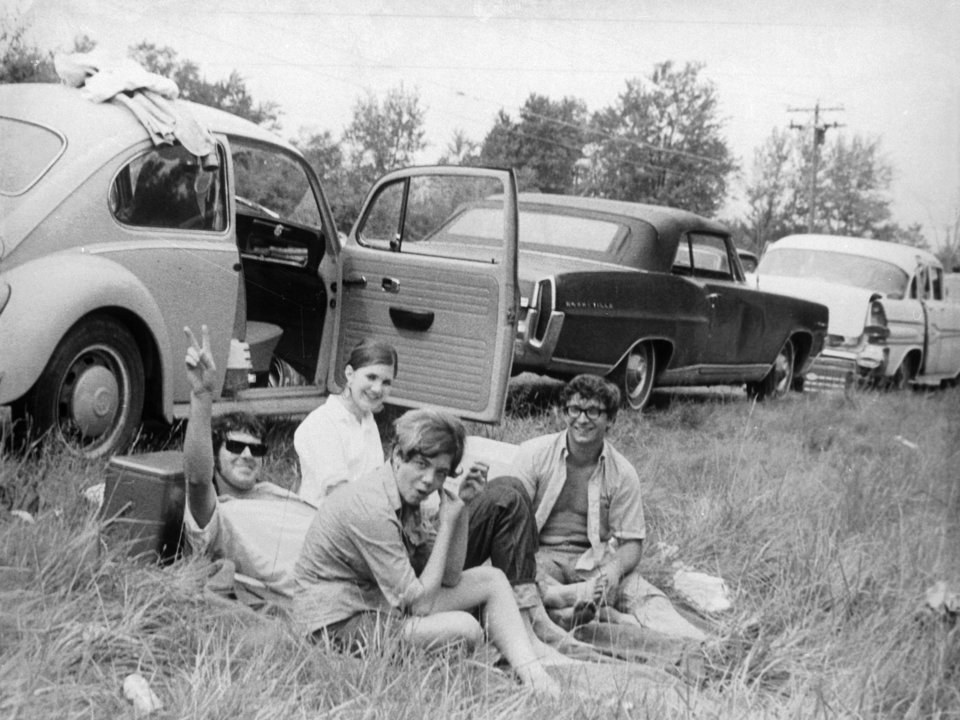
A group of friends at Woodstock, 1969.
Two women read in a park on a summer day. 1970
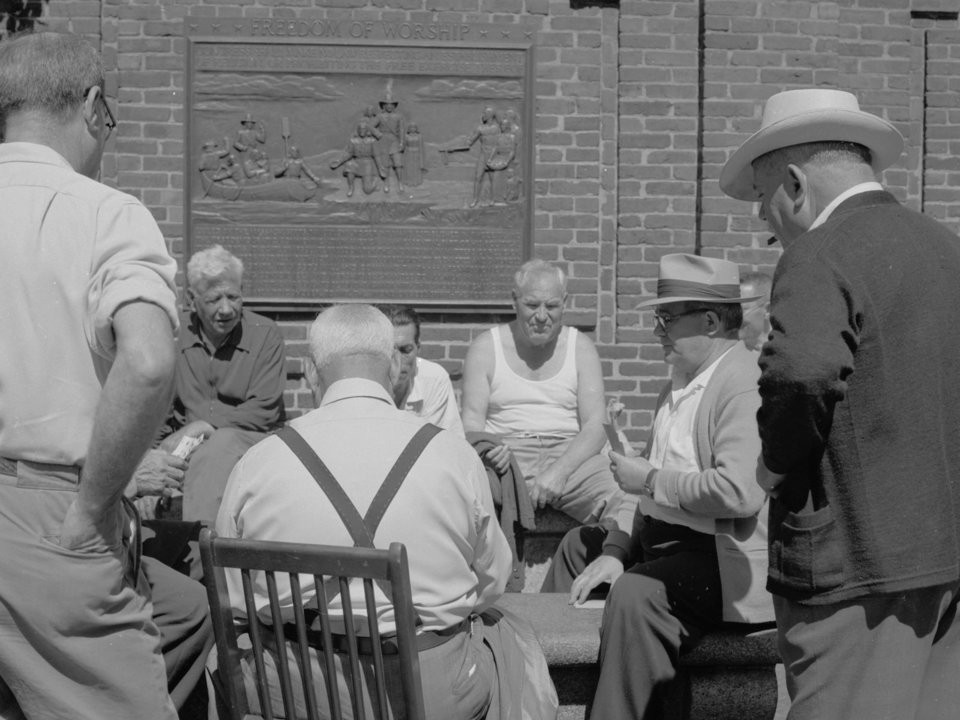
A group of men plays cards on a summer afternoon in Boston, Massachusetts, 1955.
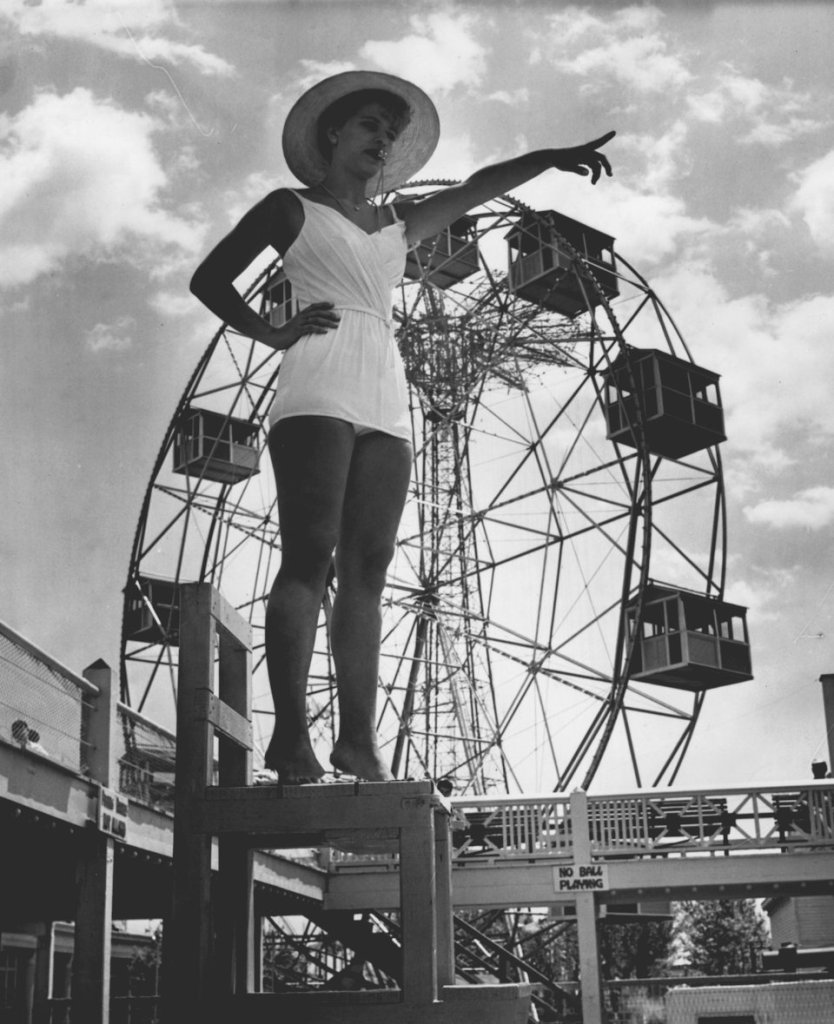
A lifeguard at Coney Island’s Steeplechase Park, 1961.
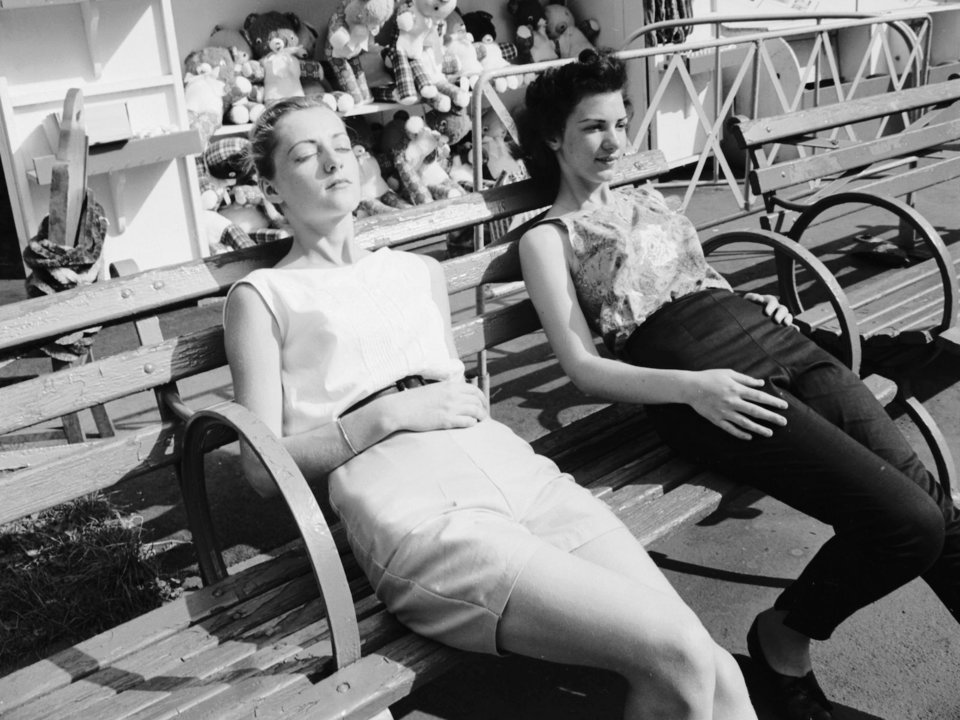
At Palisades Amusement Park in New Jersey, two young women take a break from their jobs, 1956.
A father and son enjoy ice cream in Shelter Island, New York, 1950.
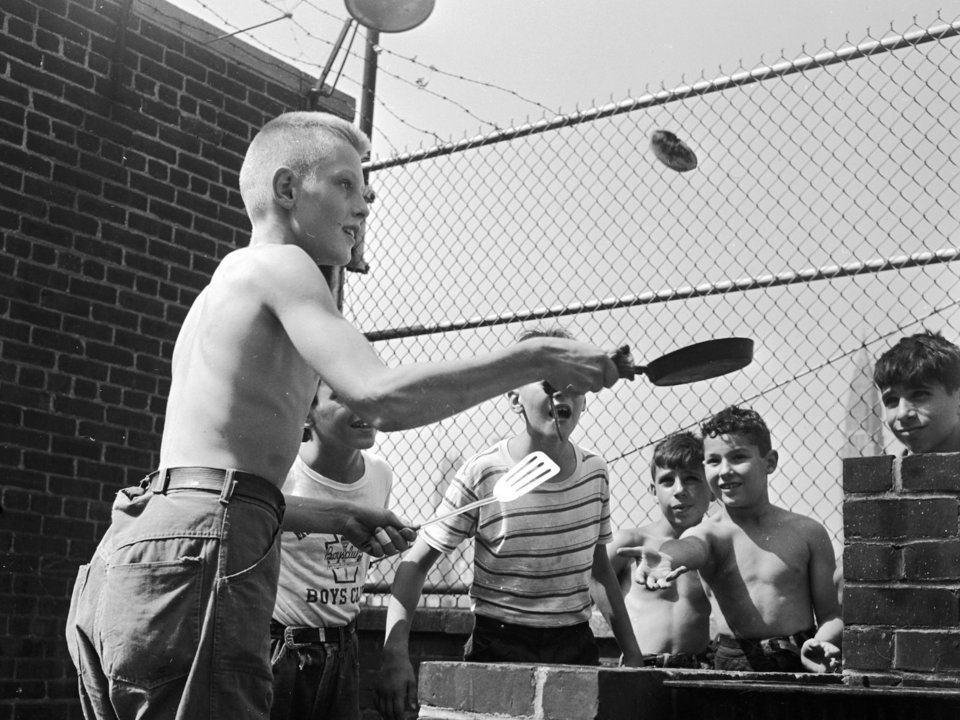
A boy flips pancakes at a summer camp run by the Madison Square Boys Club in New York City, 1955.
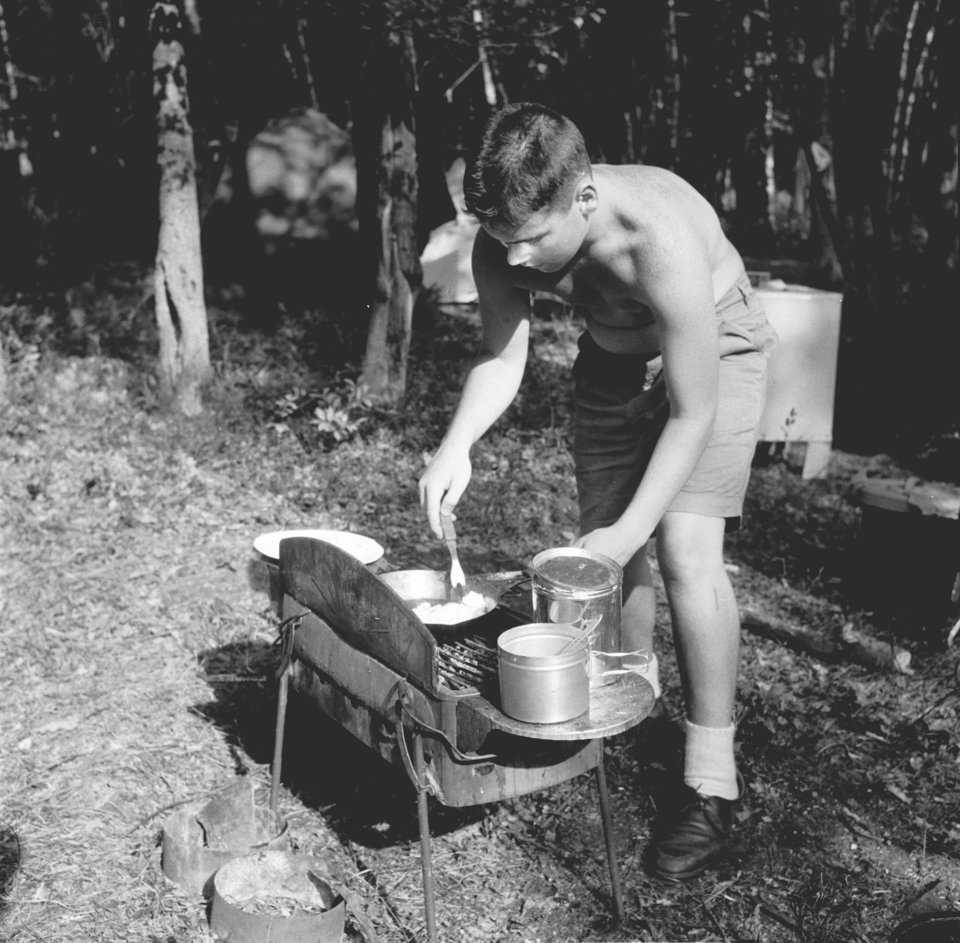
A boy on an adventure holiday cooks in the woods, 1955.
A couple rides a tandem bicycle. 1955
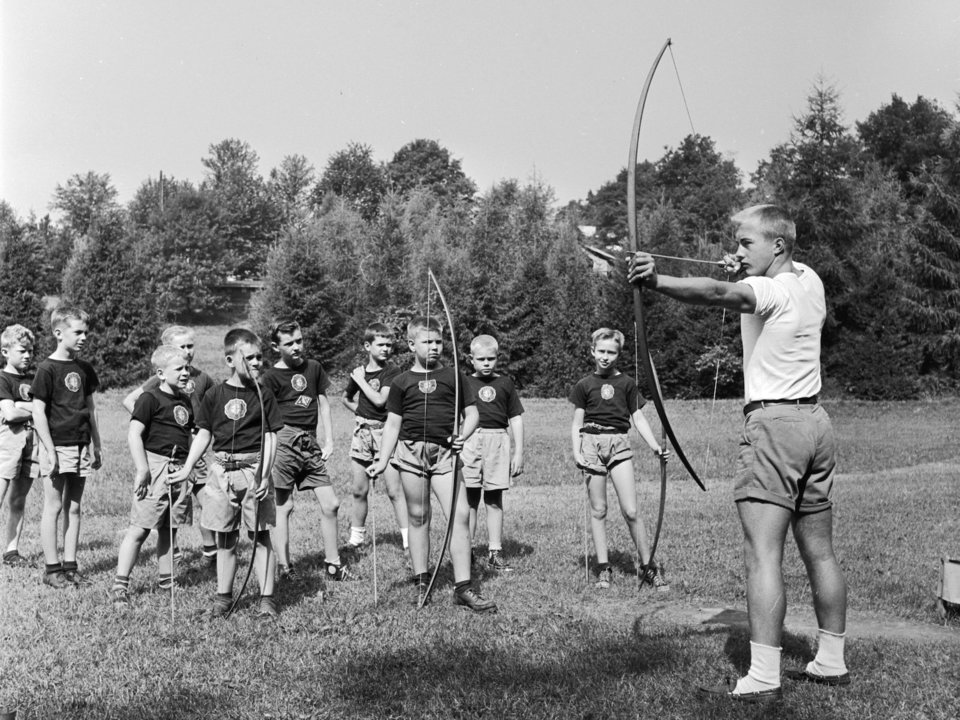
Boys at a summer camp learn about archery, 1950
Boys at an American summer camp work together to make a camp fire, 1950.
Two boys write letters at an American summer camp, 1950.
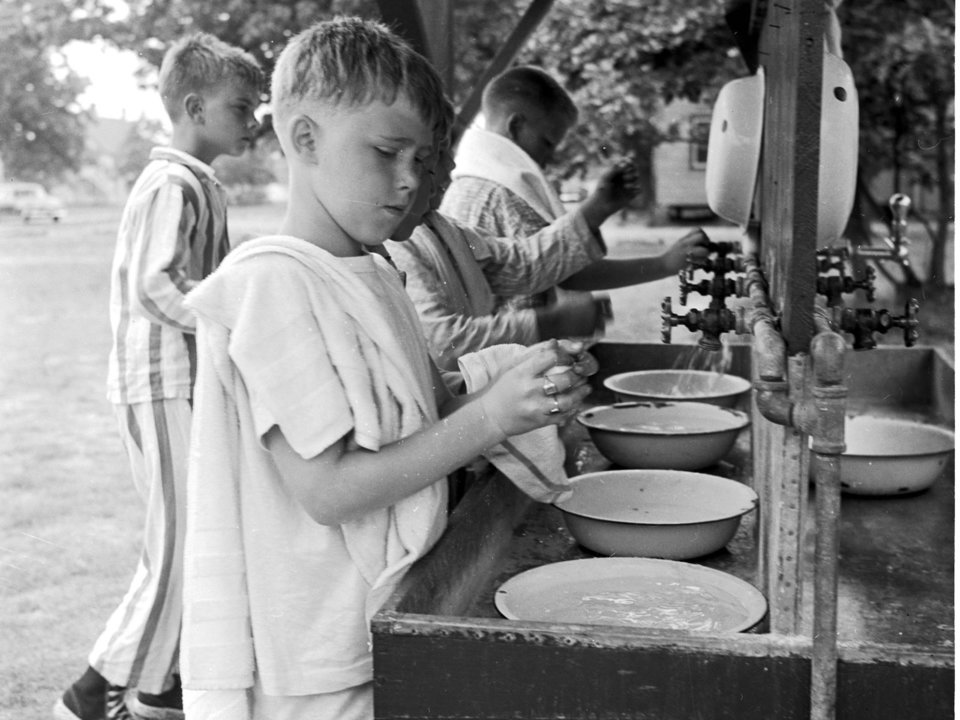
Children at an American summer camp wash dishes at an “open air” sink station, 1950.
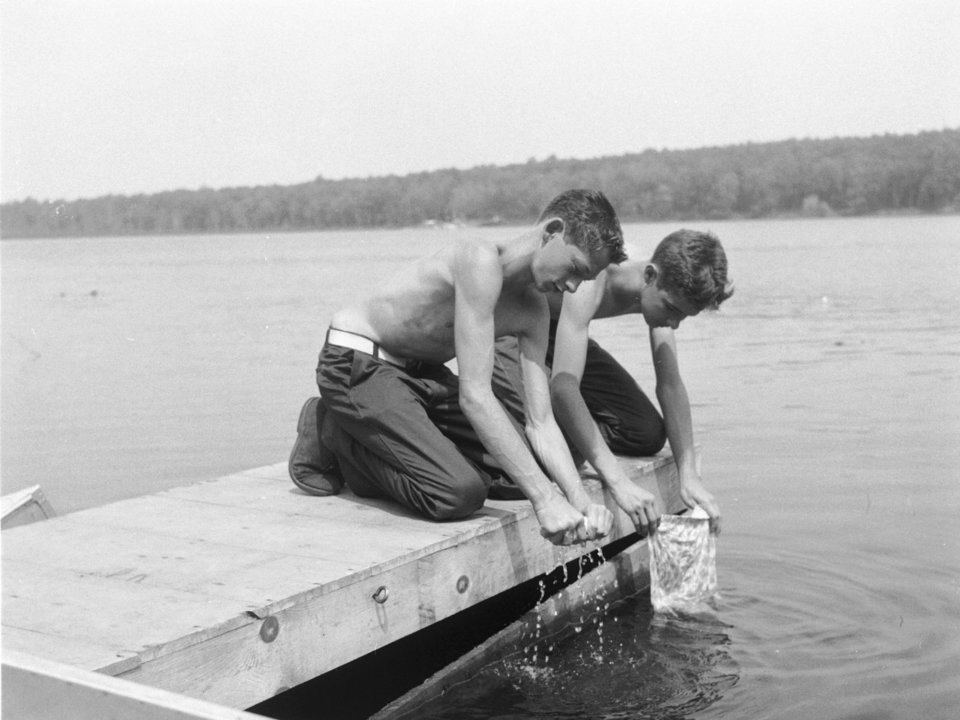
Campers washing their clothes, 1955.
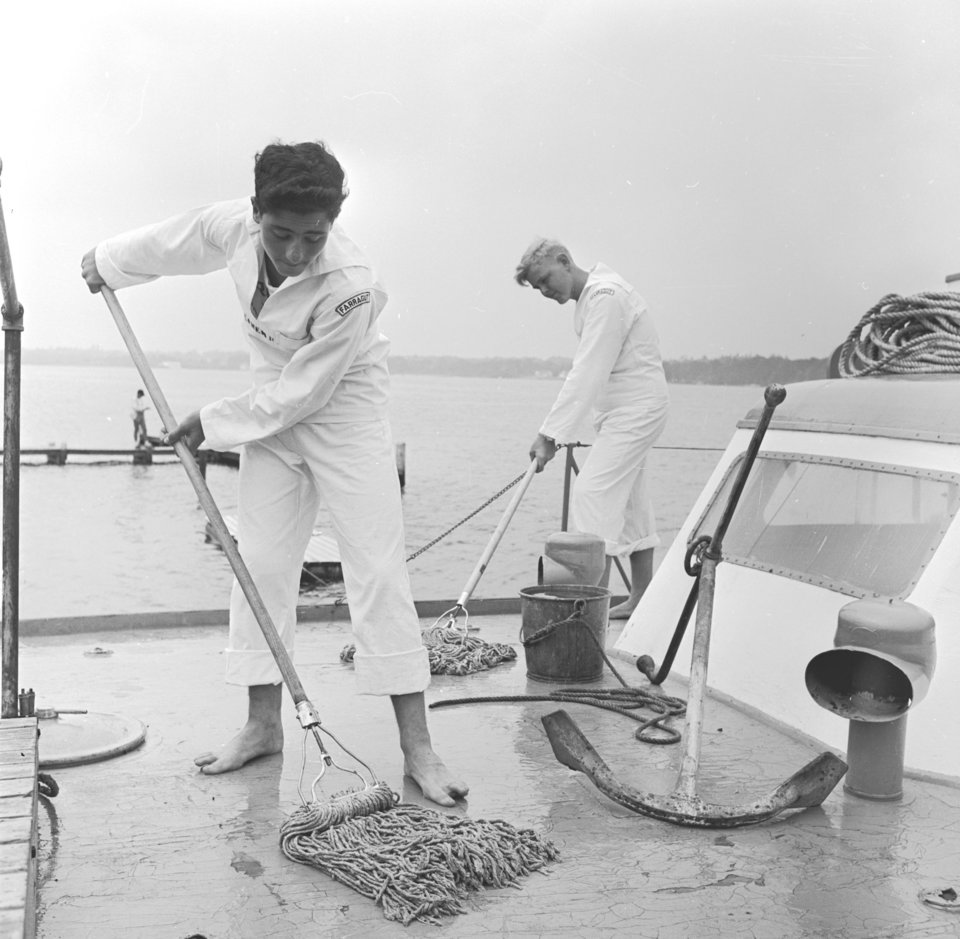
Teenagers at a summer camp operated by Admiral Farragut Academy in New Jersey swab the deck of a boat. 1950
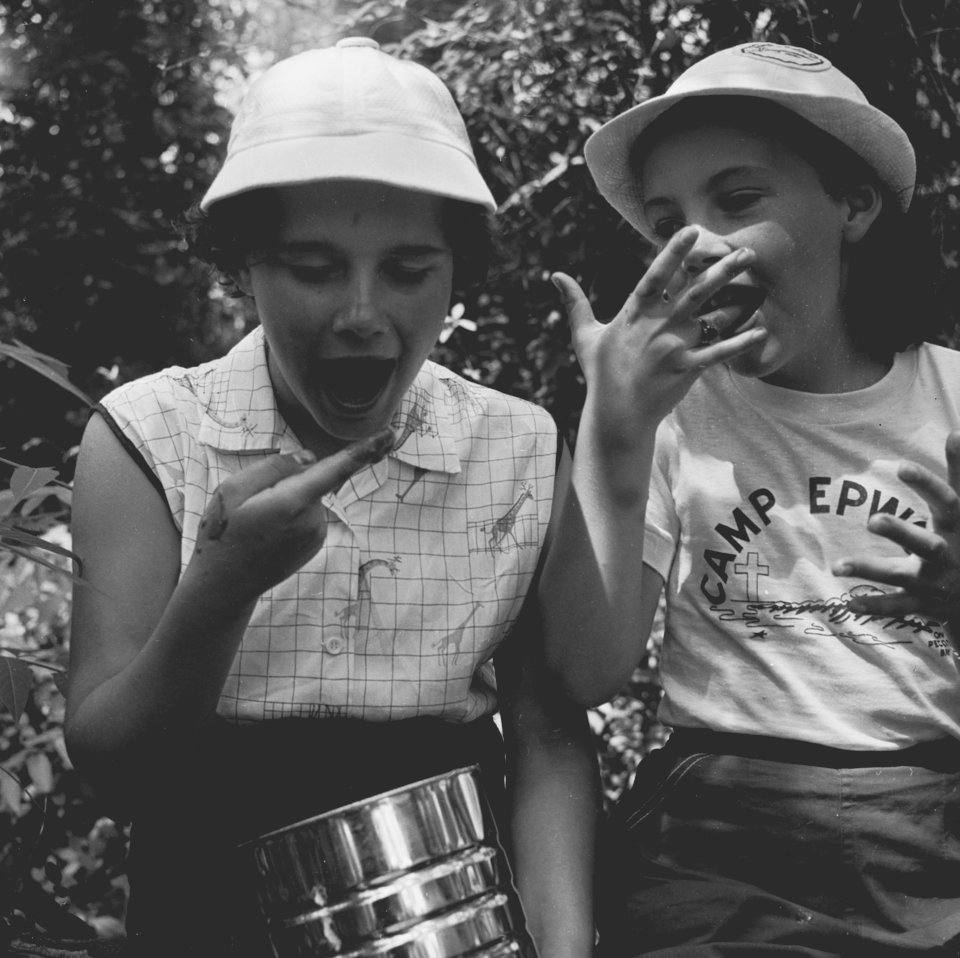
Two girls eat jam at Camp Epworth, a camp in Long Island, New York
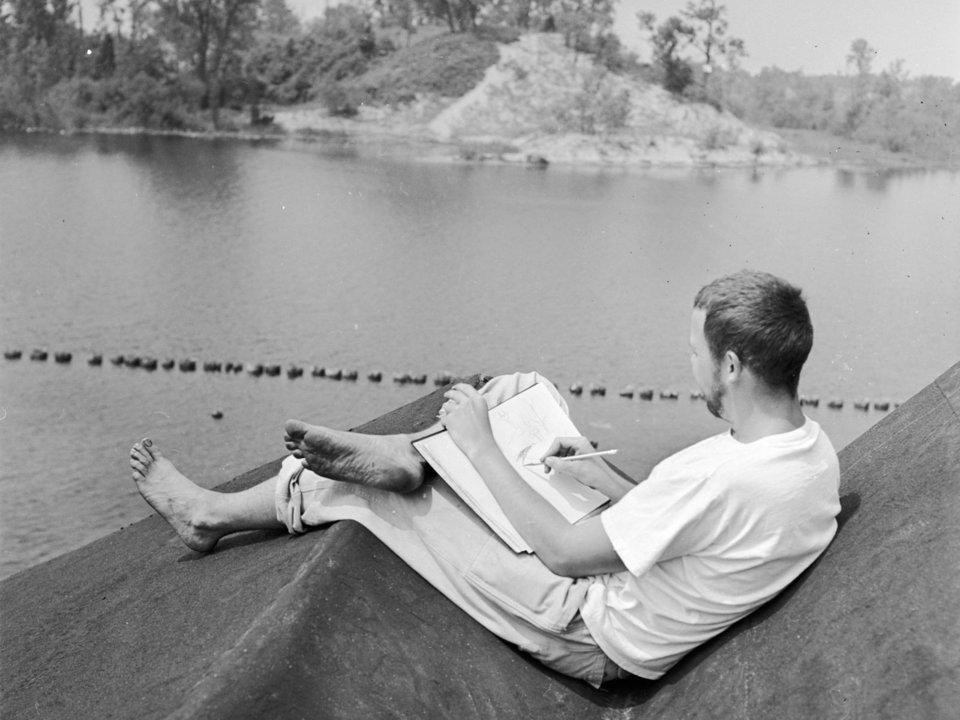
A student sketches outside at the Ox-Bow Summer School of Painting in Saugatuck, Michigan. 1955
Boys pitch tents, 1955
Two men fish on a New Hampshire river bank. 1950
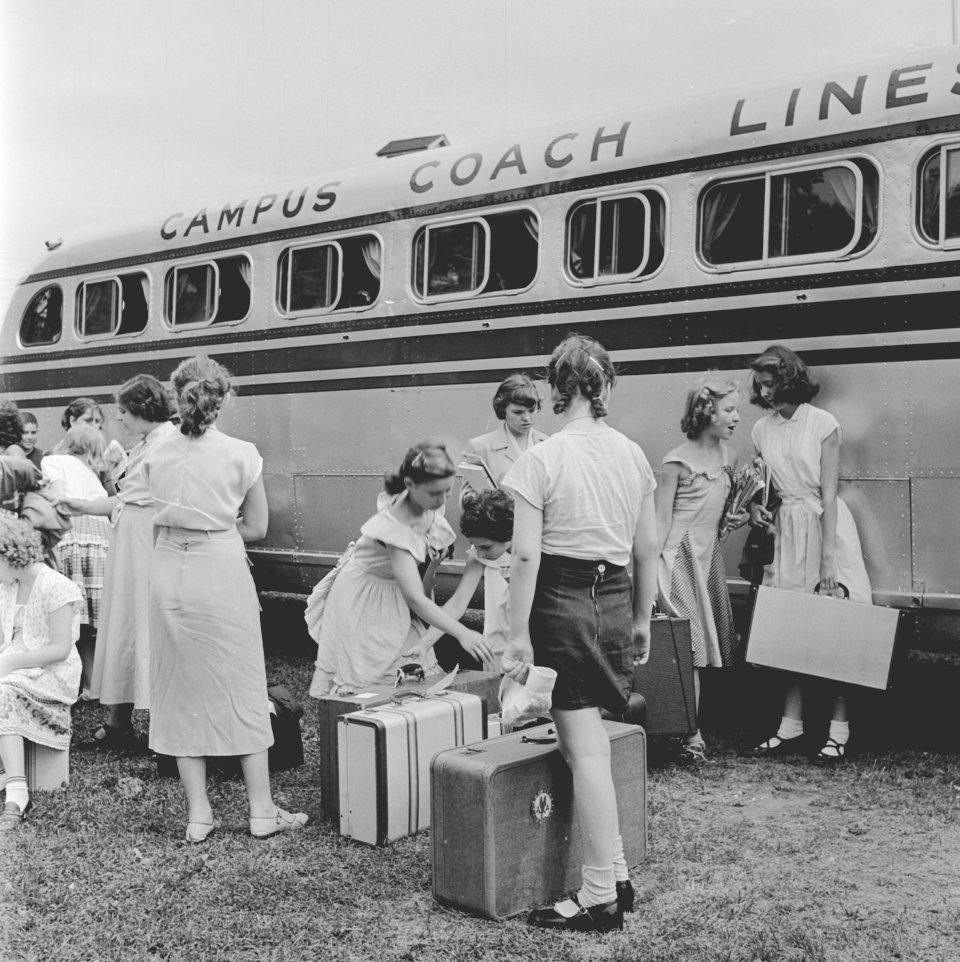
Children prepare to leave Camp Nyada, a summer camp operated by New York’s Diabetes Association. 1950

29 Incredible Photographs of the 1945 Dresden Bombing and its Aftermath

The bombing of Dresden was a British-American aerial bombing attack on the city of Dresden, the capital of the German state of Saxony, during World War II. In four raids between 13 and 15 February 1945, 722 heavy bombers of the British Royal Air Force (RAF) and 527 of the United States Army Air Forces (USAAF) dropped more than 3,900 tons of high-explosive bombs and incendiary devices on the city. The bombing and the resulting firestorm destroyed more than 1,600 acres (6.5 km2) of the city centre. An estimated 22,700 to 25,000 people were killed. Three more USAAF air raids followed, two occurring on 2 March aimed at the city’s railway marshalling yard and one smaller raid on 17 April aimed at industrial areas.
Immediate German propaganda claims, following the attacks and postwar discussions of whether the attacks were justified, have led to the bombing becoming one of the moral causes célèbres of the war. A 1953 United States Air Force report defended the operation as the justified bombing of a strategic target, which they noted was a major rail transport and communication centre, housing 110 factories and 50,000 workers in support of the German war effort. Several researchers claim that not all of the communications infrastructure, such as the bridges, were targeted, nor were the extensive industrial areas which were located outside the city centre. Critics of the bombing have asserted that Dresden was a cultural landmark while downplaying its strategic significance, and claim that the attacks were indiscriminate area bombing and not proportionate to the military gains. Some have claimed that the raid constituted a war crime. Some, mostly in the German far-right, refer to the bombing as a mass murder. To much controversy, some on the German far-right have taken to calling it “Dresden’s Holocaust of bombs” as an attempt to equate it to actual genocide of Jews committed by Germany; this is even though the bombing of Dresden had a mere 0.4% of the casualties of the real Holocaust.

In the decades since the war, large variations in the claimed death toll have fuelled the controversy, though the numbers themselves are no longer a major point of contention among historians. In March 1945, the German government ordered its press to publish a falsified casualty figure of 200,000 for the Dresden raids, and death tolls as high as 500,000 have been claimed. The city authorities at the time estimated up to 25,000 victims, a figure that subsequent investigations supported, including a 2010 study commissioned by the city council. One of the main authors responsible for inflated figures being disseminated in the West was Holocaust denier David Irving, who subsequently announced that he had discovered that the documentation he had worked from had been forged, and the real figures supported the 25,000 number. (Wikipedia)
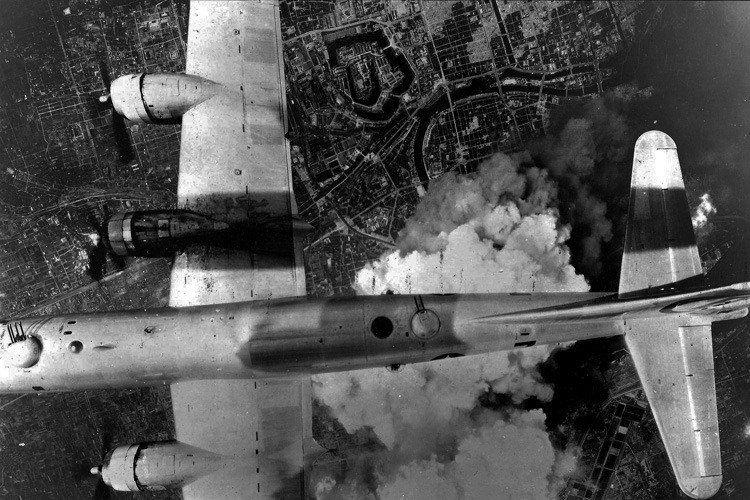
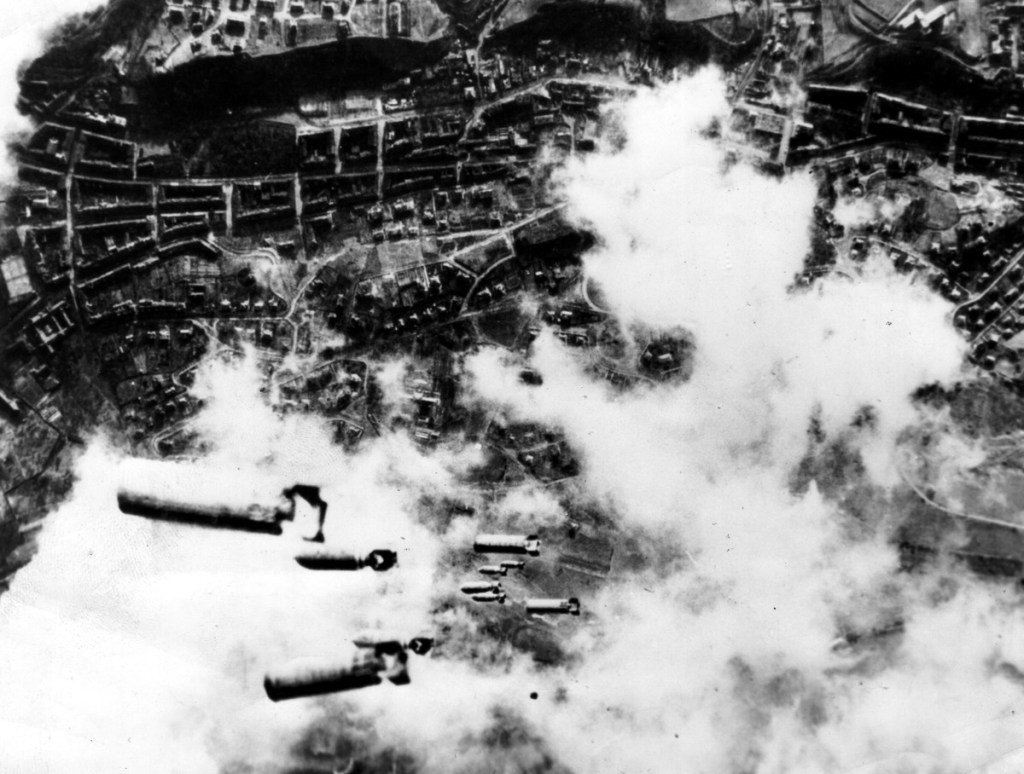
More than 3,900 tons of high-explosive bombs and incendiary devices were dropped on Dresden.
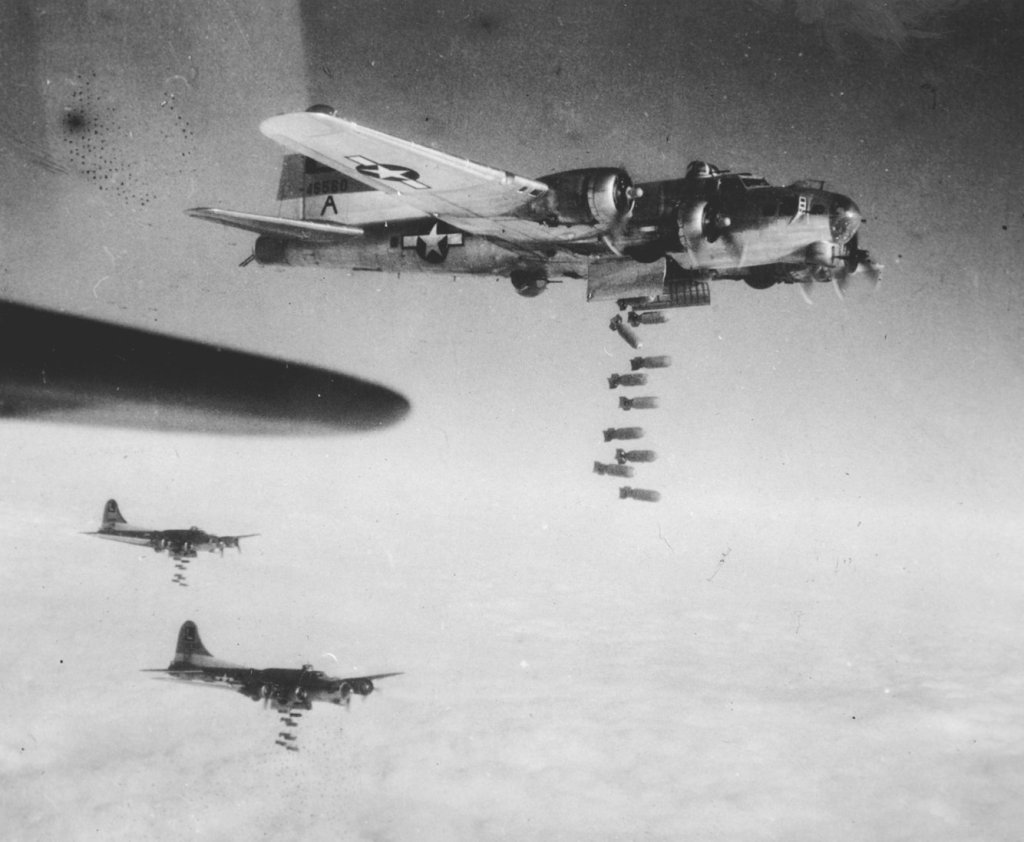
B-17 Flying Fortresses bomb German communication lines at Chemnitz, near Dresden, on February 6, 1945.
Smoke rises from fires still burning in Dresden, February 1945.
Heavy incendiary bombs, together with high exposives fall toward the city of Dresden (Germany), seen burning below as bombers of the 8th US Air Force attack the Saxony capital (February 14, 1945).
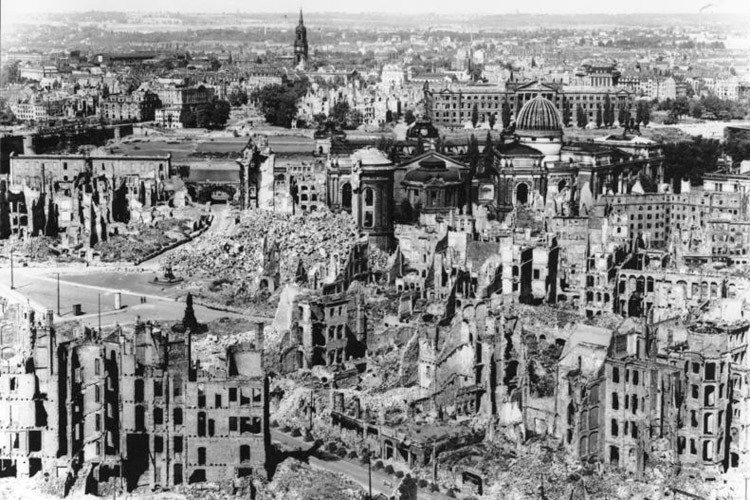
More than 75,000 homes were destroyed, along with pieces of historical architecture.
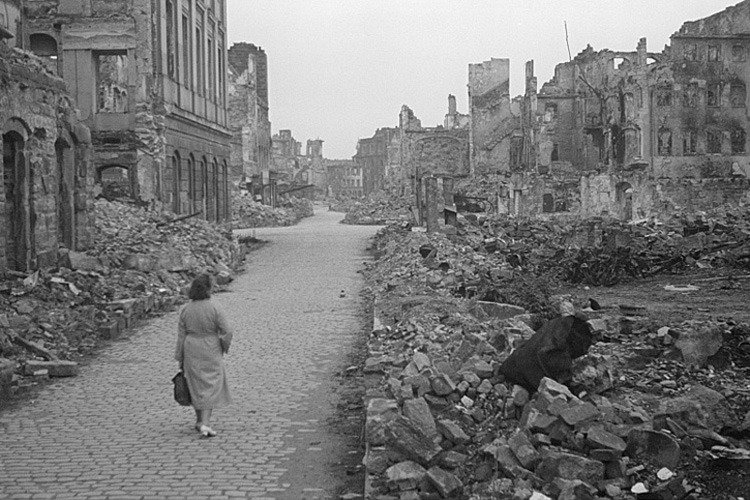
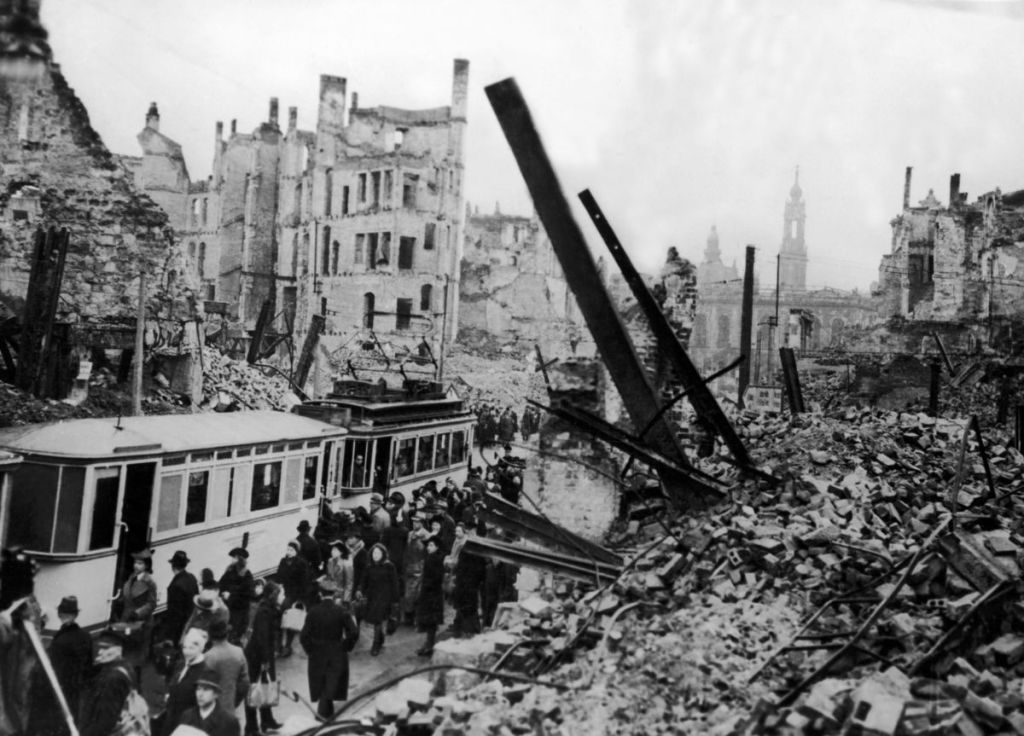
A woman walks through the unfathomable destruction.
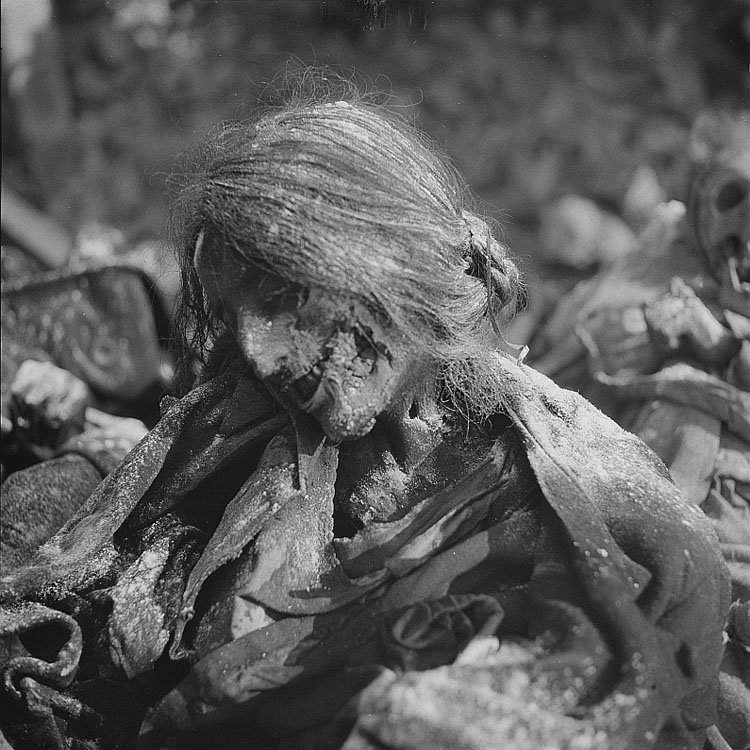
A casualty found inside a bomb shelter.
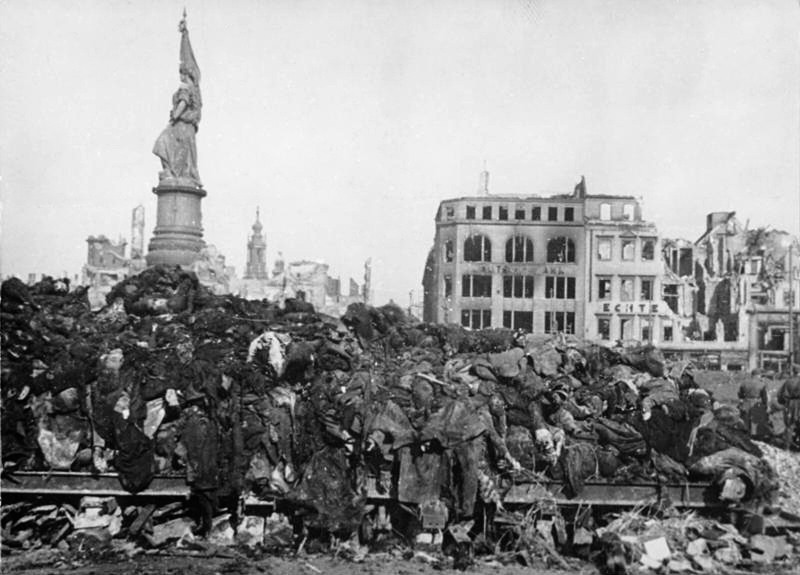
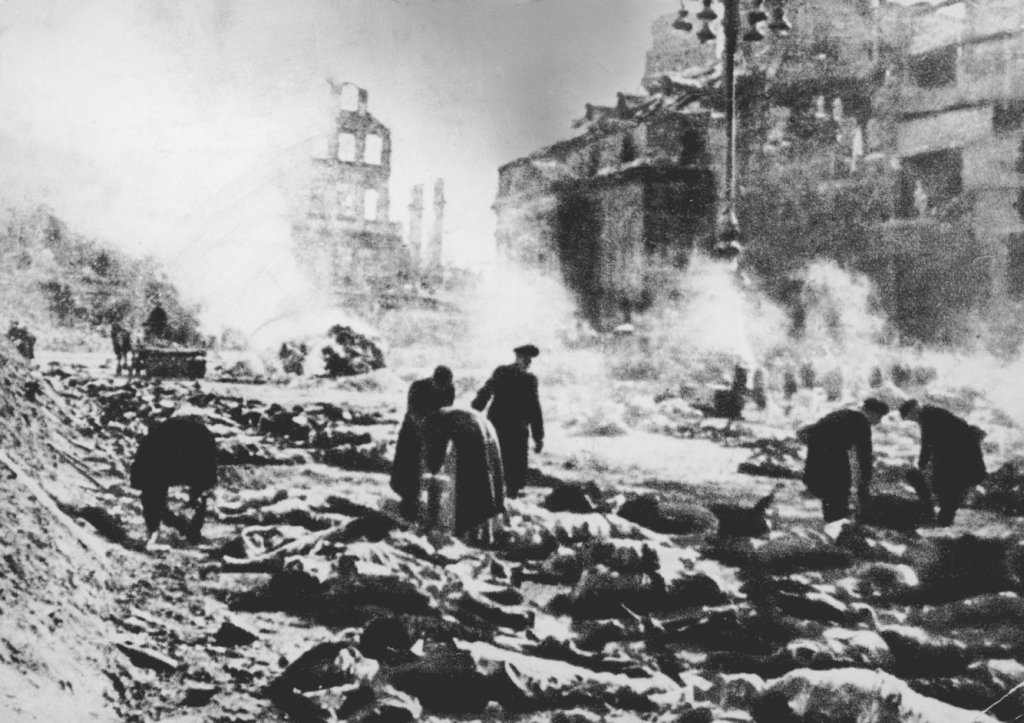
Bodies of dead civilians piled in the streets of Dresden in high stacks.
A woman’s body as found in an air-raid shelter.
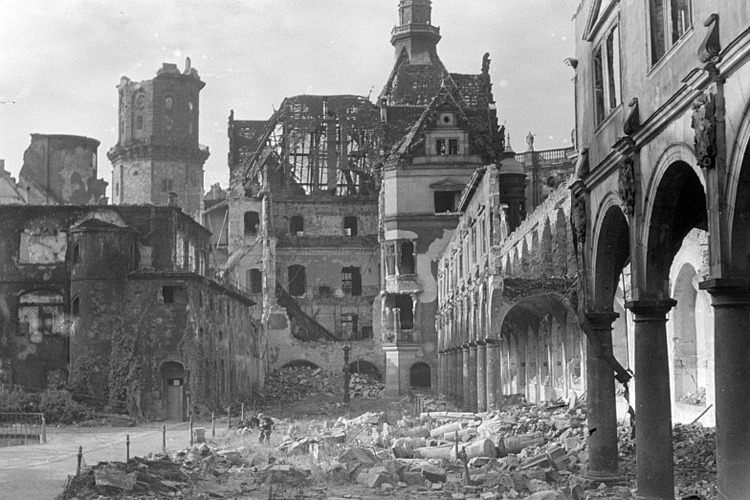
The remains of the Stallhof, a courthouse of the big Royal Palace complex.
Bodies in the street after the allied fire-bombing of Dresden, Germany, February 1945.
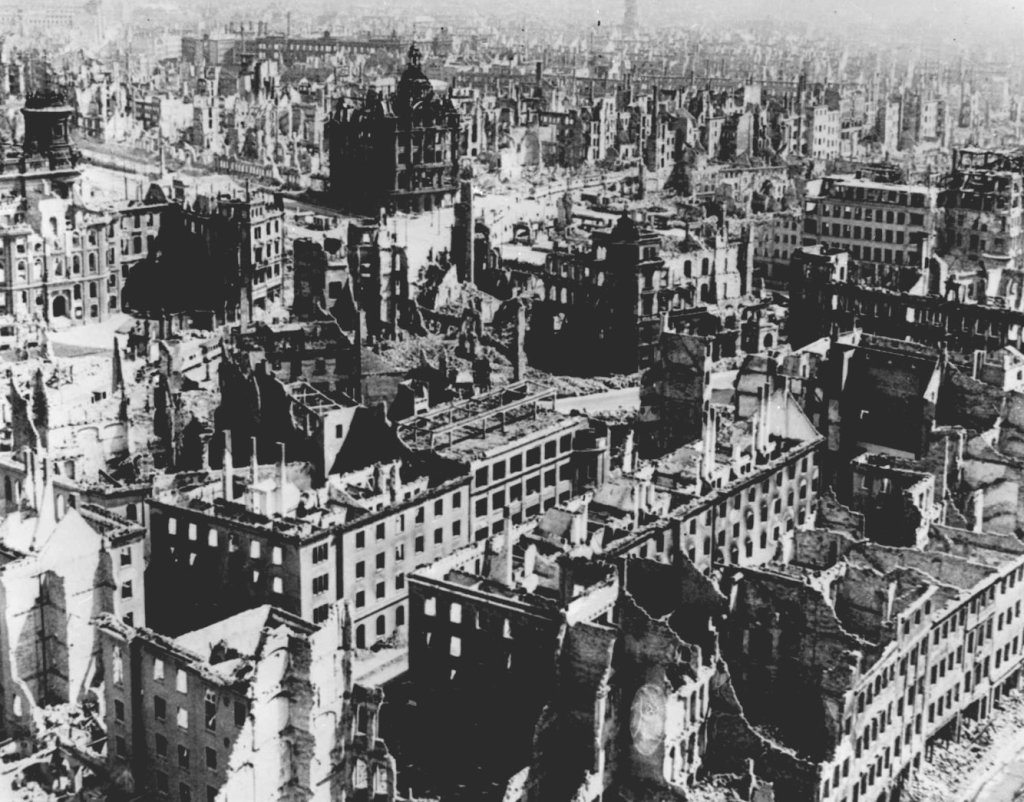
The city of Dresden, basically razed to the ground by Anglo-American bombings, in February 1945.
Dresden after Allied air raids on February 13 and 14, 1945. The city was left in ruins over an area of 15 square kilometers; 85% of its houses and unique monuments of the city’s Baroque architecture were destroyed.
The Ruins Of The Church Notre-Dame In Dresden
Taken after the city suffered devastating bombings in World War II, facades have never looked as ghostly.
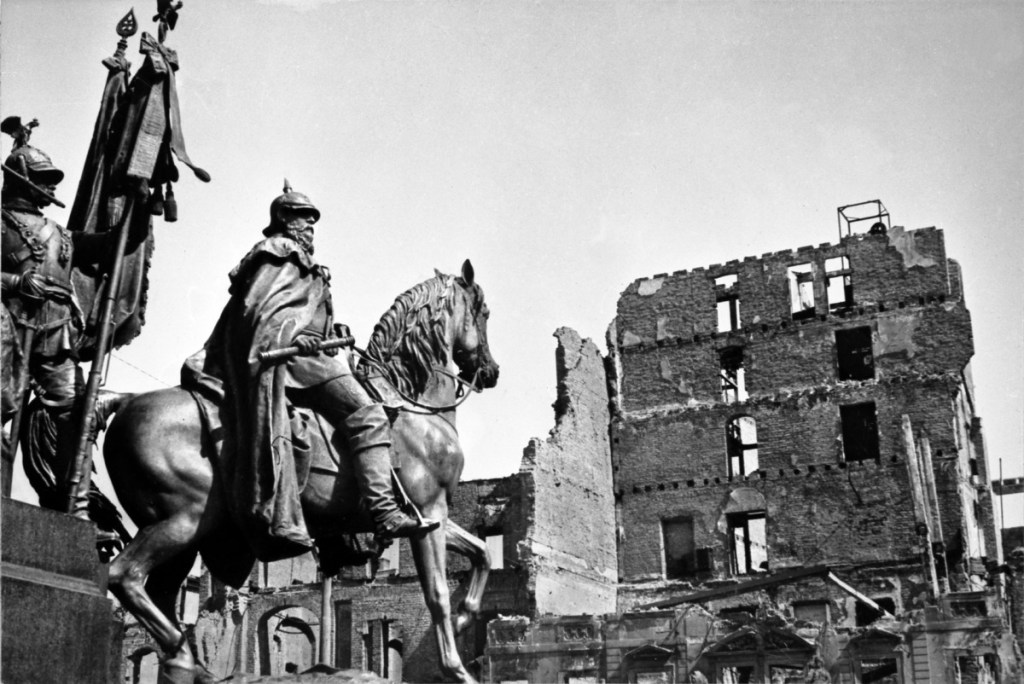
The ruins of Dresden after the Allied bombing raid.
Dresden seen after Allied air raids on February 13 and 14, 1945.
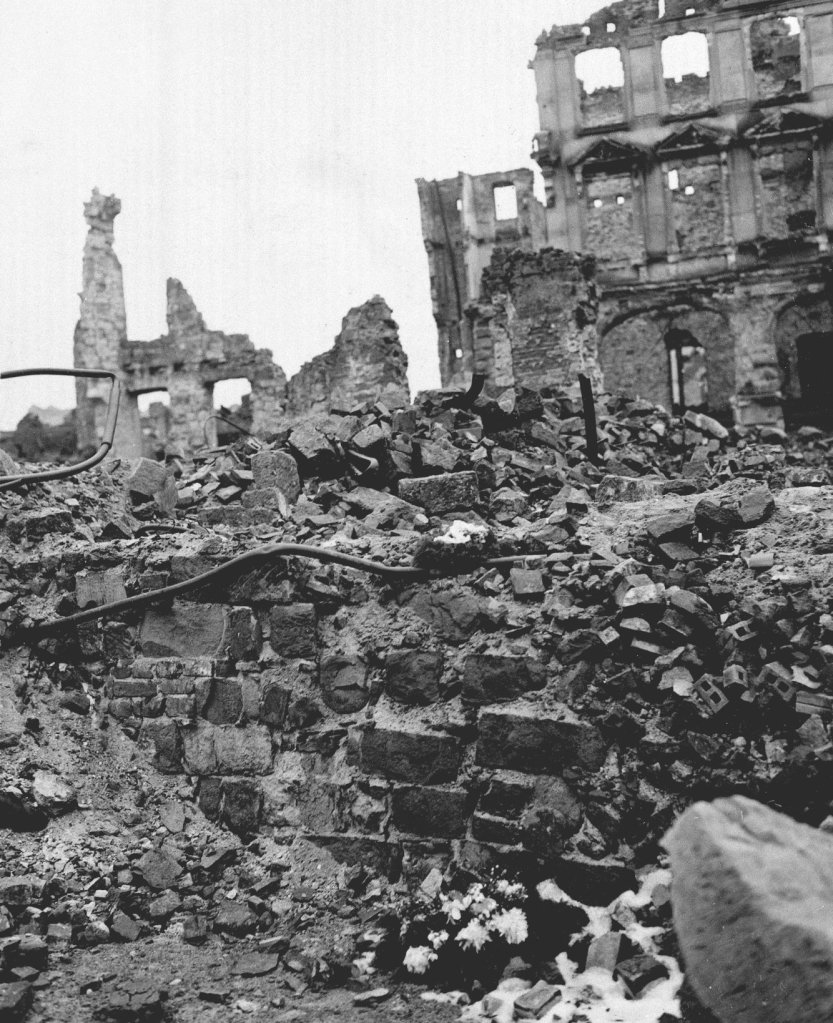
Two wreaths mark where persons were last seen and are believed to lie buried beneath the pile of rubble that was once a house in Dresden, Germany, in 1945. Two mass raids by Allied bombers struck Dresden on February 13 and 14, 1945, killing 35,000 people.
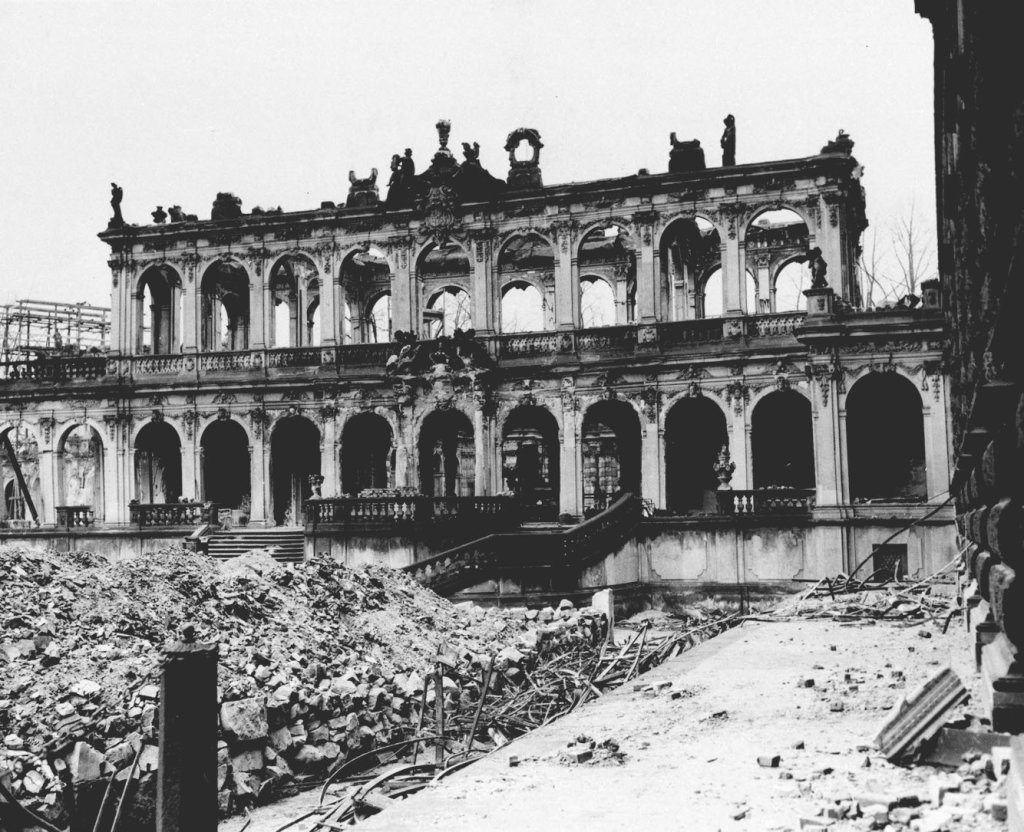
The inner courtyard at the Zwinger art galleries in central Dresden lies in ruins slightly more than a year after the Allied firebombing that caused widespread death and destruction in the German cultural center, March 12, 1946.
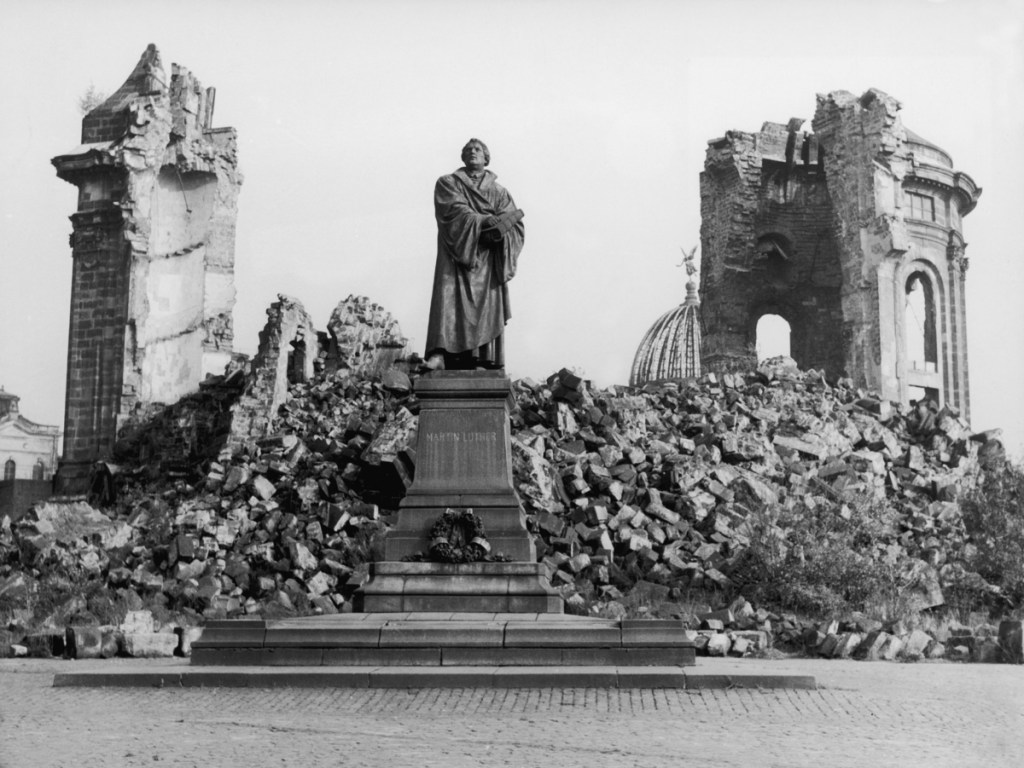
The Statue Of German Theologian And Reformer Martin Luther In The Ruins Of Dresden, In February Of 1945.
View taken in January 1952 from Dresden’s Muenzgasse street showing people working on the removal of debris in front of the ruins of the Frauenkirche (Church of Our Lady). The church was reduced to rubble during World War II allied bombings
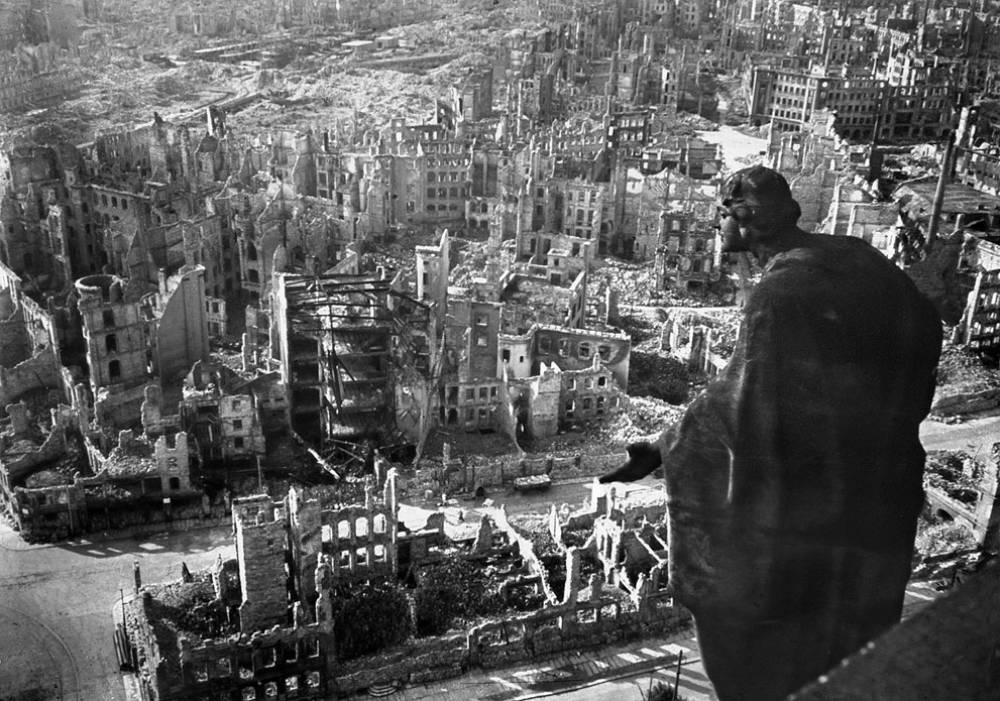
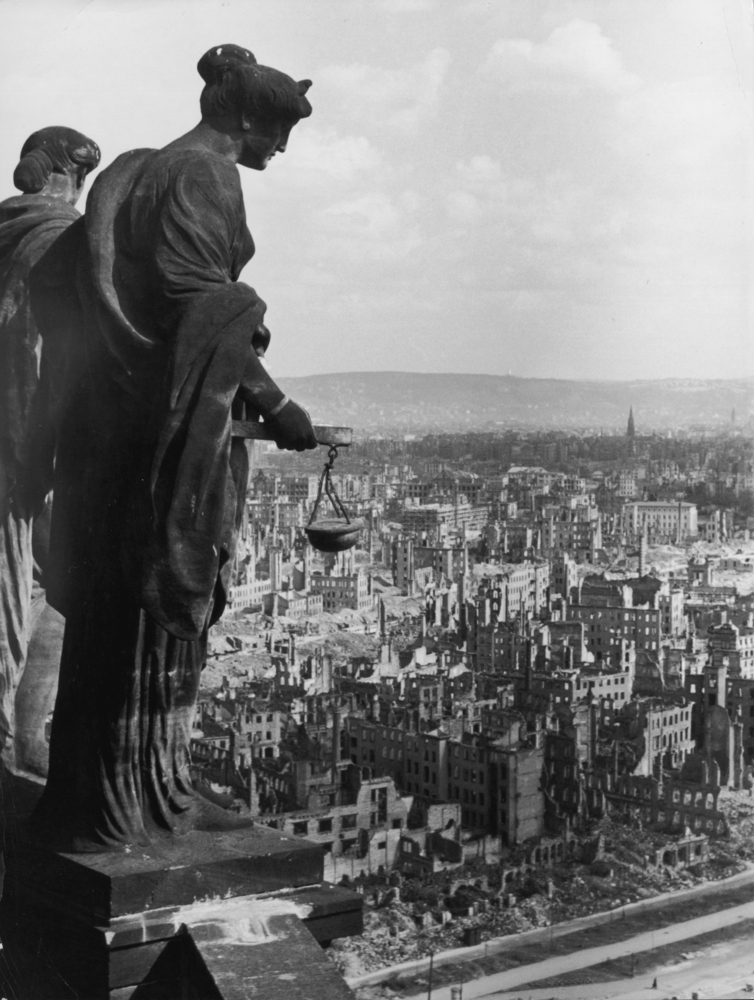
February 1945: High-angle view of the bombed remains of Dresden after Allied bombings, seen from the top of a tall building, possibly a courthouse, where a statue of a woman surveys the city while holding scales
Dresden, 1945.
Dresden volunteers continue to help clear the bomb damage debris, March 1946.
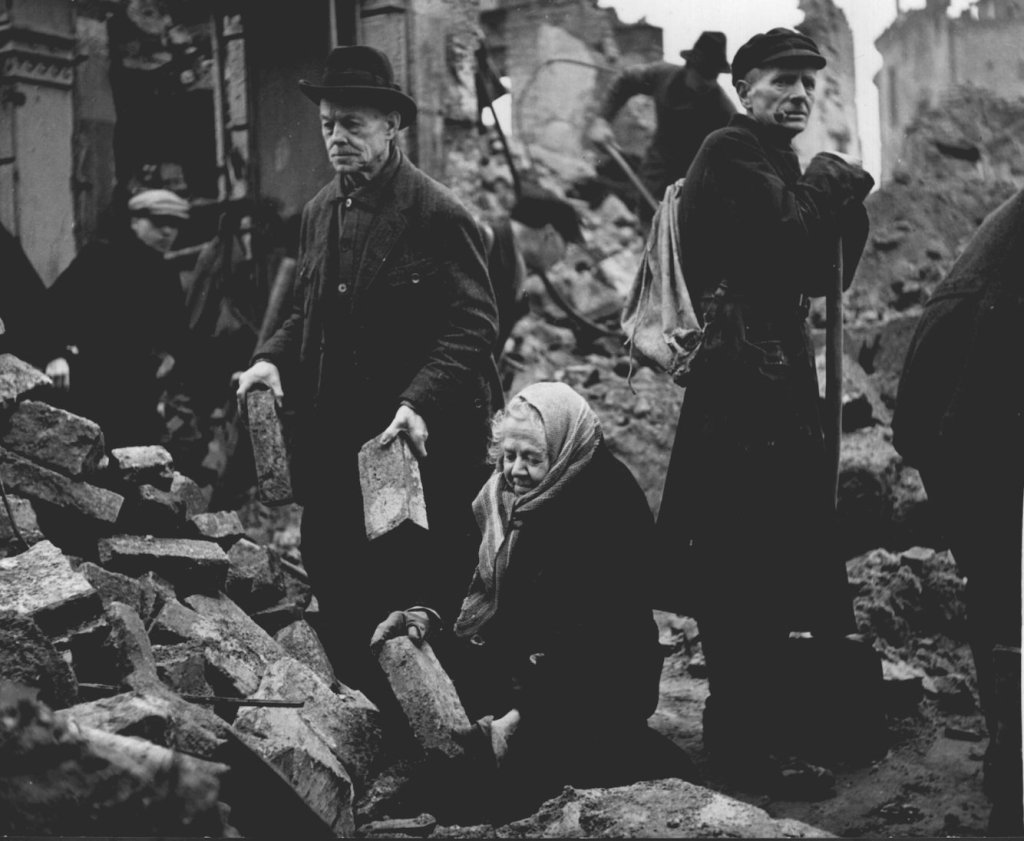
A group of volunteers working to rebuild Dresden. Two elderly Germans, Gustav and Alma Piltz, are assisting in the clearing of rubble.
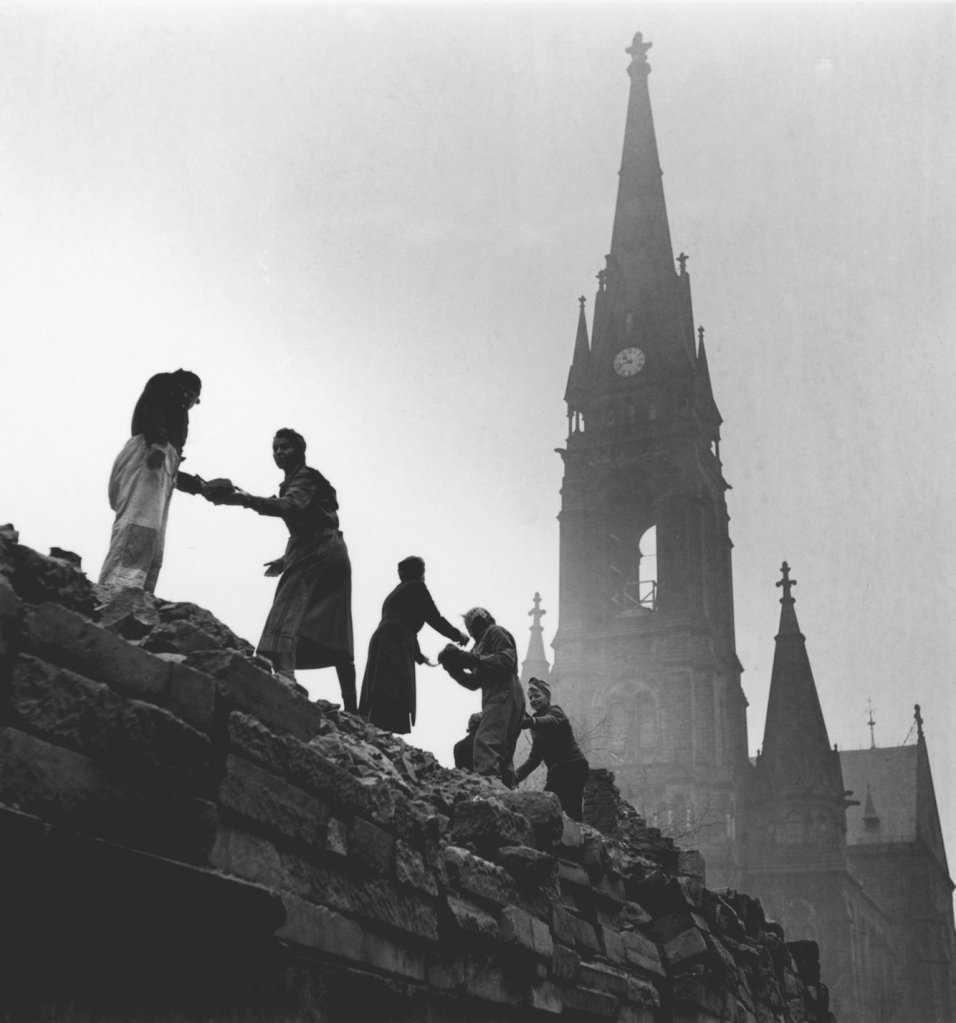
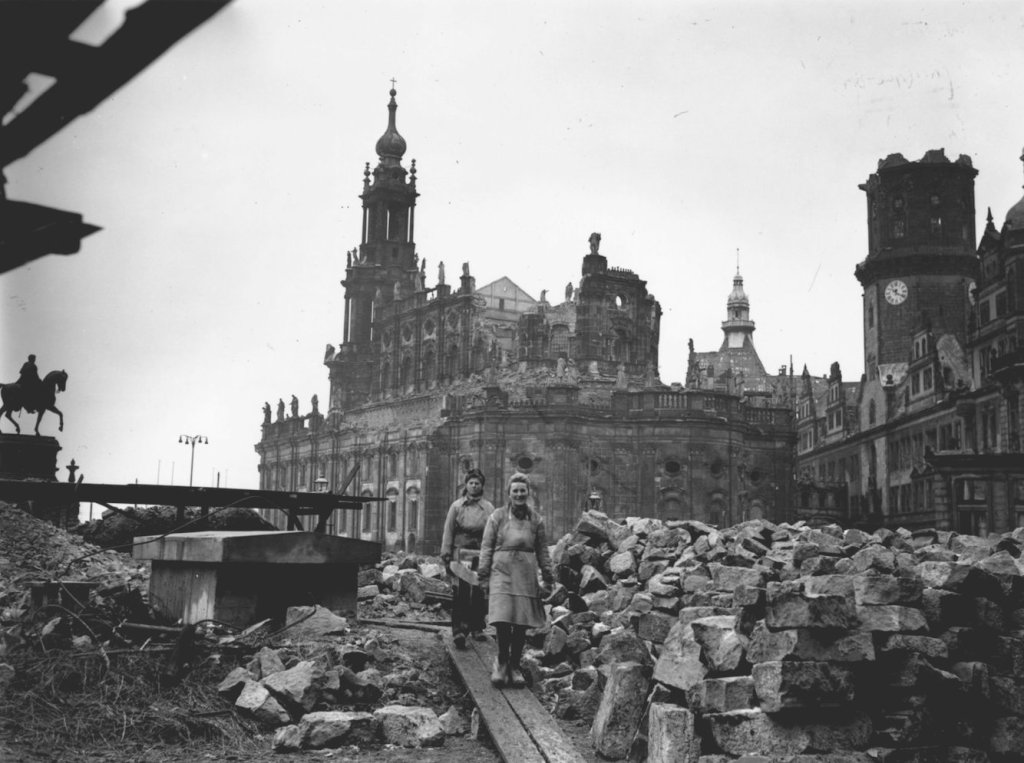
Women form a human chain to carry bricks used in the reconstruction of Dresden in March 1946 after allied bombing destroyed the city in February 1945. The steeple of the wrecked Roman Catholic cathedral can be seen in the background.
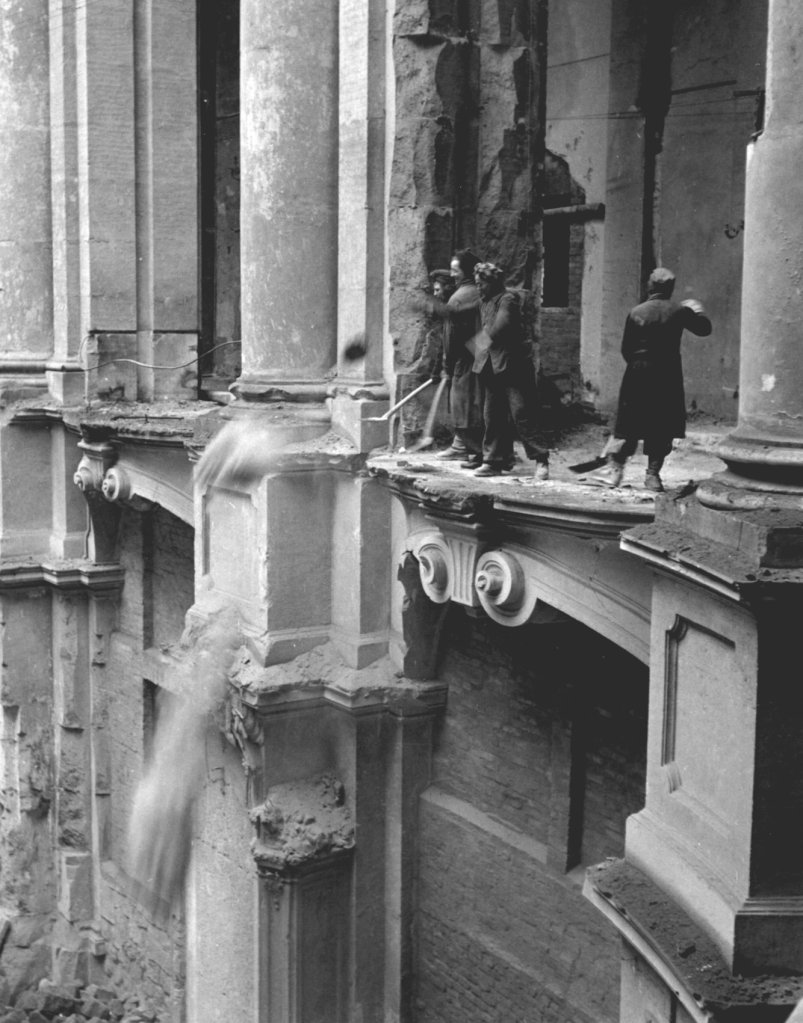
Women workers remove debris from the shell of the Hof Kirche, the Catholic cathedral in Dresden, Germany, February 1946.
Women in Dresden clear debris from the floor of the Zwinger art gallery during post-war rebuilding of the bomb-damaged city, March 1946.
Dresden, 1945.

Yesterday Today

Bringing You the Wonder of Yesterday - Today

Skip to content ↓