Seattle is a seaport city on the West Coast of the United States. It is the seat of King County, Washington. With a 2020 population of 737,015, it is the largest city in both the state of Washington and the Pacific Northwest region of North America. The Seattle metropolitan area’s population is 4.02 million, making it the 15th-largest in the United States. Its growth rate of 21.1% between 2010 and 2020 makes it one of the nation’s fastest-growing large cities.
Seattle is situated on an isthmus between Puget Sound (an inlet of the Pacific Ocean) and Lake Washington. It is the northernmost major city in the United States, located about 100 miles (160 km) south of the Canadian border. A major gateway for trade with East Asia, Seattle is the fourth-largest port in North America in terms of container handling as of 2015.
The Seattle area was inhabited by Native Americans for at least 4,000 years before the first permanent European settlers. Arthur A. Denny and his group of travelers, subsequently known as the Denny Party, arrived from Illinois via Portland, Oregon, on the schooner Exact at Alki Point on November 13, 1851. The settlement was moved to the eastern shore of Elliott Bay and named “Seattle” in 1852, in honor of Chief Si’ahl of the local Duwamish and Suquamish tribes. Today, Seattle has high populations of Native, Scandinavian, Asian American and African American people, as well as a thriving LGBT community that ranks sixth in the United States by population.
Logging was Seattle’s first major industry, but by the late 19th century, the city had become a commercial and shipbuilding center as a gateway to Alaska during the Klondike Gold Rush. Growth after World War II was partially due to the local Boeing company, which established Seattle as a center for aircraft manufacturing. The Seattle area developed into a technology center from the 1980s onwards with companies like Microsoft becoming established in the region; Microsoft founder Bill Gates is a Seattleite by birth. Internet retailer Amazon was founded in Seattle in 1994, and major airline Alaska Airlines is based in SeaTac, Washington, serving Seattle’s international airport, Seattle–Tacoma International Airport. The stream of new software, biotechnology, and Internet companies led to an economic revival, which increased the city’s population by almost 50,000 between 1990 and 2000. Seattle also has a significant musical history. Between 1918 and 1951, nearly two dozen jazz nightclubs existed along Jackson Street, from the current Chinatown/International District to the Central District. The jazz scene nurtured the early careers of Ray Charles, Quincy Jones, Ernestine Anderson, and others. Seattle is also the birthplace of rock musician Jimi Hendrix, as well as the origin of the bands Nirvana, Pearl Jam, Soundgarden, Alice in Chains, Foo Fighters, and the alternative rock movement grunge. (Wikipedia)
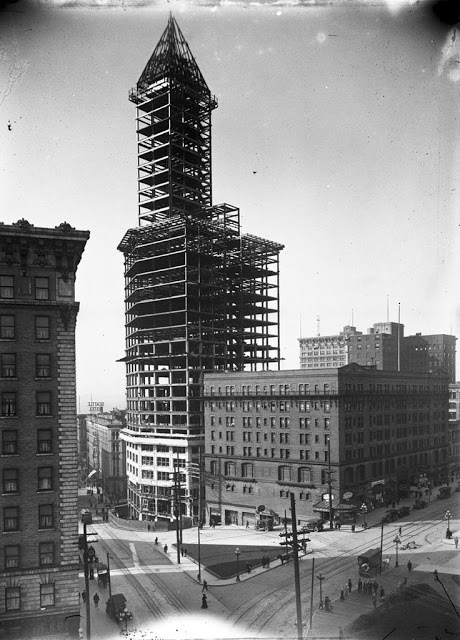
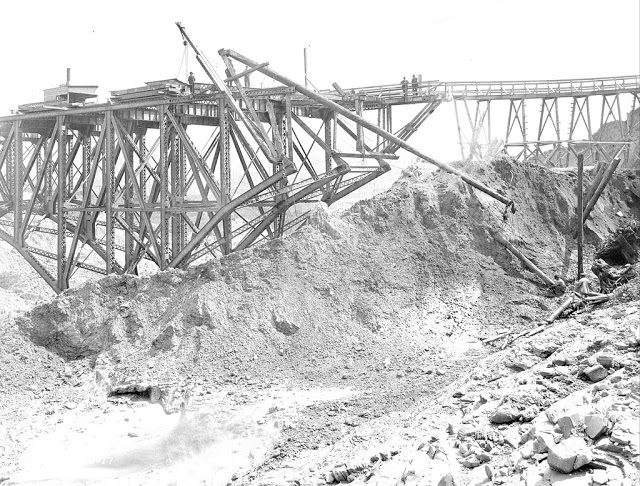
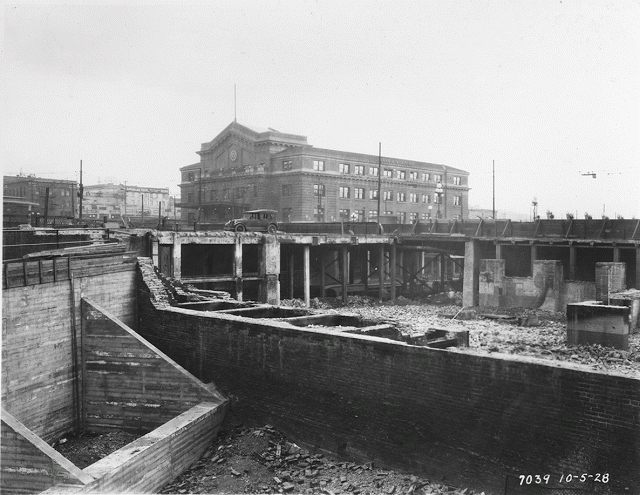
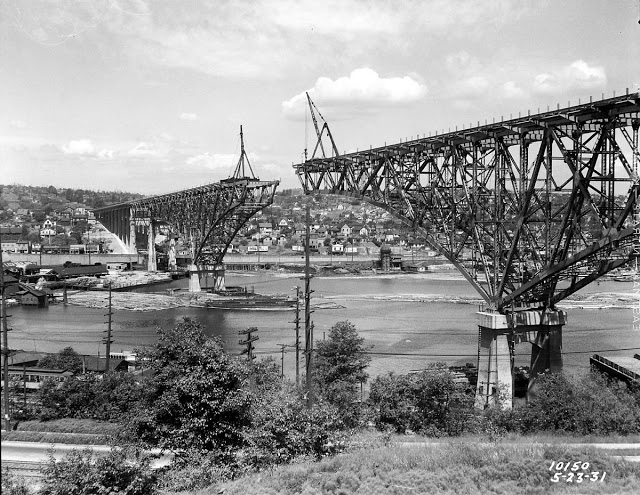
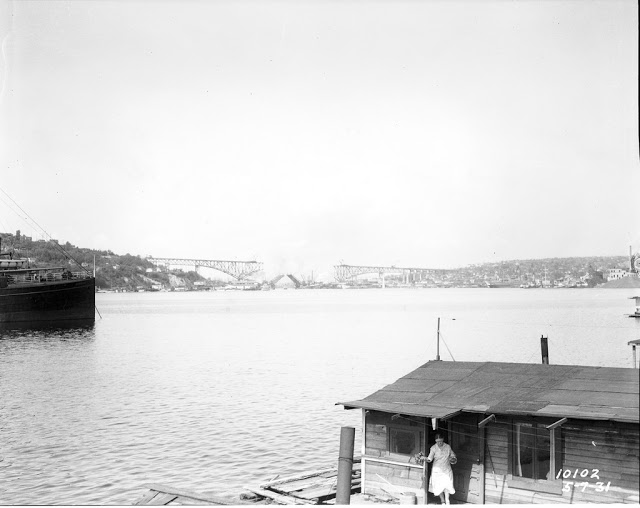
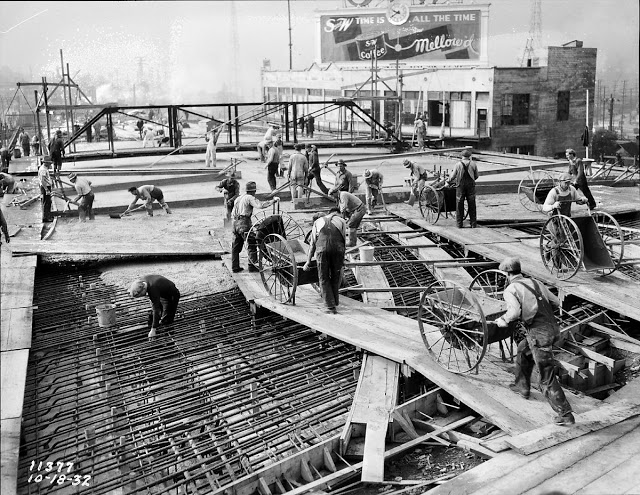
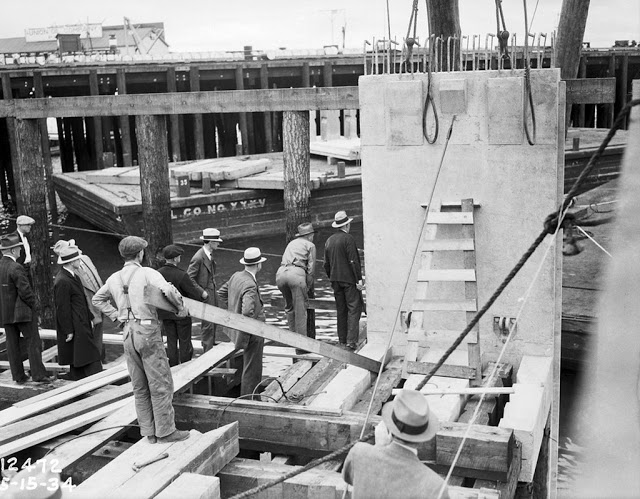
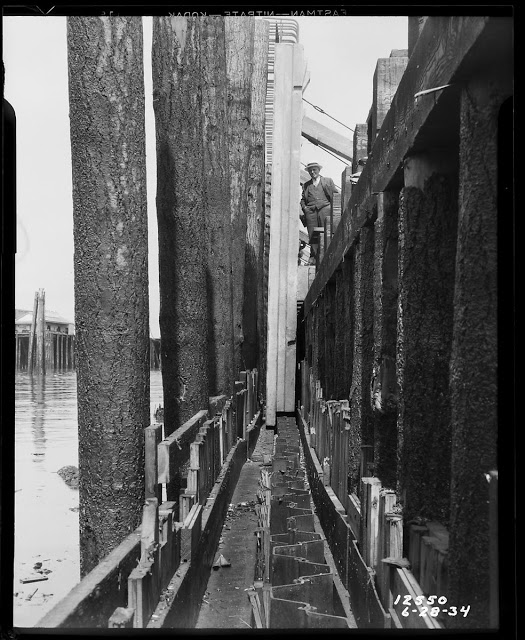
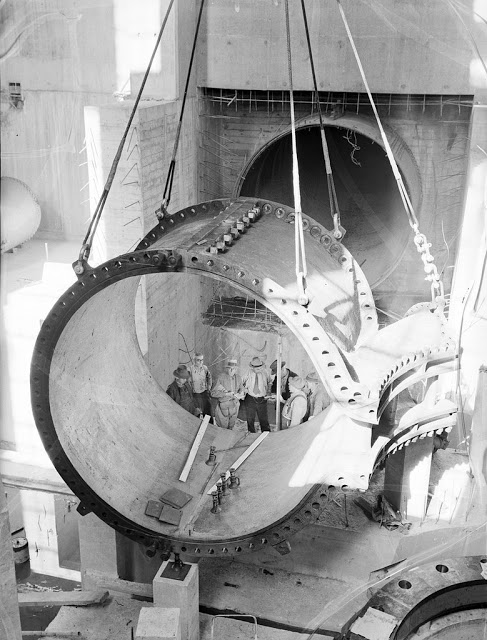
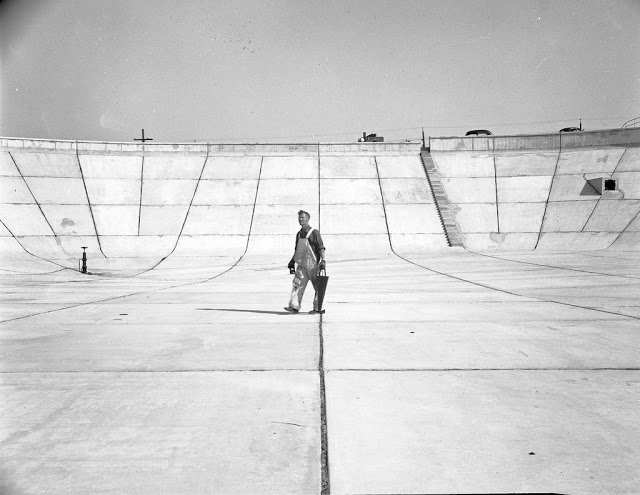
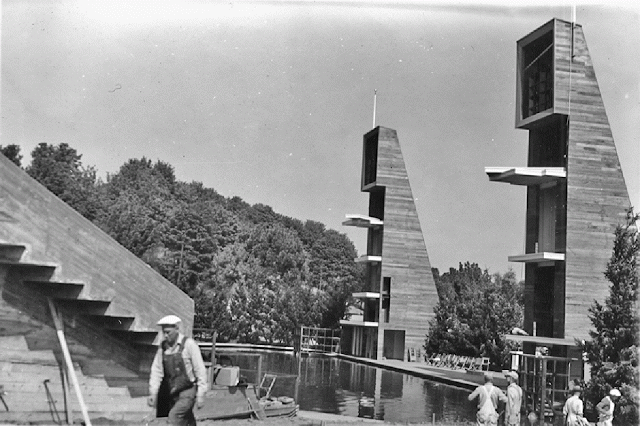
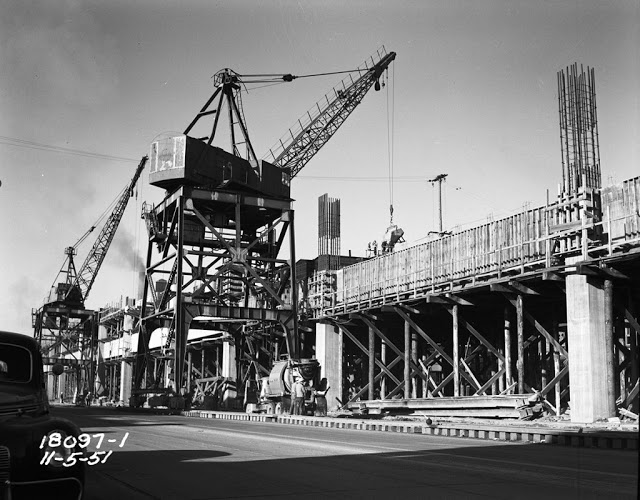
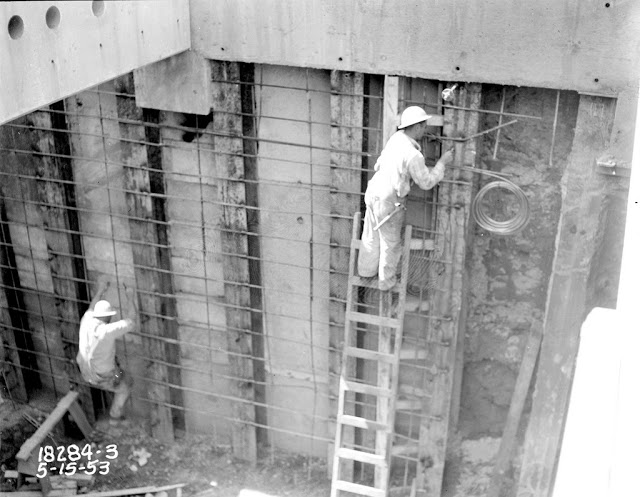
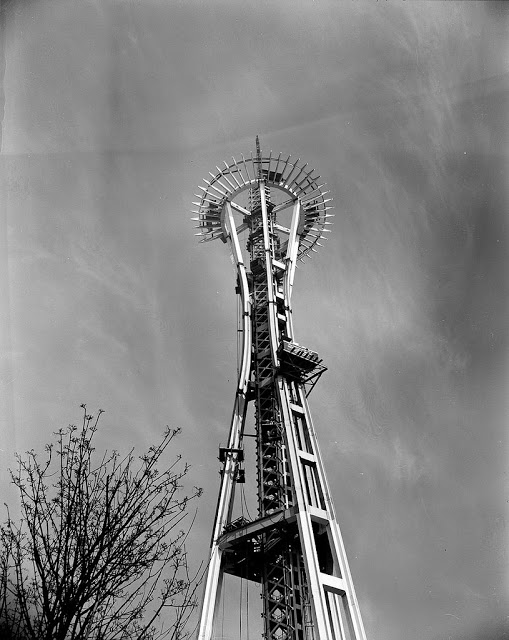
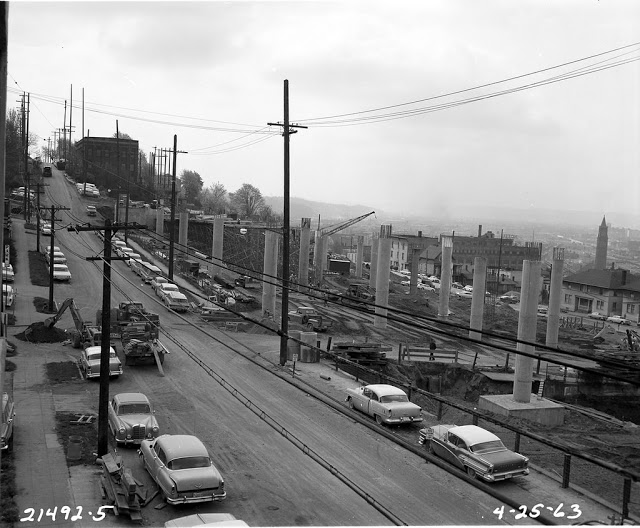
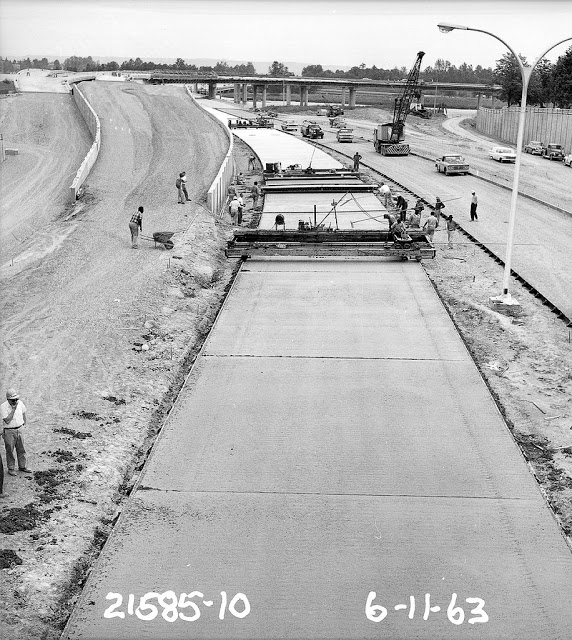
Here is a historical photo collection that shows the infrastructure of Seattle being constructed in the first half of the 20th century.
Cedar River Pipeline under construction, 1900Yesler Building under construction, 1909Ballard Locks under construction, 1913Smith Tower under construction, 1913Lake Washington Ship Canal under construction, 1914Second Avenue repaving, 1914Ballard Bridge under construction, 1916Crowd on half-built Fremont Bridge, circa 1916Fremont Bridge under construction, 1916Dearborn Street Bridge under construction, 1917Husky Stadium under construction, 1920Paving the Fairview Avenue trestle, 1924Second Avenue south extension under construction, 1928Spokane Street Bridge under construction, 1929Garfield Street Bridge under construction, 1930Aurora Bridge under construction, 1931Aurora Bridge under construction, 1931Aurora Bridge under construction, 1931Albro Place Viaduct under construction, 1931University Bridge under construction, 1932First slab of seawall being placed, 1934Central Waterfront seawall construction, 1934Diablo Powerhouse under construction, 193545th Street Viaduct under construction, 1939Ballard Bridge south approach under construction, 1939Highway 10 under construction, 1939Mount Baker Tunnel under construction, 1939Construction of bulkhead on Yesler, 1946Myrtle Street Reservoir under construction, 1947Aqua Theatre under construction, 1950Alaskan Way Viaduct under construction, 1951Battery Street tunnel under construction, 1953Battery Street tunnel under construction, 1953Aurora Avenue under construction, 1954First Avenue South Bridge under construction, 1955Monorail under construction, 1961Municipal building under construction, 1961Space Needle under construction, 1961Lake Forest Park Reservoir under construction, 1962Interstate 5 under construction, 1963James Street freeway overpass under construction, 1963Montlake Interchange under construction, 1963SR 520 under construction, 1963
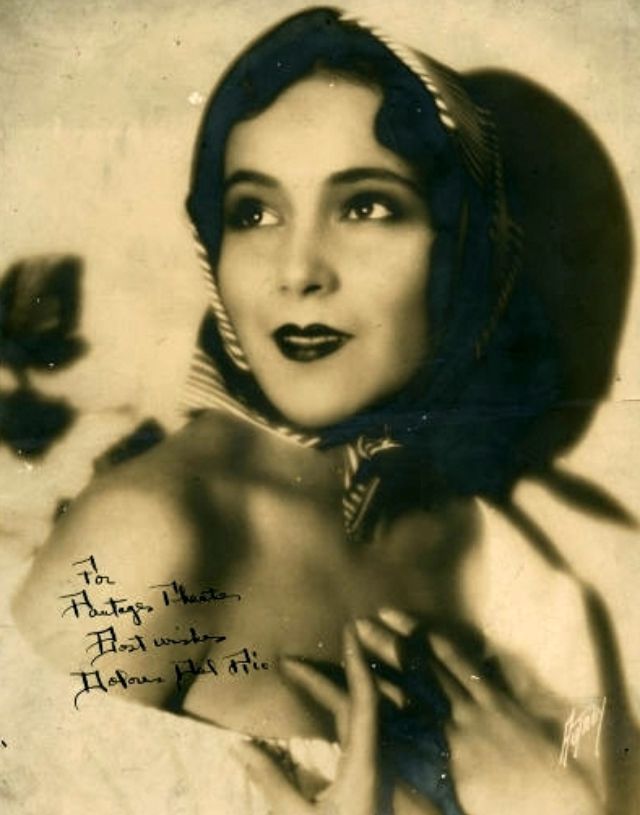
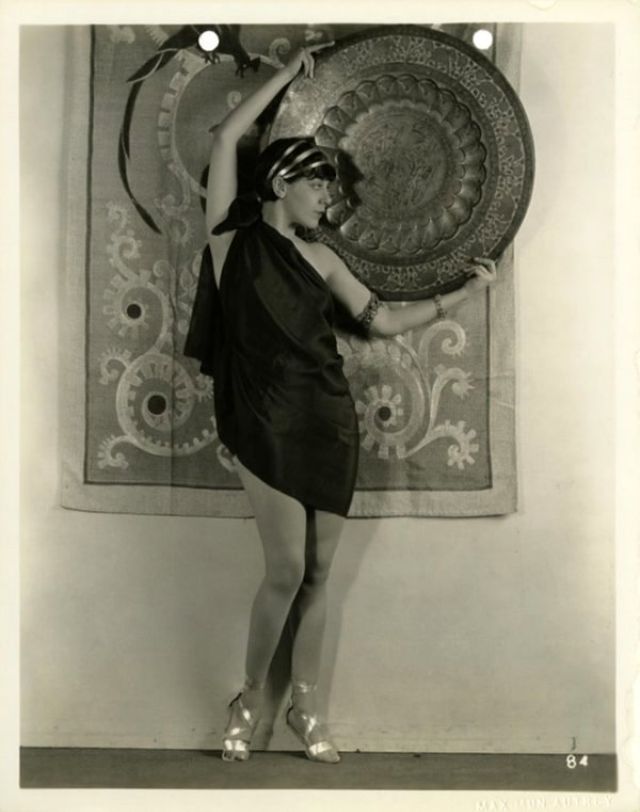
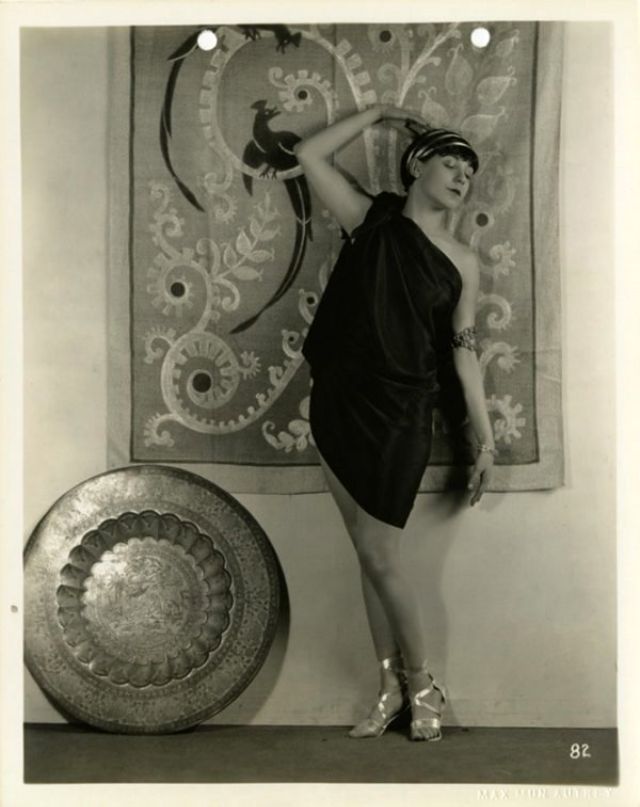
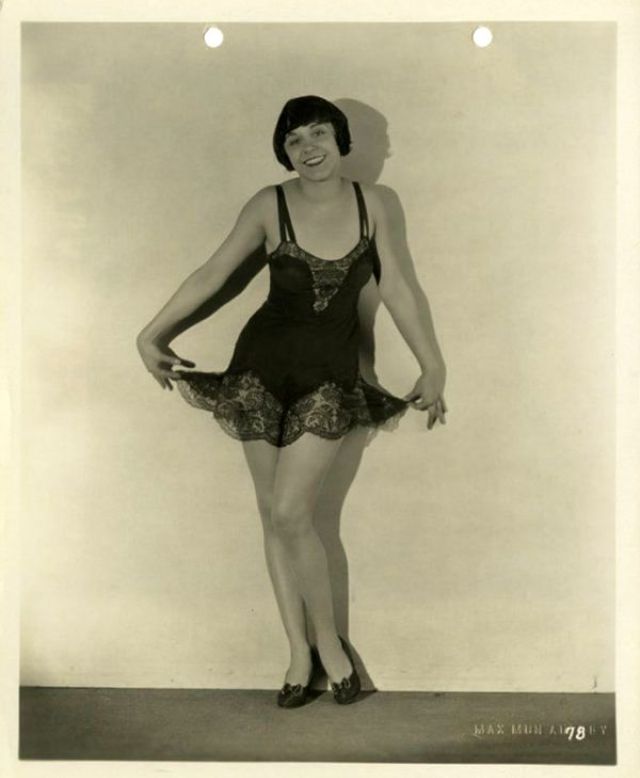
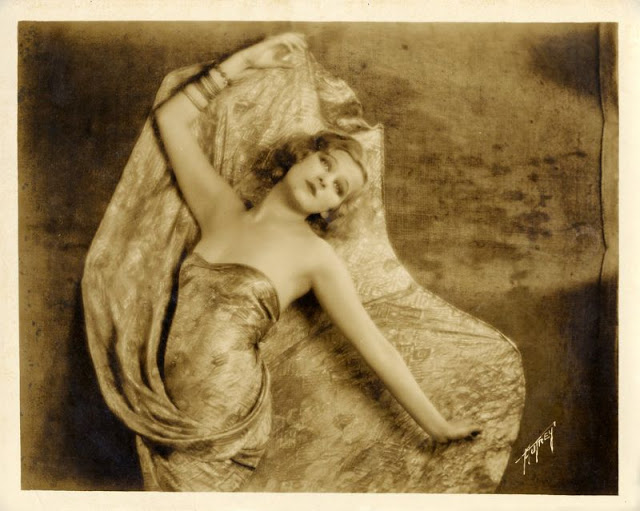
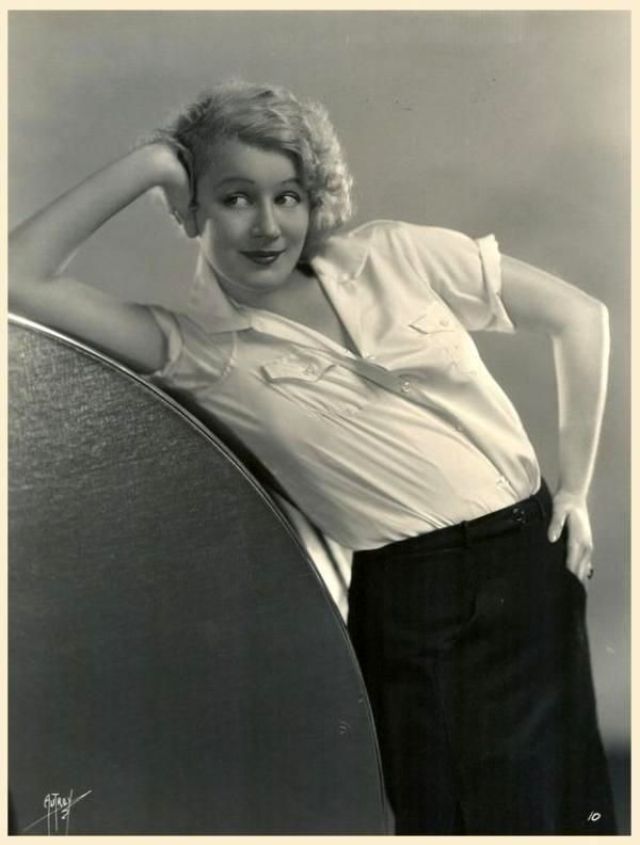
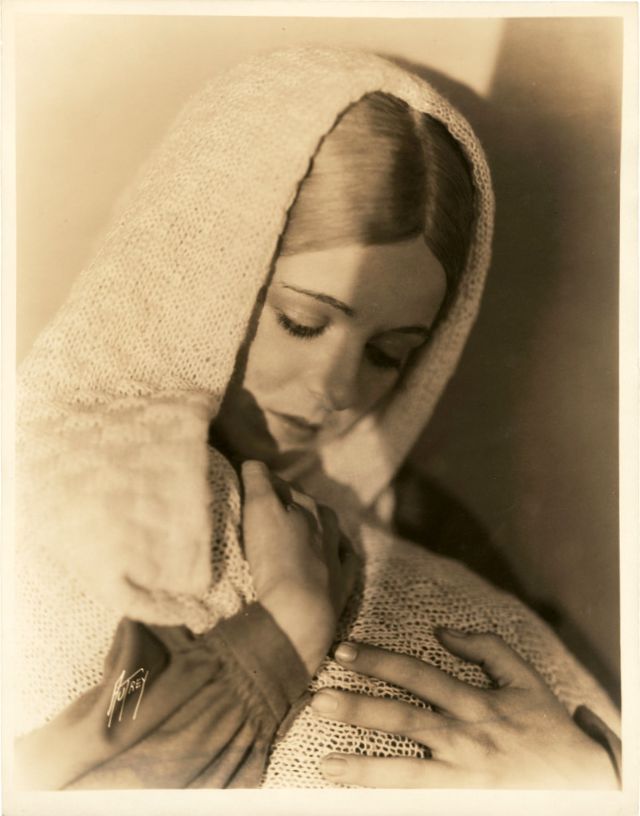
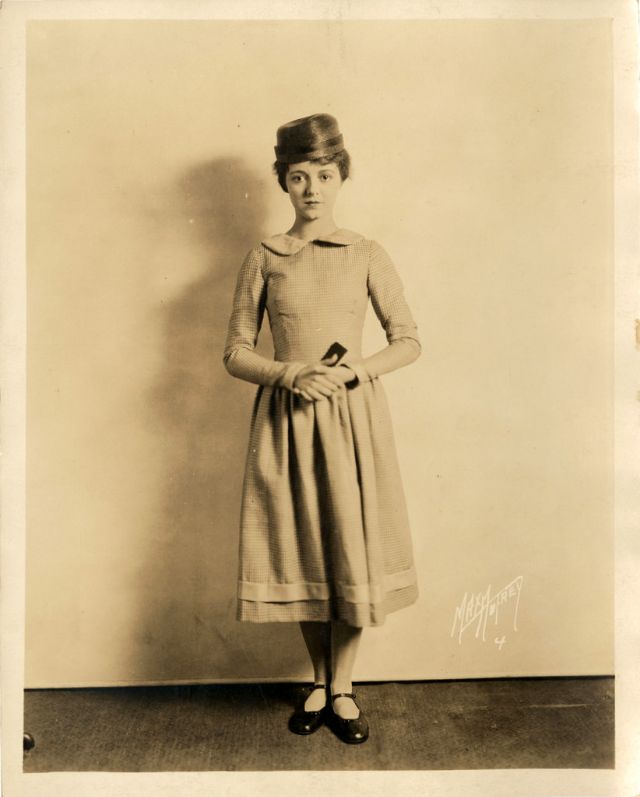
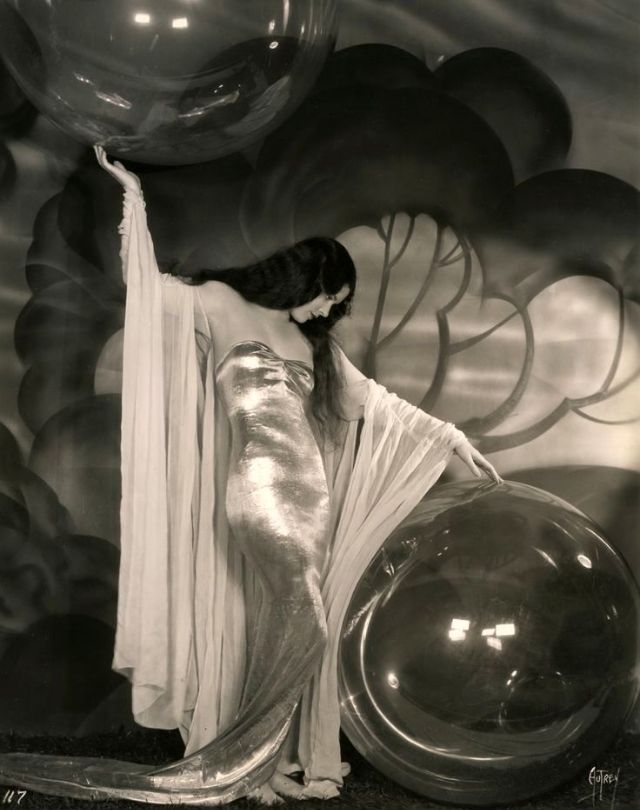
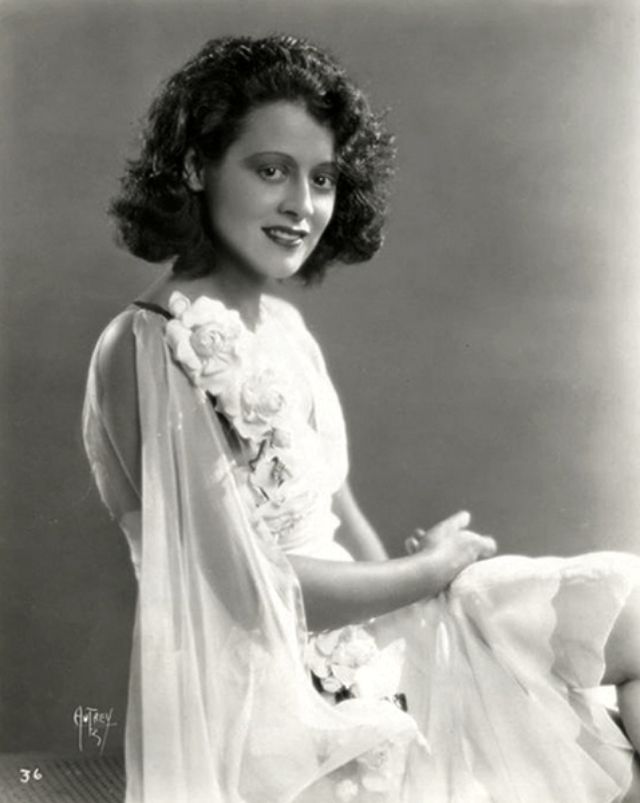
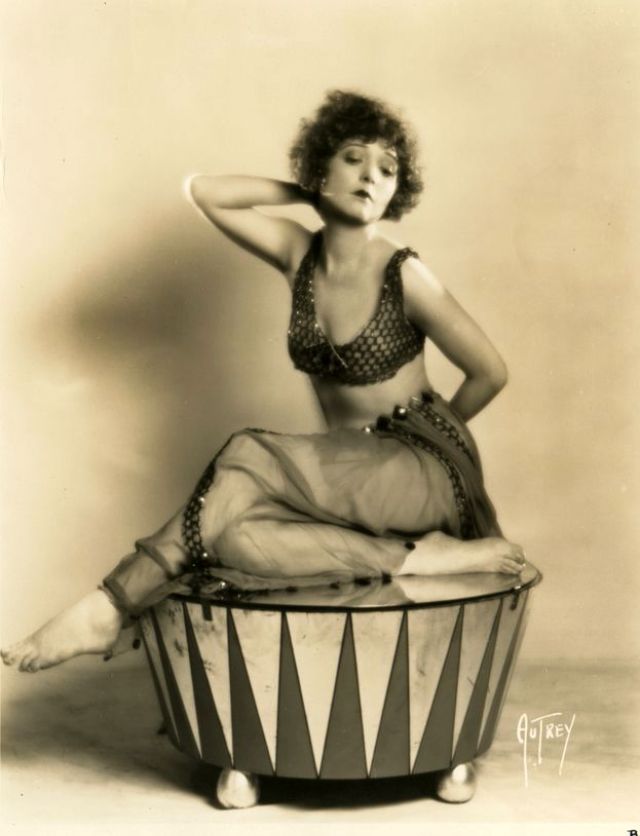
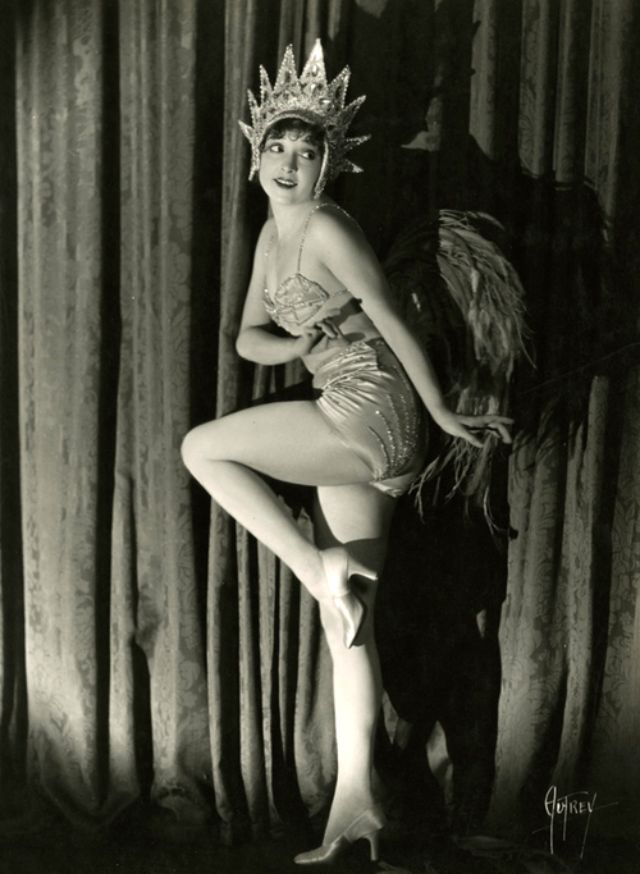
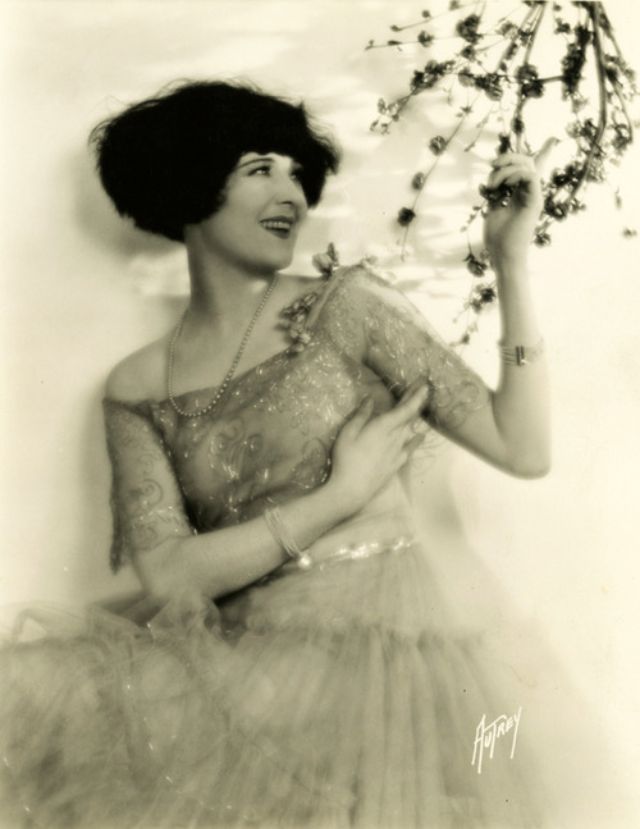
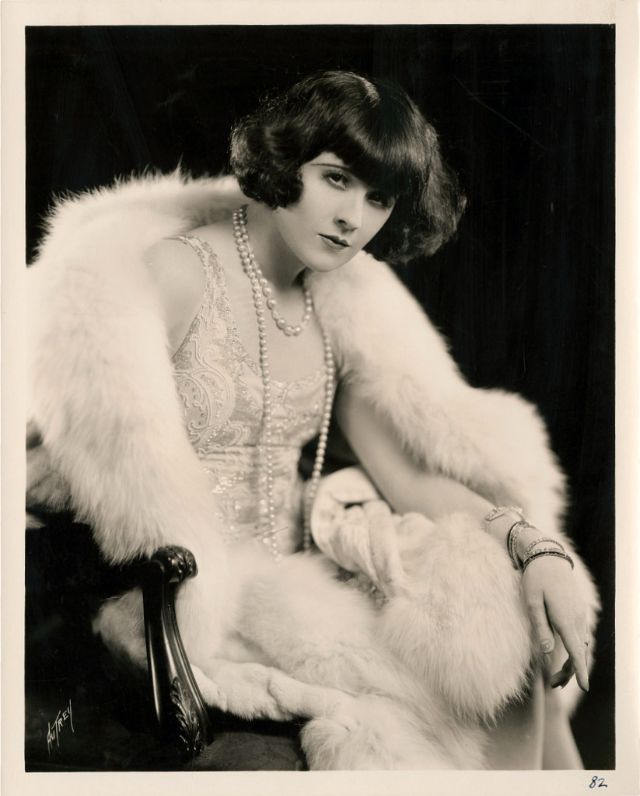
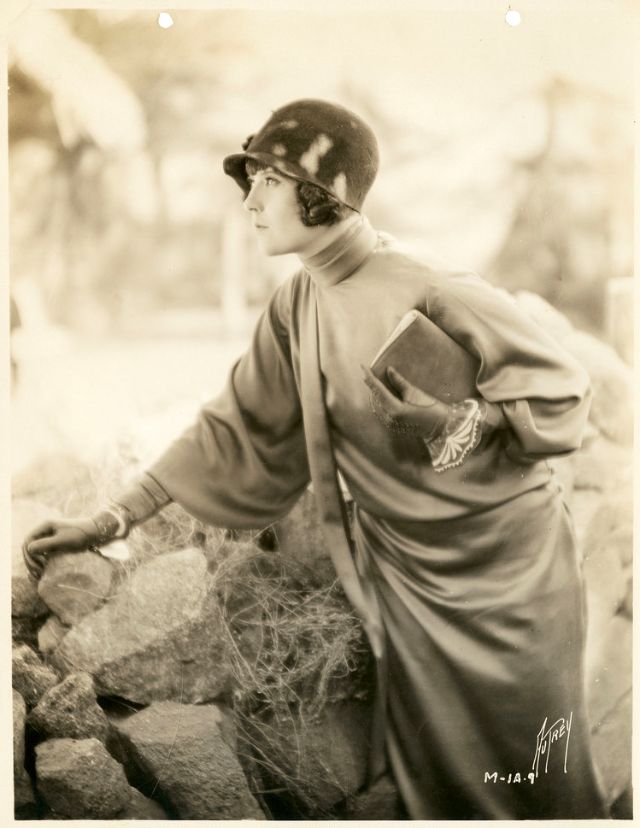
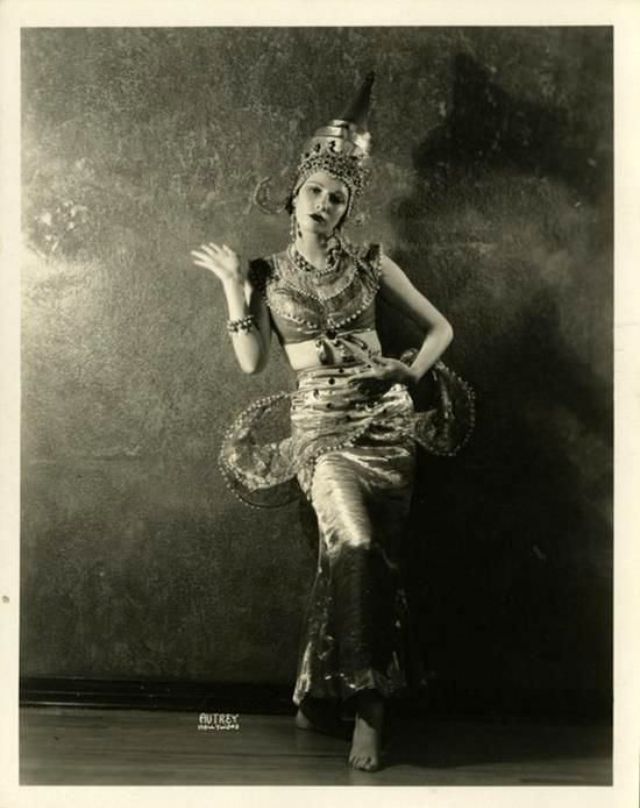
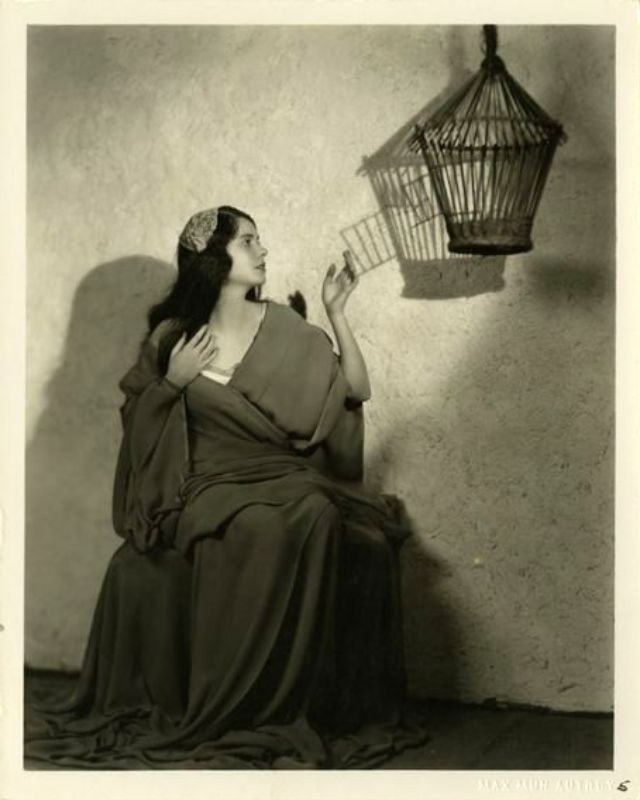
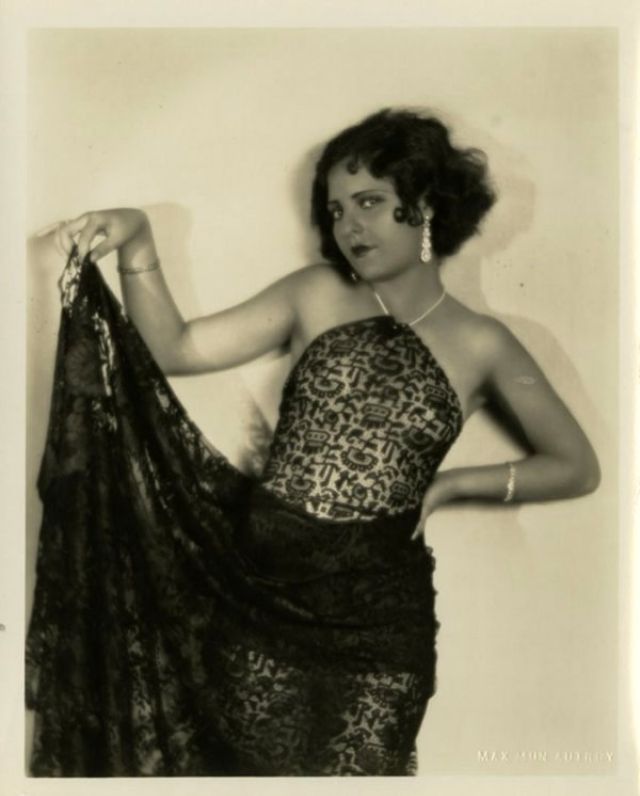
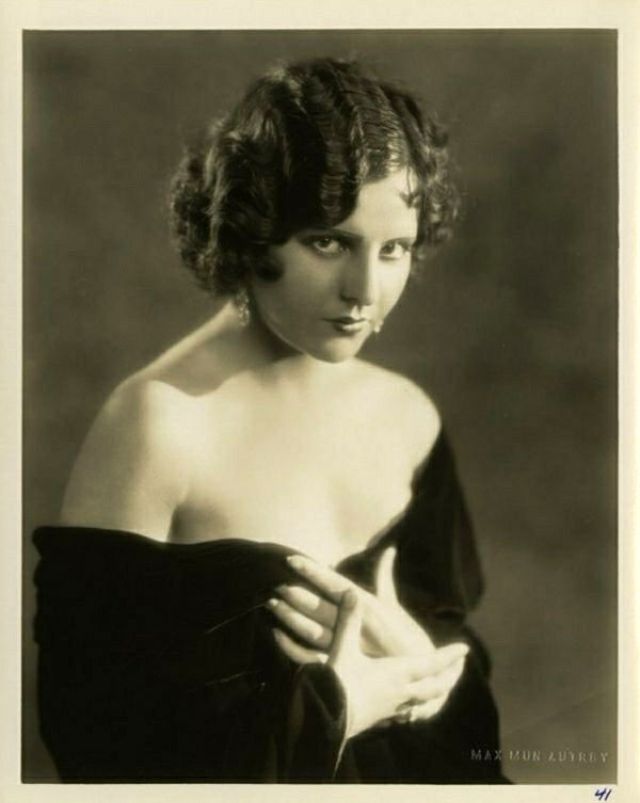
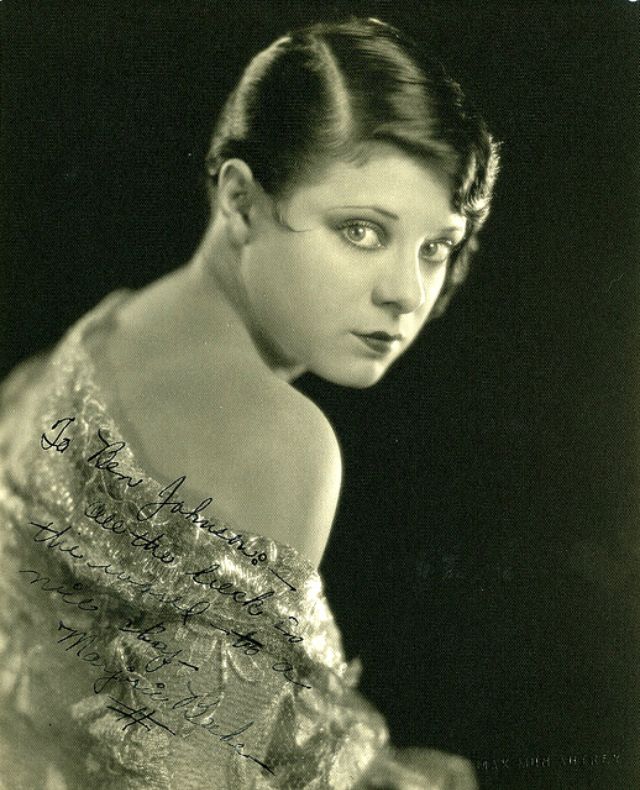
A silent film is a film with no synchronized recorded sound (and in particular, no audible dialogue). Though silent films convey narrative and emotion visually, various plot elements (such as a setting or era) or key lines of dialogue may, when necessary, be conveyed by the use of title cards.
The term “silent film” is something of a misnomer, as these films were almost always accompanied by live sounds. During the silent era that existed from the mid-1890s to the late 1920s, a pianist, theater organist—or even, in large cities, a small orchestra—would often play music to accompany the films. Pianists and organists would play either from sheet music, or improvisation. Sometimes a person would even narrate the intertitle cards for the audience. Though at the time the technology to synchronize sound with the film did not exist, music was seen as an essential part of the viewing experience. “Silent film” is typically used as a historical term to describe an era of cinema prior to the invention of synchronized sound, however it also naturally applies to sound-era films such as City Lights and The Artist which are accompanied by a music-only soundtrack in place of dialogue.
The term silent film is a retronym—a term created to retroactively distinguish something from later developments. Early sound films, starting with The Jazz Singer in 1927, were variously referred to as the “talkies”, “sound films”, or “talking pictures”. The idea of combining motion pictures with recorded sound is nearly as old as film itself, but because of the technical challenges involved, the introduction of synchronized dialogue became practical only in the late 1920s with the perfection of the Audion amplifier tube and the advent of the Vitaphone system. Within a decade, the widespread production of silent films for popular entertainment had ceased, and the industry had moved fully into the sound era, in which movies were accompanied by synchronized sound recordings of spoken dialogue, music and sound effects.
Most early motion pictures are considered lost because the nitrate film used in that era was extremely unstable and flammable. Additionally, many films were deliberately destroyed because they had negligible continuing financial value in this era. It has often been claimed that around 75 percent of silent films produced in the US have been lost, though these estimates may be inaccurate due to a lack of numerical data. (Wikipedia)
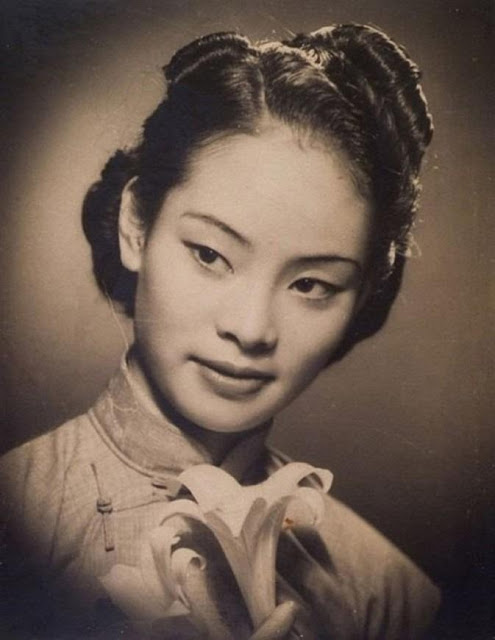
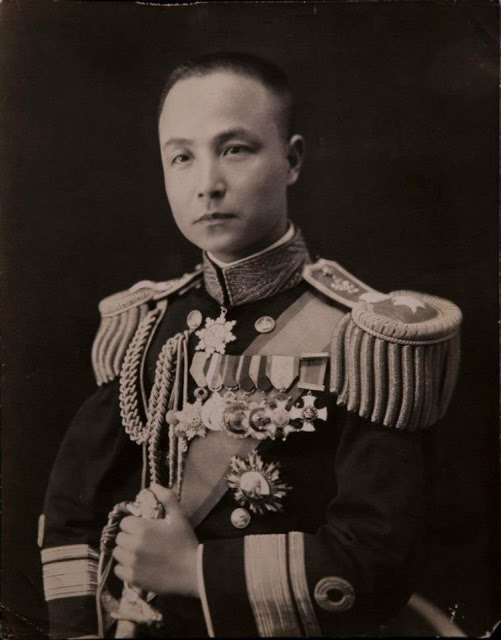
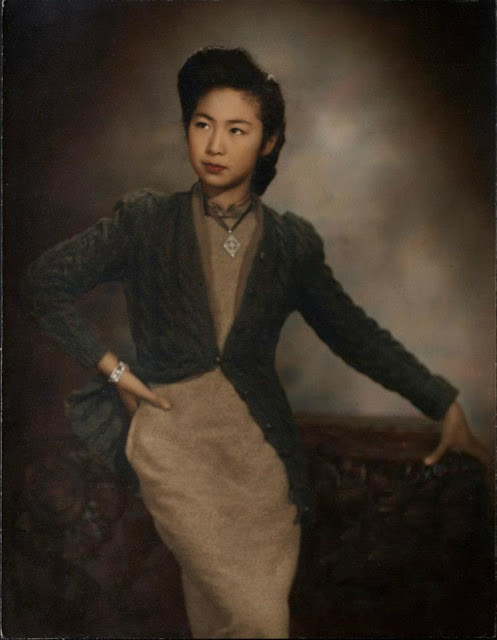
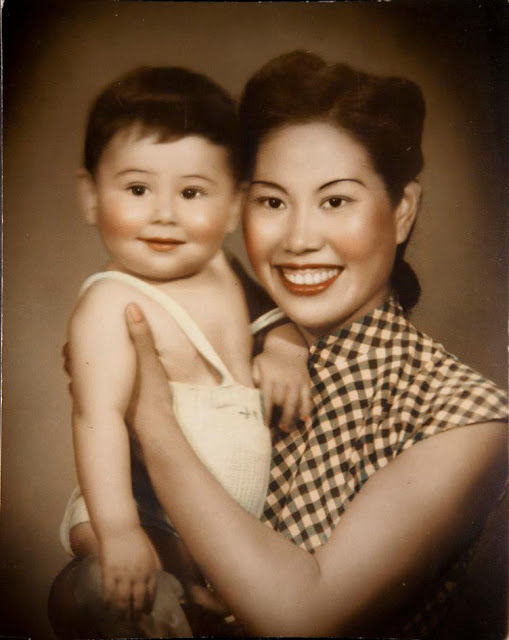
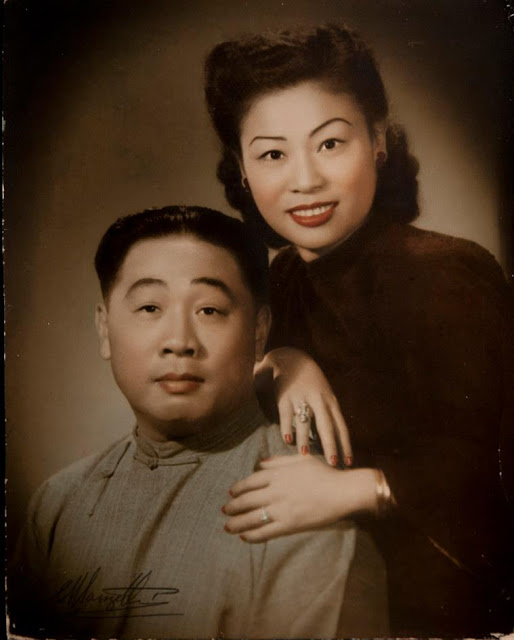
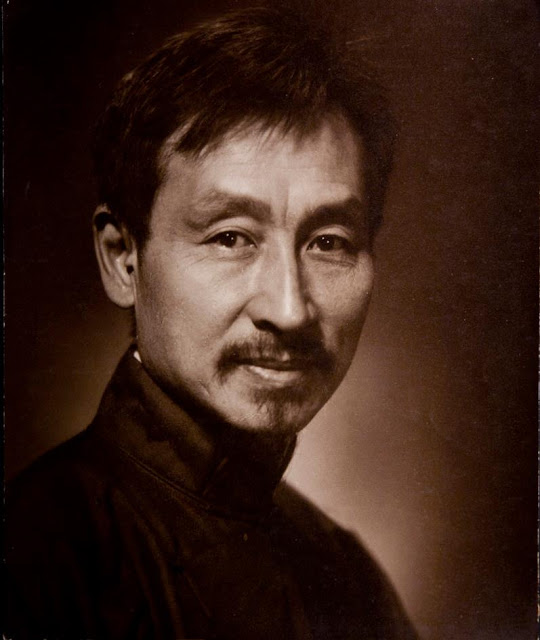
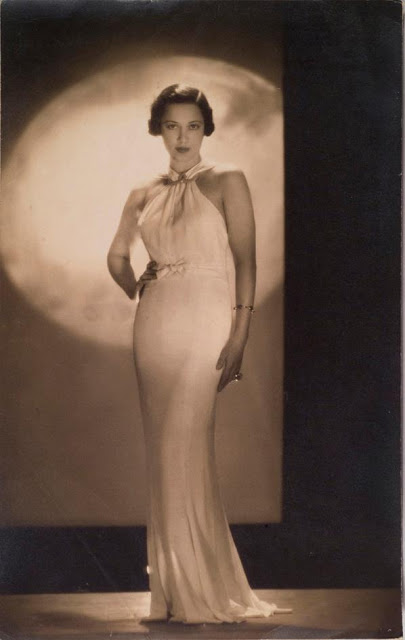
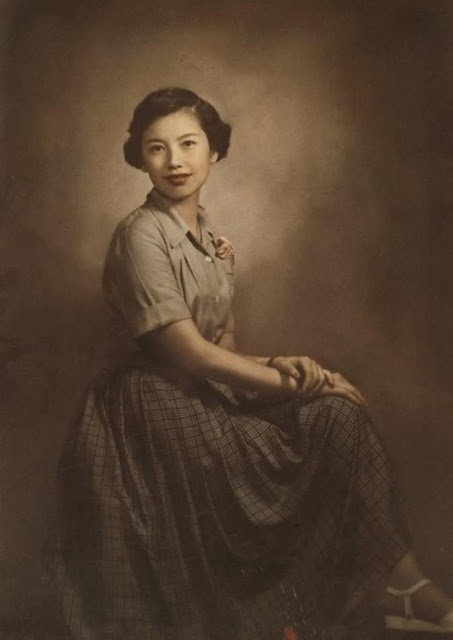
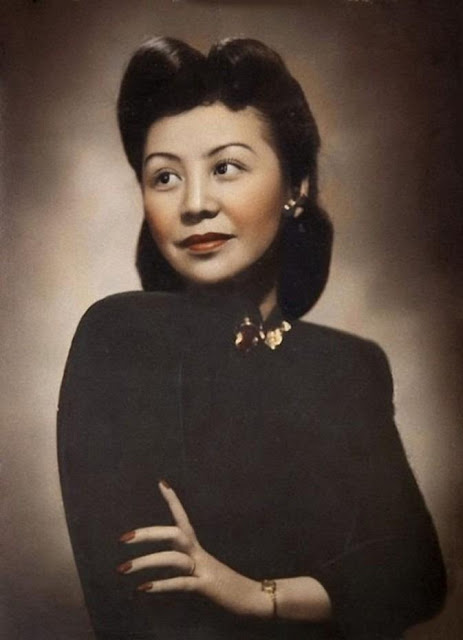
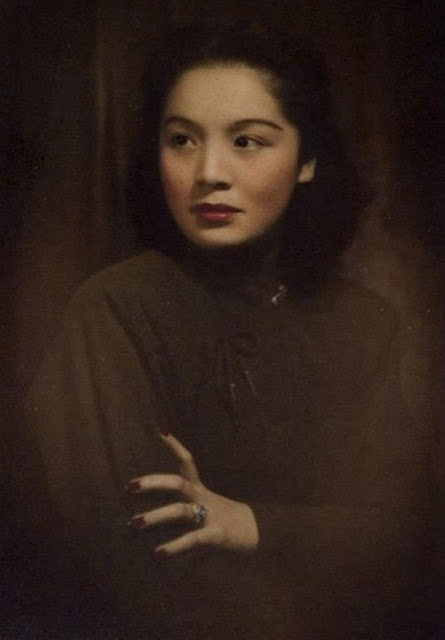
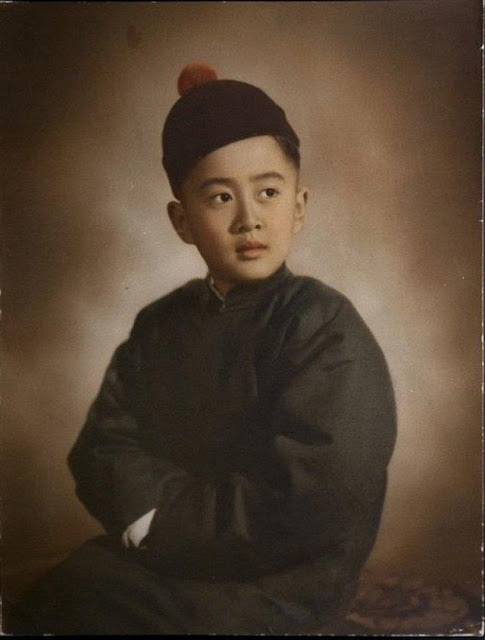
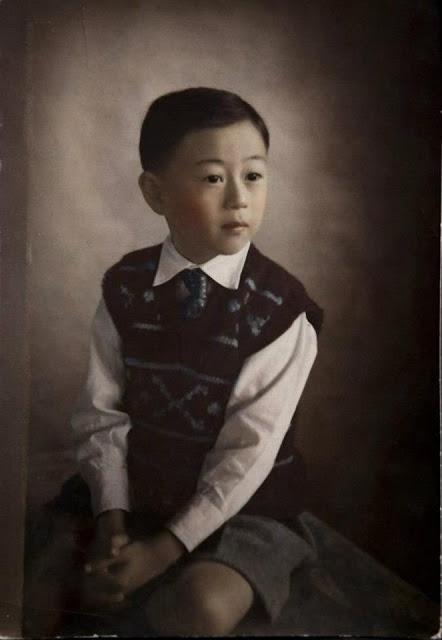
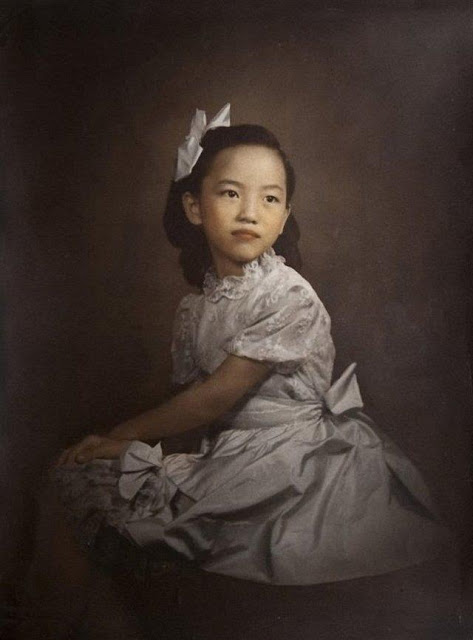
Sioma Lifshitz arrived in Shanghai on a freighter from Vladivostock in 1922. The 20 years old energetic Russian Jew had no money but lot’s of dreams and soon started to work in a photography studio under the name of Sam Sanzetti. It took him 5 years to open in own studio in 1927, becoming one of the most famous photographer in Shanghai.
The studio was first located on 73 Nanking Road (today 73 Nanjing Dong Lu), near the Bund and just behind the Palace hotel (today Swatch Art Peace Hotel). Construction on the Cathay Hotel (today Peace Hotel) was on-going at that time very and the opening in 1929 certainly also helped his business. The central position in the business center allowed him to become the photographer of the rich and famous in Shanghai, surely meeting with other successful business people of the time.
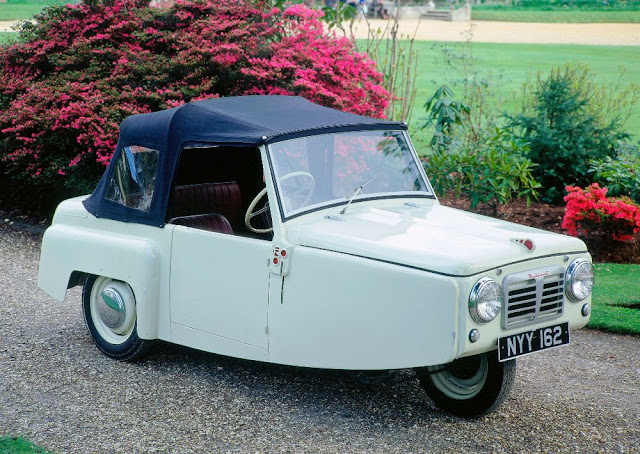
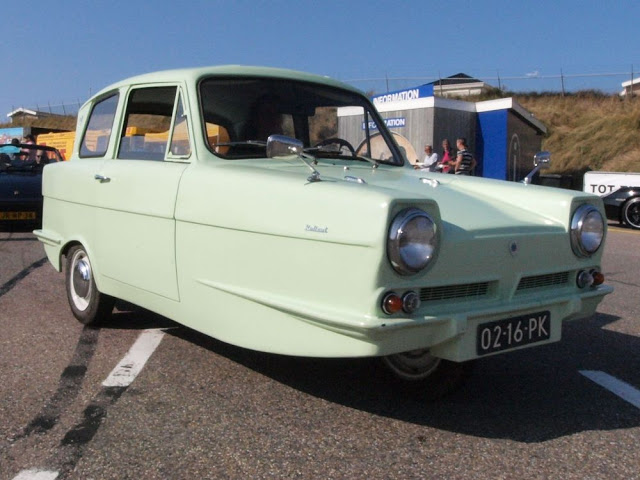
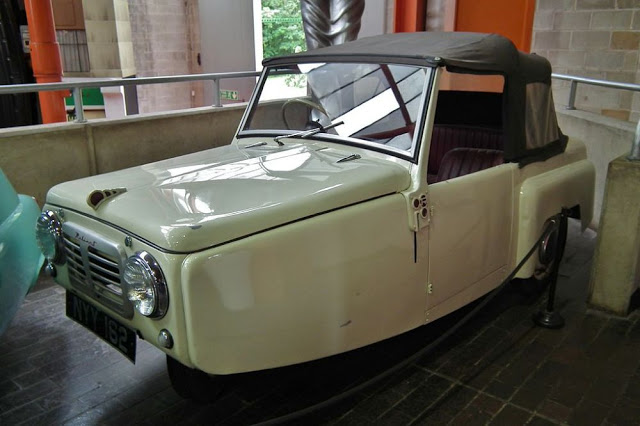
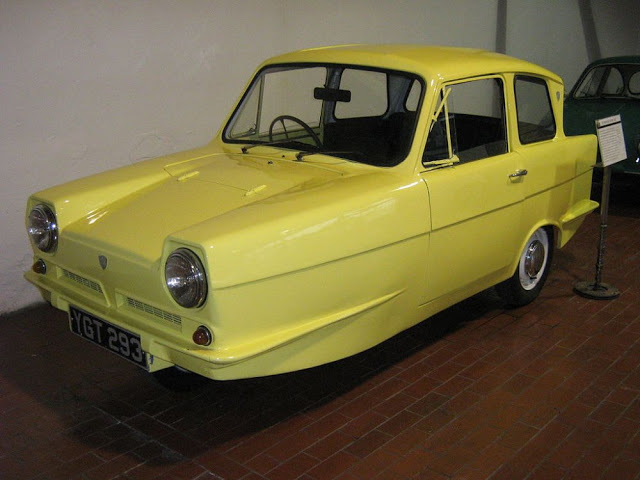
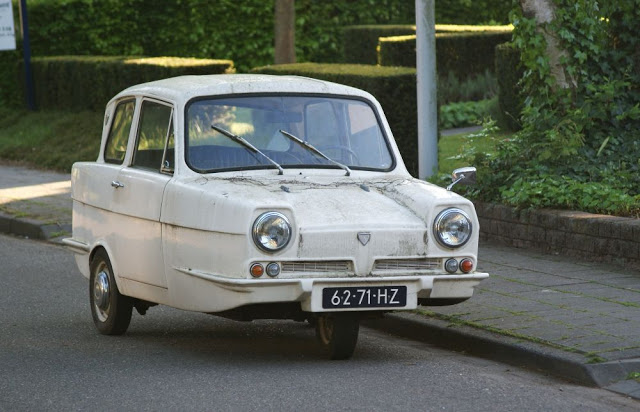
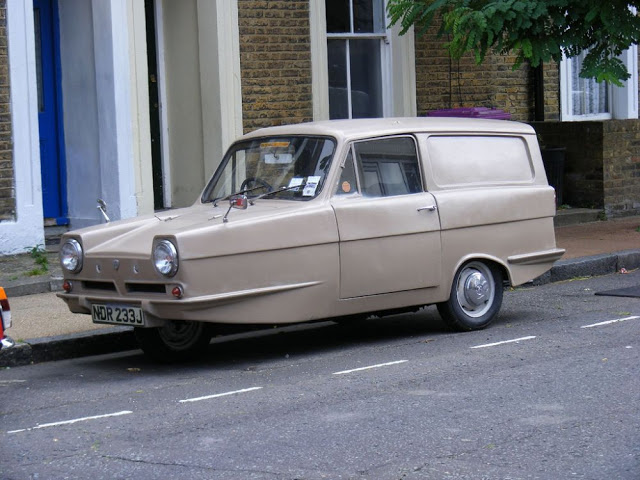
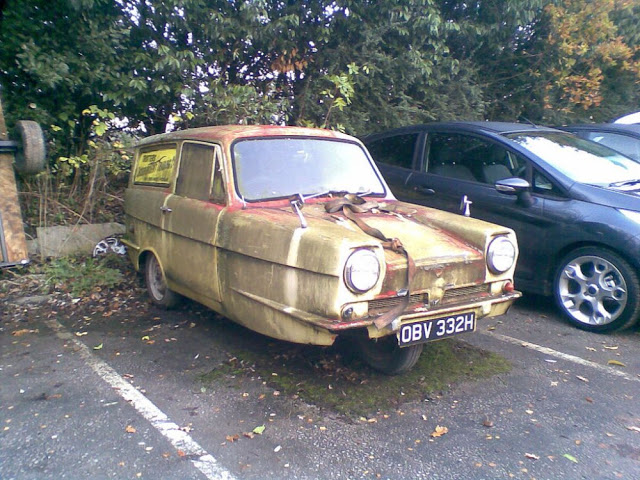
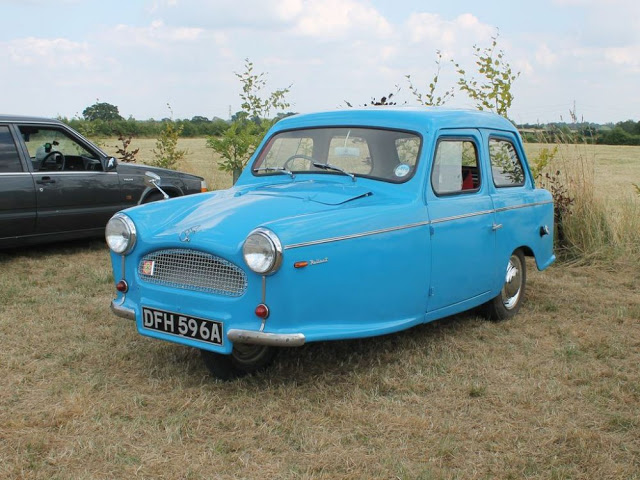
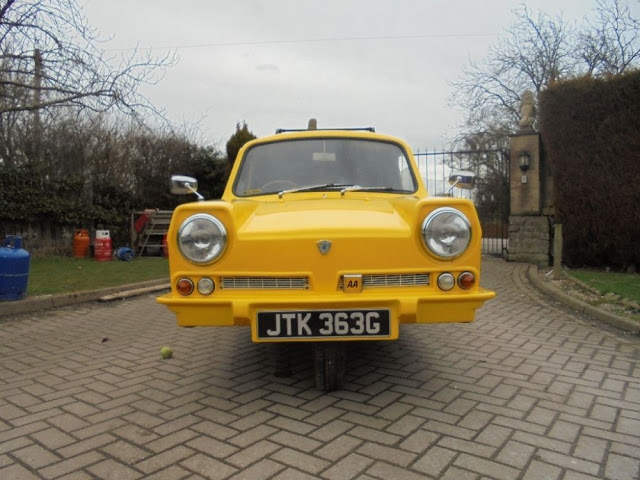
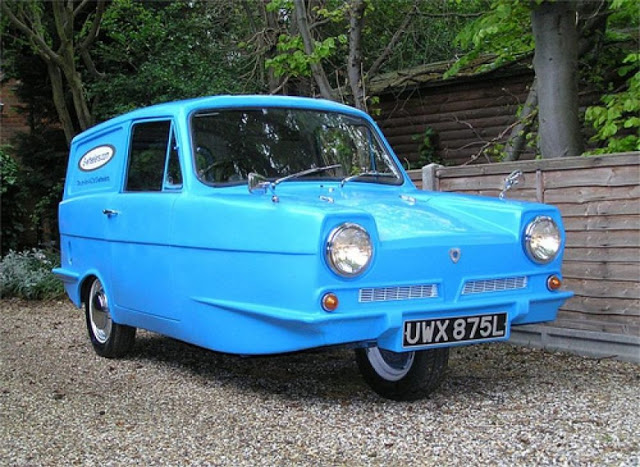
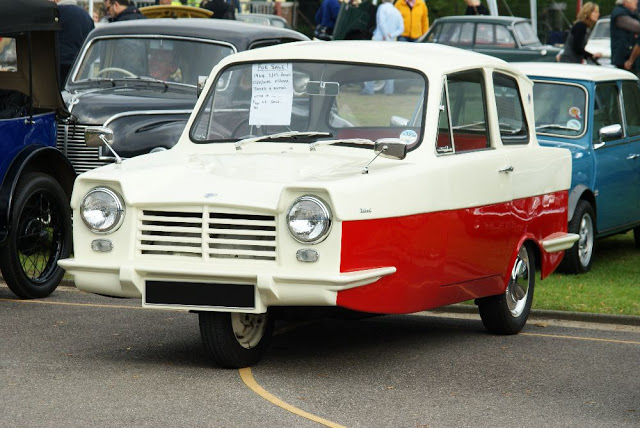
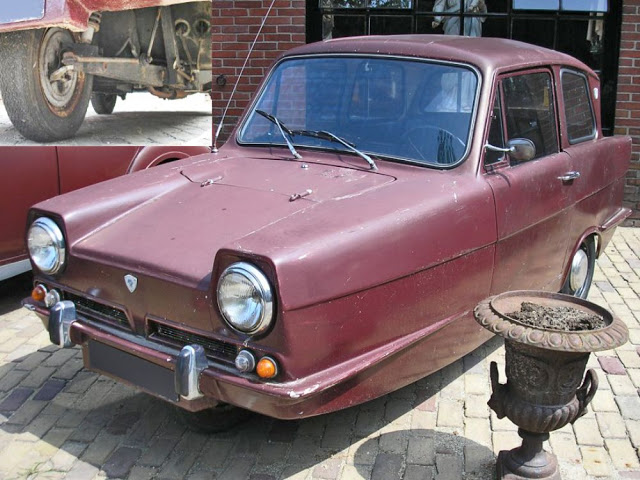
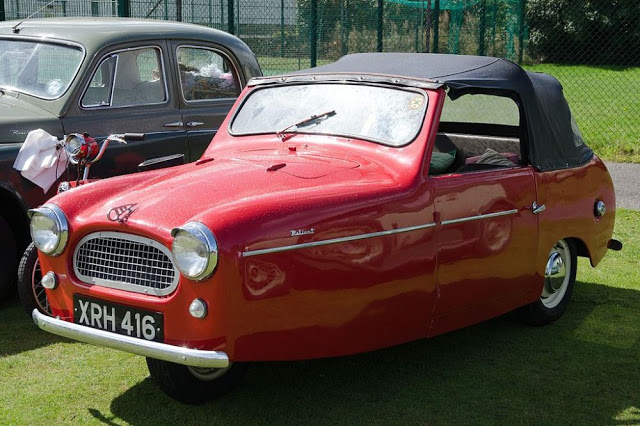
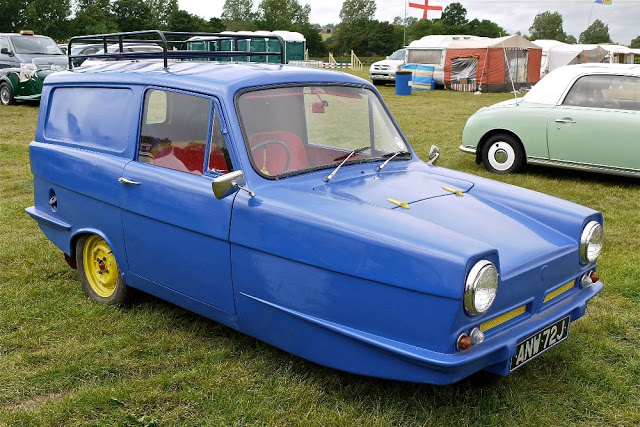
The Reliant Regal was a small three-wheeled car and van manufactured from 1953 to 1973 by the Reliant Motor Company in Tamworth, England, replacing the earlier Reliant Regent three-wheeled cyclecar van. As a three-wheeled vehicle having a lightweight (under 7 cwt, 355.6 kg) construction, under UK law it is considered a “tricycle” and can be driven on a full (class A) motorcycle licence. A light-commercial version with a side-hinged rear door was marketed as the Reliant Supervan.
Launched at the 1952 Motor Cycle Show, the Regal was the first Reliant passenger car. The three-wheeled, four-seater convertible had an aluminium body and was powered by a 747cc engine derived from the Austin Seven. The Regal name continued a royal theme started with the Regent van. With fuel consumption of around 50mpg and a road tax of only £5, the Regal provided a practical and economical alternative to the motorcycle combination.
Reliant was established in 1935 by Tom Lawrence Williams, previously the designer of the Raleigh Safety Seven three-wheeler. When Raleigh dropped out of car manufacture, Williams set up Reliant to make simple three-wheeled delivery vans with motorcycle engines and front forks. Austin Seven engines were used from 1937 but these were soon superseded by Reliant’s own updated version of the same unit.
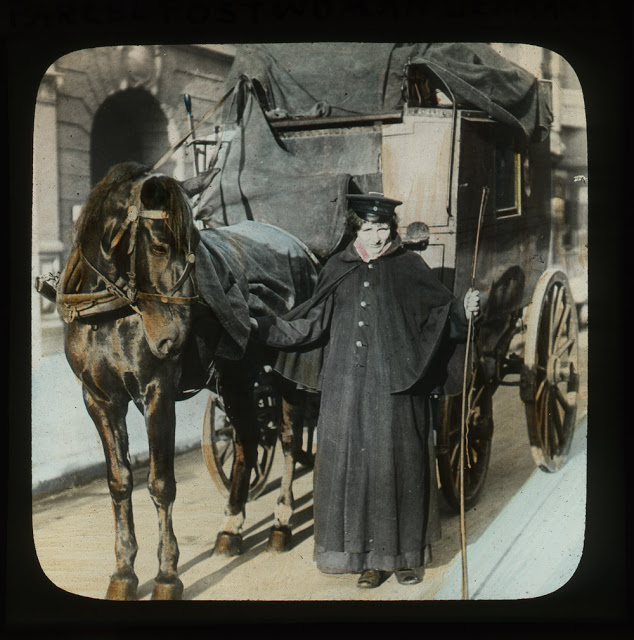
Women have been transporting mail in the United States since the late 1800s. According to the United States Post Office archive, “the first known appointment of a woman to carry mail was on 3 April 1845, when Postmaster General Cave Johnson appointed Sarah Black to carry the mail between Charlestown Md P.O. & the Rail Road “daily or as often as requisite at $48 per annum”. For at least two years Black served as a mail messenger, ferrying the mail between Charlestown’s train depot and its post office.”
At least two women, Susanna A. Brunner in New York and Minnie Westman in Oregon, were known to be mail carriers in the 1880s. Mary Fields, nicknamed “Stagecoach Mary”, was the first black woman to work for the USPS, driving a stagecoach in Montana from 1895 until the early 1900s. When aviation introduced airmail, the first woman mail pilot was Katherine Stinson who dropped mailbags from her plane at the Montana State Fair in September 1913.
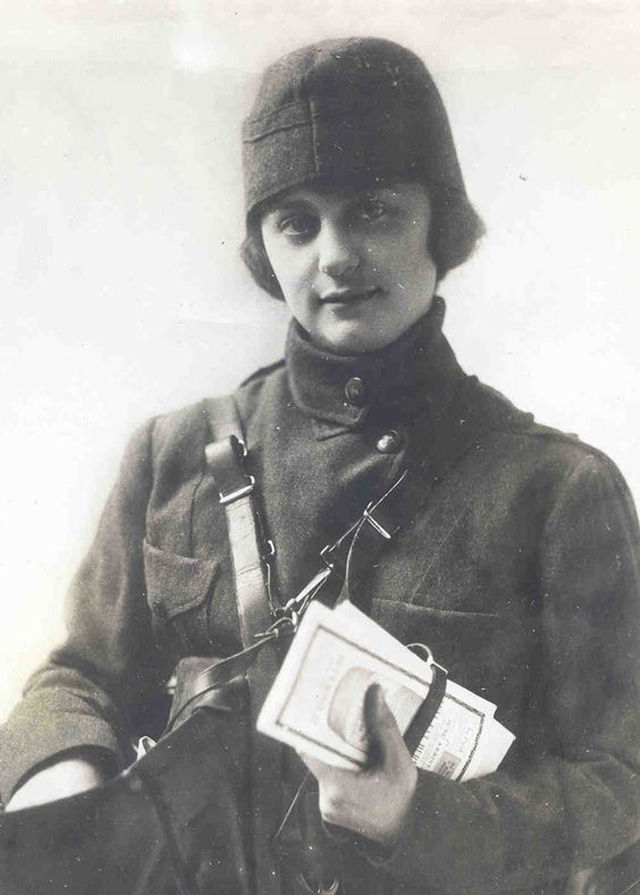
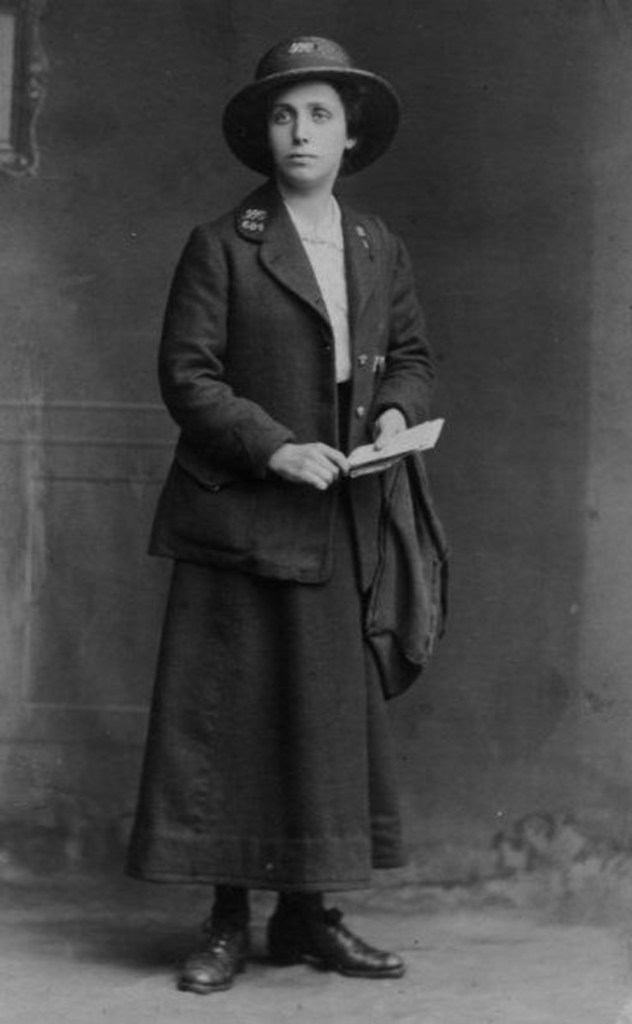
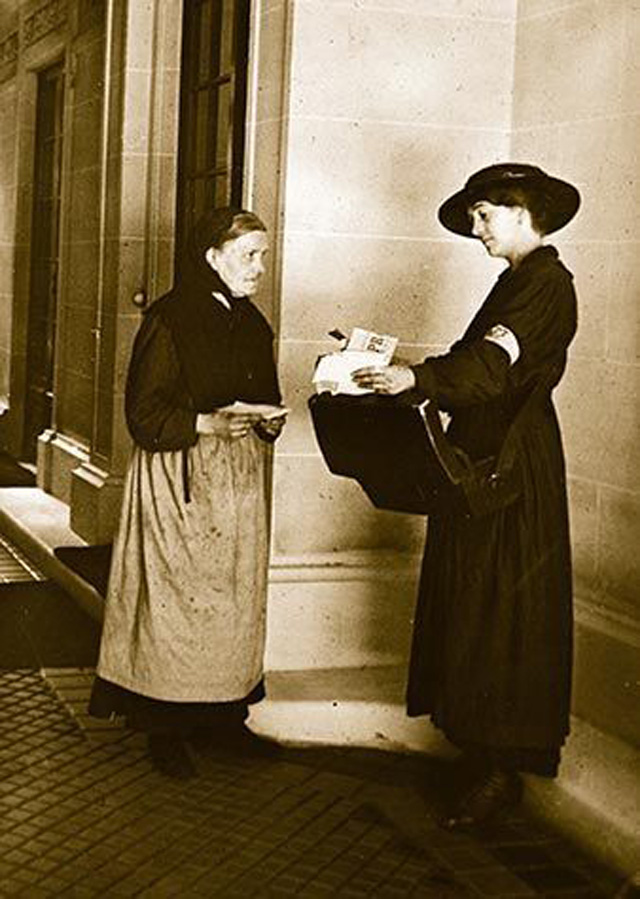
The first women city carriers were appointed in World War I and by 2007, about 59,700 women served as city carriers and 36,600 as rural carriers representing 40 per cent of the carrier force.
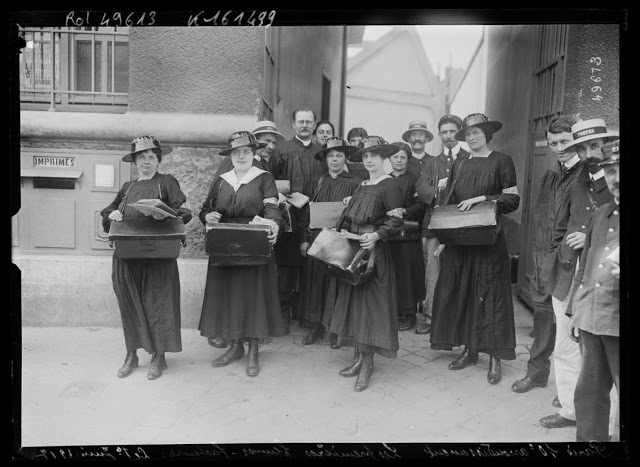
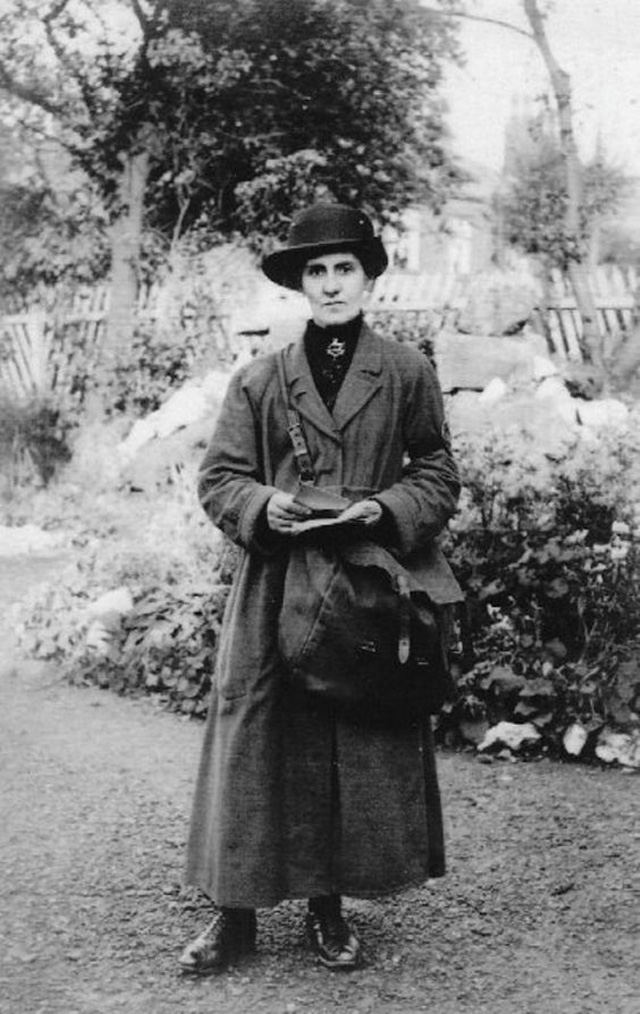
These are what postwomen looked like from between the 1900s to 1910s.
Female postal carriers in Paris, 1917A postwoman in a coat and hat, 1900An English postwoman in 1917Parcel postwoman, Germany, 1900Portrait of a postgirl in the late 1910sPostwoman driving a mail carriage, ca. 1900sPostwoman in 1917Postwoman in the 1910sPostwomen drivers in the 1910sPostwomen pose with their bicycles, ca. 1910sWomen as letter carriers in Washington, D.C., November 1917Women working on parcel sorting during the First World WarA female postal carrier in 1909A postwoman in 1916
The 1920s, a time also known as the Roaring Twenties, was time post World War I where America was in one of its prime positions. America was seen as a world power and the lifestyle for men and women flourished. It was known as the Roaring Twenties because the nation was strong after the war and businesses were booming. It was a time of excitement and money for people, especially those on the social ladder. The night life in particular exploded with new fashions and ways for people to become more social.
Prohibition, or the outlawing of alcohol, passed during the 1920s and this lead to an outbreak of clubs known as speakeasies where people could go to buy liquor from bootleggers. This influenced the formation of gangs and gangsters who controlled the bootlegging operations and, in turn, controlled most of the social/party lives of the people in the major cities in America.
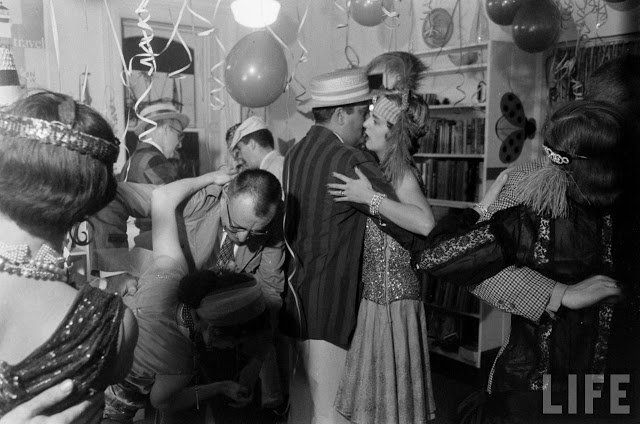
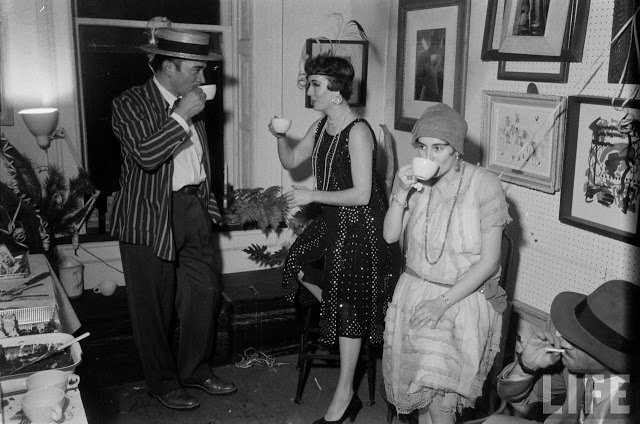
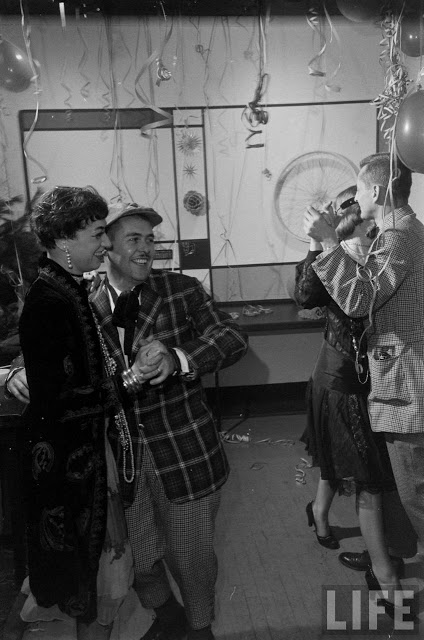
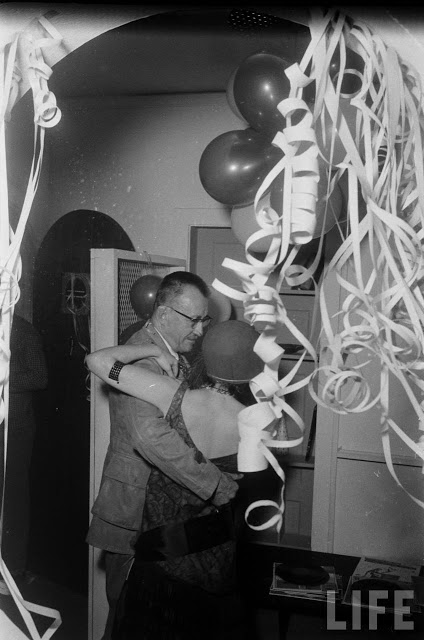
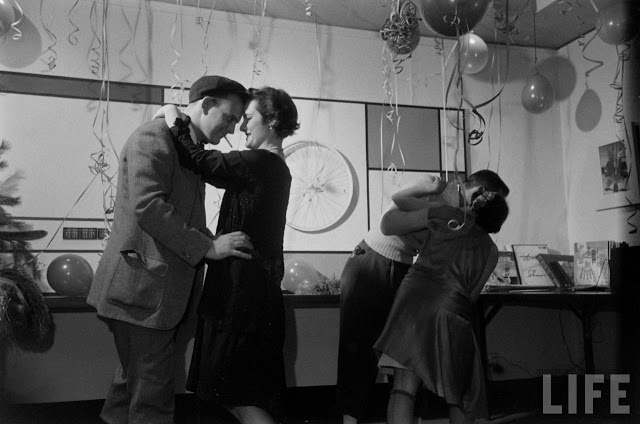
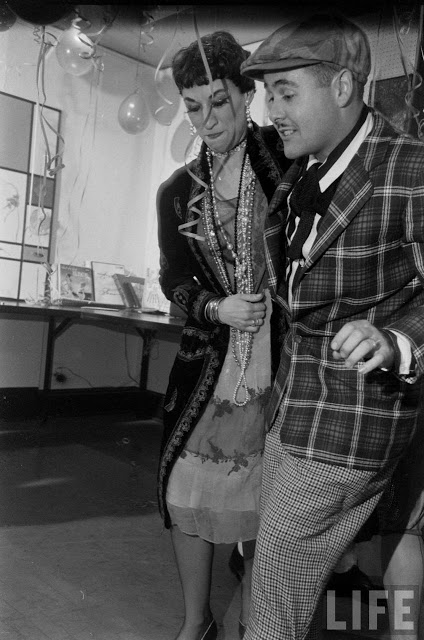
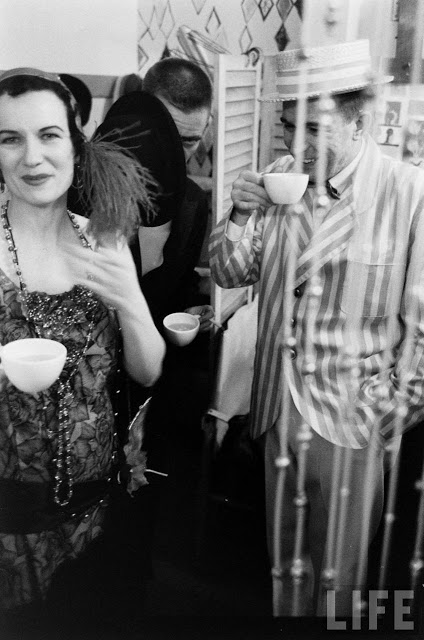
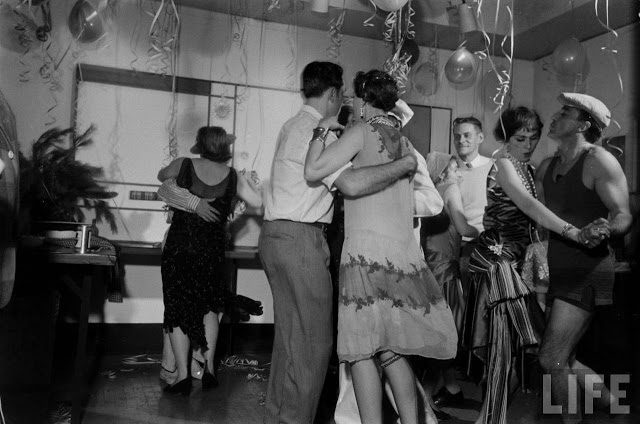
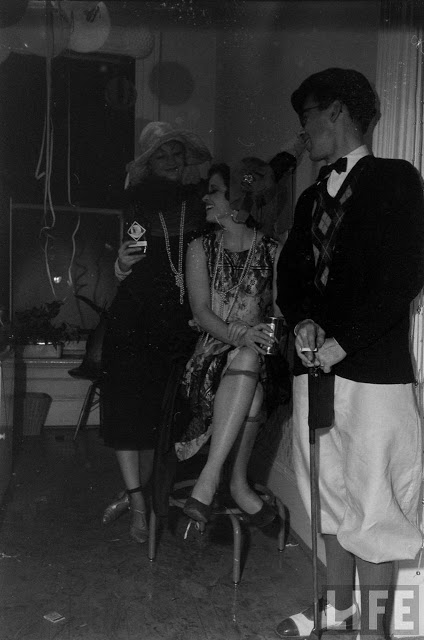
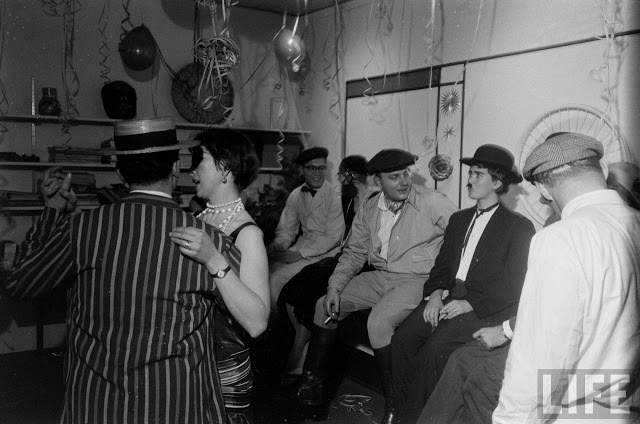
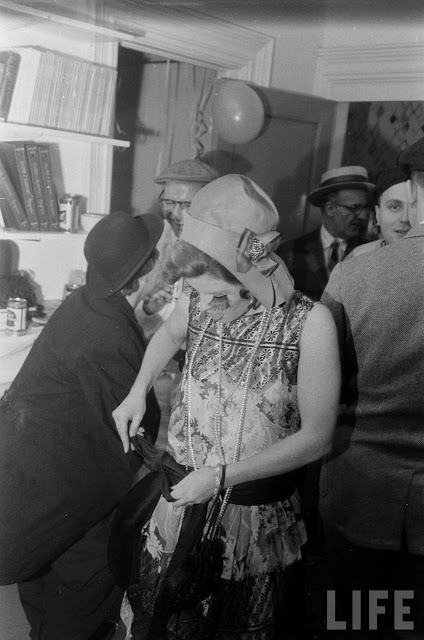
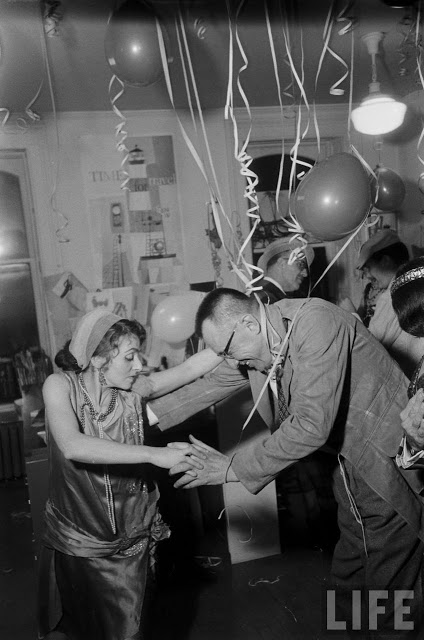
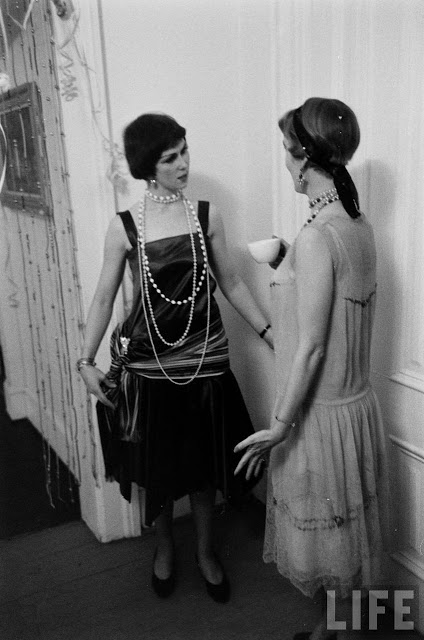
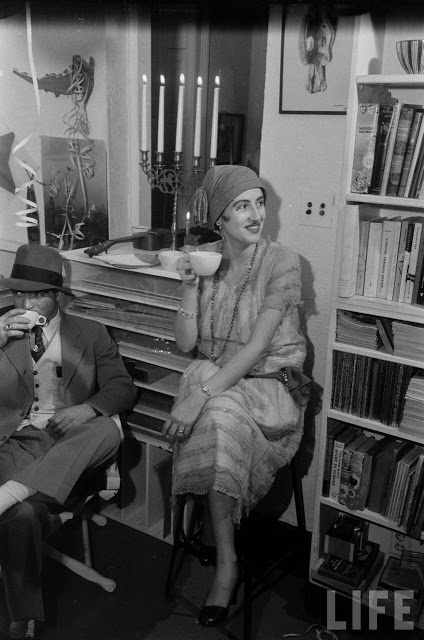
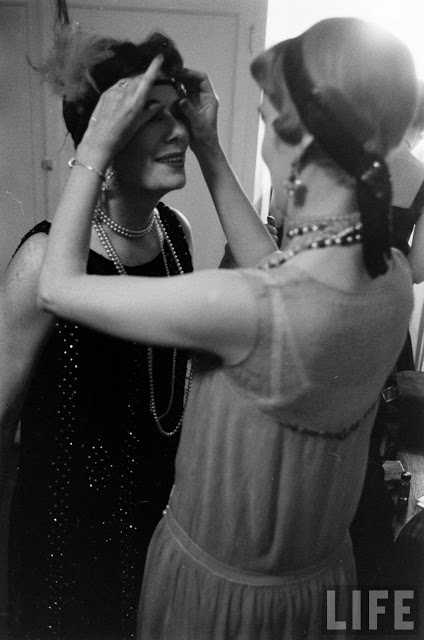
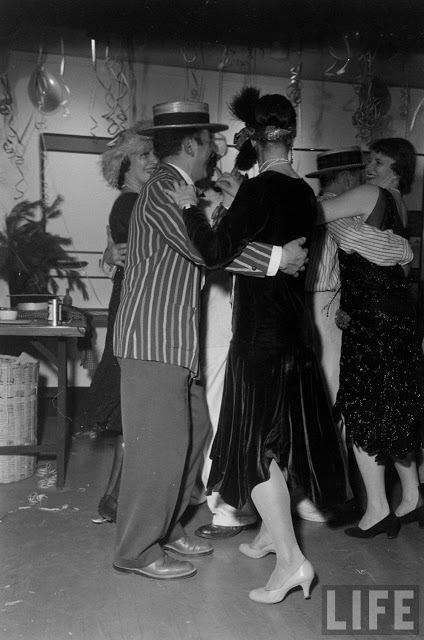
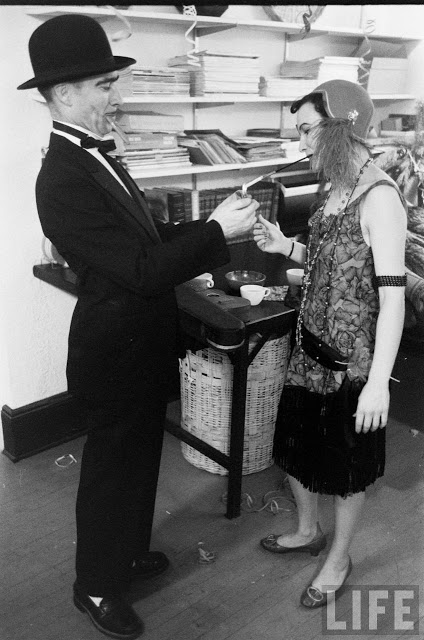
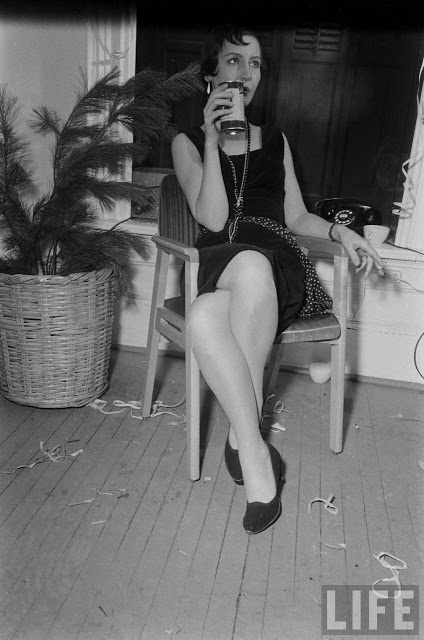
The look and popular culture of the era hold a strong appeal– distant enough to romanticize but close enough to relate to. The idea of Prohibition is easily turned into pretend naughty fun. And who doesn’t love sparkly dresses, stripey jackets, boater hats, and pearls?
In fact, the 1920s party potential was already being seen by the 1950s. In these photos from 1954, partygoers have gone all out in their costumes (which, considering the decade only ended 24 years ago, are more than likely actually from it). Drinks are being sipped from teacups (though eventually many of the people give up and turn to cans of beer), a bathtub is used as a decoration/liquor holder, the ladies roll down their stockings and the men wear spats. It’s interesting to see that most of the people there were probably born in the 1920s, or slightly earlier… it’s the equivalent of a 1980s or even ’90s party today!
(Photos by Wallace Kirkland/LIFE archives, via FormerDays.com)
New York, often called New York City to distinguish it from New York State, or NYC for short, is the most populous city in the United States. With a 2020 population of 8,804,190 distributed over 300.46 square miles (778.2 km2), New York City is also the most densely populated major city in the United States. Located at the southern tip of the State of New York, the city is the center of the New York metropolitan area, the largest metropolitan area in the world by urban area. With over 20 million people in its metropolitan statistical area and 23,582,649 in its combined statistical area as of 2020, New York is one of the world’s most populous megacities. New York City has been described as the cultural, financial, and media capital of the world, significantly influencing commerce, entertainment, research, technology, education, politics, tourism, dining, art, fashion, and sports, and is the most photographed city in the world. Home to the headquarters of the United Nations, New York is an important center for international diplomacy, and has sometimes been called the capital of the world.
Situated on one of the world’s largest natural harbors, New York City is composed of five boroughs, each of which is coextensive with a respective county of the State of New York. The five boroughs—Brooklyn (Kings County), Queens (Queens County), Manhattan (New York County), the Bronx (Bronx County), and Staten Island (Richmond County)—were created when local governments were consolidated into a single municipal entity in 1898. The city and its metropolitan area constitute the premier gateway for legal immigration to the United States. As many as 800 languages are spoken in New York, making it the most linguistically diverse city in the world. New York is home to more than 3.2 million residents born outside the United States, the largest foreign-born population of any city in the world as of 2016. As of 2019, the New York metropolitan area is estimated to produce a gross metropolitan product (GMP) of $2.0 trillion. If the New York metropolitan area were a sovereign state, it would have the eighth-largest economy in the world. New York is home to the highest number of billionaires of any city in the world.
New York City traces its origins to a trading post founded on the southern tip of Manhattan Island by Dutch colonists in approximately 1624. The settlement was named New Amsterdam (Dutch: Nieuw Amsterdam) in 1626 and was chartered as a city in 1653. The city came under English control in 1664 and was renamed New York after King Charles II of England granted the lands to his brother, the Duke of York. The city was regained by the Dutch in July 1673 and was renamed New Orange for one year and three months; the city has been continuously named New York since November 1674. New York City was the capital of the United States from 1785 until 1790, and has been the largest U.S. city since 1790. The Statue of Liberty greeted millions of immigrants as they came to the U.S. by ship in the late 19th and early 20th centuries, and is a symbol of the U.S. and its ideals of liberty and peace. In the 21st century, New York has emerged as a global node of creativity, entrepreneurship, and environmental sustainability, and as a symbol of freedom and cultural diversity. In 2019, New York was voted the greatest city in the world per a survey of over 30,000 people from 48 cities worldwide, citing its cultural diversity.
Many districts and monuments in New York City are major landmarks, including three of the world’s ten most visited tourist attractions in 2013. A record 66.6 million tourists visited New York City in 2019. Times Square is the brightly illuminated hub of the Broadway Theater District, one of the world’s busiest pedestrian intersections, and a major center of the world’s entertainment industry. Many of the city’s landmarks, skyscrapers, and parks are known around the world, as is the city’s fast pace, spawning the term New York minute. The Empire State Building has become the global standard of reference to describe the height and length of other structures. Manhattan’s real estate market is among the most expensive in the world. Providing continuous 24/7 service and contributing to the nickname The City That Never Sleeps, the New York City Subway is the largest single-operator rapid transit system worldwide, with 472 rail stations. The city has over 120 colleges and universities, including Columbia University, New York University, Rockefeller University, and the City University of New York system, which is the largest urban public university system in the United States. Anchored by Wall Street in the Financial District of Lower Manhattan, New York City has been called both the world’s leading financial center and the most financially powerful city in the world, and is home to the world’s two largest stock exchanges by total market capitalization, the New York Stock Exchange and NASDAQ. (Wikipedia)
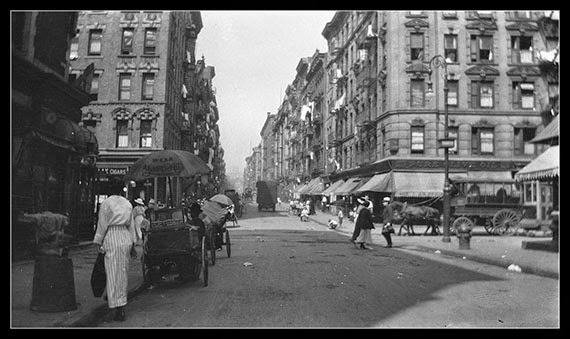
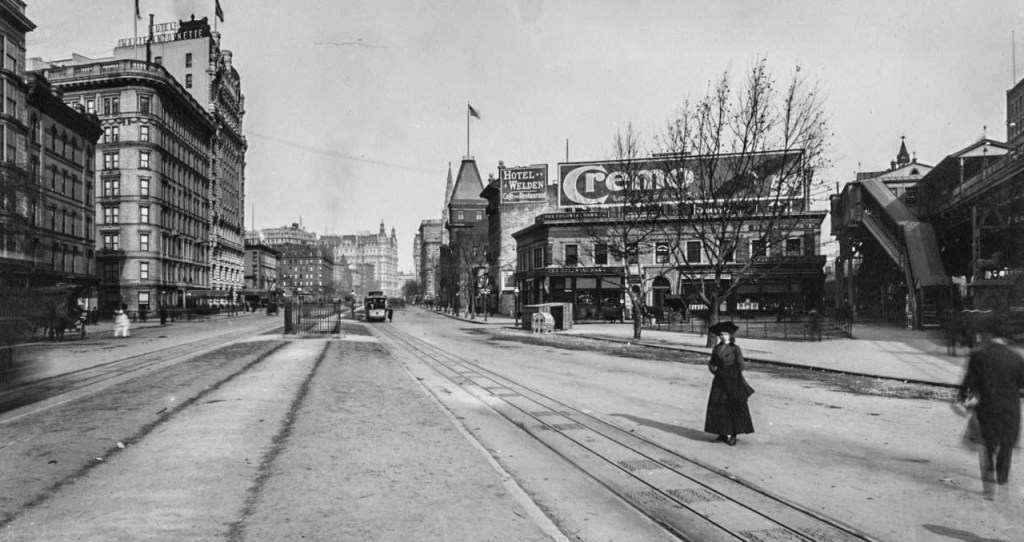
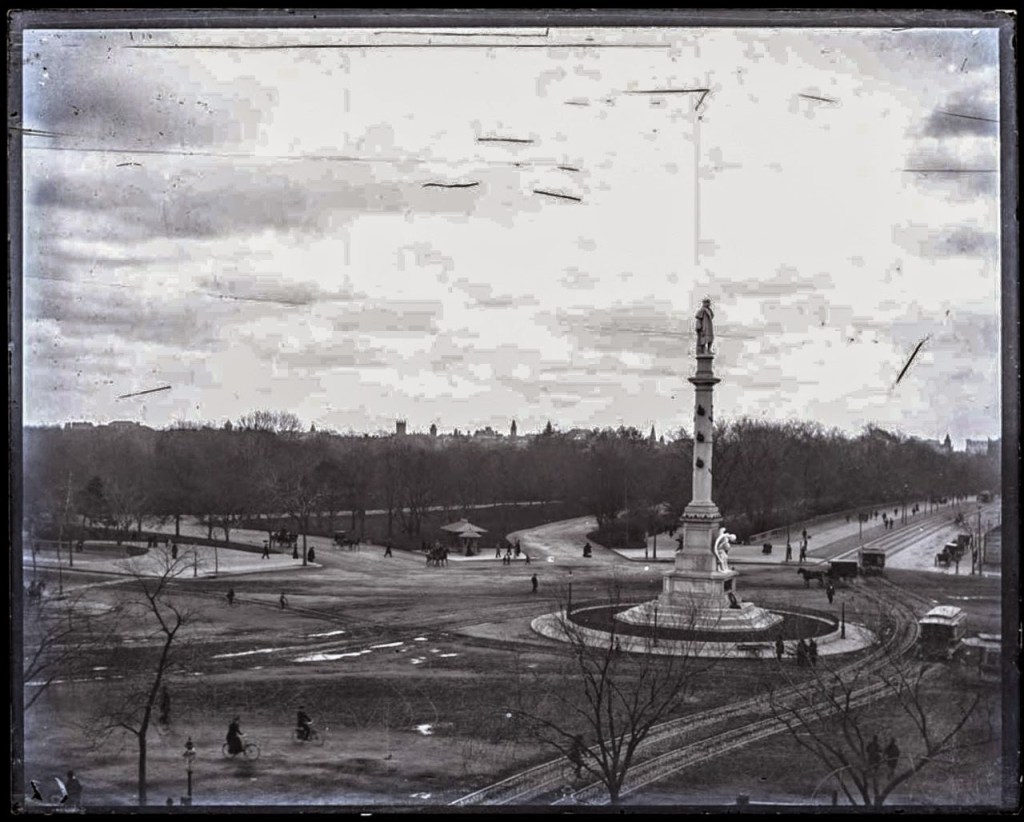
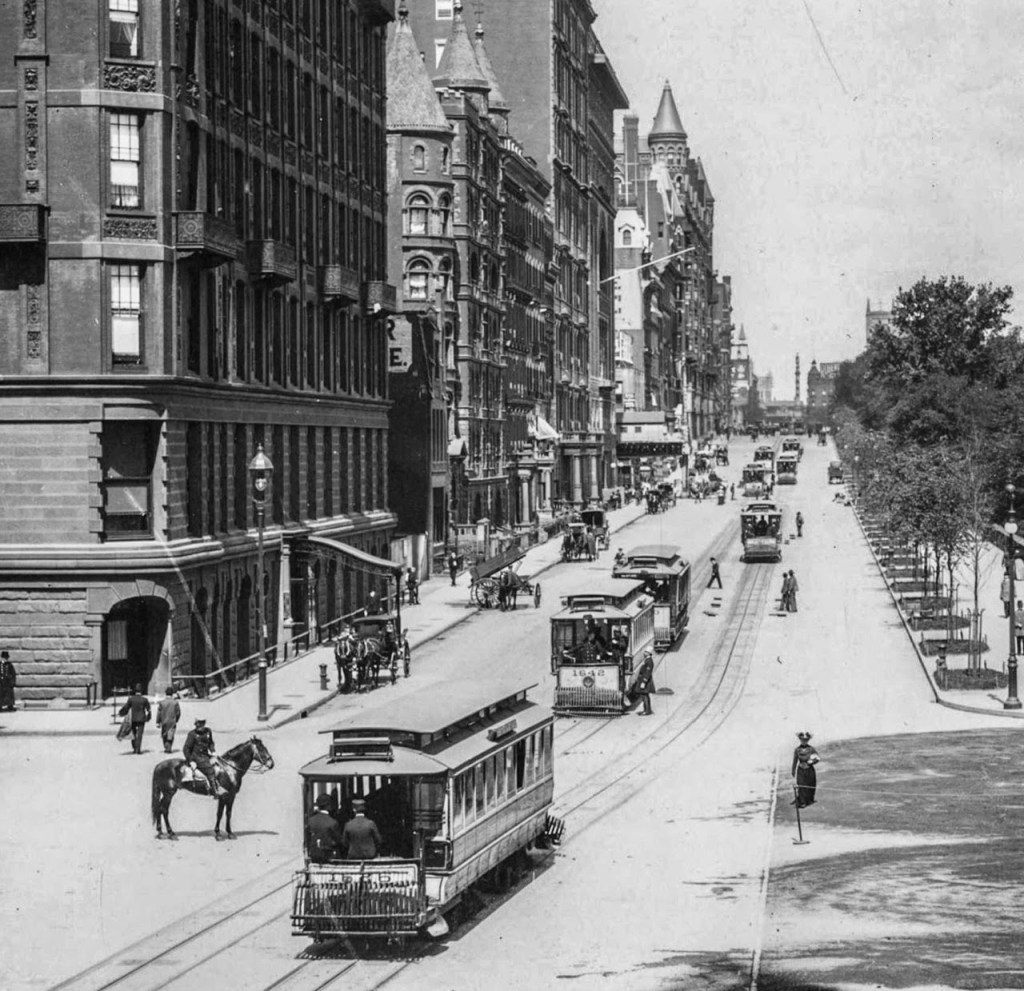
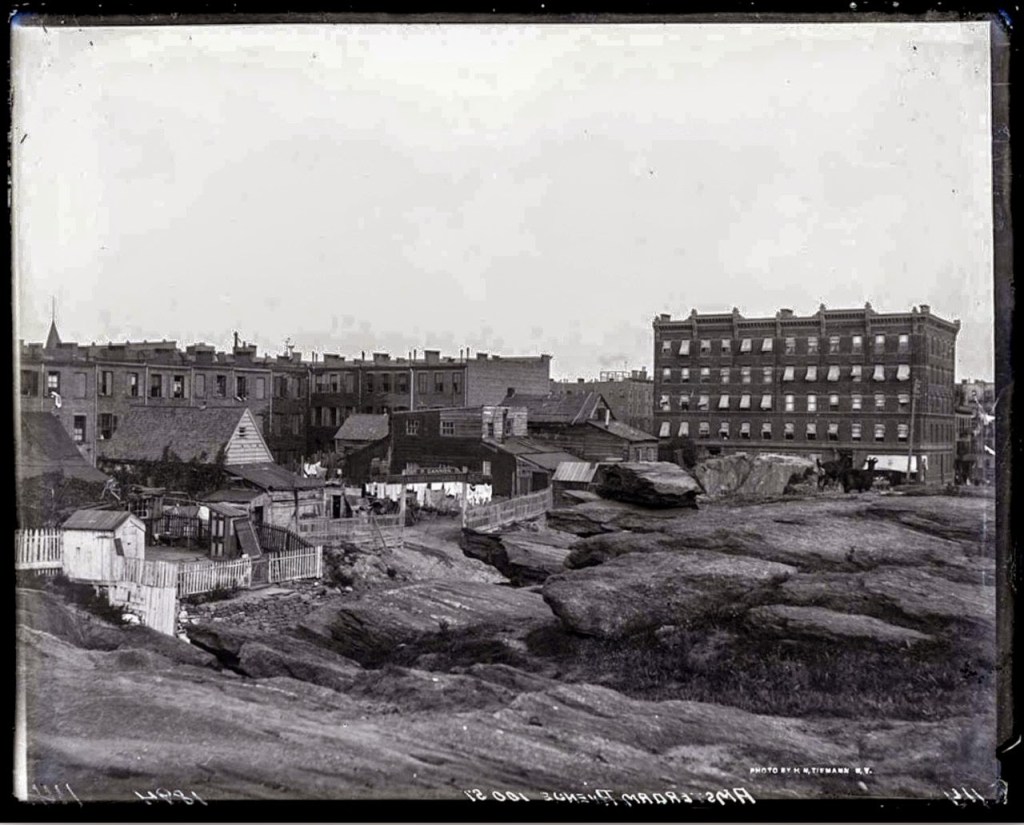
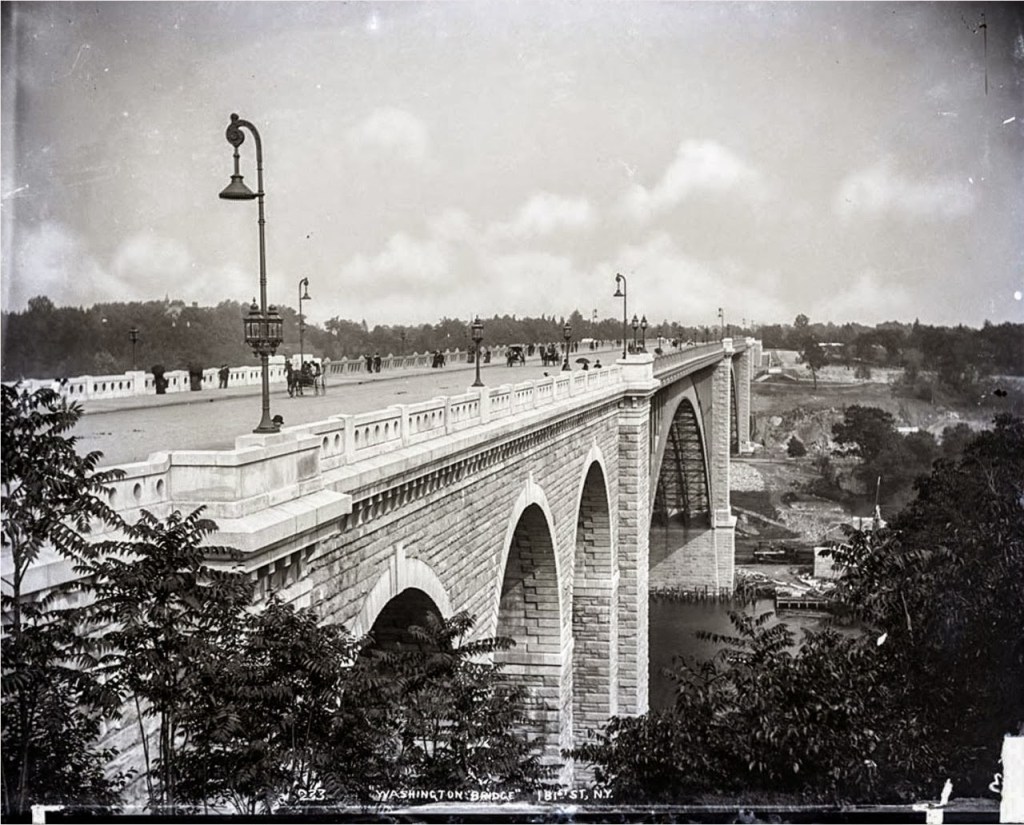
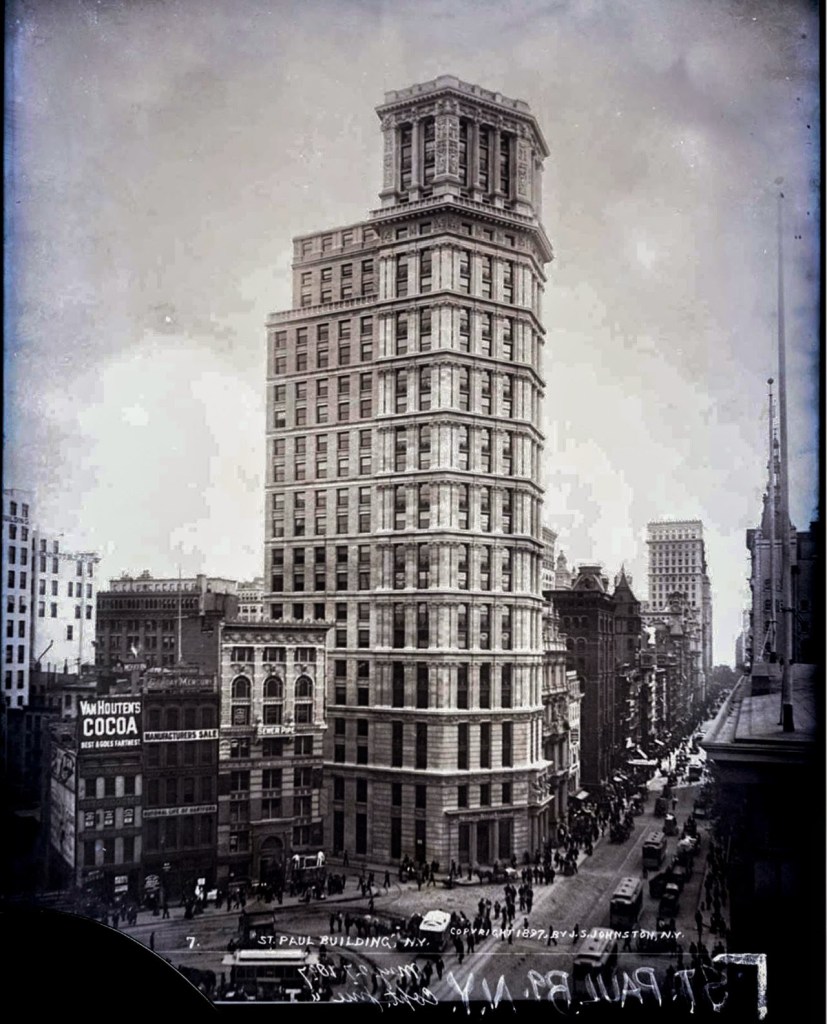
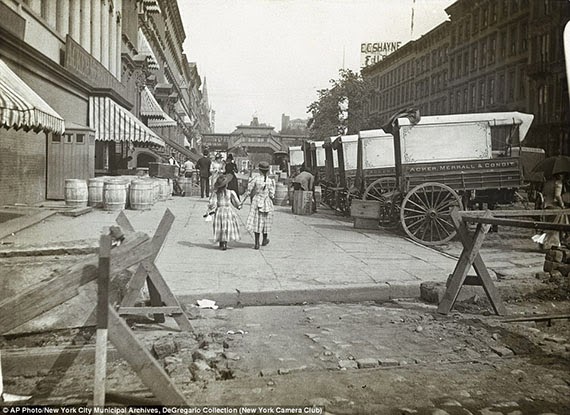
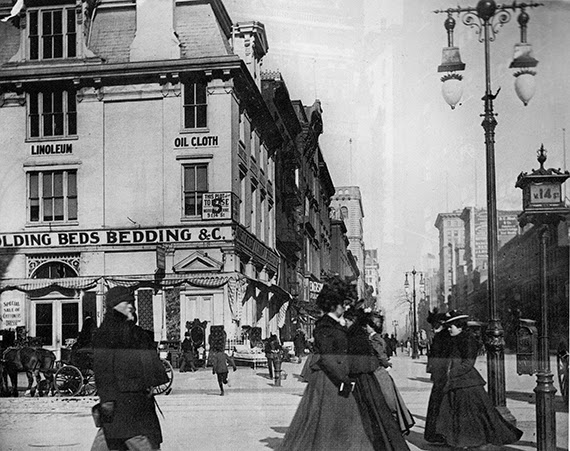
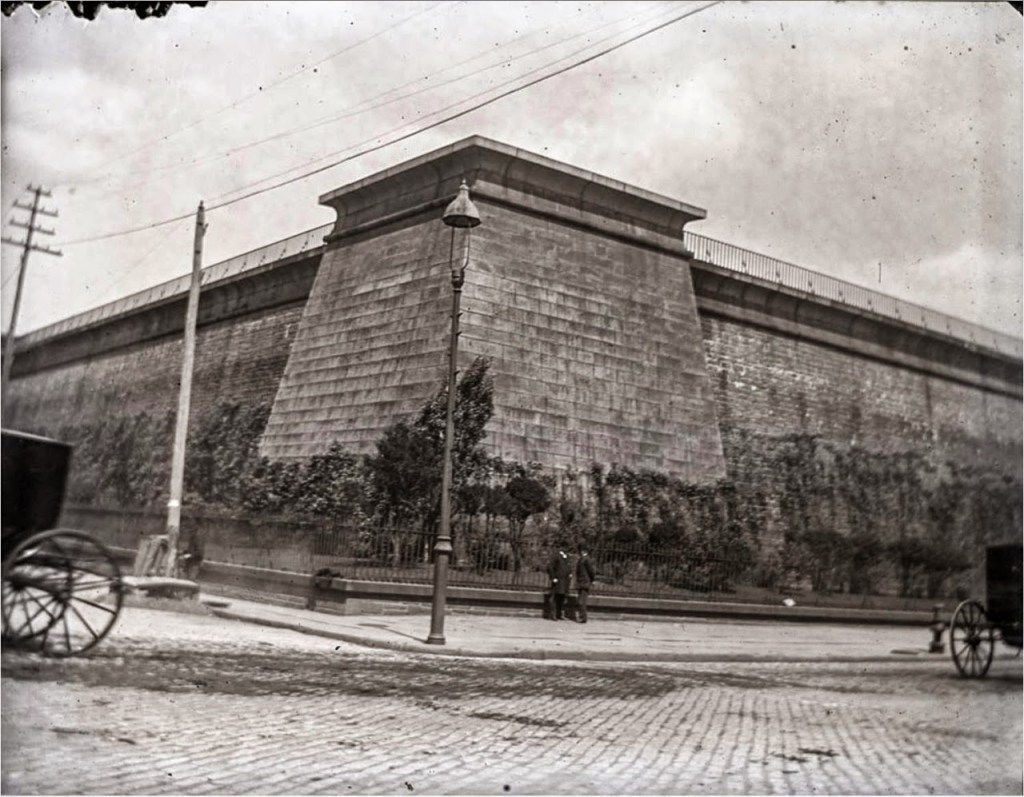
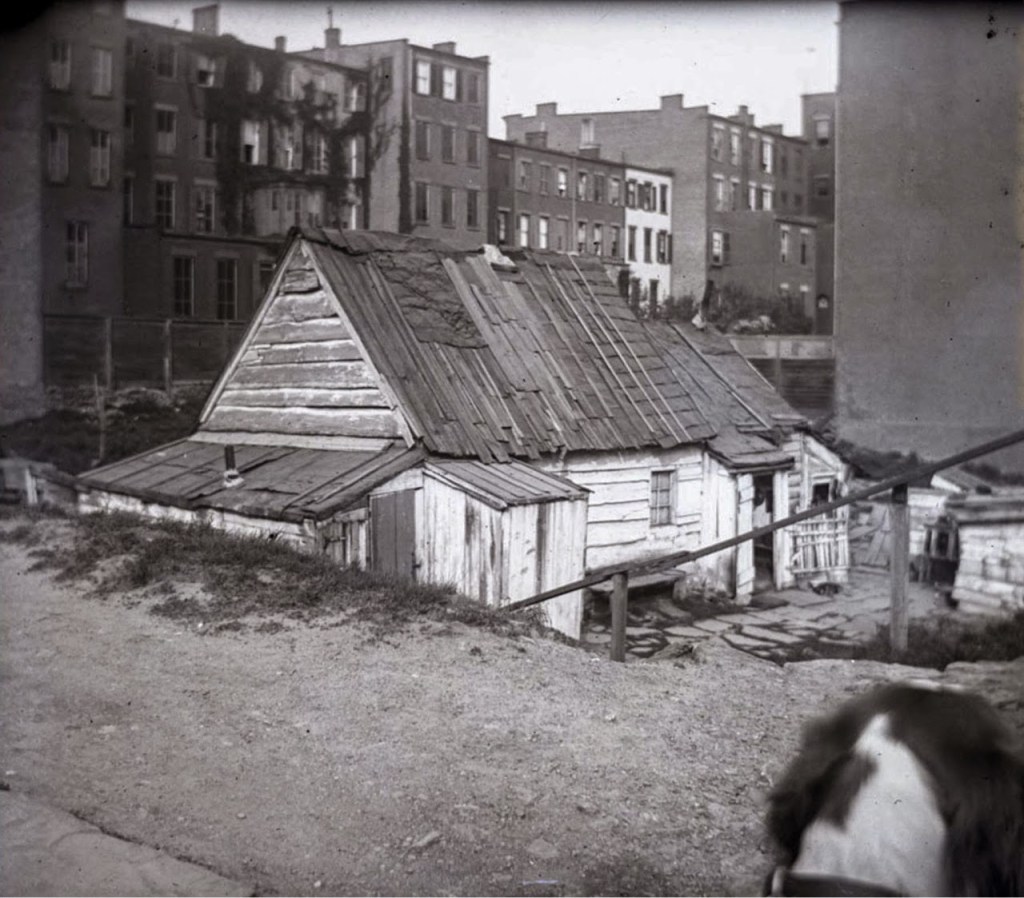
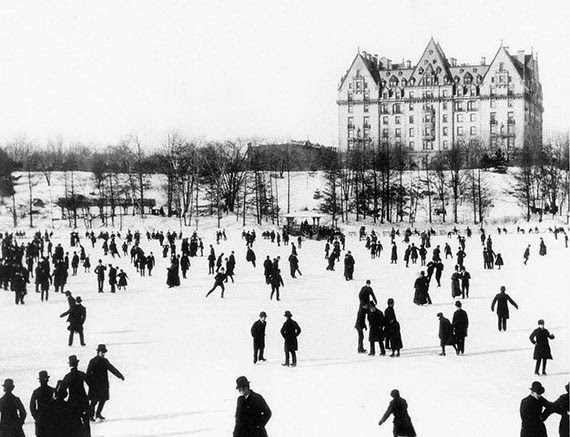
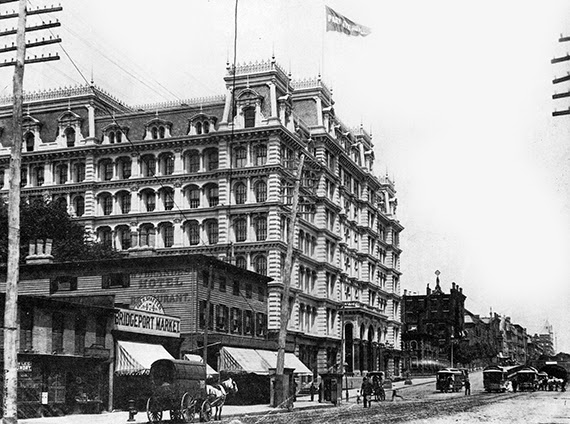
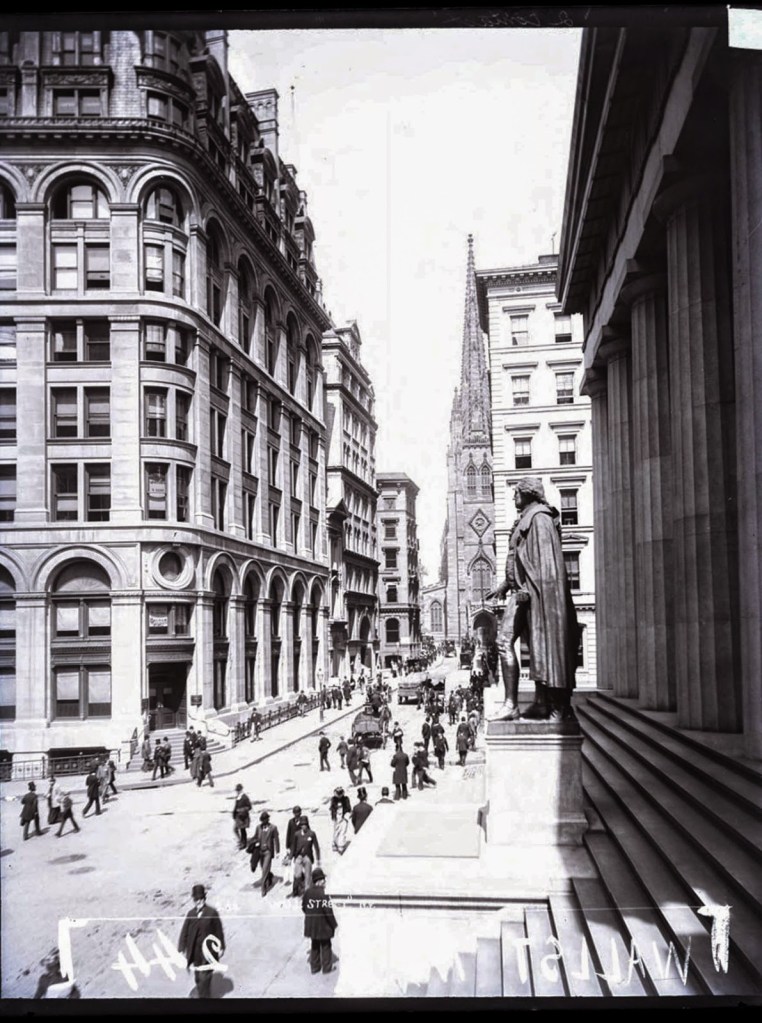
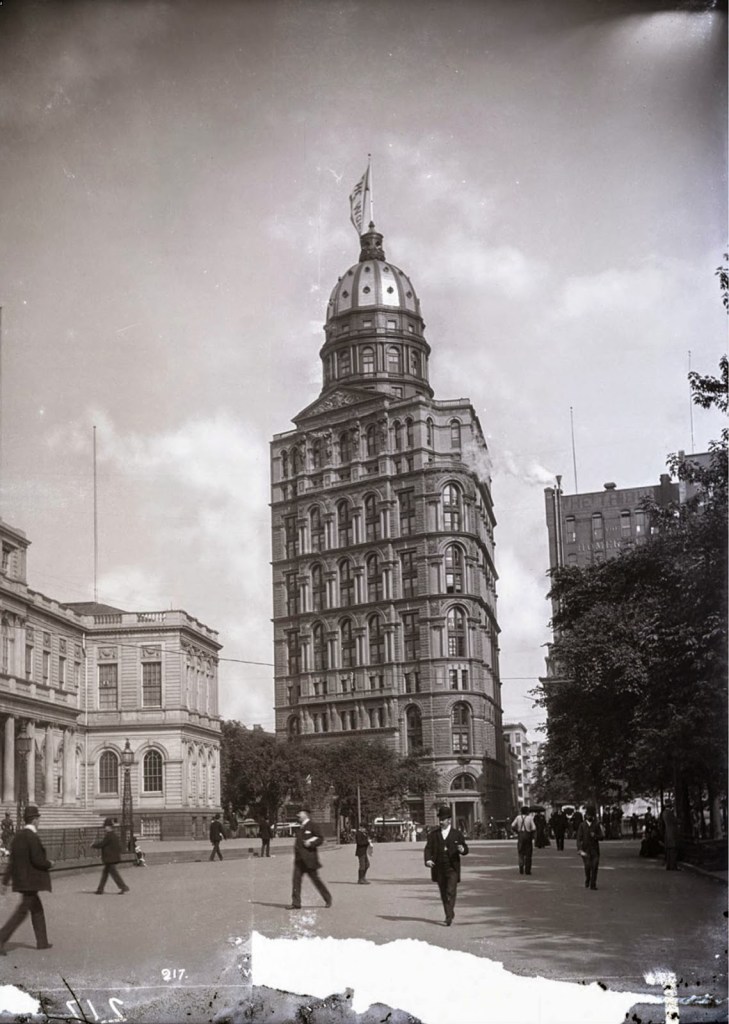
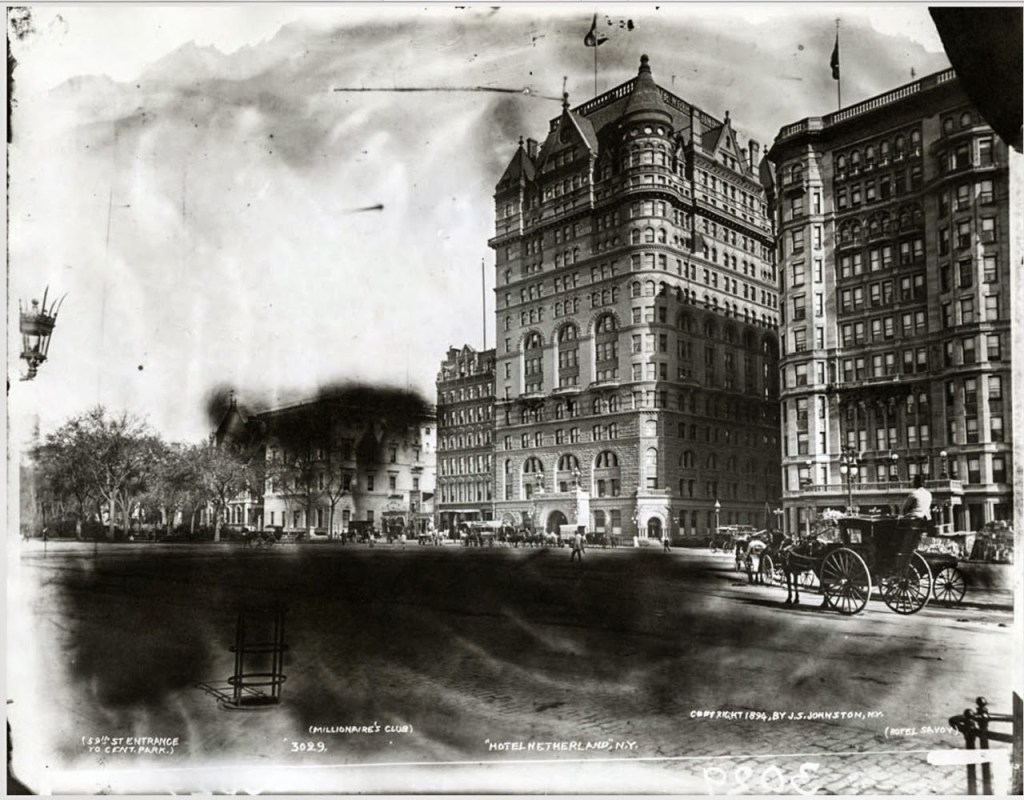
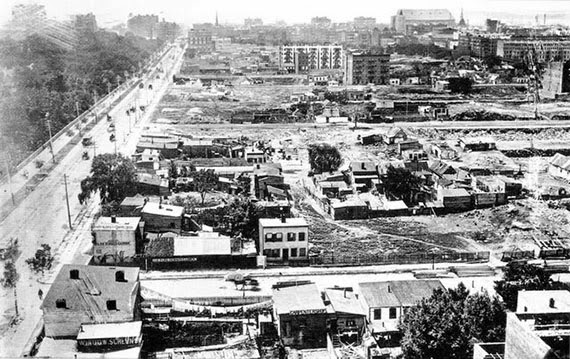
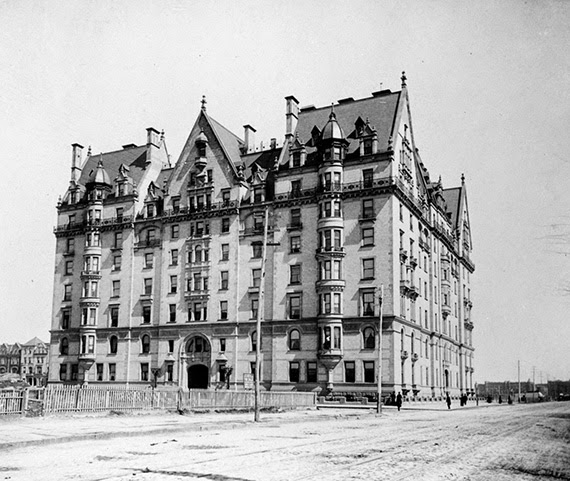
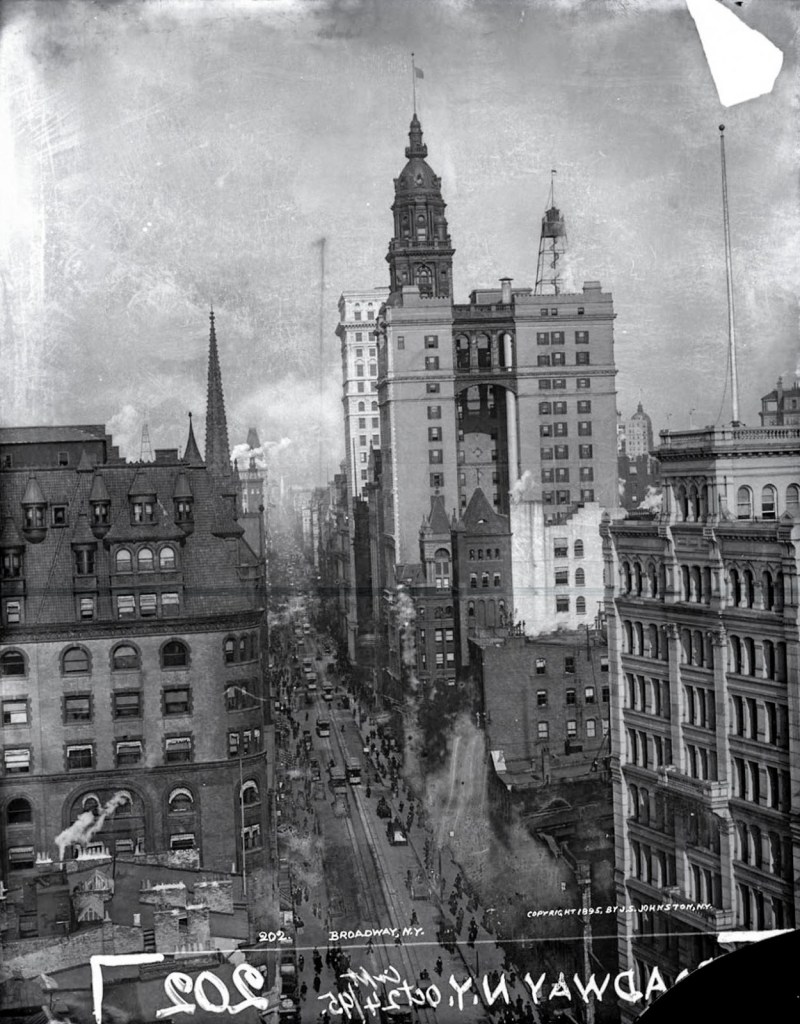
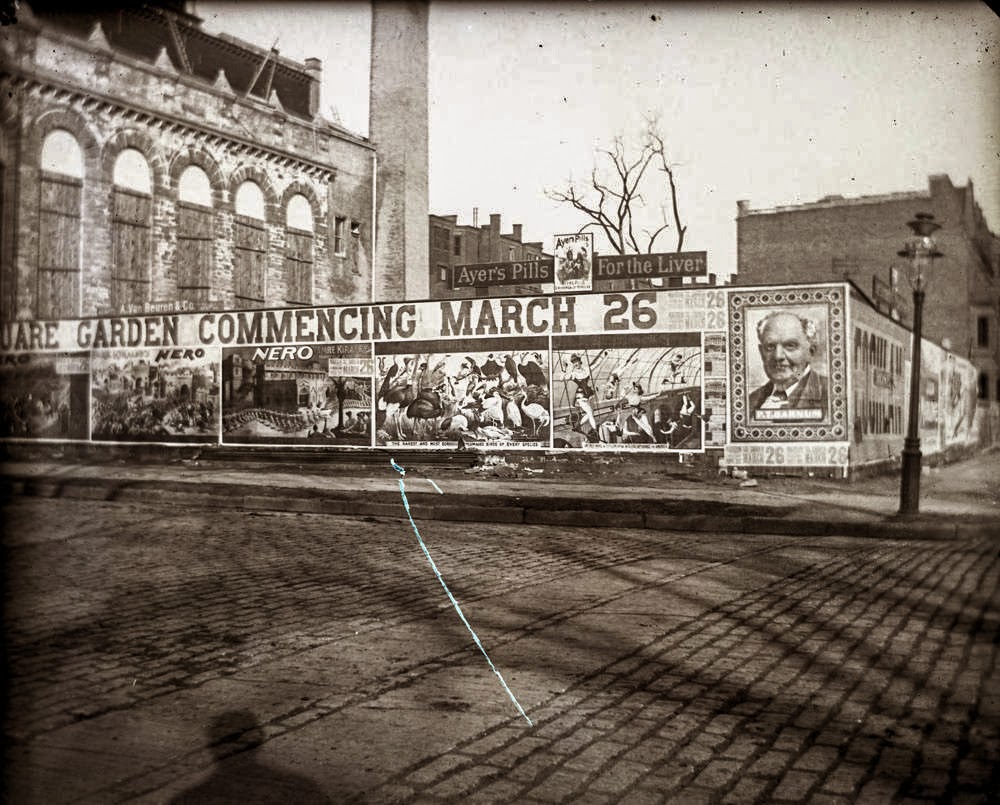
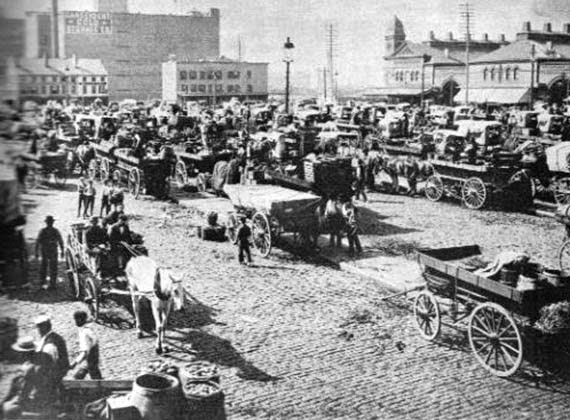
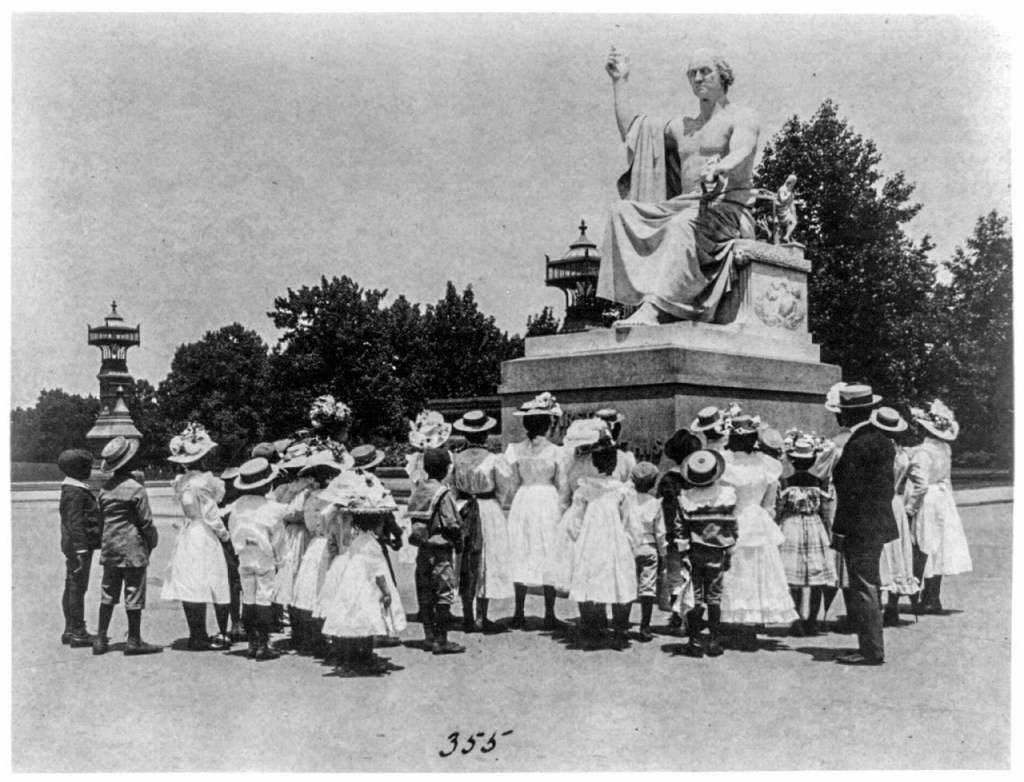
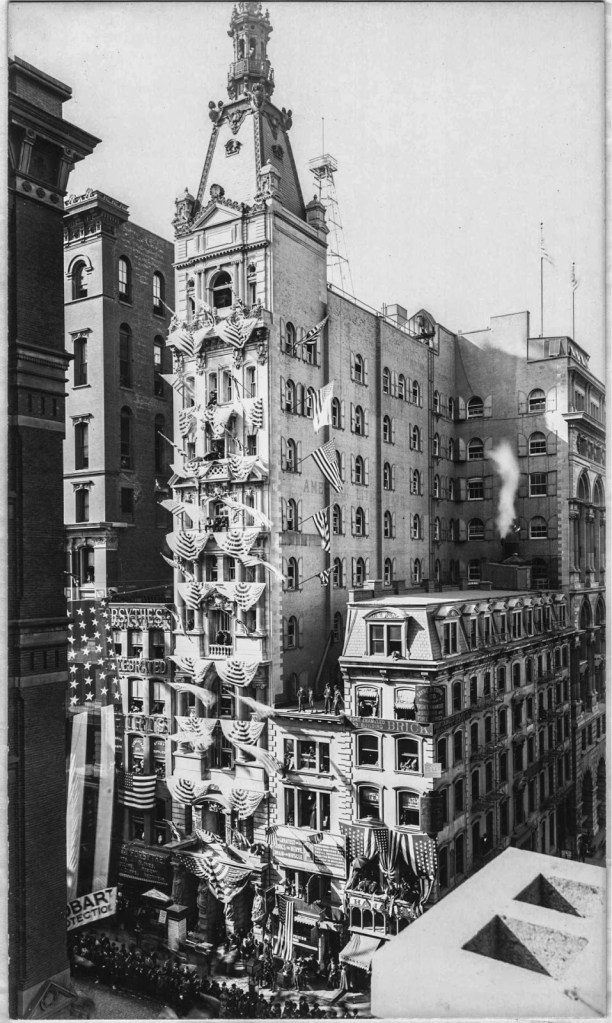
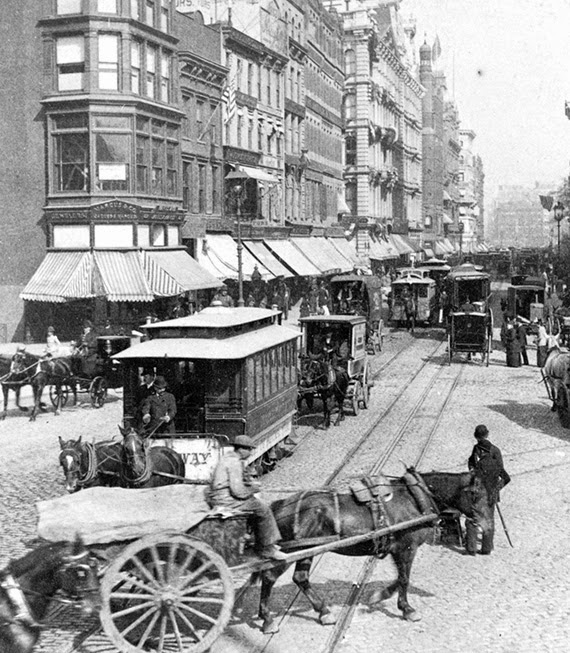
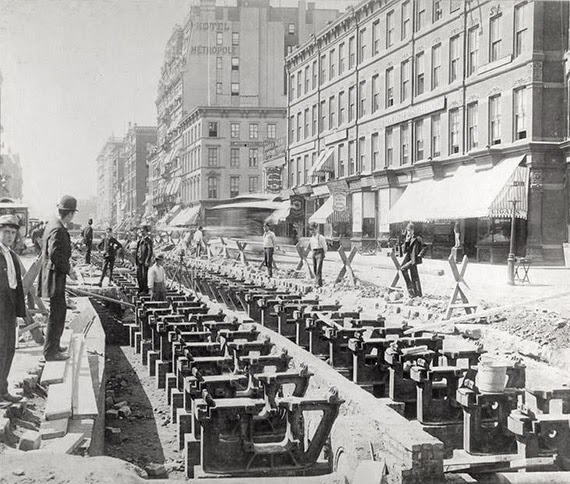
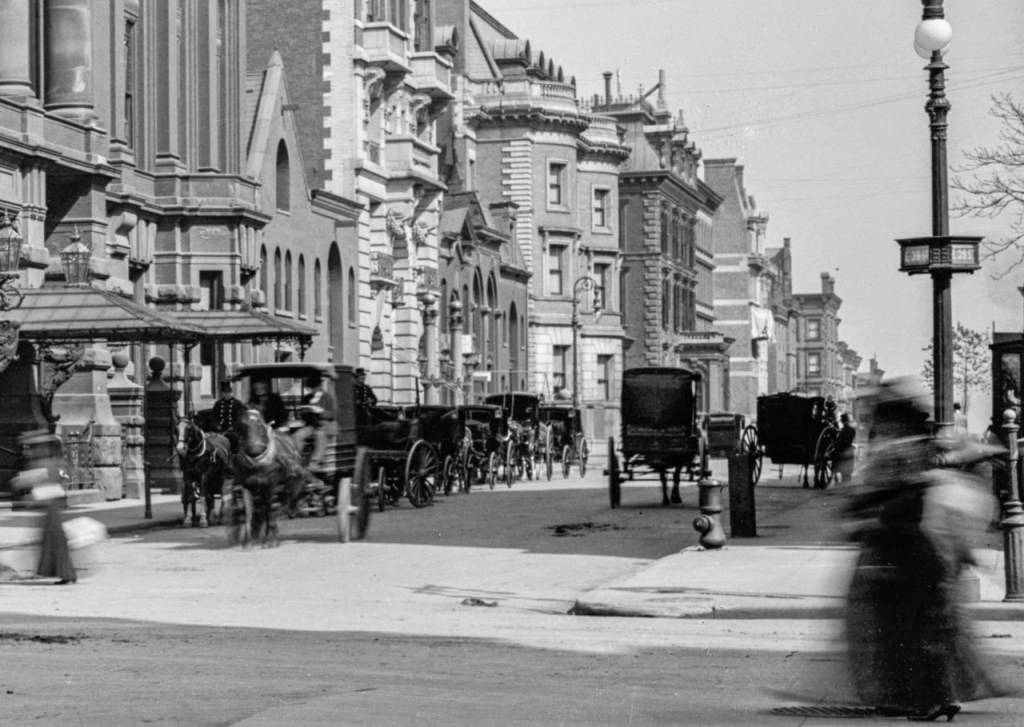
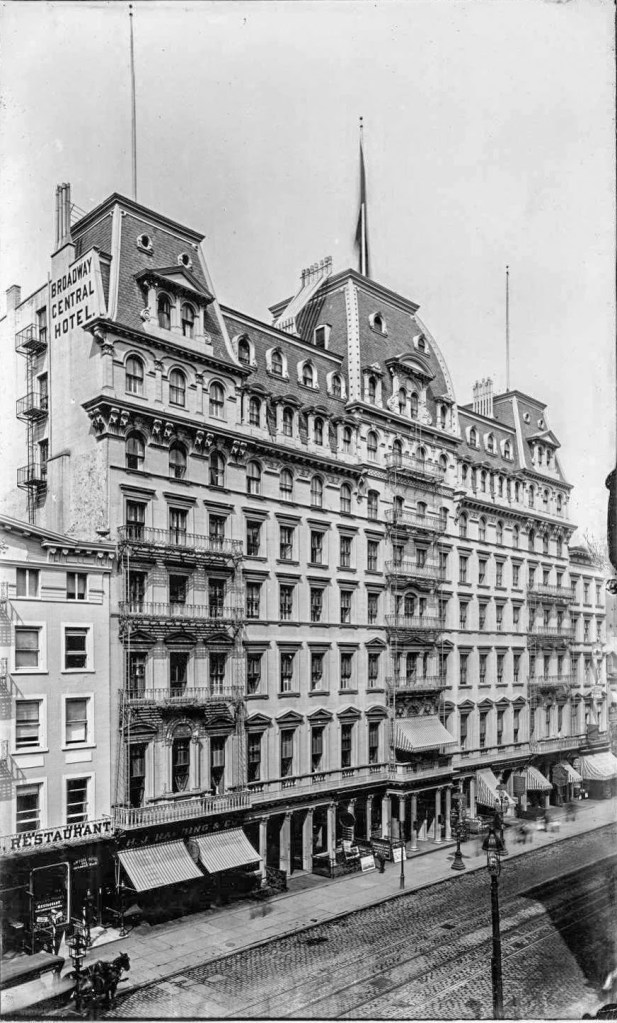
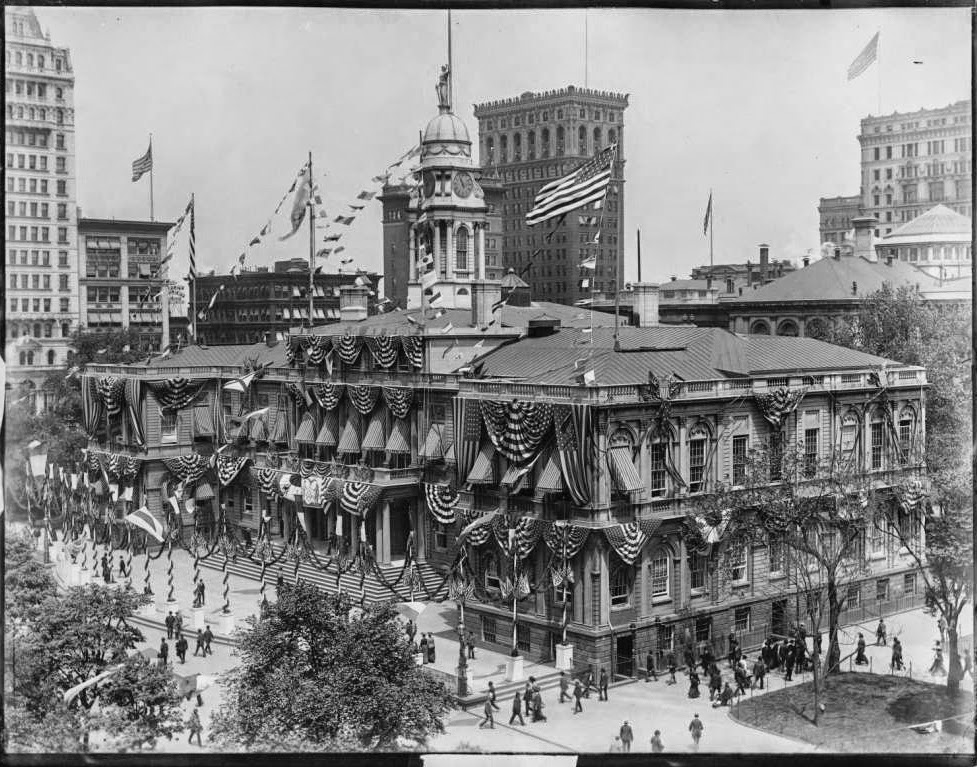
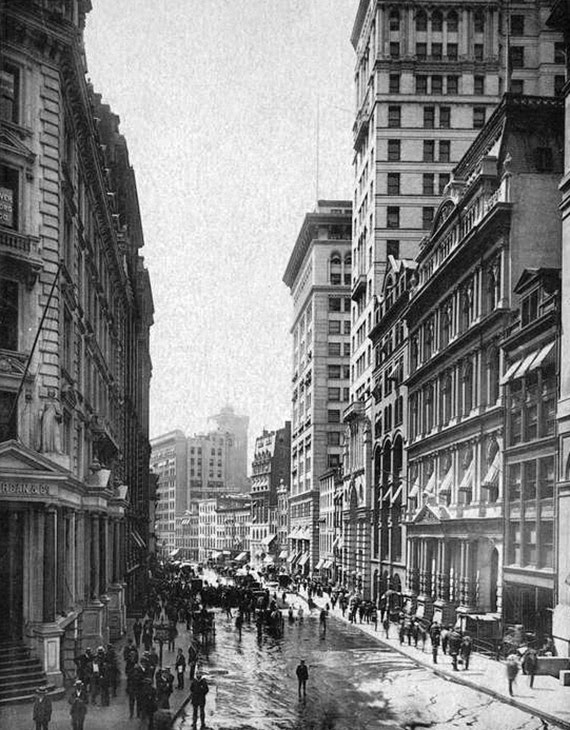
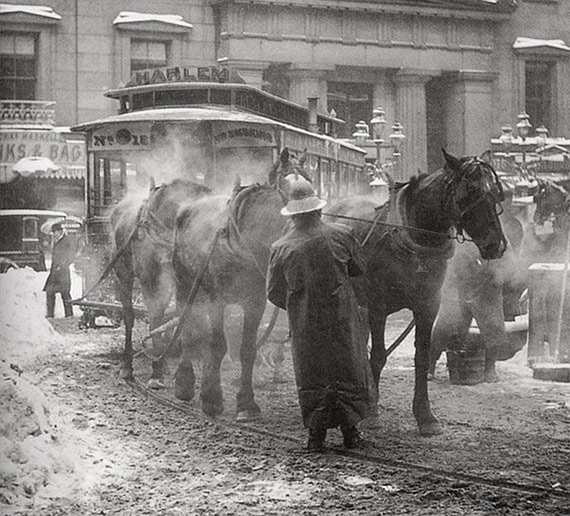
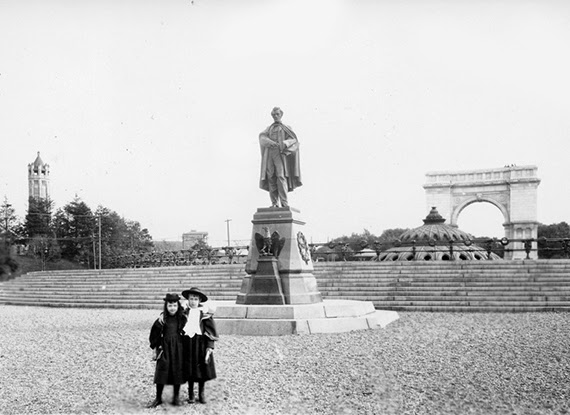
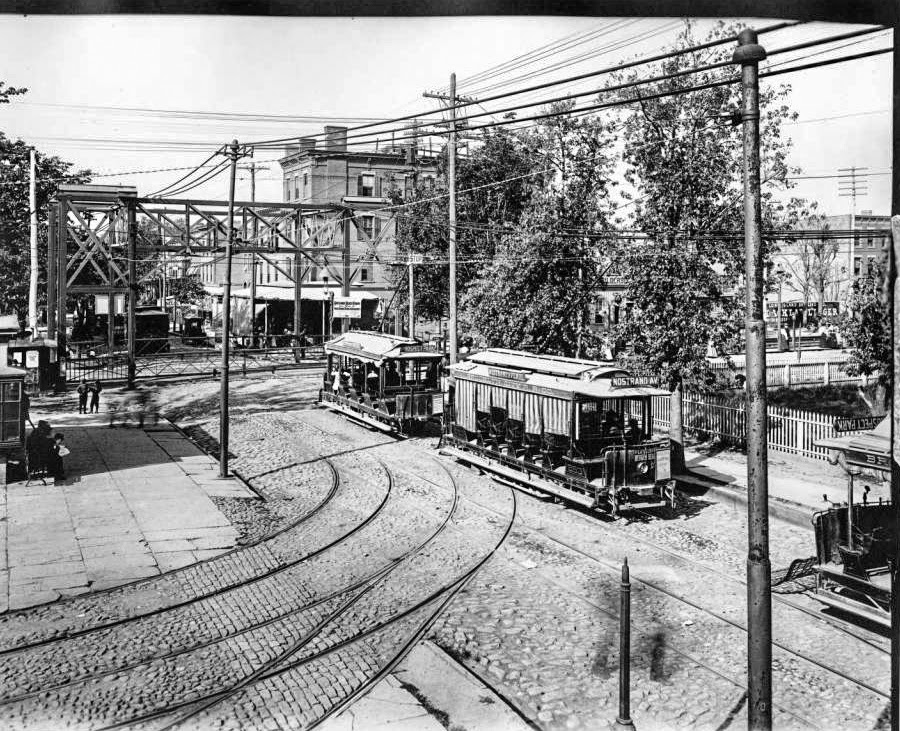
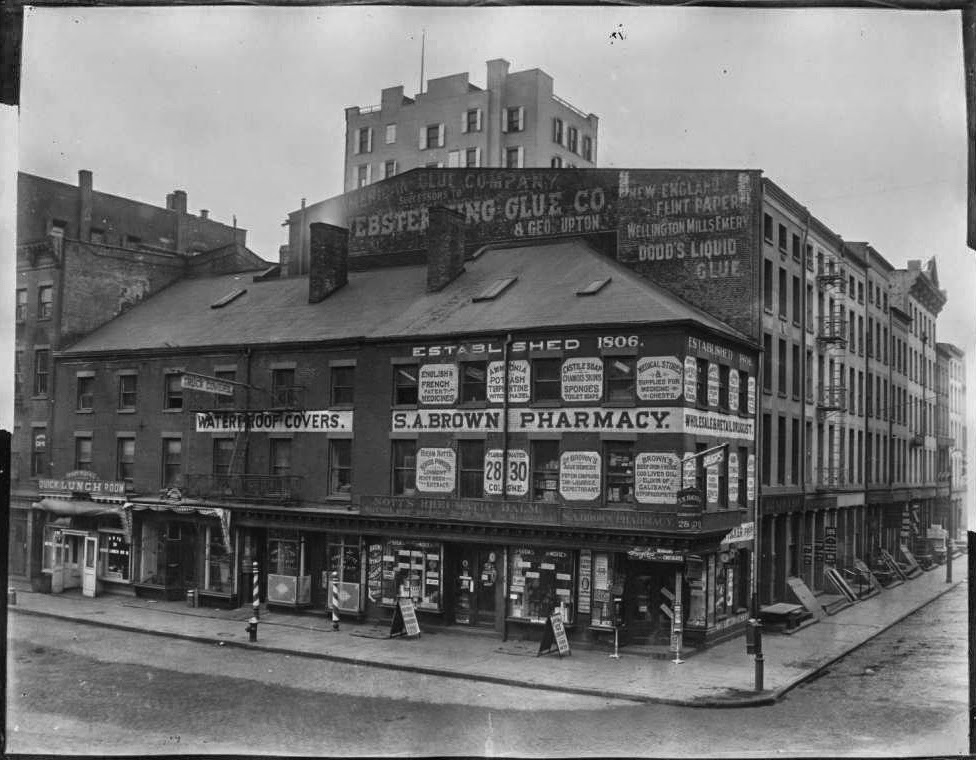
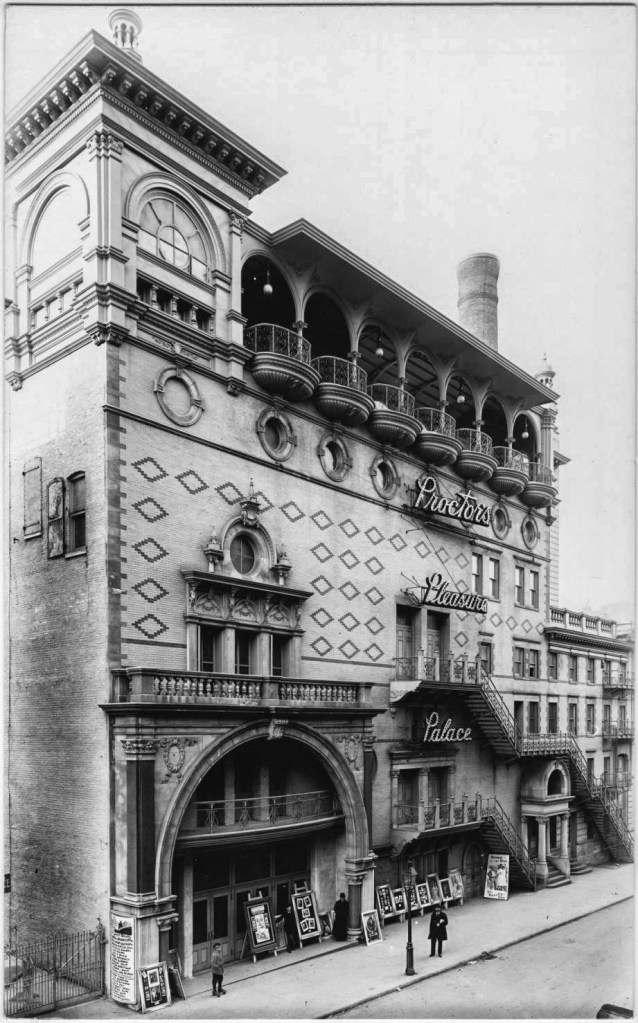
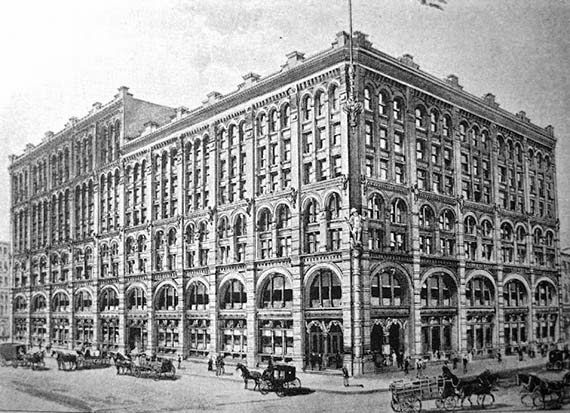
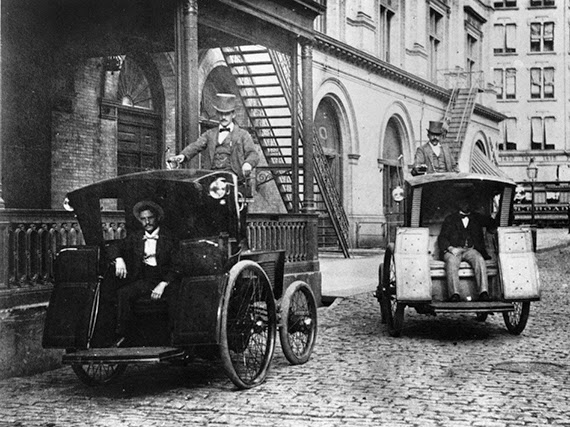
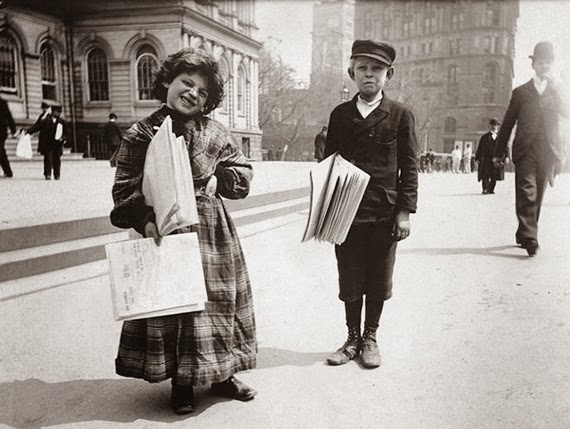
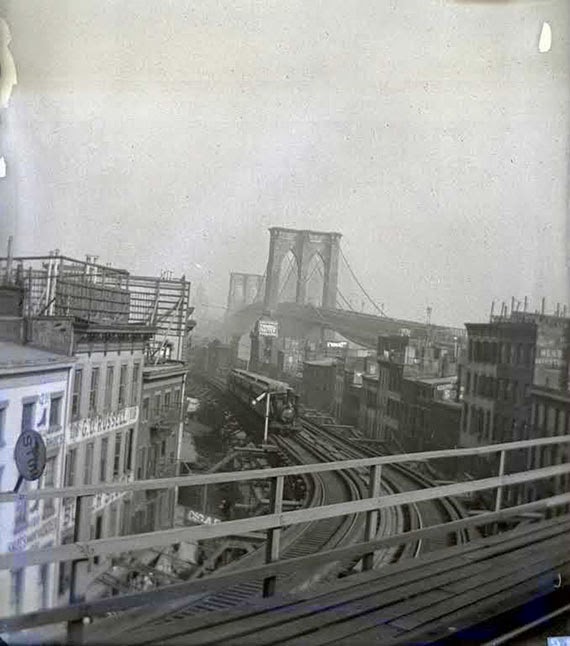
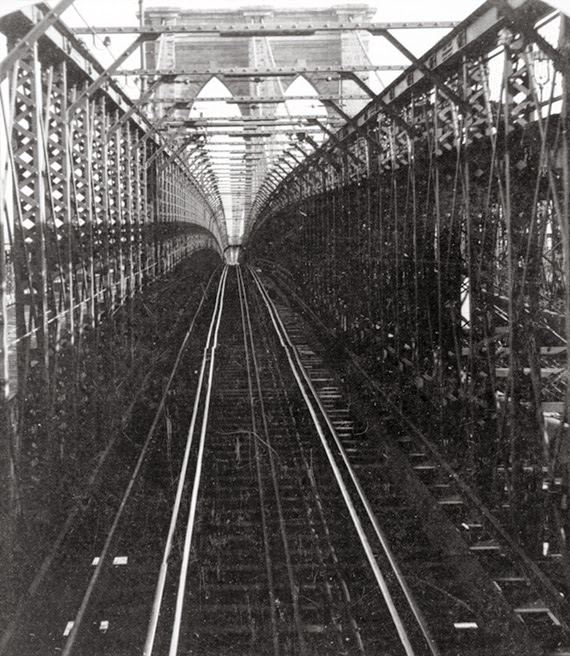
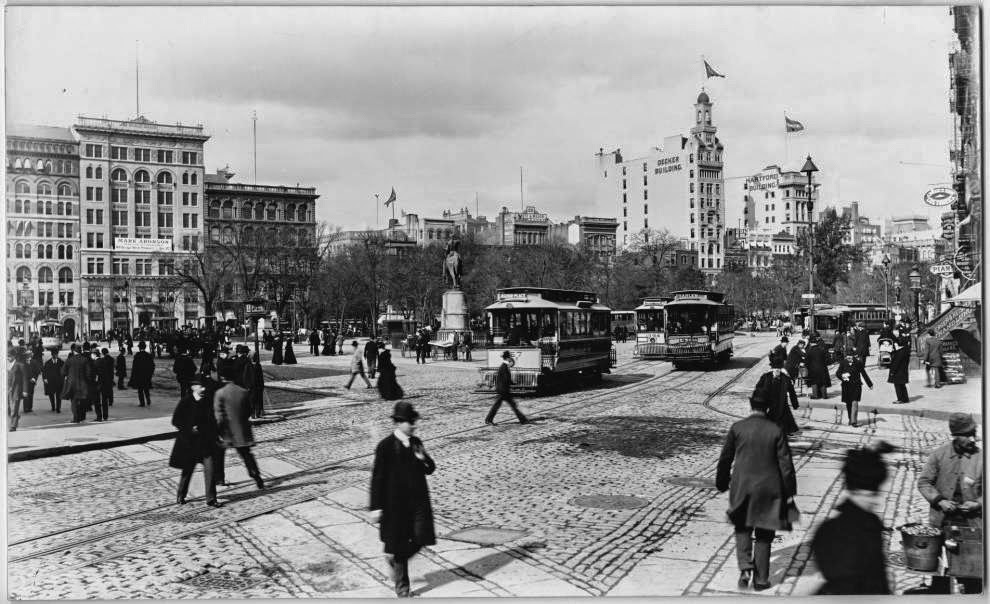
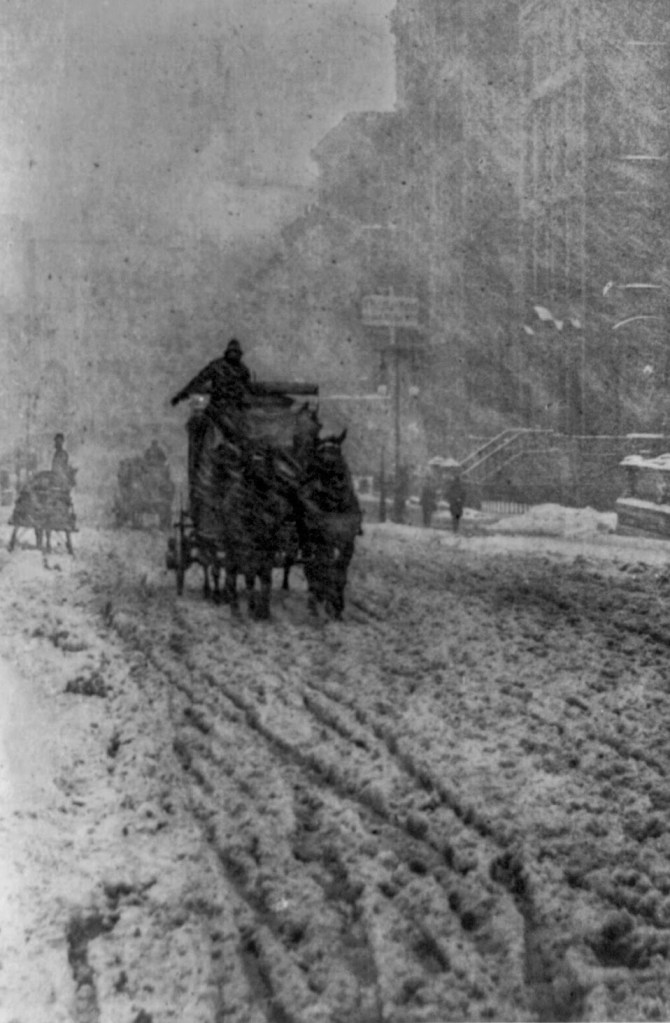
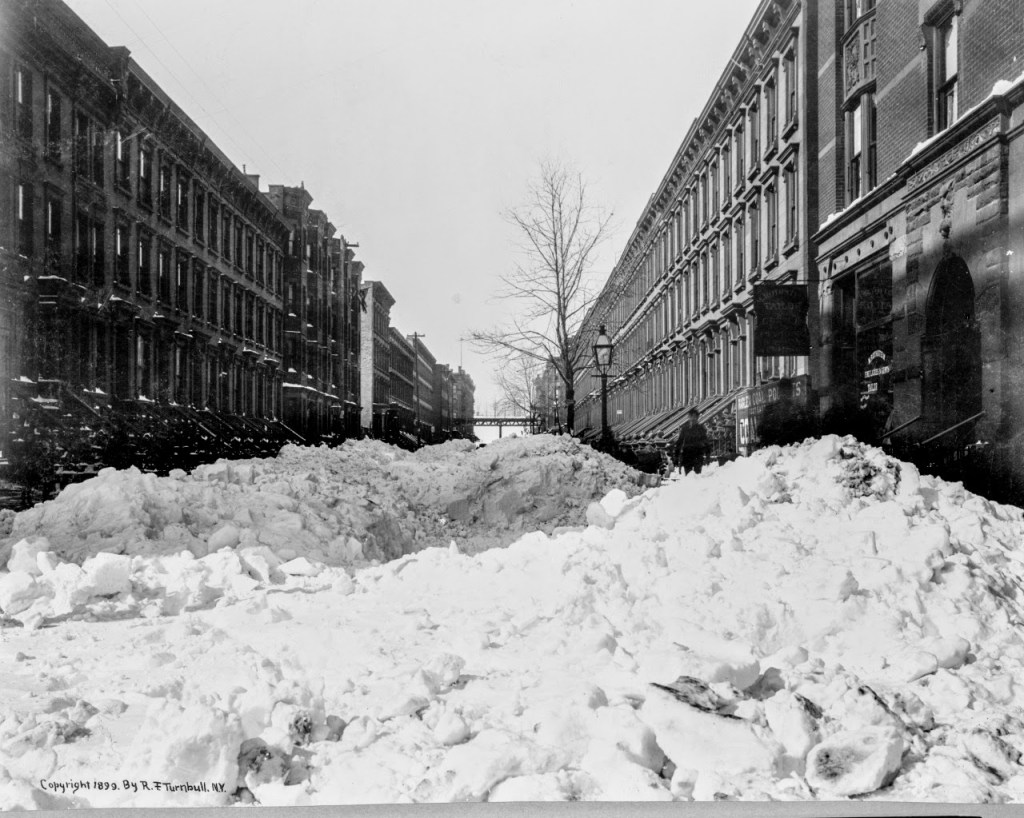
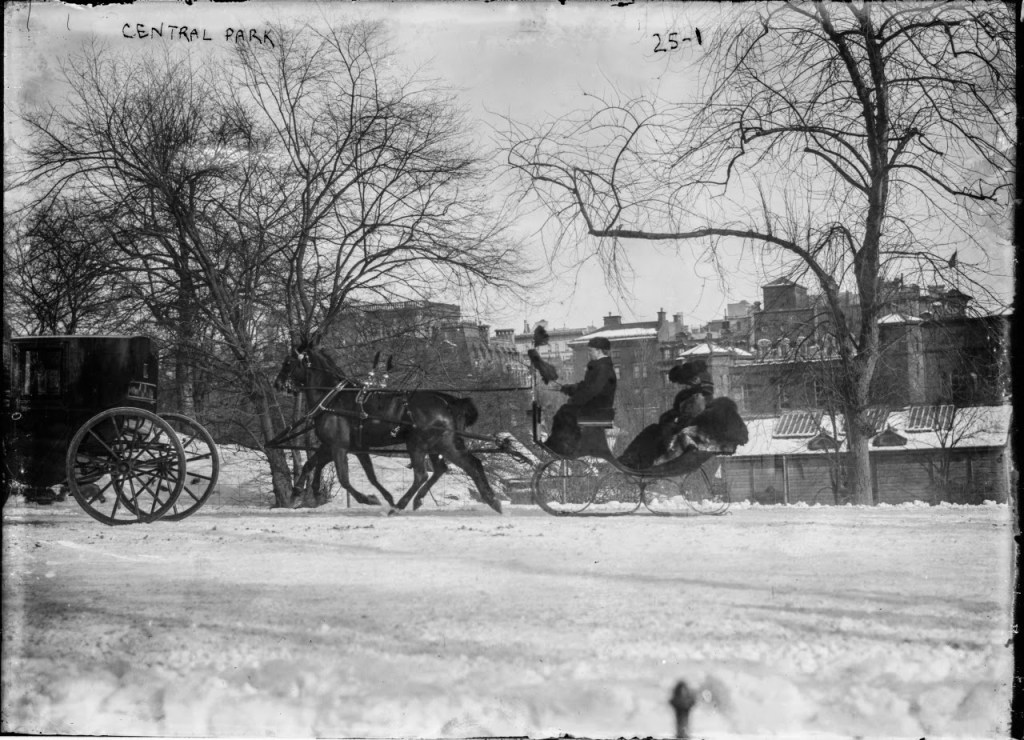
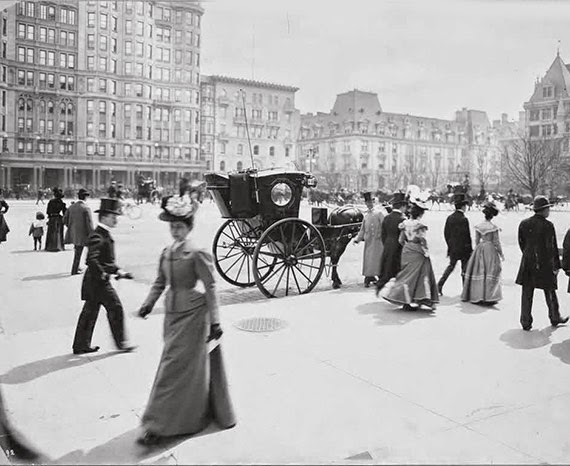
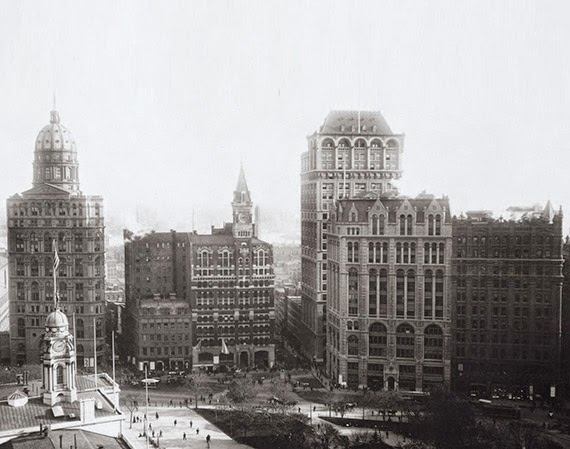
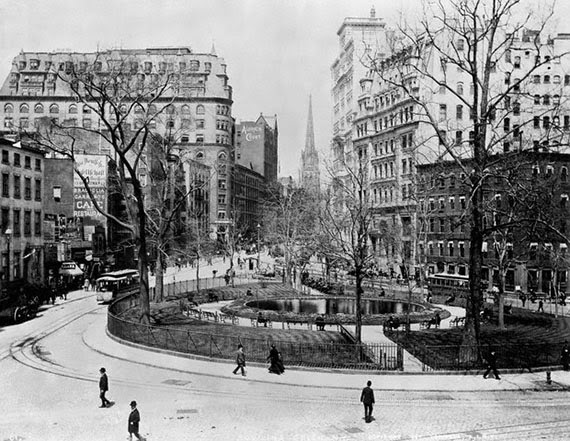
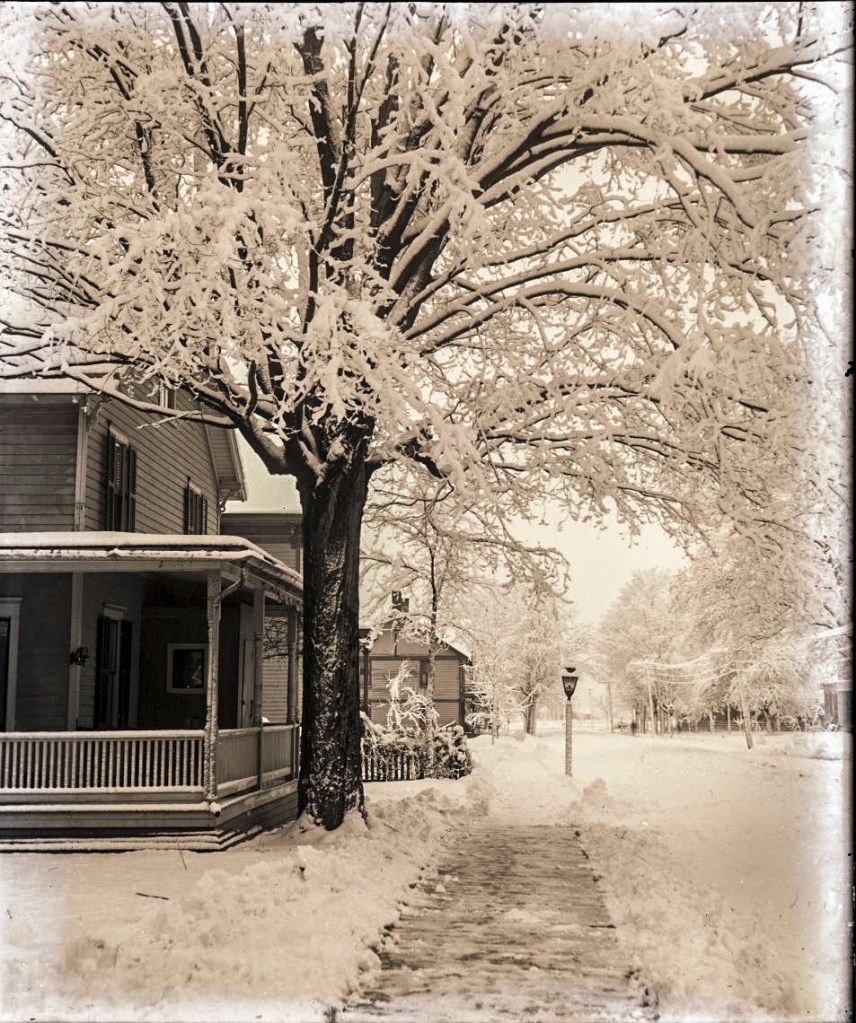
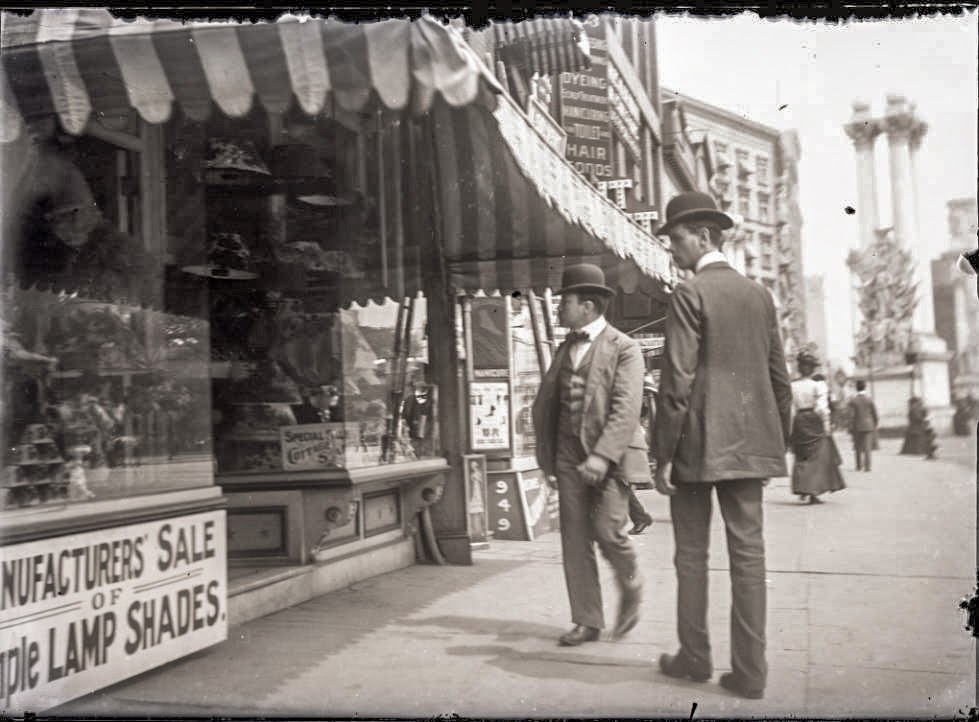
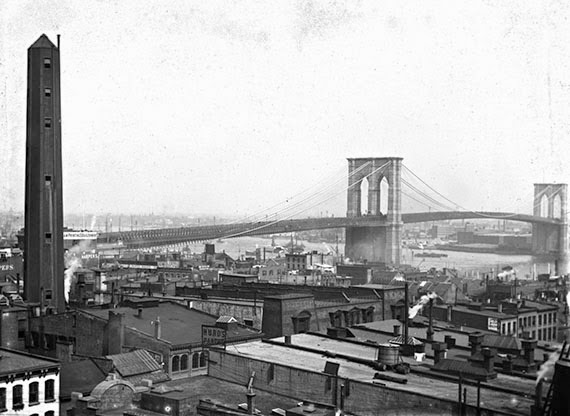
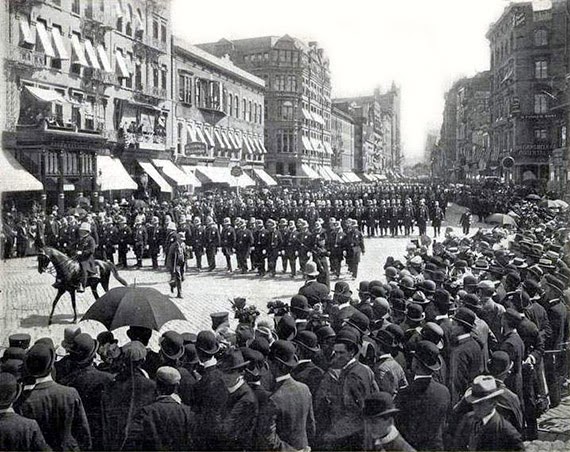
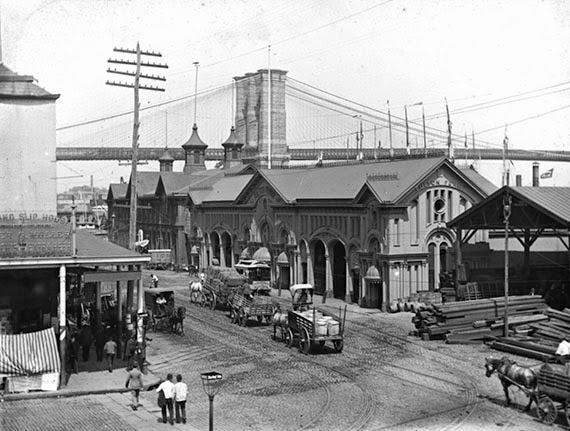
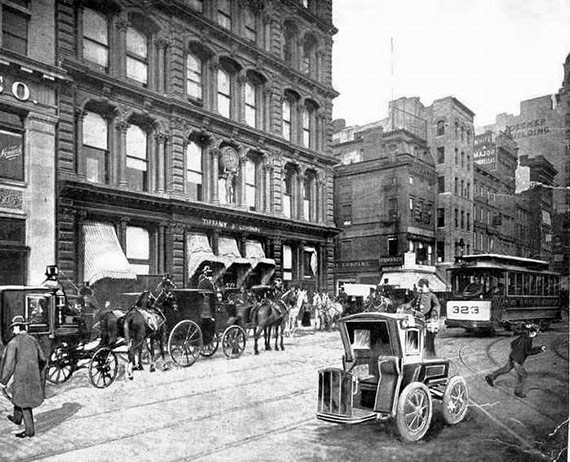
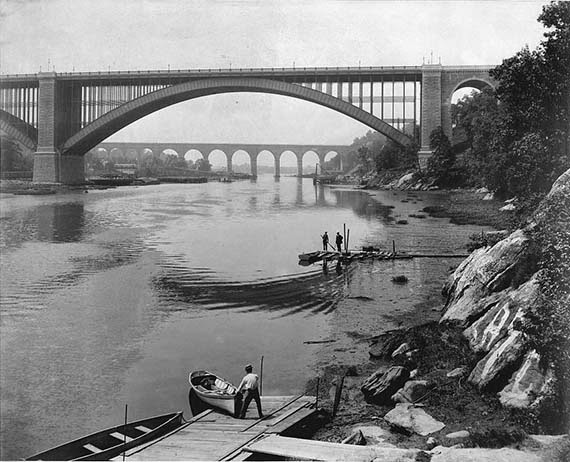
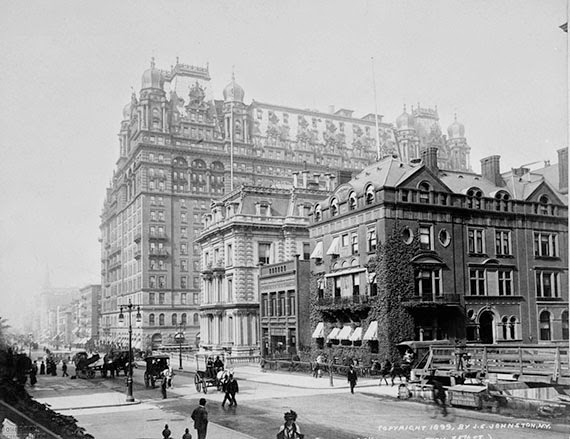
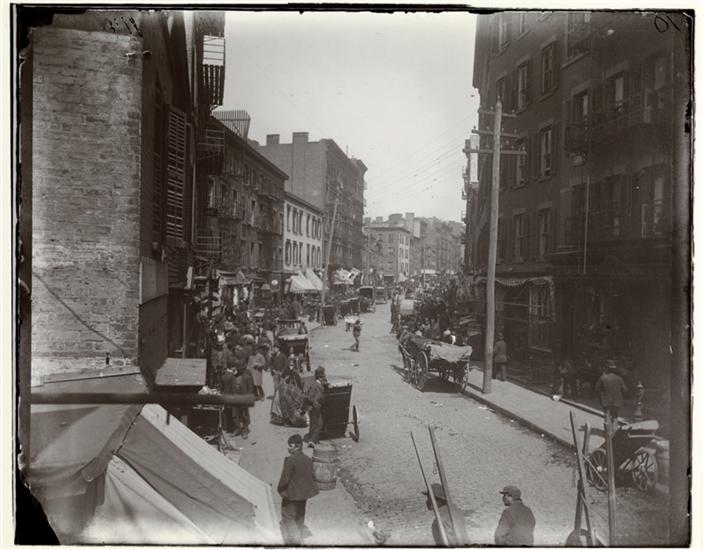
Broadway, Looking North from 66th Street, 1890.Columbus Circle, Looking North East, 1892.59th Street, Looking West from Grand Army Plaza, 1894. The original Plaza Hotel is left. Central Park is off to the right.Amsterdam Avenue at 100th Street, 1894.Looking Across the Washington Bridge toward the Bronx, 181st Street at the East River, 1891.The St. Paul Building, Broadway and Fulton Street, George B. Post, 1897.42nd Street, 18905th Avenue and 14th Street, 1890The Croton Aqueduct Distributing Reservoir, 40th Street and 5th Avenue, May 5, 1891.Madison Avenue at 77th Street. The home of a Mr. Blind Tom Foley, his wife and son, May 11, 1891.Central Park Ice Skating, 1890Park Avenue South, 1890Wall Street, Looking East from Federal Hall, 1895.The World Building, Looking past City Hall, 1891.5th Avenue at 59th Street, 1894.Central Park West, 1890The Dakota at Central Park West, 1890Looking Up Broadway from Bowling Green, October 24, 1895.Advertising for Barnum and Bailey’s Circus, 5th Avenue and 75th Street, April 8, 1891.Gansevoort Market Meatpacking District, 1890A group of children undertaking instruction as to the proportion of George Washington’s Pectoral Muscles, Washington D.C., 1899.201-207 Broadway, Decorated for a Parade Promoting William McKinley and Garret Hobart for the Presidential Election, 1896.New York Stock Exchange, 1890Laying cable line for trolleys in Union Square, 1891Looking East down 39th Street from 5th Avenue, 1899The Broadway Central Hotel, Broadway at Bond Street. 1890.CIty Hall in its fanciest dress for the Dewey Parade, 1898.Broadway and Union Square, 1892Grand Central, 1893Grand Army Plaza Brooklyn, 1894Atlantic and Norstrom Avenues, Brooklyn, 1895.S.A Brown Pharmacy, 28-30 Fulton Street, 1890.Proctor’s Pleasure Palace, 58th Street and Lexington Avenue, 1895.The Puck Building, 1895First Electric Taxis, 1896Newsies, 1896Brooklyn Bridge, 1896Brooklyn Bridge Subway Tracks, 1897New York. Union Square, 1899New York. 5th Avenue, 1892.New York. Harlem, after the Blizzard of February 13, 1899.Horse Drawn Sleighs in Central Park, 1895.5th Avenue and 59th Street, 1897Newspaper Row, 1897Bowling Green Park, 1898After a snowfall, 1890.Near Madison Square, 1899.Brooklyn Bridge and Lower Manhattan, 1899Police Parade, Bowler Hats, Hardly Any Women, 1899South Street Ferry Building, 1899Tiffany’s, Union Square, 1899High Bridge (The Aqueduct Bridge), 1899Waldorf Astoria Original Site at 5th Ave and 35th Street, 1899Little Italy, 1899Mulberry Bend, 1890