Bringing You the Wonder of Yesterday – Today


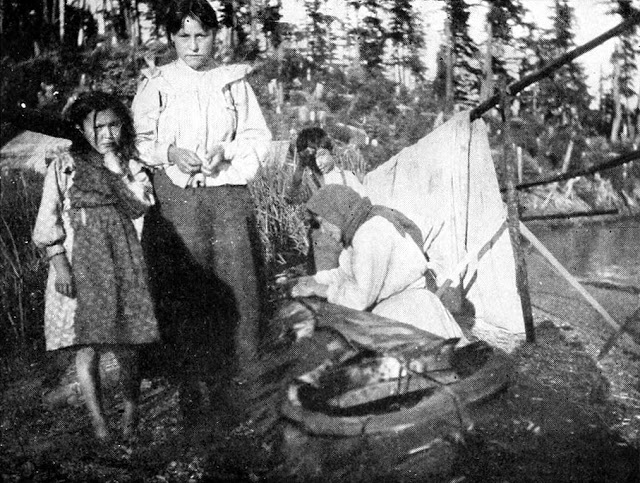
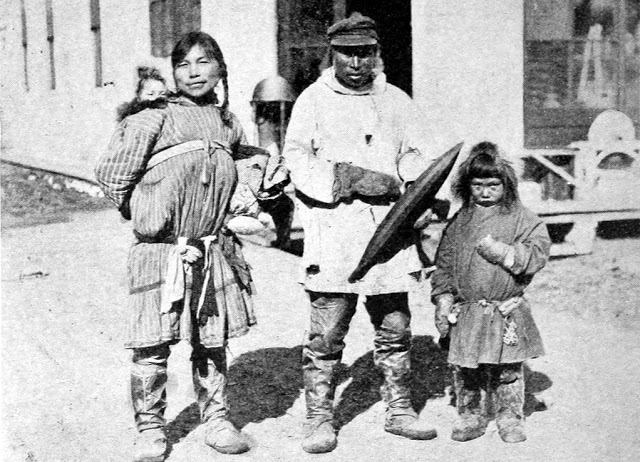
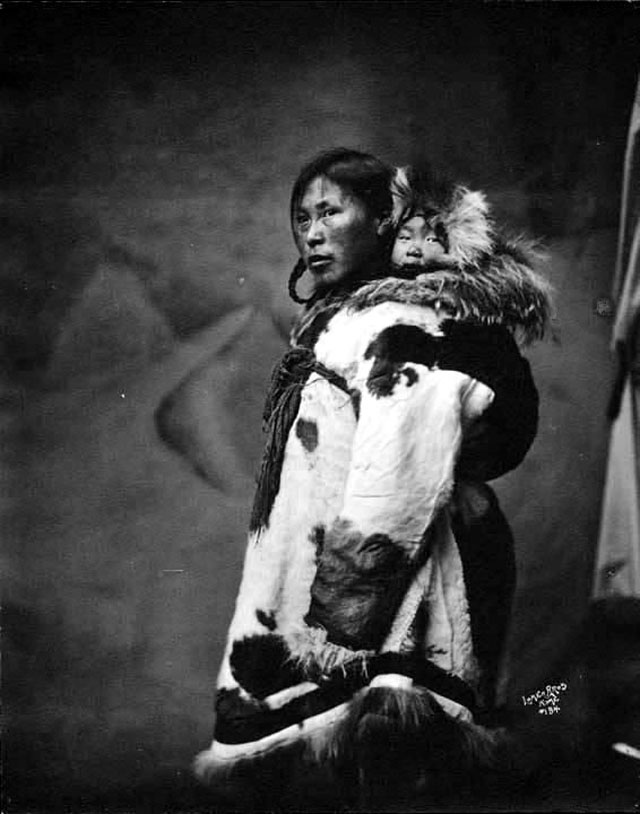
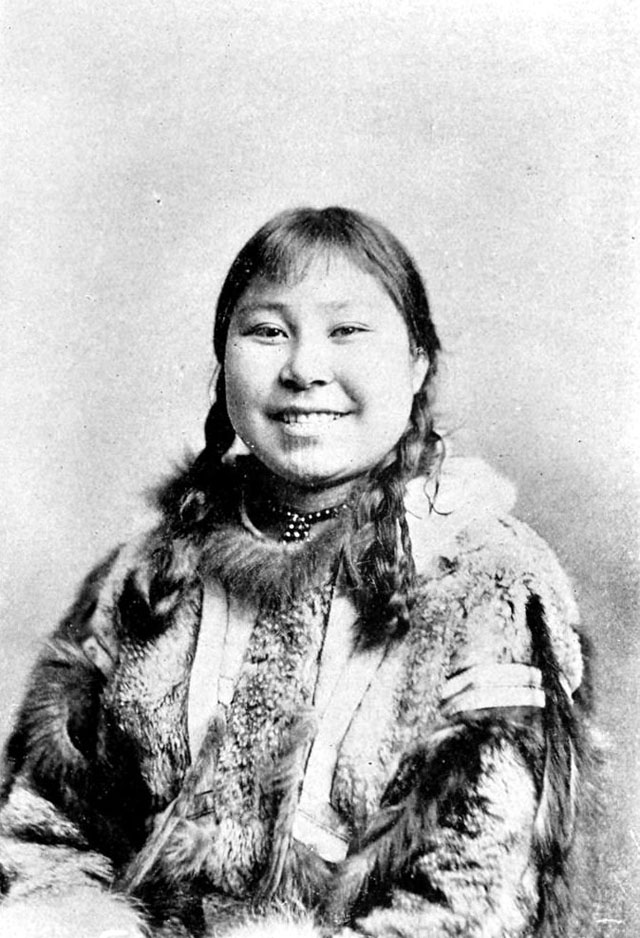
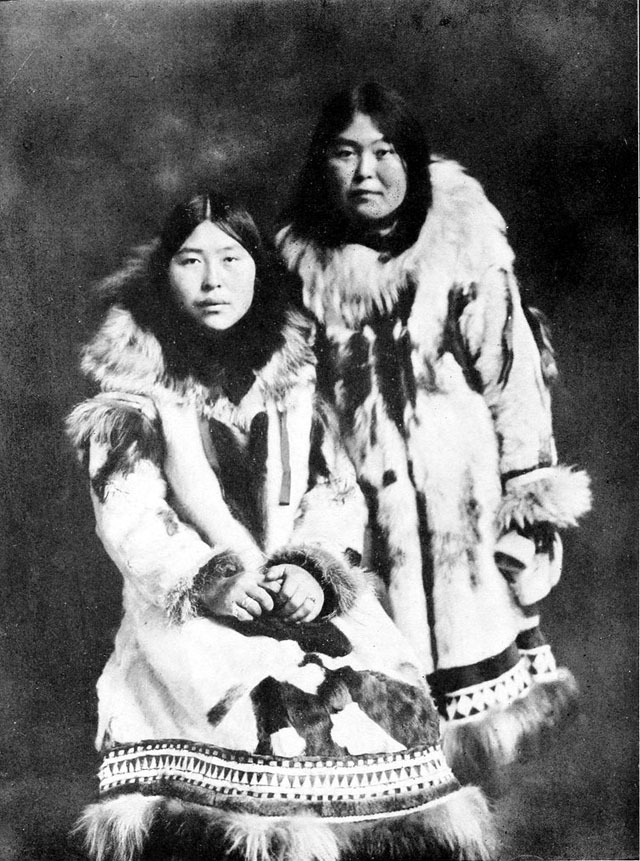
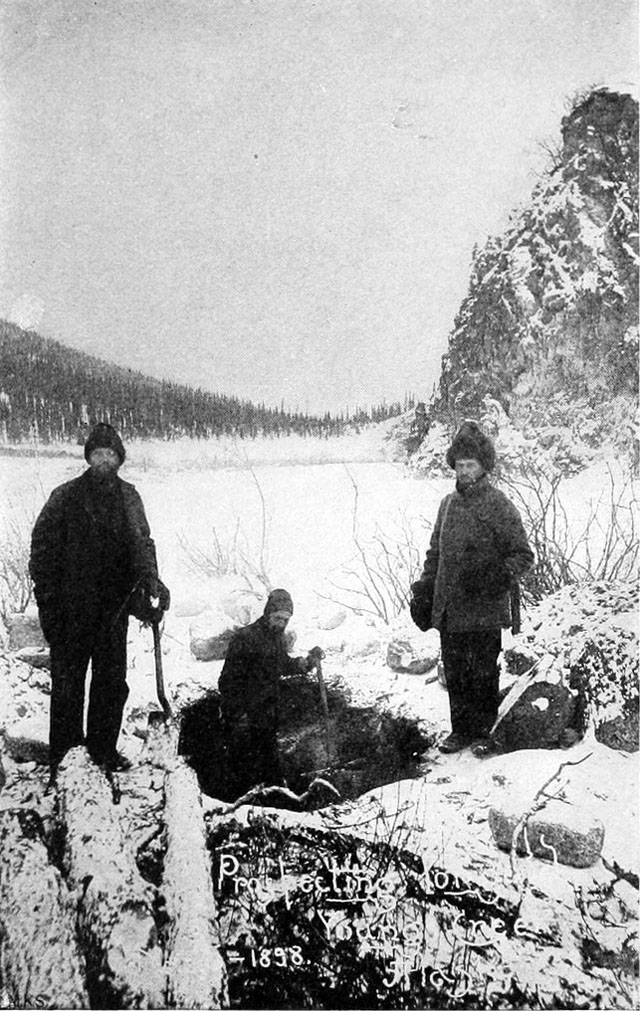
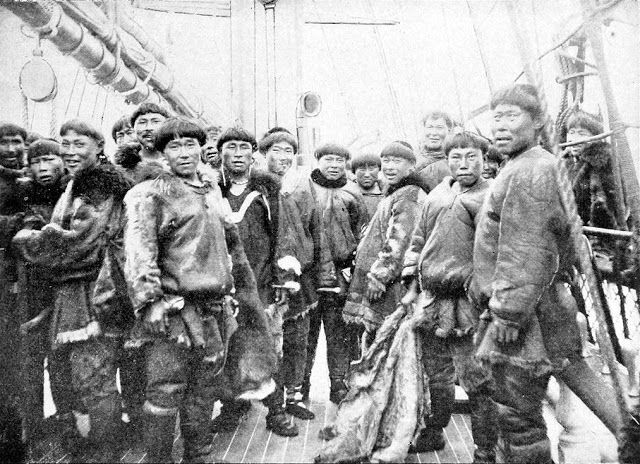
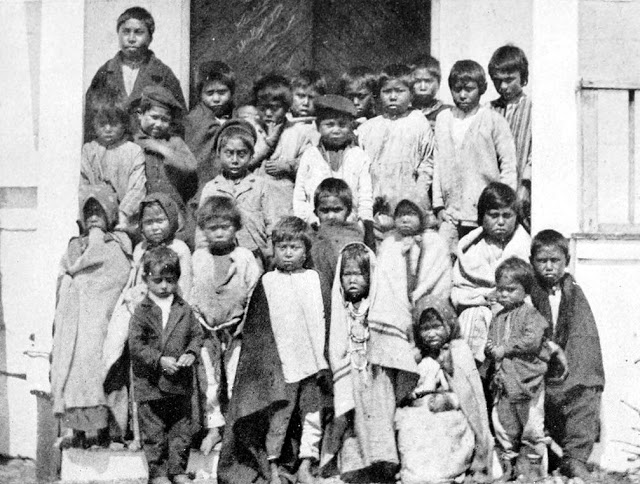
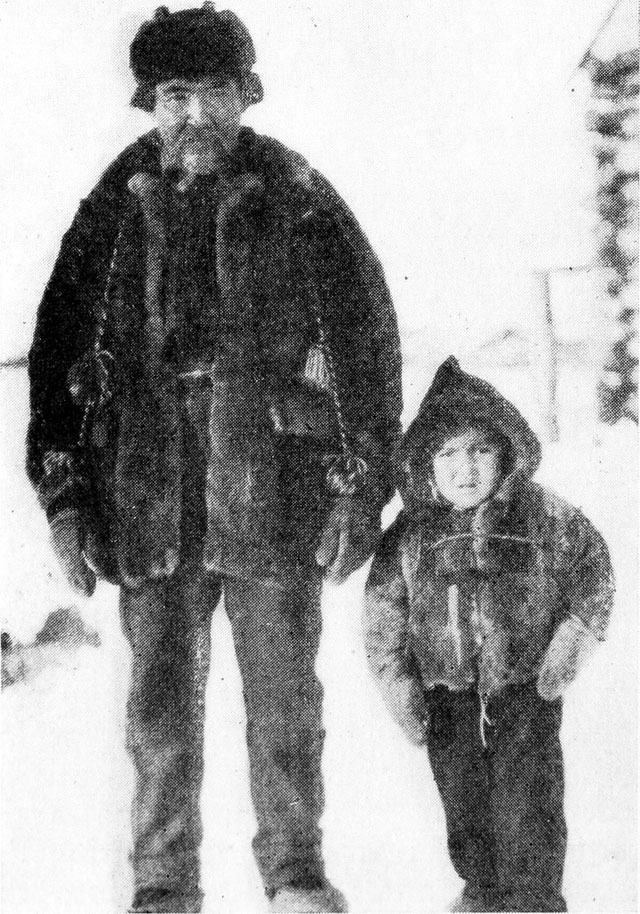
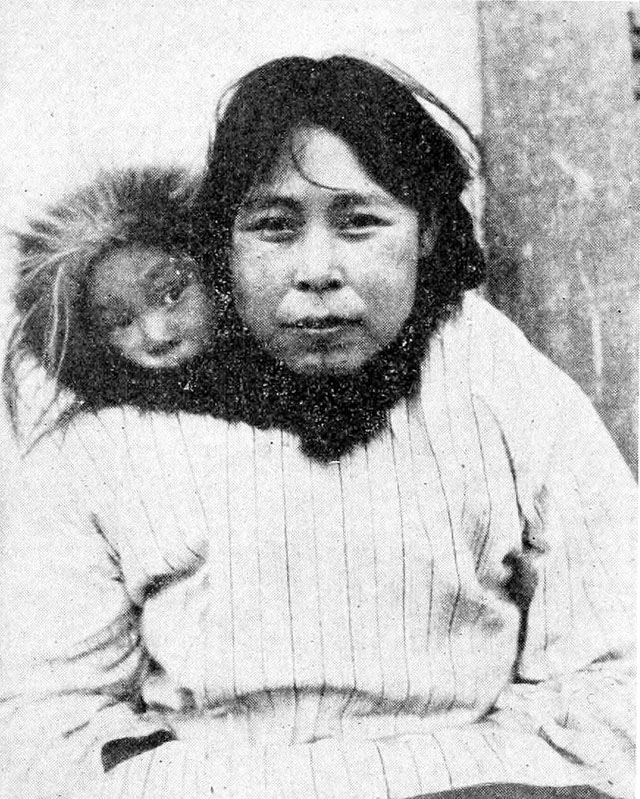
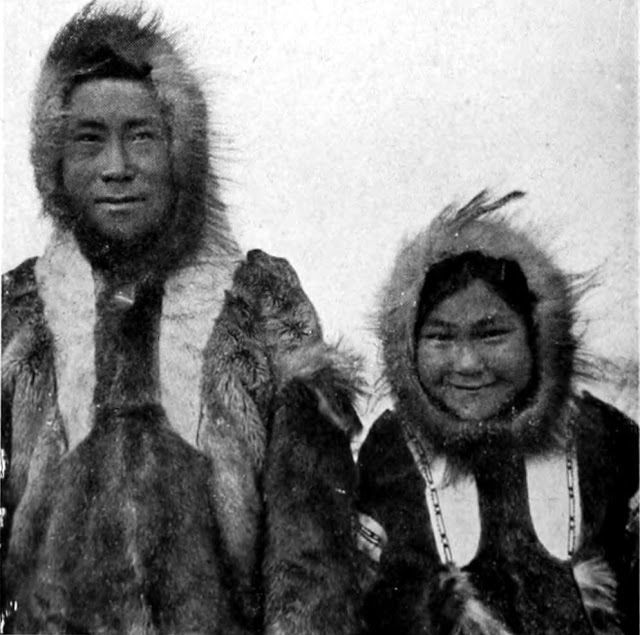
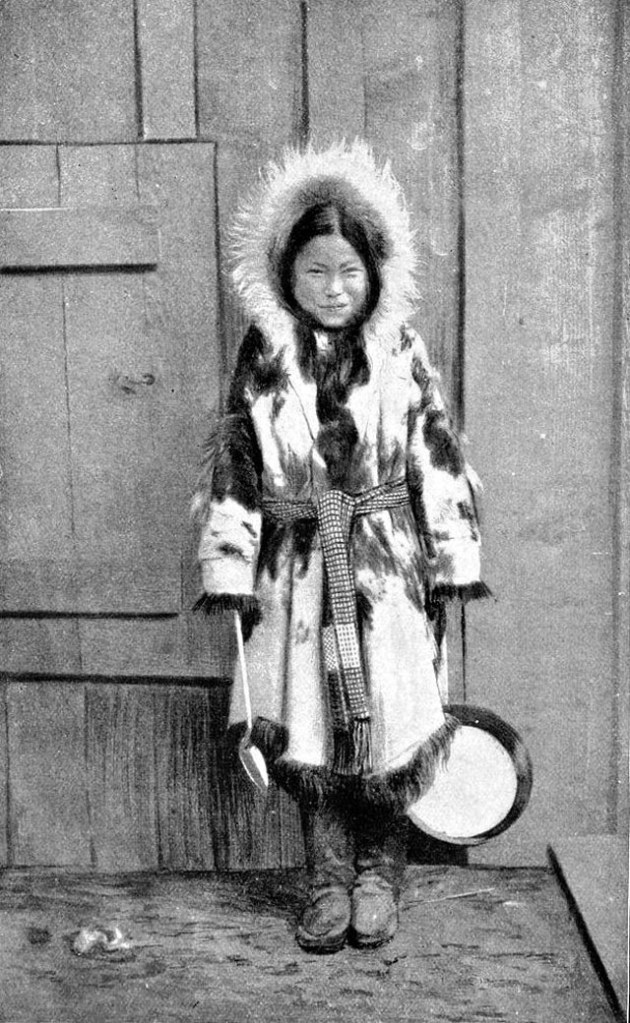
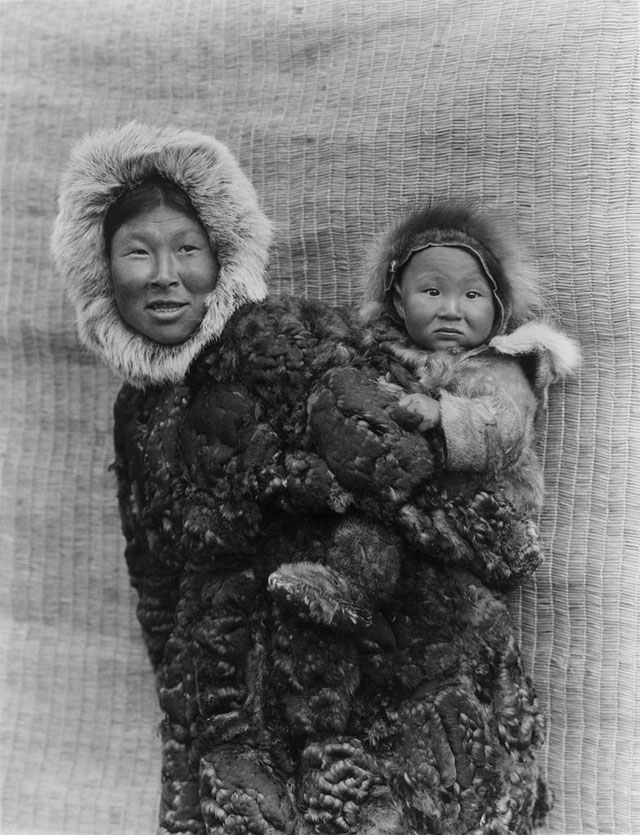
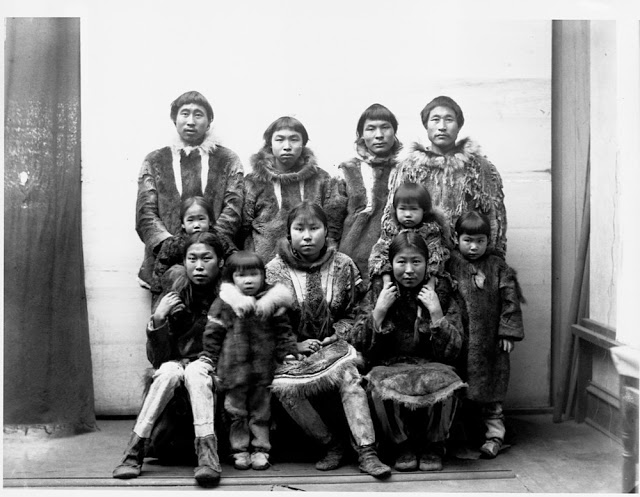
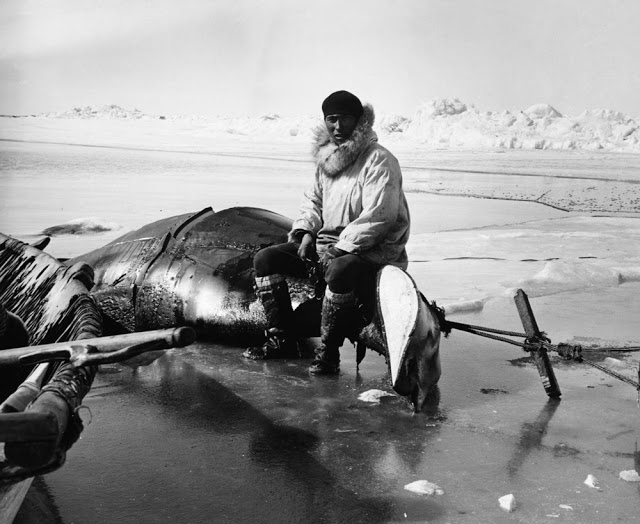
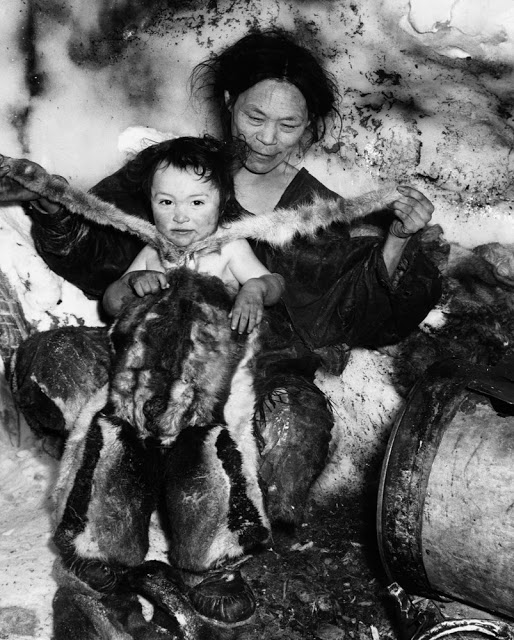
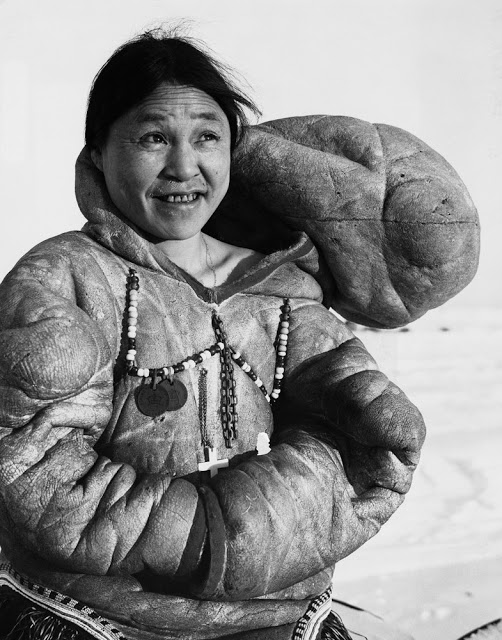
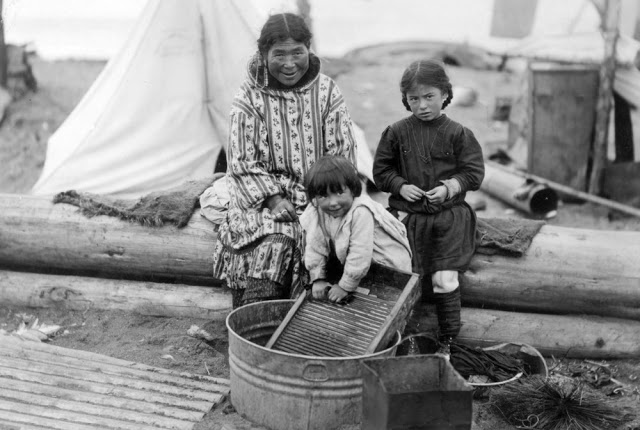
Alaska Natives or Alaskan Natives are indigenous peoples of Alaska, United States and include: Iñupiat, Yupik, Aleut, Eyak, Tlingit, Haida, Tsimshian, and a number of Northern Athabaskan cultures. They are often defined by their language groups. Many Alaska Natives are enrolled in federally recognized Alaska Native tribal entities, who in turn belong to 13 Alaska Native Regional Corporations, who administer land and financial claims.
Ancestors of Alaska Natives migrated into the area thousands of years ago, in at least two different waves. Some are descendants of the third wave of migration, in which people settled across the northern part of North America. They never migrated to southern areas. For this reason, genetic studies show they are not closely related to native peoples in South America. Alaskan Natives came from Asia. Anthropologists have stated that their journey from Asia to Alaska was made possible through the Bering land bridge or by traveling through the sea.Throughout the Arctic and the circumpolar north, the ancestors of Alaska Natives established varying indigenous, complex cultures that have succeeded each other over time. They developed sophisticated ways to deal with the challenging climate and environment, and cultures deeply rooted in the place. Historic groups have been defined by their languages, which belong to several major language families. Today, Alaska Natives constitute more than 15% of the population of Alaska. (Wikipedia)


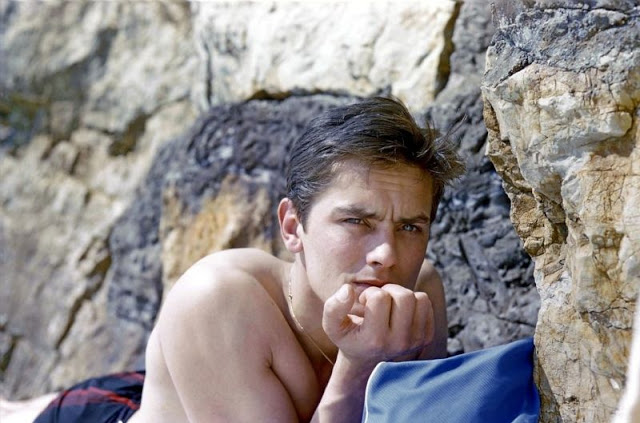
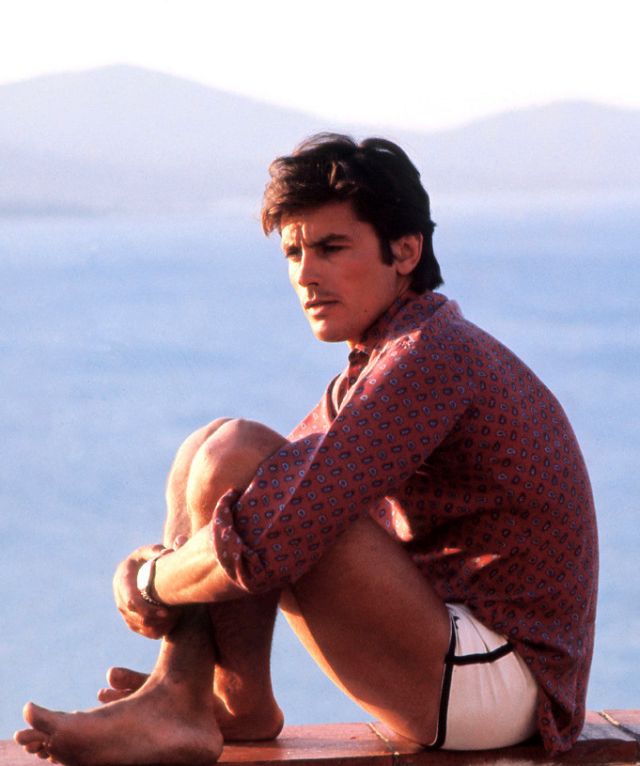
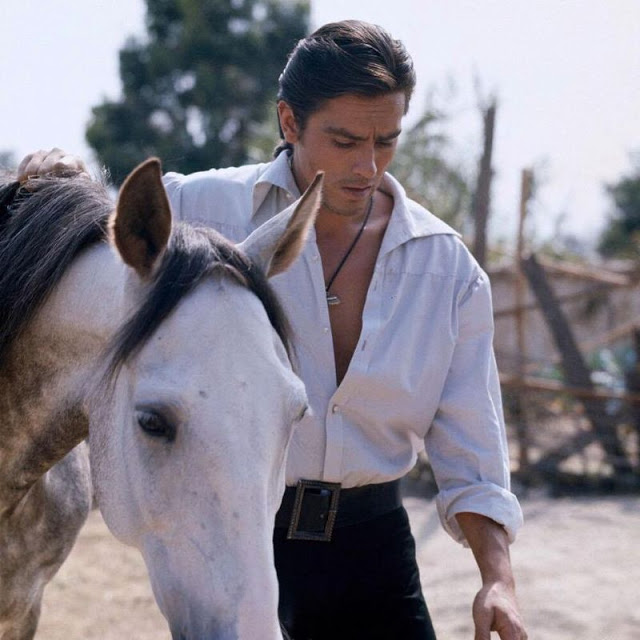
Alain Fabien Maurice Marcel Delon (born 8 November 1935) is a French actor and filmmaker. He is known as one of Europe’s most prominent actors and screen sex symbols from the 1960s and 1970s. He achieved critical acclaim for roles in films such as Purple Noon (1960), Rocco and His Brothers (1960), L’Eclisse (1962), The Leopard (1963), Le Samouraï (1967), La Piscine (1969), Le Cercle Rouge (1970), Un flic (1972), and Monsieur Klein (1976). Over the course of his career Delon worked with many well-known directors, including Luchino Visconti, Jean-Luc Godard, Jean-Pierre Melville, Michelangelo Antonioni, and Louis Malle. As a singer, Delon recorded the popular duet “Paroles, paroles” (1973) with Dalida. He acquired Swiss citizenship in 1999.

In 1985, he won the César Award for Best Actor for his performance in Notre histoire (1984). In 1991, he received France’s Legion of Honour. At the 45th Berlin International Film Festival, he won the Honorary Golden Bear. At the 2019 Cannes Film Festival, he received the Honorary Palme d’Or.
These glamorous photos that captured young Alain Delon in the late 1950s and 1960s.


Arizona is a state in the Western United States, grouped in the Southwestern and occasionally Mountain subregions. It is the 6th largest and the 14th most populous of the 50 states. Its capital and largest city is Phoenix. Arizona shares the Four Corners region with Utah to the north, Colorado to the northeast, and New Mexico to the east; its other neighboring states are Nevada and California to the west and the Mexican states of Sonora and Baja California to the south and southwest.
Arizona is the 48th state and last of the contiguous states to be admitted to the Union, achieving statehood on February 14, 1912. Historically part of the territory of Alta California in New Spain, it became part of independent Mexico in 1821. After being defeated in the Mexican–American War, Mexico ceded much of this territory to the United States in 1848. The southernmost portion of the state was acquired in 1853 through the Gadsden Purchase.
Southern Arizona is known for its desert climate, with very hot summers and mild winters. Northern Arizona features forests of pine, Douglas fir, and spruce trees; the Colorado Plateau; mountain ranges (such as the San Francisco Mountains); as well as large, deep canyons, with much more moderate summer temperatures and significant winter snowfalls. There are ski resorts in the areas of Flagstaff, Alpine, and Tucson. In addition to the internationally known Grand Canyon National Park, which is one of the world’s seven natural wonders, there are several national forests, national parks, and national monuments.
Since the 1950s, Arizona’s population and economy have grown dramatically because of migration into the state, and now the state is a major hub of the Sun Belt. Cities such as Phoenix and Tucson have developed large, sprawling suburban areas. Many large companies, such as PetSmart and Circle K, have headquarters in the state, and Arizona is home to major universities, including the University of Arizona and Arizona State University. Traditionally, the state is politically known for national conservative figures such as Barry Goldwater and John McCain, though it voted Democratic in the 1996 presidential race and in the 2020 presidential and senatorial elections.
Arizona is home to a diverse population. About one-quarter of the state is made up of Indian reservations that serve as the home of 27 federally recognized Native American tribes, including the Navajo Nation, the largest in the state and the United States, with more than 300,000 citizens. Since the 1980s, the proportion of Hispanics in the state’s population has grown significantly owing to migration from Mexico. In terms of religion, a substantial portion of the population are followers of the Catholic Church and The Church of Jesus Christ of Latter-day Saints (Mormon). (Wikipedia)


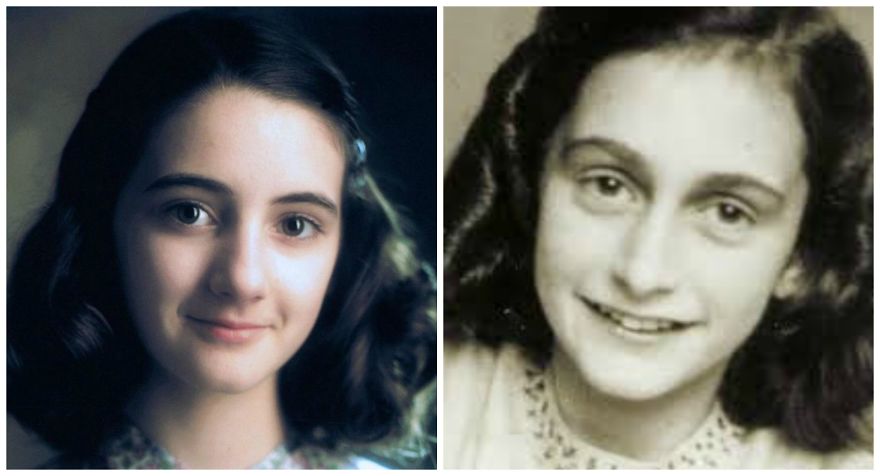
Annelies Marie Frank (12 June 1929 – c. February 1945) was a German-Dutch diarist of Jewish heritage. One of the most discussed Jewish victims of the Holocaust, she gained fame posthumously with the 1947 publication of The Diary of a Young Girl (originally Het Achterhuis in Dutch; English: The Secret Annex), in which she documents her life in hiding from 1942 to 1944, during the German occupation of the Netherlands in World War II. It is one of the world’s best-known books and has been the basis for several plays and films.
Born in Frankfurt, Germany, she lived most of her life in or near Amsterdam, Netherlands, having moved there in 1934 with her family at the age of four and a half when Adolf Hitler and the Nazi Party gained control over Germany. Born a German national, she lost her citizenship in 1941 and thus became stateless. By May 1940, the Franks were trapped in Amsterdam by the German occupation of the Netherlands. As persecutions of the Jewish population increased in July 1942, they went into hiding in some concealed rooms behind a bookcase in the building where Anne’s father, Otto Frank, worked. From then until the family’s arrest by the Gestapo in August 1944, Anne kept a diary she had received as a birthday present, and wrote in it regularly. Following their arrest, the Franks were transported to concentration camps. On 1 November 1944, Anne and her sister, Margot, were transferred from Auschwitz to Bergen-Belsen concentration camp, where they died (probably of typhus) a few months later. They were originally estimated by the Red Cross to have died in March, with Dutch authorities setting 31 March as their official date of death. In 1986 the historians David Barnouw and Gerrald van der Stroom wrote in The Diary of Anne Frank: The Critical Edition that they probably died at the end of February or beginning of March 1945, basing this estimate on the written statement of eyewitness Lien Brilleslijper in November 1945. Research by the Anne Frank House in 2015 suggests that they died in February.
Otto, the only survivor of the Frank family, returned to Amsterdam after the war to find that Anne’s diary had been saved by his secretary, Miep Gies. He decided to fulfill Anne’s greatest wish to become a writer and publish her diary in 1947. It was translated from its original Dutch version and first published in English in 1952 as The Diary of a Young Girl, and has since been translated into over 70 languages. (Wikipedia)
We take a look at her life through pictures.


(Photos © Anne Frank Fonds, Bazel / Anne Frank Stichting, Amsterdam)
At age 16, Cher dropped out of school, left her mother’s house, and moved with a friend into Los Angeles, where she took acting classes and worked to support herself.
Cher met Sonny Bono in November 1962 when he was working for record producer Phil Spector. Cher accepted Sonny’s offer to be his housekeeper. Sonny introduced Cher to Spector, who used her as a backup singer on many recordings.
Spector produced her first single, the commercially unsuccessful “Ringo, I Love You”, which Cher recorded under the name Bonnie Jo Mason.
Cher and Sonny became close friends, eventual lovers, and performed their own unofficial wedding ceremony in a hotel room in Tijuana, Mexico, on October 27, 1964. Although Sonny had wanted to launch Cher as a solo artist, she encouraged him to perform with her because she suffered from stage fright.
In late 1964, they emerged as a duo called Caesar & Cleo. In early 1965, Caesar and Cleo began calling themselves Sonny & Cher. Their 1965 single “I Got You Babe” reached number one on the Billboard Hot 100 chart. As the duo of Sonny & Cher released popular singles one after another, Cher continued to release albums of her solo performances.
These casual, unguarded photos capture the 19-year-old entertainer at Gold Star Studio in Los Angeles, recording tracks for her eponymous third album, Chér.


Photos: Michael Ochs Archives/Getty Images
Celebrities are just like us. They also need a leisure time period after work. These intimate photos captured classic celebrities taking a musical break from between the 1920s and 1950s.