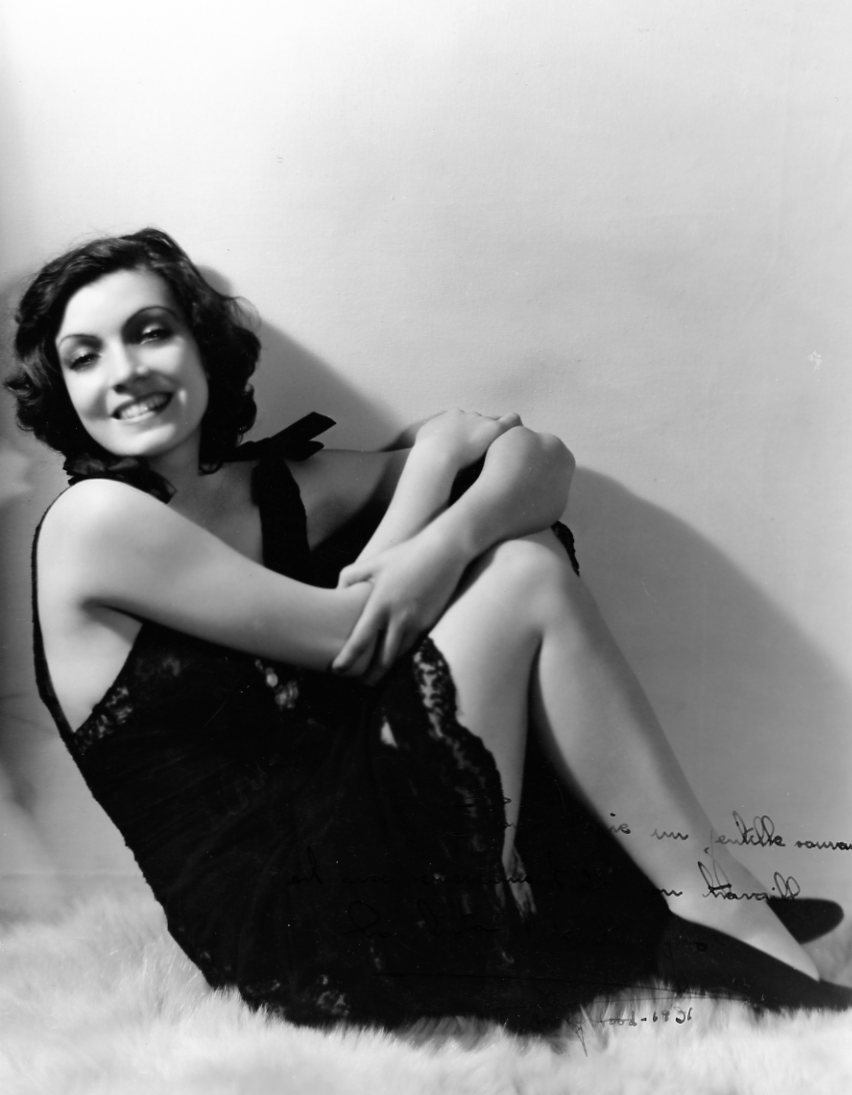
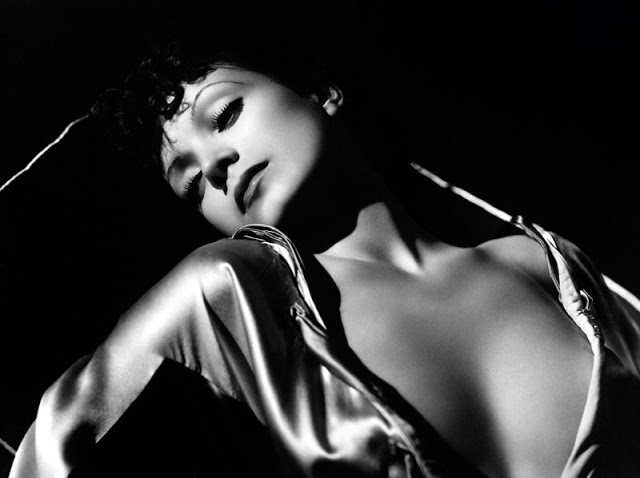
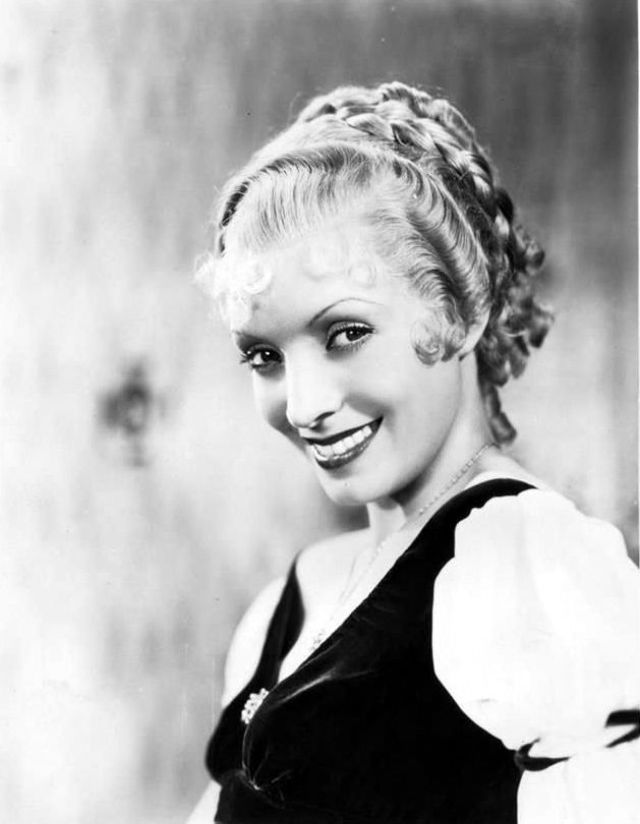
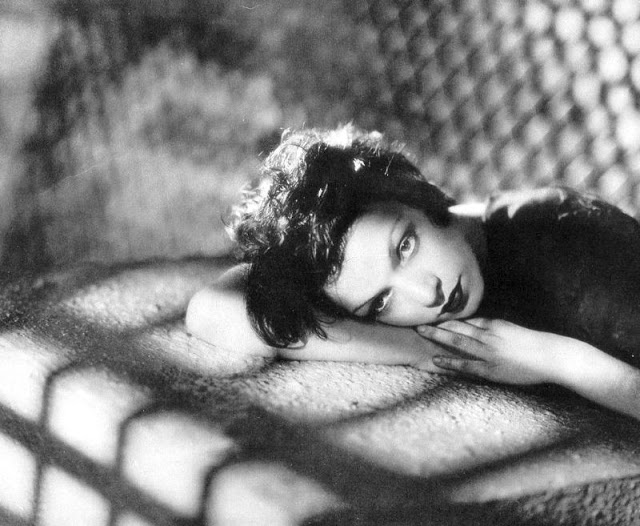
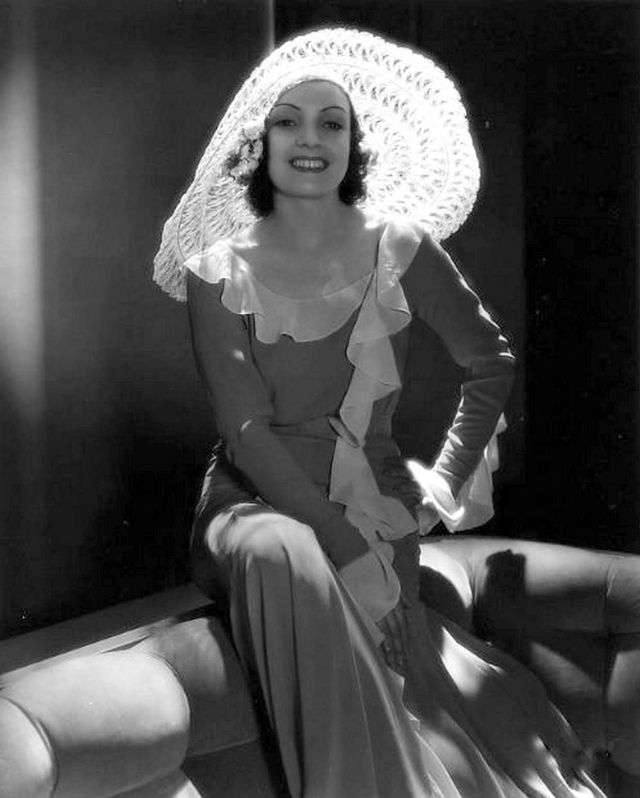
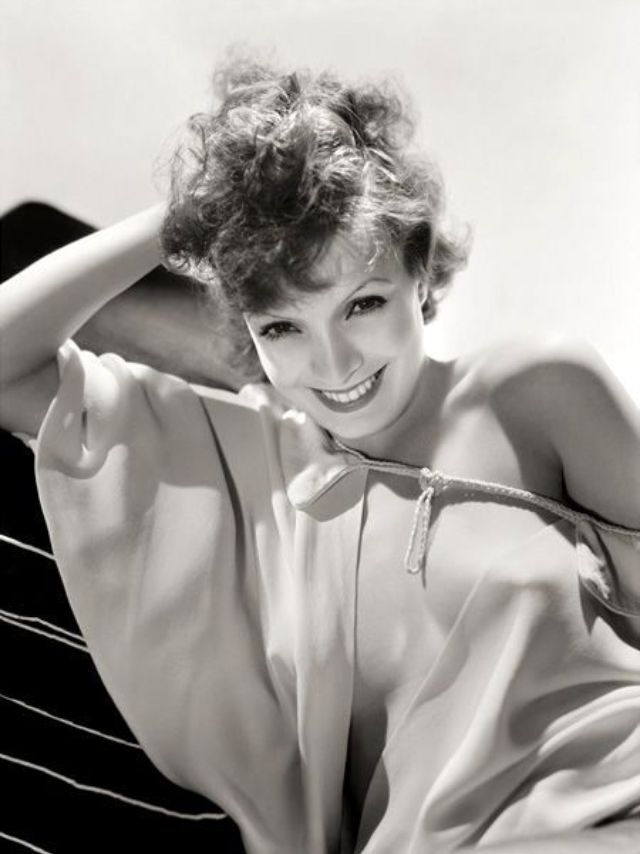
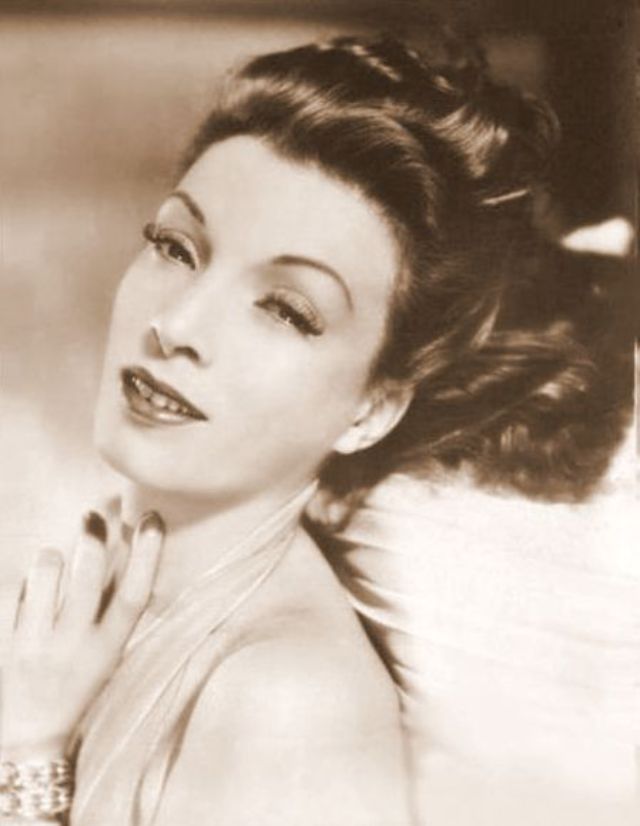
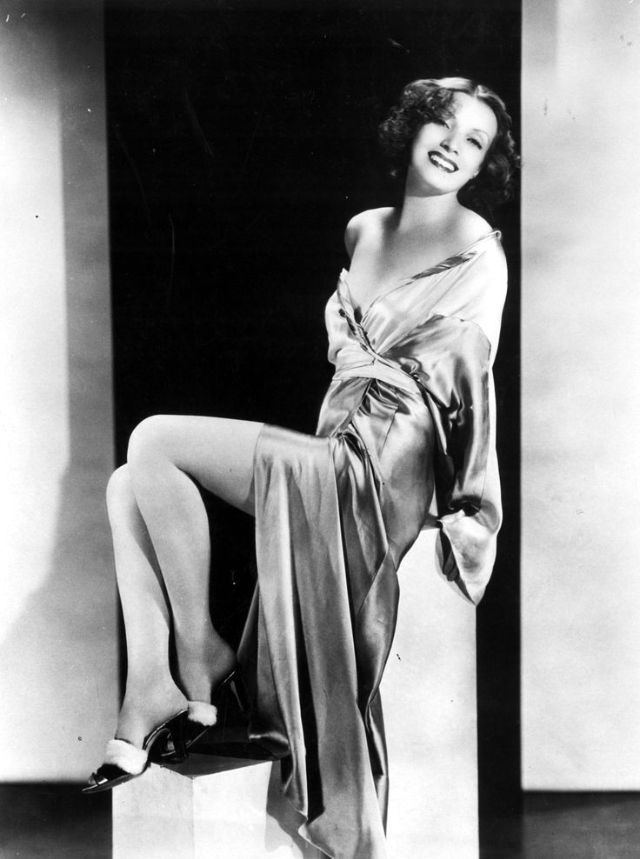
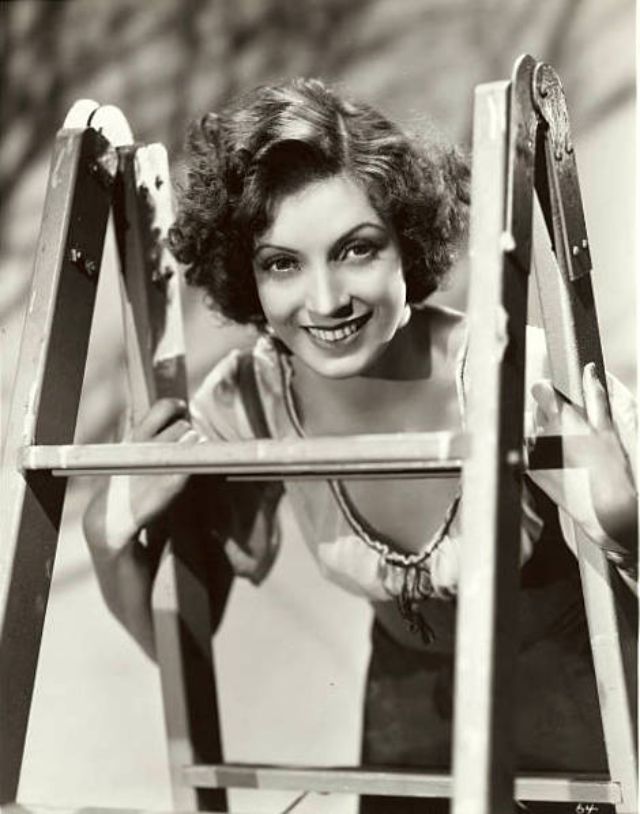
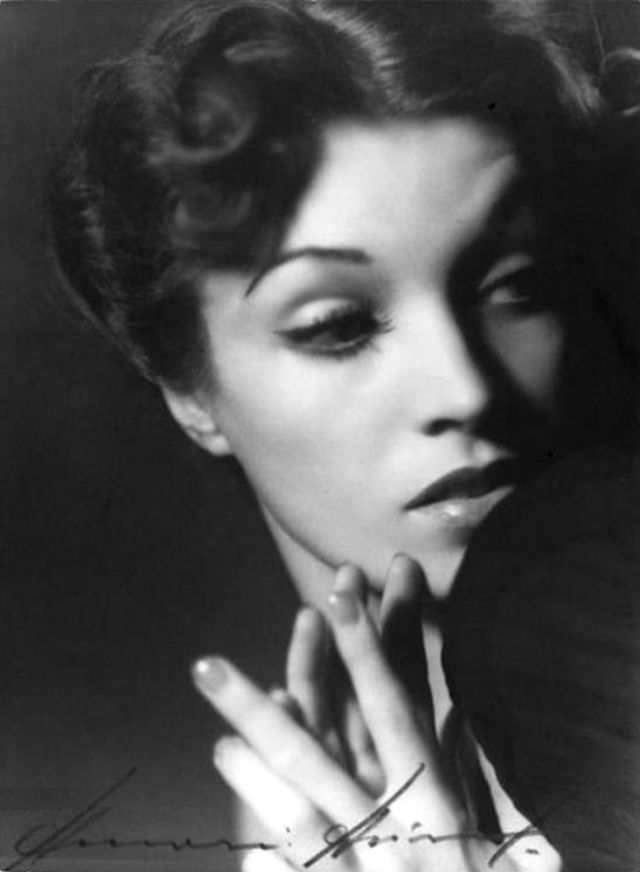
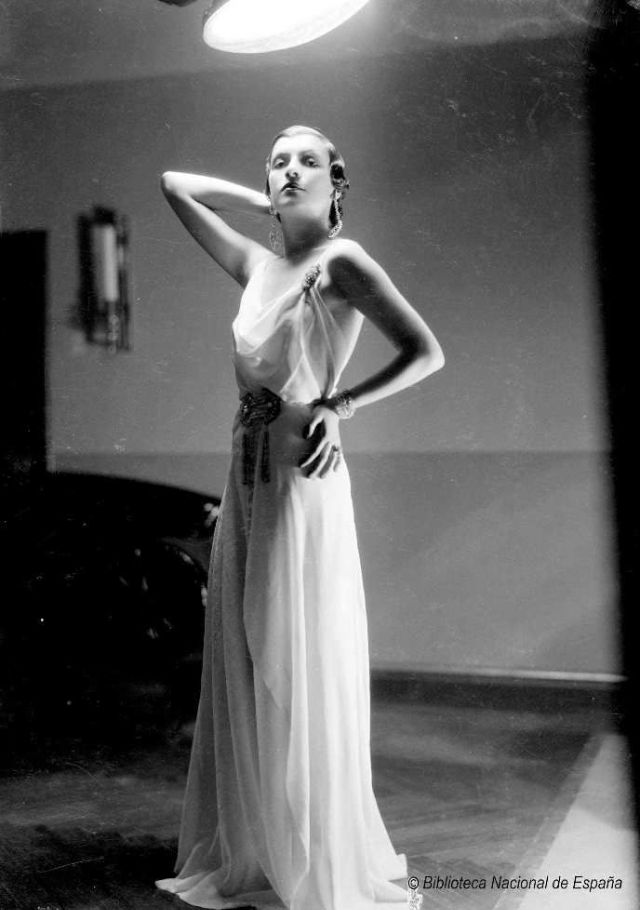
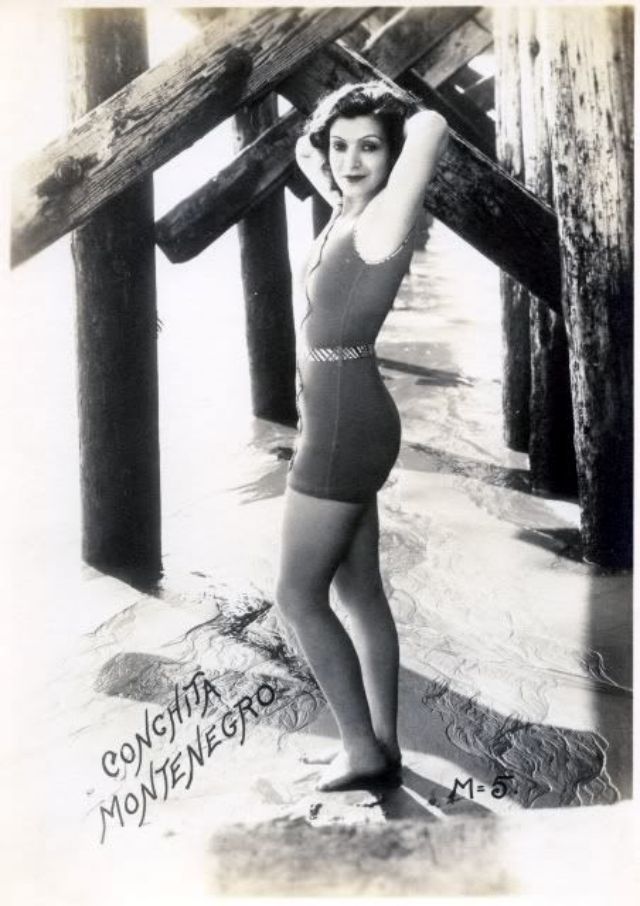
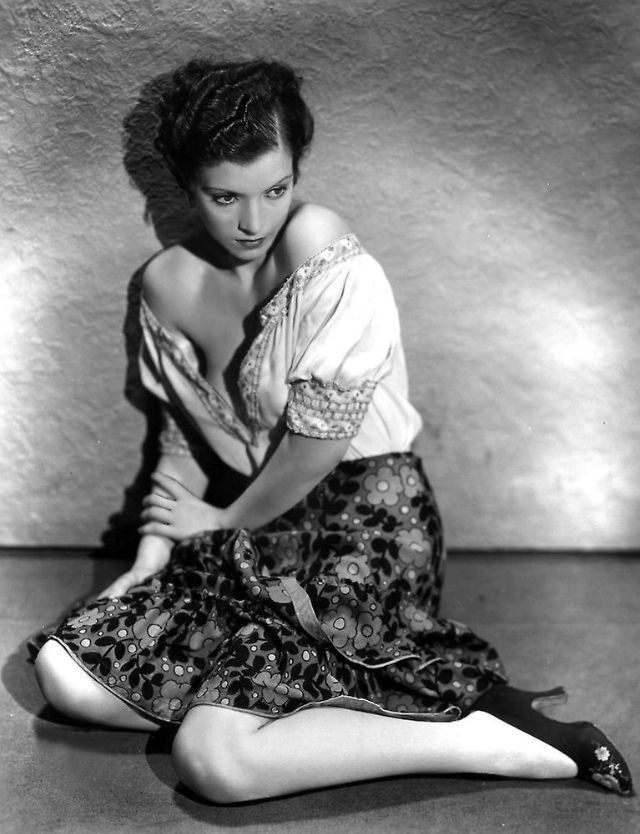
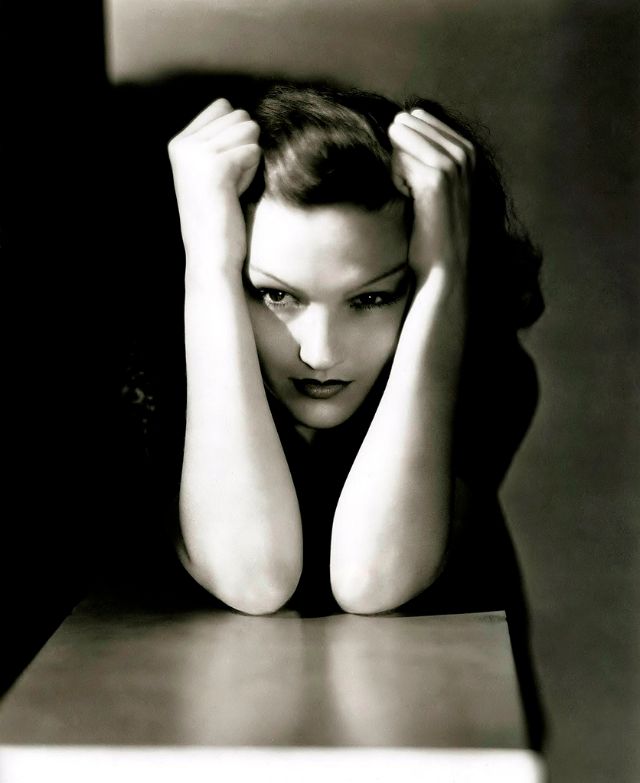
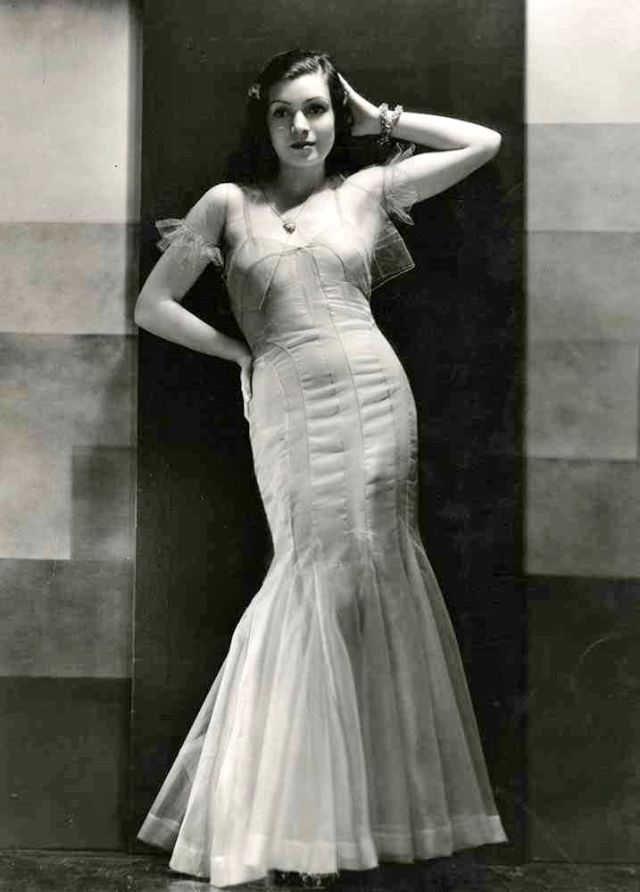
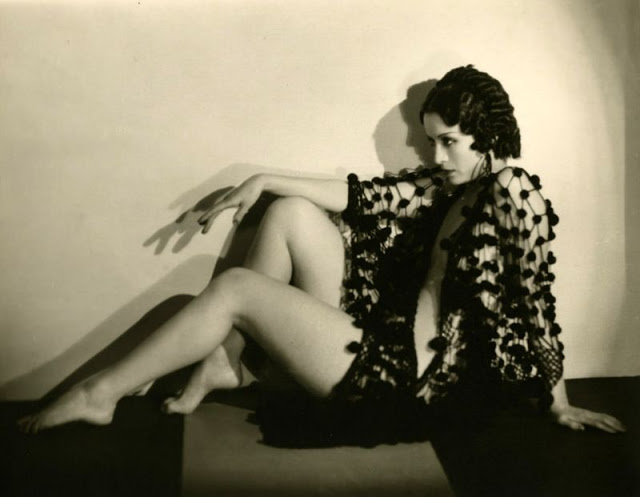
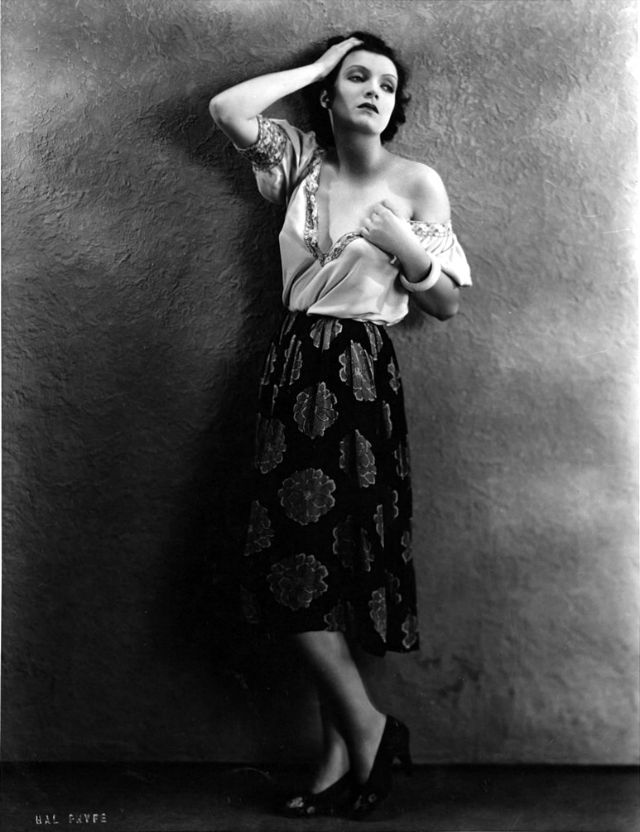
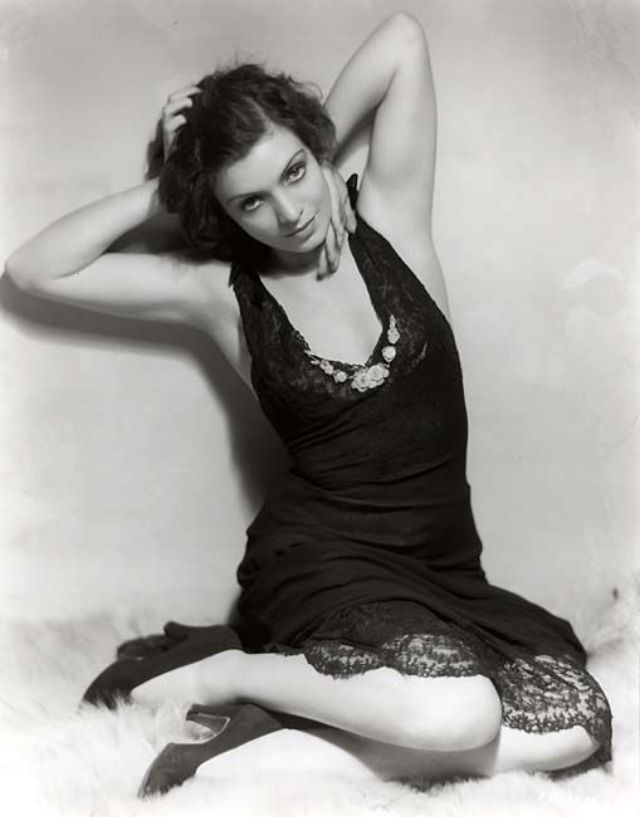
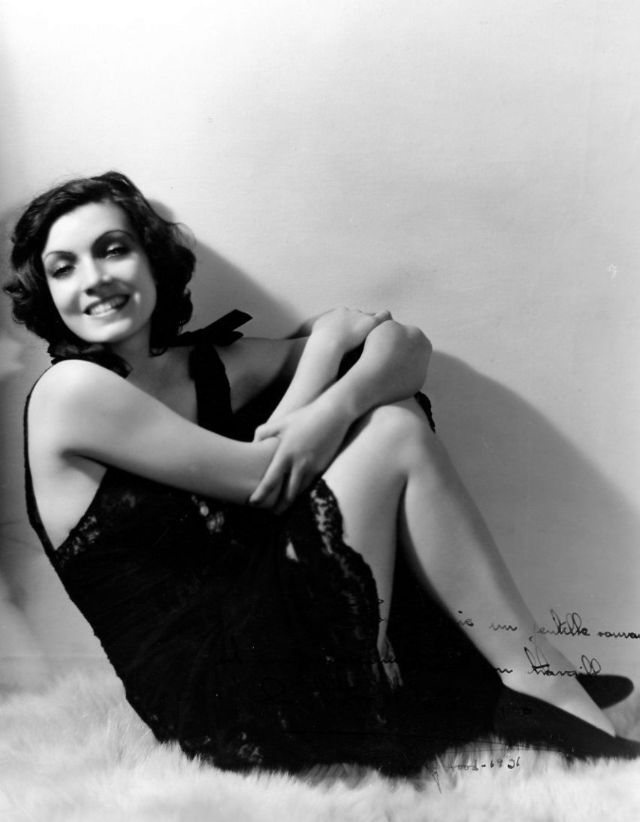
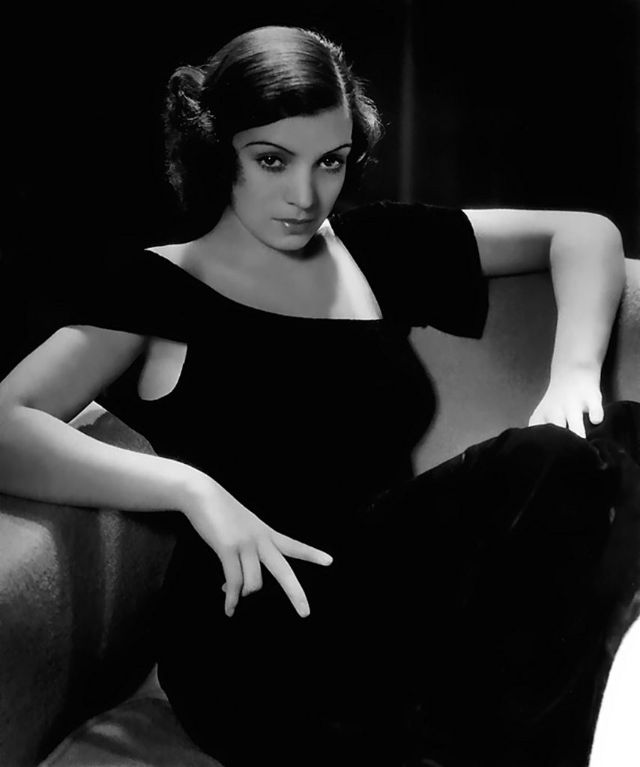
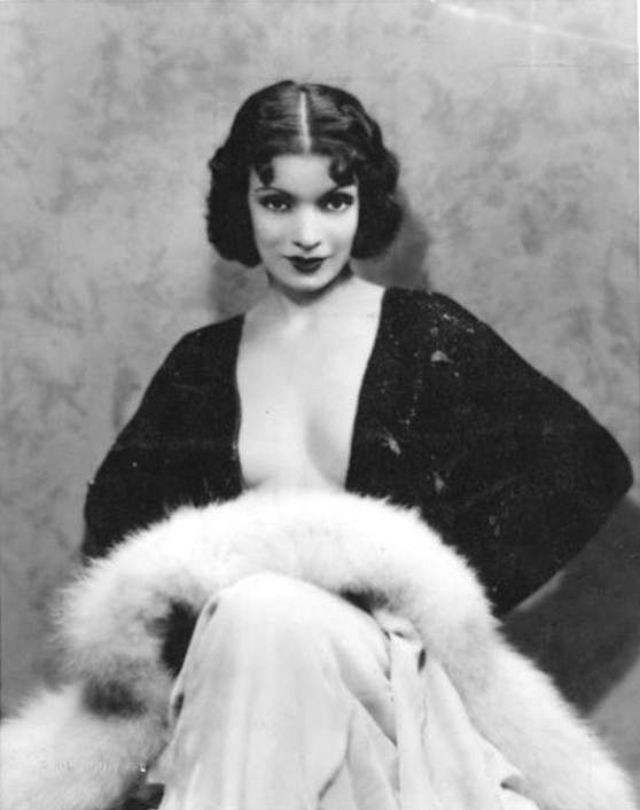
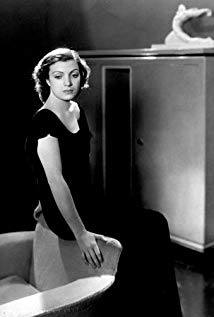
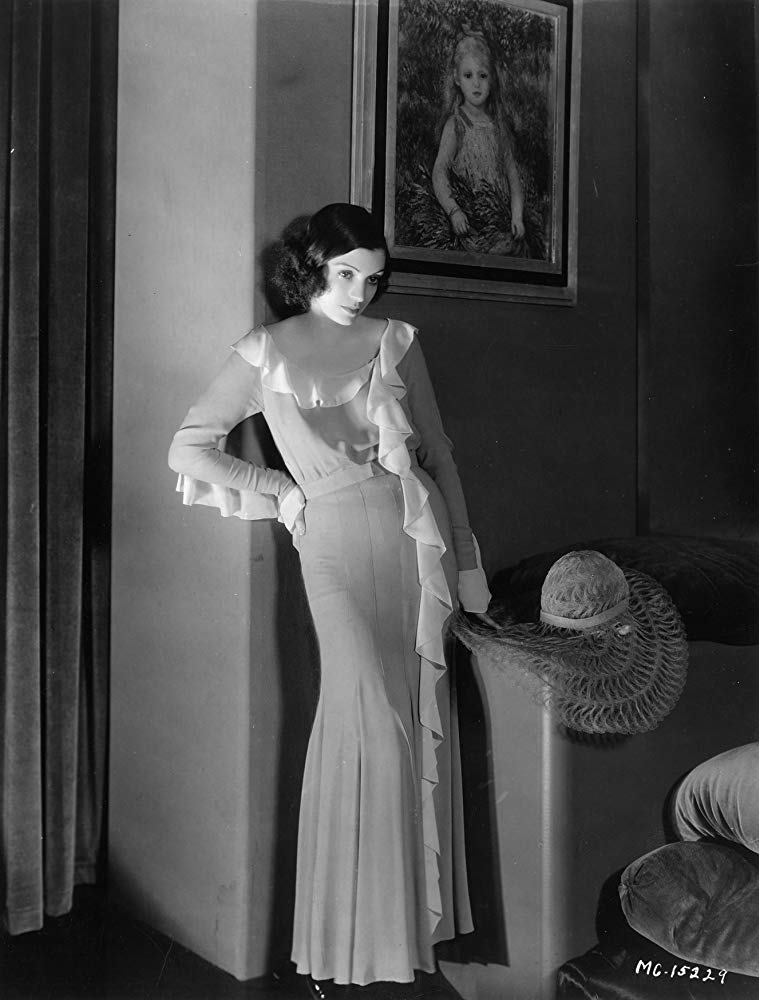
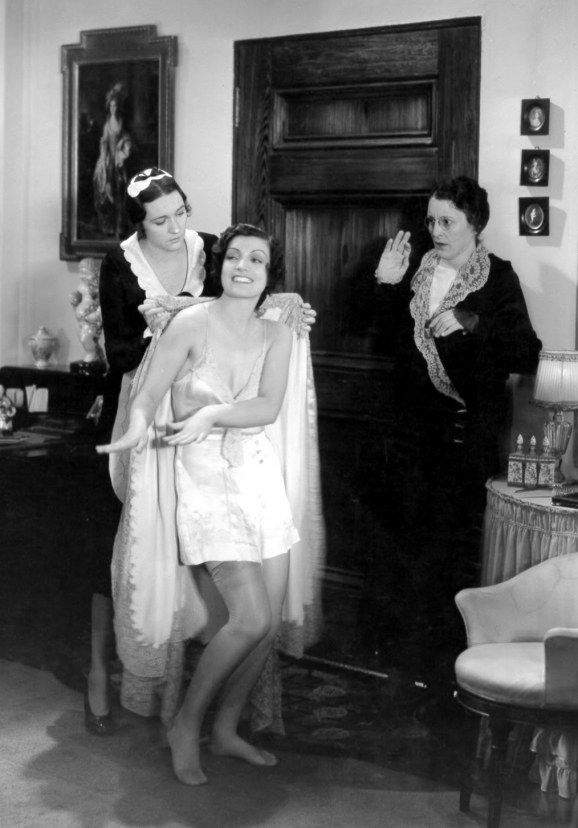
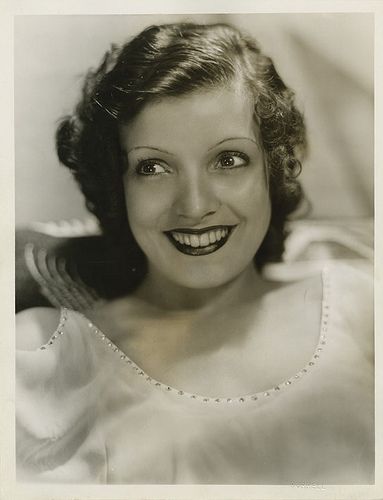
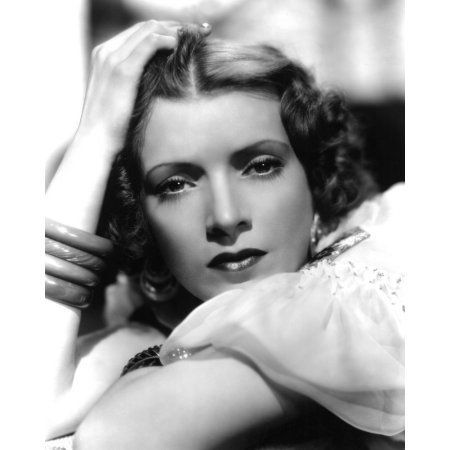
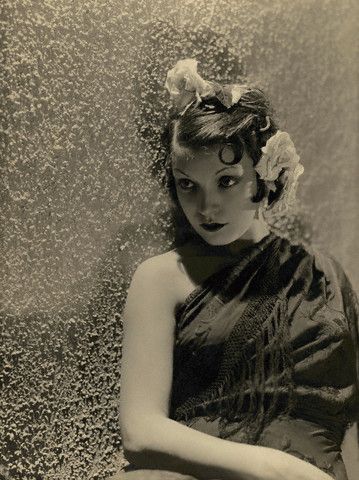
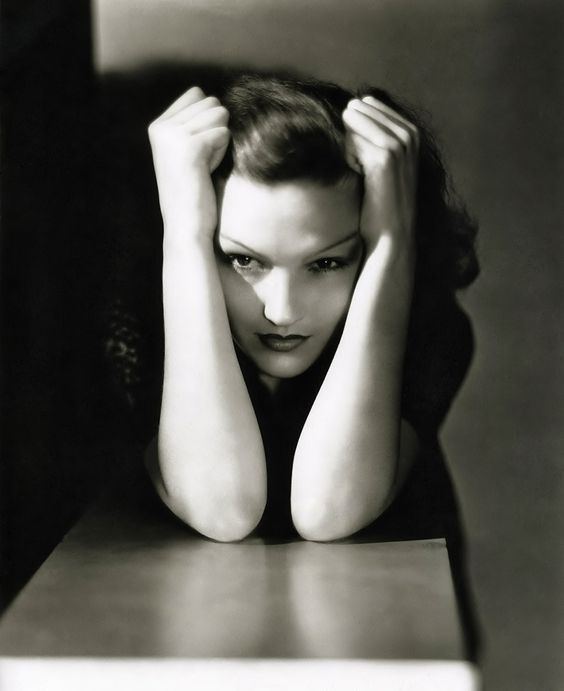
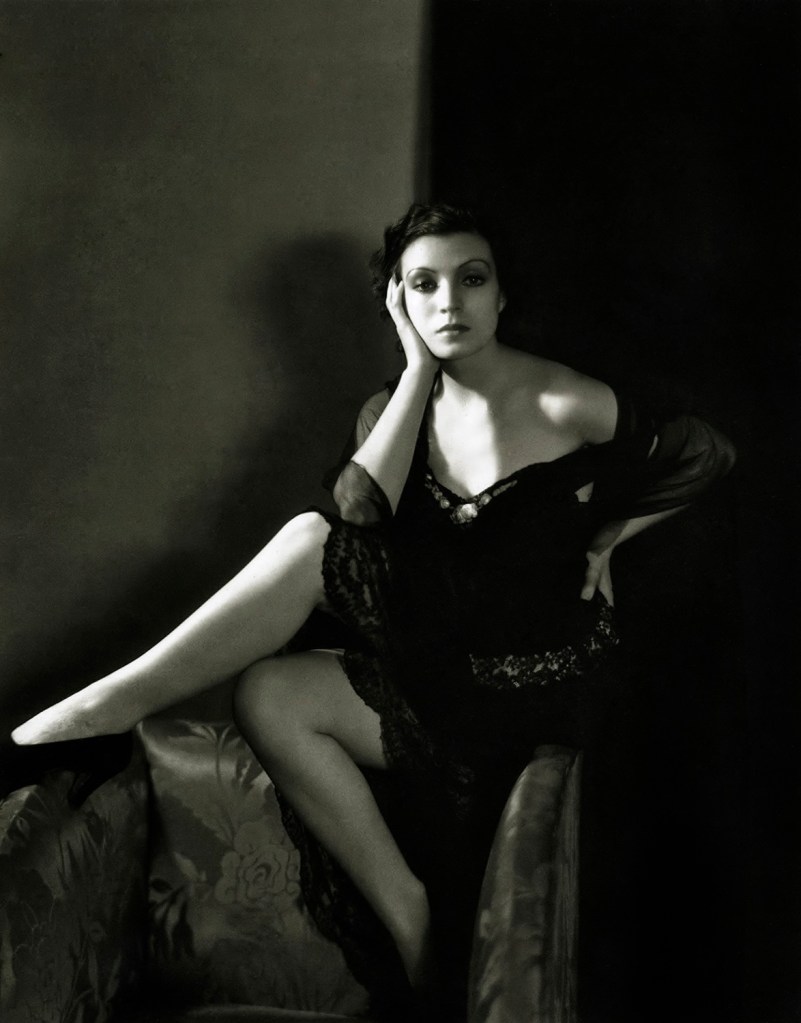
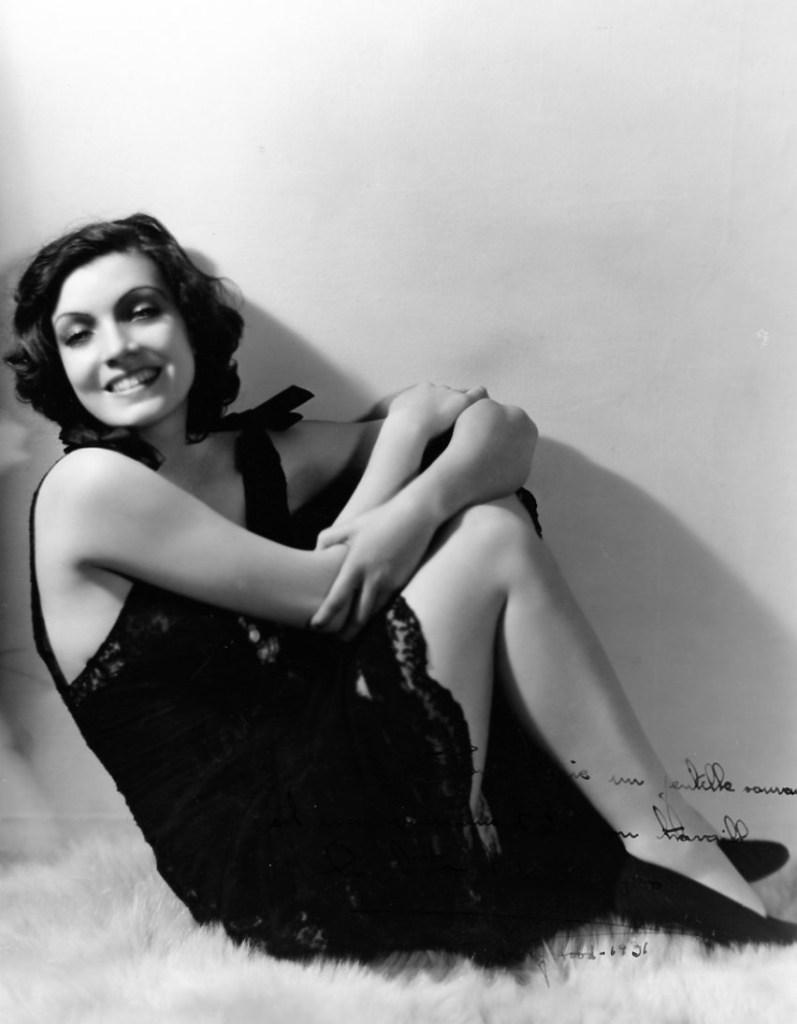
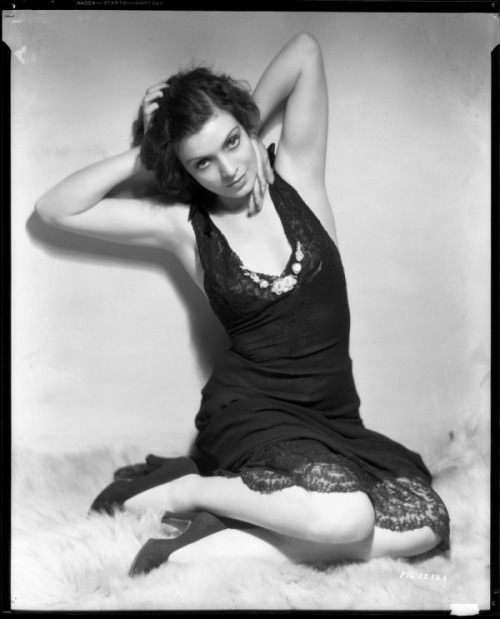
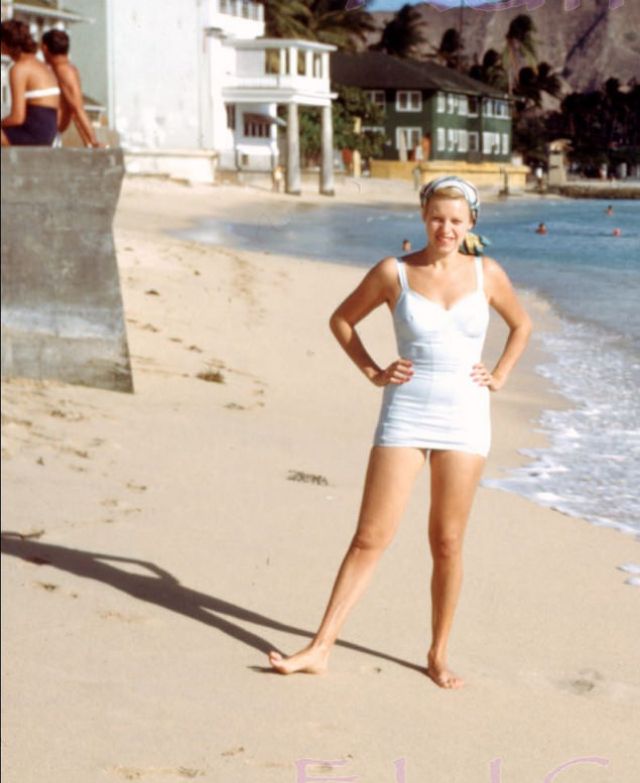
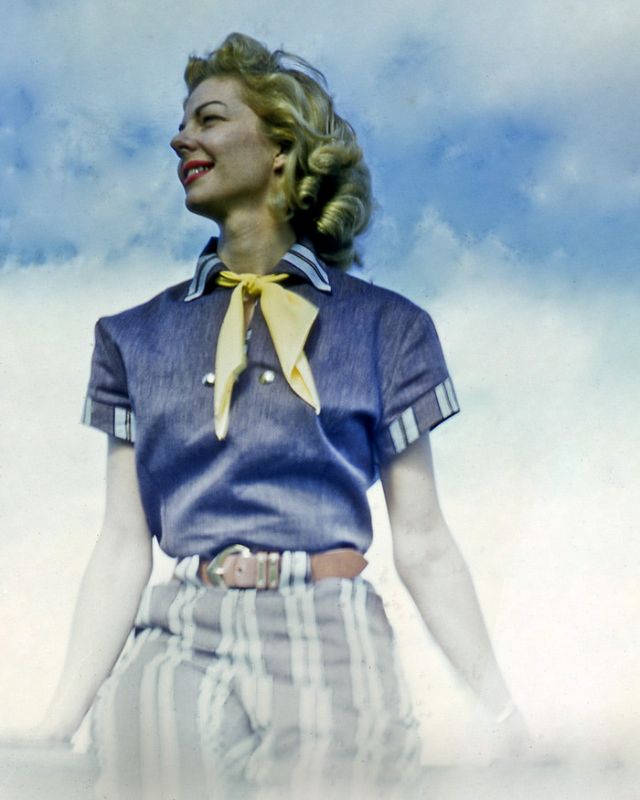
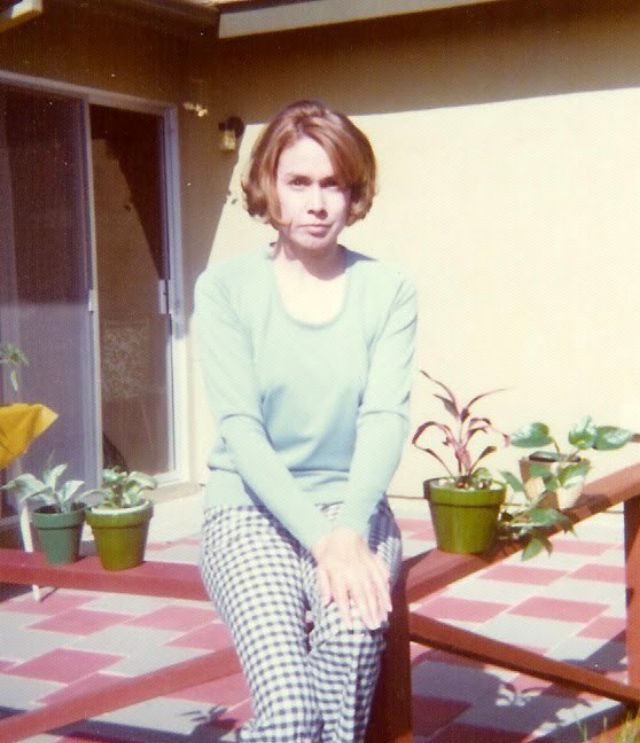
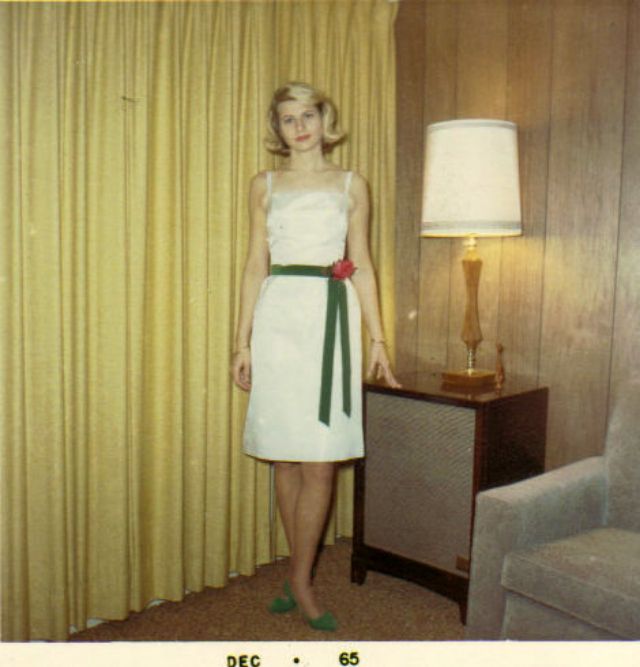
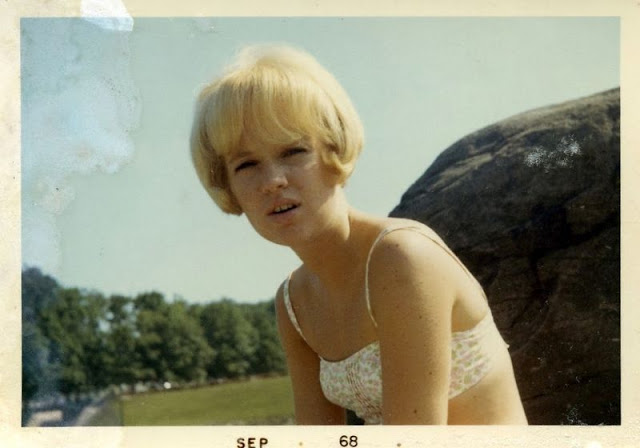
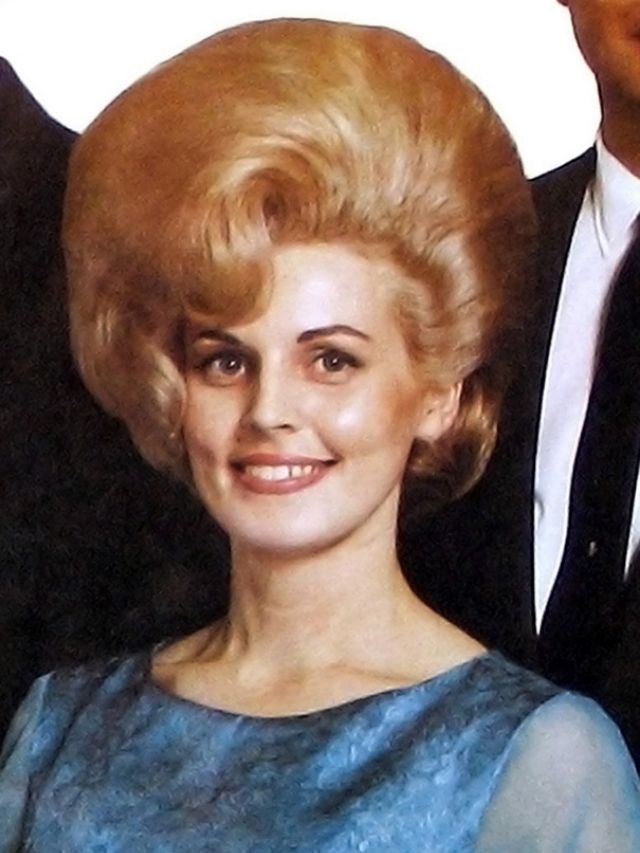
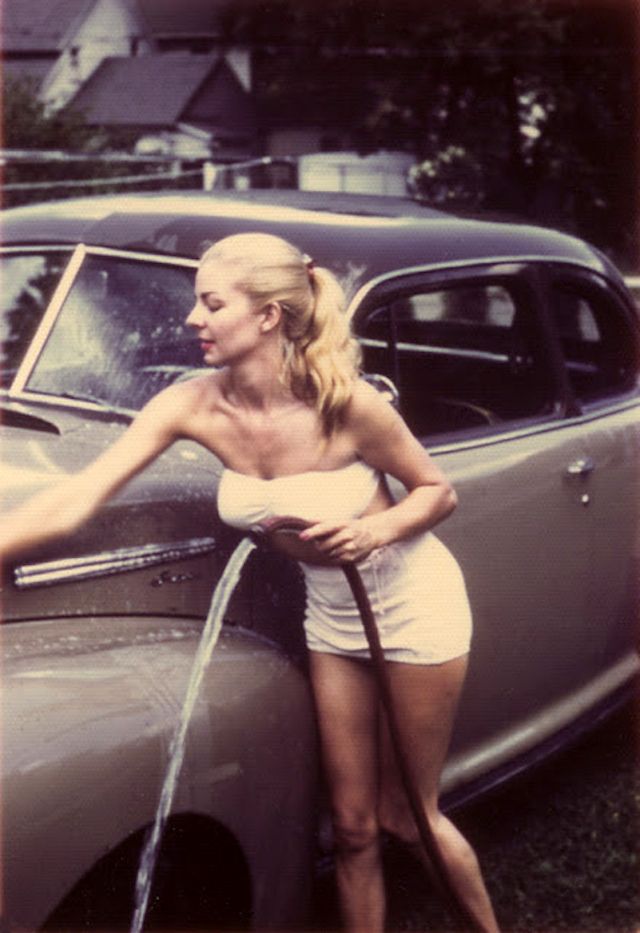
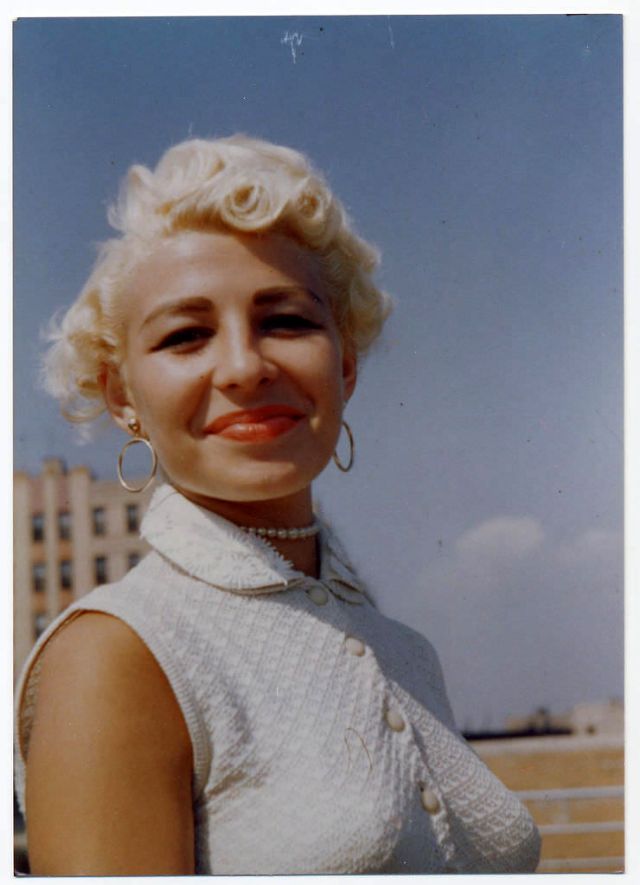
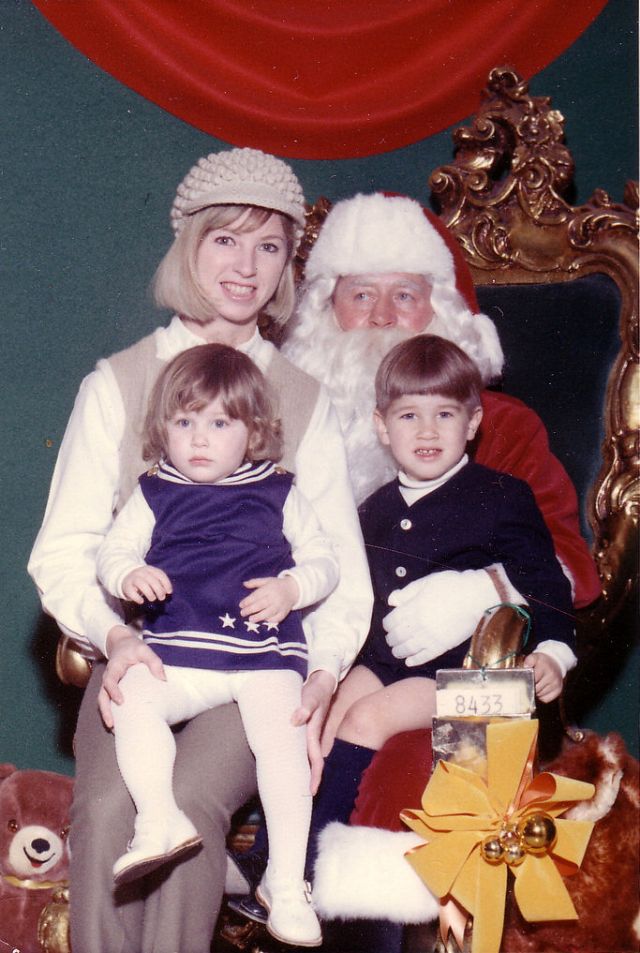
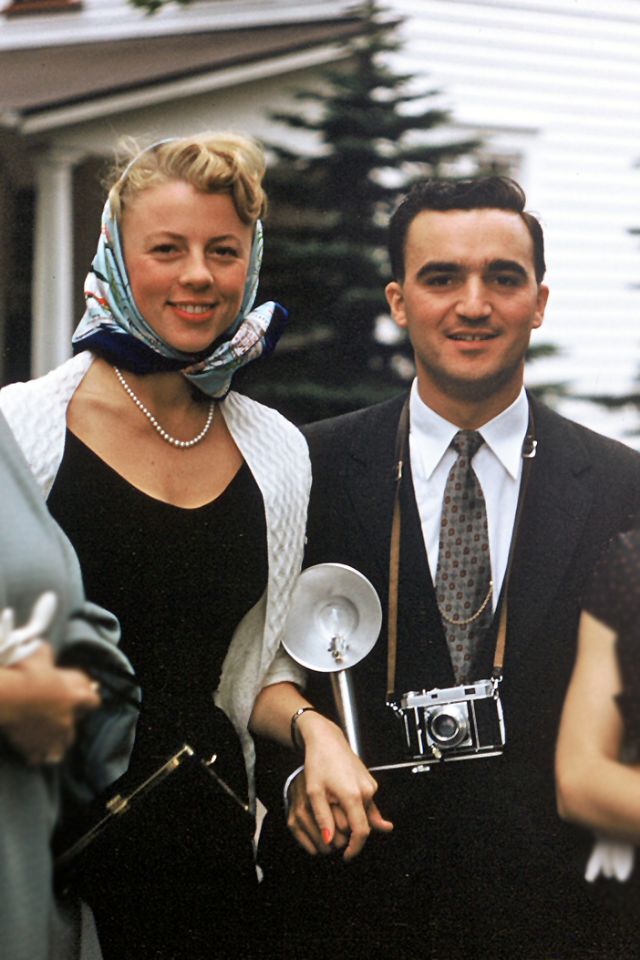
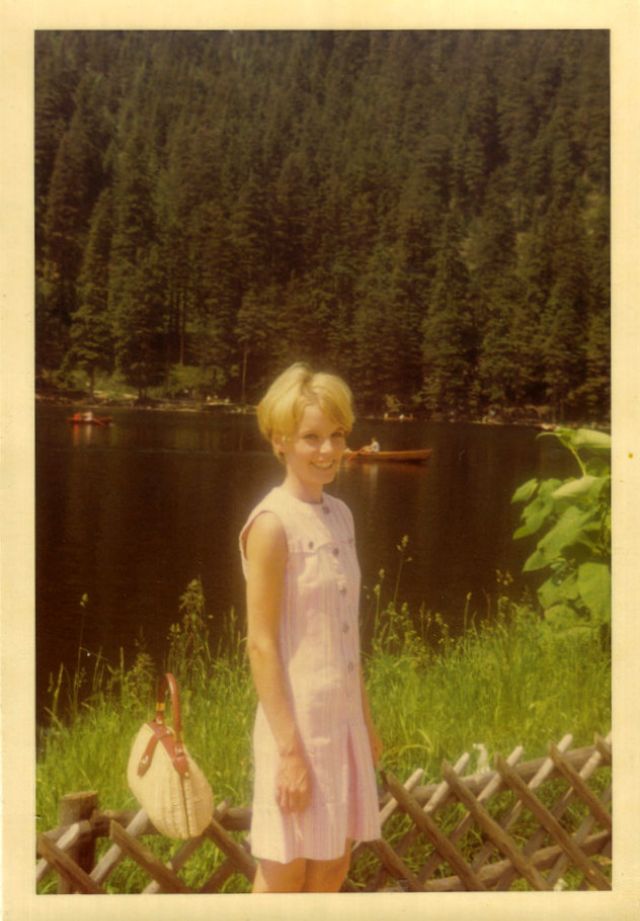
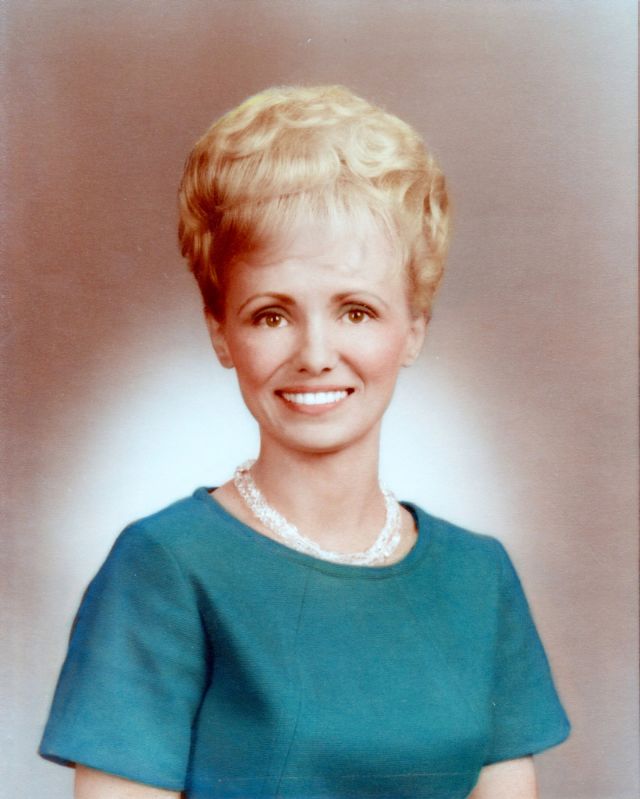
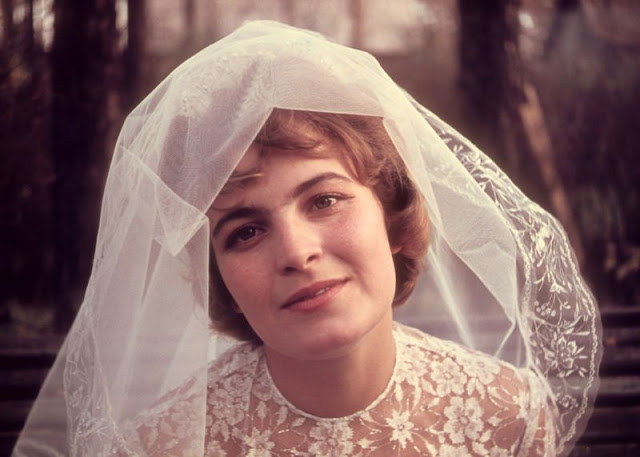
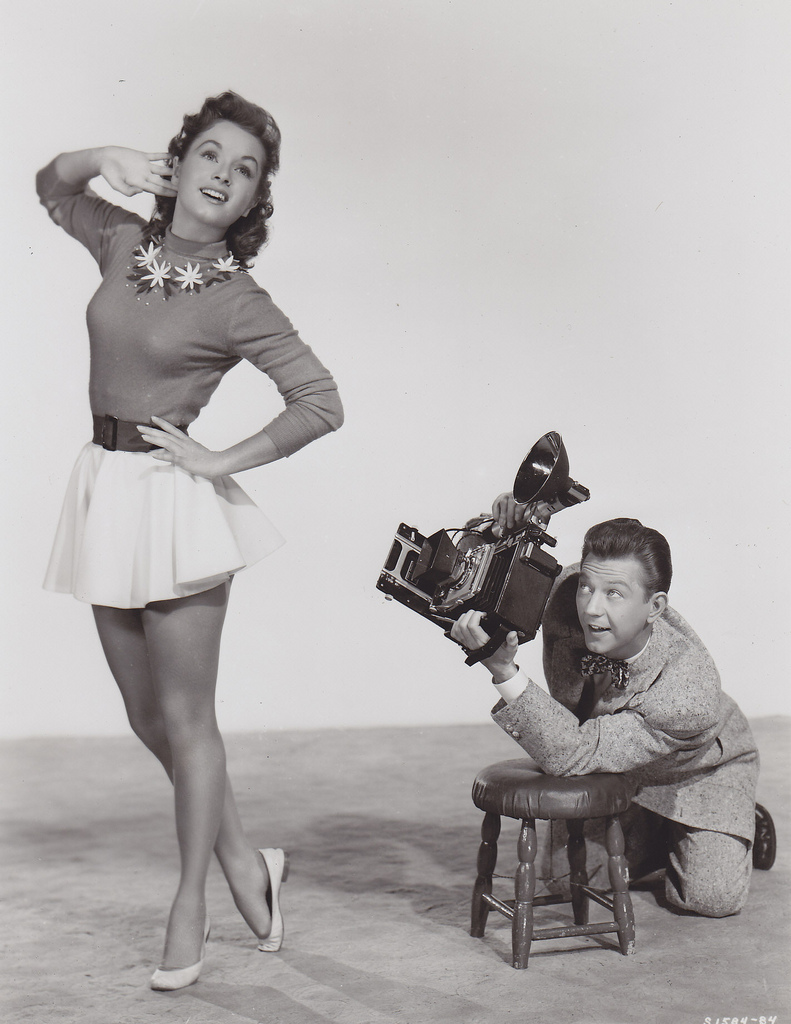
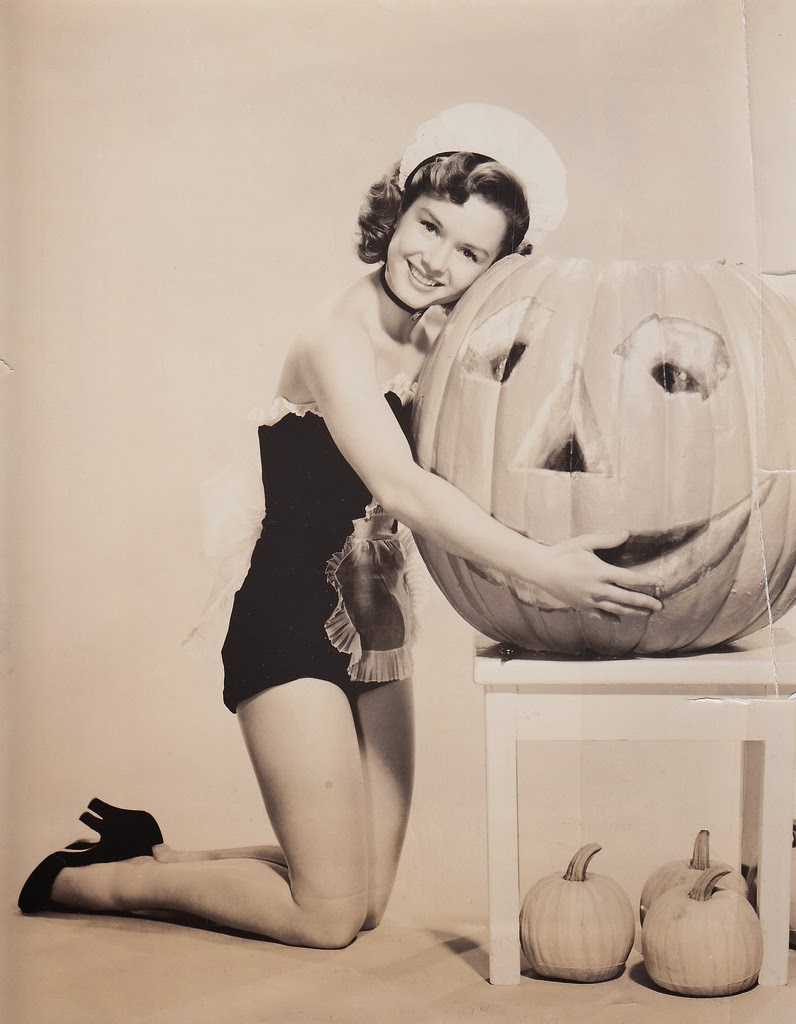
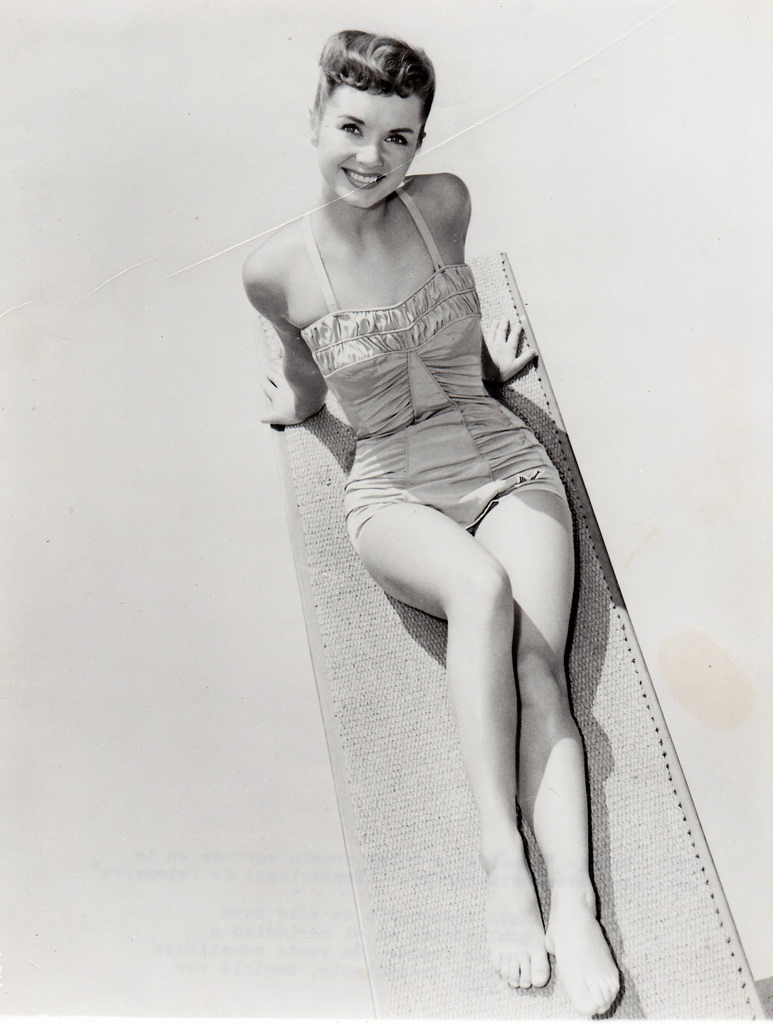
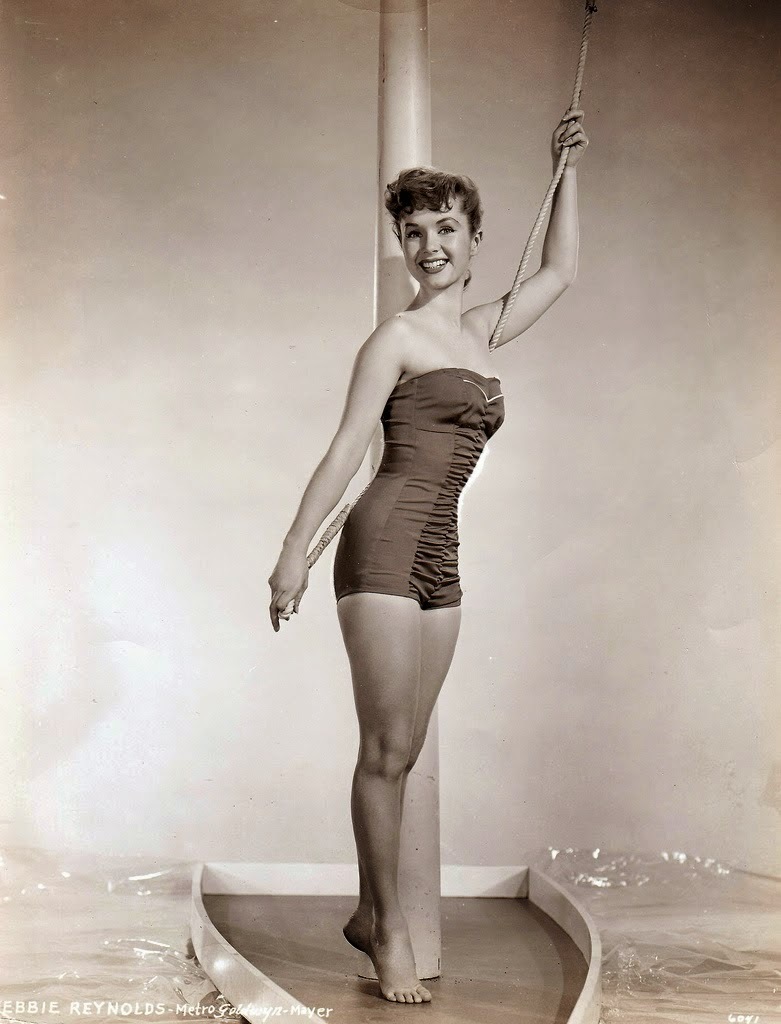
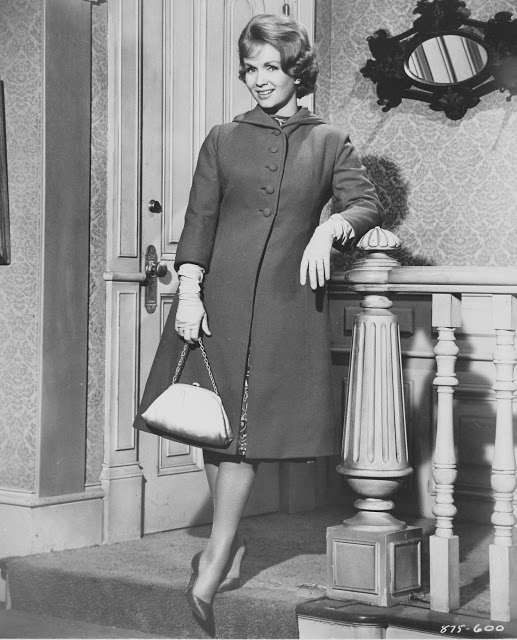
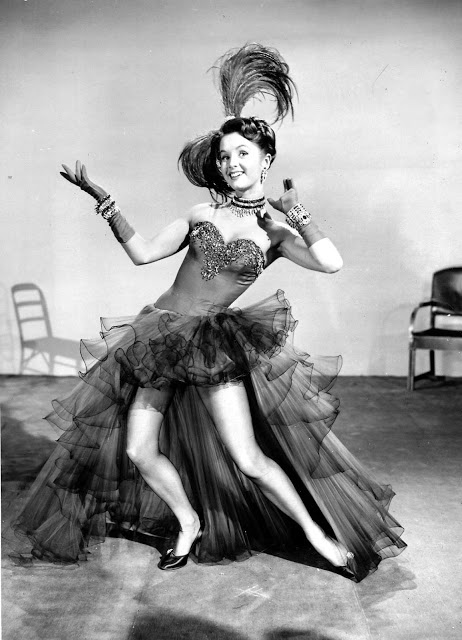
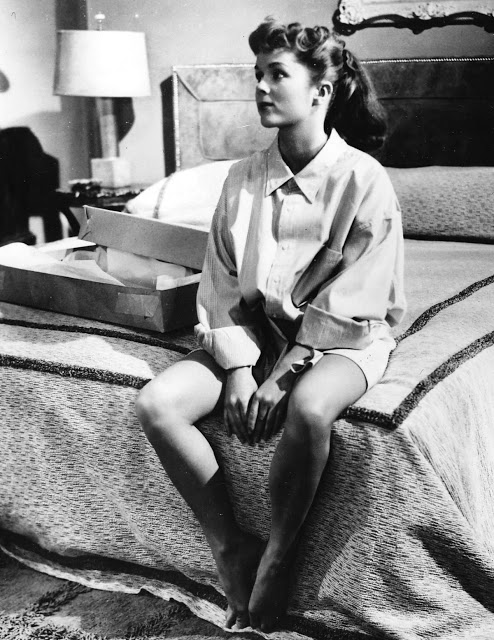
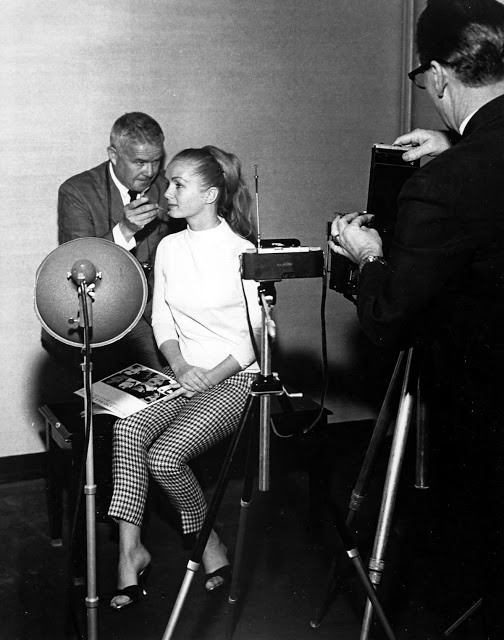
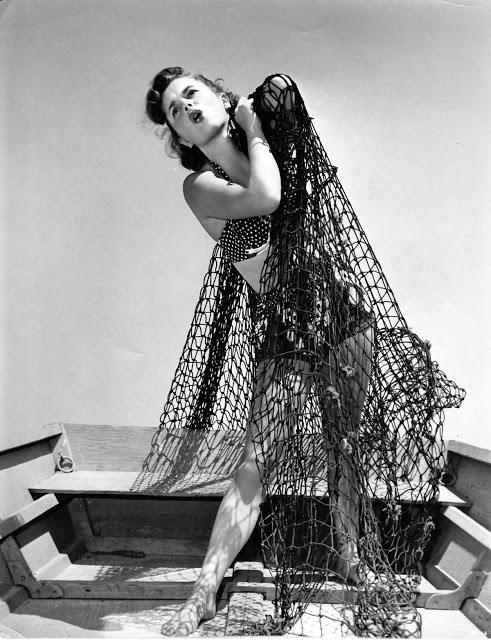
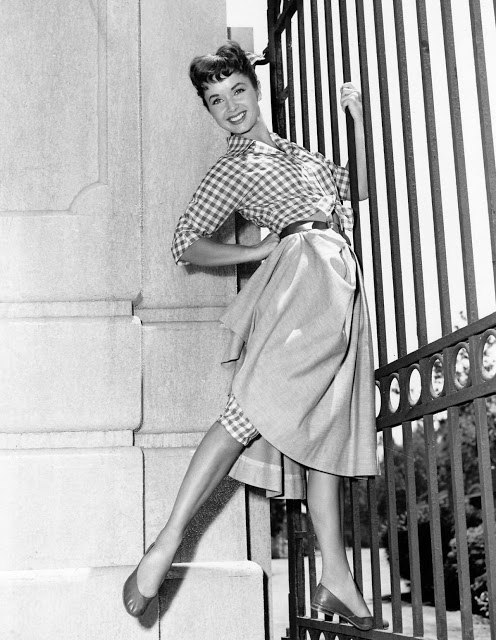
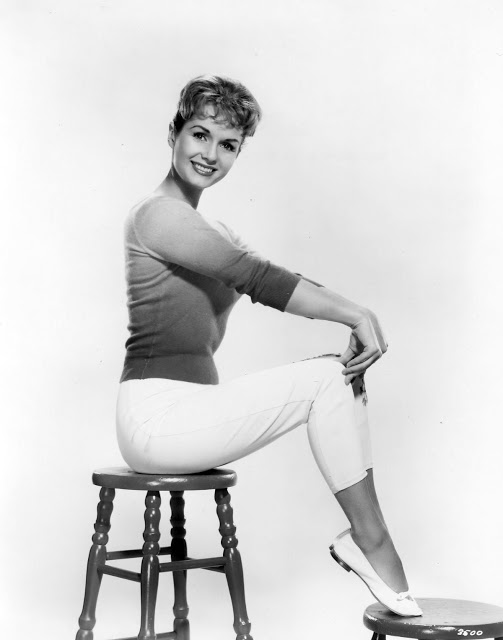
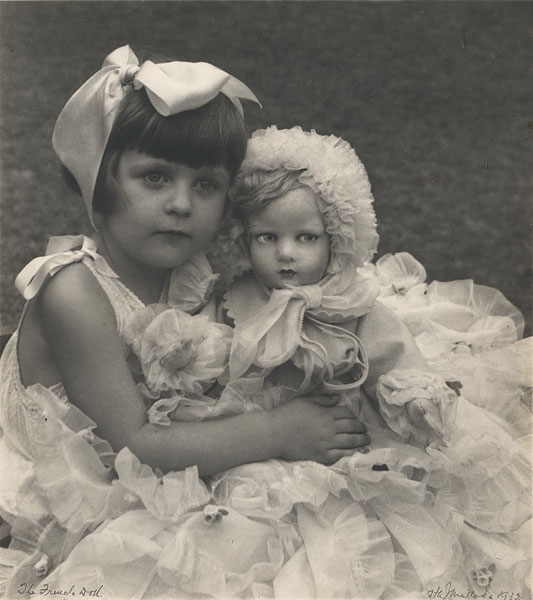
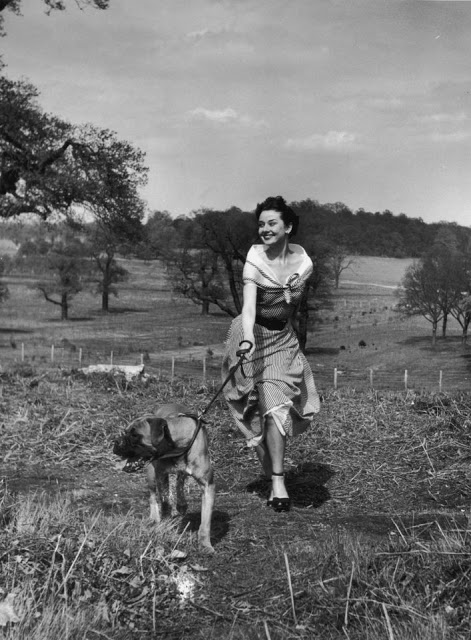
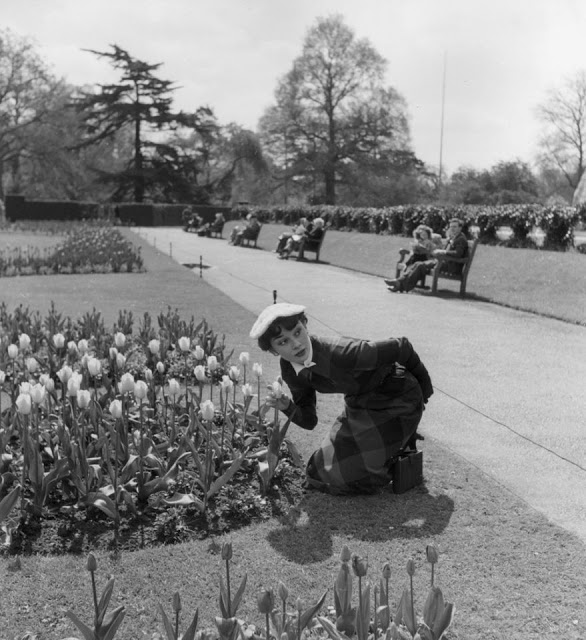
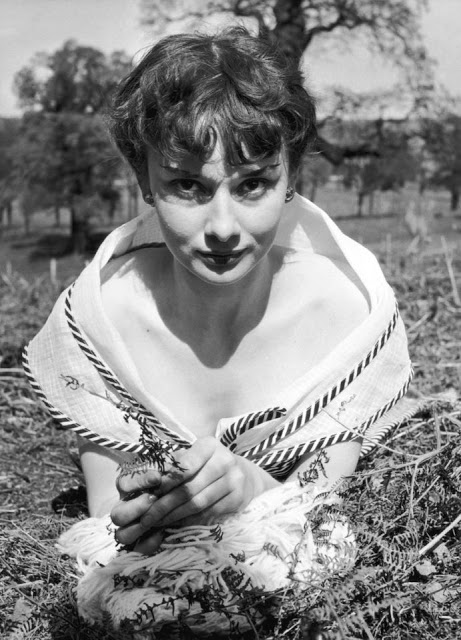
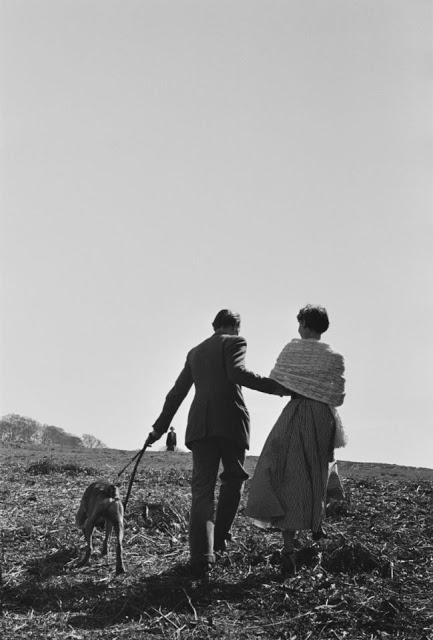
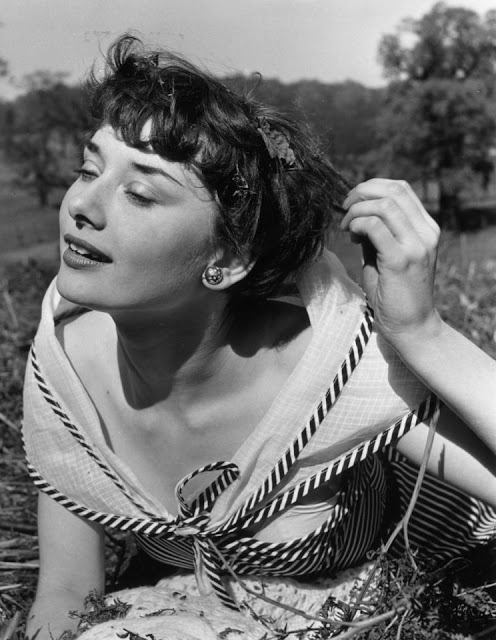
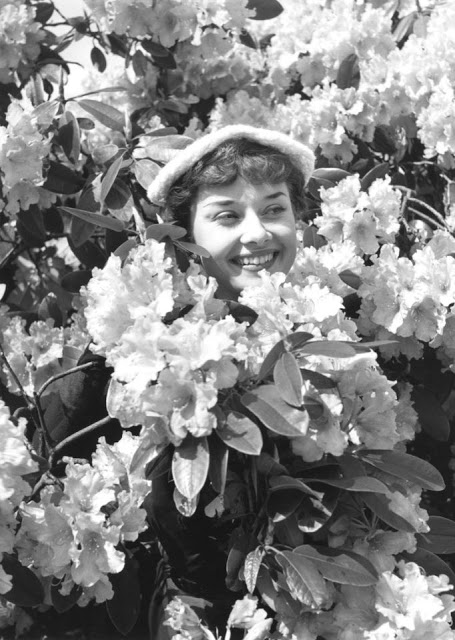
Born 1911 as Concepción Andrés Picado in San Sebastian, Spanish model, dancer and actress Conchita Montenegro first worked professionally as a model for the famous painter Ignacio Zuloaga y Zabaleta. During her childhood, she learned classical and Spanish dance. She was credited with revolutionizing the presentation of Spanish dances.
Montenegro turned from dancing to dramatic acting and starred in numerous productions. She attained theatrical fame in Hollywood, France, and Germany by the time she was thirteen years old. At the age of sixteen, she starred in the French film La Femme et le pantin (1928).
Came to Hollywood in June 1930 with a contract at Metro-Goldwyn-Mayer, Montenegro played the leading female part of Tamea Larrieau in Never the Twain Shall Meet (1931). She had been cast in special Spanish-language versions of MGM movies as Call of the Flesh and Love in Every Port (both 1930).
Montenegro’s movie career in America continued until 1940. That year she performed the leading female part in Eternal Melodies (Melodie eterne), an Italian production. Montenegro retired from the cinema after filming several movies in Spain with the last of which was Lola Montes (1944).
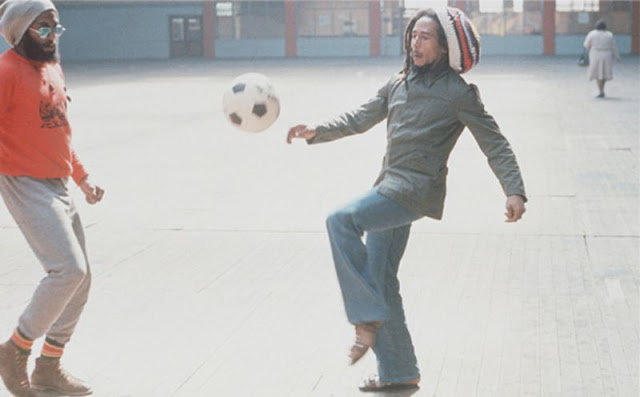
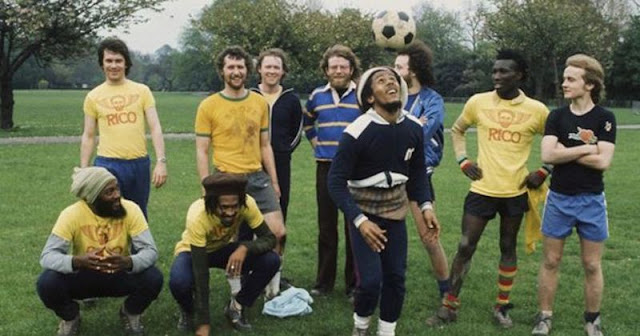
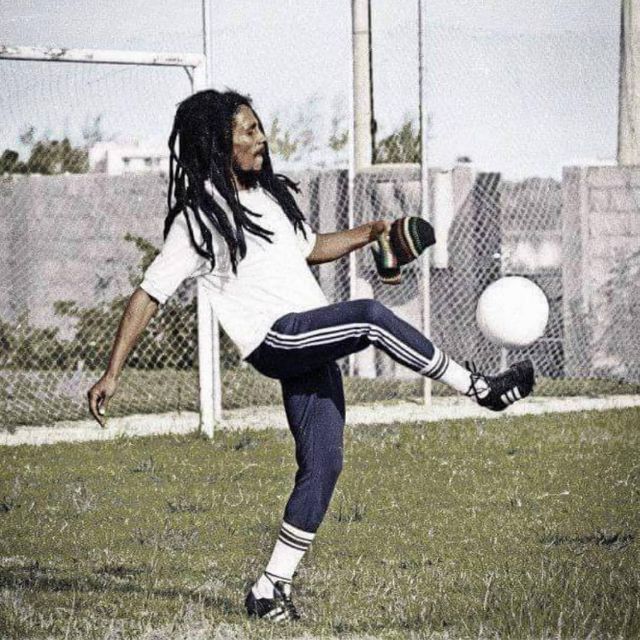
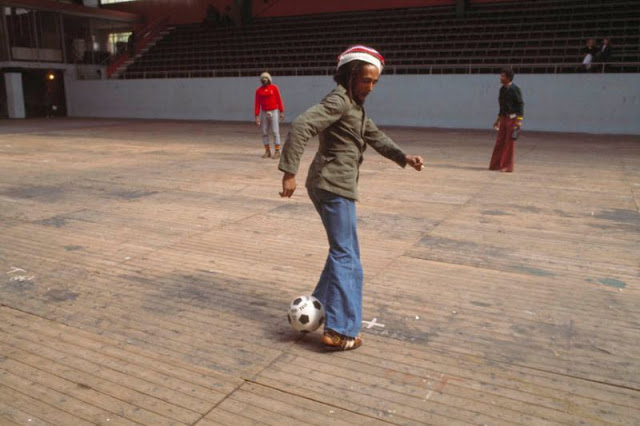
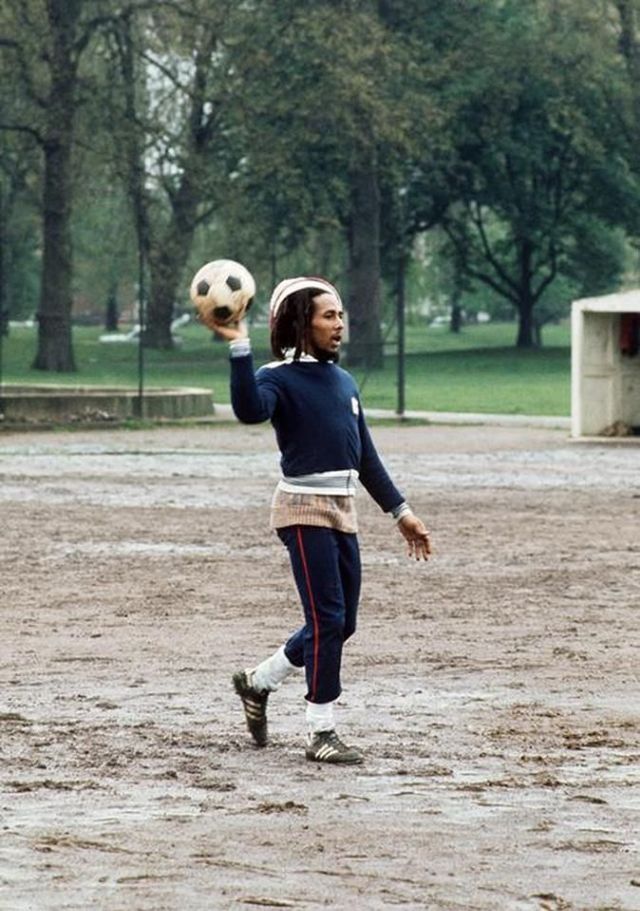
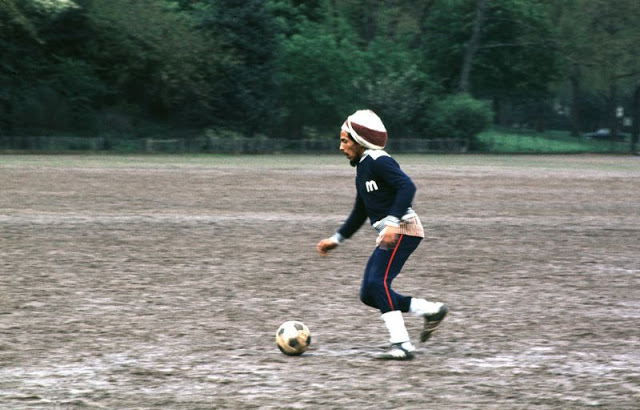
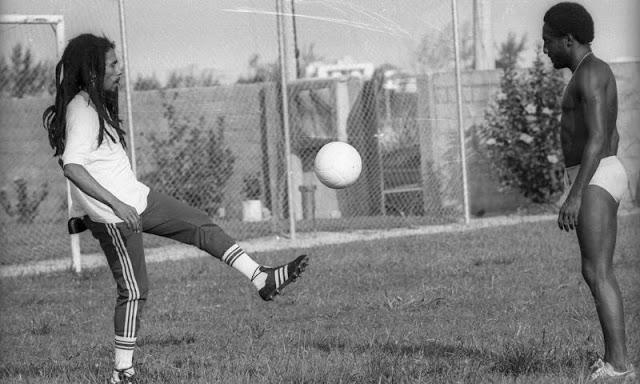
“Football is a part of I. When I play the world wakes up around me.” – Bob Marley
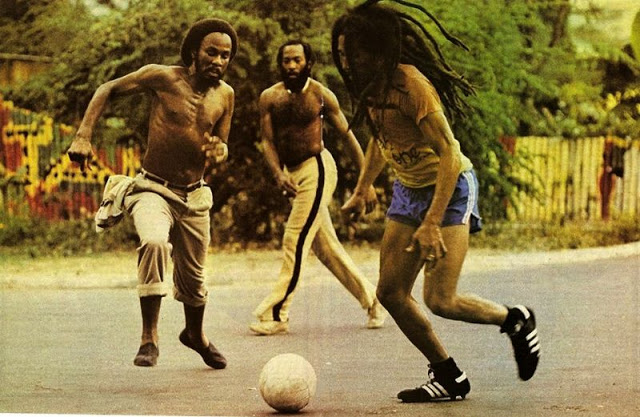
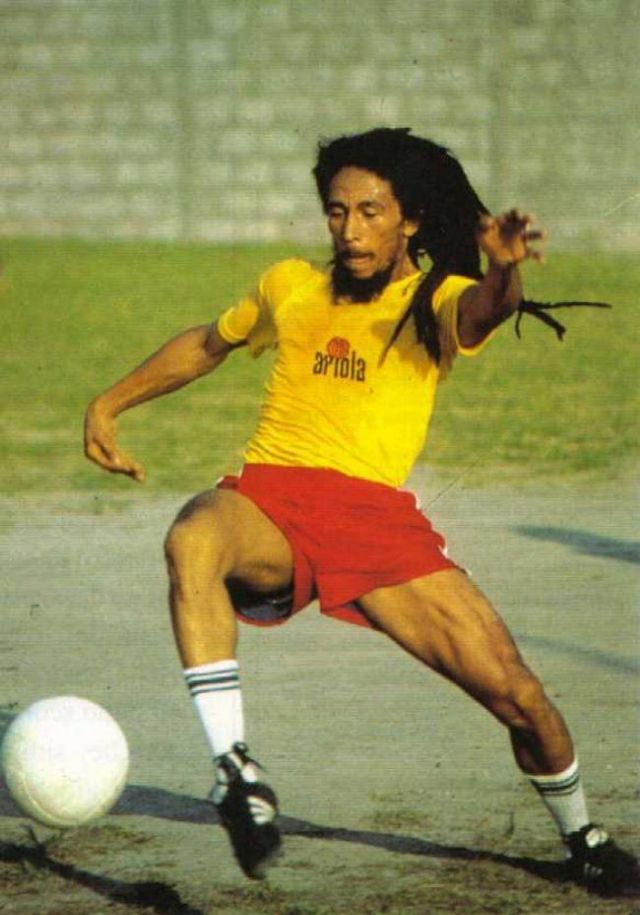
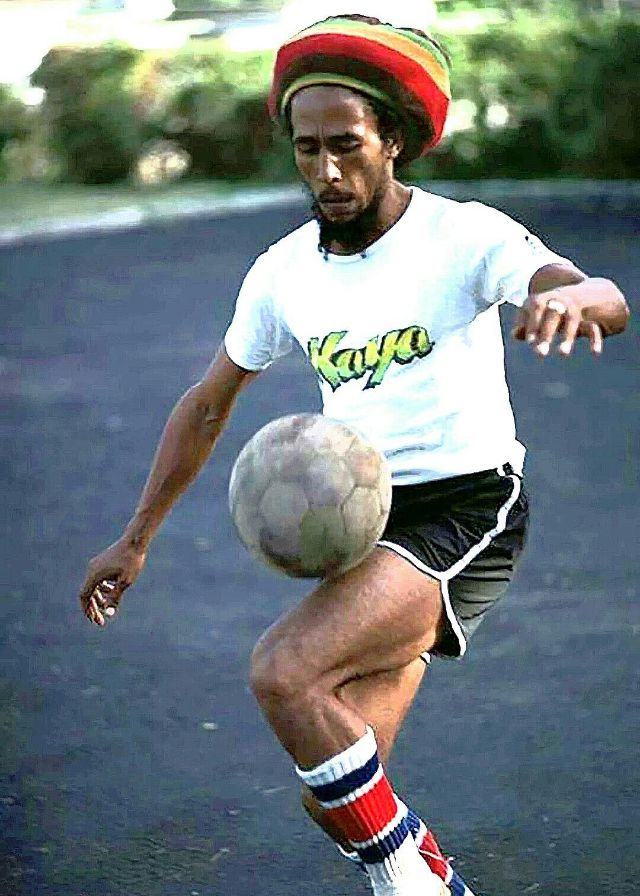
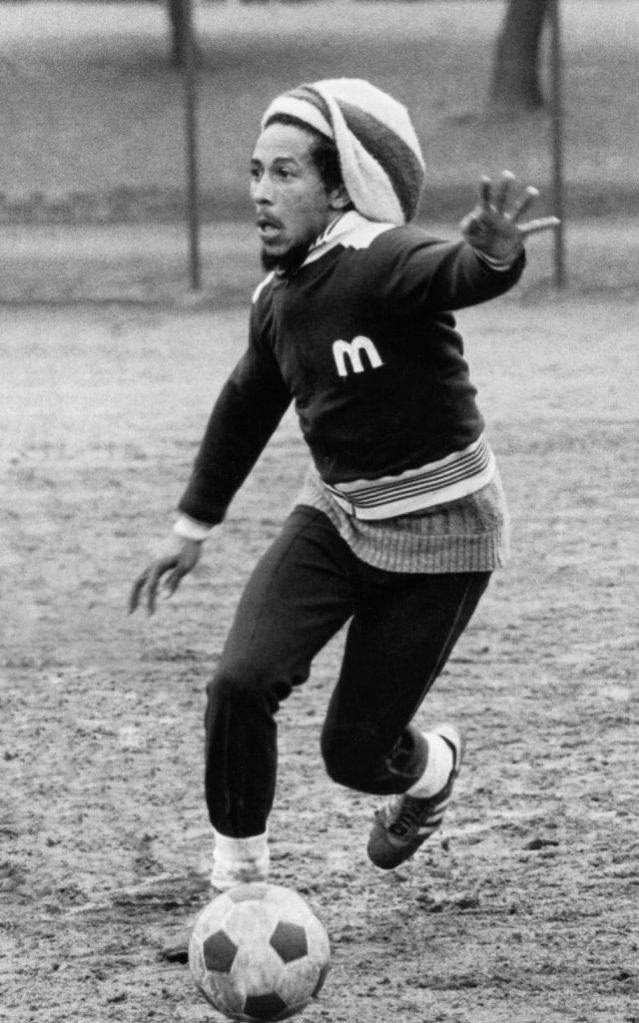
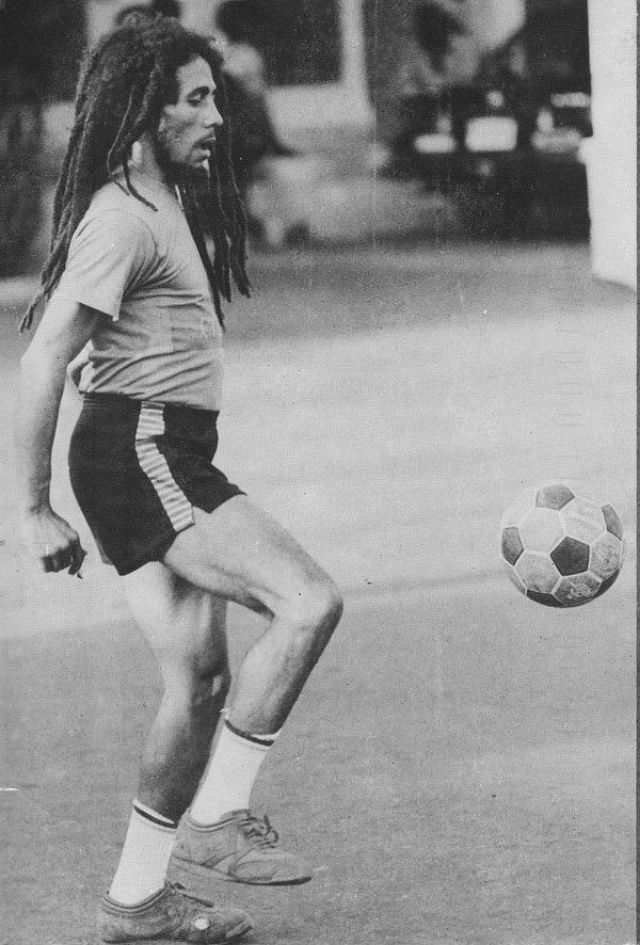
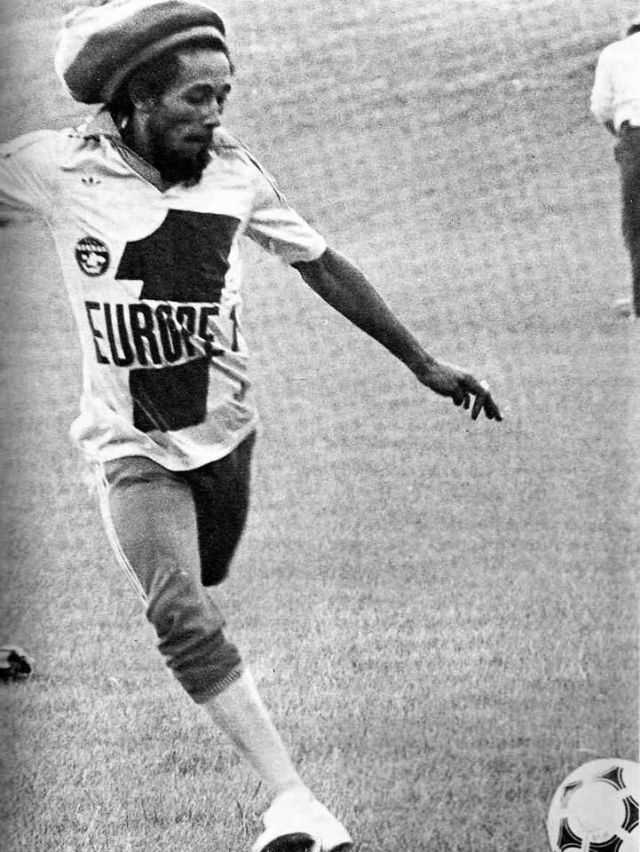
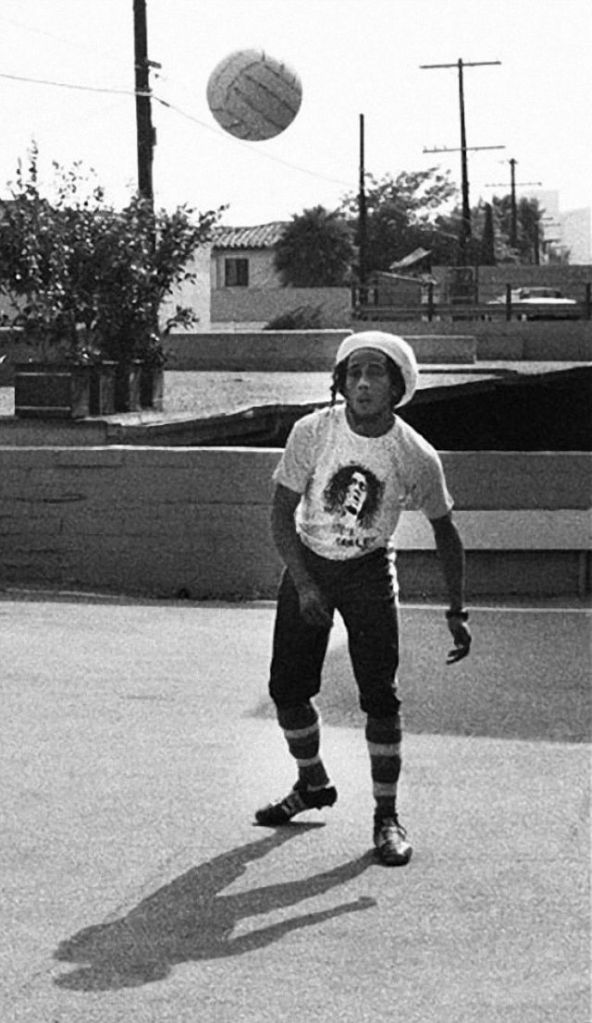
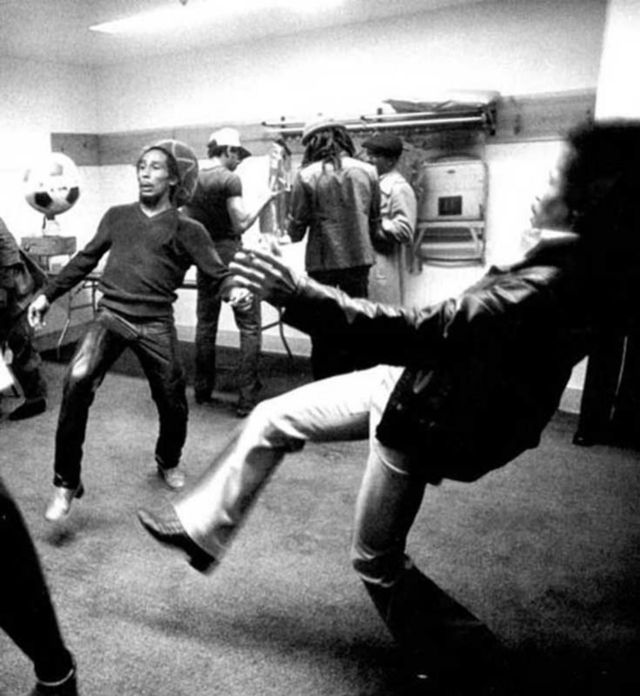
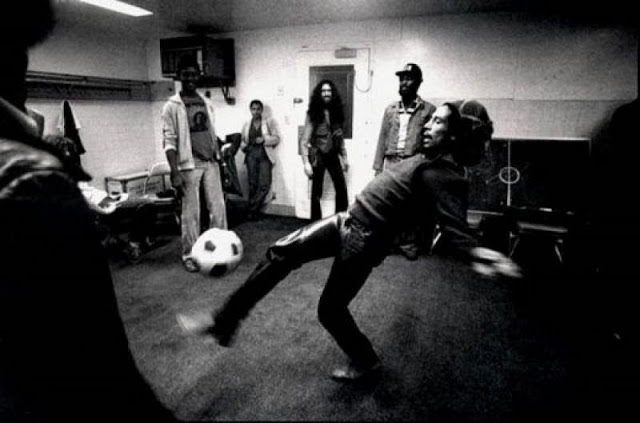
Here’s a collection of 30 interesting vintage photographs that show Bob Marley’s love for football, or as we say in America– soccer. The many images that captured his playing in formal games, or just juggling the ball, show a different side of the natty dread who would burn up the stage all over Europe in the 1970s.
Aside from music, association football played a major role throughout his life. As well as playing the game, in parking lots, fields, and even inside recording studios, growing up he followed the Brazilian club Santos and its star player Pelé. Marley surrounded himself with people from the sport, and in the 1970s made the Jamaican international footballer Allan “Skill” Cole his tour manager. He told a journalist, “If you want to get to know me, you will have to play football against me and the Wailers.”
By all reports Bob Marley was quite skilled with the ball, and could pass and score with equal proficiency.
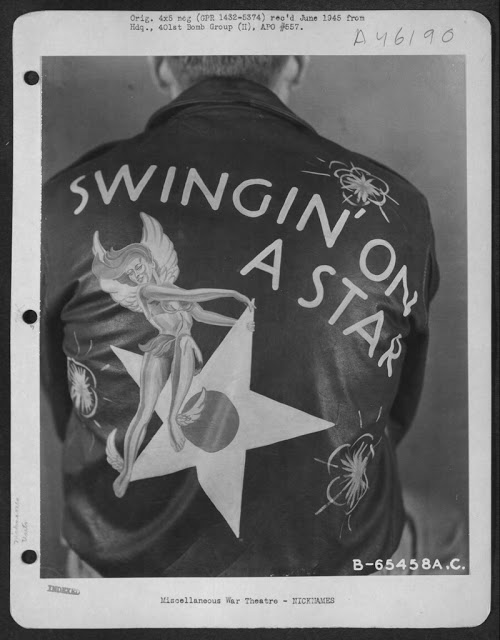
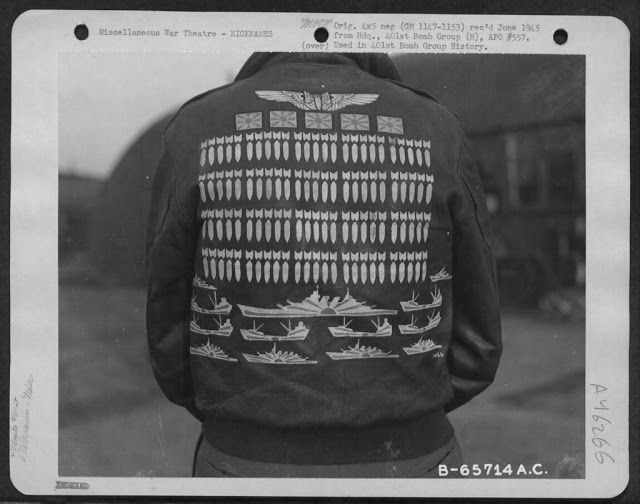
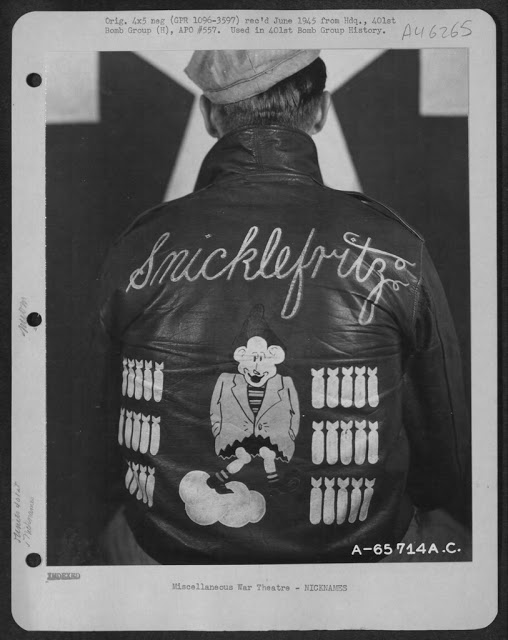
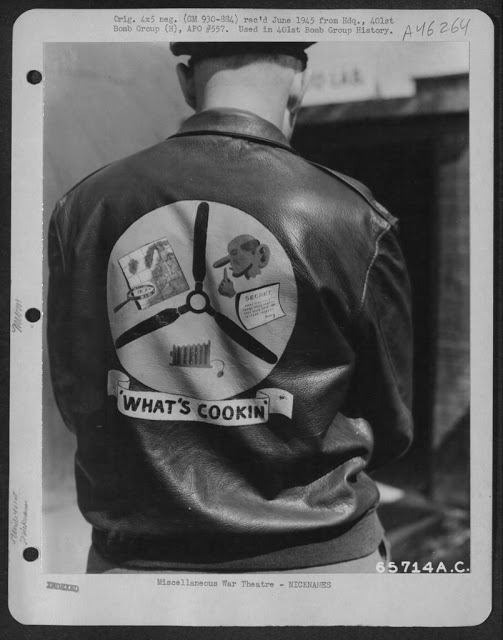
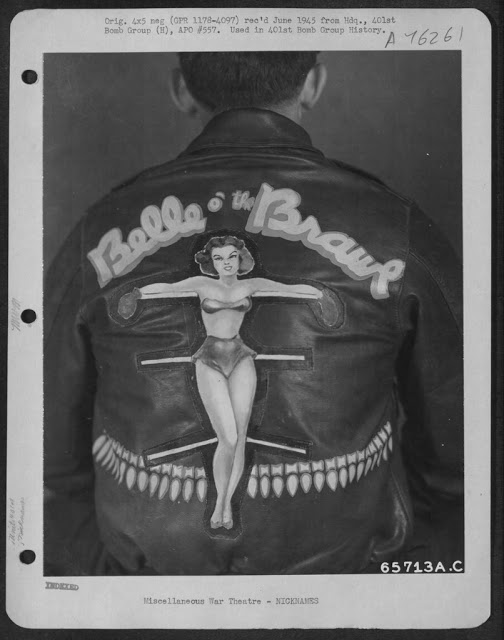
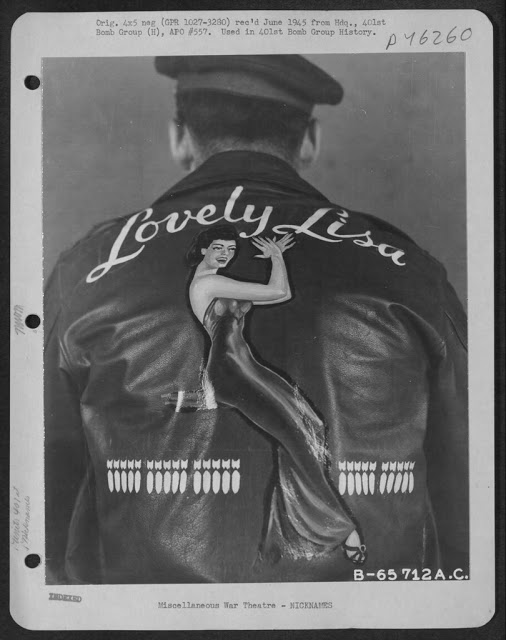
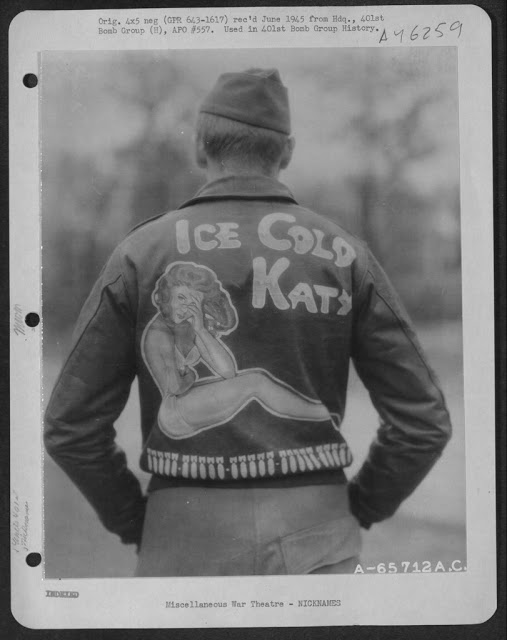
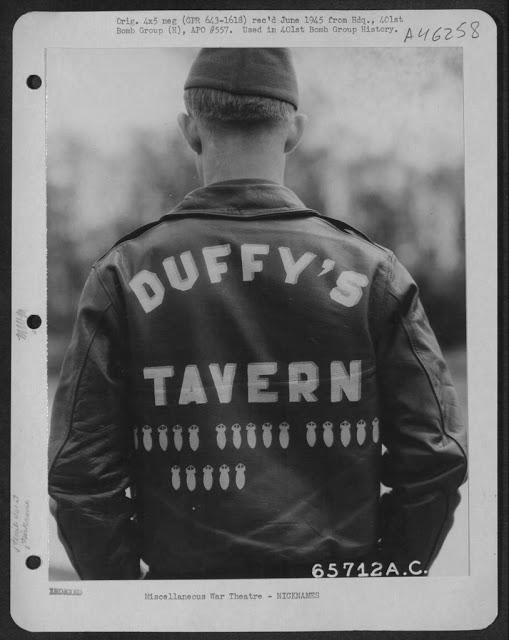
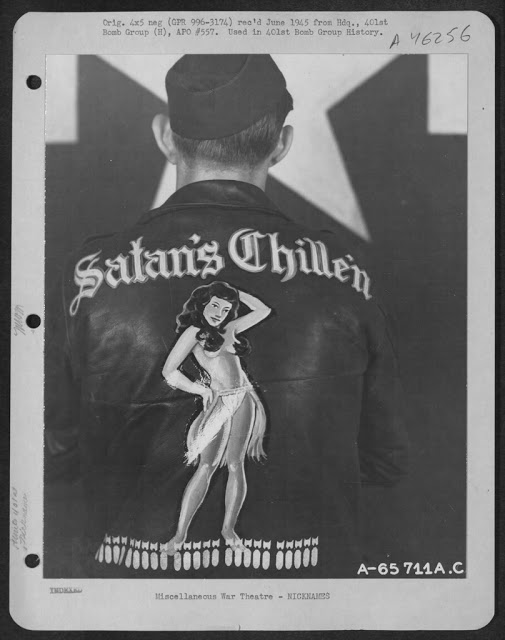
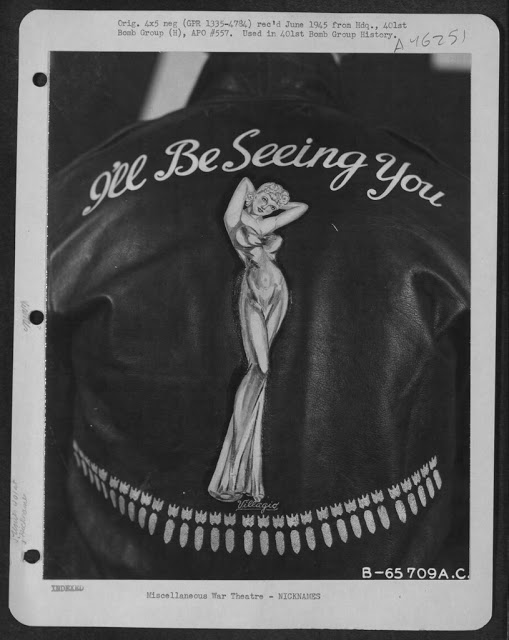
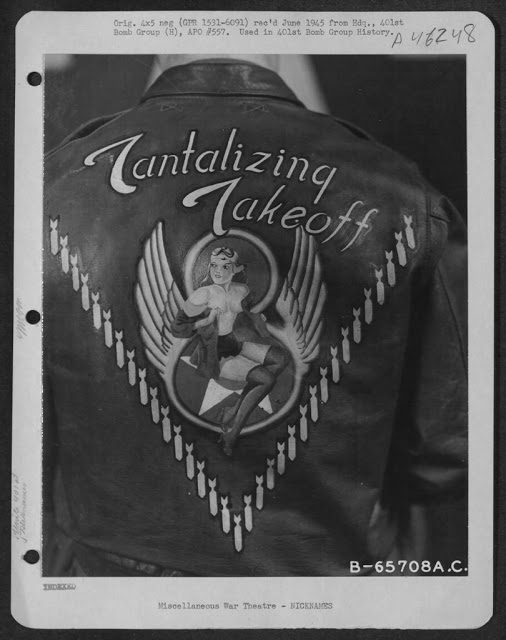
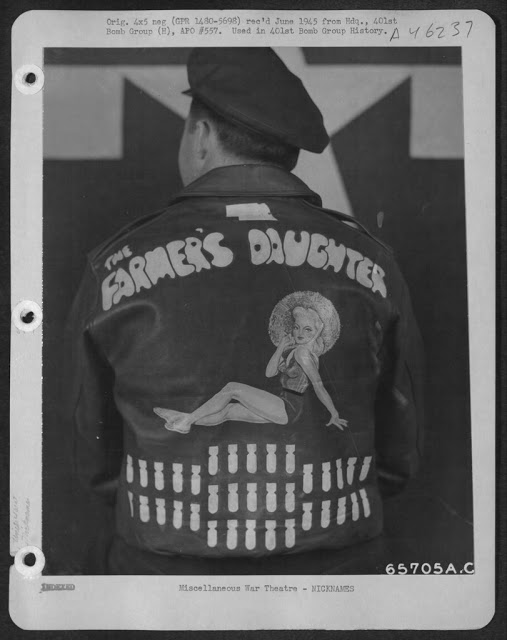
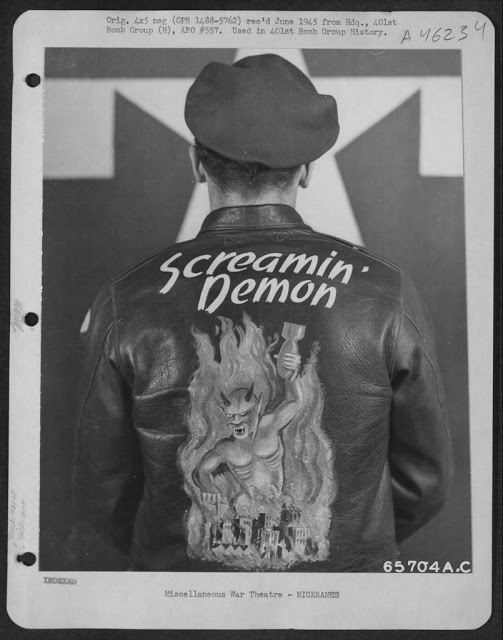
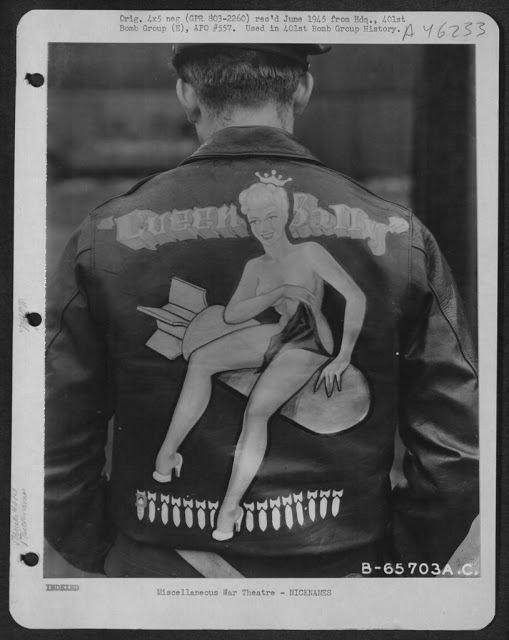
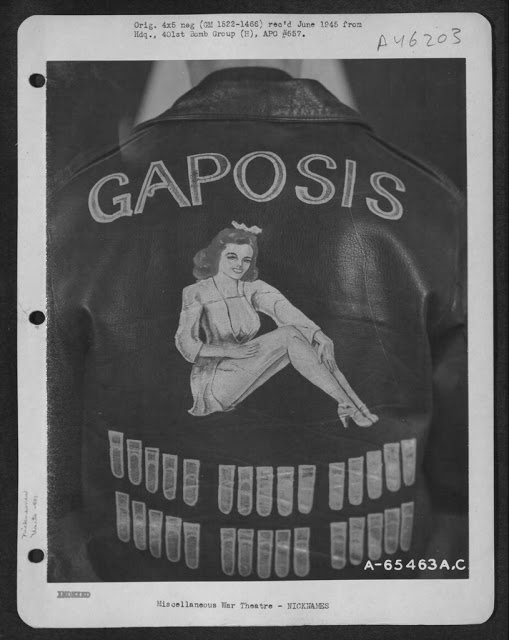
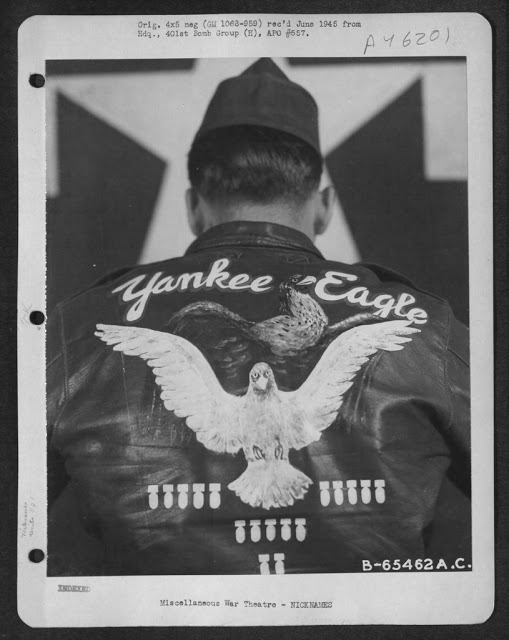
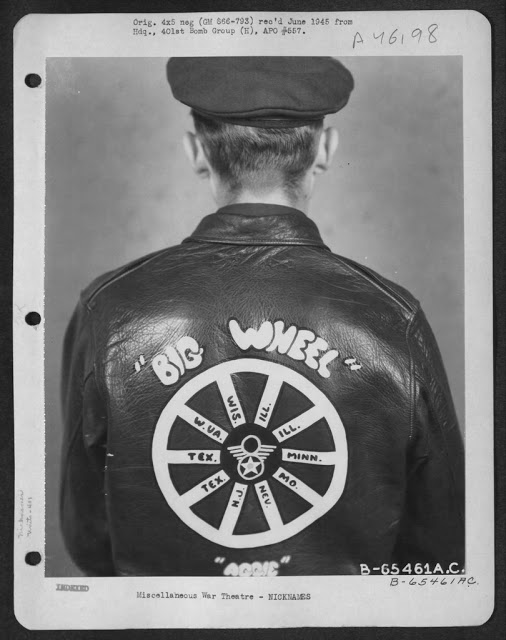
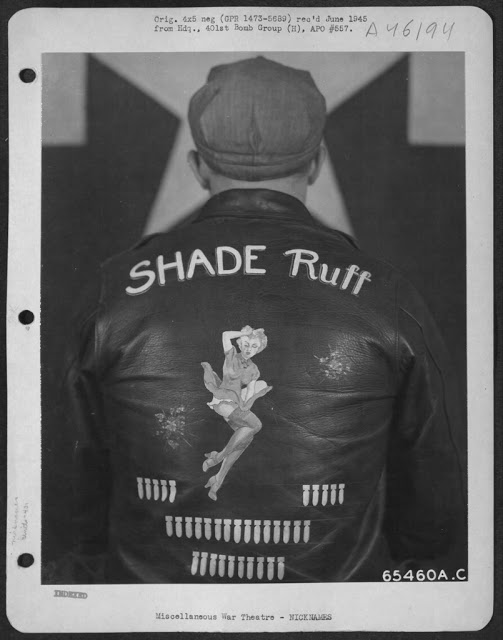
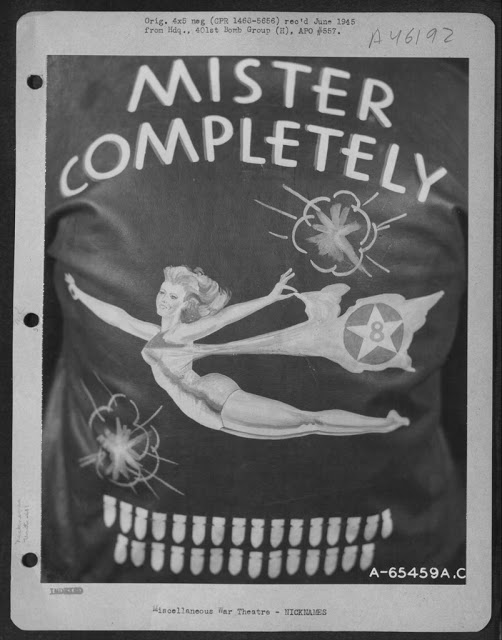
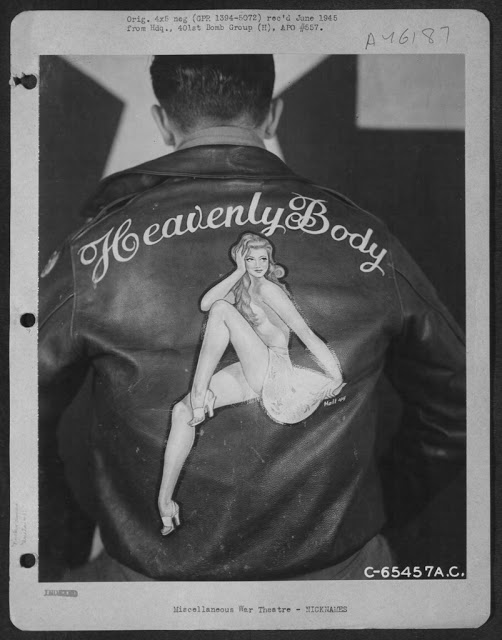
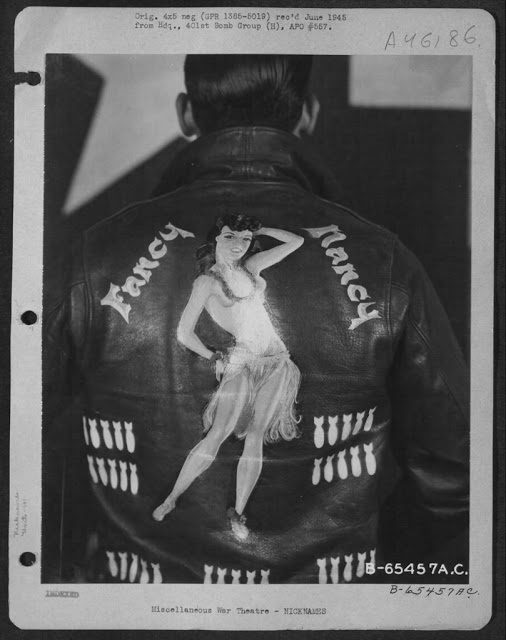
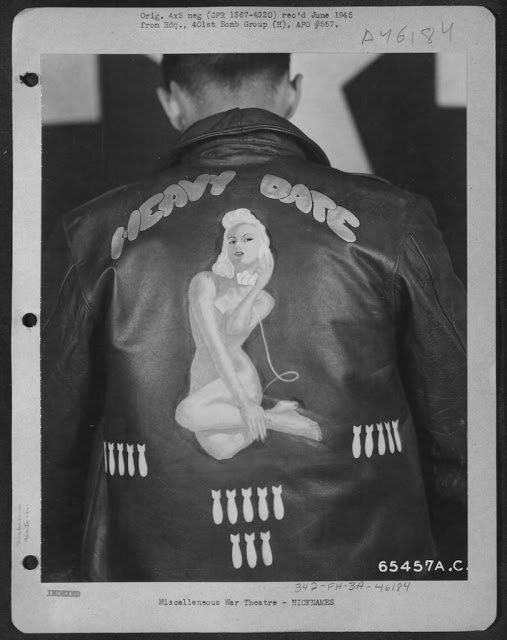
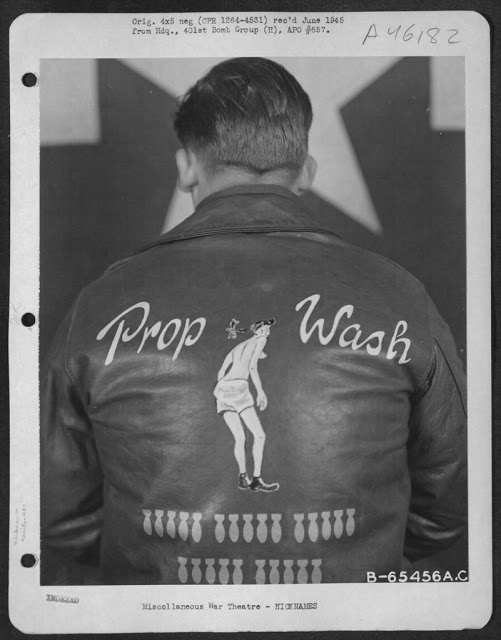
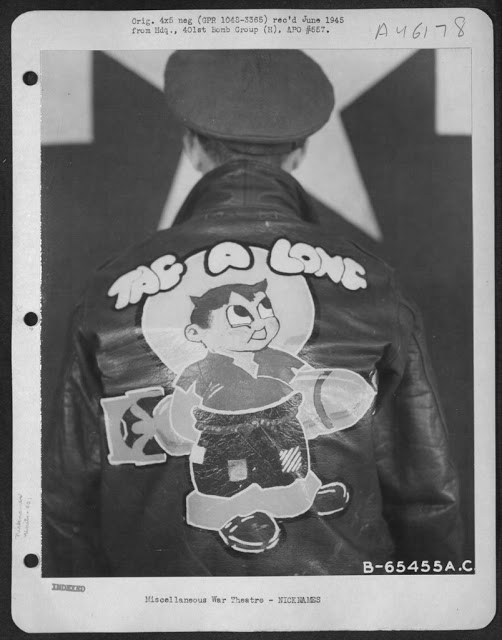
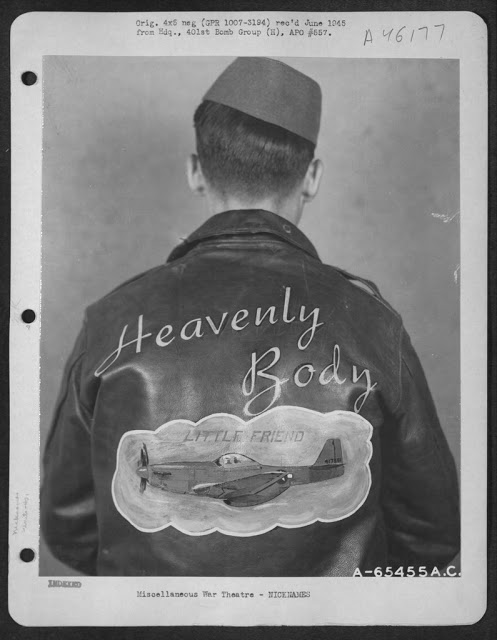
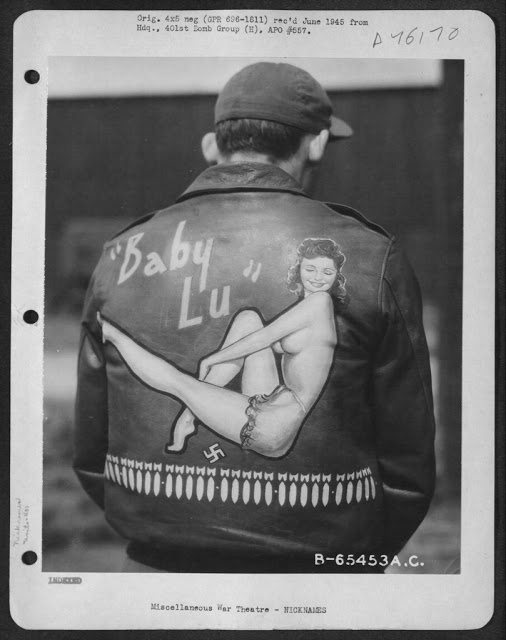
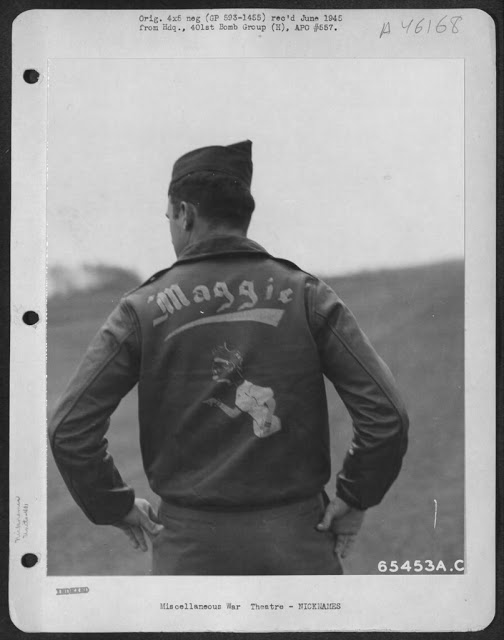
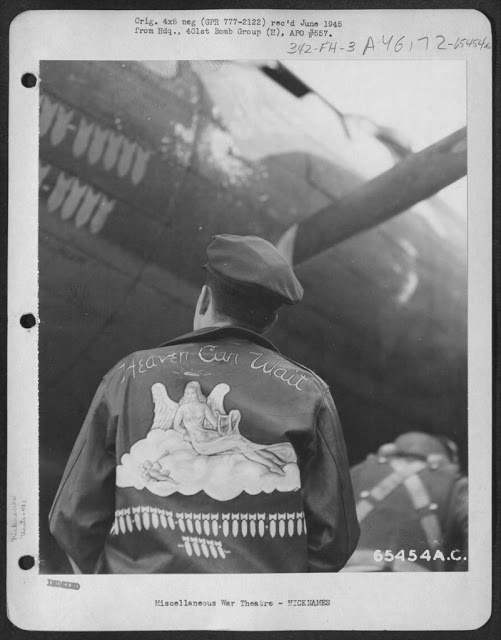
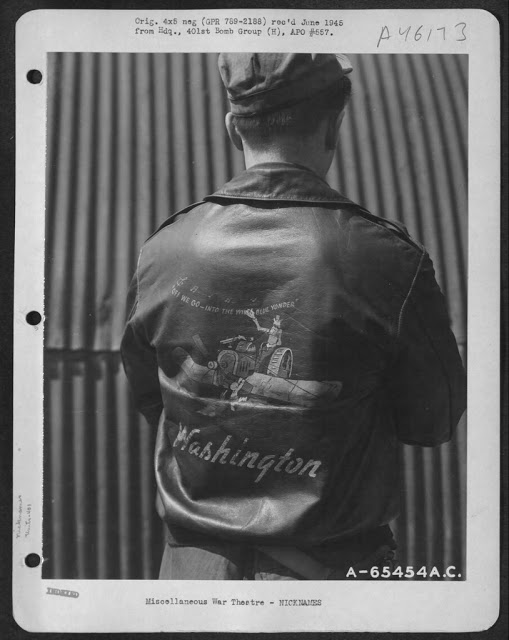
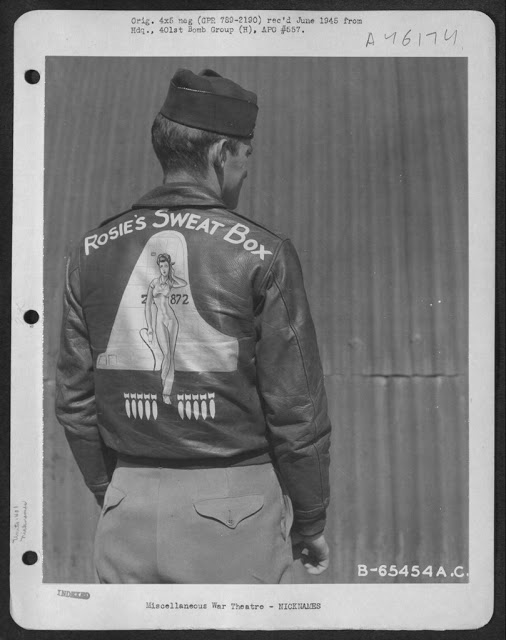
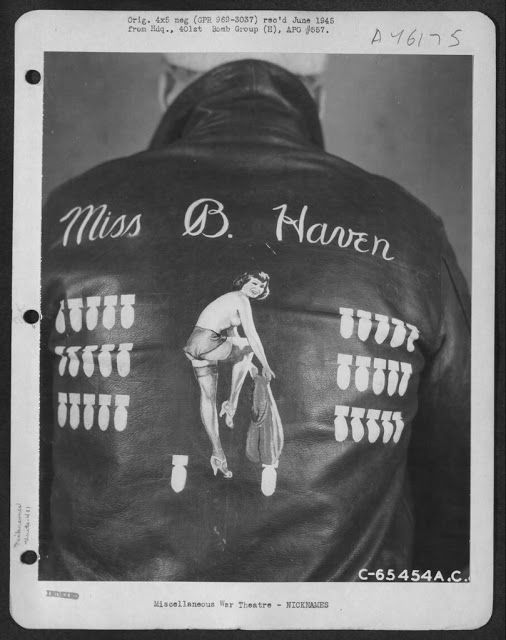
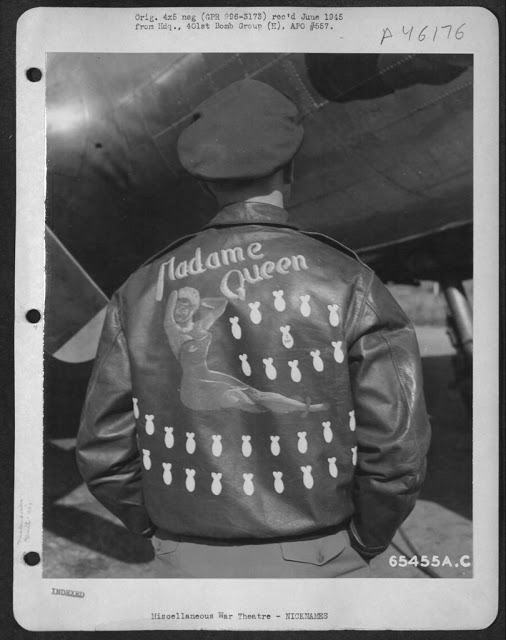
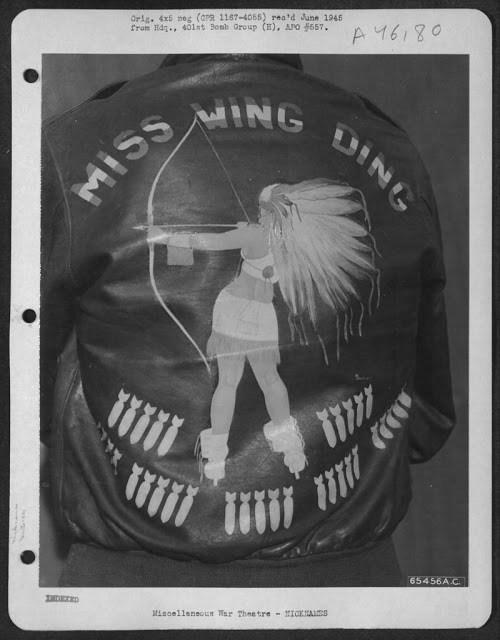
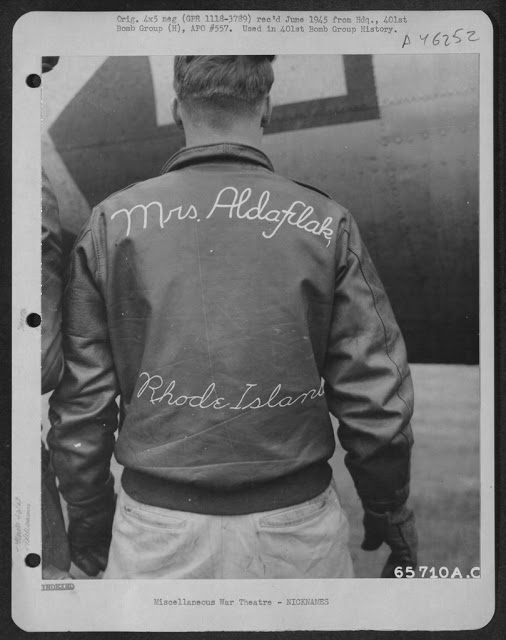
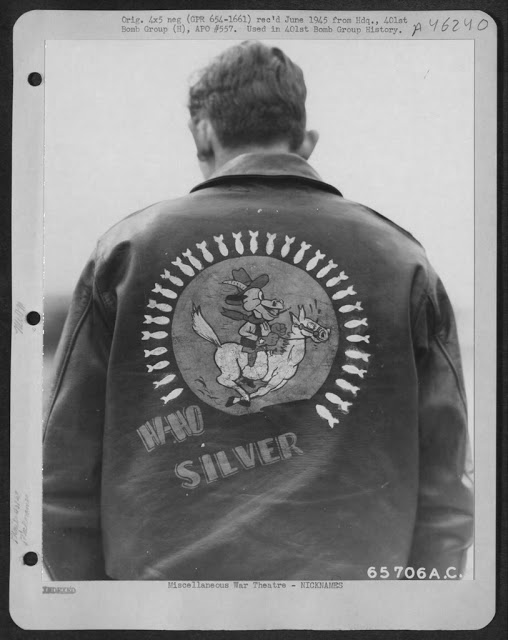
The Type A-2 leather flight jacket is an American military flight jacket originally invented and developed for and closely associated with World War II U.S. Army Air Forces pilots, navigators and bombardiers, who often decorated their jackets with squadron patches and elaborate artwork painted on the back. Sometimes casually referred to as a bomber jacket, its original designation was “Jacket, Pilot’s (summer)”, and its wartime usage was limited neither to pilots nor to bomber crews.
In WWII almost any kind of paint that could be used was used. Enamels if they could get it, lead based aviation paint, oil paint… whatever the ‘artist’ could get their hands on. Some squadron artists could only get their hands on yellow airplane paint, so the artwork on the jacket was done in yellow. As troops settled in, painting flight jackets became a cottage industry for the local artisans. Since some of the paints were not meant to be used on leather, they rubbed off, flaked off, and faded.
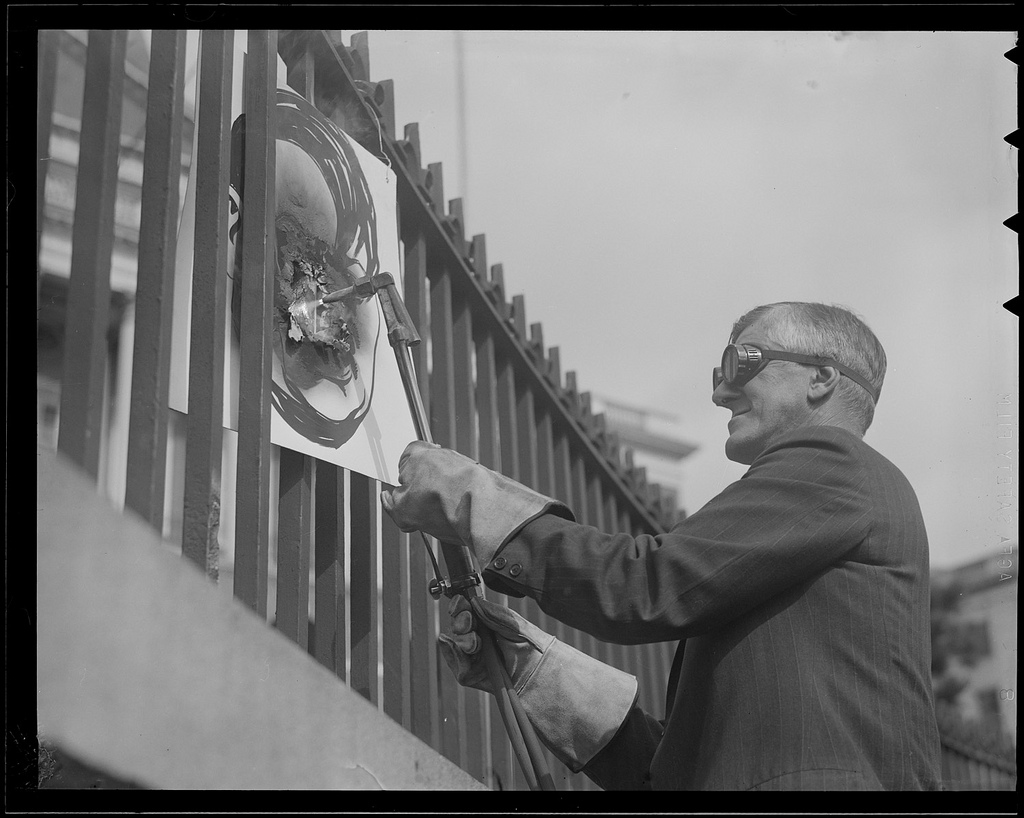
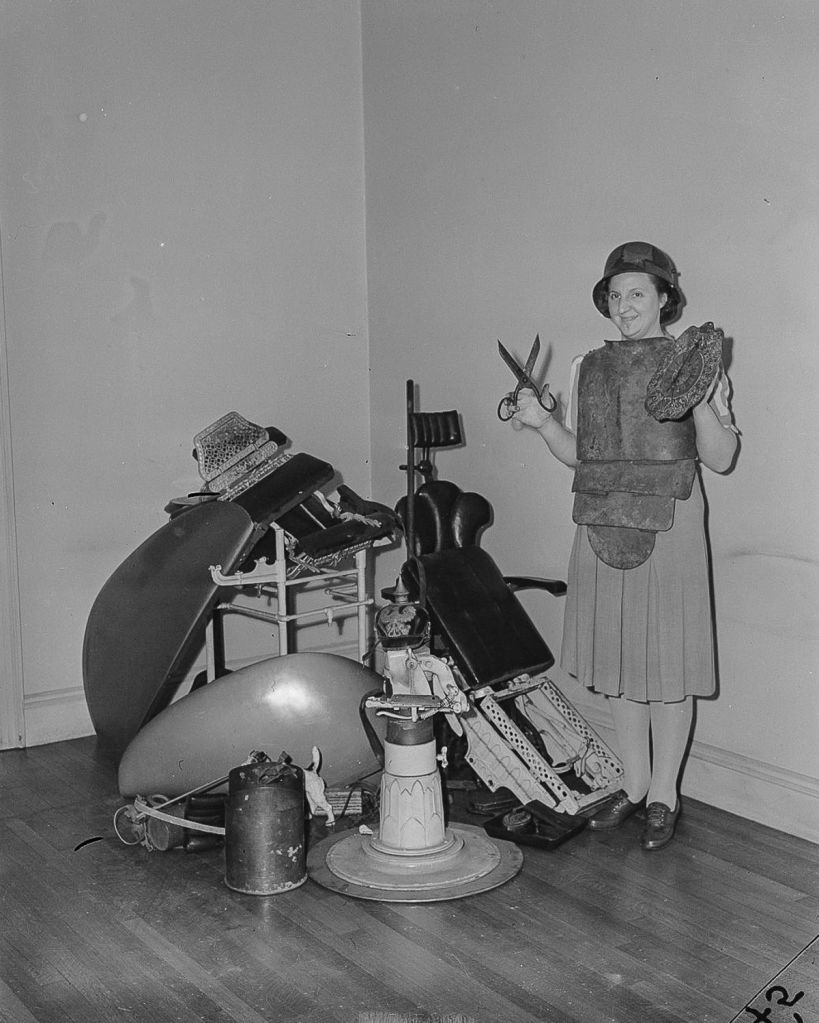
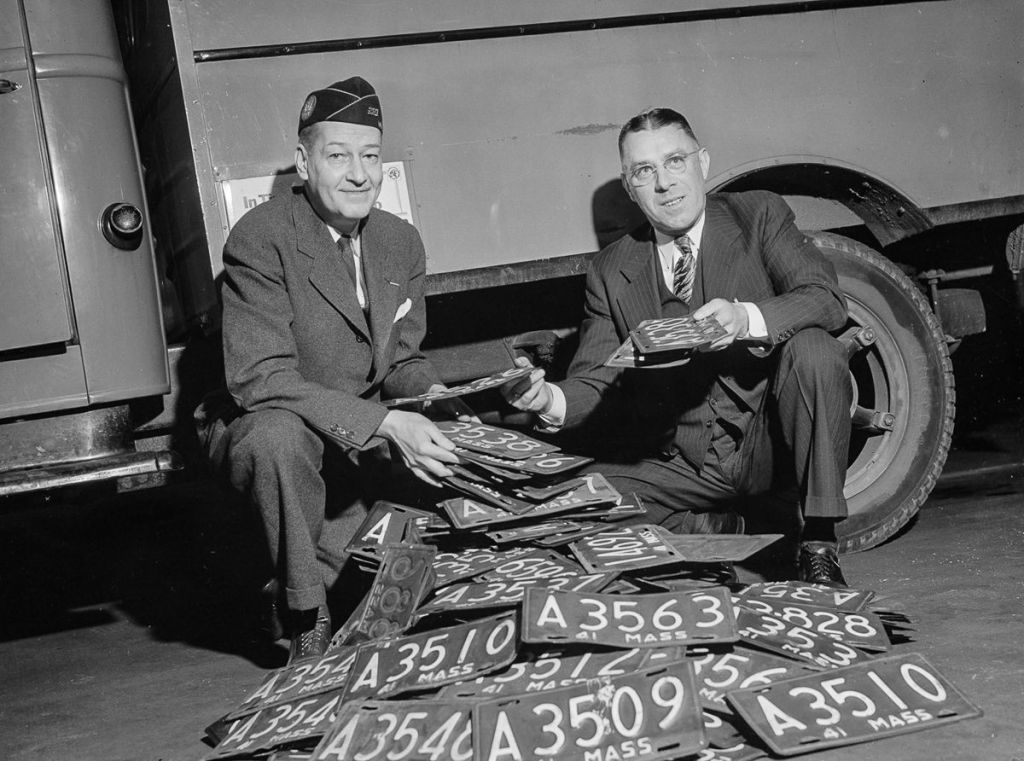
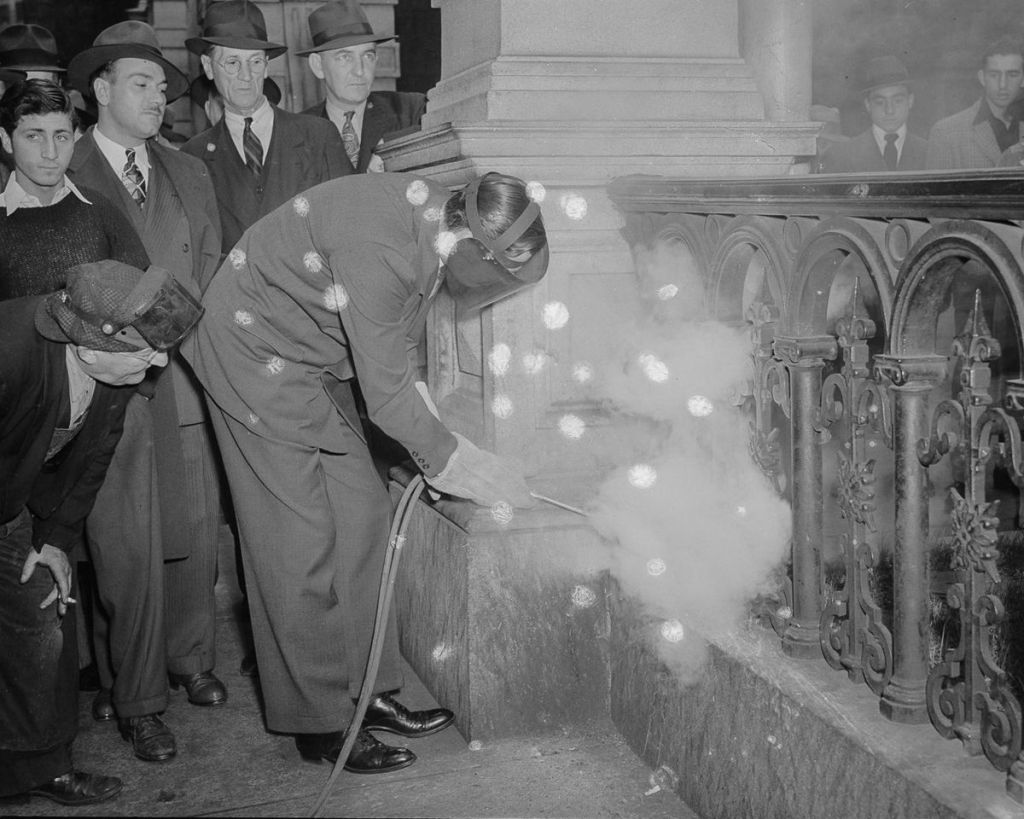
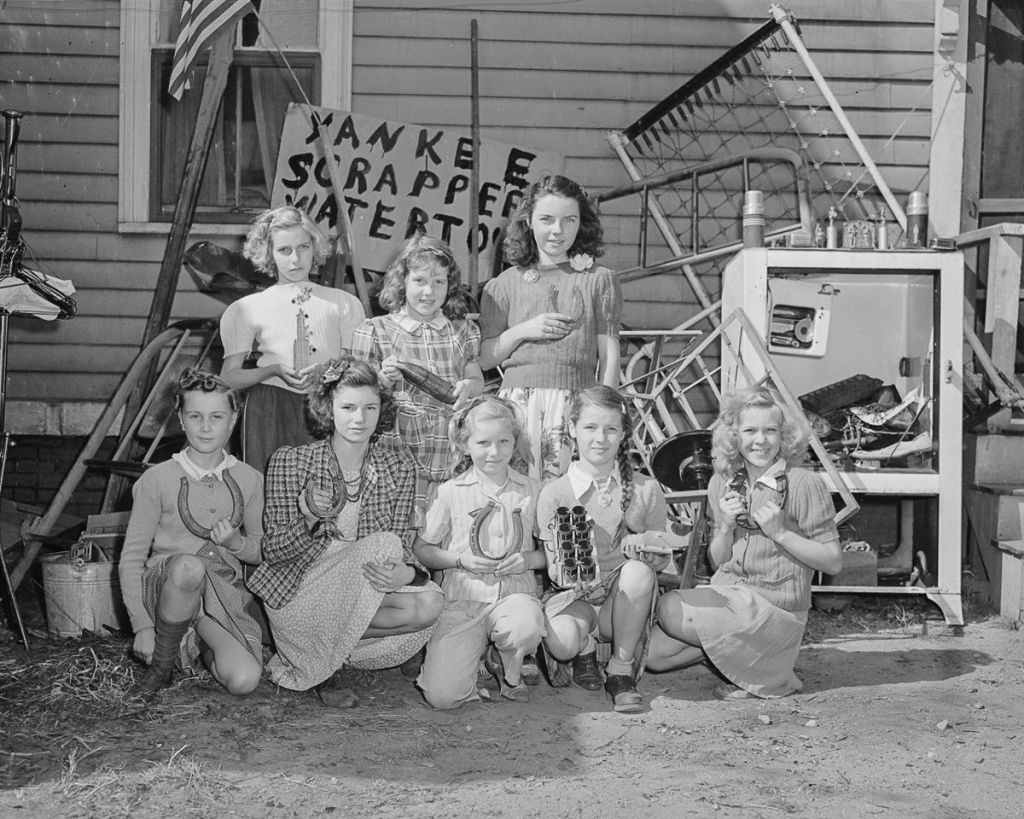
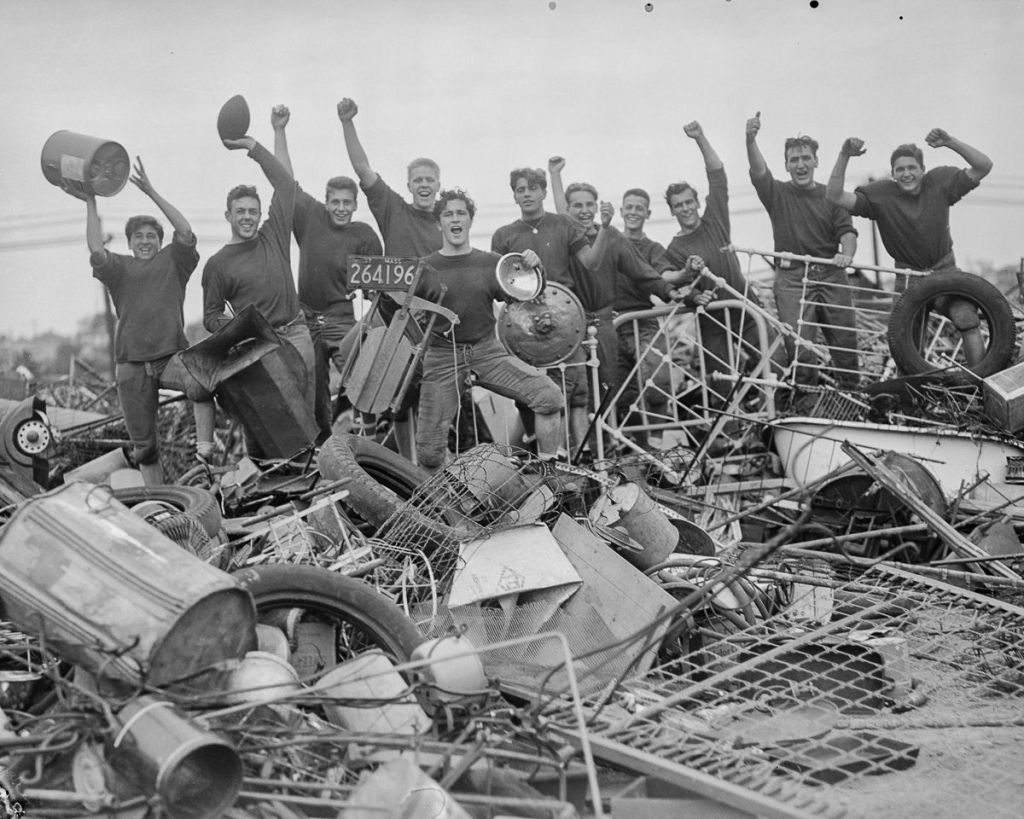
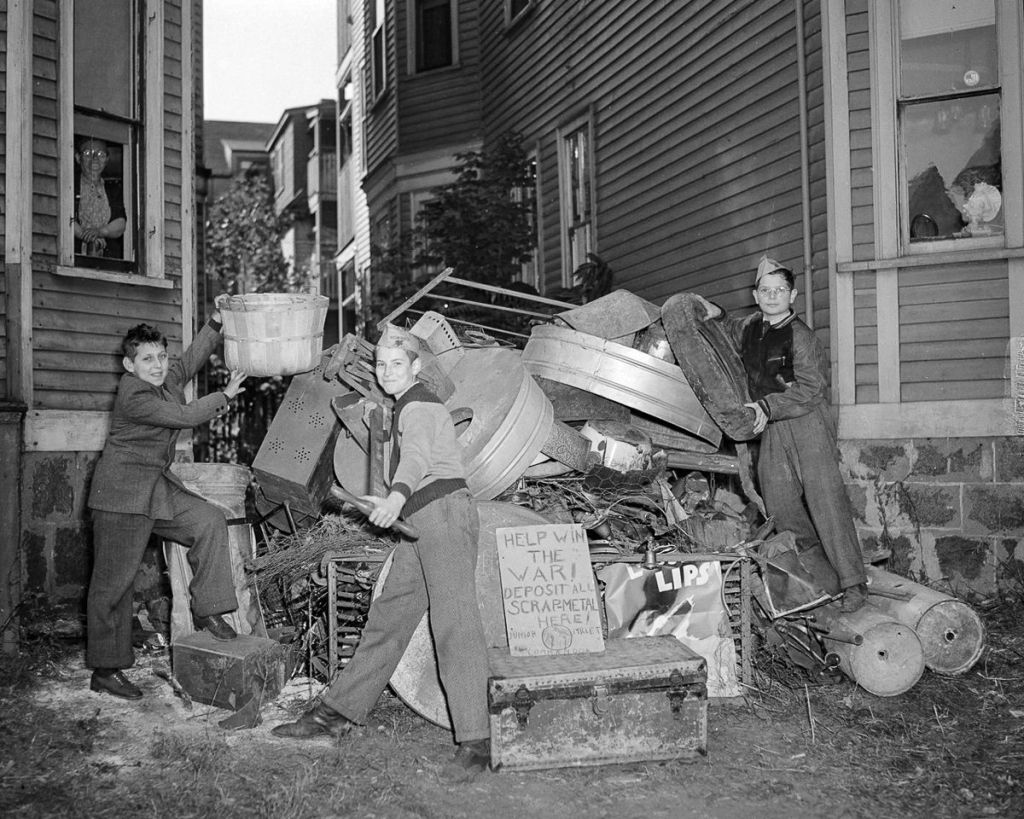
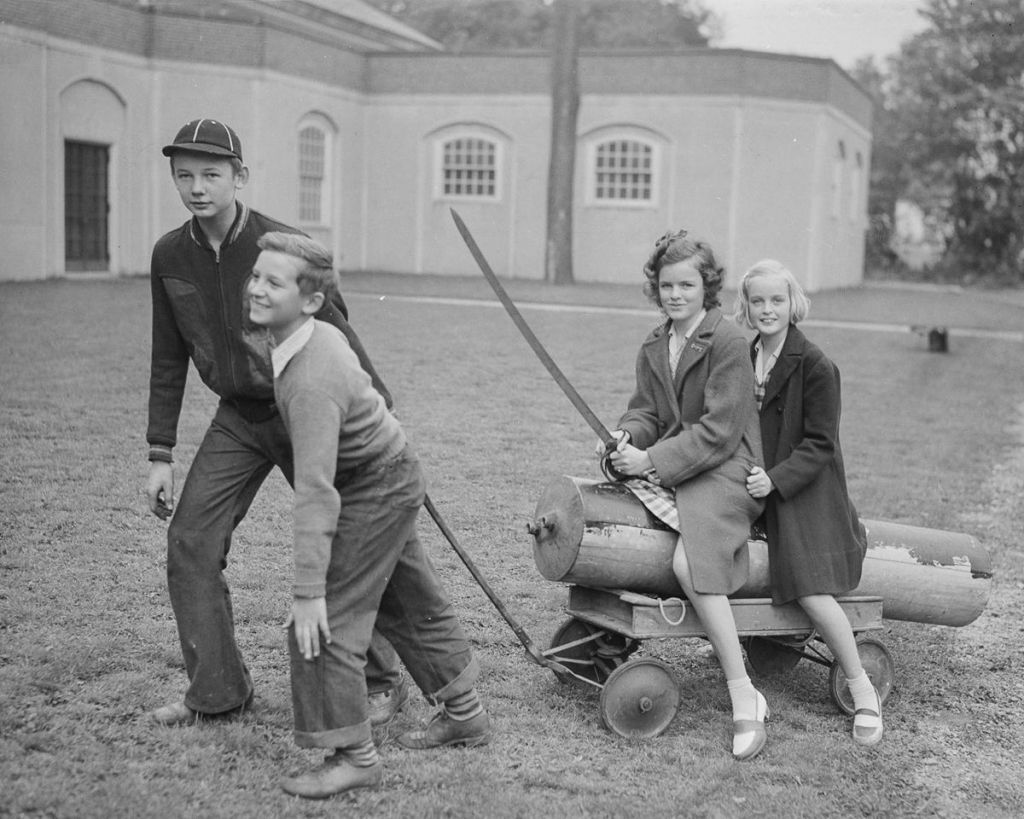
It’s 1942 and the USA is fighting in World War 2. In Boston, Massachusetts, Leslie Jones, a Staff photographer for the Boston Herald-Traveler (1917 to 1956) is taking pictures of locals supporting the fight by collecting scrap metal, cloth, cooking fat, rubber and anything else that could help. Scrap metal drives became competitive, almost frenzied affairs, as communities vied to out-contribute each other.
Fence at State House, Governor starts October 5, 1942Old titling helmet given to salvage drive is held by the Traveler’s Virginis BohlinQuincy High School football team collects scrap metalScrap collected at Roxbury Memorial High School
Via: Leslie Jones Collection, Boston Public Library
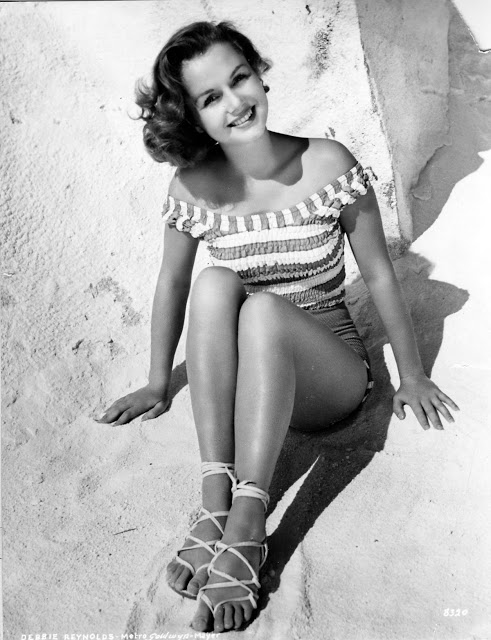
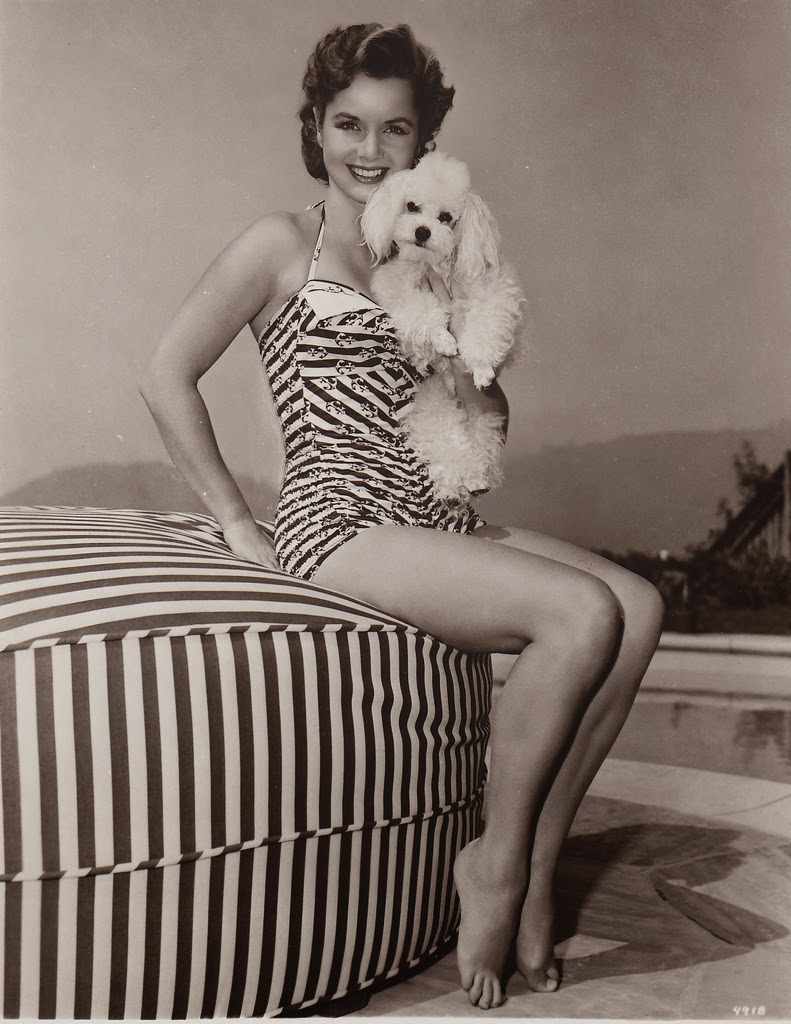
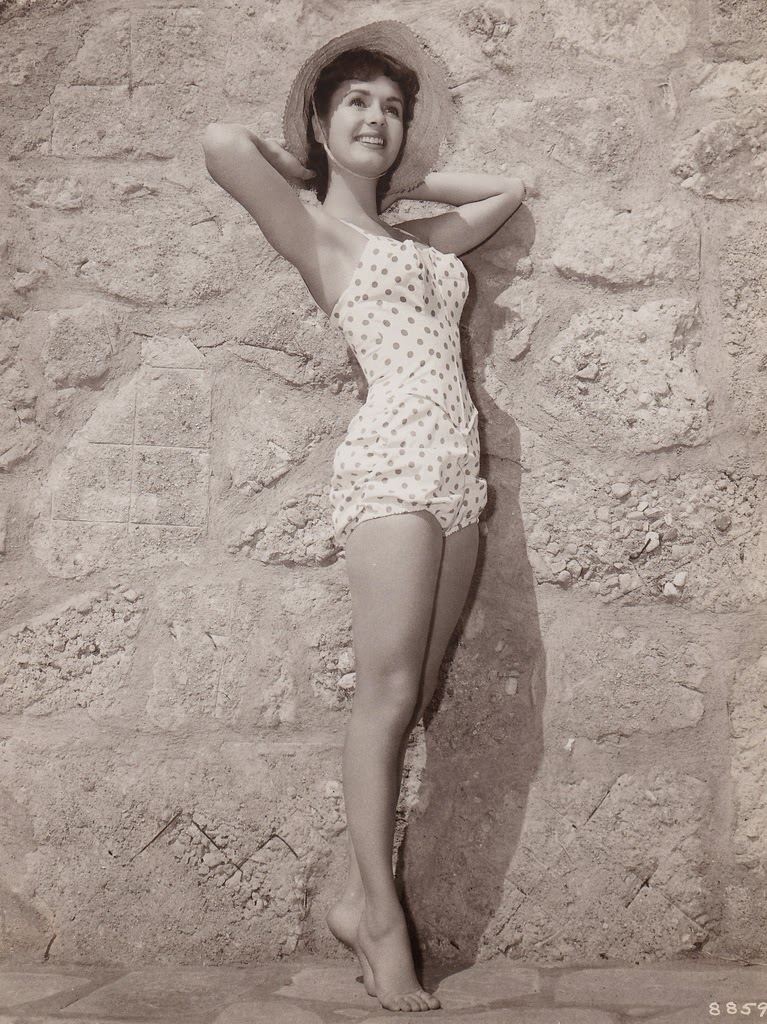
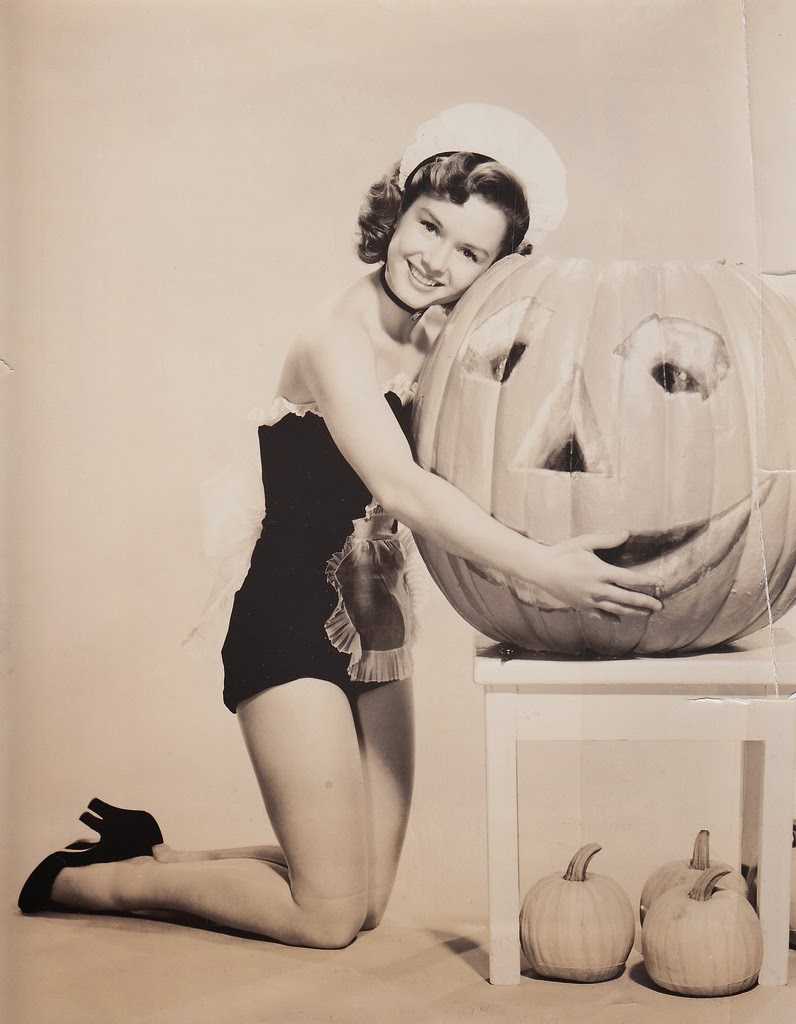
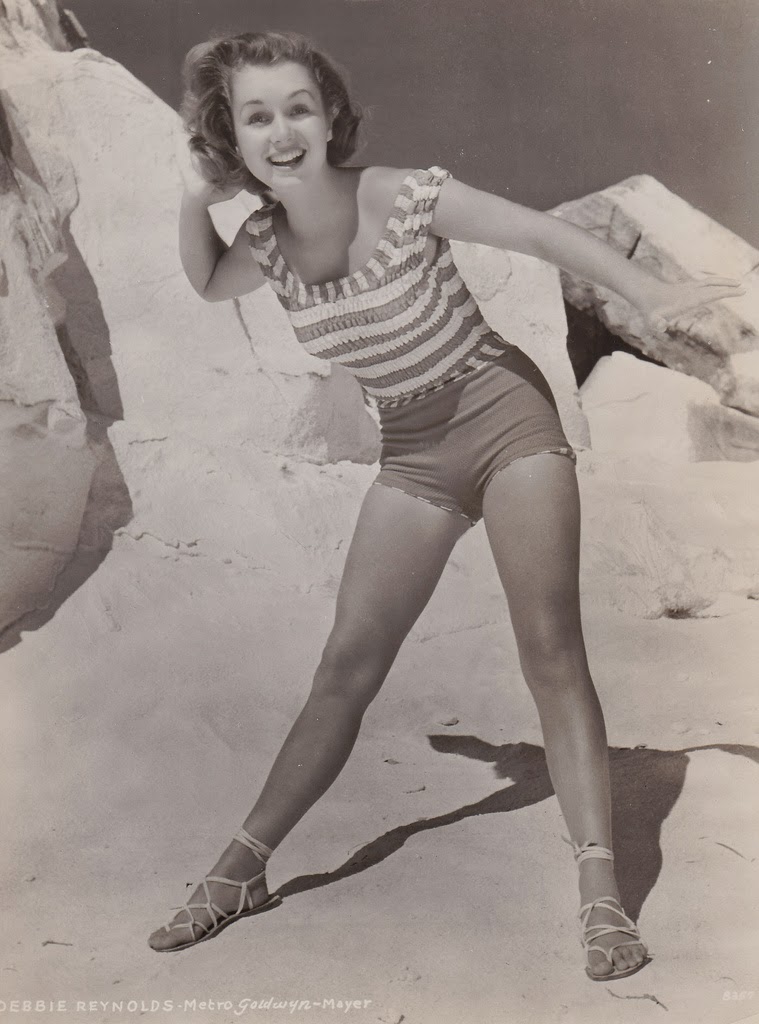
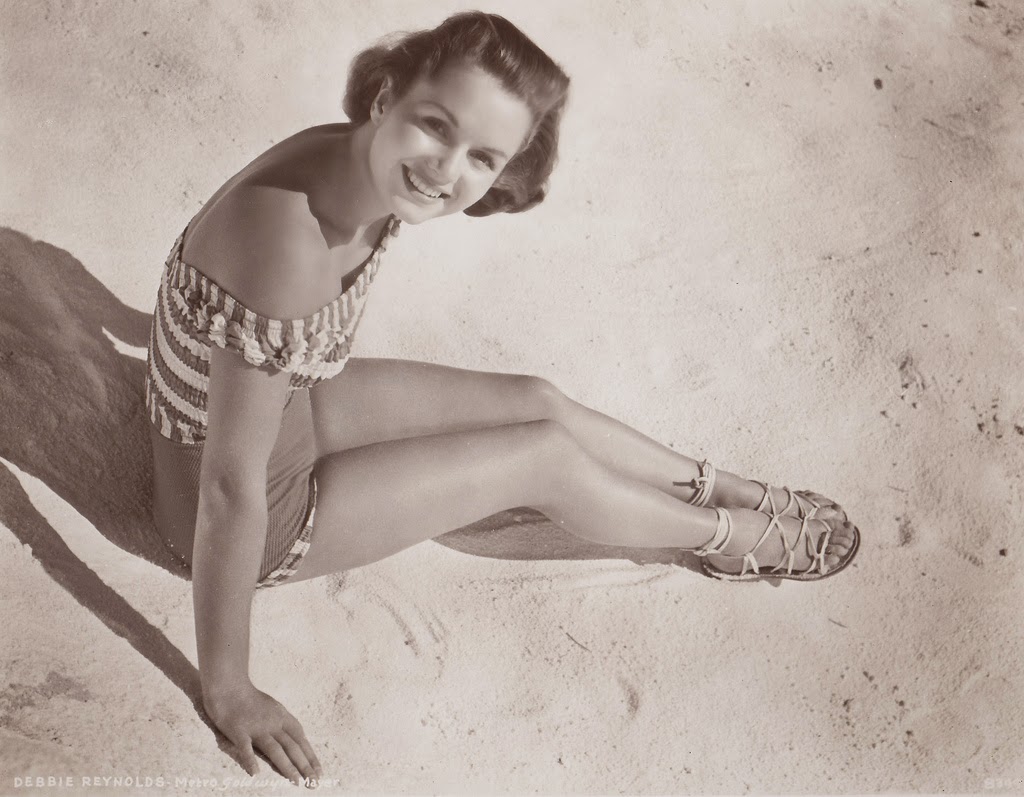
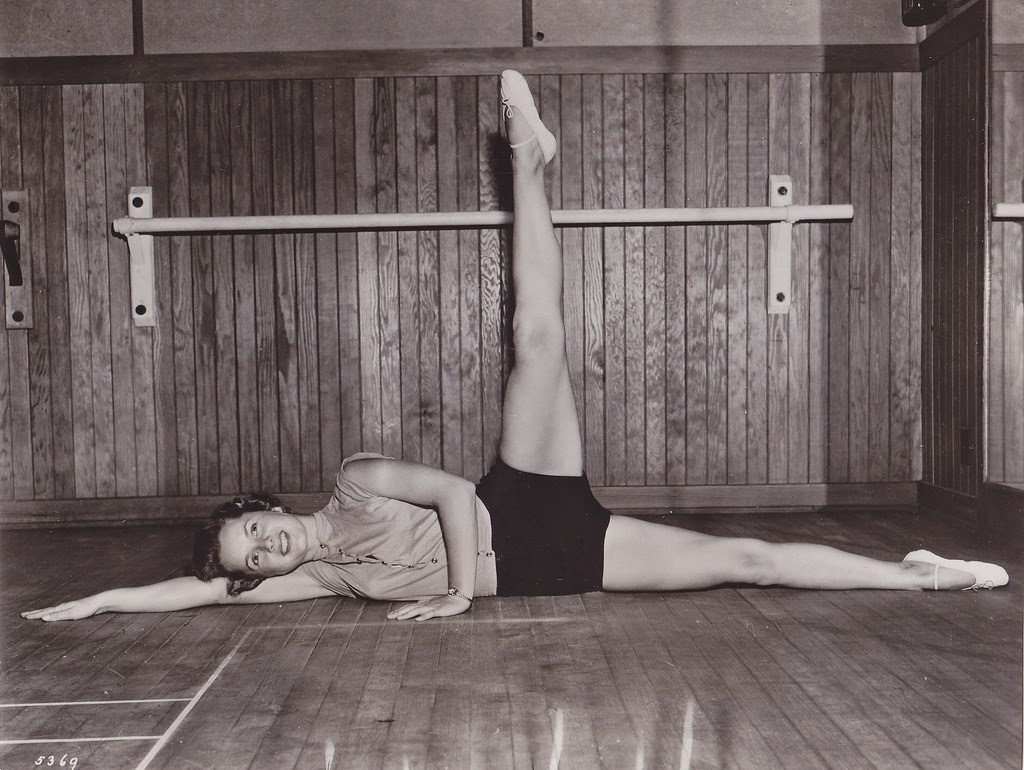
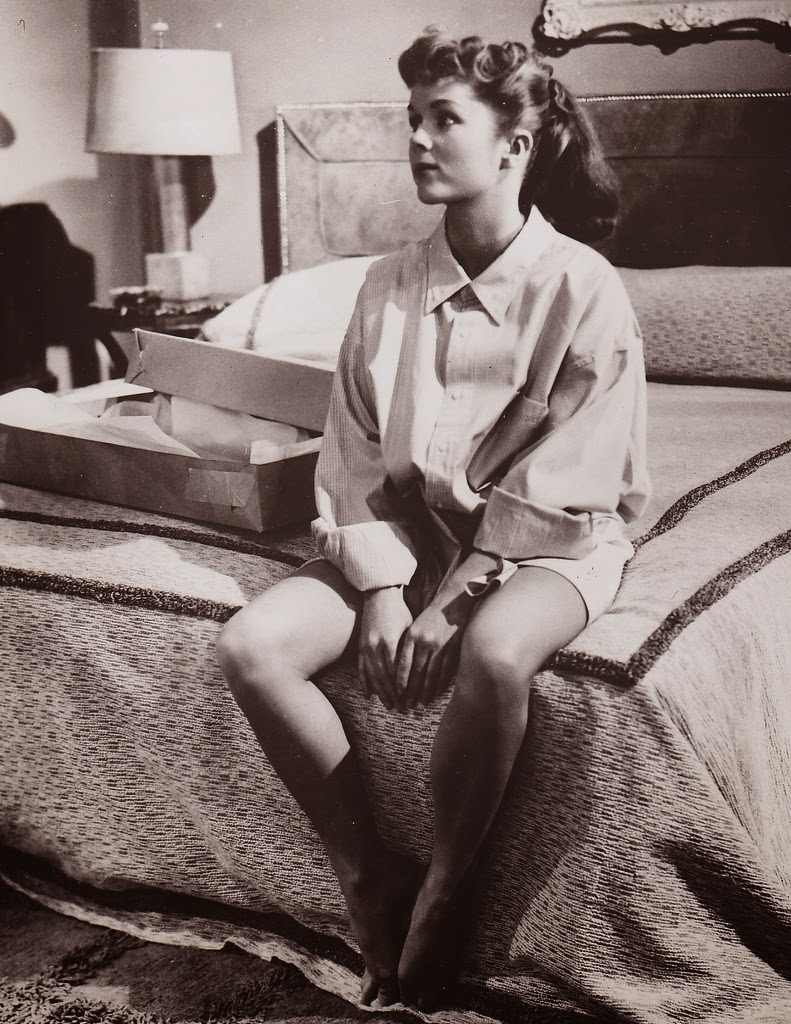
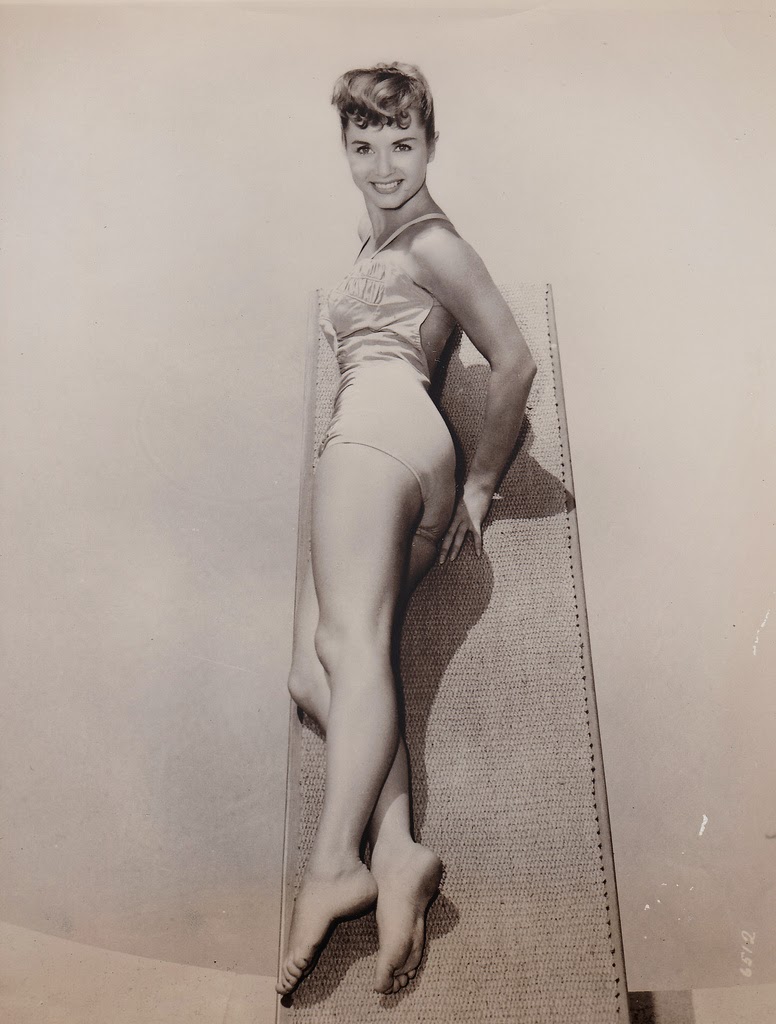
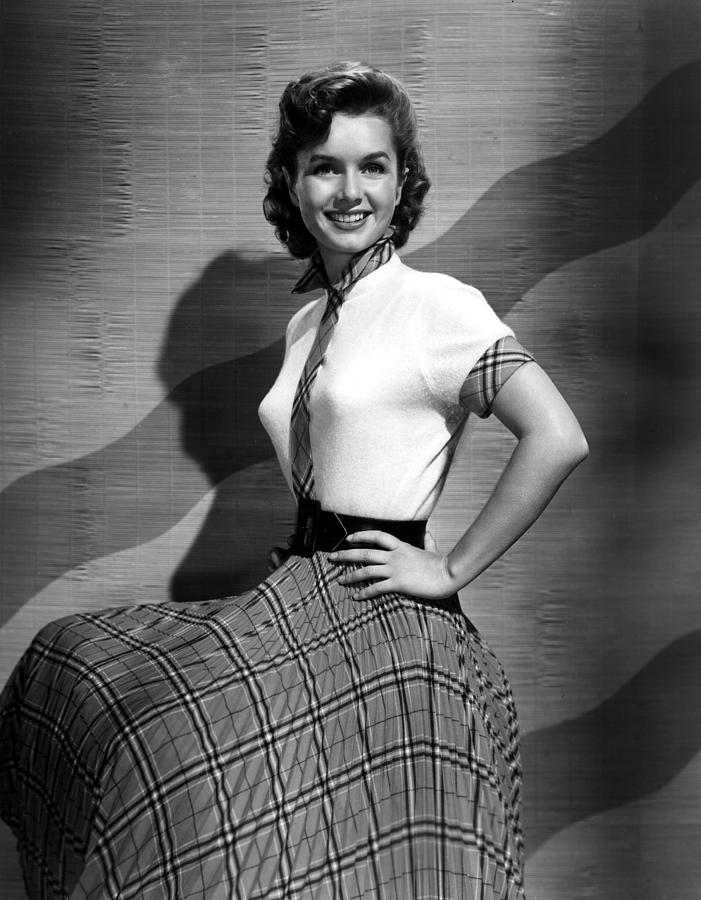
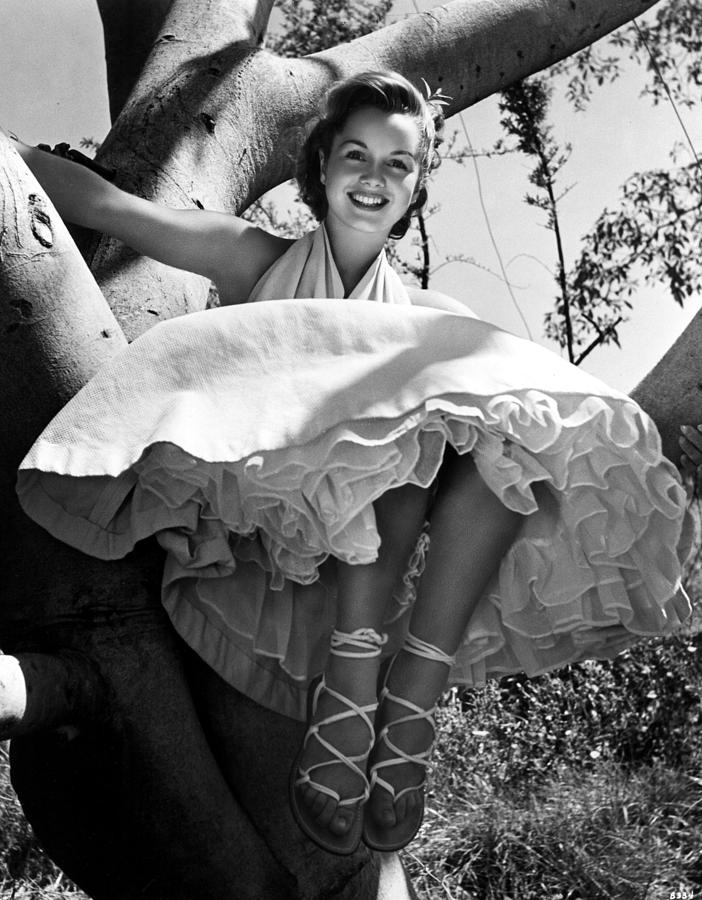
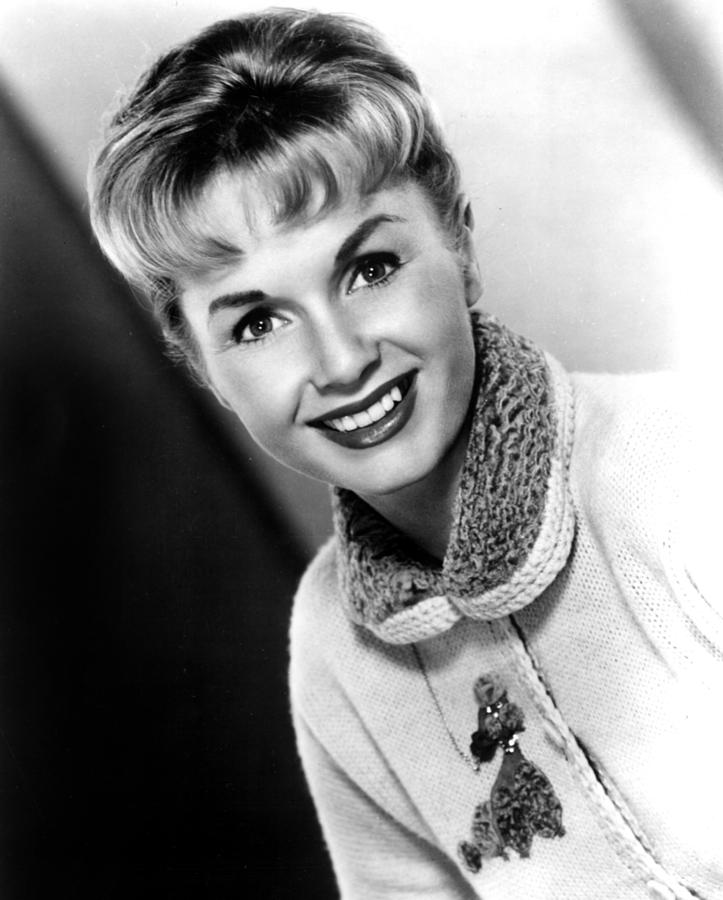
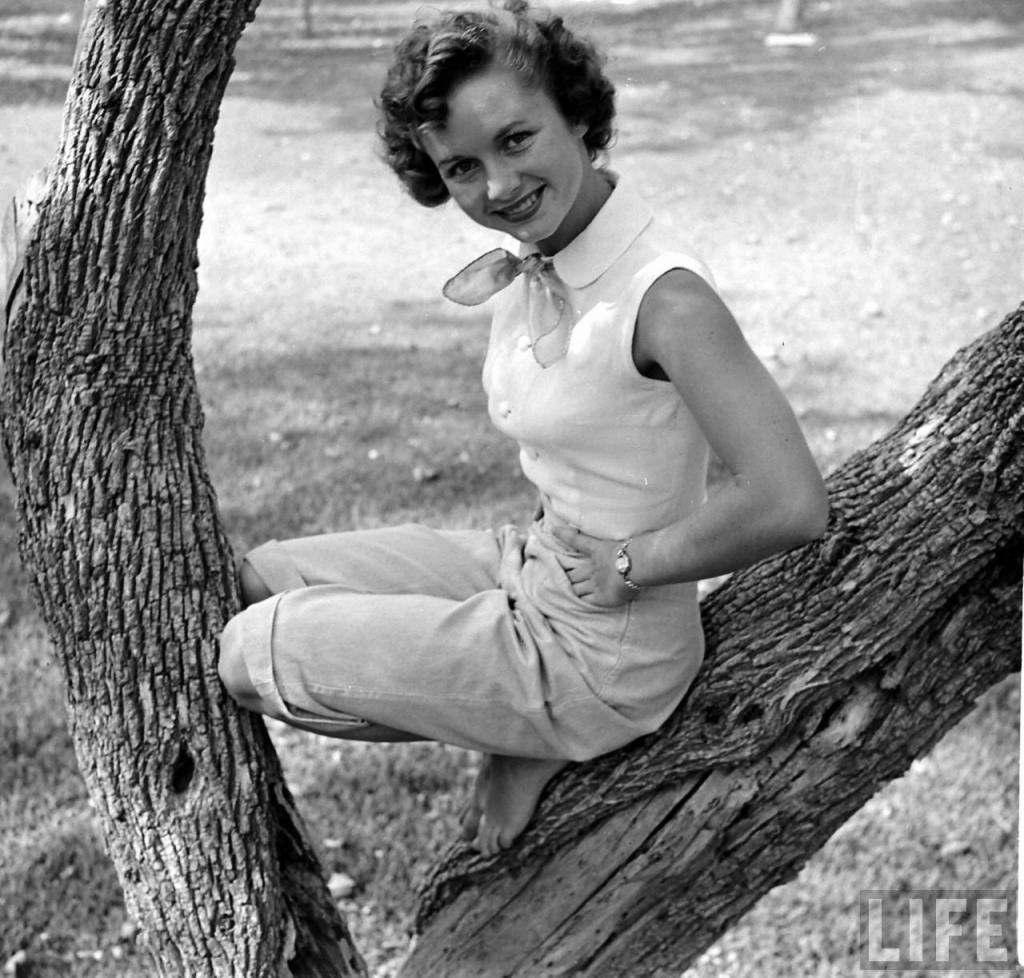
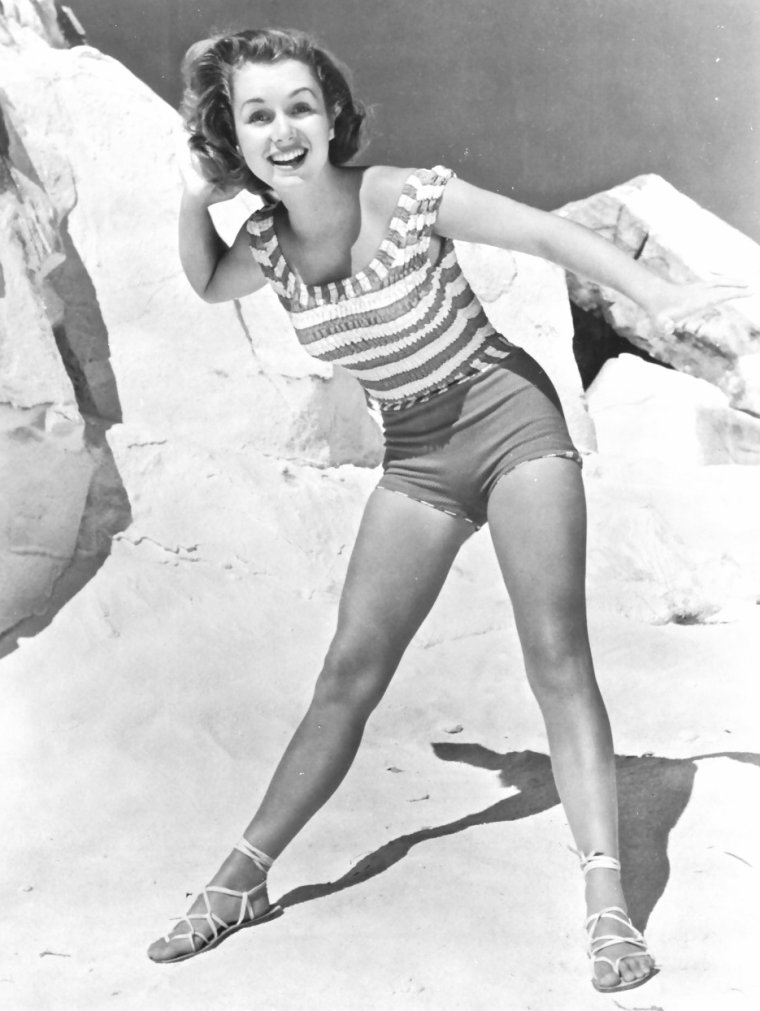
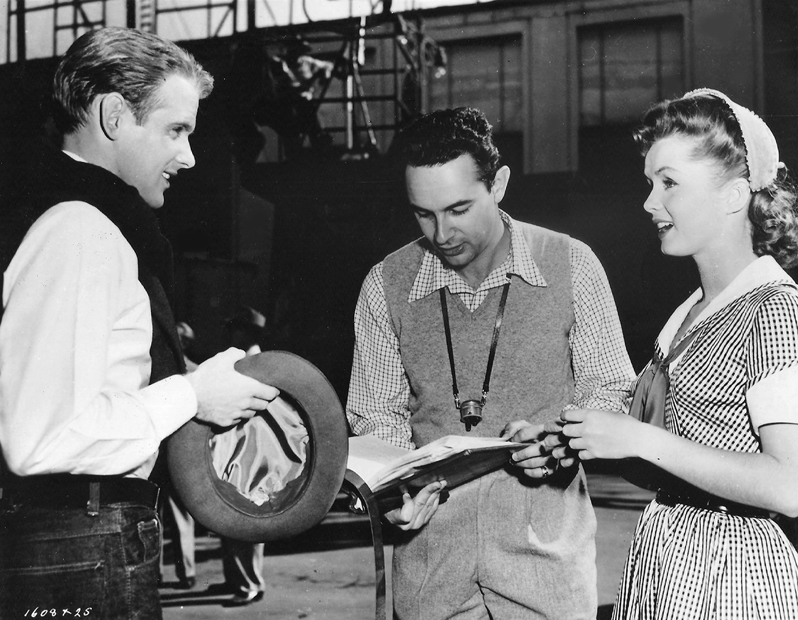
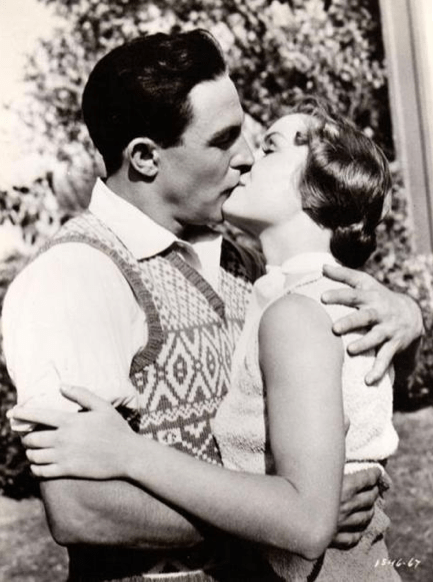
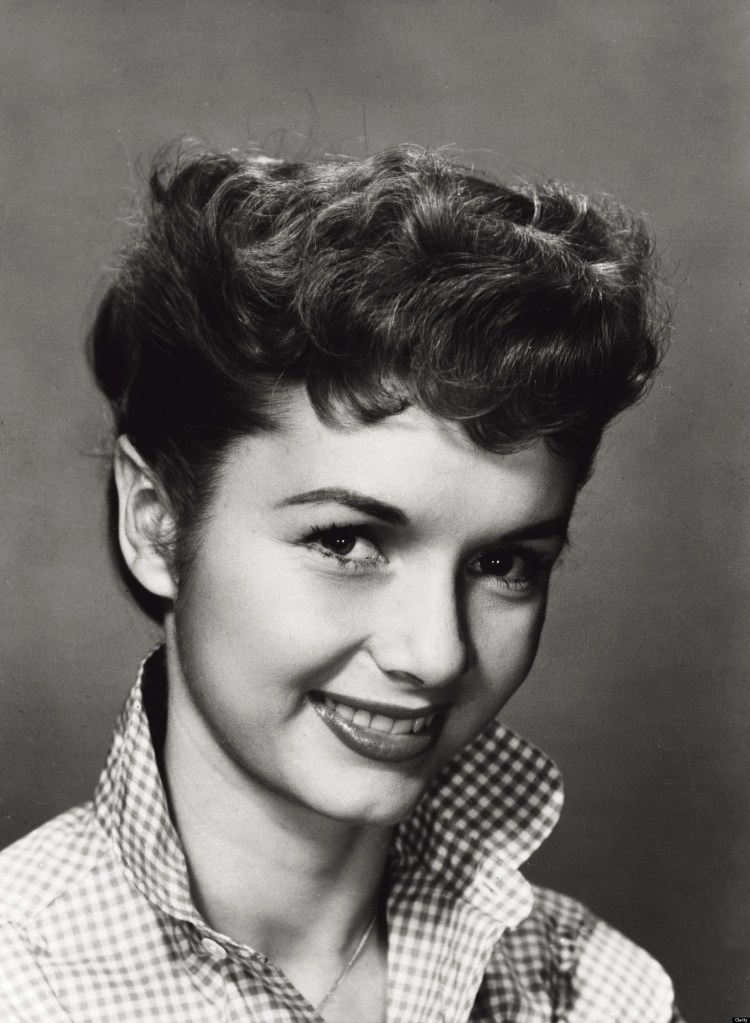
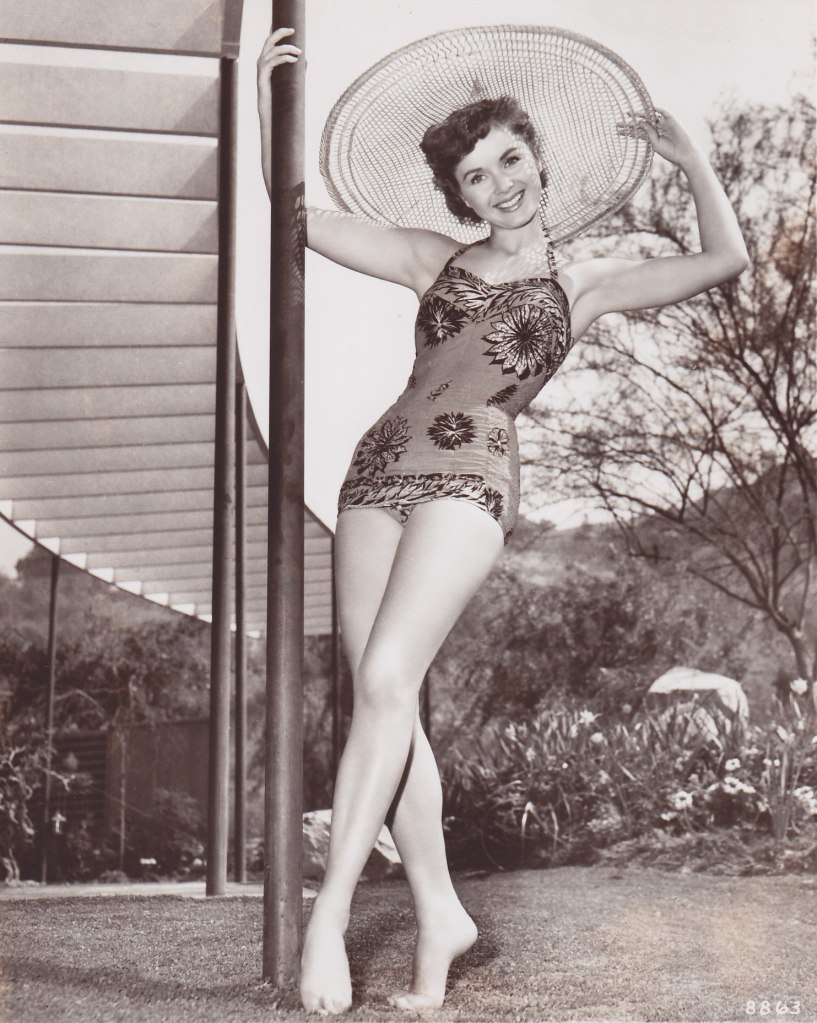
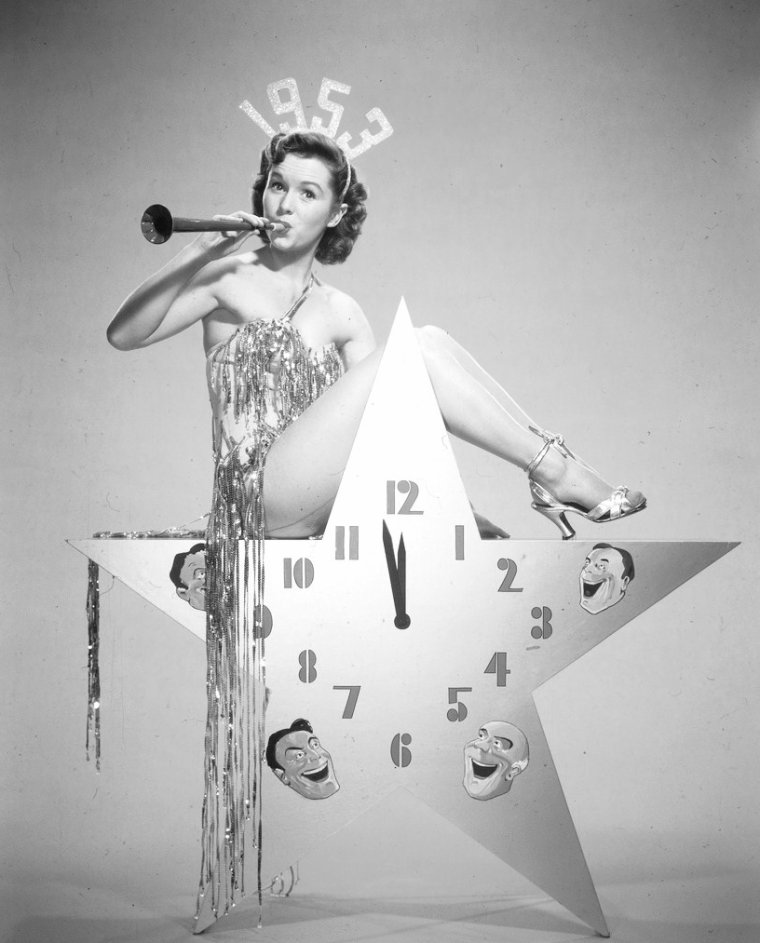
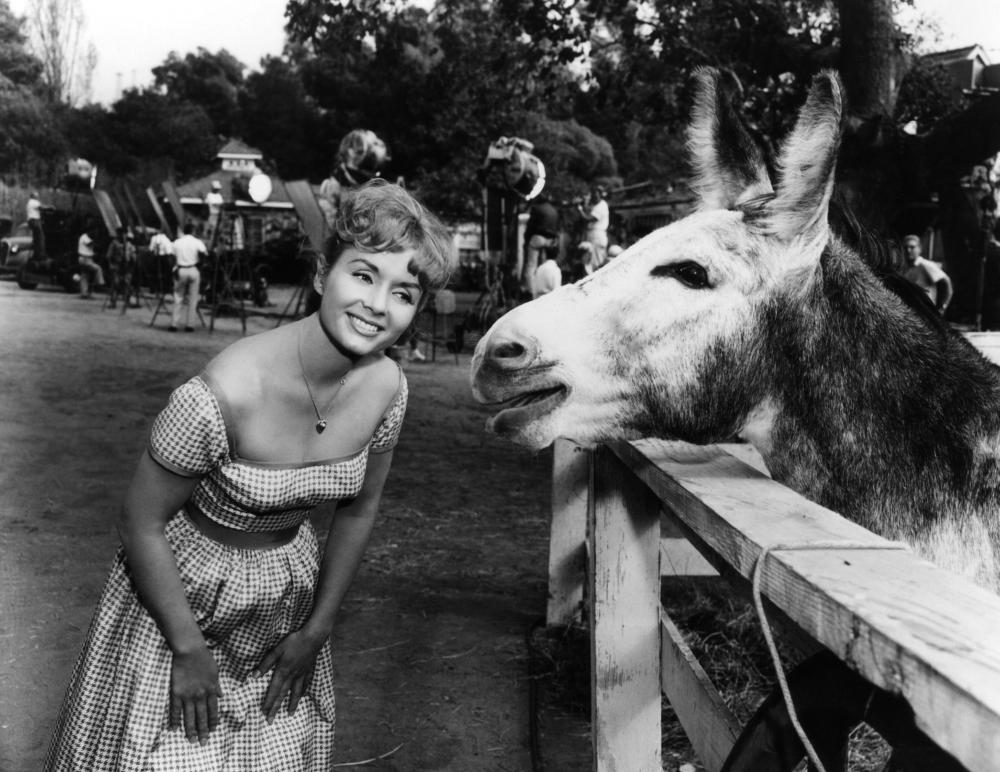
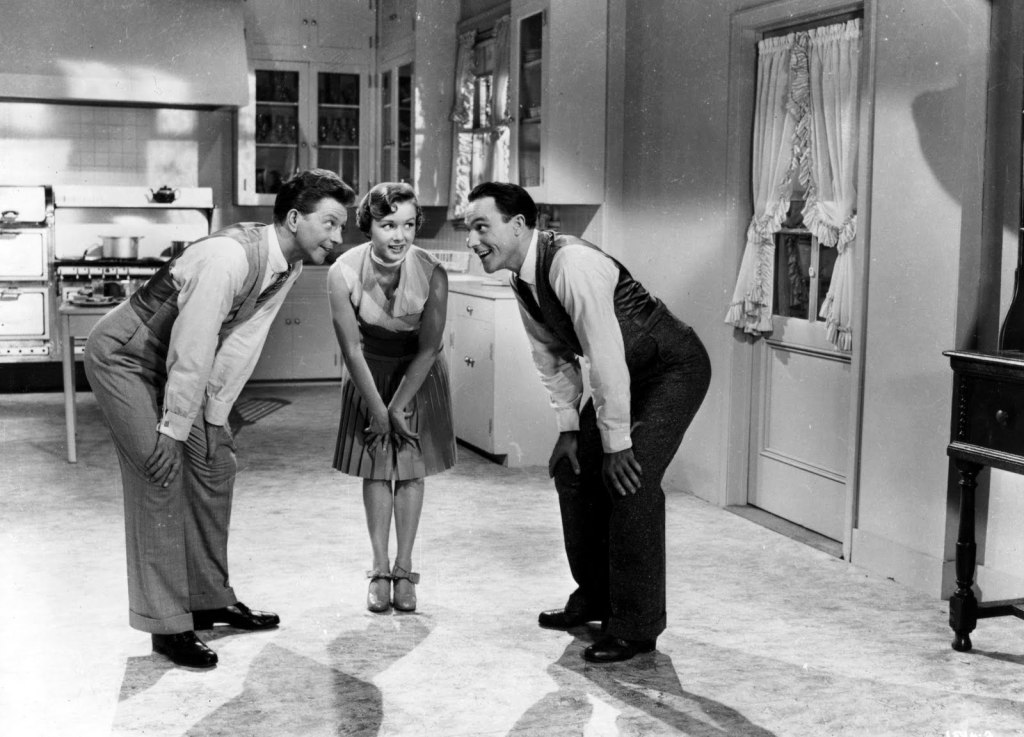
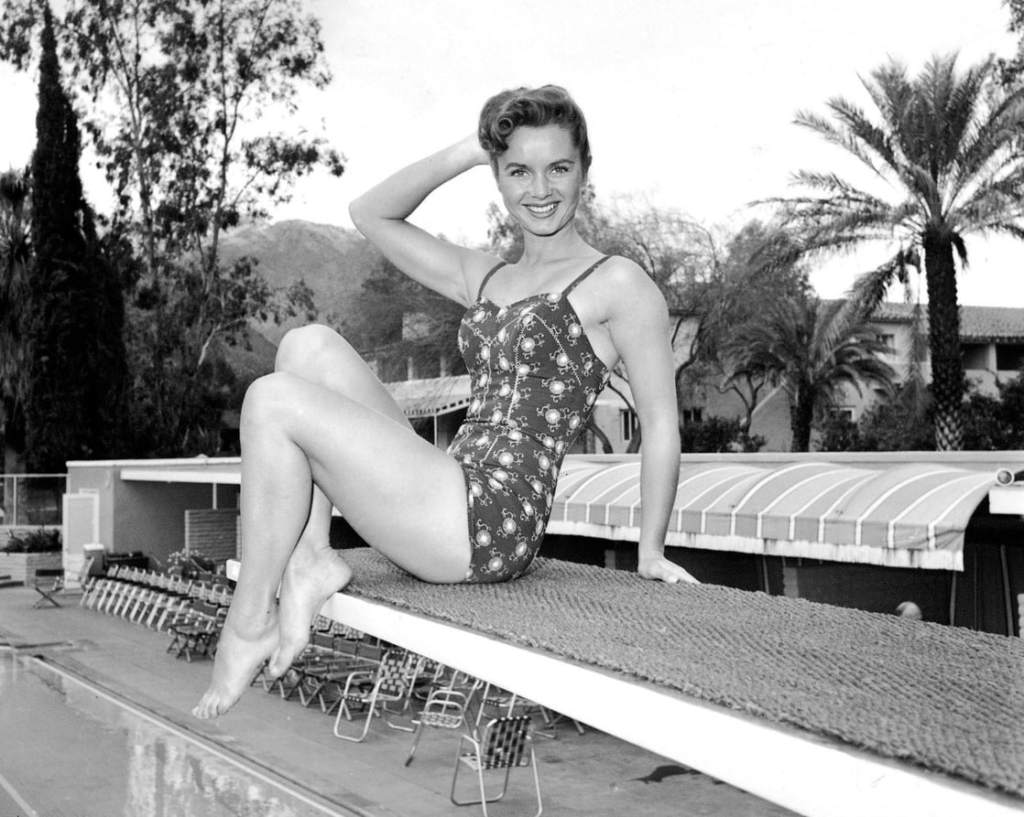
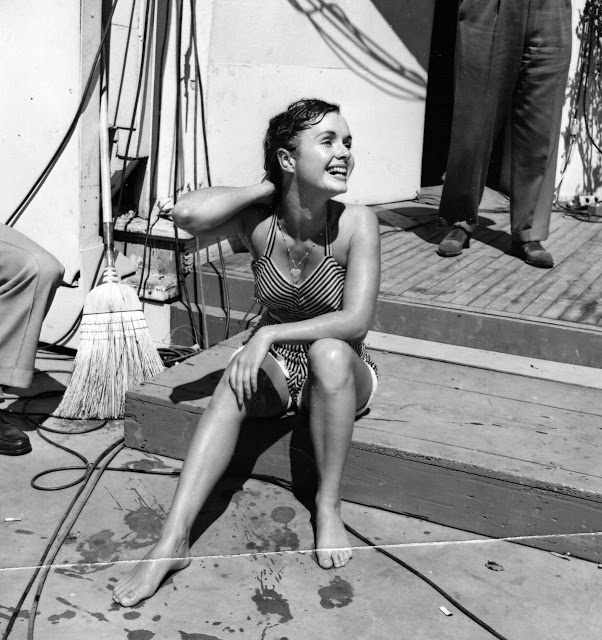
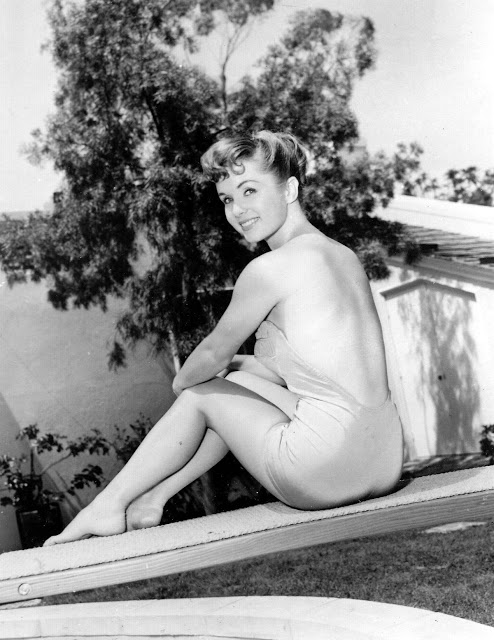
Mary Frances “Debbie” Reynolds (April 1, 1932 – December 28, 2016) was an American actress, singer, and businesswoman. Her career spanned almost 70 years. She was nominated for the Golden Globe Award for Most Promising Newcomer for her portrayal of Helen Kane in the 1950 film Three Little Words. Her breakout role was her first leading role, as Kathy Selden in Singin’ in the Rain (1952). Her other successes include The Affairs of Dobie Gillis (1953), Susan Slept Here (1954), Bundle of Joy (1956 Golden Globe nomination), The Catered Affair (1956 National Board of Review Best Supporting Actress Winner), and Tammy and the Bachelor (1957), in which her performance of the song “Tammy” reached number one on the Billboard music charts. In 1959, she released her first pop music album, titled Debbie.
She starred in Singin’ in the Rain (1952), How the West Was Won (1962), and The Unsinkable Molly Brown (1964), a biographical film about the famously boisterous Molly Brown. Her performance as Brown earned her a nomination for the Academy Award for Best Actress. Her other films include The Singing Nun (1966), Divorce American Style (1967), What’s the Matter with Helen? (1971), Charlotte’s Web (1973), Mother (1996) (Golden Globe nomination), and In & Out (1997). Reynolds was also a cabaret performer. In 1979, she founded the Debbie Reynolds Dance Studio in North Hollywood, which was demolished in 2019 after being sold at auction, despite efforts to turn it into a museum.
In 1969, she starred on television in The Debbie Reynolds Show, for which she received a Golden Globe nomination. In 1973, Reynolds starred in a Broadway revival of the musical Irene and was nominated for the Tony Award for Best Lead Actress in a Musical. She was also nominated for a Daytime Emmy Award for her performance in A Gift of Love (1999) and an Emmy Award for playing Grace’s mother Bobbi on Will & Grace. At the turn of the millennium, Reynolds reached a new, younger generation with her role as Aggie Cromwell in Disney’s Halloweentown series. In 1988, she released her autobiography, titled Debbie: My Life. In 2013, she released a second autobiography, Unsinkable: A Memoir.
Reynolds also had several business ventures, including ownership of a dance studio and a Las Vegas hotel and casino, and she was an avid collector of film memorabilia, beginning with items purchased at the landmark 1970 MGM auction. She served as president of The Thalians, an organization dedicated to mental-health causes. Reynolds continued to perform successfully on stage, television, and film into her 80s. In January 2015, Reynolds received the Screen Actors Guild Life Achievement Award. In 2016, she received the Jean Hersholt Humanitarian Award. In the same year, a documentary about her life was released titled Bright Lights: Starring Carrie Fisher and Debbie Reynolds, which turned out to be her final film appearance; the film premiered on HBO on January 7, 2017.
Reynolds died following a stroke on December 28, 2016, one day after the death of her daughter, fellow actress Carrie Fisher. (Wikipedia)
THE MATING GAME, Debbie Reynolds, 1959THE MATING GAME, Tony Randall, Debbie Reynolds, 1959
Great Britain is an island in the North Atlantic Ocean off the northwest coast of continental Europe. With an area of 209,331 km2 (80,823 sq mi), it is the largest of the British Isles, the largest European island, and the ninth-largest island in the world. The island is dominated by a maritime climate with narrow temperature differences between seasons. The 60% smaller island of Ireland is to the west – and together these islands, along with over 1,000 smaller surrounding islands and named substantial rocks, form the British Isles archipelago.
Connected to mainland Europe until 8,000 years ago, Great Britain has been inhabited by modern humans for around 30,000 years. In 2011, the island had a population of about 61 million people, making it the world’s third-most-populous island after Java in Indonesia and Honshu in Japan.
The term “Great Britain” is often used to refer to England, Scotland and Wales, including their component adjoining islands. Great Britain and Northern Ireland now constitute the United Kingdom. The single Kingdom of Great Britain resulted from the 1707 Acts of Union between the kingdoms of England (which at the time incorporated Wales) and Scotland. (Wikipedia)
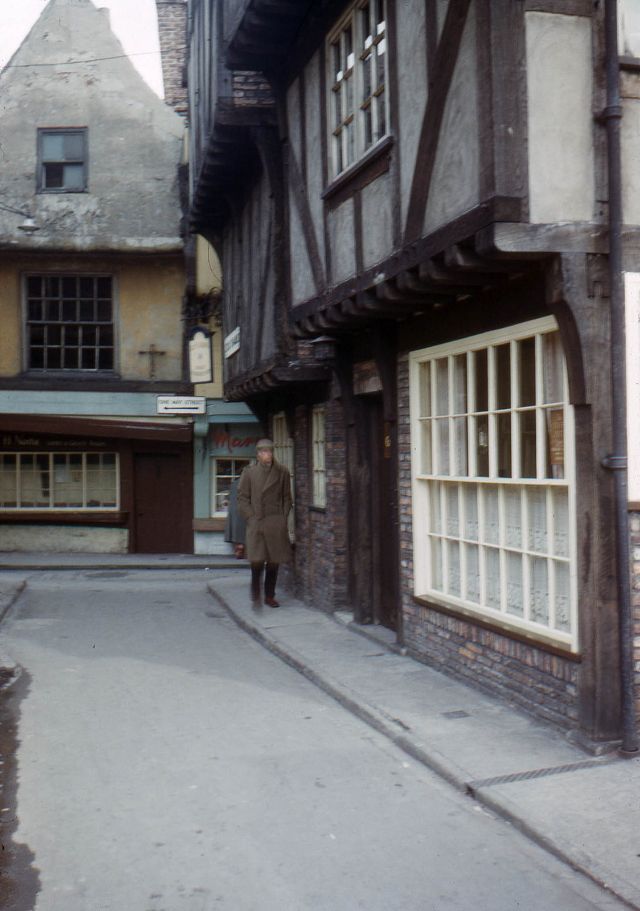
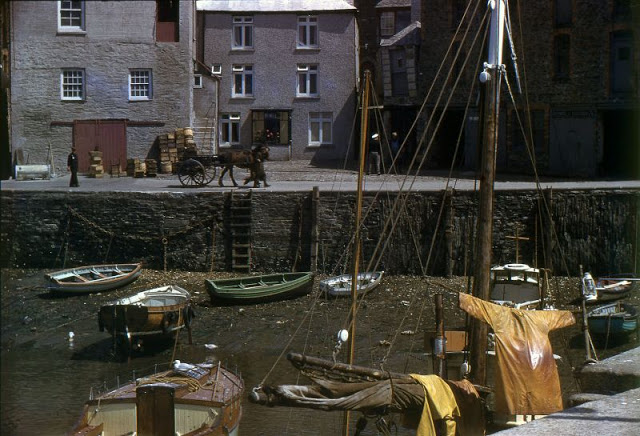
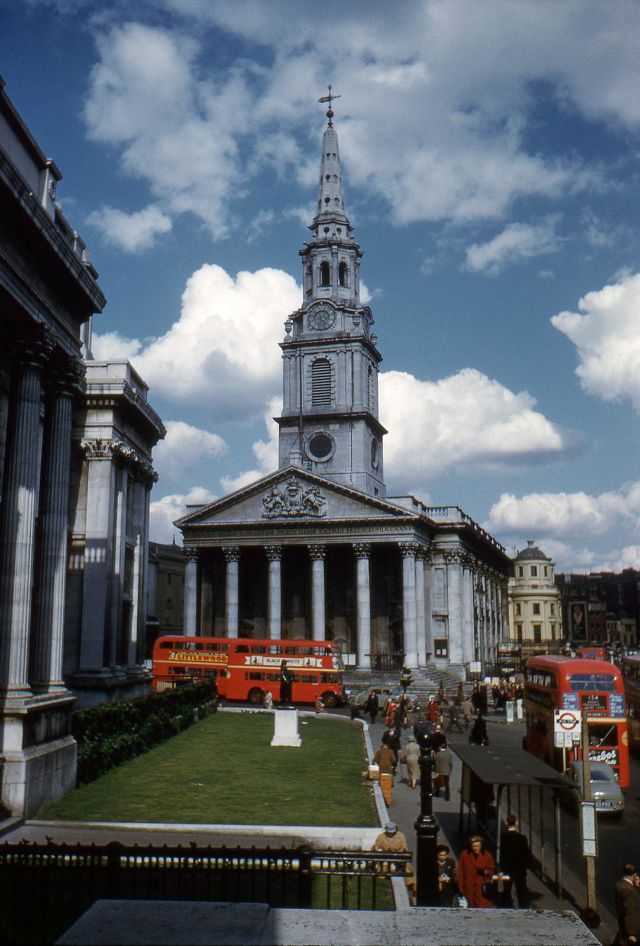
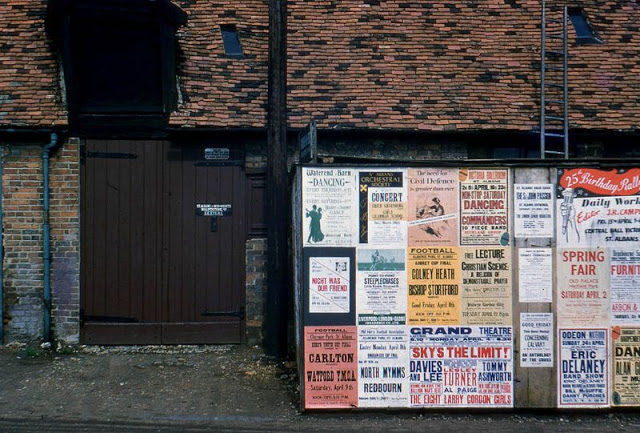
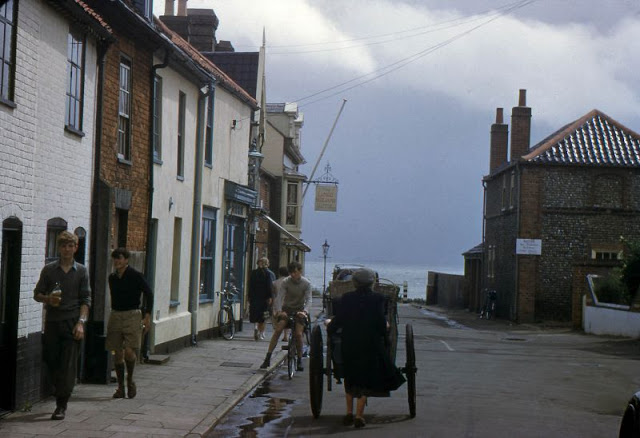
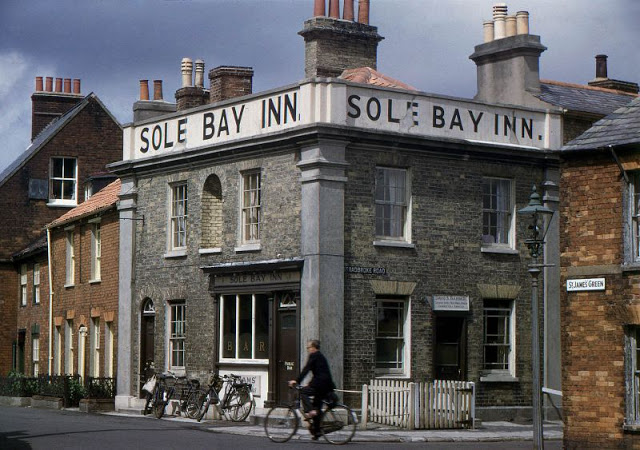
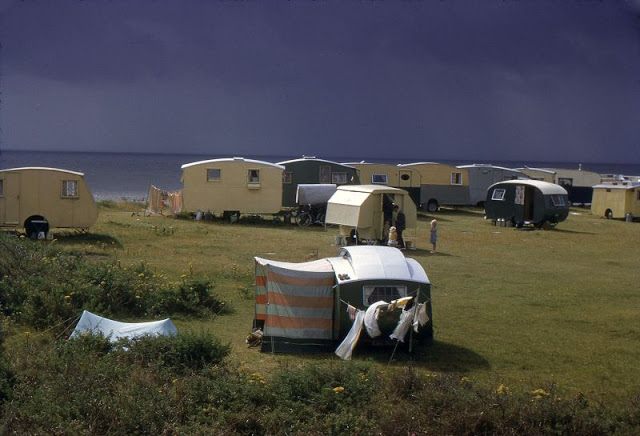
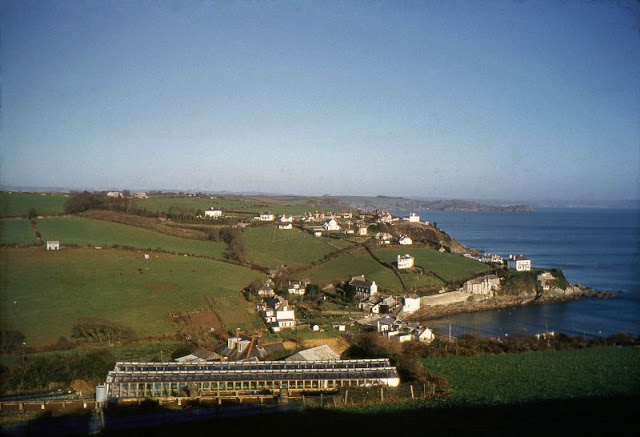
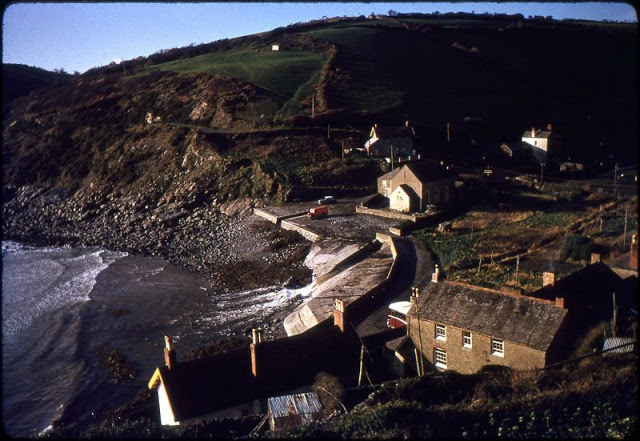
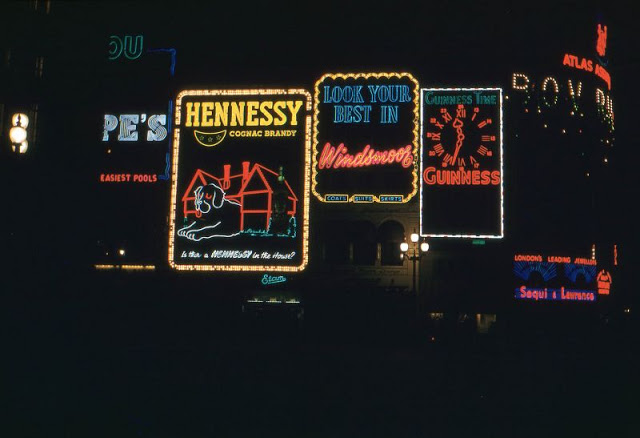
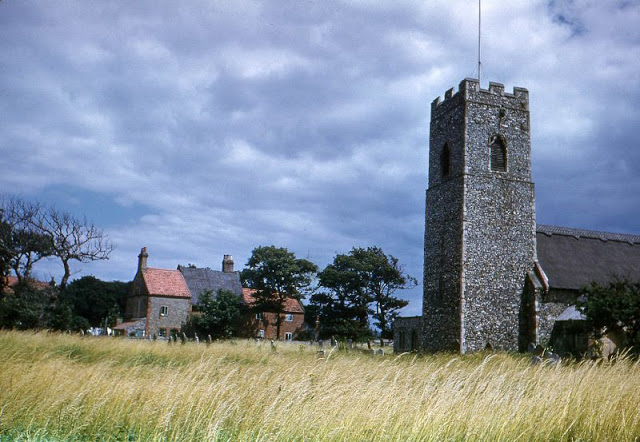
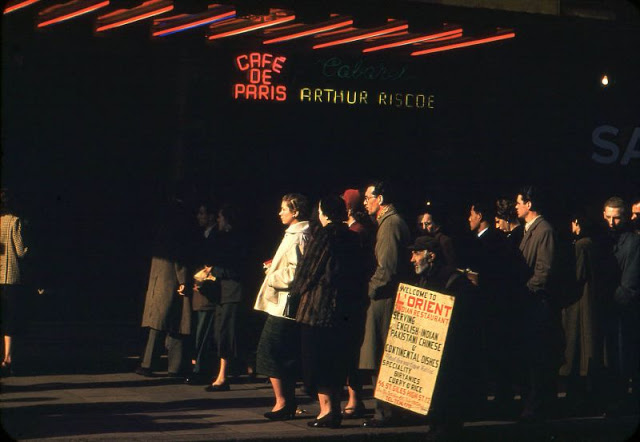
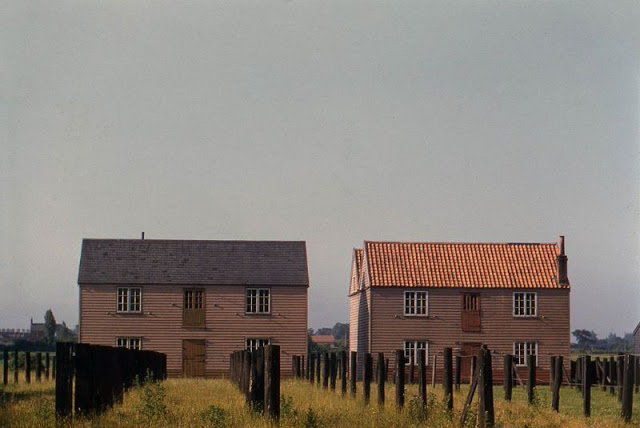
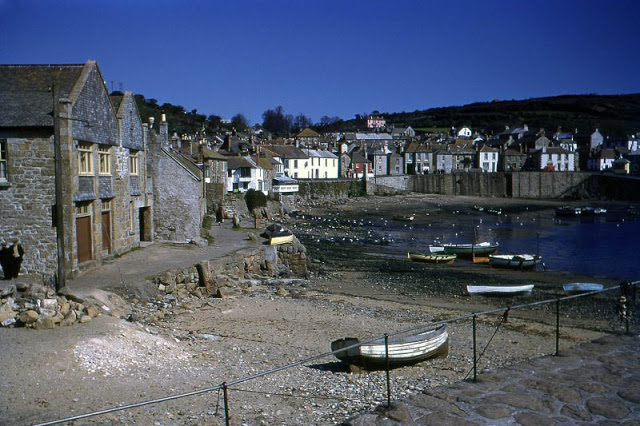
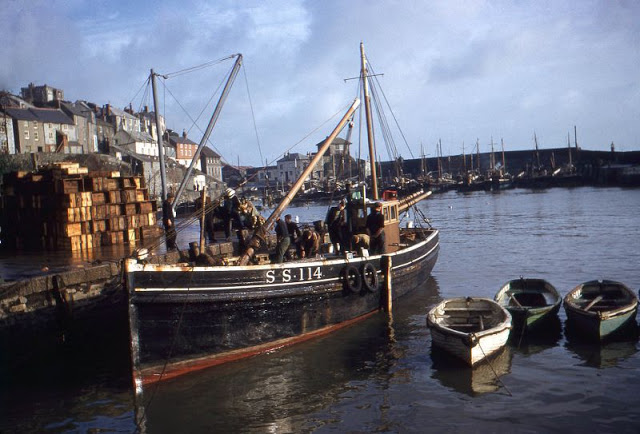
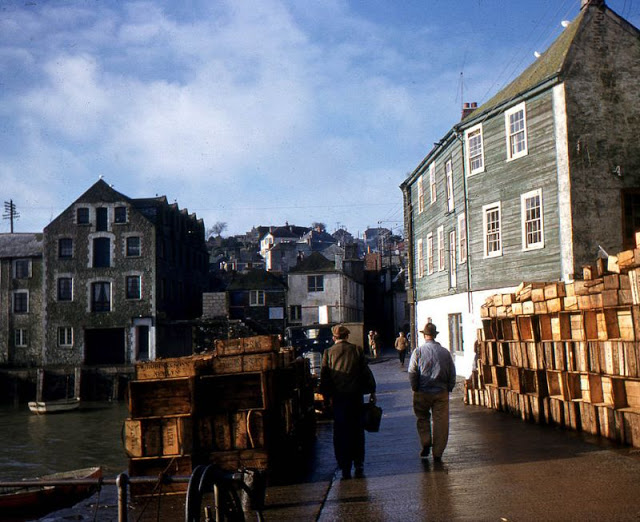
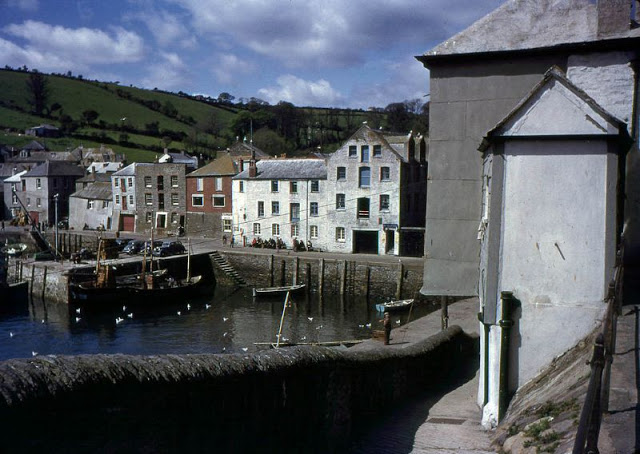
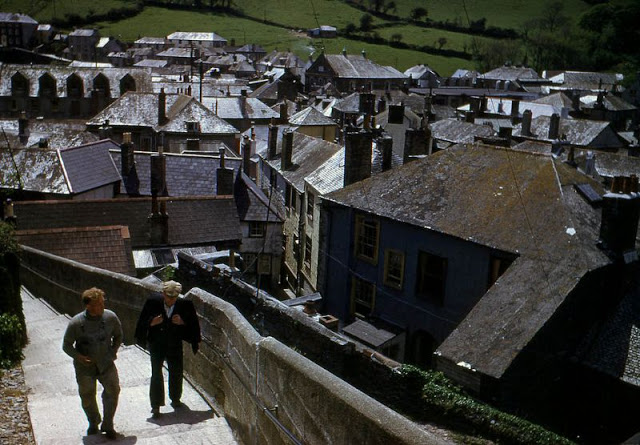
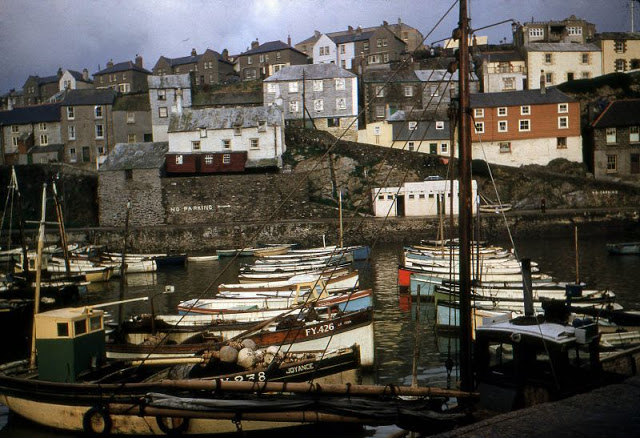
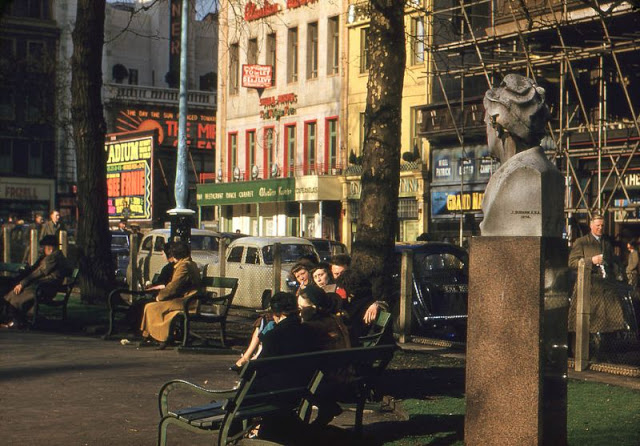
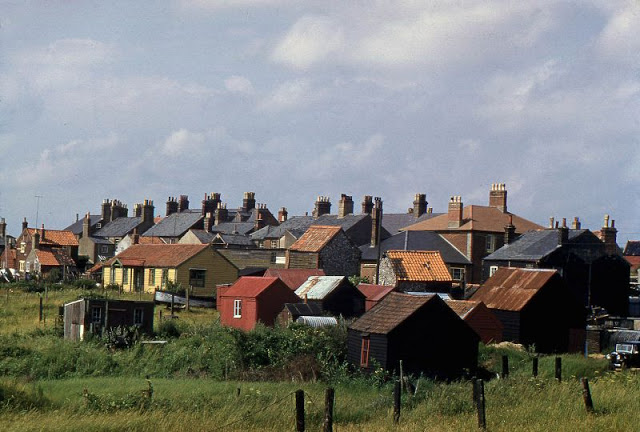
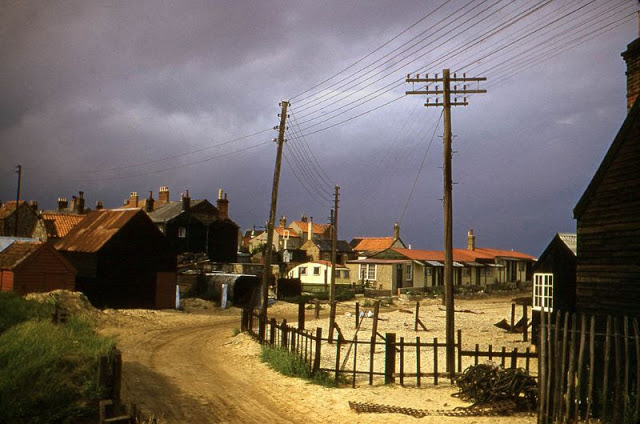
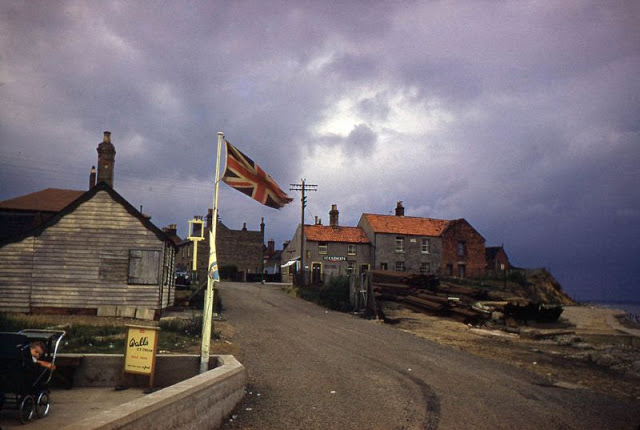
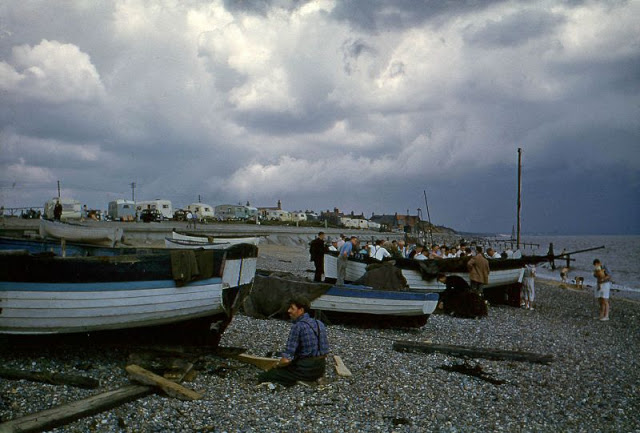
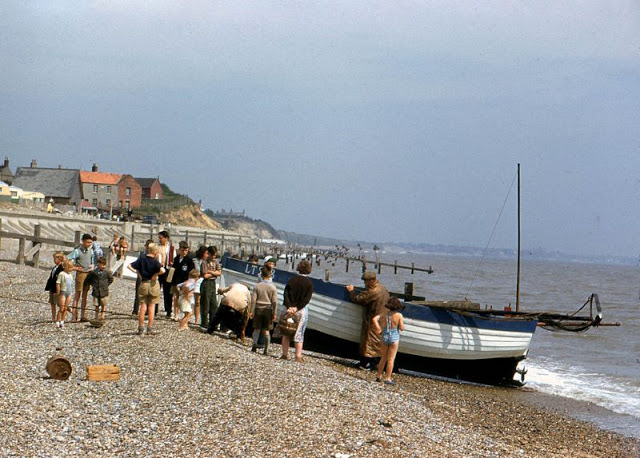
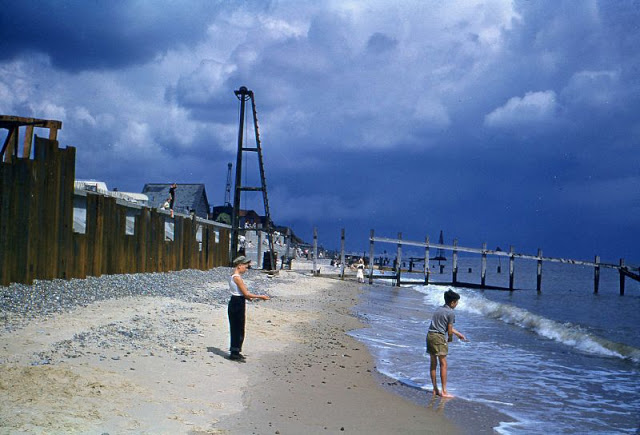
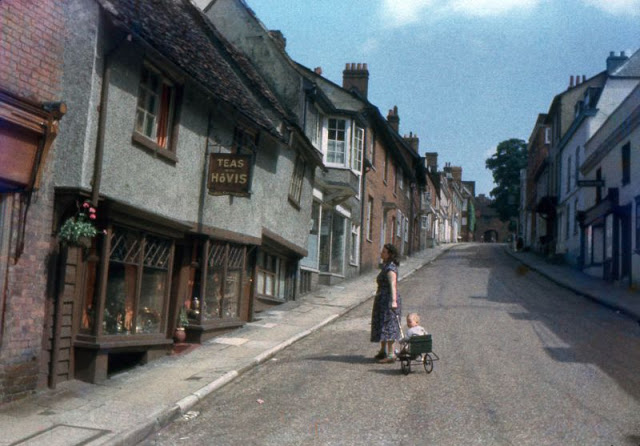
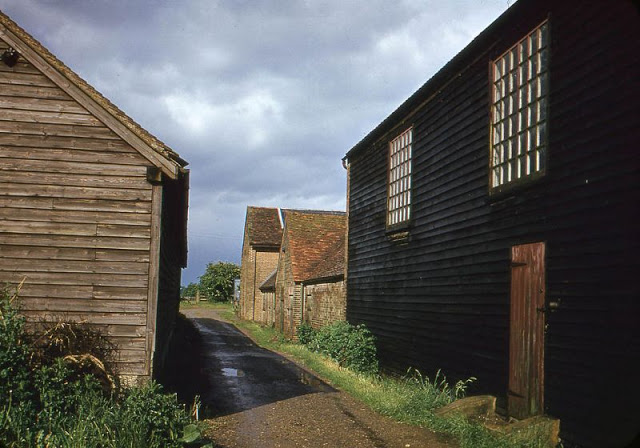
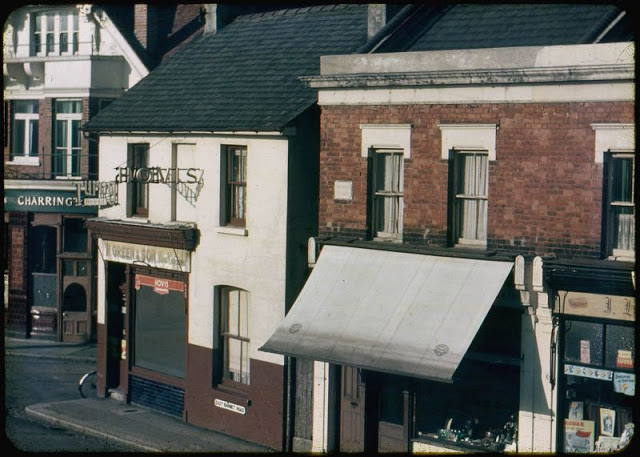
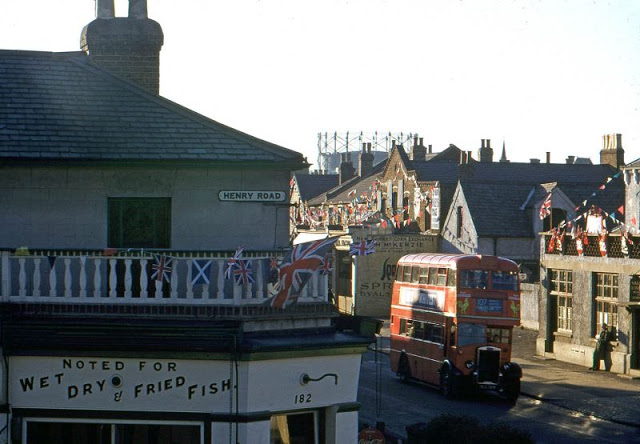
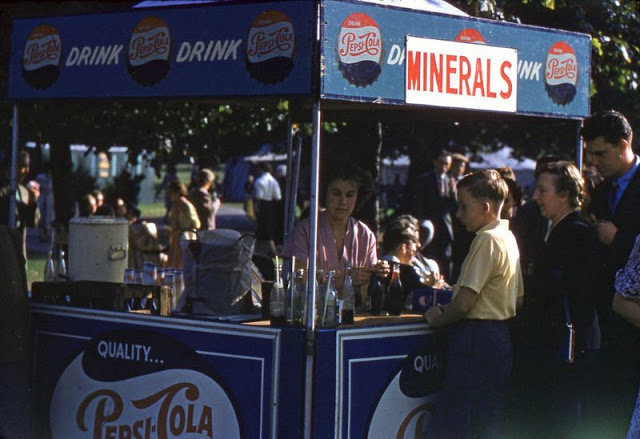
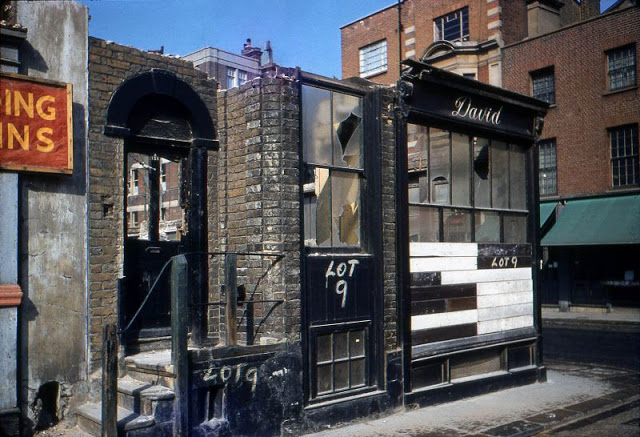
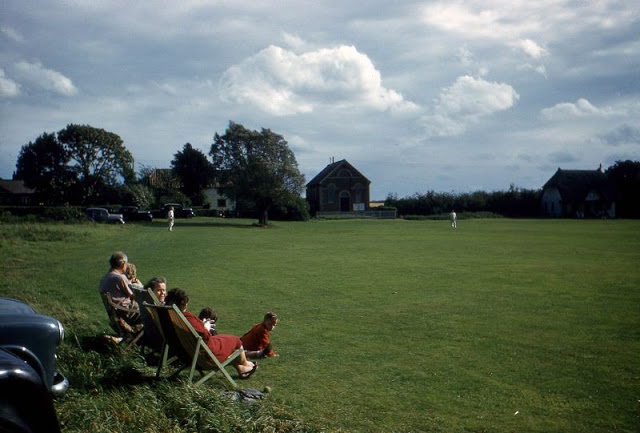
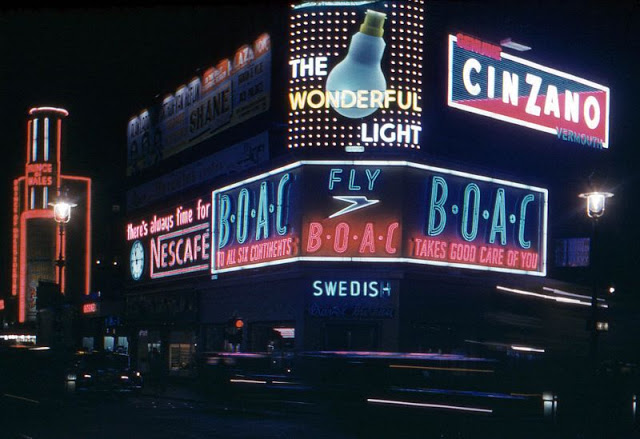
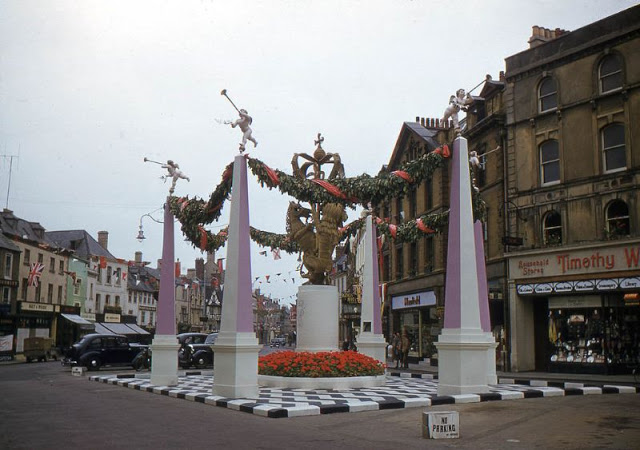
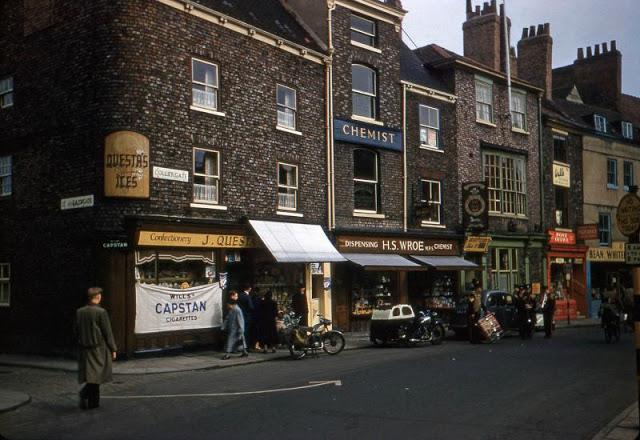
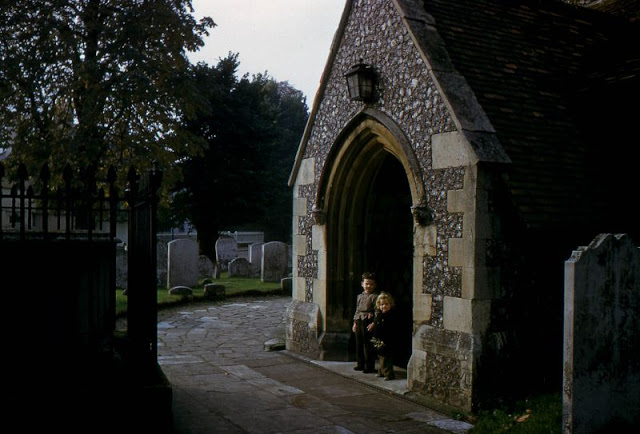
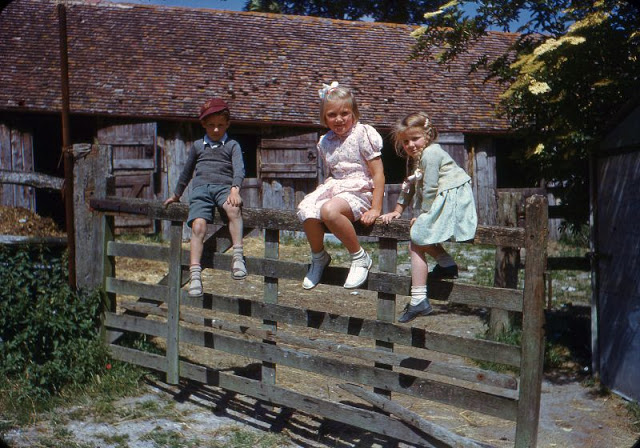
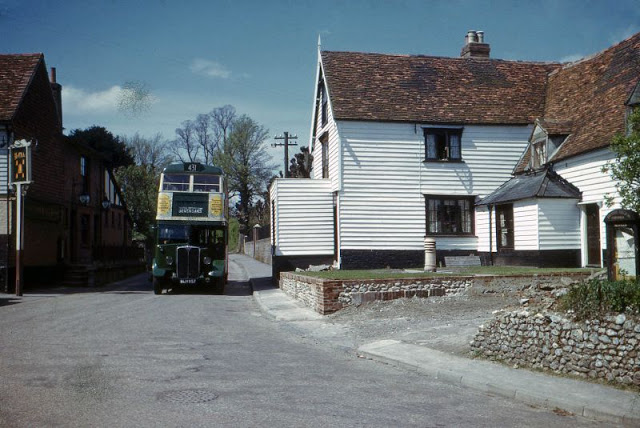
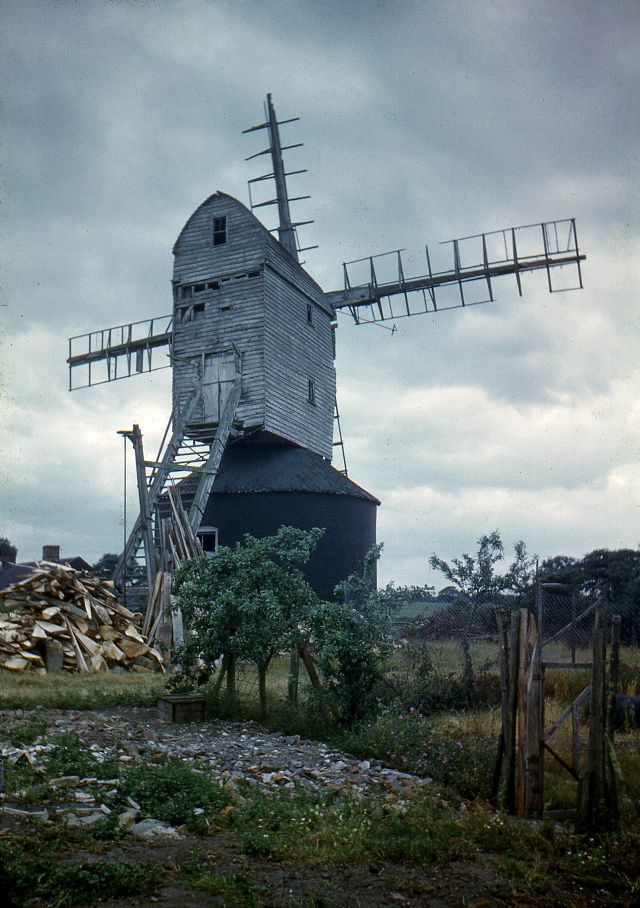
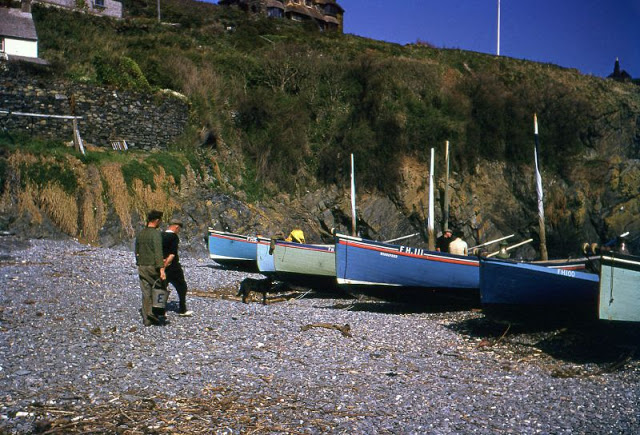
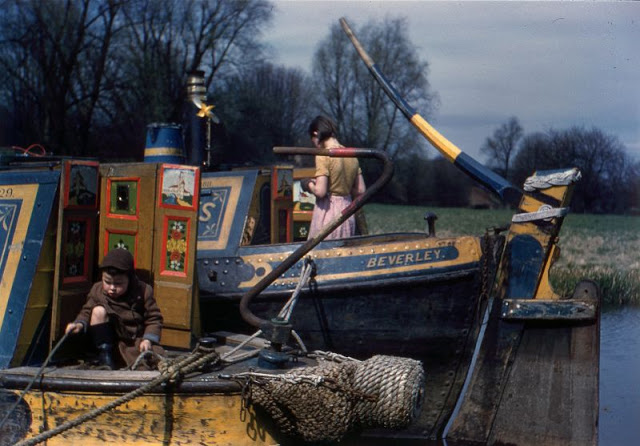
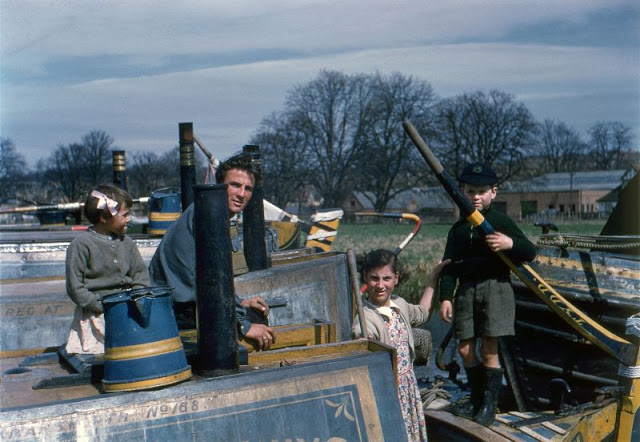
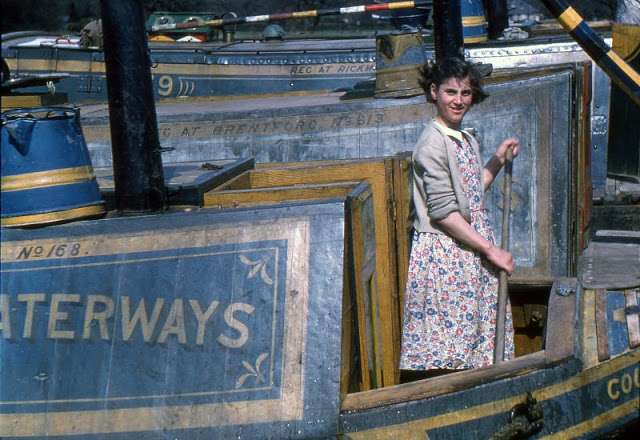
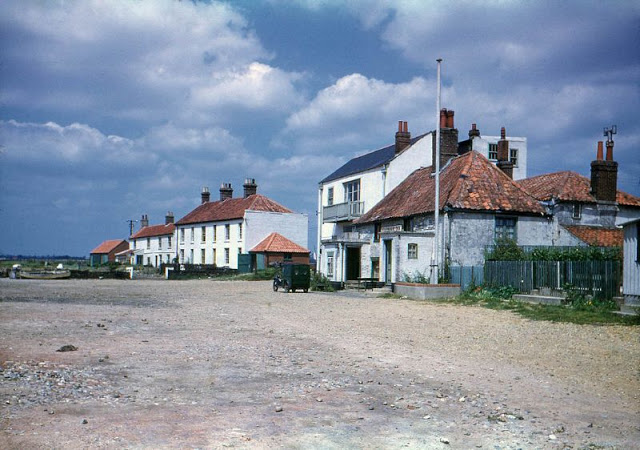
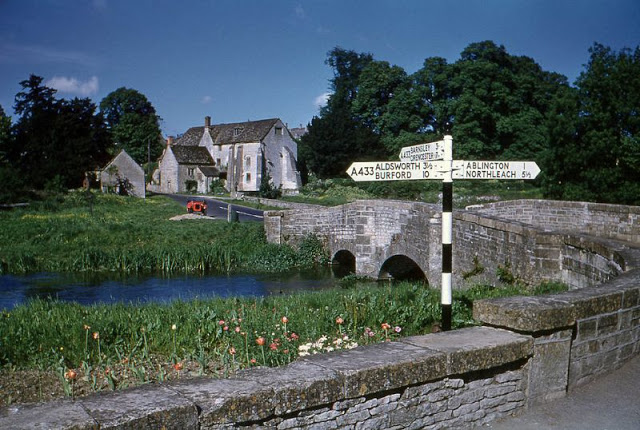
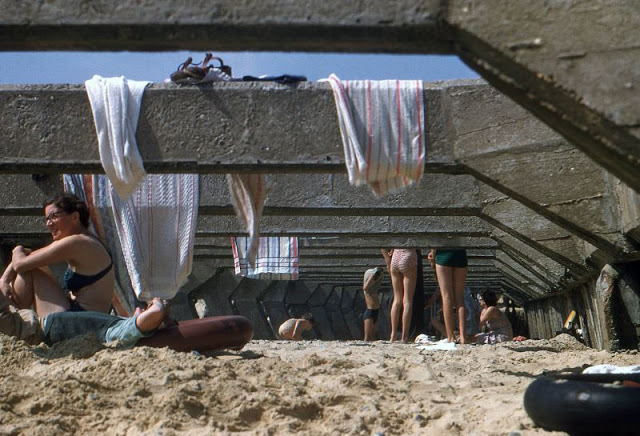
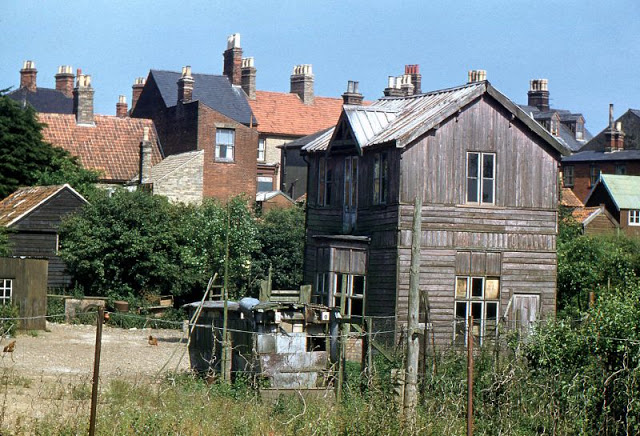
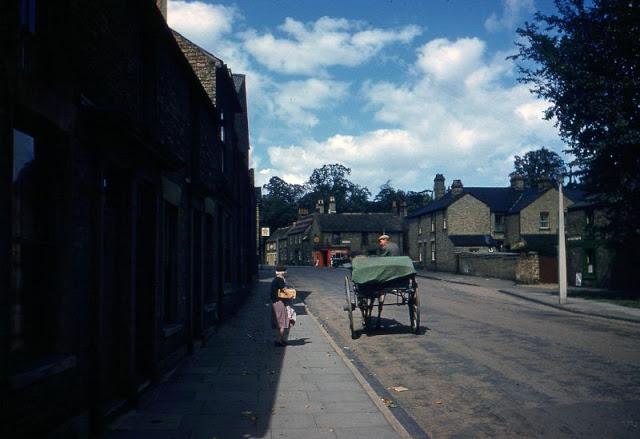
St Meva, CornwallSt Martin-in-the-Fields, LondonSt Goran’s Church, CornwallSt AlbansSouthwold, SuffolkSole Bay Inn, SouthwoldNear Kessingland, SuffolkPortmellon Cove, CornwallPortholland, CornwallPiccadilly, LondonPakefield Church, SuffolkOutside Café de Paris, LondonNet sheds, Kessingland, SuffolkMousehole Harbour, CornwallMevagissey, CornwallMevagissey, CornwallMevagissey, CornwallMevagissey, CornwallMevagissey, CornwallLeicester Square, LondonKessingland, SuffolkKessingland, SuffolkKessingland, SuffolkKessingland, SuffolkKessingland, SuffolkKessingland, SuffolkFore Street, Hatfield, HertfordshireFarm buildings in HertfordshireEast Barnet Road, Barnet, LondonEast Barnet Road and Henry Road, with Coronation decorations, LondonDrink stand, LondonDemolition site, LondonCricket field at Clavering, EssexCoventry Street, Piccadilly, LondonCoronation decorations at CirencesterCornwallCorner of Colliergate and St Andrewgate, YorkChildren outside unidentified church in EnglandChildren on gateChelsfield, South East LondonCarter’s Mill, Wrentham, SuffolkCanal boats in BerkhamstedCadgwith, CornwallC.C. Dunnill’s shop at 145 East Barnet Road, Barnet, London. The shop of a tailor, Claud Cecil Dunnill (1879-1954)Broadworthy, DevonBoxmoor, HertfordshireBoxmoor, HertfordshireBoxmoor LockBlackshore, Southwold, SuffolkBilbury, GloucestershireWalberswick, SuffolkTimber houses in Kessingland, SuffolkThe Shambles, YorkThatching, Home CountiesStation Road, Ely
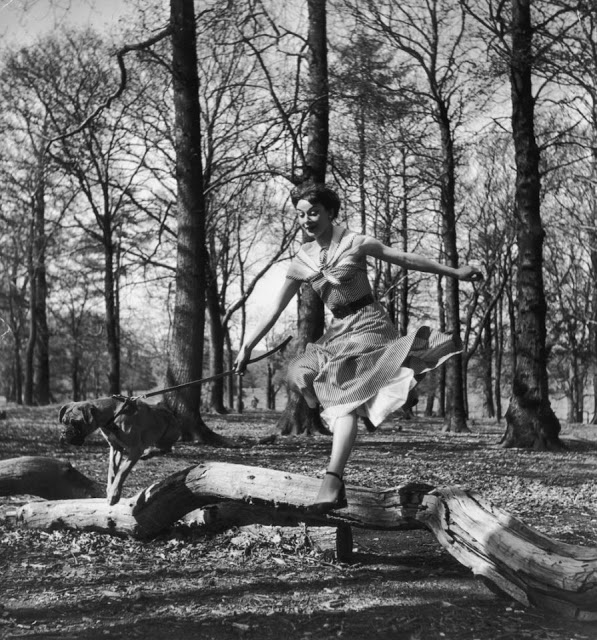
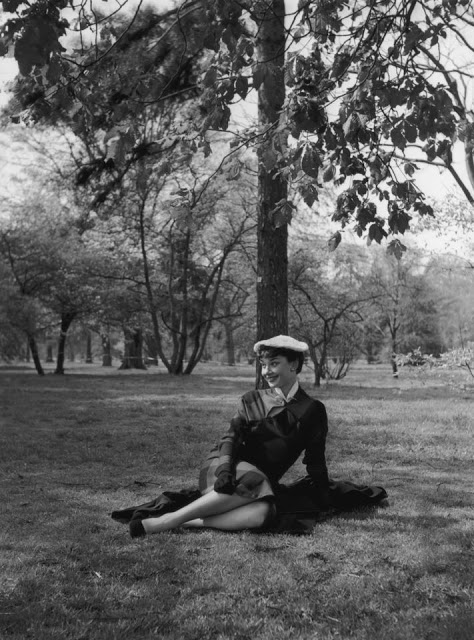
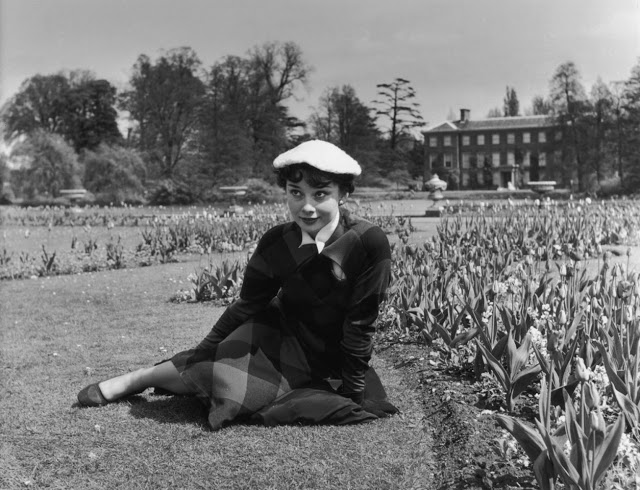
Audrey Hepburn (born Audrey Kathleen Ruston; 4 May 1929 – 20 January 1993) was a British actress and humanitarian. Recognised as both a film and fashion icon, she was ranked by the American Film Institute as the third-greatest female screen legend from the Classical Hollywood cinema and was inducted into the International Best Dressed List Hall of Fame. Born in Ixelles, Brussels, Hepburn spent parts of her childhood in Belgium, England, and the Netherlands. She studied ballet with Sonia Gaskell in Amsterdam beginning in 1945, and with Marie Rambert in London from 1948. She began performing as a chorus girl in West End musical theatre productions and then had minor appearances in several films. She starred in the 1951 Broadway play Gigi after being spotted by the French novelist Colette, on whose work the play was based. She is best known for her roles in well-known films such as Roman Holiday, Sabrina, Breakfast at Tiffany’s and My Fair Lady.
She rose to stardom in the romantic comedy Roman Holiday (1953) alongside Gregory Peck, for which she was the first actress to win an Oscar, a Golden Globe Award, and a BAFTA Award for a single performance. That year, she won a Tony Award for Best Lead Actress in a Play for her performance in Ondine. She went on to star in a number of successful films such as Sabrina (1954), in which Humphrey Bogart and William Holden compete for her affection; Funny Face (1957), a musical where she sang her own parts; the drama The Nun’s Story (1959); the romantic comedy Breakfast at Tiffany’s (1961); the thriller-romance Charade (1963), opposite Cary Grant; and the musical My Fair Lady (1964). In 1967 she starred in the thriller Wait Until Dark, receiving Academy Award, Golden Globe, and BAFTA nominations. After that, she only occasionally appeared in films, one being Robin and Marian (1976) with Sean Connery. Her last recorded performances were in the 1990 documentary television series Gardens of the World with Audrey Hepburn.
Hepburn won three BAFTA Awards for Best British Actress in a Leading Role. In recognition of her film career, she received BAFTA’s Lifetime Achievement Award, the Golden Globe Cecil B. DeMille Award, the Screen Actors Guild Life Achievement Award, and the Special Tony Award. She remains one of only sixteen people who have won Academy, Emmy, Grammy, and Tony Awards.
Later in life, Hepburn devoted much of her time to UNICEF, to which she had contributed since 1954. Between 1988 and 1992, she worked in some of the poorest communities of Africa, South America, and Asia. In December 1992, she received the Presidential Medal of Freedom in recognition of her work as a UNICEF Goodwill Ambassador. A month later, she died of appendiceal cancer at her home in Switzerland at the age of 63. (Wikipedia)
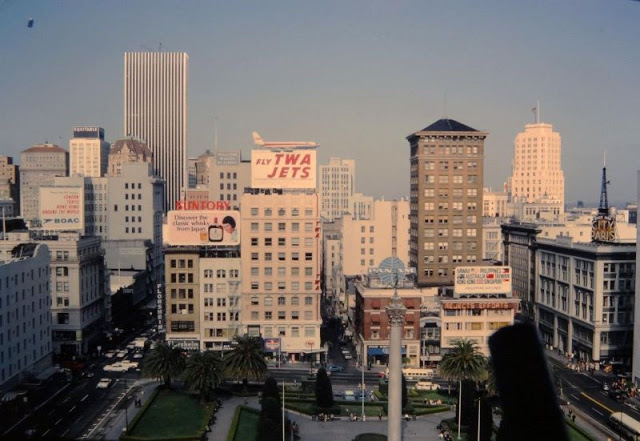
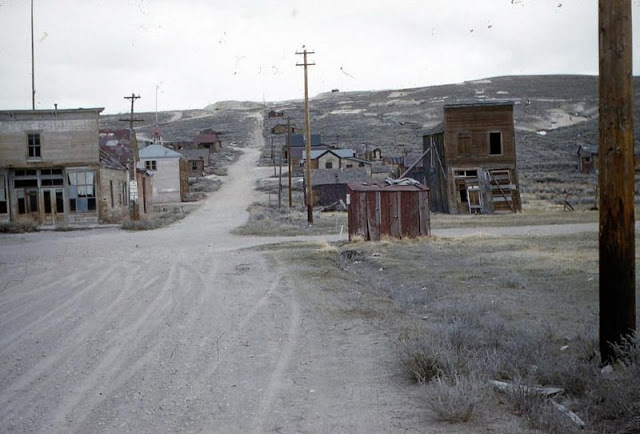
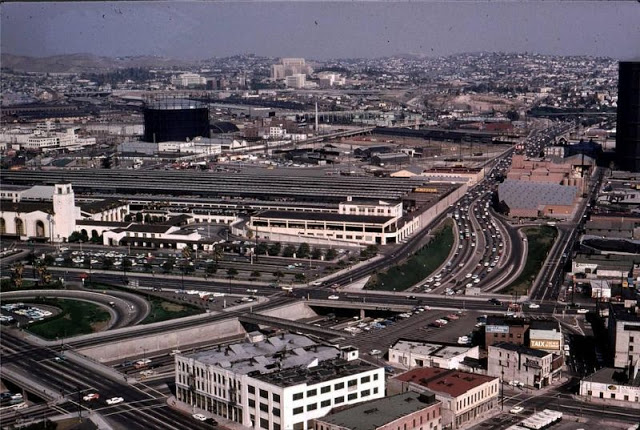
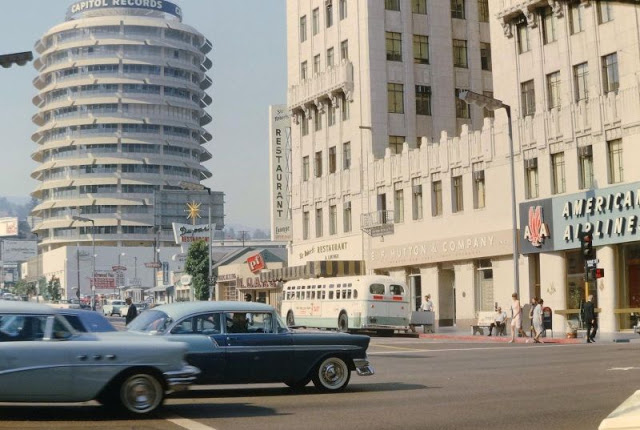
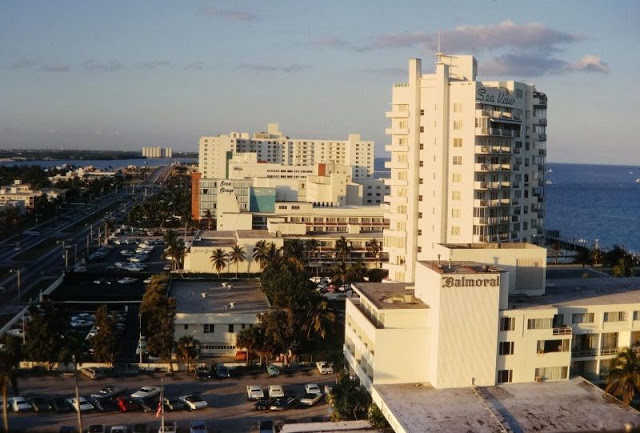
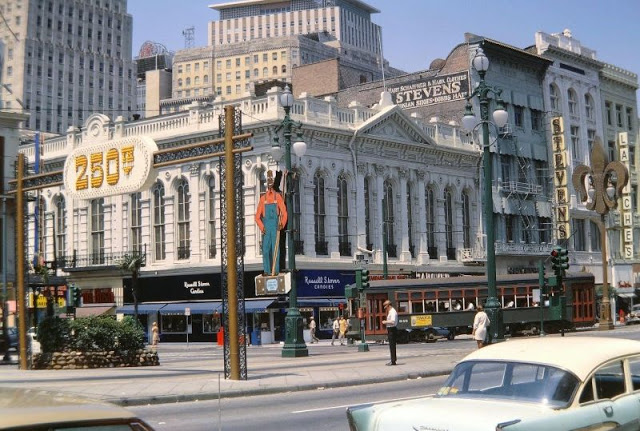
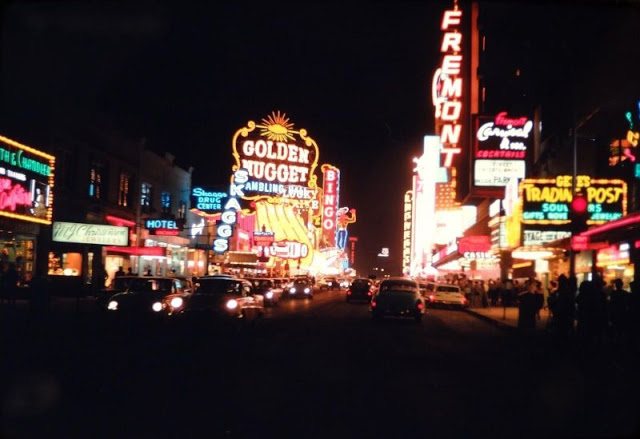
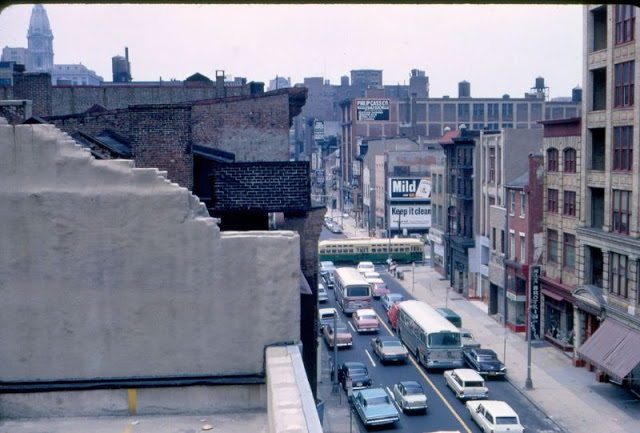
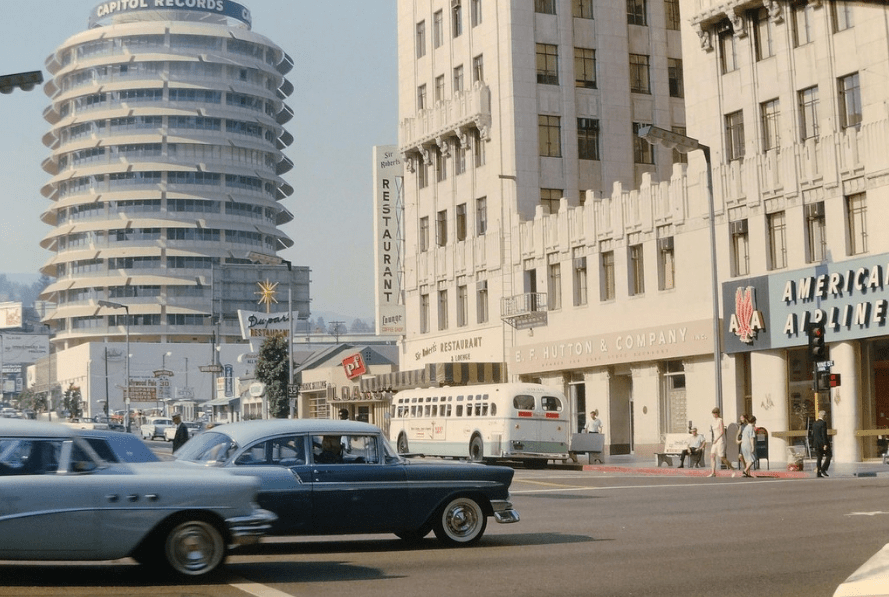
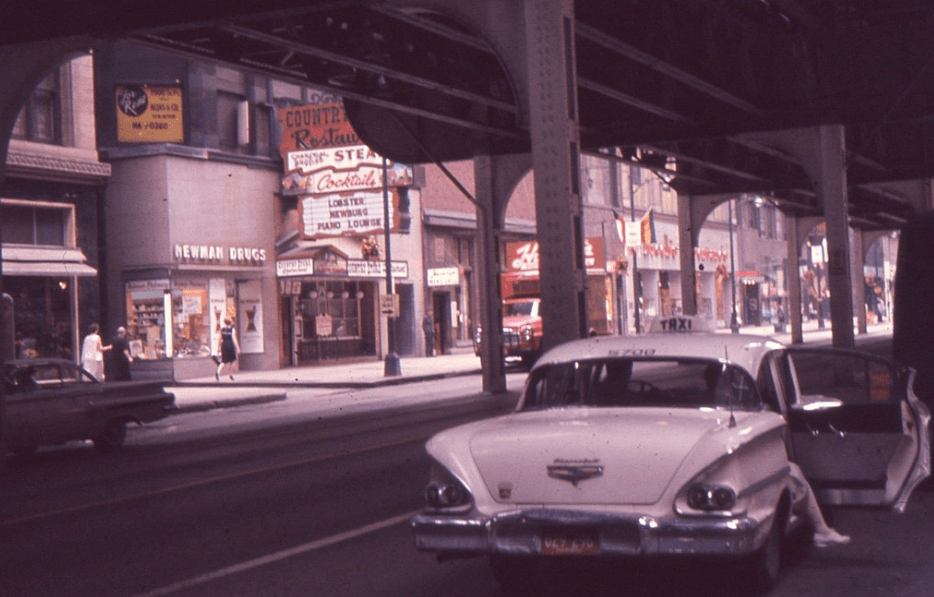
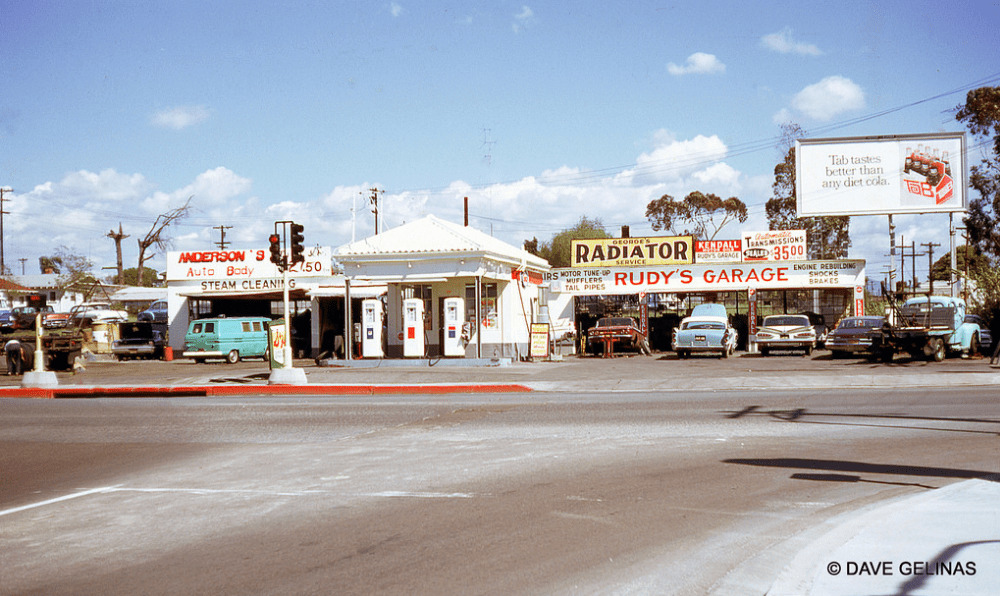
California. San Francisco, 1966California. San Francisco, 1966California. Union Square, San Francisco, 1966California. Abandoned Bodie, 1960California. East Los Angeles, 1961California. Hollywood, 1967California. Hollywood, Los Angeles, ca. 1960sCalifornia. San Francisco, 1963California. Santa Monica, 1964Missouri. Downtown St Louis with New Busch Stadium, 1967Florida. Bal Harbor, Miami, 1968Florida. Miami from the air, ca. late 1960sFlorida. Phillips 66 gas station in the flood, 1965Louisiana. New Orleans, 1968Baltimore, Maryland. 1963Massachusetts. Commercial Street, Provincetown, 1961Michigan. Conner Avenue, Detroit, ca. 1960sMinnesota. Minneapolis aerial, 1964Nevada. Las Vegas at night, 1962New Jersey. Newark City Subway, 1965Northeastern snow, ca. 1960sPennsylvania. 9th and Arch streets, Philadelphia, ca. mid-1960sPennsylvania. Fleetwood in winter, ca. 1960sPennsylvania. Philadelphia, circa early 1960sTexas. Austin, 1962Urban fire of a northeastern city, ca. 1960sAustin, Texas, 1962East Los Angeles, 1961Hollywood, Calif., 1967Fleetwood, Pennsylvania, 1960sHollywood, Calif., 1960sChicago, Illinois, 1962Under the Wabash St El, Chicago, Illinois, Early 60’sSan Deigo, Calif., 1968San Francisco, Calif., 1967