






Bringing You the Wonder of Yesterday – Today

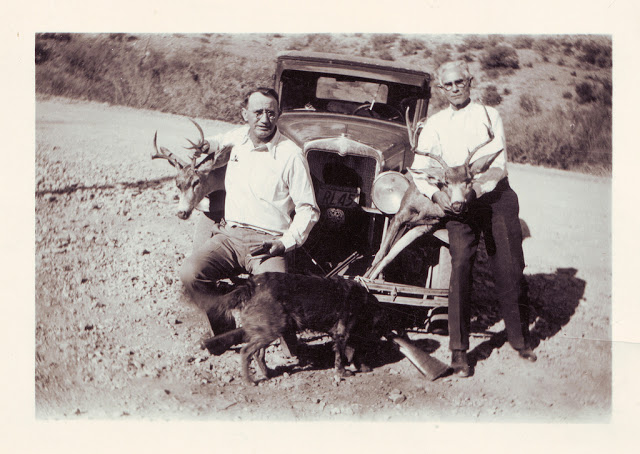
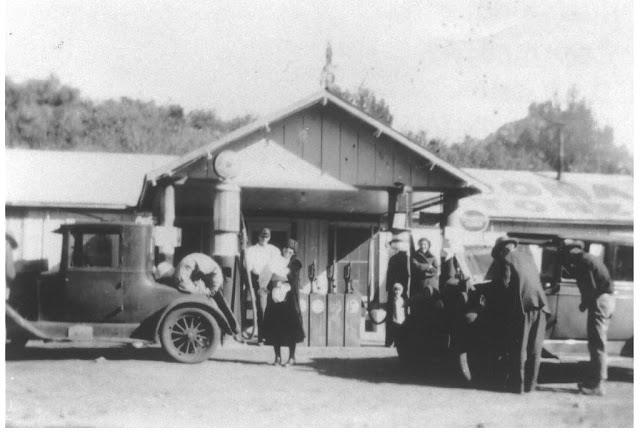
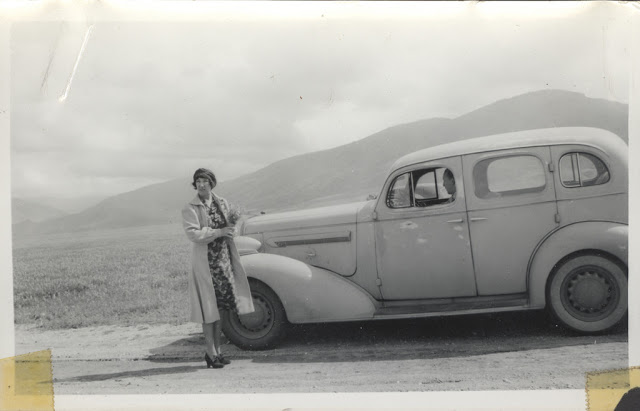
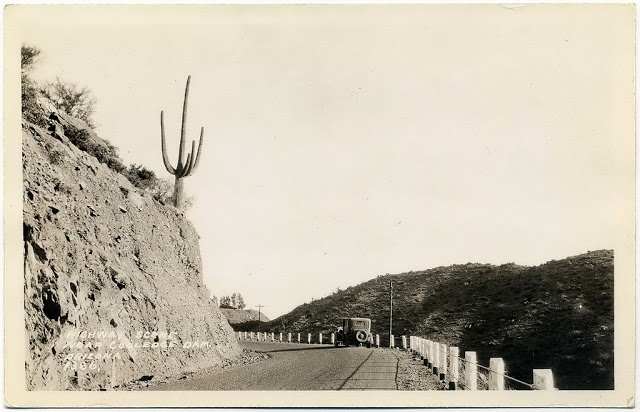
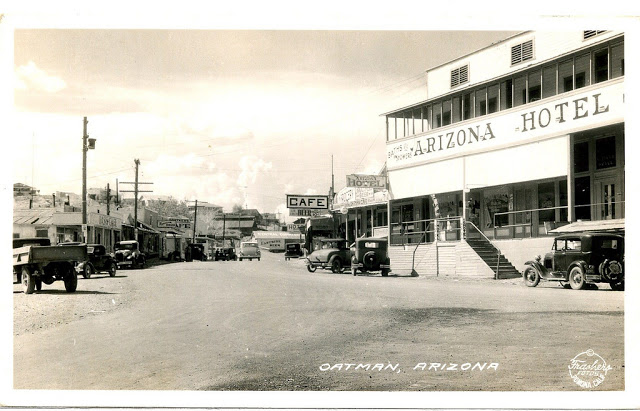
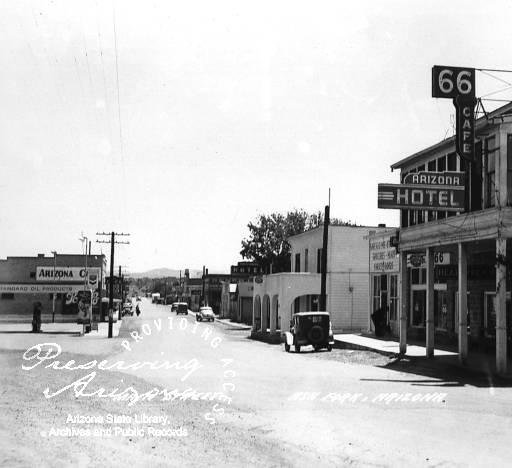
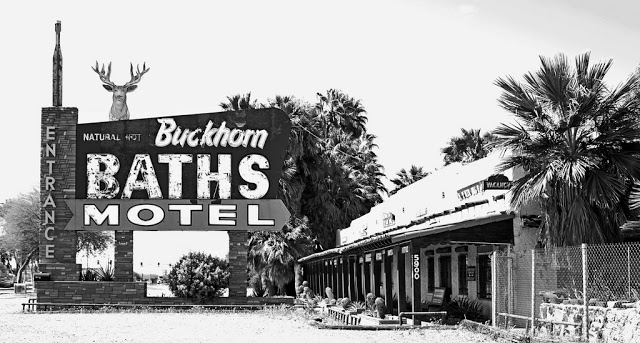
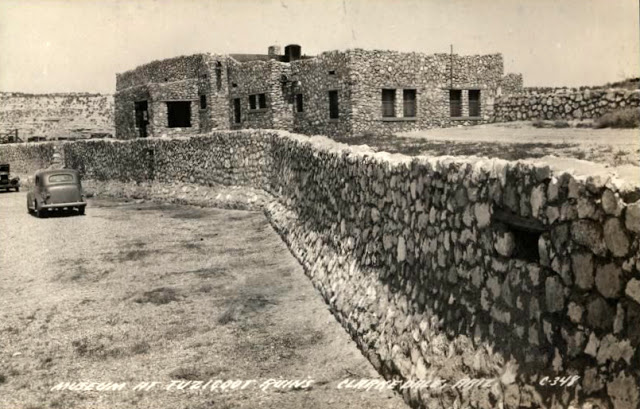
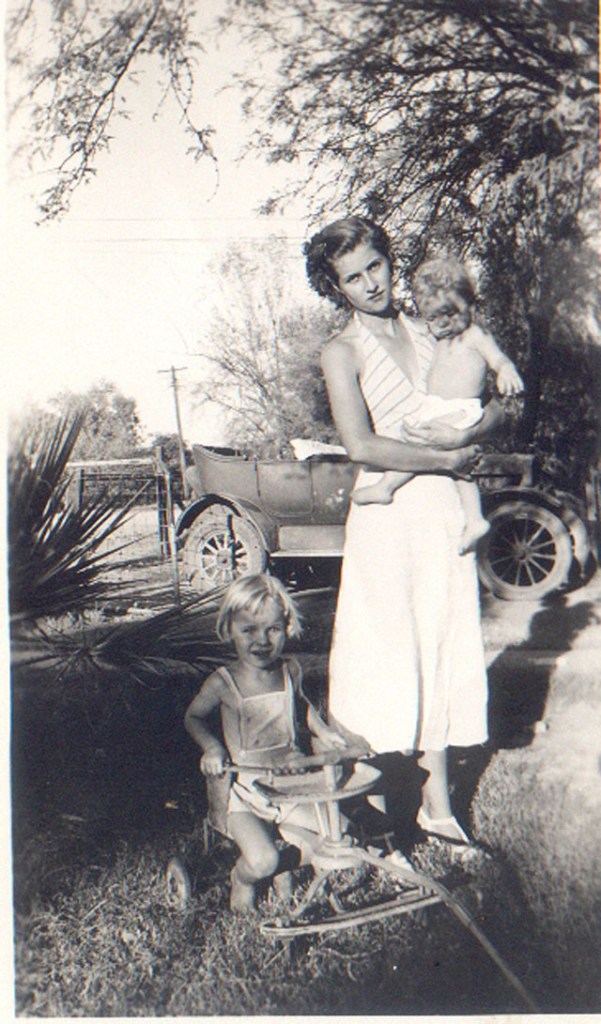
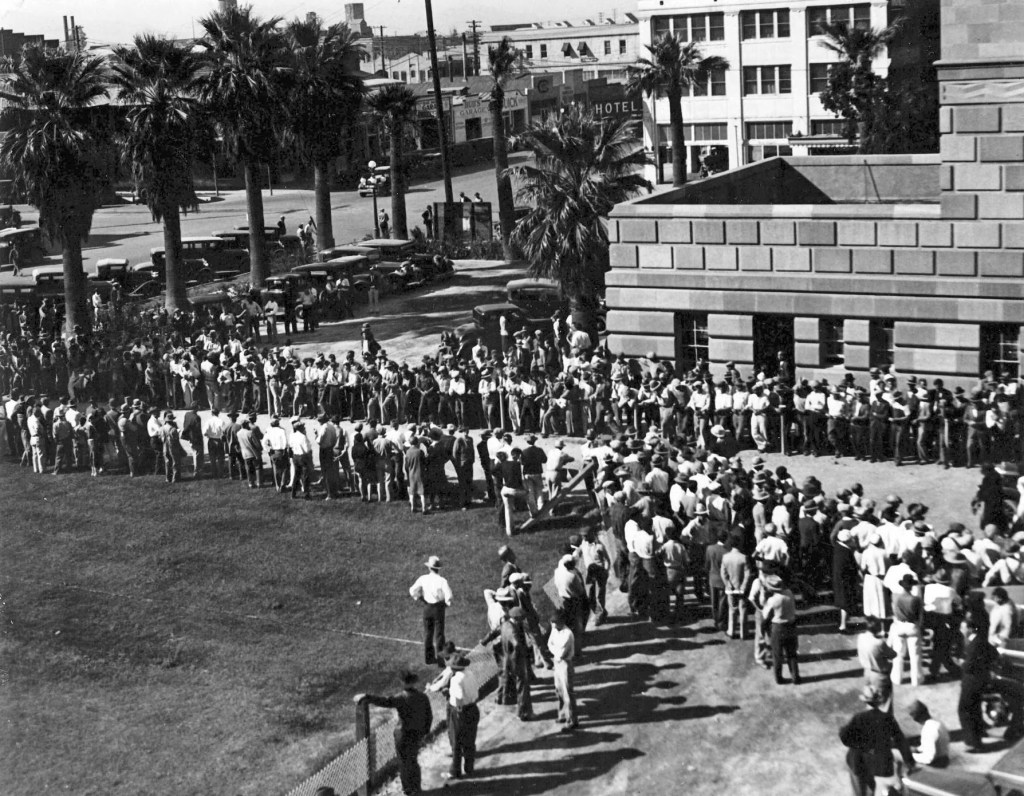
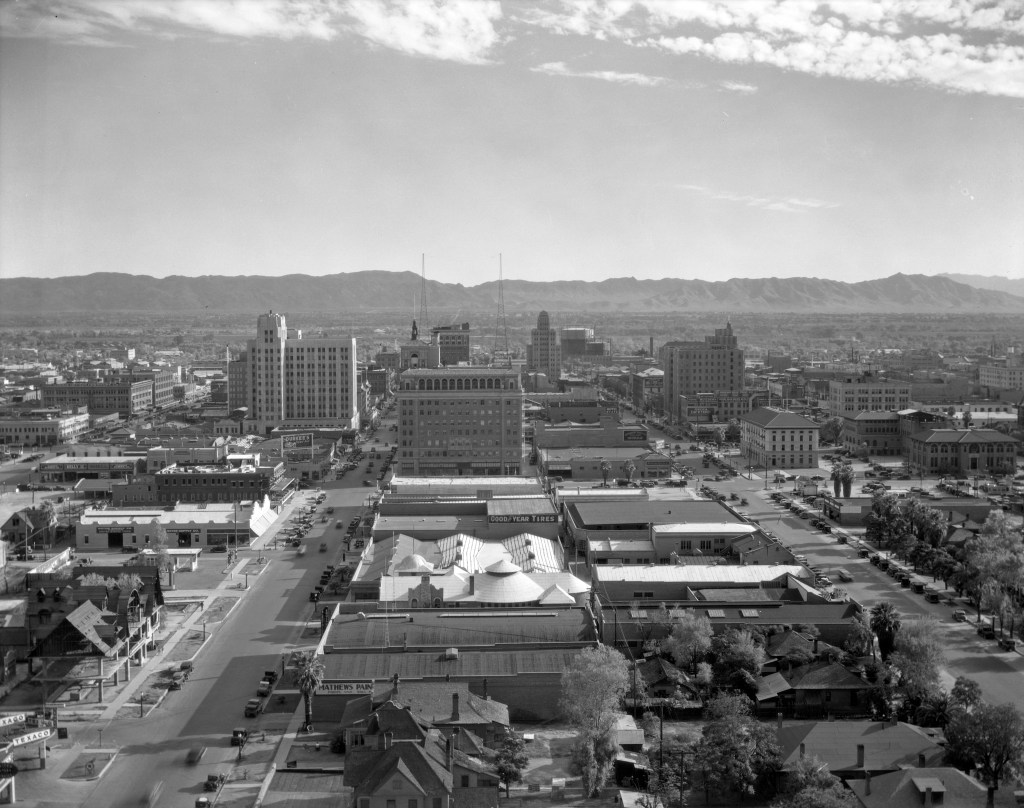
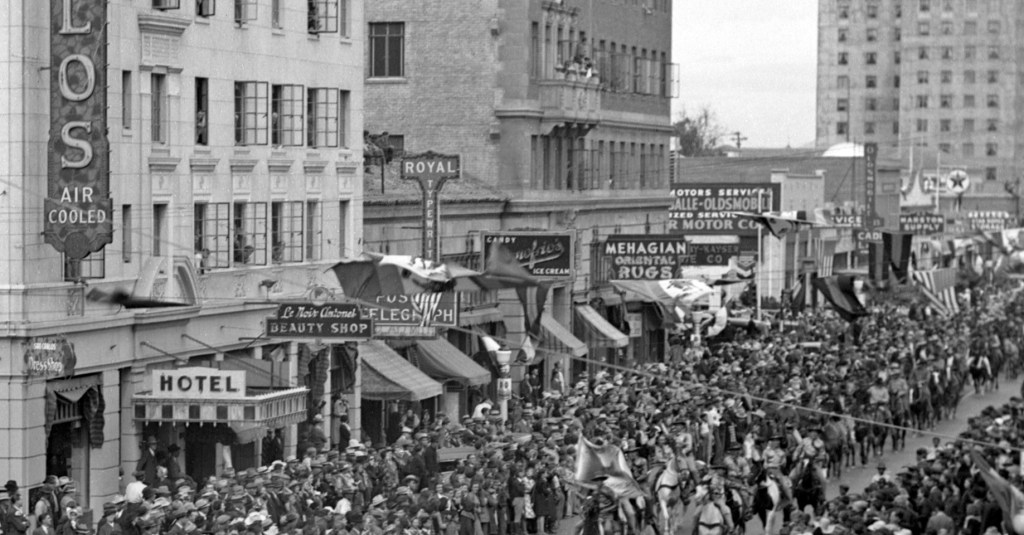
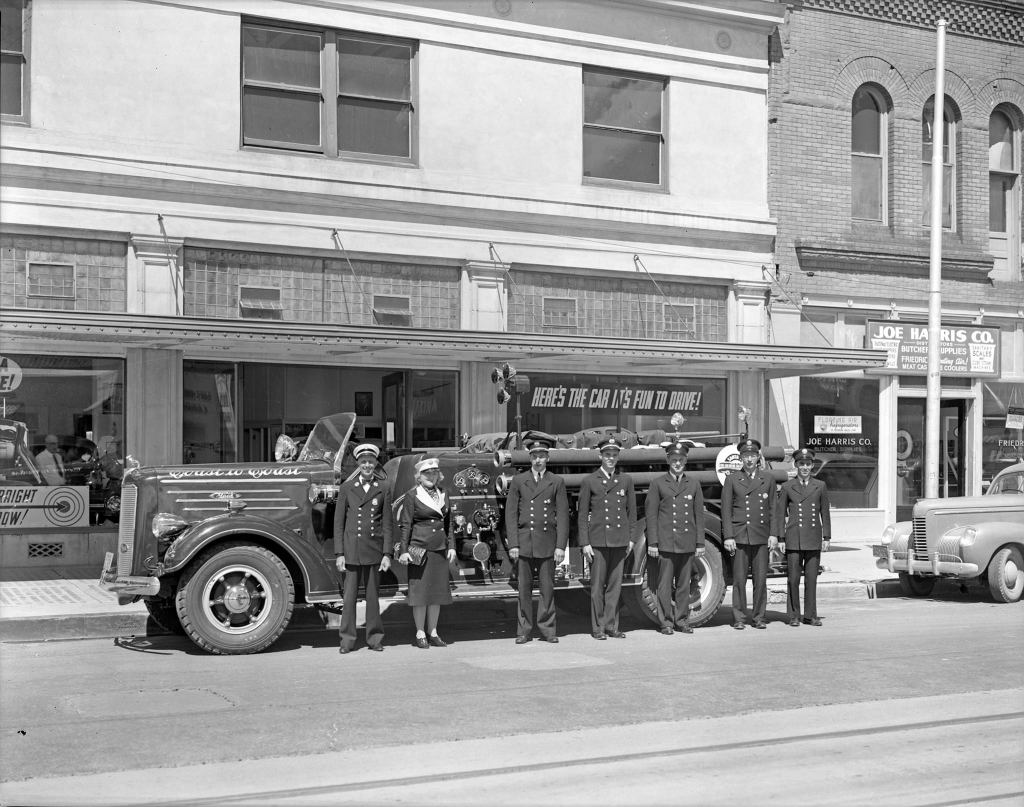
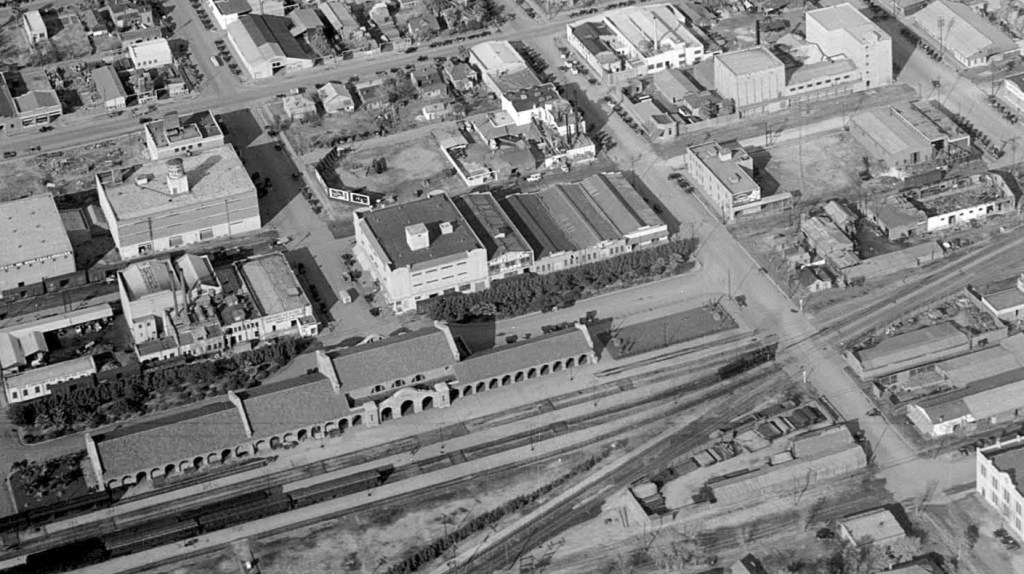
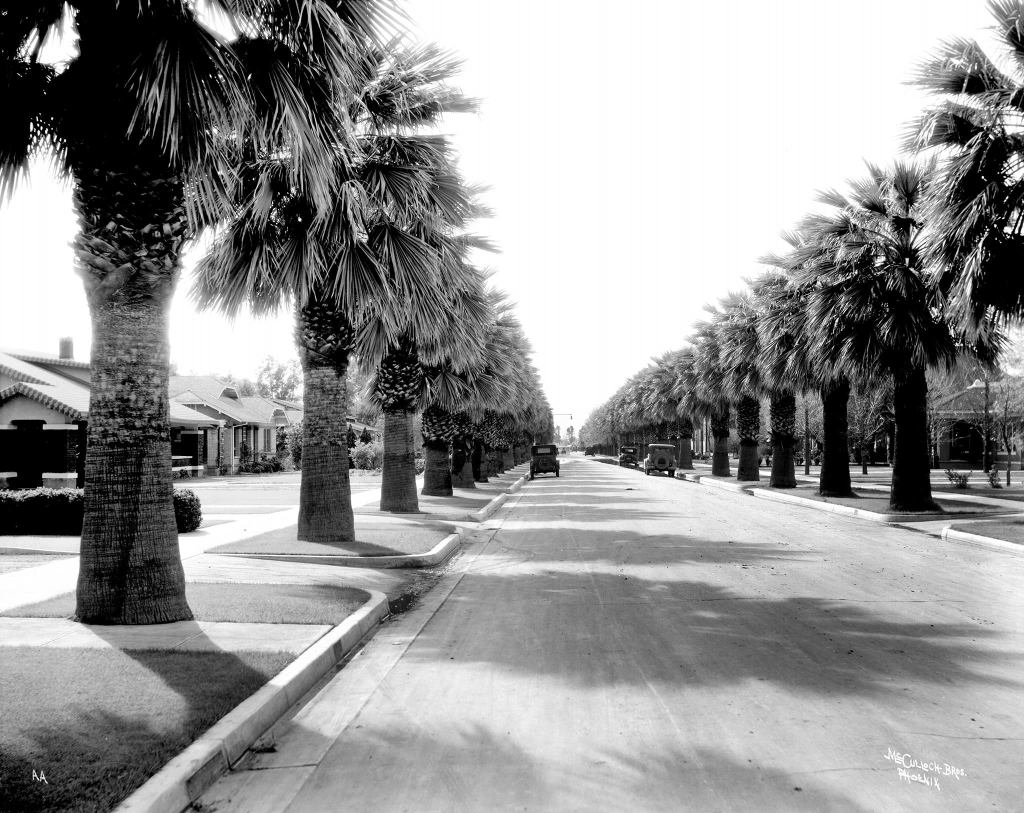
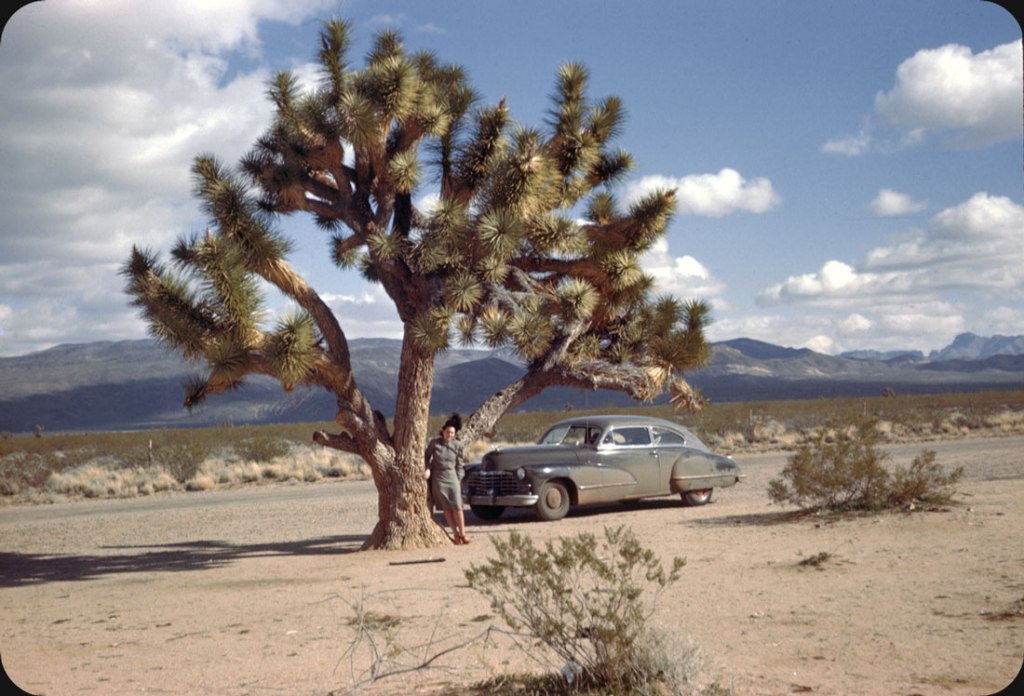
Arizona is a state in the Western United States, grouped in the Southwestern and occasionally Mountain subregions. It is the 6th largest and the 14th most populous of the 50 states. Its capital and largest city is Phoenix. Arizona shares the Four Corners region with Utah to the north, Colorado to the northeast, and New Mexico to the east; its other neighboring states are Nevada and California to the west and the Mexican states of Sonora and Baja California to the south and southwest.
Arizona is the 48th state and last of the contiguous states to be admitted to the Union, achieving statehood on February 14, 1912. Historically part of the territory of Alta California in New Spain, it became part of independent Mexico in 1821. After being defeated in the Mexican–American War, Mexico ceded much of this territory to the United States in 1848. The southernmost portion of the state was acquired in 1853 through the Gadsden Purchase.
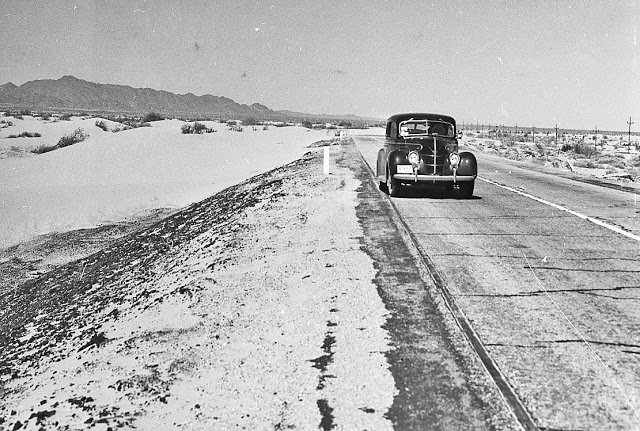
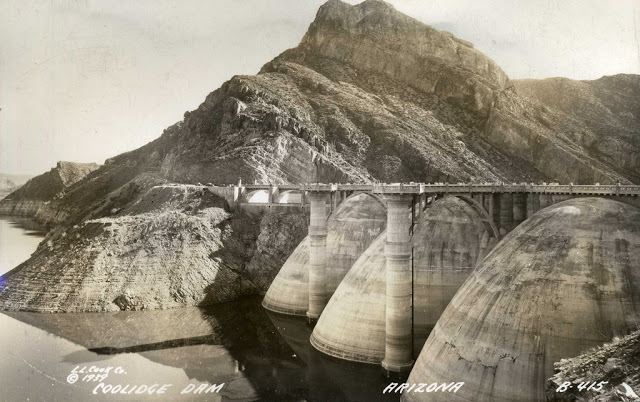
Southern Arizona is known for its desert climate, with very hot summers and mild winters. Northern Arizona features forests of pine, Douglas fir, and spruce trees; the Colorado Plateau; mountain ranges (such as the San Francisco Mountains); as well as large, deep canyons, with much more moderate summer temperatures and significant winter snowfalls. There are ski resorts in the areas of Flagstaff, Alpine, and Tucson. In addition to the internationally known Grand Canyon National Park, which is one of the world’s seven natural wonders, there are several national forests, national parks, and national monuments.
Since the 1950s, Arizona’s population and economy have grown dramatically because of migration into the state, and now the state is a major hub of the Sun Belt. Cities such as Phoenix and Tucson have developed large, sprawling suburban areas. Many large companies, such as PetSmart and Circle K, have headquarters in the state, and Arizona is home to major universities, including the University of Arizona and Arizona State University. Traditionally, the state is politically known for national conservative figures such as Barry Goldwater and John McCain, though it voted Democratic in the 1996 presidential race and in the 2020 presidential and senatorial elections.
Arizona is home to a diverse population. About one-quarter of the state is made up of Indian reservations that serve as the home of 27 federally recognized Native American tribes, including the Navajo Nation, the largest in the state and the United States, with more than 300,000 citizens. Since the 1980s, the proportion of Hispanics in the state’s population has grown significantly owing to migration from Mexico. In terms of religion, a substantial portion of the population are followers of the Catholic Church and The Church of Jesus Christ of Latter-day Saints (Mormon). (Wikipedia)






































Annelies Marie Frank (12 June 1929 – c. February 1945) was a German-Dutch diarist of Jewish heritage. One of the most discussed Jewish victims of the Holocaust, she gained fame posthumously with the 1947 publication of The Diary of a Young Girl (originally Het Achterhuis in Dutch; English: The Secret Annex), in which she documents her life in hiding from 1942 to 1944, during the German occupation of the Netherlands in World War II. It is one of the world’s best-known books and has been the basis for several plays and films.
Born in Frankfurt, Germany, she lived most of her life in or near Amsterdam, Netherlands, having moved there in 1934 with her family at the age of four and a half when Adolf Hitler and the Nazi Party gained control over Germany. Born a German national, she lost her citizenship in 1941 and thus became stateless. By May 1940, the Franks were trapped in Amsterdam by the German occupation of the Netherlands. As persecutions of the Jewish population increased in July 1942, they went into hiding in some concealed rooms behind a bookcase in the building where Anne’s father, Otto Frank, worked. From then until the family’s arrest by the Gestapo in August 1944, Anne kept a diary she had received as a birthday present, and wrote in it regularly. Following their arrest, the Franks were transported to concentration camps. On 1 November 1944, Anne and her sister, Margot, were transferred from Auschwitz to Bergen-Belsen concentration camp, where they died (probably of typhus) a few months later. They were originally estimated by the Red Cross to have died in March, with Dutch authorities setting 31 March as their official date of death. In 1986 the historians David Barnouw and Gerrald van der Stroom wrote in The Diary of Anne Frank: The Critical Edition that they probably died at the end of February or beginning of March 1945, basing this estimate on the written statement of eyewitness Lien Brilleslijper in November 1945. Research by the Anne Frank House in 2015 suggests that they died in February.
Otto, the only survivor of the Frank family, returned to Amsterdam after the war to find that Anne’s diary had been saved by his secretary, Miep Gies. He decided to fulfill Anne’s greatest wish to become a writer and publish her diary in 1947. It was translated from its original Dutch version and first published in English in 1952 as The Diary of a Young Girl, and has since been translated into over 70 languages. (Wikipedia)
We take a look at her life through pictures.
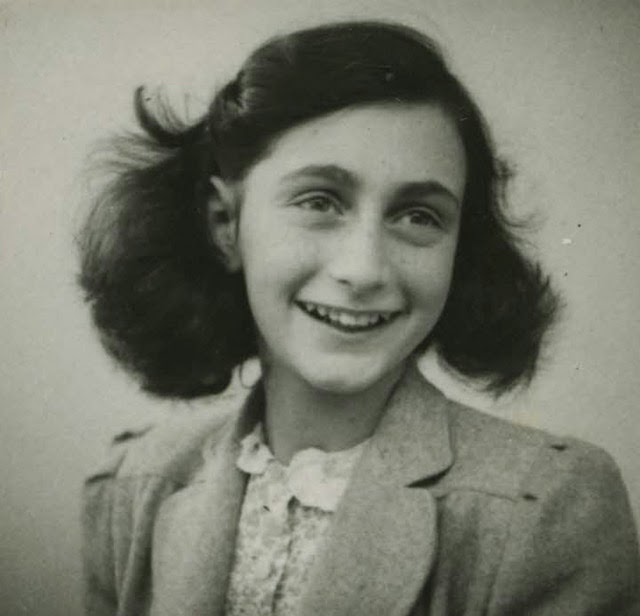
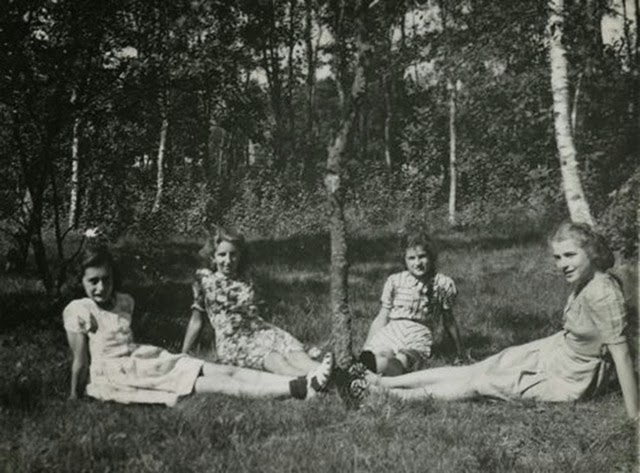
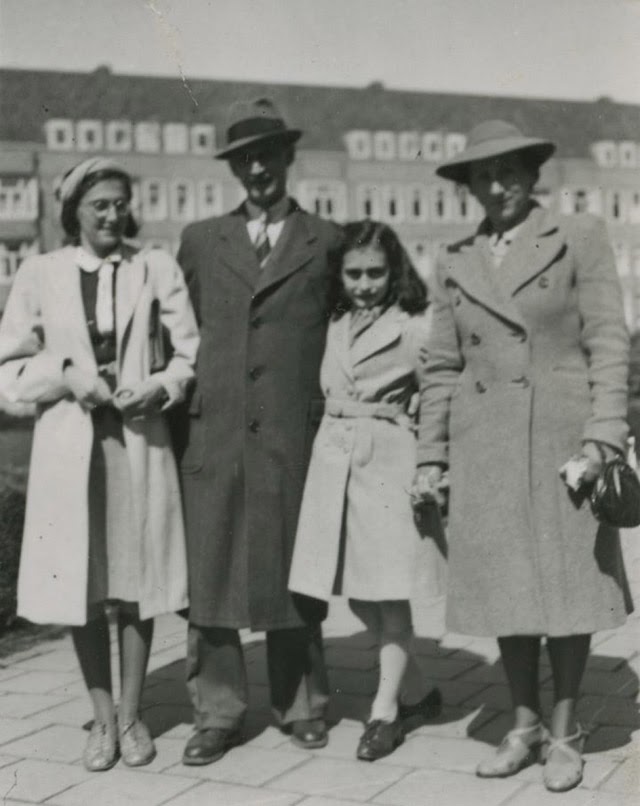
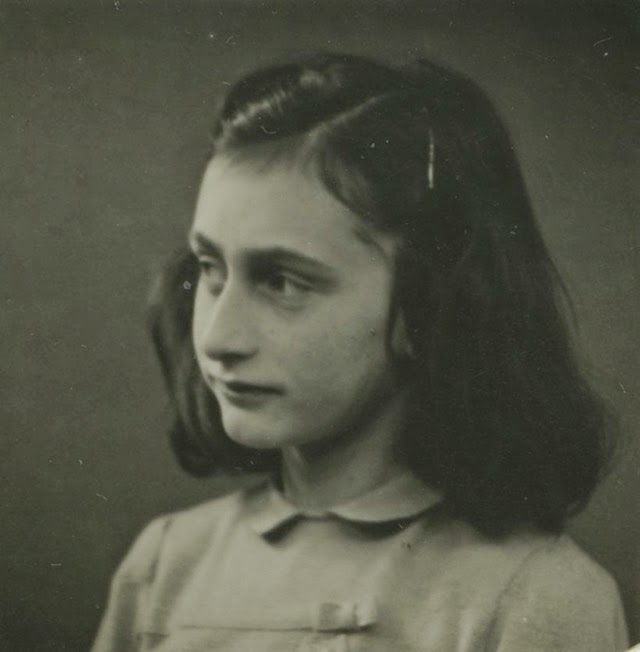
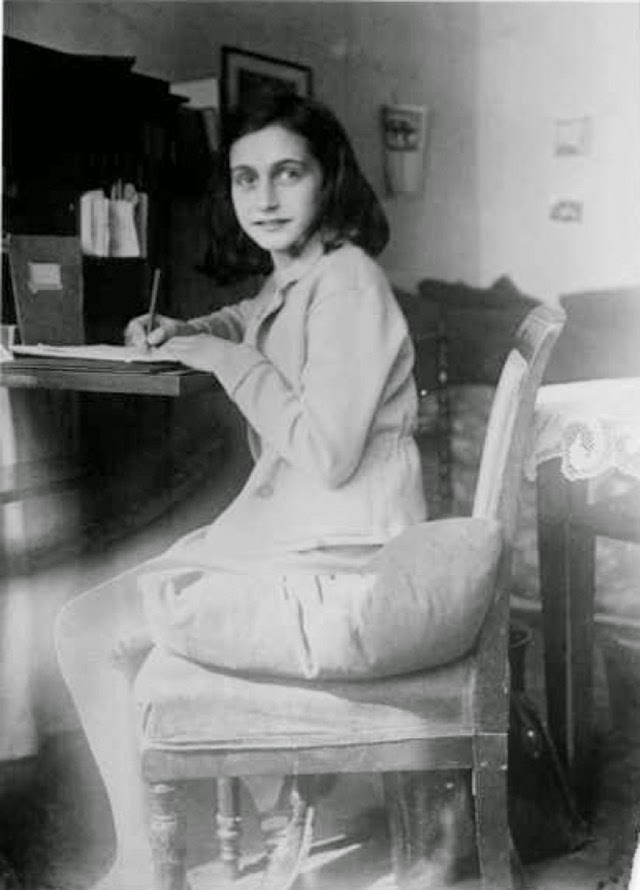
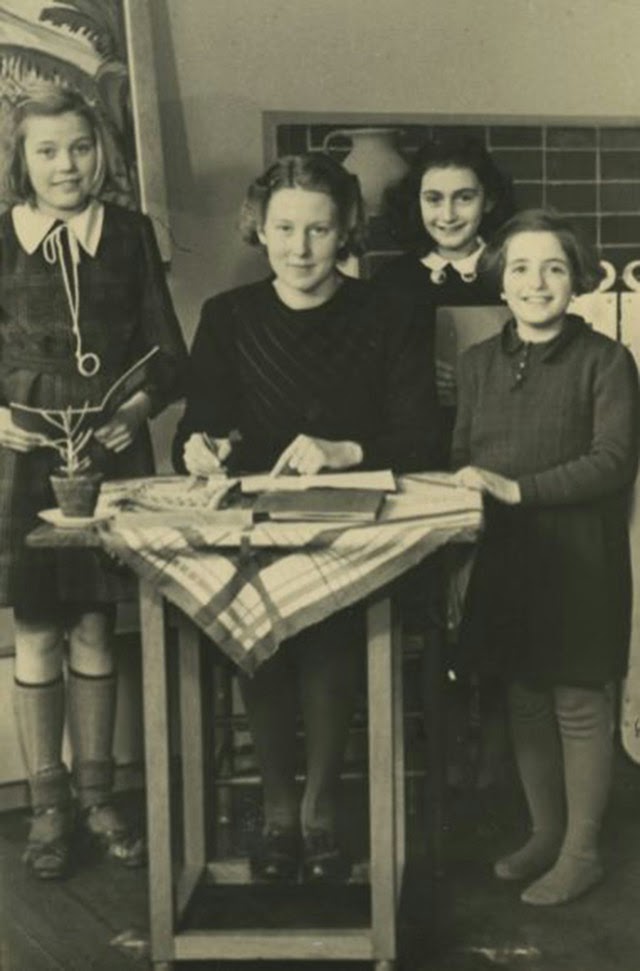
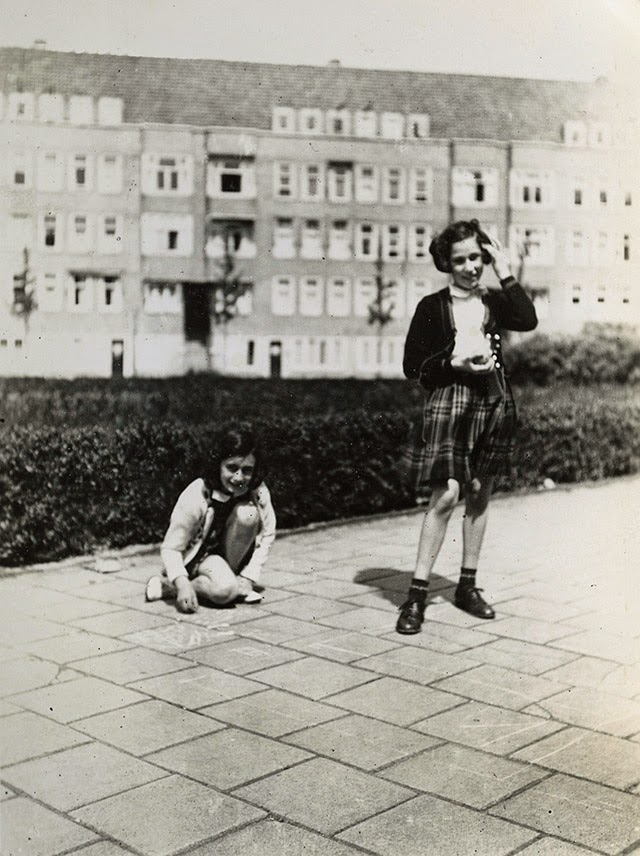
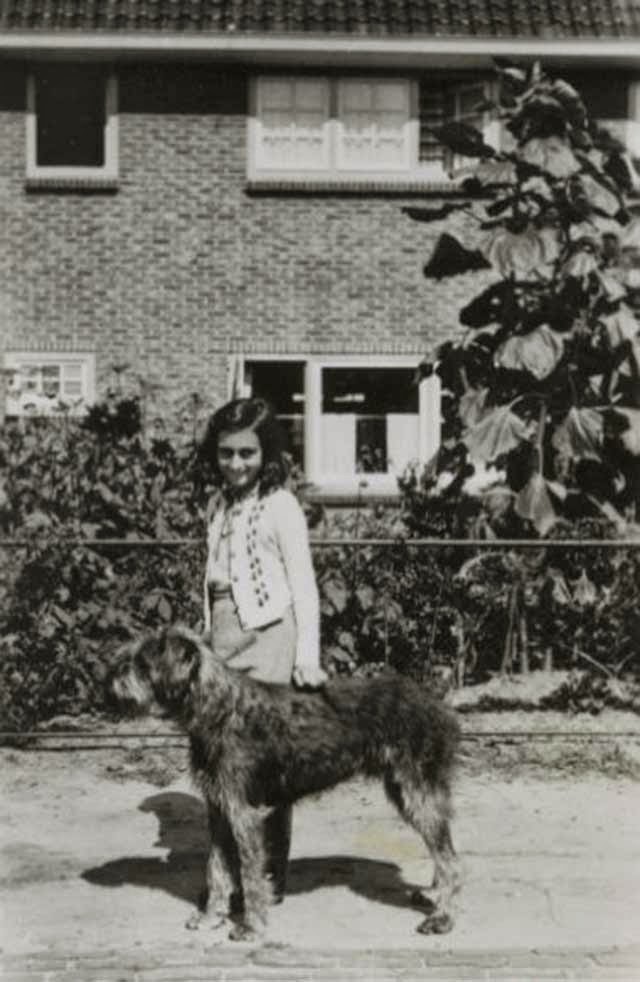
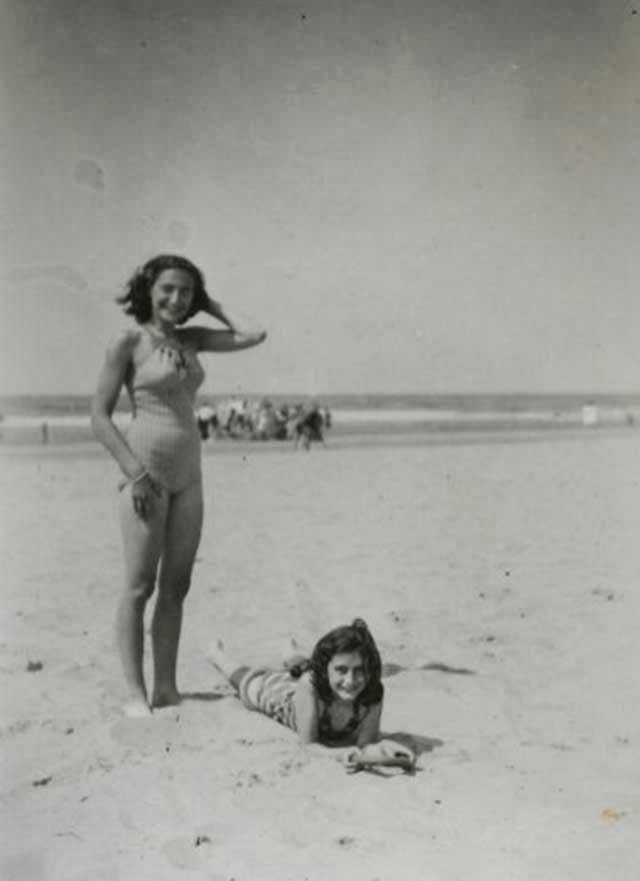
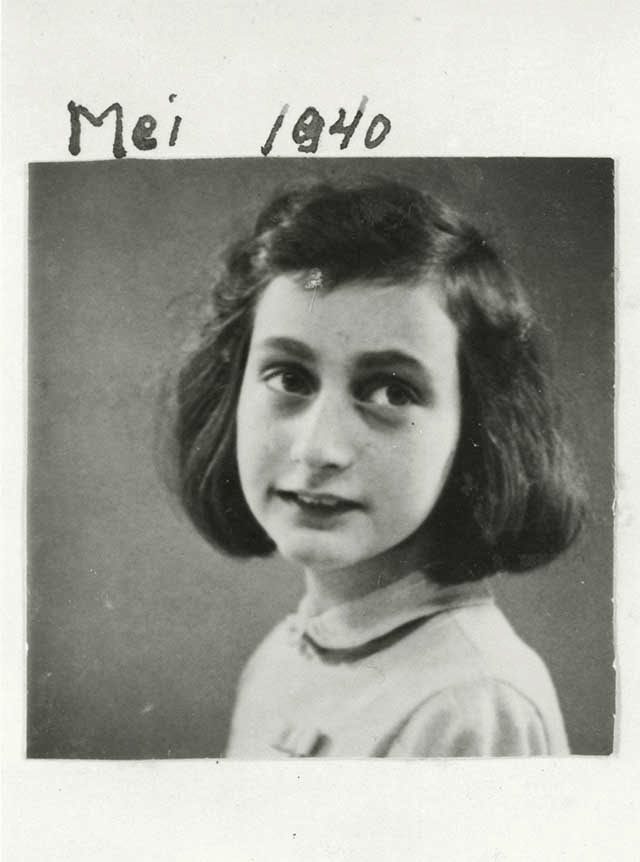
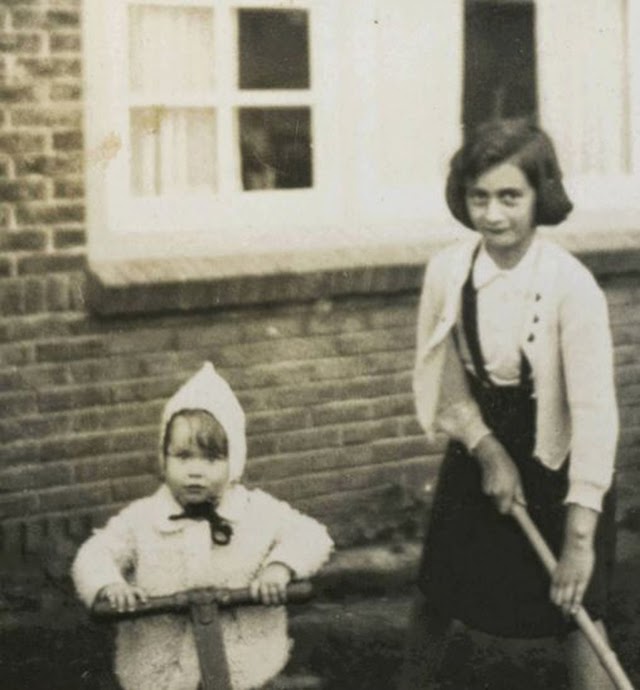
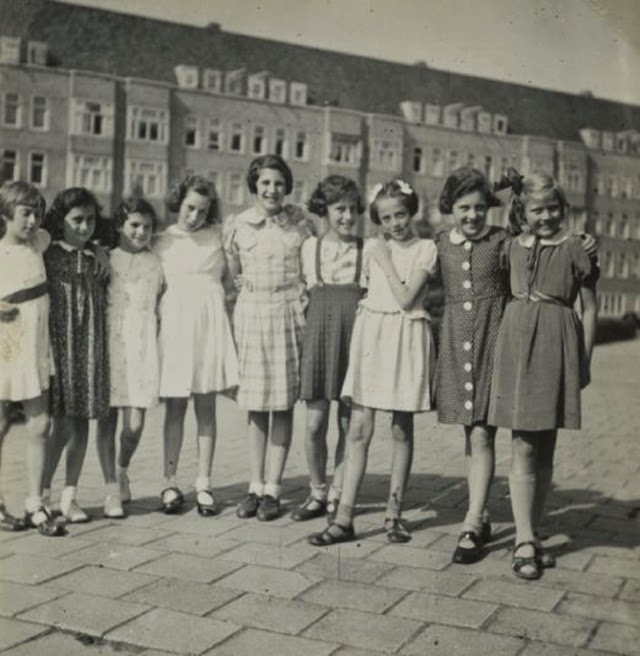
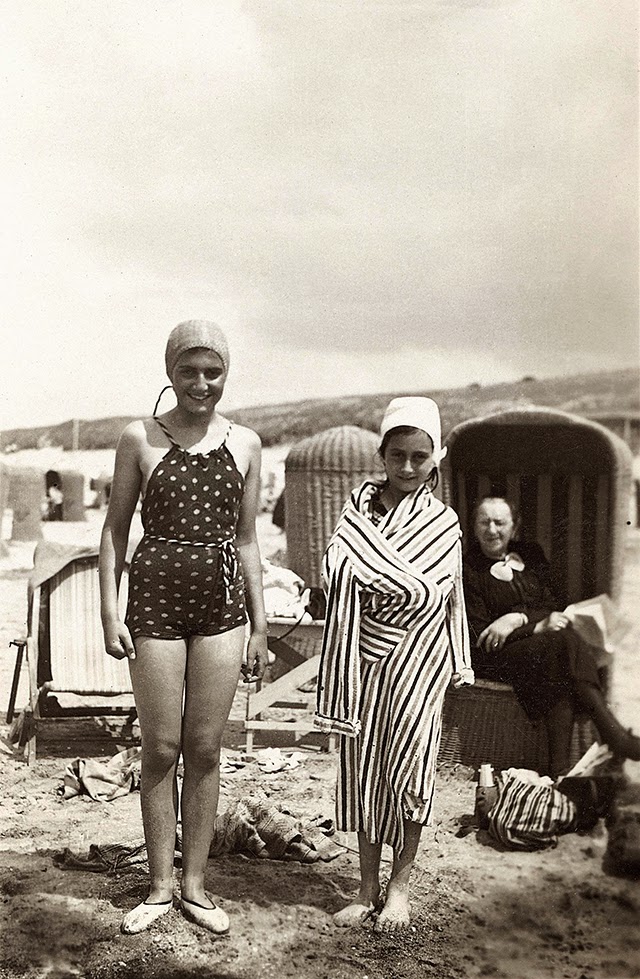
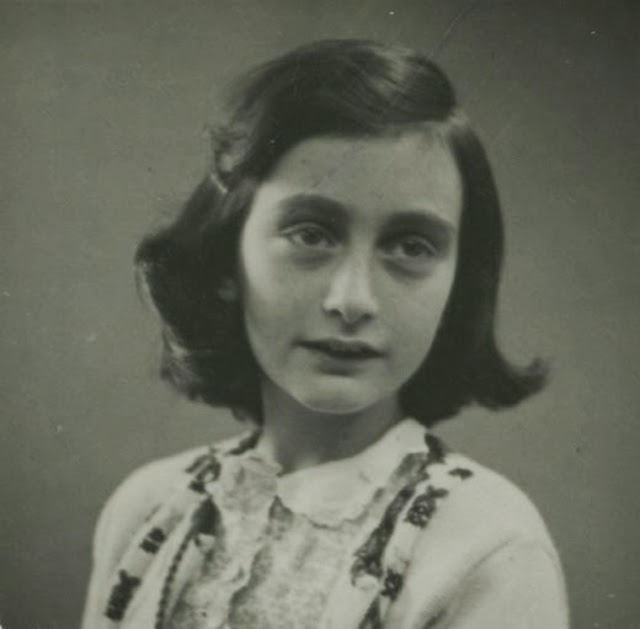
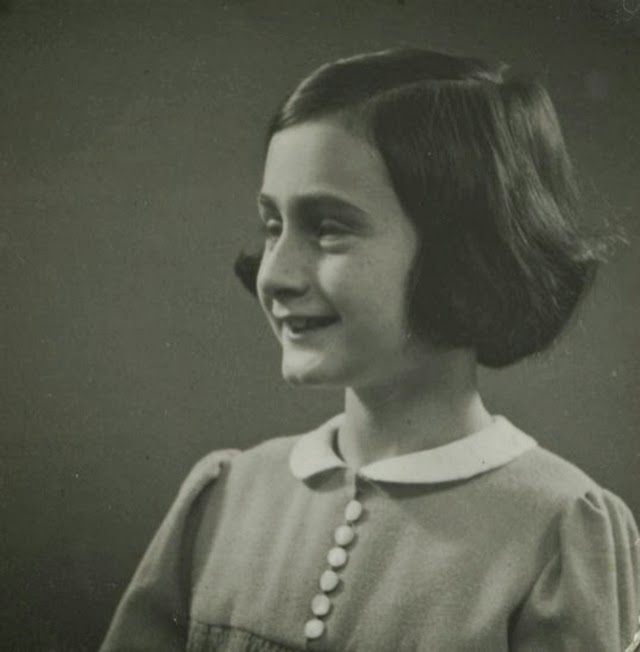
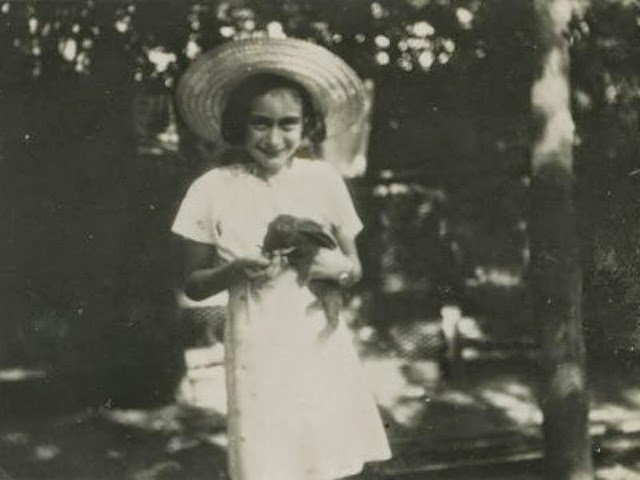

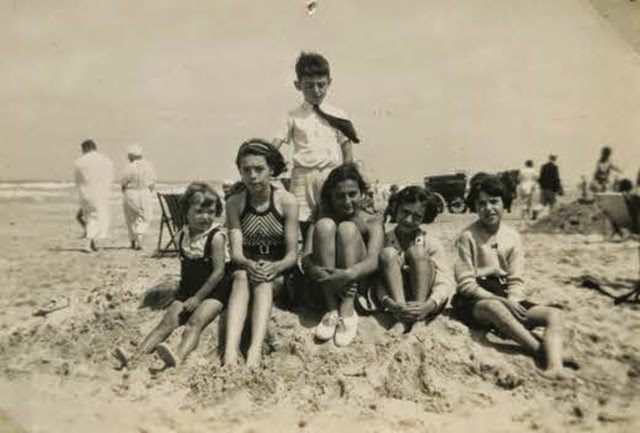
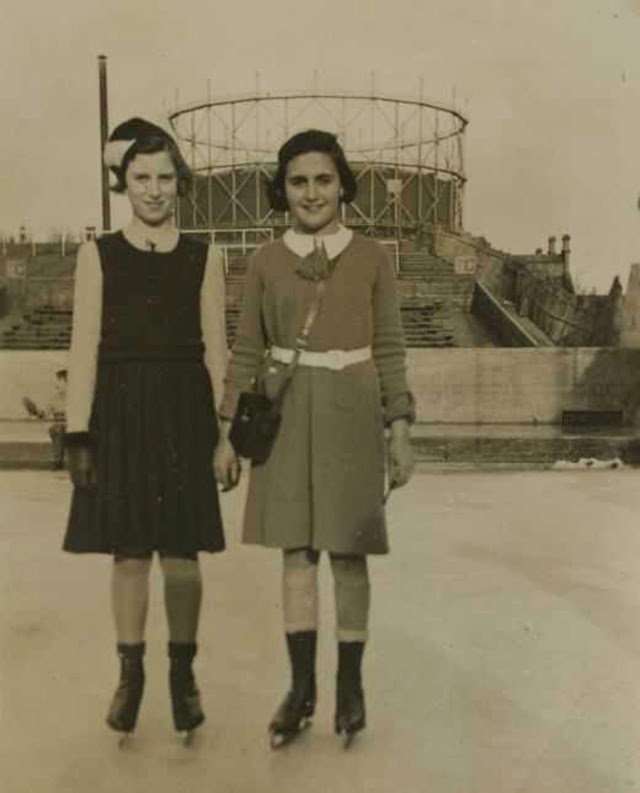
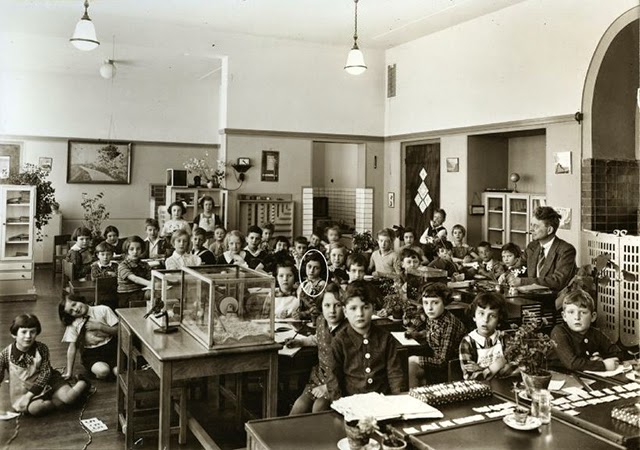
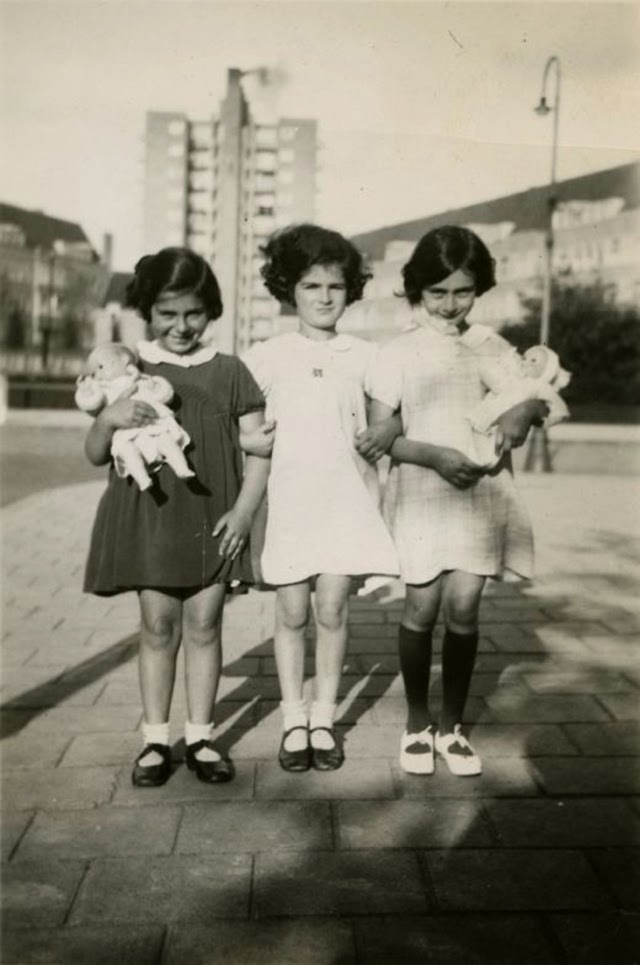
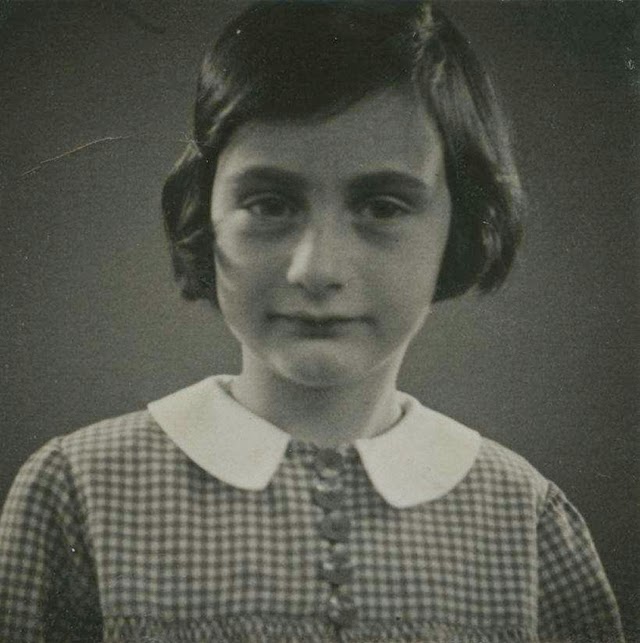
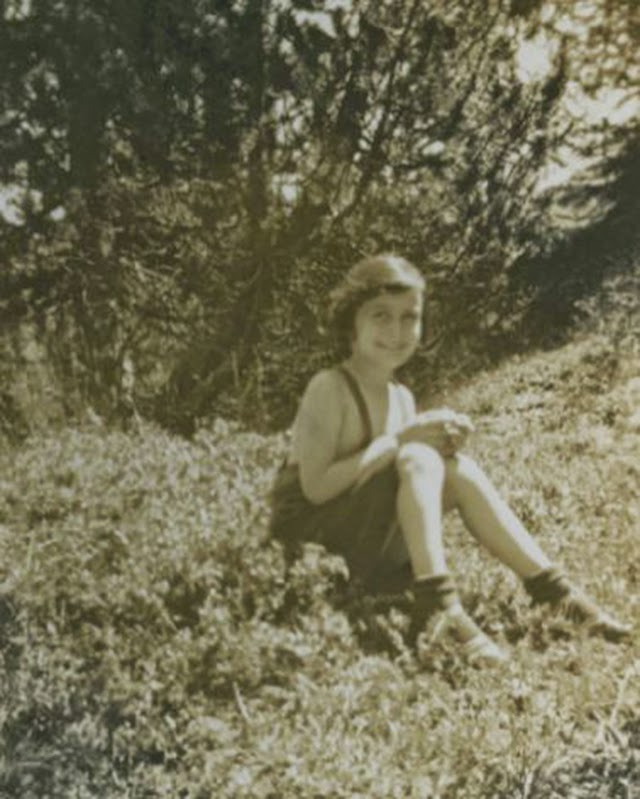
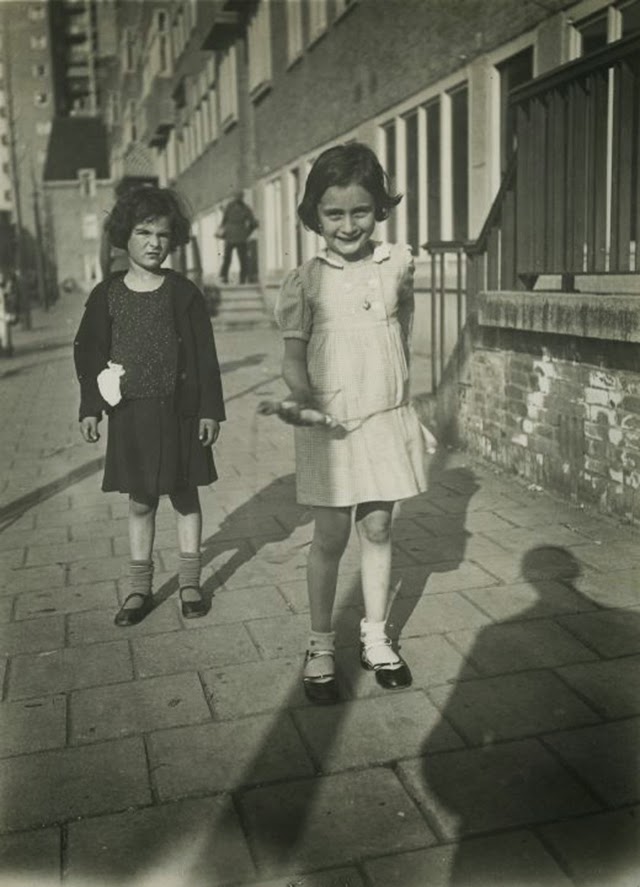
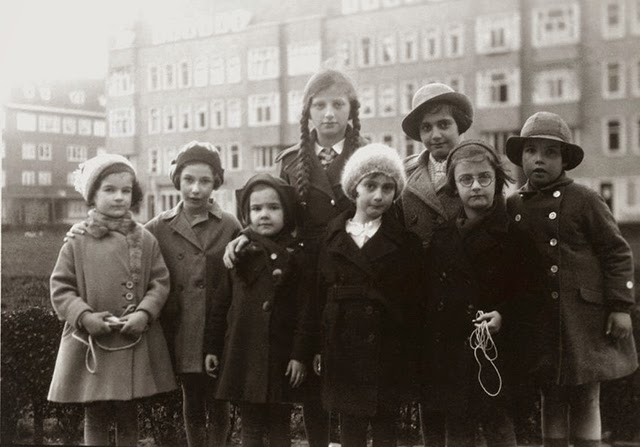
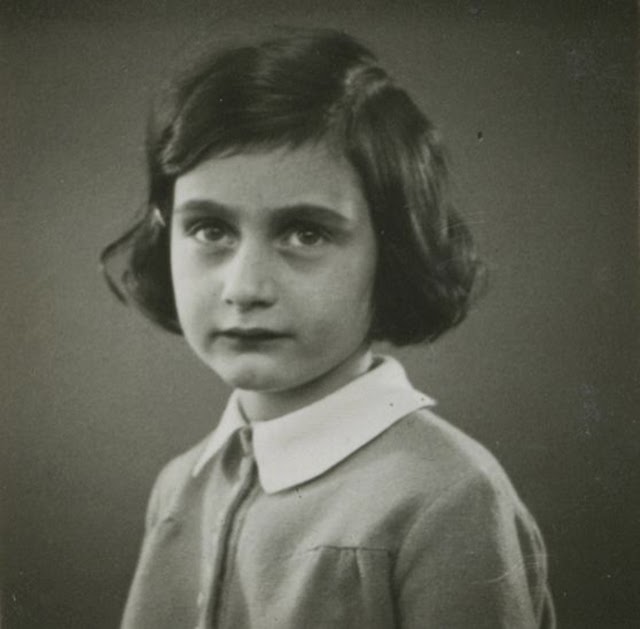
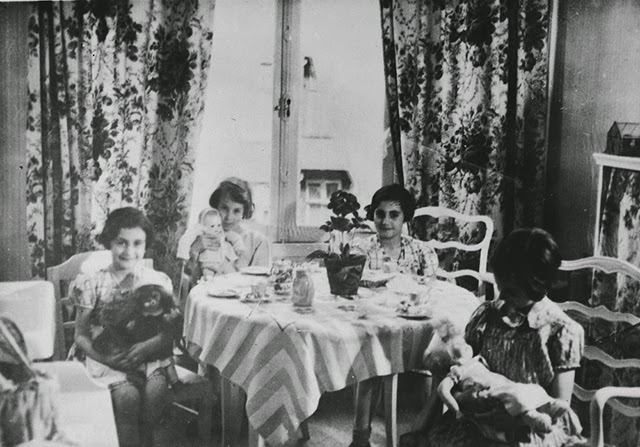
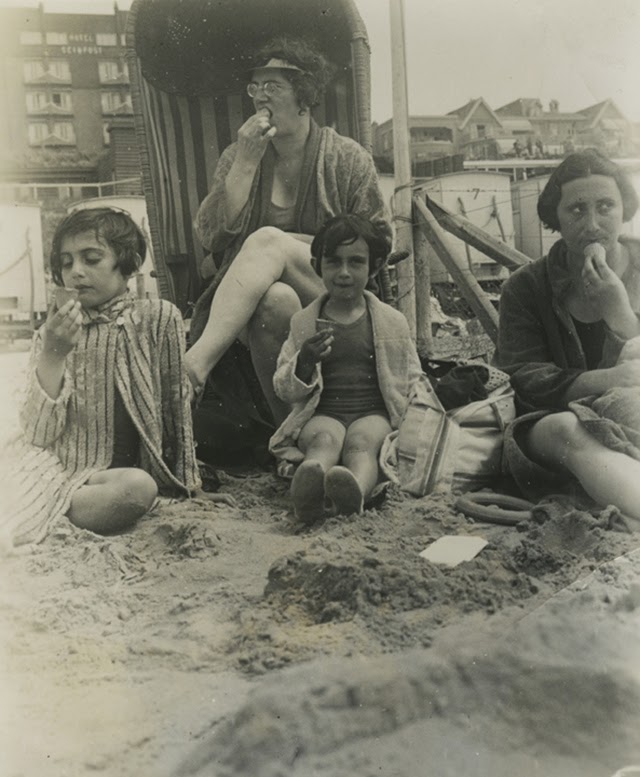
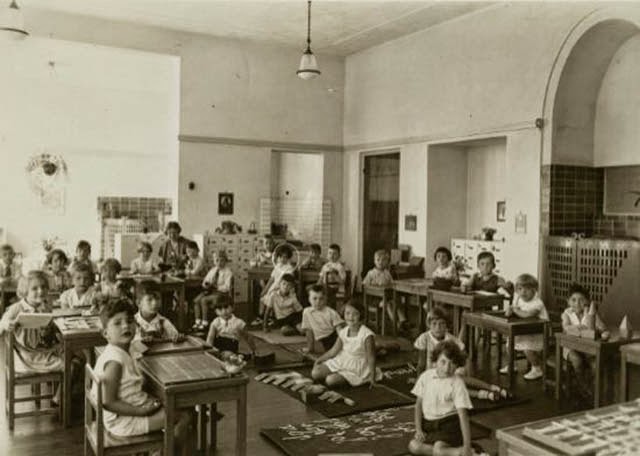
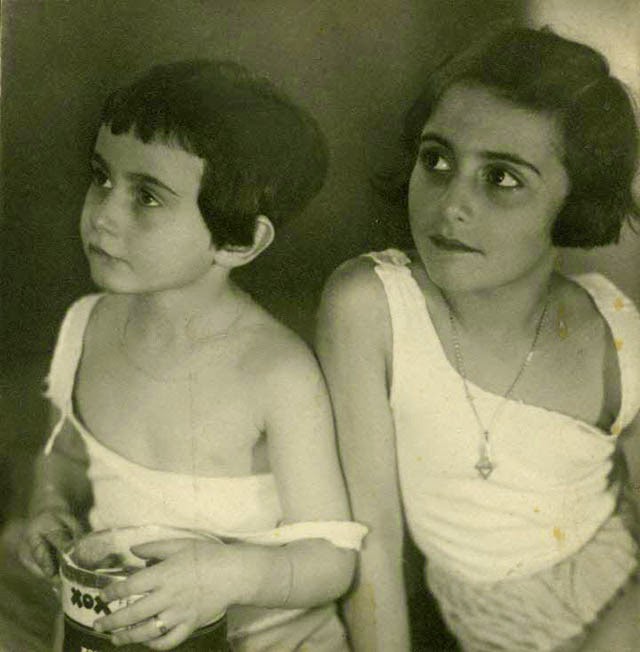
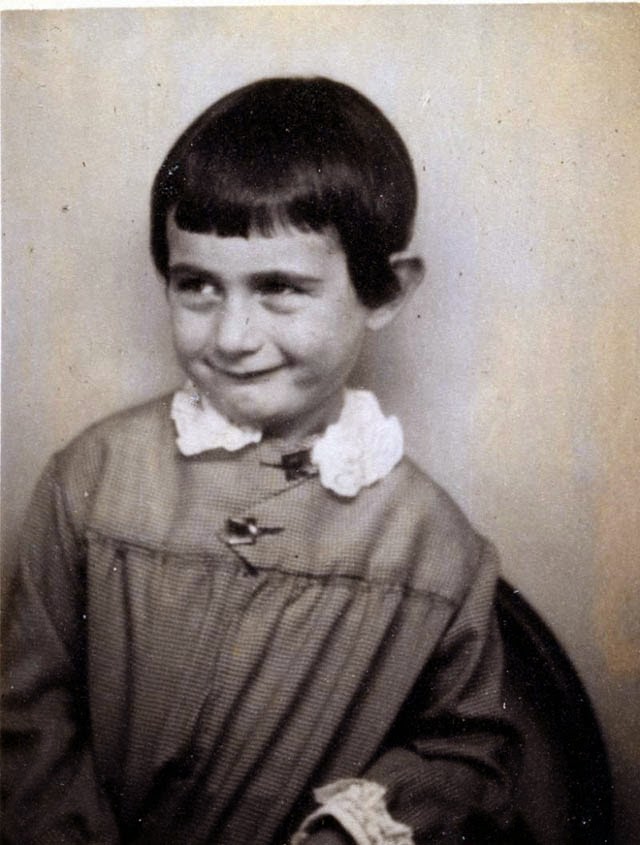
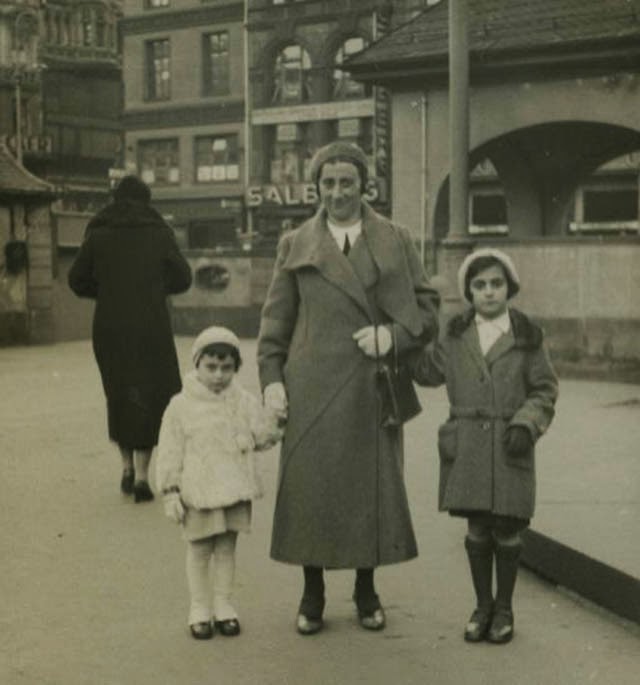
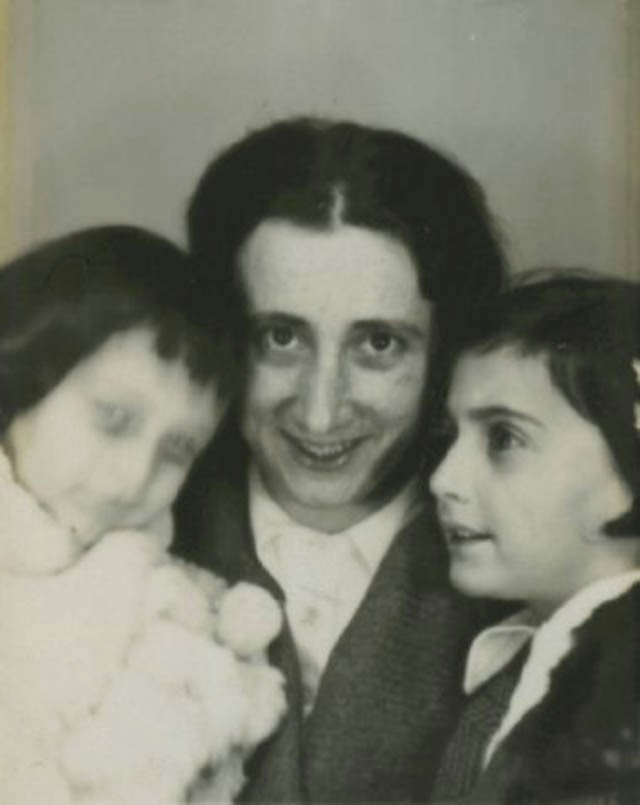
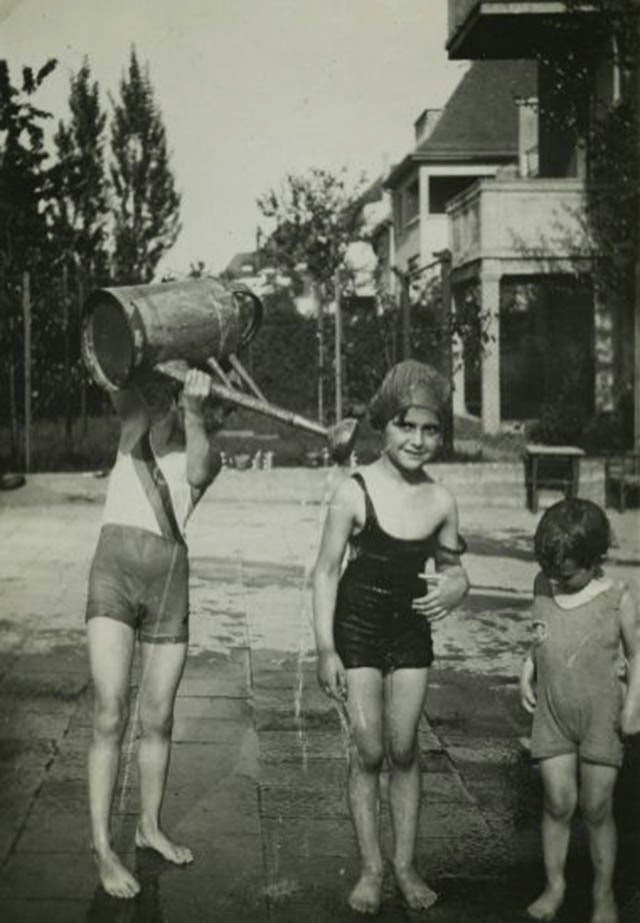
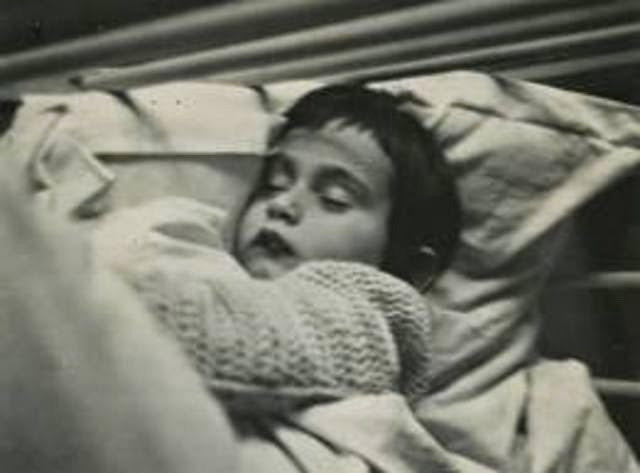
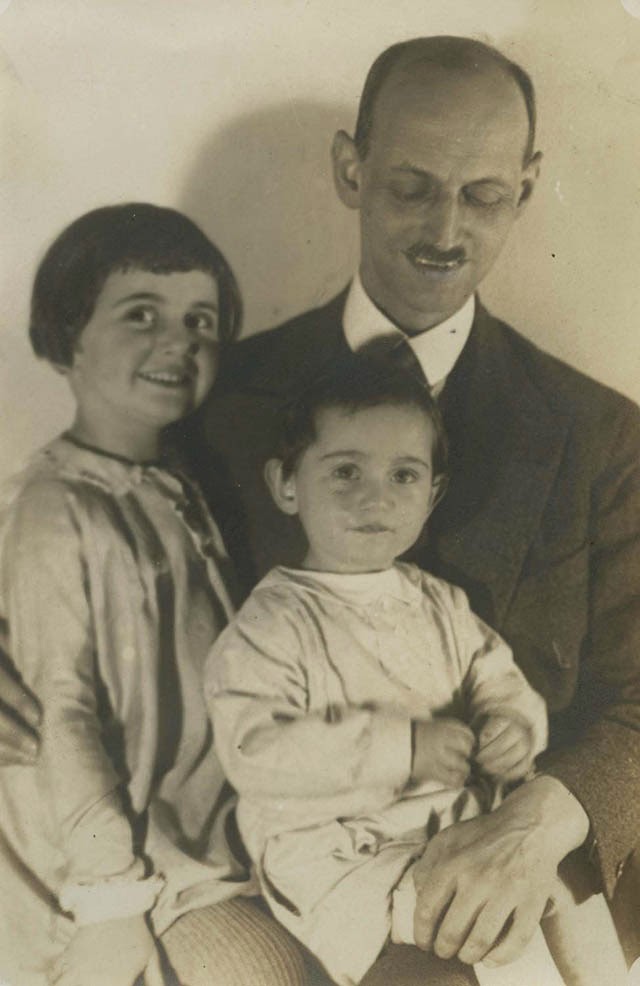

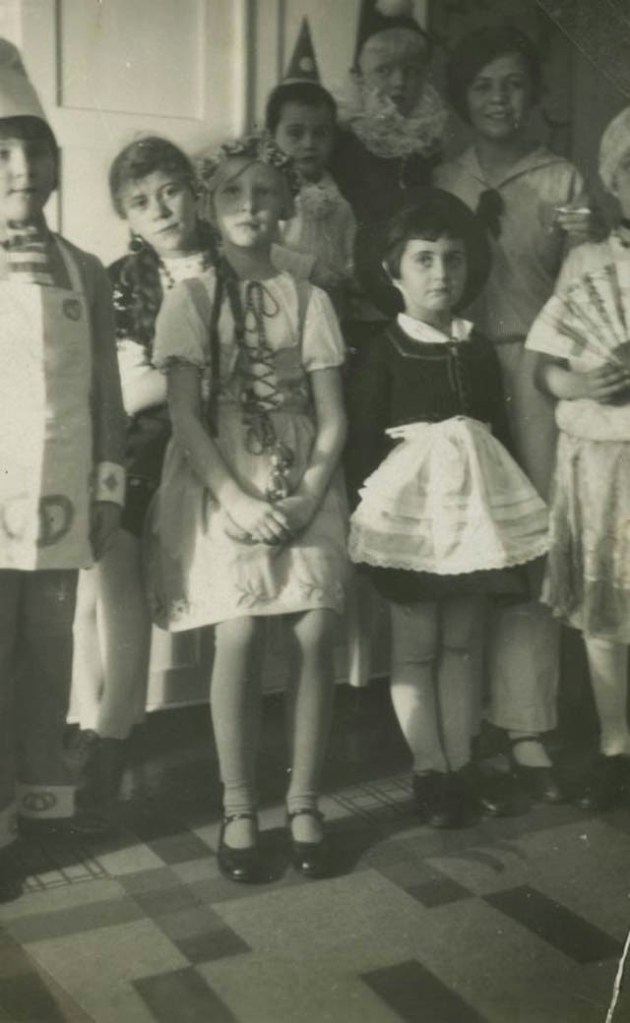

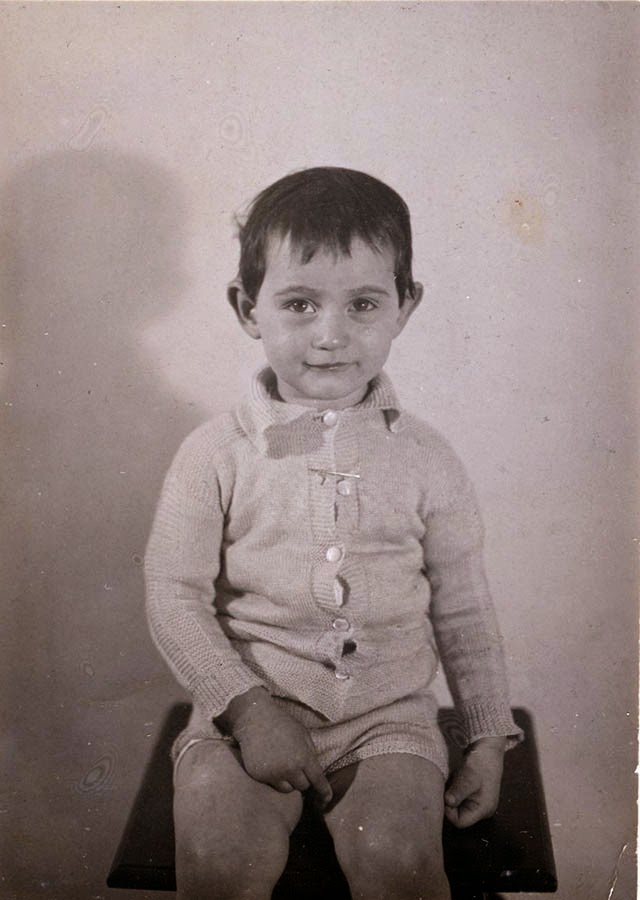
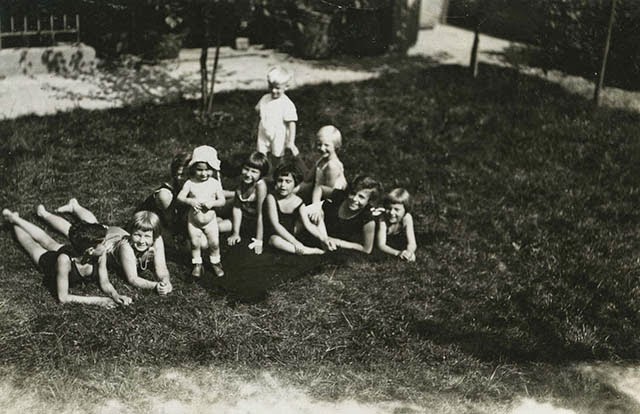
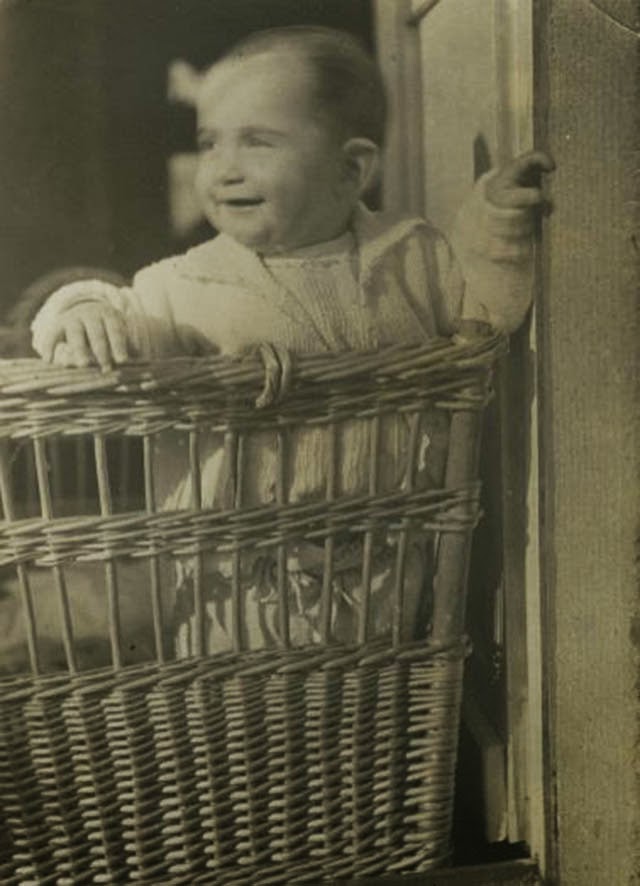
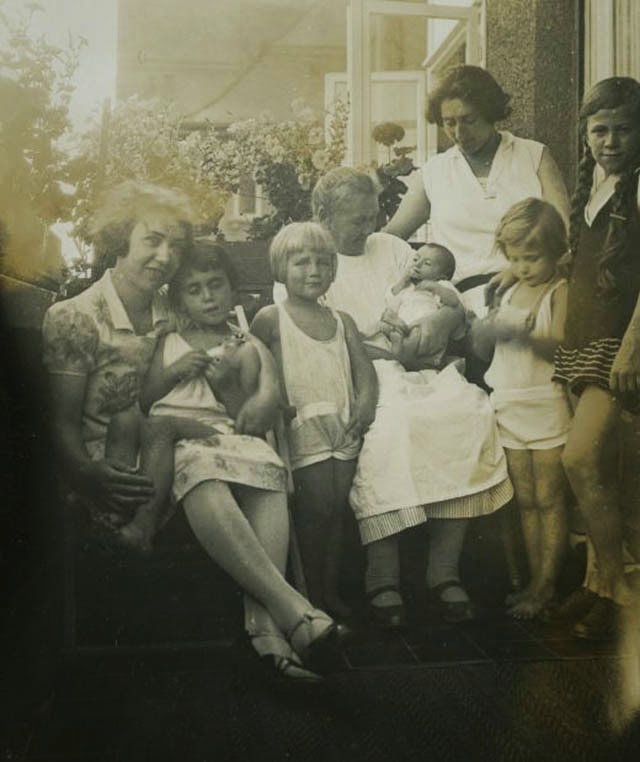
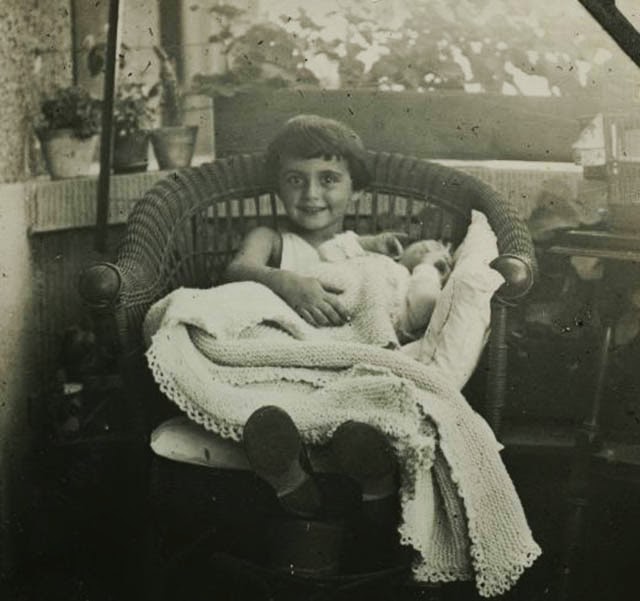
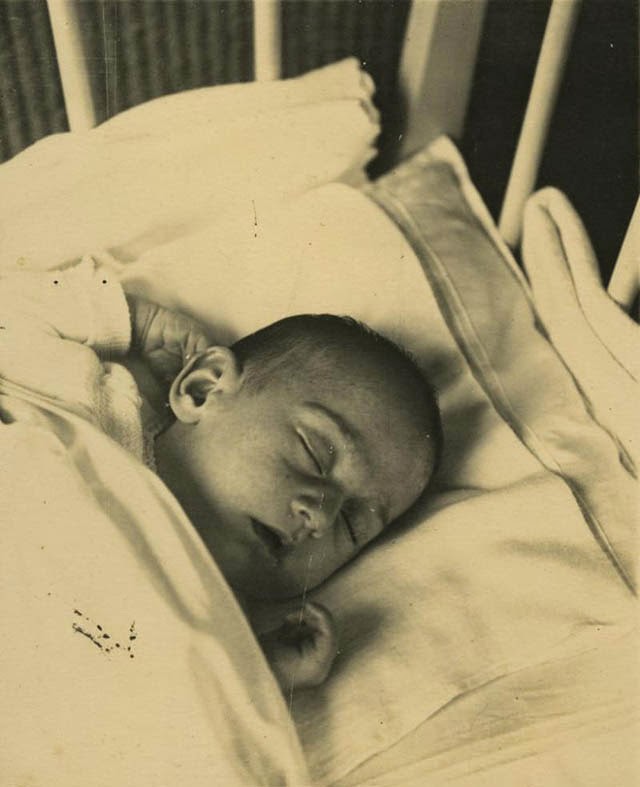
(Photos © Anne Frank Fonds, Bazel / Anne Frank Stichting, Amsterdam)
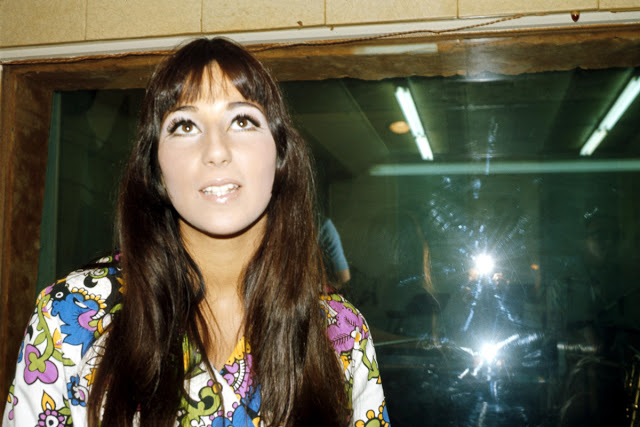
At age 16, Cher dropped out of school, left her mother’s house, and moved with a friend into Los Angeles, where she took acting classes and worked to support herself.
Cher met Sonny Bono in November 1962 when he was working for record producer Phil Spector. Cher accepted Sonny’s offer to be his housekeeper. Sonny introduced Cher to Spector, who used her as a backup singer on many recordings.
Spector produced her first single, the commercially unsuccessful “Ringo, I Love You”, which Cher recorded under the name Bonnie Jo Mason.
Cher and Sonny became close friends, eventual lovers, and performed their own unofficial wedding ceremony in a hotel room in Tijuana, Mexico, on October 27, 1964. Although Sonny had wanted to launch Cher as a solo artist, she encouraged him to perform with her because she suffered from stage fright.
In late 1964, they emerged as a duo called Caesar & Cleo. In early 1965, Caesar and Cleo began calling themselves Sonny & Cher. Their 1965 single “I Got You Babe” reached number one on the Billboard Hot 100 chart. As the duo of Sonny & Cher released popular singles one after another, Cher continued to release albums of her solo performances.
These casual, unguarded photos capture the 19-year-old entertainer at Gold Star Studio in Los Angeles, recording tracks for her eponymous third album, Chér.

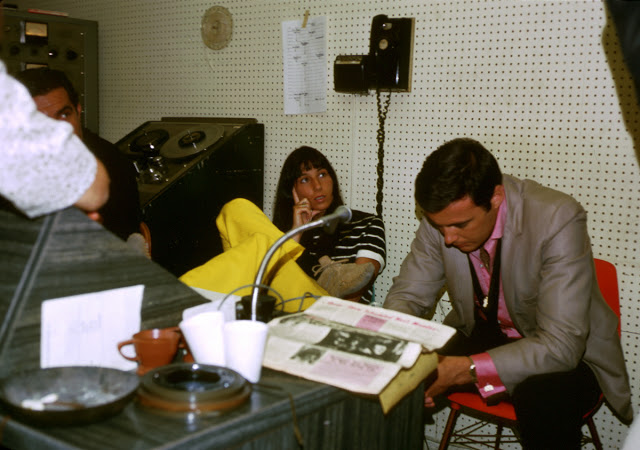
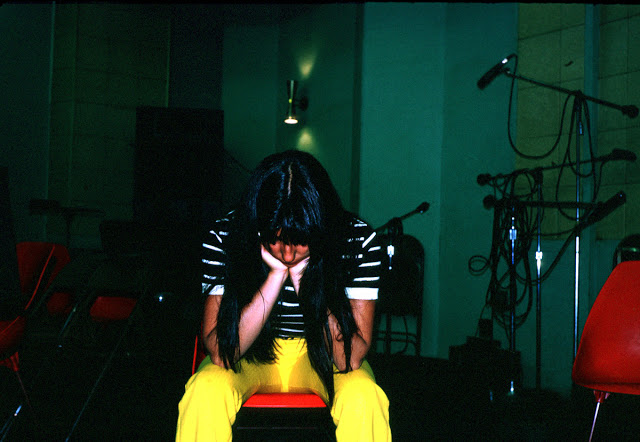
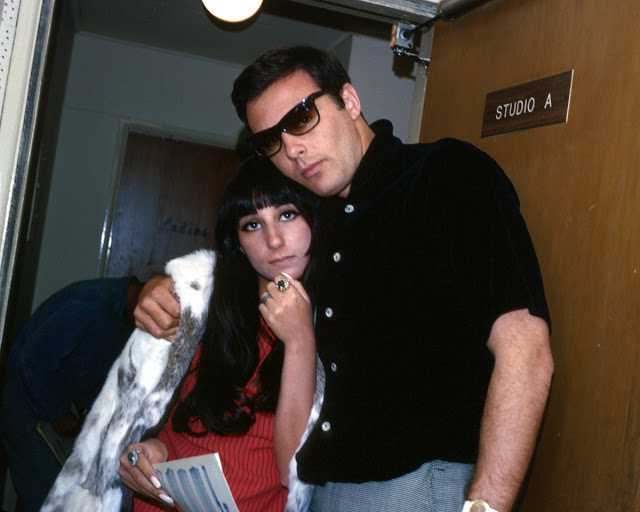
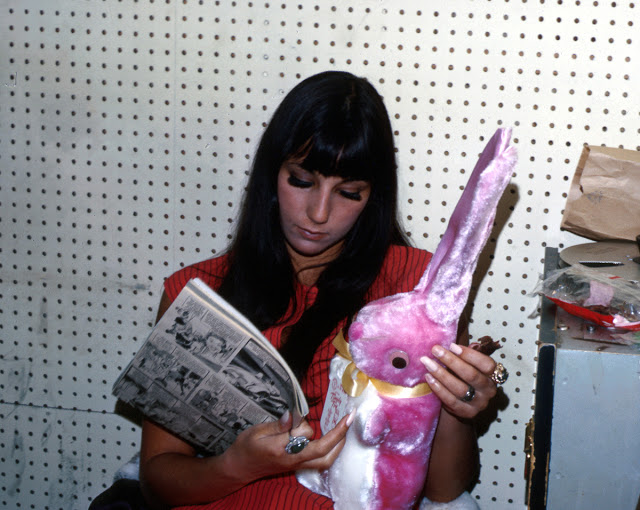


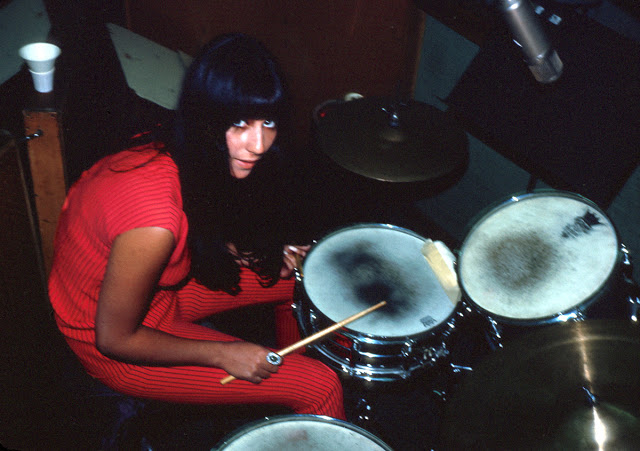

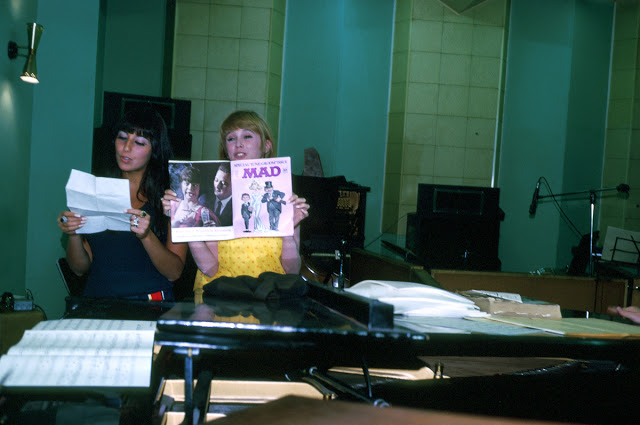

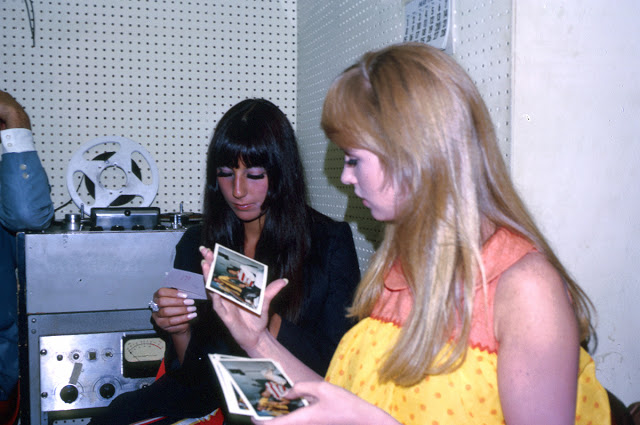
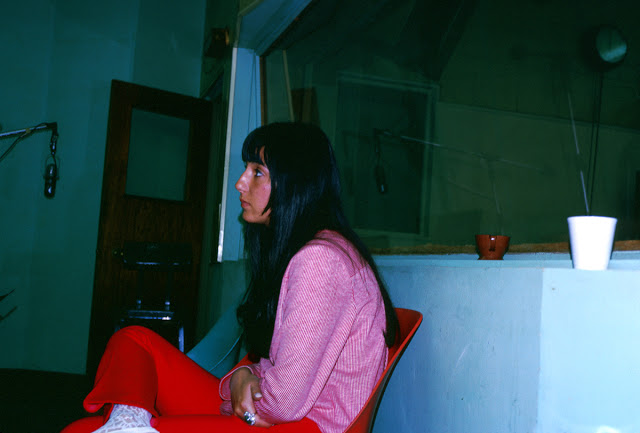

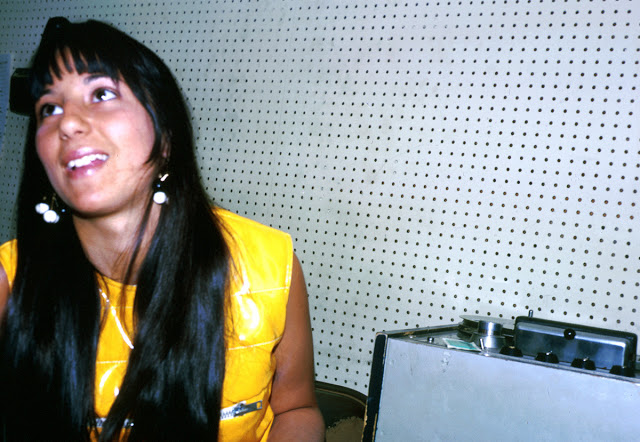
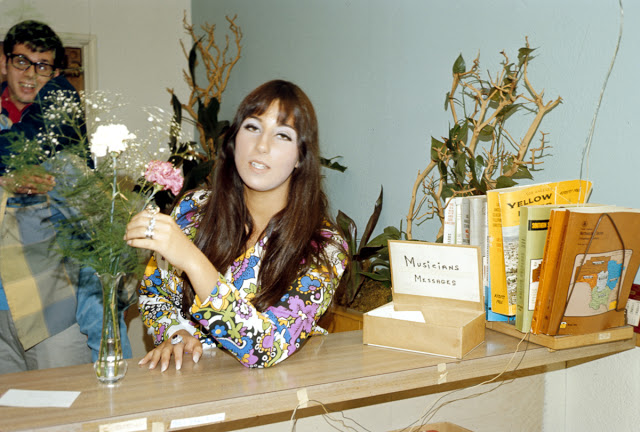

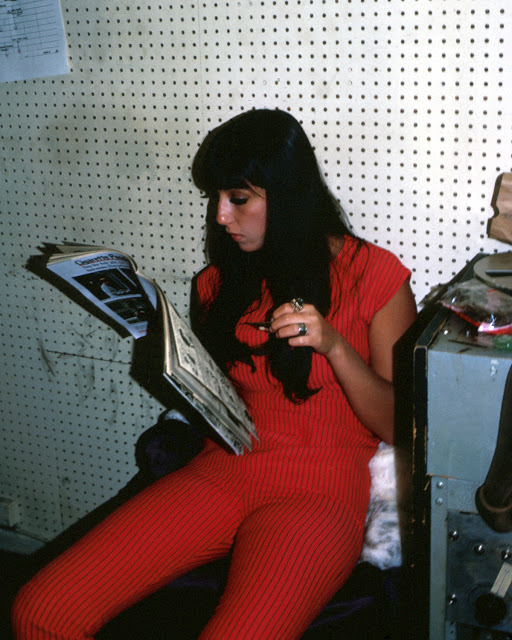
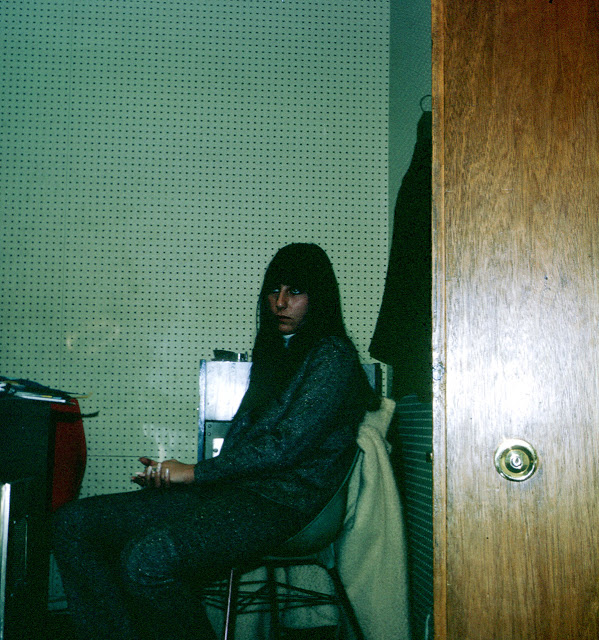
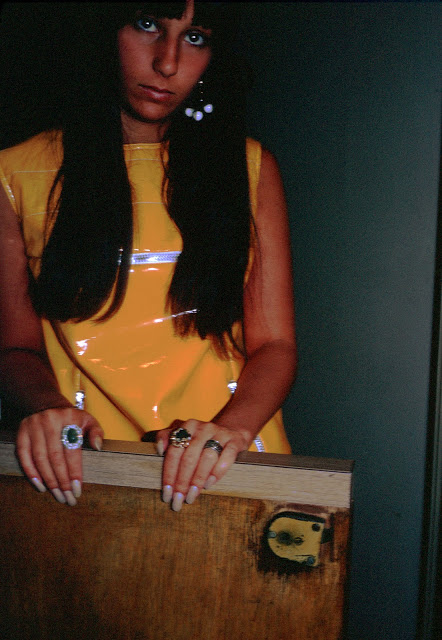
Photos: Michael Ochs Archives/Getty Images
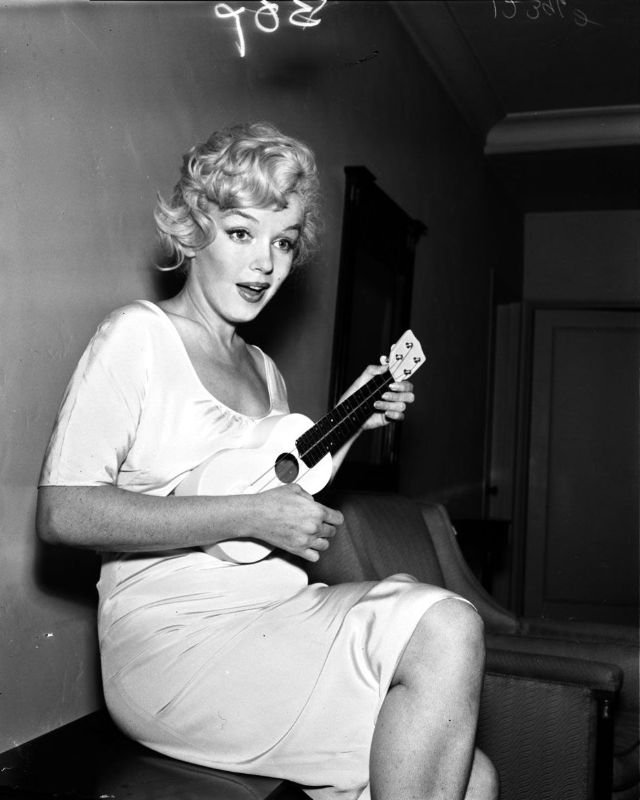
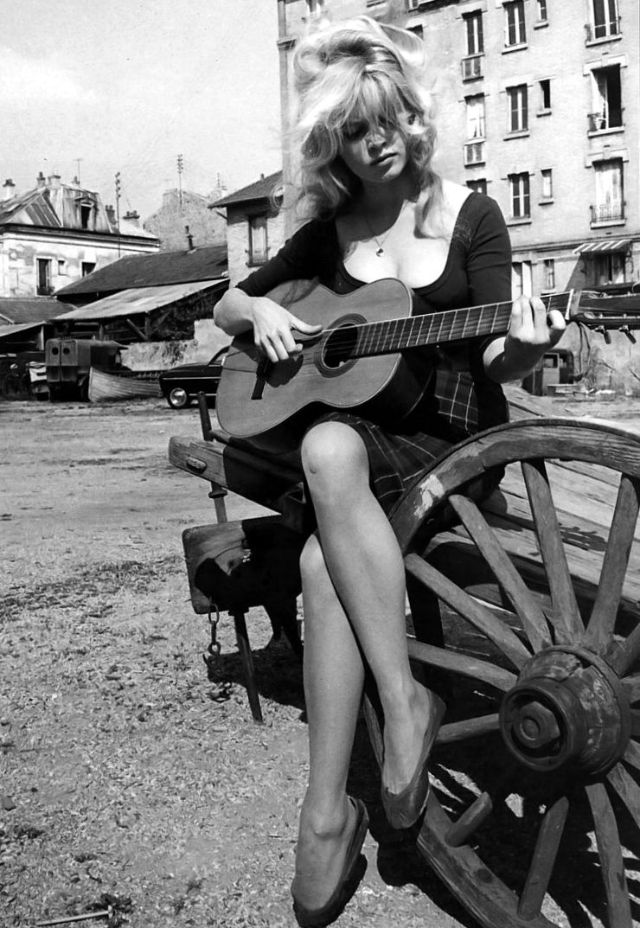
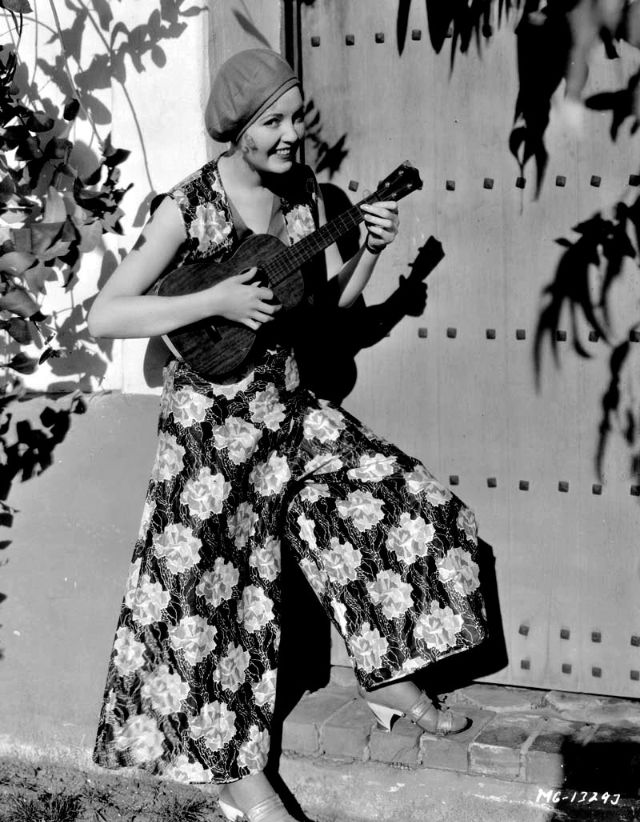
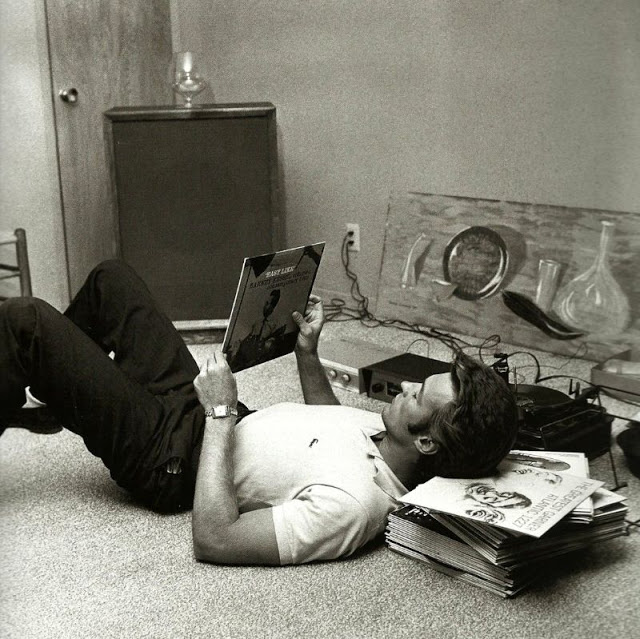
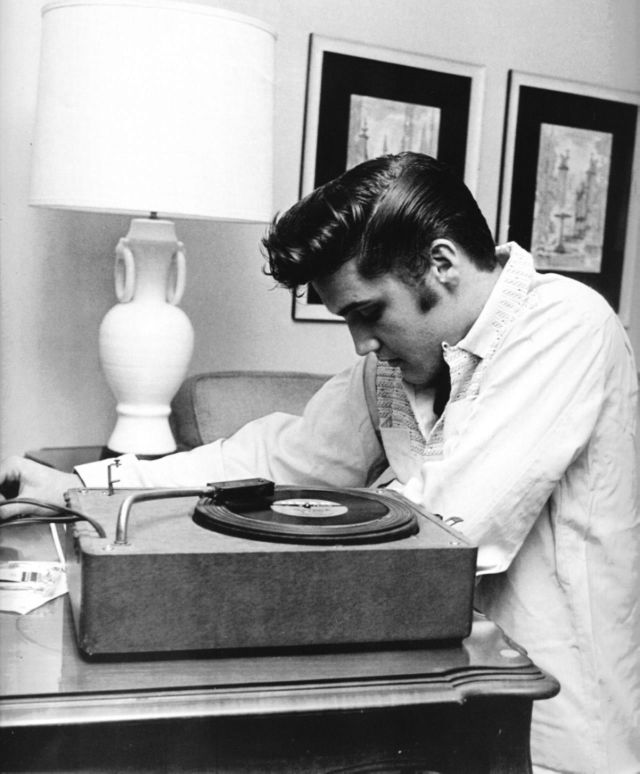
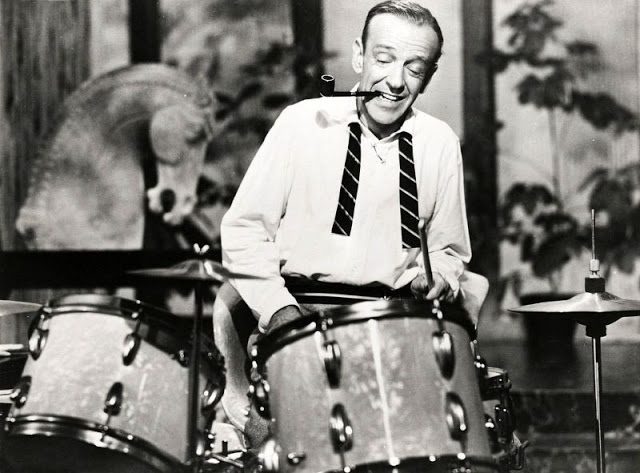
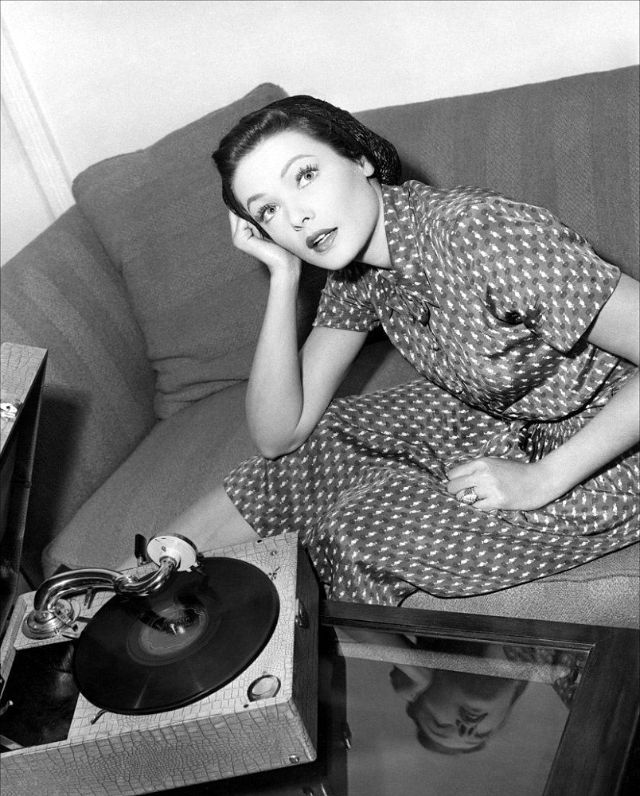
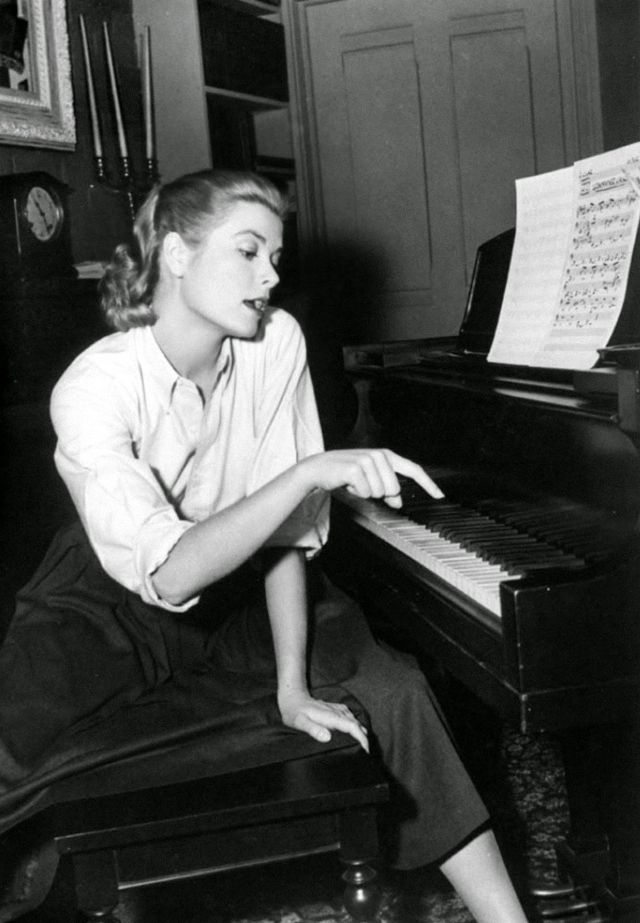
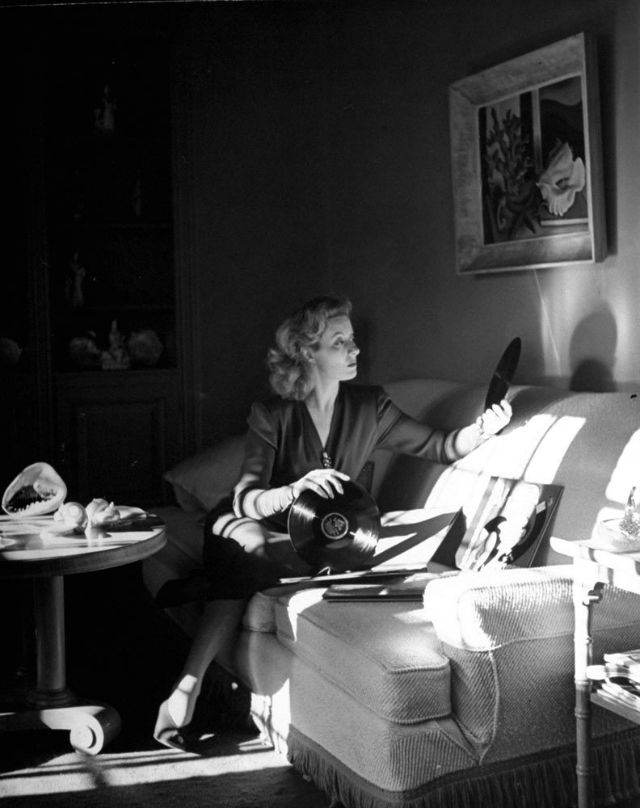
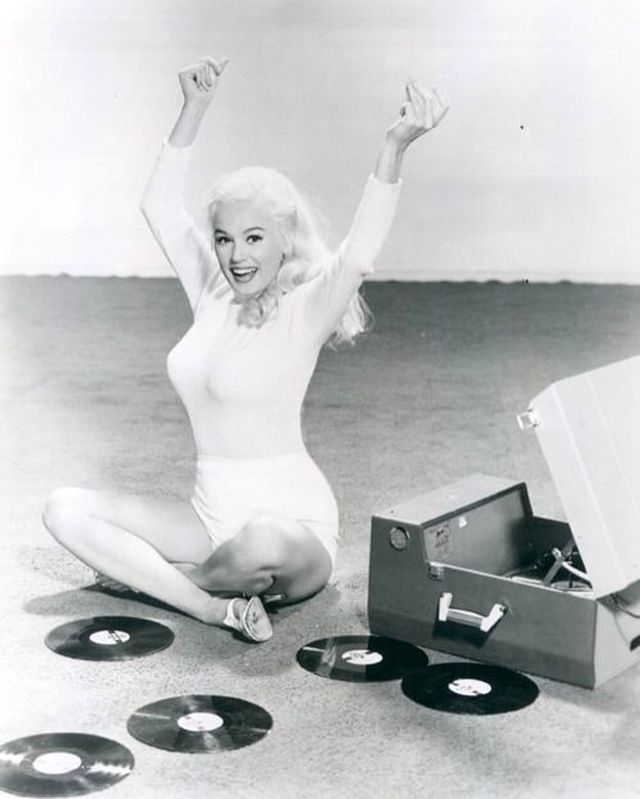
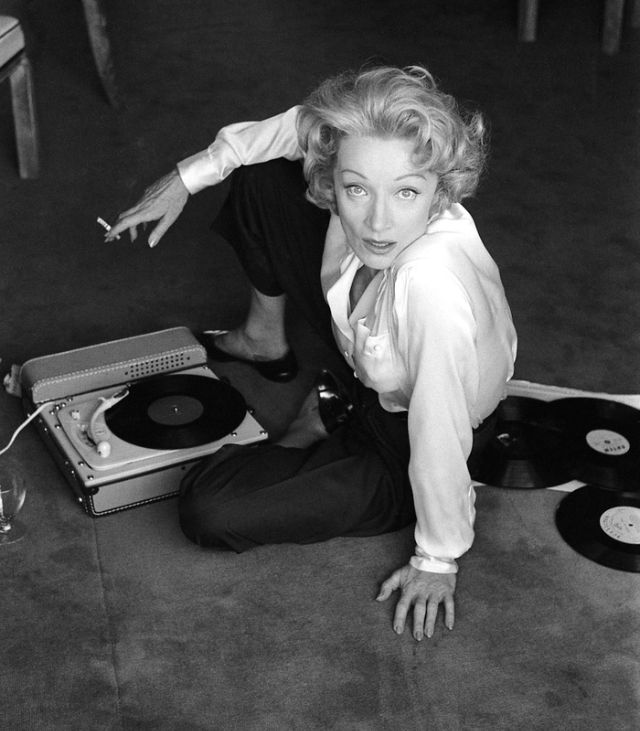
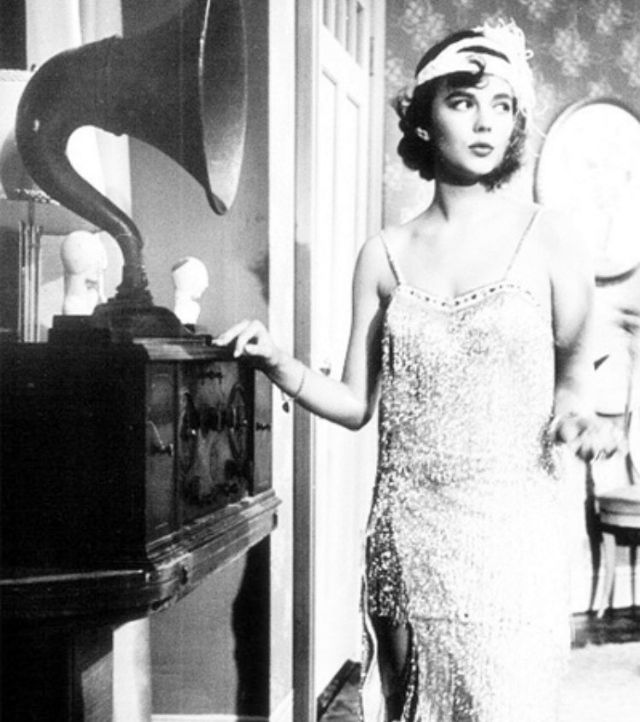
Celebrities are just like us. They also need a leisure time period after work. These intimate photos captured classic celebrities taking a musical break from between the 1920s and 1950s.


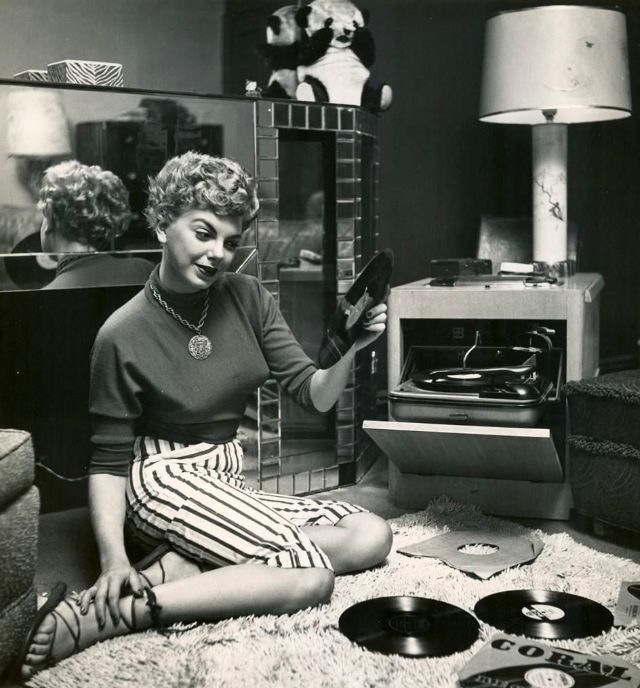














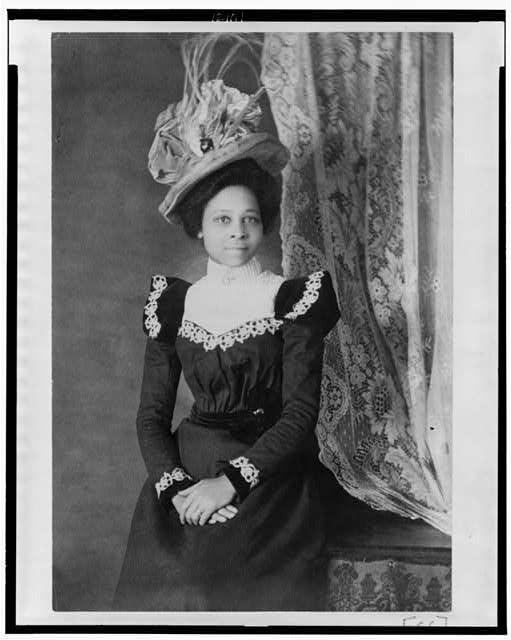

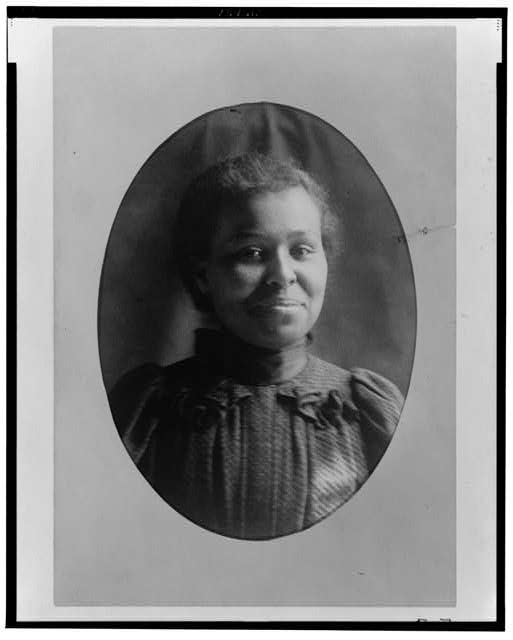
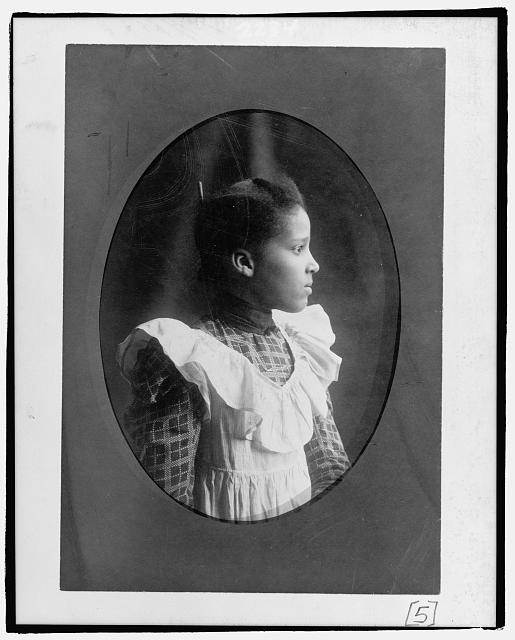


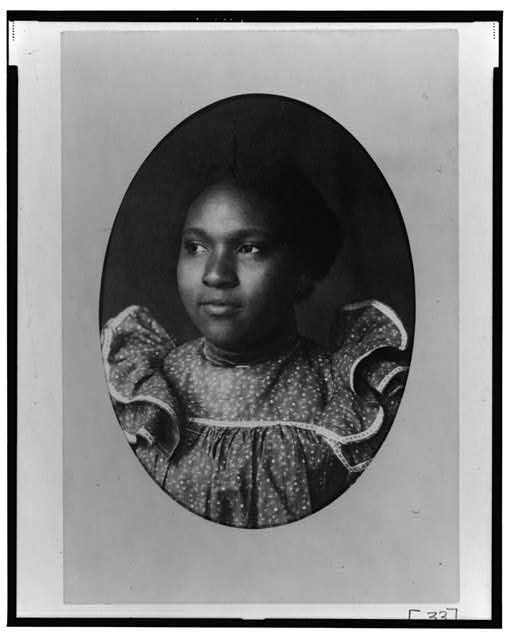


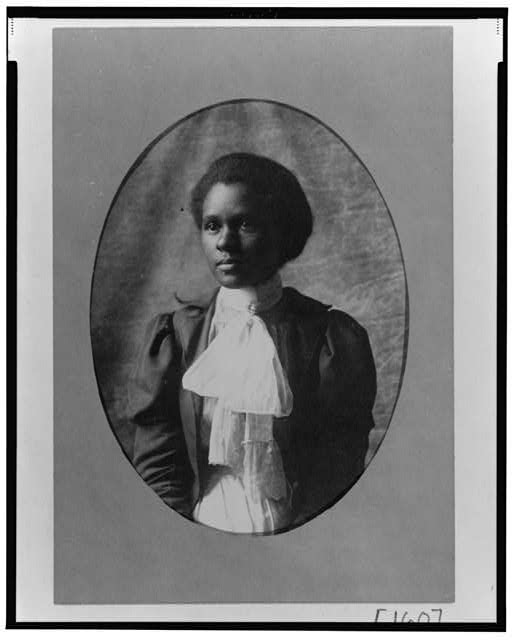

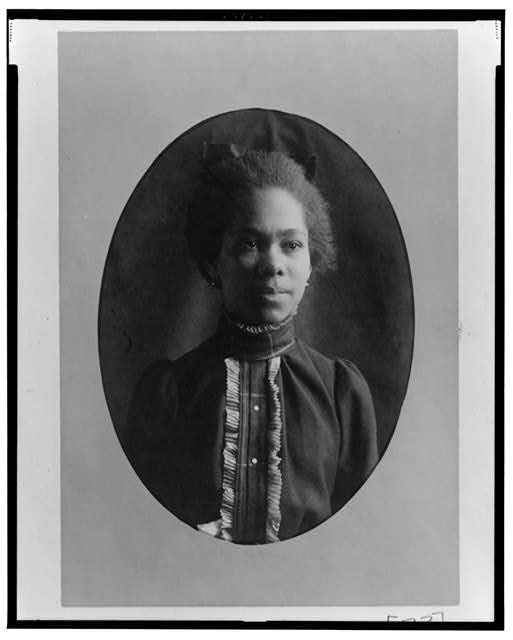


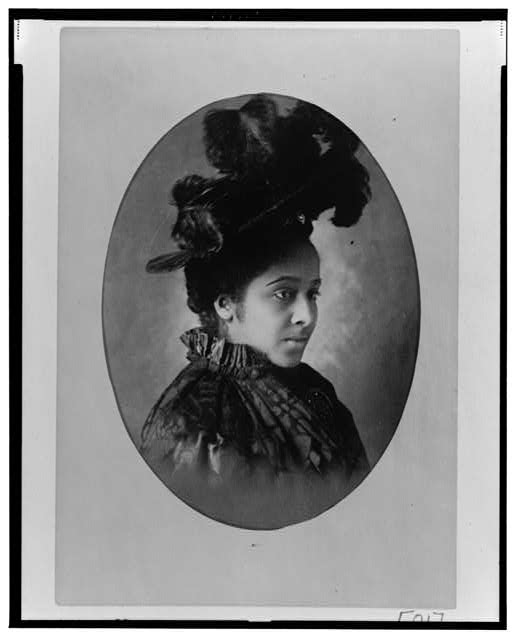


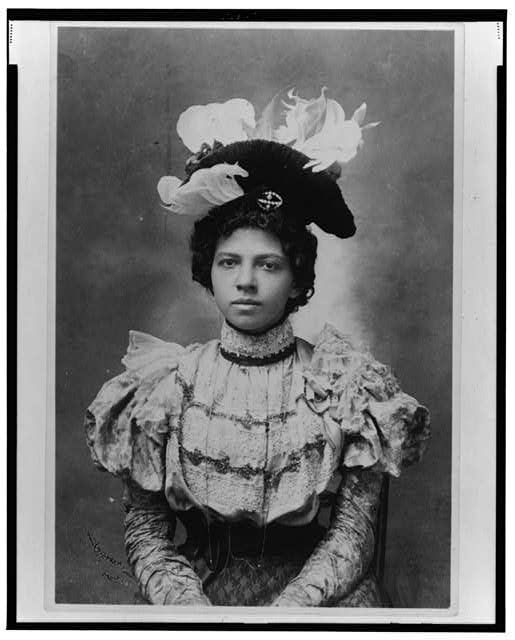
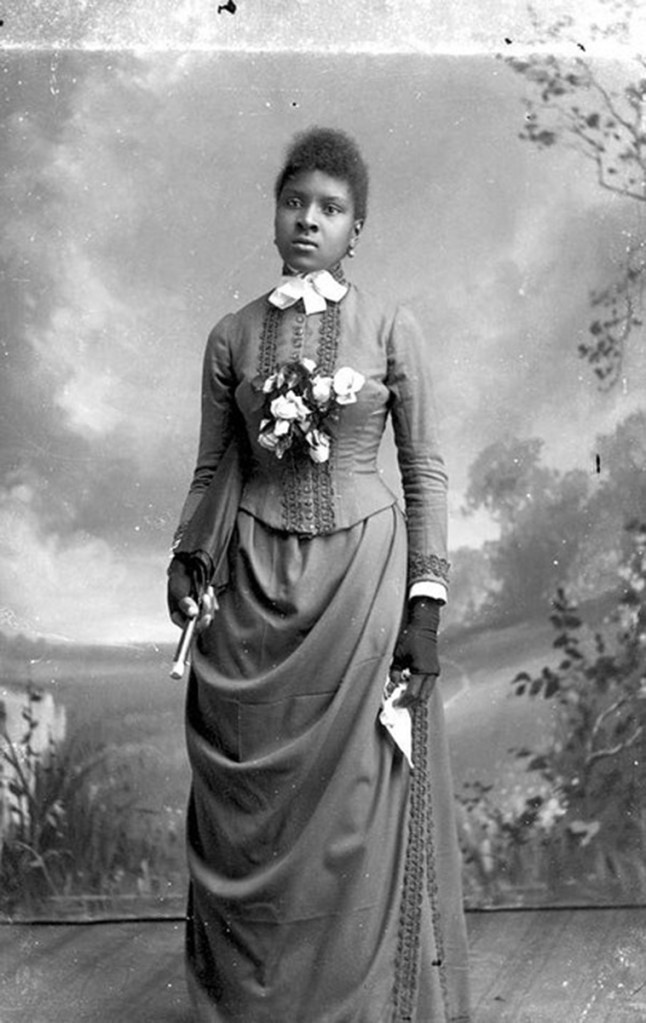
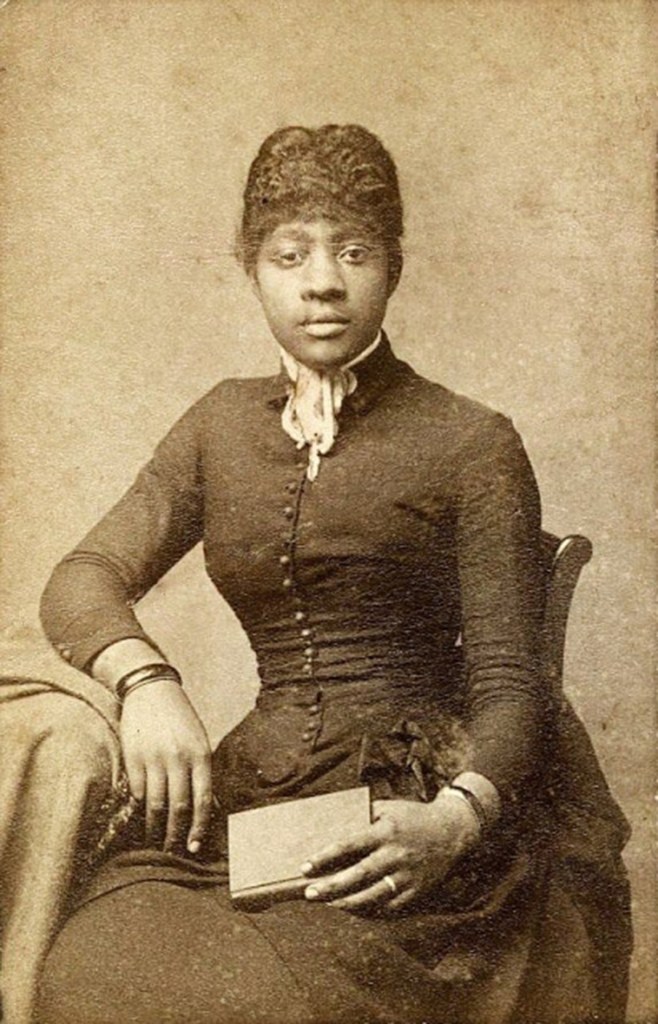
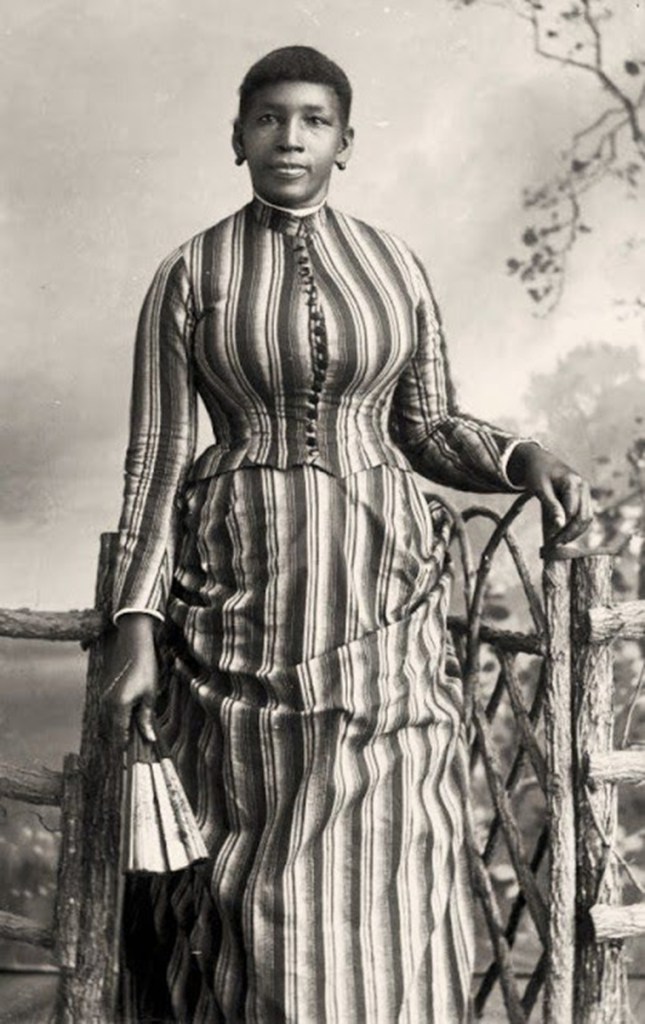
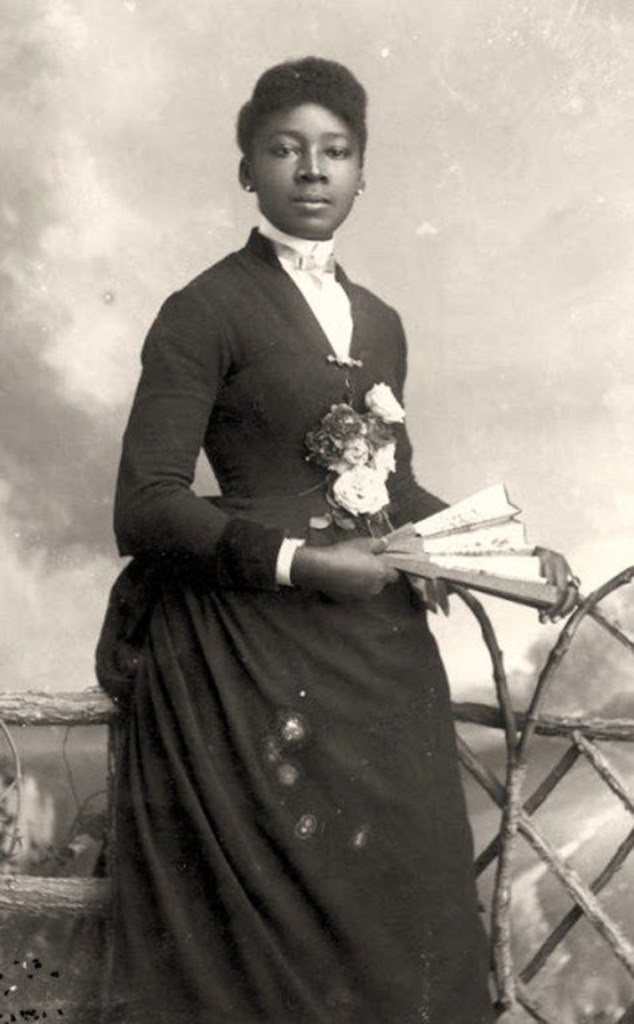
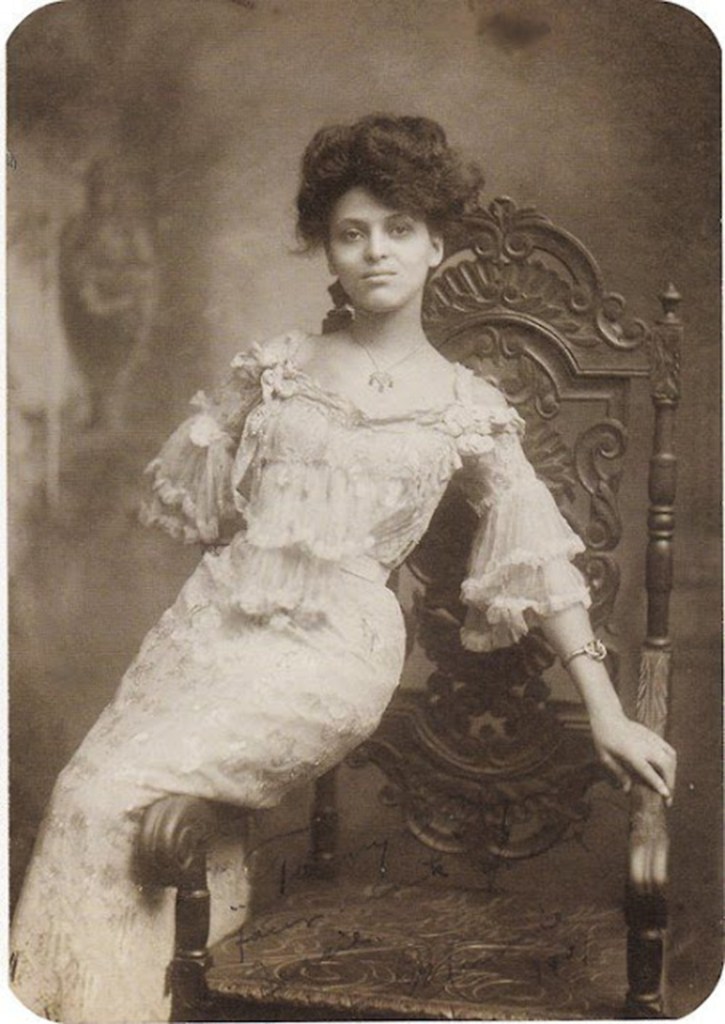
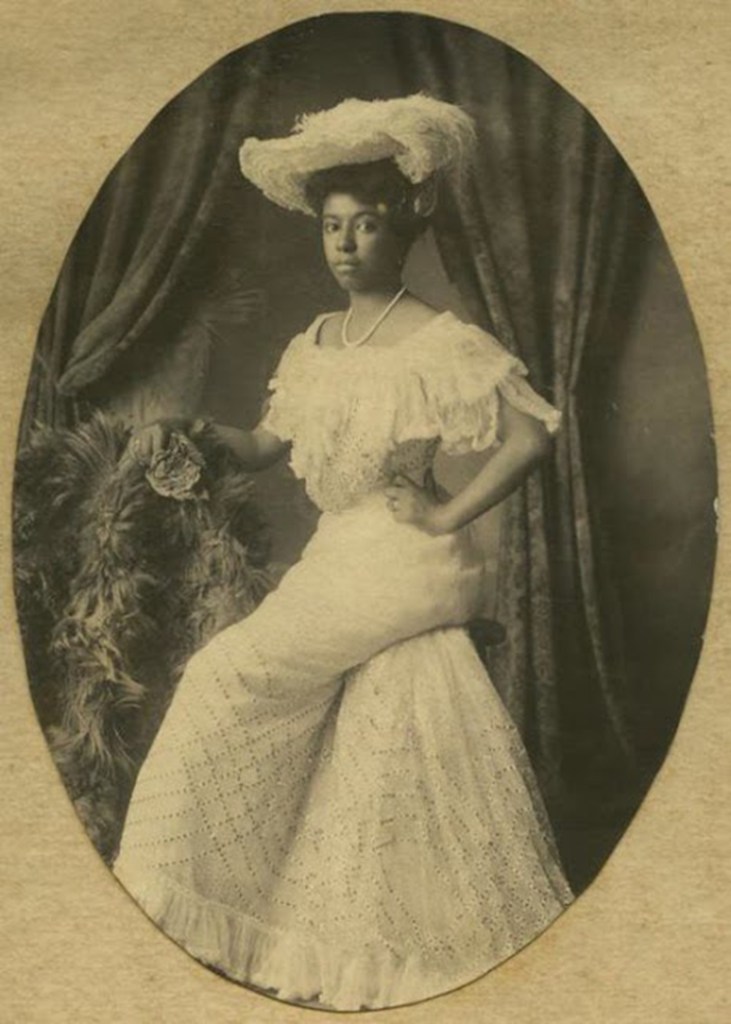


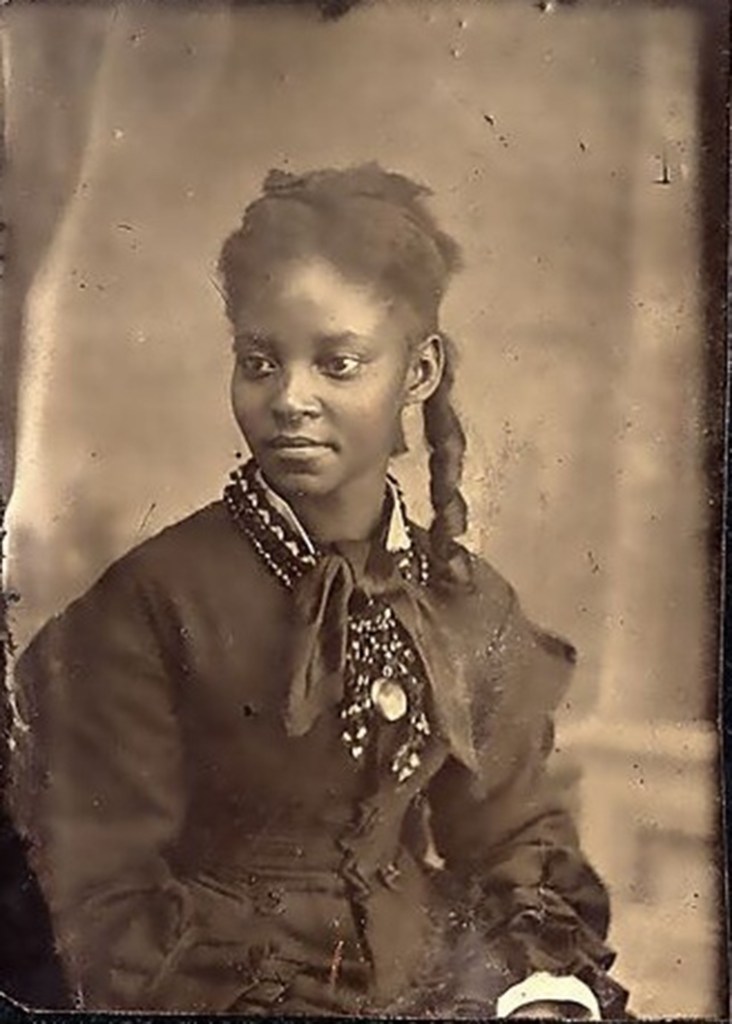
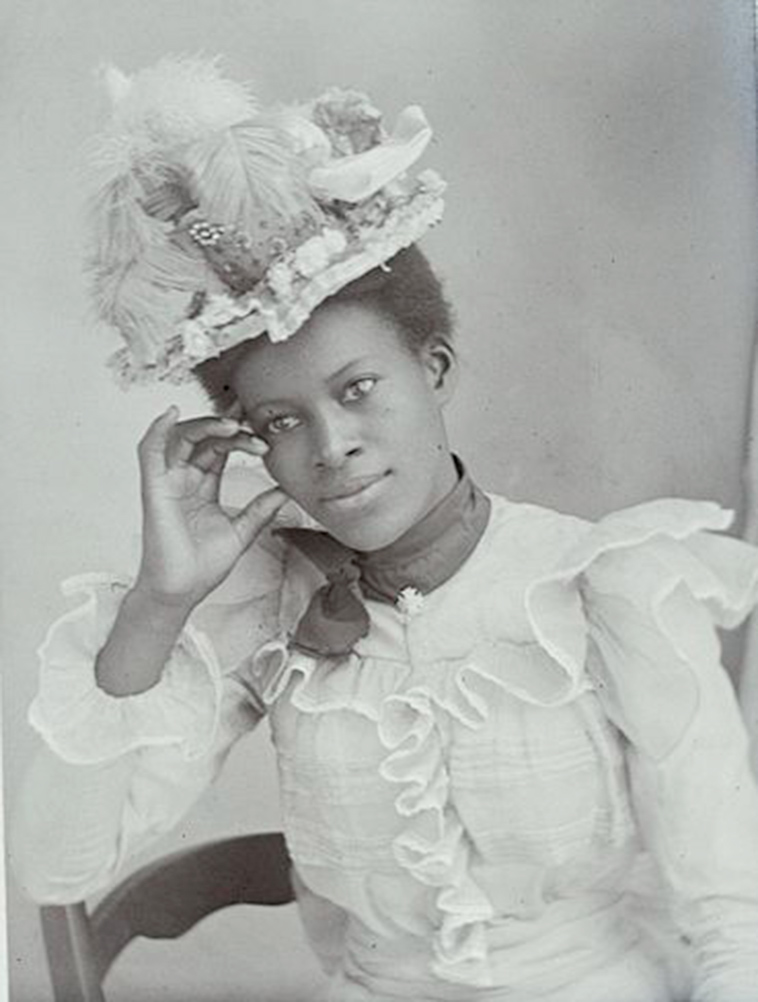
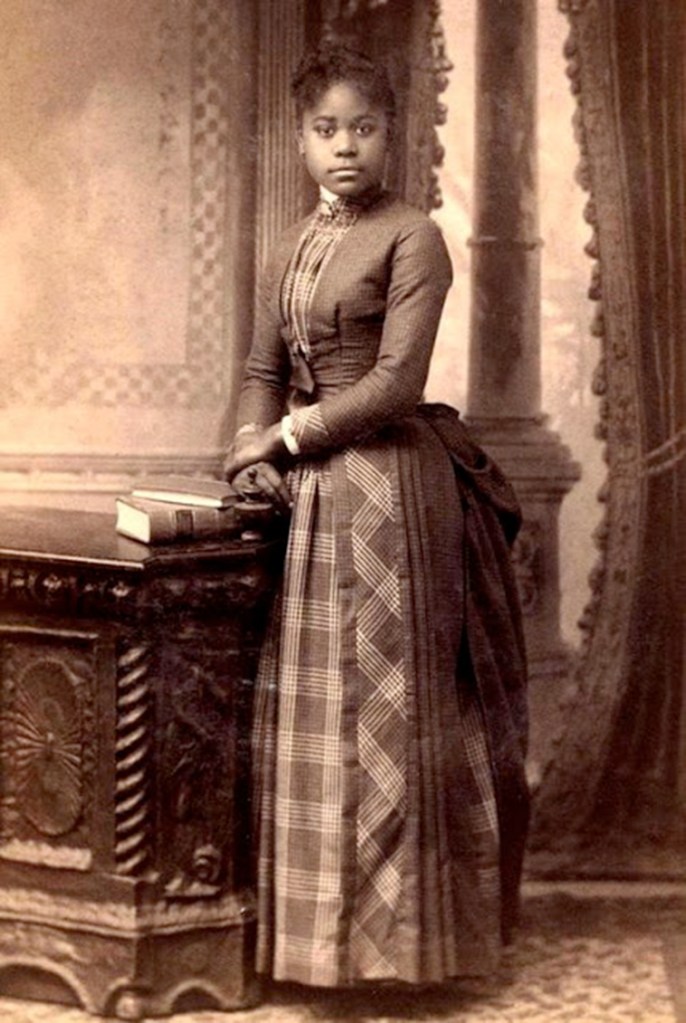

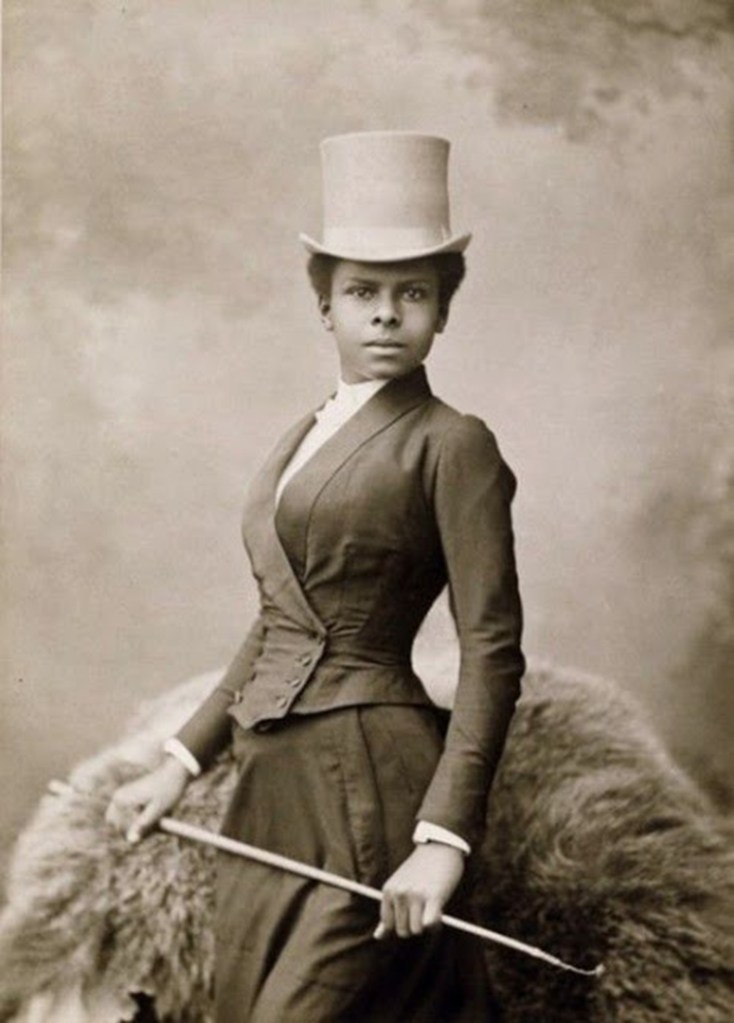
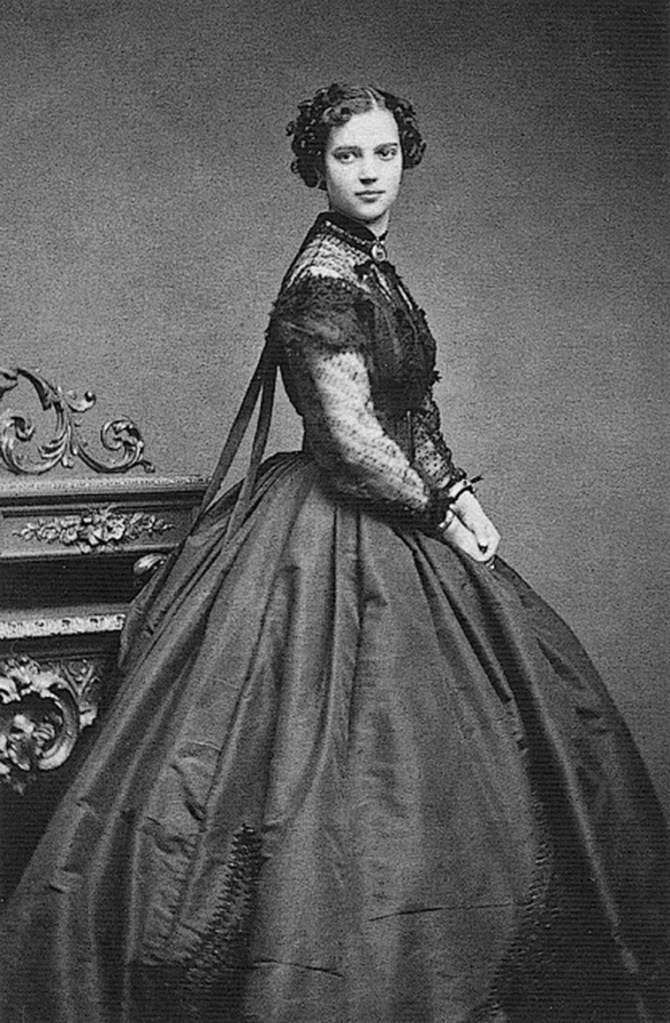
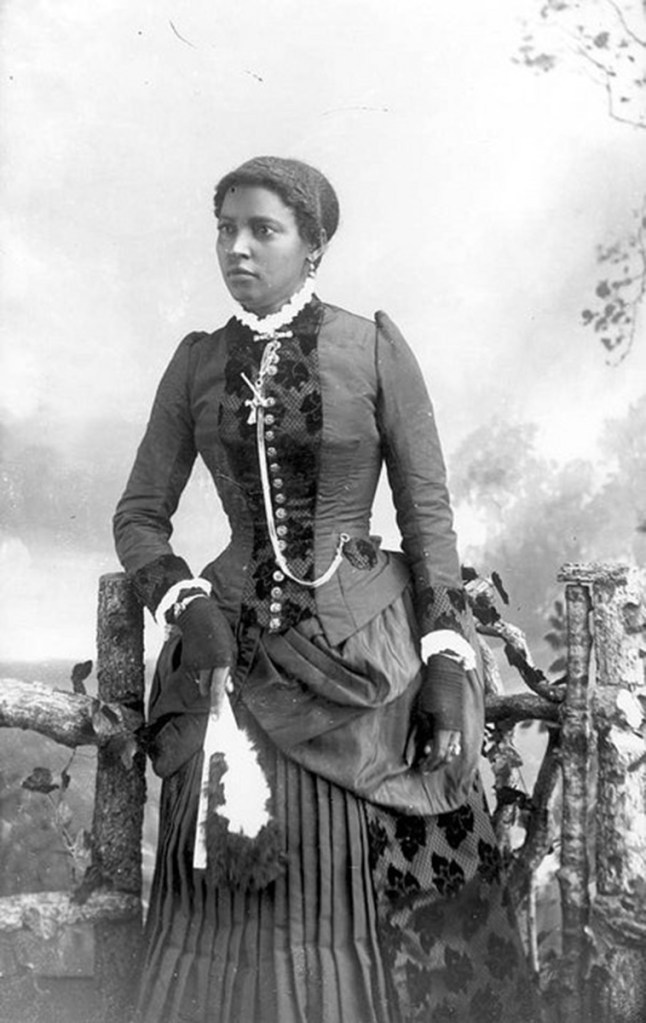
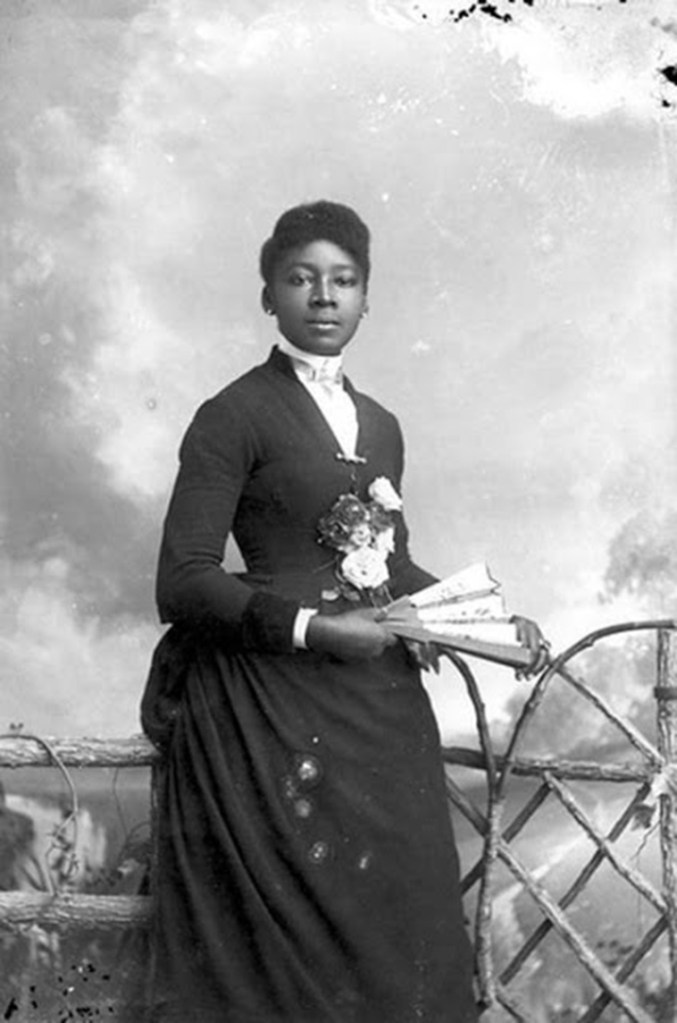


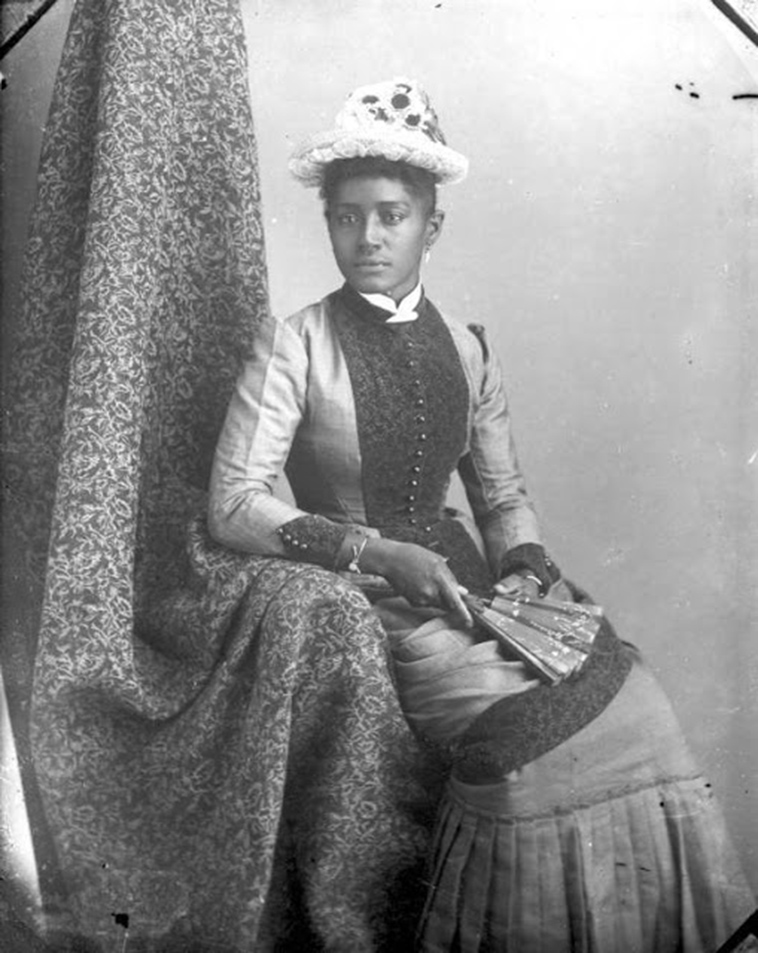

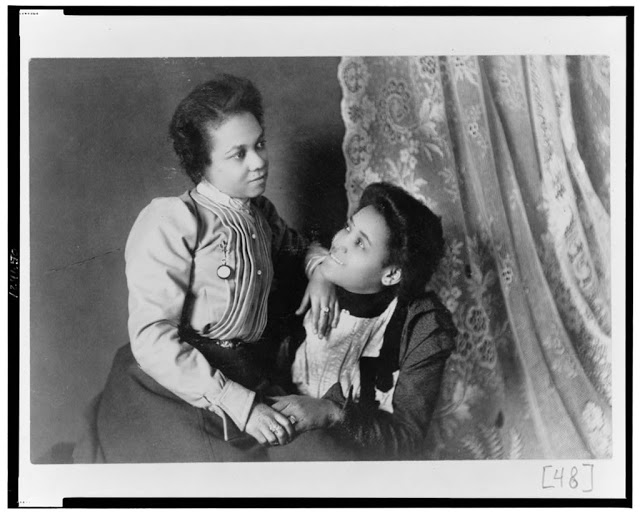

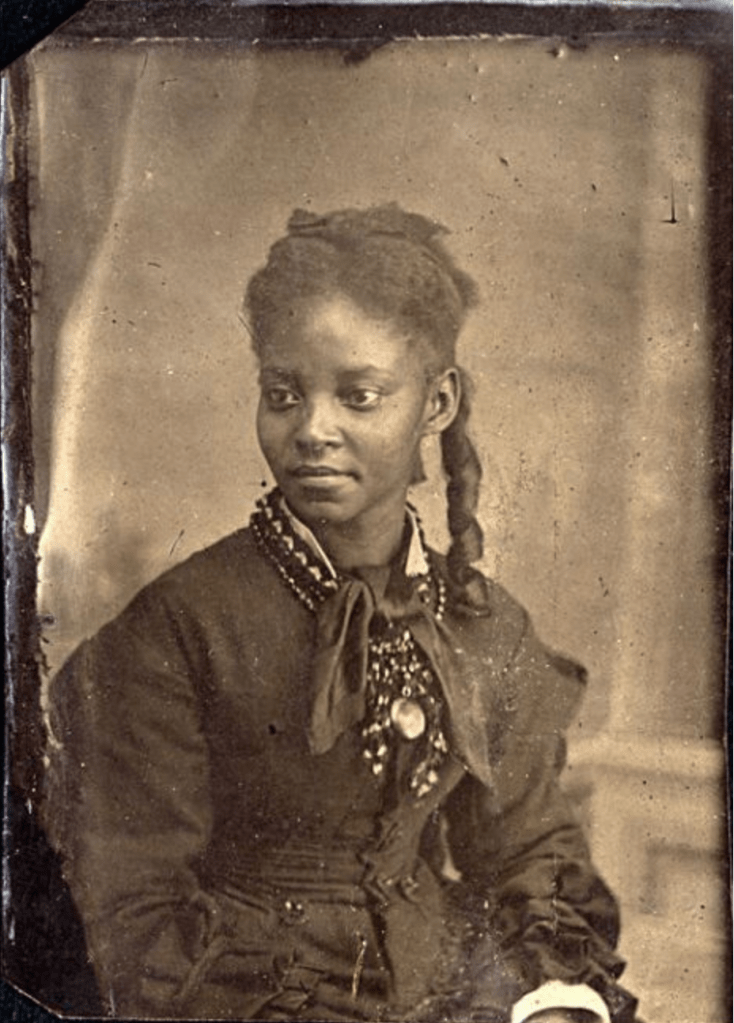
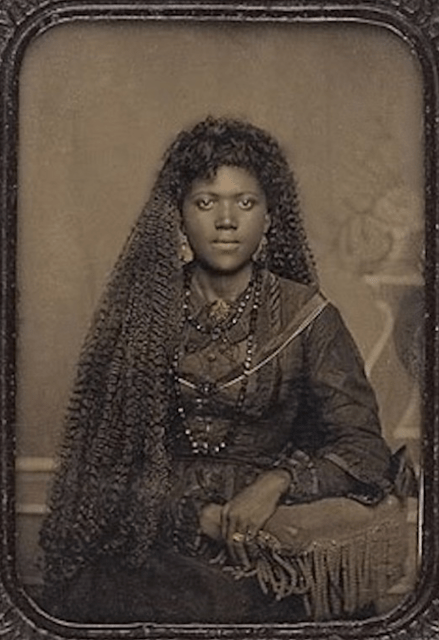
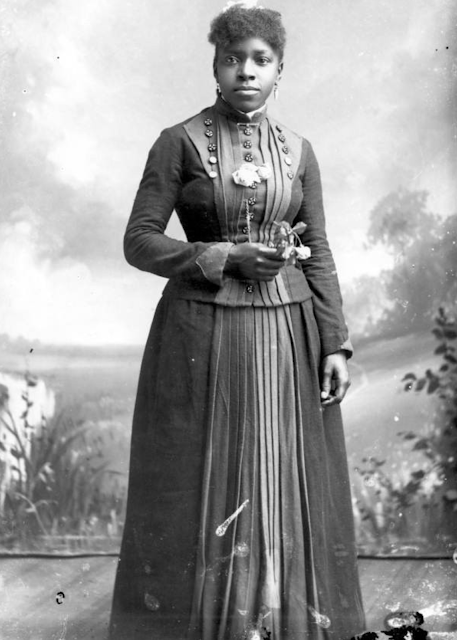


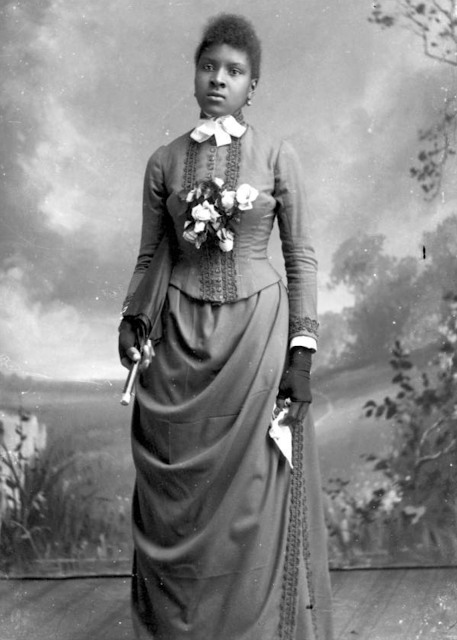
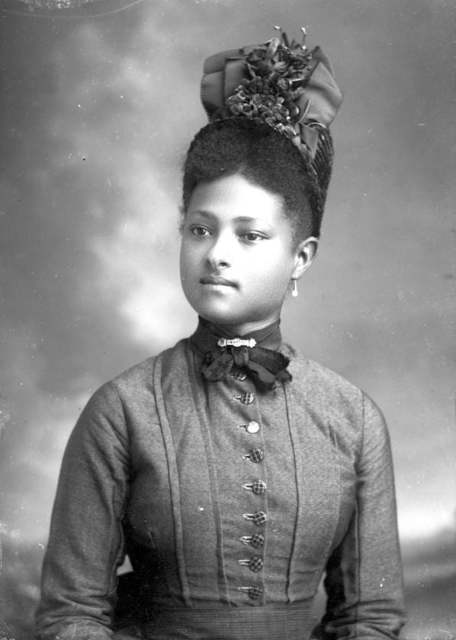


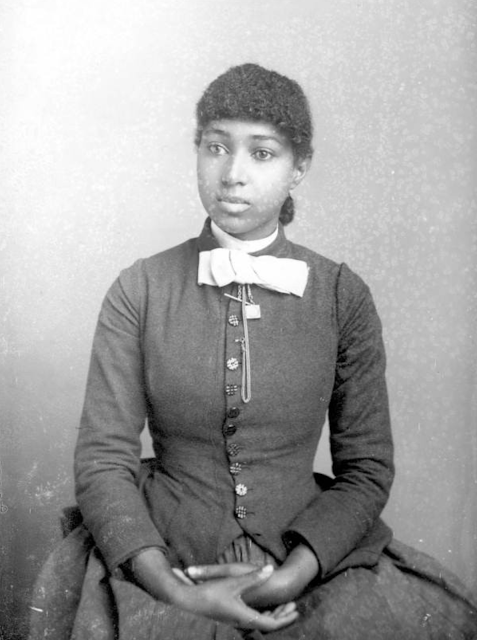
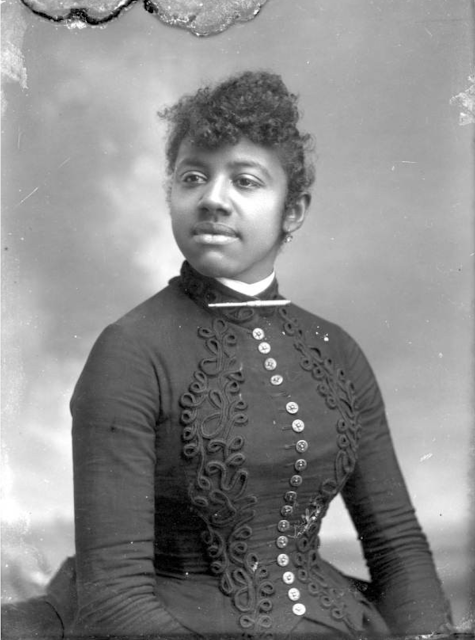


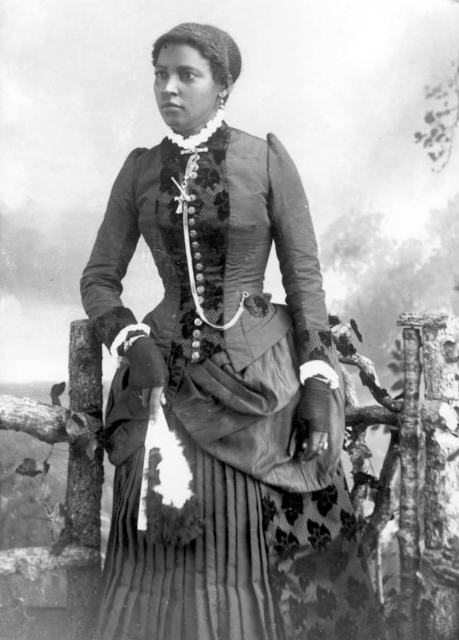
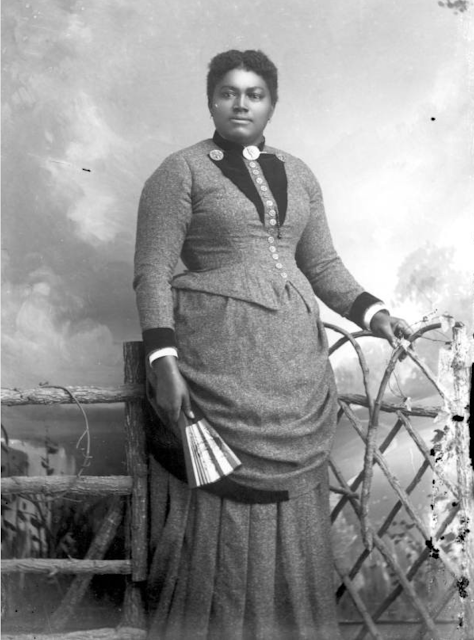


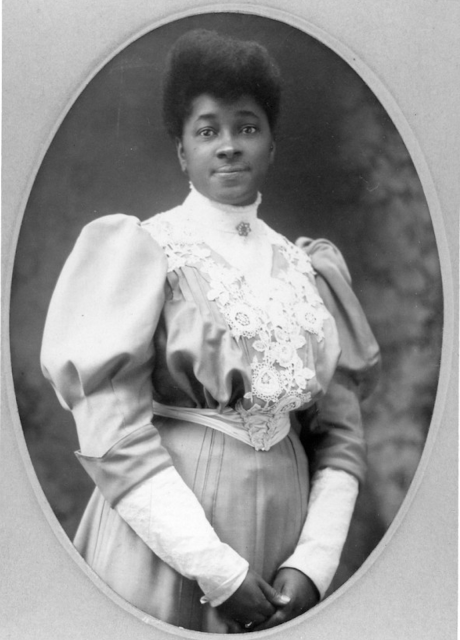
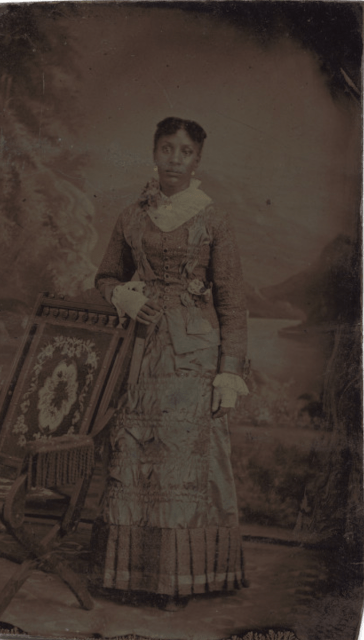


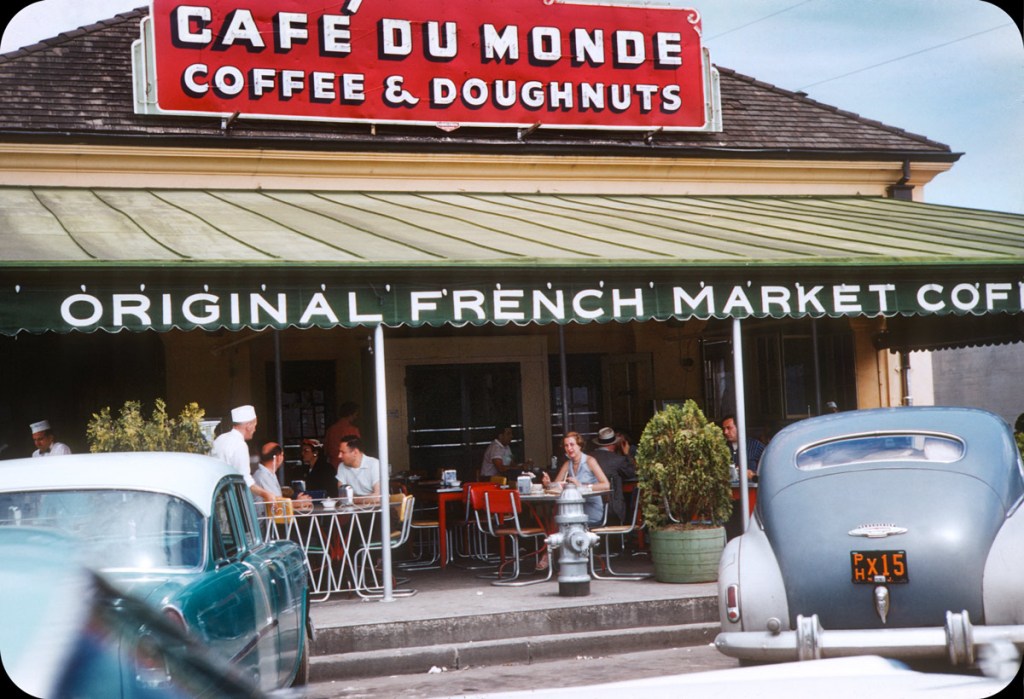
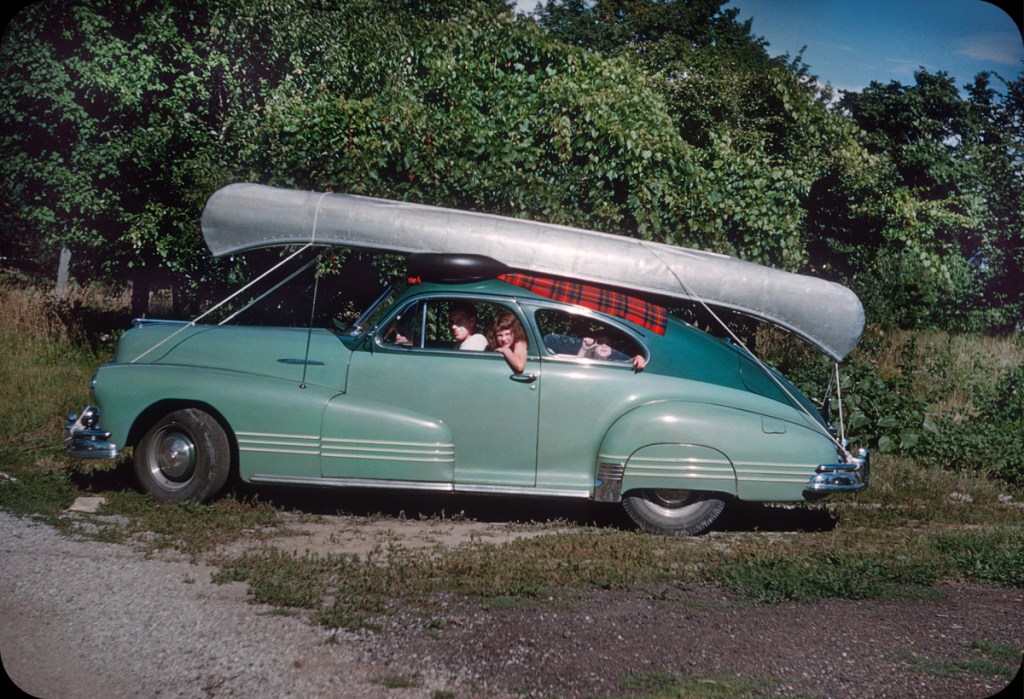

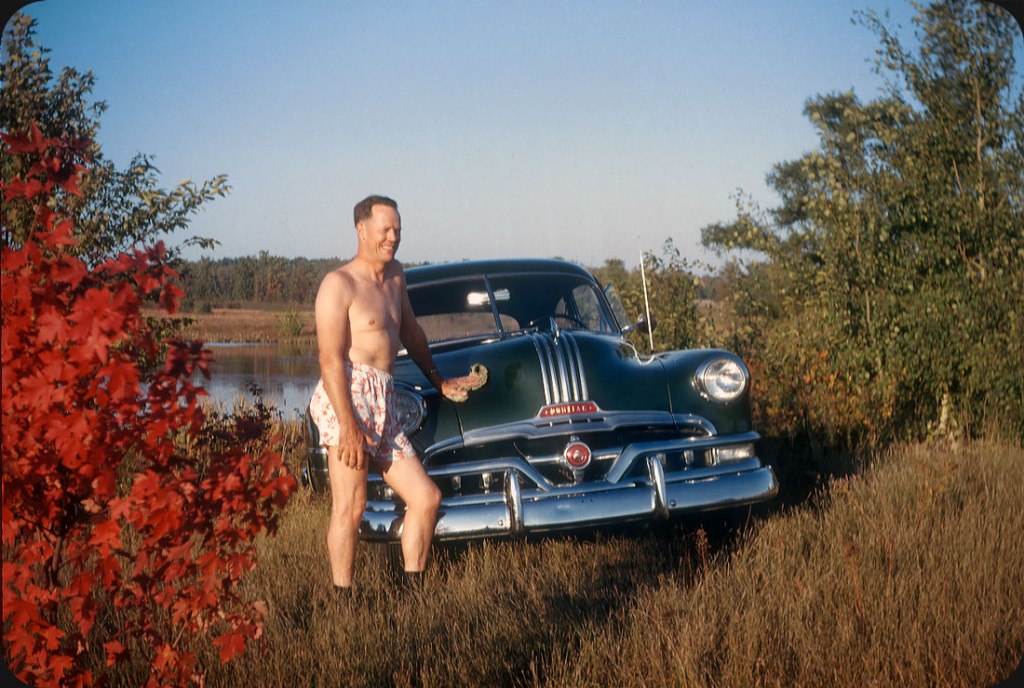











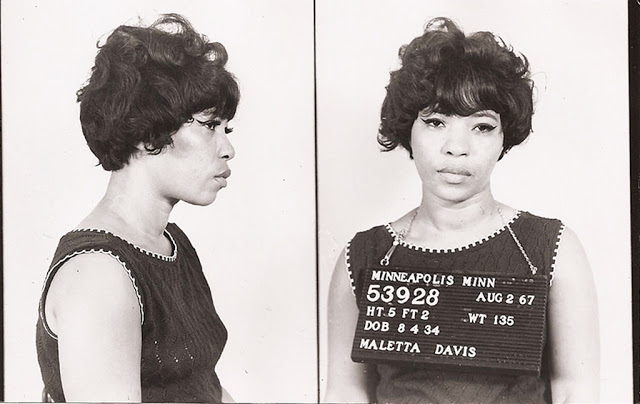
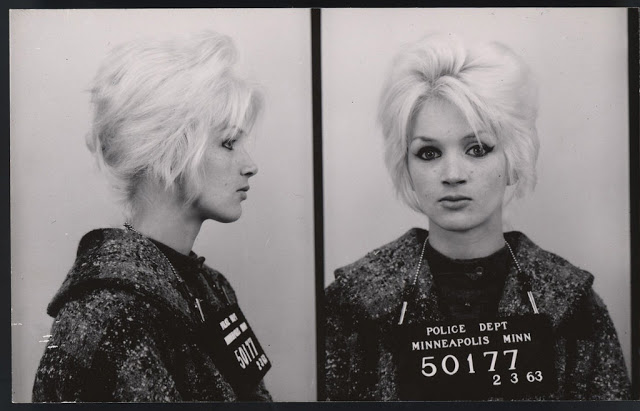
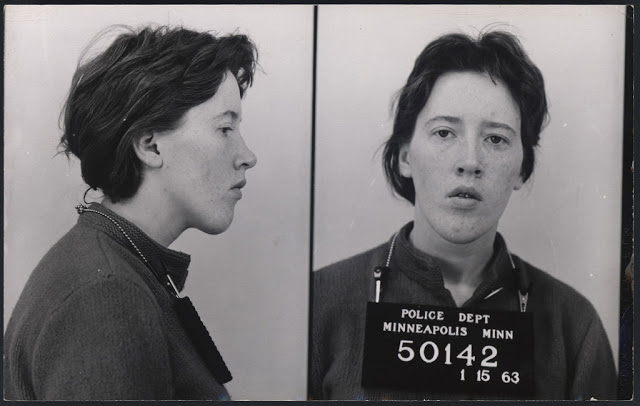
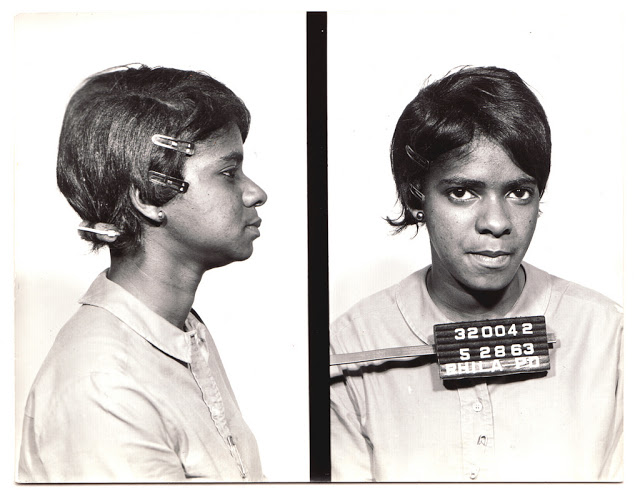
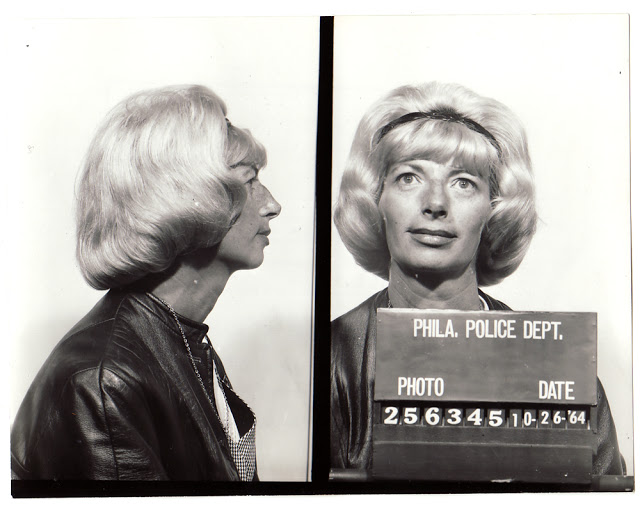
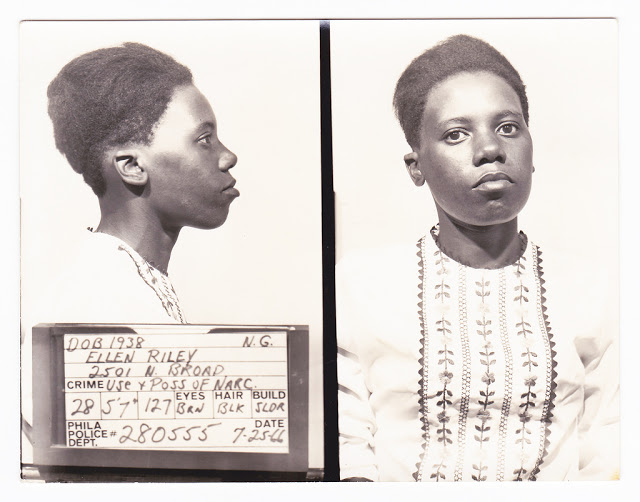
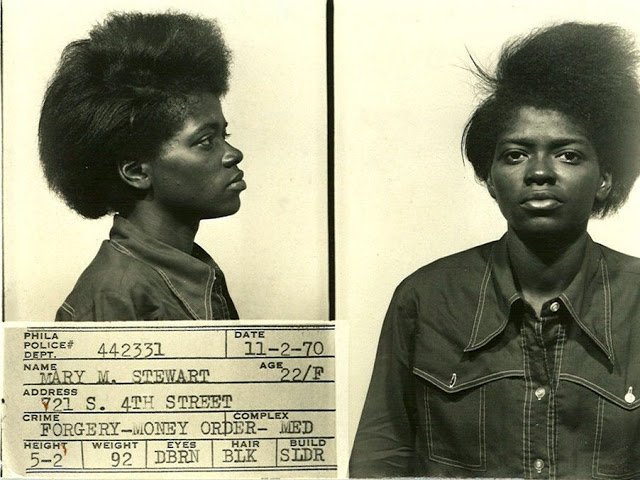
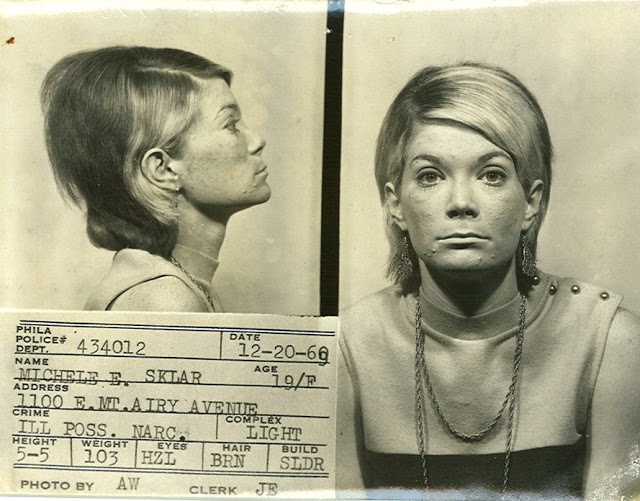
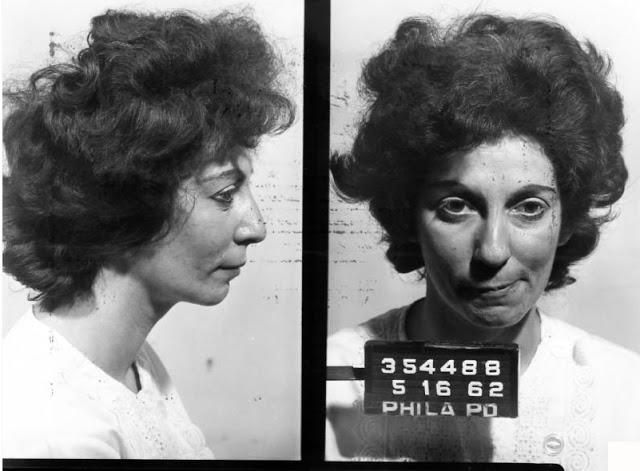
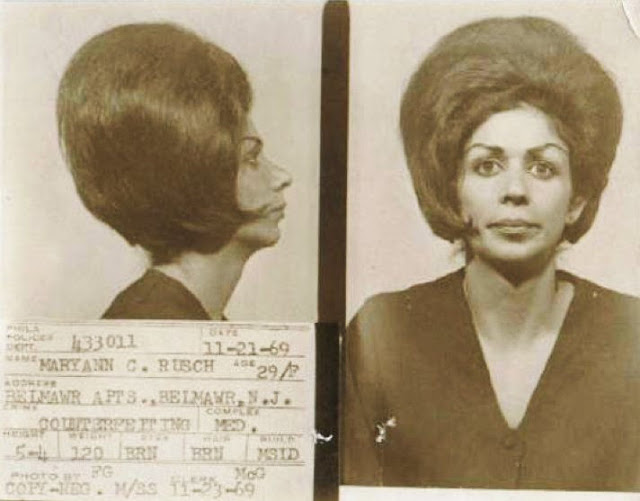
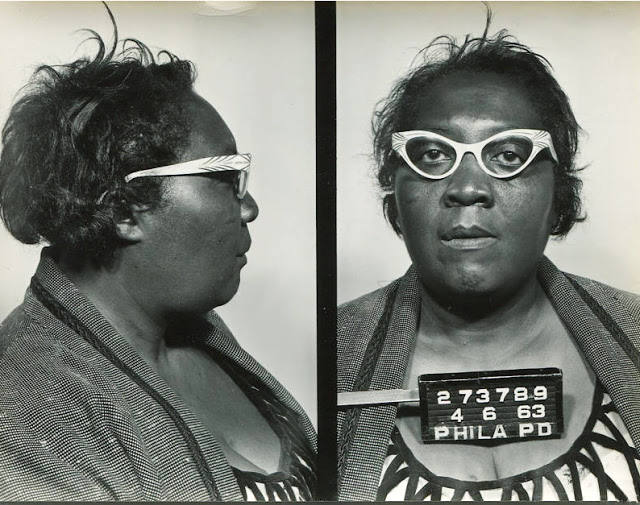
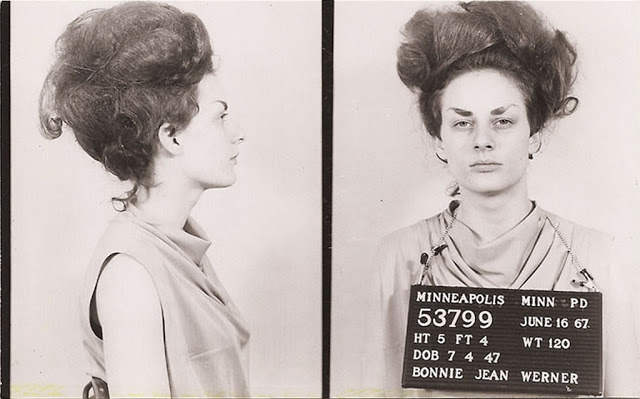
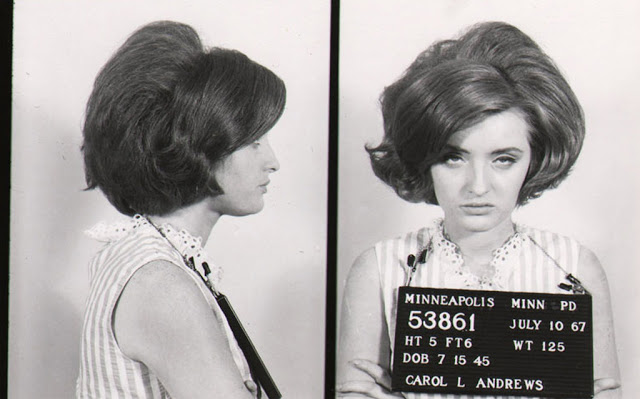
The police mugshot photograph was developed as early as the mid-nineteenth century, and it has since developed as an iconic photographic type in its own right. Formulaic and recognized the world over, it was developed when the Victorian fascination of labelling and categorizing of people was at its height. Remarkably, the mugshot photograph has changed little in 150 years.
Since the mid-’90s, Manhattan-based graphic designer Mark Michaelson has collected over 10,000 vintage mugshots of everyday people from all over the country. Each closeup has a detail that caught the designer’s eye, from scars and bandages to crooked teeth and bizarre haircuts.
“I’m looking for the photos that move me for whatever reason,” Michaelson told the Daily News. “From things that are terribly funny to things that are terribly tragic.”
Michaelson has also released a book of these photographs. In theory, these photographs are formulaic and regular as we would expect from a mugshot. But in reality, every single one is unique – each face telling a different story.
When looking at these photographs, you can’t help but imagine what sort of situations the arrested were involved in; faces look back at the camera smiling, blinking, scowling. It’s also an amazing timeline of different fashions and hairstyles.







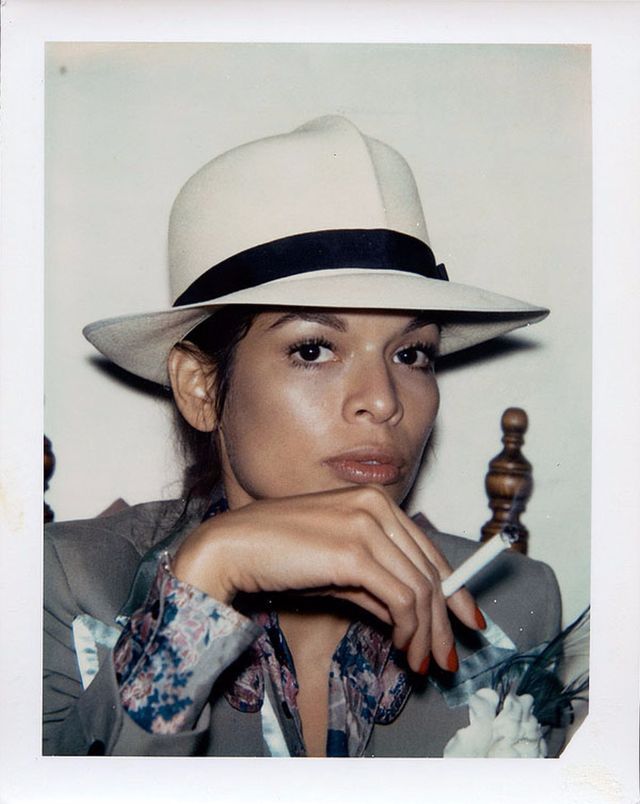
It may seem like a recent phenomenon, but Andy Warhol was an anomalous life logger in the 1960s, endlessly snapping Polaroids of the celebrities buzzing around him.
“My idea of a good picture is one that’s in focus and of a famous person,” king of Pop Art Andy Warhol once said.
Carrying a Polaroid camera from the late 1950s until his death in 1987, he amassed a huge collection of instant pictures of friends, lovers, patrons, the famous, the obscure, the scenic, the fashionable, and himself.
The candid portraits, taken by Warhol with his Polaroid Big Shot Camera in the Seventies and Eighties, include leading lights from the world of music, movies and sport, from Liza Minelli and John Lennon to Arnold Schwarzenegger to Muhammad Ali.
Andy Warhol, born Andrew Warhola Jr.(August 6, 1928 – February 22, 1987) was an American artist, film director, and producer who was a leading figure in the visual art movement known as pop art. His works explore the relationship between artistic expression, advertising, and celebrity culture that flourished by the 1960s, and span a variety of media, including painting, silkscreening, photography, film, and sculpture. Some of his best known works include the silkscreen paintings Campbell’s Soup Cans (1962) and Marilyn Diptych (1962), the experimental films Empire (1964) and Chelsea Girls (1966), and the multimedia events known as the Exploding Plastic Inevitable (1966–67).
Born and raised in Pittsburgh, Warhol initially pursued a successful career as a commercial illustrator. After exhibiting his work in several galleries in the late 1950s, he began to receive recognition as an influential and controversial artist. His New York studio, The Factory, became a well-known gathering place that brought together distinguished intellectuals, drag queens, playwrights, Bohemian street people, Hollywood celebrities, and wealthy patrons. He promoted a collection of personalities known as Warhol superstars, and is credited with inspiring the widely used expression “15 minutes of fame”. In the late 1960s he managed and produced the experimental rock band The Velvet Underground and founded Interview magazine. He authored numerous books, including The Philosophy of Andy Warhol and Popism: The Warhol Sixties. He lived openly as a gay man before the gay liberation movement. In June 1968, he was almost killed by radical feminist Valerie Solanas who shot him inside his studio. After gallbladder surgery, Warhol died of cardiac arrhythmia in February 1987 at the age of 58 in New York.
Warhol has been the subject of numerous retrospective exhibitions, books, and feature and documentary films. The Andy Warhol Museum in his native city of Pittsburgh, which holds an extensive permanent collection of art and archives, is the largest museum in the United States dedicated to a single artist. A 2009 article in The Economist described Warhol as the “bellwether of the art market”. Many of his creations are very collectible and highly valuable. The highest price ever paid for a Warhol painting is $105 million for a 1963 serigraph titled Silver Car Crash (Double Disaster). His works include some of the most expensive paintings ever sold.


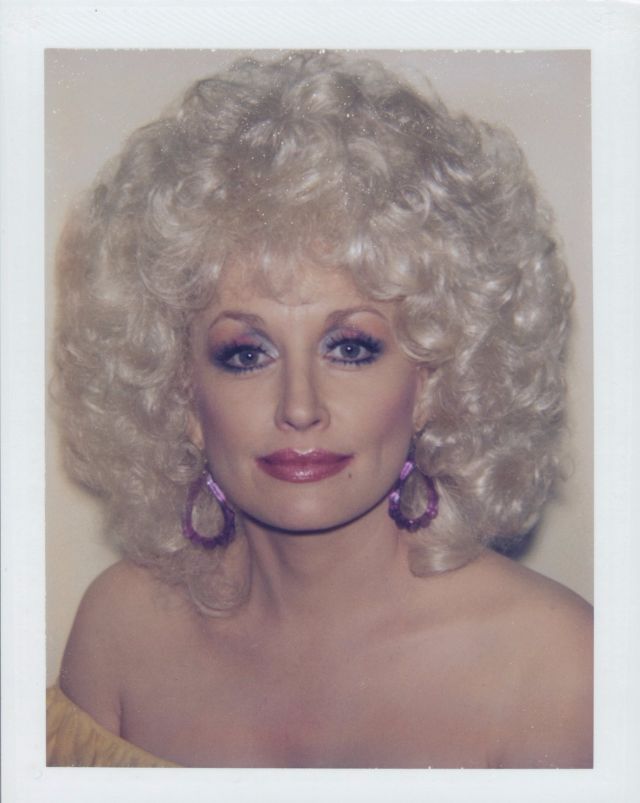

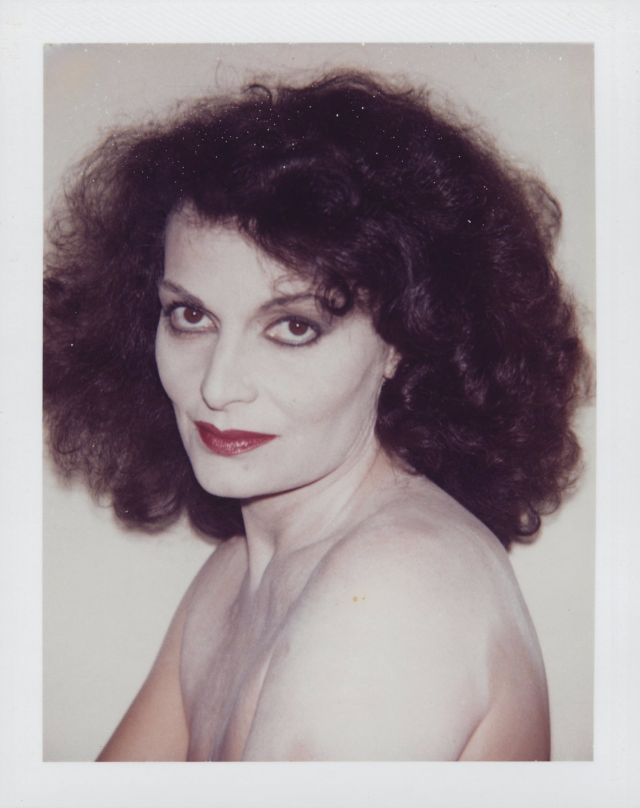

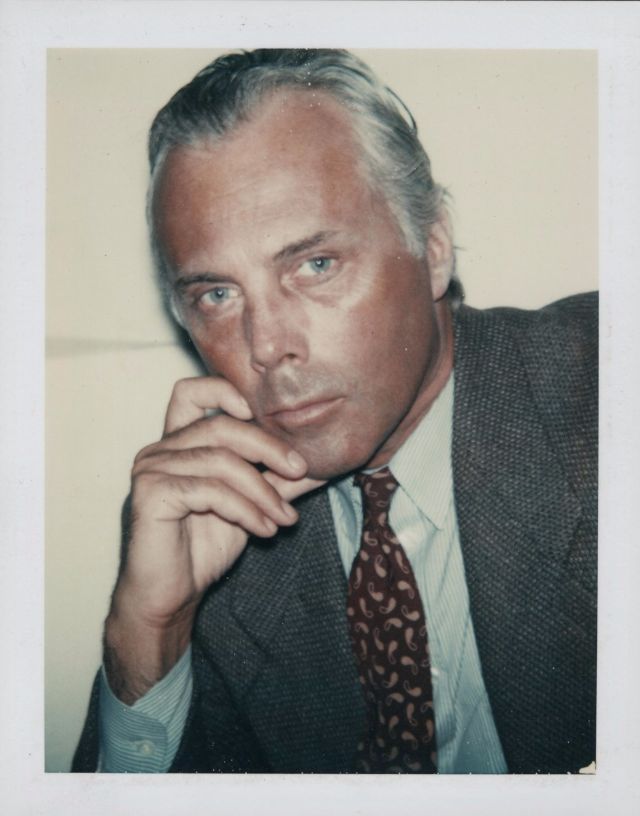
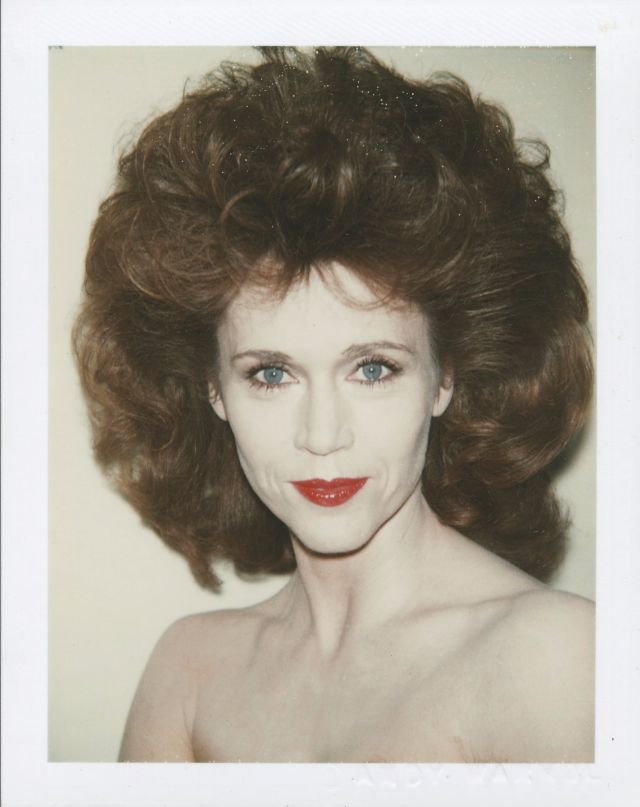


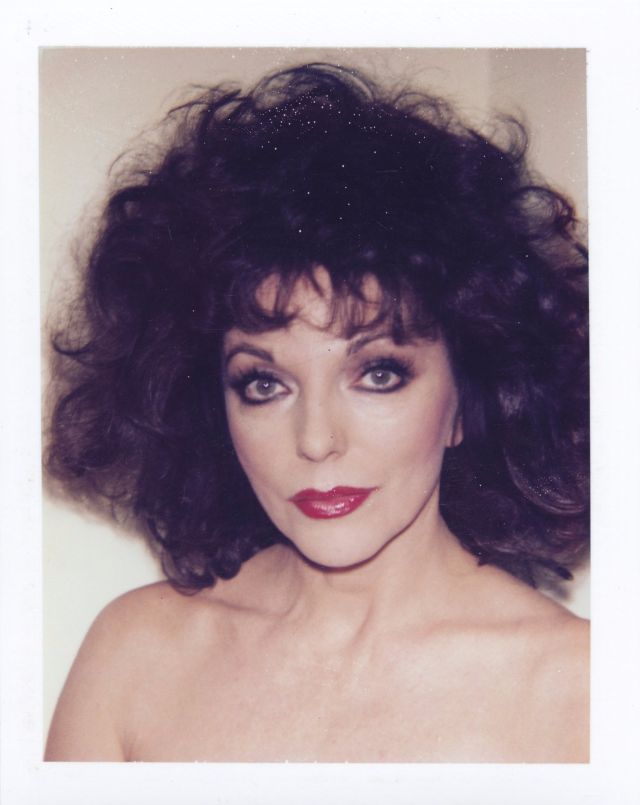

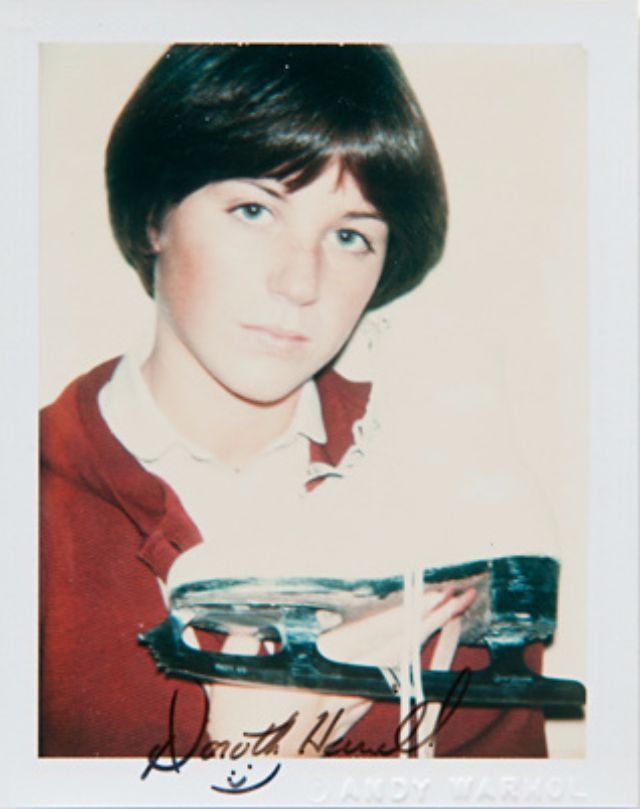
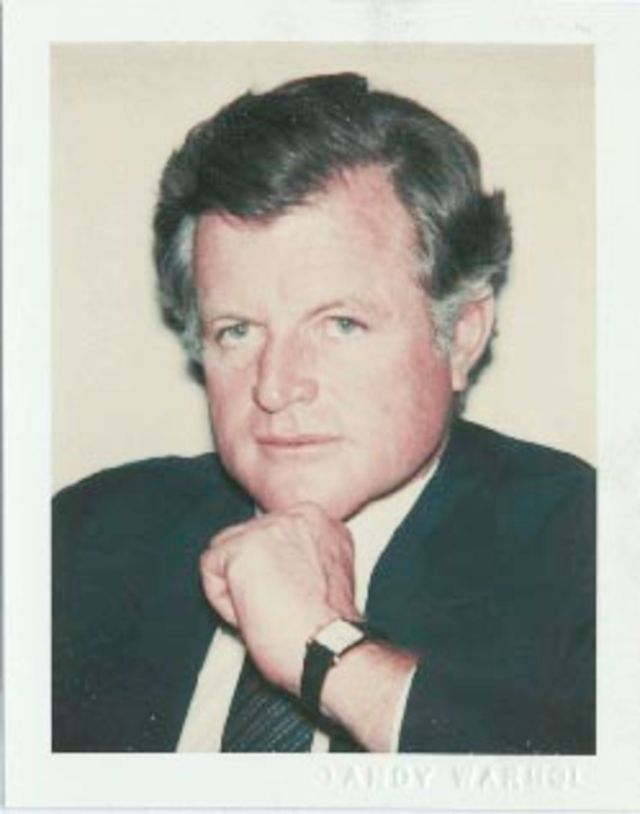




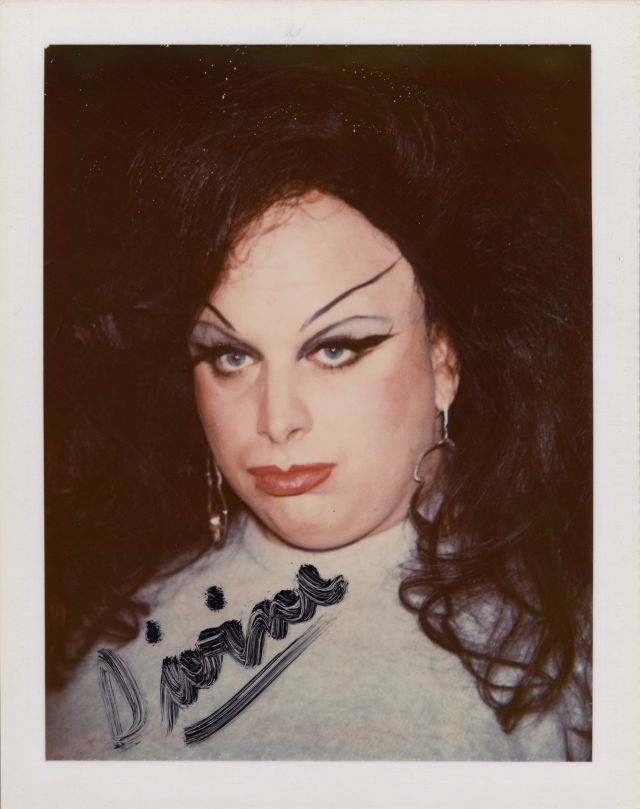
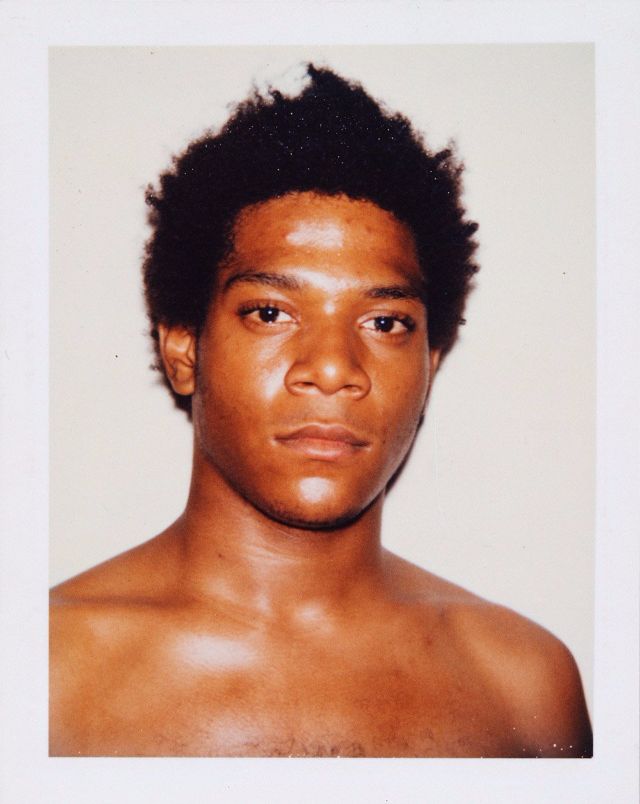
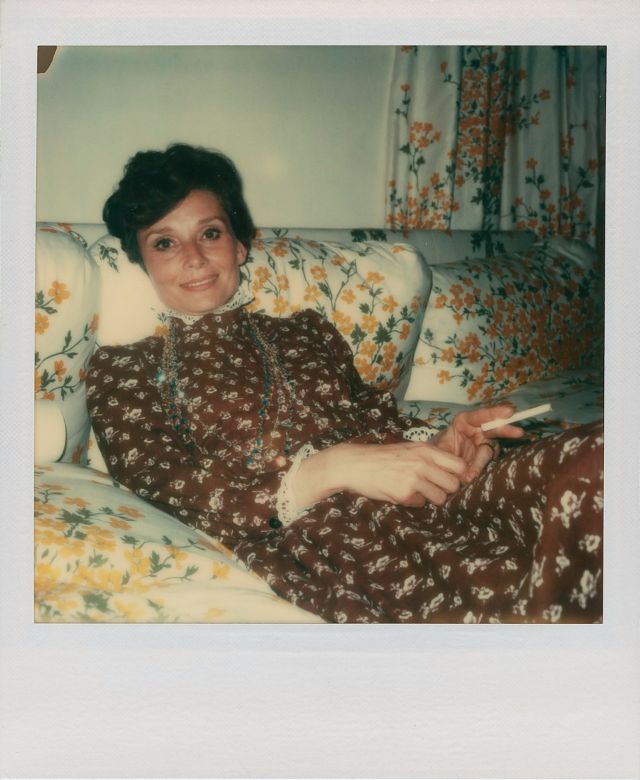
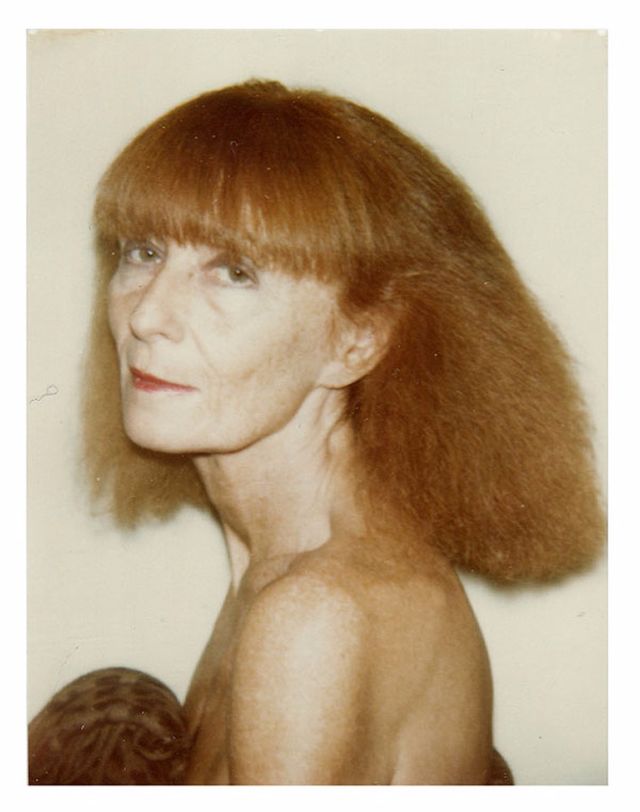
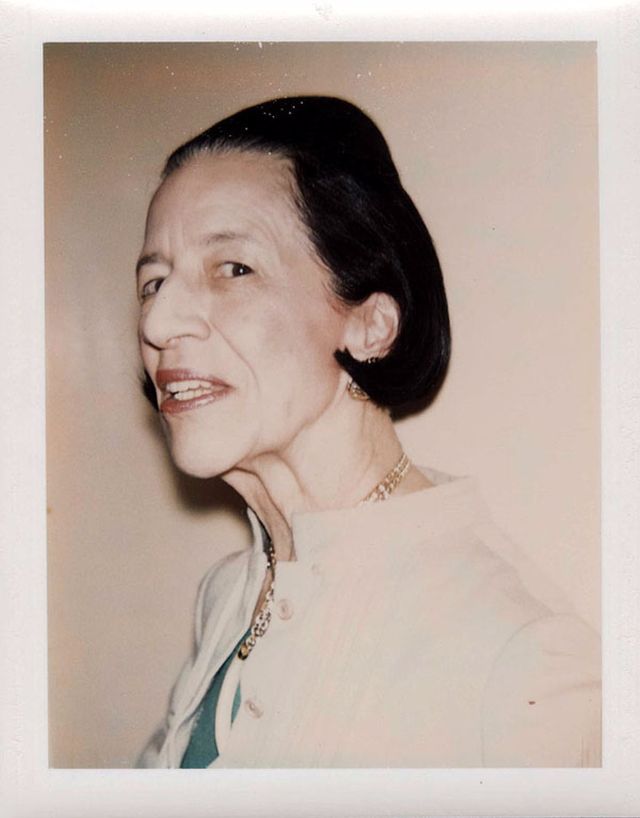
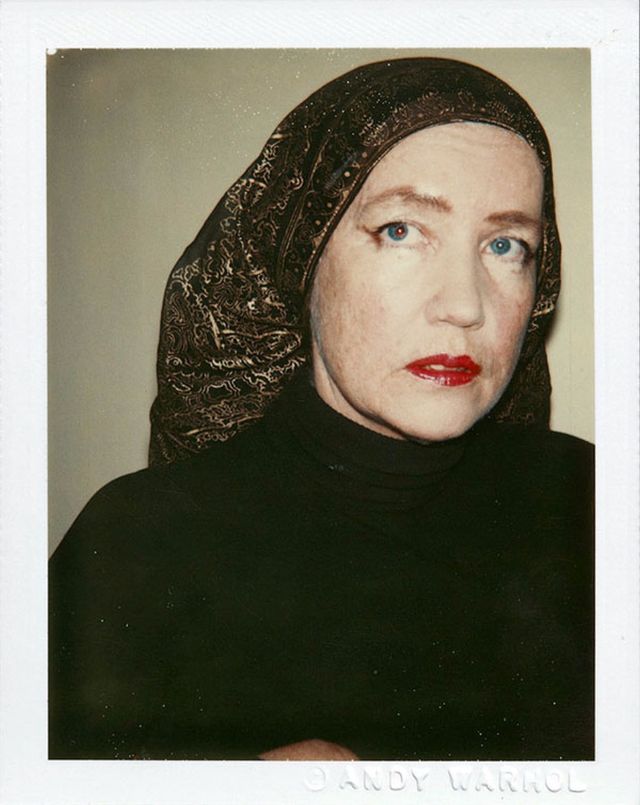
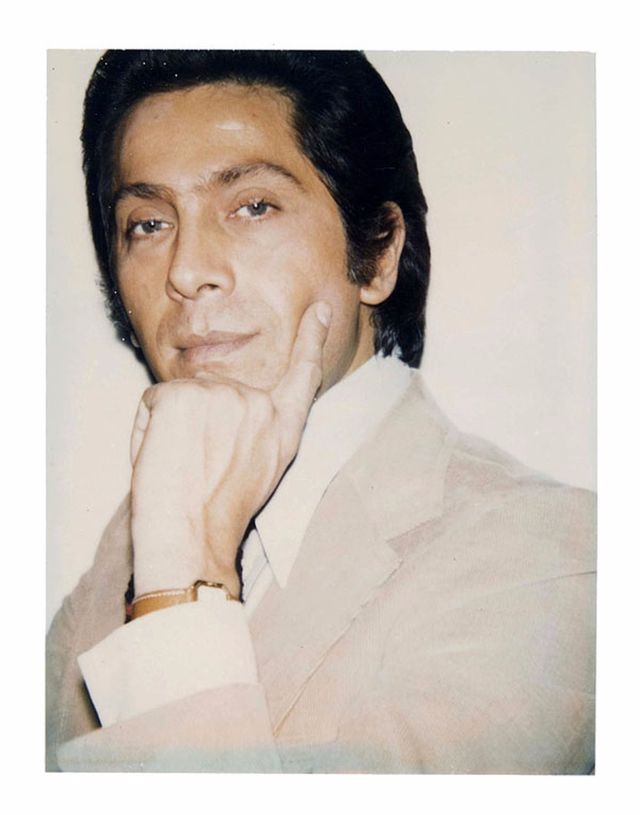

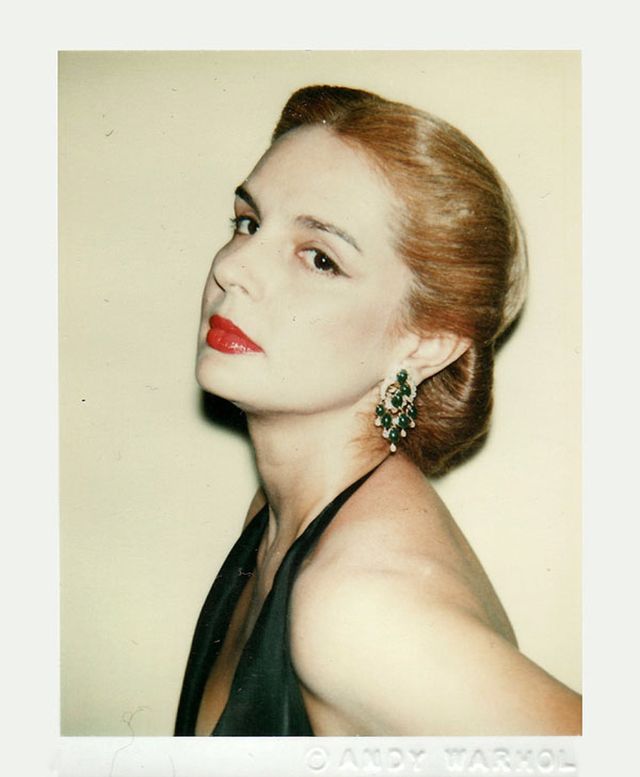
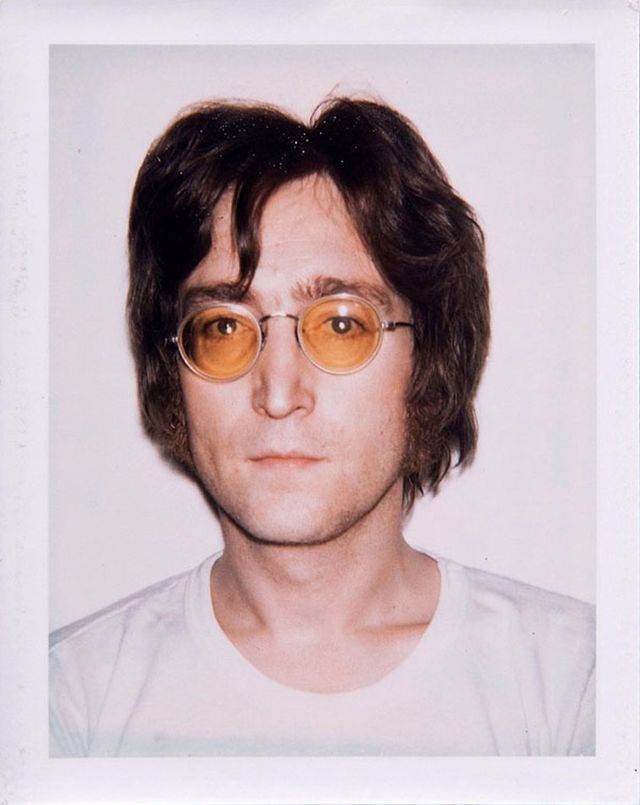
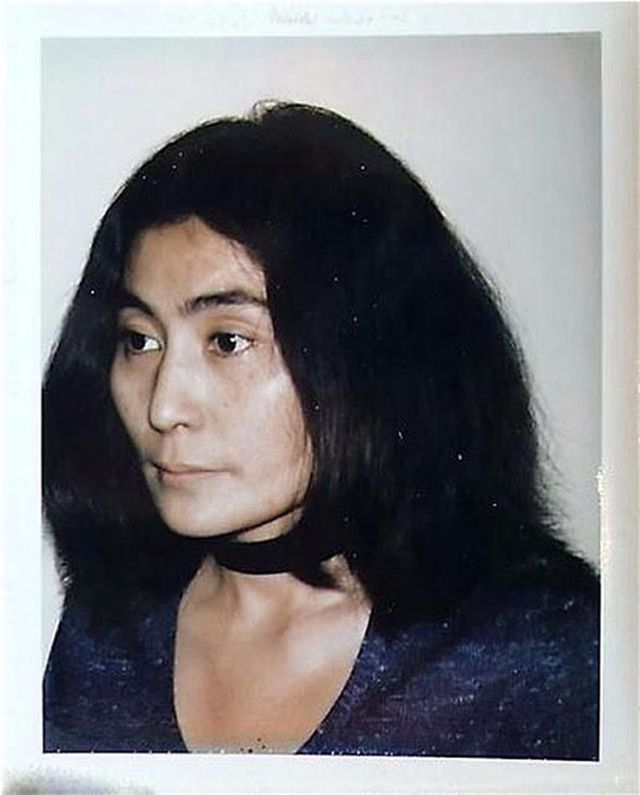
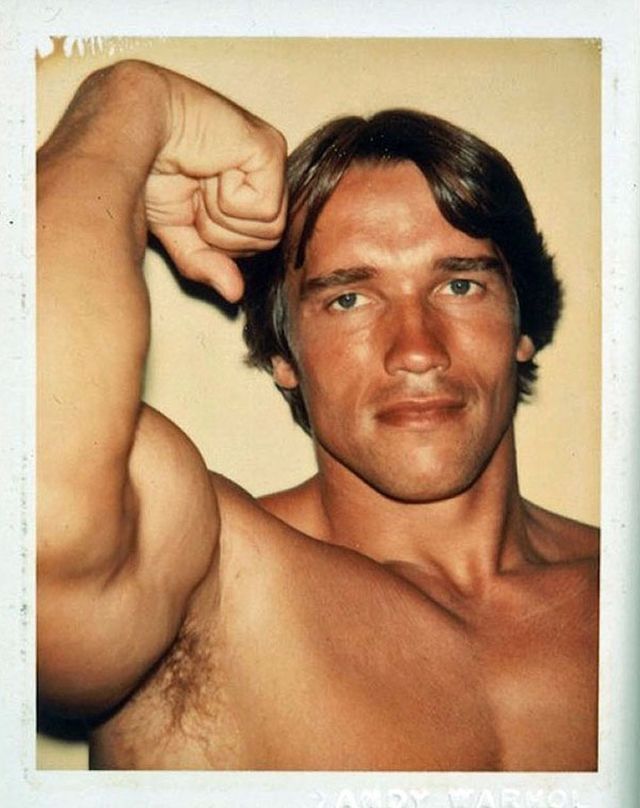
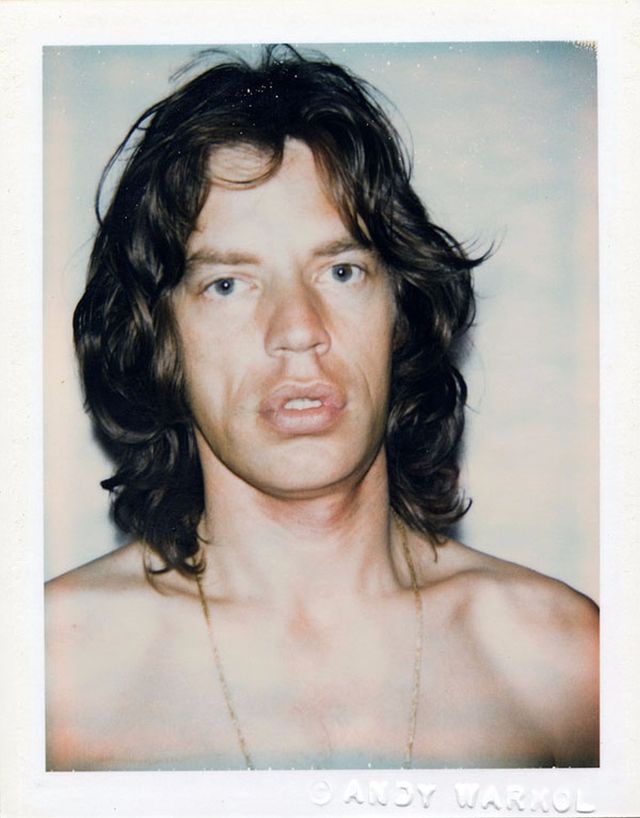
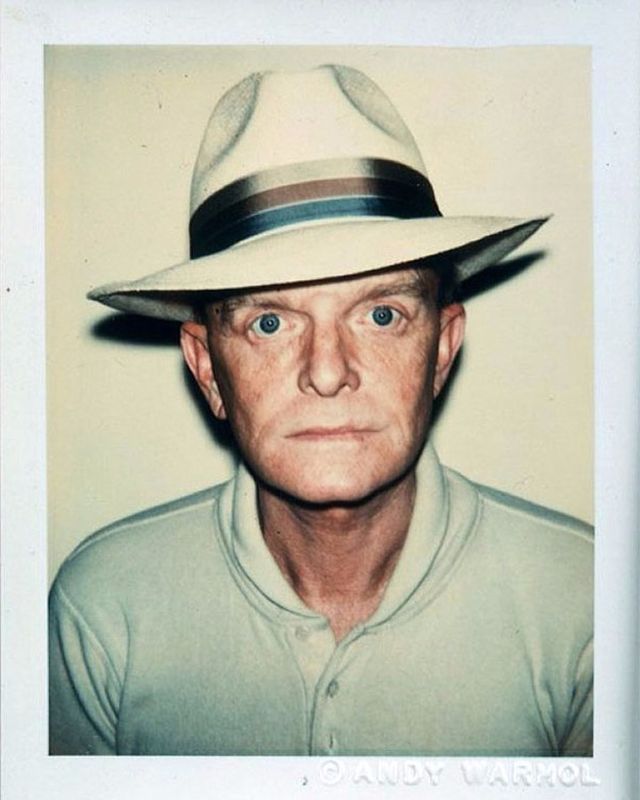

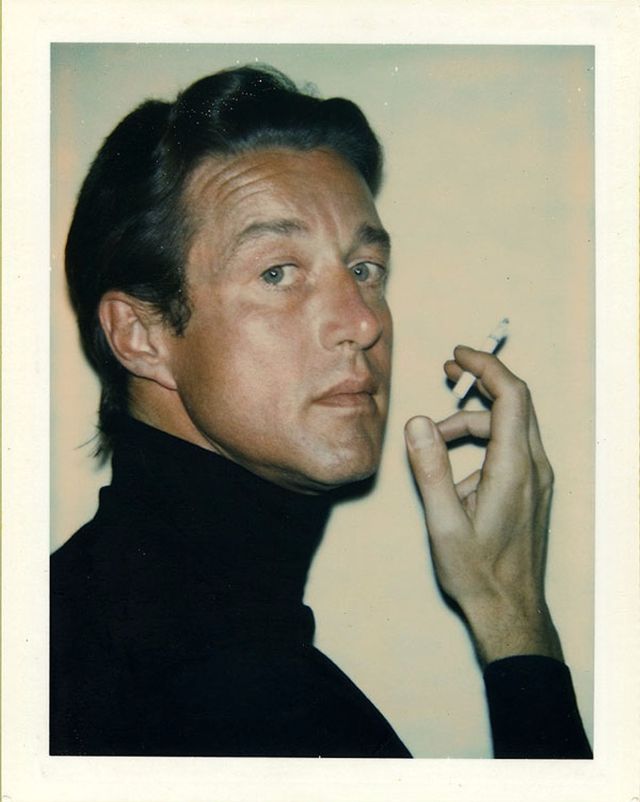

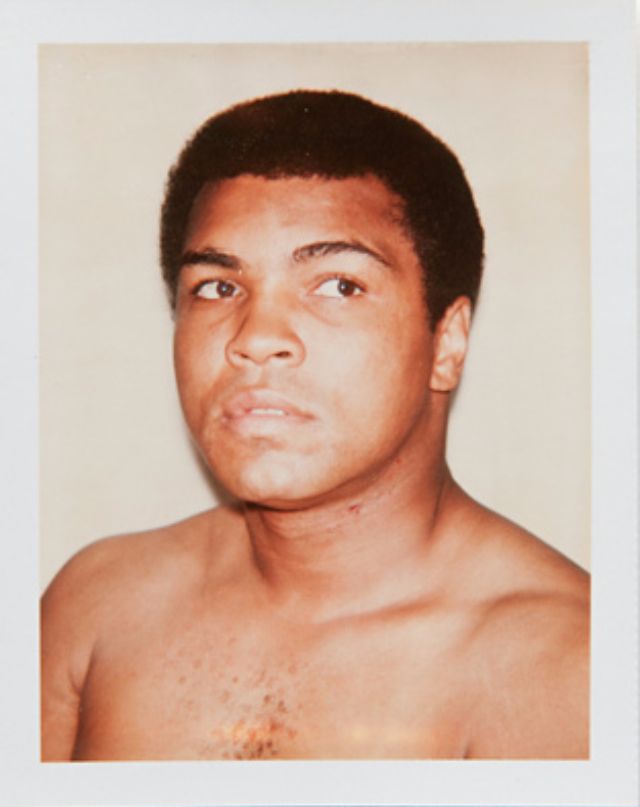
(Photos by Andy Warhol)

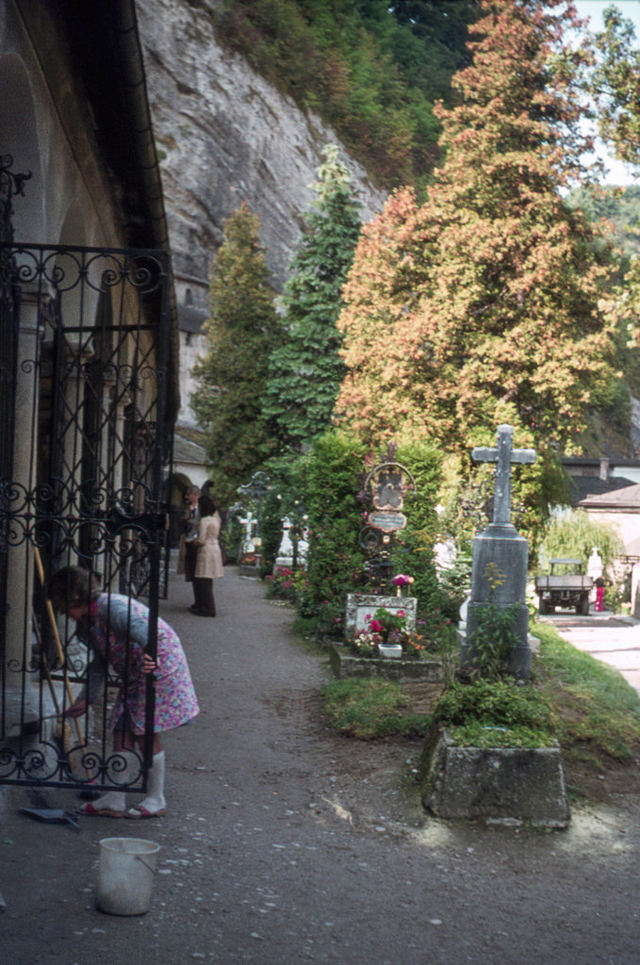
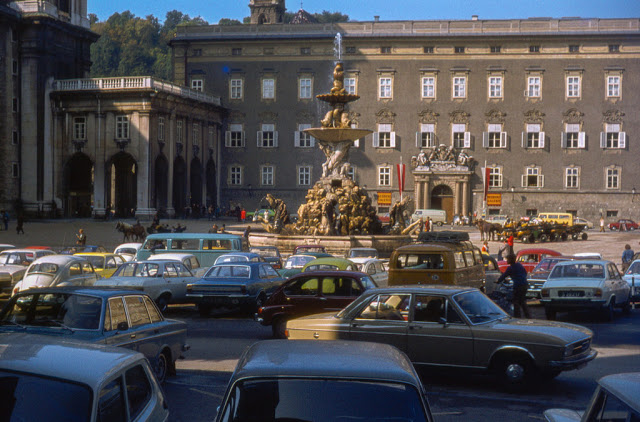
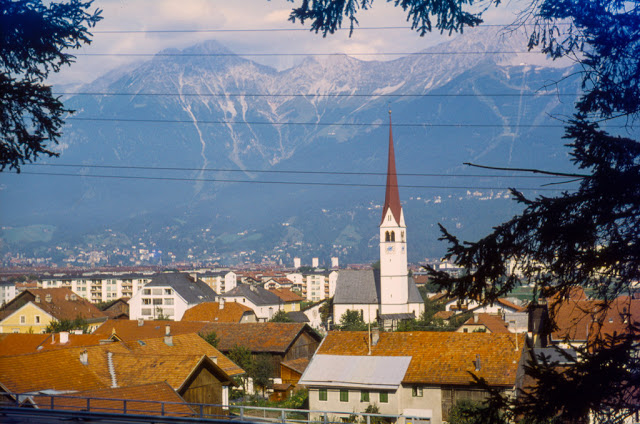
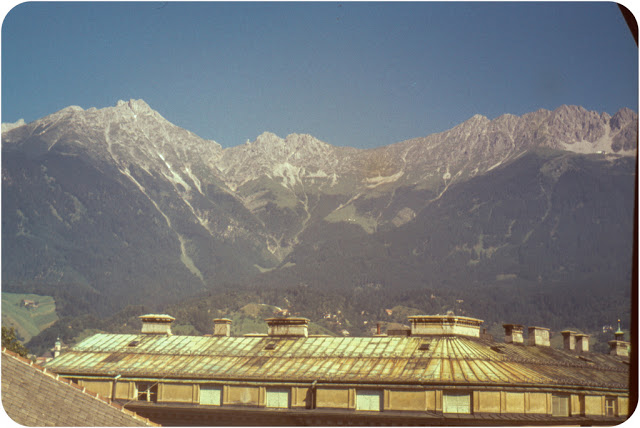
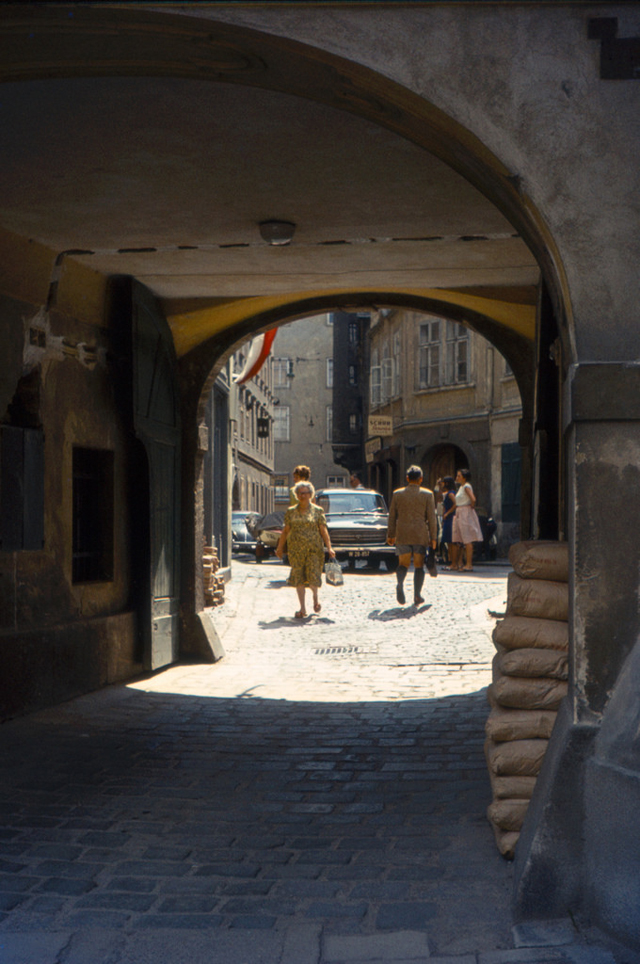
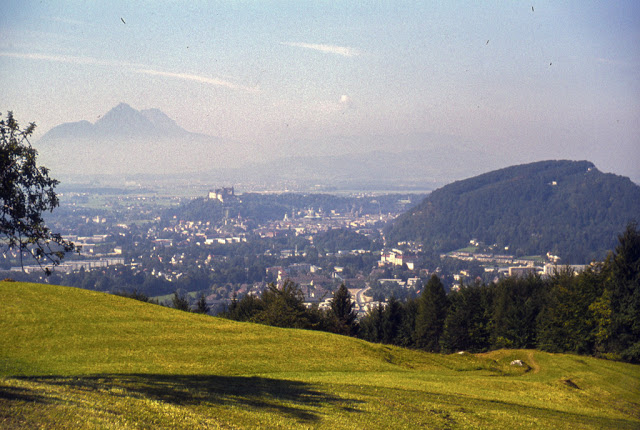
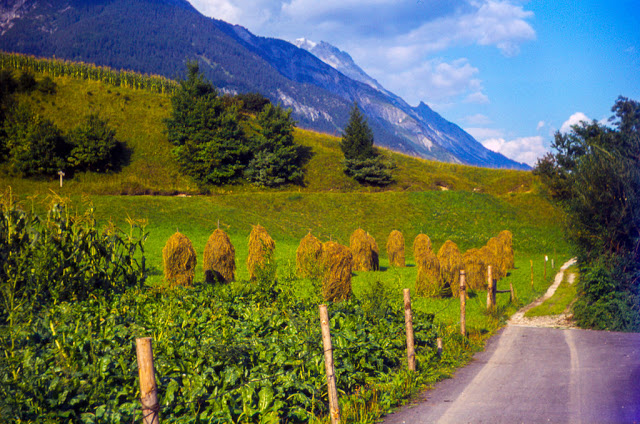
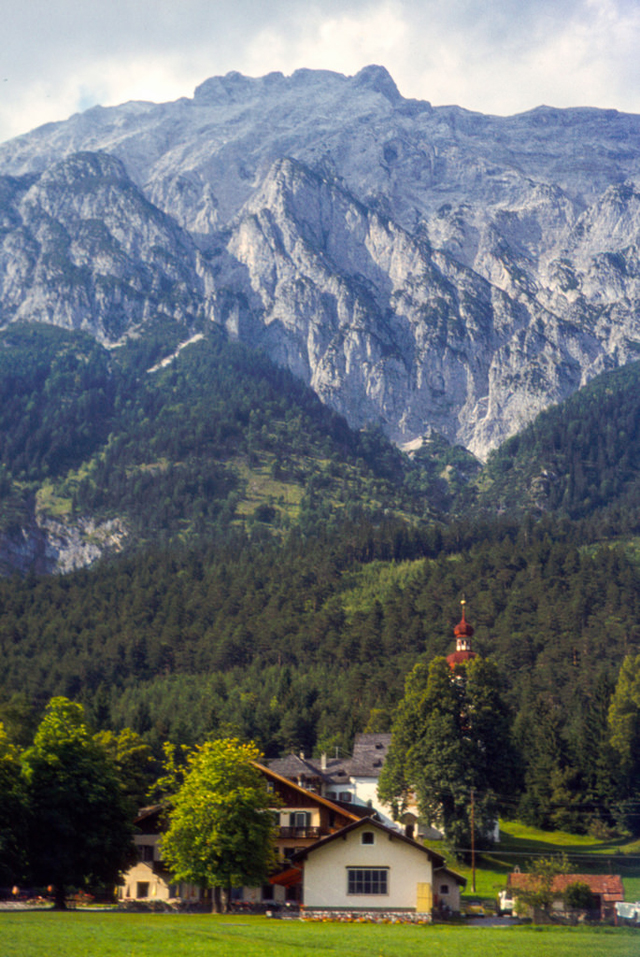
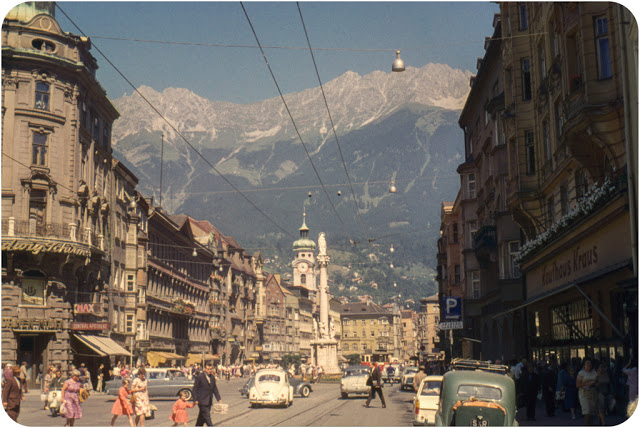
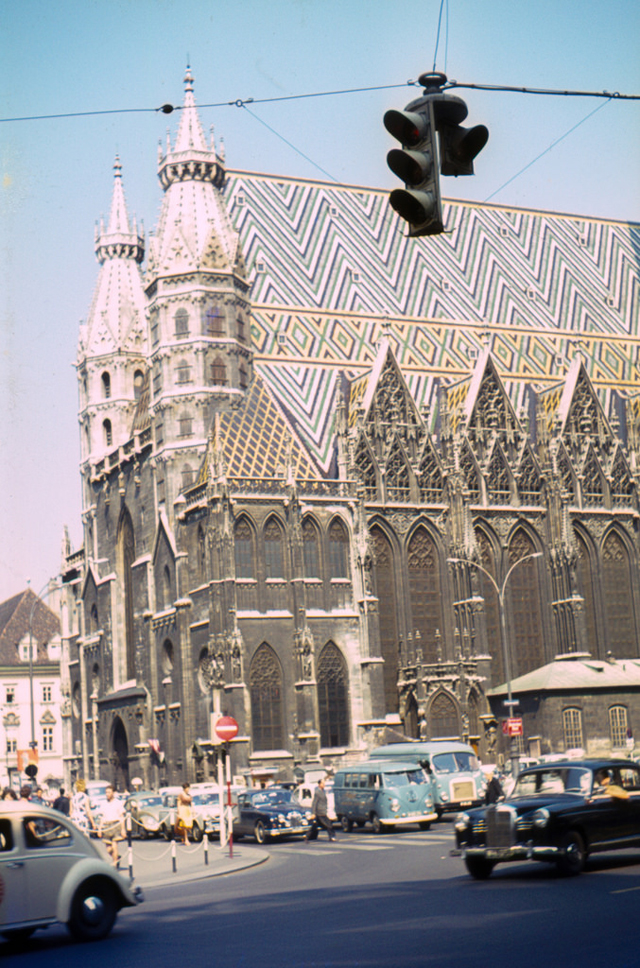
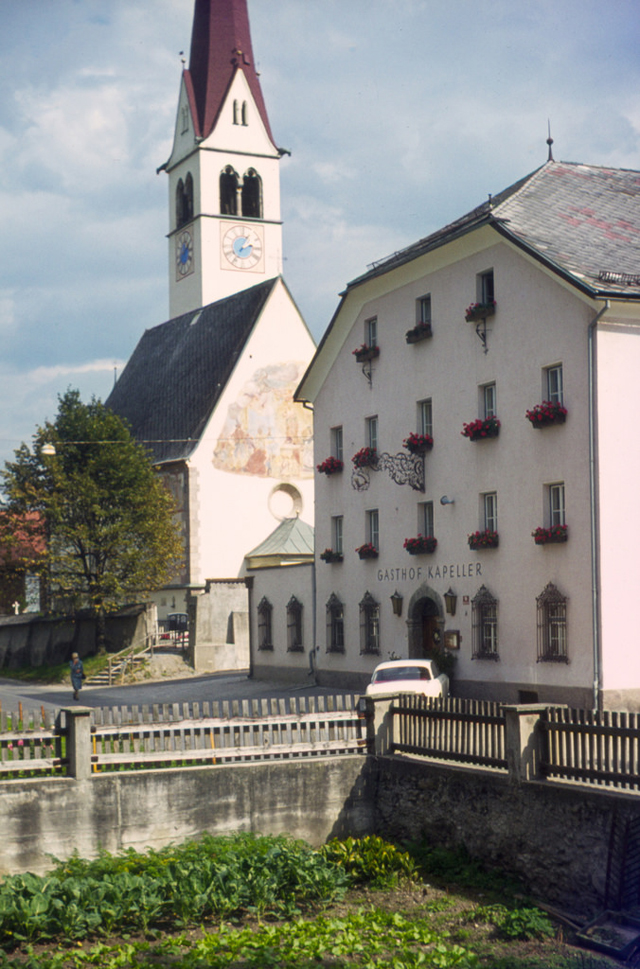
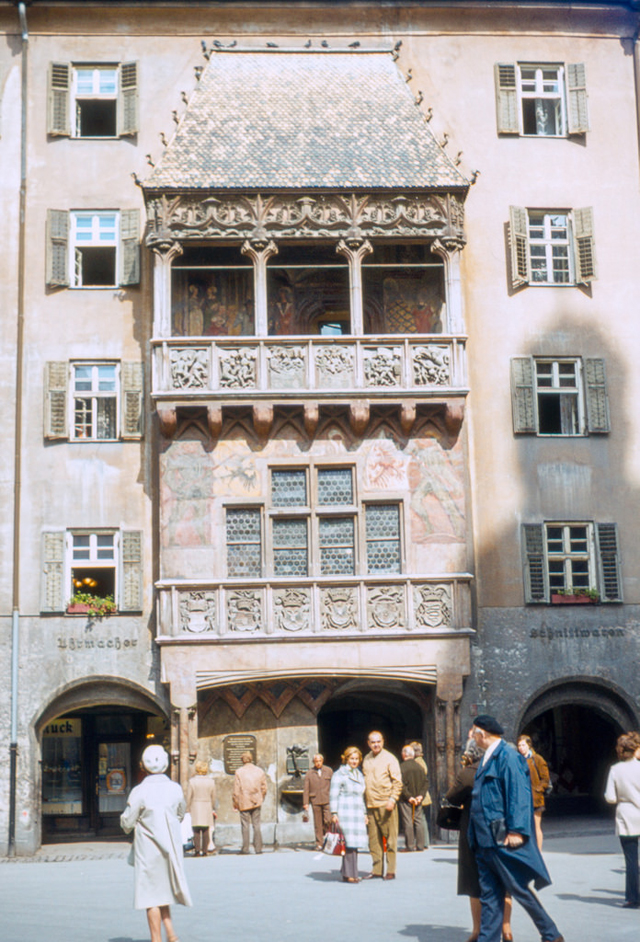
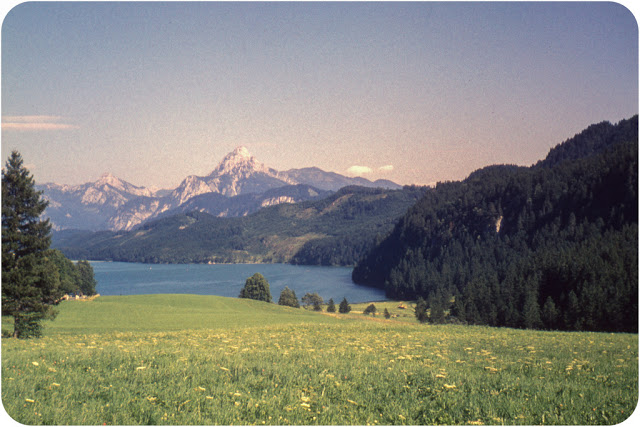
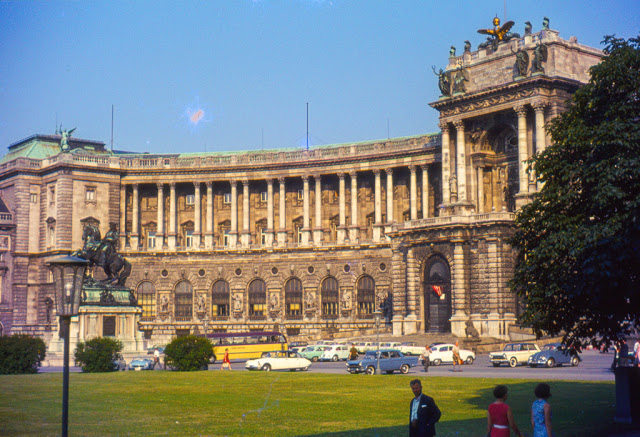
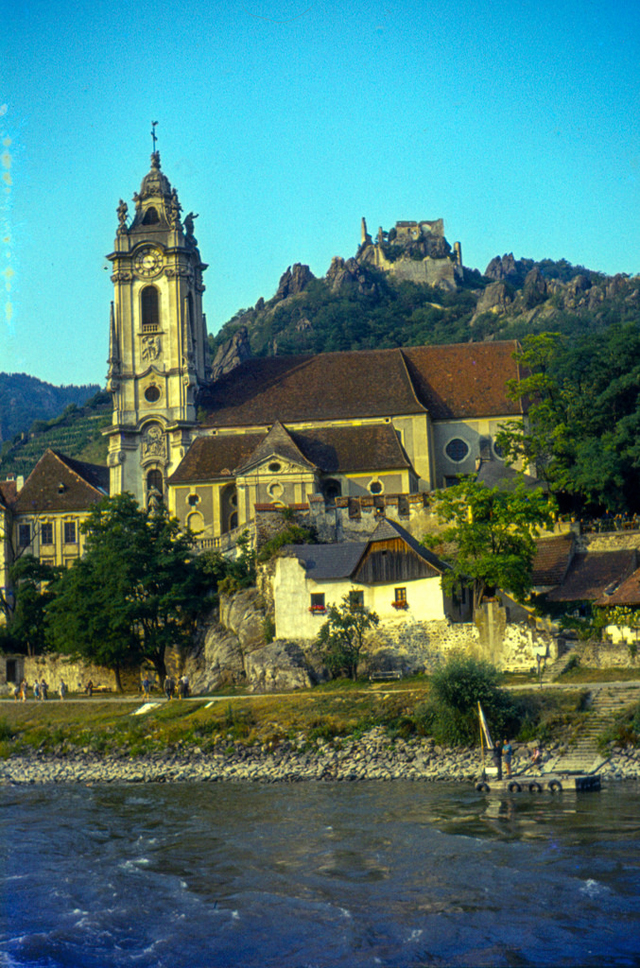
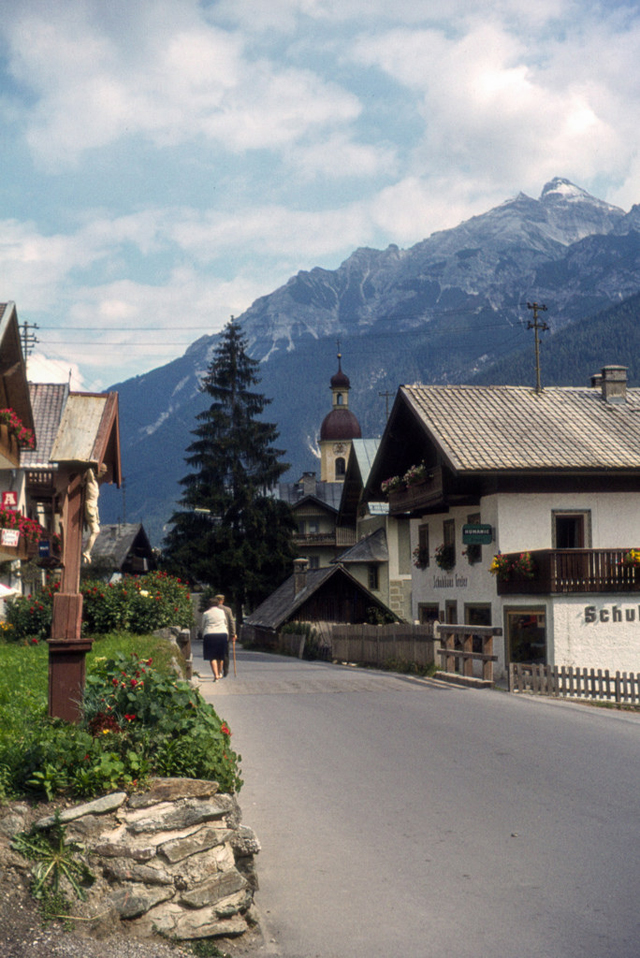
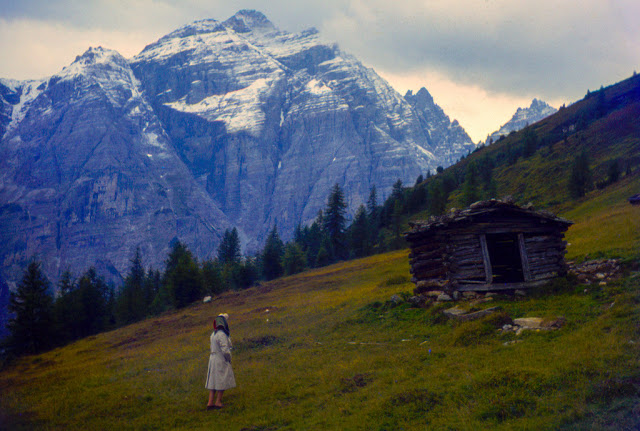
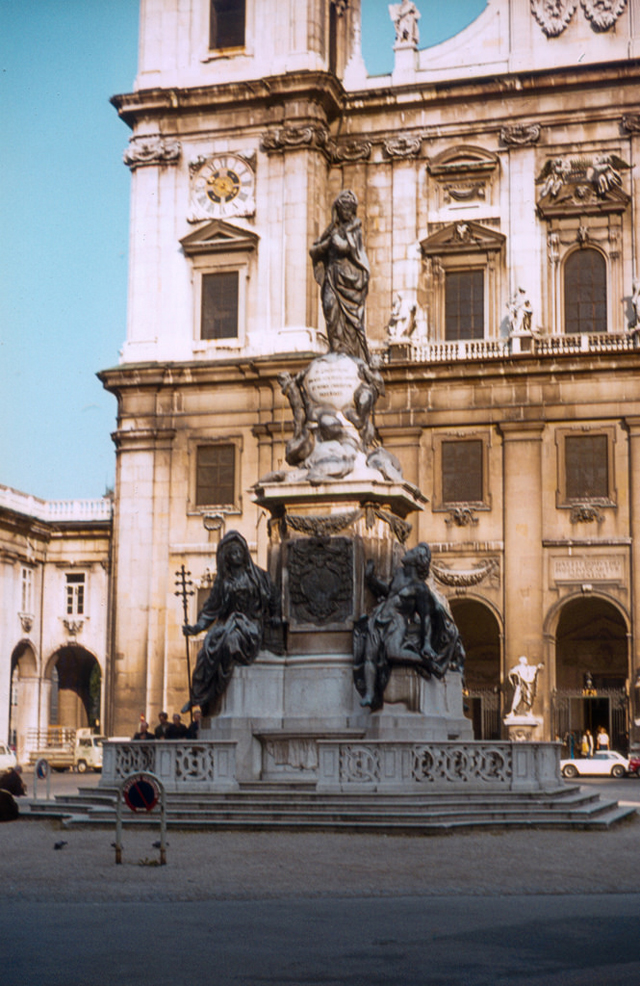
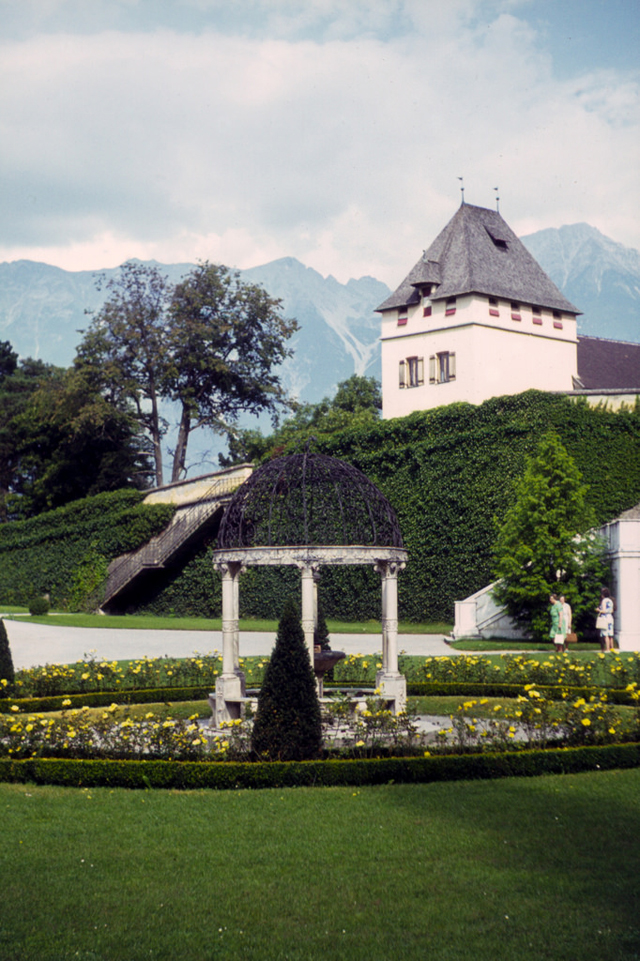
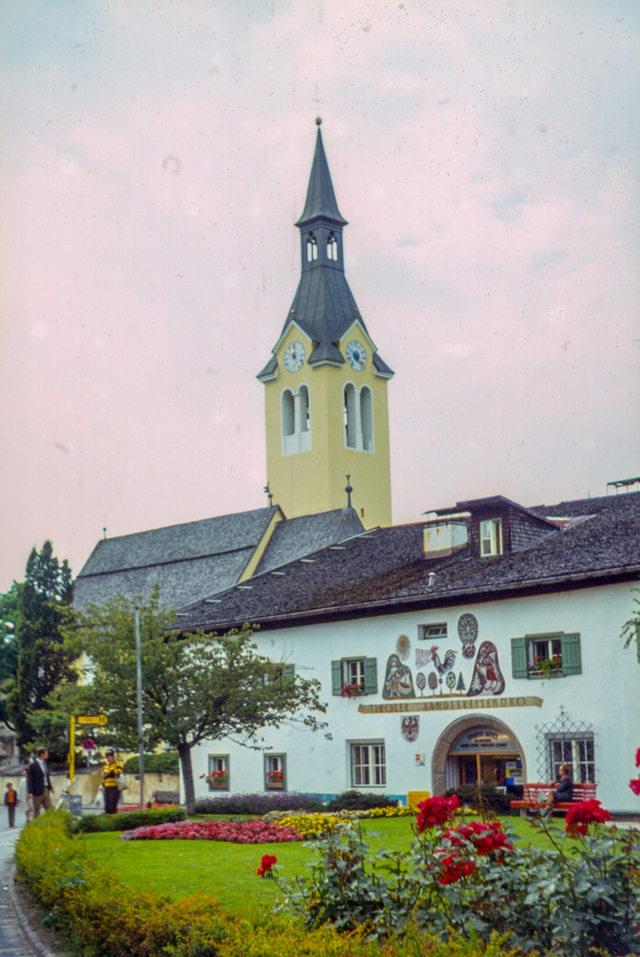
Austria, officially the Republic of Austria, is a landlocked country in the southern part of Central Europe, located on the Eastern Alps. It is composed of nine federated states, one of which is Vienna, Austria’s capital and largest city. Austria is bordered by Germany to the northwest, the Czech Republic to the north, Slovakia to the northeast, Hungary to the east, Slovenia and Italy to the south, and Switzerland and Liechtenstein to the west. Austria occupies an area of 83,879 km2 (32,386 sq mi) and has a population of nearly 9 million people. While Austrian German is the country’s official language, many Austrians communicate informally in a variety of Bavarian dialects.
Austria initially emerged as a margraviate around 976 and developed into a duchy and archduchy. In the 16th century, Austria started serving as the heart of the Habsburg Monarchy and the junior branch of the House of Habsburg – one of the most influential royal dynasties in history. As an archduchy, it was a major component and administrative centre of the Holy Roman Empire. Early in the 19th century, Austria established its own empire, which became a great power and the leading force of the German Confederation, but pursued its own course independently of the other German states following its defeat in the Austro-Prussian War in 1866. In 1867, in compromise with Hungary, the Austria-Hungary Dual Monarchy was established.
Austria was involved in World War I under Emperor Franz Joseph following the assassination of Archduke Ferdinand, the presumptive successor to the Austro-Hungarian throne. After the defeat and the dissolution of the Monarchy, the Republic of German-Austria was proclaimed with the intent of union with Germany, but the Allied Powers did not support the new state and it remained unrecognized. In 1919 the First Austrian Republic became the legal successor of Austria. In 1938, the Austrian-born Adolf Hitler, who became the Chancellor of the German Reich, achieved the annexation of Austria by the Anschluss. Following the defeat of Nazi Germany in 1945 and an extended period of Allied occupation, Austria was re-established as a sovereign and self-governing democratic nation known as the Second Republic.
Austria is a parliamentary representative democracy with a directly elected Federal President as head of state and a Chancellor as head of the federal government. Major urban areas of Austria include Vienna, Graz, Linz, Salzburg and Innsbruck. Austria is consistently ranked in the top 20 richest countries in the world by GDP per capita terms. The country has achieved a high standard of living and in 2018 was ranked 20th in the world for its Human Development Index. Vienna consistently ranks in the top internationally on quality-of-life indicators.
The Second Republic declared its perpetual neutrality in foreign political affairs in 1955. Austria has been a member of the United Nations since 1955 and joined the European Union in 1995. It plays host to the OSCE and OPEC and is a founding member of the OECD and Interpol. Austria also signed the Schengen Agreement in 1995, and adopted the euro currency in 1999. (Wikipedia)