70 Amazing Vintage Photographs That Show New York City in the 1930s

New York, often called New York City to distinguish it from New York State, or NYC for short, is the most populous city in the United States. With a 2020 population of 8,804,190 distributed over 300.46 square miles (778.2 km2), New York City is also the most densely populated major city in the United States. Located at the southern tip of the State of New York, the city is the center of the New York metropolitan area, the largest metropolitan area in the world by urban area. With over 20 million people in its metropolitan statistical area and approximately 23 million in its combined statistical area, it is one of the world’s most populous megacities. New York City has been described as the cultural, financial, and media capital of the world, significantly influencing commerce, entertainment, research, technology, education, politics, tourism, dining, art, fashion, and sports, and is the most photographed city in the world. Home to the headquarters of the United Nations, New York is an important center for international diplomacy, and has sometimes been called the capital of the world.

Situated on one of the world’s largest natural harbors, New York City is composed of five boroughs, each of which is coextensive with a respective county of the State of New York. The five boroughs—Brooklyn (Kings County), Queens (Queens County), Manhattan (New York County), the Bronx (Bronx County), and Staten Island (Richmond County)—were created when local governments were consolidated into a single municipal entity in 1898. The city and its metropolitan area constitute the premier gateway for legal immigration to the United States. As many as 800 languages are spoken in New York, making it the most linguistically diverse city in the world. New York is home to more than 3.2 million residents born outside the United States, the largest foreign-born population of any city in the world as of 2016. As of 2019, the New York metropolitan area is estimated to produce a gross metropolitan product (GMP) of $2.0 trillion. If the New York metropolitan area were a sovereign state, it would have the eighth-largest economy in the world. New York is home to the highest number of billionaires of any city in the world.

New York City traces its origins to a trading post founded on the southern tip of Manhattan Island by Dutch colonists in approximately 1624. The settlement was named New Amsterdam (Dutch: Nieuw Amsterdam) in 1626 and was chartered as a city in 1653. The city came under English control in 1664 and was renamed New York after King Charles II of England granted the lands to his brother, the Duke of York. The city was regained by the Dutch in July 1673 and was renamed New Orange for one year and three months; the city has been continuously named New York since November 1674. New York City was the capital of the United States from 1785 until 1790, and has been the largest U.S. city since 1790. The Statue of Liberty greeted millions of immigrants as they came to the U.S. by ship in the late 19th and early 20th centuries, and is a symbol of the U.S. and its ideals of liberty and peace. In the 21st century, New York has emerged as a global node of creativity, entrepreneurship, and environmental sustainability, and as a symbol of freedom and cultural diversity. In 2019, New York was voted the greatest city in the world per a survey of over 30,000 people from 48 cities worldwide, citing its cultural diversity.

Many districts and monuments in New York City are major landmarks, including three of the world’s ten most visited tourist attractions in 2013. A record 66.6 million tourists visited New York City in 2019. Times Square is the brightly illuminated hub of the Broadway Theater District, one of the world’s busiest pedestrian intersections, and a major center of the world’s entertainment industry. Many of the city’s landmarks, skyscrapers, and parks are known around the world, as is the city’s fast pace, spawning the term New York minute. The Empire State Building has become the global standard of reference to describe the height and length of other structures. Manhattan’s real estate market is among the most expensive in the world. Providing continuous 24/7 service and contributing to the nickname The City That Never Sleeps, the New York City Subway is the largest single-operator rapid transit system worldwide, with 472 rail stations. The city has over 120 colleges and universities, including Columbia University, New York University, Rockefeller University, and the City University of New York system, which is the largest urban public university system in the United States. Anchored by Wall Street in the Financial District of Lower Manhattan, New York City has been called both the world’s leading financial center and the most financially powerful city in the world, and is home to the world’s two largest stock exchanges by total market capitalization, the New York Stock Exchange and NASDAQ. (Wikipedia)
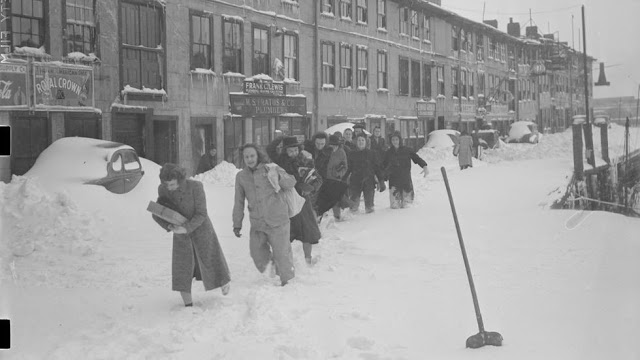
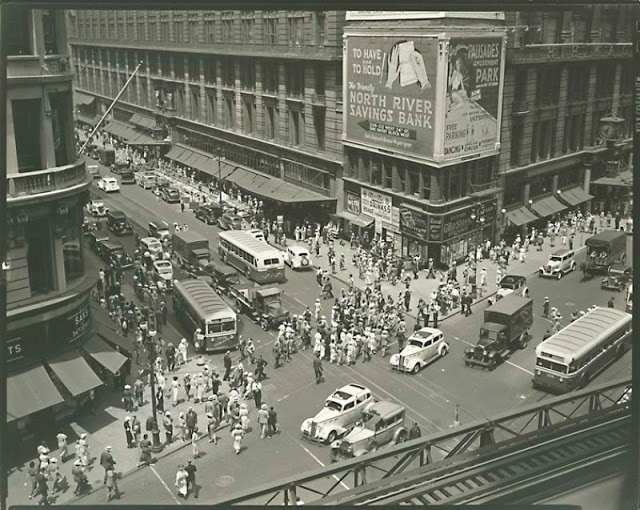
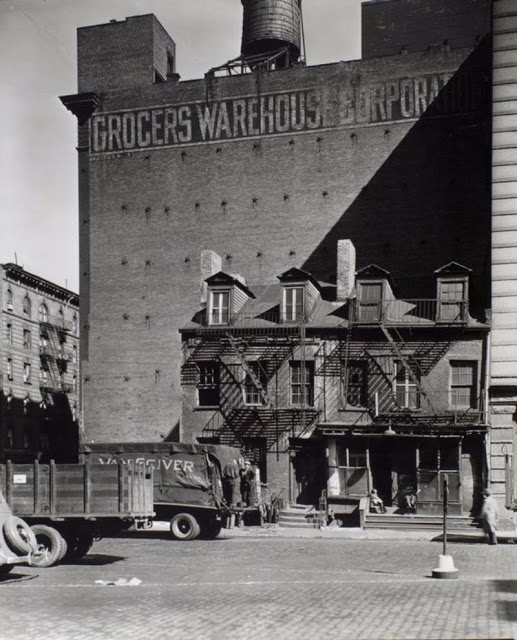
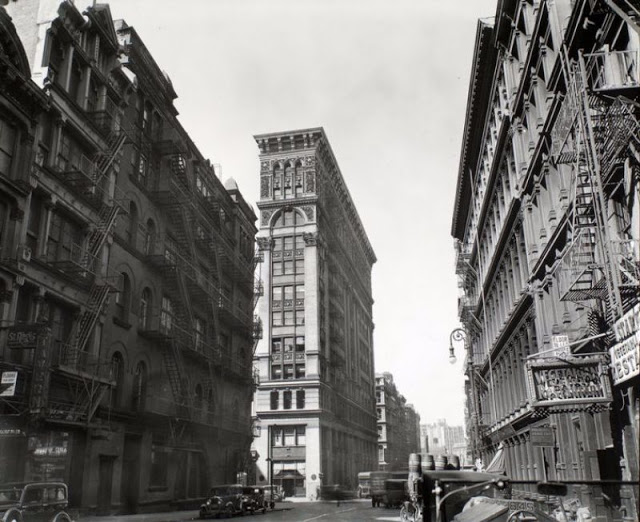
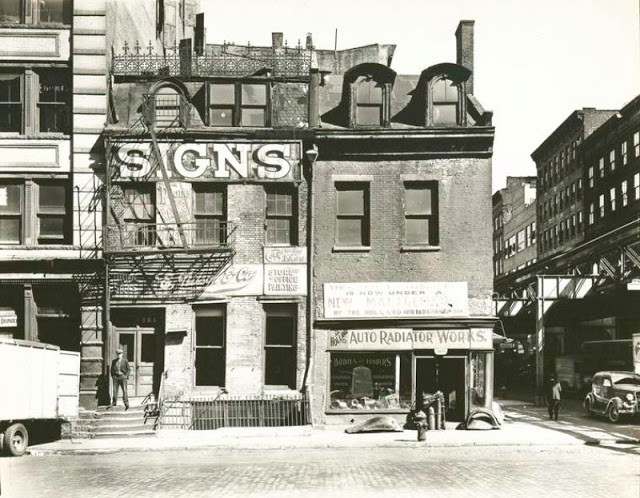
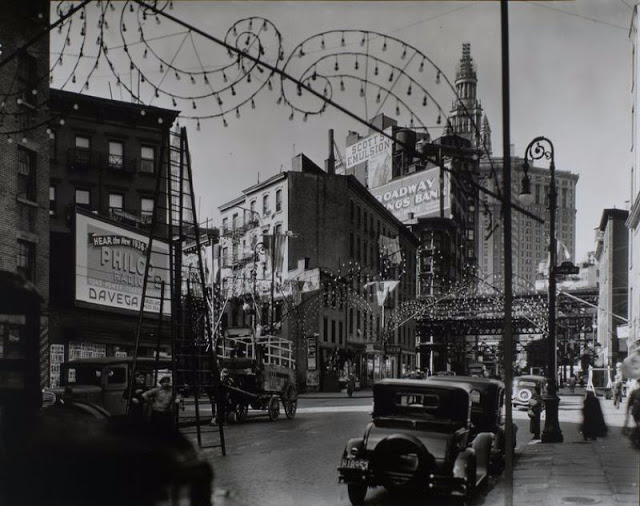
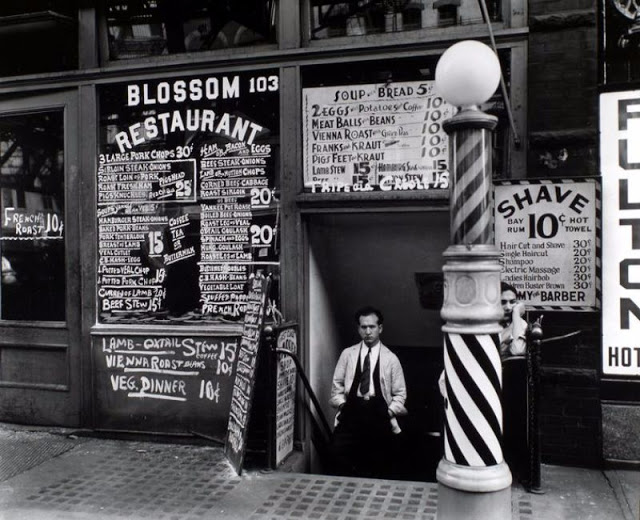
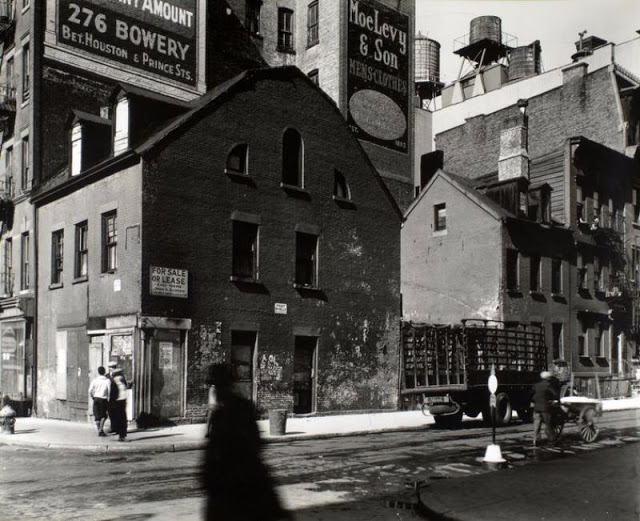
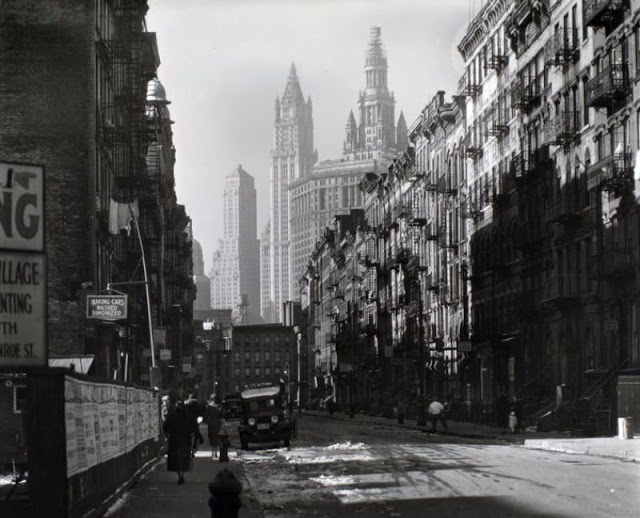
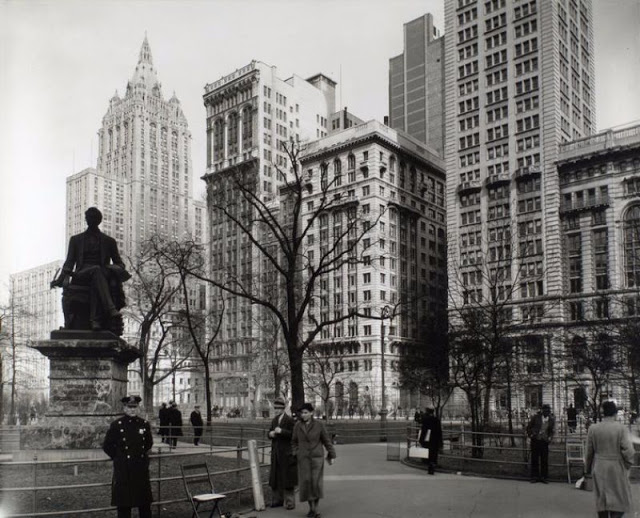
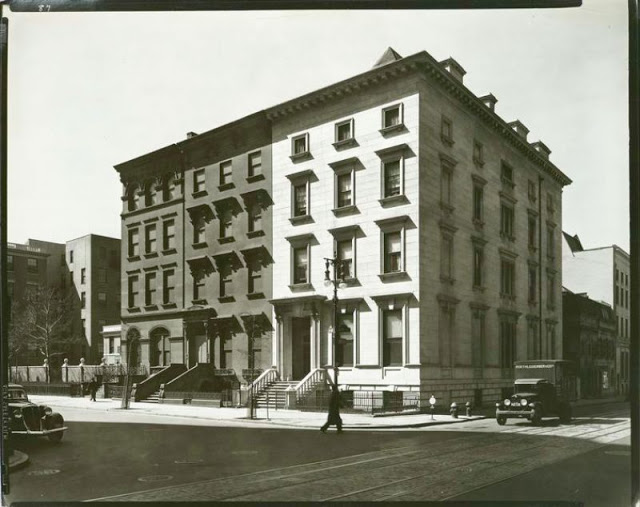
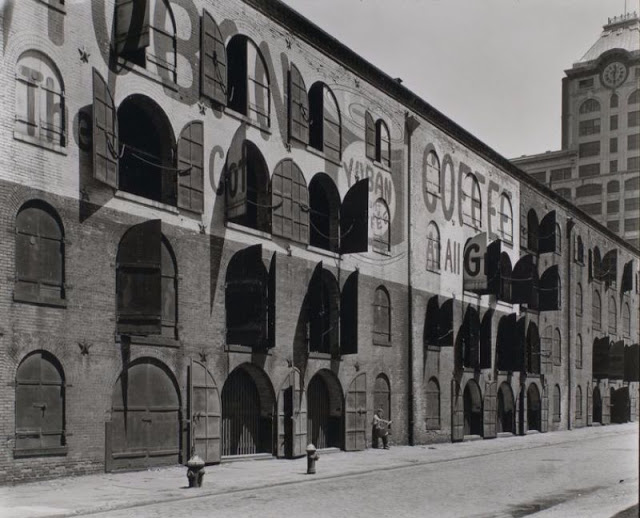
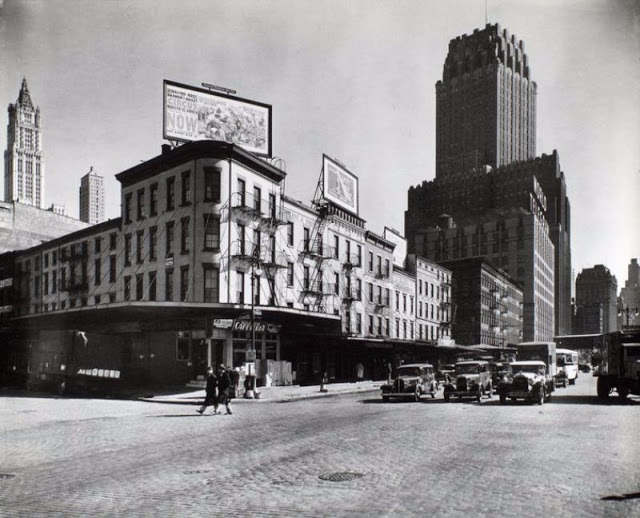
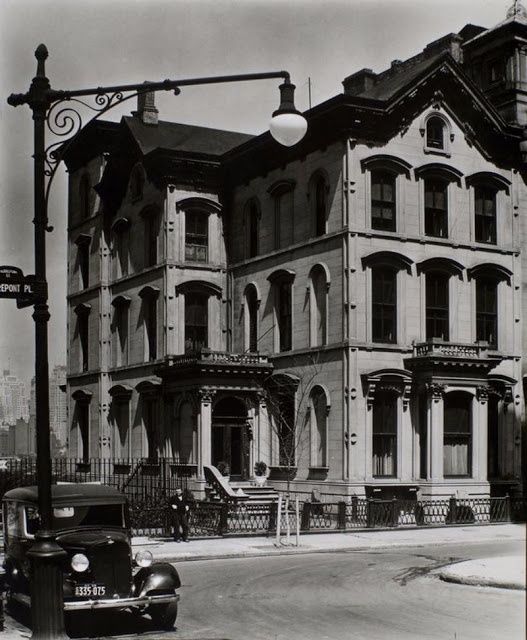
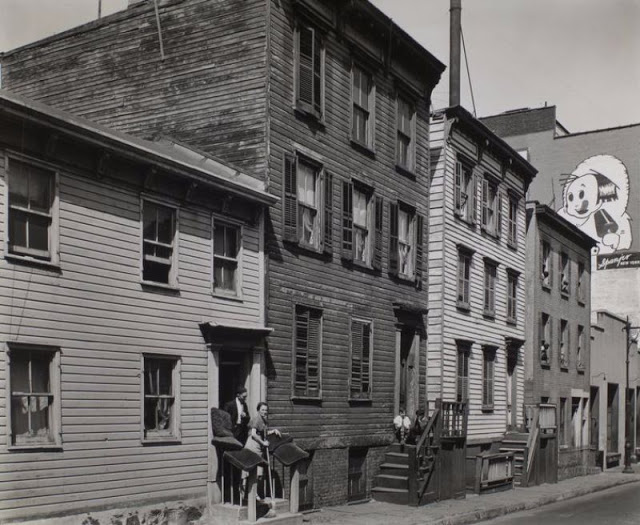
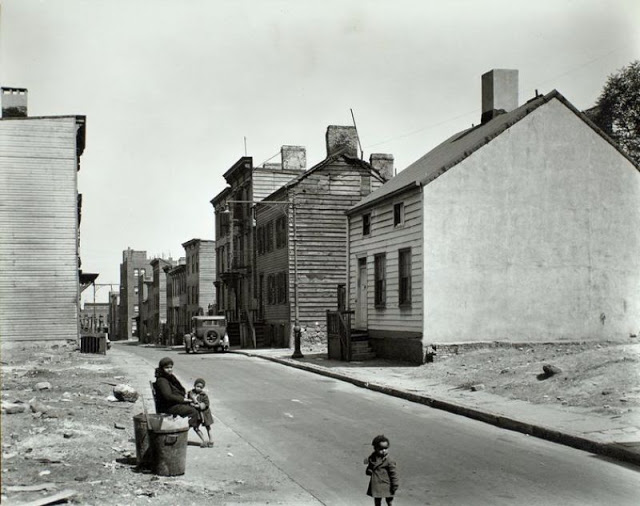
Photographer Berenice Abbott (1898-1991) proposed Changing New York, her grand project to document New York City, to the Federal Art Project (FAP) in 1935. The FAP was a Depression-era government program for unemployed artists and workers in related fields such as advertising, graphic design, illustration, photofinishing, and publishing.

Abbott devoted half of her photographs to lower Manhattan, particularly the financial district, the waterfront, the lower East Side, and Greenwich Village. Abbott also photographed areas of Brooklyn and Astoria, Queens. The collection provides insight into one artist’s vision to depict the changing nature of New York City during the 1930s.

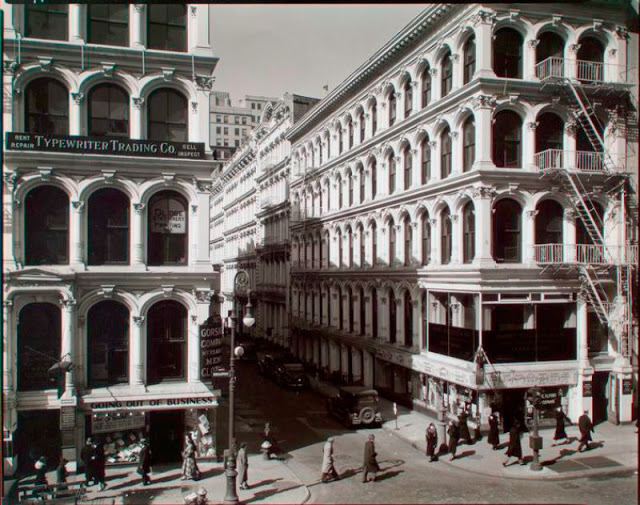
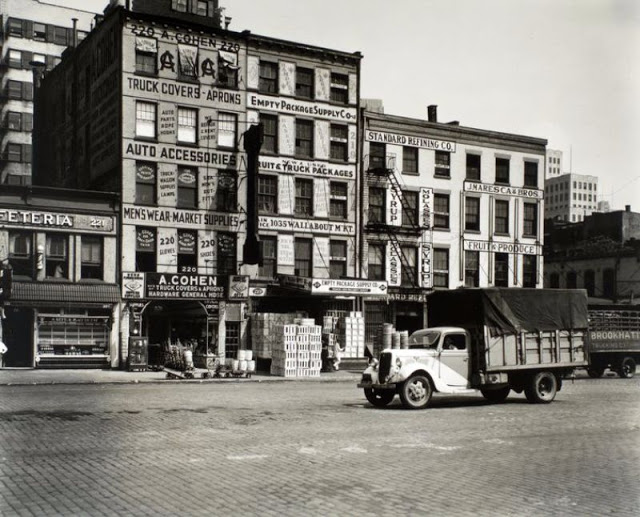
Broome Street, Manhattan.
Broadway near Broome Street, Manhattan.
Broome Street, Manhattan.
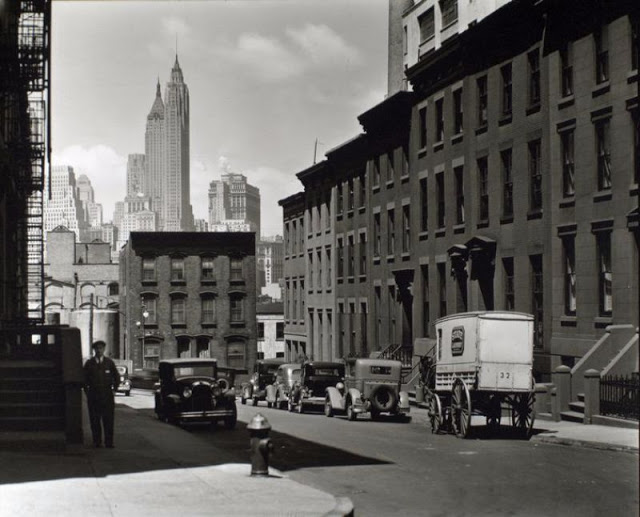
First Avenue and East 70th Street, Manhattan.
Ewen Avenue, Bronx.
Gas tank and Queensboro Bridge, East 62nd Street & York Avenue, Manhattan.
Vanderbilt, From E. 46th Street, Manhattan.
Newsstand, 32nd Street and Third Avenue, Manhattan.
Spring and Varick Streets, Manhattan.
Oak and New Chambers Streets, Manhattan.
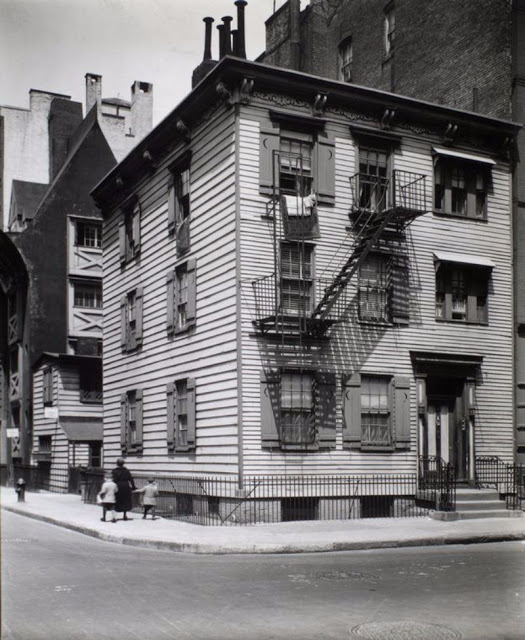
Grove Street, Manhattan.
Jefferson Market Court, southwest corner of Sixth Avenue and West 10th Street, Manhattan.
Tri-boro Barber School, 264 Bowery, Manhattan.
Blossom Restaurant, 103 Bowery, Manhattan.
Mulberry and Prince Streets, Manhattan.
Waterfront, South Street, Manhattan.
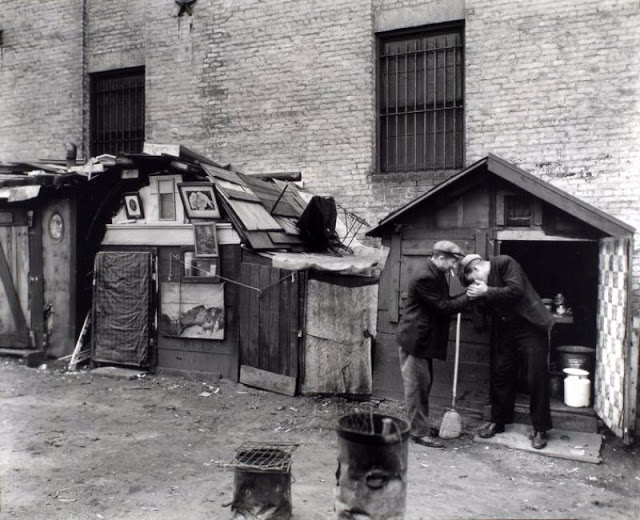
Unemployed and huts, West Houston & Mercer St., Manhattan.
Men share a light in front of hut with open door, milk can and washtub inside, hut to left has pictures in frames adorning the outside of it.
Minetta Street, Manhattan.
Henry Street, Manhattan.
Fish dealers and the Meyers Hotel in row of buildings along South Street.
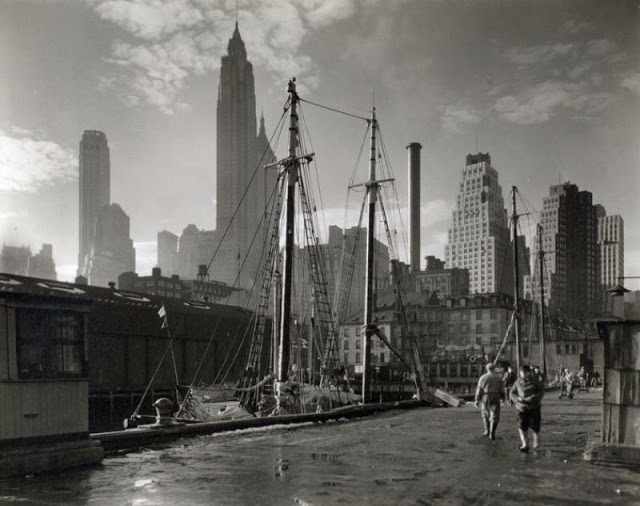
Fulton Street Dock, Manhattan skyline, Manhattan.
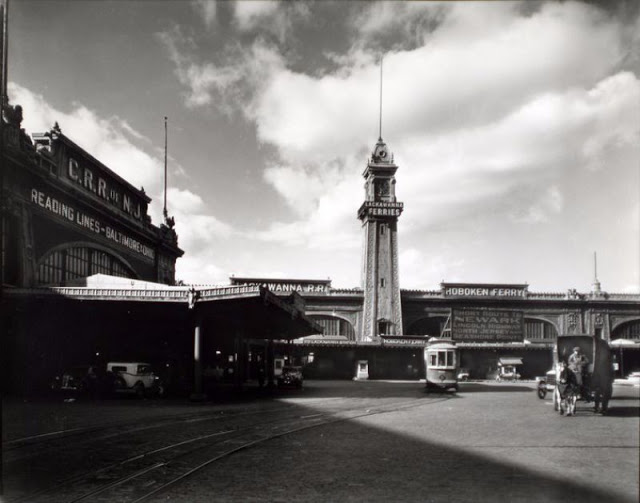
Lackawanna and Hoboken ferries, with clock tower above, C.R.R. of N.J. ferry, left, 14th St. trolley and cars and wagons.
Looking into Thomas Street from a building across Broadway.
Looking down Pike Street toward the Manhattan Bridge.
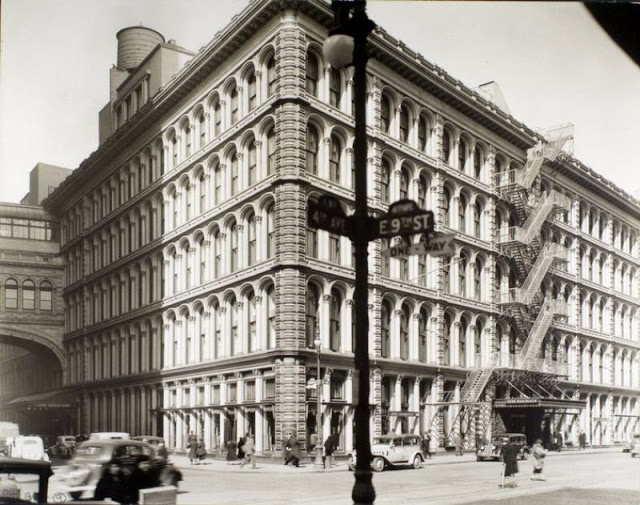
John Wanamakers’s, Fourth Avenue and 9th Street, Manhattan.
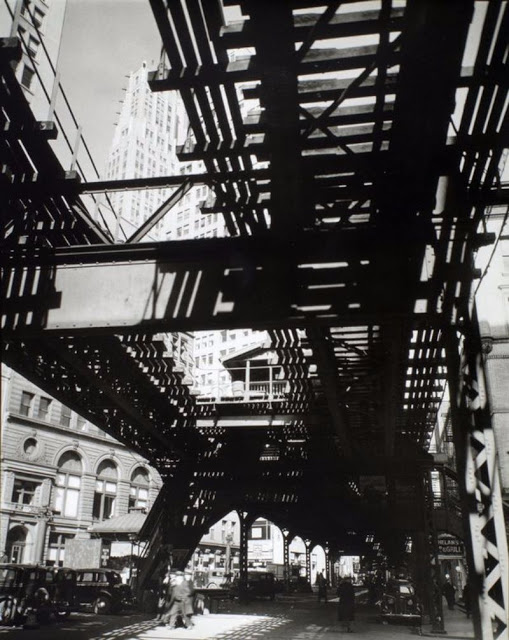
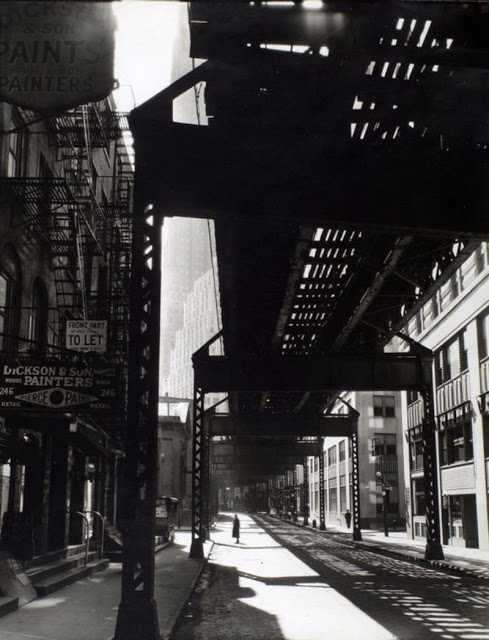
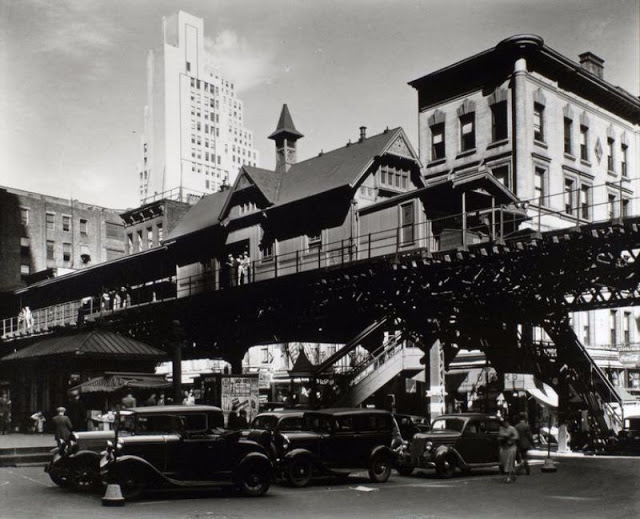
‘El’ Second and Third Avenue Lines, Hanover Square and Pearl Street, Manhattan.
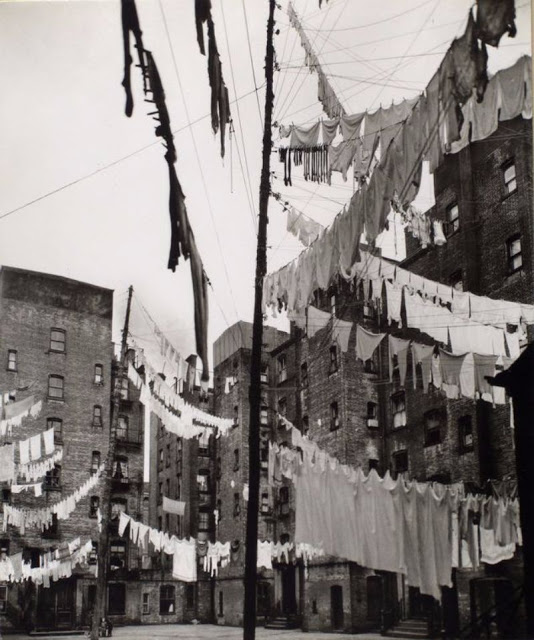
Court of first model tenement house in New York, 72nd Street and First Avenue, Manhattan.
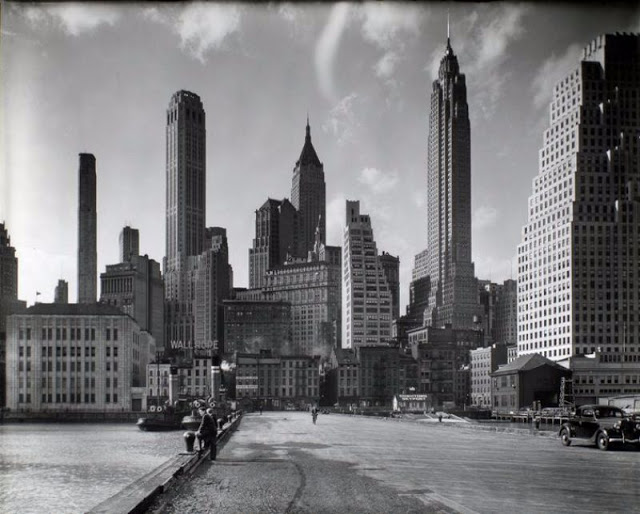
Looking from pier toward Manhattan, tugboats moored left, Downtown Skyport, right, skyscrapers in the background.
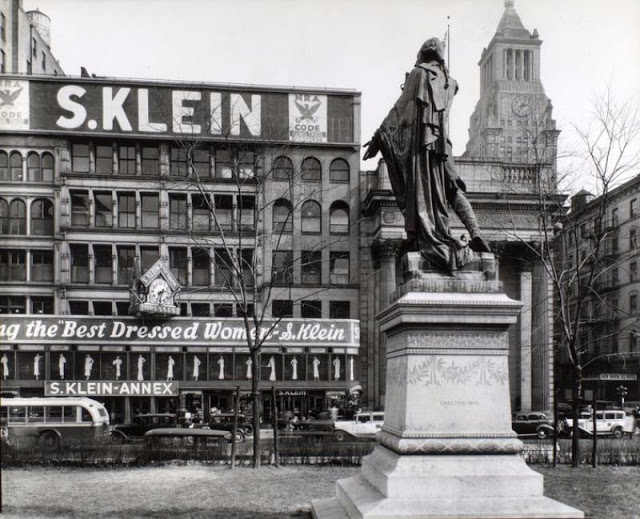
Union Square, Manhattan.
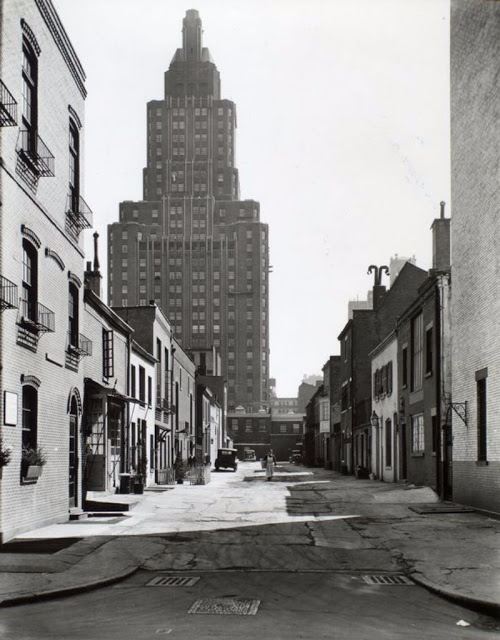
MacDougal Alley, between West 8th Street and Washington Square North, Manhattan.
Madison Square, looking northeast, Manhattan.
Rhinelander Row: I. Seventh Avenue between 12th and 13th Streets, Manhattan. Row of houses lined with wooden porches, wagon in front, cobblestone street with trolley tracks.
Fifth Ave. and 8th St.
‘El’: 2nd & 3rd Avenue lines, looking W. from Second & Pearl St., Manhattan.
Jay Street, No. 115, Brooklyn.
Looking down Cedar Street, in shadow, rounded corner and entrance of #67-69 at right, police officer just visible, lower right corner.
Tinker looks over his shoulder at camera while he ties box to wagon already loaded with pans, brushes, basins, etc.
Warehouse, Water and Dock Streets, Brooklyn.
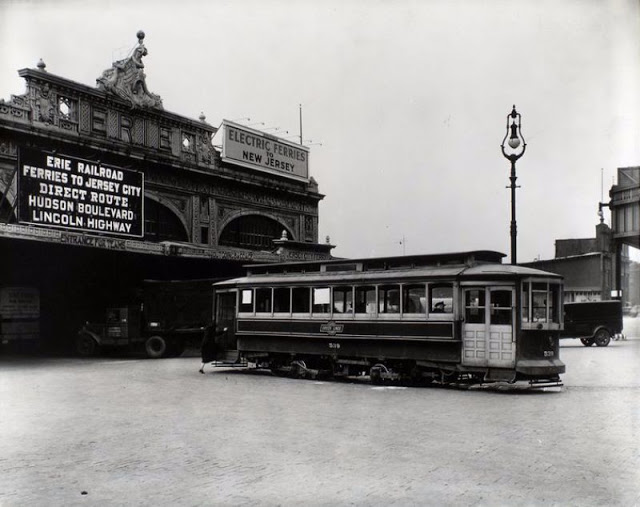
Woman boards 23rd St. trolley outside Erie Railroad Ferry terminal, West 23rd St.
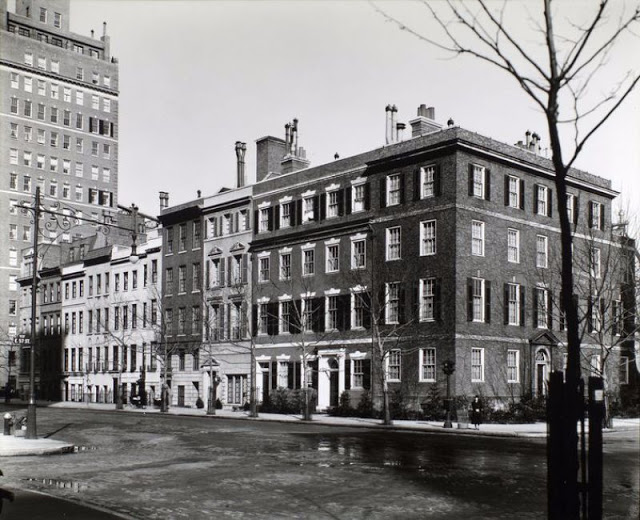
Ann Morgan’s Town House on Corner, northeast corner of East 57th Street, Manhattan.
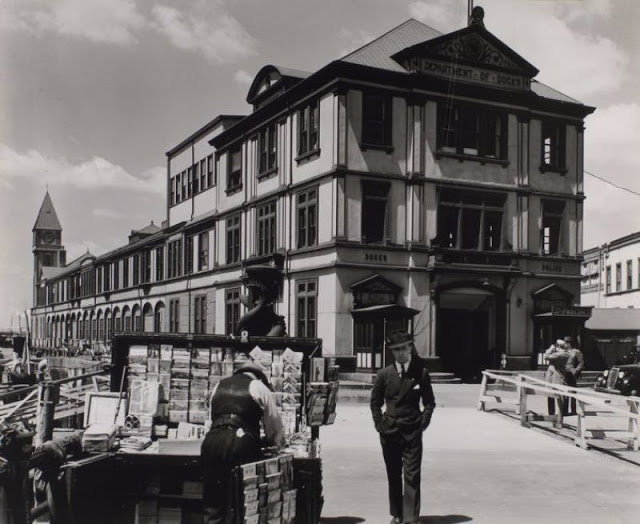
Long building wtih clock tower at far end housing Dept. of Docks and a Police station; man walks toward camera near newsstand in foreground.
Reade Street, between West and Washington Streets, Manhattan.
West Street, Manhattan.
Billboards top buildings at the corner of Warren and West Sts.
Dey Street between West and Washington Streets, Manhattan.
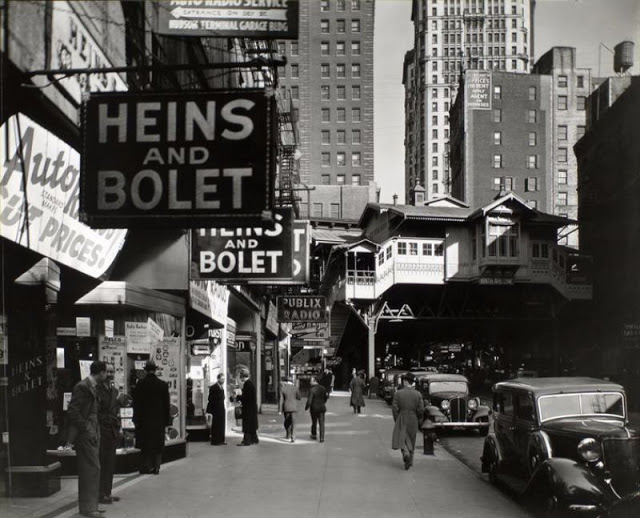
Radio Row, Cortlandt Street, Manhattan.
West St. and North Moore, Manhattan.
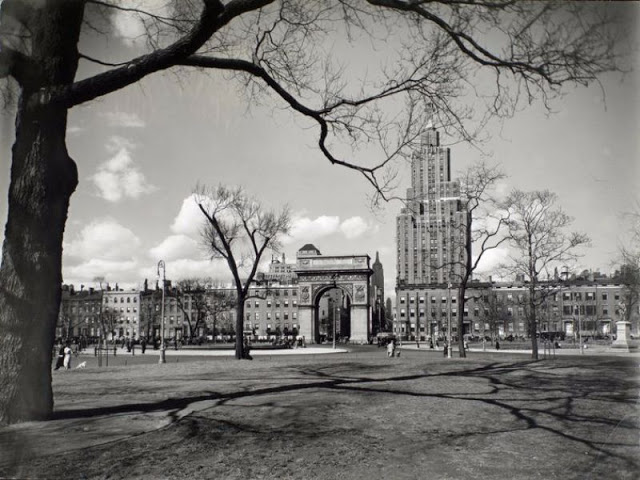
Looking north in Washington Square
‘El’ Second and Third Avenue Lines, looking toward Doyers Street, Manhattan.
Ferry, Chambers Street, Manhattan.
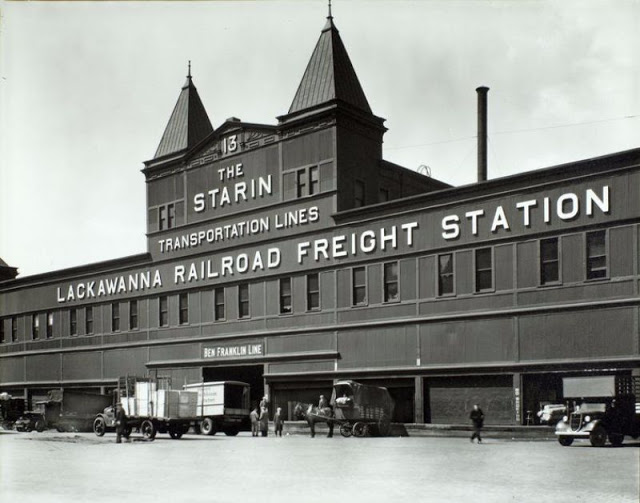
Lackawanna Railroad Freight station, pier 13
Box office and marquee of Lyric theater
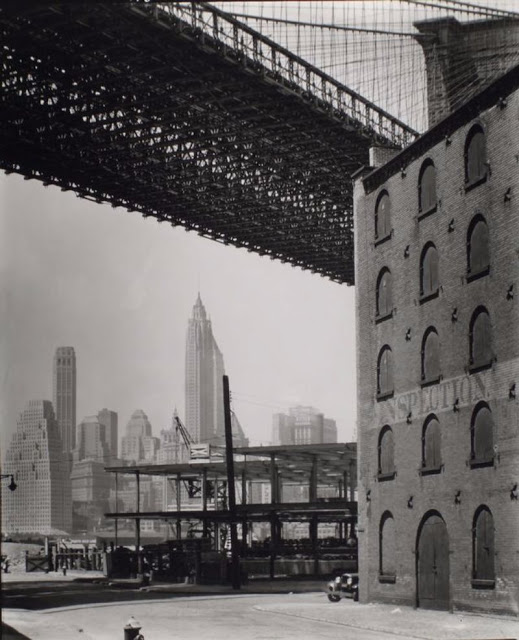
Steel frame building going up under the Brooklyn Bridge next to brick warehouse, Manhattan skyline in the distance.
West Street, Manhattan.
Bedford and Grove Streets, Manhattan.
Willow and Poplar Street, Brooklyn.
Willow Place, Brooklyn.
Columbia Heights, Brooklyn.
Talman Street, Brooklyn.
Elevated railroad station in Hanover Square in Lower Manhattan,
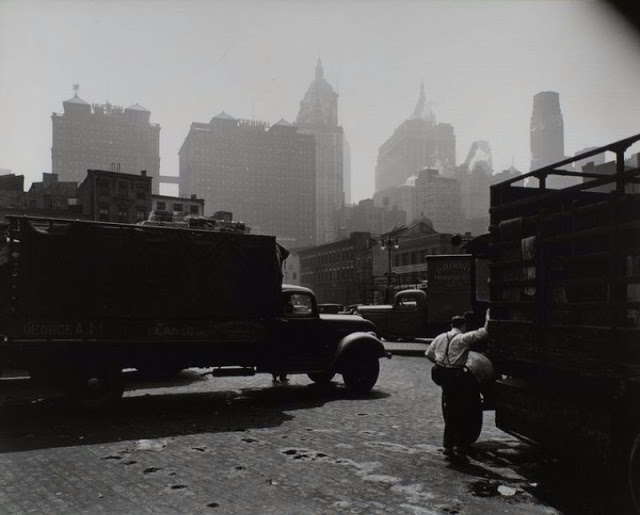
Trucks, West and Desbrosses Sts., Manhattan.
Washington Square North, Manhattan.
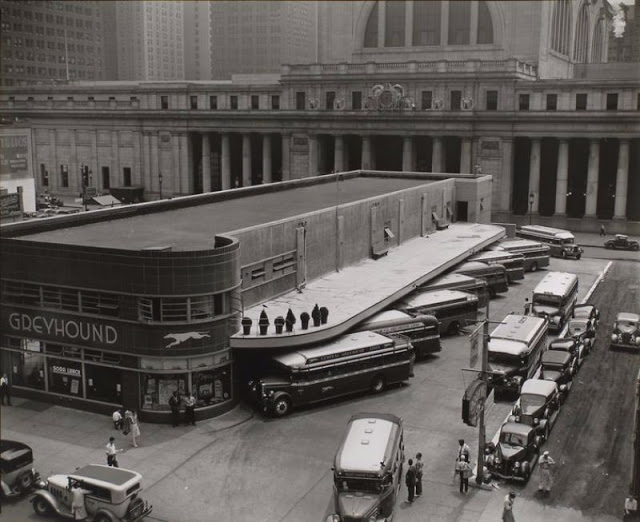
Greyhound Bus Terminal, 33rd and 34th Streets, Manhattan. 1936
Herald Square. Looking down from ‘el’ station at intersection of 34th and Broadway.
Union Square, 14th Street and Broadway, Manhattan.
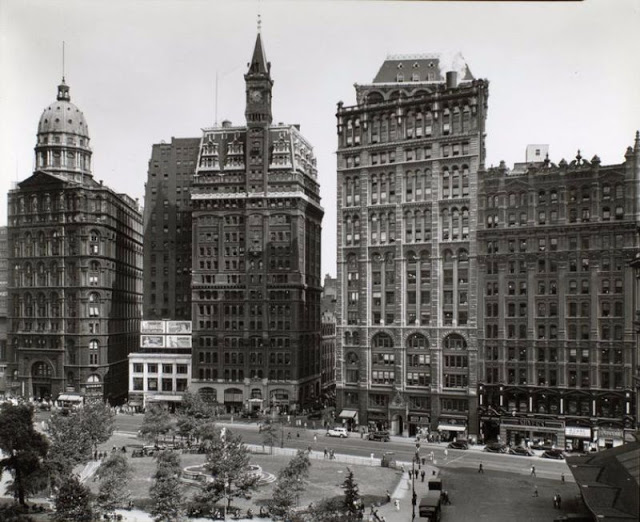
Looking across City Hall Park at buildings lining Park Row, including the Tribune and Pulitzer buildings.
City Vista, West Street, looking east, Manhattan.
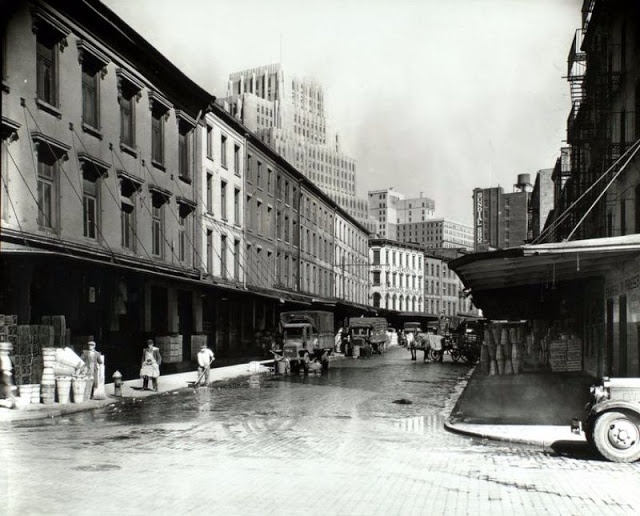
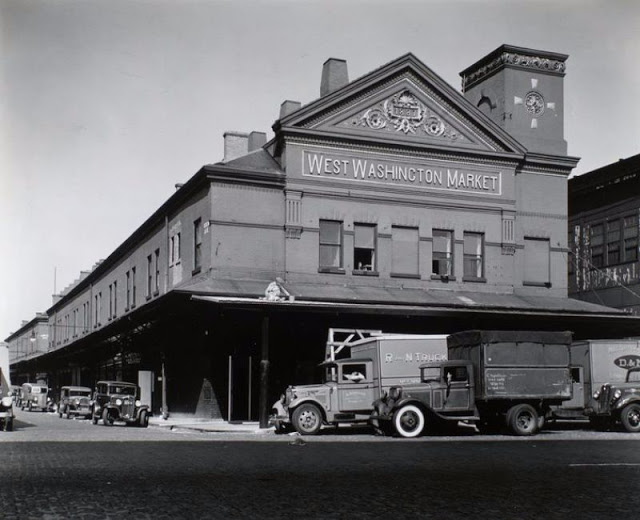
West Washington Market, Washington Street and Loew Avenue, Manhattan.

(Photos: Berenice Abbott, via New York Public Library)

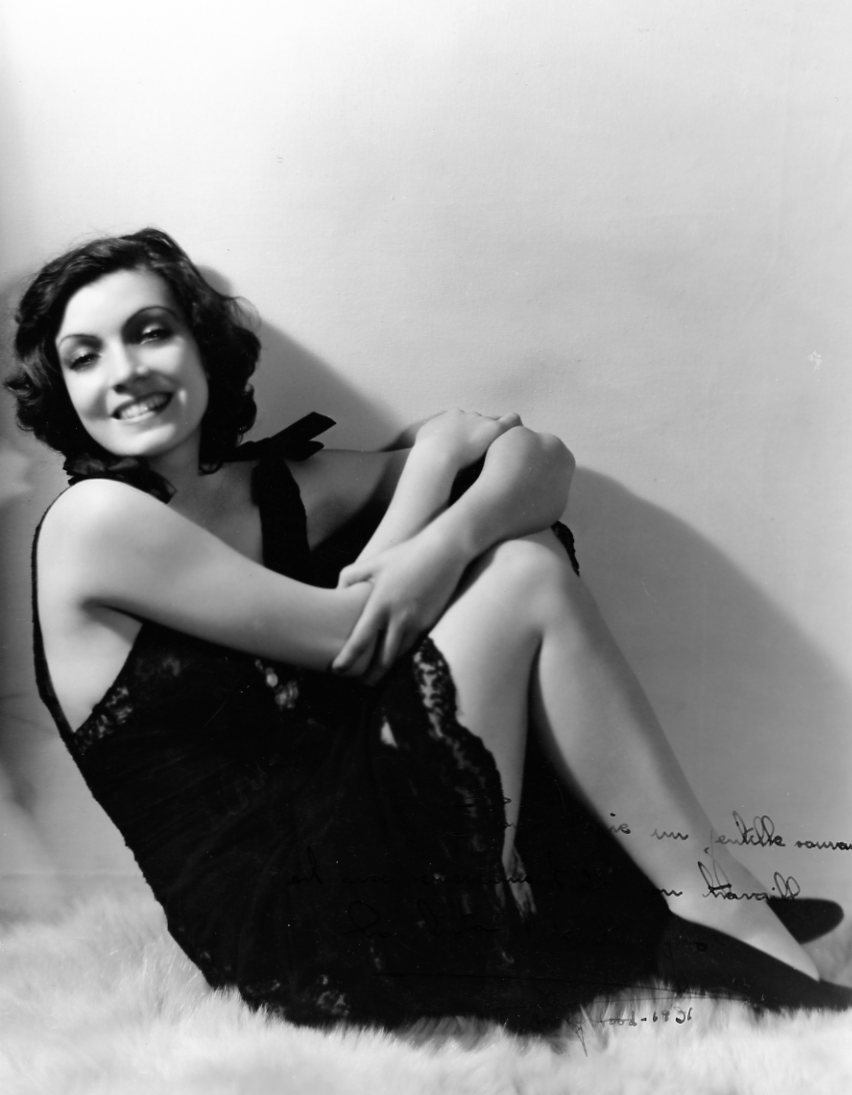
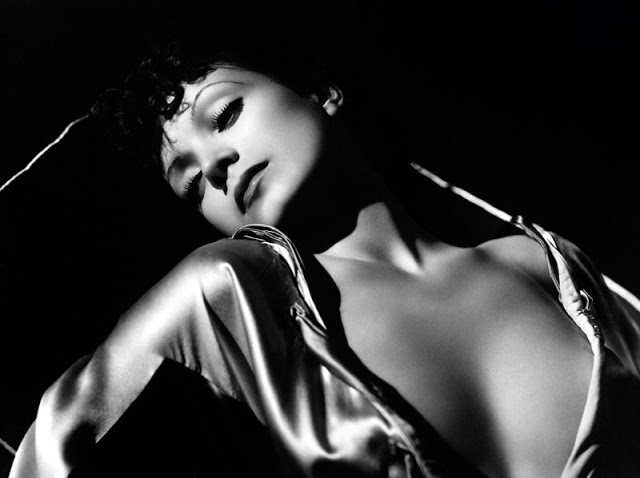
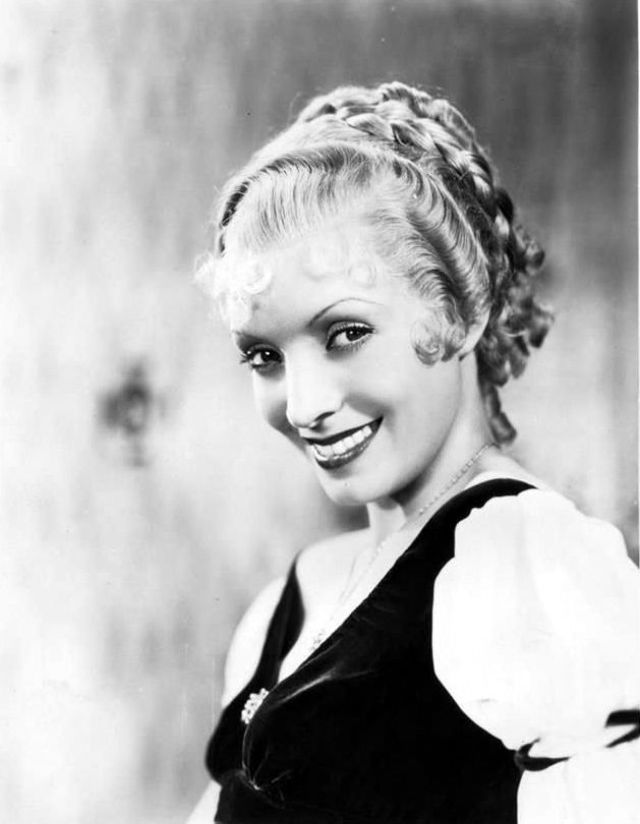
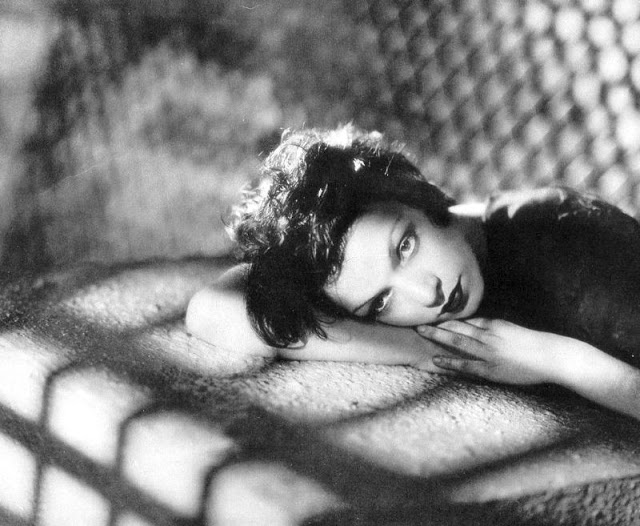
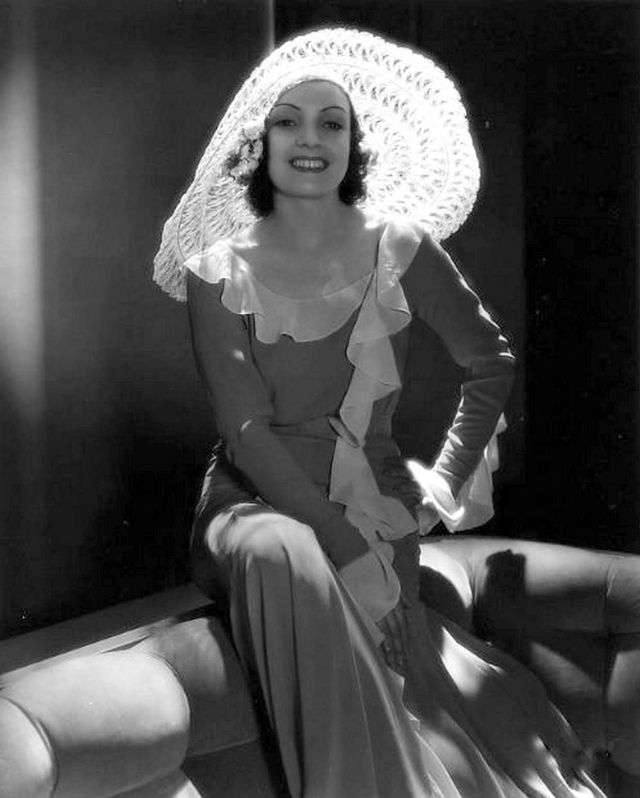
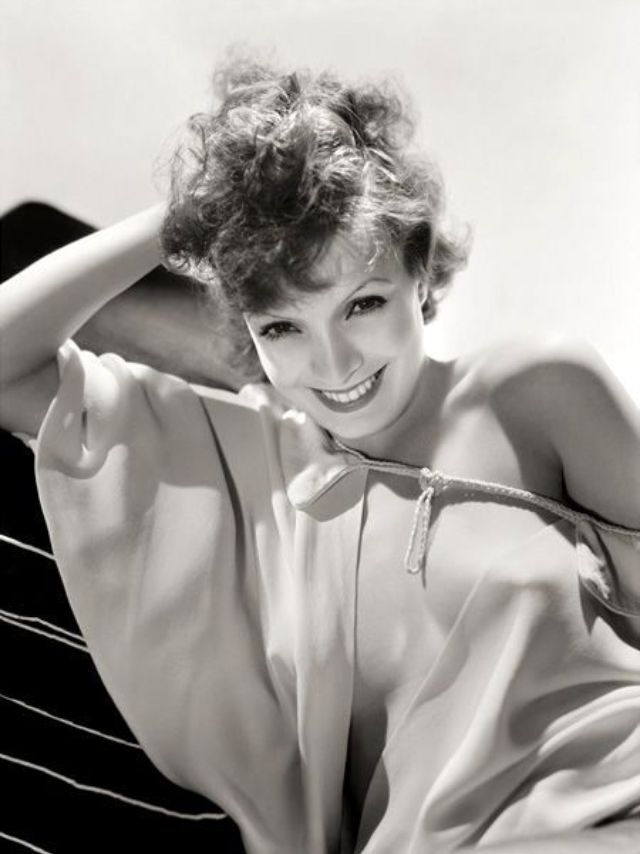
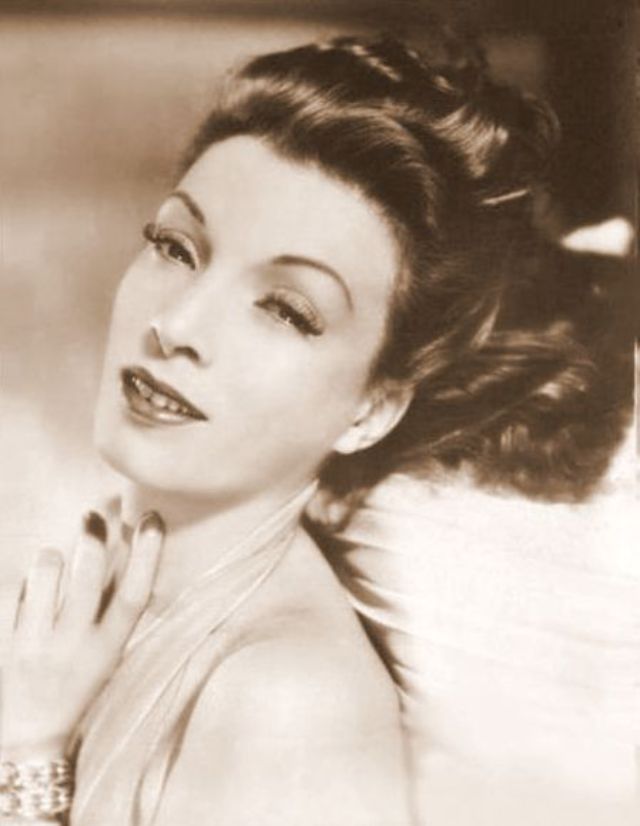
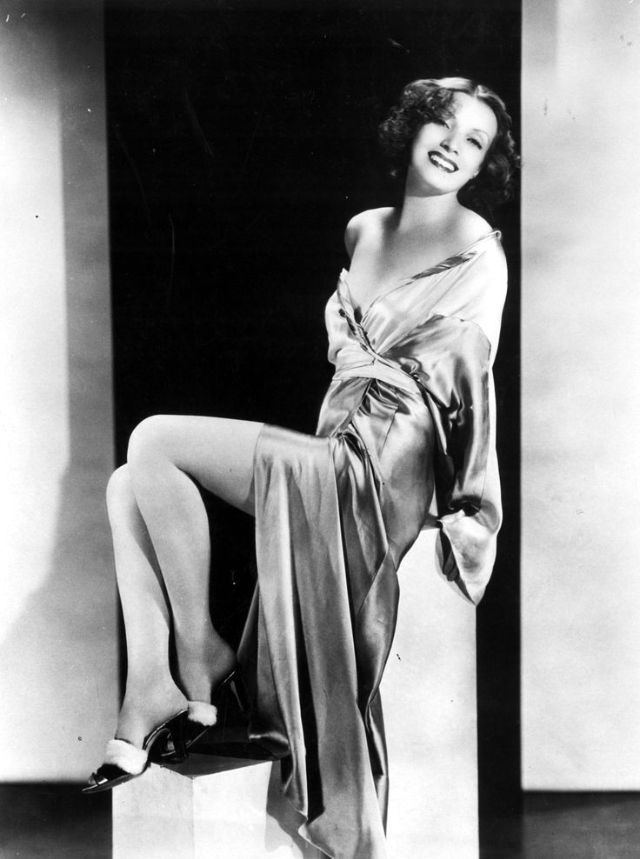
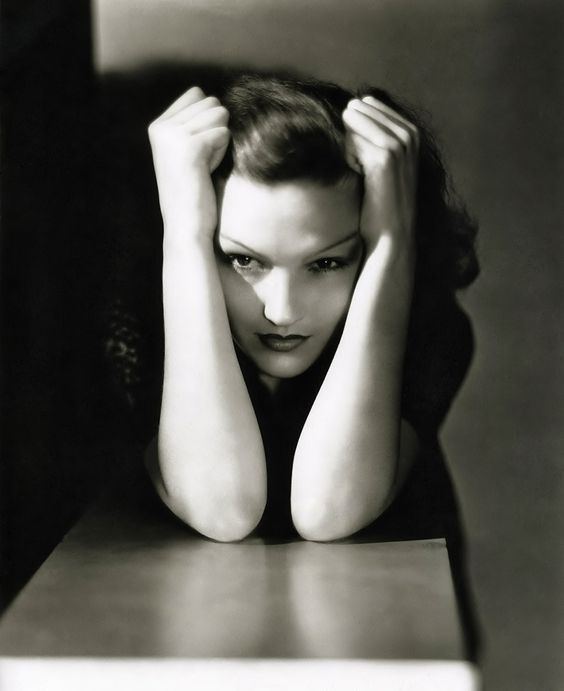
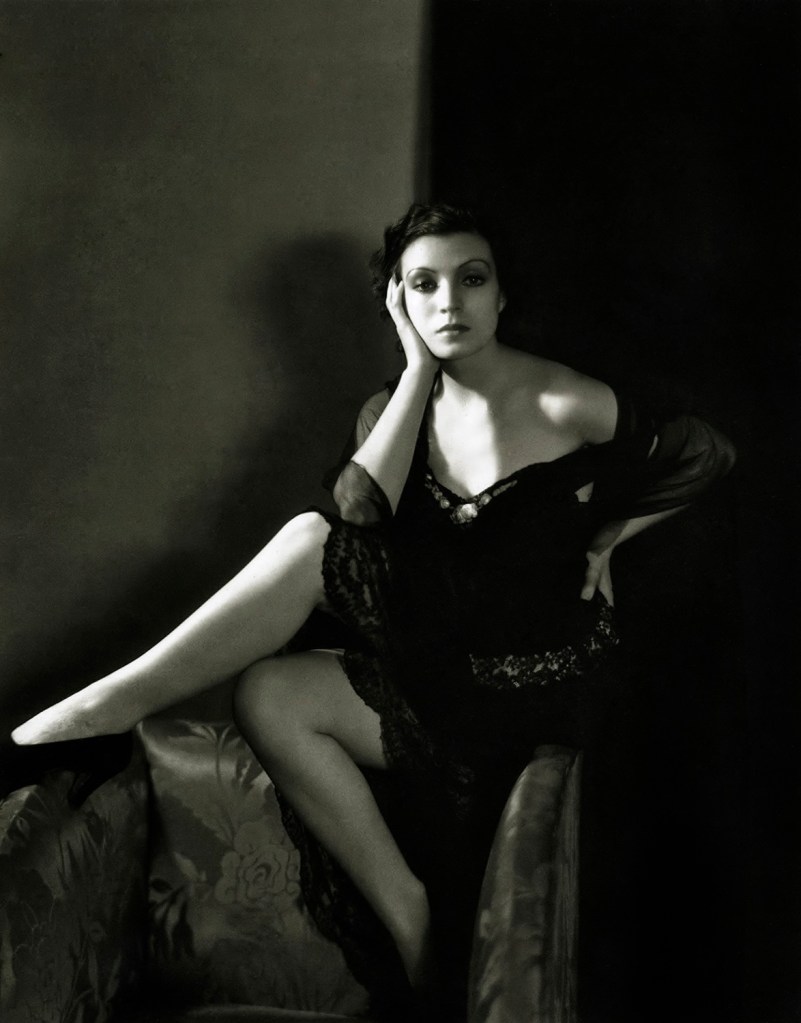
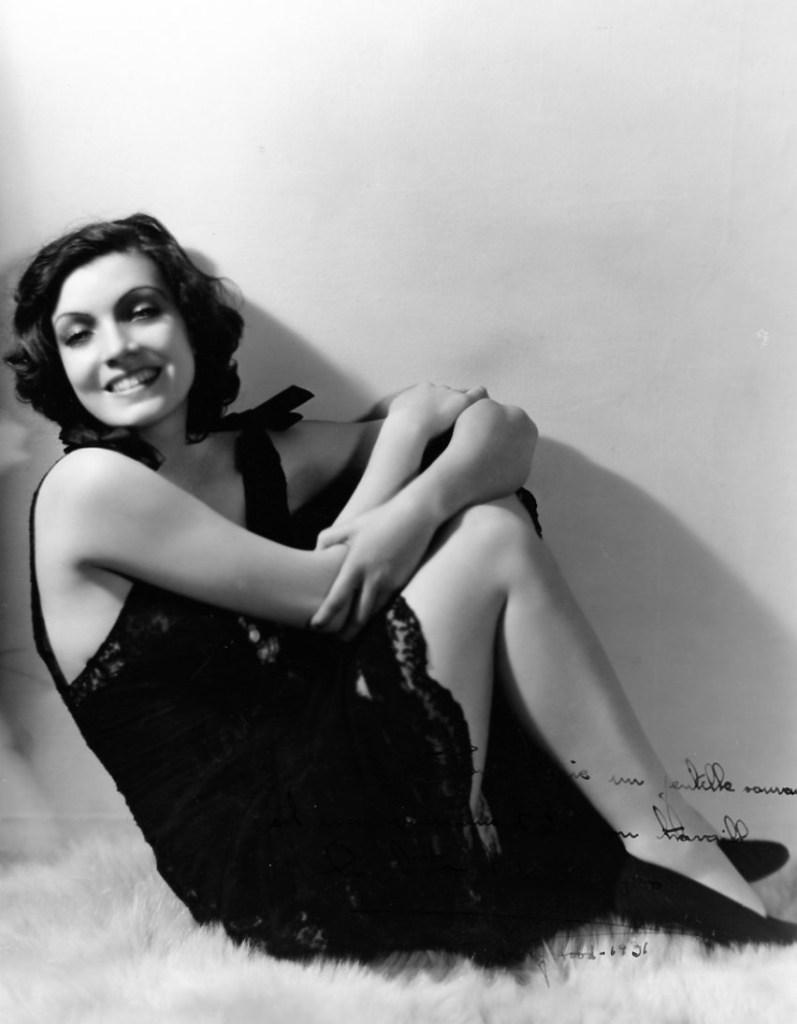
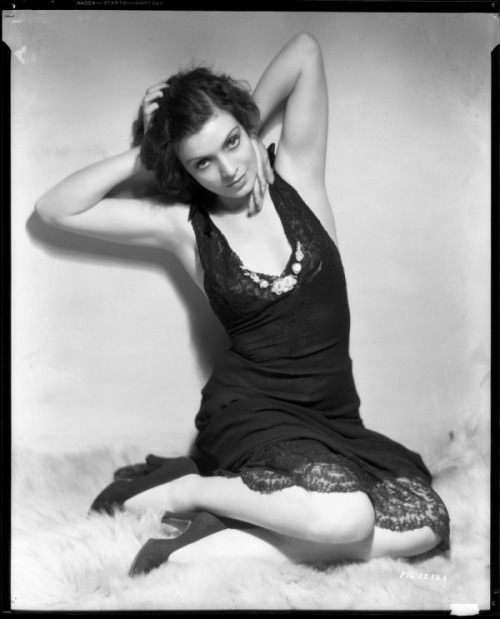
62 Beautiful Photos of Actress Conchita Montenegro From Between the 1920s and 1940s

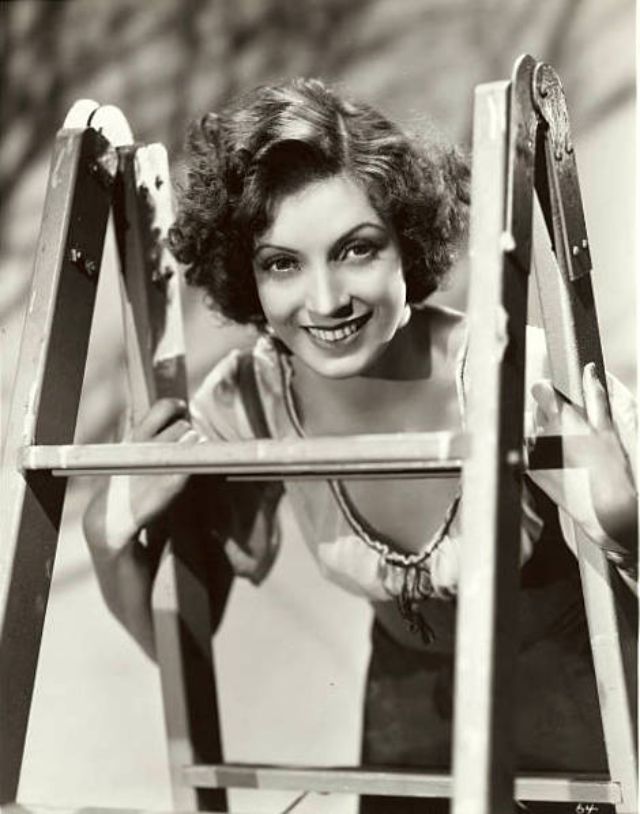
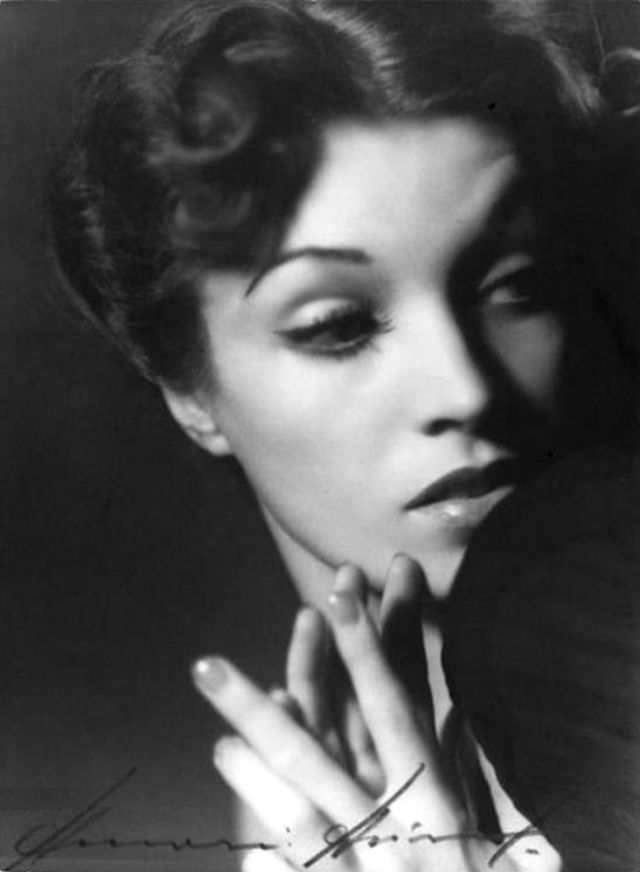
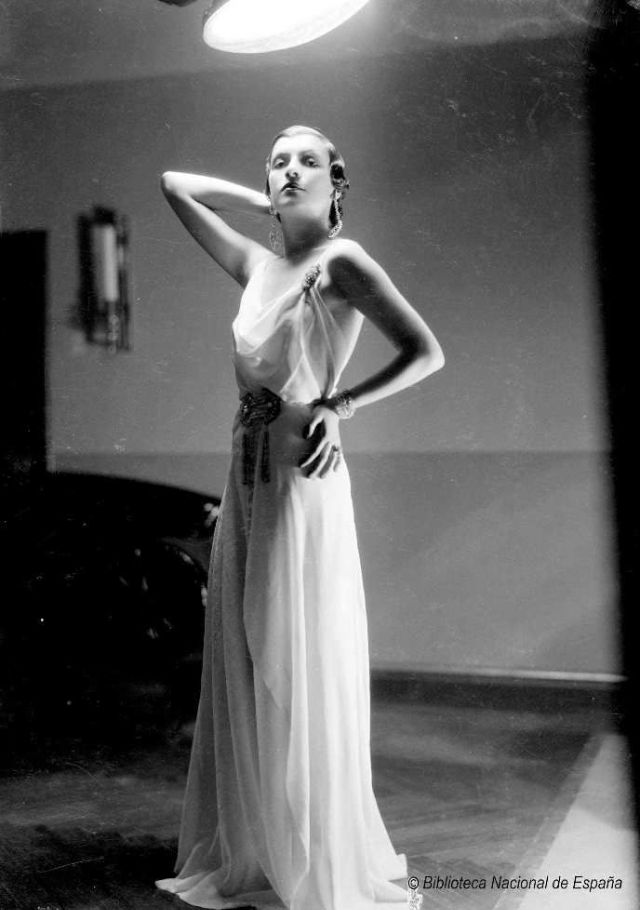
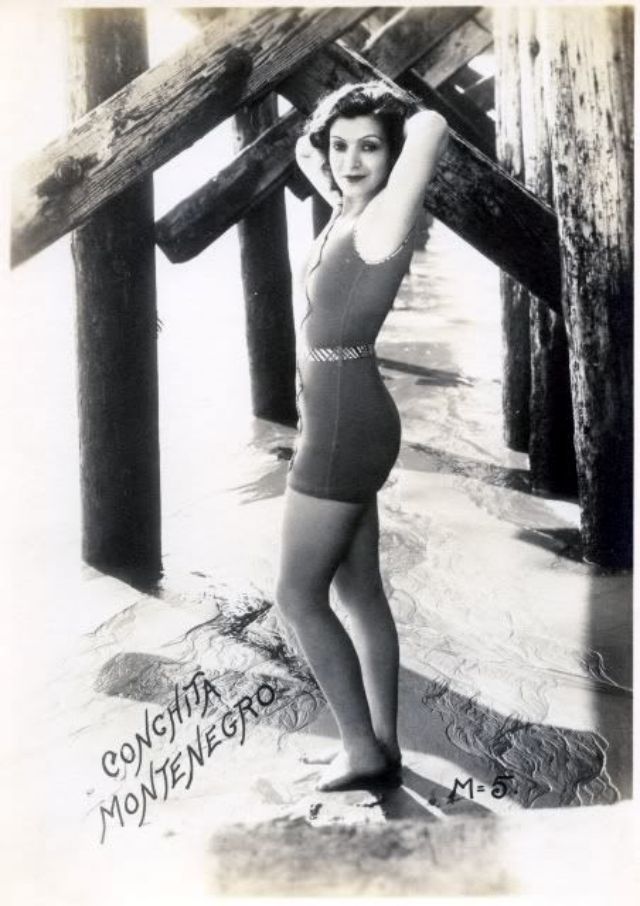
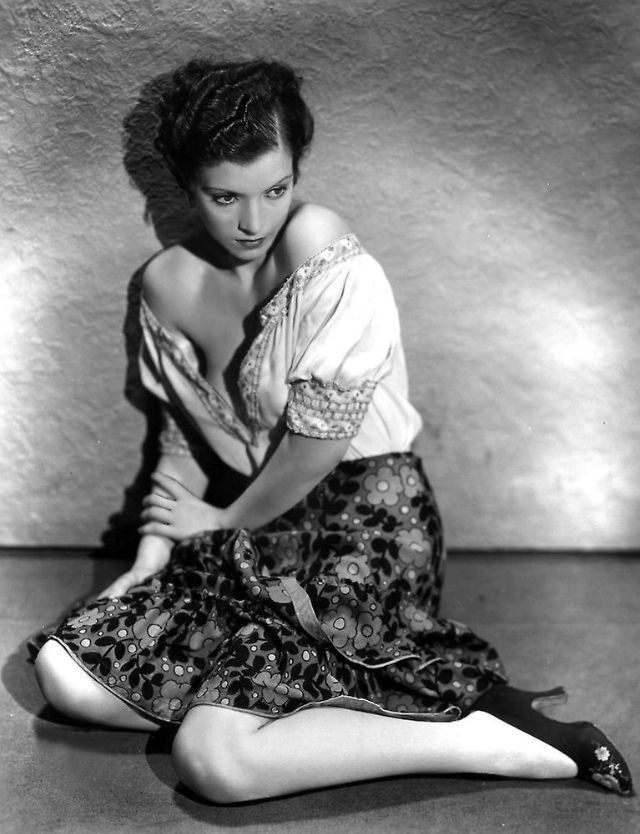
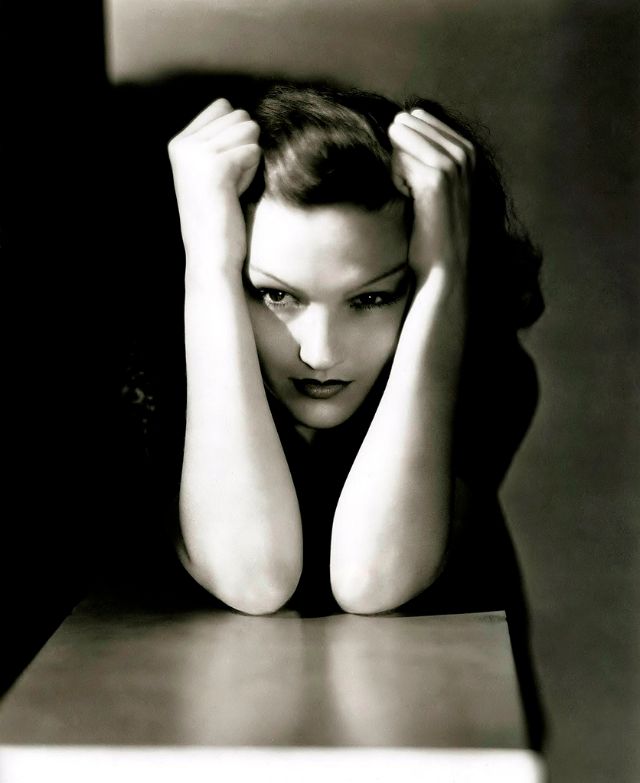
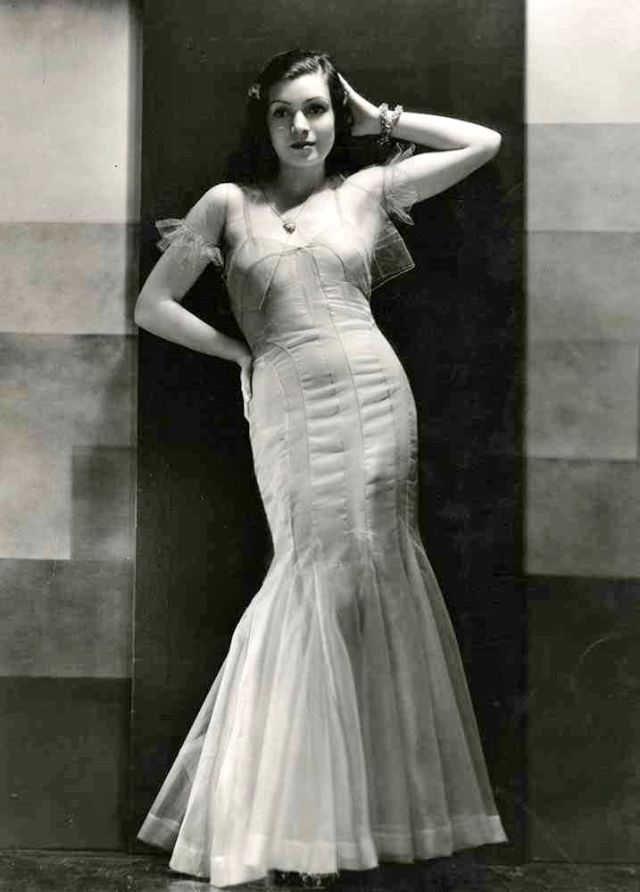
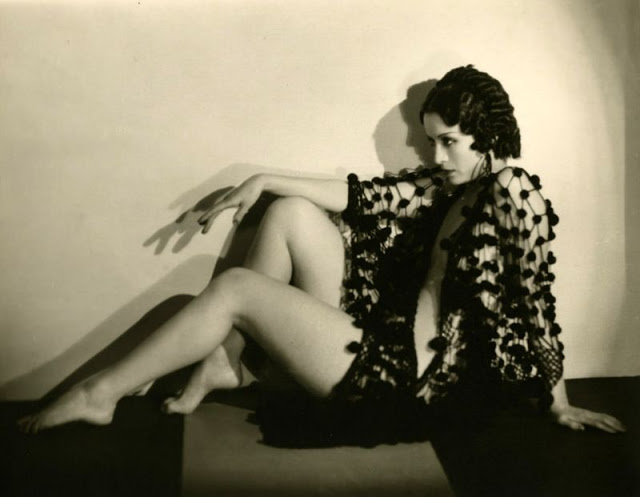
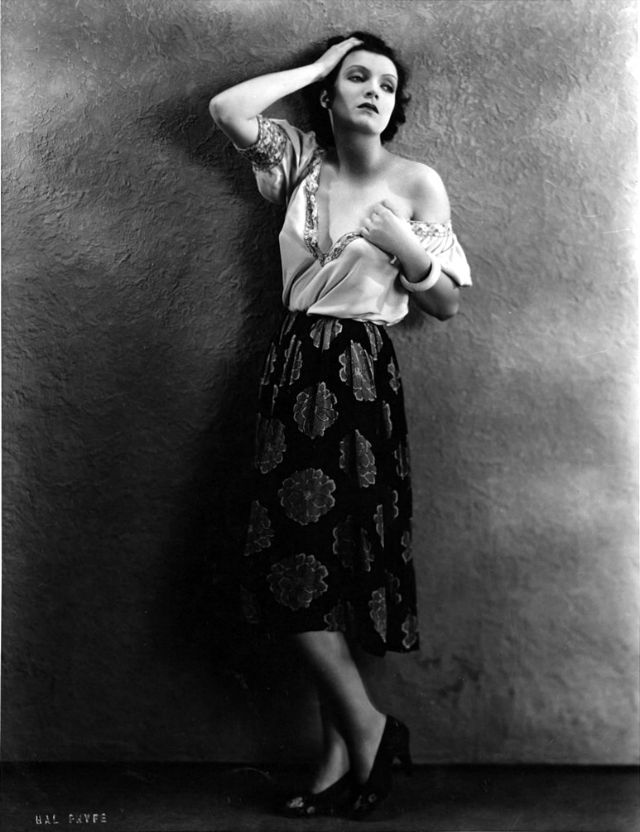
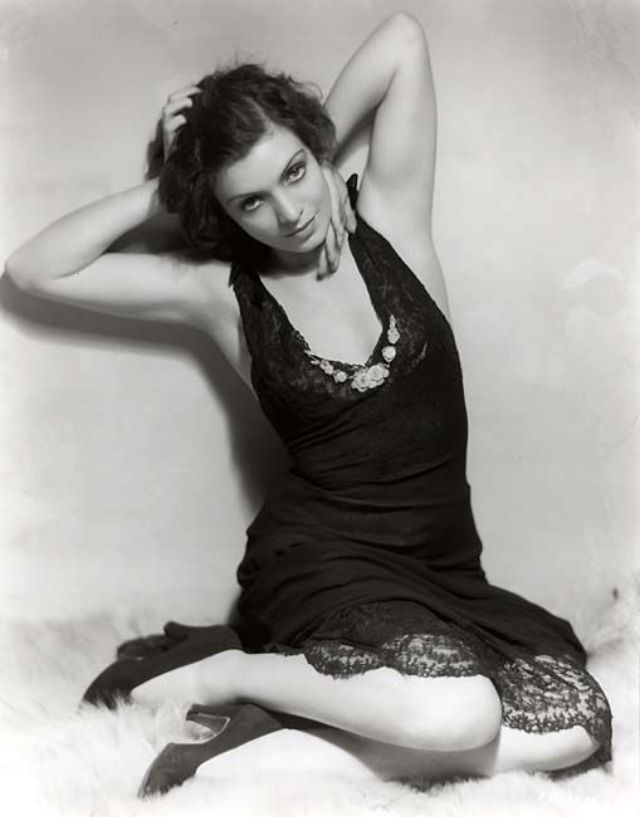
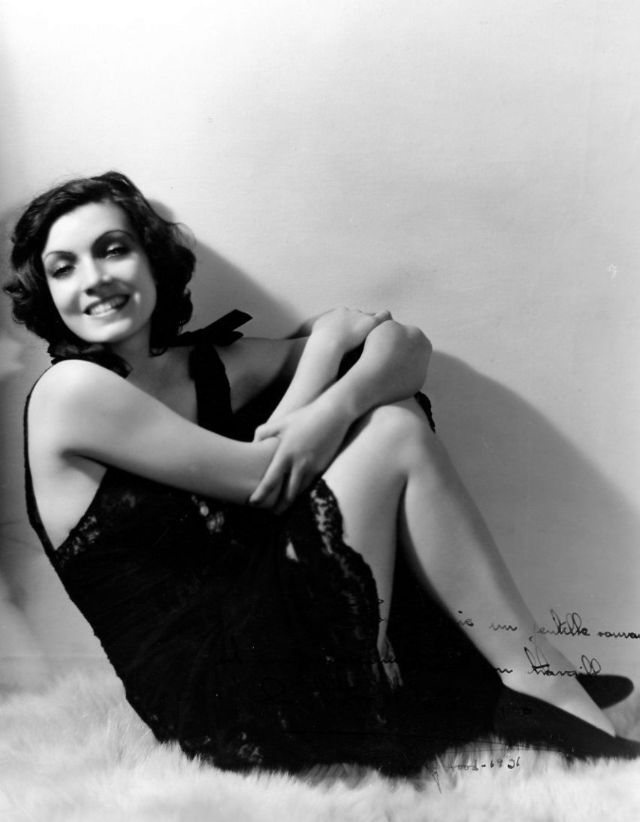
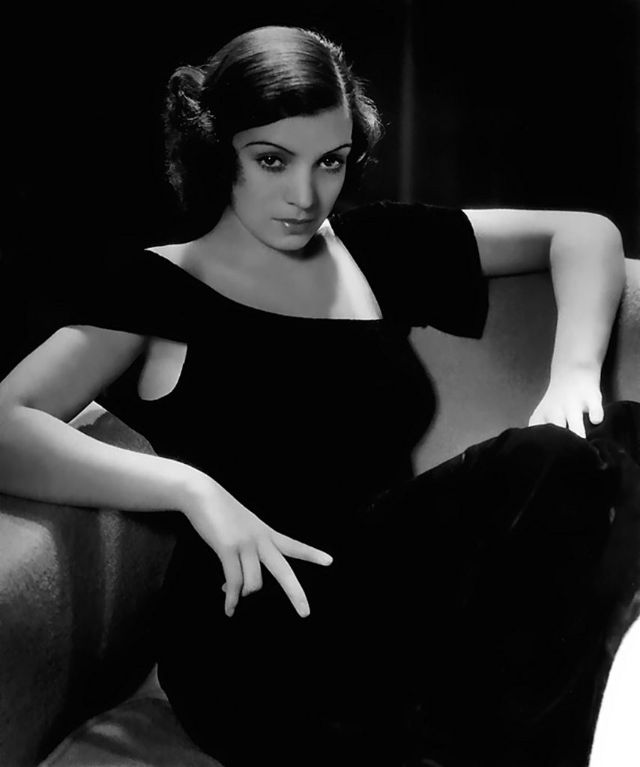
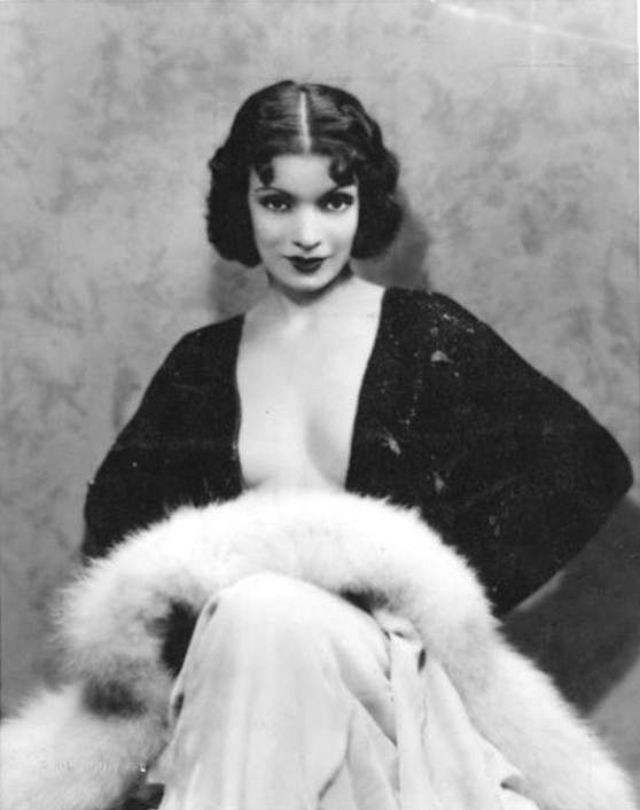
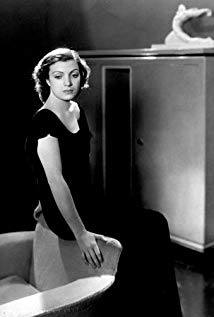
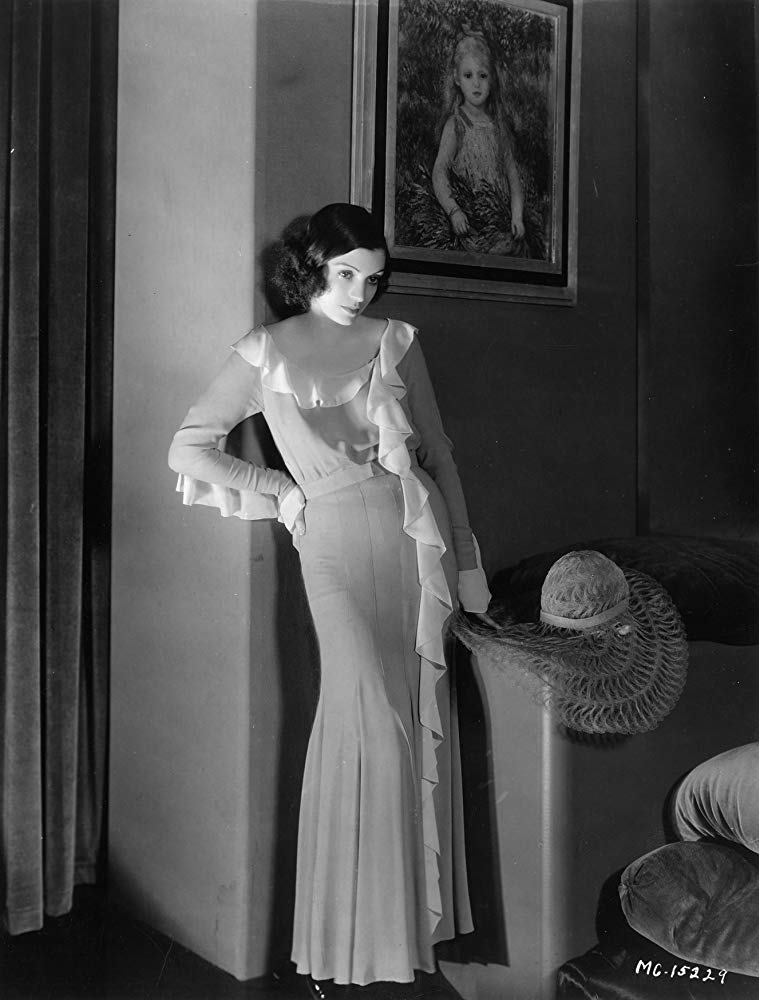
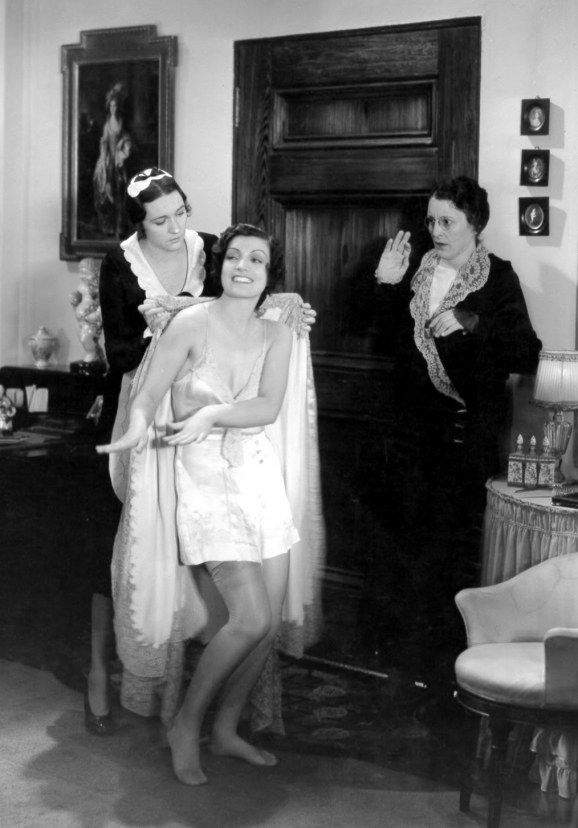
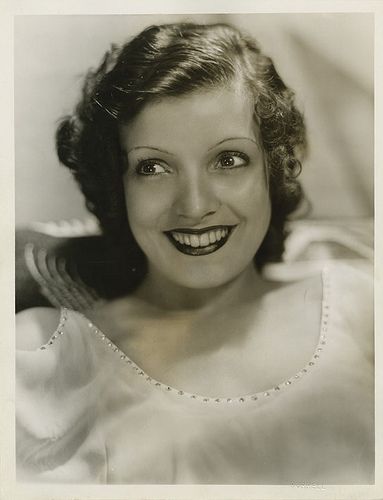
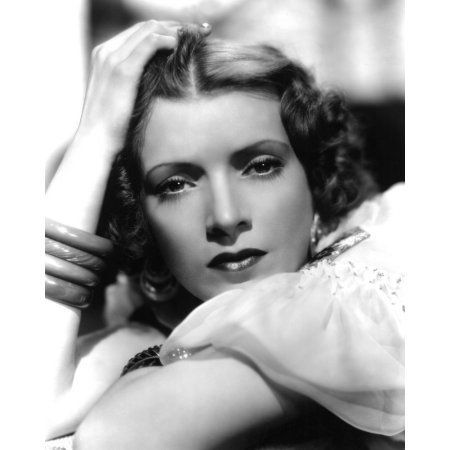
Born 1911 as Concepción Andrés Picado in San Sebastian, Spanish model, dancer and actress Conchita Montenegro first worked professionally as a model for the famous painter Ignacio Zuloaga y Zabaleta. During her childhood, she learned classical and Spanish dance. She was credited with revolutionizing the presentation of Spanish dances.

Montenegro turned from dancing to dramatic acting and starred in numerous productions. She attained theatrical fame in Hollywood, France, and Germany by the time she was thirteen years old. At the age of sixteen, she starred in the French film La Femme et le pantin (1928).

Came to Hollywood in June 1930 with a contract at Metro-Goldwyn-Mayer, Montenegro played the leading female part of Tamea Larrieau in Never the Twain Shall Meet (1931). She had been cast in special Spanish-language versions of MGM movies as Call of the Flesh and Love in Every Port (both 1930).

Montenegro’s movie career in America continued until 1940. That year she performed the leading female part in Eternal Melodies (Melodie eterne), an Italian production. Montenegro retired from the cinema after filming several movies in Spain with the last of which was Lola Montes (1944).

Montenegro died in Madrid in 2007, aged 95.

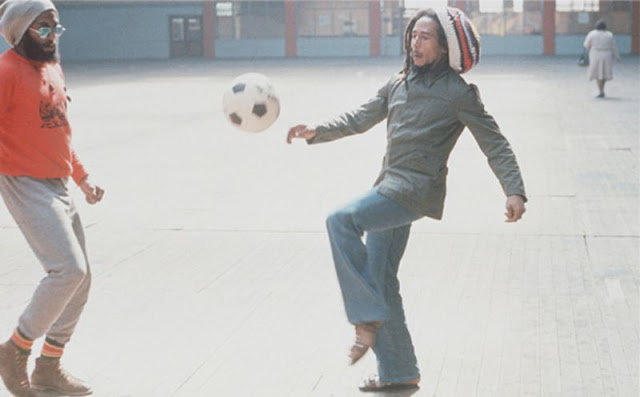
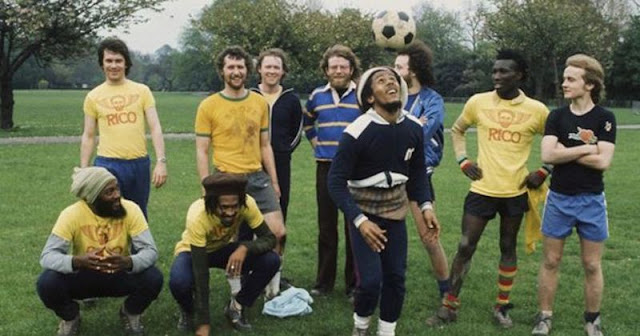
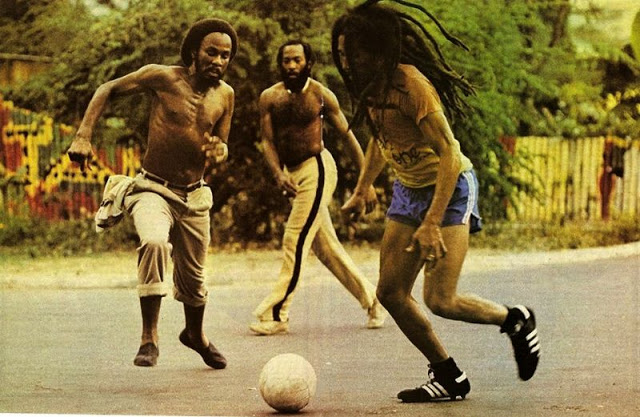
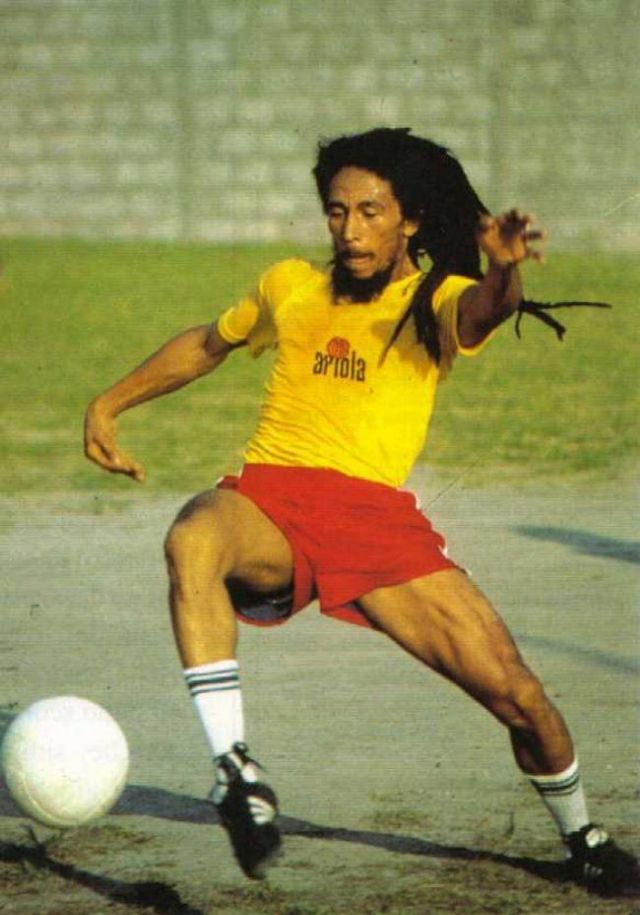
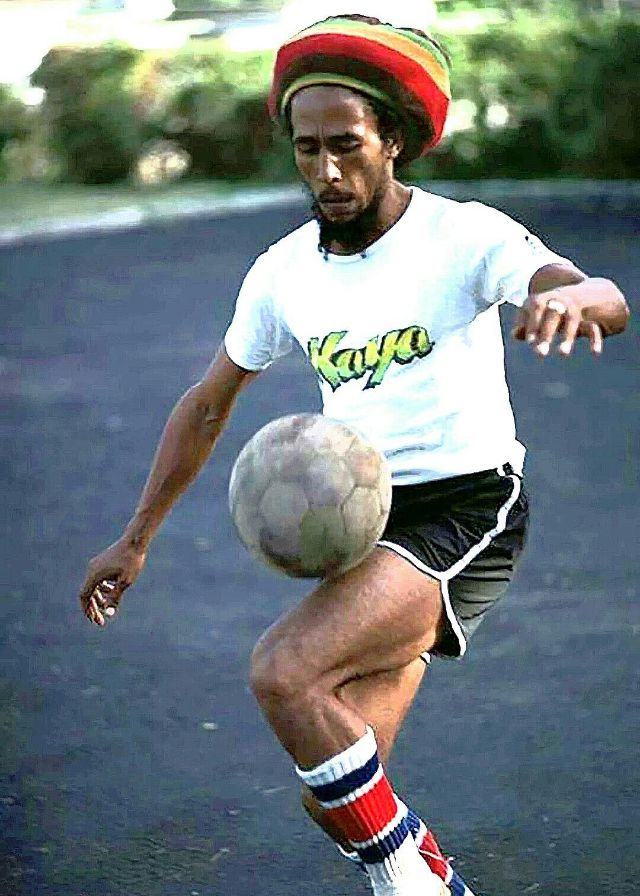
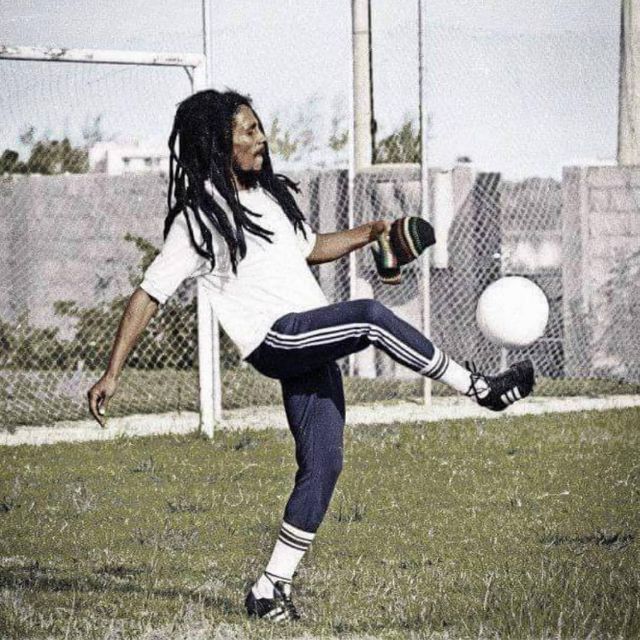
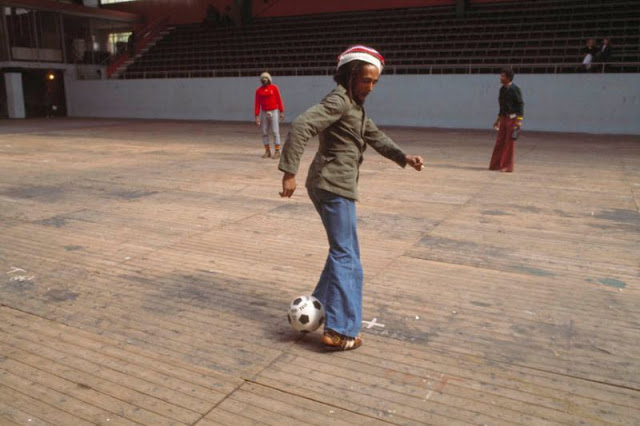
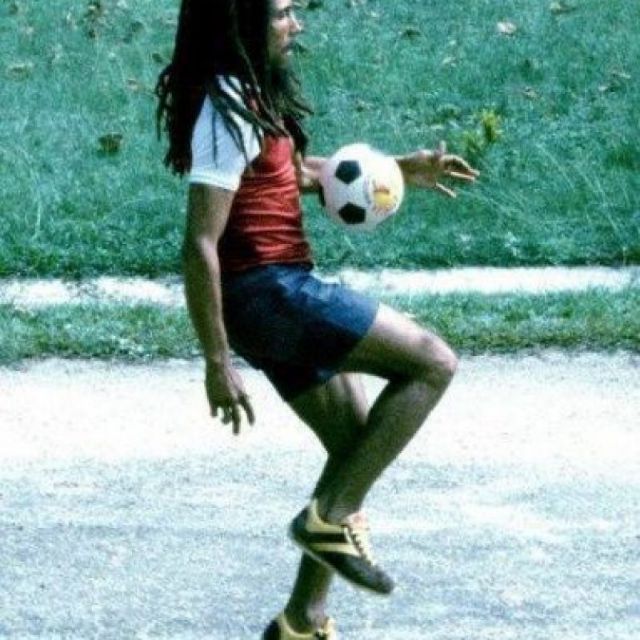
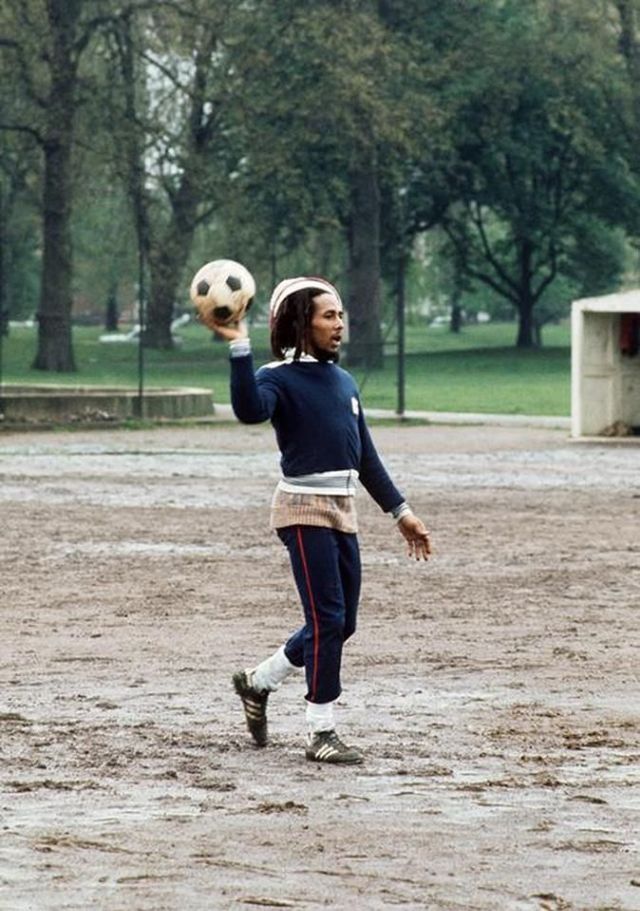
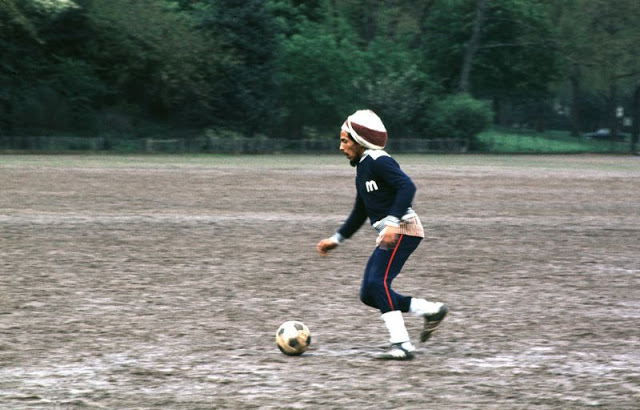
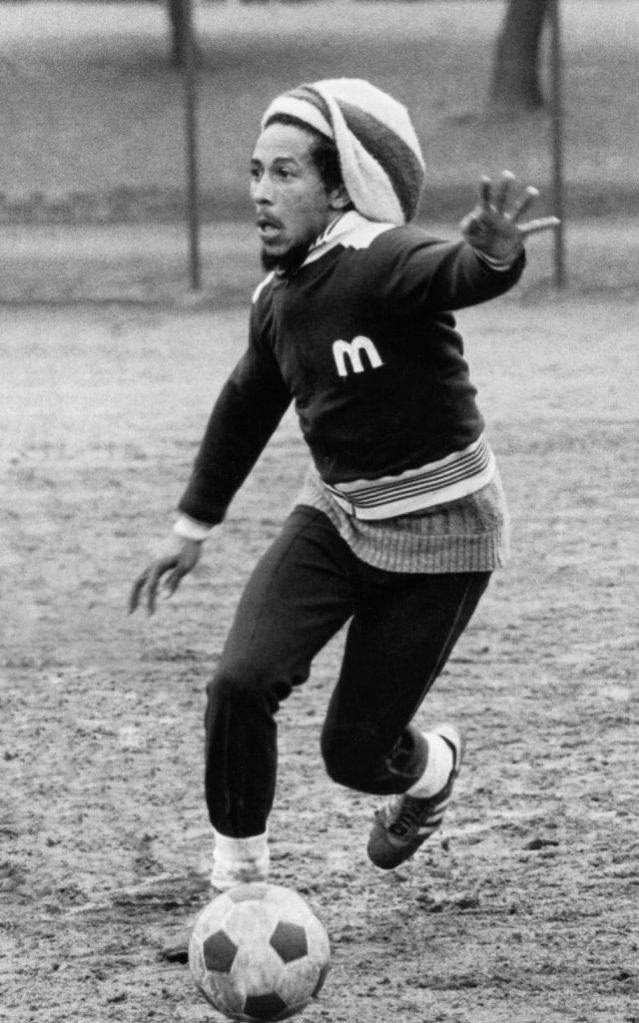
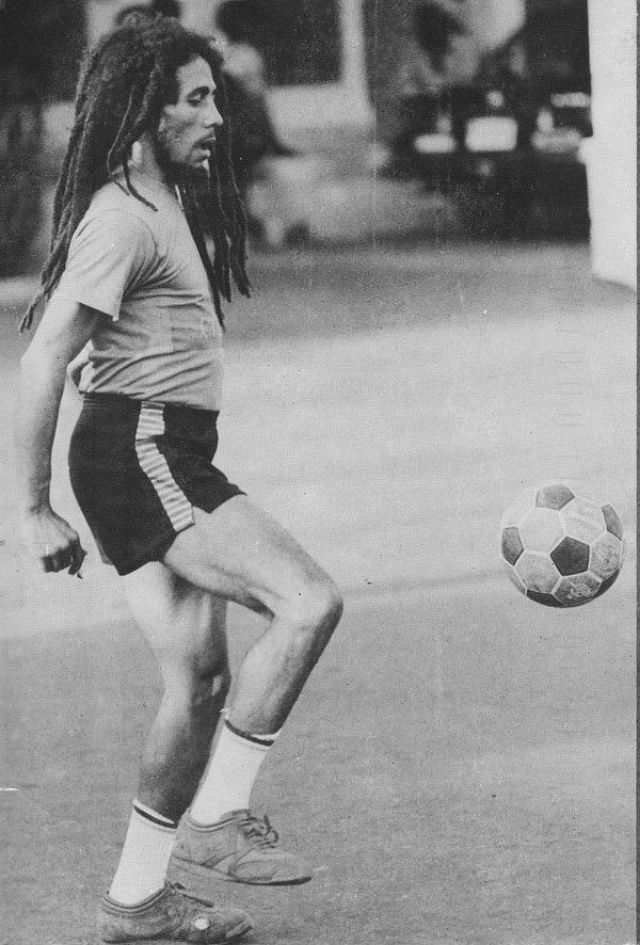
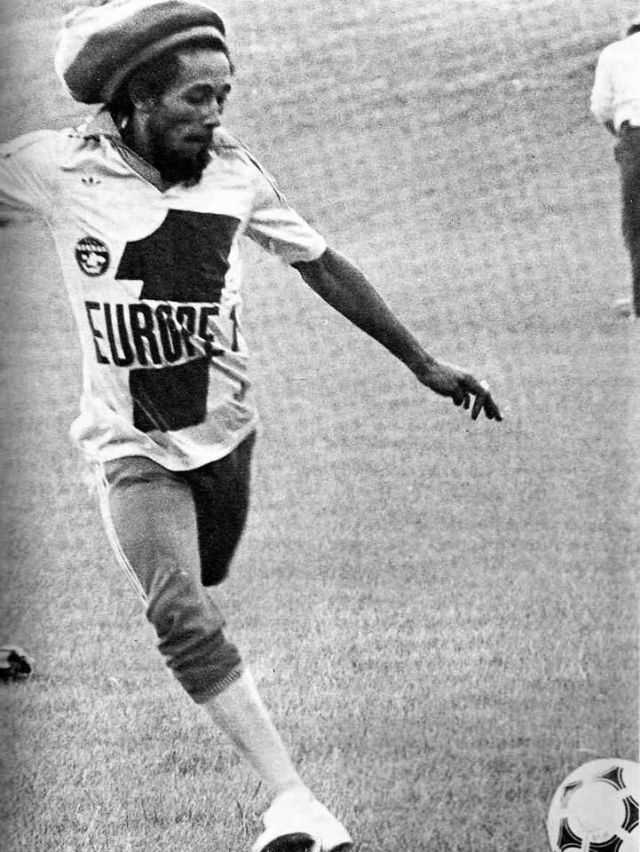
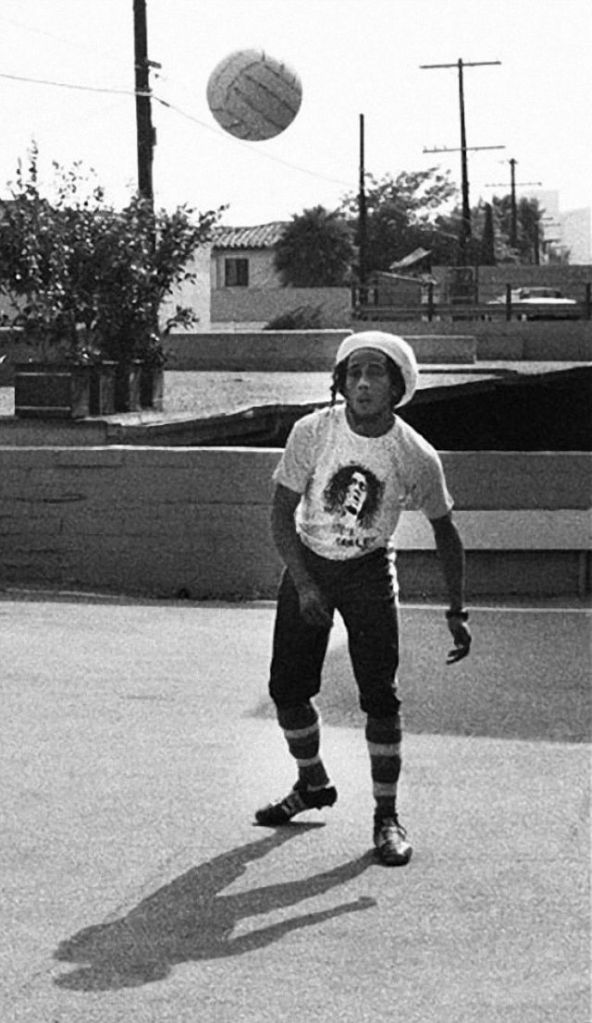
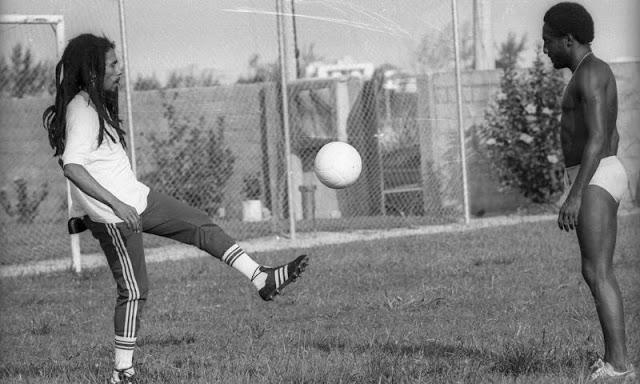
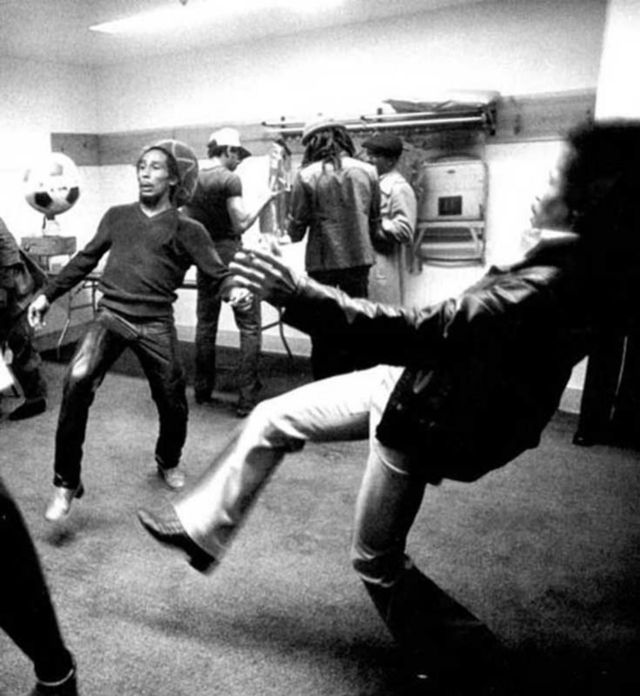
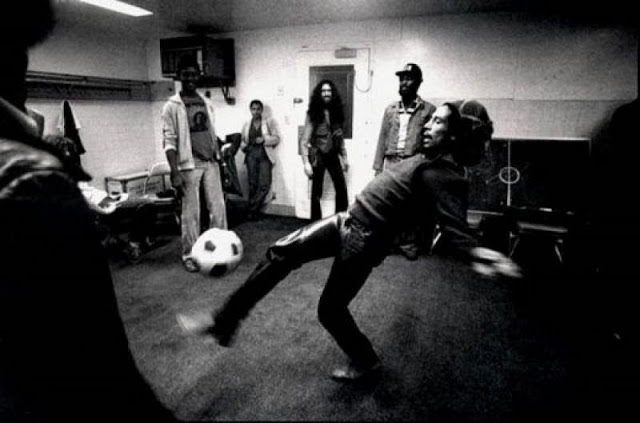
30 Vintage Photographs of Bob Marley Playing Football

“Football is a part of I. When I play the world wakes up around me.” – Bob Marley

Here’s a collection of 30 interesting vintage photographs that show Bob Marley’s love for football, or as we say in America– soccer. The many images that captured his playing in formal games, or just juggling the ball, show a different side of the natty dread who would burn up the stage all over Europe in the 1970s.

Aside from music, association football played a major role throughout his life. As well as playing the game, in parking lots, fields, and even inside recording studios, growing up he followed the Brazilian club Santos and its star player Pelé. Marley surrounded himself with people from the sport, and in the 1970s made the Jamaican international footballer Allan “Skill” Cole his tour manager. He told a journalist, “If you want to get to know me, you will have to play football against me and the Wailers.”

By all reports Bob Marley was quite skilled with the ball, and could pass and score with equal proficiency.

Bomber Jacket Art: U.S. Air Force Pilots Personalized Nose Art on Their A-2 Flight Jackets During World War II

The Type A-2 leather flight jacket is an American military flight jacket originally invented and developed for and closely associated with World War II U.S. Army Air Forces pilots, navigators and bombardiers, who often decorated their jackets with squadron patches and elaborate artwork painted on the back. Sometimes casually referred to as a bomber jacket, its original designation was “Jacket, Pilot’s (summer)”, and its wartime usage was limited neither to pilots nor to bomber crews.

In WWII almost any kind of paint that could be used was used. Enamels if they could get it, lead based aviation paint, oil paint… whatever the ‘artist’ could get their hands on. Some squadron artists could only get their hands on yellow airplane paint, so the artwork on the jacket was done in yellow. As troops settled in, painting flight jackets became a cottage industry for the local artisans. Since some of the paints were not meant to be used on leather, they rubbed off, flaked off, and faded.

35 Vintage Photos Showing How Bostonians Recycled Scrap Metal To Win The War (1942)

It’s 1942 and the USA is fighting in World War 2. In Boston, Massachusetts, Leslie Jones, a Staff photographer for the Boston Herald-Traveler (1917 to 1956) is taking pictures of locals supporting the fight by collecting scrap metal, cloth, cooking fat, rubber and anything else that could help. Scrap metal drives became competitive, almost frenzied affairs, as communities vied to out-contribute each other.

Fence at State House, Governor starts October 5, 1942
Old titling helmet given to salvage drive is held by the Traveler’s Virginis Bohlin
Quincy High School football team collects scrap metal
Scrap collected at Roxbury Memorial High School

Via: Leslie Jones Collection, Boston Public Library

64 Beautiful Photos of Debbie Reynolds From the 1950s

Mary Frances “Debbie” Reynolds (April 1, 1932 – December 28, 2016) was an American actress, singer, and businesswoman. Her career spanned almost 70 years. She was nominated for the Golden Globe Award for Most Promising Newcomer for her portrayal of Helen Kane in the 1950 film Three Little Words. Her breakout role was her first leading role, as Kathy Selden in Singin’ in the Rain (1952). Her other successes include The Affairs of Dobie Gillis (1953), Susan Slept Here (1954), Bundle of Joy (1956 Golden Globe nomination), The Catered Affair (1956 National Board of Review Best Supporting Actress Winner), and Tammy and the Bachelor (1957), in which her performance of the song “Tammy” reached number one on the Billboard music charts. In 1959, she released her first pop music album, titled Debbie.

She starred in Singin’ in the Rain (1952), How the West Was Won (1962), and The Unsinkable Molly Brown (1964), a biographical film about the famously boisterous Molly Brown. Her performance as Brown earned her a nomination for the Academy Award for Best Actress. Her other films include The Singing Nun (1966), Divorce American Style (1967), What’s the Matter with Helen? (1971), Charlotte’s Web (1973), Mother (1996) (Golden Globe nomination), and In & Out (1997). Reynolds was also a cabaret performer. In 1979, she founded the Debbie Reynolds Dance Studio in North Hollywood, which was demolished in 2019 after being sold at auction, despite efforts to turn it into a museum.

In 1969, she starred on television in The Debbie Reynolds Show, for which she received a Golden Globe nomination. In 1973, Reynolds starred in a Broadway revival of the musical Irene and was nominated for the Tony Award for Best Lead Actress in a Musical. She was also nominated for a Daytime Emmy Award for her performance in A Gift of Love (1999) and an Emmy Award for playing Grace’s mother Bobbi on Will & Grace. At the turn of the millennium, Reynolds reached a new, younger generation with her role as Aggie Cromwell in Disney’s Halloweentown series. In 1988, she released her autobiography, titled Debbie: My Life. In 2013, she released a second autobiography, Unsinkable: A Memoir.

Reynolds also had several business ventures, including ownership of a dance studio and a Las Vegas hotel and casino, and she was an avid collector of film memorabilia, beginning with items purchased at the landmark 1970 MGM auction. She served as president of The Thalians, an organization dedicated to mental-health causes. Reynolds continued to perform successfully on stage, television, and film into her 80s. In January 2015, Reynolds received the Screen Actors Guild Life Achievement Award. In 2016, she received the Jean Hersholt Humanitarian Award. In the same year, a documentary about her life was released titled Bright Lights: Starring Carrie Fisher and Debbie Reynolds, which turned out to be her final film appearance; the film premiered on HBO on January 7, 2017.

Reynolds died following a stroke on December 28, 2016, one day after the death of her daughter, fellow actress Carrie Fisher. (Wikipedia)

THE MATING GAME, Debbie Reynolds, 1959
THE MATING GAME, Tony Randall, Debbie Reynolds, 1959

55 Vintage Photos of Great Britain during the Early 1950s

Great Britain is an island in the North Atlantic Ocean off the northwest coast of continental Europe. With an area of 209,331 km2 (80,823 sq mi), it is the largest of the British Isles, the largest European island, and the ninth-largest island in the world. The island is dominated by a maritime climate with narrow temperature differences between seasons. The 60% smaller island of Ireland is to the west – and together these islands, along with over 1,000 smaller surrounding islands and named substantial rocks, form the British Isles archipelago.

Connected to mainland Europe until 8,000 years ago, Great Britain has been inhabited by modern humans for around 30,000 years. In 2011, the island had a population of about 61 million people, making it the world’s third-most-populous island after Java in Indonesia and Honshu in Japan.

The term “Great Britain” is often used to refer to England, Scotland and Wales, including their component adjoining islands. Great Britain and Northern Ireland now constitute the United Kingdom. The single Kingdom of Great Britain resulted from the 1707 Acts of Union between the kingdoms of England (which at the time incorporated Wales) and Scotland. (Wikipedia)
St Meva, Cornwall
St Martin-in-the-Fields, London
St Goran’s Church, Cornwall
St Albans
Southwold, Suffolk
Sole Bay Inn, Southwold
Near Kessingland, Suffolk
Portmellon Cove, Cornwall
Portholland, Cornwall
Piccadilly, London
Pakefield Church, Suffolk
Outside Café de Paris, London
Net sheds, Kessingland, Suffolk
Mousehole Harbour, Cornwall
Mevagissey, Cornwall
Leicester Square, London
Kessingland, Suffolk
Fore Street, Hatfield, Hertfordshire
Farm buildings in Hertfordshire
East Barnet Road, Barnet, London
East Barnet Road and Henry Road, with Coronation decorations, London
Drink stand, London
Demolition site, London
Cricket field at Clavering, Essex
Coventry Street, Piccadilly, London
Coronation decorations at Cirencester
Cornwall
Corner of Colliergate and St Andrewgate, York
Children outside unidentified church in England
Children on gate
Chelsfield, South East London
Carter’s Mill, Wrentham, Suffolk
Canal boats in Berkhamsted
Cadgwith, Cornwall
C.C. Dunnill’s shop at 145 East Barnet Road, Barnet, London. The shop of a tailor, Claud Cecil Dunnill (1879-1954)
Broadworthy, Devon
Boxmoor, Hertfordshire
Boxmoor Lock
Blackshore, Southwold, Suffolk
Bilbury, Gloucestershire
Walberswick, Suffolk
Timber houses in Kessingland, Suffolk
The Shambles, York
Thatching, Home Counties
Station Road, Ely

( Photos by Hardwicke Knight)

17 Vintage Photos of a Young Audrey Hepburn Exploring London’s Parks in 1950

Audrey Hepburn (born Audrey Kathleen Ruston; 4 May 1929 – 20 January 1993) was a British actress and humanitarian. Recognised as both a film and fashion icon, she was ranked by the American Film Institute as the third-greatest female screen legend from the Classical Hollywood cinema and was inducted into the International Best Dressed List Hall of Fame. Born in Ixelles, Brussels, Hepburn spent parts of her childhood in Belgium, England, and the Netherlands. She studied ballet with Sonia Gaskell in Amsterdam beginning in 1945, and with Marie Rambert in London from 1948. She began performing as a chorus girl in West End musical theatre productions and then had minor appearances in several films. She starred in the 1951 Broadway play Gigi after being spotted by the French novelist Colette, on whose work the play was based. She is best known for her roles in well-known films such as Roman Holiday, Sabrina, Breakfast at Tiffany’s and My Fair Lady.

She rose to stardom in the romantic comedy Roman Holiday (1953) alongside Gregory Peck, for which she was the first actress to win an Oscar, a Golden Globe Award, and a BAFTA Award for a single performance. That year, she won a Tony Award for Best Lead Actress in a Play for her performance in Ondine. She went on to star in a number of successful films such as Sabrina (1954), in which Humphrey Bogart and William Holden compete for her affection; Funny Face (1957), a musical where she sang her own parts; the drama The Nun’s Story (1959); the romantic comedy Breakfast at Tiffany’s (1961); the thriller-romance Charade (1963), opposite Cary Grant; and the musical My Fair Lady (1964). In 1967 she starred in the thriller Wait Until Dark, receiving Academy Award, Golden Globe, and BAFTA nominations. After that, she only occasionally appeared in films, one being Robin and Marian (1976) with Sean Connery. Her last recorded performances were in the 1990 documentary television series Gardens of the World with Audrey Hepburn.

Hepburn won three BAFTA Awards for Best British Actress in a Leading Role. In recognition of her film career, she received BAFTA’s Lifetime Achievement Award, the Golden Globe Cecil B. DeMille Award, the Screen Actors Guild Life Achievement Award, and the Special Tony Award. She remains one of only sixteen people who have won Academy, Emmy, Grammy, and Tony Awards.

Later in life, Hepburn devoted much of her time to UNICEF, to which she had contributed since 1954. Between 1988 and 1992, she worked in some of the poorest communities of Africa, South America, and Asia. In December 1992, she received the Presidential Medal of Freedom in recognition of her work as a UNICEF Goodwill Ambassador. A month later, she died of appendiceal cancer at her home in Switzerland at the age of 63. (Wikipedia)

Yesterday Today

Bringing You the Wonder of Yesterday - Today

Skip to content ↓