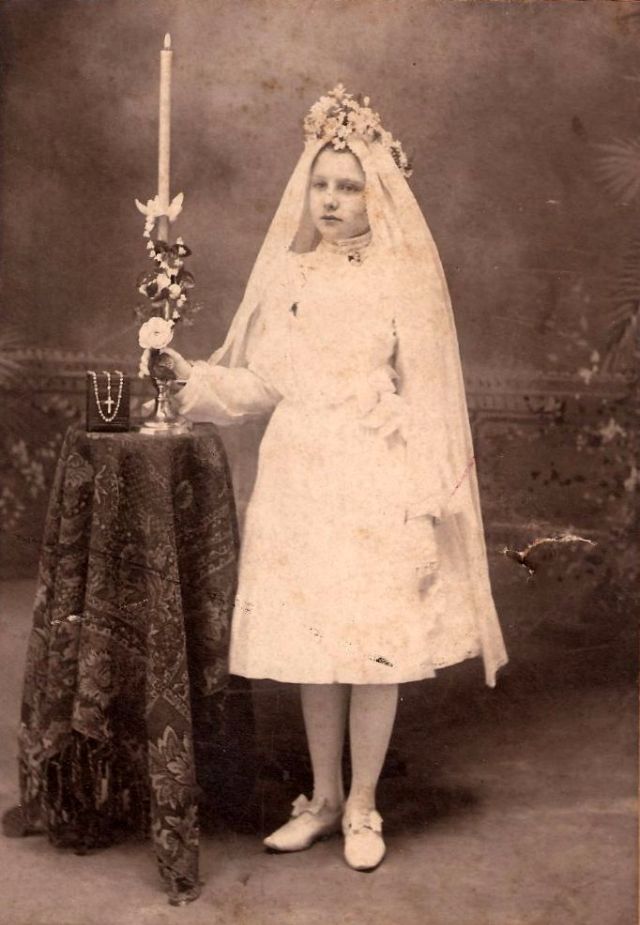
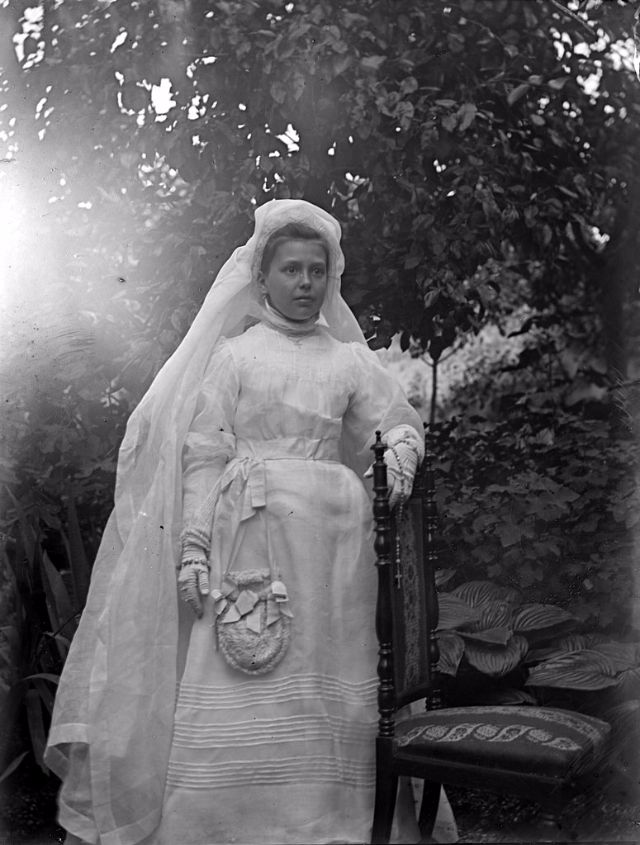
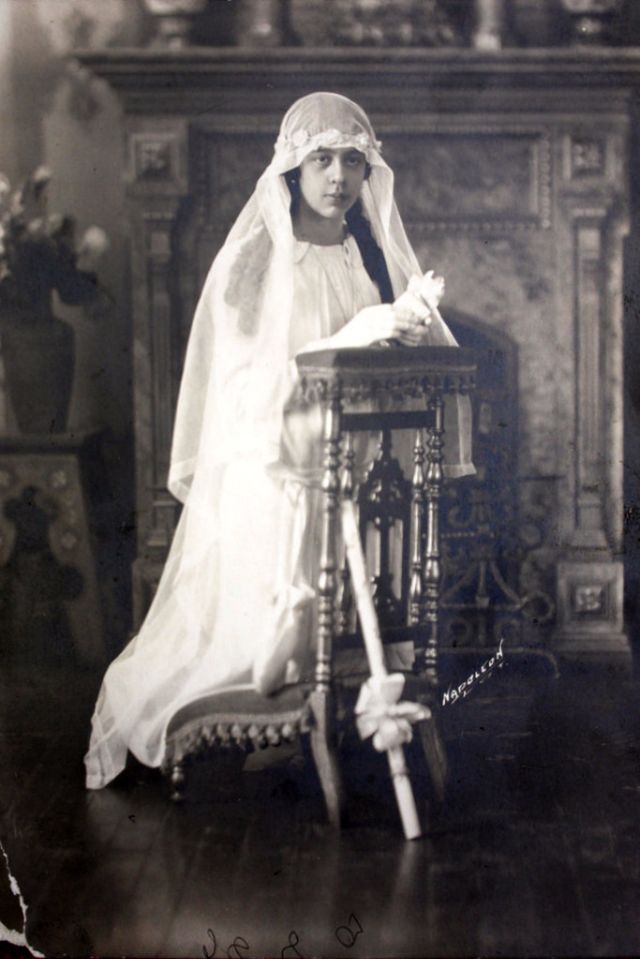
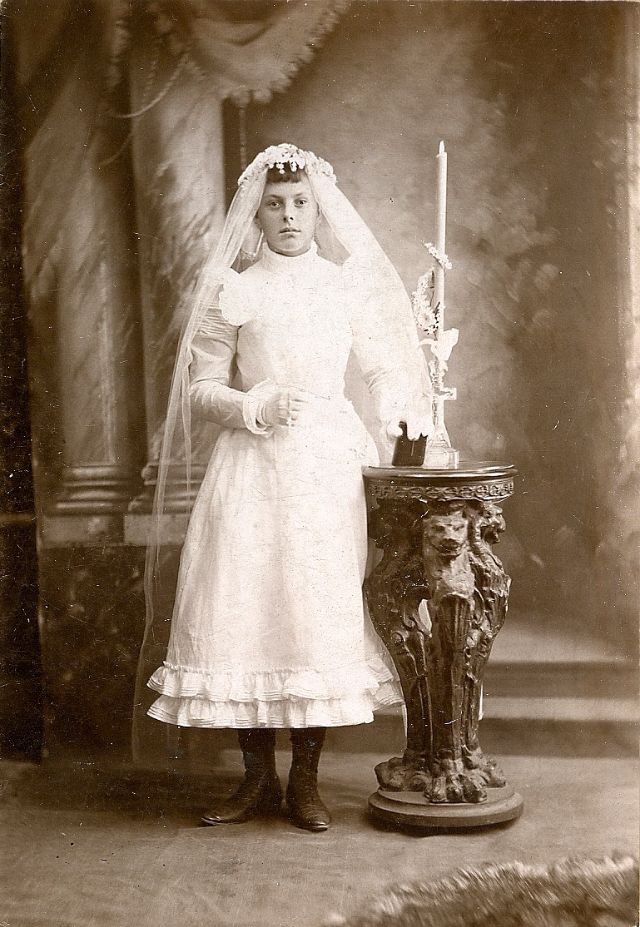
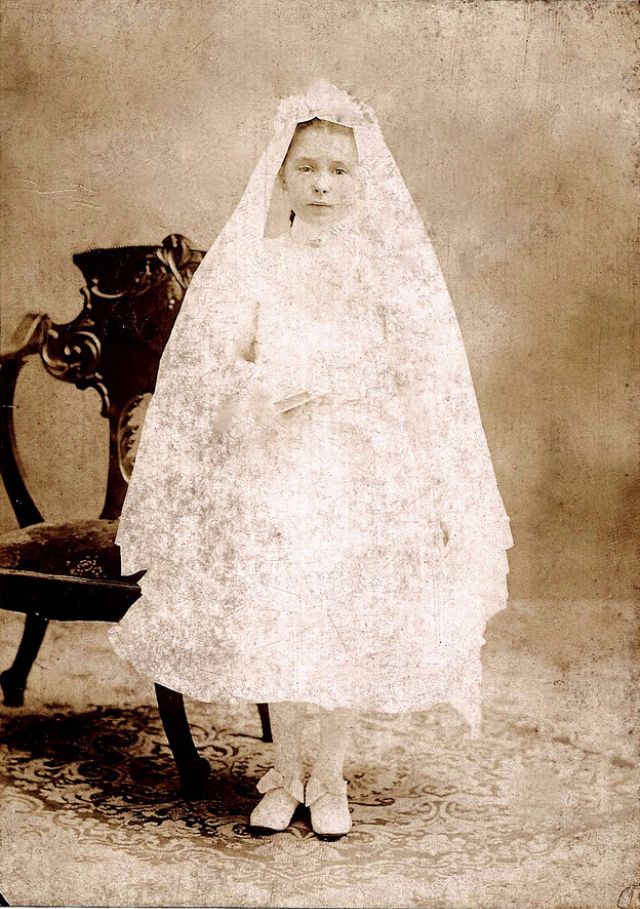
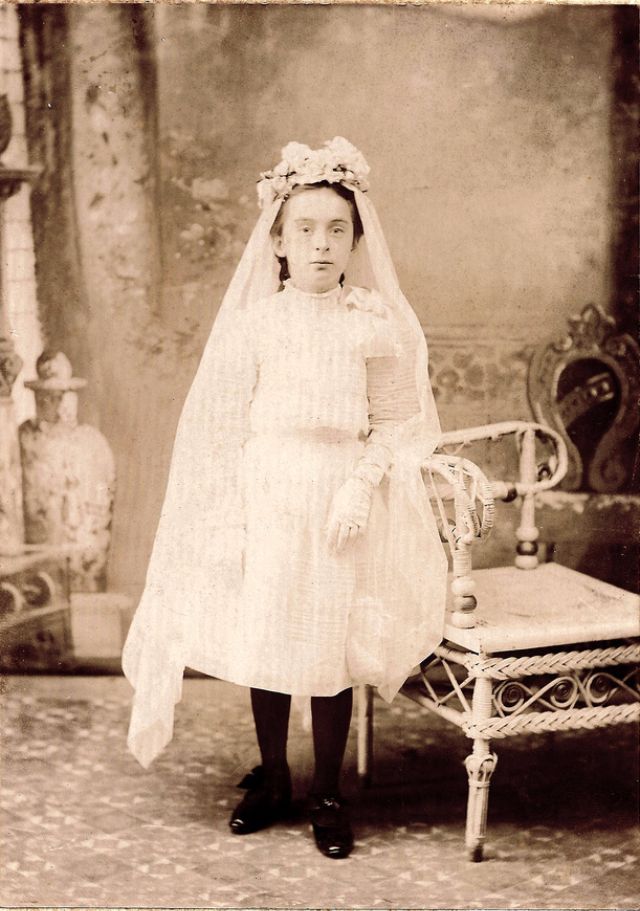
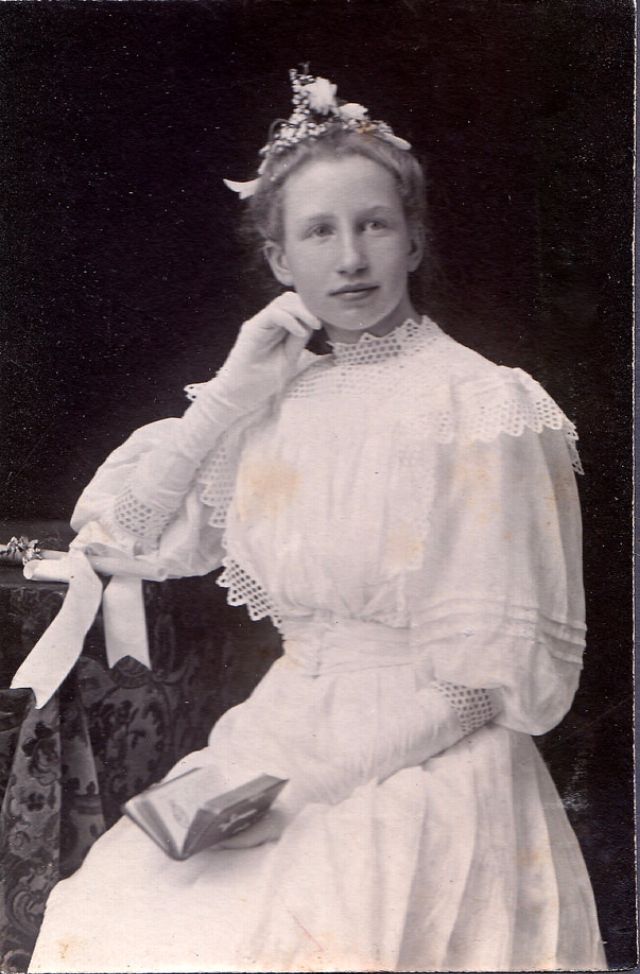
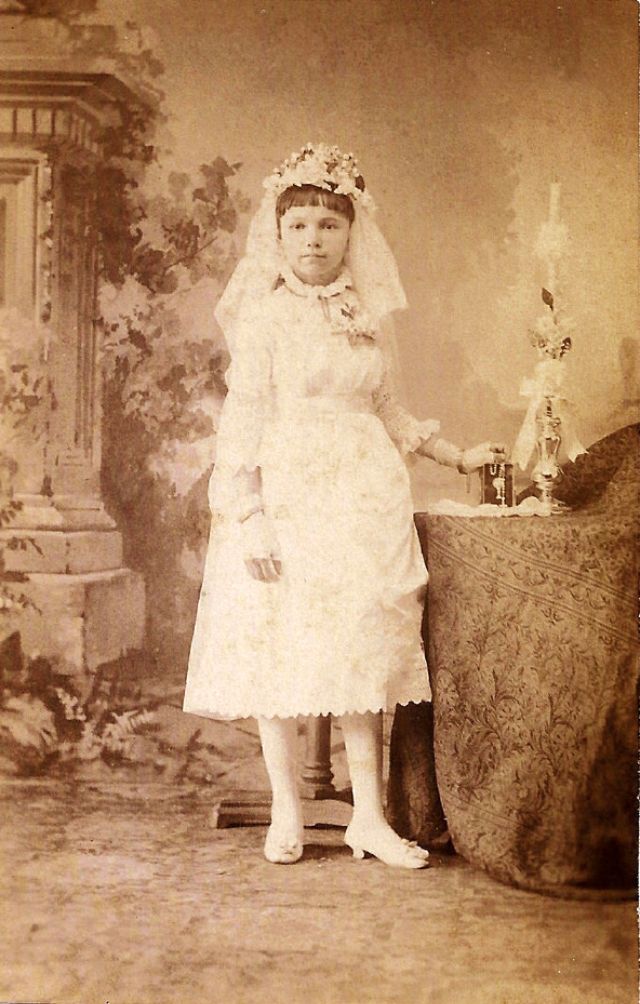
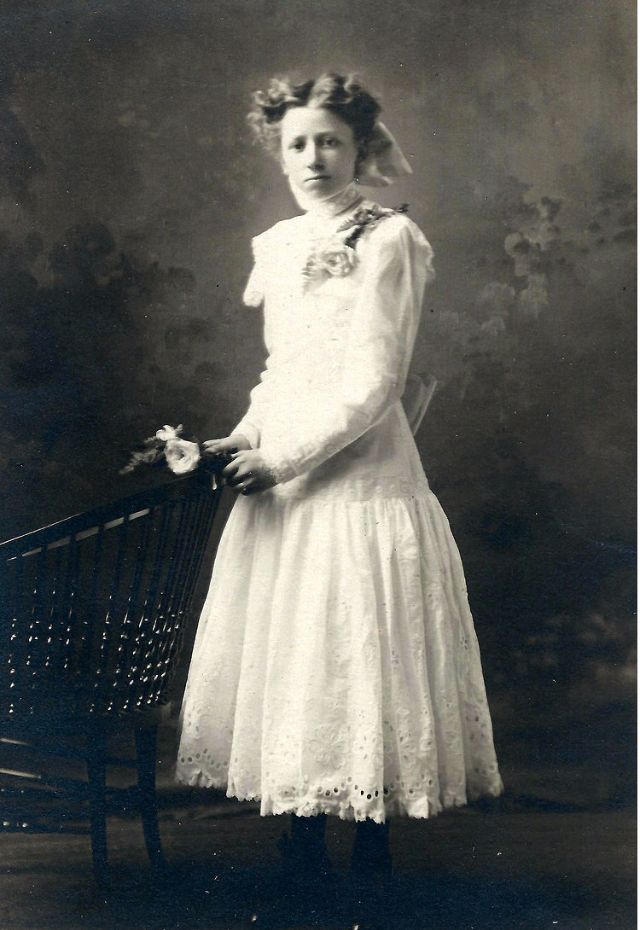
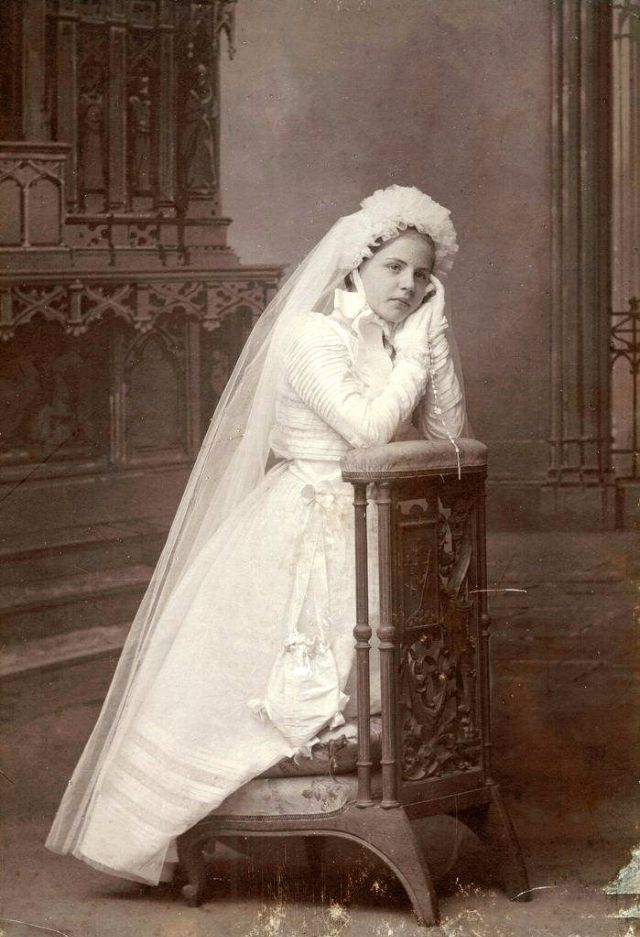
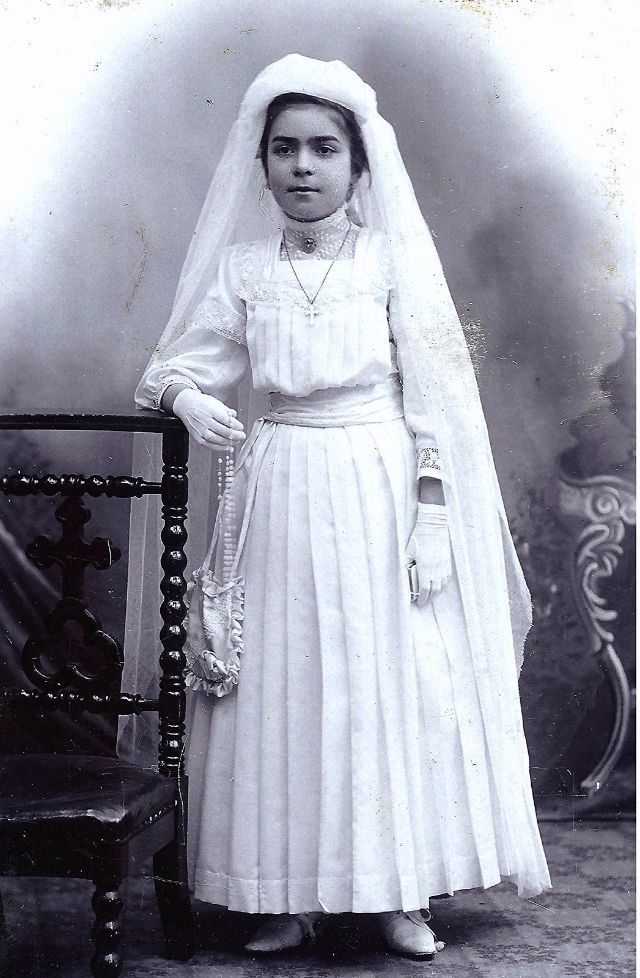
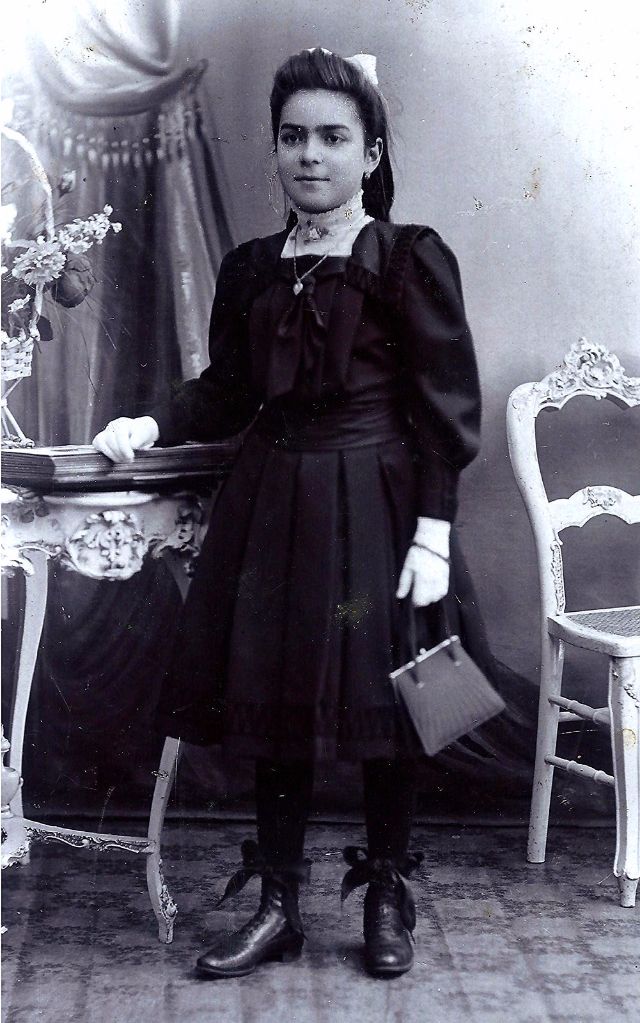
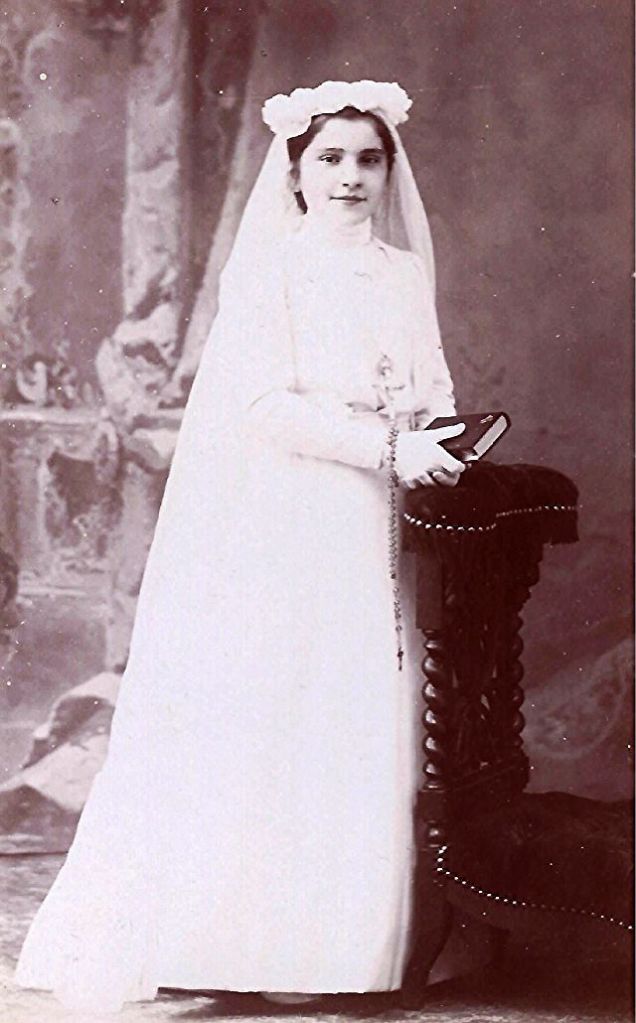
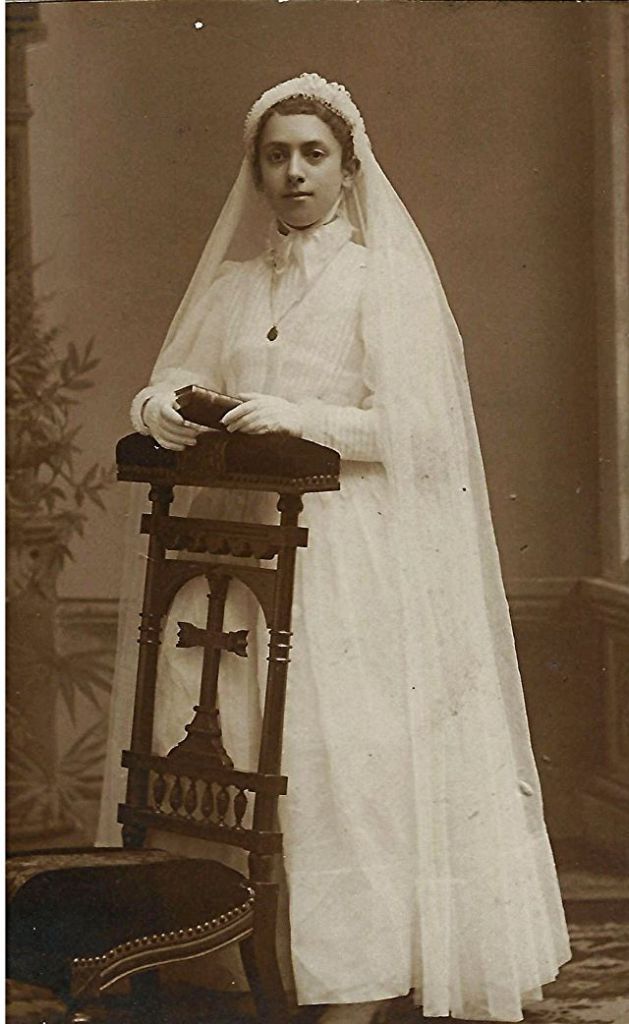
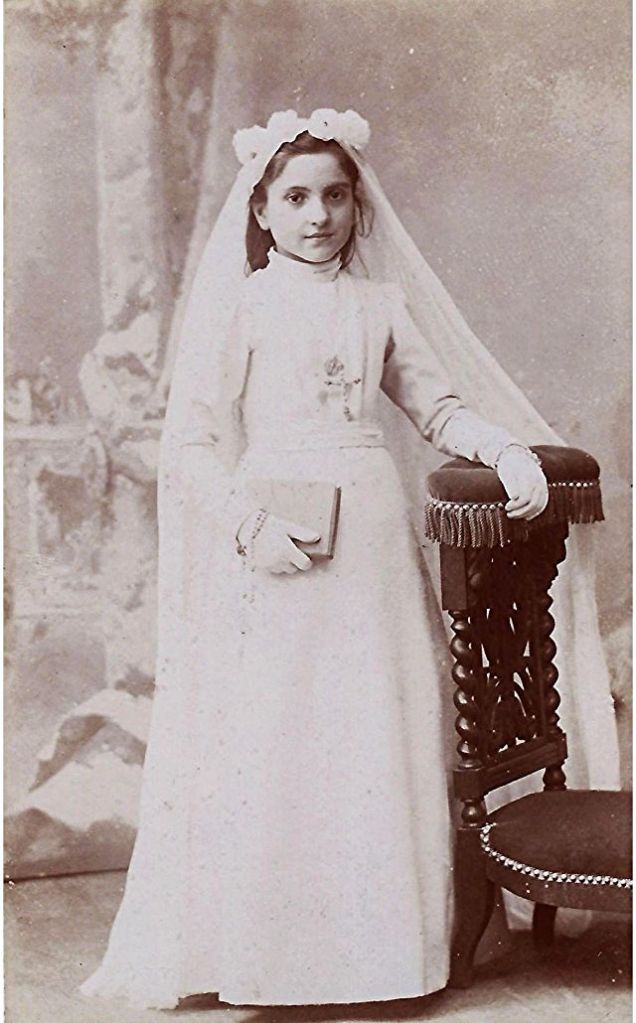
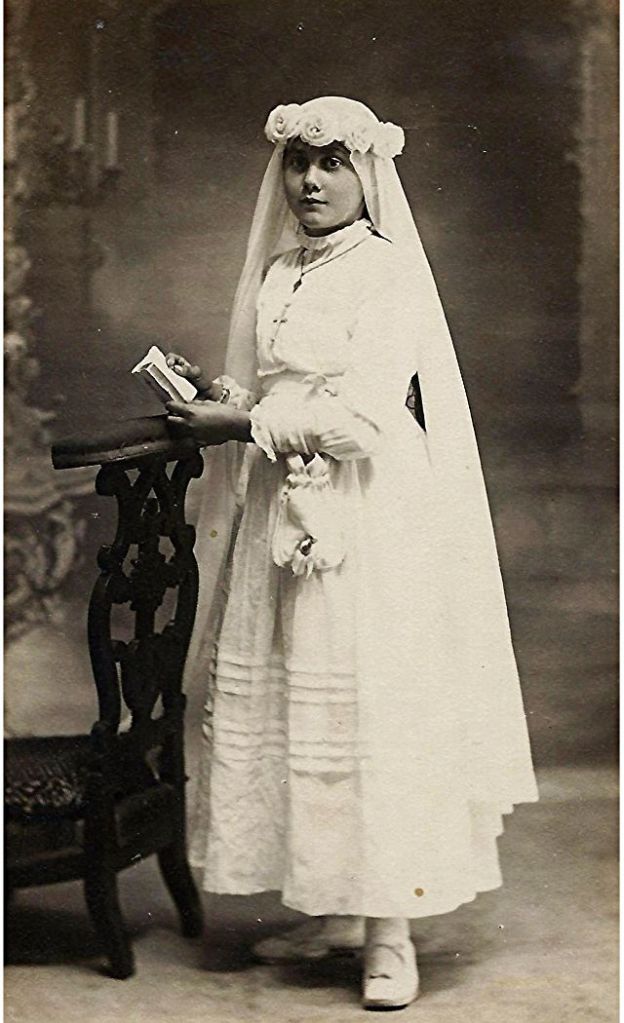
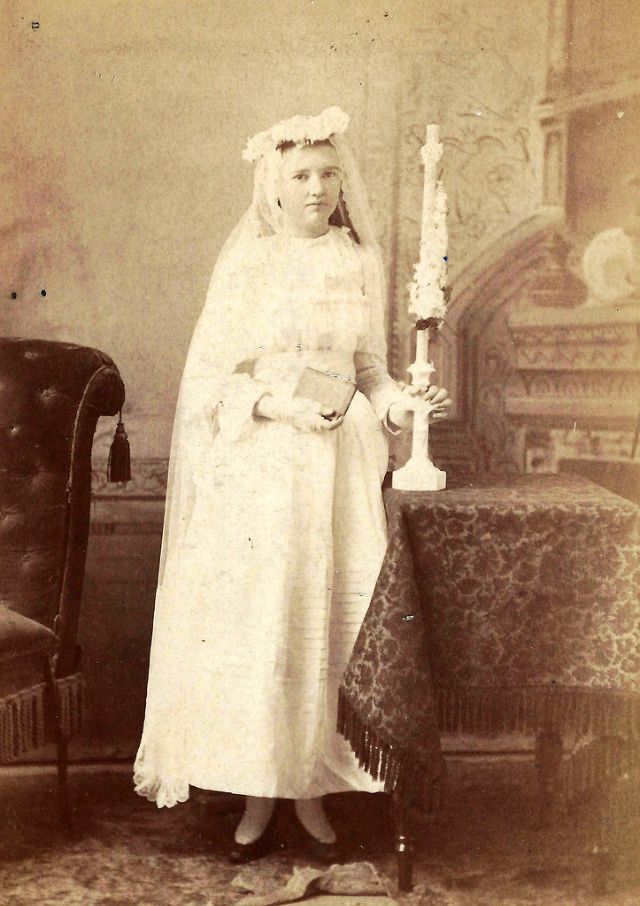
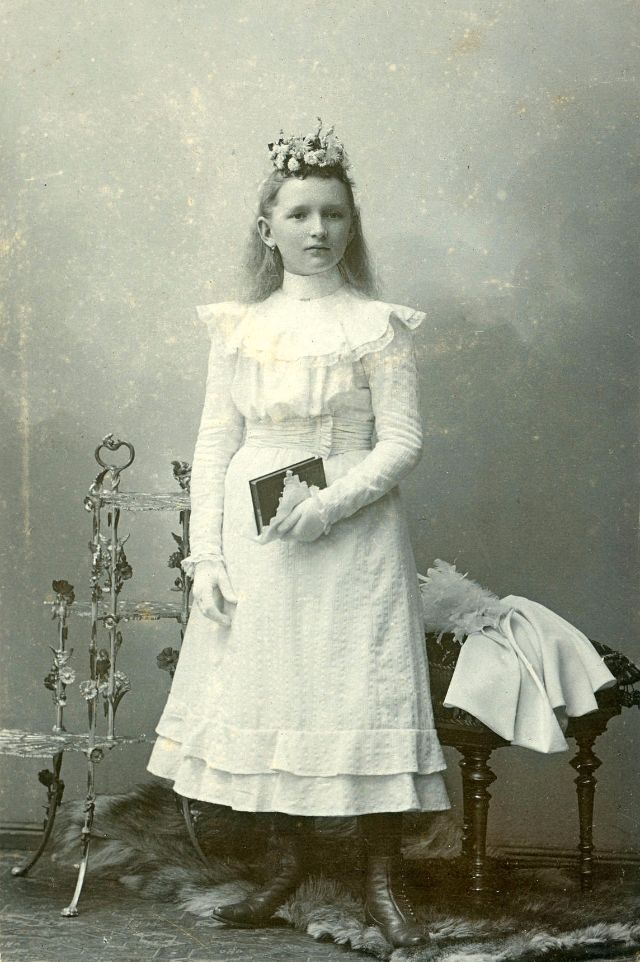
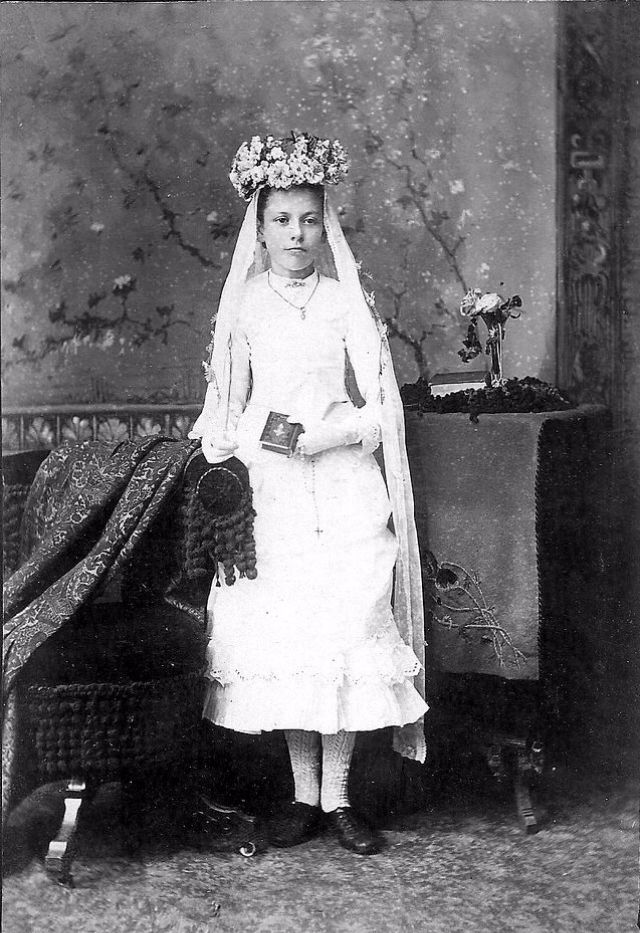
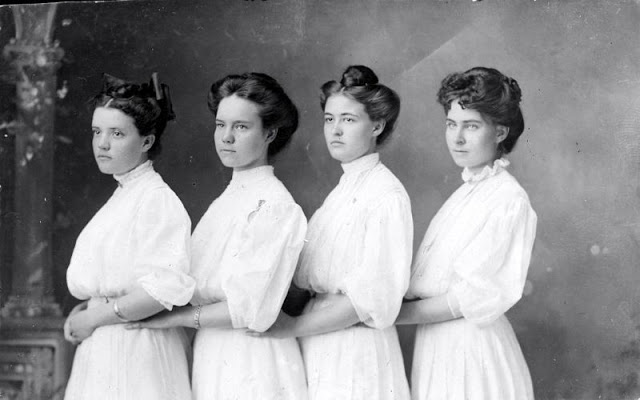
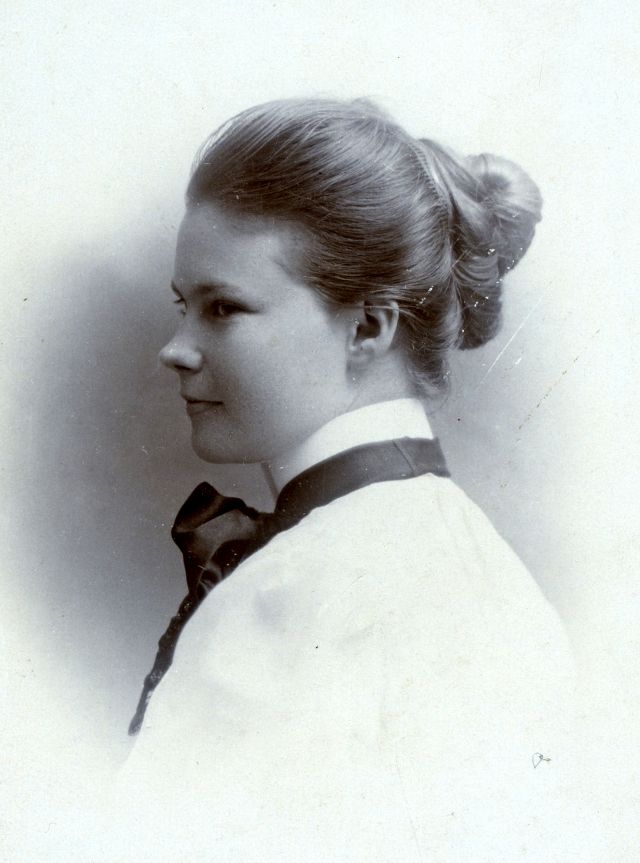
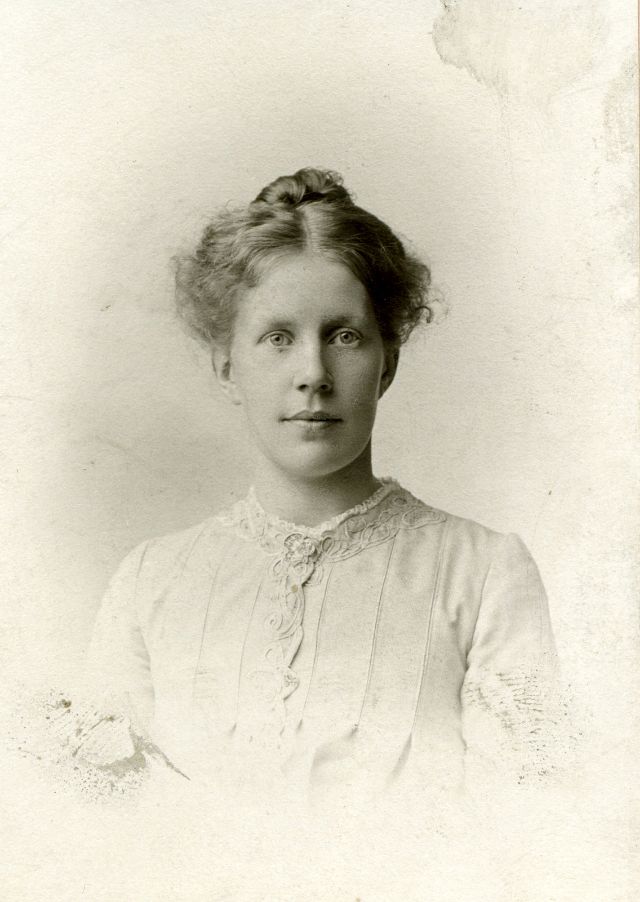
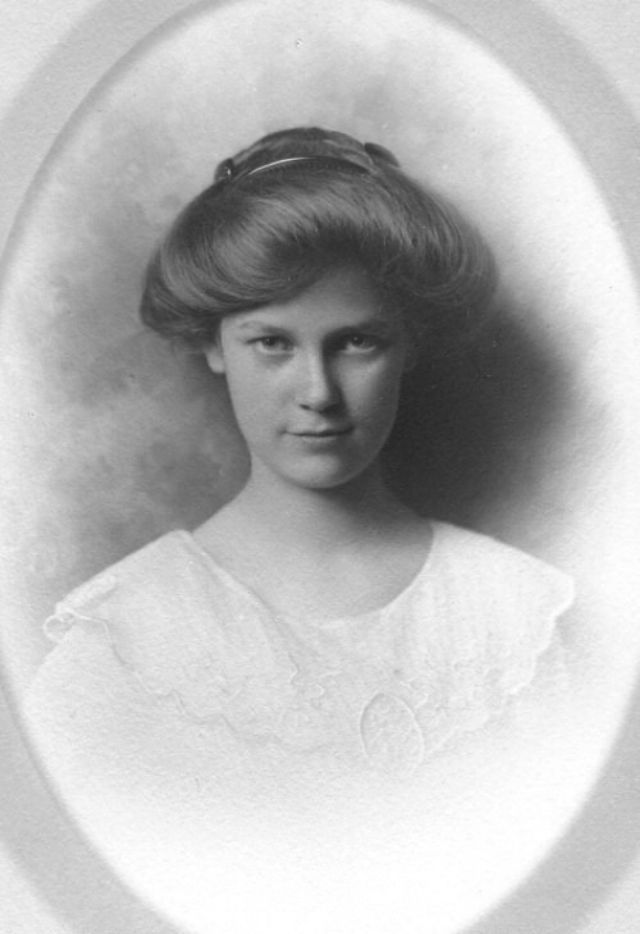
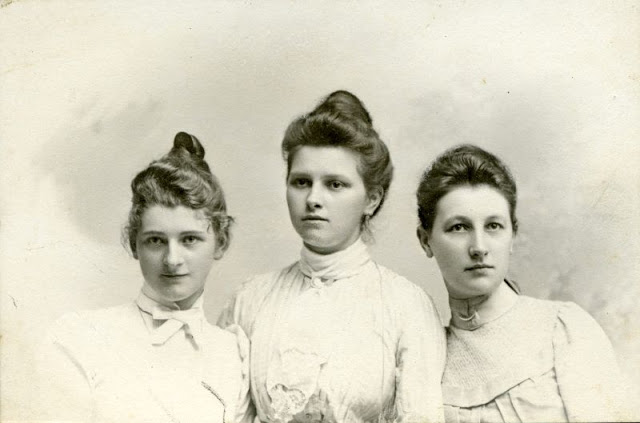
First Communion is a ceremony in some Christian traditions during which a person first receives the Eucharist. It is most common in the Latin Church tradition of the Catholic Church, as well as in many parts of the Lutheran Church and Anglican Communion. In churches that celebrate First Communion, it typically occurs between the ages of seven and thirteen, often acting as a rite of passage.
When boys and girls make their First Holy Communion (usually in second grade), it’s a big occasion for Catholic families. Like their Baptism, the day of First Communion is one filled with family, friends, and feasting after the sacred event has taken place in church.
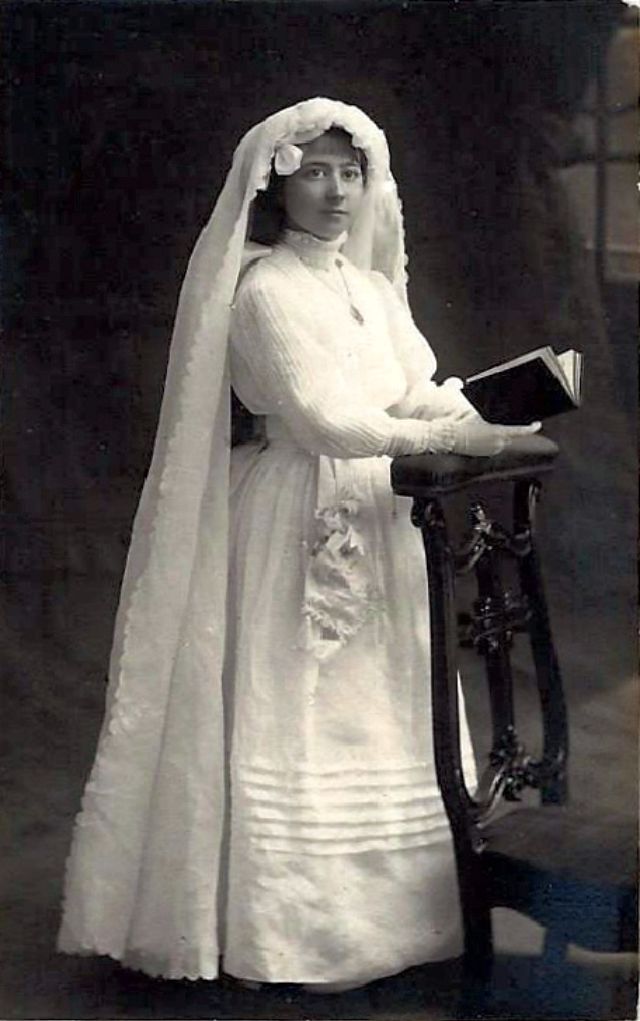
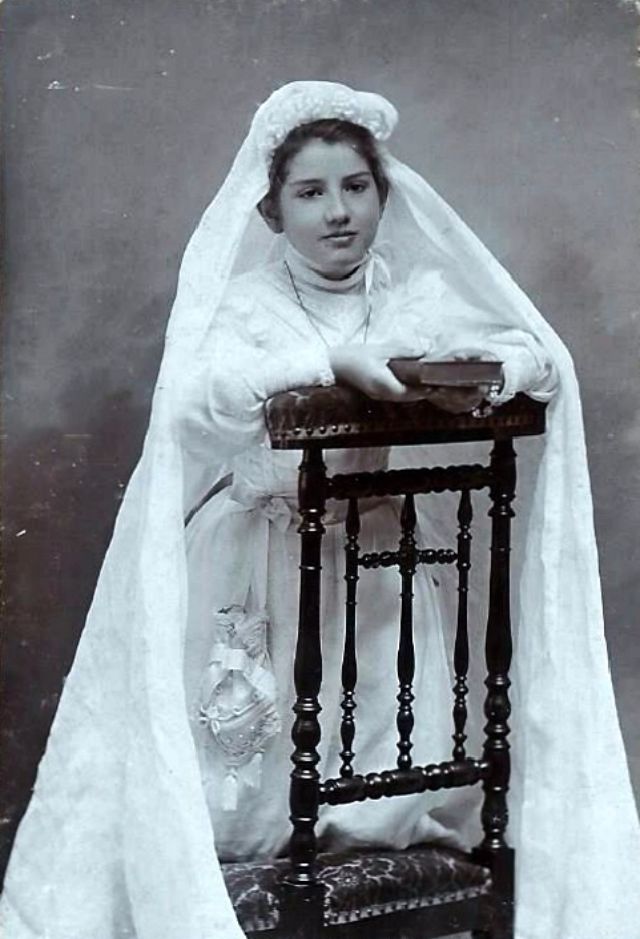
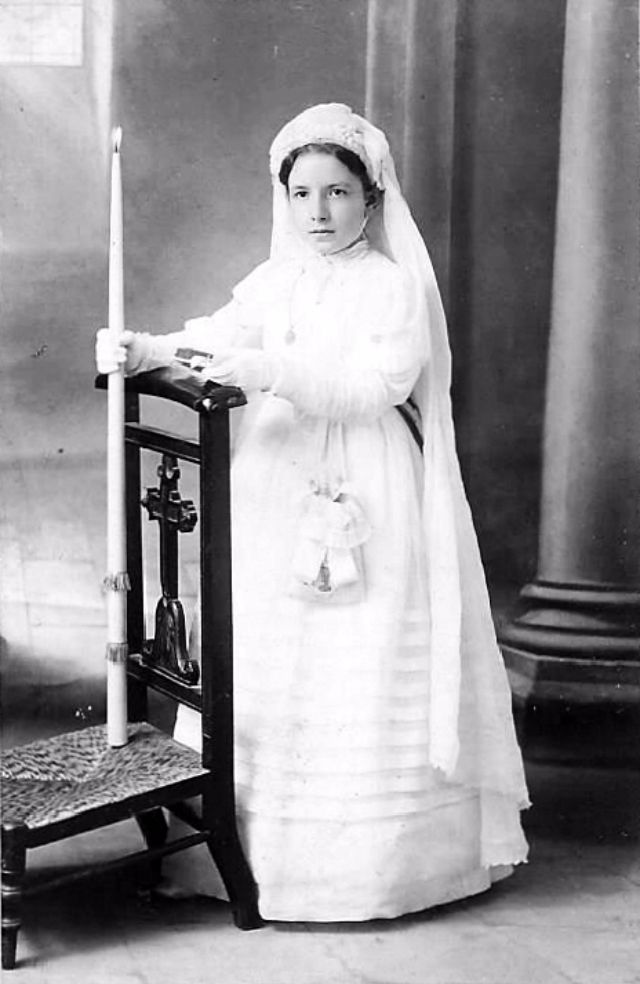
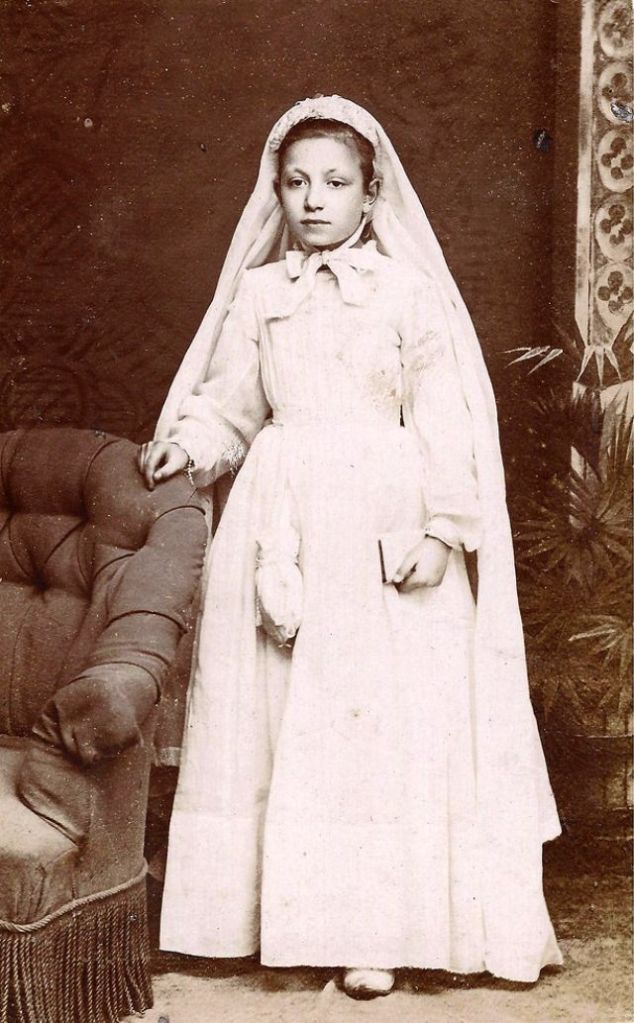
Girls typically wear white gowns and veils and often look like little brides, and boys wear their Sunday best or new suits and ties bought for the occasion.
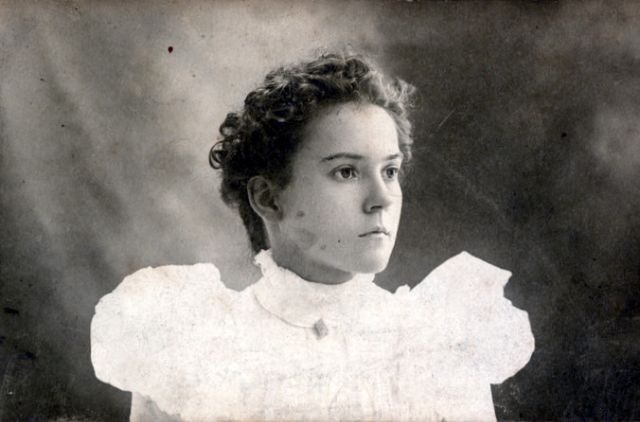
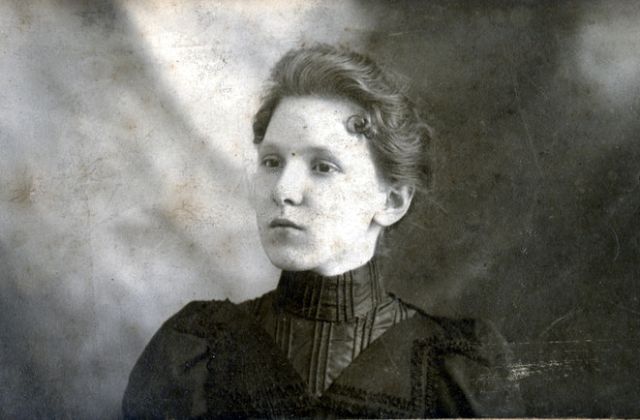
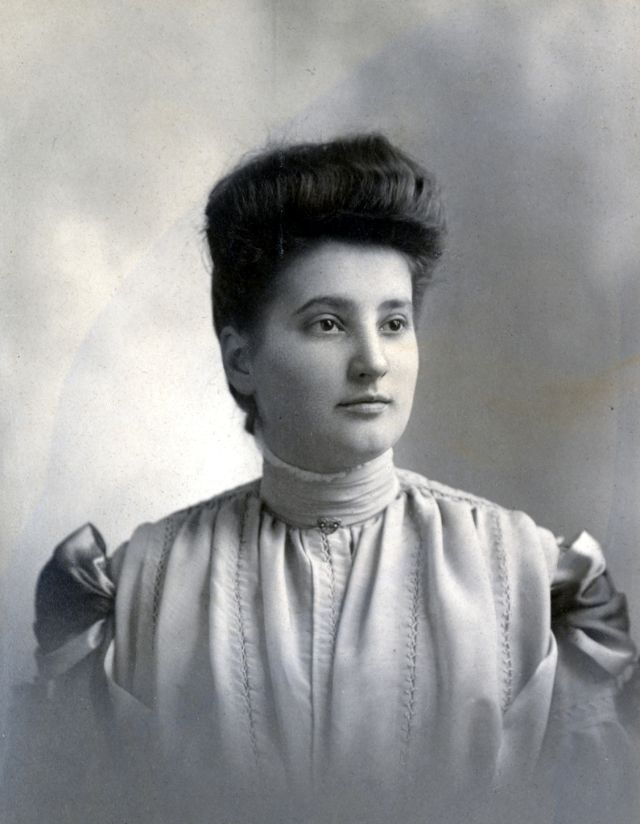
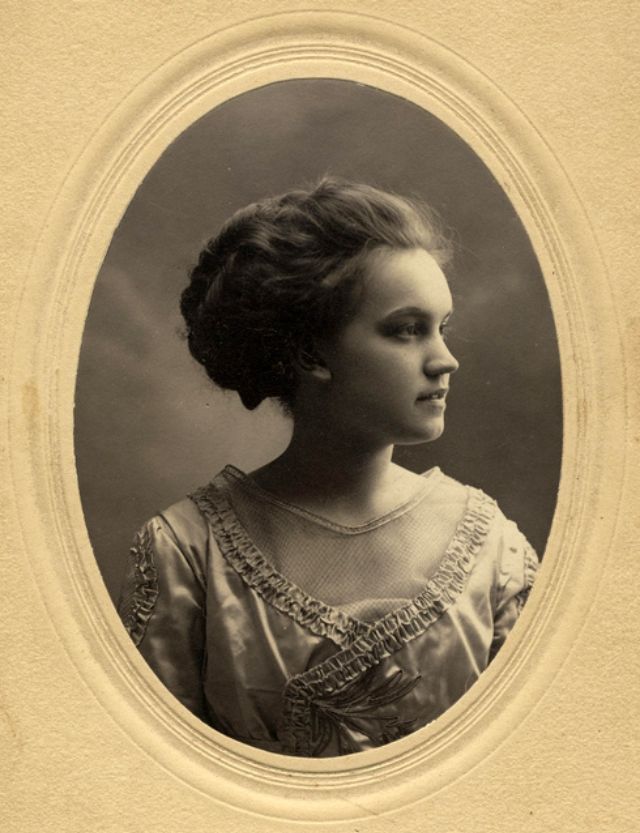
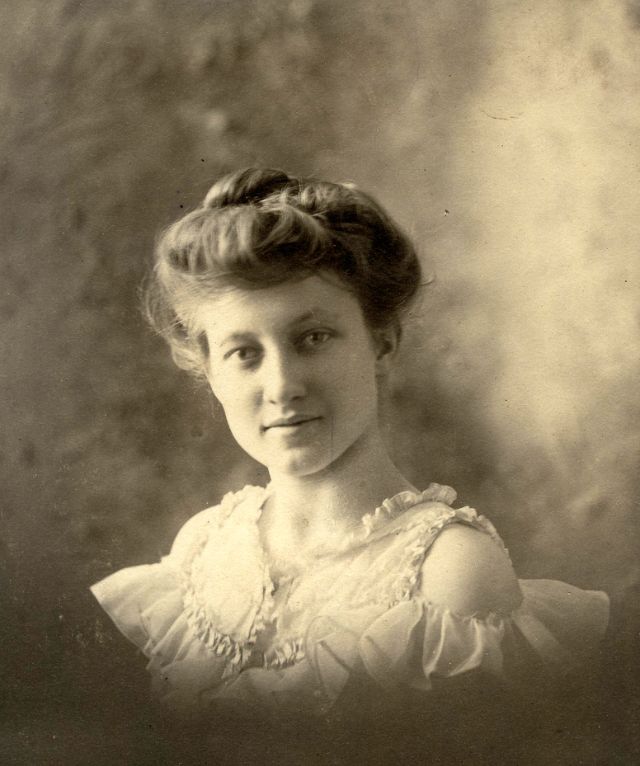
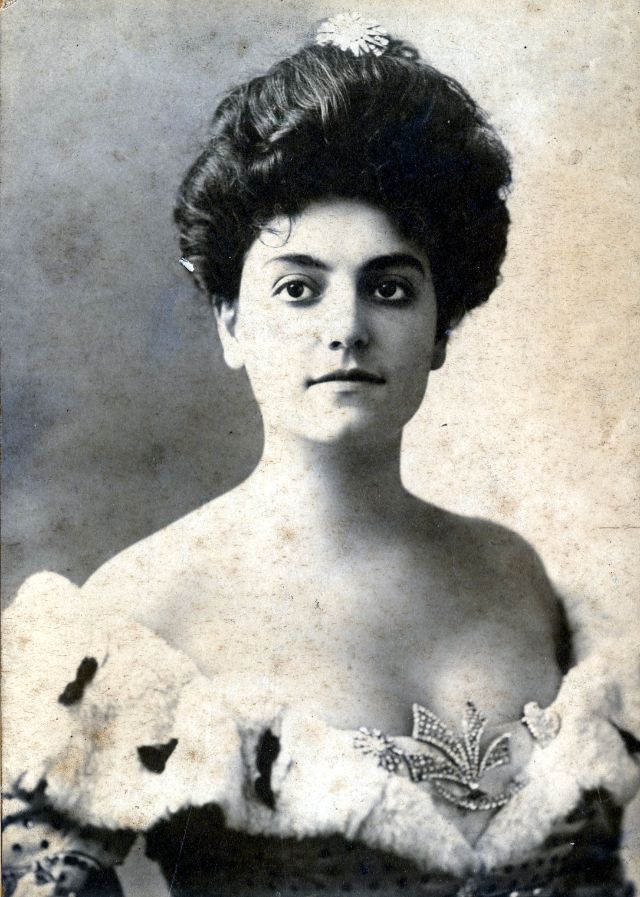
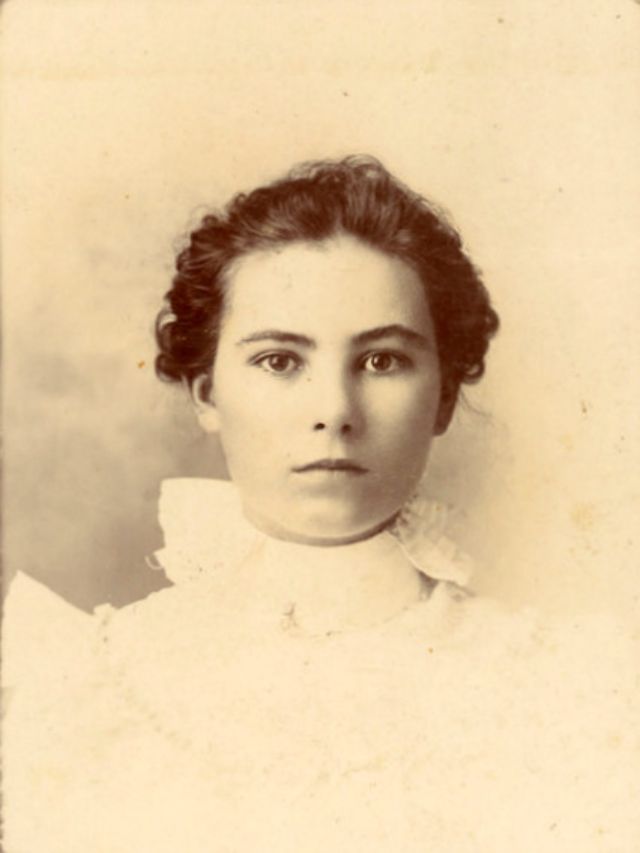
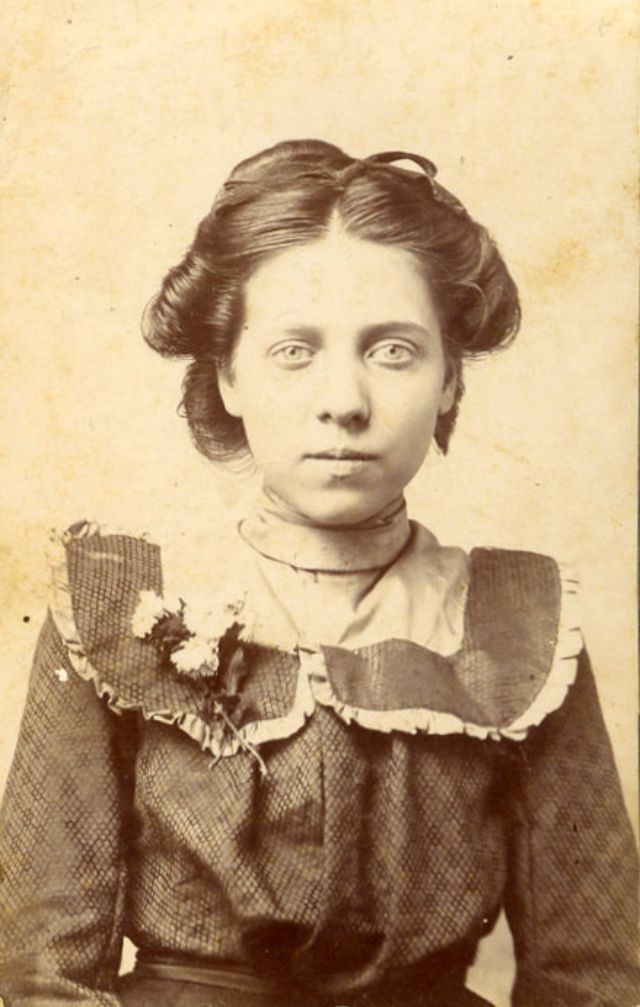
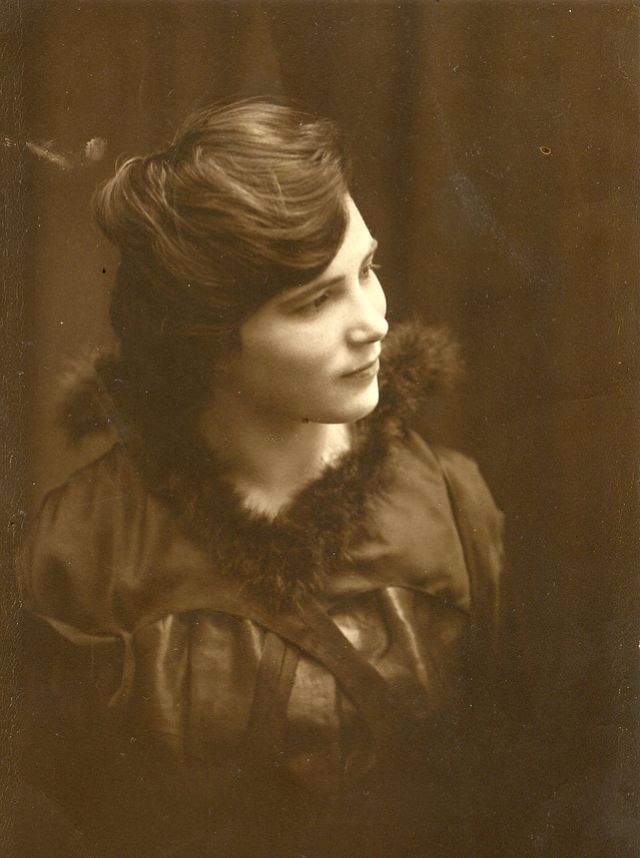
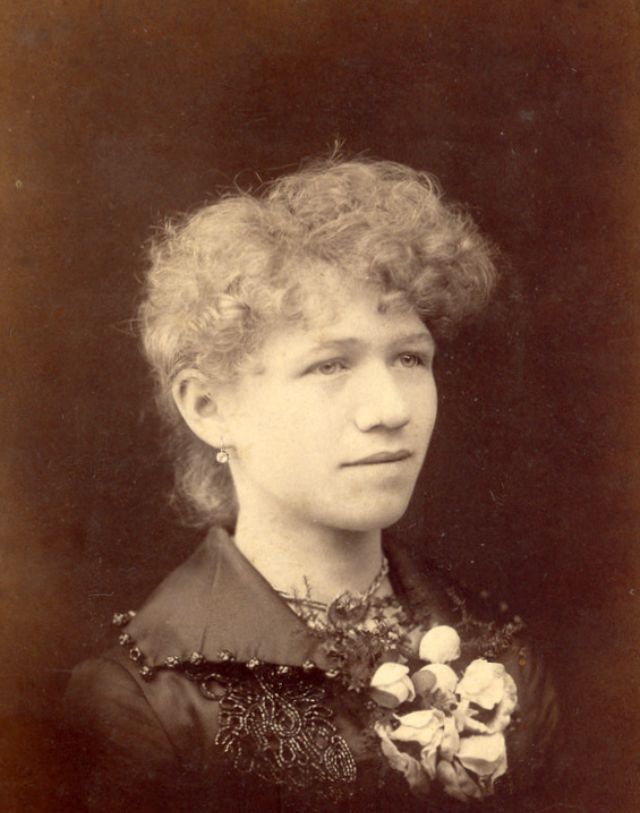
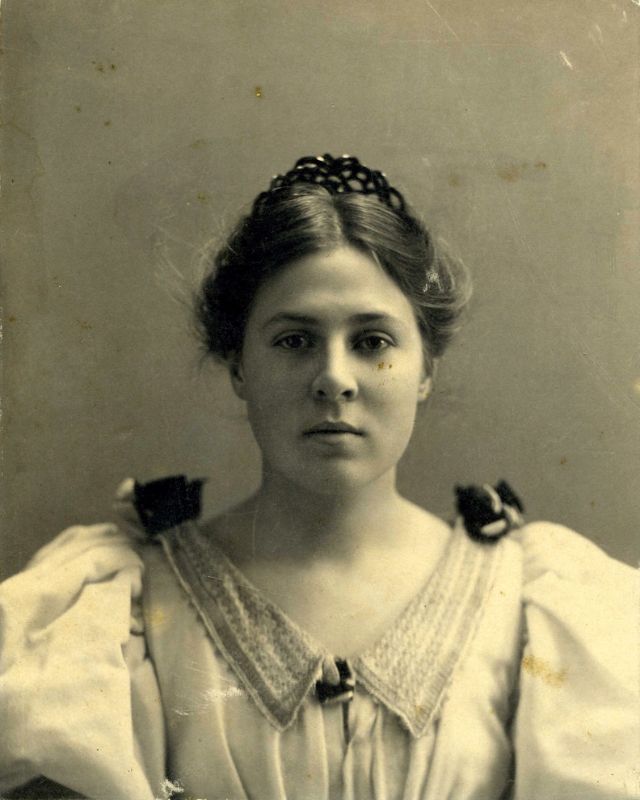
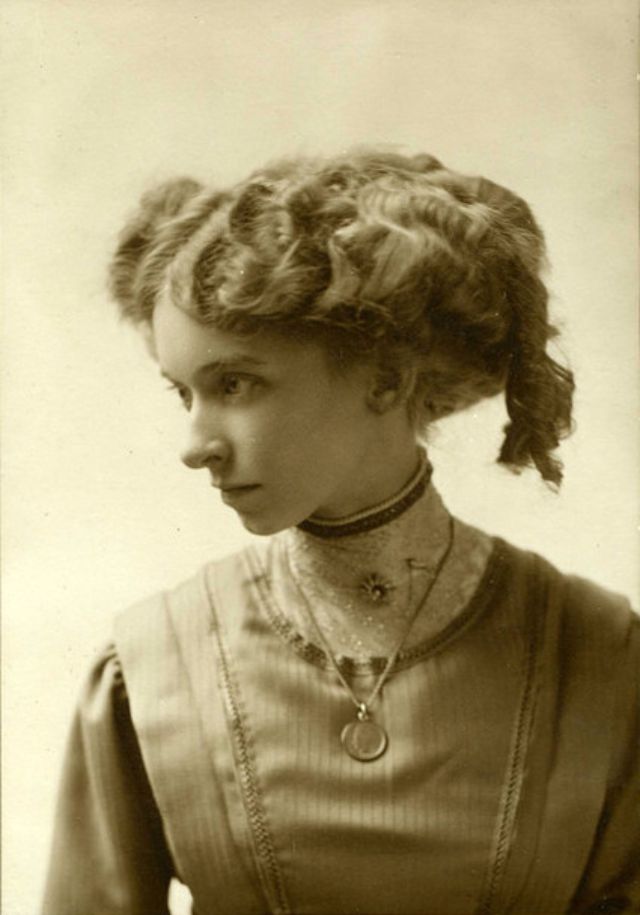
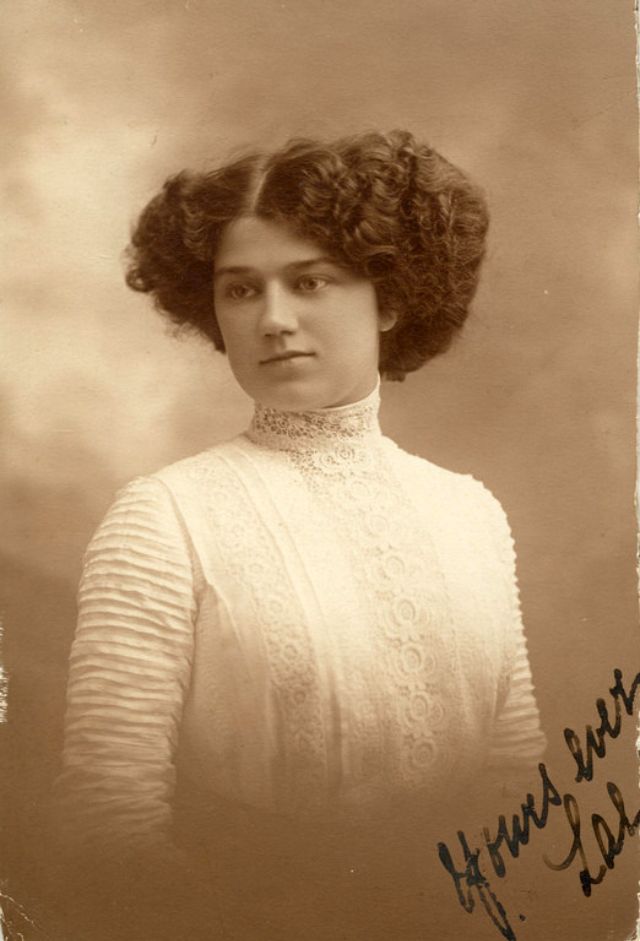
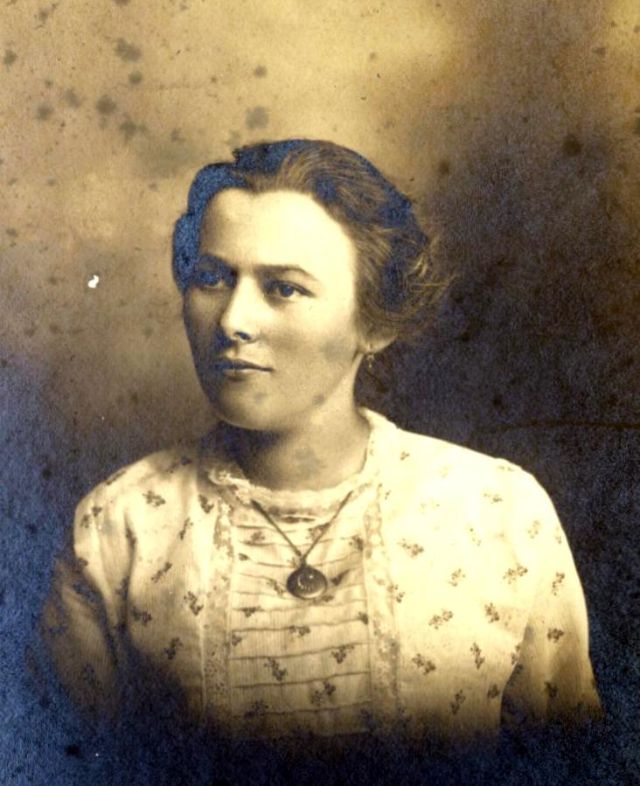
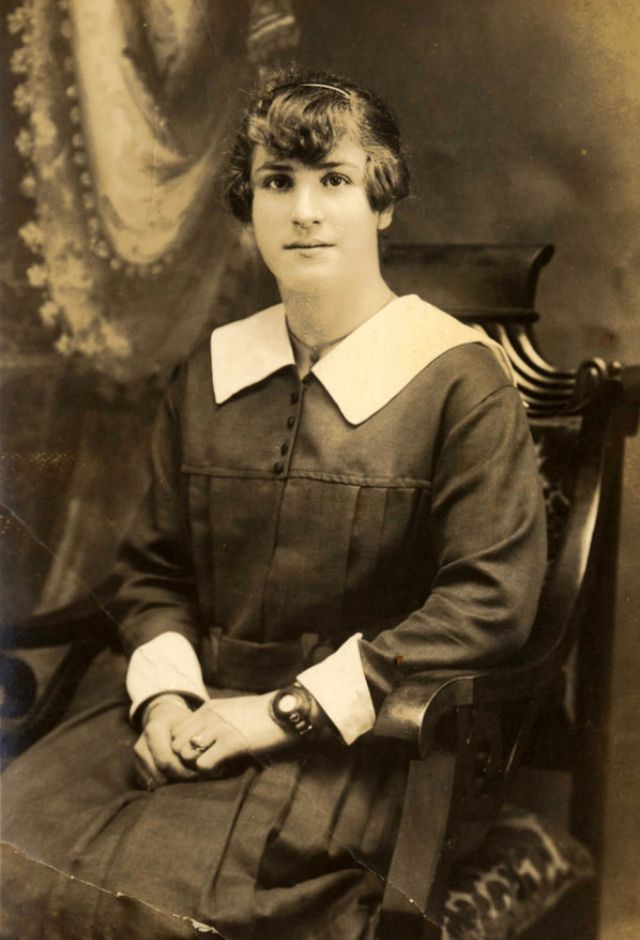
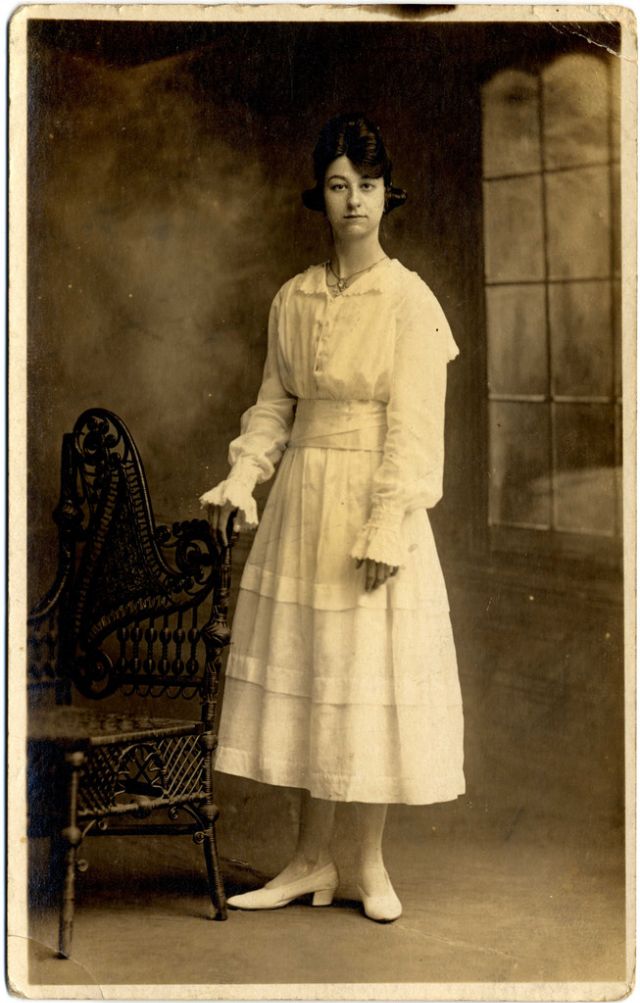
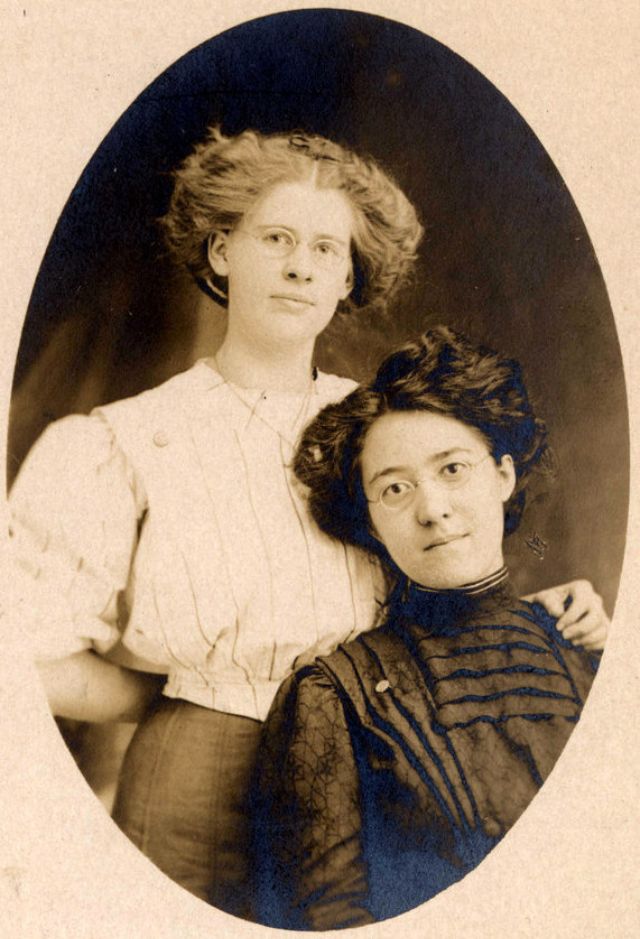
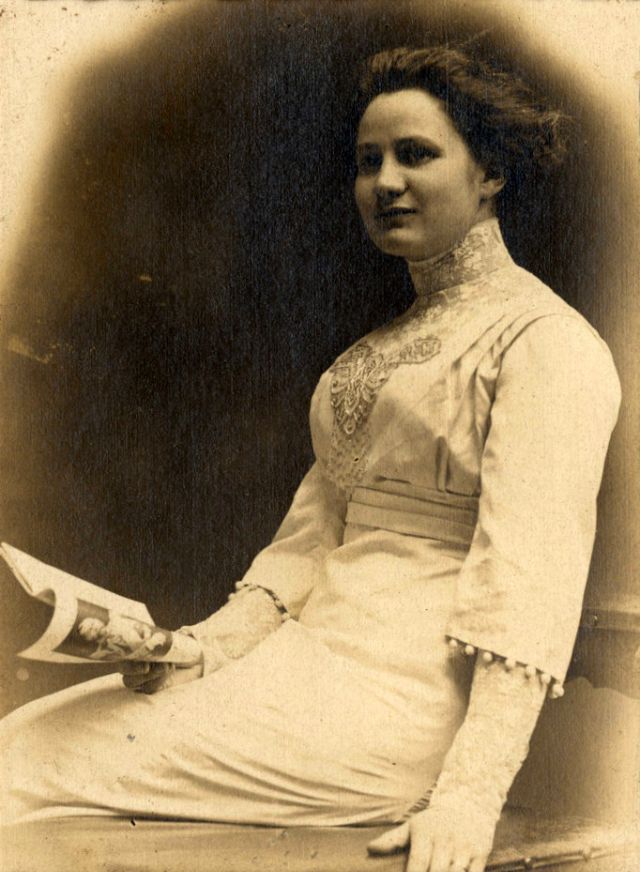
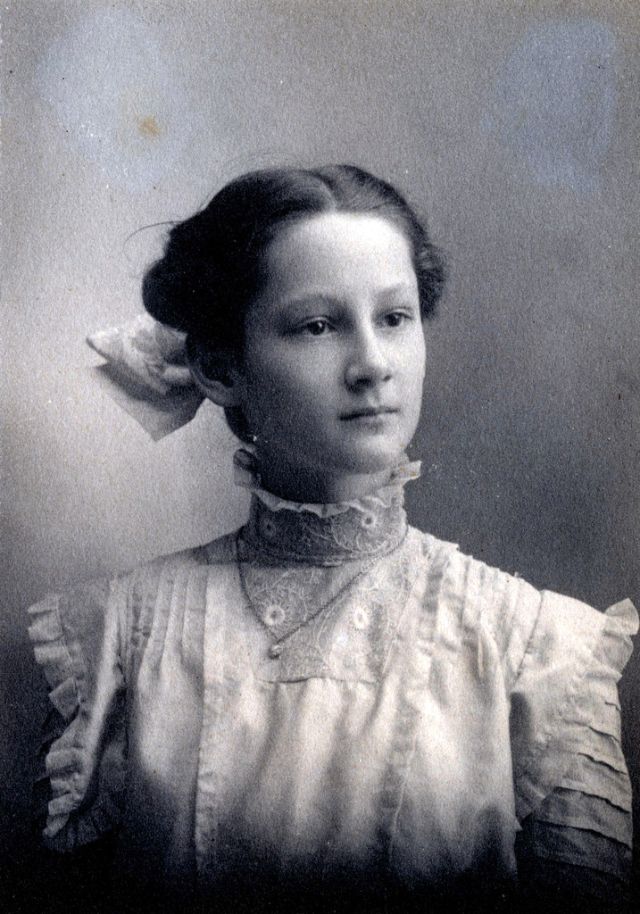
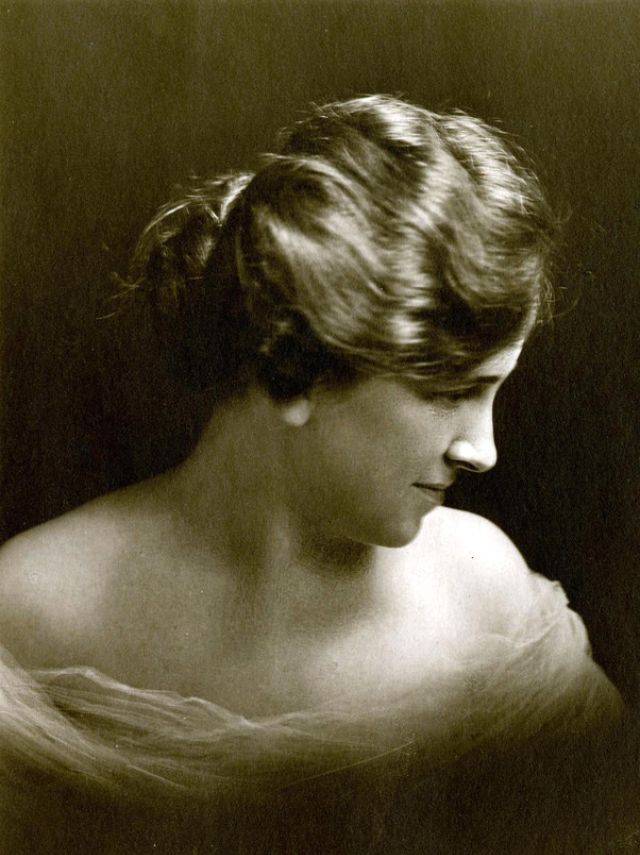
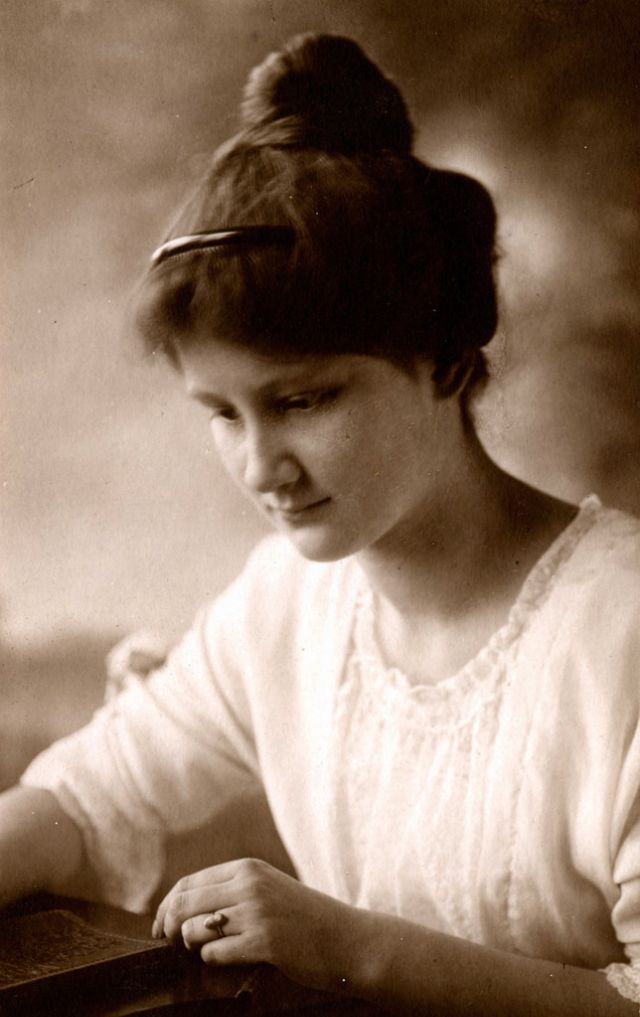
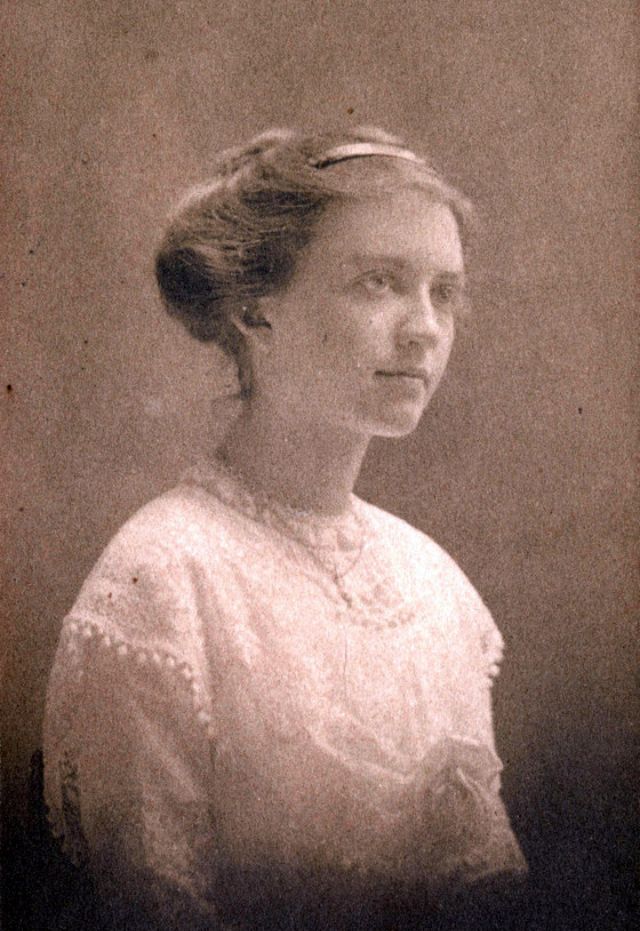
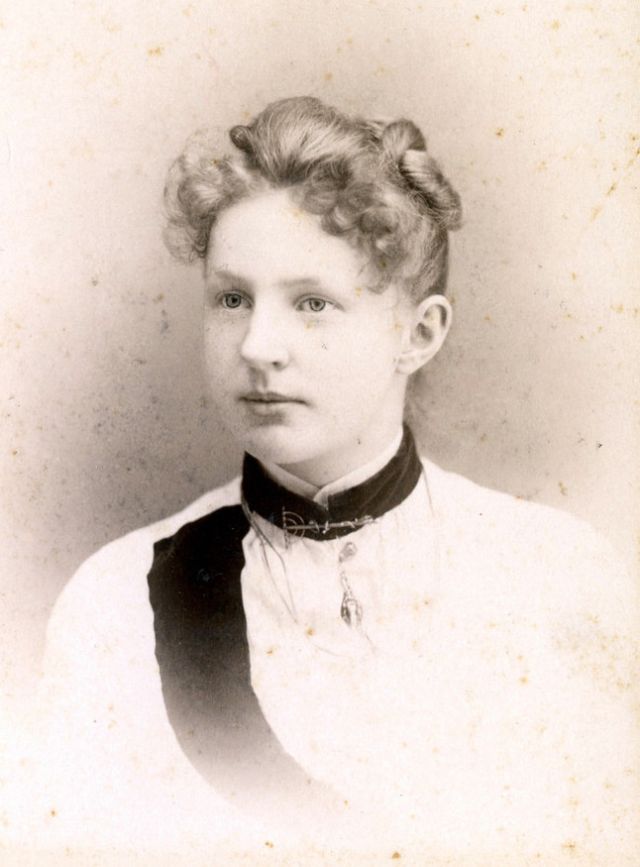
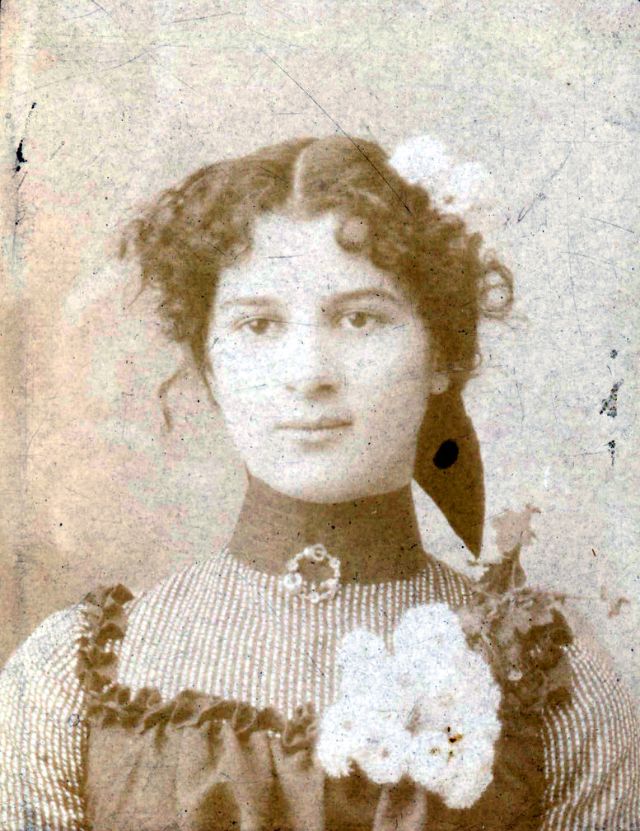
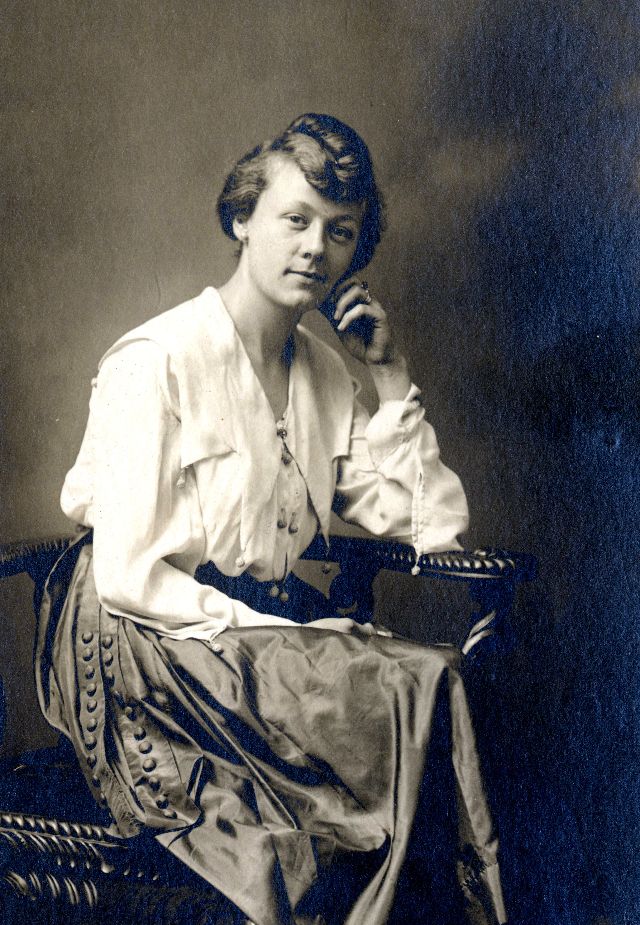
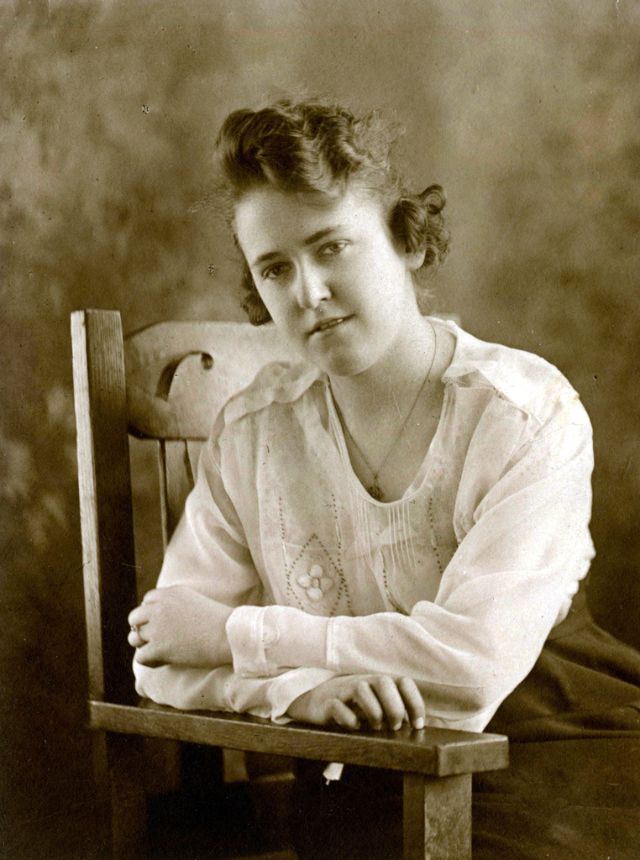
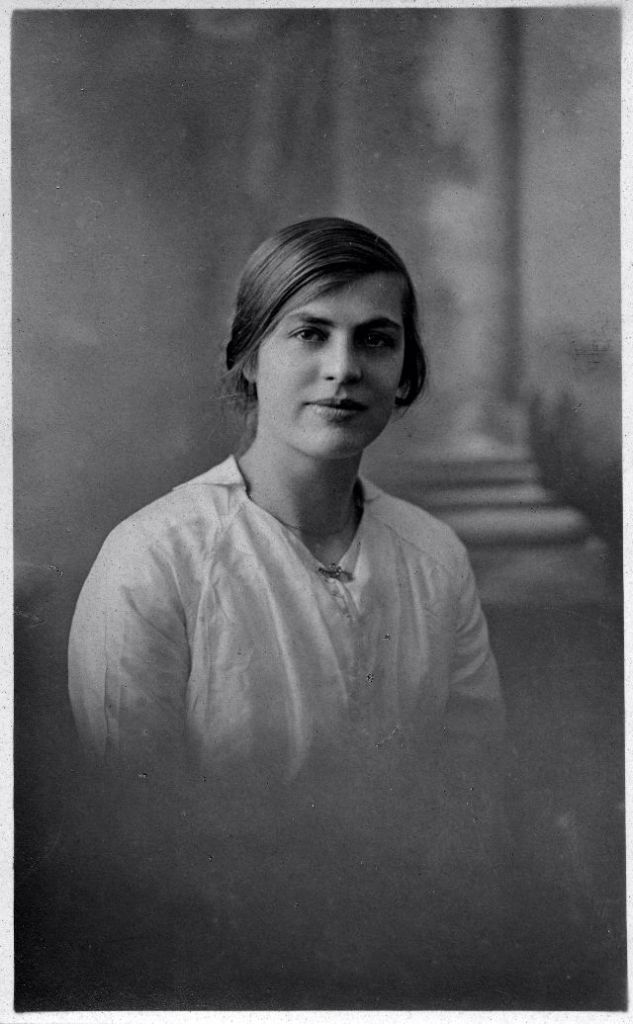
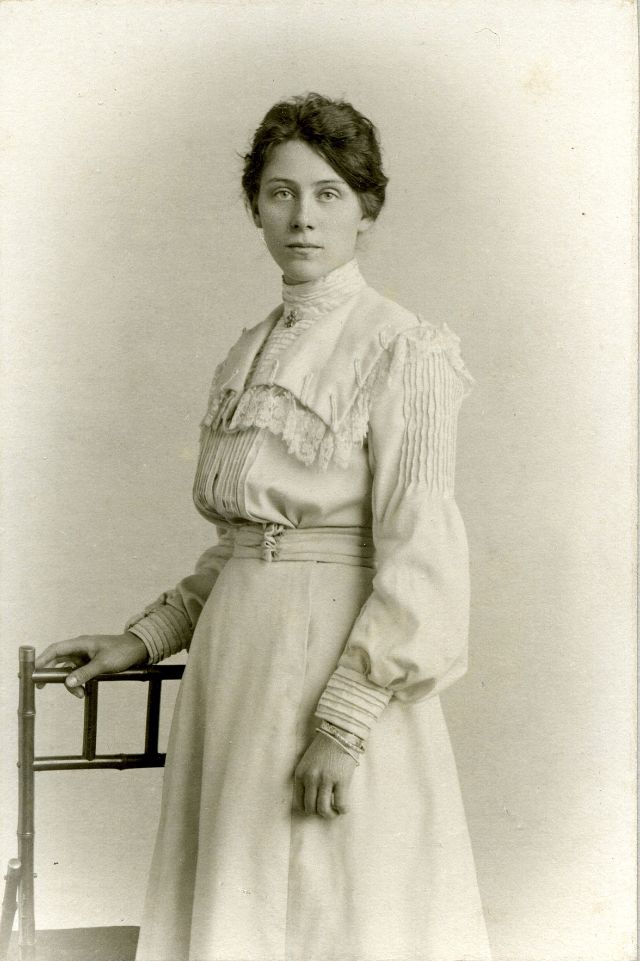
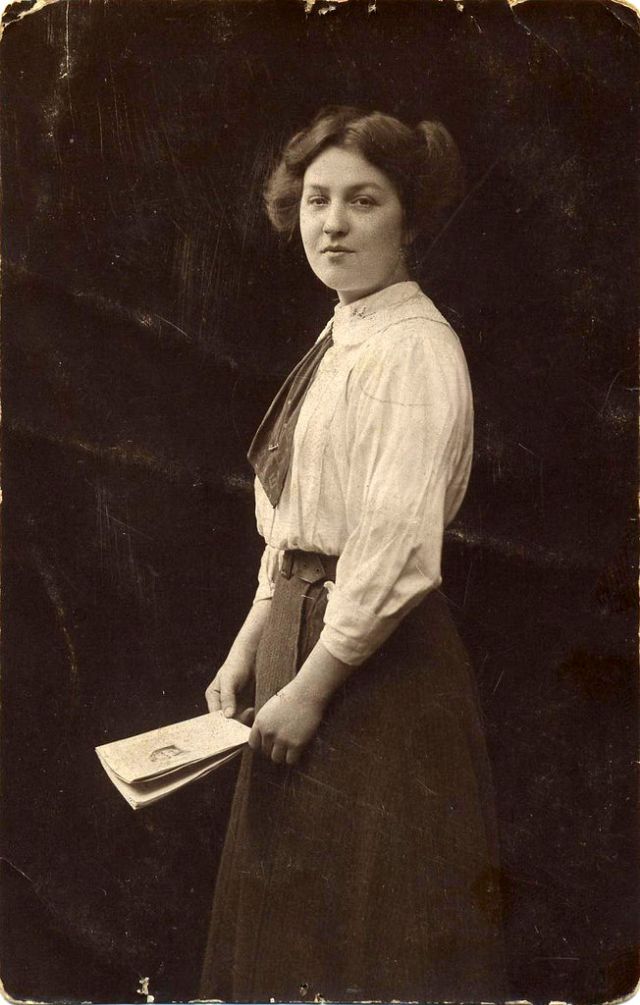
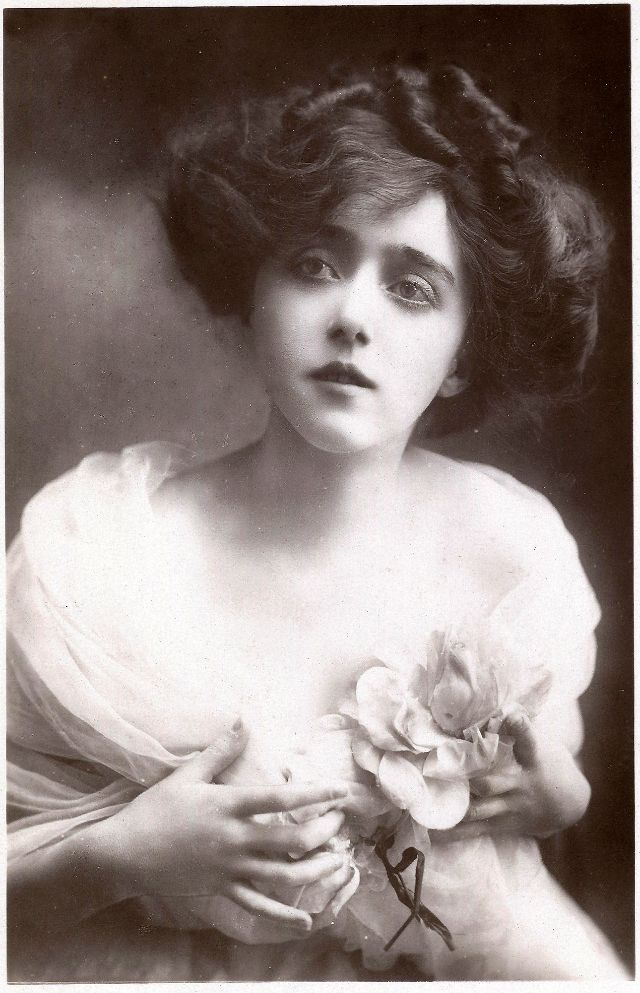
These adorable photos that show young girls in their first Holy Communion from between the 1900s and the 1910s.
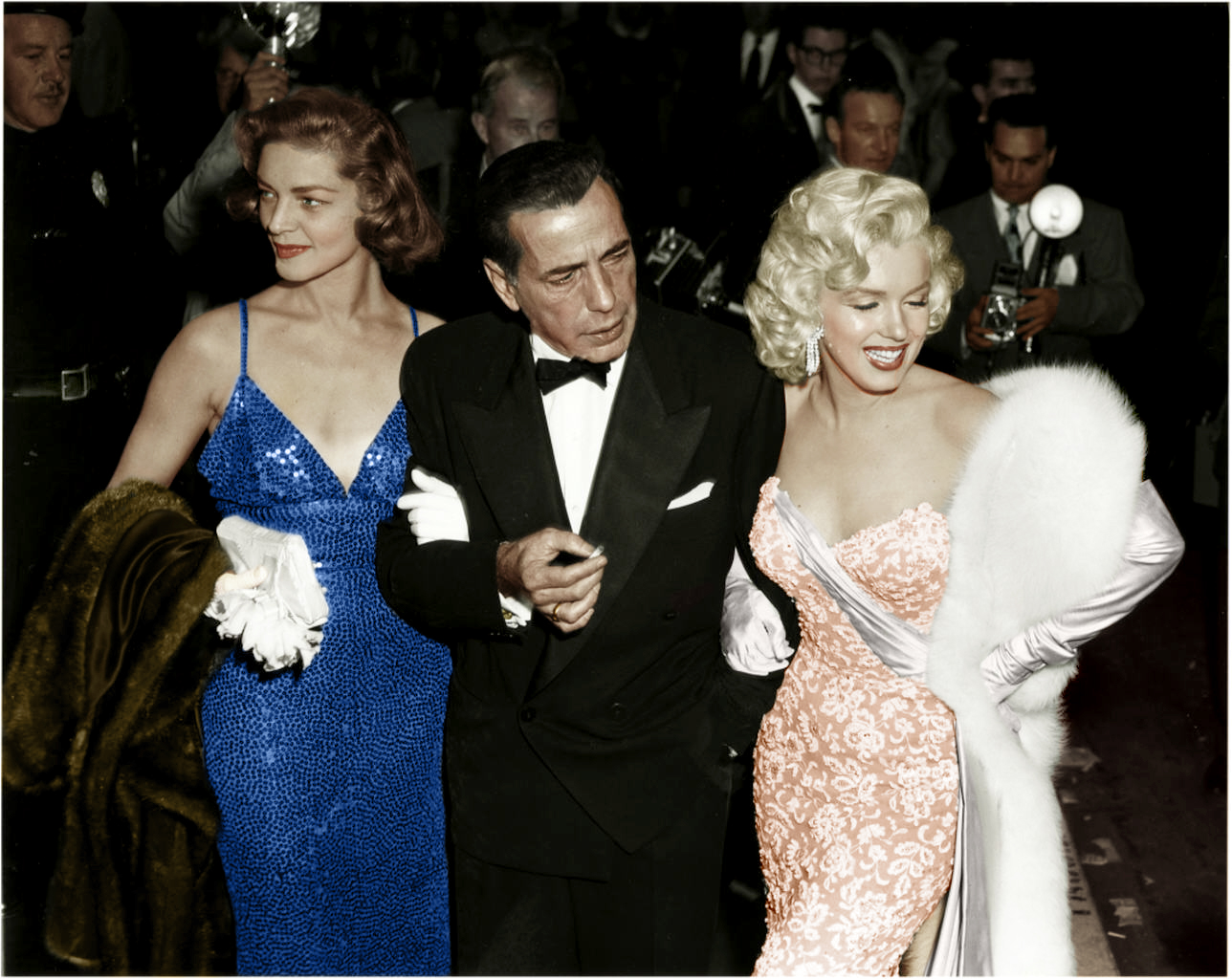
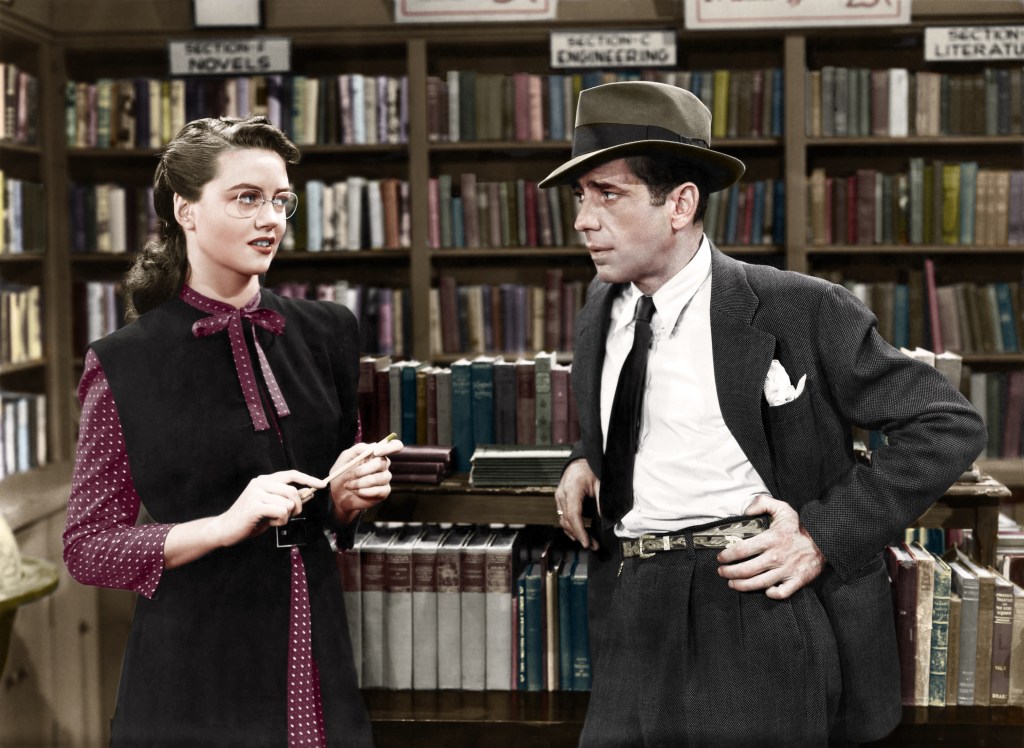
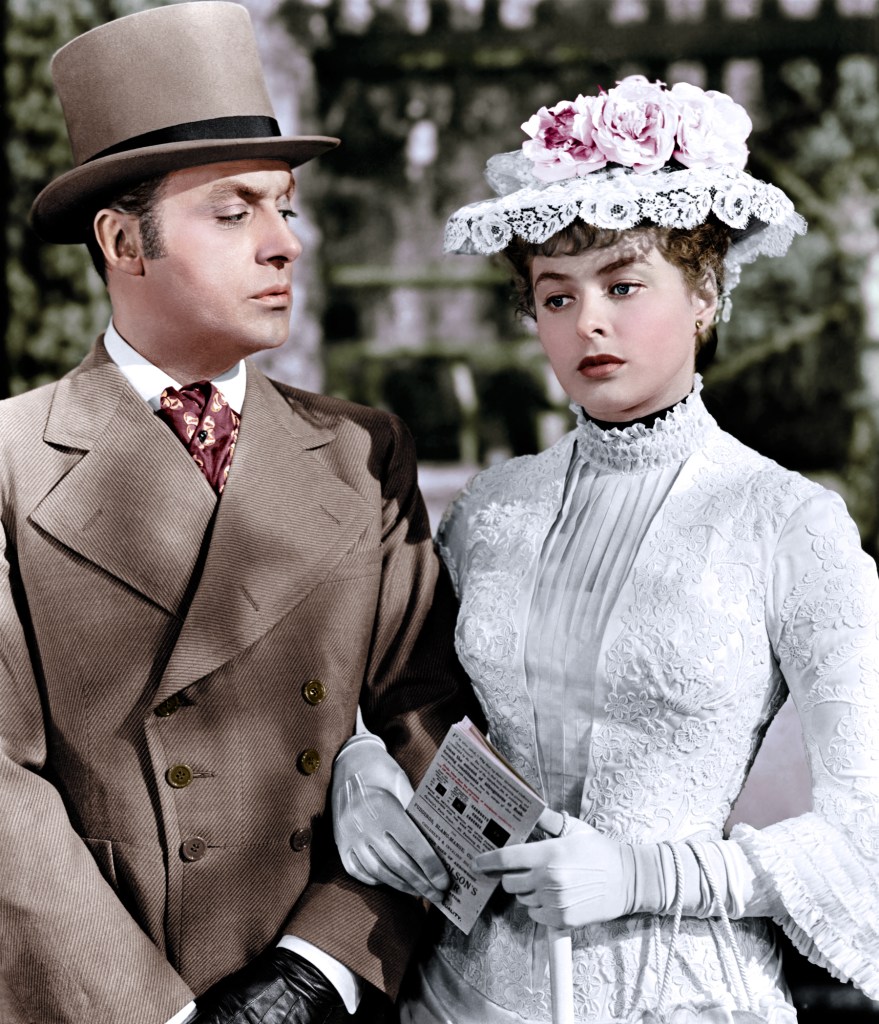
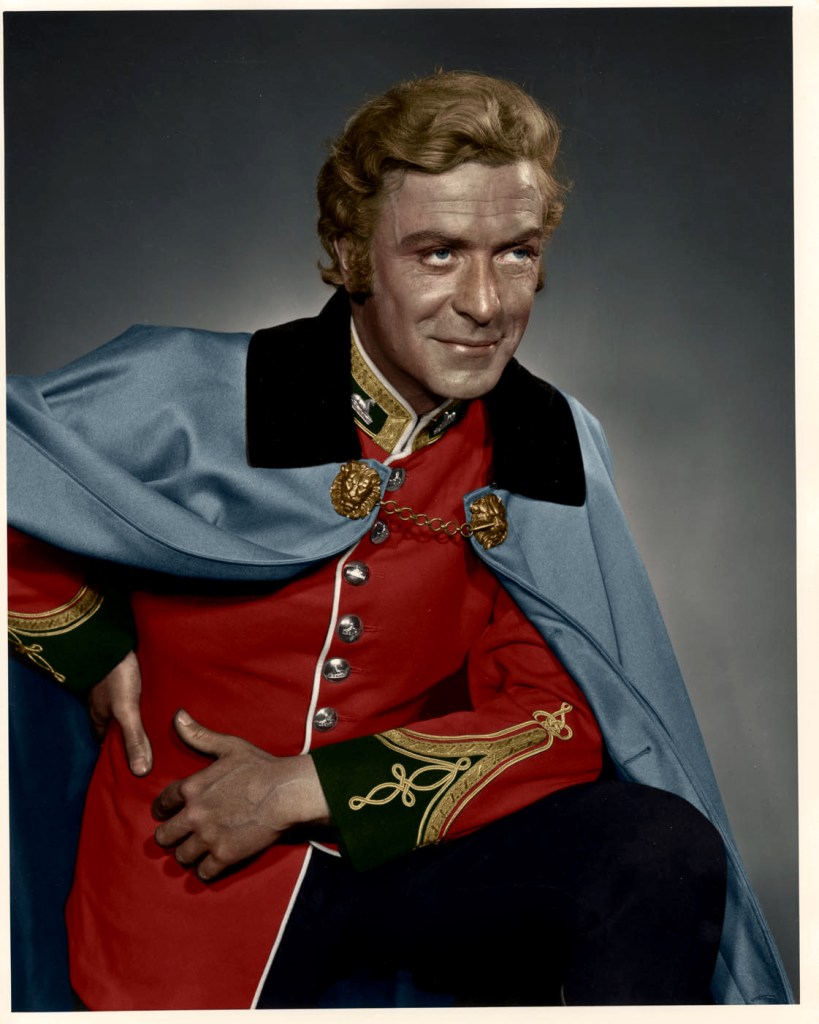
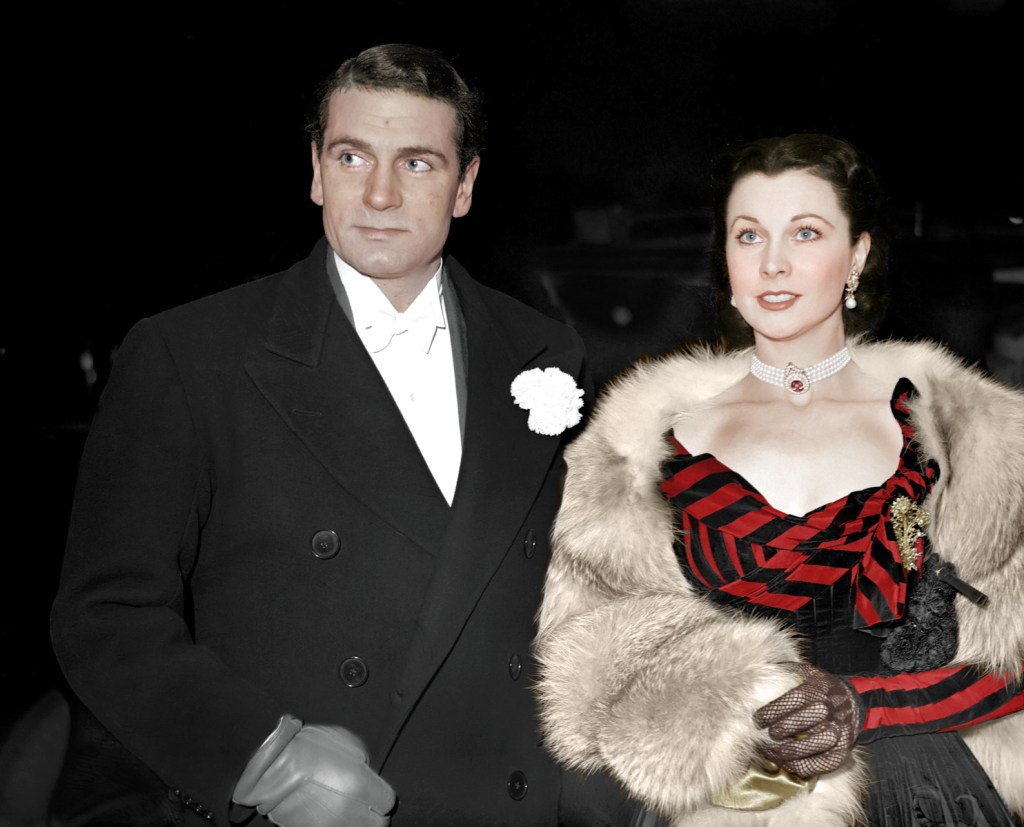
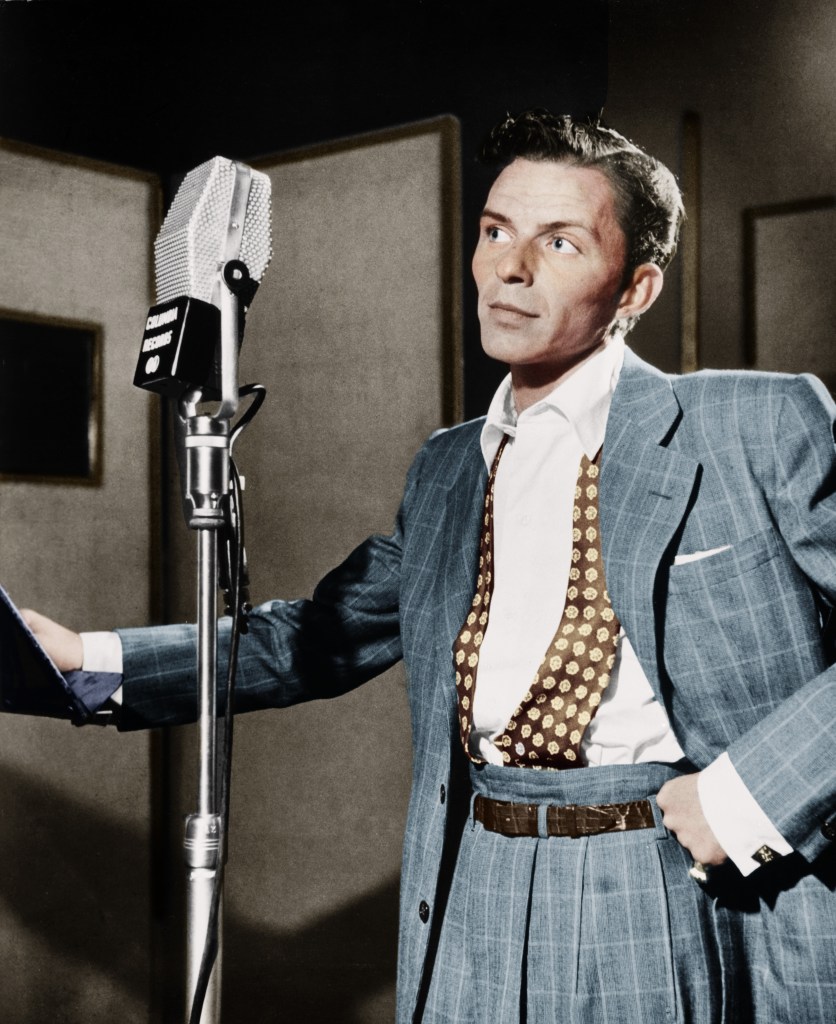
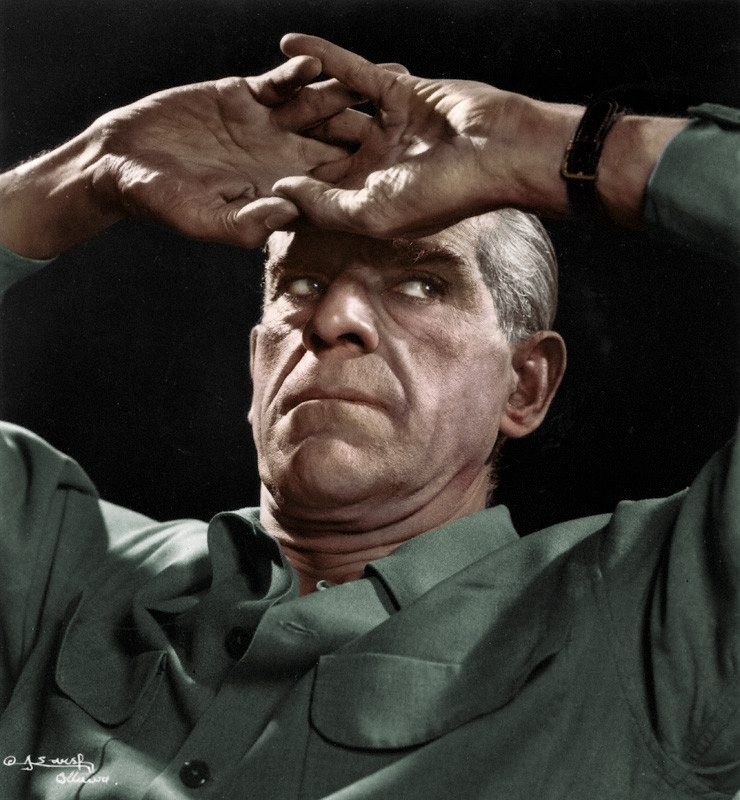
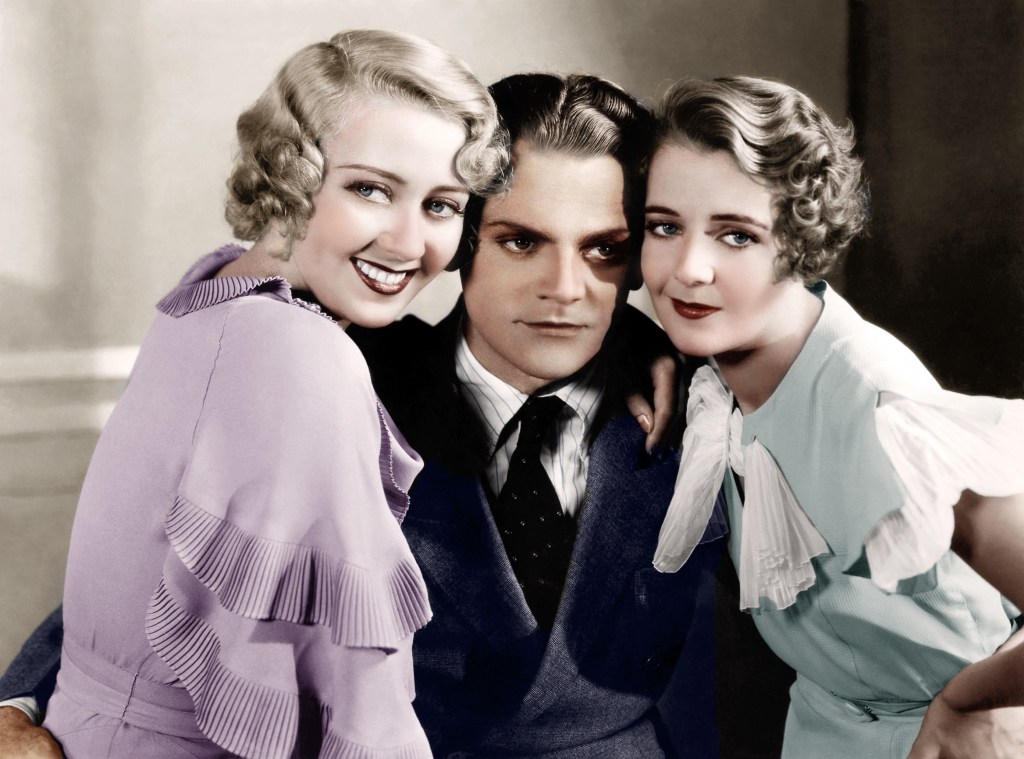
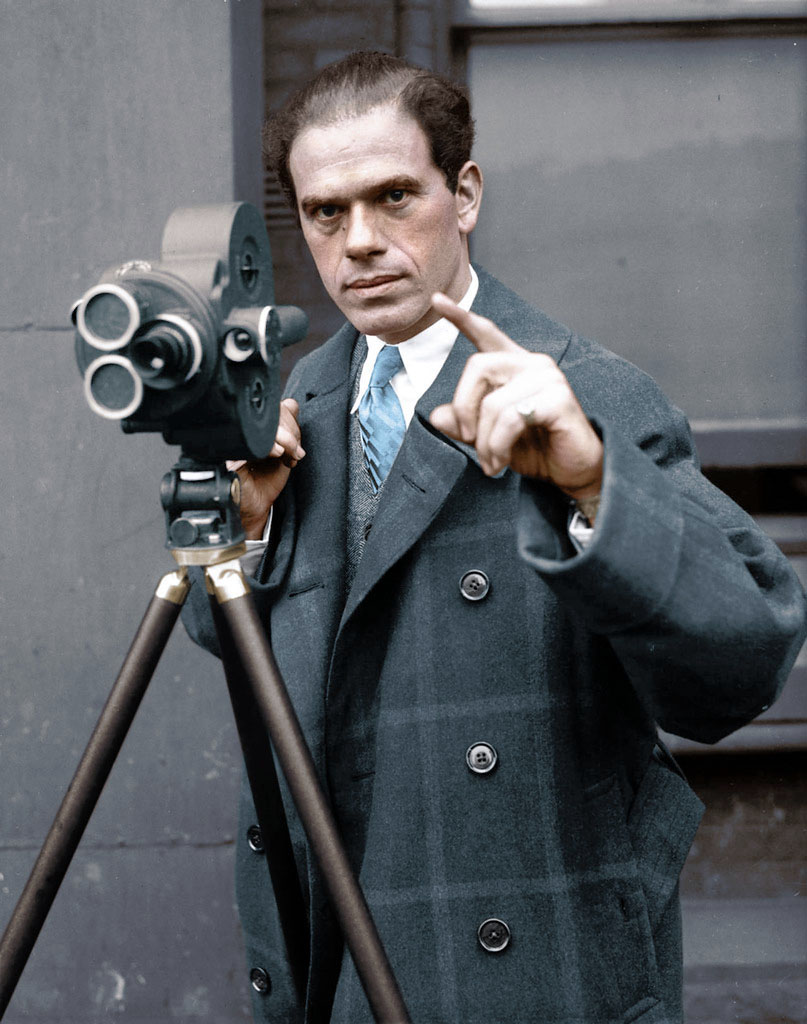
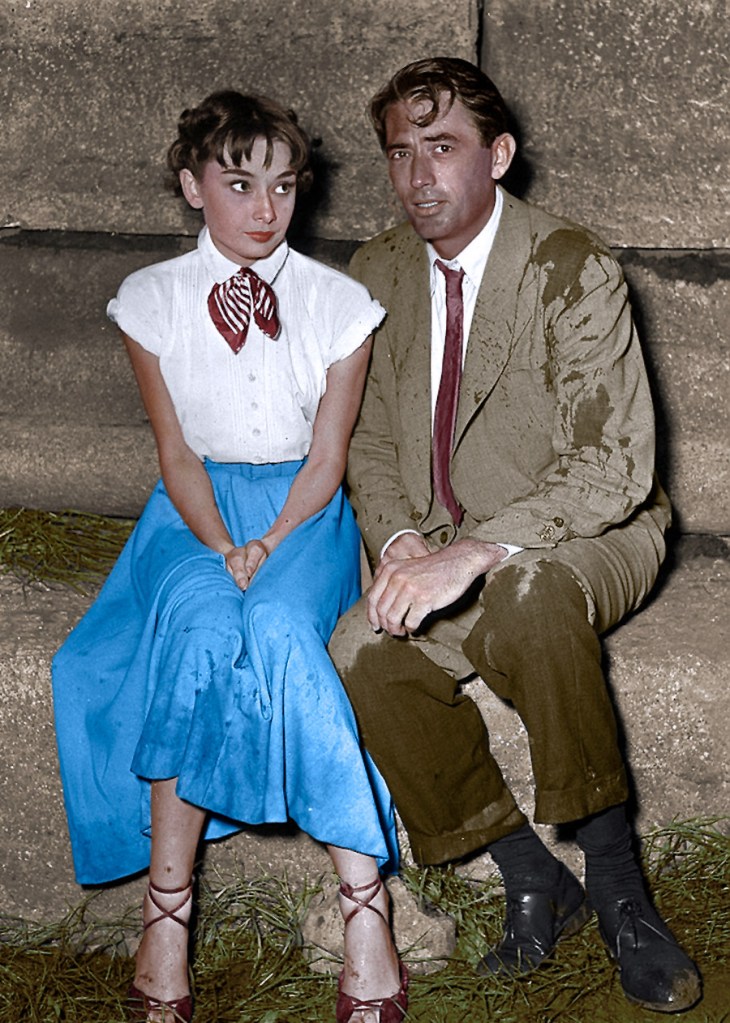
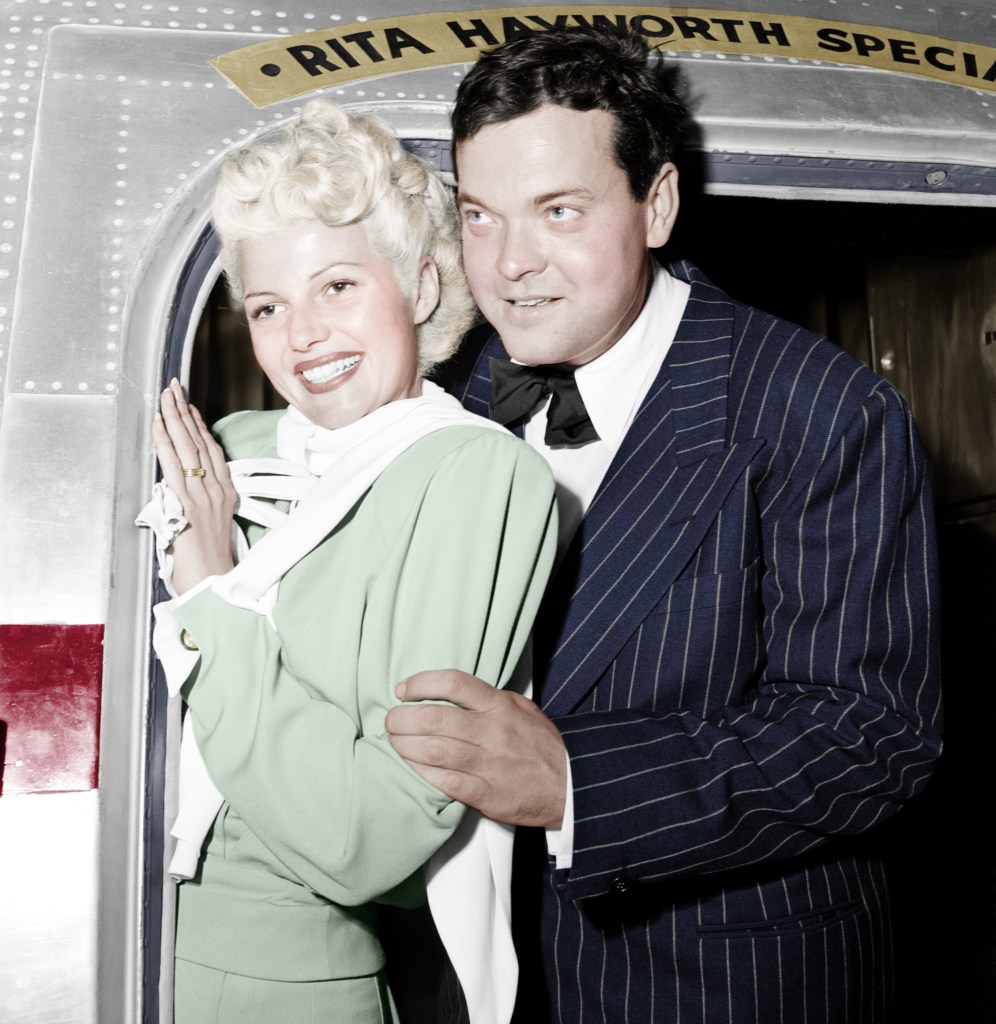
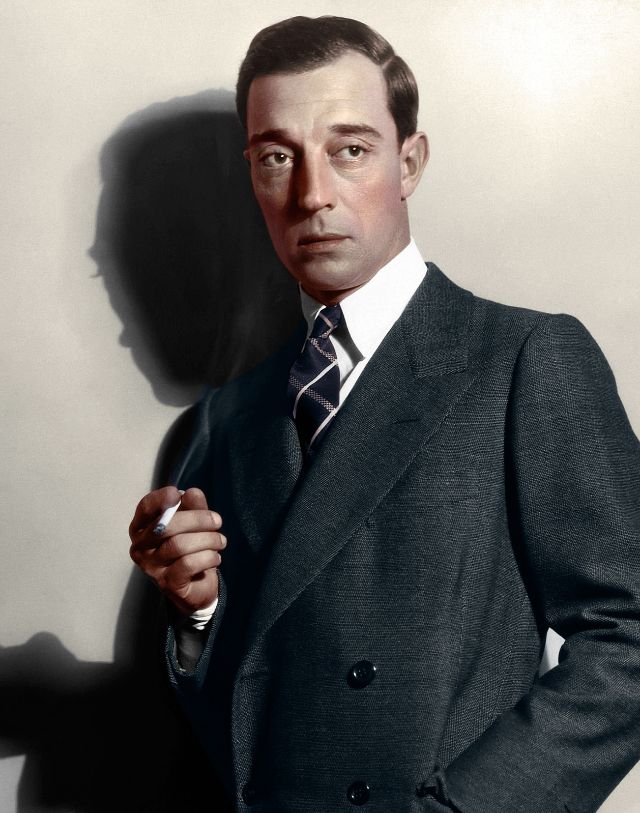
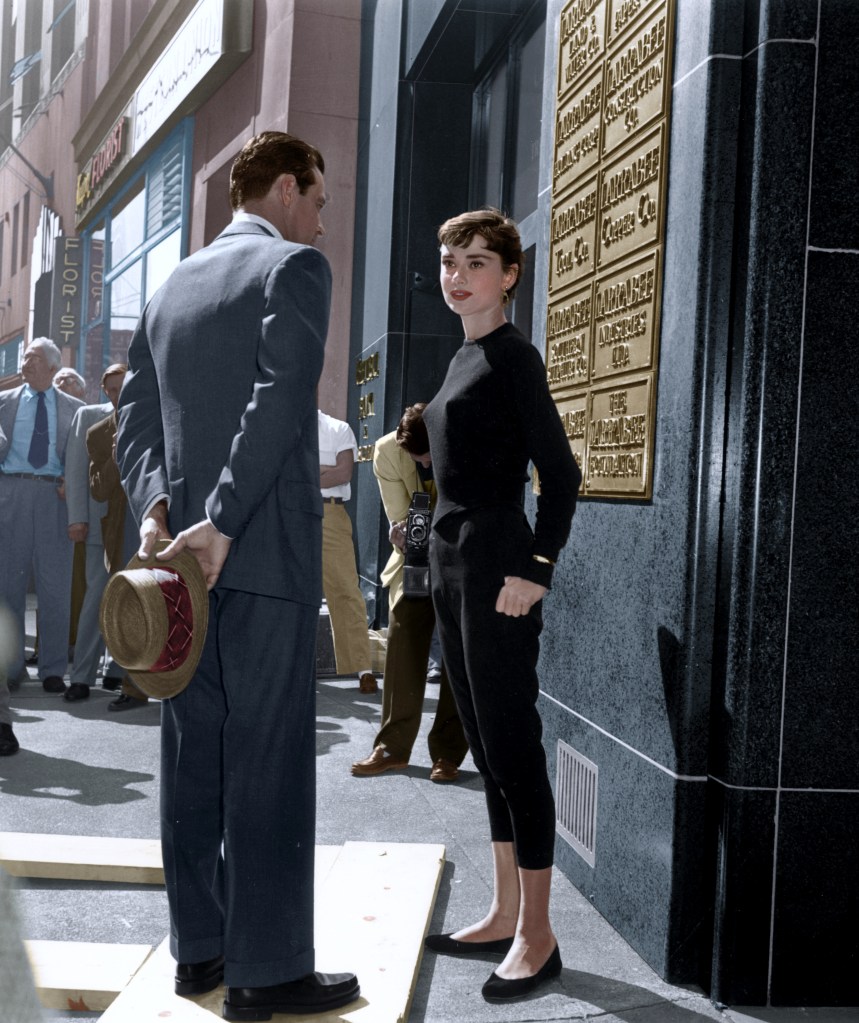
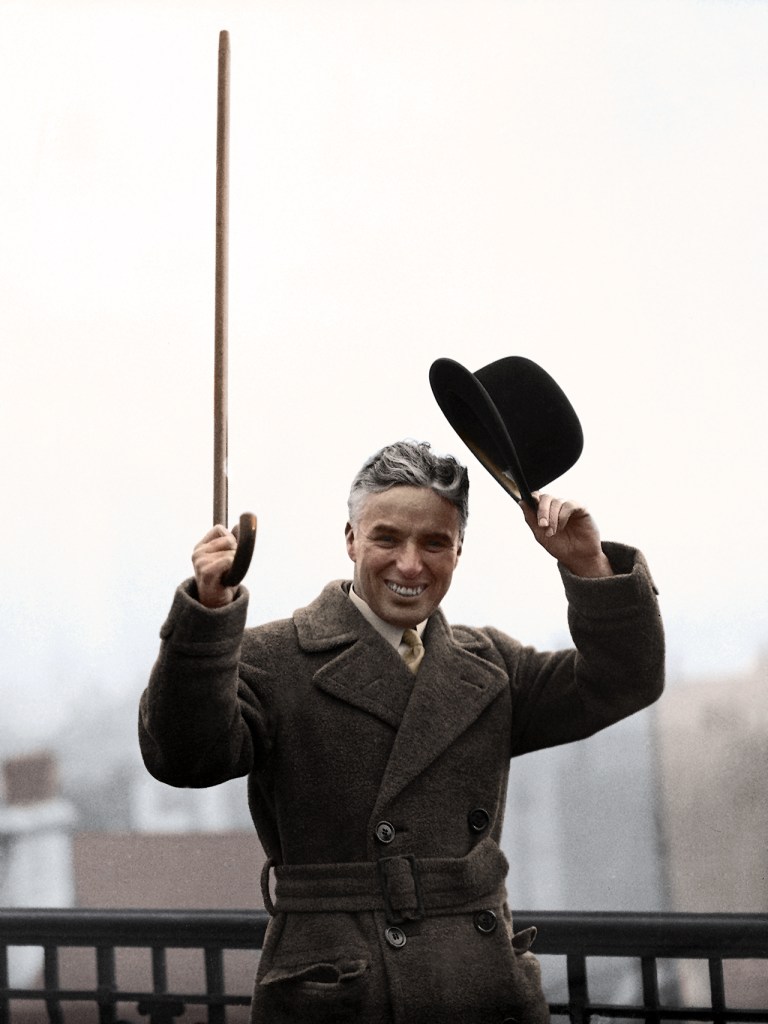
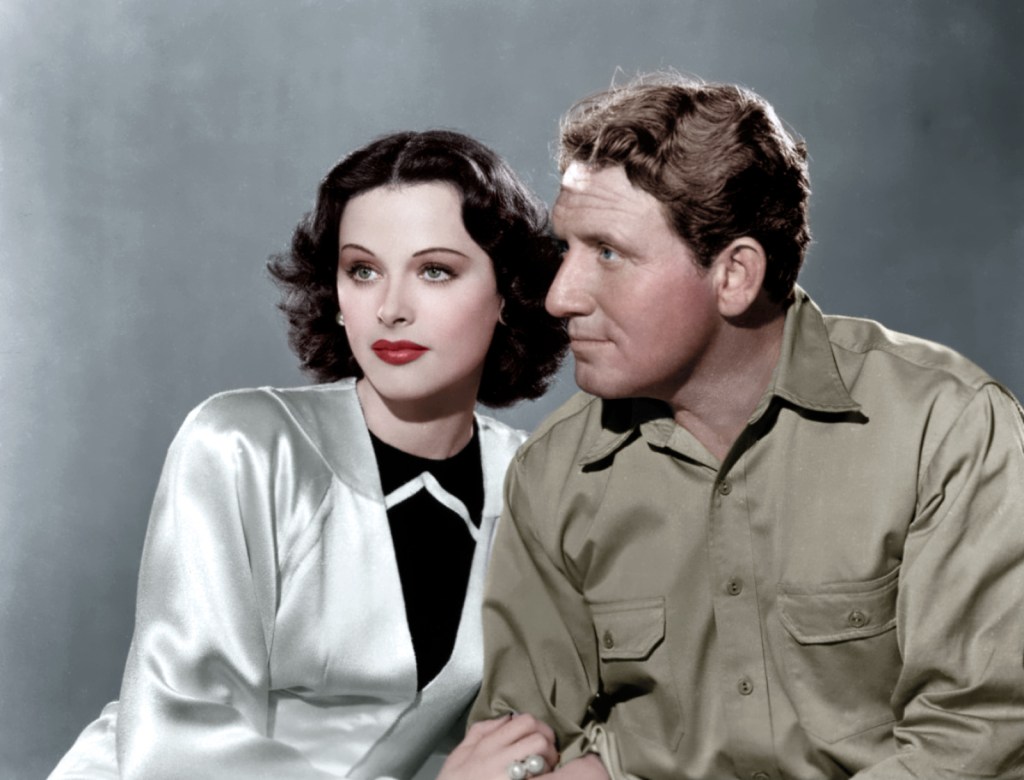
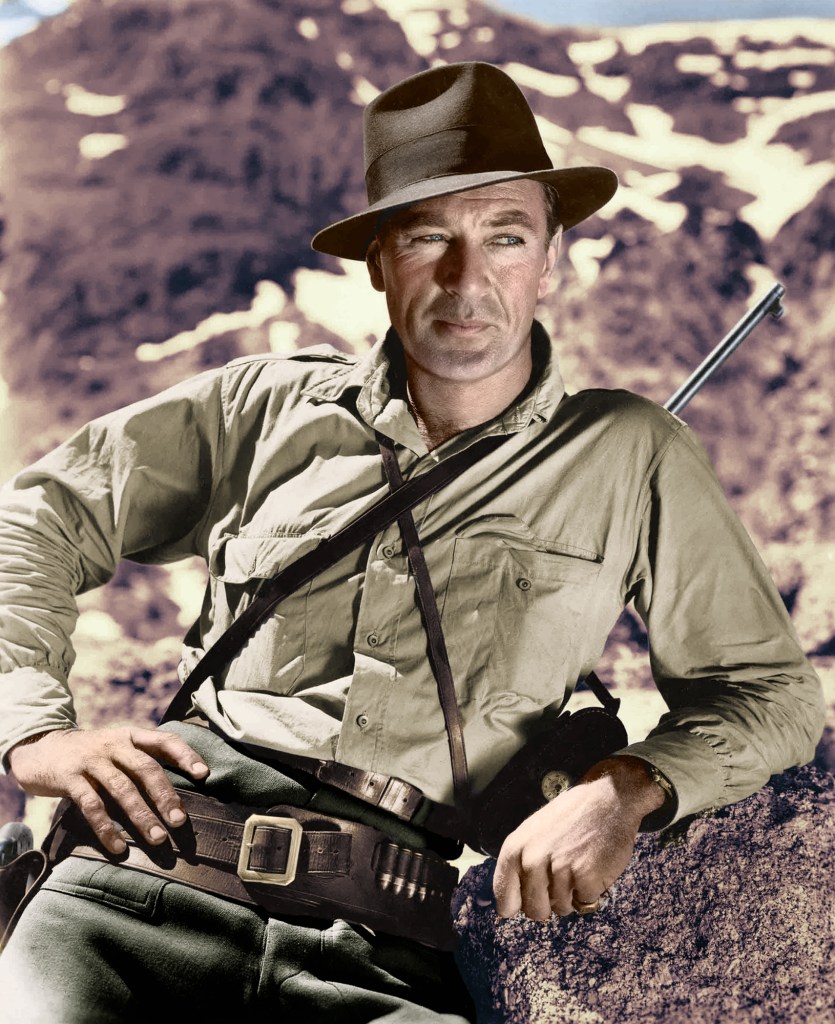
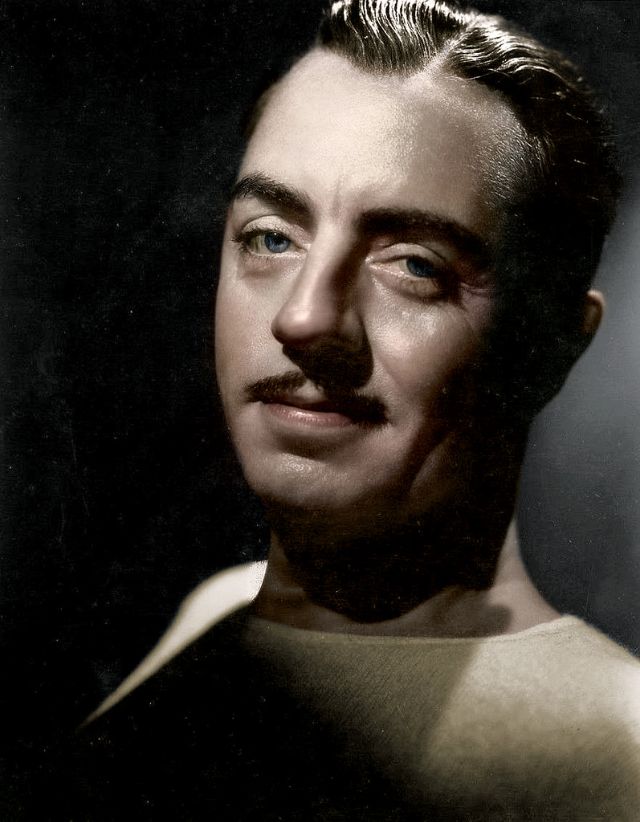
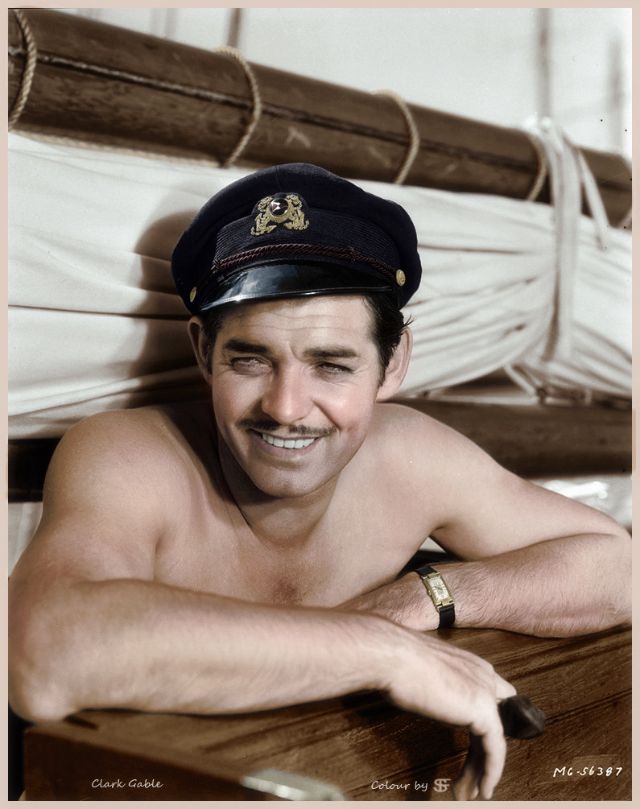
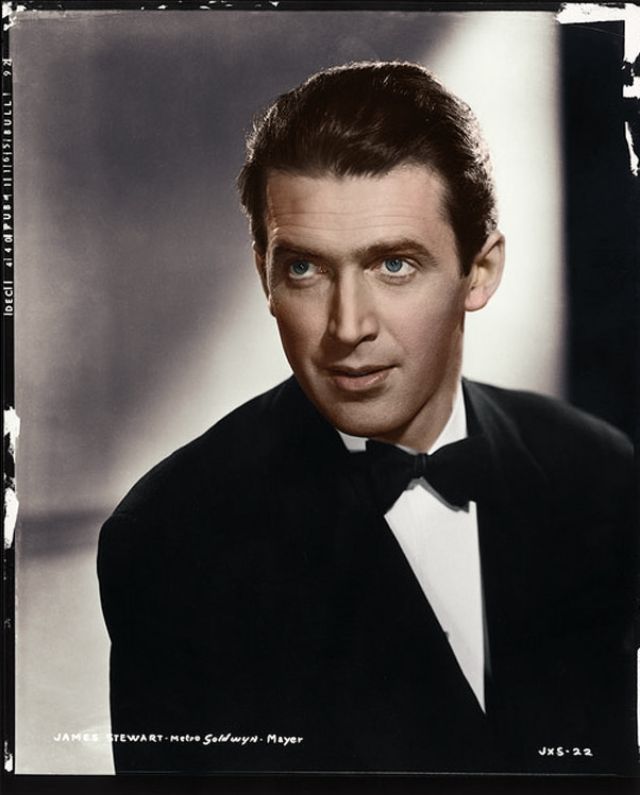
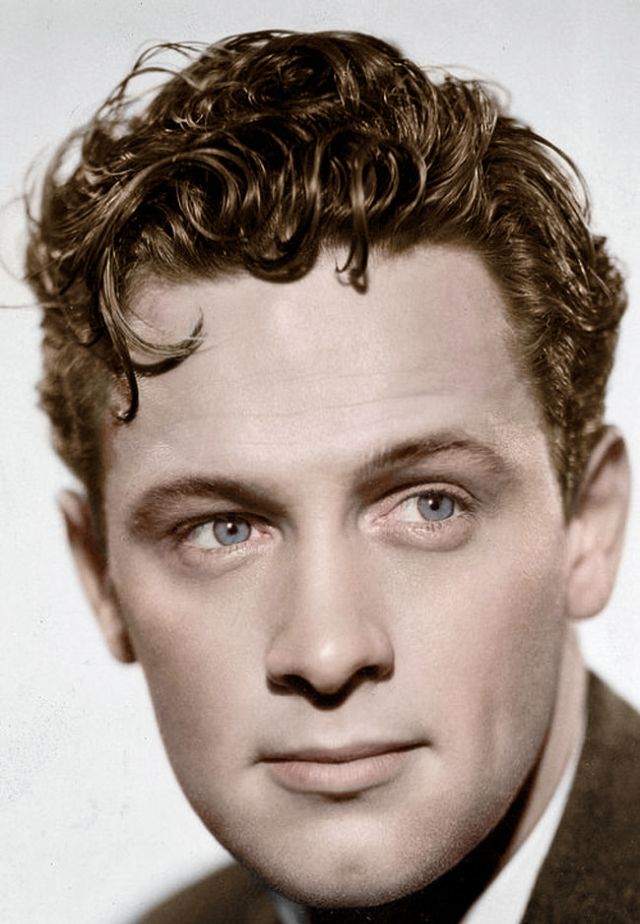
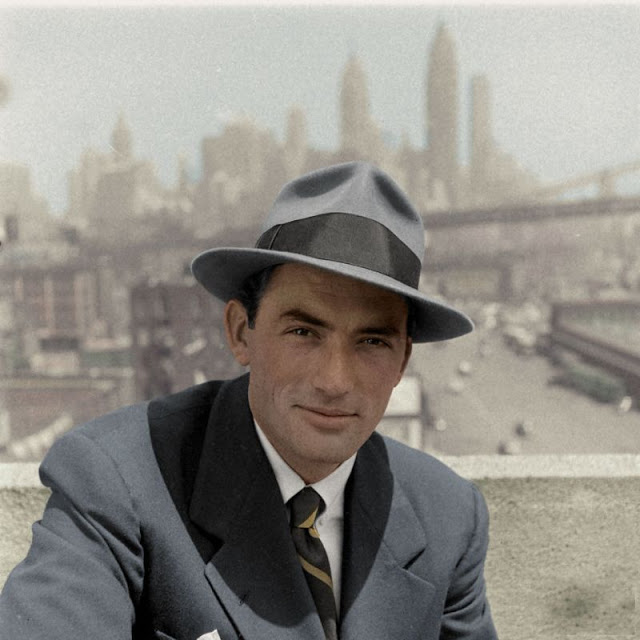
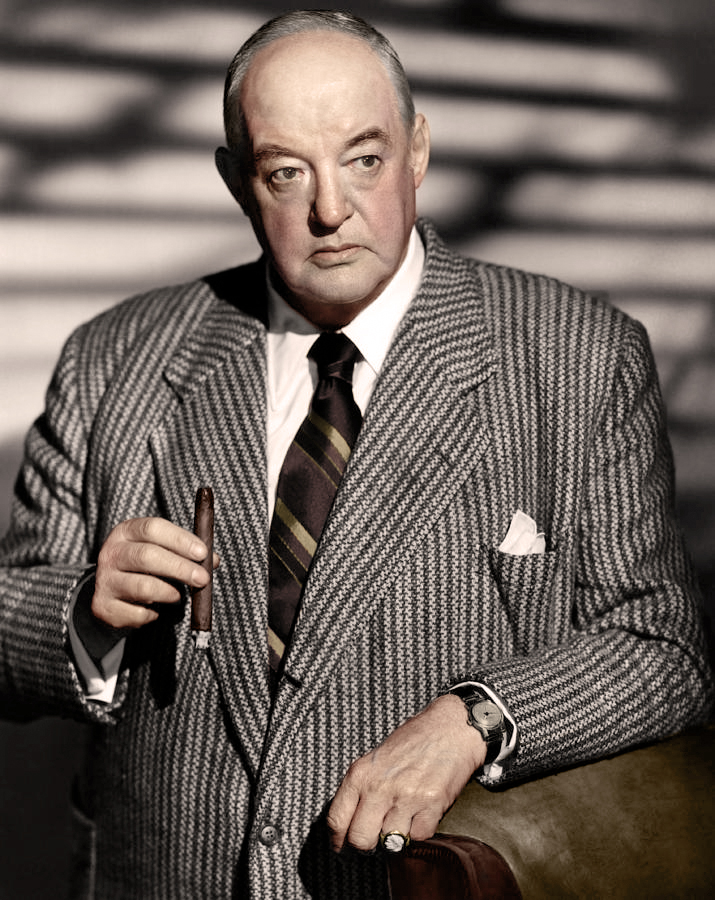
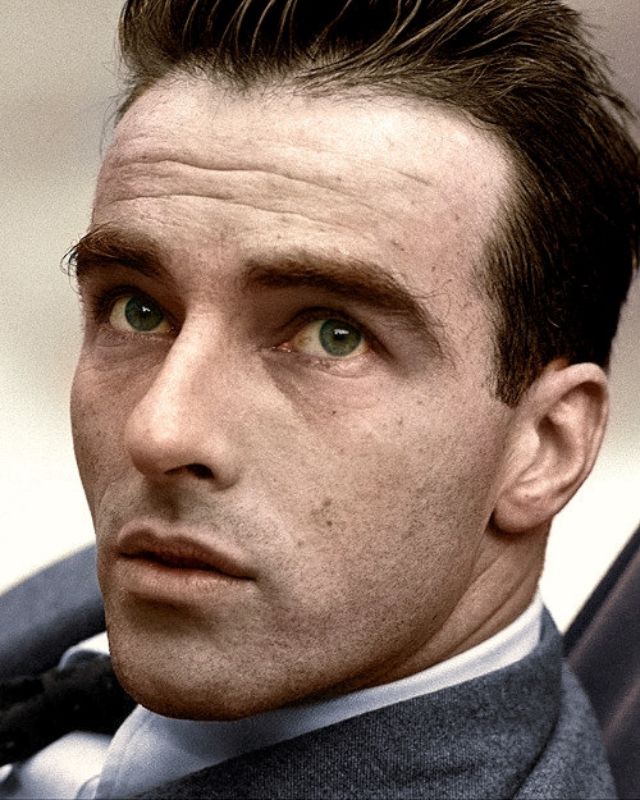
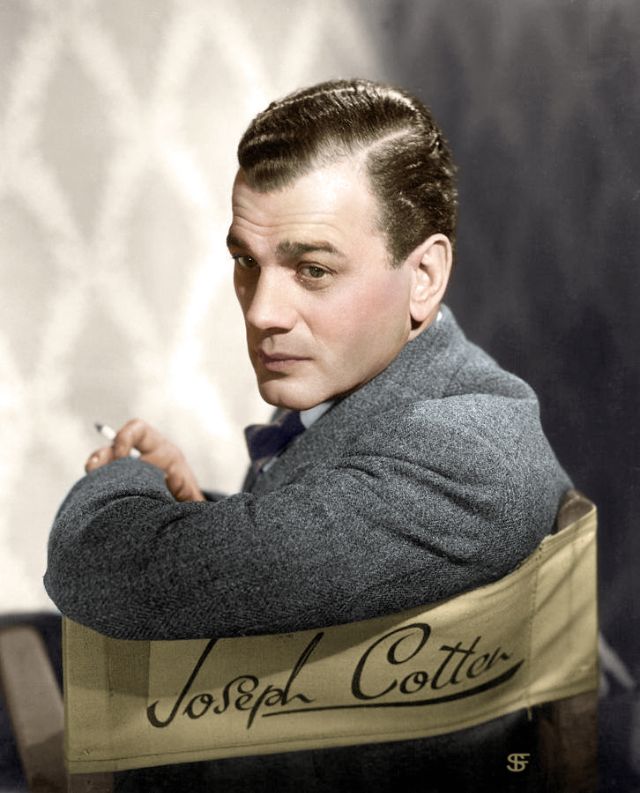
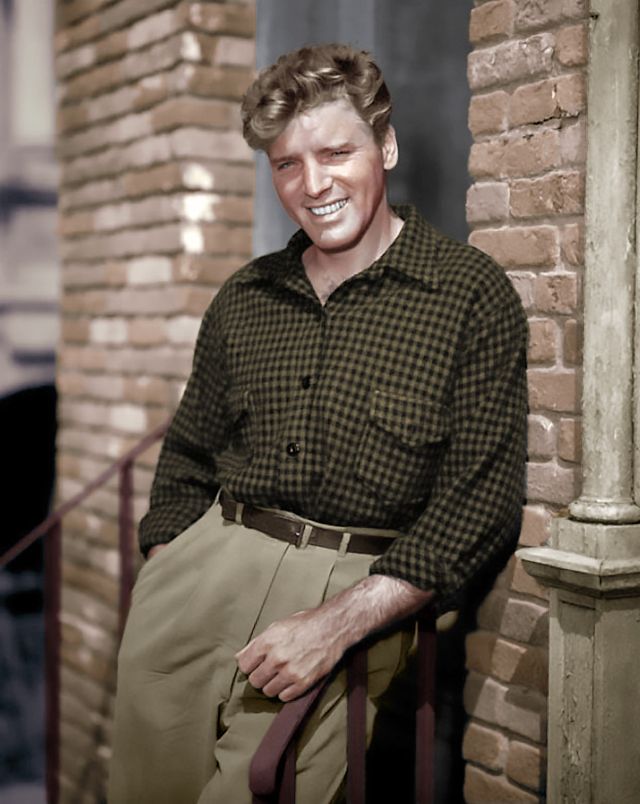
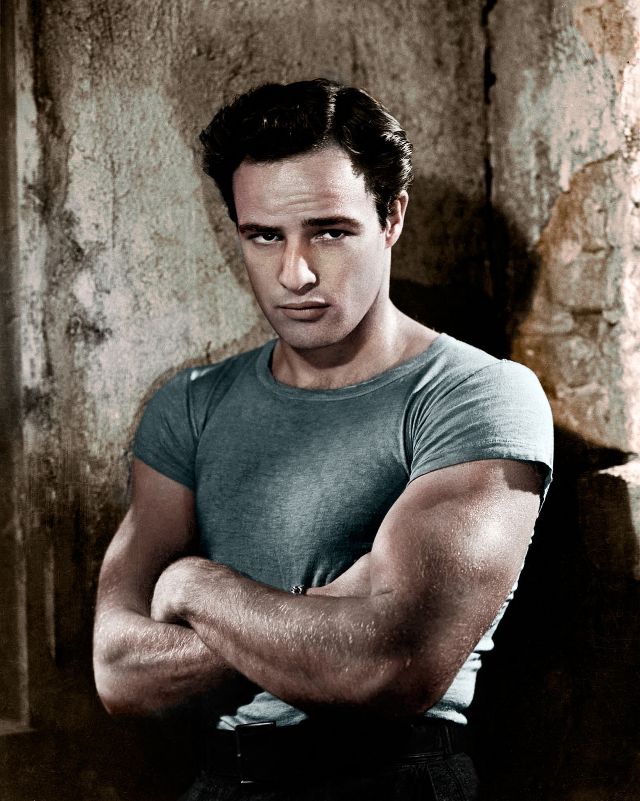
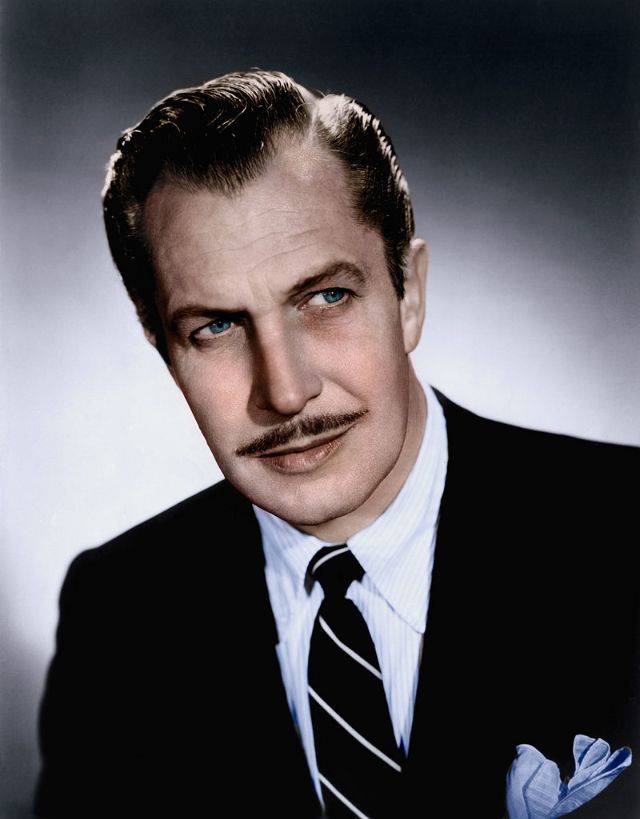
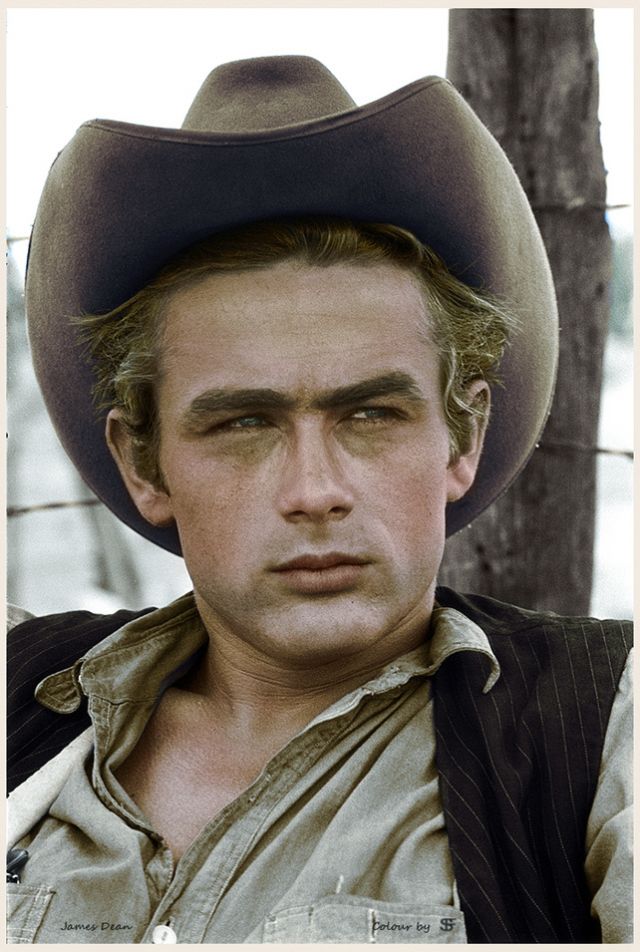
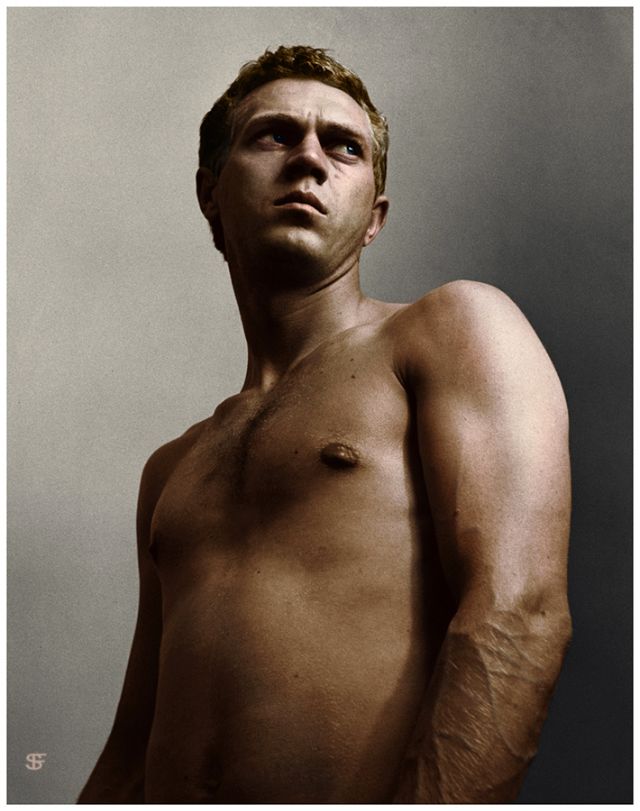
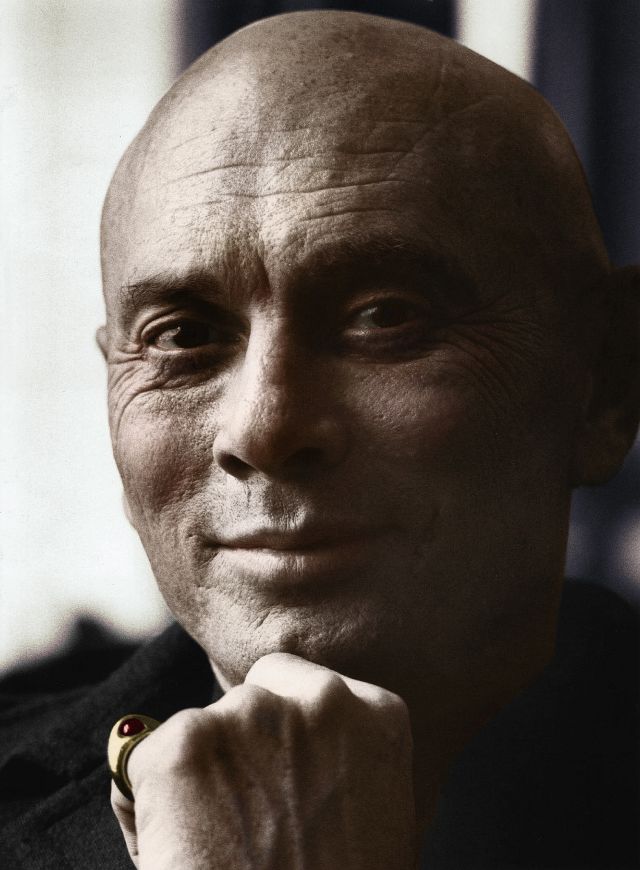
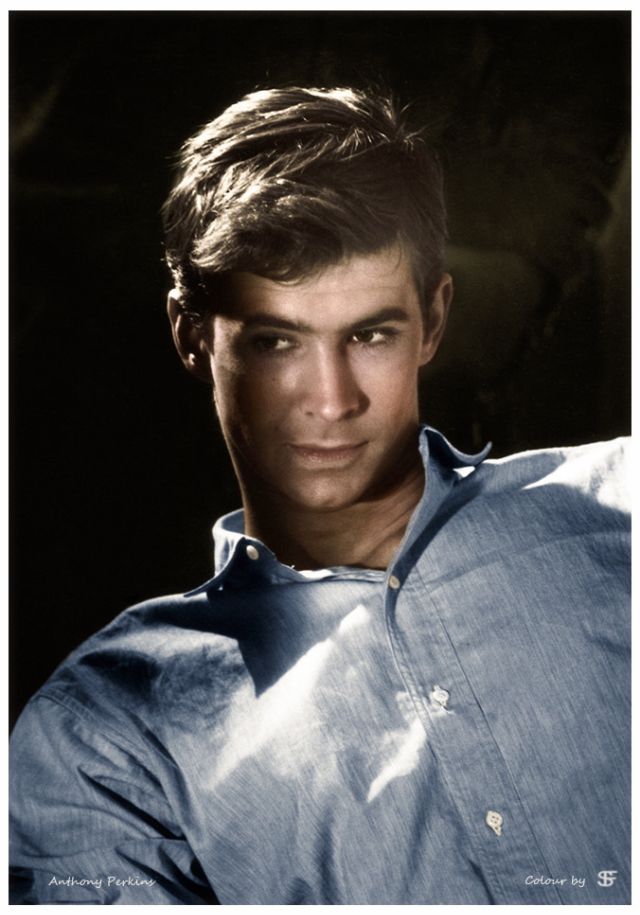
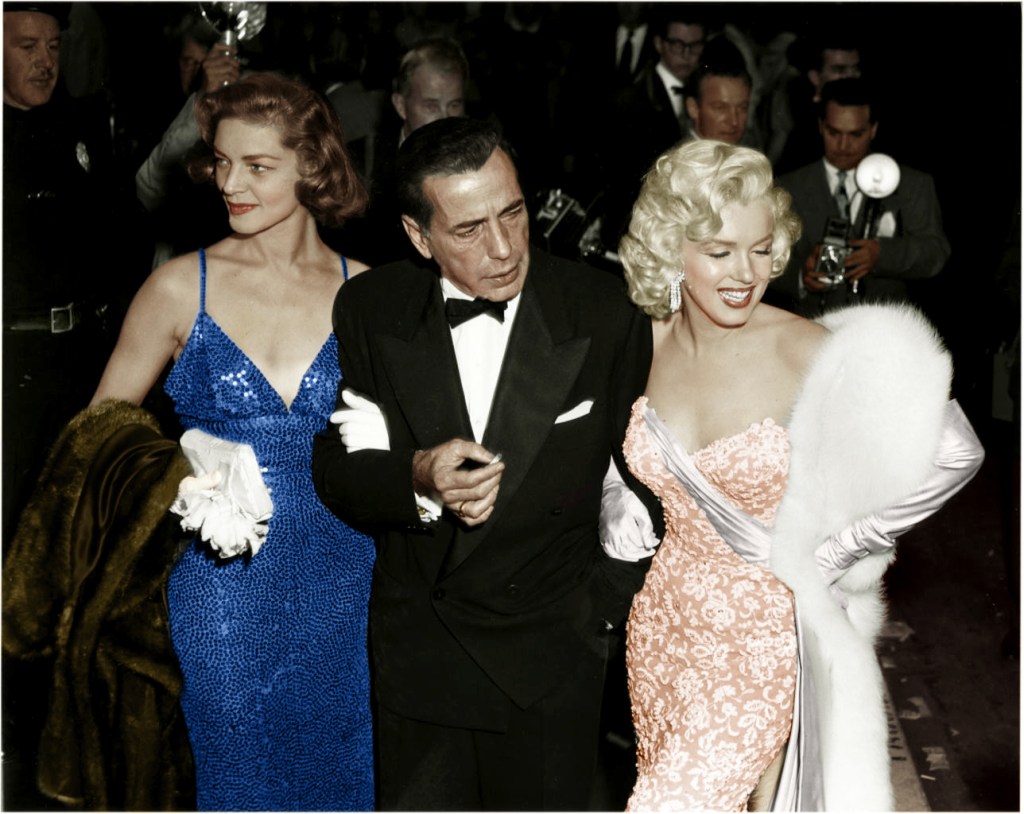
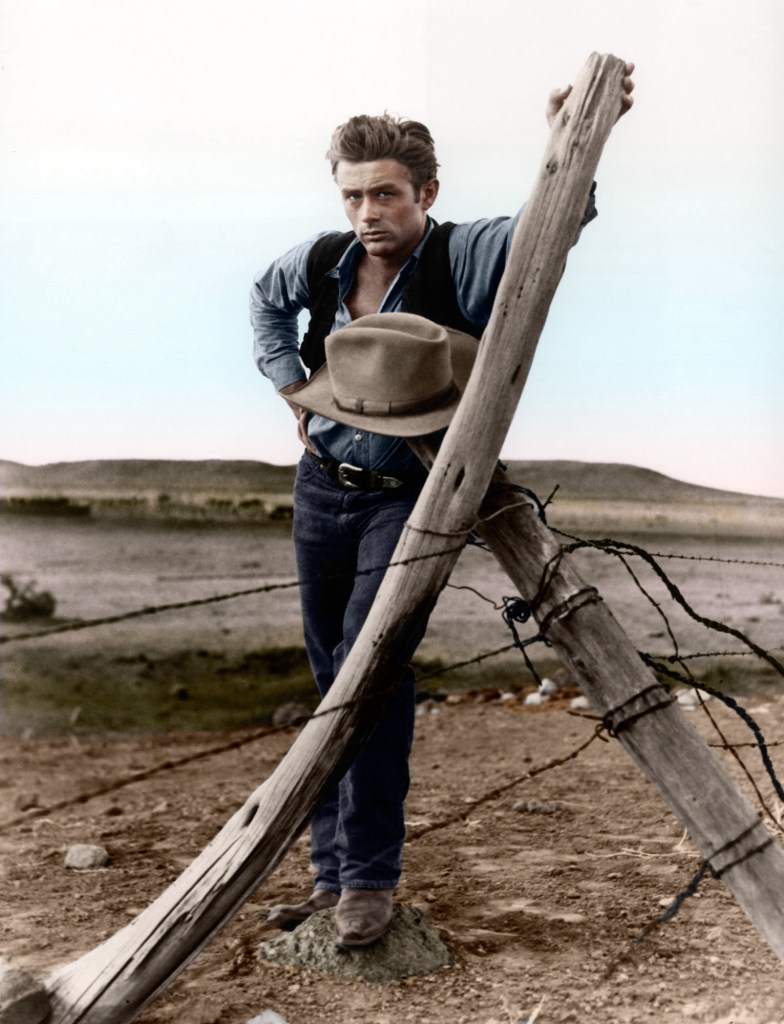
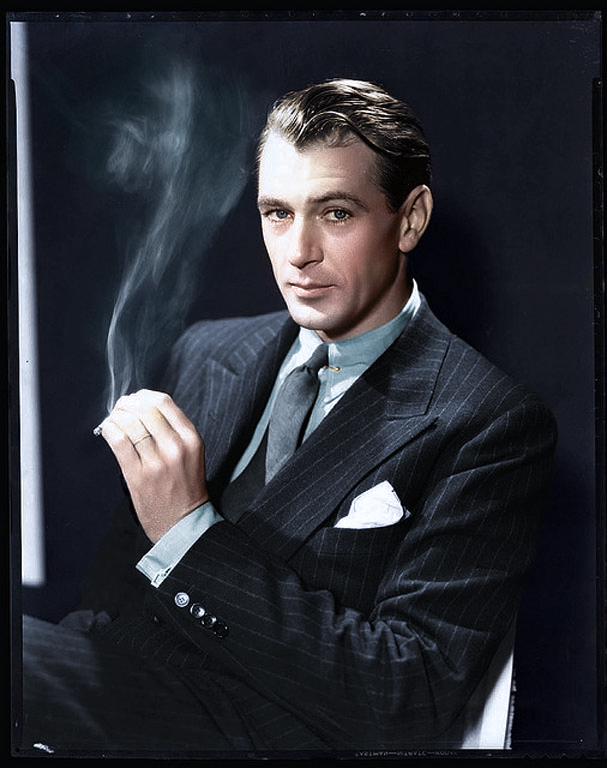
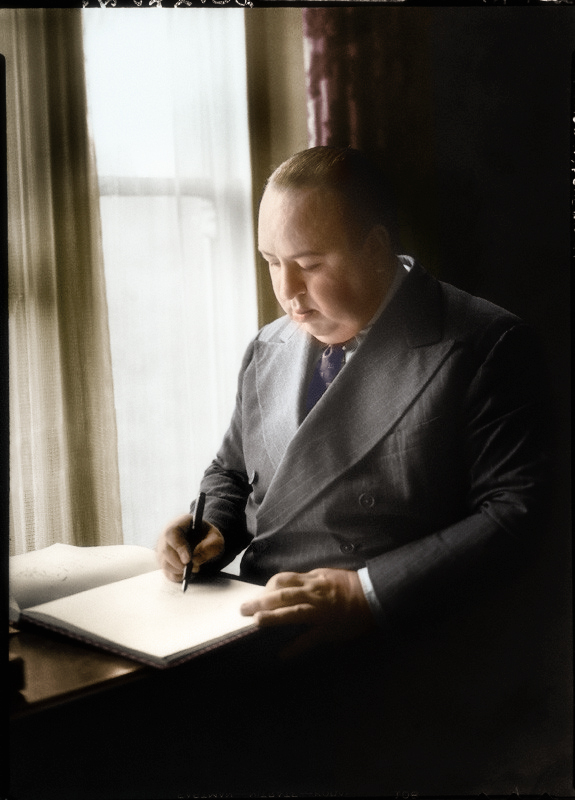
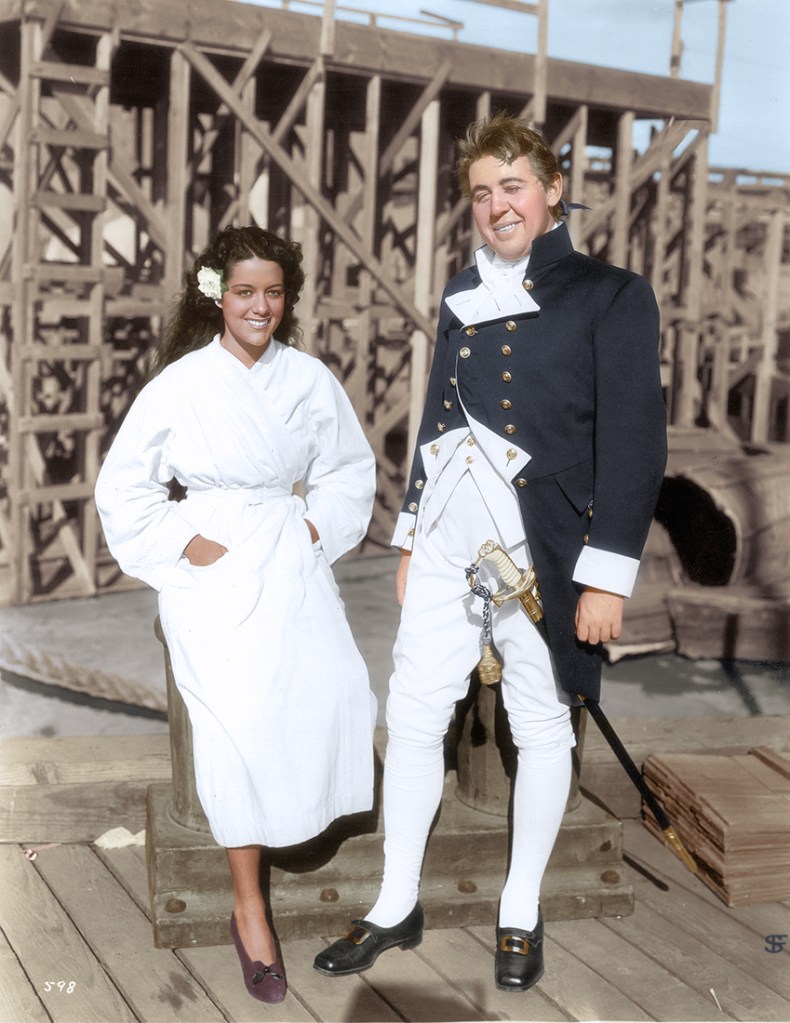
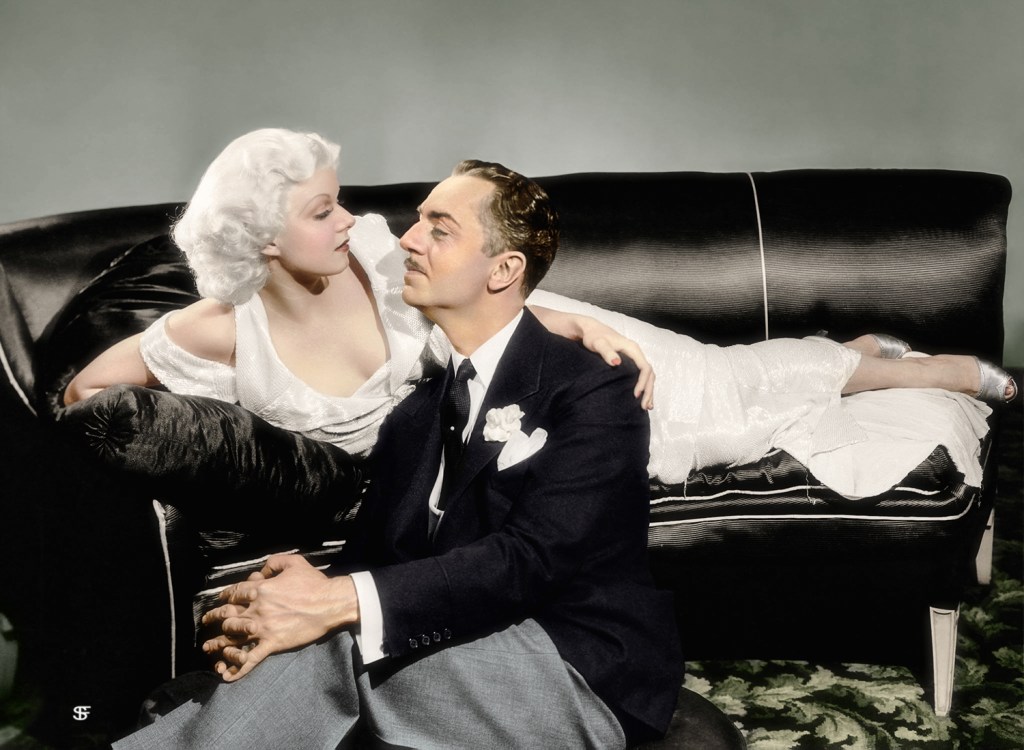
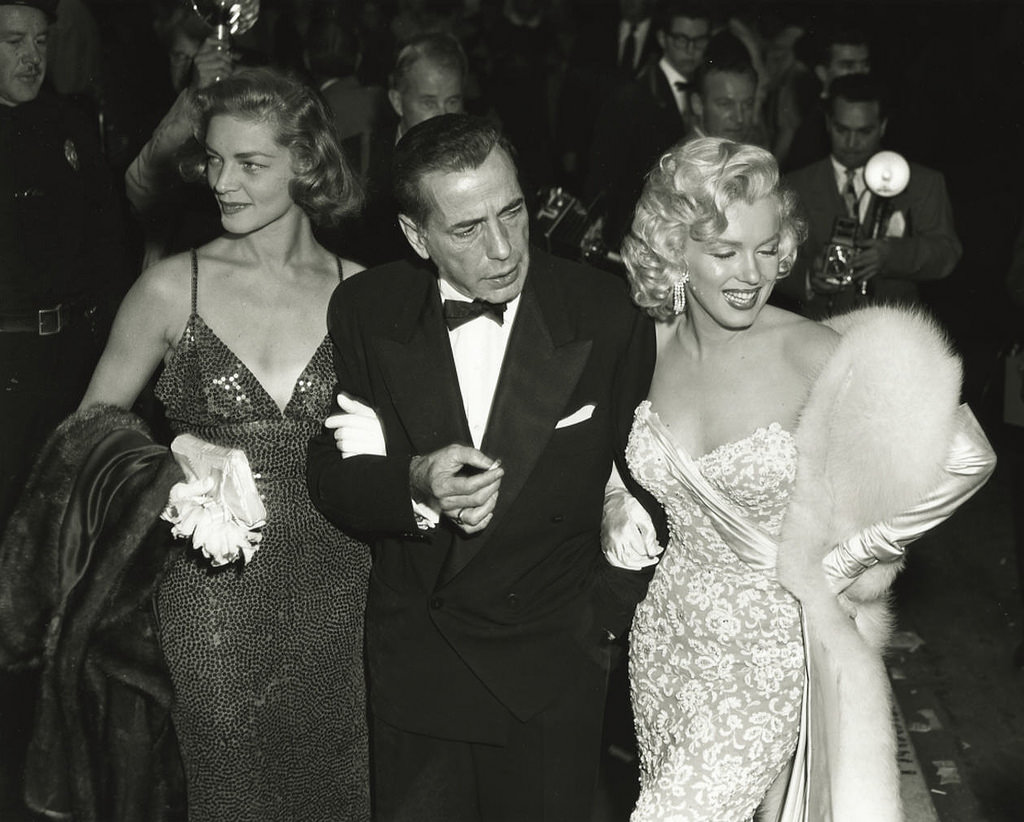
1934: If Buster Keaton was glad to be back in the United States, he certainly kept it a secret. The cameraman asked the film comedian to smile and this is the result. He was aboard the Ile de France on his return from a 5 months tour of the continent.Humphrey Bogart & Dorothy Malone, “The Big Sleep”, 1946Charles Boyer & Ingrid Bergman, “Gaslight”, 1944Audrey Hepburn & Mel Ferrer, 1960.Michael Caine, “Zulu”, 1964.Sir Laurence Olivier and wife Lady Olivier (Vivien Leigh) arriving for the premiere of Sir Alexander Korda’s production of Tolstoy’s immortal story “Anna Karenina”, directed by Julian Davivier at the Odeon in Leicester Square, London. 1948Frank Sinatra, 1947Boris Karloff, 1946Joan Blondell – James Cagney – Ruby Keeler, 19333rd May 1966: British film director Alfred Hitchcock (1899 – 1980) in Cambridge. Frank Capra 1931John Barrymore, Carole Lombard, and Howard Hawks, Twentieth Century”, 1934.Audrey Hepburn & Gregory Peck, “Roman Holiday”, 195310/15/1946-Los Angeles, CA: Their rumored disagreement apparently ended, Rita Hayworth, glamorous film star and her husband Orson Wells wave from their plane the “Rita Hayworth Special” as they left for Mexico City. They are going on location at Acapulco, Mexico for the film “Lady From Shanghai”.Buster Keaton, 1924Rudolph Valentino, 1925Henry Fonda, circa 1930sTyrone Power, circa 1930sOctober 1953: Full-length image of American actor William Holden (1918-1981) and Belgian-born actor Audrey Hepburn (1929-1993) talking while standing in front of an office building, on the set of director Billy Wilder’s film, ‘Sabrina’, in the Wall Street district of New York City. Holden wears a suit and holds a hat behind his back. Hepburn wears a black sweater, black Capri pants, hoop earrings, and flats. Burt Lancaster & Ava Gardner, “The Killers”, 1946Charlie Chaplin, London, 1931Hedy Lamarr & Spencer Tracy, 1940.Gary Cooper, 1940Boris Karloff, 1934James Cagney, 1934William Powell, 1935Clark Gable, 1936James Stewart, 1936Peter Lorre, 1938William Holden, 1939Errol Flynn, 1940Gregory Peck, circa 1940sHumphrey Bogart, 1941Sydney Greenstreet, 1942Robert Mitchum, 1947Montgomery Clift, 1948Joseph Cotten, 1949Burt Lancaster, 1952Marlon Brando, 1952Vincent Price, 1954James Dean, 1955Steve McQueen, 1956Yul Brynner, 1956Anthony Perkins, 1959Lauren Bacall, Humphrey Bogart and Marilyn Monroe, 1953Tyrone Power & Betty Grable, early 1940sClark Gable 1931James Dean, “Giant”, 1956Gary Cooper, 1940Alfred Hitchcock, 1936Maria Luisa Movita Castaneda & Charles Laughton, “Mutiny on the Bounty”, 1935Jean Harlow & William Powell, “Reckless”, 1935Gary Cooper & Ingrid Bergman, “For Whom the Bell Tolls” 1943.18th July 1928: American silent screen comedian and actor Buster Keaton (1895-1966) sits beside a bulldog.
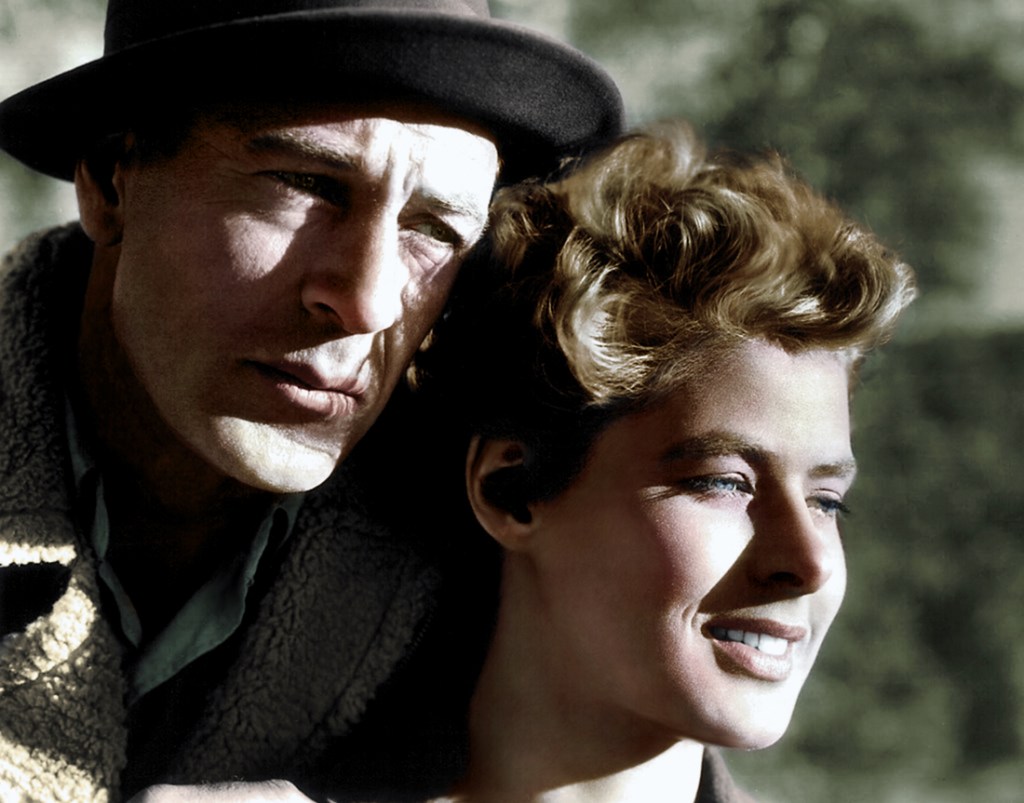
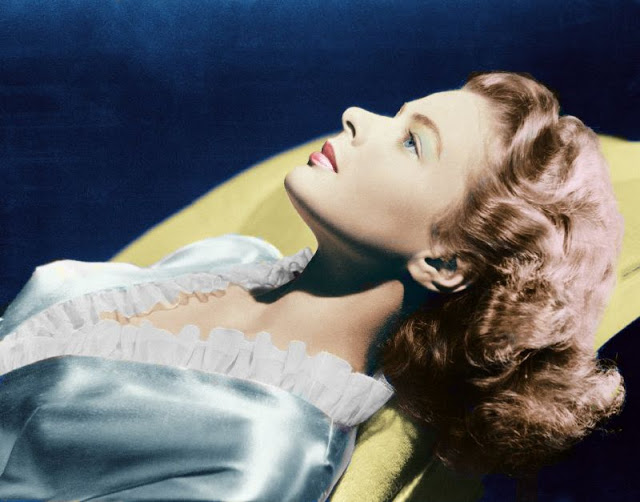
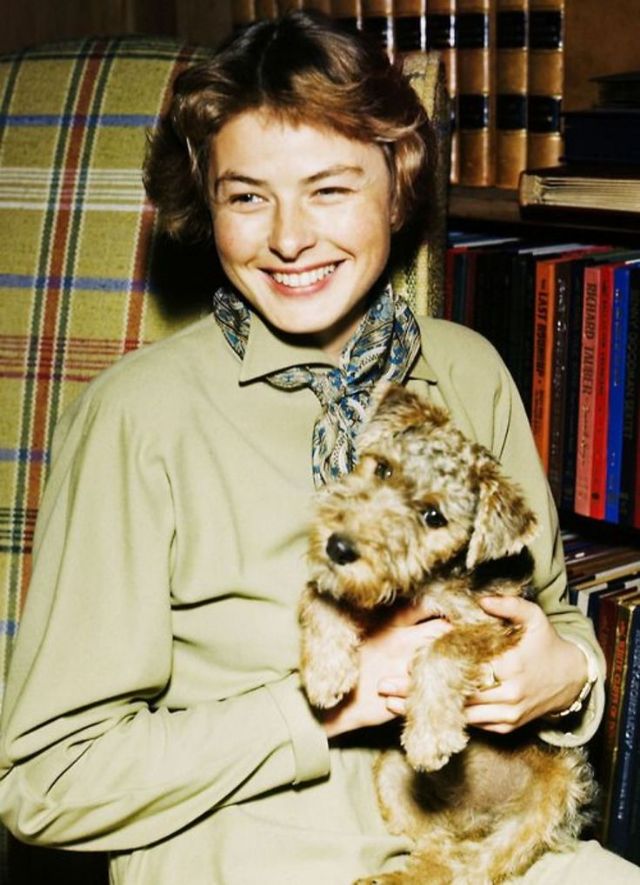
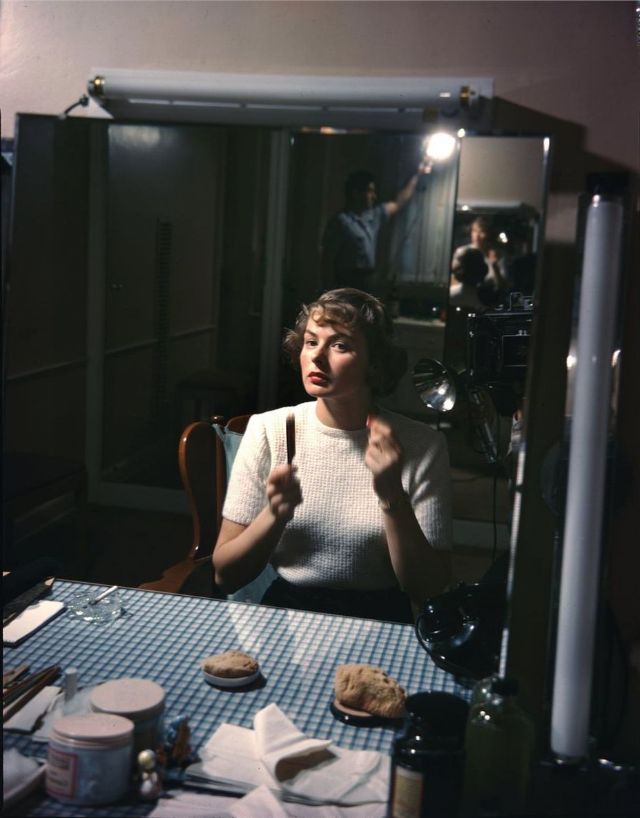
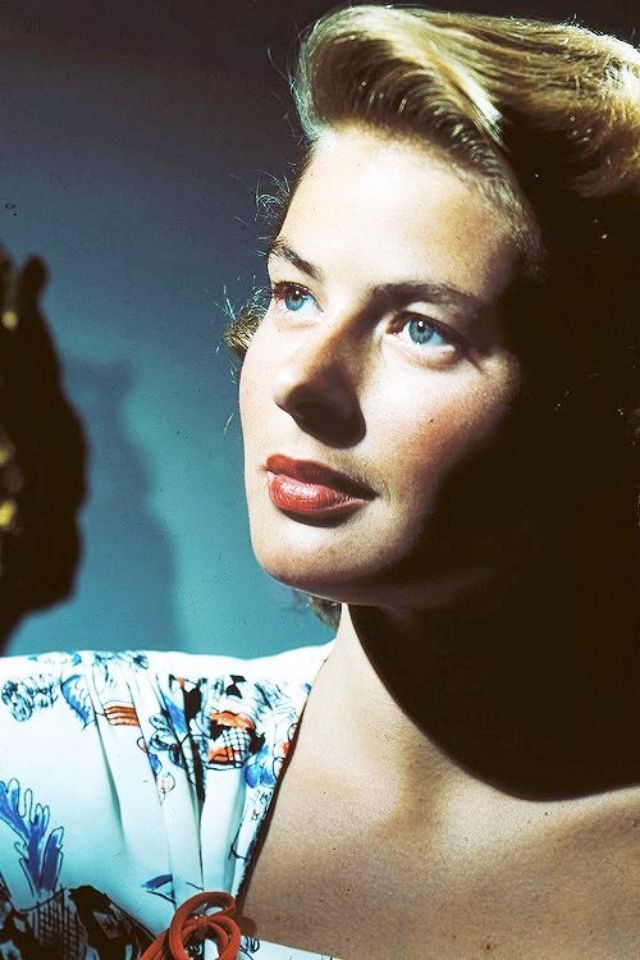
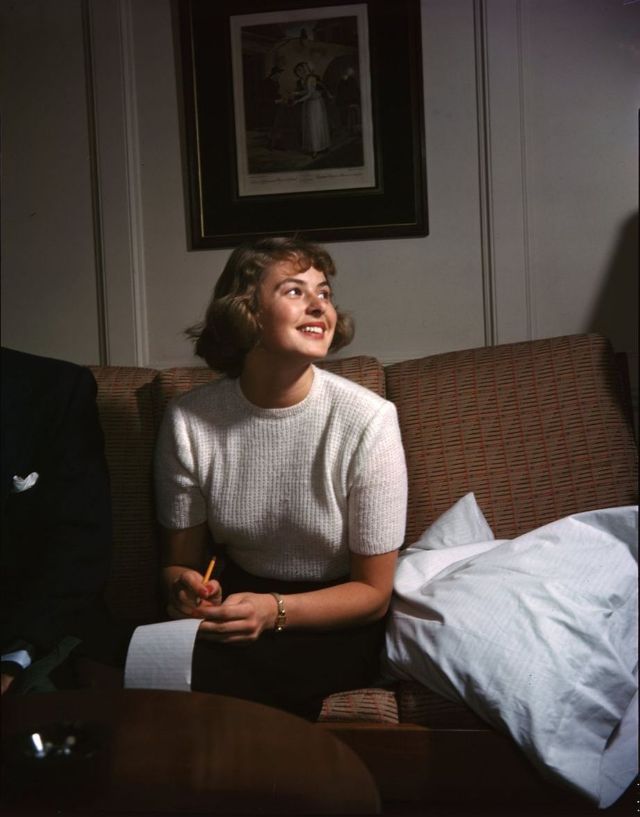
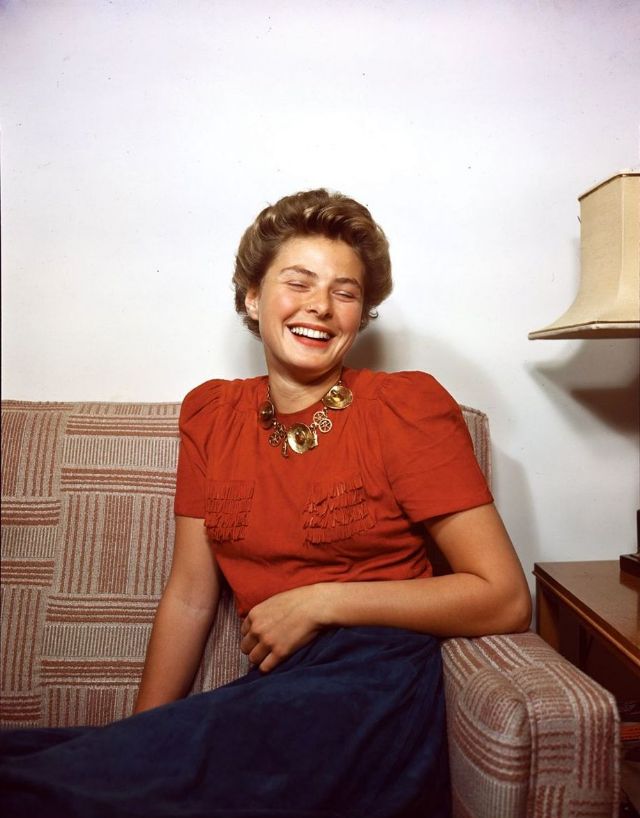
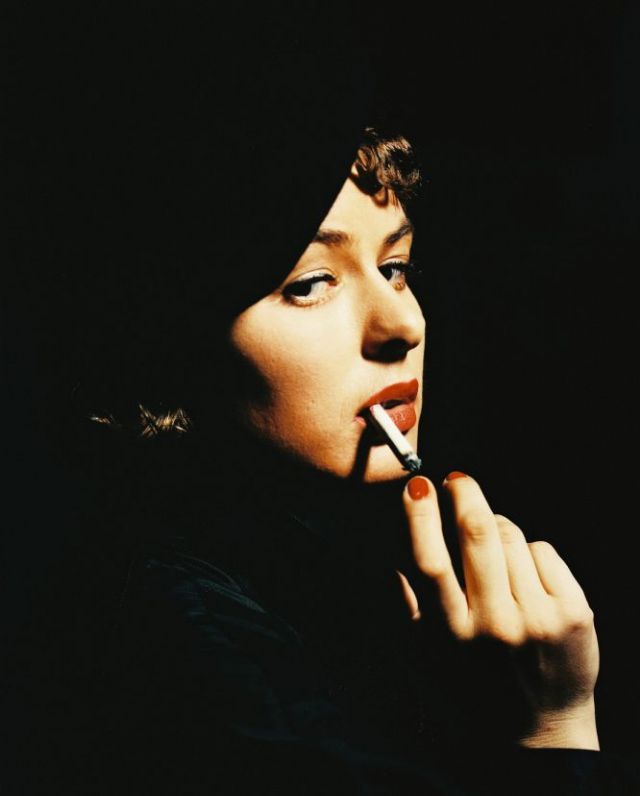
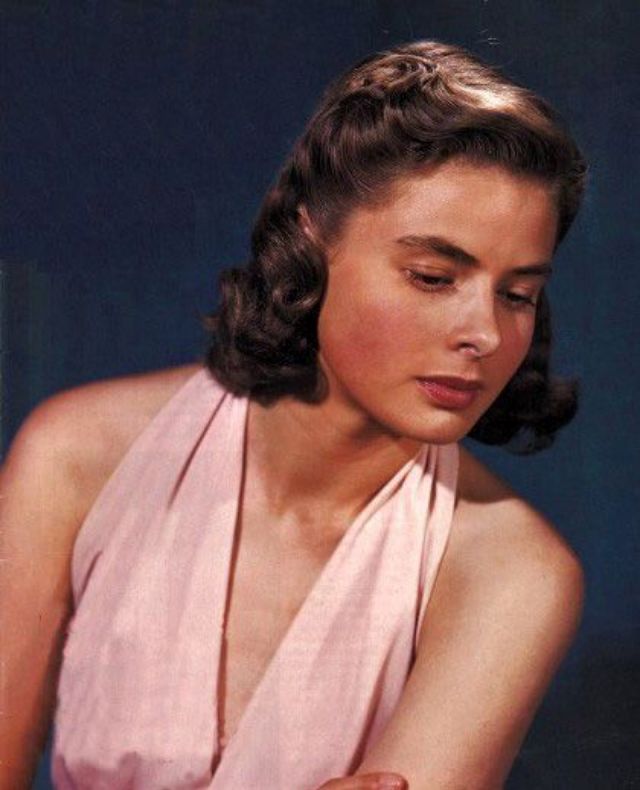
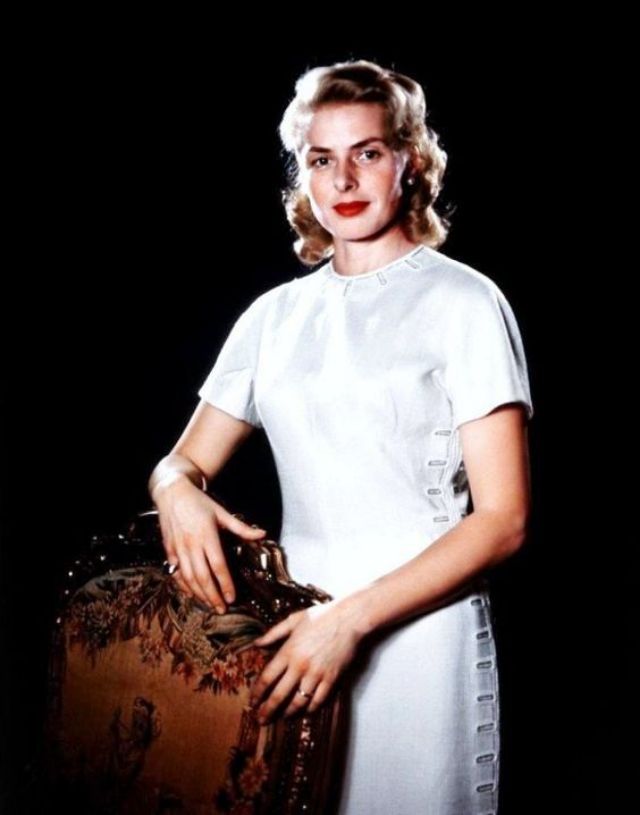
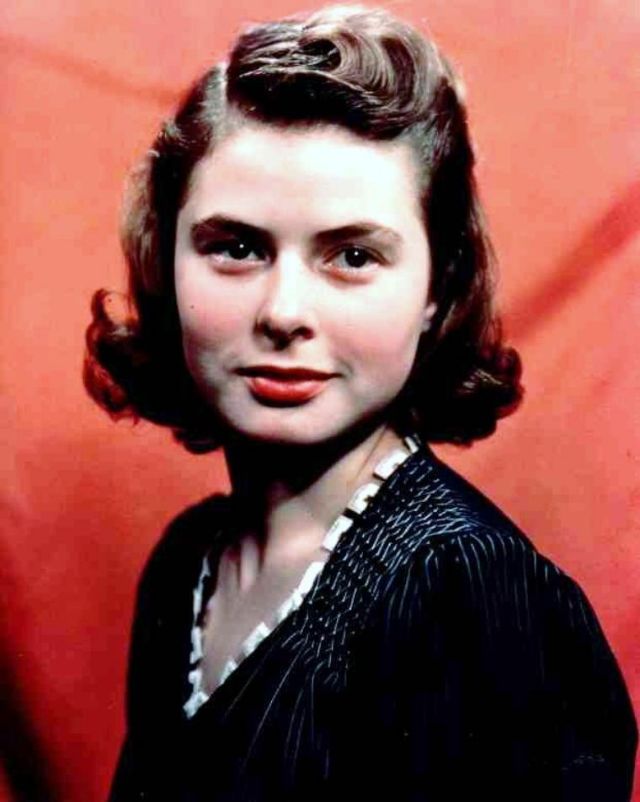
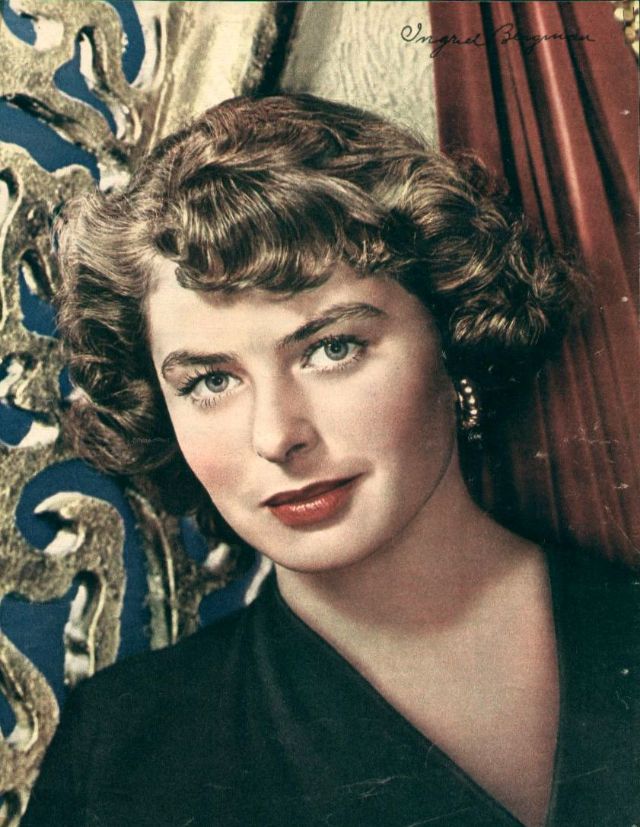
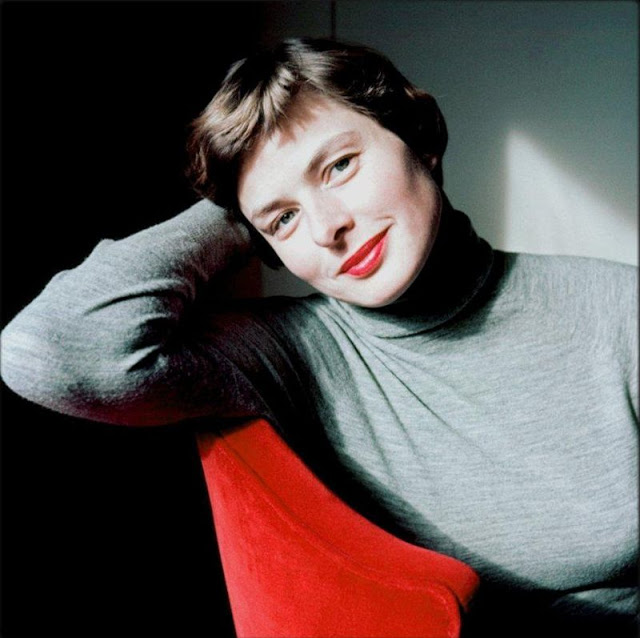
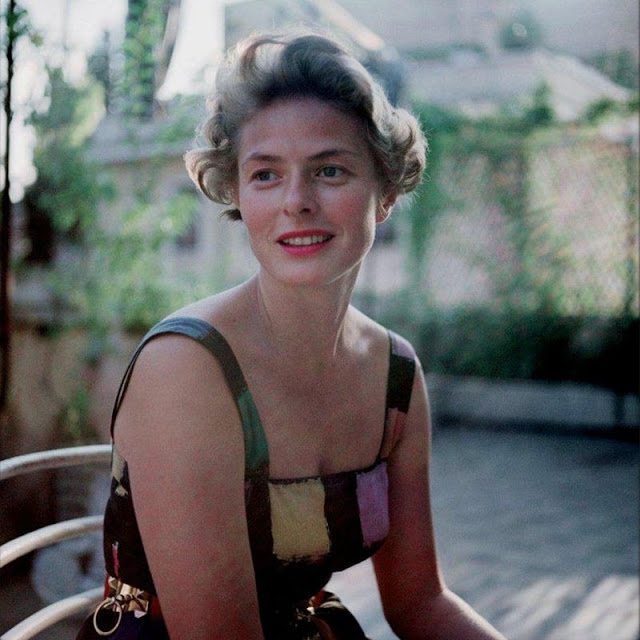
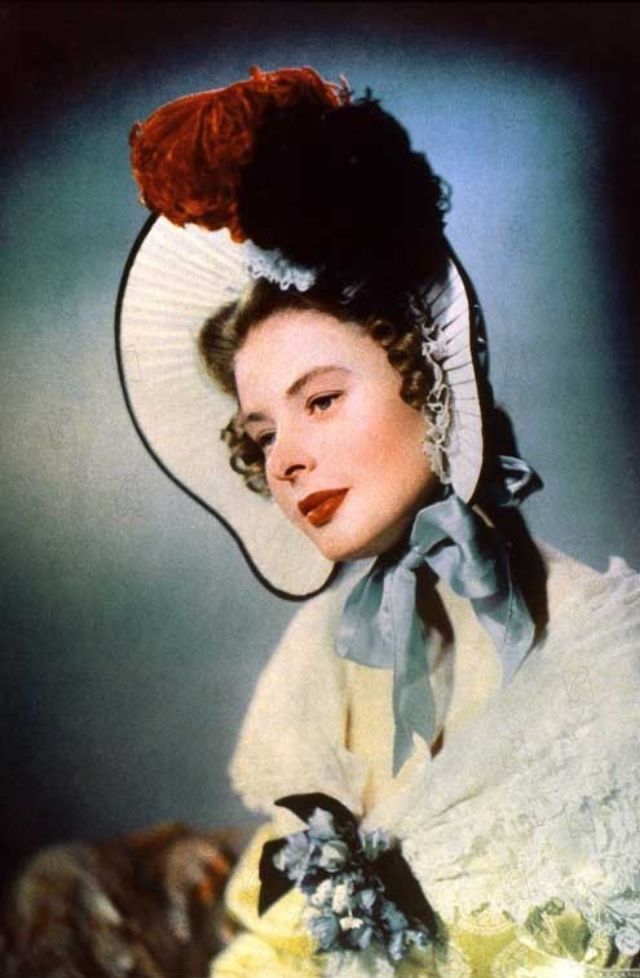
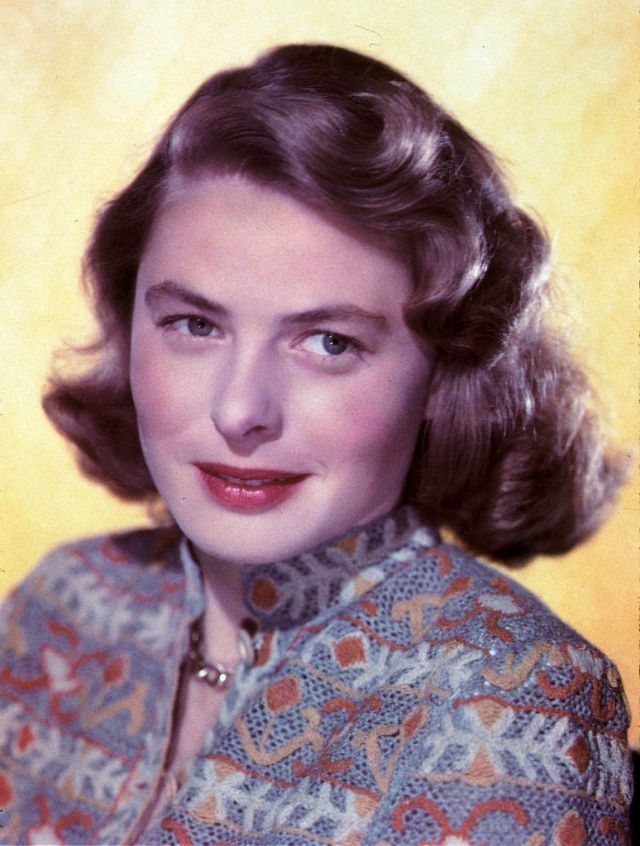
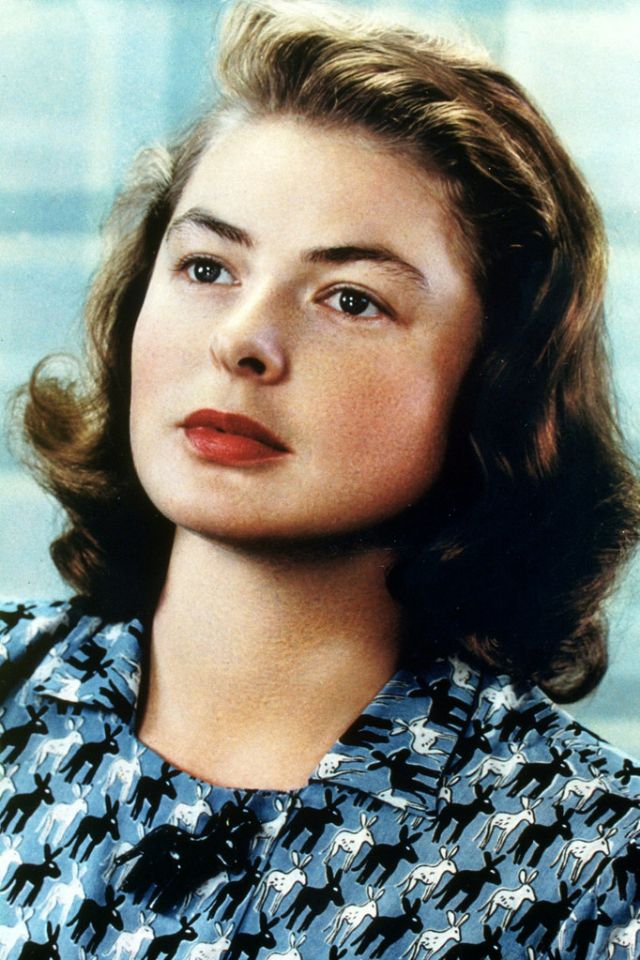
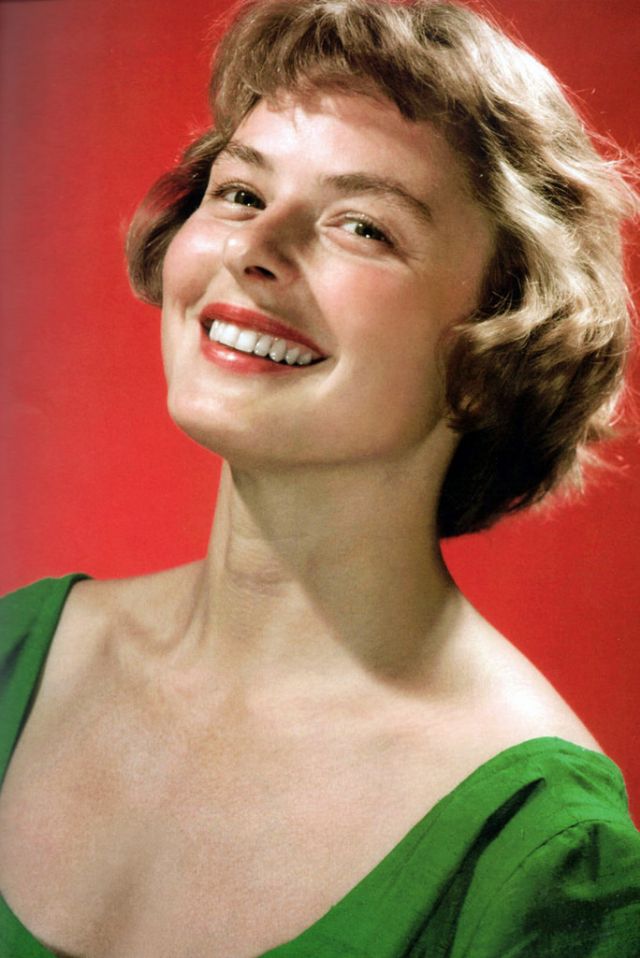
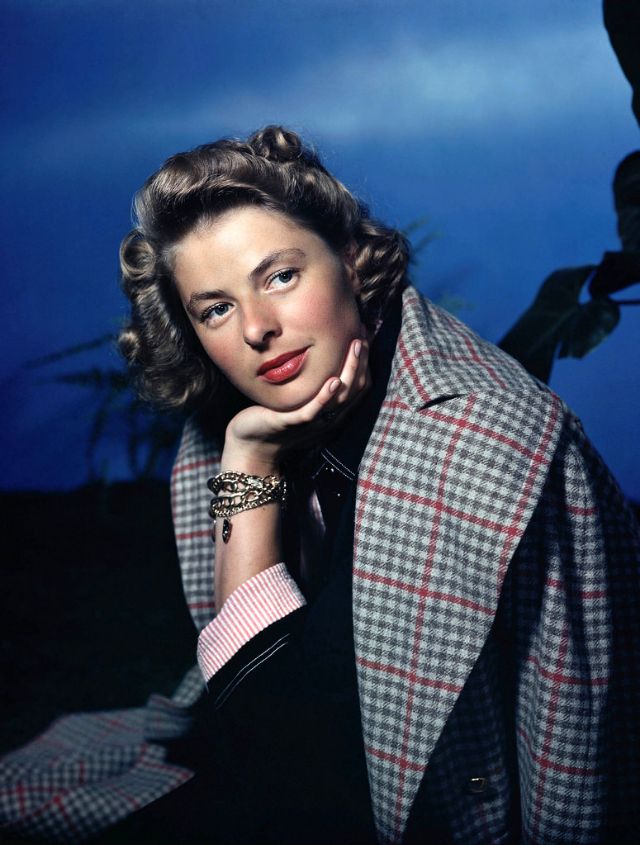
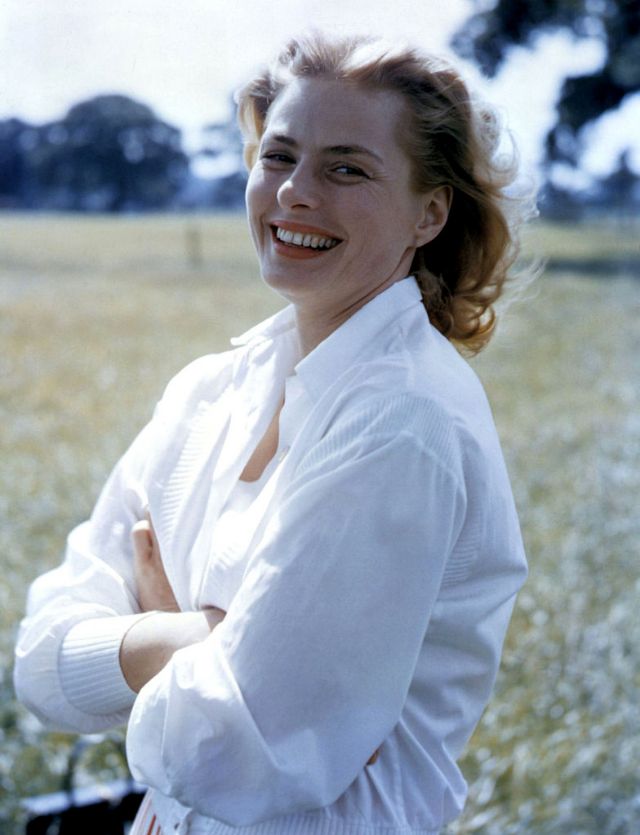
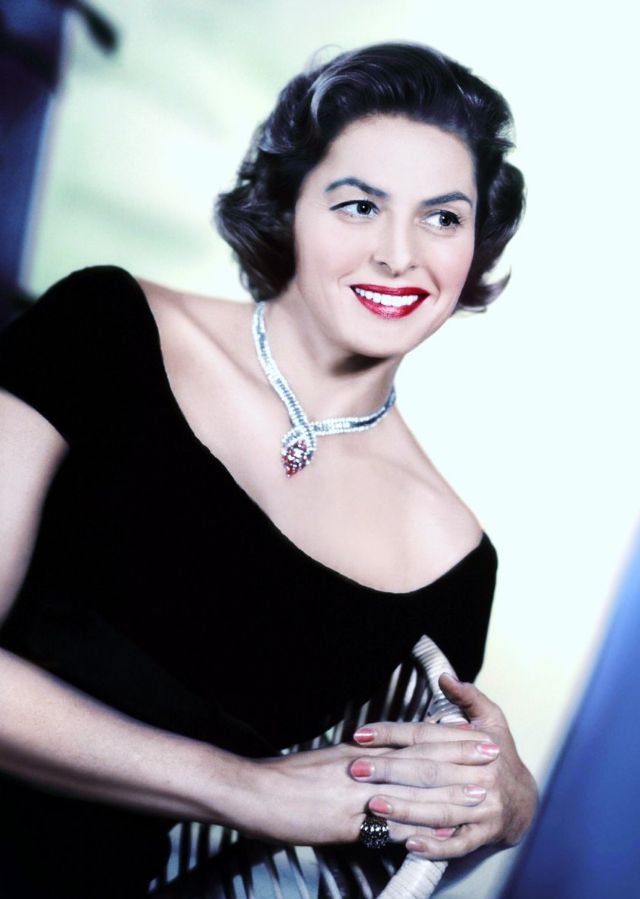
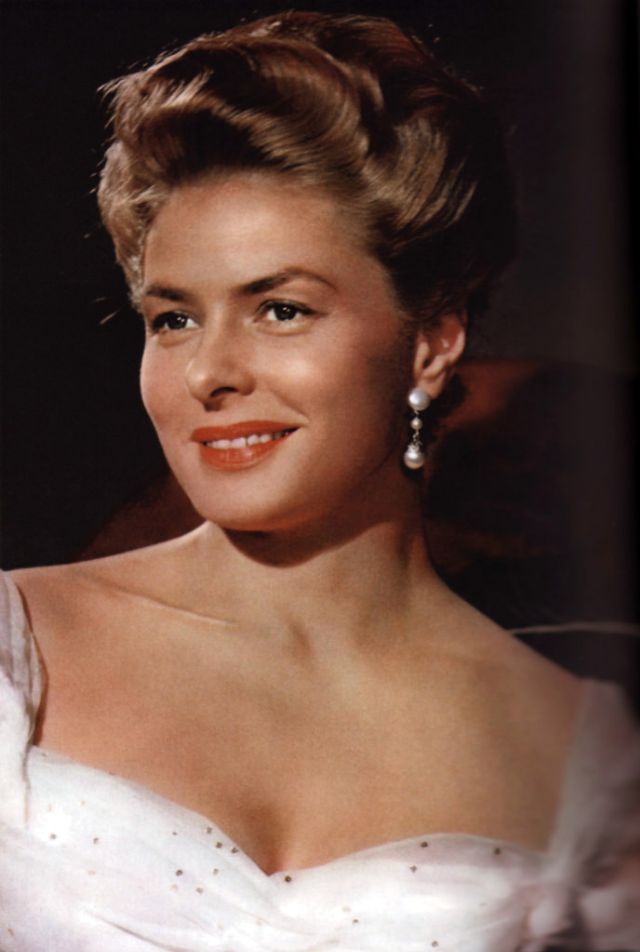
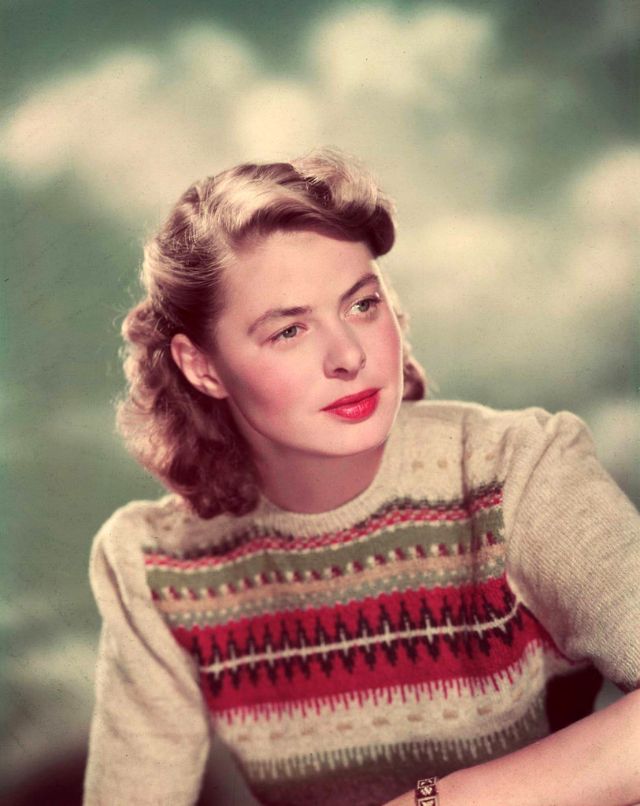
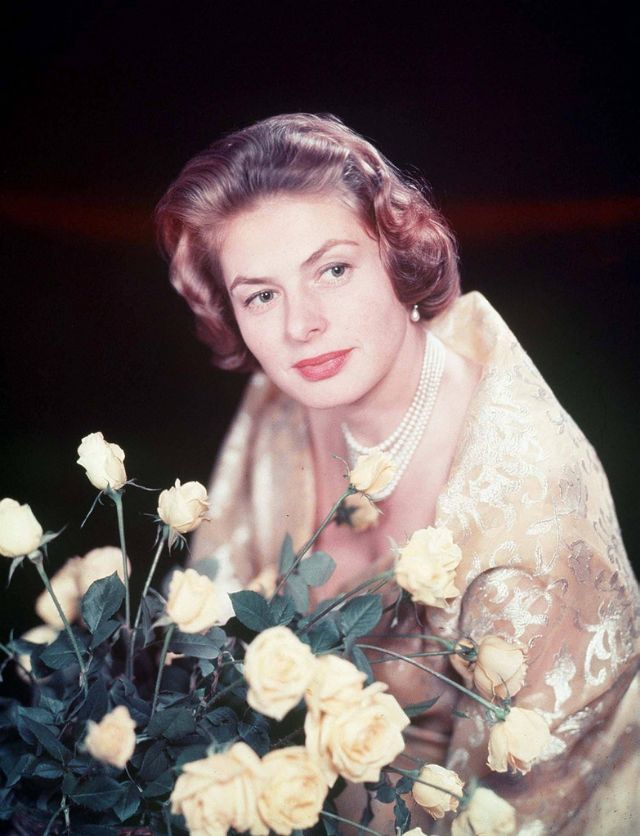
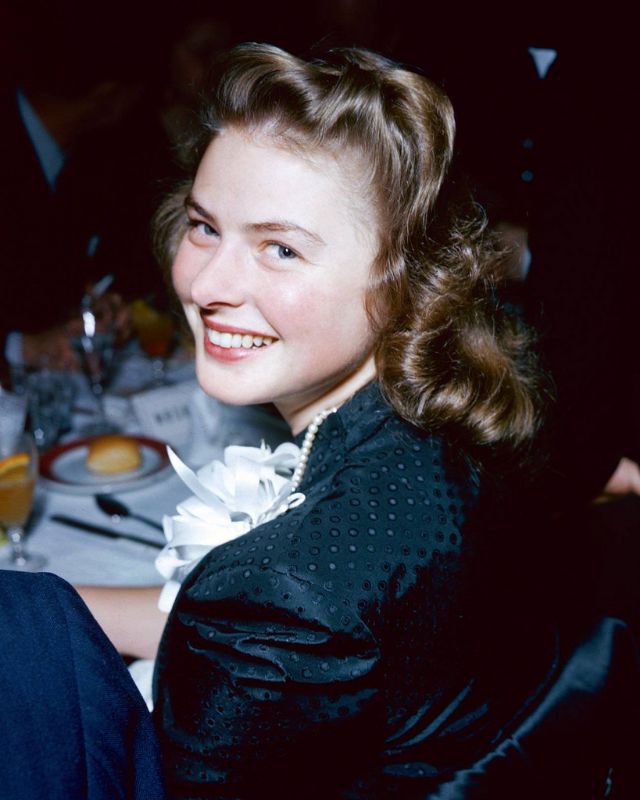
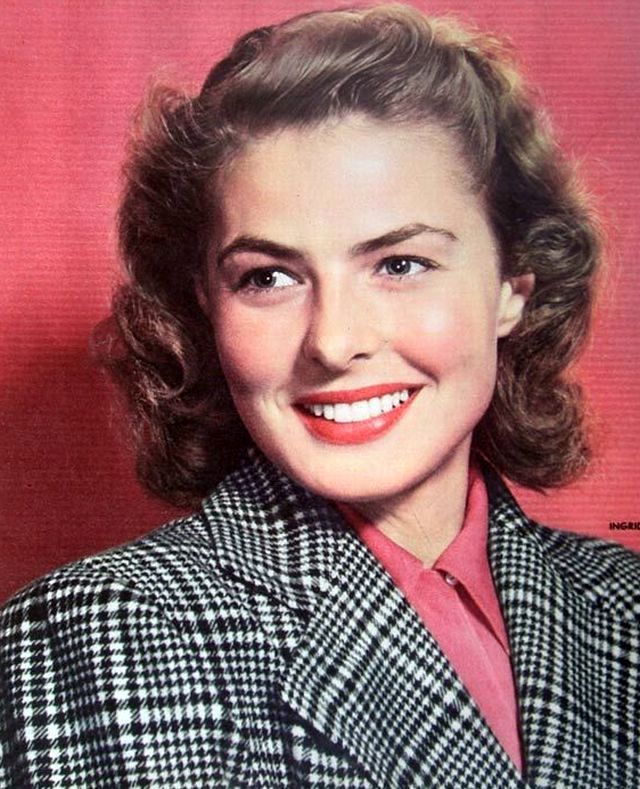
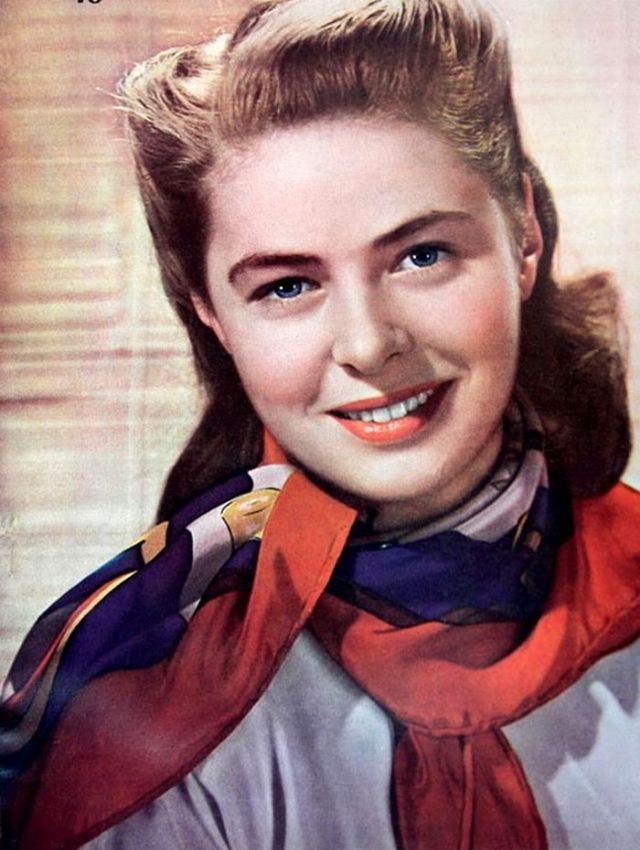
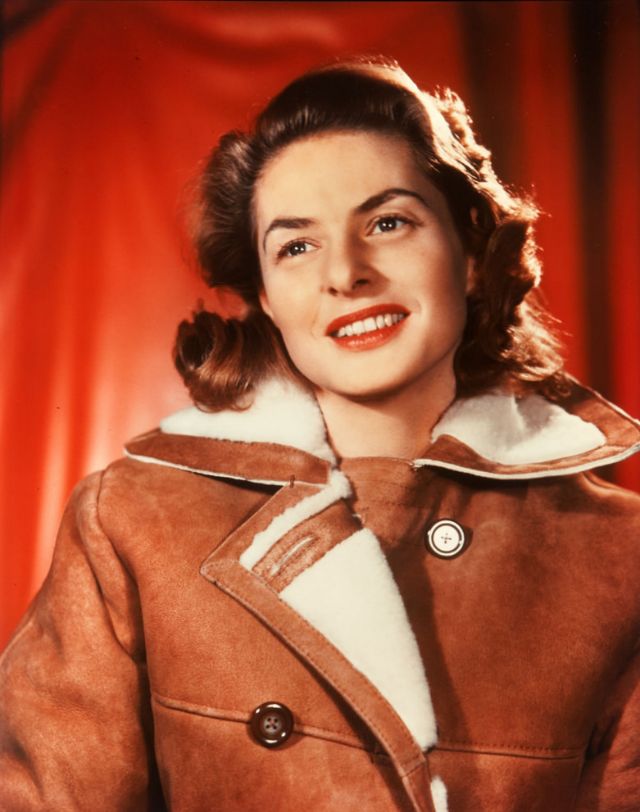
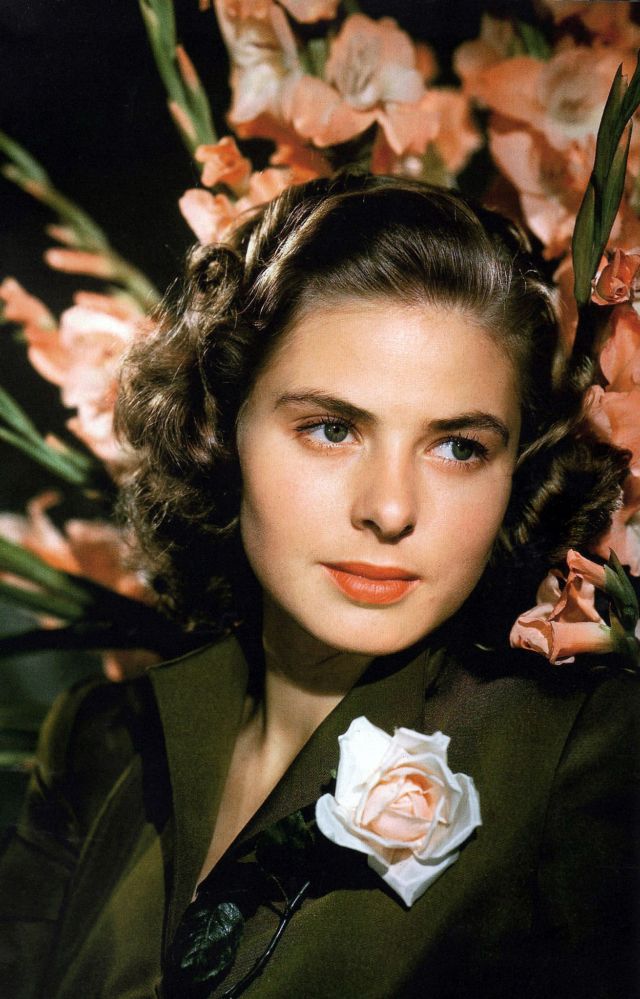
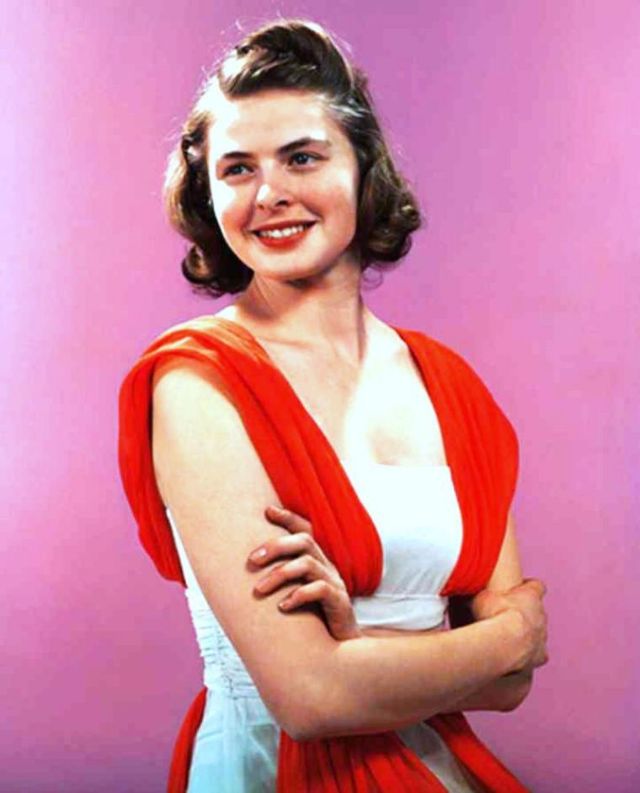
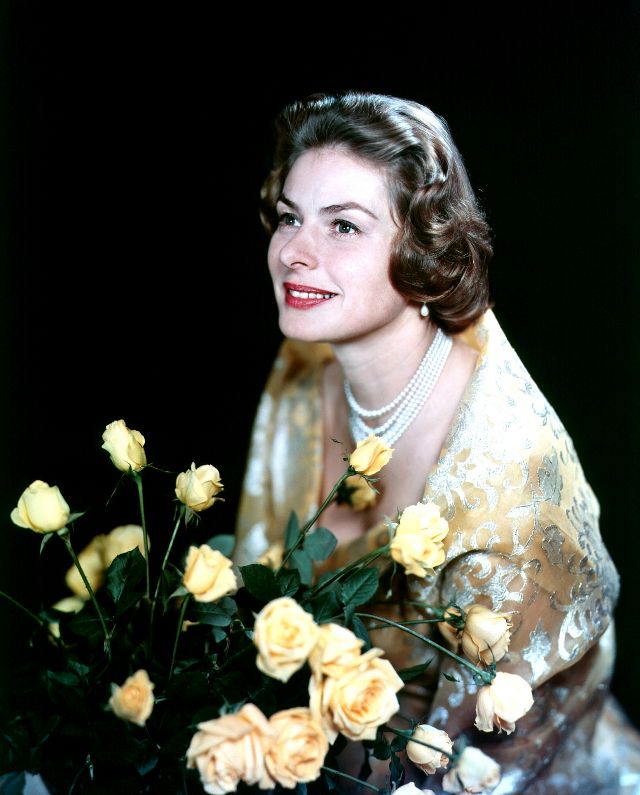
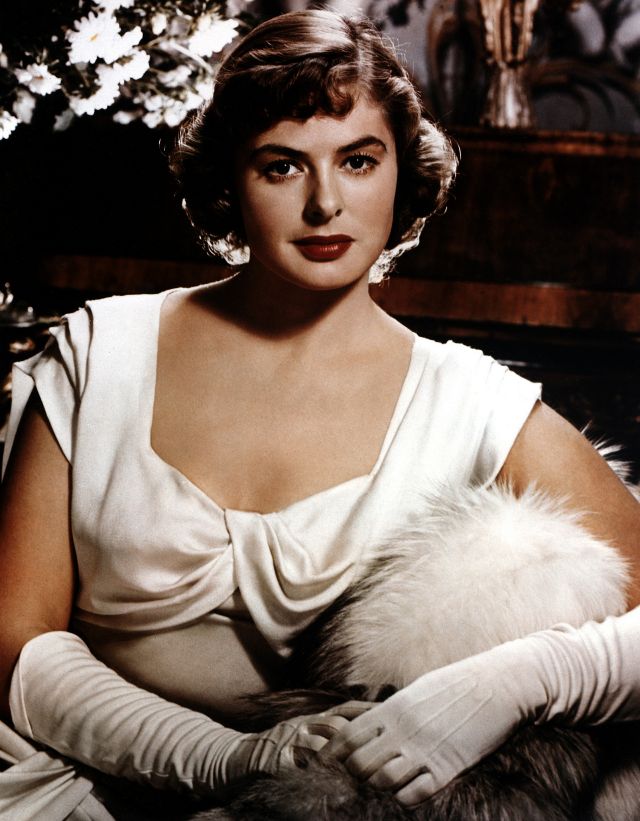
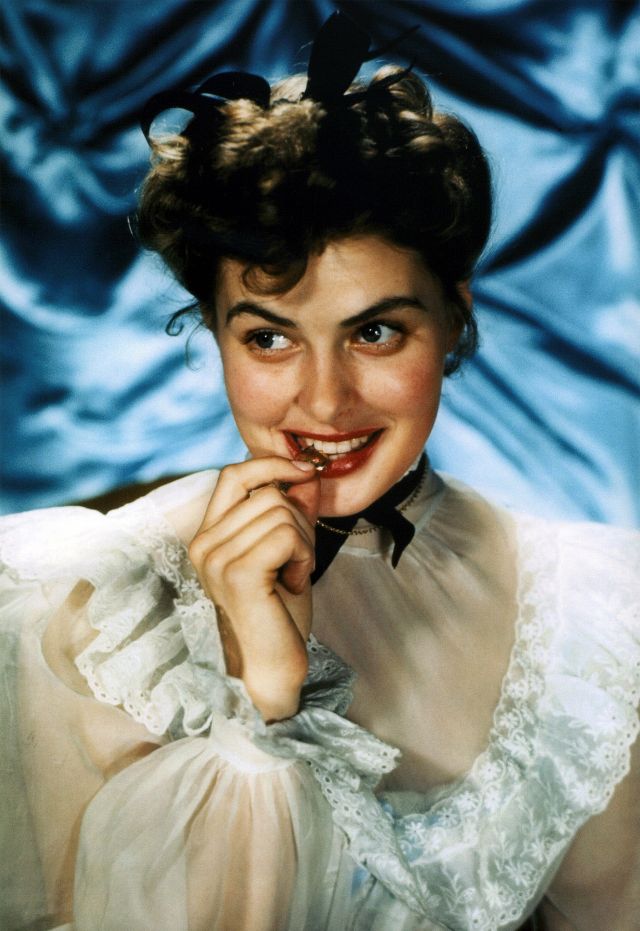
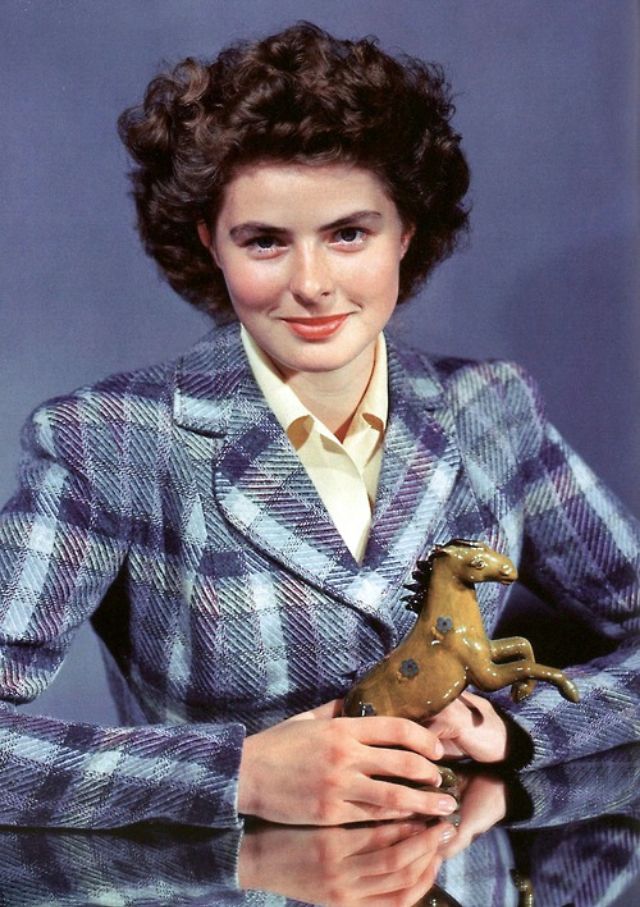
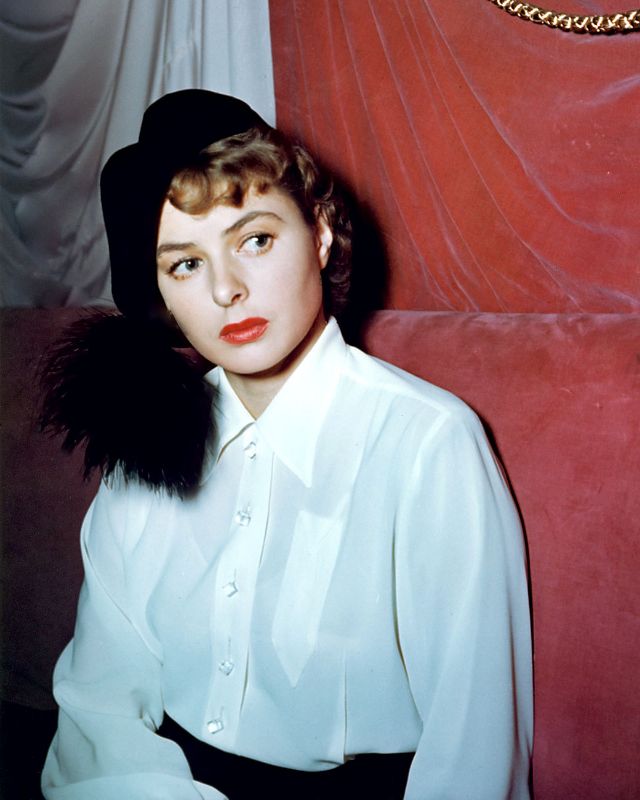
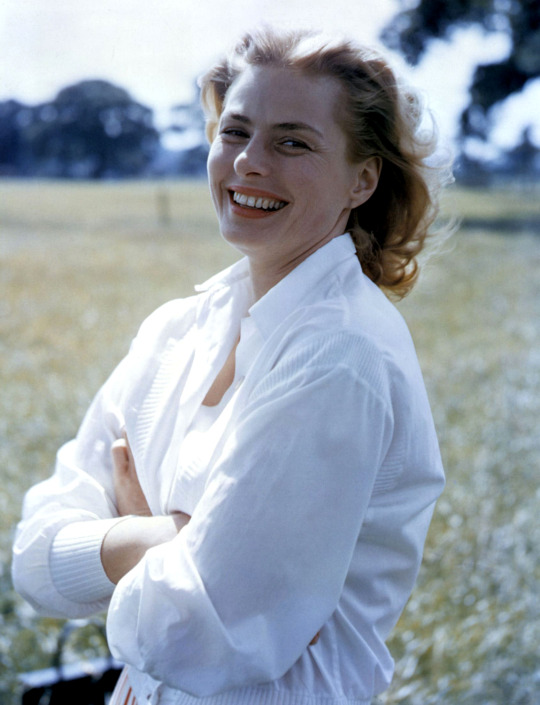
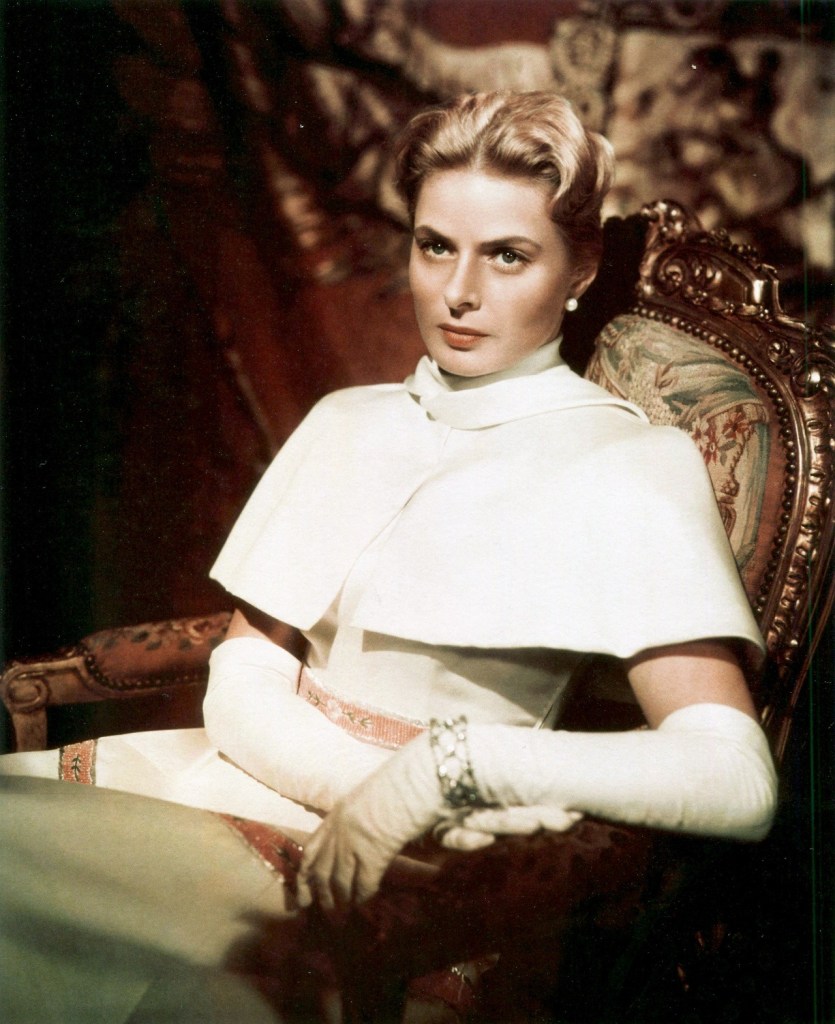
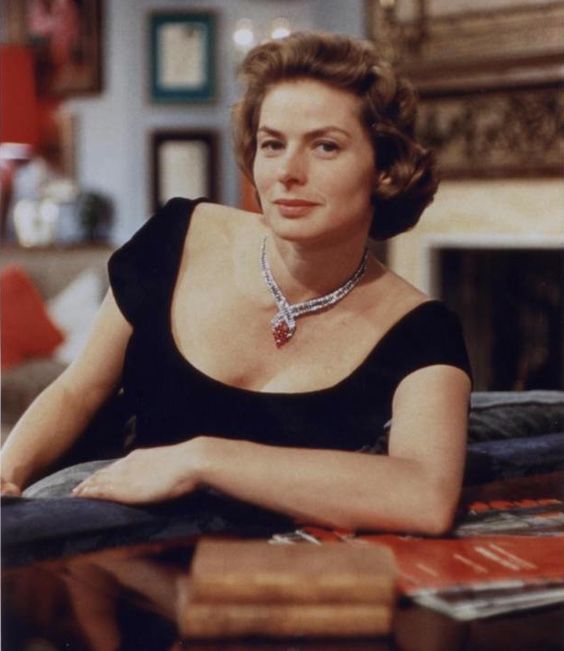
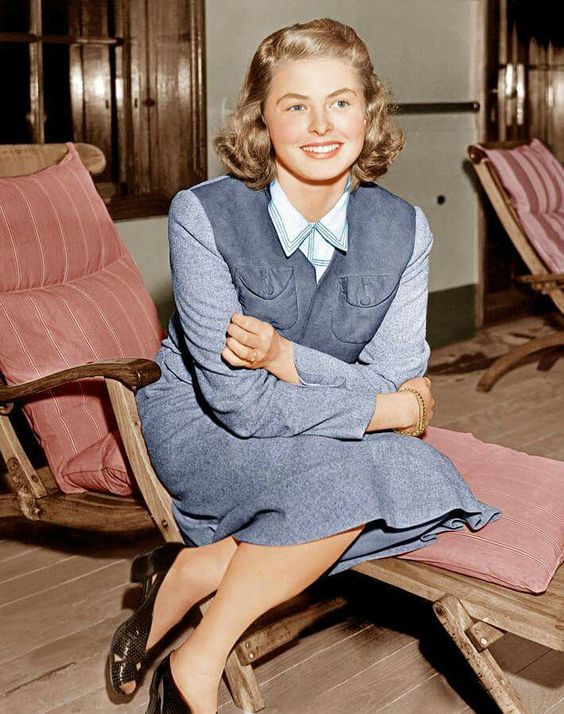
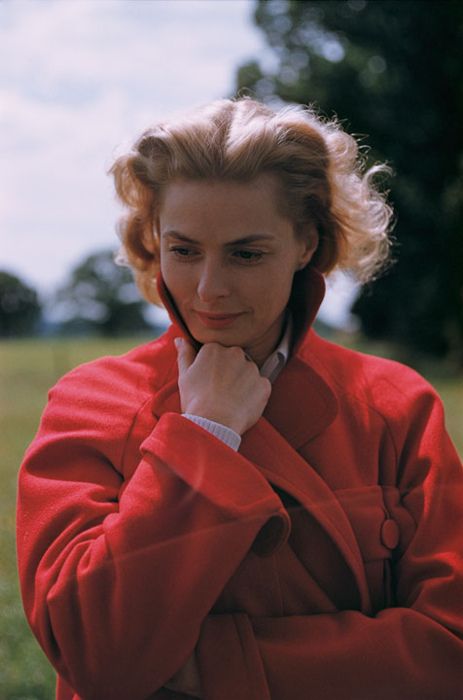
Ingrid Bergman (29 August 1915 – 29 August 1982) was a Swedish actress who starred in a variety of European and American films, television movies, and plays. With a career spanning five decades, she is often regarded as one of the most influential screen figures in cinematic history. She won numerous accolades, including three Academy Awards, two Primetime Emmy Awards, a Tony Award, four Golden Globe Awards, and a BAFTA Award. She is one of only three actresses to have received three Academy Awards in acting categories (only Katharine Hepburn has received four such awards).
Born in Stockholm to a Swedish father and a German mother, Bergman began her acting career in Swedish and German films. Her introduction to the American audience came in the English-language remake of Intermezzo (1939). Known for her naturally luminous beauty, she starred in Casablanca (1942) as Ilsa Lund, her most famous role, opposite Humphrey Bogart’s Rick Blaine, although she was not nominated for the Academy Award for Best Actress for her portrayal.
Bergman’s notable performances from the 1940s include the dramas For Whom the Bell Tolls (1943) with Gary Cooper, Gaslight (1944), The Bells of St. Mary’s (1945), and Joan of Arc (1948), all of which earned her nominations for the Academy Award for Best Actress; she won the award for Gaslight. She made three films with Alfred Hitchcock: Spellbound (1945), with Gregory Peck, Notorious (1946), opposite Cary Grant and Under Capricorn (1949), alongside Joseph Cotten.
In 1950, she starred in Roberto Rossellini’s Stromboli, which was released soon after the revelation that she was having an extramarital affair with the director. The affair and her pregnancy by Rossellini prior to their marriage created a scandal in the United States that forced her to remain in Europe for several years, during which she also starred in Rossellini’s Europa ’51 and Journey to Italy (1954), now critically acclaimed. She made a successful return to working for a Hollywood studio in the drama Anastasia (1956), winning her second Academy Award for Best Actress. Soon after, she co-starred with Grant again in the romantic comedy Indiscreet (1958).
In her later years, Bergman won her third Academy Award, this one for Best Supporting Actress, for her small role in Murder on the Orient Express (1974). In 1978, she worked with director Ingmar Bergman (no relation) in the Swedish-language Autumn Sonata, for which she received her sixth Academy Award nomination for Best Actress. In her final acting role, she portrayed the late Israeli Prime Minister Golda Meir in the television miniseries A Woman Called Golda (1982) for which she posthumously won her second Emmy Award for Best Actress. In 1974, Bergman discovered she was suffering from breast cancer; nevertheless she continued to work until shortly before her death on her sixty-seventh birthday (29 August 1982). Bergman spoke five languages – Swedish, English, German, Italian and French – and acted in all of them.
According to the St. James Encyclopedia of Popular Culture, Bergman quickly became “the ideal of American womanhood” and a contender for Hollywood’s greatest leading actress. In the United States, she is considered to have brought a “Nordic freshness and vitality” to the screen, along with exceptional beauty and intelligence; David O. Selznick once called her “the most completely conscientious actress” he had ever worked with. In 1999, the American Film Institute recognised Bergman as the fourth greatest female screen legend of Classic Hollywood Cinema.
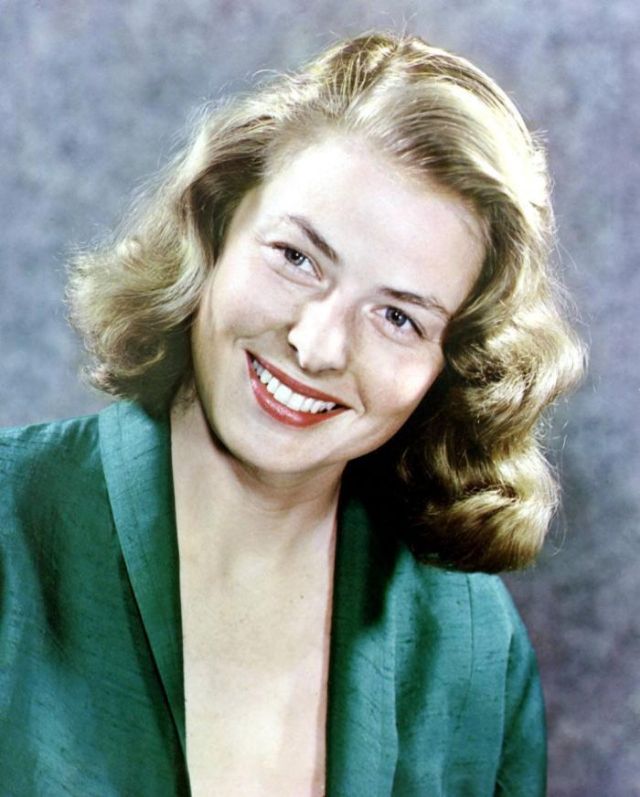
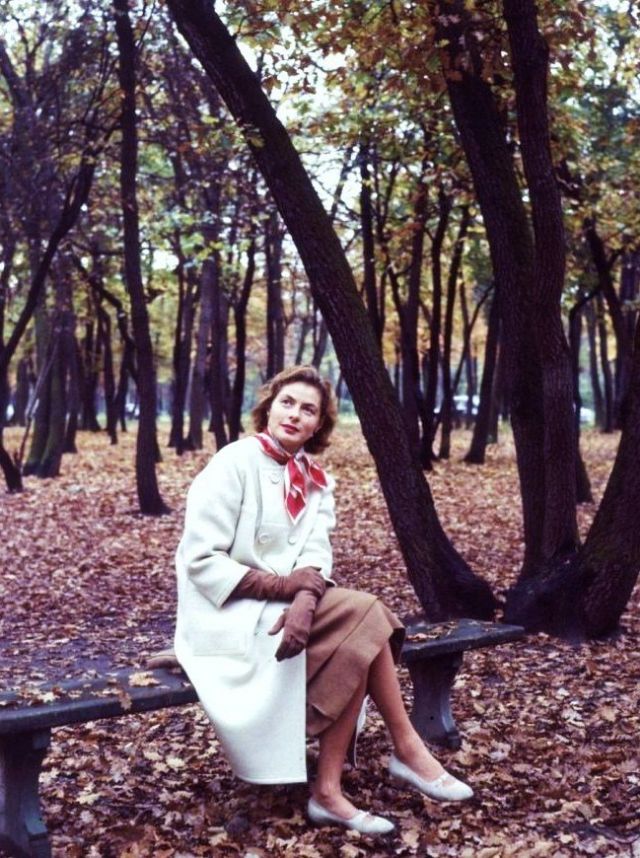
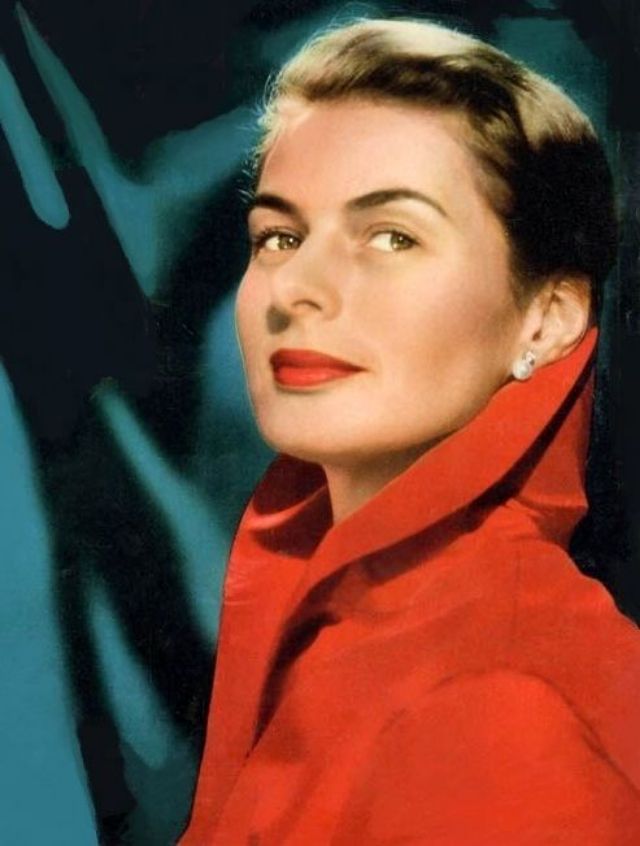
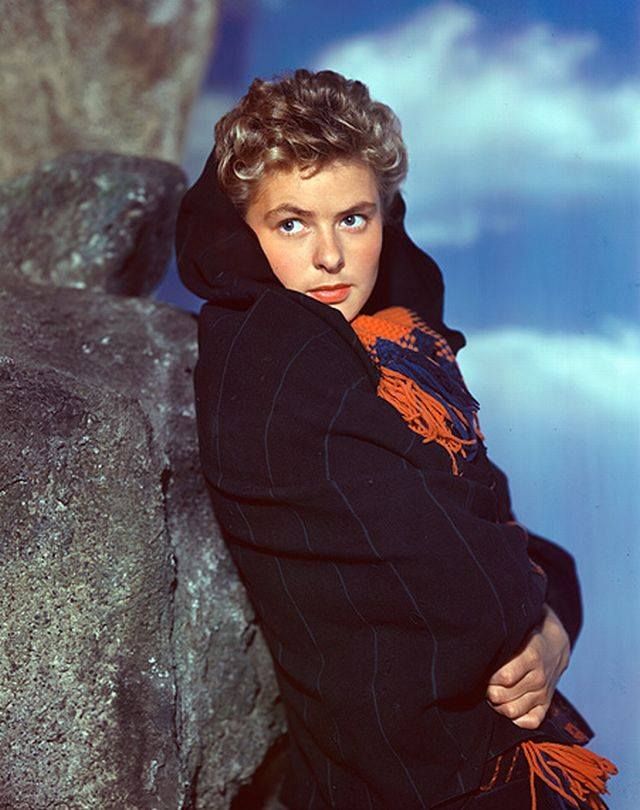
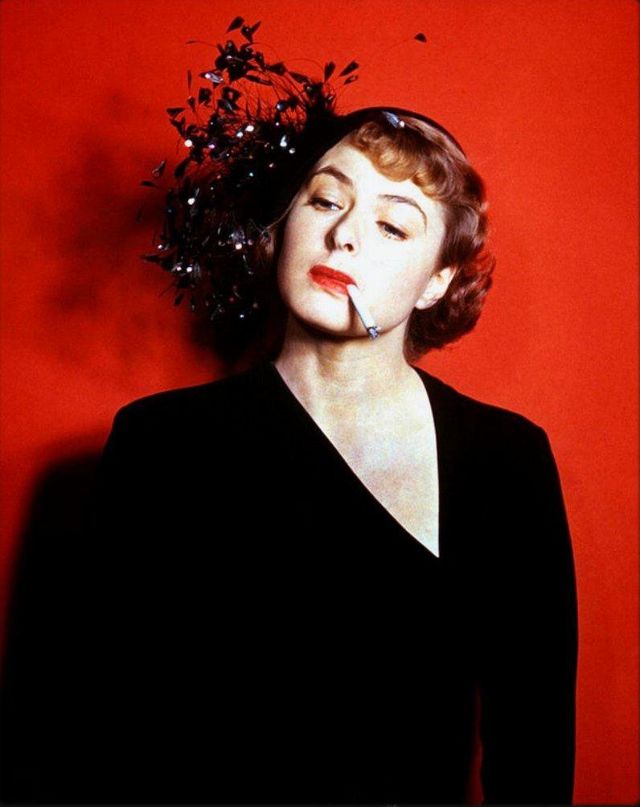
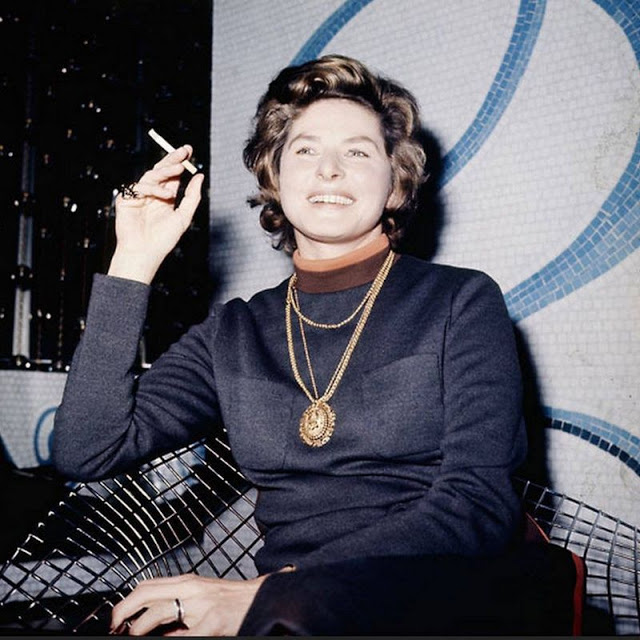
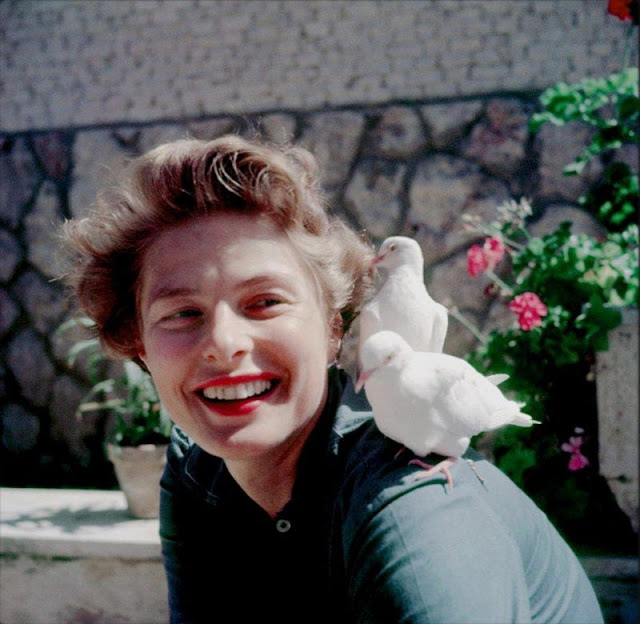
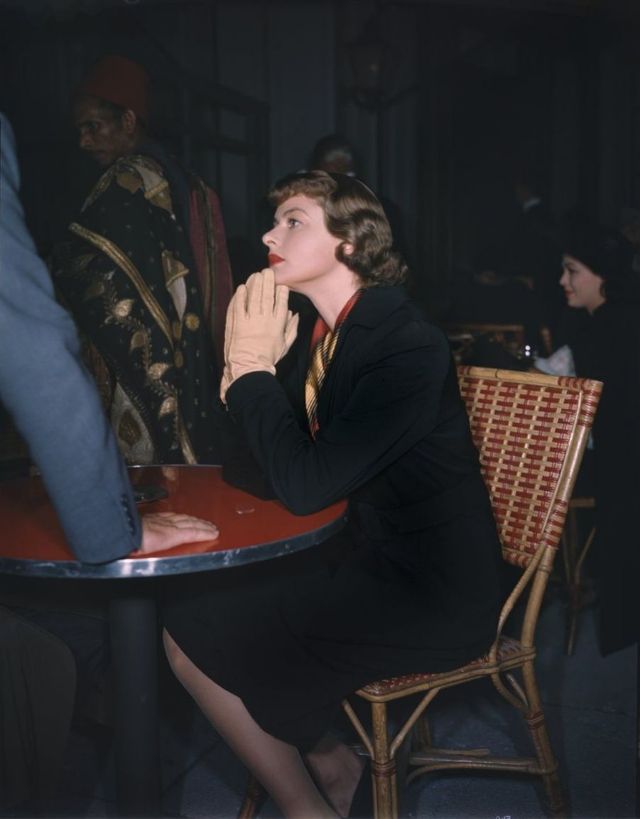
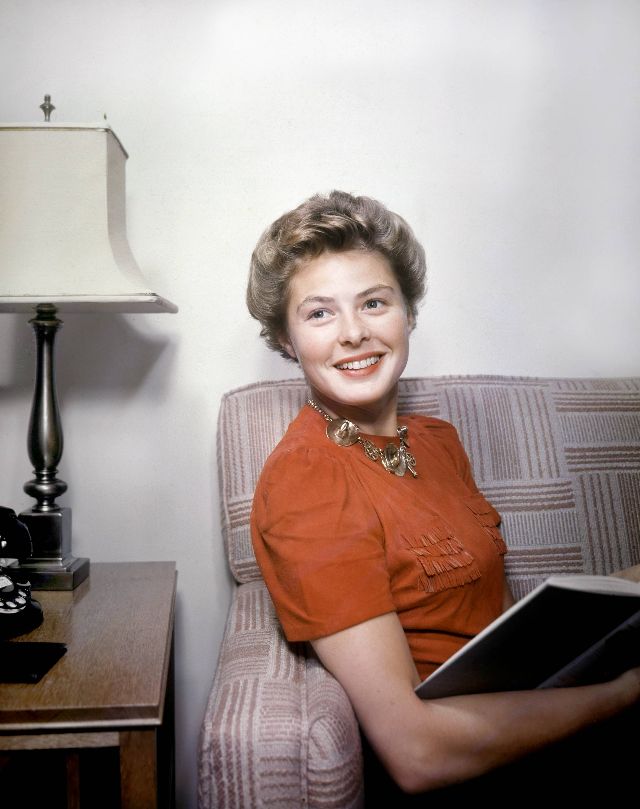
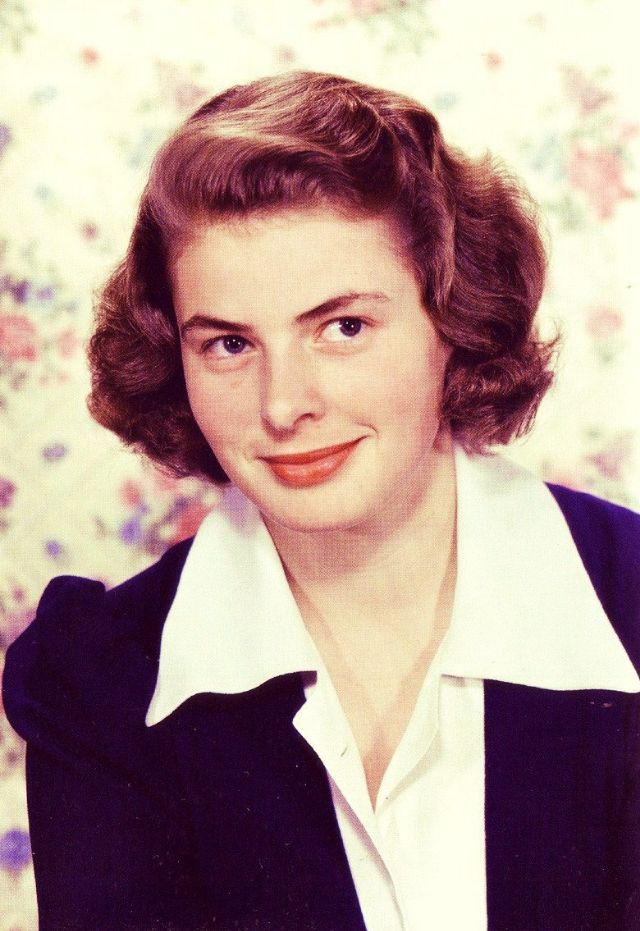
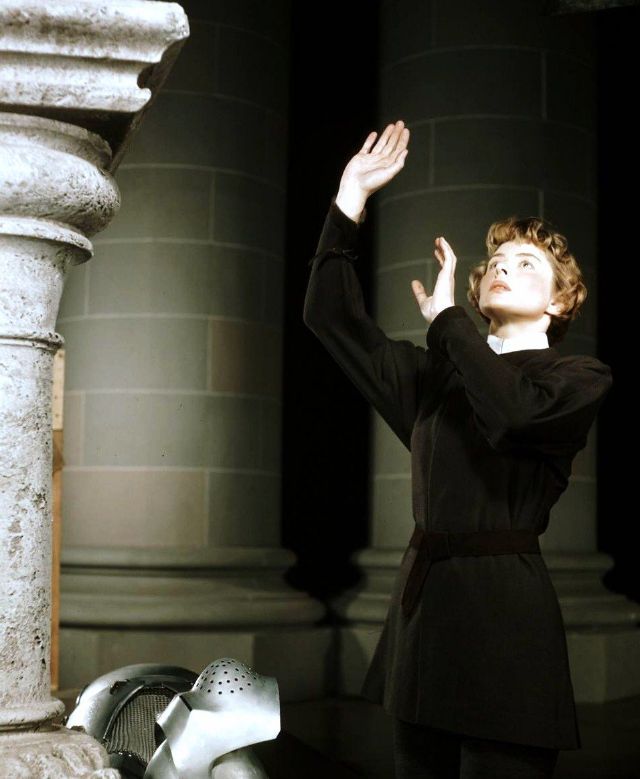
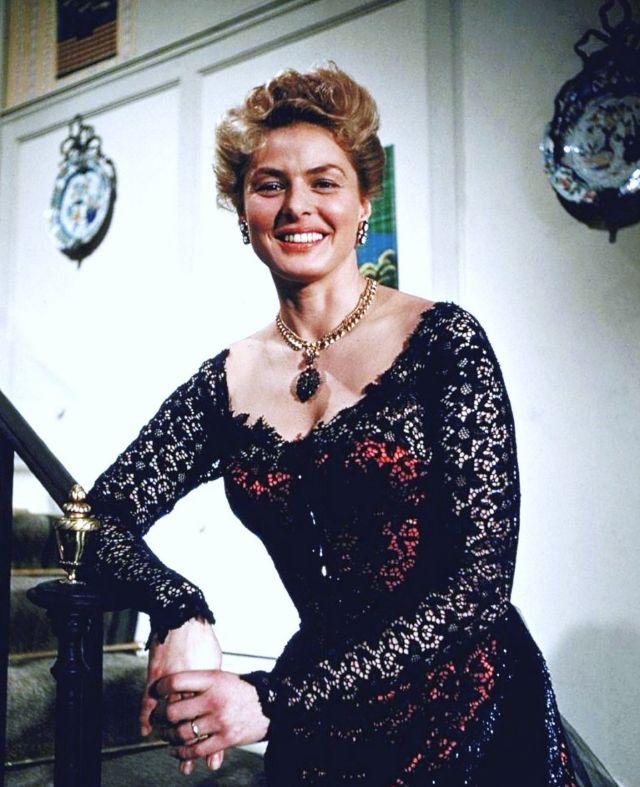
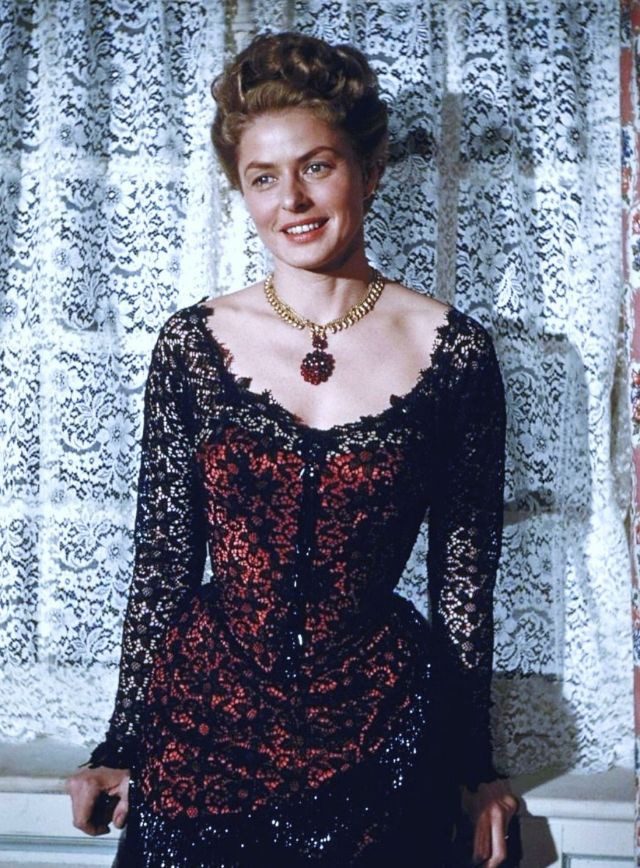
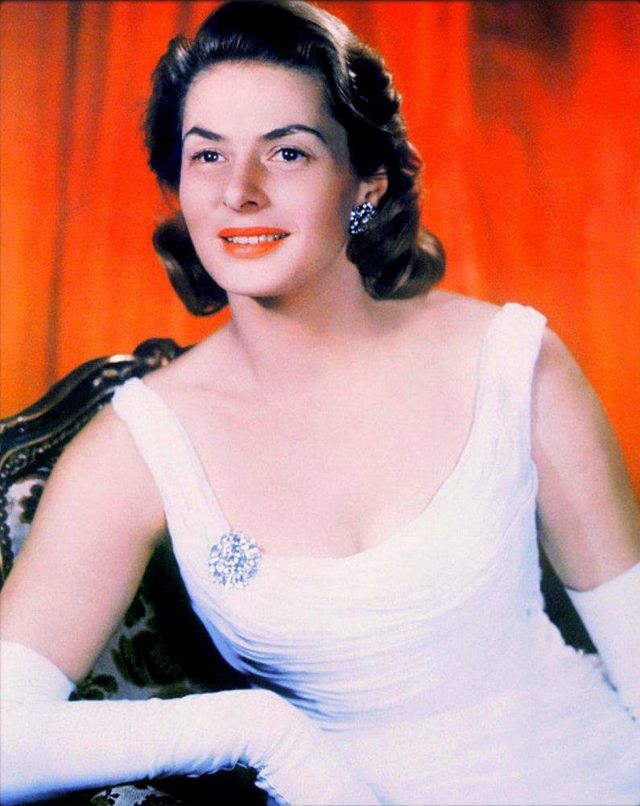
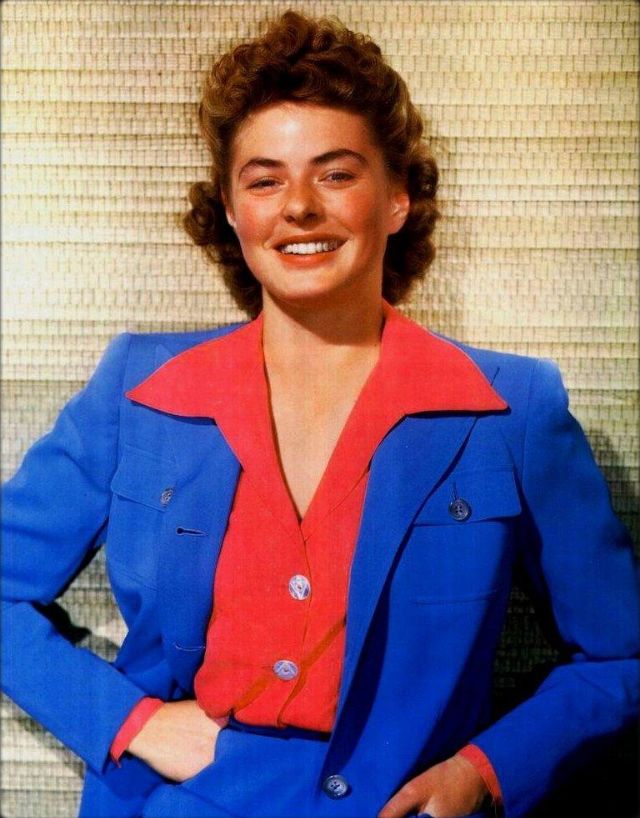
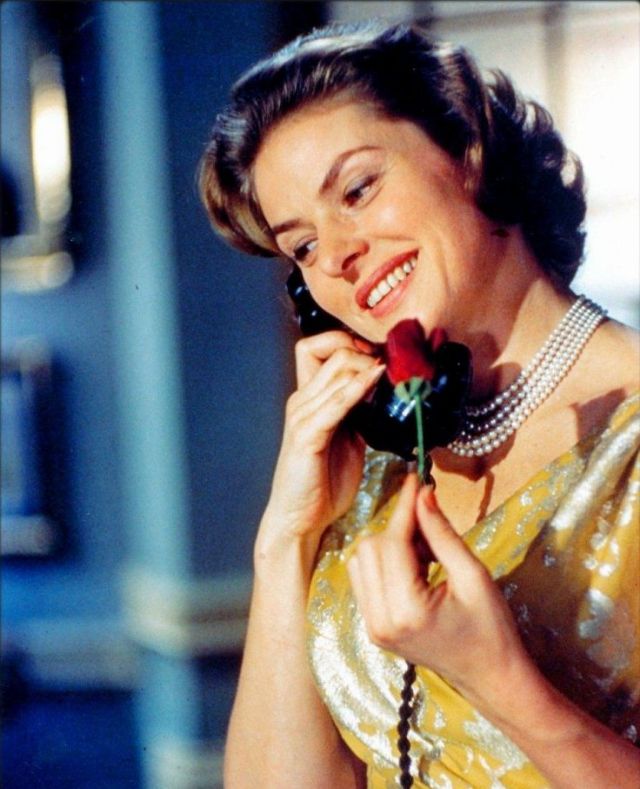
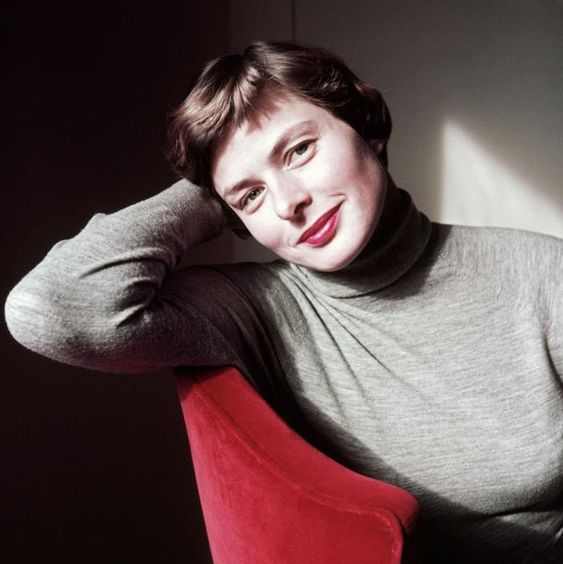
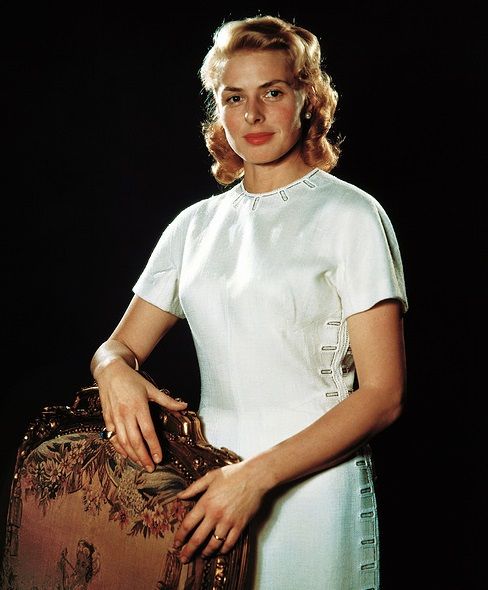
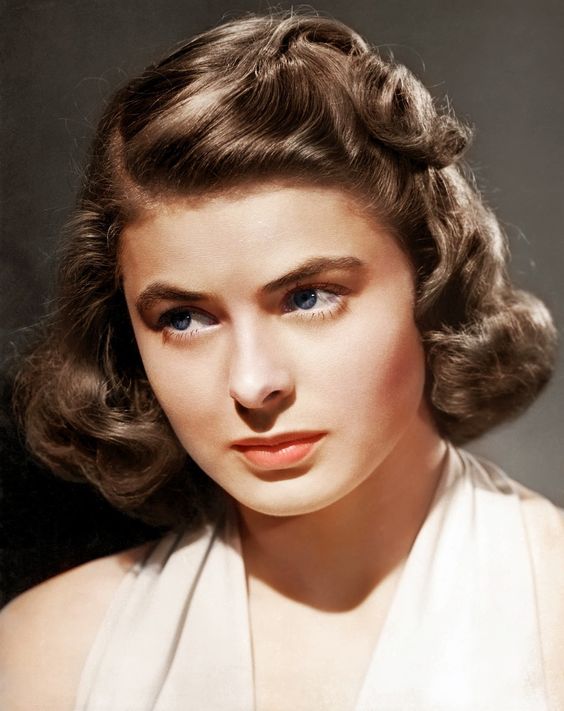
A color photo set of glamorous Ingrid Bergman from between the 1930s and 1950s.
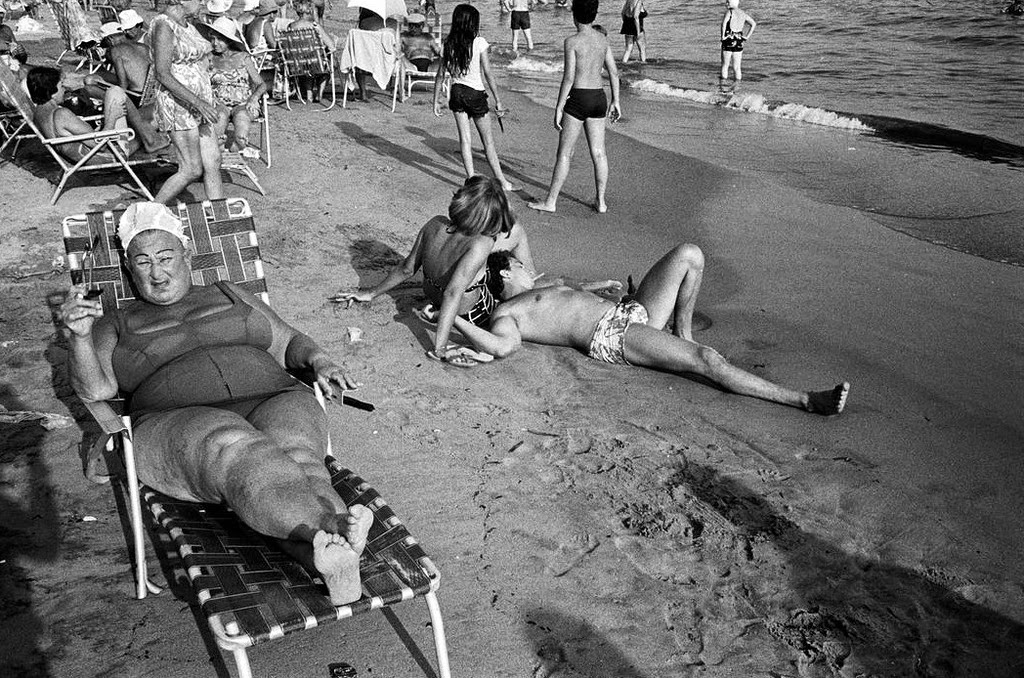
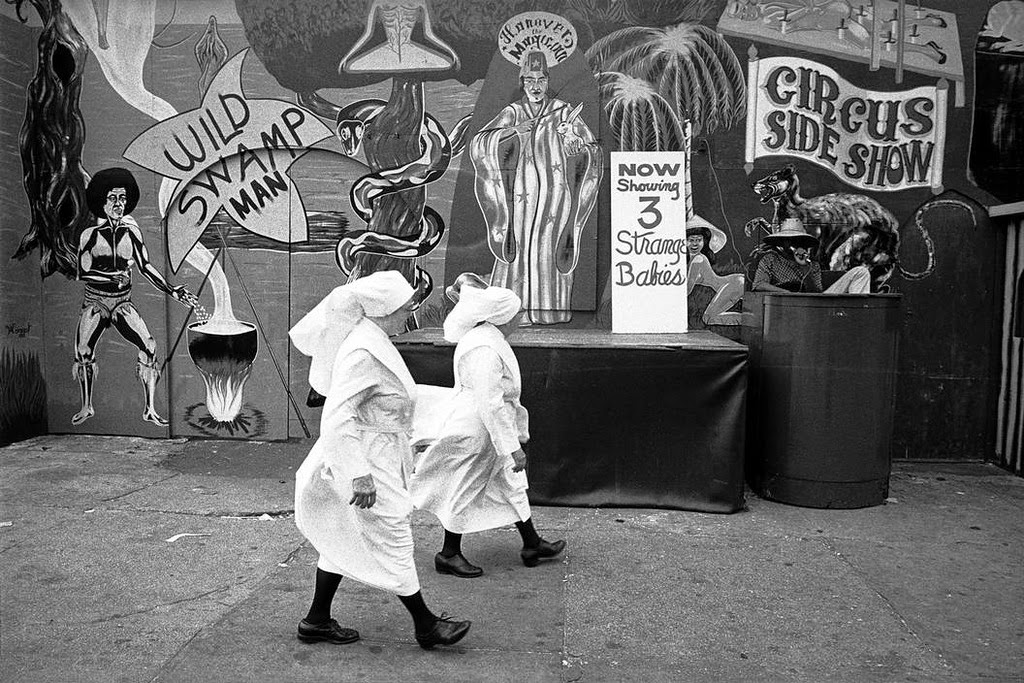
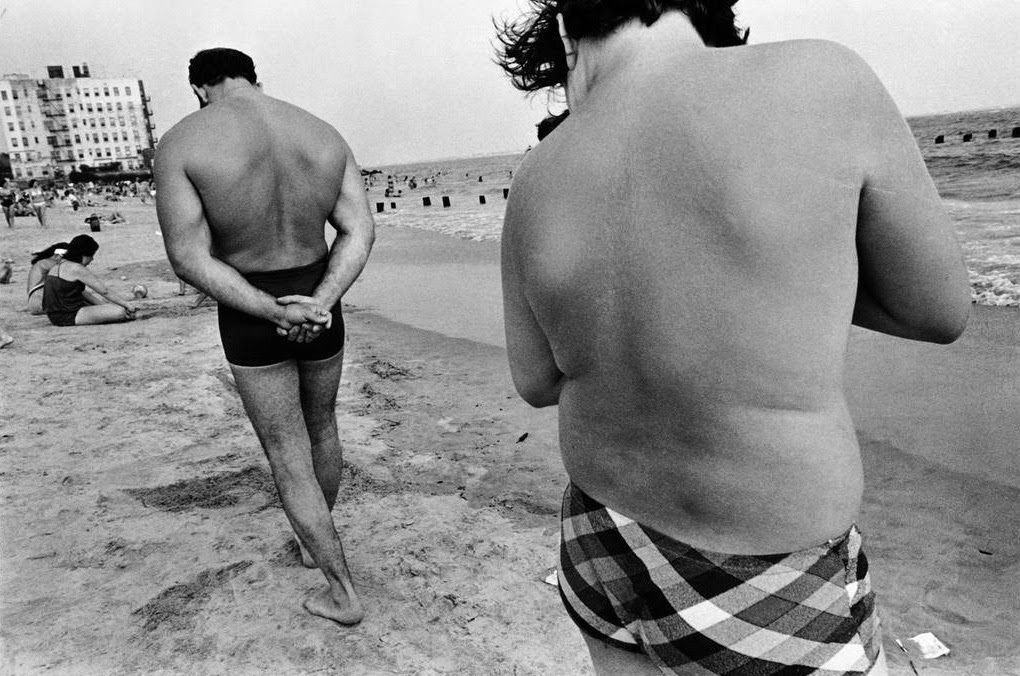
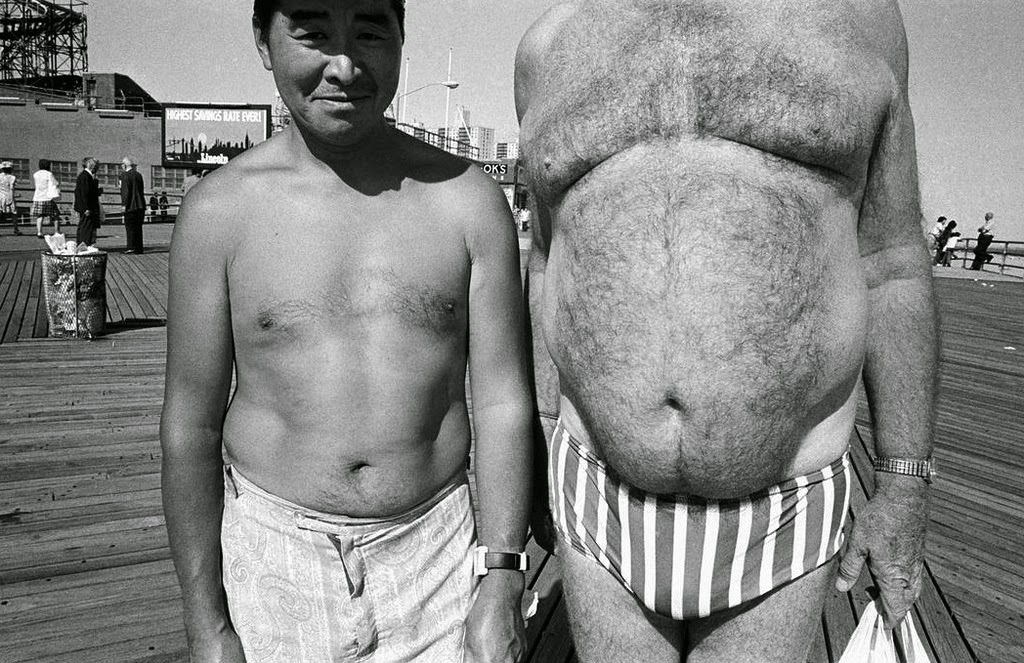
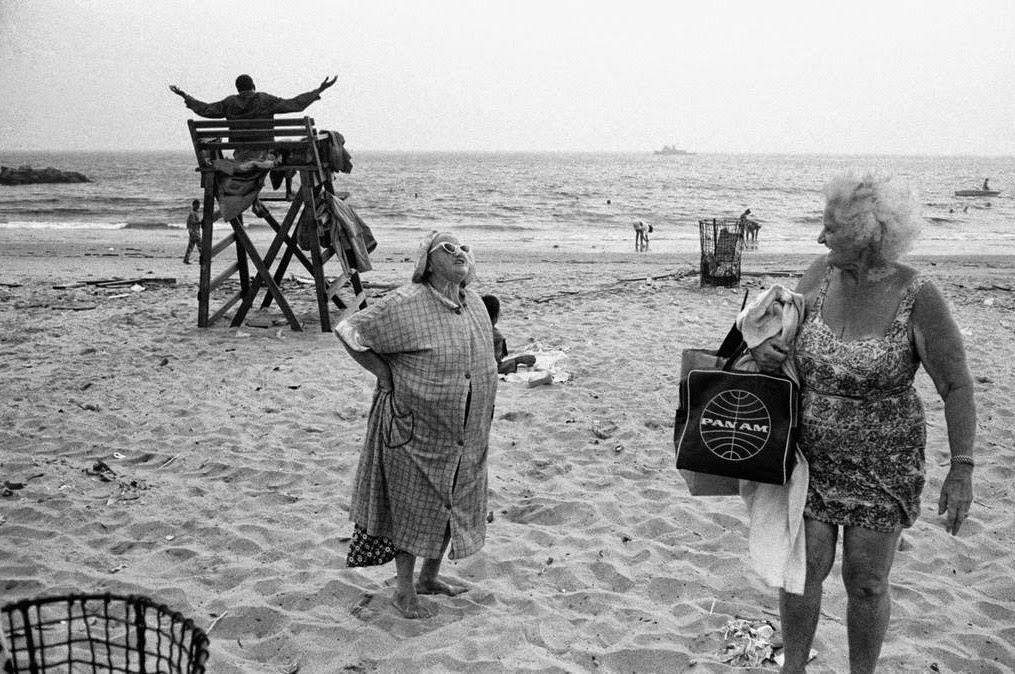
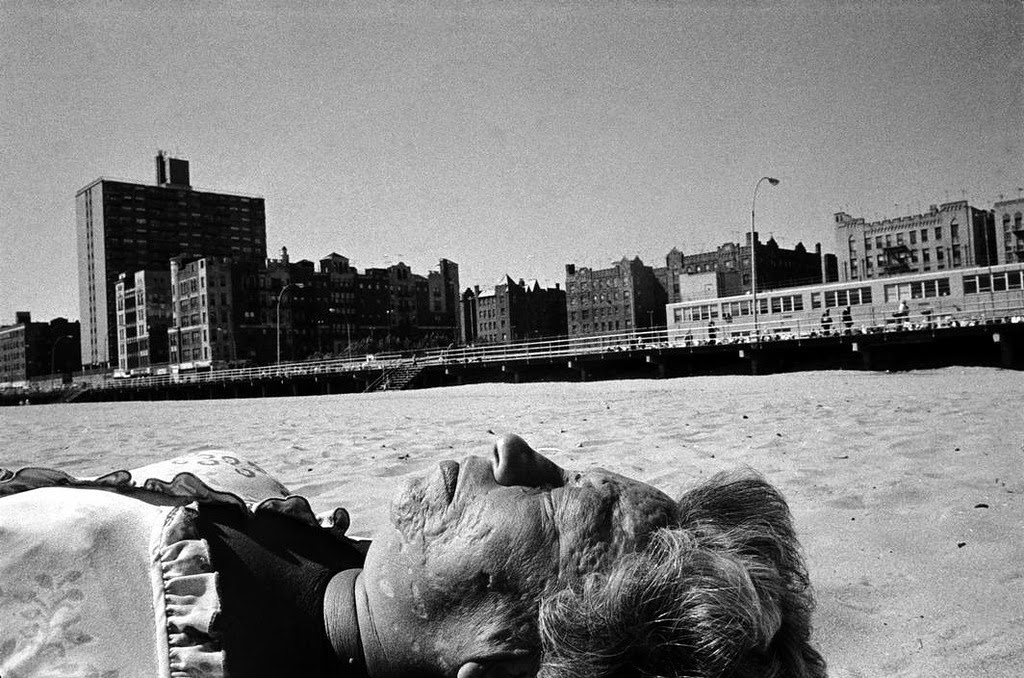
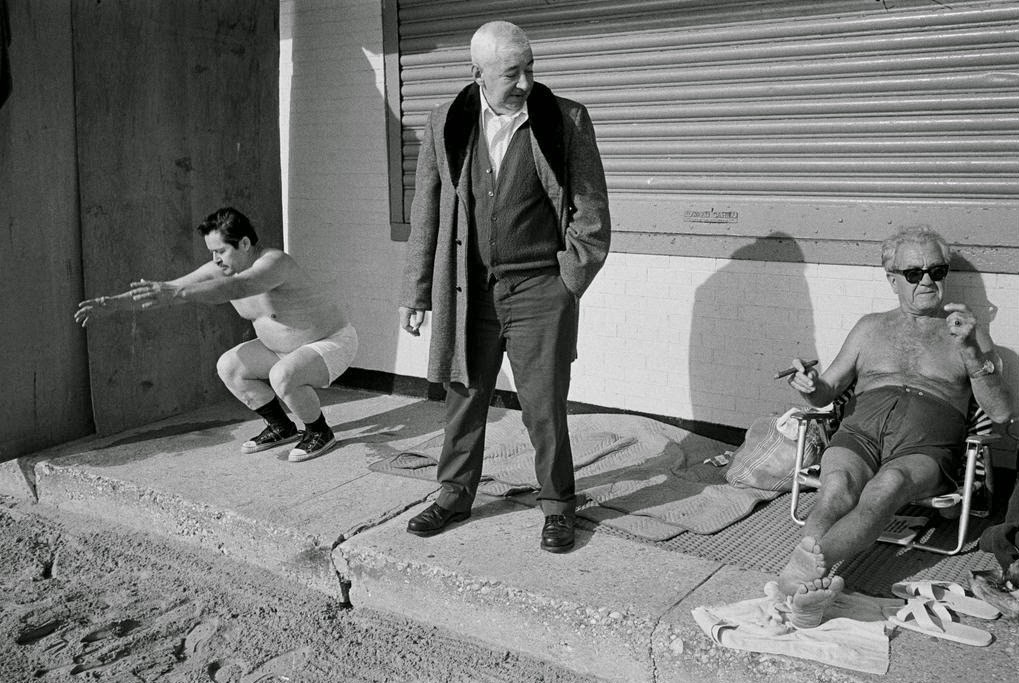
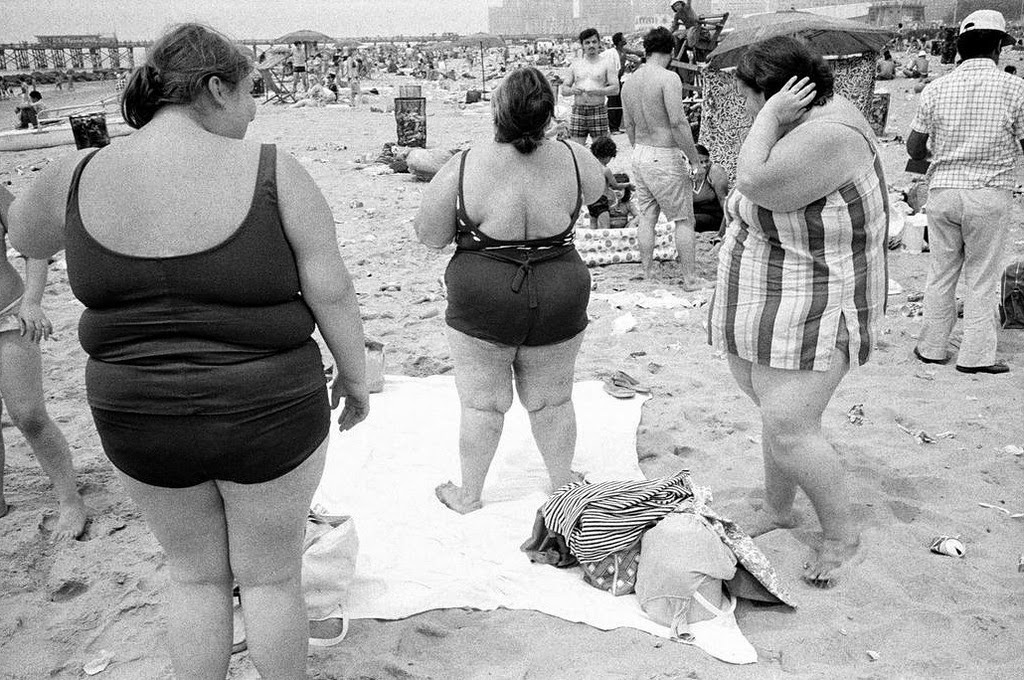
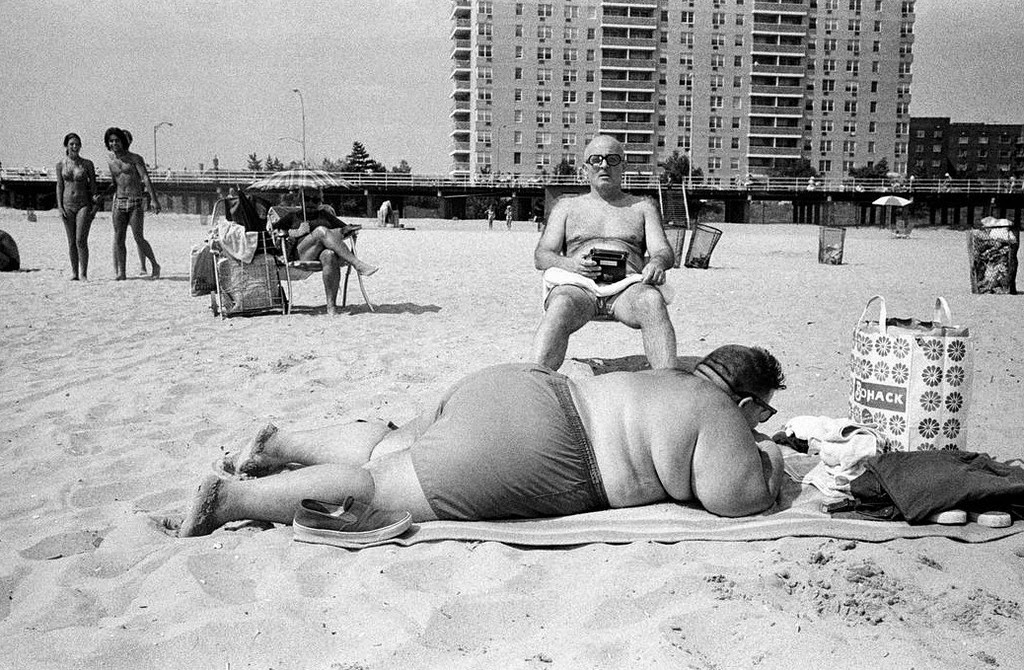
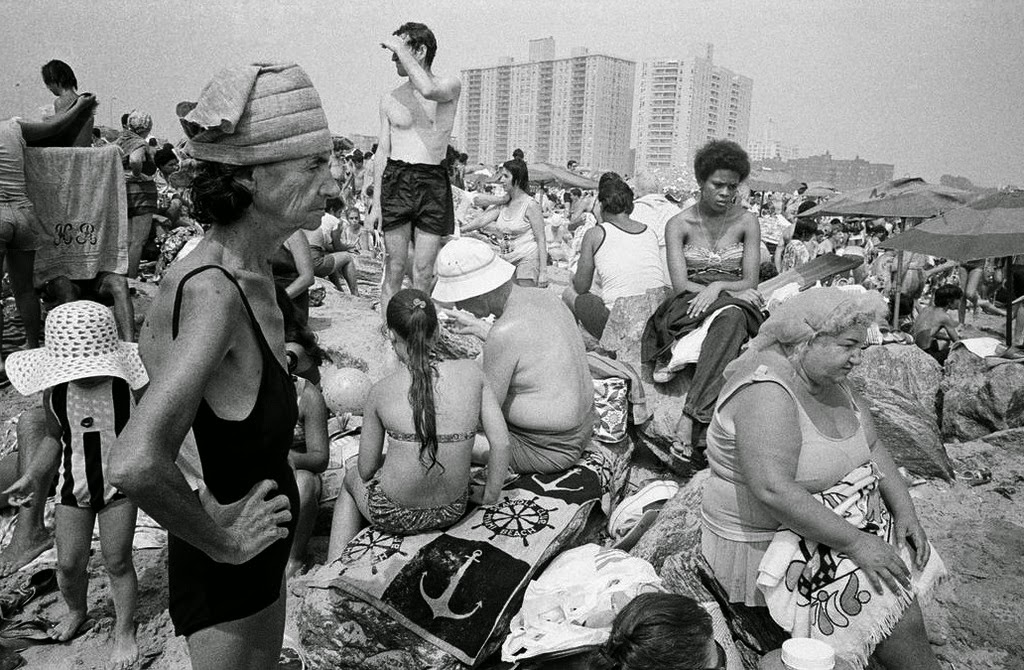
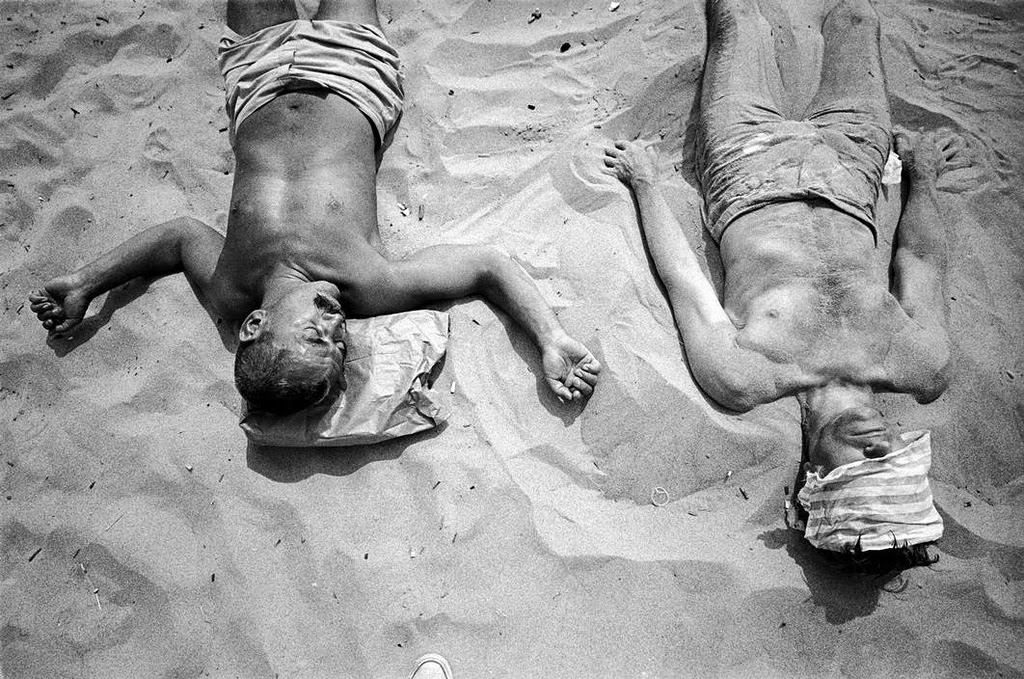
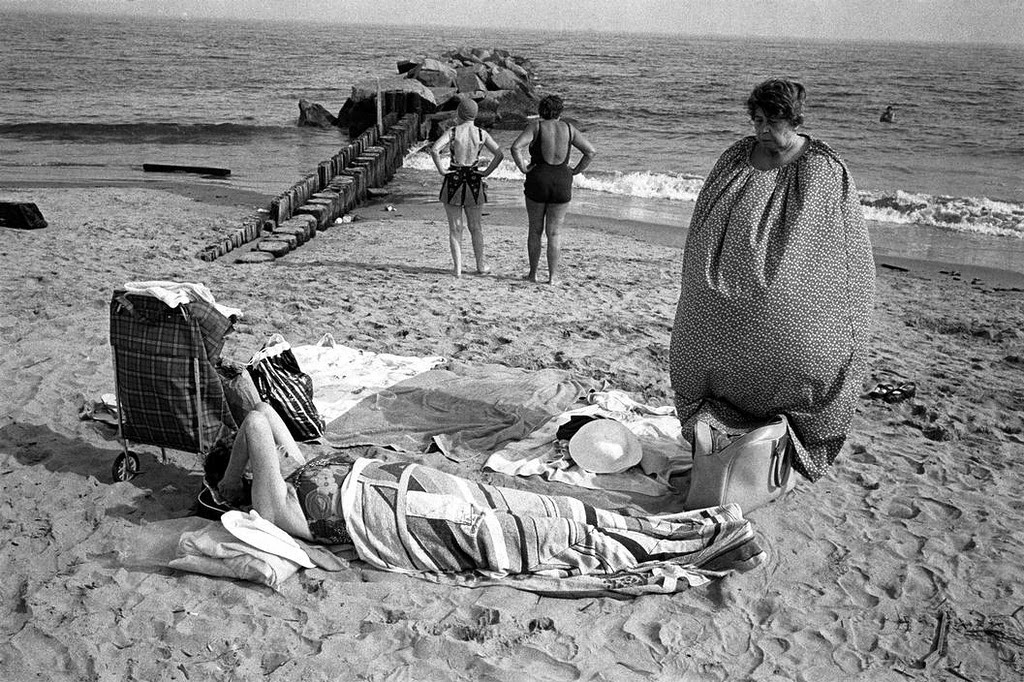
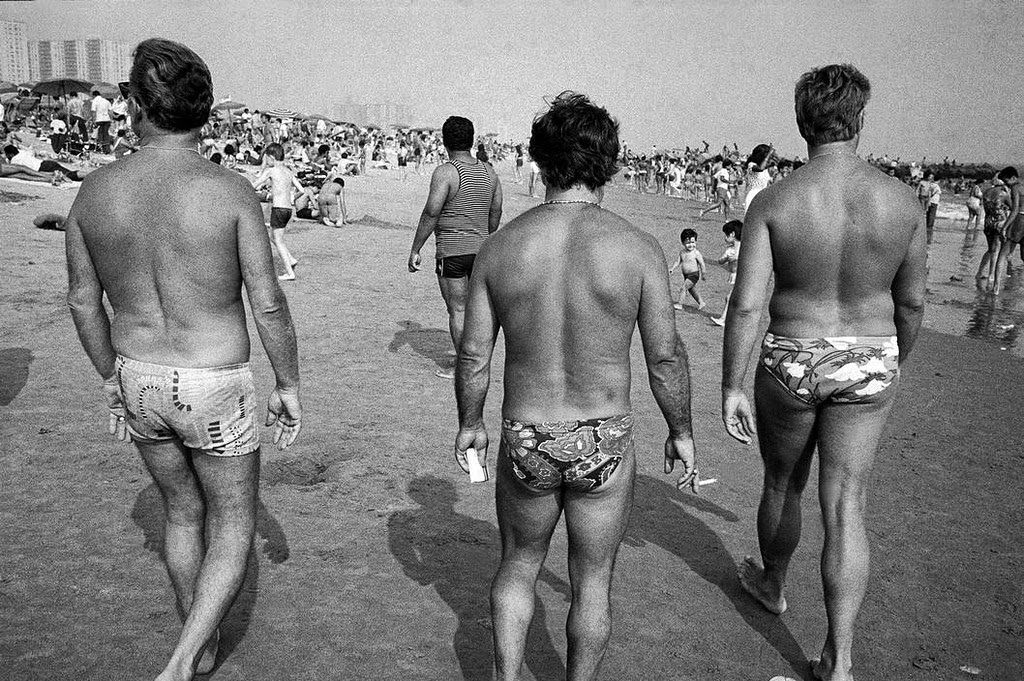
Coney Island is a peninsular neighborhood and entertainment area in the southwestern section of the New York City borough of Brooklyn. The neighborhood is bounded by Brighton Beach to its east, Lower New York Bay to the south and west, and Gravesend to the north, and includes the subsections of Sea Gate to its west and Brighton Beach to its east. Coney Island was formerly the westernmost of the Outer Barrier islands on the southern shore of Long Island, but in the early 20th century it became a peninsula, connected to the rest of Long Island by land fill.
The origin of Coney Island’s name is disputed, but the area was originally part of the colonial town of Gravesend. By the mid-19th century it had become a seaside resort, and by the late 19th century, amusement parks had also been built at the location. The attractions reached a historical peak during the first half of the 20th century. However, they declined in popularity after World War II and, following years of neglect, several structures were torn down. Various redevelopment projects were proposed for Coney Island in the 1970s through the 2000s, though most of these were not carried out. The area was revitalized with the opening of MCU Park in 2001 and several amusement rides starting in the 2010s.
Coney Island had around 32,000 residents as of the 2010 United States Census. The neighborhood is ethnically diverse, and the neighborhood’s poverty rate of 27% is slightly higher than that of the city as a whole.
Coney Island is part of Brooklyn Community District 13, and its primary ZIP Code is 11224. It is patrolled by the 60th Precinct of the New York City Police Department. Fire services are provided by the New York City Fire Department’s Engine 245/Ladder 161/Battalion 43 and Engine 318/Ladder 166. Politically, Coney Island is represented by the New York City Council’s 47th District. The area is well served by the New York City Subway and local bus routes, and contains several public elementary and middle schools. (Wikipedia)
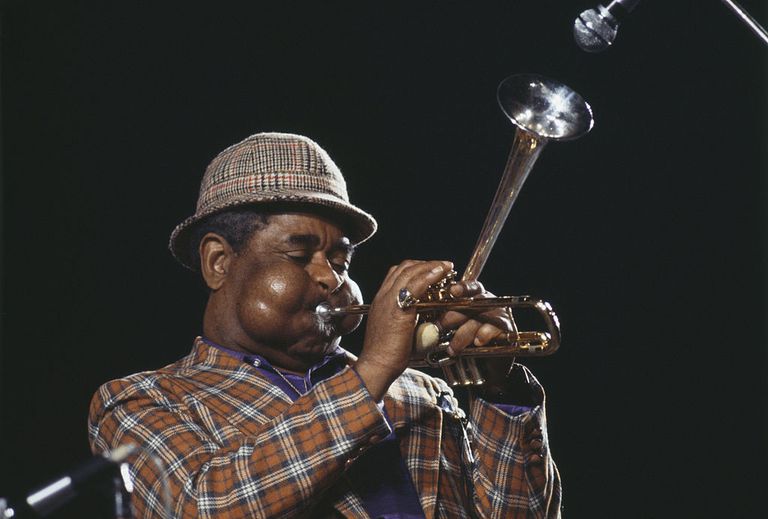
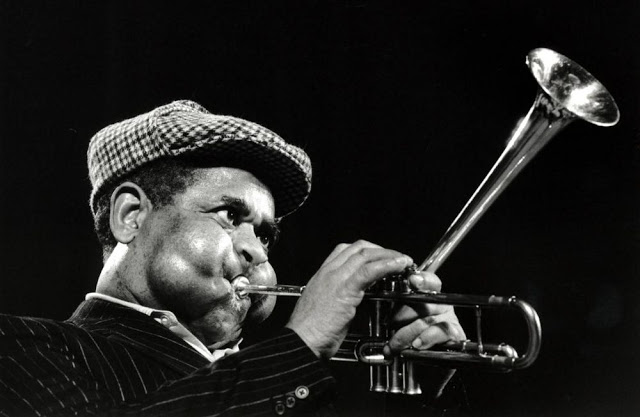
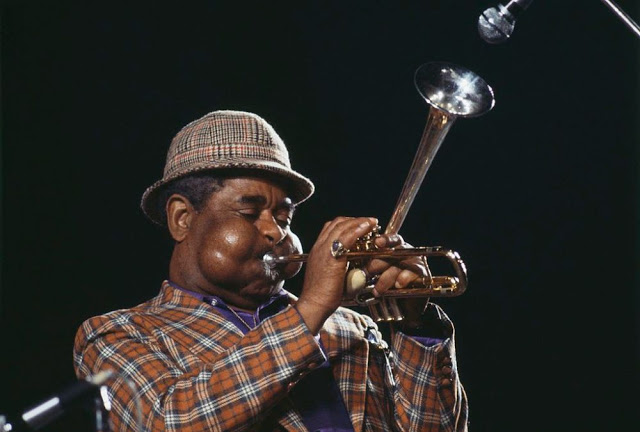
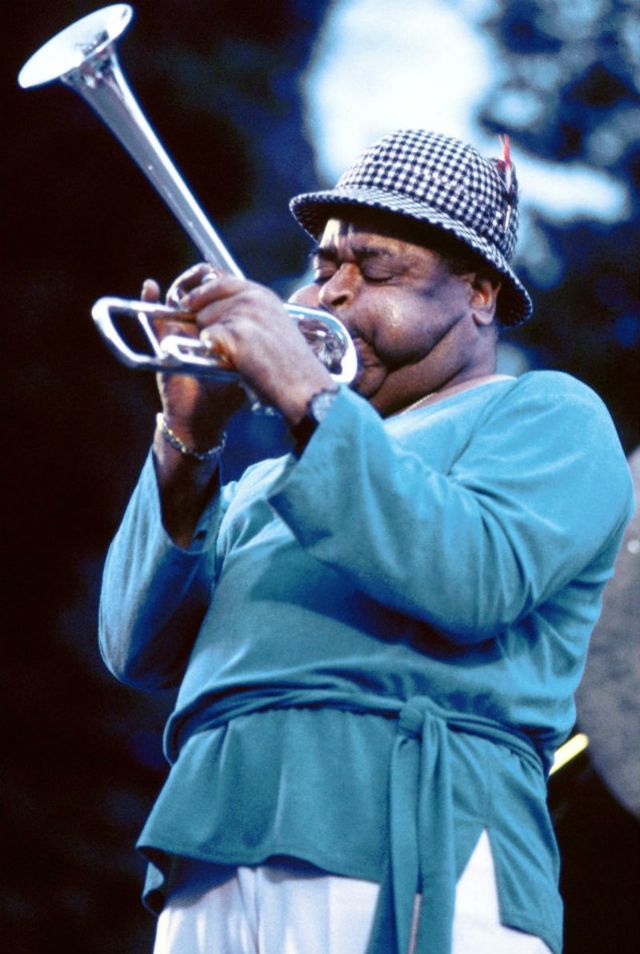
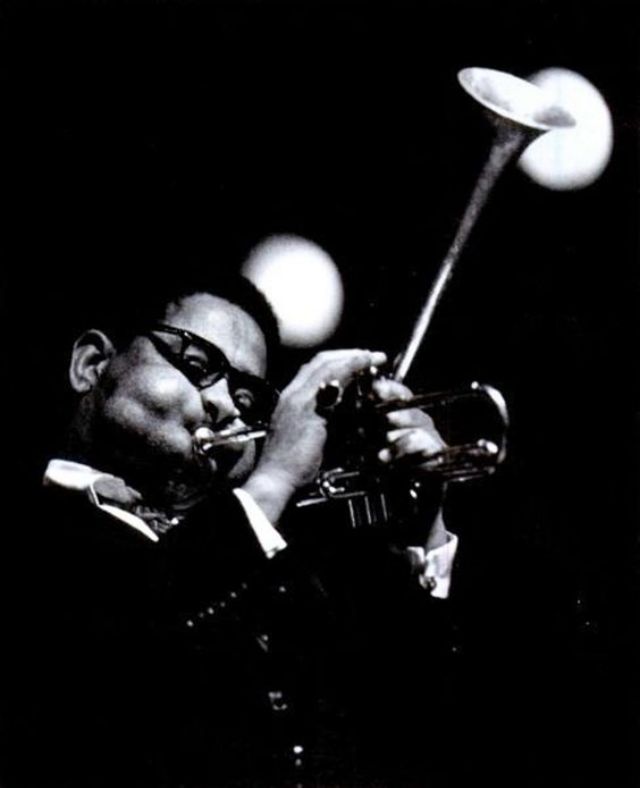
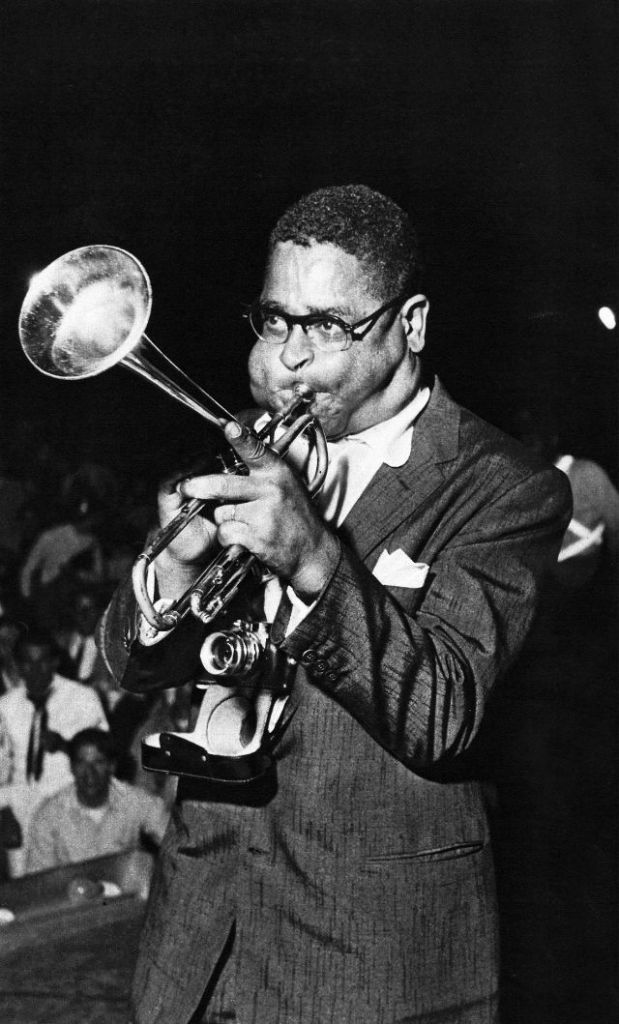
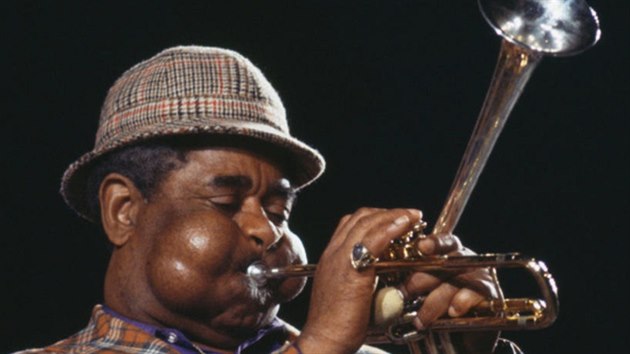
If you’re a jazz aficionado, you know the sound. If you’re everyone else, you know the face. John Birks “Dizzy” Gillespie was a jazz legend, a band leader and performer, famous for his contributions to jazz and for the contortions of his face while playing the trumpet.
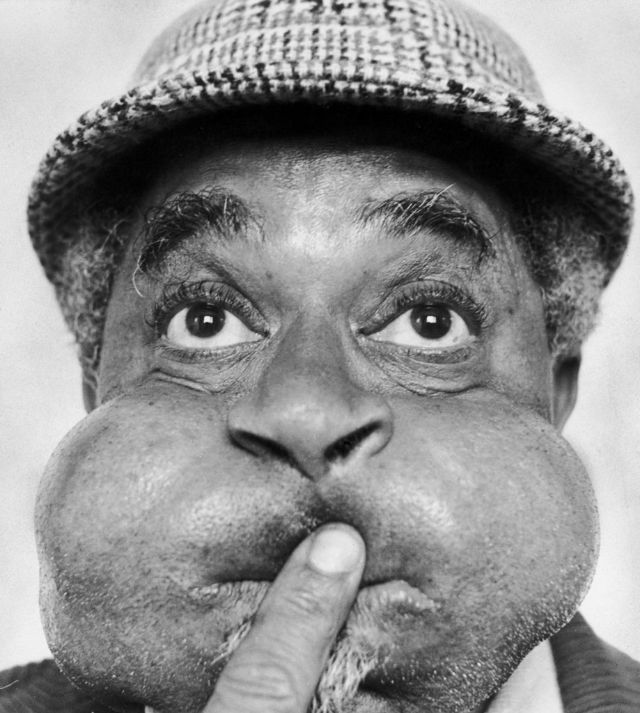
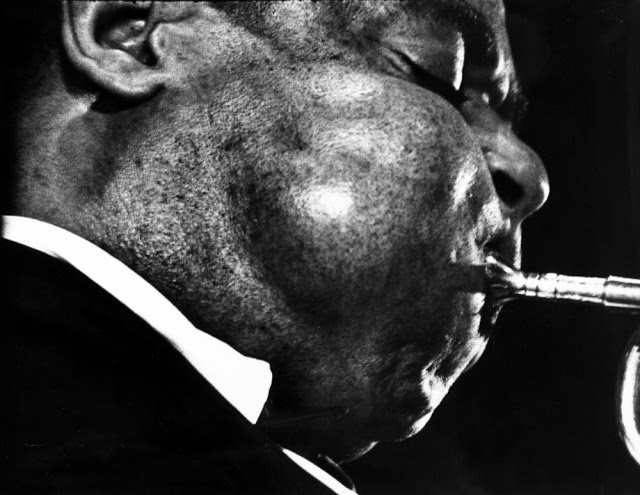
If you’ve never seen Gillespie play, images of his neck and cheeks are almost alarming, like someone has attached his neck to a bike pump.
While Dizzy once said that a scientist had studied his face and called them “Gellespie’s Pouches,” the more technical term for why his neck bulges like a bullfrog’s would be laryngocele. A laryngocele is a benign (yet unmissable) condition where a person has an empty sac alongside his or her larynx. The air sac can share air with the gases flowing past the voice box and expand when pressure in the mouth/throat increase. Gillespie was either endowed with or forcefully created—from continuous and rigorous use—two of them, resulting in that classic visage accompanying his every horn blast.
What happened to Gillespie’s cheeks specifically, however, was a separate and more common phenomenon. With repeated and heavy use, the mouth’s buccinator muscles that line the cheeks can stretch and deform. It’s common enough that ballooning cheeks are sometimes called “Glassblower’s Disease,” on account of the occupational practice of forcing air through a metal pipe repeatedly.
It’s almost fitting that a man who gave so much to jazz had neck anatomy that decided to improvise air flow.
Jazz trumpeter Dizzy Gillespie is seen performing at the Newport Jazz Festival in Rhode Island, June 30, 1967.
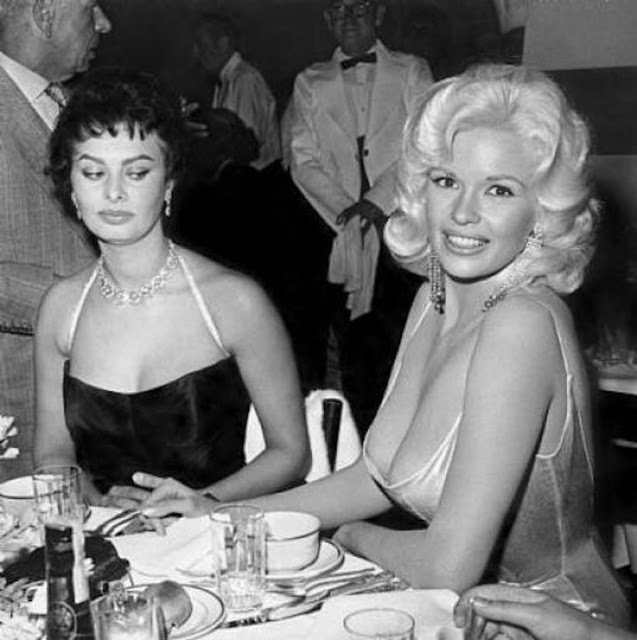
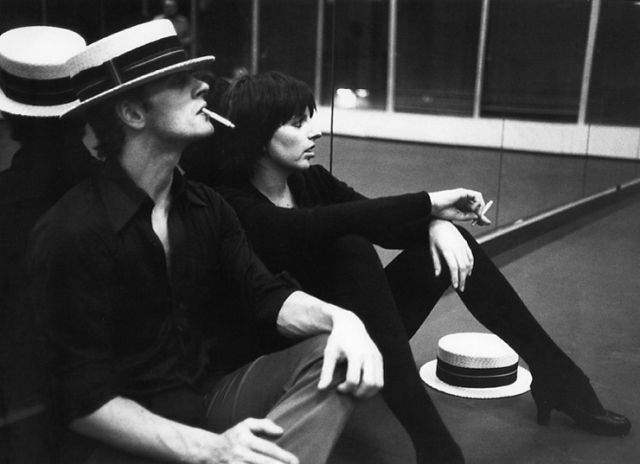
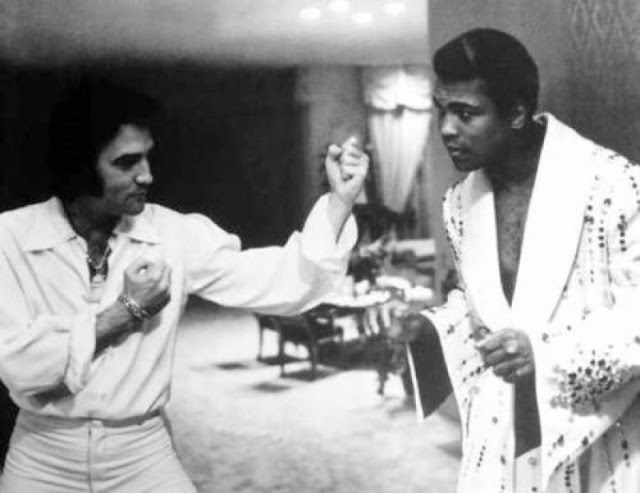
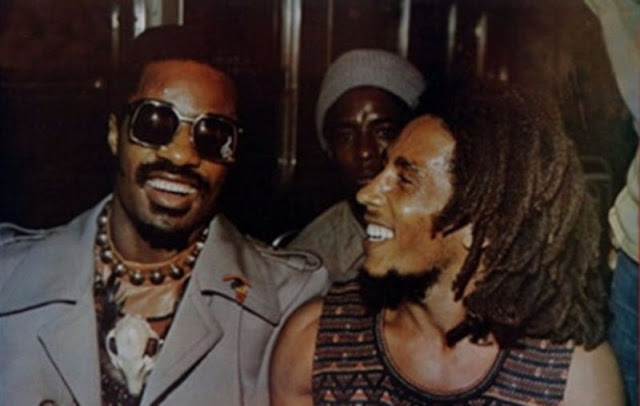
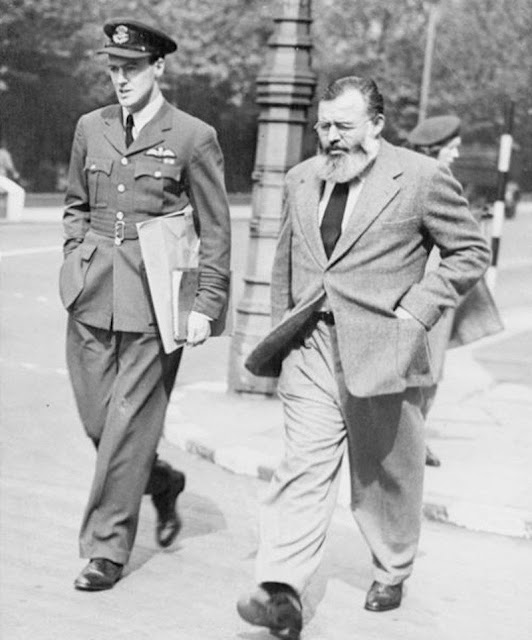
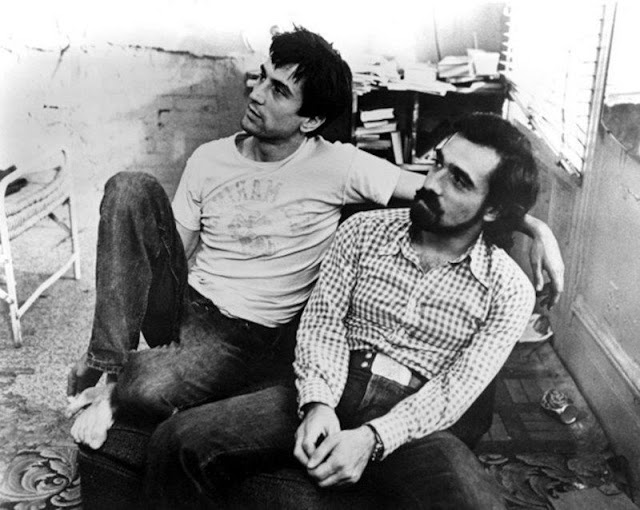
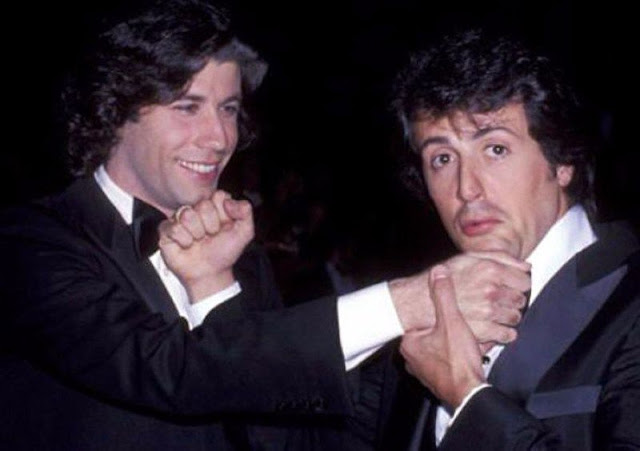
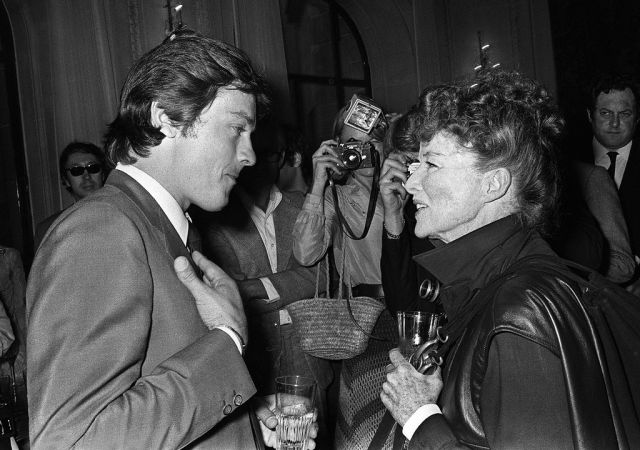
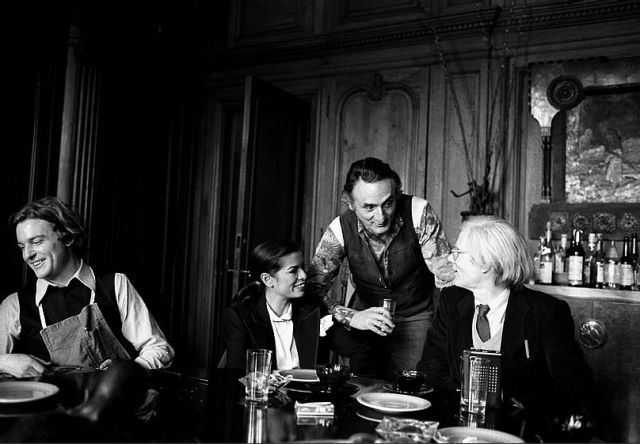
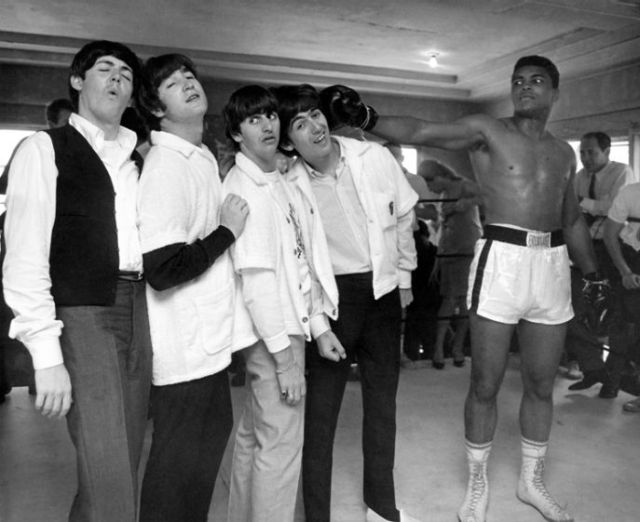
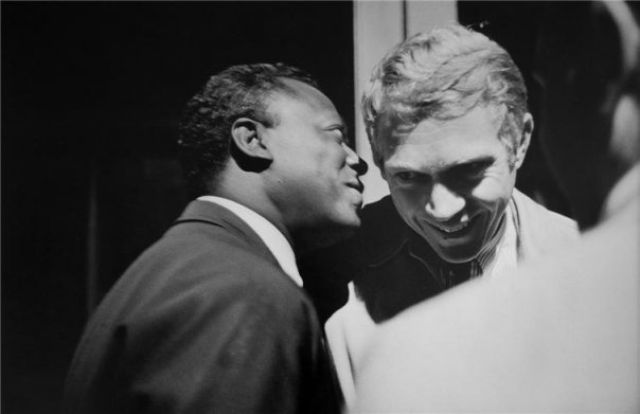
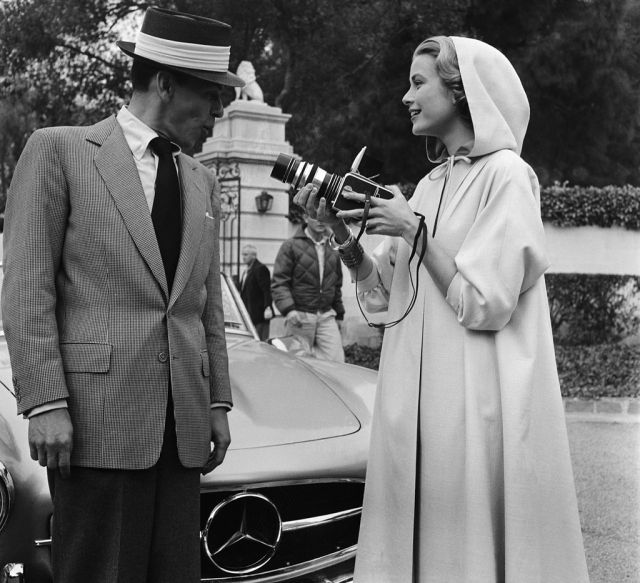
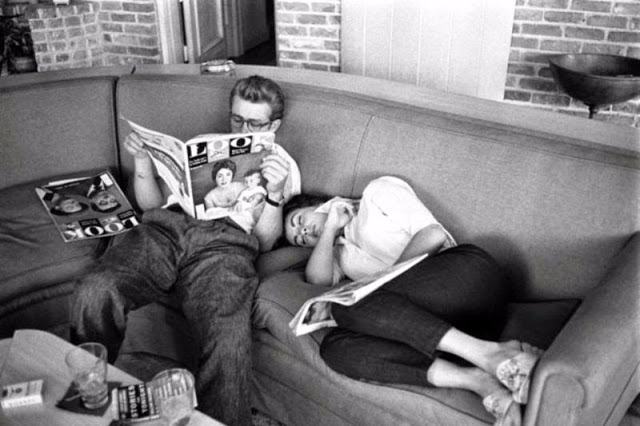
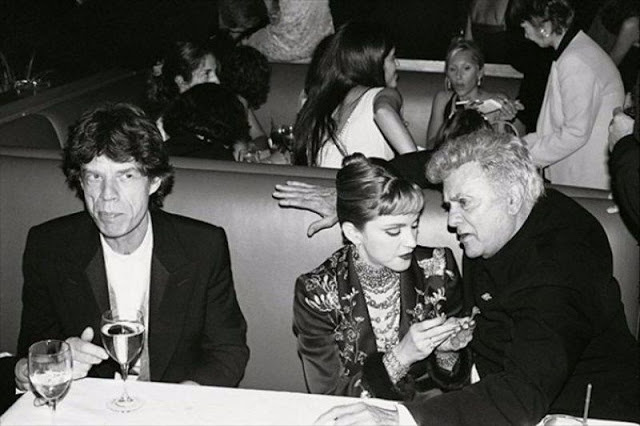
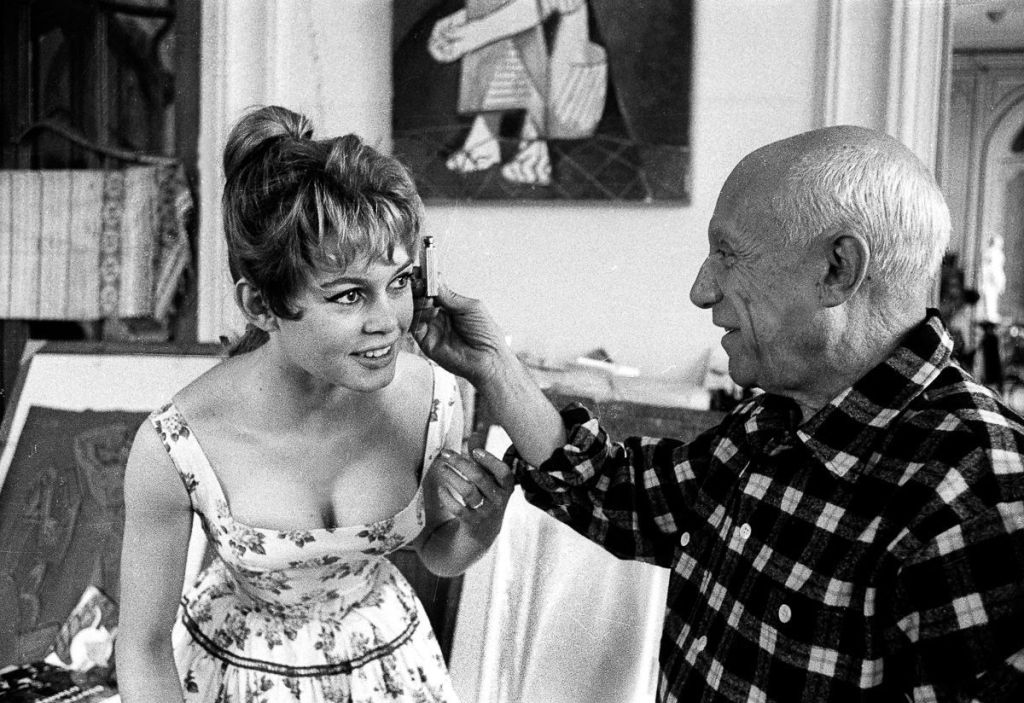
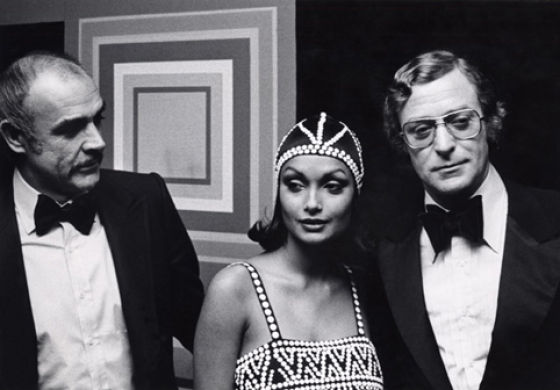
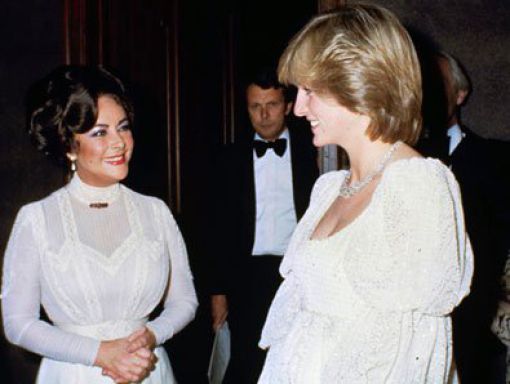
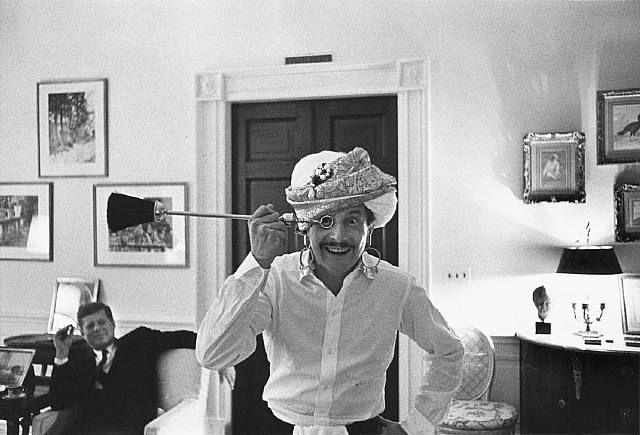
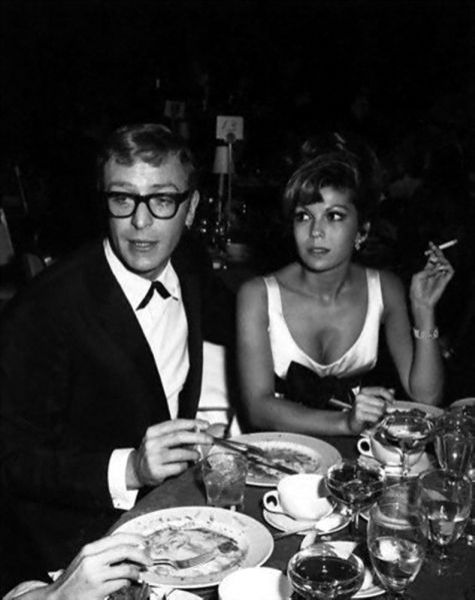
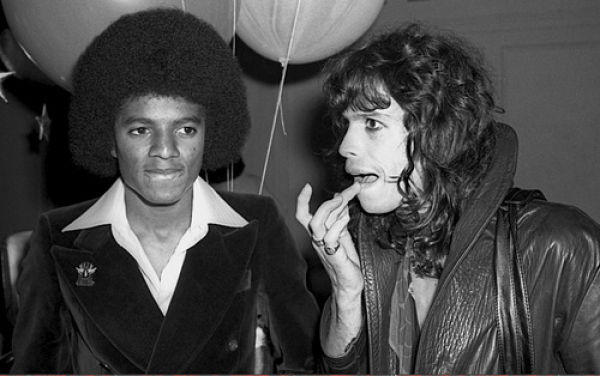
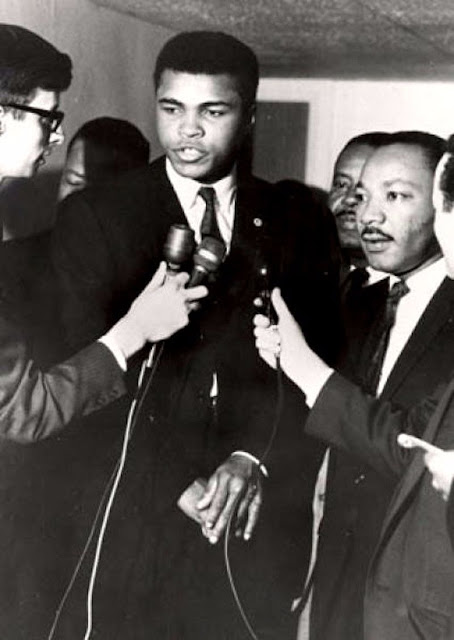
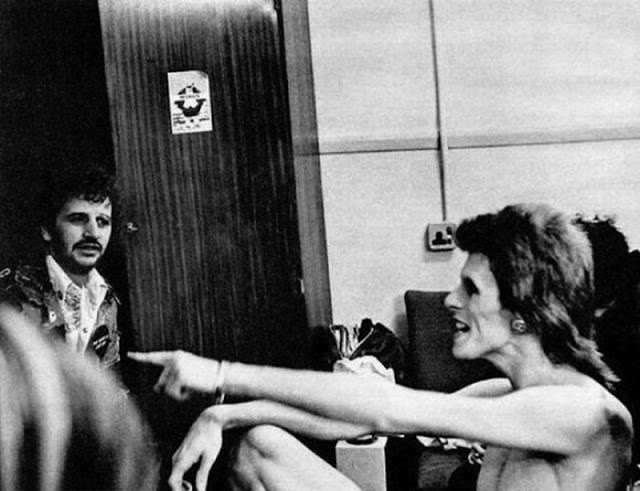
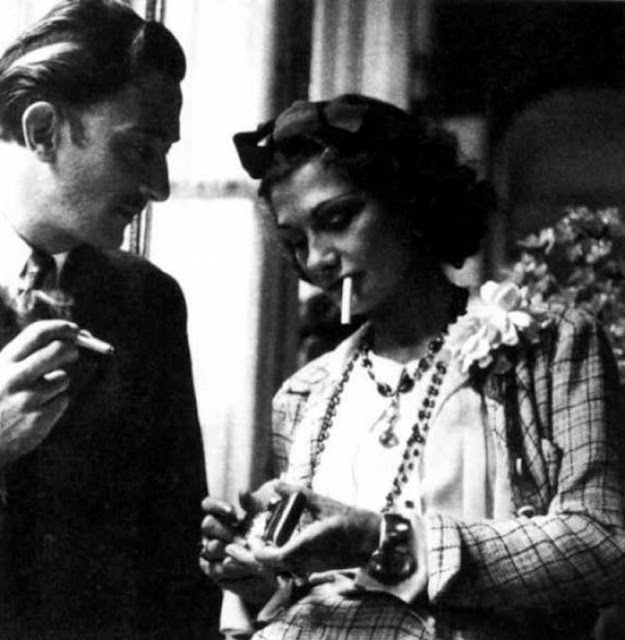
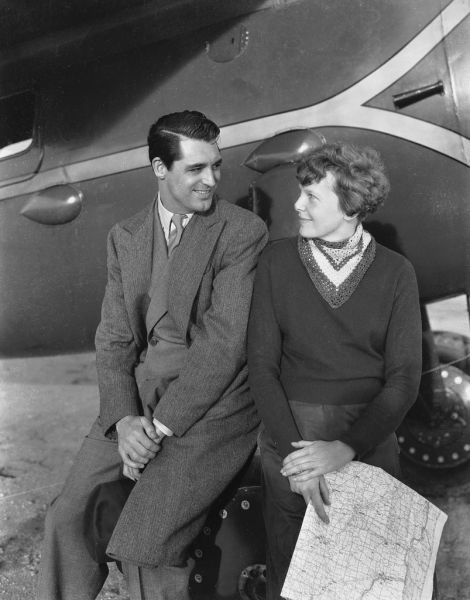
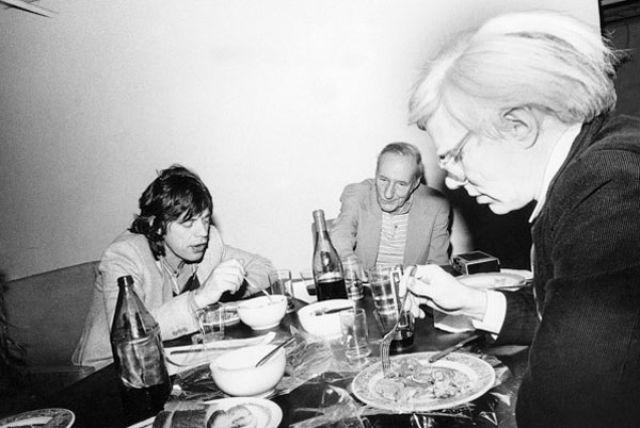
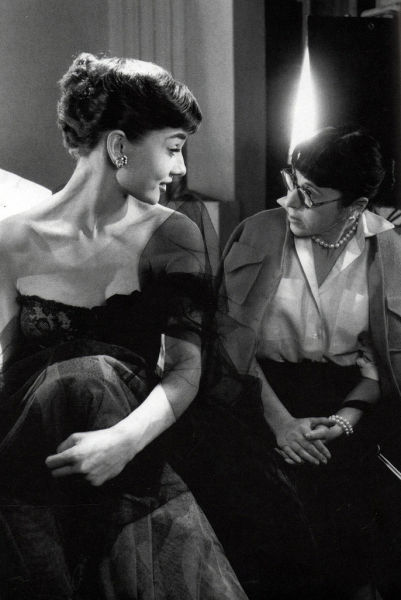
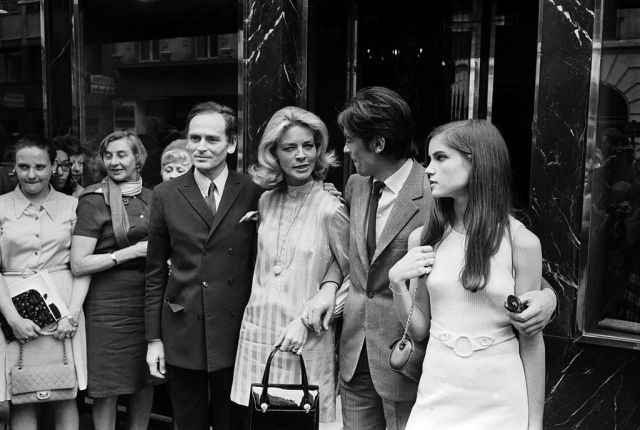
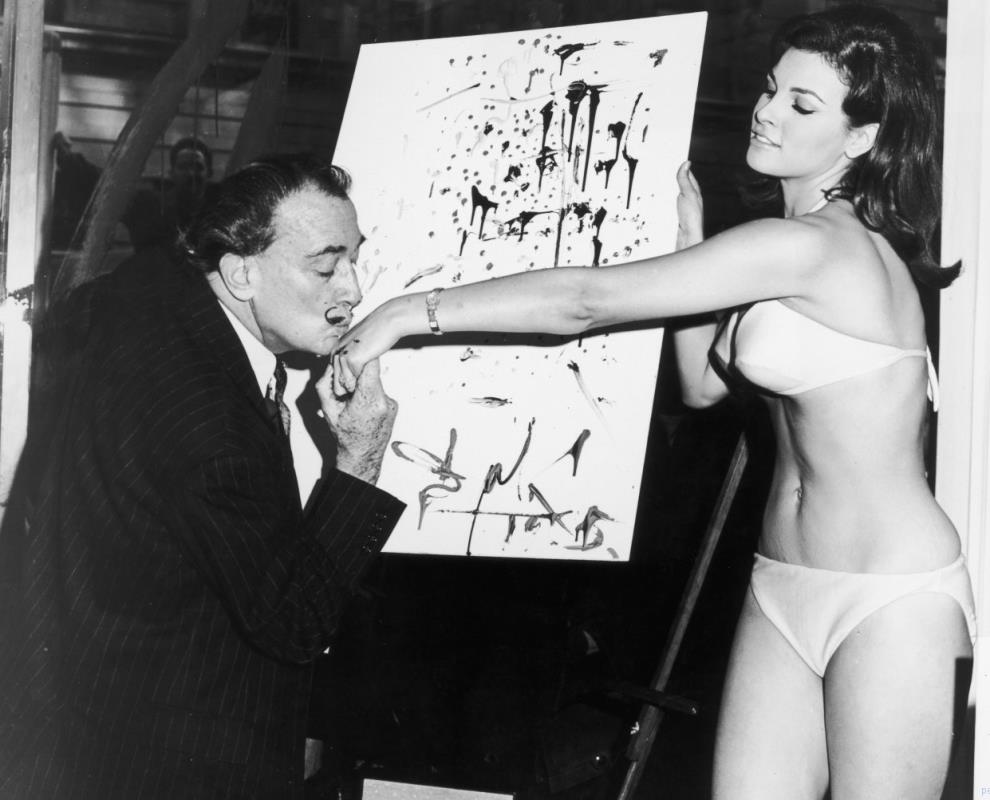
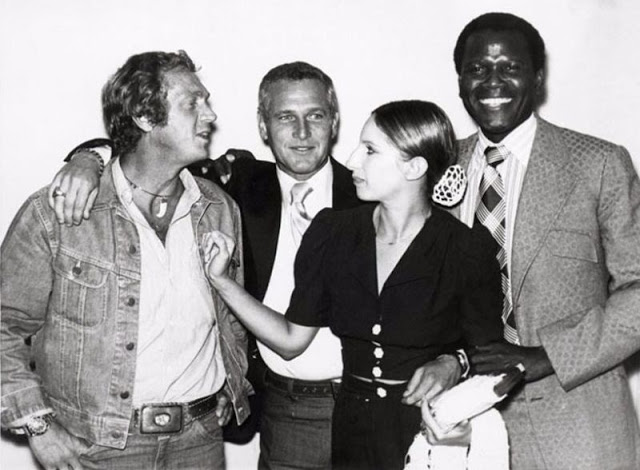
Mikhail Baryshnikov and Liza MinnelliElvis Presley and Muhammad AliStevie Wonder and Bob MarleyRoald Dahl and Ernest HemingwayRobert De Niro and Martin ScorseseJohn Travolta and Sylvester StalloneThe American actress Katharine Hepburn (1907 – 2003) talks with the French actor Alain Delon 03 September 1971 in Paris during a cocktail party organized for the release of the French film “Les Troyennes” by Michael Cacoyannis in which Katharine Hepburn plays Hecube. Jamie Wyeth, Bianca Jagger, Larry Rivers and Andy WarholThe Beatles and Mohammad AliMiles Davis & Steve McQueen01/22/1956-Hollywood, CA- Frank Sinatra displays mock concern as Grace Kelly playfully aims a camera at him between takes of the new movie they are making together. The telephoto lens on the camera is more suited for long shots than close ups, but since it’s all make-believe, who cares?Mother Teresa and Princess DianaJames Dean and Elizabeth TaylorMichael Jackson, Francis Ford Coppola and George LucasMicheal Jackson and Paul McCartneyMick Jagger, Madonna and Tony CurtisBrigitte Bardot meets Pablo PiccasoSean Connery, Michael & Shakira CaineElizabeth Taylor & Princess DianaLauren Bacall, Humphrey Bogart & Marilyn MonroeOleg Cassini with President John F. KennedyMichael Caine and Nancy SinatraMichael Jackson & Steven TylerMick Jagger and Bruce SpringsteenMuhammad Ali and Martin Luther King Jr.Ringo Starr and David BowieSalvador Dali and Coco Chanelcirca 1933: British born actor Cary Grant (1904 – 1986), born Archibald Leach, with American aviatrix Amelia Earhart (1898 – 1937), the first woman to single-handedly fly the Atlantic. Mick Jagger, William S. Burroughs and Andy WarholAudrey Hepburn and Edith HeadPierre Cardin, Lauren Bacall & Alain DelonSalvador Dali and Raquel WelchSalvador Dali and Walt DisneySophia Loren and Jane MansfieldSteve McQueen, Paul Newman, Barbra Streisand and Sidney Poitier
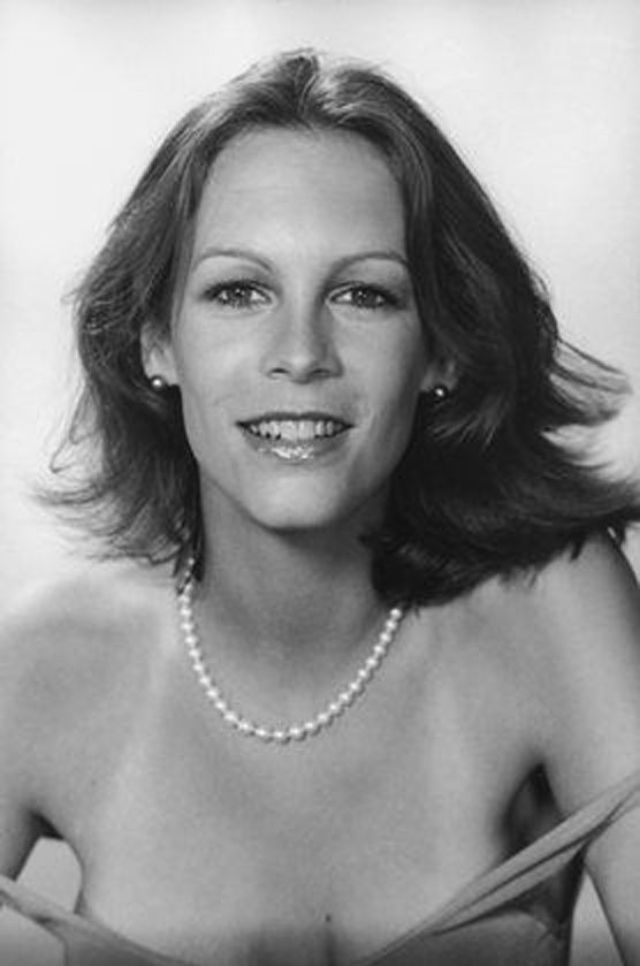
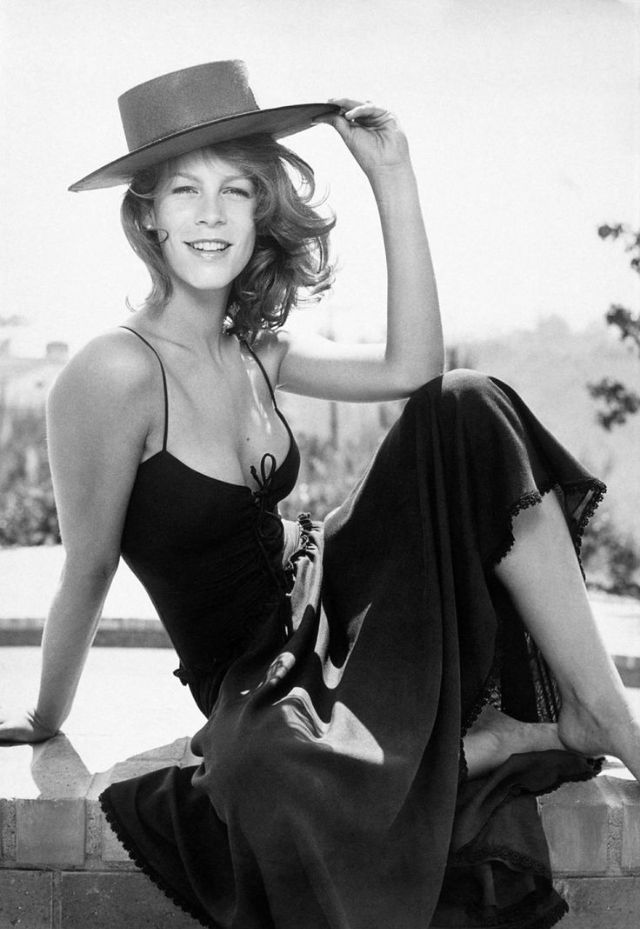
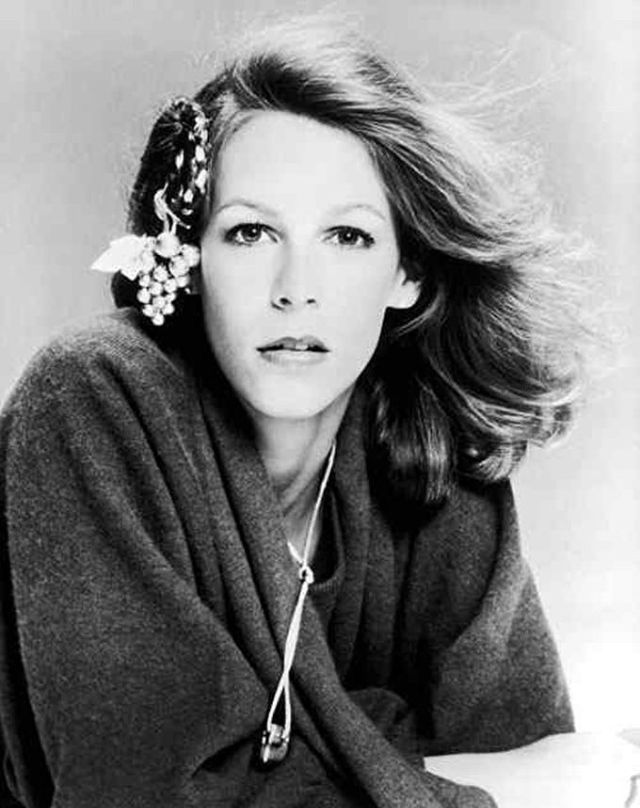
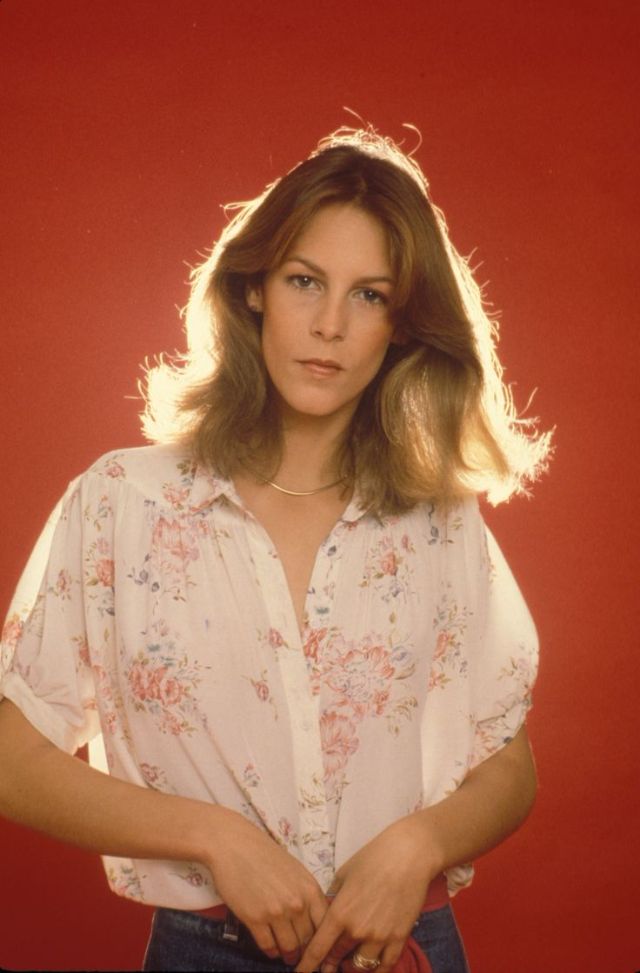
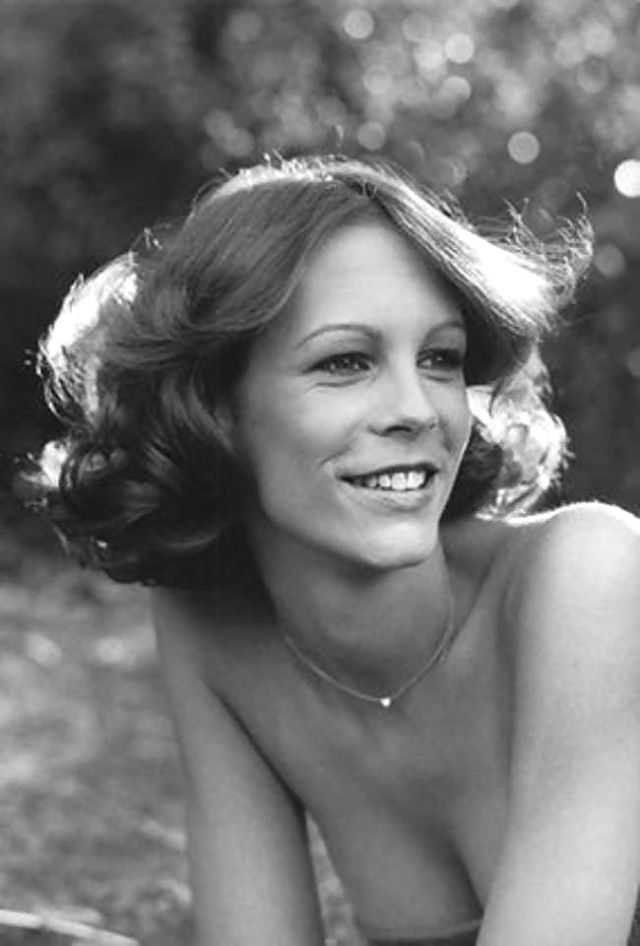
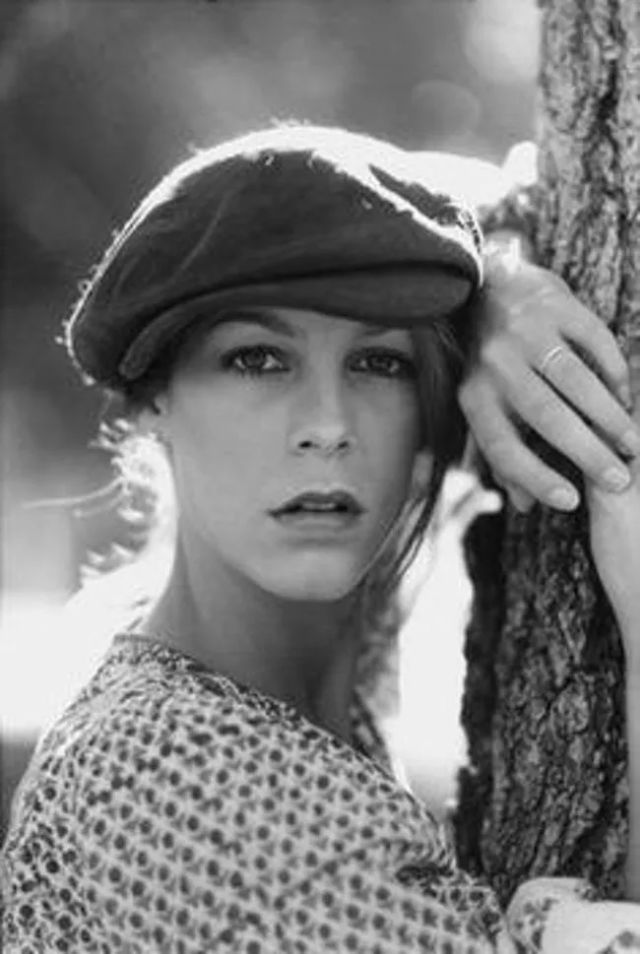
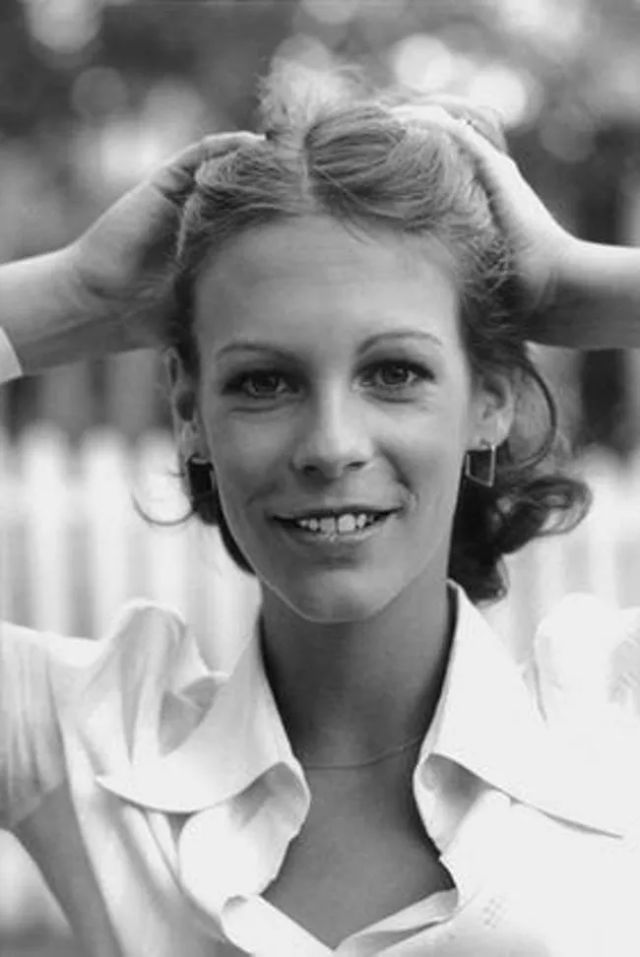
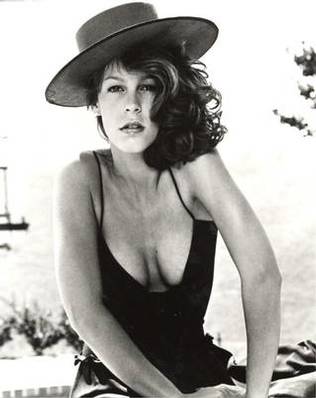
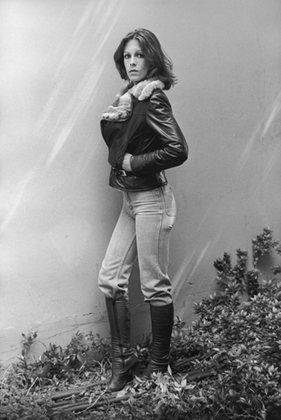
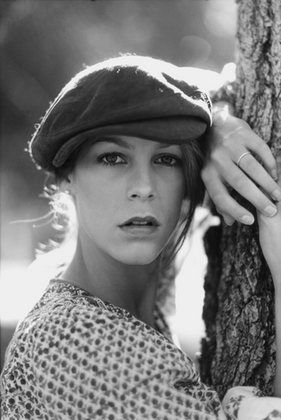
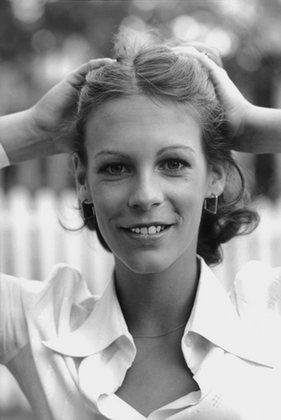
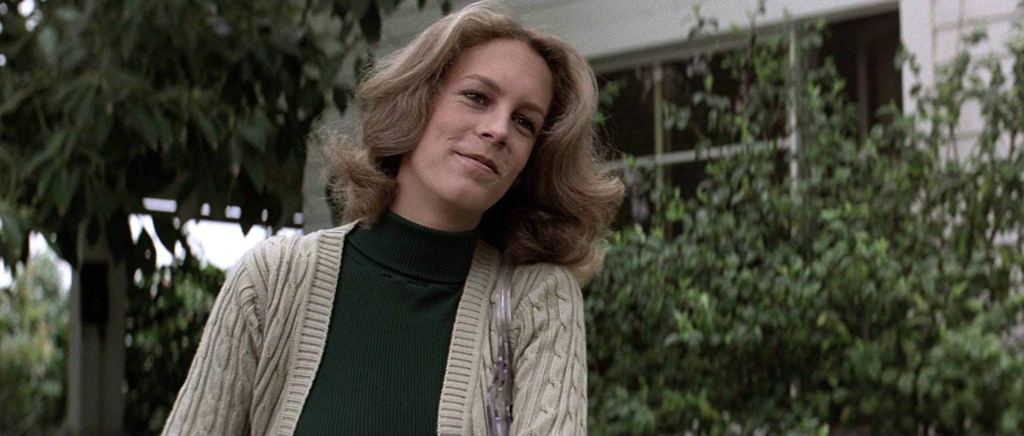
Pictures of young Jamie Lee Curtis peek into the early days of the American actress and author who first made headway in her acting career in the 1978 horror film Halloween. In the years since, Curtis has become a household name, not to mention one of the best American actresses working today. But before all the fame and fortune, and yogurt commercials, Jamie Lee Curtis was quite the looker as evidenced in this slideshow of what Jamie Lee Curtis looked like when she was young.
Jamie Lee Curtis is an American big screen and television actress and also a writer. She came to formally known as Baroness, Lady Haden-Guest following her husband’s inheritance of the Barony. Her debut film Halloween where she essayed the role of Laurie Strode was a hit and establishing her as a noted actress in the horror genre. Eventually, her remarkable performance in the film landed her other films in the genre including Terror Train, The Fog, Roadgames and Halloween II.
She earned the title of ‘scream queen’ for her characterizations in horror films. Later she excelled in the comedy genre with equal success and received favorable reviews which established her as a versatile actress. Some of her finest comedy films are Trading Places, A Fish Called Wanda and True Lies.
Her noted work on television includes series such as Operation Petticoat, Anything But Love, NCIS and New Girl. She has done several television movies starting from She’s in the Army Now and moving on with The Heidi Chronicles, Nicholas’ Gift and Only Human. At present she plays Dean Cathy Munsch, the lead role in the series Scream Queens that is aired on ‘FOX’.
Curtis has authored many children’s books including When I Was Little: A Four-Year-Old’s Memoir of Her Youth and Today I Feel Silly and Other Moods That Make My Day that not only received critical acclaim but also won over the readers. Jamie Lee Curtis has bagged several awards including the ‘BAFTA Award’, ‘Golden Globe Award’, ‘Saturn Award’ and ‘American Comedy Award’.
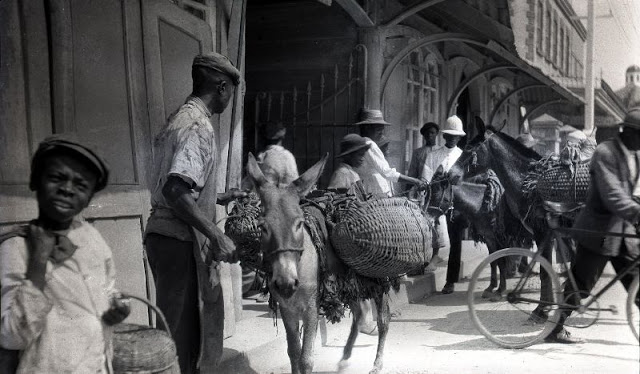
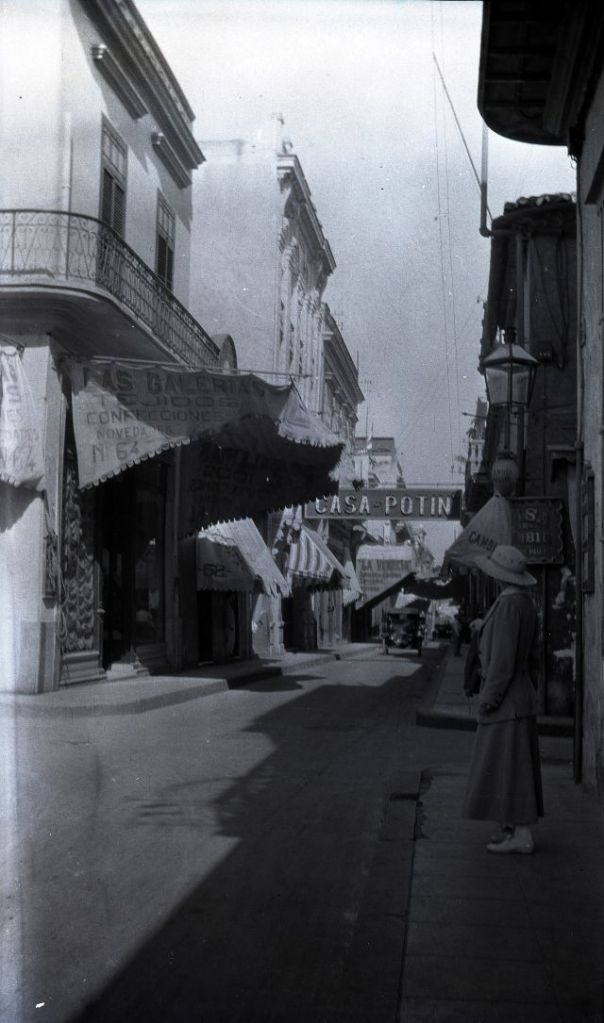
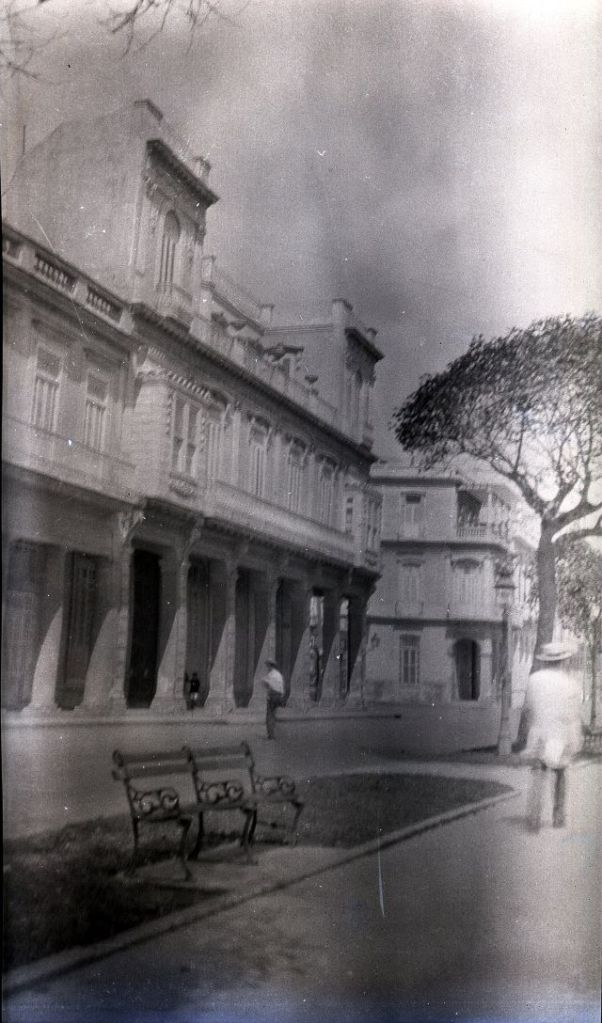
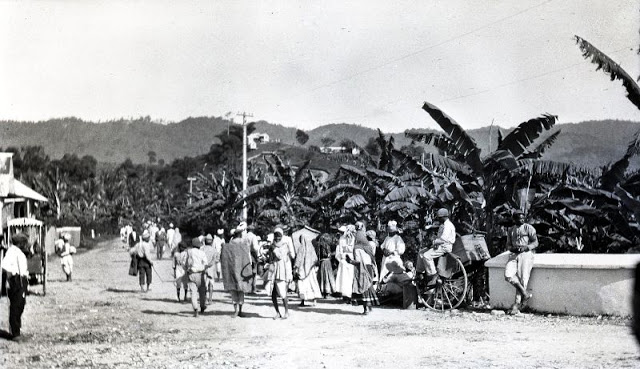
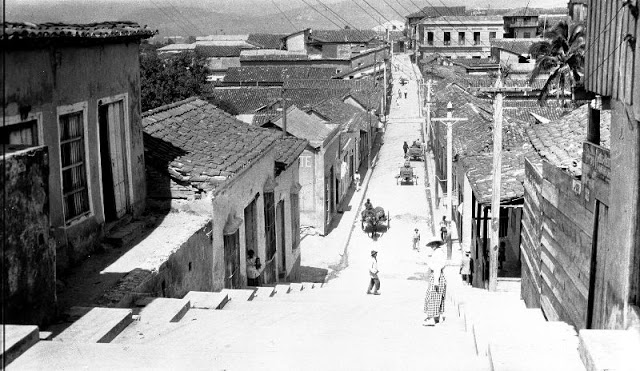
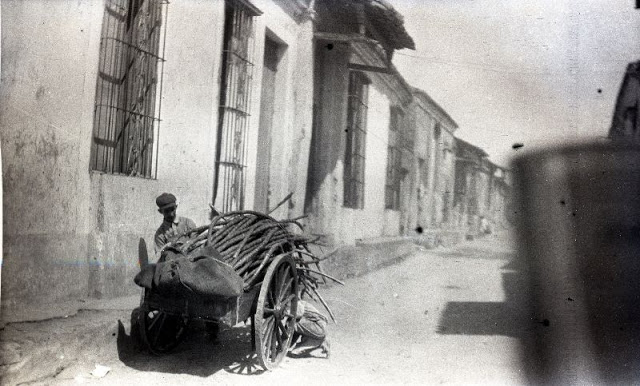
Cuba, officially the Republic of Cuba, is a country comprising the island of Cuba, as well as Isla de la Juventud and several minor archipelagos. Cuba is located where the northern Caribbean Sea, Gulf of Mexico, and Atlantic Ocean meet. Cuba is located at the east of the Yucatán Peninsula (Mexico), south of both the American state of Florida and the Bahamas, west of Hispaniola (Haiti/Dominican Republic), and north of both Jamaica and the Cayman Islands. Havana is the largest city and capital; other major cities include Santiago de Cuba and Camagüey. The official area of the Republic of Cuba is 109,884 km2 (42,426 sq mi) (without the territorial waters). The main island of Cuba is the largest island in Cuba and in the Caribbean, with an area of 104,556 km2 (40,369 sq mi). Cuba is the second-most populous country in the Caribbean after Haiti, with over 11 million inhabitants.
The territory that is now Cuba was inhabited by the Ciboney Taíno people from the 4th millennium BC until Spanish colonization in the 15th century. From the 15th century, it was a colony of Spain until the Spanish–American War of 1898, when Cuba was occupied by the United States and gained nominal independence as a de facto United States protectorate in 1902. As a fragile republic, in 1940 Cuba attempted to strengthen its democratic system, but mounting political radicalization and social strife culminated in a coup and subsequent dictatorship under Fulgencio Batista in 1952. Open corruption and oppression under Batista’s rule led to his ousting in January 1959 by the 26th of July Movement, which afterwards established communist rule under the leadership of Fidel Castro. Since 1965, the state has been governed by the Communist Party of Cuba. The country was a point of contention during the Cold War between the Soviet Union and the United States, and a nuclear war nearly broke out during the Cuban Missile Crisis of 1962. Cuba is one of a few extant Marxist–Leninist socialist states, where the role of the vanguard Communist Party is enshrined in the Constitution. Under Castro, Cuba was involved in a broad range of military and humanitarian activities throughout both Africa and Asia.
Culturally, Cuba is considered part of Latin America. It is a multiethnic country whose people, culture and customs derive from diverse origins, including the Taíno Ciboney peoples, the long period of Spanish colonialism, the introduction of enslaved Africans and a close relationship with the Soviet Union in the Cold War.
Cuba is a founding member of the United Nations, the G77, the Non-Aligned Movement, the Organisation of African, Caribbean and Pacific States, ALBA and the Organization of American States. It has currently one of the world’s only planned economies, and its economy is dominated by the tourism industry and the exports of skilled labor, sugar, tobacco, and coffee. Cuba has historically – both before and during Communist rule – performed better than other countries in the region on several socioeconomic indicators, such as literacy, infant mortality and life expectancy.
Cuba has a single-party authoritarian regime where political opposition is not permitted. There are elections in Cuba but they are not democratic. Censorship of information (including limits to internet access) is extensive, and independent journalism is repressed in Cuba; Reporters Without Borders has characterized Cuba as one of the worst countries in the world for press freedom. (Wikipedia)