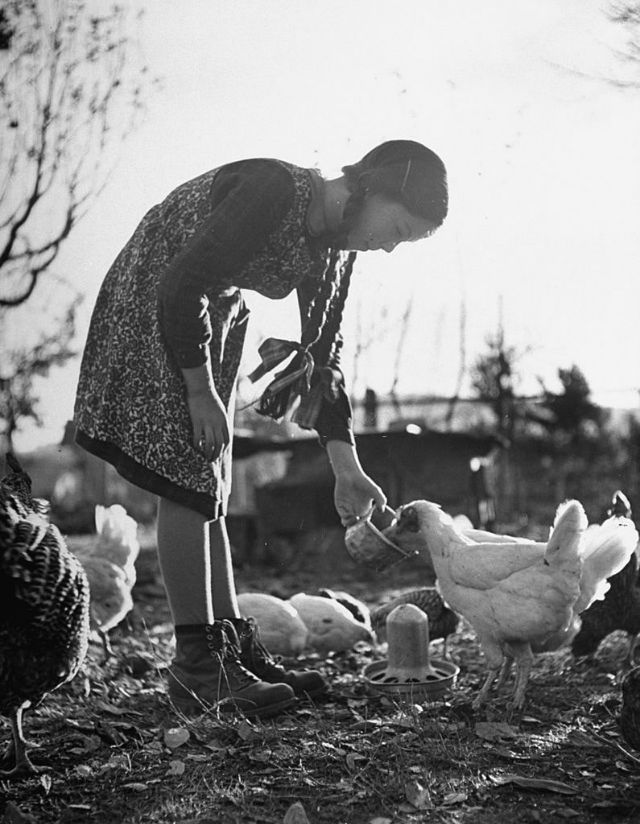
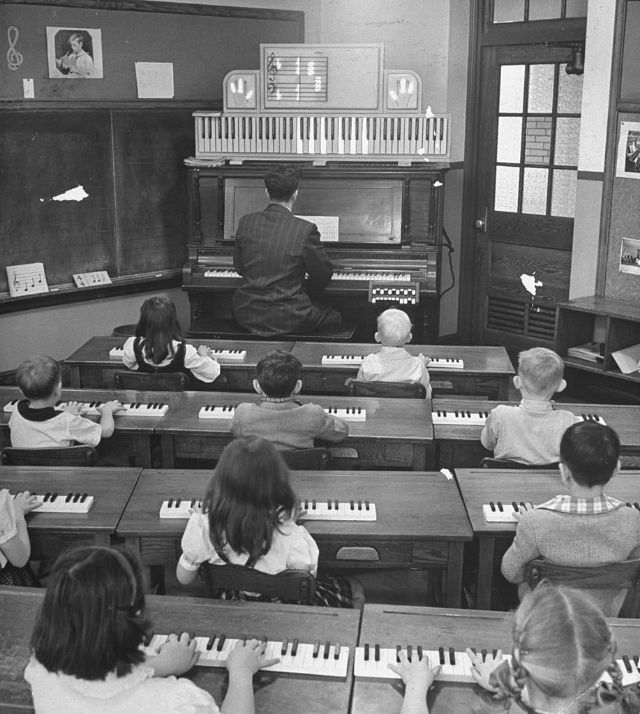
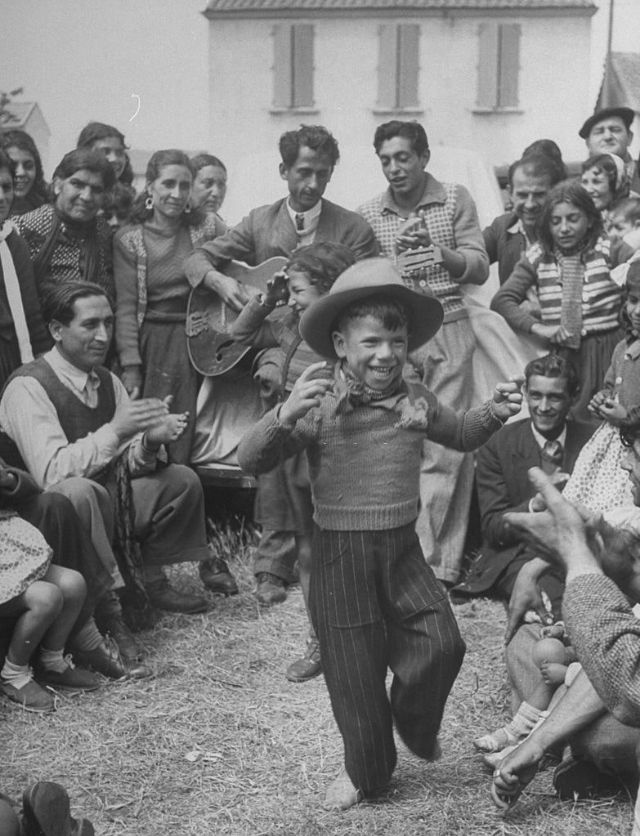
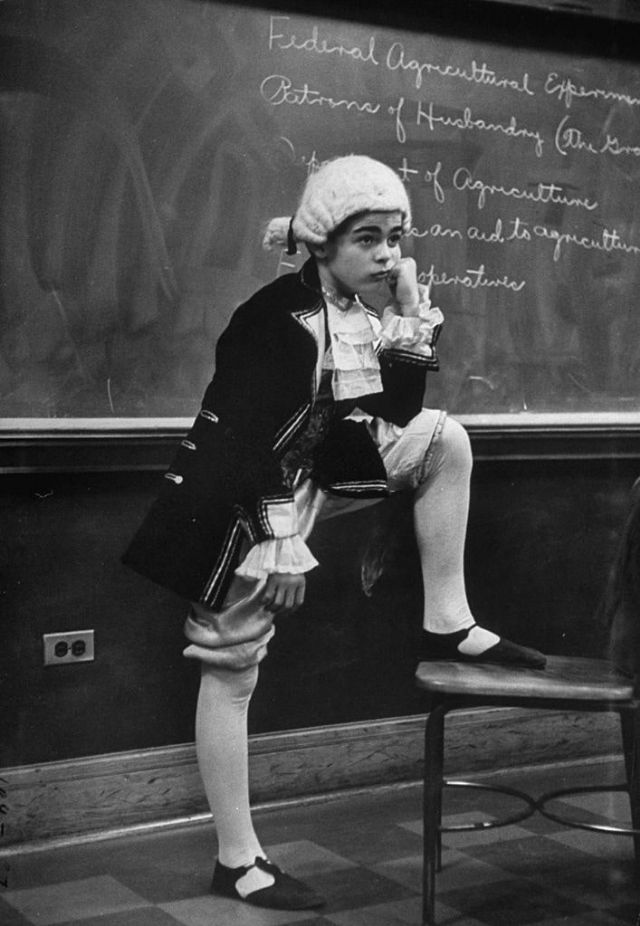
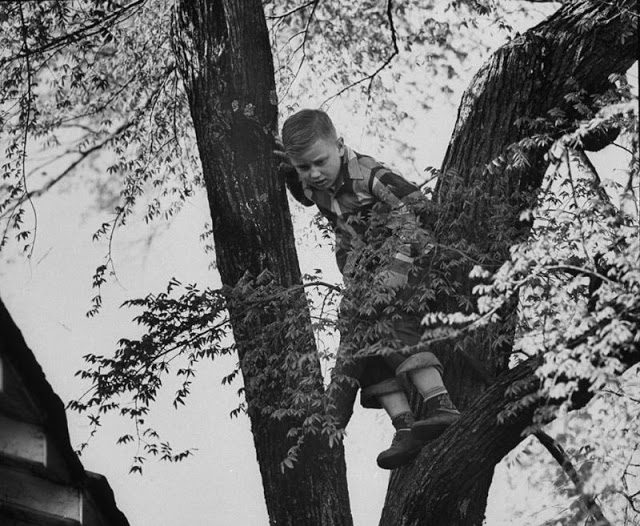
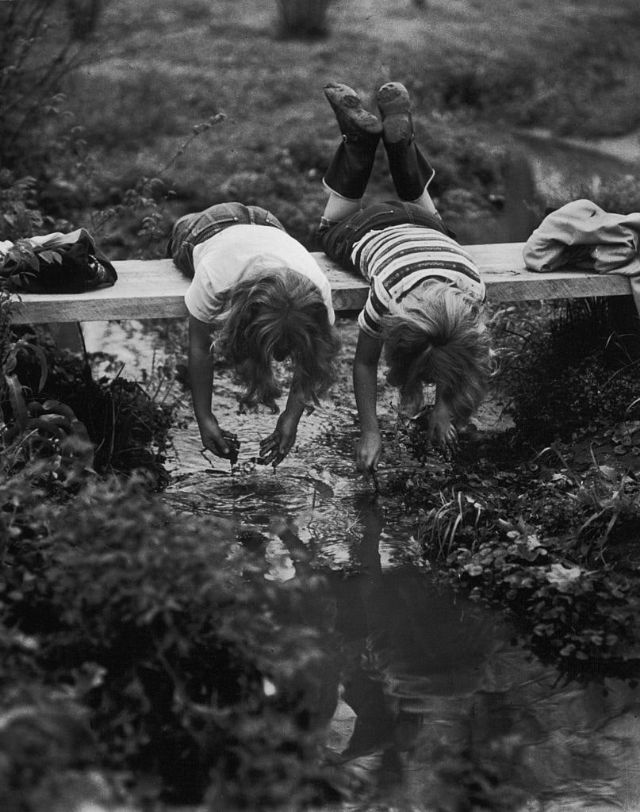
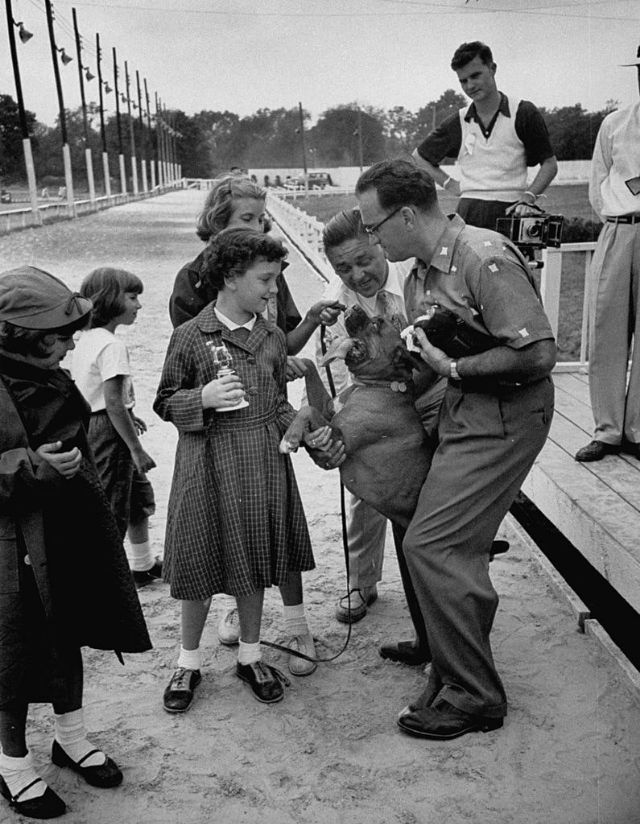
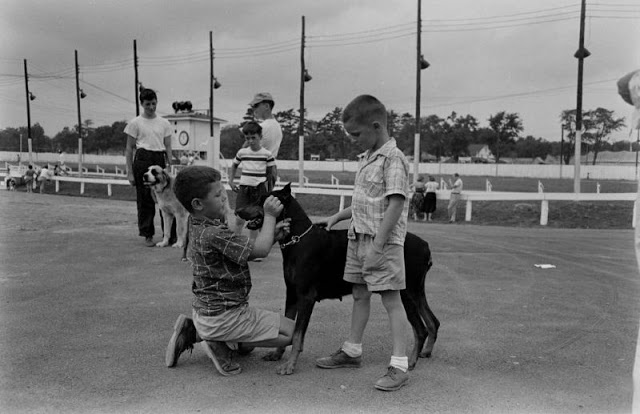
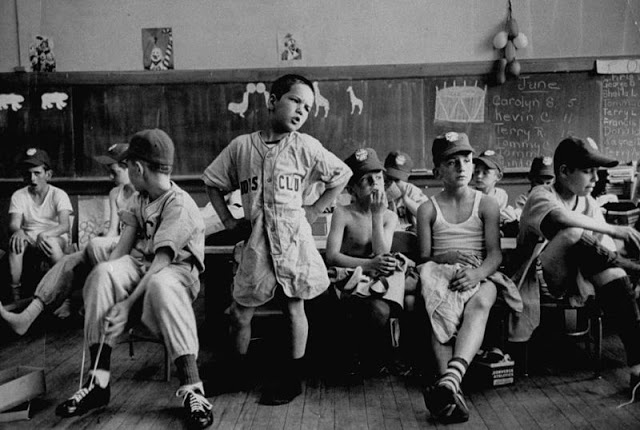
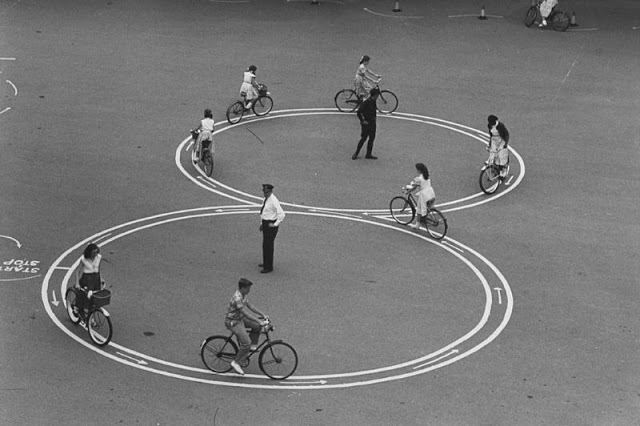
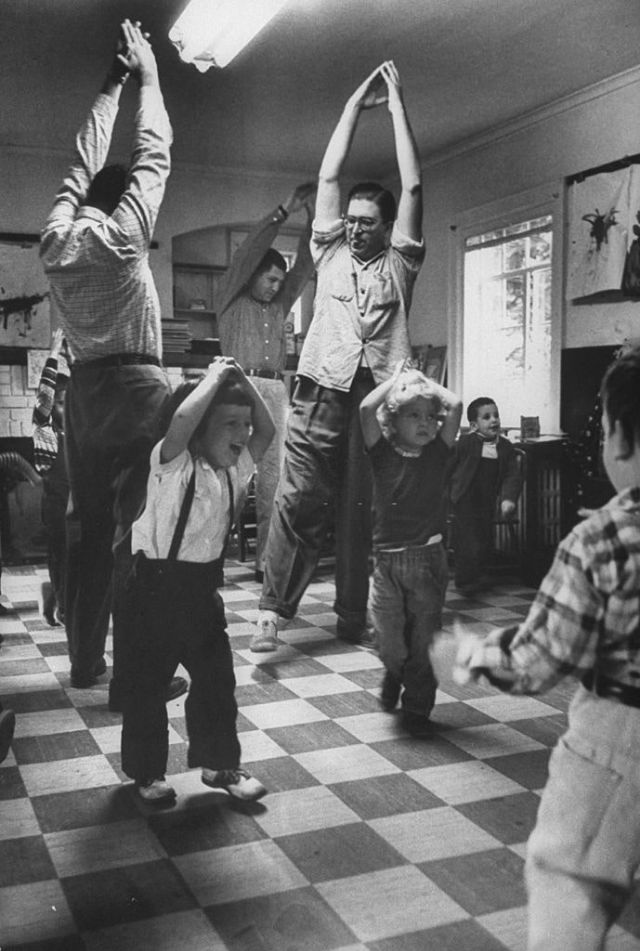
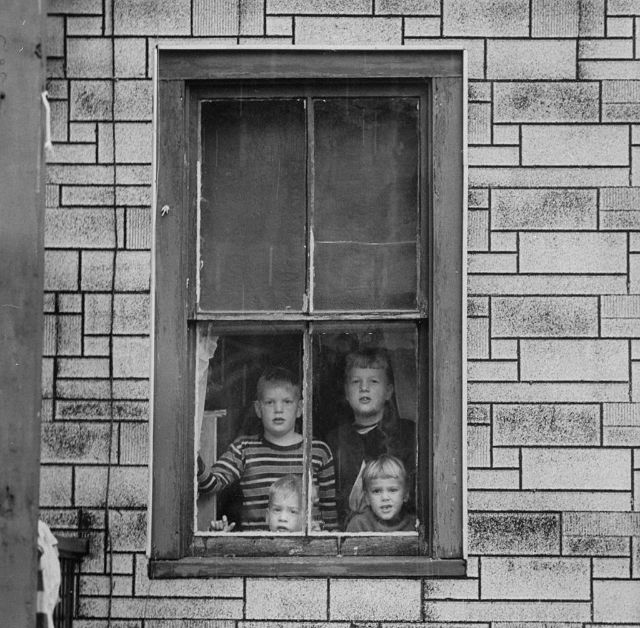
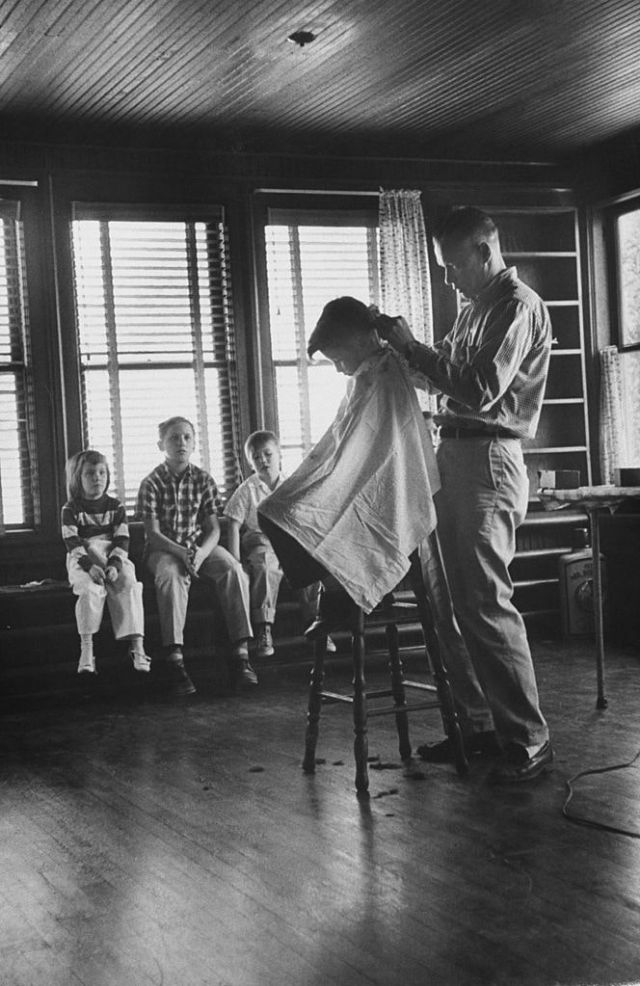
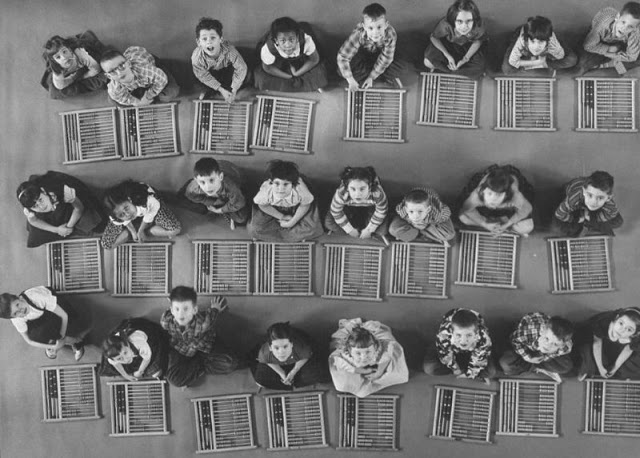
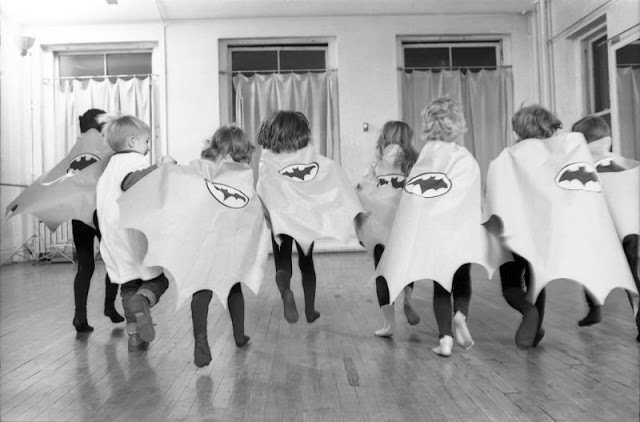
Below are 22 fascinating vintage photographs capture children’s life in France, Switzerland and the United States by LIFE photographer Yale Joel from the 1940s to 1960s:







Bringing You the Wonder of Yesterday – Today
Below are 22 fascinating vintage photographs capture children’s life in France, Switzerland and the United States by LIFE photographer Yale Joel from the 1940s to 1960s:
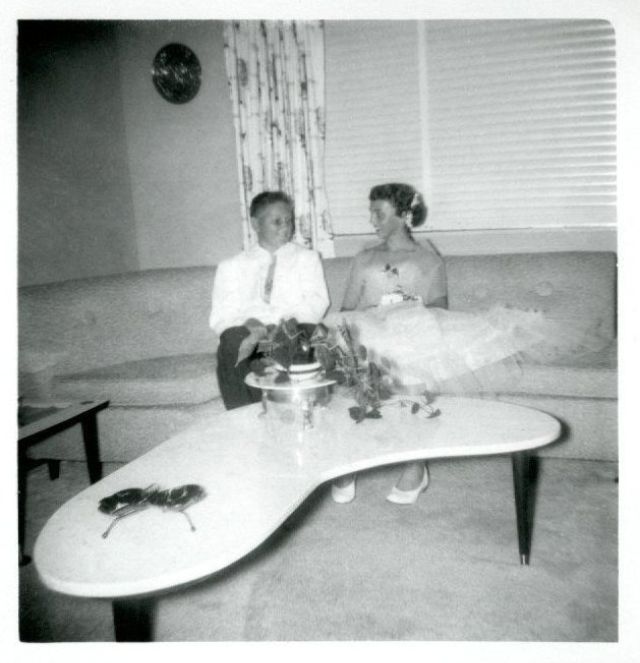
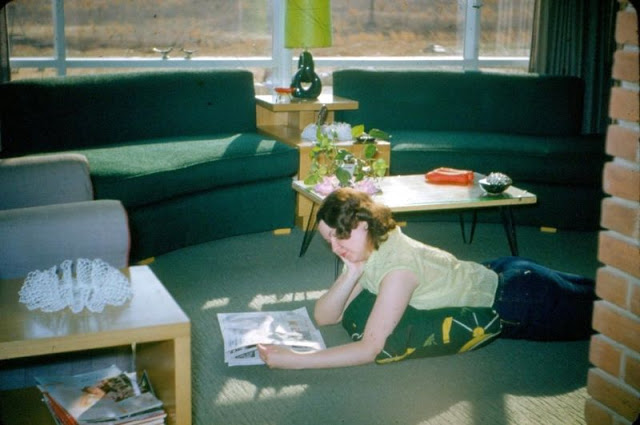


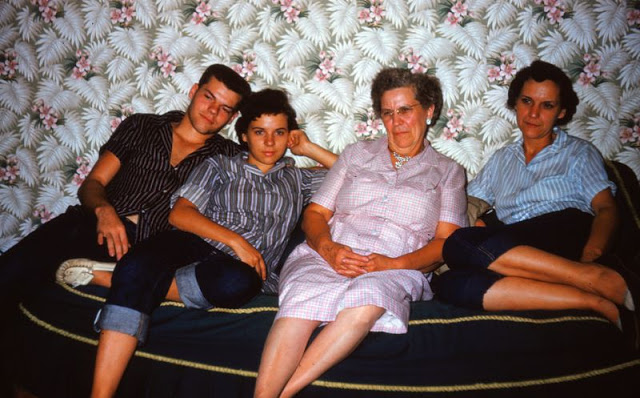
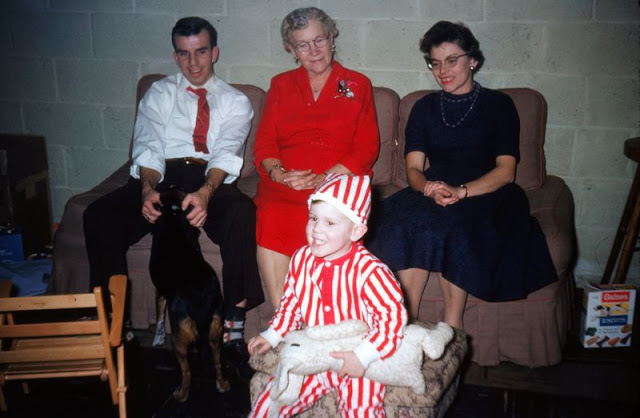




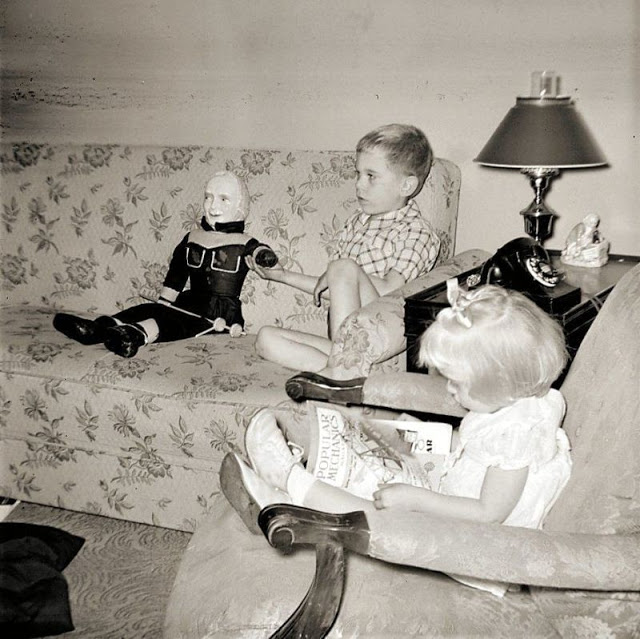


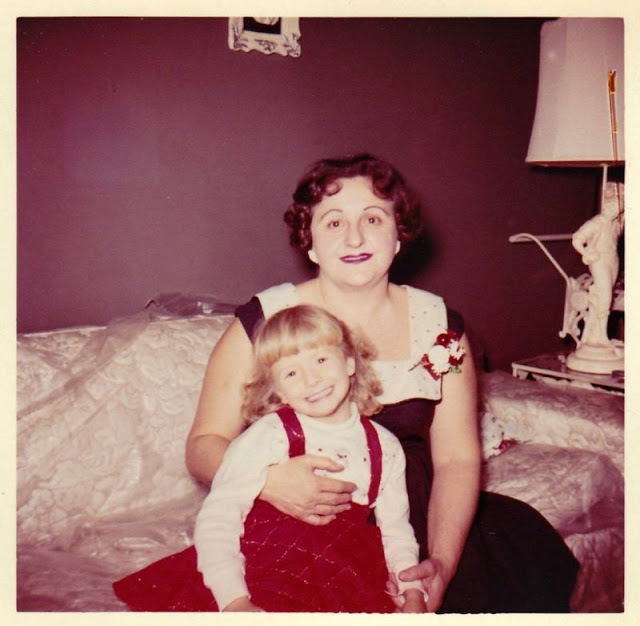
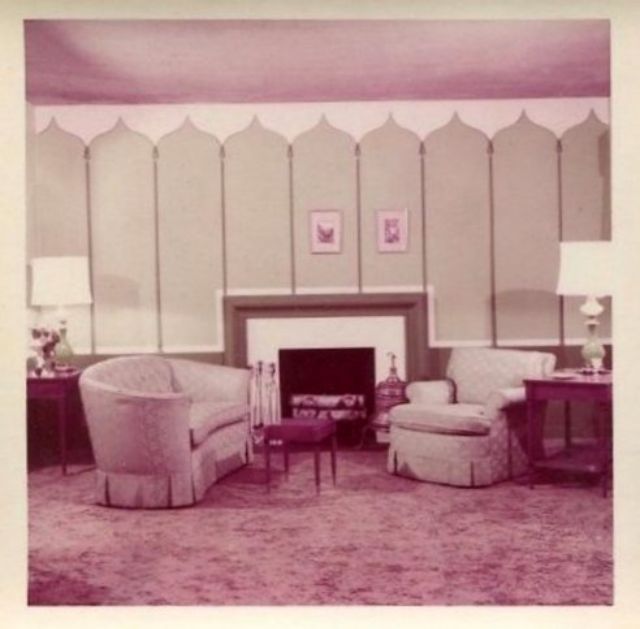

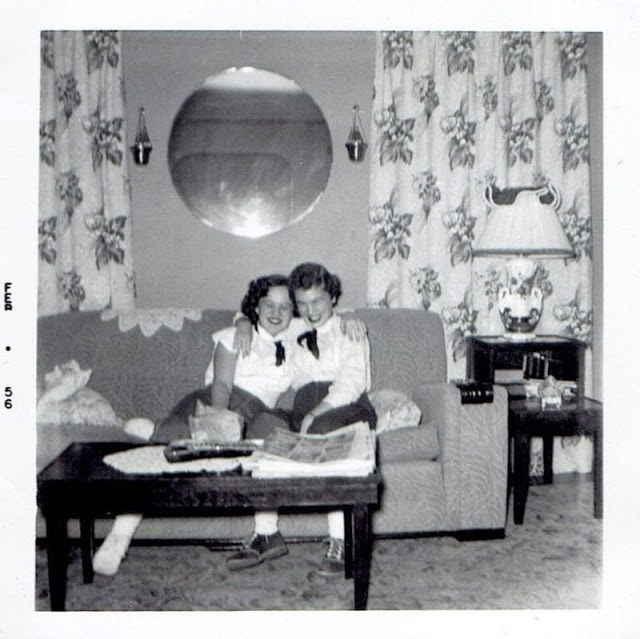

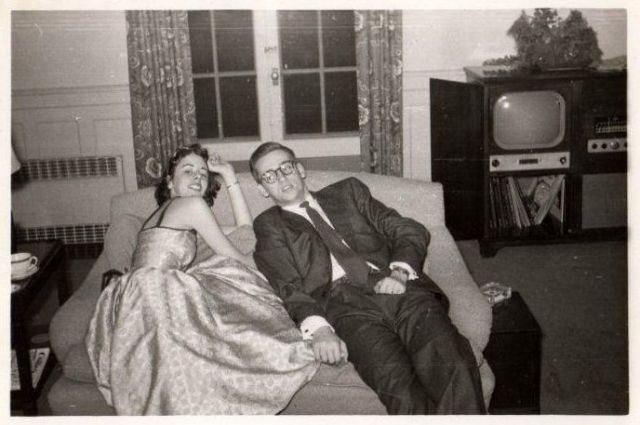
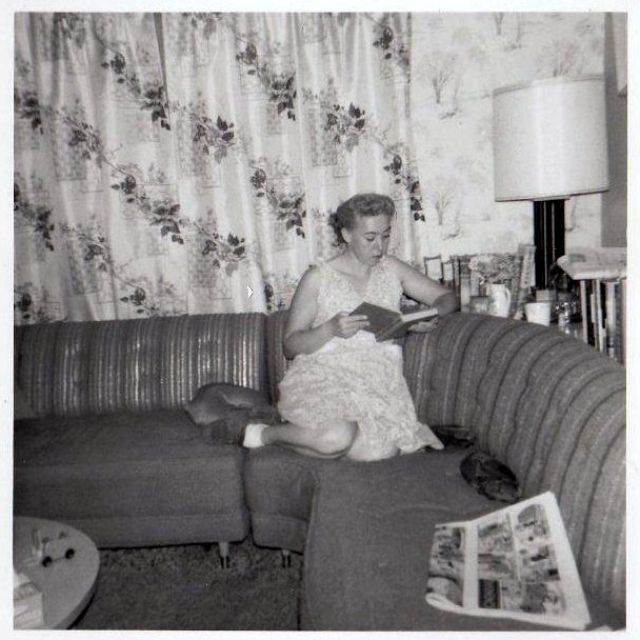
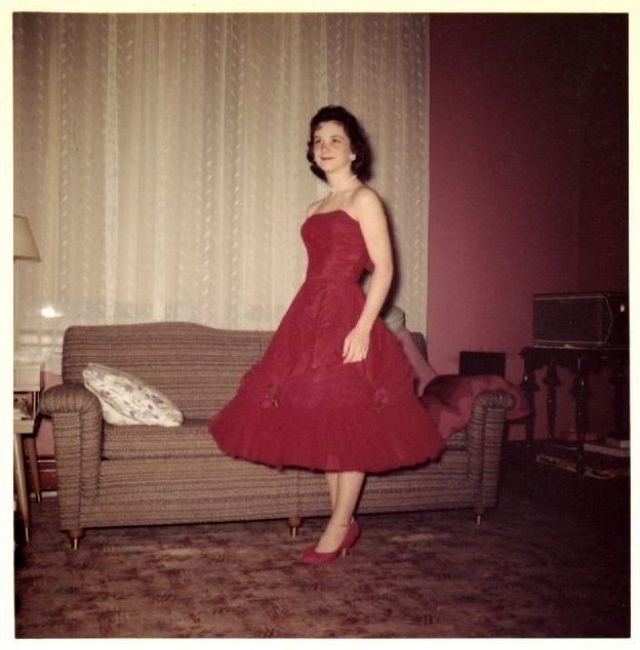
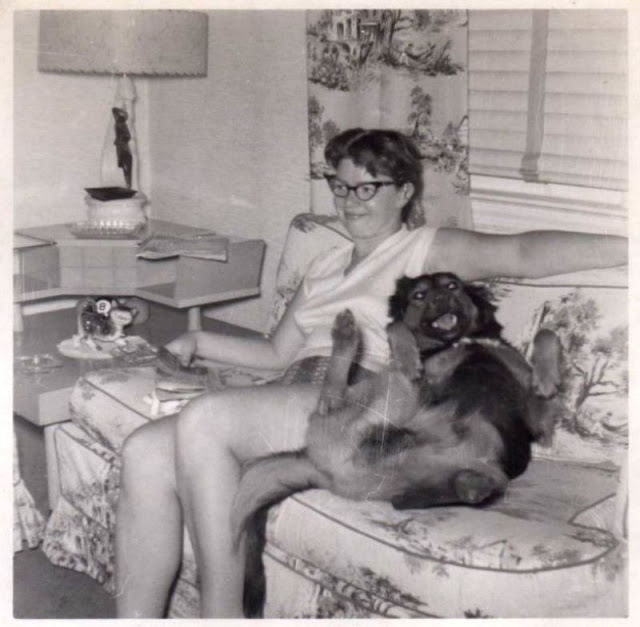


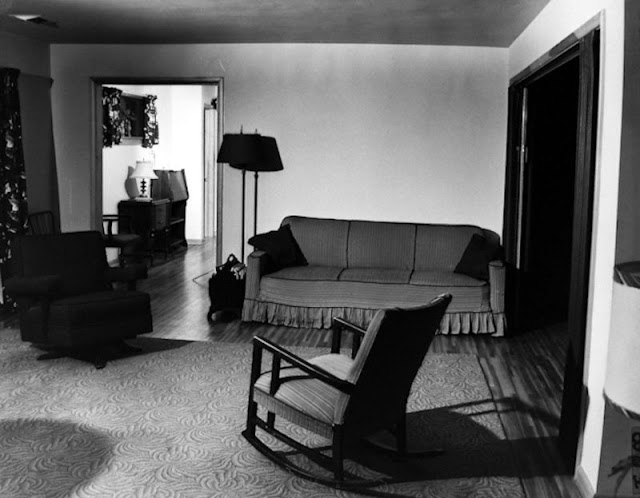







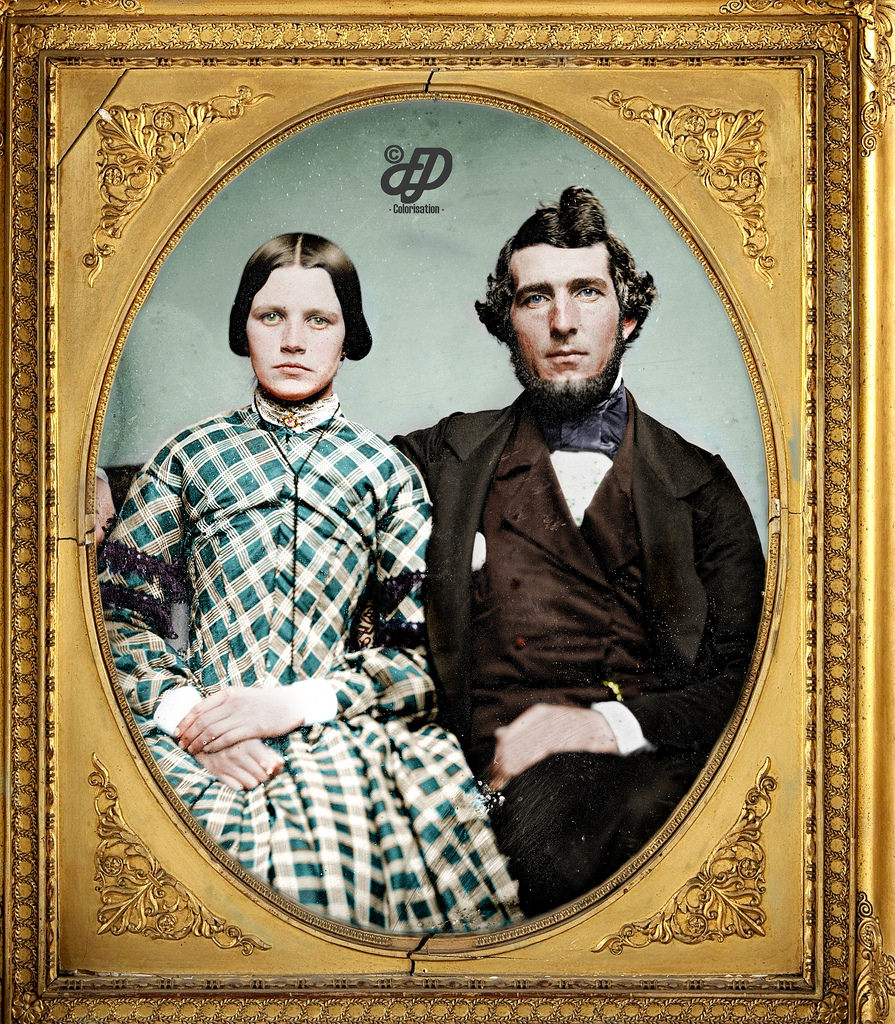
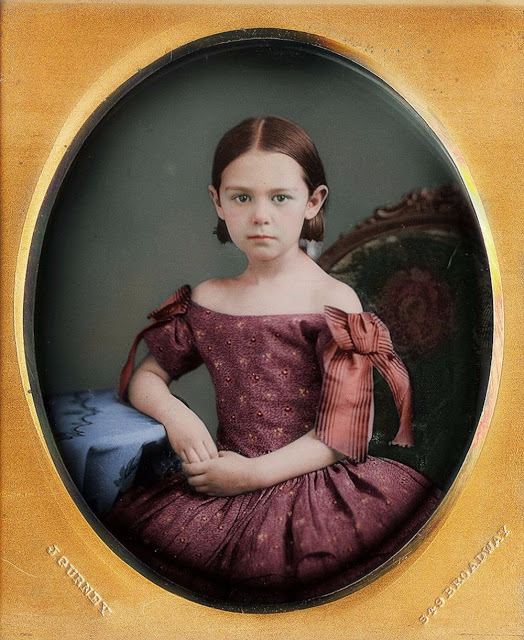
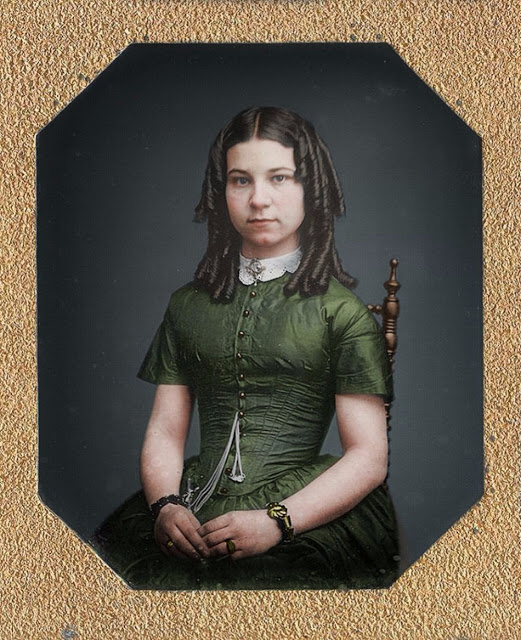
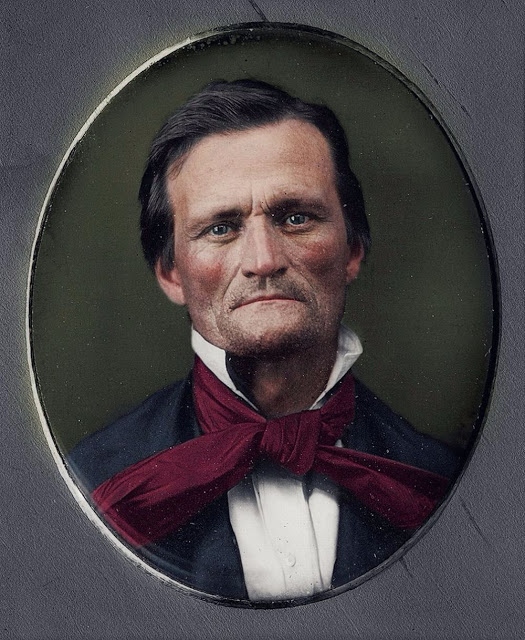
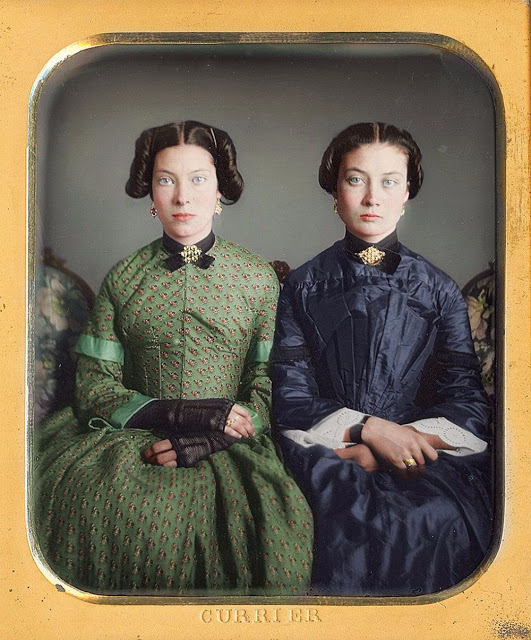
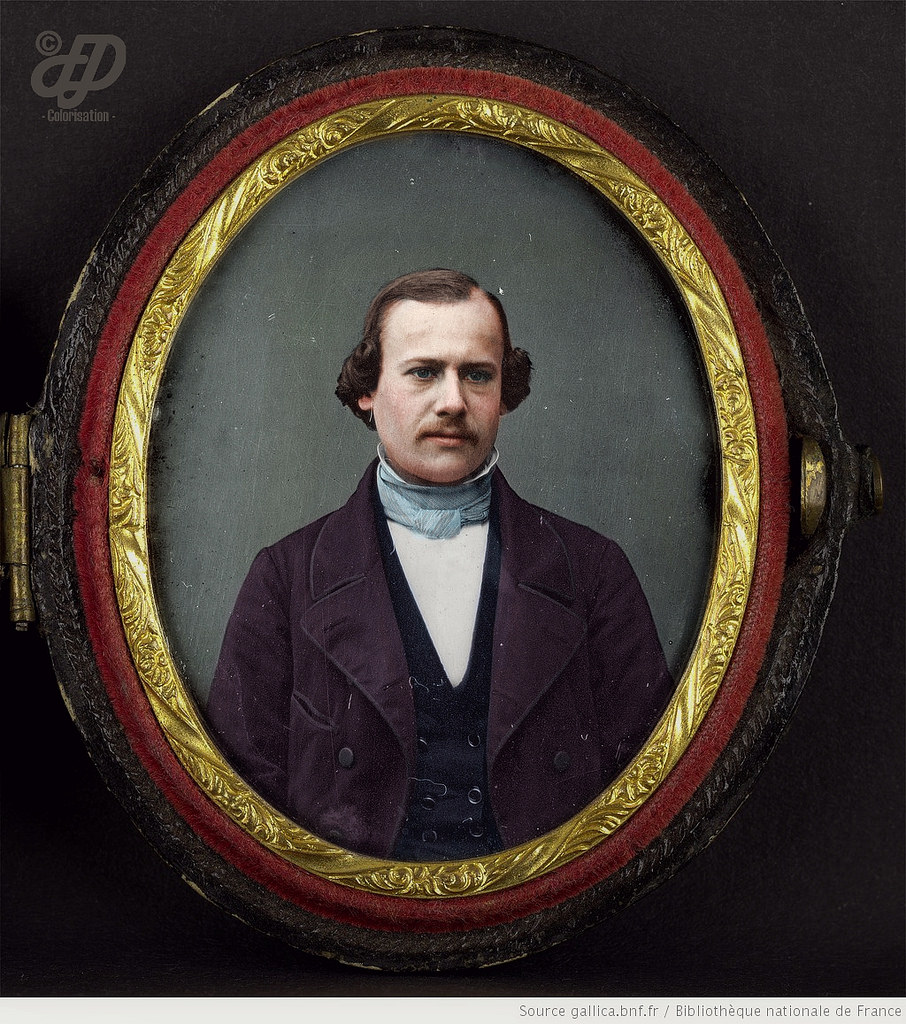
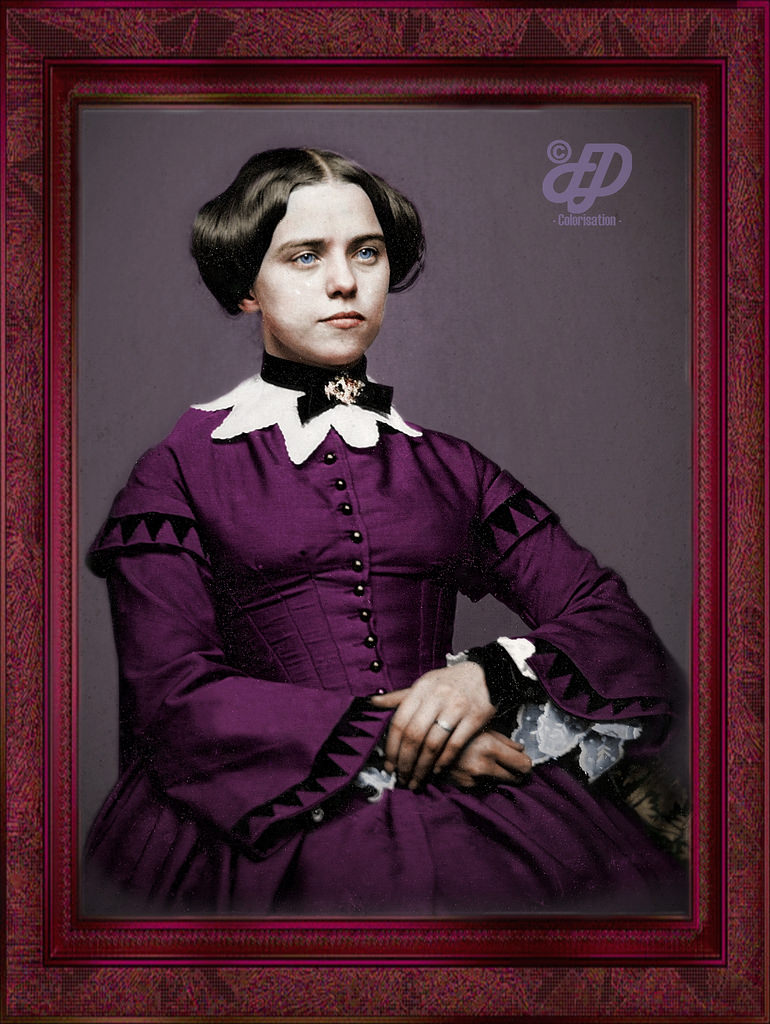
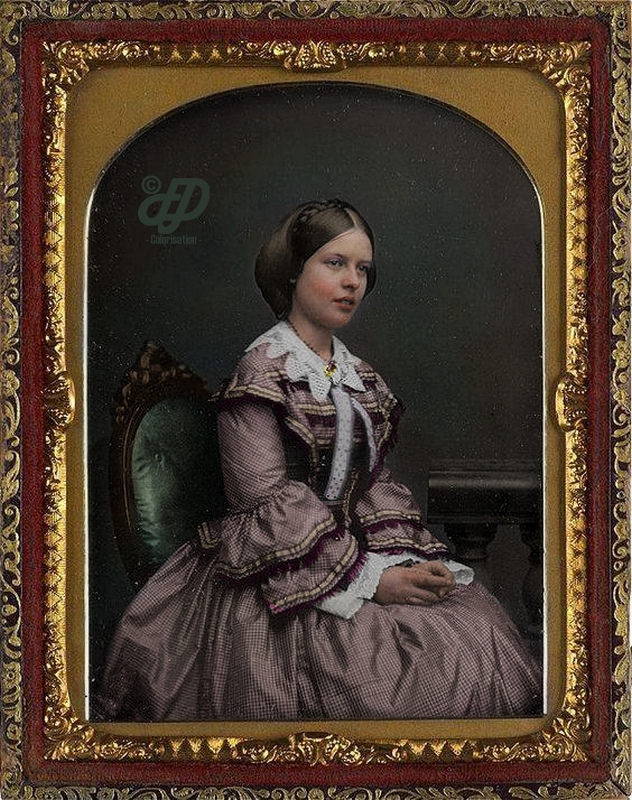
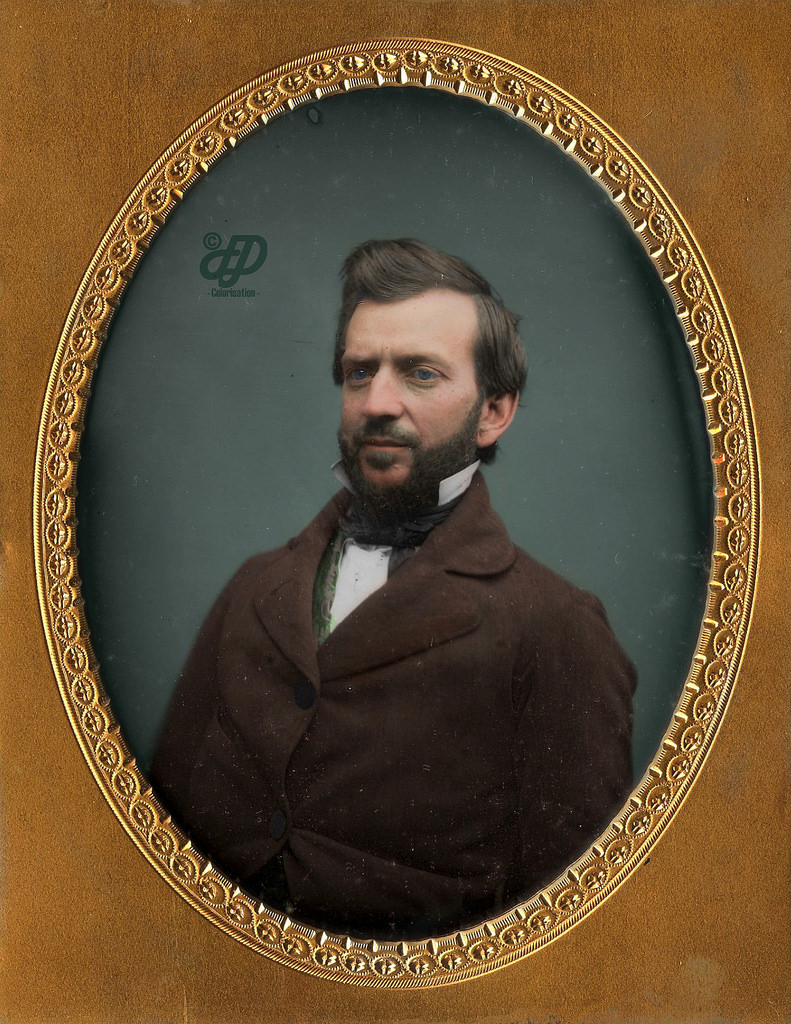
The series of stunning photographs show a young couple dressed in opulent clothing, teenage girls with their hair in ringlets and children all with a solemn look on their faces. Other breathtaking shots show a heavily bearded man and a young man casually leaning for his photo opportunity.
The images were expertly colorized by French bank technician Frédéric Duriez by using Gimp editing software. Duriez, who has been colorizing for three years, said he was attracted by the beauty of the clothes and especially the dresses of this period.
“I was fascinated by these portraits without expression because all the looks are frozen in time,” said Frederic. “It was very difficult to colorize these images because they are without relief and contrast… I was attracted by the beauty of the clothes and especially the dresses of this period.”


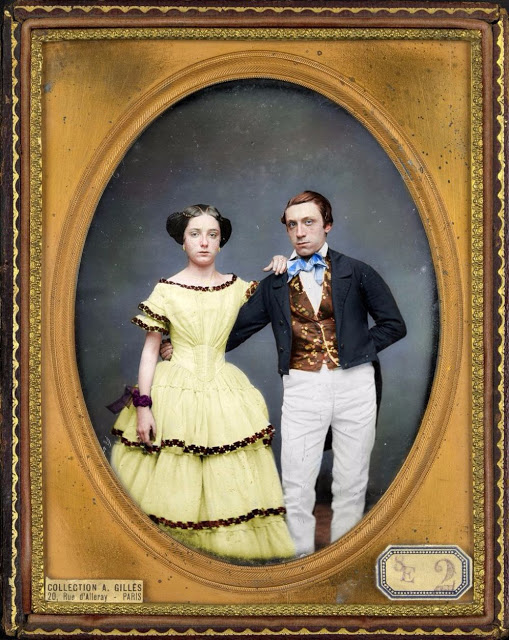
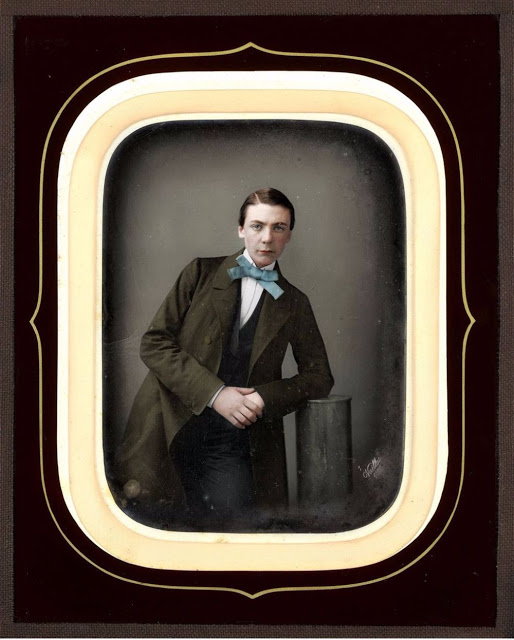
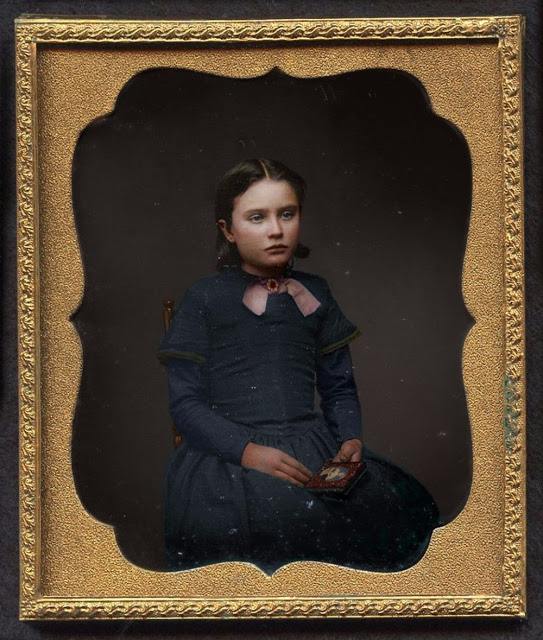
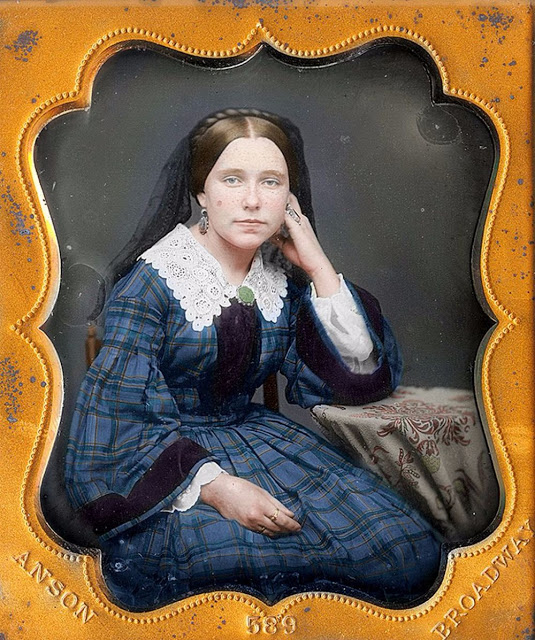
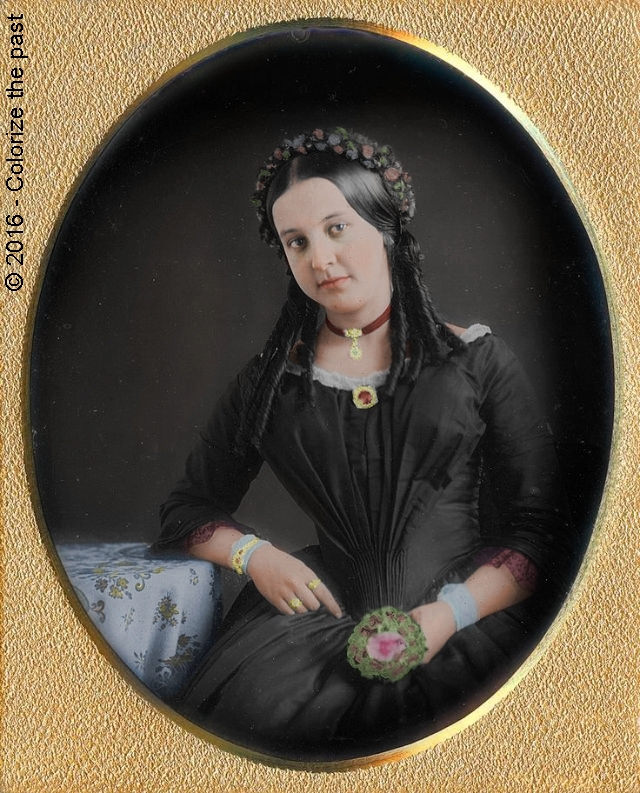
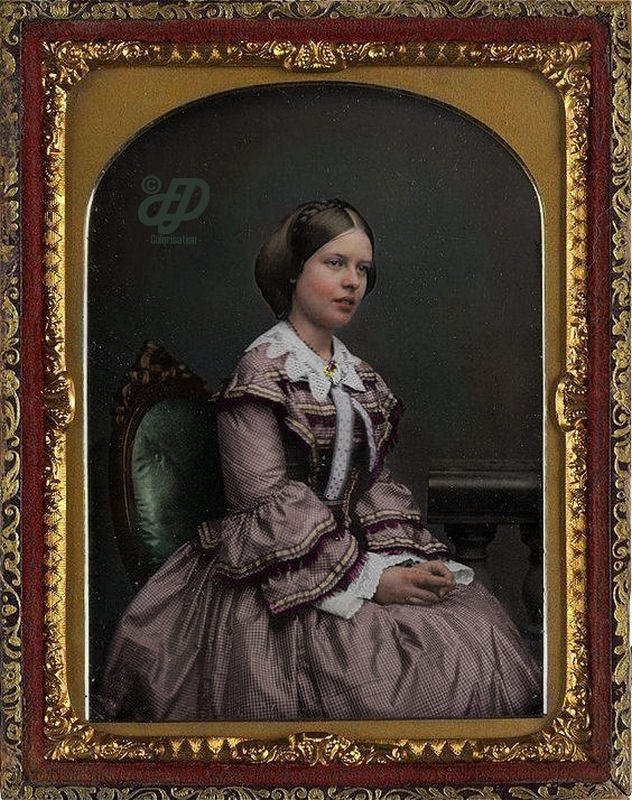


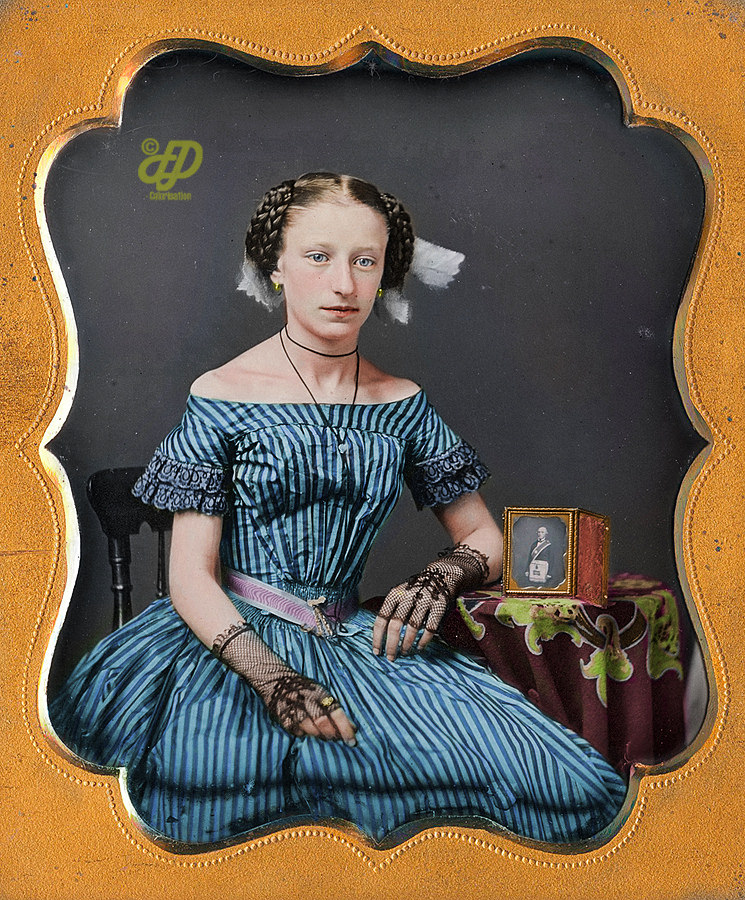

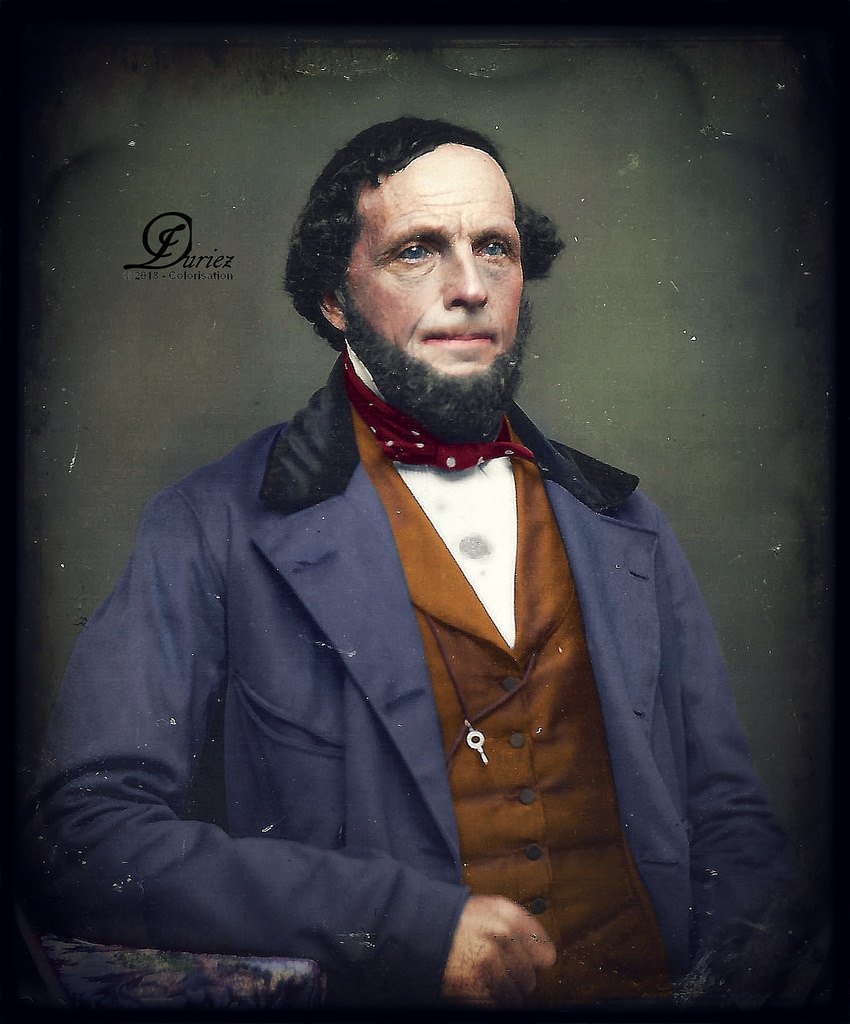
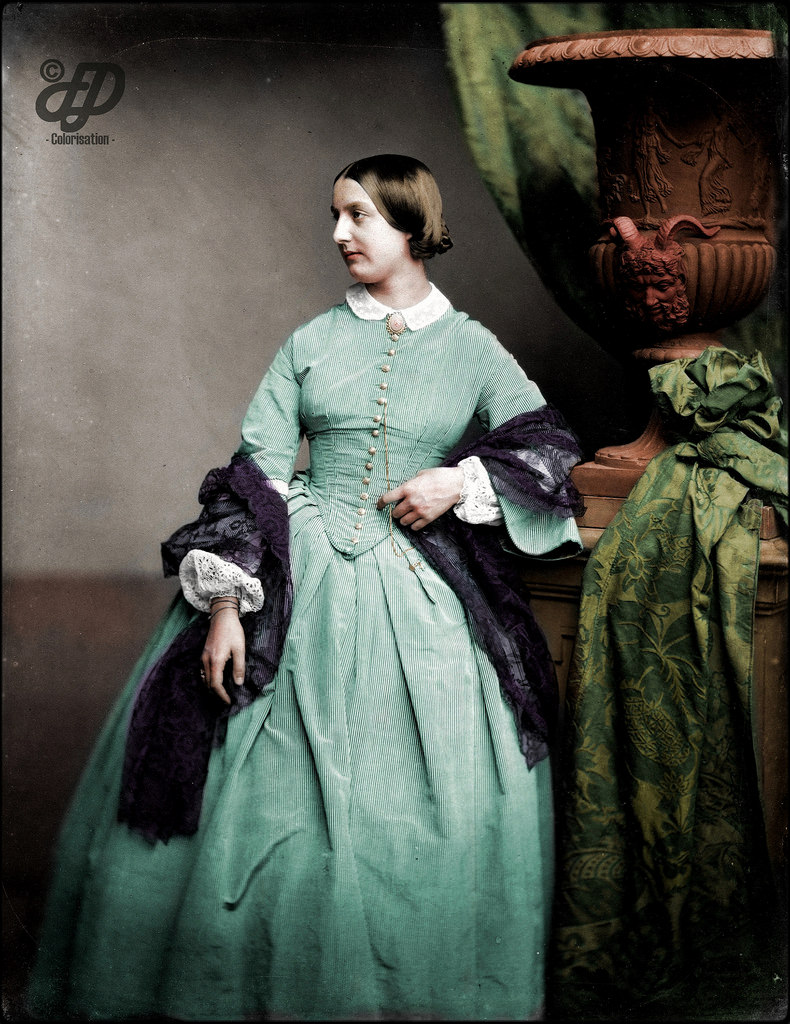
(Photos Colorized by Frédéric Duriez)

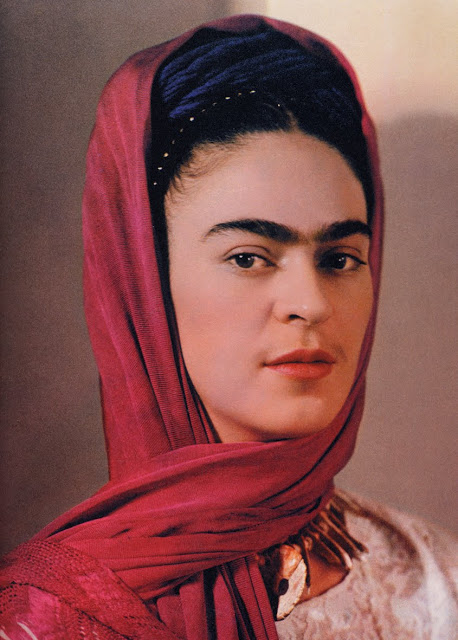
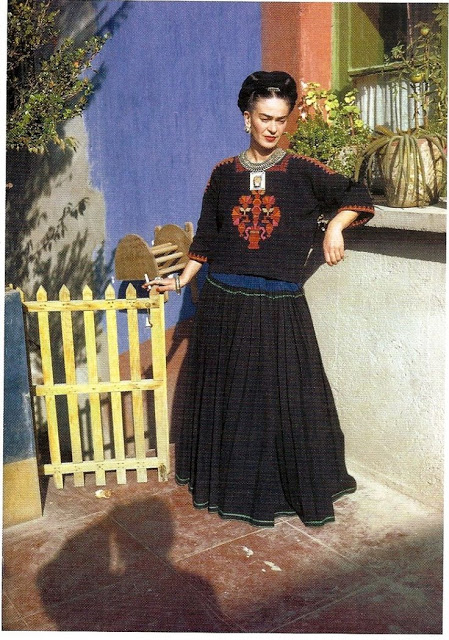
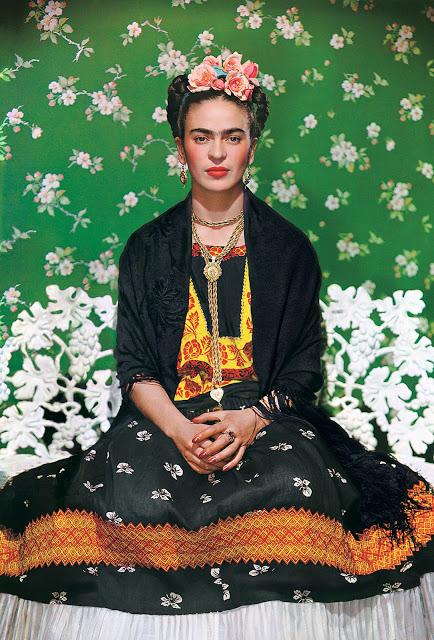
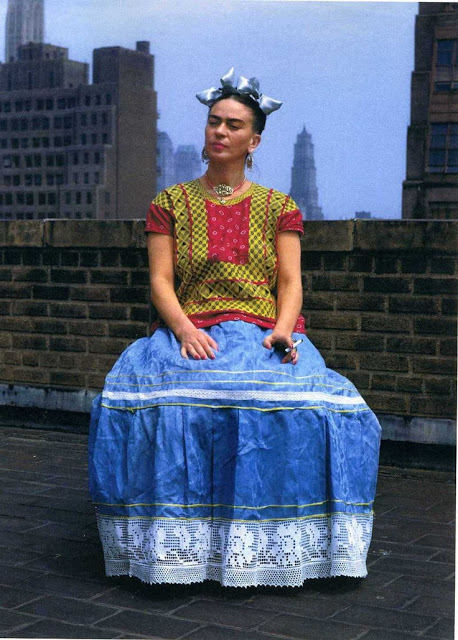
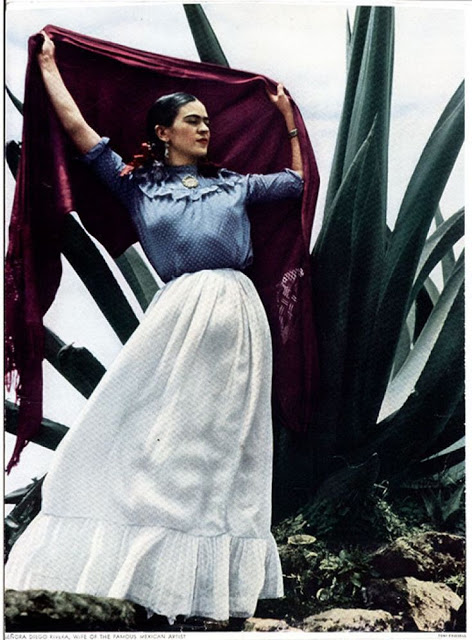
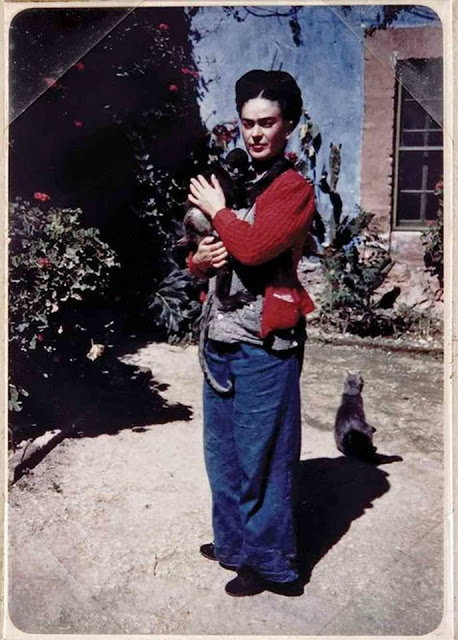
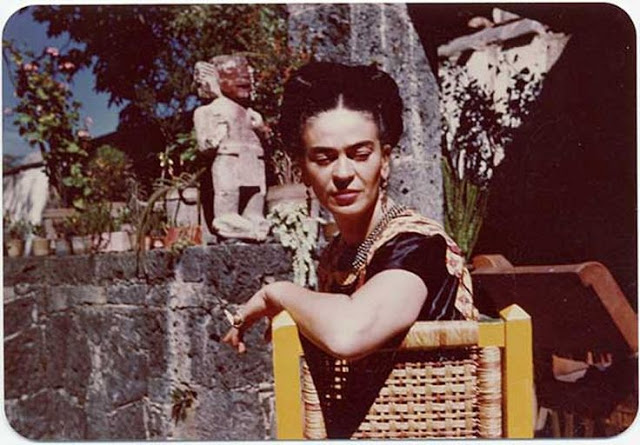
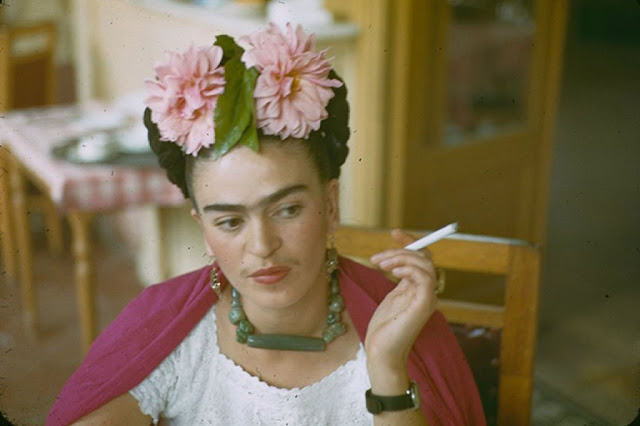
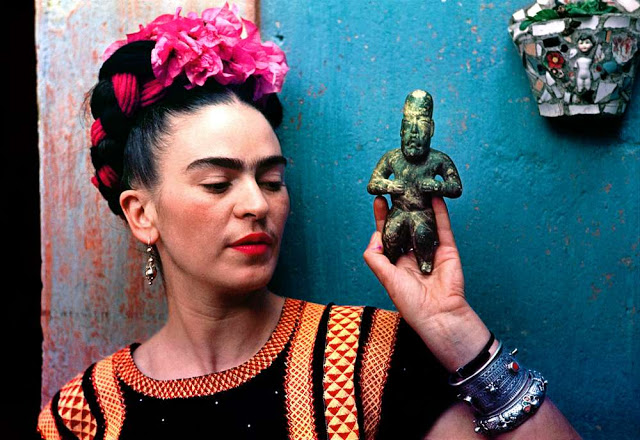
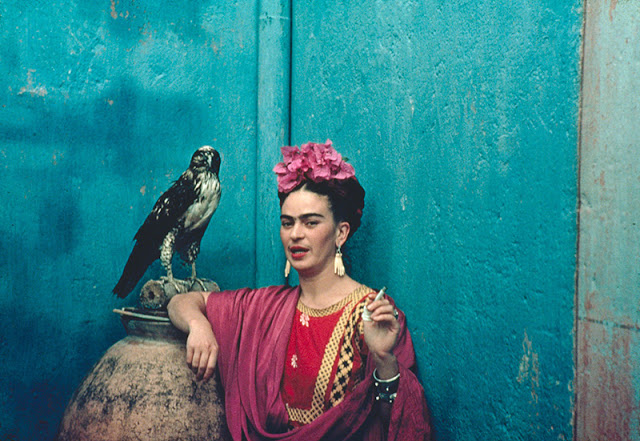
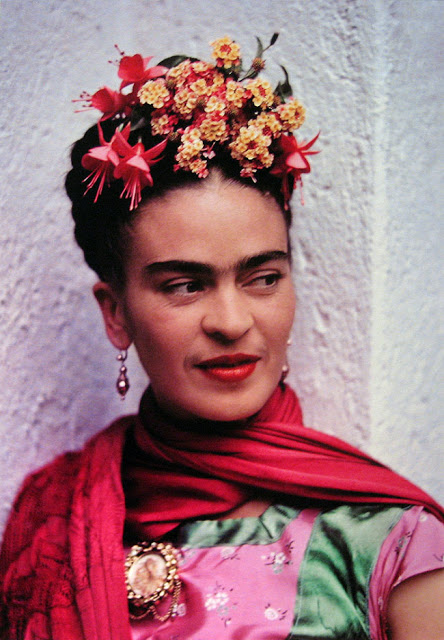
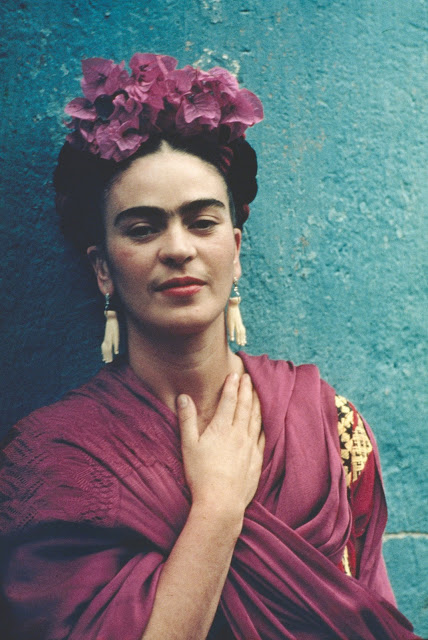
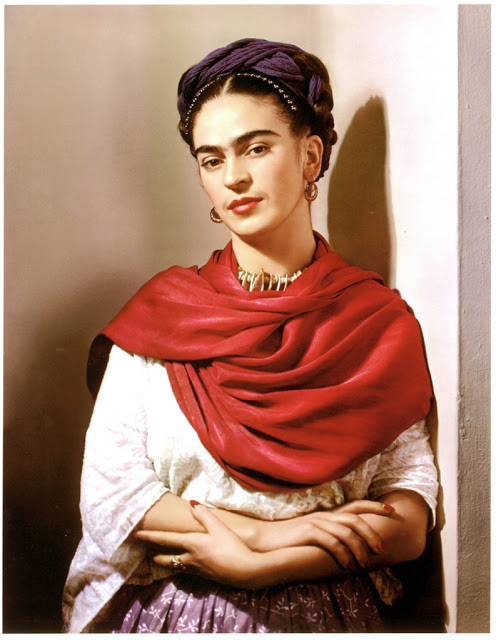
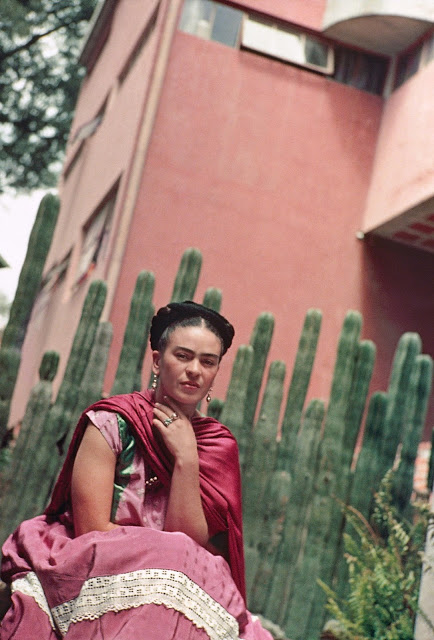
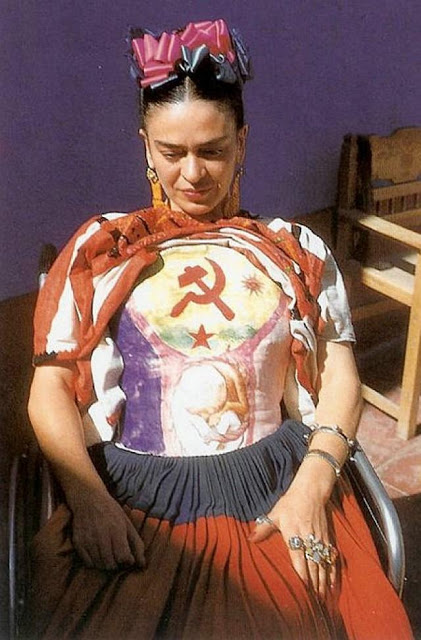
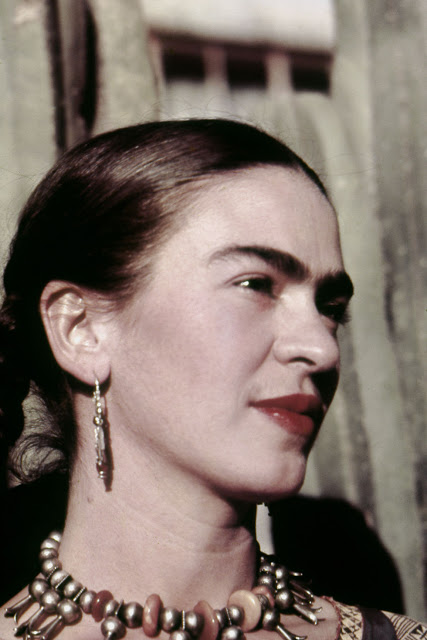
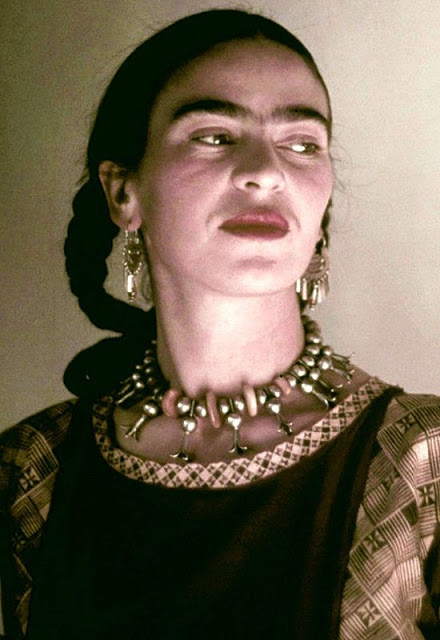
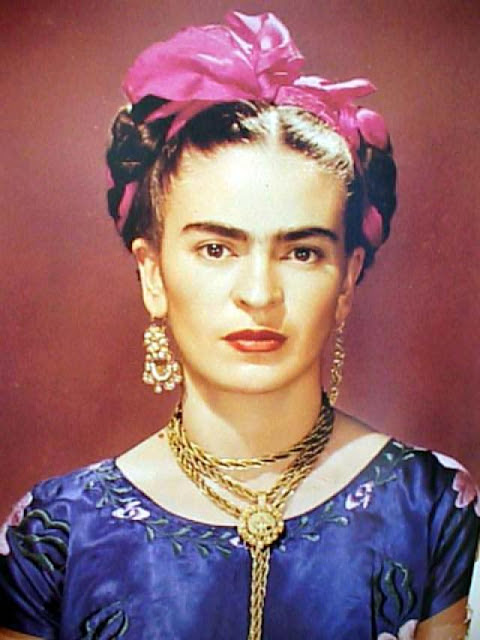
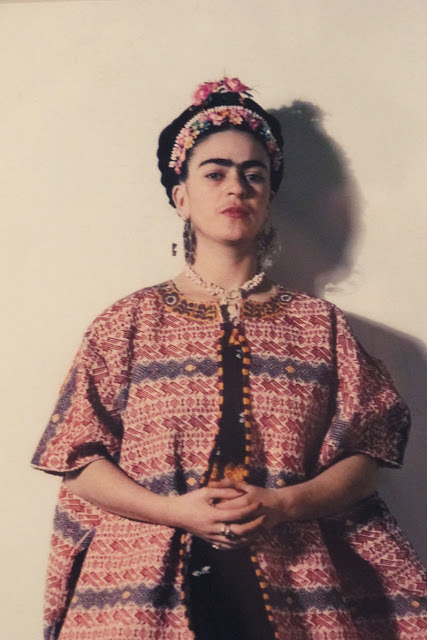
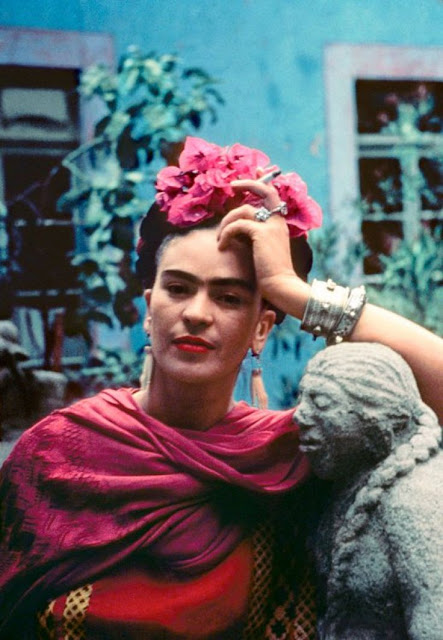
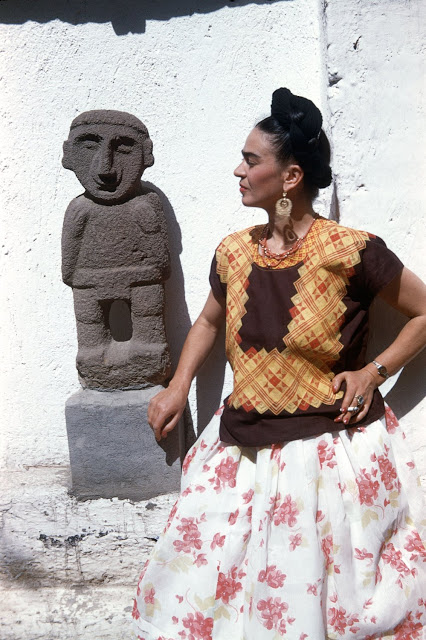
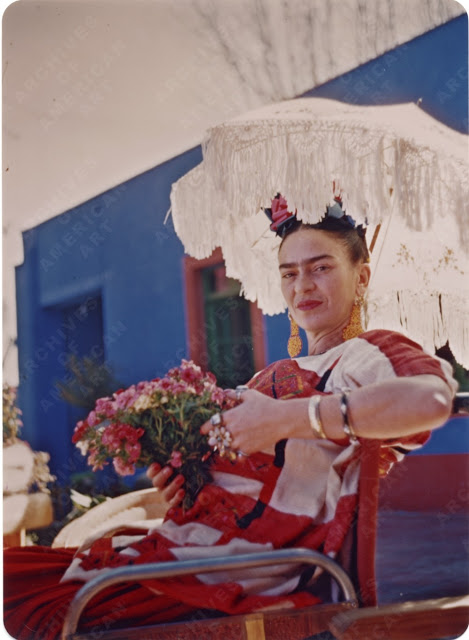
Magdalena Carmen Frida Kahlo y Calderón, (6 July 1907 – 13 July 1954) was a Mexican painter known for her many portraits, self-portraits, and works inspired by the nature and artifacts of Mexico. Inspired by the country’s popular culture, she employed a naïve folk art style to explore questions of identity, postcolonialism, gender, class, and race in Mexican society. Her paintings often had strong autobiographical elements and mixed realism with fantasy. In addition to belonging to the post-revolutionary Mexicayotl movement, which sought to define a Mexican identity, Kahlo has been described as a surrealist or magical realist. She is known for painting about her experience of chronic pain.
Born to a German father and a mestiza mother, Kahlo spent most of her childhood and adult life at La Casa Azul, her family home in Coyoacán – now publicly accessible as the Frida Kahlo Museum. Although she was disabled by polio as a child, Kahlo had been a promising student headed for medical school until she suffered a bus accident at the age of 18, which caused her lifelong pain and medical problems. During her recovery, she returned to her childhood interest in art with the idea of becoming an artist.
Kahlo’s interests in politics and art led her to join the Mexican Communist Party in 1927, through which she met fellow Mexican artist Diego Rivera. The couple married in 1929, and spent the late 1920s and early 1930s travelling in Mexico and the United States together. During this time, she developed her artistic style, drawing her main inspiration from Mexican folk culture, and painted mostly small self-portraits which mixed elements from pre-Columbian and Catholic beliefs. Her paintings raised the interest of Surrealist artist André Breton, who arranged for Kahlo’s first solo exhibition at the Julien Levy Gallery in New York in 1938; the exhibition was a success, and was followed by another in Paris in 1939. While the French exhibition was less successful, the Louvre purchased a painting from Kahlo, The Frame, making her the first Mexican artist to be featured in their collection. Throughout the 1940s, Kahlo participated in exhibitions in Mexico and the United States and worked as an art teacher. She taught at the Escuela Nacional de Pintura, Escultura y Grabado (“La Esmeralda”) and was a founding member of the Seminario de Cultura Mexicana. Kahlo’s always-fragile health began to decline in the same decade. She had her first solo exhibition in Mexico in 1953, shortly before her death in 1954 at the age of 47.
Kahlo’s work as an artist remained relatively unknown until the late 1970s, when her work was rediscovered by art historians and political activists. By the early 1990s, she had become not only a recognized figure in art history, but also regarded as an icon for Chicanos, the feminism movement and the LGBTQ+ movement. Kahlo’s work has been celebrated internationally as emblematic of Mexican national and indigenous traditions and by feminists for what is seen as its uncompromising depiction of the female experience and form. (Wikipedia)










































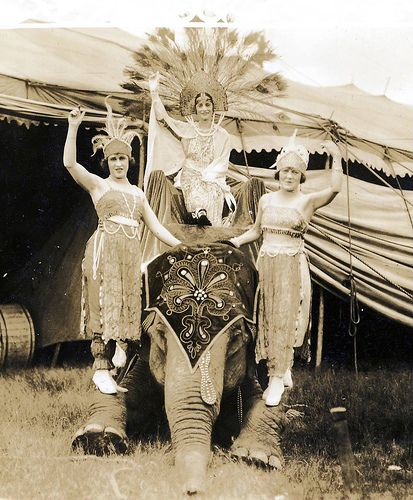
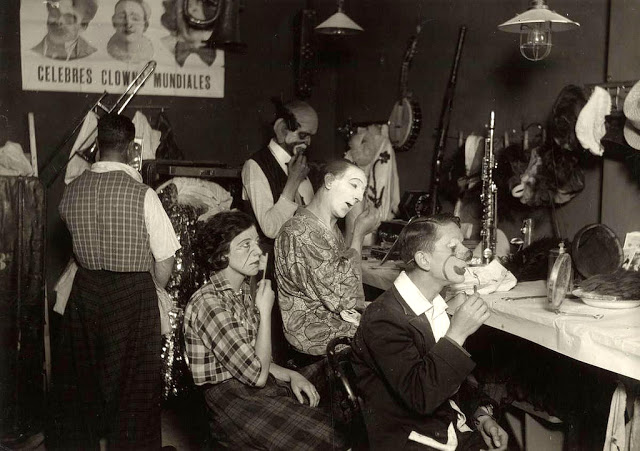
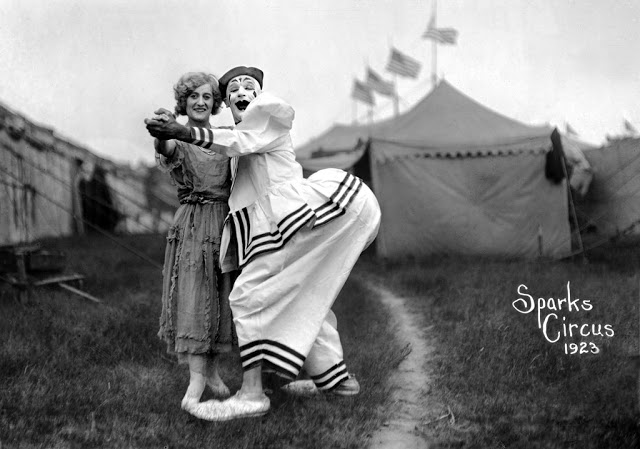
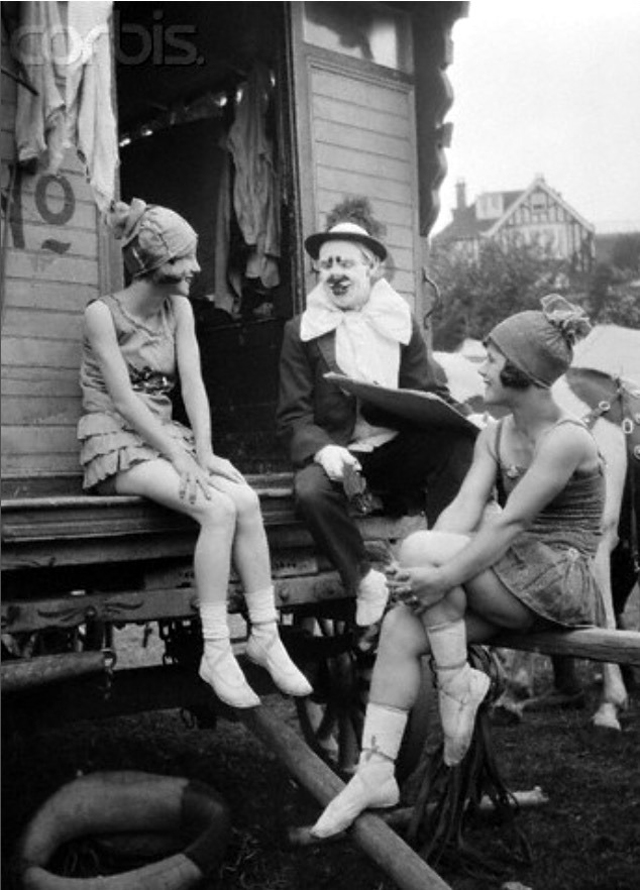
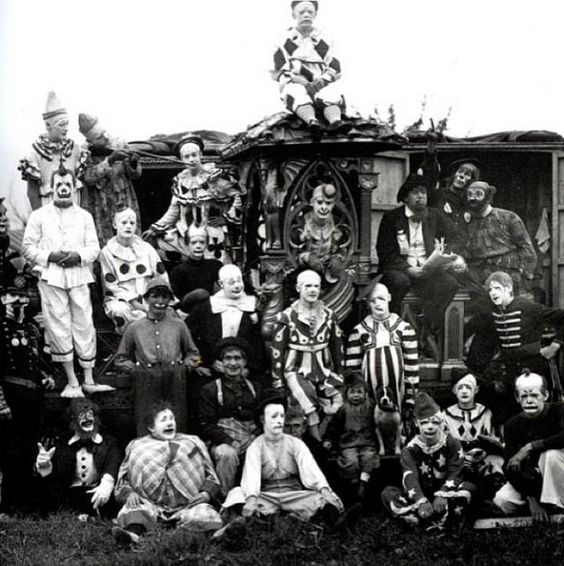
A circus is a company of performers who put on diverse entertainment shows that may include clowns, acrobats, trained animals, trapeze acts, musicians, dancers, hoopers, tightrope walkers, jugglers, magicians, ventriloquists, and unicyclists as well as other object manipulation and stunt-oriented artists. The term circus also describes the performance which has followed various formats through its 250-year modern history. Although not the inventor of the medium, Philip Astley is credited as the father of the modern circus. In 1768, Astley, a skilled equestrian, began performing exhibitions of trick horse riding in an open field called Ha’Penny Hatch on the south side of the Thames River. In 1770, he hired acrobats, tightrope walkers, jugglers and a clown to fill in the pauses between the equestrian demonstrations and thus chanced on the format which was later named a “circus”. Performances developed significantly over the next fifty years, with large-scale theatrical battle reenactments becoming a significant feature. The traditional format, in which a ringmaster introduces a variety of choreographed acts set to music, developed in the latter part of the 19th century and remained the dominant format until the 1970s.
As styles of performance have developed since the time of Astley, so too have the types of venues where these circuses have performed. The earliest modern circuses were performed in open-air structures with limited covered seating. From the late 18th to late 19th century, custom-made circus buildings (often wooden) were built with various types of seating, a centre ring, and sometimes a stage. The traditional large tents commonly known as “big tops” were introduced in the mid-19th century as touring circuses superseded static venues. These tents eventually became the most common venue. Contemporary circuses perform in a variety of venues including tents, theatres and casinos. Many circus performances are still held in a ring, usually 13 m (42 ft) in diameter. This dimension was adopted by Astley in the late 18th century as the minimum diameter that enabled an acrobatic horse rider to stand upright on a cantering horse to perform their tricks.
Contemporary circus has been credited with a revival of the circus tradition since the late 1970s, when a number of groups began to experiment with new circus formats and aesthetics, typically avoiding the use of animals to focus exclusively on human artistry. Circuses within the movement have tended to favour a theatrical approach, combining character-driven circus acts with original music in a broad variety of styles to convey complex themes or stories. Contemporary circus continues to develop new variations on the circus tradition while absorbing new skills, techniques, and stylistic influences from other performing arts. (Wikipedia)
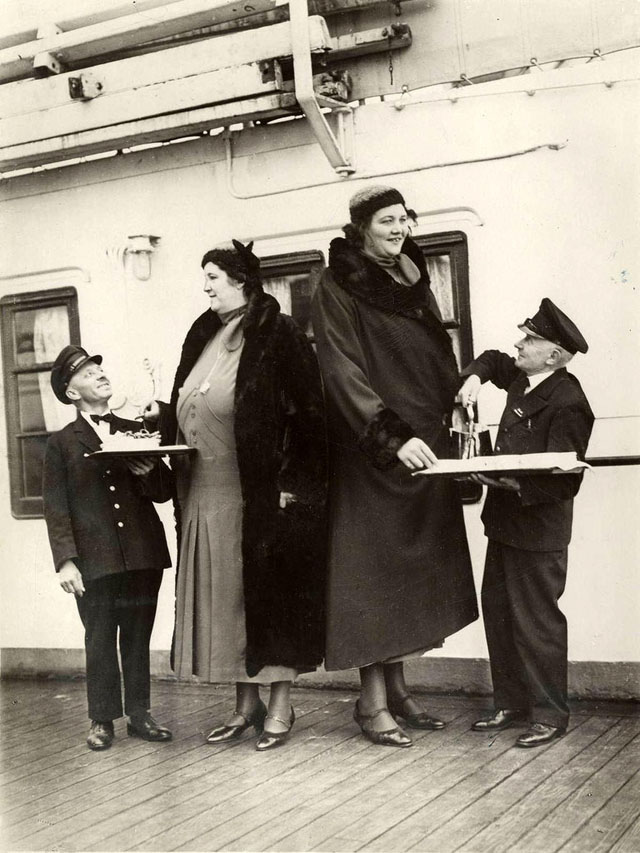
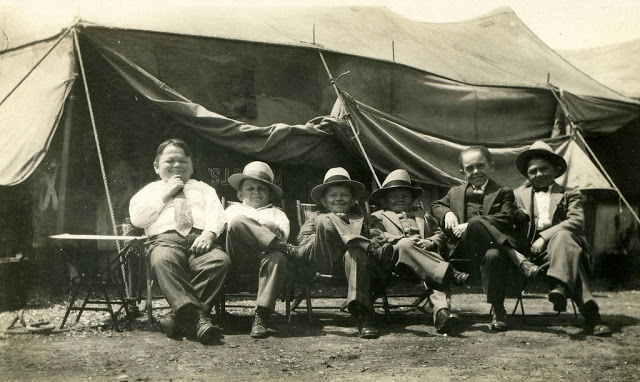
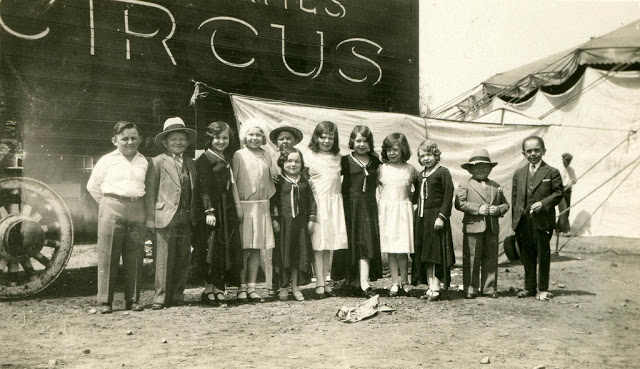
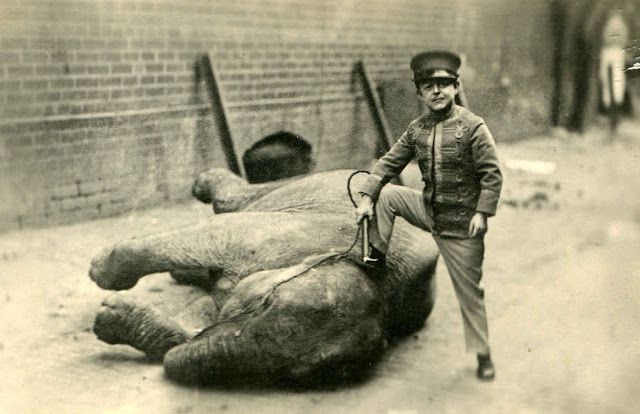
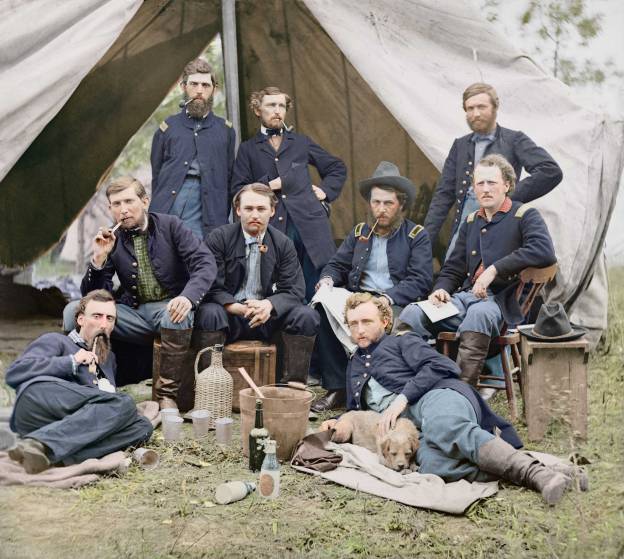
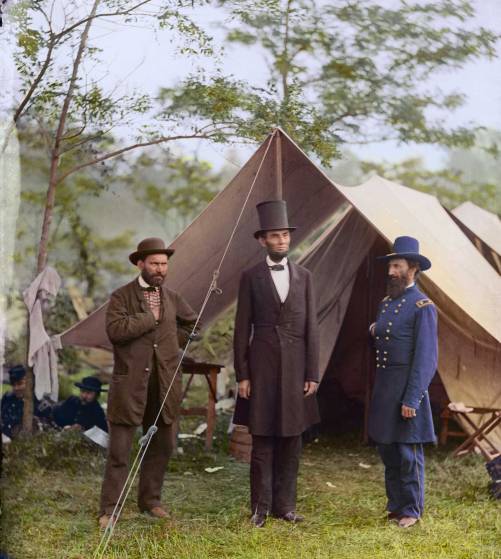
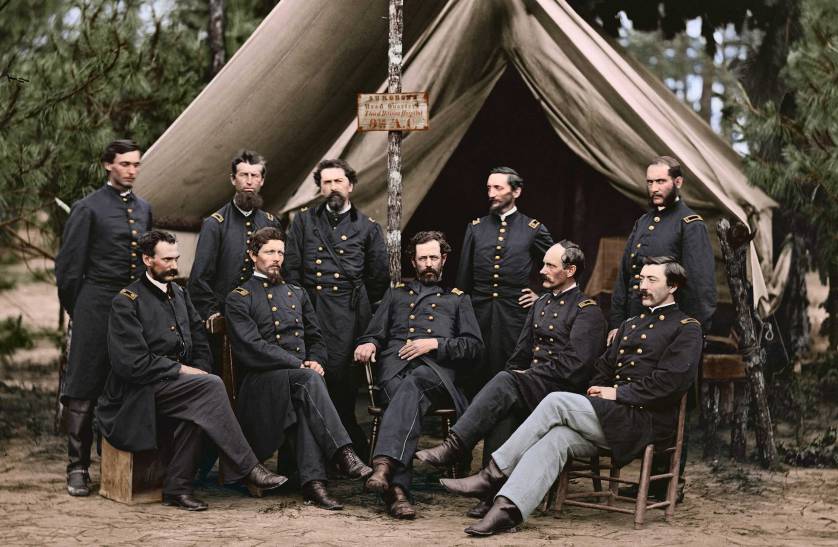
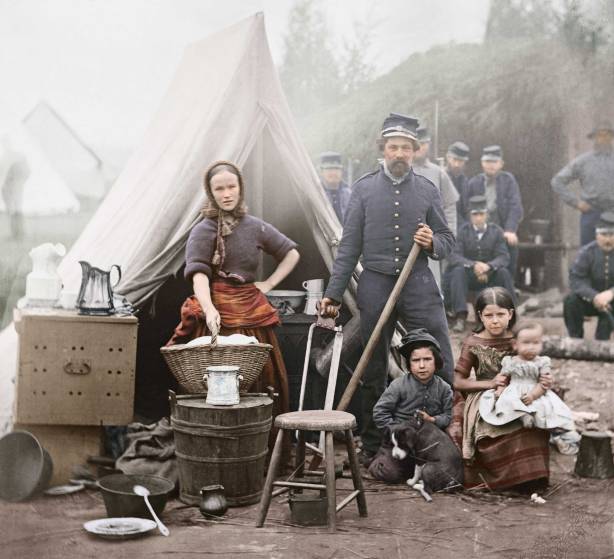
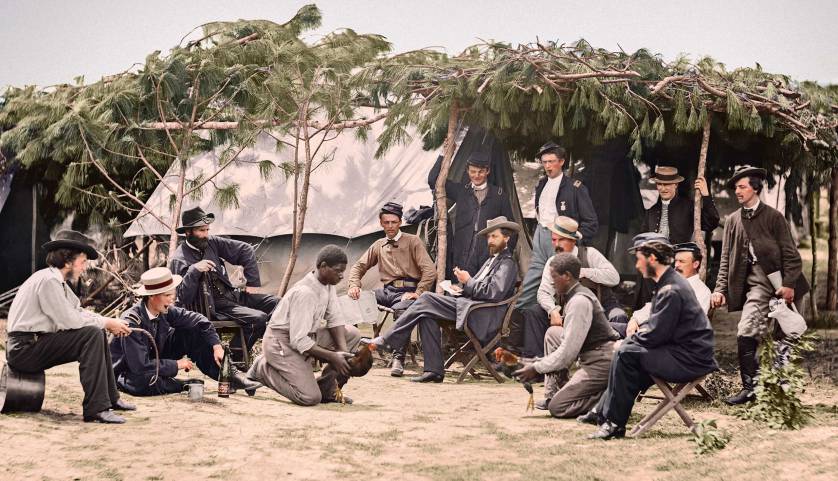
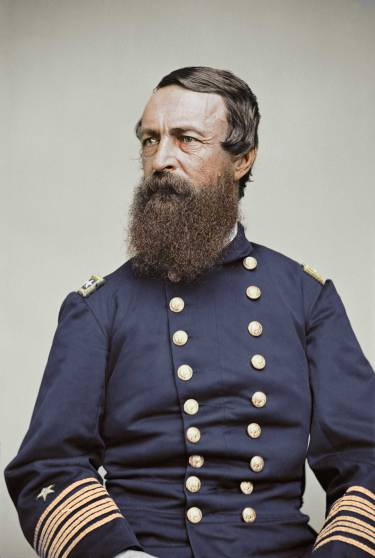
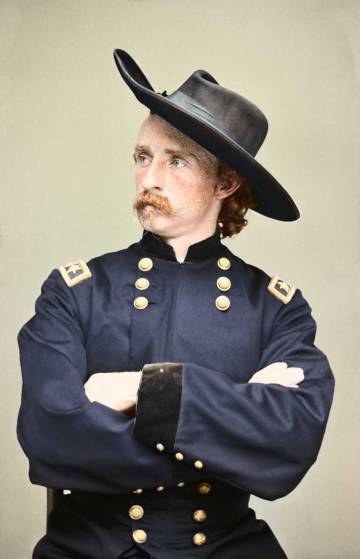
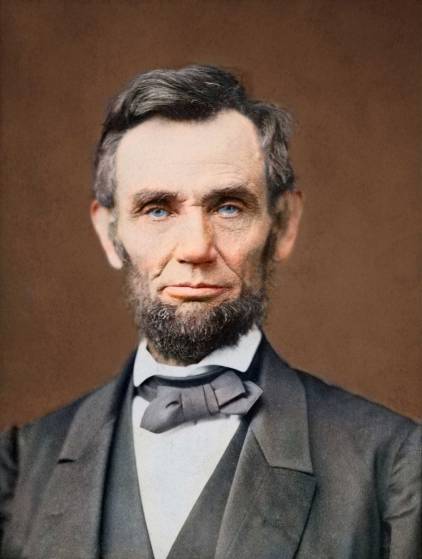
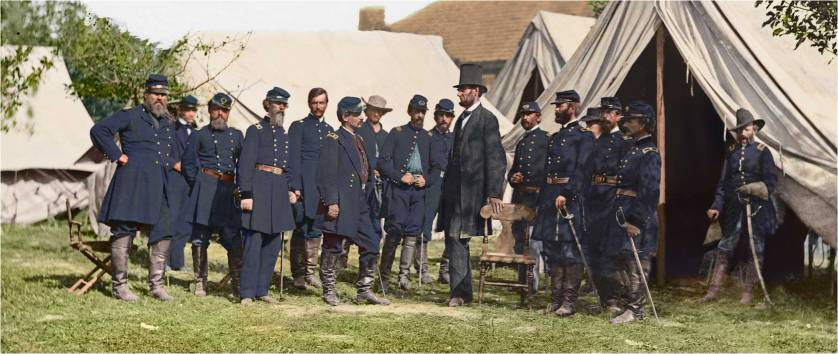
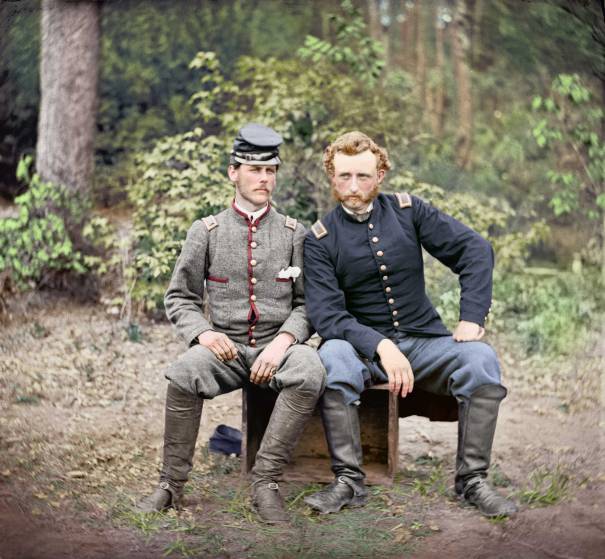
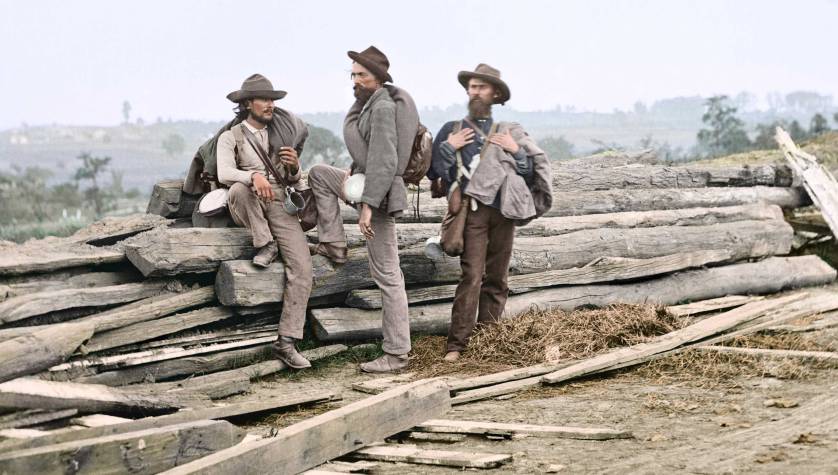
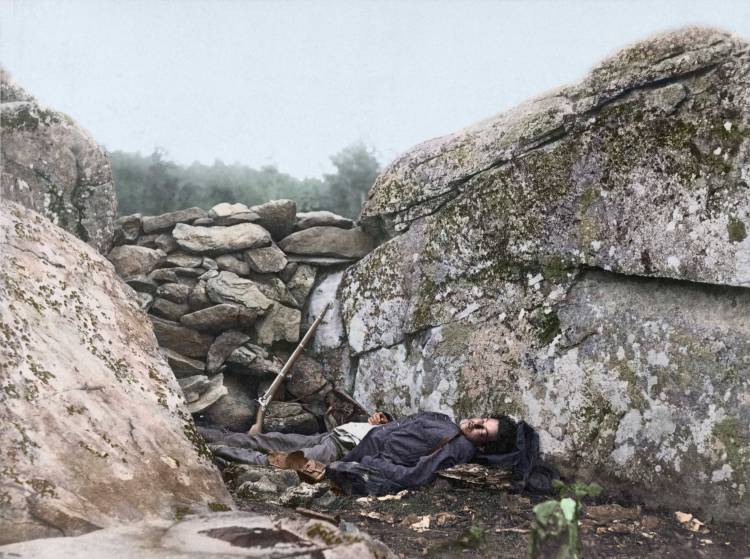
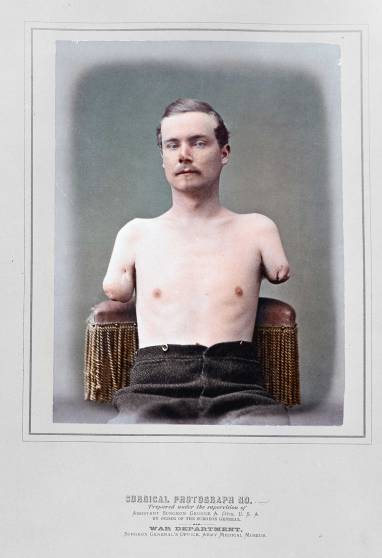
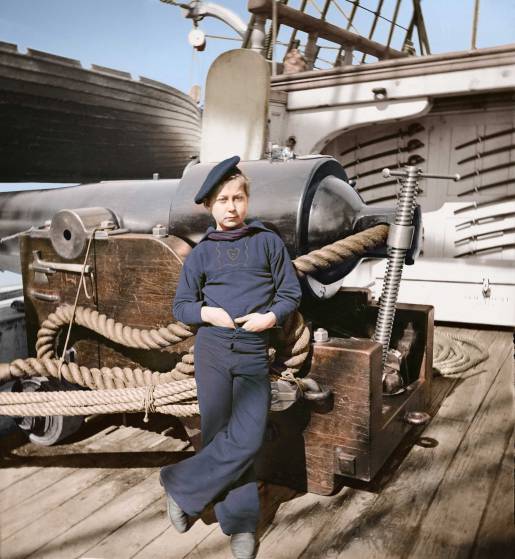
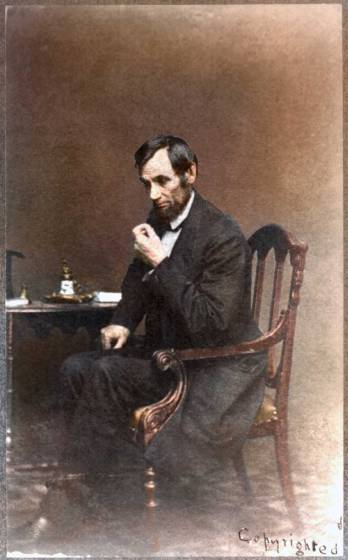
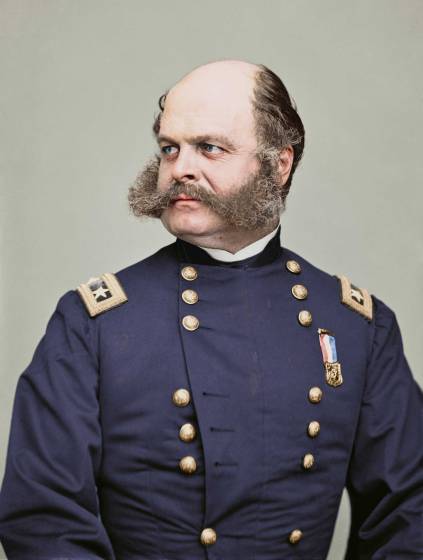
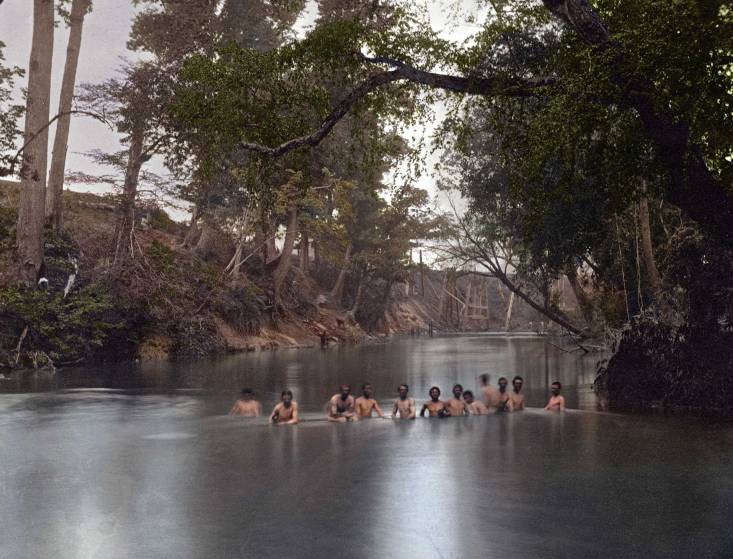
The Civil War comes alive as never before in this extraordinary collection of colorized photographs from the era. Not only does it feature portraits of famous leaders and ordinary soldiers but also vignettes of American life during the conflict: scenes from urban and plantation life; destroyed cities; contested battlefields.
Here, TIME commissioned Sanna Dullaway, a photo editor based in Sweden, to colorize some of the most iconic images of the Civil War. The end result, which can take up to three hours to achieve per picture, offers a novel and contemporary perspective to history.
The American Civil War (April 12, 1861 – May 9, 1865) (also known by other names) was a civil war in the United States fought between the Union (forces remaining loyal to the federal union, or “the North”), and the Confederacy (forces from southern states that voted to secede — “the South”).[e] The central cause of the war was the status of slavery, especially the expansion of slavery into territories acquired as a result of the Louisiana Purchase and the Mexican–American War. On the eve of the Civil War in 1860, four million of the 32 million Americans (~13%) were enslaved black people, almost all in the South.
The practice of slavery in the United States was one of the key political issues of the 19th century. Decades of political unrest over slavery led up to the war. Disunion came after Abraham Lincoln won the 1860 United States presidential election on an anti-slavery expansion platform. An initial seven Southern slave states declared their secession from the country to form the Confederacy. Confederate forces seized federal forts within territory they claimed. The last minute Crittenden Compromise tried to avert conflict but failed; both sides prepared for war. Fighting broke out in April 1861 when the Confederate army began the Battle of Fort Sumter in South Carolina, just over a month after the first inauguration of Abraham Lincoln. The Confederacy grew to control at least a majority of territory in eleven states (out of the 34 U.S. states in February 1861), and asserted claims to two more. The states that remained loyal to the federal government were known as the Union. Both sides raised large volunteer and conscription armies. Four years of intense combat, mostly in the South, ensued.
During 1861–1862 in the war’s Western Theater, the Union made significant permanent gains, though in the war’s Eastern Theater, the conflict was inconclusive. In September 1862, Lincoln issued the Emancipation Proclamation, which made ending slavery a war goal. To the west, the Union destroyed the Confederate river navy by summer 1862, then much of its western armies, and seized New Orleans. The successful 1863 Union siege of Vicksburg split the Confederacy in two at the Mississippi River. In 1863, Confederate General Robert E. Lee’s incursion north ended at the Battle of Gettysburg. Western successes led to General Ulysses S. Grant’s command of all Union armies in 1864. Inflicting an ever-tightening naval blockade of Confederate ports, the Union marshaled resources and manpower to attack the Confederacy from all directions. This lead to the fall of Atlanta in 1864 to Union General William Tecumseh Sherman and his march to the sea. The last significant battles raged around the ten-month Siege of Petersburg, gateway to the Confederate capitol of Richmond.
The war effectively ended on April 9, 1865, when Confederate General Lee surrendered to Union General Grant at the Battle of Appomattox Court House, after abandoning Petersburg and Richmond. Confederate generals throughout the Southern states followed suit, the last surrender on land occurring on June 23. By the end of the war, much of the South’s infrastructure was destroyed, especially its railroads. The Confederacy collapsed, slavery was abolished, and four million enslaved black people were freed. The war-torn nation then entered the Reconstruction era in a partially successful attempt to rebuild the country and grant civil rights to freed slaves.
The Civil War is one of the most studied and written about episodes in the history of the United States. It remains the subject of cultural and historiographical debate. Of particular interest is the persisting myth of the Lost Cause of the Confederacy. The American Civil War was among the earliest to use industrial warfare. Railroads, the telegraph, steamships, the ironclad warship, and mass-produced weapons saw wide use. In total the war left between 620,000 and 750,000 soldiers dead, along with an undetermined number of civilian casualties.[g] President Lincoln was assassinated just five days after Lee’s surrender. The Civil War remains the deadliest military conflict in American history.[h] It accounted for more American military deaths than all other wars combined until the Vietnam War. The technology and brutality of the Civil War foreshadowed the coming World Wars.














Clinton Eastwood Jr. (born May 31, 1930) is an American actor, film director, producer, and composer. After achieving success in the Western TV series Rawhide, he rose to international fame with his role as the “Man with No Name” in Italian filmmaker Sergio Leone’s “Dollars Trilogy” of Spaghetti Westerns during the mid-1960s, and as antihero cop Harry Callahan in the five Dirty Harry films throughout the 1970s and 1980s. These roles, among others, have made Eastwood an enduring cultural icon of masculinity. His accolades include four Academy Awards, four Golden Globe Awards, three César Awards, and an AFI Life Achievement Award.
An Academy Award nominee for Best Actor, Eastwood won Best Director and Best Picture for his Western film Unforgiven (1992) and his sports drama Million Dollar Baby (2004). His greatest commercial successes are the adventure comedy Every Which Way but Loose (1978) and its action comedy sequel Any Which Way You Can (1980). Other popular Eastwood films include the Westerns Hang ‘Em High (1968) and Pale Rider (1985), the action-war film Where Eagles Dare (1968), the prison film Escape from Alcatraz (1979), the war film Heartbreak Ridge (1986), the action film In the Line of Fire (1993), and the romantic drama The Bridges of Madison County (1995). More recent works are Gran Torino (2008), The Mule (2018), and Cry Macho (2021). Since 1967, Eastwood’s company Malpaso Productions has produced all but four of his American films.
In addition to directing many of his own star vehicles, Eastwood has also directed films in which he did not appear, such as the mystery drama Mystic River (2003) and the war film Letters from Iwo Jima (2006), for which he received Academy Award nominations, the drama Changeling (2008), and the biographical sports drama Invictus (2009). The war drama biopic American Sniper (2014) set box-office records for the largest January release ever and was also the largest opening ever for an Eastwood film.
Elected in 1986, Eastwood served for two years as the mayor of Carmel-by-the-Sea, California. In 2000, Eastwood received the Italian Venice Film Festival’s Golden Lion award, honoring his lifetime achievements. Bestowed two of France’s highest civilian honors, he received the Commander of the Ordre des Arts et des Lettres in 1994, and the Legion of Honour medal in 2007. (Wikipedia)
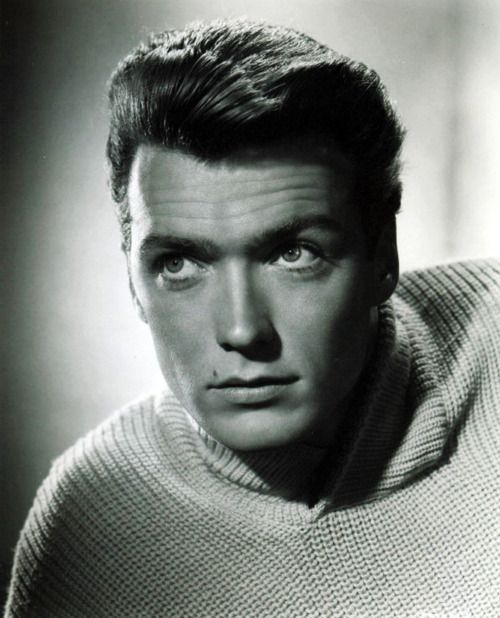
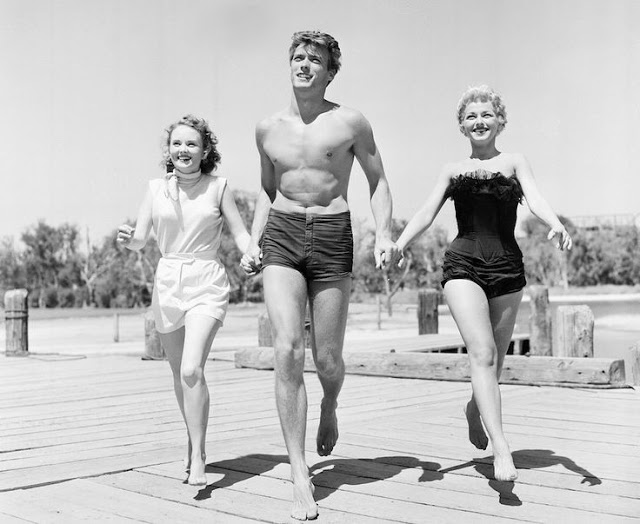
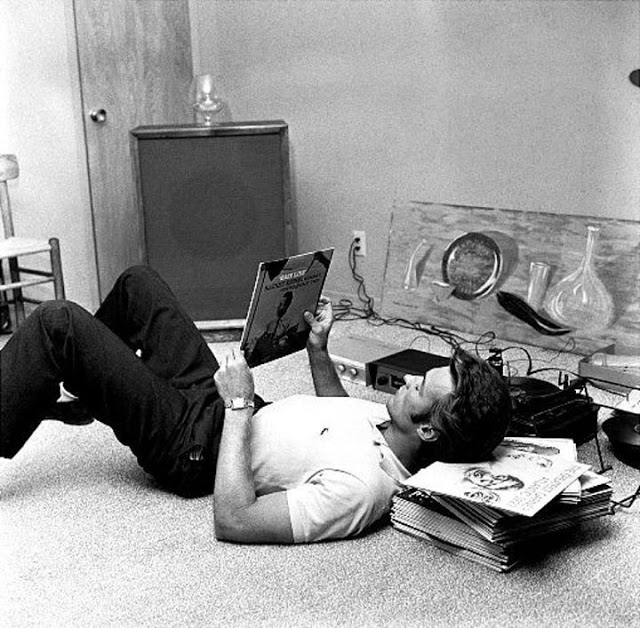
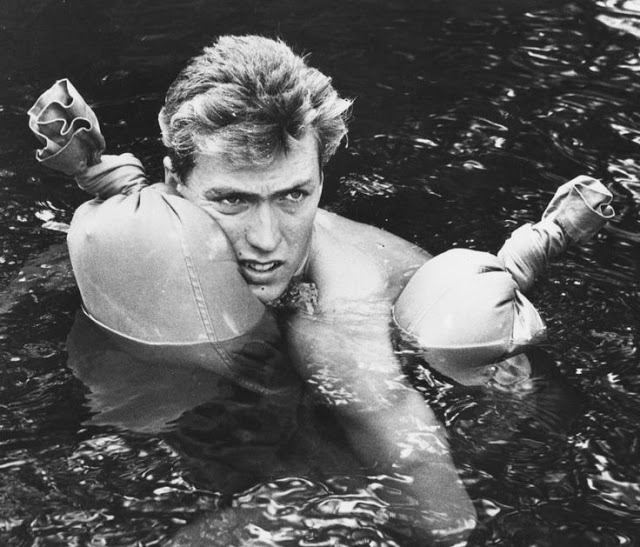
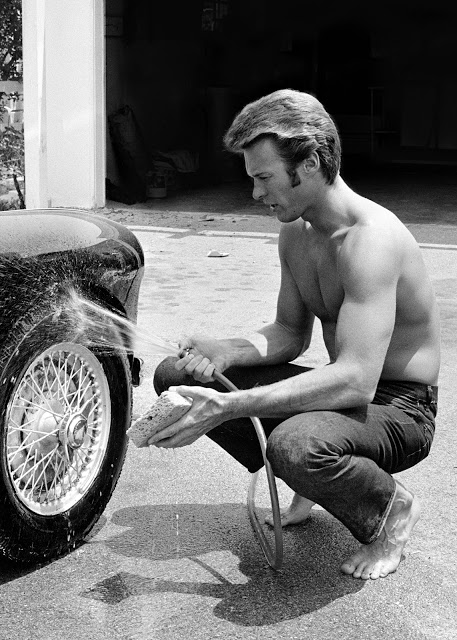
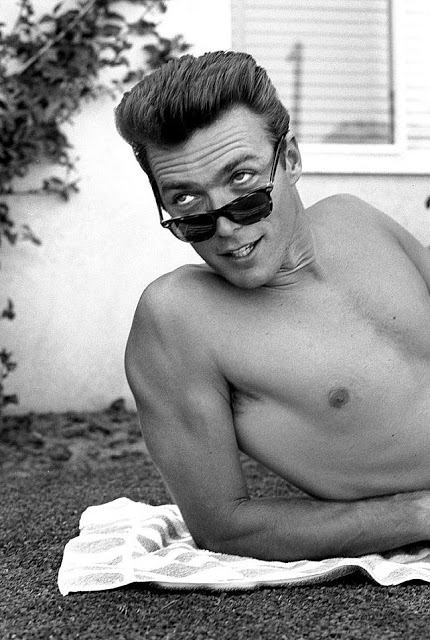
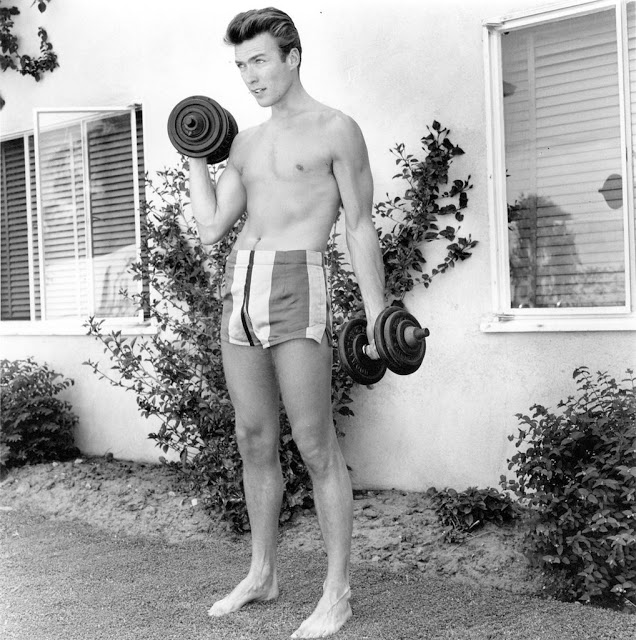
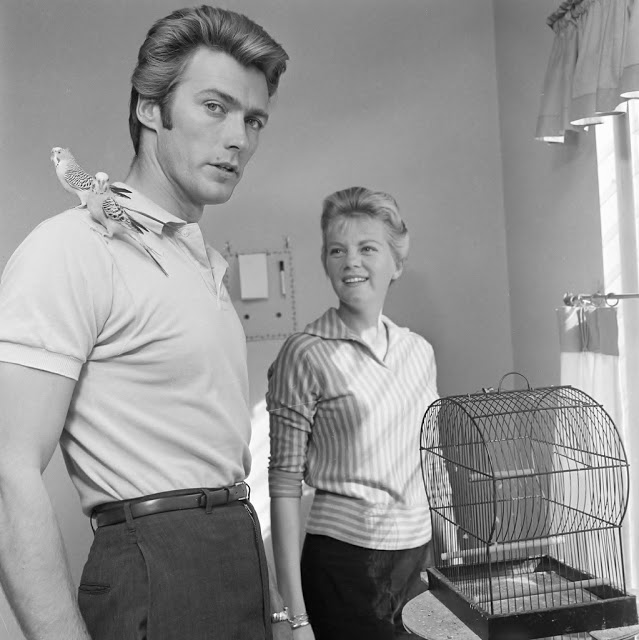
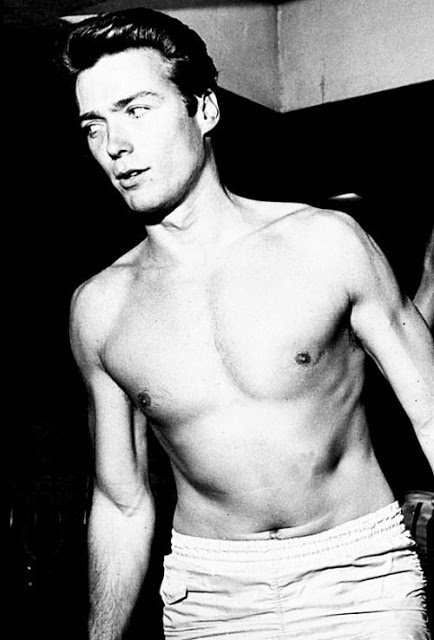
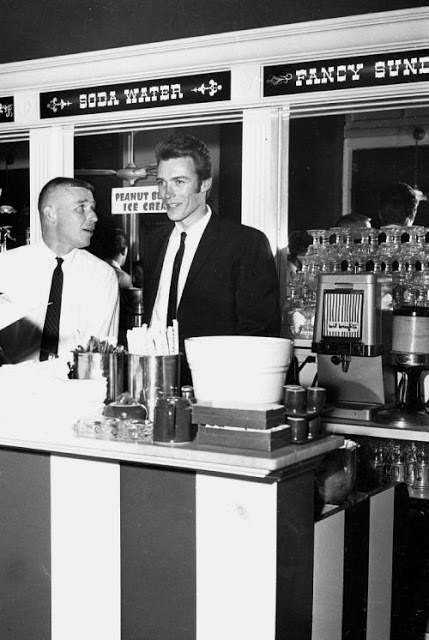
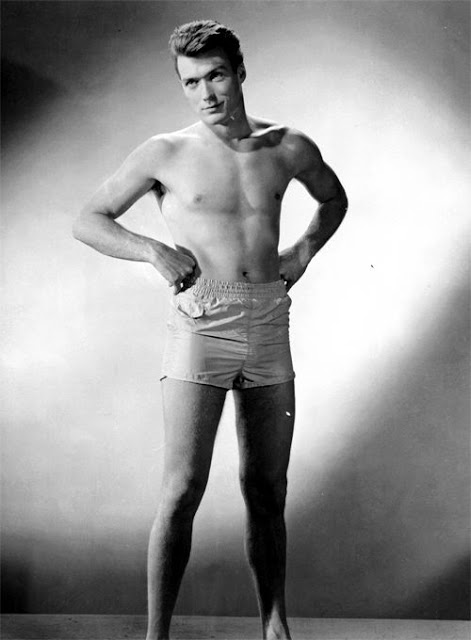
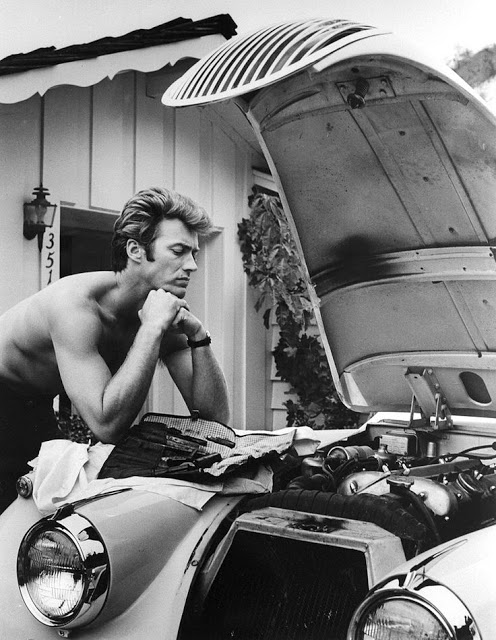
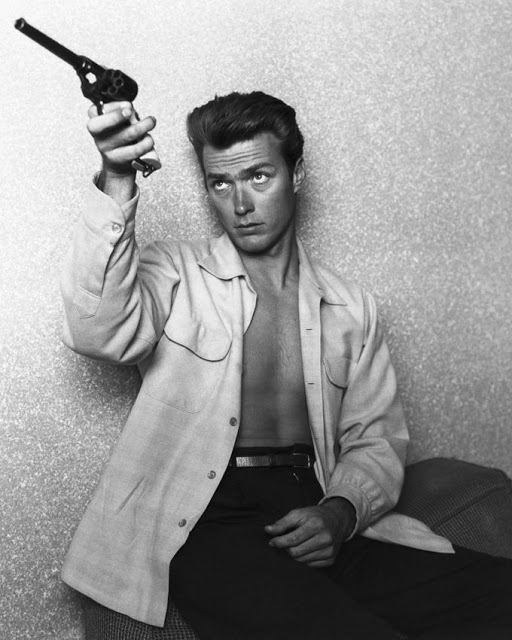
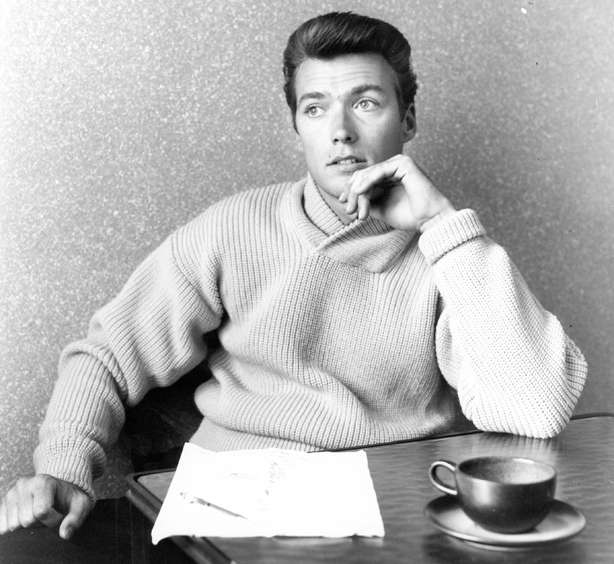
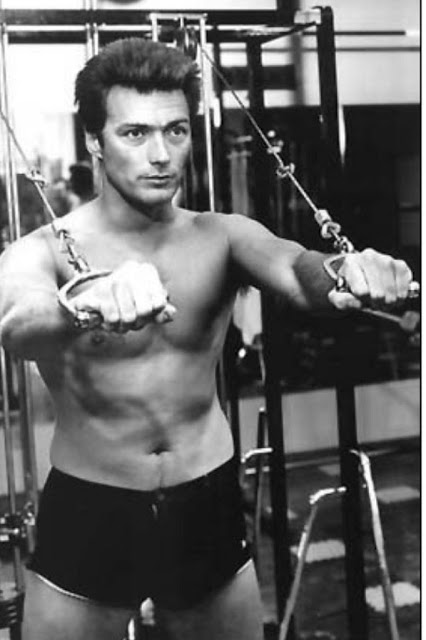
These interesting photographs below captured a young Clint Eastwood during the 1950s.













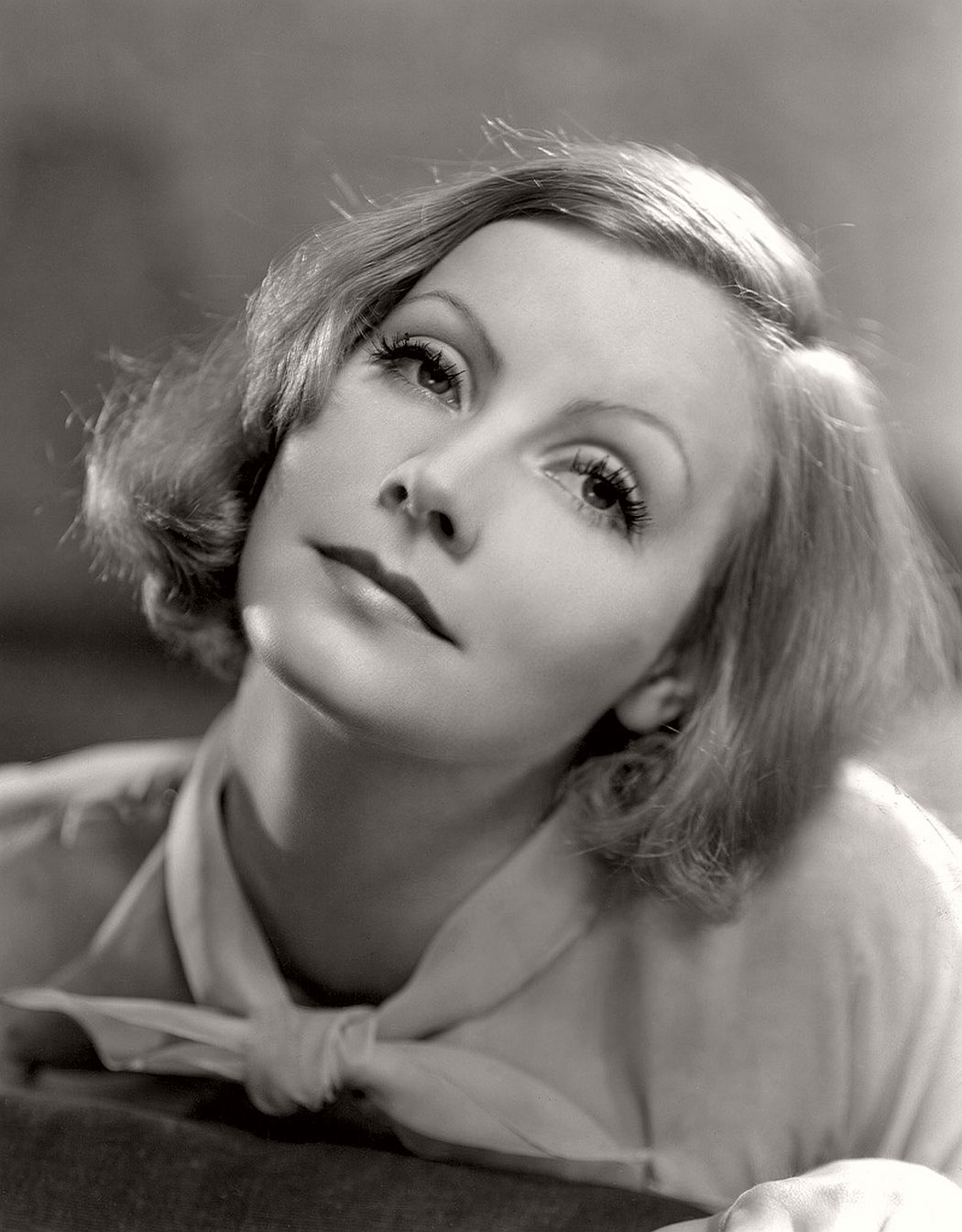
Greta Garbo was born Greta Lovisa Gustafsson on September 18, 1905, in Stockholm, Sweden, to Anna Lovisa (Johansdotter), who worked at a jam factory, and Karl Alfred Gustafsson, a laborer. She was fourteen when her father died, which left the family destitute. Greta was forced to leave school and go to work in a department store. The store used her as a model in its newspaper ads. She had no film aspirations until she appeared in short advertising film at that same department store while she was still a teenager. Erik A. Petschler, a comedy director, saw the film and gave her a small part in his Luffar-Petter (1922). Encouraged by her own performance, she applied for and won a scholarship to a Swedish drama school. While there she appeared in at least one film, En lyckoriddare (1921). Both were small parts, but it was a start. Finally famed Swedish director Mauritz Stiller pulled her from the drama school for the lead role in The Saga of Gösta Berling (1924). At 18 Greta was on a roll.
Following The Joyless Street (1925) both Greta and Stiller were offered contracts with MGM, and her first film for the studio was the American-made Torrent (1926), a silent film in which she didn’t have to speak a word of English. After a few more films, including The Temptress (1926), Love (1927) and A Woman of Affairs (1928), Greta starred in Anna Christie (1930) (her first “talkie”), which not only gave her a powerful screen presence but also garnered her an Academy Award nomination as Best Actress (she didn’t win). Later that year she filmed Romance (1930), which was somewhat of a letdown, but she bounced back in 1931, landing another lead role in Mata Hari (1931), which turned out to be a major hit.
Greta continued to give intense performances in whatever was handed her. The next year she was cast in what turned out to be yet another hit, Grand Hotel (1932). However, it was in MGM’s Anna Karenina (1935) that she gave what some consider the performance of her life. She was absolutely breathtaking in the role as a woman torn between two lovers and her son. Shortly afterwards, she starred in the historical drama Queen Christina (1933) playing the title character to great acclaim. She earned an Oscar nomination for her role in the romantic drama Camille (1936), again playing the title character. Her career suffered a setback the following year in Conquest (1937), which was a box office disaster. She later made a comeback when she starred in Ninotchka (1939), which showcased her comedic side. It wasn’t until two years later she made what was to be her last film, Two-Faced Woman (1941), another comedy. But the film drew controversy and was condemned by the Catholic Church and other groups and was a box office failure, which left Garbo shaken.
After World War II Greta, by her own admission, felt that the world had changed perhaps forever and she retired, never again to face the camera. She would work for the rest of her life to perpetuate the Garbo mystique. Her films, she felt, had their proper place in history and would gain in value. She abandoned Hollywood and moved to New York City. She would jet-set with some of the world’s best-known personalities such as Aristotle Onassis and others. She spent time gardening and raising flowers and vegetables. In 1954 Greta was given a special Oscar for past unforgettable performances. She even penned her biography in 1990.
On April 15, 1990, Greta died of natural causes in New York and with her went the “Garbo Mystique”. She was 84. (IMDB)
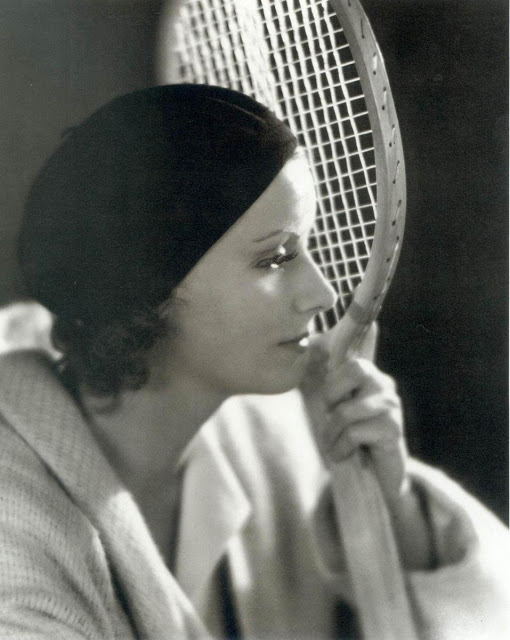
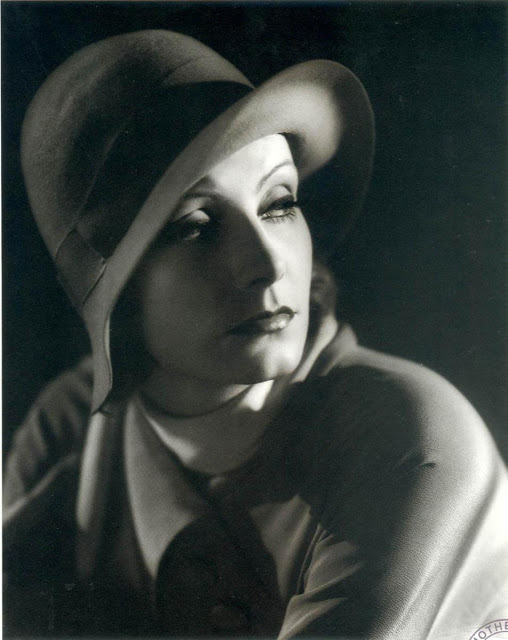
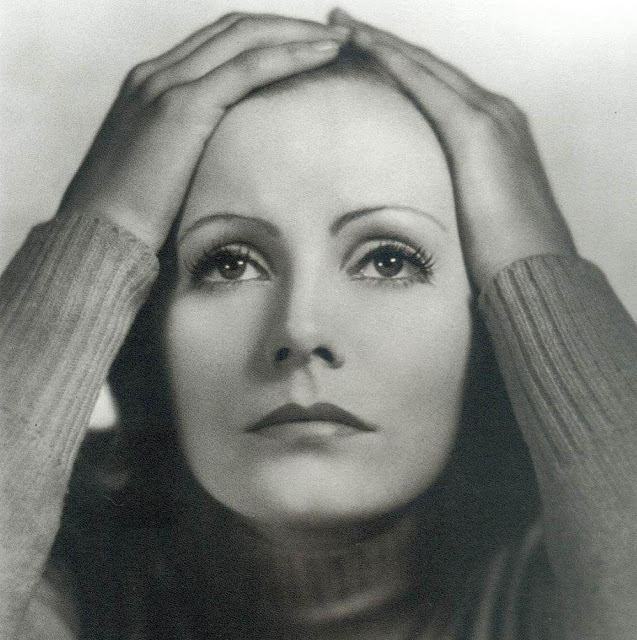
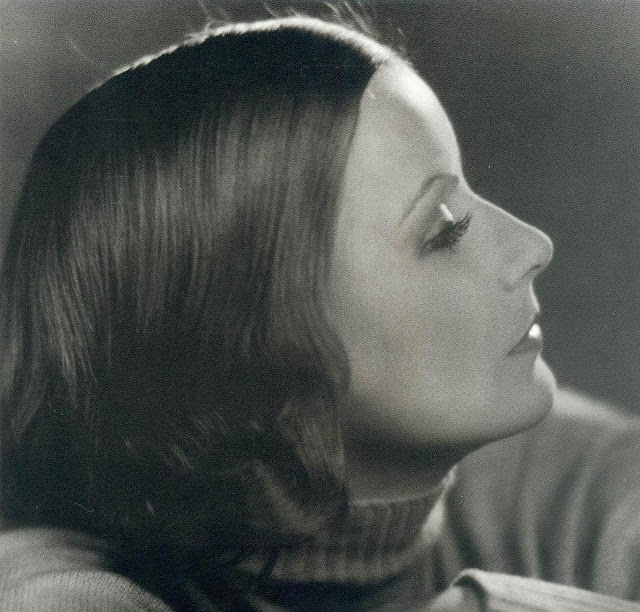
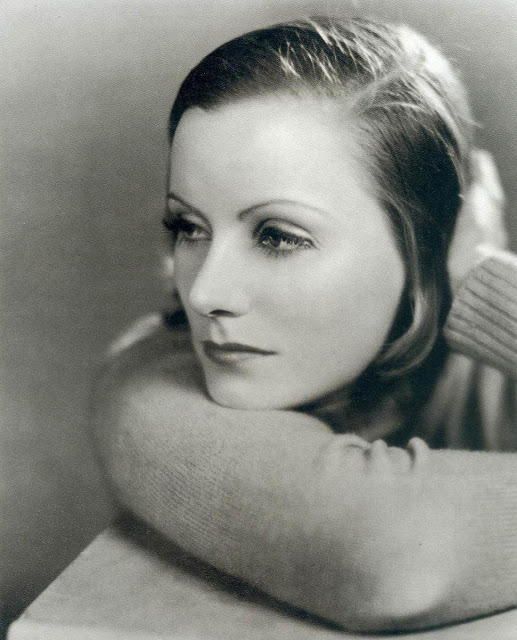
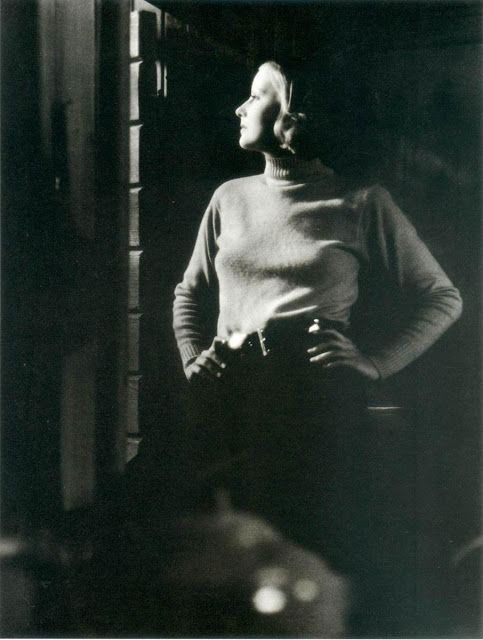
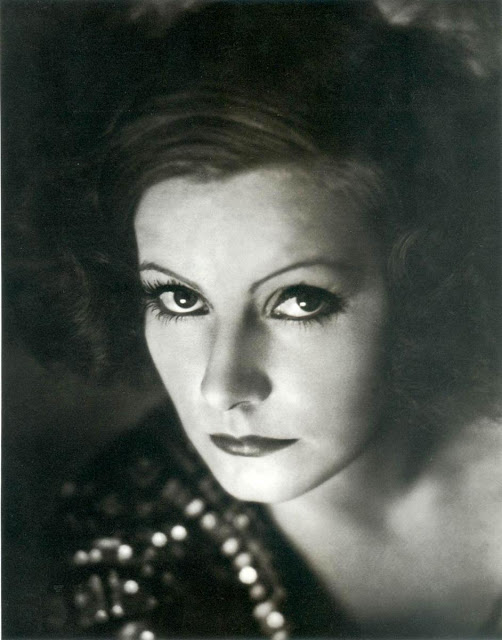
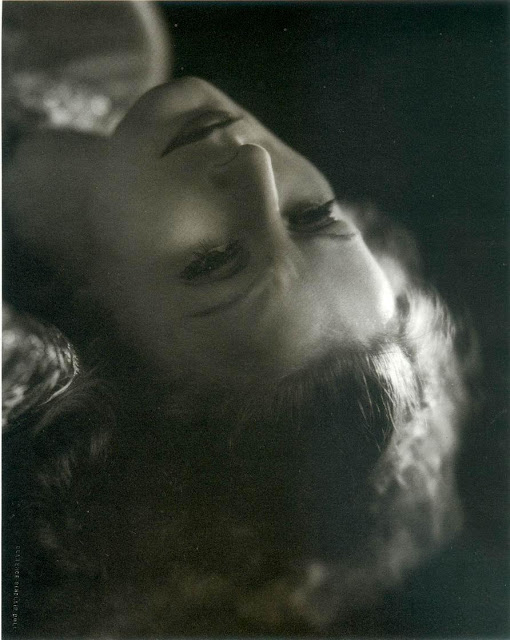
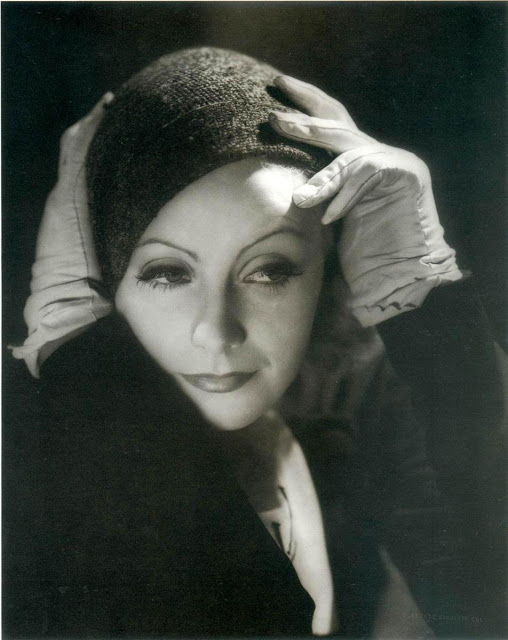
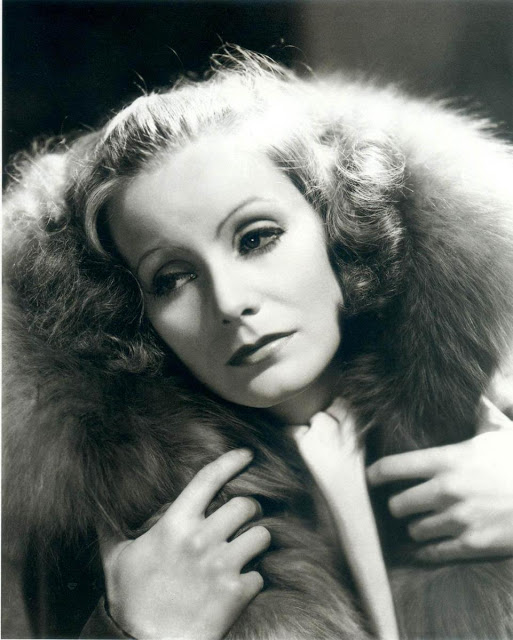
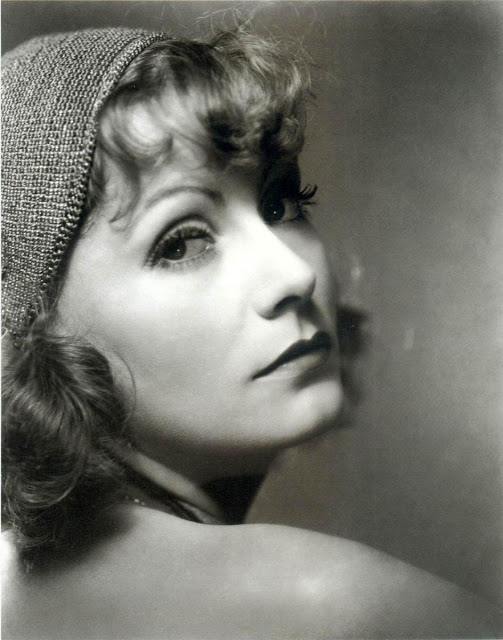
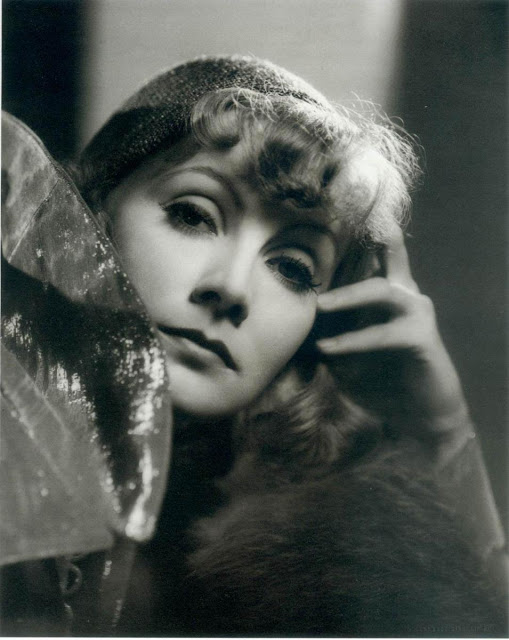
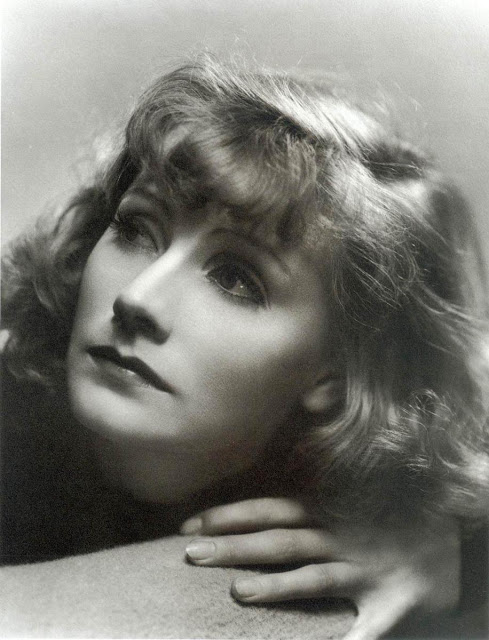
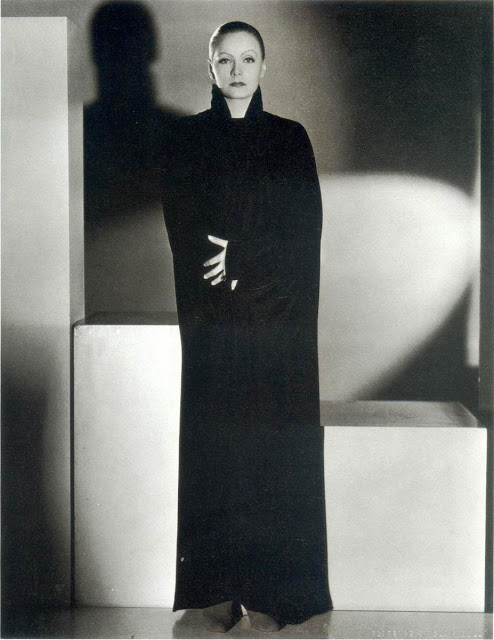
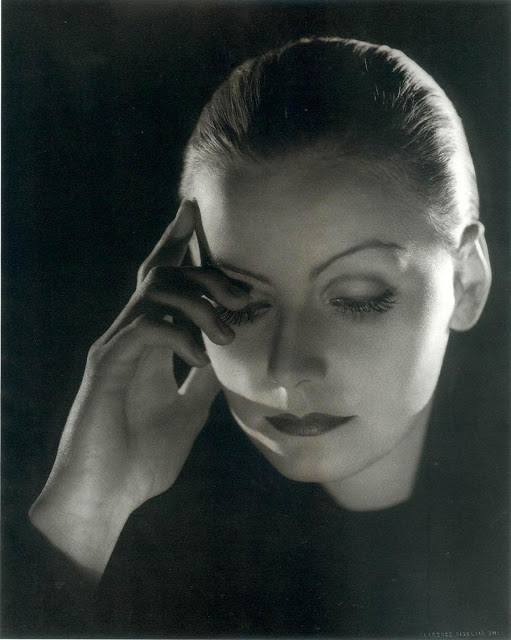
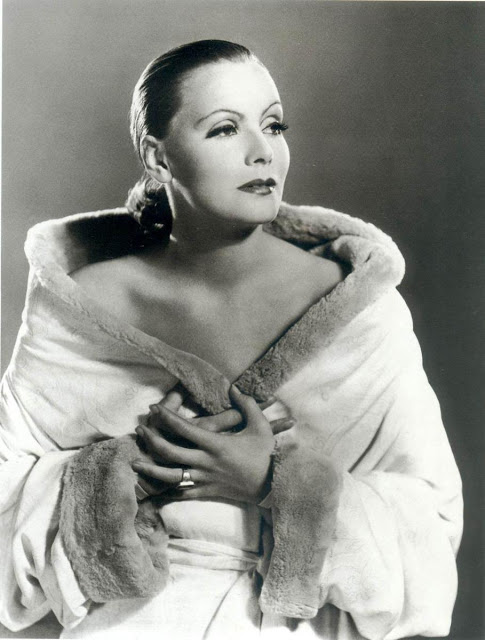
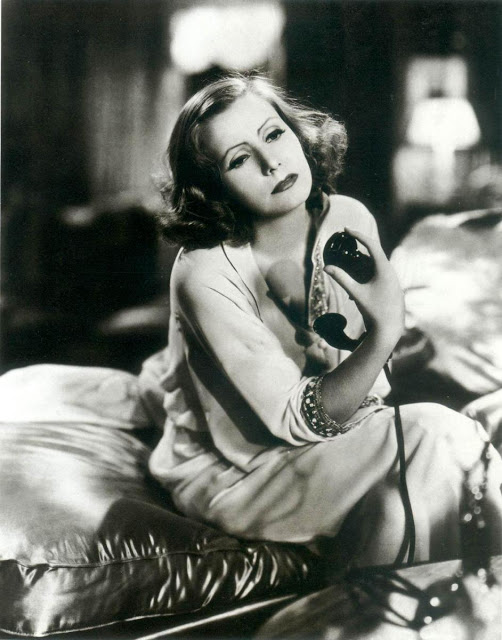
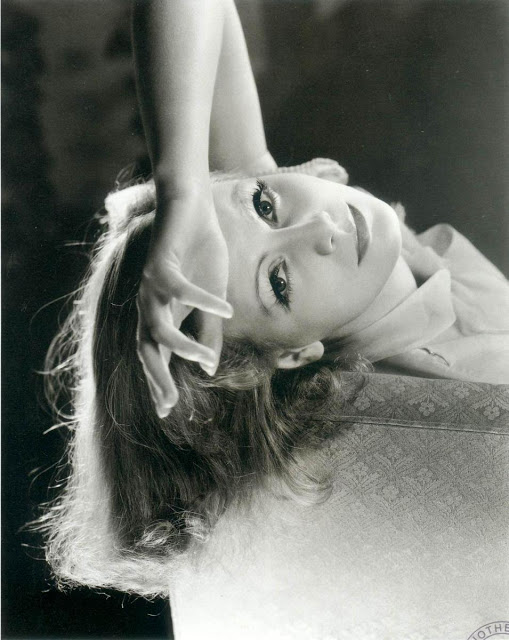
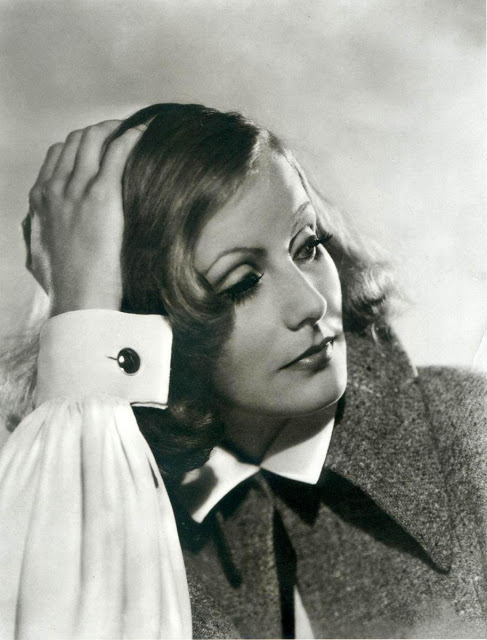
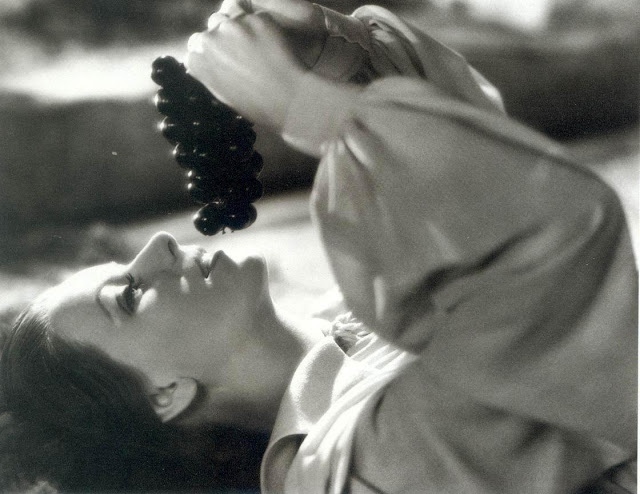
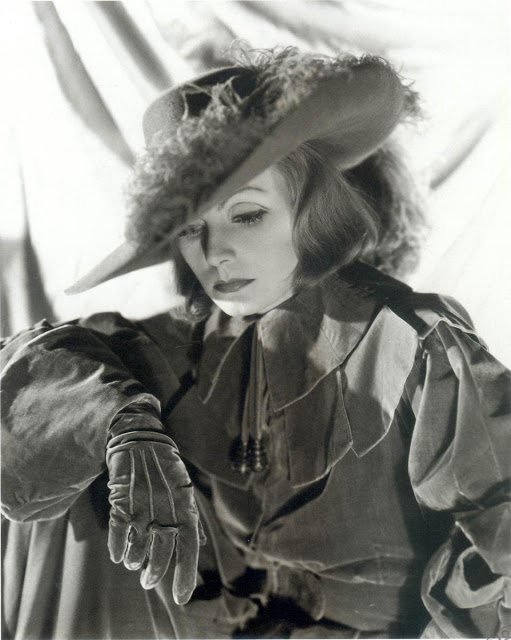
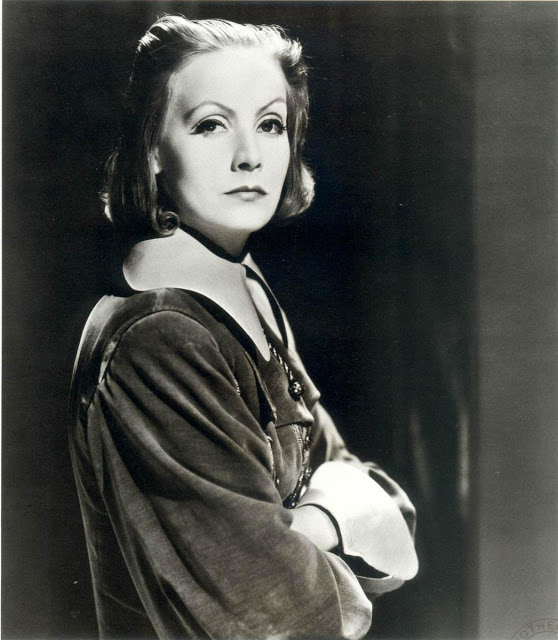
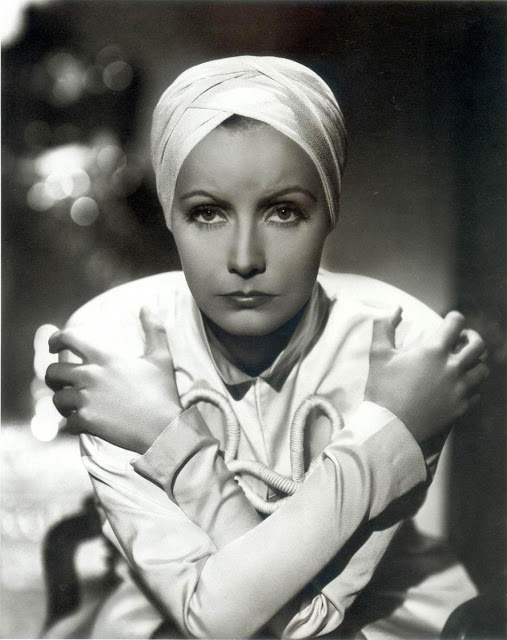
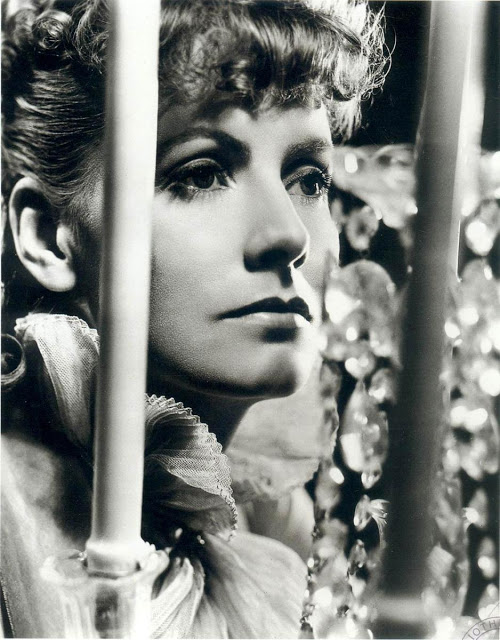
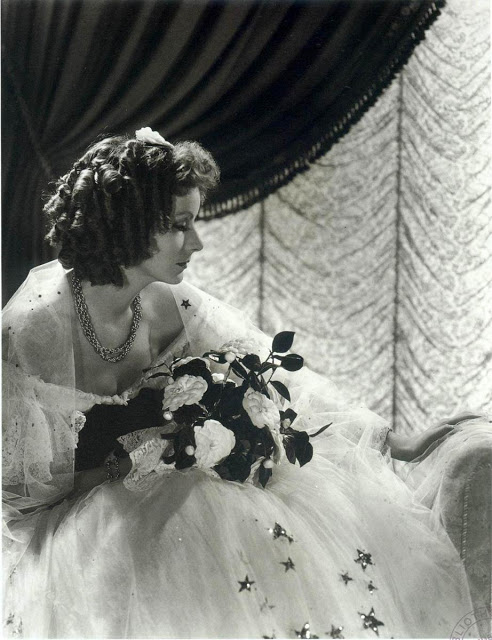
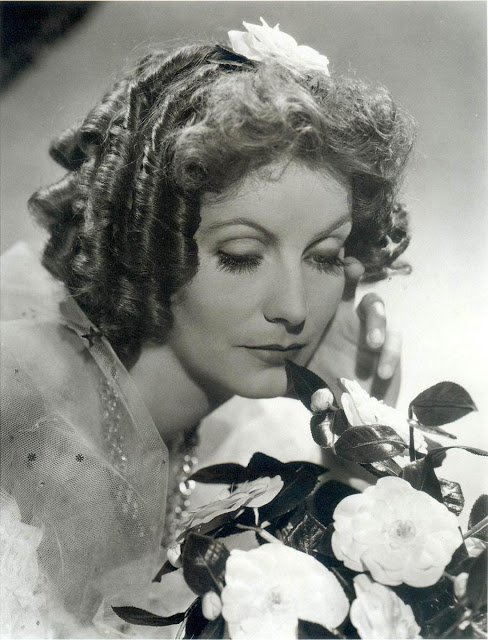
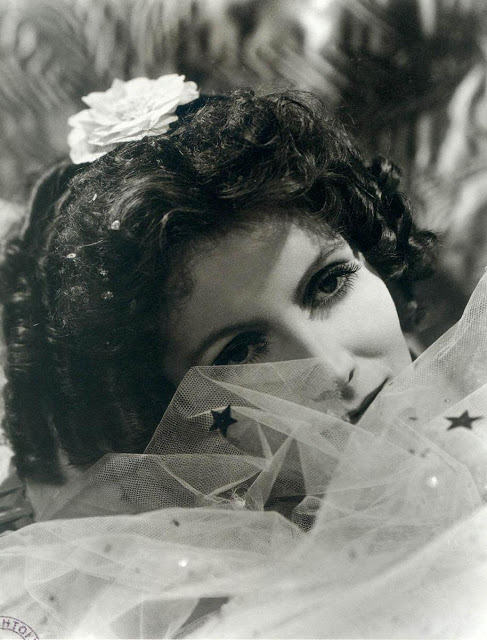
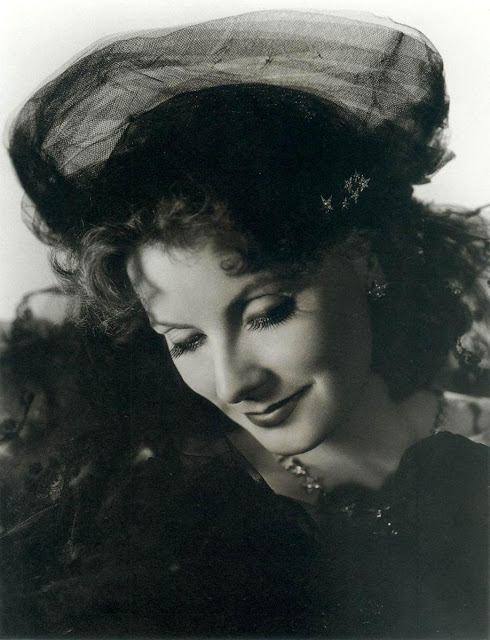
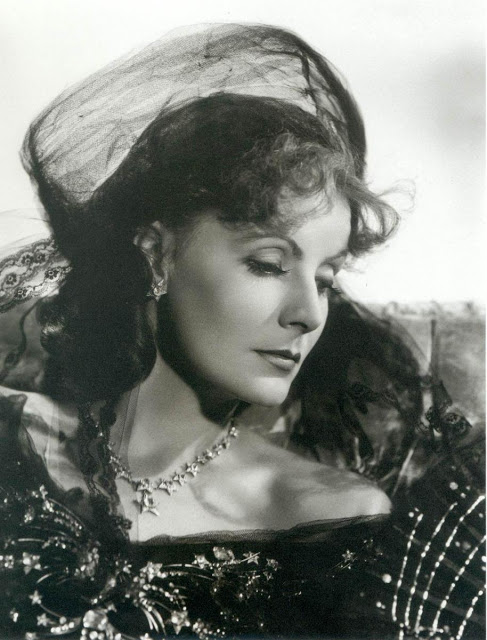
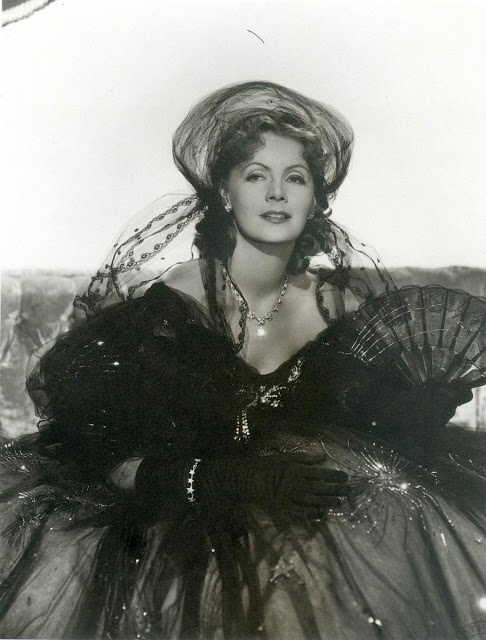
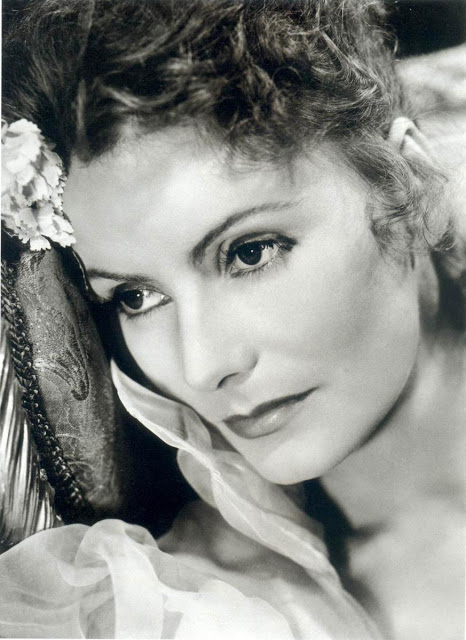
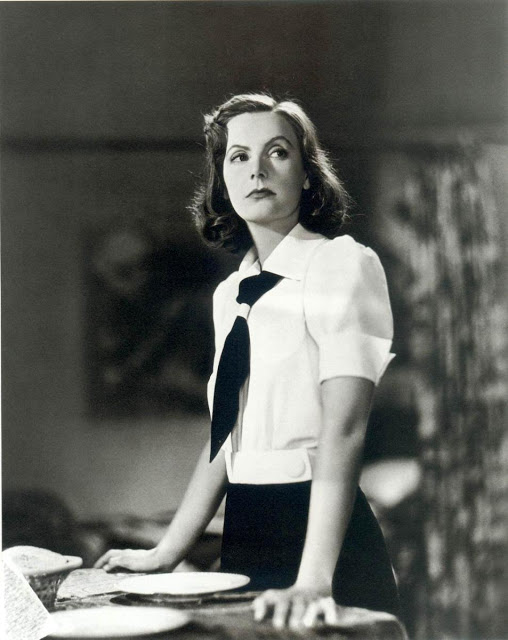
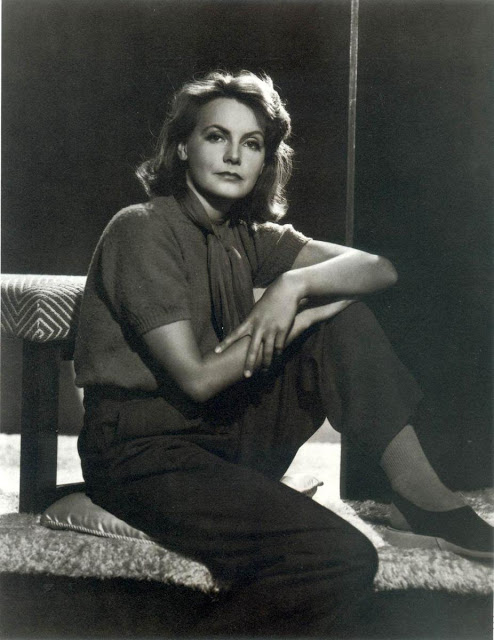
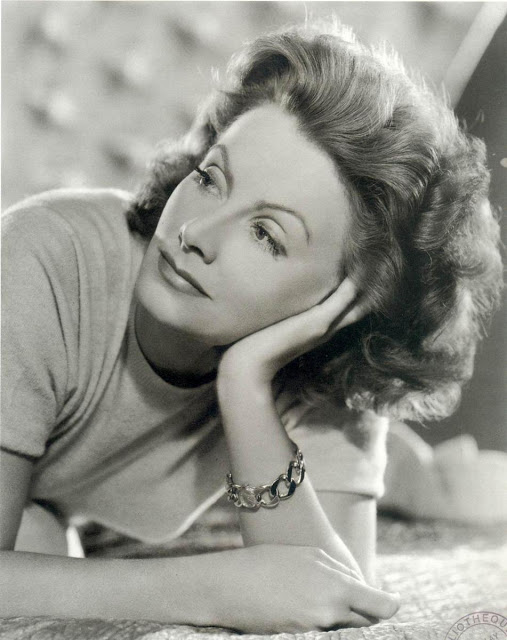
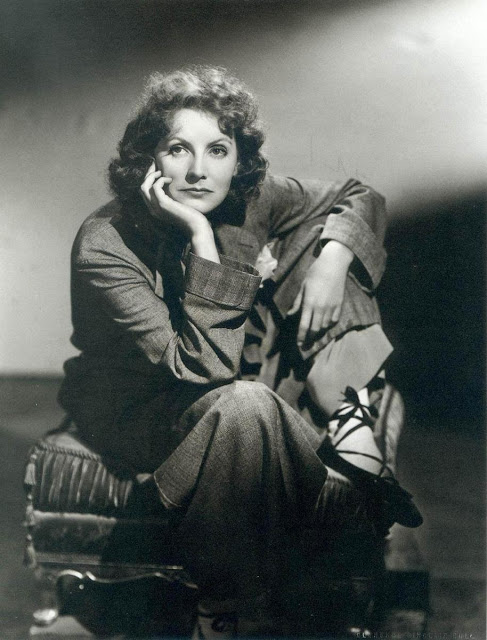
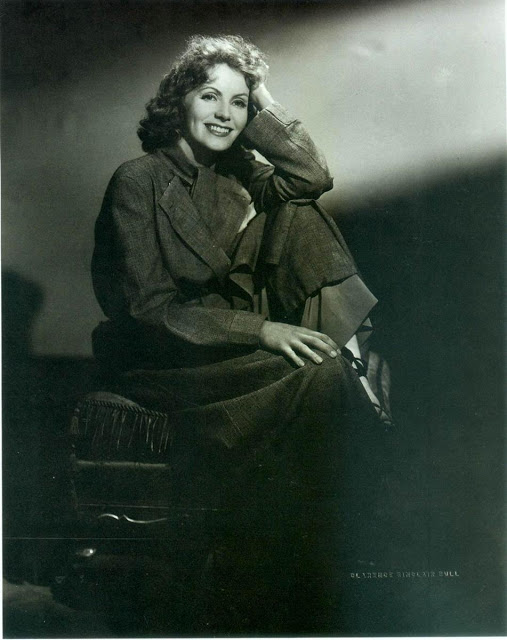
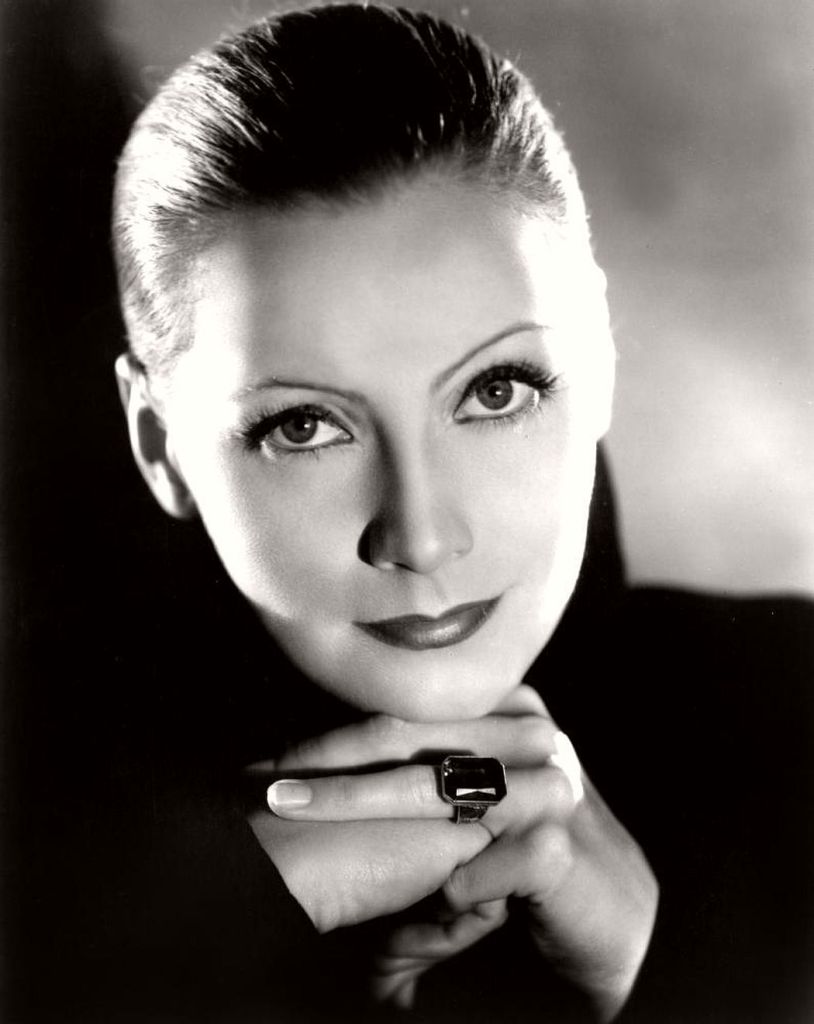
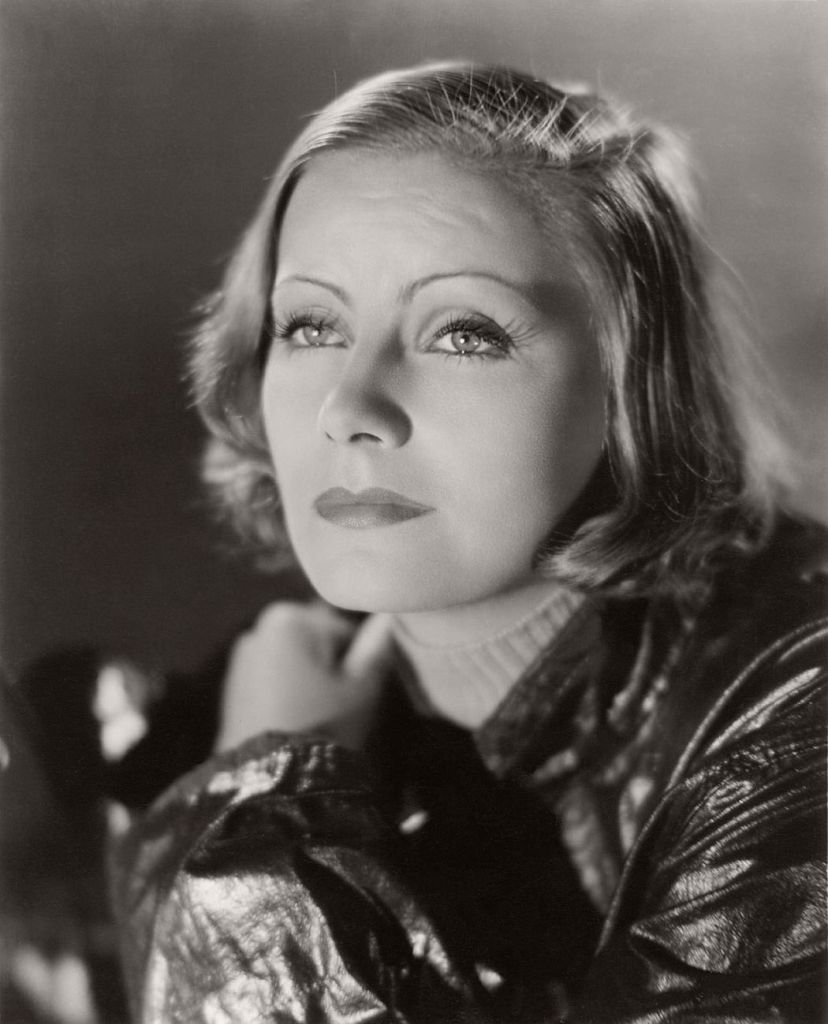
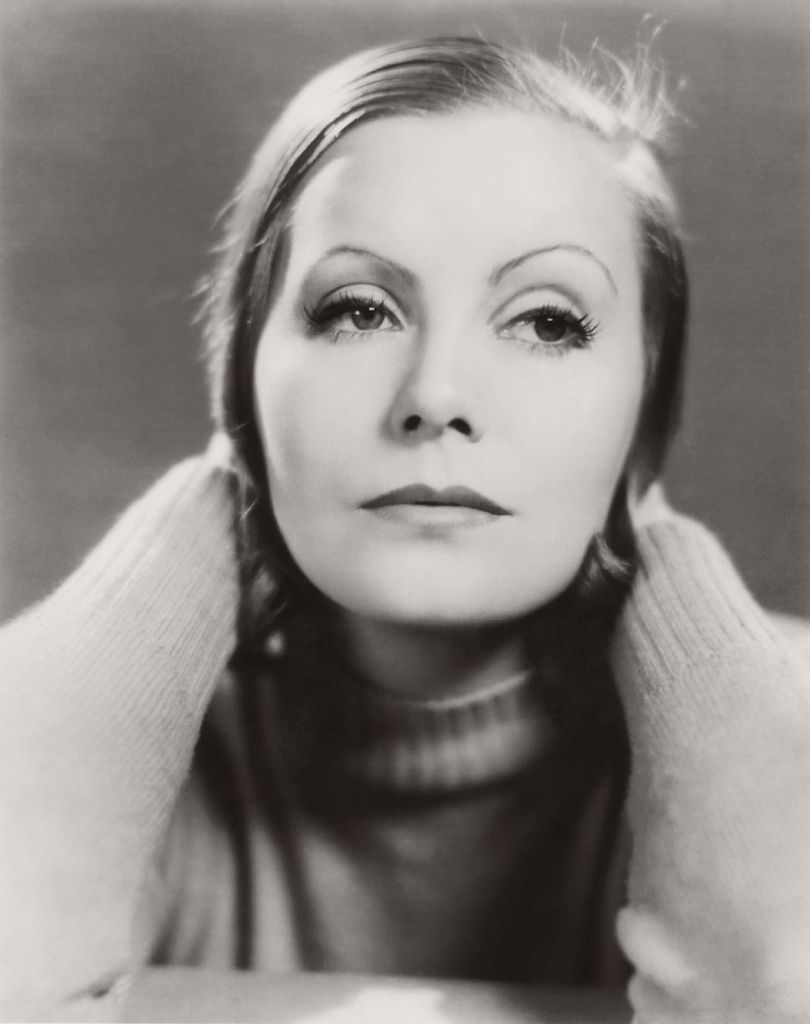
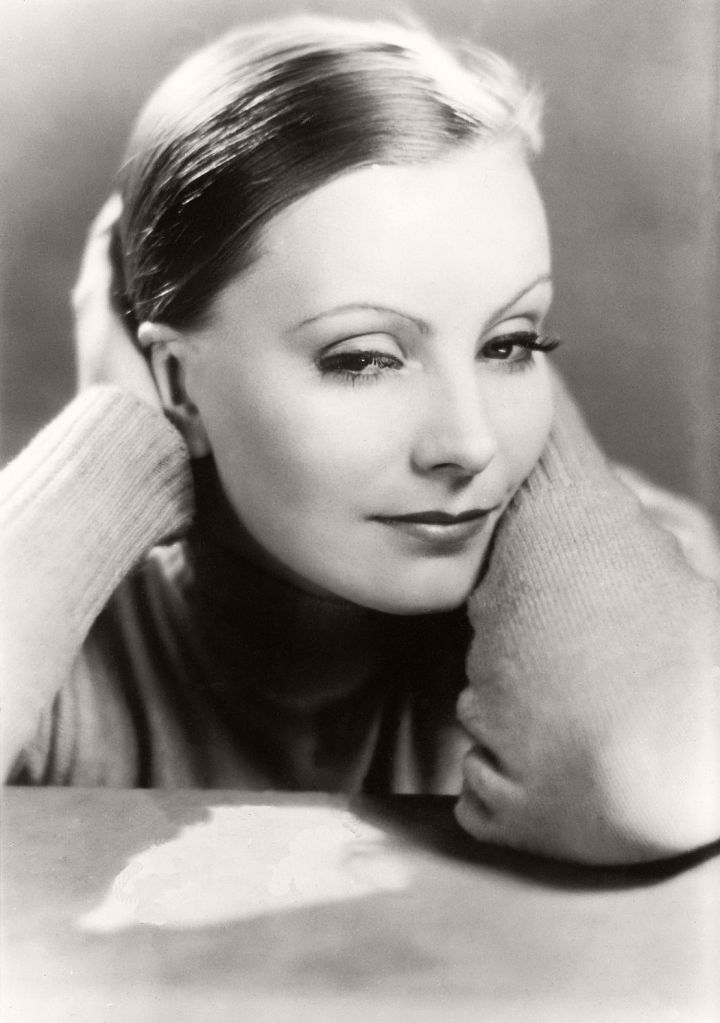
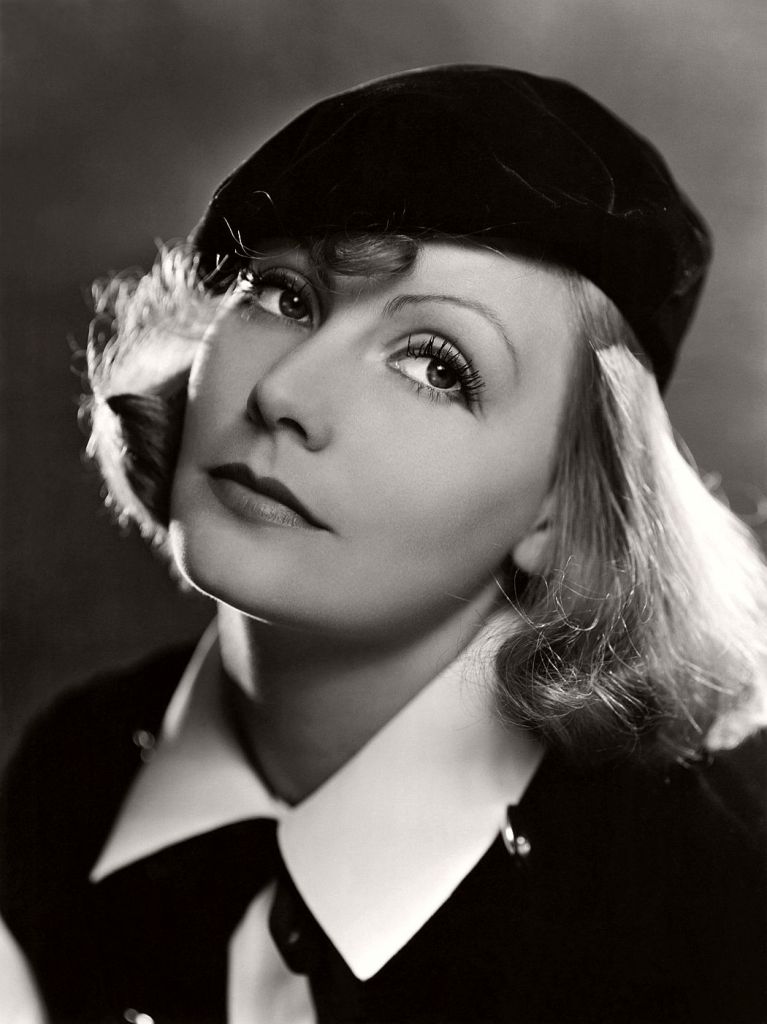
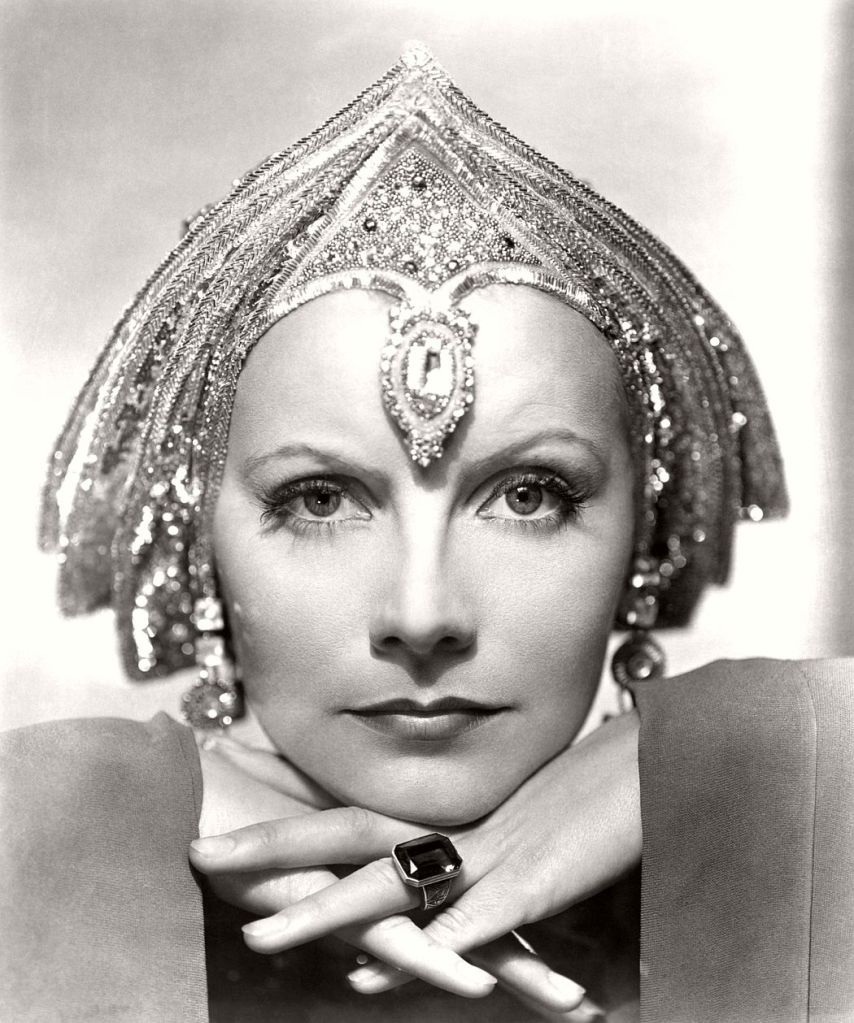
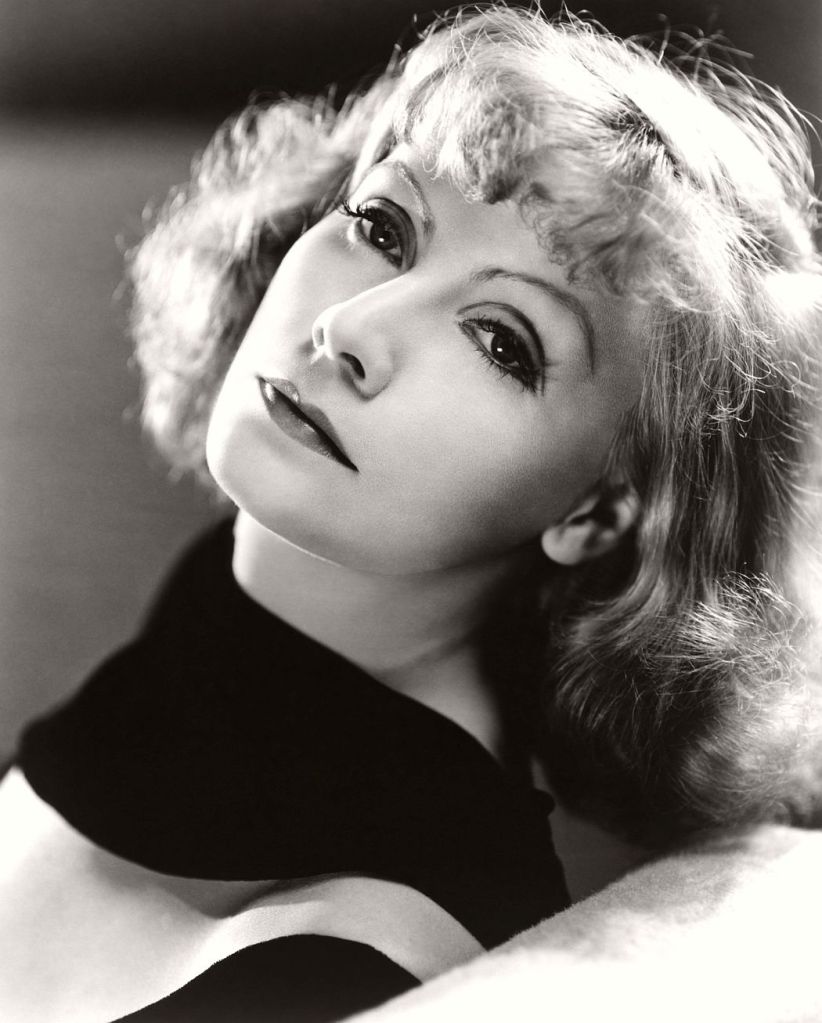
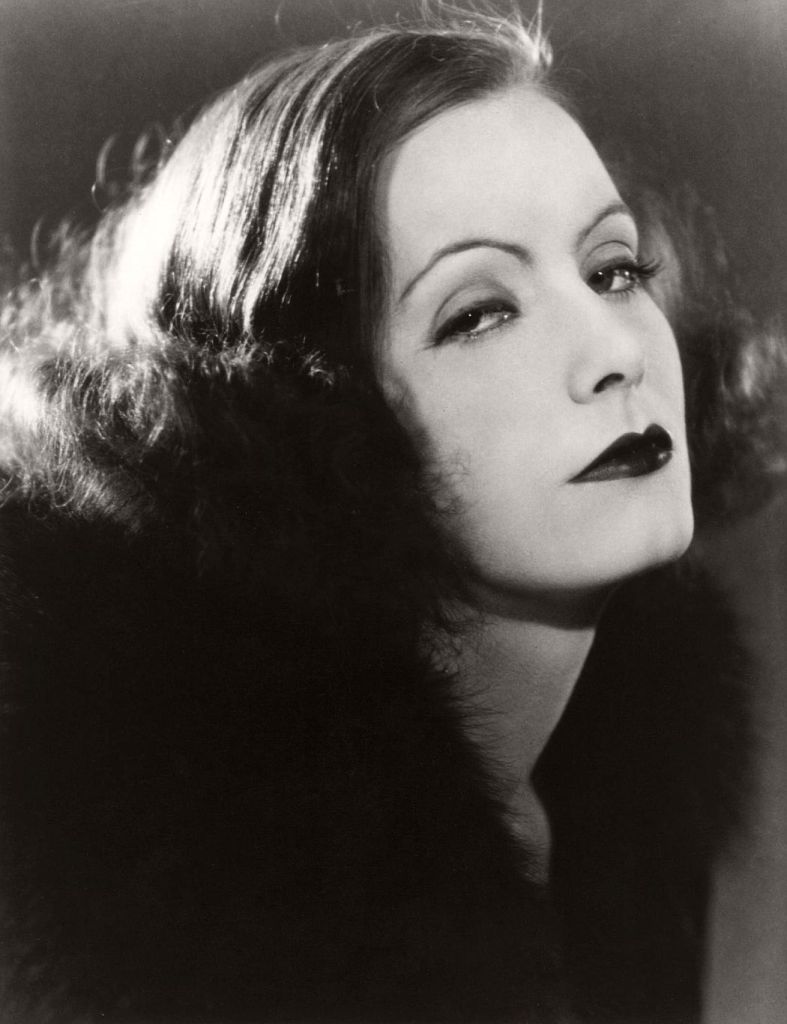
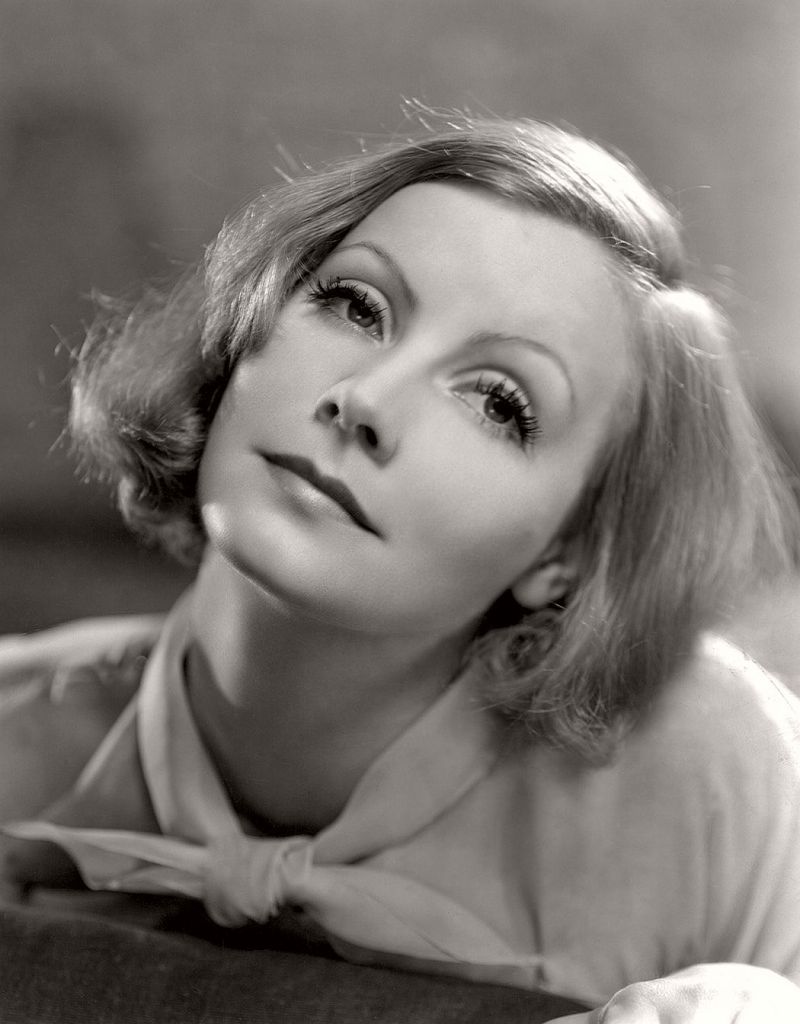
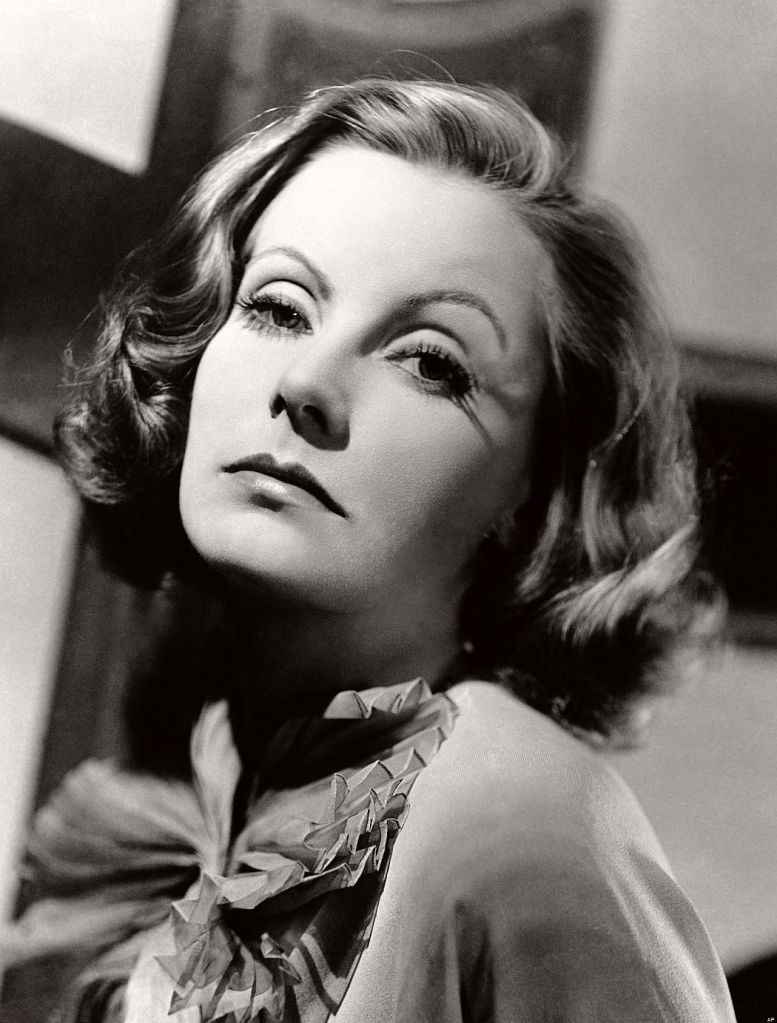
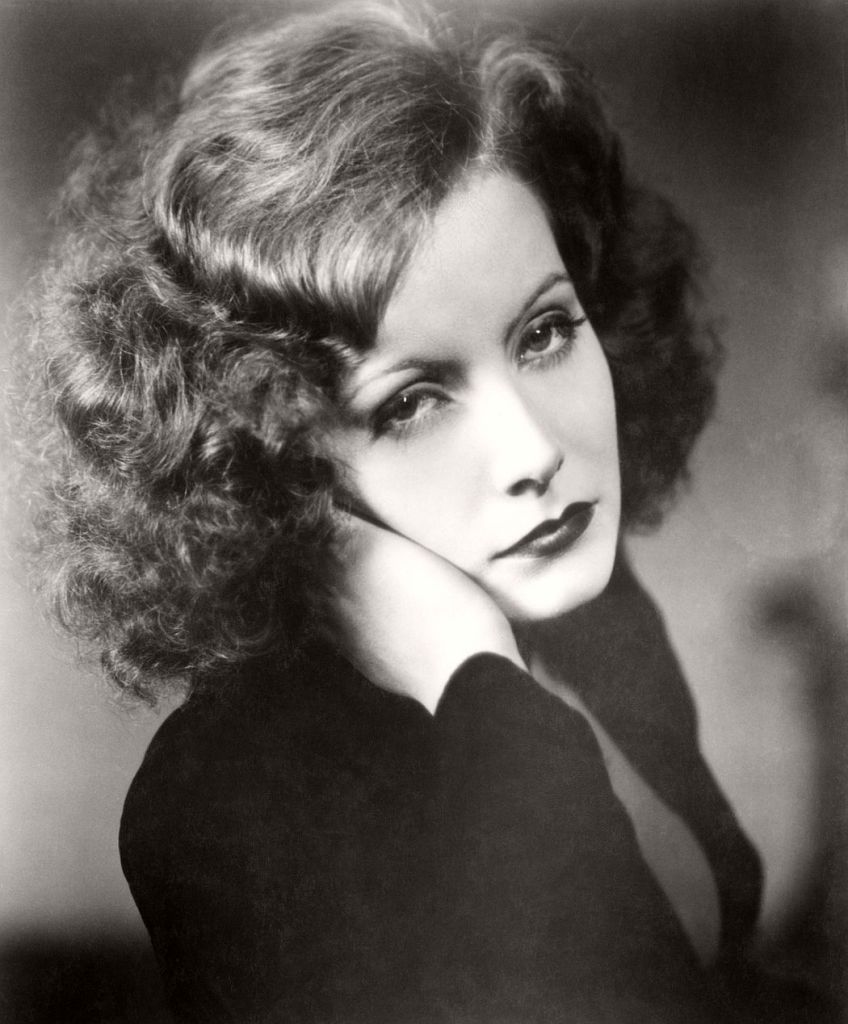
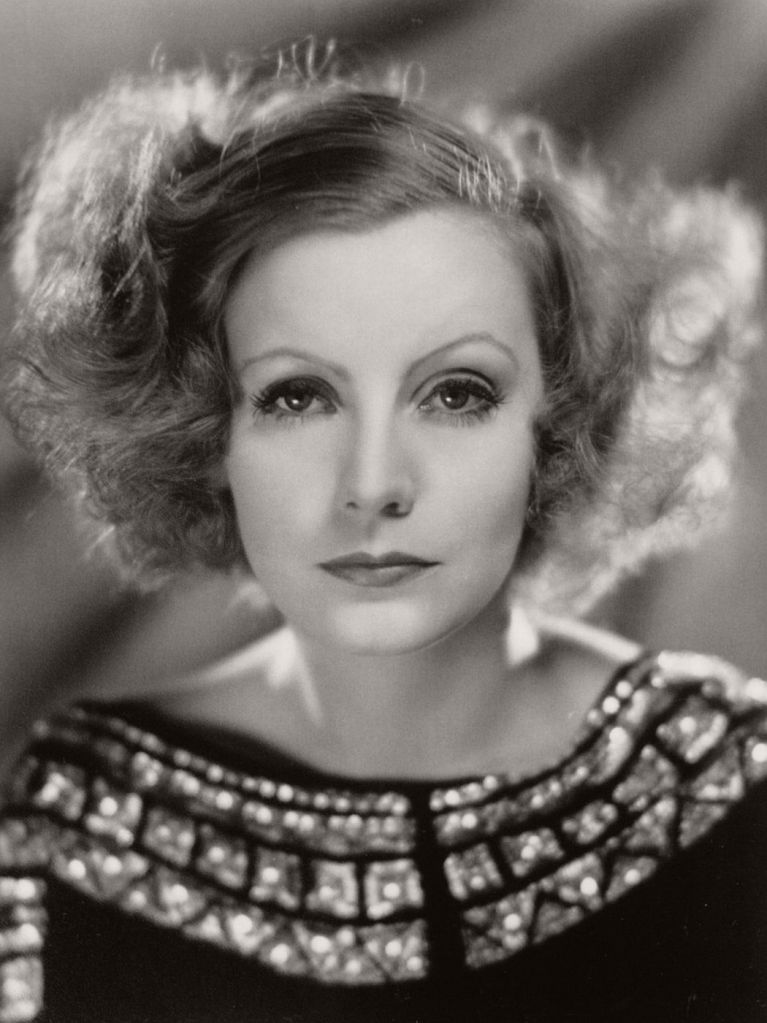
(Photos by Clarence Bull)
