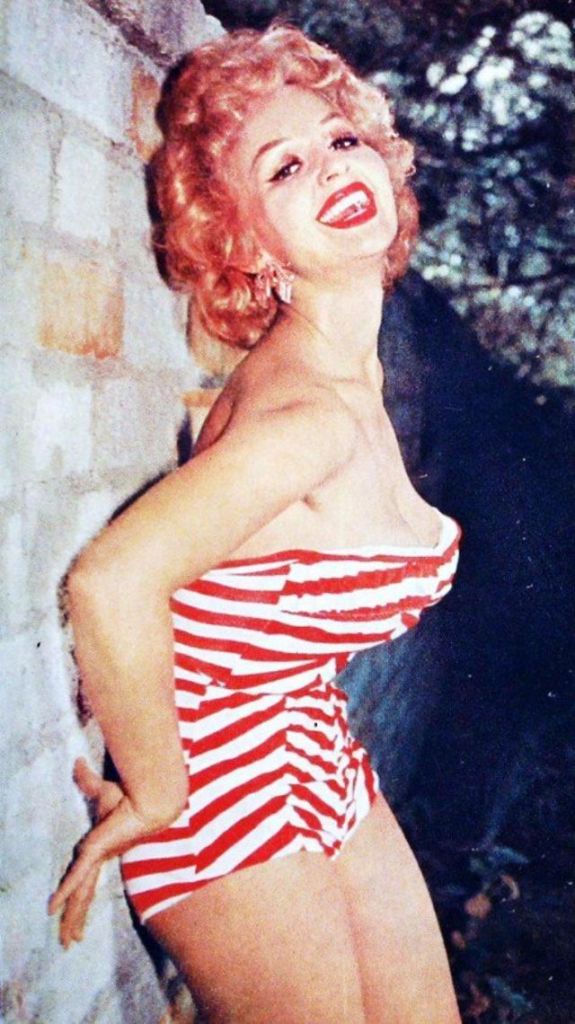
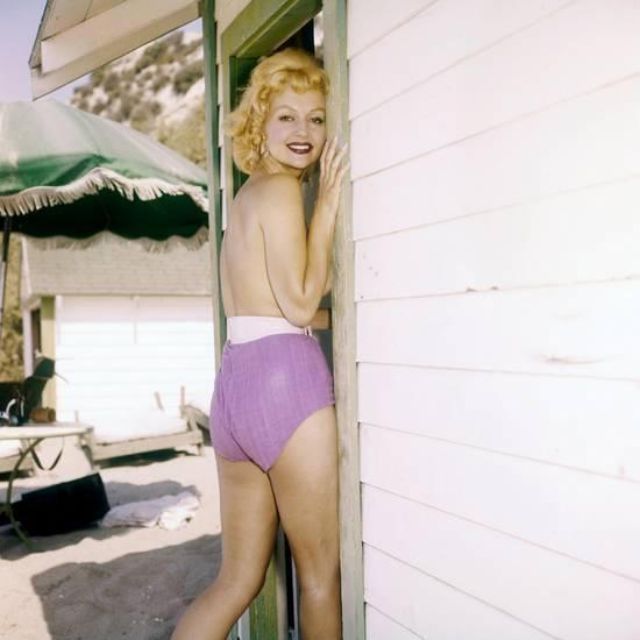
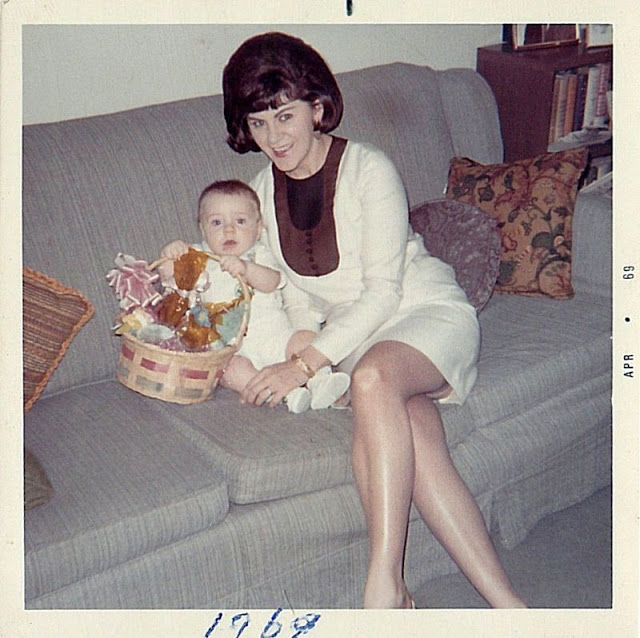
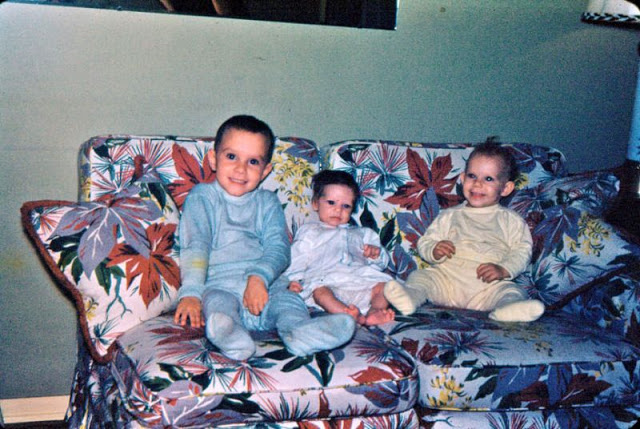
Beauty contests were a way for people, places and businesses to celebrate events, highlight pop culture and promote various products or ideas.
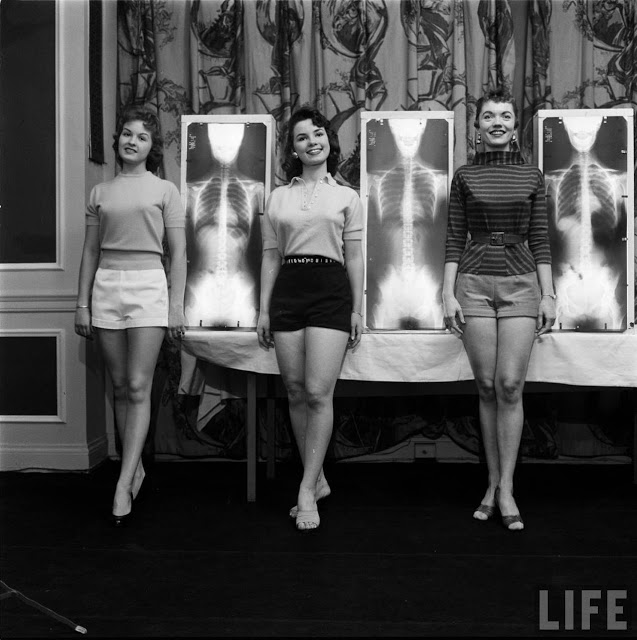
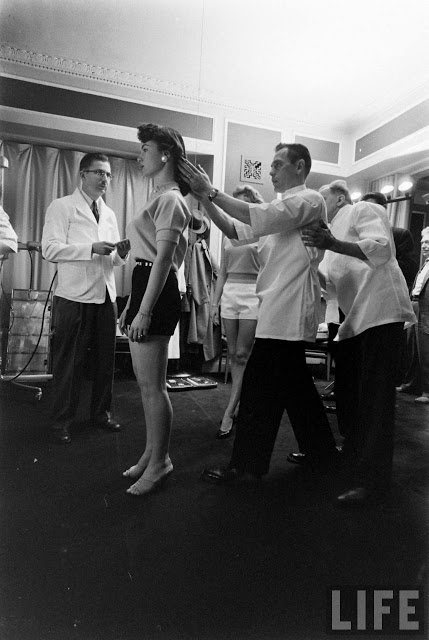
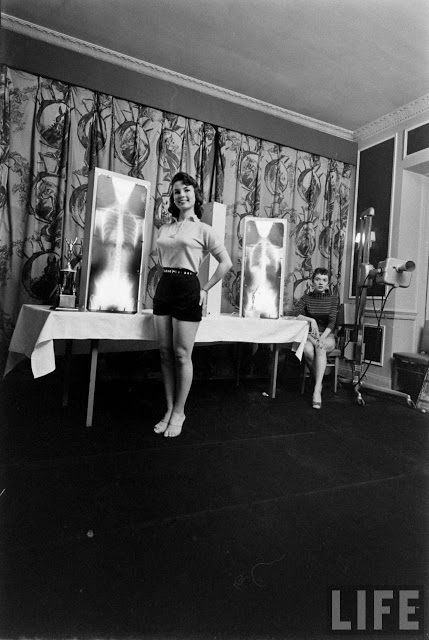
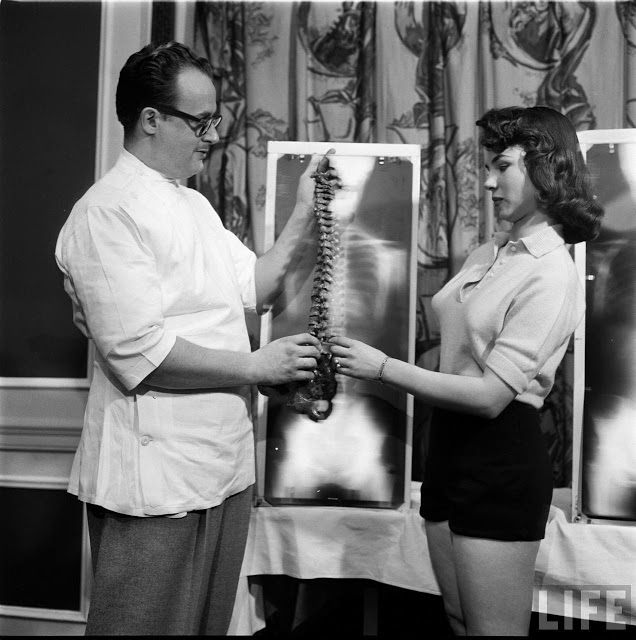
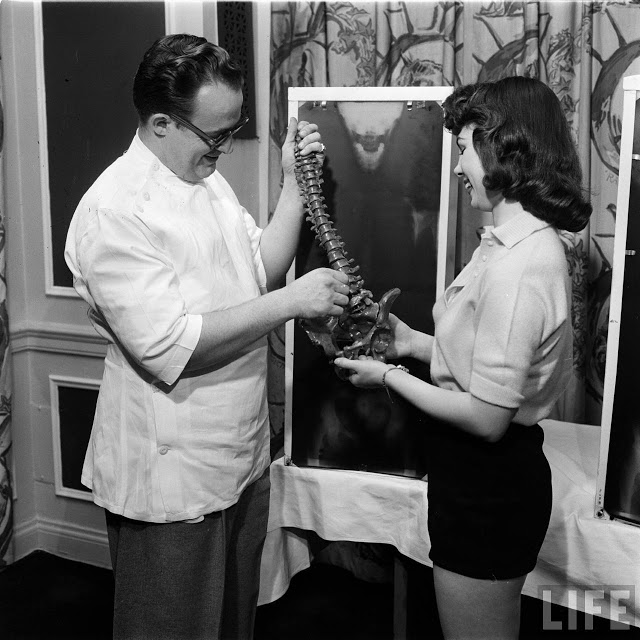
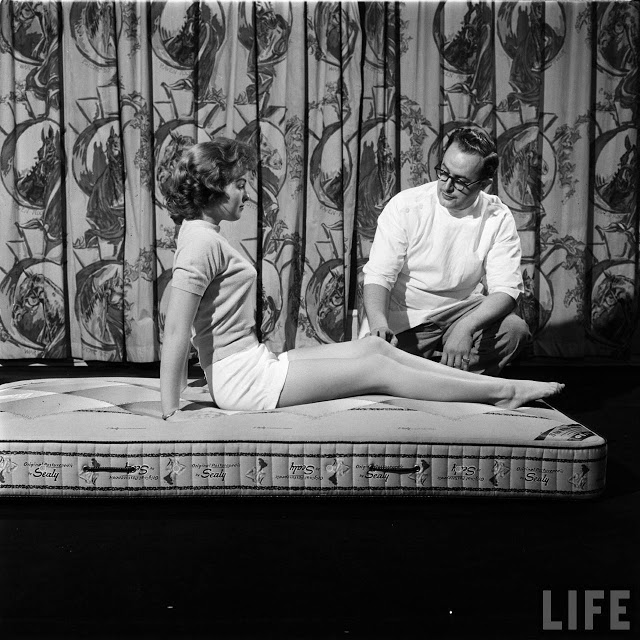
In the 1950s and 1960s, chiropractors around the United States found themselves with a PR problem. So they decided to utilize beauty contests as a way to legitimize their profession. Through these pageants they hoped to gain credibility with traditional doctors. Additionally, the contest winners would win money or scholarships thus increasing the profession’s popularity with the general public. “Miss Correct Posture” was one of the few titles used in these chiropractic pageants.
When the nation’s chiropractors descended on Chicago for a weeklong convention in May 1956, they threw a beauty contest. The judges crowned Lois Conway, 18, Miss Correct Posture. Second place went to Marianne Caba, 16, according to an account in the Chicago Tribune. Ruth Swenson, 26, came in third.
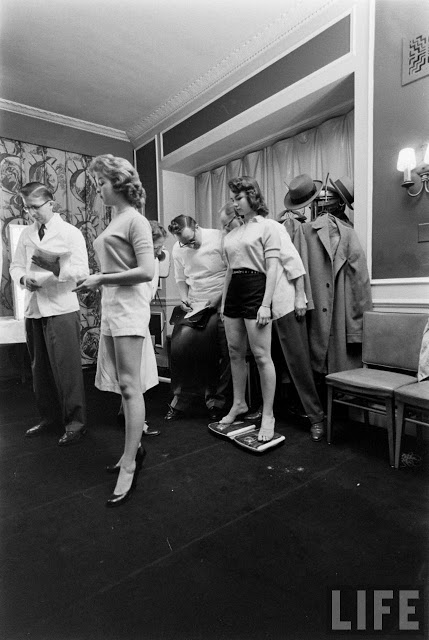
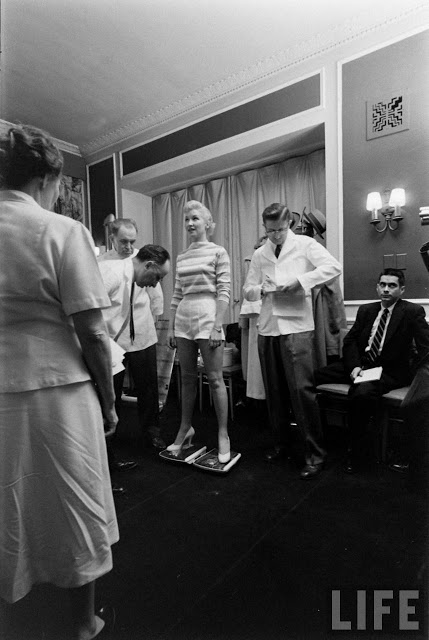
“All three were picked not only by their apparent beauty, and their X-rays, but also by their standing posture,” the Tribune reported. “Each girl stood on a pair of scales — one foot to each — and the winning trio each registered exactly half her weight on each scale, confirming the correct standing posture.”
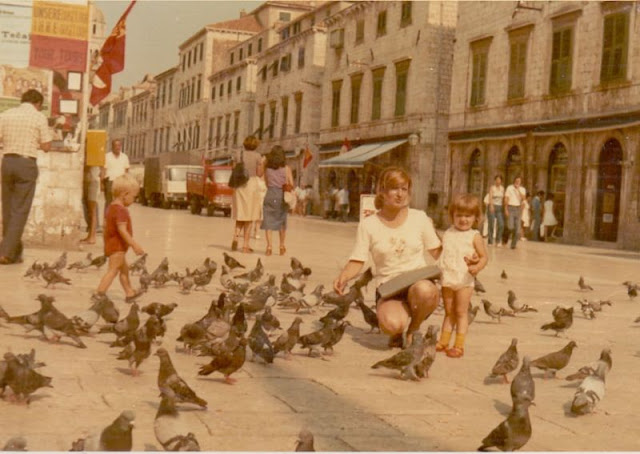
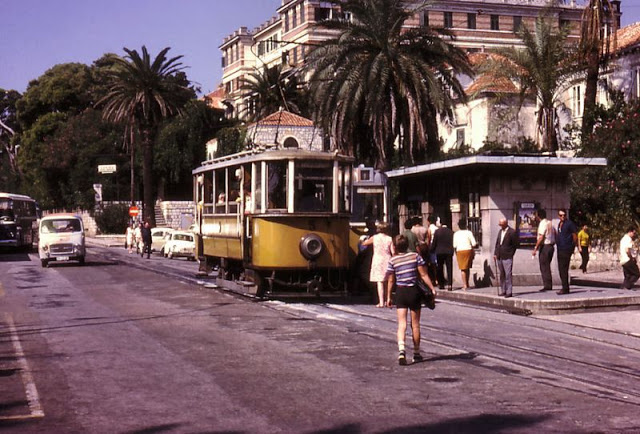
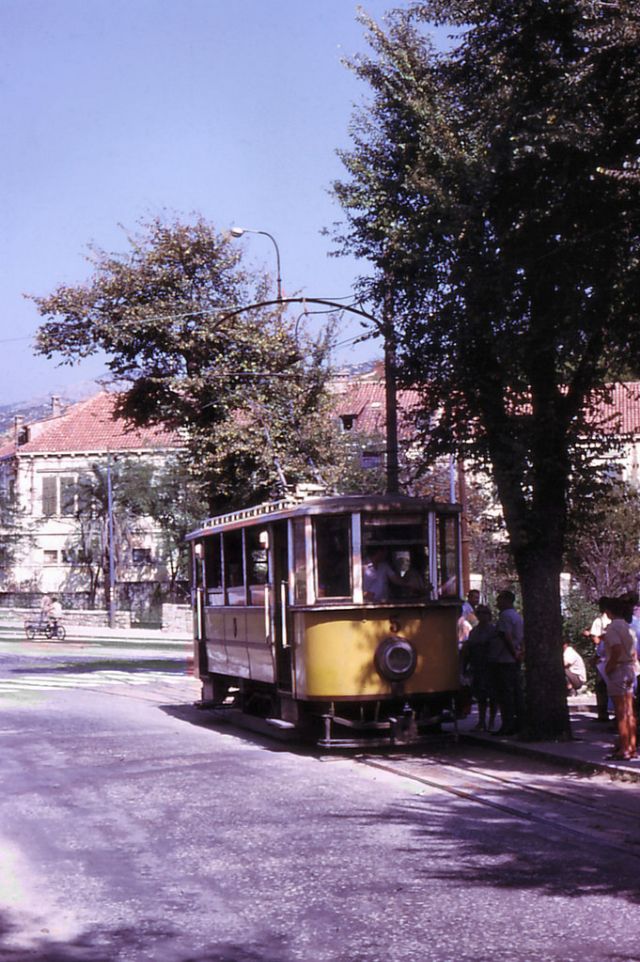
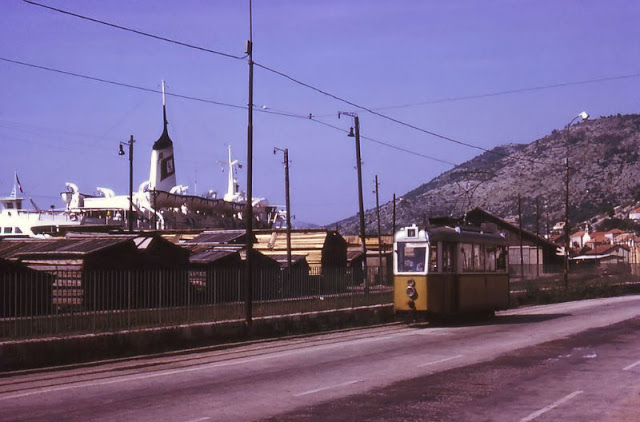
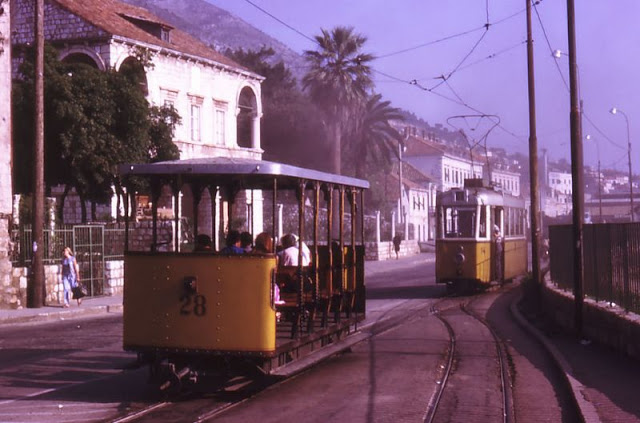
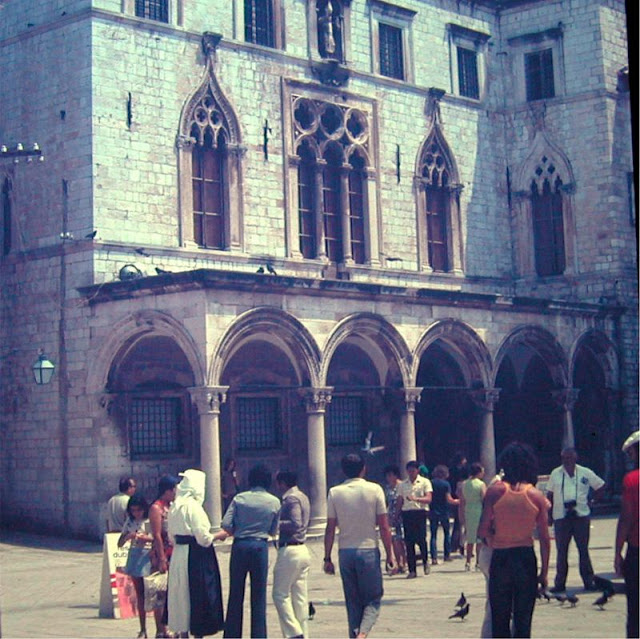
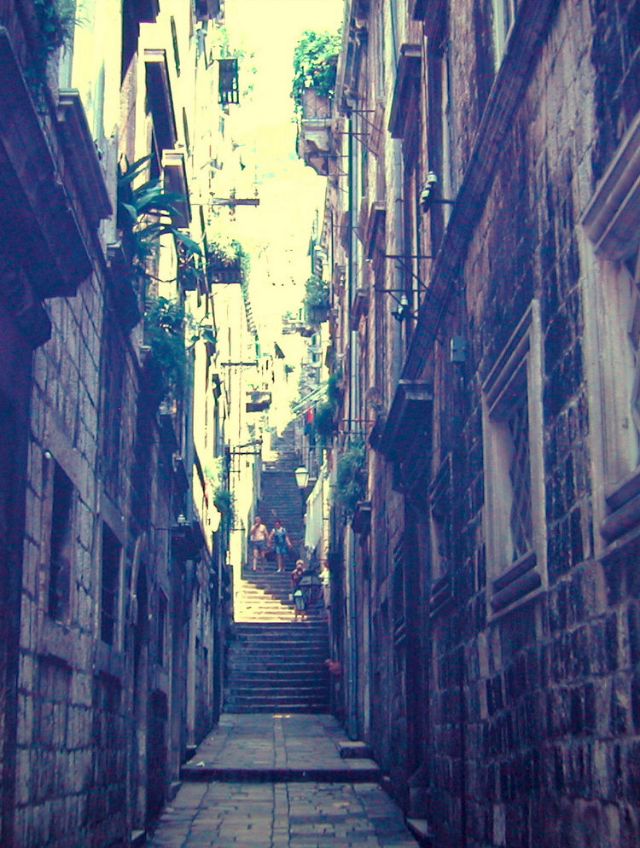
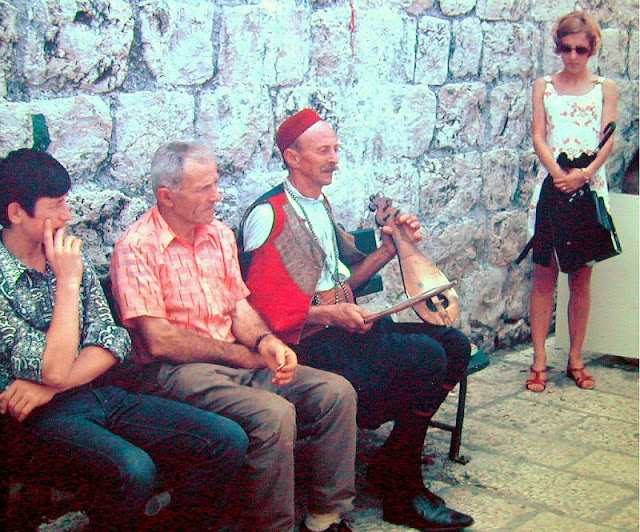
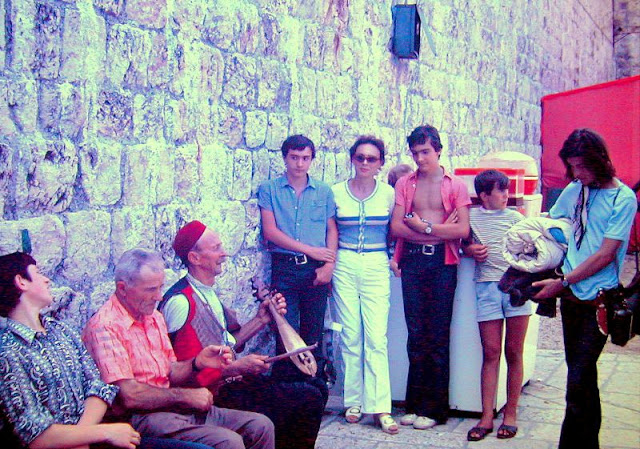
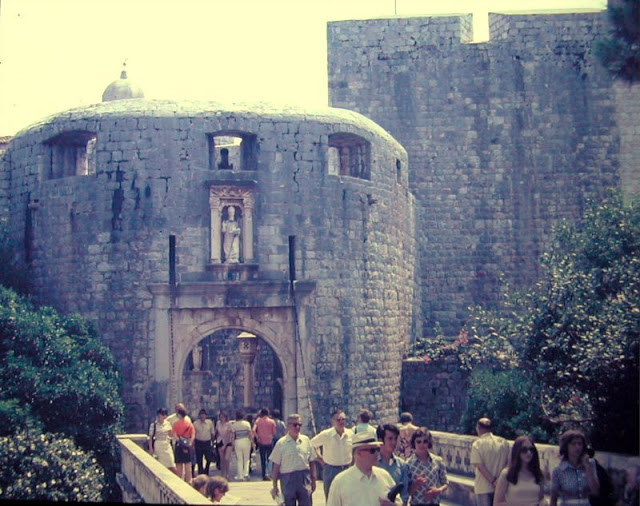
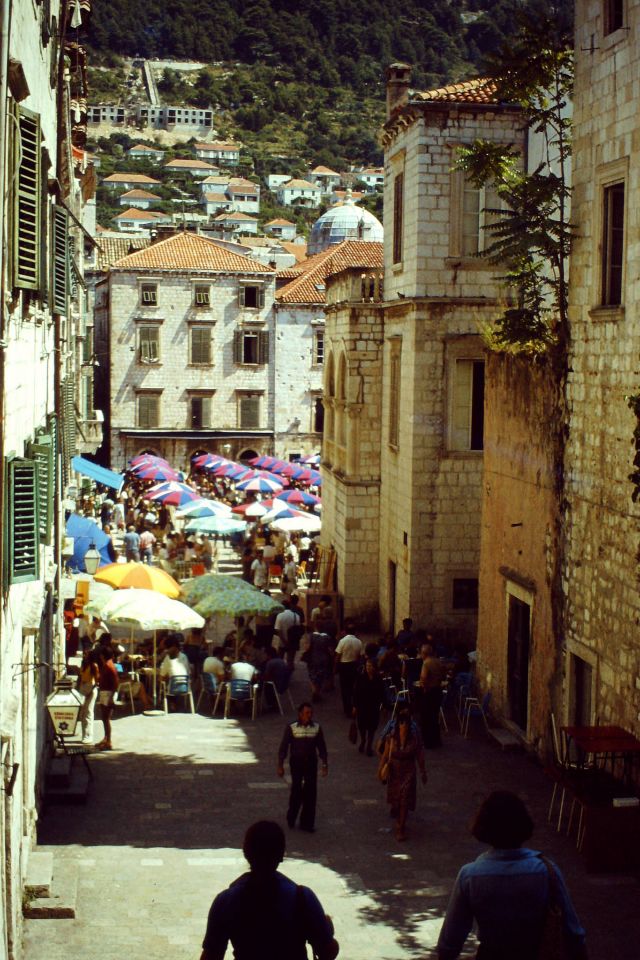
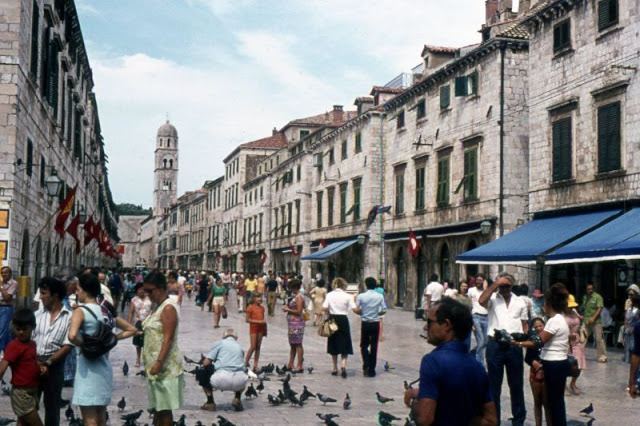
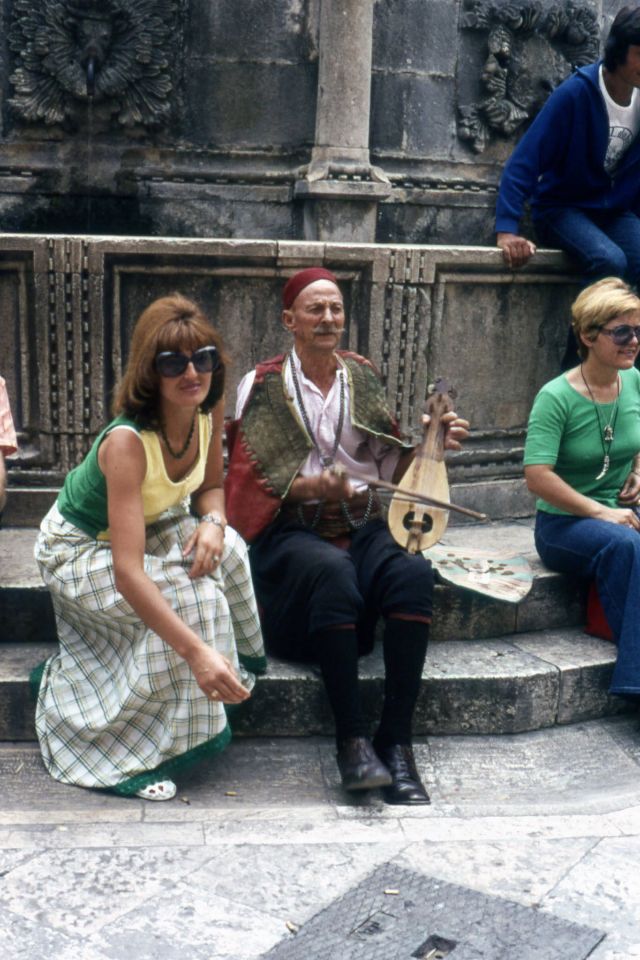
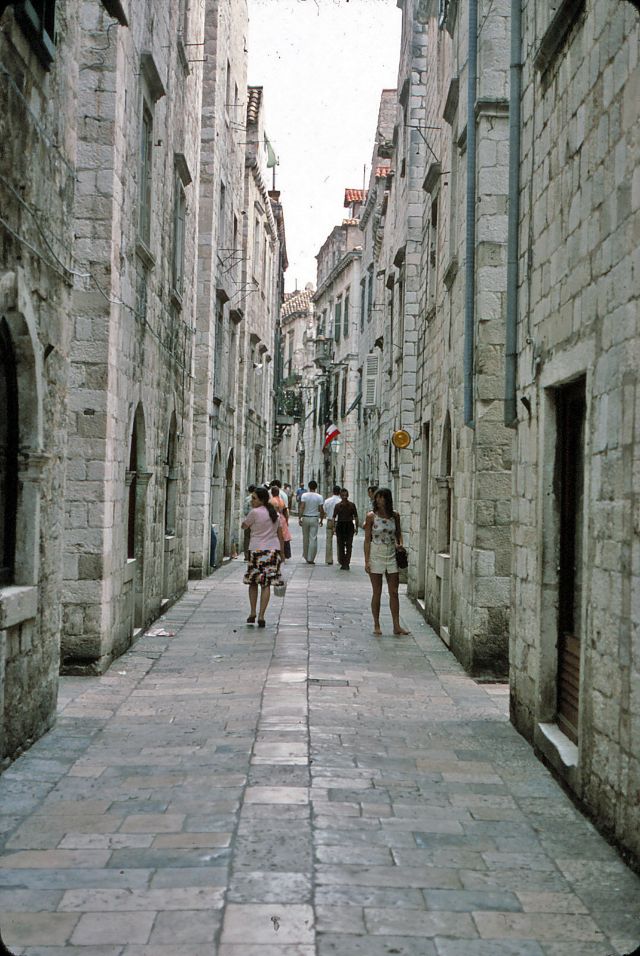
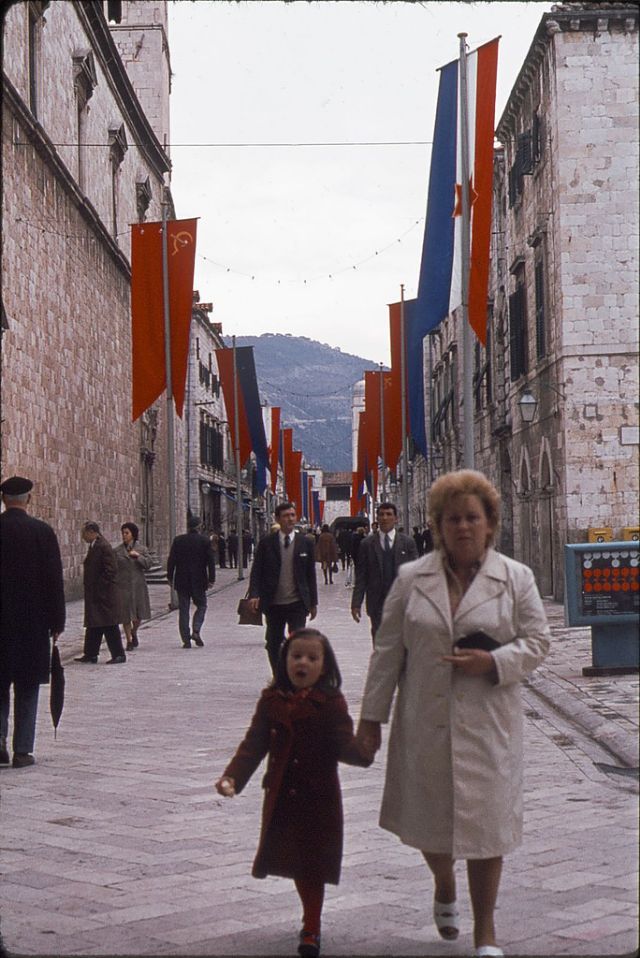
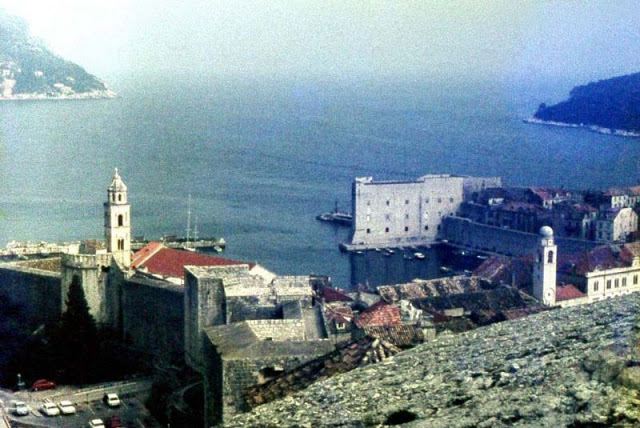
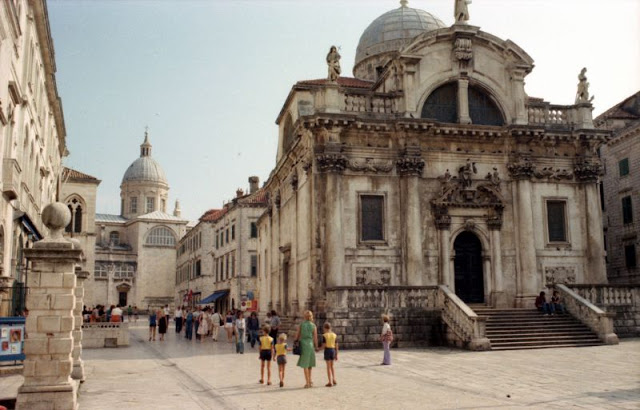
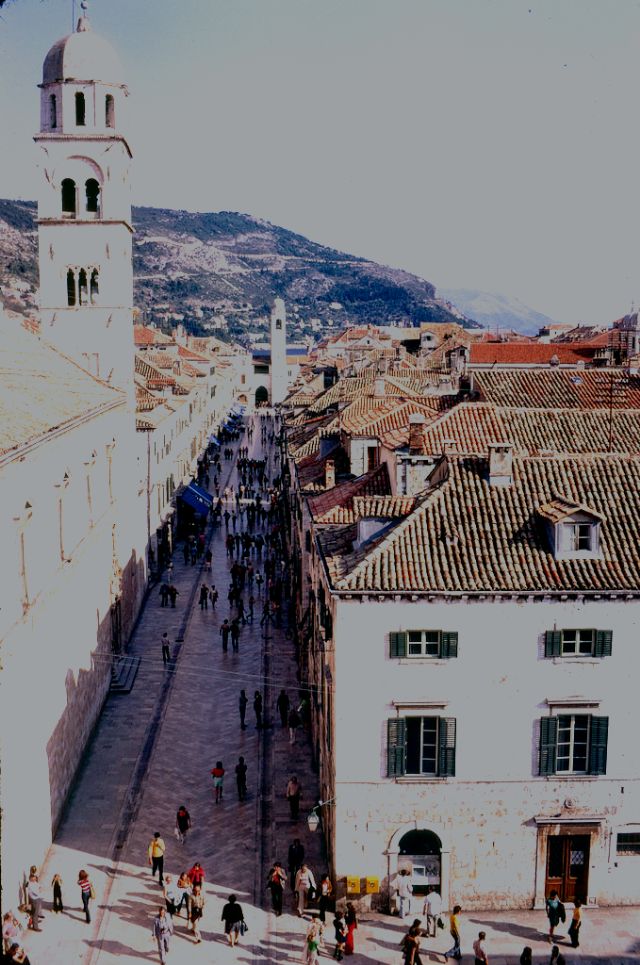
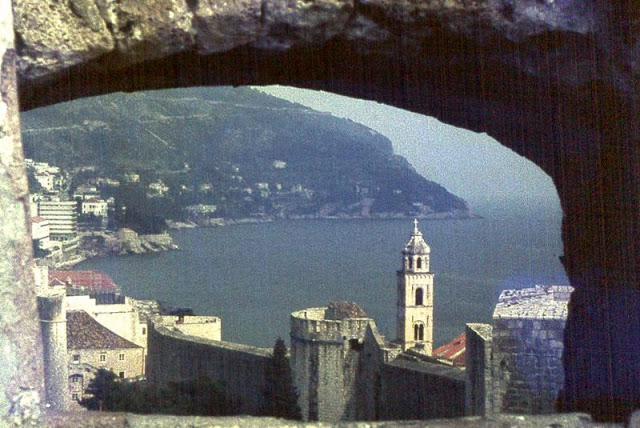
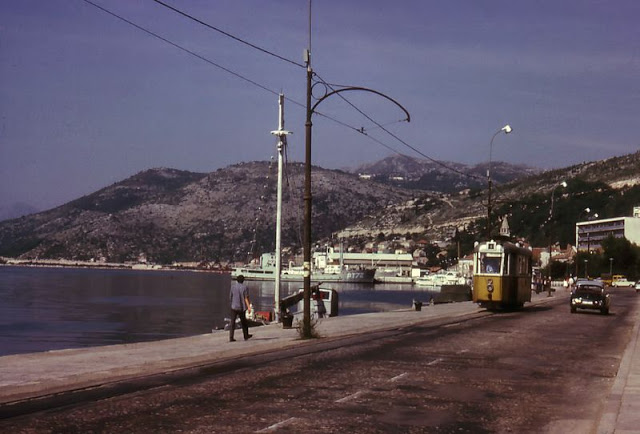
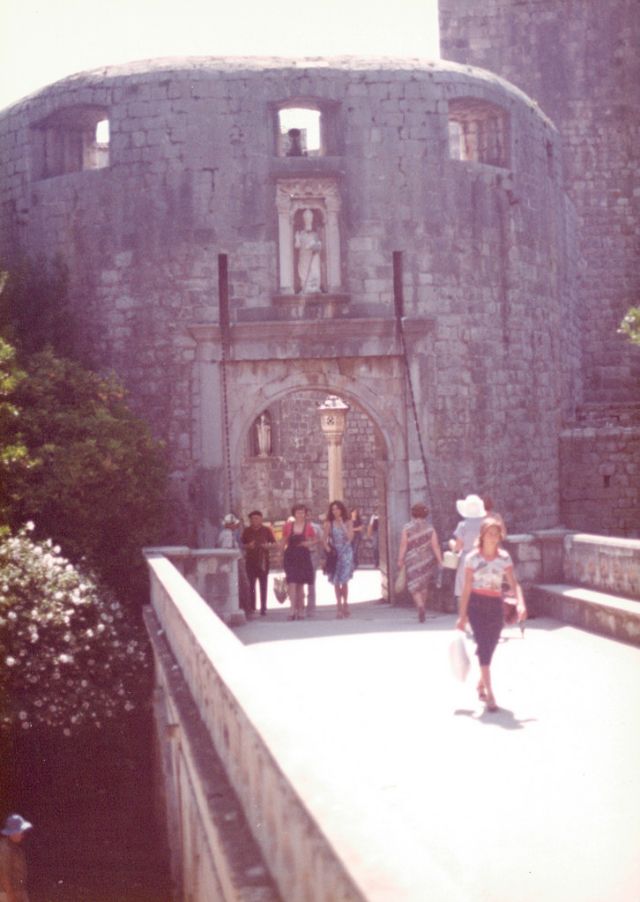
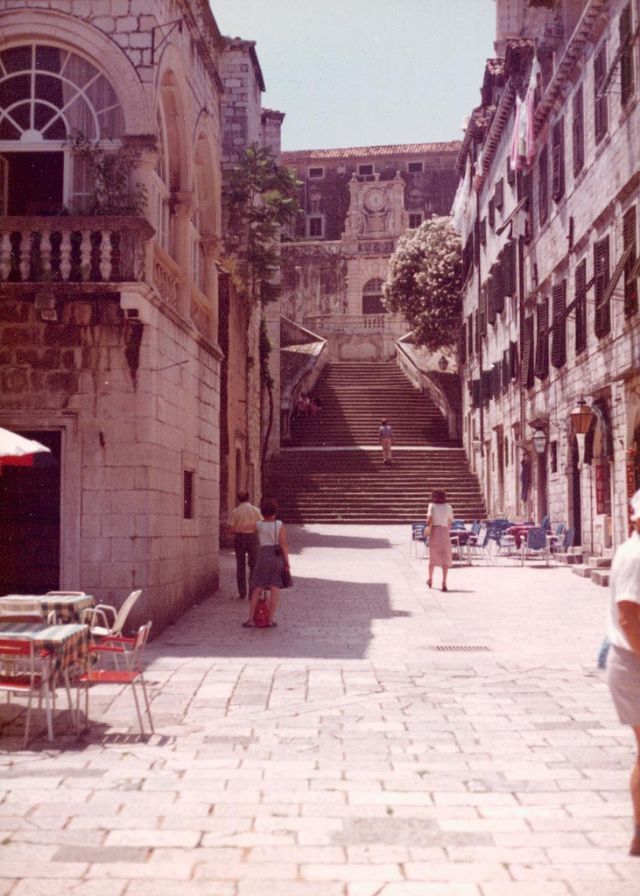
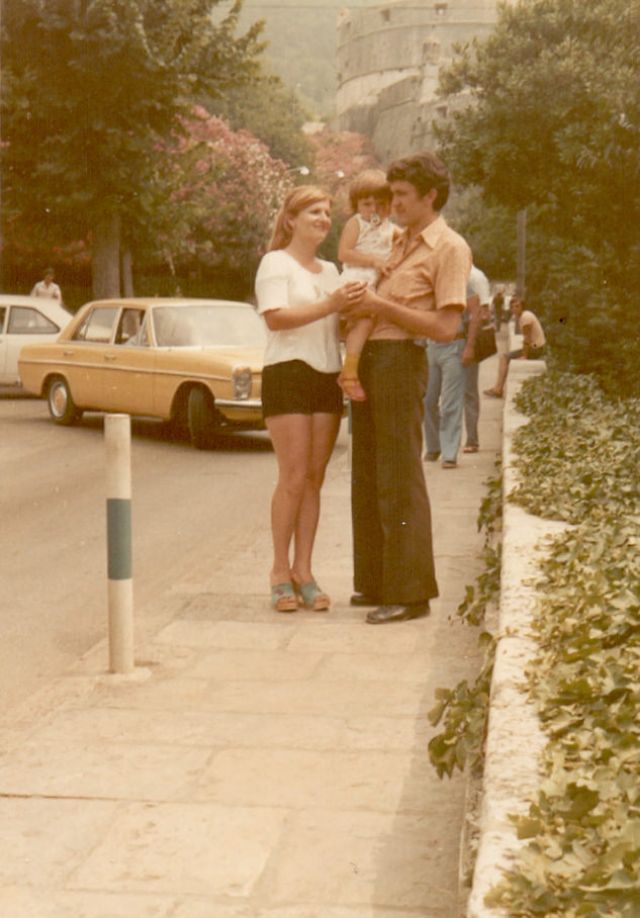
Dubrovnik, historically known as Ragusa, is a city on the Adriatic Sea in southern Croatia. It is one of the most prominent tourist destinations in the Mediterranean Sea, a seaport and the centre of Dubrovnik-Neretva County. Situated in an exclave, it is connected to the rest of the country by the Pelješac Bridge. Its total population is 42,615 (2011 census). In 1979, the city of Dubrovnik was added to the UNESCO list of World Heritage Sites in recognition of its outstanding medieval architecture and fortified old town.
The history of the city probably dates back to the 7th century, when the town known as Ragusa was founded by refugees from Epidaurum (Ragusa Vecchia). It was under the protection of the Byzantine Empire and later under the sovereignty of the Republic of Venice. Between the 14th and 19th centuries, Dubrovnik ruled itself as a free state. The prosperity of the city was historically based on maritime trade; as the capital of the maritime Republic of Ragusa, it achieved a high level of development, particularly during the 15th and 16th centuries, as it became notable for its wealth and skilled diplomacy. At the same time, Dubrovnik became a cradle of Croatian literature.
The entire city was almost destroyed when a devastating earthquake hit in 1667. During the Napoleonic Wars, Dubrovnik was occupied by the French Empire forces, and then the Republic of Ragusa was abolished and incorporated into the Napoleonic Kingdom of Italy and later into the Illyrian Provinces. Later on, in the early 19th to early 20th century, Dubrovnik was part of the Kingdom of Dalmatia within the Austrian Empire. Dubrovnik became part of the Kingdom of Yugoslavia immediately upon its creation, and it was incorporated into its Zeta Banovina in 1929, before becoming part of the Banovina of Croatia upon its creation in 1939. During World War II, it was part of the Axis puppet state Independent State of Croatia, before being reincorporated into SR Croatia in SFR Yugoslavia.
In 1991, during the Croatian War of Independence, Dubrovnik was besieged by the Yugoslav People’s Army for seven months and suffered significant damage from shelling. After undergoing repair and restoration works in the 1990s and early 2000s, it re-emerged as one of the Mediterranean’s top tourist destinations, as well as a popular filming location.
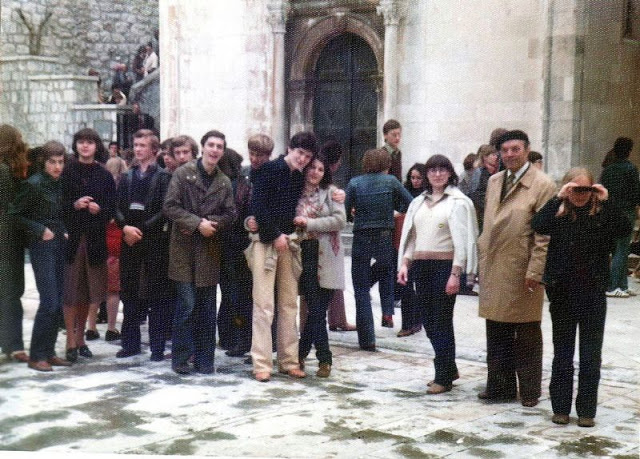
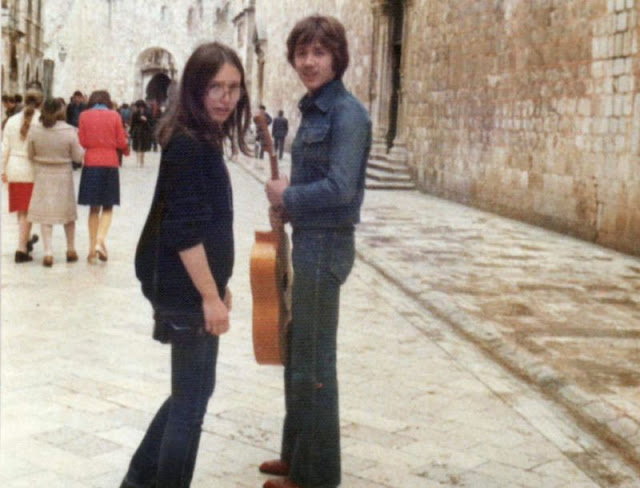
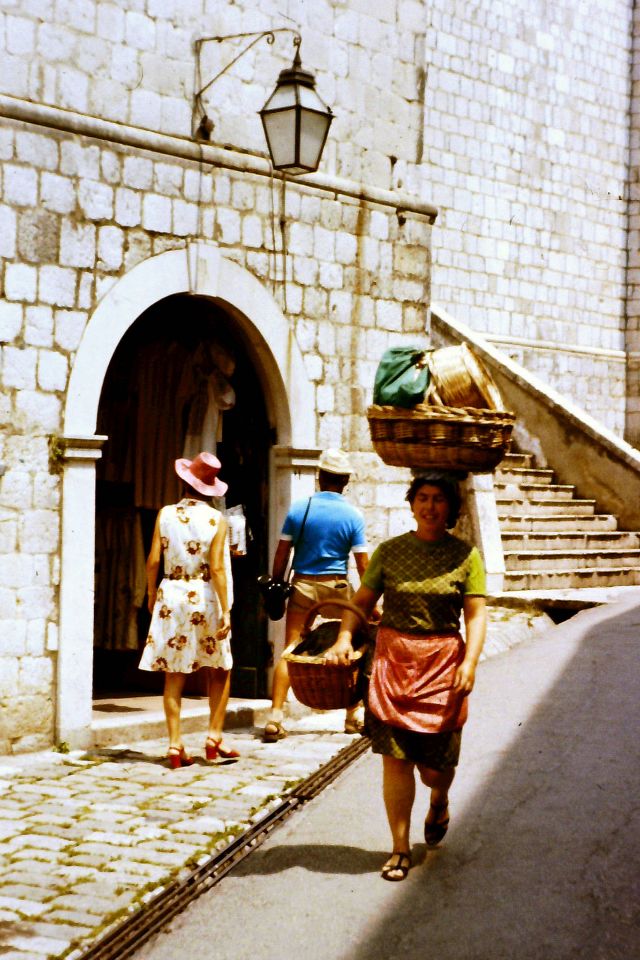
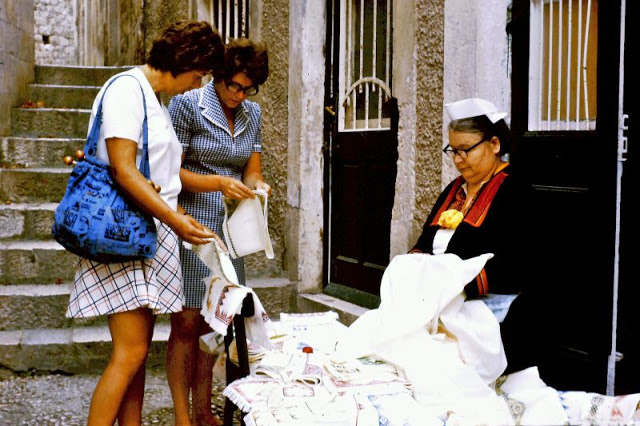
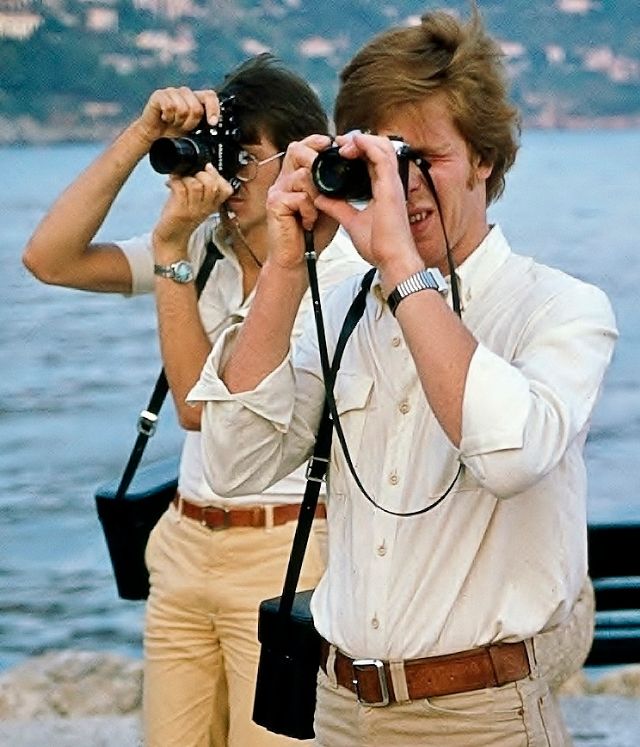
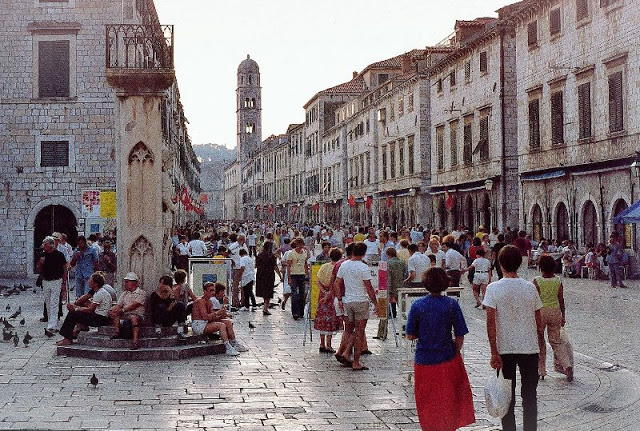
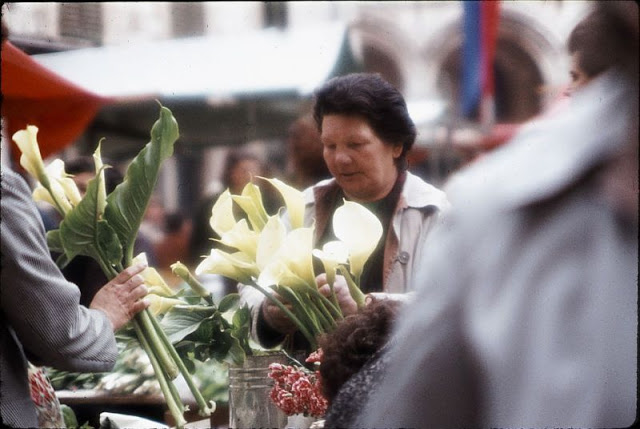
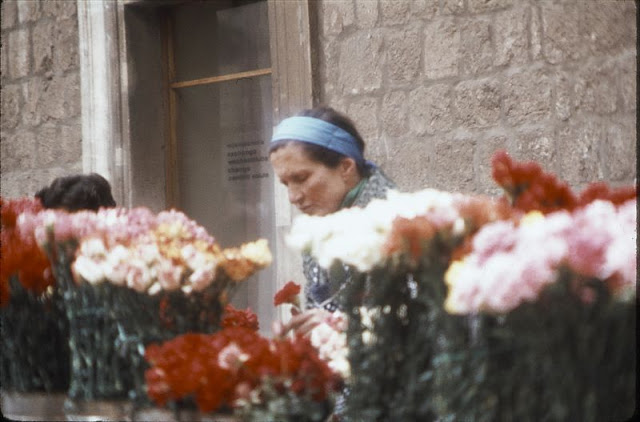
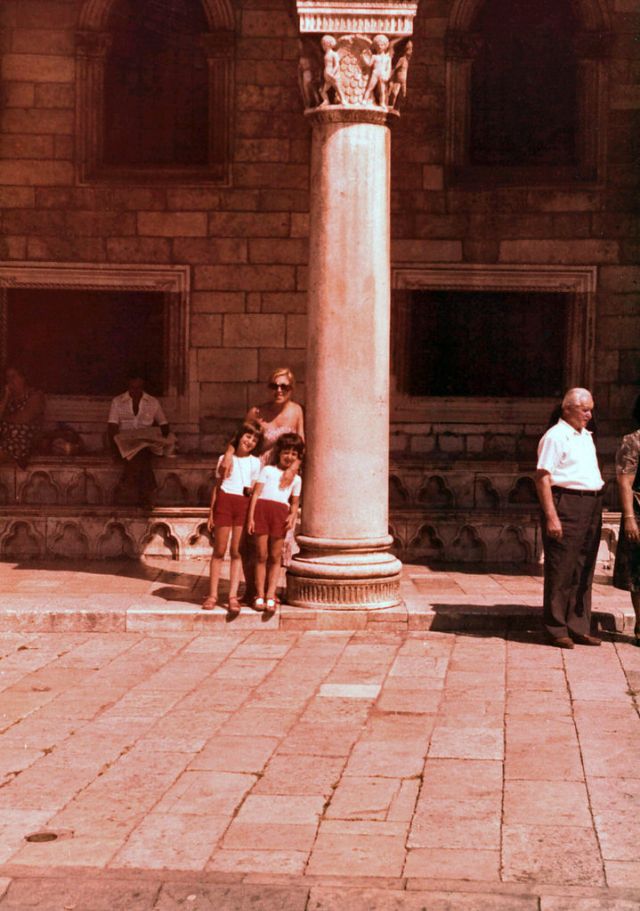
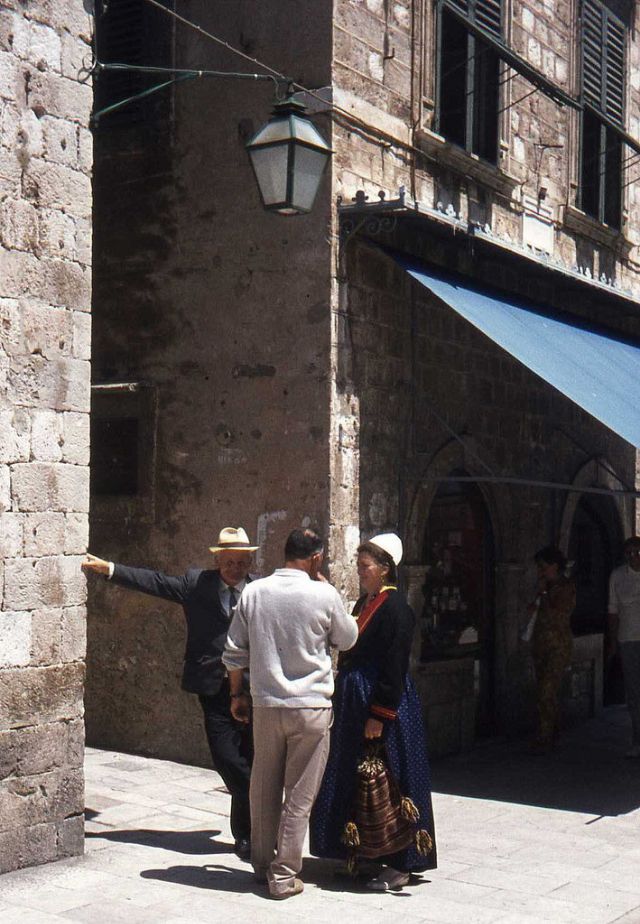
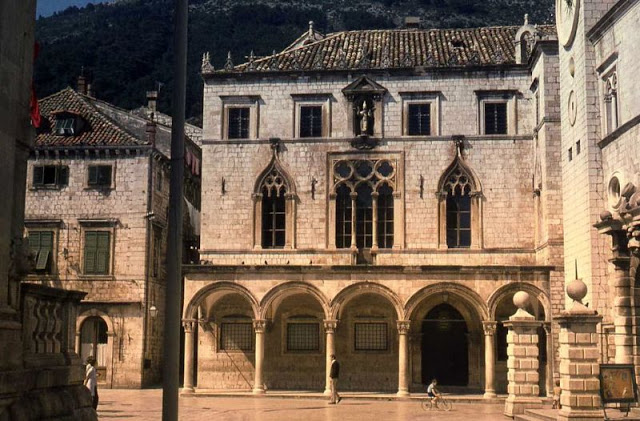
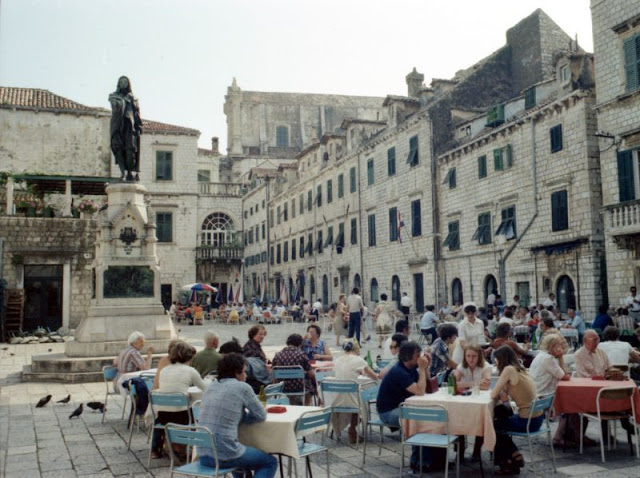
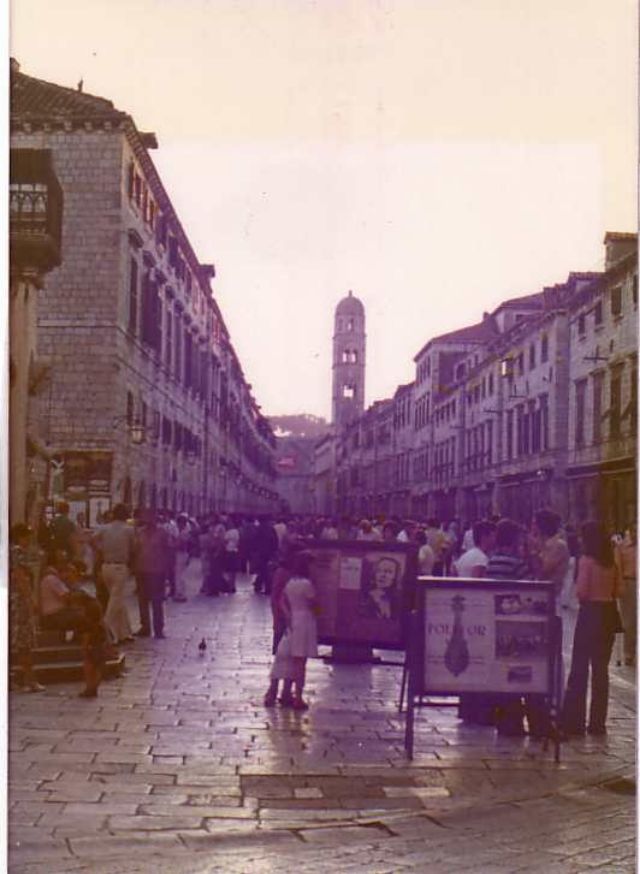
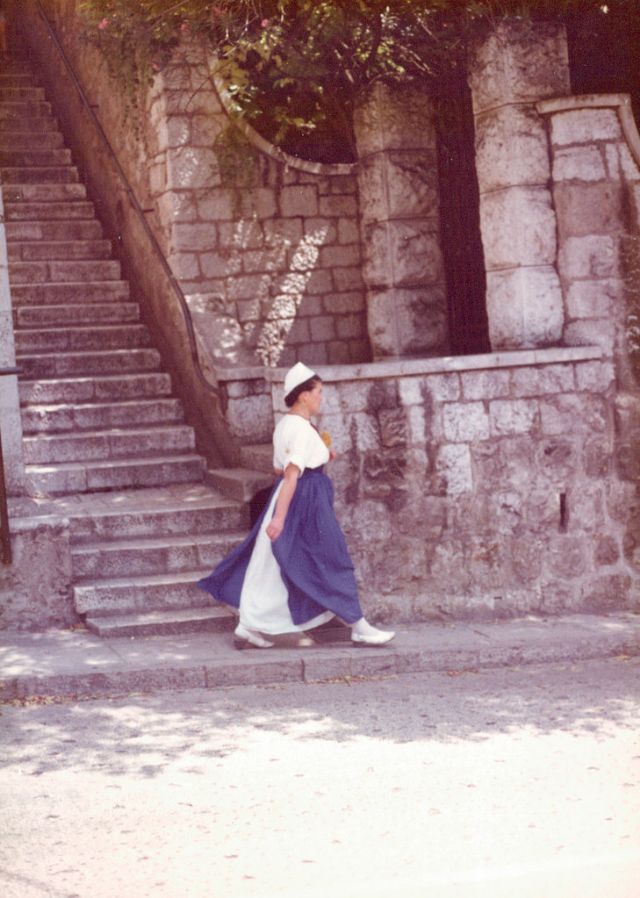
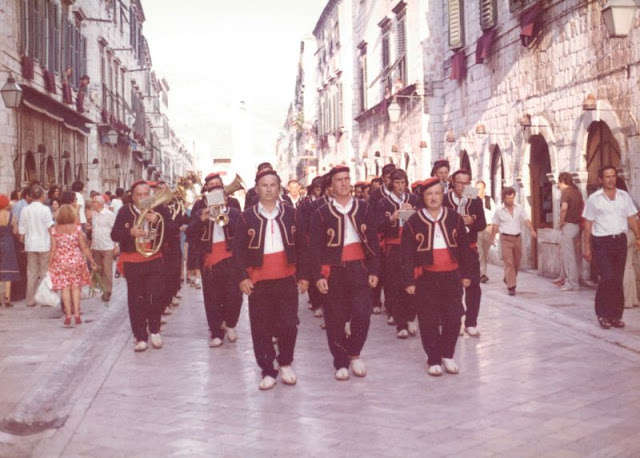
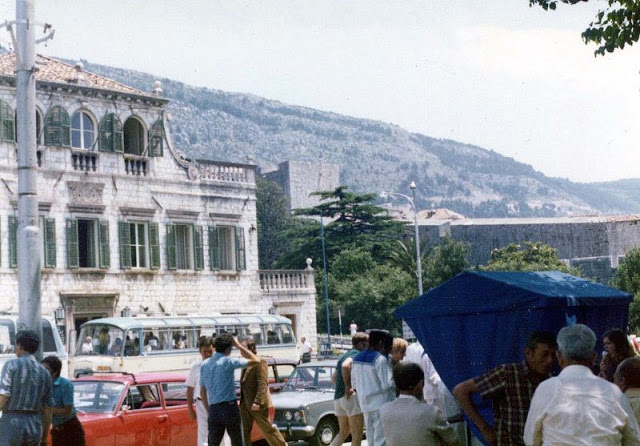
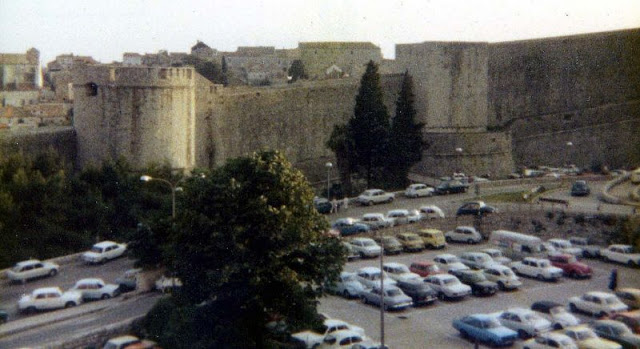
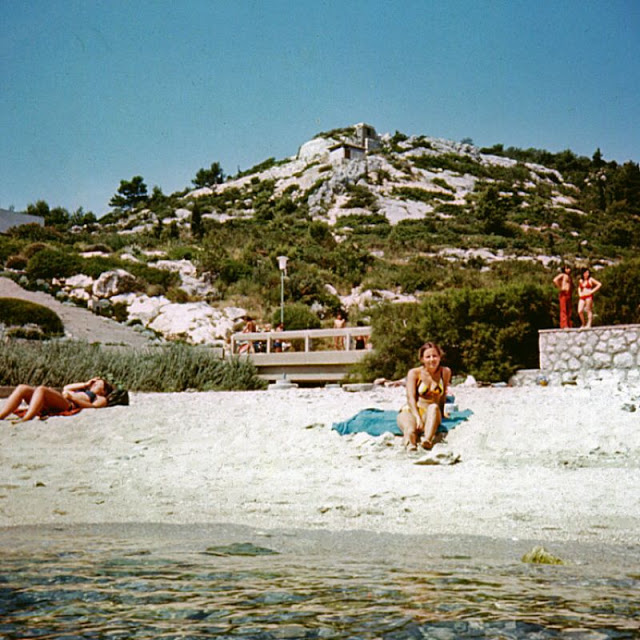
Here is a color photo collection that shows everyday life of Dubrovnik in the 1970s.
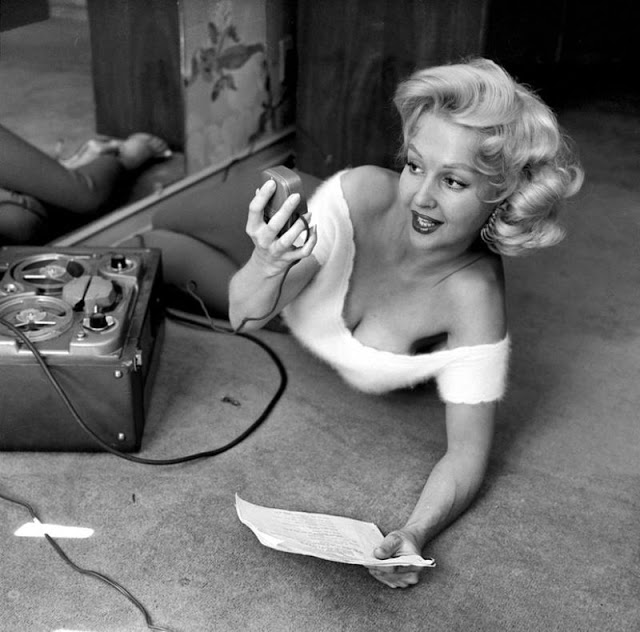
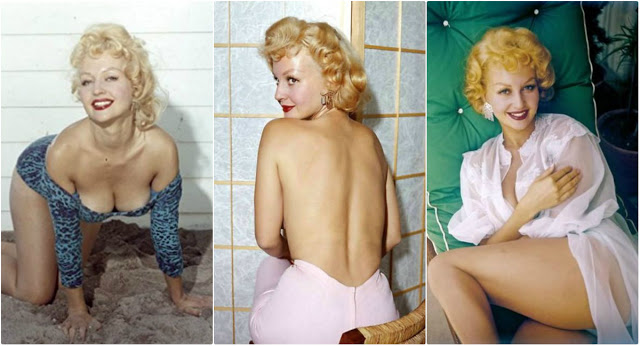
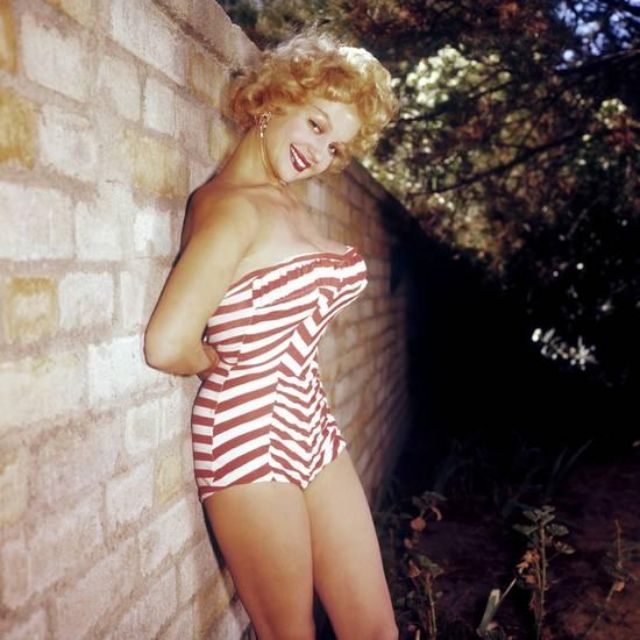
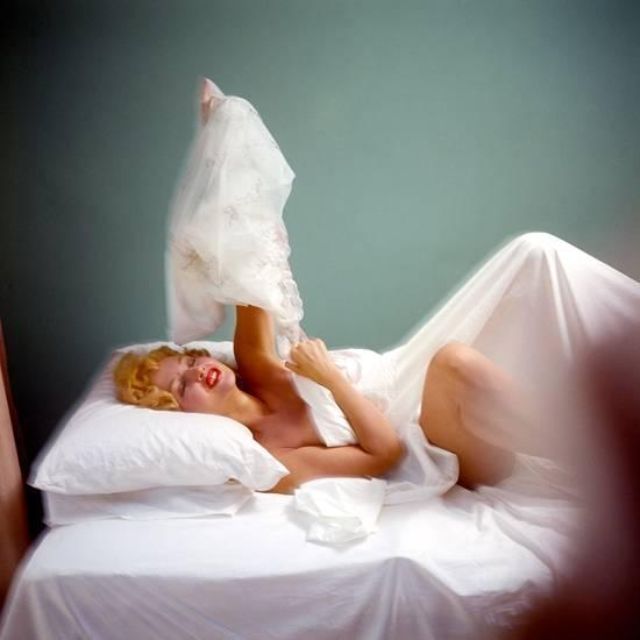
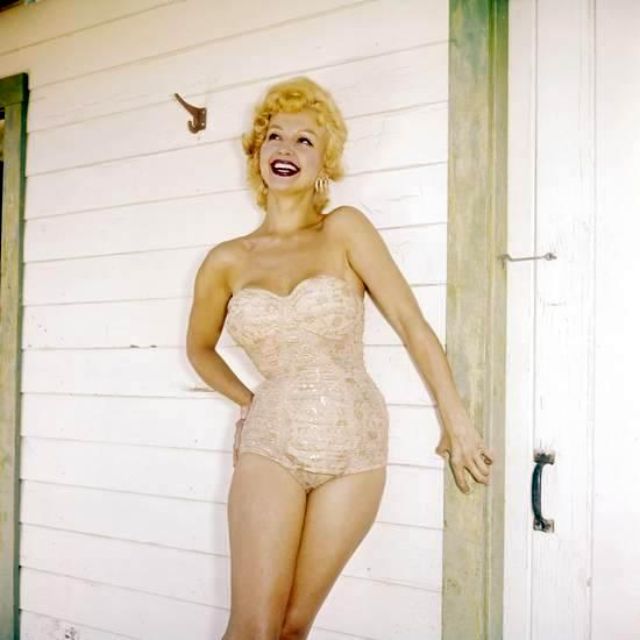
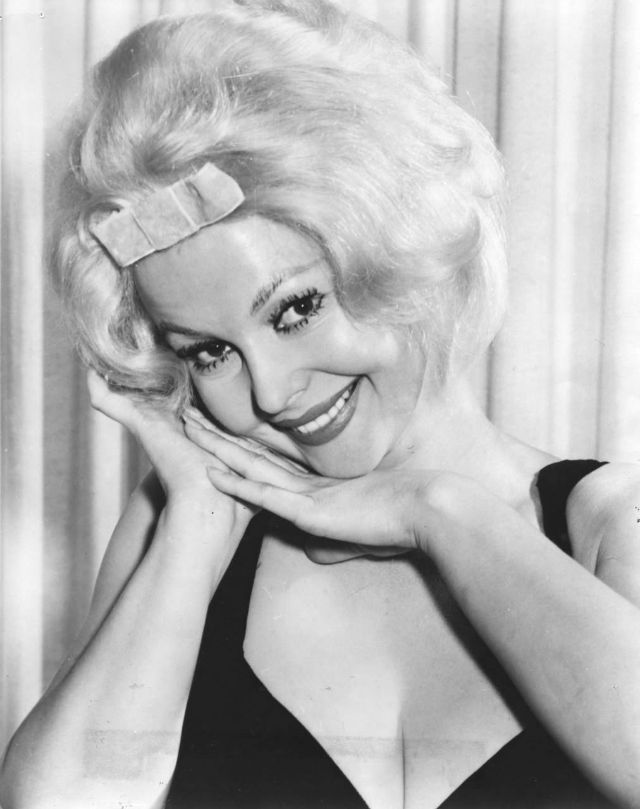
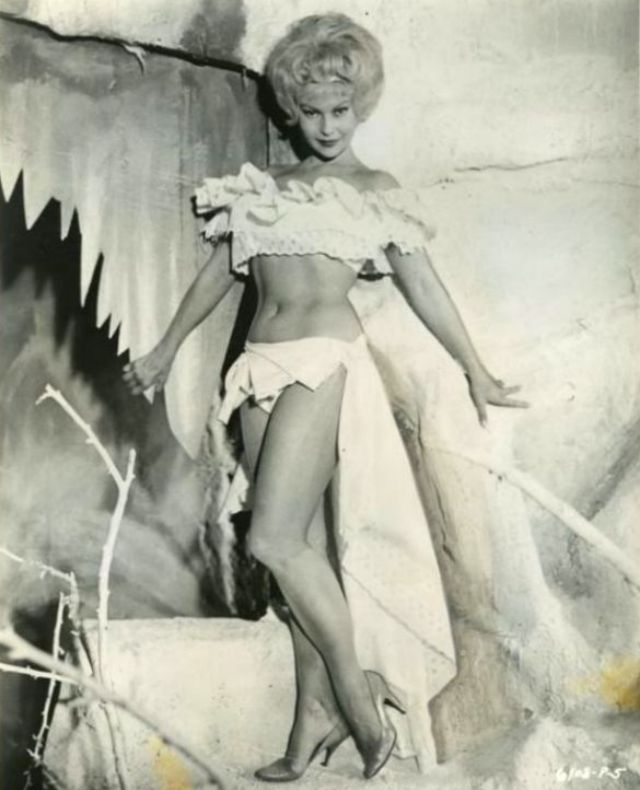
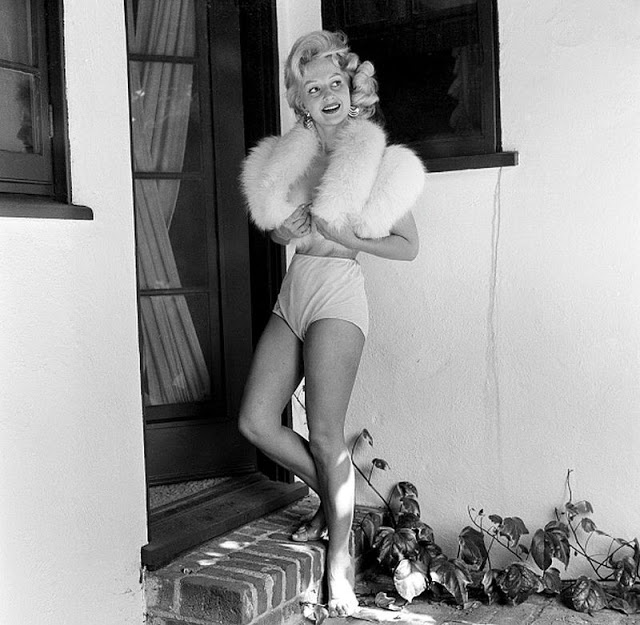
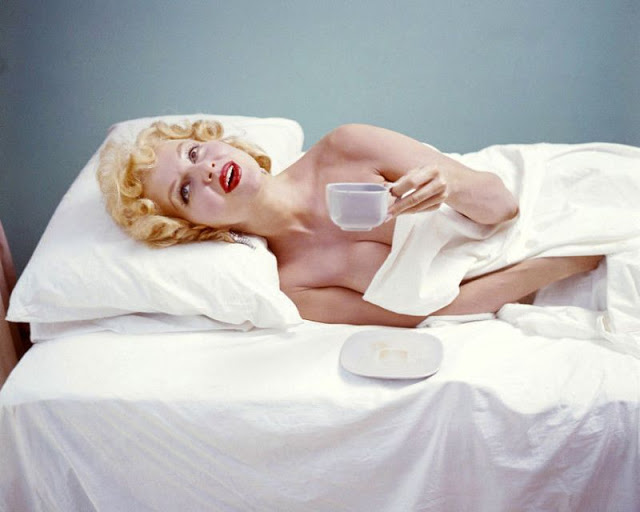
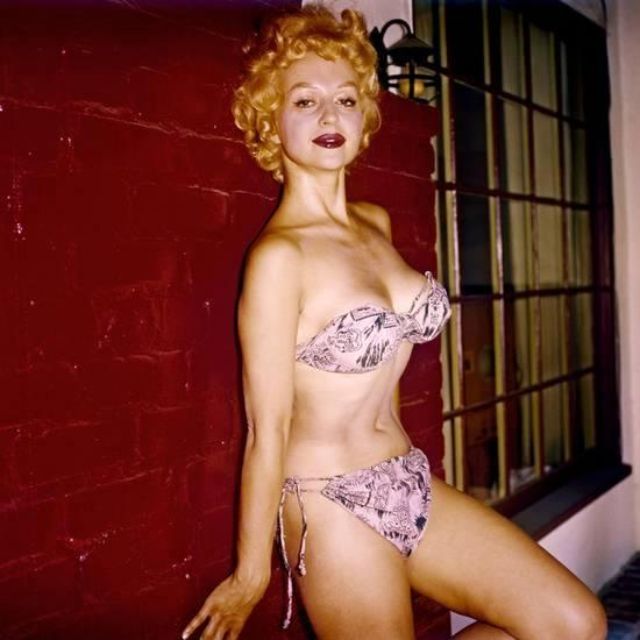
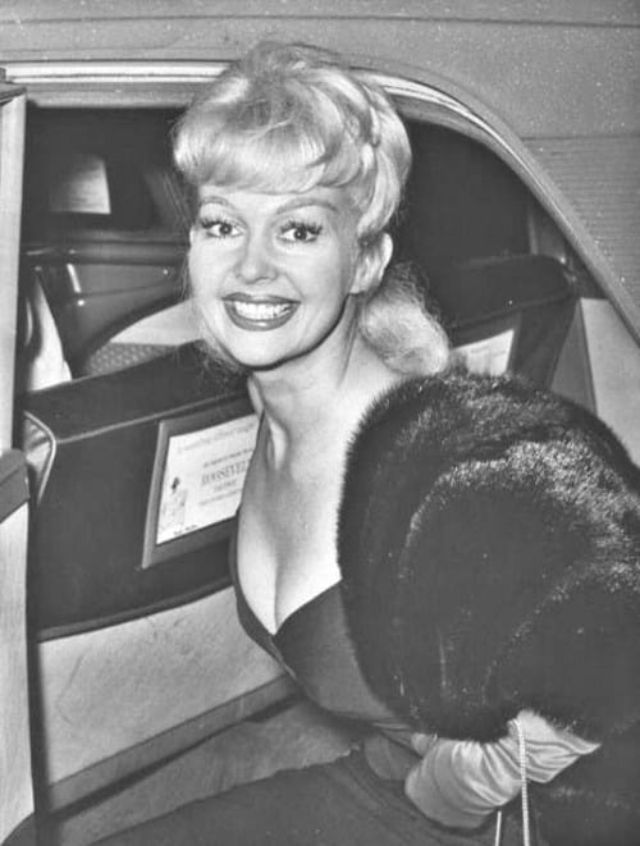
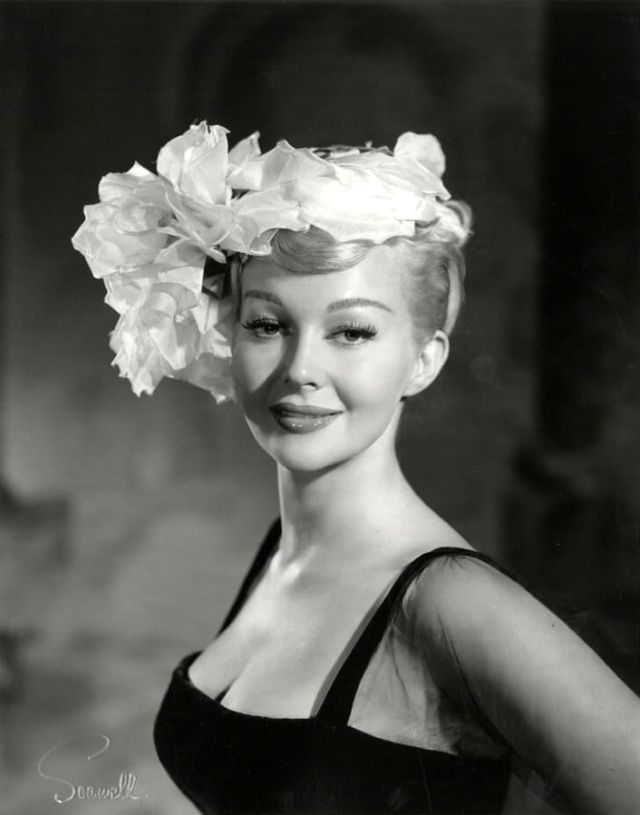
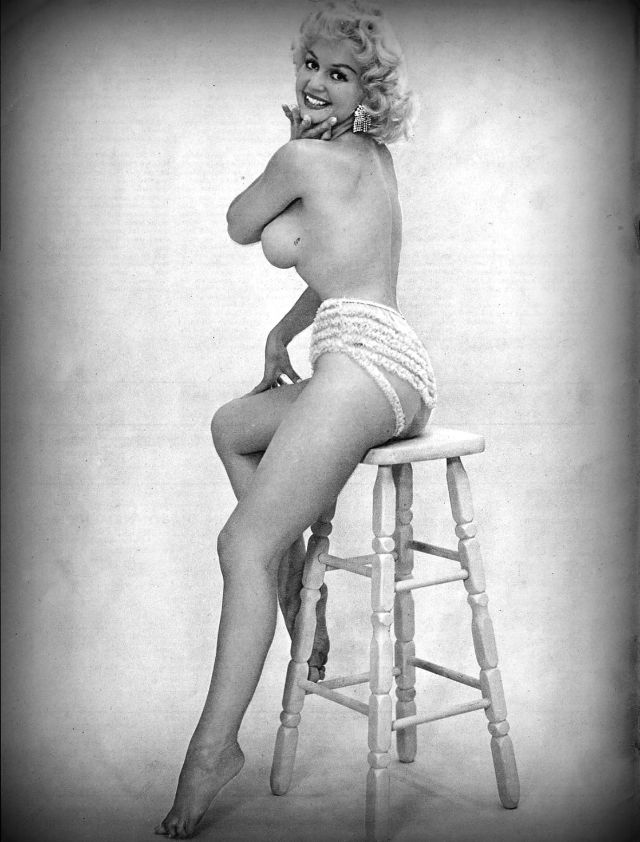
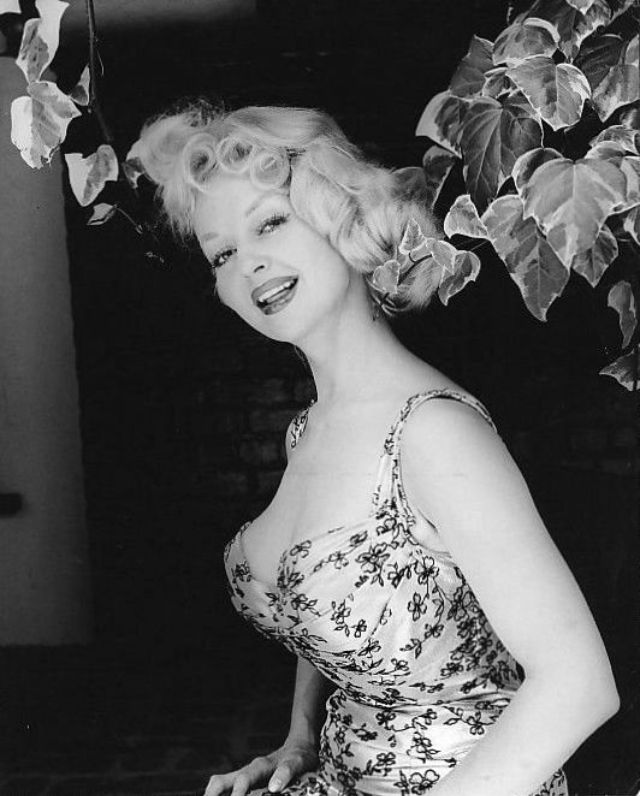
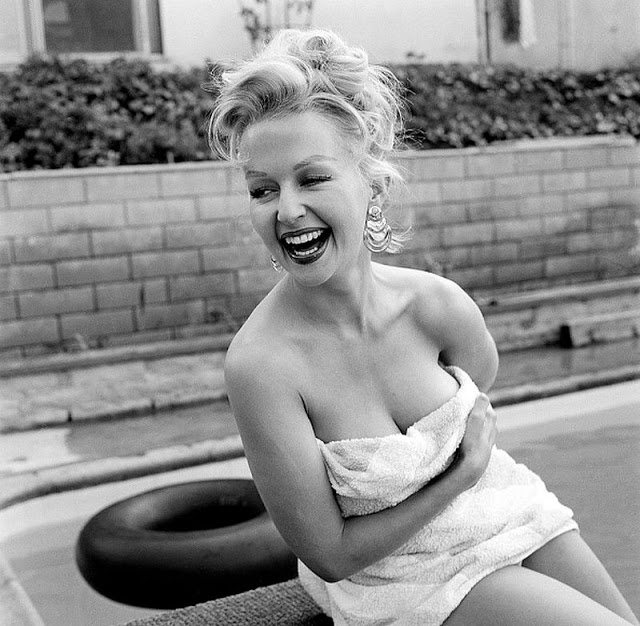
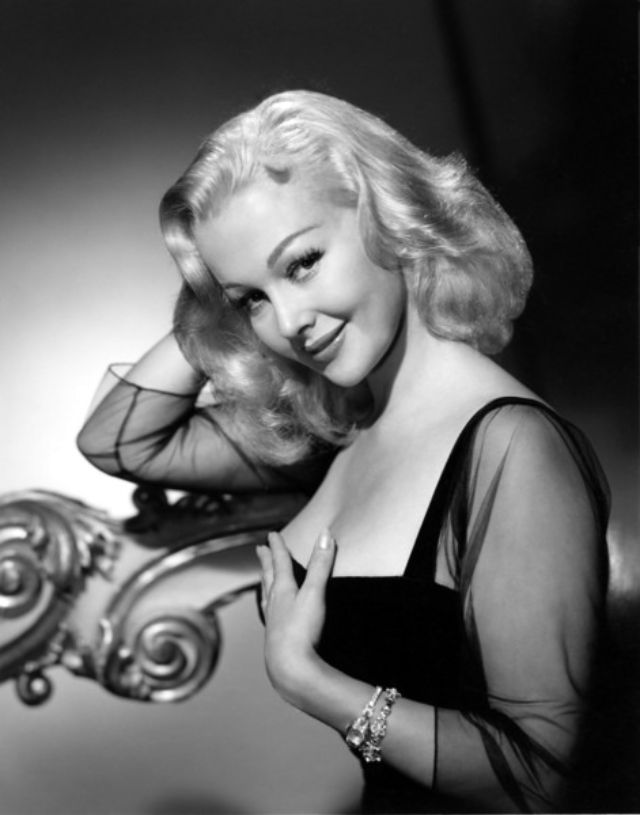
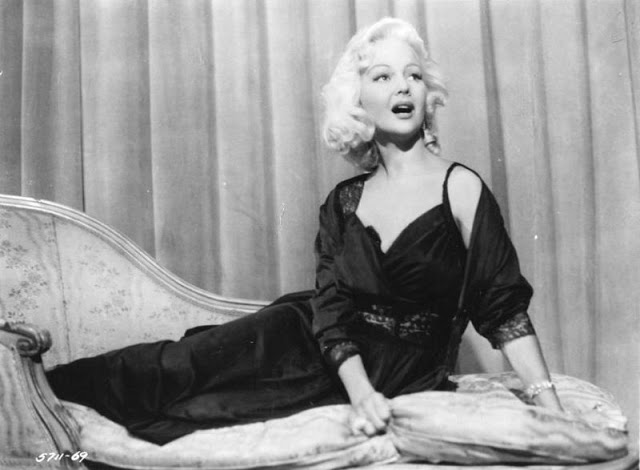
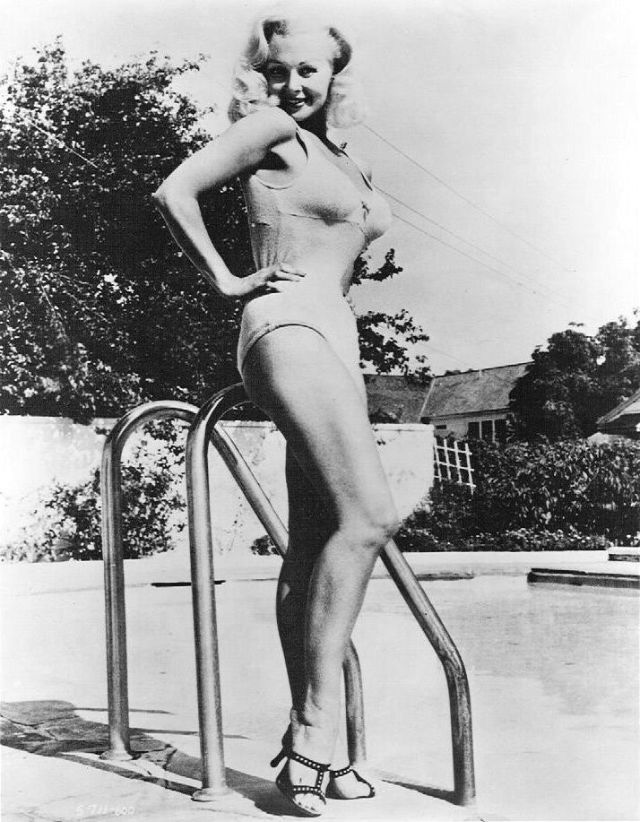
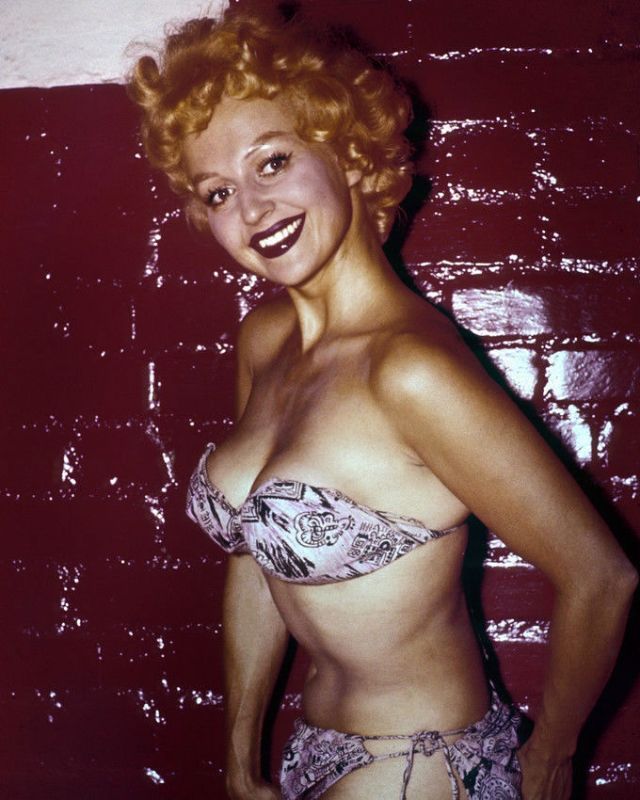
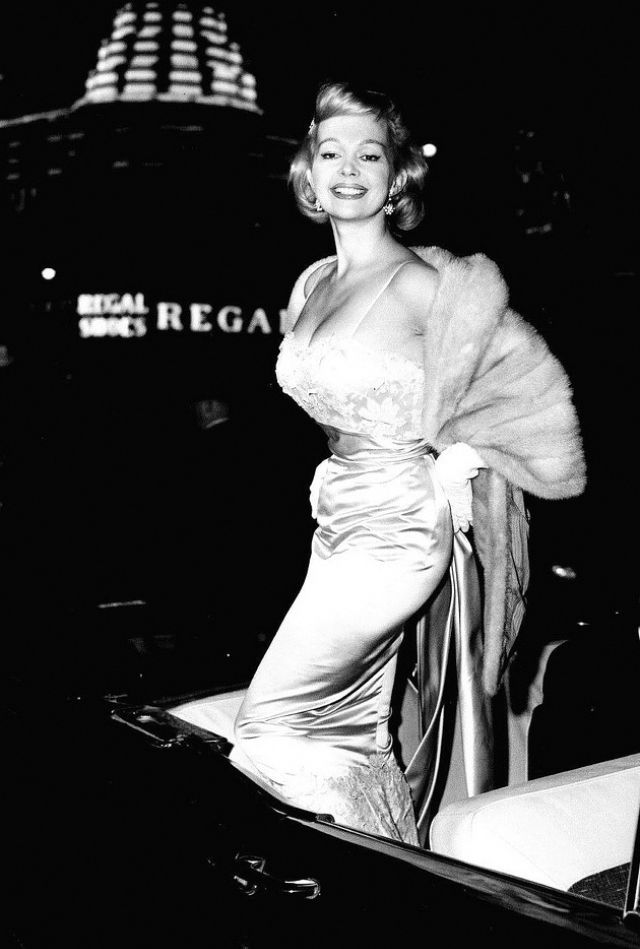
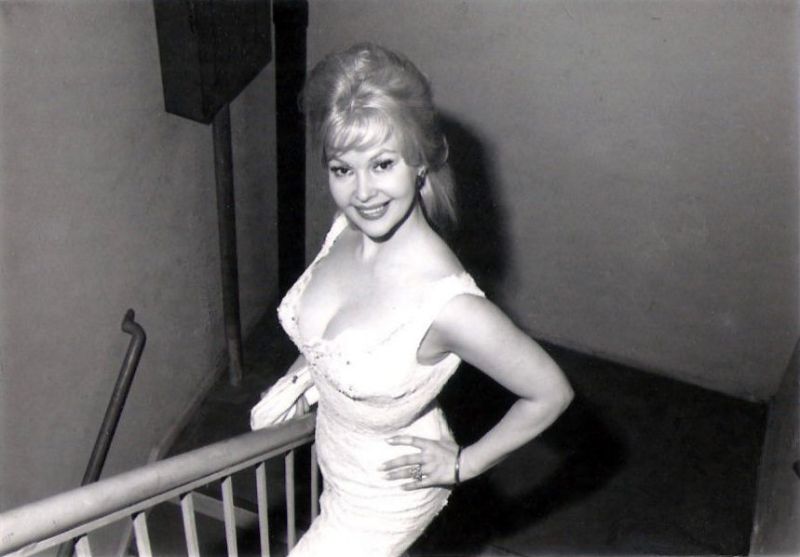
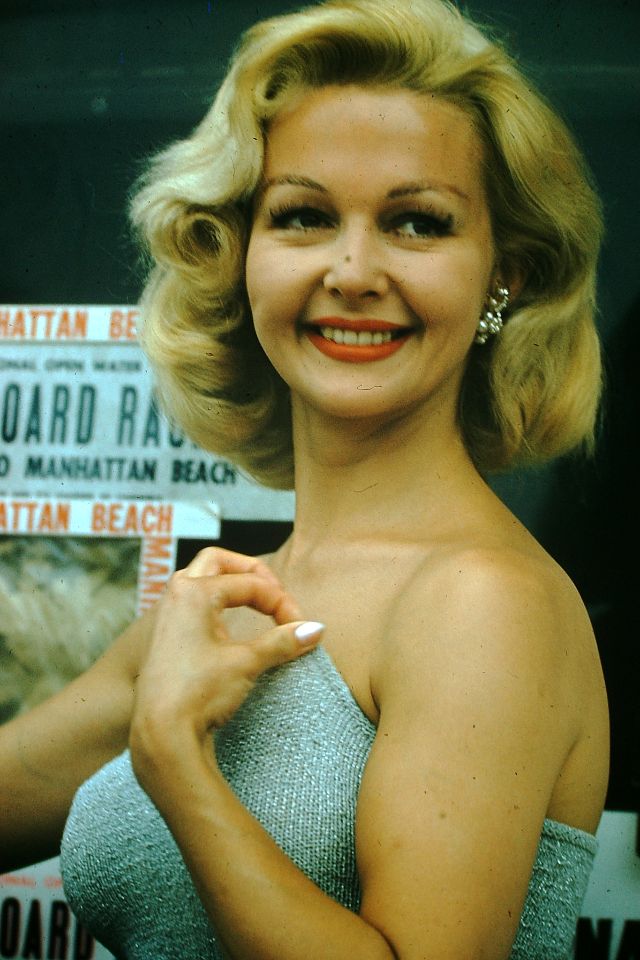
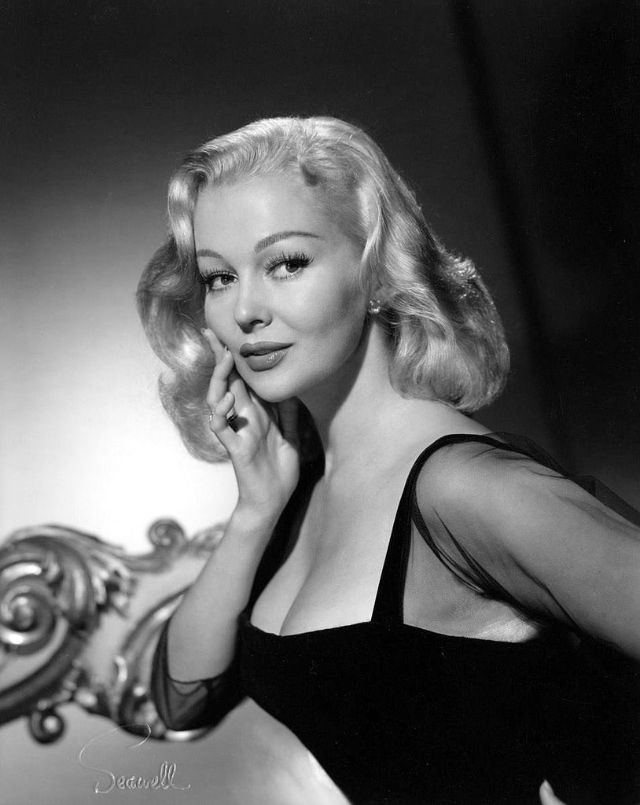
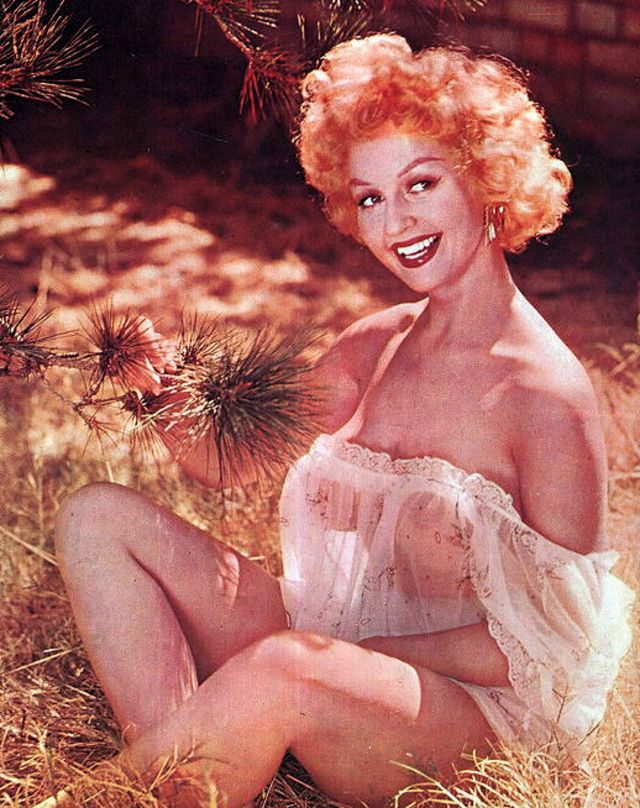
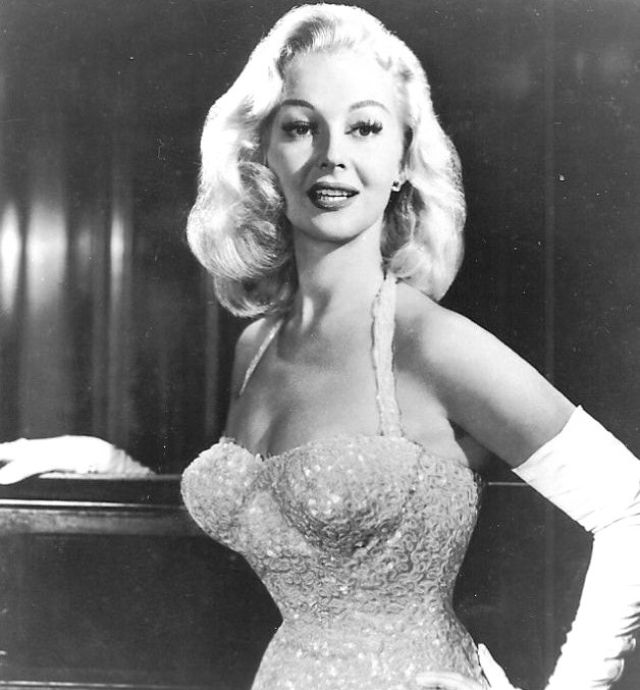
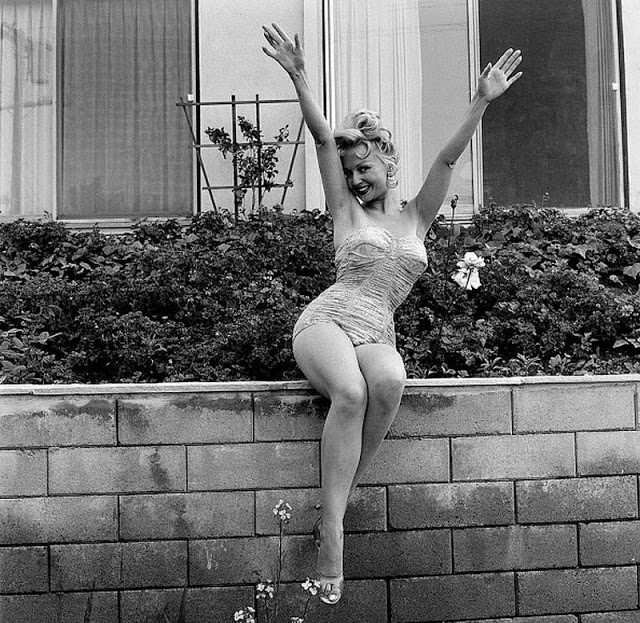
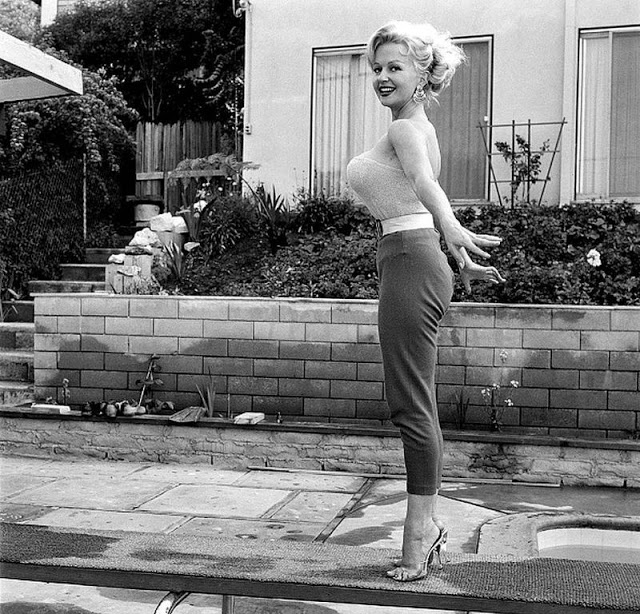
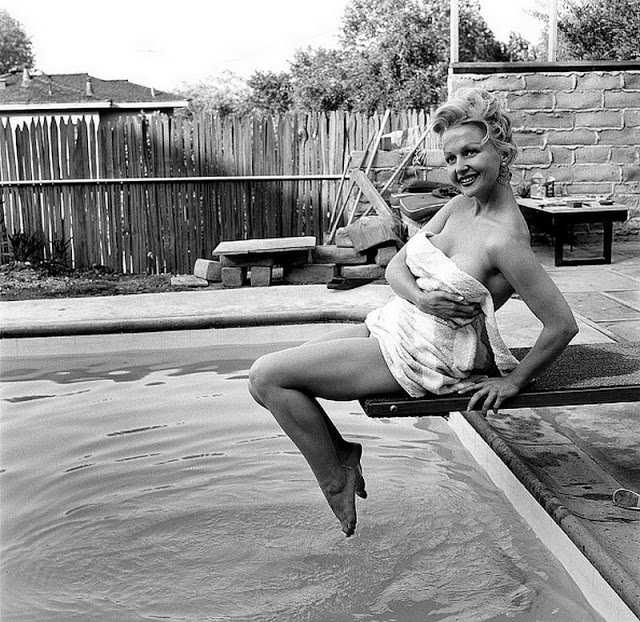
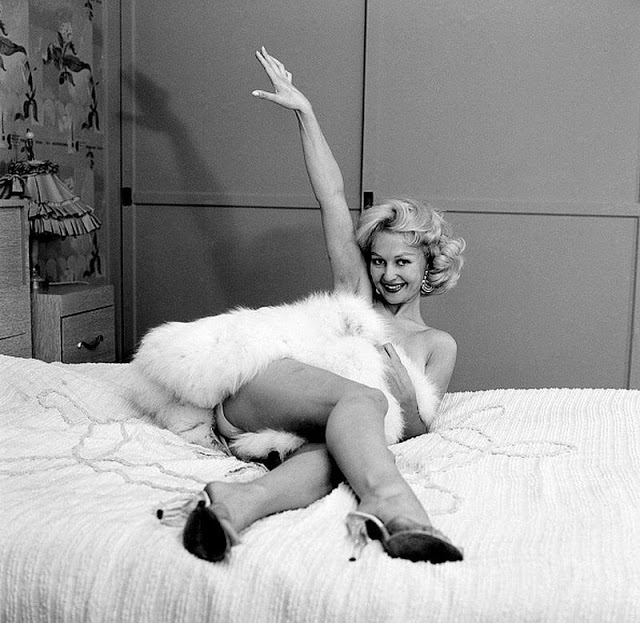
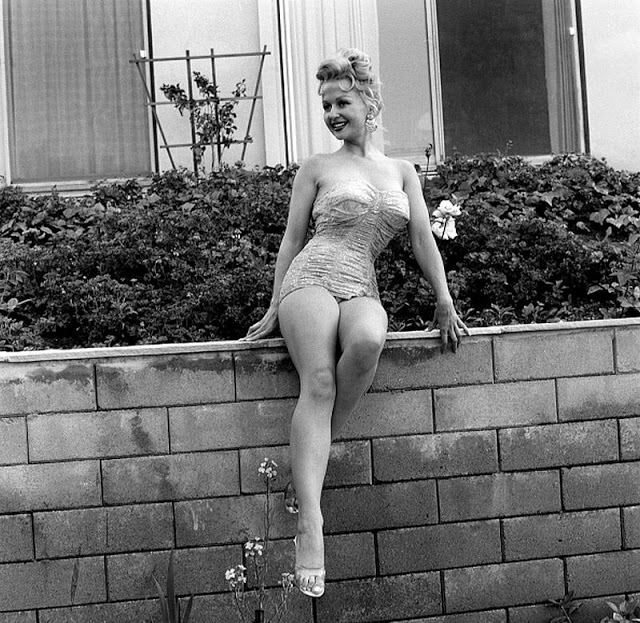
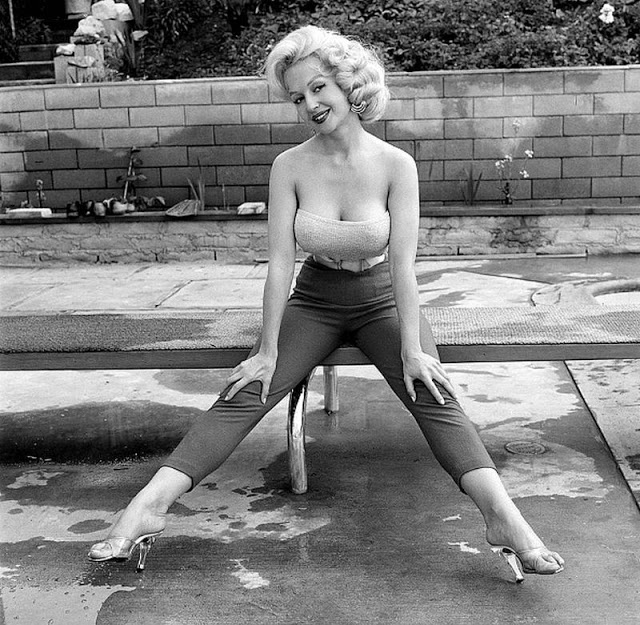
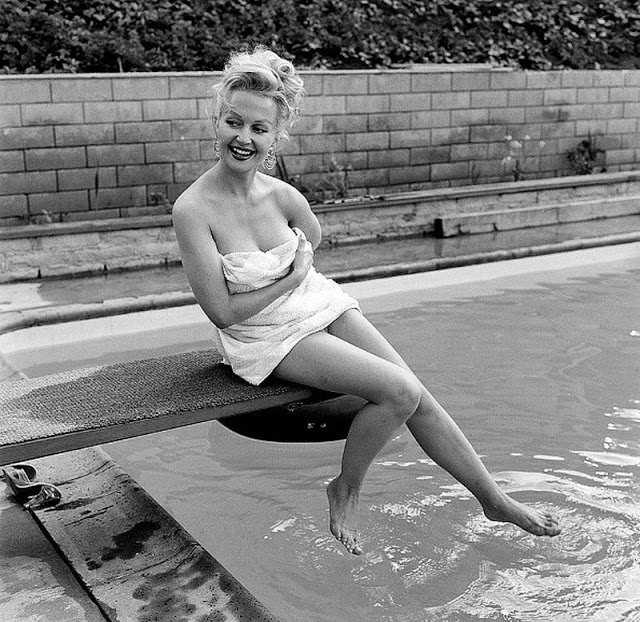
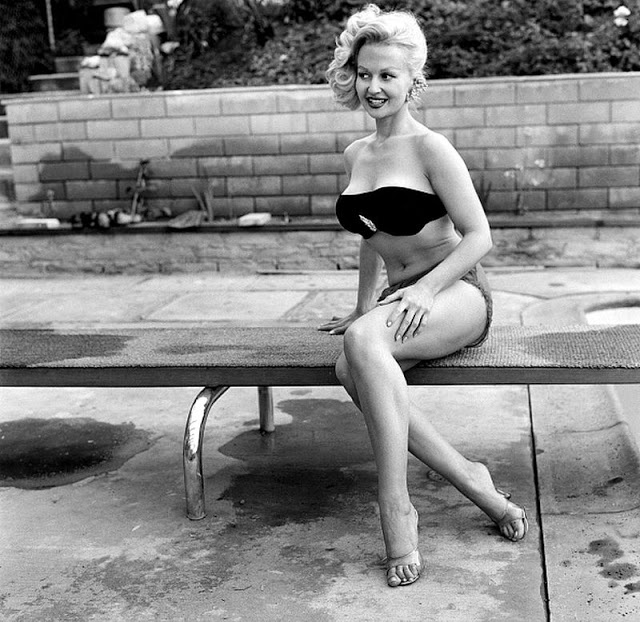
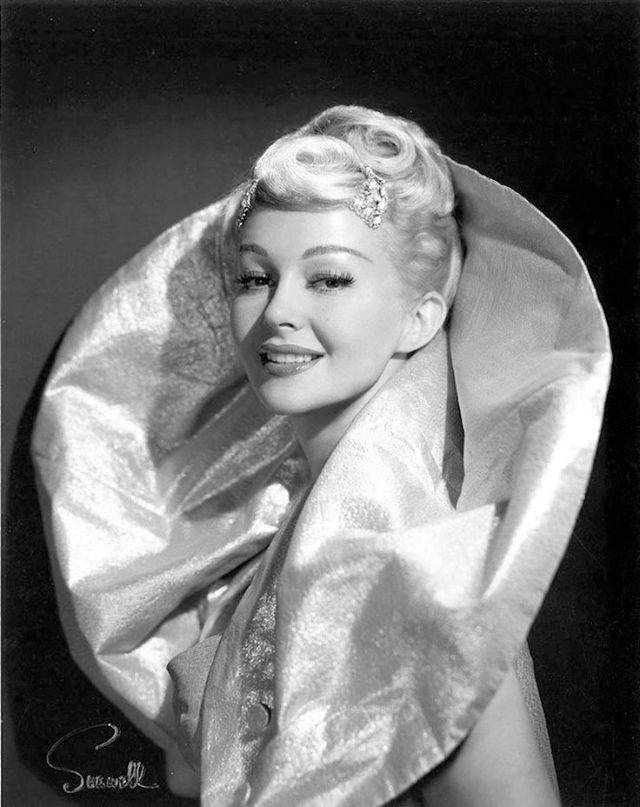
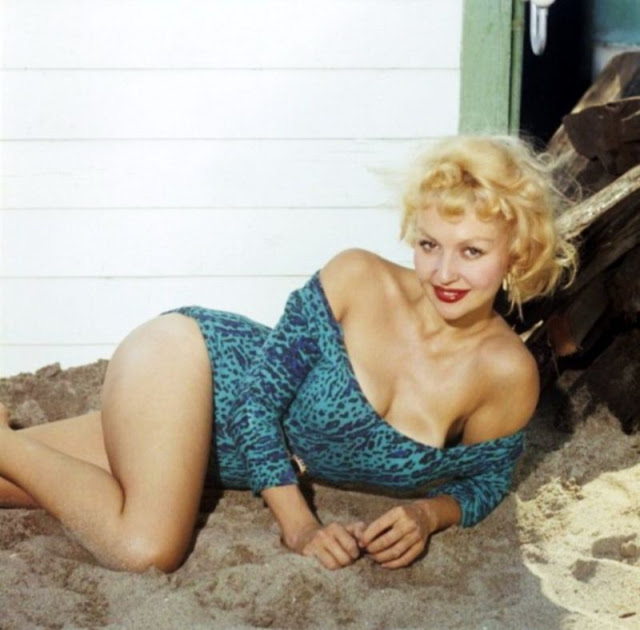
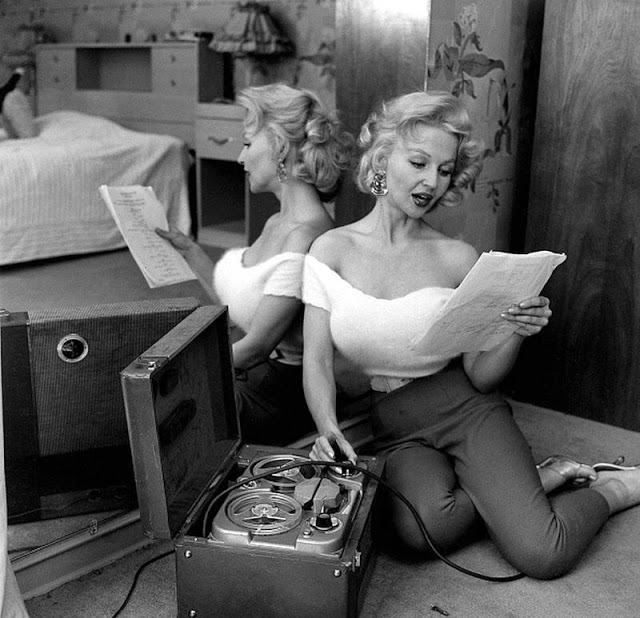
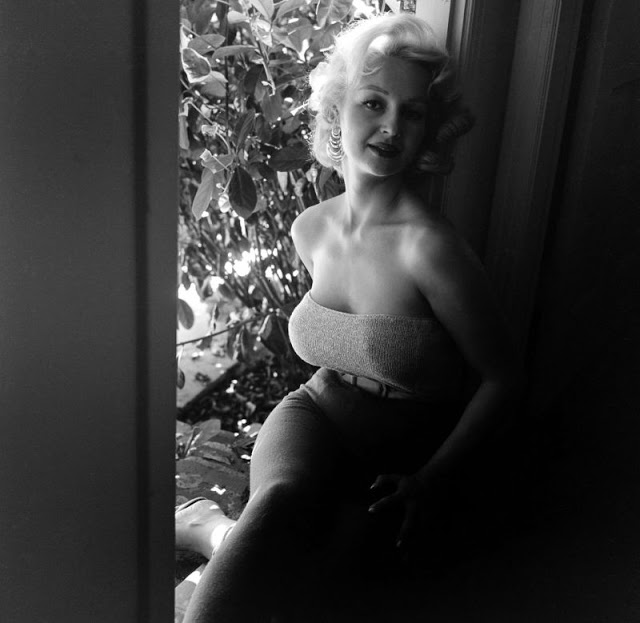
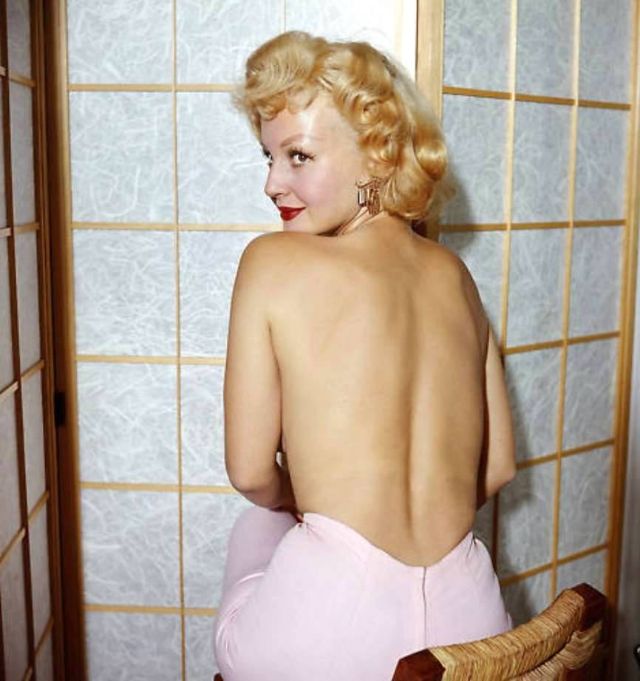
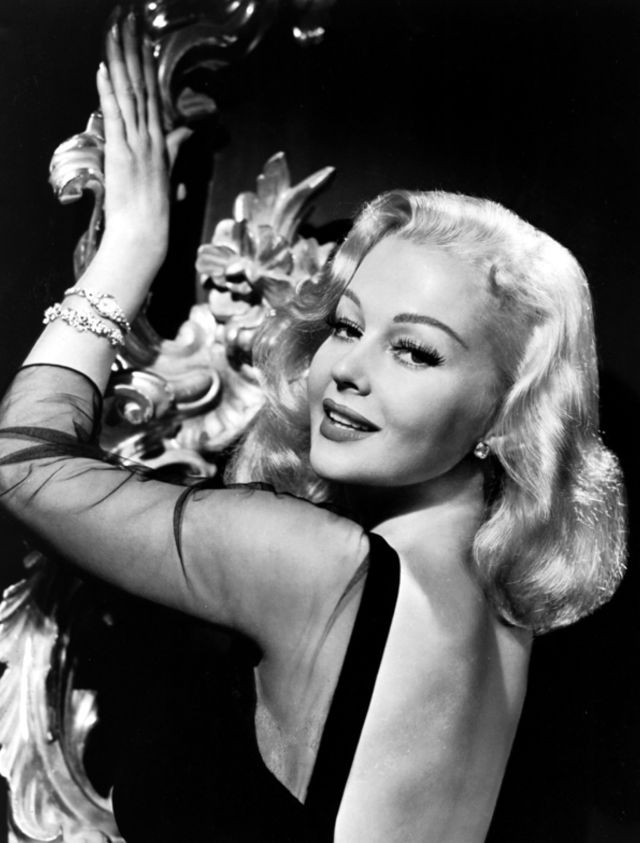
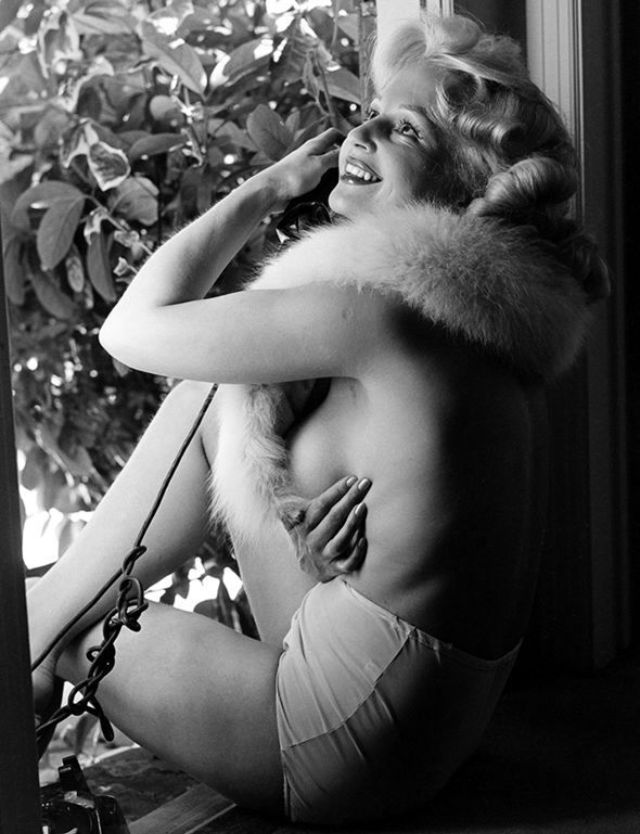
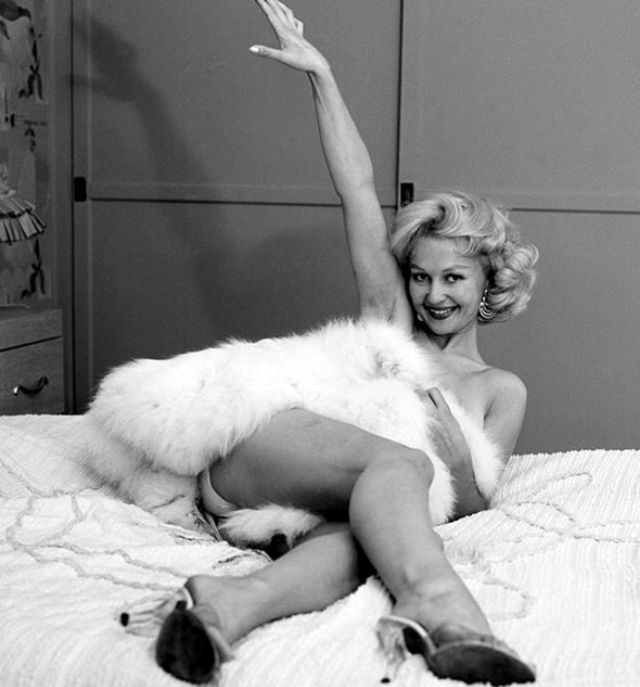
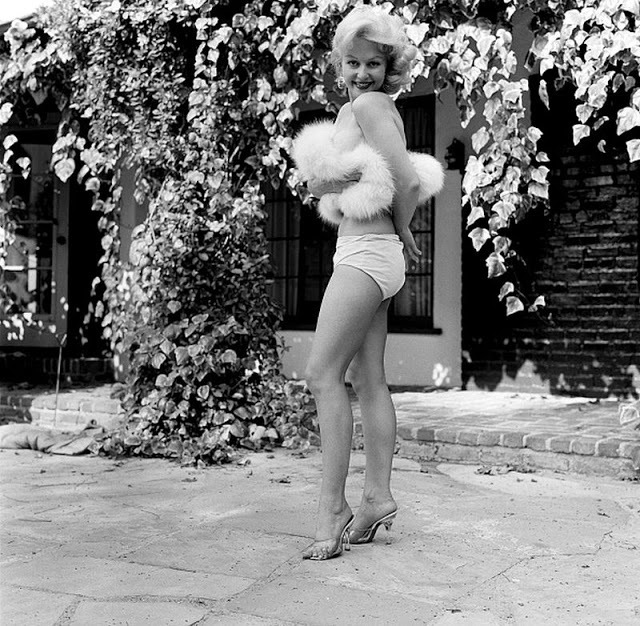
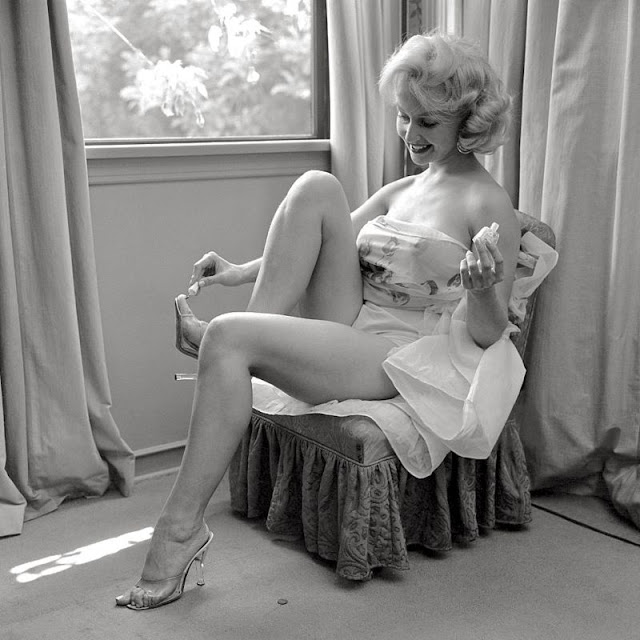
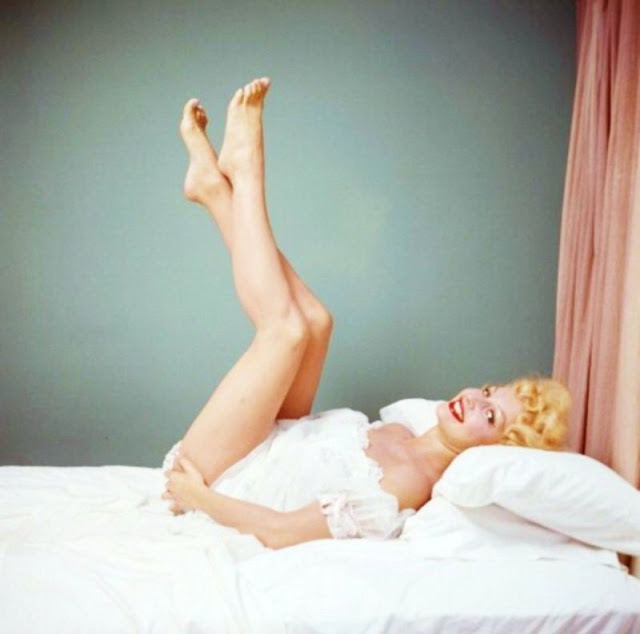
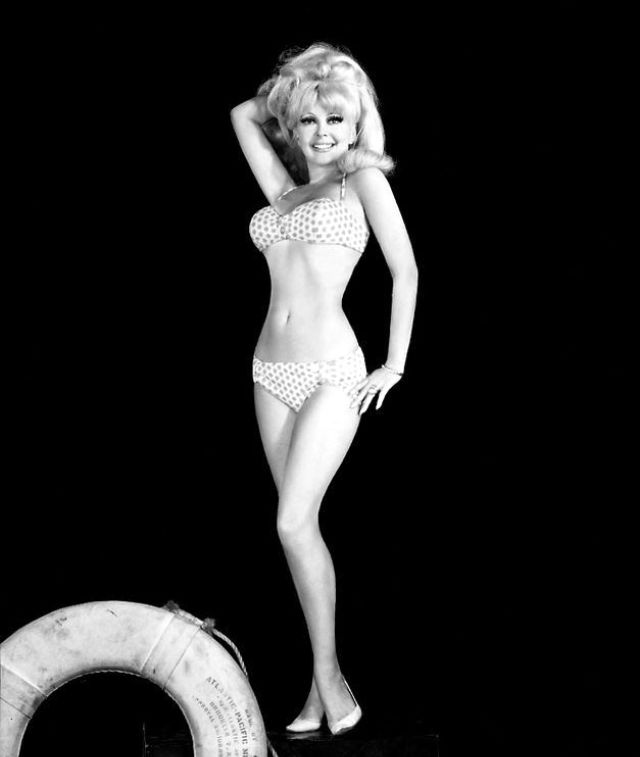
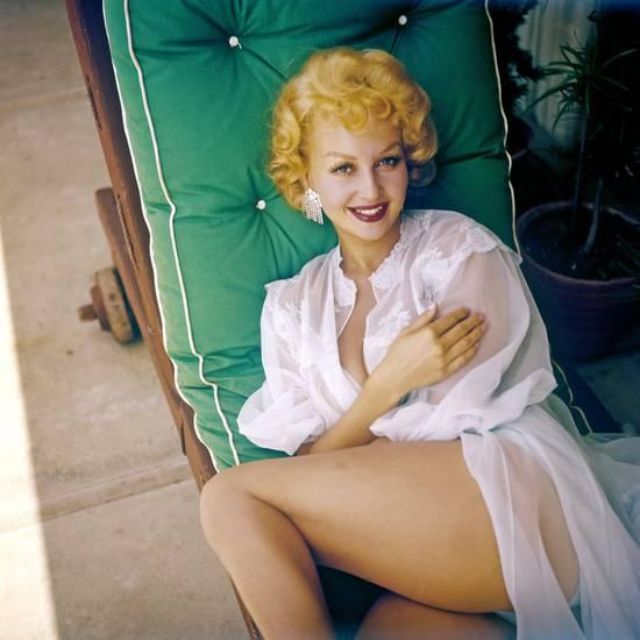
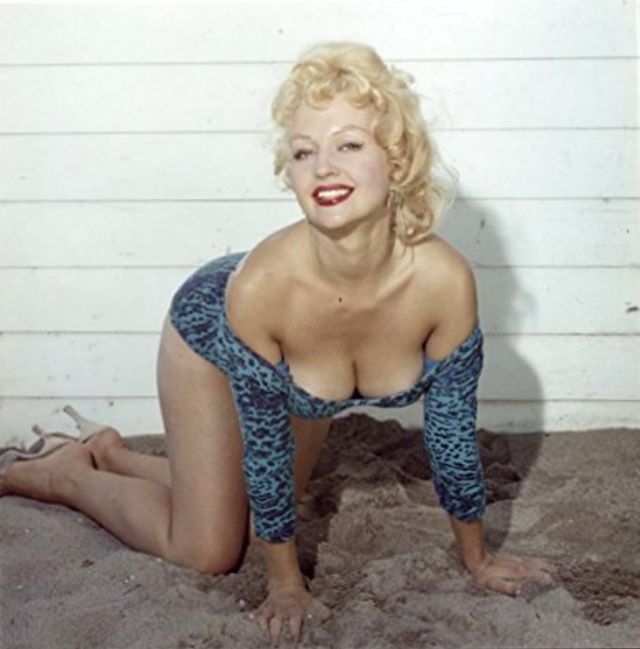
Born 1927 in Hareskovby, Danish film actress and former model Greta Thyssen arrived in the United States after winning the Miss Denmark crown in 1952. She attempted to follow in the footsteps of the reigning blonde sex symbols Marilyn Monroe and Jayne Mansfield by forging a movie career. She was Monroe’s double in Bus Stop, and appeared in Accused of Murder, Terror Is a Man, Three Blondes in His Life and Journey to the Seventh Planet.
In addition to her appearances on the television series Dragnet and Bachelor Father, she appeared as Roxy Howard, the title character in the Perry Mason episode, “The Case of the Nervous Accomplice”. Thyssen also appeared on Broadway in Pajama Tops as a replacement for June Wilkinson.
Thyssen is probably best remembered for her appearances in the Three Stooges films Quiz Whizz, Pies and Guys and Sappy Bull Fighters. From 1956-1958, Thyssen was the original Pirate Girl on the game show Treasure Hunt, assisting host Jan Murray with presenting prizes hidden in miniature treasure chests. After appearing in the musical comedy Cottonpickin’ Chickenpickers (1967), she retired from acting.
Thyssen died of pneumonia in 2018 at her home in Manhattan, aged 90.
These glamorous photos that show the beauty of this Danish blonde bombshell in the 1950s and 1960s.
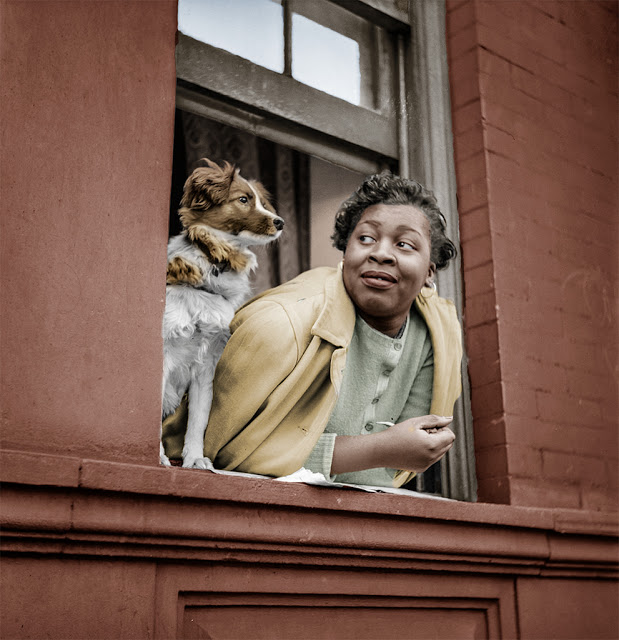
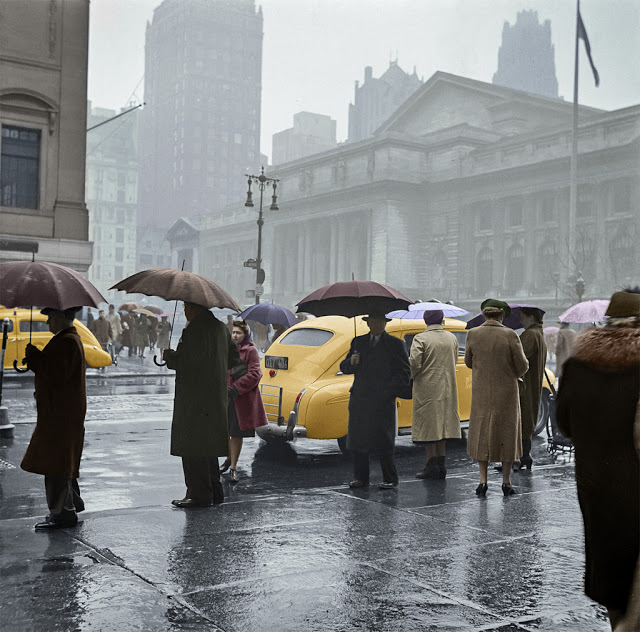
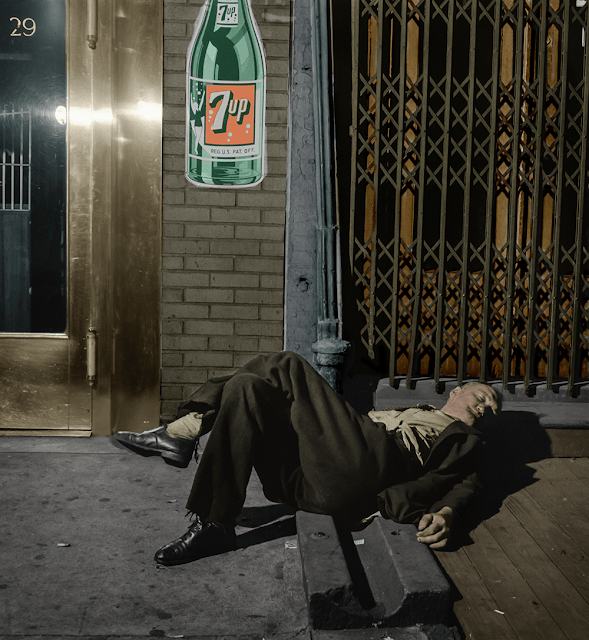
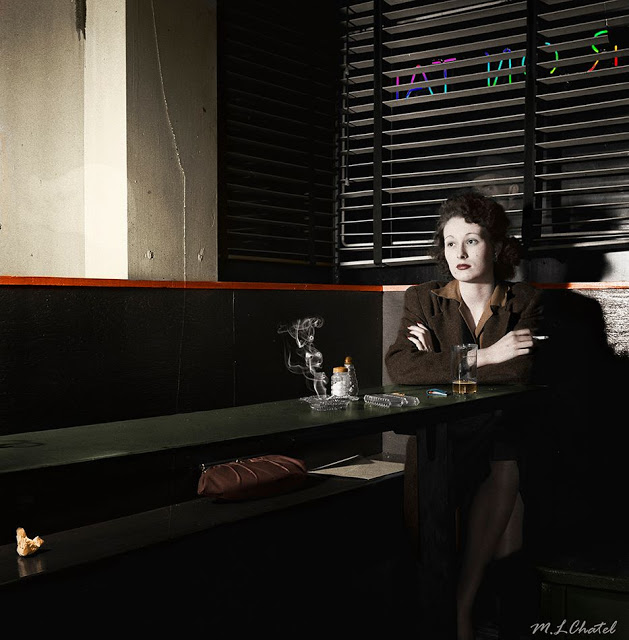
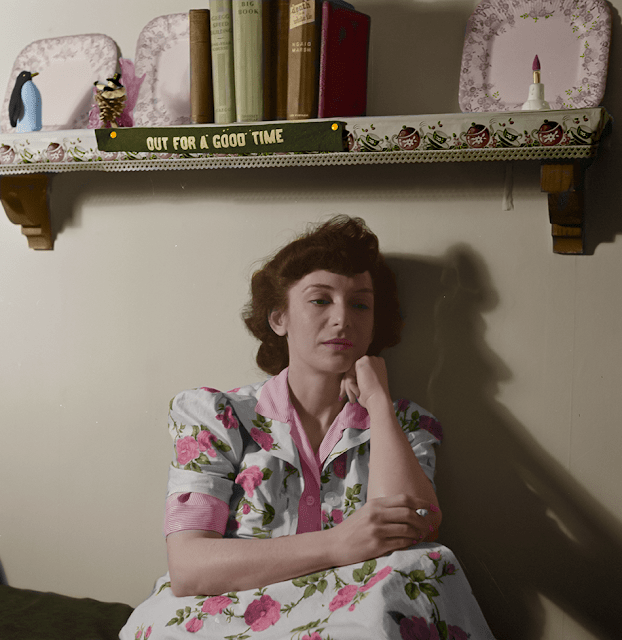
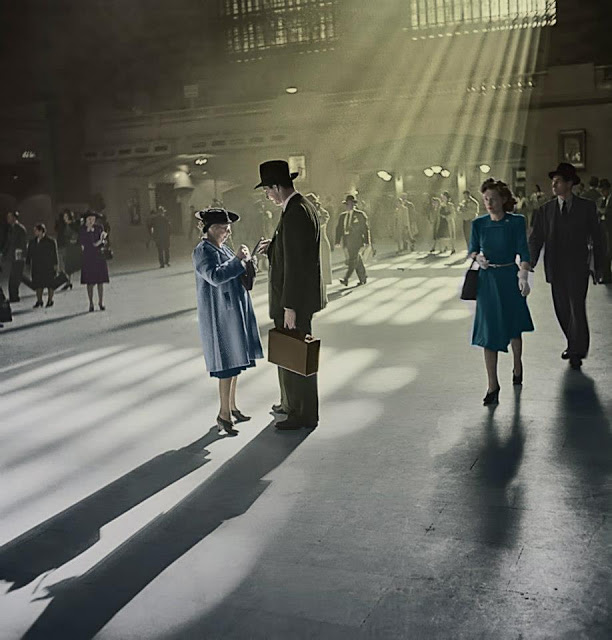
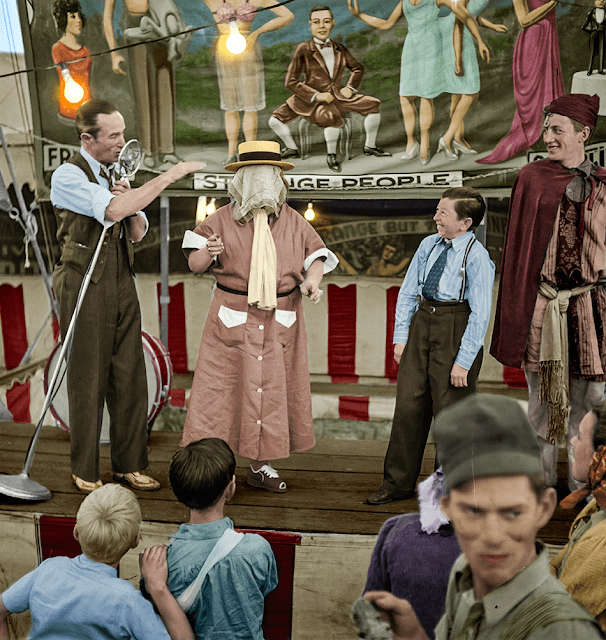
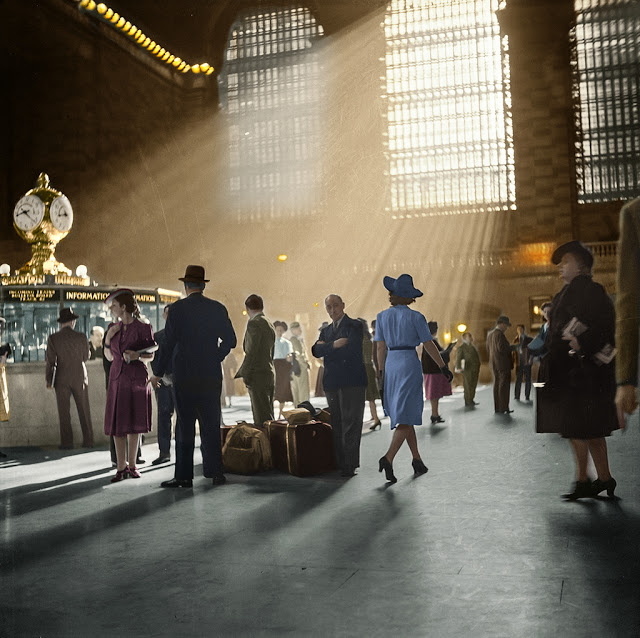
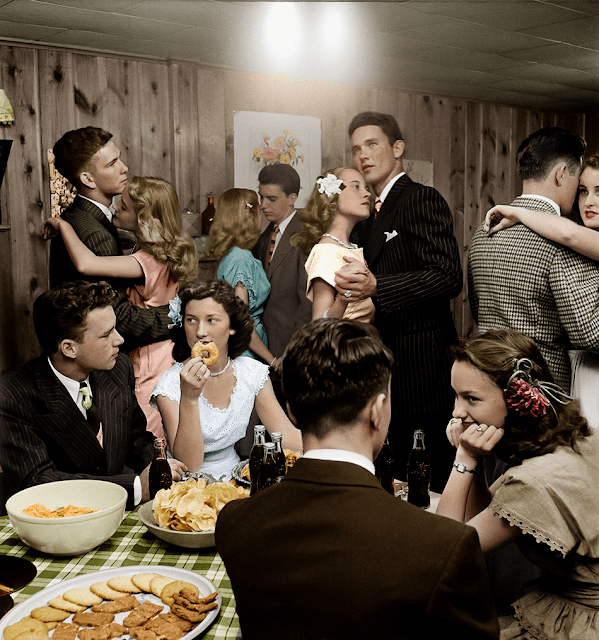
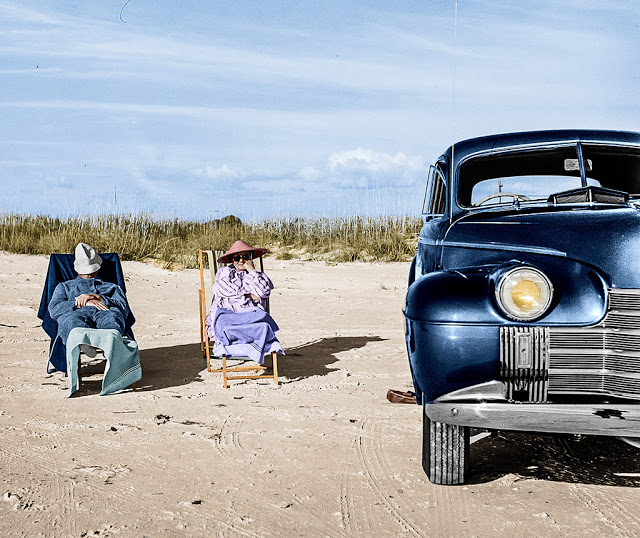
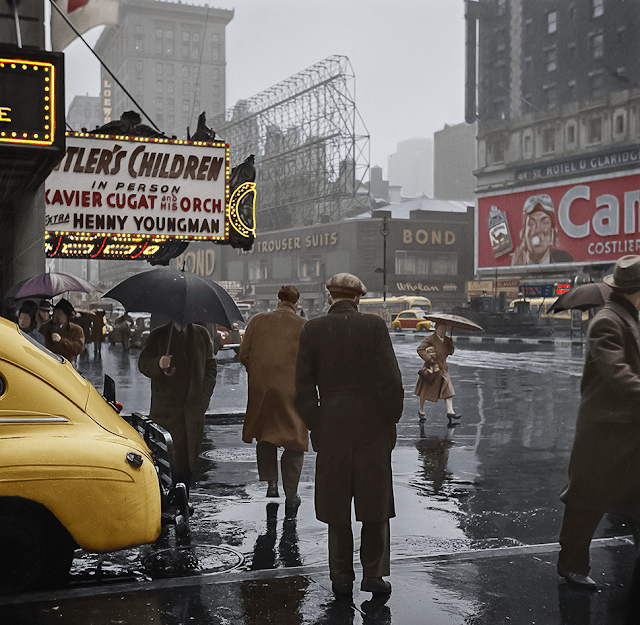
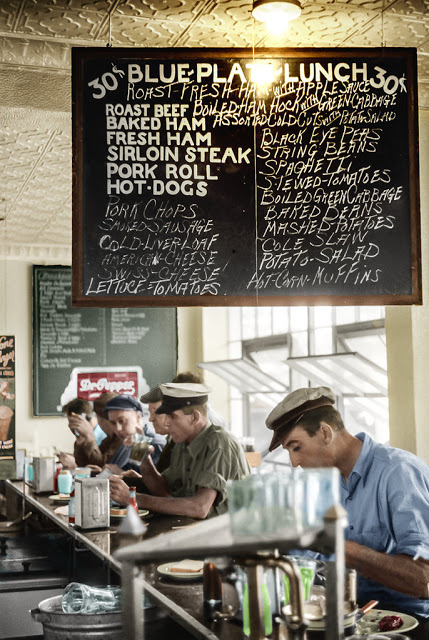
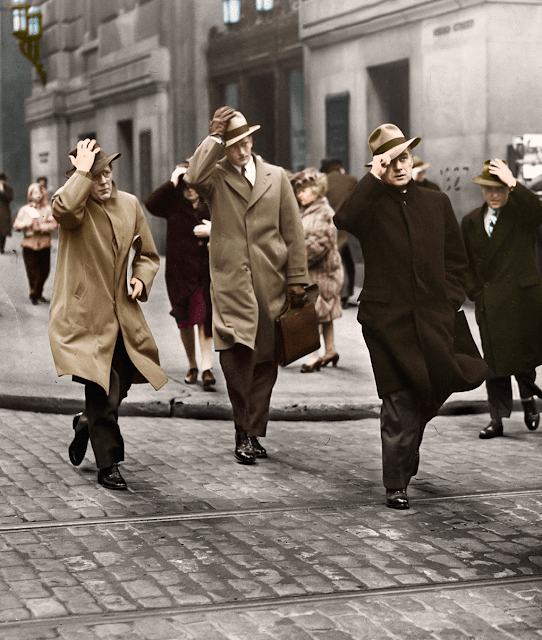
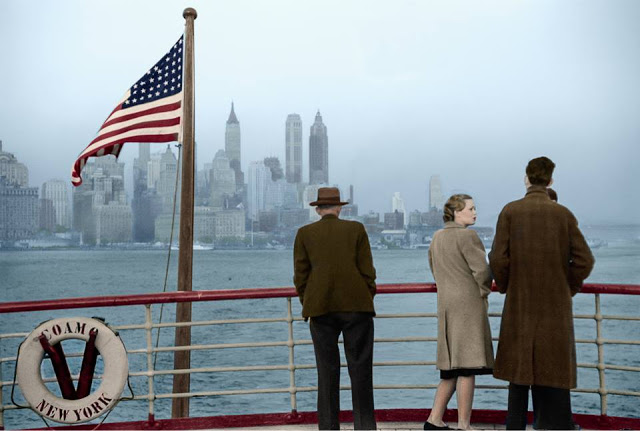
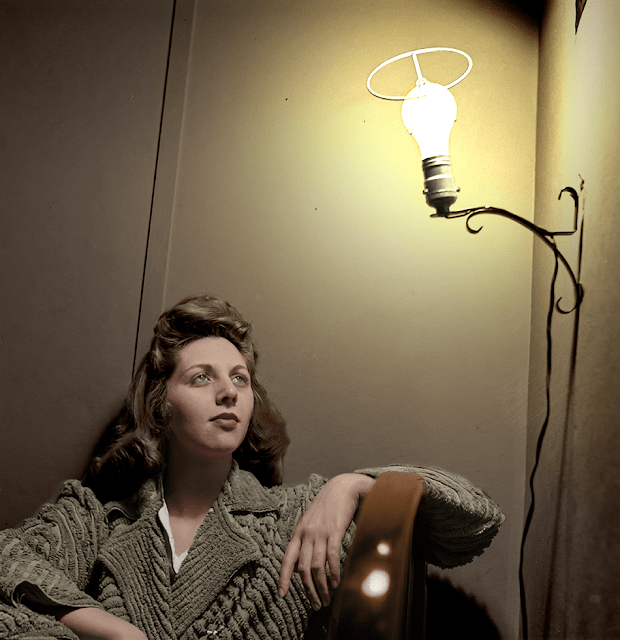
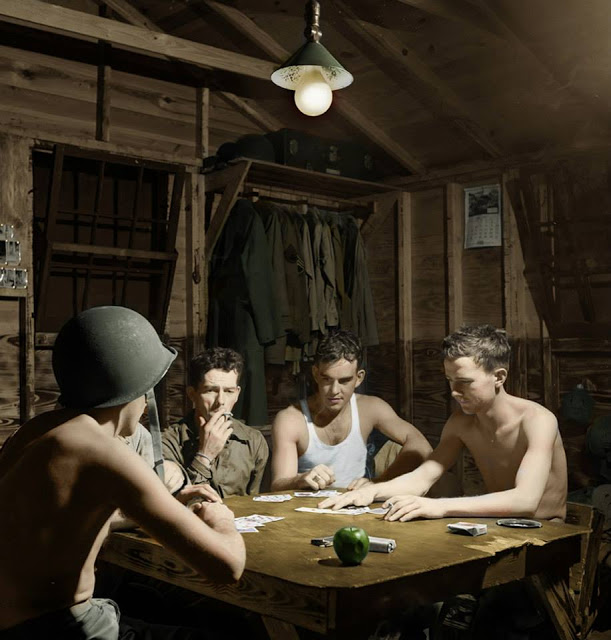
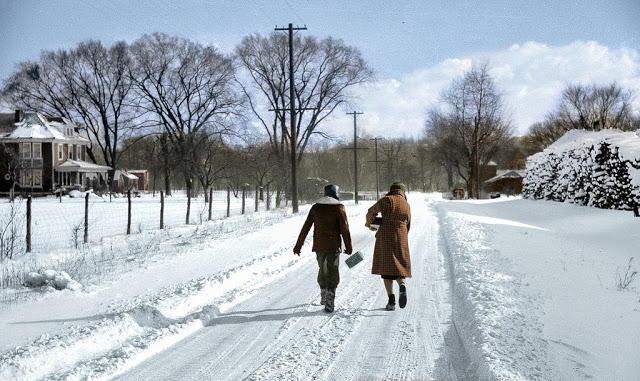
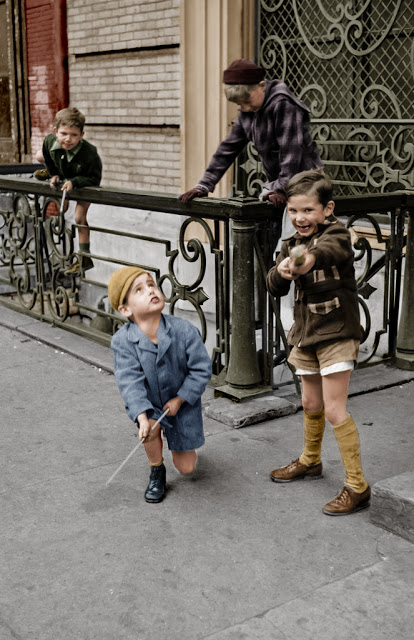
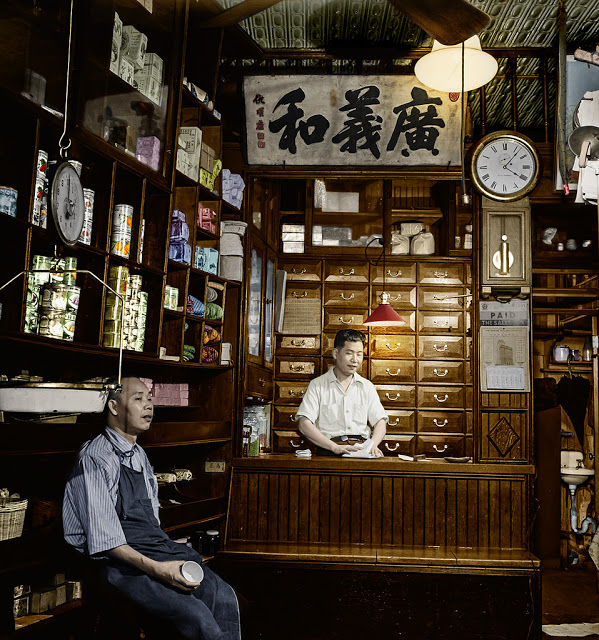
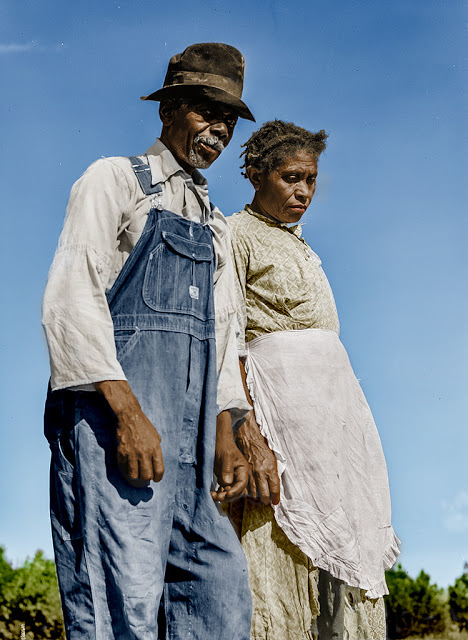
These incredibly amazing photos were colorized by photographer Marie-Lou Chatel. “I’ve always been fascinated with the work of the great photographers of the 20th century. Yet, when I look at their photos, I wonder what they saw in color while taking the photograph.”
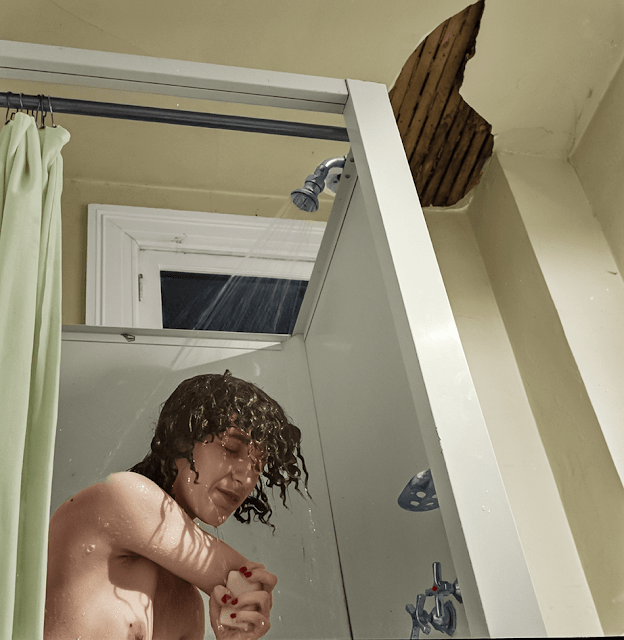
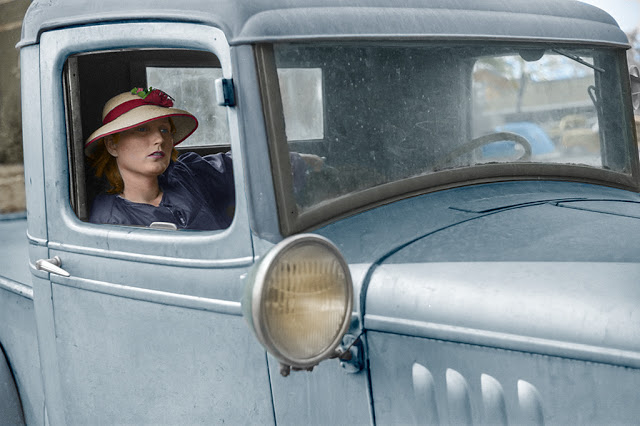
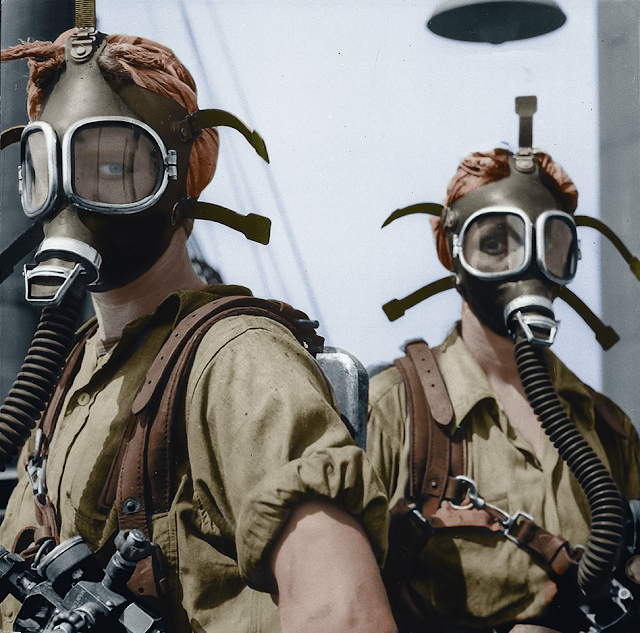
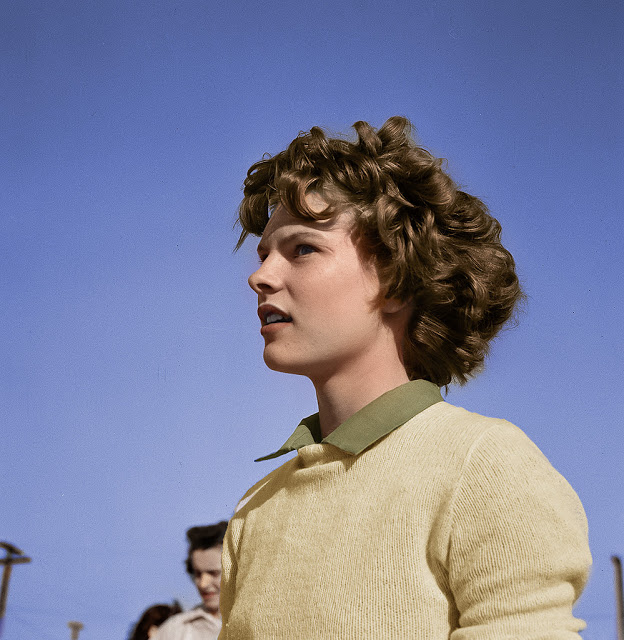
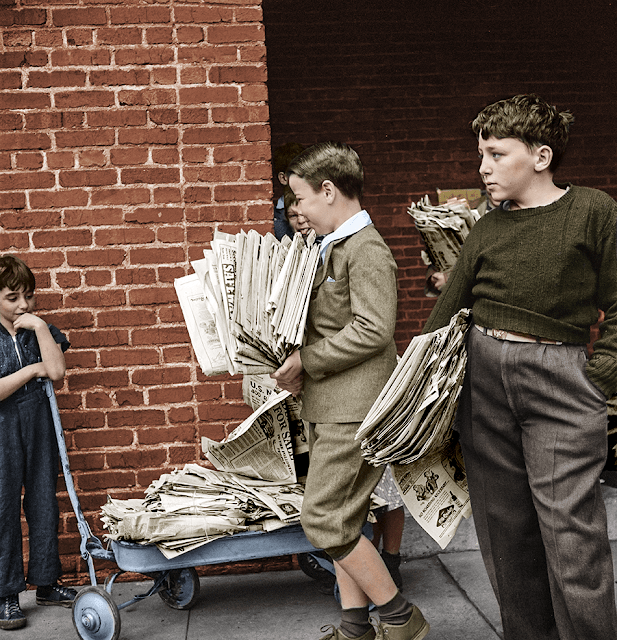
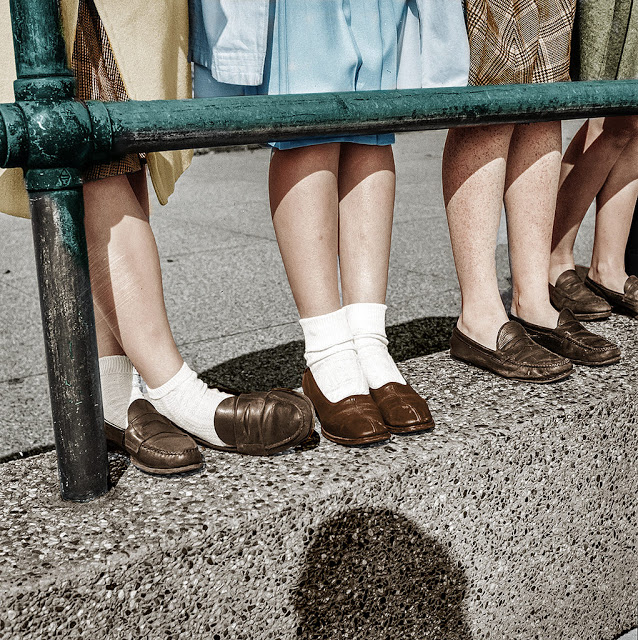
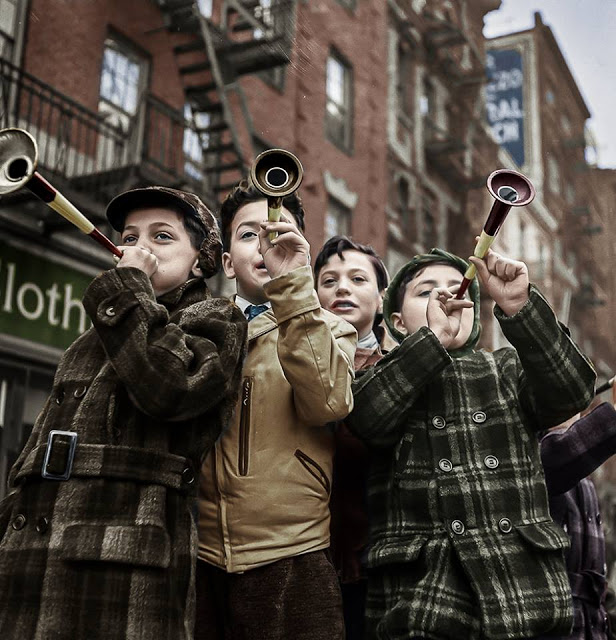
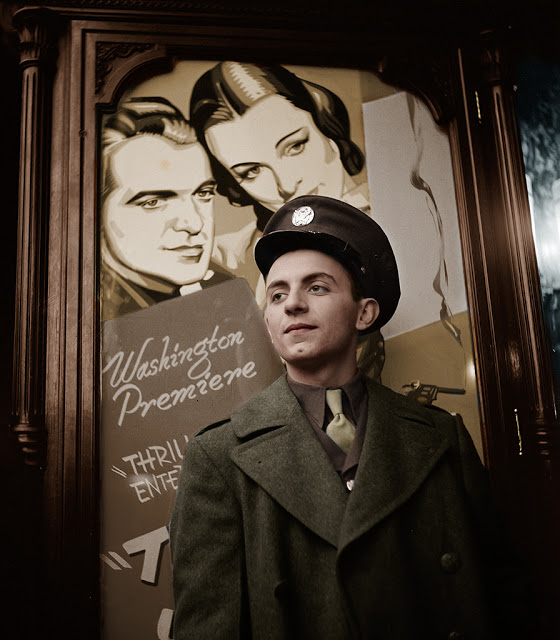
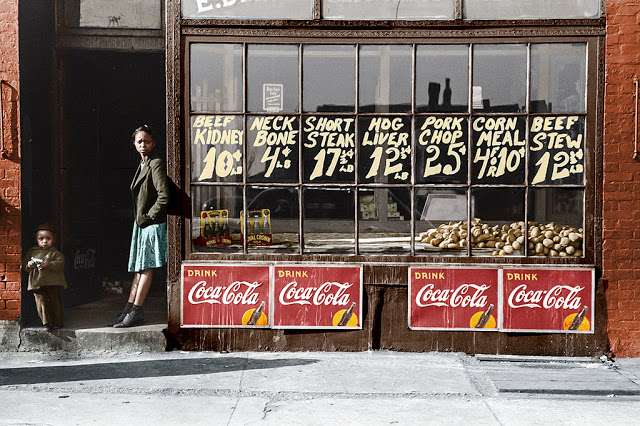
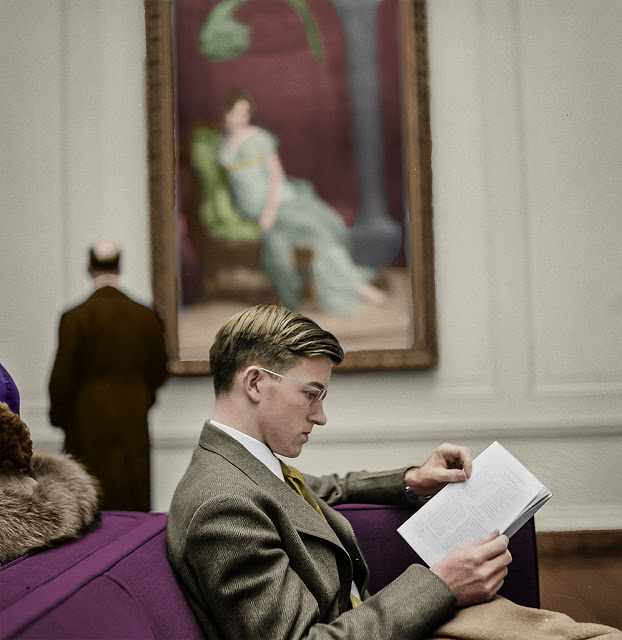
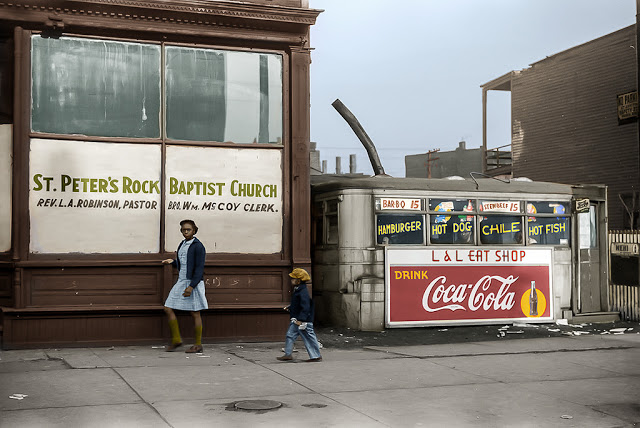
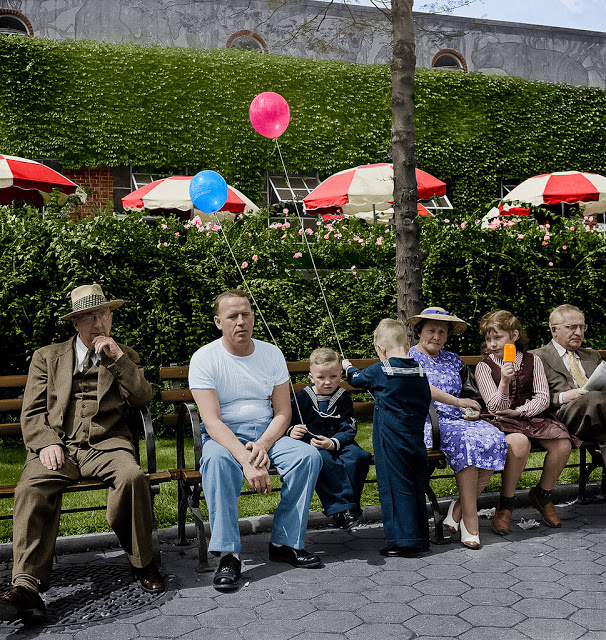
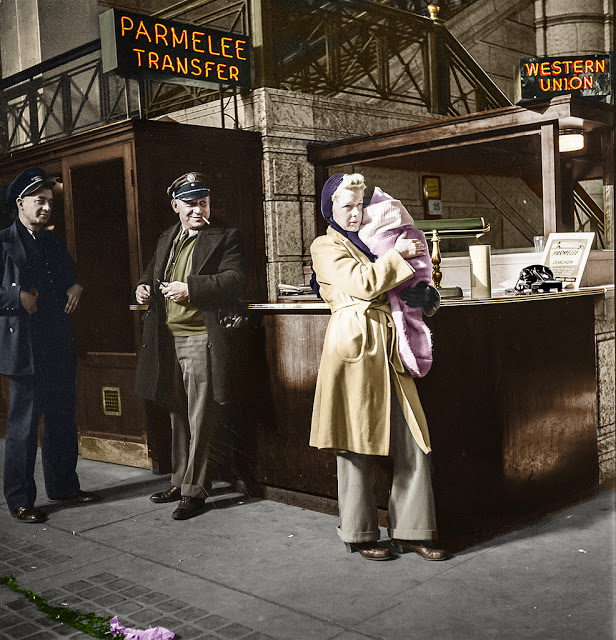
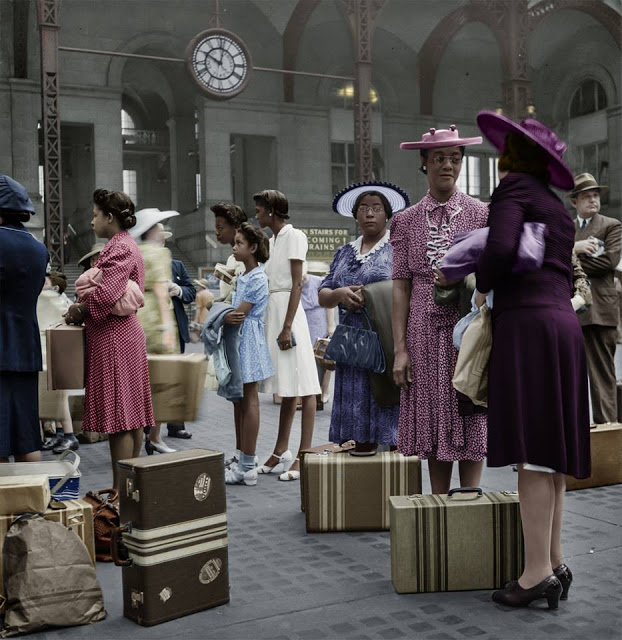
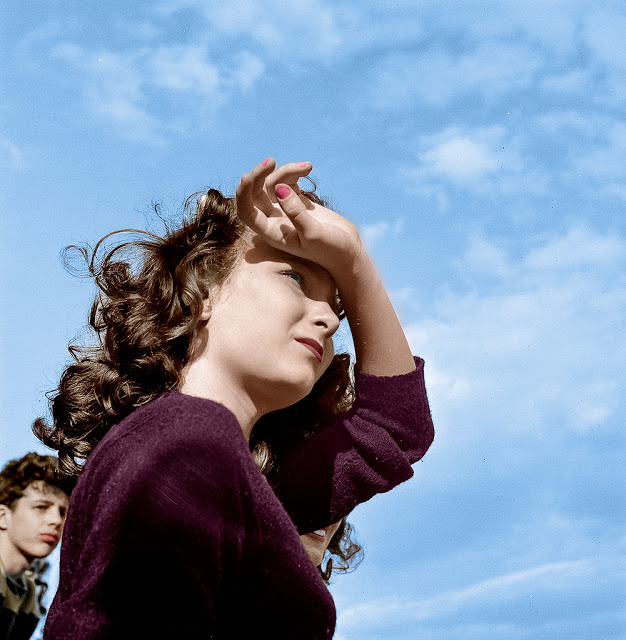
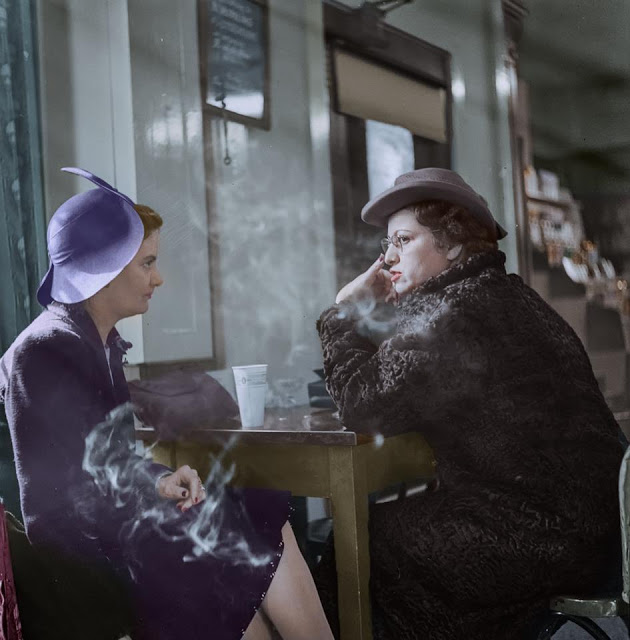
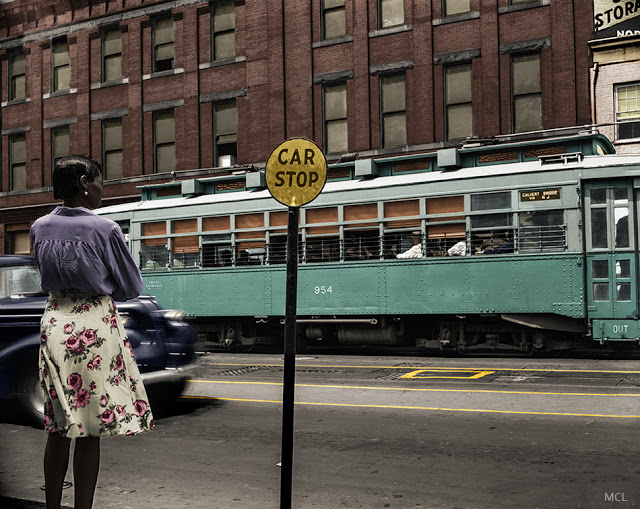
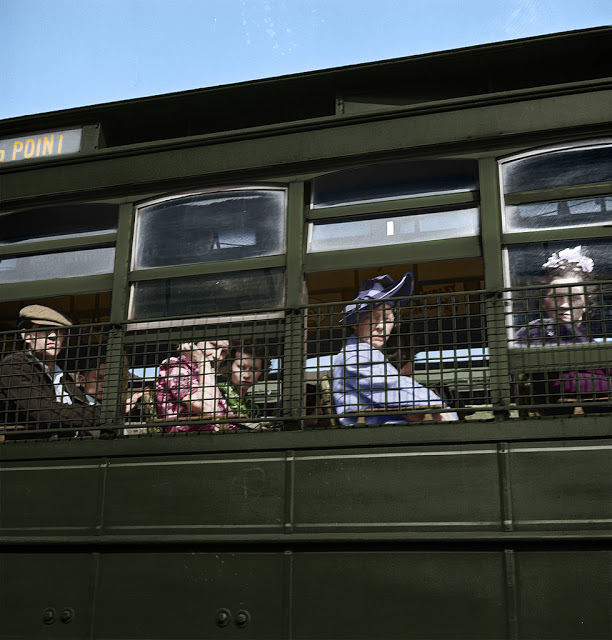
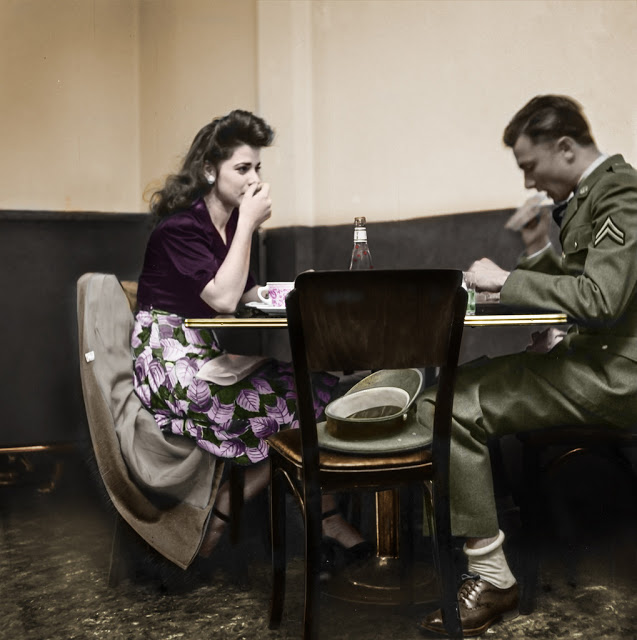
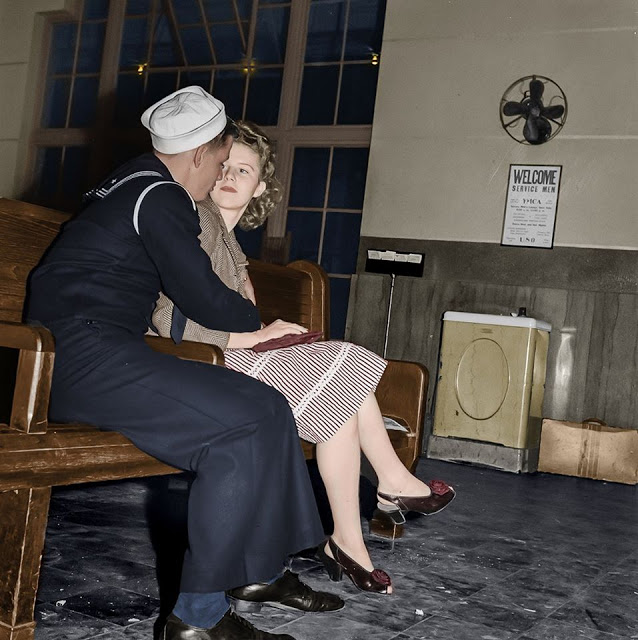
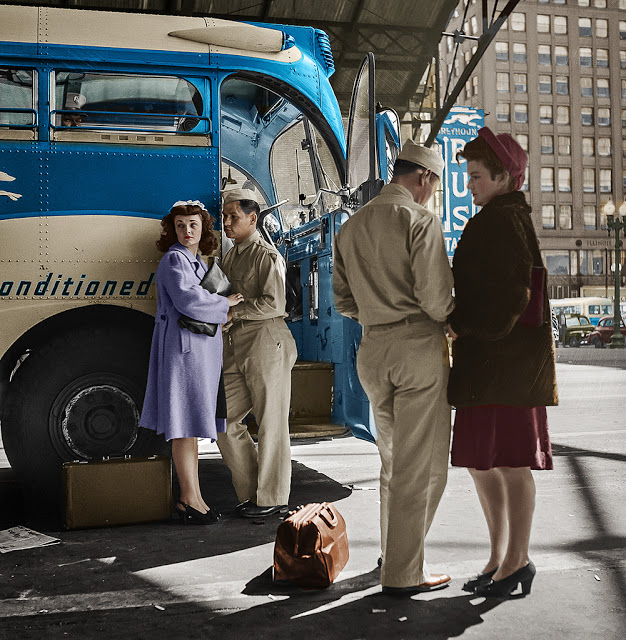
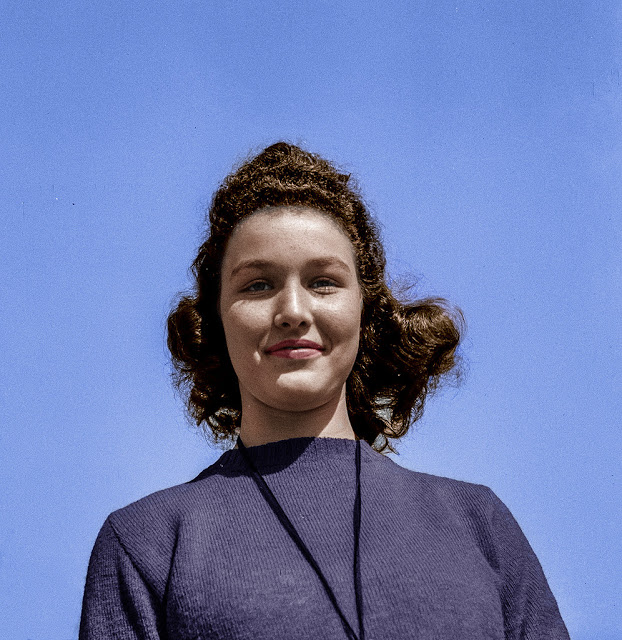
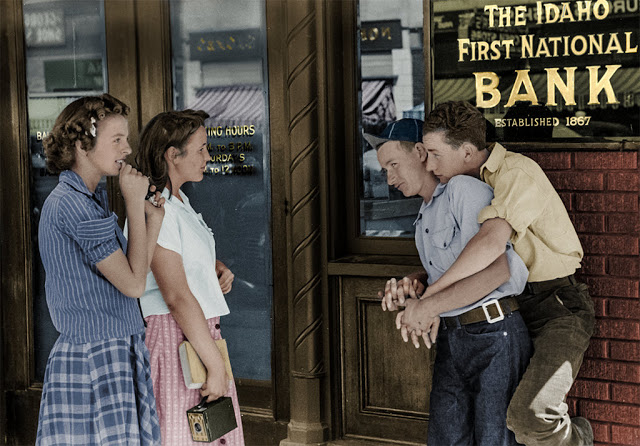
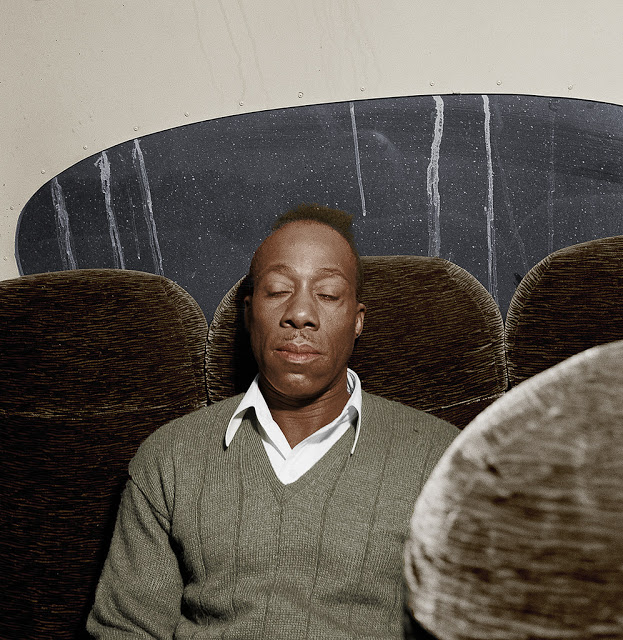
Forty-second Street and Fifth Avenue on a rainy day, New York, March 1943Homeless man at The Bowery at night, New York, Sept. 1942Girl sitting alone in the Sea Grill, a bar and restaurant waiting for a pickup, Washington D.C, Apr. 1943Listening to a murder mystery on the radio in a boarding house room, Washington D.C, Jan. 1943Grand Central Terminal, New York City, Oct. 1941Sideshow at the cicus, Klamath Falls, Oregon, July 1942Grand Central Terminal, New York City, Oct. 1941Teenagers at a party in Tulsa, Oklahoma, 1947Guests of Sarasota trailer park, Sarasota, Florida, Jan. 1941Time Square in a raining day, New York City, 1943In the cafe at a truck drivers’ service station on U.S. 1 (New York Avenue), Washington D.C, June 1940Woman in the shower bath in a boarding house, Washington D.C, Jan. 1943In town on a Saturday afternoon, Heard County, Georgia, 1941Women at work, Indiana, 1940-45Listening to the teacher’s instructions in a physical education class at Woodrow Wilson High School, Washington, Oct. 1943A windy day in Philadelphia, 1947Lower Manhattan seen from the S.S. Coamo leaving New York, Dec. 1941An administration clerk at the U.S. Office of Price, Washington, D.C, Jan. 1943Men of the Quartermaster Truck Company of the 25th service group having a card game in one of the barracks, Greenville, South Carolina, July 1943Children bringing their weekly contribution of scrap paper to school, Washington, May 1942Moccasins are worn without socks at Woodrow Wilson High School, Washington D.C, Oct. 1943New Year’s Day Bleeker Street in New York, Jan. 1943Soldier in front of the Capitol theatre, Washington D.C, March 1943South Side market, Chicago, Arpril 1941Spectator in the National Gallery of Art on a Sunday afternoon, Washington D.C, March 1942Storefront church and lunch wagon, Chicago, Illinois, Apr. 1941Sunday bench sitters in front of the Central Park Zoo restaurant, New York, Sept. 1942Waiting for a train in the concourse of the Union Station, Chicago, Illinois, Jan. 1943Waiting for the trains at the Pennsylvania railroad station, New York, Aug. 1942Watching a football game, Washington D.C, Oct. 1943Woman with chili peppers, Concho, Arizona, Sept. 1940Women talking in a drugstore over cokes, Washington D.C, March 19437th Street and Florida Avenue, Washington, Aug. 19421917 vintage trolley, Baltimore, Maryland, Apr. 1943A corporal in the army takes his girl to dinner, California, May 1942A Greyhound bus trip from Louisville, Kentucky, to Memphis, Tennessee, and the terminals, Sept. 1943Soldiers and girls saying goodbye at the Greyhound bus station, Indianapolis, Indiana, Sept. 1943A student at Woodrow Wilson High School, Washington D.C, Oct. 1943A woman and her dog in the Harlem section, New York, May 1943Boys and girls, Caldwell, Idaho, 1941Bus passenger enroute from Nashville to Memphis, March 1948Children going home from school, Chillicothe, Ohio, Feb. 1940Children playing, New York City, Dec. 1941Chinese grocery store in Chinatown, New York, Aug. 1942Farmer couple living in an old mansion in southern Greene County, Georgia, June 1941
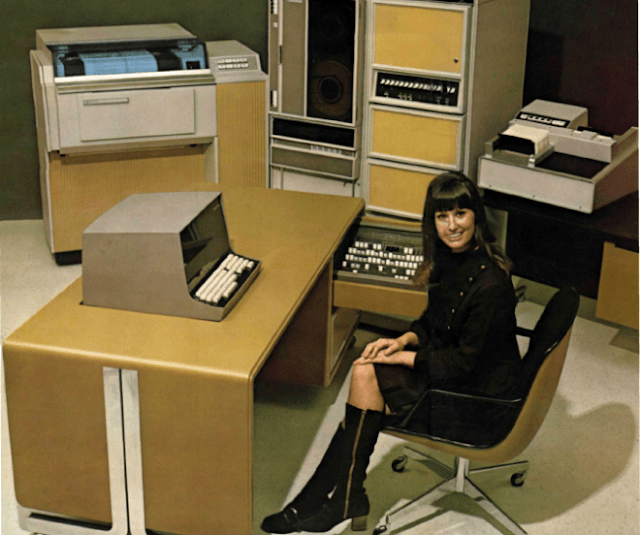
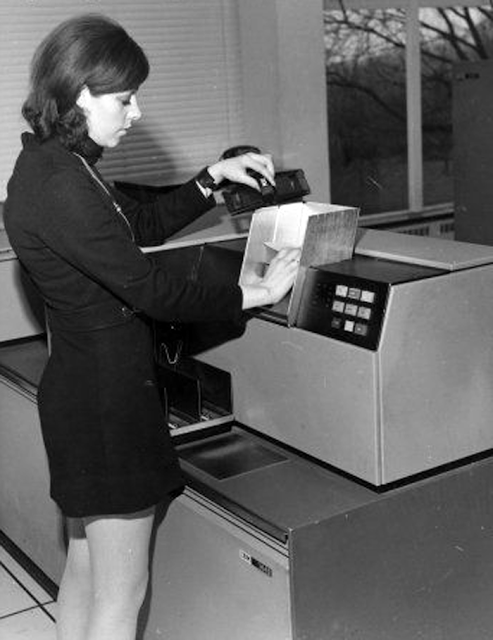
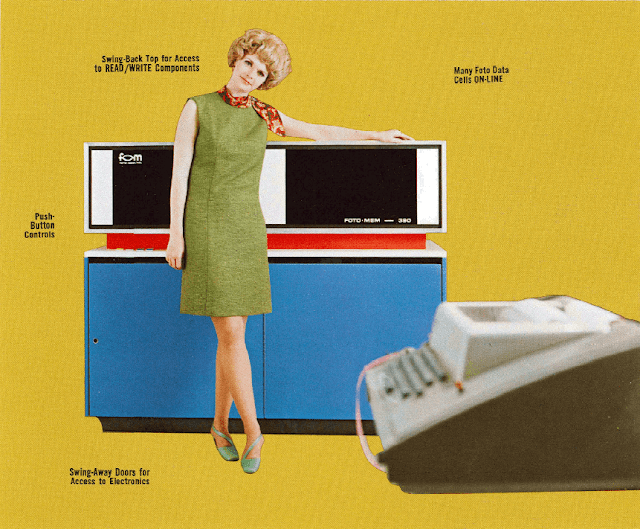
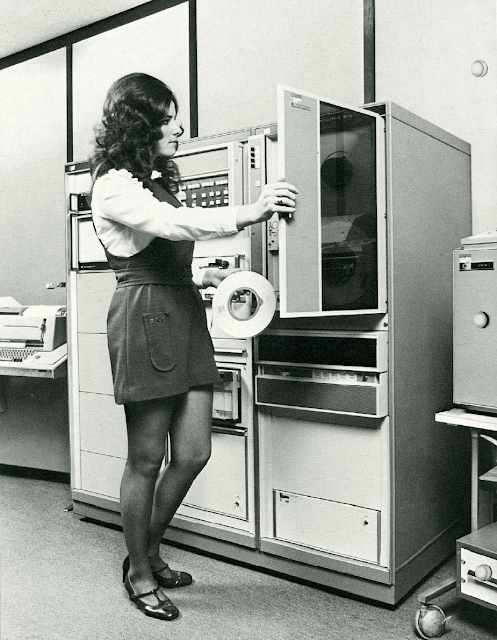
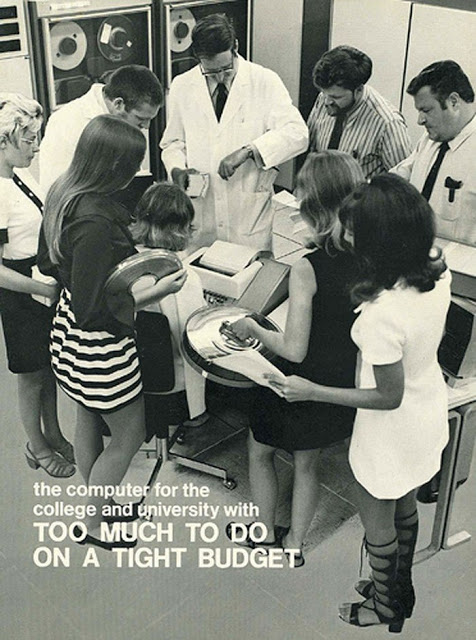
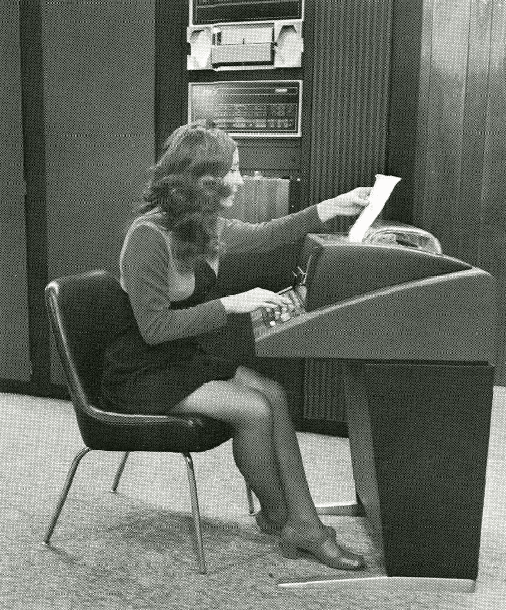
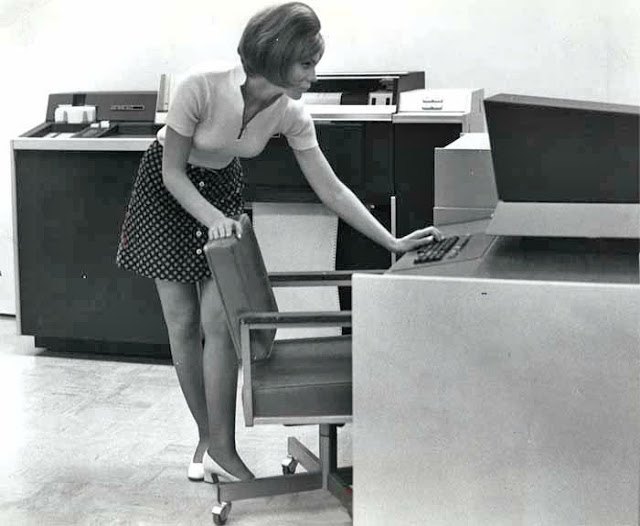
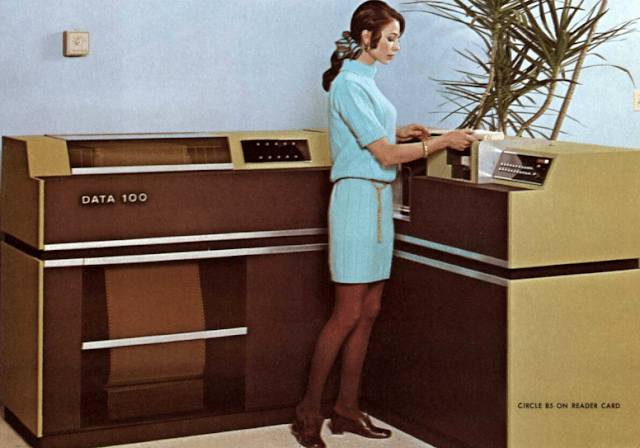
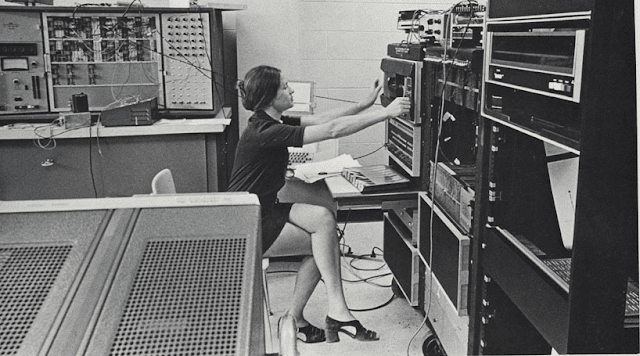
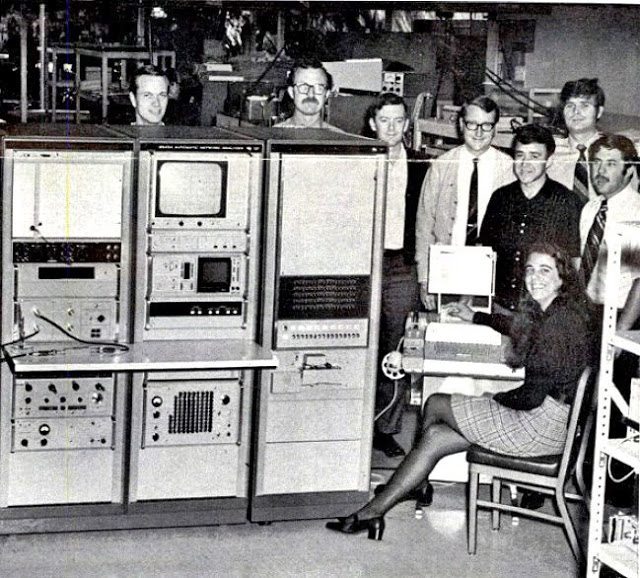
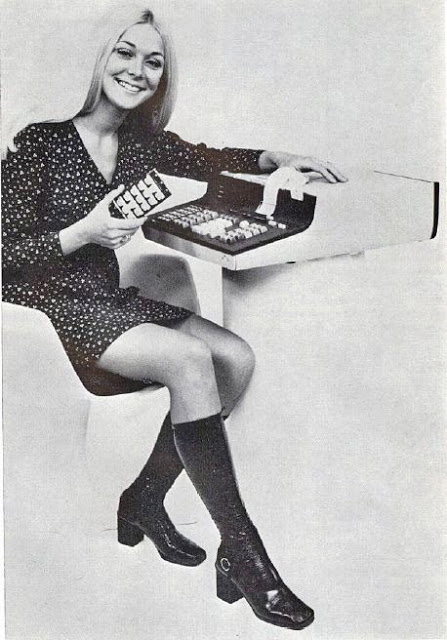
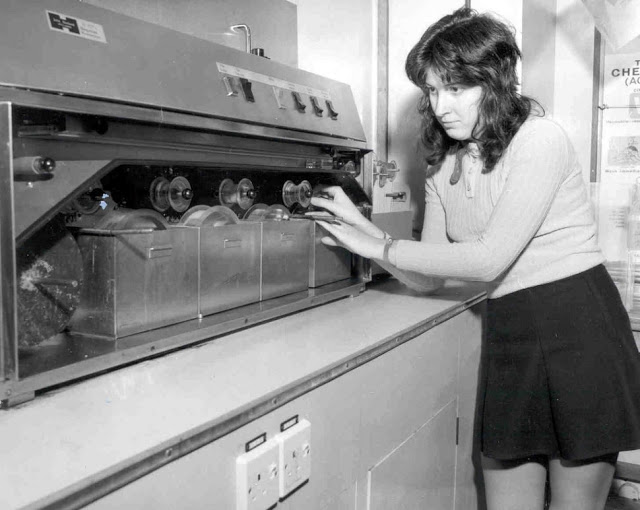
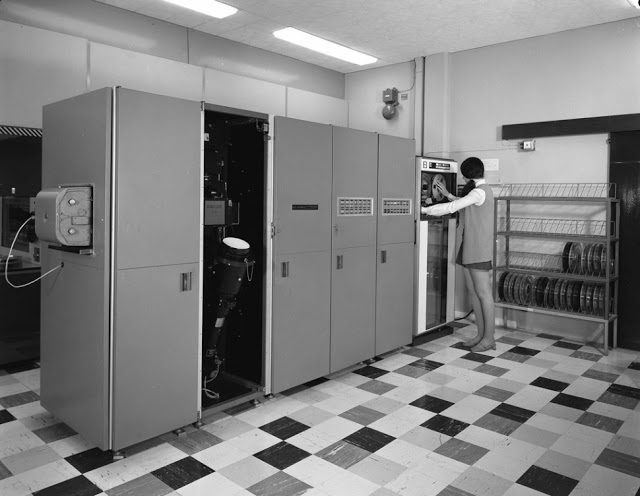
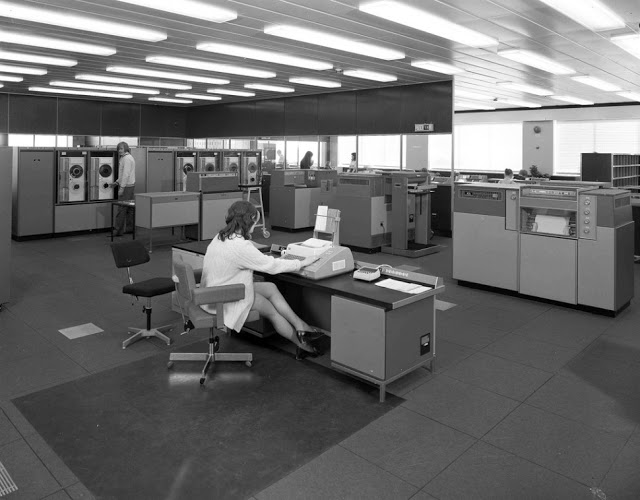
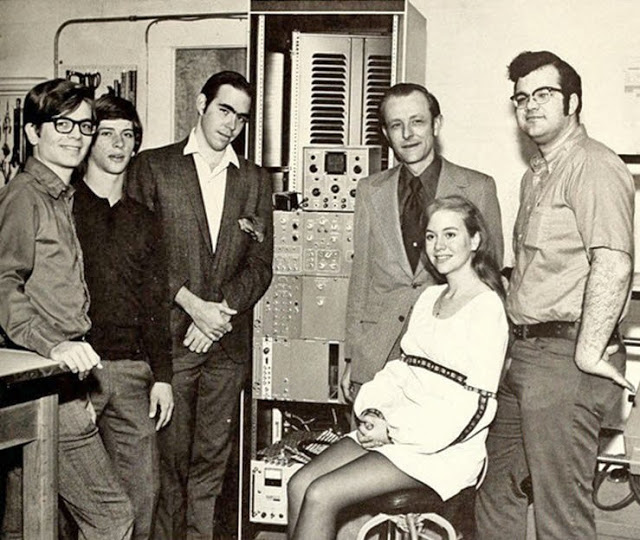
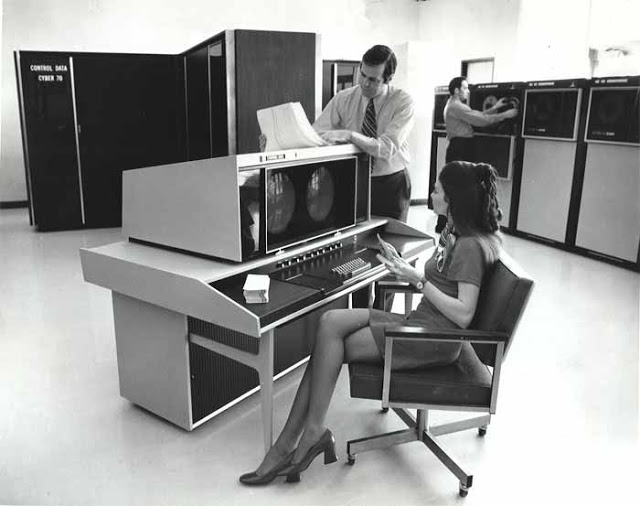
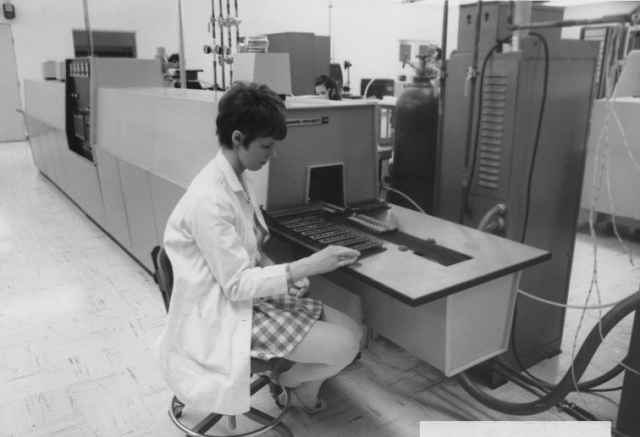
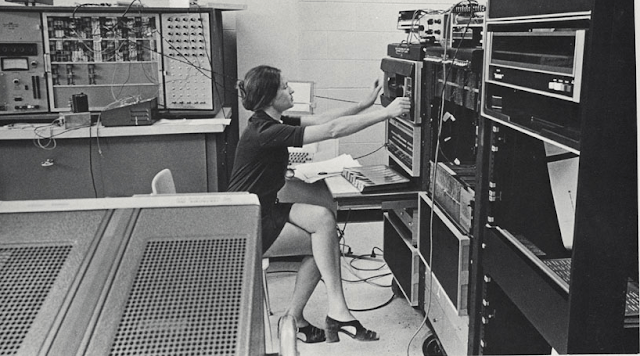
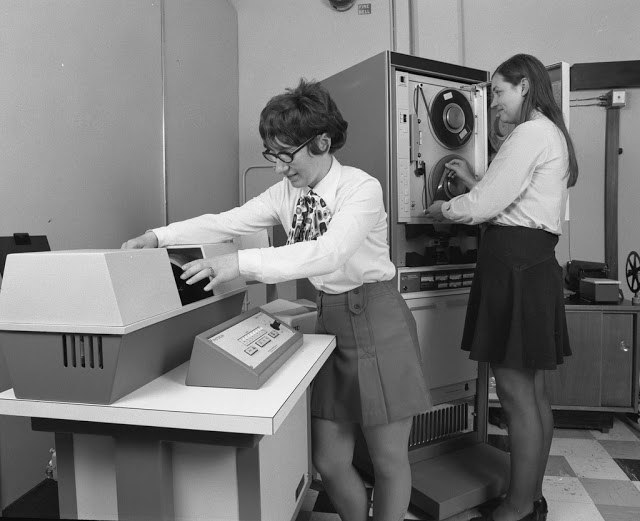
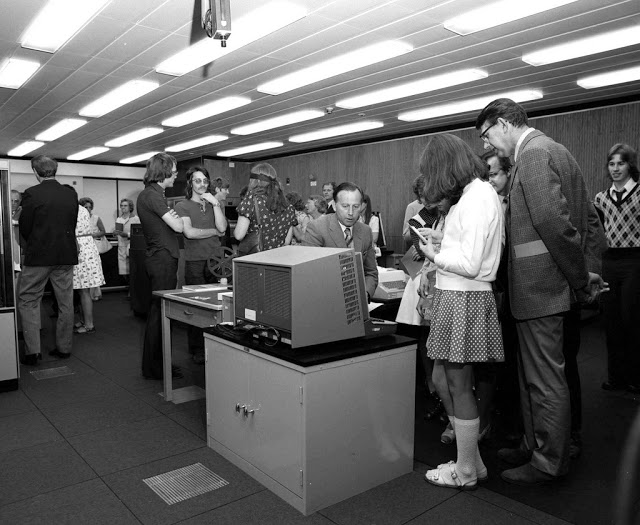
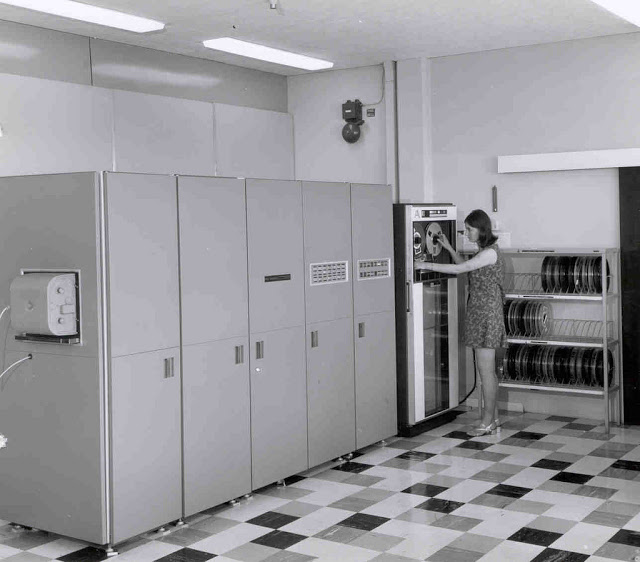
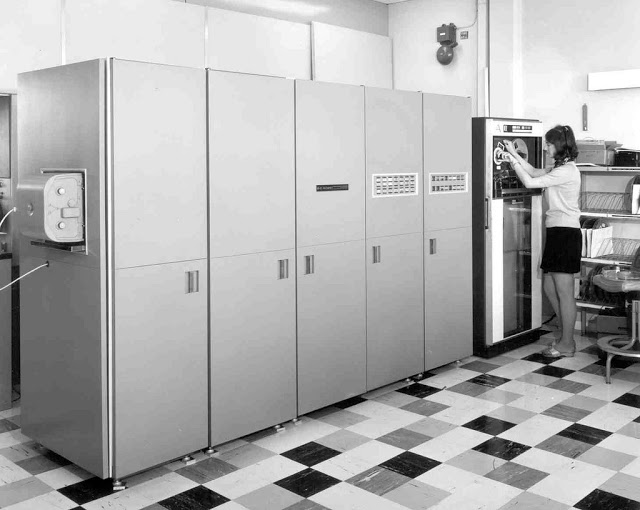
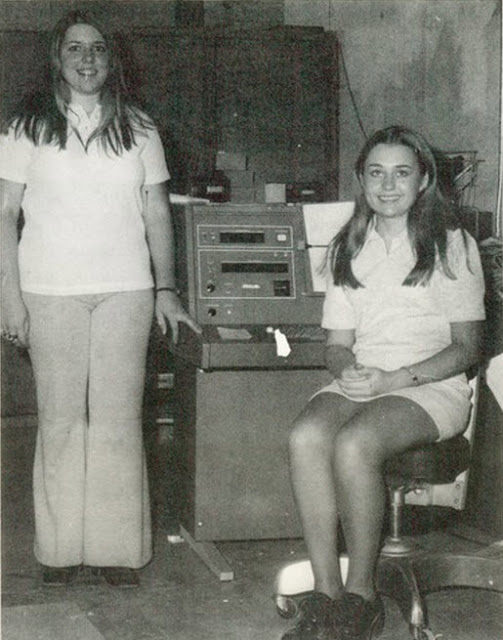
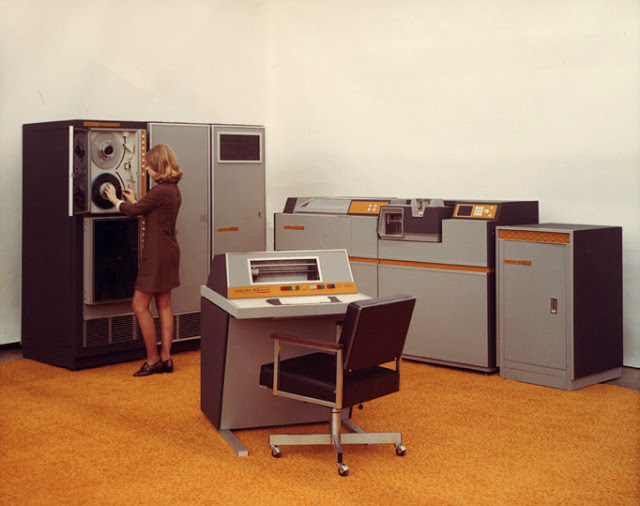
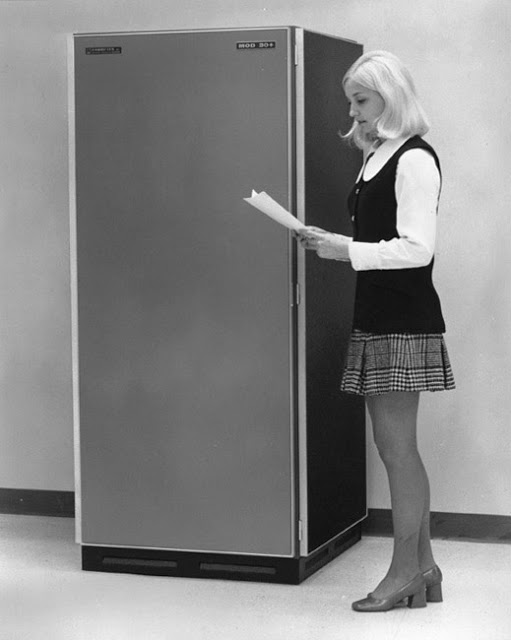
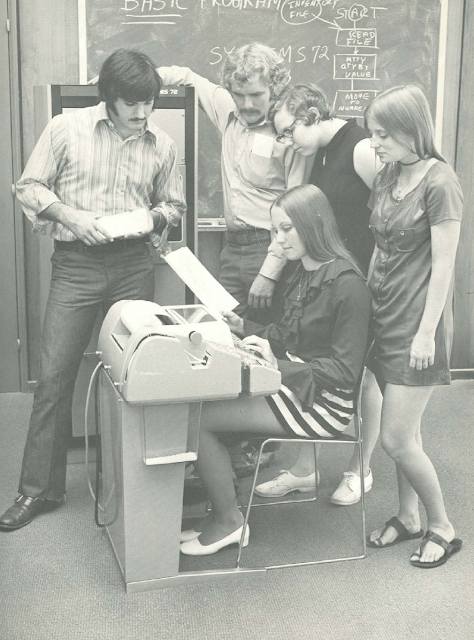
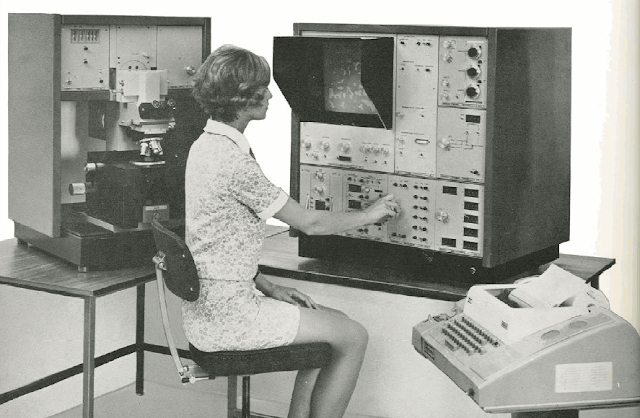
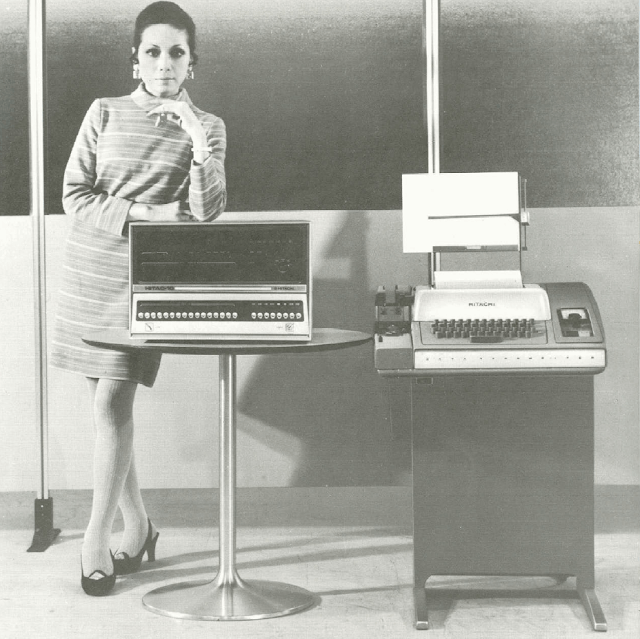
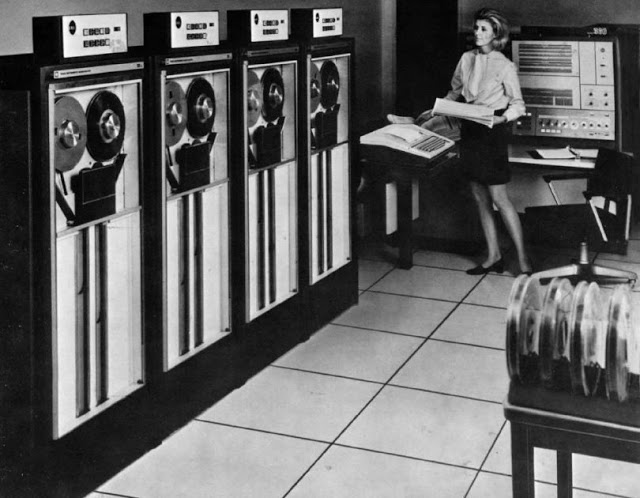
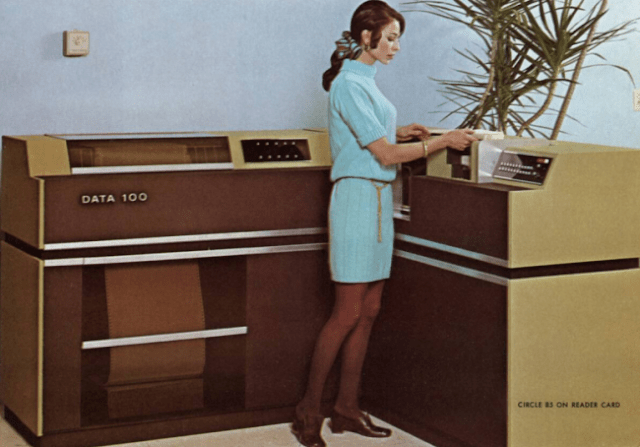
The 1970s were a heady time in the computer industry. The decade saw many notable inventions and developments, especially in the areas of the personal computer, networking and object-oriented programming.
Innovators produced groundbreaking hardware and software. Several large organizations entered the industry or expanded during the decade, including Texas Instruments, Xerox and International Business Machines, or IBM. Some companies, such as RCA, dipped their toes in industry waters, but quickly withdrew from the computer scene.
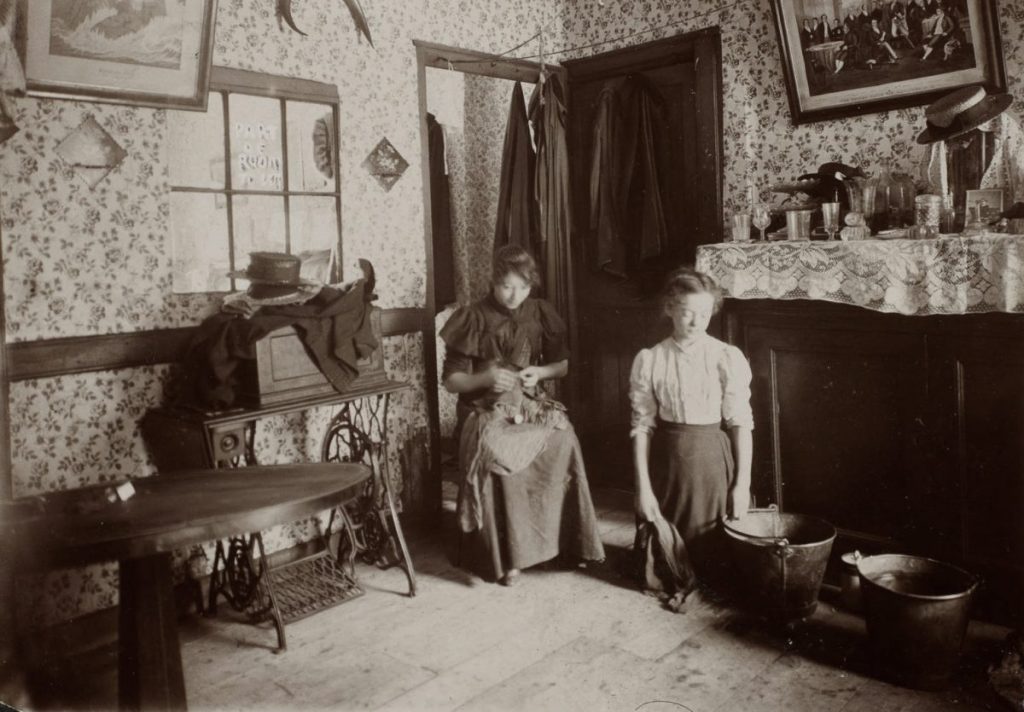
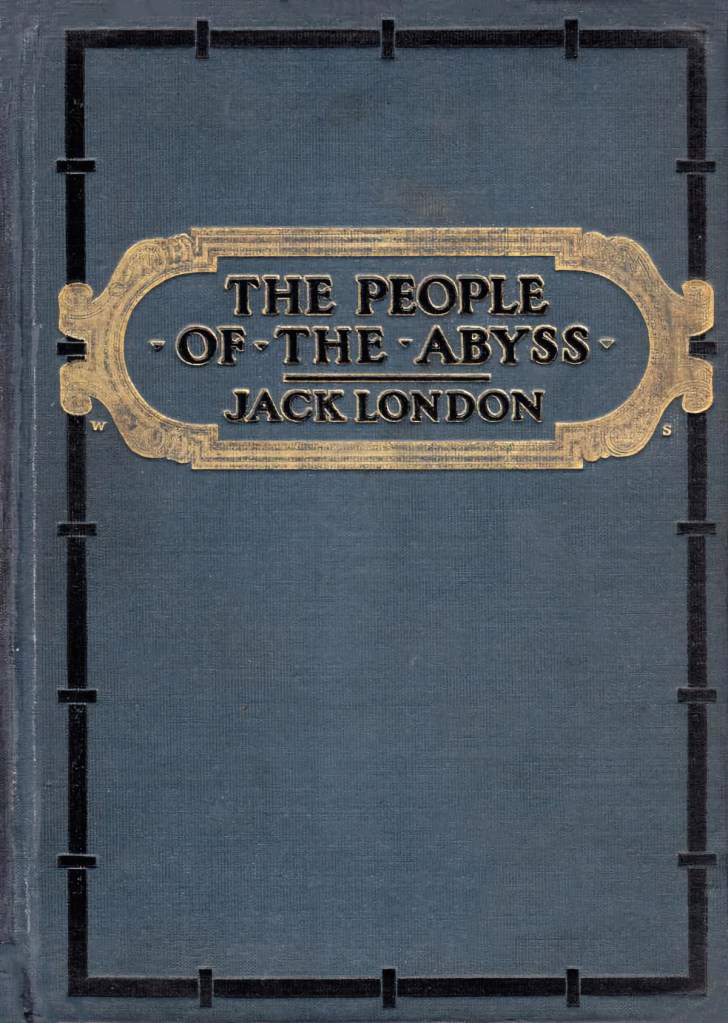
In a book that became to be known as ‘The People of the Abyss’ London described the time when he lived in the Whitechapel district sleeping in workhouses, so-called doss-houses and even on the streets.
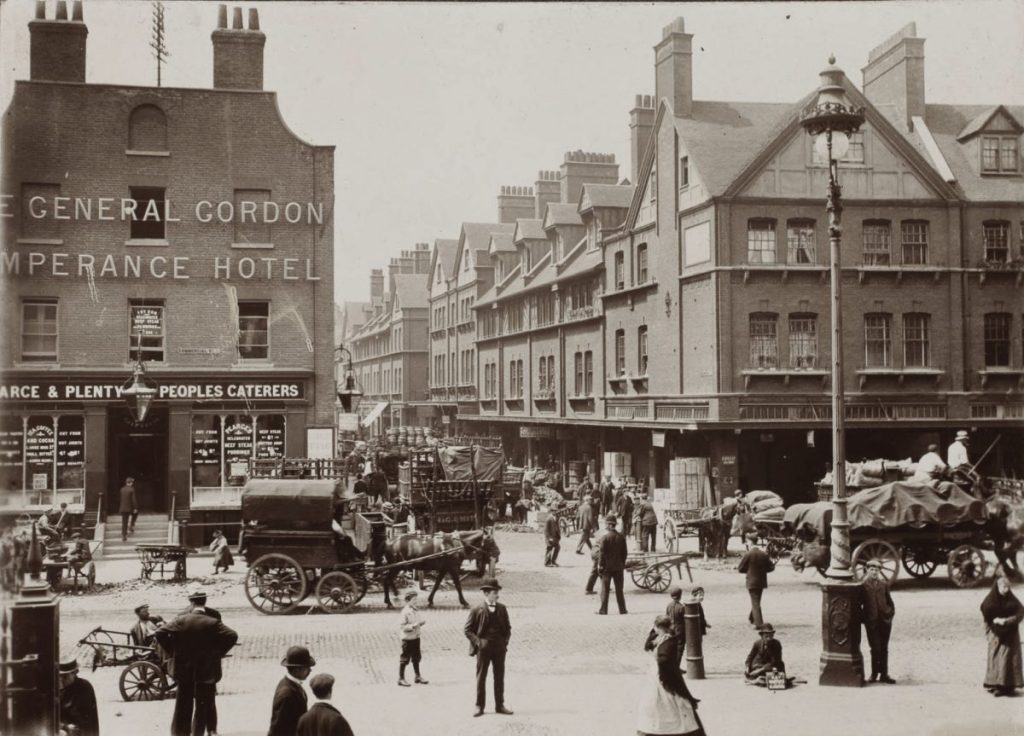
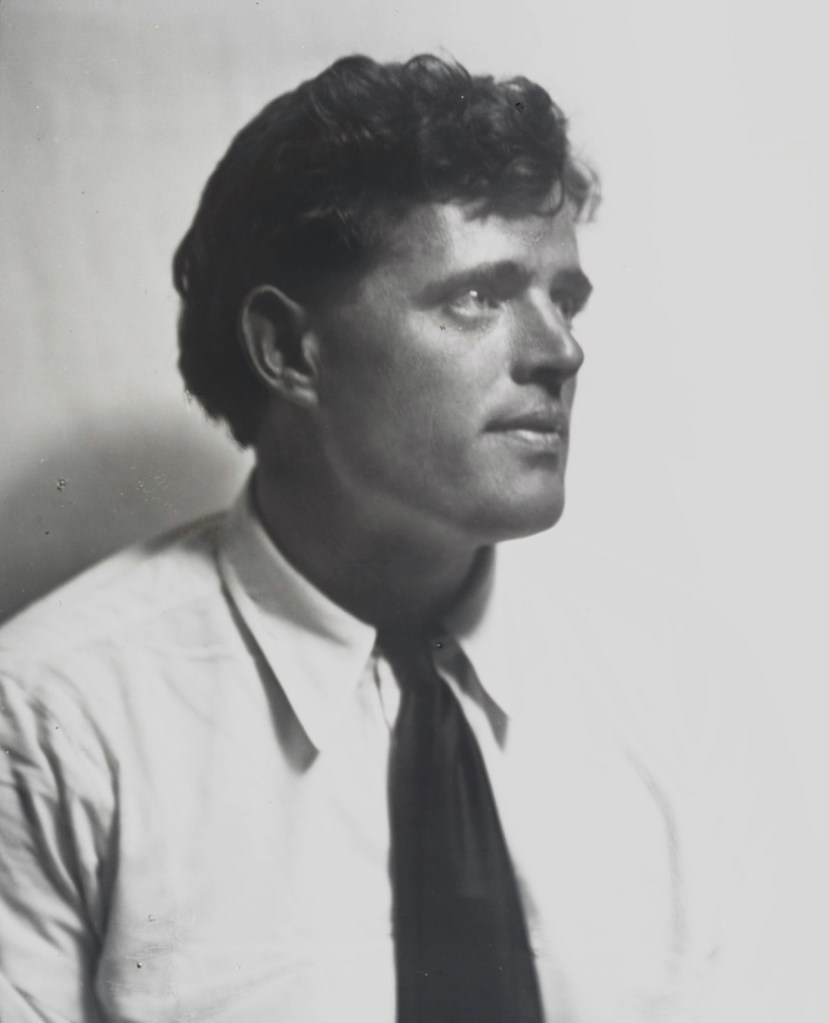
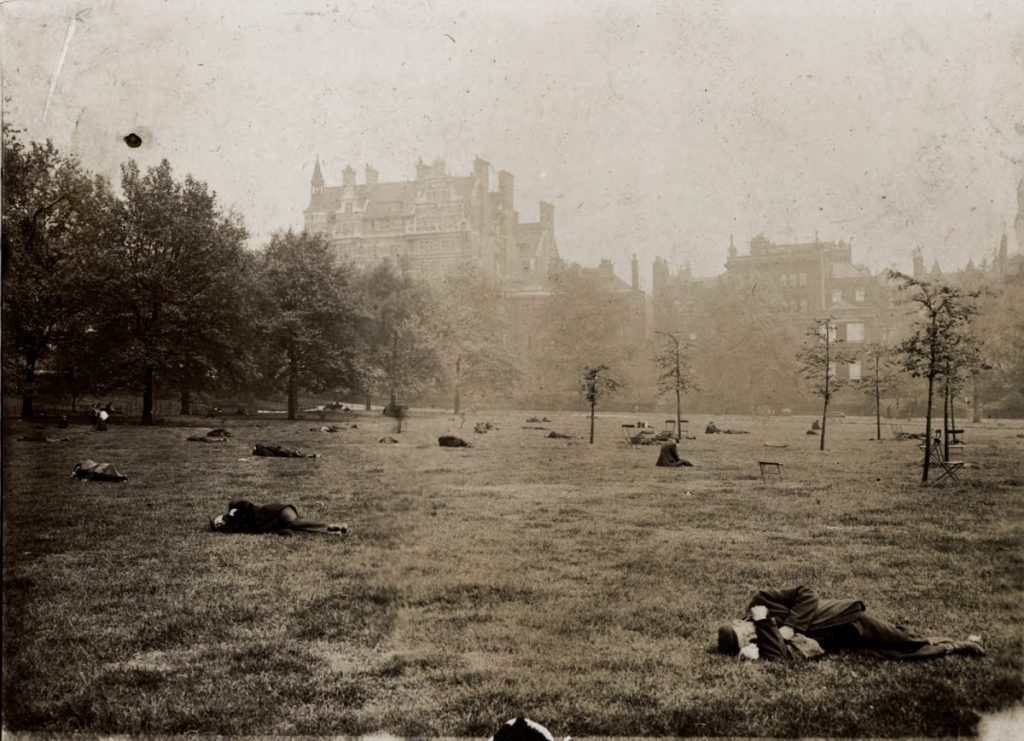
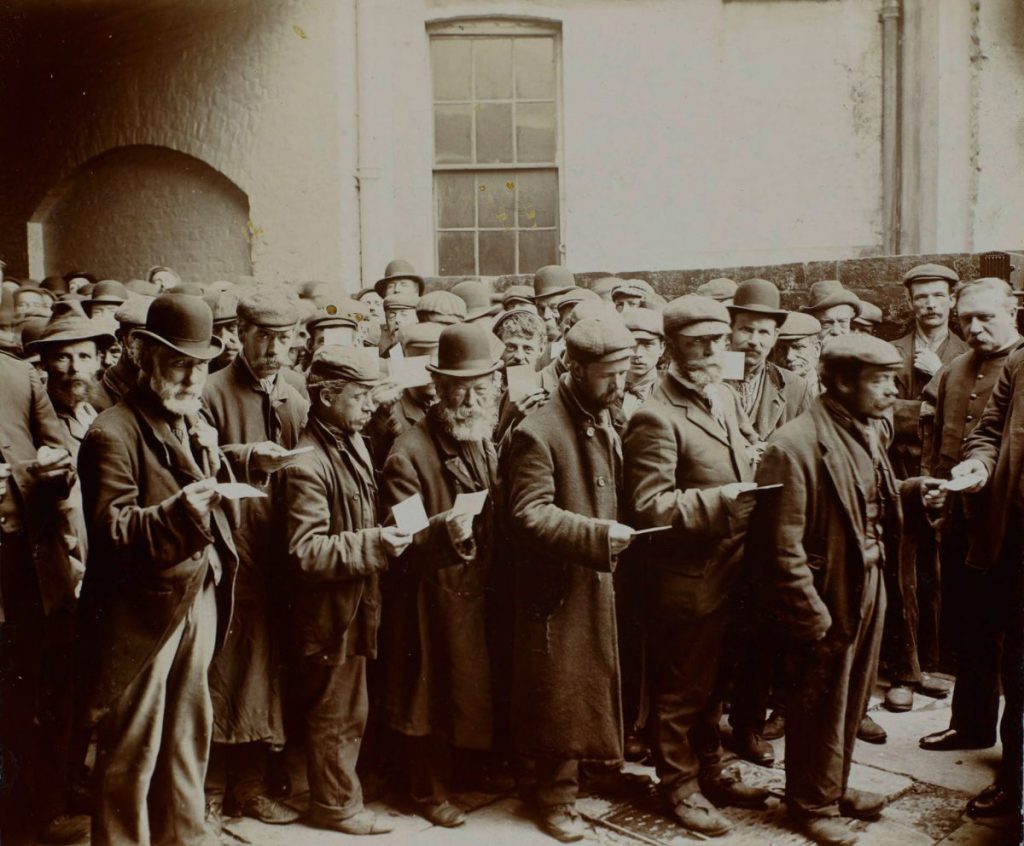
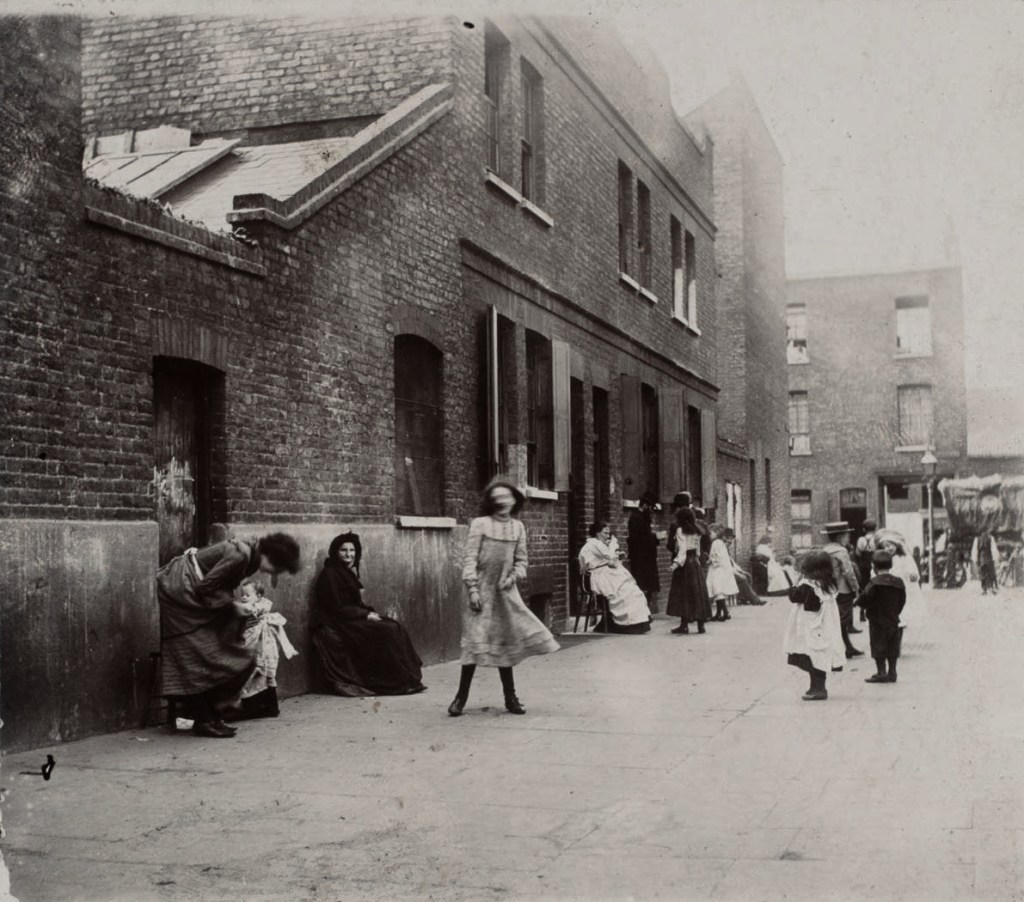
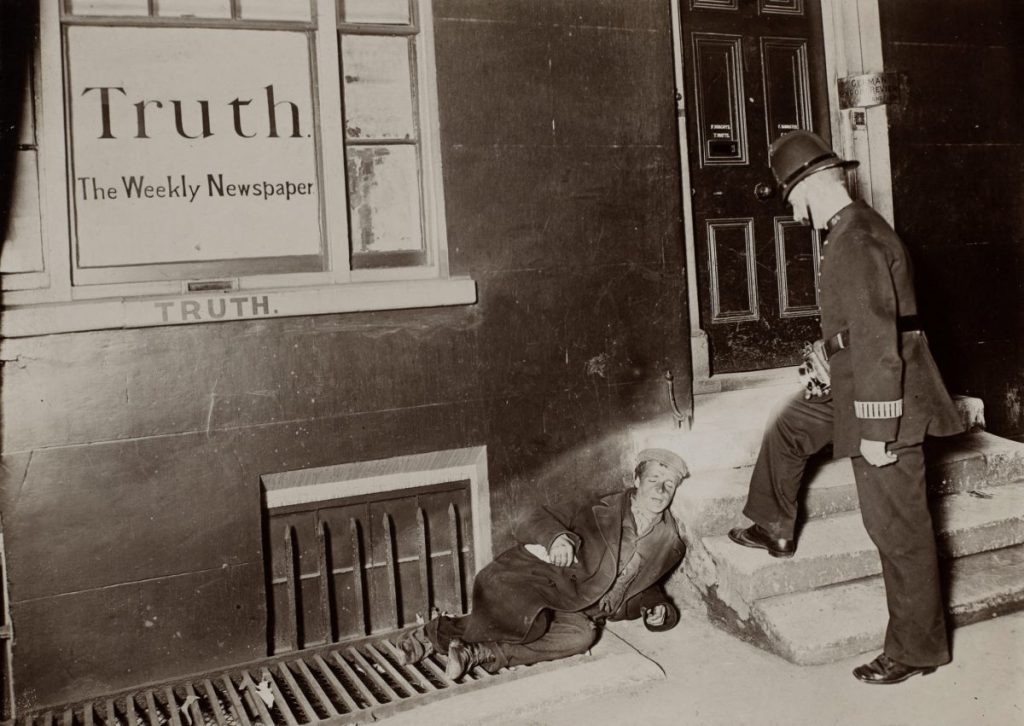
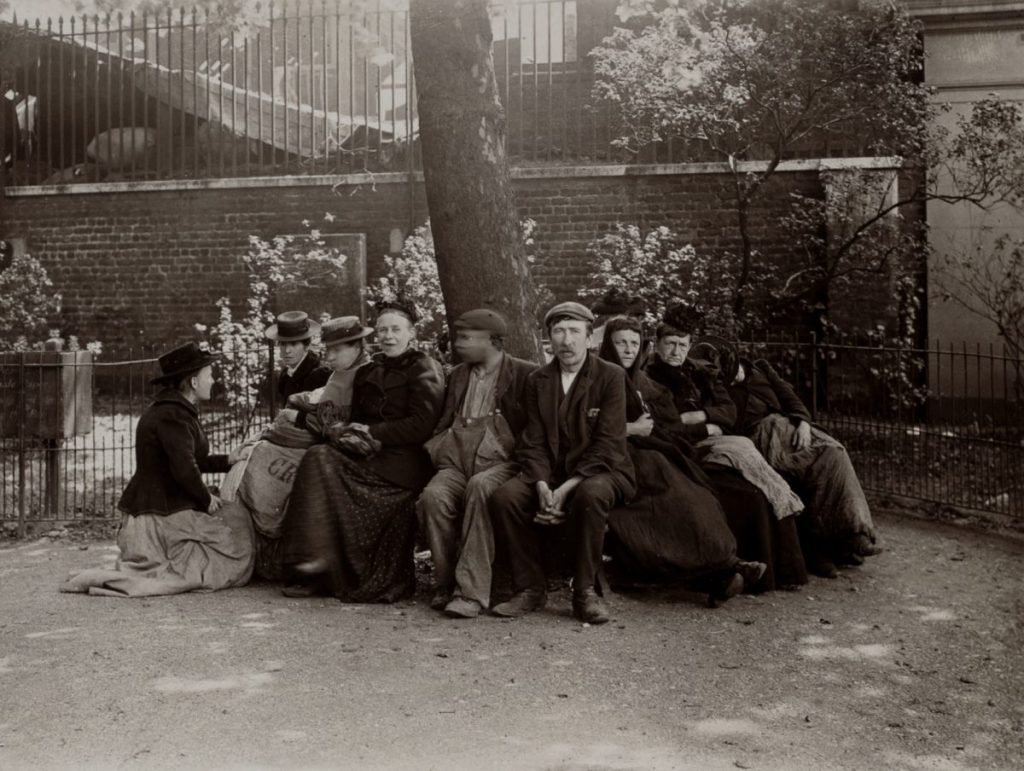
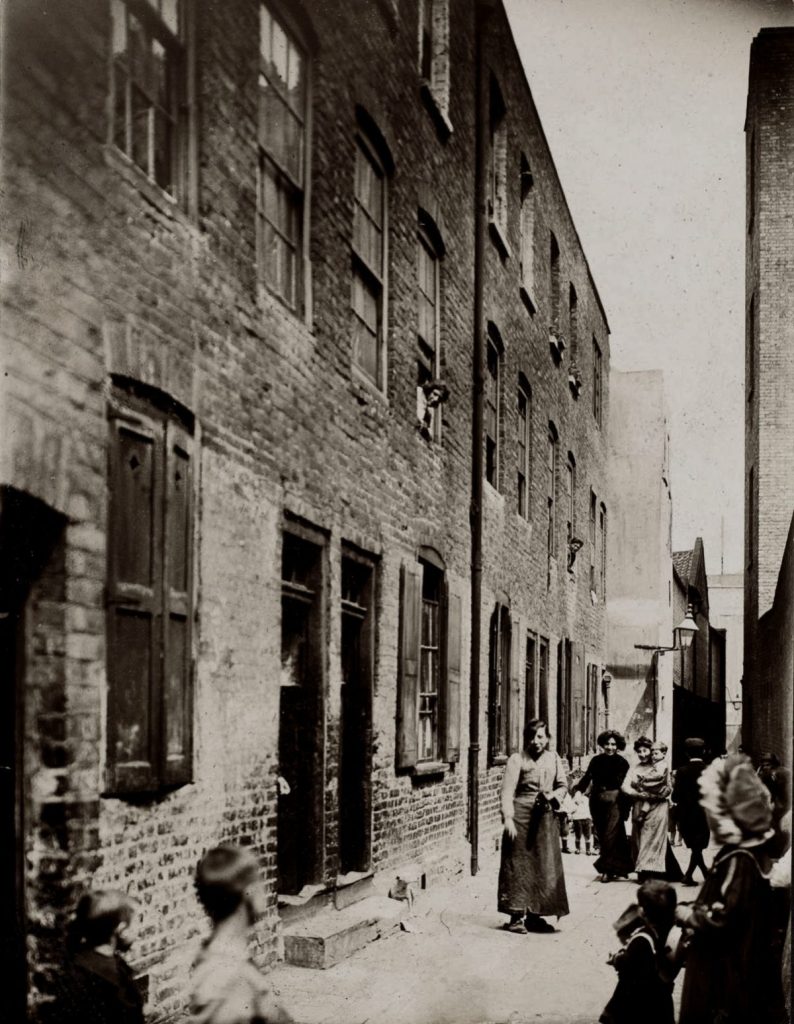
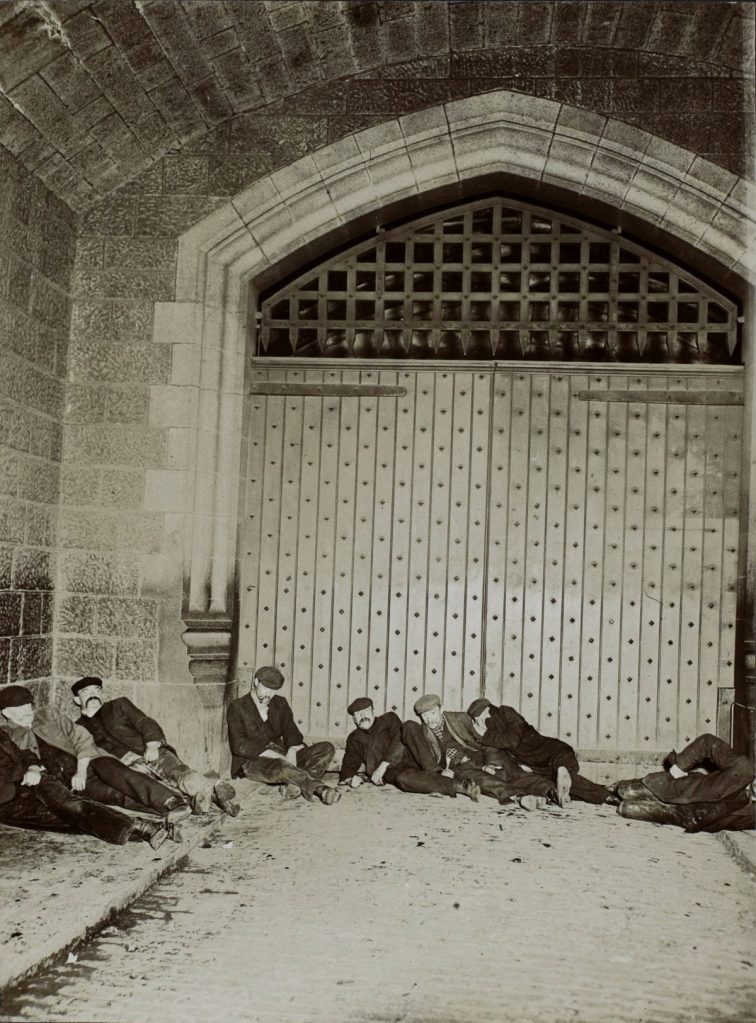
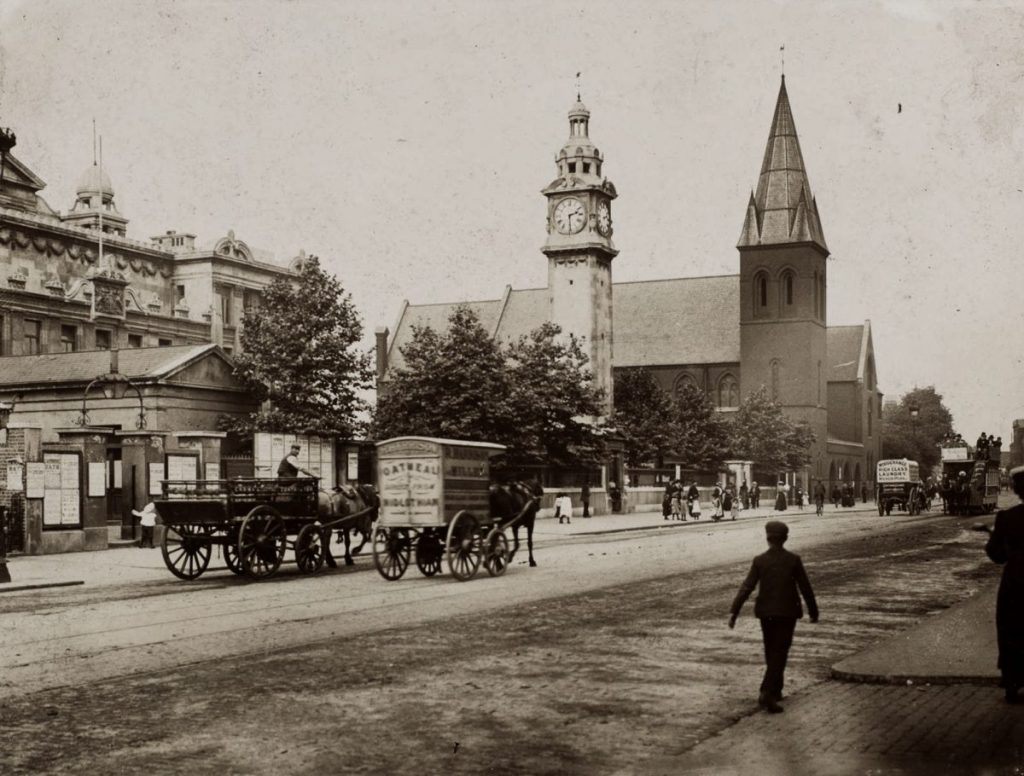
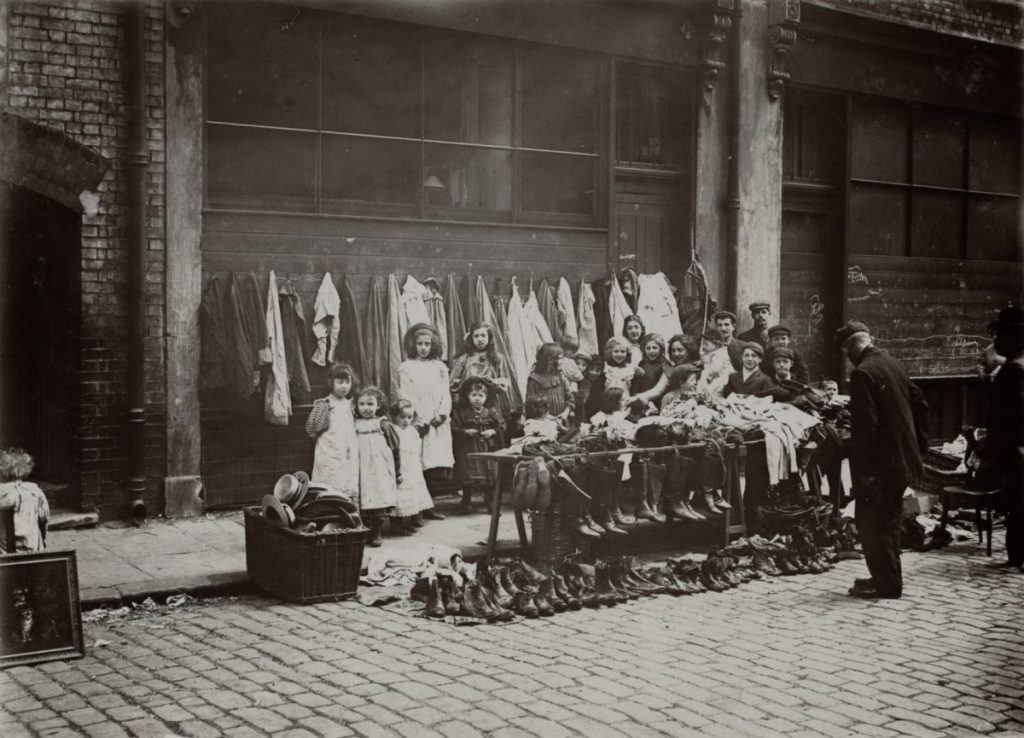
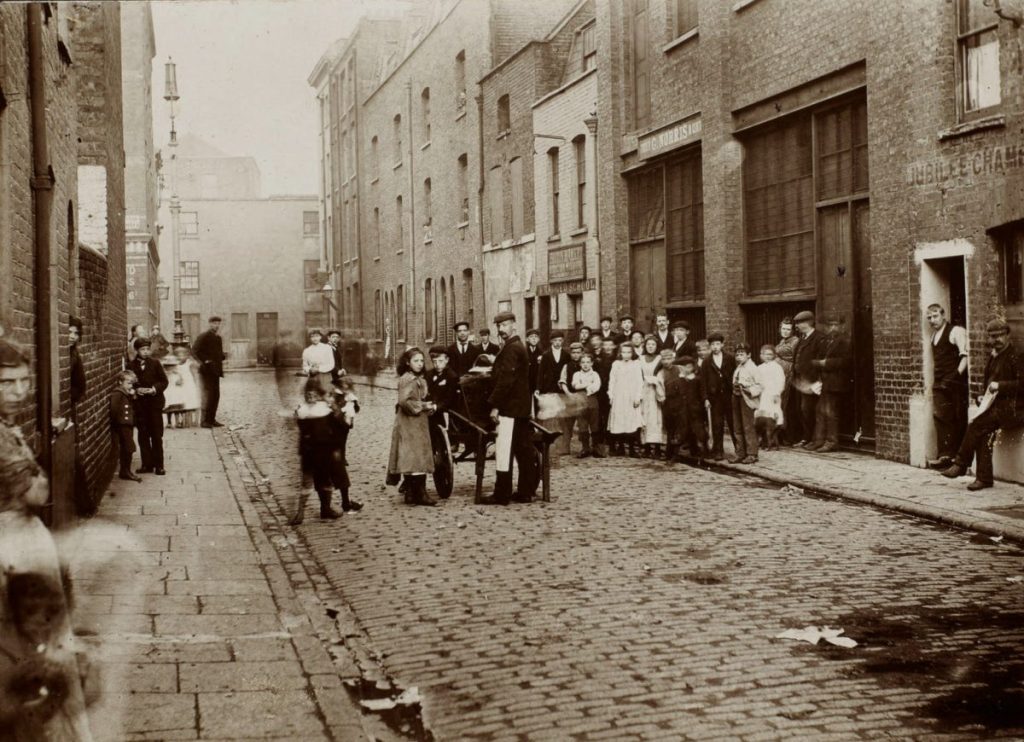
In 1902 the American author Jack London visited his namesake city – at the time when it was still the largest in the world. In a book that became to be known as The People of the Abyss he described the time when he lived in the Whitechapel district sleeping in workhouses, so-called doss-houses and even on the streets. It was said that about half a million people were living in these awful and terrible conditions in Britain’s capital city. London took the photographs that illustrated his extraordinary book (between 1900 and 1916 the American writer took more than 12 thousand photographs). London was most disturbed by the number of “old men, young men, all manner of men, and boys to boot, and all manner of boys” who had no other choice other than to sleep on the streets. “Some were drowsing standing up; half a score of them were stretched out on the stone steps in most painful postures…the skin of their bodies showing red through the holes, and rents in their rags.”
London had trouble finding anyone to show him the East End:
“But you can’t do it, you know,” friends said, to whom I applied for assistance in the matter of sinking myself down into the East End of London. “You had better see the police for a guide,” they added, on second thought, painfully endeavouring to adjust themselves to the psychological processes of a madman who had come to them with better credentials than brains. “But I don’t want to see the police,” I protested. “What I wish to do is to go down into the East End and see things for myself. I wish to know how those people are living there, and why they are living there, and what they are living for. In short, I am going to live there myself.” “You don’t want to live down there!” everybody said, with disapprobation writ large upon their faces. “Why, it is said there are places where a man’s life isn’t worth tu’pence.” “The very places I wish to see,” I broke in. “But you can’t, you know,” was the unfailing rejoinder.”
According to Michael Shelden, George Orwell‘s biographer, the English writer had read London’s book while in his teens and greatly inspired as can be seen in Down and Out in Paris and London and the Road to Wigan Pier.
The People of the Abyss was published in 1903 the same year as his novel Call of the Wild was serialised – bringing London international fame. London later said: “Of all my books, the one I love most is The People of the Abyss. No other work of mine contains as much of my heart.”
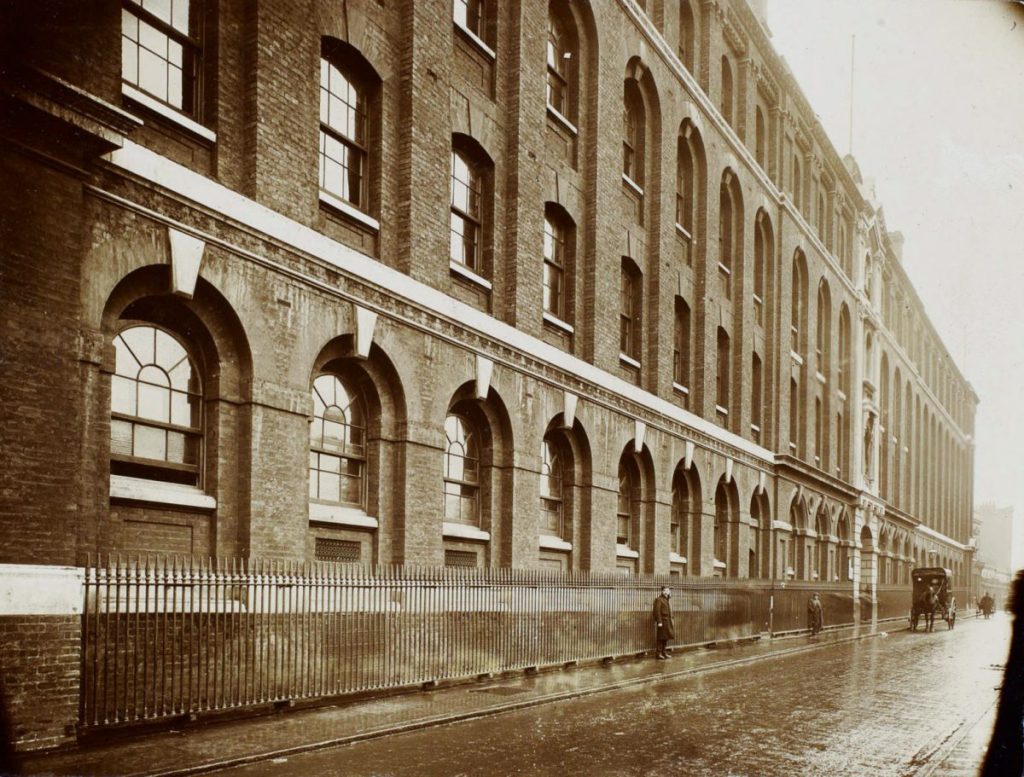
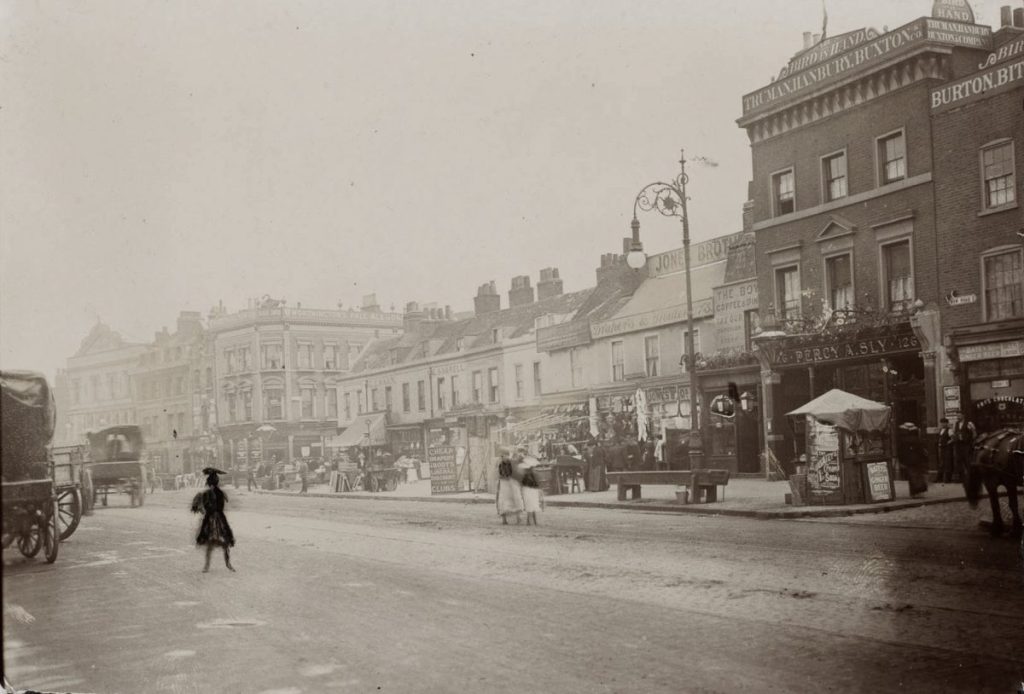
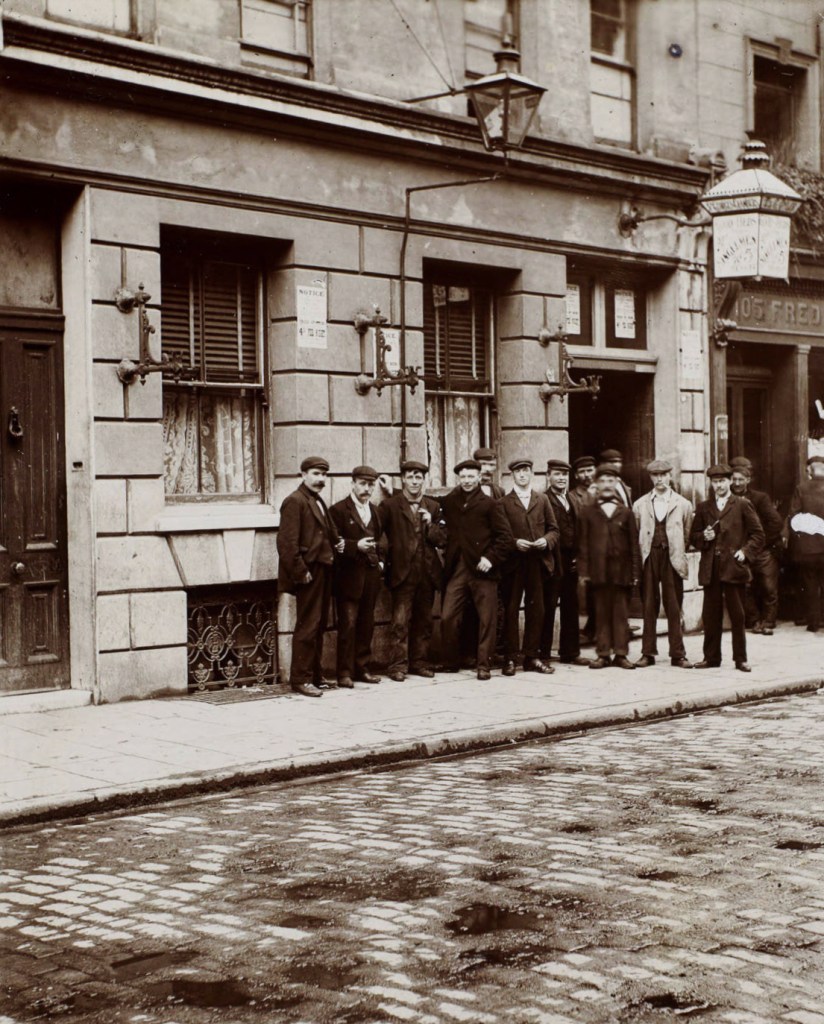
Spitalfields at the junction of Commercial Street and Brushfield Street. The building at the right is Spitalfields Market. To the left is a branch of the Pearce & Plenty cafe chain, with a sign for the General Gordon Temperance Hotel.Jack LondonMen sleeping in Green Park.Men working in casual ward of workhouse picking oakum – teasing out of fibres from old ropes and was very hard on the fingers.Inside the courtyard of Salvation Army barracks Sunday Morning.An East End Slavey (a maidservant, especially a hard-worked one.)Bank Holiday, Whitechapel.A street in Wapping“Gigantic dosshouse” Rowton House, Fieldgate Street, Whitechapel“A policeman shines a flashlight onto a young man sleeping on the sidewalk against a building. A sign displayed in a window to the left reads: “Truth The Weekly Newspaper.”Homeless Women Spitalfields Garden (church yard of Christ Church)Homeless men and women Spitifield Gardens (Christ Church churchyard).Frying Pan Alley,(Situated close to Middlesex Street and Petticoat Lane market) SpitalfieldsA group of men stand out on the stoop of a four-story brick building, while a few women and children walk by on the sidewalk. A sign over the entrance reads: “No. 1 Victoria Home for Working Men.”Whitechapel Infirmary -Wide view along the front of a long, four-story building with arched windows on the first floor. Two horse-drawn carriages are on the street in the distance.View in Stratford.“Two relay system lodging, lodgers who have been on night work waiting till the beds of a doss house are vacated by men employed during the way.” – original captionUnder the arches of the bridges that span the ThamesPart of a room to let. A typical East End home where the people live, sleep, eat all in one room.Mile End Road showing the People’s PalaceCasual ward of Whitechapel Workhouse above, beds rolled up on left and rightA shop where old clothes are sold – A group of children and a handful of adults, stand around a table that is covered with clothing. Jackets and coats are hung on an outside wall behind them, and shoes, hats, and other items sit on the ground around the table.(original caption)View in Hoxton.People of the Abyss cover
Jack London’s photographs are via The Huntington Library.
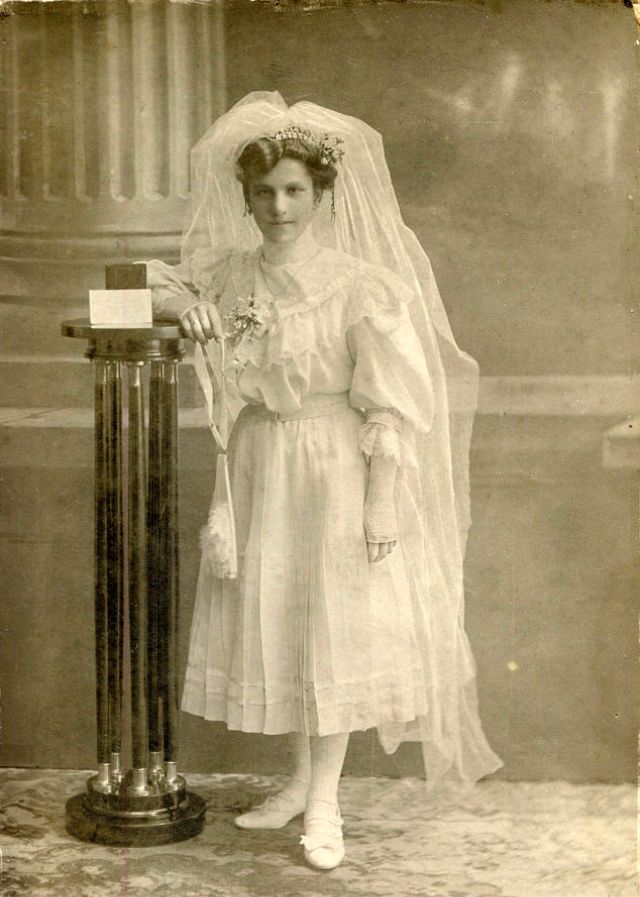
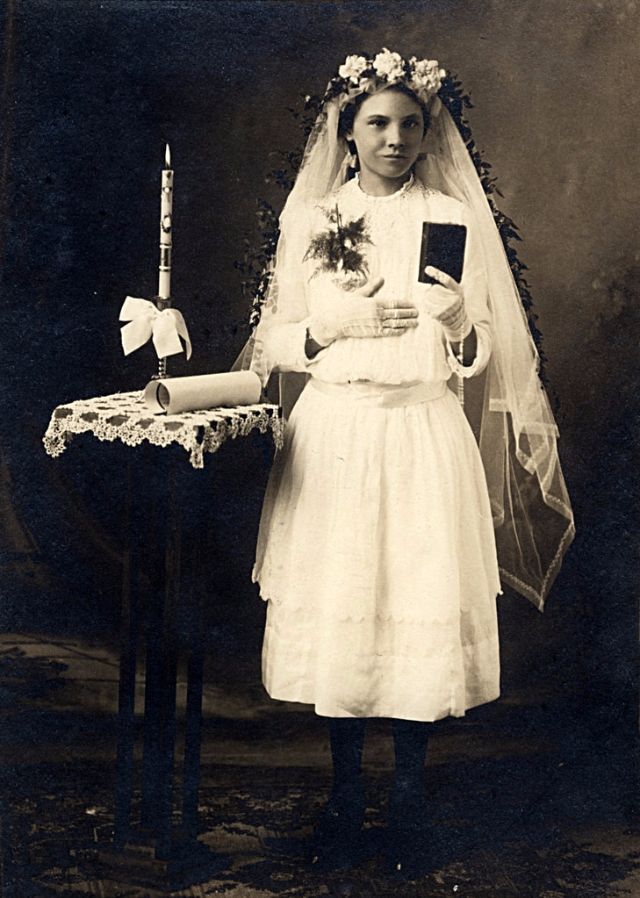
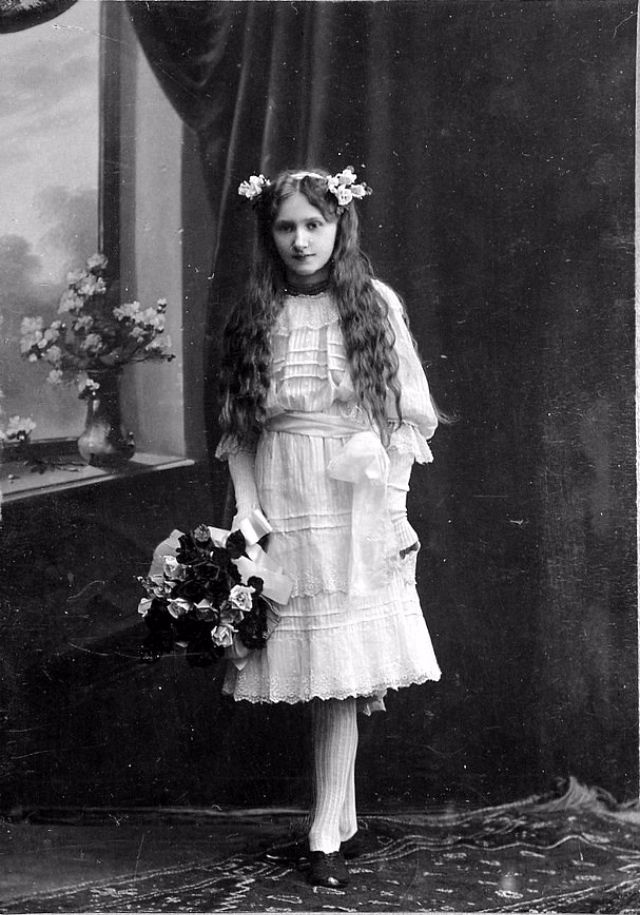
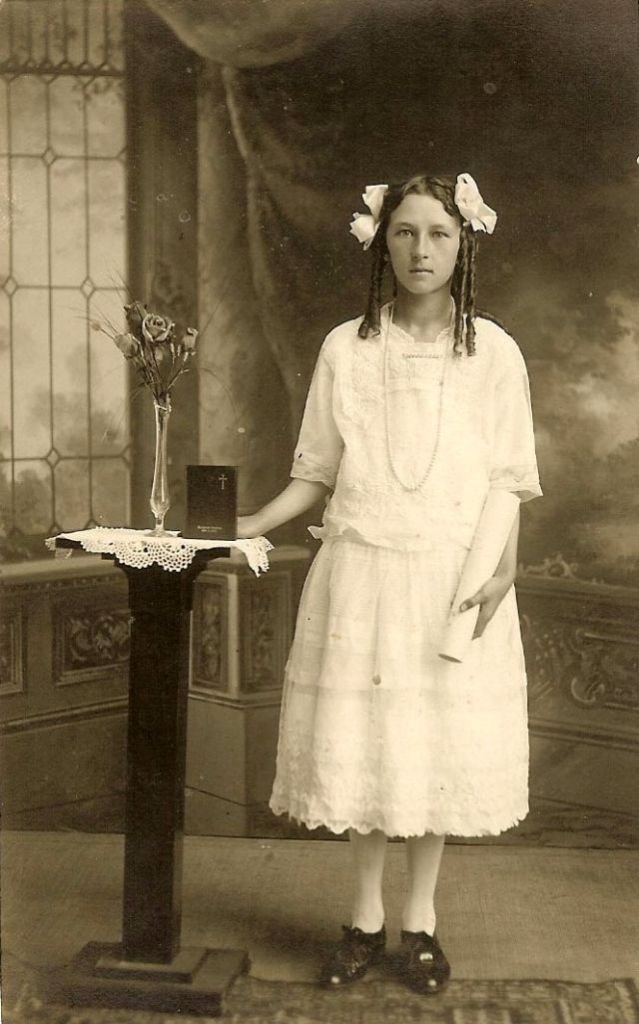
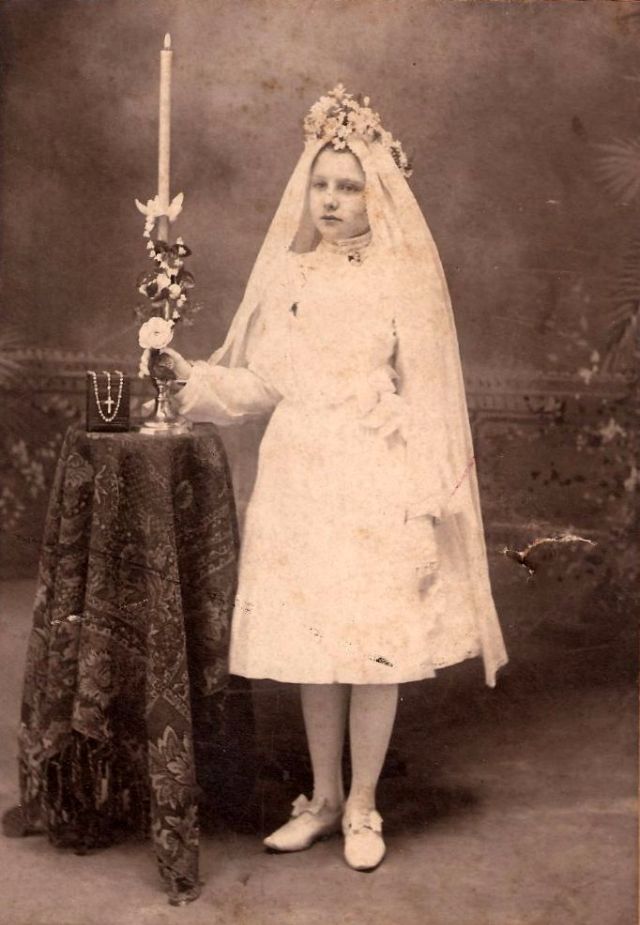
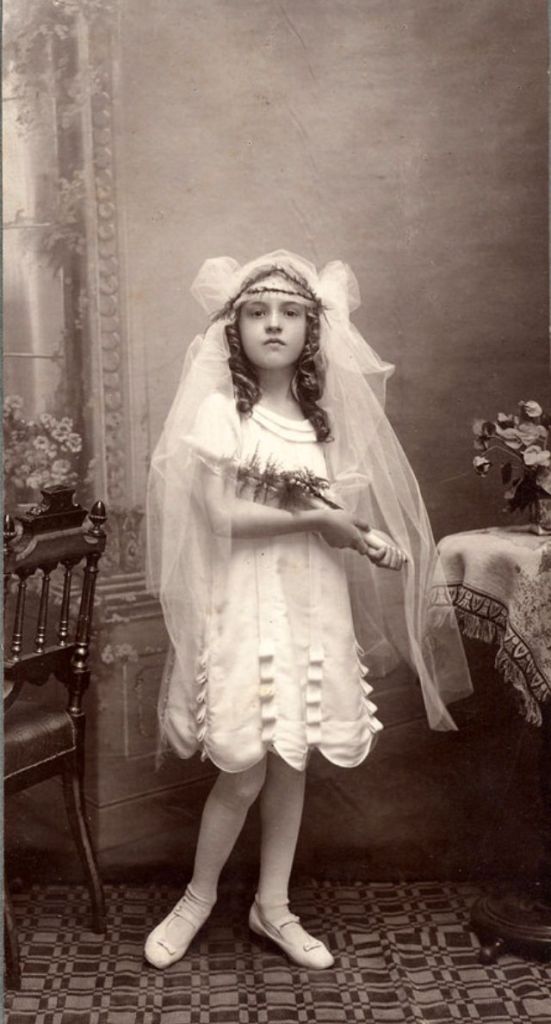
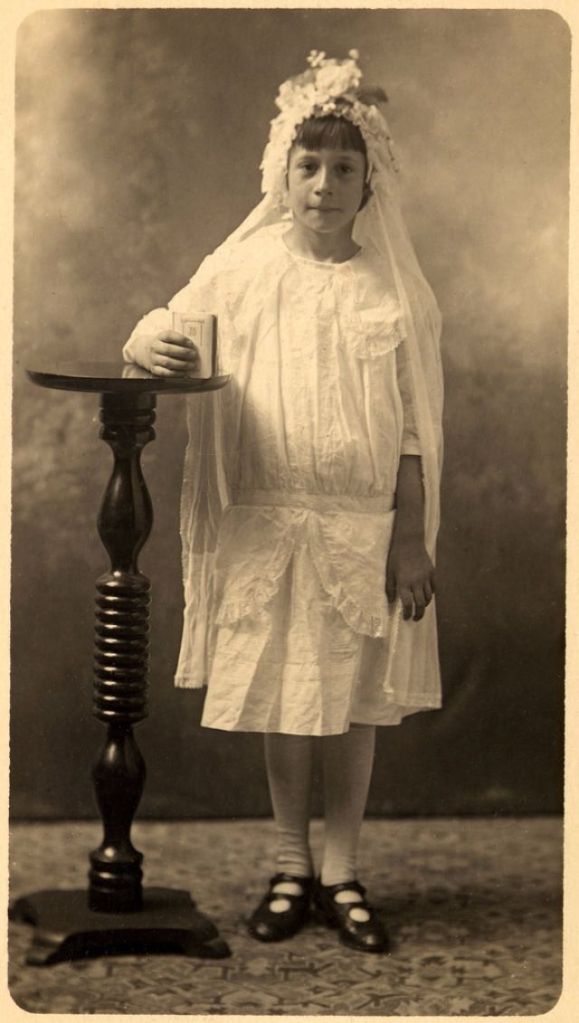
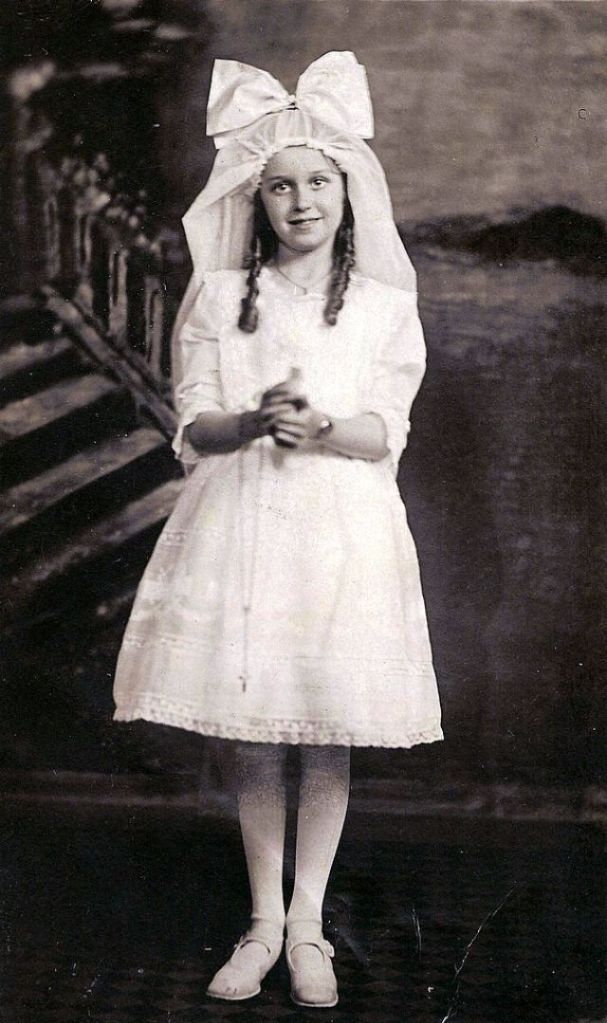
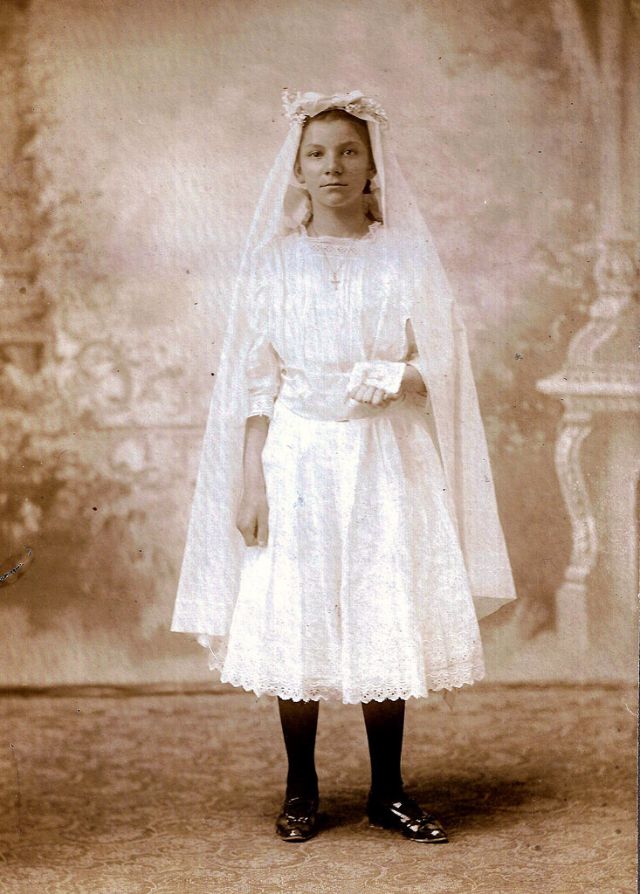
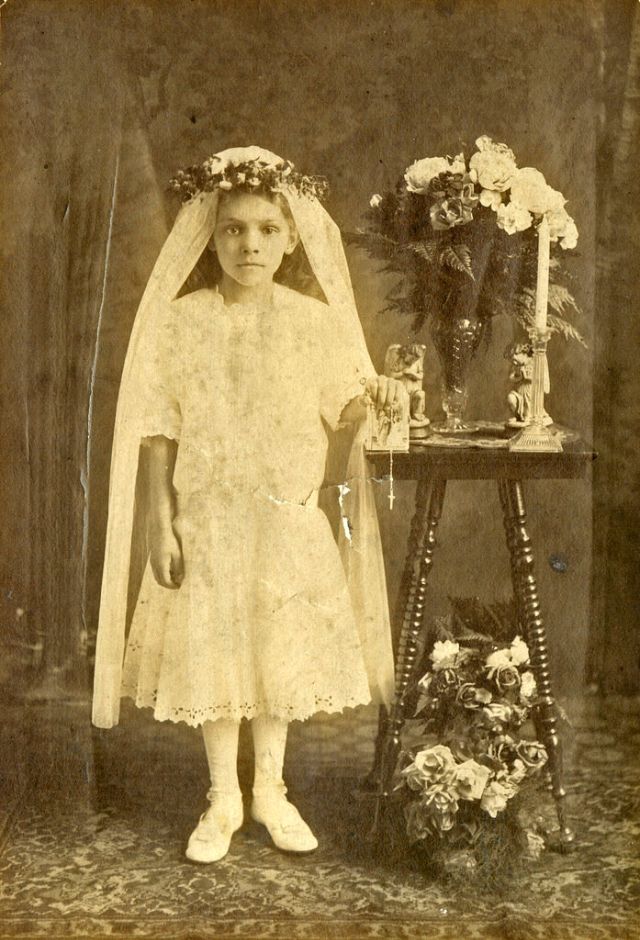
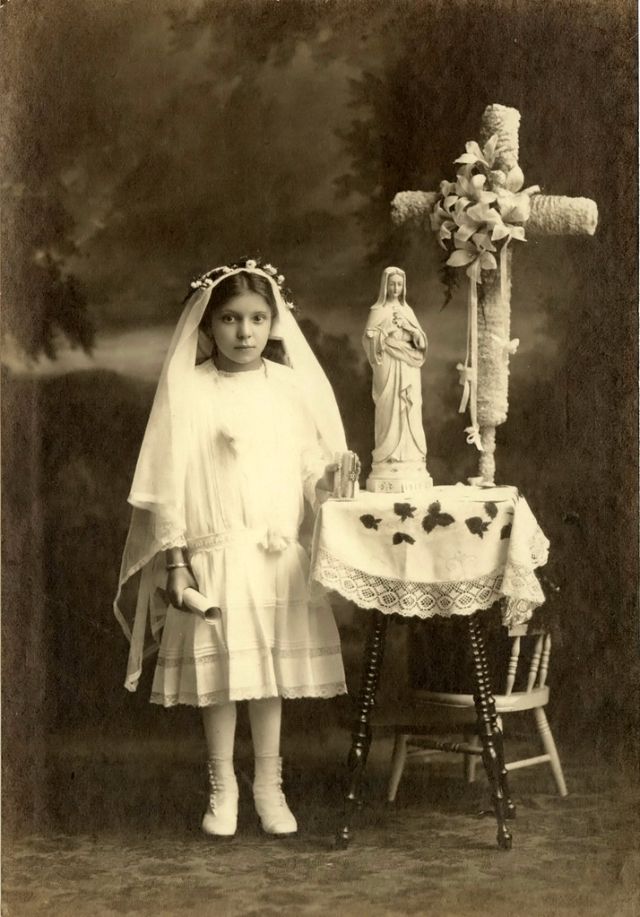
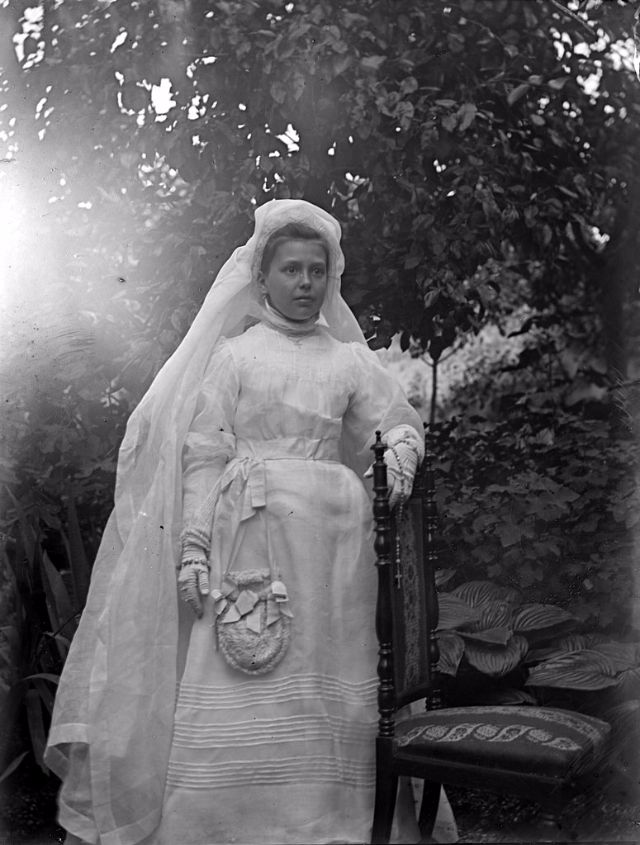
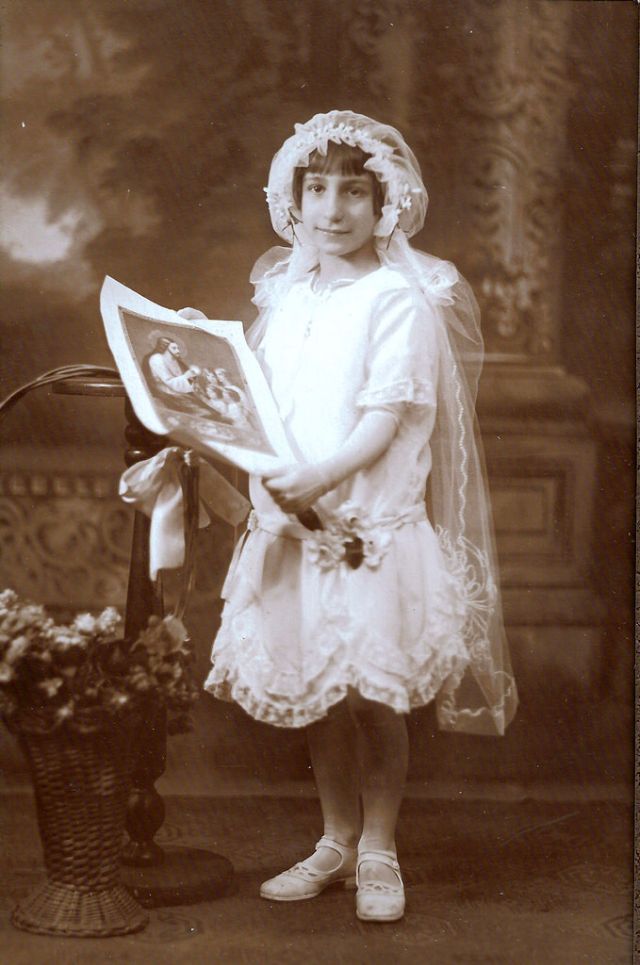
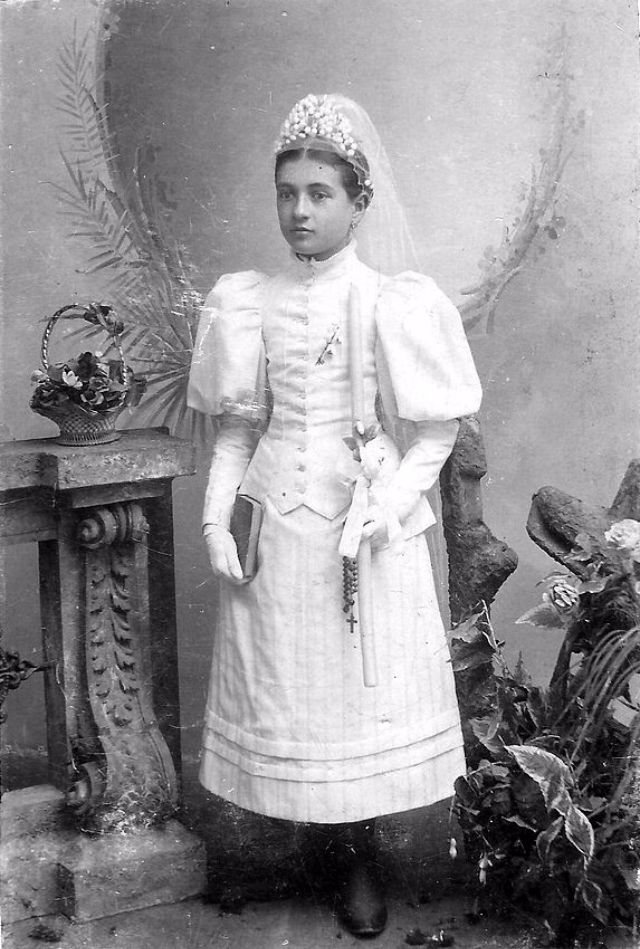
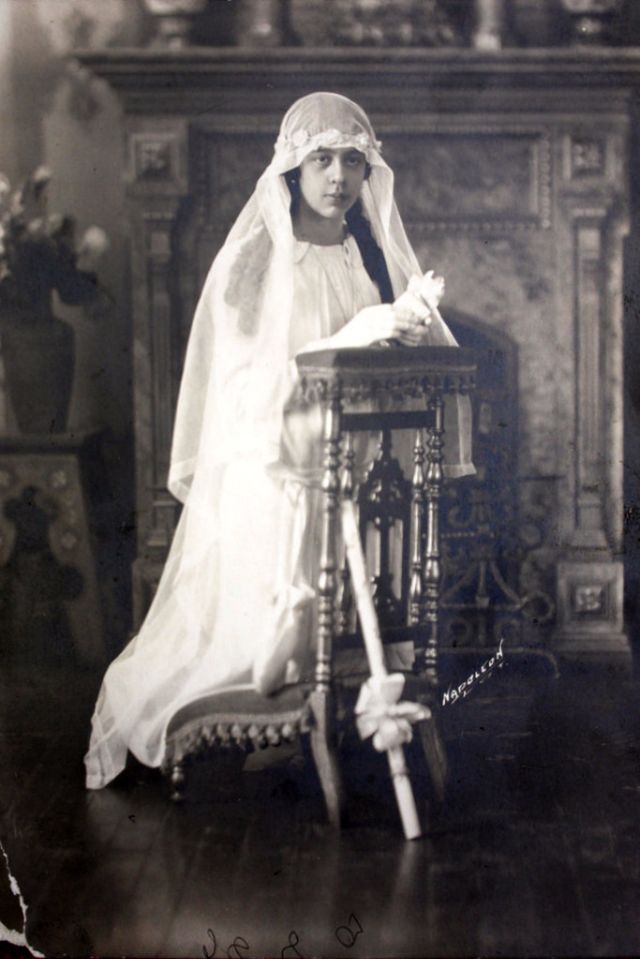
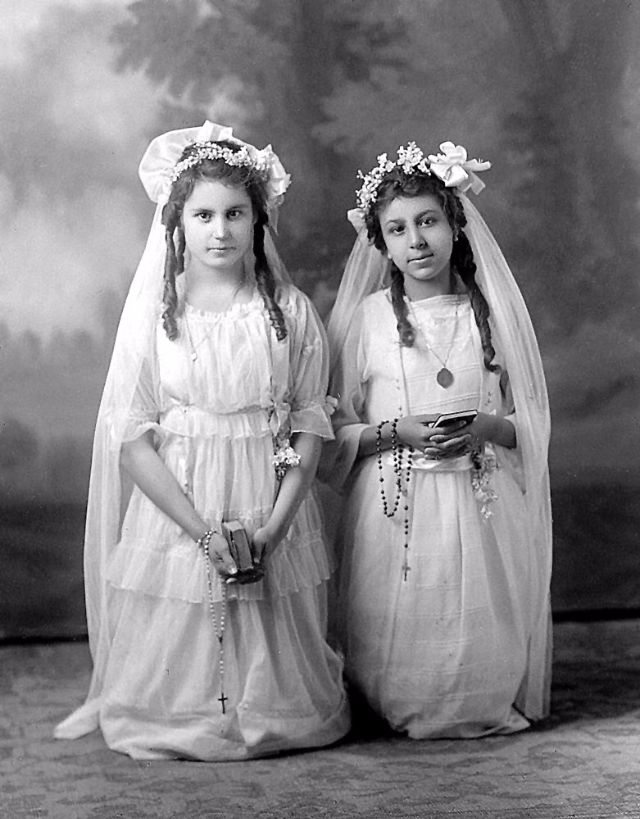
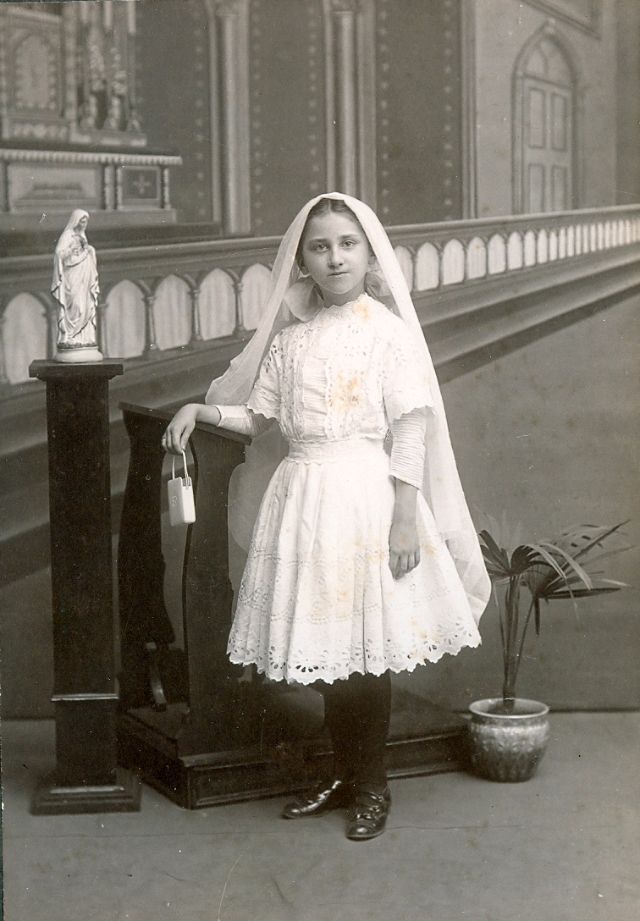
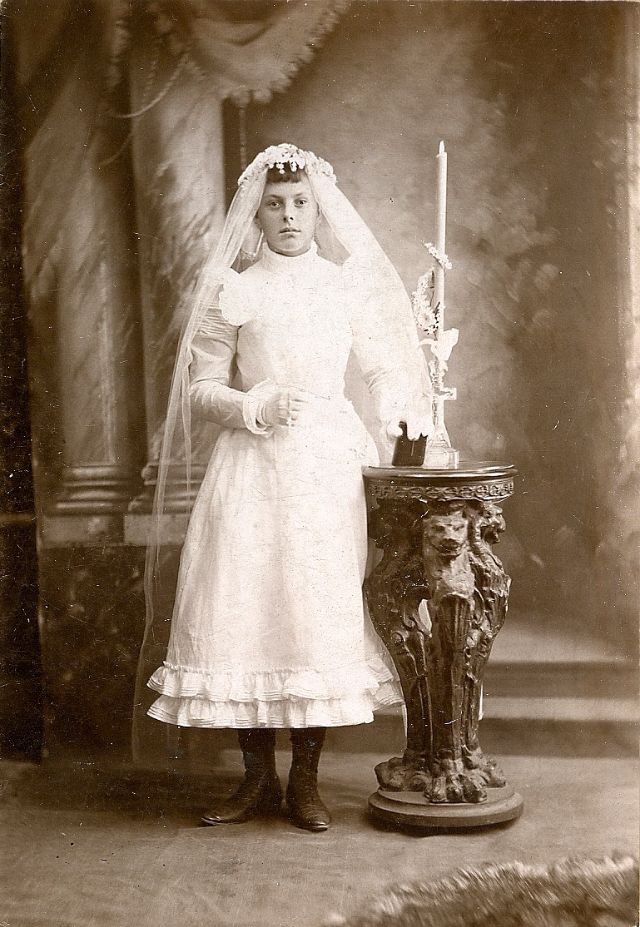
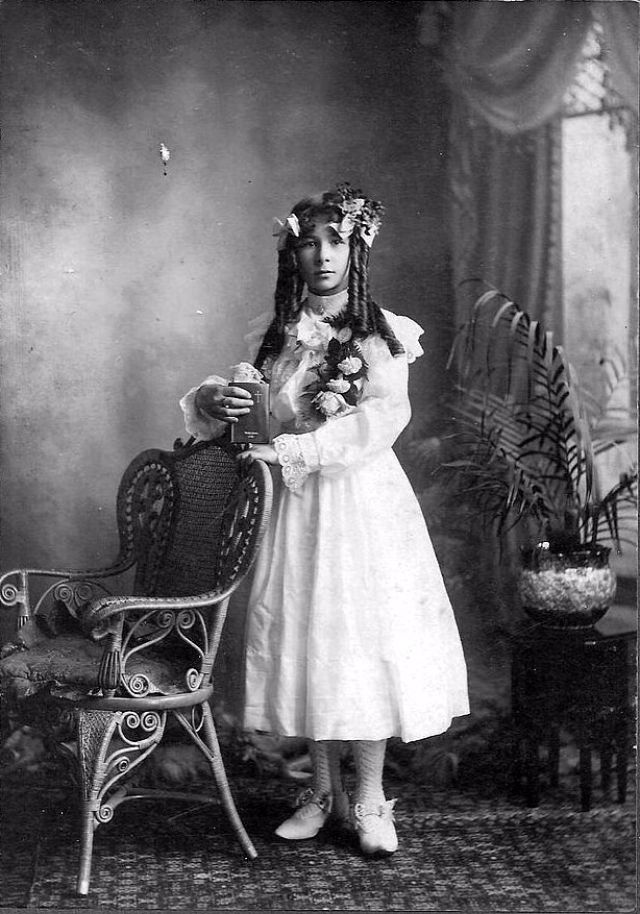
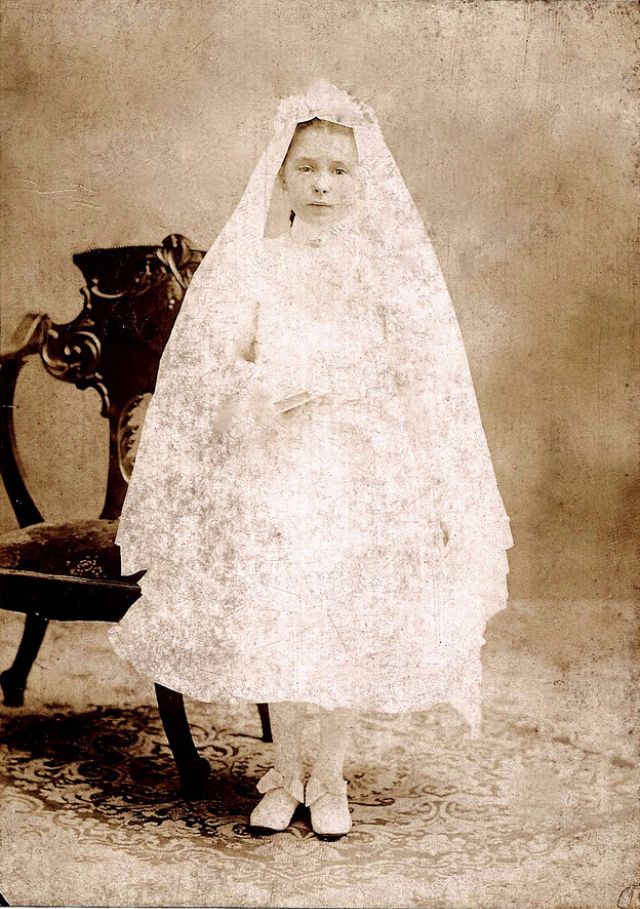
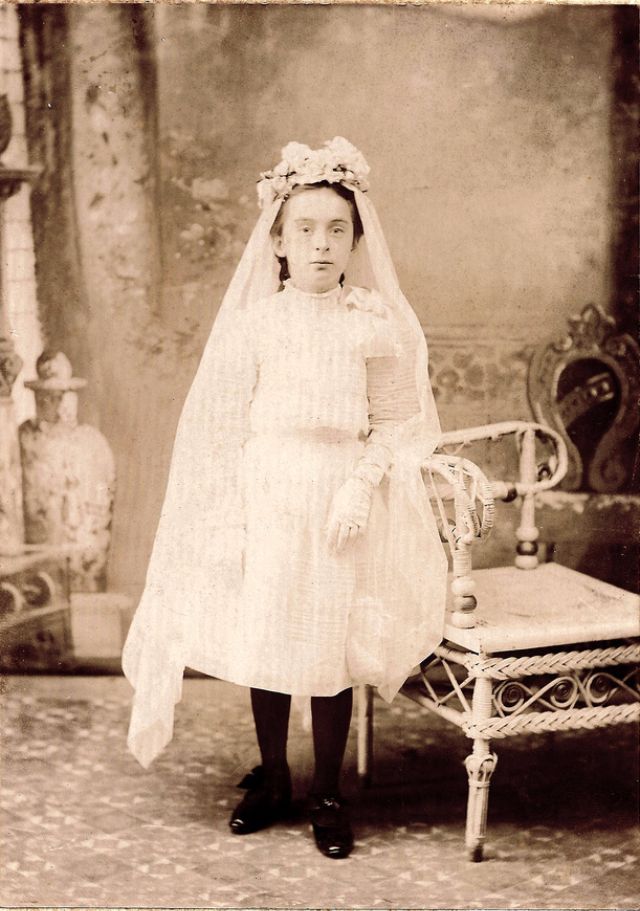
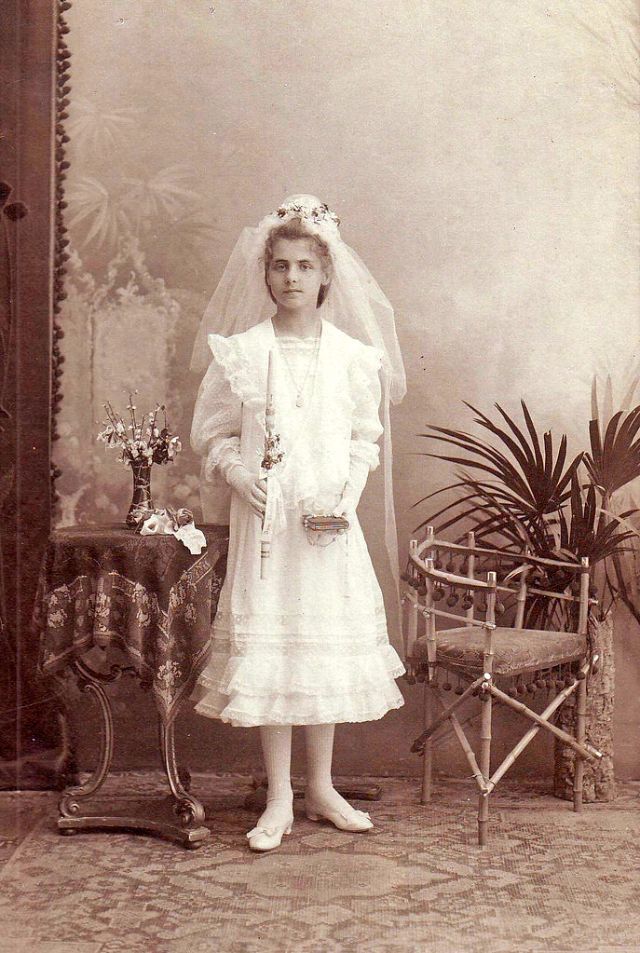
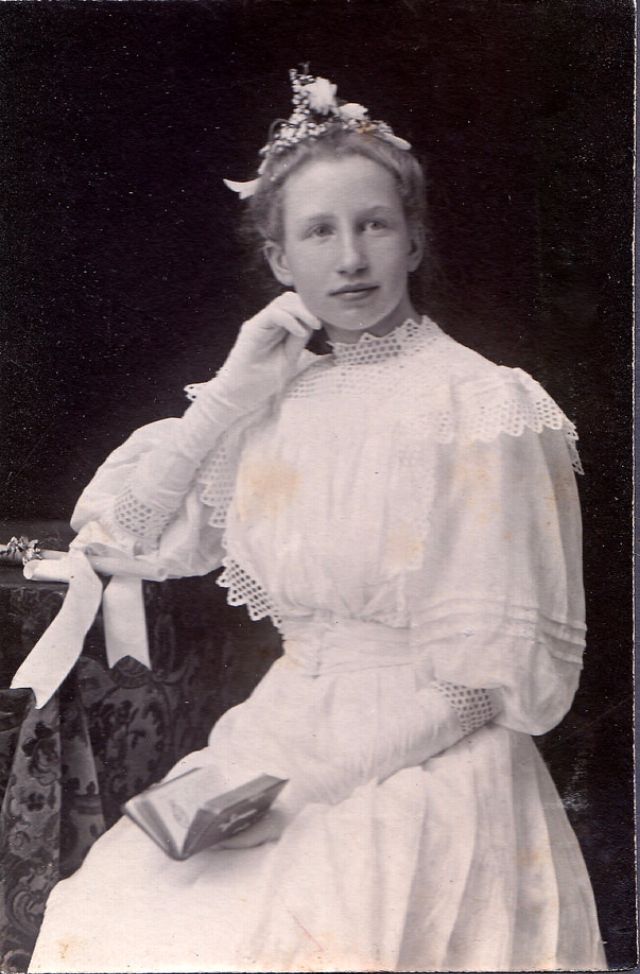
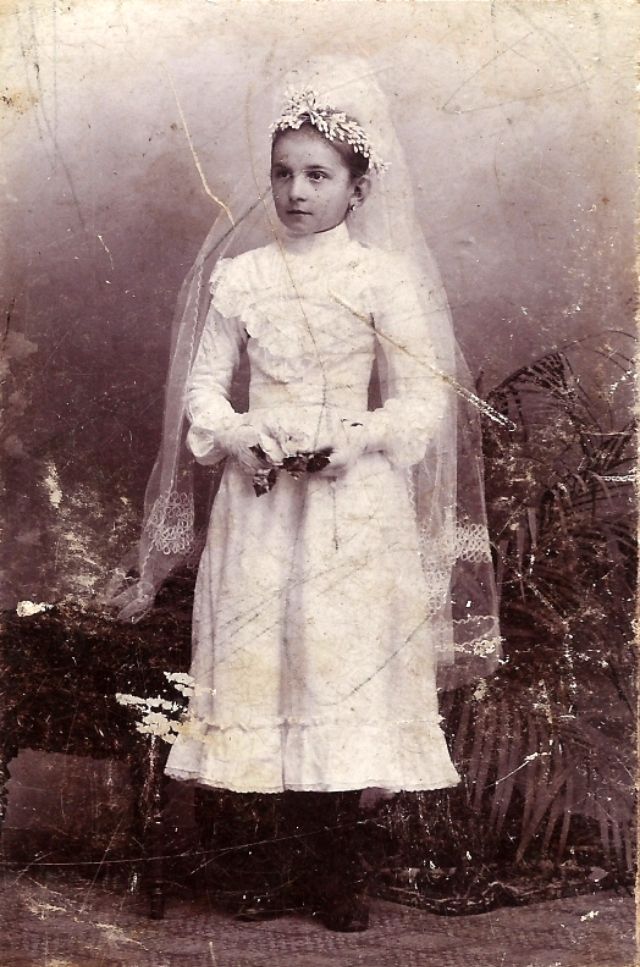
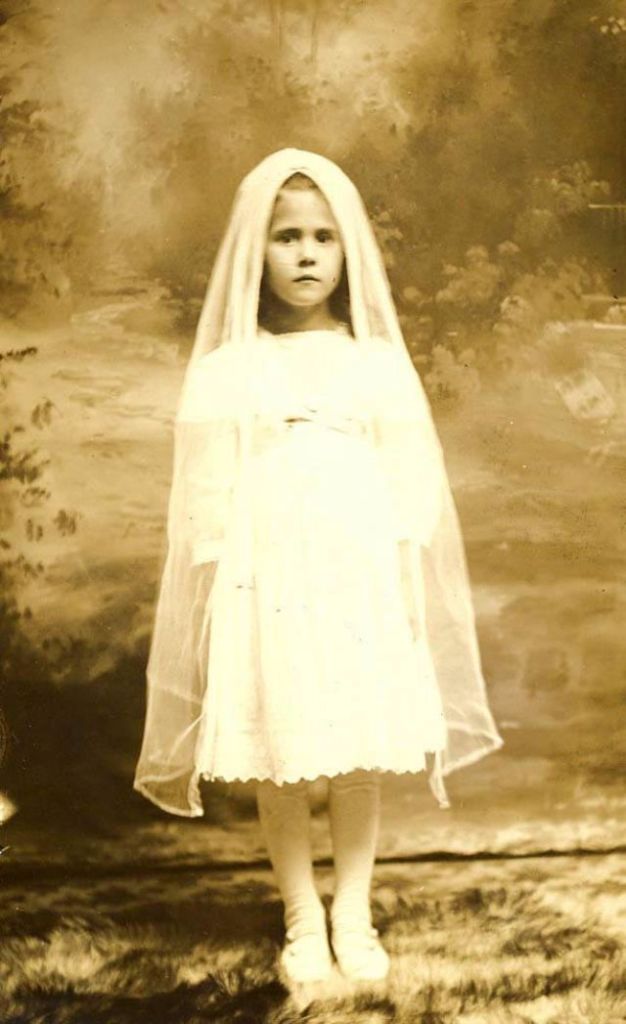
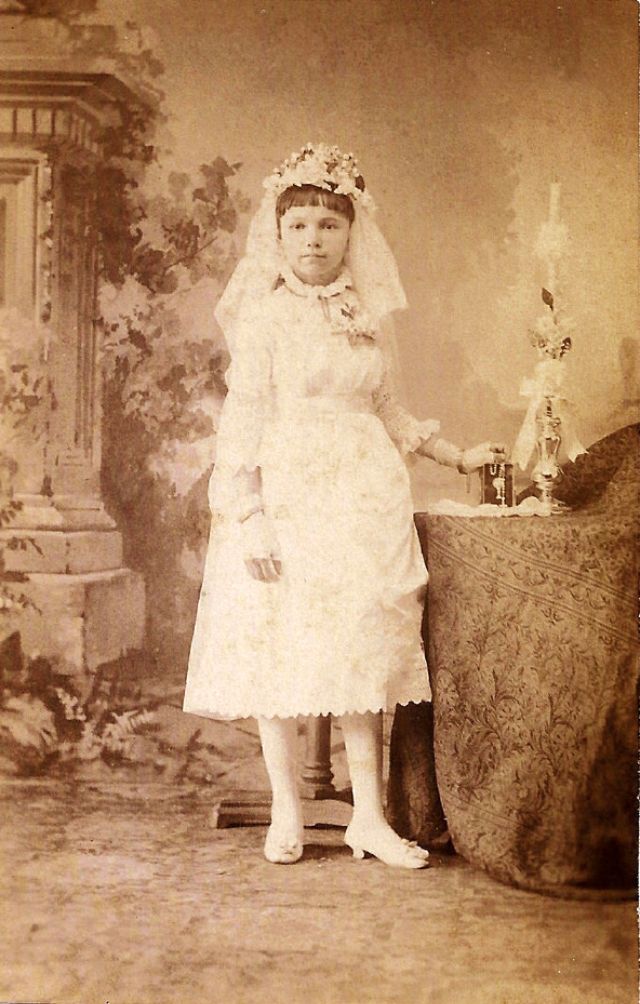
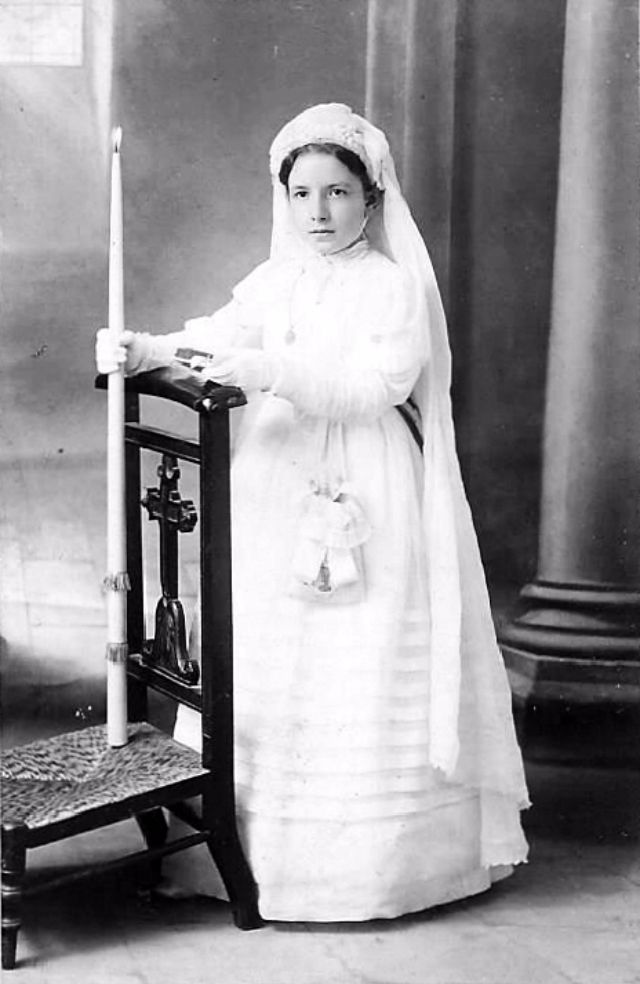
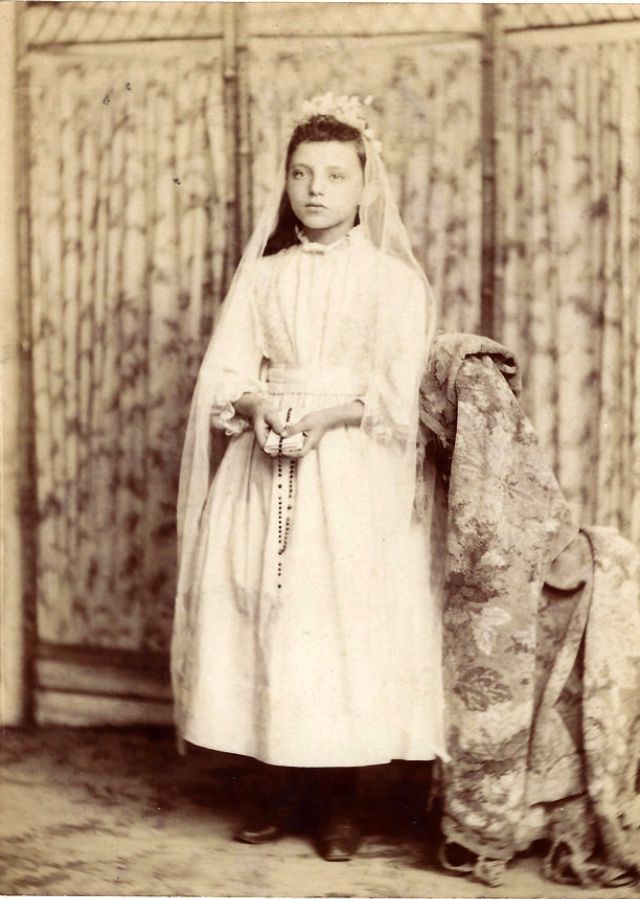
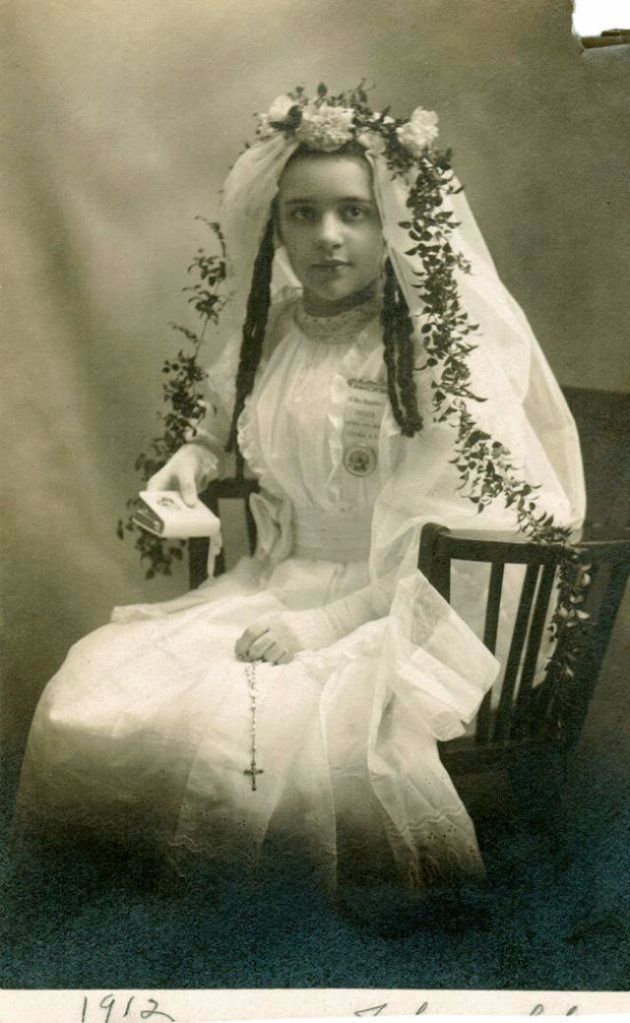
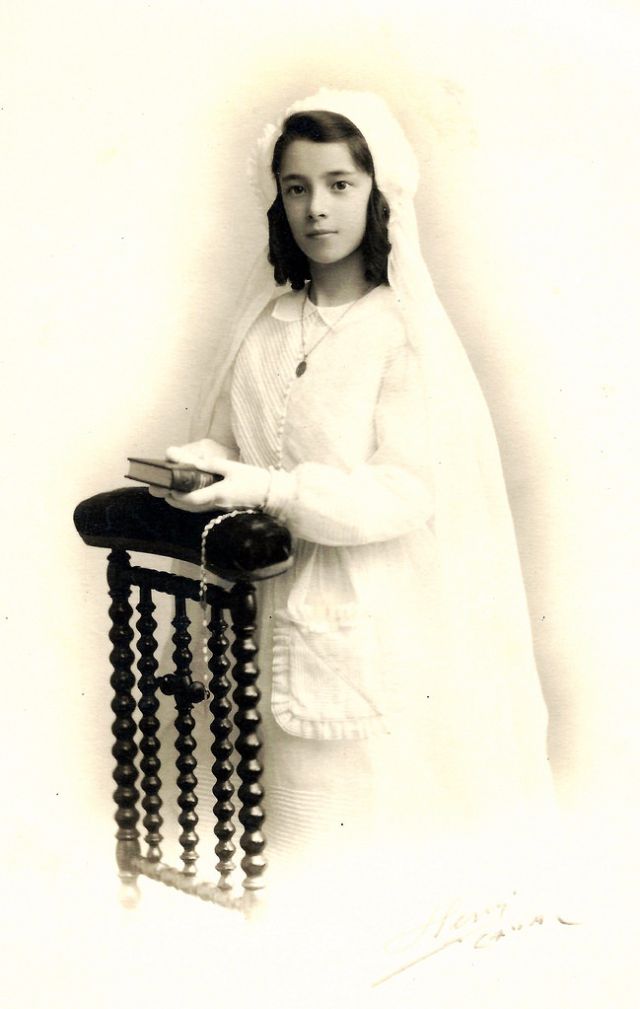
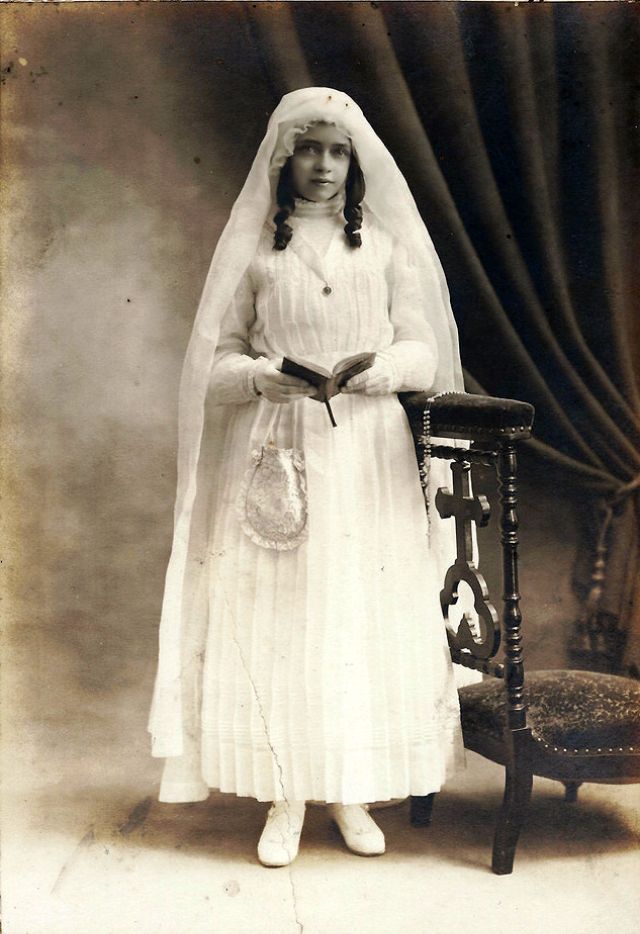
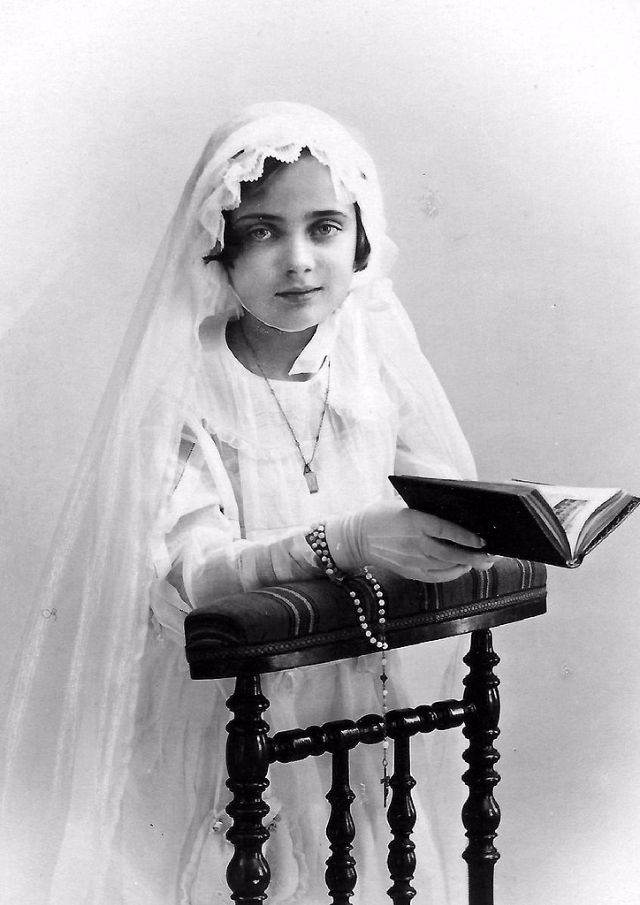
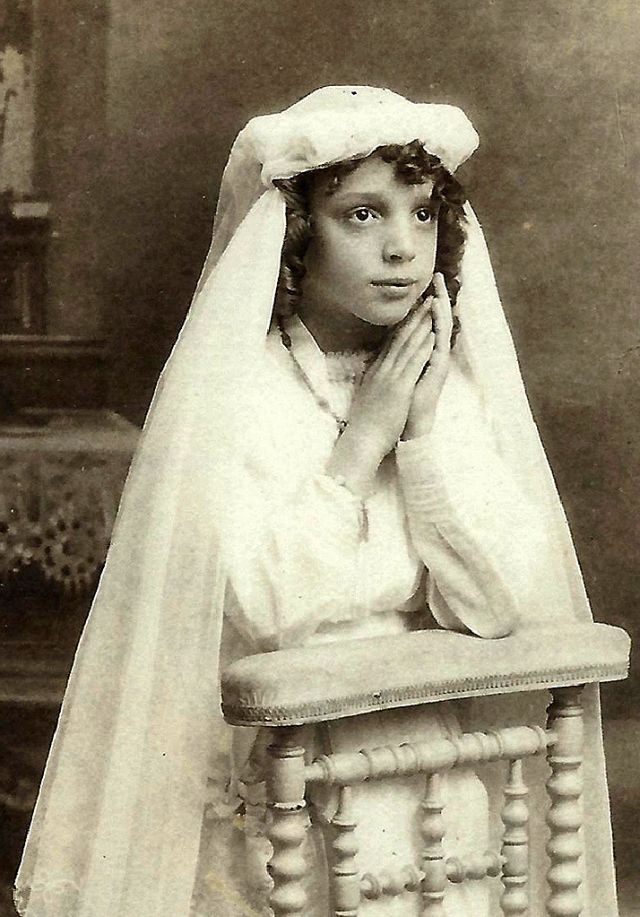
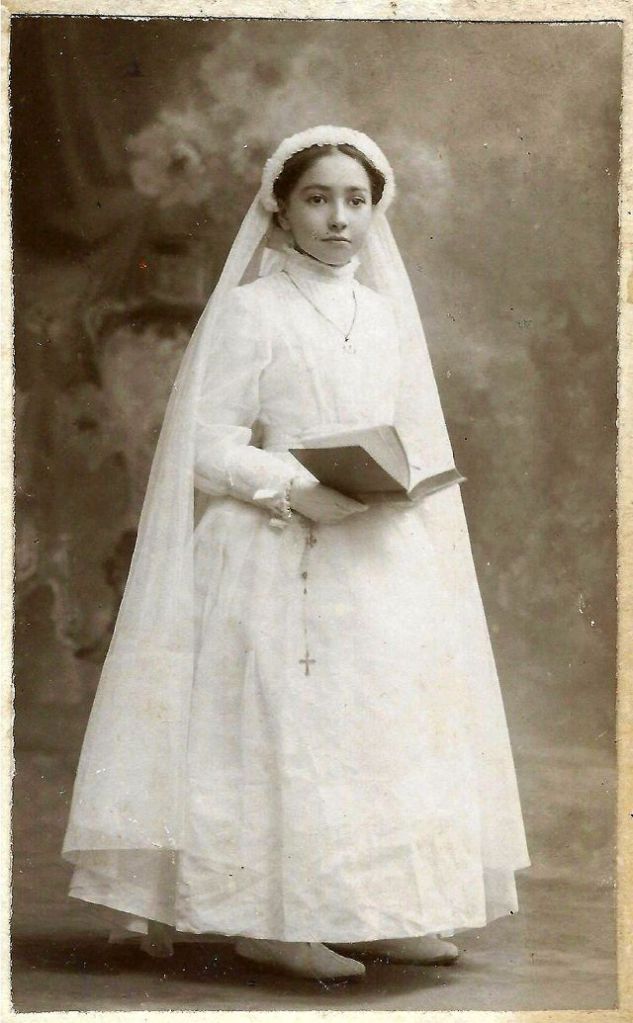
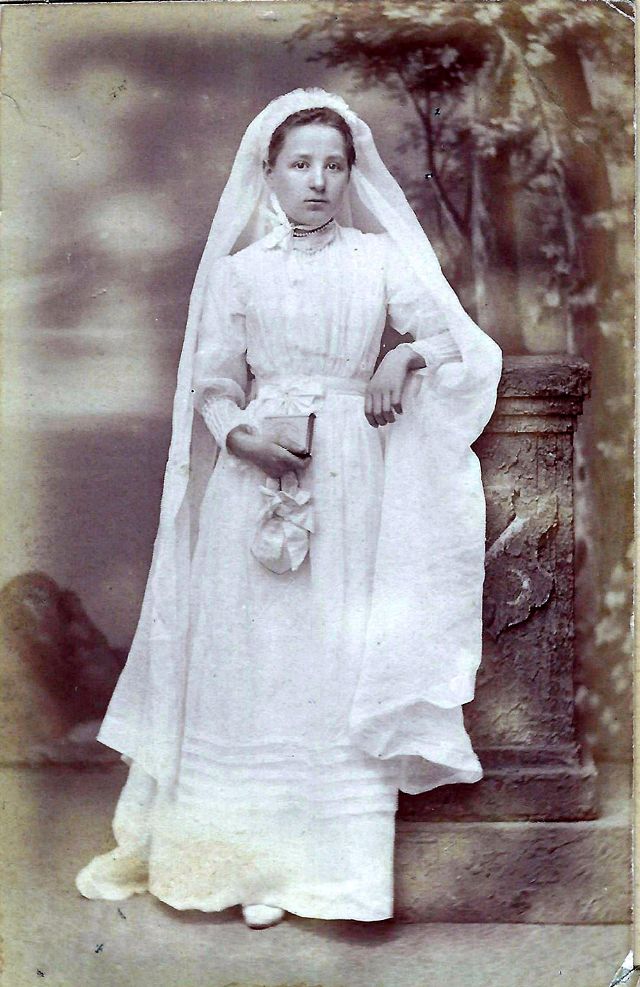
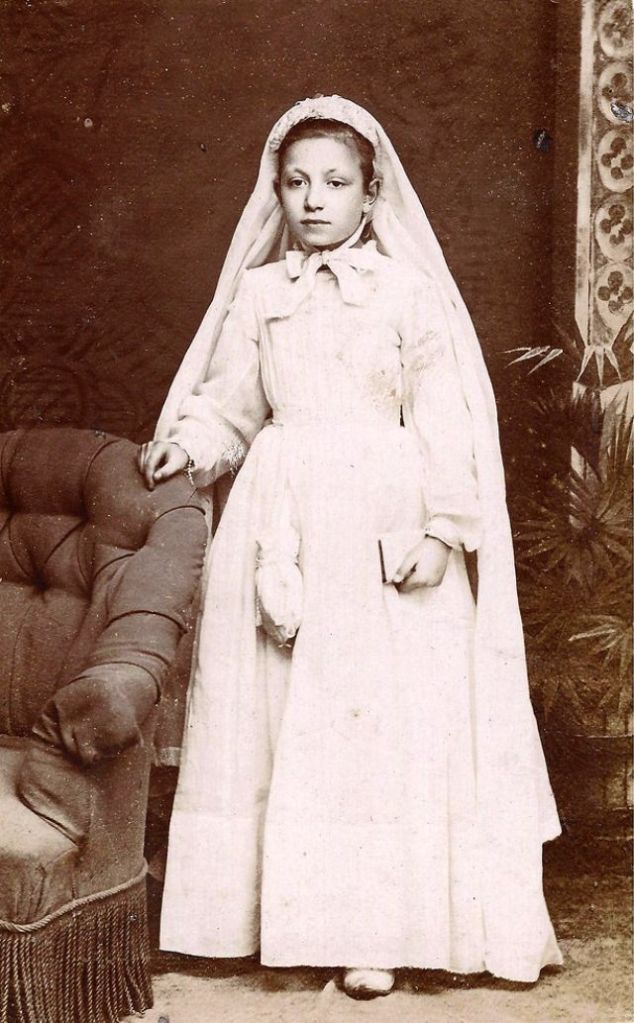
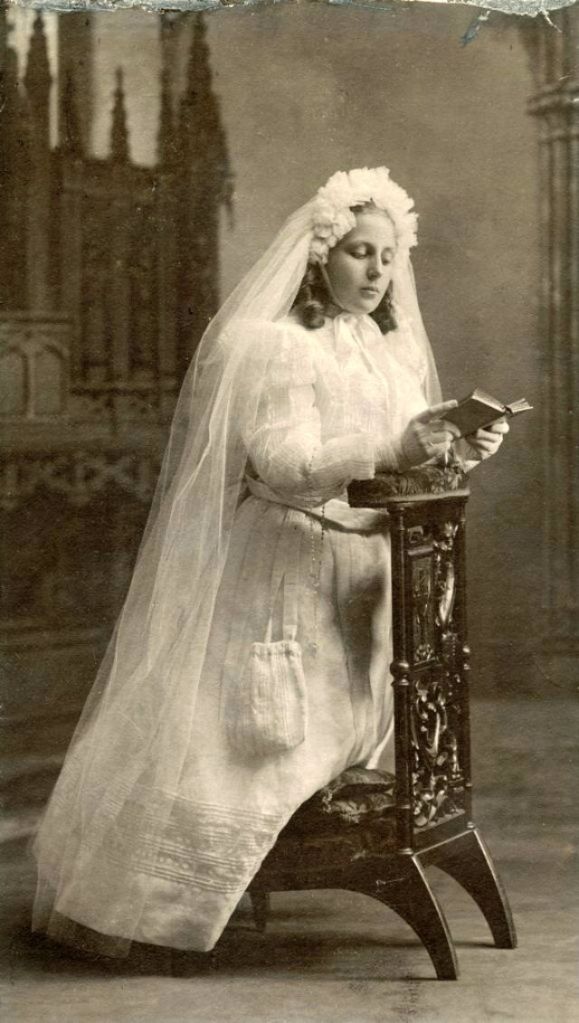
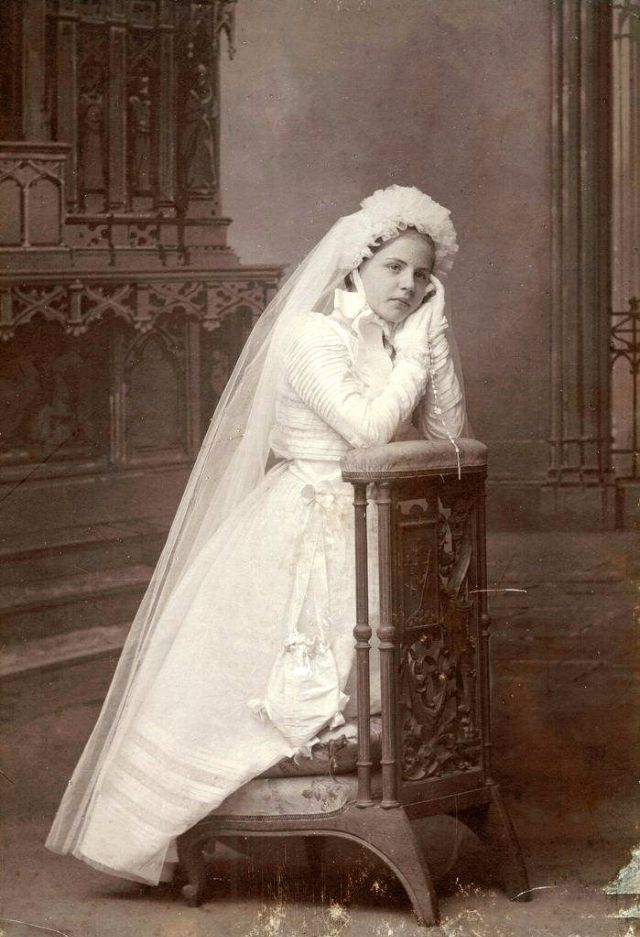
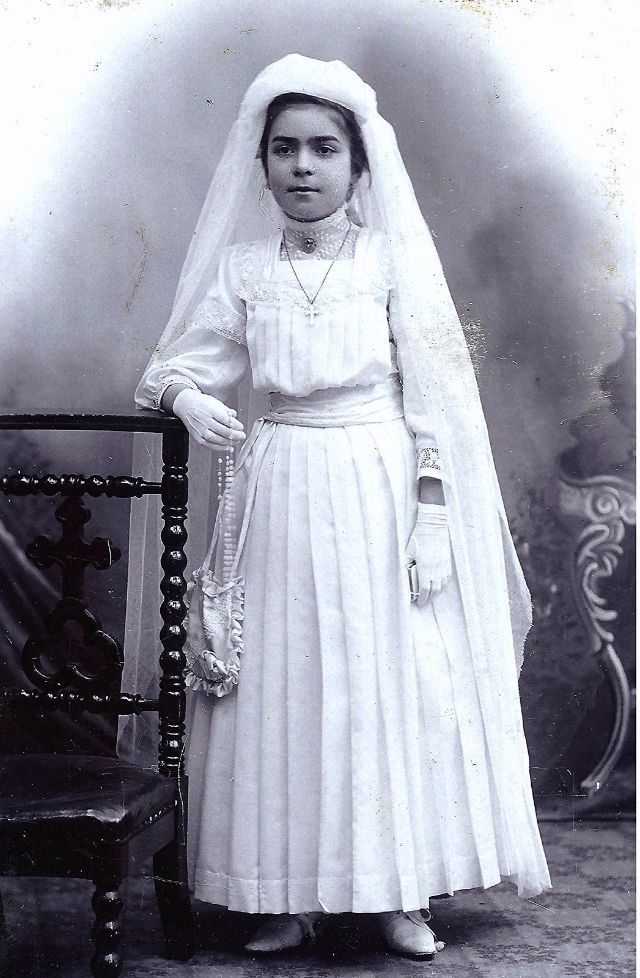
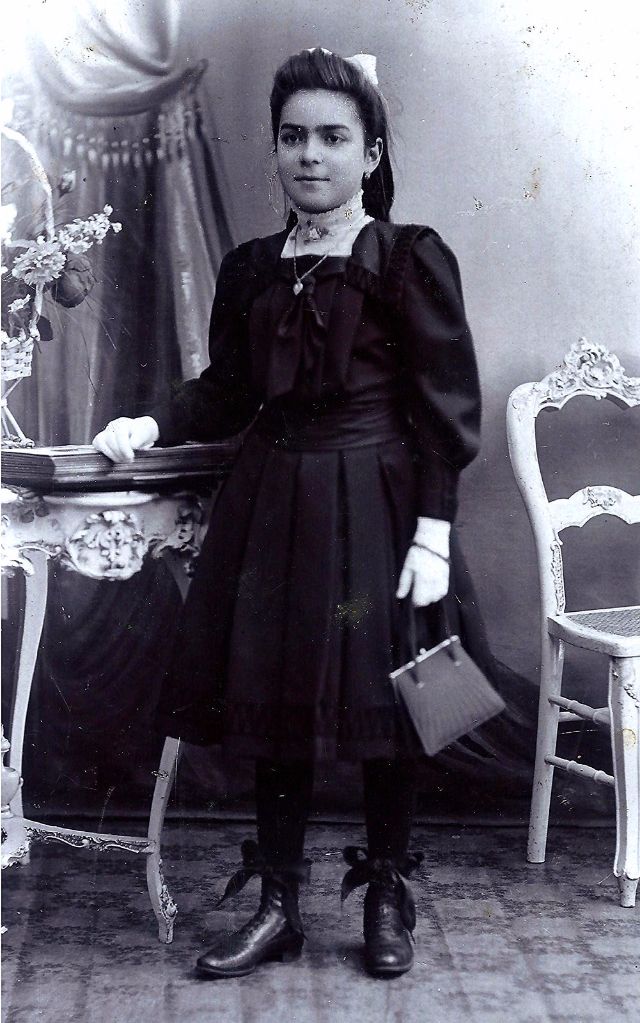
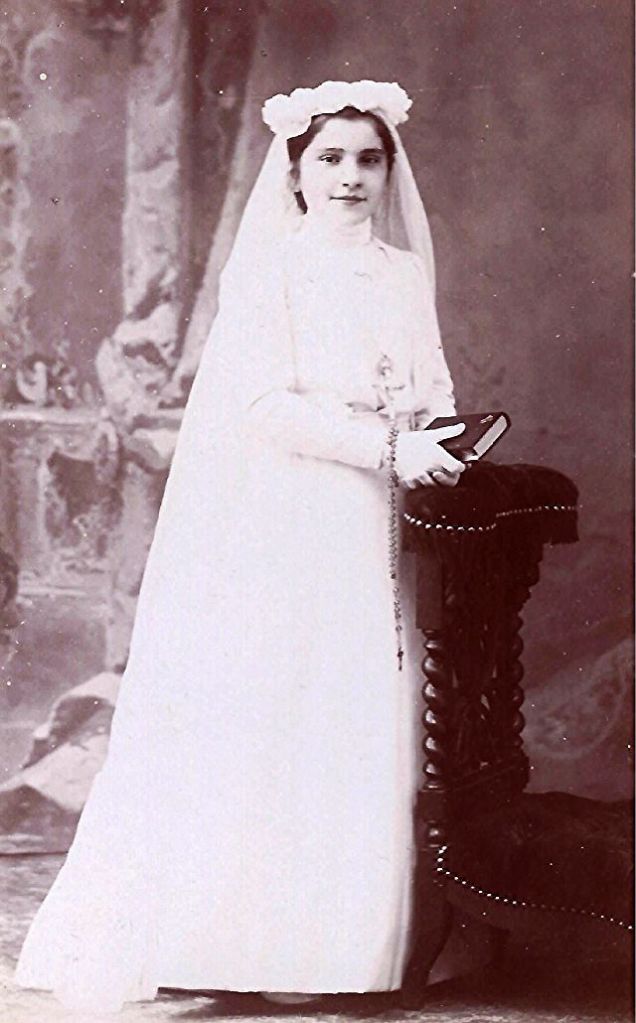
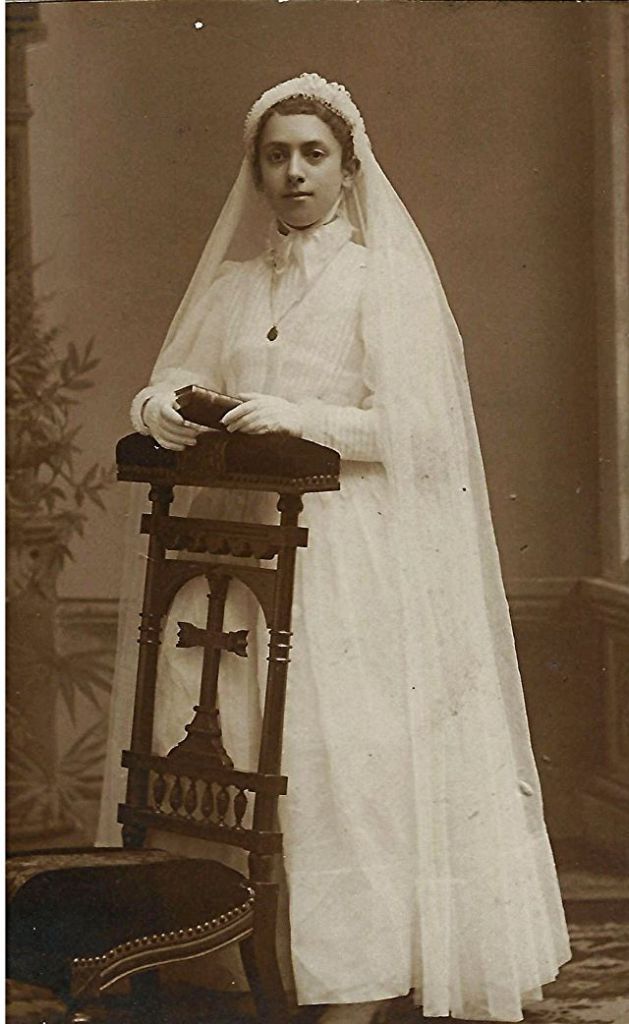
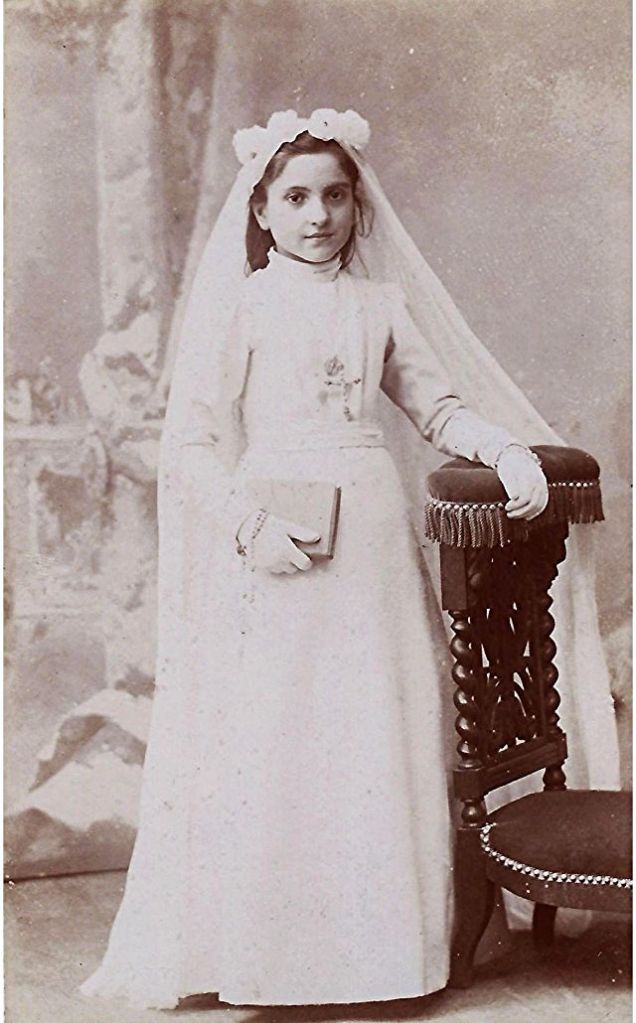
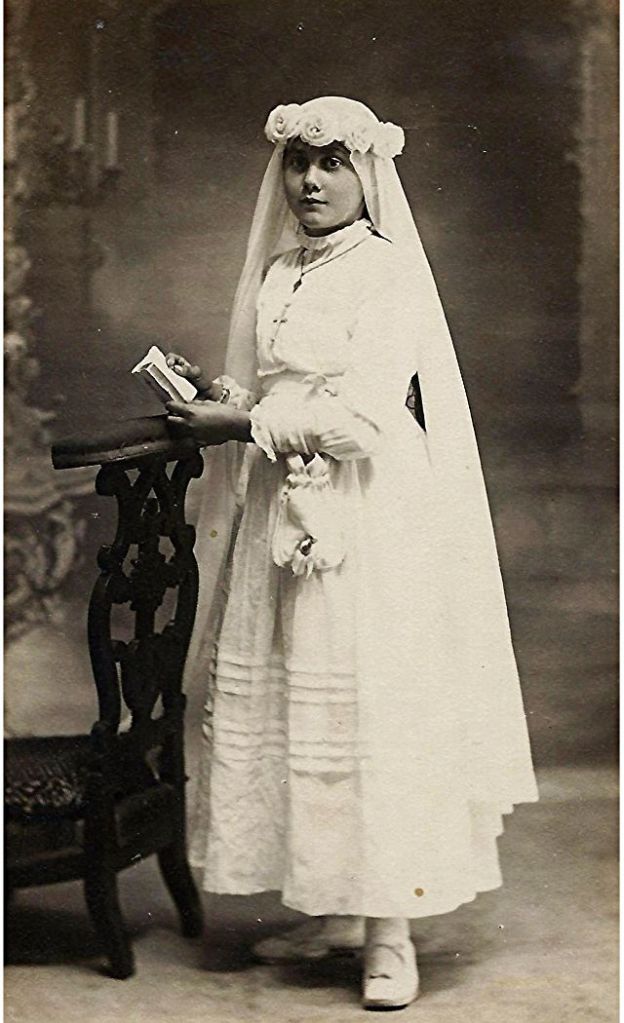
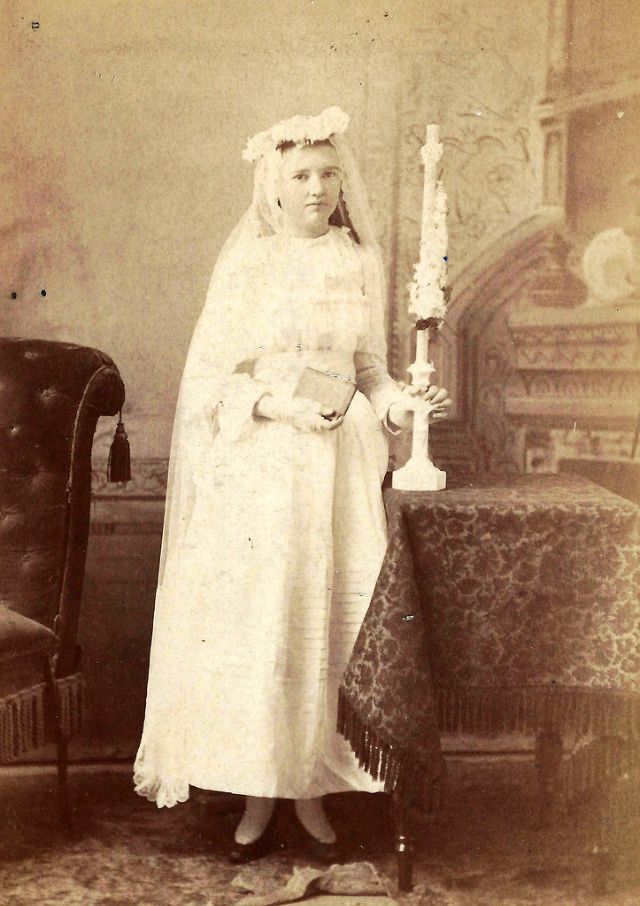
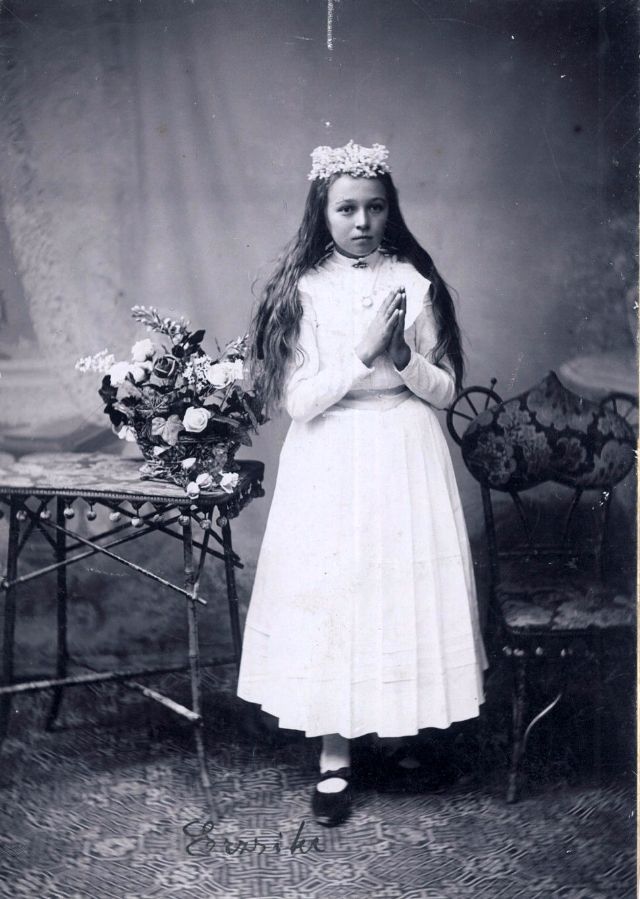
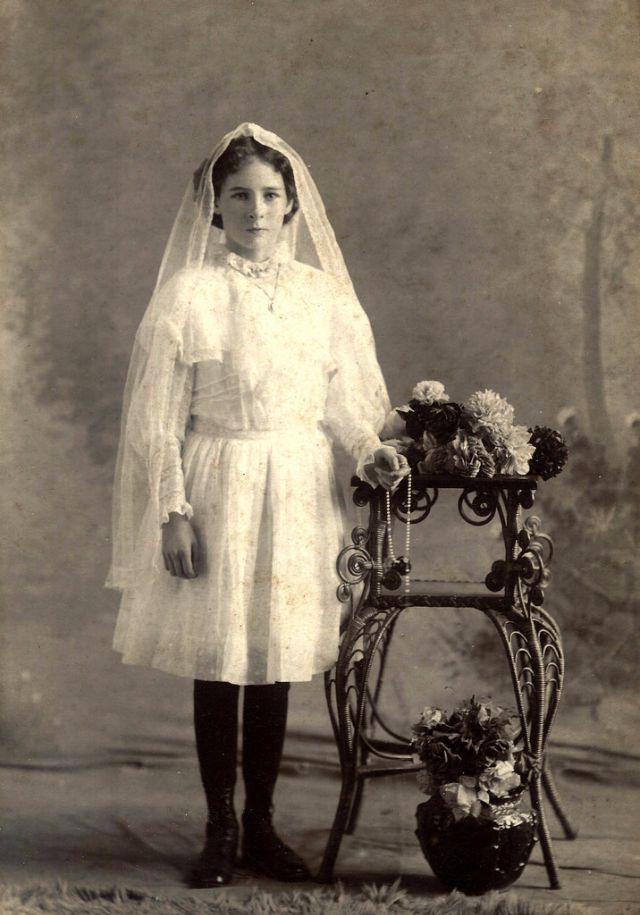
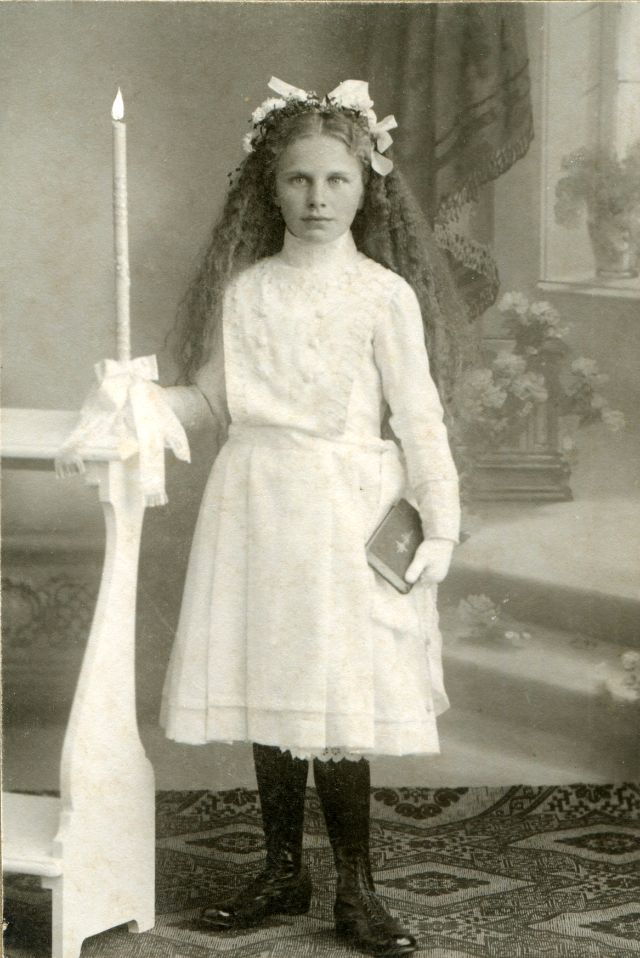
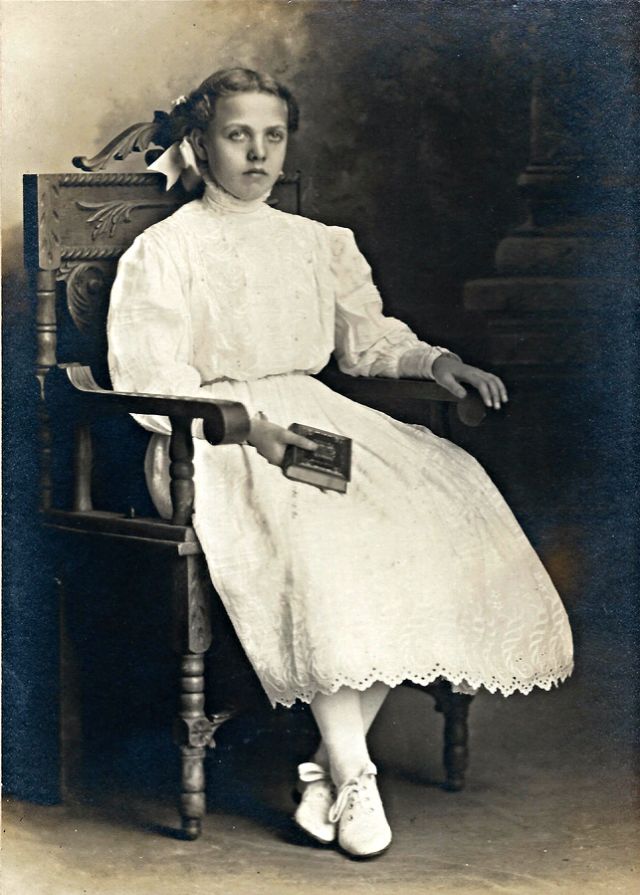
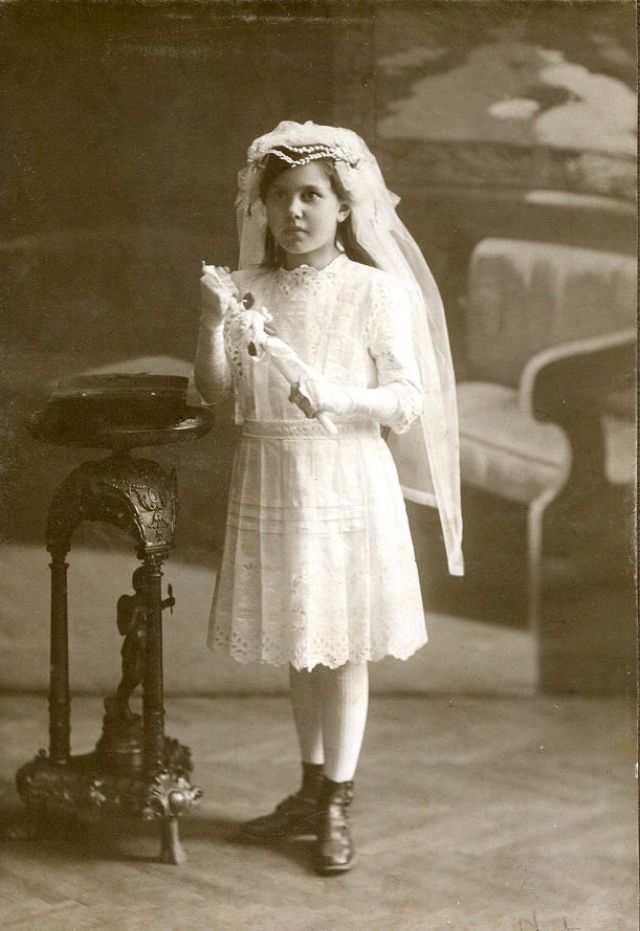
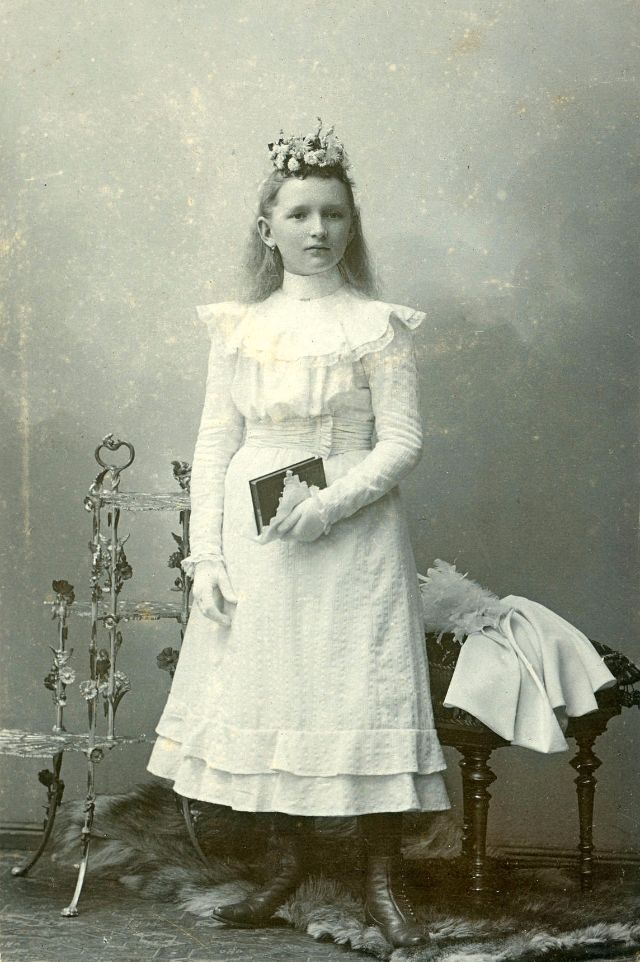
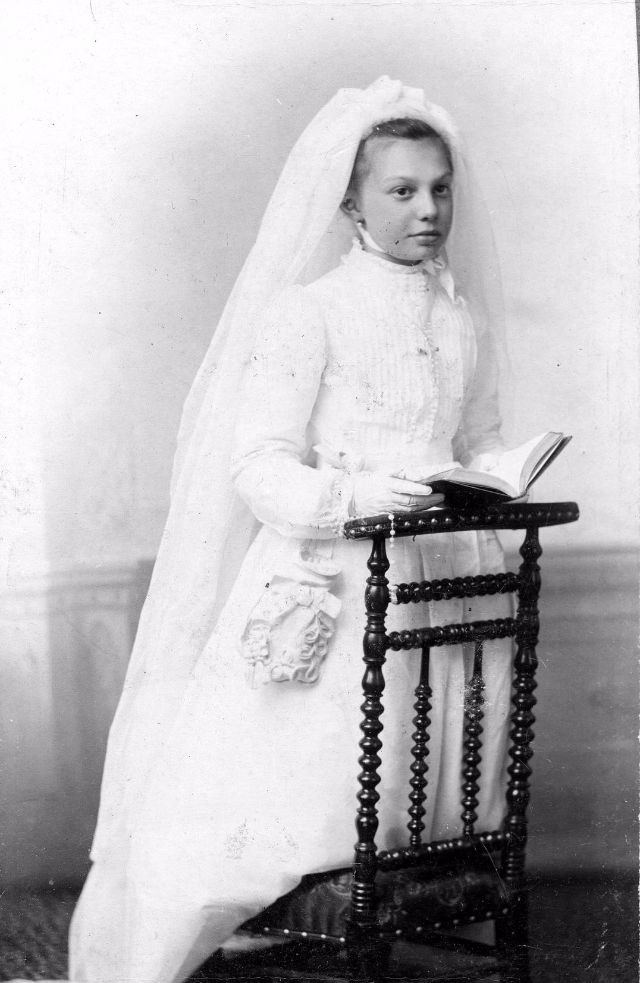
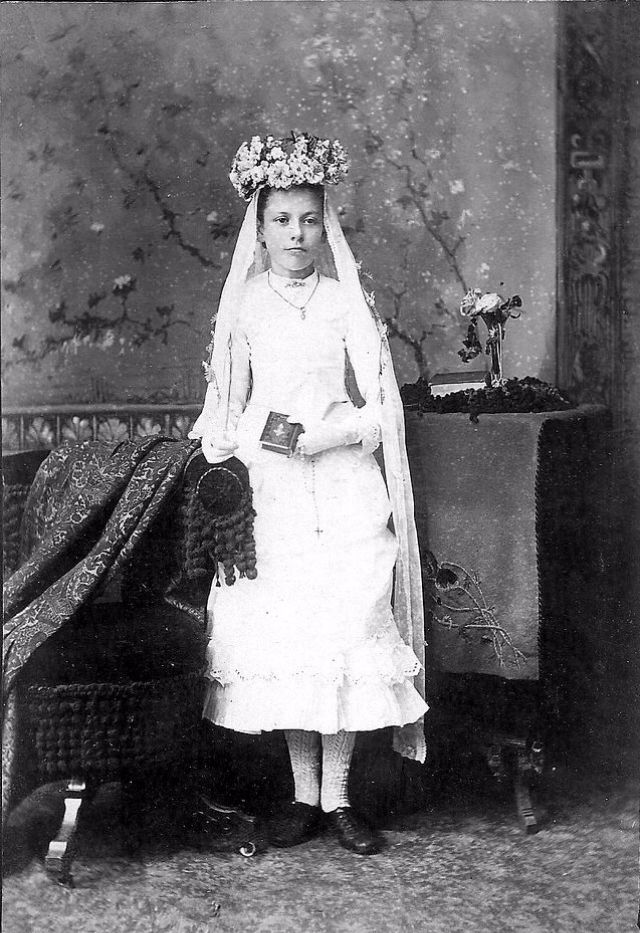
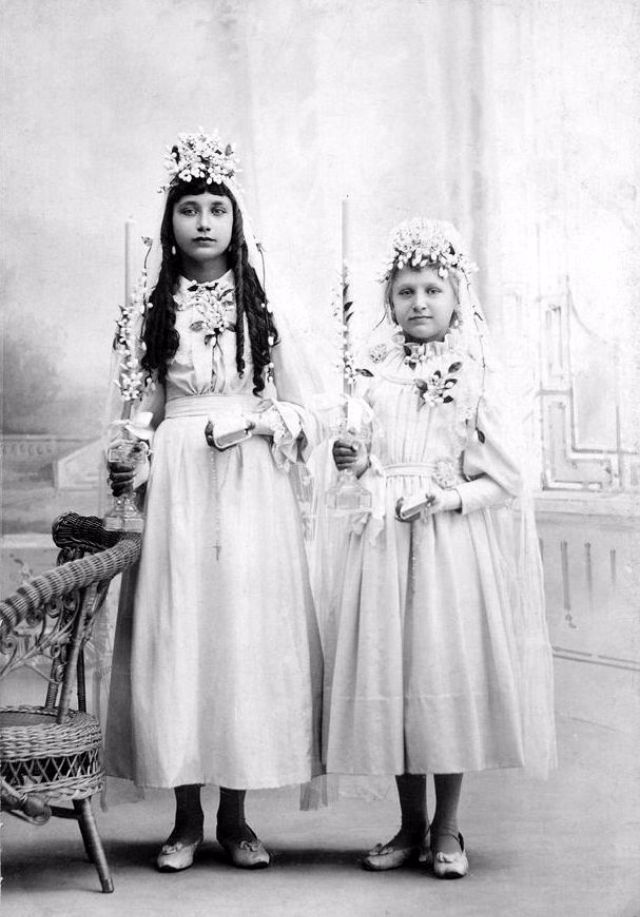
First Communion is a ceremony in some Christian traditions during which a person first receives the Eucharist. It is most common in the Latin Church tradition of the Catholic Church, as well as in many parts of the Lutheran Church and Anglican Communion. In churches that celebrate First Communion, it typically occurs between the ages of seven and thirteen, often acting as a rite of passage.
When boys and girls make their First Holy Communion (usually in second grade), it’s a big occasion for Catholic families. Like their Baptism, the day of First Communion is one filled with family, friends, and feasting after the sacred event has taken place in church.
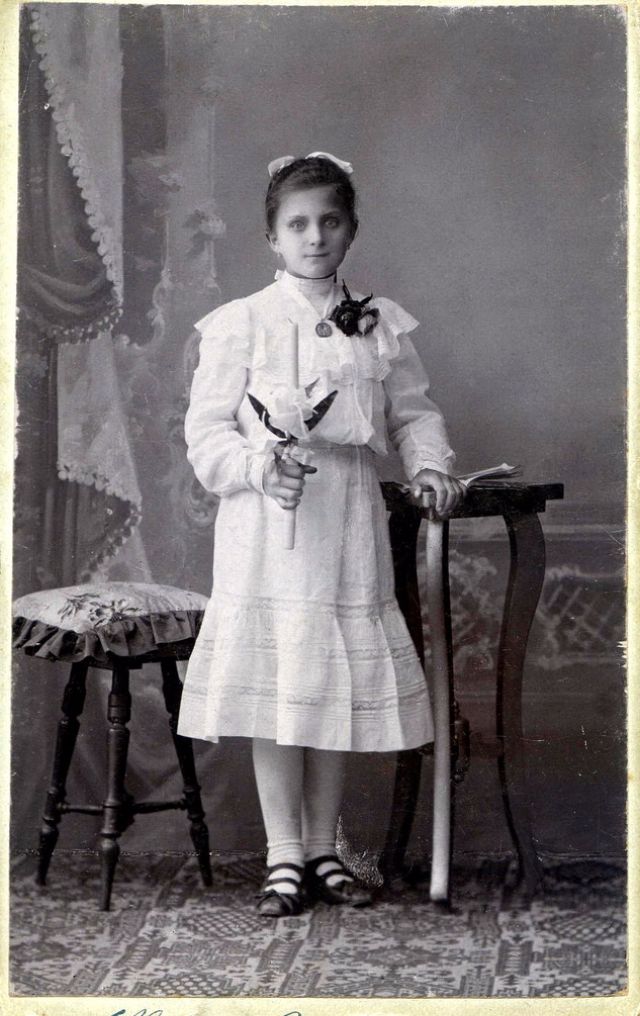
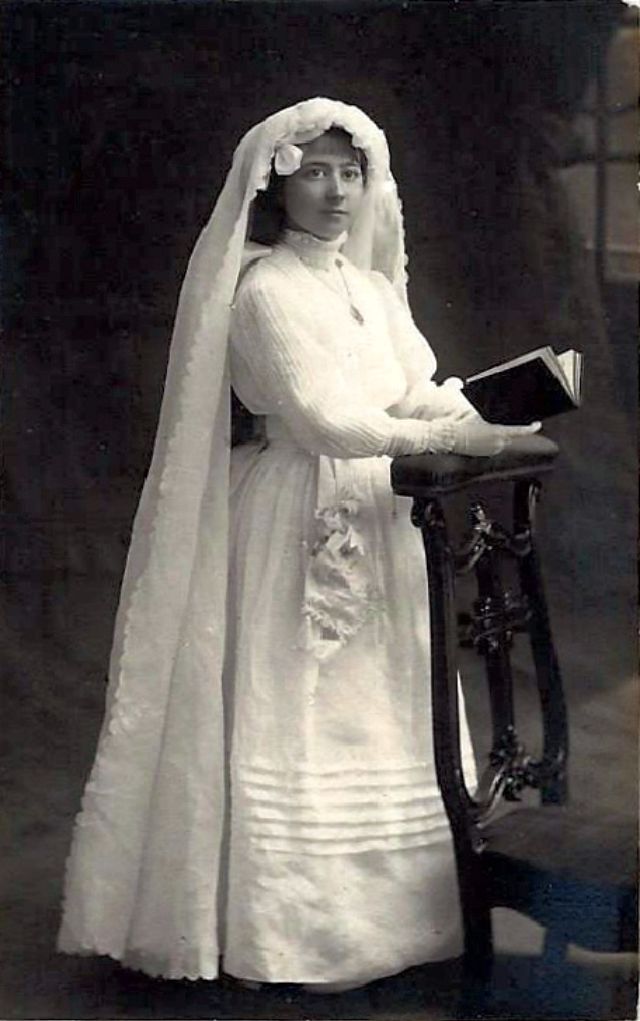
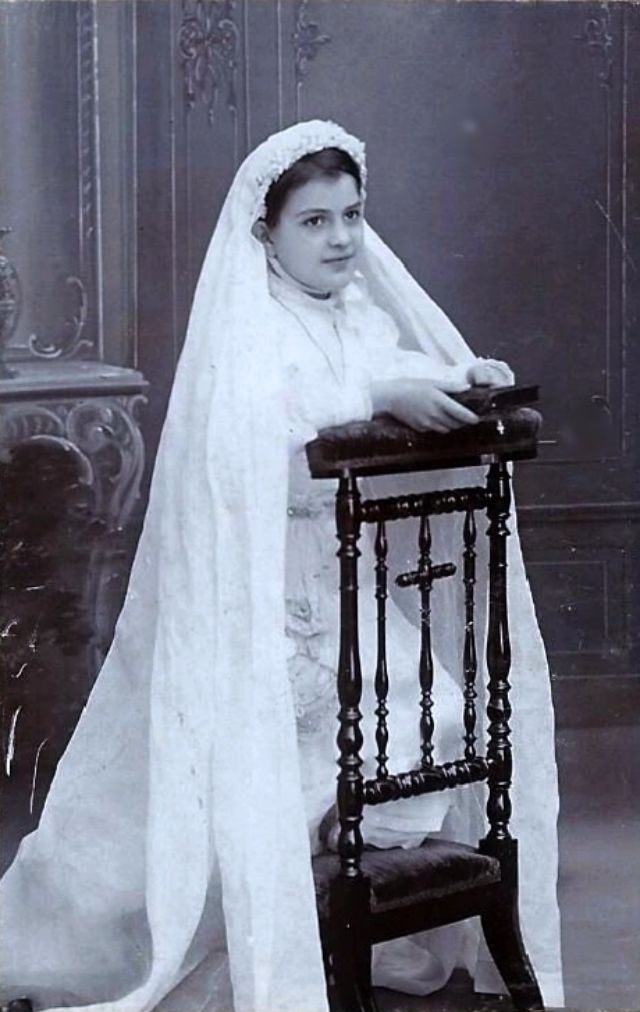
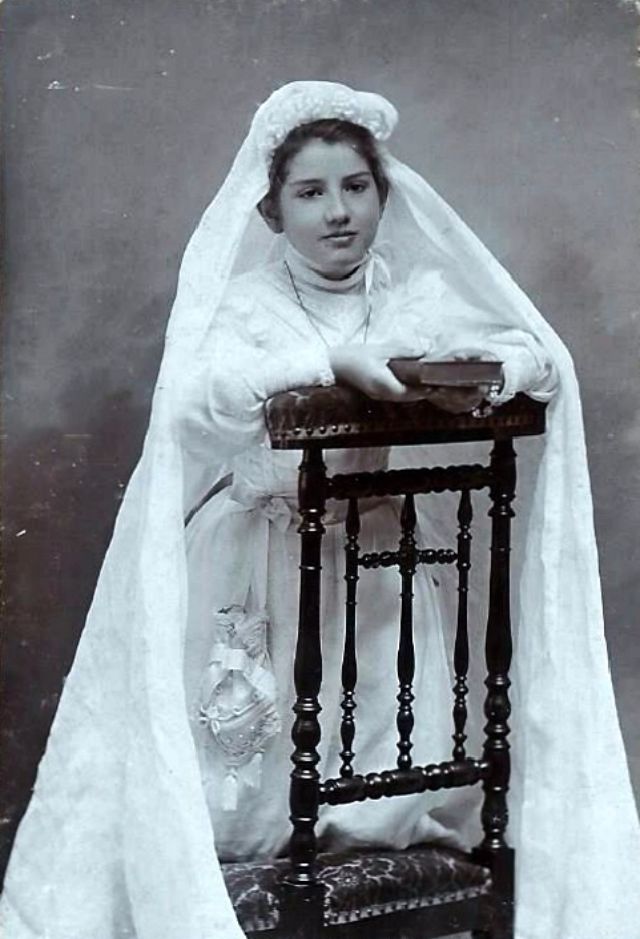
Girls typically wear white gowns and veils and often look like little brides, and boys wear their Sunday best or new suits and ties bought for the occasion.
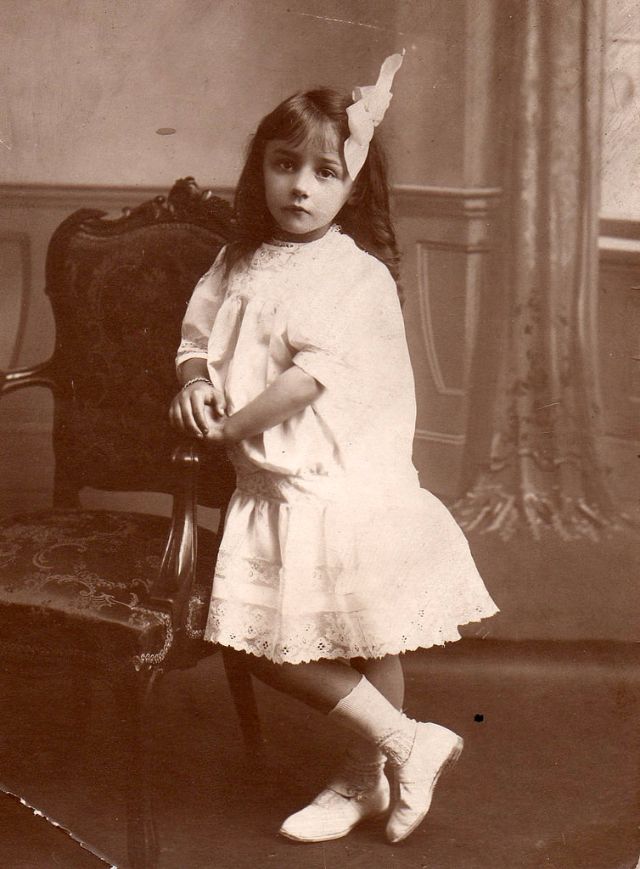
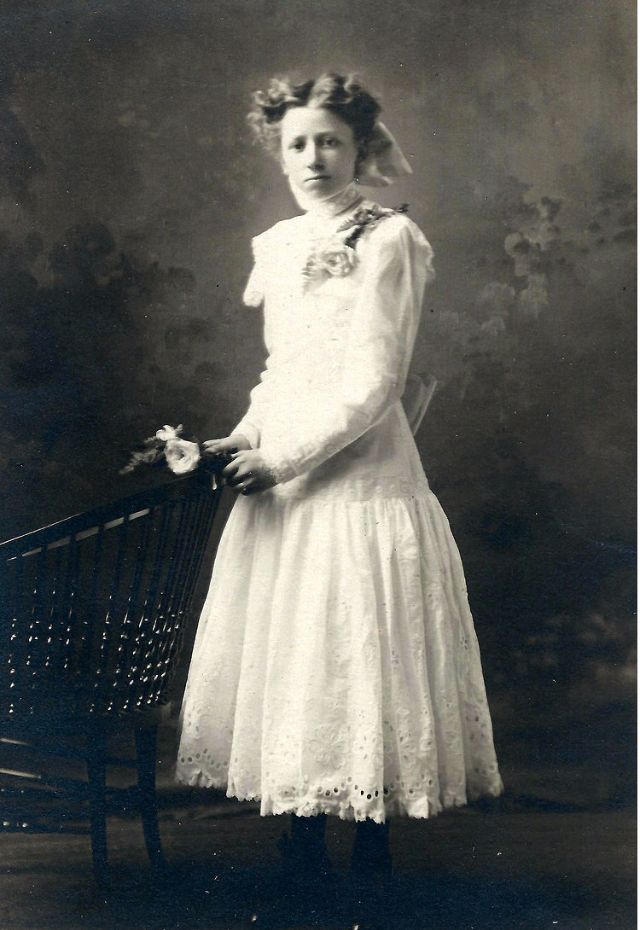
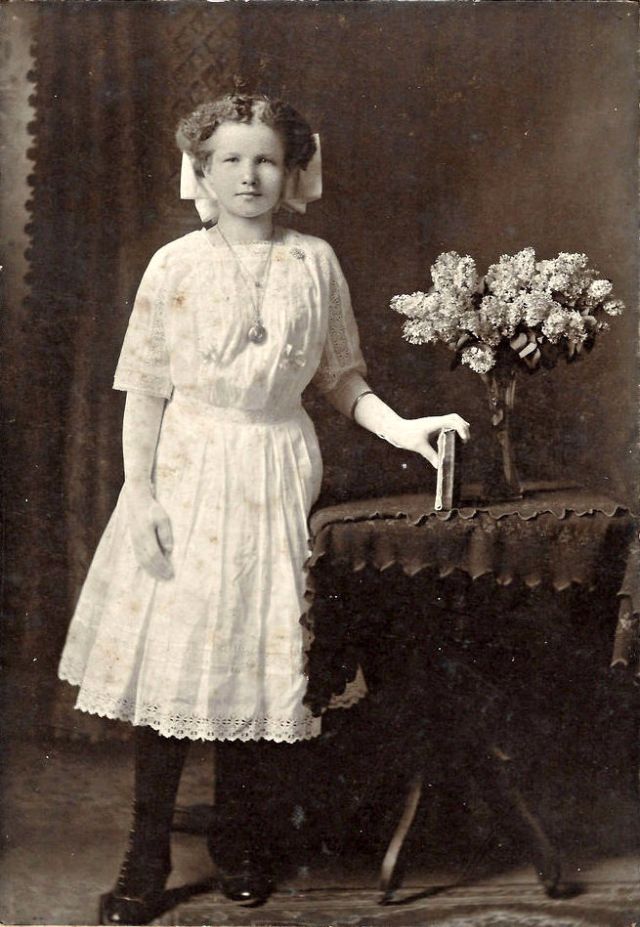
These adorable photos that show young girls in their first Holy Communion from between the 1900s and the 1910s.
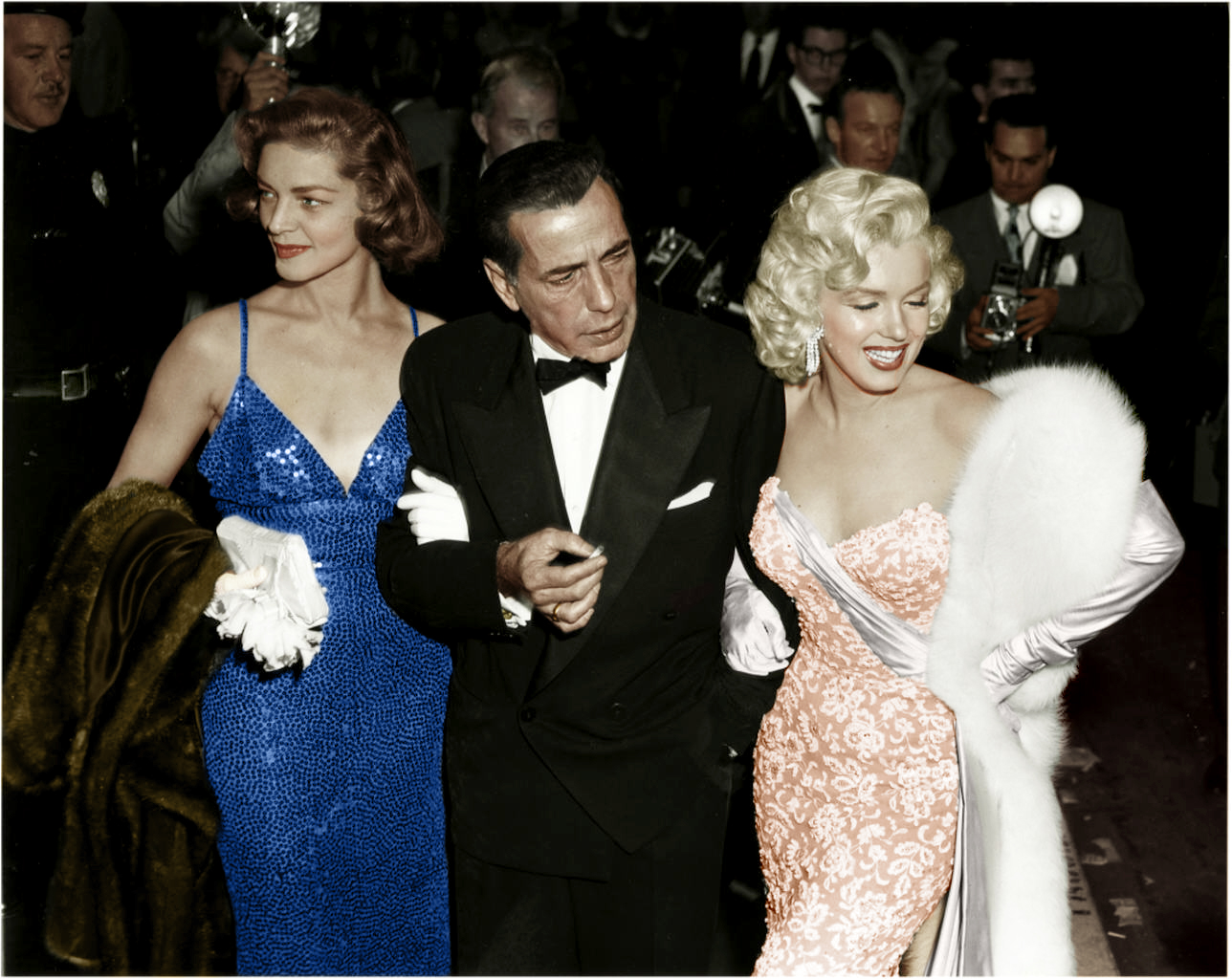
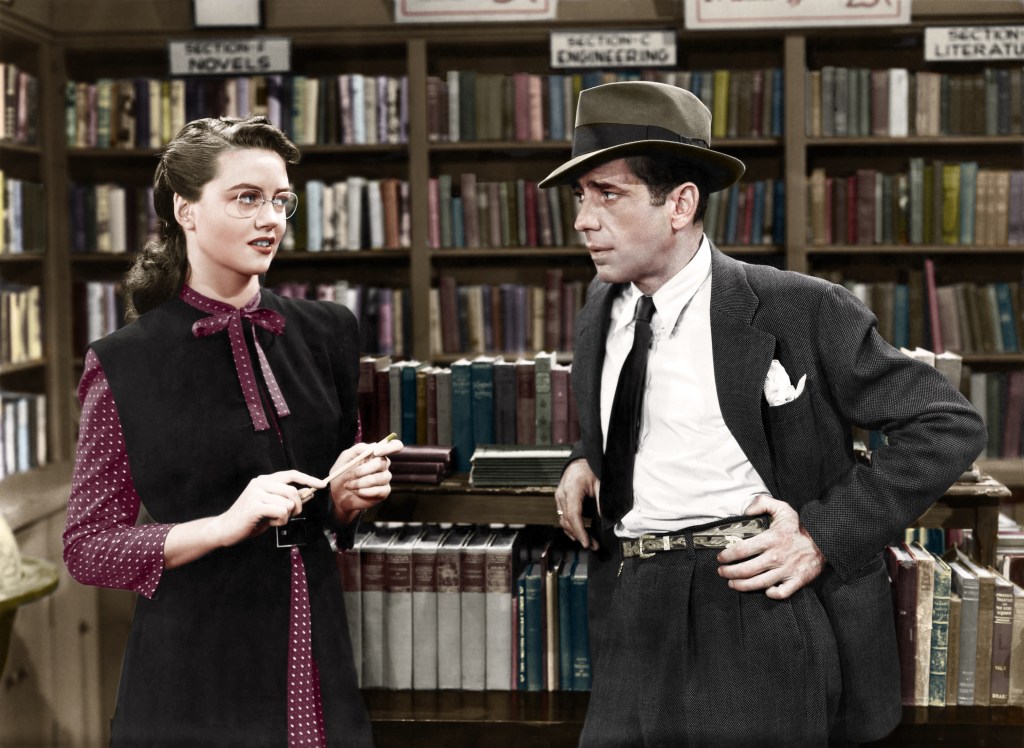
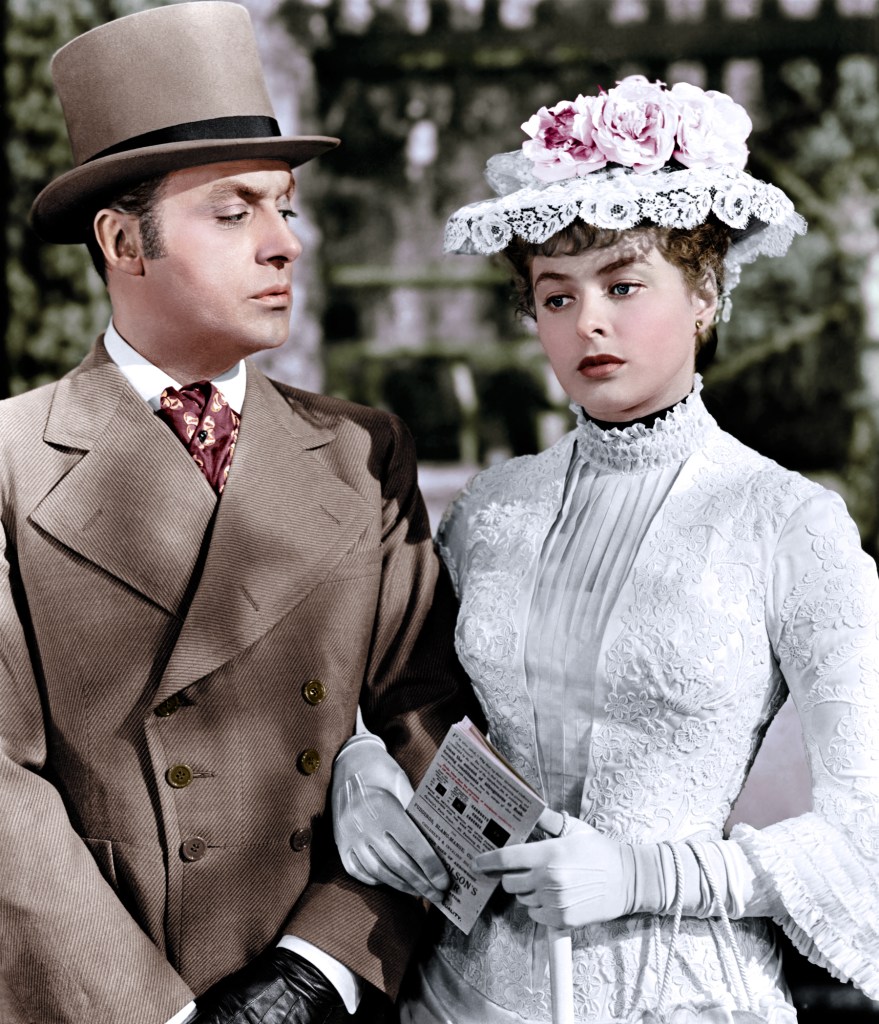
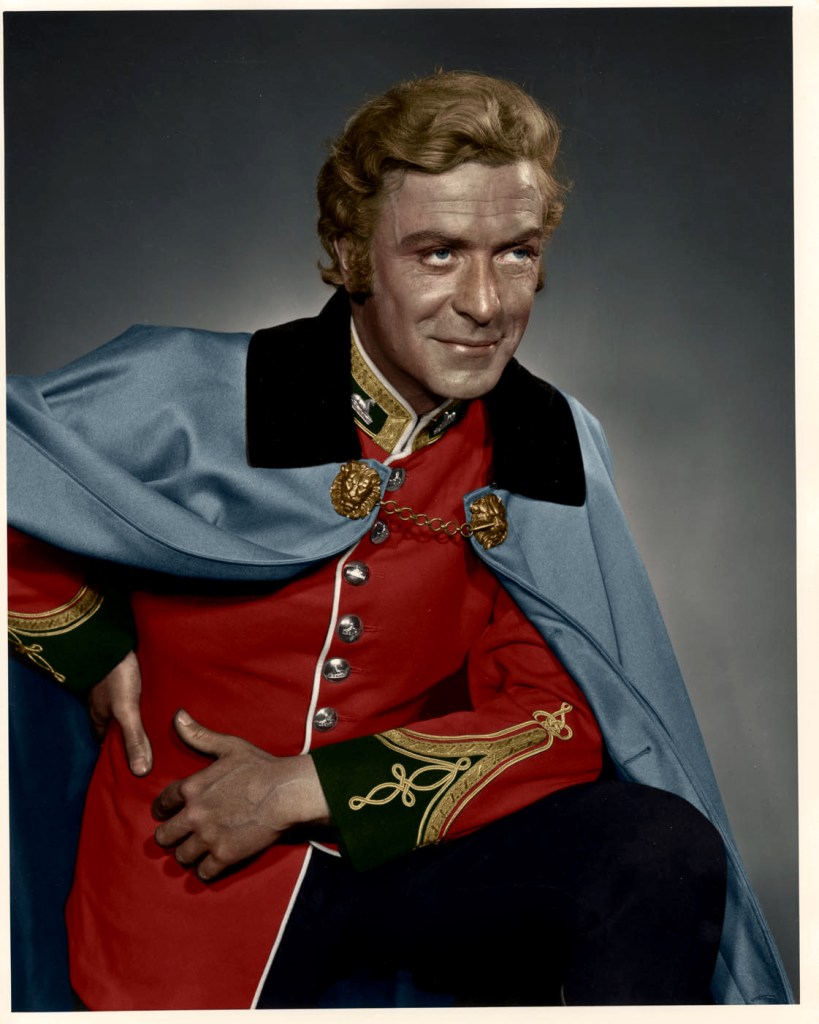
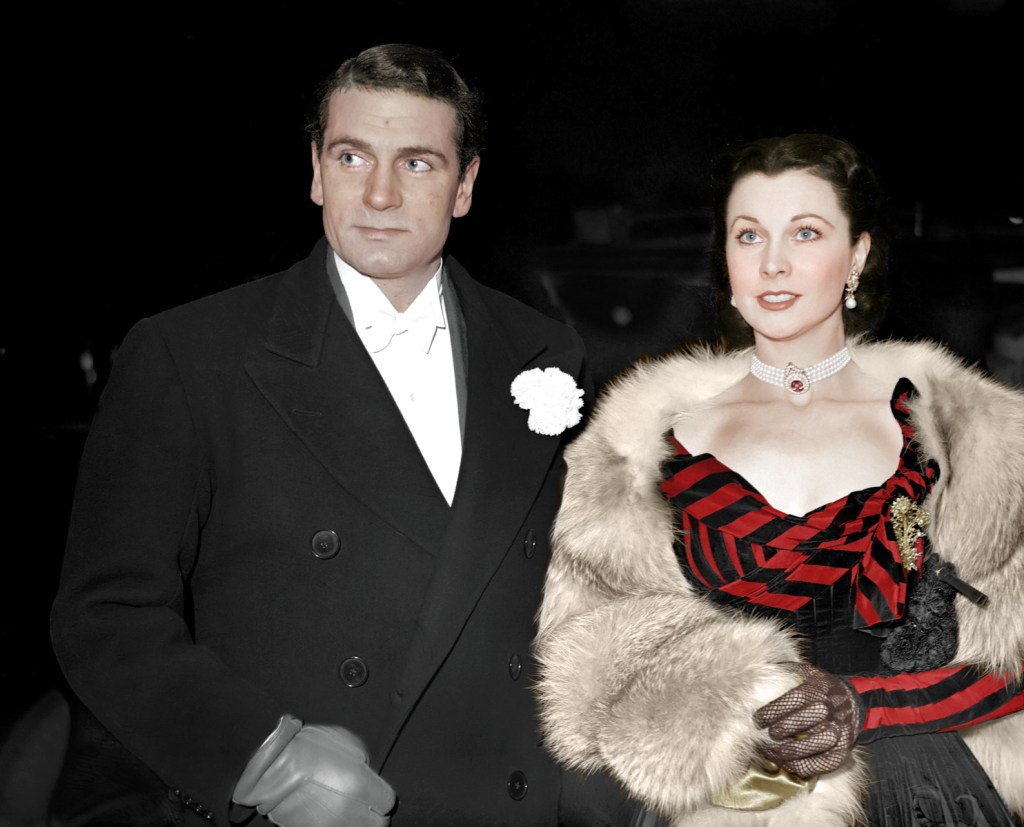
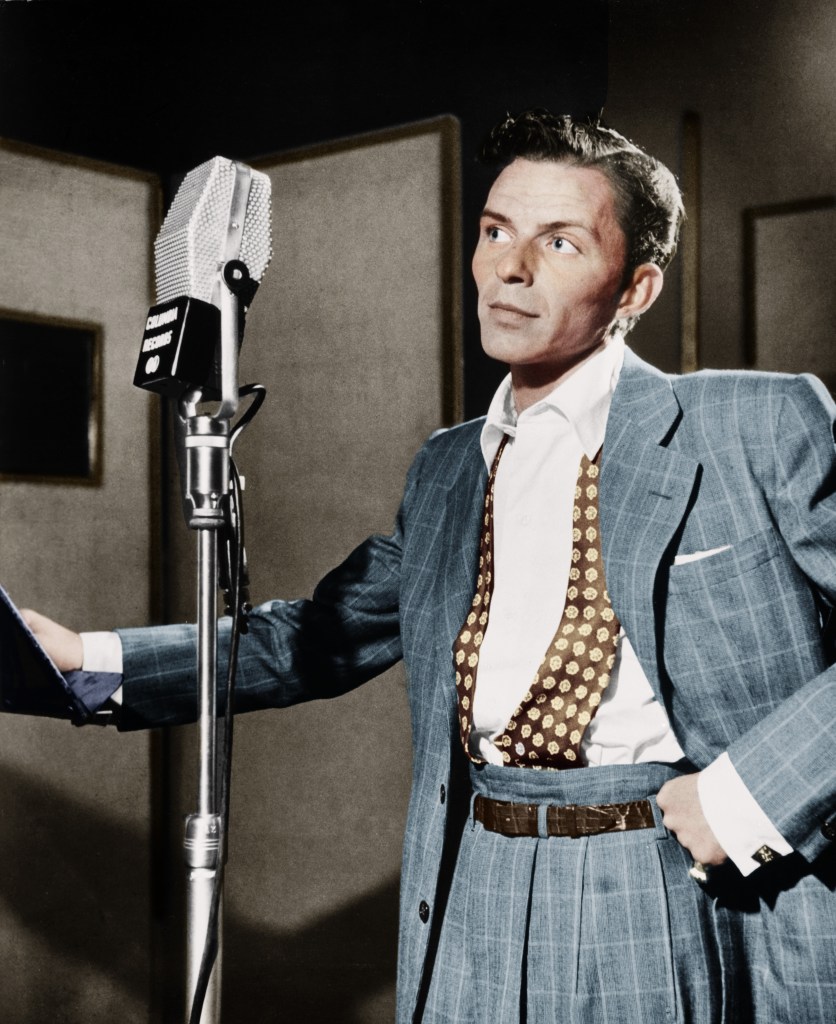
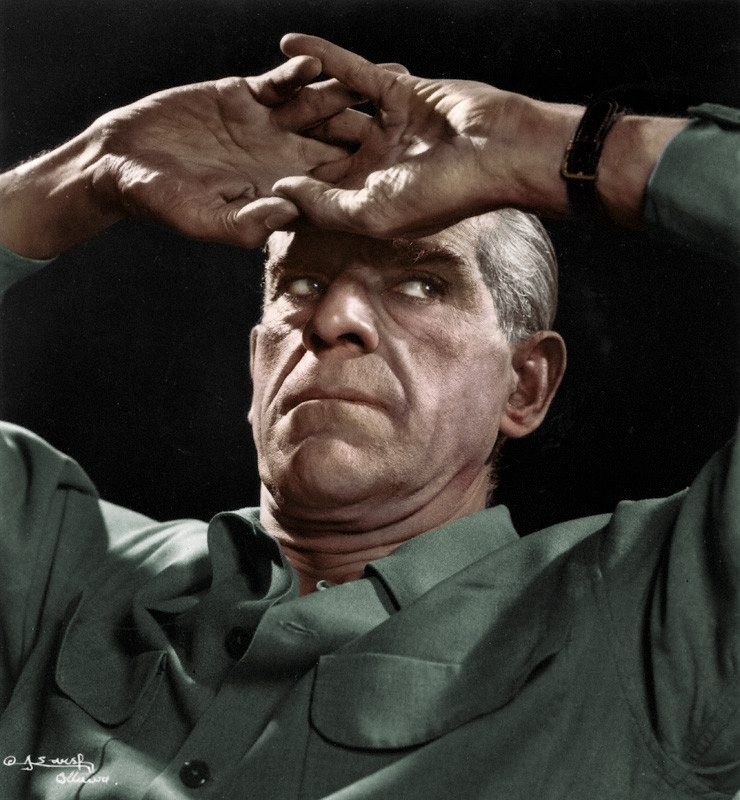
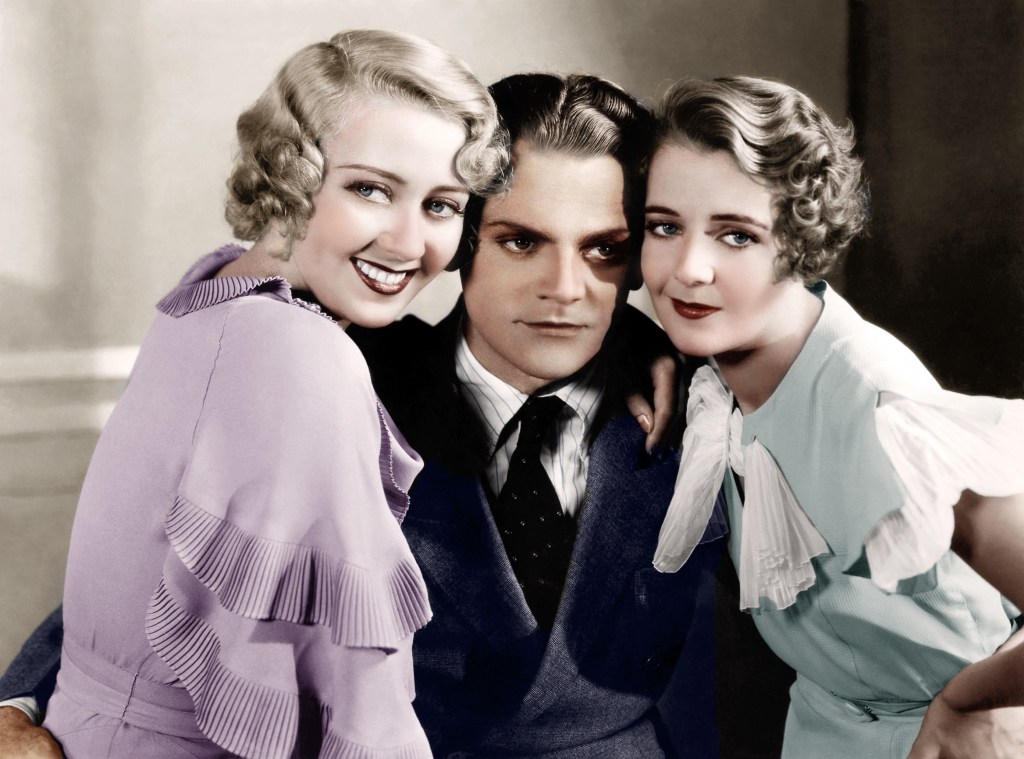
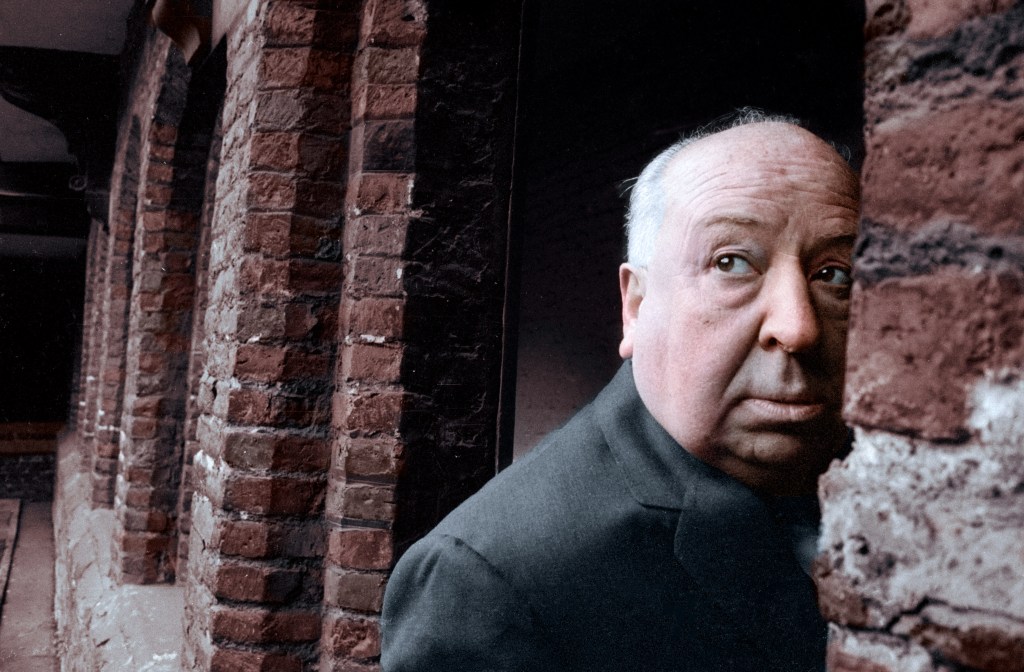
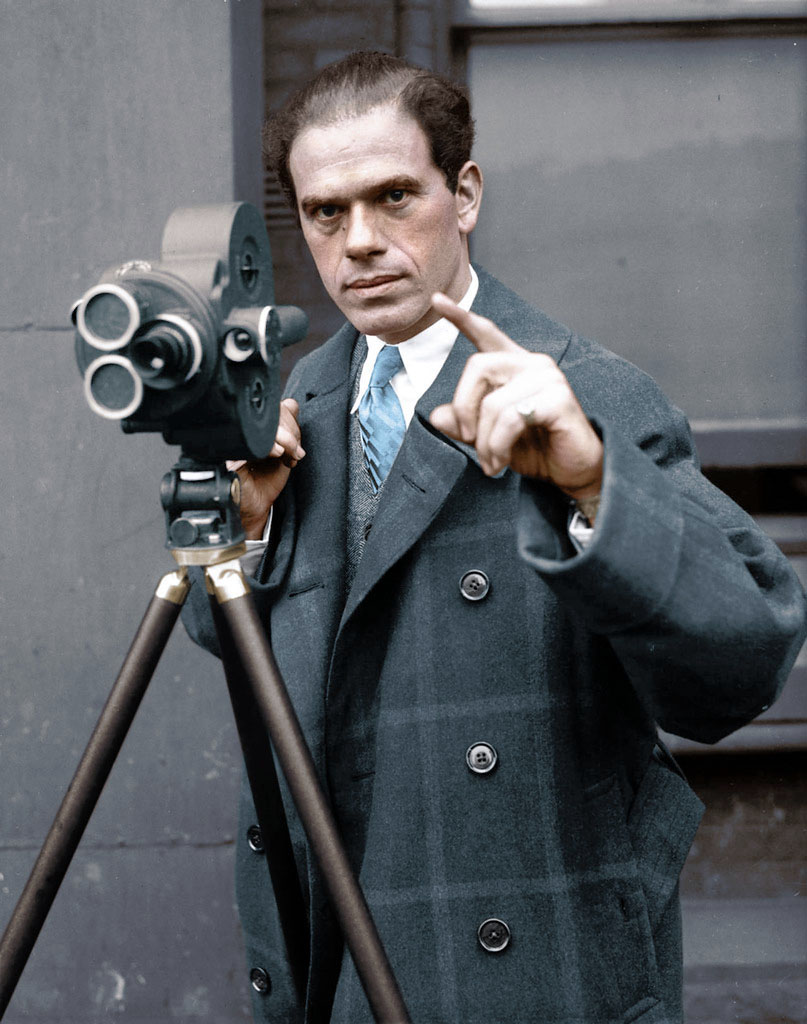
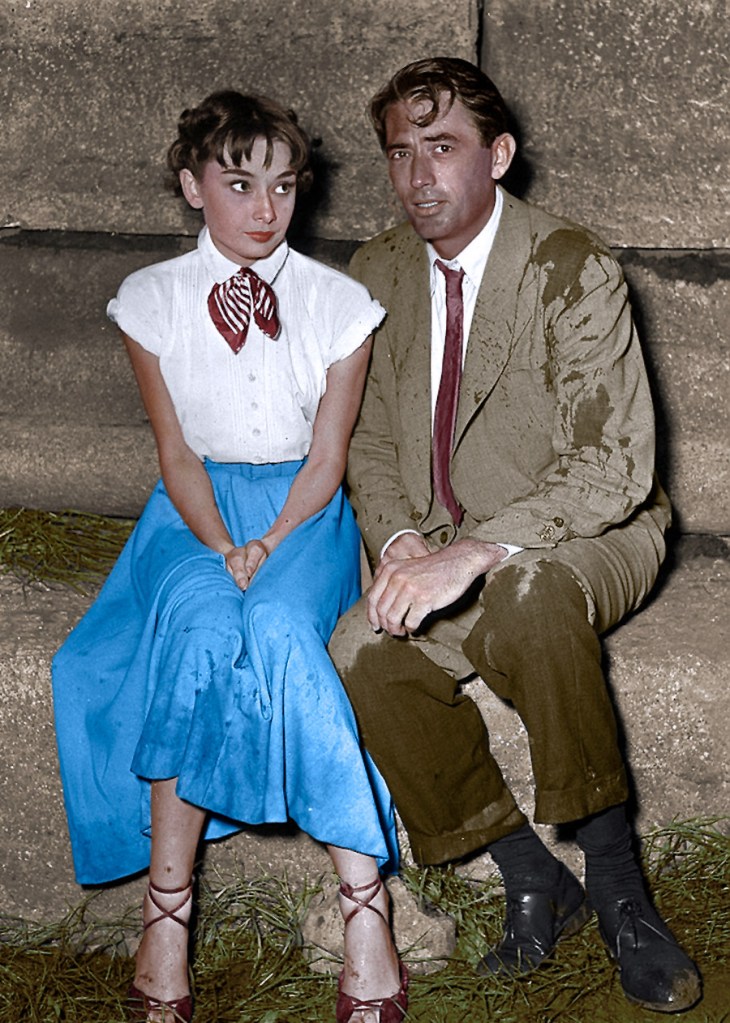
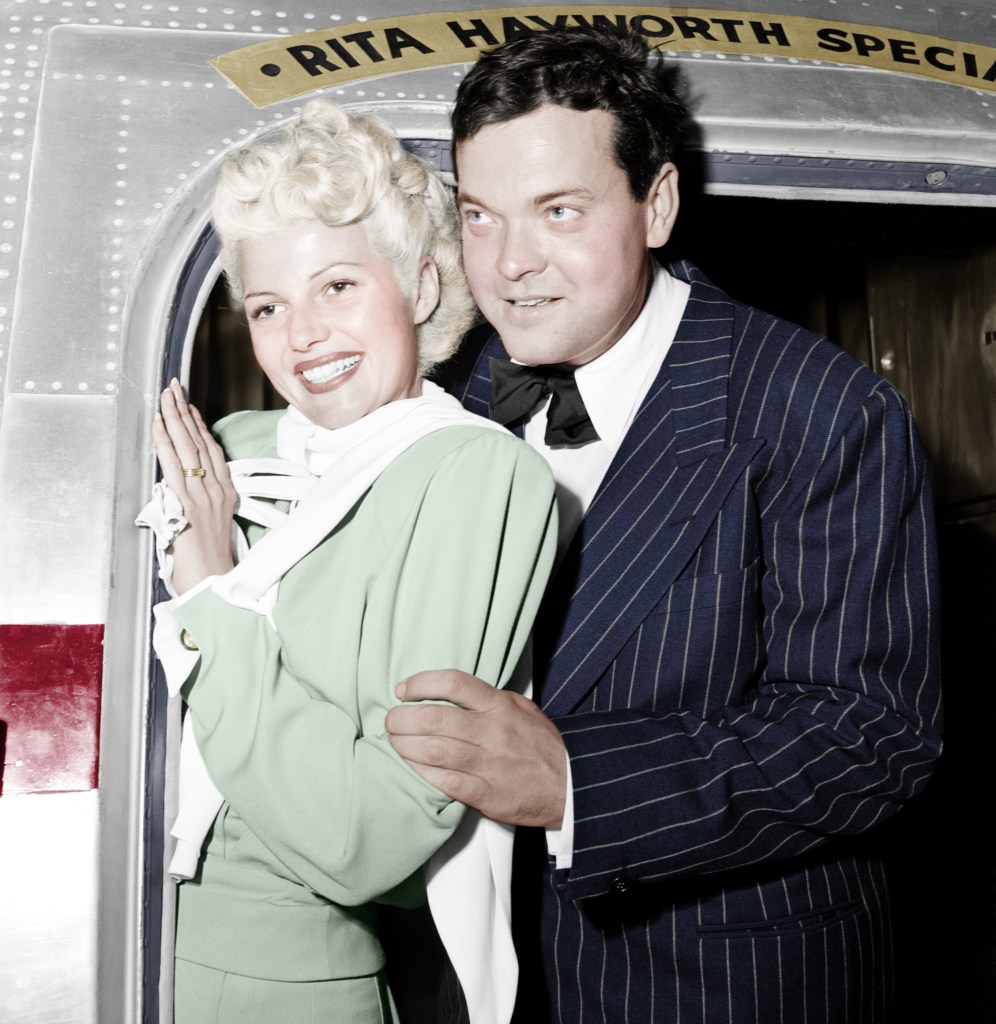
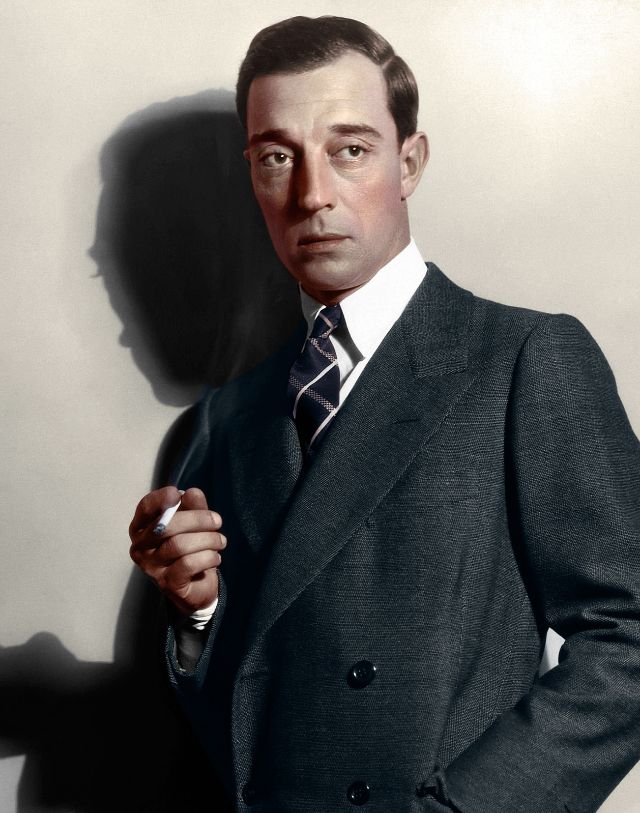
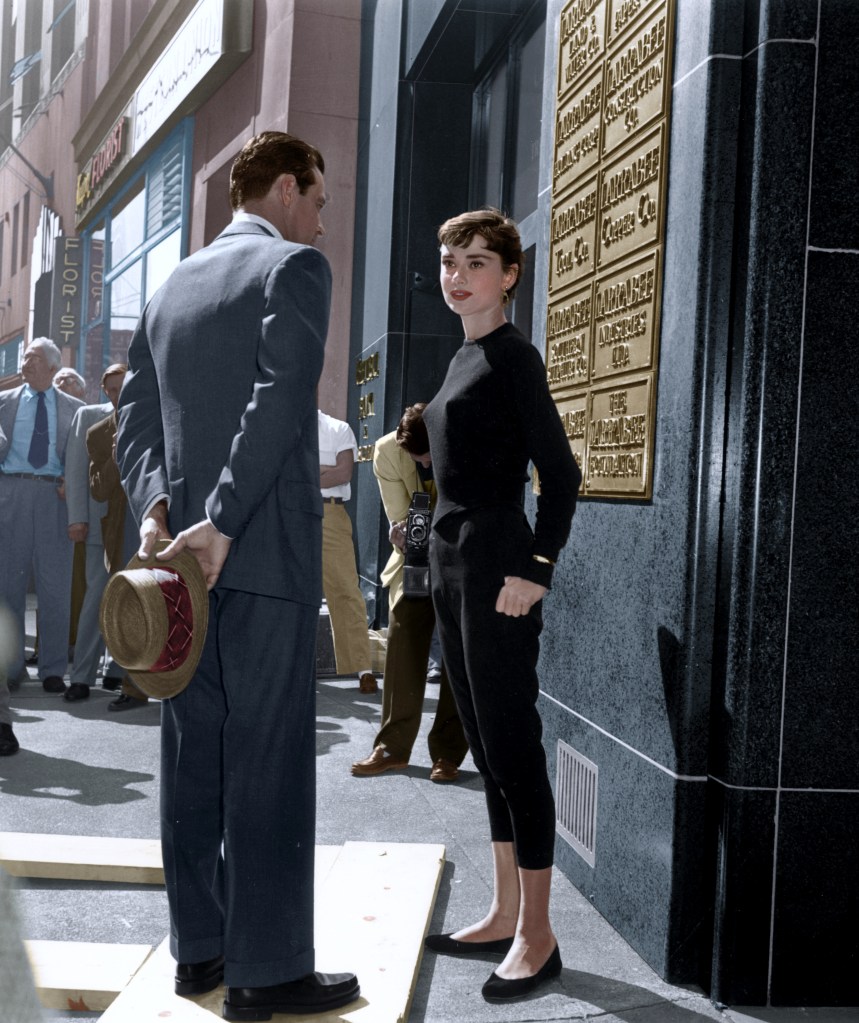
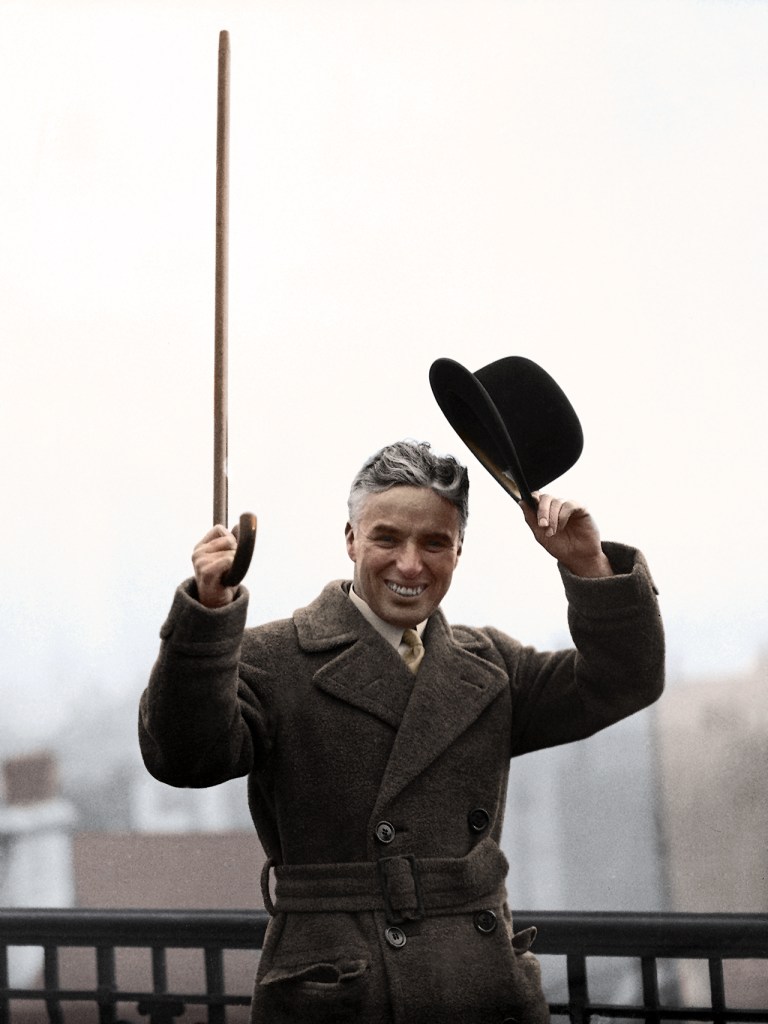
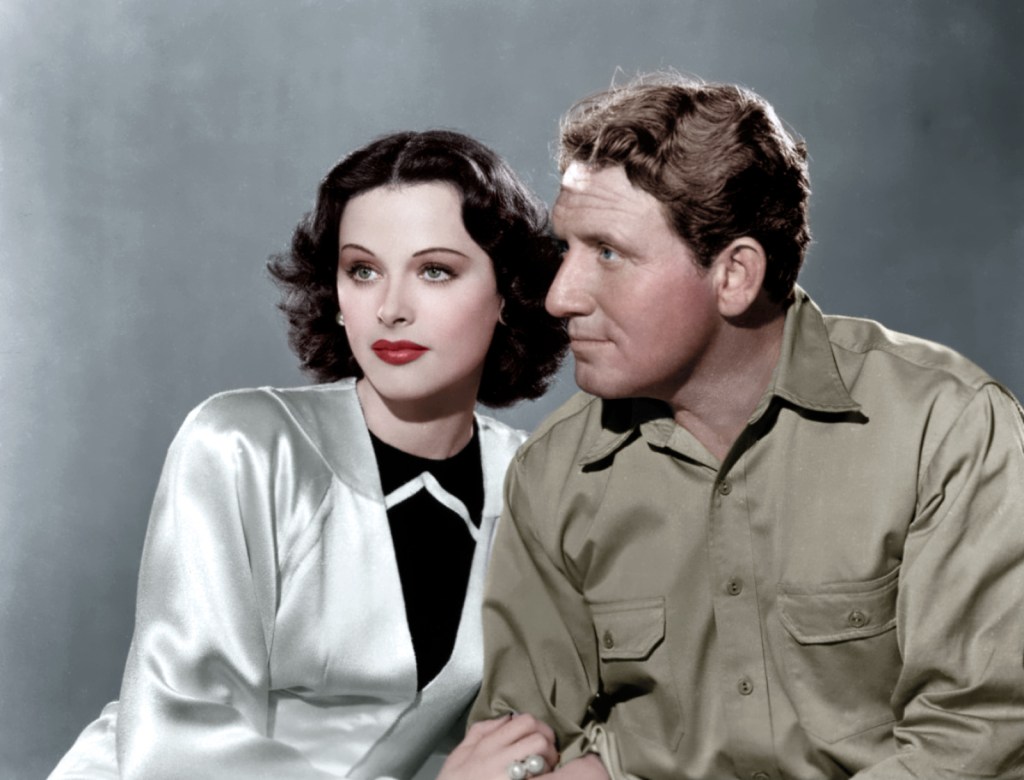
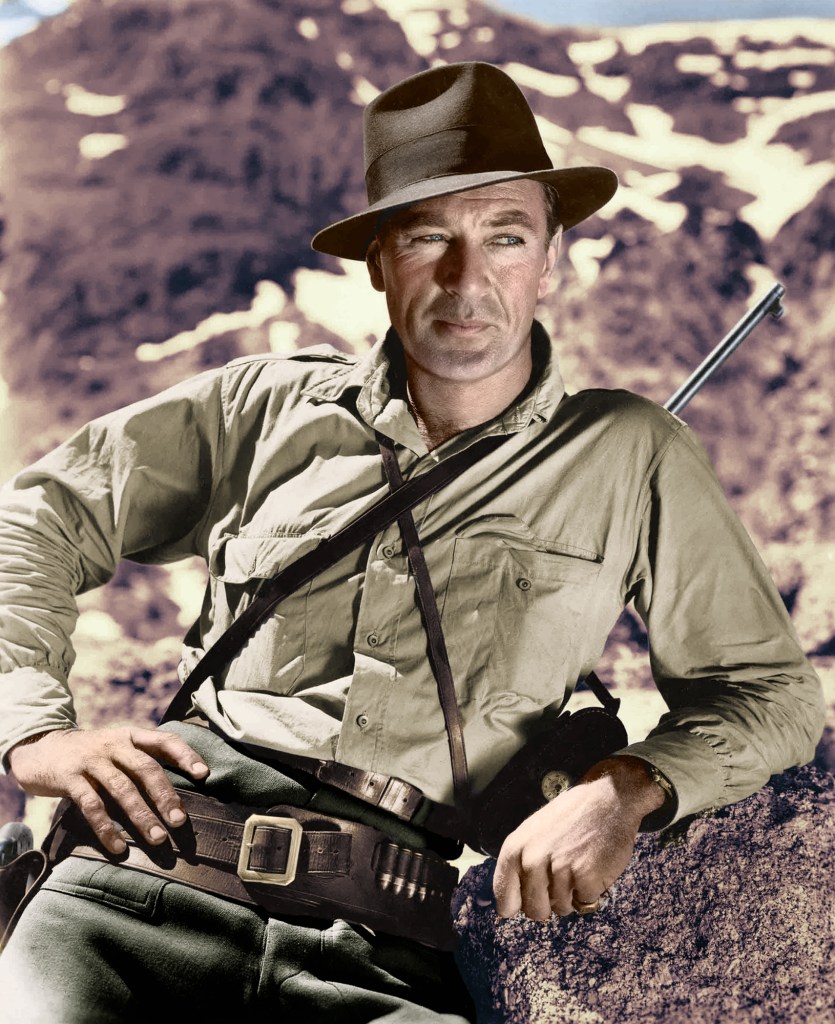
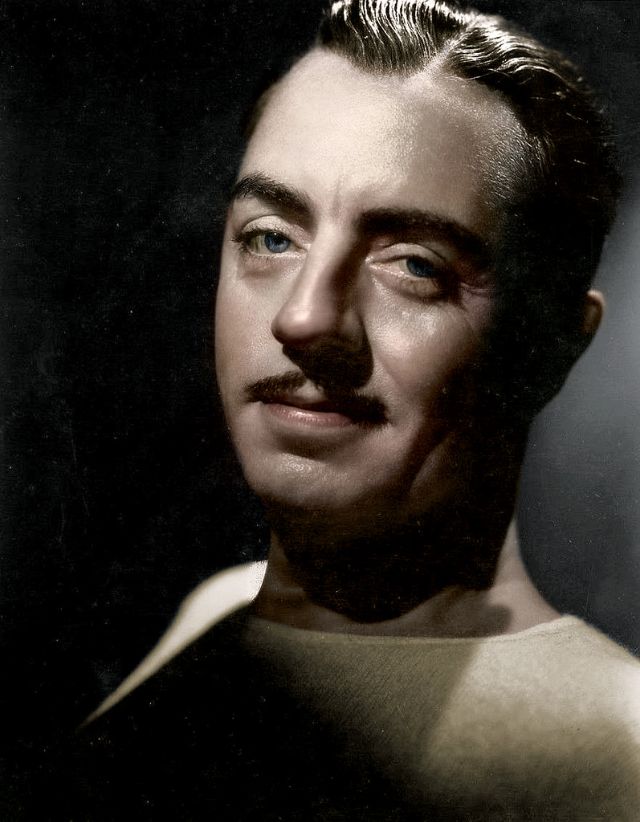
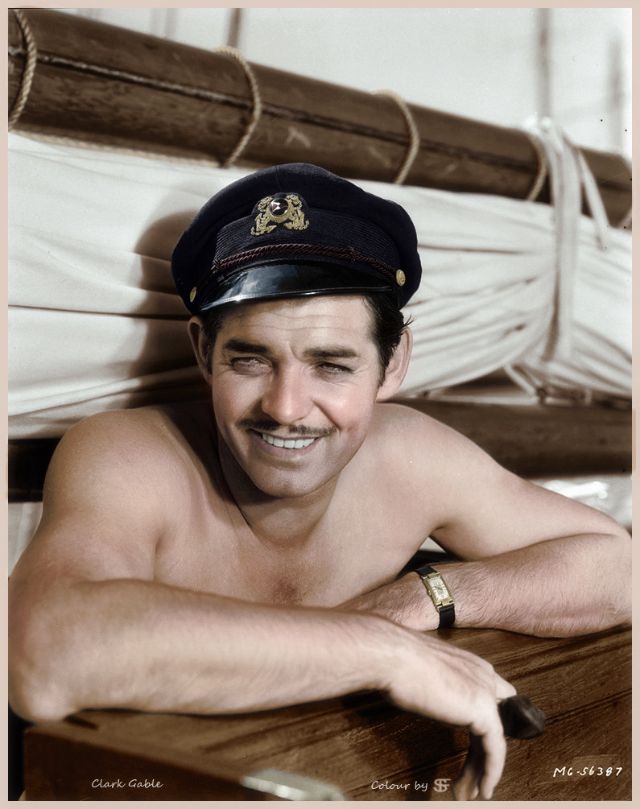
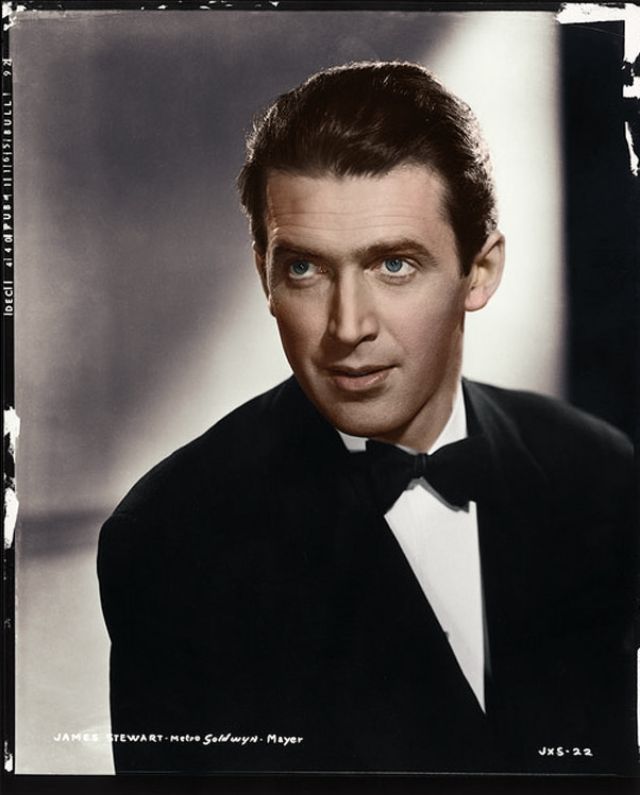
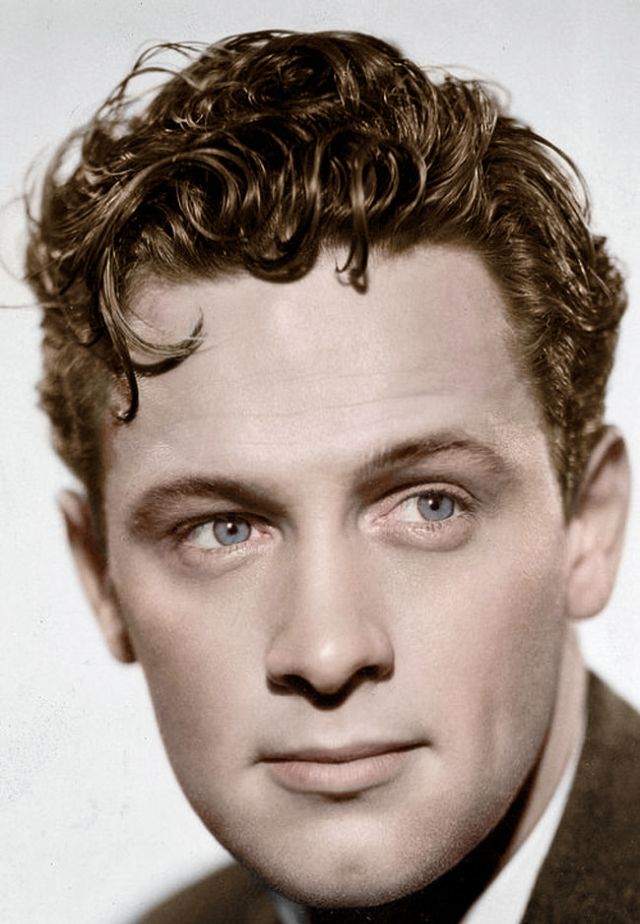
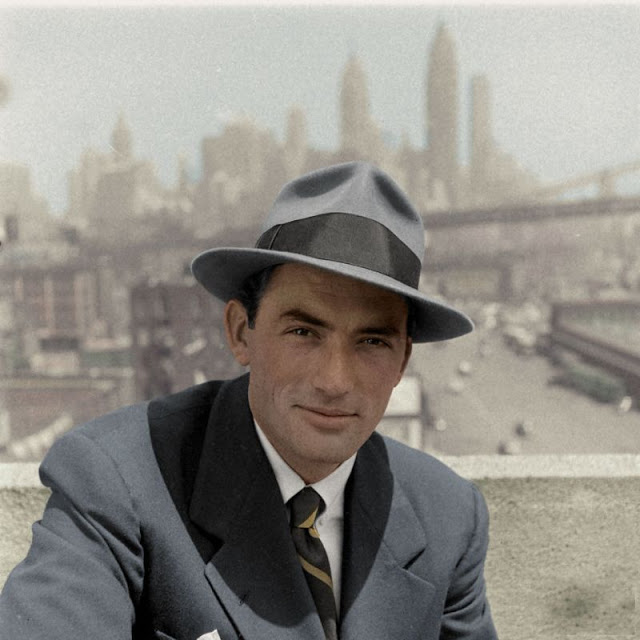
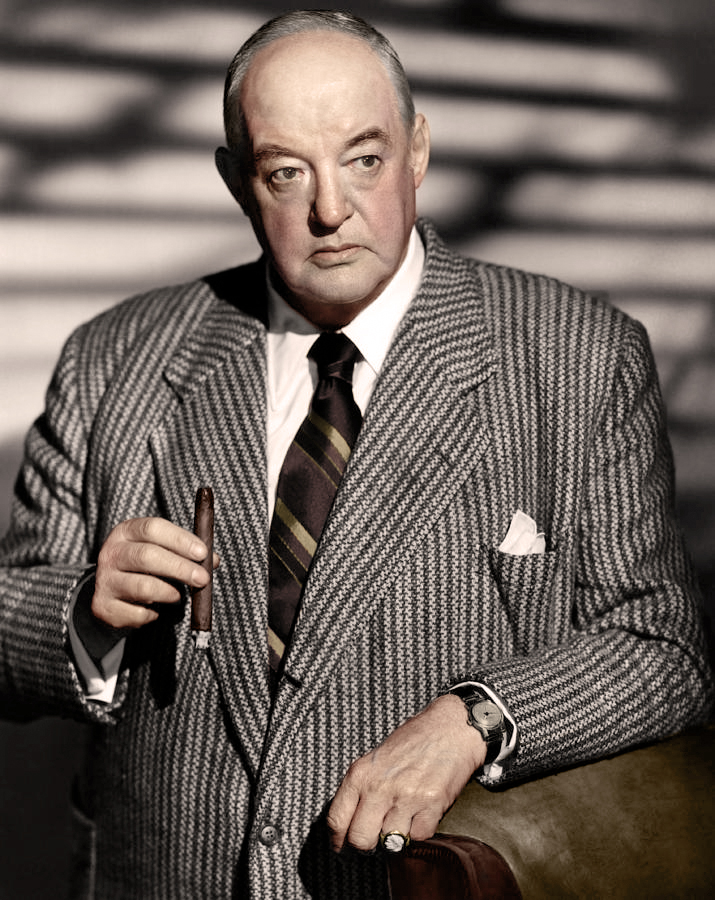
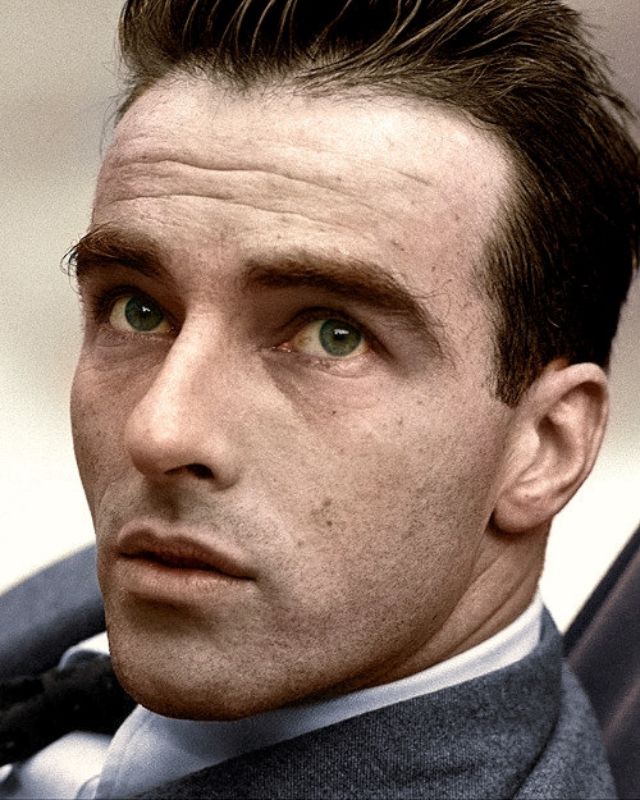
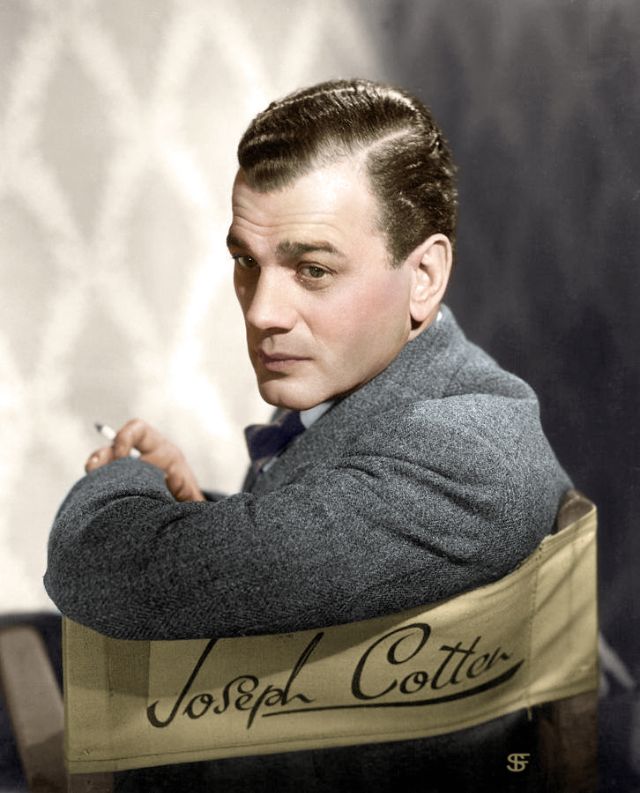
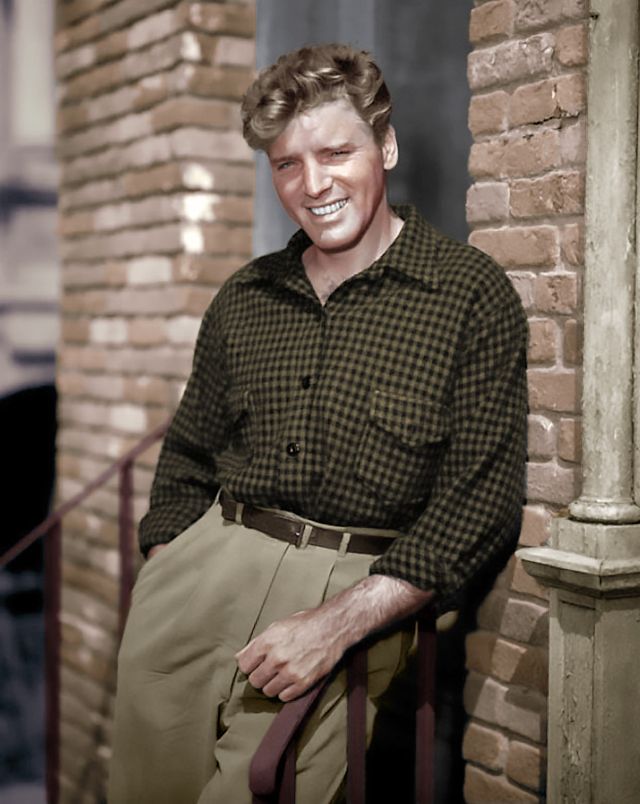
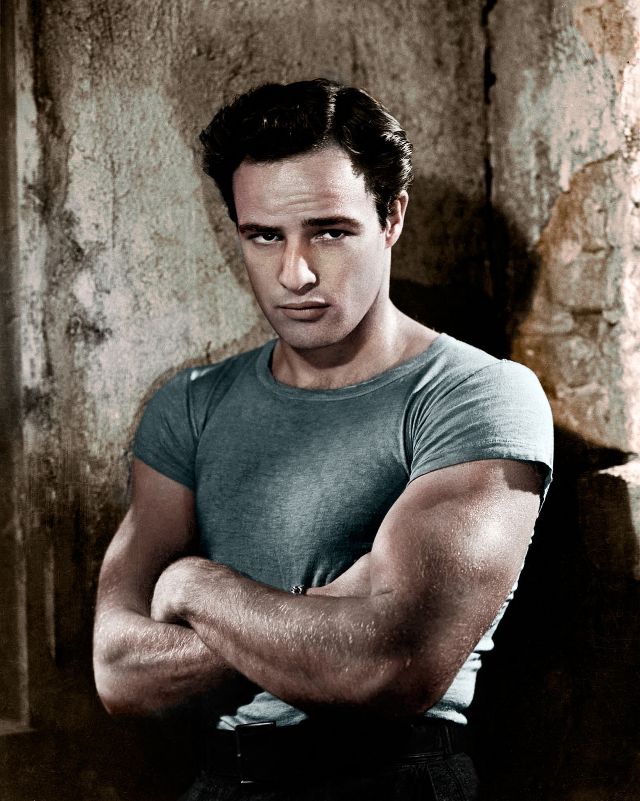
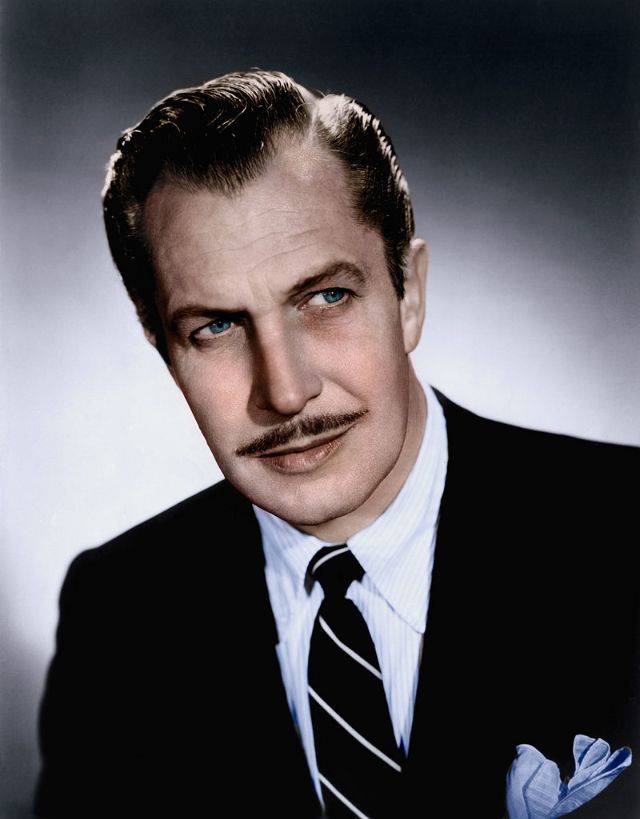
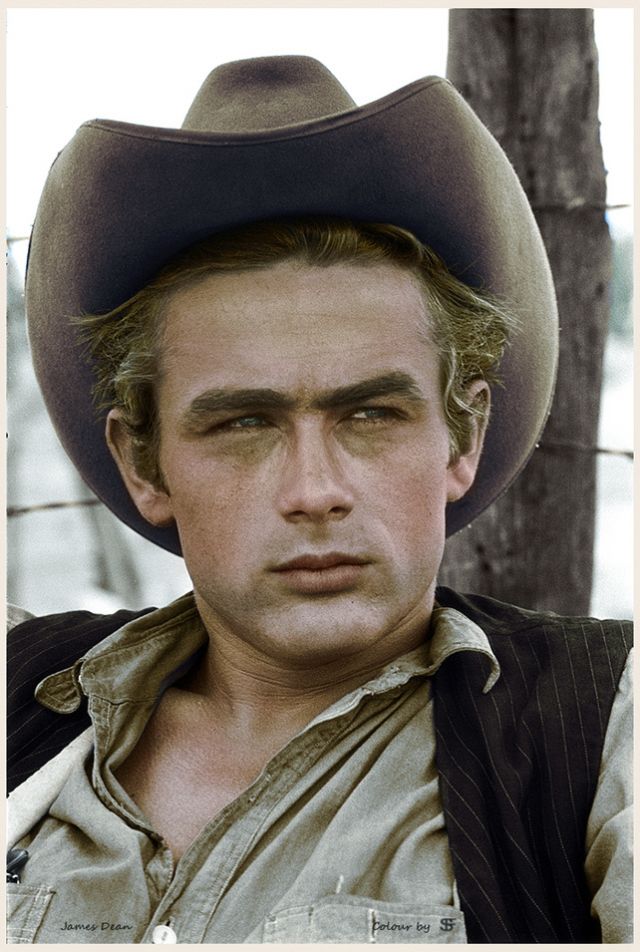
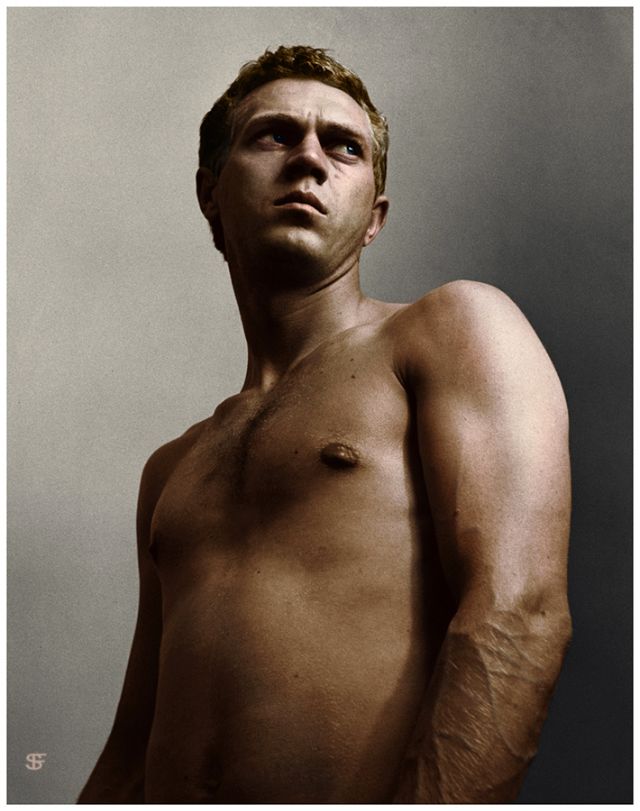
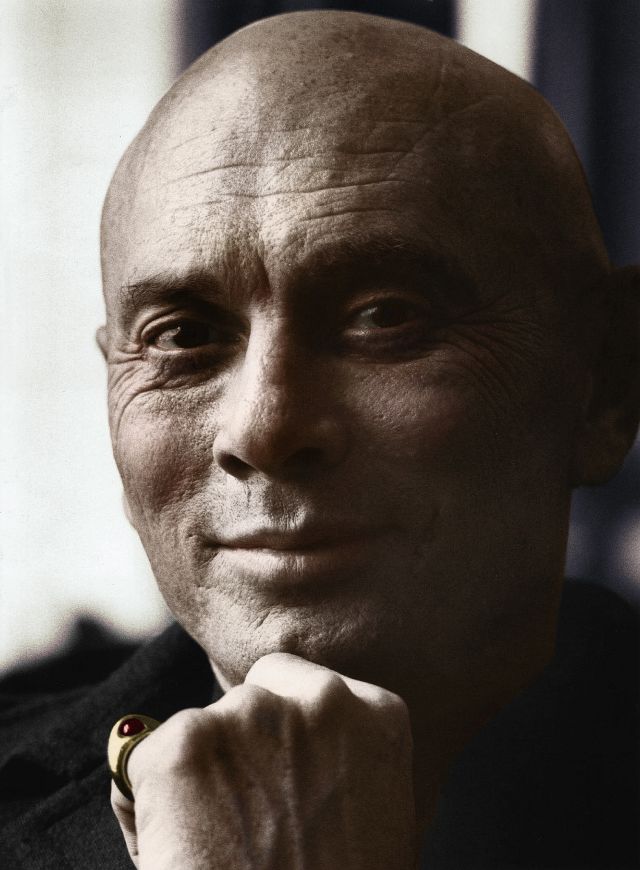
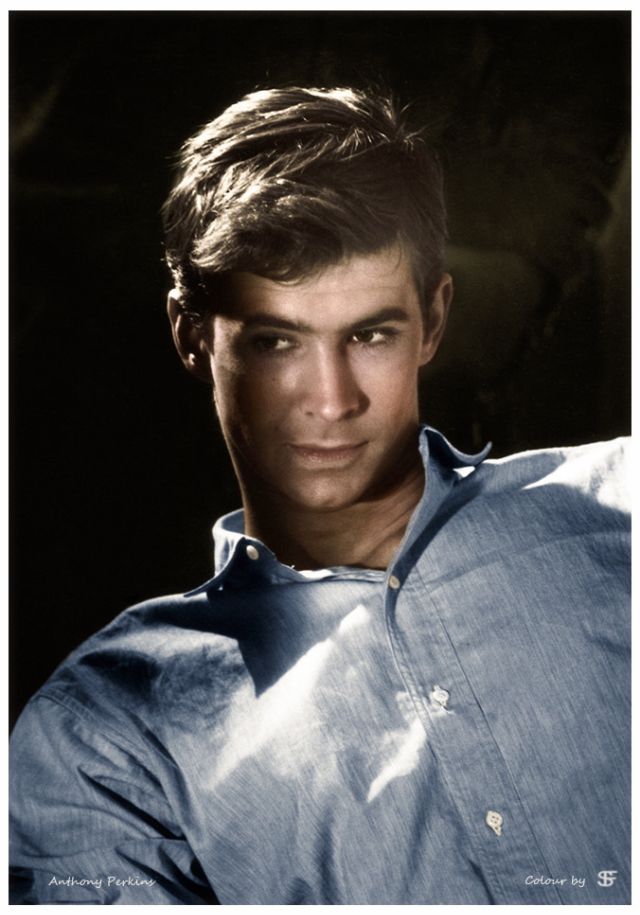
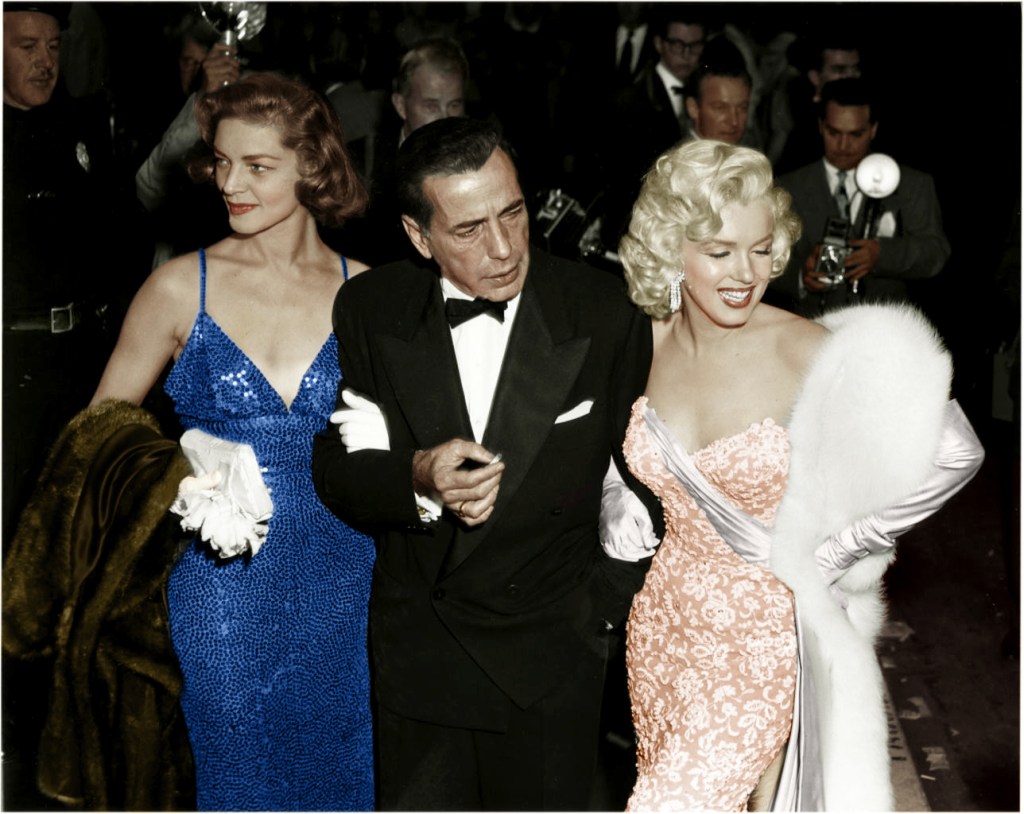
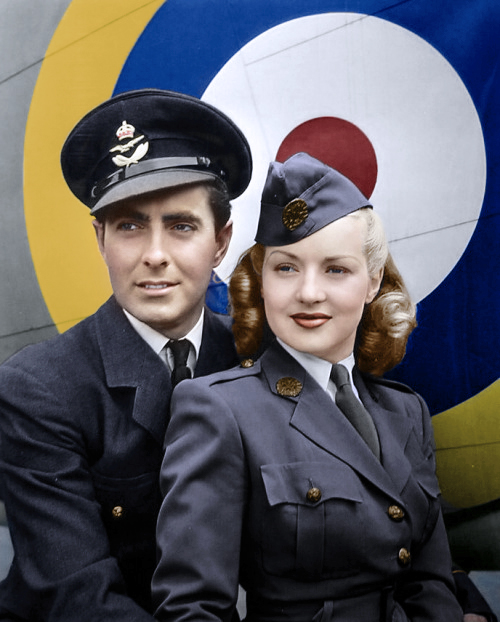
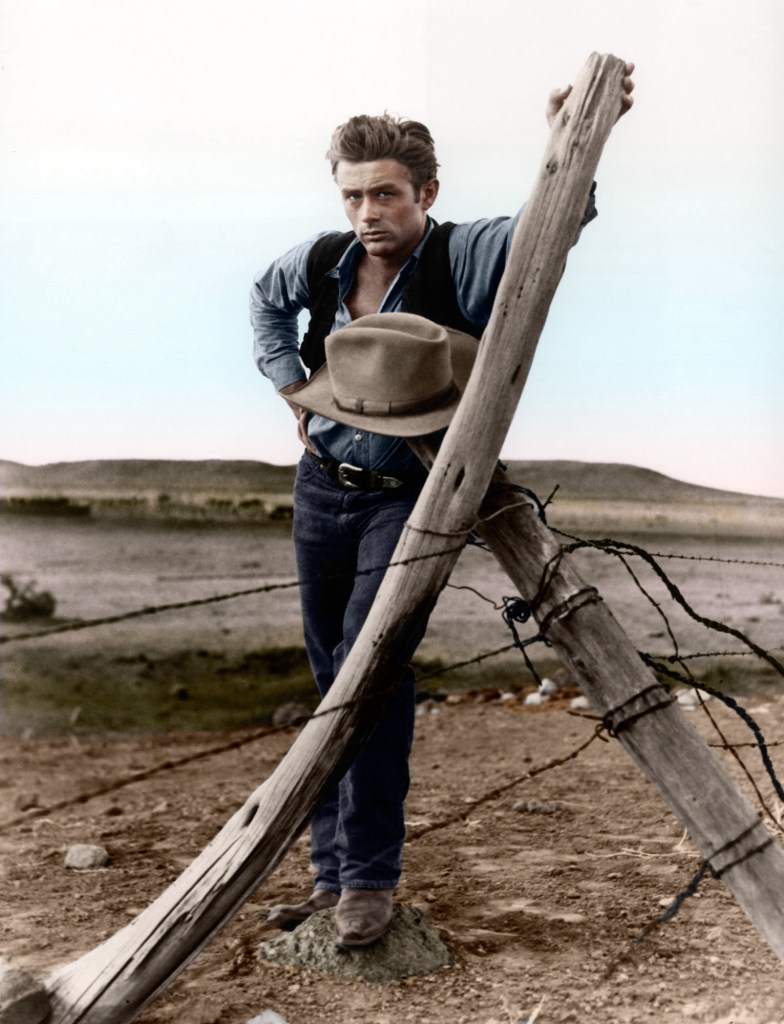
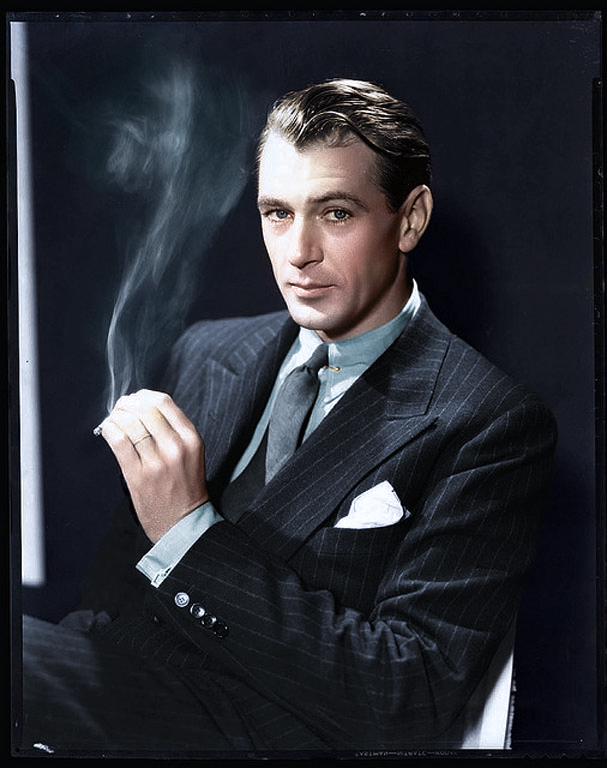
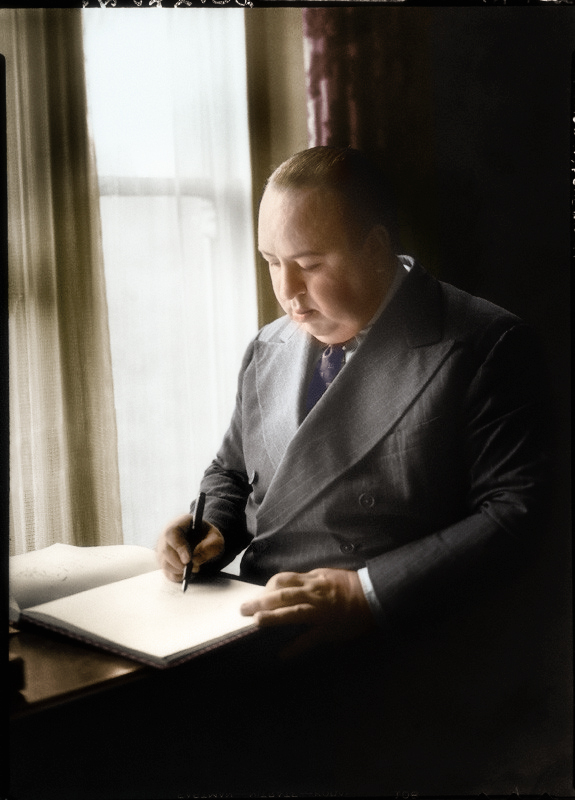
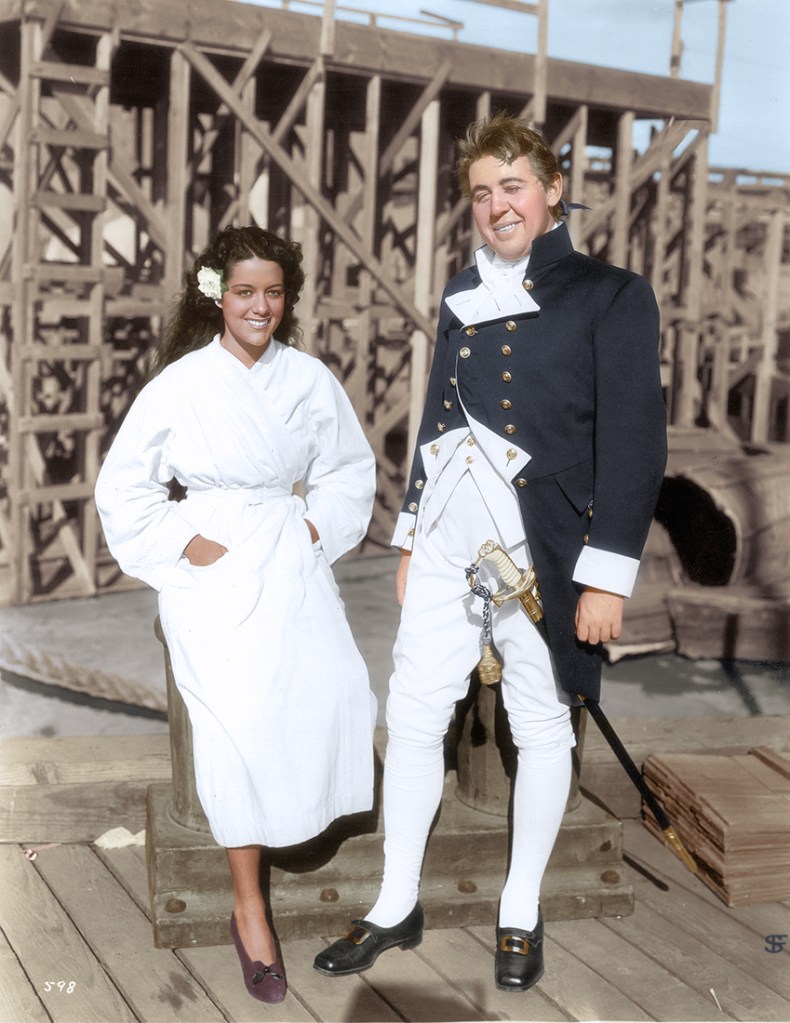
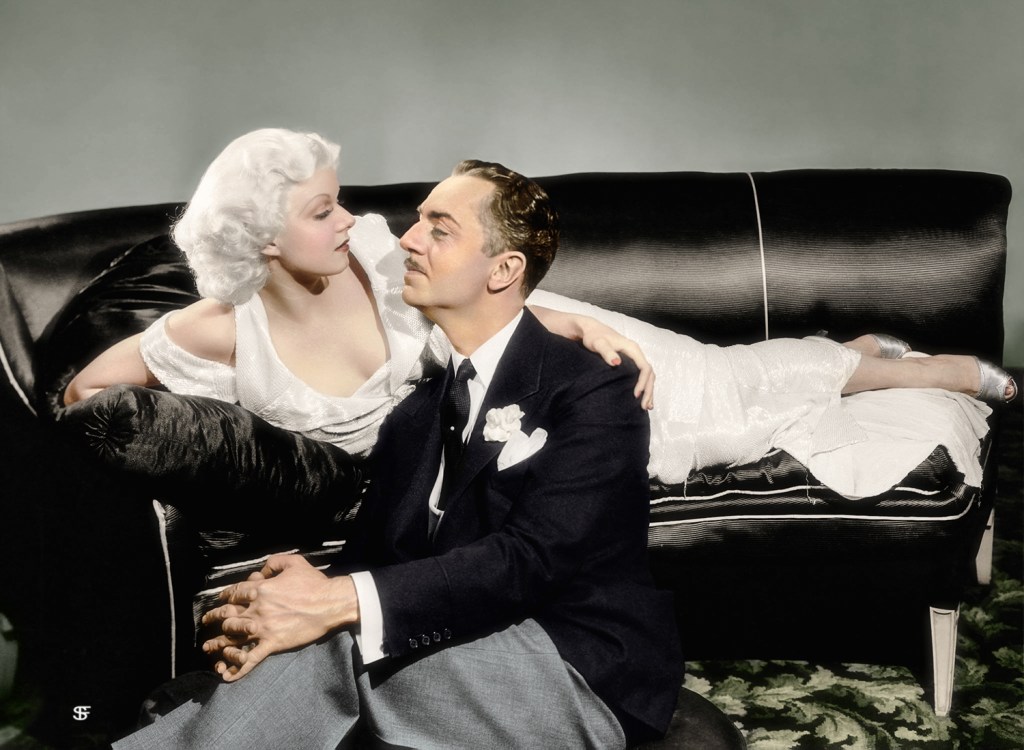
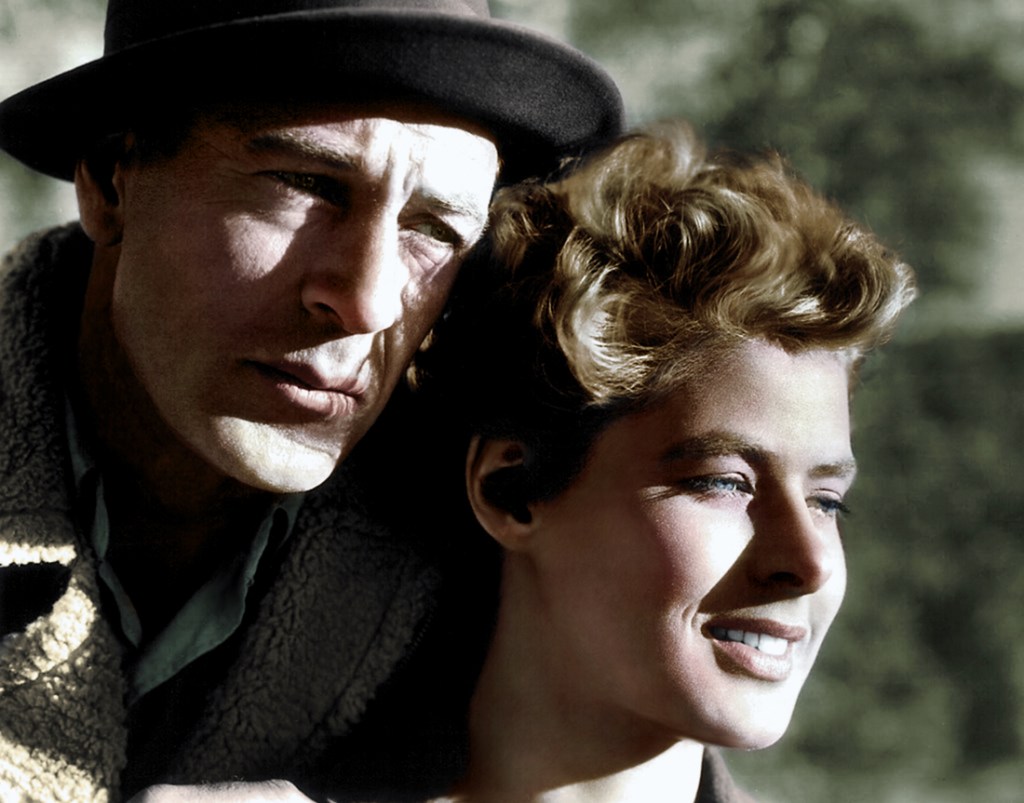
1934: If Buster Keaton was glad to be back in the United States, he certainly kept it a secret. The cameraman asked the film comedian to smile and this is the result. He was aboard the Ile de France on his return from a 5 months tour of the continent.Humphrey Bogart & Dorothy Malone, “The Big Sleep”, 1946Charles Boyer & Ingrid Bergman, “Gaslight”, 1944Audrey Hepburn & Mel Ferrer, 1960.Michael Caine, “Zulu”, 1964.Sir Laurence Olivier and wife Lady Olivier (Vivien Leigh) arriving for the premiere of Sir Alexander Korda’s production of Tolstoy’s immortal story “Anna Karenina”, directed by Julian Davivier at the Odeon in Leicester Square, London. 1948Frank Sinatra, 1947Boris Karloff, 1946Joan Blondell – James Cagney – Ruby Keeler, 19333rd May 1966: British film director Alfred Hitchcock (1899 – 1980) in Cambridge. Frank Capra 1931John Barrymore, Carole Lombard, and Howard Hawks, Twentieth Century”, 1934.Audrey Hepburn & Gregory Peck, “Roman Holiday”, 195310/15/1946-Los Angeles, CA: Their rumored disagreement apparently ended, Rita Hayworth, glamorous film star and her husband Orson Wells wave from their plane the “Rita Hayworth Special” as they left for Mexico City. They are going on location at Acapulco, Mexico for the film “Lady From Shanghai”.Buster Keaton, 1924Rudolph Valentino, 1925Henry Fonda, circa 1930sTyrone Power, circa 1930sOctober 1953: Full-length image of American actor William Holden (1918-1981) and Belgian-born actor Audrey Hepburn (1929-1993) talking while standing in front of an office building, on the set of director Billy Wilder’s film, ‘Sabrina’, in the Wall Street district of New York City. Holden wears a suit and holds a hat behind his back. Hepburn wears a black sweater, black Capri pants, hoop earrings, and flats. Burt Lancaster & Ava Gardner, “The Killers”, 1946Charlie Chaplin, London, 1931Hedy Lamarr & Spencer Tracy, 1940.Gary Cooper, 1940Boris Karloff, 1934James Cagney, 1934William Powell, 1935Clark Gable, 1936James Stewart, 1936Peter Lorre, 1938William Holden, 1939Errol Flynn, 1940Gregory Peck, circa 1940sHumphrey Bogart, 1941Sydney Greenstreet, 1942Robert Mitchum, 1947Montgomery Clift, 1948Joseph Cotten, 1949Burt Lancaster, 1952Marlon Brando, 1952Vincent Price, 1954James Dean, 1955Steve McQueen, 1956Yul Brynner, 1956Anthony Perkins, 1959Lauren Bacall, Humphrey Bogart and Marilyn Monroe, 1953Tyrone Power & Betty Grable, early 1940sClark Gable 1931James Dean, “Giant”, 1956Gary Cooper, 1940Alfred Hitchcock, 1936Maria Luisa Movita Castaneda & Charles Laughton, “Mutiny on the Bounty”, 1935Jean Harlow & William Powell, “Reckless”, 1935Gary Cooper & Ingrid Bergman, “For Whom the Bell Tolls” 1943.18th July 1928: American silent screen comedian and actor Buster Keaton (1895-1966) sits beside a bulldog.