










Bringing You the Wonder of Yesterday – Today

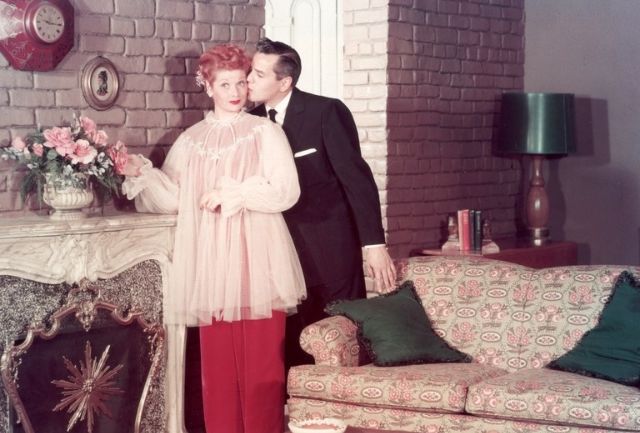
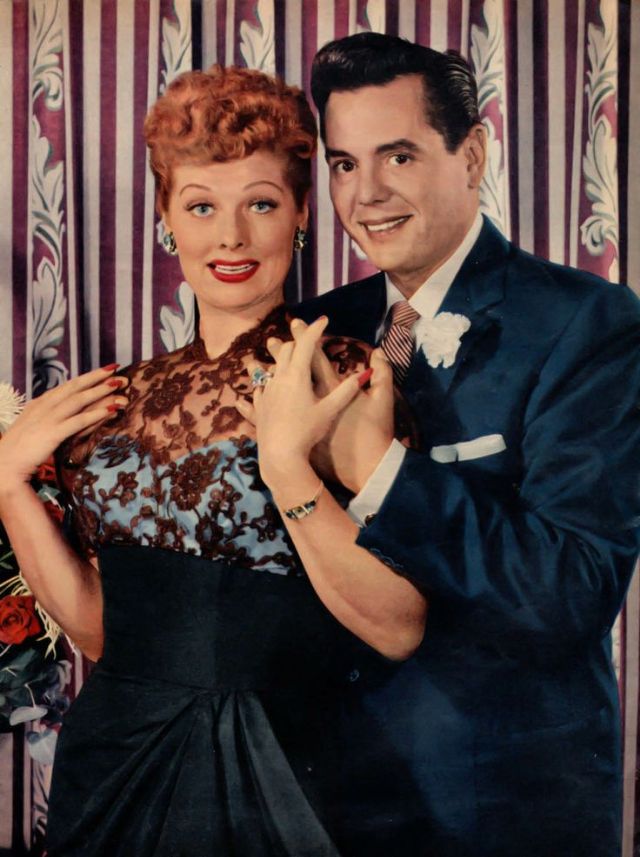
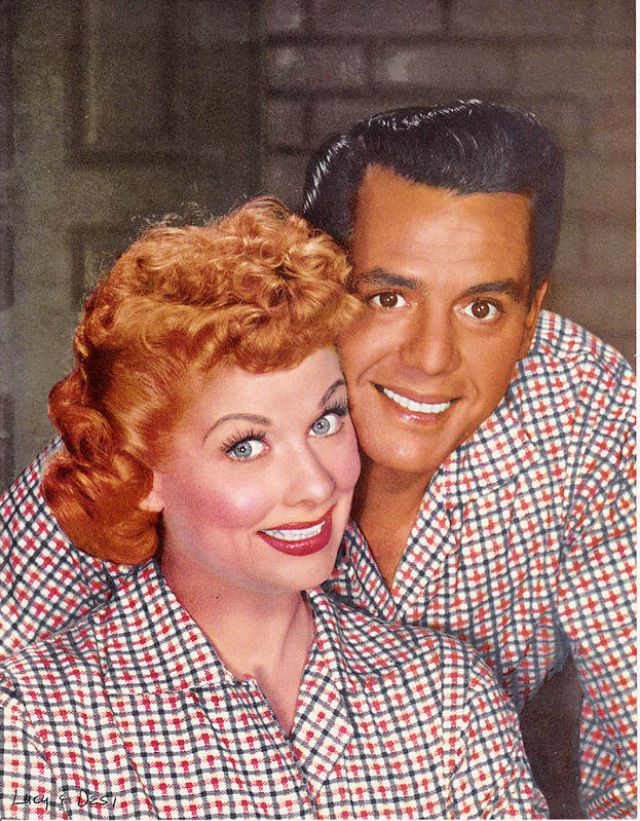
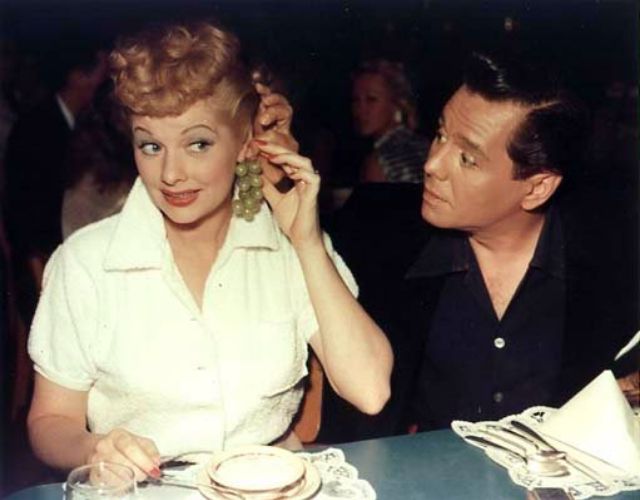
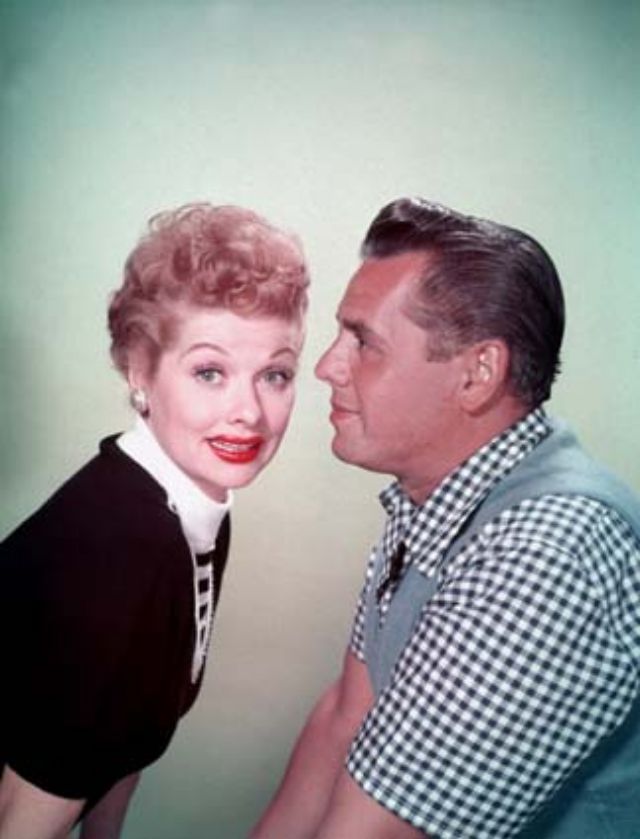
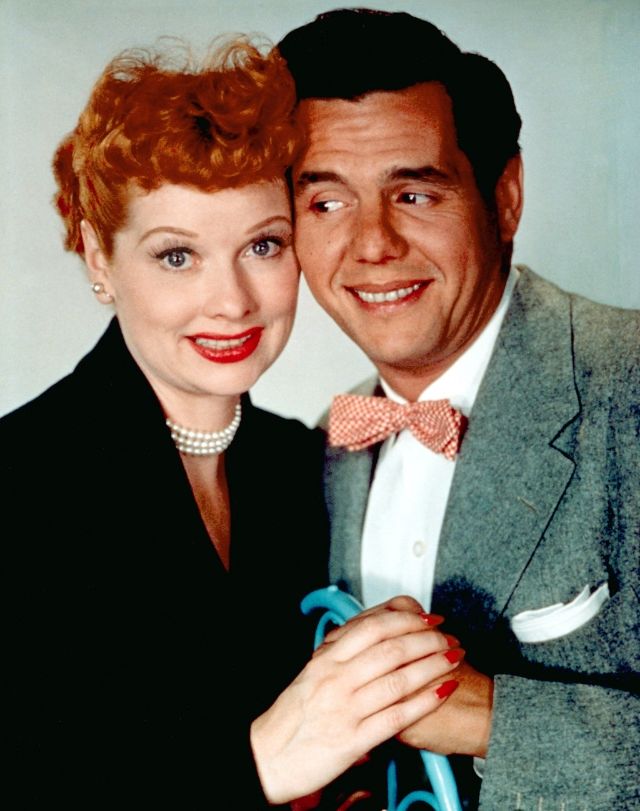
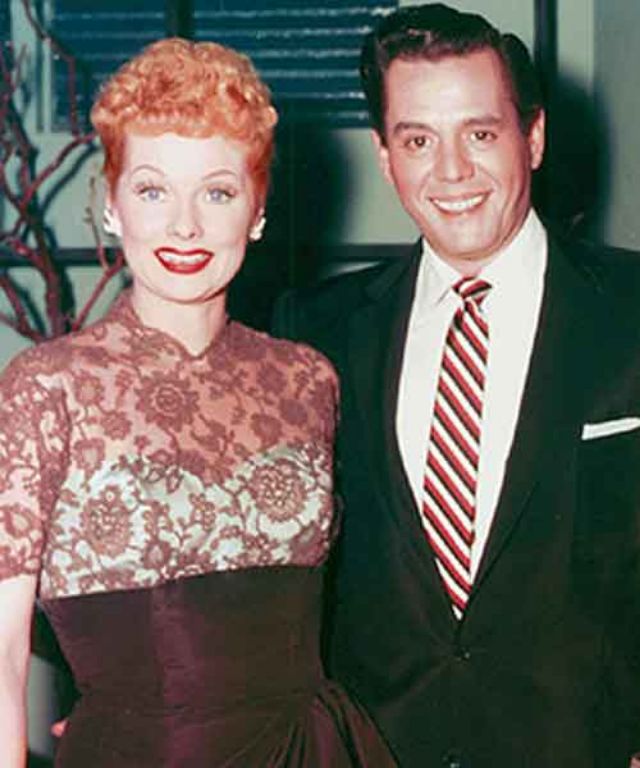
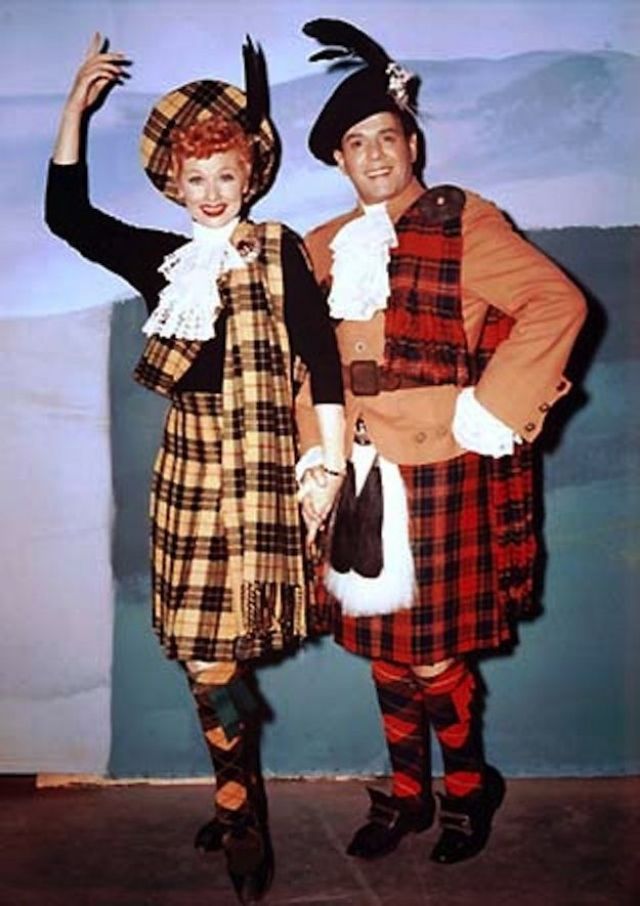
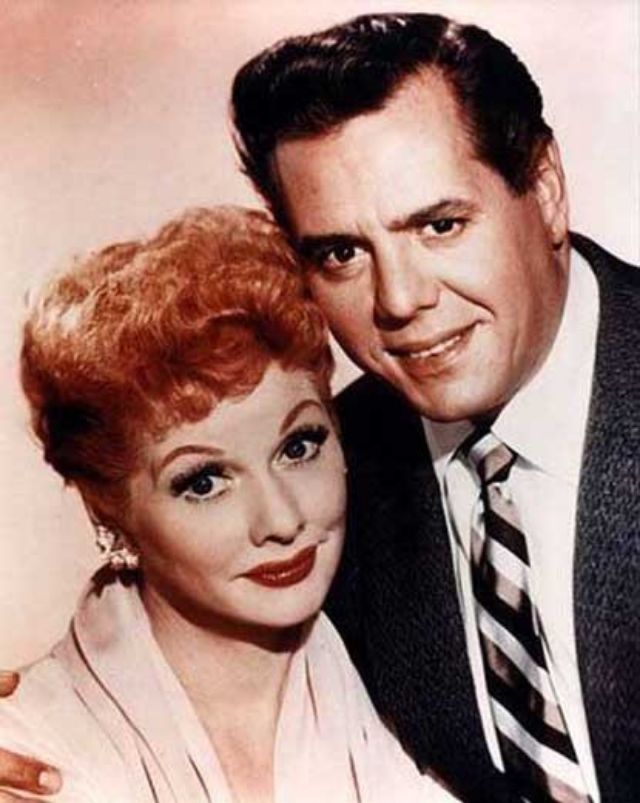
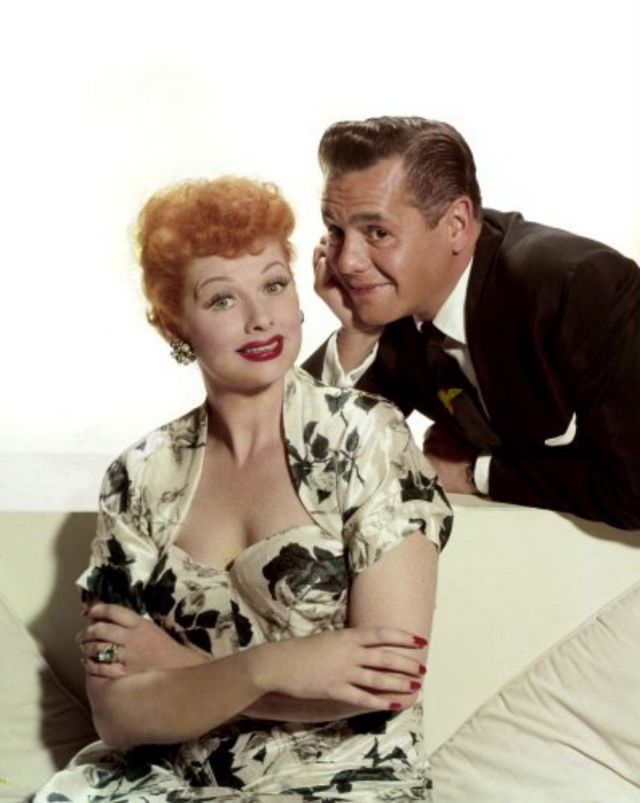
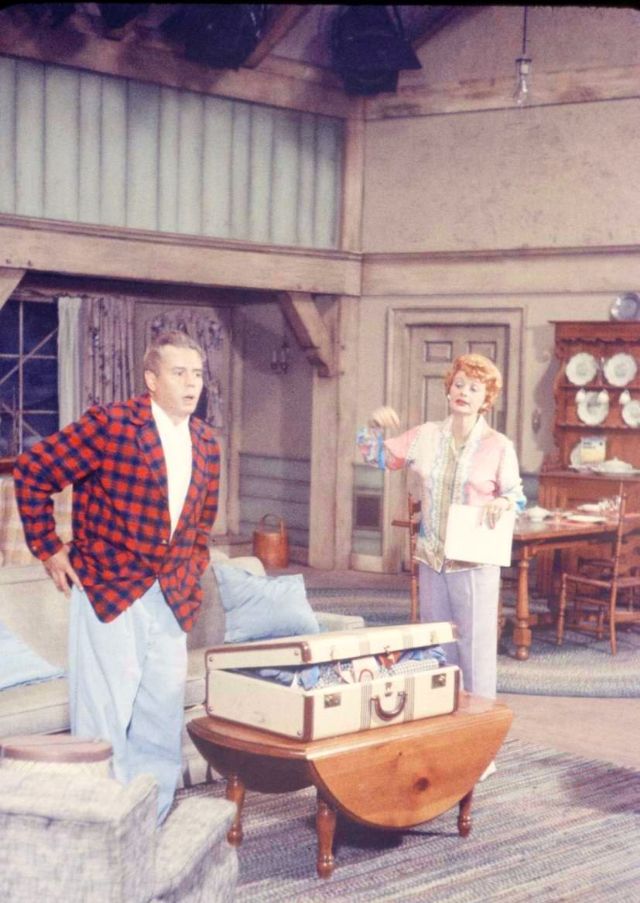
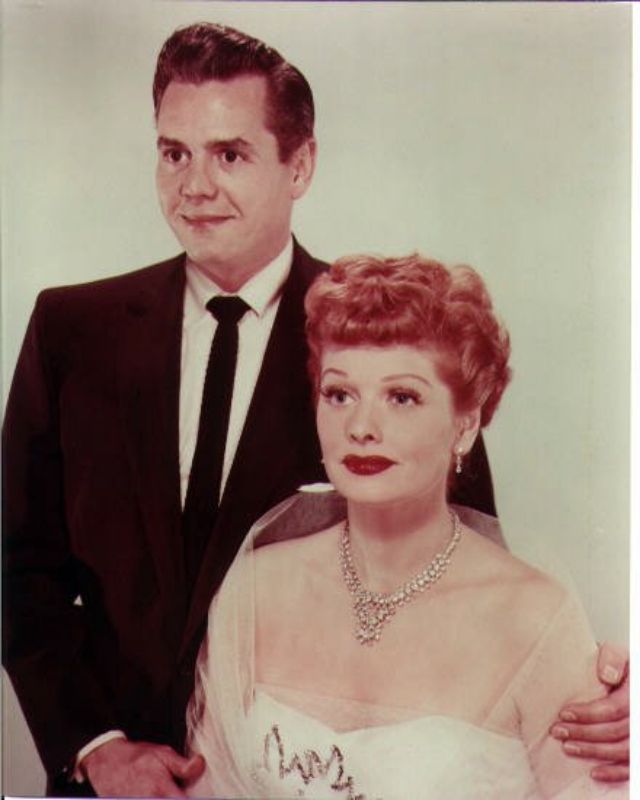
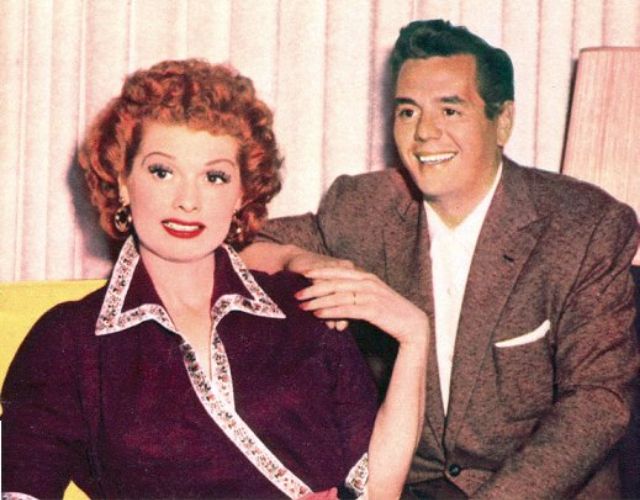
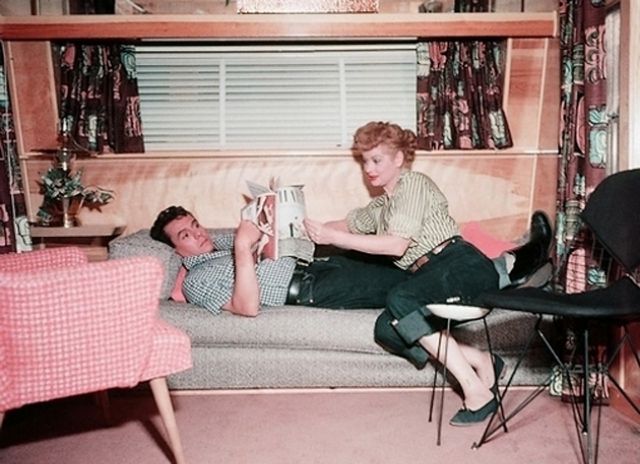
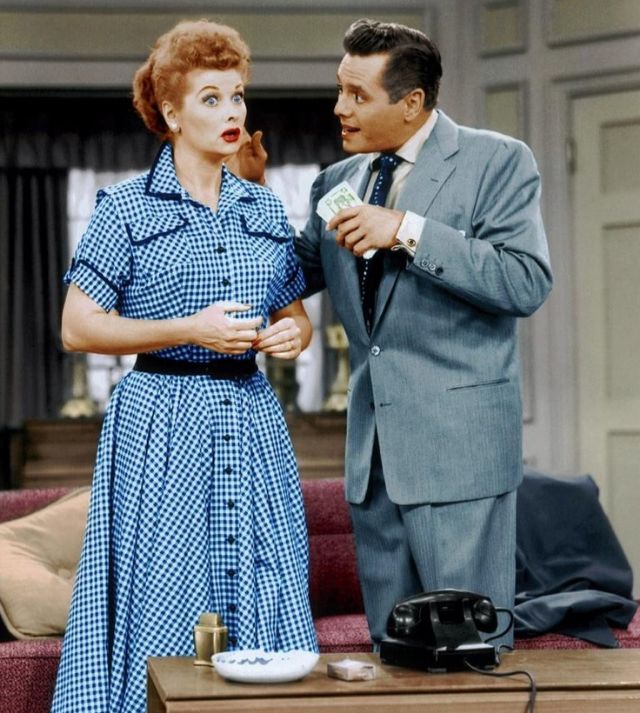
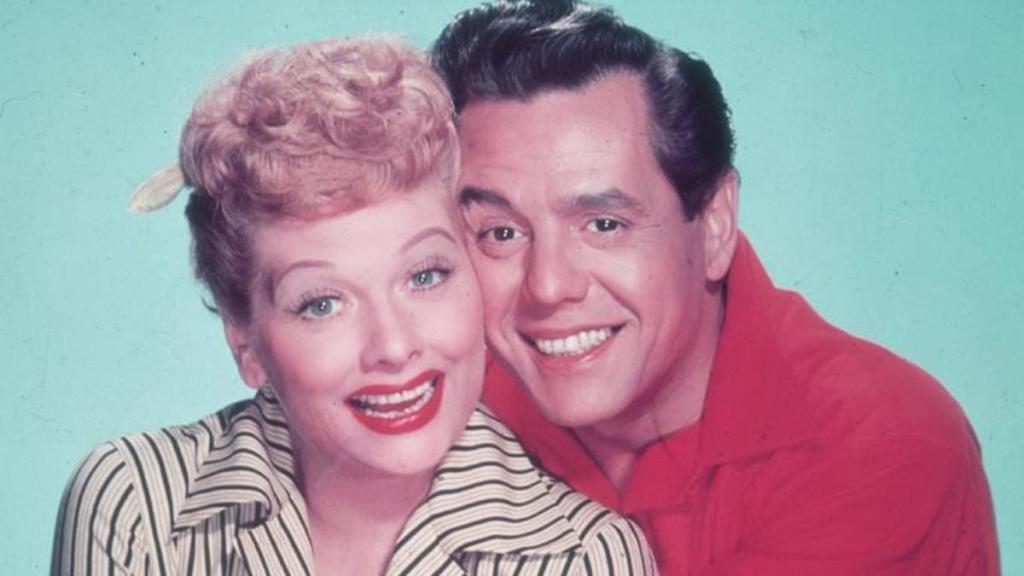
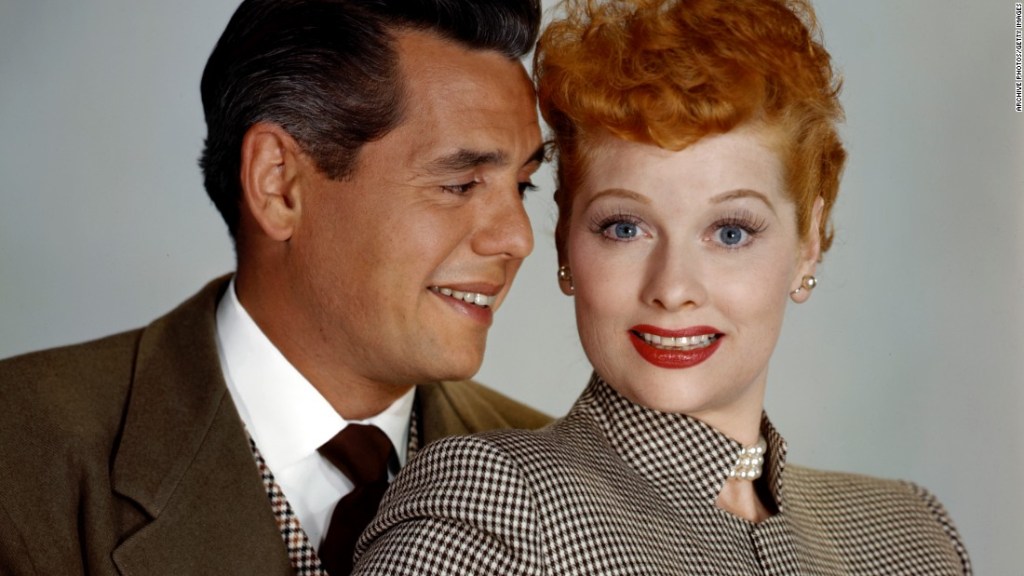
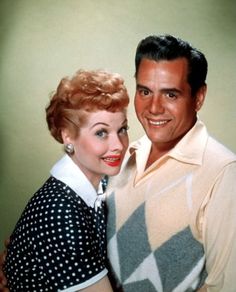
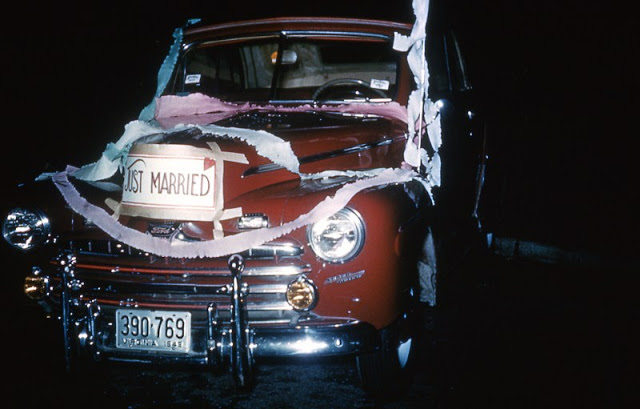
Model and comedienne Lucille Ball, 28, met Cuban bandleader Desi Arnaz, 23, in 1940 while filming Too Many Girls. They fell for one another instantly and eloped later that year. From the start, friends say Lucy doted on Desi, eager to make him happy. If he wanted something, she’d get it. If they sat down together and he needed more space, she’d scoot over. “I found it surprising because she was such a strong, independent lady, but when it came to Desi, she was very old-fashioned,” friend and actress Ruta Lee told Closer.
In 1951, they debuted the hit television series I Love Lucy, starring as the zany middle-class couple Lucy and Ricky Ricardo. With near-perfect timing and a genius for ad-libbing, the red-haired Ball cruised through 179 episodes. The duo also founded Desilu Productions in 1950, a successful independent television production company. Ball and Arnaz divorced in 1960, ending one of television’s greatest marriages, though they remained friends until his death in 1986.















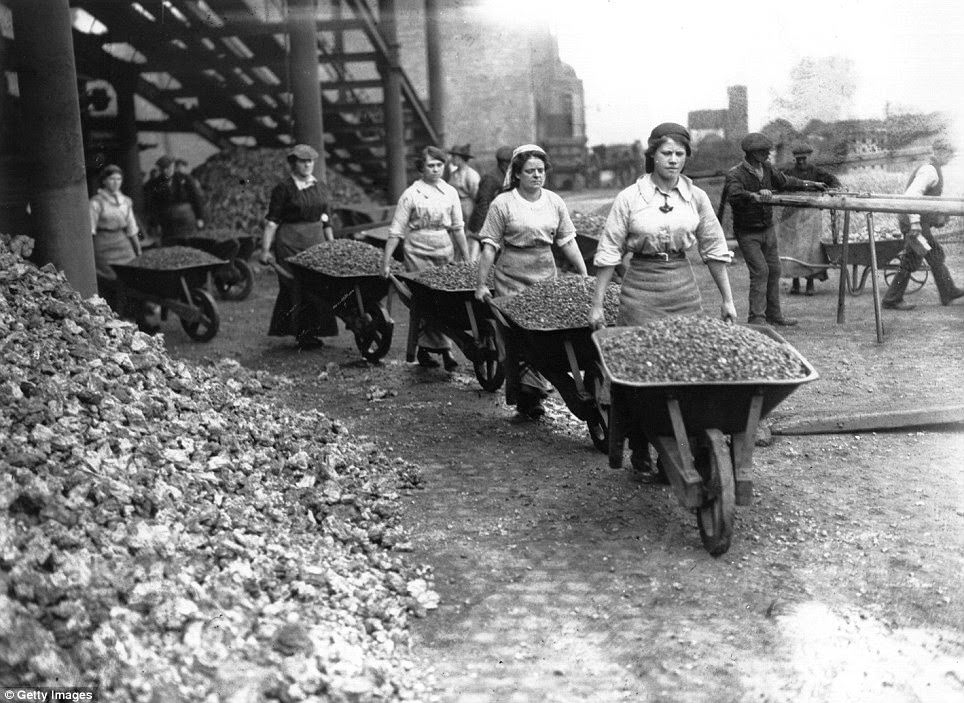
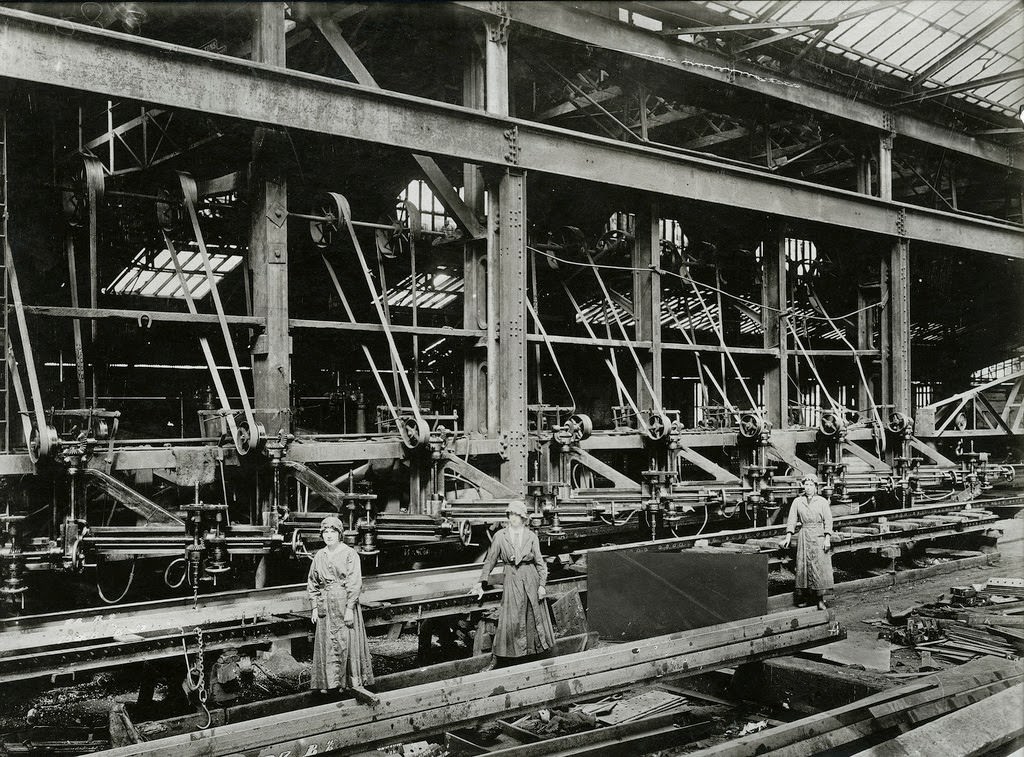
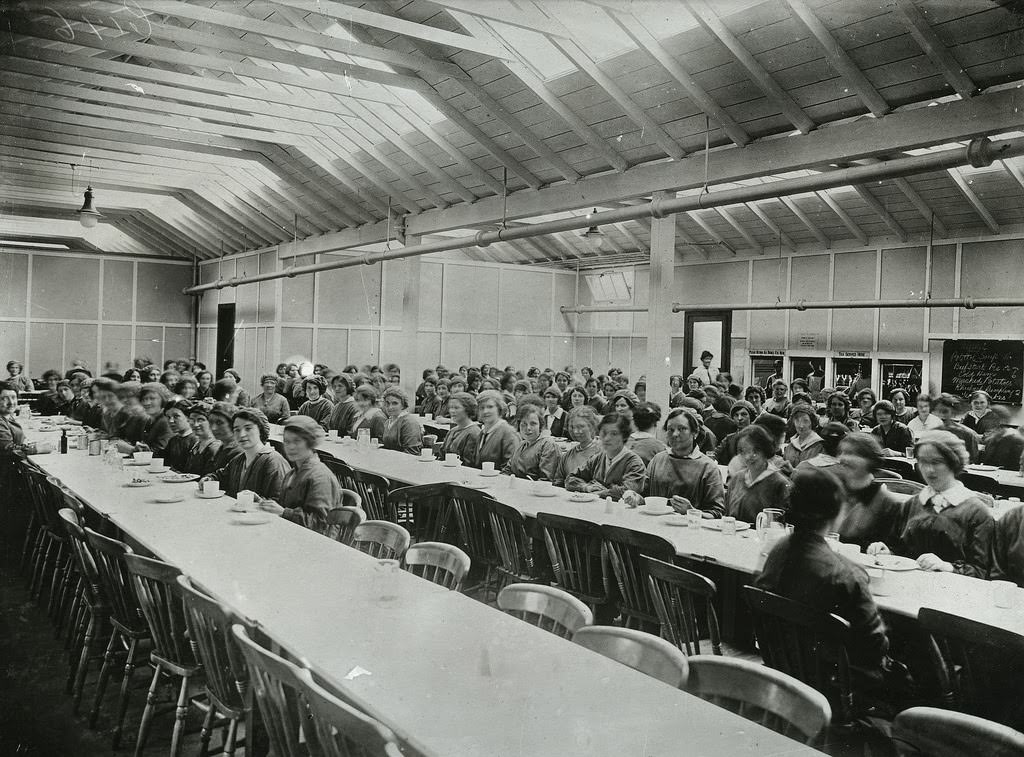
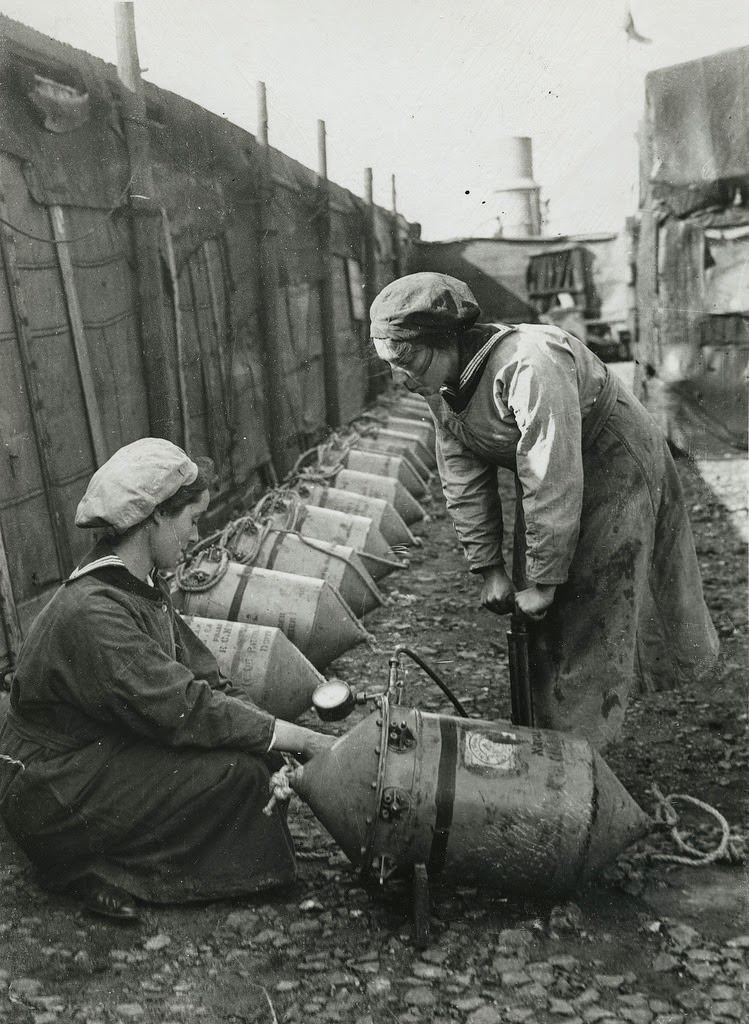
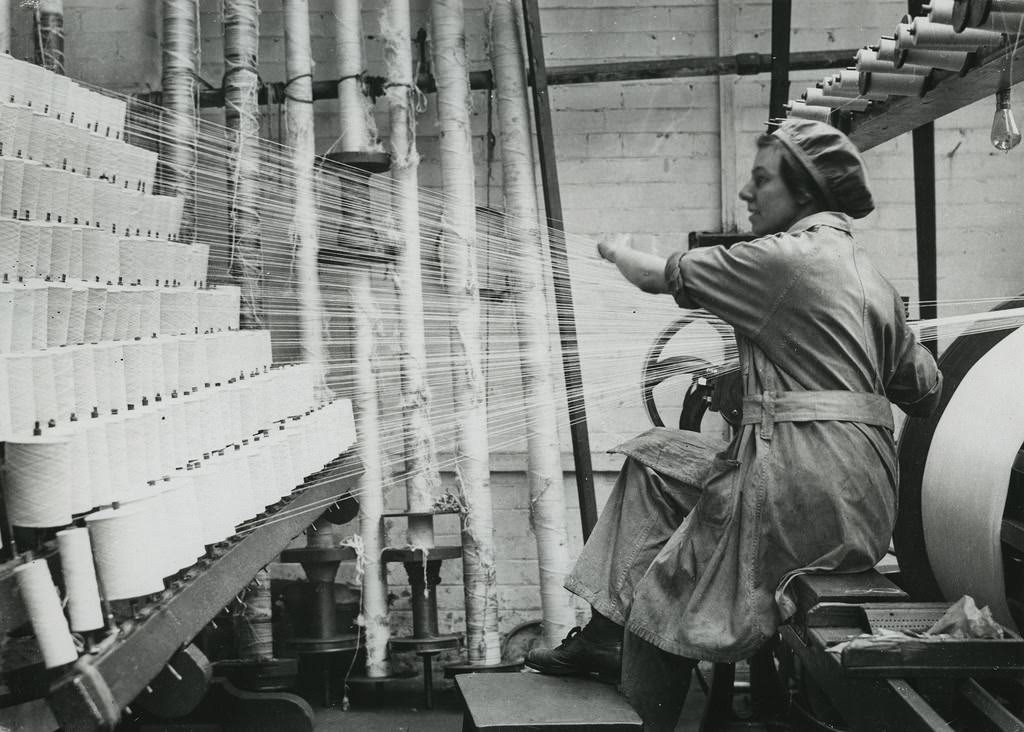
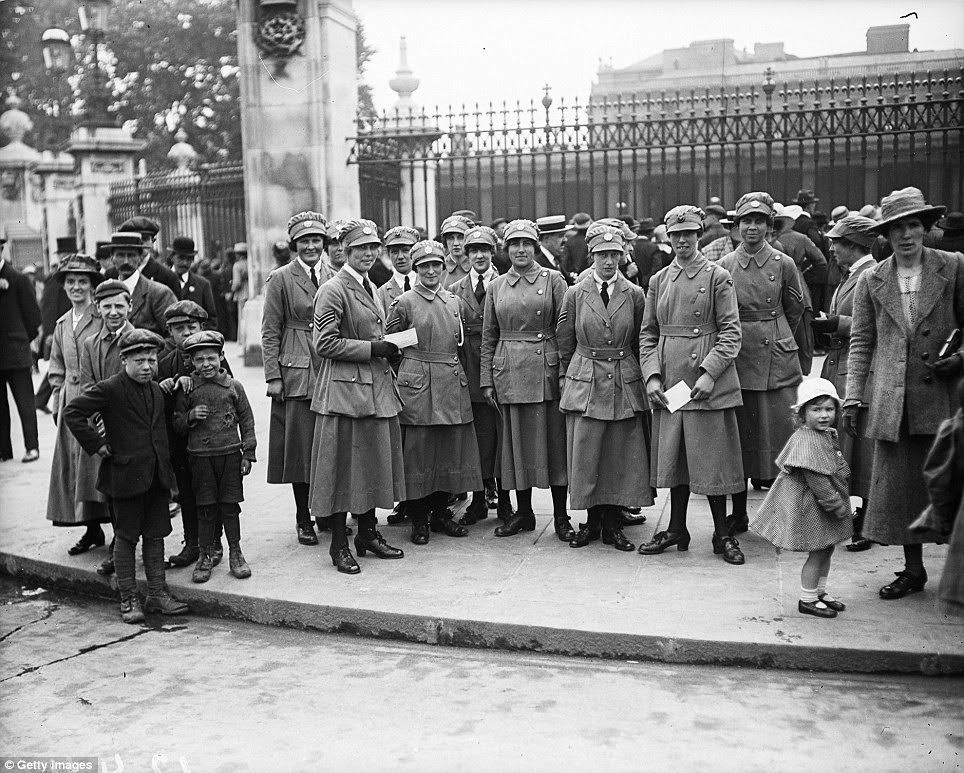
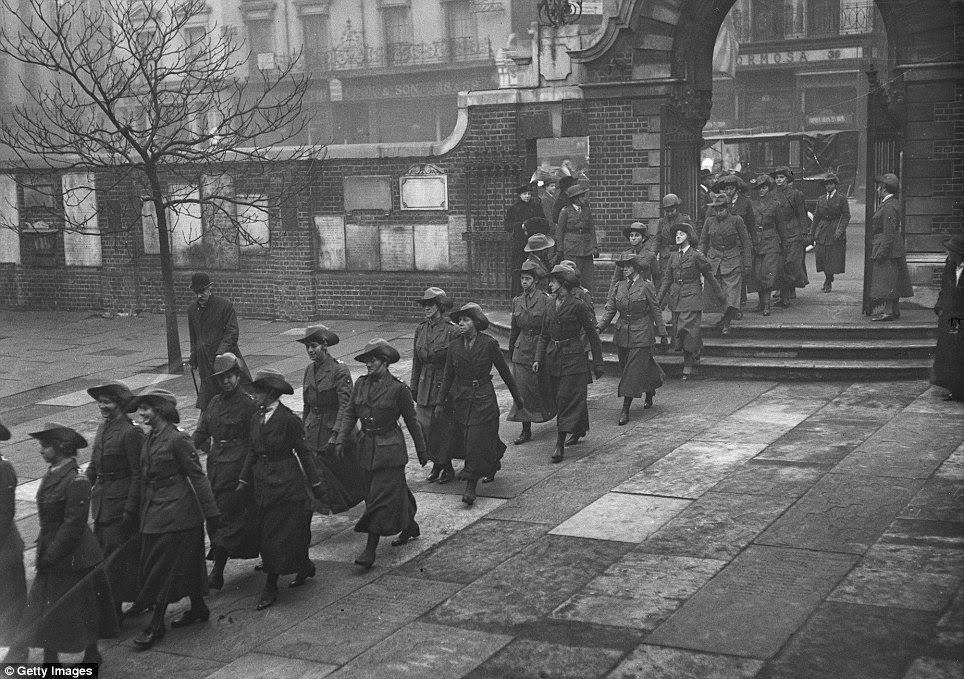
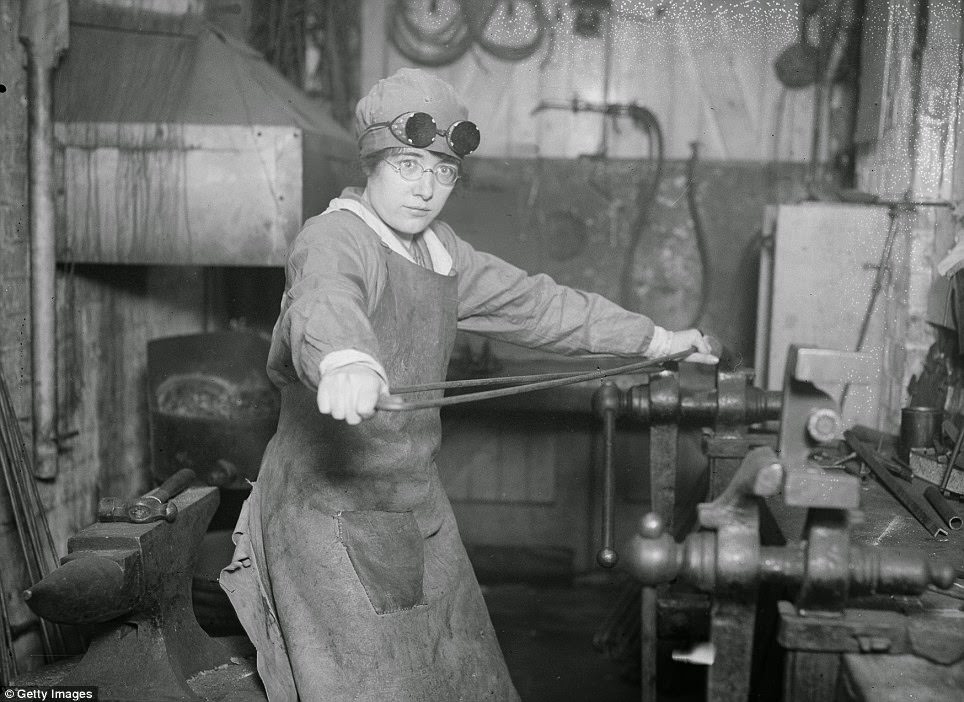
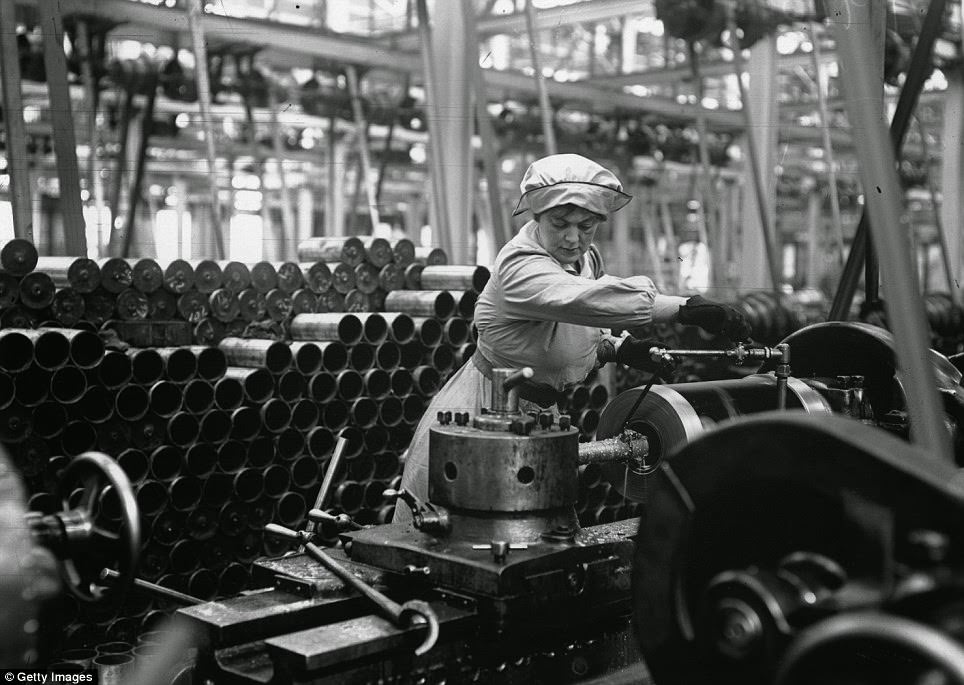
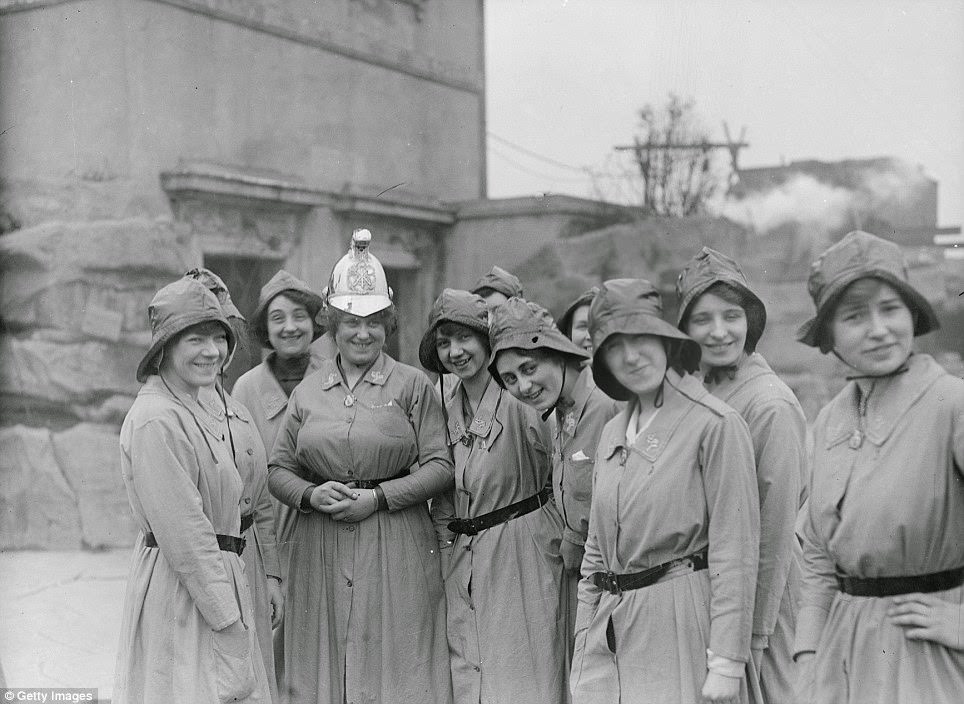
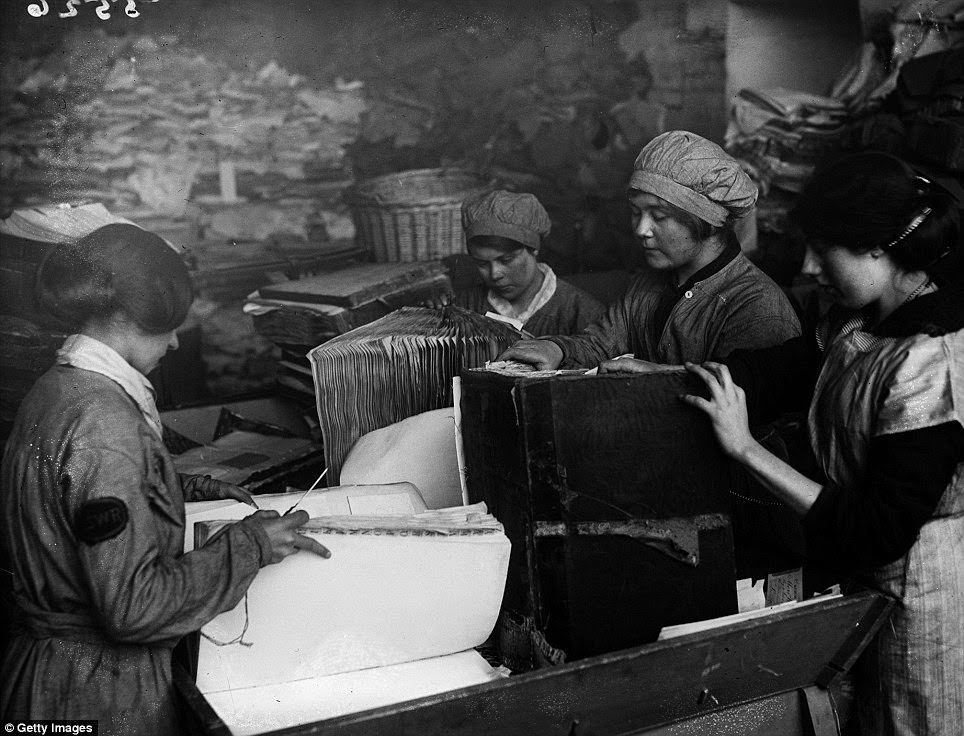
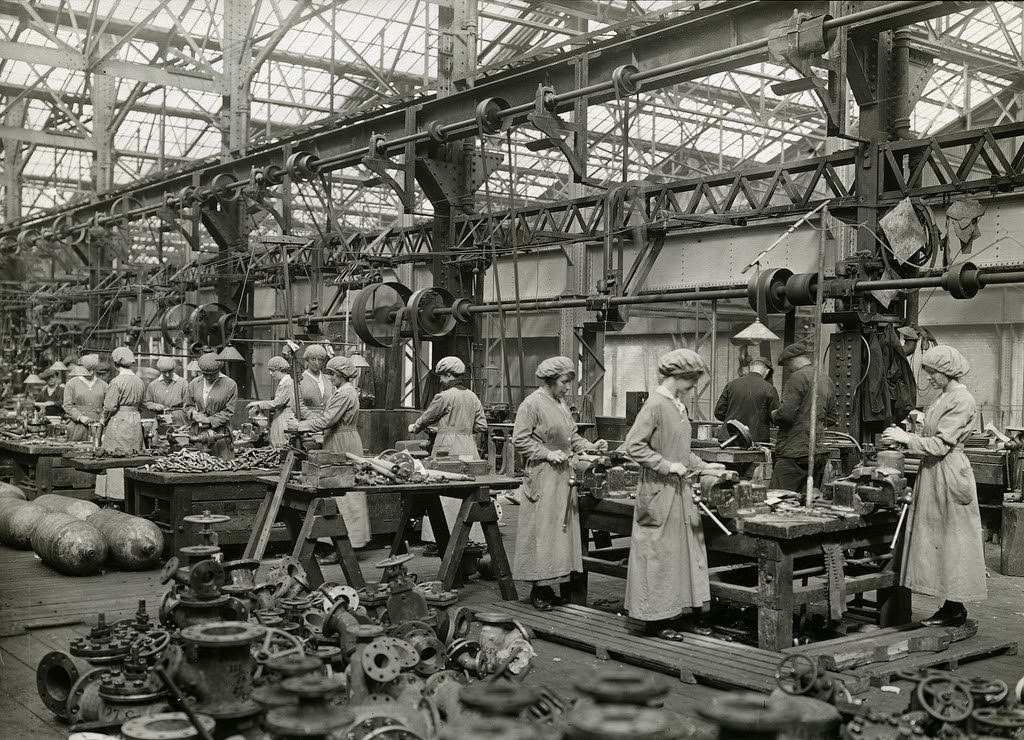
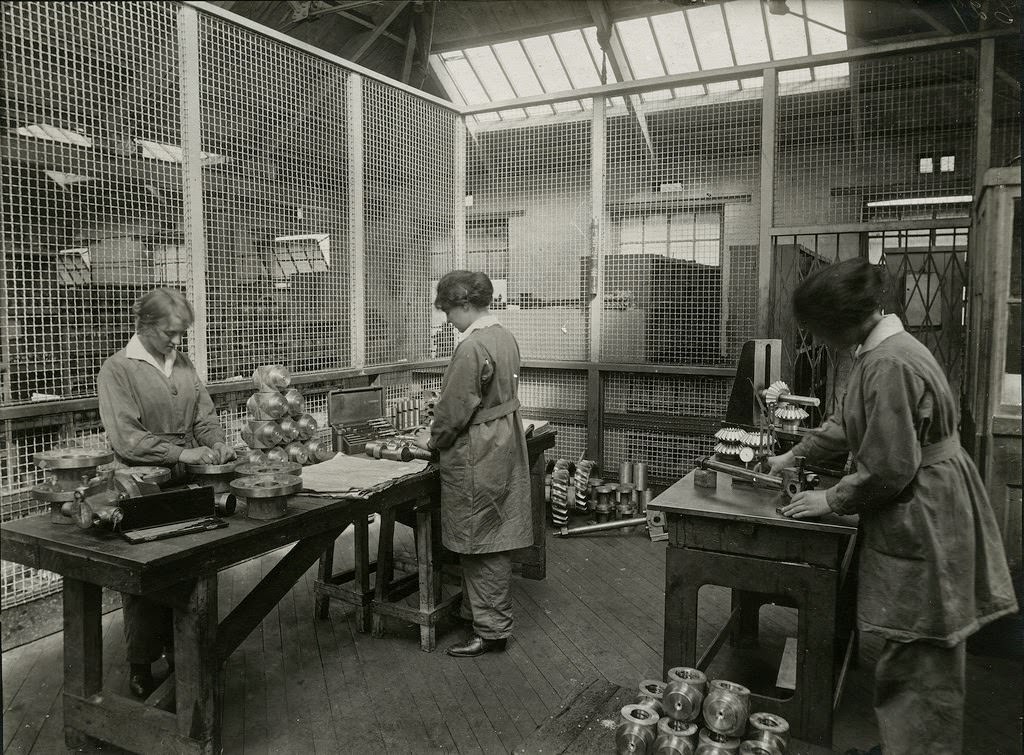
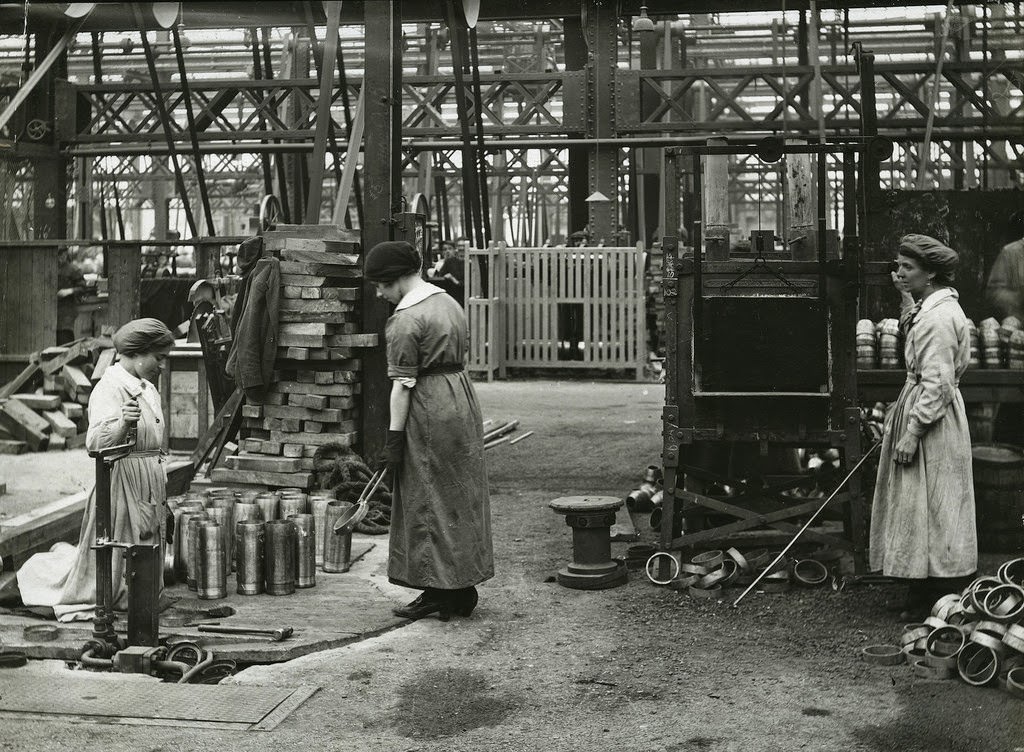
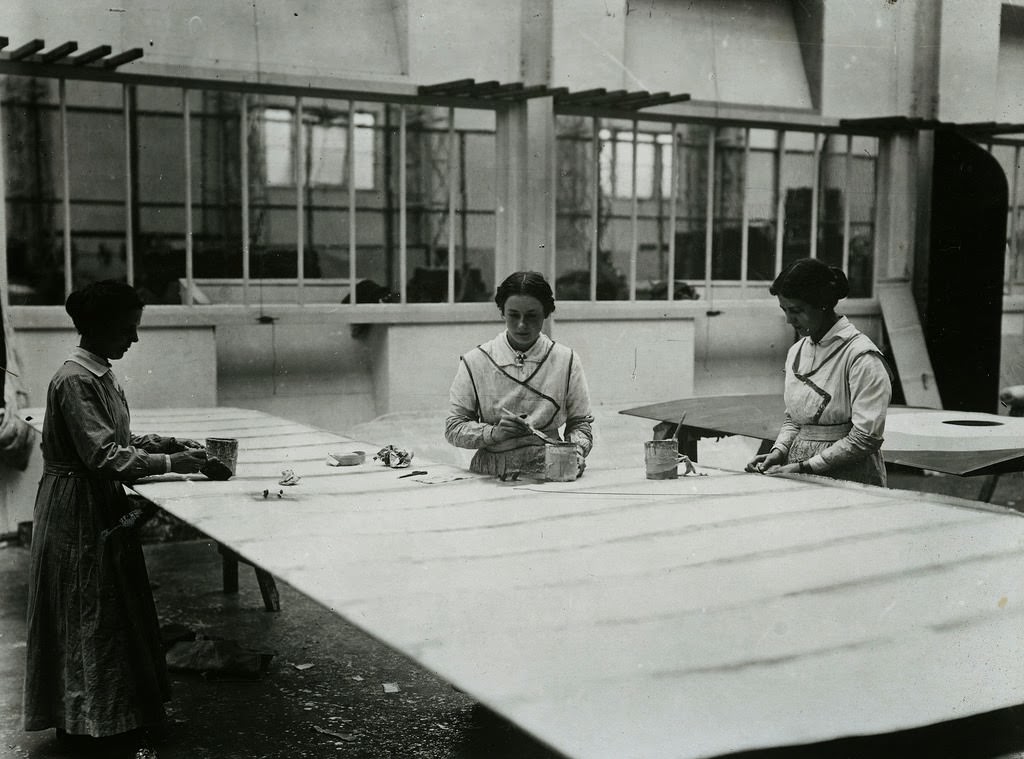
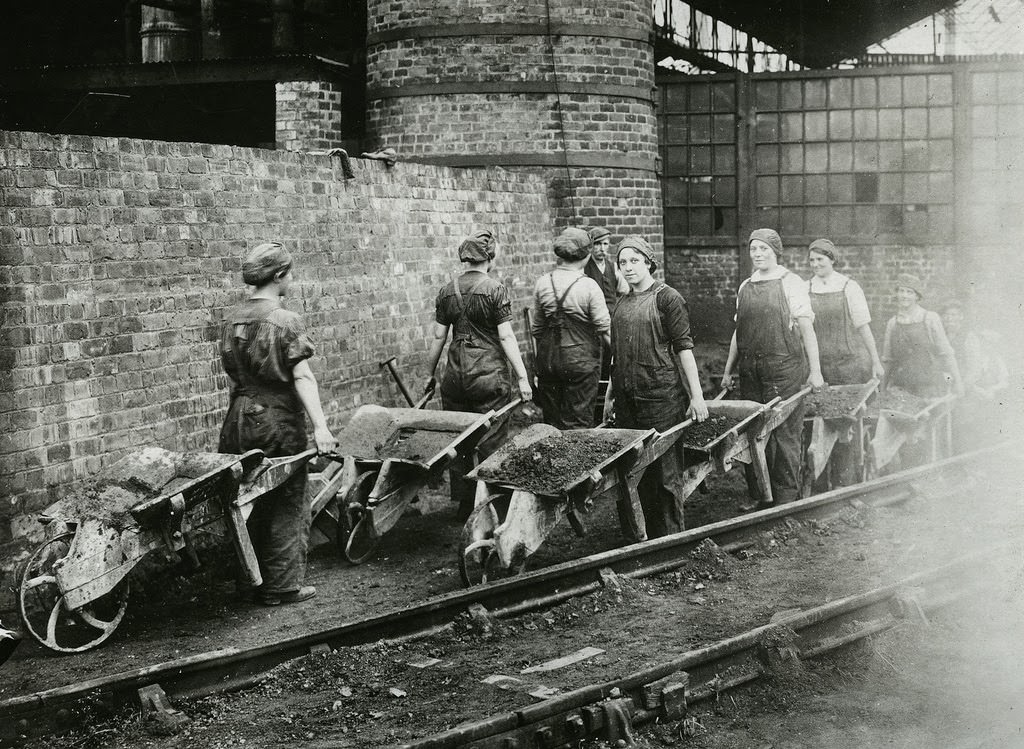
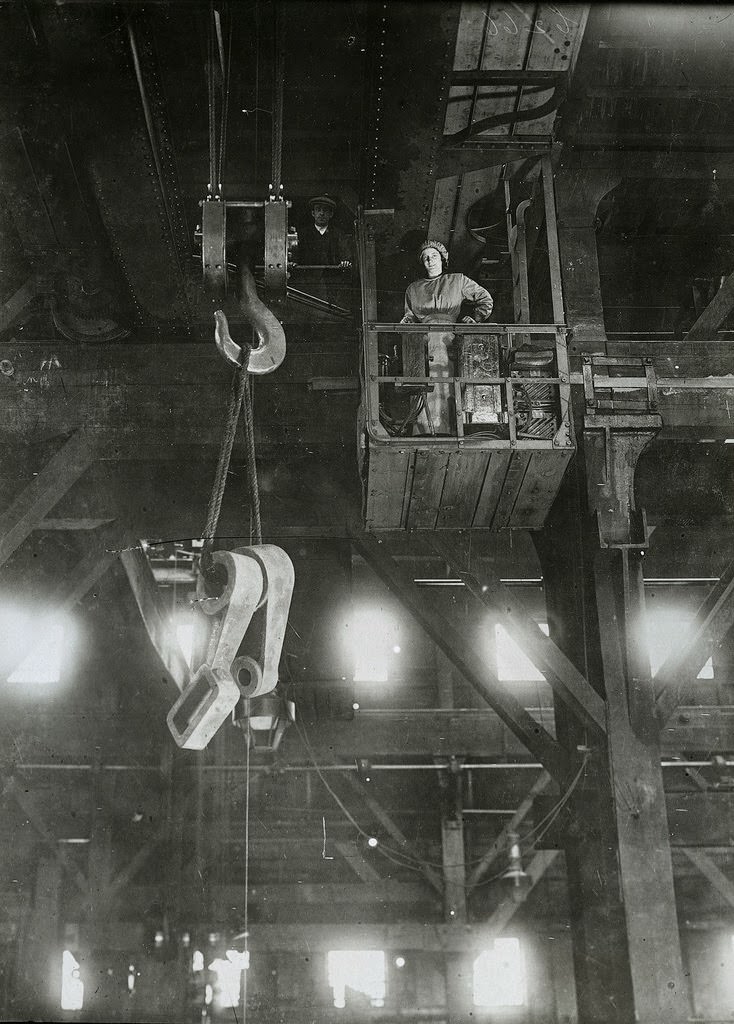
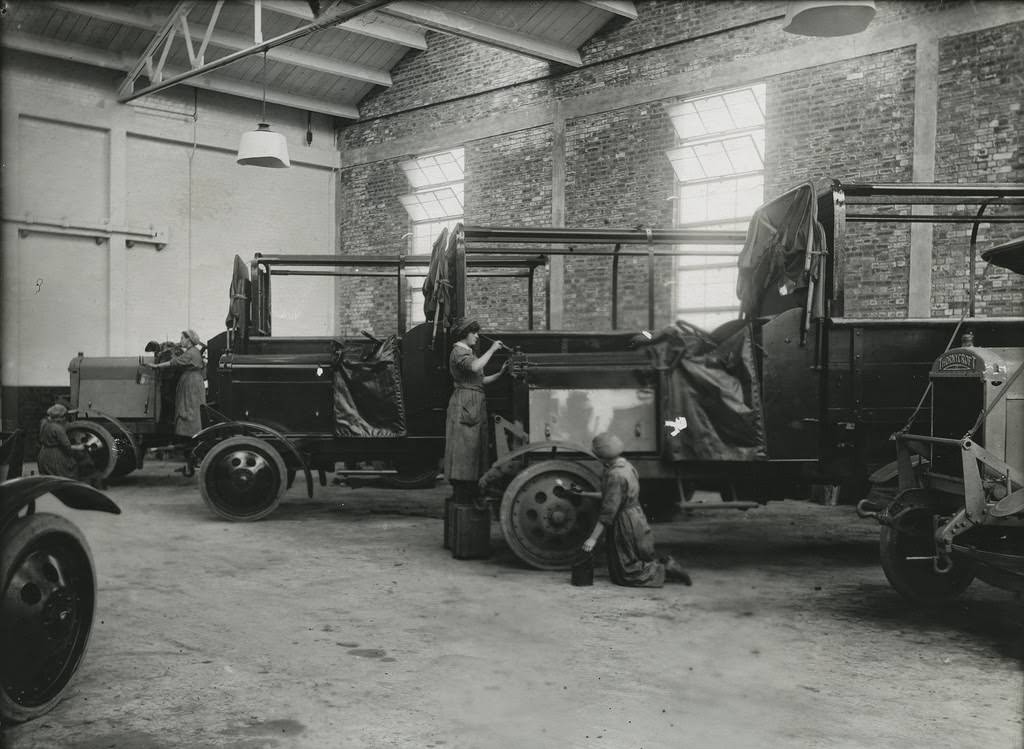
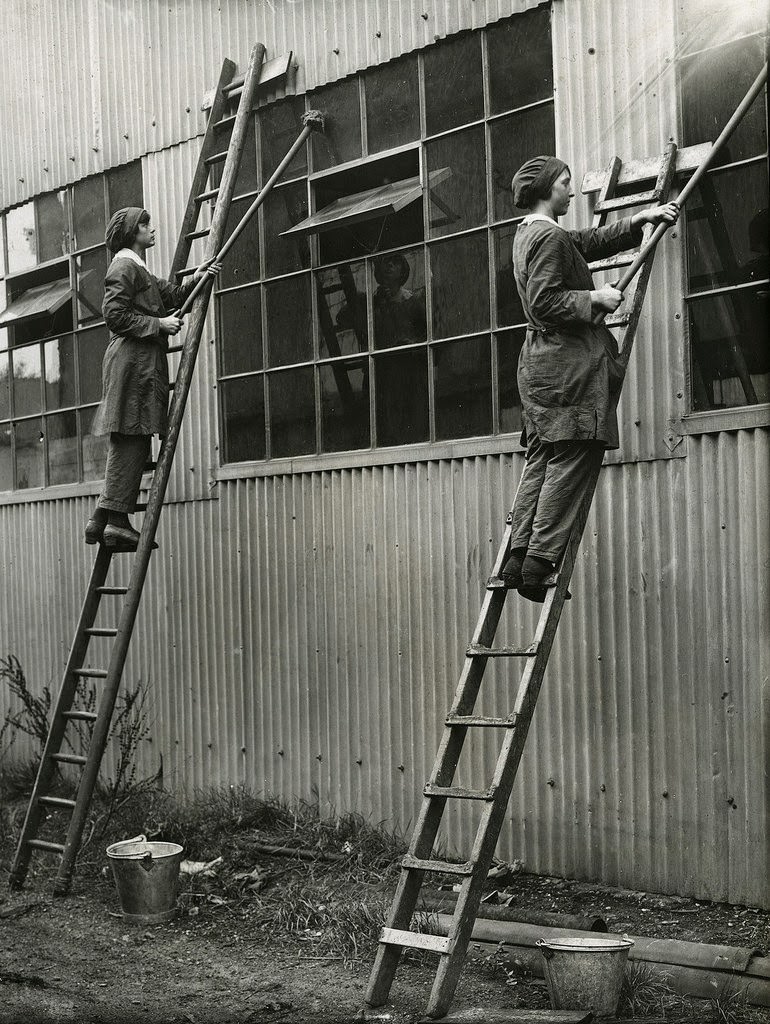
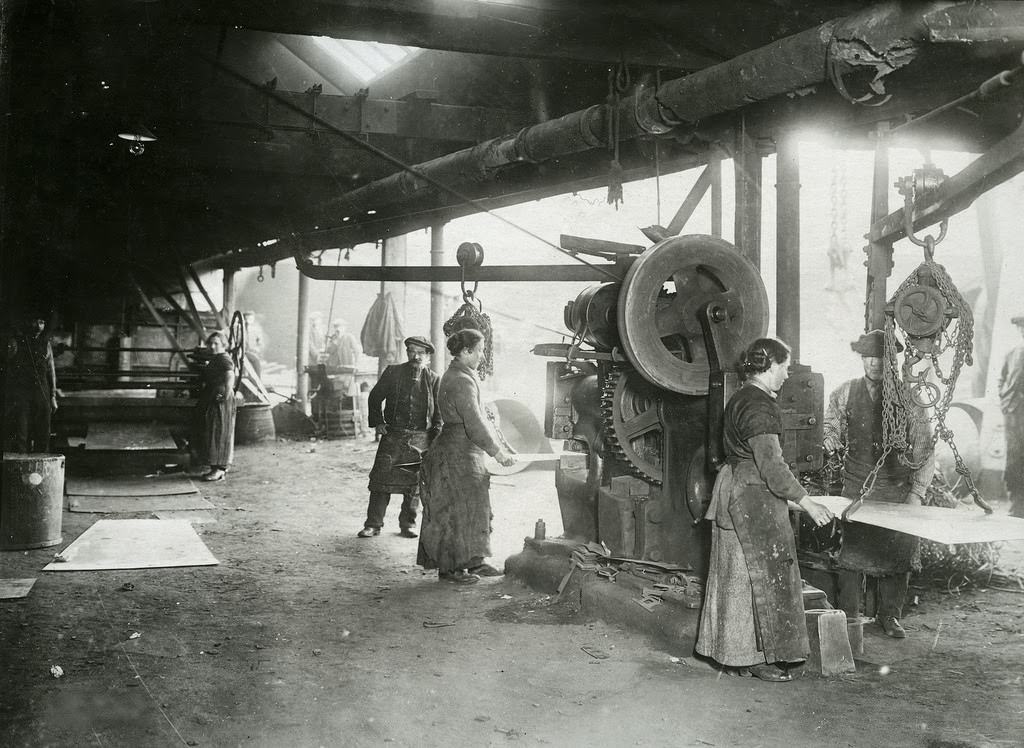
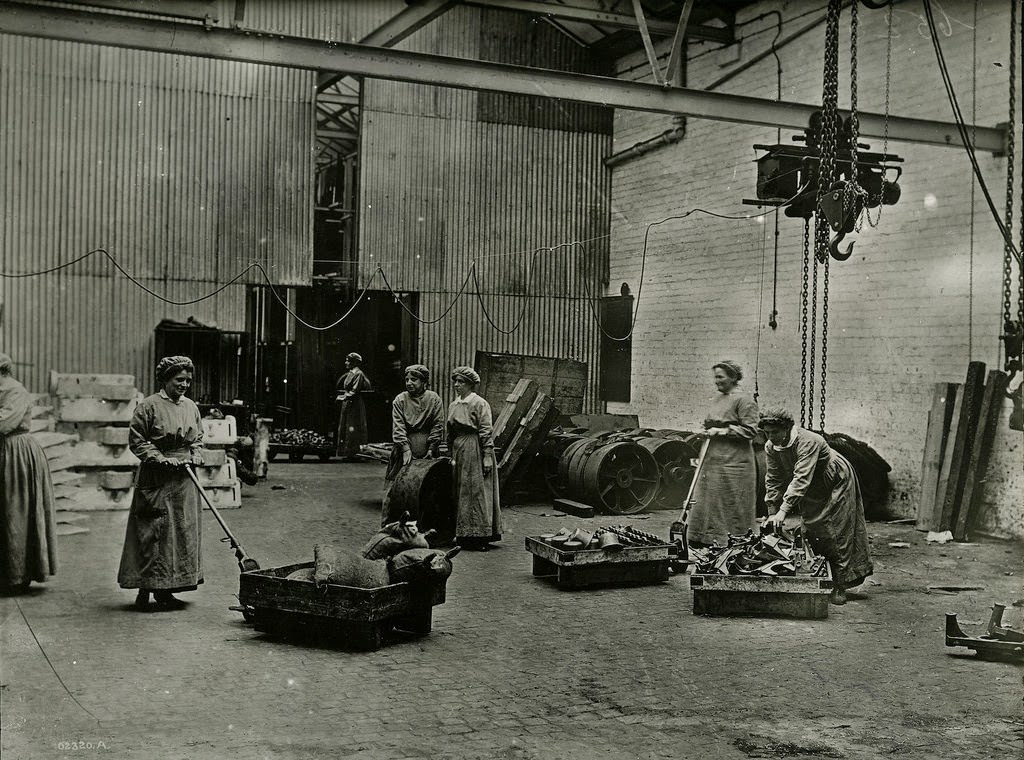
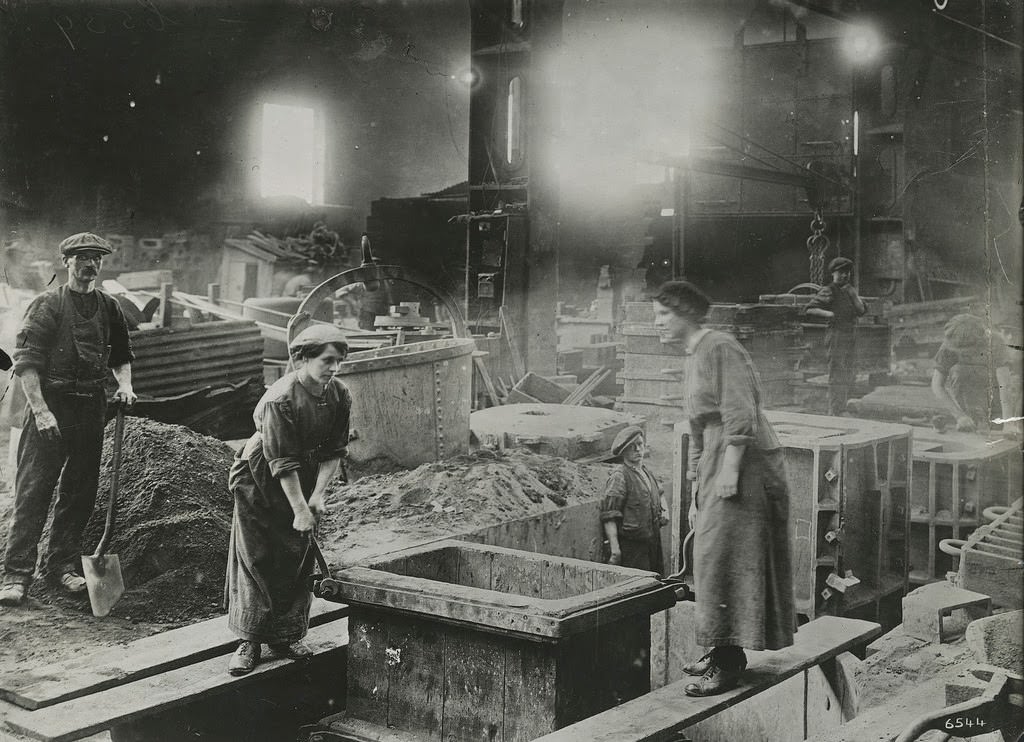
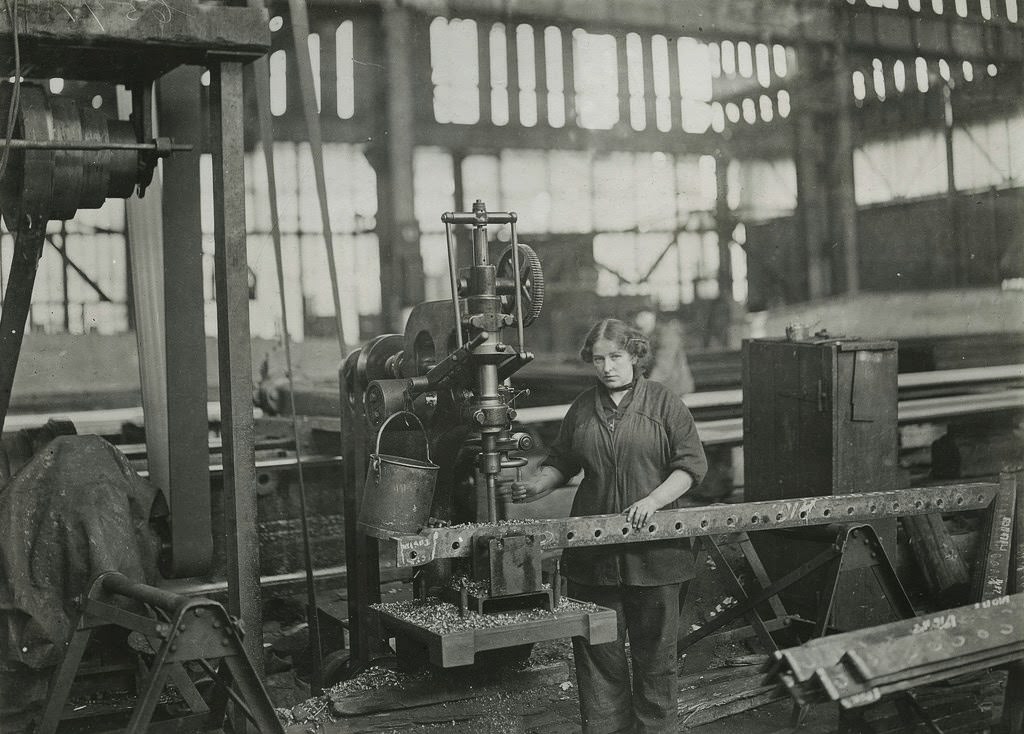
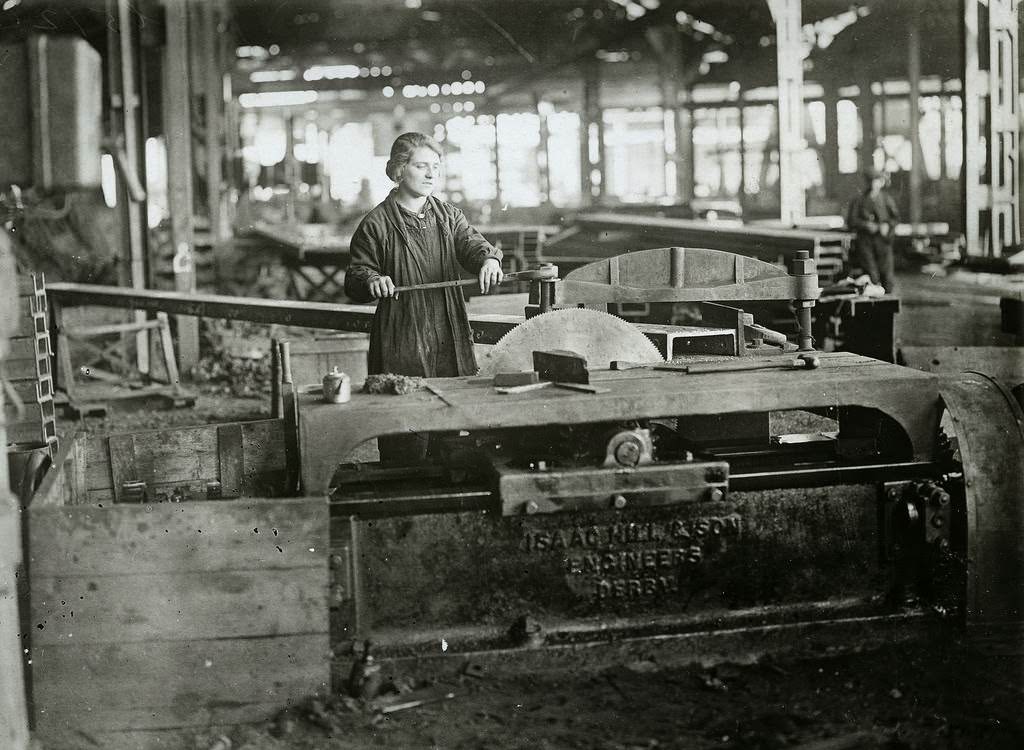
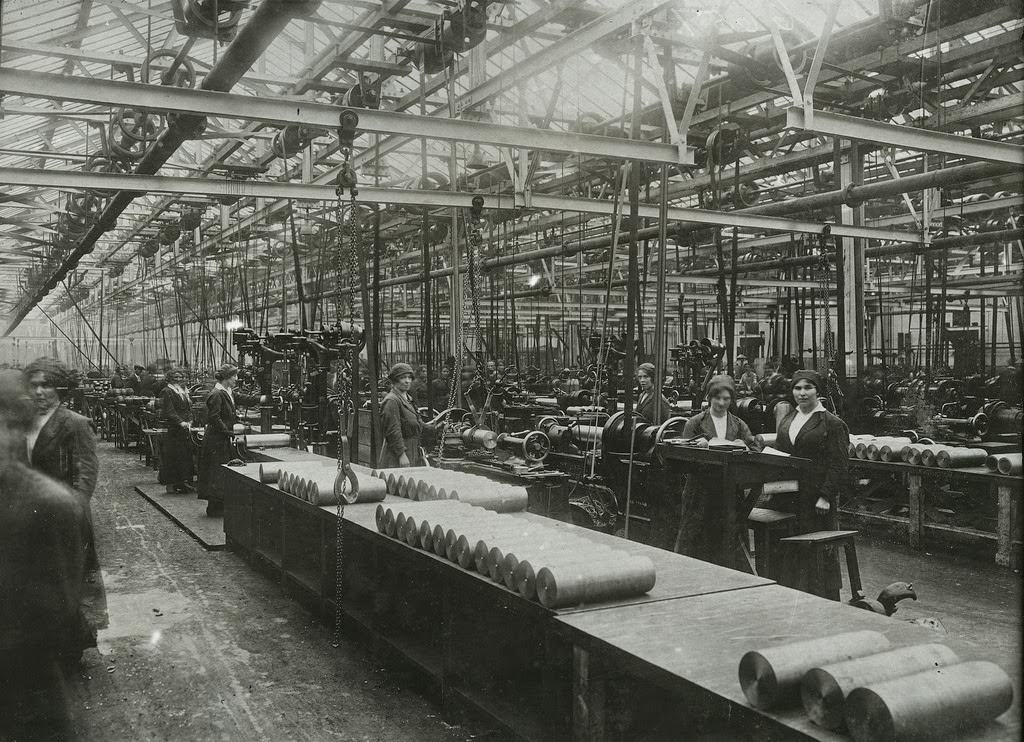
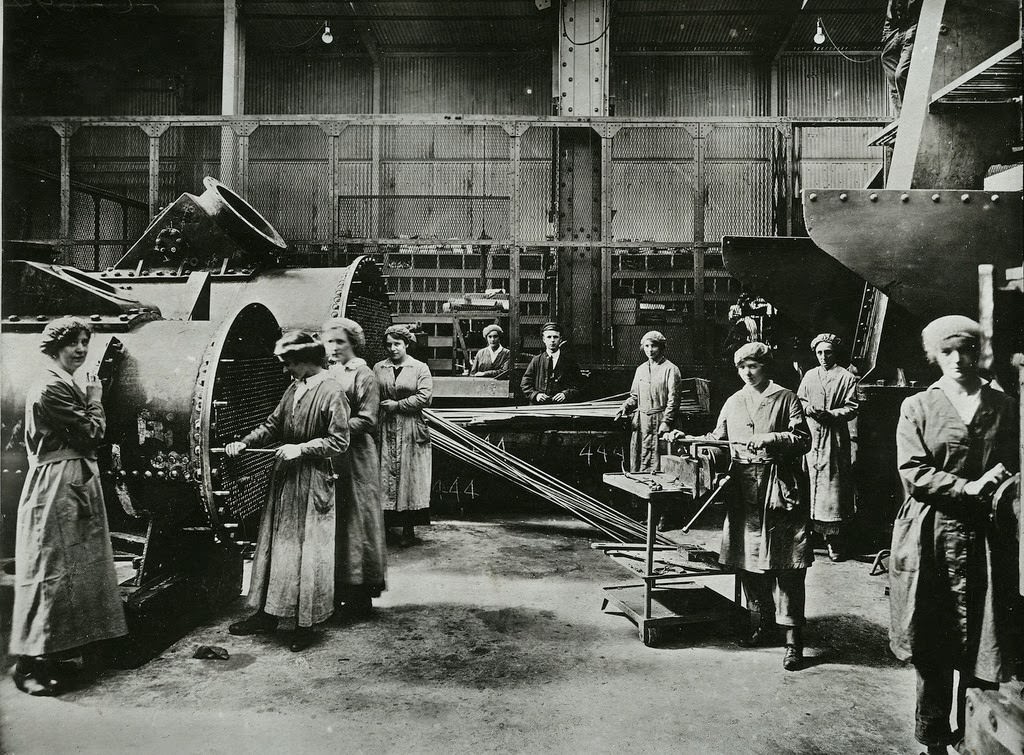
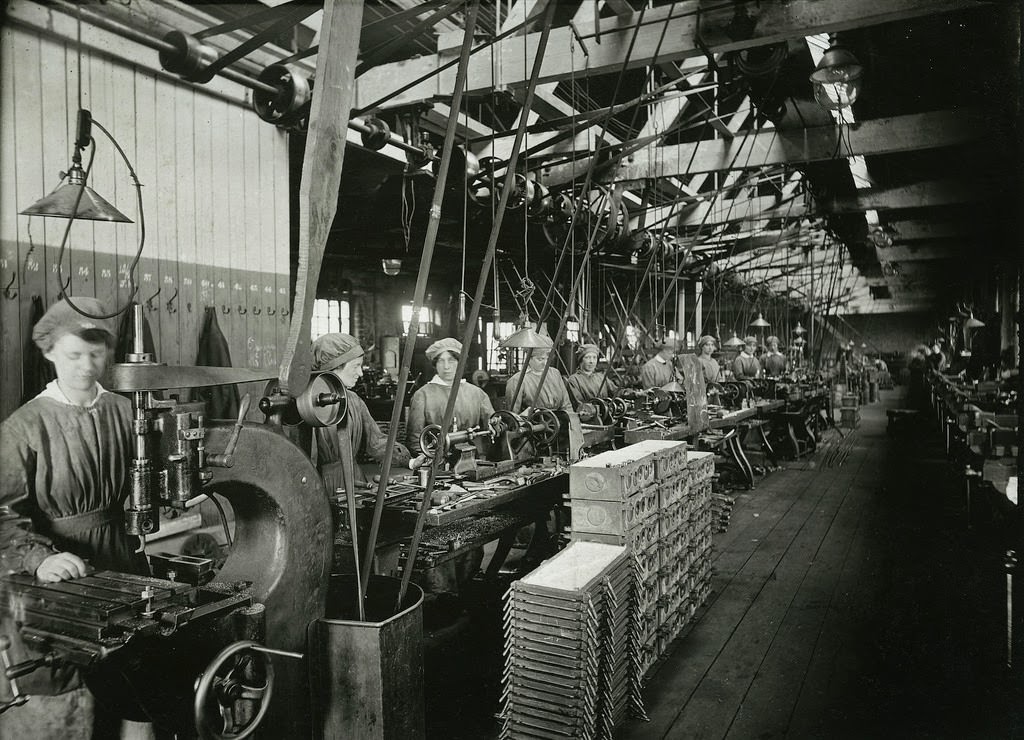
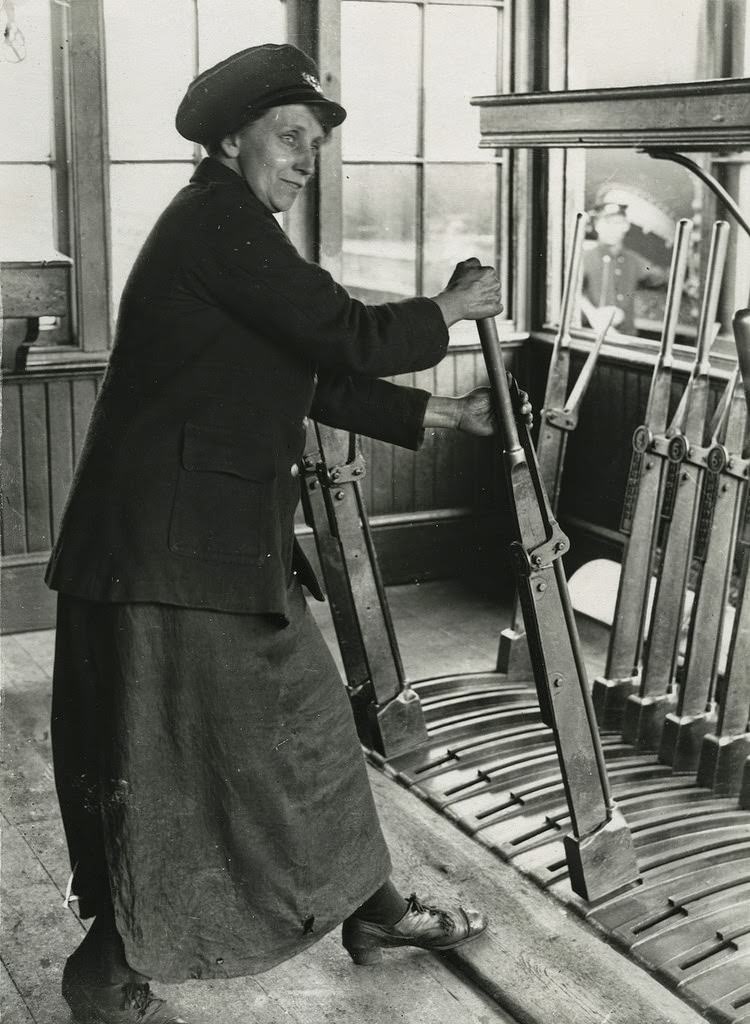
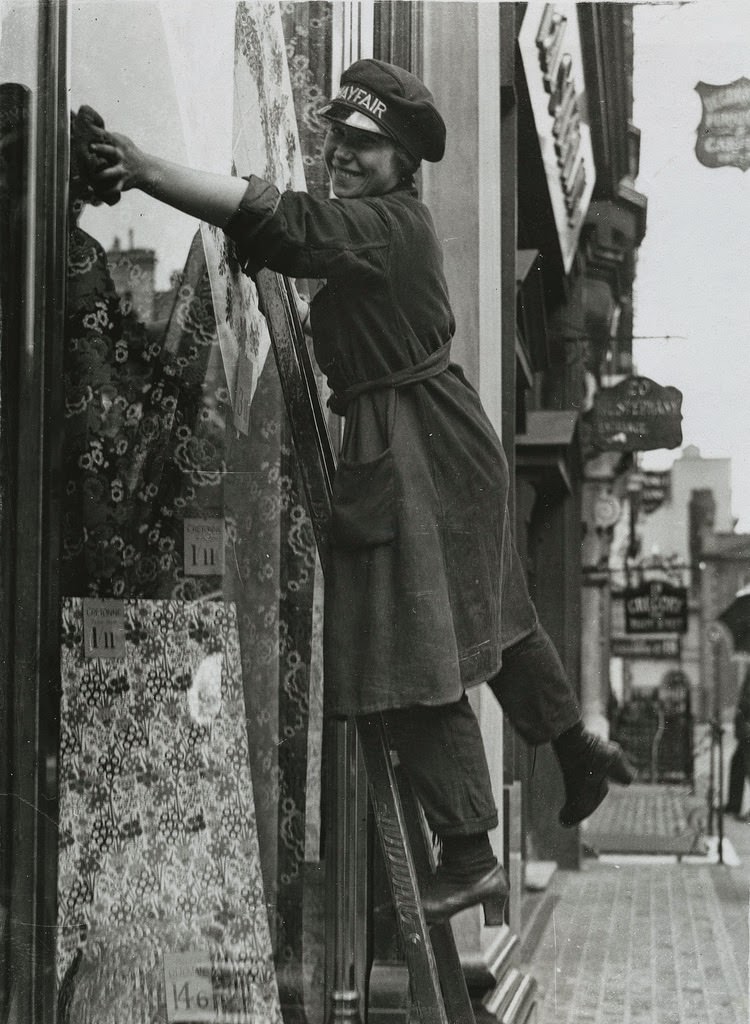
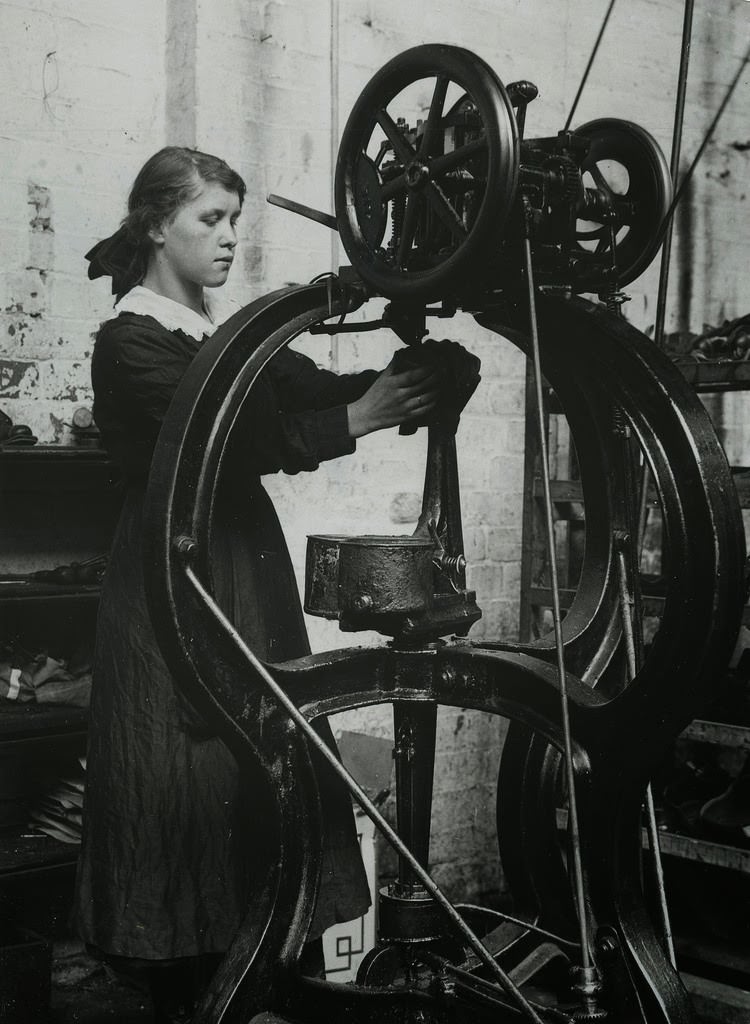
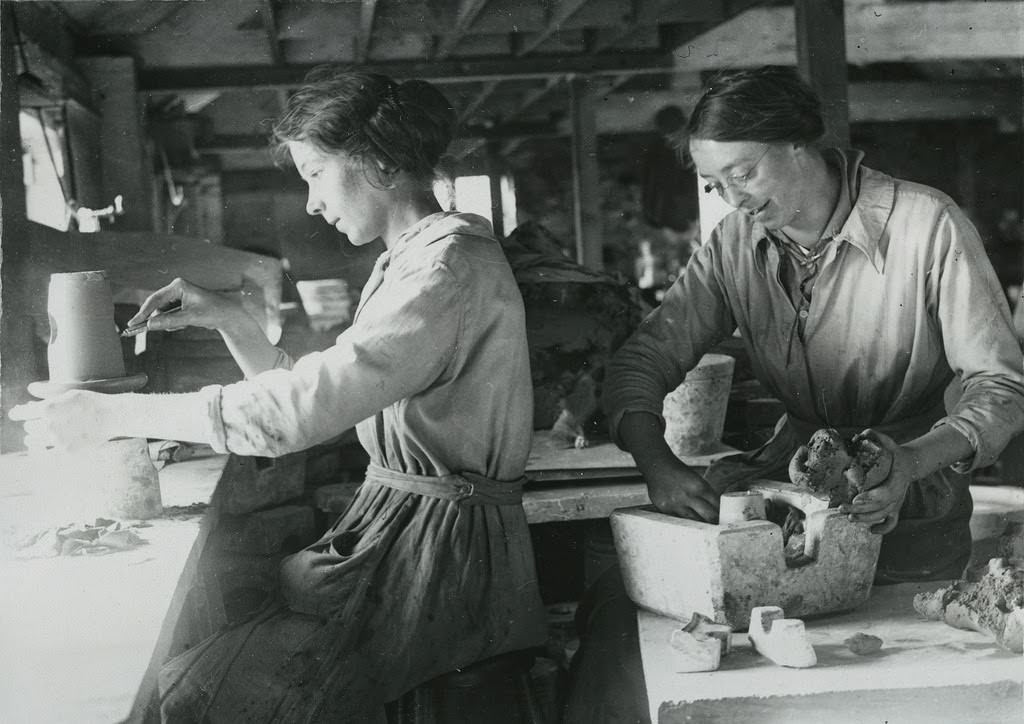
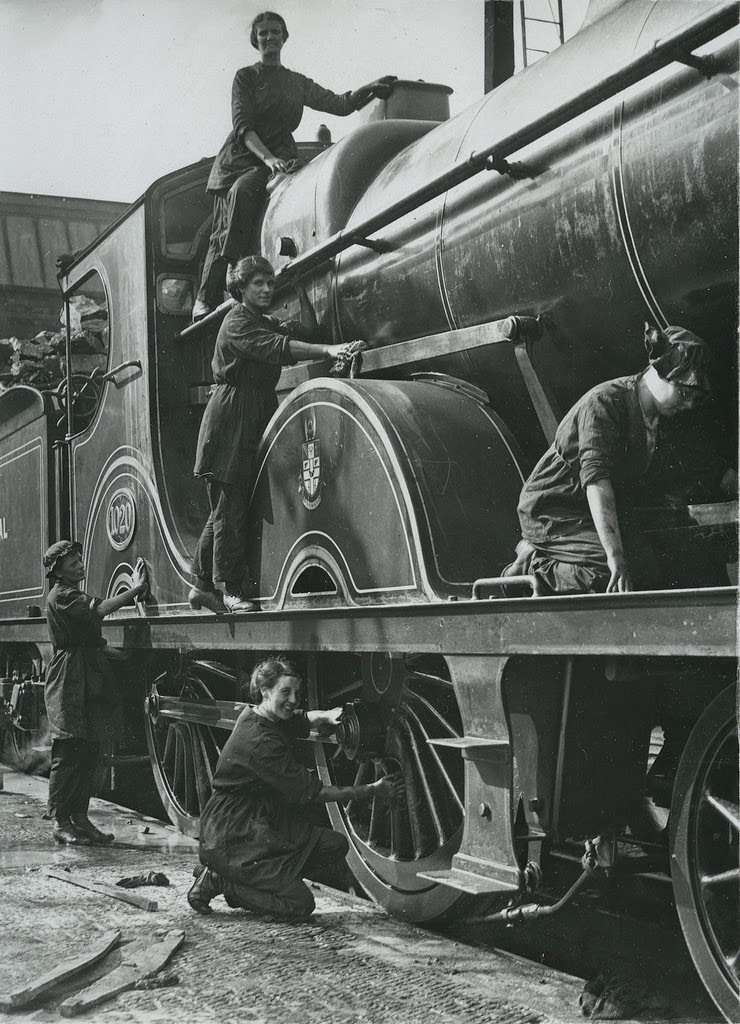
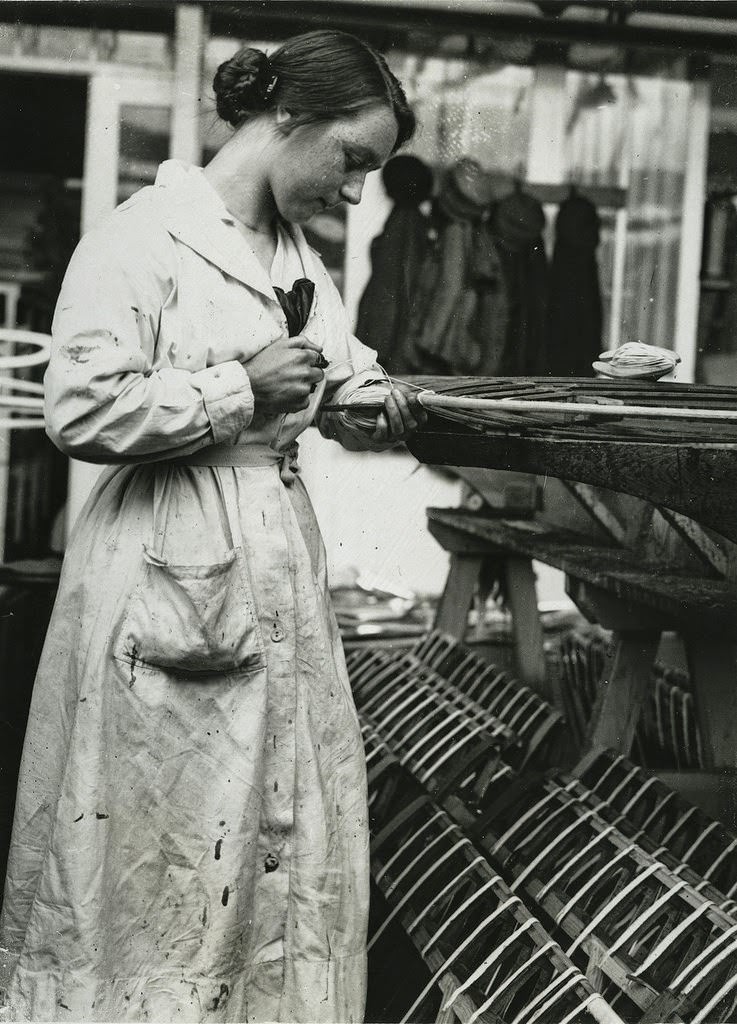
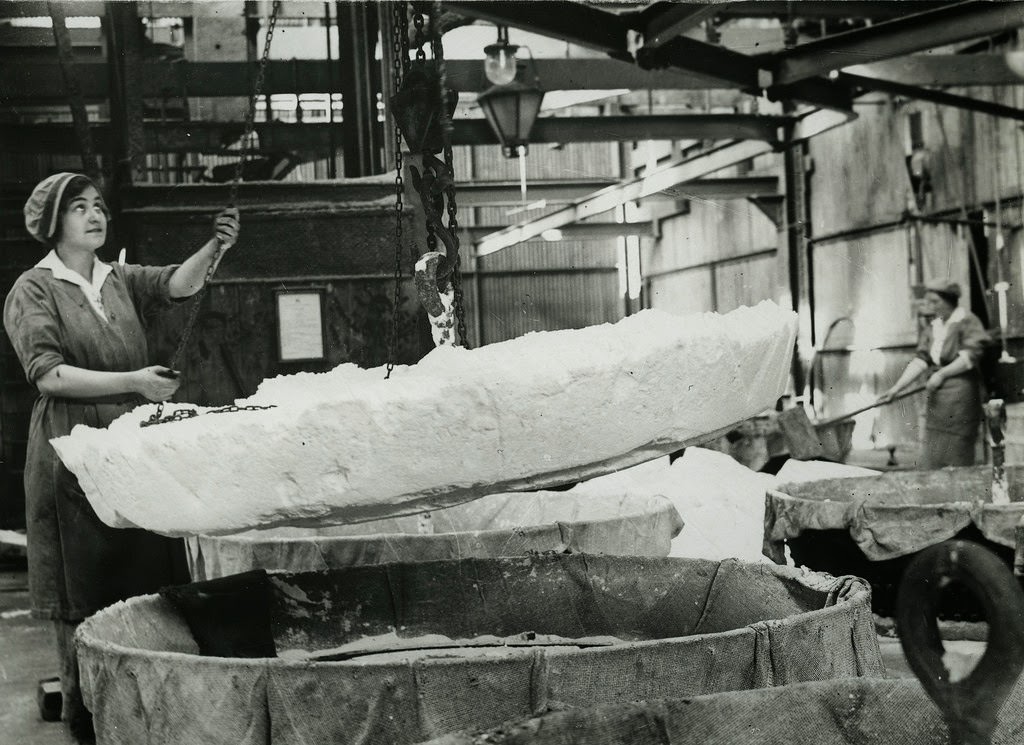
During The Great War, many women were recruited into many departments and military services for different kinds of jobs. Some of these jobs were vacated by men who had gone to fight in the war. New jobs were also created as part of the war effort, for example, in munitions factories. Over 400 women died by the end of the war due to poor working conditions and inadequate safety equipment. The high demand for weapons resulted in the munitions factories becoming the largest single employer of women during 1918. Though there was initial resistance to hiring women for what was seen as ‘men’s work,’ the introduction of conscription in 1916 made the need for women workers urgent. Around this time, the government began coordinating the employment of women through campaigns and recruitment drives. British women took on jobs in munitions factories, drove ambulances, helped to keep the fledgling Royal Air Force in the sky, and gave succor to wounded soldiers, both at home and on the battlefield. Below, a compiled list of historical photos that show British women at work during World War I.


























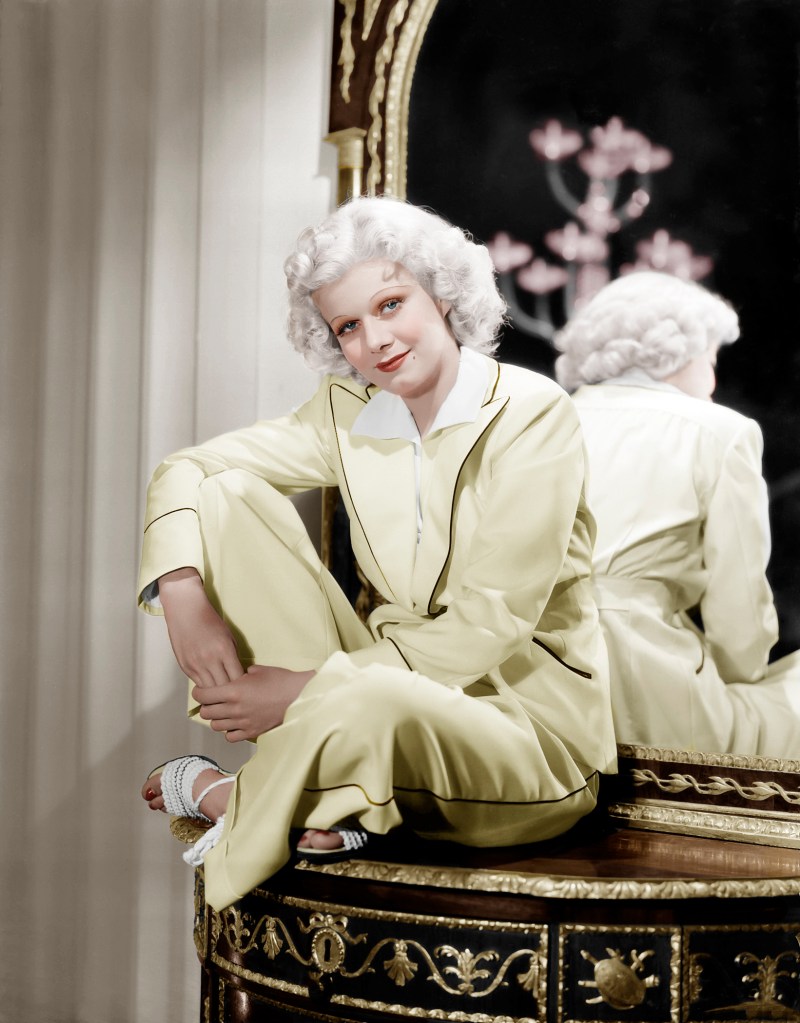
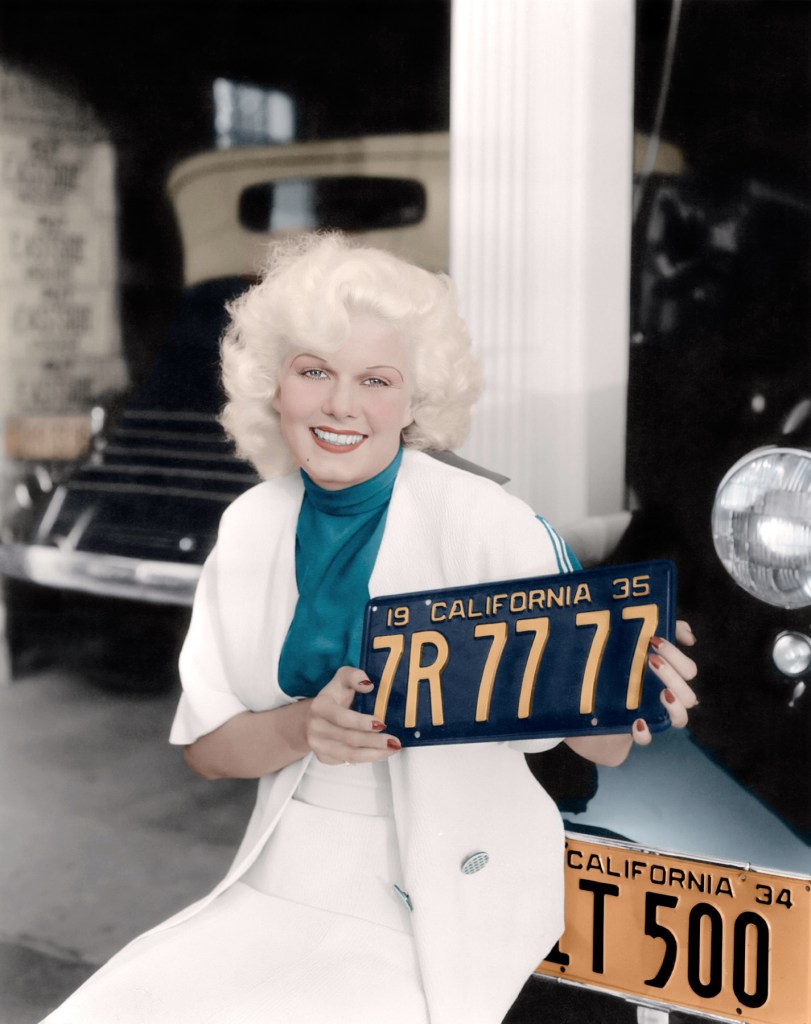
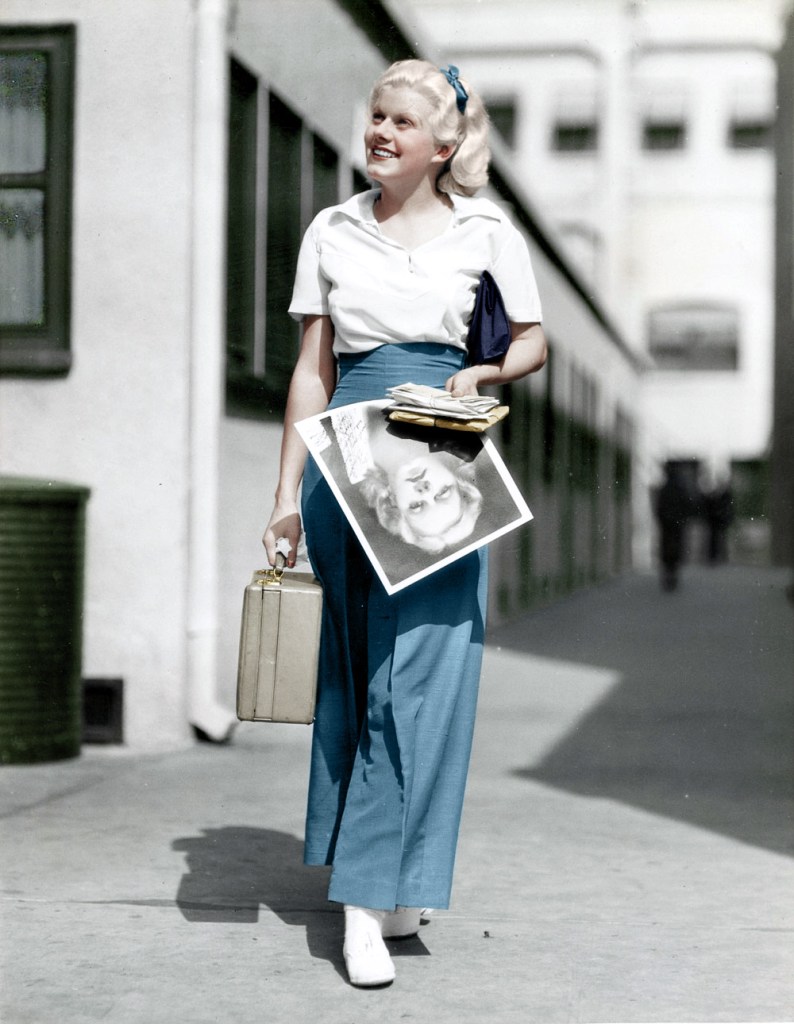
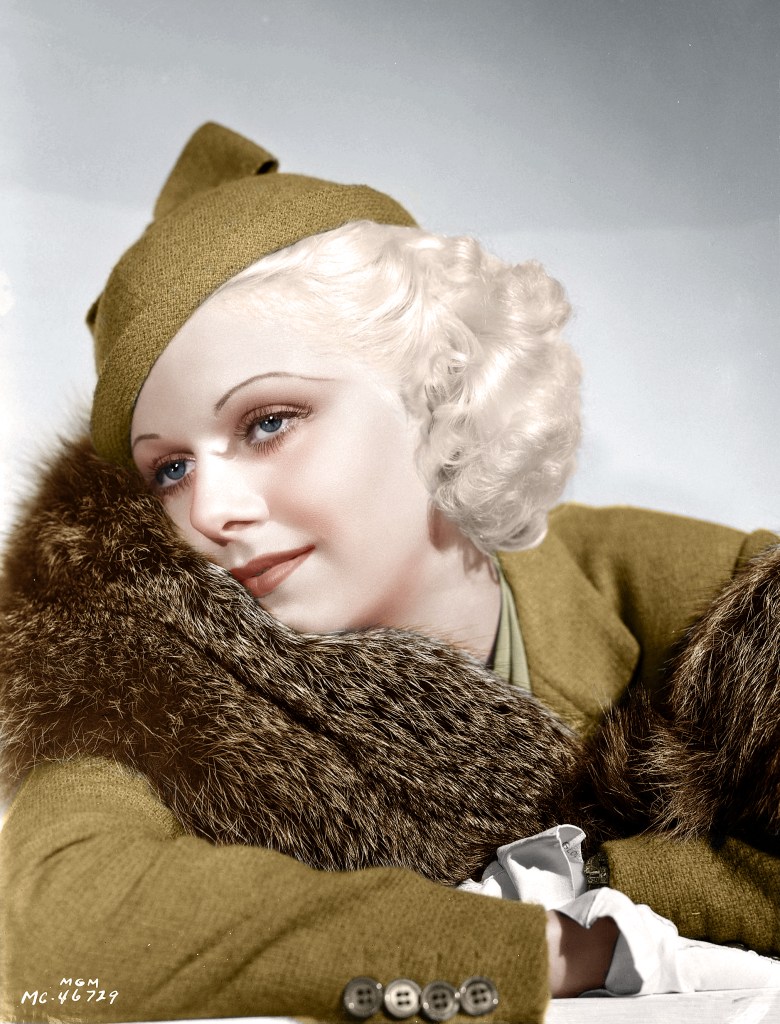
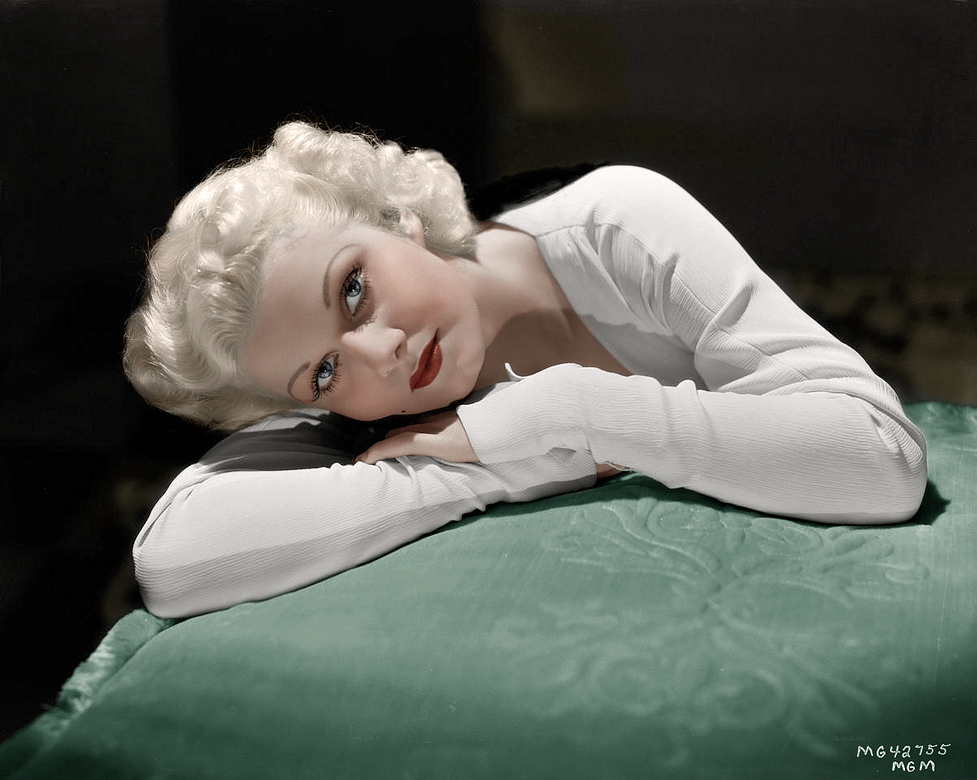
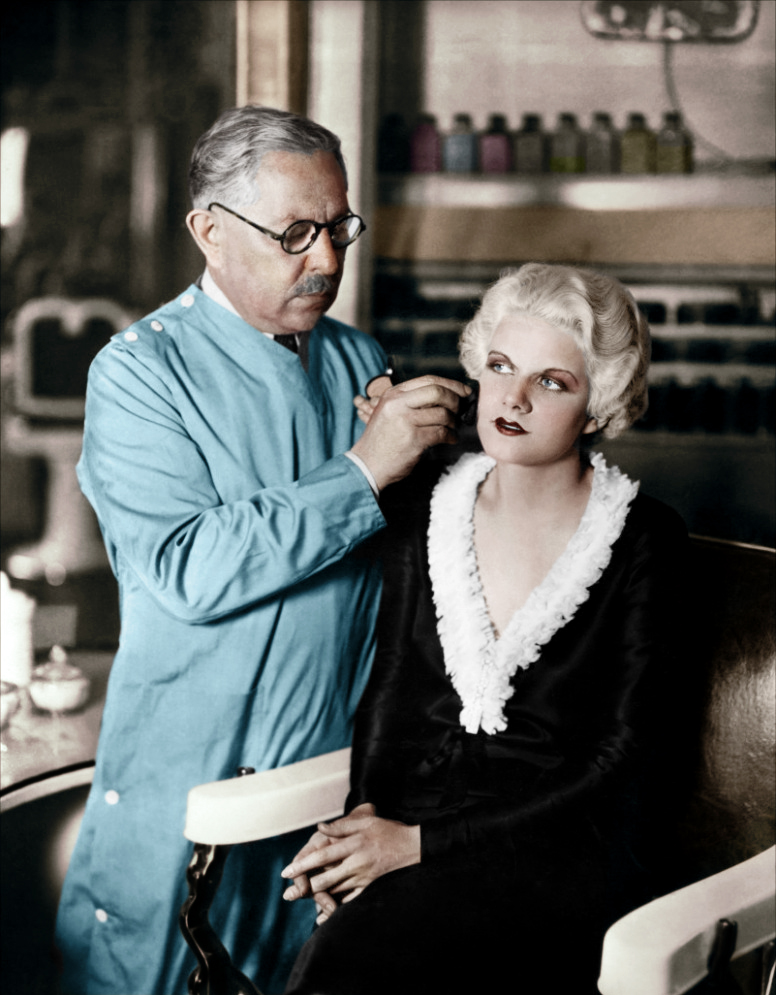
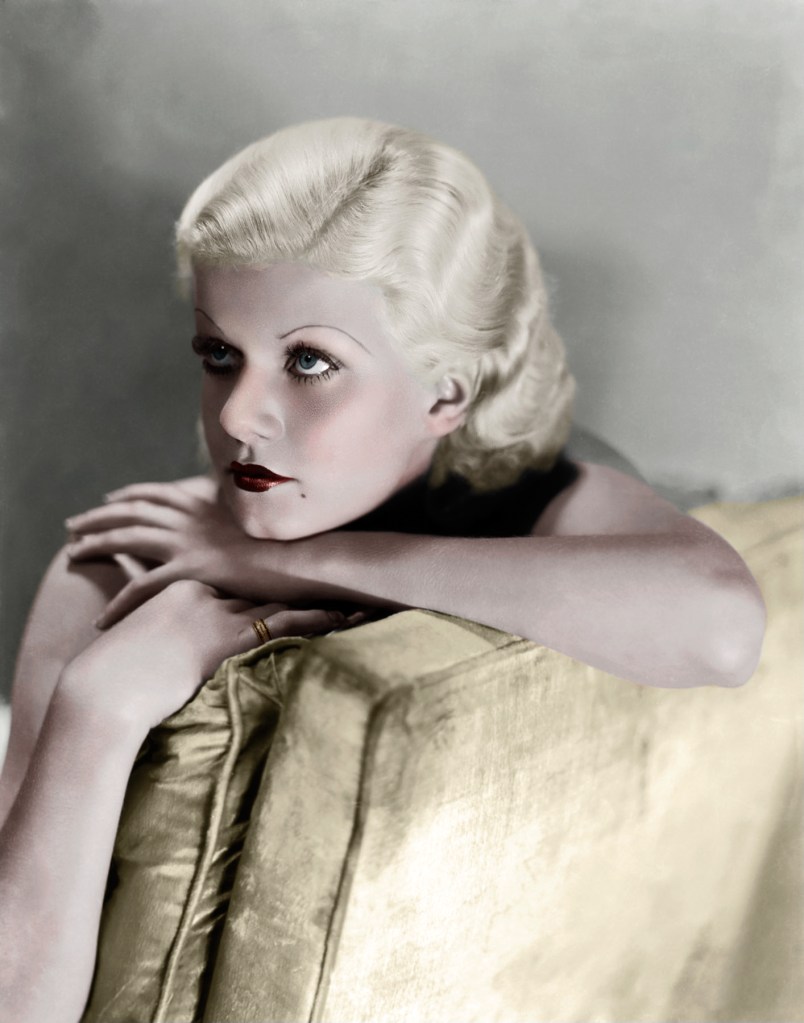
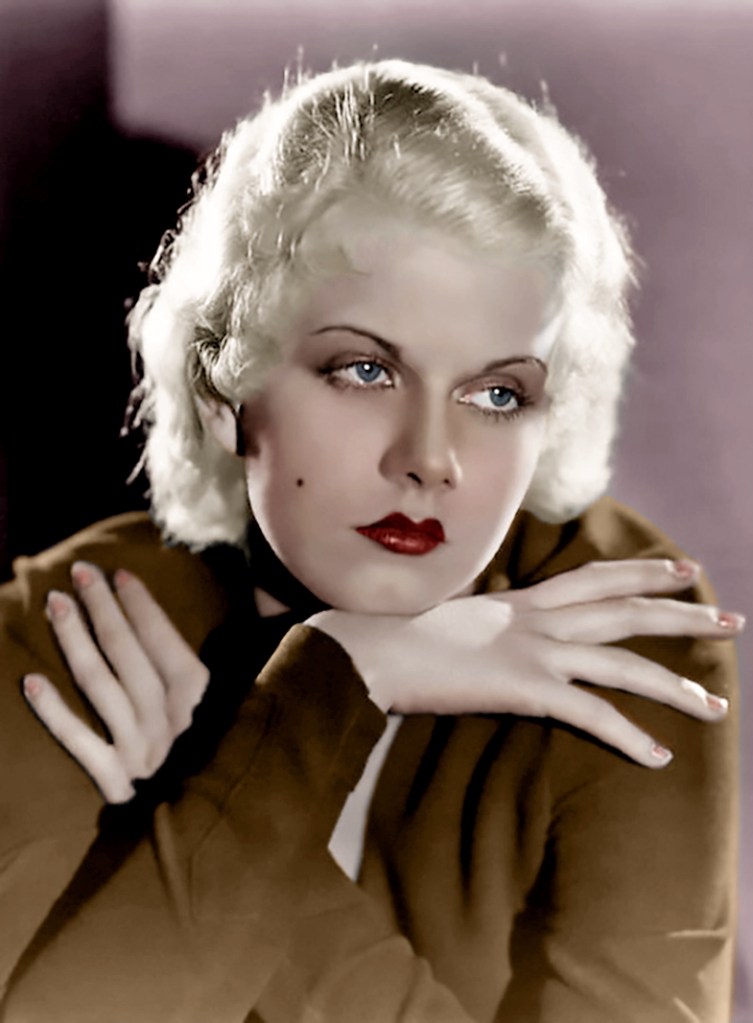
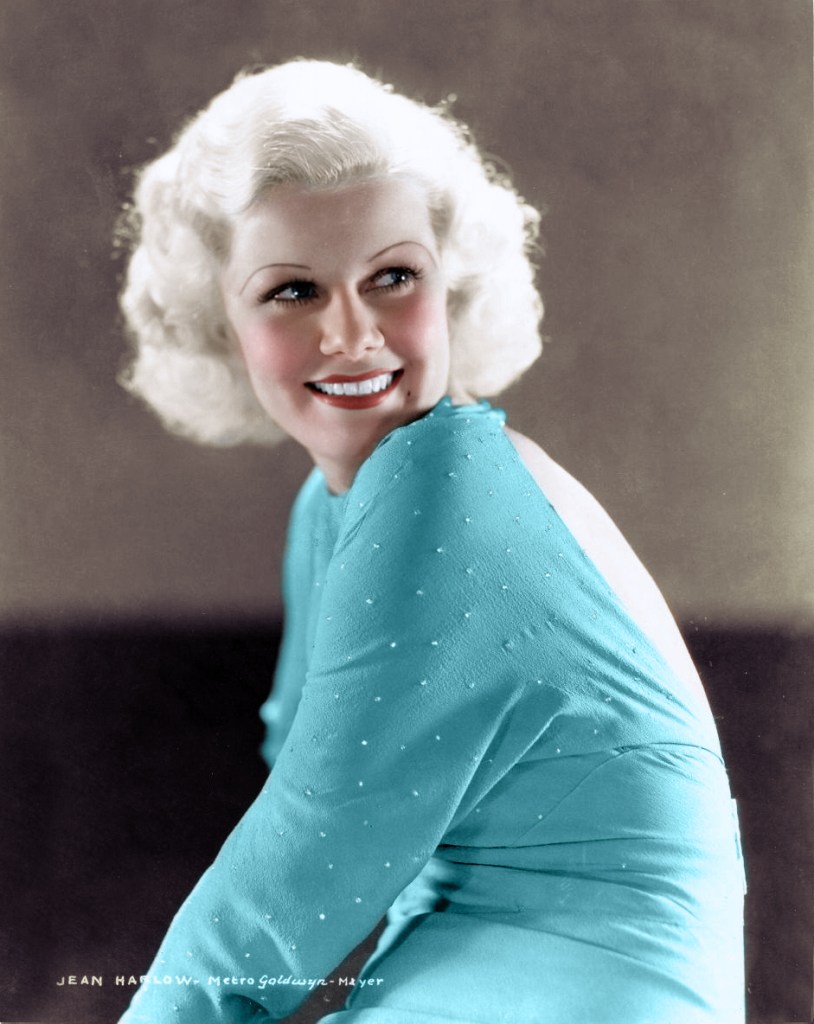
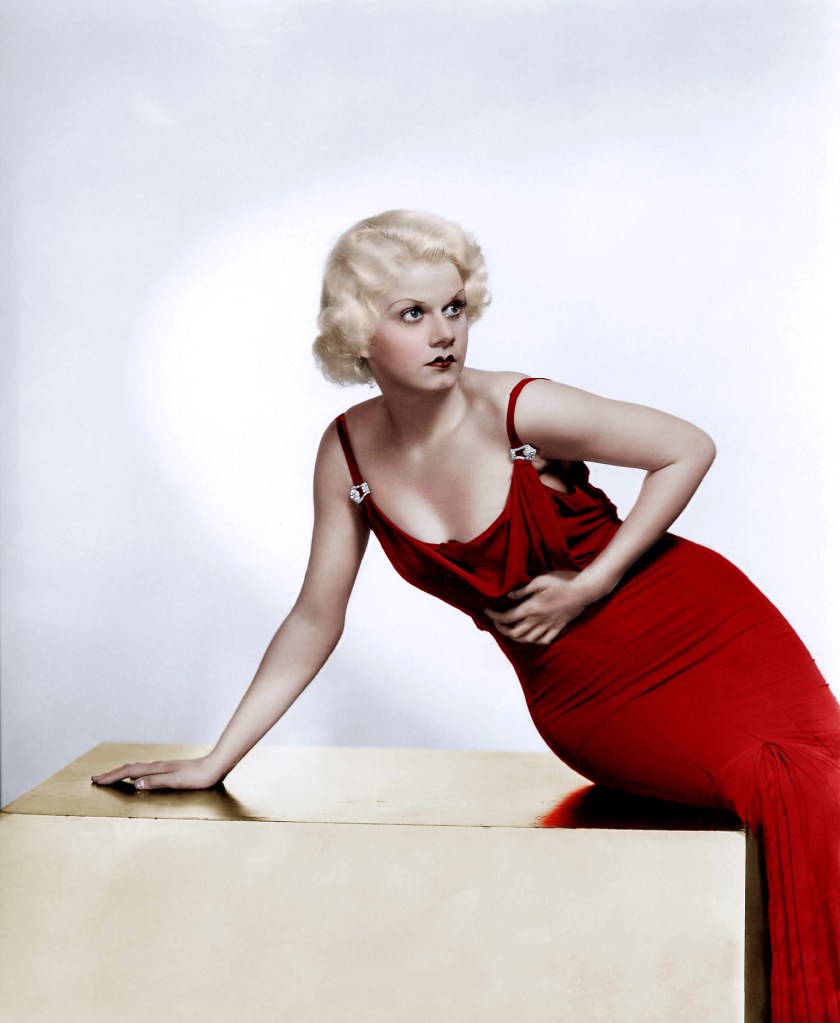
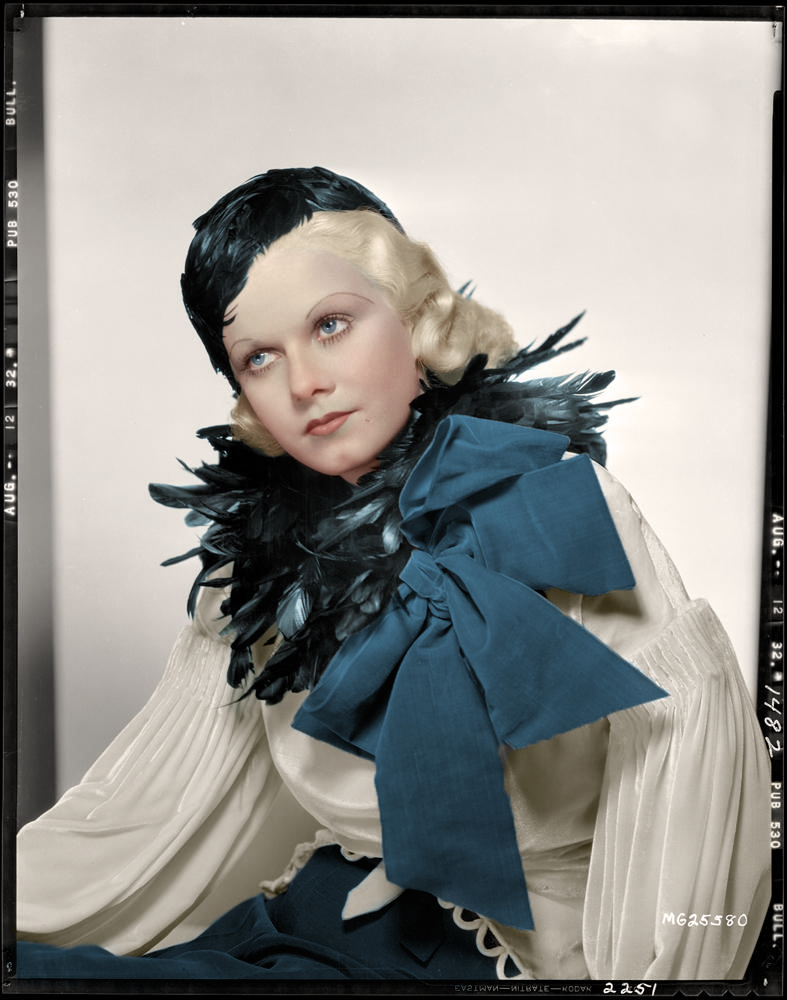
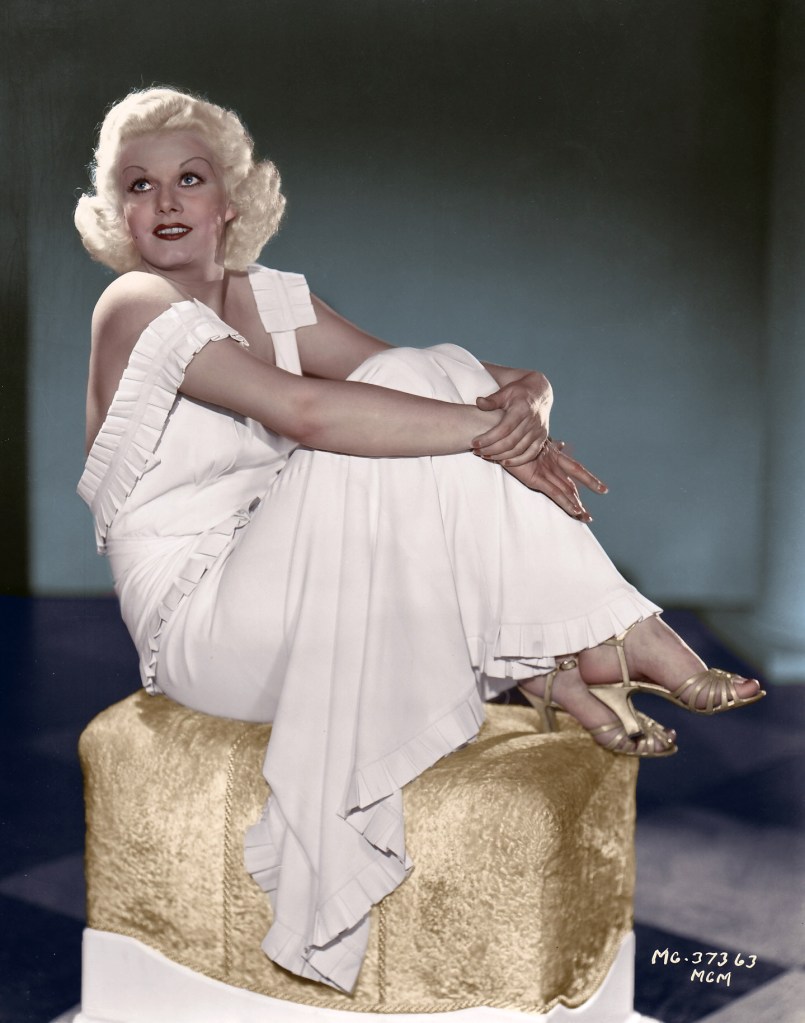
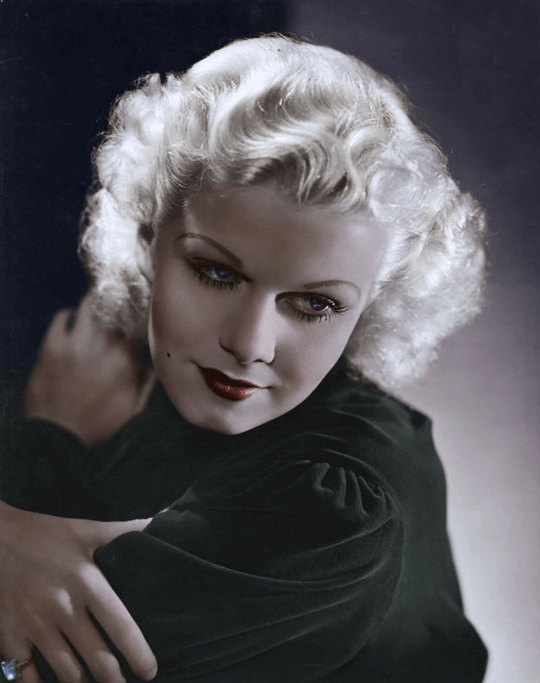
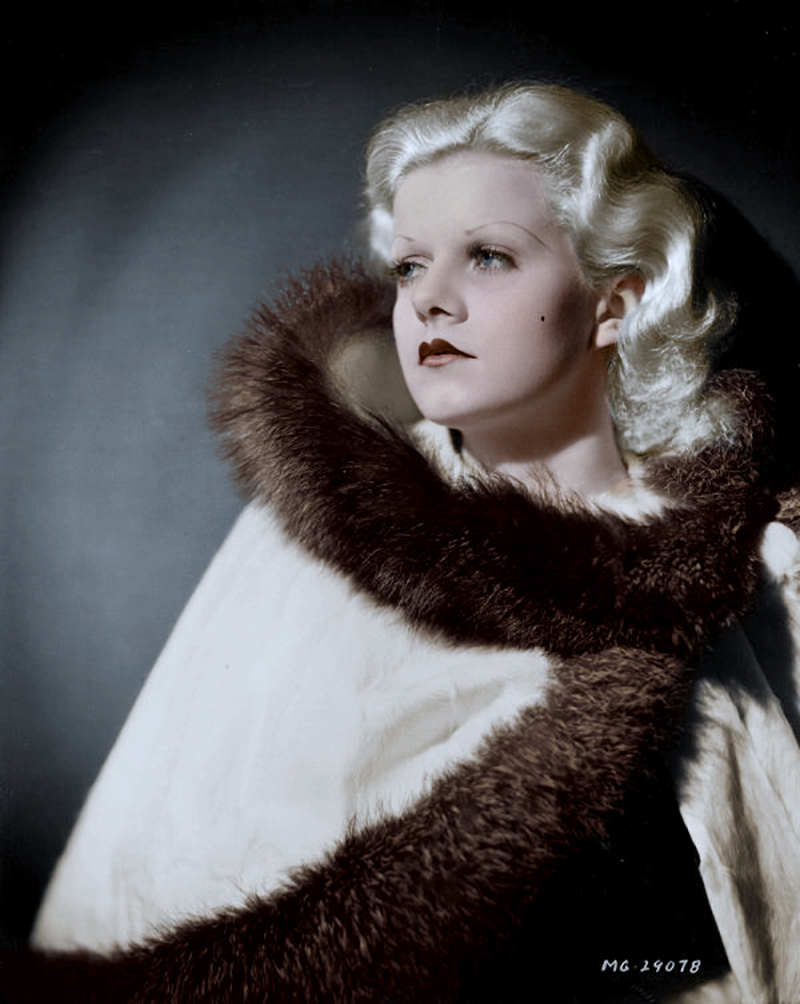
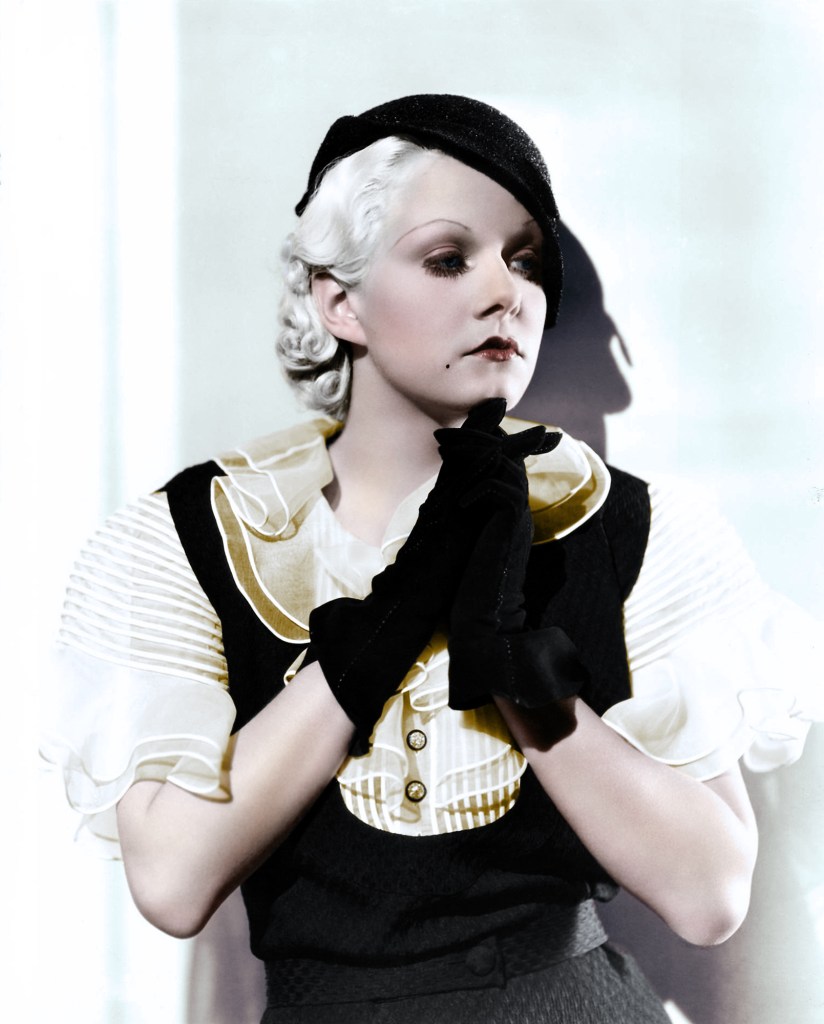
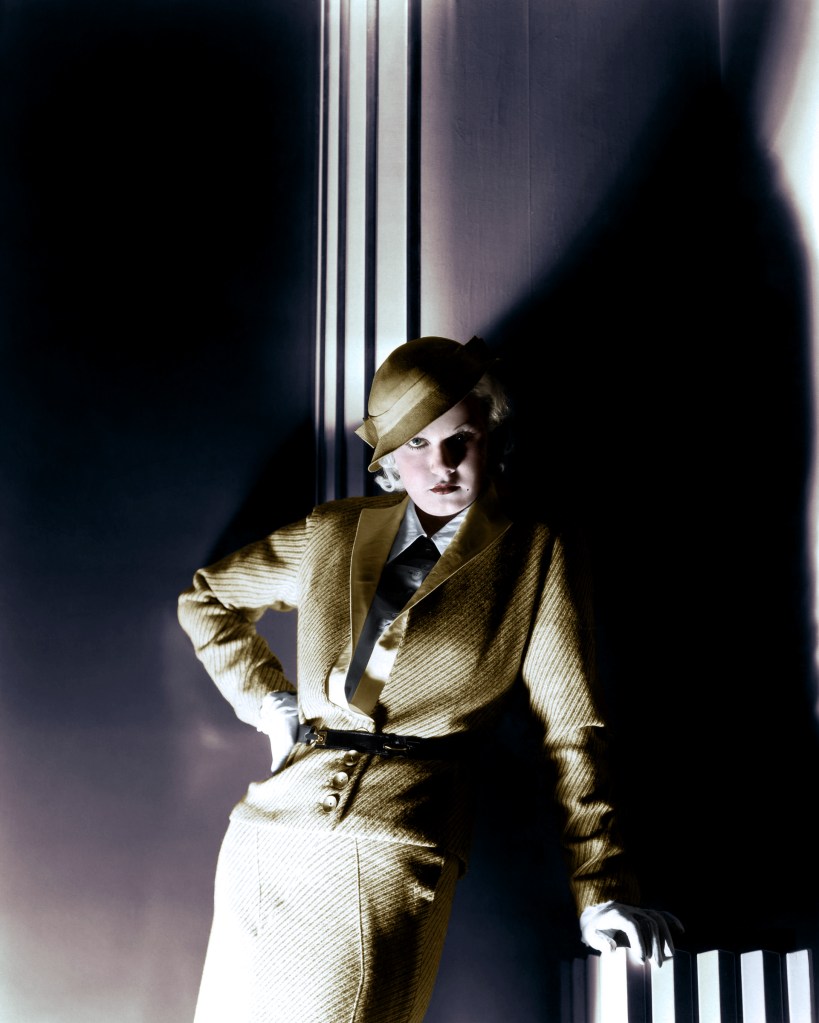
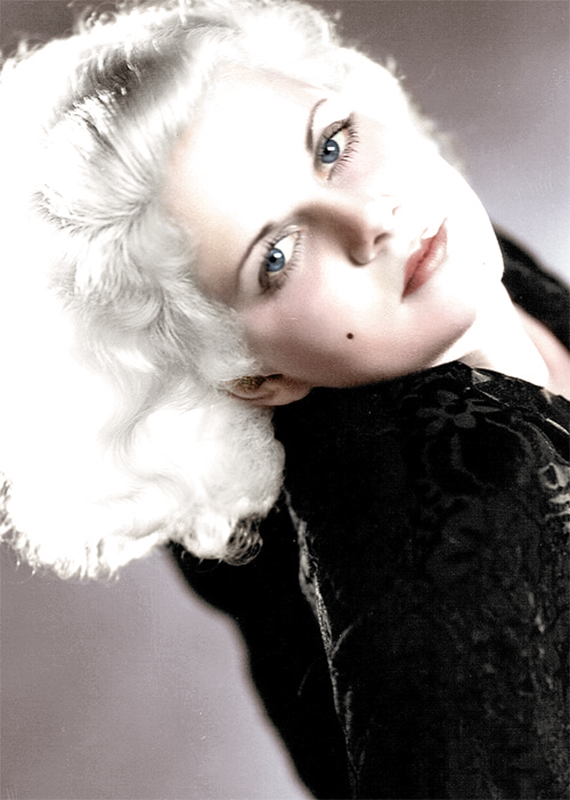
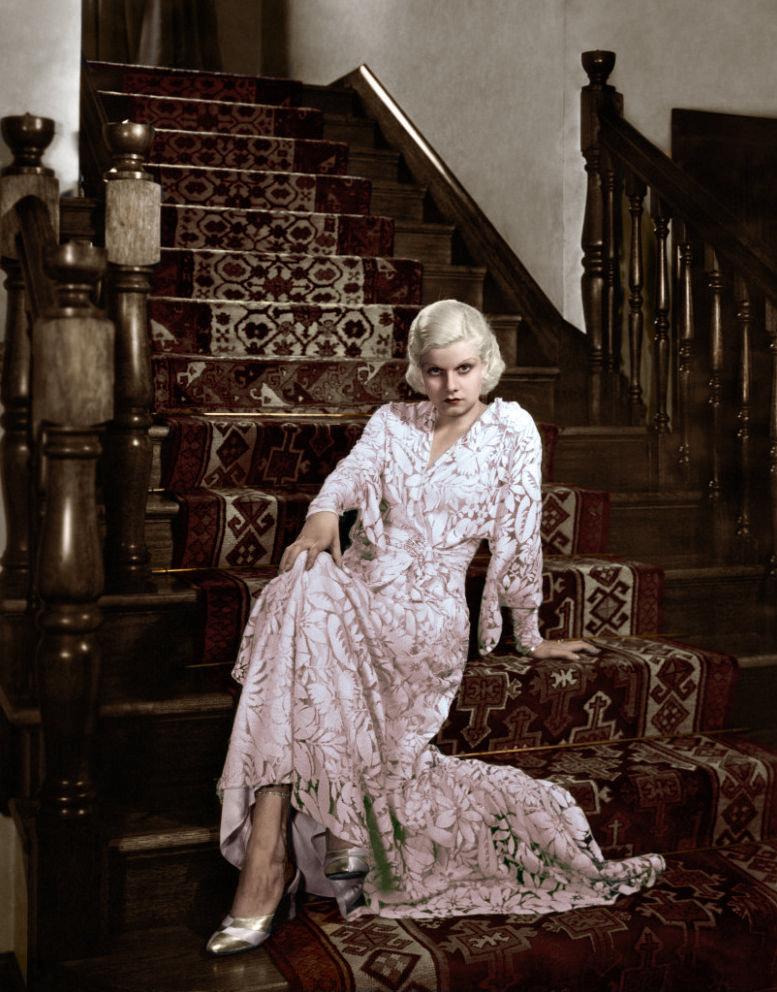
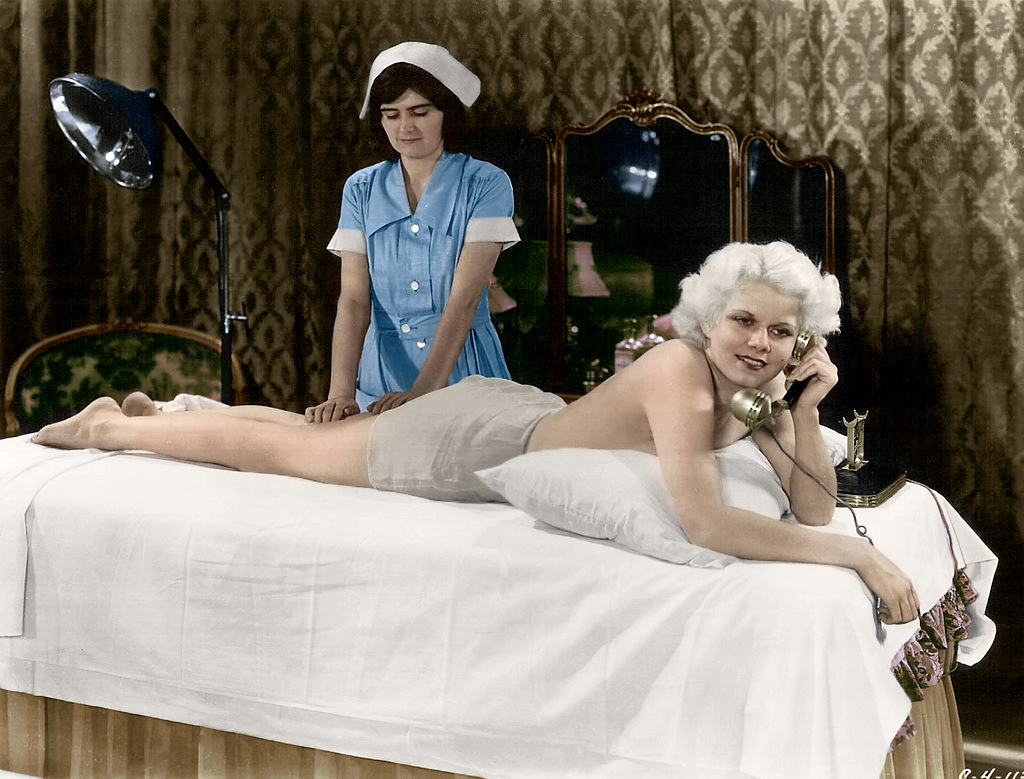
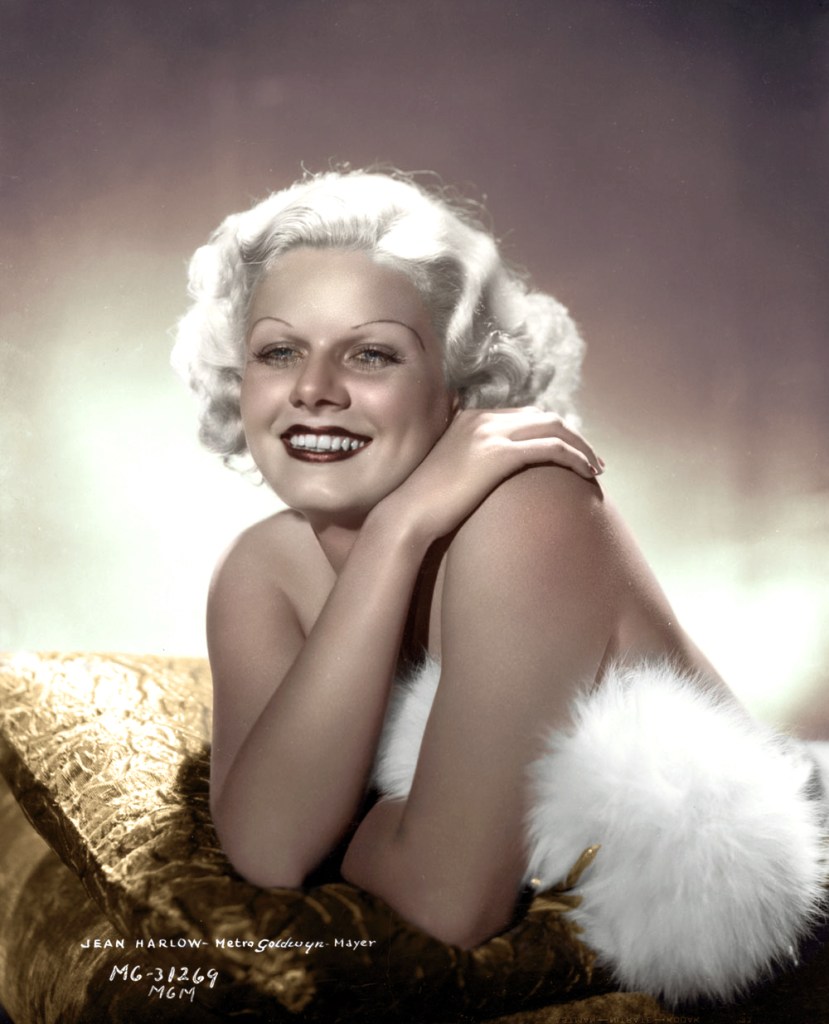
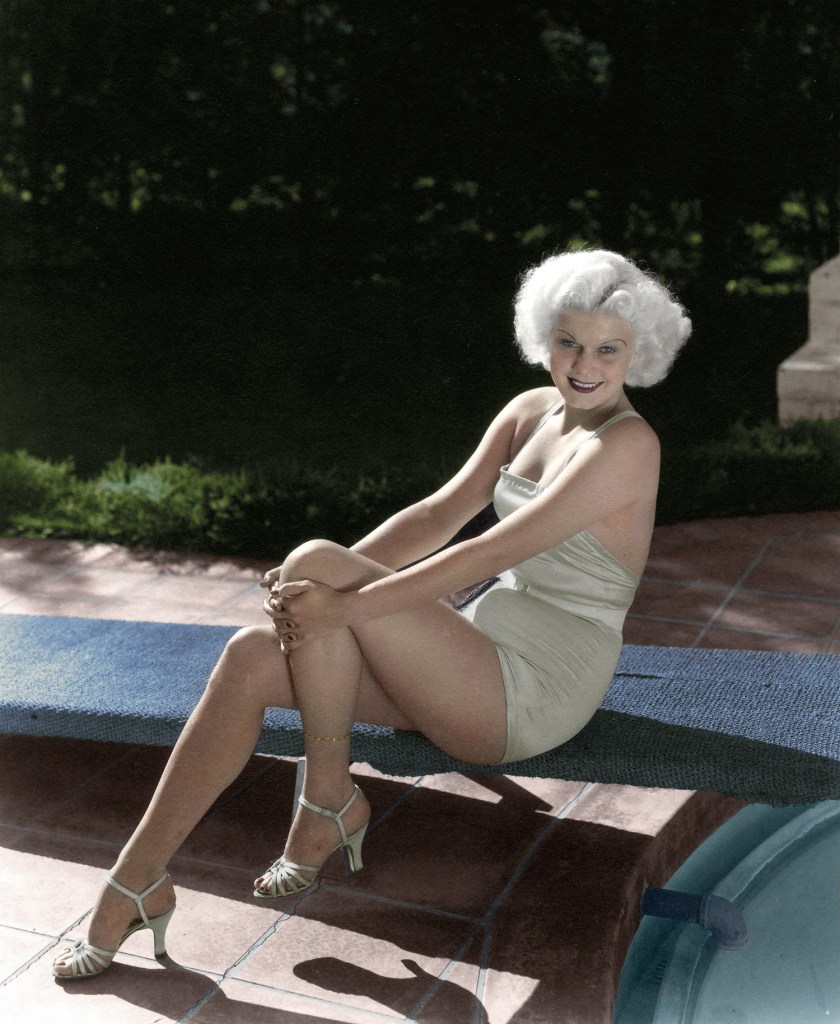
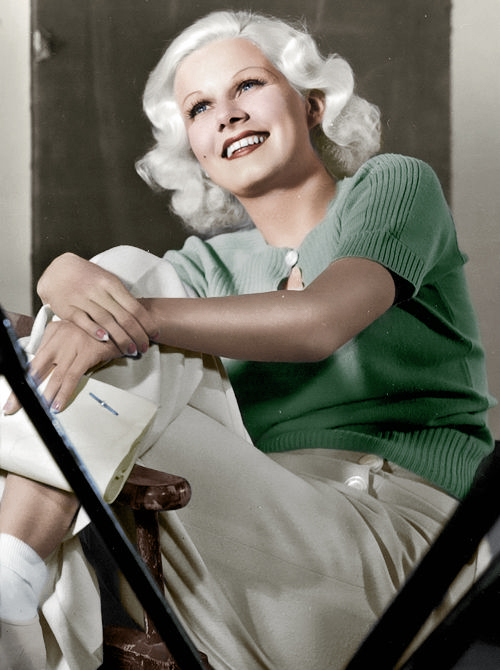
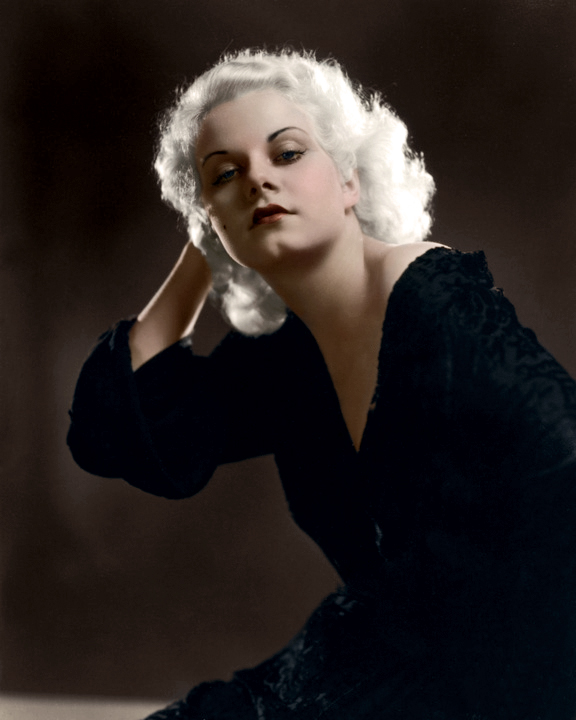
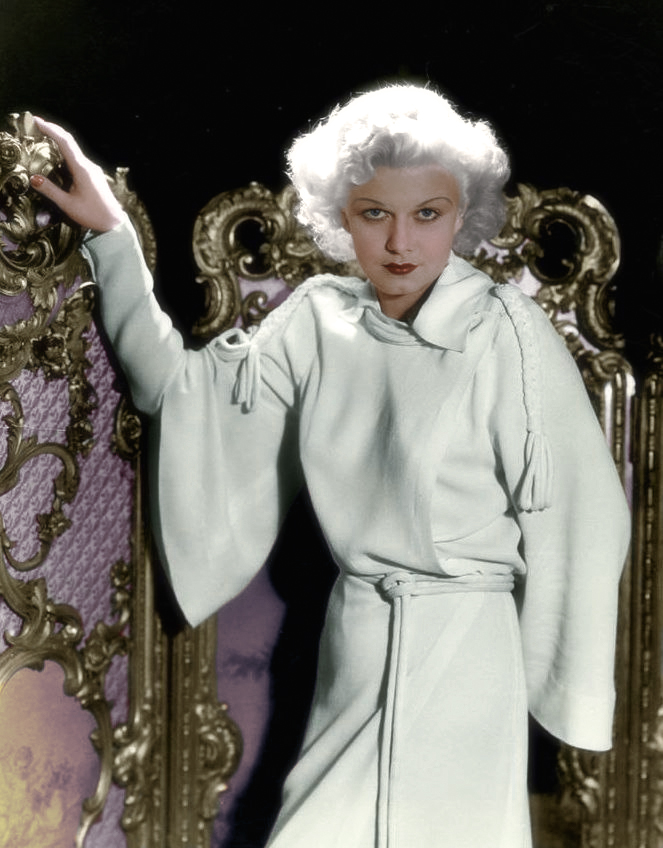
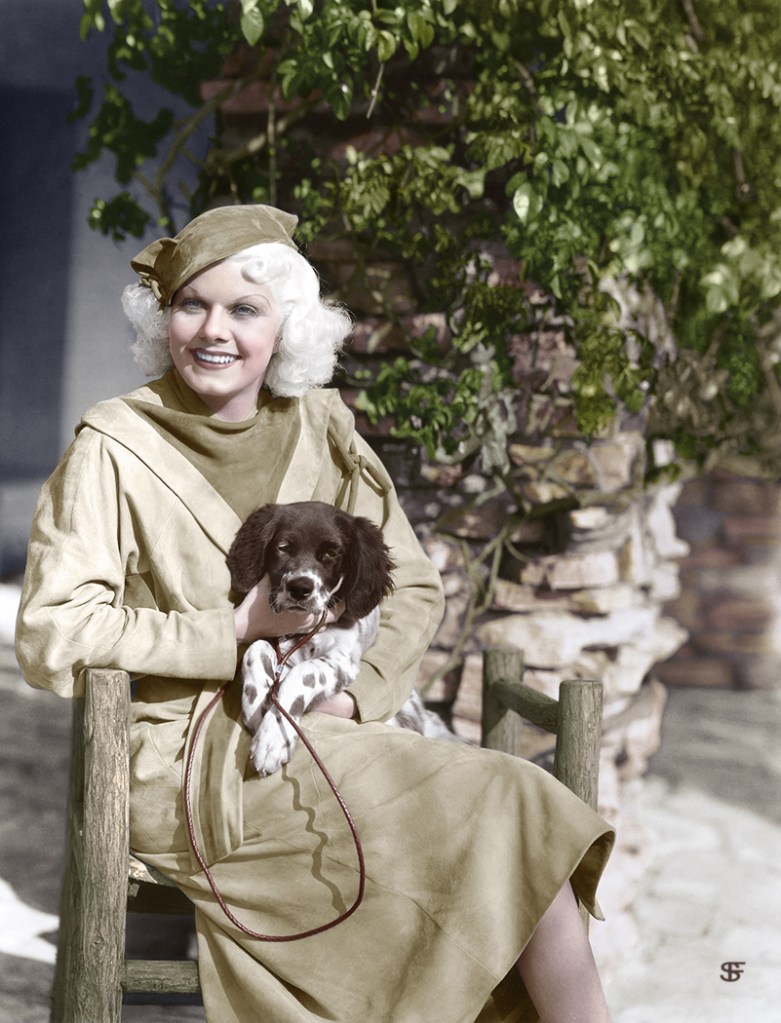
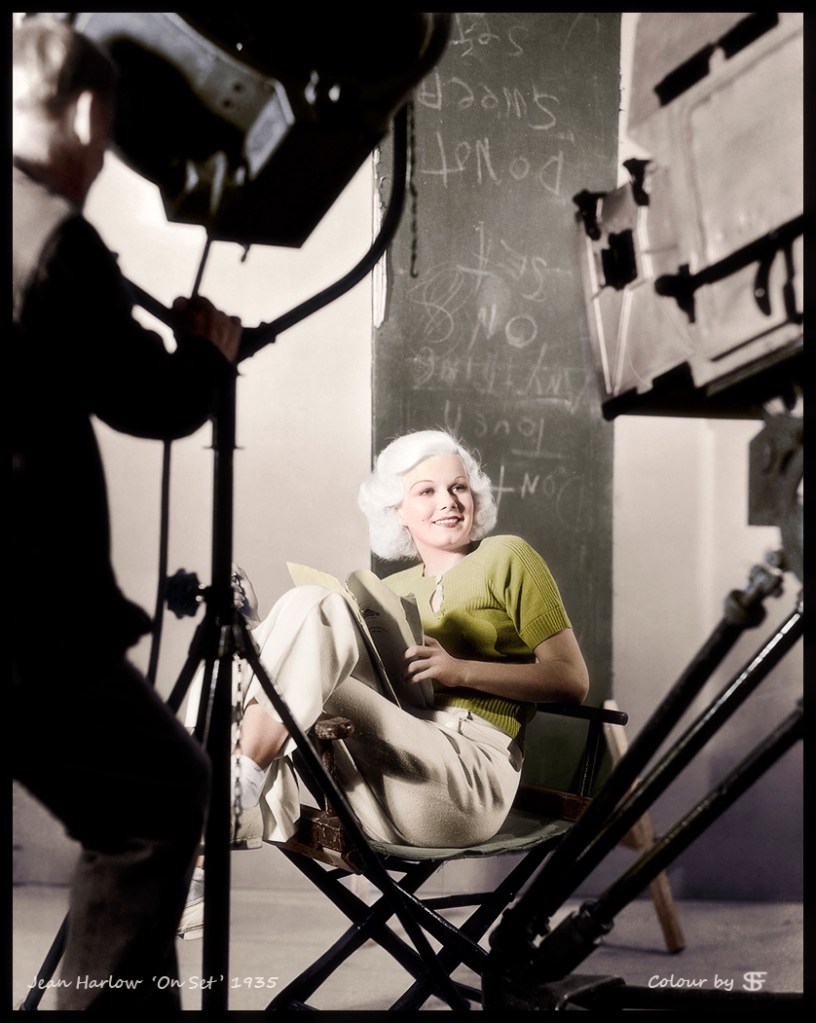
Jean Harlow (born Harlean Harlow Carpenter; March 3, 1911 – June 7, 1937) was an American actress and sex symbol. Often nicknamed the “Blonde Bombshell” and the “Platinum Blonde”, she was popular for her “Laughing Vamp” screen persona. Harlow was in the film industry for only nine years, but she became one of Hollywood’s biggest movie stars, whose image in the public eye has endured. In 1999, the American Film Institute ranked Harlow No. 22 on their greatest female screen legends of classical Hollywood cinema list.
Harlow was first signed by business magnate Howard Hughes, who directed her first major role in Hell’s Angels (1930). After a series of critically failed films, and Hughes’ lost interest in her career, Metro-Goldwyn-Mayer bought out Harlow’s contract in 1932 and cast her in leading roles in a string of hits built on her comedic talent: Red-Headed Woman (1932), Red Dust (1932), Dinner at Eight (1933), Reckless (1935) and Suzy (1936). Harlow’s popularity rivaled and then surpassed that of MGM’s top leading ladies Joan Crawford and Norma Shearer. She died at the age of 26 of kidney failure while filming Saratoga. MGM completed the film with the use of body doubles and released it less than two months after her death; it became MGM’s most successful film of 1937, as well as the highest-grossing film of her career.























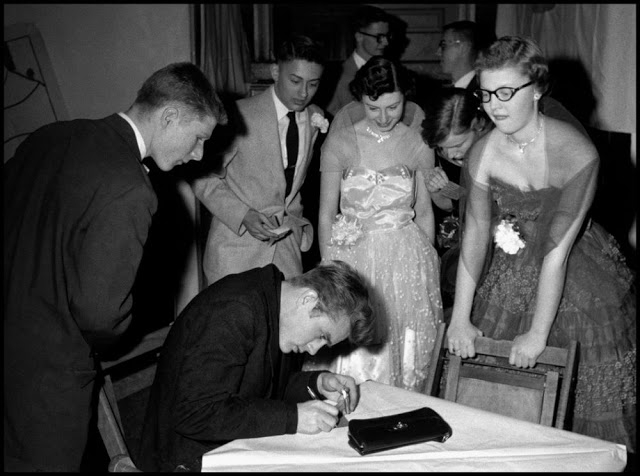
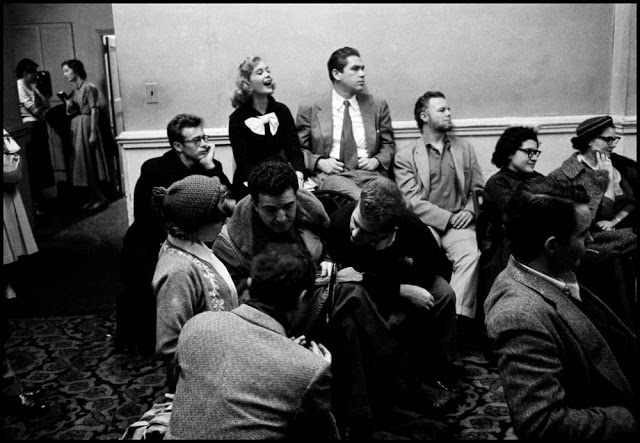
When Dennis Stock attended a screening of James Dean’s first film, East of Eden, he knew he wanted to photograph him. He sensed that this charismatic young actor would soon join Marlon Brando and Paul Newman as one of the major film stars of his generation. Stock, who had met Dean at a Hollywood party in January 1955, asked him to be the subject of a photo essay. Dean, who was not yet famous, readily accepted the invitation. Stock then approached LIFE magazine with the idea and within a week the assignment was agreed. It took two months to complete.
At the time, Stock was a 26-year-old photojournalist. He had joined the Magnum agency in 1951 and became a full member in 1954. From the beginning of his career he had been mainly interested in producing a sequence of images that told a story about a given subject. In his photographs of Dean, he aimed to show a young movie star in both his professional and personal life.
The first part of the assignment involved taking Dean back to his home town of Fairmount, Indiana. “For Jimmy, it was going home,” Stock later wrote, “but it was also the realization that the meteoric rise to fame had already begun to cut him off forever from his small-town Midwestern origins, and that he could never really go home again. Still, in those bitter-cold late winter days, as Jimmy and I roamed the town and farm and fields of Fairmount, visiting family and friends, I came to know, or at least to glimpse, the real James Dean.”
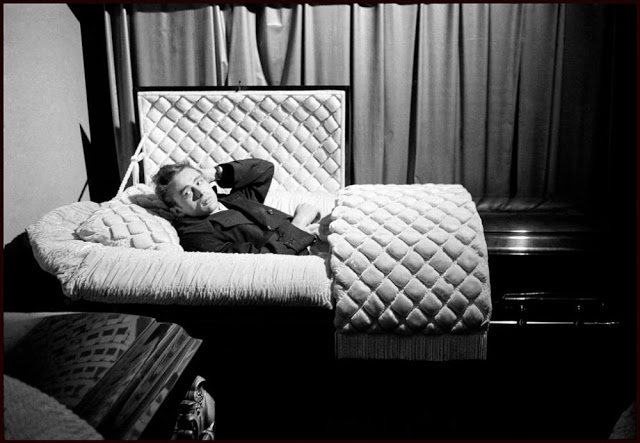
Stock’s photographs showed Dean in various locations: at home with family members, in a classroom at his old school and in a pigsty at his uncle’s farm. In one bizarre sequence, Dean was shown posing in an open coffin at a local funeral parlor. The pictures were intended to be darkly amusing but now seem strangely prophetic; seven months later, Dean was dead.
The rest of the assignment included images of Dean in New York, then in rehearsal and on film sets in California. Away from his home environment, Dean became unpredictable. “The moment we hit New York he started seeing old friends and ending up in bars for hours on end,” Stock later said. “He became an insomniac and very hard to work with, often not turning up at appointments. But I knew where to find him. I was simply tenacious.”





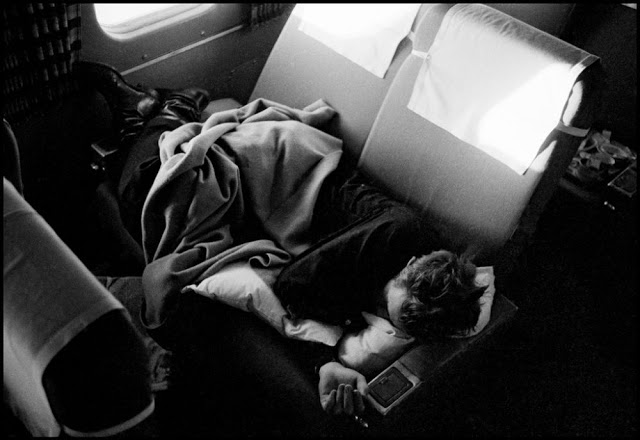


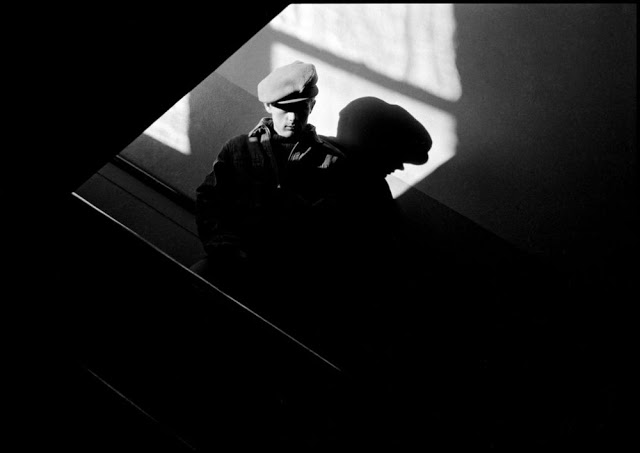

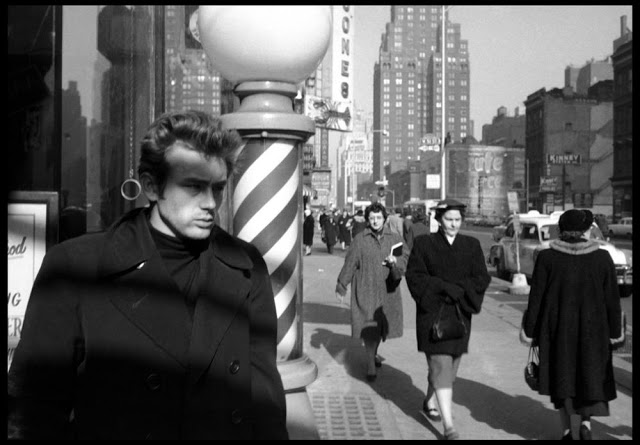


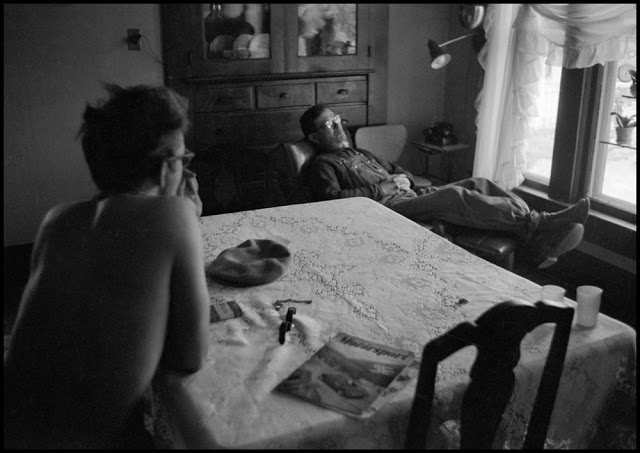
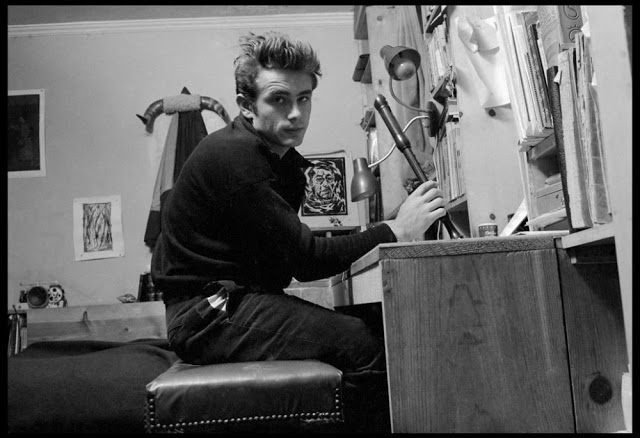


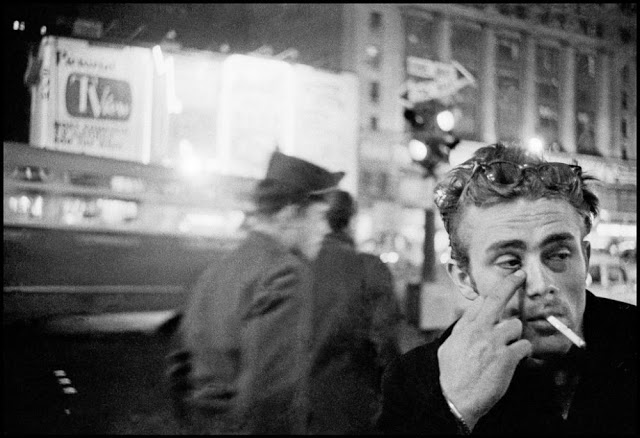
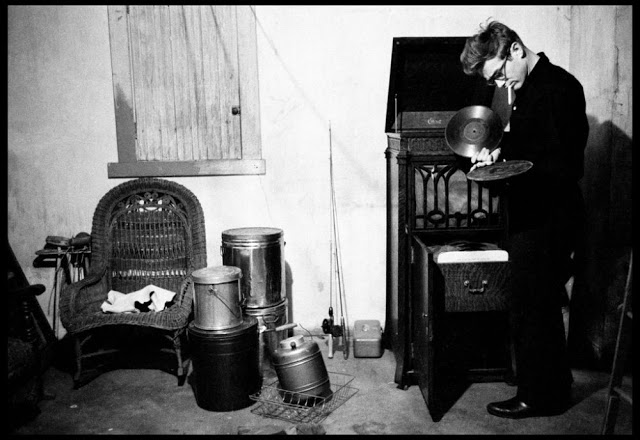

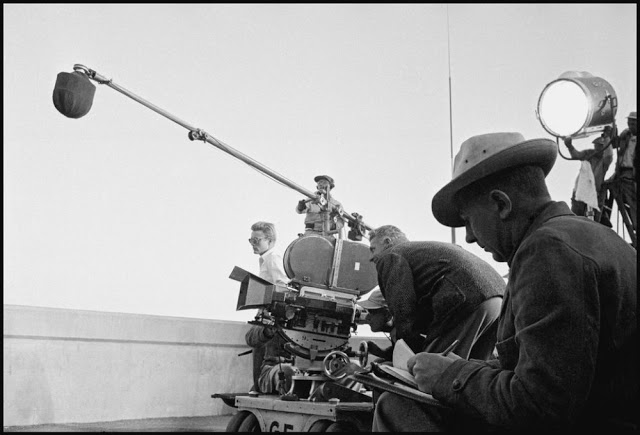
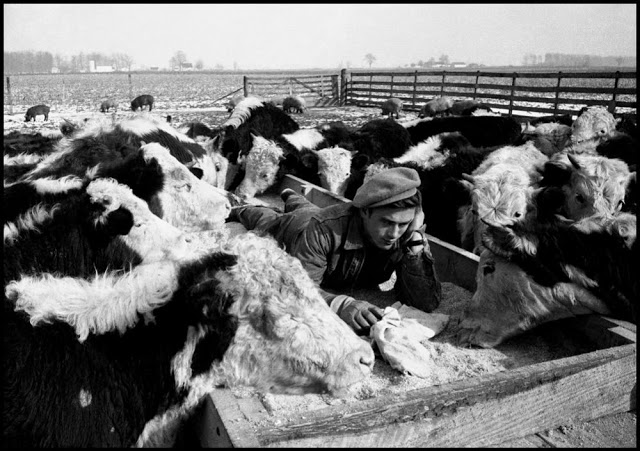

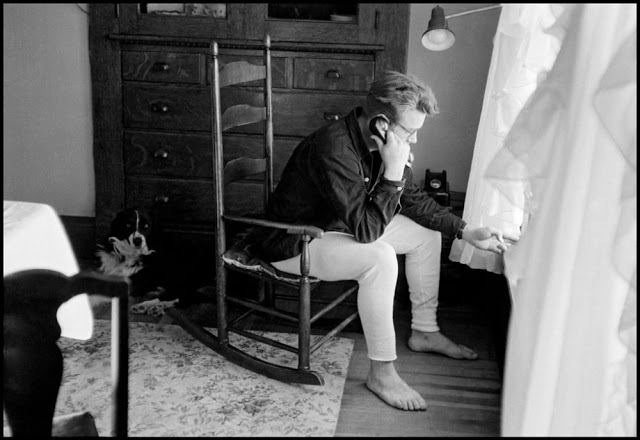

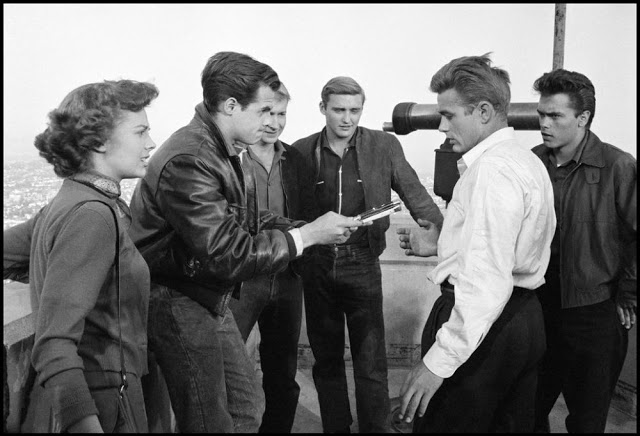
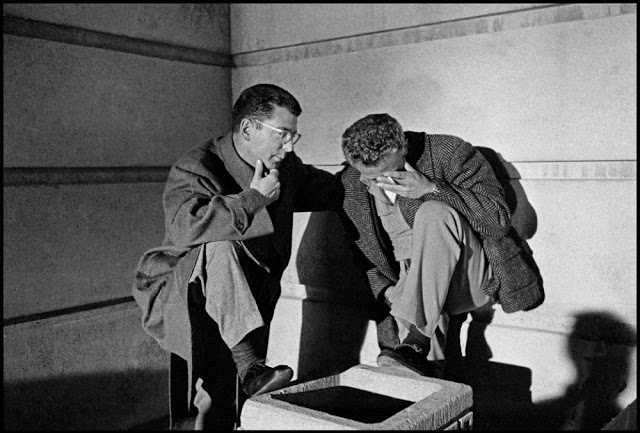


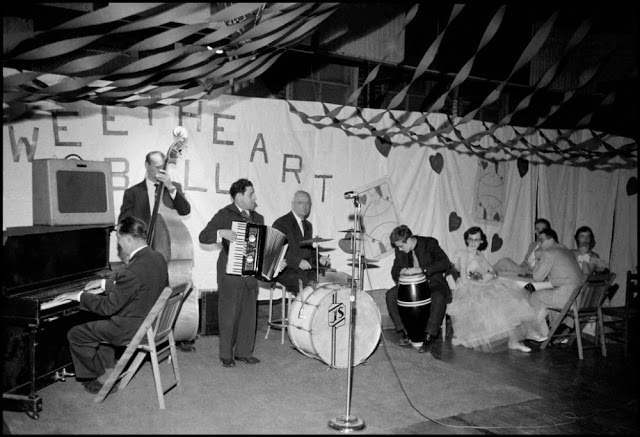

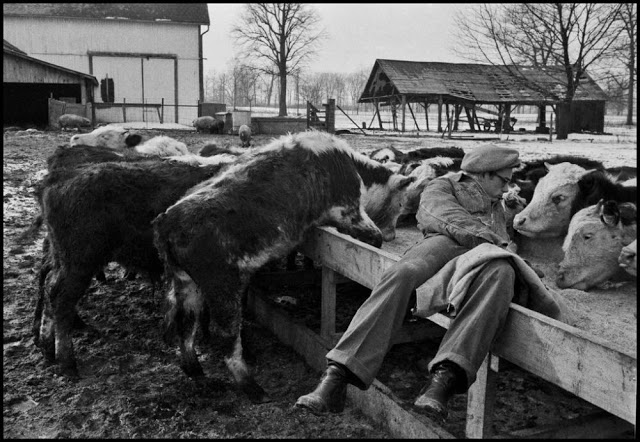
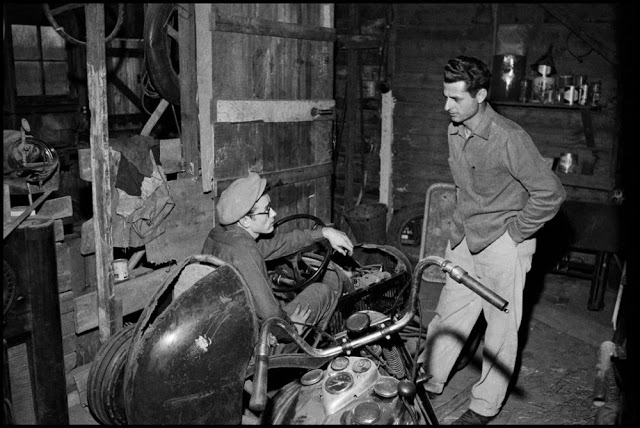

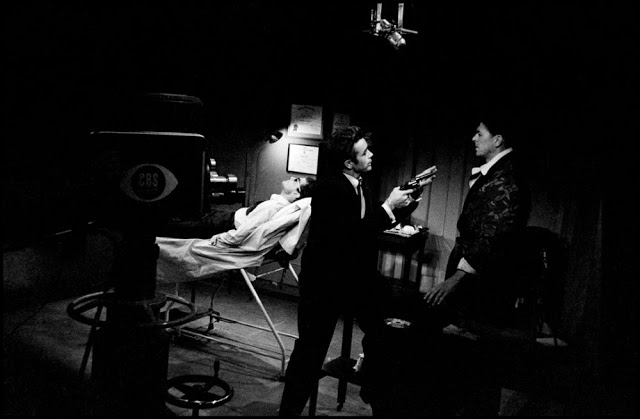
(Photos © Dennis Stock/Magnum Photos)
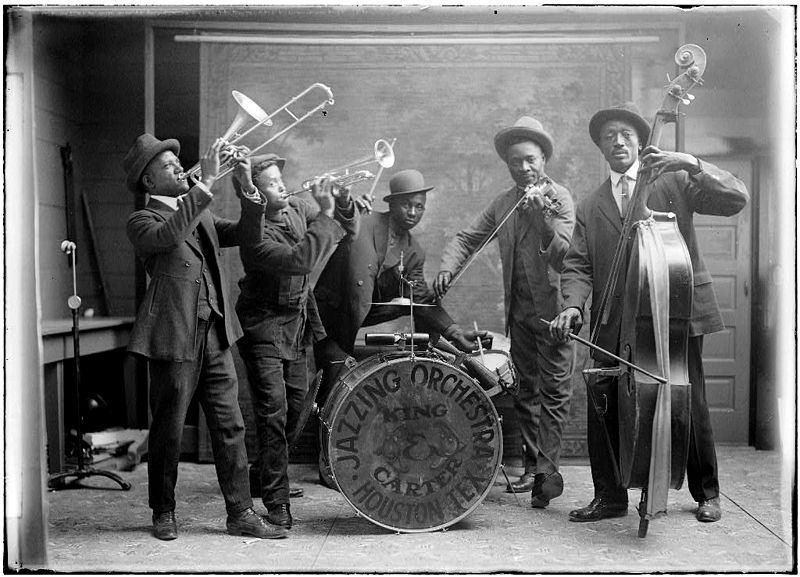
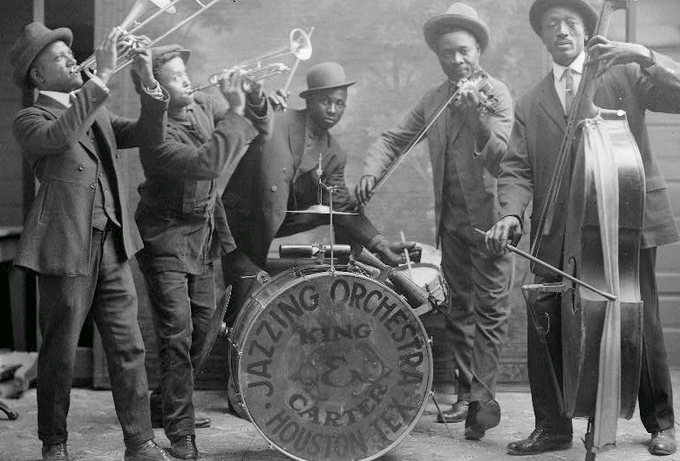
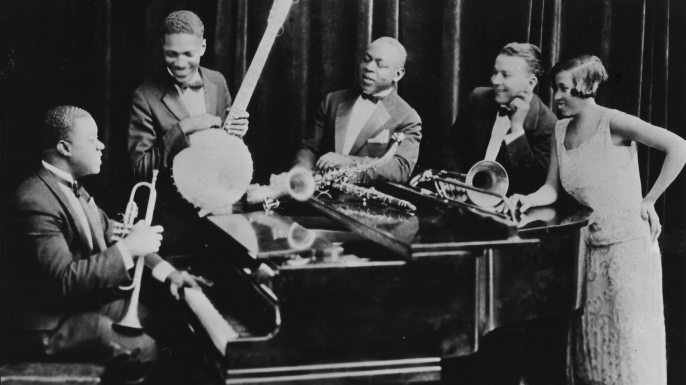
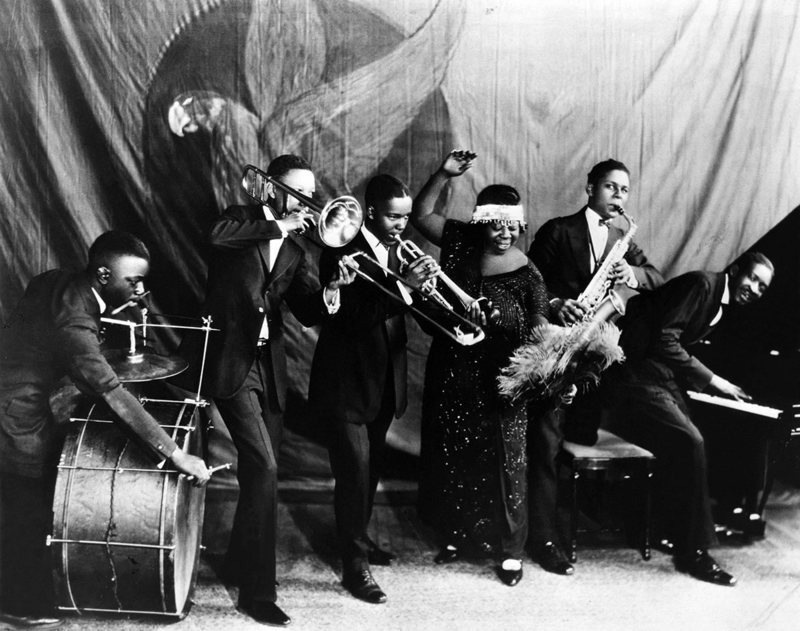
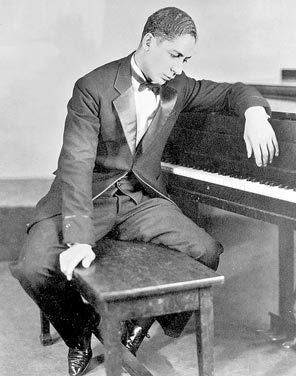
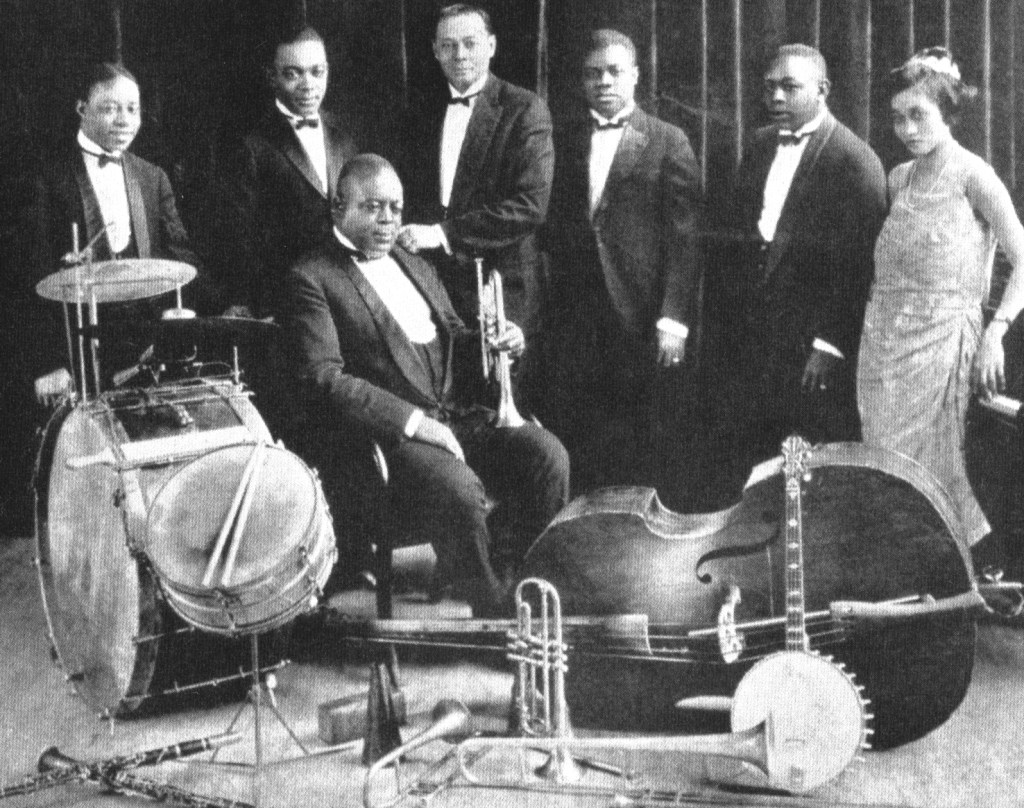
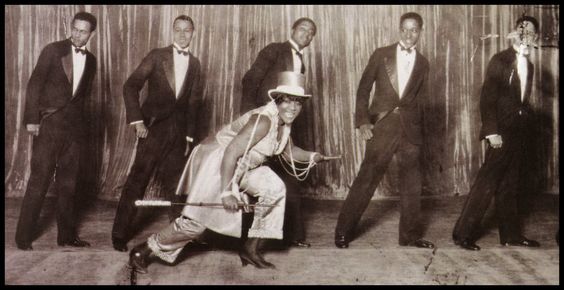
The 1920s saw the rise of jazz as a major musical genre. Jazz emerged from the musical traditions primarily of African Americans in the southern United States and largely depends on the virtuosity of instrumental solosits. The “Roaring 20s” brought in some of the biggest names in the history of jazz music.









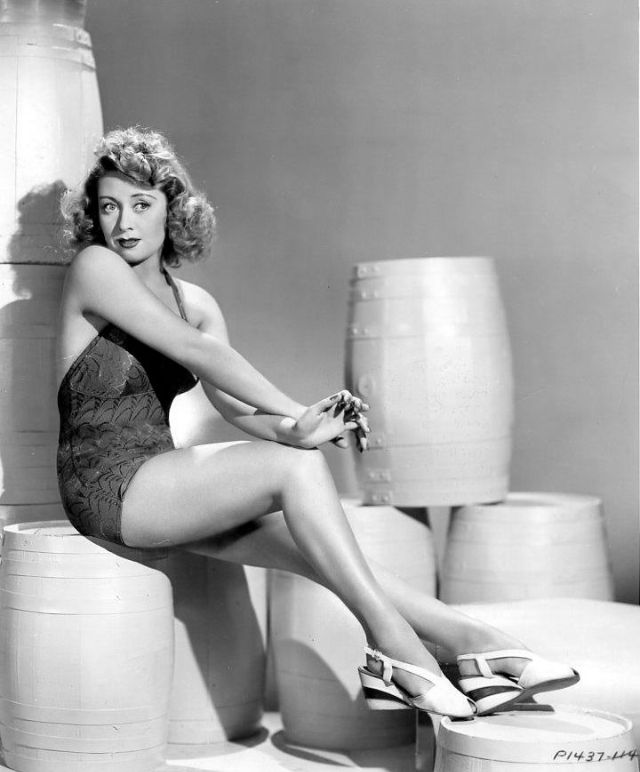
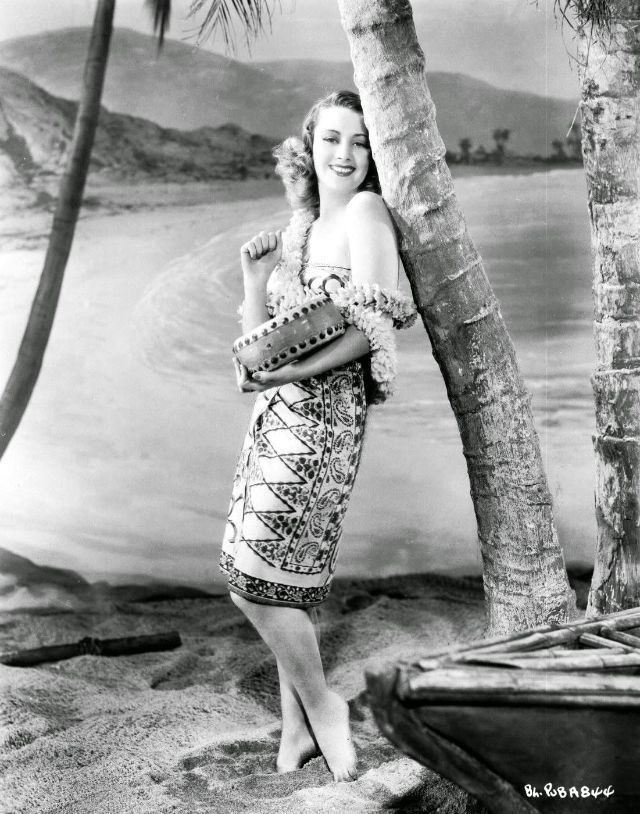
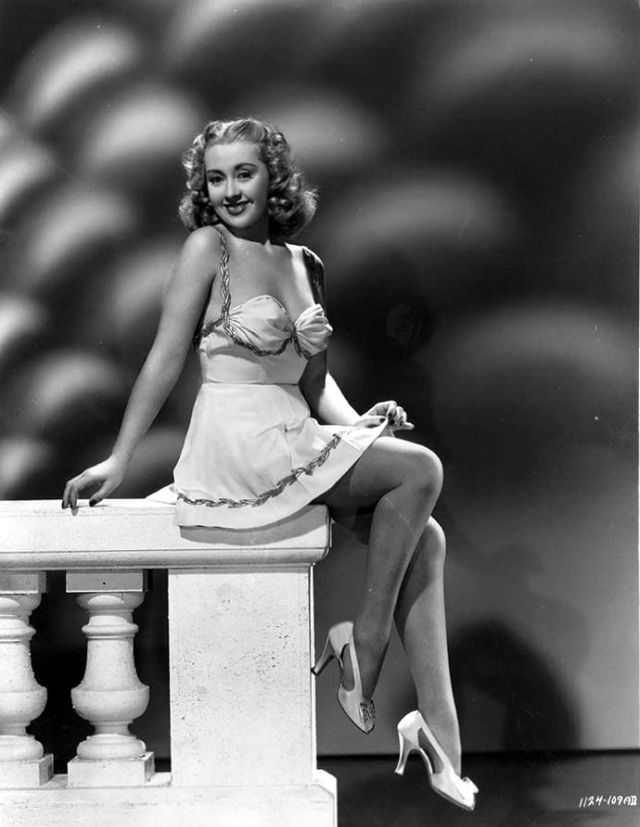
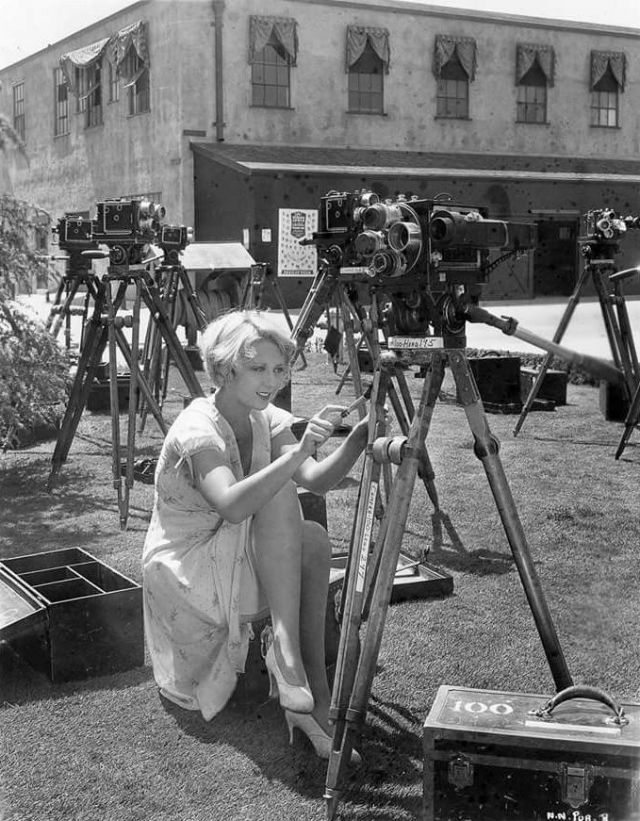
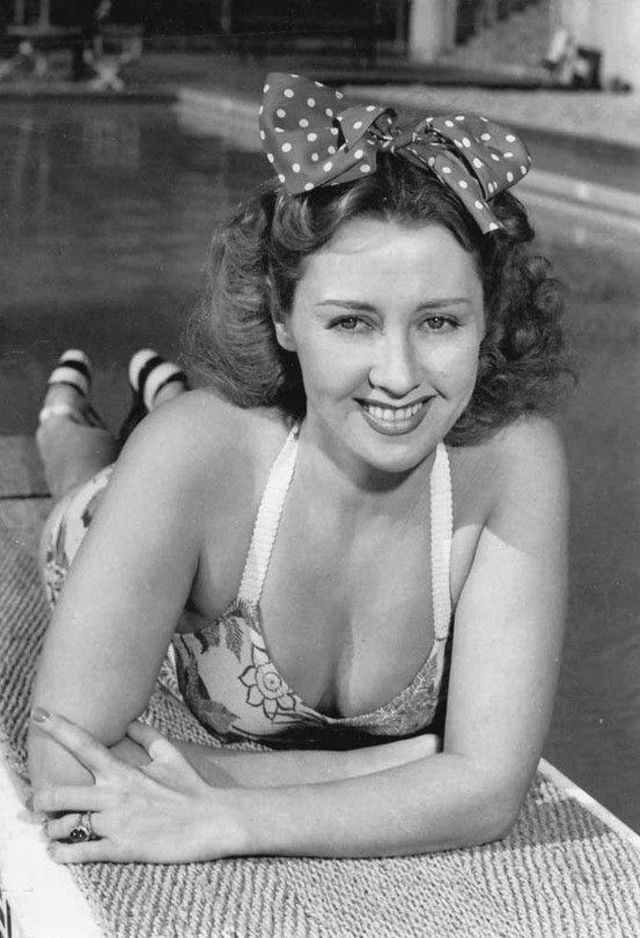
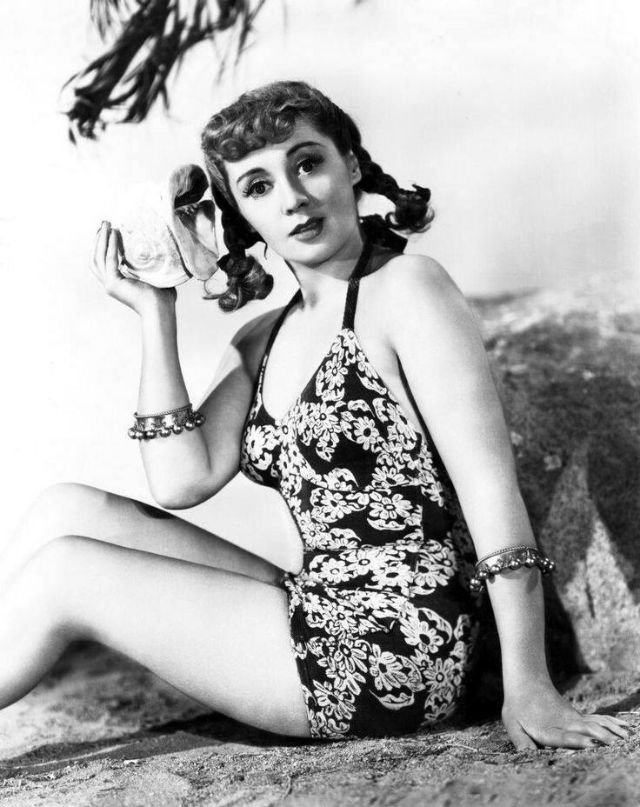
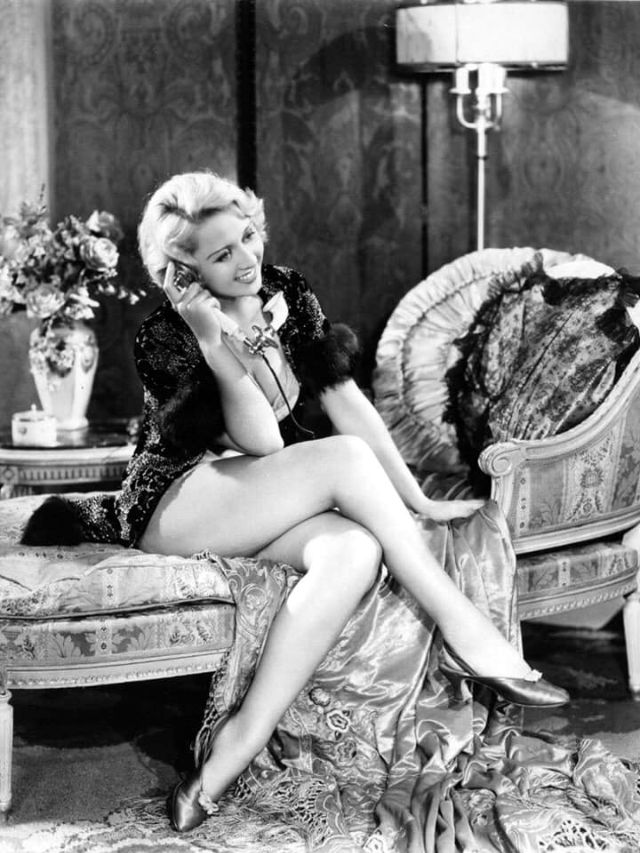
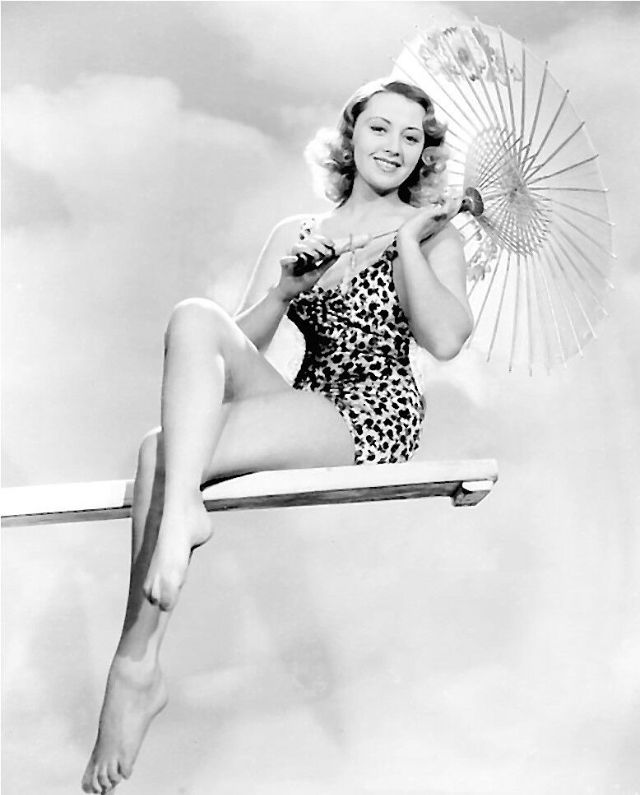
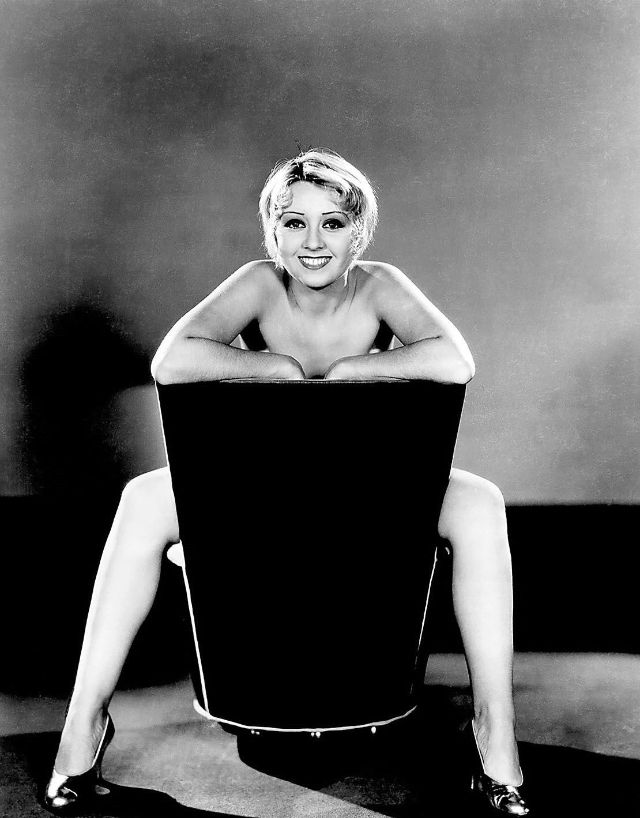
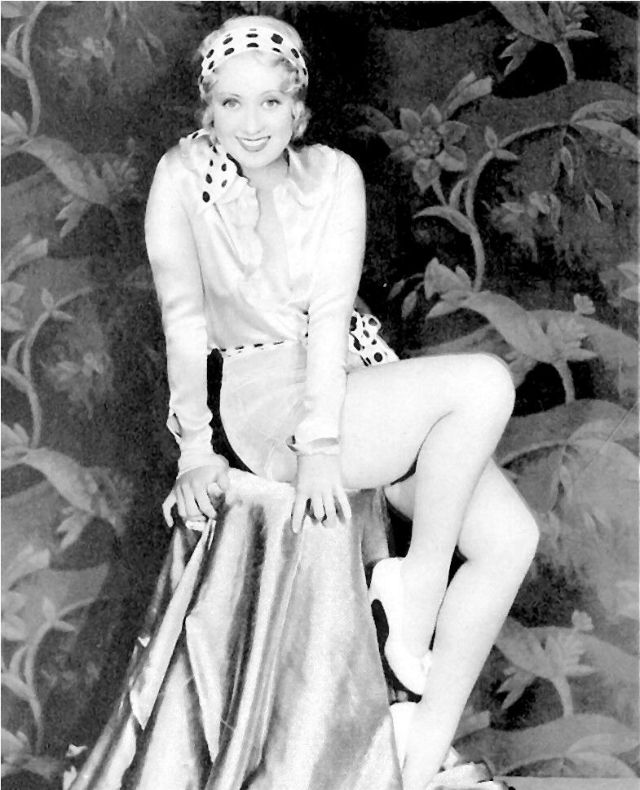
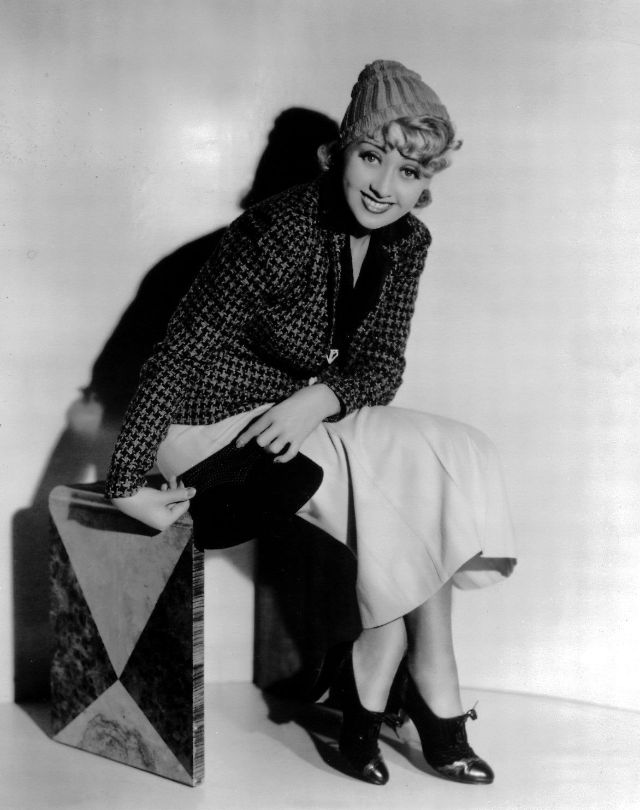
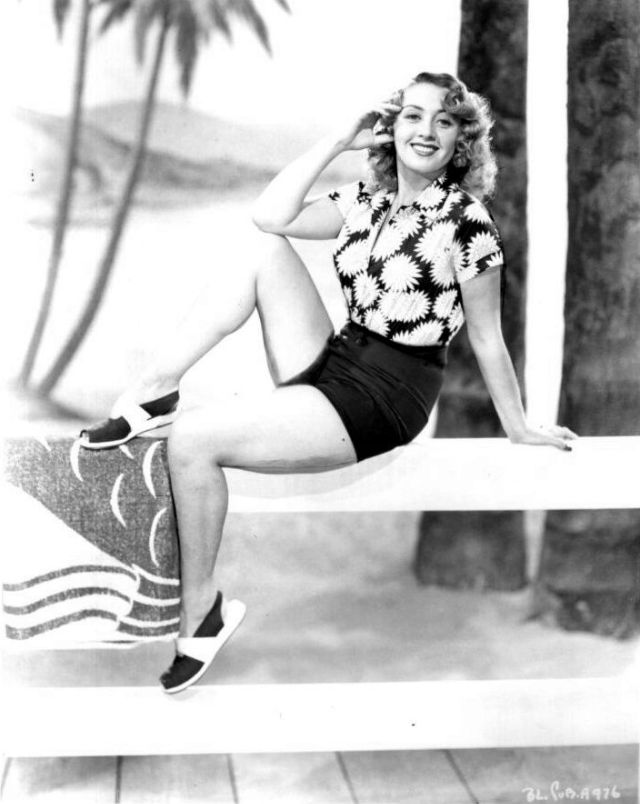
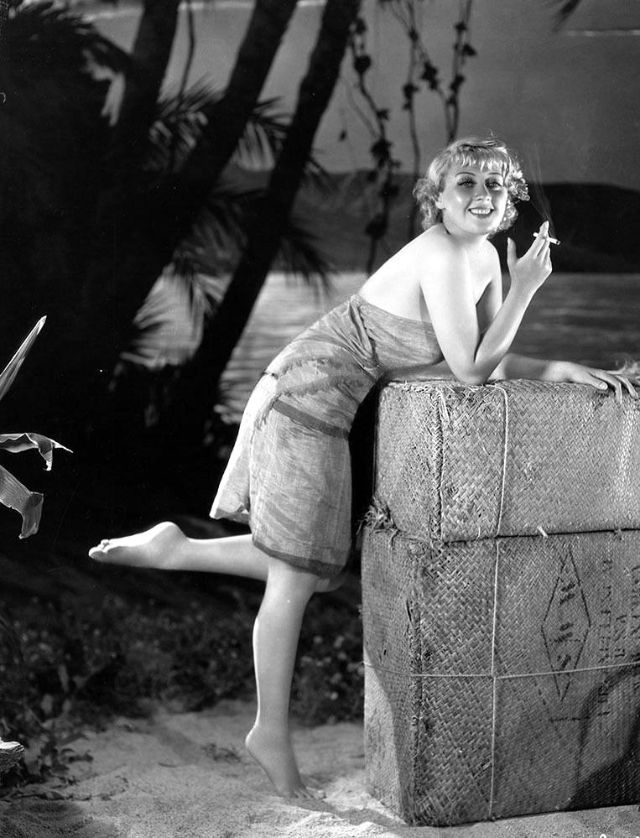
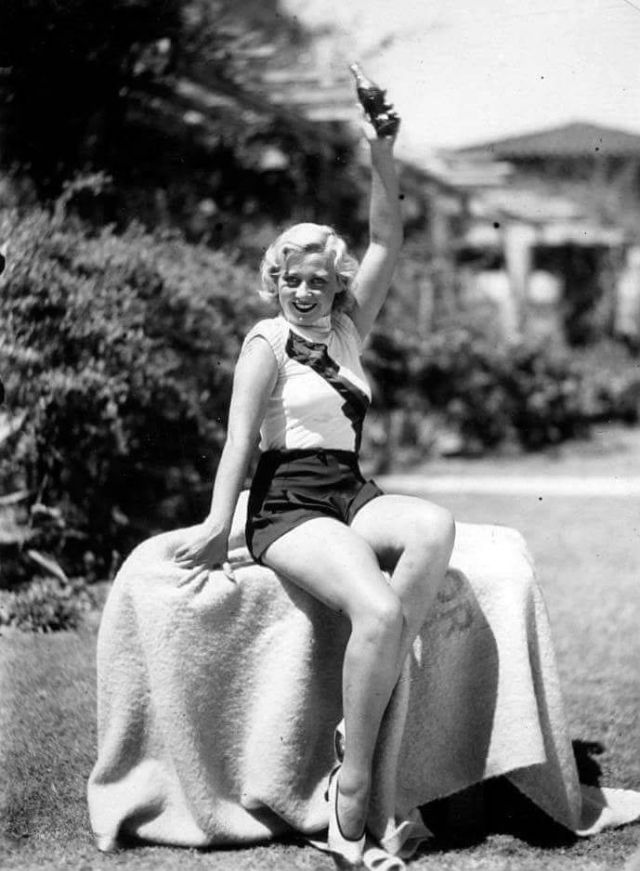
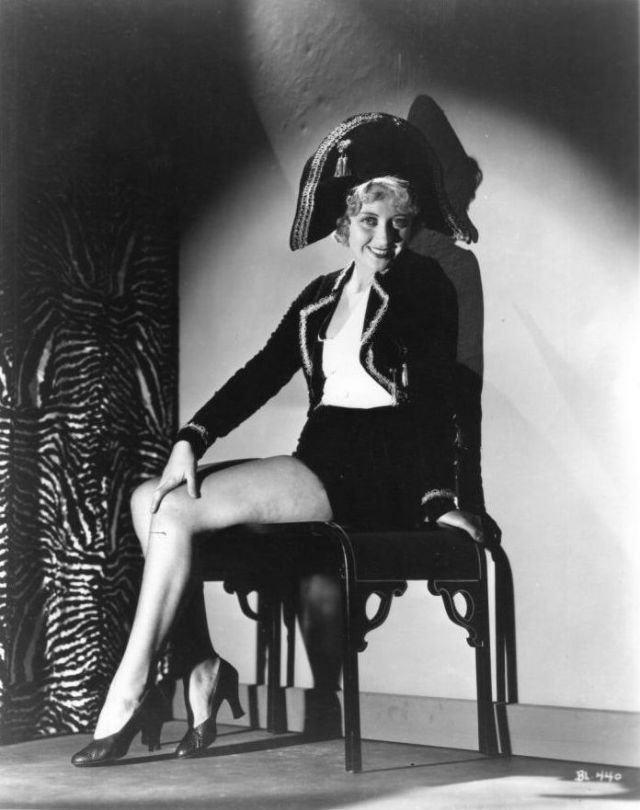
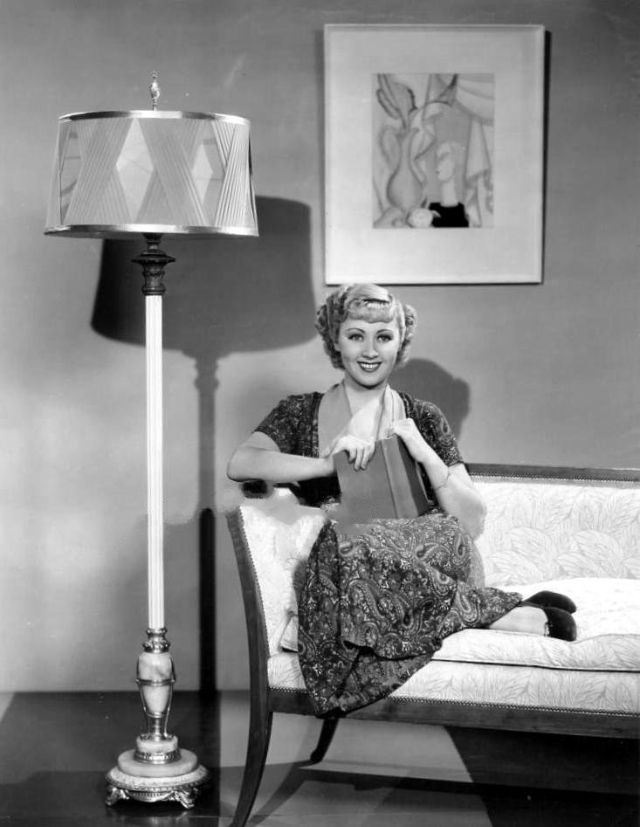
Few actresses, save maybe Miriam Hopkins or Kay Francis, are more closely associated with the era of pre-Code Hollywood than playful but tough-as-nails Joan Blondell.
She was born Rose Joan Blondell in New York City in 1906. Joan was part of a vaudeville family and spent most of her young life traversing the country and around the world. She placed fourth in the Miss America contest in 1926, and soon embarked on a Broadway career.
In 1930 she joined the play Penny Arcade, costarring with James Cagney. It had a short run, but actor Al Jolson bought the rights to the play and sold them to Warner Brothers with the explicit guarantee that they would bring Cagney and Blondell across the country to reprise their roles.
Filmed as Sinner’s Holiday, the movie didn’t leave much of an impression. However, Blondell’s wiseacre attitude and hardworking sensibility soon made her the most popular actress on the Warner’s lot. She was one of the studio’s leading ladies, playing opposite of the likes of Cagney, William Powell, Lyle Talbot, and Warren William.
Several films, such as Havana Widows, teamed her up with comedienne Glenda Farrell, and she was also a favorite in the musicals of Busby Berkeley, where her performance of “Remember My Forgotten Man” is one of the most well-remembered numbers of the era.
She’d made nearly 40 films by the end of the pre-Code era, and continued to work at Warner Brothers through the end of the decade. Blondell had a long career in Hollywood, transitioning into character roles as newer starlets pushed her further from the limelight. These ranged from the noteworthy– like the wonderful A Tree Grows in Brooklyn– to the inexplicable– like Elvis’ Stay Away Joe or legendary disaster The Phynx.
She got a Best Actress Academy Award in 1951 for The Blue Veil and continued to work steadily into the late 1970s. She made one last bow in 1978’s Grease before passing away from leukemia in 1979.


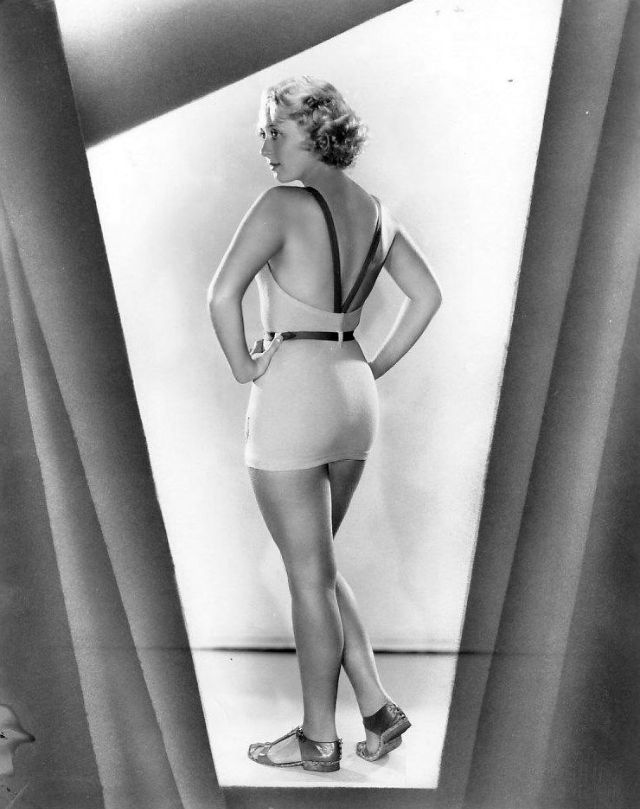
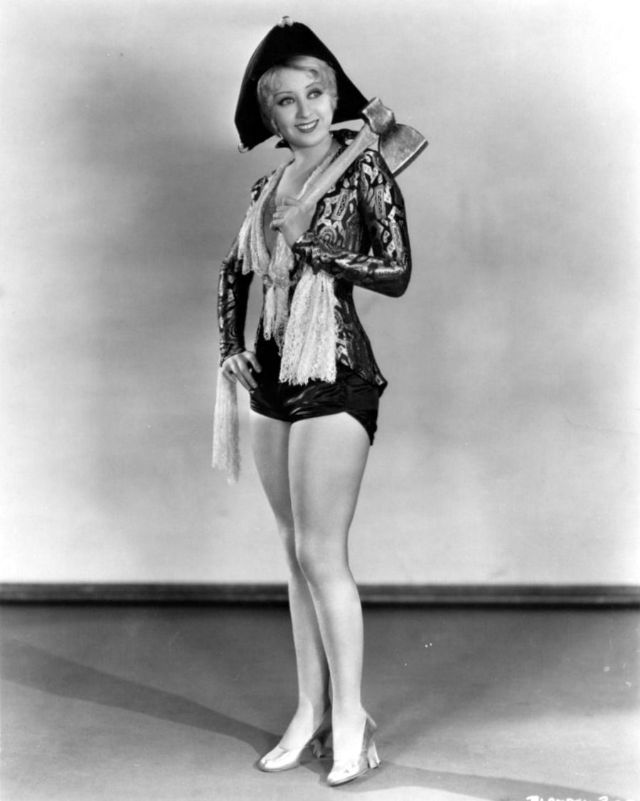
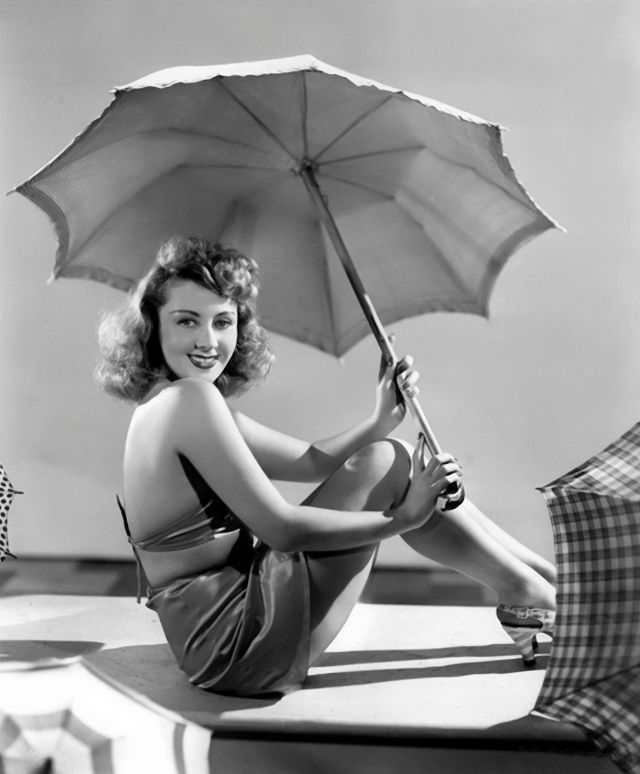


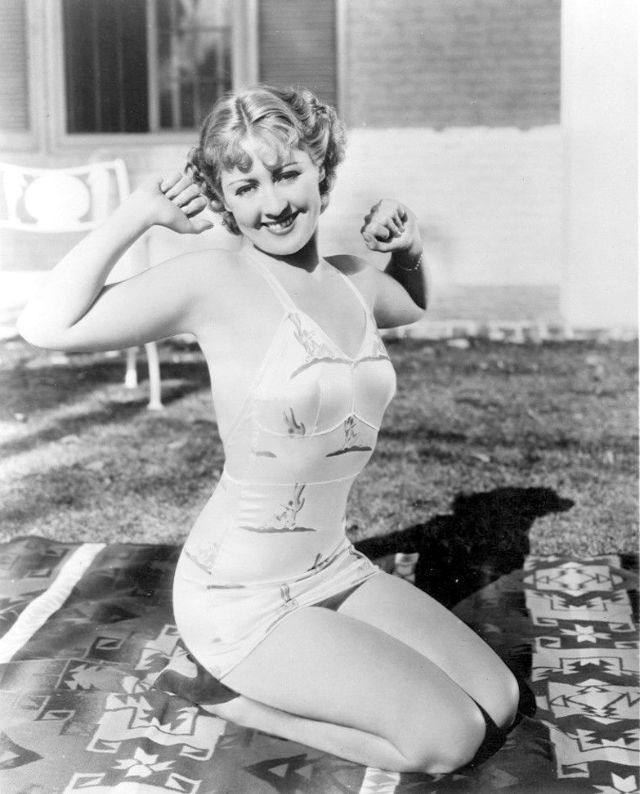














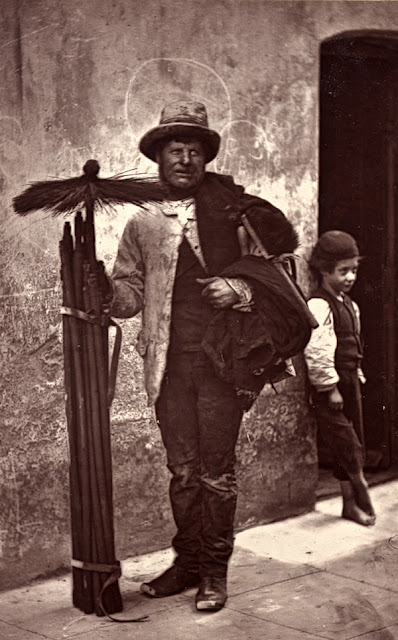
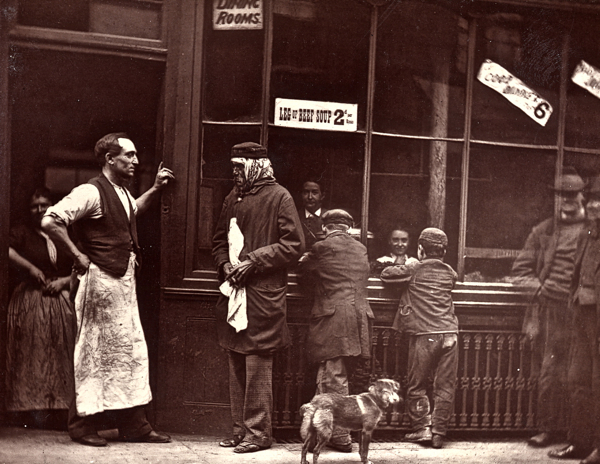
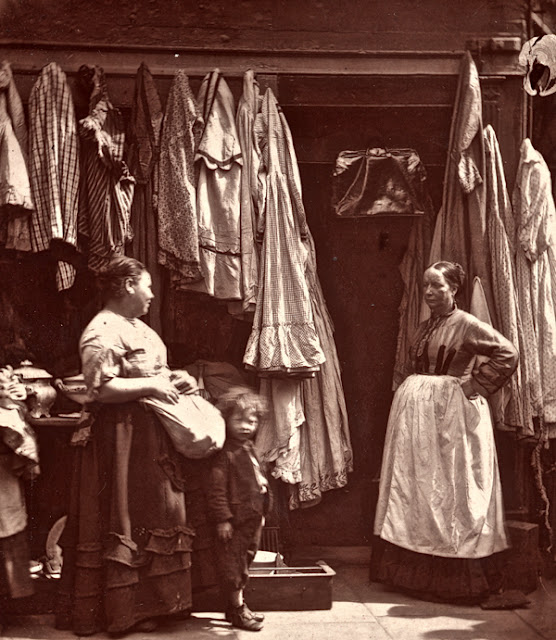
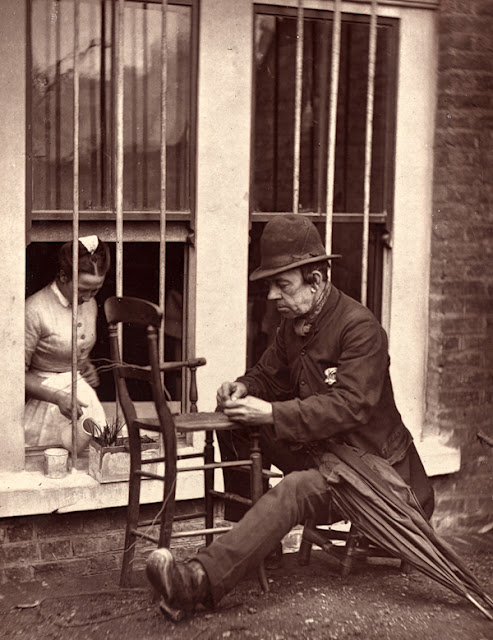
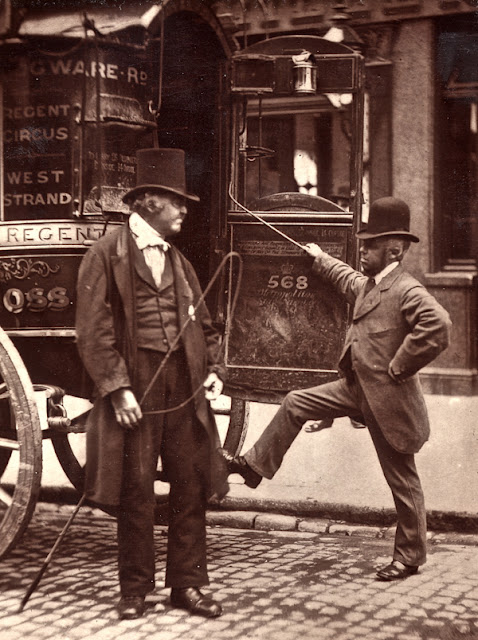
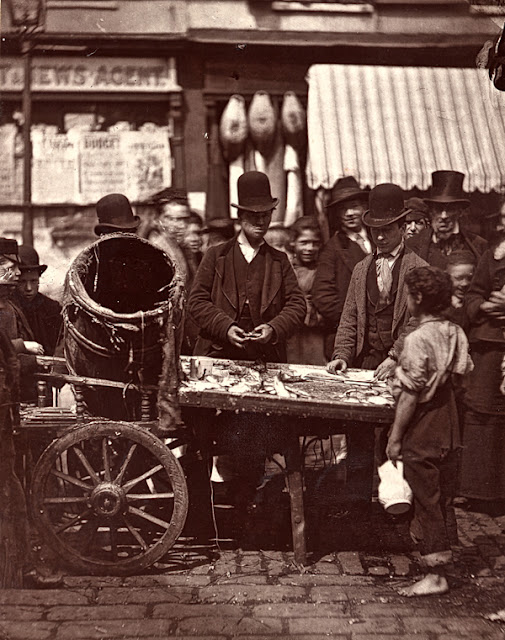
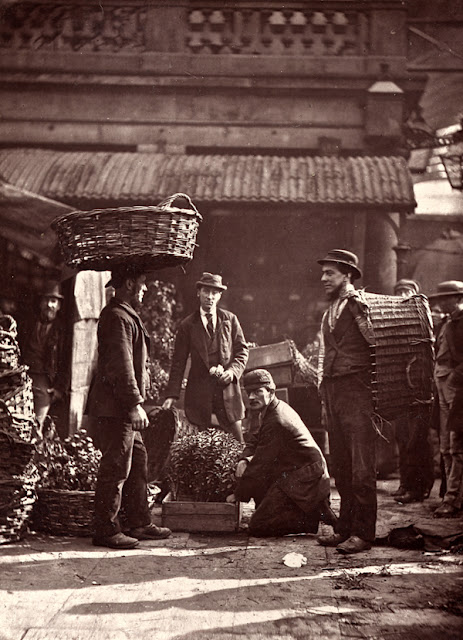
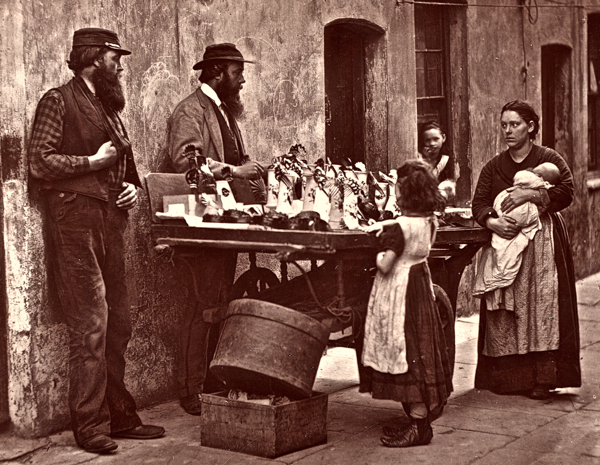
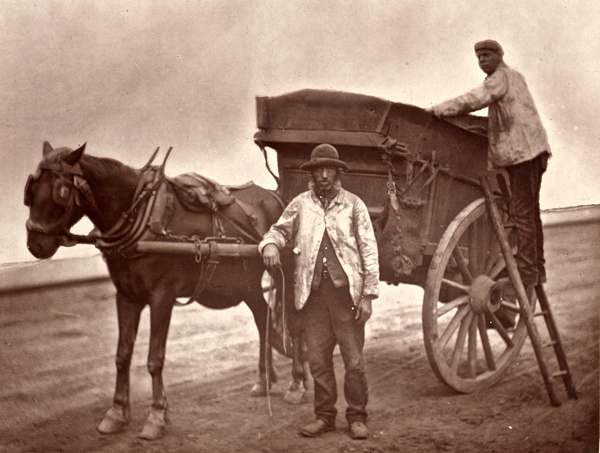
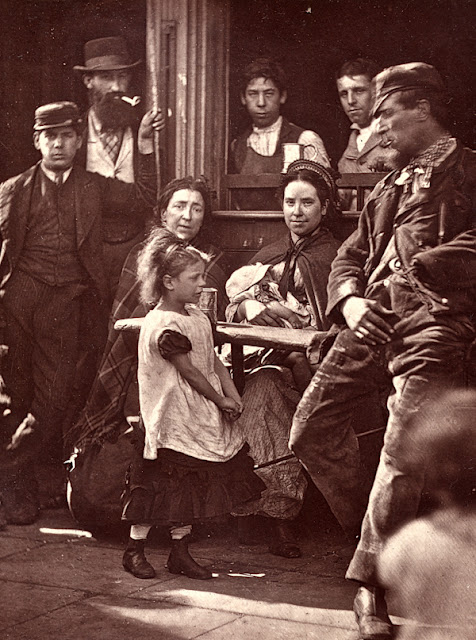
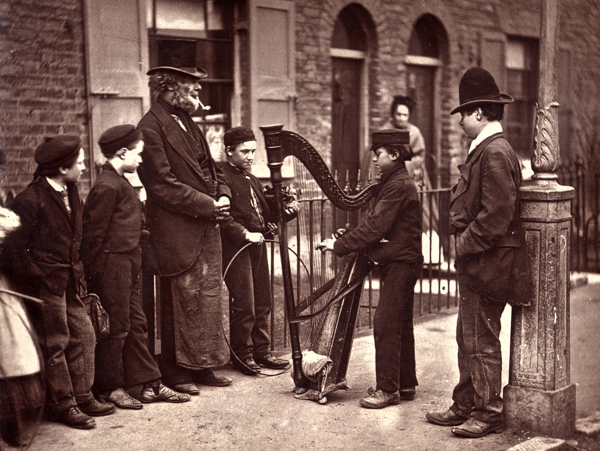
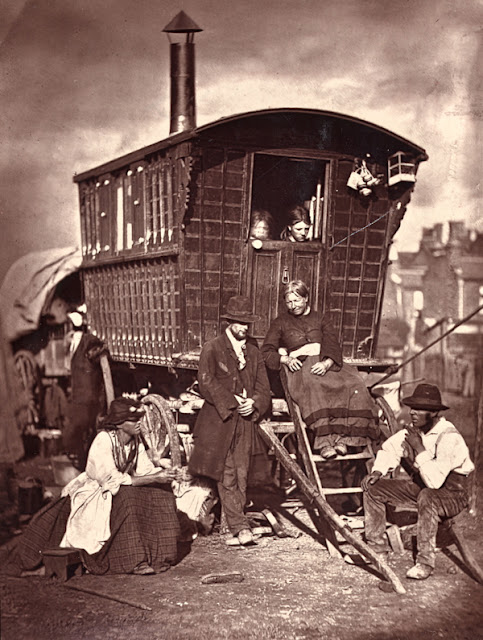
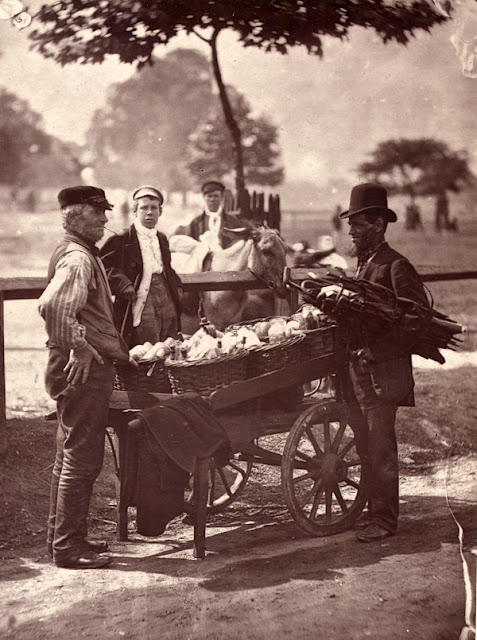
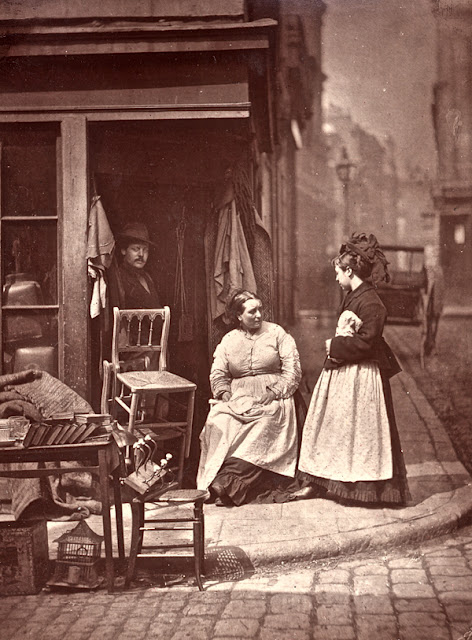
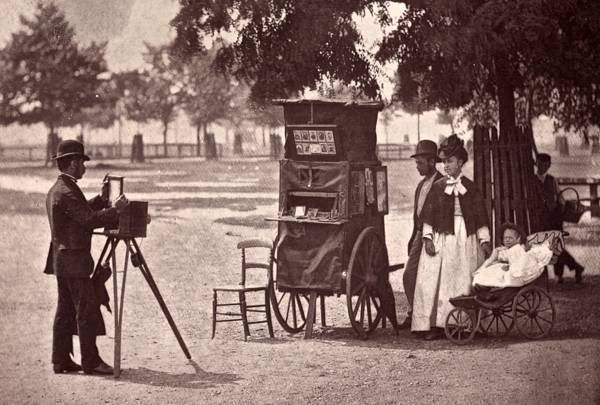
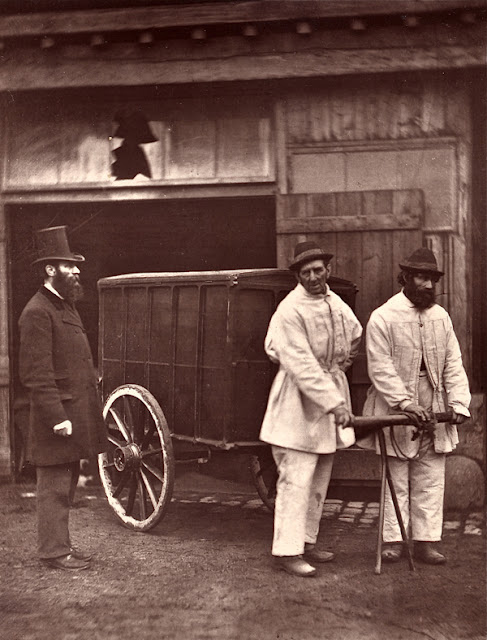
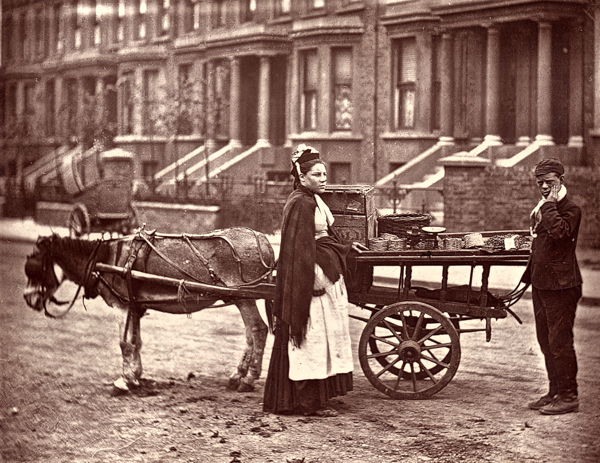
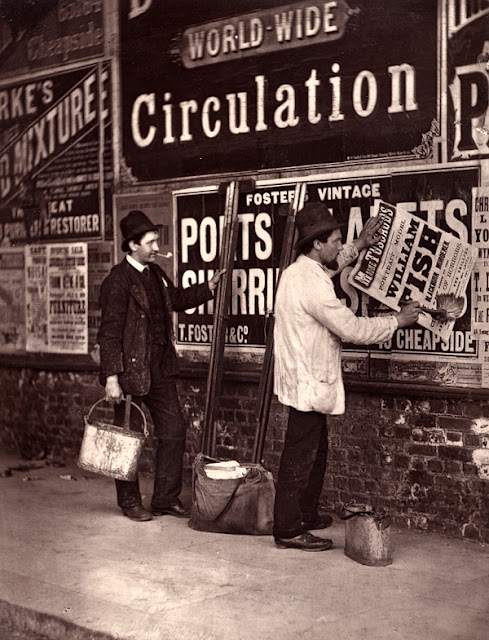
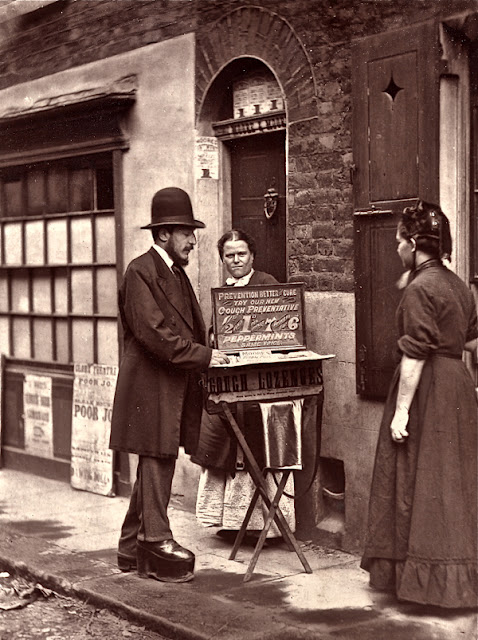
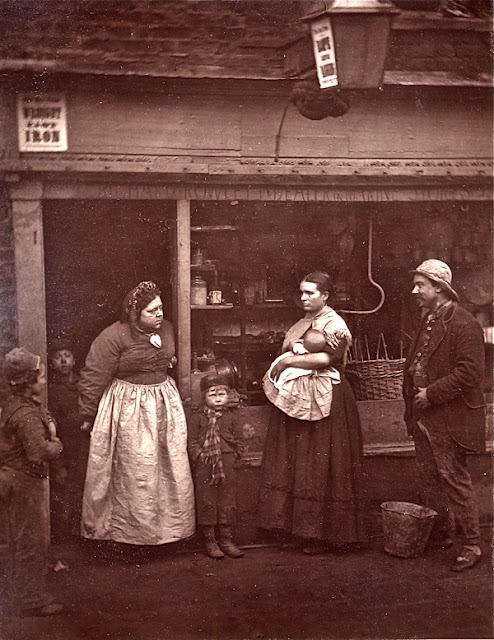
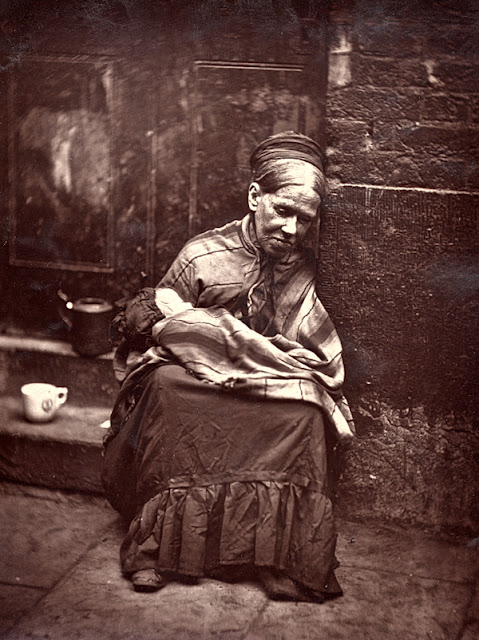
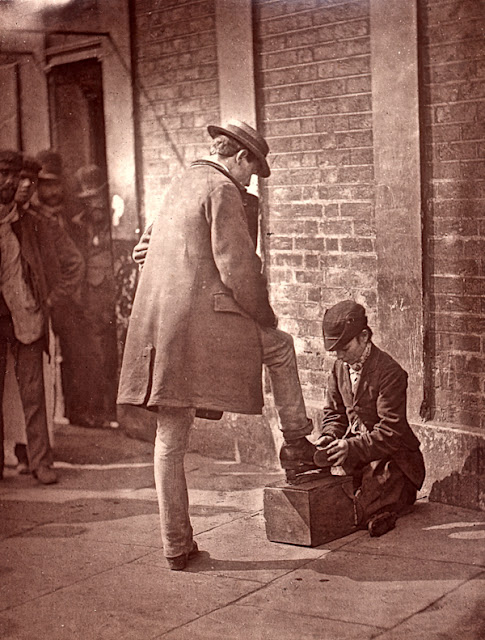
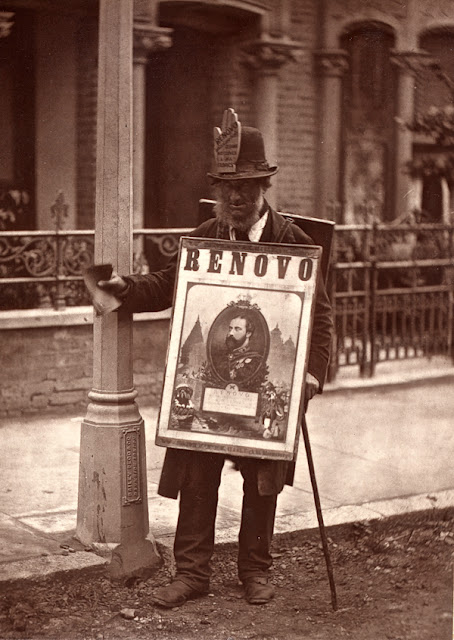
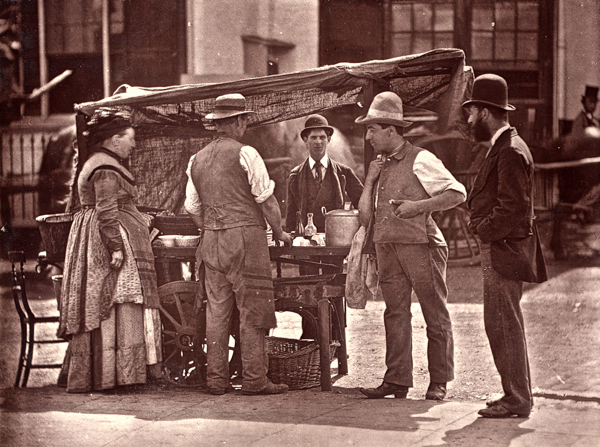
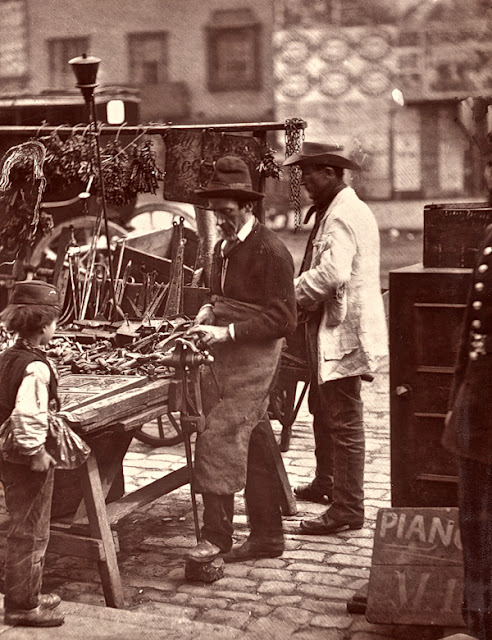
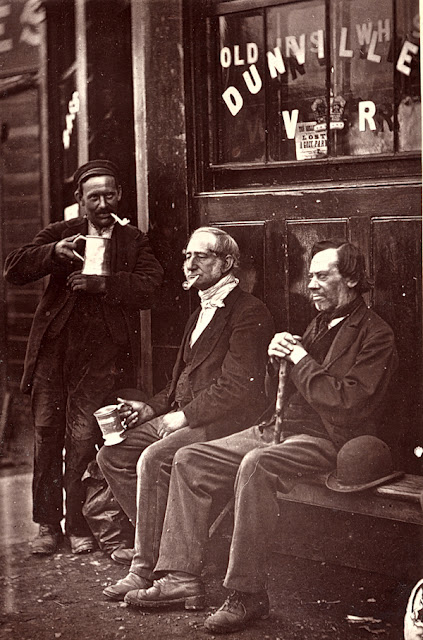
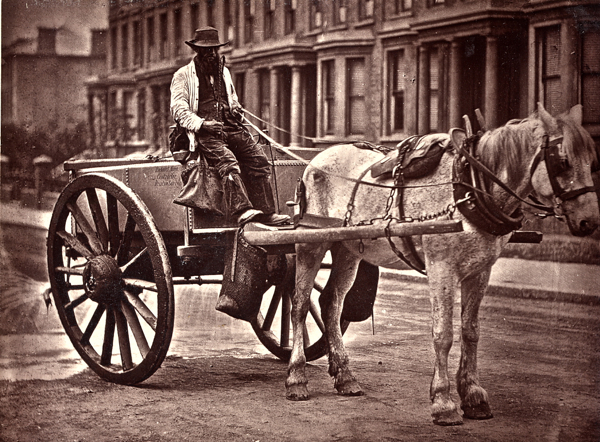
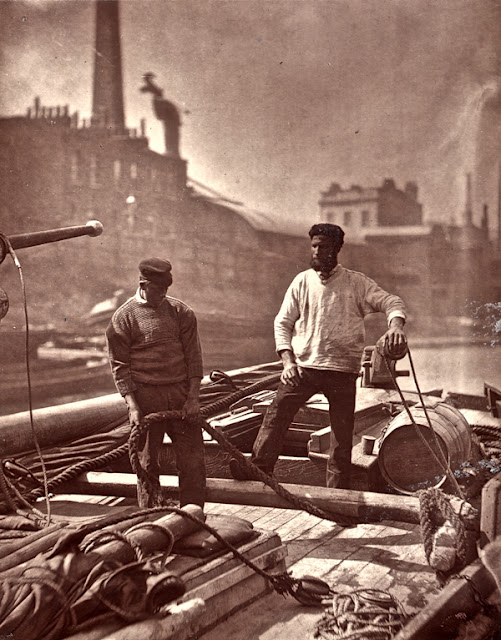
(Photos by John Thomson (1837–1921))
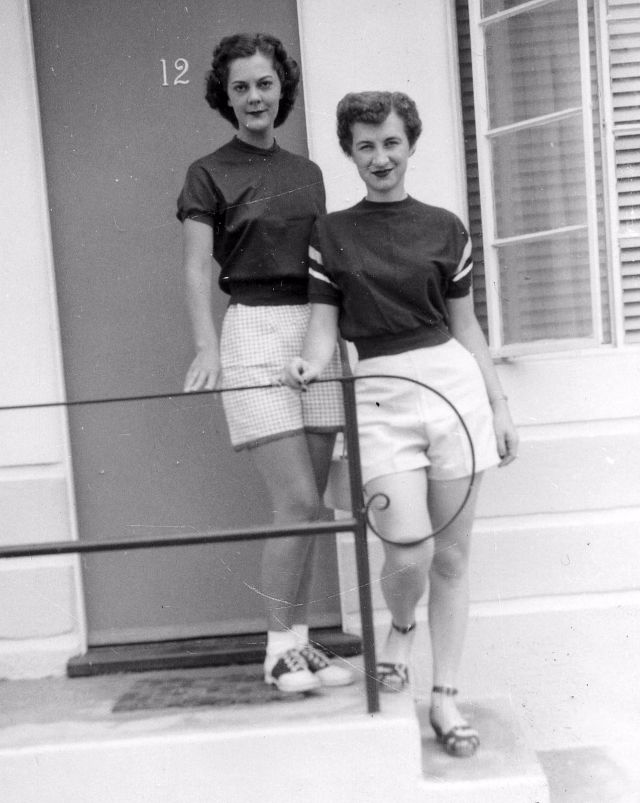
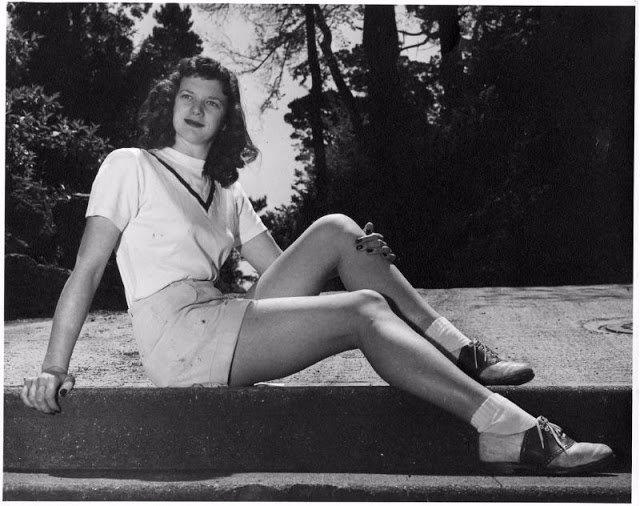
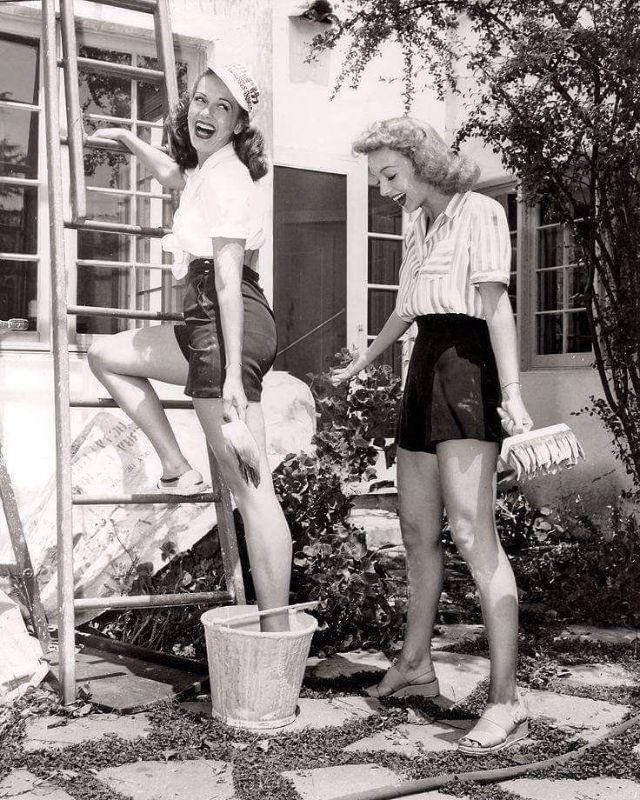
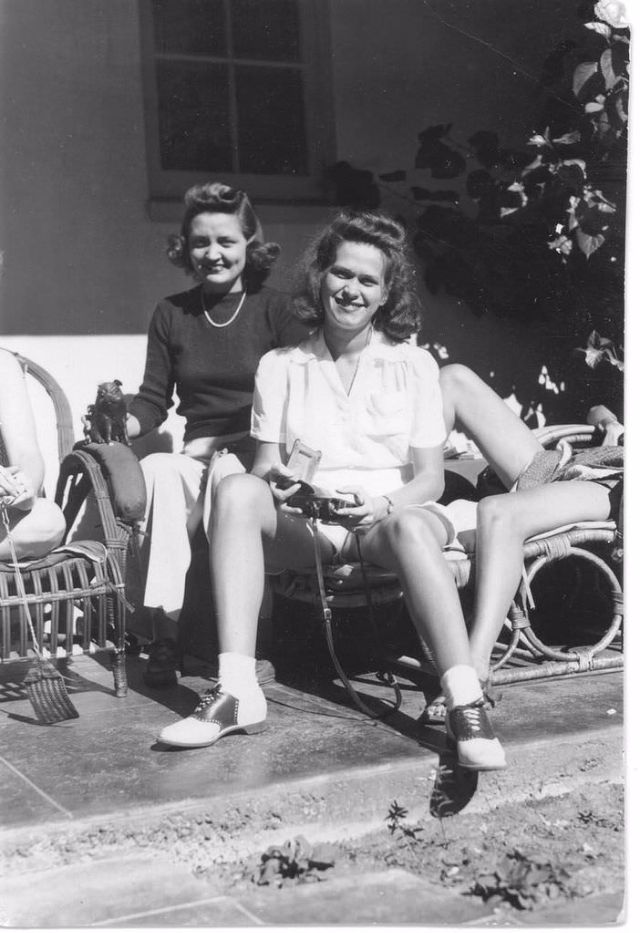
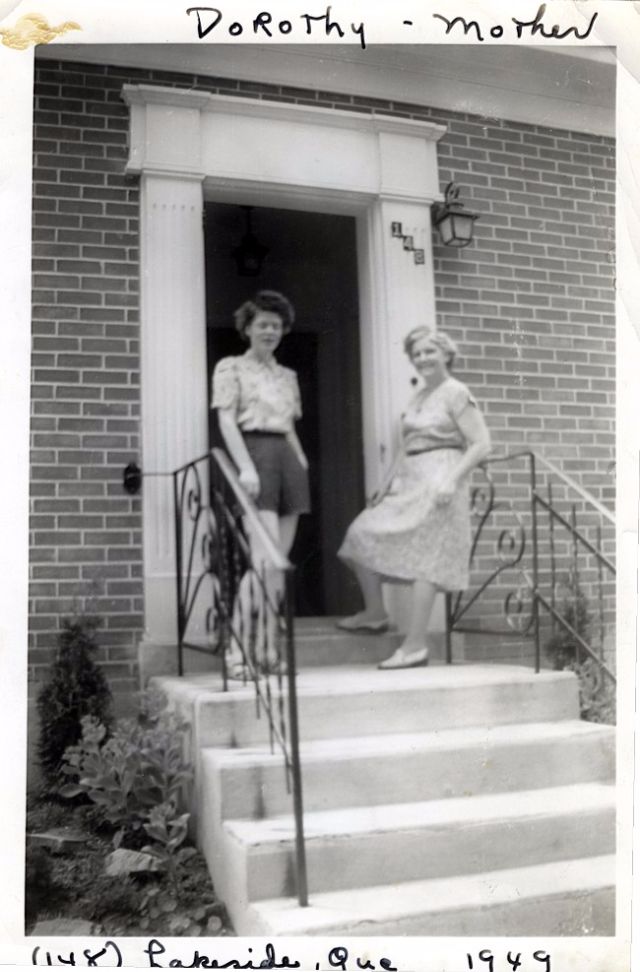
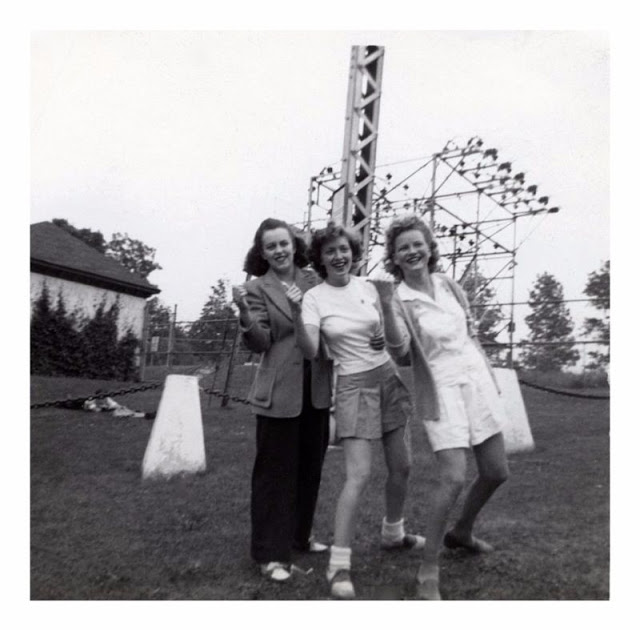
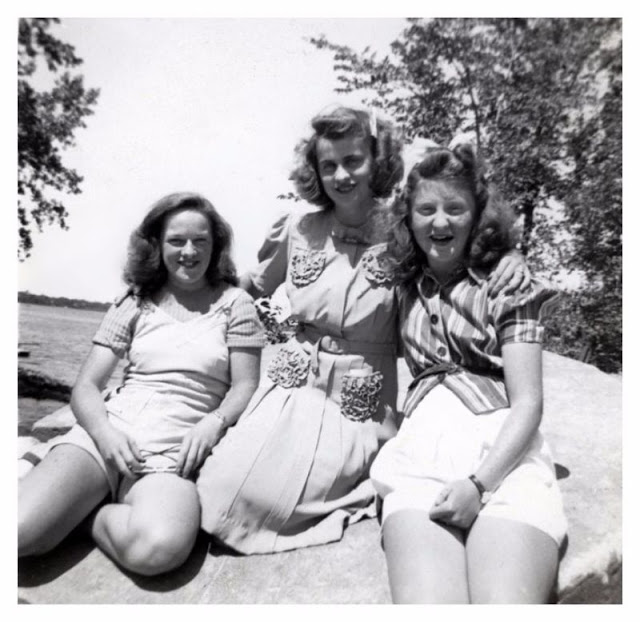
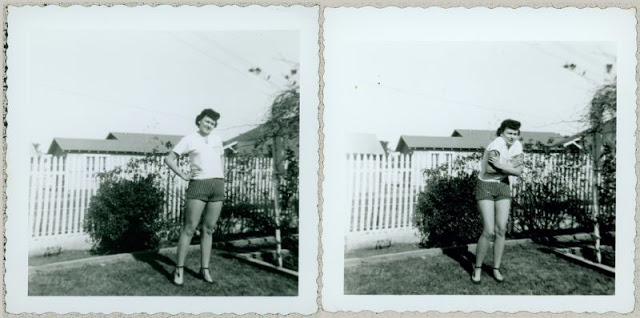
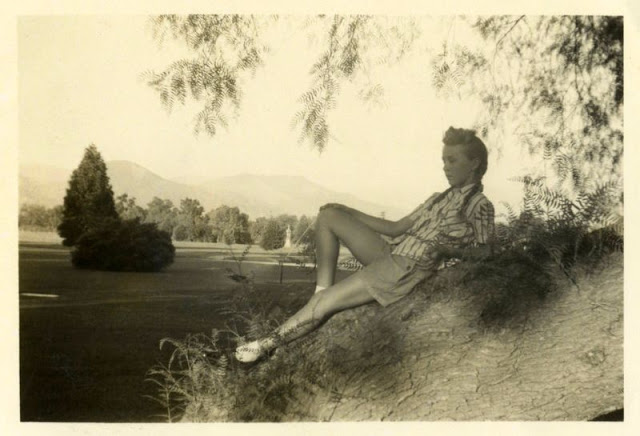
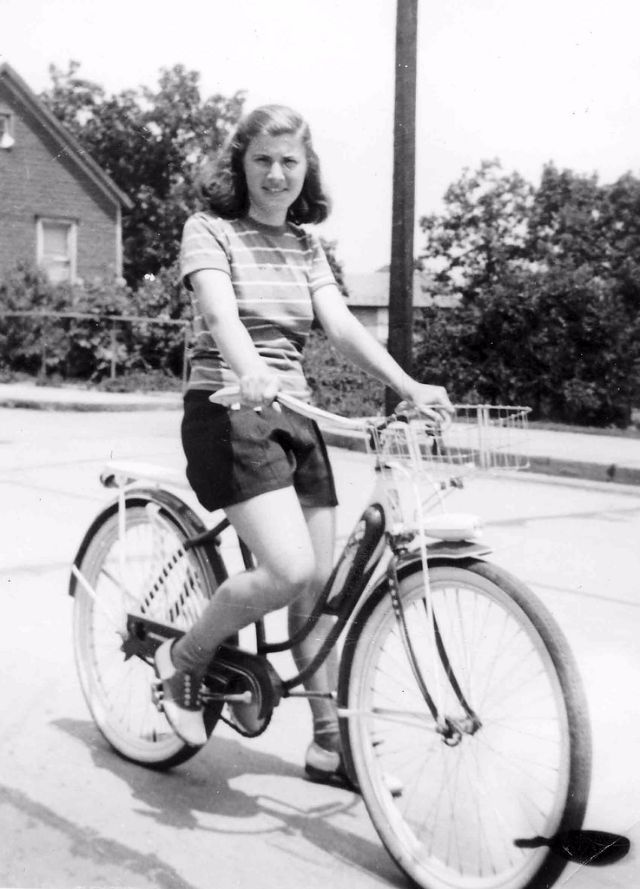
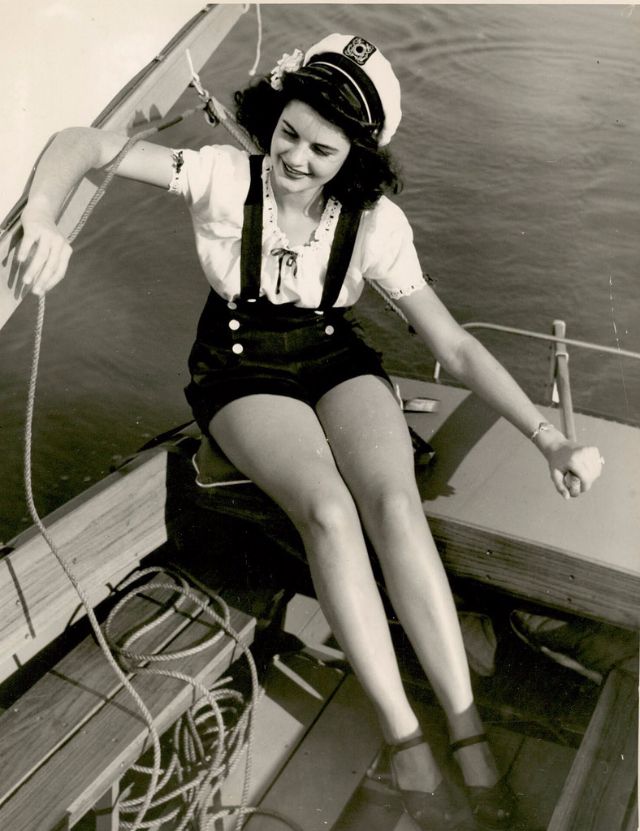
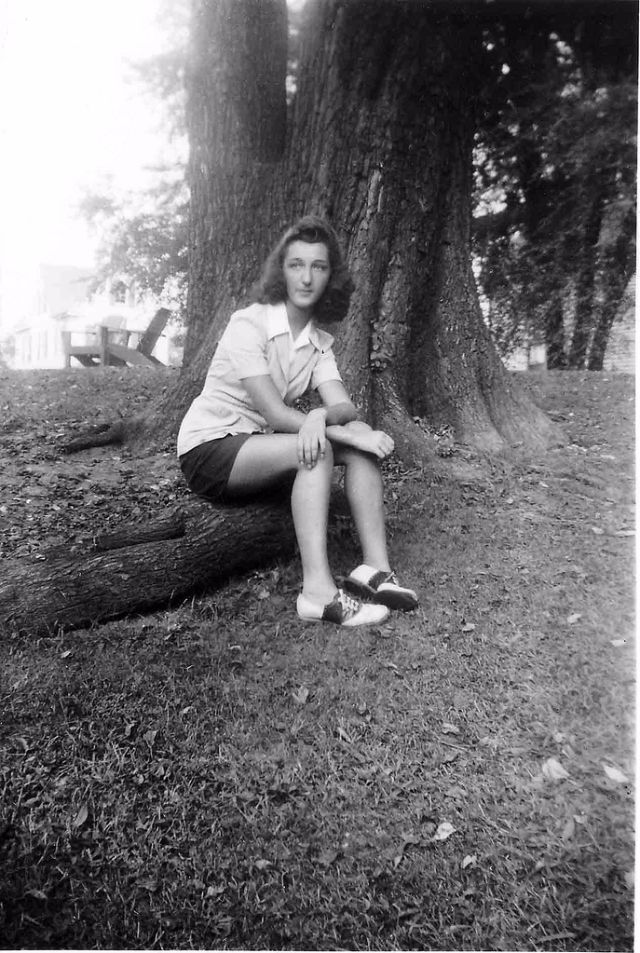
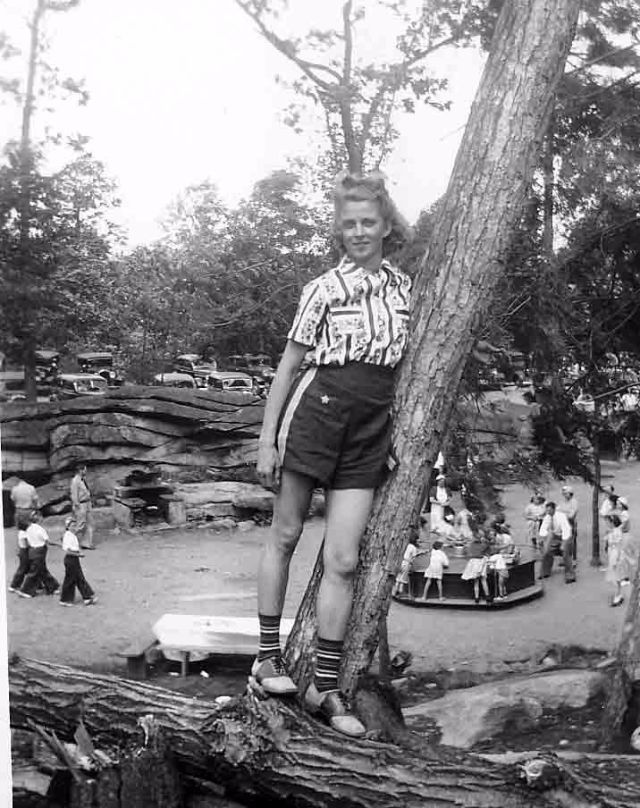
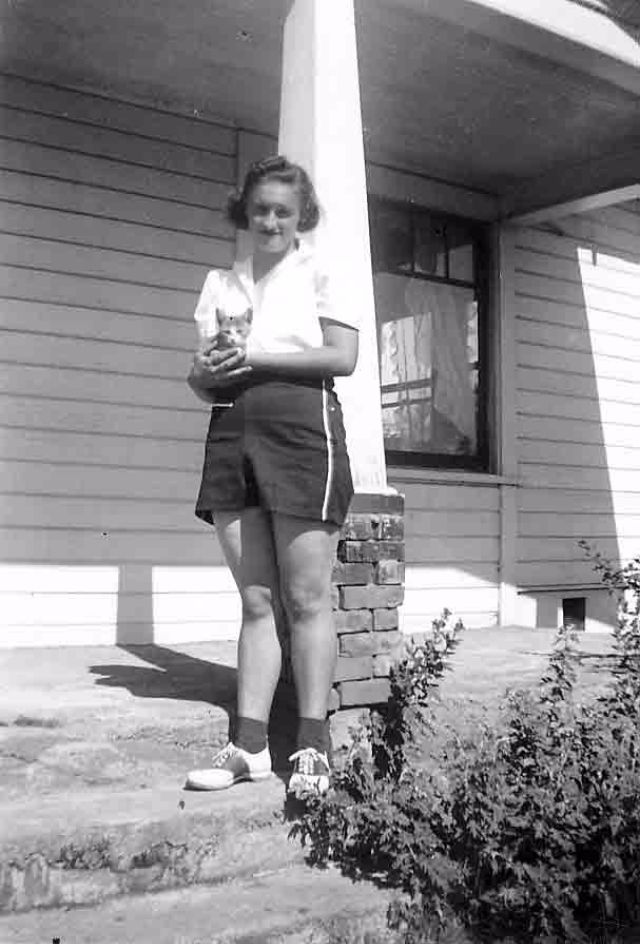
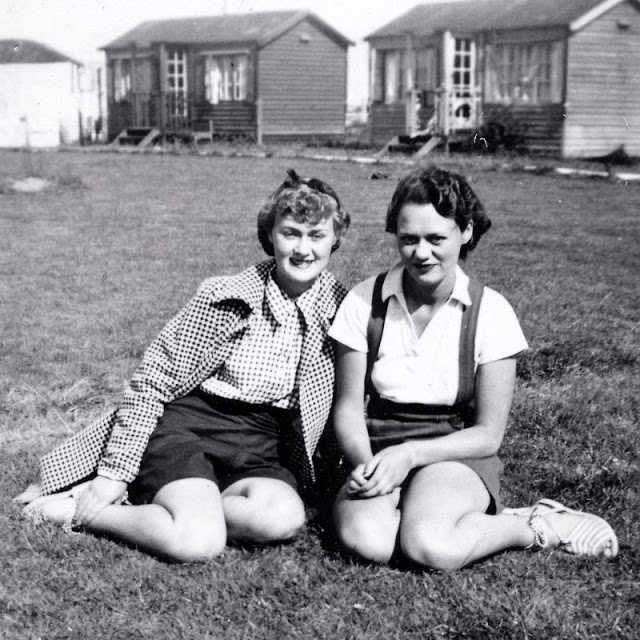
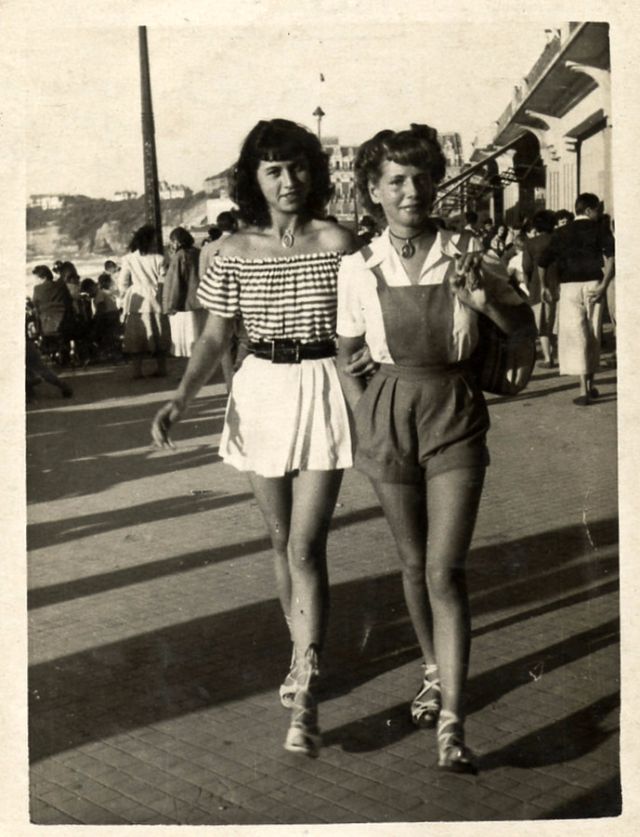
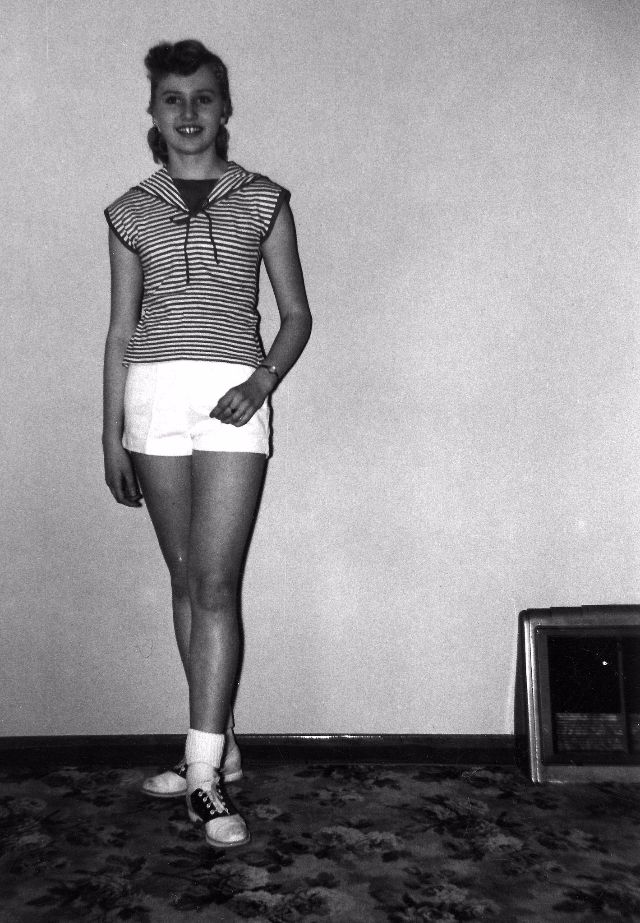
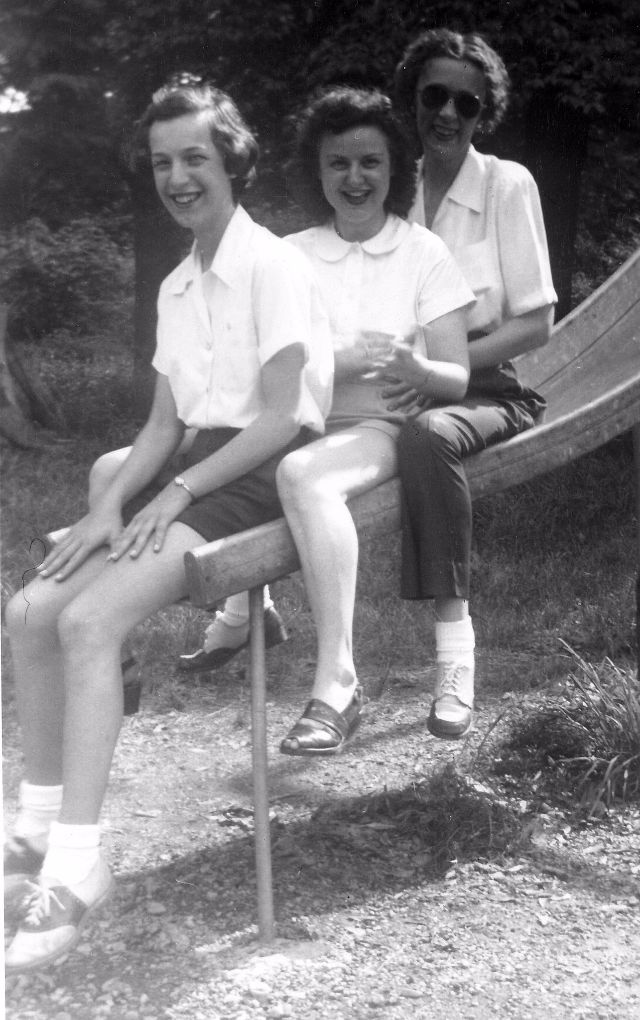
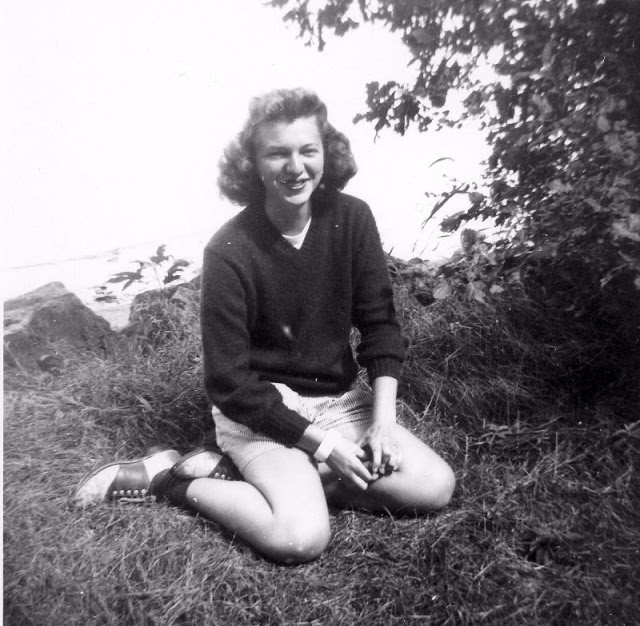
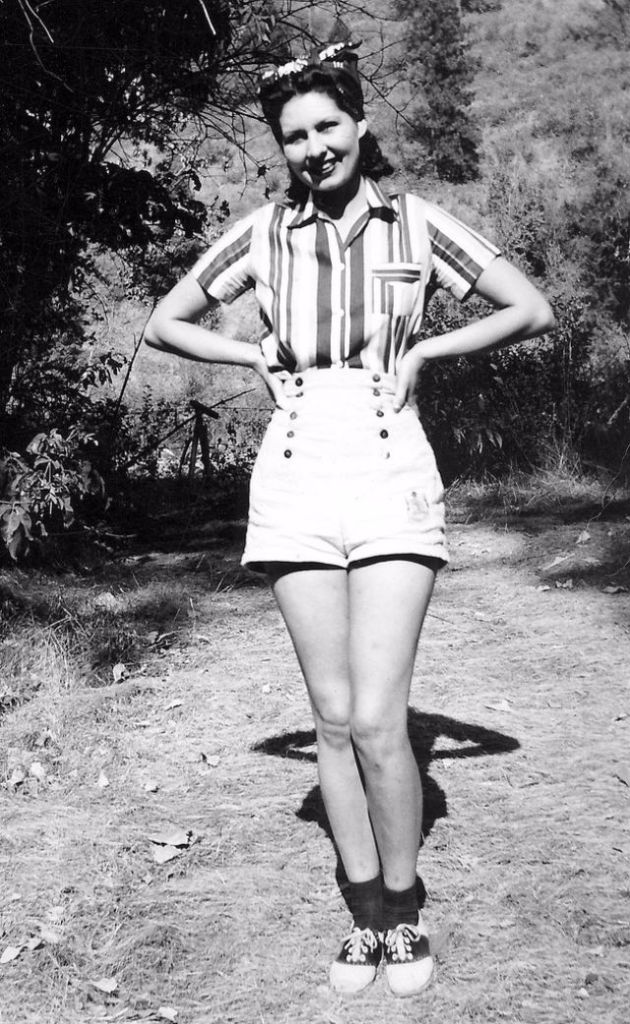
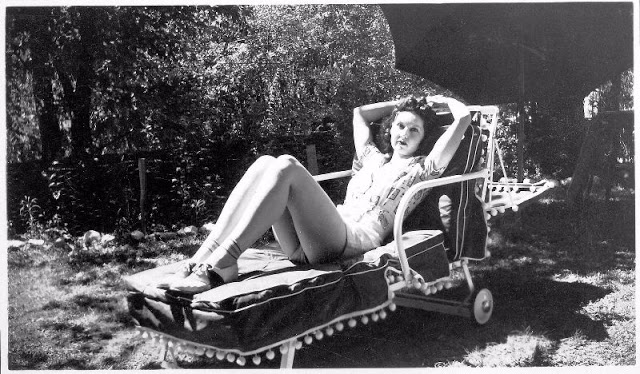
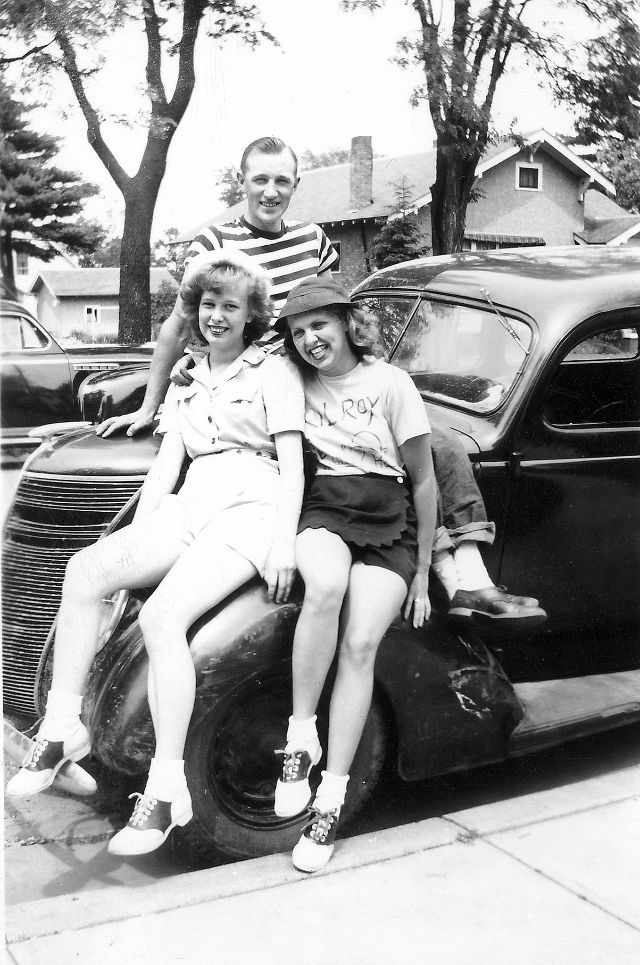
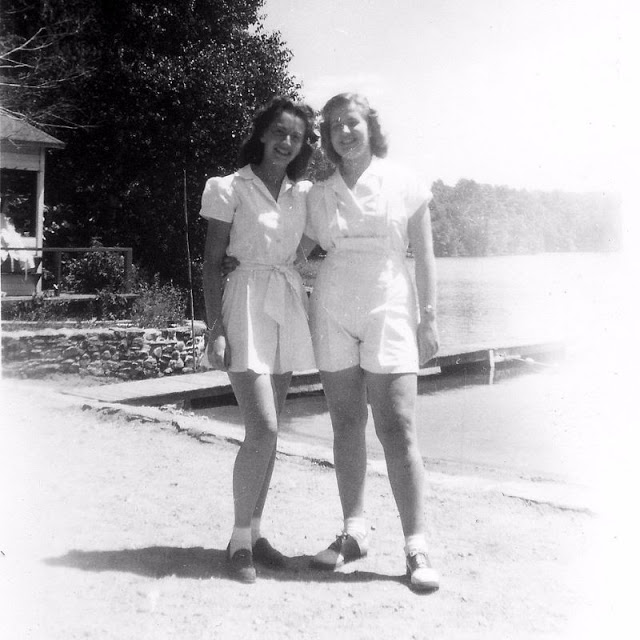
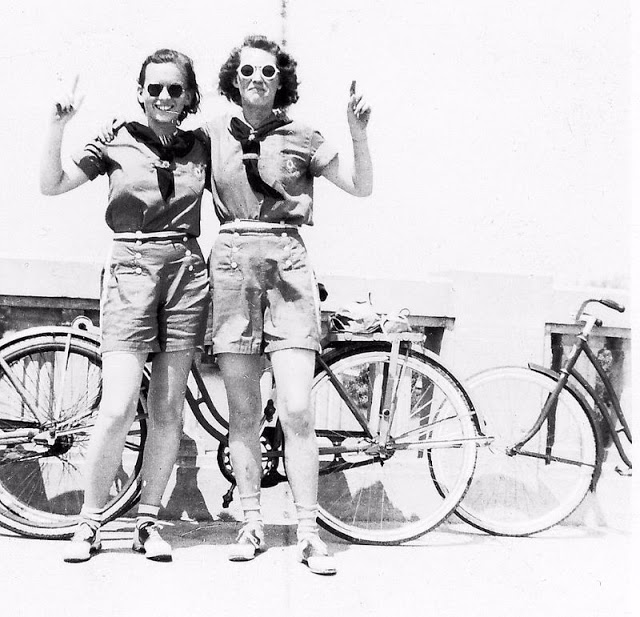
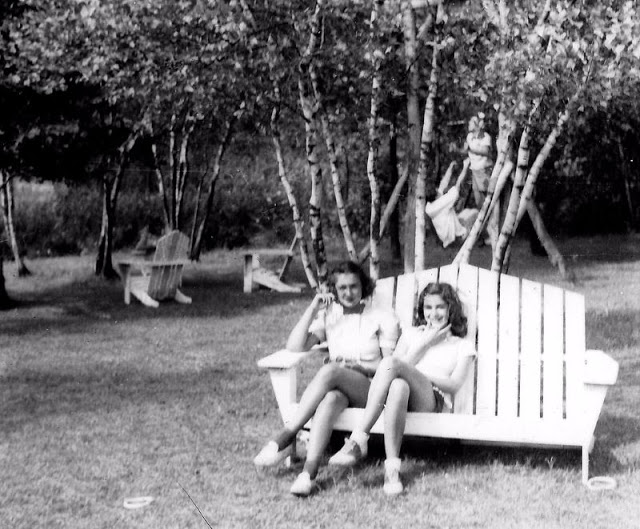
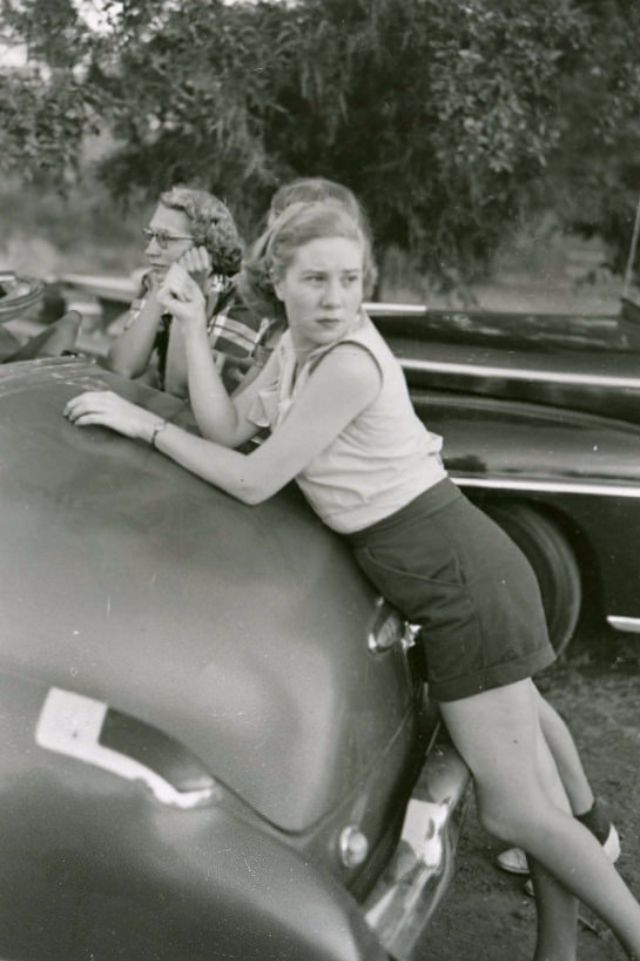
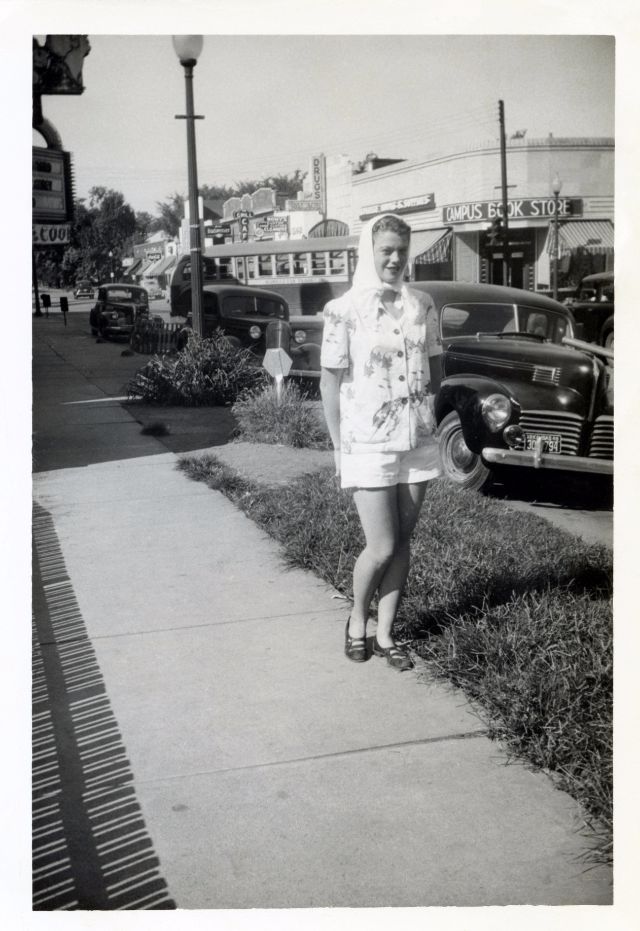
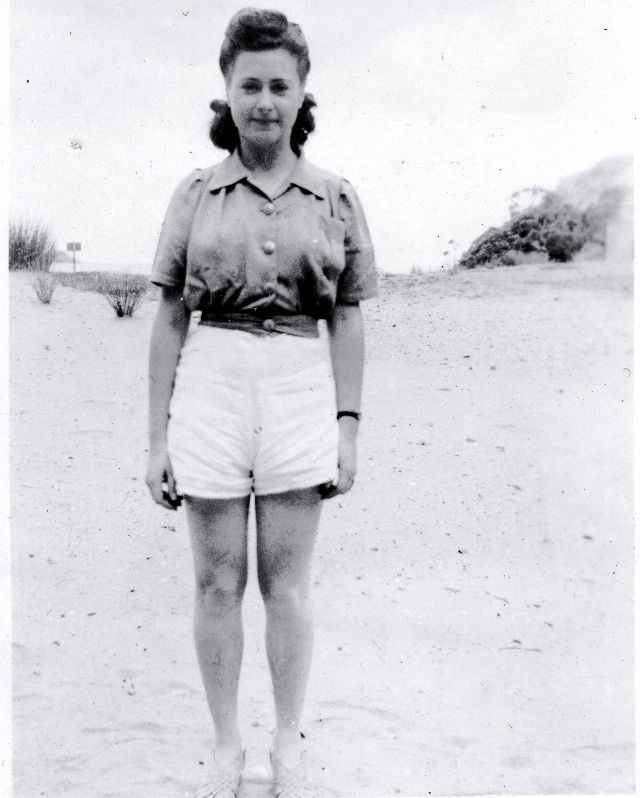
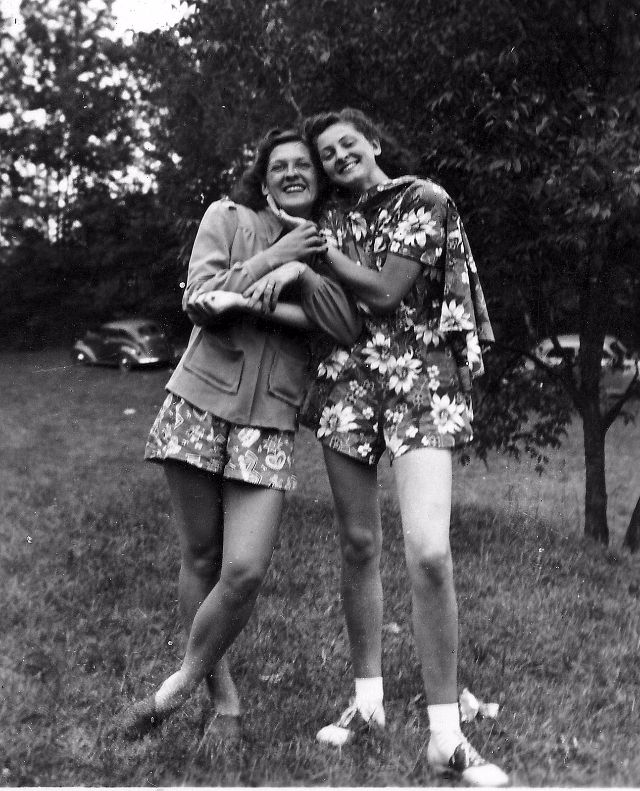
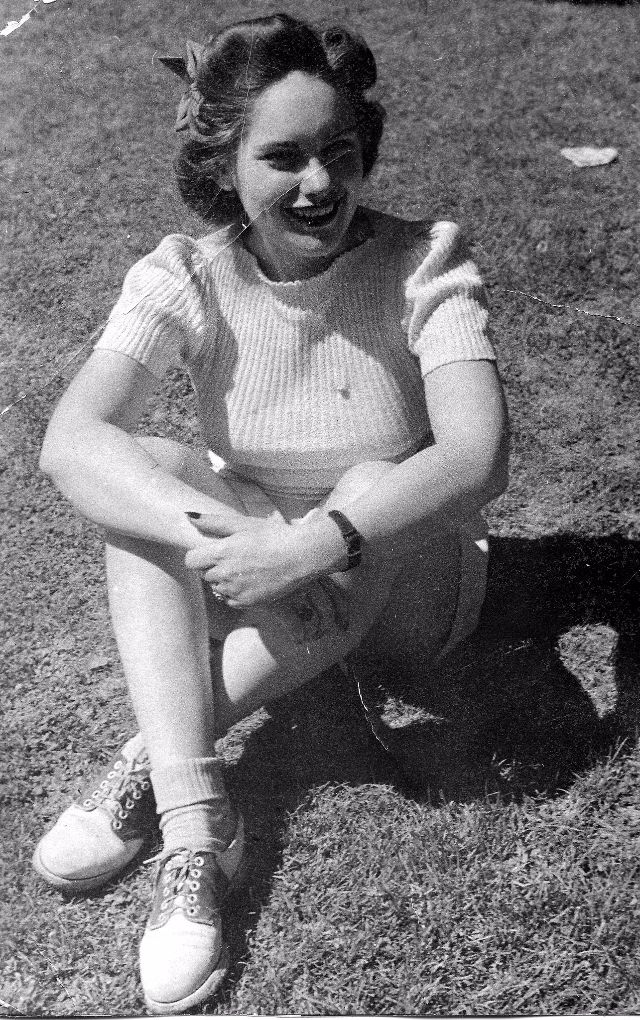
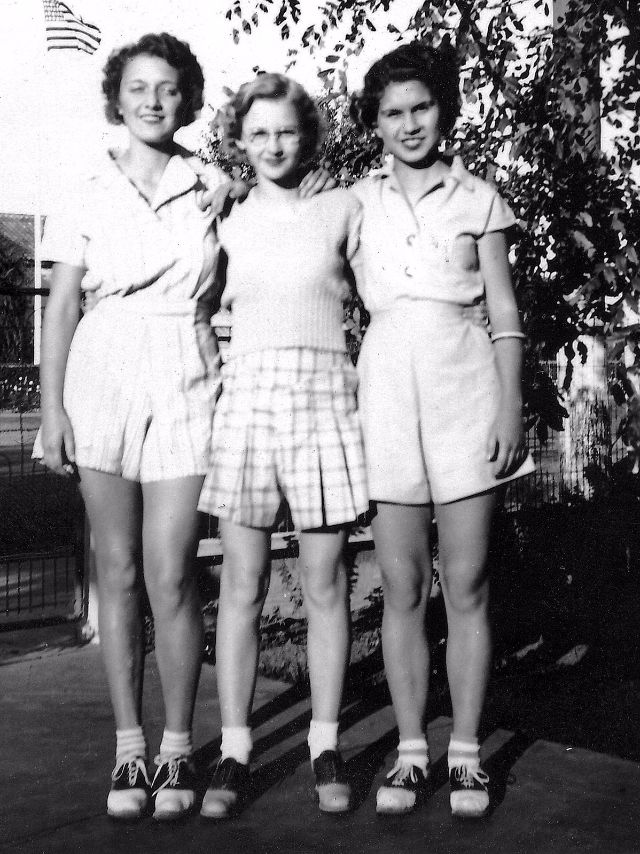
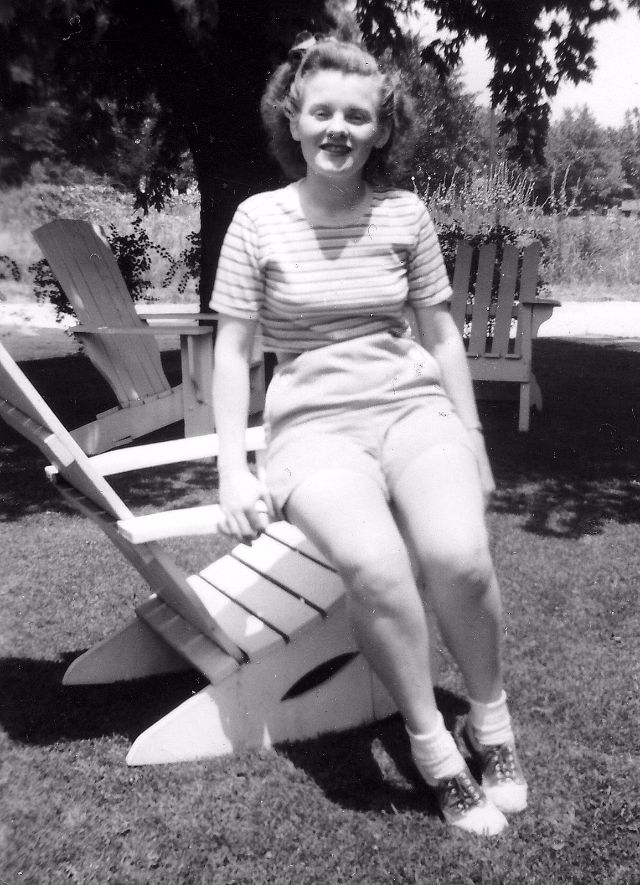
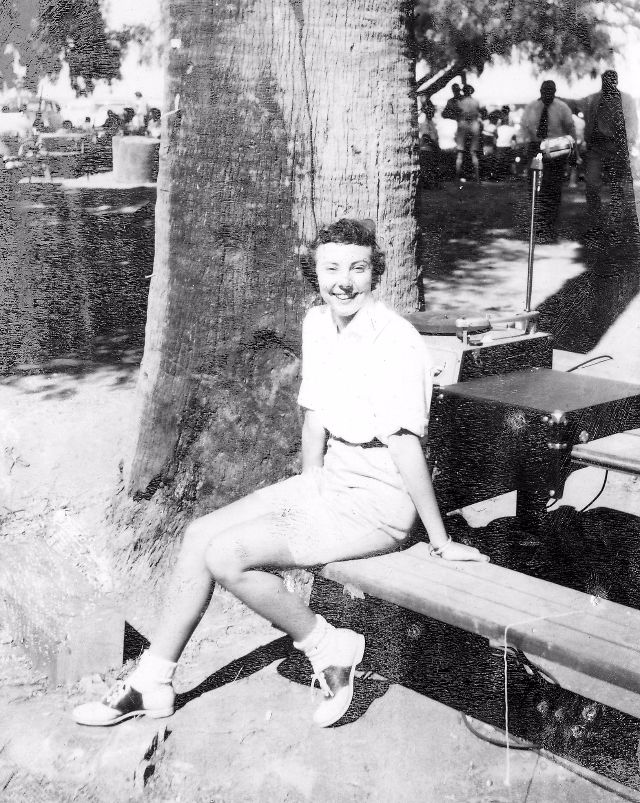
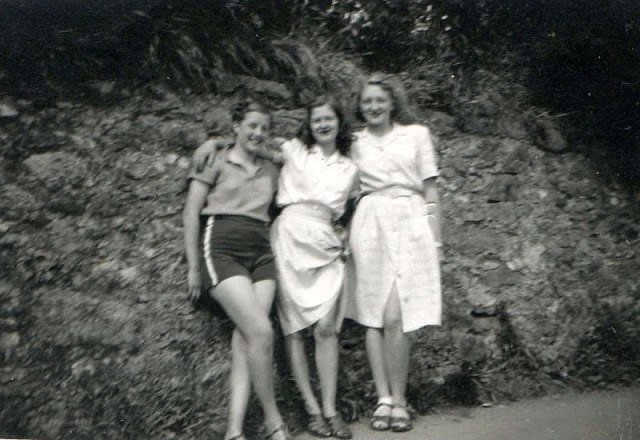
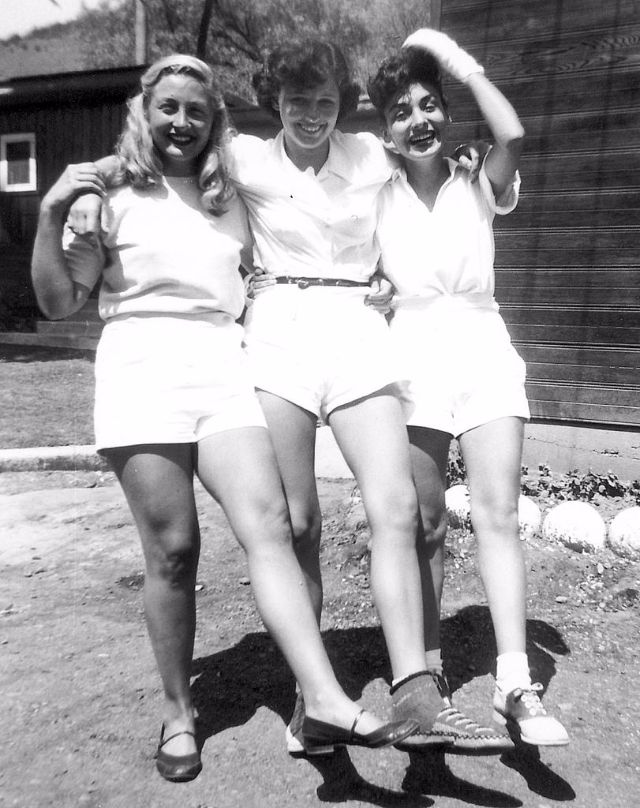
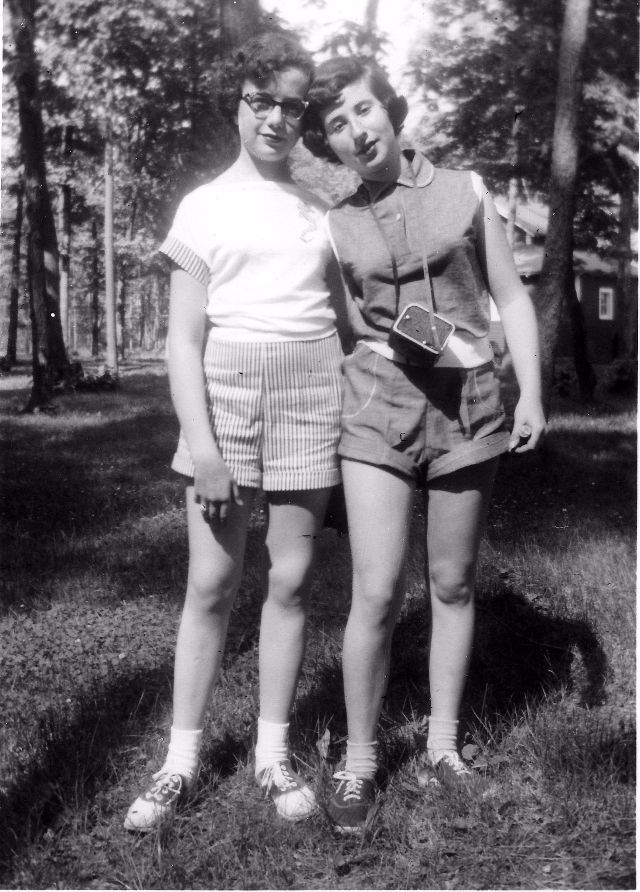
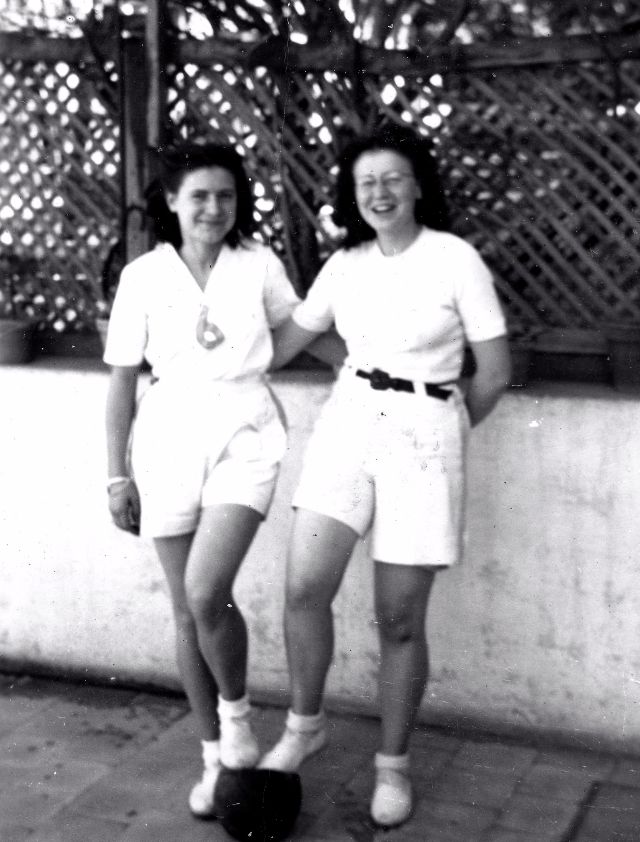
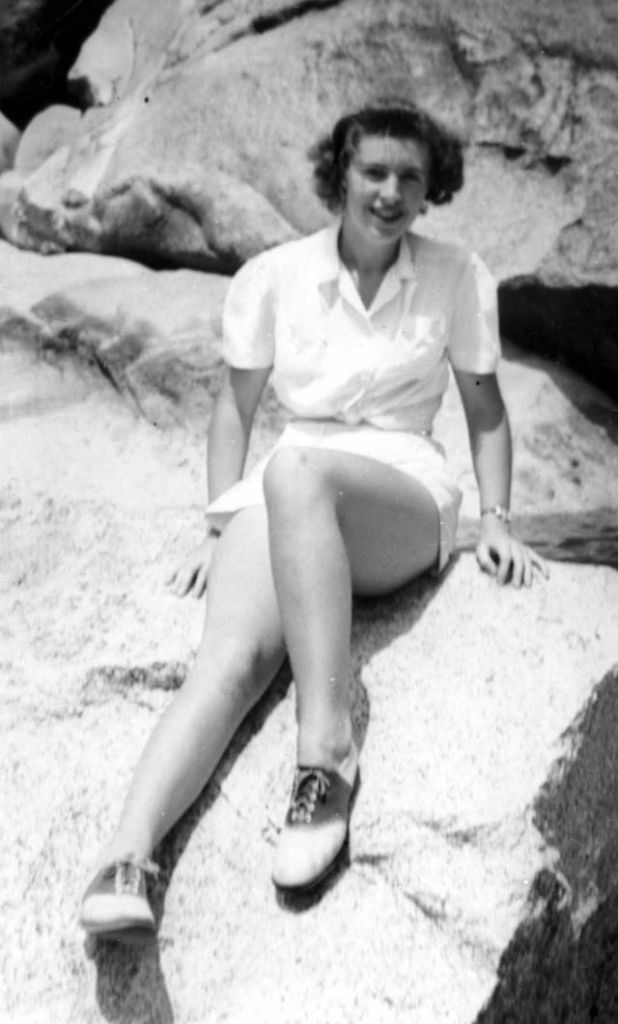
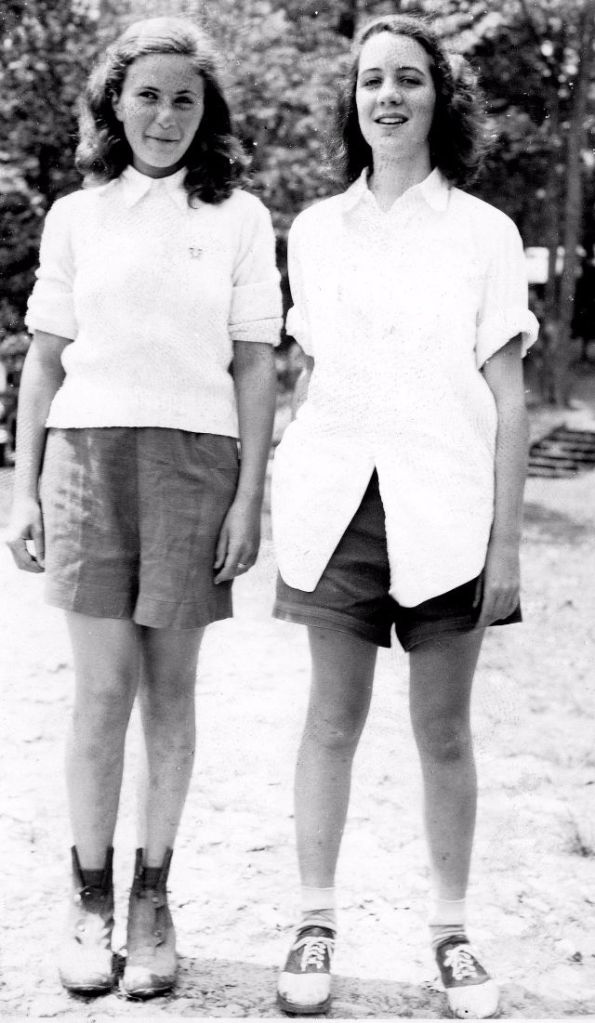
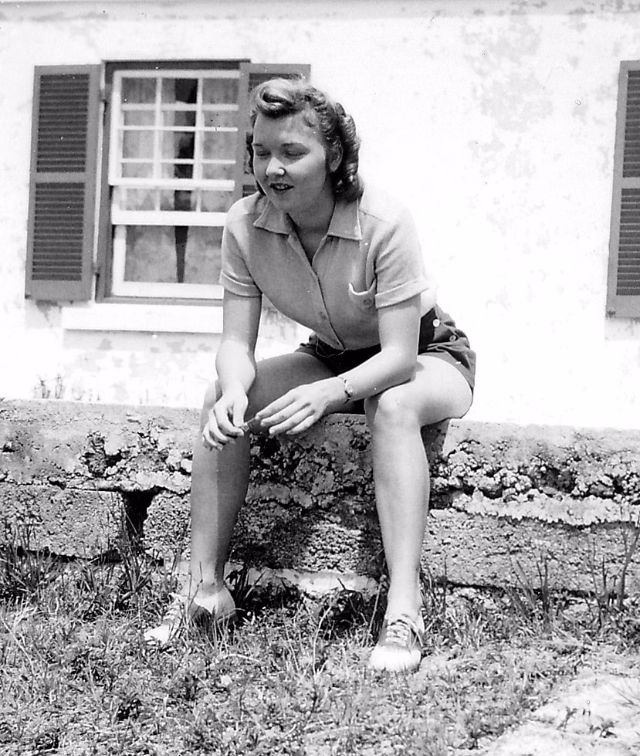
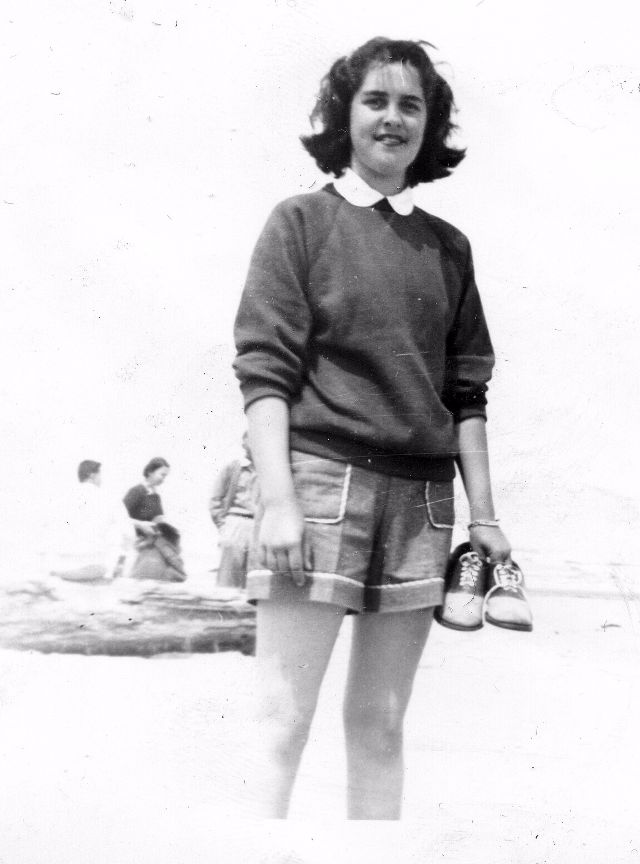
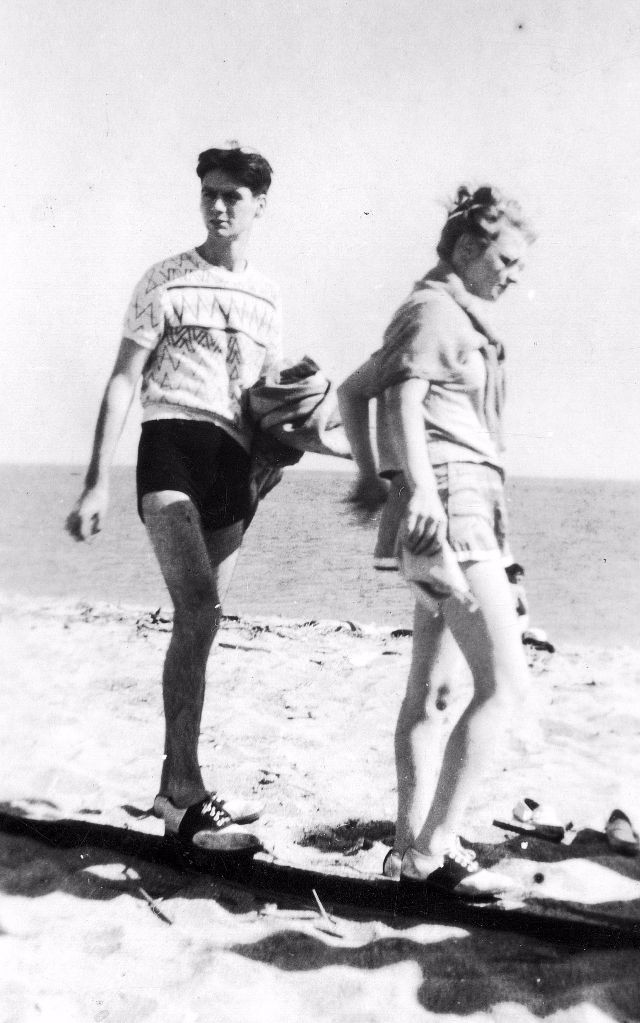
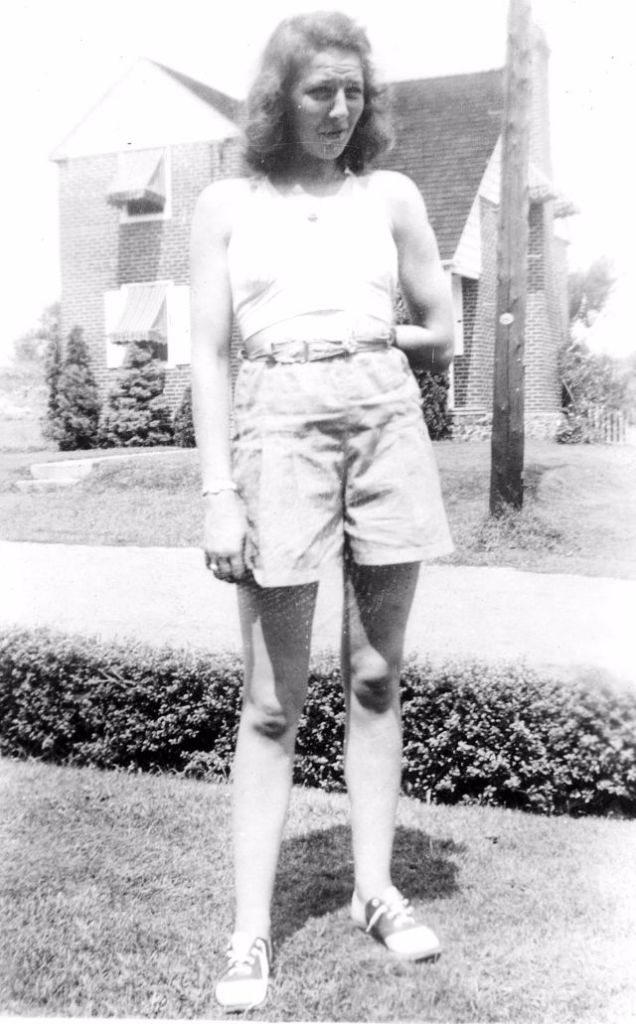
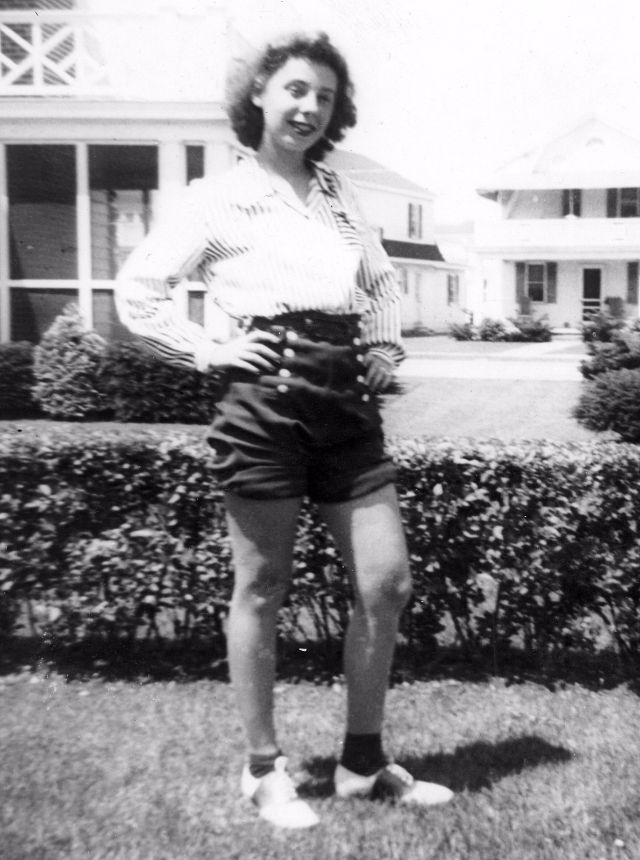
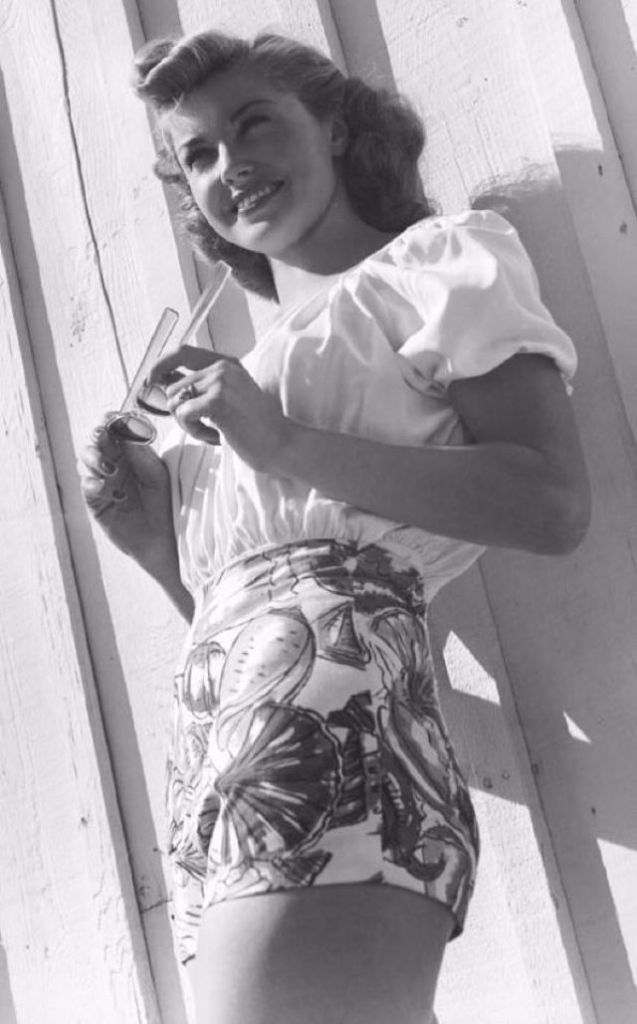
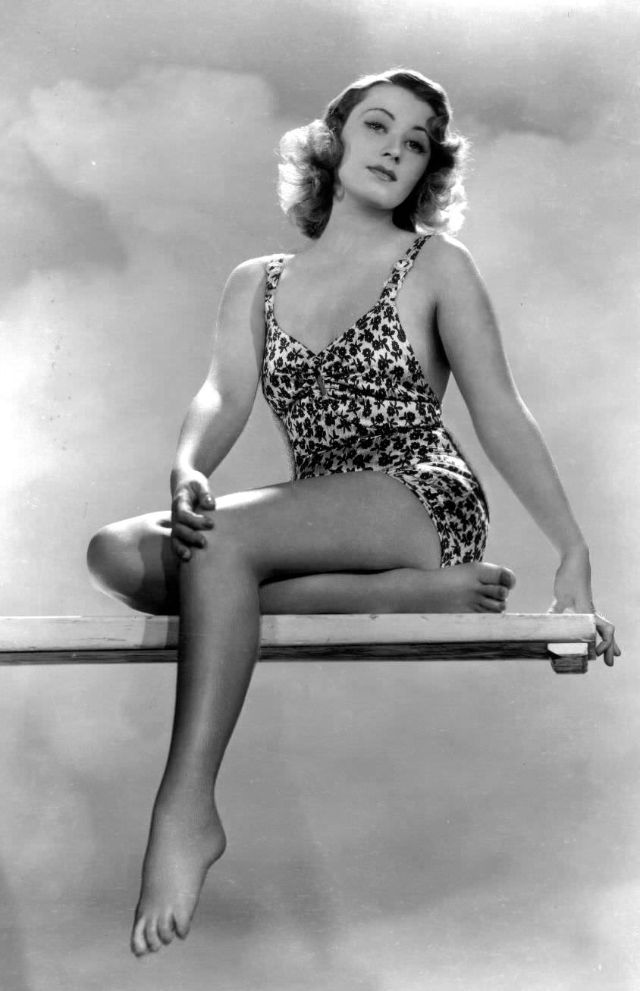
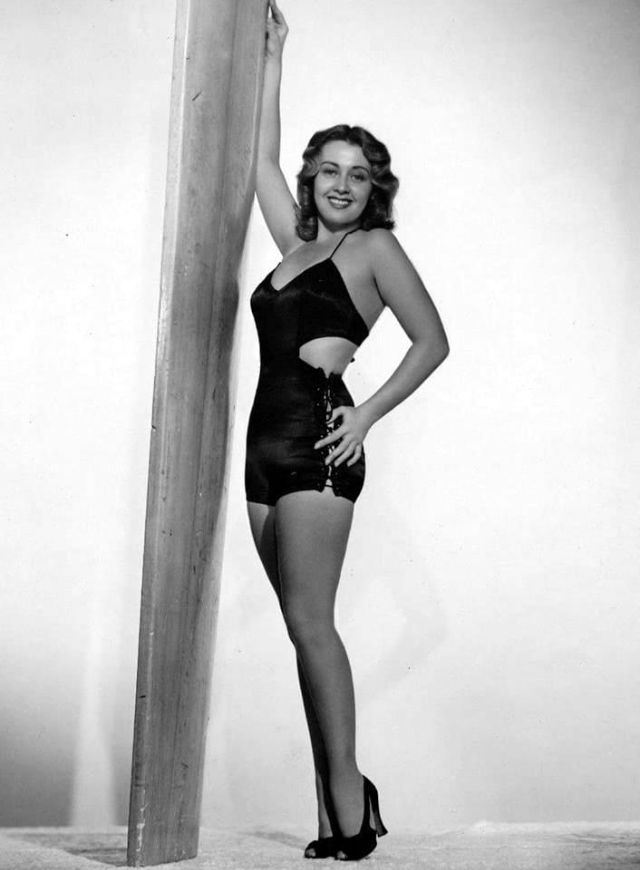
The 1940s were not the first decade to reveal women’s legs with a pair of shorts but they did propel it into popularity, especially with young ladies.
These snapshots that show young ladies wearing shorts from the 1940s.