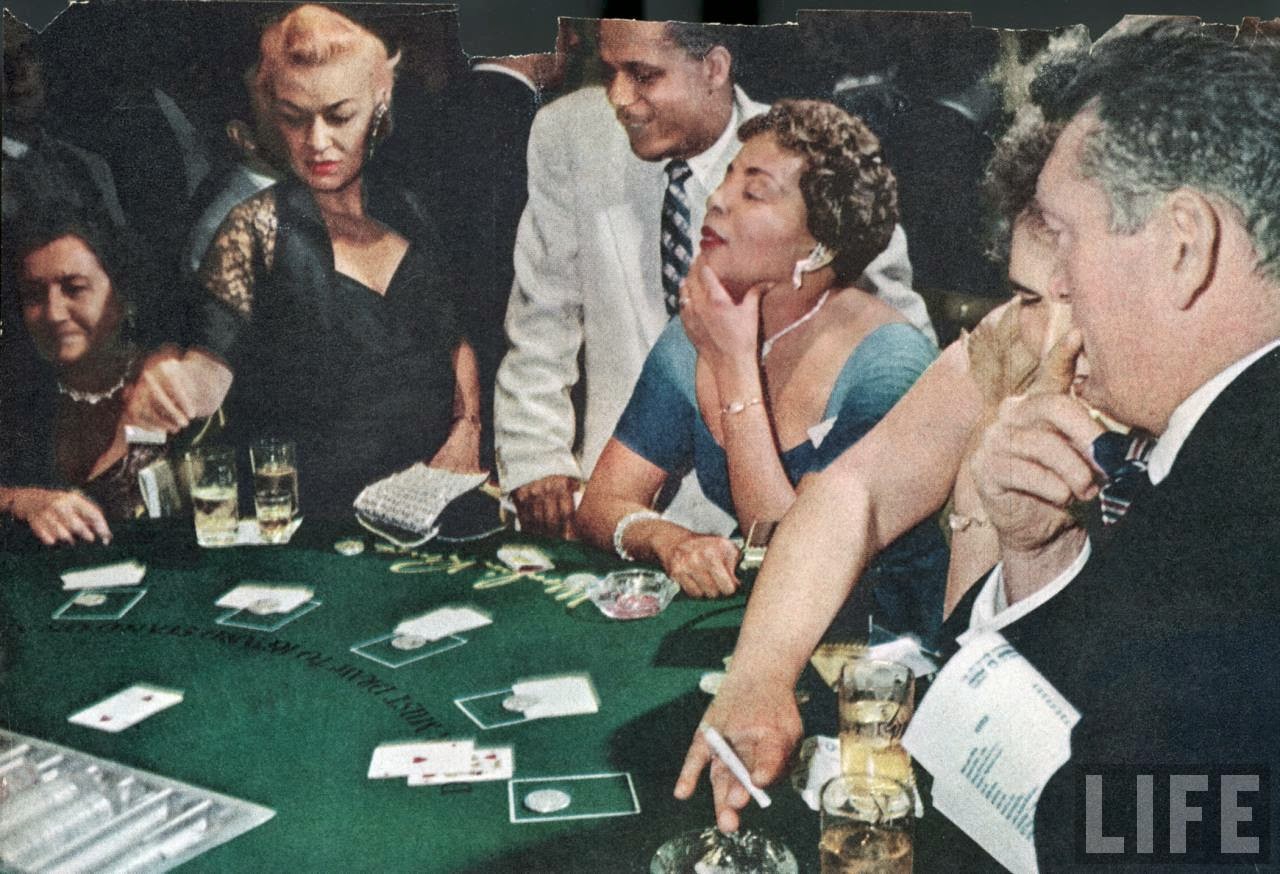
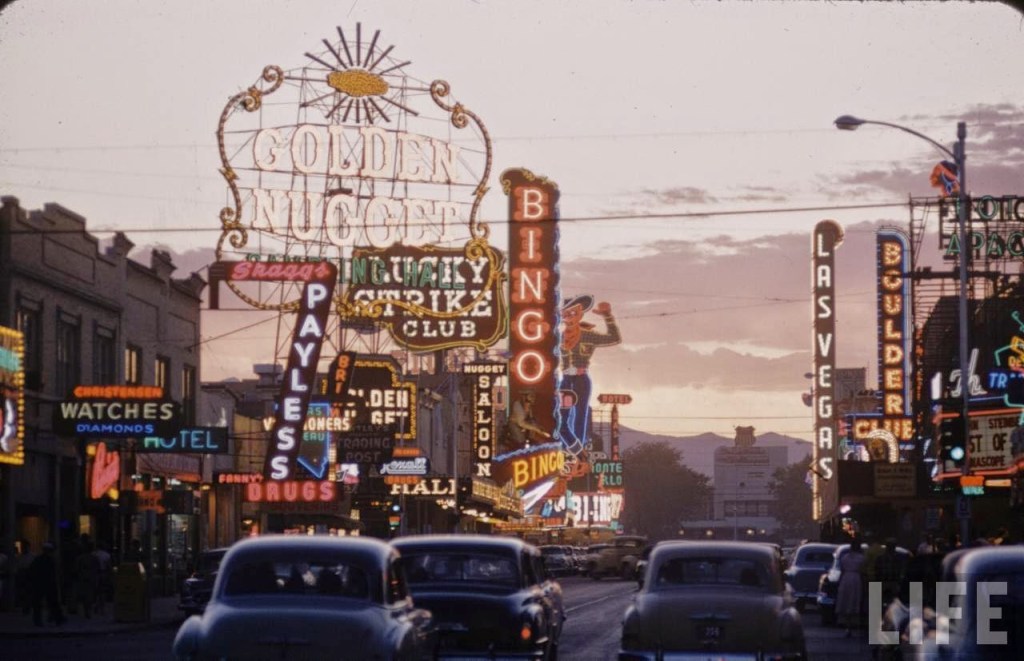
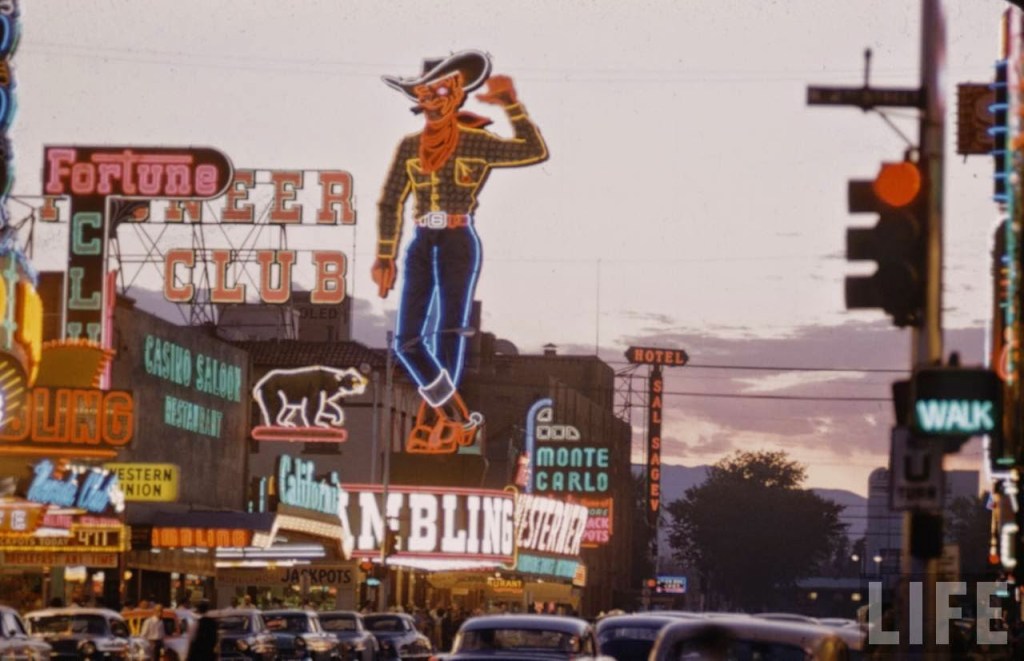
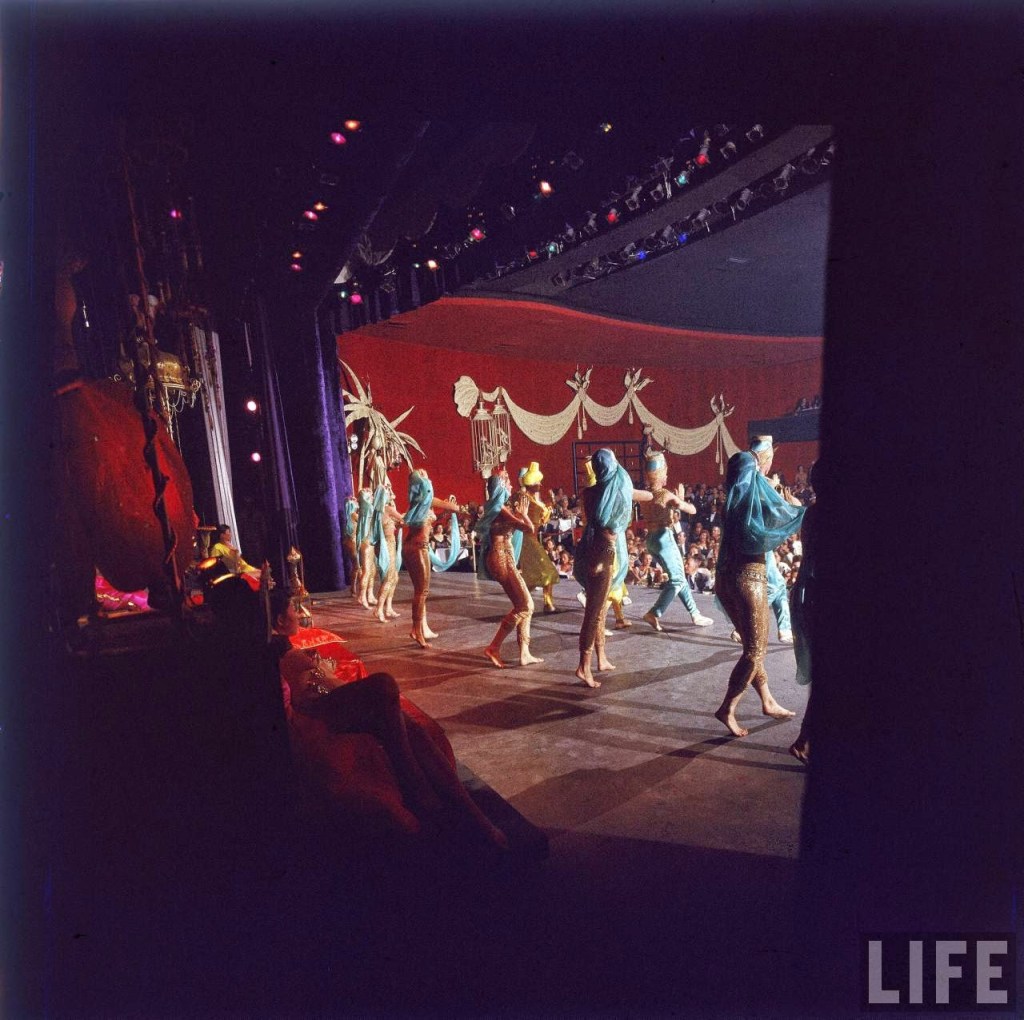
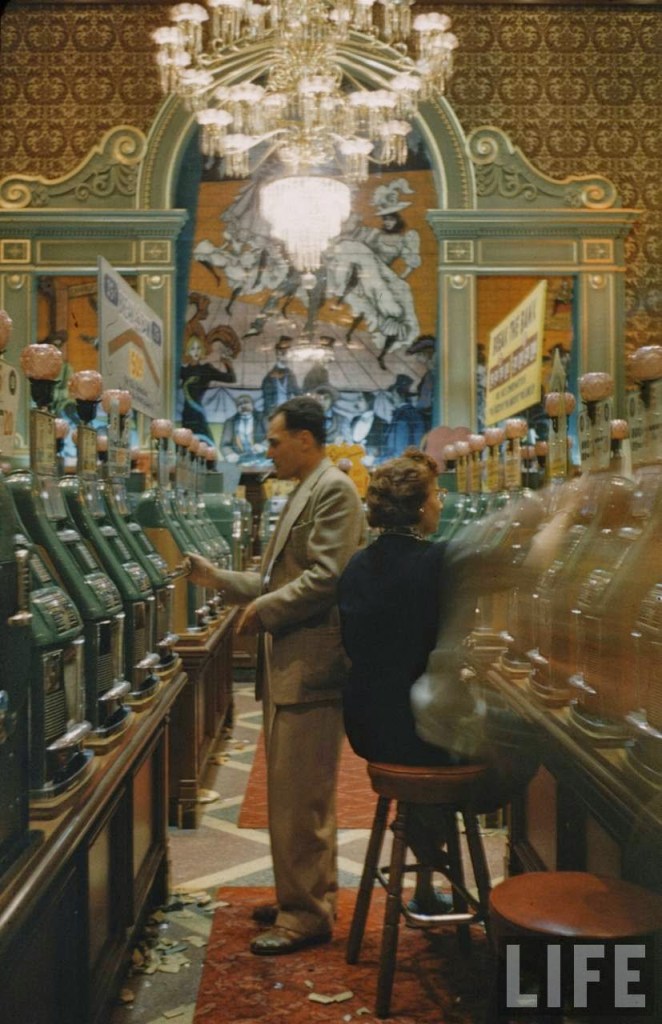
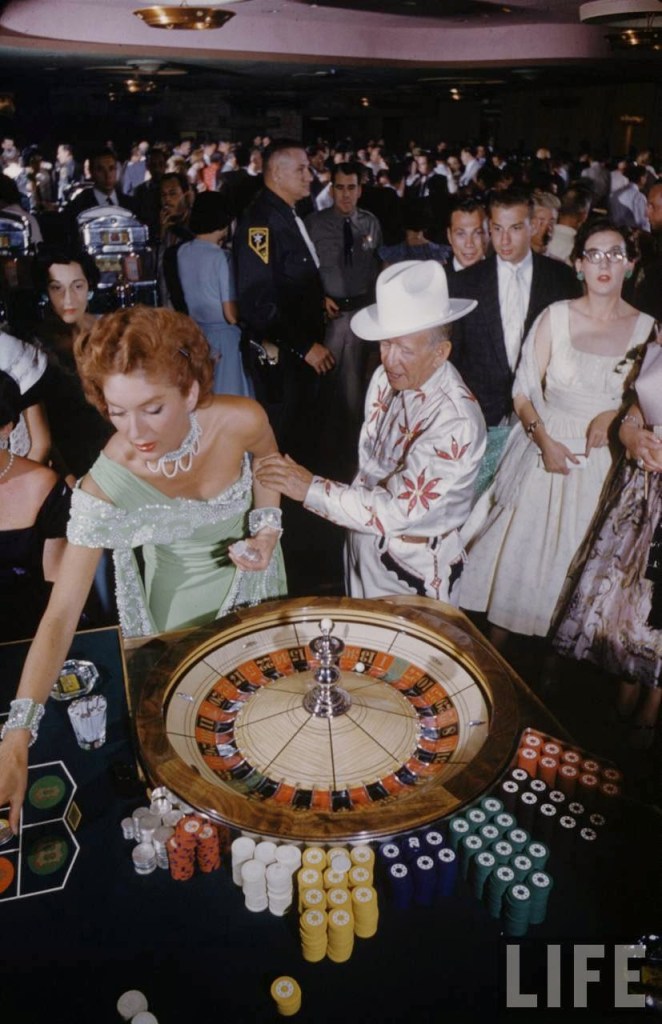
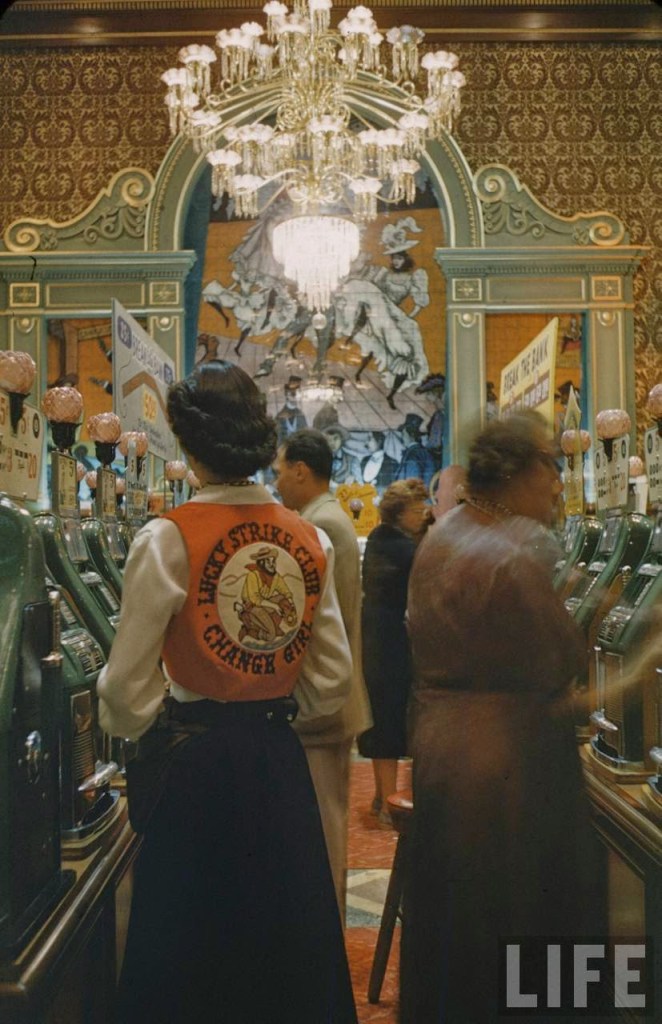
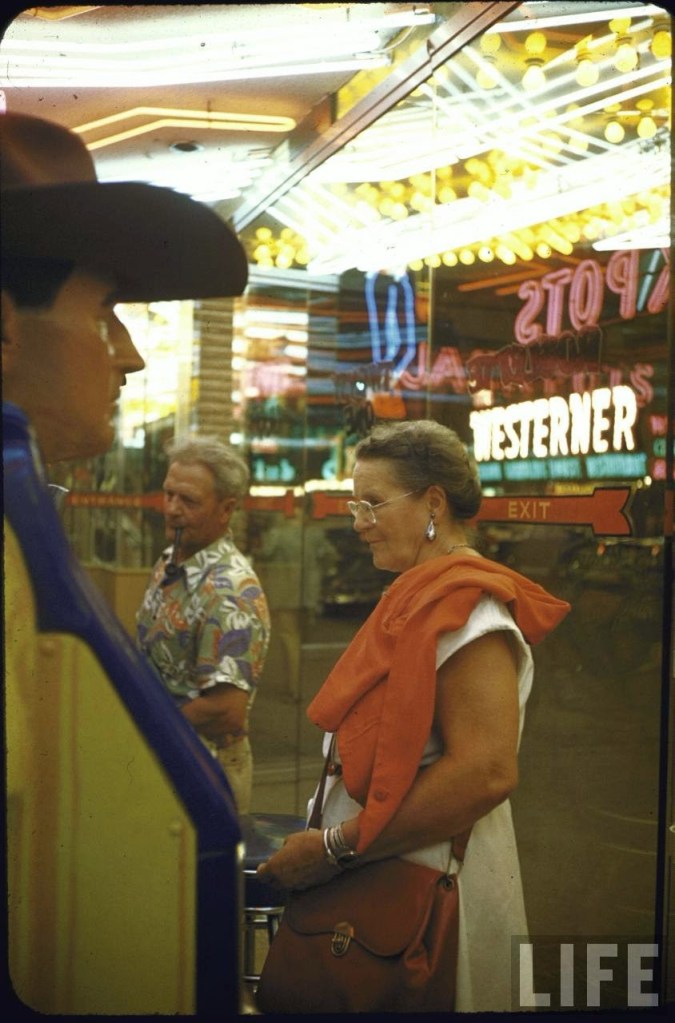
Las Vegas (Spanish for “The Meadows”), often known simply as Vegas, is the 26th-most populous city in the United States, the most populous city in the state of Nevada, and the county seat of Clark County. The city anchors the Las Vegas Valley metropolitan area and is the largest city within the greater Mojave Desert. Las Vegas is an internationally renowned major resort city, known primarily for its gambling, shopping, fine dining, entertainment, and nightlife. The Las Vegas Valley as a whole serves as the leading financial, commercial, and cultural center for Nevada.
The city bills itself as The Entertainment Capital of the World, and is famous for its mega casino-hotels and associated activities. It is a top three destination in the United States for business conventions and a global leader in the hospitality industry, claiming more AAA Five Diamond hotels than any other city in the world. Today, Las Vegas annually ranks as one of the world’s most visited tourist destinations. The city’s tolerance for numerous forms of adult entertainment earned it the title of “Sin City”, and has made Las Vegas a popular setting for literature, films, television programs, and music videos.
Las Vegas was settled in 1905 and officially incorporated in 1911. At the close of the 20th century, it was the most populated North American city founded within that century (a similar distinction was earned by Chicago in the 19th century). Population growth has accelerated since the 1960s, and between 1990 and 2000 the population nearly doubled, increasing by 85.2%. Rapid growth has continued into the 21st century, and according to the United States Census Bureau, the city had 641,903 residents in 2020, with a metropolitan population of 2,227,053.
As with most major metropolitan areas, the name of the primary city (“Las Vegas” in this case) is often used to describe areas beyond official city limits. In the case of Las Vegas, this especially applies to the areas on and near the Las Vegas Strip, which are actually located within the unincorporated communities of Paradise and Winchester.
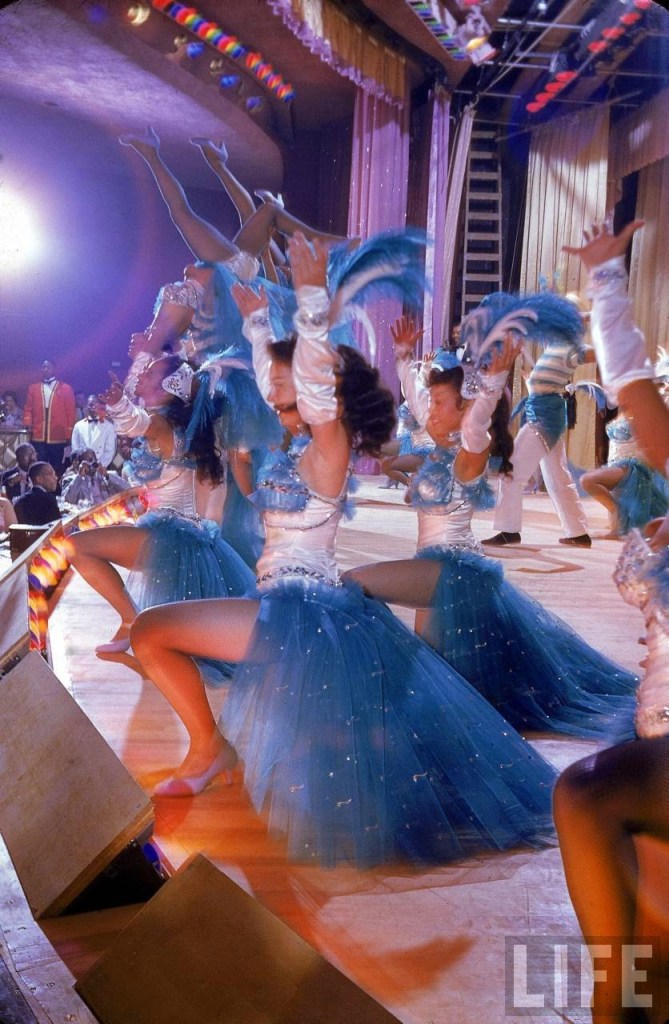
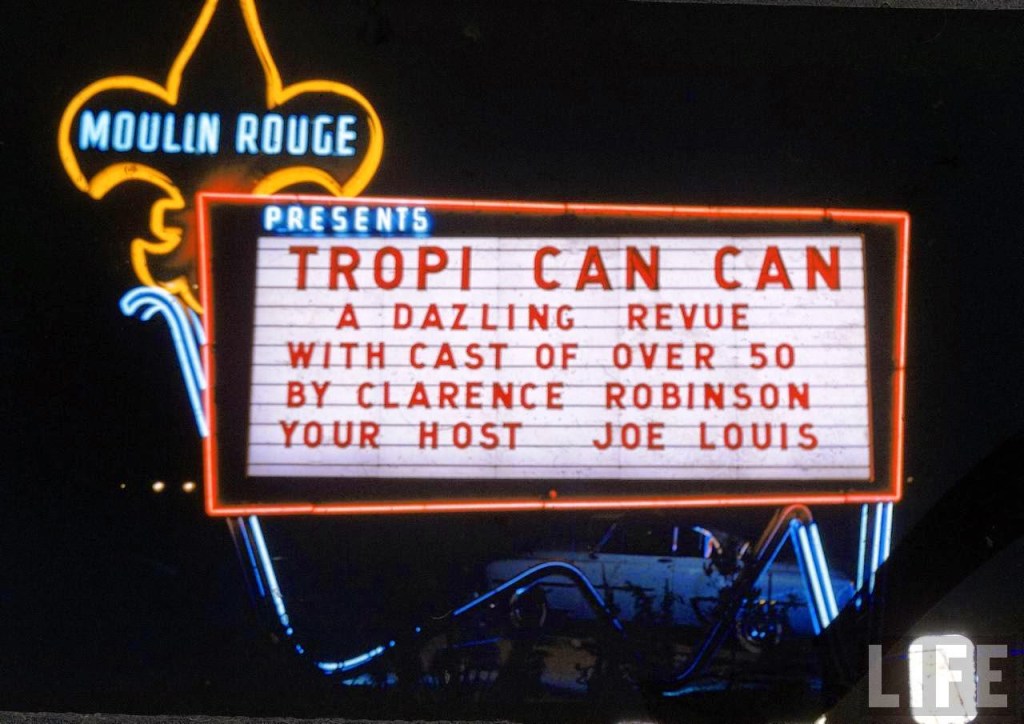
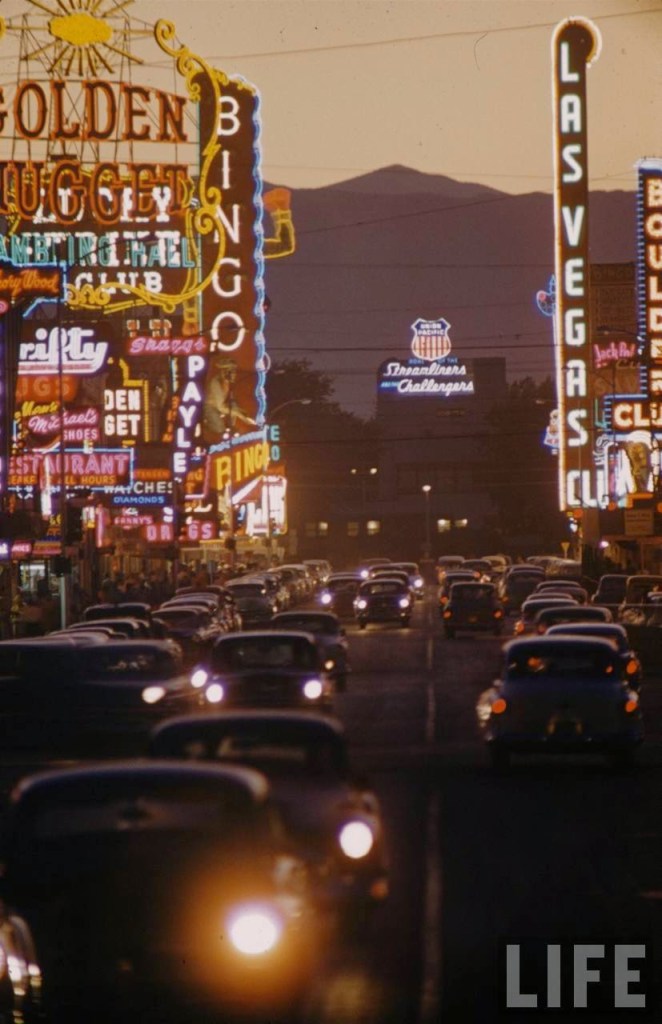
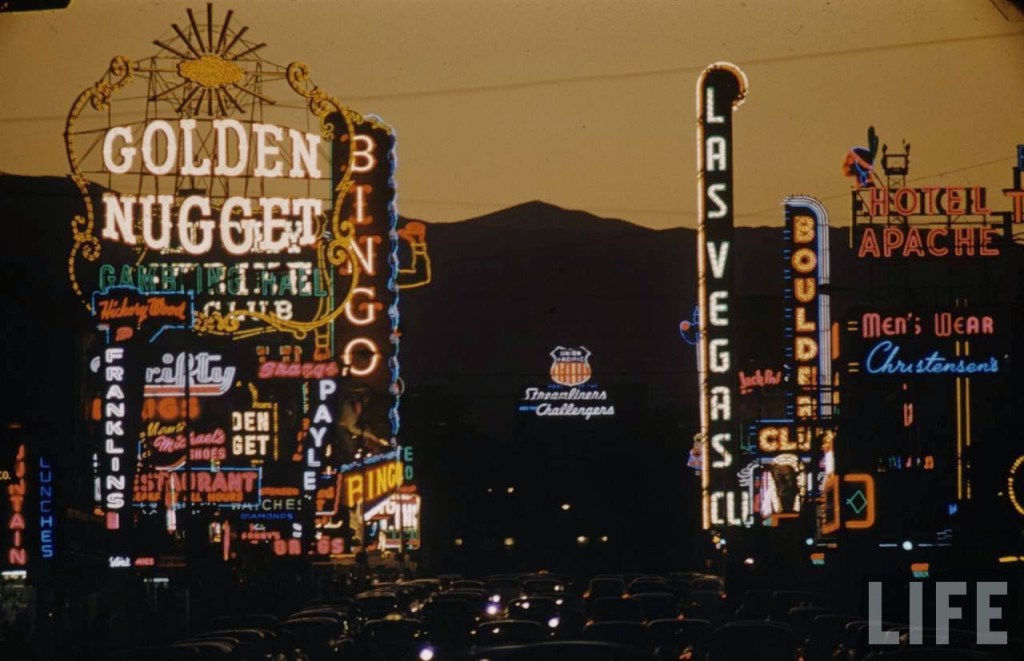
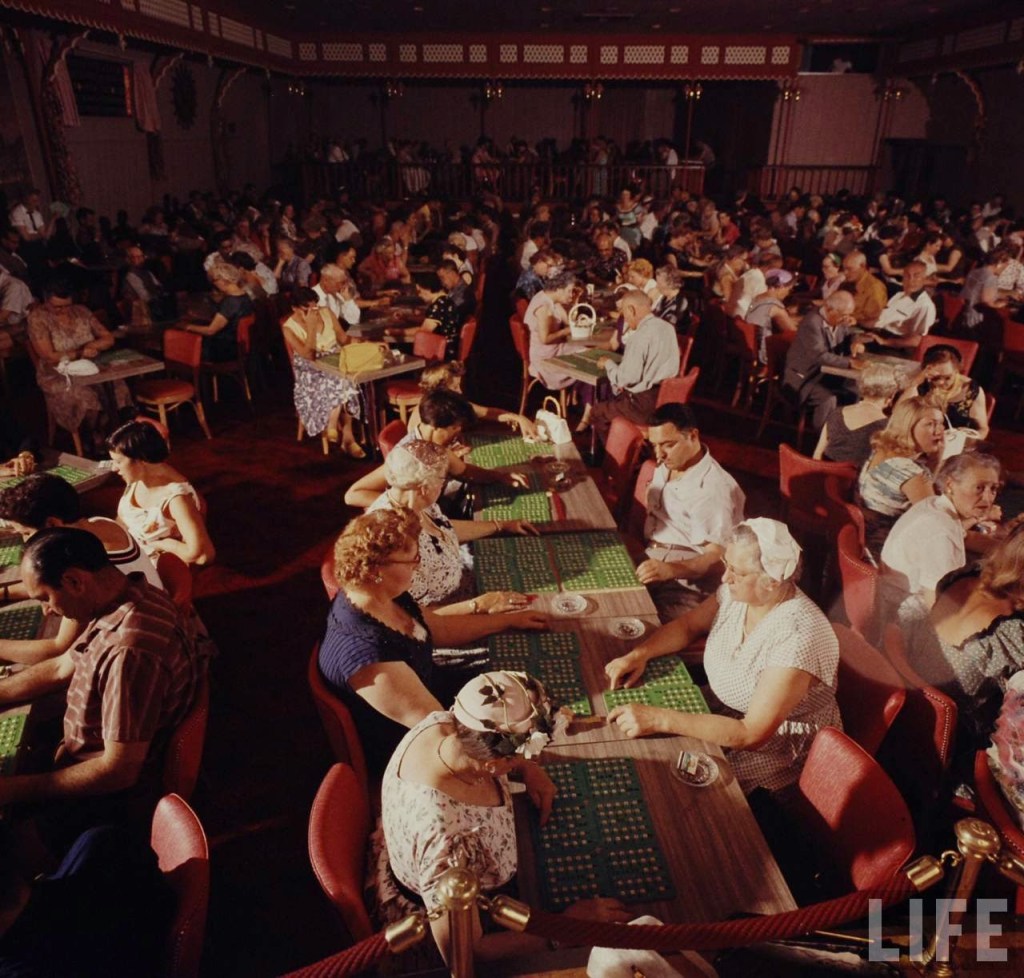
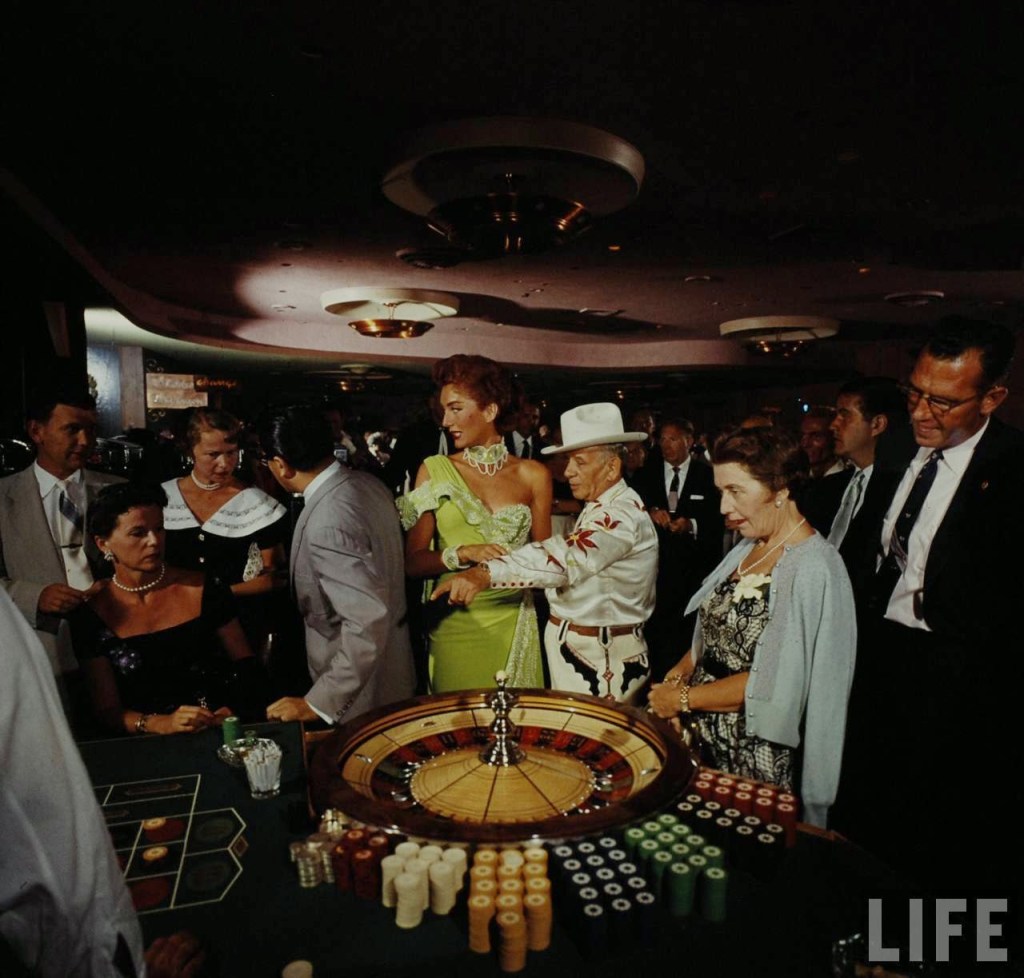
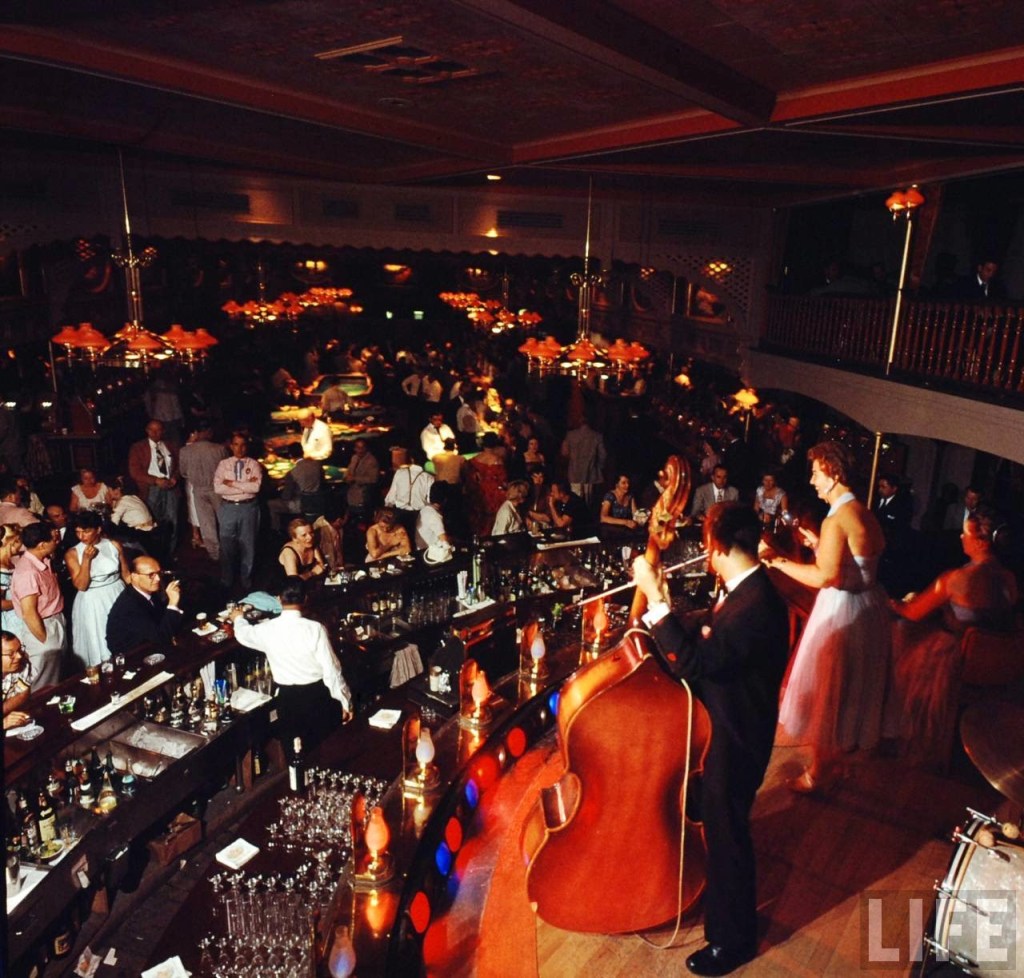
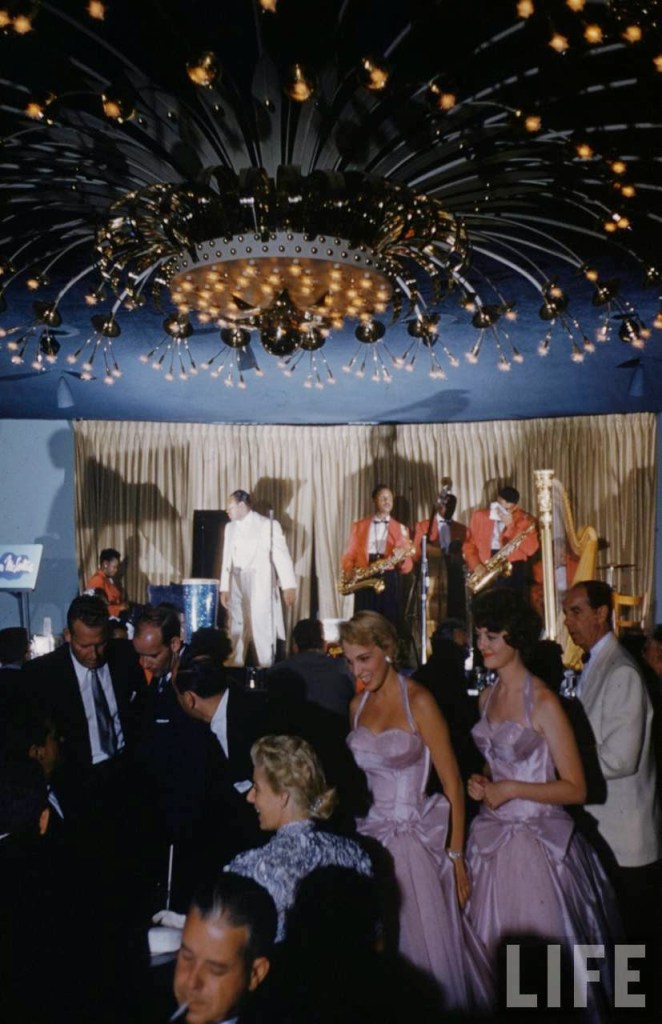
These pictures of Las Vegas’ strip in the 1950s were taken by LIFE photographer Loomis Dean, who was known to always have at least three cameras around his neck…
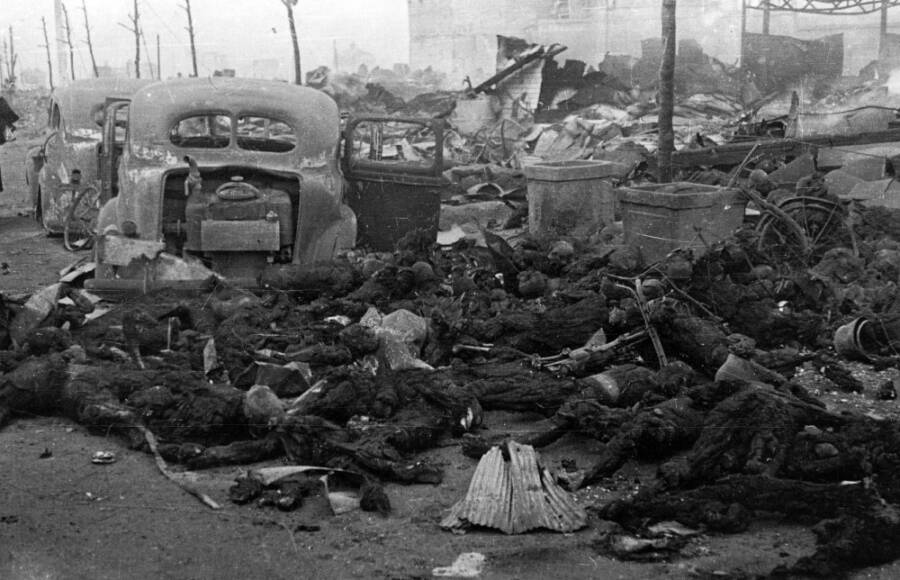
The firebombing of Tokyo in March 1945 — called Operation Meetinghouse by the Americans — would become the deadliest air raid in human history.
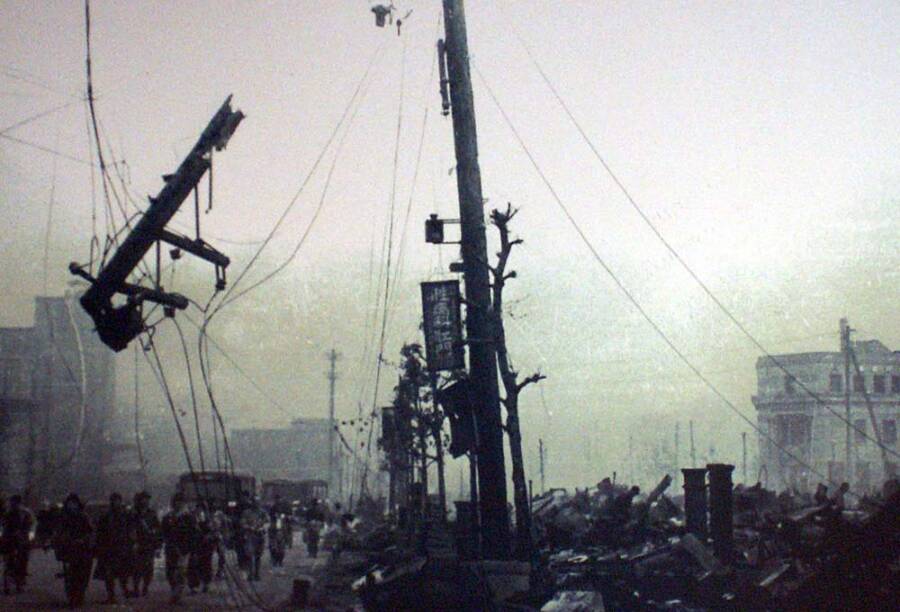
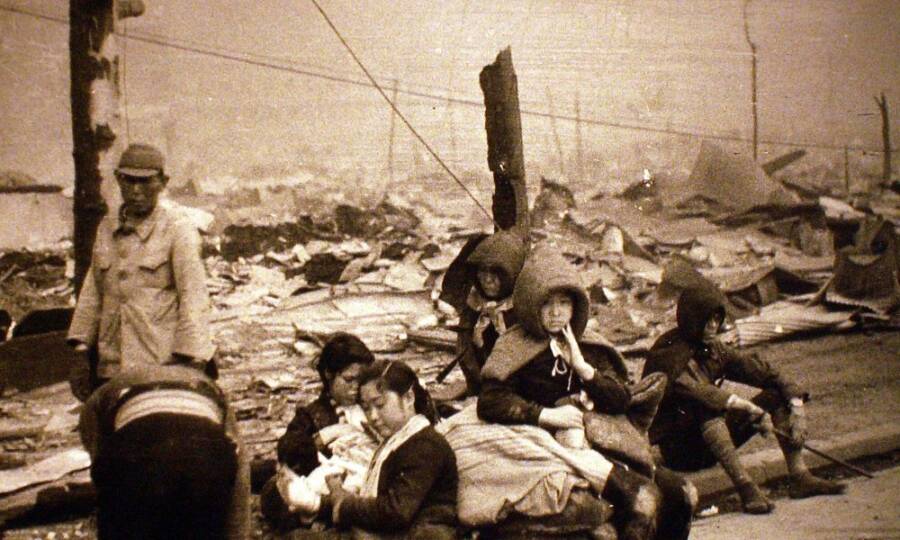
Early in the morning on March 10, 1945, terrified residents of Japan’s capital awoke to an inescapable inferno. By the time the sun rose, 100,000 people would be dead, tens of thousands injured, and more than a million homeless.
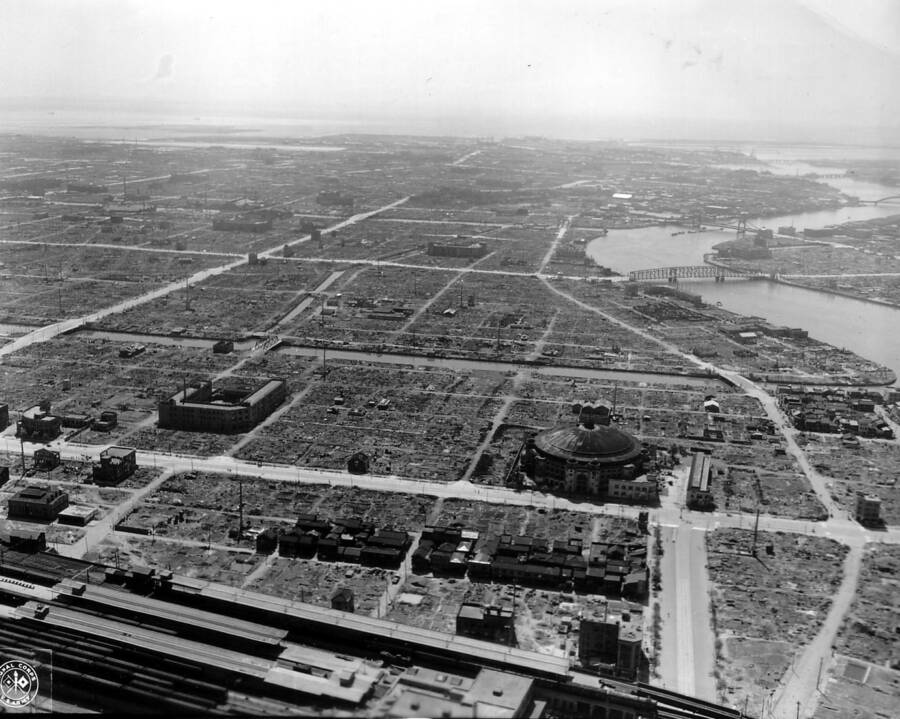
The U.S. Army Air Forces (USAAF) had hit their targets. Tokyo, largely built out of wood, had been reduced to ash.
Haruyo Nihei was only eight years old during the firebombing of Tokyo. Even decades later, she remembers the “balls of fire” which consumed her city.
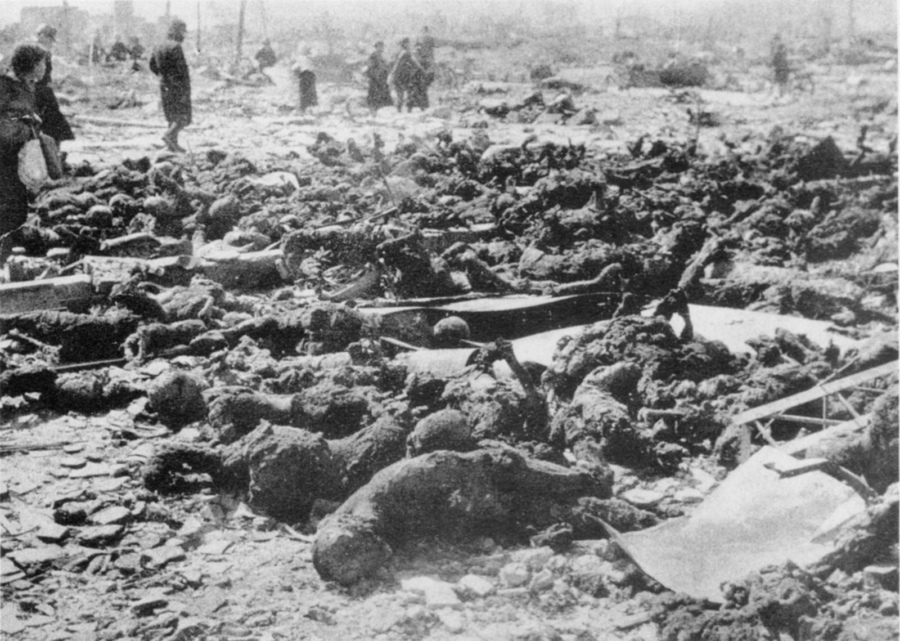
These 33 horrific photos of the Tokyo firebombing show the devastating impact of this horrific attack that’s been mostly forgotten today.
Codenamed Operation Meetinghouse by the USAAF and known in Japan as the Great Tokyo Air Raid, the firebombing of Tokyo would bring hell to earth. Indeed, that was the point.
President Roosevelt had sent all warring nations a message pleading against “inhuman barbarism,” in 1939. But that insistence vanished after the Japanese attacks on Pearl Harbor on Dec. 7, 1941. The U.S. drafted a list of targets to cripple Tokyo while avoiding an amphibious invasion of Japan.
This plan required the Americans to build bases in range of Japan’s main islands. The 1942 invasion of Guadalcanal and the 1944 seizures of Saipan, Tinian, and Guam paved the way. The latter territories could now be used to build B-29 bombers — which could fly at over 18,000 feet and drop bombs out of the range of anti-aircraft guns.
However, initial attempts to bomb precise targets in Japan from high altitudes were unsuccessful, as the jet stream blew bombs off target and into the sea. These failures led the Americans to formulate a deadly plan of attack.
General Curtis LeMay, nicknamed “Iron Ass,” formally took over XXI Bomber Command in the Mariana Islands in January 1945. Well aware that earlier attacks had been ineffective, LeMay proposed a new tactic.
LeMay instructed his men to fly at lower altitudes — as low as 5,000 feet — and do so at night to avoid anti-aircraft retaliation. This strategy worked well during a Feb. 25 air raid, so LeMay turned his sights on crushing Japan’s resistance from its center — the Imperial capital of Tokyo.
Tokyo was a city largely comprised of wooden houses at the time. LeMay’s strategy called for firebombs to ensure maximum destruction. The napalm-laden bombs would splash open upon impact and set everything ablaze.
As eight-year-old Haruyo Nihei prepared for bed on March 9, 1945, Operation Meetinghouse was in motion.
Late that evening, more than 300 B-29s departed their bases on Saipan, Tinian, and Guam. Seven hours and 1,500 miles later, they arrived above Tokyo. The first bombers set fires with small bombs at five locations. These would act as targets for all following bombers.
Between 1:30 and 3:00 a.m., Operation Meetinghouse began to firebomb Tokyo.
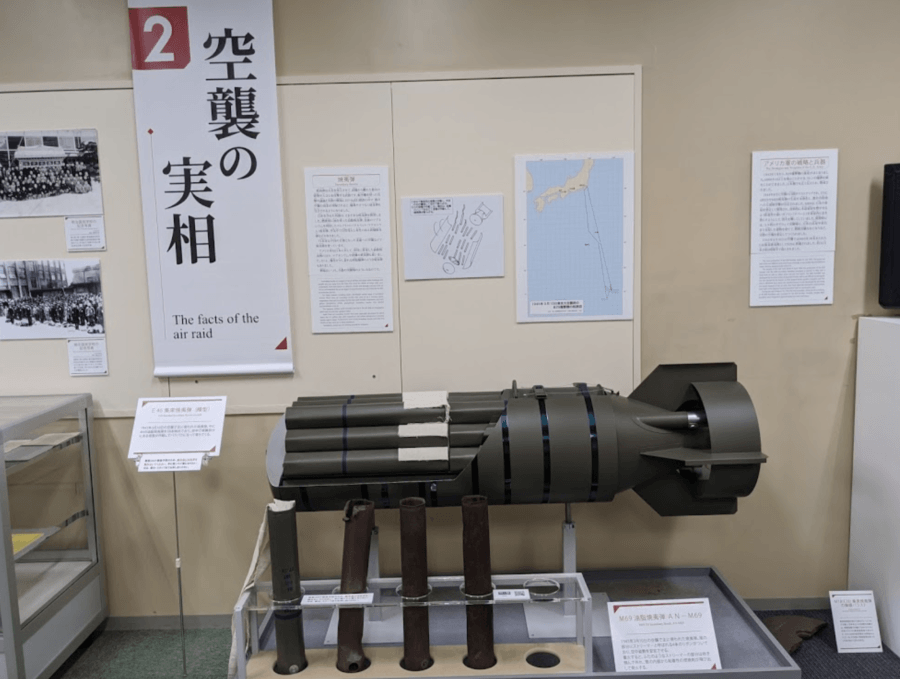
The planes dropped 500,000 M-69 bombs in total. Clustered into groups of 38, each device weighed six pounds, and each deployed batch spread out during descent. The napalm within each casing spewed flaming liquid upon impact and ignited everything in range.
Air sirens sounded. The city awoke. Some people left to find shelter but many didn’t. Tokyo had been bombed before, but only once at night, and not by many aircraft. But as the planes descended so did the flames. Civilians fled in terror. No one had seen anything like this before.
Nihei awoke into a nightmare. The girl and her family shot out of bed and ran — outside, down the street, anywhere. Their quest for an underground shelter was successful, but her father feared that the people inside would burn to death. The family took their chances on the street.
The firebombs of Operation Meetinghouse created superheated winds that turned into tornados. Mattresses, wagons, chairs — even horses — were sent flying down the street. In places, the flames reached temperatures of 1,800 degrees Fahrenheit. Nihei quickly realized that people were burning, too.
In her mid-80s, she remembered that “the flames consumed them, turning them into balls of fire.”
“Babies were burning on the backs of parents,” she said, recalling the night of the Tokyo firebombing. “They were running with babies burning on their backs.”
Nihei and her father became trapped at the bottom of a crush of terrified civilians. She distinctly remembers hearing their voices repeating the same mantra: “We are Japanese. We must live. We must live.”
The night faded into daylight. The voices around Nihei had stopped. She and her father managed to escape the pile of people — only to find that the others had been burned to death. Dying, they had protected Nihei from the flames.
It was dawn on March 10, 1945. Nihei, her parents, and her siblings had miraculously all survived Operation Meetinghouse, the deadliest air raid in history.
The Aftermath Of Operation Meetinghouse
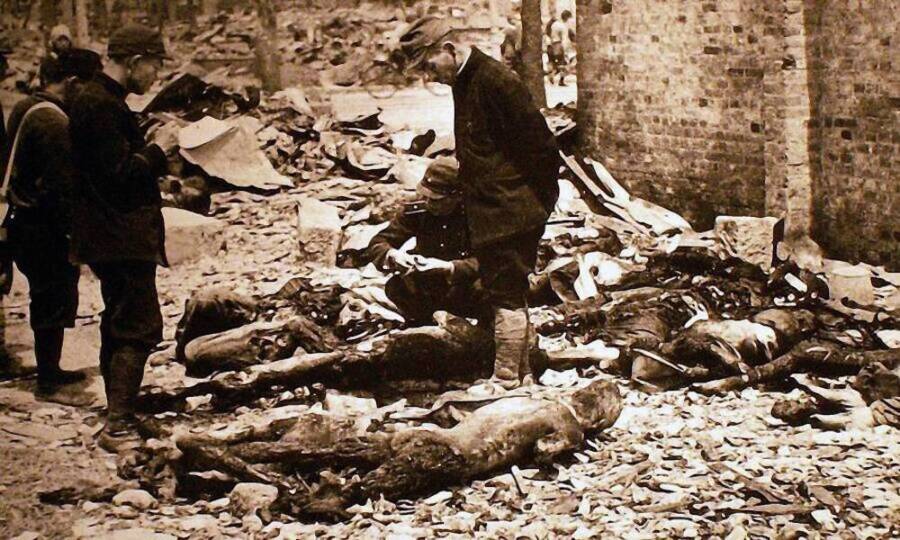
In one night, 100,000 Japanese people were killed. Tens of thousands — perhaps many, many more — were injured. Most of them were civilian men, women, and children.
The bombings of Hiroshima and Nagasaki are more commonly remembered for the horrific use of new weapons of war. But the human toll of the firebombing of Tokyo is equally devastating.
It’s difficult to compare the casualties of the two attacks. In Hiroshima, between 60,000 and 80,000 people were killed instantly. In Nagasaki, about 40,000 were killed in the initial blast. Many more died of illness related to radiation in the ensuing years.
In the firebombing of Tokyo, 100,000 people lost their lives in a single day. By some estimates, that means that the fatal casualties of the Tokyo firebombing nearly matches the initial death count from the atomic attacks on Hiroshima and Nagasaki combined.
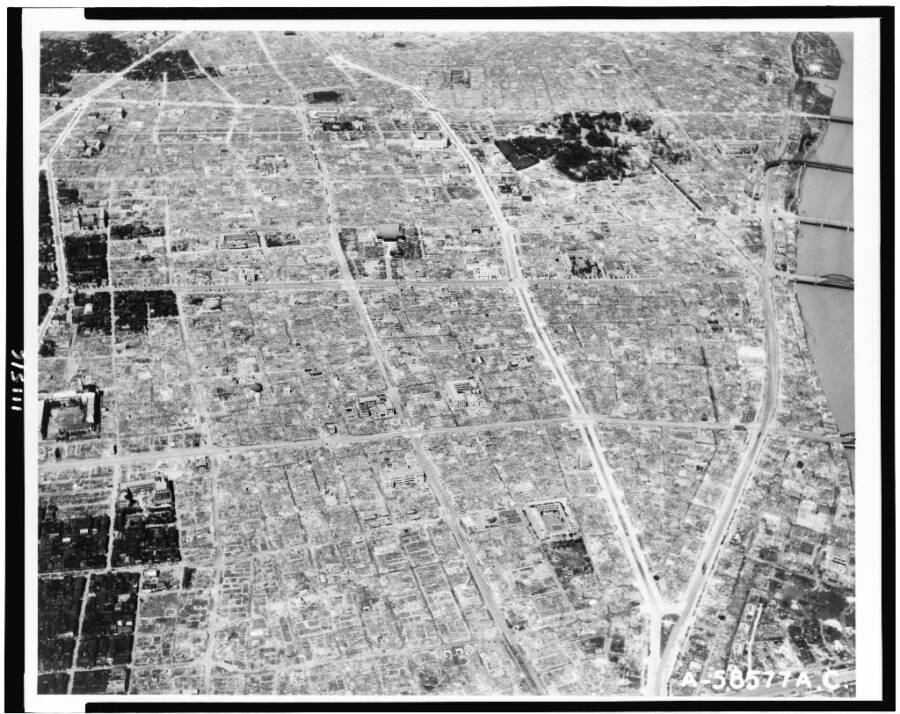
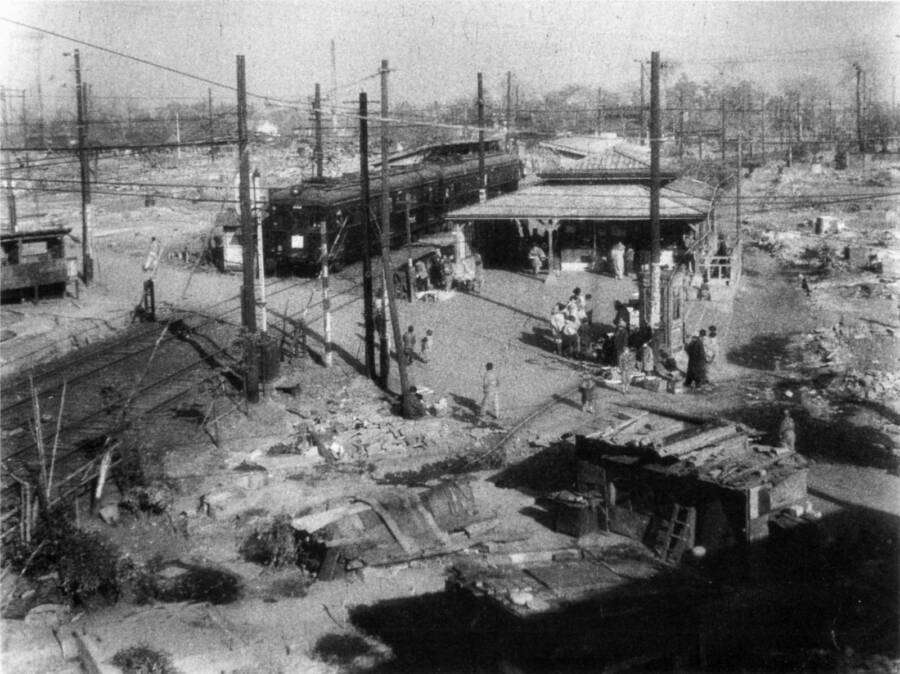
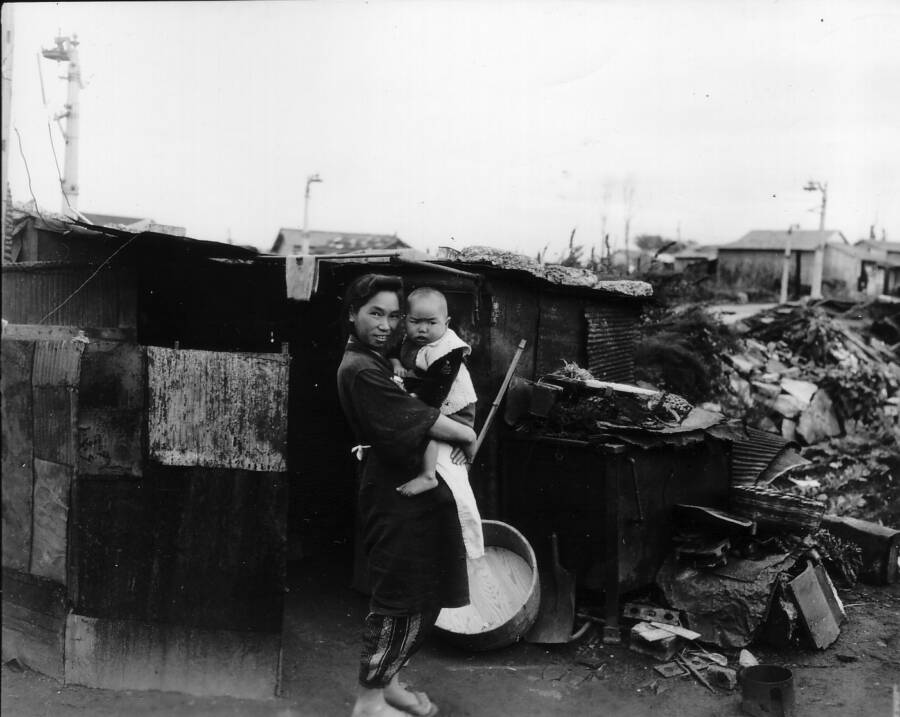
The Tokyo bombing also reduced 15.8 square miles to rubble, leaving a million people homeless overnight. As B-29 pilot Robert Bigelow wrote in his journal: “We had created an inferno beyond the wildest imagination of Dante.”
He recalled his tail gunner notifying him that the glowing fires of the city they had destroyed were still visible when they were 150 miles away and headed back to base.
The sheer scale was unimaginable. And the hell for people living in Tokyo had not ended. Continued attacks reduced a further 38.7 square miles of Tokyo to ash from April to May
At one point, the B-29 base at North Field on Tinian Island was the busiest airport on Earth. Despite the strength of the Allies, Japanese prime minister Suzuki Kantaro wasn’t giving up.
“We, the subjects, are enraged at the American acts,” said Kantaro. “I hereby firmly determine with the rest of the 100,000,000 people of this nation to smash the arrogant enemy, whose acts are unpardonable in the eyes of Heaven and men, and thereby to set the Imperial Mind at ease.”
However, following the unprecedented nuclear bomb attacks on Hiroshima and Nagasaki in August, Emperor Hirohito capitulated to the Allied powers. He announced to the nation that, “the enemy has begun to employ a new and most cruel bomb.” The war was over.
“I didn’t care if we won or lost as long as there were no fire raids,” recalled Nihei. “I was nine years old — it didn’t matter for me either way.”
Reflecting On The Horrors of Firebombing Tokyo
“Killing Japanese didn’t bother me very much at that time,” said General LeMay. “I suppose if I had lost the war, I would have been tried as a war criminal.”
Instead, LeMay was rewarded with several medals, a promotion to lead the U.S. Strategic Air Command, and a reputation as a hero. Even the Japanese government awarded him the First-class Order of Merit of the Grand Cordon of the Rising Sun for helping develop Japan’s post-war Air Force.
LeMay died in 1990 at 84 years old. His fatal legacy of Operation Meetinghouse lives on in the Japanese people who survived the firebombing of Tokyo.
Katsumoto Saotome, who was 12 years old during the bombing, founded the Tokyo Air Raids Center for War Damages in the Koto ward in 2002. It aims to preserve the memories of the survivors.
Saotome’s private museum — the city refused to fund it — includes artifacts and journal entries and has become the de facto exhibition on the Tokyo firebombing.
“For a child who did not know the true meaning of death or fear, March 10 was my first experience of that,” Saotome reflected. “I have nothing to describe the memory of that night. It is difficult to talk about it, even now.”
But for Nihei, facing her trauma proved cathartic. She visited the museum in 2002. “It brought back memories of that day,” she said. “I really felt like I owed it to all those people who had died to tell others what happened that day.”
One painting especially caught her eye. It depicted children on a cloud, sitting above the proud Tokyo skyline. Nihei, who lost six of her close friends in the firebombing, found some comfort in the painting. She said that it reminded her, “of my best friends.”
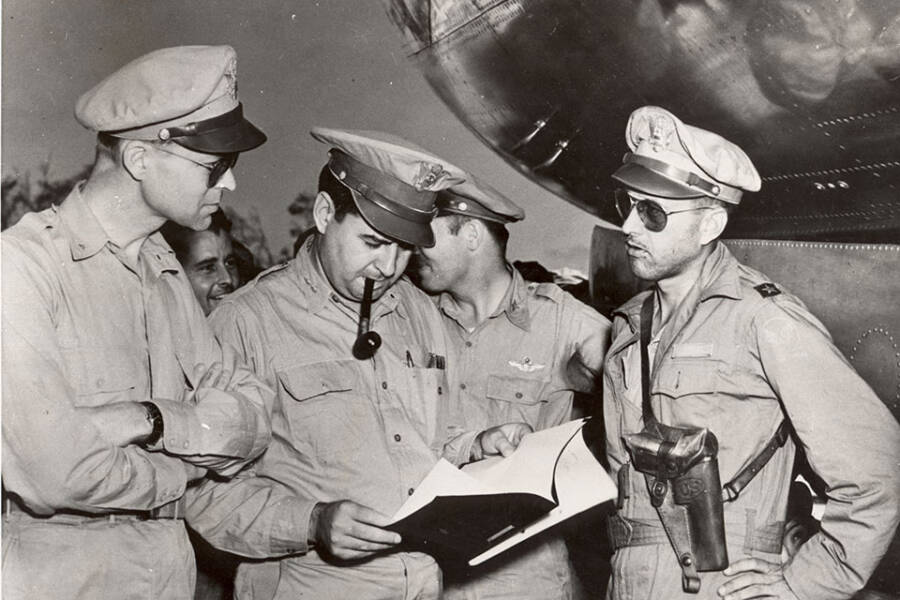
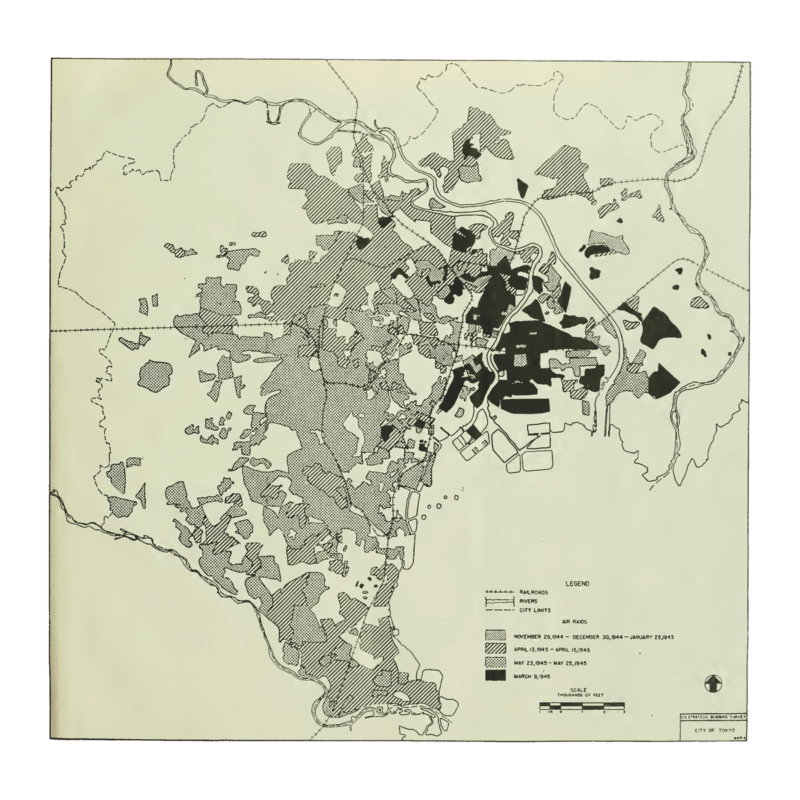
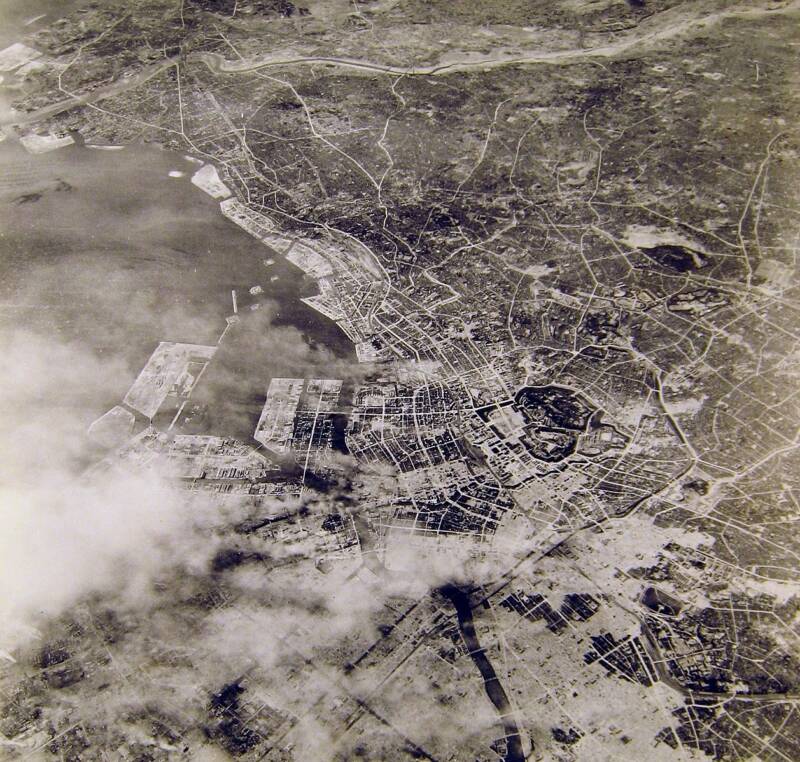
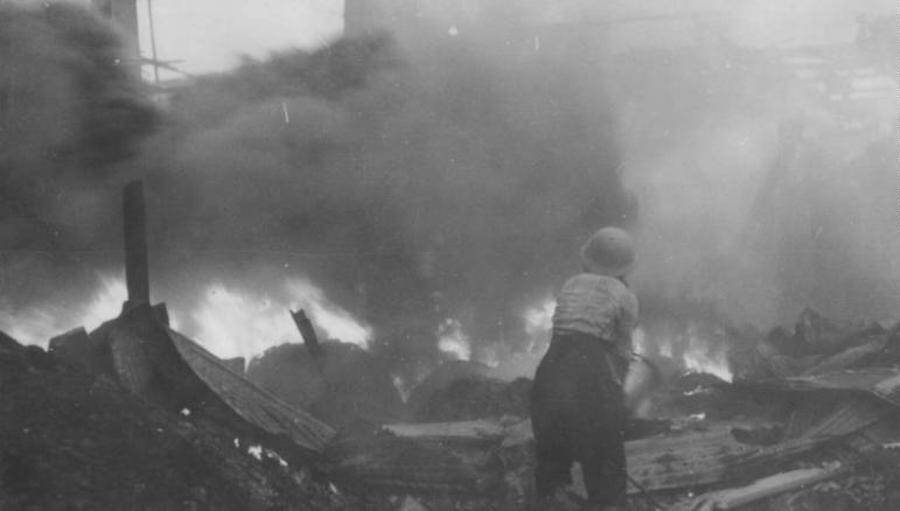
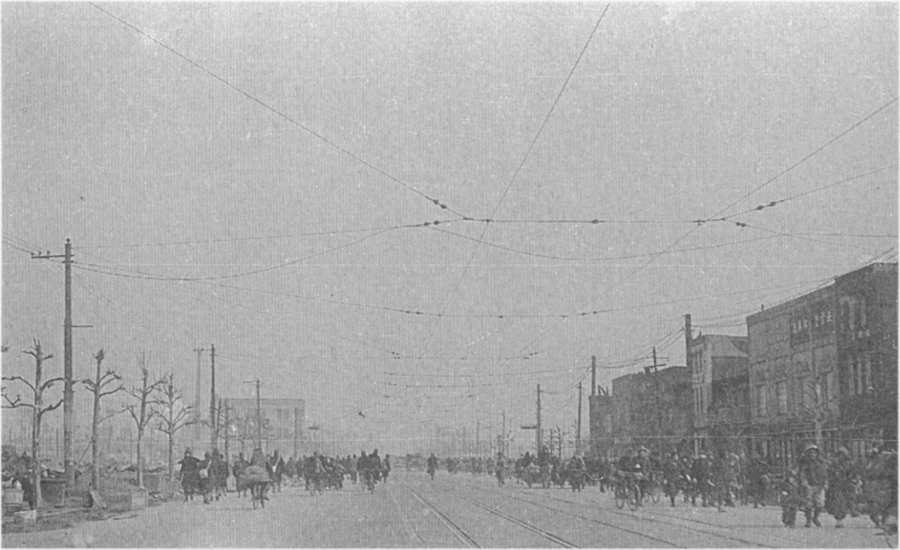
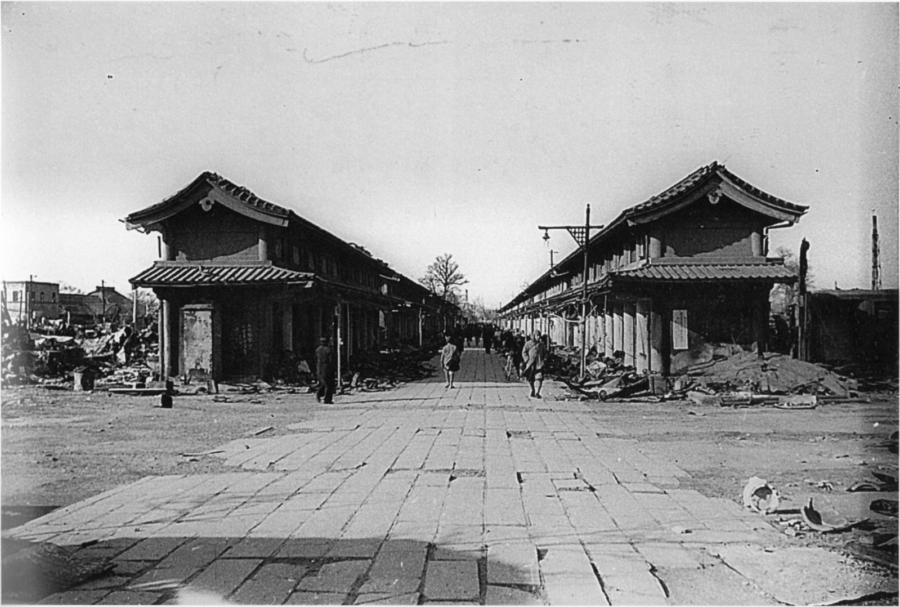
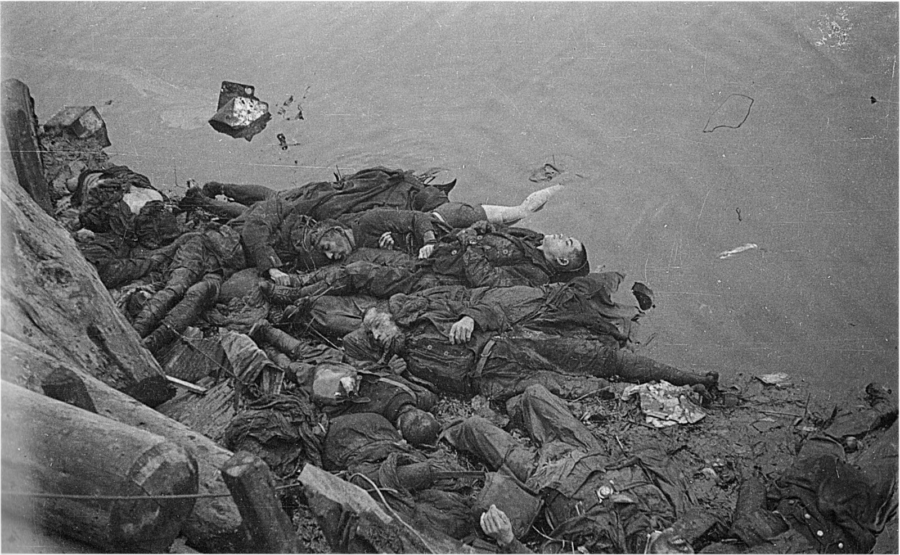
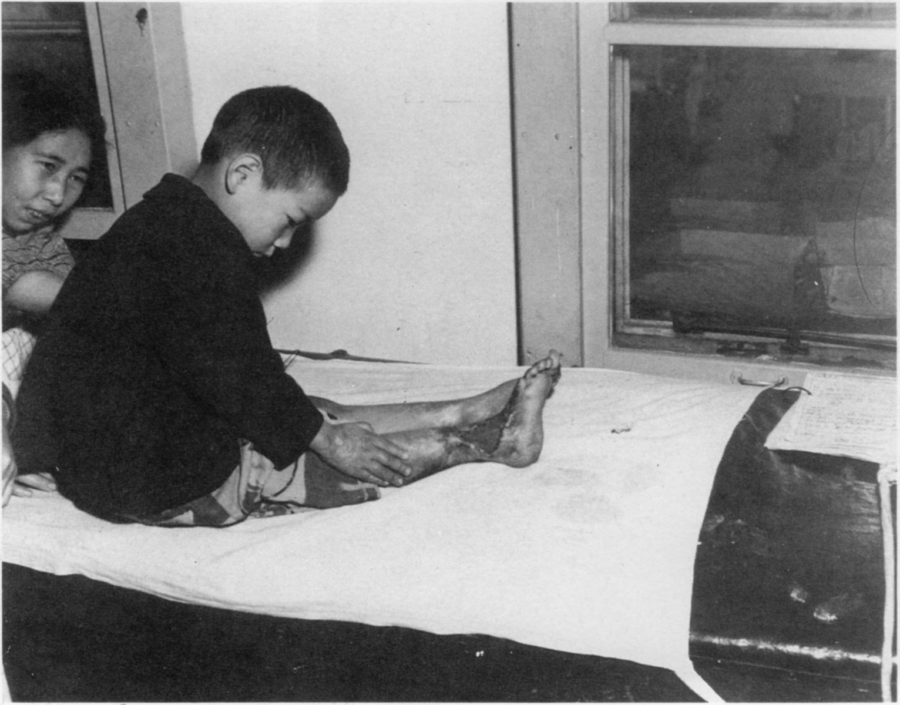
Brigadier General Lauris Norstad (left), General Curtis LeMay (center), and Brigadier General Thomas S. Power (right) reviewing a report on the firebombing of Tokyo. LeMay stated years later that he had no problem killing innocent Japanese people at the time. He was hailed as a hero and awarded numerous medals for his contributions to Operation Meetinghouse. March 1945. Guam.A map of the U.S. Army Air Force’s strategic bombing campaign on Tokyo on March 9-March 10, 1945. The aim was to cripple Japan’s industrial war efforts and strike targets that would render them as functionally useless as possible. Nonetheless, the black-inked areas were largely home to civilians.A snapshot of the lethal and traumatic night, during which an estimated 1,500 to 1,733 tons of flammable napalm was dropped by more than 300 B-29 bombers. The Air Force called it “Operation Meetinghouse.” March 10, 1945. Tokyo, Japan.A U.S. Army Air Force photograph capturing the immediate aftermath of the March 10, 1945 bombing of Tokyo, Japan.Flames raging in Tokyo the morning after being hit with 1,500 tons of firebombs.Many people burned or asphyxiated to death. Sunrise revealed this horrific sight—charred corpses after the aerial assaults. March 10, 1945. Tokyo, Japan.The wafting clouds of smoke clearly mark distinct areas targeted by Operation Meetinghouse. These were attacked by an initial round of B-29 bombers who set fires to identify targets. Next came six-pound firebombs filled with napalm.Destroyed Tokyo infrastructure following the massive aerial assault. 1945. Tokyo, Japan.The charred husk of a Tokyo woman who had been carrying her young child on her back. Both were among the 100,000 people killed during the city’s firebombing. March 10, 1945. Tokyo, Japan.An aerial view of the extensive damage the overnight inferno wrought on the capital. 1945. Tokyo, Japan.A Japanese policeman stands amidst the dead and rubble-strewn streets of Tokyo in the immediate aftermath of the capital’s firebombing. March 10, 1945. Tokyo, Japan.This haunting photograph shows civilians transporting the dead on wooden wagons. 1945. Tokyo, Japan.A residential section of Tokyo left in utter ruins after Operation Meetinghouse’s destructive air raids. March 10, 1945. Tokyo, Japan.One million people lost their homes after the Operation Meetinghouse firebombing. 1945. Tokyo, Japan.An unexpectedly functioning train pulls into Togoshi-Koen Station as part of its route on the Tokyu Oimachi Line. 1945. Tokyo, Japan.A mother visibly grateful to be alive holds her child outside of their Ebisu home on a rubble-strewn block. 1945. Tokyo, Japan.A road near Ushigome Ichigaya in Tokyo in mid-April after the bombings.At the time, Tokyo was a city largely comprised of wooden buildings. General LeMay strategically used napalm-filled firebombs to ensure maximum destruction and pain. August 1945.Soldiers and police officers band together in order to collect the charred remains of men, women, and children. March 10, 1945. Tokyo, Japan.Not a single leaf remained on any of the trees captured in this photograph. The city-wide blaze had burnt too hot for far too long. Miraculously, this particular streetlamp withstood the bombings. March 10, 1945. Tokyo, Japan.Piles of charred corpses filled the city. Eyes were crusted into ash, hair was burnt clean off, and some bodies had crumbled into pieces. March 10, 1945. Tokyo, Japan.Countless victims of the deadly air raid were buried in mass graves like these along the Sumida River in the Asakusa district. March 19, 1945.One of the only buildings in sight that withstood the Tokyo firebombing. 1945. Tokyo, Japan.Survivors in Inarimachi amble through the ash-filled streets. March 10, 1945. Tokyo, Japan.Lining up the dead to engage in a proper count and identification. These were brought from Shimoya and Asakusa to Ryo-Taishi-Waki in Ueno Park. March 16, 1945. Tokyo, Japan.The bodies in Ueno Park were among the 100,000 killed during the bombing. More than a million became homeless overnight. March 16, 1945. Tokyo, Japan.Taken from the roof of the Asakusa Matsuya Department Store, this flattened area was formerly a street in front of a temple. March 19, 1945. Tokyo, Japan.Taken from the ground, this image shows some of the few buildings still standing near the Asakusa Matsuya Department Store. March 19, 1945. Tokyo, Japan.A view of the destroyed Nakamise-dori—the street leading to the Senso-ji temple—as captured from atop the Asakusa Matsuya Department Store. March 19, 1945. Tokyo, Japan.Piles of dead bodies that were blown into the river near Kikukawa Bridge in the Honjo exchange district. March 16, 1945. Tokyo, Japan.Civilians and first responders attempt to salvage the drowned, burned, or asphyxiated victims of the Tokyo bombing out of the river. The riverbank seen here is a stone’s throw away from the Kikukawa Bridge in Tokyo’s exchange district. March 16, 1945. Tokyo, Japan.A three-year-old boy burned by the napalm firebombs of a subsequent strike in May 1945. Germany had surrendered but Japan battled on. Tokyo, Japan.Inside the Center of the Tokyo Raids and War Damage museum in the capital’s Koto ward. Tokyo, Japan.
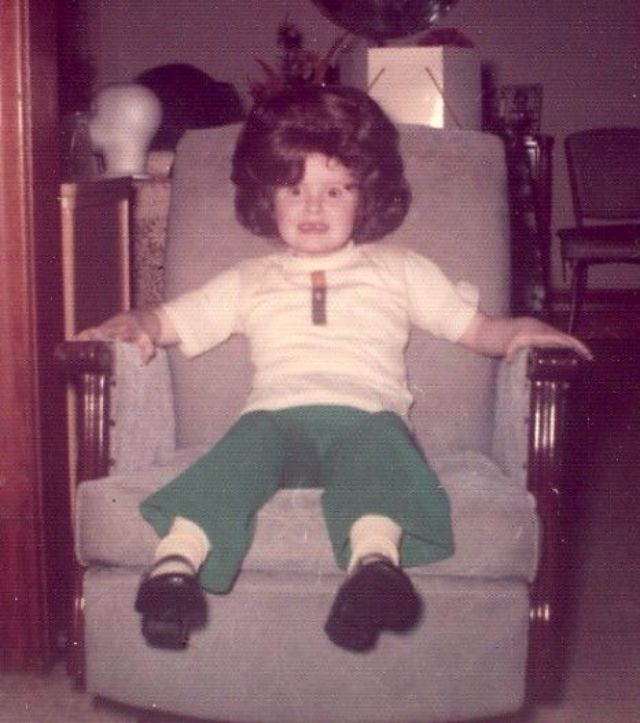
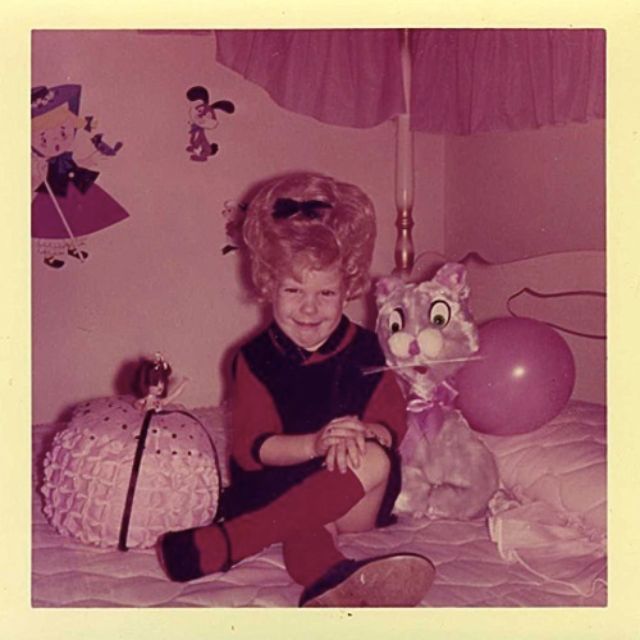
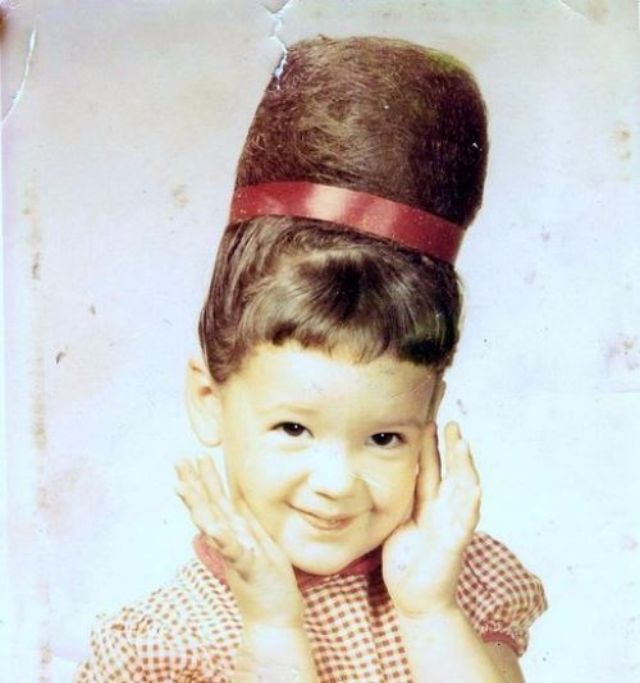
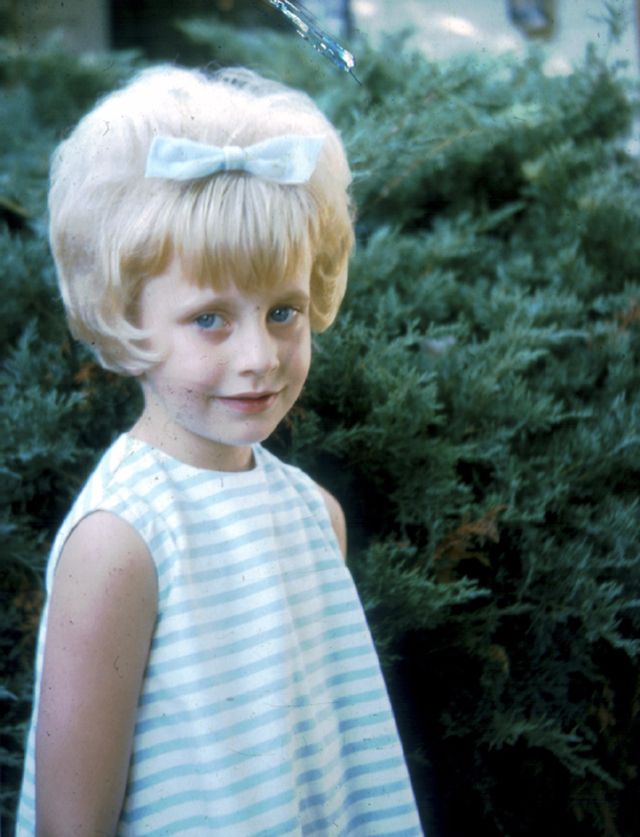
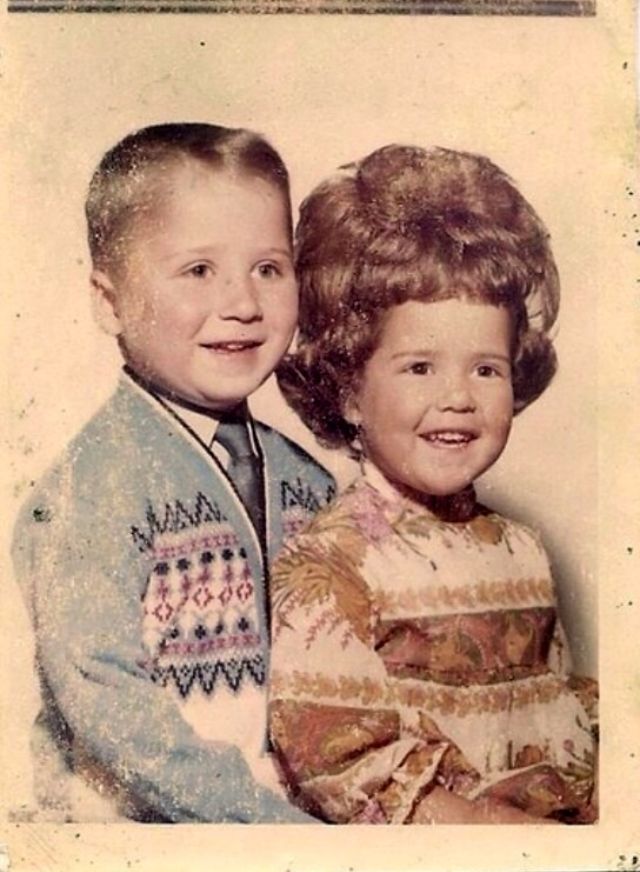
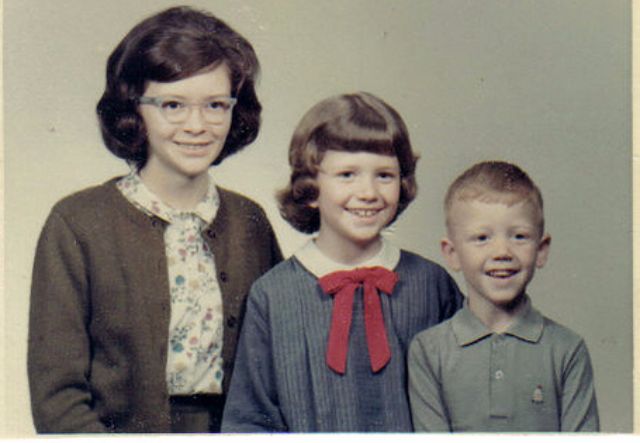
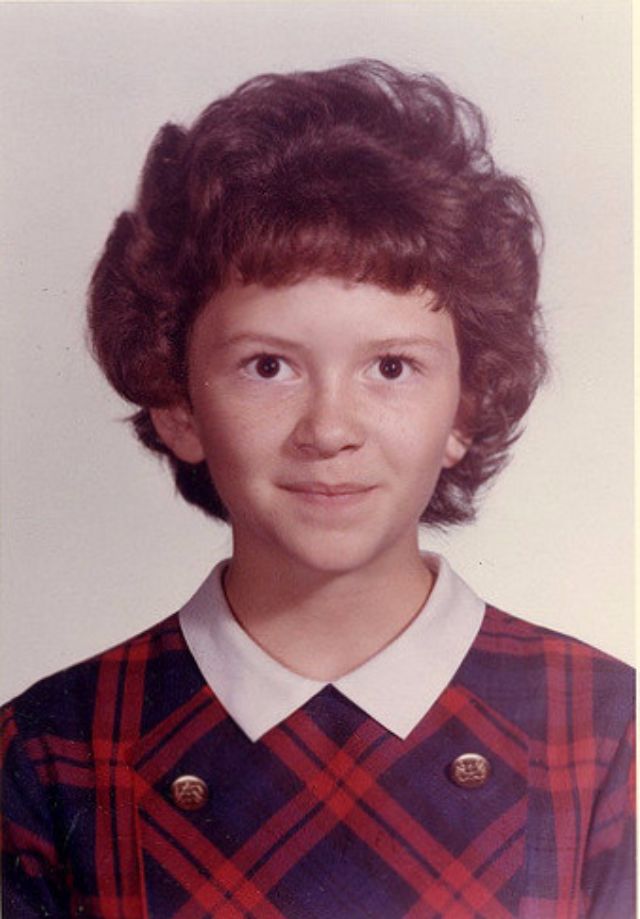
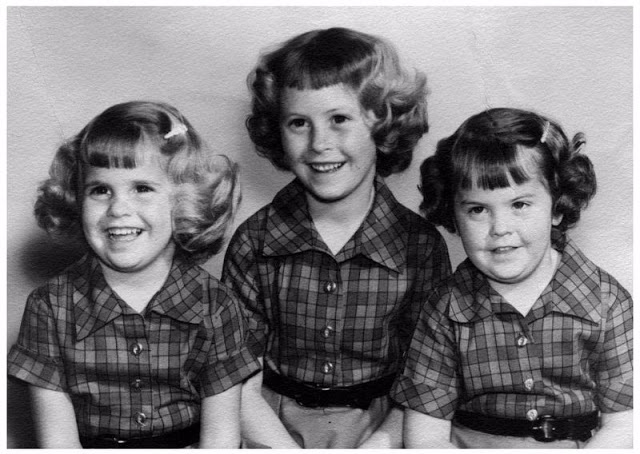
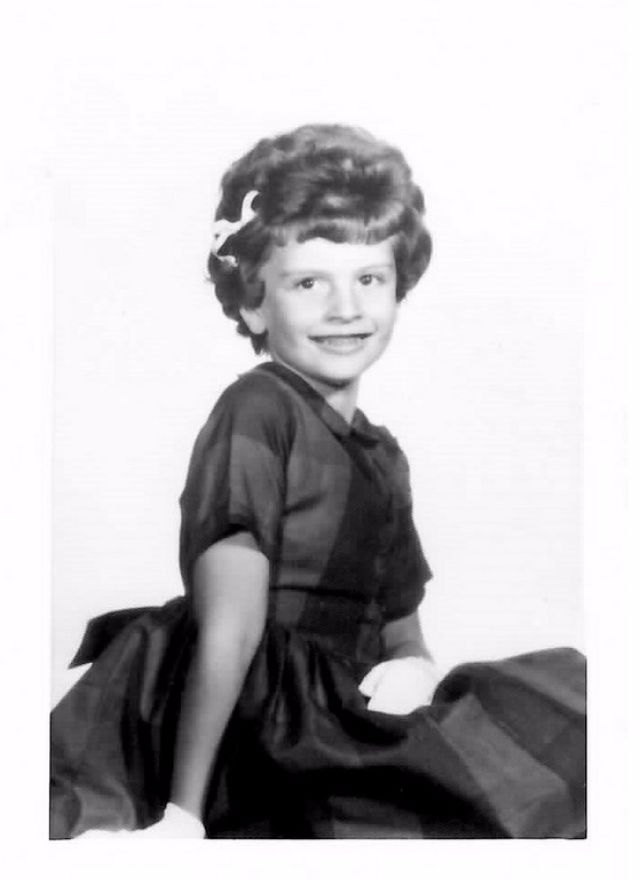
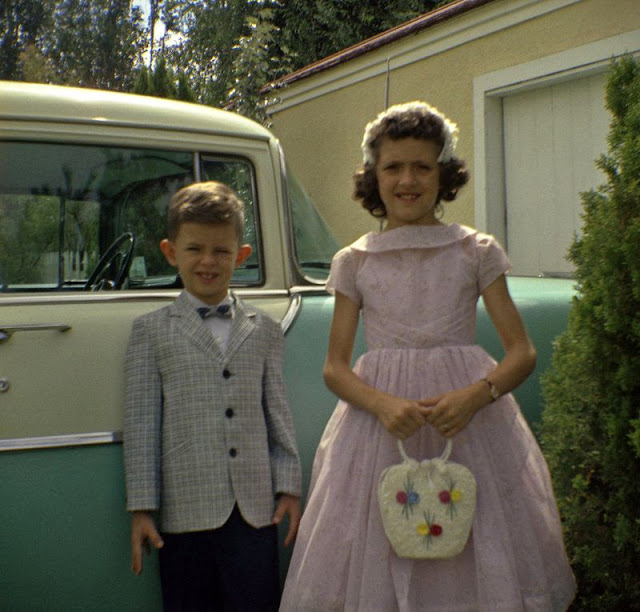
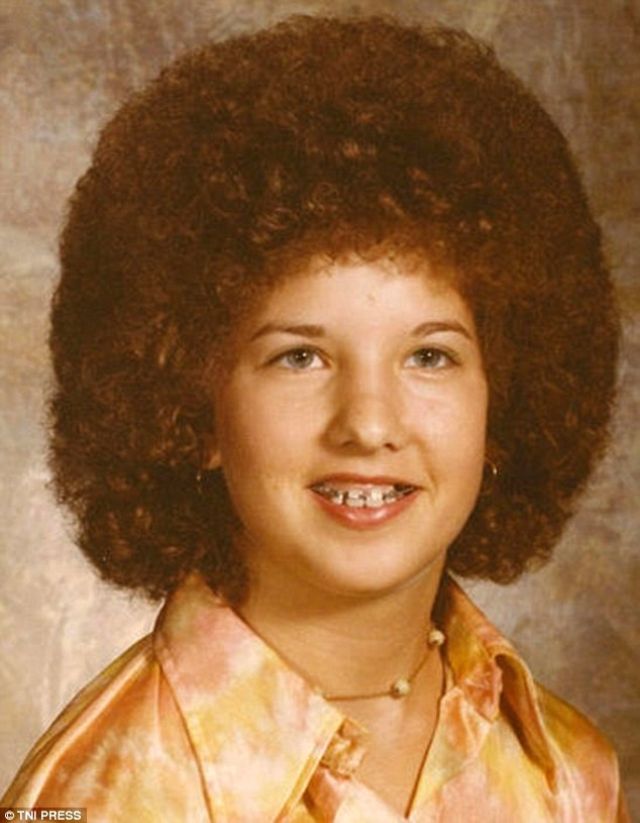
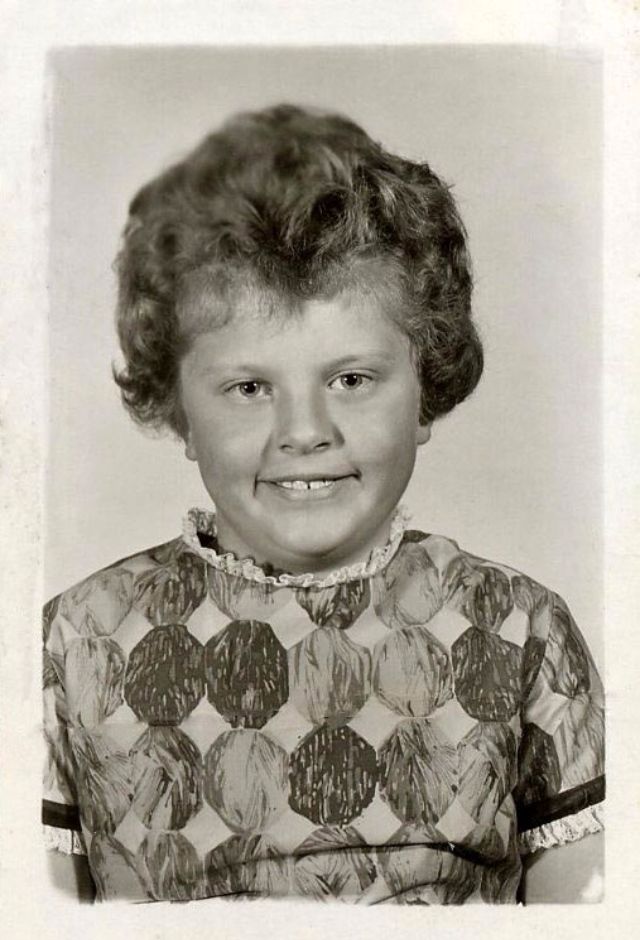
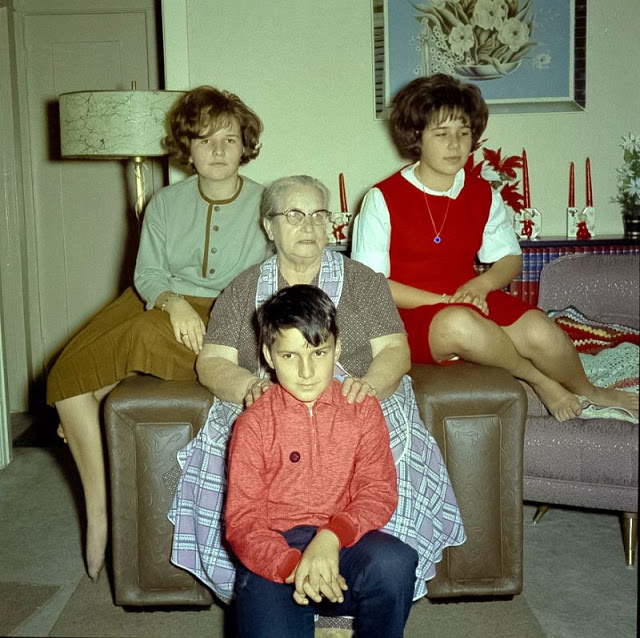
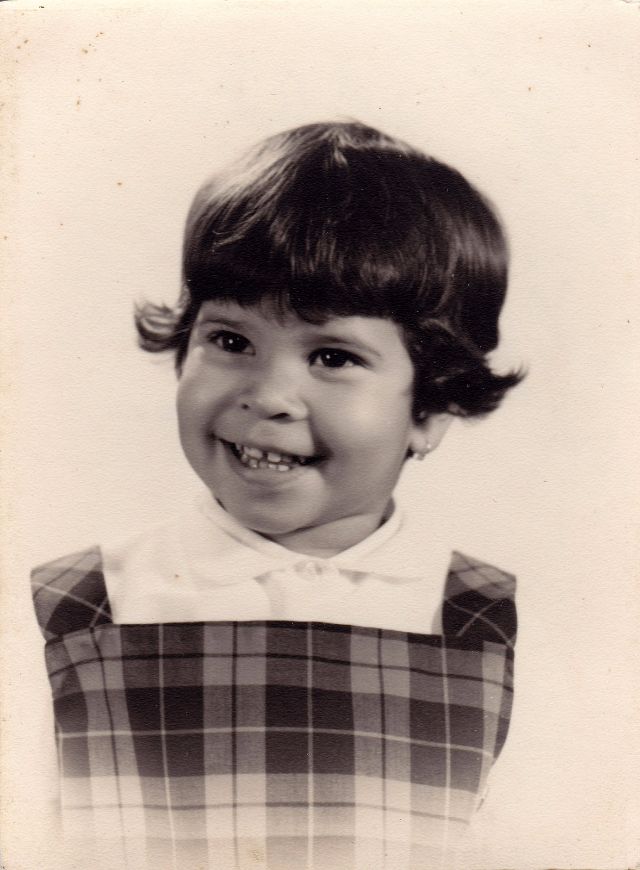
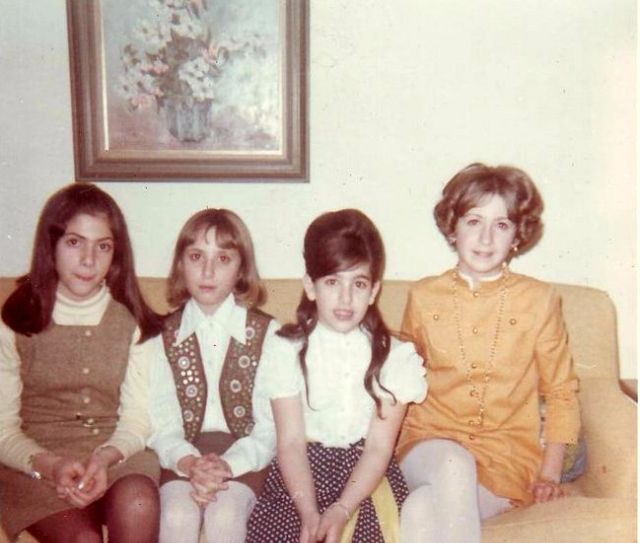
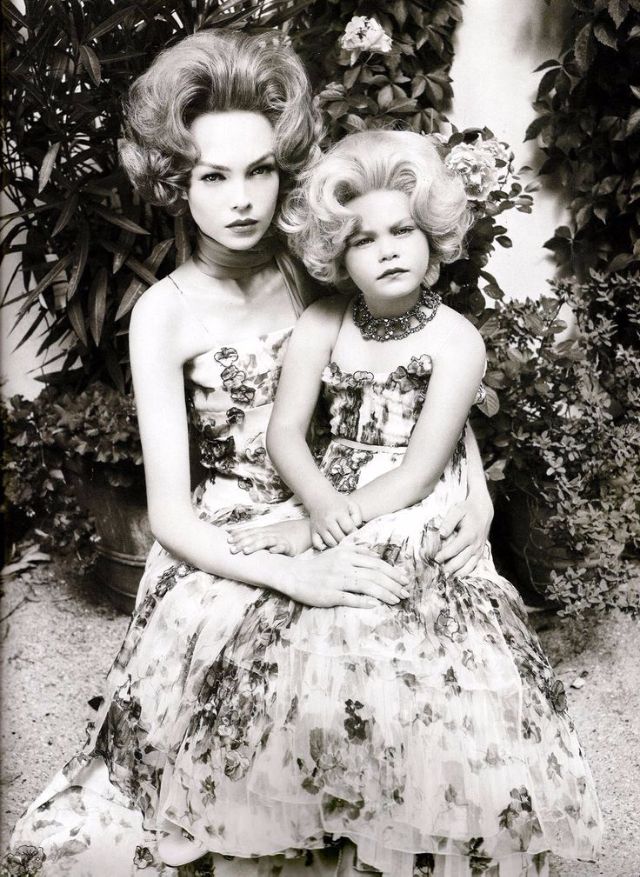
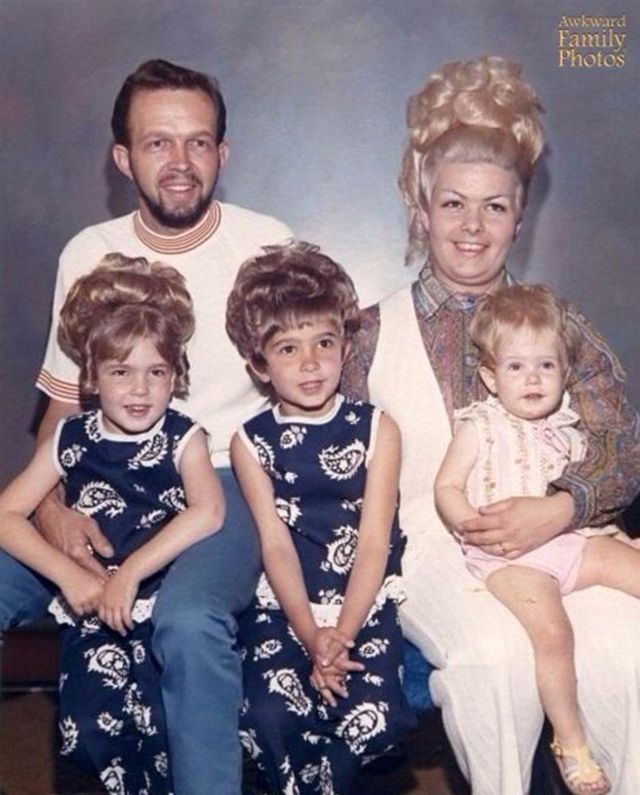
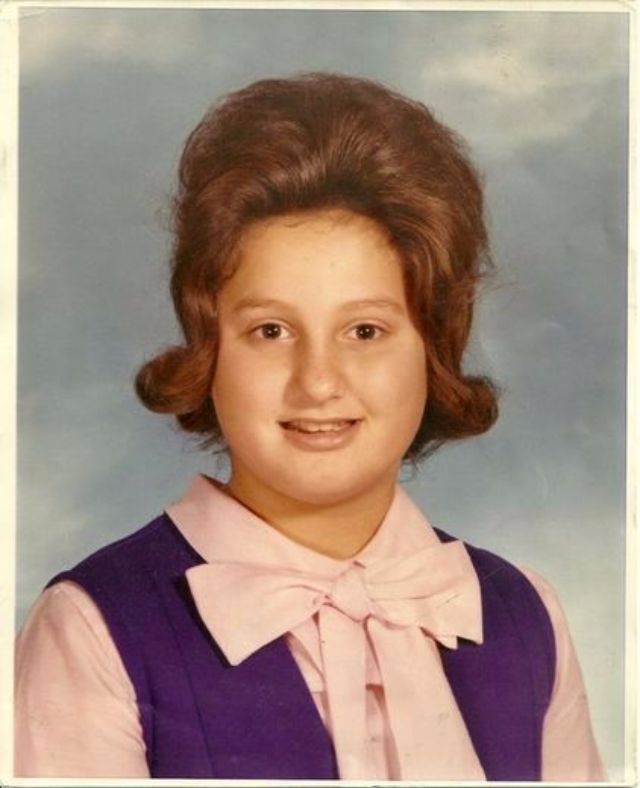
The Swinging Sixties was not only featured short skirts, but also cool hairstyles. From beehive to flipped bob, and other big hairs. They were all amazing, but not just for women…
Check out these pictures to see lovely kids with their ’60s hairdos.
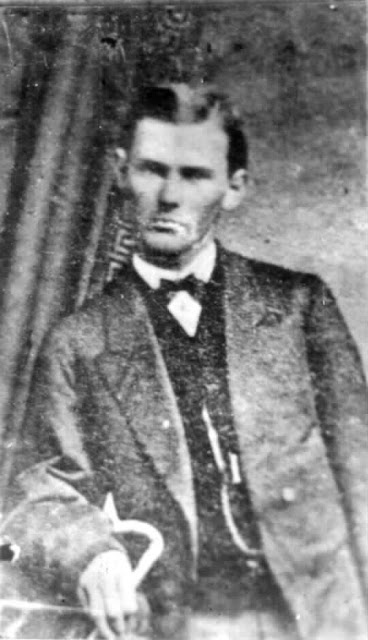
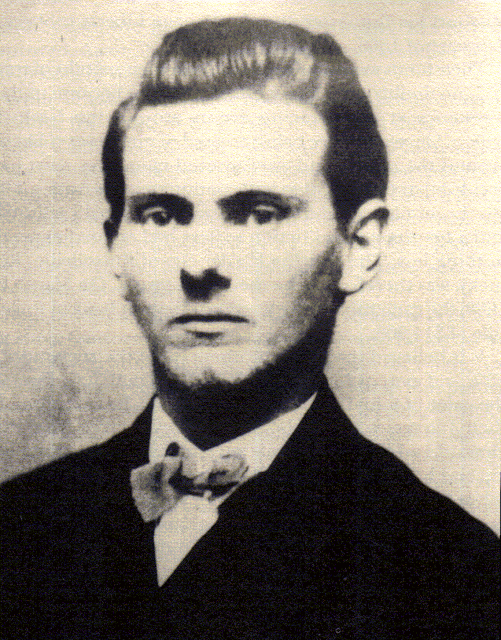
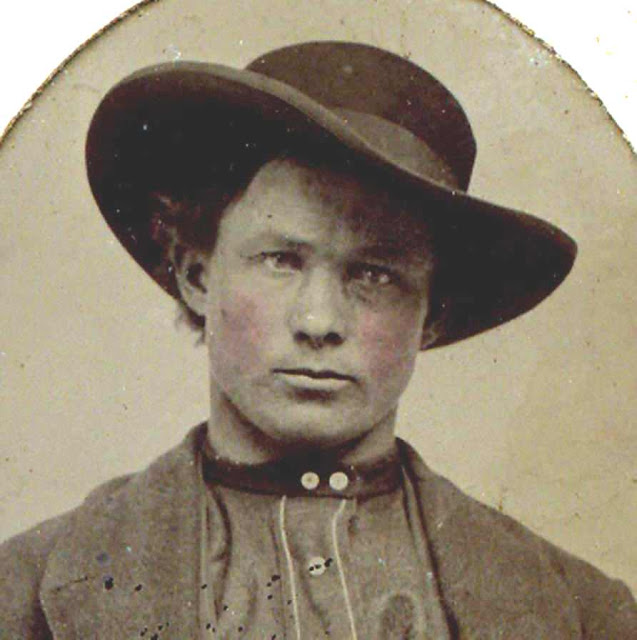
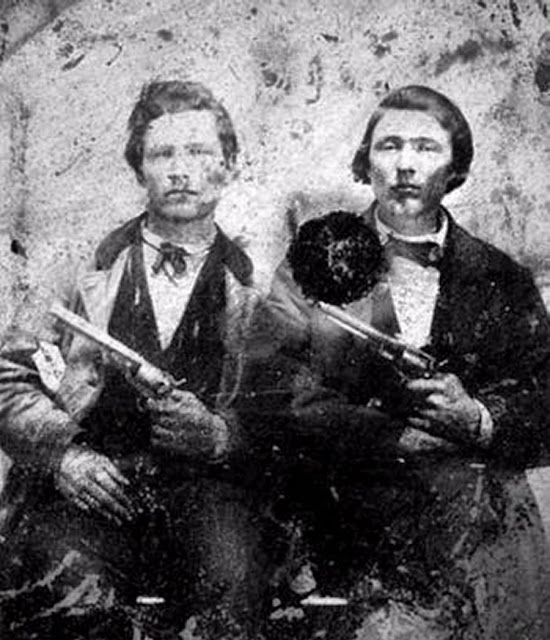
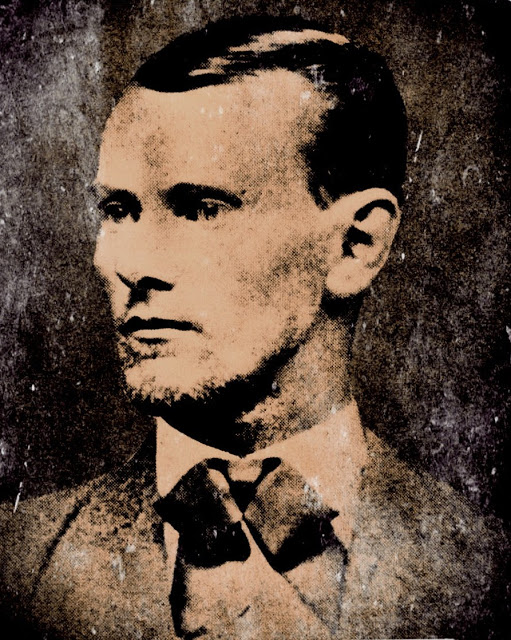
Jesse Woodson James (September 5, 1847 – April 3, 1882) was an American outlaw, bank and train robber, guerrilla, and leader of the James–Younger Gang. Raised in the “Little Dixie” area of western Missouri, James and his family maintained strong Southern sympathies. He and his brother Frank James joined pro-Confederate guerrillas known as “bushwhackers” operating in Missouri and Kansas during the American Civil War. As followers of William Quantrill and “Bloody Bill” Anderson, they were accused of committing atrocities against Union soldiers and civilian abolitionists, including the Centralia Massacre in 1864.
After the war, as members of various gangs of outlaws, Jesse and Frank robbed banks, stagecoaches, and trains across the Midwest, gaining national fame and often popular sympathy despite the brutality of their crimes. The James brothers were most active as members of their own gang from about 1866 until 1876, when as a result of their attempted robbery of a bank in Northfield, Minnesota, several members of the gang were captured or killed. They continued in crime for several years afterward, recruiting new members, but came under increasing pressure from law enforcement seeking to bring them to justice. On April 3, 1882, Jesse James was shot and killed by Robert Ford, a new recruit to the gang who hoped to collect a reward on James’s head and a promised amnesty for his previous crimes. Already a celebrity in life, James became a legendary figure of the Wild West after his death.
Despite popular portrayals of James as an embodiment of Robin Hood, robbing from the rich and giving to the poor, this is a case of romantic revisionism since there is absolutely no evidence that he or his gang shared any loot from their robberies with anyone outside their network. Scholars and historians have characterized James as one of many criminals inspired by the regional insurgencies of ex-Confederates following the Civil War, rather than as a manifestation of alleged economic justice or of frontier lawlessness. James continues to be one of the most famous figures from the era, and his life has been dramatized and memorialized numerous times.
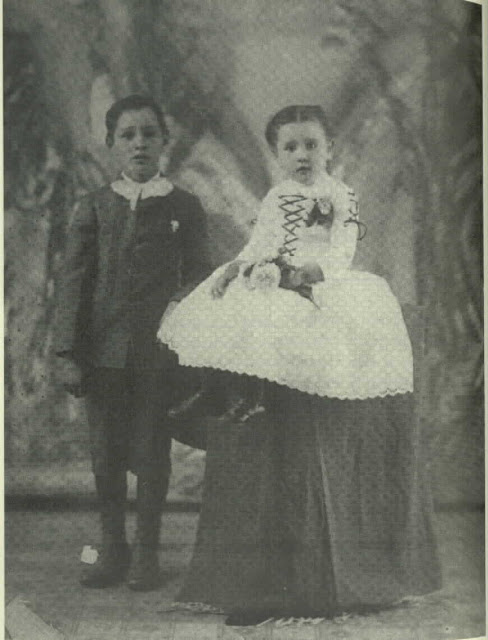
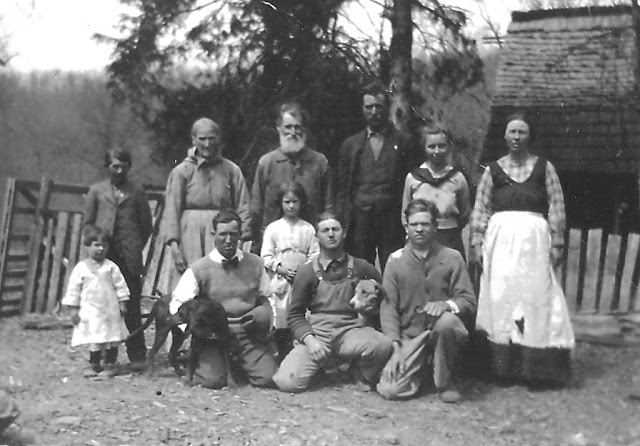
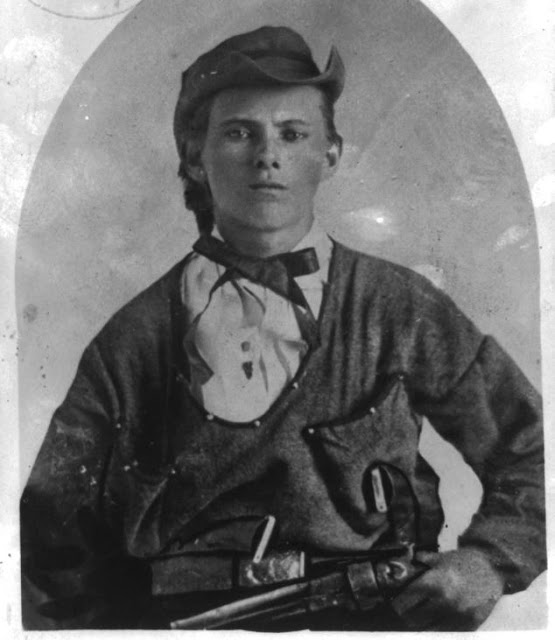
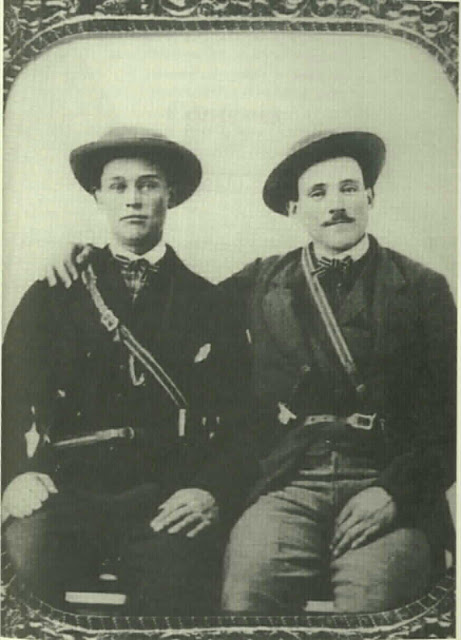
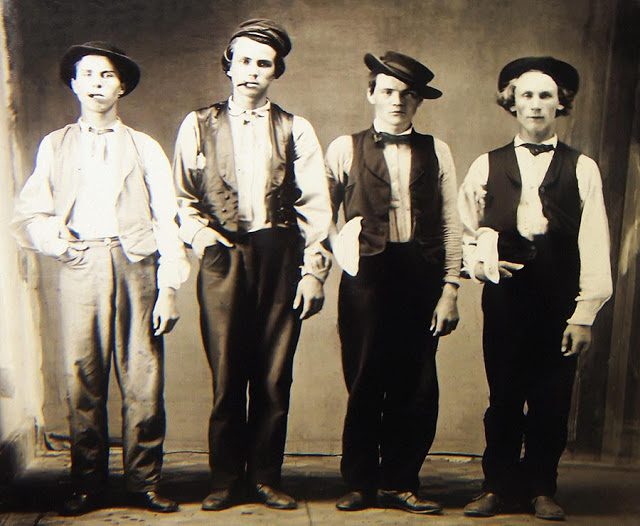
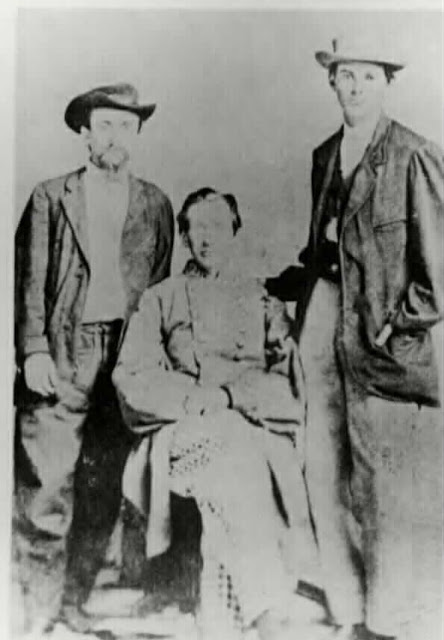
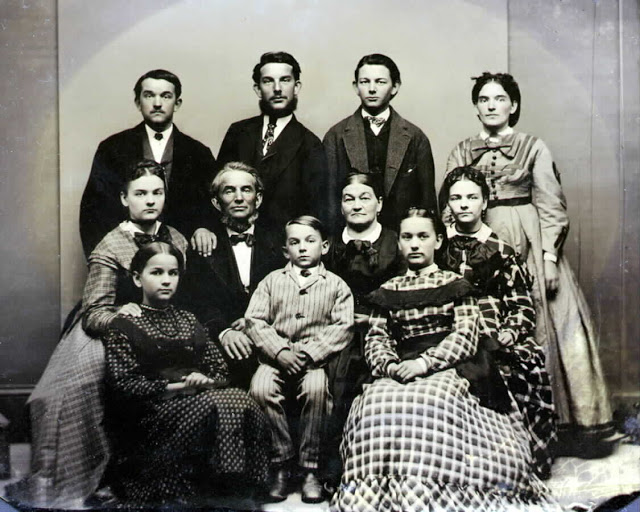
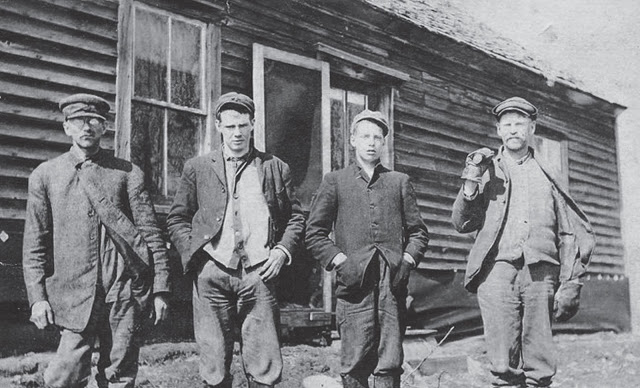
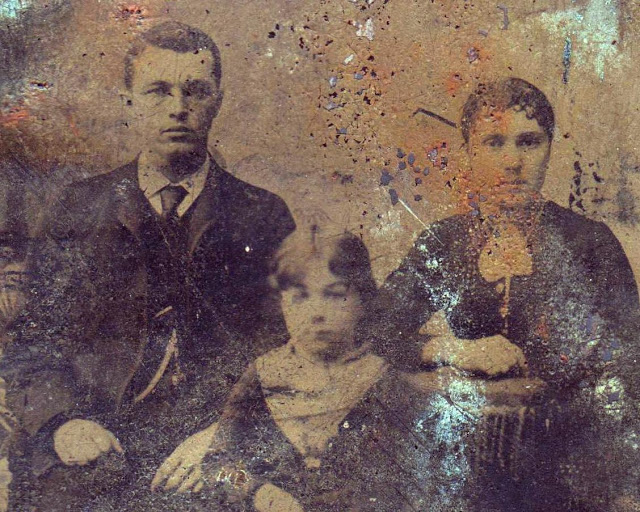
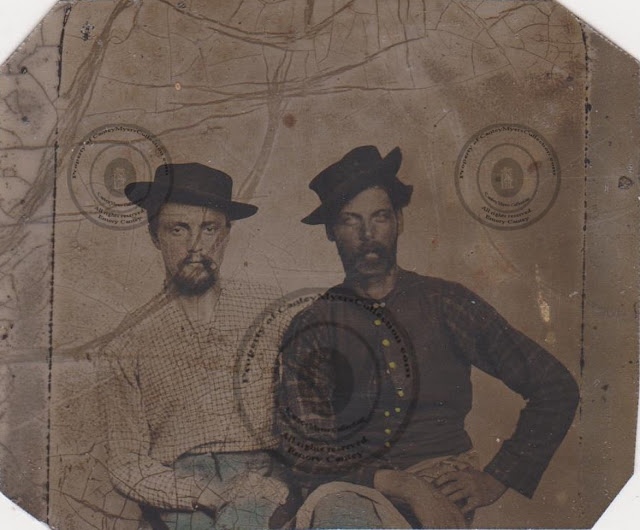
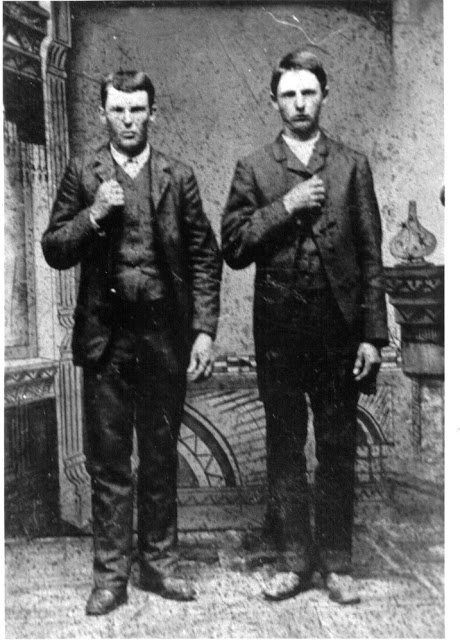
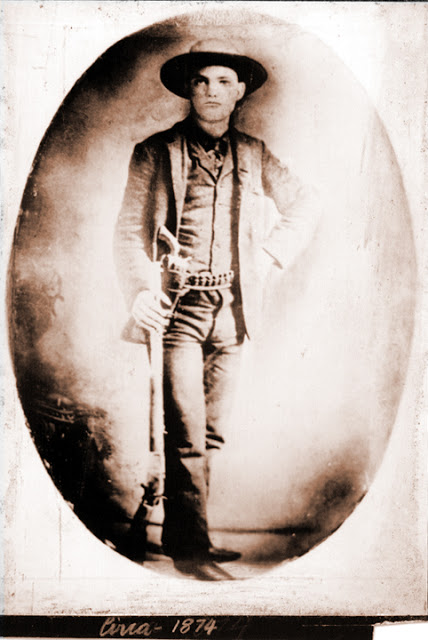
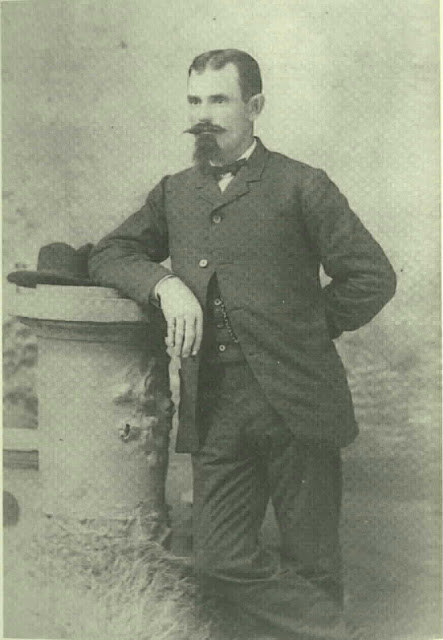
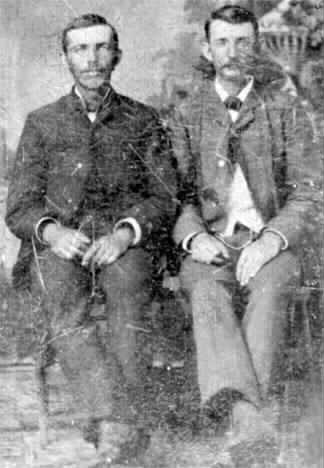
Jesse, around age seven, with his five year old sister, Susan, 1854Jesse Woodson James is on the far left next to his parents Orpha Elizabeth and William M JamesJesse James, Platte City, Missouri, July 10, 1864Jesse James and his closest friend during the Civil War, Little Archie Clements, ca. 1864-65Jesse James, Nashville, Tennessee, 1866Jesse James, the second from the rightJesse James, San Francisco, California, 1867Jesse (right), Frank James (middle), and Fletch Taylor, Nashville, Tenessee, June of 1867Jesse James, the third from the left, and the lady to his left is Zee Mimms, his cousin and future wife, Octorber 1868Jesse James, Greenville, Illinois, 1869Outlaw Jesse JamesFrank and Jesse JamesJesse James, the second from the leftJesse James, his wife Zerelda Mimms, and his daughterJesse James and Cadwell ChilesJesse James, Long Branch, New Jersey, 1871Jesse and Frank James, Carolina, Illinois, 1872Jesse James, Hot Springs, Arkansas, 1874Outlaw Jesse James, Nebraska City, 1875Jesse James, 1876Jesse (left) and Frank, ca. 1875-76Jesse James with Frank James and other members of the James Gang, Nashville, Tennessee in 1880Jesse James in his coffin, 1882
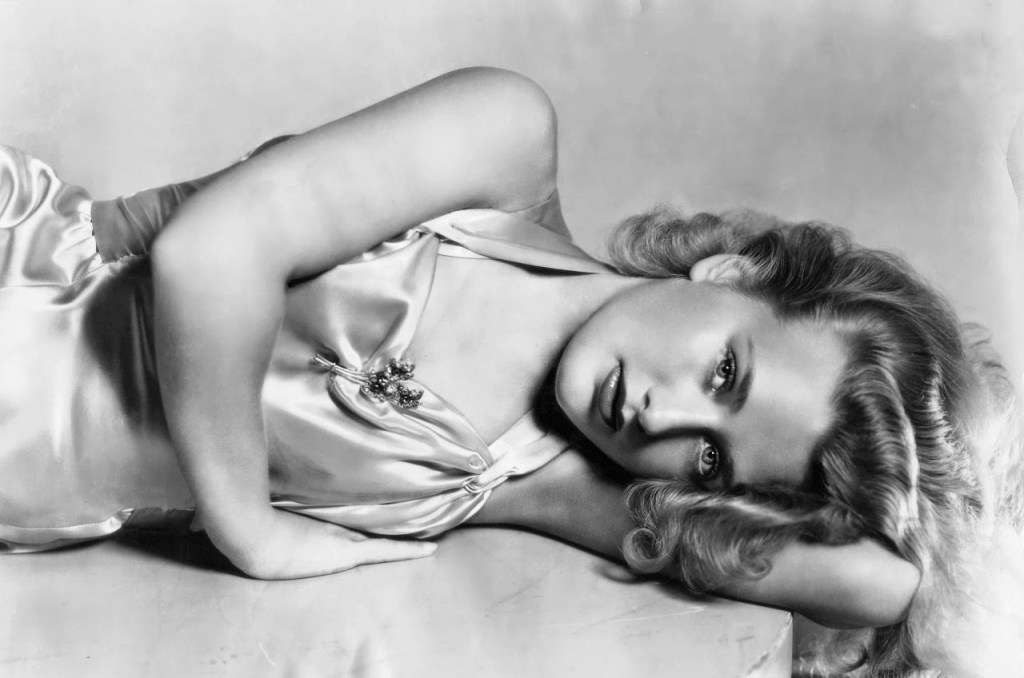
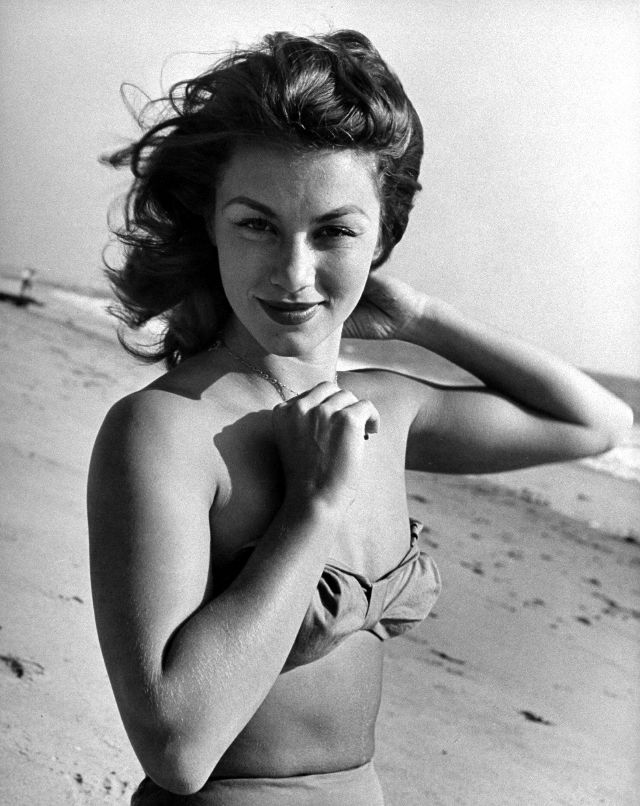
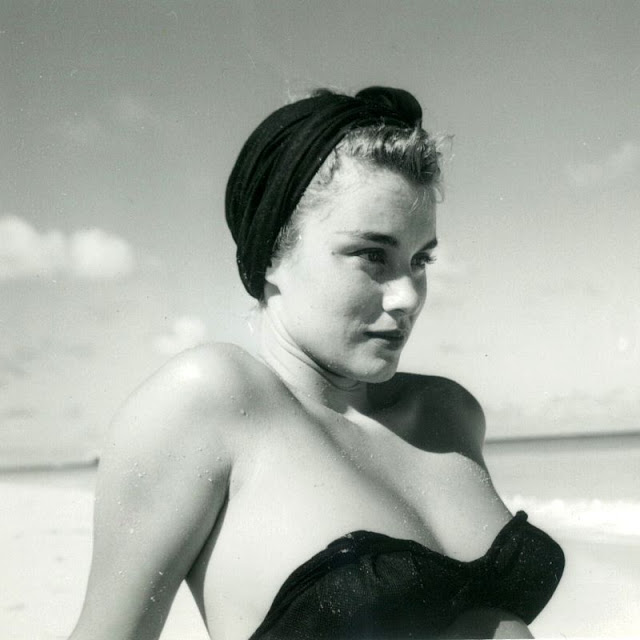
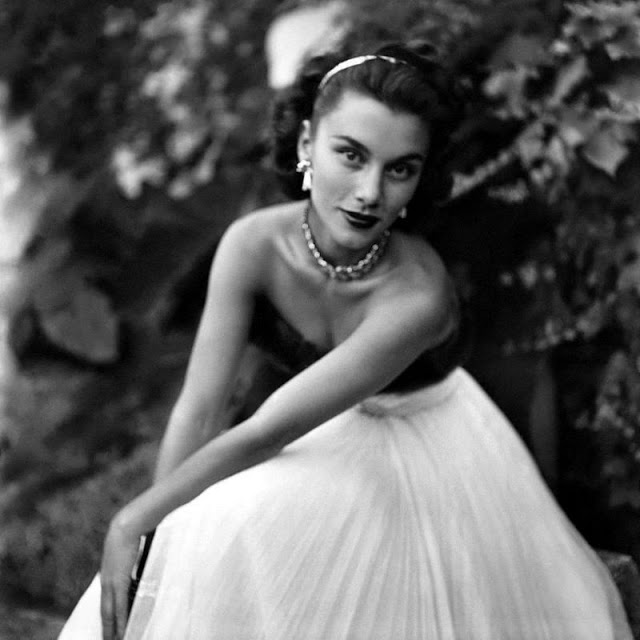
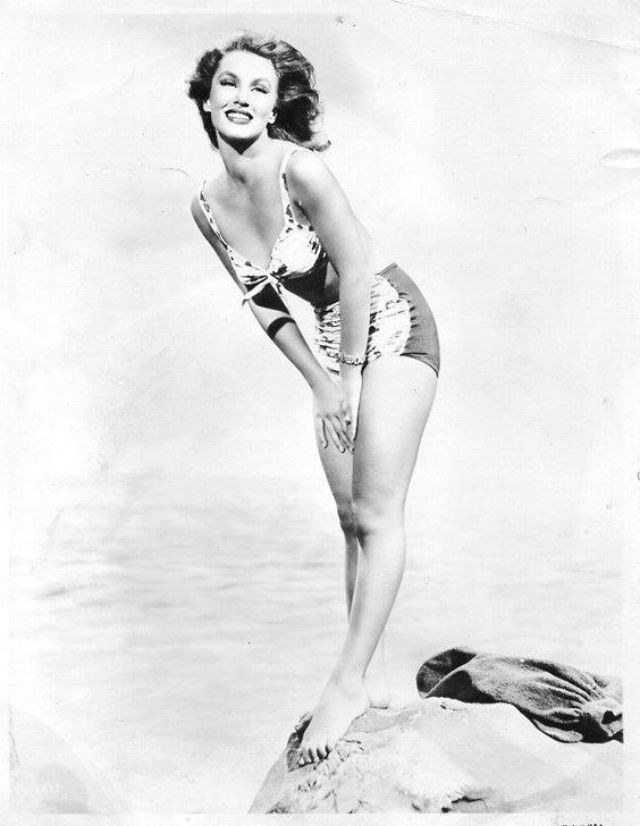
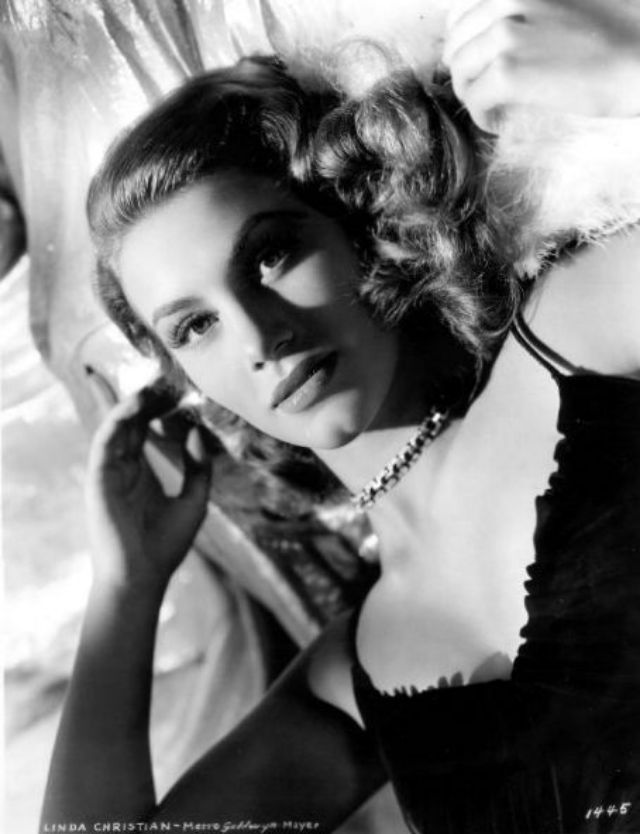
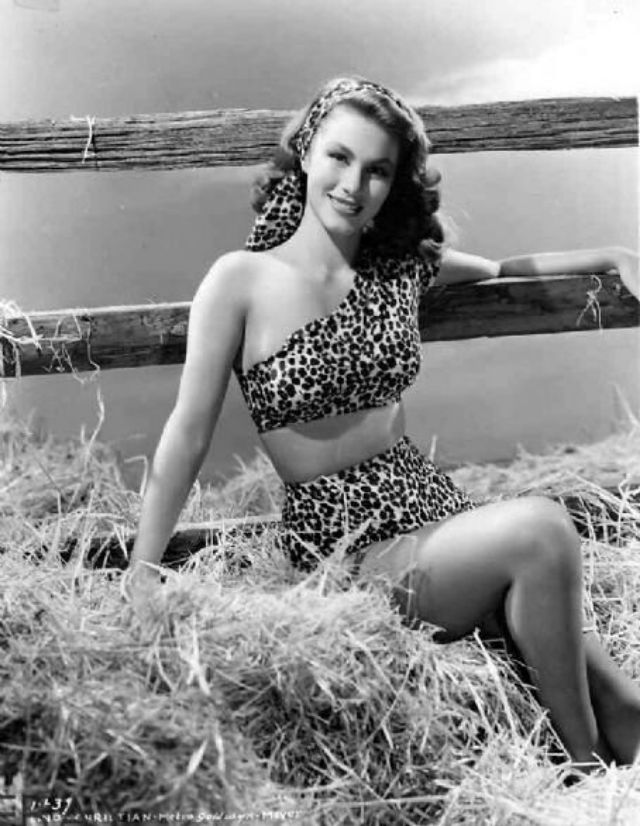
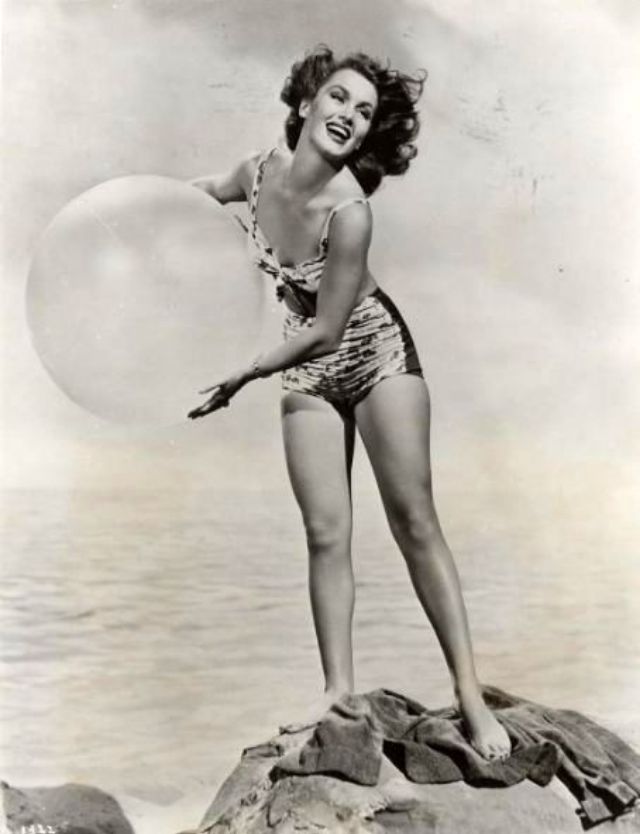
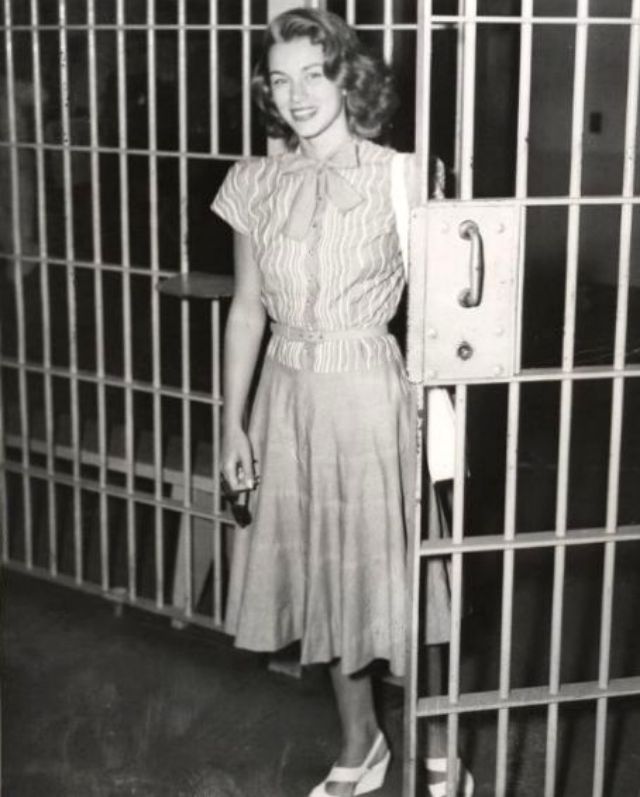
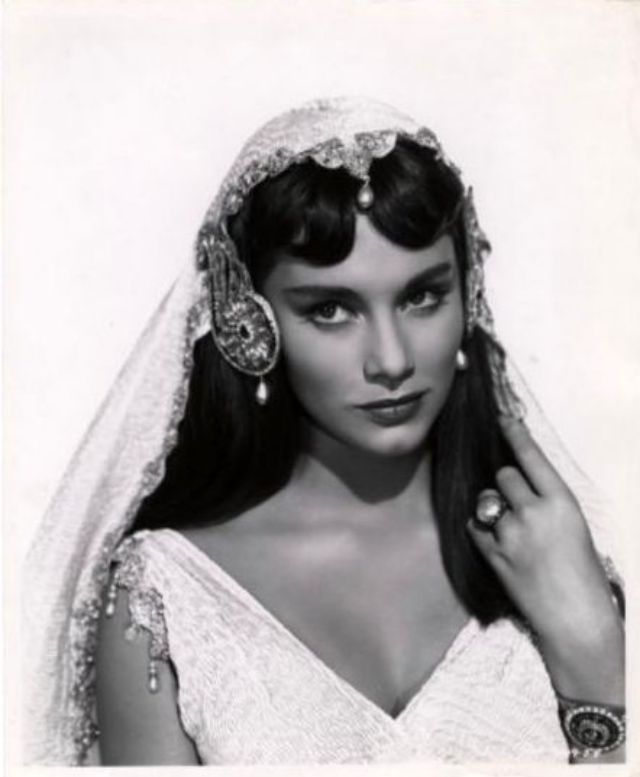
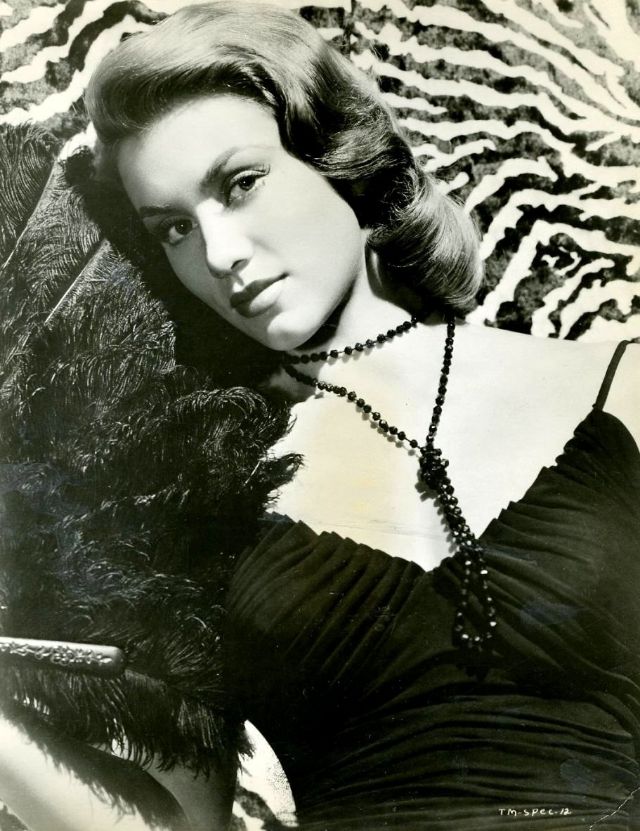
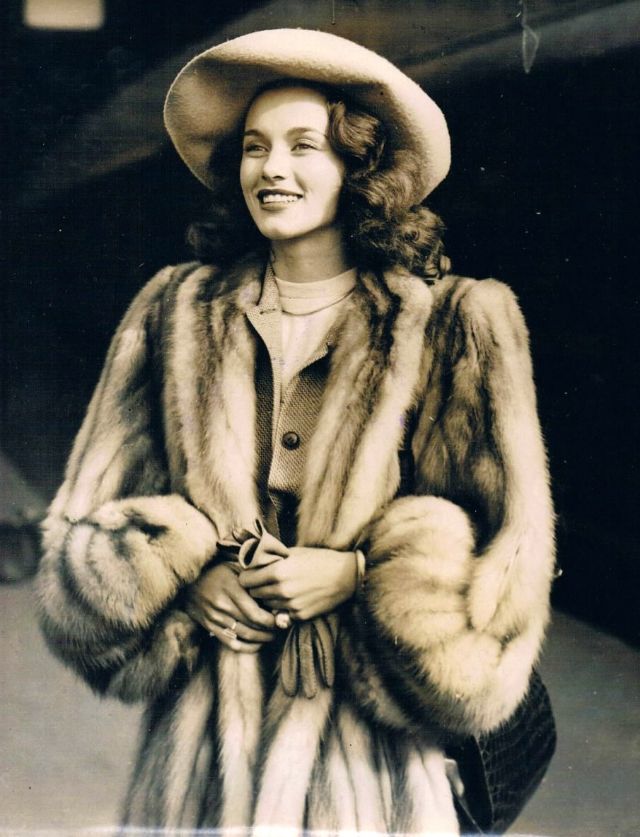
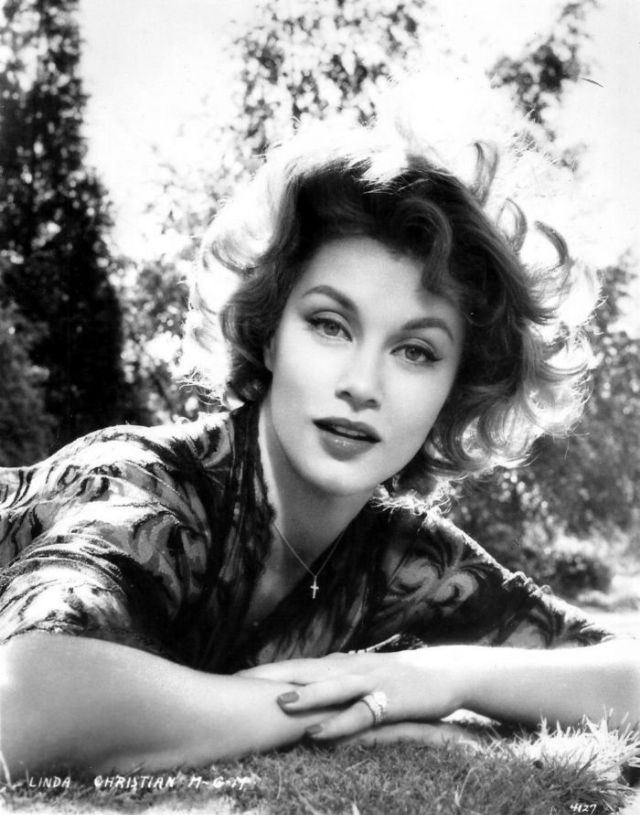
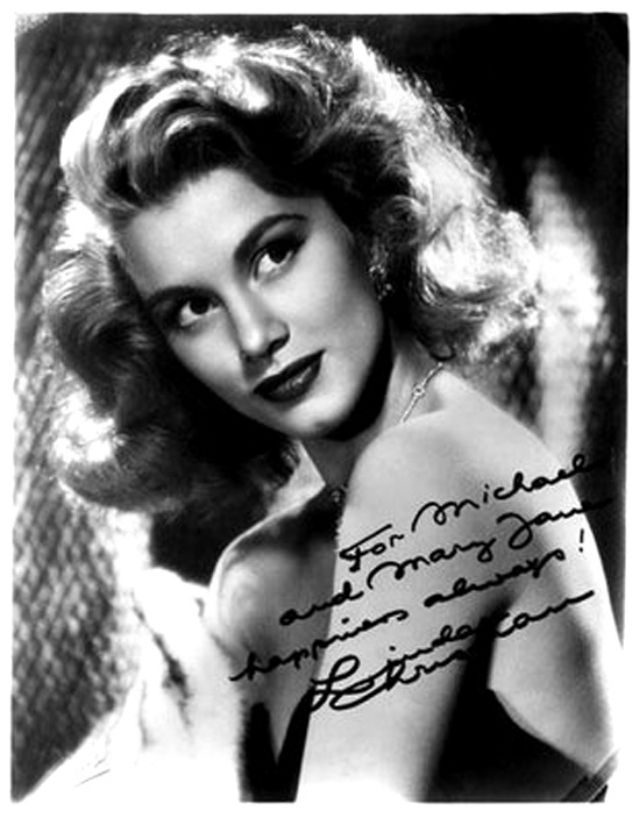
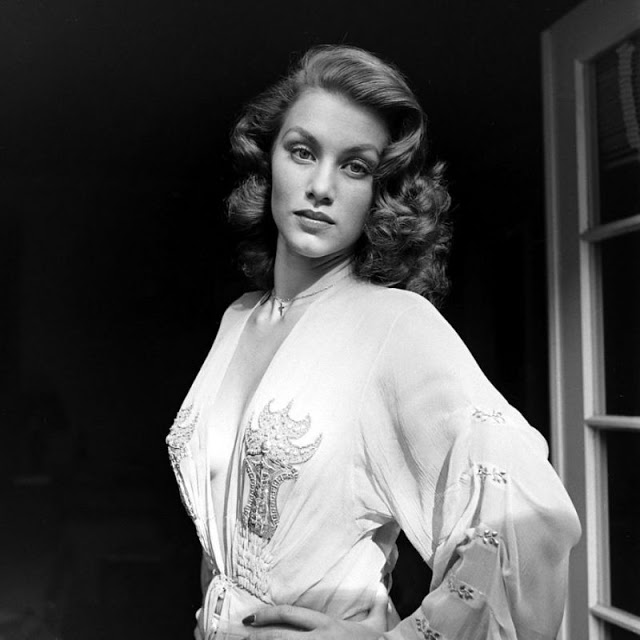
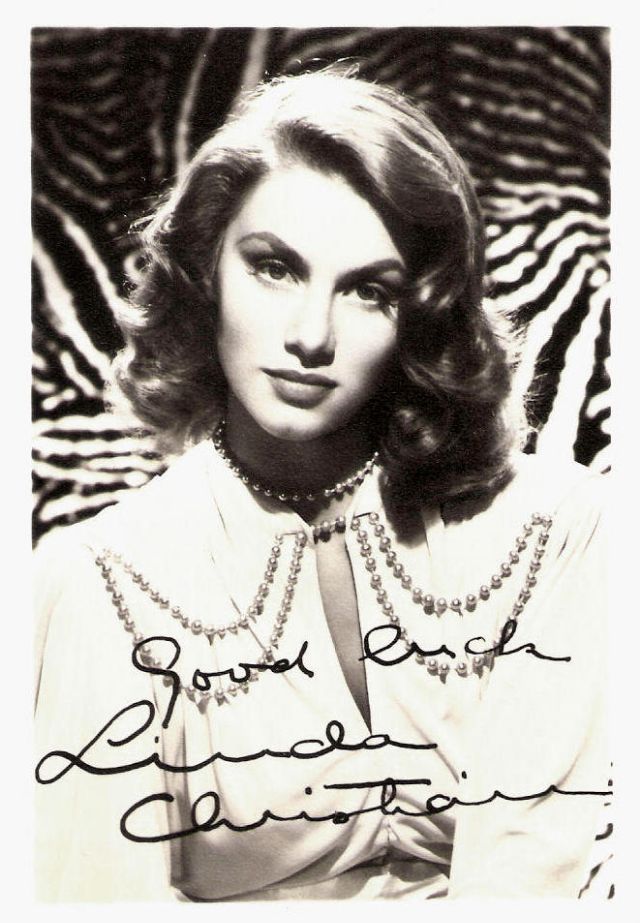
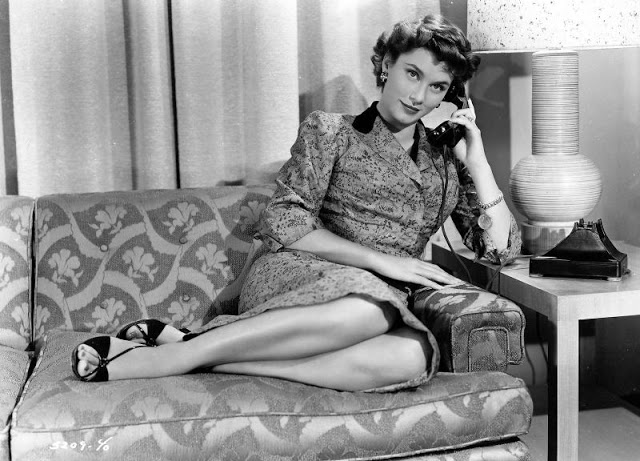
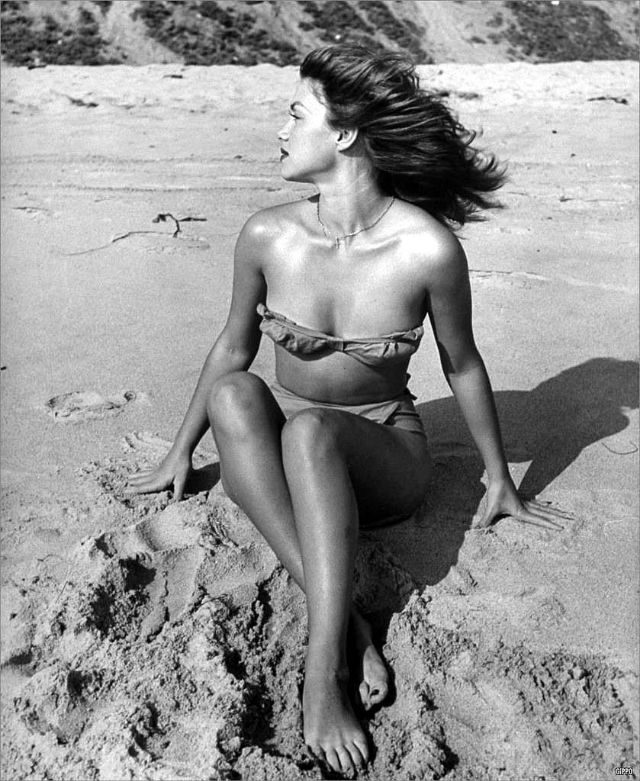
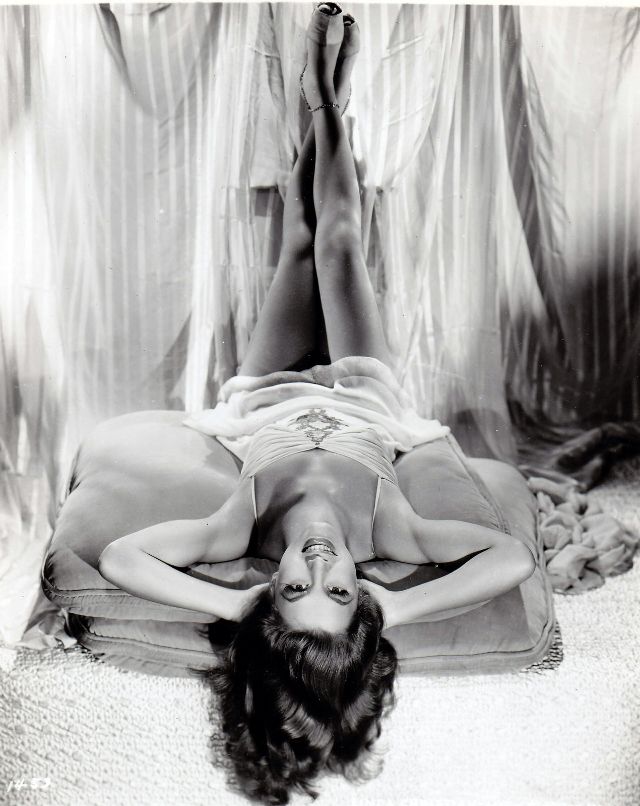
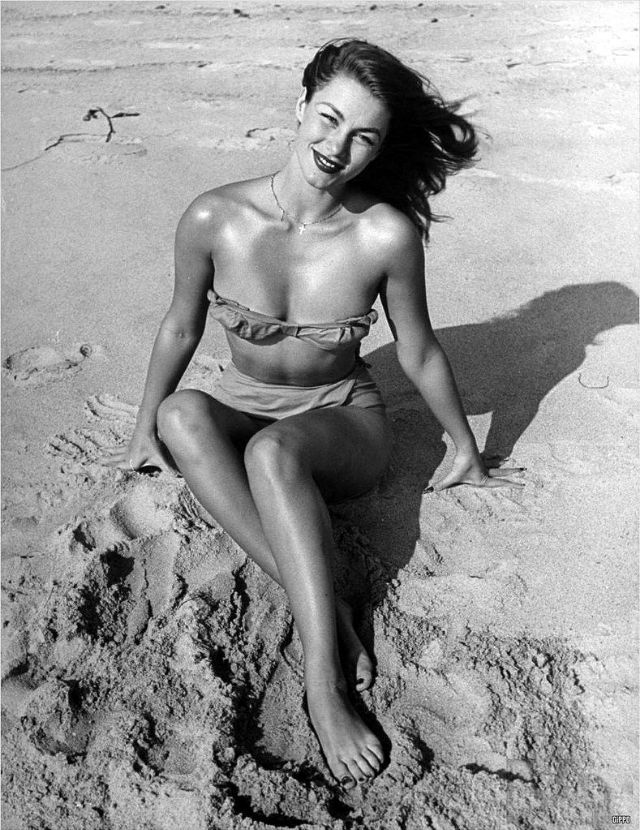
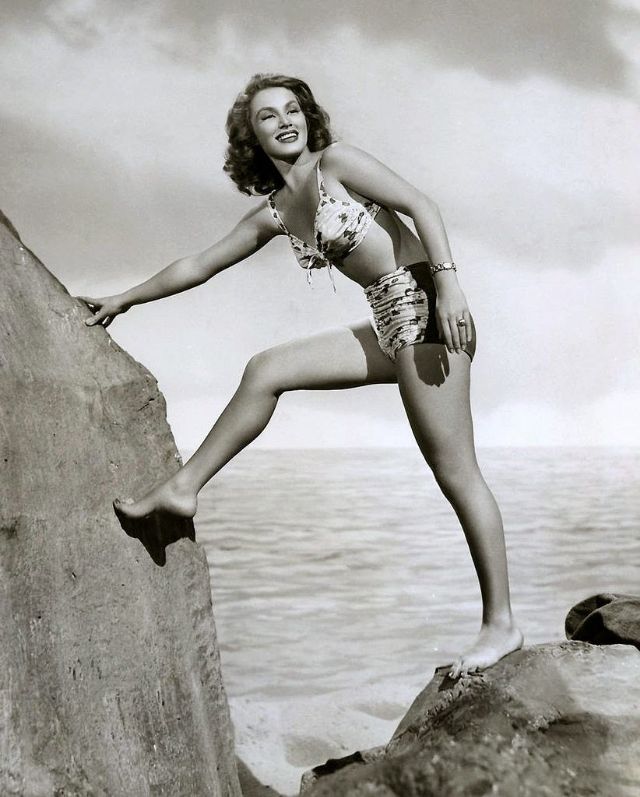
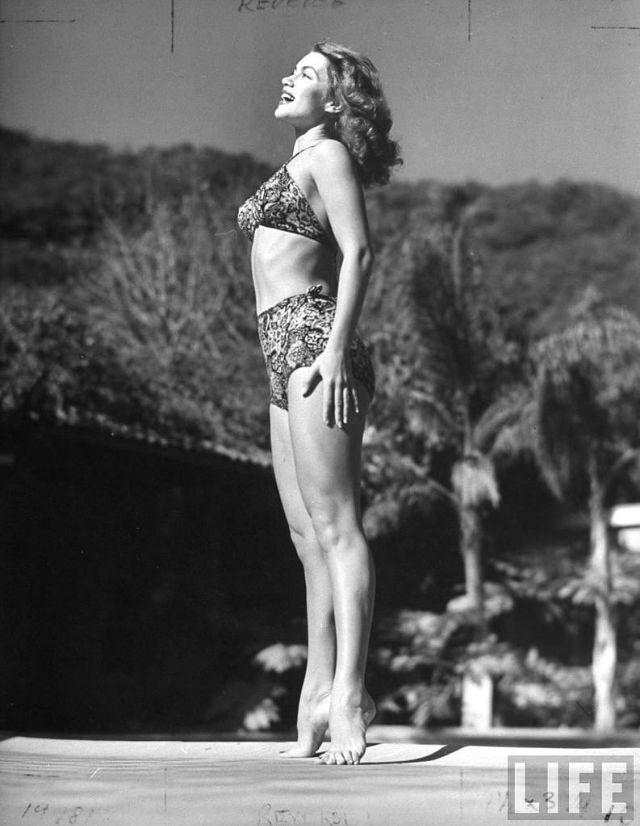
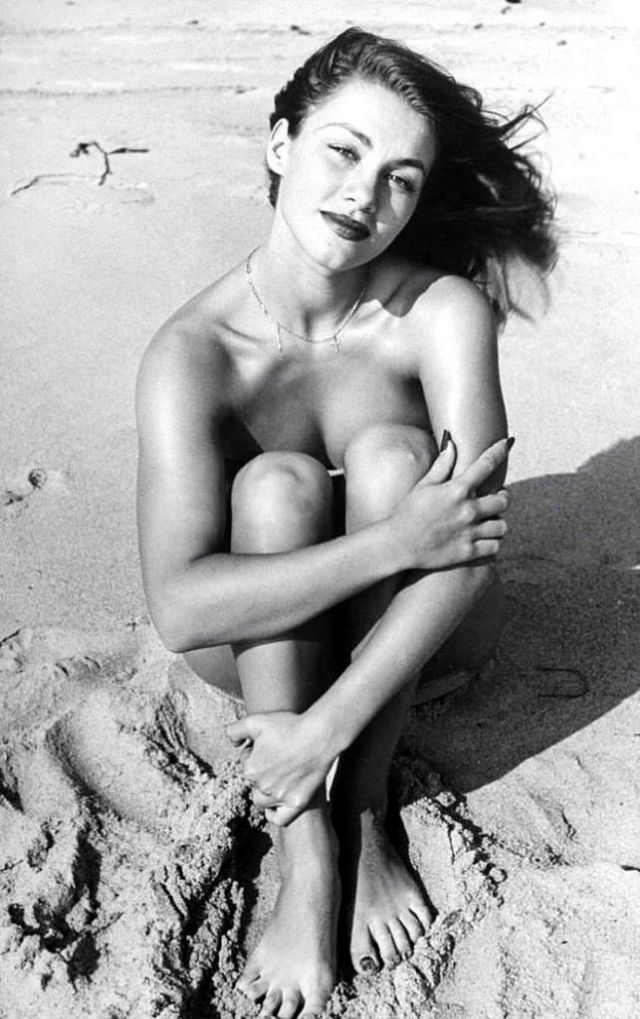
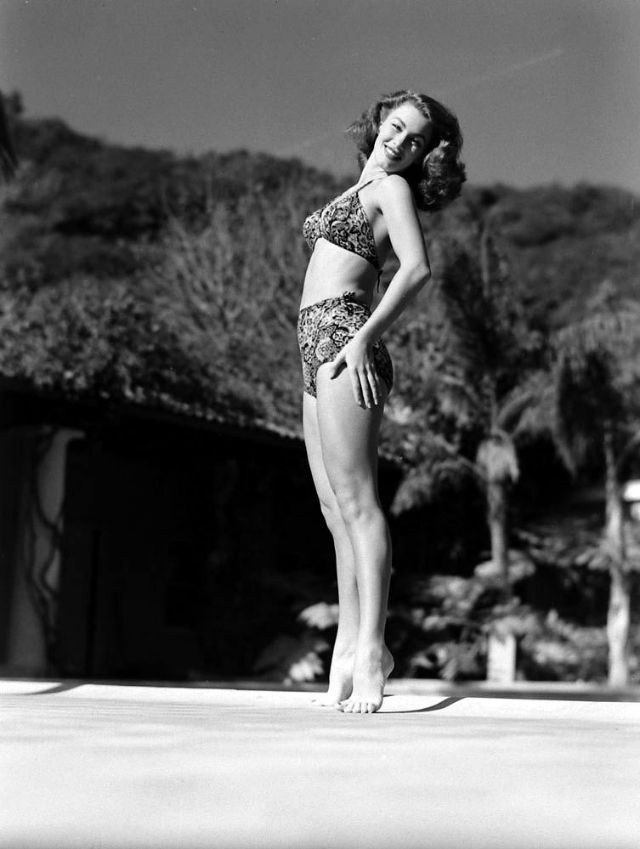
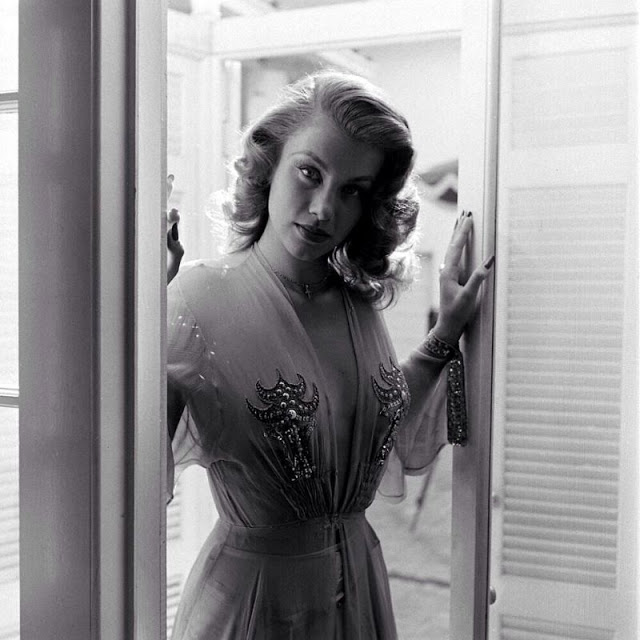
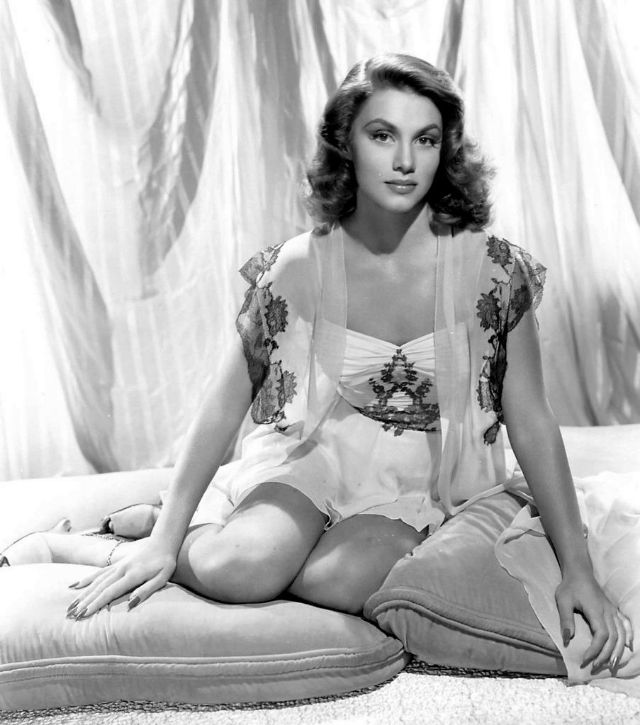
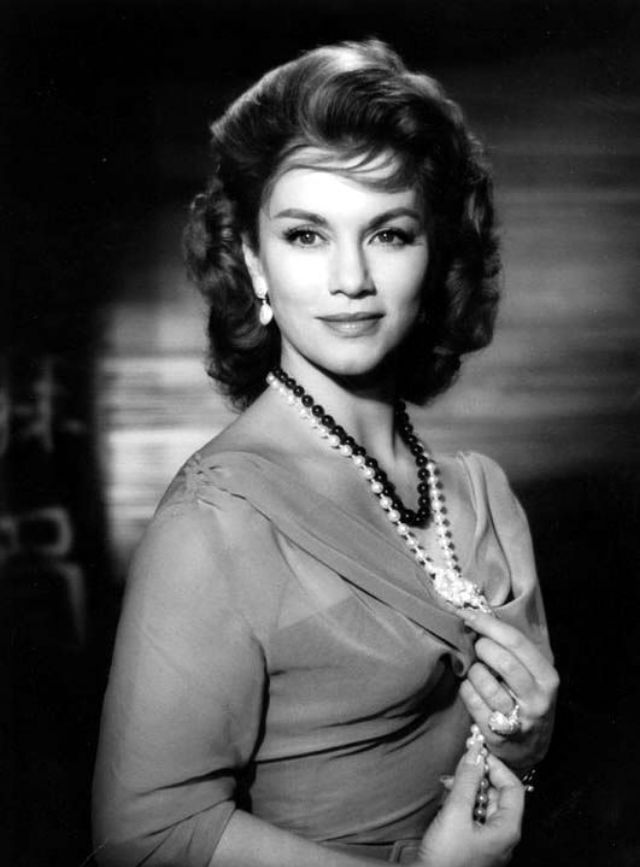
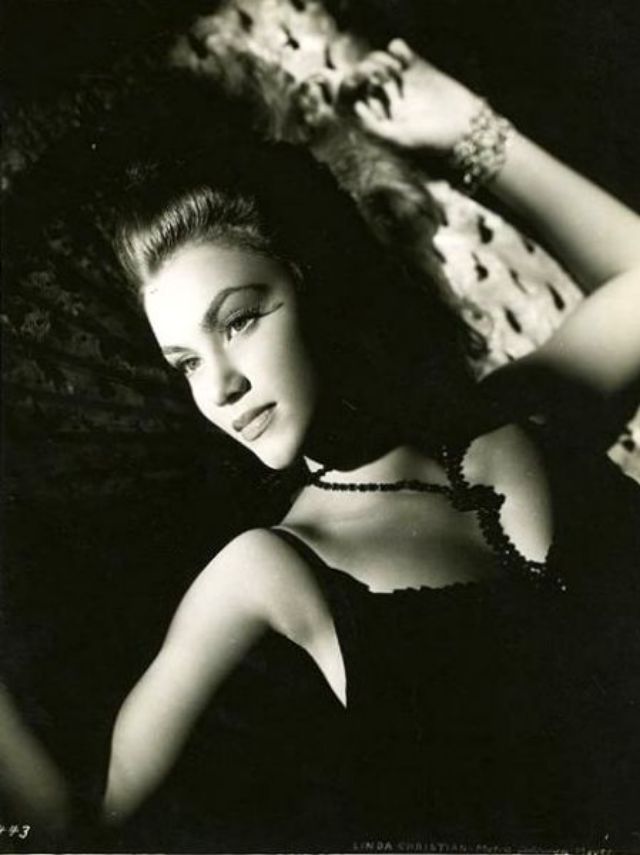
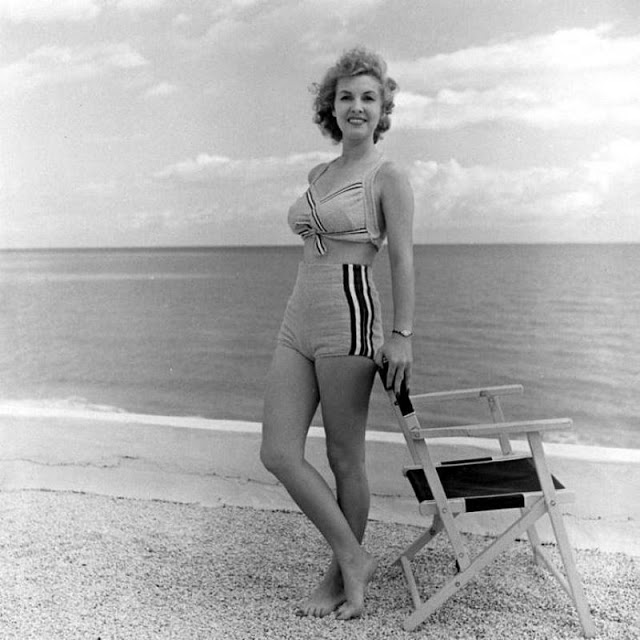
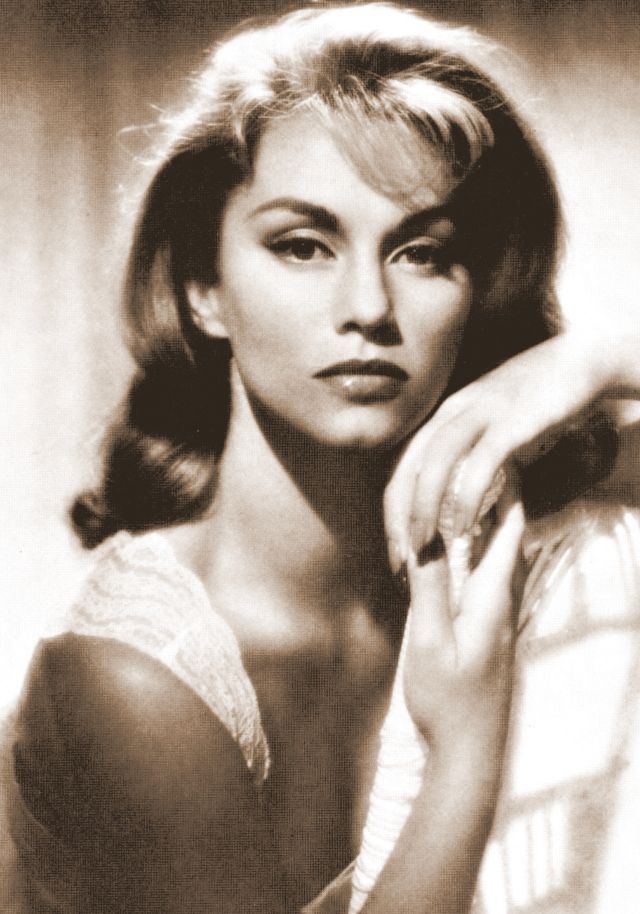
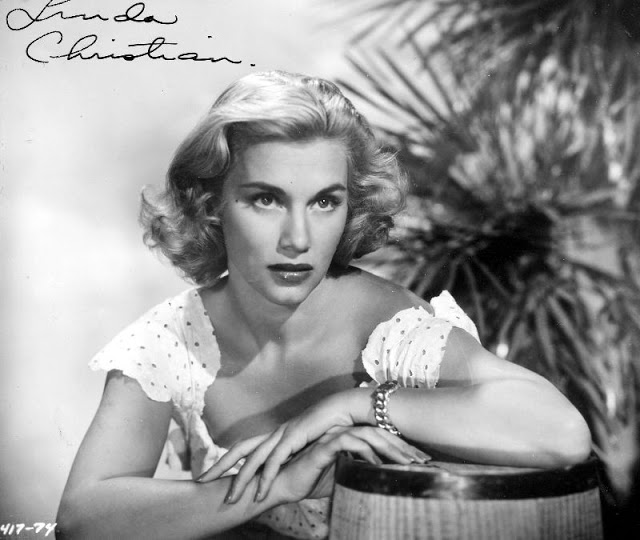
Linda Christian (born Blanca Rosa Welter; November 13, 1923 – July 22, 2011) was a Mexican film actress, who appeared in Mexican and Hollywood films. Her career reached its peak in the 1940s and 1950s. She played Mara in the last Johnny Weissmuller Tarzan film Tarzan and the Mermaids (1948). She is also noted for being the first Bond girl, appearing in a 1954 television adaptation of the James Bond novel Casino Royale. In 1963 she starred as Eva Ashley in an episode of The Alfred Hitchcock Hour titled “An Out for Oscar”.
In her youth Christian’s only aspiration was to become a physician. After she graduated from secondary school she had a fortuitous meeting with her screen idol Errol Flynn, who became her lover, and she was persuaded by him to give up her hopes of joining the medical profession, move to Hollywood, and pursue an acting career. Not long after arriving in Hollywood she was spotted by Louis B. Mayer’s secretary at a fashion show in Beverly Hills. He offered, and she accepted, a seven-year contract with MGM.
Her stage name was invented by Flynn, who gave her the surname of Fletcher Christian of Mutiny on the Bounty fame. Flynn had played Fletcher Christian in a 1933 Australian film.
In his autobiography My Wicked, Wicked Ways, Flynn states that immediately after Linda Christian’s screen test, he offered to pay for her to have a couple of crooked teeth fixed. When he got a whopping bill, he discovered that she had taken the opportunity to undergo major cosmetic dentistry. Years later, when he met her again, he said, “Smile, baby – I want to see those choppers: they took their first bite out of me.”
She made her film debut in the 1944 musical comedy Up in Arms, co-starring Danny Kaye and Dinah Shore. This movie also happened to be Danny Kaye’s own first film. This film was followed by Holiday in Mexico (1946), Green Dolphin Street (1947), and what was perhaps her best-known film, Tarzan and the Mermaids (1948). She was the subject of a well-known photograph published in the January 1, 1949, issue of Vogue.
Christian was the first Bond girl to appear on screen, playing Valerie Mathis (opposite Barry Nelson as James Bond) in the 1954 TV adaptation of Casino Royale, beating Ursula Andress to the screen by eight years.
In 2001, a Golden Palm Star on the Palm Springs Walk of Stars was dedicated to her.
Christian’s fame, however, was largely derived from having been married to (and divorced from) the popular screen idol Tyrone Power (1949–56). The couple married in Rome, Italy, with Monsignor William A. Hemmick performing the ceremony at the Santa Francesca Romana. Christian wore a formfitting gold-damask gown, and the church was decorated with two thousand ‘Esther’ carnations. She and Power were the parents of singer Romina Power and actress Taryn Power. Romina was one half of the Italian singing duo Al Bano and Romina Power.
A month after she divorced Tyrone Power, Christian was seen with Spanish racing driver Alfonso de Portago, who was married to American Carroll de Portago (later Carroll Petrie). Carroll had recently given birth to “Fon’s” second child Anthony. De Portago was dating model Dorian Leigh, mother of his recently born illegitimate son Kim. Linda was photographed with de Portago at the 1957 Mille Miglia car race. The photo shows Christian leaning in to kiss Fon before he drove off and crashed his Ferrari, killing himself, his navigator Ed Nelson, and nine spectators in the process. The press labeled the photo “The Kiss of Death”. De Portago was 28 years old. Her ex-husband, Tyrone Power, died the following year of a heart attack at the age of 44. Christian was later married to the Rome-based British actor Edmund Purdom.
On several occasions, Christian and Power were offered the opportunity to work together, but for various reasons each offer was refused or rescinded. The most notable opportunity to co-star together came in 1953, when they were offered leading roles in From Here to Eternity. Power did not want to do the film and rejected the offer. The roles went to Donna Reed and Montgomery Clift.
Christian had a relationship with Glenn Ford in the early 1960s.
Christian died on July 22, 2011 at the age of 87. (Wikipedia)
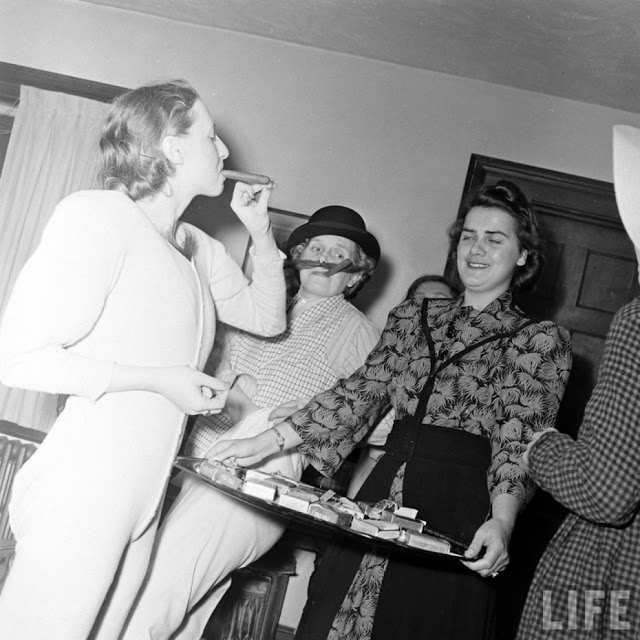
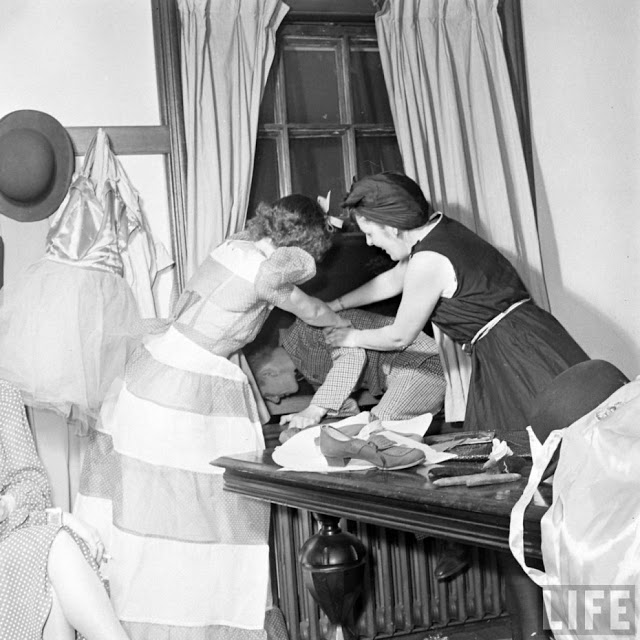
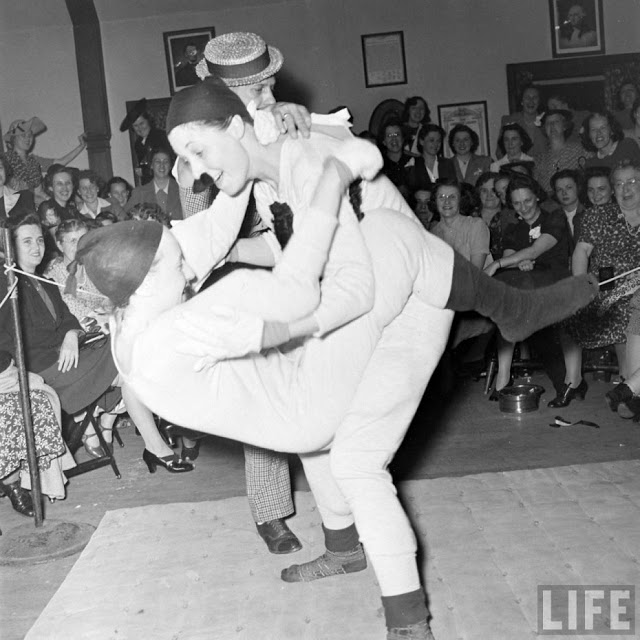
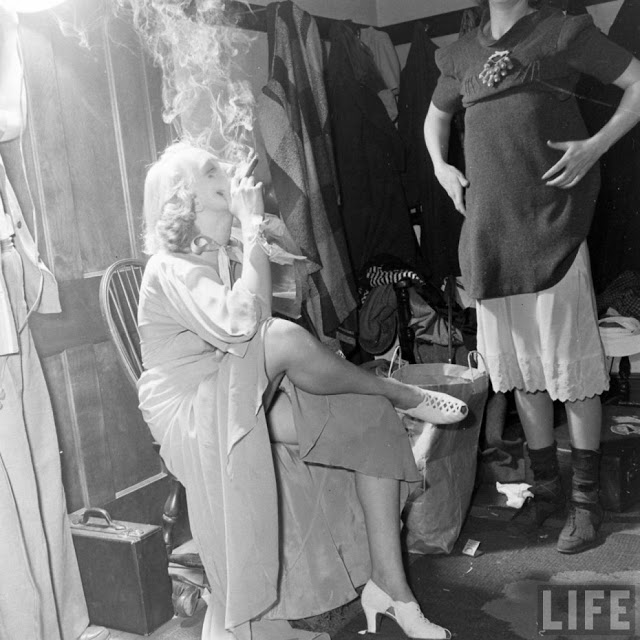
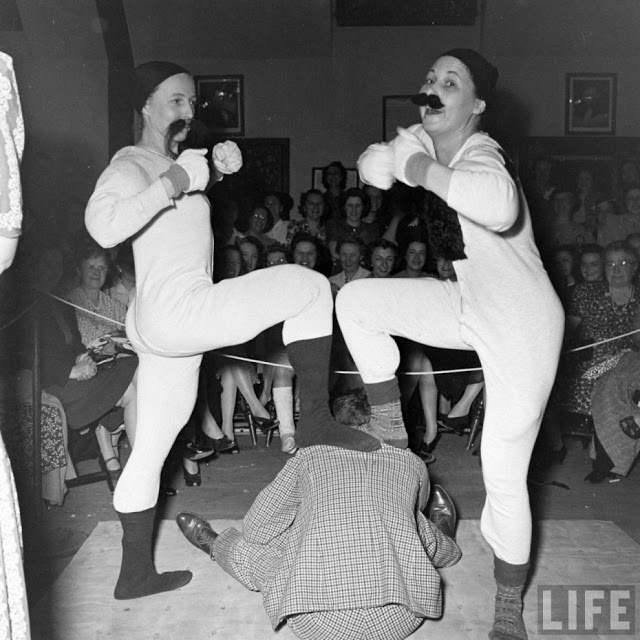
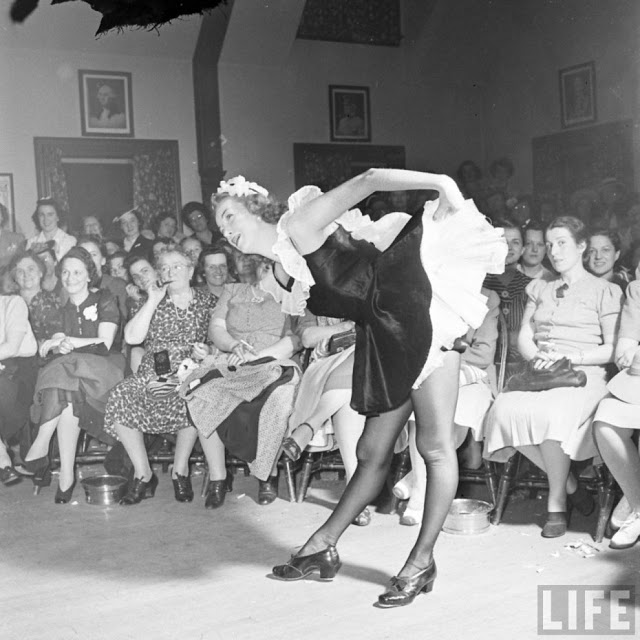
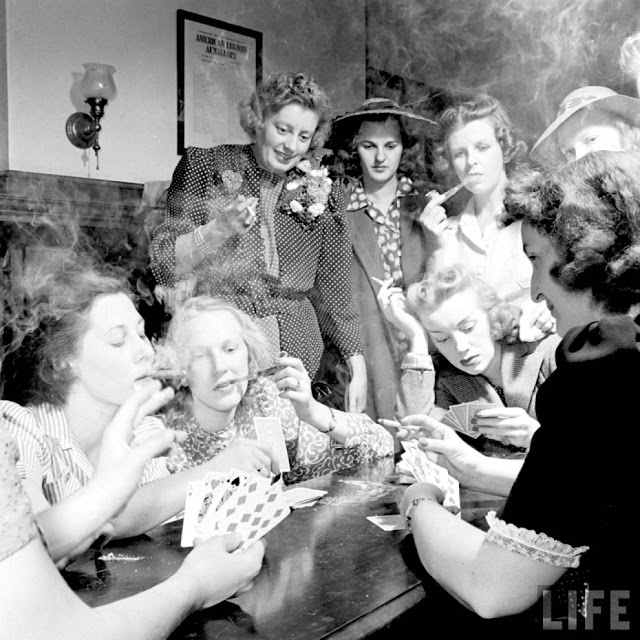
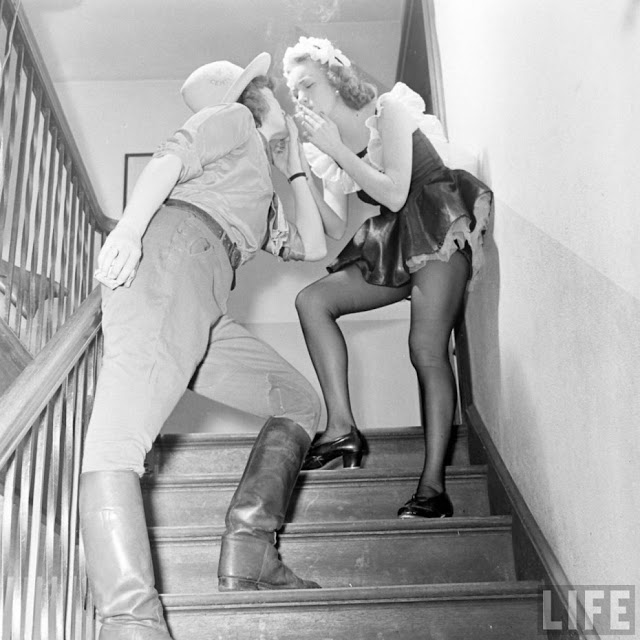
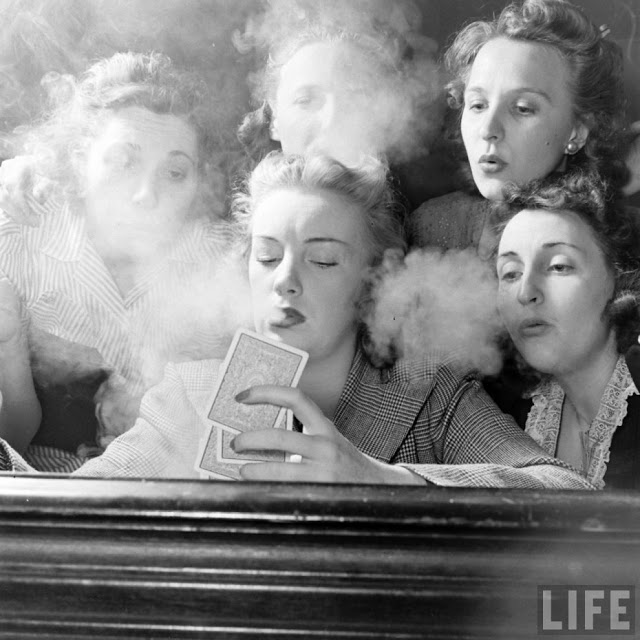
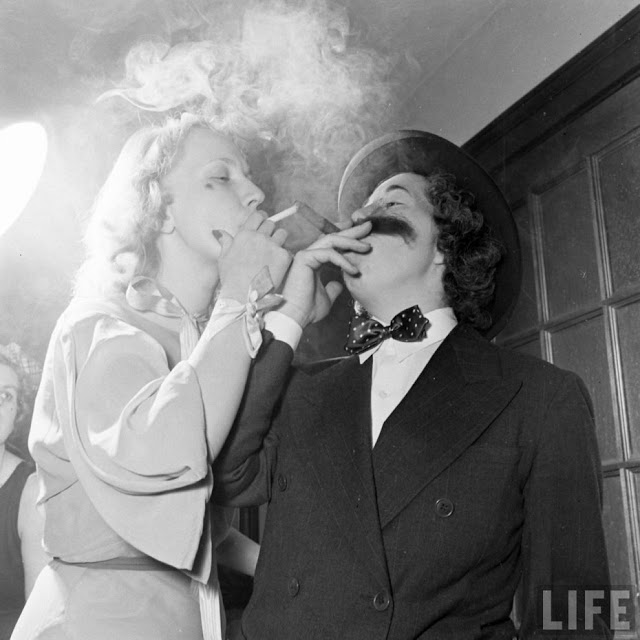
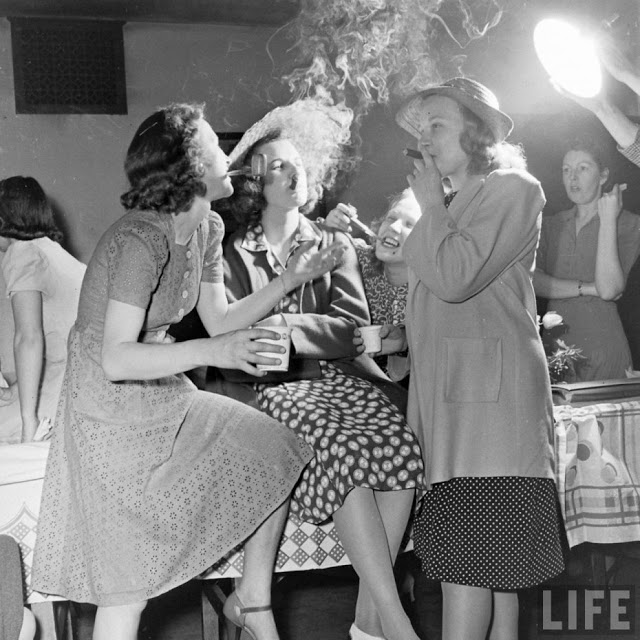
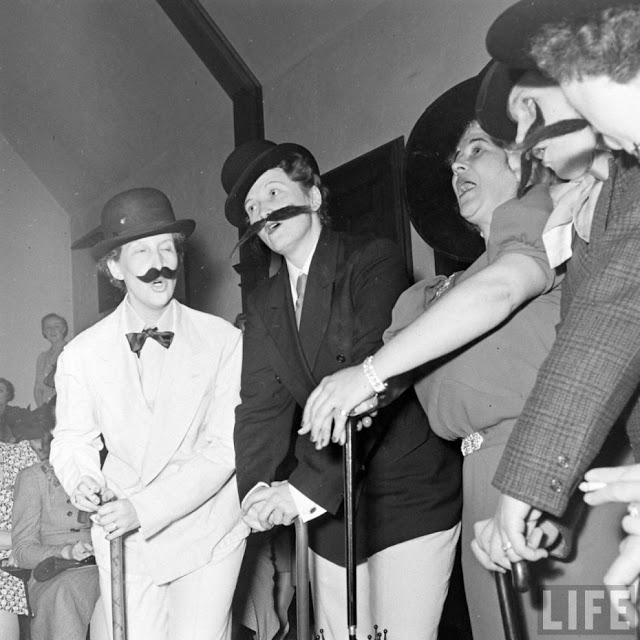
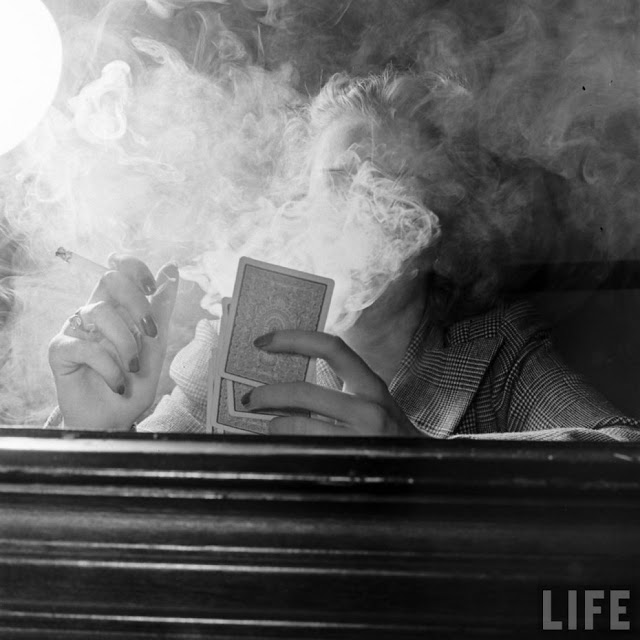
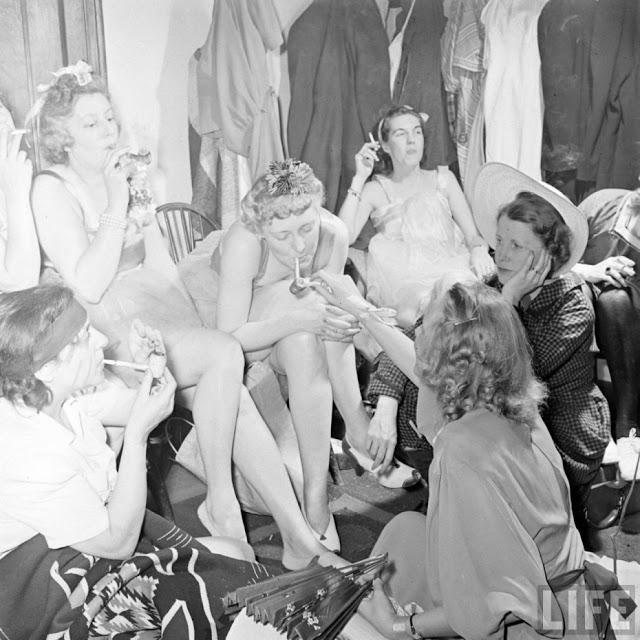
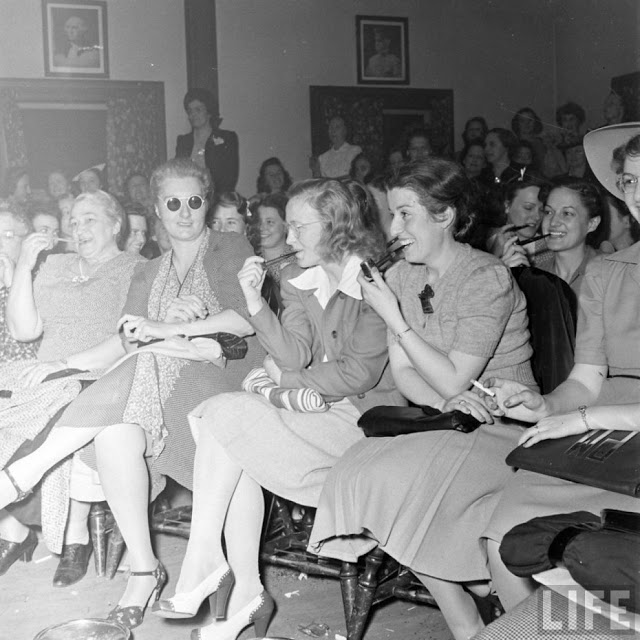
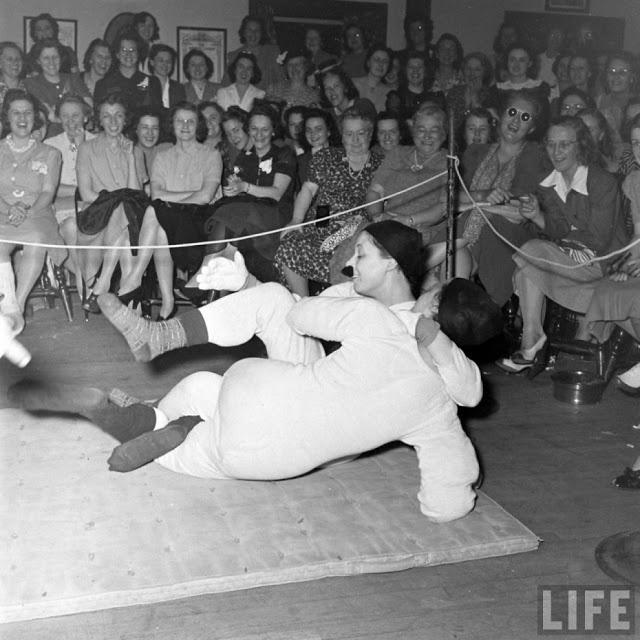
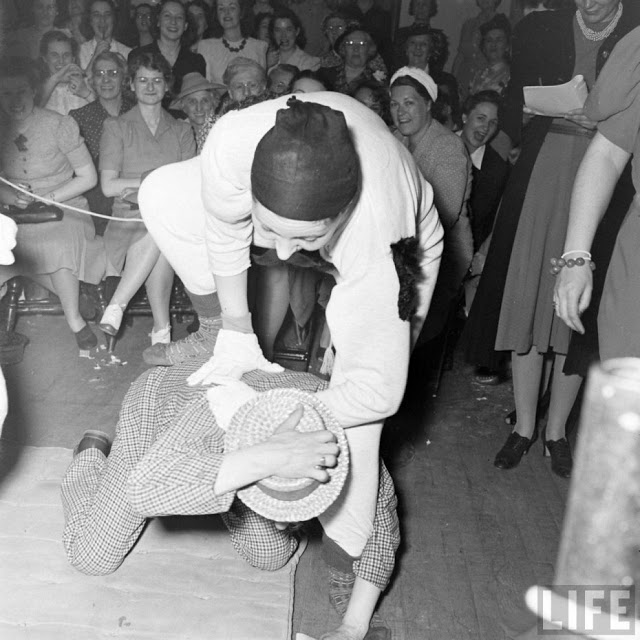
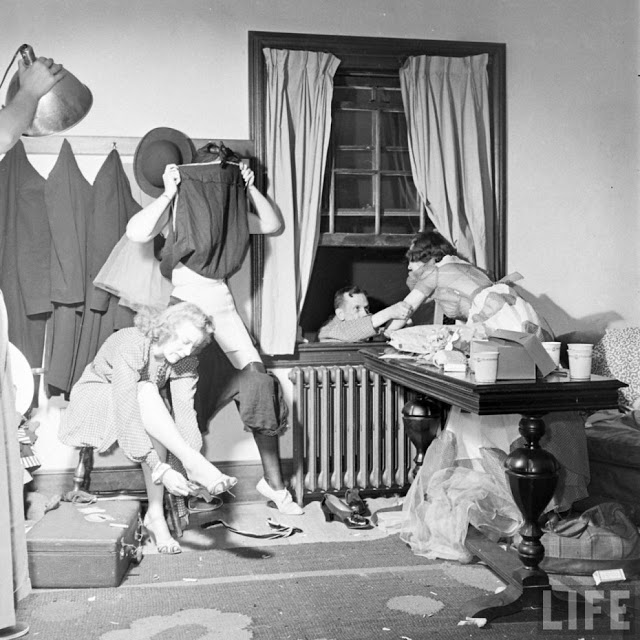
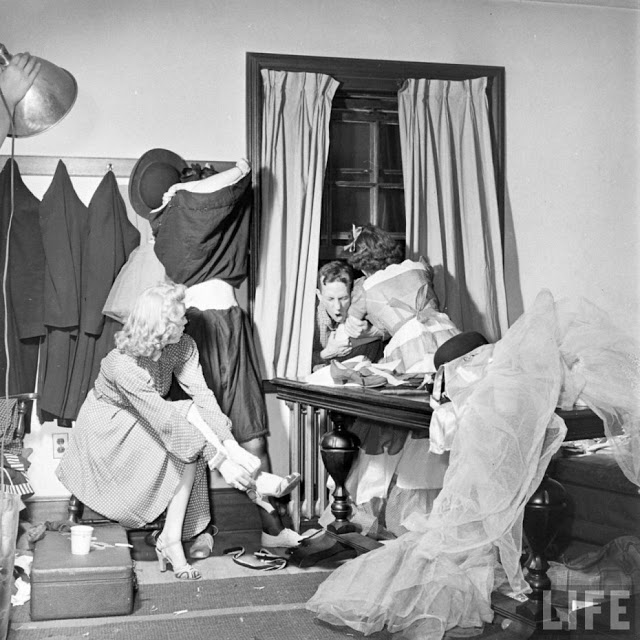
On the evening of May 20, members of the Young Women’s Republican Club of Milford, Connecticut, explored the pleasures of tobacco, poker, the strip tease and such other masculine enjoyments as had frequently cost them the evening companionship of husbands, sons and brothers.
Men were strictly forbidden from entering the Ladies’ Smoker Night, although they tried their best to attend, in any way possible.
Thus LIFE photographer Nina Leen chronicled the shenanigans that erupted when a group of GOP women got together for an old-fashioned “smoker” (noun: an informal social gathering for men only) on one long, memorable night in southern New England.
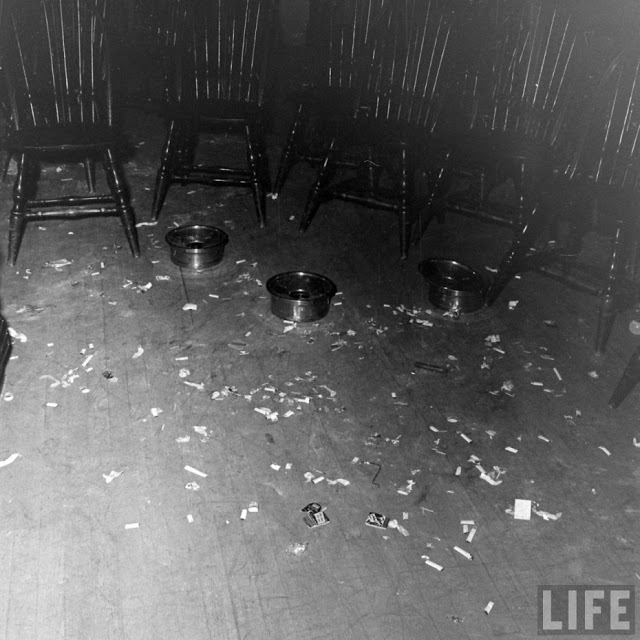
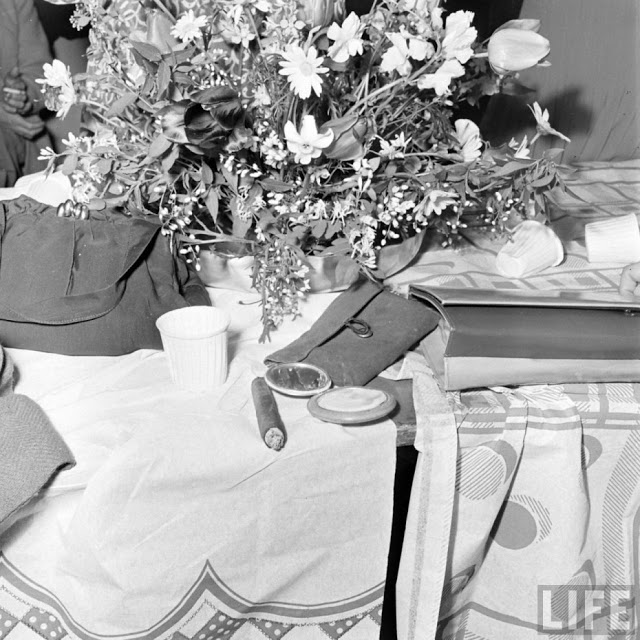
According to an article in the June 16, 1941, issue of LIFE magazine, the evening’s nicotine consumption: 20 cartons of cigarettes, four dozen pipefuls of tobacco, 30 cigars.
Prohibition in the United States was a nationwide constitutional ban on the production, importation, transportation, and sale of alcoholic beverages from 1920 to 1933.
Prohibitionists first attempted to end the trade in alcoholic drinks during the 19th century. Led by pietistic Protestants, they aimed to heal what they saw as an ill society beset by alcohol-related problems such as alcoholism, family violence and saloon-based political corruption. Many communities introduced alcohol bans in the late 19th and early 20th centuries, and enforcement of these new prohibition laws became a topic of debate. Prohibition supporters, called “drys”, presented it as a battle for public morals and health. The movement was taken up by progressives in the Prohibition, Democratic and Republican parties, and gained a national grassroots base through the Woman’s Christian Temperance Union. After 1900, it was coordinated by the Anti-Saloon League. Opposition from the beer industry mobilized “wet” supporters from the wealthy Catholic and German Lutheran communities, but the influence of these groups receded from 1917 following the entry of the US into the First World War against Germany.
The alcohol industry was curtailed by a succession of state legislatures, and finally ended nationwide under the Eighteenth Amendment to the United States Constitution in 1920, which passed “with a 68 percent supermajority in the House of Representatives and 76 percent support in the Senate” as well as ratification by 46 out of 48 states. Enabling legislation, known as the Volstead Act, set down the rules for enforcing the federal ban and defined the types of alcoholic beverages that were prohibited. Not all alcohol was banned; for example, religious use of wine was permitted. Private ownership and consumption of alcohol were not made illegal under federal law, but local laws were stricter in many areas, with some states banning possession outright.
Following the ban, criminal gangs gained control of the beer and liquor supply in many cities. By the late 1920s, a new opposition to Prohibition emerged nationwide. Critics attacked the policy as causing crime, lowering local revenues, and imposing “rural” Protestant religious values on “urban” America. Prohibition ended with the ratification of the Twenty-first Amendment, which repealed the Eighteenth Amendment on December 5, 1933, though prohibition continued in some states. To date, this is the only time in American history in which a constitutional amendment was passed for the purpose of repealing another.
Some research indicates that alcohol consumption declined substantially due to Prohibition. Rates of liver cirrhosis, alcoholic psychosis, and infant mortality also declined. Prohibition’s effect on rates of crime and violence is disputed. Despite this, it lost supporters every year it was in action, and lowered government tax revenues at a critical time before and during the Great Depression.