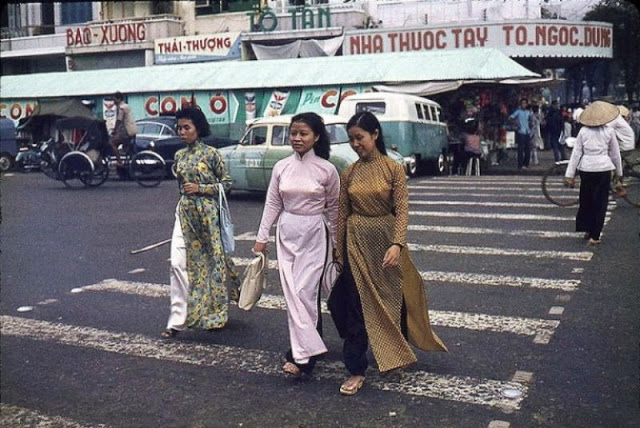
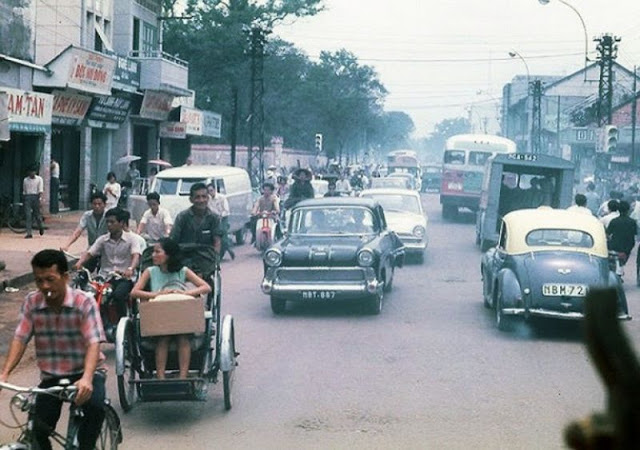
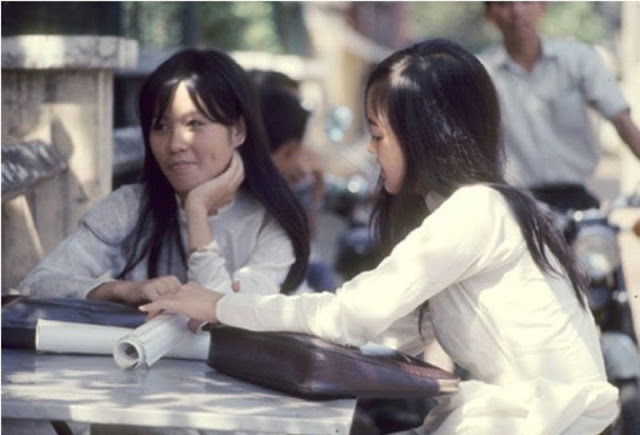
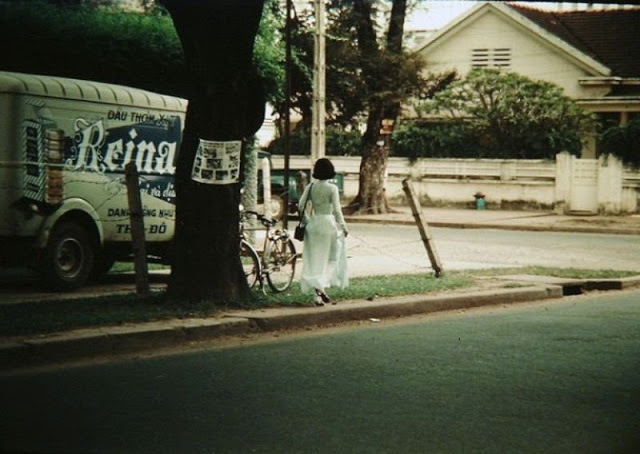
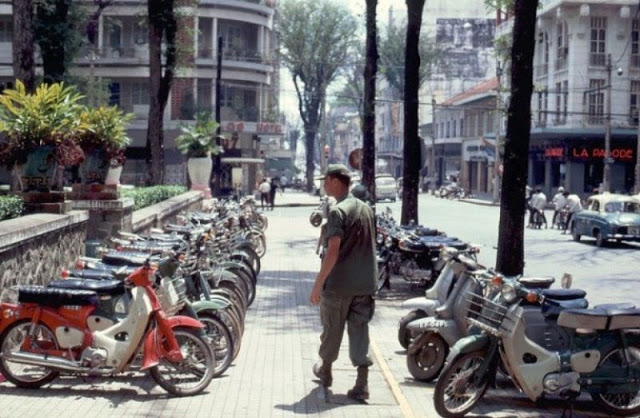
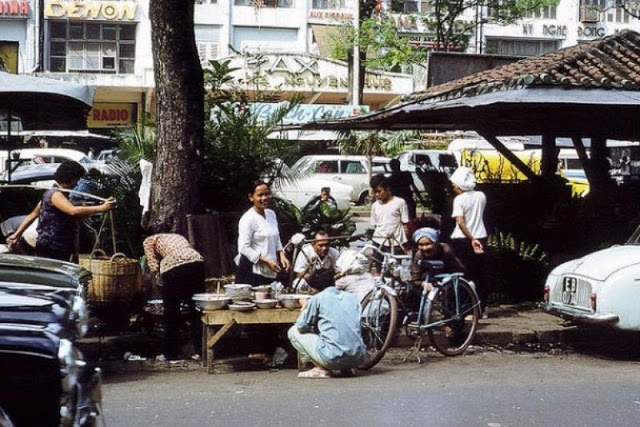
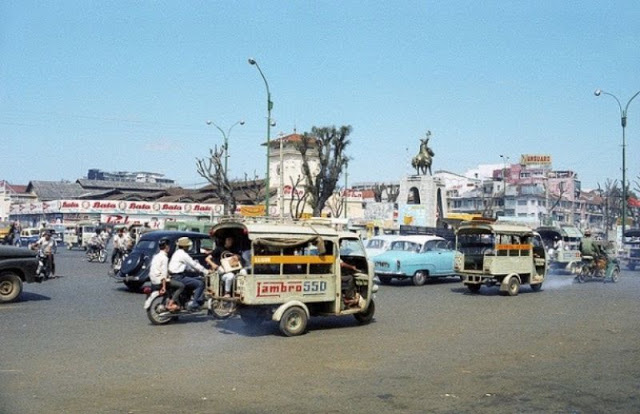
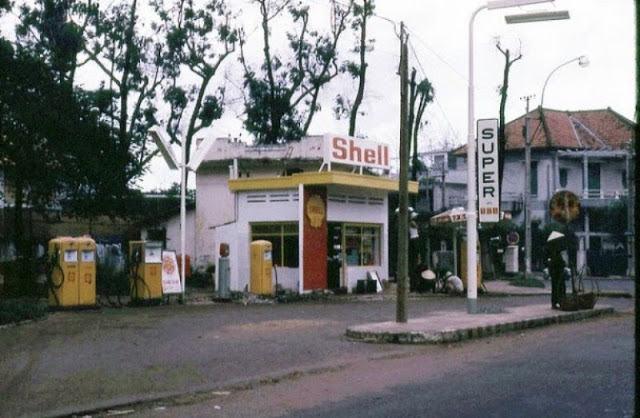
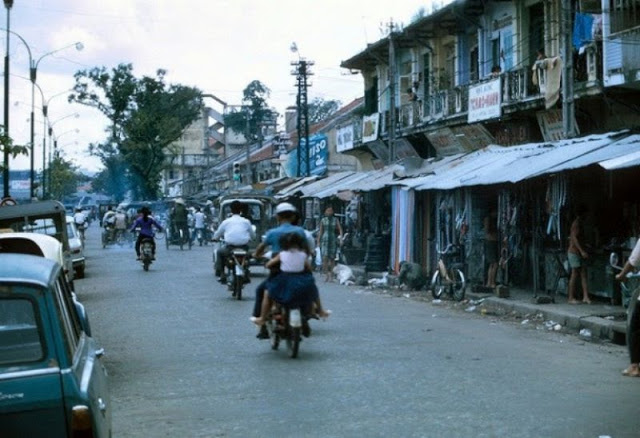
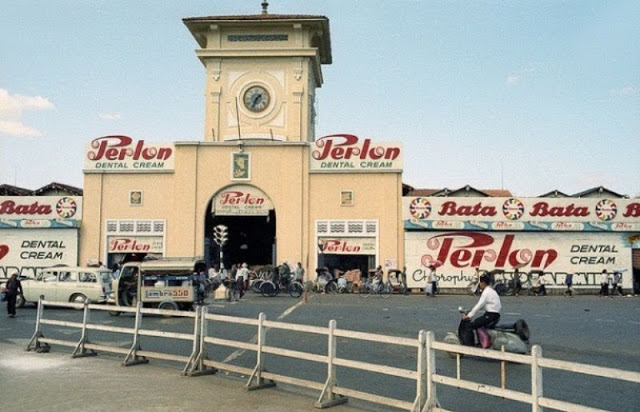
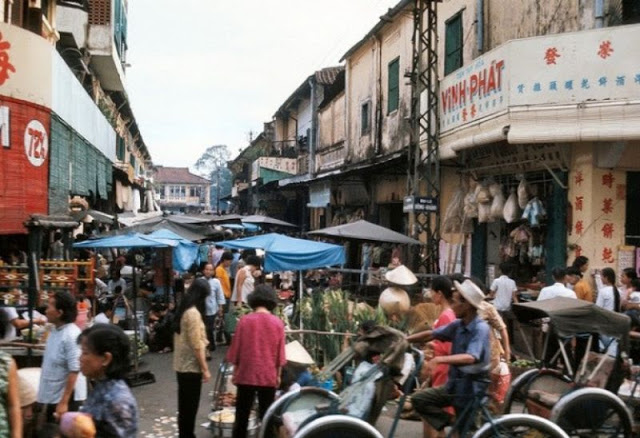
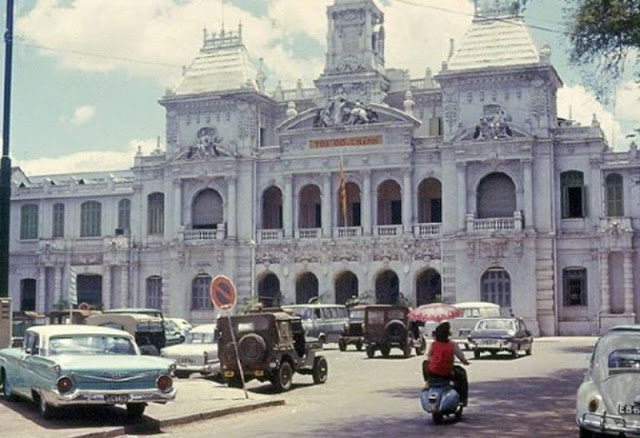
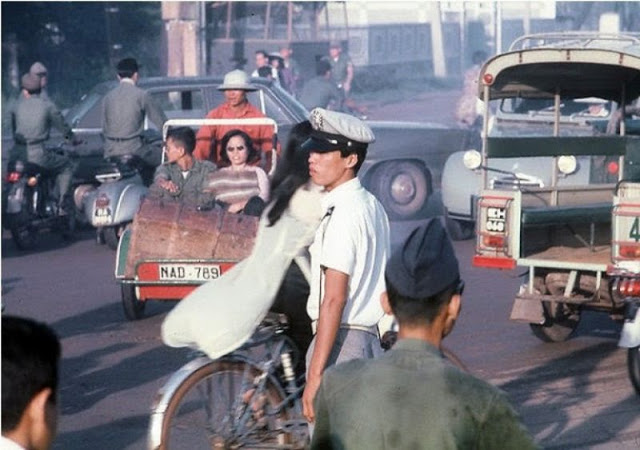
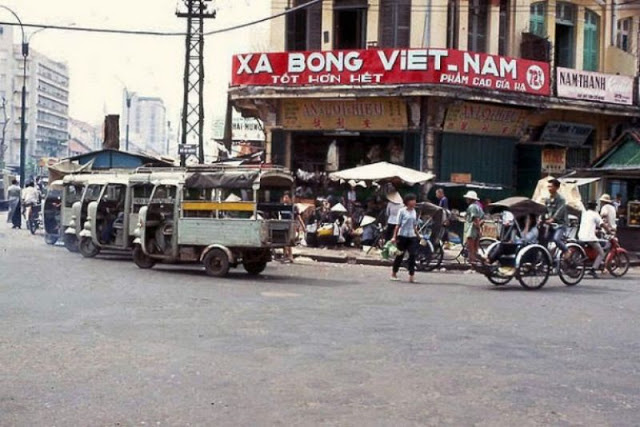
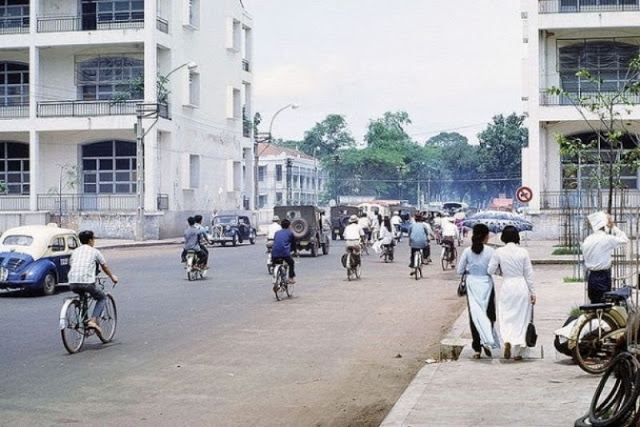
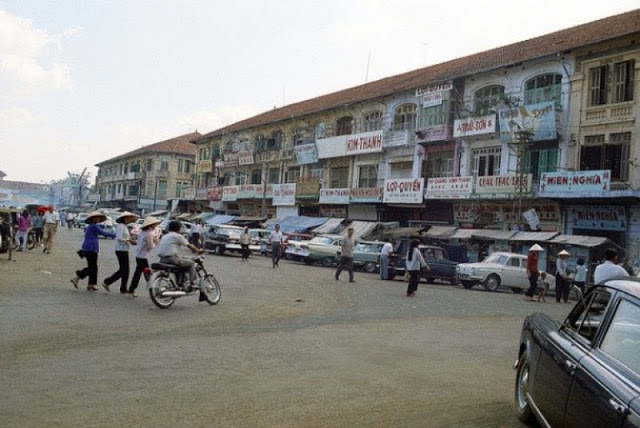
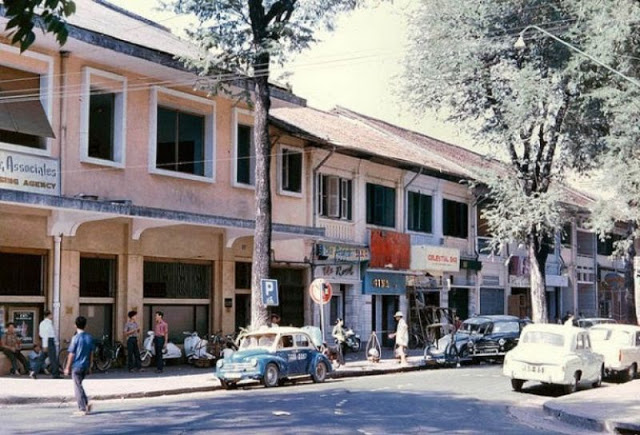
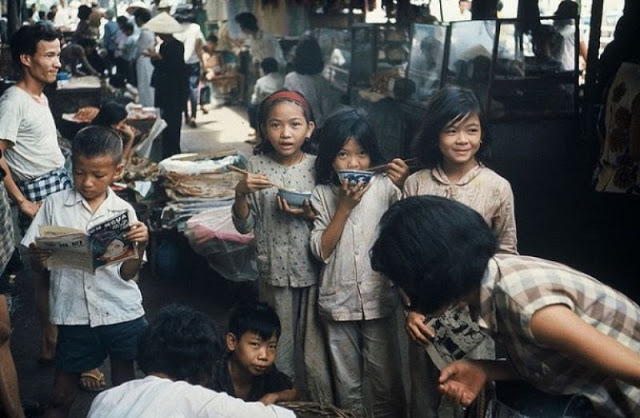
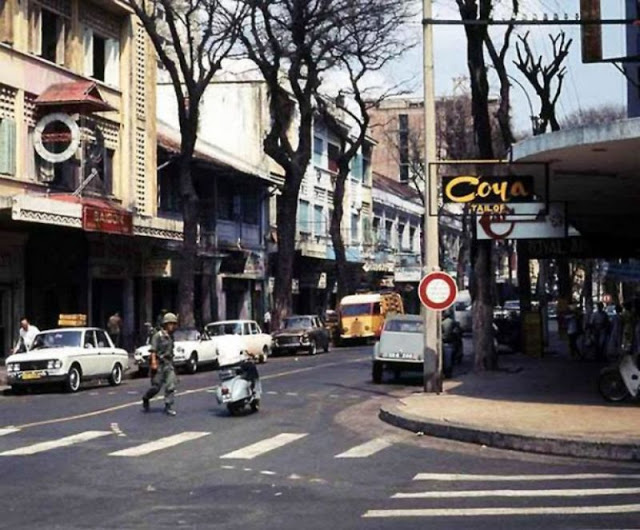
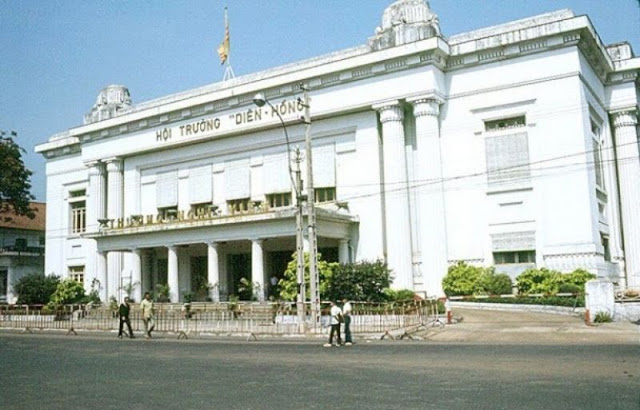
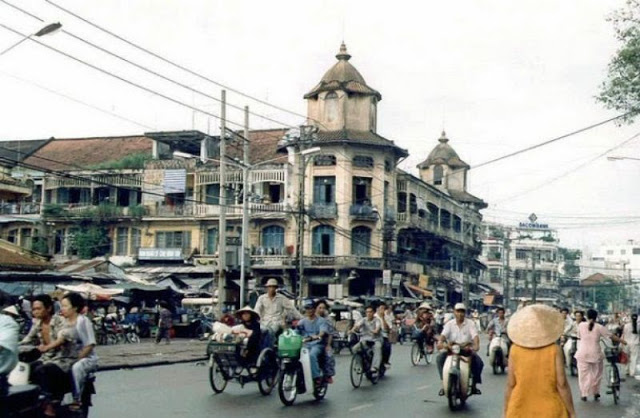
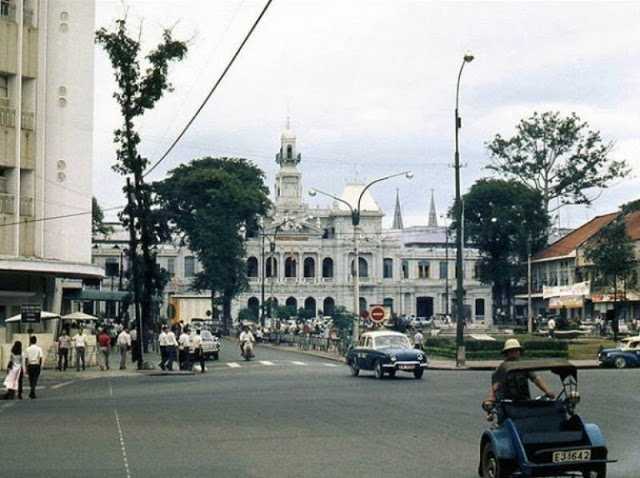
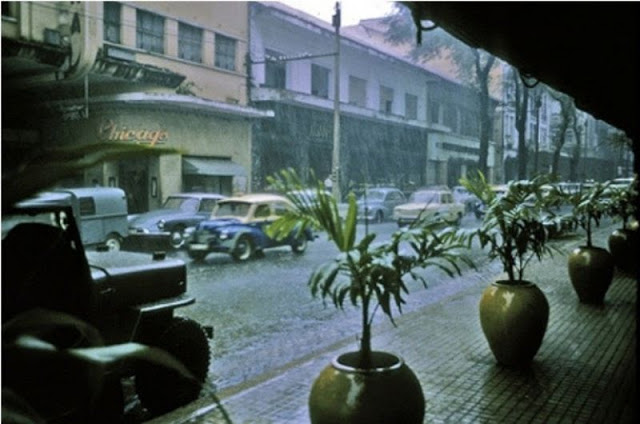
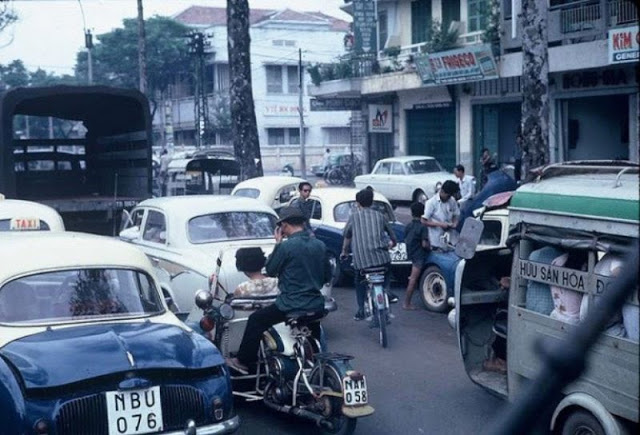
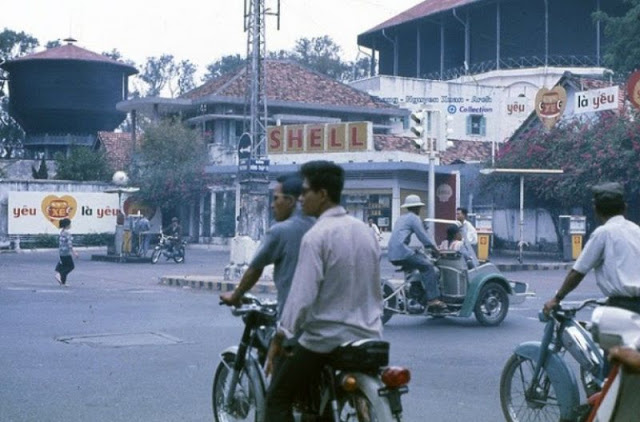
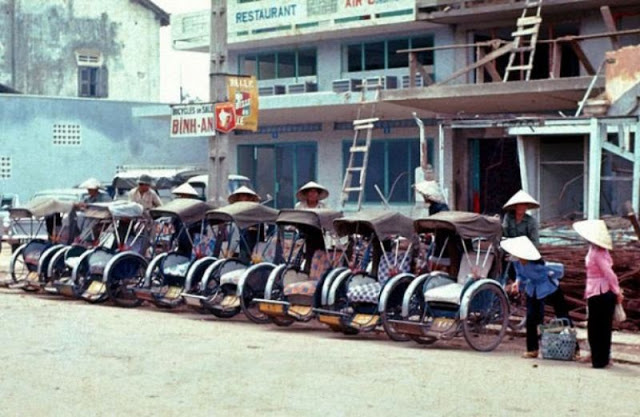
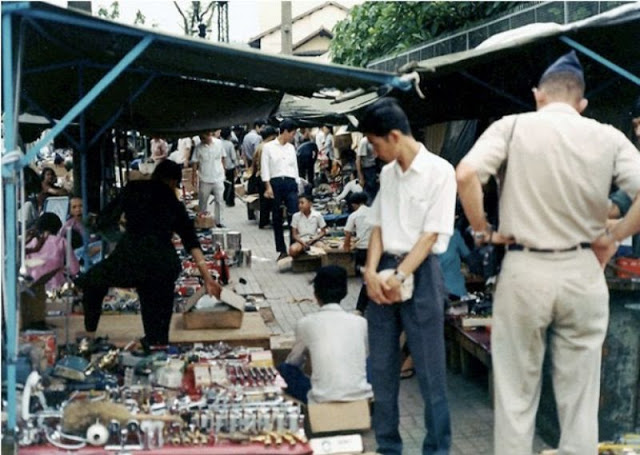
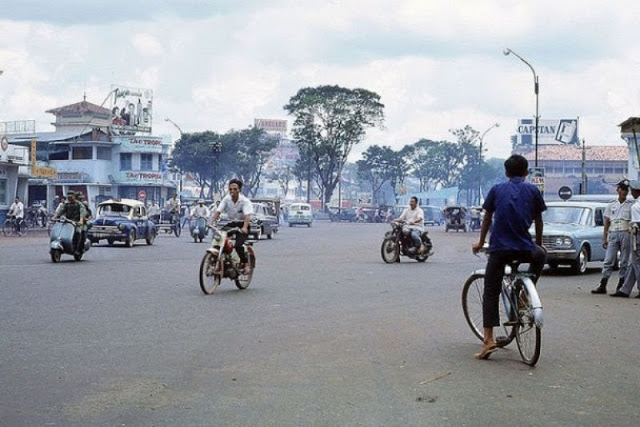
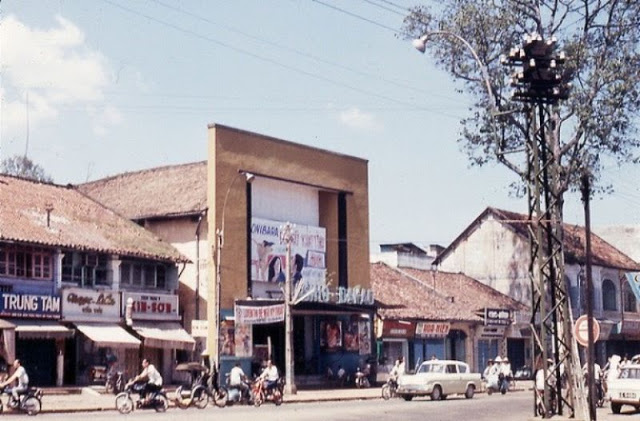
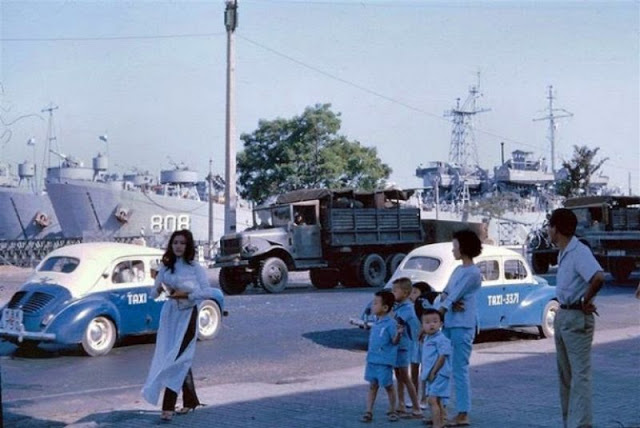
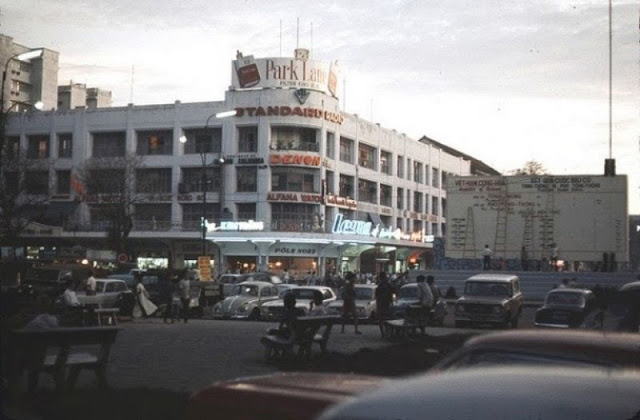
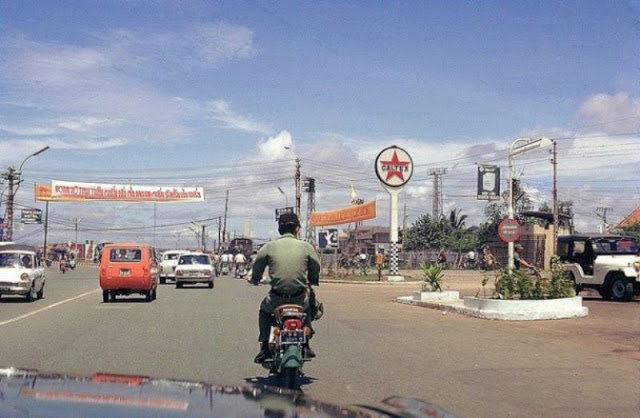
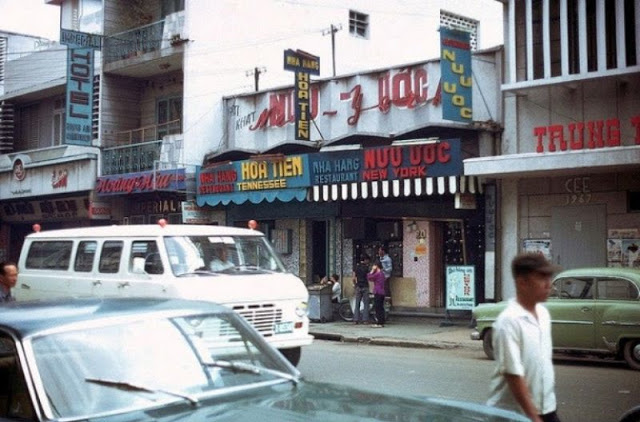
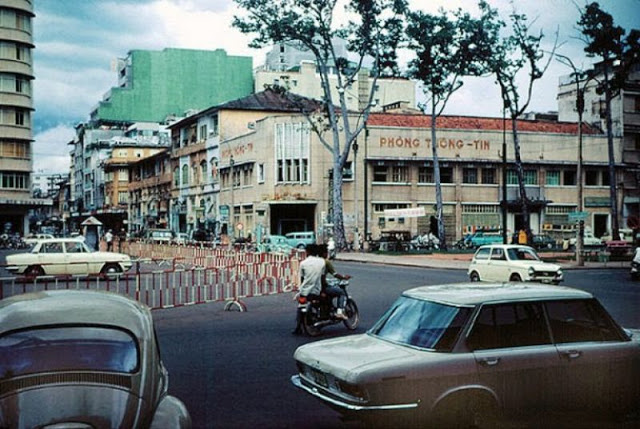
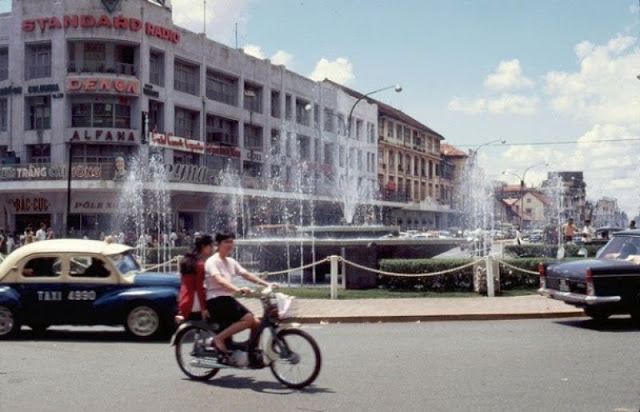
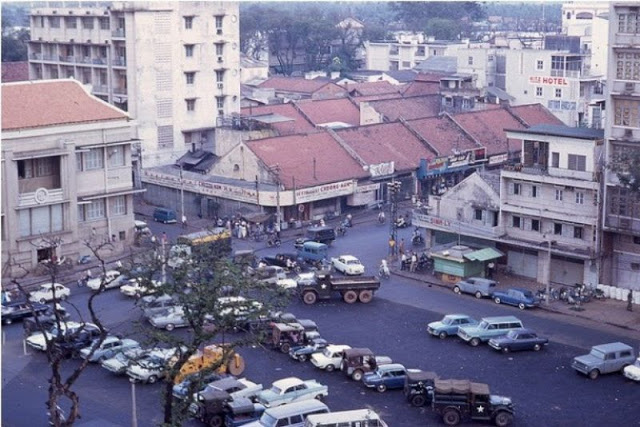
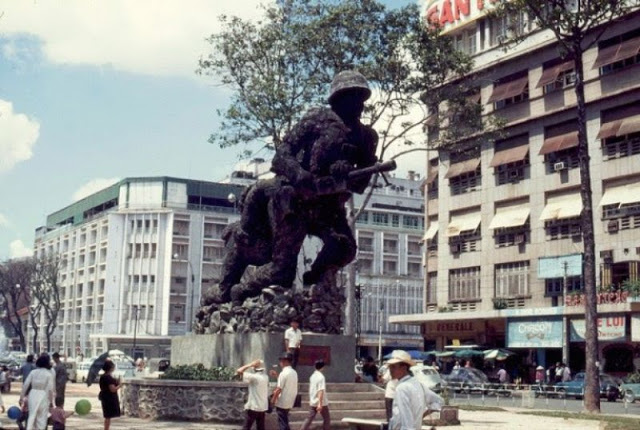
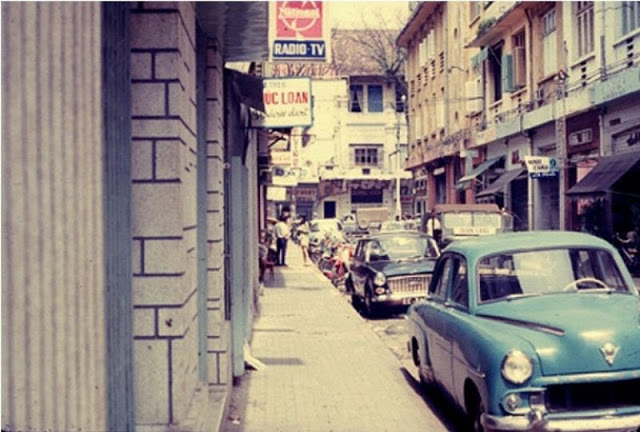
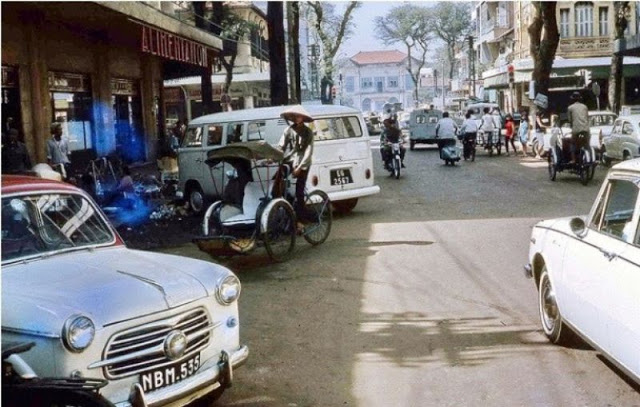
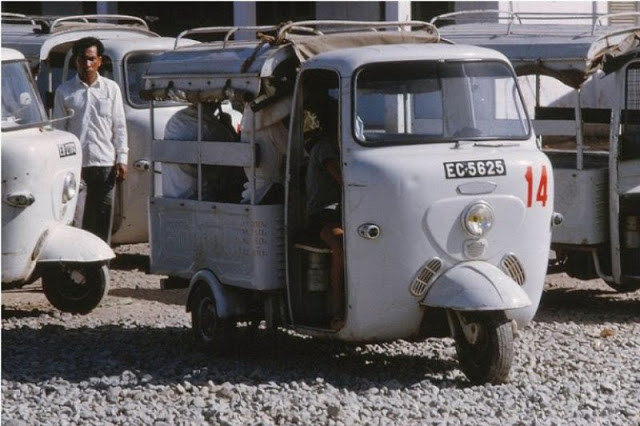
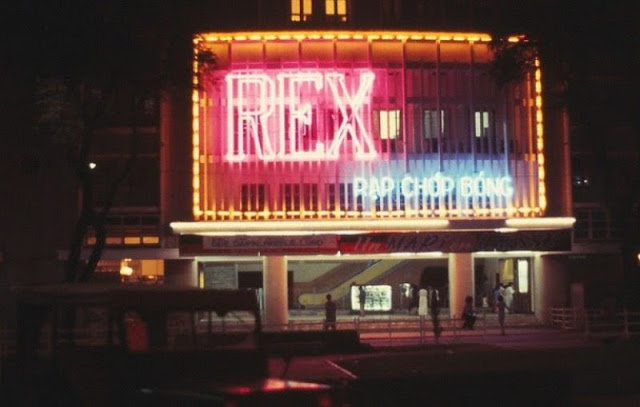
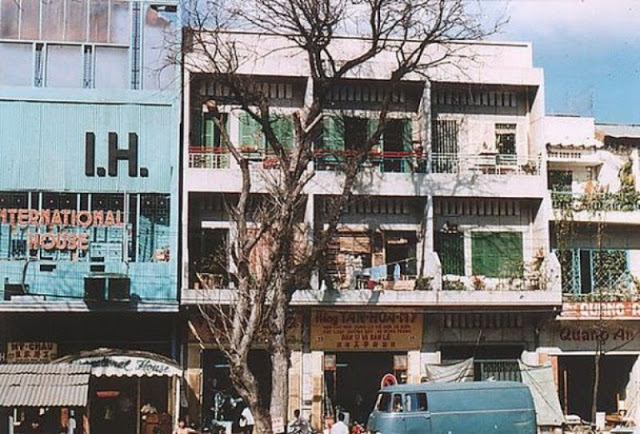
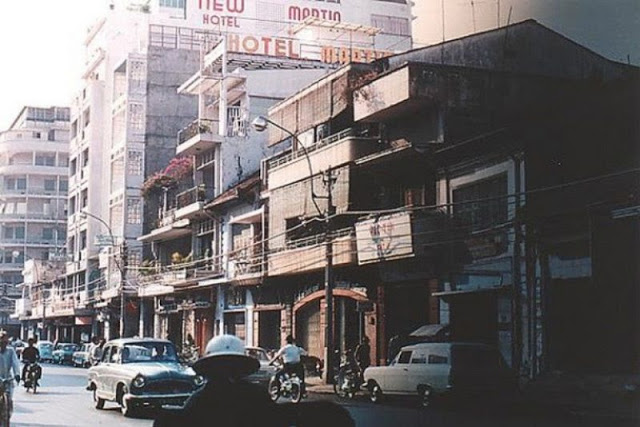
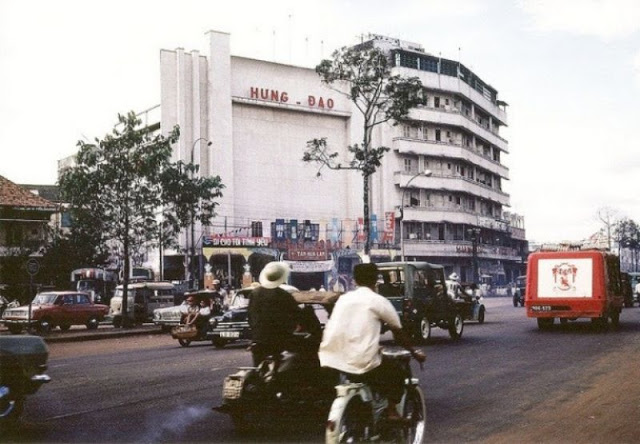
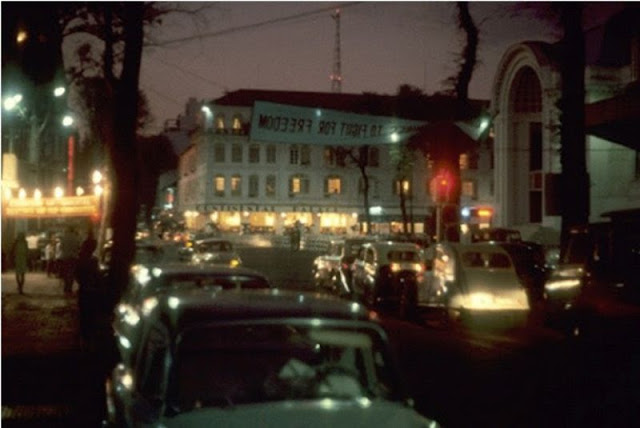
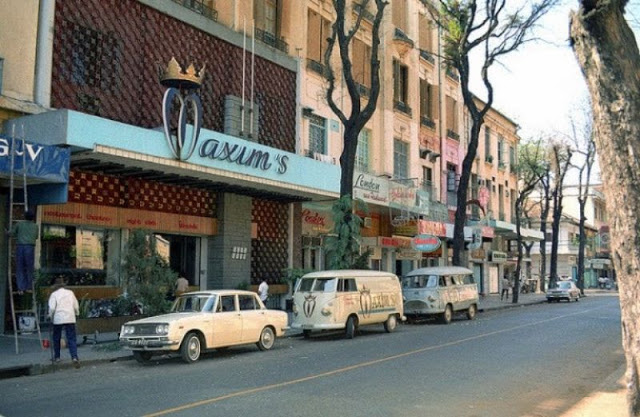
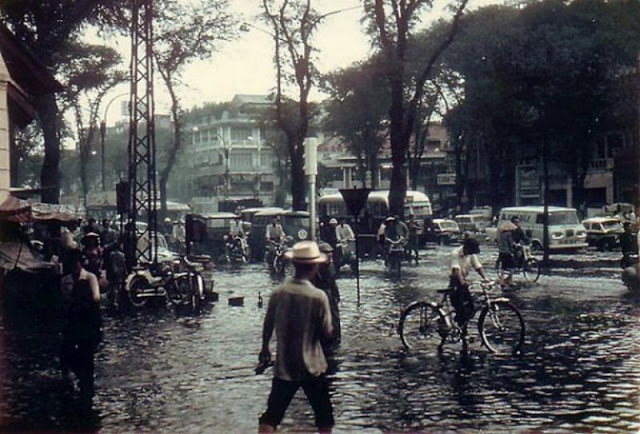
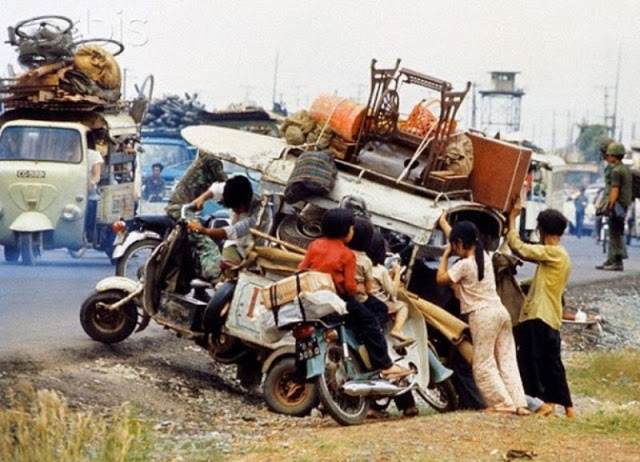
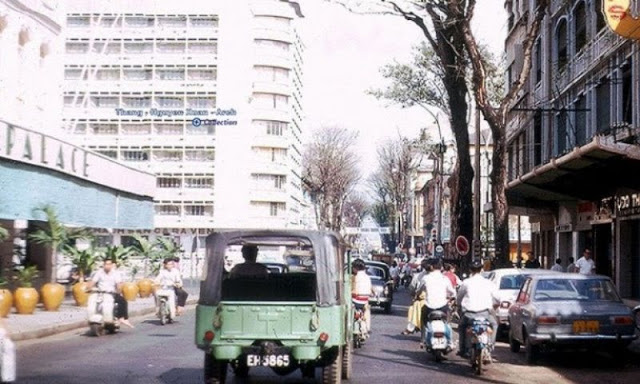
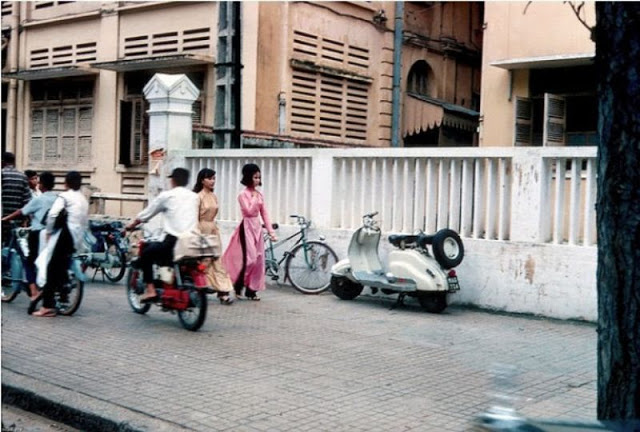
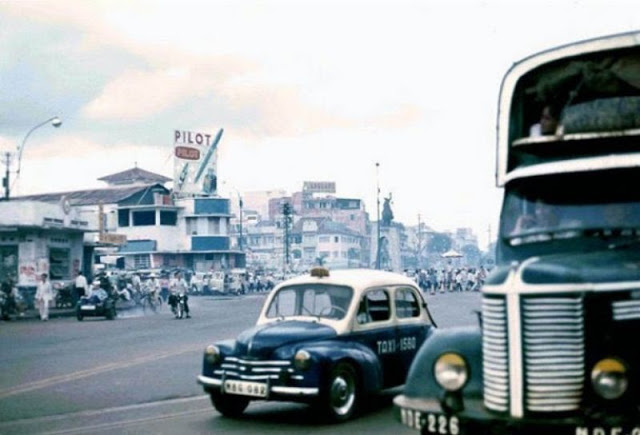
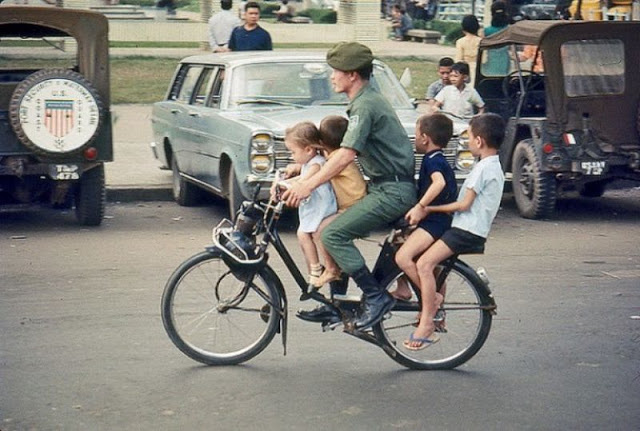
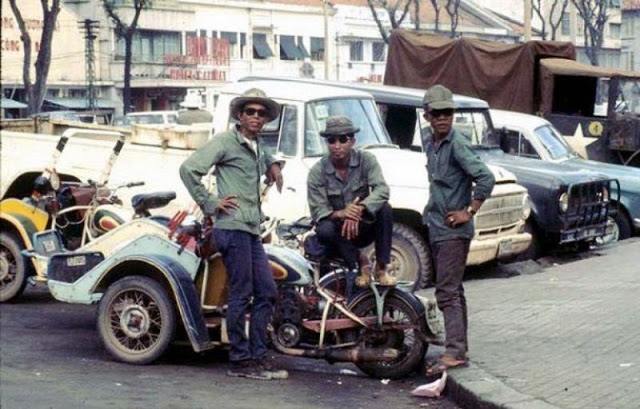
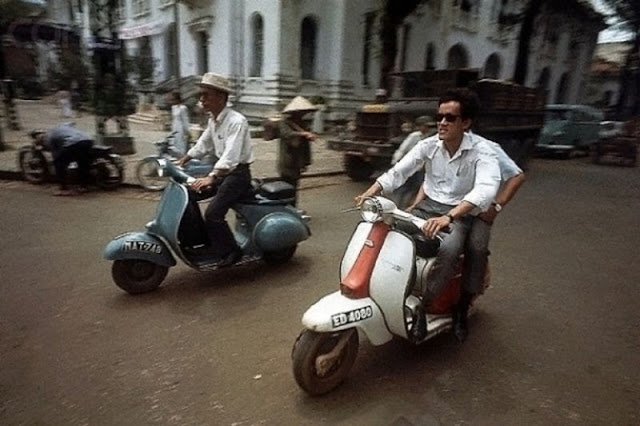
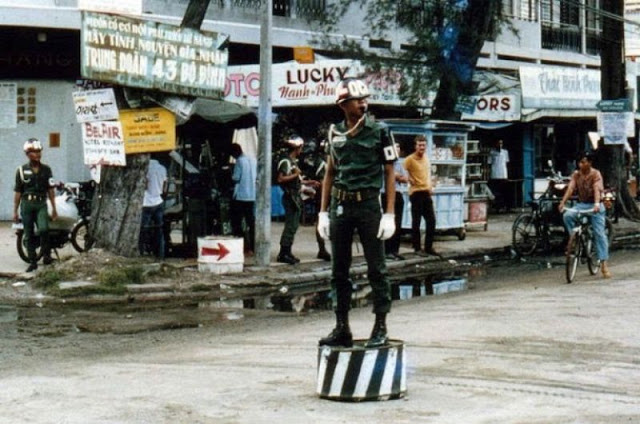
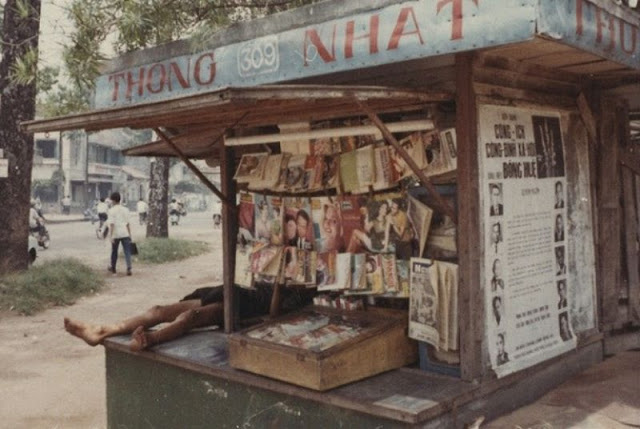
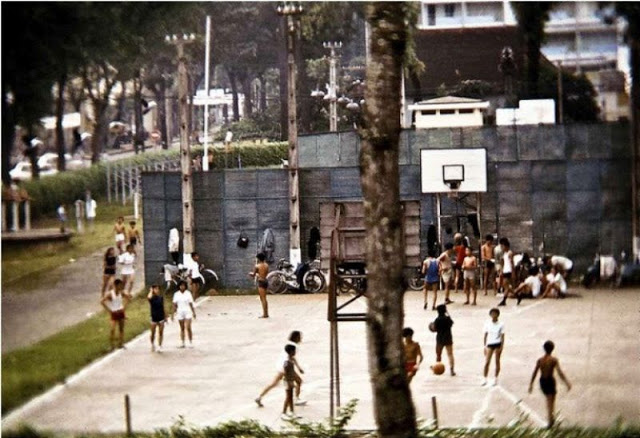
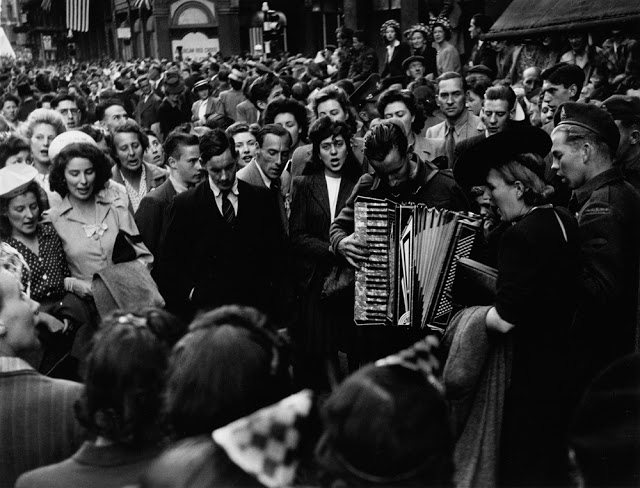
Saigon at this time was a city full of energy! It it was overcrowded, full of refugees and one wondered at times how it functioned as a municipality. People were always busy, yet always had the time to stop and talk or spend a while in a café.
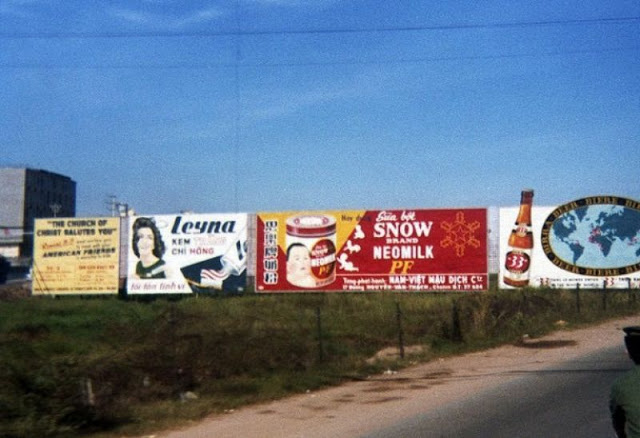
Saigon in the 1960s and early 1970s was the capital of America’s global proxy war to counter the ‘domino effect’ of spreading communism, the focal point of the battle between ideologies. Most of the fighting, however, took place in rural villages throughout central Vietnam. In Saigon, life went on much the same as it had for years — except with more American soldiers around.
The motorbikes are older, and nobody’s wearing helmets, but much of the street life in Saigon looked the same back in the 1960s as it does today: tall trees, ao dais, conical hats, and cyclos. You don’t get the sense of a cataclysmic war in these photos, because it hadn’t come to Saigon yet. These are scenes of business as usual, with people out hustling to get ahead, just like their children and grandchildren still do today.
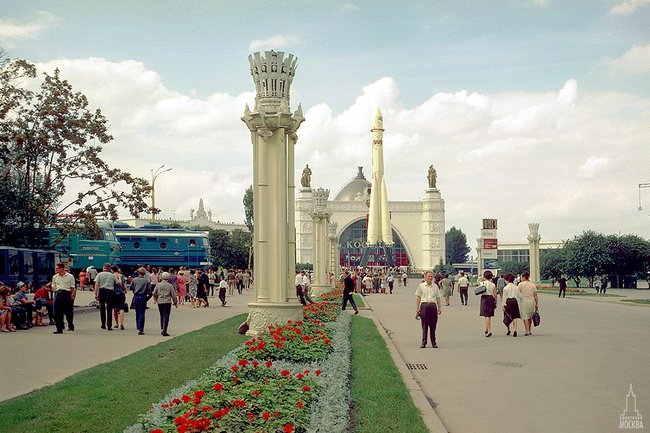
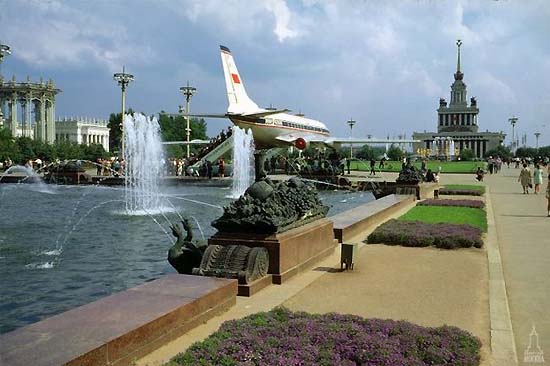
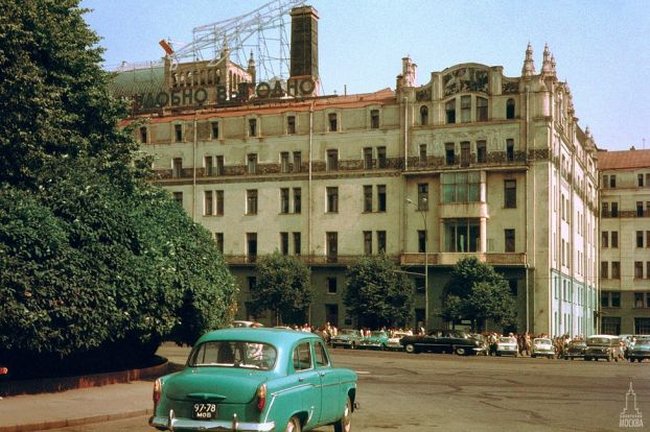
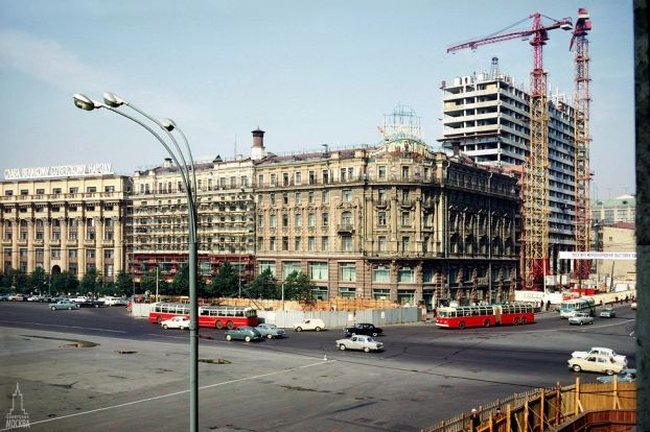
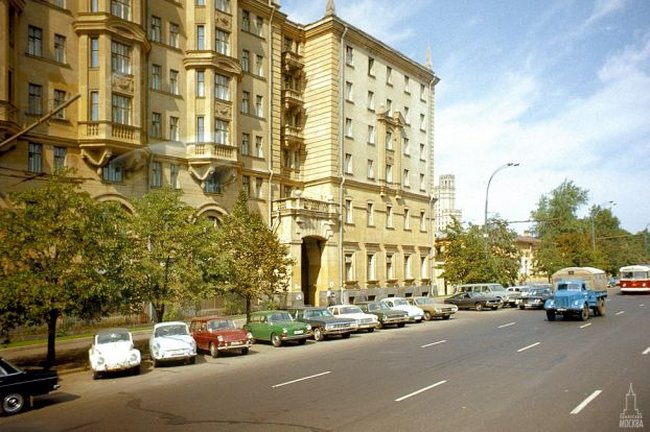
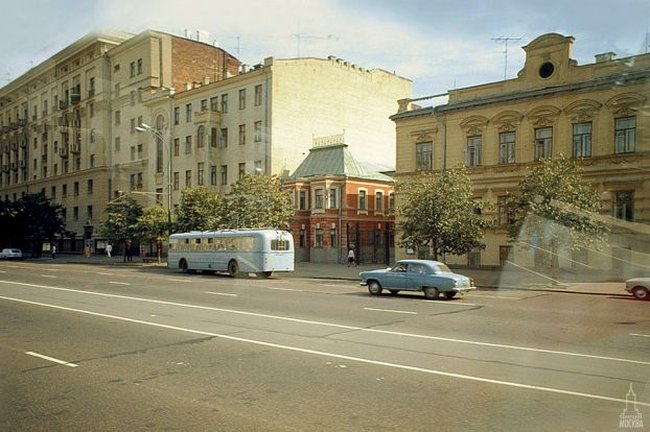
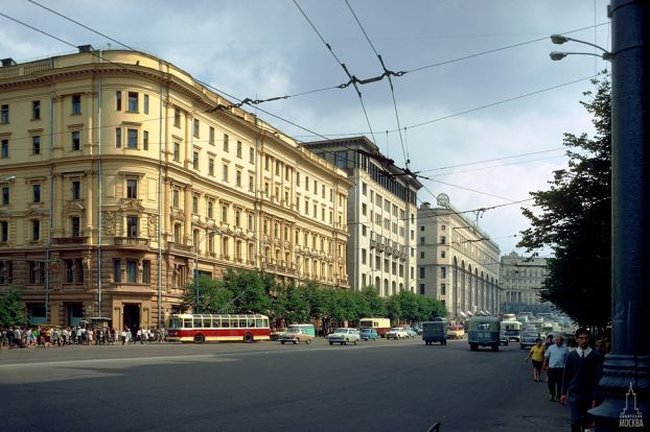
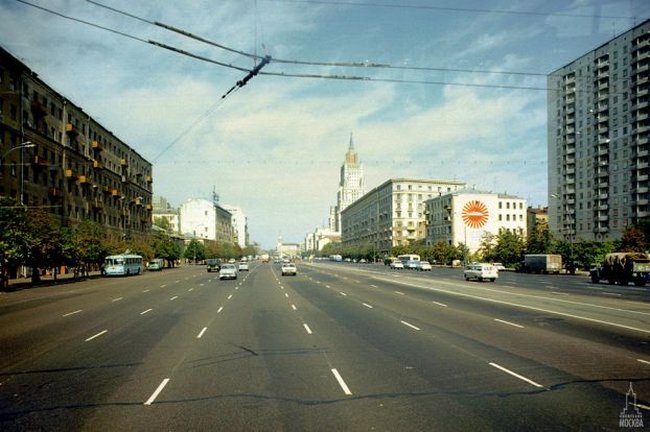
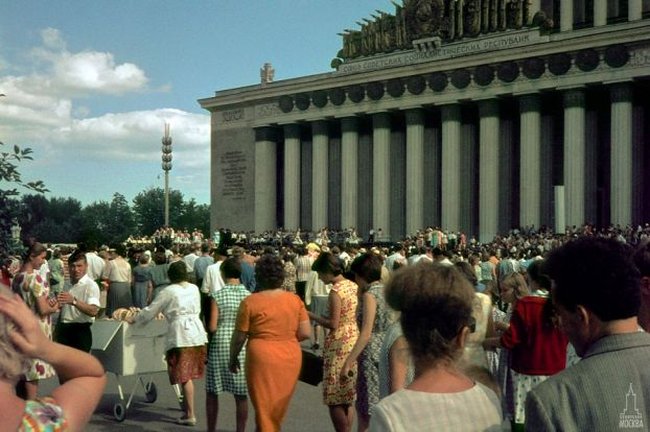
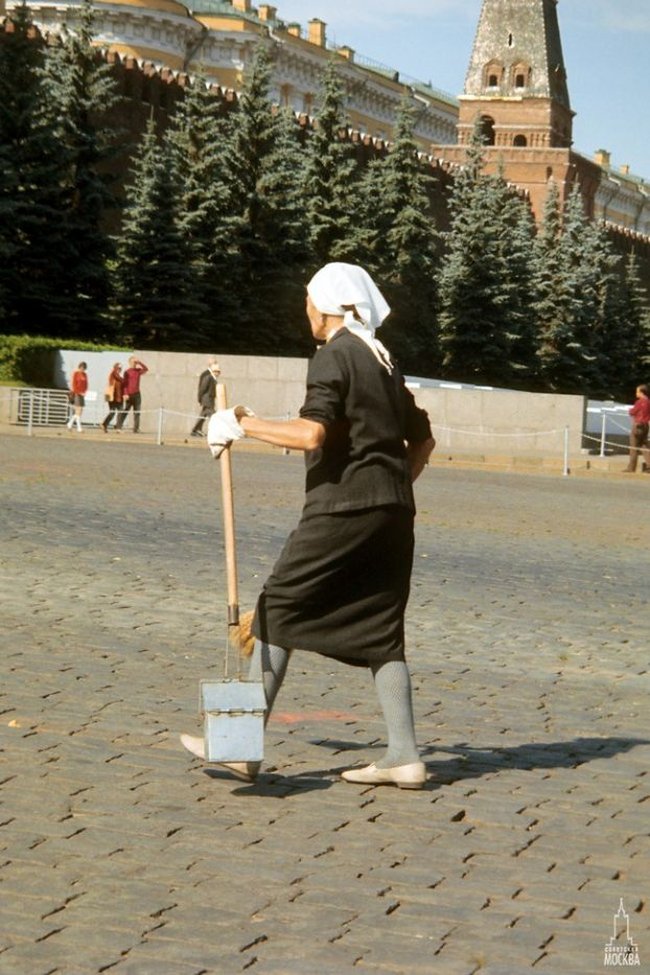
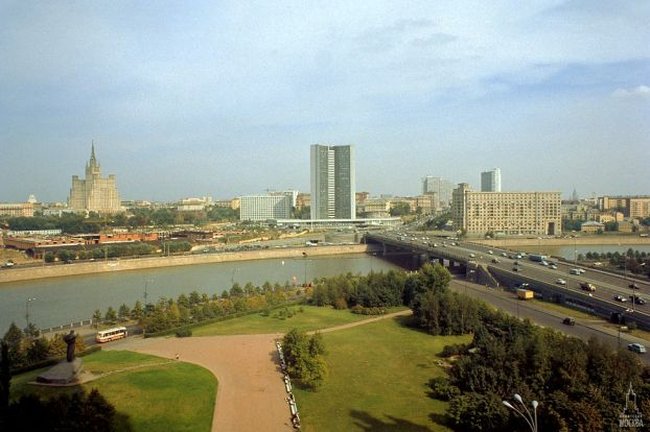
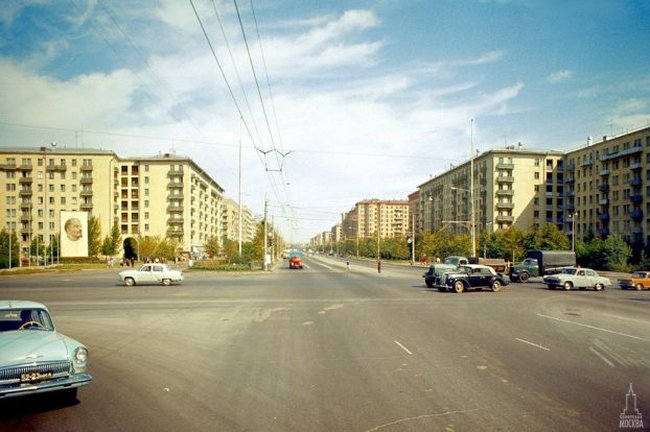
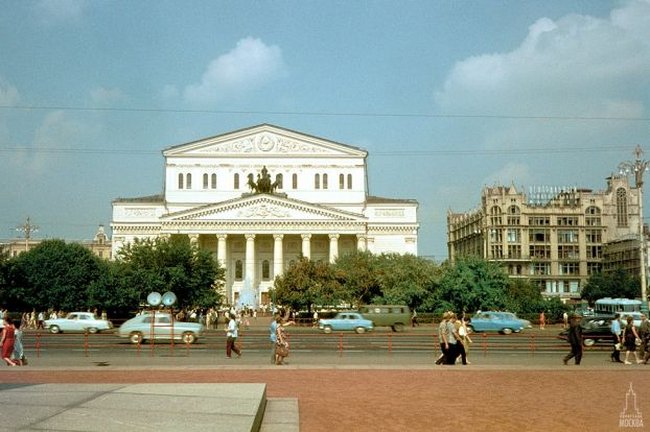
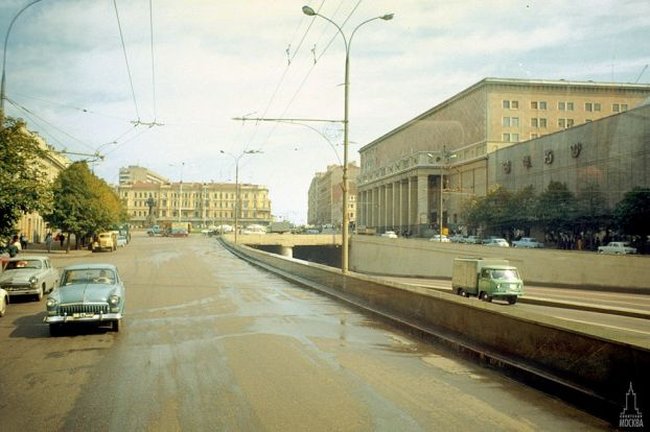
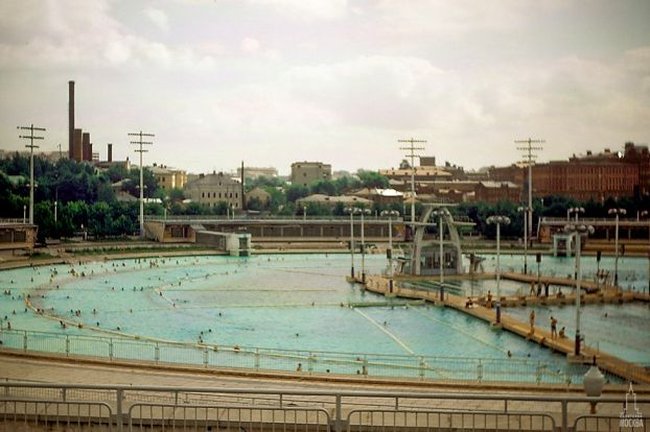
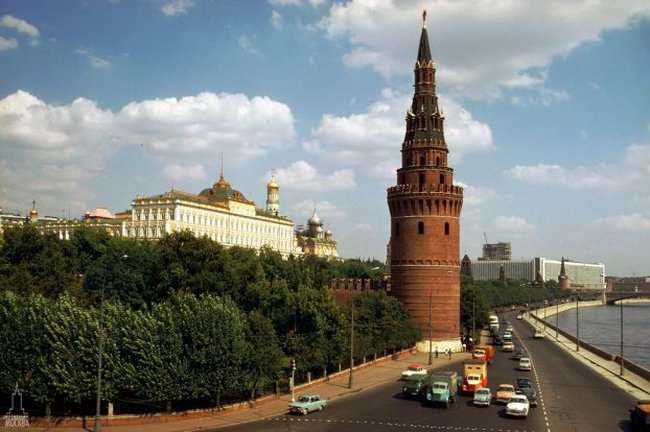
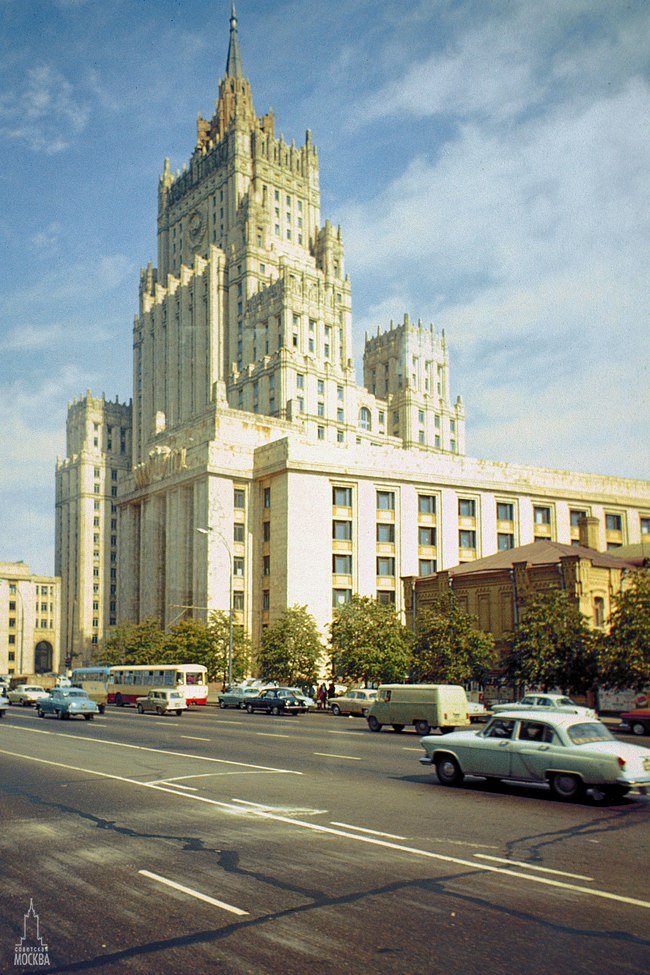
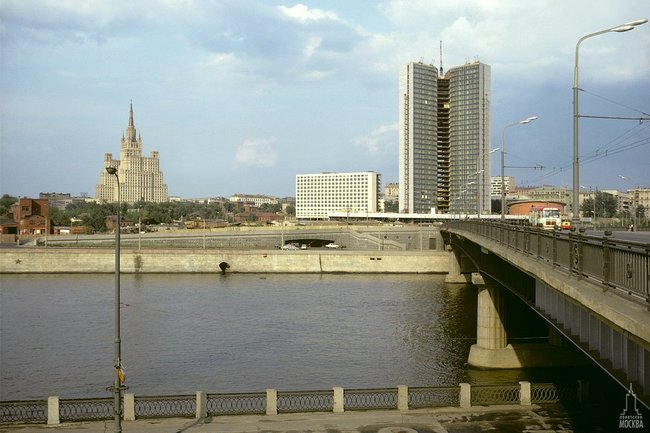
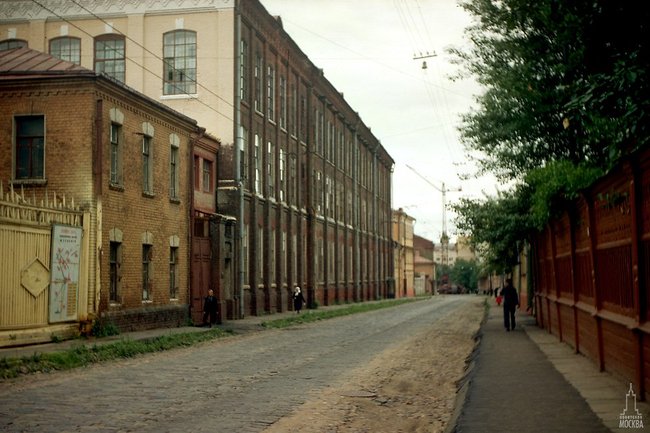
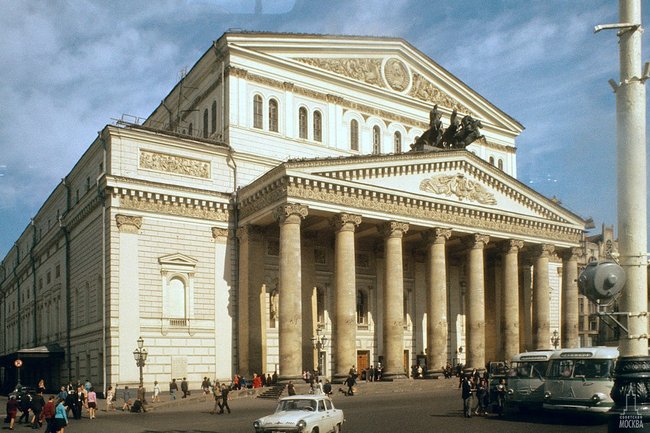
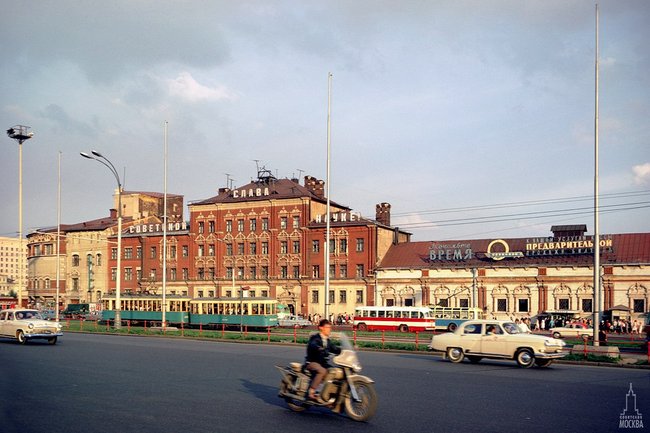
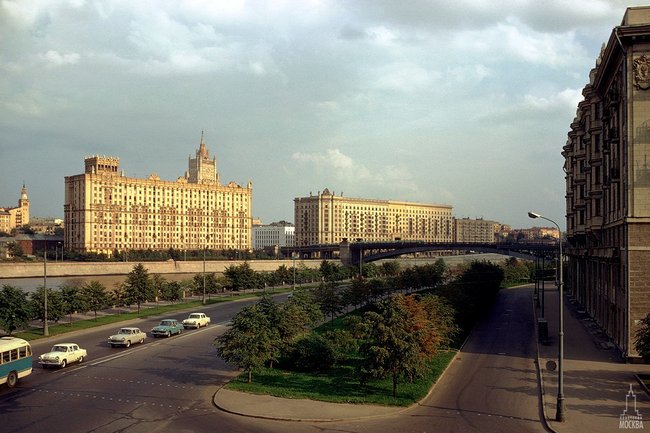
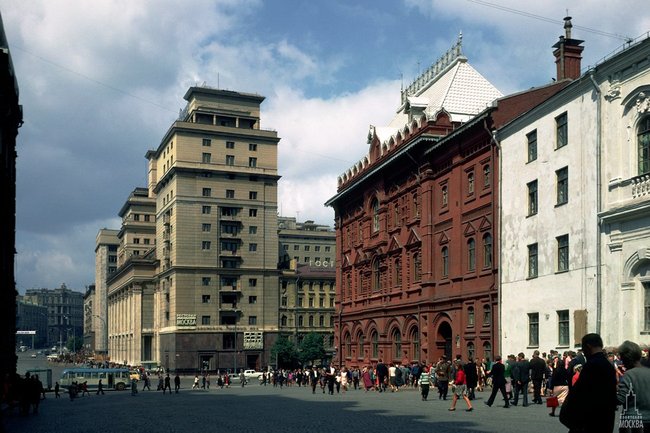
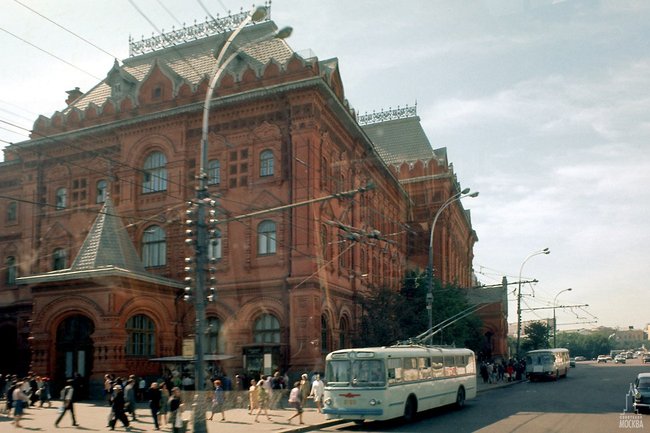
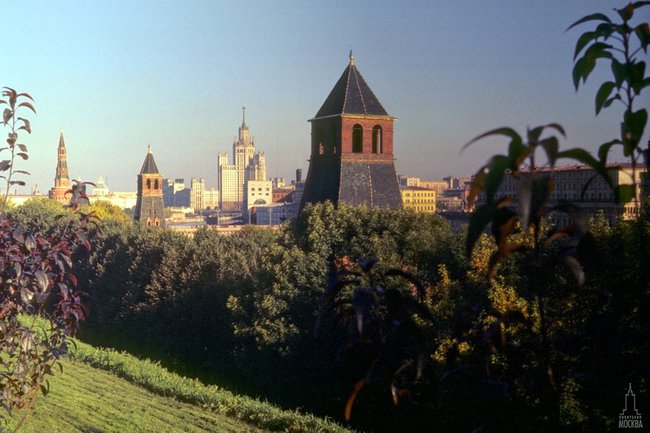
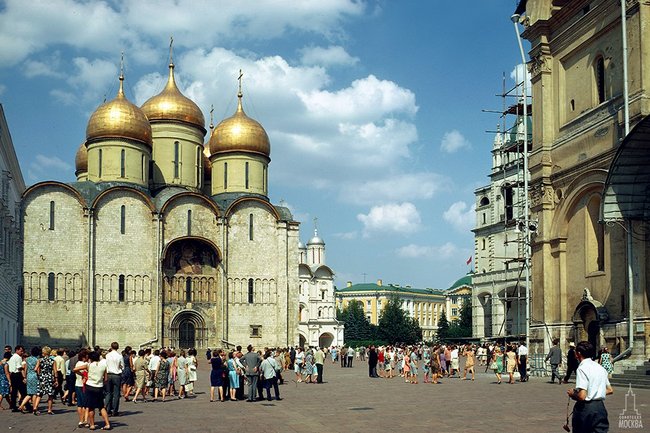
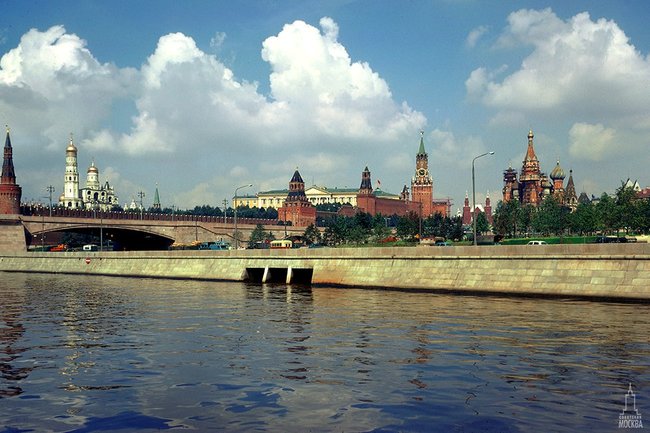
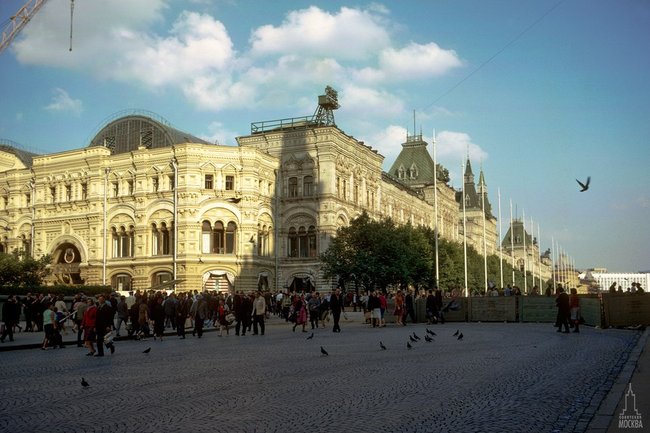
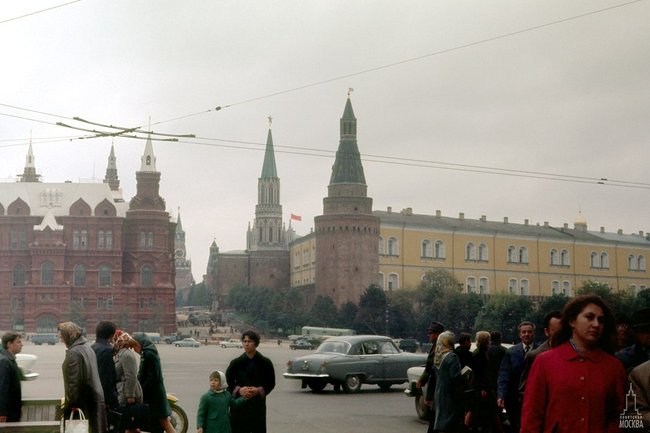
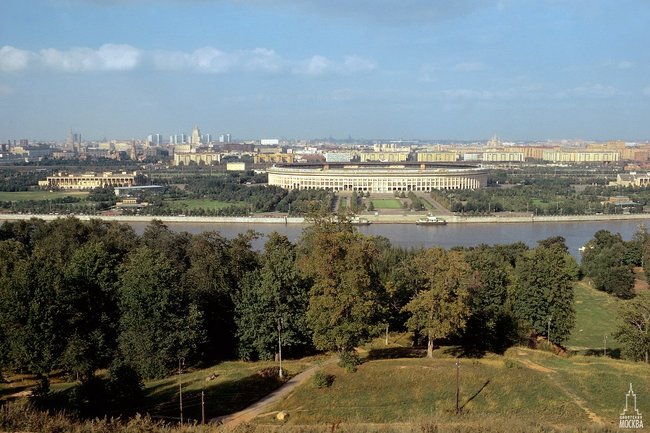
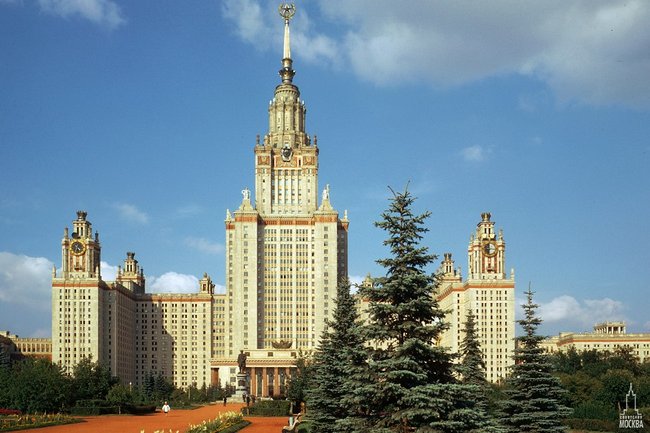
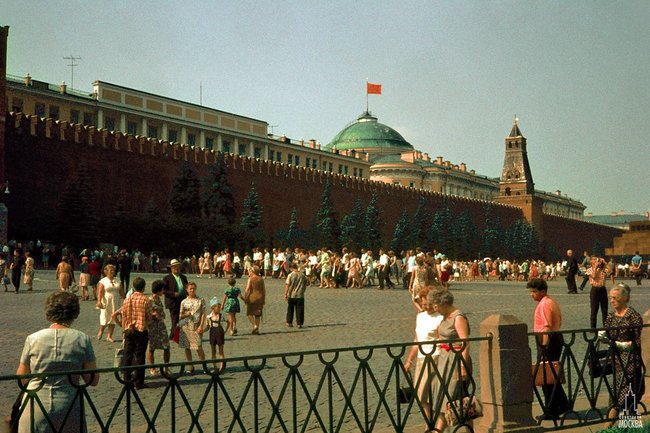
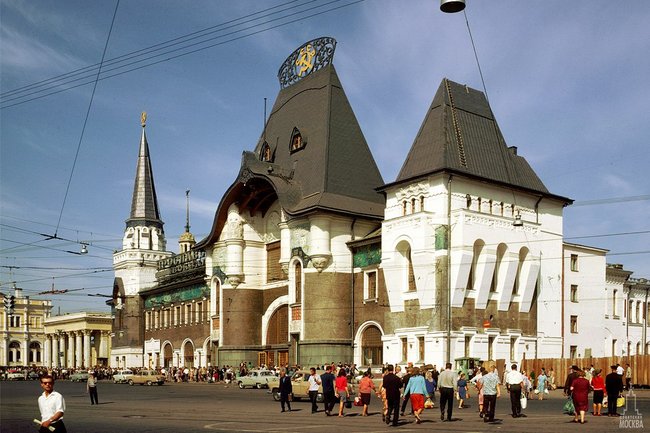
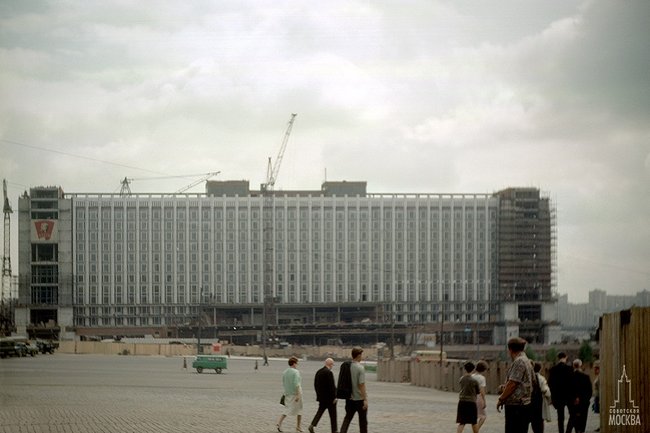
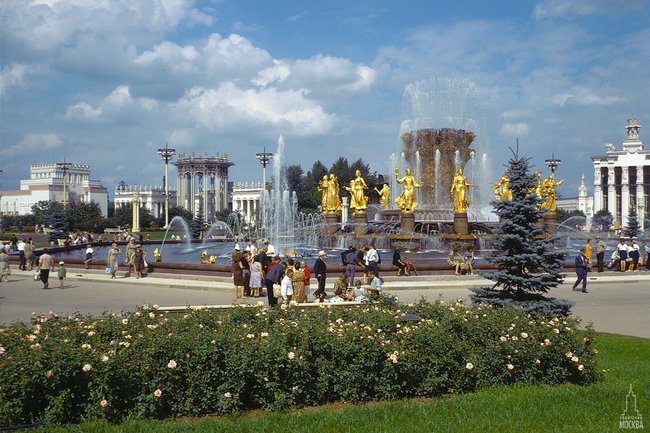
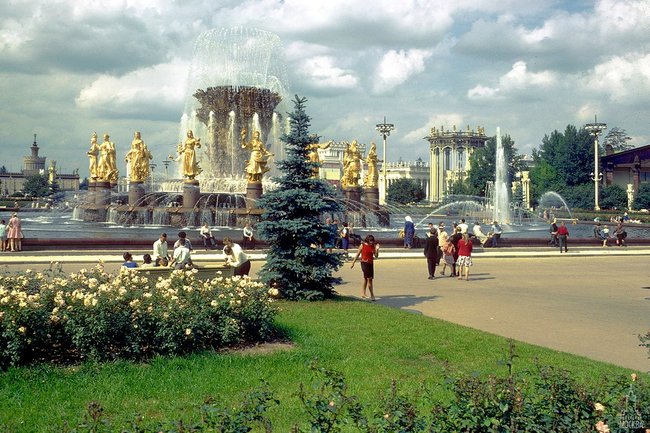
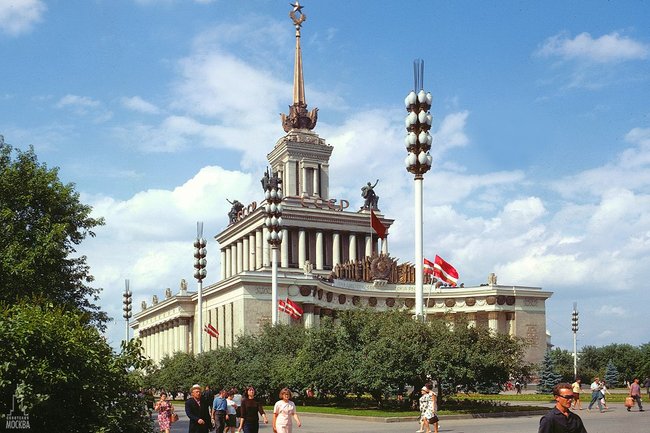
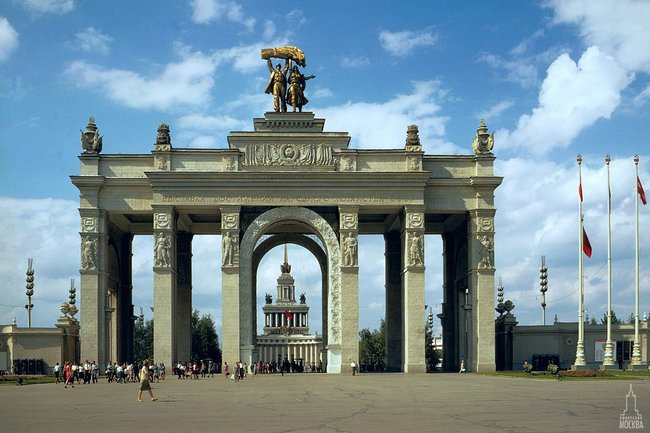
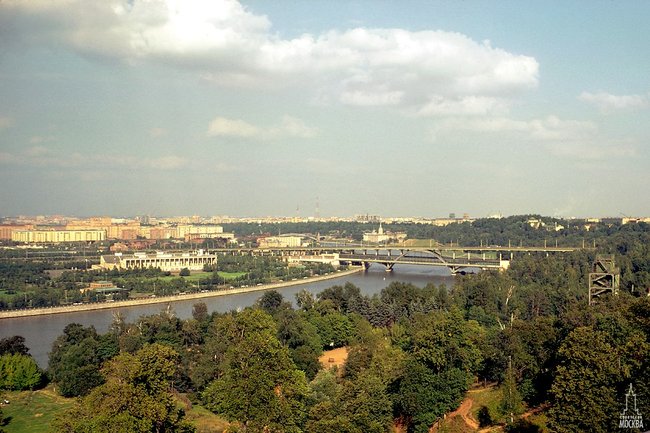
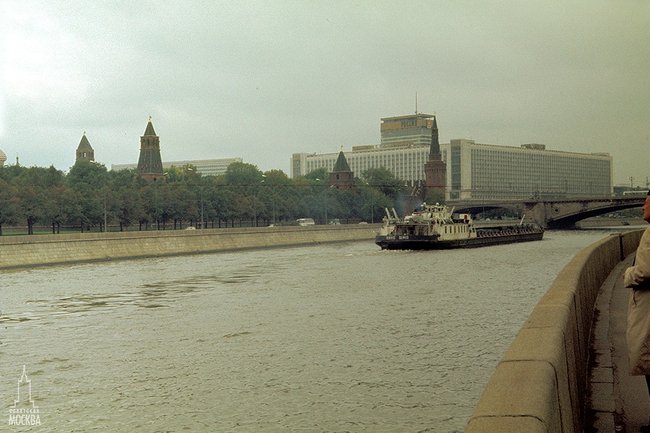
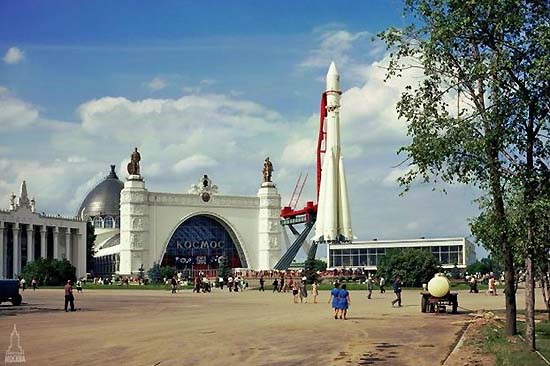
Moscow is the capital and largest city of Russia. The city stands on the Moskva River in Central Russia, with a population estimated at 12.4 million residents within the city limits, over 17 million residents in the urban area, and over 20 million residents in the metropolitan area. The city covers an area of 2,511 square kilometres (970 sq mi), while the urban area covers 5,891 square kilometres (2,275 sq mi), and the metropolitan area covers over 26,000 square kilometres (10,000 sq mi). Moscow is among the world’s largest cities, being the largest city entirely in Europe, the largest urban area in Europe, the largest metropolitan area in Europe, and the largest city by land area on the European continent.
First documented in 1147, Moscow grew to become a prosperous and powerful city that served as the capital of the Grand Duchy that bears its namesake. When the Grand Duchy of Moscow evolved into the Tsardom of Russia, Moscow still remained as the political and economic center for most of the Tsardom’s history. When the Tsardom was reformed into the Russian Empire, the capital was moved from Moscow to Saint Petersburg diminishing the influence of the city. The capital was then moved back to Moscow following the October Revolution and the city was brought back as the political centre of the Russian SFSR and then the Soviet Union. In the aftermath of the dissolution of the Soviet Union, Moscow remained as the capital city of the contemporary and newly established Russian Federation.
As the northernmost and coldest megacity in the world, and with a history that dates over eight centuries, Moscow is governed as a federal city (since 1993) that serves as the political, economic, cultural, and scientific centre of Russia and Eastern Europe. As an alpha world city, Moscow has one of the world’s largest urban economies. The city is one of the fastest growing tourist destinations in the world, and is one of Europe’s most visited cities. Moscow is home to the fourth-highest number of billionaires of any city in the world, and has the highest number of billionaires of any city in Europe. The Moscow International Business Center is one of the largest financial centres in Europe and the world, and features some of Europe’s tallest skyscrapers. Muscovites enjoy public digital services more than anywhere else in Europe, and the best e-government services in the world. Moscow was the host city of the 1980 Summer Olympics, and one of the host cities of the 2018 FIFA World Cup.
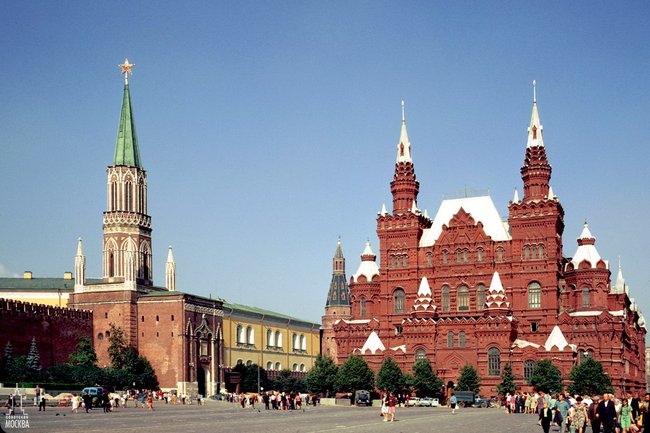
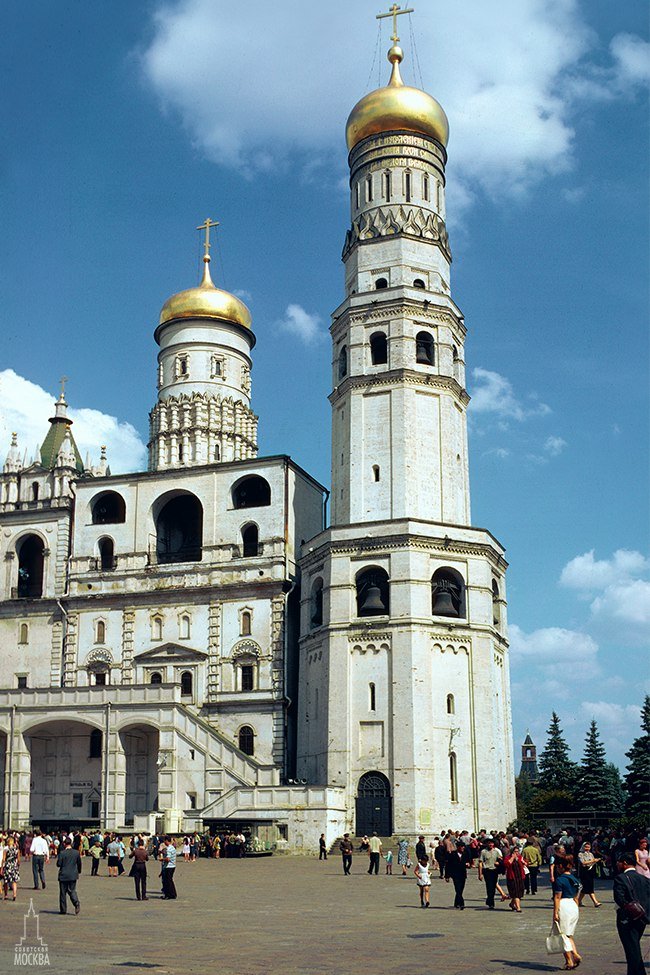
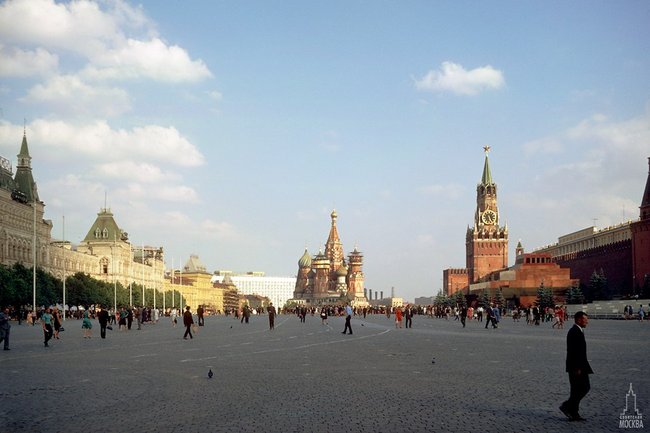
As the historic core of Russia, Moscow serves as the home of numerous Russian artists, scientists, and sports figures due to the presence of its various museums, academic and political institutions and theatres. The city is home to several UNESCO World Heritage Sites, and is well known for its display of Russian architecture, particularly its historic Red Square, and buildings such as the Saint Basil’s Cathedral and the Moscow Kremlin, of which the latter serves as the seat of power of the Government of Russia. Moscow is home to many Russian companies in numerous industries, and is served by a comprehensive transit network, which includes four international airports, nine railway terminals, a tram system, a monorail system, and most notably the Moscow Metro, the busiest metro system in Europe, and one of the largest rapid transit systems in the world. The city has over 40 percent of its territory covered by greenery, making it one of the greenest cities in Europe and the world. (Wikipedia)
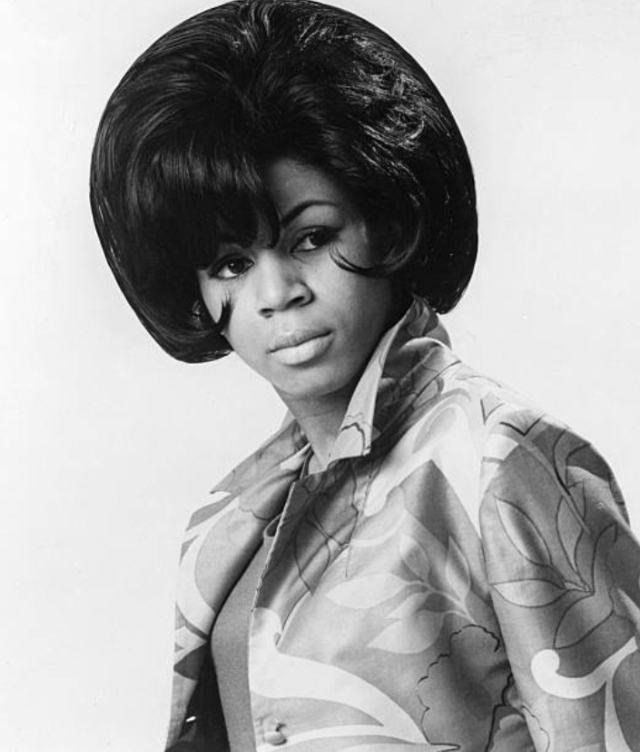
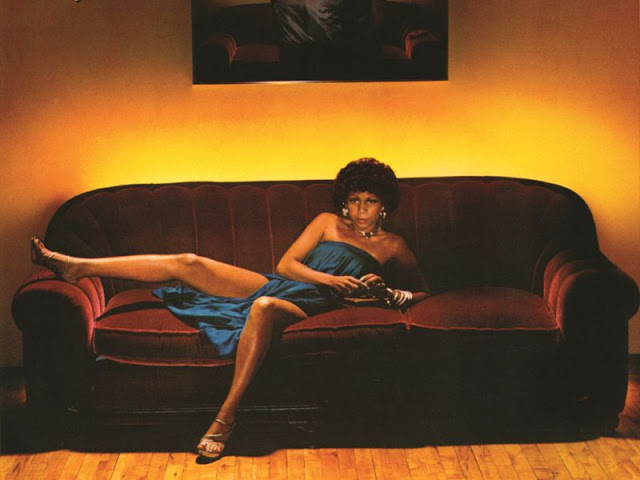
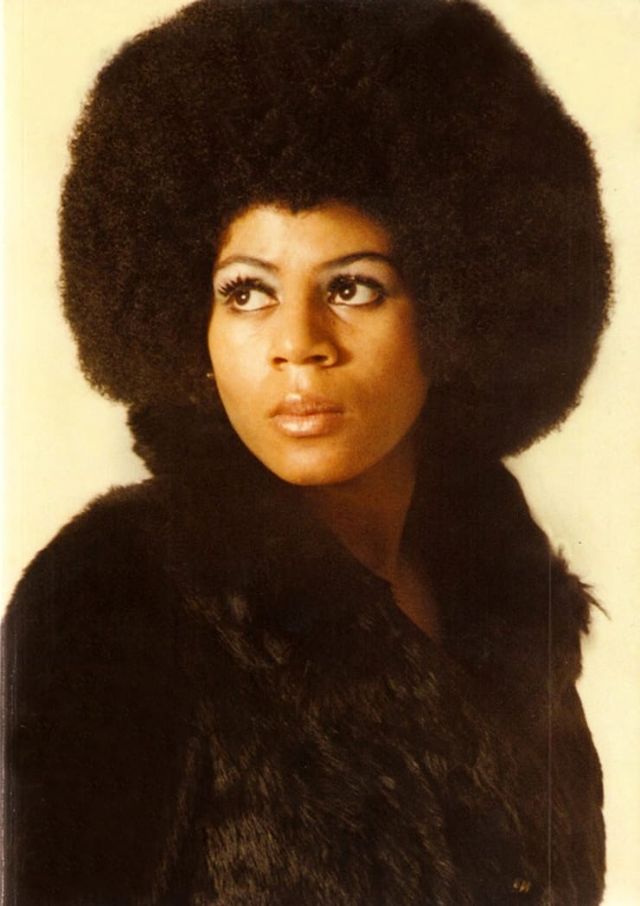
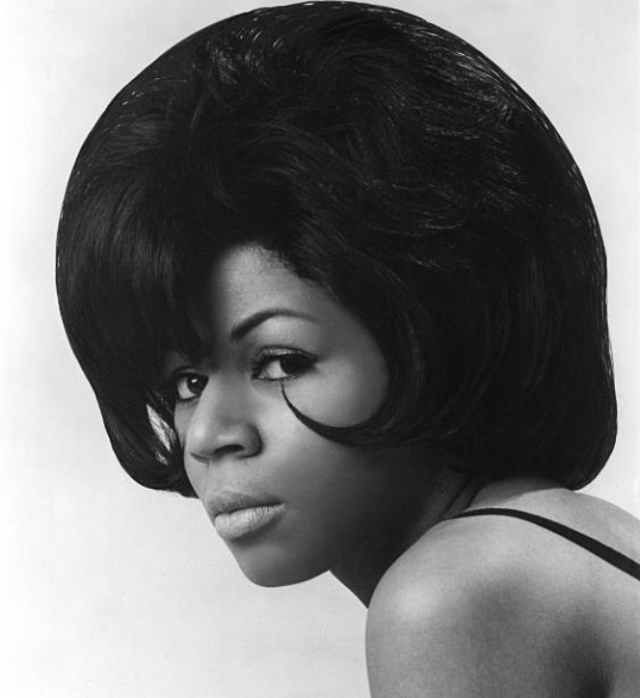
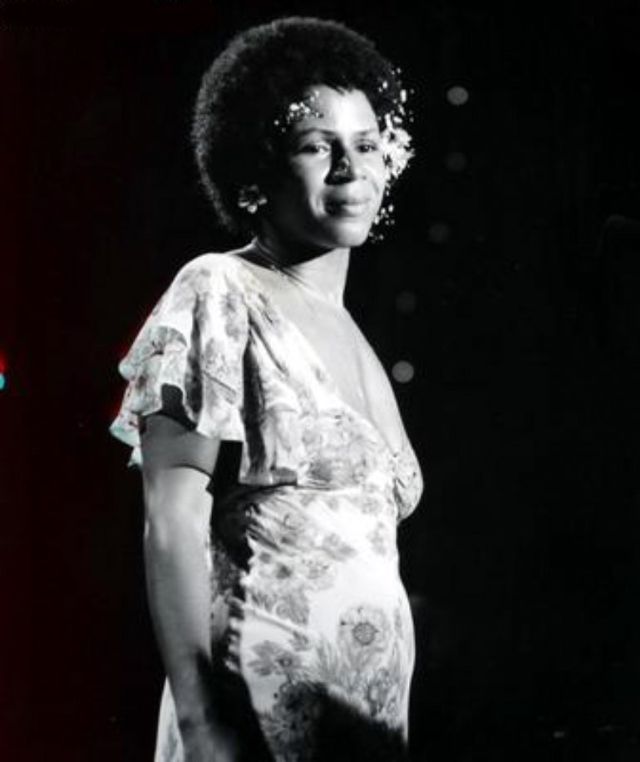
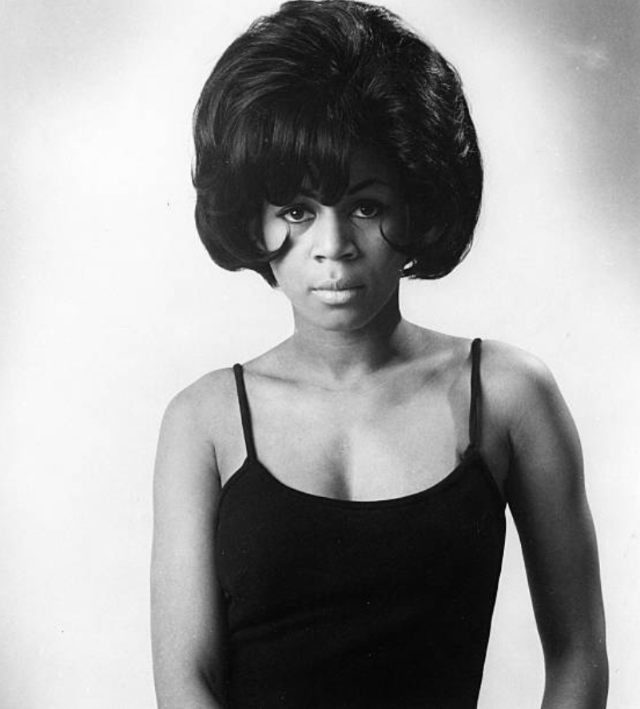
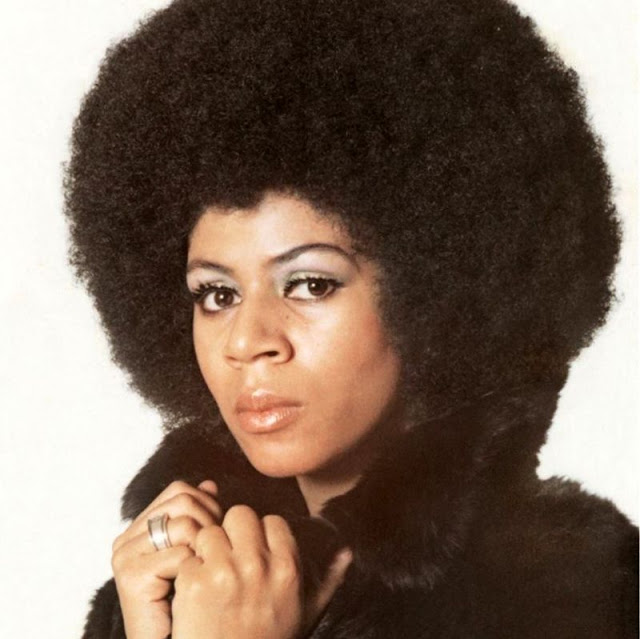
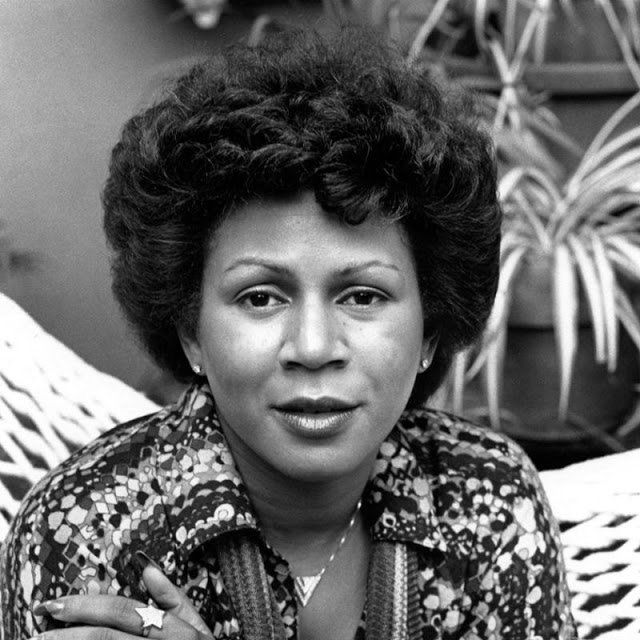
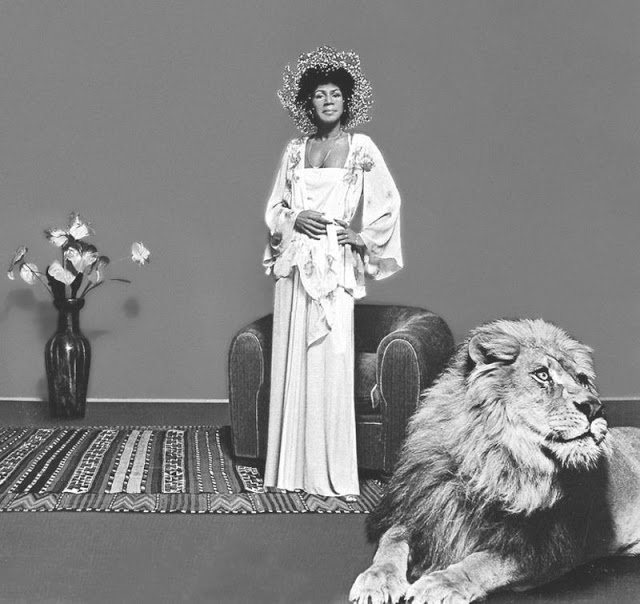
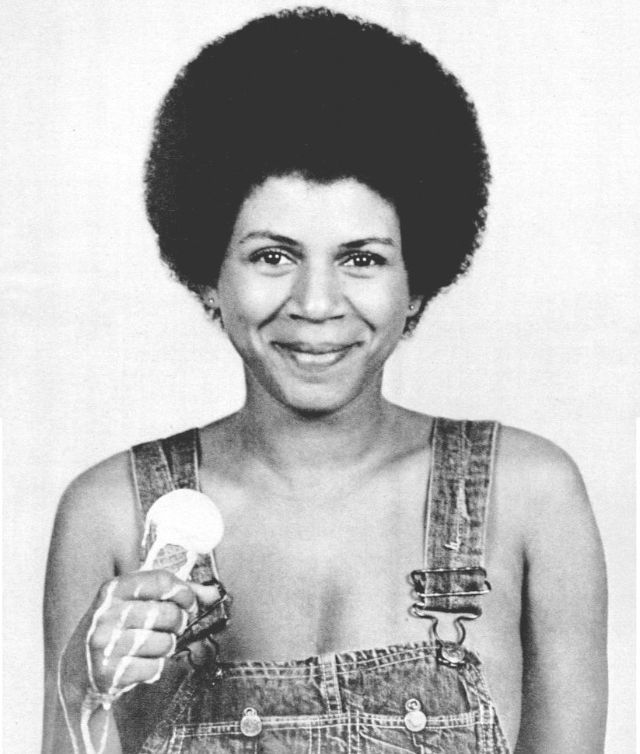
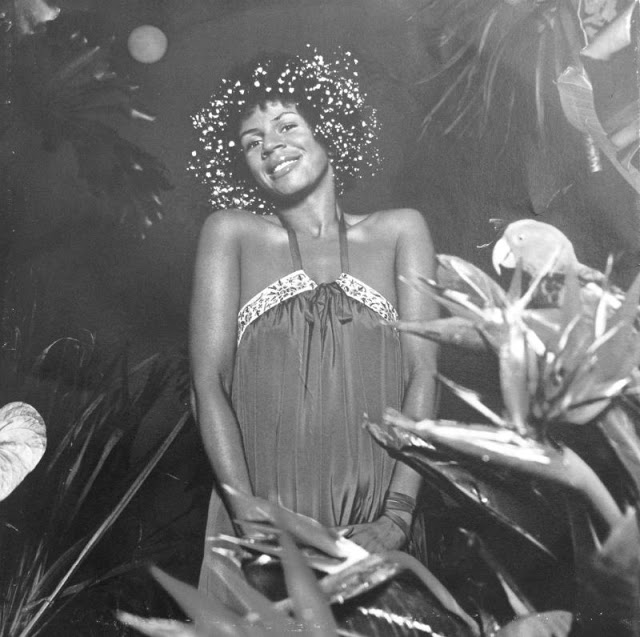
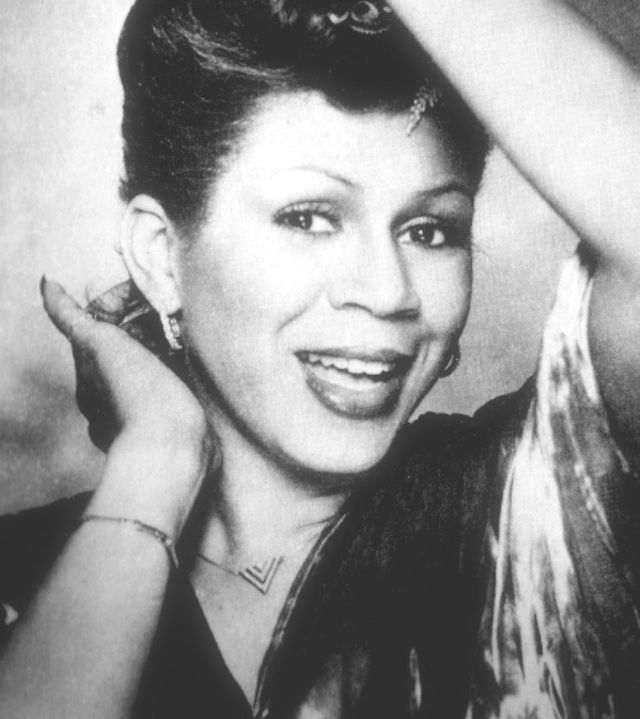
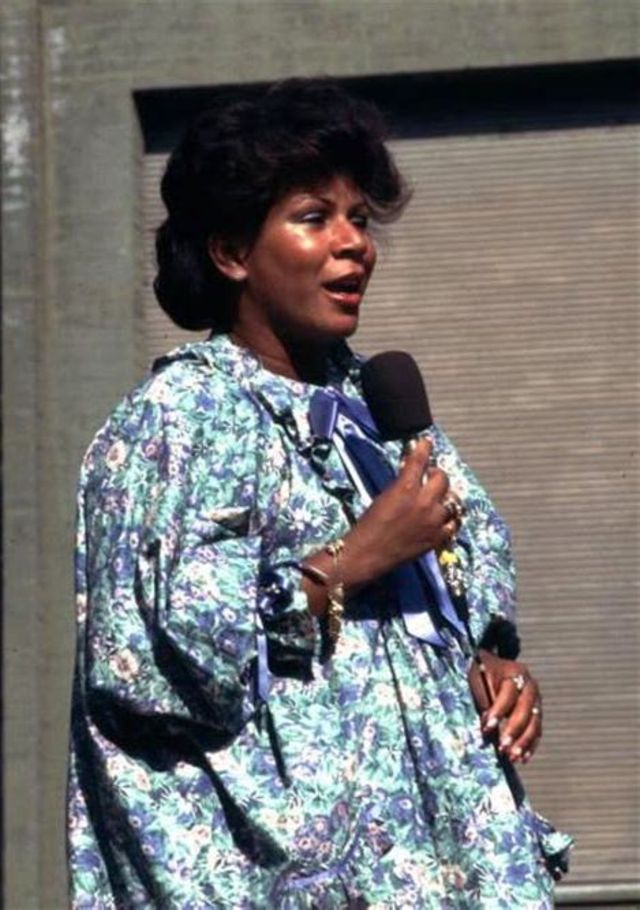
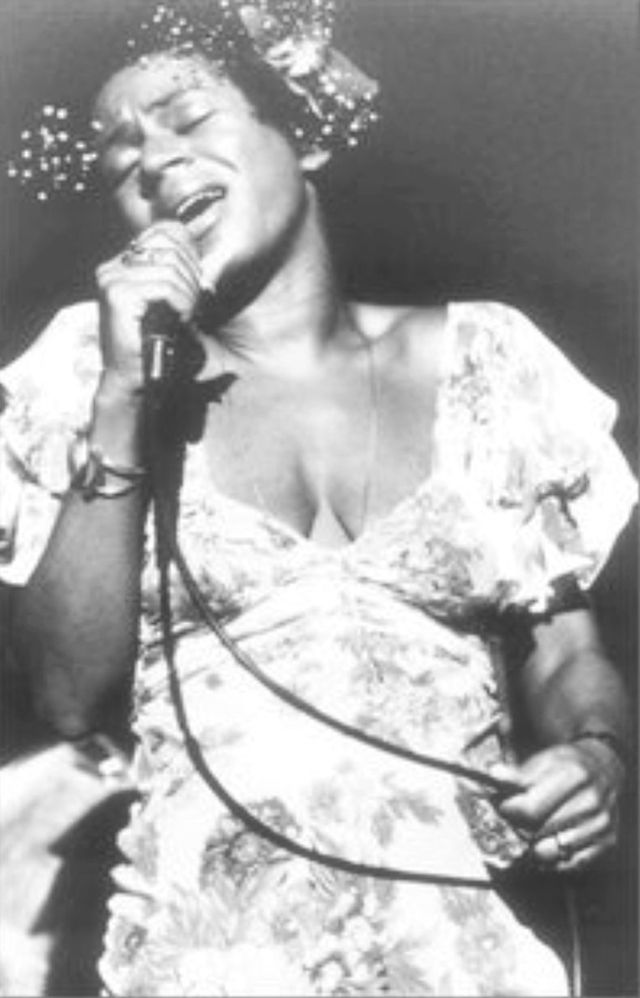
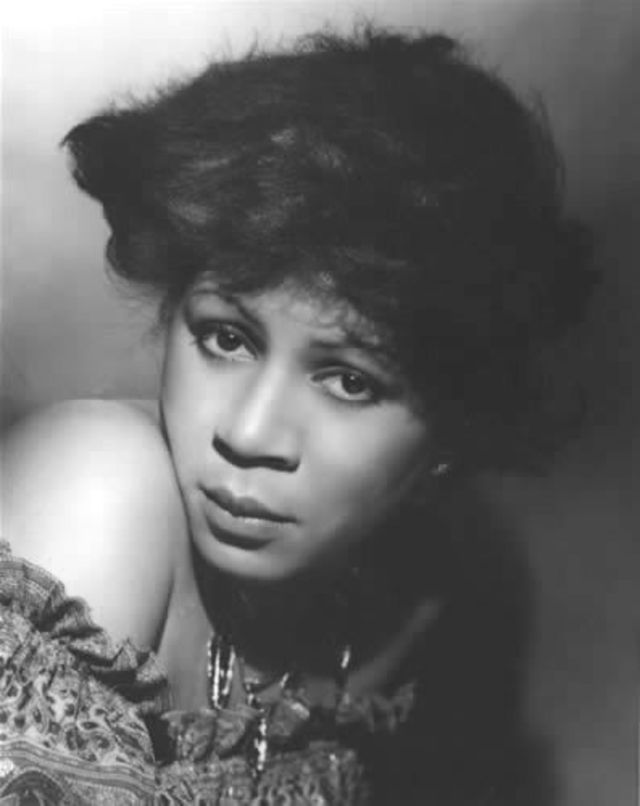
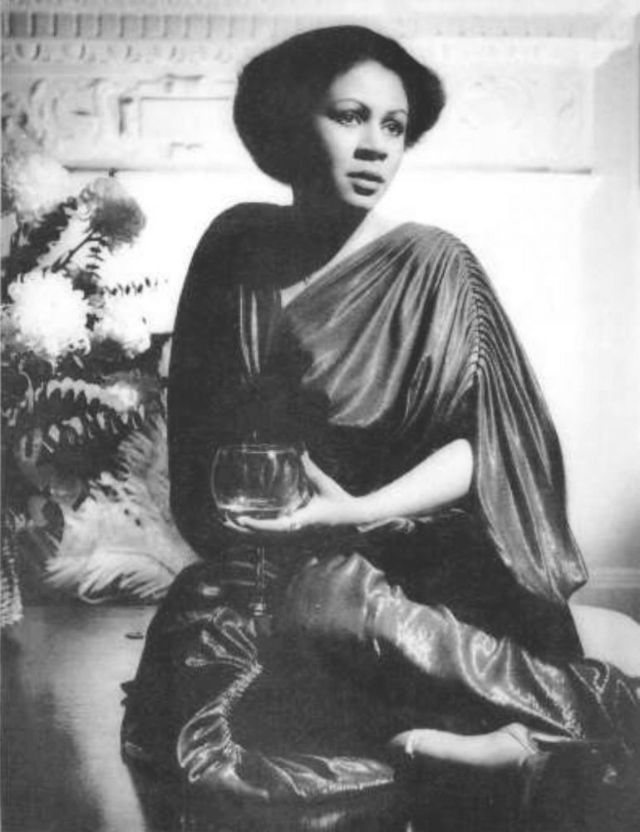
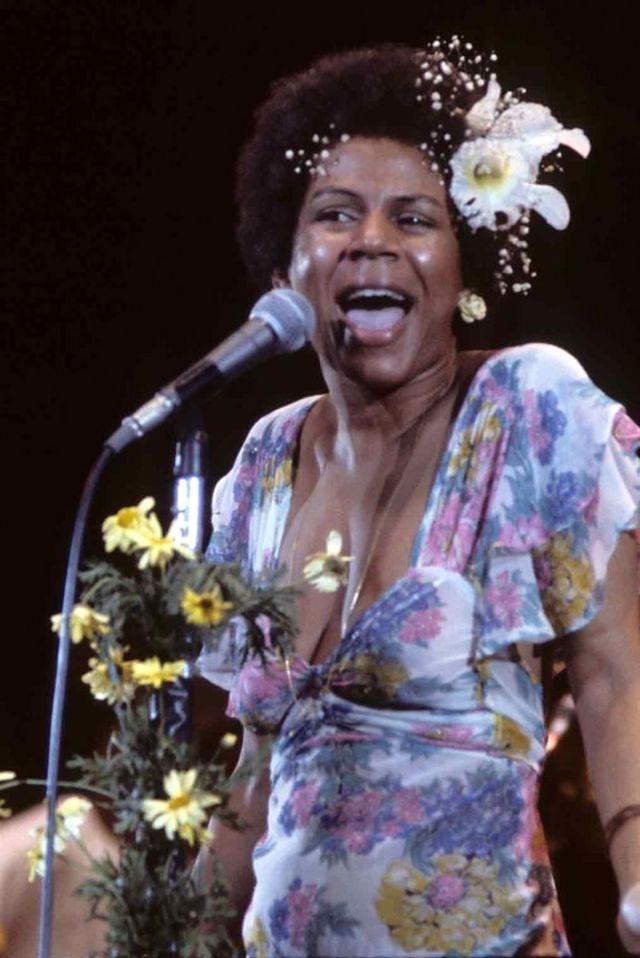
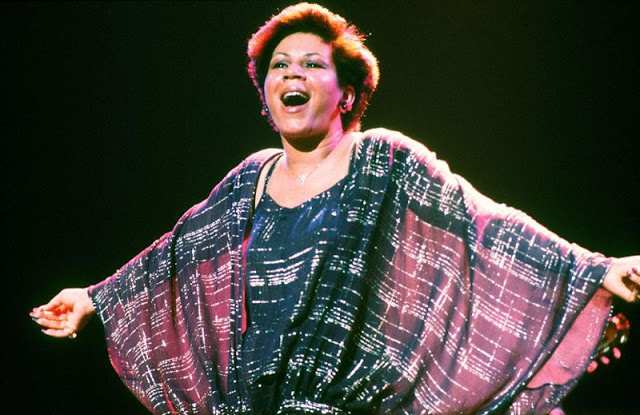
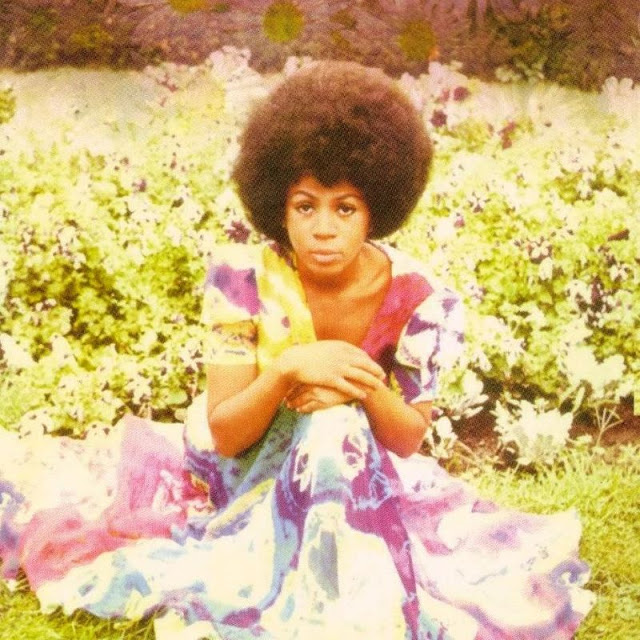
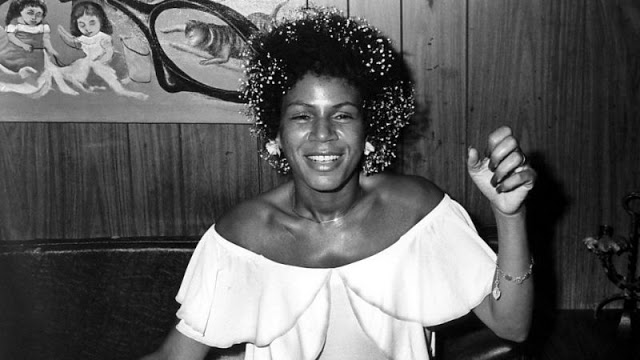
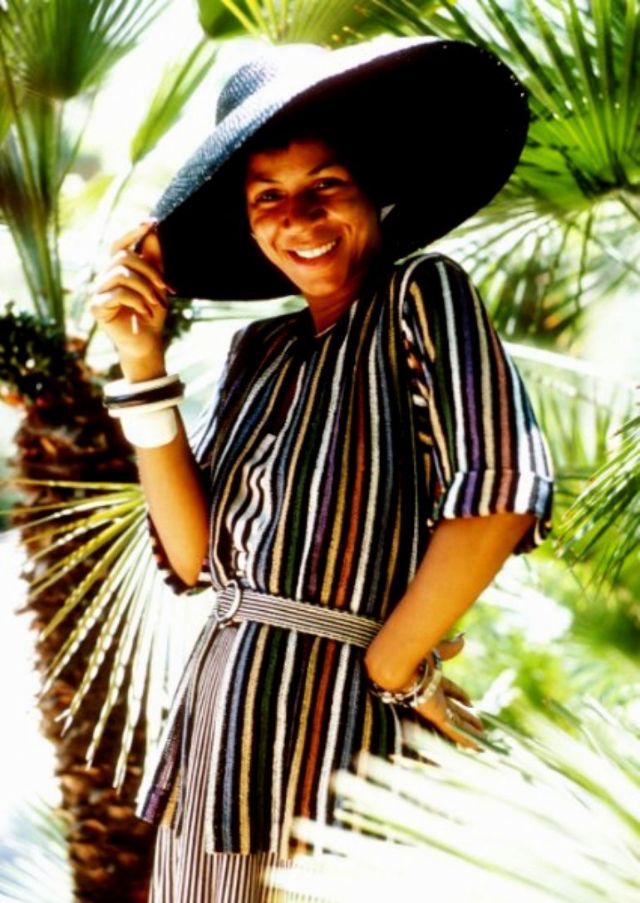
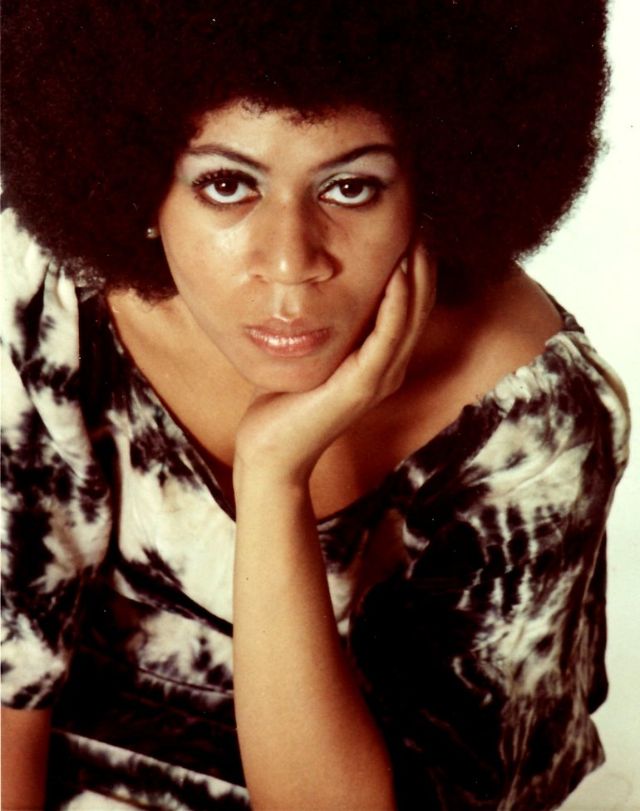
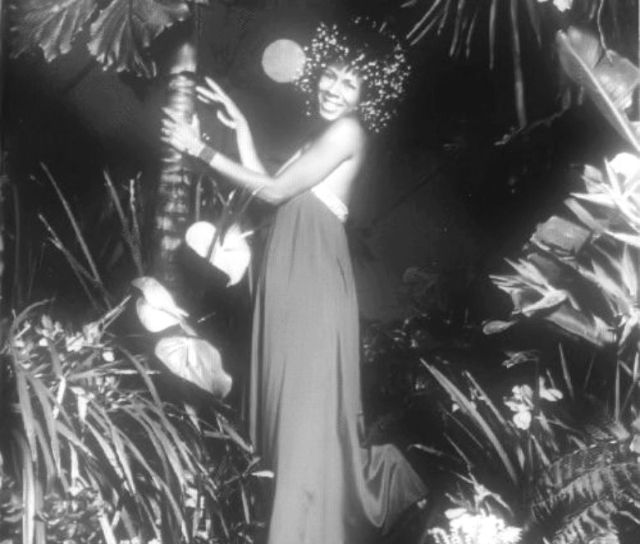
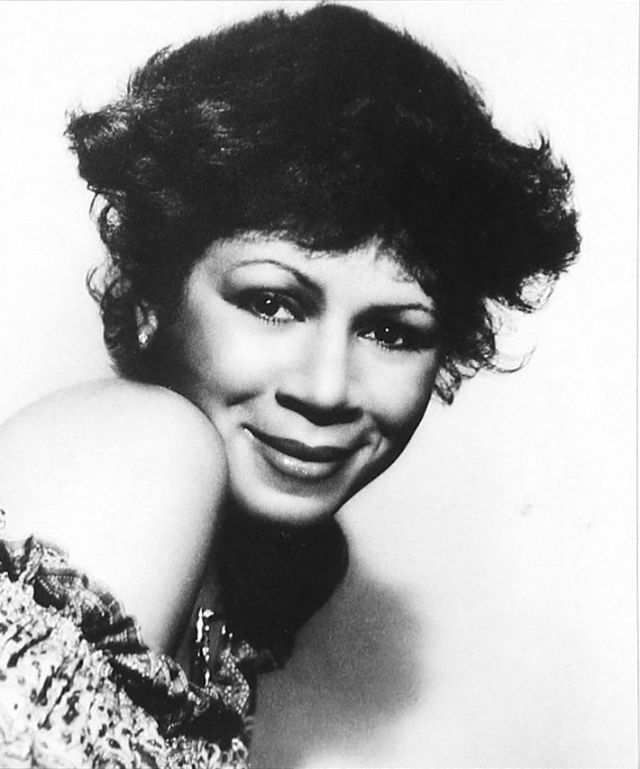
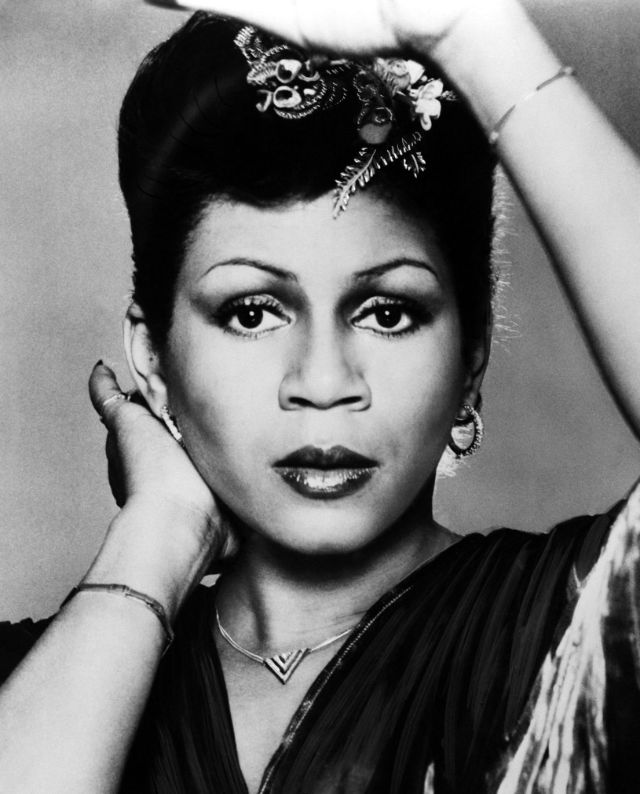
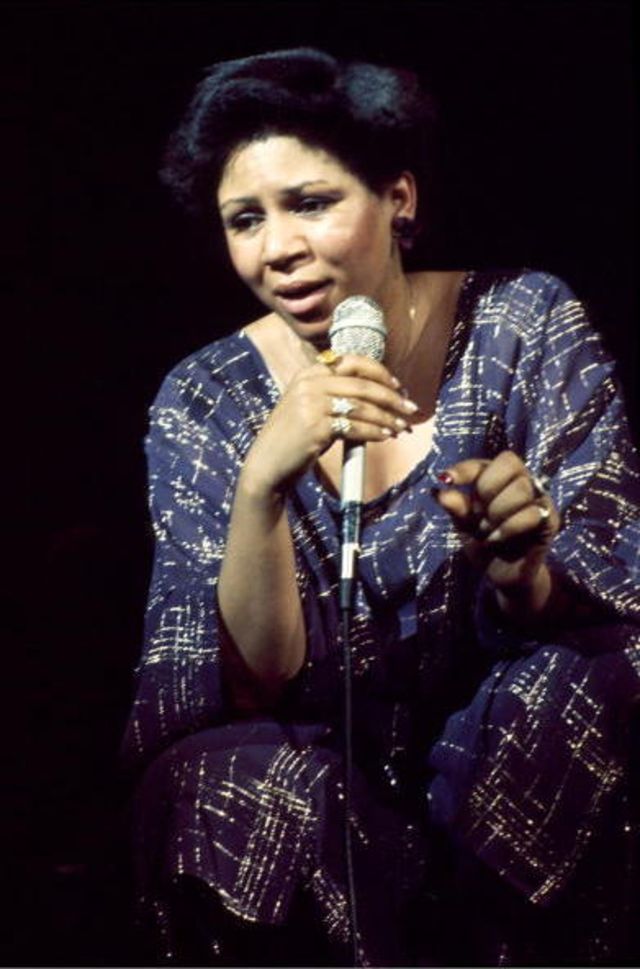
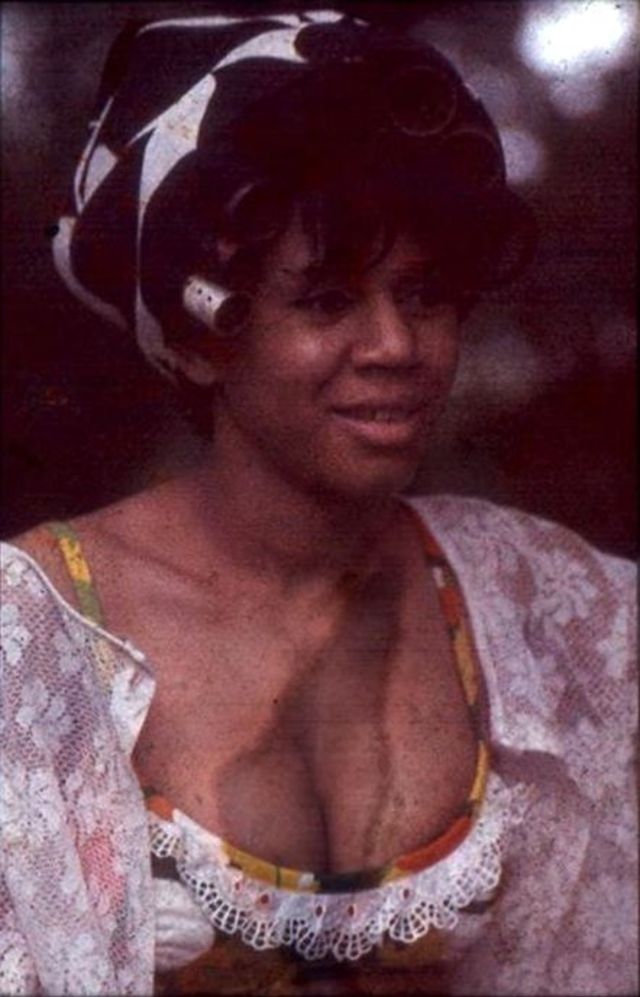
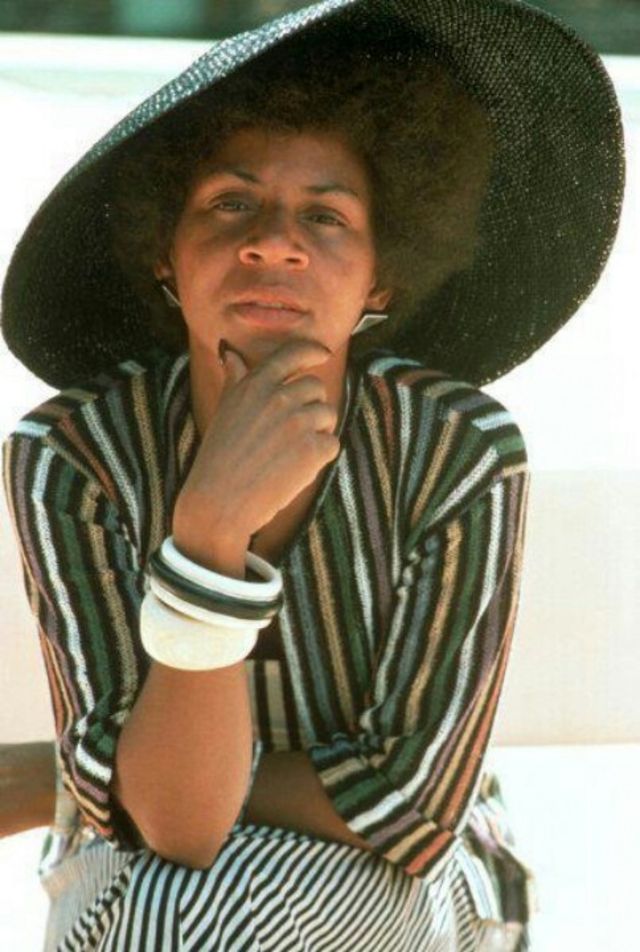
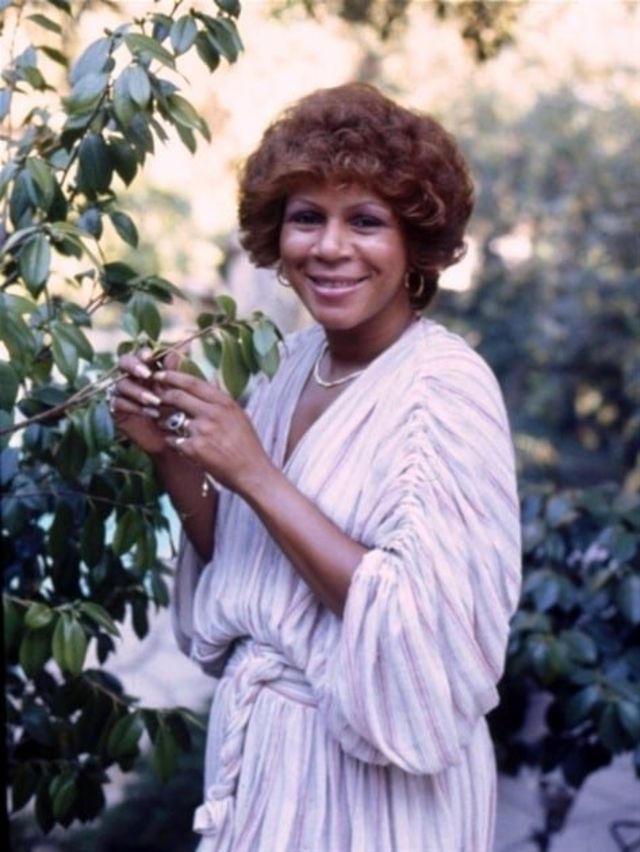
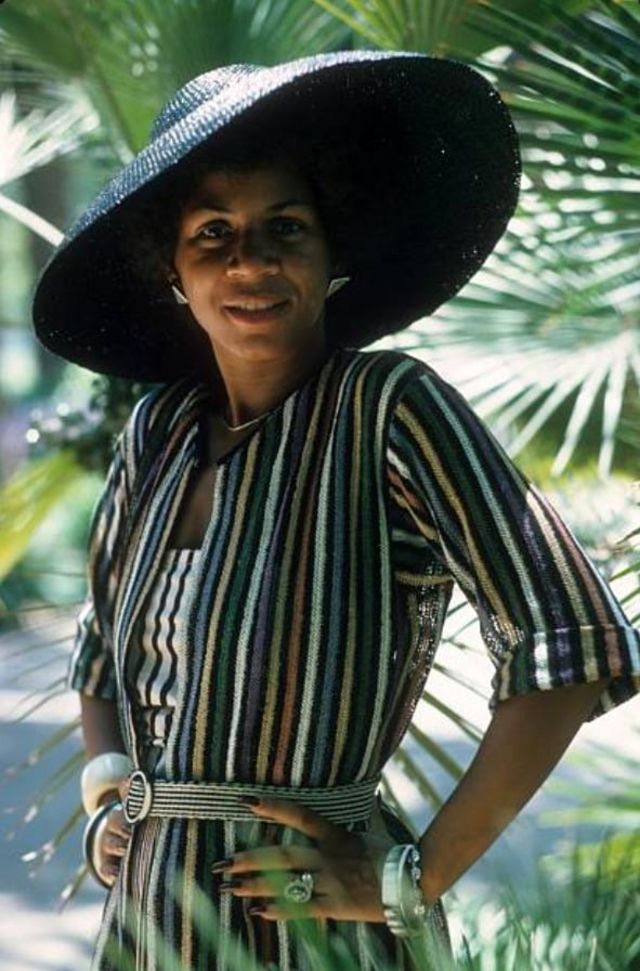
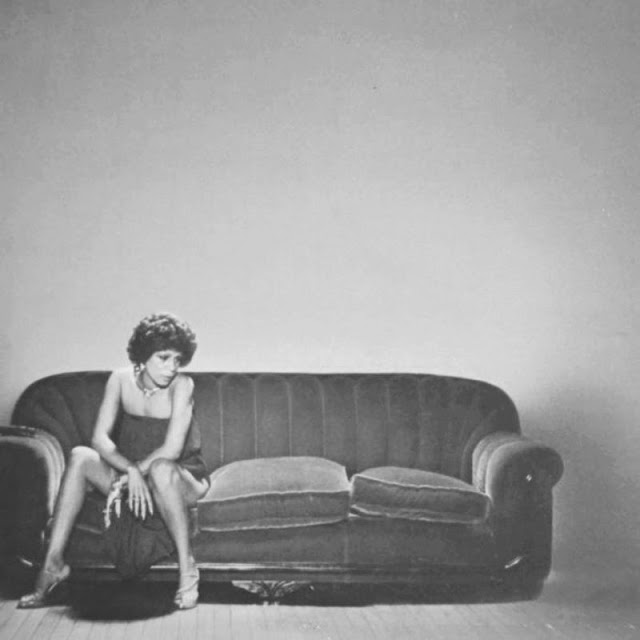
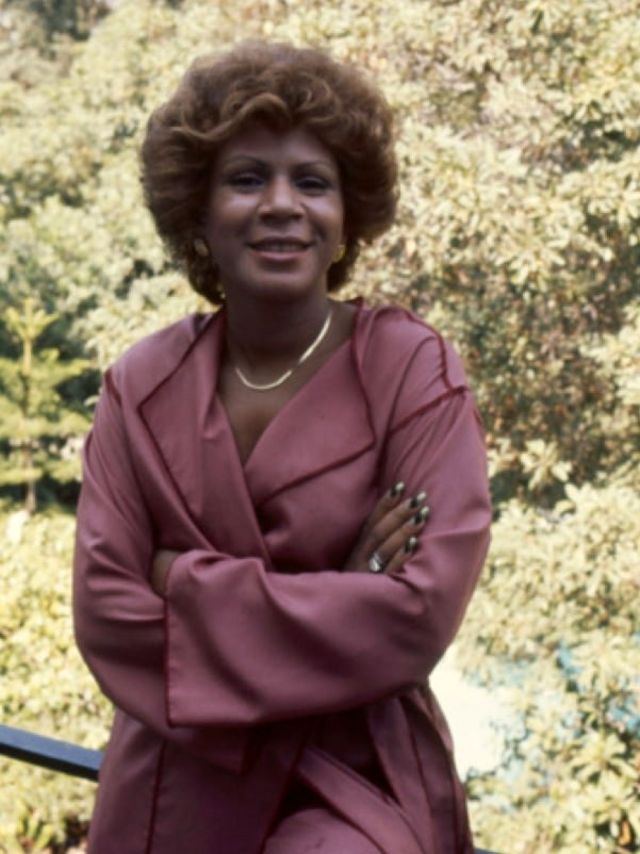
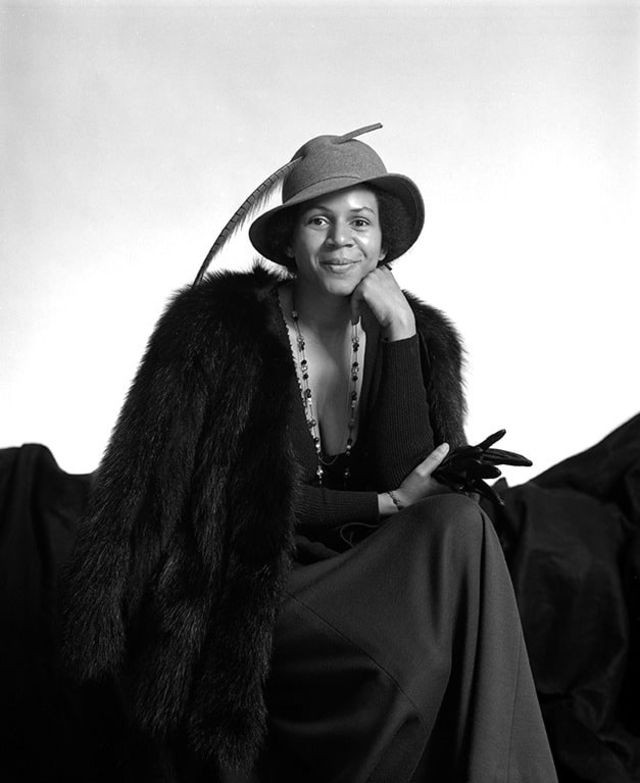
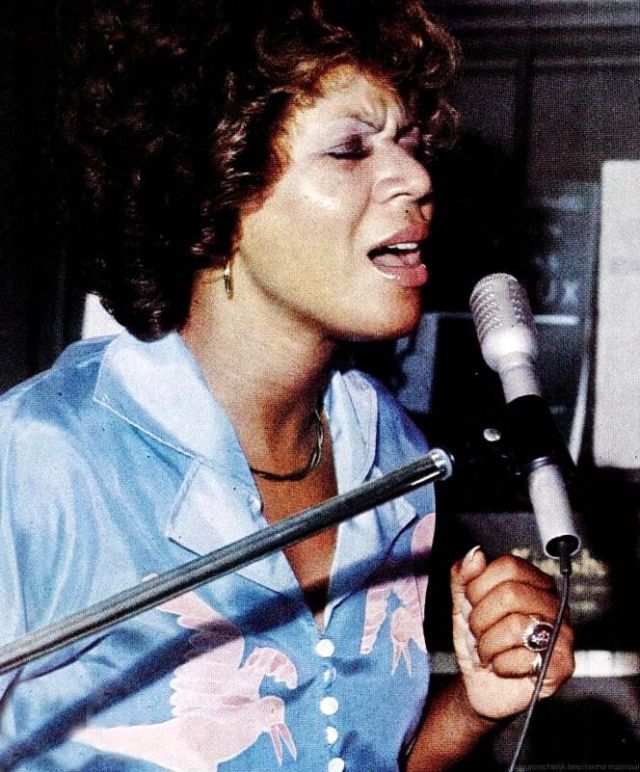
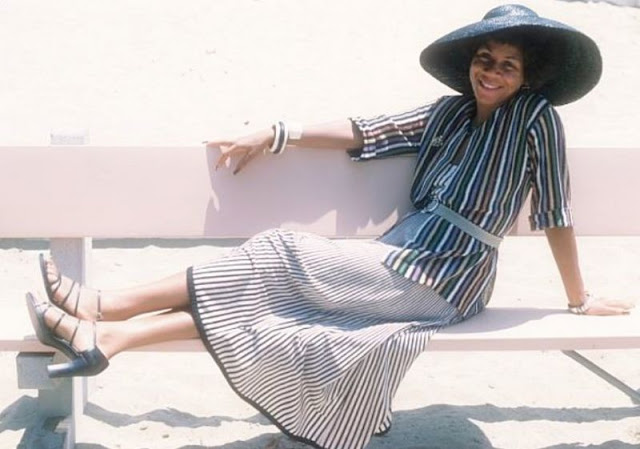
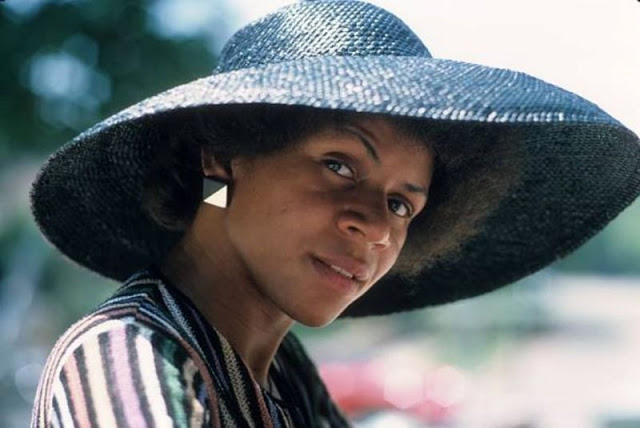
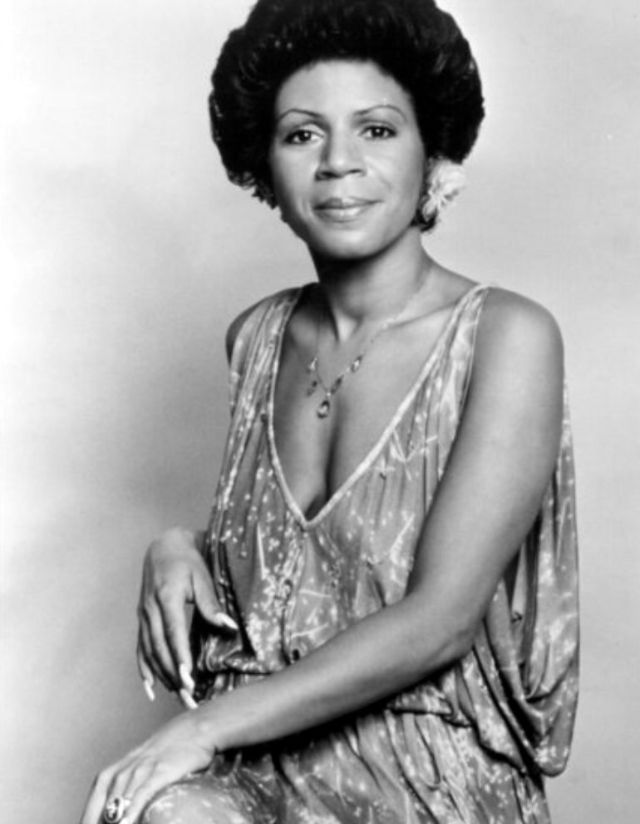
Minnie Julia Riperton Rudolph (November 8, 1947 – July 12, 1979) was an American singer-songwriter best known for her 1975 single “Lovin’ You” and her four octave D3 to F#7 coloratura soprano range. She is also widely known for her use of the whistle register and has been referred to by the media as the “queen of the whistle register.”
Born in 1947, Riperton grew up in Chicago’s Bronzeville neighborhood on the South Side. As a child, she studied music, drama and dance at Chicago’s Lincoln Center. In her teen years, she sang lead vocals for the Chicago-based girl group the Gems. Her early affiliation with the Chicago-based Chess Records afforded her the opportunity to sing backing vocals for various established artists such as Etta James, Fontella Bass, Ramsey Lewis, Bo Diddley, Chuck Berry and Muddy Waters. While at Chess, Riperton also sang lead for the experimental rock/soul group Rotary Connection, from 1967 to 1971.
On April 5, 1975, Riperton reached the apex of her career with her No. 1 single “Lovin’ You”. The single was the last release from her 1974 gold album titled Perfect Angel. In January 1976, Riperton was diagnosed with breast cancer, and in April, she underwent a radical mastectomy. By the time of diagnosis, the cancer had metastasized and she was given about six months to live. Despite the grim prognosis, she continued recording and touring. She was one of the first celebrities to go public with a breast cancer diagnosis, but she did not disclose that she was terminally ill. In 1977, she became a spokesperson for the American Cancer Society. In 1978, she received the American Cancer Society’s Courage Award, which was presented to her at the White House by President Jimmy Carter. Riperton died of breast cancer on July 12, 1979, at the age of 31.
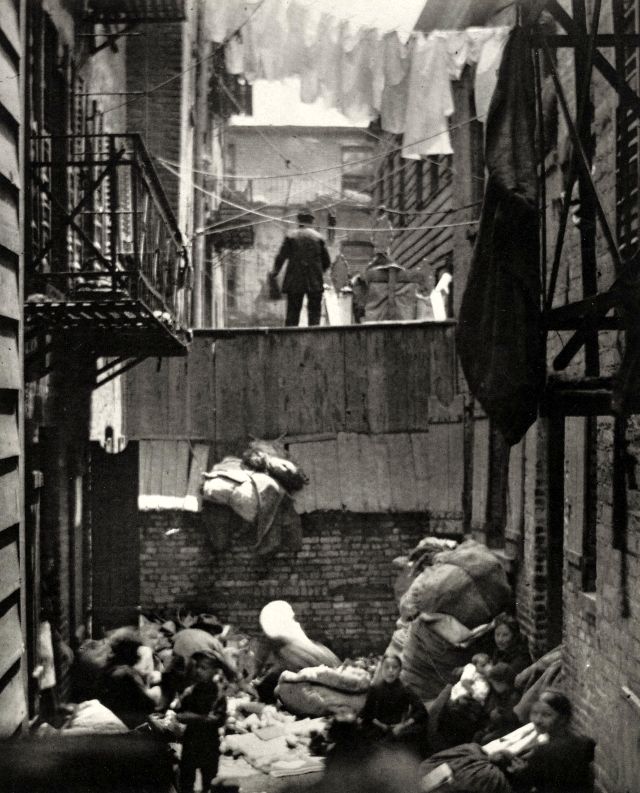
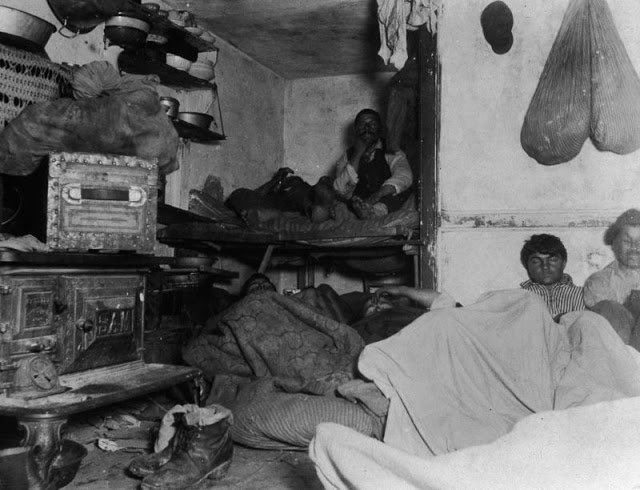
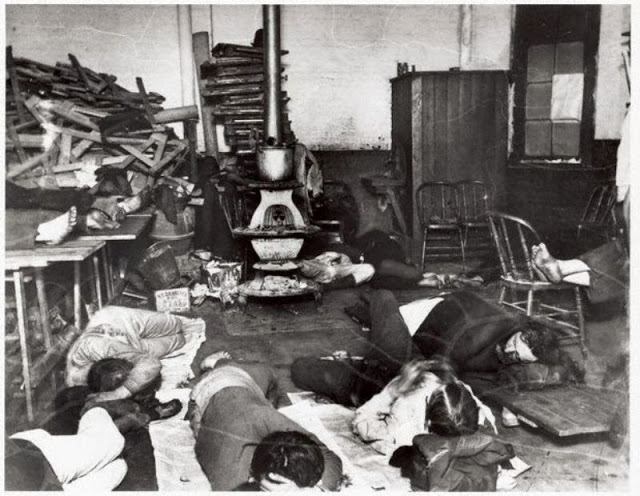
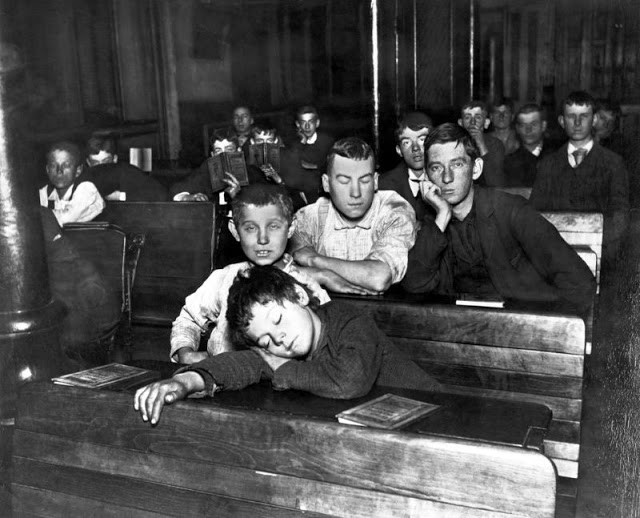
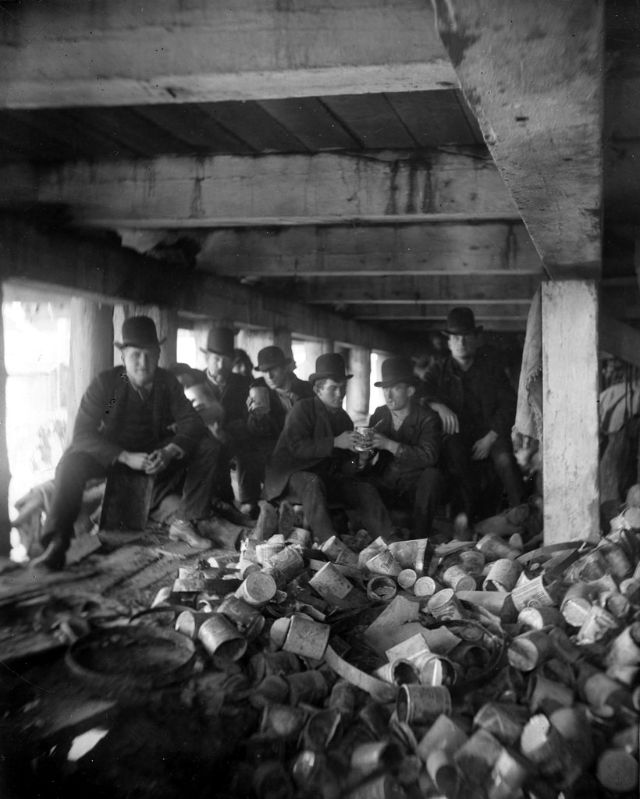
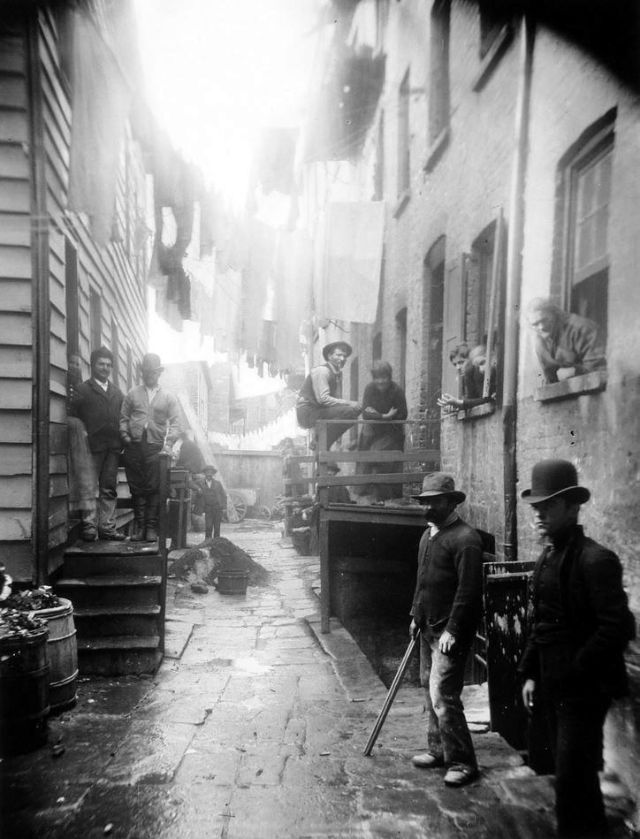
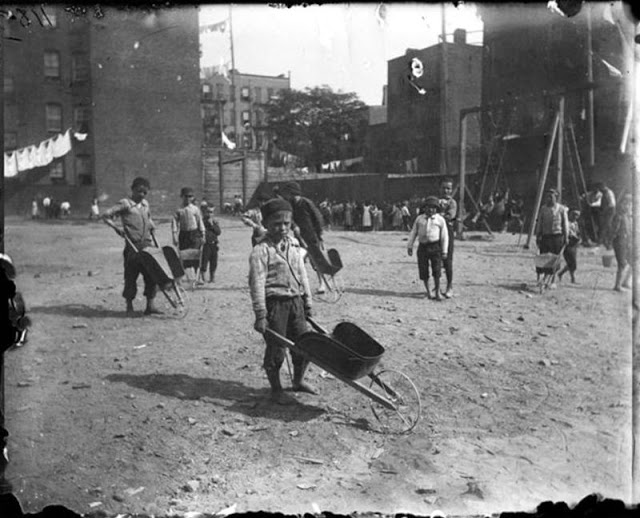
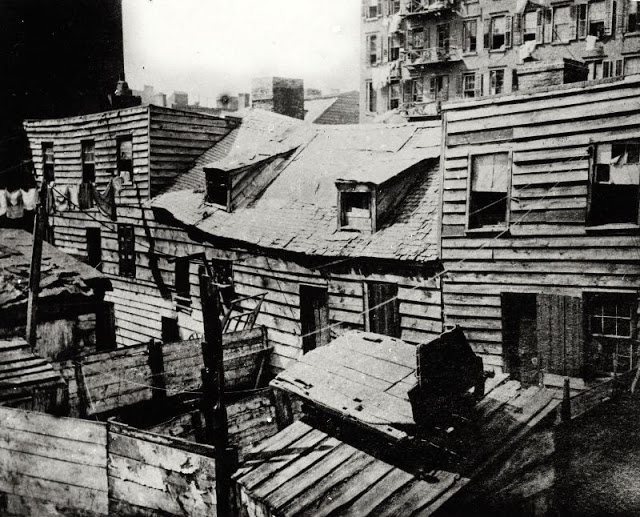
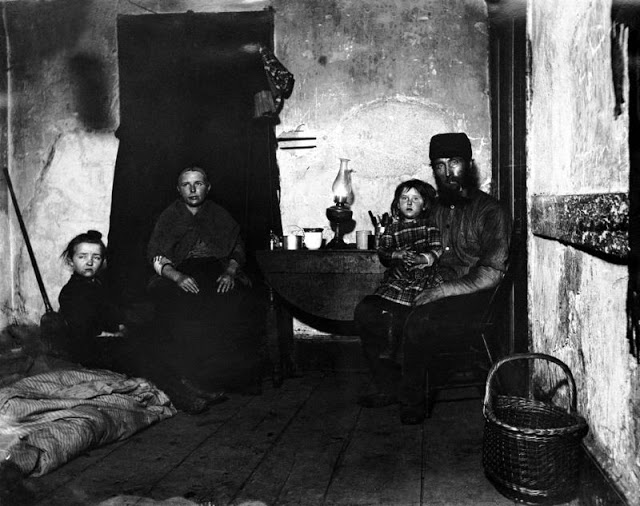
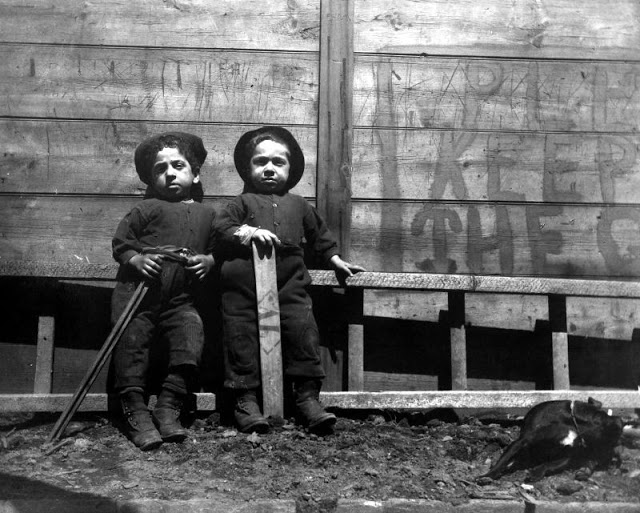
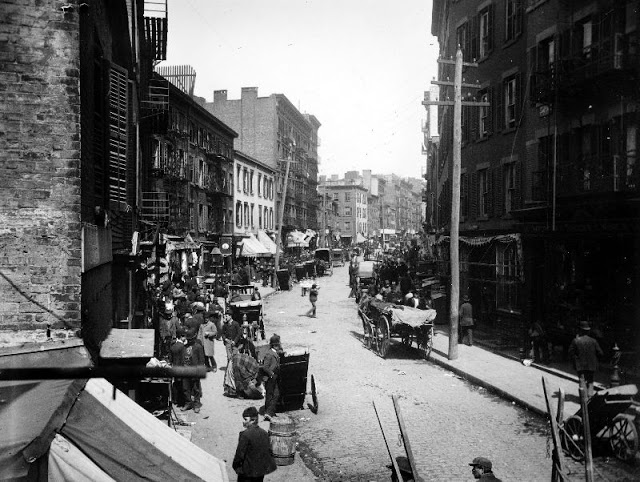
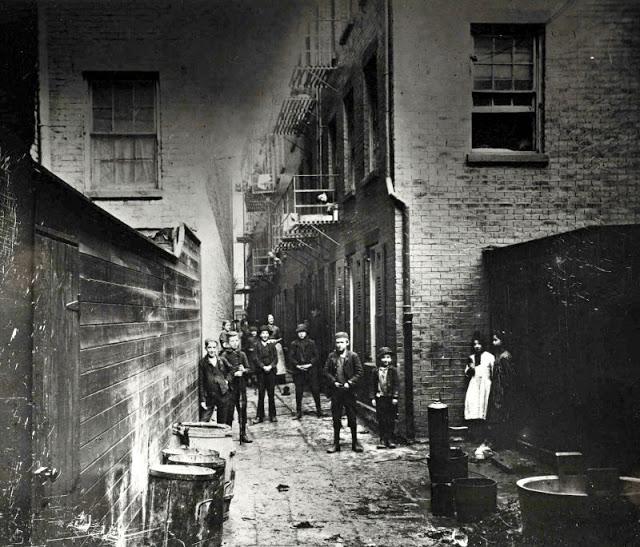
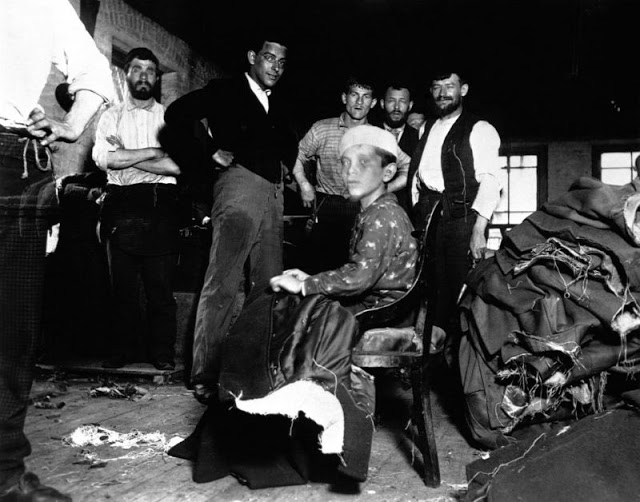
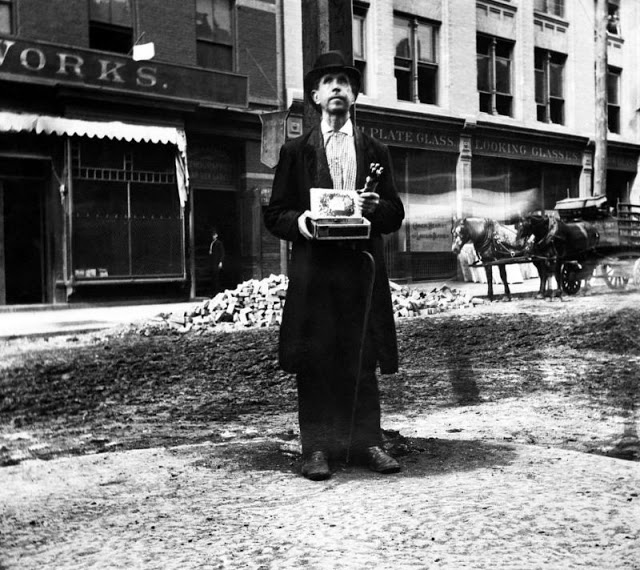
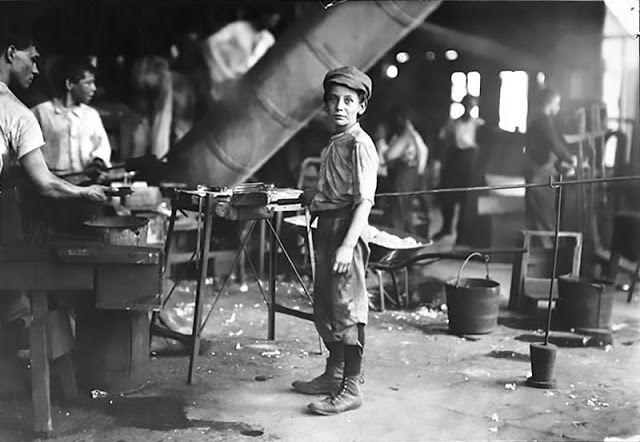
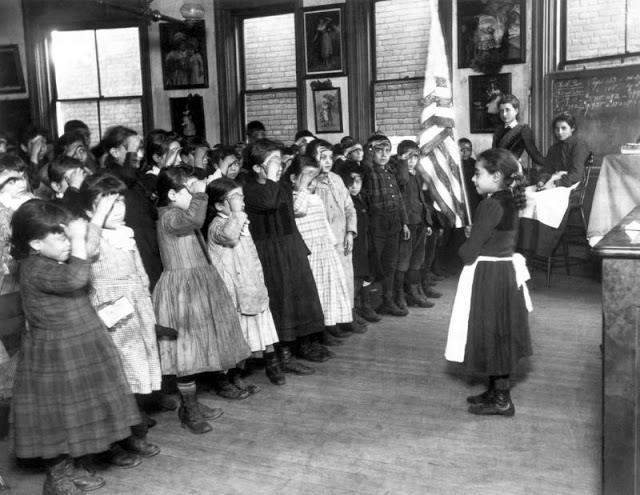
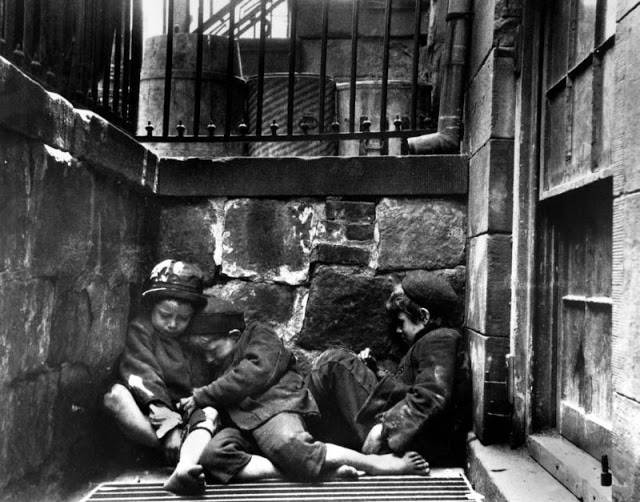
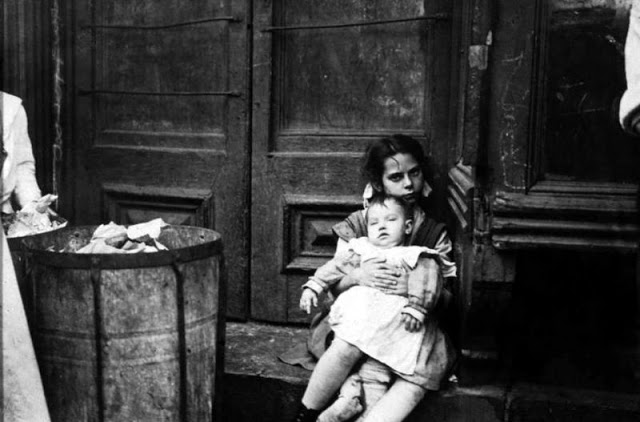
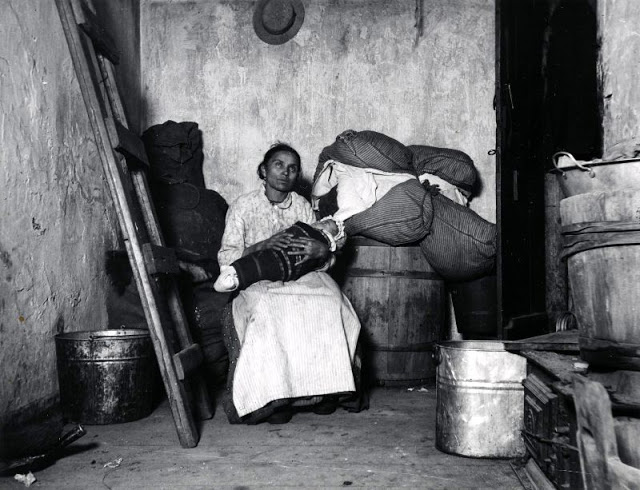
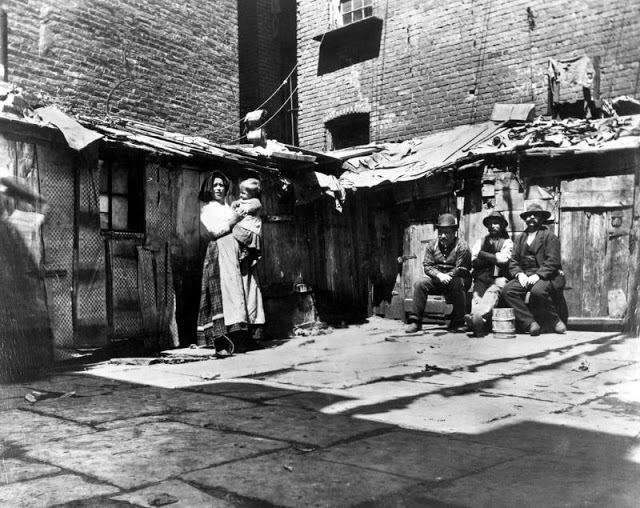
A danish emigrant, settled in New York in 1870, Jacob Riis (1849-1914) becomes a reporter for the New York Tribune in 1888 and covers the police investigations of the Lower East Side. His pictures of the squalid lives of New York’s immigrants made him the most famous photographer of his day – and were credited with bringing reforms which offered some hope to the booming city’s poorest residents.
Riis documented the overflowing tenements of New York’s Lower East Side more than 100 years ago, shining a spotlight on how the wave of immigrants from Europe were living in a city which at the same time was the world’s economic powerhouse.
Although he records the sensational stories of the miserable slums of New York, he difficultly interests his readers. When he pioneers the use of flash photography to highlight the darkest parts of the city and reveal gloomy existences, he has finally found a powerful tool, not only to attract the attention but also to lead a social reform.
Revealing how dramatic the lives of the city’s immigrants are and mostly depicts wretched children, Riis shocks most New Yorkers and produces an immediate success that inspires Theodore Roosevelt to reform the city’s housing policies.
Take a look at these heartbreaking pictures of New York’s slums in the late 19th century that prompted social reform and earned immigrant photographer praise as the city’s ‘most useful citizen’.
Poor family in one room tenement apartment, New York, circa 1880sManhattan’s Lower East Side, circa 1880sAn elderly woman sits in her dilapidated home and sews. She sleeps, cooks, and lives, all in one tiny room, New York, 1885Shelter for immigrants in a Bayard Street tenement, where a group of men share one room, Lower East Side, 1885A peddler sits on his bedroll, atop two barrels, in the filthy cellar he lives in, New York, 1886Men sleep on the floor of a New York City homeless shelter. In 1886, the fee for sleeping indoors was five cents a night, 1886Schoolroom in the Lower East Side, New York: View of benches, 1886The Short-Tail Gang, Corlears Hook, under the Pier at the foot of Jackson Street, 1887Bandit’s Roost, Mulberry Street, 1888Children’s Playground in Poverty Gap. Young boys play at a city playground, New York, 1888Dens of Death, 1888In Poverty Gap, West 28 Street: An English Coal-Herver’s Home, 1888Keep off the Grass, 1888Mulberry Bend, 1888Mullen’s Alley, February 12, 1888A twelve year old boy works as a thread puller in a New York clothing factory sweatshop, 1889Prayer Time, Five Points House of Industry, 1889A blind man stands alone on a street corner, offering pencils for sale in New York City, 1890A boy in a glass factory, 1890A group of women and children make a Manhattan police station their temporary home, 1890A Jewish immigrant cobbler living in a dirty cellar prepares to eat a meal on the Sabbath, New York, 1890Bohemian cigar makers at their tenements where people had to work as well as sleep, 1890Children saluting the flag in school, 1890Children sleeping on Mulberry Street, 1890Girl sitting on doorstep with baby on her lap, New York, 1890Homeless newsboys sleep huddled in a corner outside the Mulberry Street Church, 1890In the Home of an Italian Rag-Picker, Jersey Street. An Italian mother sits in an area just off of Jersey Street and holds her baby, New York, 1890Interior of a pantmaker’s workshop (sweatshop) on New York City’s Lower East Side, Ludlow Street, 1890Slum District, New York, 1890Three homeless boys sleep on a stairway in a Lower East Side alley, 1890sPortrait of a junk man’s living quarters in the cellar of a New York City tenement house, 1891Shoemaker working in house with $12 a month rent, 1895-1896
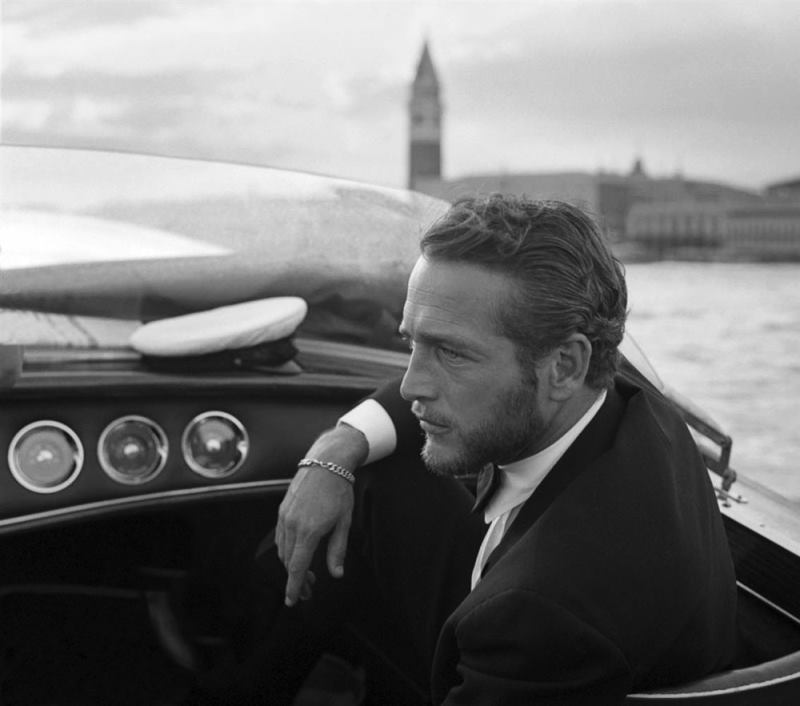
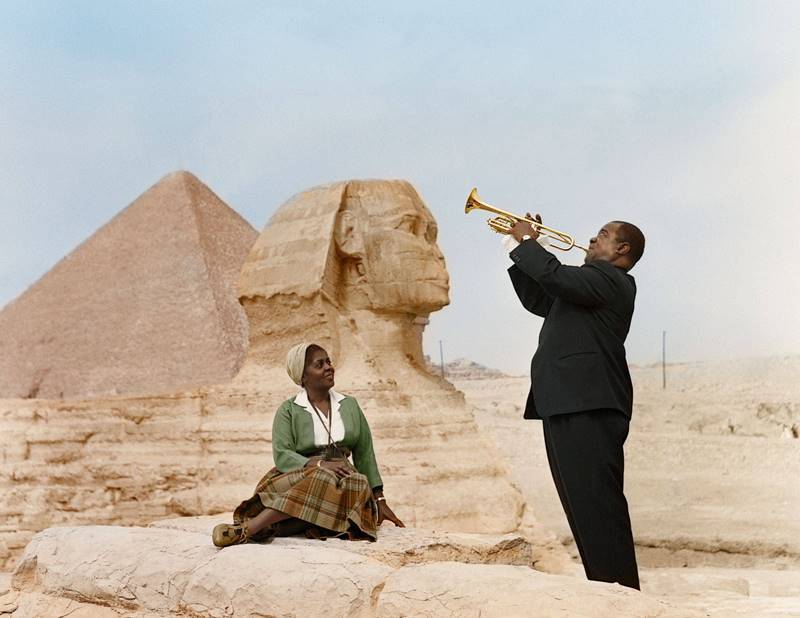
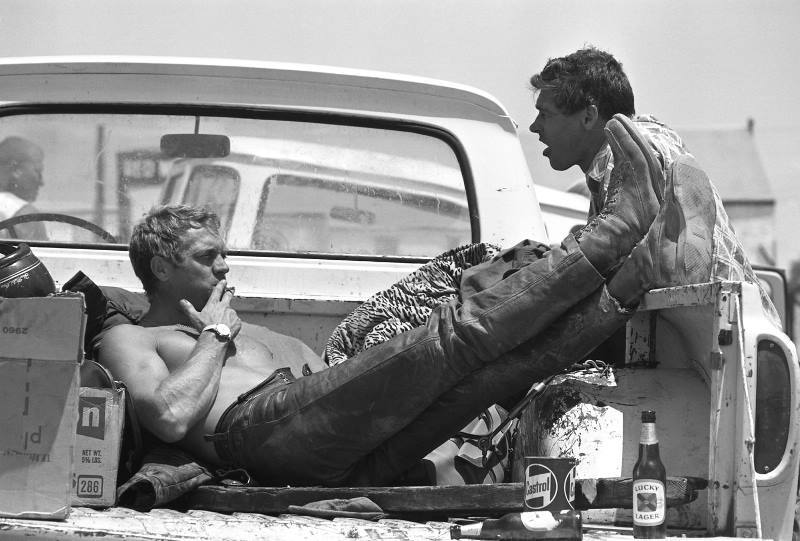
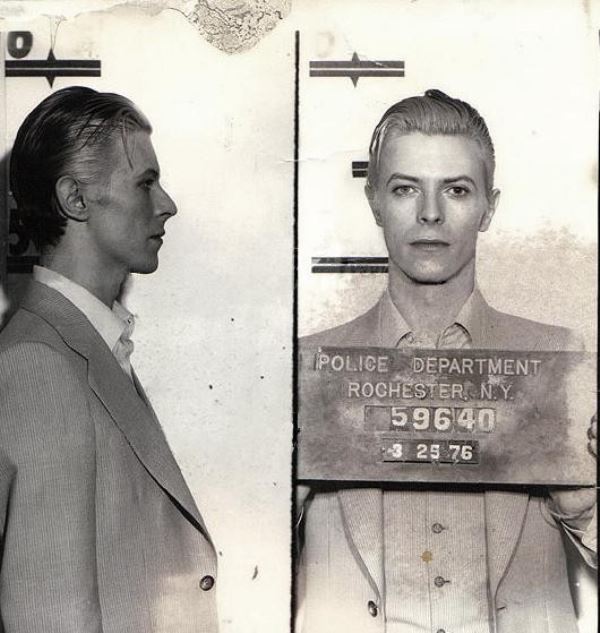
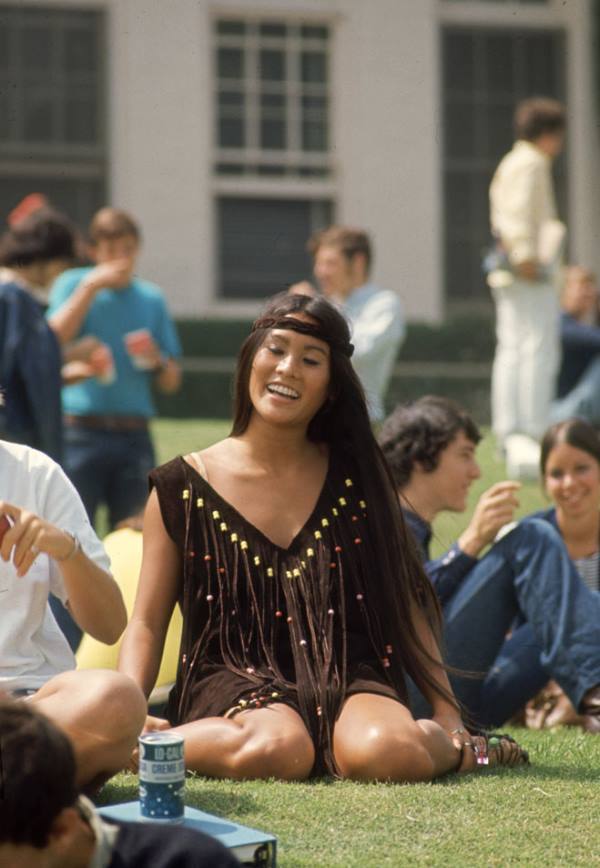
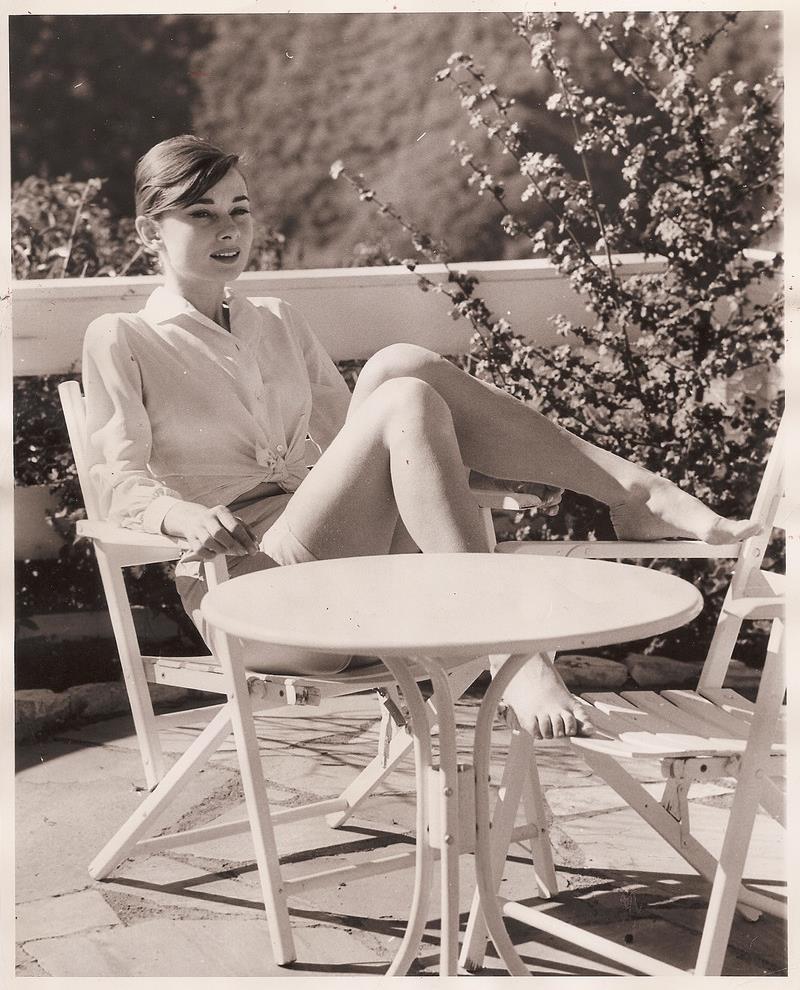
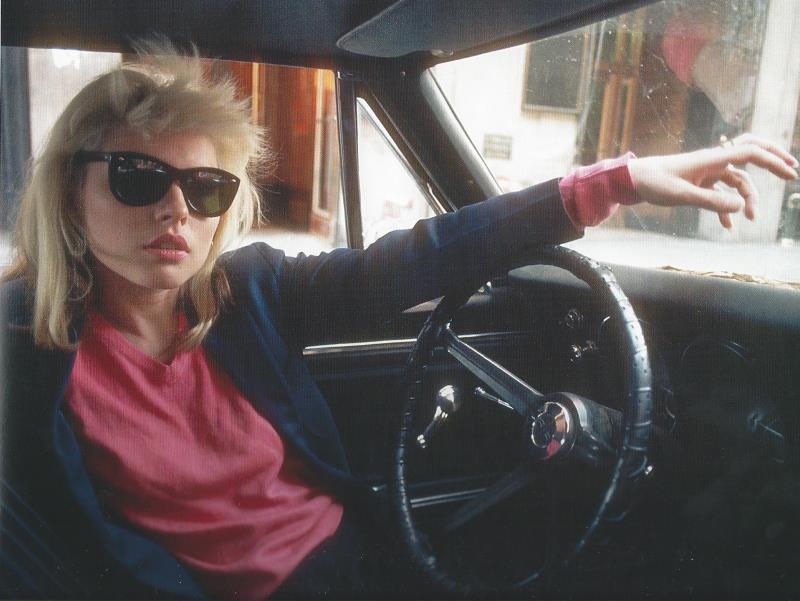
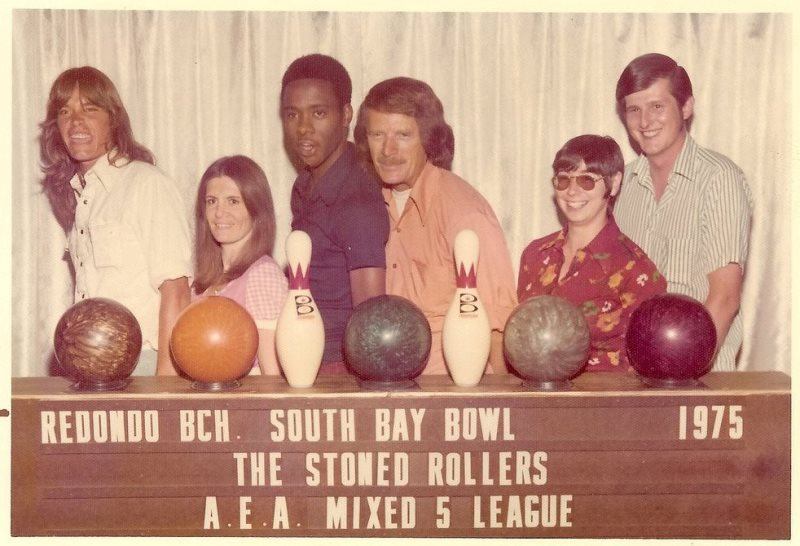
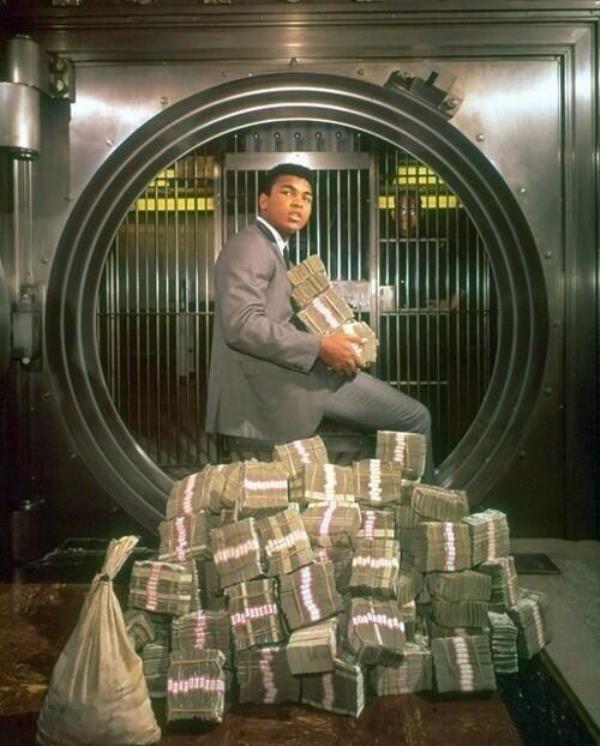
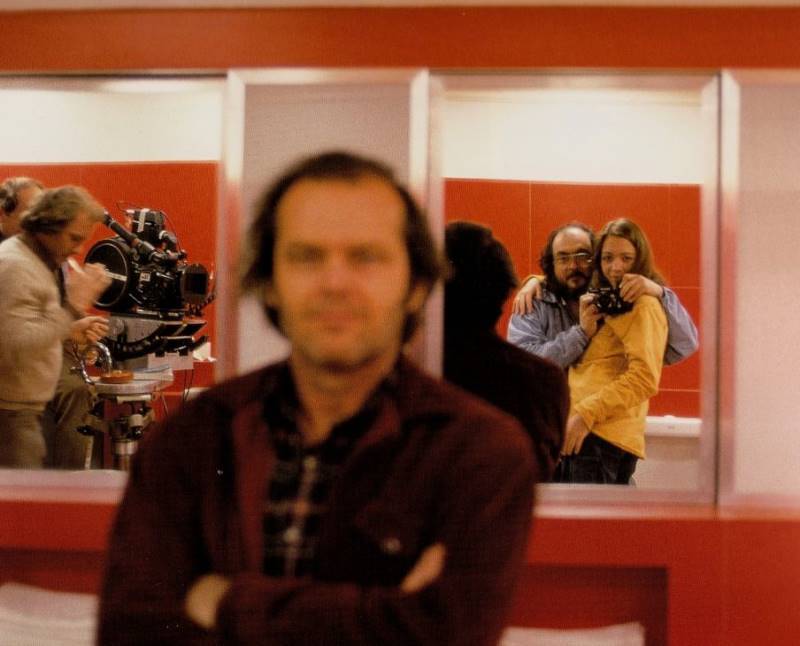
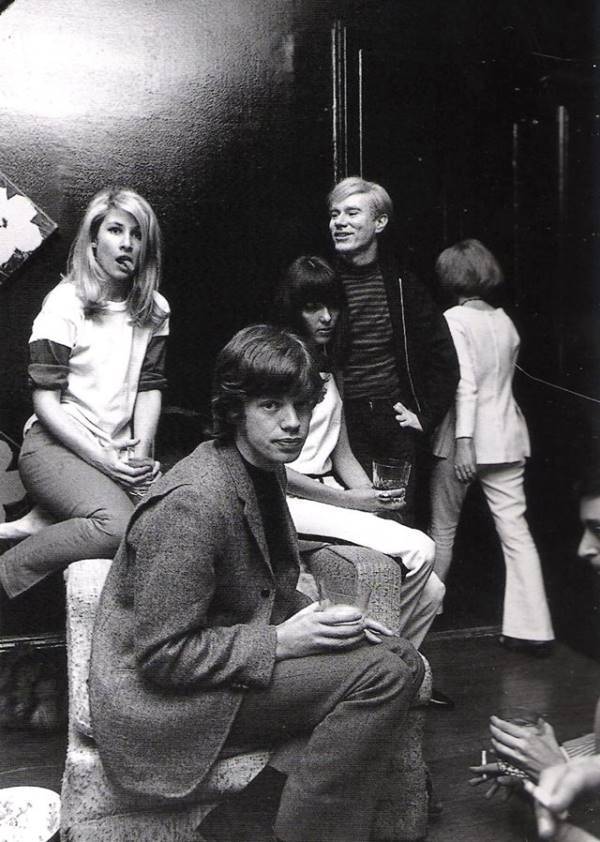
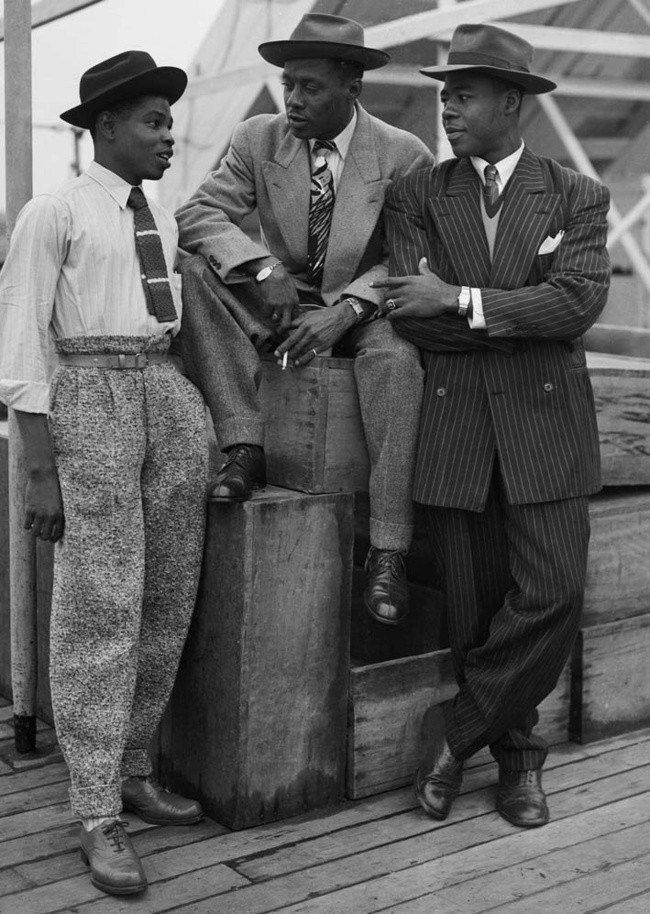
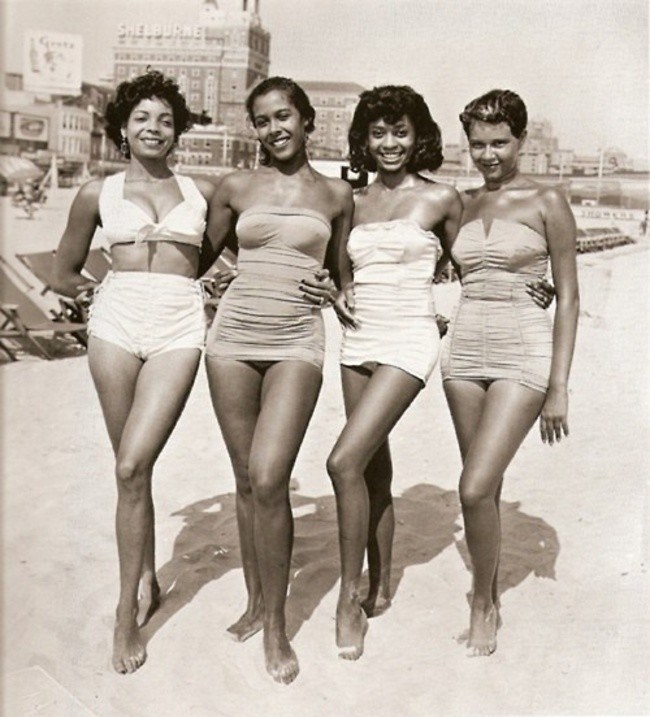
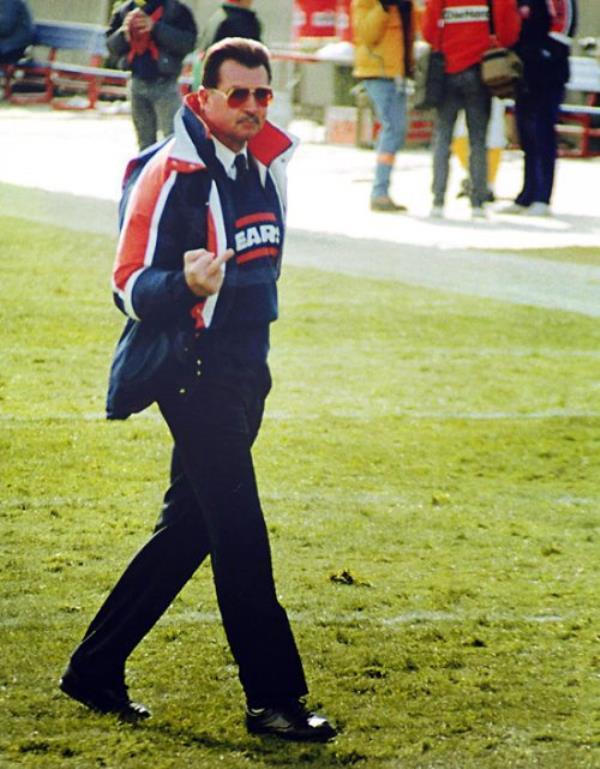
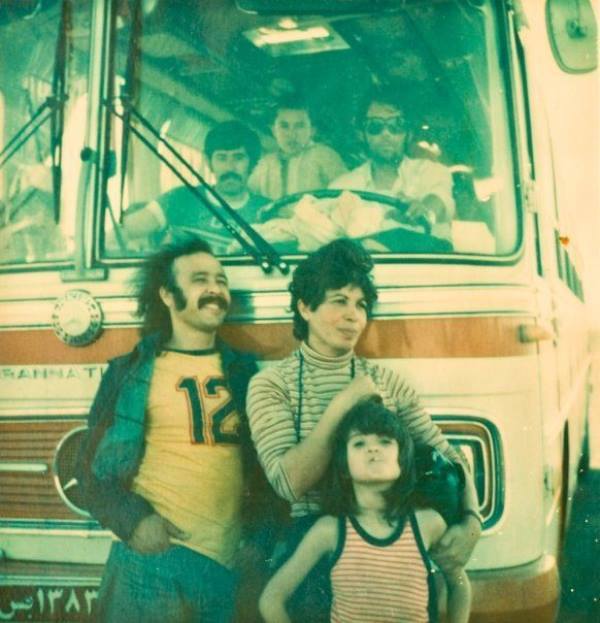
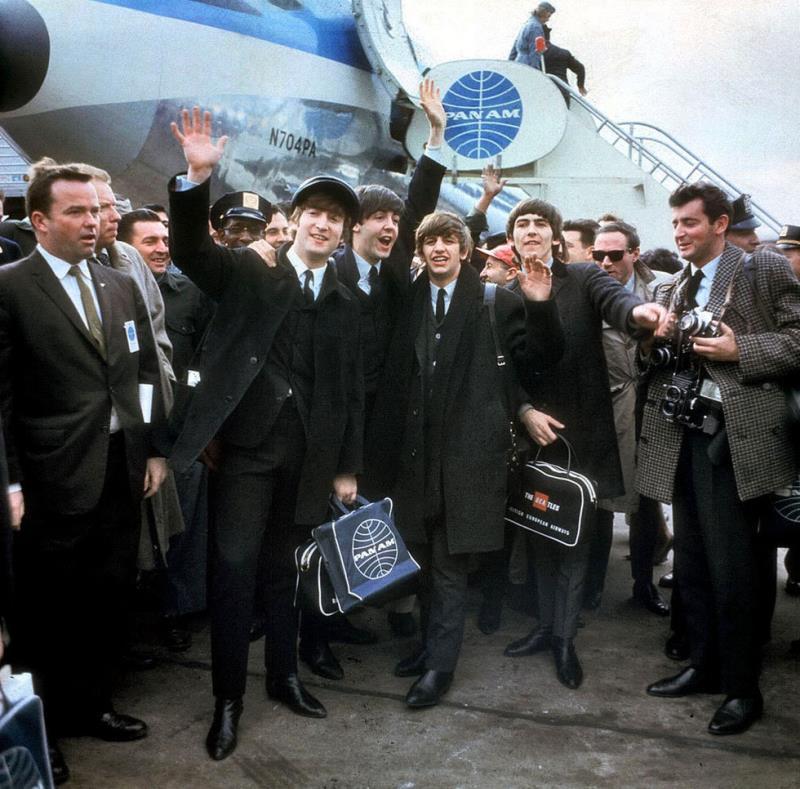
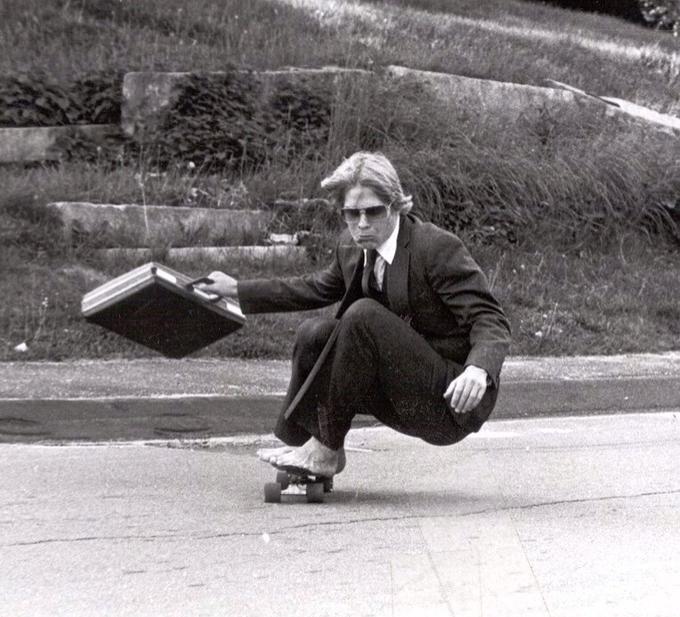
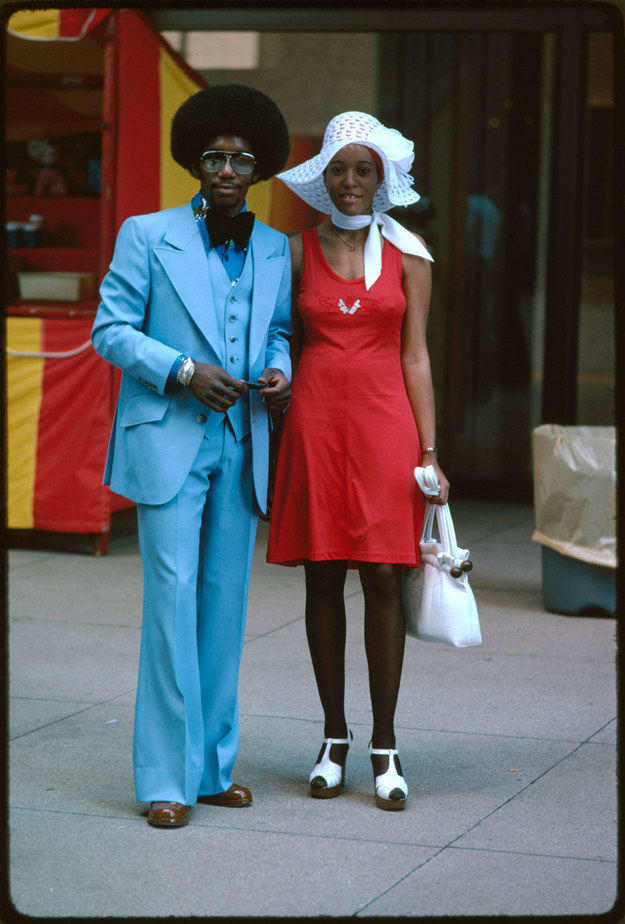
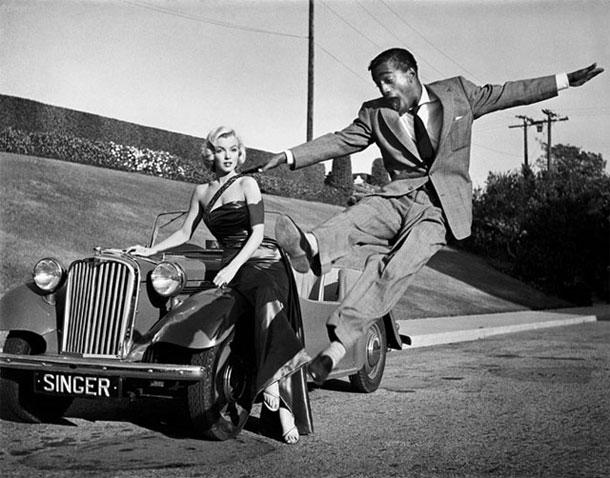
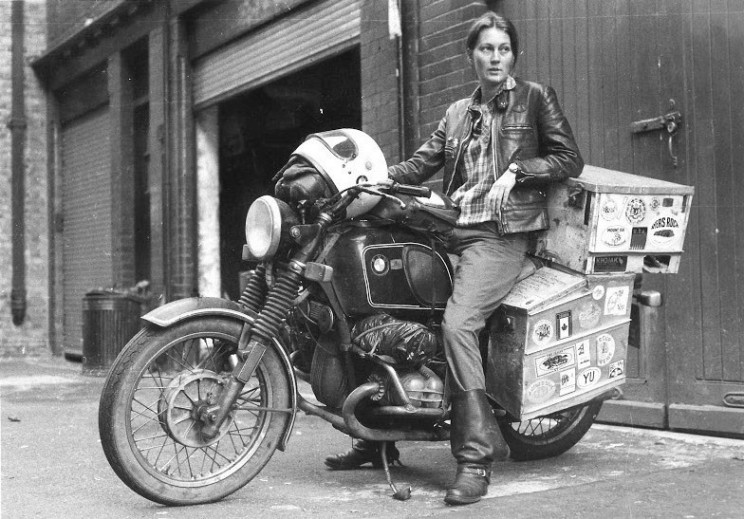
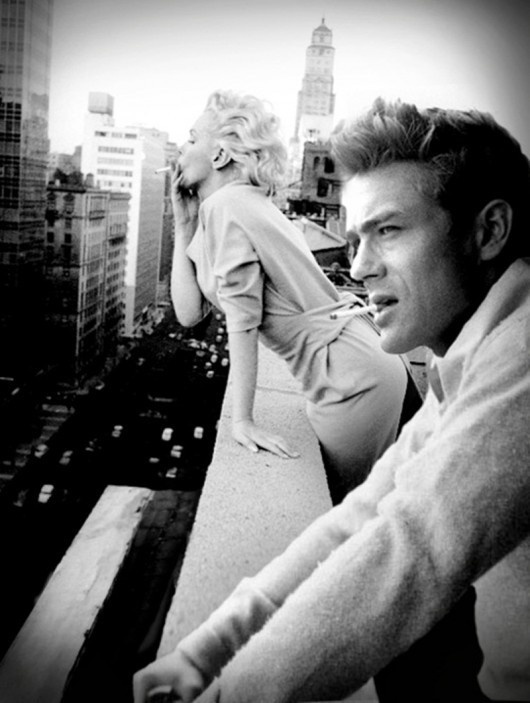
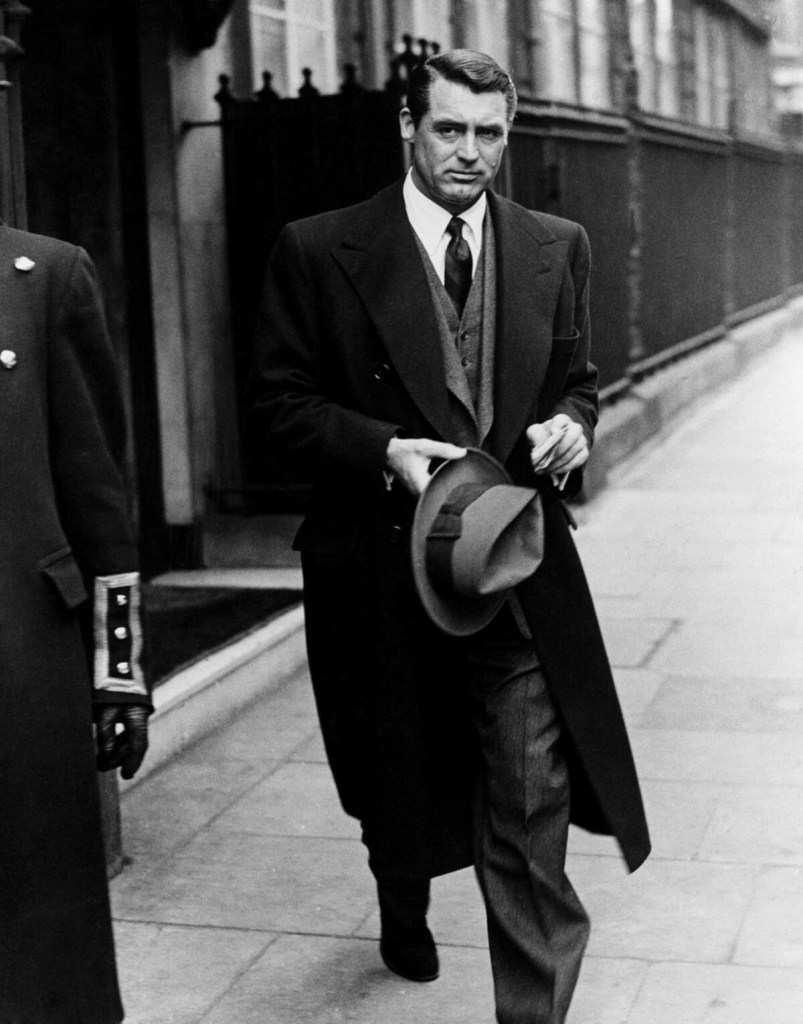
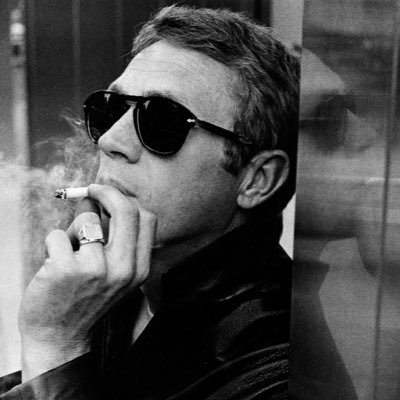
Paul Newman boating in Venice, Italy during a 1963 film festival.Louis Armstrong serenades his wife at the Sphinx. 1961Steve McQueen resting after completing a 500 mile race in the Mojave Desert. 1963Hugh Hefner in the late 1950s.The mugshot of David Bowie after being arrested for marijuana possession in Rochester, New York in March 1976.A high school student in Los Angeles in the late 1960s.Tony Hawk in the early 1980s.John and Jacqueline Kennedy take in the America’s Cup. 1962Showgirls play chess before a show in 1958.Ice skating in Rockefeller Center in New York City during the early 1930sArnold Schwarzenegger poses with a glass of cognac in the early 1980s.Audrey HepburnJimi HendrixPrincess Yvonne And Prince Alexander of Sayn-Wittgenstein-Sayn, Germany, enjoy some mid-day activities in 1955.Franklin D Roosevelt takes a break during crew at Harvard.Debbie Harry poses for the camera while driving in New York City.James Brown in 1967A photograph from the Krazy Kat Club in Washington DC in 1921.The coolest bowling team ever.Muhammad Ali poses with his prize winnings during a photoshoot in 1964.Guardian Angels patrol the New York City subway in 1985.Sophia Loren lining up a shot in pool.Stanley Kubrick takes a selfie during the filming of The Shining.Nikola Tesla casually works in his laboratory.Mick Jagger hangs out with Andy Warhol in New York City.Jamaican immigrants in Tilbury, 1948.A California biker gang memberRetro beach fashion, 1950sChicago Bears coach Mike Ditka waves to reporters before a game.A woman poses for the camera on the Upper East Side of New York City in 1969.Sean Connery teaches handstands during breaks of shooting a James Bond film.Waiting for a bus in Iran in the late 1970sA woman sells flowers on the roadside of California in the early 1970s.When the Beatles arrived in America.Skateboarding to the office.Couple 1970sGiving a friend a hand, 1950sMarilyn Monroe & Sammy Davis Jr.Chicago, 1941Elspeth Beard, shortly after becoming first Englishwoman to circumnavigate the world by motorcycle.Marilyn Monroe & James DeanCary GrantLost in the moment.Steve McQueen
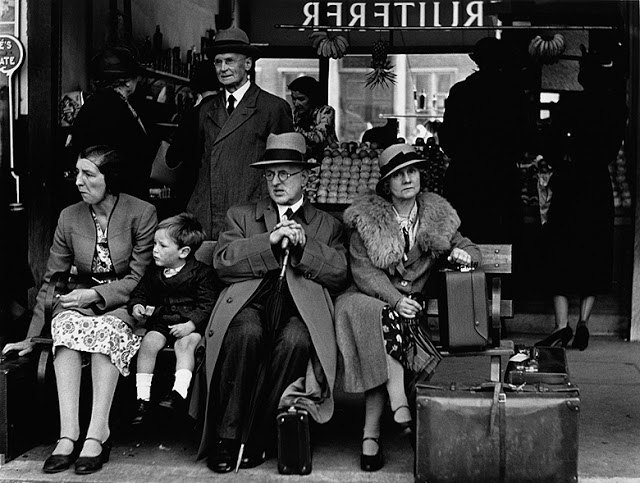
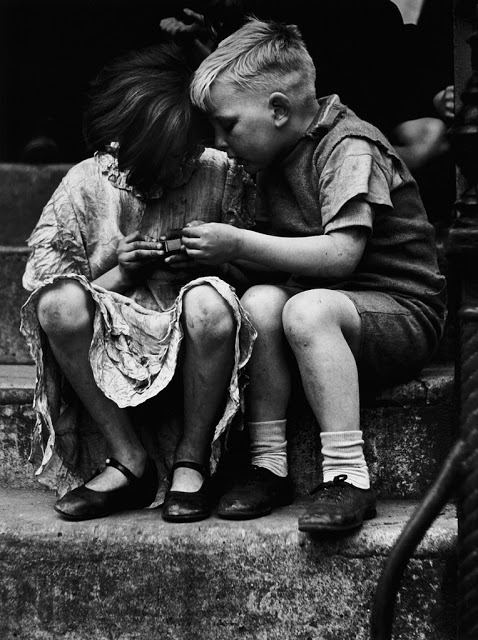
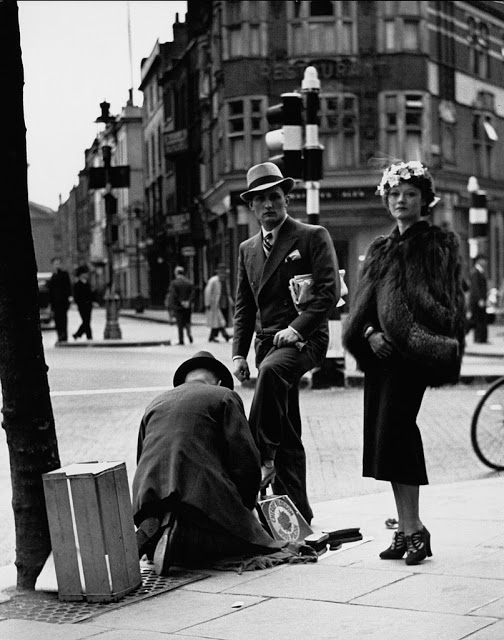
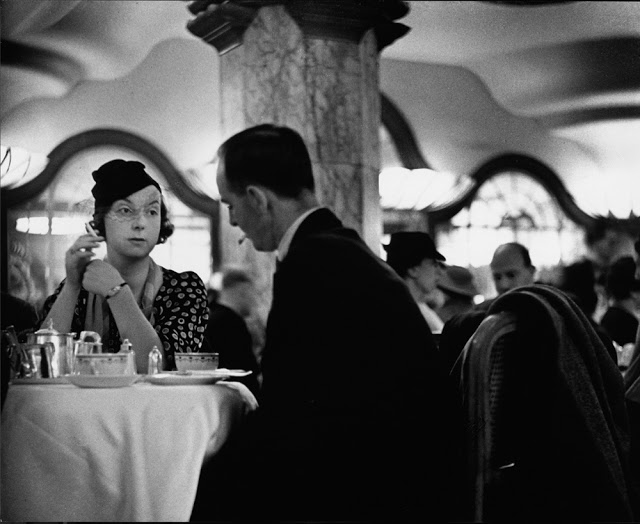
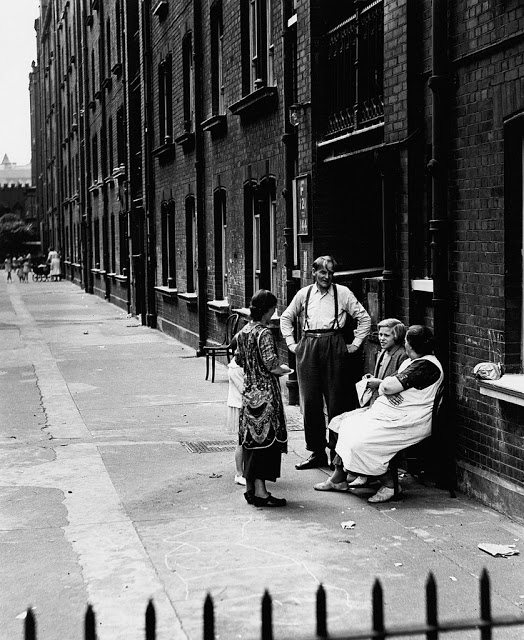
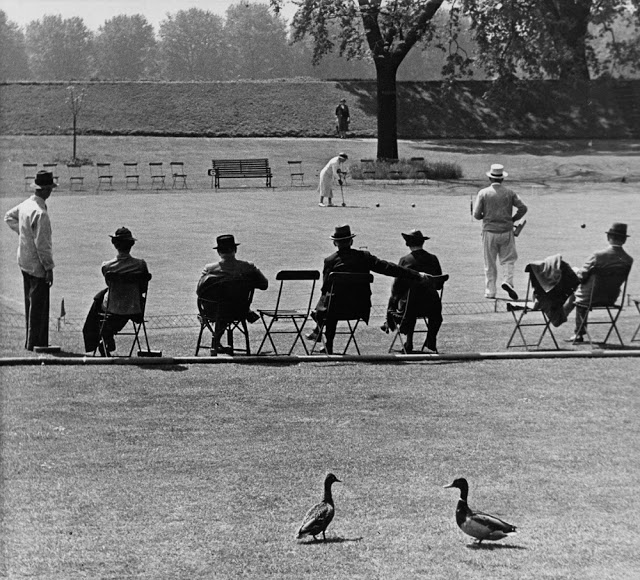
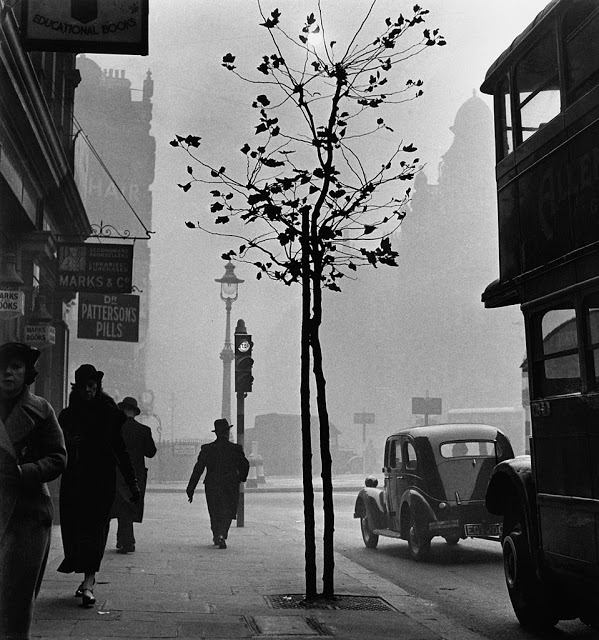
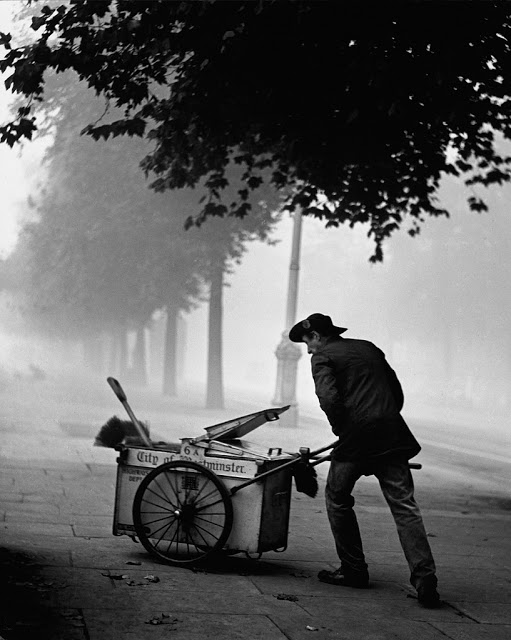
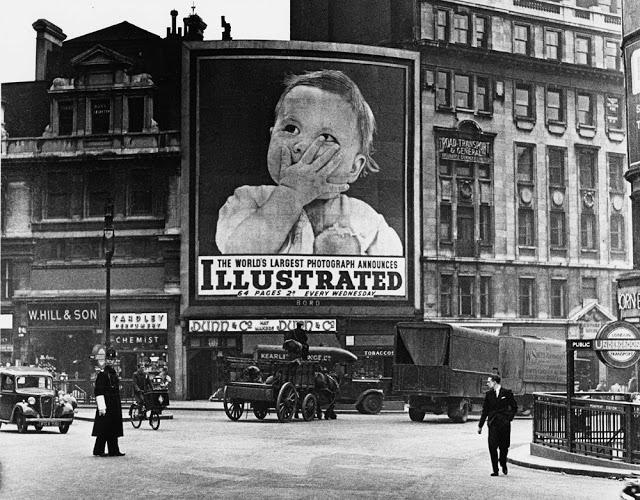
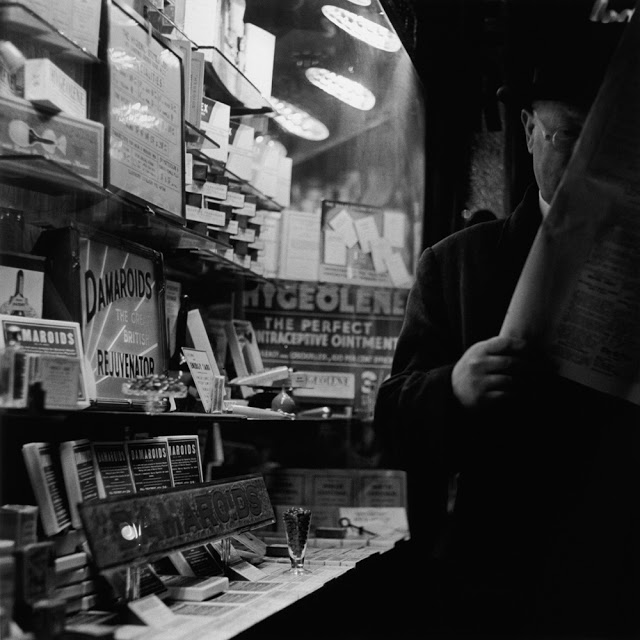
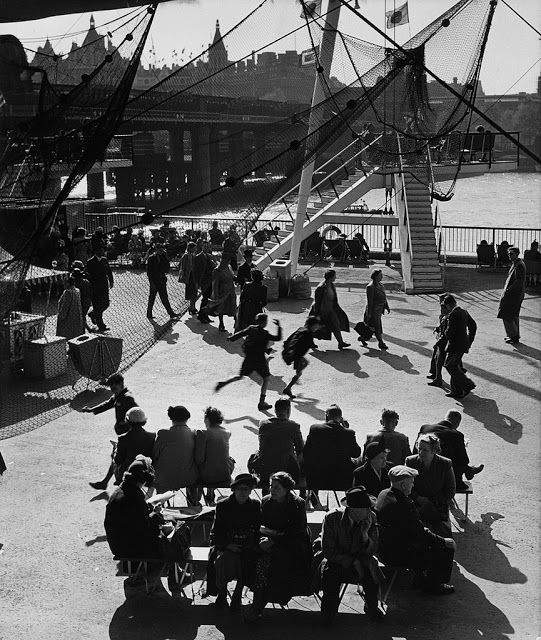
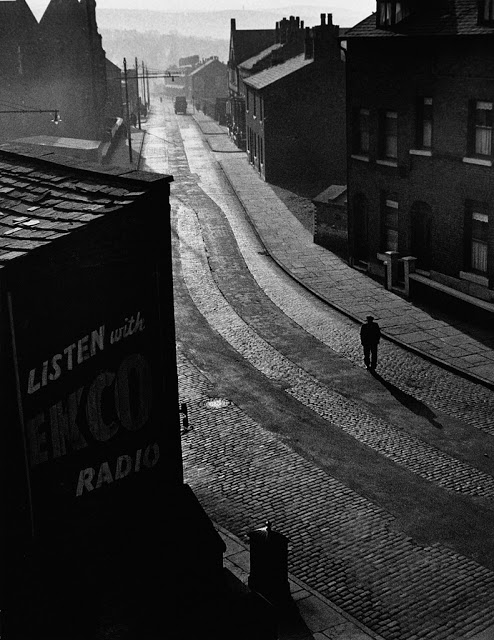
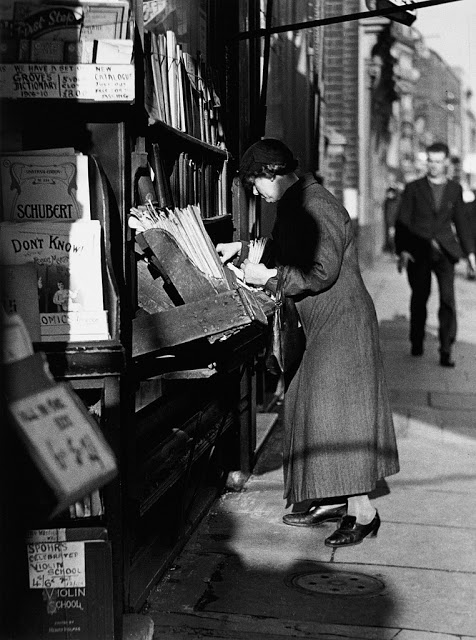
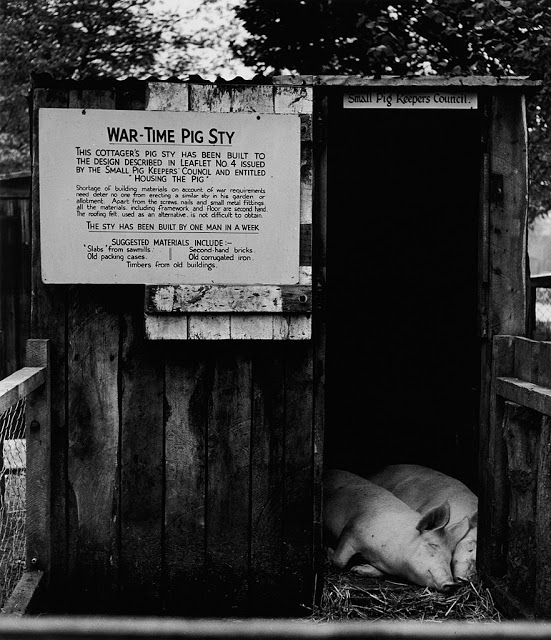
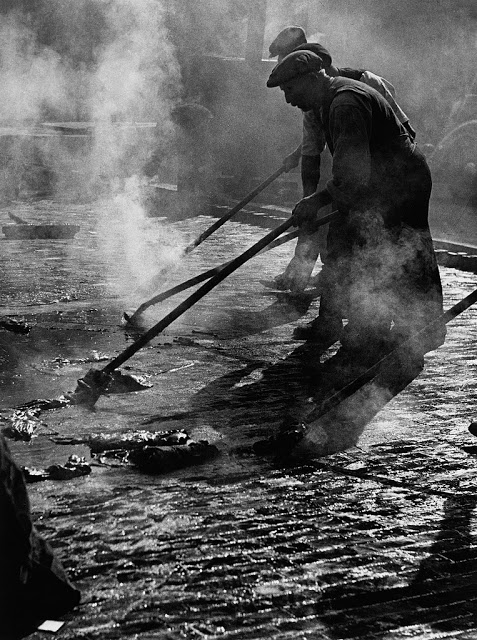
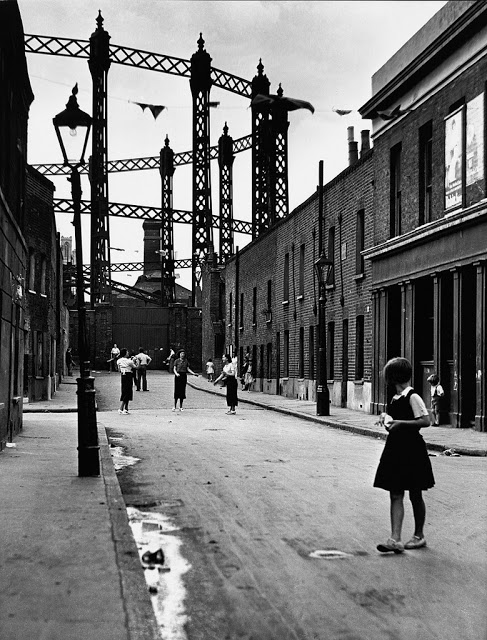
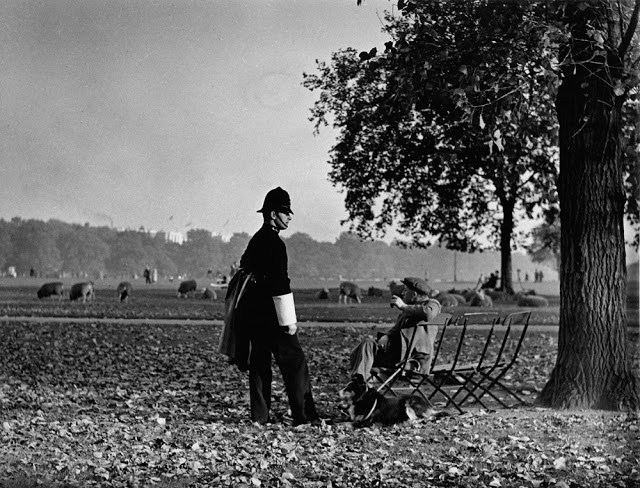
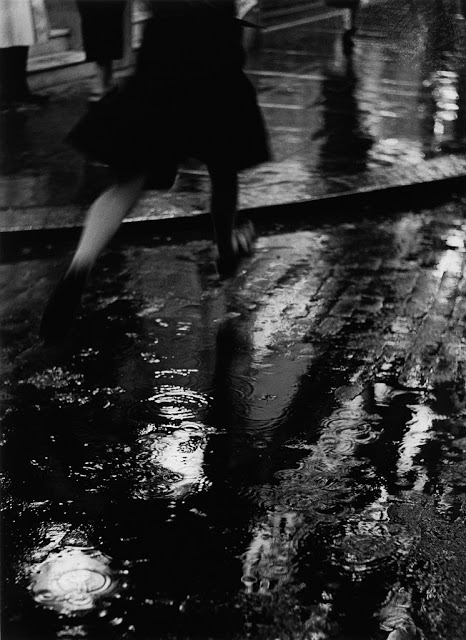
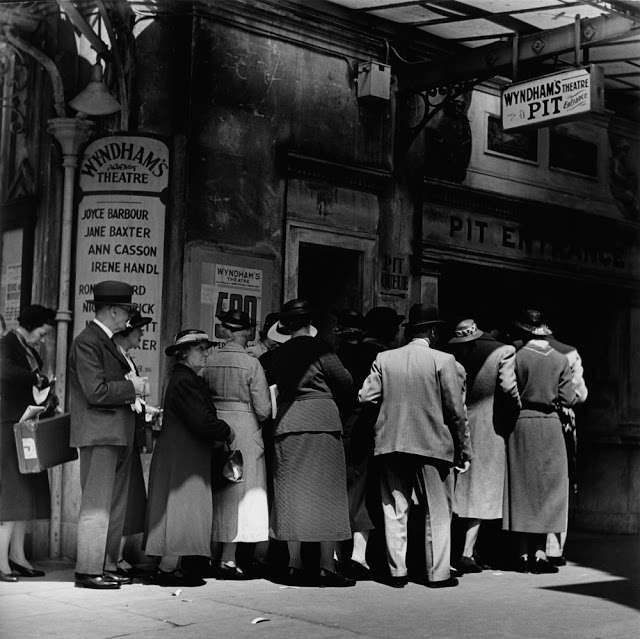
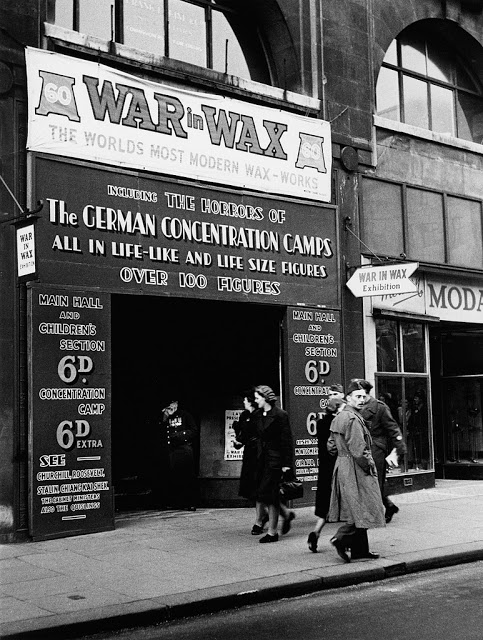
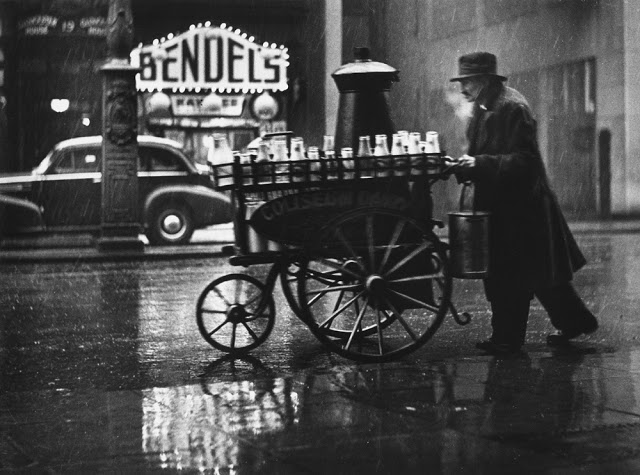
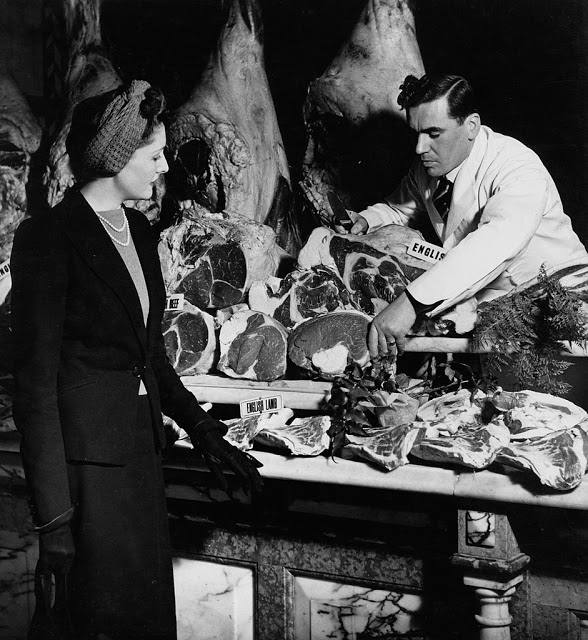
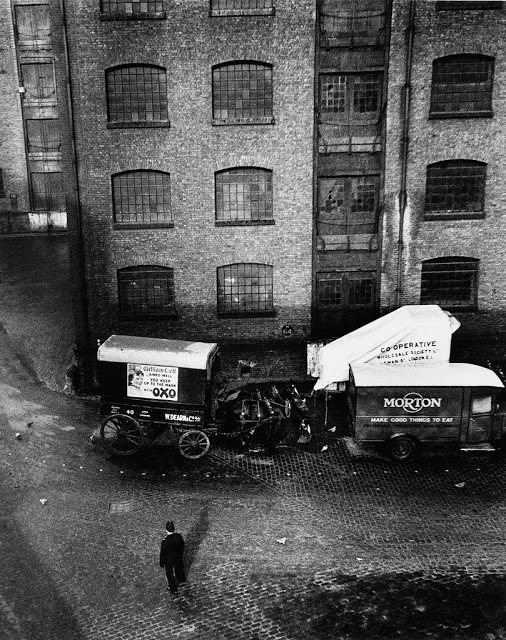
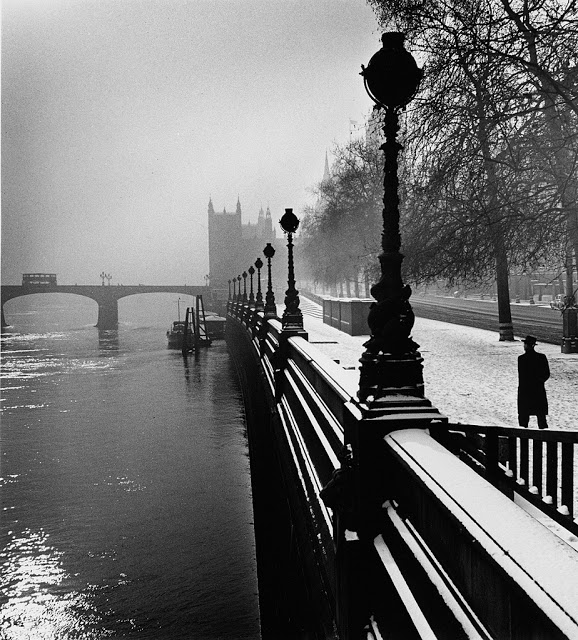
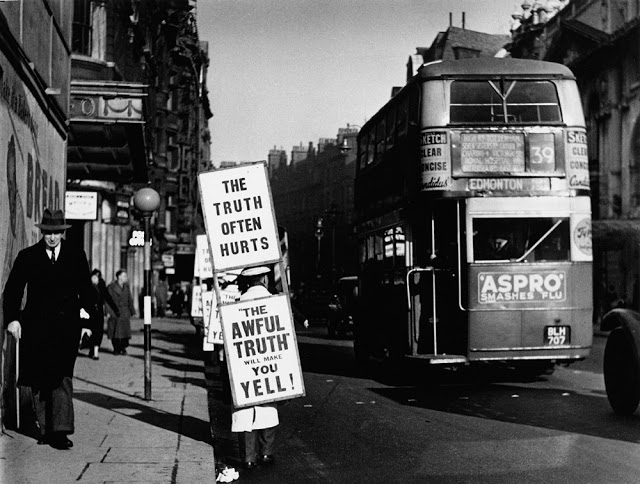
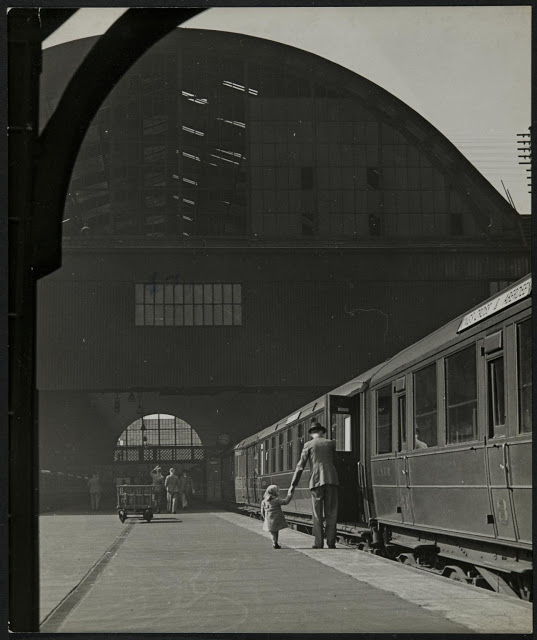
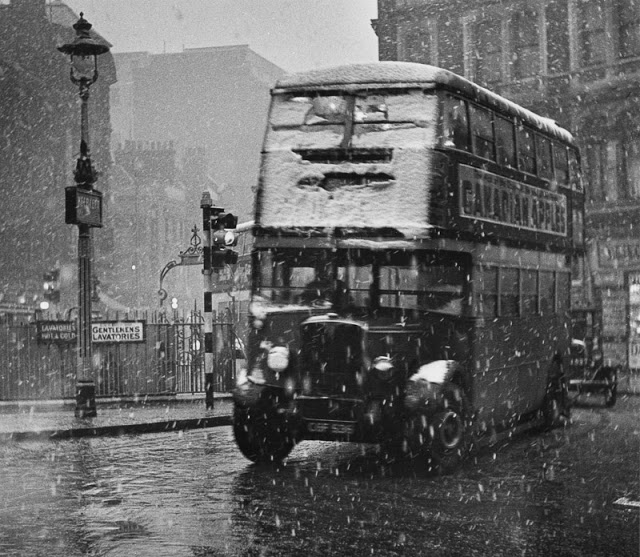
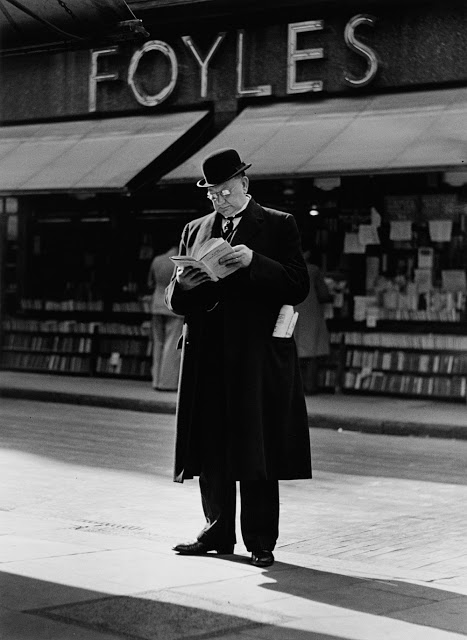
Arriving in London in 1935, the Viennese photographer Wolfgang Suschitzky is best known for his depictions of London in the 1930s and 1940s. However a photography career spanning 70 years has seen him capture many subjects, all with the same genuine affection.
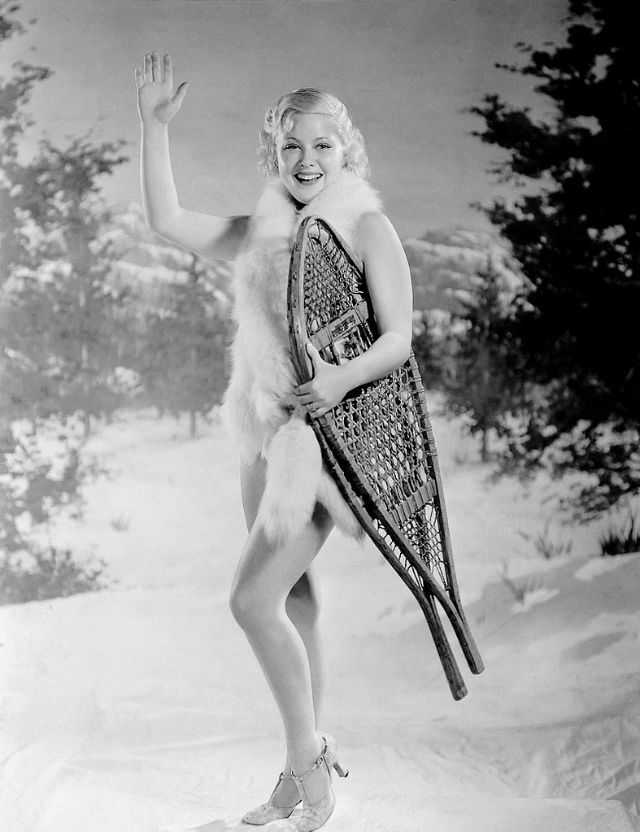
Mary Carlisle (born Gwendolyn Witter; February 3, 1914 – August 1, 2018) was an American actress, singer, and dancer, she was best known for her roles as a wholesome ingénue in numerous 1930s musical-comedy films.
She was the standard prototype of the porcelain-pretty collegiate and starry-eyed romantic interest in a host of Depression-era films and although her name may not ring a bell to most, Mary Carlisle enjoyed a fairly solid decade in the cinematic limelight.
The petite Boston-born, blue-eyed blonde was born on February 3, 1914, and brought to Hollywood in 1918, at age 4, by her mother after her father passed away. The story goes that the 14-year-old and her mother were having lunch at the Universal commissary when she was noticed by producer Carl Laemmle Jr., who immediately gave her a screen test. Her age was a hindering factor, however, and Mary completed her high school studies before moving into the acting arena. An uncle connected to MGM helped give the young hopeful her break into the movies as a singer/dancer a few years later.
Mary started out typically as an extra and bit player in such films as Madam Satan (1930), The Great Lover (1931) and in Grand Hotel (1932) in which she played a honeymooner. The glamorous, vibrant beauty’s career was given a build-up as a “Wampas Baby Star” in 1933 and soon she began finding work in films playing stylish, well-mannered young co-eds. Although she performed as a topline actress in a number of lightweight pictures such as Night Court (1932) with Anita Page, Murder in the Private Car (1934) starring Charles Ruggles, and It’s in the Air (1935) alongside Jack Benny, she is perhaps best remembered as a breezy co-star to Bing Crosby in three of his earlier, lightweight ’30s musicals: College Humor (1933), Double or Nothing (1937) and Doctor Rhythm (1938). In the last picture mentioned she is the lovely focus of his song “My Heart Is Taking Lessons”. Her participation in weightier material such as Kind Lady (1935) was often overshadowed by her even weightier co-stars, in this case Basil Rathbone and Aline MacMahon.
Disappointed with the momentum of her career and her inability to extricate herself from the picture-pretty, paragon-of-virtue stereotype, Mary traveled and lived in London for a time in the late ’30s. Following her damsel-in-distress role in the horror opus Dead Men Walk (1943) with George Zucco and Dwight Frye, Mary retired from the screen, prompted by her marriage to James Blakeley, a flying supervisor, the year before. The Beverly Hills couple had one son. Her husband, a former actor who also appeared in ’30s musicals with Crosby as a dapper second lead (e.g., in Two for Tonight (1935)), later became an important executive (producer, editor, etc.) at Twentieth Century-Fox.
In later years Mary managed an Elizabeth Arden Salon in Beverly Hills and received a star on the Hollywood Walk of Fame. Her husband passed away in 2007. Mary herself lived to the ripe old age of 104 on August 1, 2018.
Subscribe to get access
Read more of this content when you subscribe today.
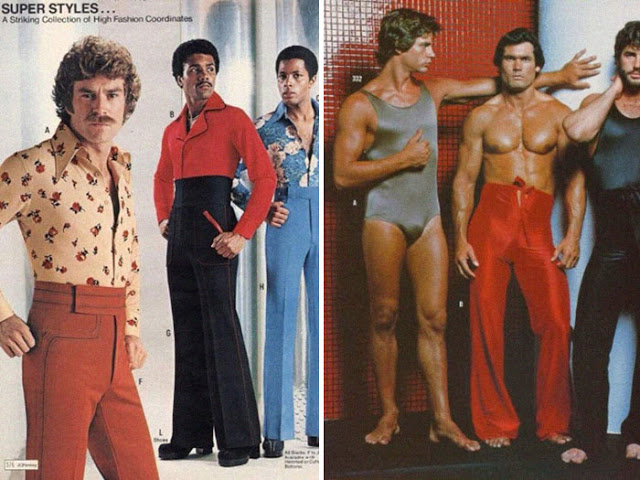
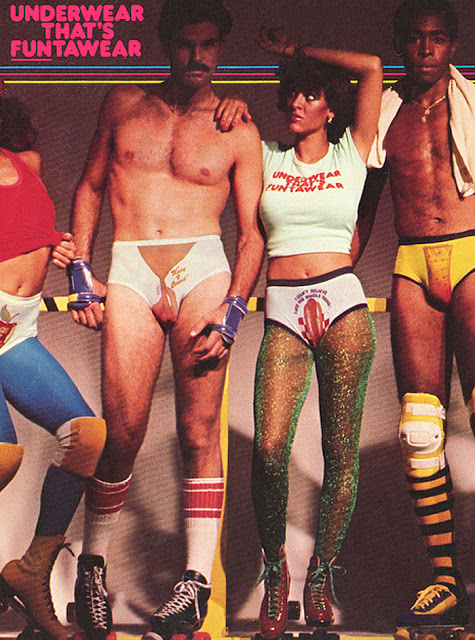
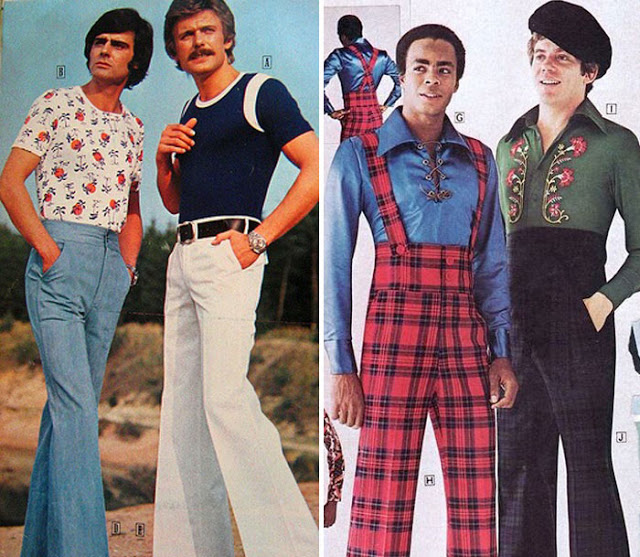
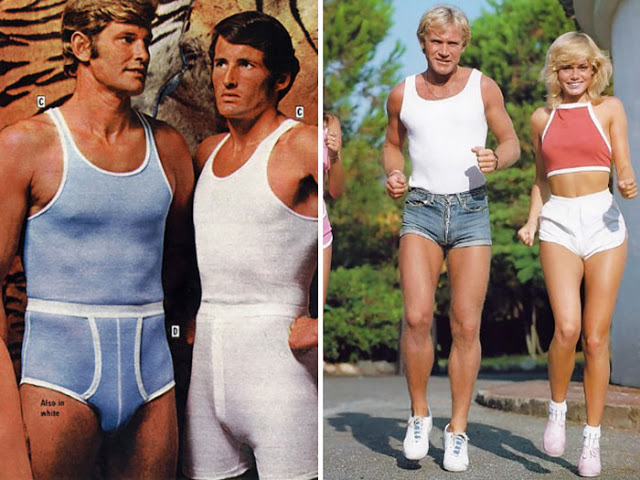
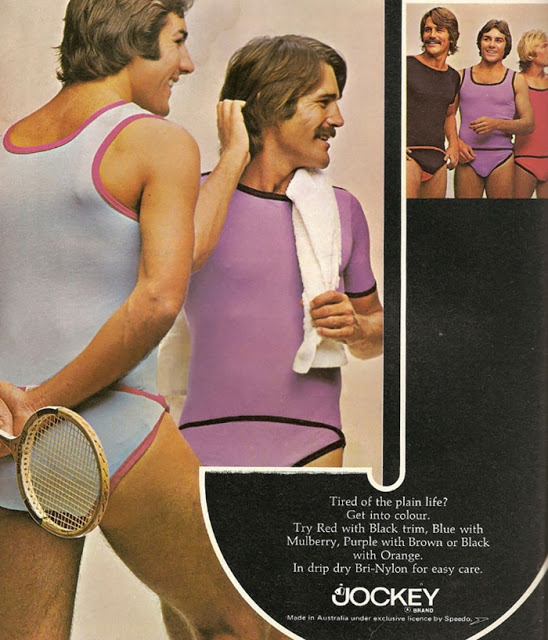
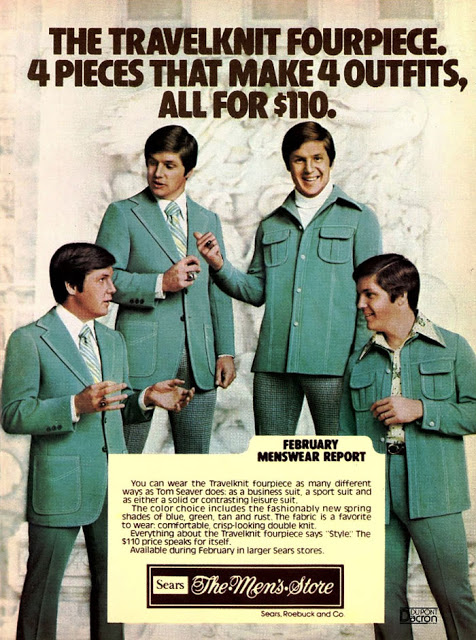
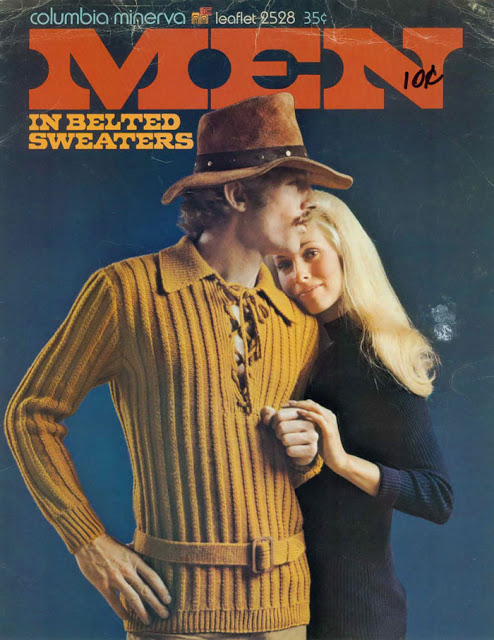
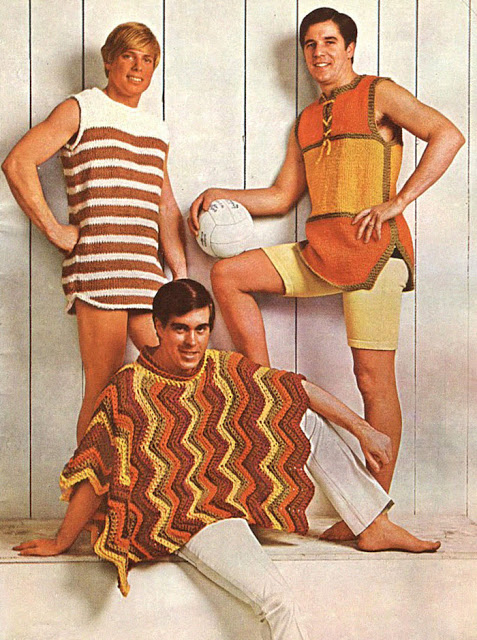
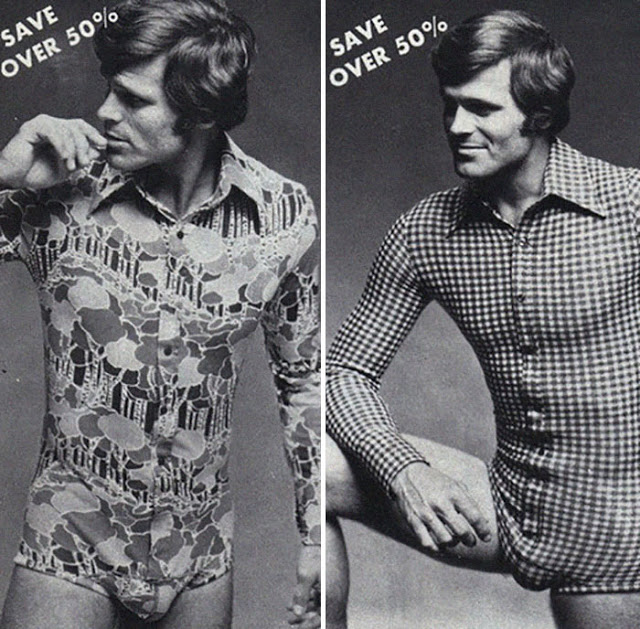
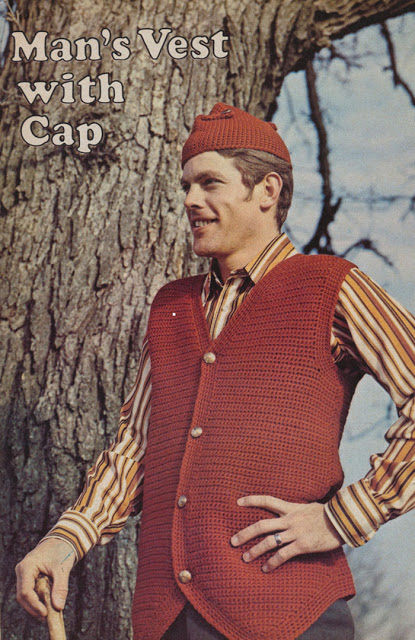
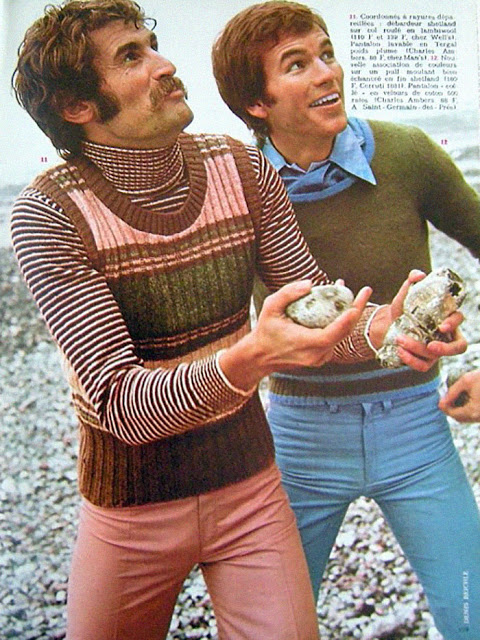
The 1970s must have taken place on a different planet. These photos of men’s fashions from that decade leave us drowning in astounding mustard knits, garish patterns, high waists, way-too-skimpy briefs, and other fashion faux pas that defy description 50 years later.