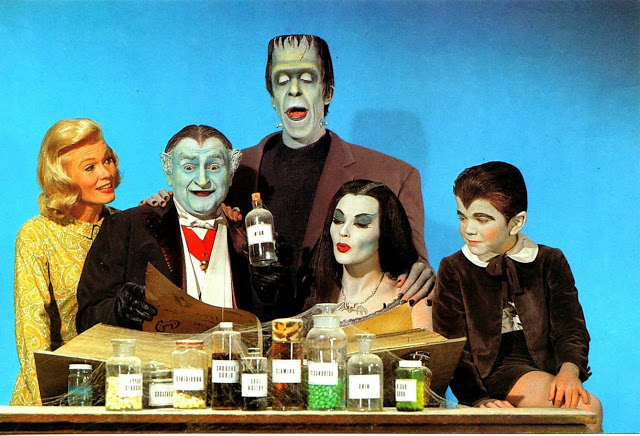
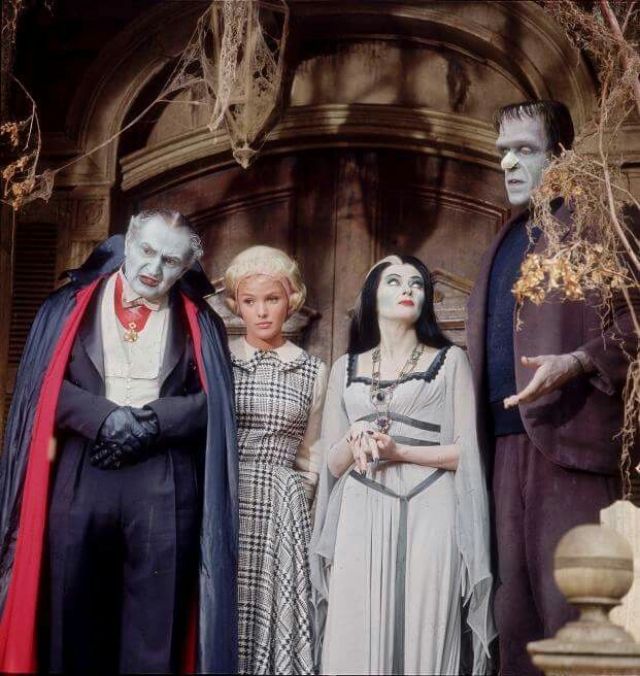
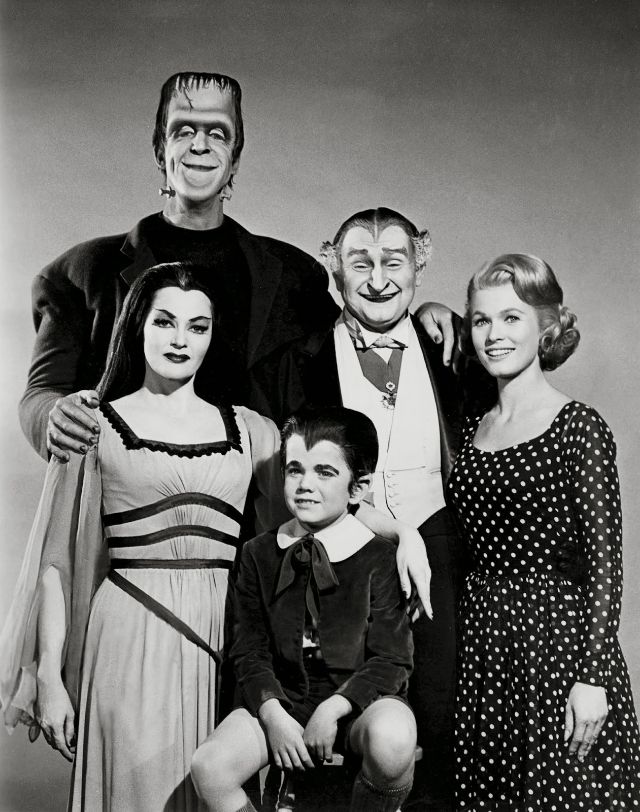
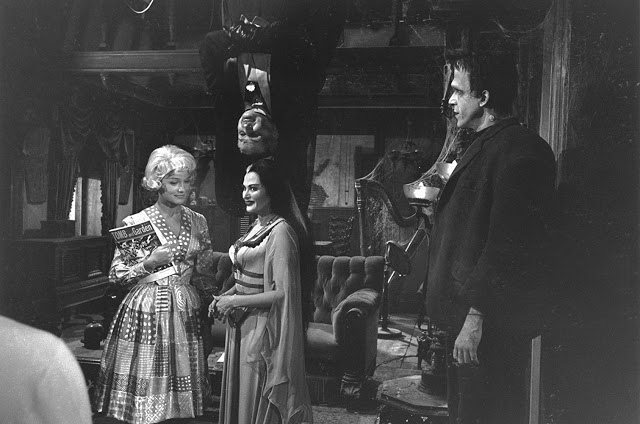
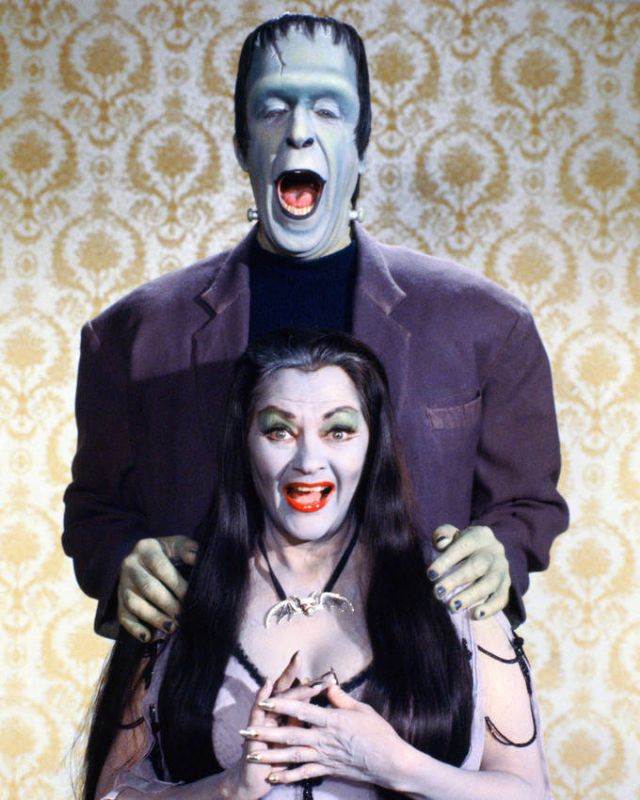
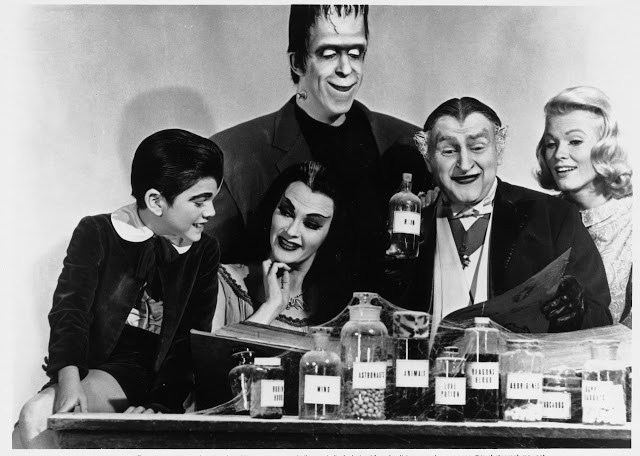
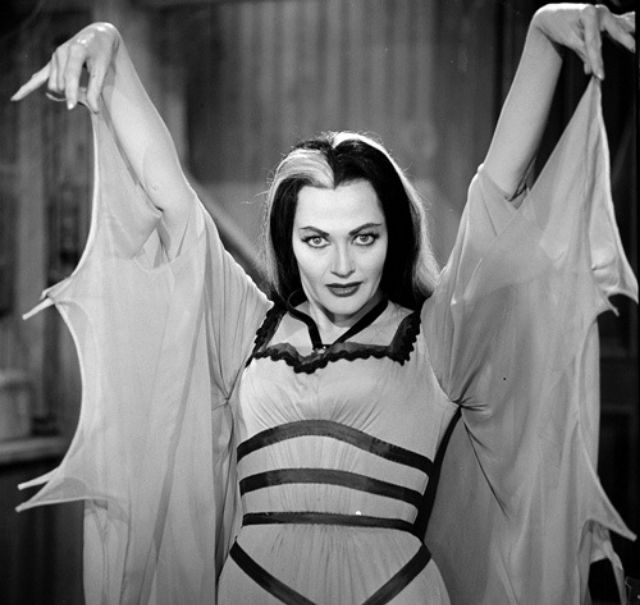
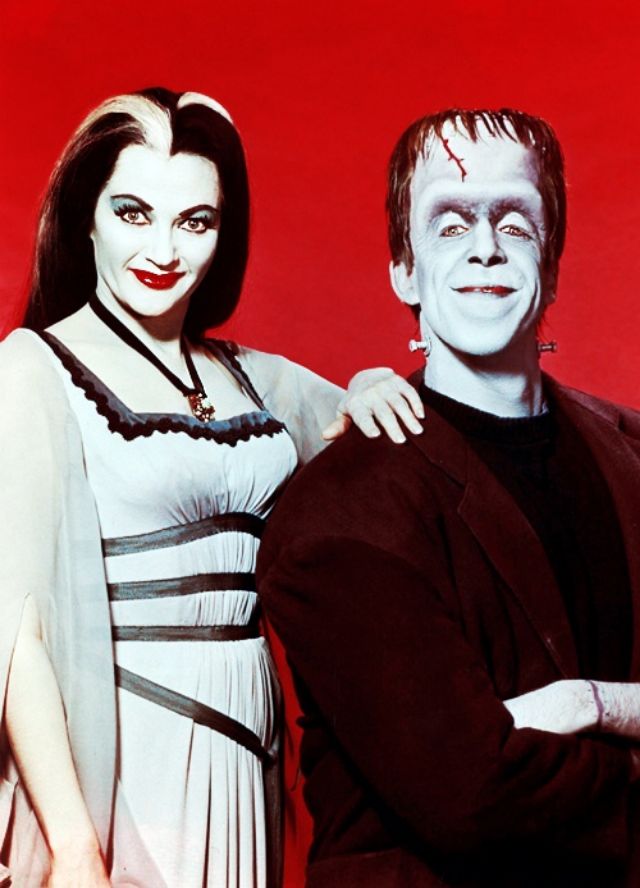
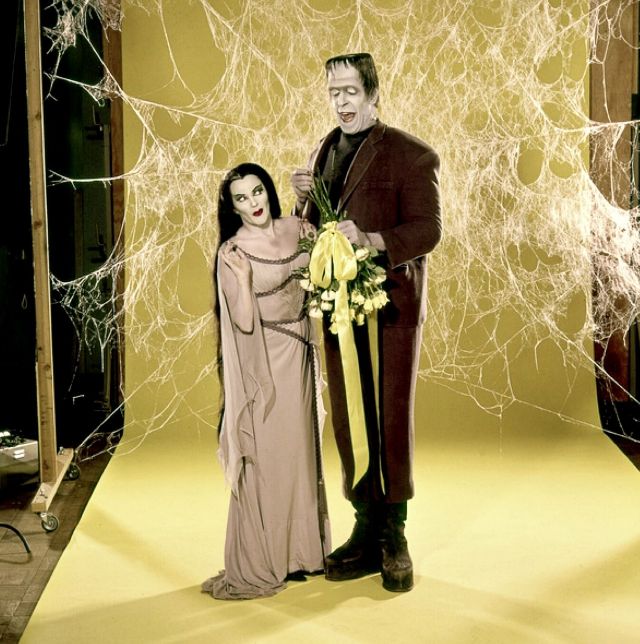
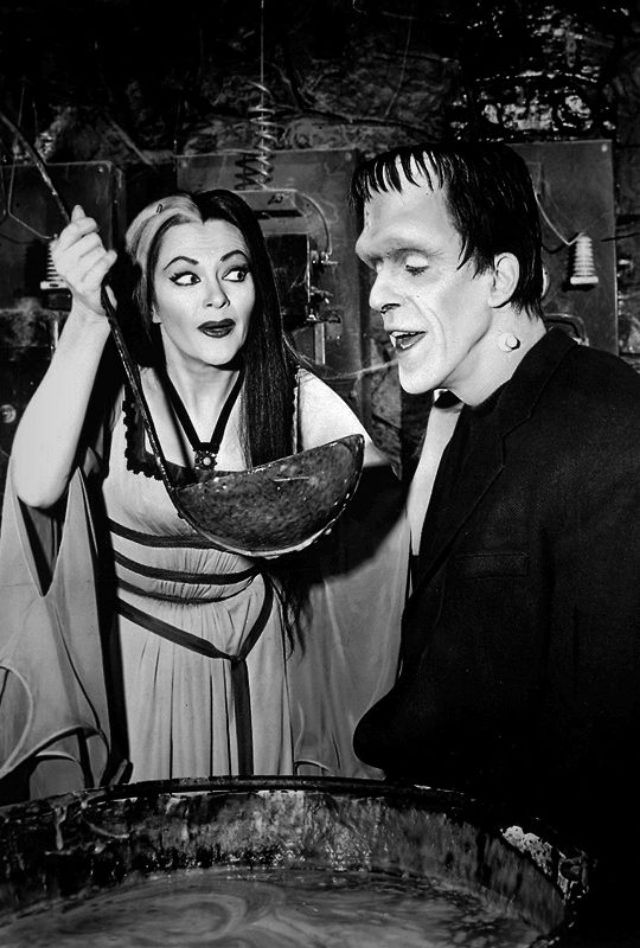
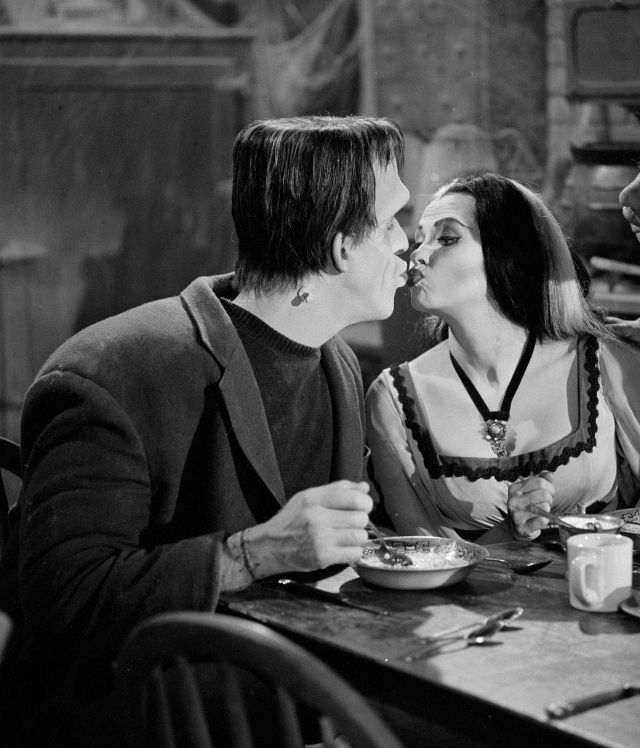
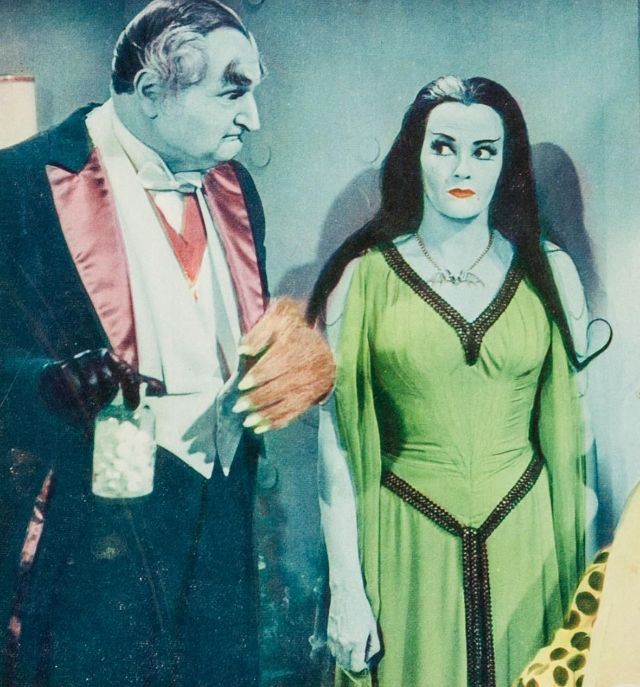
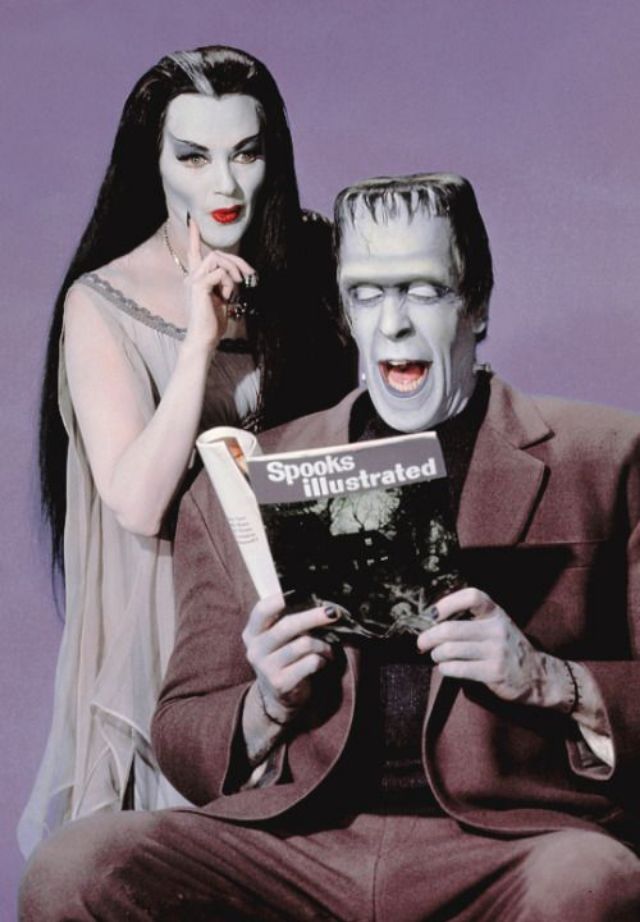
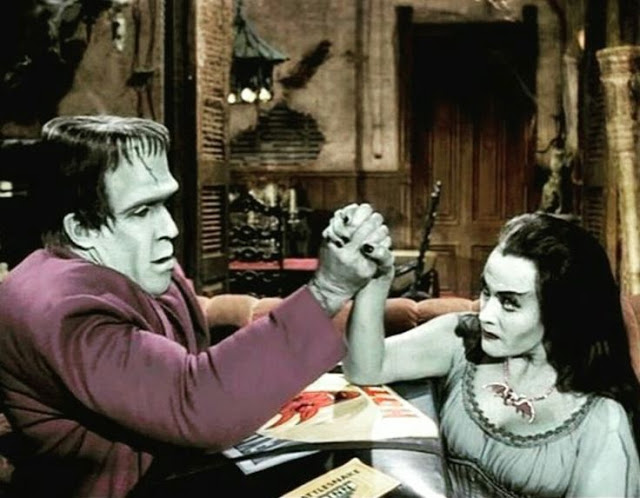
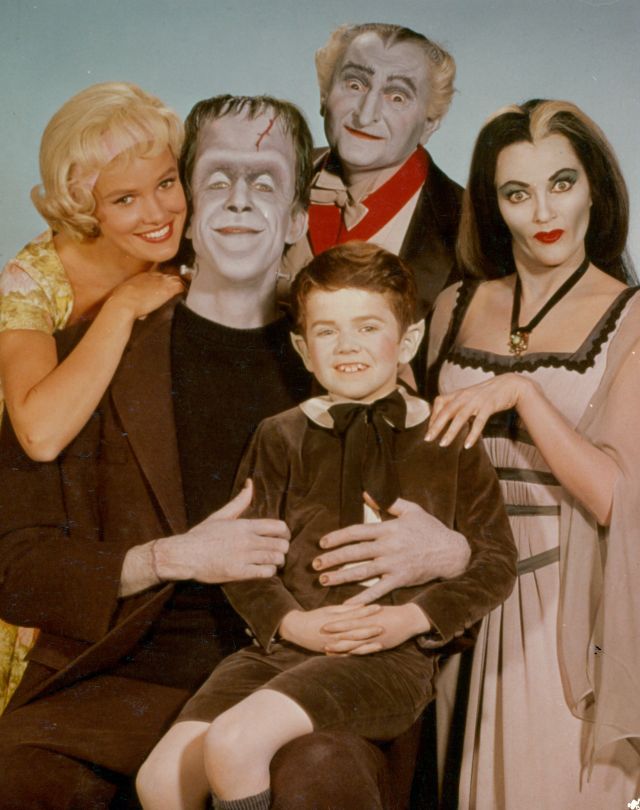
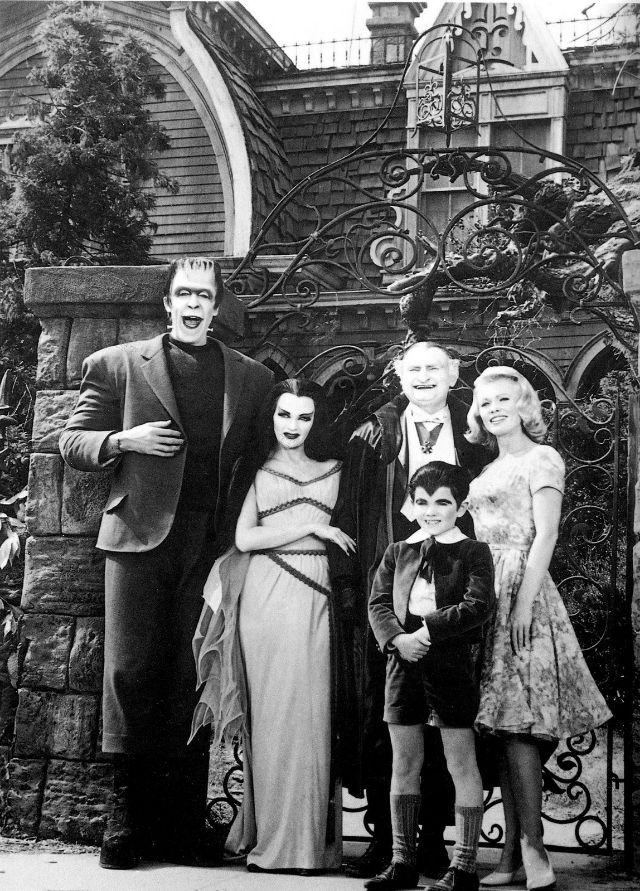
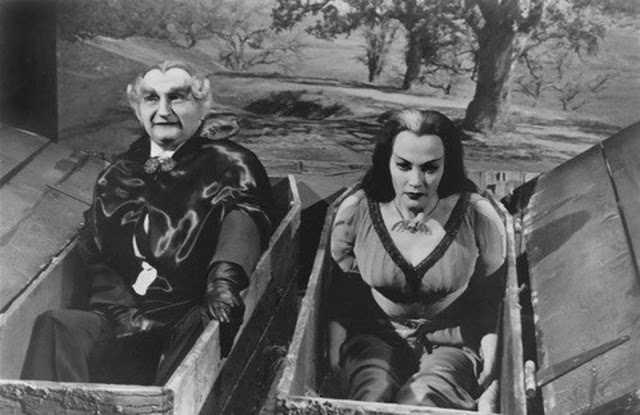
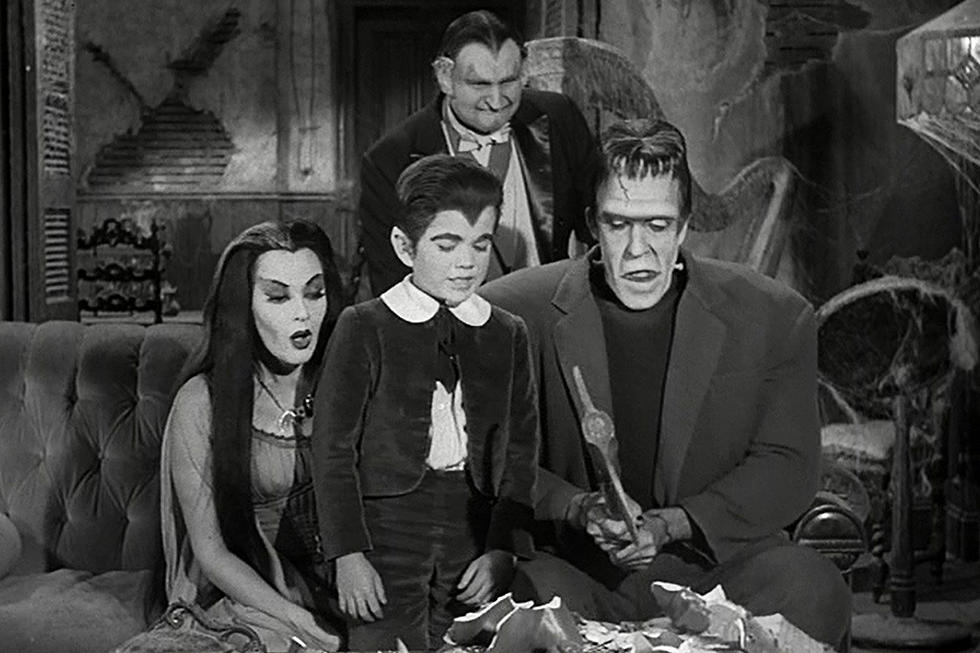
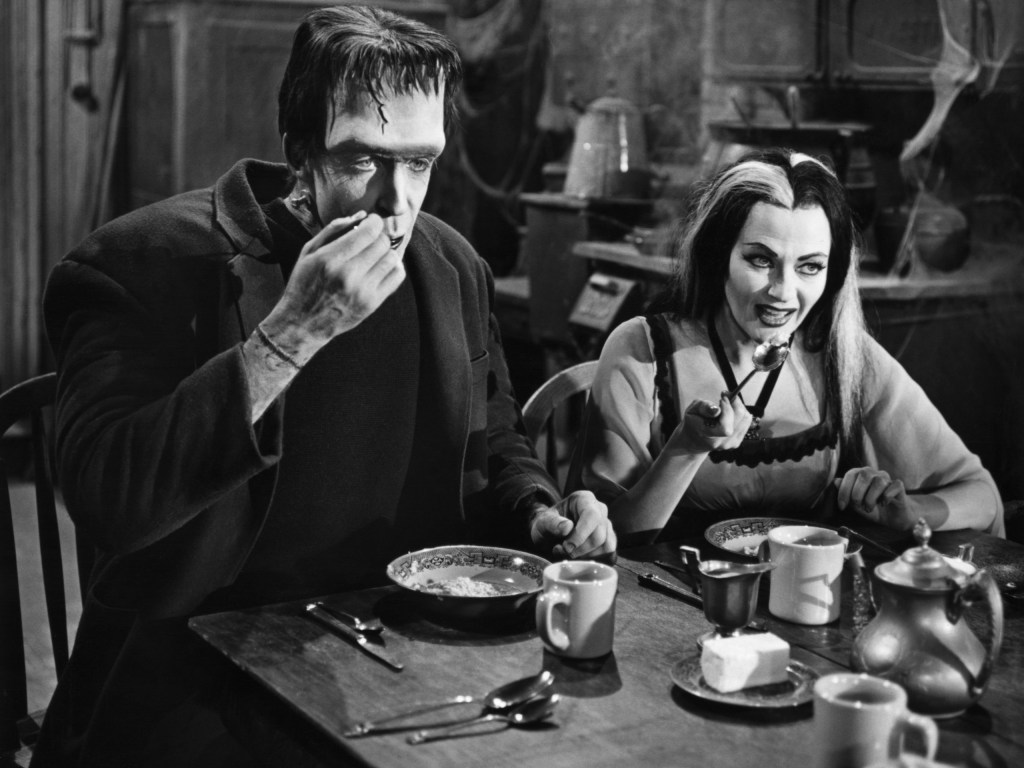
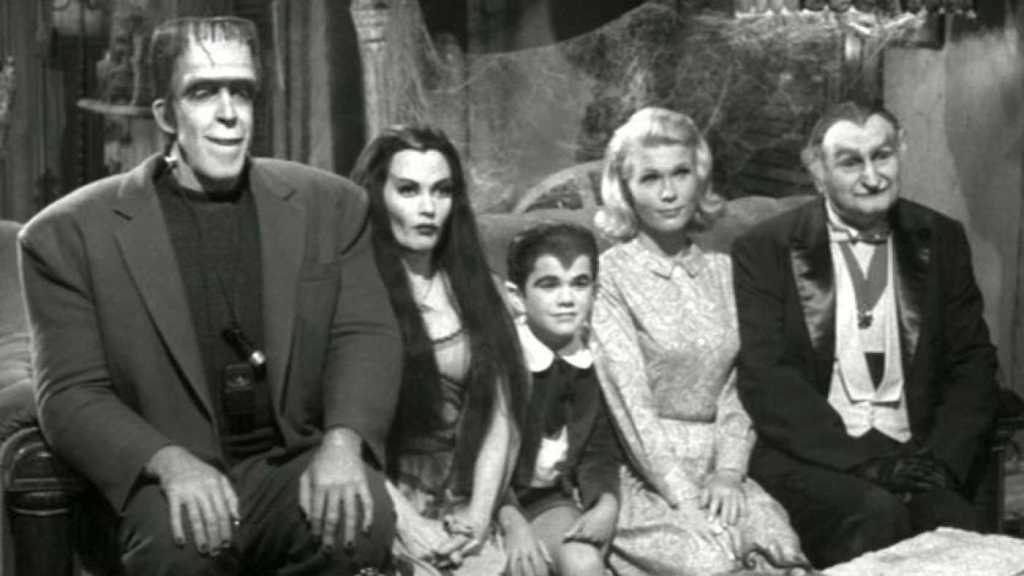
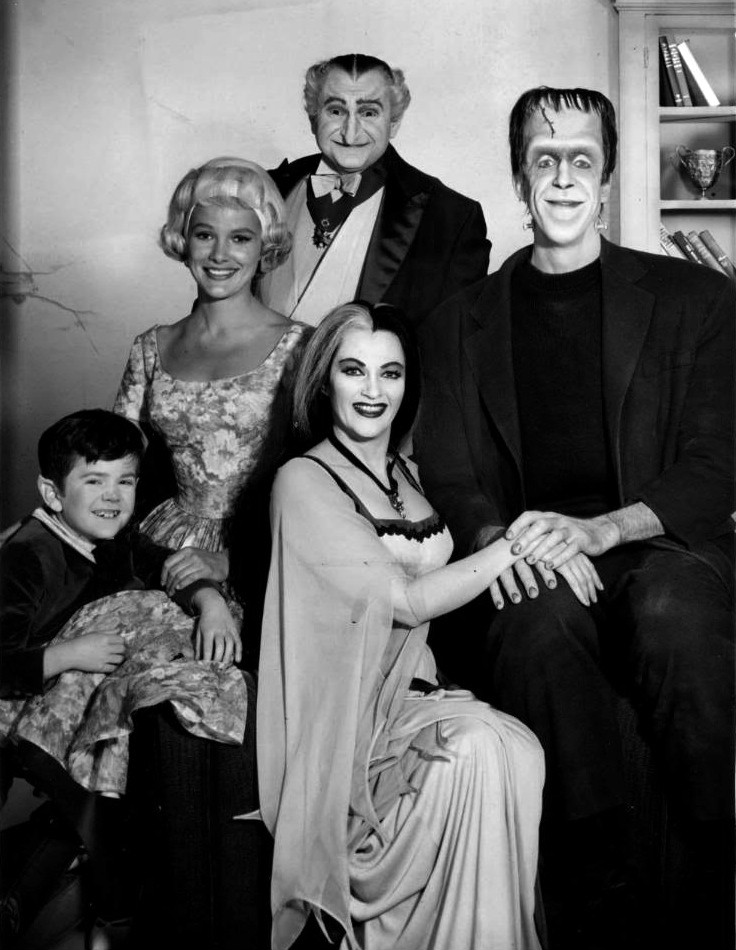
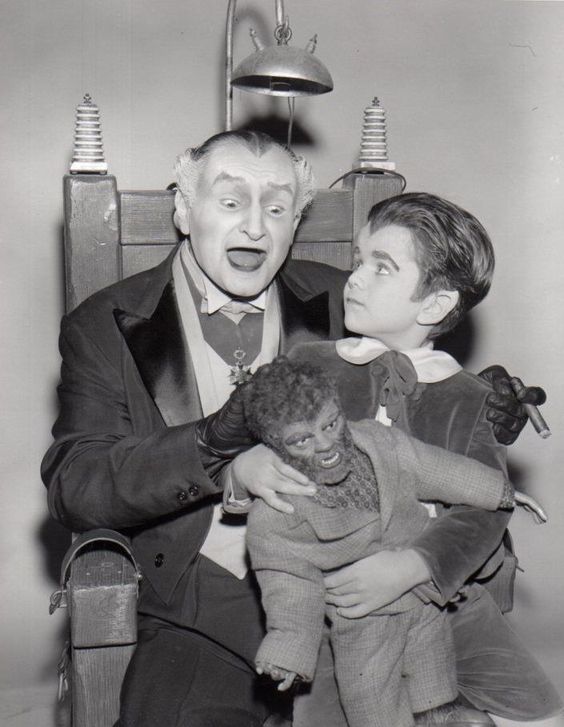
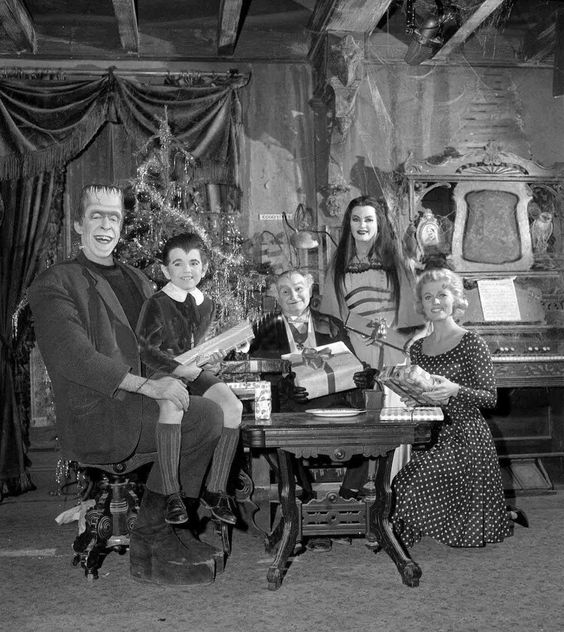
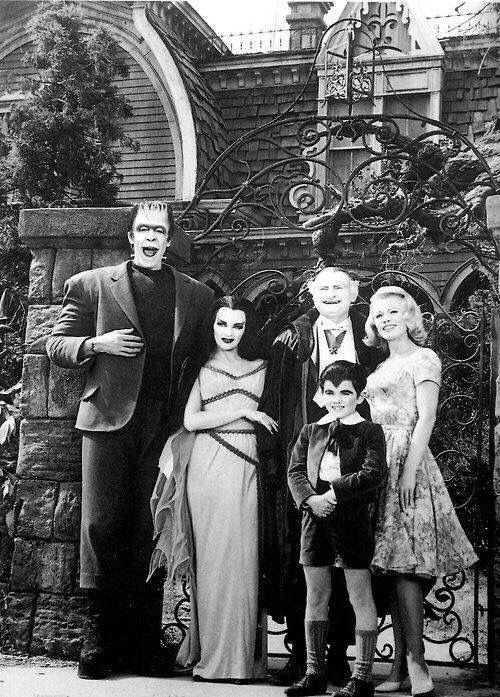
The Munsters is an American sitcom depicting the home life of a family of benign monsters. The series starred Fred Gwynne as Frankenstein’s monster and head-of-the-household Herman Munster; Yvonne De Carlo as his wife Lily; Al Lewis as Lily’s father, Grandpa, the somewhat over-the-hill vampire Count Dracula who longs for the “good old days” in Transylvania; Beverley Owen (later replaced by Pat Priest) as their teenage niece Marilyn, who was attractive by conventional standards but the “ugly duckling” of the family; and Butch Patrick as their werewolfish son Eddie.
Produced by the creators of Leave It to Beaver, the series was a satire of American suburban life, as well as both traditional monster movies and the wholesome family fare of the era. It achieved higher Nielsen ratings than the similarly macabre-themed The Addams Family, which aired concurrently on ABC.
In 1965, The Munsters was nominated for the Golden Globe Award for Best Television Series but lost to The Rogues. In the 21st century it received several TV Land Award nominations, including one for Most Uninsurable Driver (Herman Munster).
The series originally aired on Thursday at 7:30 pm on CBS from September 24, 1964, to May 12, 1966. Seventy episodes were produced. It was cancelled after ratings dropped to a series low due to competition from ABC’s Batman. Butch Patrick said, “I think ‘Batman’ was to blame. ’Batman’ just came along and took our ratings away.” But The Munsters found a large audience in syndication. This popularity warranted a spin-off series, as well as several films, including one with a theatrical release, and several more recent attempts to reboot it. (Wikipedia)
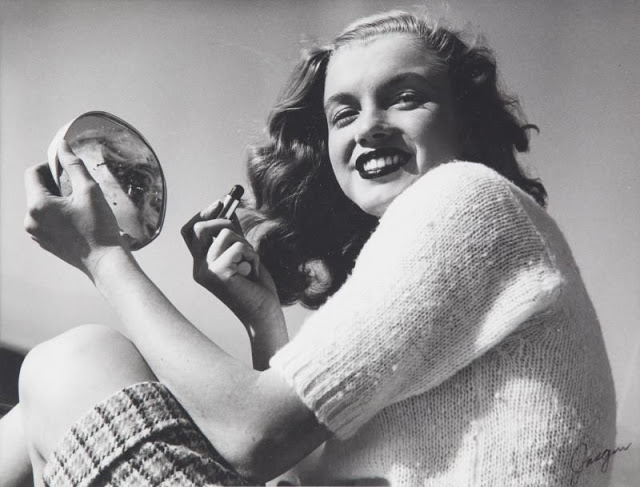
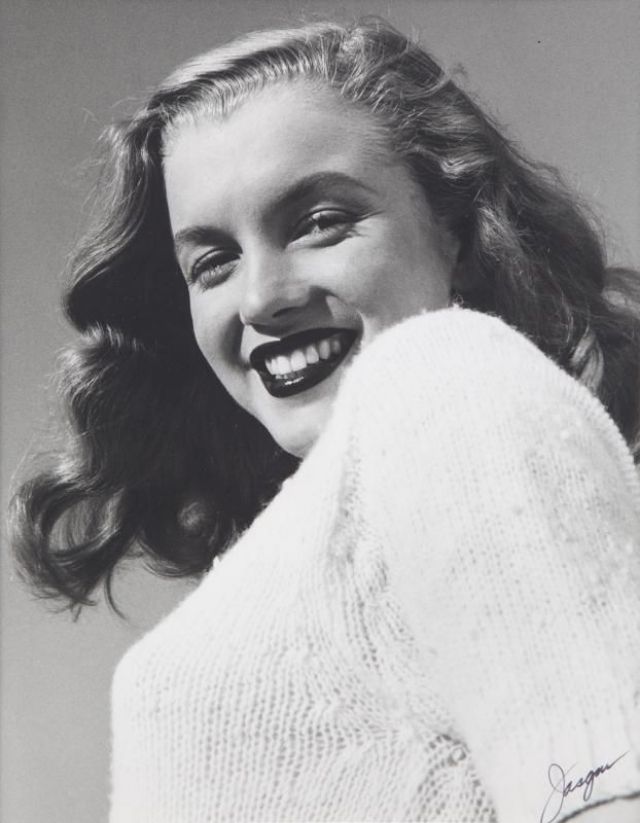
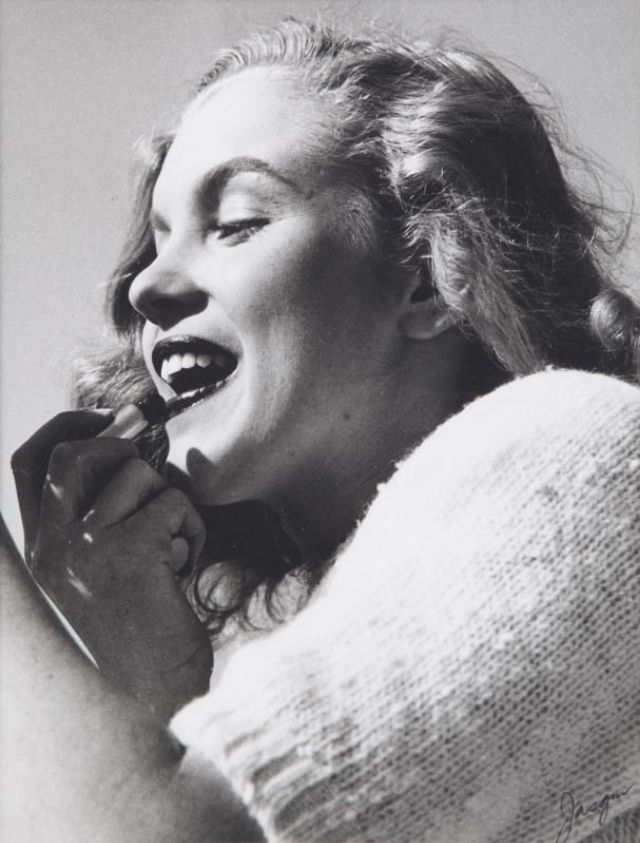
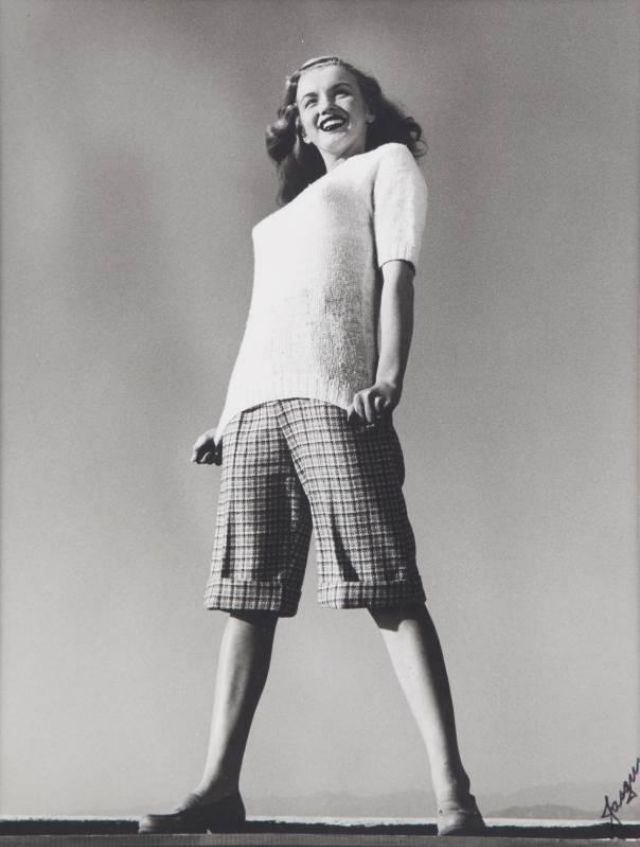
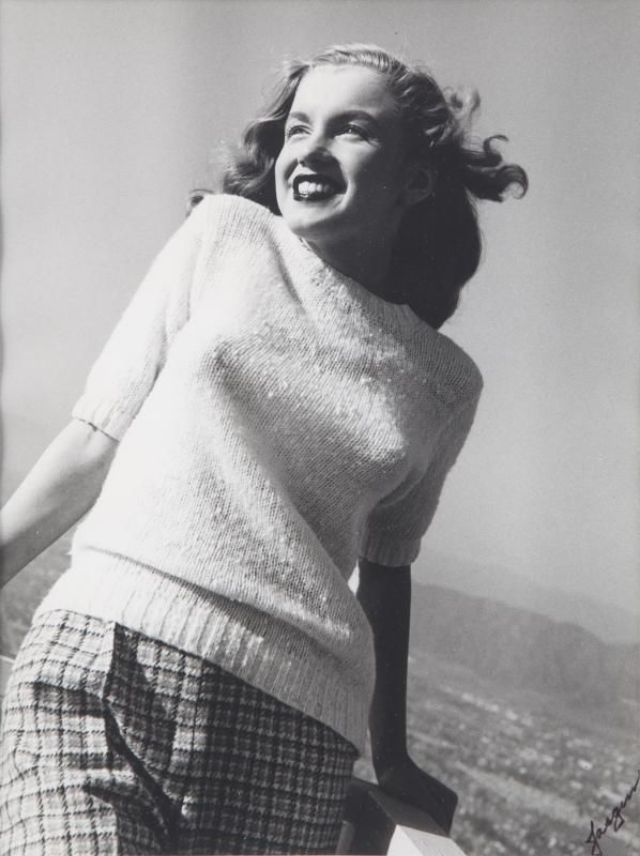
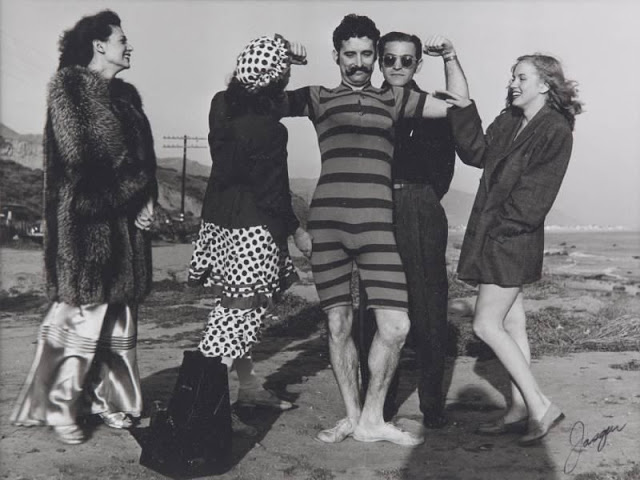
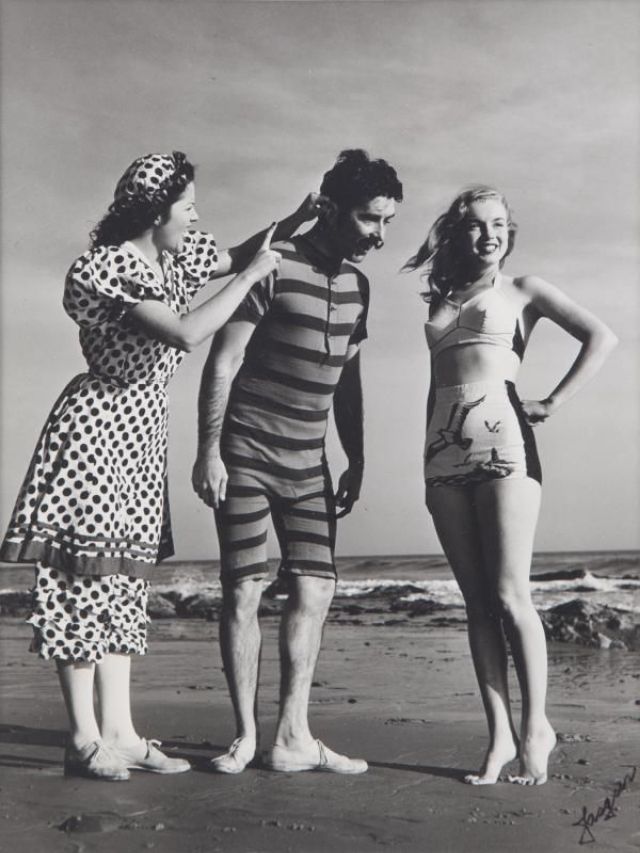
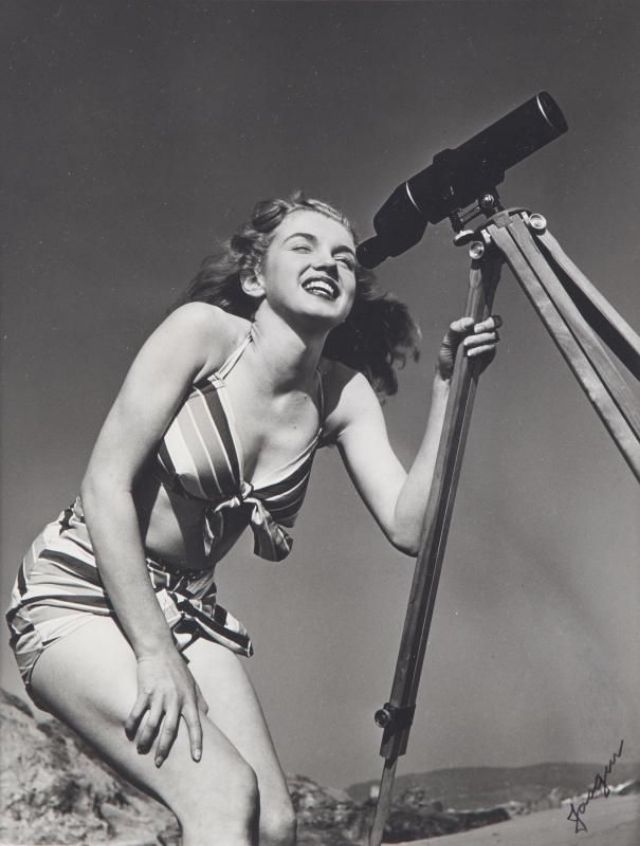
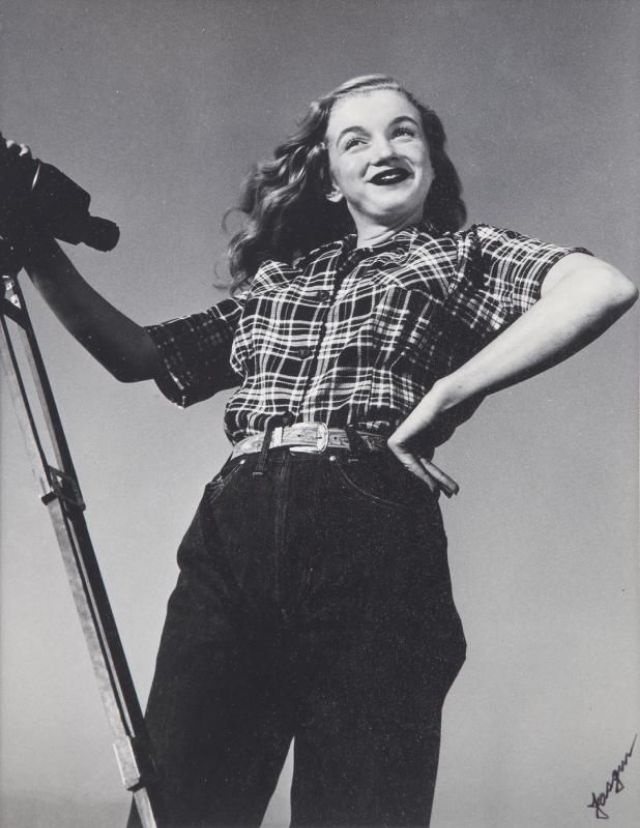
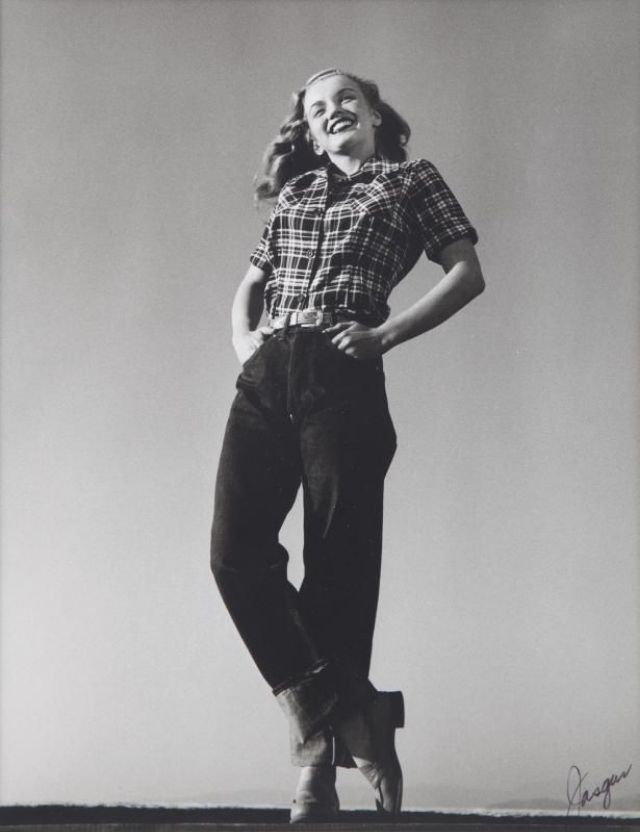
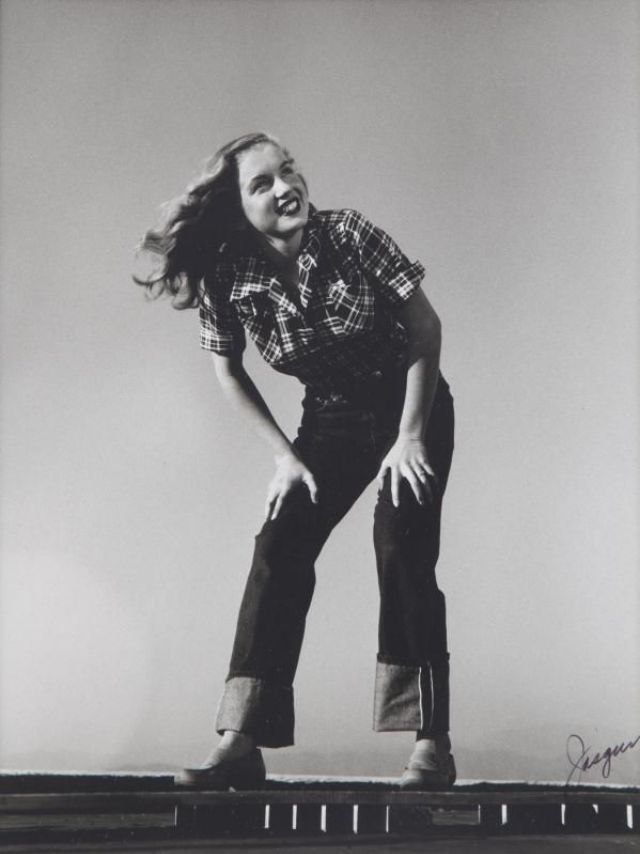
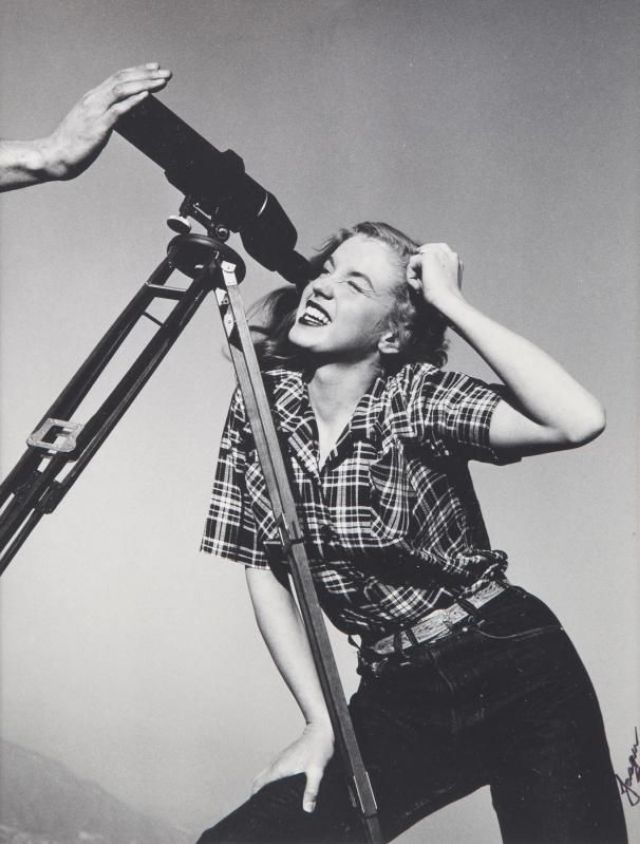
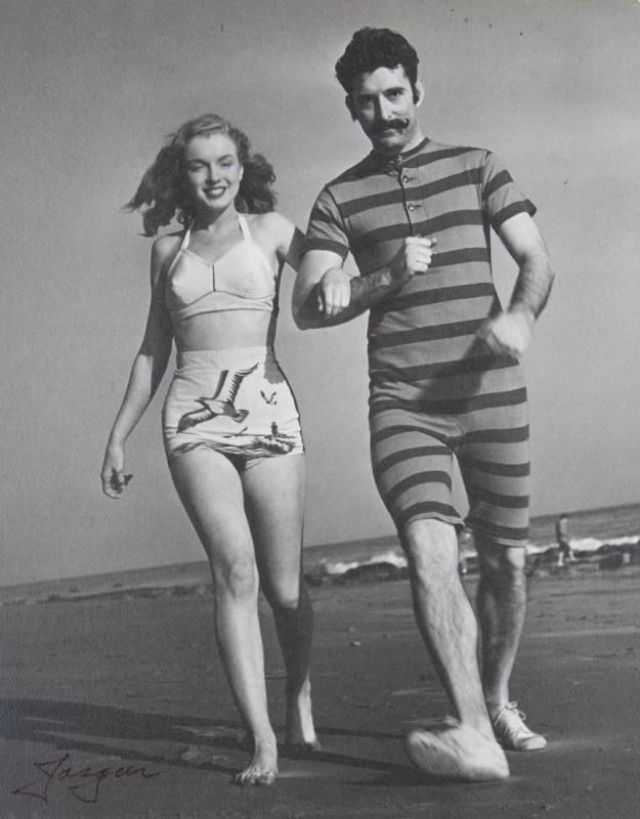
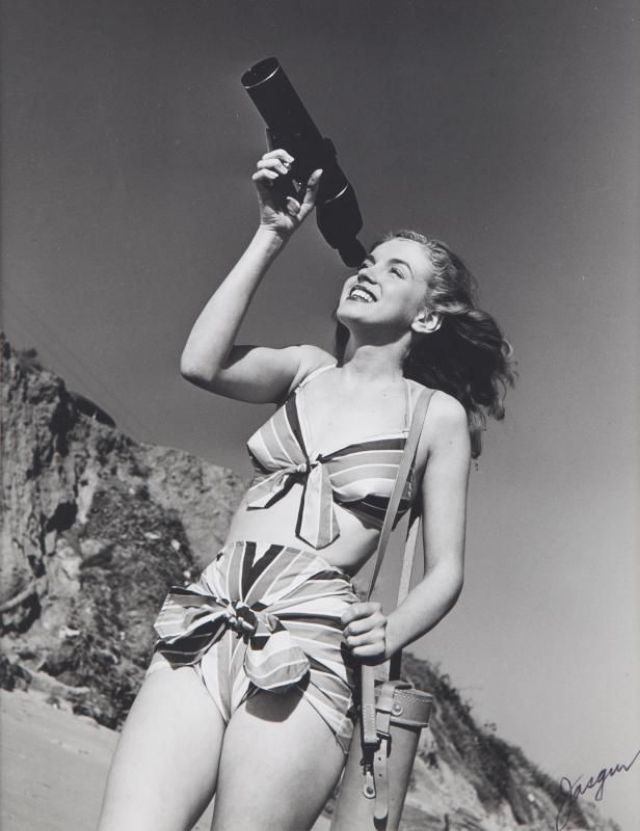
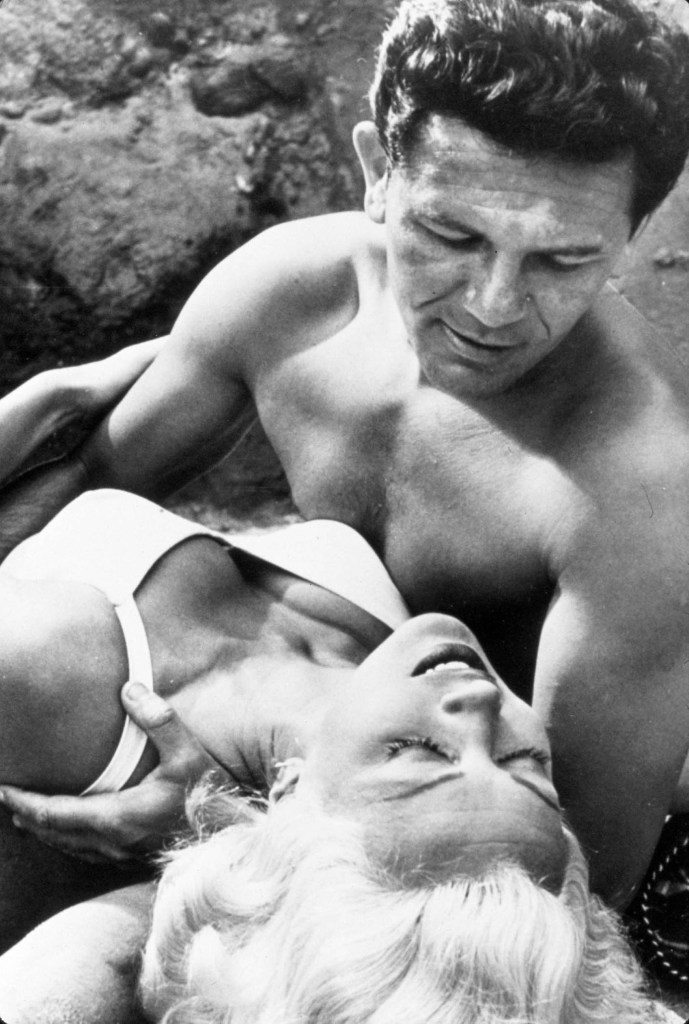
Joseph Jasgur (1919-2009) was a photographer who photographed celebrities during the golden age of Hollywood, especially Marilyn Monroe.
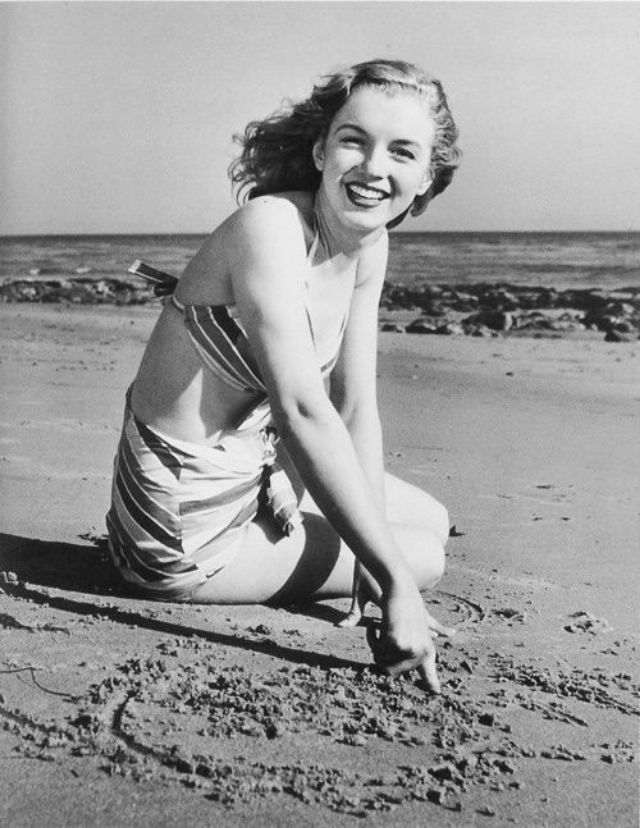
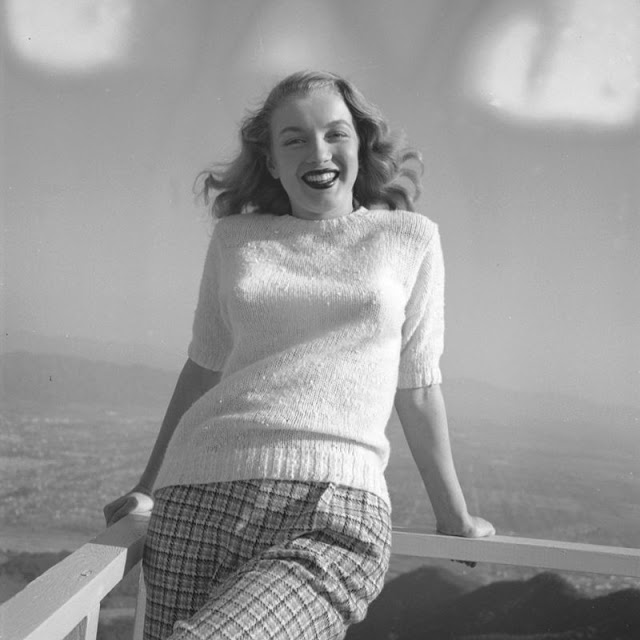
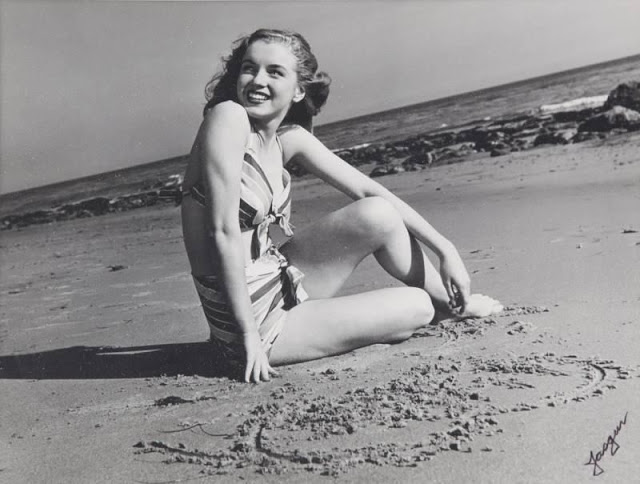
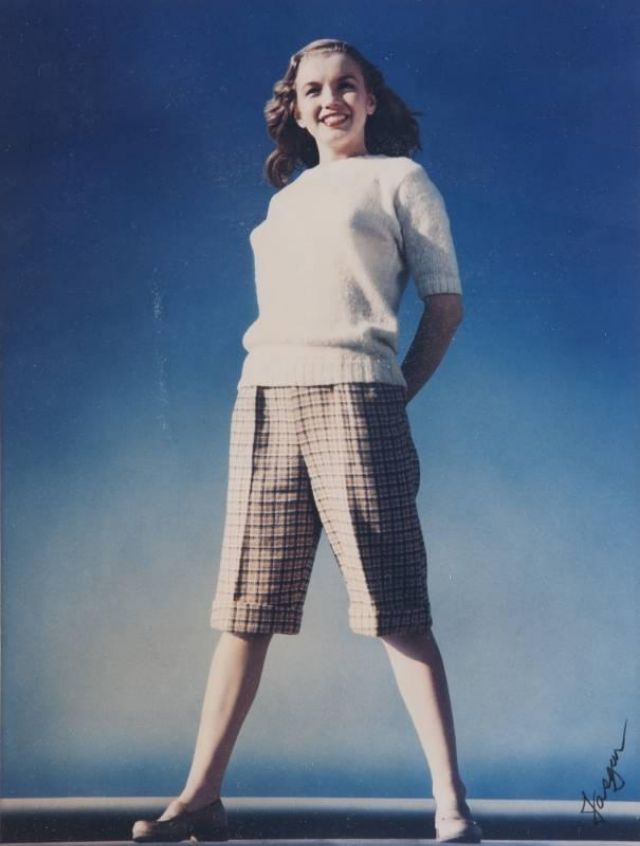
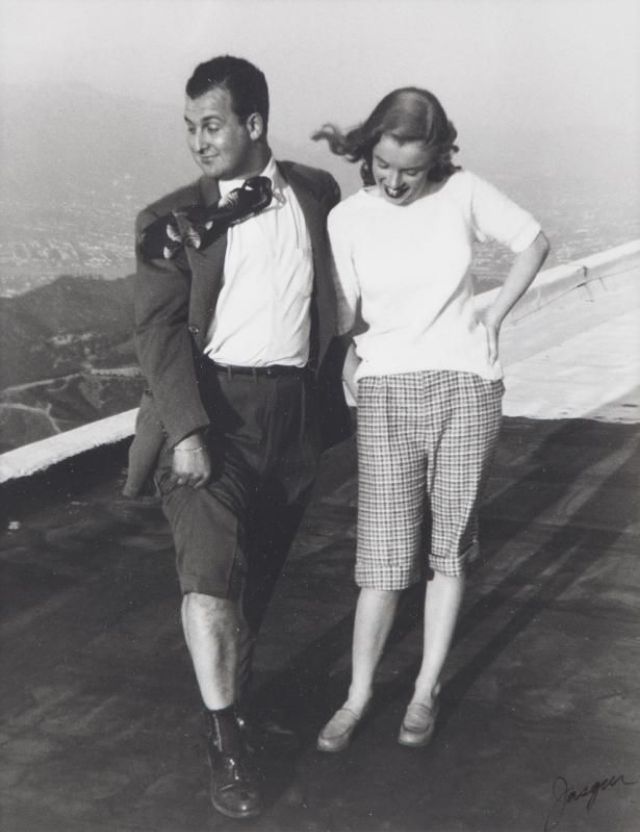
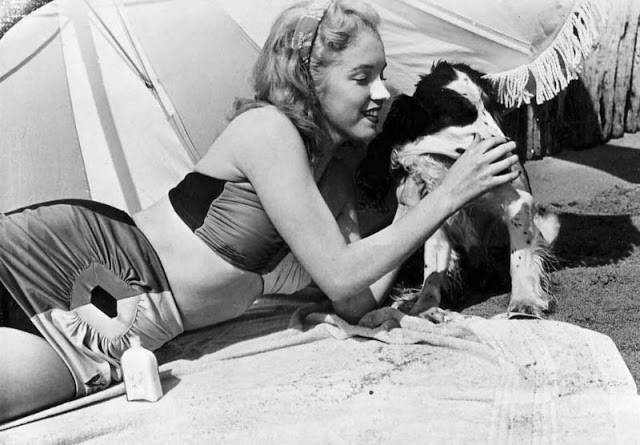
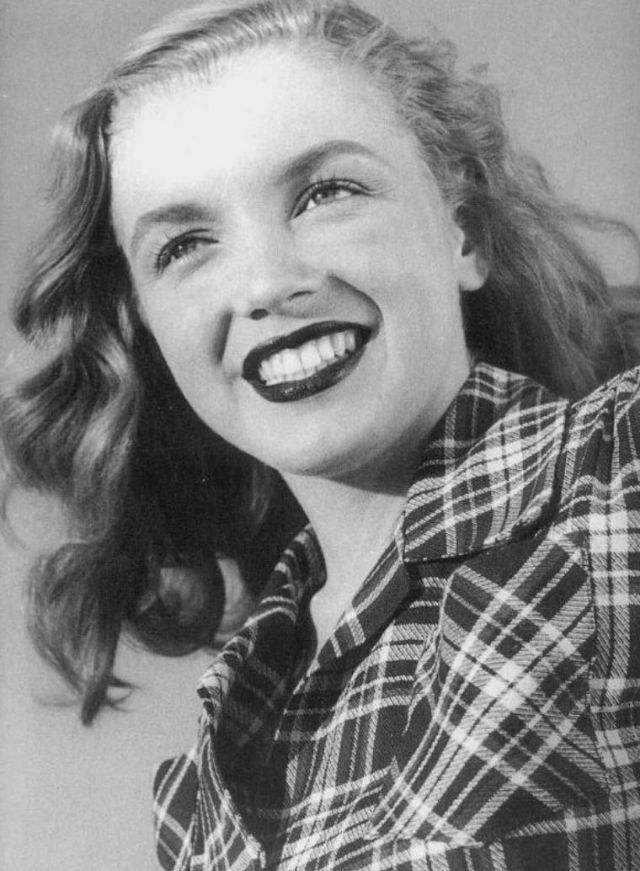
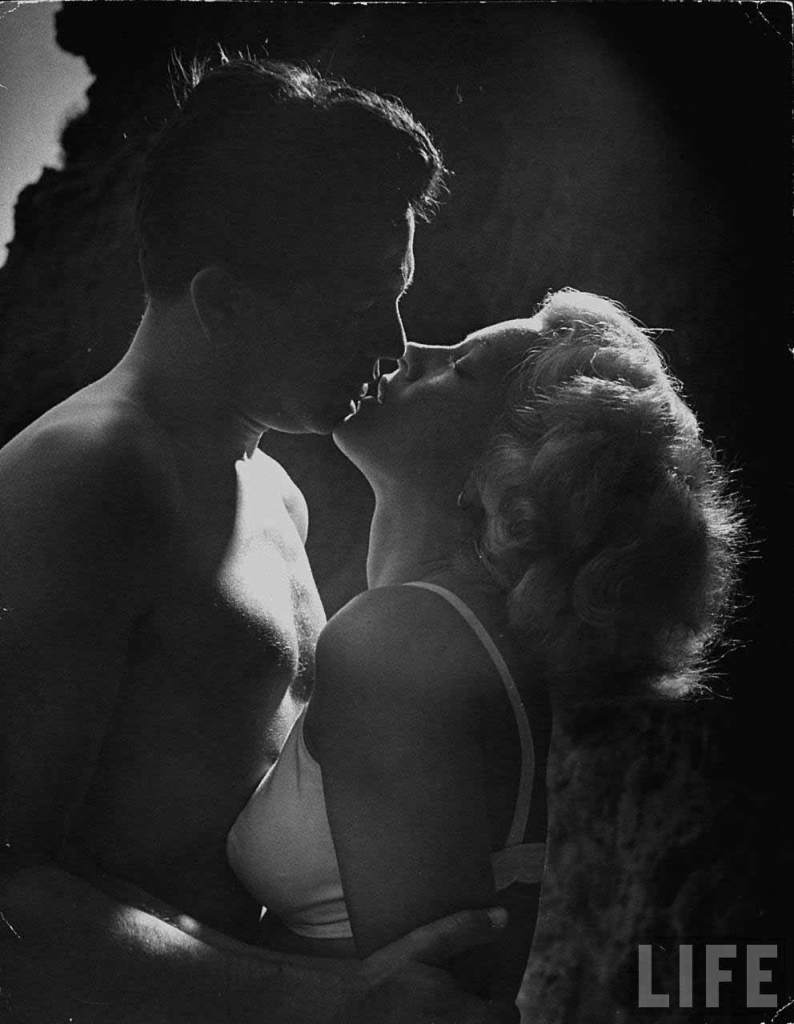
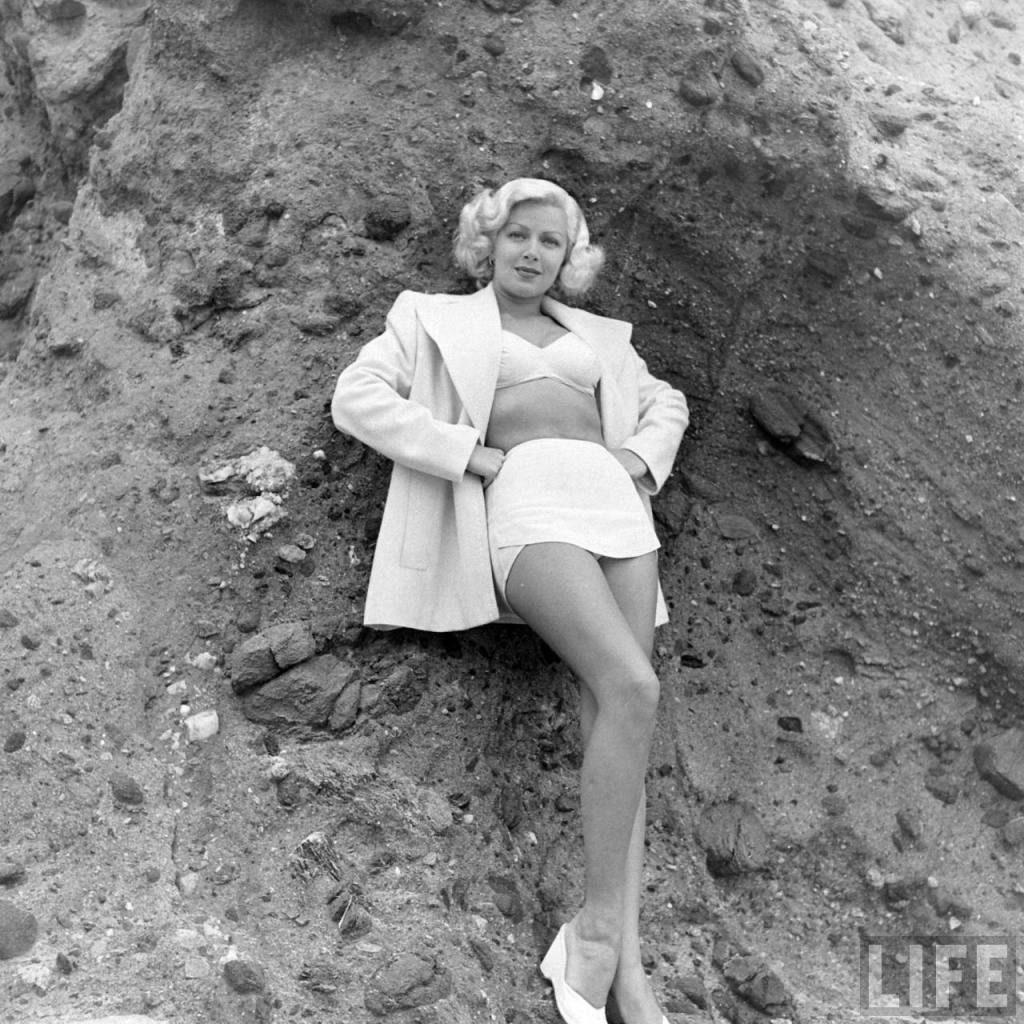
Marilyn Monroe a.k.a. Norma Jeane Dougherty in 1946, she stepped into Jasgur’s studio in 1946 with no money, but the ambition to become a model.Jasgur shot numerous photographs of her over the following weeks, including glamour shots that she used in her 20th Century Fox interview.
Jasgur sold the rights to his entire portfolio, including the Monroe photographs, to a contractor, and spent the last years of his life trying to regain control of it.
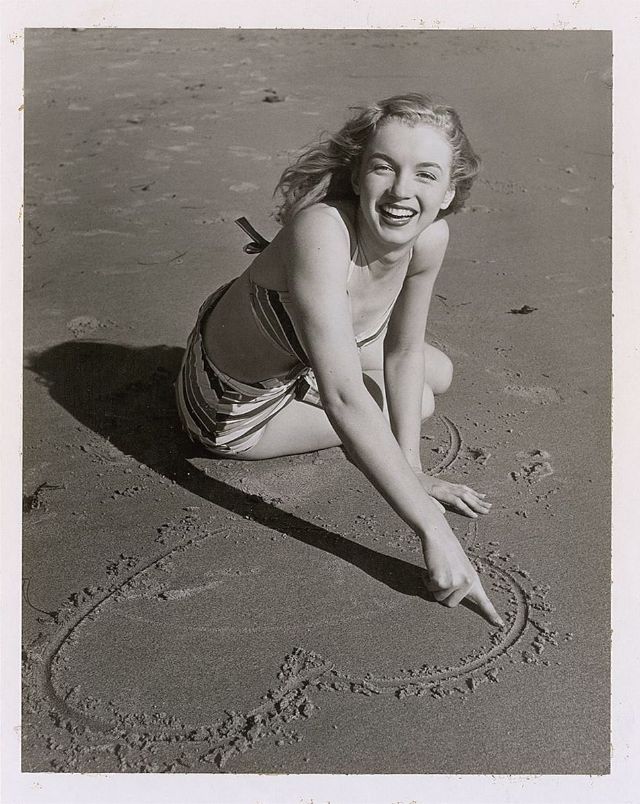
Take a look at these glamorous photos of Marilyn Monroe during her first photo shoot – when she was still known as Norma Jeane Dougherty. Jasgur shot her while with a group of actors, or drawing a heart in the sand at Zuma Beach, California; when she was in Hollywood, or in a striped bathing suit on the beach…
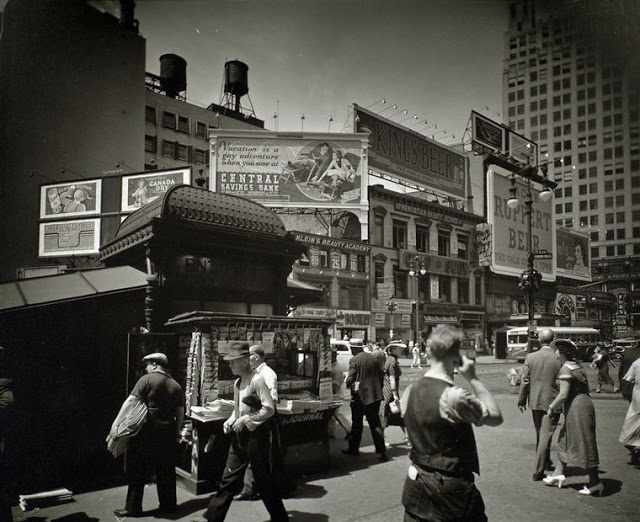
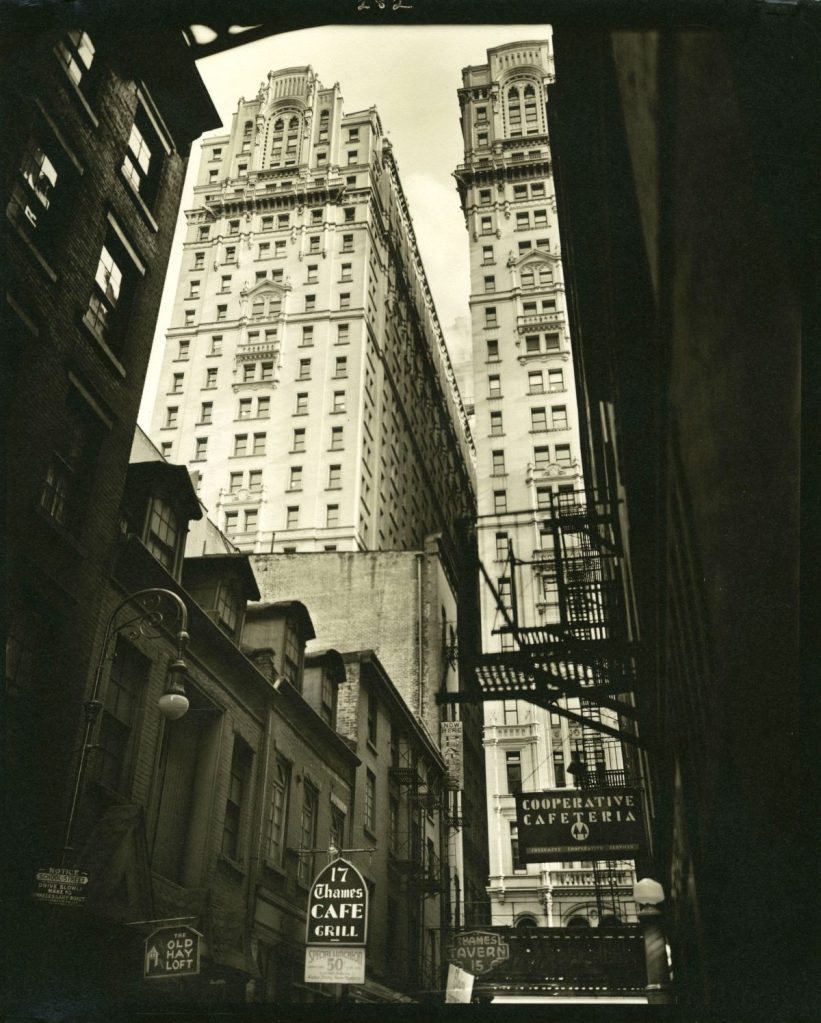
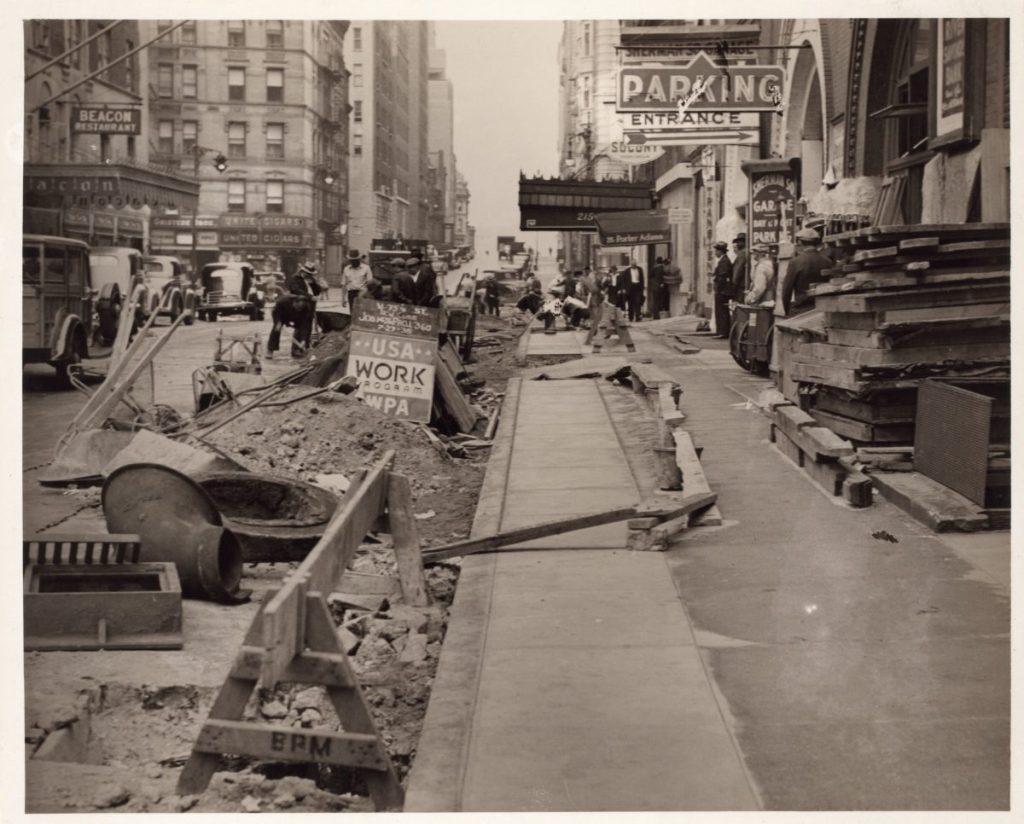
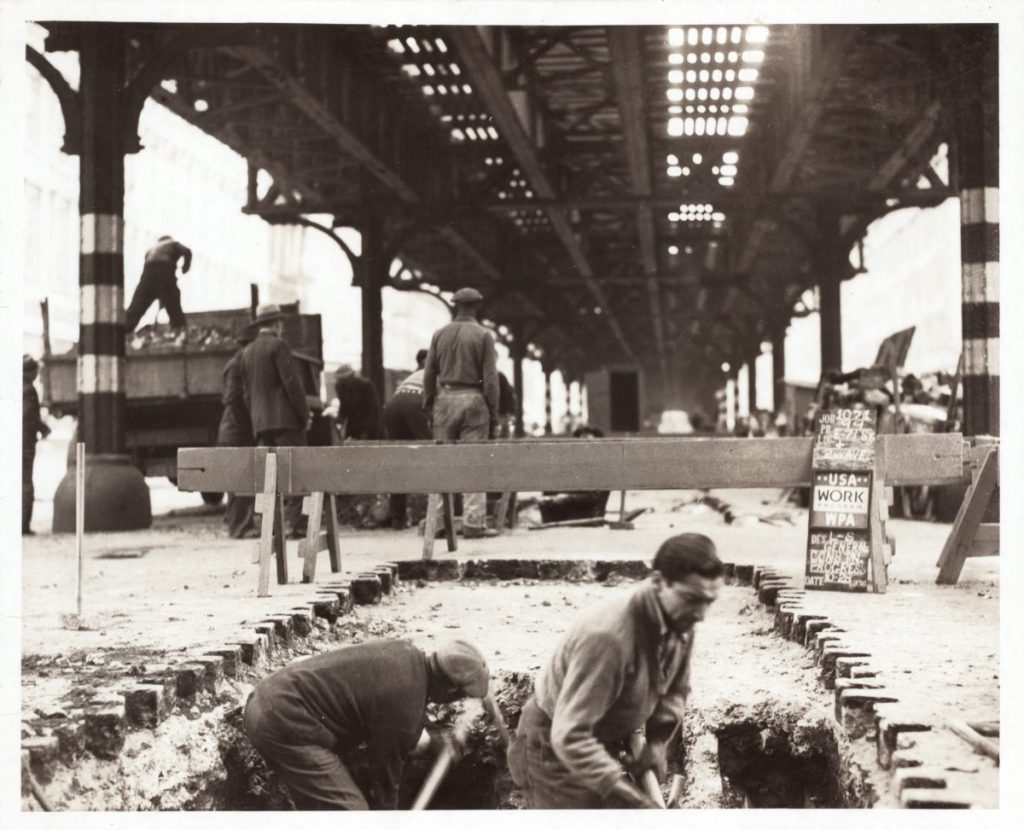
Manhattan is one of the five Boroughs of New York City, made up of Manhattan Island and bounded by rivers. It is the cultural, financial, media, governmental, and retail center of New York City. The area that is now Manhattan was long inhabited by the Lenape Native Americans.
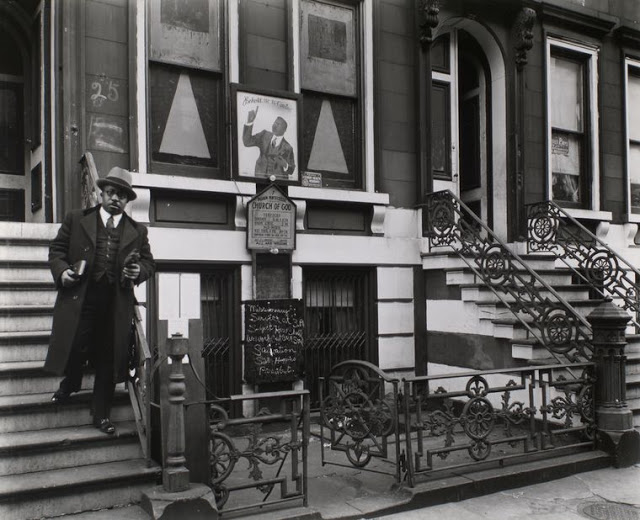
At the turn of the 20th century the New York City Subway and bridges to Brooklyn, bind the Manhattan with the other areas of NYC. In the 1920s, a large number of African-Americans arrived in Manhattan as part of the Great Migration from the southern United States.
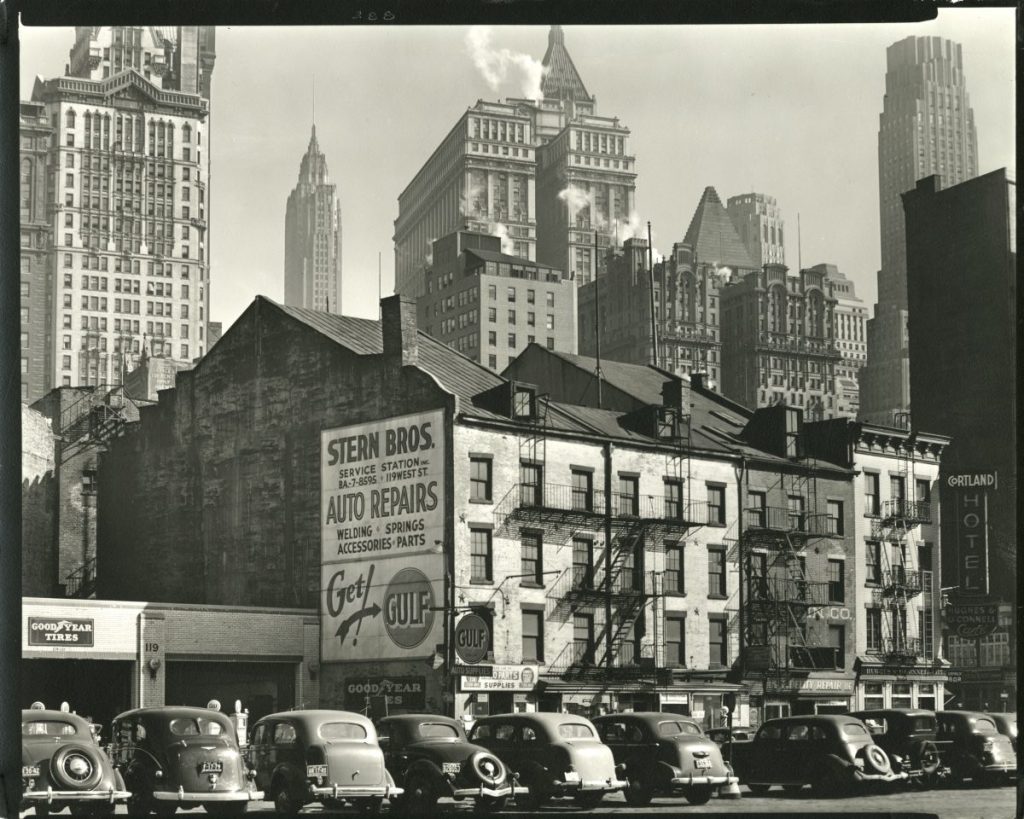
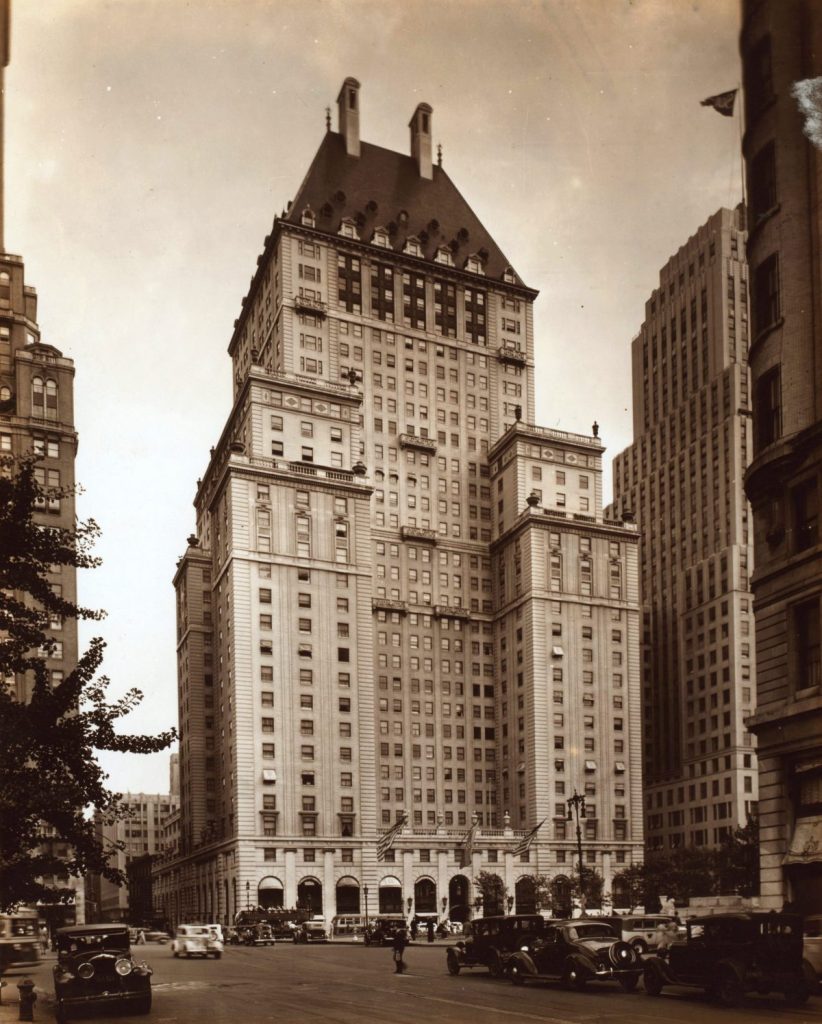
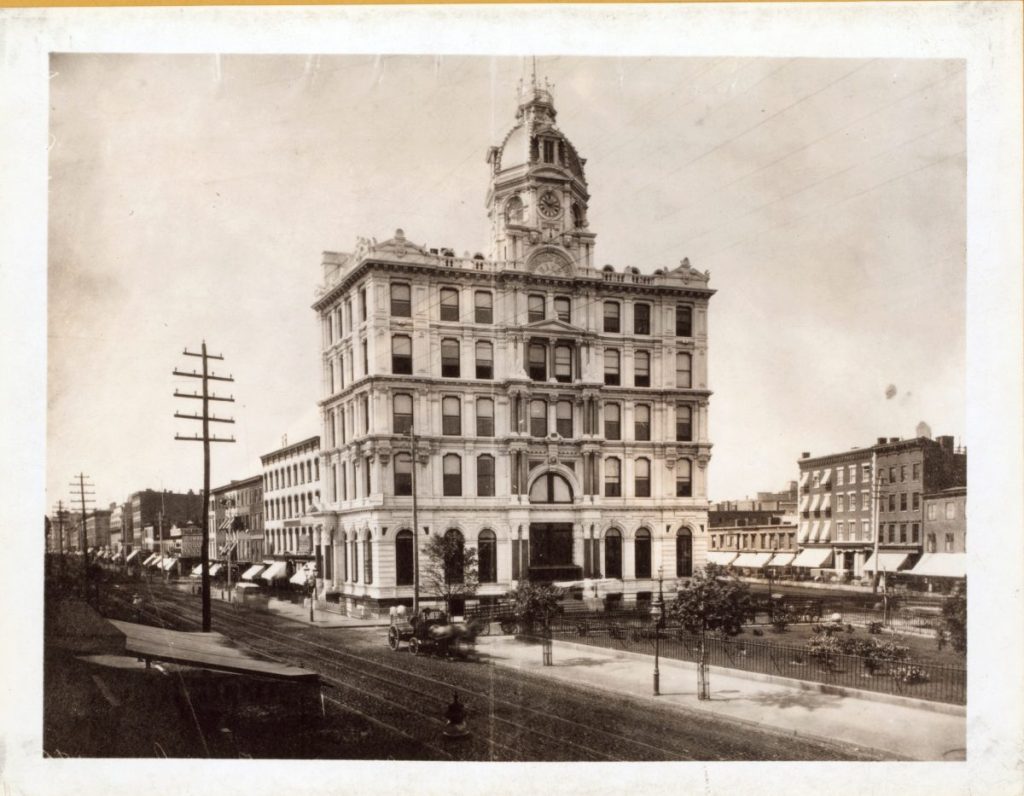
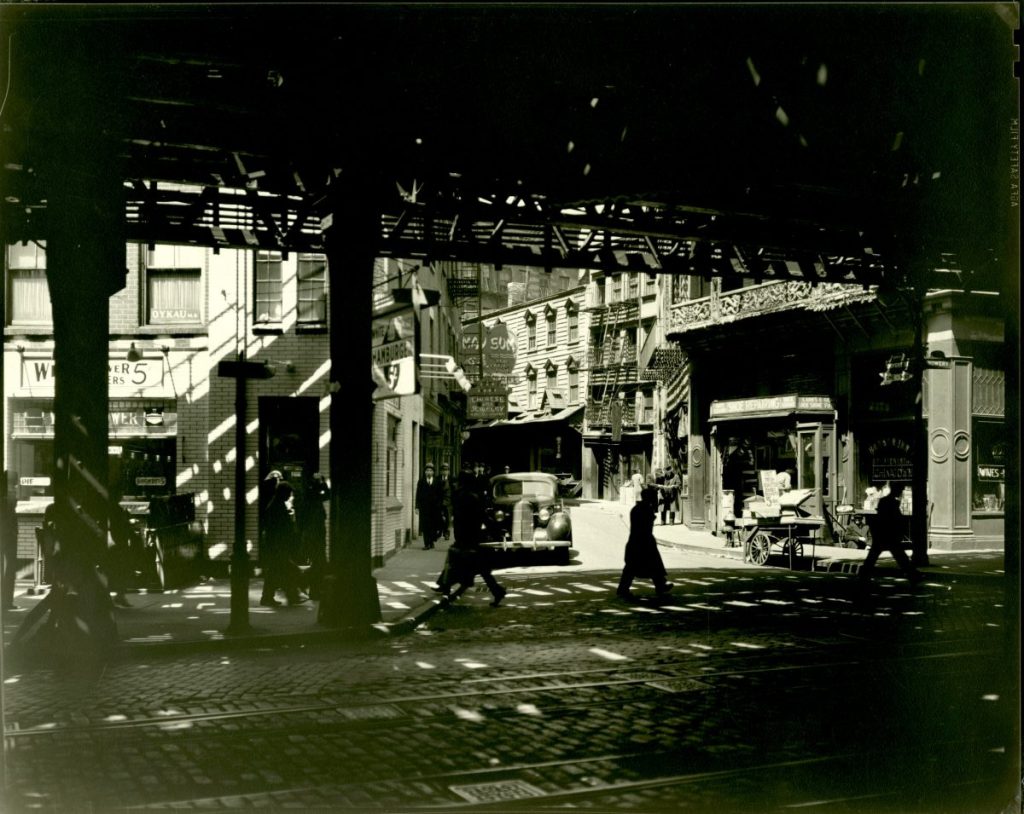
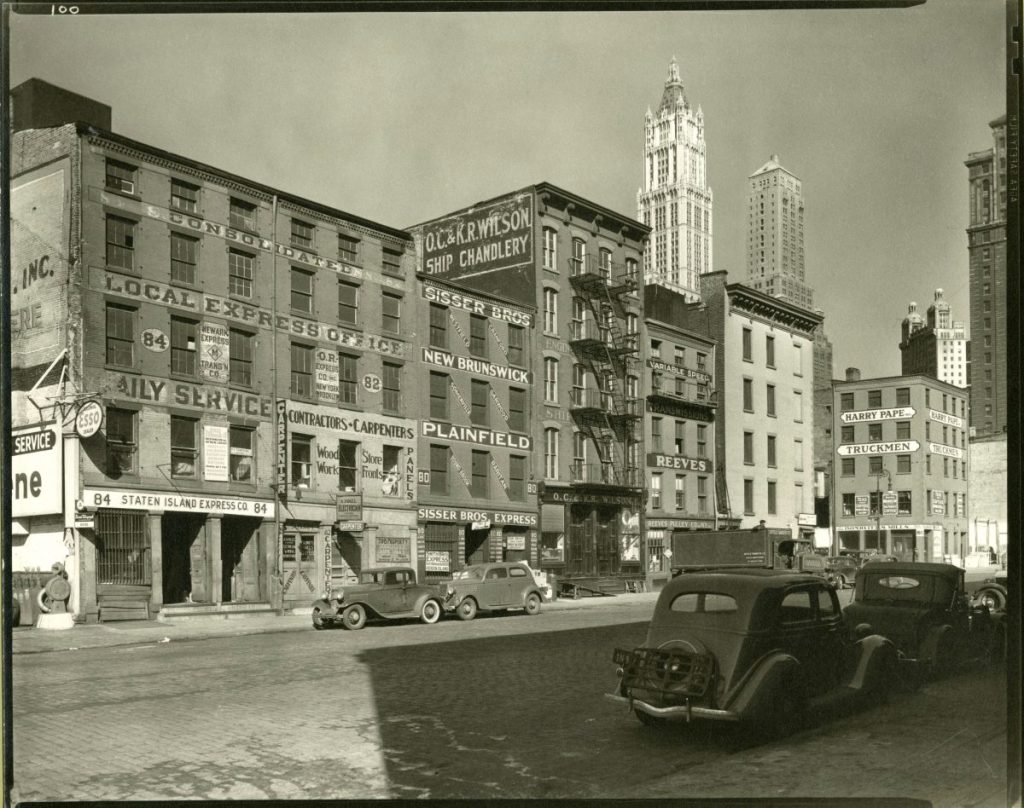
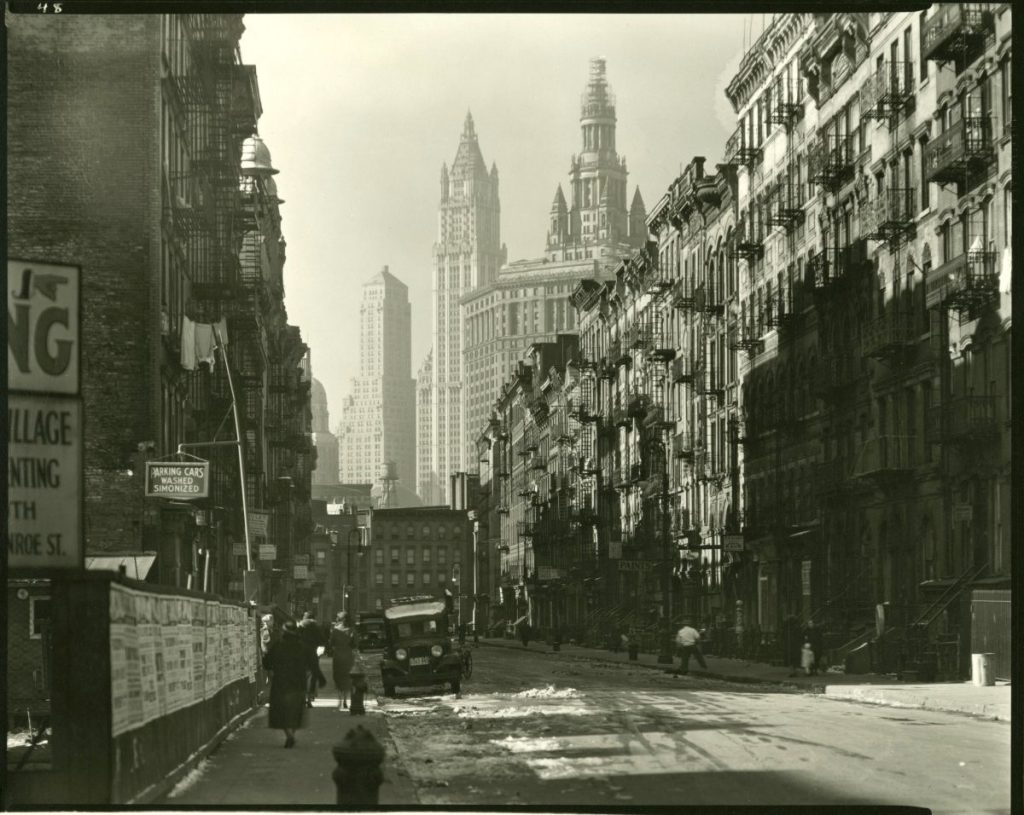
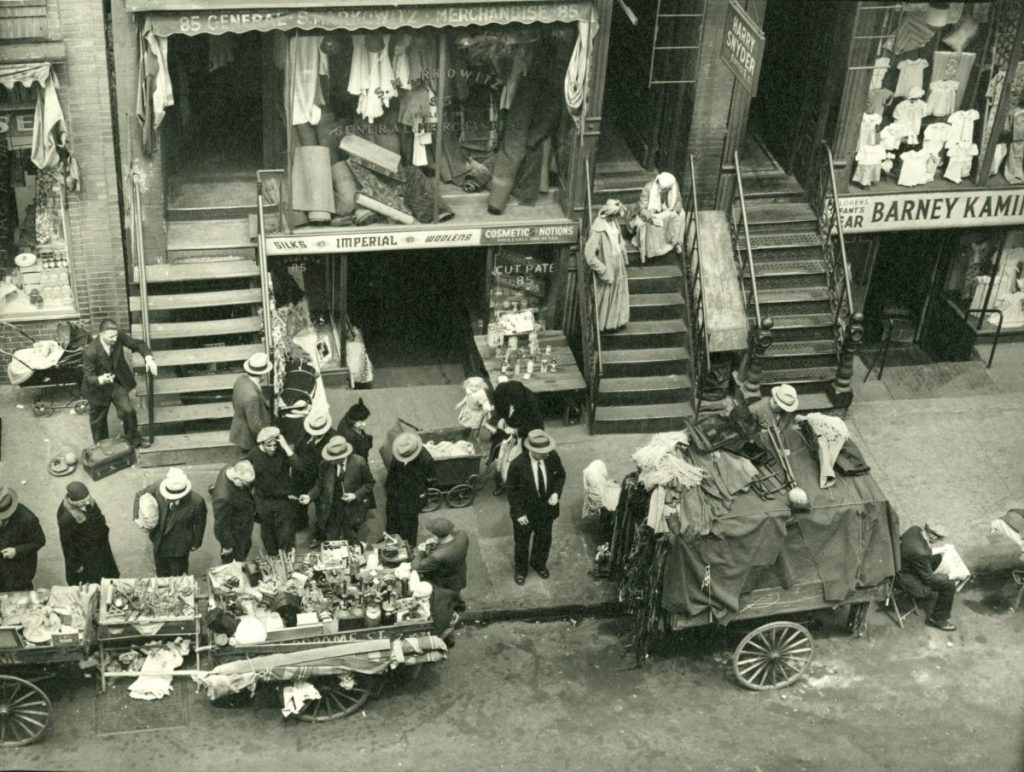
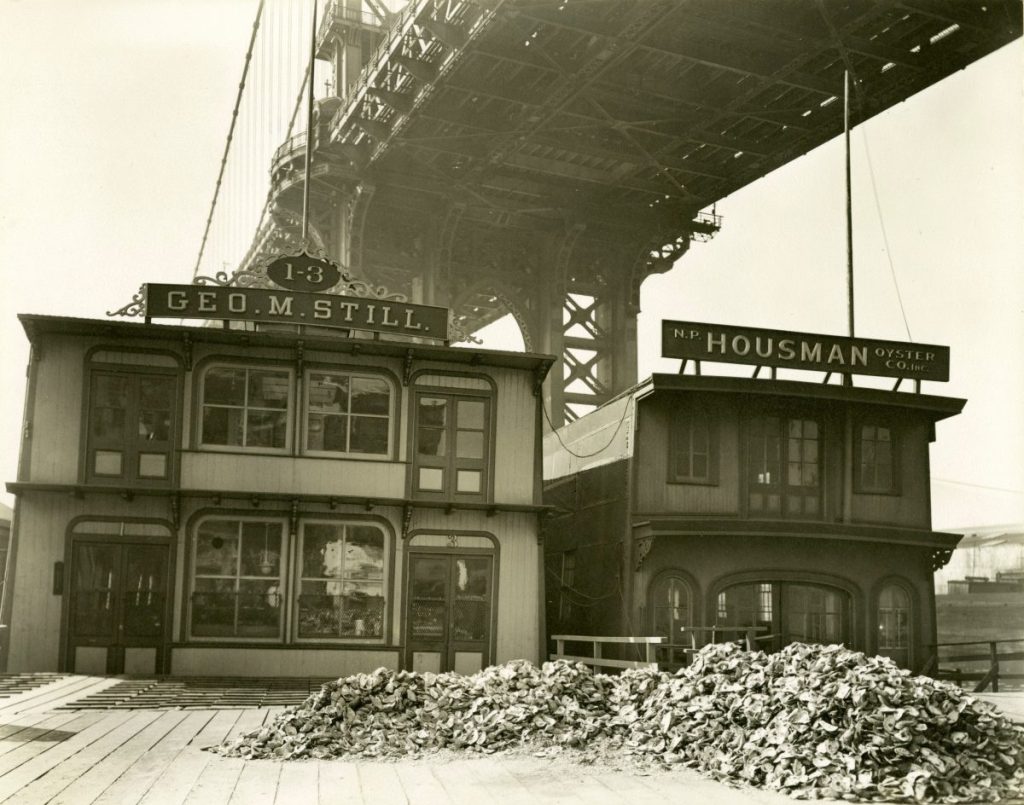
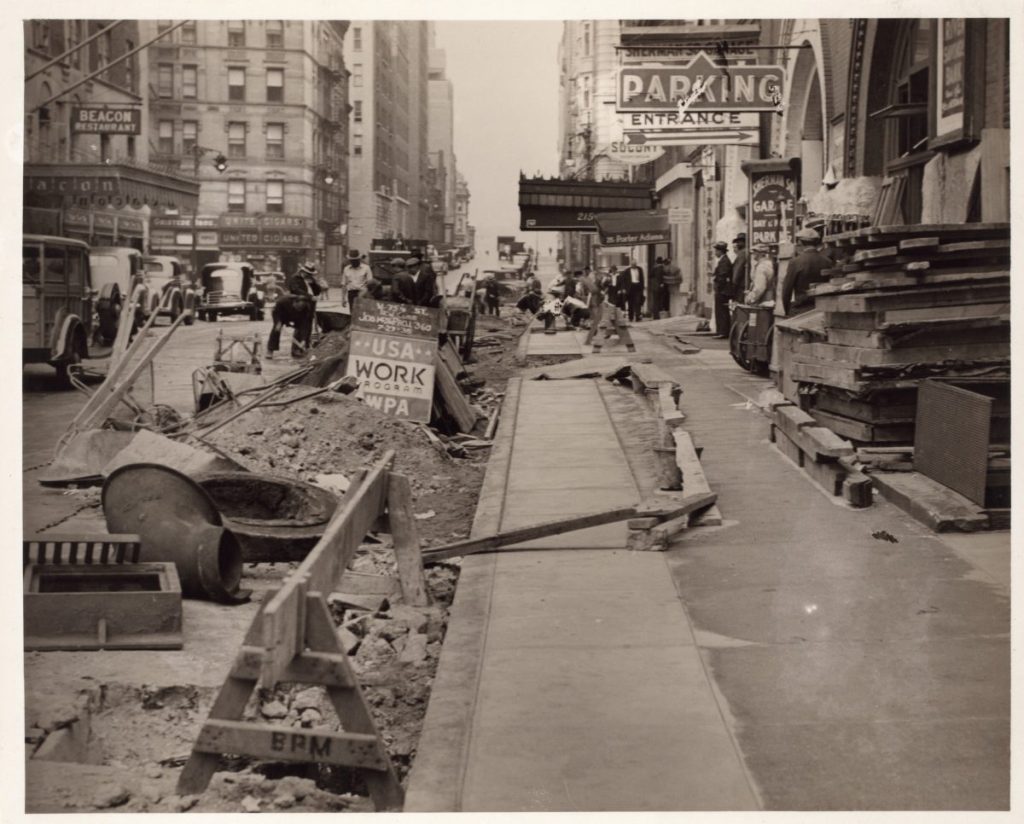
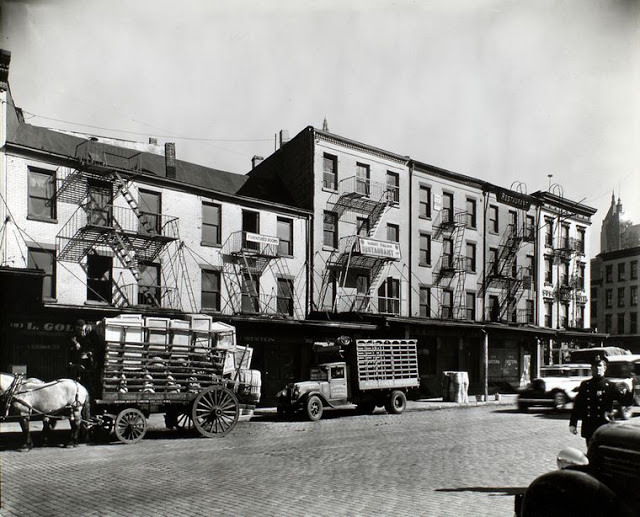
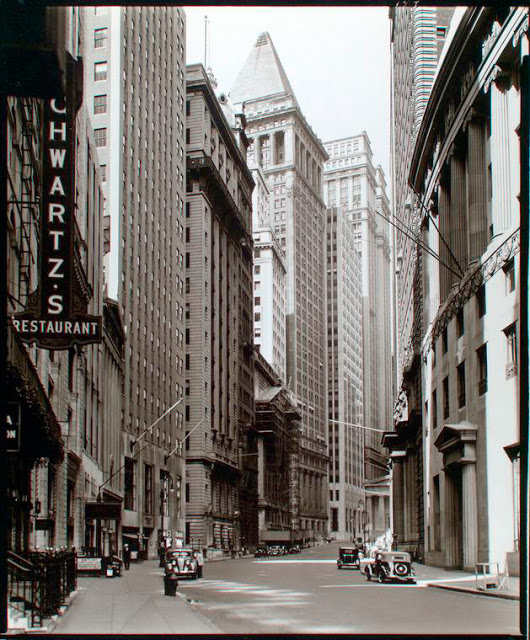
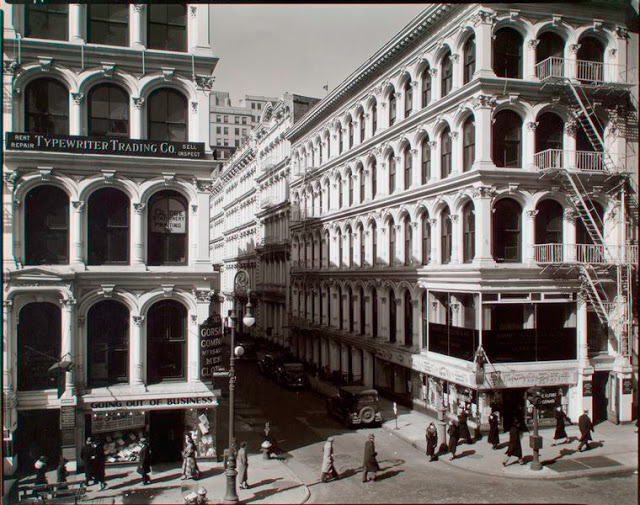
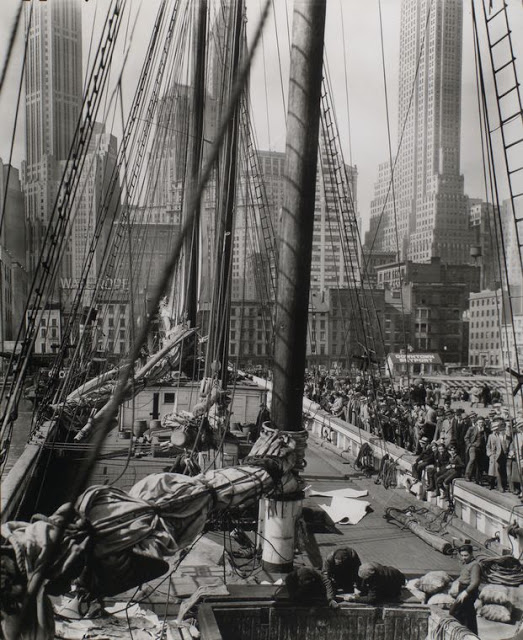
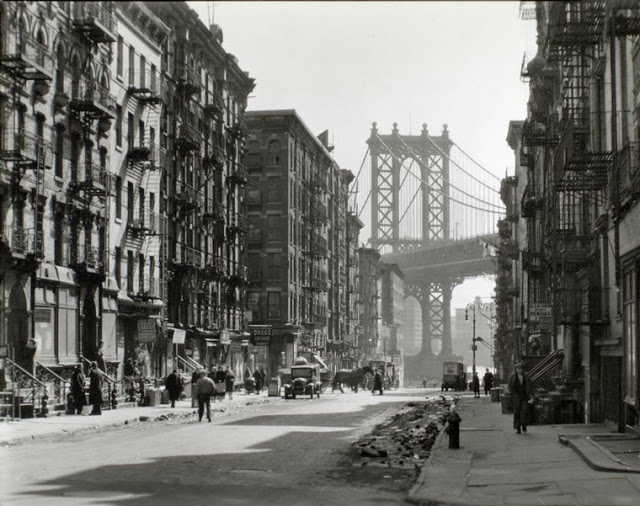
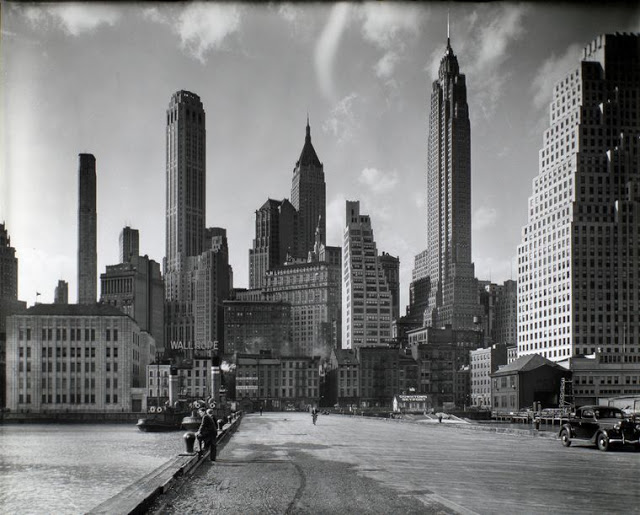
Here below are some stunning vintage photos that show what Manhattan looked like in the 1936.
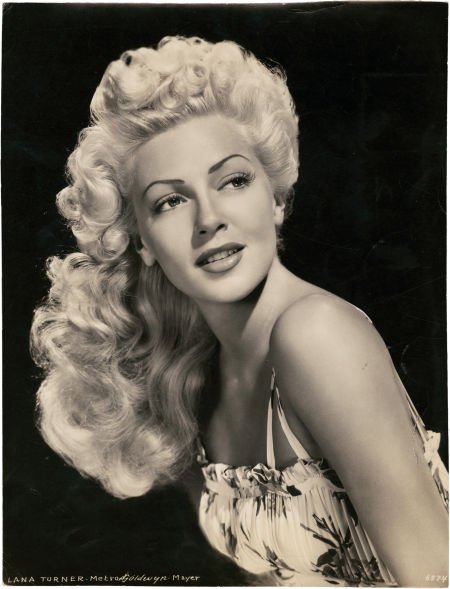
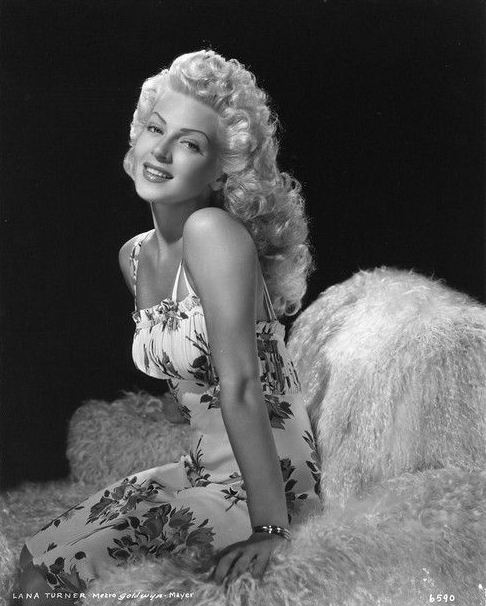
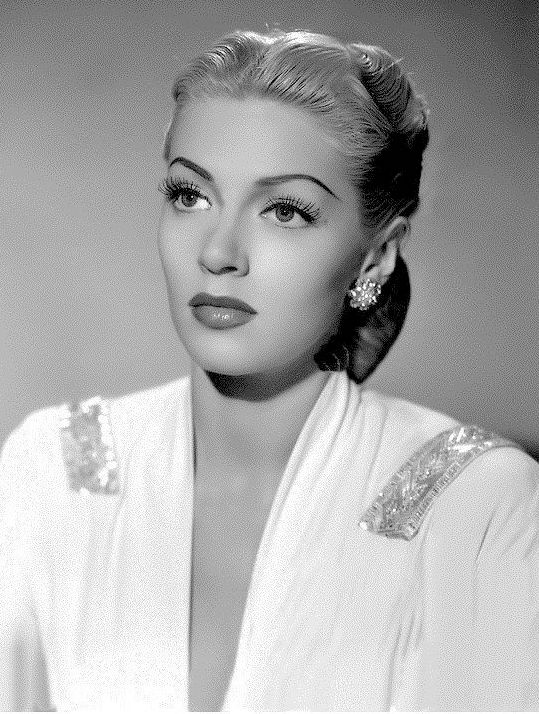
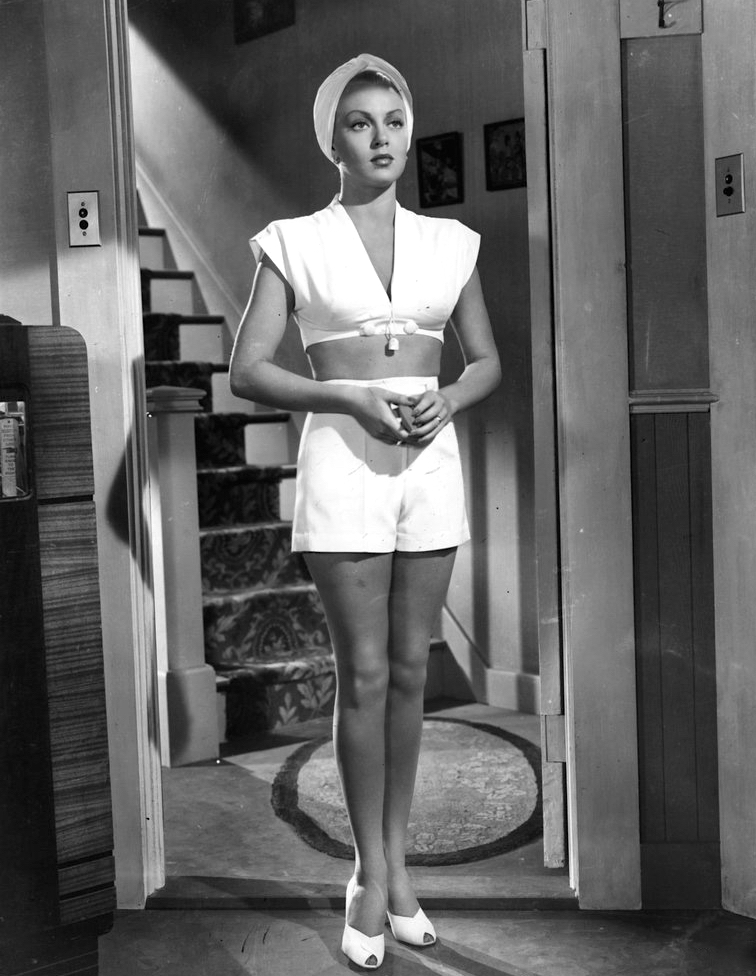
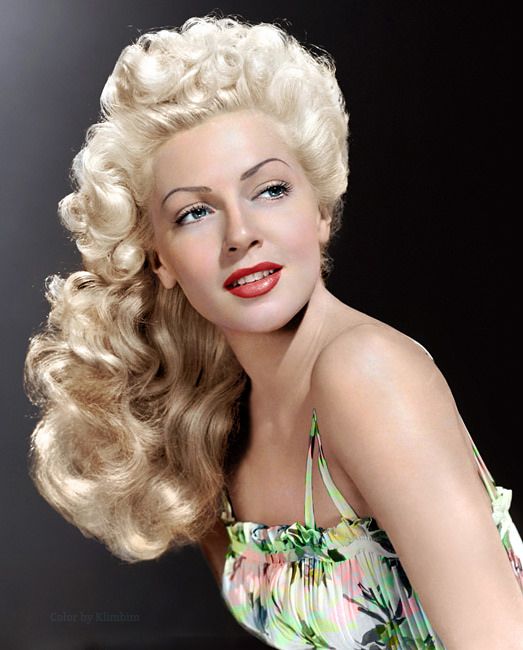
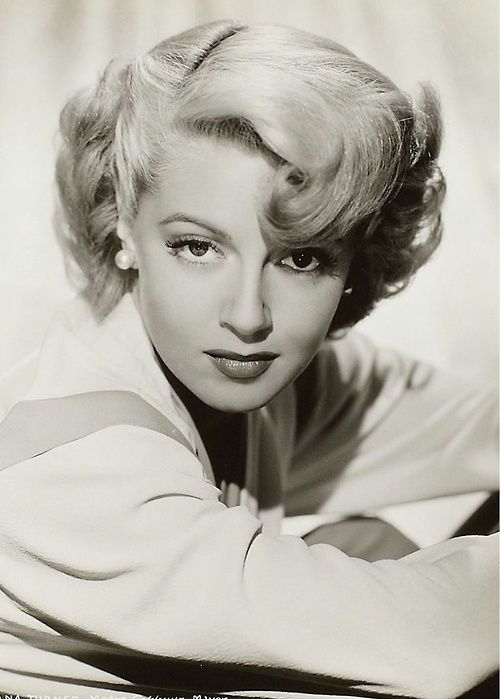
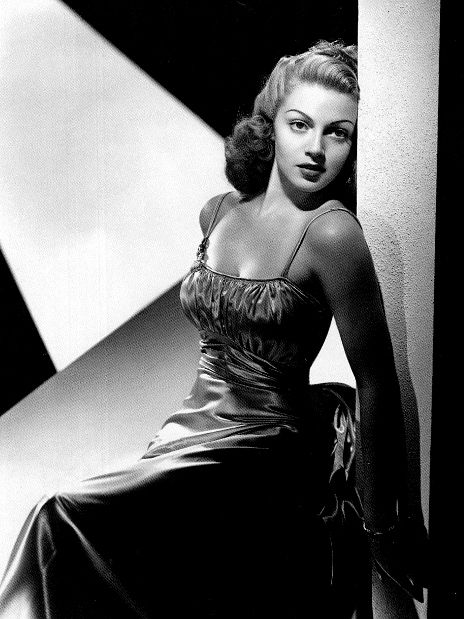
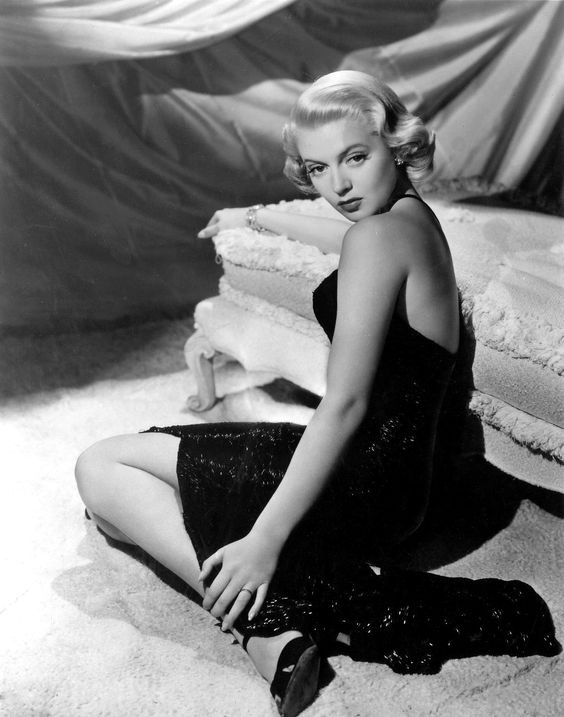
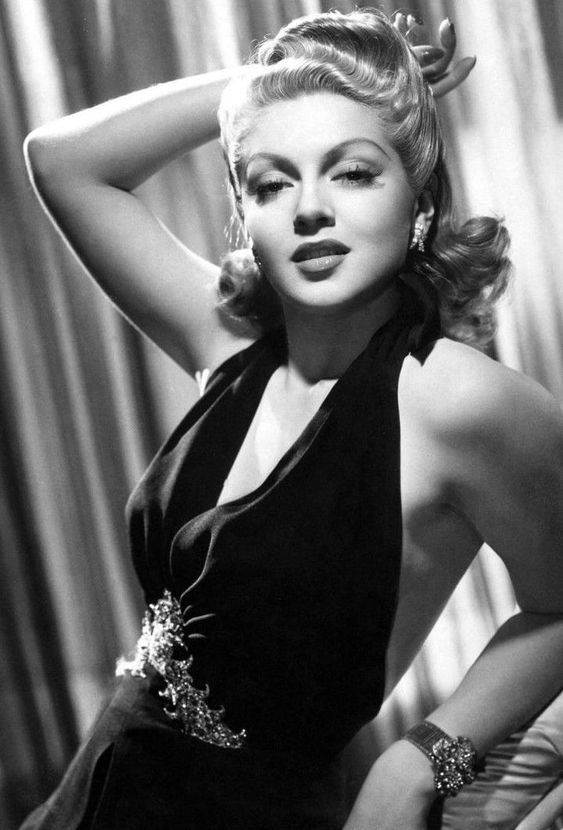
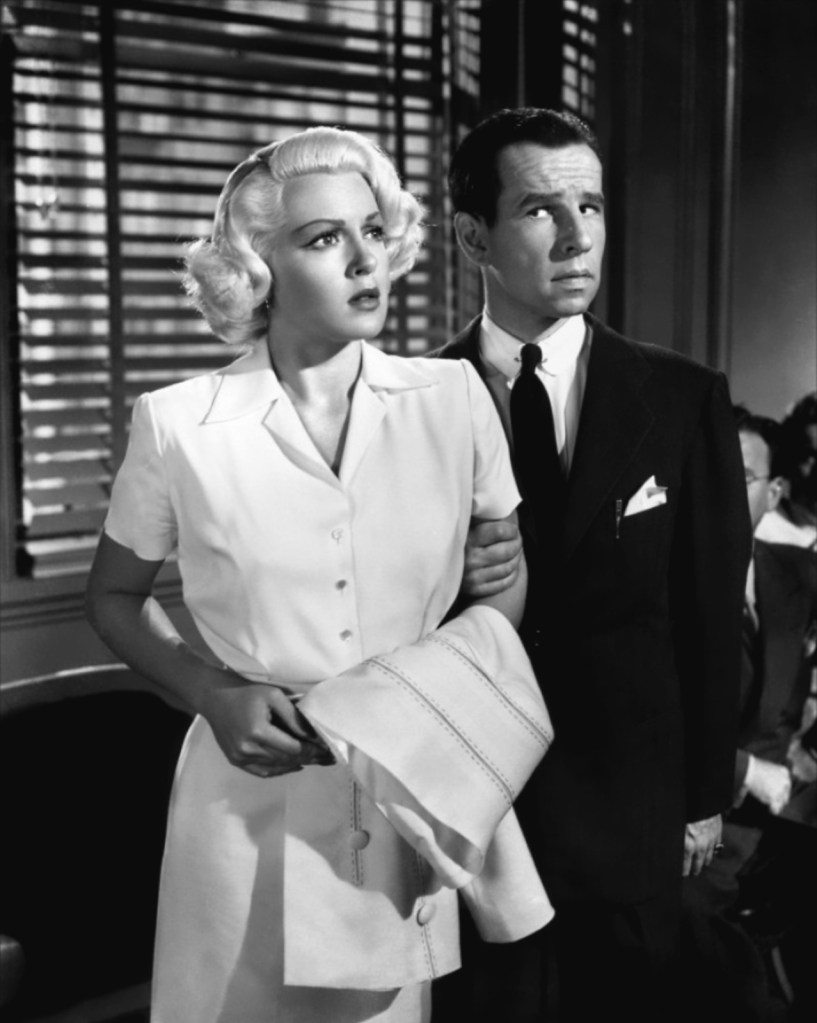
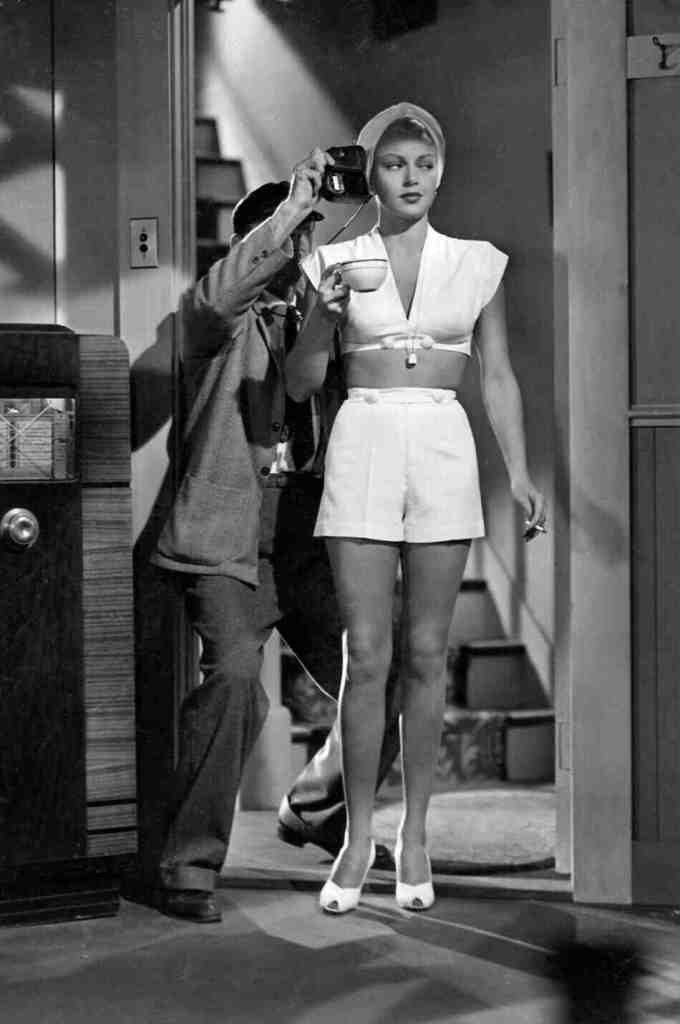
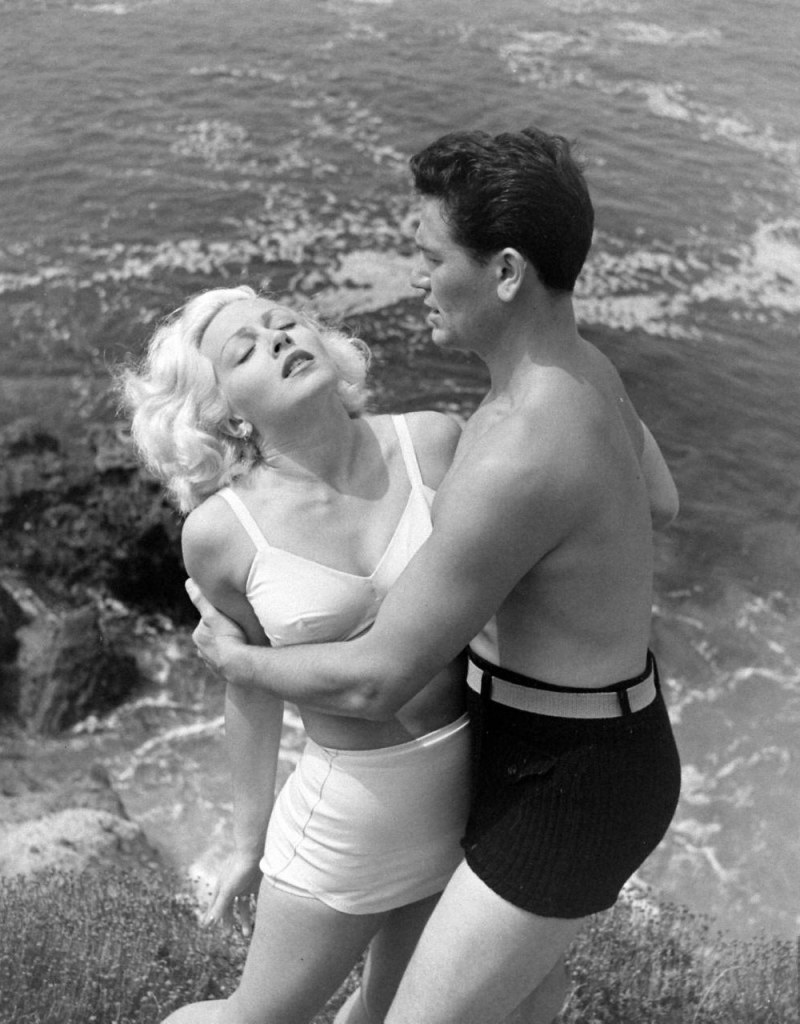
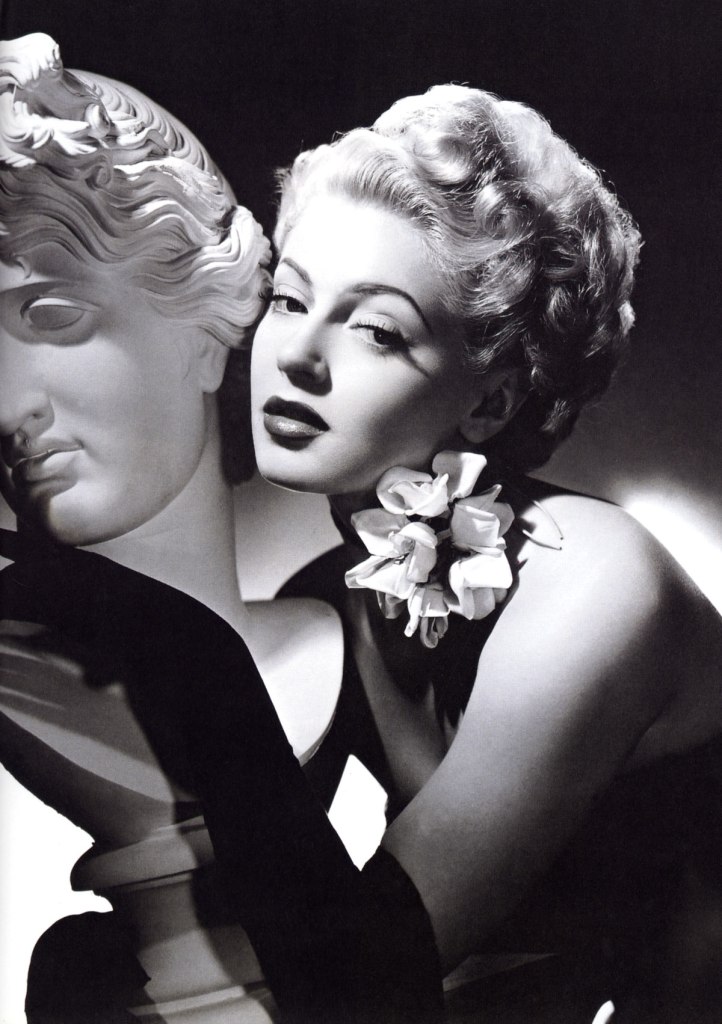
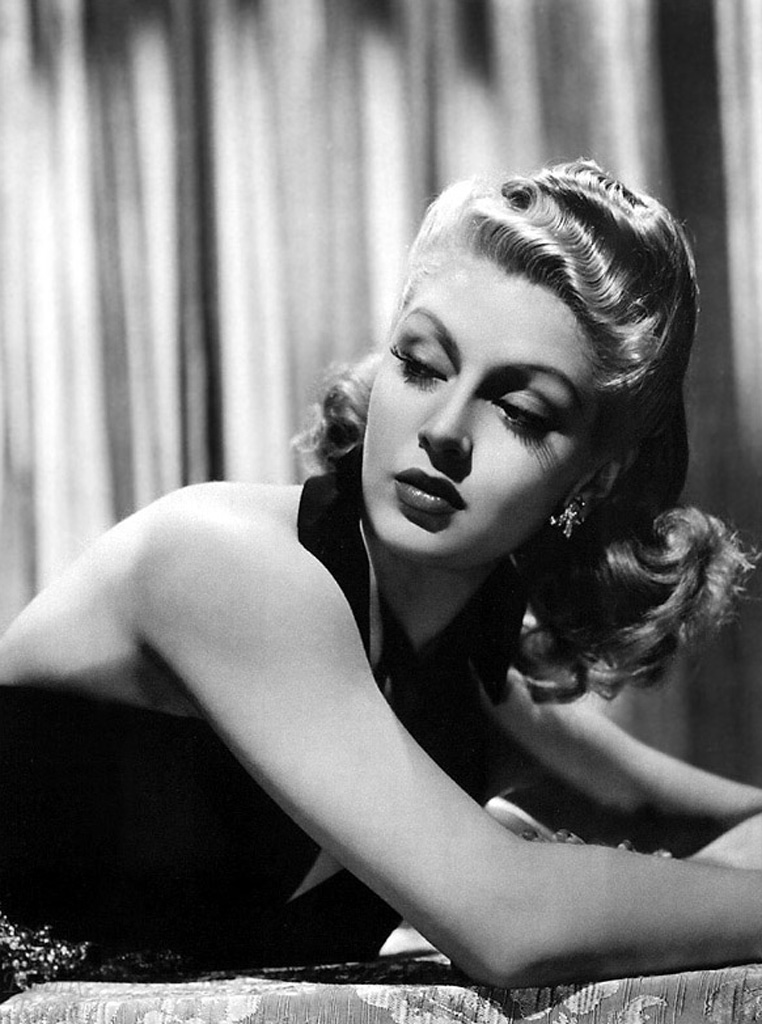
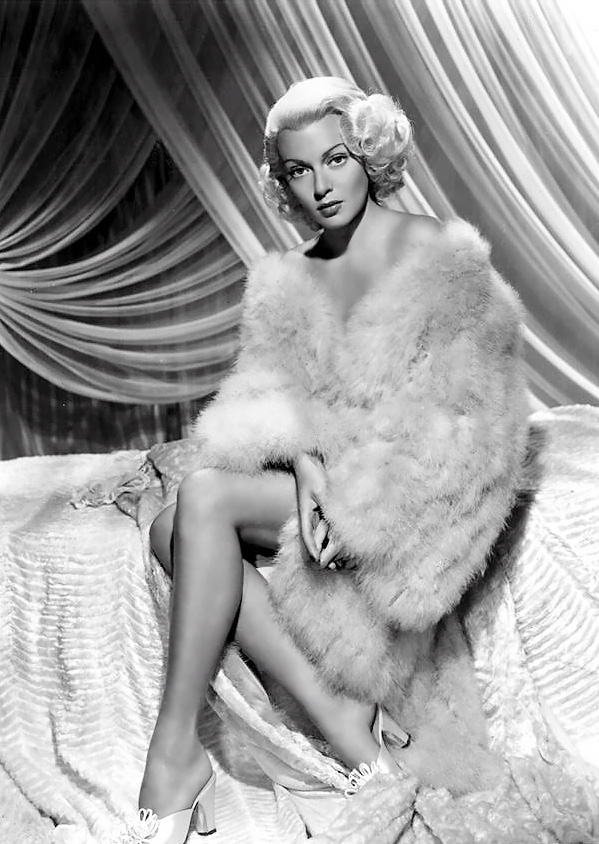
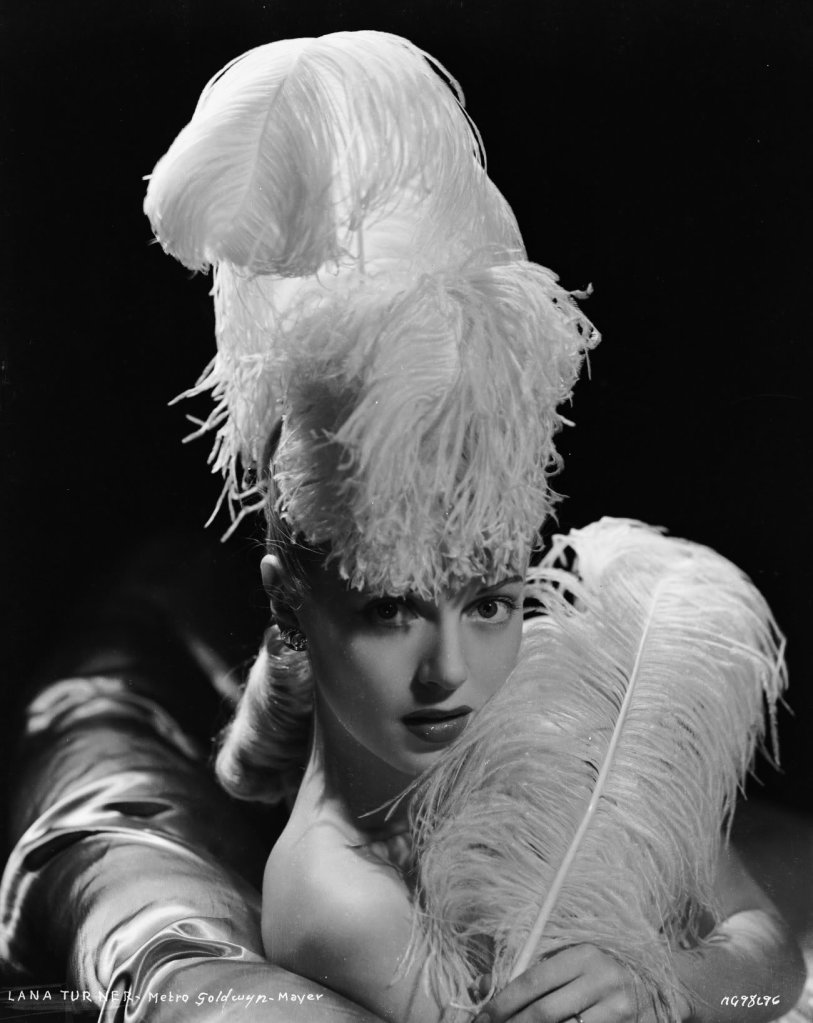
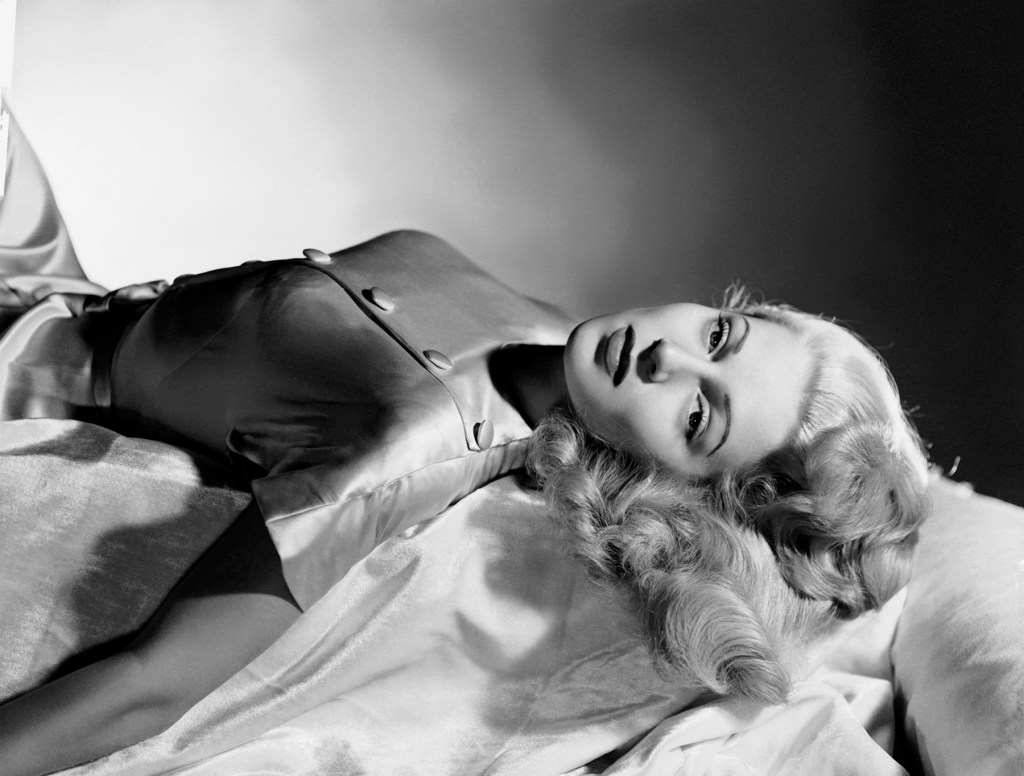
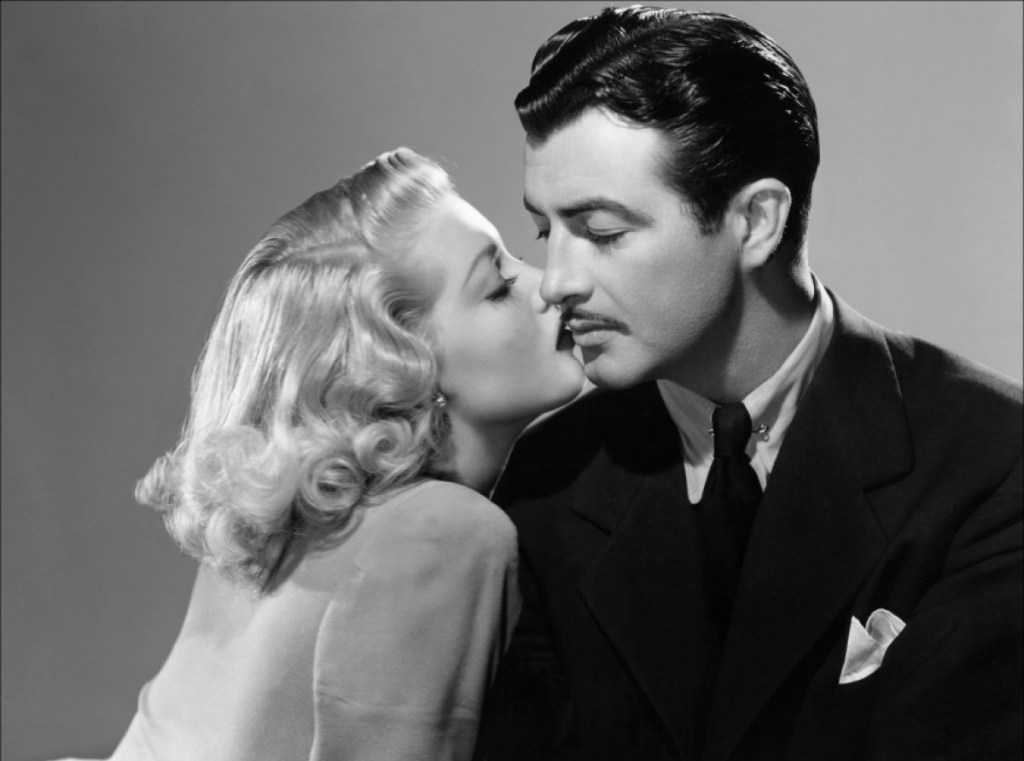
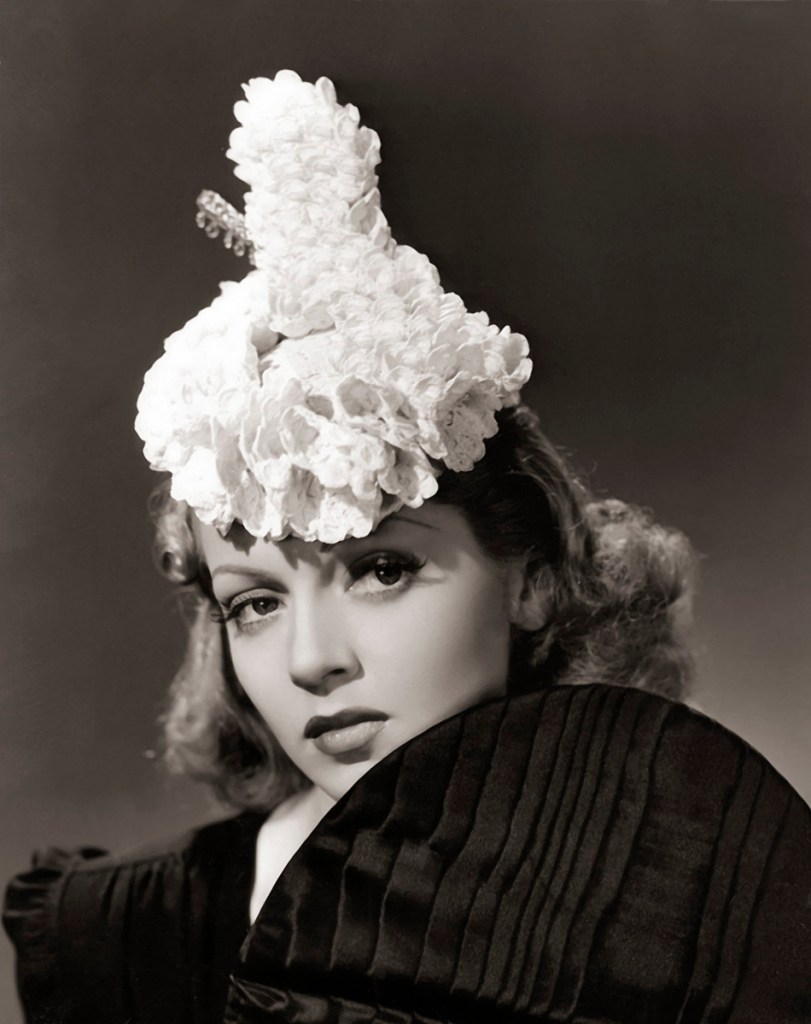
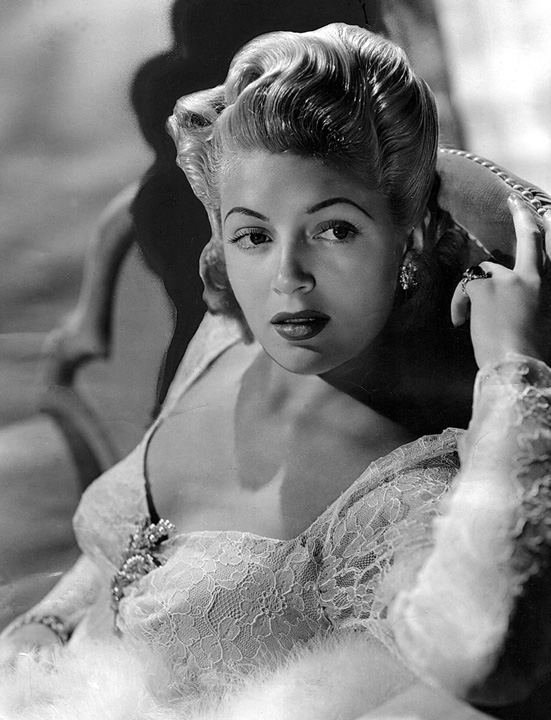
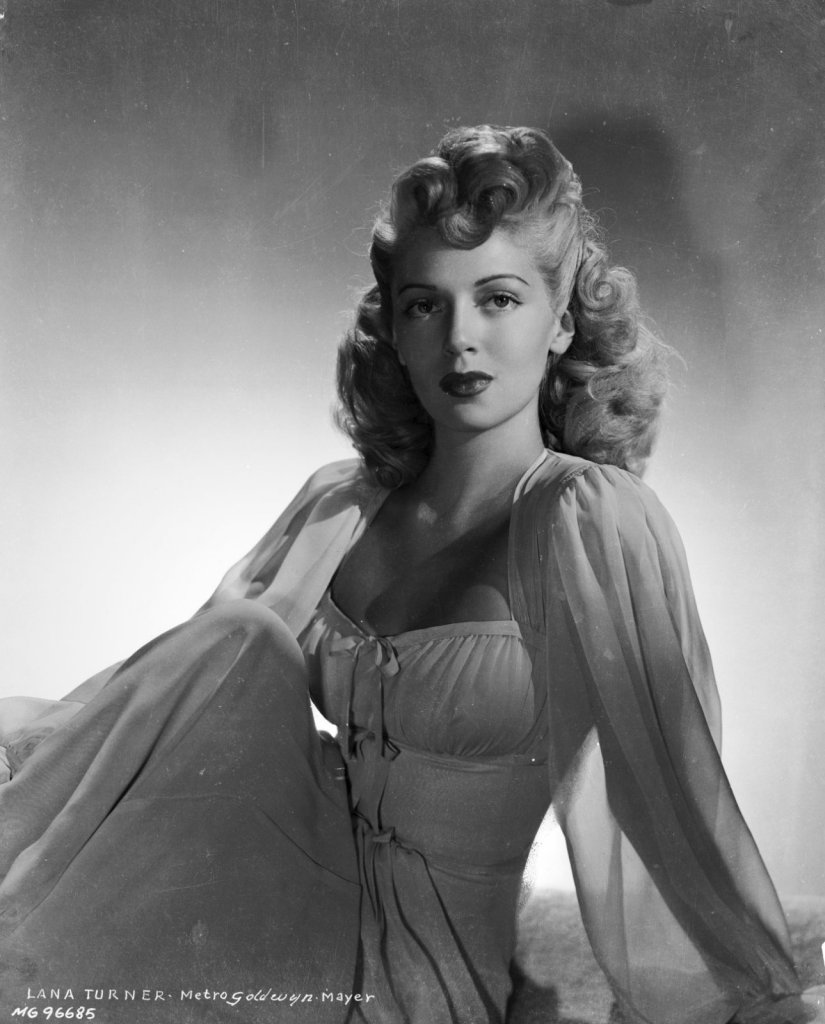
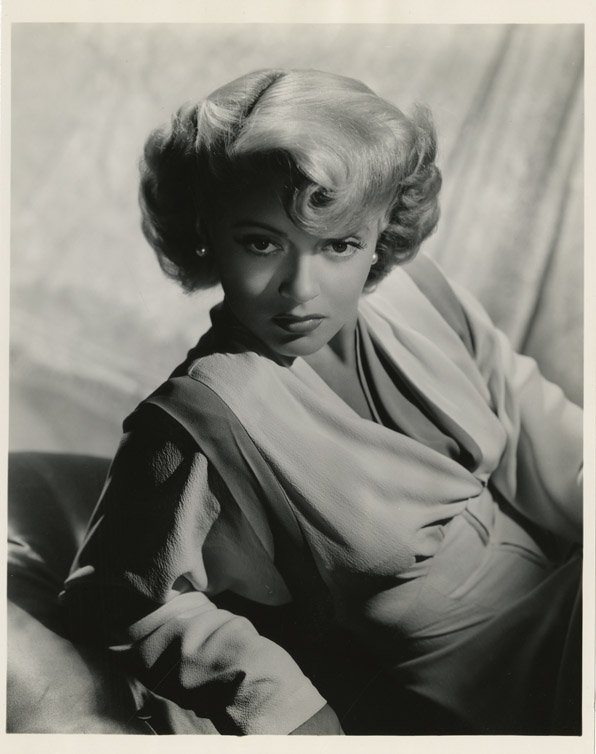
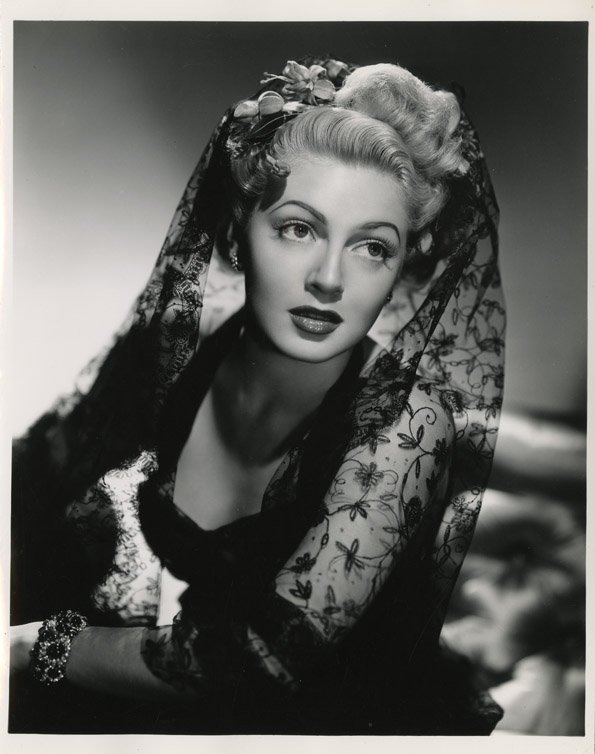
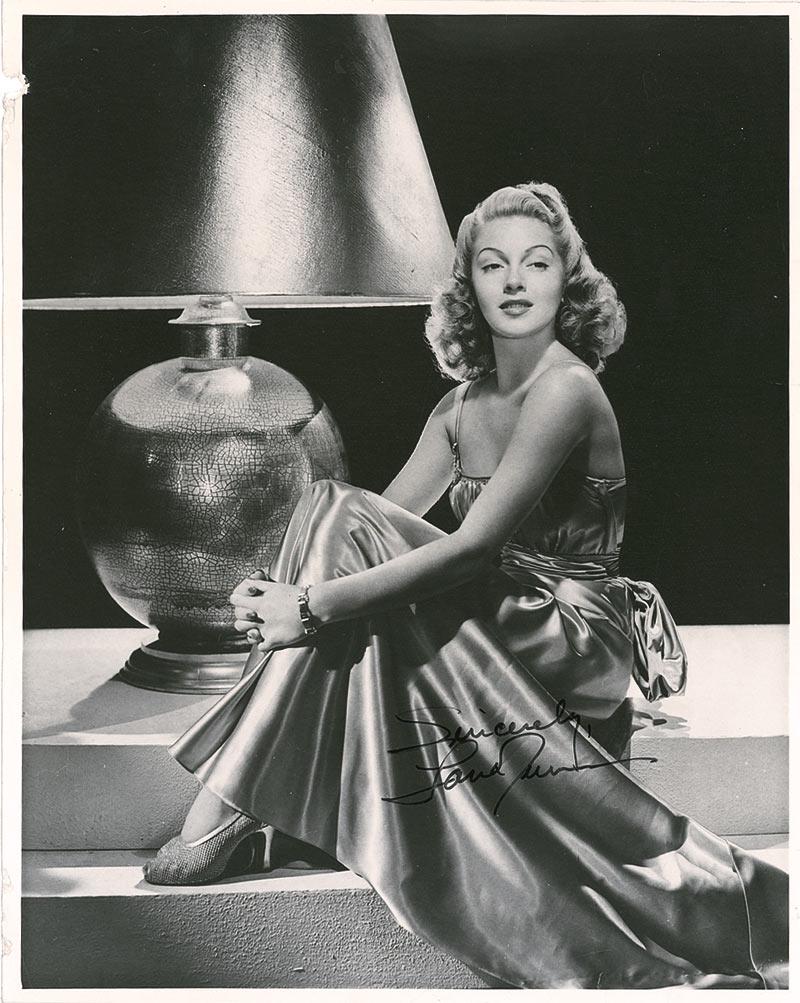
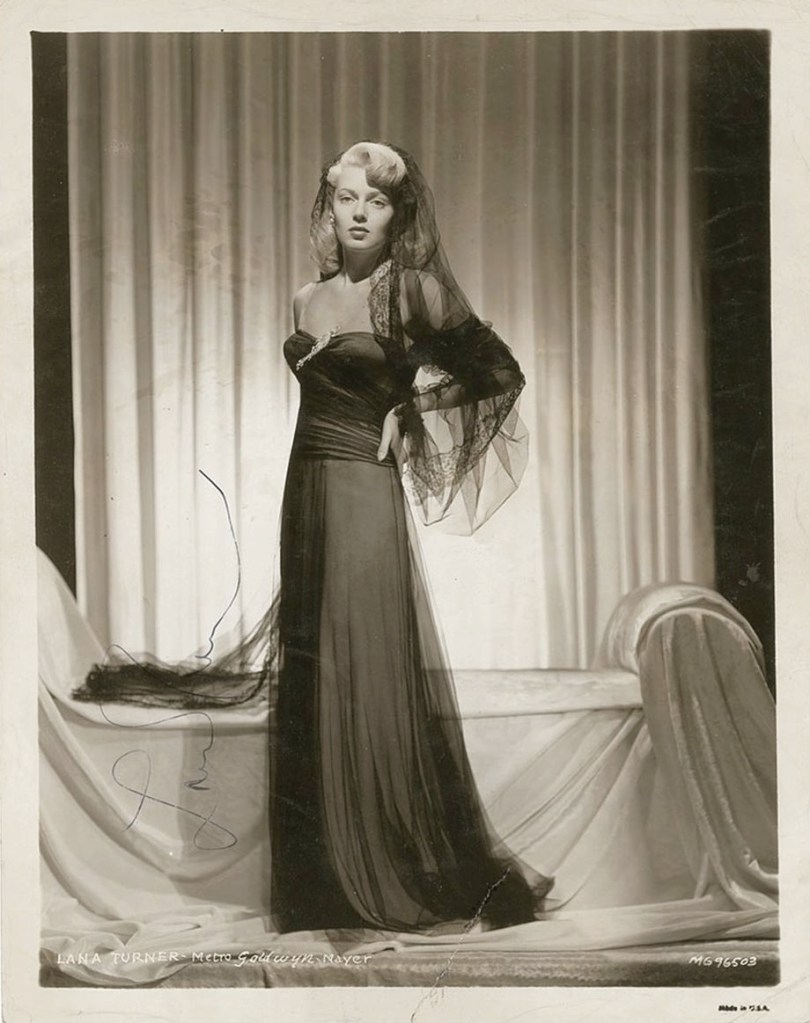
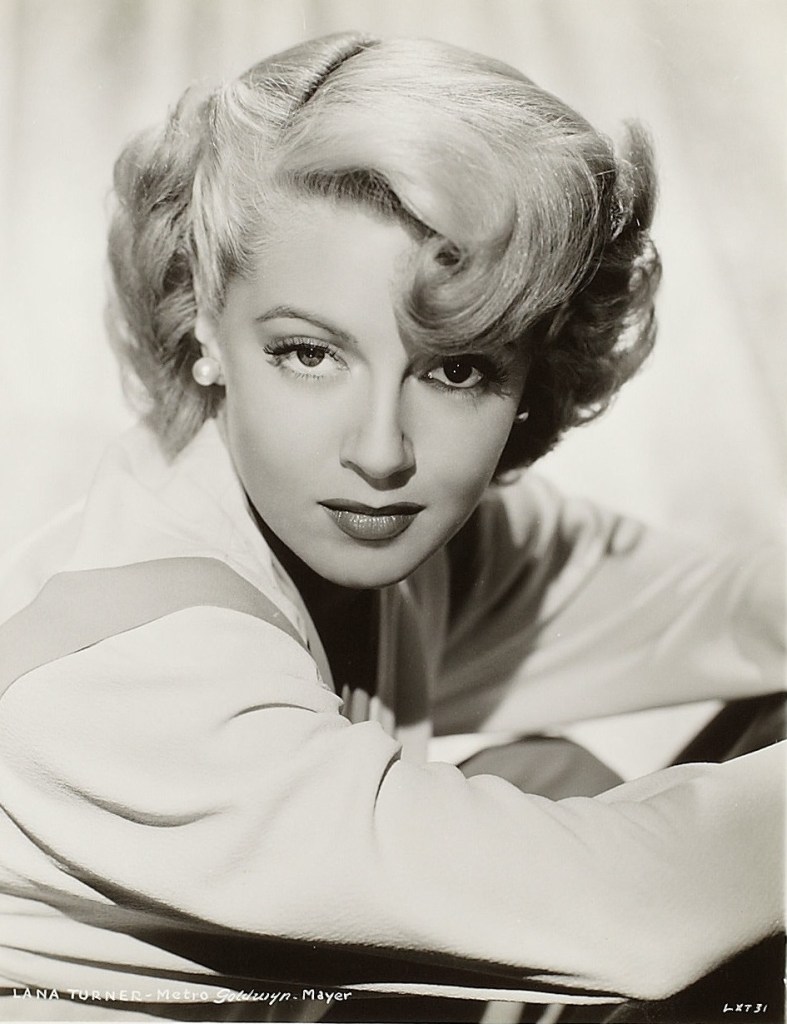
Lana Turner had an acting ability that belied the “Sweater Girl” image MGM thrust upon her, and even many of her directors admitted that they knew she was capable of greatness (check out The Postman Always Rings Twice (1946)). Unfortunately, her private life sometimes overshadowed her professional accomplishments.
Lana Turner was born Julia Jean Mildred Francis Turner in Wallace, Idaho. There is some discrepancy as to whether her birth date is February 8, 1920 or 1921. Lana herself said in her autobiography that she was one year younger (1921) than the records showed, but then this was a time where women, especially actresses, tended to “fib” a bit about their age. Most sources agree that 1920 is the correct year of birth. Her parents were Mildred Frances (Cowan) and John Virgil Turner, a miner, both still in their teens when she was born. In 1929, her father was murdered and it was shortly thereafter her mother moved her and the family to California where jobs were “plentiful”. Once she matured into a beautiful young woman, she went after something that would last forever: stardom. She wasn’t found at a drug store counter, like some would have you believe, but that legend persists. She pounded the pavement as other would-be actors and actresses have done, are doing and will continue to do in search of movie roles.
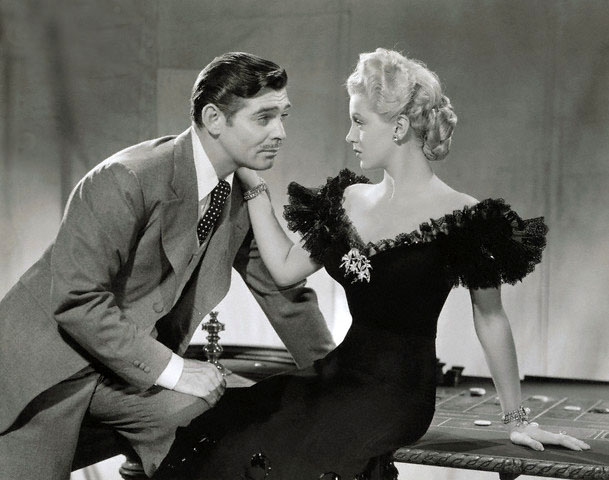
In 1937, Lana entered the movie world, at 17, with small parts in They Won’t Forget (1937), The Great Garrick (1937) and A Star Is Born (1937). These films didn’t bring her a lot of notoriety, but it was a start. In 1938 she had another small part in Love Finds Andy Hardy (1938) starring Mickey Rooney. It was this film that made young men’s hearts all over America flutter at the sight of this alluring and provocative young woman–known as the “Sweater Girl”–and one look at that film could make you understand why: she was one of the most spectacularly beautiful newcomers to grace the screen in years. By the 1940s Lana was firmly entrenched in the film business. She had good roles in such films as Johnny Eager (1941), Somewhere I’ll Find You (1942) and Week-End at the Waldorf (1945). If her career was progressing smoothly, however, her private life was turning into a train wreck, keeping her in the news in a way no one would have wanted.
Without a doubt her private life was a threat to her public career. She was married eight times, twice to Stephen Crane. She also married Ronald Dante, Robert Eaton, Fred May, Lex Barker, Henry Topping and bandleader Artie Shaw. She also battled alcoholism. In yet another scandal, her daughter by Crane, Cheryl Crane, fatally stabbed Lana’s boyfriend, gangster Johnny Stompanato, in 1958. It was a case that would have rivaled the O.J. Simpson murder case. Cheryl was acquitted of the murder charge, with the jury finding that she had been protecting her mother from Stompanato, who was savagely beating her, and ruled it justifiable homicide. These and other incidents interfered with Lana’s career, but she persevered. The release of Imitation of Life (1959), a remake of a 1934 film (Imitation of Life (1934)), was Lana’s comeback vehicle. Her performance as Lora Meredith was flawless as an actress struggling to make it in show business with a young daughter, her housekeeper and the housekeeper’s rebellious daughter. The film was a box-office success and proved beyond a doubt that Lana had not lost her edge.
By the 1960s, however, fewer roles were coming her way with the rise of new and younger stars. She still managed to turn in memorable performances in such films as Portrait in Black (1960) and Bachelor in Paradise (1961). By the next decade the roles were coming in at a trickle. Her last appearance in a big-screen production was in Witches’ Brew (1980). Her final film work came in the acclaimed TV series Falcon Crest (1981) in which she played Jacqueline Perrault from 1982-1983. After all those years as a sex symbol, nothing had changed–Lana was still as beautiful as ever. She died June 25, 1995, in Culver City, California, after a long bout with cancer. She was 75 years old.