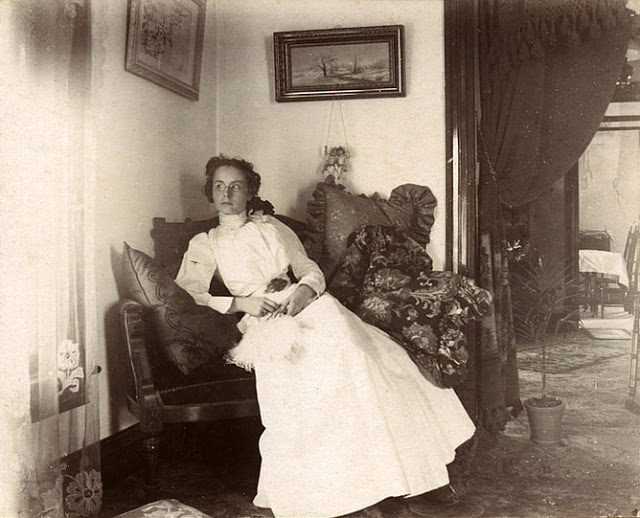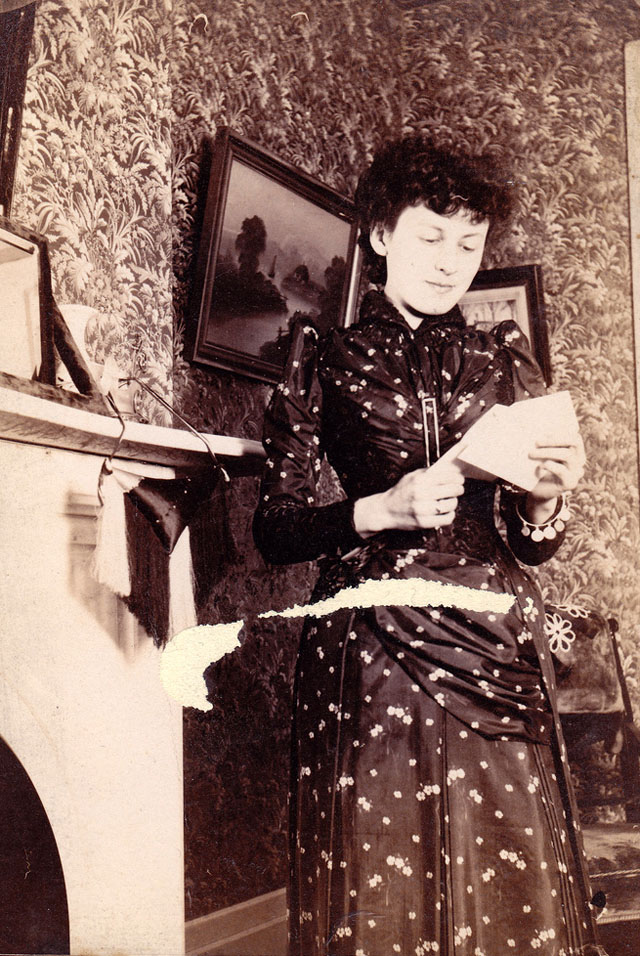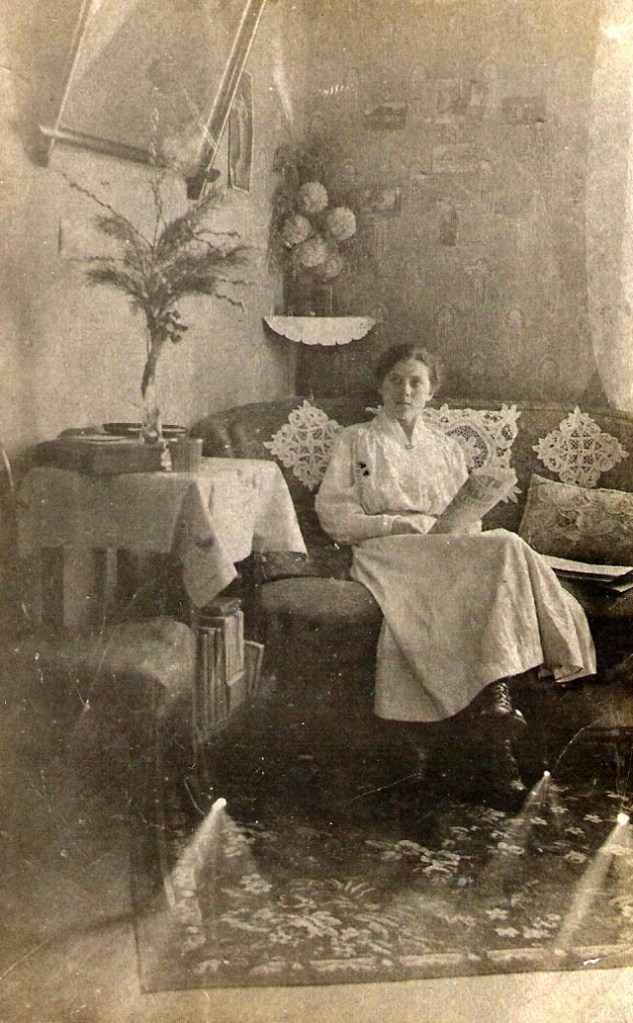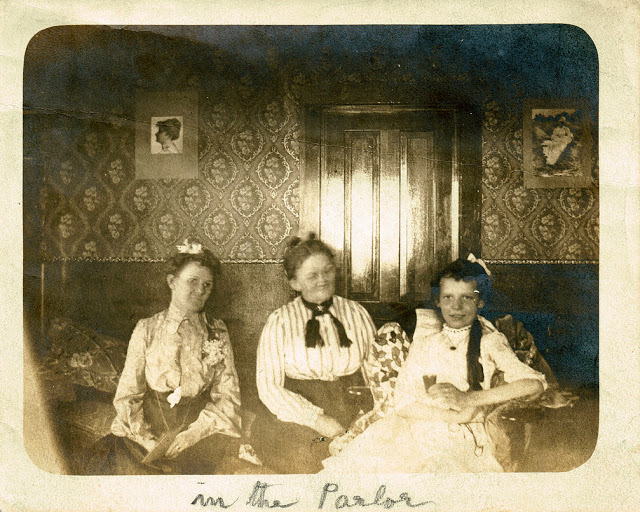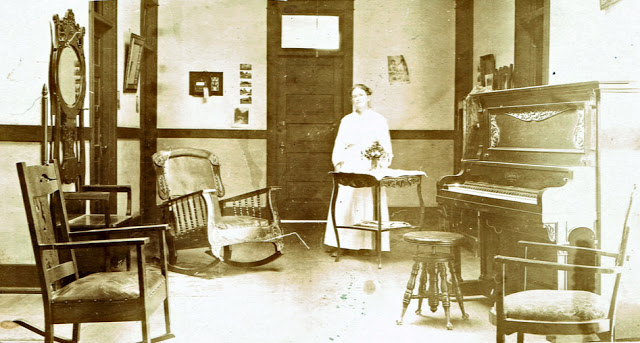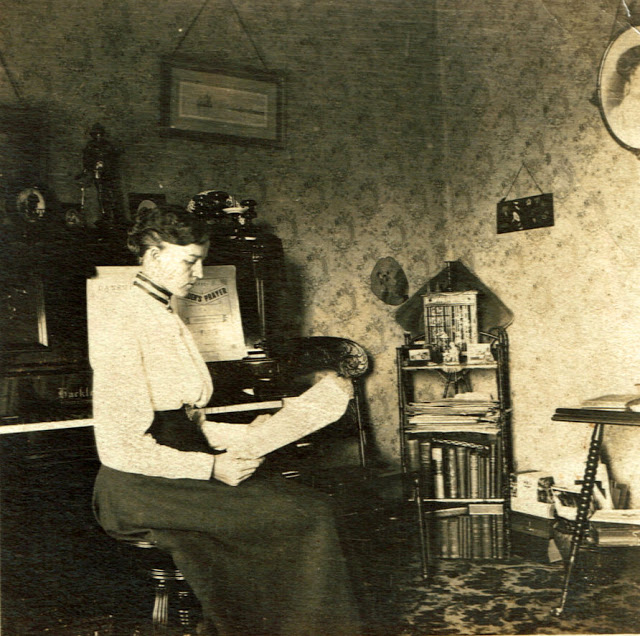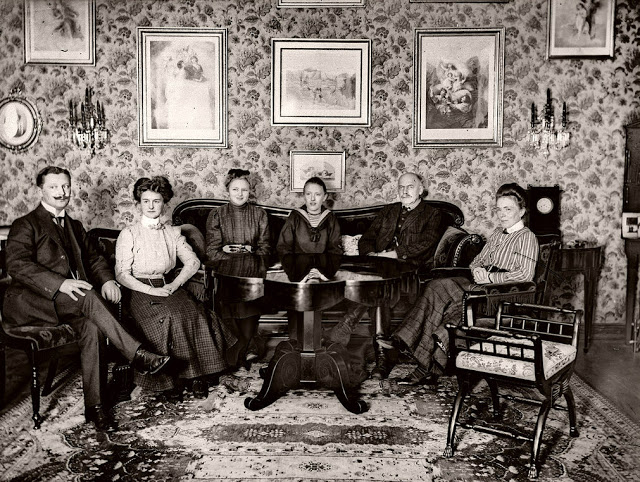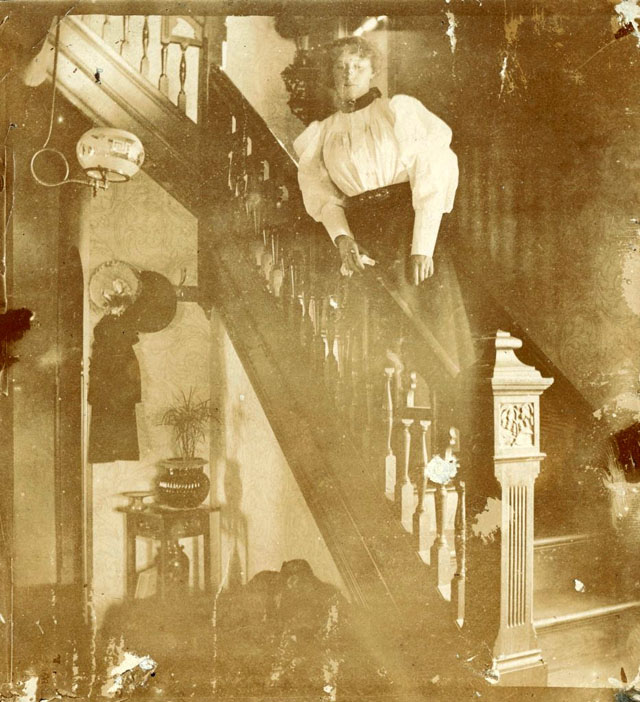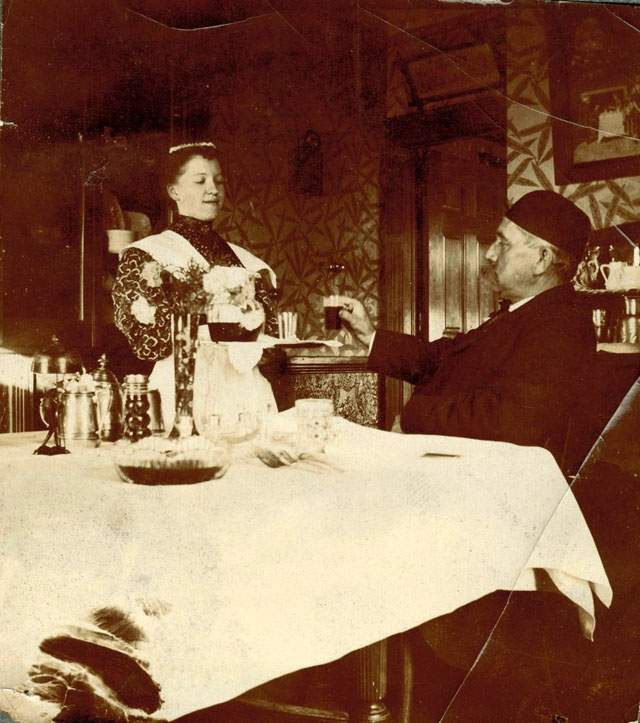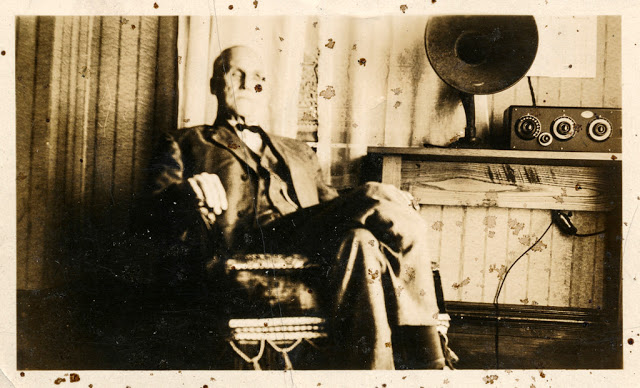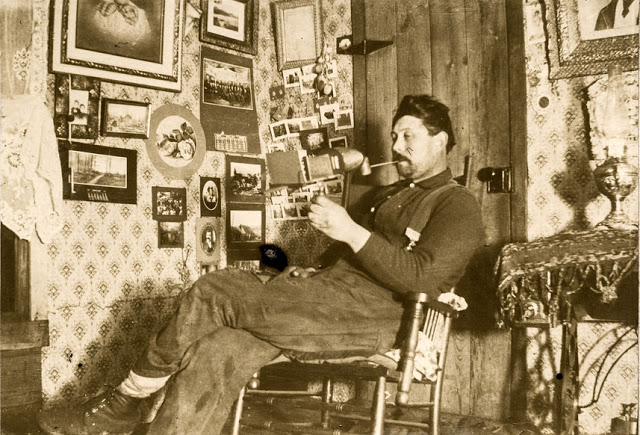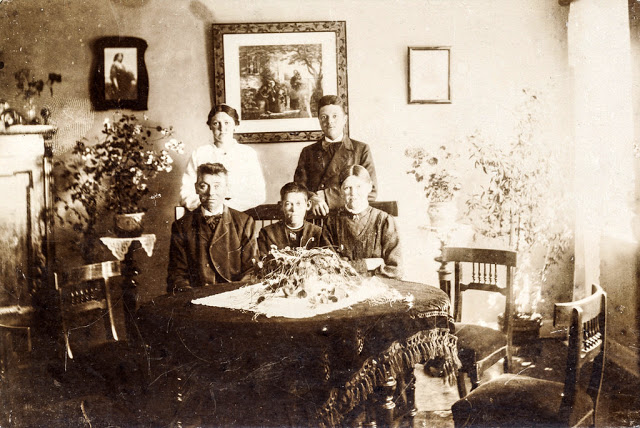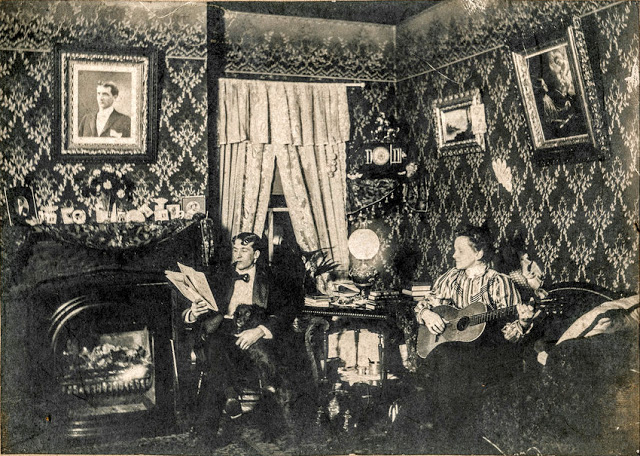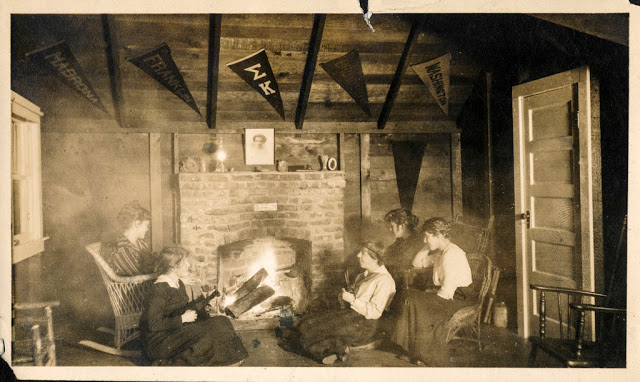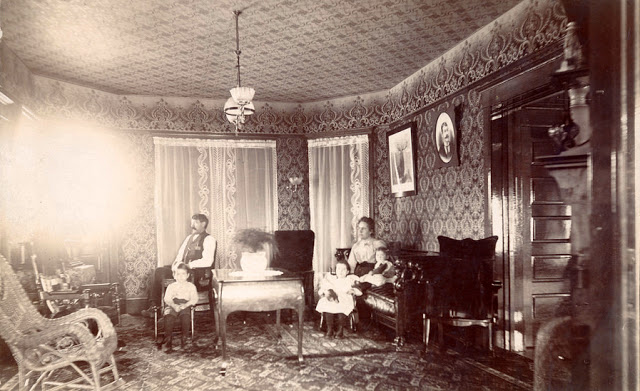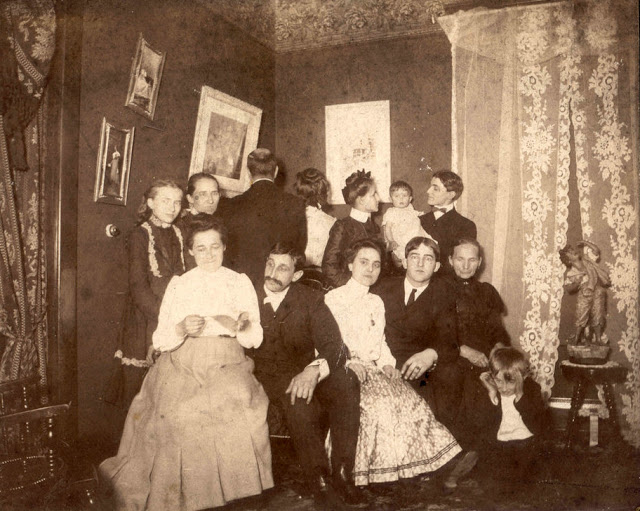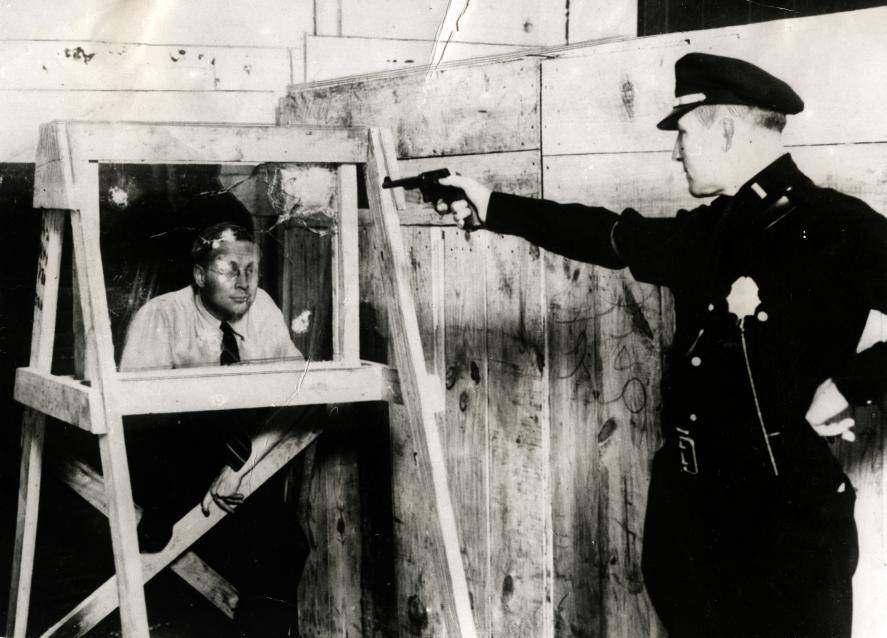
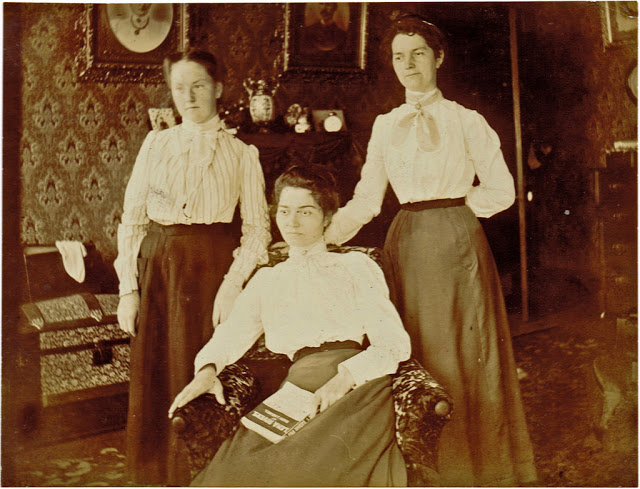
38 Amazing Photos Showing Everyday Life of People in Their Houses during the Victorian and Edwardian Eras

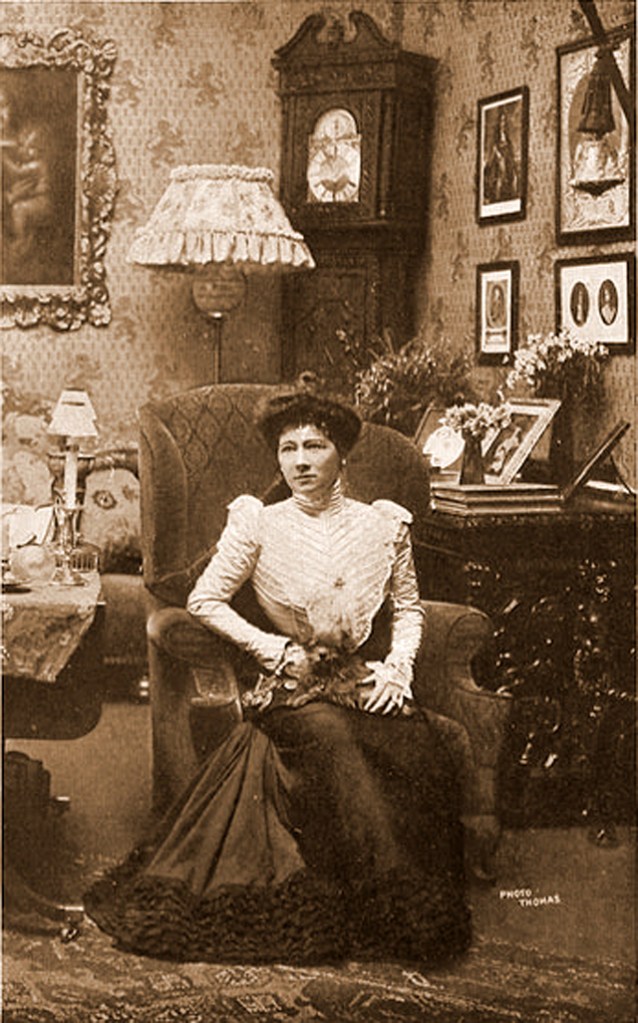
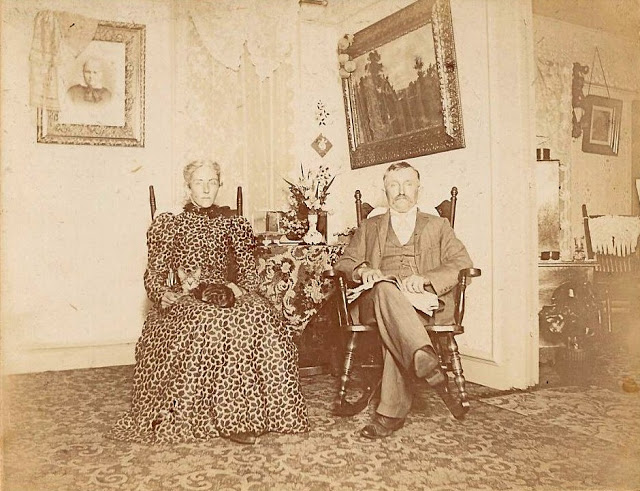
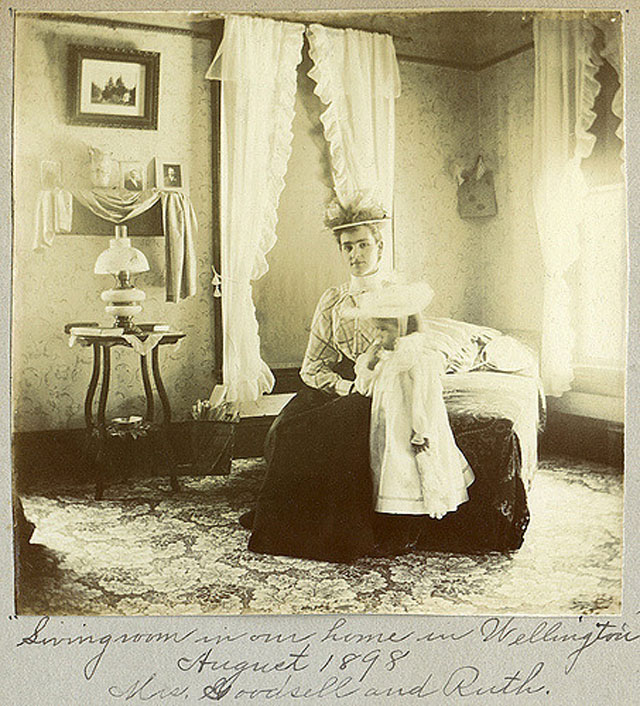
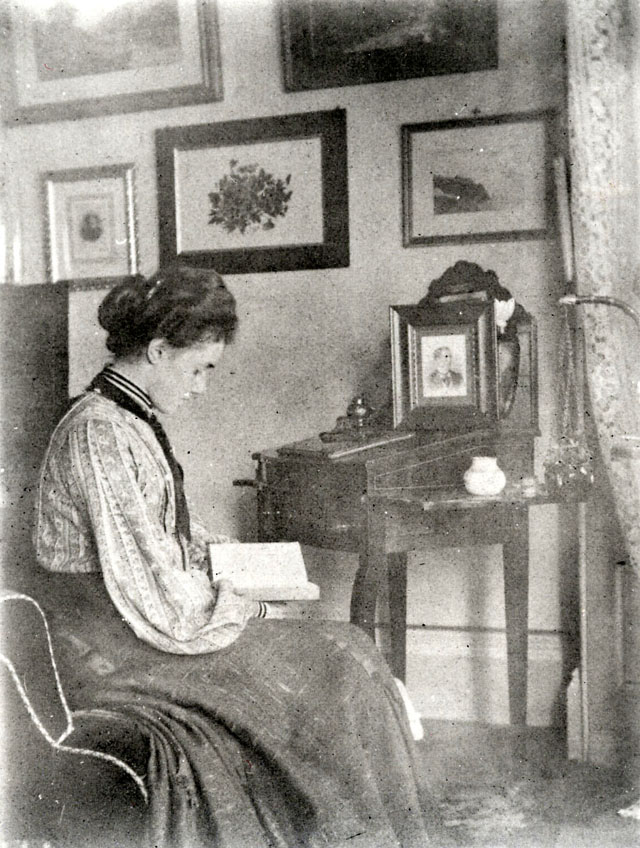
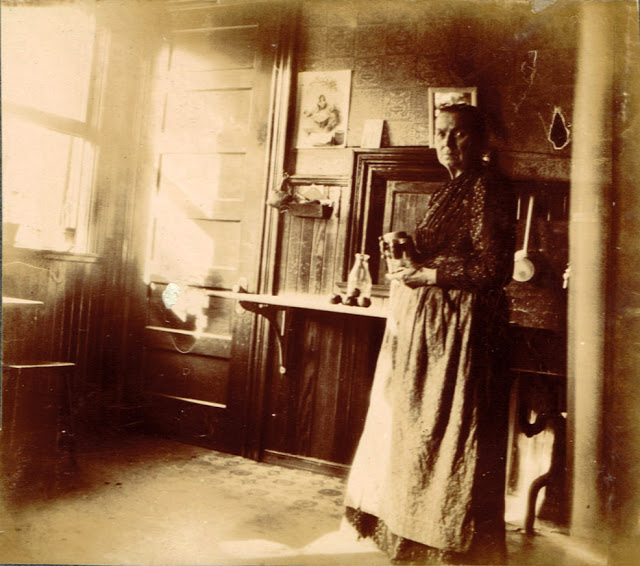
The economic transformations of the Industrial Revolution in the 19th century brought about further changes in men’s and women’s roles. Work was less likely to be done in the home, as fewer and fewer Americans lived on farms, and men left the home to work in offices and factories. Men assumed sole responsibility for the financial support of the family, becoming the breadwinners, a term coined in the early 19th century. Married women were not supposed to work for wages, and were considered too pure and innocent to be out in the working world. Women were supposed to devote themselves to domestic duties, and children were seen as young innocents who needed a mother’s protection. Fathers had less and less to do with raising their children.

Although the 19th-century ideal held that married women were not supposed to work, women did contribute to the family’s well-being. Wealthy women planned formal dinners, balls, and other social gatherings that were crucial to their husbands’ political and business success. Middle-class women sewed for what they called pin money, small amounts that frequently balanced the family budget. Married women in the middle and working classes took in boarders, sold hot lunches or pastries to neighbors, and saved money by doing their own baking, brewing, gardening, and other chores. It was also common in middle- and working-class families for sons to be sent to school, while their teenage sisters supported this schooling by working in a factory, teaching in elementary schools, or taking in sewing. Such work was considered acceptable as long as it was either done in the house or by unmarried young women.

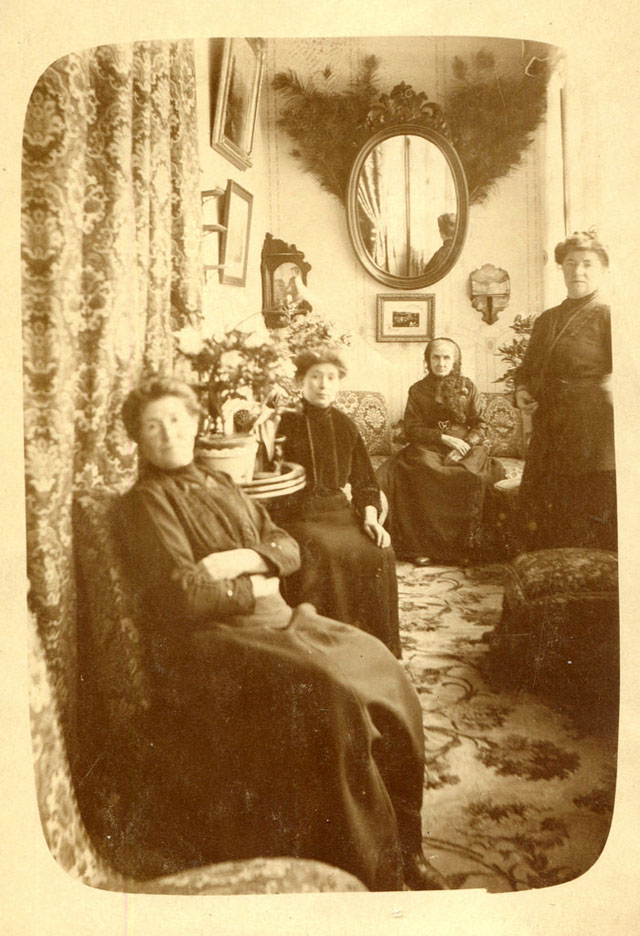
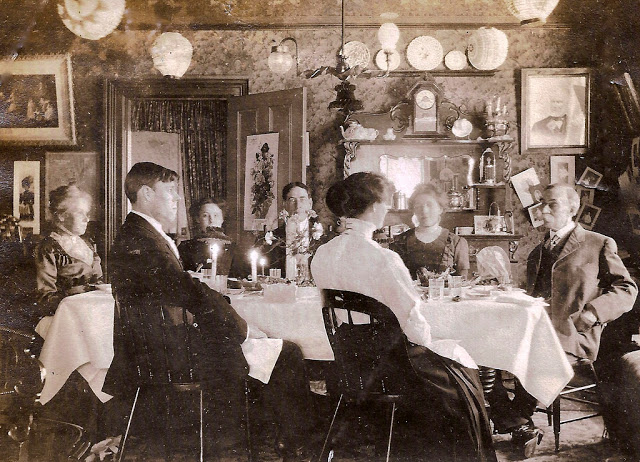
Many 19th-century American families did not fit into this nuclear family ideal, as it was expensive. High housing costs meant more people than just the nuclear family often lived under one roof. Extended families, including grandparents and other relatives, were most numerous in the mid-19th century. Immigrants clung to traditional extended-family forms, and poorer families often included grandparents, grandchildren, and sometimes aunts and uncles in order to maximize sources of income and save on rent.

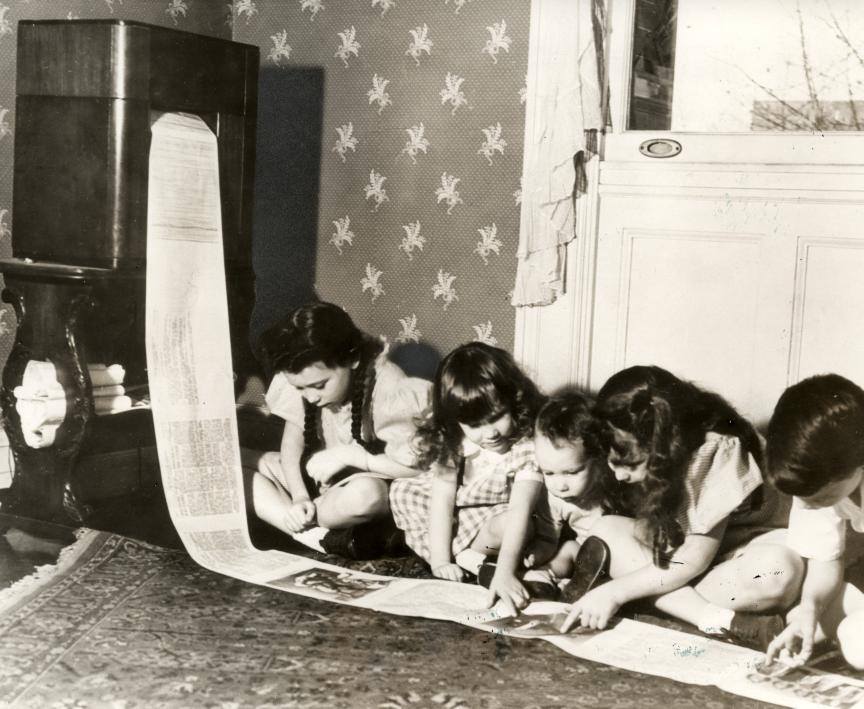
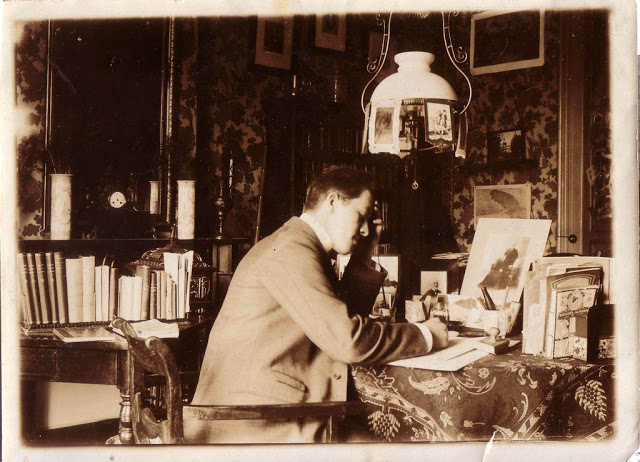
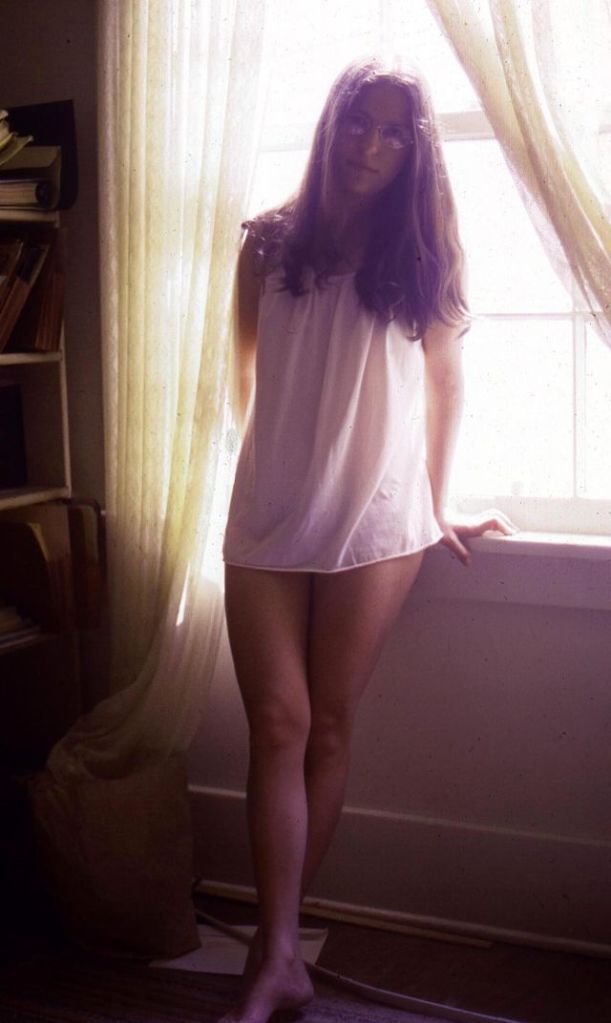
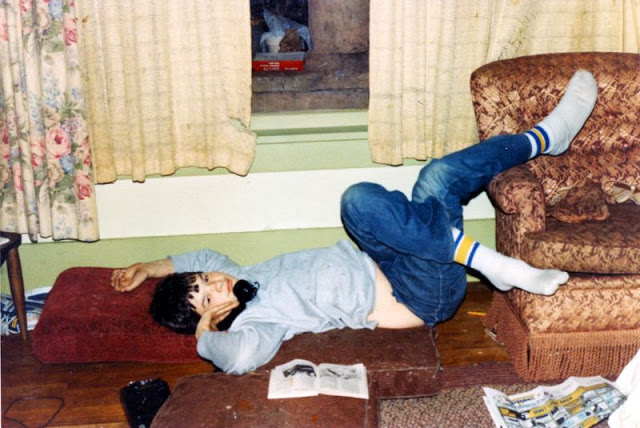
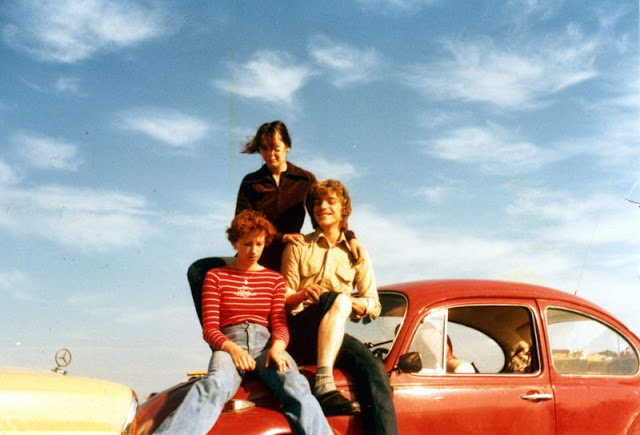
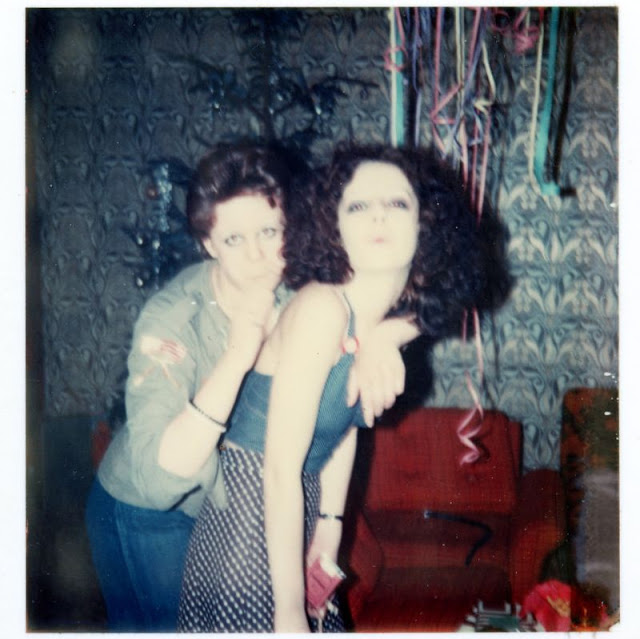
Check out these amazing photos below to see how did everyday life of people in their houses in the late 19th and early 20th centuries.

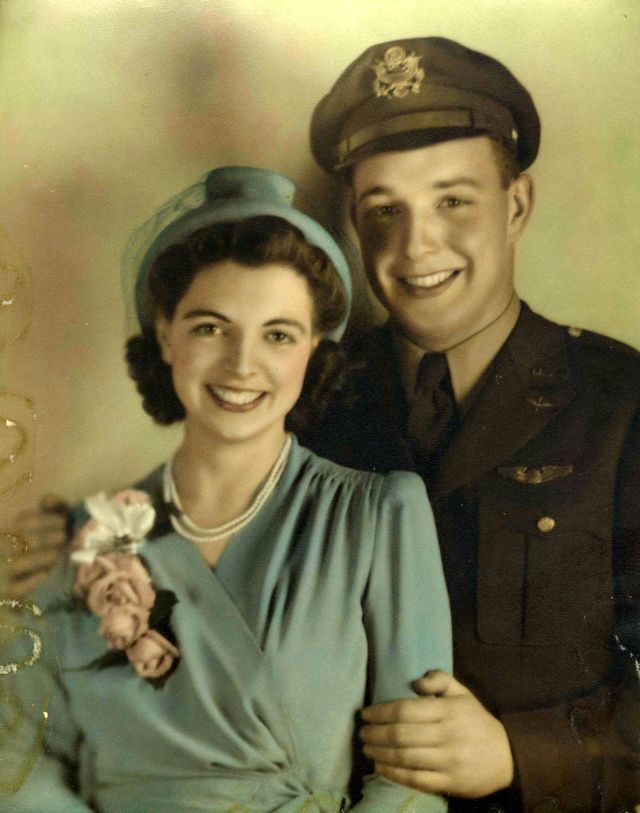
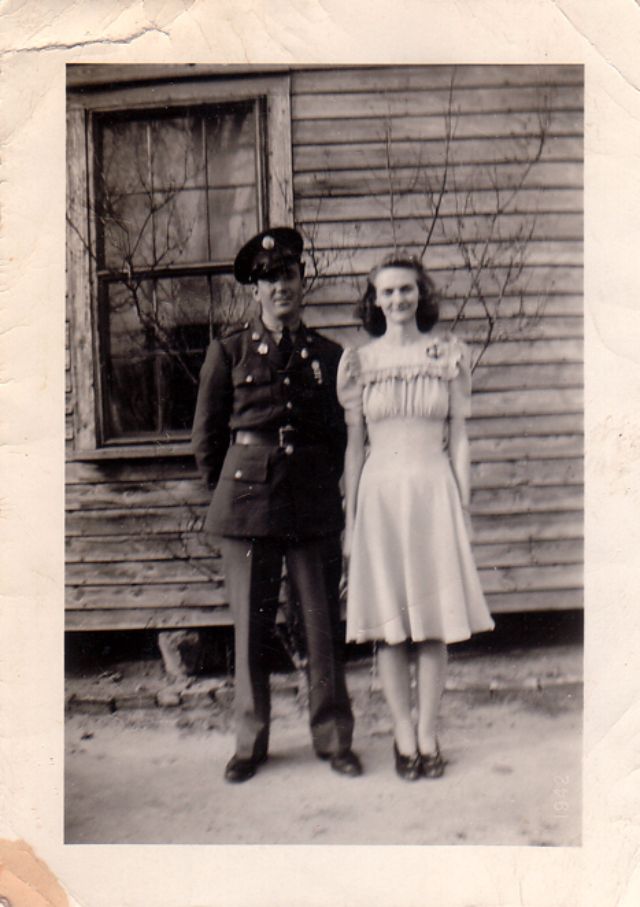
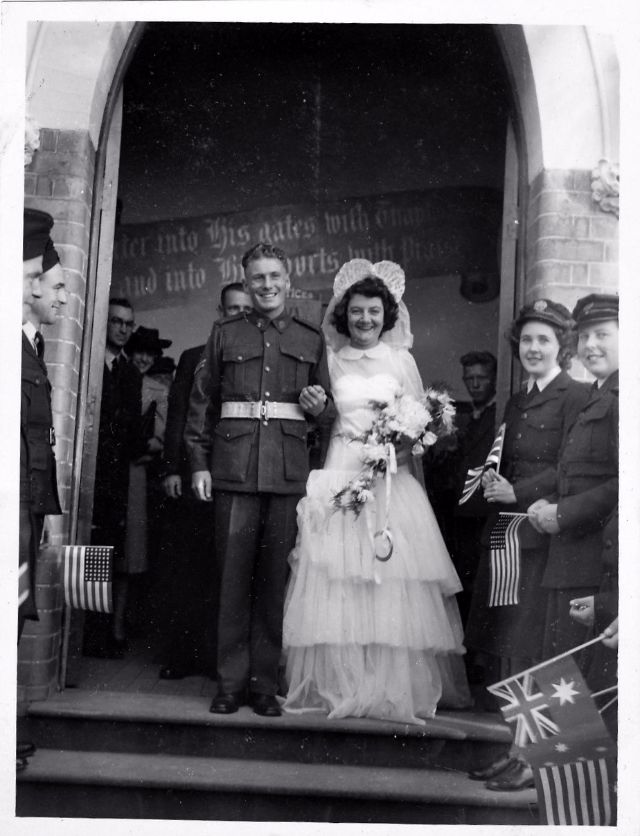
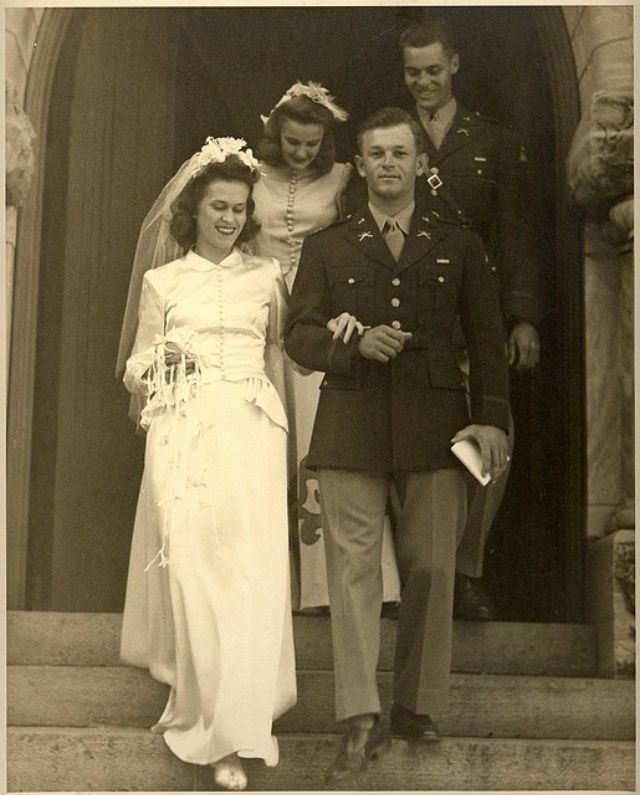
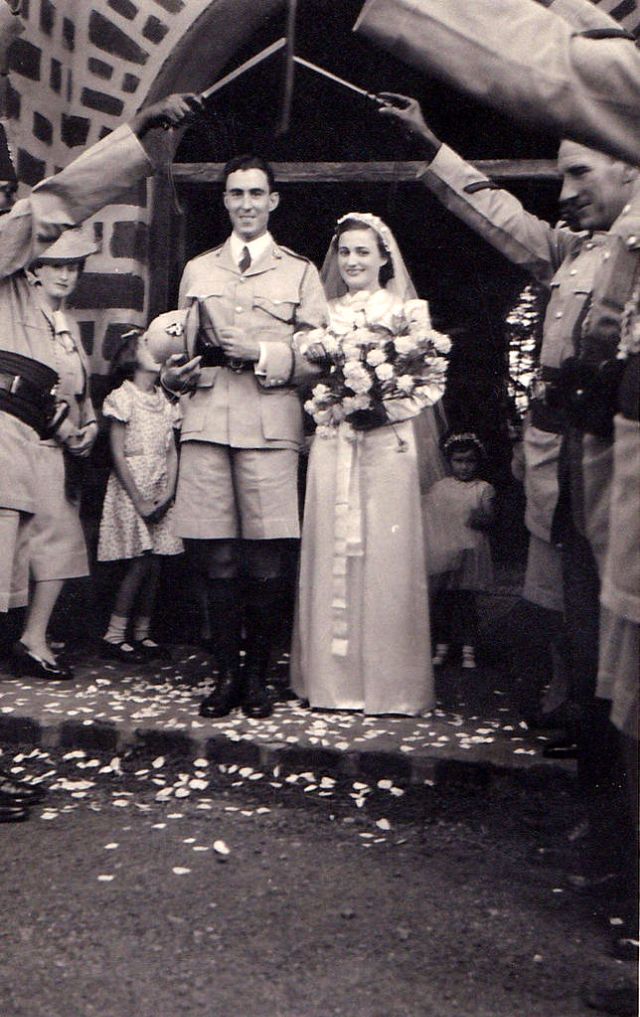
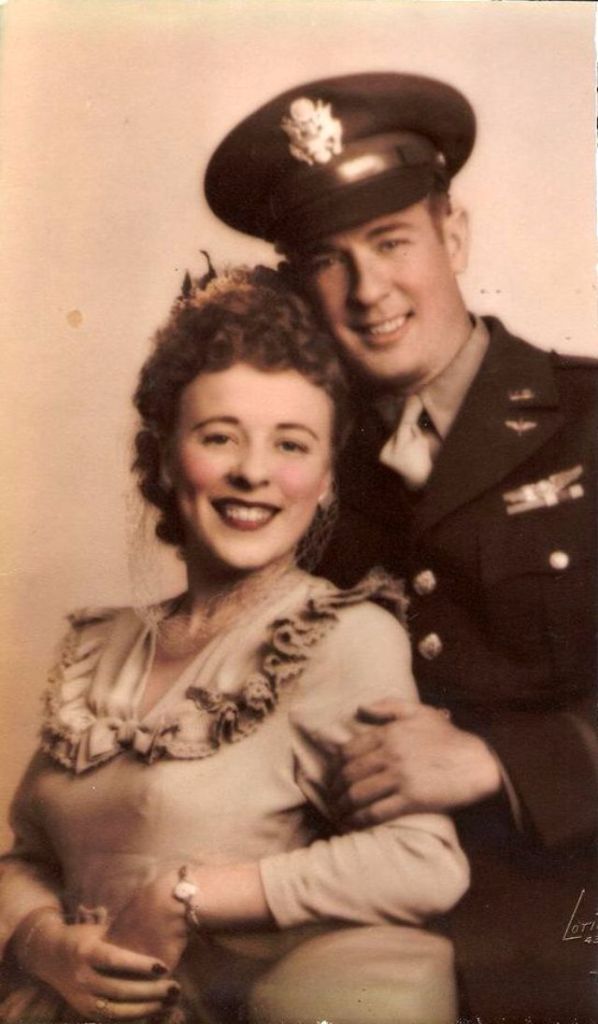
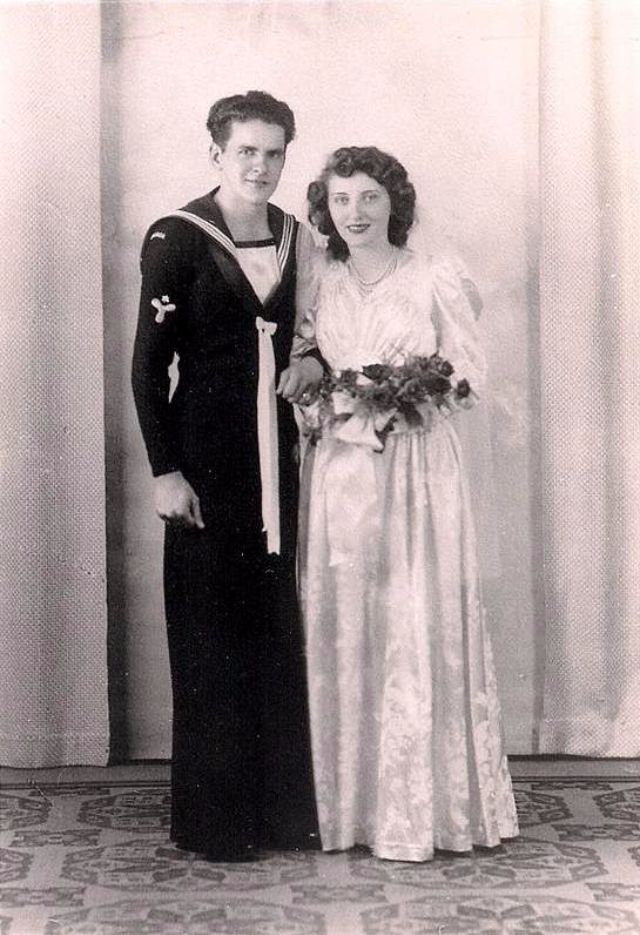
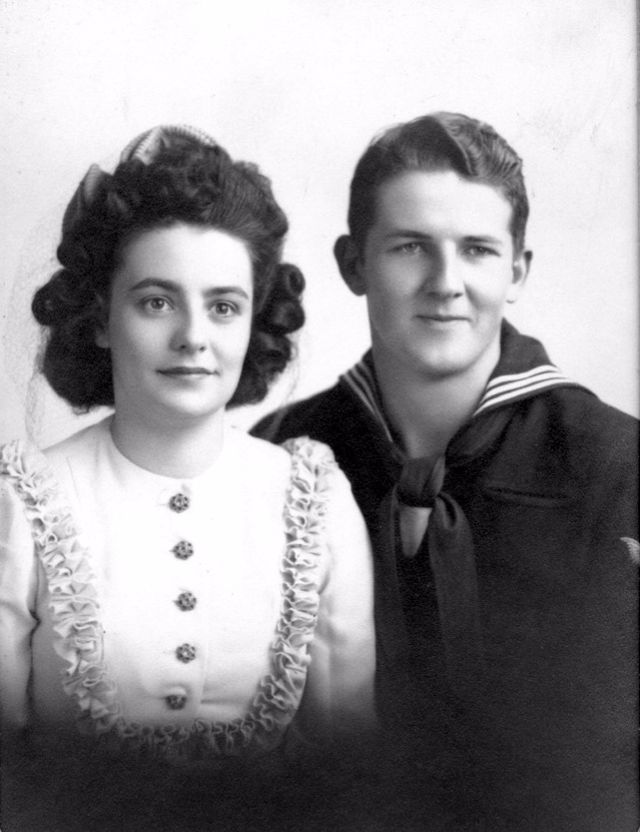
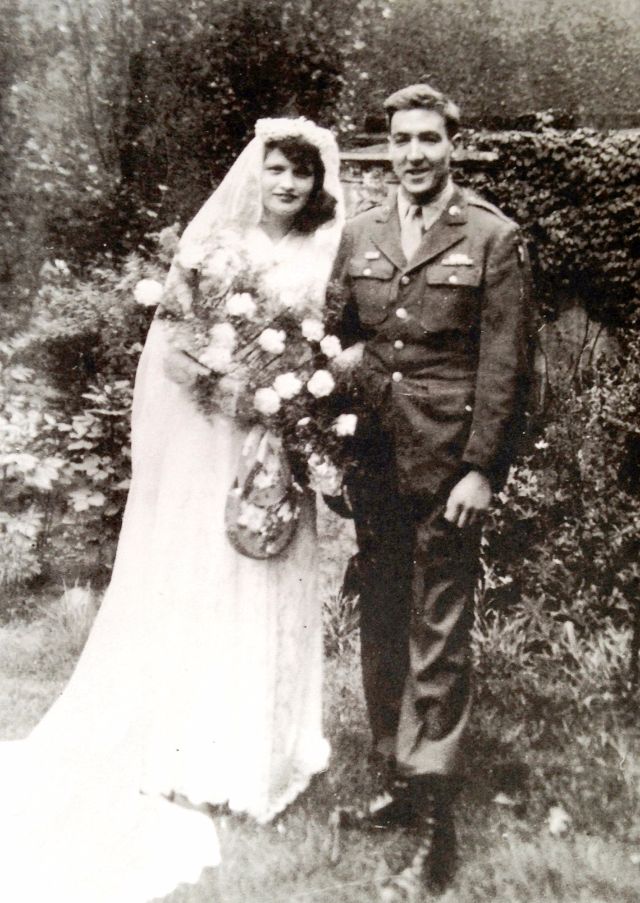
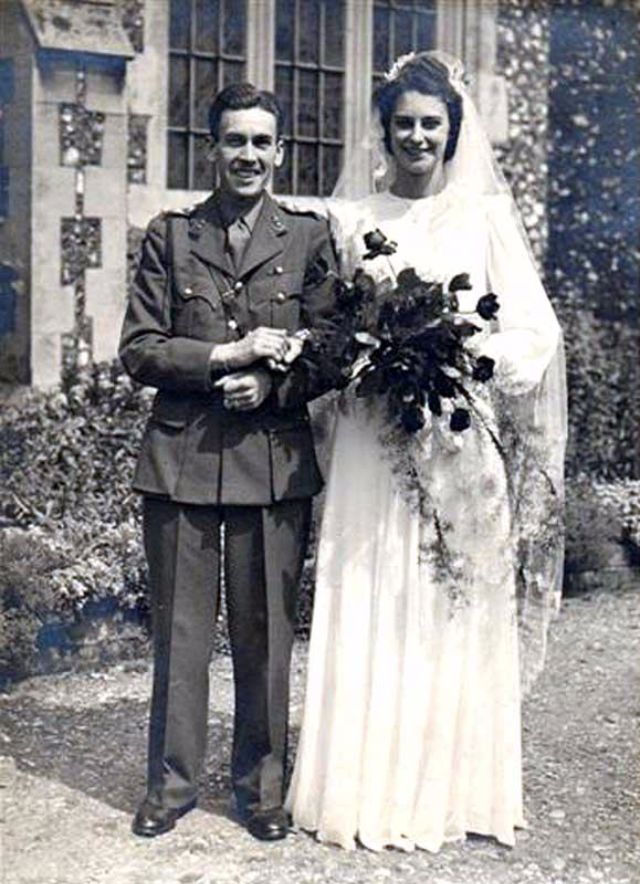
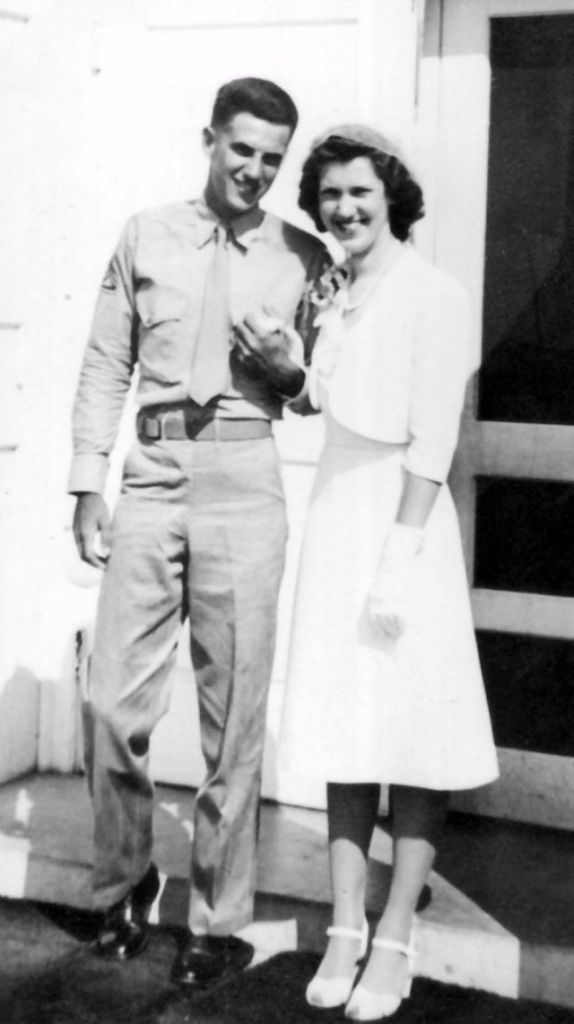
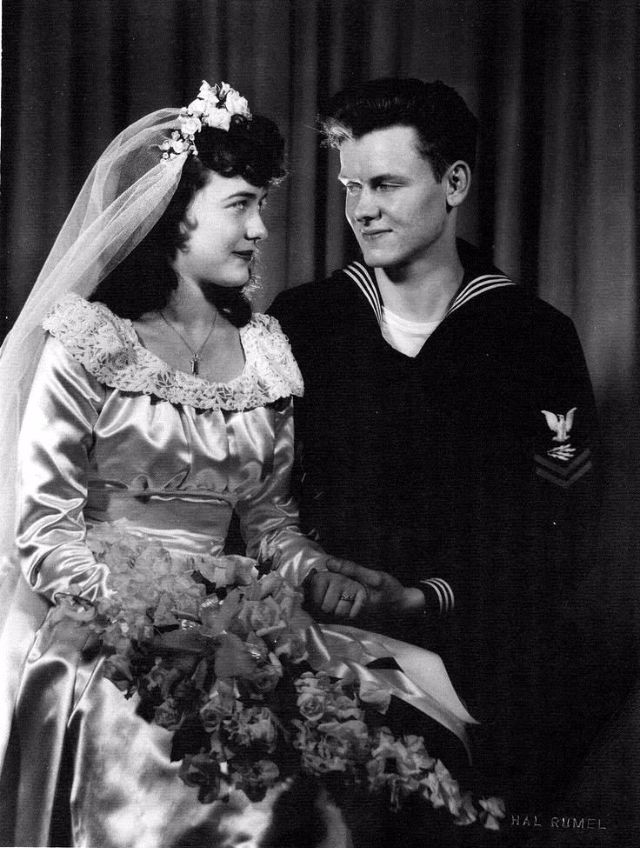
50 Amazing Vintage Photos Showing Wartime Weddings of Soldiers of World War 2

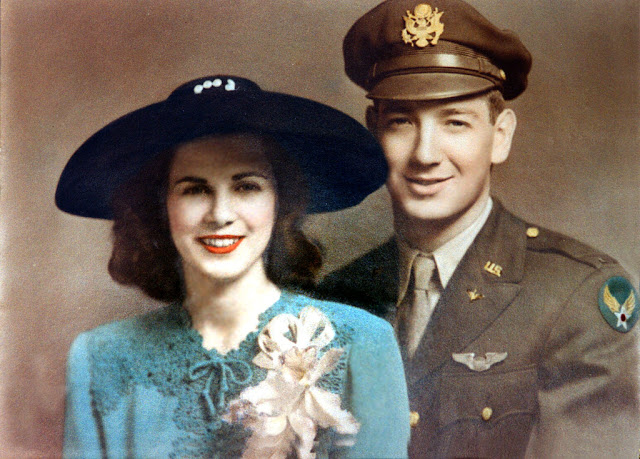
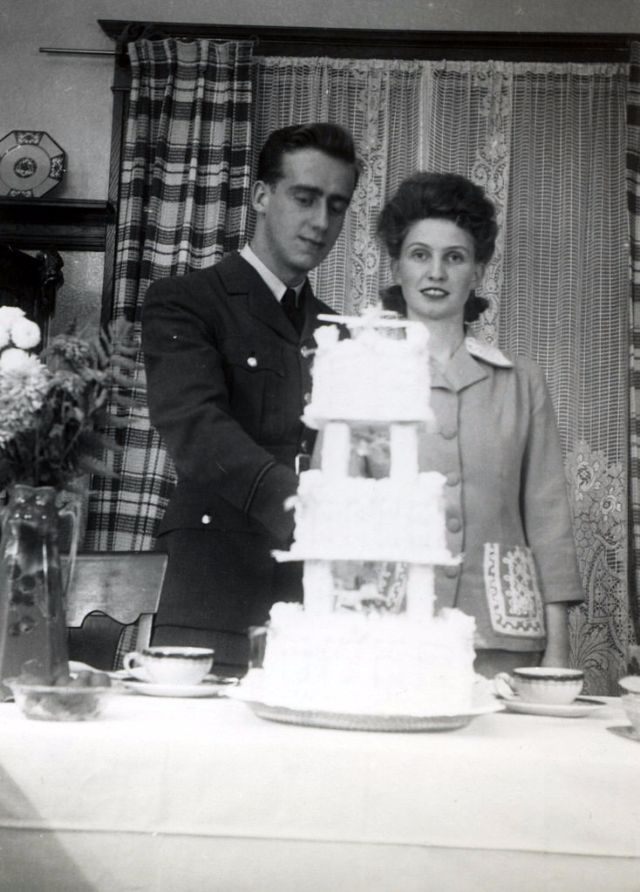
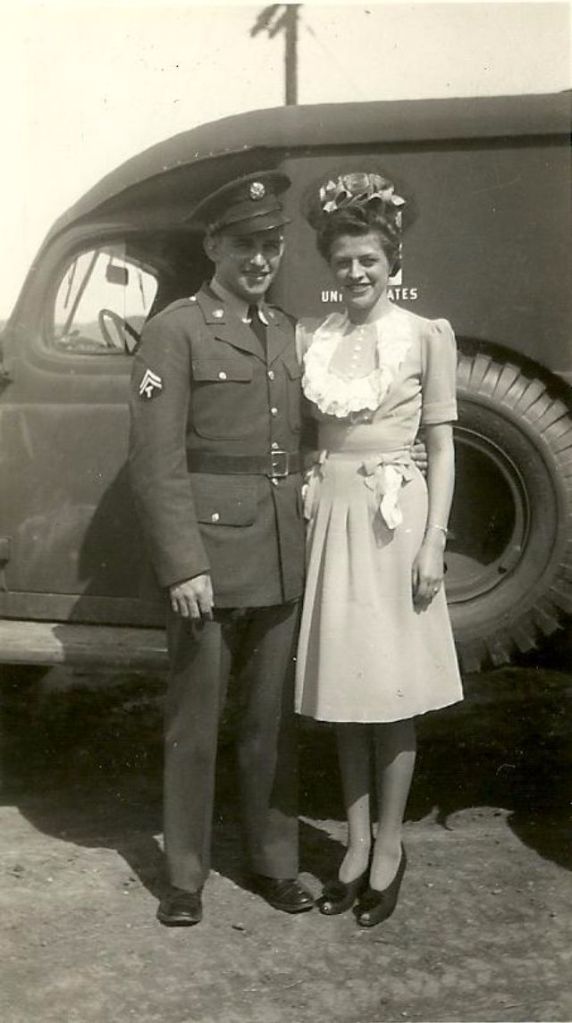
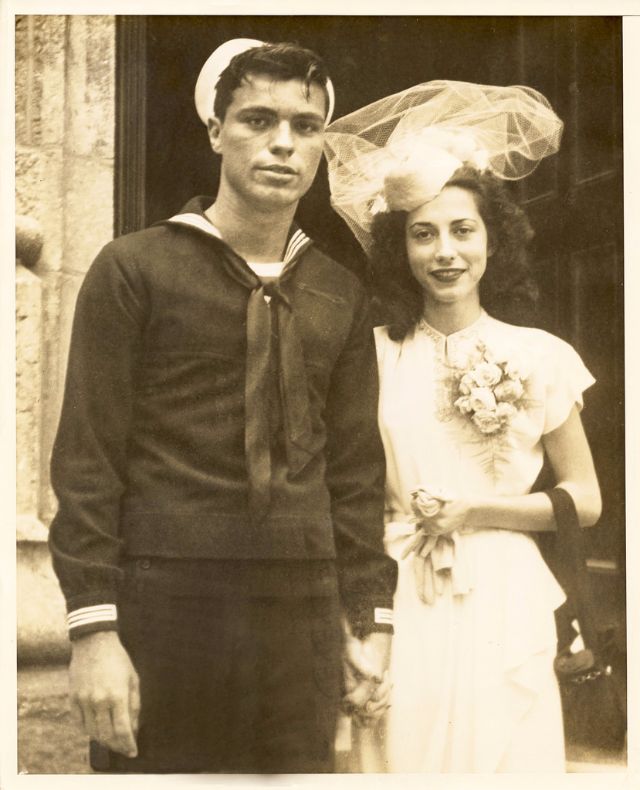
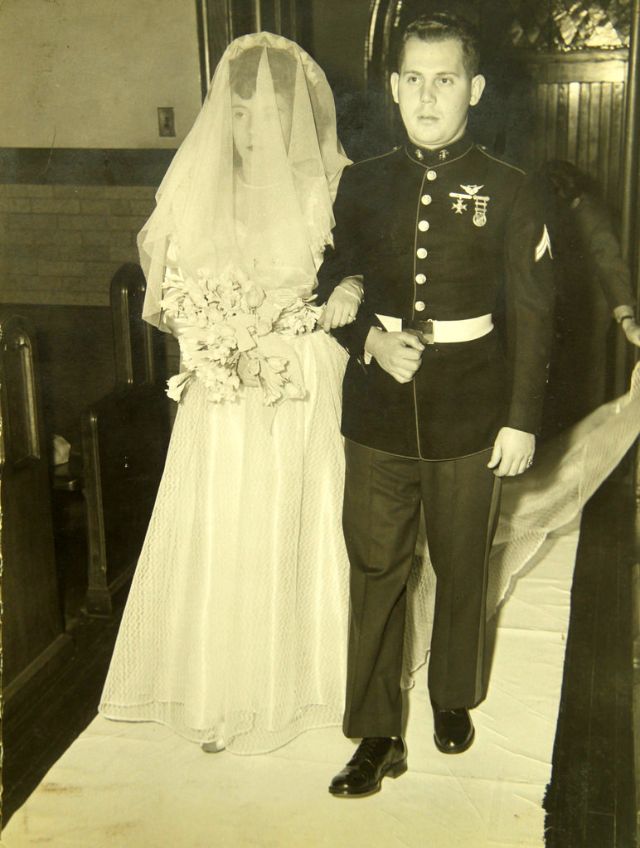
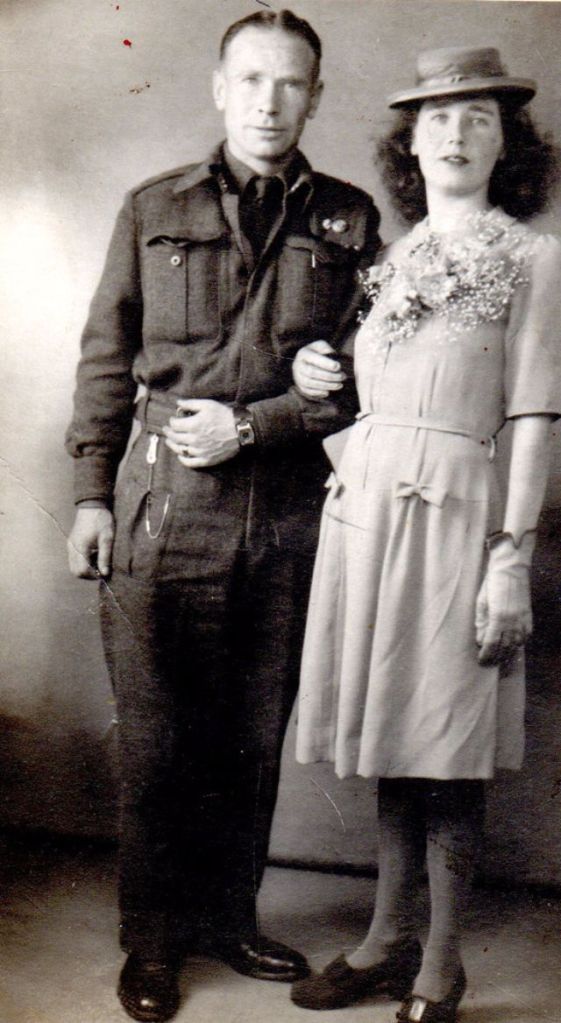
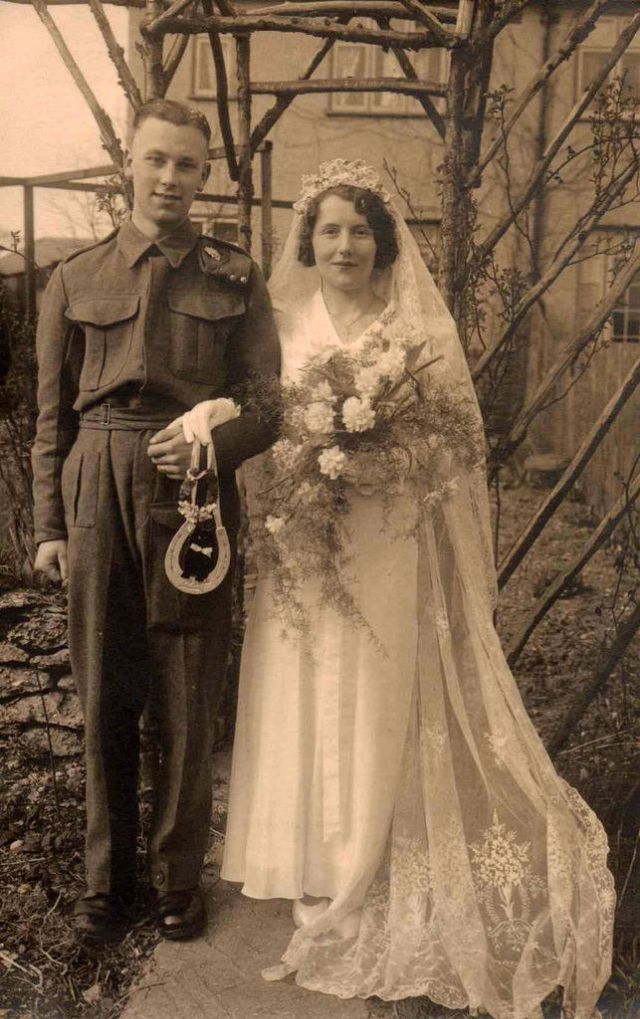
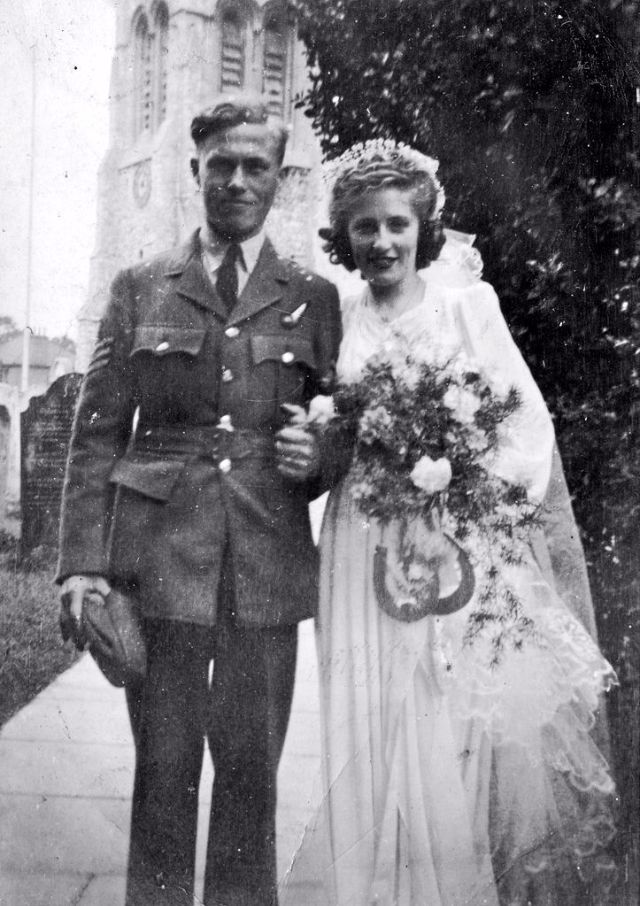
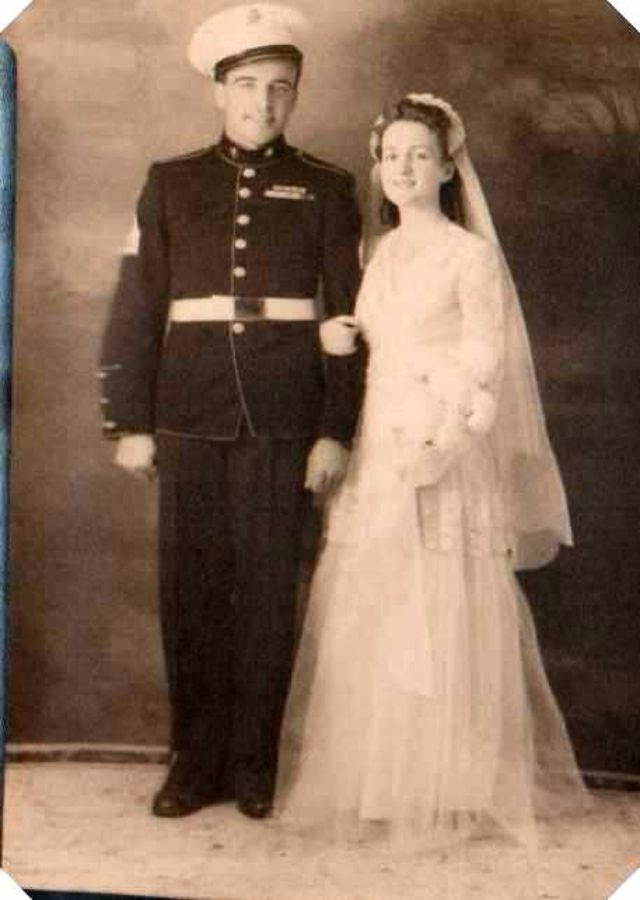
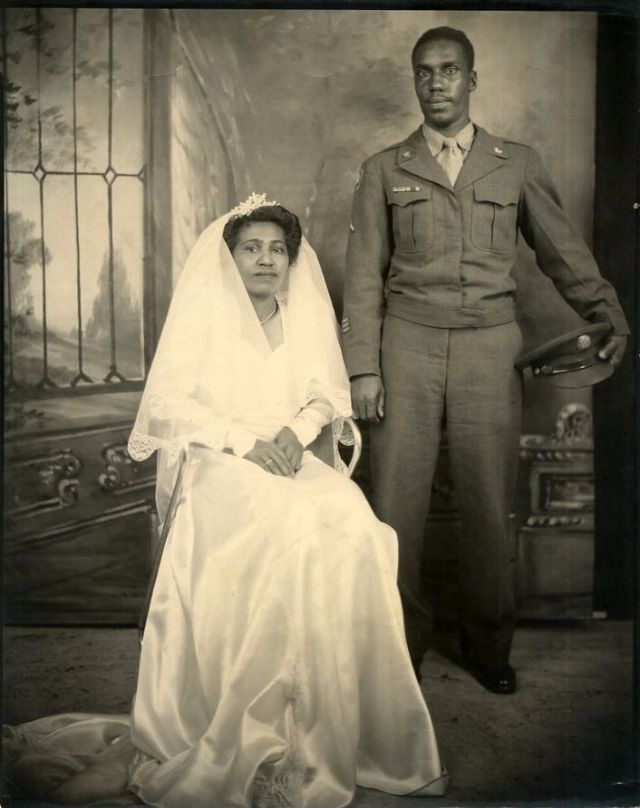
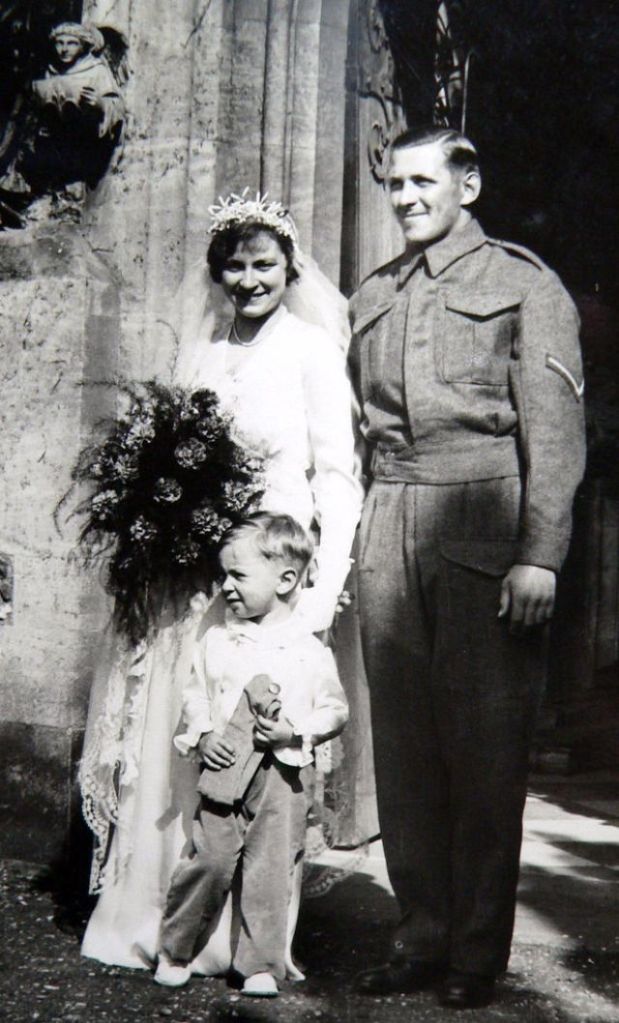
The war years of 1939 to 1945 were filled with romance amid pain and suffering. During World War II many women arranged wartime weddings within a few days to accommodate a boyfriend coming home on a 24 hour leave, before being sent to combat. Frequently there was no time to get a special dress and often women could not afford the clothing coupons needed for a wedding dress.

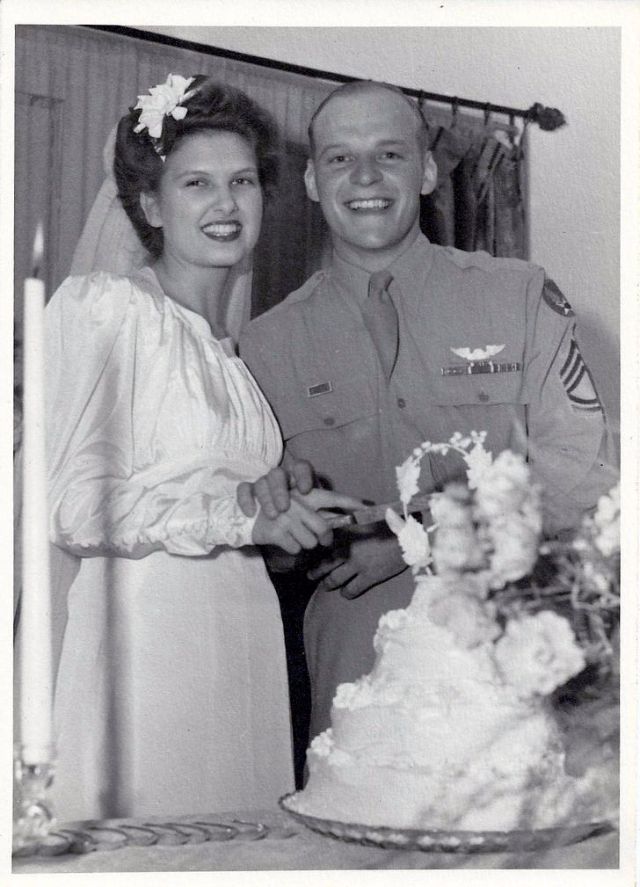
Nevertheless happy weddings took place, with family members donating small amounts of staples like sugar, flour and eggs so that the war bride could bake a wedding cake.

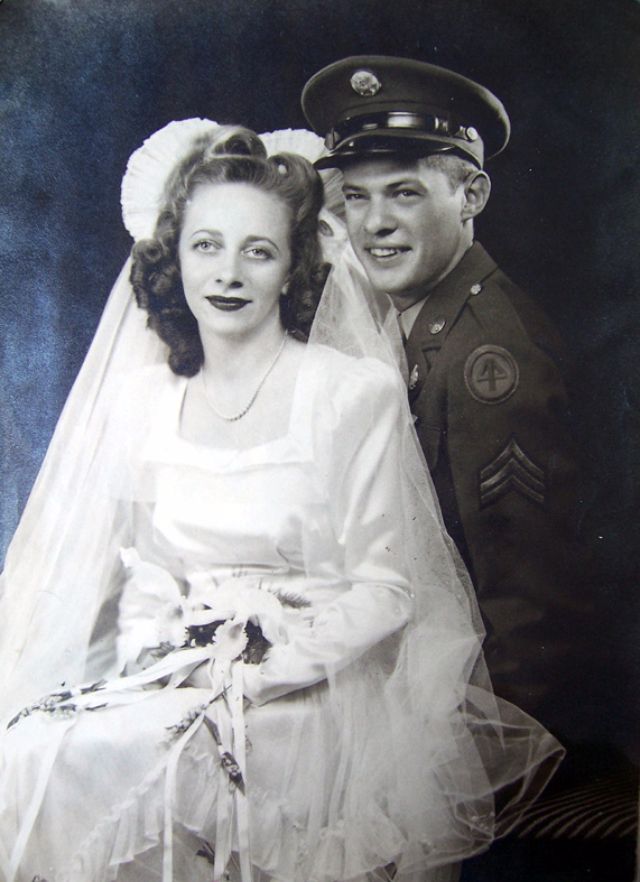
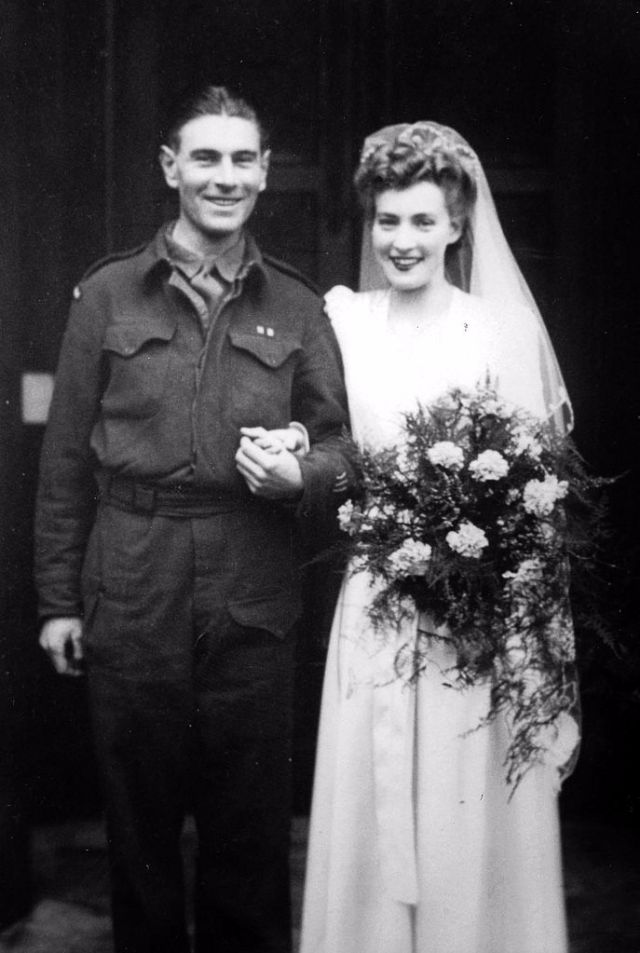
Women borrowed hats, raided gardens for flowers and loaned wedding dresses. Bridesmaids reused dresses worn to other weddings. This sometimes gave a mix and match look to bridal group photographs. Most brides wore clothes so that every item could be used again in a different venue. Friends and family rallied around loaning a hat, a bit of lace, or a dress.

A bride often wore her hair high on top of her head in a waved roll. Abundant hair was helpful, but lack of it did not stop women from adopting the style. Ever resourceful, they used old stockings rolled up to create foundations to be covered by their own hair. This style became popular since it offered the glamour lacking in other areas of wartime life. The look is film star glam.

Army, Navy and Air Corps personnel usually wore their uniforms when they wed.

In 1944, an American B-29 pilot was returning with his crew from a bombing raid over Japan, when the plane’s engine caught fire. The pilot used his parachute to jump from the burning aircraft. Later the chute helped him survive by providing shelter until he was rescued. After returning home from war, he proposed to his girlfriend. She used the life-saving parachute as material for her wedding dress. She modeled her dress on one which appeared in the movie Gone With The Wind. The bride used the original parachute strings to create the train in the back. A person can think of no other wedding dress that would be as meaningful as one that saved the life of the groom. (www.hhhistory.com)

50 Magnificent Photos of Cities of the World During the 19th and 20th Century

Prague, Czech Republic in 1964.
Moscow, Russia in 1977.
Bombay, India in 1880.
Athens, Greece in the 1930s.
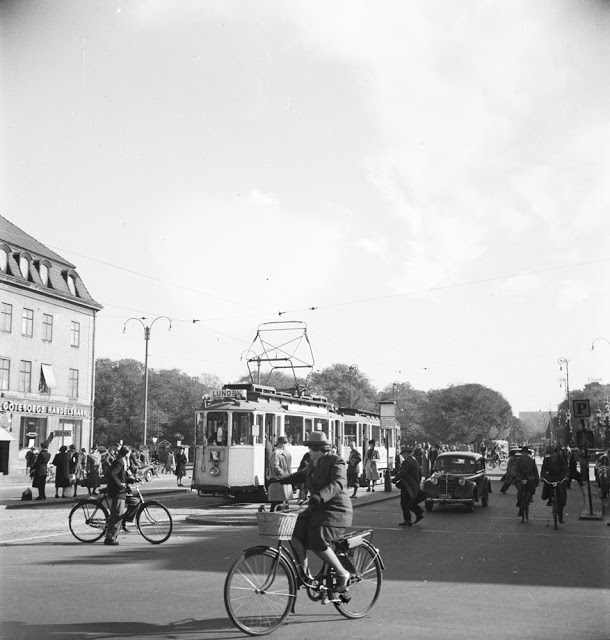
Gothenburg, Sweden in 1961.
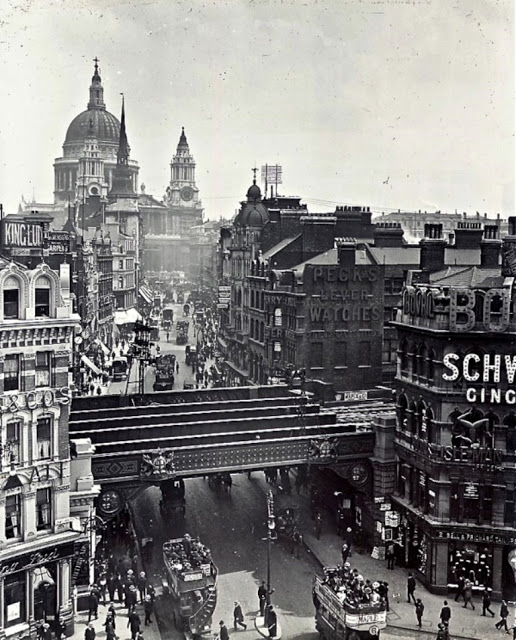
London, England in 1920.
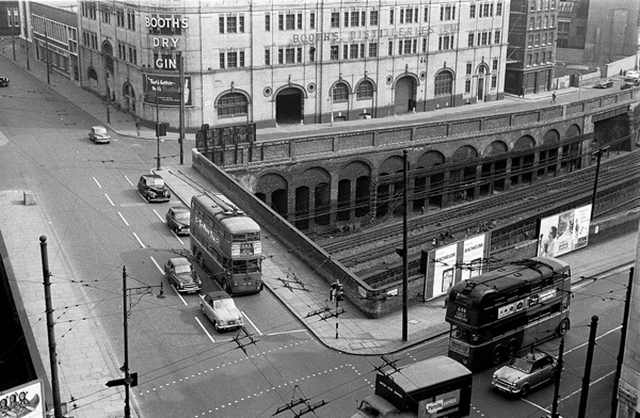
London, England in 1950.
Rome, Italy in 1949.
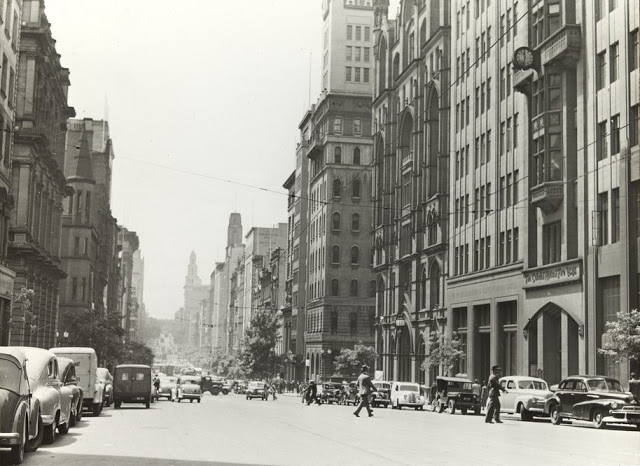
Melbourne, Australia in the 1930s.
Milan, Italy in 1950.
Paris, France in 1948.
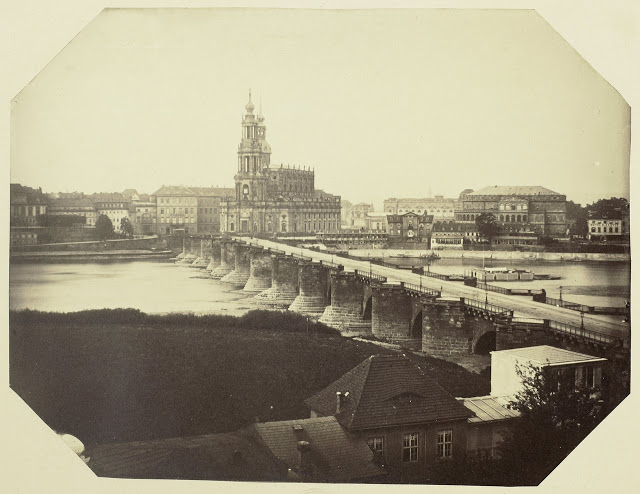
Dresden, Germany, 1857
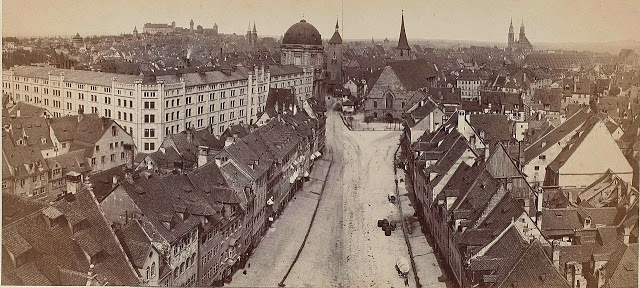
Nuremberg, Germany, 1860
Port Said, Egypt, 1888
Montreal, Canada, 1893
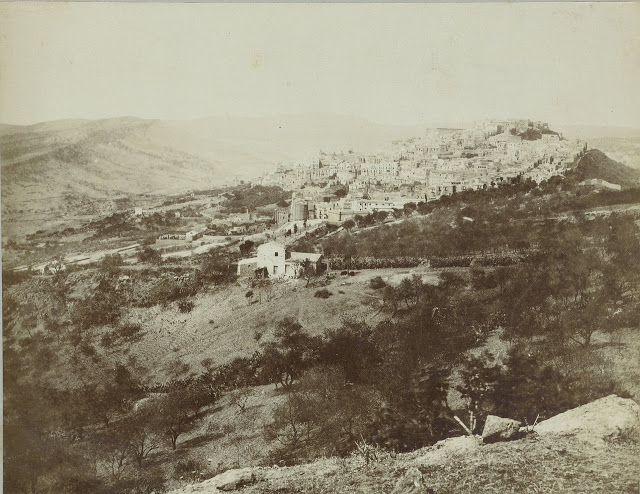
Agrigento, Italy, 1893
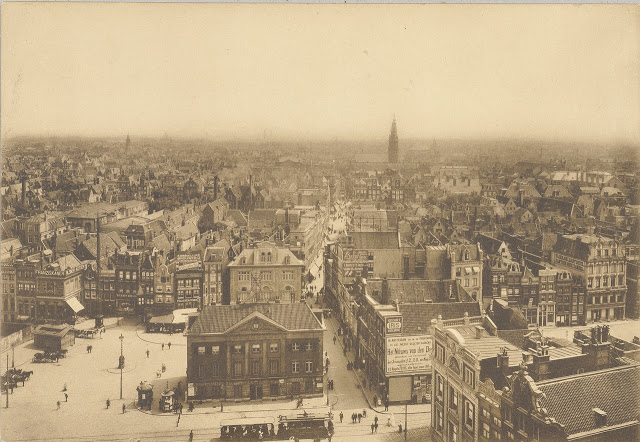
Amsterdam, Netherlands, 1906
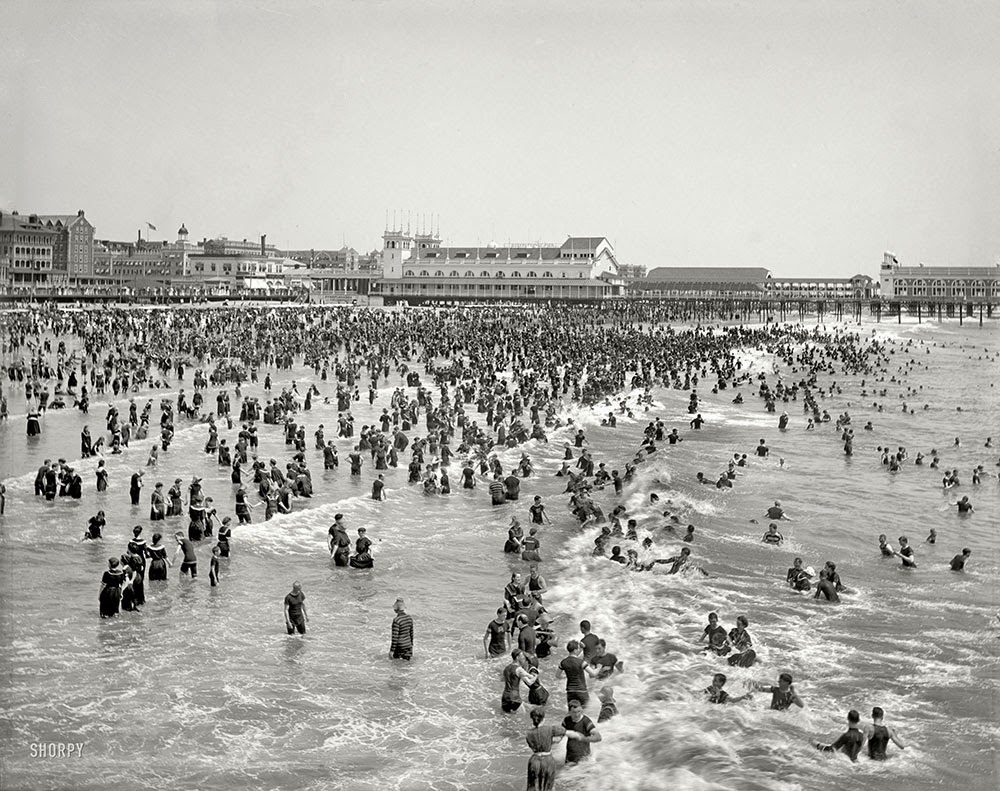
Atlantic City, New Jersey, USA, 1904
Mexico City, Mexico, 1904
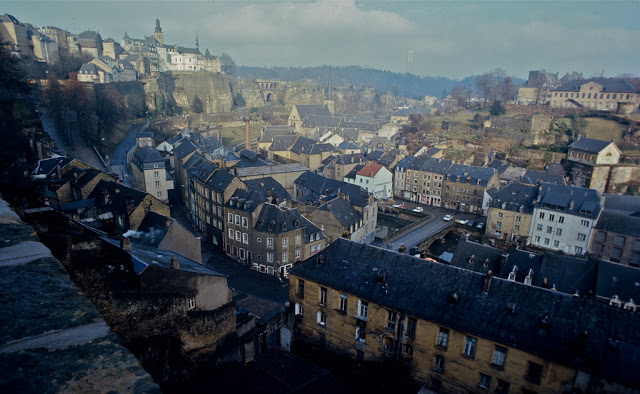
Luxembourg City, 1972
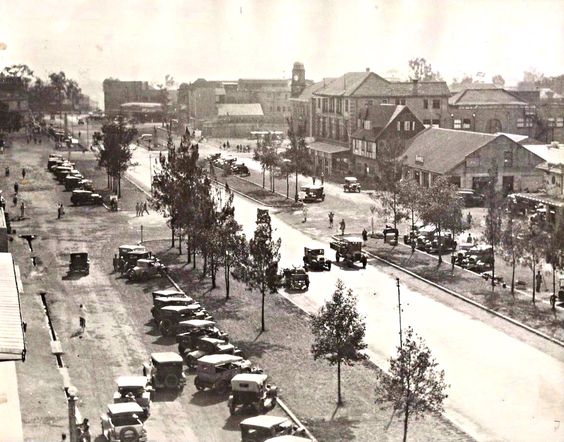
Salt Lake City, Utah, USA, 1940s
Rio de Janeiro, 1920
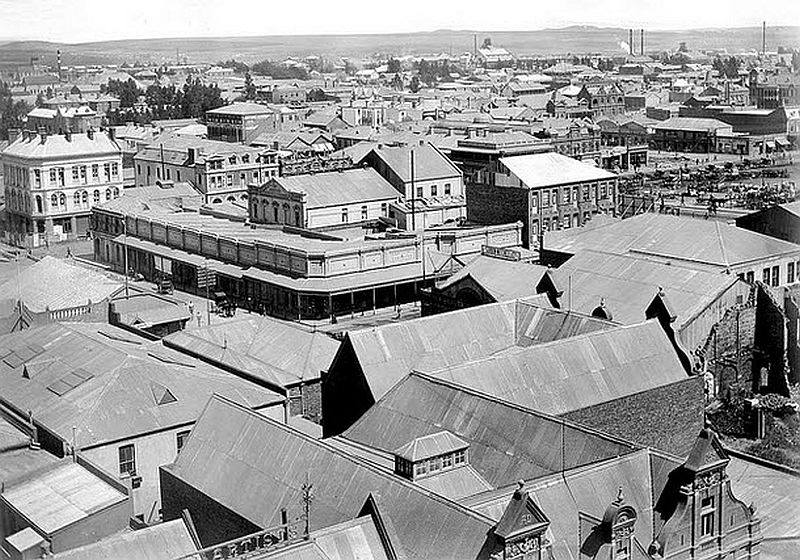
Johannesburg, South Africa, 1900
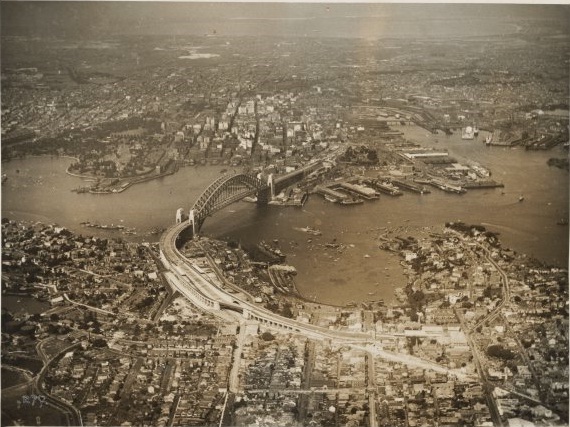
Sydney, Australia, 1932
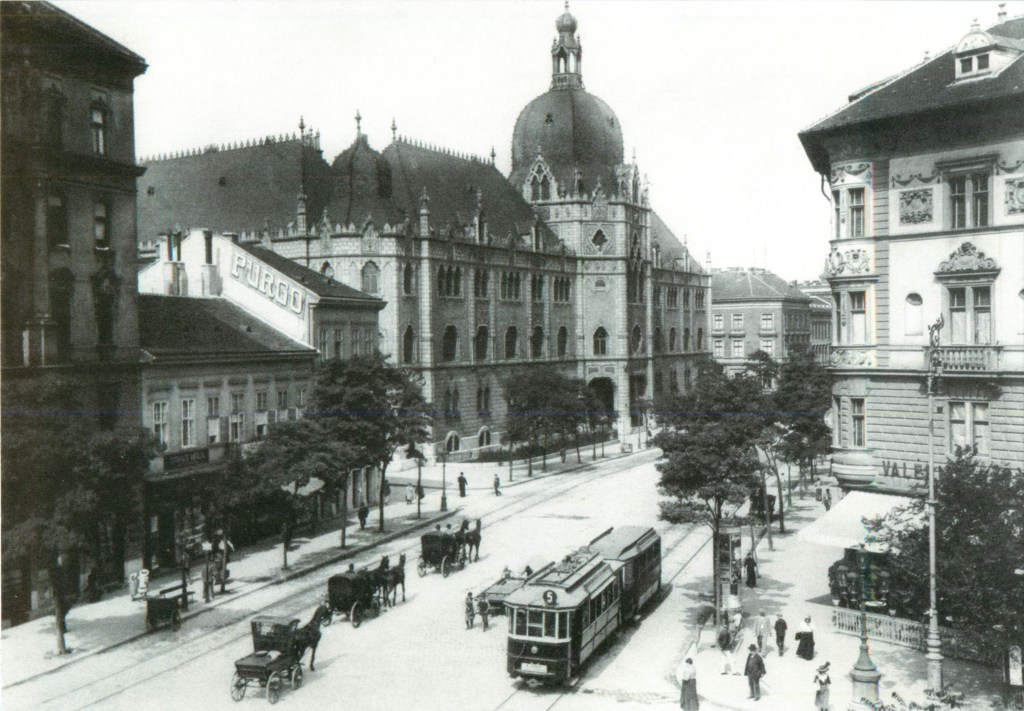
Budapest, Hungary, 1900
Oslo , Norway 1905
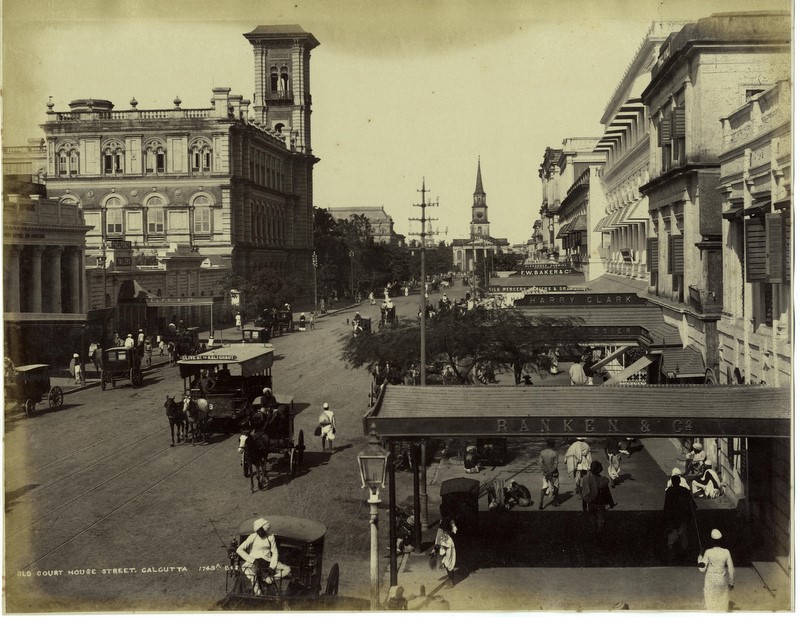
Calcutta, India 1880s
New York City, 1905
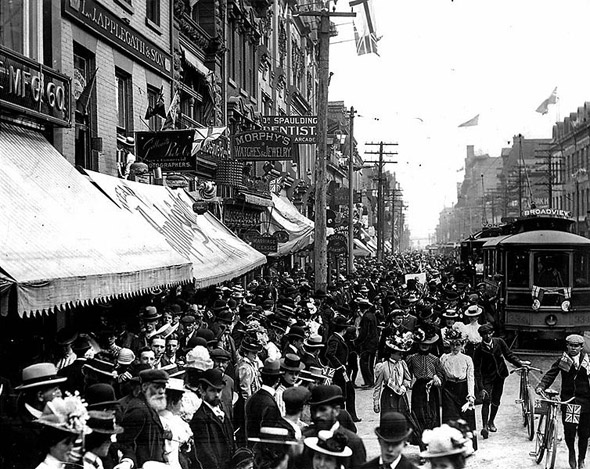
Toronto, Canada, 1902
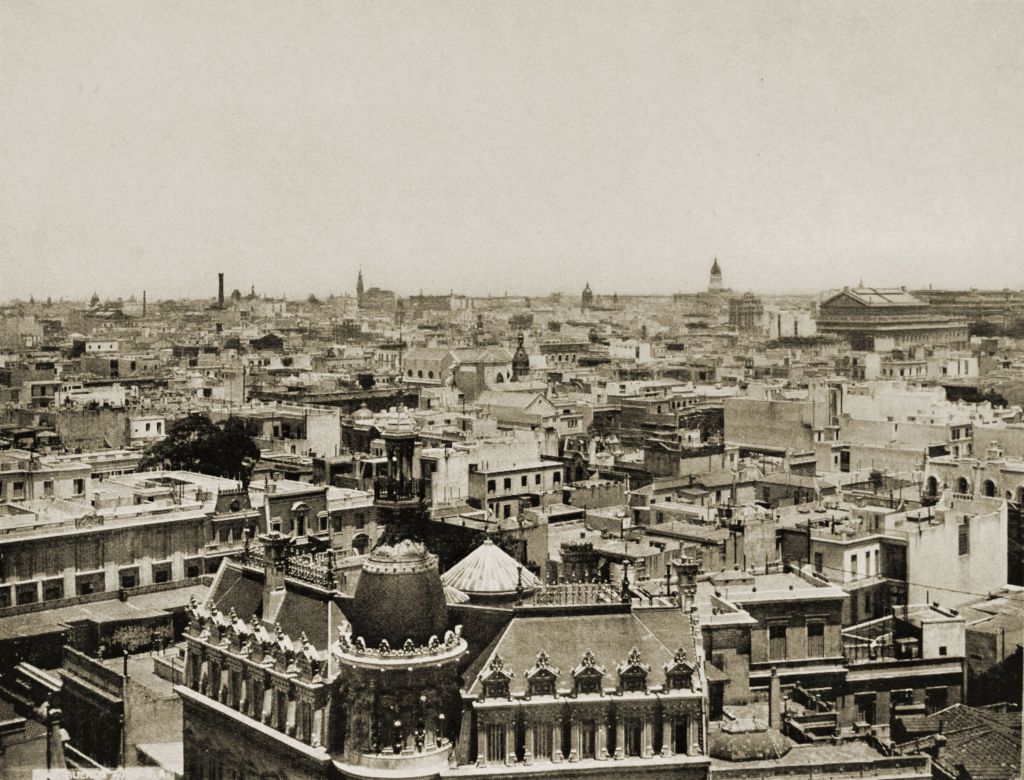
Buenos Aires, Argentina, 1917
Manila, Philippines, 1901
San Salvador, El Salvador, 1950.
Madrid, Spain 1930
Havana, Cuba 1907
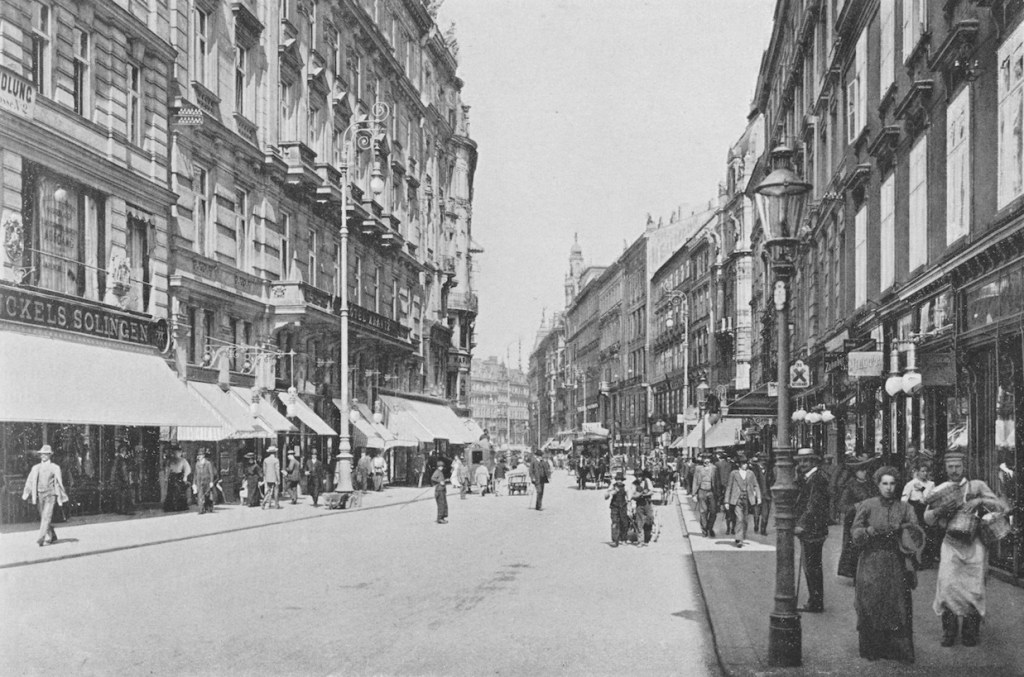
Vienna, Austria 1900
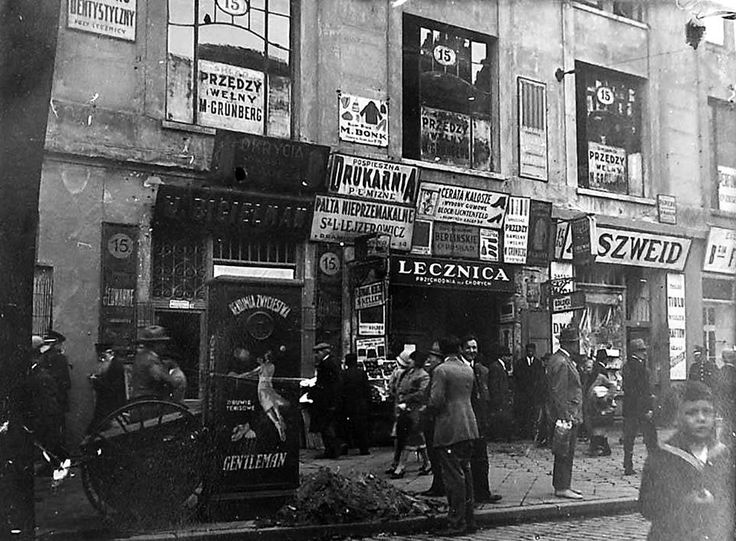
Warsaw, Poland 1930s
London, England 1930s
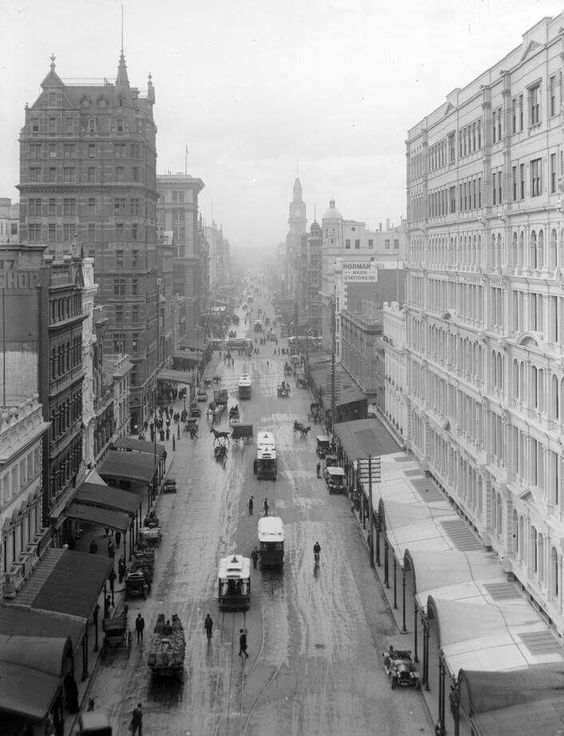
Melbourne, Australia 1916
Stockholm, Sweden 1949
Nairobi, Kenya 1939
Cairo, Egypt 1930s
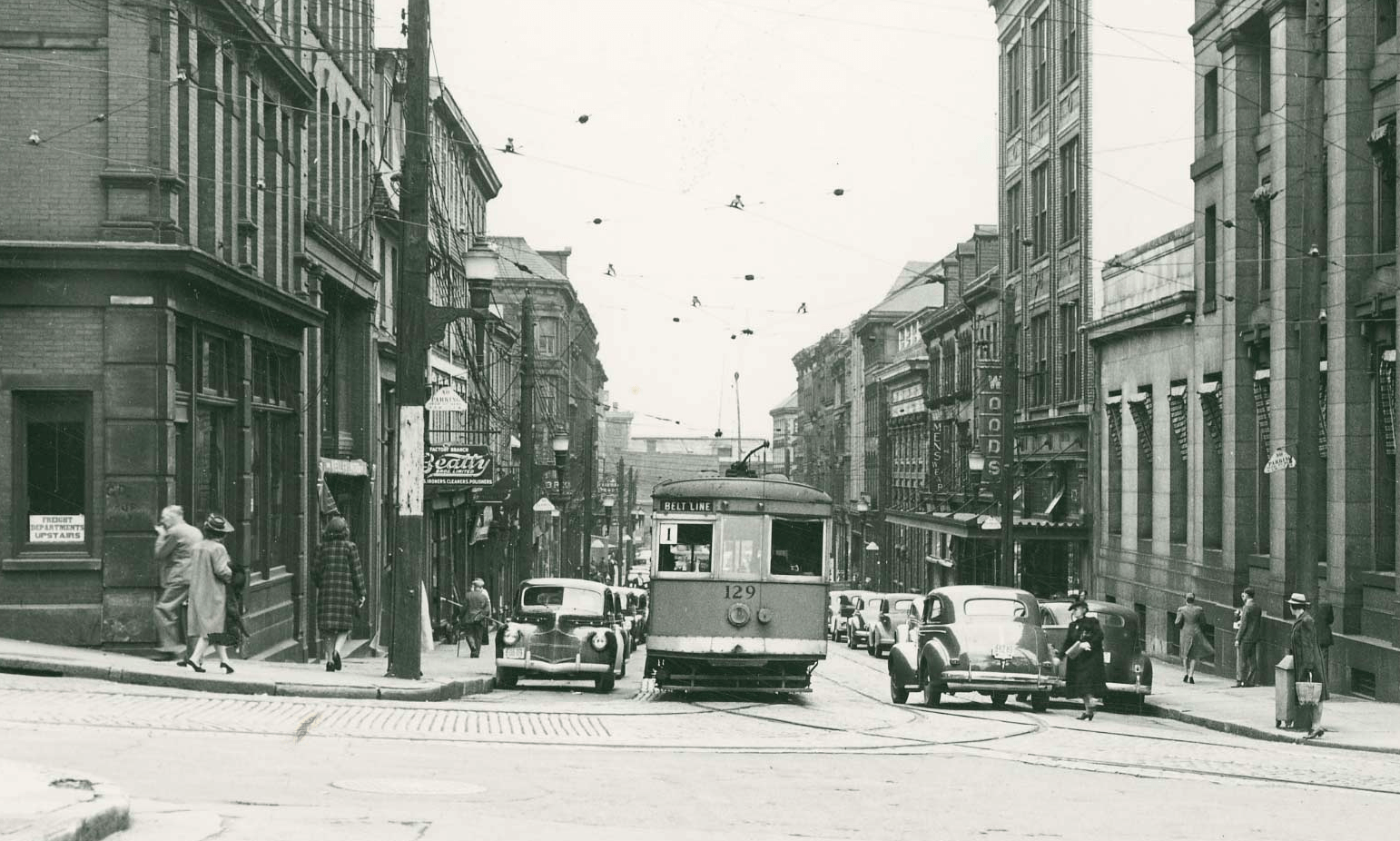
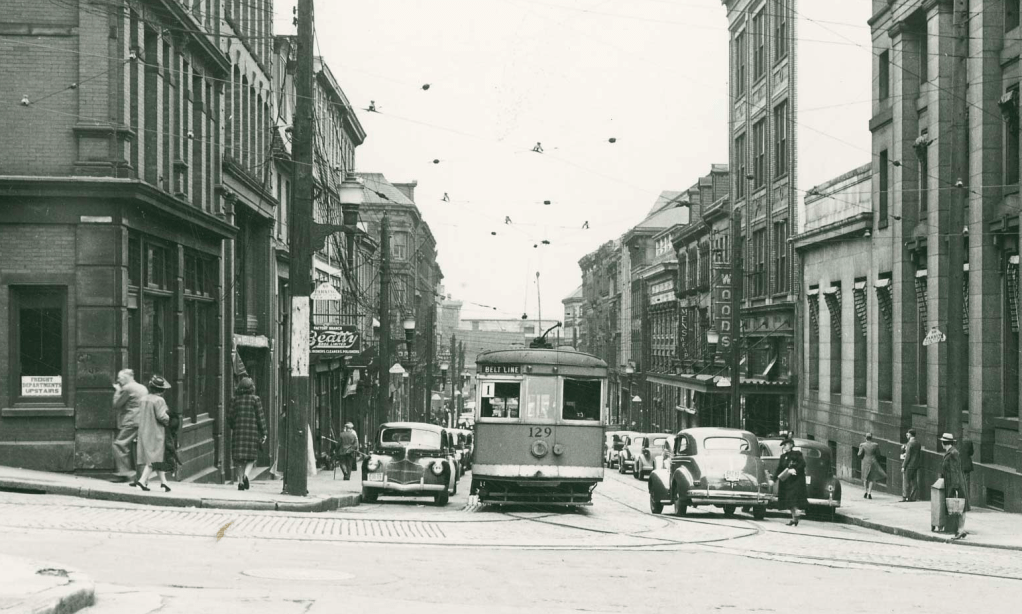
Halifax, Nova Scotia, Canada 1940s
New York City 1903
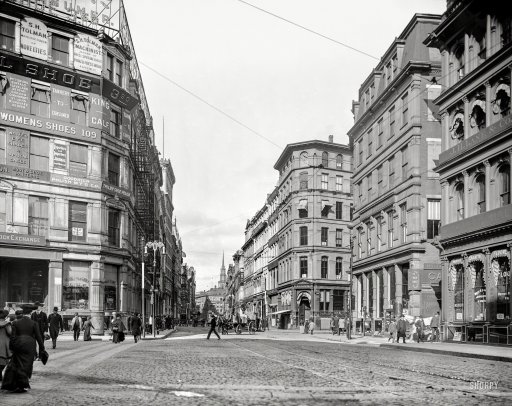
Boston, Massachussetts 1904
Glasgow, Scotland 1890
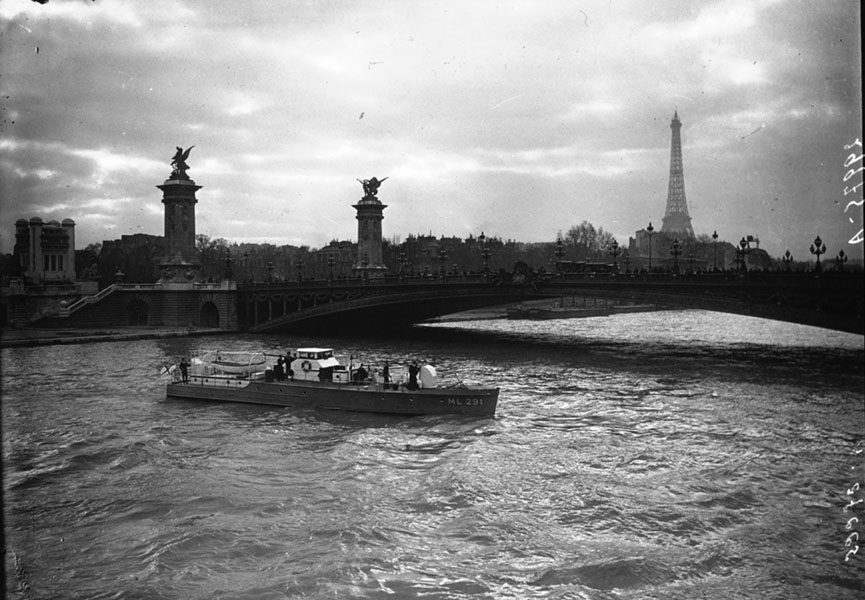
Paris, France 1926
Sydney, Australia 1904
Kobe, Japan 1938
Chicago, Illinois 1942
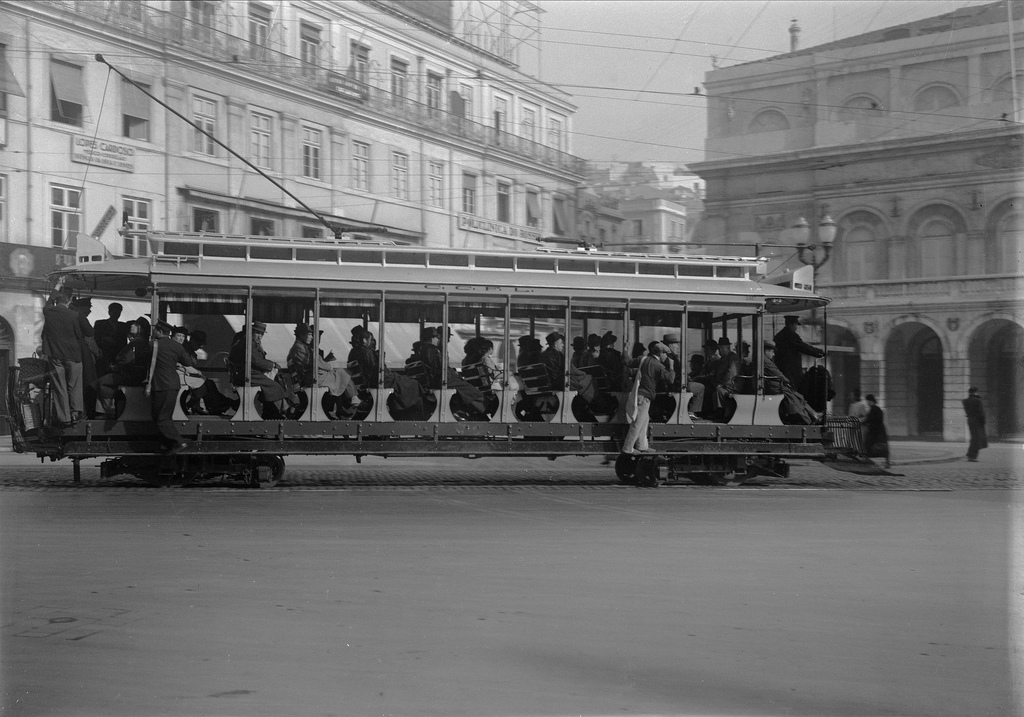
Lisbon, Portugal 1902

21 Amazing Colorized Photos Showing World War 1

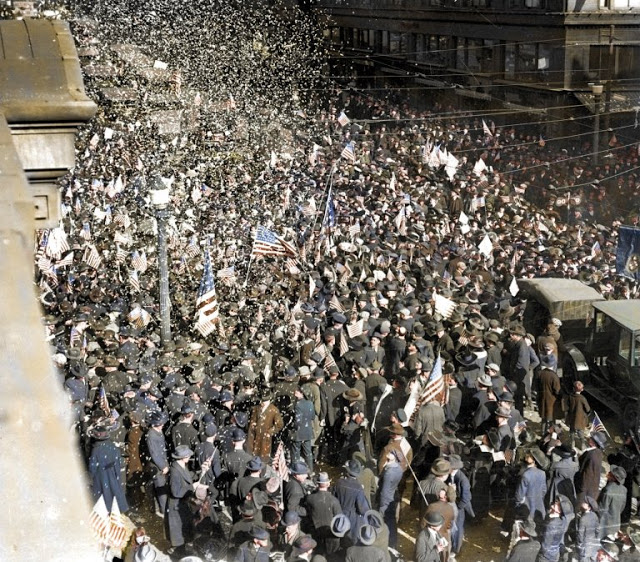
The announcement of armistice brought ecstatic scenes to Philadelphia. This picture was taken on Nov 11, 1918.
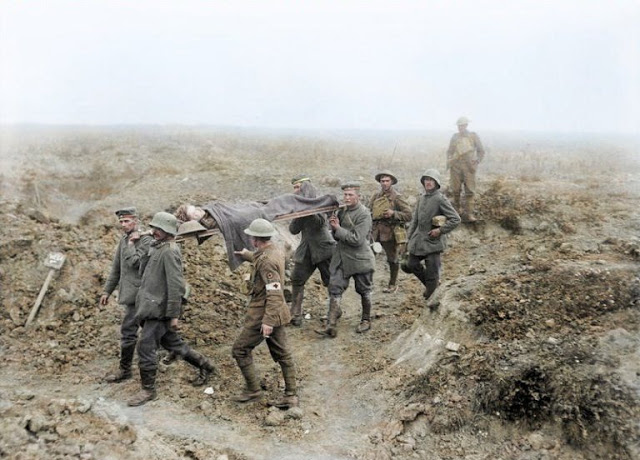
Captain Benjamin H Geary VC, 1st Battalion, East Surrey Regiment being carried in on a stretcher by prisoner bearers at Achiet-le-Petit. 21 Aug 1918.
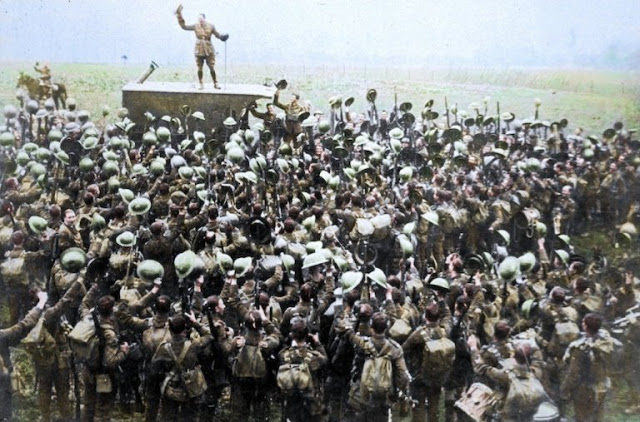
A crowd of soldiers on the Western Front celebrating as an officer announces the news of the Armistice.
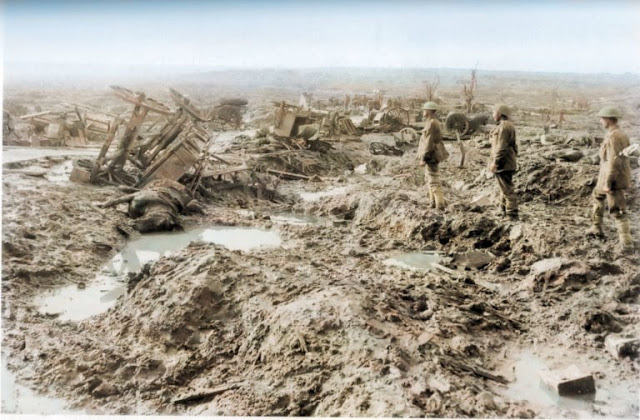
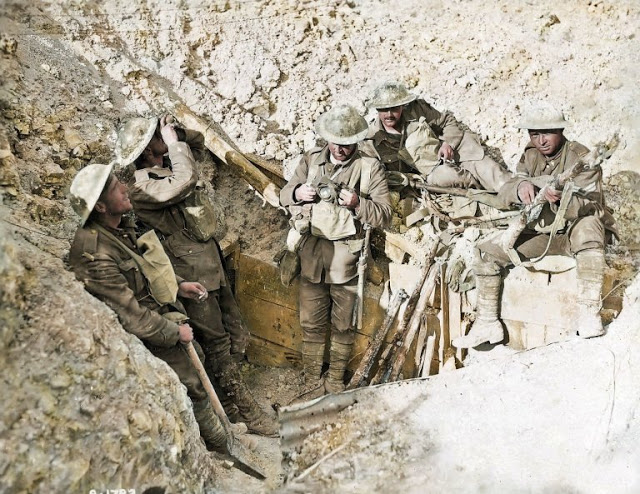
Three soldiers look out across a battlefield where wagons are upturned and destroyed and craters break up the mud.
A group of troops wave their hats as they pose for a camera on the edge of a road next to some hedgerows on Armistice Day.
New Zealand troops on the Western front laughing and smiling in a trench.
Canadian soldiers charging at the enemy during a dawn attack by going over the top of the trenches.
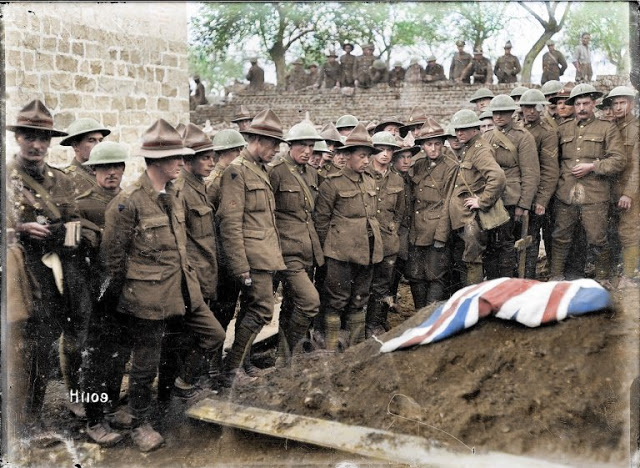
This poignant photo shows the funeral of Sergeant Henry Nicholas, VC, in World War I, France.
20th Battery Canadian Field Artillery, Neuville St. Vaast, April 1917. The horse are soaking and laden with gear.
German soldiers on board a tank which bears the word escapade on the side. Three sit on the top while another leans out of the window.
Crowds in New York celebrate the end of the First World War. America joined the conflict in 1917.
A group of Scottish soldiers wearing kilts smiled for the camera as they prepared to board a truck to head away from the battlefields.
Nuns laying wreaths in a field of mass graves. The total number of military and civilian casualties in World War I was around 40 million.
Smiling British men and boys marching out of a trench captured from the Germans at the Somme. A sign reads ‘the old hun line’ – referring to where the German front line used to be.
A group of eight British soldiers stand next to a blown-out building. They smile as they pose for the camera wearing their helmets.
A German prisoner helps British wounded make their way to a dressing station near Bernafay Wood, following fighting on Bazentin Ridge, July 19, 1916, during the Battle of the Somme.
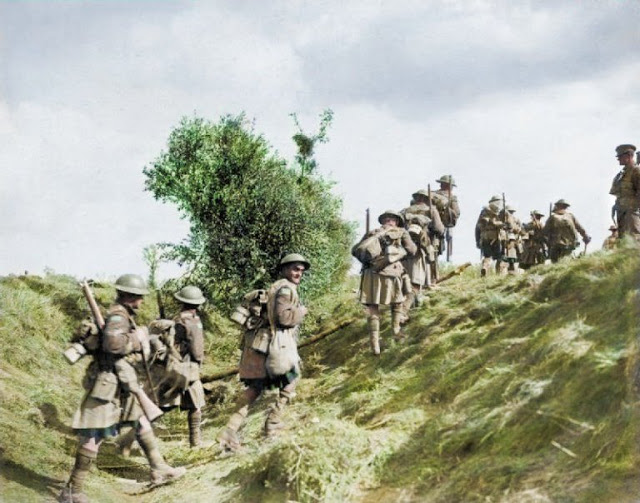
Scottish troops march with combat gear and rifles slung over their backs as they make their way over a grassy mound during the Battle of the Canal du Nord, 1918.
Canadaian soldiers relax in a captured trench in France. One can be seen attending to his rifle as another smokes a cigarette.
French soldiers at the Battle of Verdun. One sits on the mud as others help the wounded.
A bombed out town with collapsing buildings as a lone soldier wanders near a crater. Pictured 24. A gigantic shell crater, 75 yards in circumference, Ypres, Belgium, October 1917.
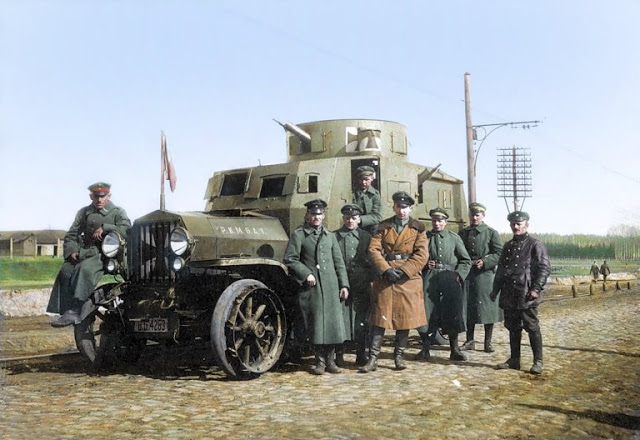
German officers with an armored car, Ukraine, Spring of 1918. They stand next to the car as they smile for the camera.

Photos colorized by Cardiff based electrician Royston Leonard

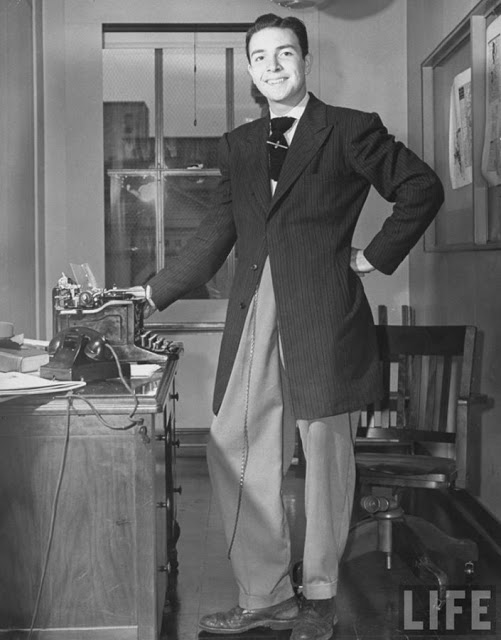
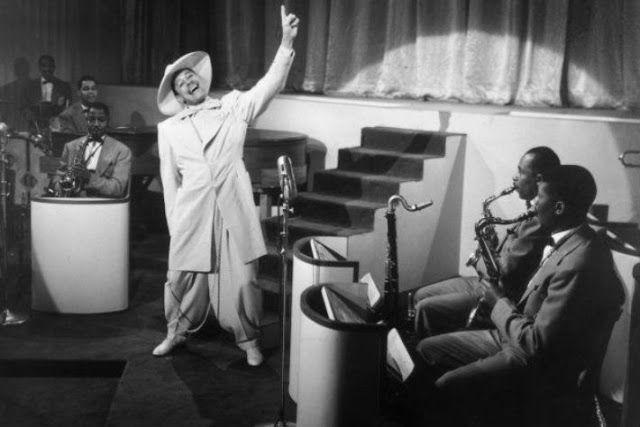
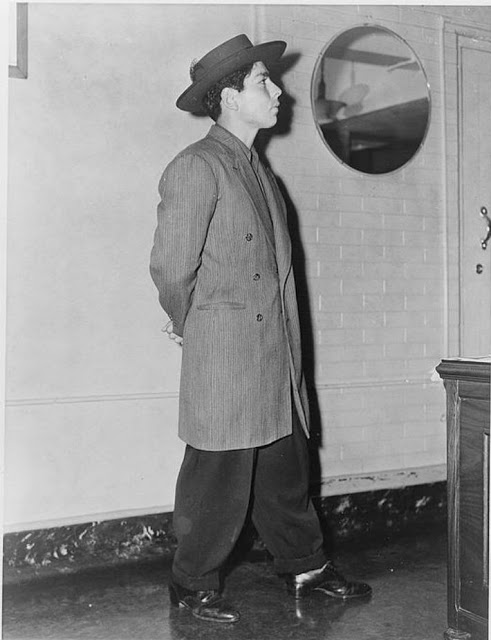
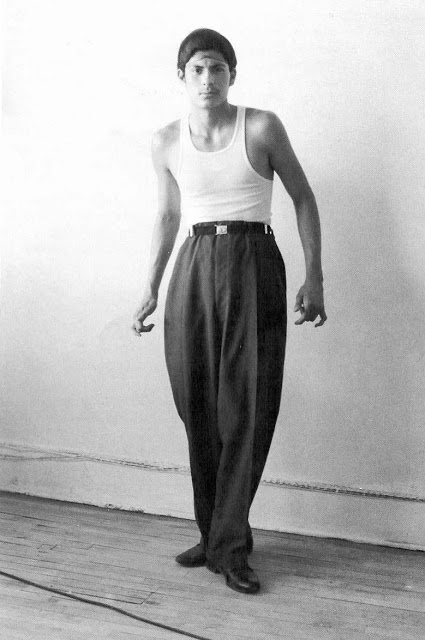
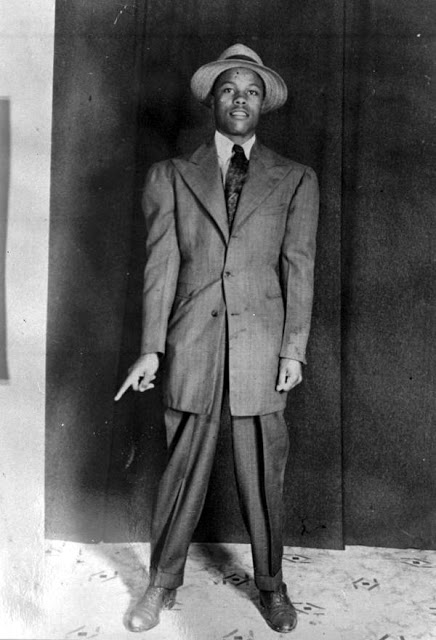
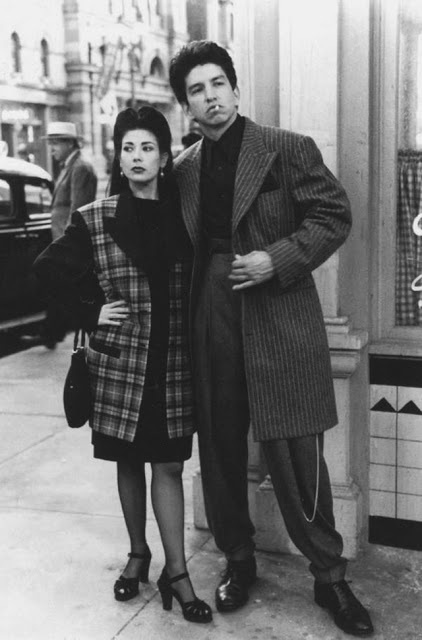
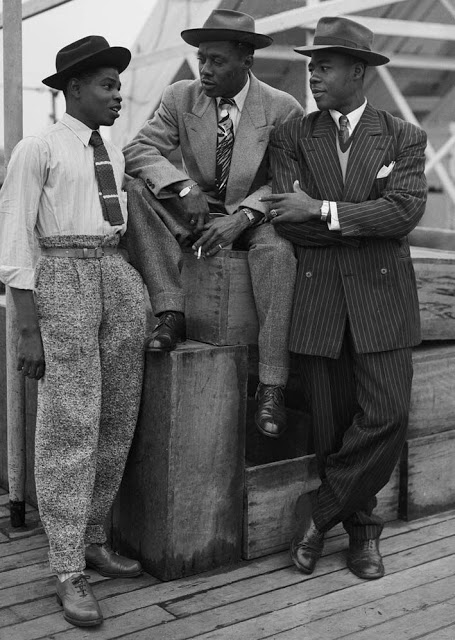
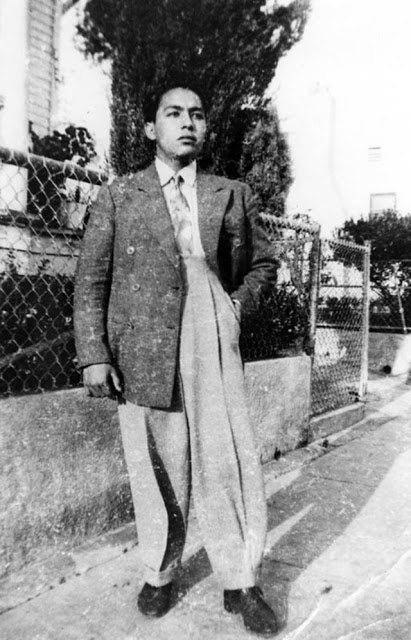
17 Vintage Photos of Zoot Suits Being Worn During the 1940s

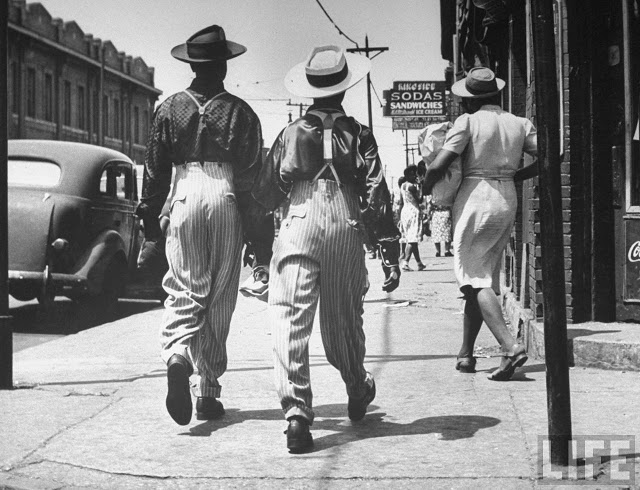
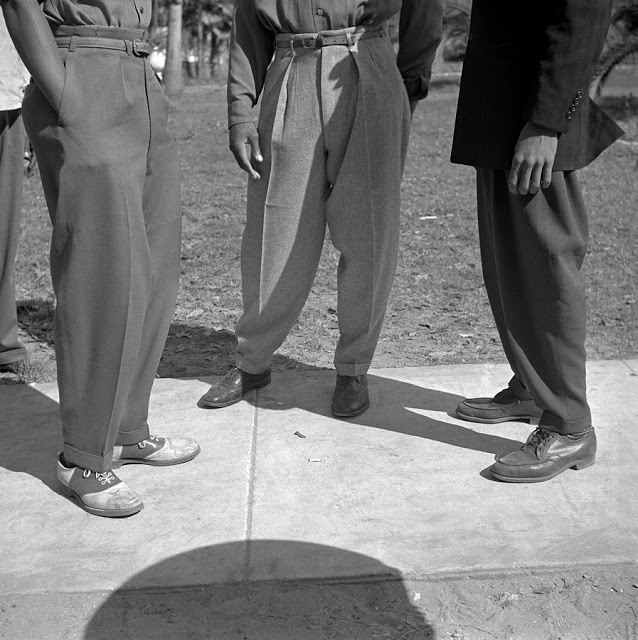
A zoot suit is a men’s suit with high-waisted, wide-legged, tight-cuffed, pegged trousers, and a long coat with wide lapels and wide padded shoulders. This style of clothing became popular among the African American, Chicano, Filipino American, and Italian American communities during the 1940s.

The zoot suit of the 1940s was full of scandal. Technically illegal due to the abundance of fabric needed to make it and the restrictions place by the war board it was the underground dress uniform of young, ethnic, rebellious men. These “swing kids” danced in jazz clubs, purchased their clothes on the black market and in L.A. caused a month long street war.

Young people continued to wear the style and the suits soon became associated with delinquency and crime. Most wearers were simply rebellious youths, many in inner city urban areas like Harlem and Los Angeles, trying to form a culture all their own. The wearers of zoot suits were seen as being unpatriotic, and tensions between zoot-suiters and military servicemen stationed in California erupted in a week of violent street fighting in Los Angeles in mid-1943 that came to be known as the Zoot Suit Riots.

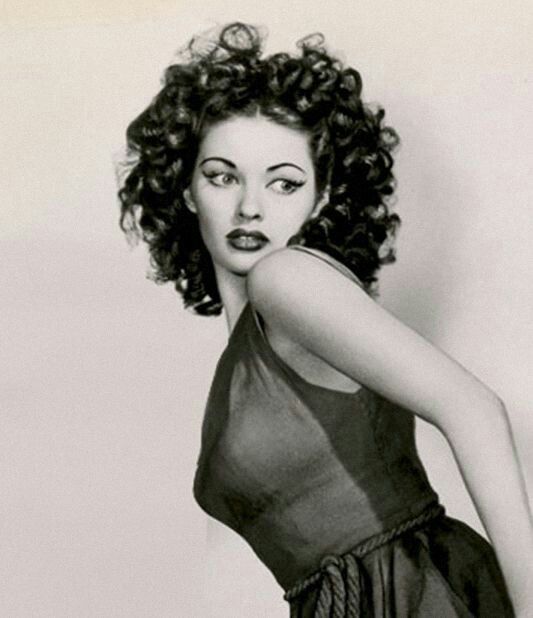
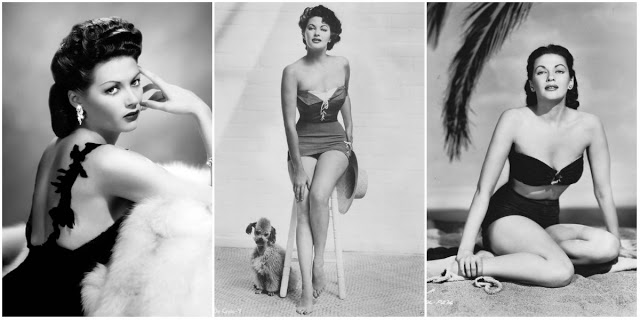
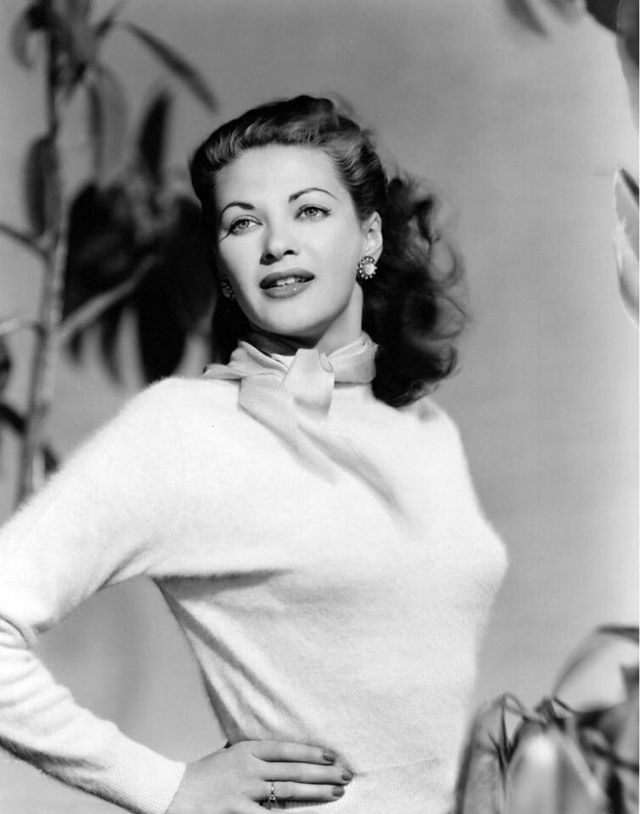
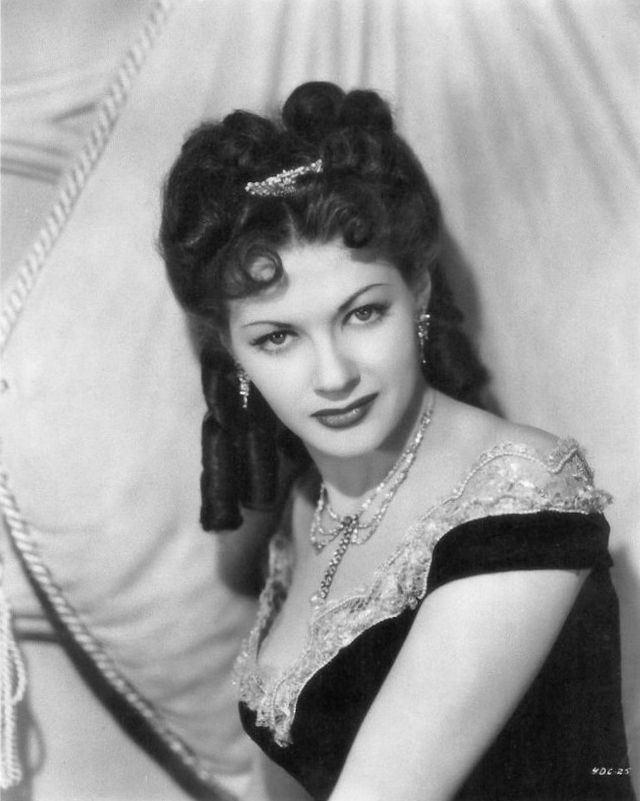
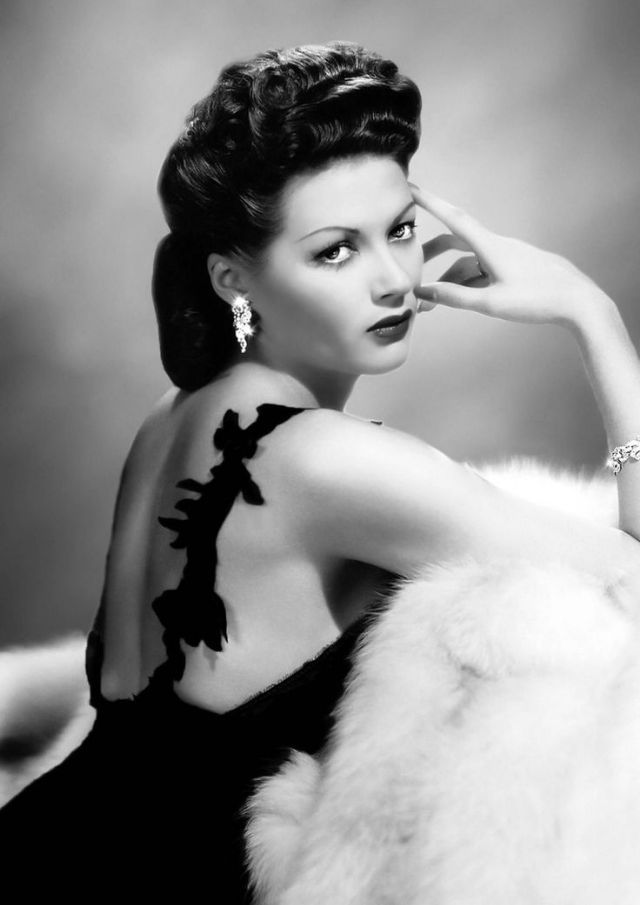
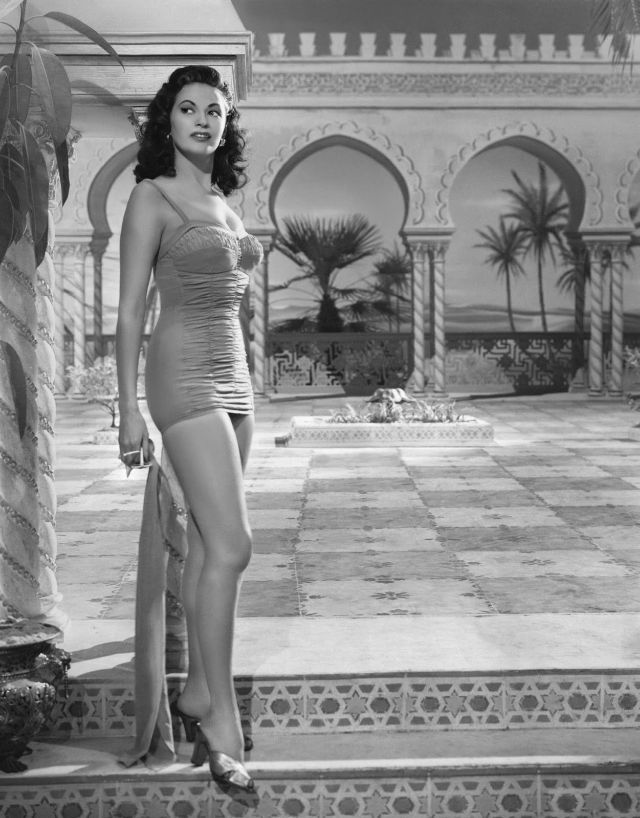
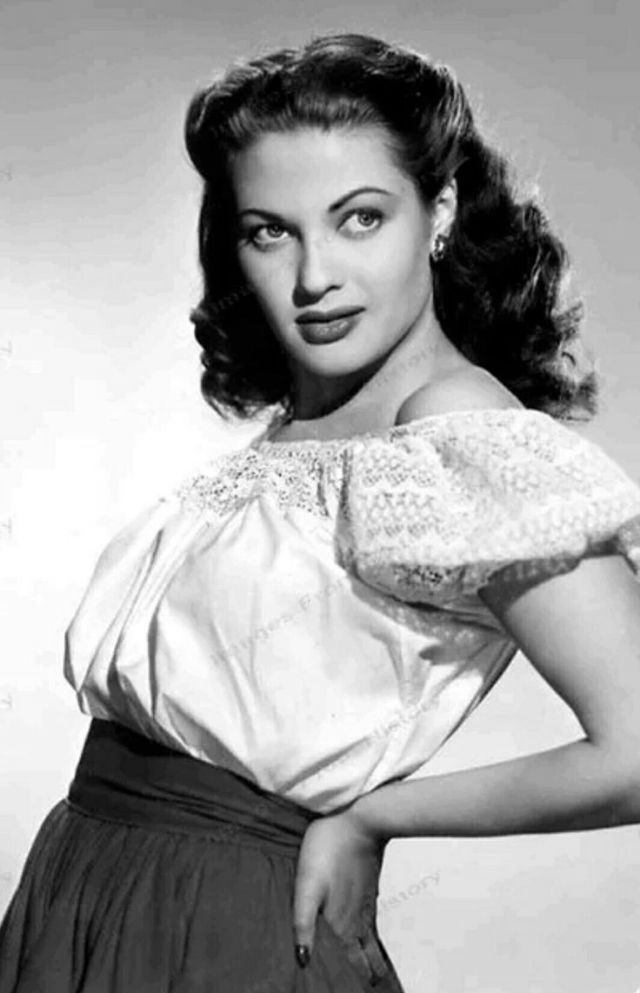
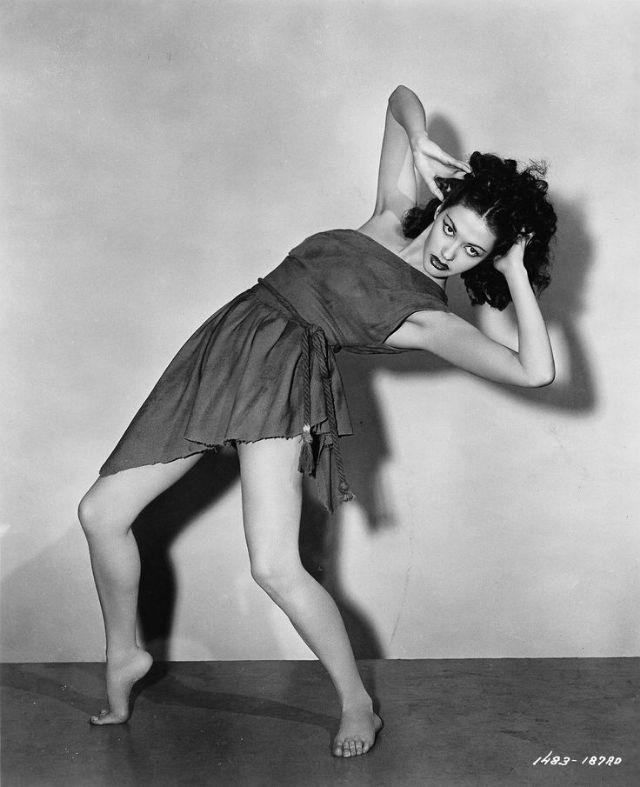
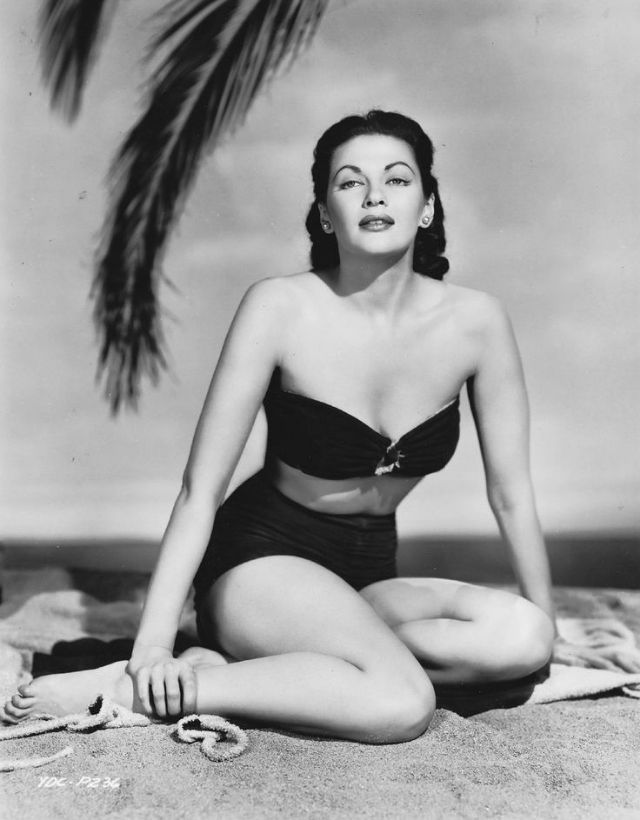
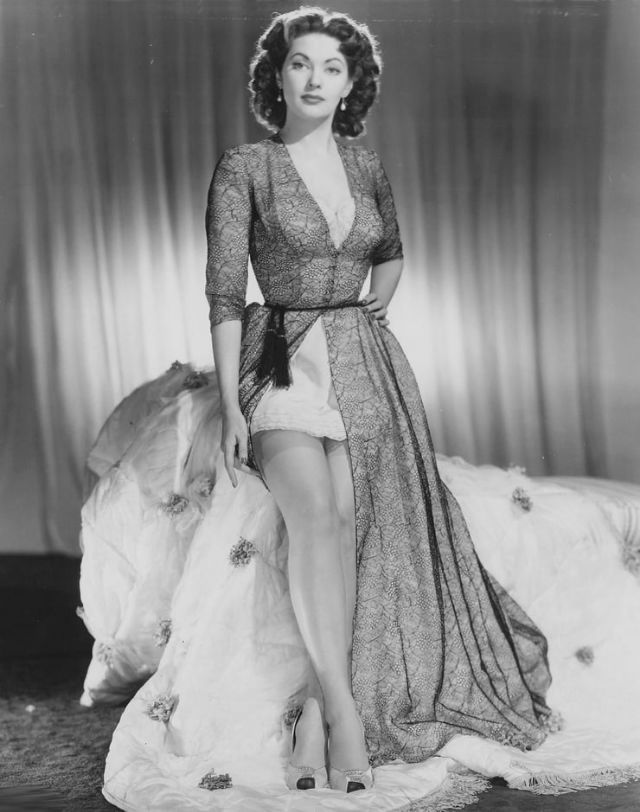
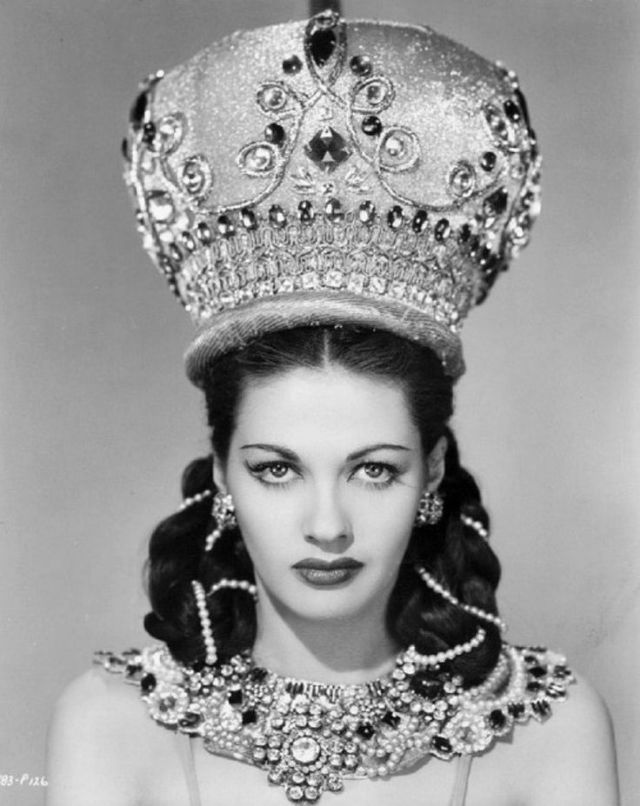
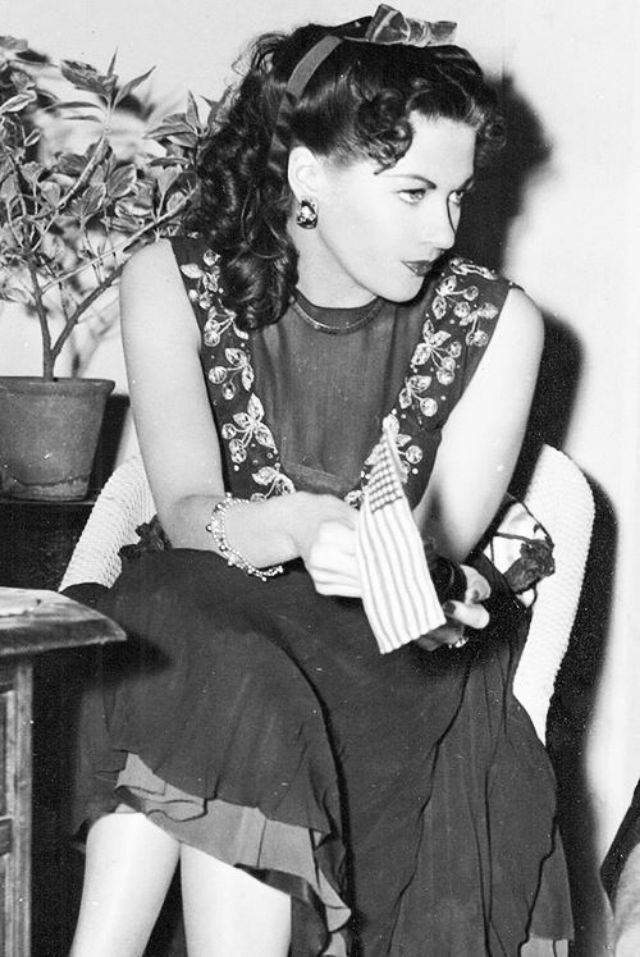
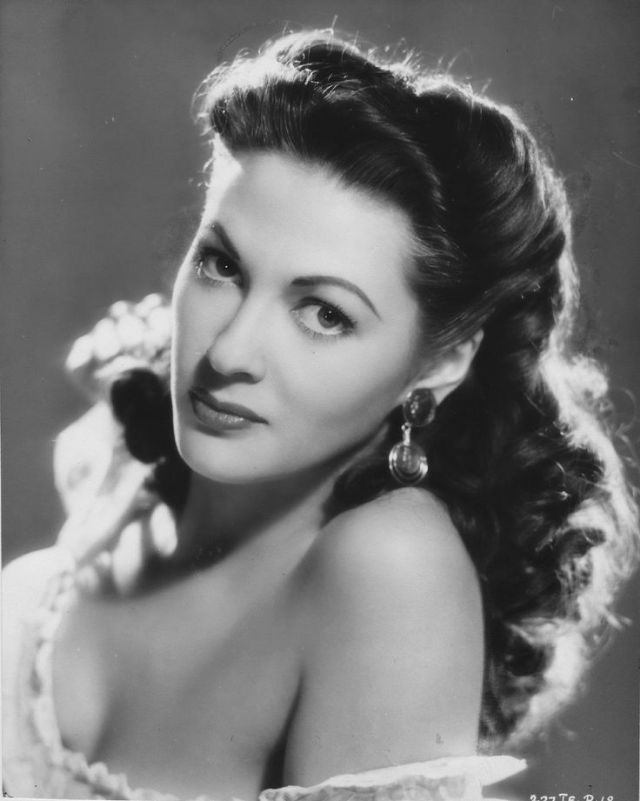
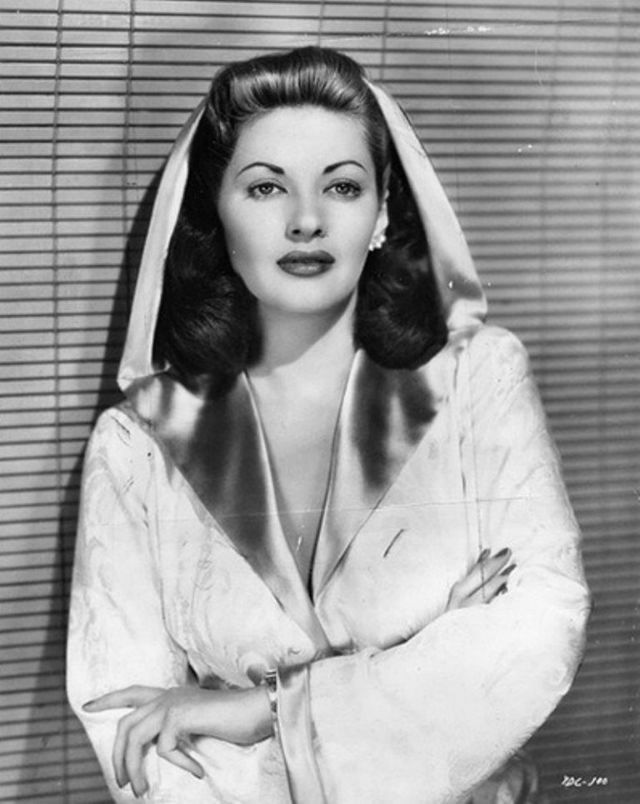
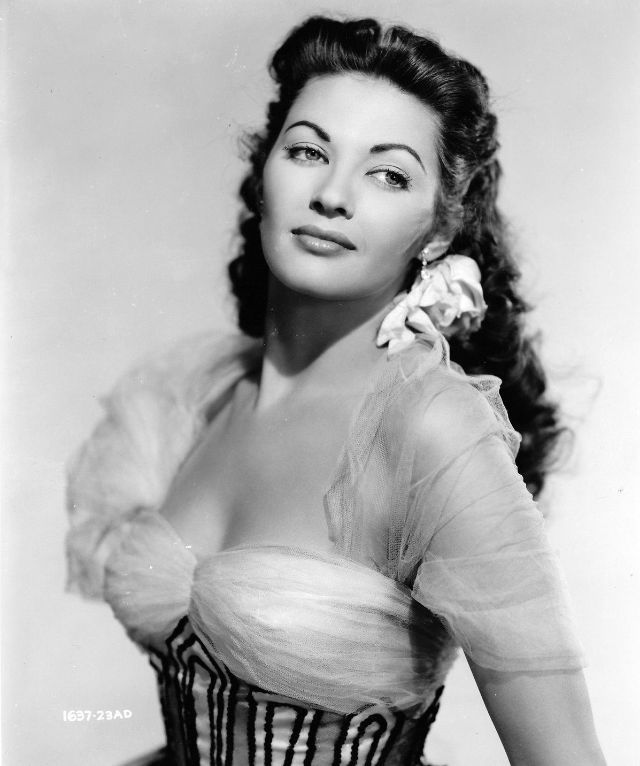
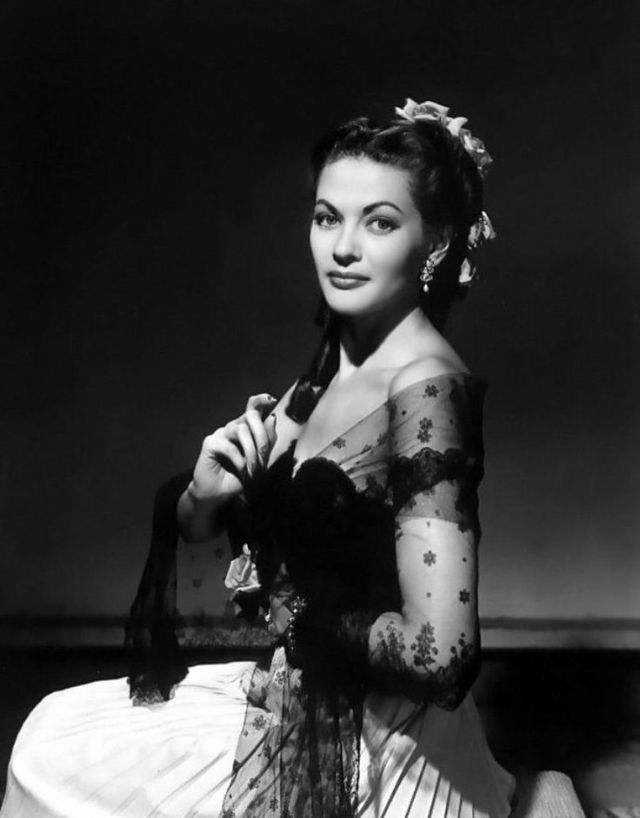
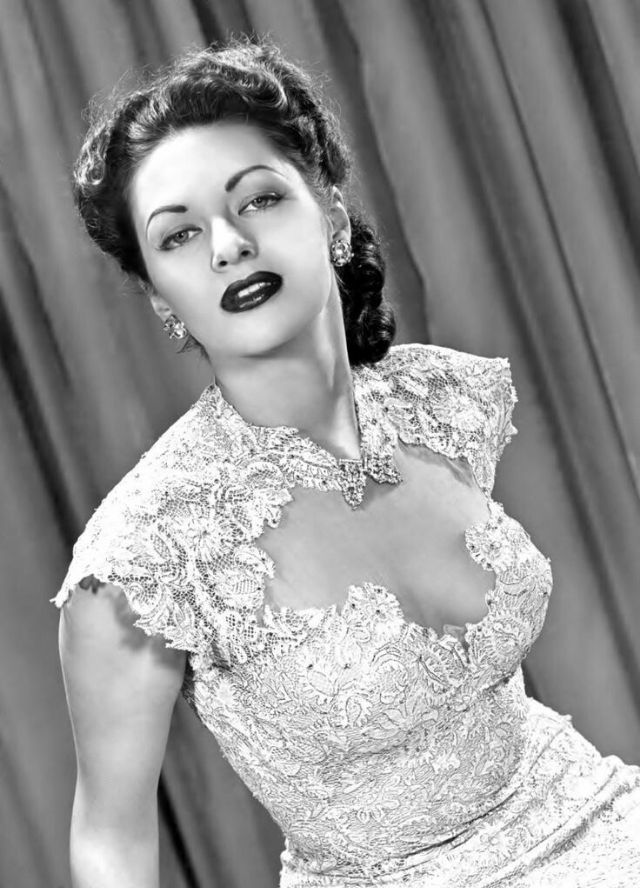
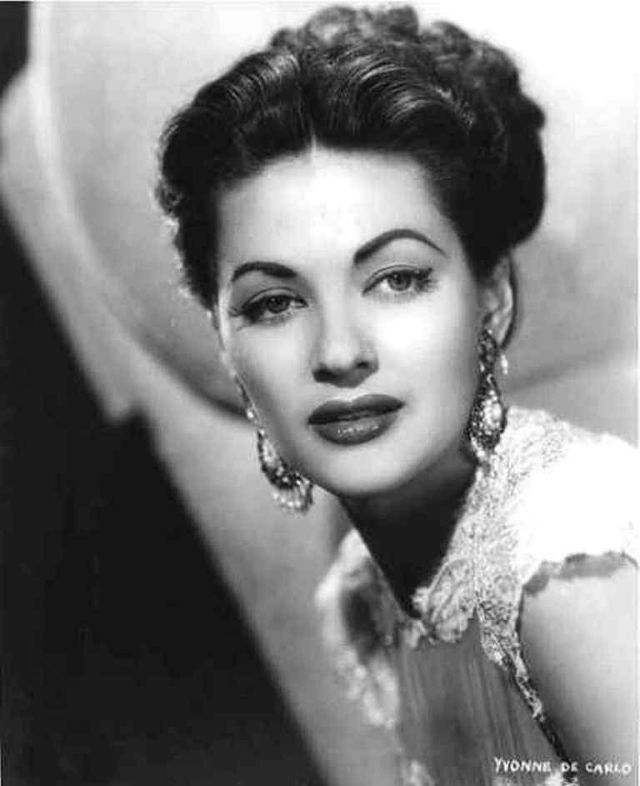
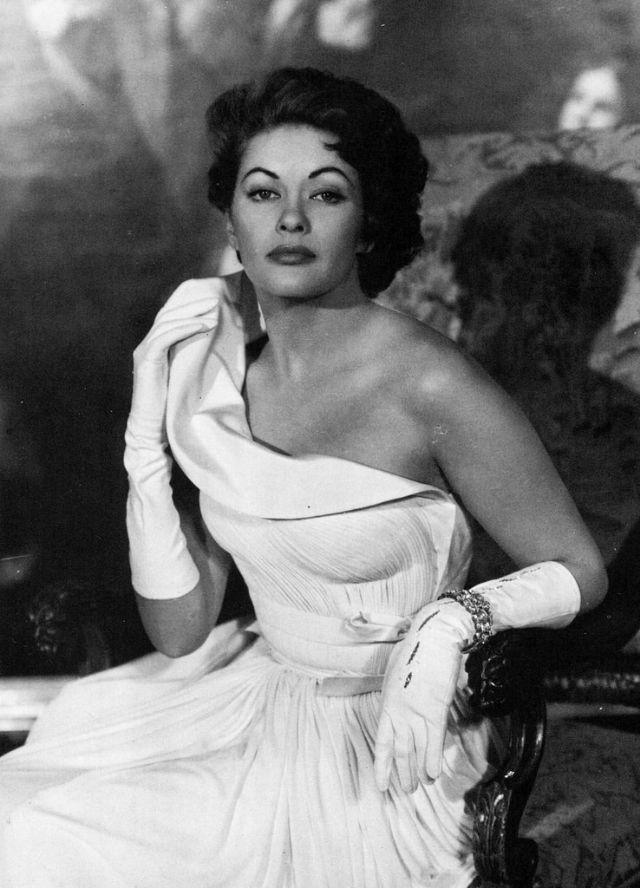
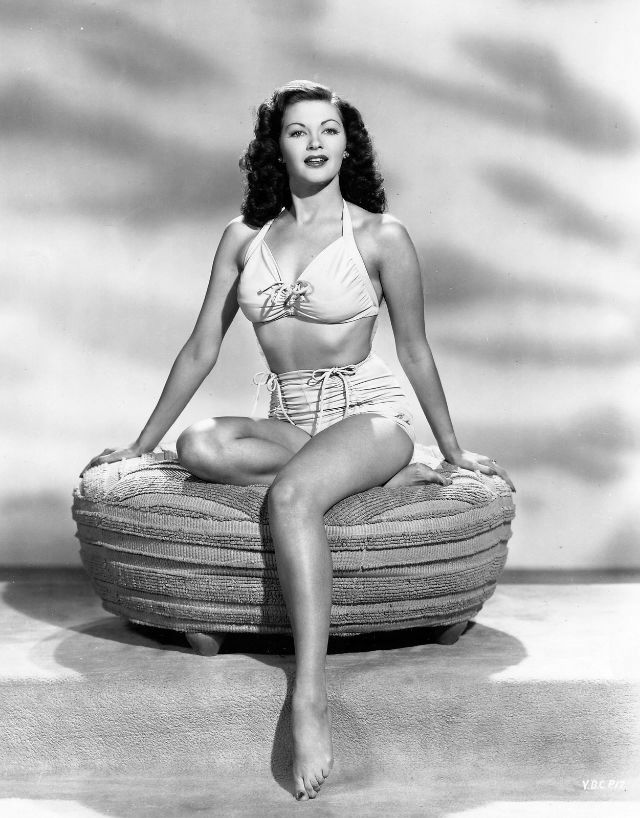
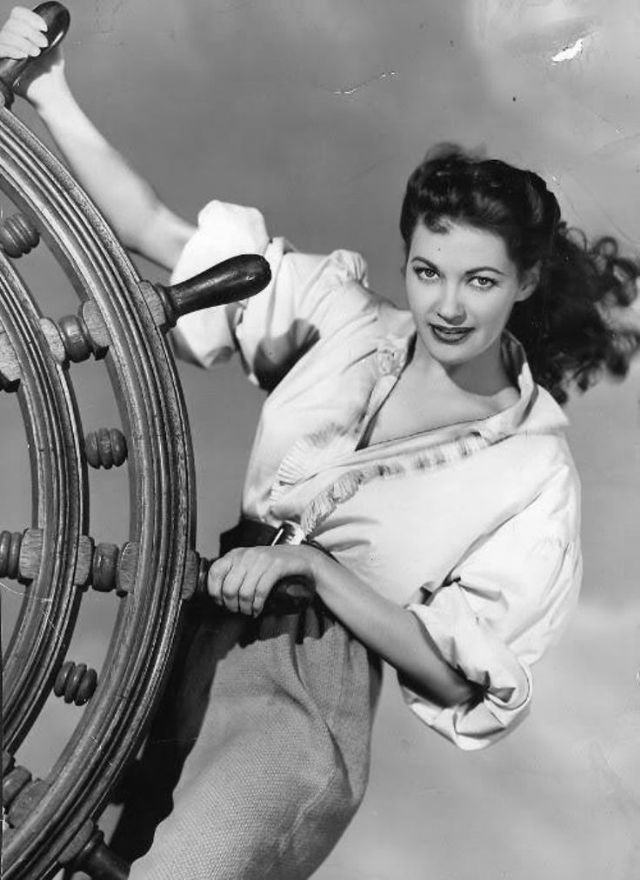
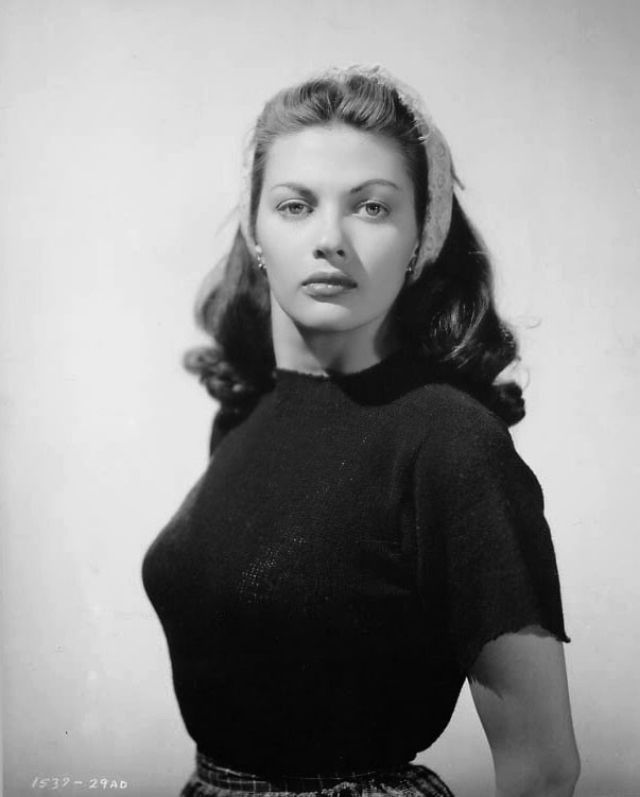
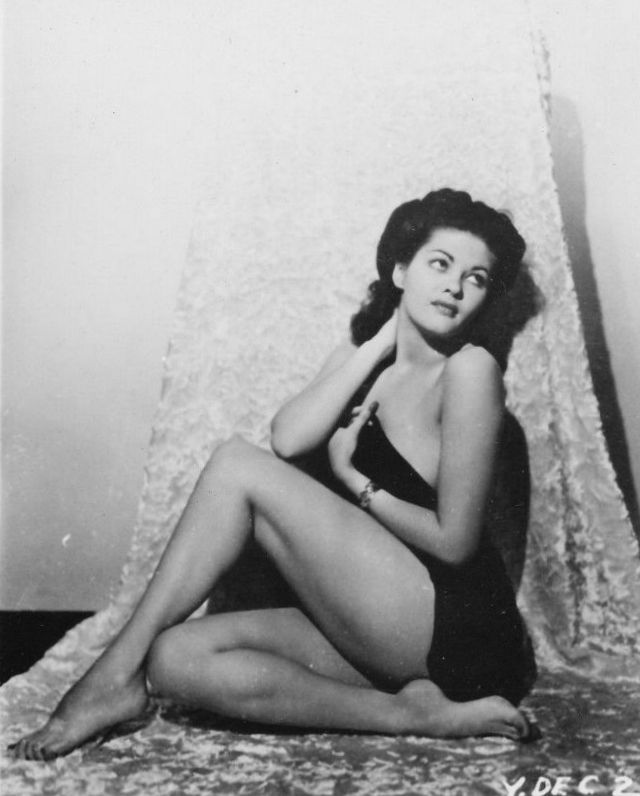
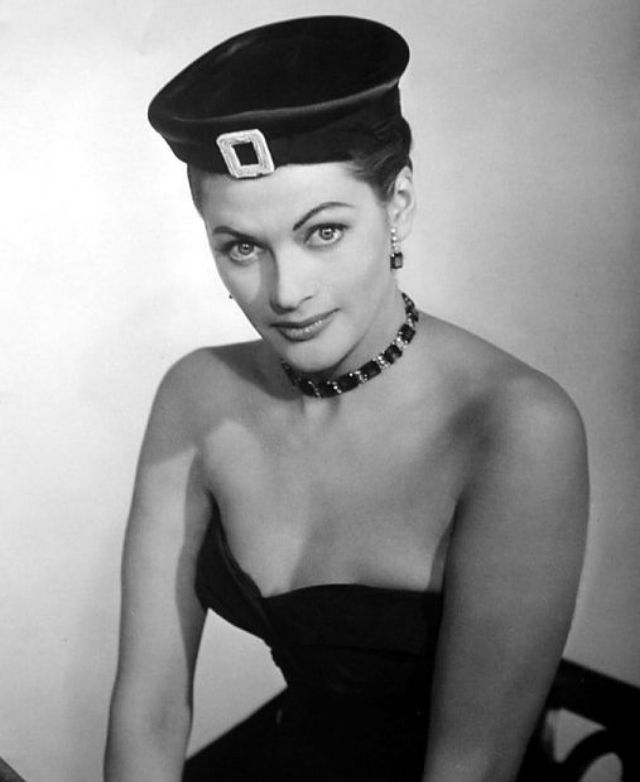
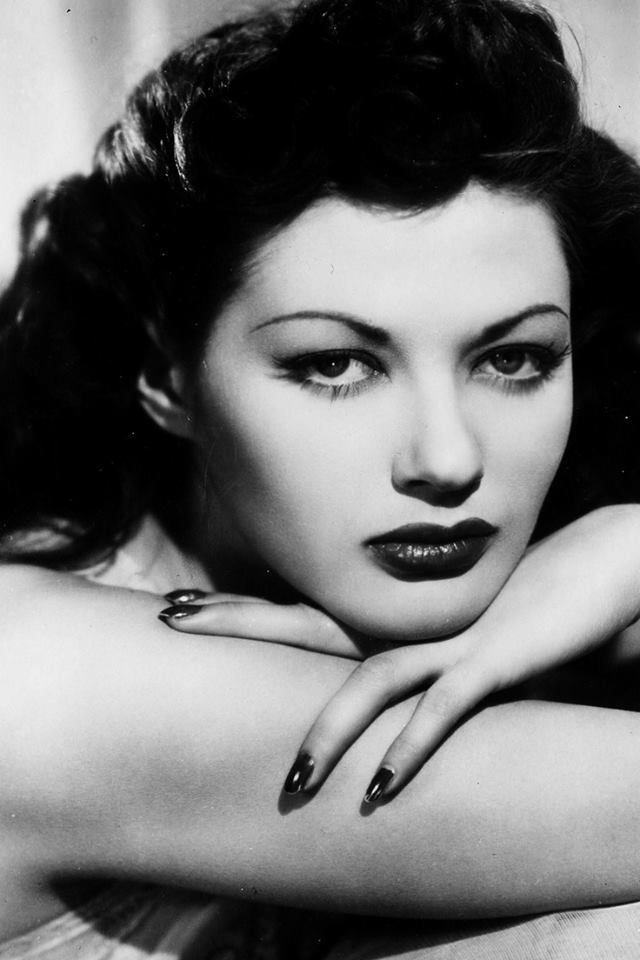
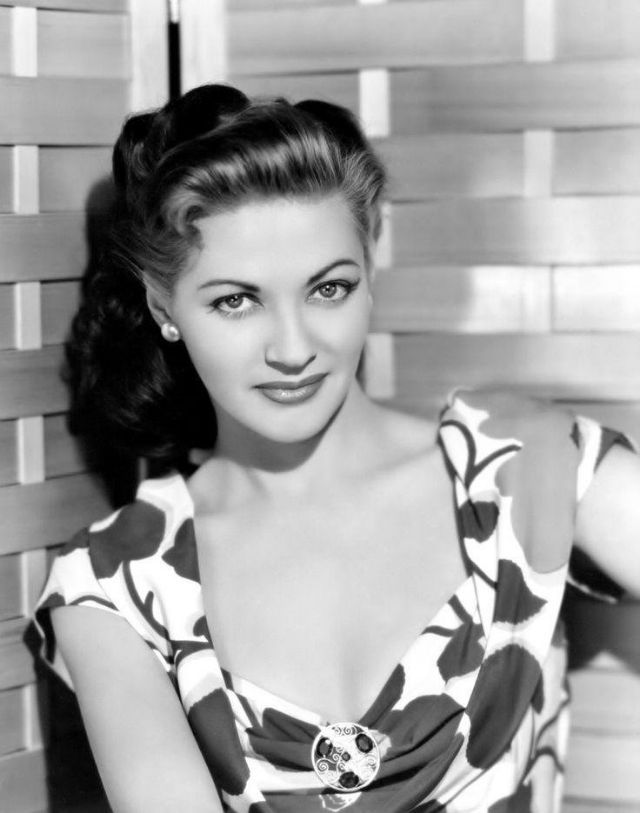
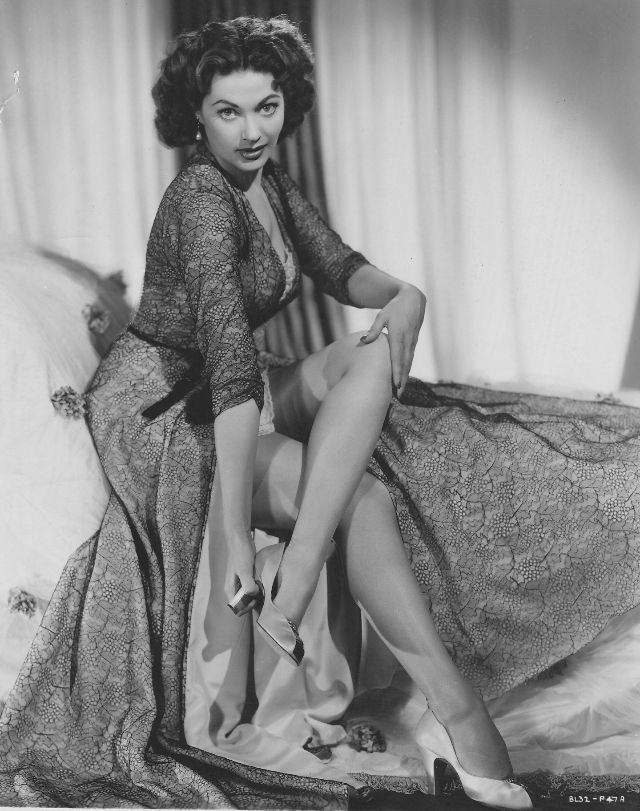
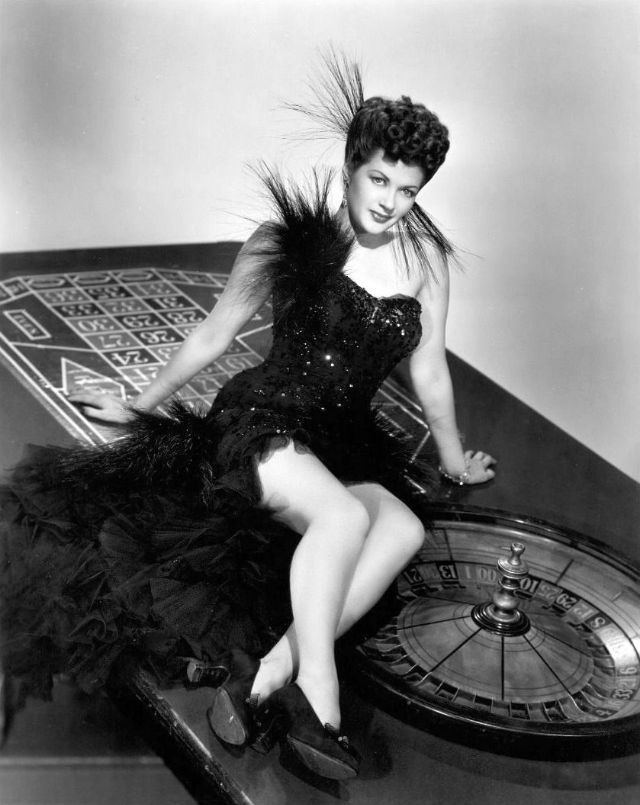
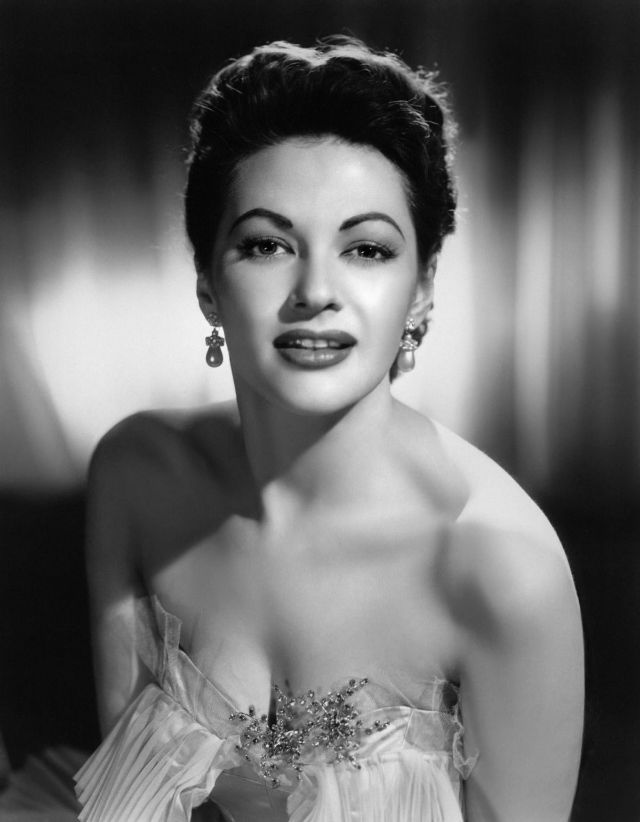
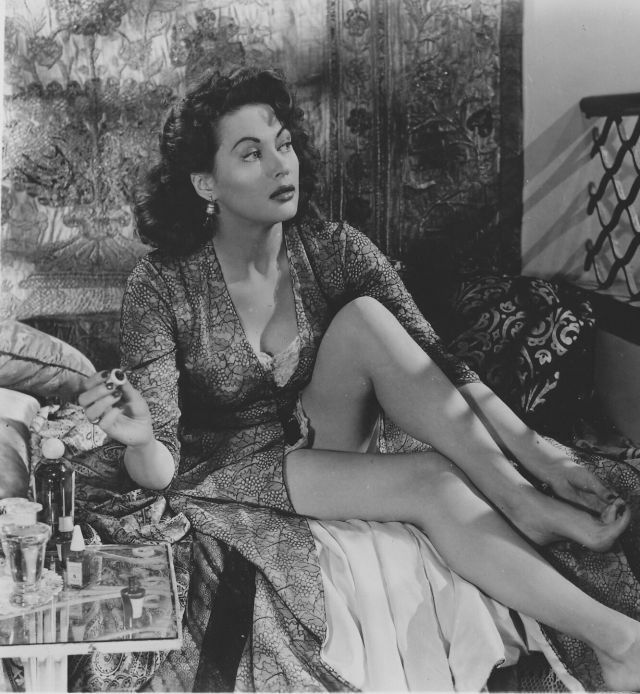
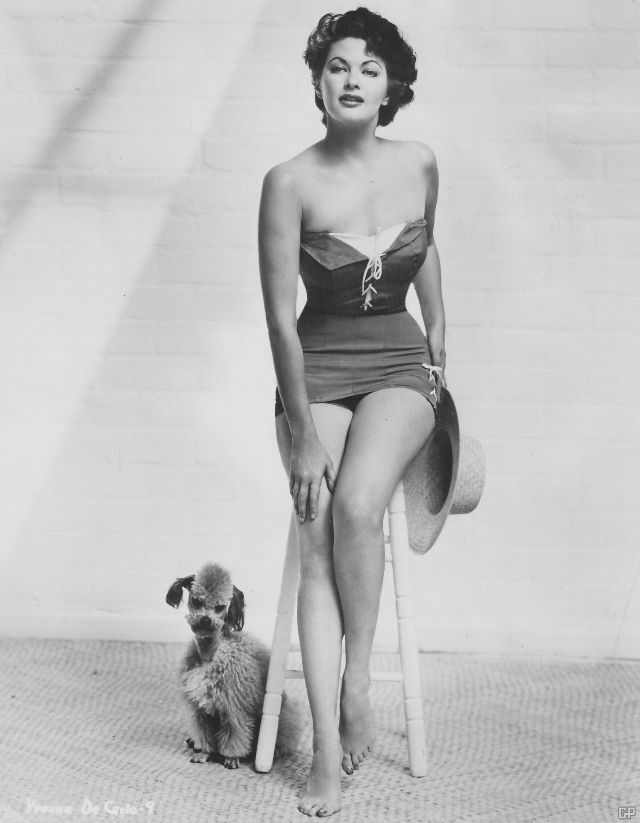
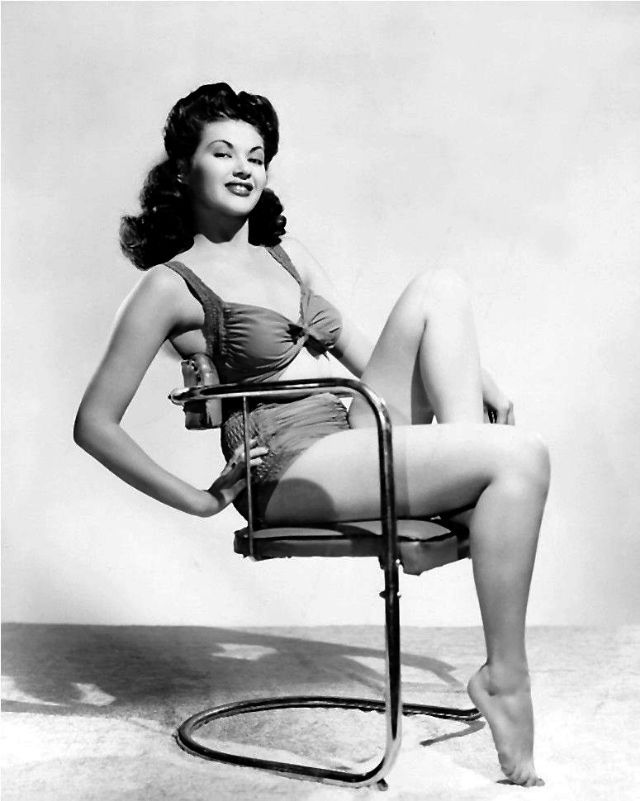
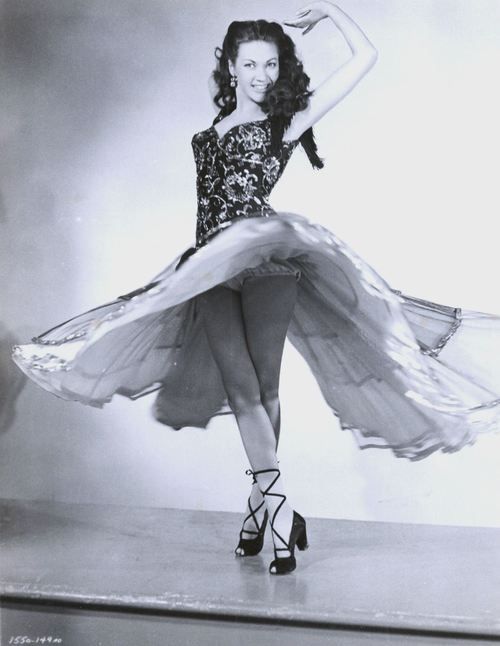
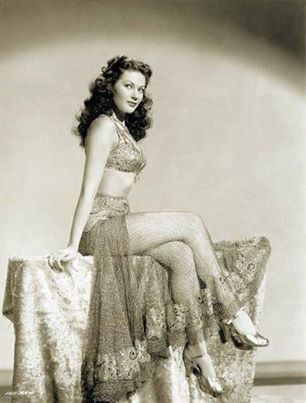
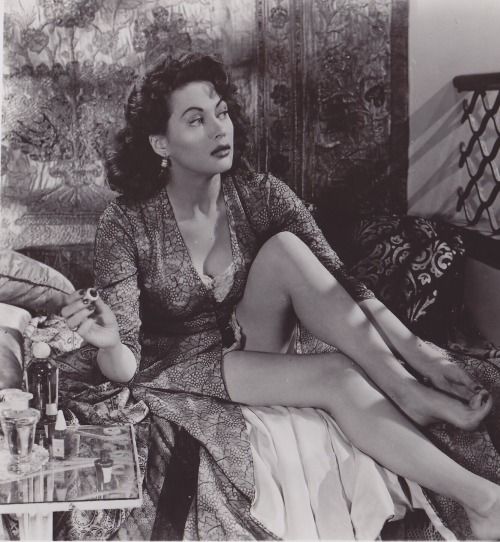
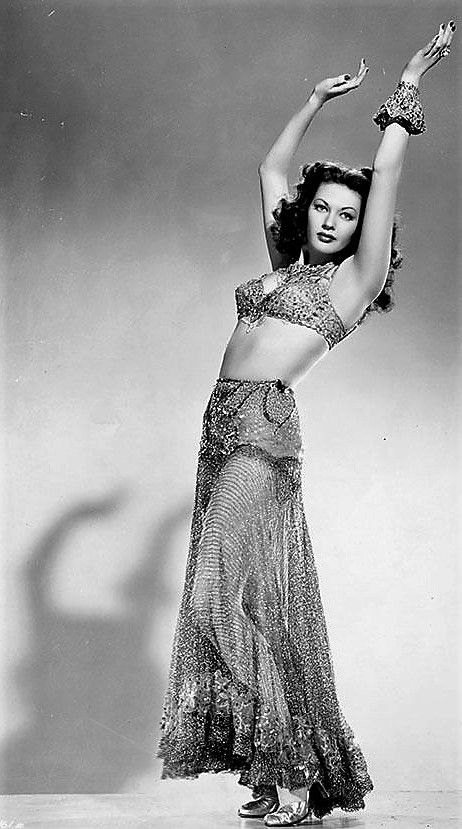
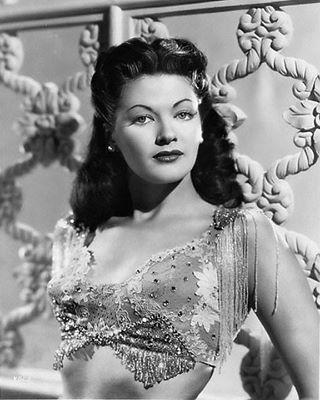
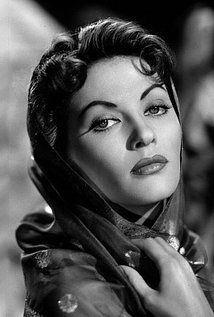
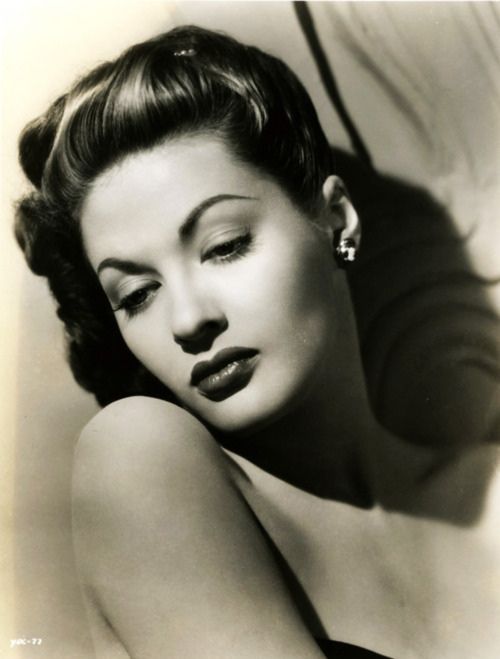
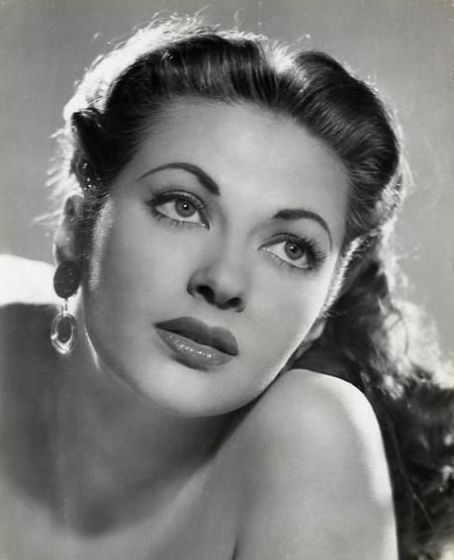
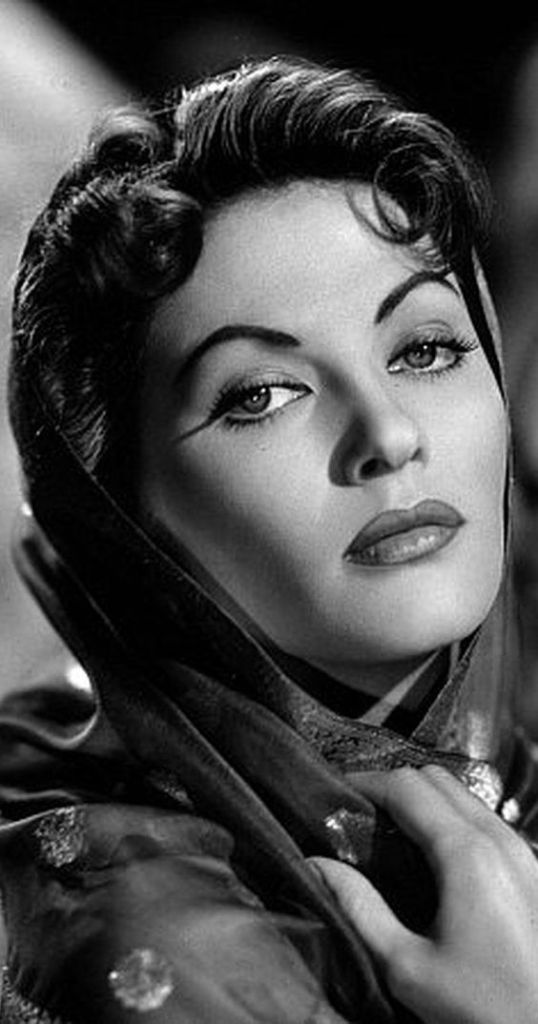
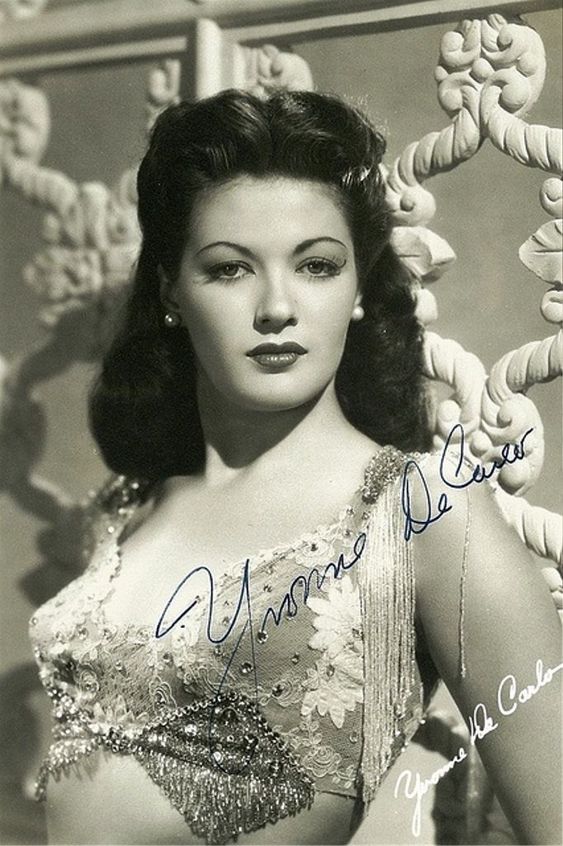
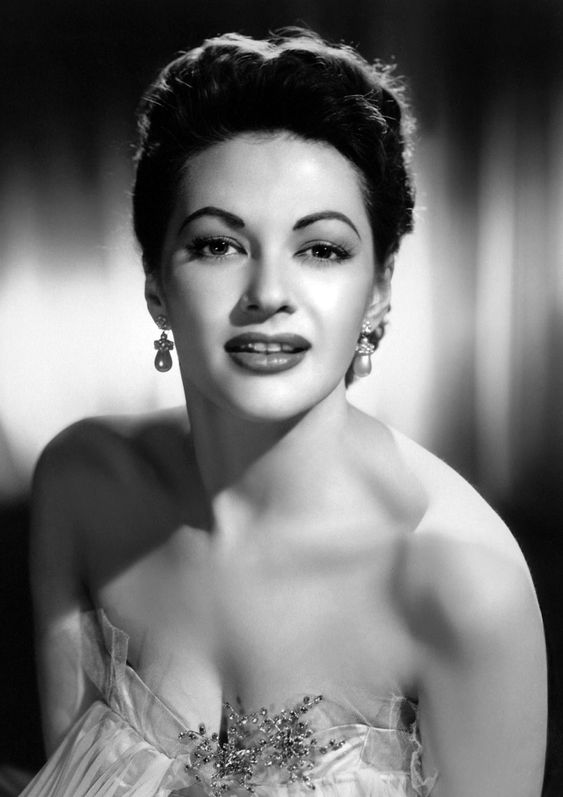
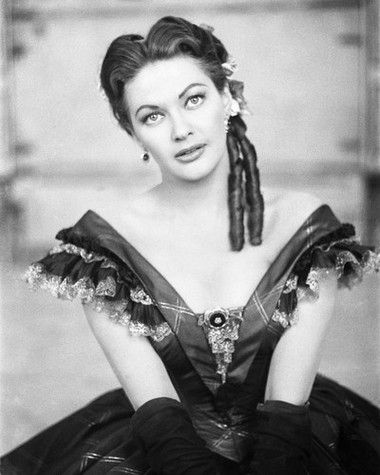
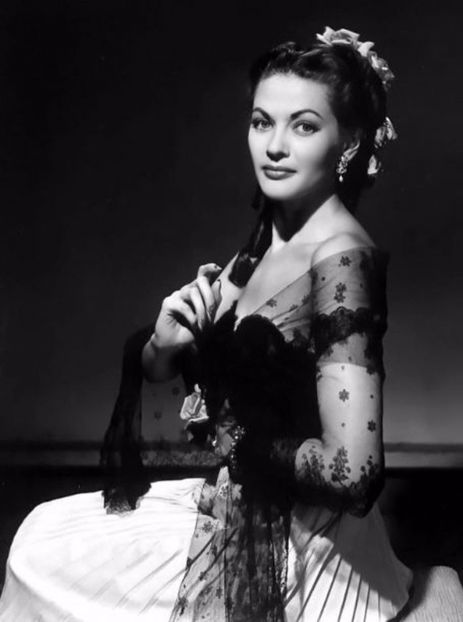
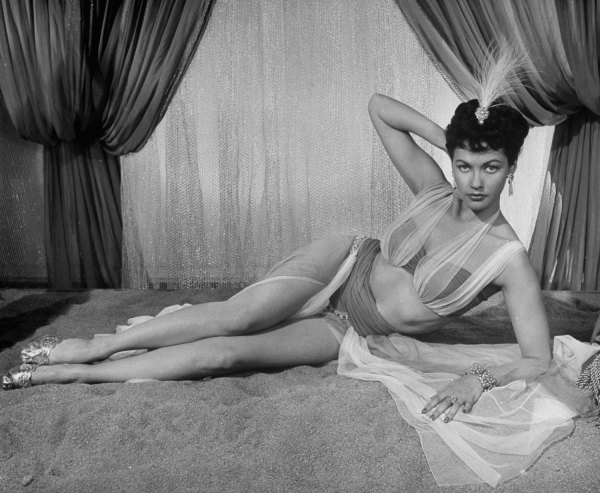
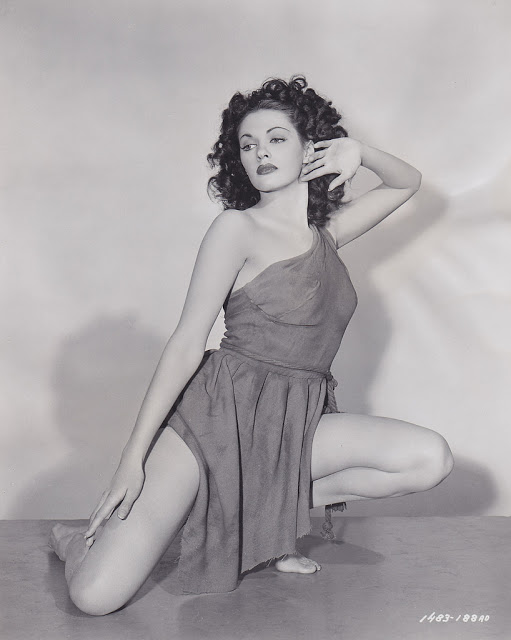
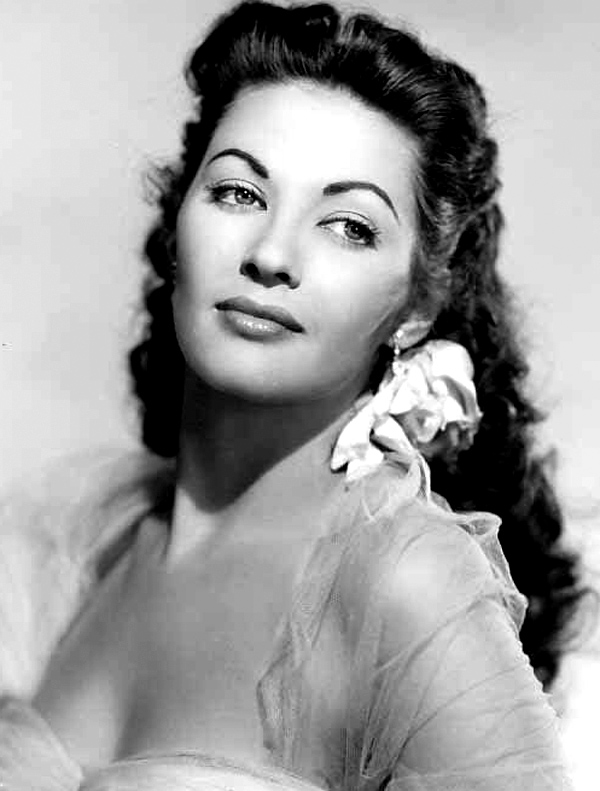
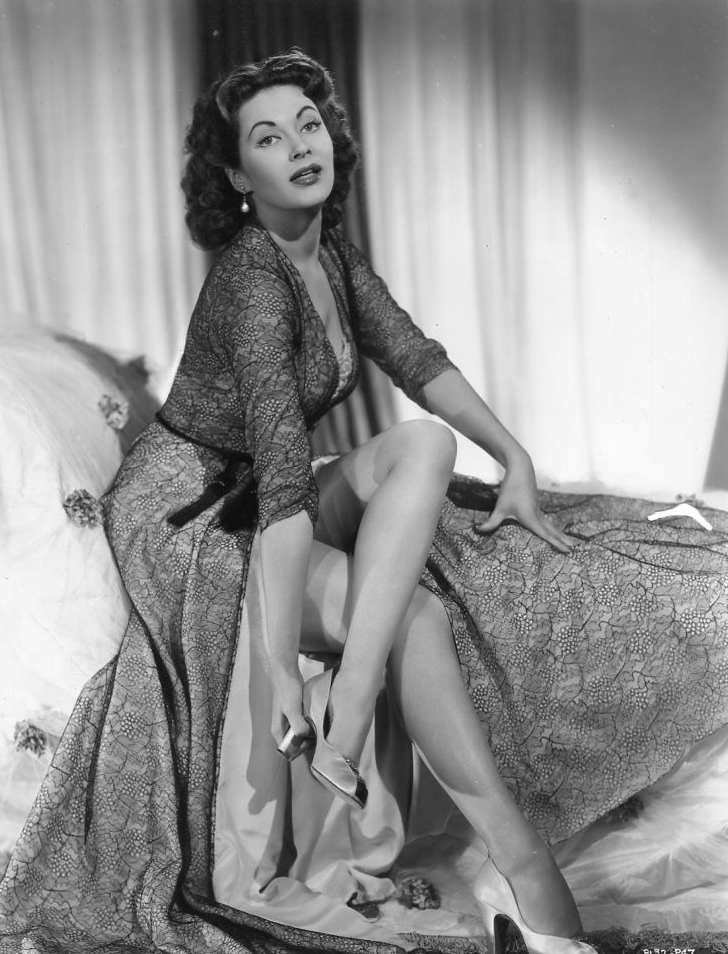
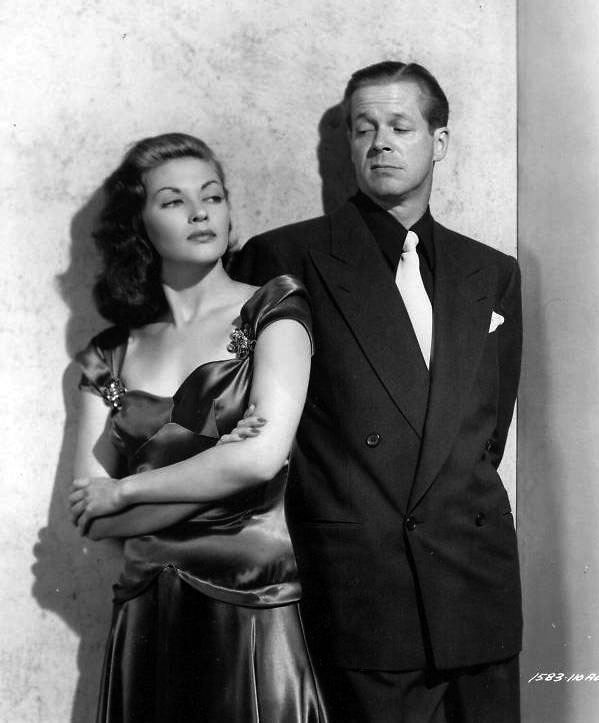
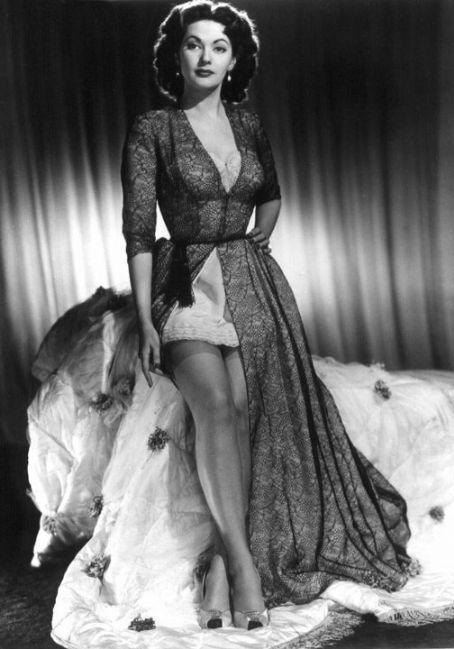
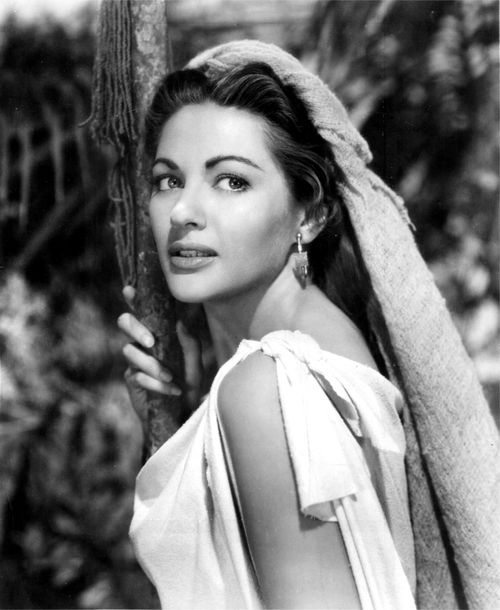
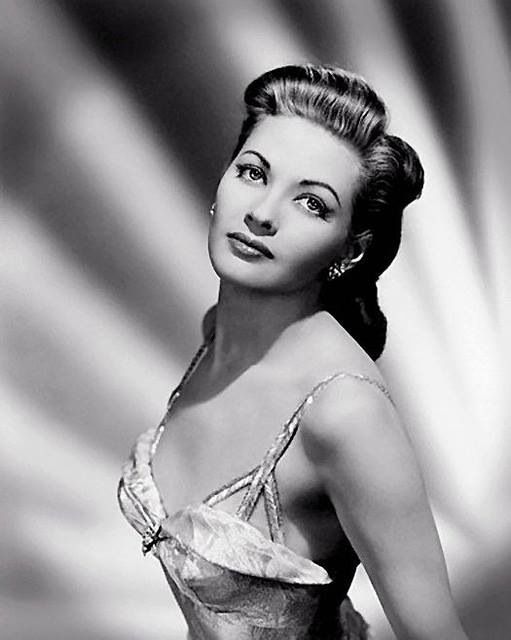
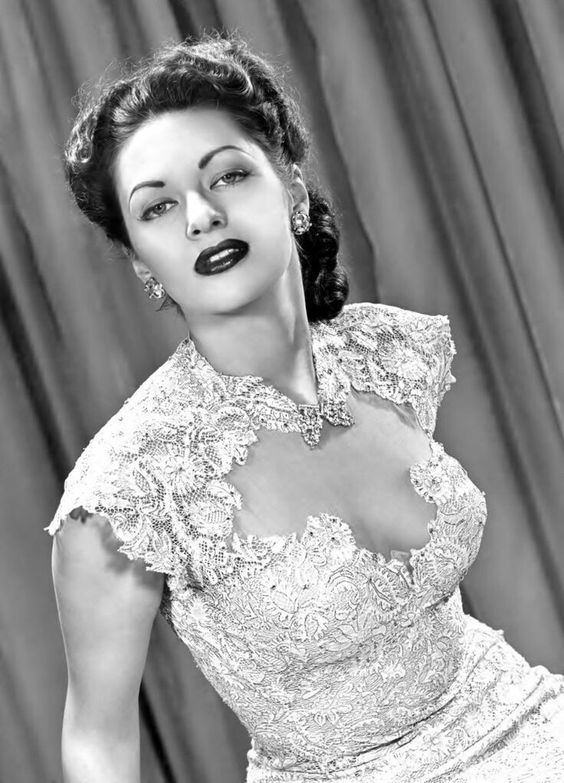
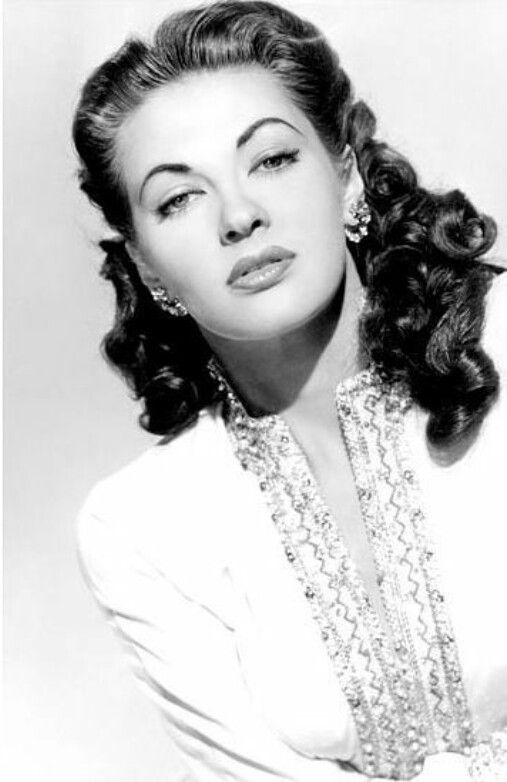
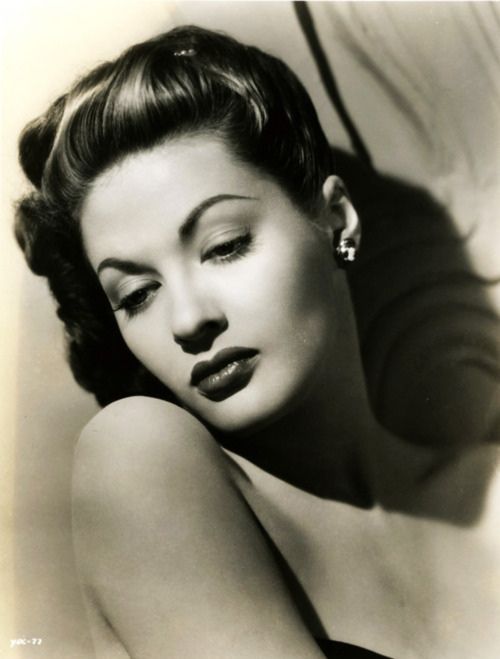
55 Beautiful Photos of Yvonne de Carlo from between the 1940s and 1960s.

A vibrant, full-bodied performer with a rich voice and a lushly sensuous if somewhat odd beauty, Yvonne De Carlo (1922–2007) achieved stardom in the 1940s in some of the more bizarre escapism of that era.

Yvonne De Carlo was a Canadian born American actress, singer, and dancer whose career spanned more than seven decades. A brunette with blue-grey eyes, voluptuous figure, and a deep sultry voice, she was one of most recognizable stars in the golden age of Hollywood and an early multihyphenate.

She began taking dancing lessons at the age of three and spent her late teens performing in various night clubs and on stage. She made her screen debut in 1941 in an uncredited role in the comedy film ‘Harvard, Here I Come’.

After appearing in several other movies in the same capacity, she played the titular character in the 1945 western drama ‘Salome, Where She Danced’. Her next important role was in ‘Song of Scheherazade’ in 1947, which though gave traction to her career, ended up typecasting her as an Arabian Nights-type temptress dressed in harem attire. Despite this stereotyping, she did significant work in comedy and western genres, and was part of the main cast of the 1960s sitcom ‘The Munsters’.

In 1957, she released her first and only album ‘Yvonne De Carlo Sings’. As she aged, she made a relatively easy transformation to being a character actor, active and compelling well into her 70s. De Carlo received two separate stars in 1960 on the Hollywood Walk of Fame for her contribution to films and television.

30 Amazing Color Photos Showing Life in America Just After WWII

When World War II ended, the United States was in better economic shape.

Building on the economic base left after the war, American society became more affluent in the postwar years than most Americans could have imagined in their wildest dreams before or during the war.

These Kodachrome slides show life of the US in the mid-late 1940s and early 1950s.

48 Wonderful Historic Photos of Portland Oregon During the 1910s

Portland is the largest and most populous city in the U.S. state of Oregon and the seat of Multnomah County. It is a major port in the Willamette Valley region of the Pacific Northwest, at the confluence of the Willamette and Columbia rivers in Northwestern Oregon. As of 2020, Portland had a population of 652,503, making it the 25th-most populated city in the United States, the sixth-most populous on the West Coast, and the second-most populous in the Pacific Northwest after Seattle. Approximately 2.5 million people live in the Portland metropolitan statistical area (MSA), making it the 25th most populous in the United States. Its combined statistical area (CSA) ranks 19th-largest with a population of around 3.2 million. Approximately 47% of Oregon’s population resides within the Portland metropolitan area.

Named after Portland, Maine, the Oregon settlement began to be populated in the 1830s near the end of the Oregon Trail. Its water access provided convenient transportation of goods, and the timber industry was a major force in the city’s early economy. At the turn of the 20th century, the city had a reputation as one of the most dangerous port cities in the world, a hub for organized crime and racketeering. After the city’s economy experienced an industrial boom during World War II, its hard-edged reputation began to dissipate. Beginning in the 1960s, Portland became noted for its growing progressive political values, earning it a reputation as a bastion of counterculture.

The city operates with a commission-based government guided by a mayor and four commissioners as well as Metro, the only directly elected metropolitan planning organization in the United States. Its climate is marked by warm, dry summers and cool, rainy winters. This climate is ideal for growing roses, and Portland has been called the “City of Roses” for over a century.

S.W. 5th and Morrison Street, 1912
A red electric pulls the liberty bell past the Circle Theater, 1915
Broadway in the late 1910s
East 15th and Burnside, 1919
First traffic signal in Portland SW 3rd Ave and Morrison St., 1915
Grand parade on Broadway, 1910
Jackson Tower, 1918
Looking east on Sandy at 37th street, 1915
Motorcycle club at 4th and Taylor, 1912
Northeast Weidler Street during ice storm in 1917
Ramapo Hotel at 1337 S.W. Washington street, 1918
S.E. Morrison & Water, 1915
S.W. 3rd avenue, looking North from Morrison, 1910
S.W. Sixth and Yamhill, 1915
S.W. Washington and Broadway, 1914
Sixth and Taylor streets, 1910
Sixth street, looking North, 1912
Skidmore fountain, 1910s
The 23rd Avenue steetcar, 1910s
The corner of 23rd and Burnside in 1913
The Heilig theatre, 1912
The Quimby House on 4th and Couch, 1910s
Third Street on the Road of a Thousand Wonders in Portland, 1910s
Train station, 1913
Union Oil Fire on June 26, 1911
Wagons and businesses along Front Avenue, 1910
West Burnside and SW Washington at 19th, 1910
Women at fountain, 1910s
Portland Fire Dept., Engine 3 crew pose inside station next to the telegraph alarm system, 1912.
Portland Fire Dept., Engine 3 at 12th & Washington fire, 1910
Portland Fire Dept., Engine 3, ca. 1917
Portland Fire Dept., Station 3 personnel in front of station, 1914
Horse drawn water tanker, 1912.
Street Drinking Fountains in Portland, 1917
One of the First Benson Bubblers, Portland, 1917
City Garage on 10th Street, Portland, 1915
Construction crew on Hawthorne (Madison St.) Bridge, 1910
Willamette River Conduit Crossing with barges and pipe assembly in 1910
Fireboat George Williams, 1910
Driver George Welch bringing Engine No. 2 out of the station in Portland. 1918
The White Eagle saloon, one of many in Portland that had reputed ties to illegal activities such as gambling rackets and prostitution. 1910
View of Front Ave, 1910
Four firefighters from Truck 5 posing outside Station 8 at 45 NE Russell Street, circa
1910.
Fire Chief Jay Stevens (second from left) and Station 23 crew in quarters, 1914. The building is located at 1917 SE 7th Avenue.
Officers and crew pose around Fire Station 4 watch desk, 1913.
Williams Ave., 1910
SW 6th Avenue looking north near SW Morrison Street, 1910.
Portland Hotel, 1910

36 Amazing Colorized Photos of American Police Cars From Between the 1920s and 1950s

Here is an incredible collection of colorized photos from Willie Brown that shows American police cars from between the 1920s and 1950s.

1926 Kearny, NJ Police Vehicle
1932 Columbus, Ohio Police Car (a new high tech radio equipped cruiser)
1935 Ohio State Highway Patrol Ford
1937 Ford with large speakers
1940 Kansas State Highway Patrol Vehicle
1940 Michigan State Police Car
1940 Ohio Highway Patrol
1942 British Columbia Highway Patrol Ford
1942 Kentucky Highway Patrol Cars
1942 Los Angeles Police Vehicles
1942 Salt Lake City Police Hudson Commodore
1943 Grandview Heights Police Car
1946 Ford Deluxe of the Ohio Highway patrol
1948 Franklin County Ohio Sheriff’s Deputy
1948 Fulton County Police Vehicle
1948 Oregon State Police Vehicle
1949 Arnansas Pass, Texas Police Vehicle
1949 North Dakota State Patrol Pontiac
1955 Ohio Highway Patrol
1947 Pennsylvania State Police
Michigan State Police 1949
1957 Summit County, Ohio Sheriff’s Office
Alabama Highway Patrol 1952
Ohio State Highway Patrol 1957 Ford Fairlane
Lexington, KY police department 1950
Ohio State Highway Patrol 1948 Ford Super Deluxe
Madison Wisconsin Police & Fire Ambulance
Ohio State Highway Patrol Mobile Command Post 1950s
Missouri Highway Patrol 1948
Ohio State Highway Patrol 1954 Hudson Hornet
1958 Ohio Highway Patrol Plymouth Plaza
Joliet, ILL, 1957
Arnansas Pass, Texas Police Dept. 1949
Burbank, CA Police Department 1959 Nash Metropolitan
1943 Grandview Heights Police
1940 Michigan State Police

(Photos colorized by Willie Brown)

Yesterday Today

Bringing You the Wonder of Yesterday - Today

Skip to content ↓