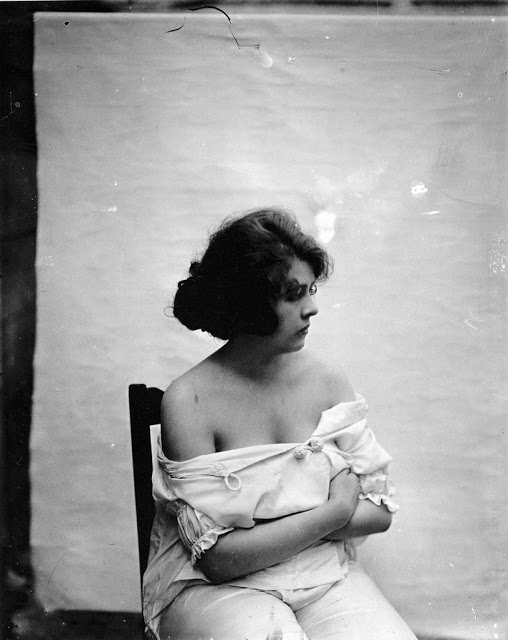
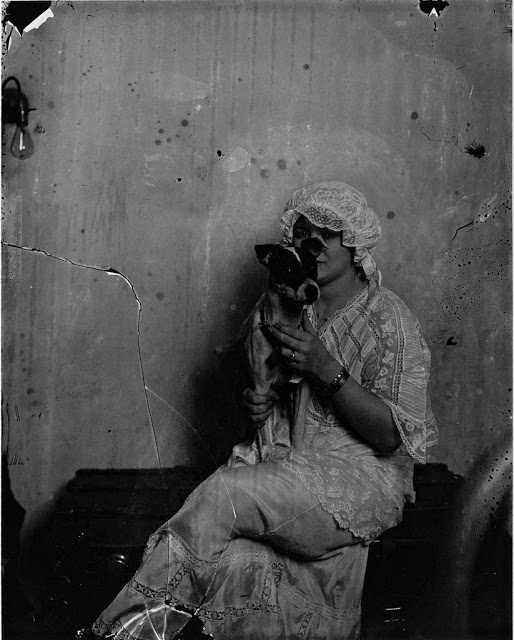
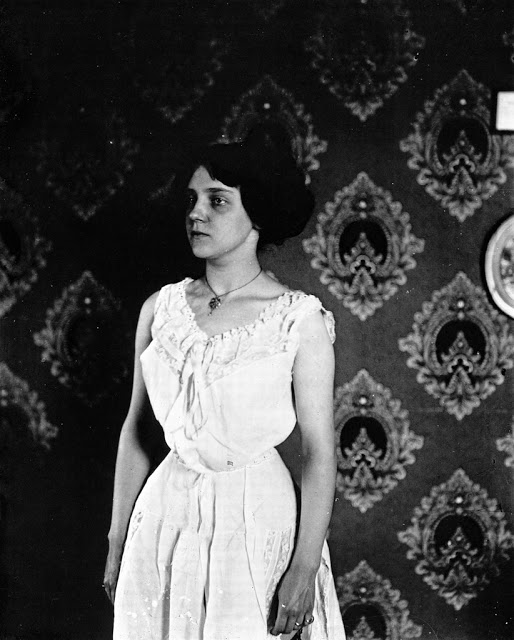
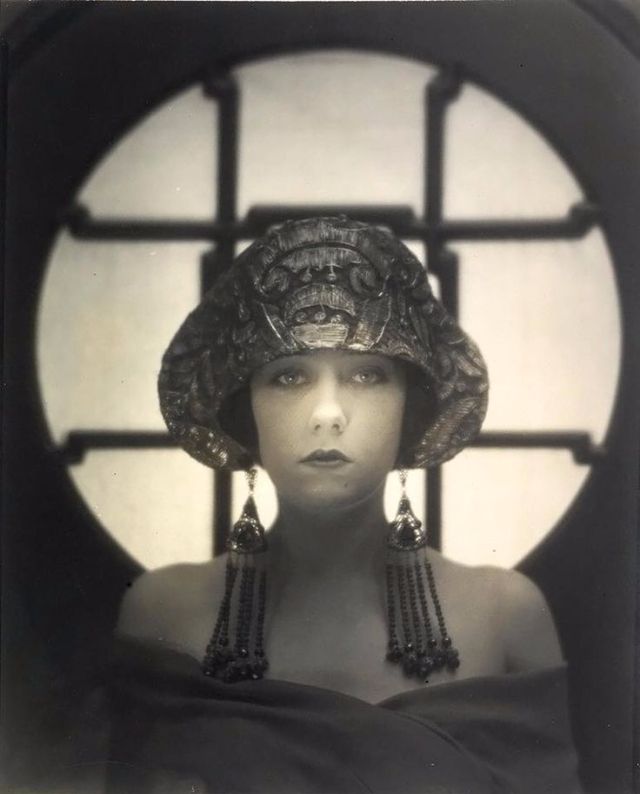
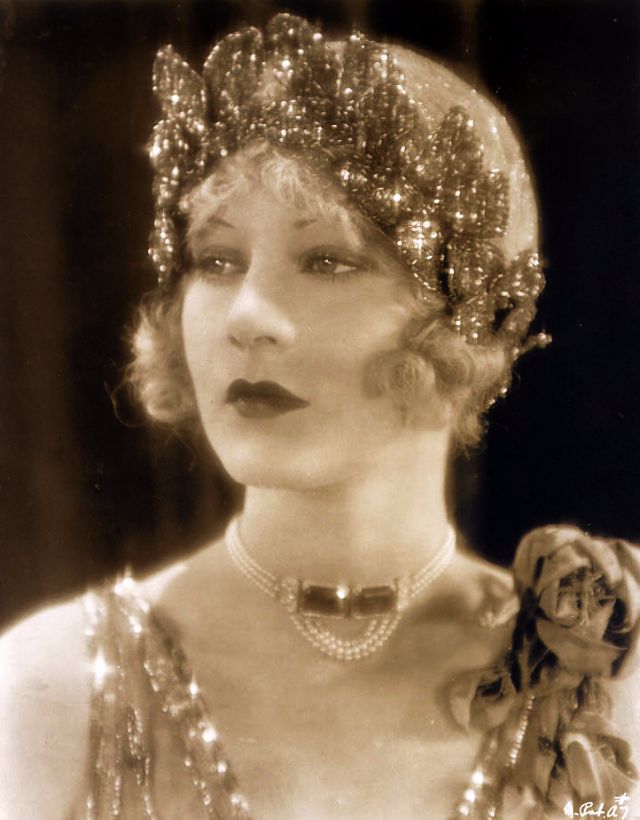
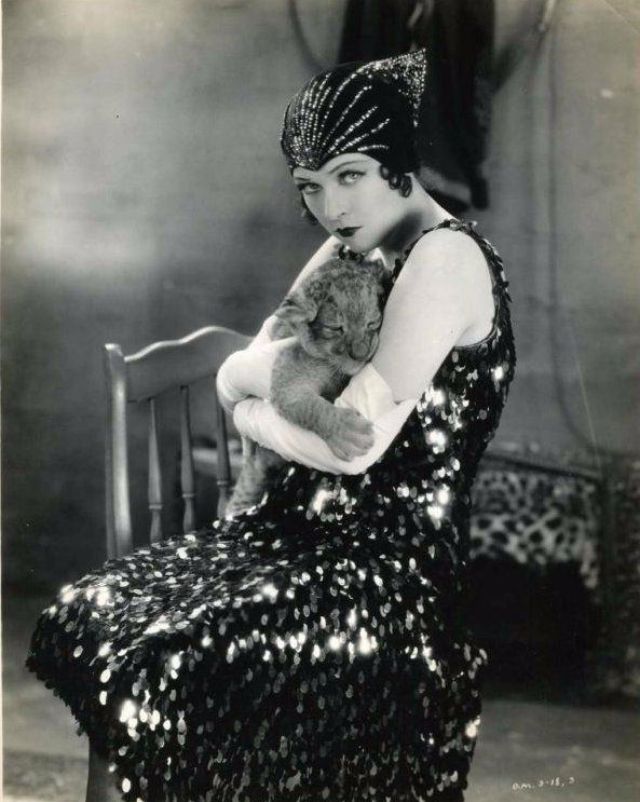
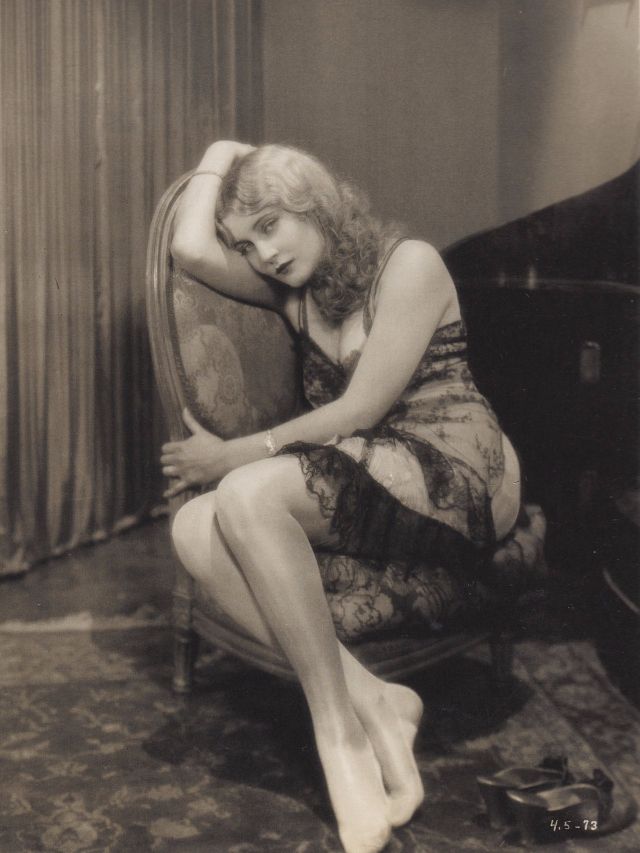
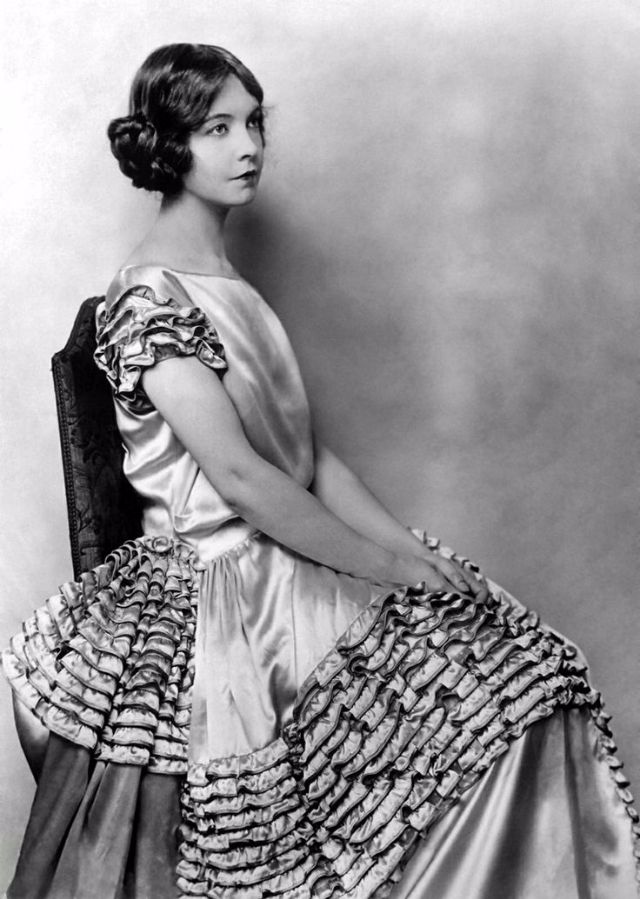
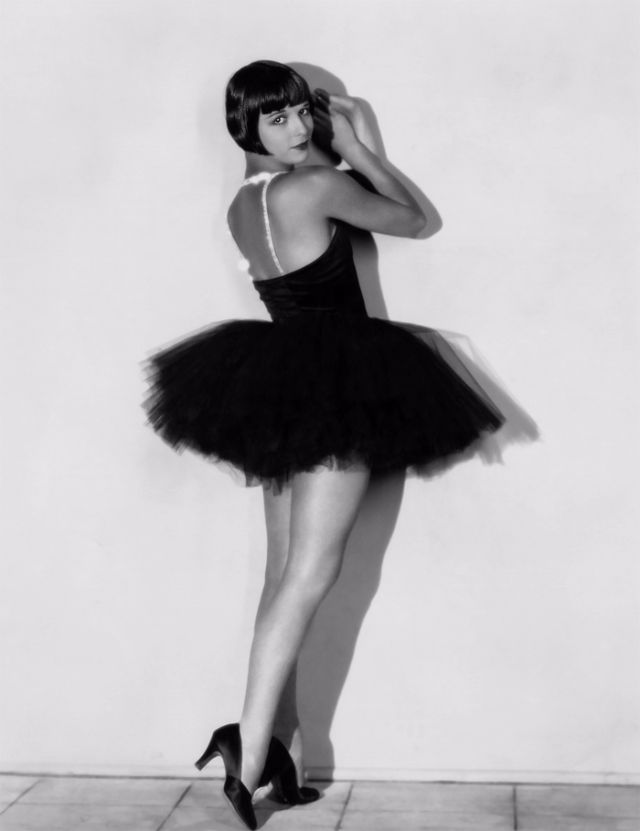
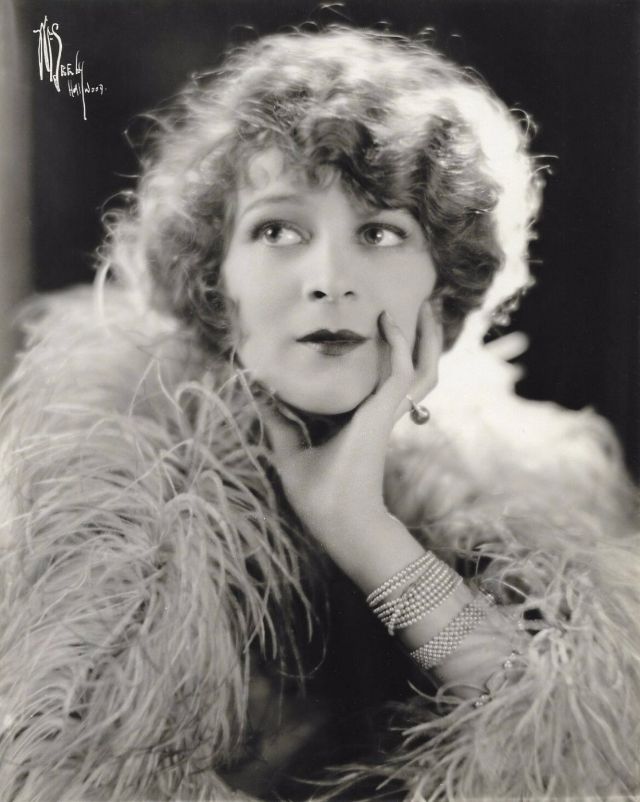
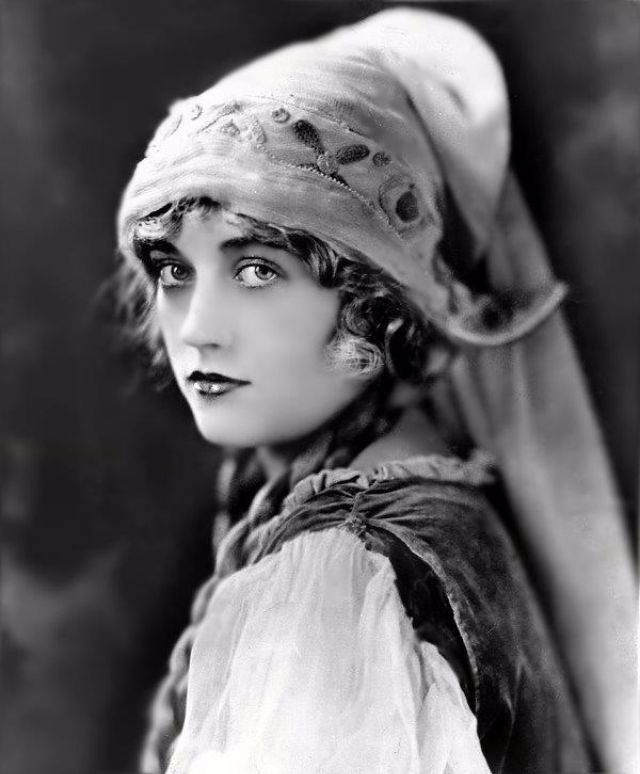
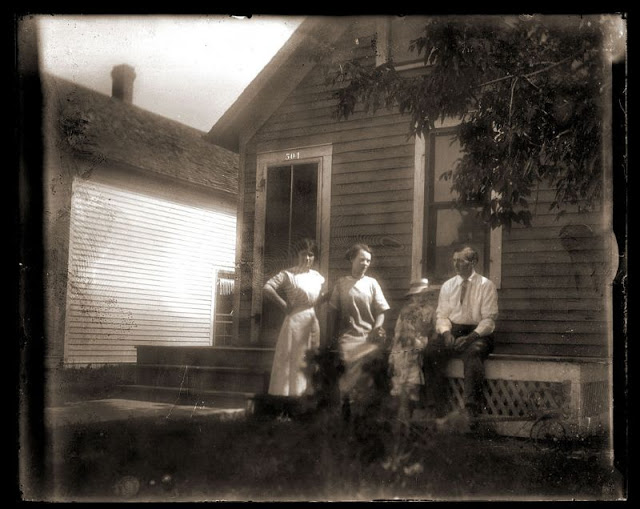
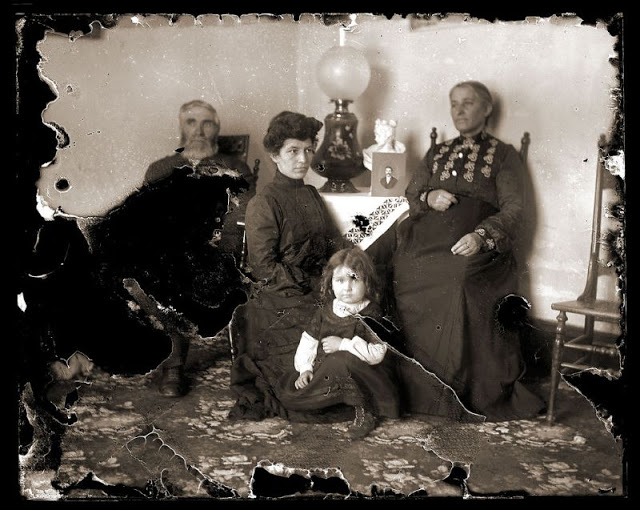
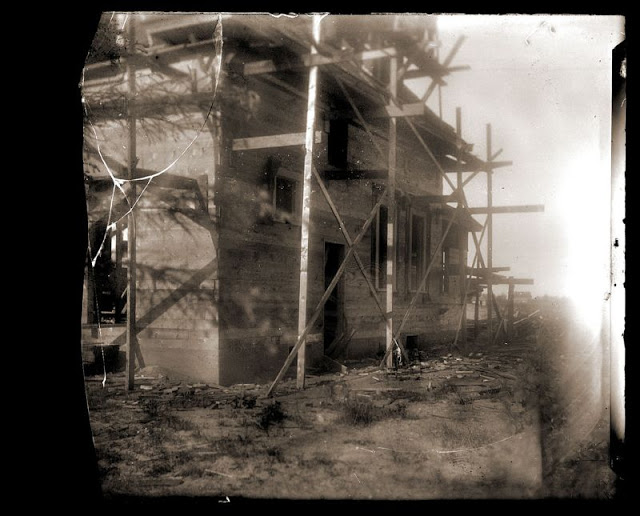
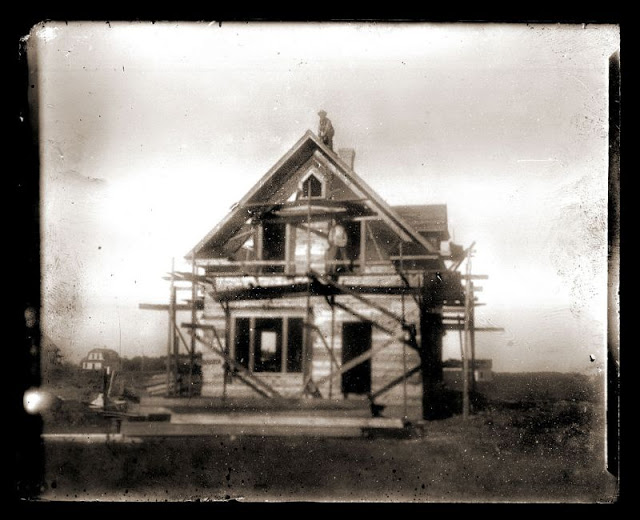
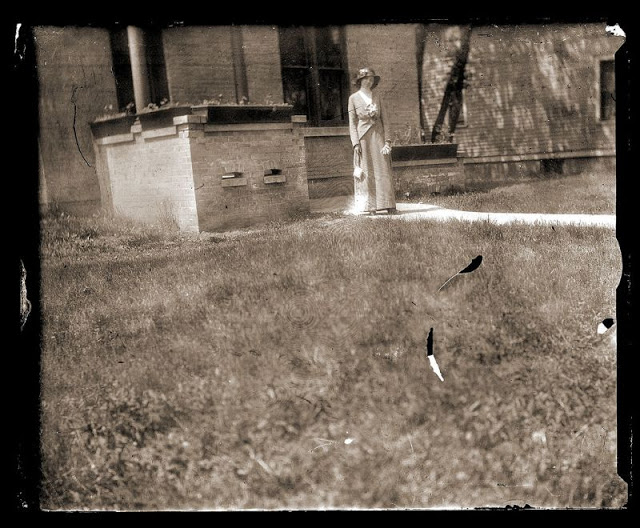
Amazing Portraits of Prostitutes From New Orleans’ Storeyville in the Early 1910s

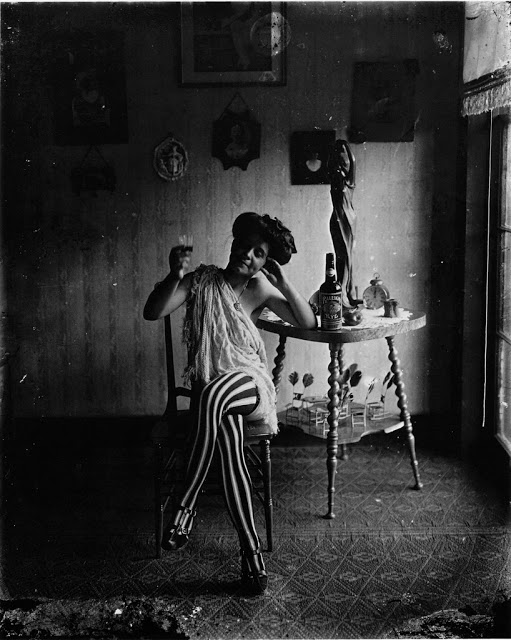
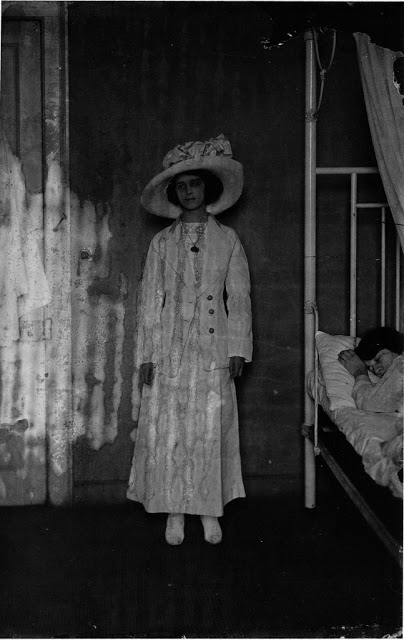
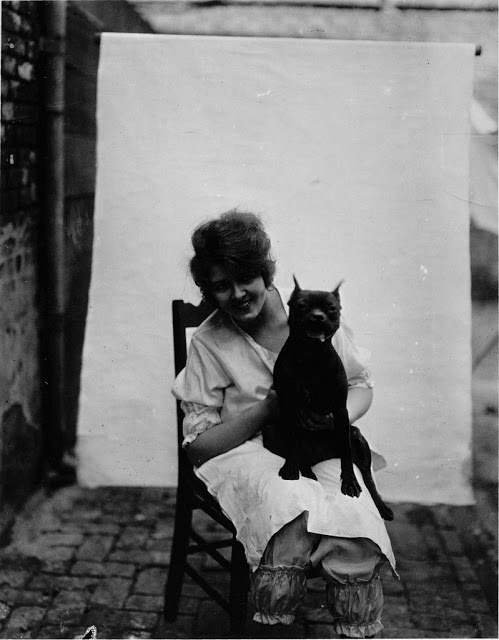
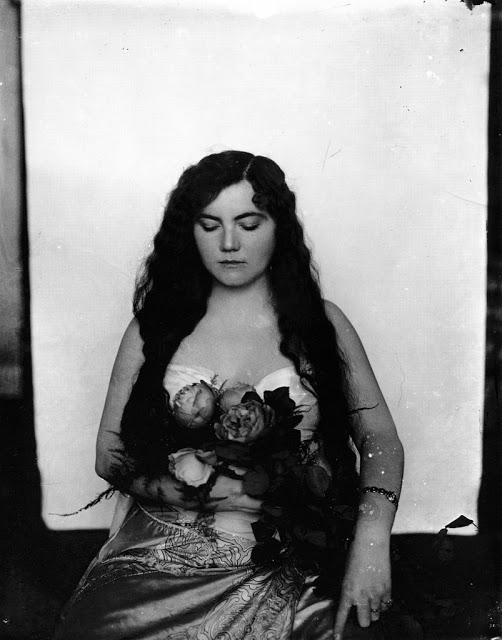
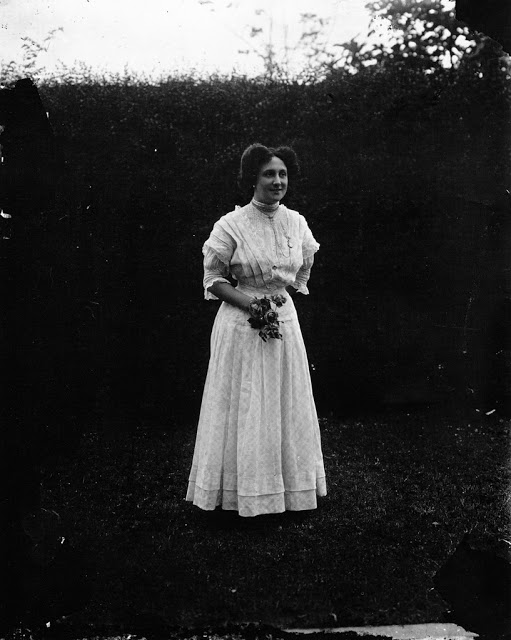
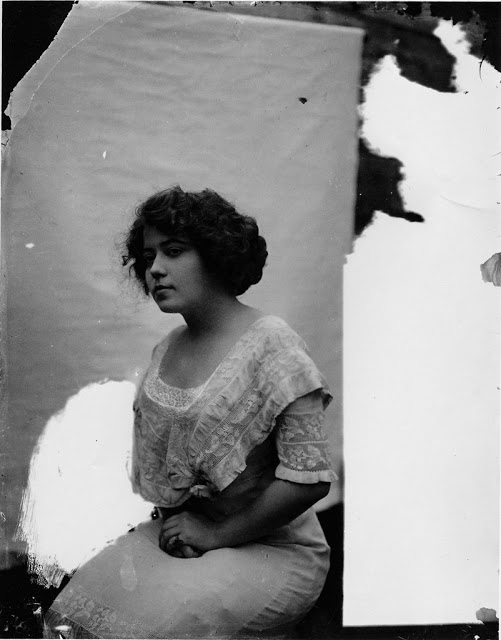
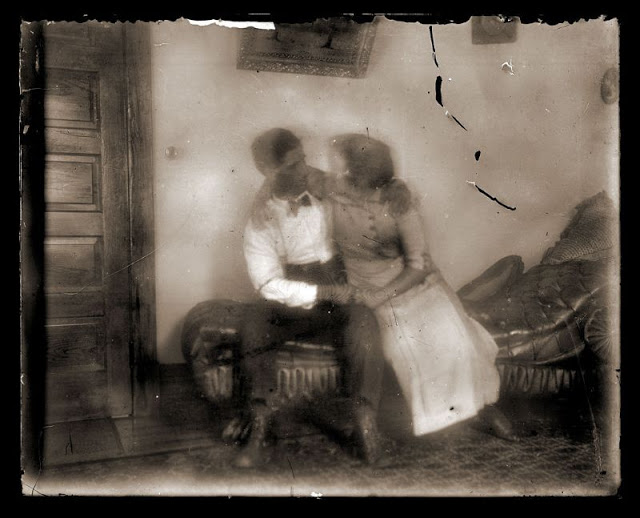
Before Storyville of New Orleans shut down in 1917, it was the only legalized red-light district in North America, and French photographer E. J. Bellocq took portraits inside of these storied brothels. The Storyville photographs not only serve as a record of the prostitutes, but also the interiors of the businesses that housed them.

All the photographs are portraits of women. Many of the negatives were badly damaged, in part deliberately, which encouraged speculation. Many of the faces had been scraped out; whether this was done by Bellocq, his Jesuit priest brother who inherited them after E. J.’s death or someone else is unknown. Bellocq is the most likely candidate, since the damage was done while the emulsion was still wet.

49 Stunning Vintage Photos of Actress Myrna Loy During the 1930s & 1940s

Myrna Loy, born Myrna Adele Williams on August 2, 1905 in Helena, Montana, was only thirteen when her father died of influenza in 1918. Her family subsequently moved to Los Angeles and already learning to dance it wasn’t long before she also took up acting. In 1923 she started dancing at Grauman’s Egyptian Theatre and after being noticed by Rudolph Valentino and his wife Natacha Rambova they helped her get her first role (albeit uncredited) in the 1925 film What Price Beauty? In the same year she appeared in Pretty Ladies along with Joan Crawford. She became one of the few stars who appeared in silent movies and make a successful transition into the sound era. Although in most of her early films she played what were called ‘exotic’ roles including Ham and Eggs at the Front (1927) where she literally blacked up. Her last role in this vein was when she played Fah Lo See in the Mask of Fu Manchu (1932). By this point she was more than fed up being typecast in these roles. The film critic Farran Smith Nehme wrote of when Loy initially read the script:

Immediately after Thirteen Women, Loy did The Mask of Fu Manchu, and found herself confronted with a script that asked her to whip a man “while uttering gleefully suggestive sounds.” She’d had it with this sort of stuff, and furthermore she’d been reading Freud and picked up a thing or two. She went to producer Hunt Stromberg and refused to film it: “I’ve done a lot of terrible things in films, but this girl’s a sadistic nymphomaniac.” Stromberg said, “What’s that?”, which lack of familiarity with less-conventional sexuality makes you wonder how Hunt Stromberg ever got anywhere as a Hollywood producer, but never mind. Loy replied, “Well, you better find out, because that’s what she is and I won’t play her that way.” Studio contracts being what they were, she did play her that way, but she succeeded in getting Stromberg to trim some excesses. “She wasn’t Rebecca of Sunnybrook Farm,” said Miss Loy, “but, as I remember, she just watched while others did the whipping.”

Only two years later she was chosen to play along side William Powell in The Thin Man. Myrna Loy once said that “I never enjoyed my work more than when I worked with William Powell. He was a brilliant actor, a delightful companion, a great friend and, above all, a true gentleman.” Director W. S. Van Dyke chose Loy after he detected a wit and sense of humor at a Hollywood party that her previous films had not revealed. Although Louis B. Mayer initially thought her unsuitable, Van Dyke insisted and the film went on to become one of the year’s biggest hits – even nominated for the Academy Award for Best Picture. Loy received excellent reviews and was acclaimed for her comedic skills. William Powell and Myrna Loy became one of Hollywood’s most popular screen couples and appeared in 14 films together. Loy later referred to The Thin Man as the film:

That finally made me … after more than 80 films.” . . . Nora had a gorgeous sense of humor; she appreciated the distinctive grace of her husband’s wit. She laughed . . . at him and with him when he was funny. What’s more, she laughed at herself. Besides having tolerance, she was a good guy. She was courageous and interested in living and she enjoyed doing all the things she did. You understand, she had a good time, always.

According to the film critic Philip French her greatest performance came in William Wyler’s The Best Years of our Lives (1946), about returning war veterans. Her scenes with husband Fredric March – putting him to bed after a drunken reunion, discussing the nature of what makes a marriage survive with their daughter – constitute a masterclass in screen acting.

During World War Two Loy raised millions of dollars in war bonds and worked tirelessly for the Red Cross. A friend of Eleanor Roosevelt she became active in liberal politics and an unabashed supporter of the Civil Rights Movement. She also spoke out against the House Un-American Activities Committee.

By the time Loy died in 1993, at the age of 88, and two years after being awarded an honorary Oscar she had appeared in an incredible 129 movies.

Subscribe to get access

Read more of this content when you subscribe today.

Subscribe to continue reading

Become a paid subscriber to get access to the rest of this post and other exclusive content.

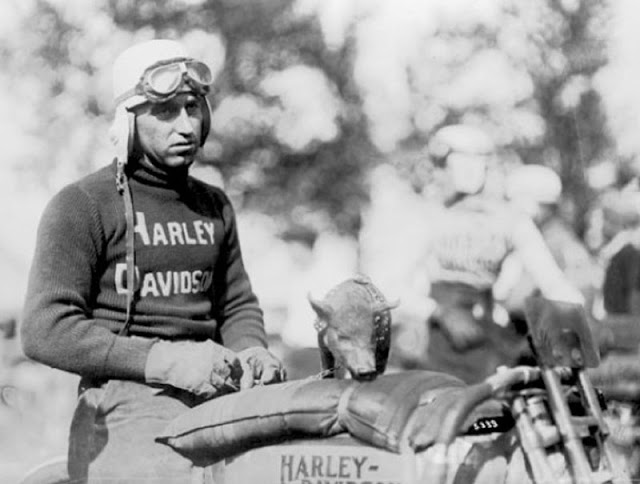
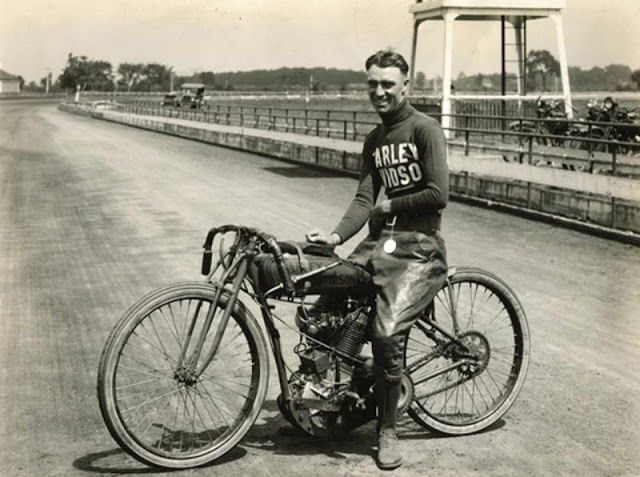
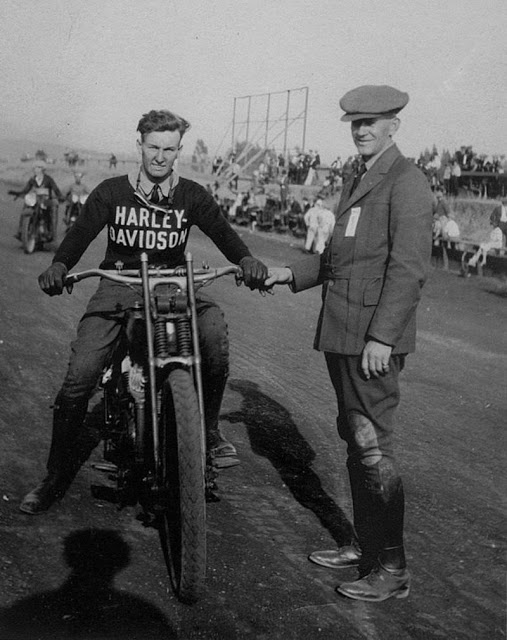
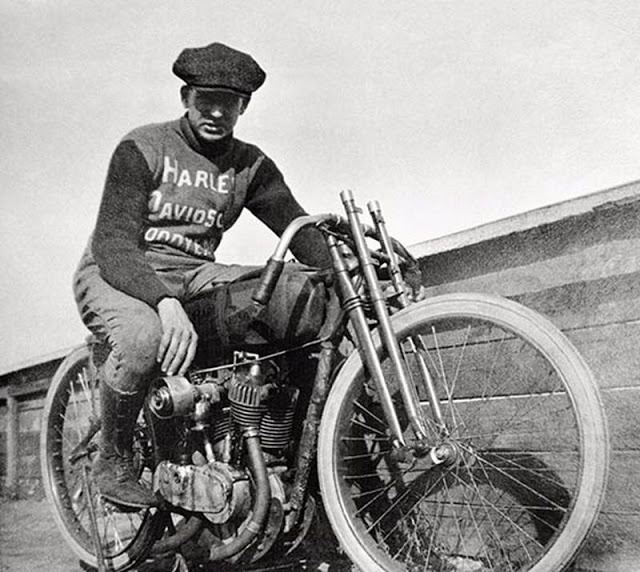
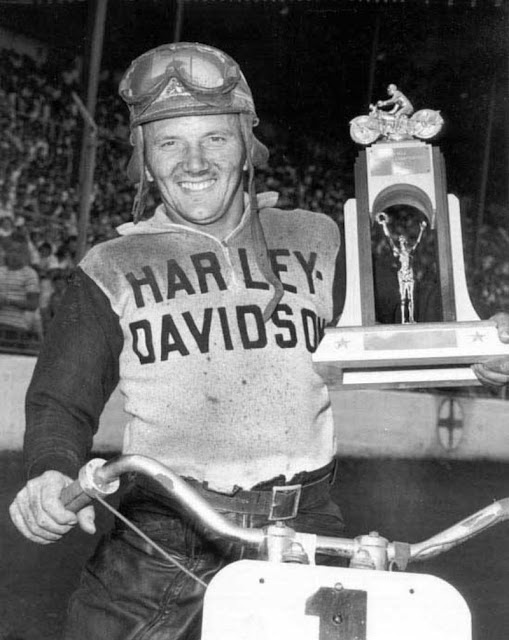
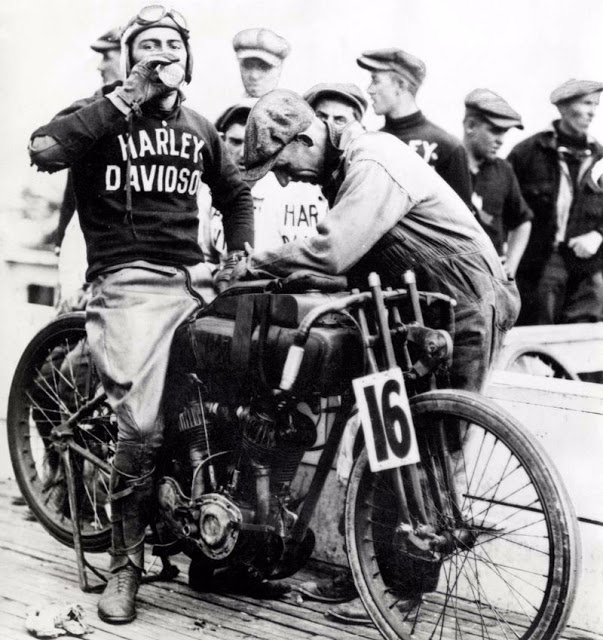
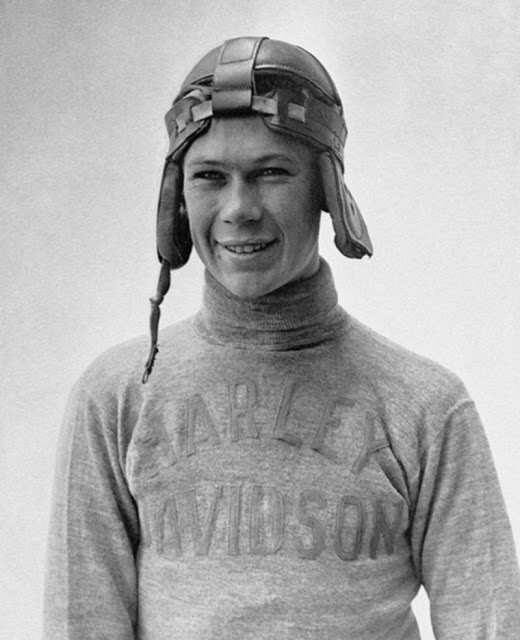
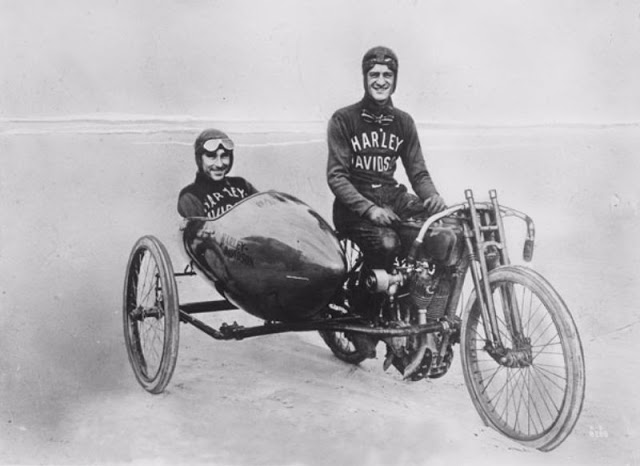
15 Vintage Photos of Motorcycle Riders Posing in Their Harley-Davidson Racing Jerseys From the 1920s and 1930s

The brand Harley Davidson has become synonymous with motorcycles. Harley is a defining force in the history of motorcycle racing, cross country touring and general motorcycle club mayhem with their great machines; but Harley Davidson’s apparel history is just as rich and intriguing.

Check out these old photos of dudes wearing vintage Harley Davidson racing jerseys. The photographs are excellent and capture the beauty that is vintage motorcycle apparel…

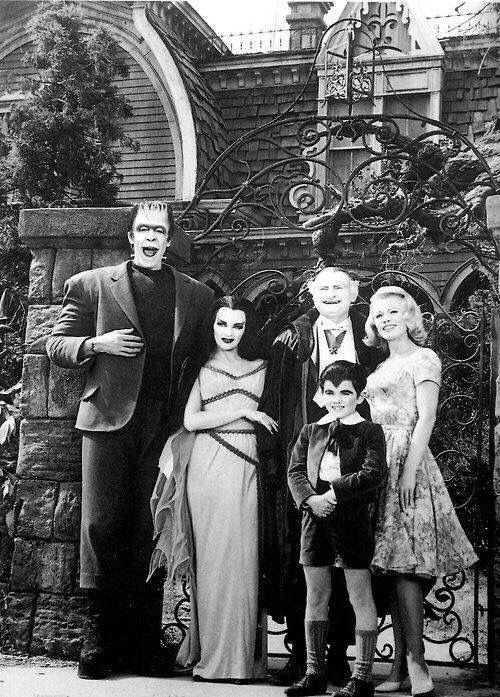
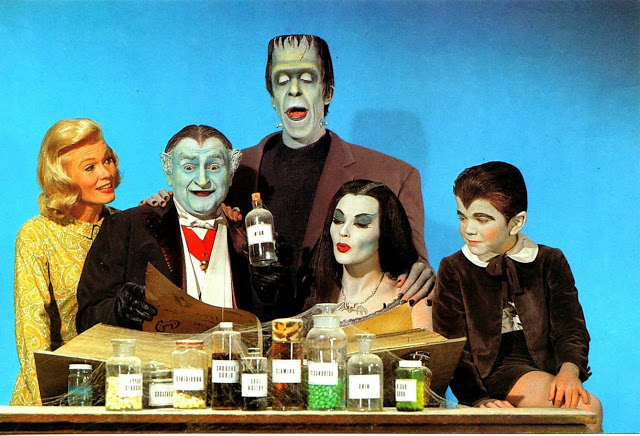
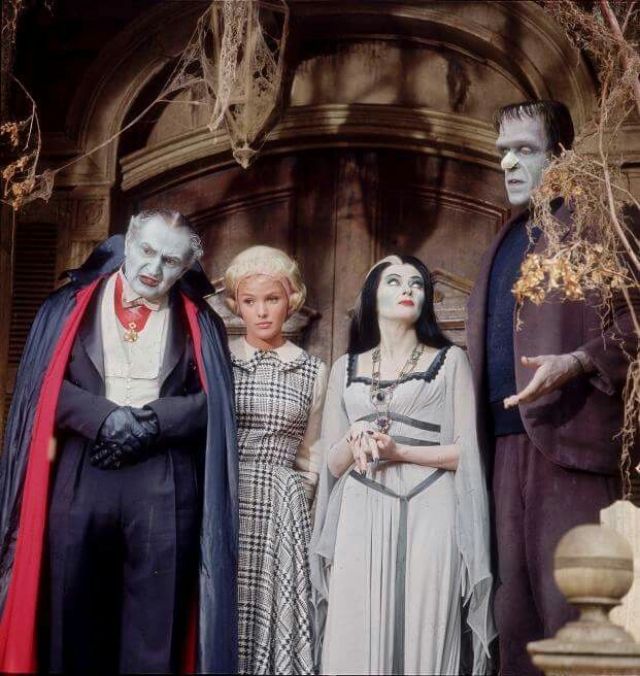
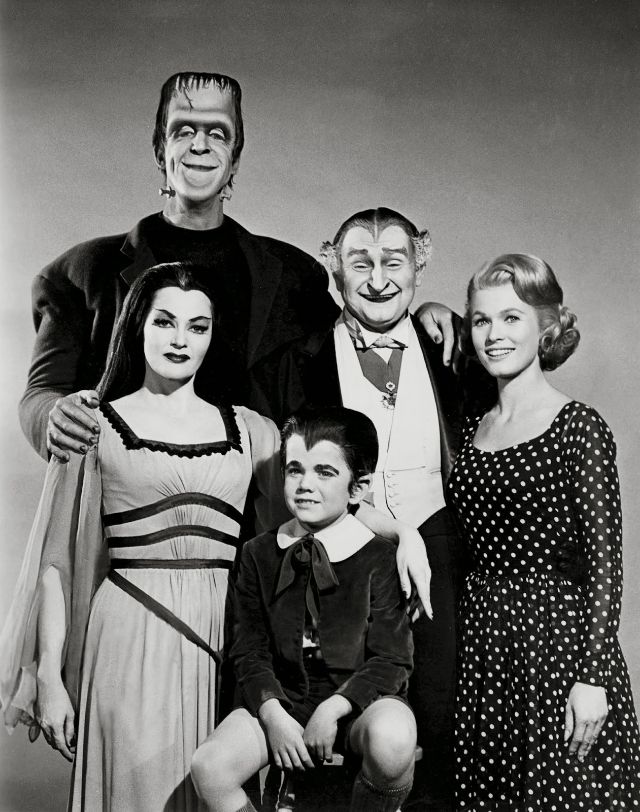
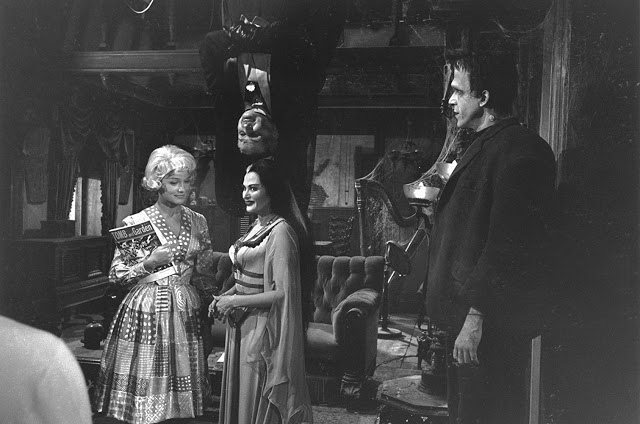
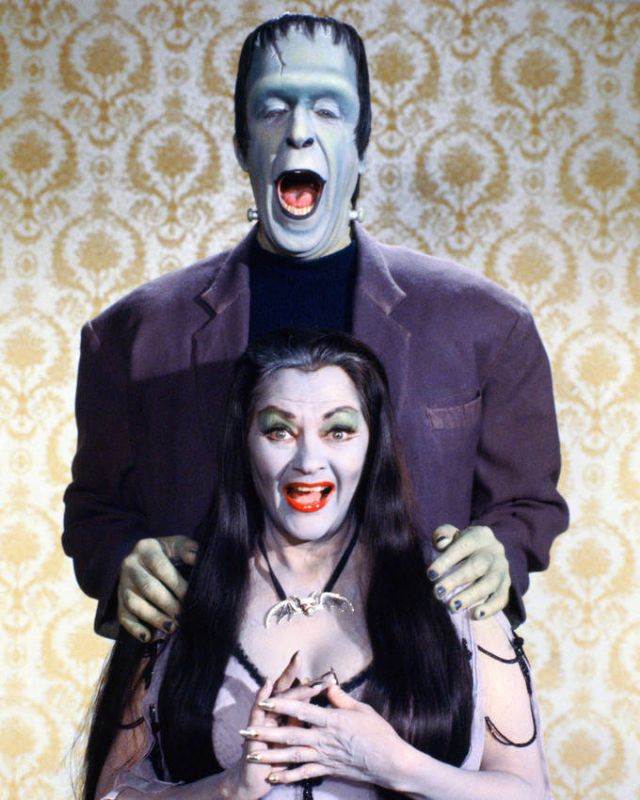
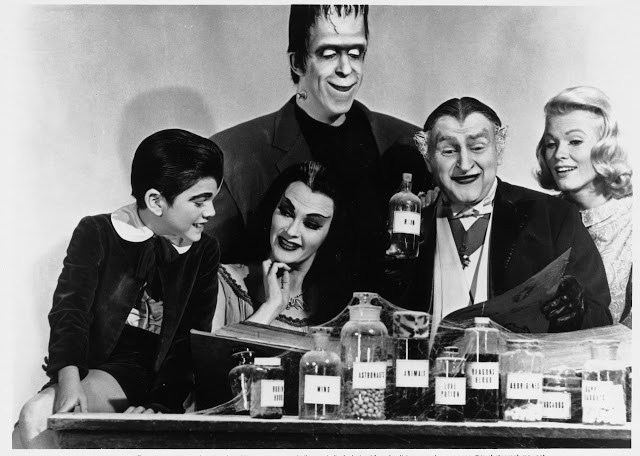
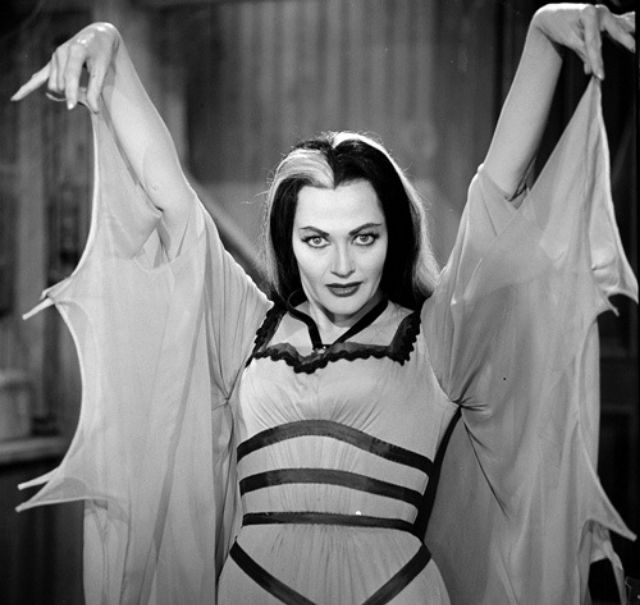
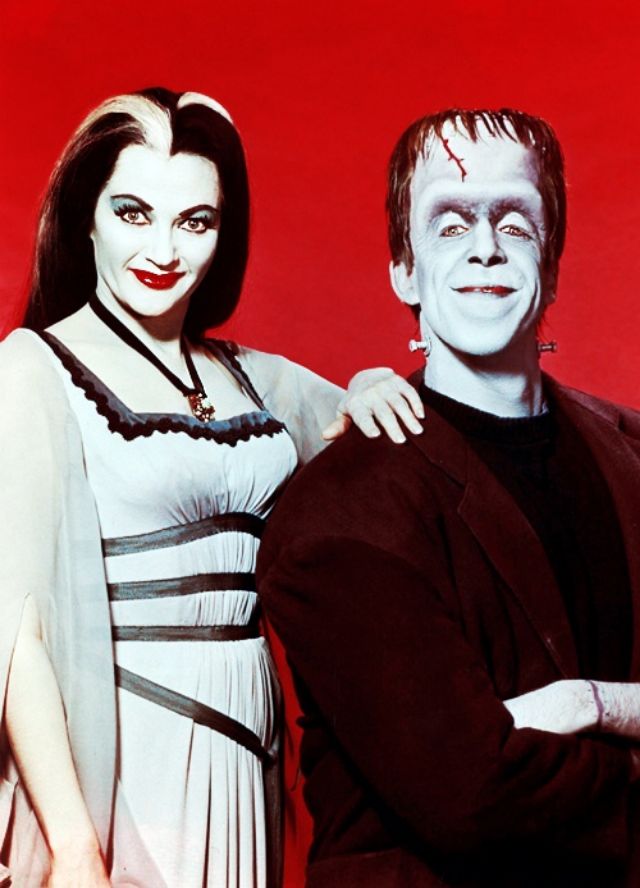
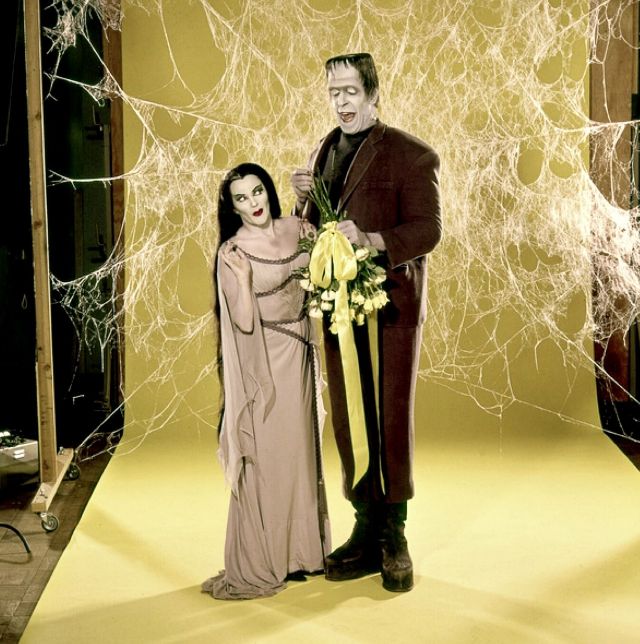
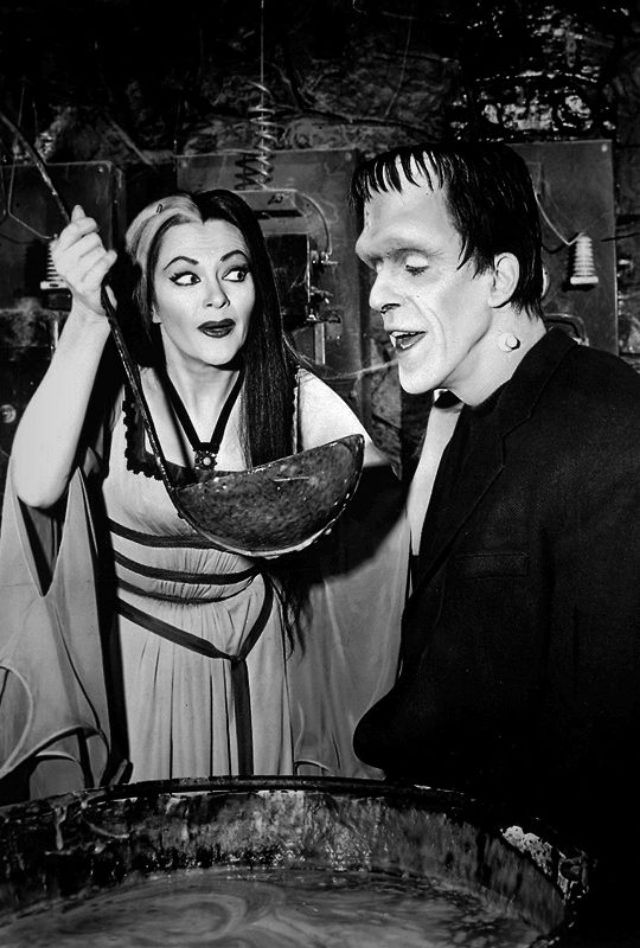
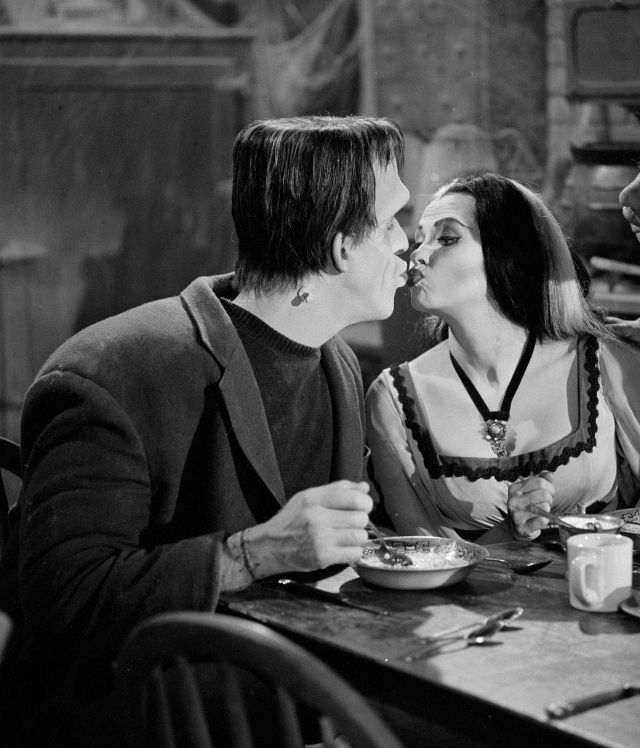
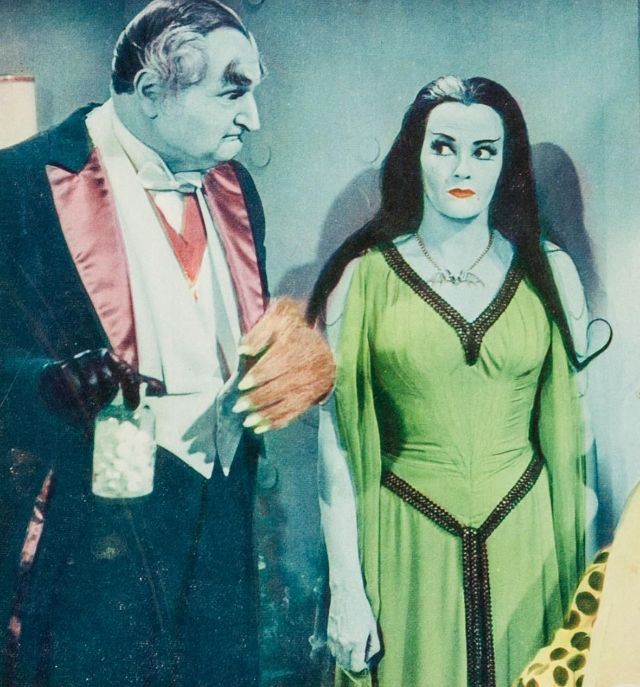
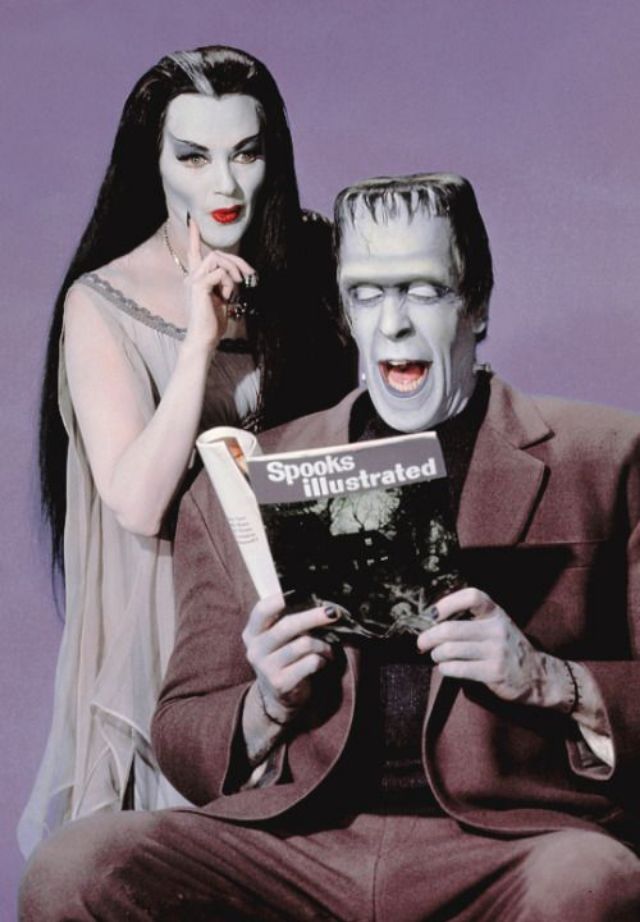
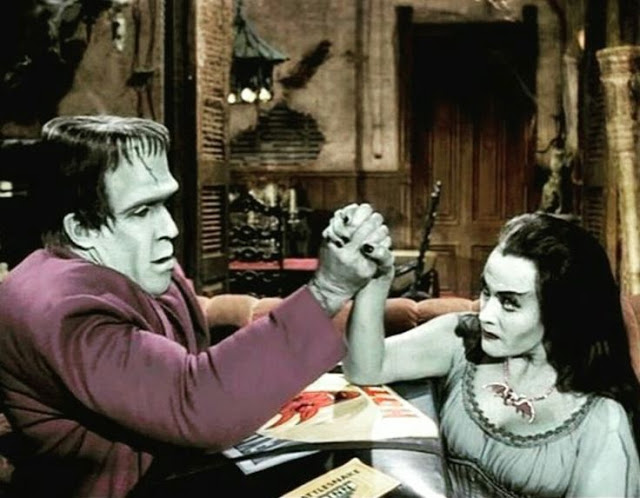
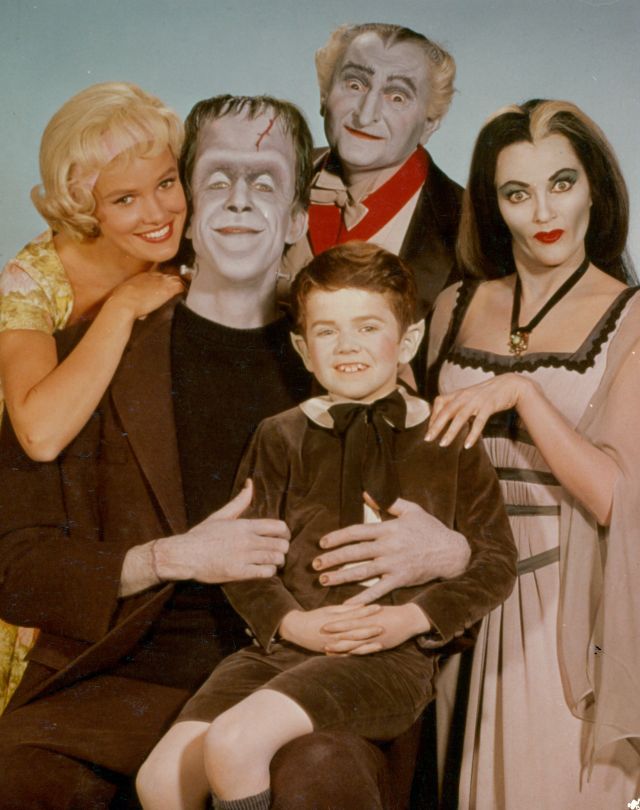
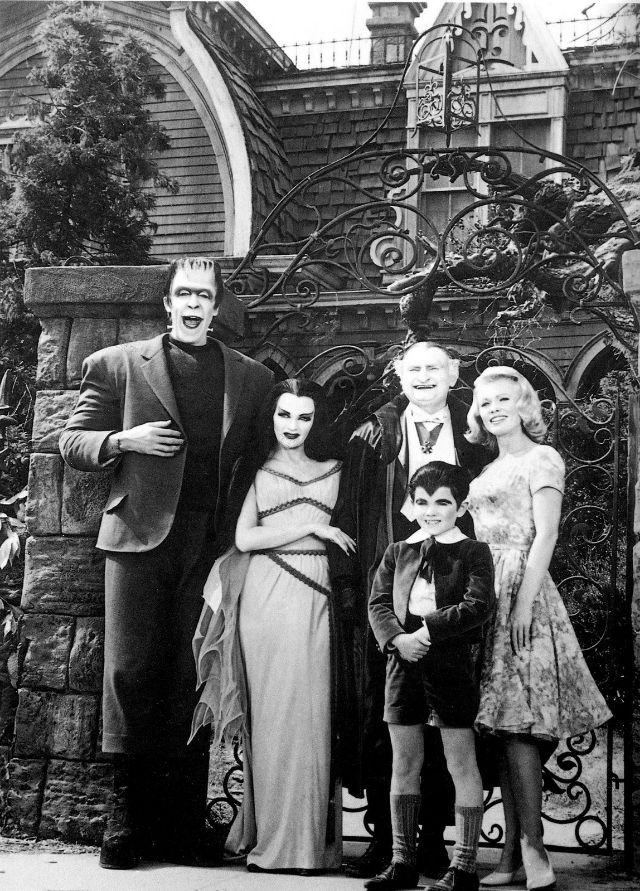
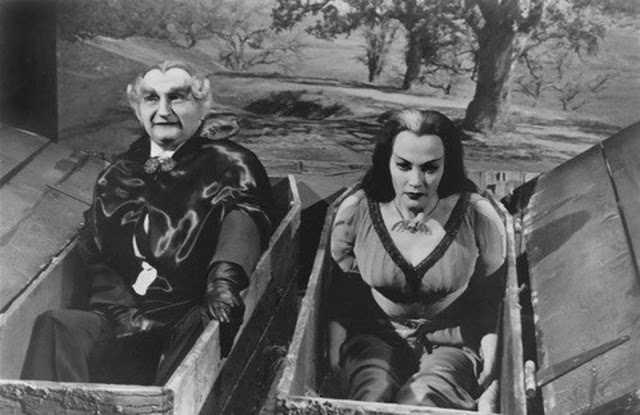
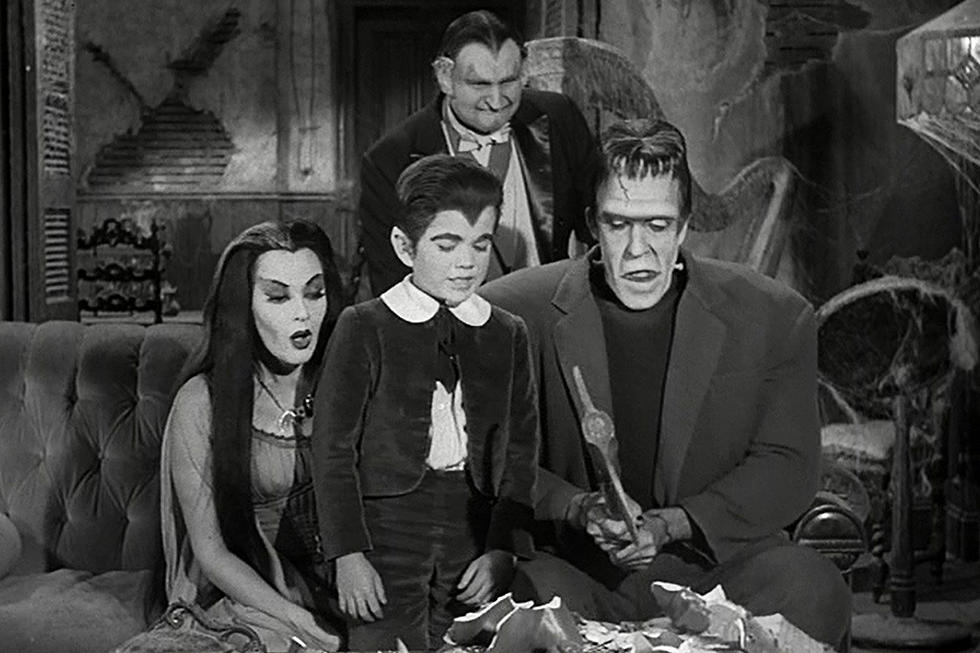
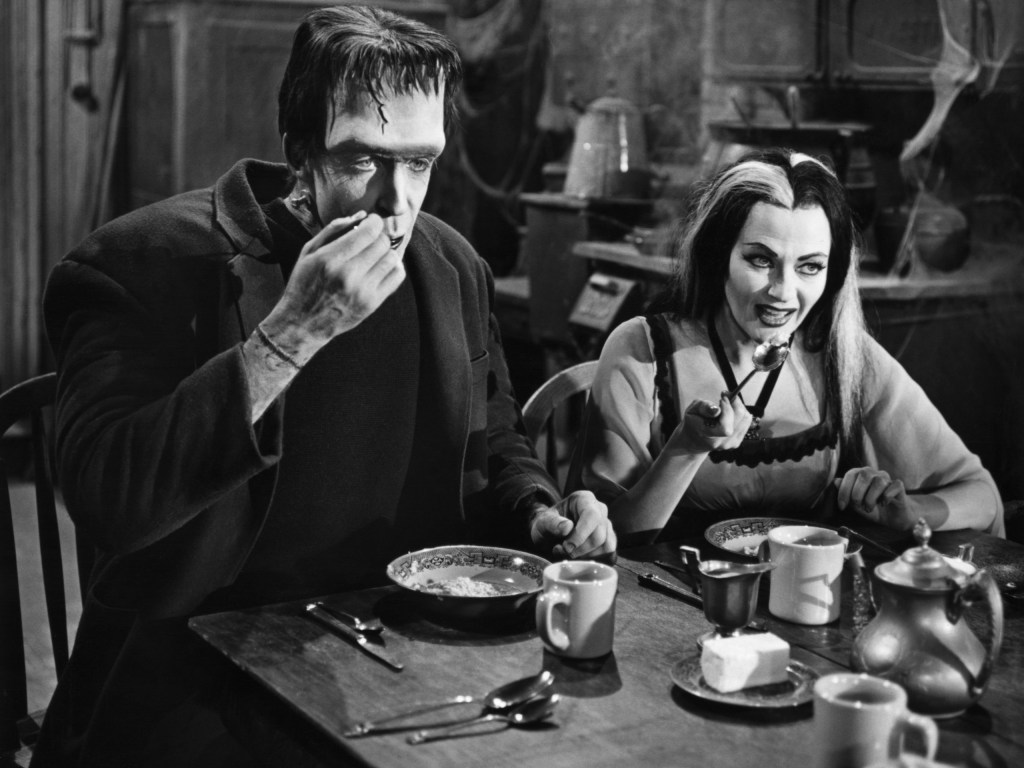
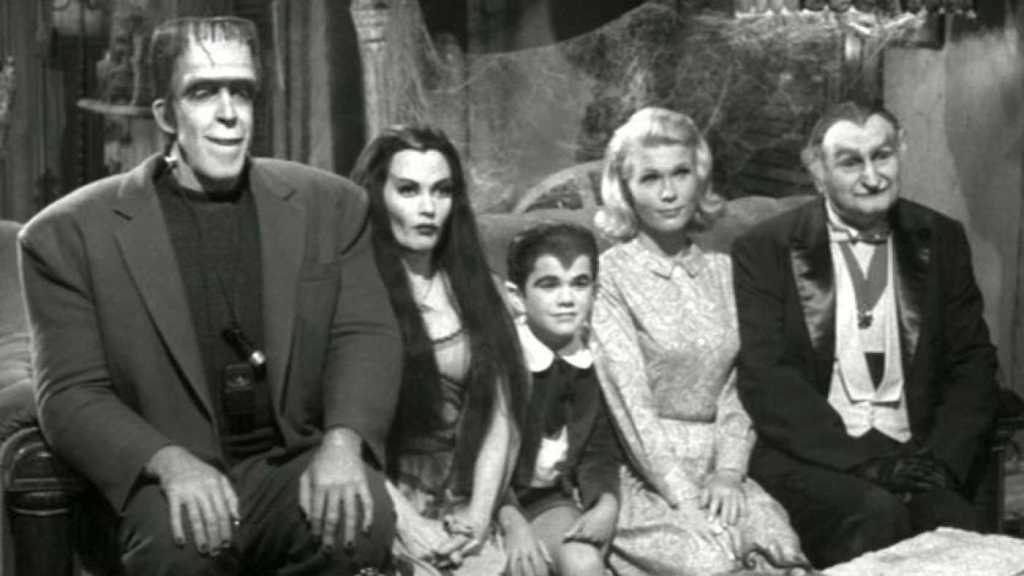
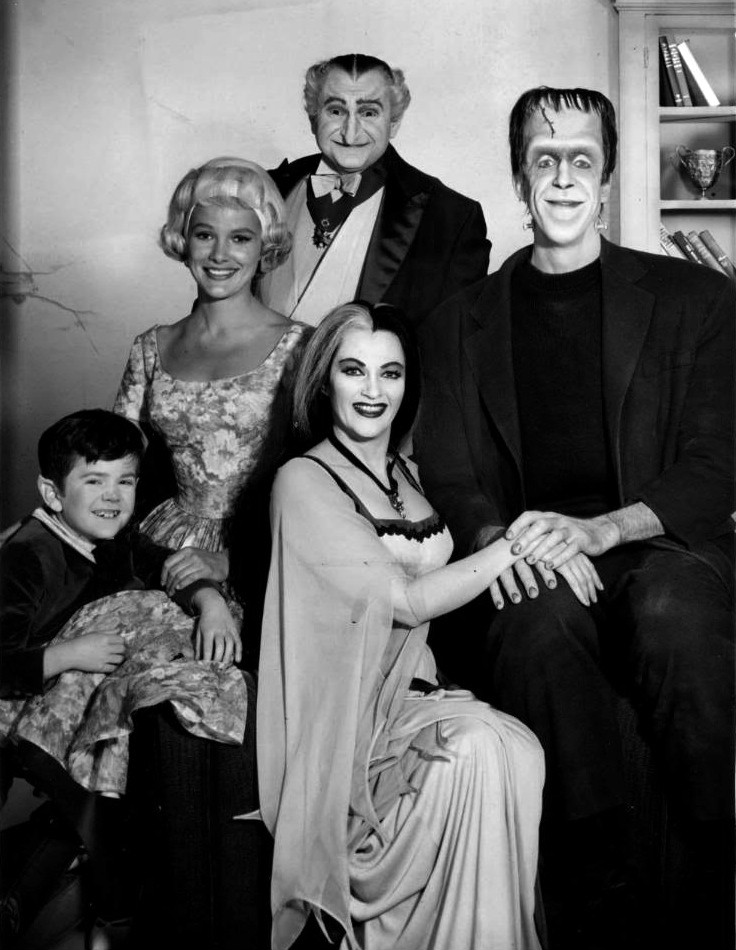
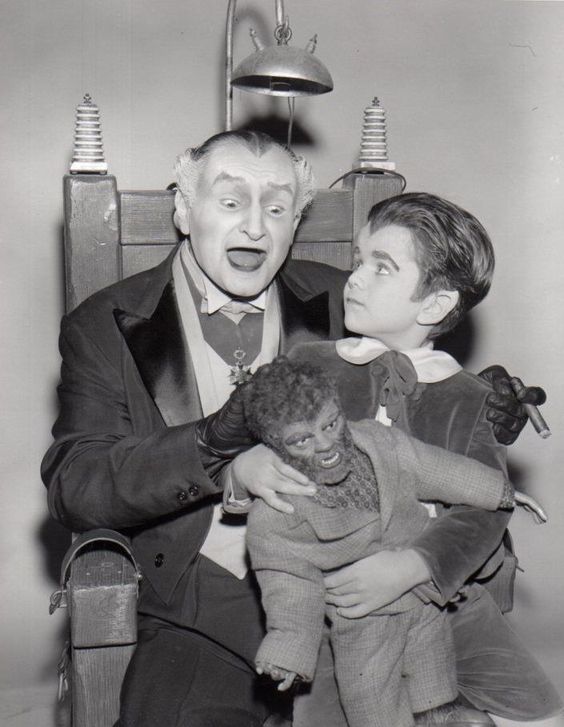
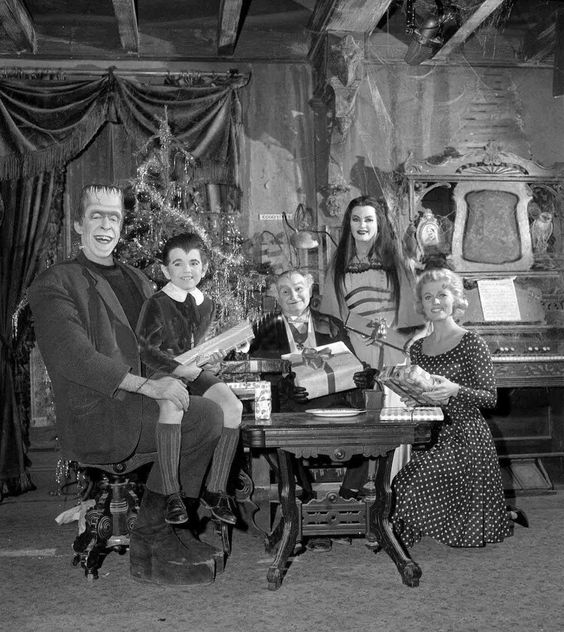
48 Amazing Vintage Photos From “The Munsters” TV Series (1964–1966)

The Munsters is an American sitcom depicting the home life of a family of benign monsters. The series starred Fred Gwynne as Frankenstein’s monster and head-of-the-household Herman Munster; Yvonne De Carlo as his wife Lily; Al Lewis as Lily’s father, Grandpa, the somewhat over-the-hill vampire Count Dracula who longs for the “good old days” in Transylvania; Beverley Owen (later replaced by Pat Priest) as their teenage niece Marilyn, who was attractive by conventional standards but the “ugly duckling” of the family; and Butch Patrick as their werewolfish son Eddie.

Produced by the creators of Leave It to Beaver, the series was a satire of American suburban life, as well as both traditional monster movies and the wholesome family fare of the era. It achieved higher Nielsen ratings than the similarly macabre-themed The Addams Family, which aired concurrently on ABC.

In 1965, The Munsters was nominated for the Golden Globe Award for Best Television Series but lost to The Rogues. In the 21st century it received several TV Land Award nominations, including one for Most Uninsurable Driver (Herman Munster).

The series originally aired on Thursday at 7:30 pm on CBS from September 24, 1964, to May 12, 1966. Seventy episodes were produced. It was cancelled after ratings dropped to a series low due to competition from ABC’s Batman. Butch Patrick said, “I think ‘Batman’ was to blame. ’Batman’ just came along and took our ratings away.” But The Munsters found a large audience in syndication. This popularity warranted a spin-off series, as well as several films, including one with a theatrical release, and several more recent attempts to reboot it. (Wikipedia)
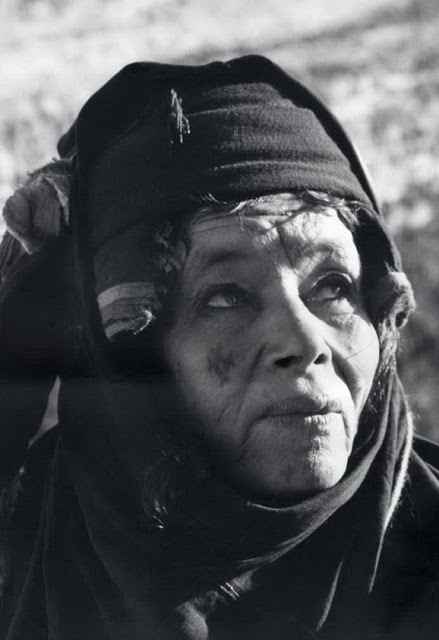
38 Stunning Photos of American Movie Stars from the 1920s

Alice Day, 1924
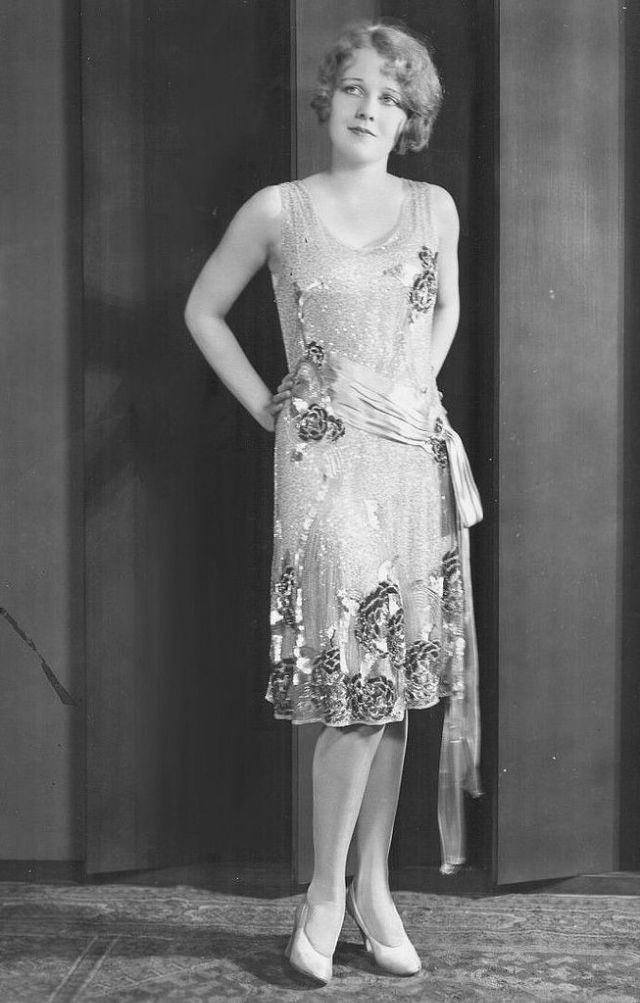
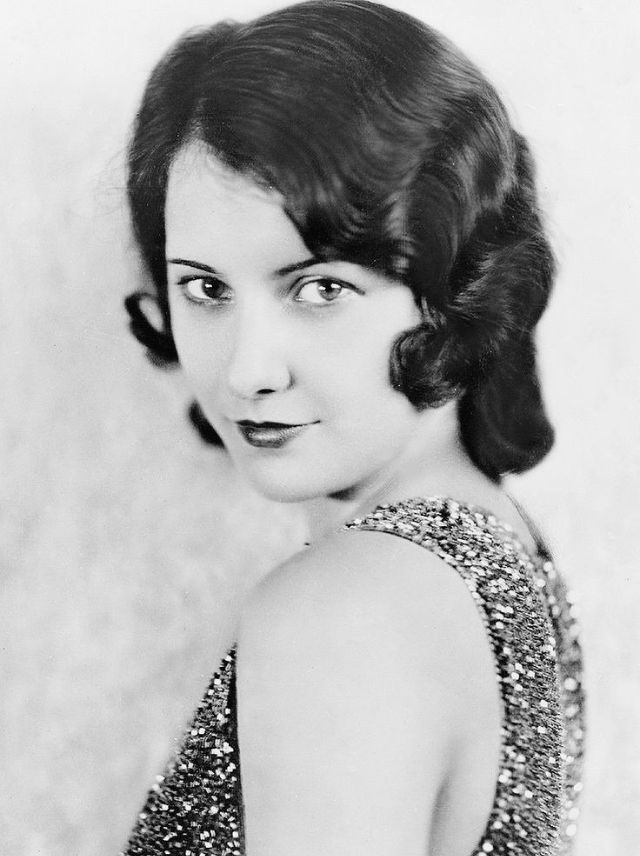
Anita Page, 1929
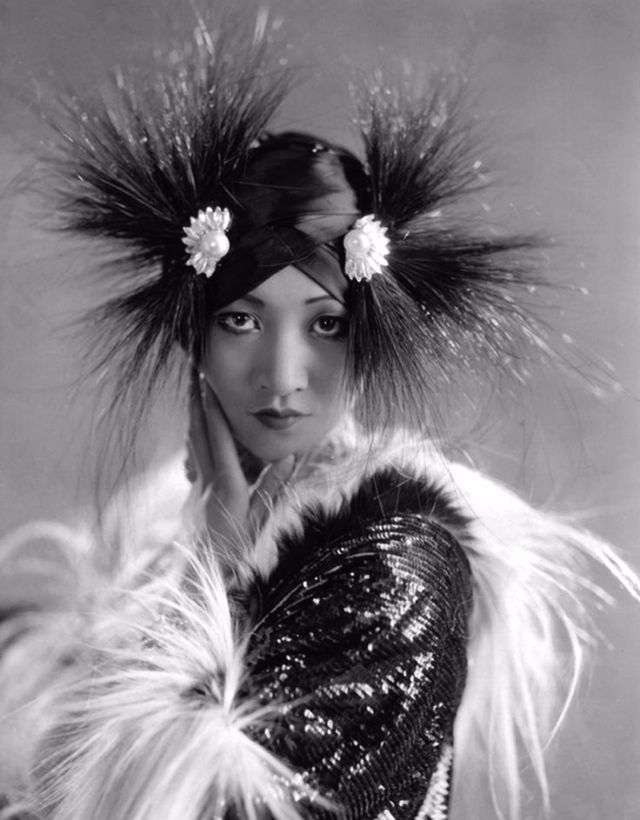
Anna May Wong, 1928
Barbara Stanwyck, 1928
Bebe Daniels, 1925
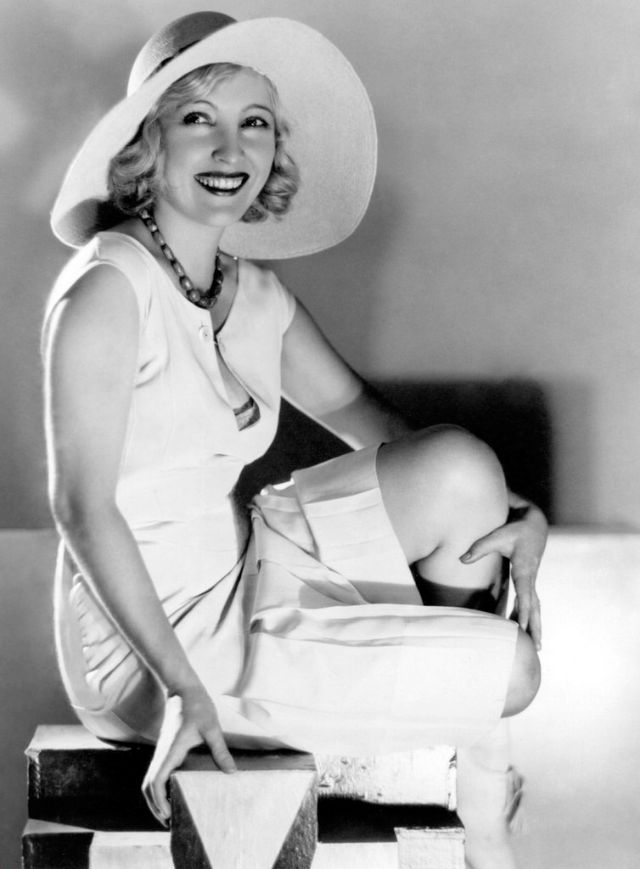
Bessie Love, 1927
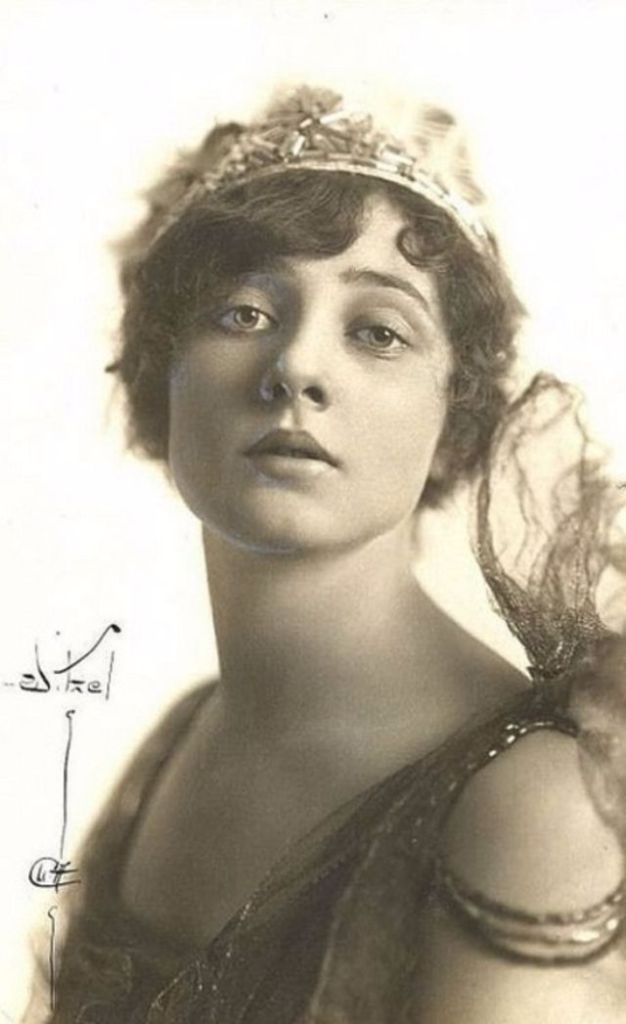
Betty Blythe, 1921
Billie Dove, 1927
Carole Lombard, 1929
Clara Bow, 1927
Dolores Costello, 1928
Evelyn Brent, 1927
Fay Wray, 1928
Gladys Leslie, 1921
Gloria Swanson, 1922
Greta Garbo, 1928
Helene Costello, 1926
Jacqueline Logan, 1928
Jeanette Loff, 1928
Joan Crawford, 1928
Kathryn Perry, 1921
Laura La Plante, 1922
Leila Hyams, 1929
Lili Damita, 1925
Lillian Gish, 1920
Louise Brooks, 1928
Mabel Normand, 1926
Madge Bellamy, 1923
Marguerite Churchill, 1929
Marguerite De La Motte, 1923
Marion Davies, 1927
Mary Philbin, 1928
Mary Pickford, 1920
May McAvoy, 1924
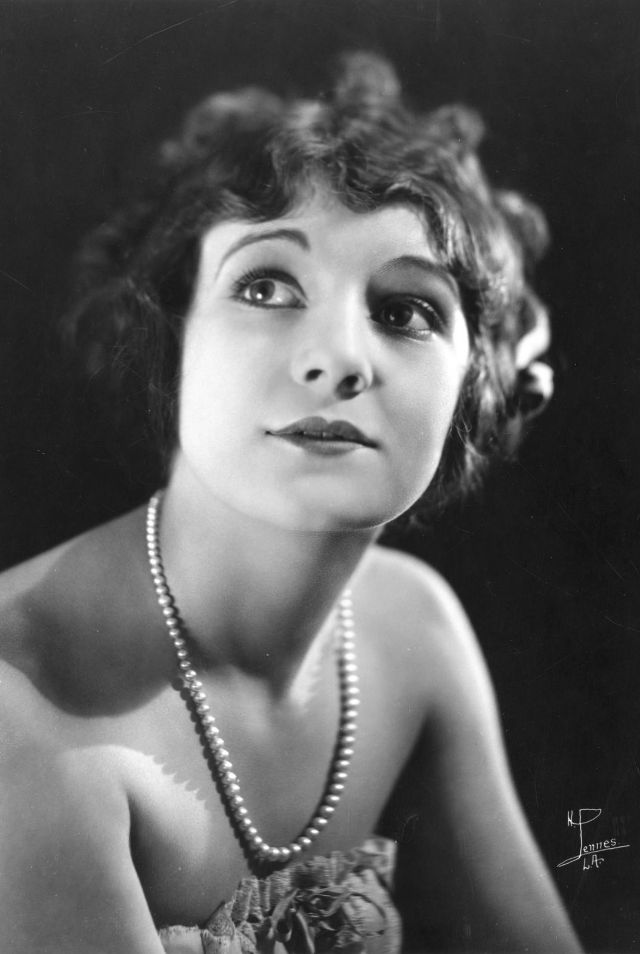
Myrna Loy, 1929
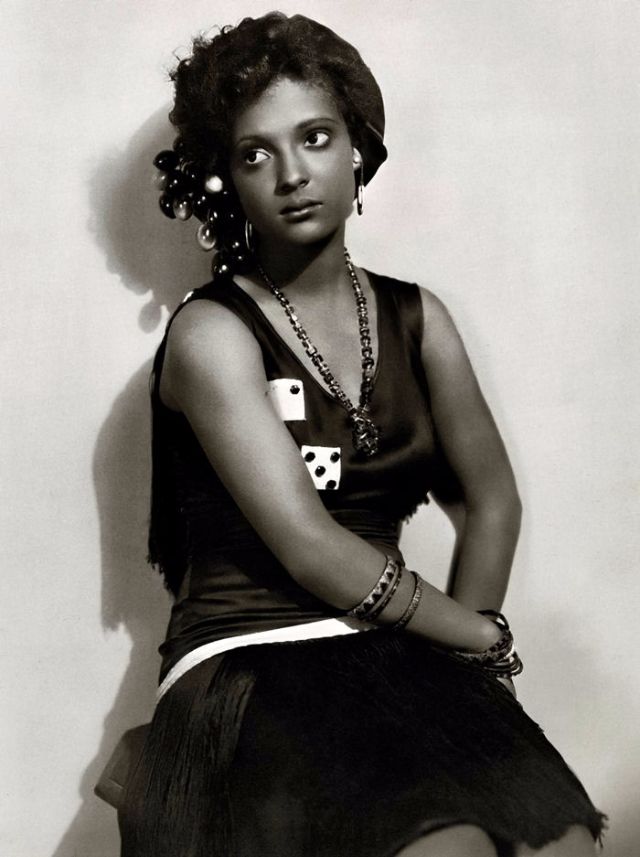
Nina Mae McKinney, 1929
Norma Shearer, 1923
Thelma Todd, 1926

44 Vintage Photos From Marilyn Monroe’s First Photo Shoot in 1946

Joseph Jasgur (1919-2009) was a photographer who photographed celebrities during the golden age of Hollywood, especially Marilyn Monroe.
Marilyn Monroe a.k.a. Norma Jeane Dougherty in 1946, she stepped into Jasgur’s studio in 1946 with no money, but the ambition to become a model.Jasgur shot numerous photographs of her over the following weeks, including glamour shots that she used in her 20th Century Fox interview.

Jasgur sold the rights to his entire portfolio, including the Monroe photographs, to a contractor, and spent the last years of his life trying to regain control of it.

Take a look at these glamorous photos of Marilyn Monroe during her first photo shoot – when she was still known as Norma Jeane Dougherty. Jasgur shot her while with a group of actors, or drawing a heart in the sand at Zuma Beach, California; when she was in Hollywood, or in a striped bathing suit on the beach…

(Photos by by Joseph Jasgur)
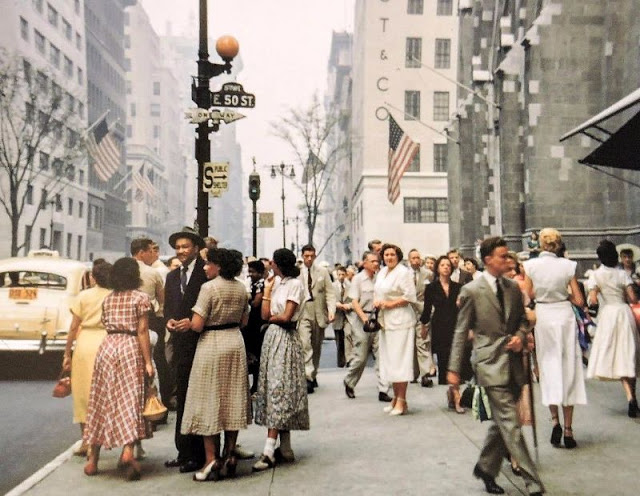
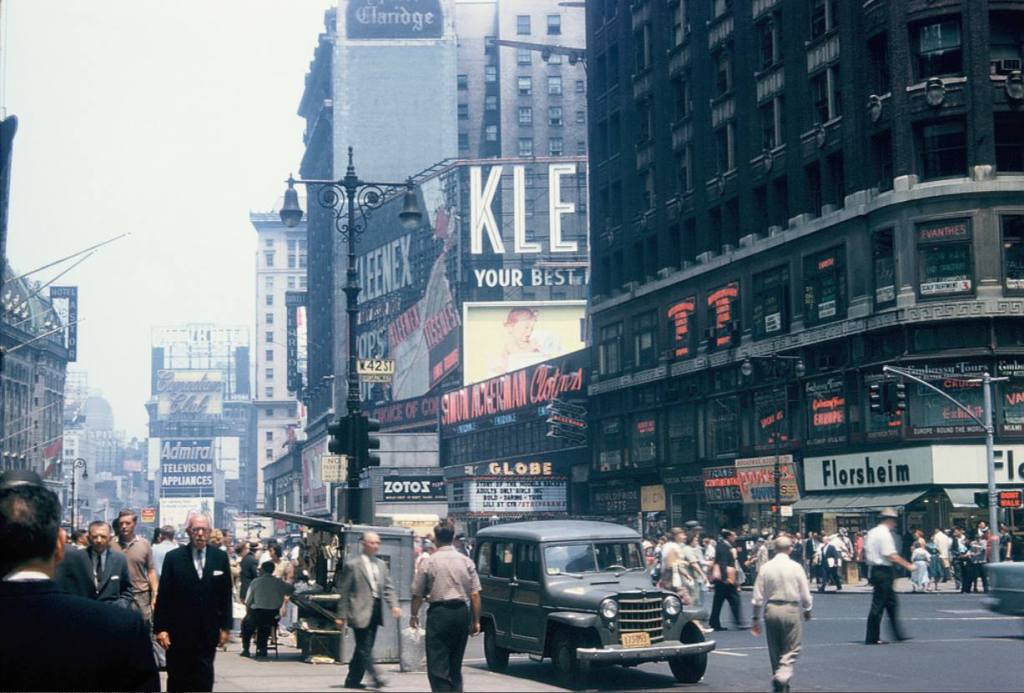
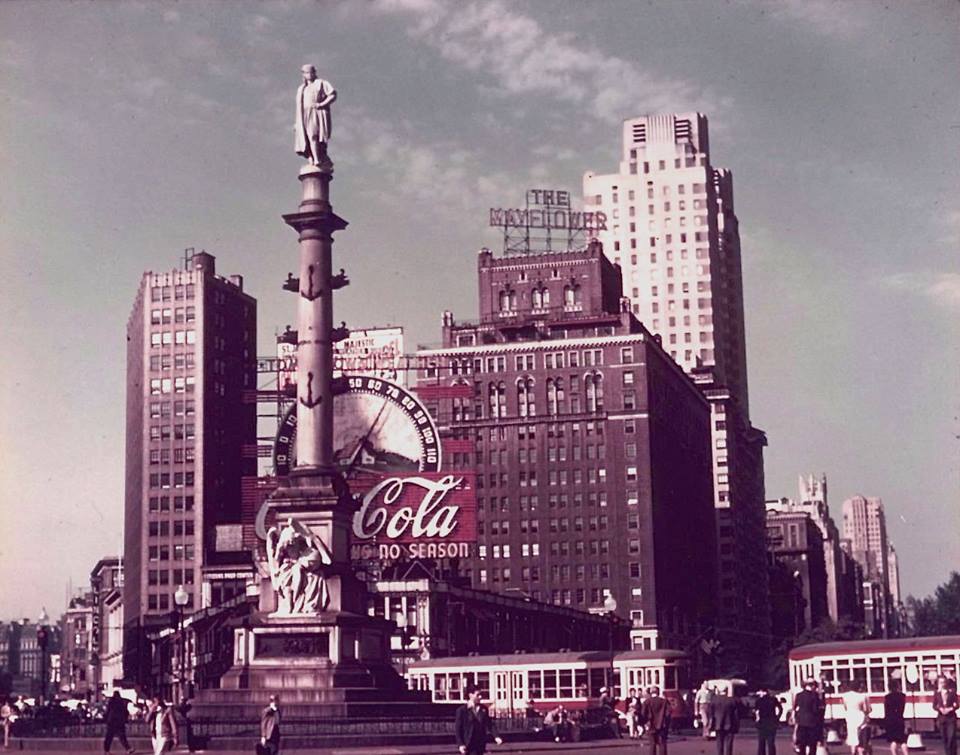
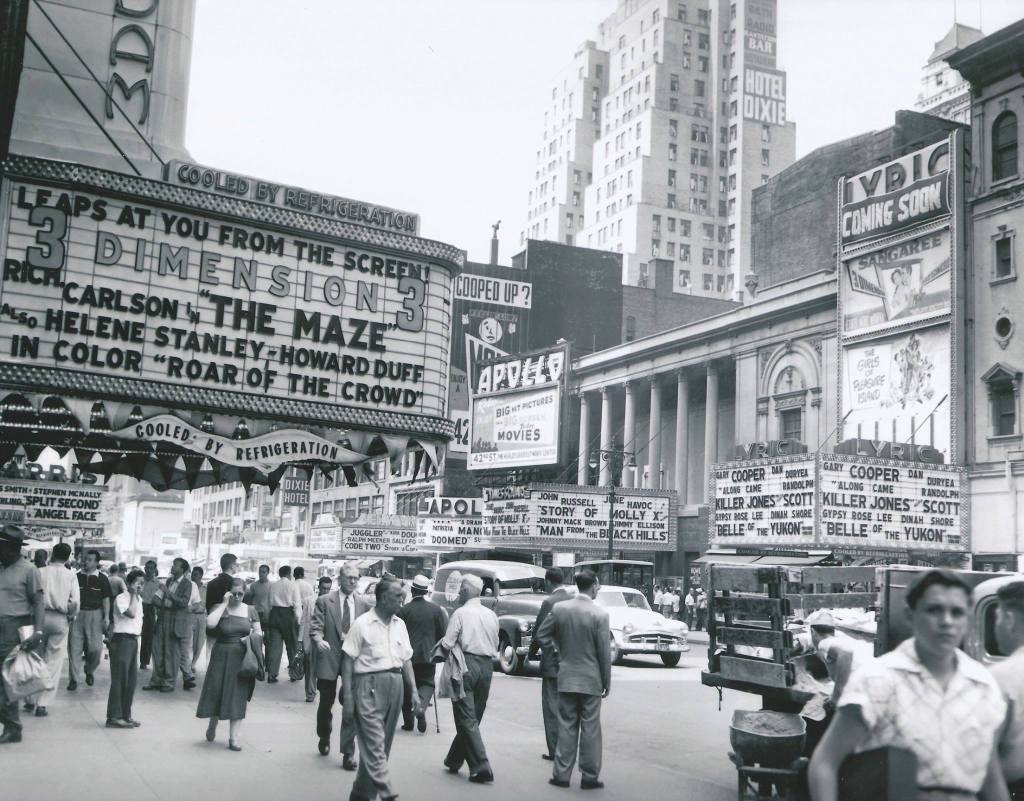
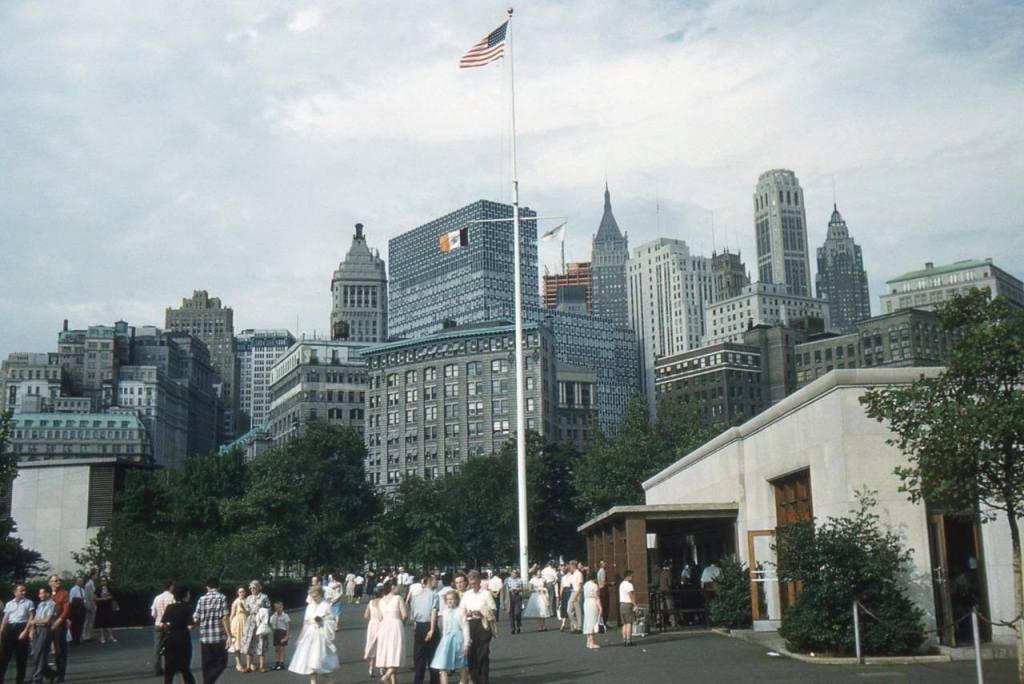
42 Amazing Vintage Photos Showing Manhattan in 1936

Manhattan is one of the five Boroughs of New York City, made up of Manhattan Island and bounded by rivers. It is the cultural, financial, media, governmental, and retail center of New York City. The area that is now Manhattan was long inhabited by the Lenape Native Americans.

At the turn of the 20th century the New York City Subway and bridges to Brooklyn, bind the Manhattan with the other areas of NYC. In the 1920s, a large number of African-Americans arrived in Manhattan as part of the Great Migration from the southern United States.

Here below are some stunning vintage photos that show what Manhattan looked like in the 1936.

(photos from New York Public Library)

Yesterday Today

Bringing You the Wonder of Yesterday - Today

Skip to content ↓