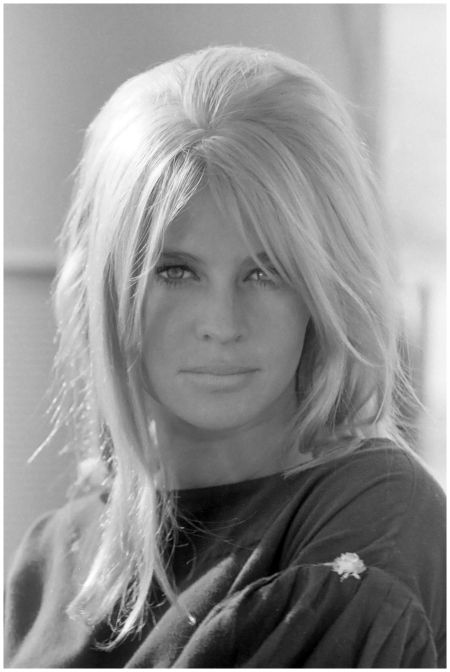
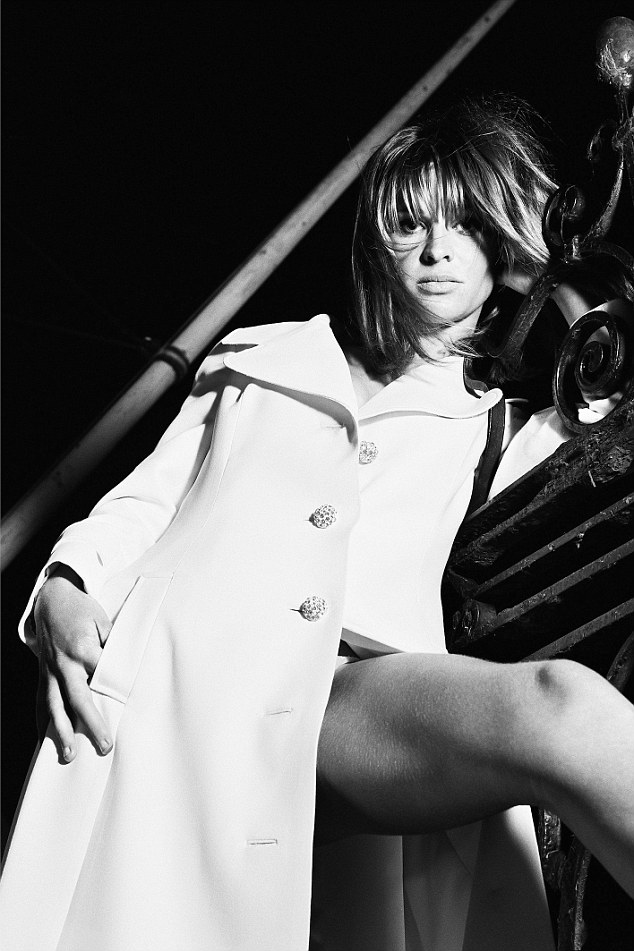
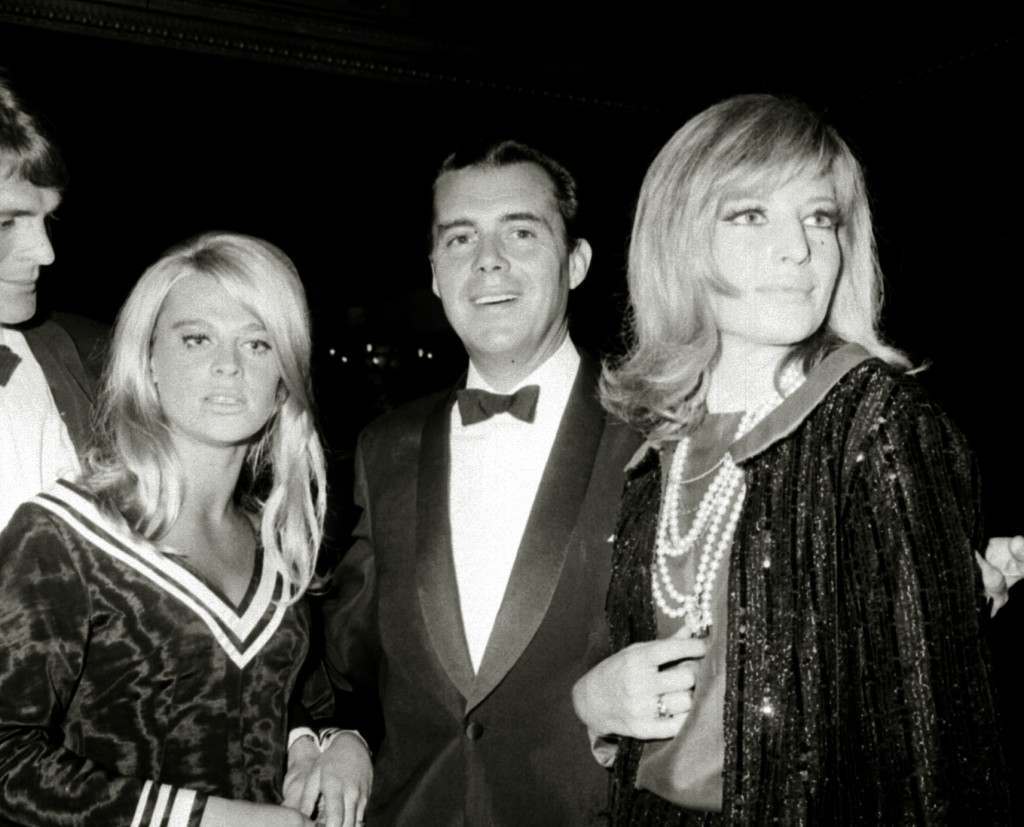
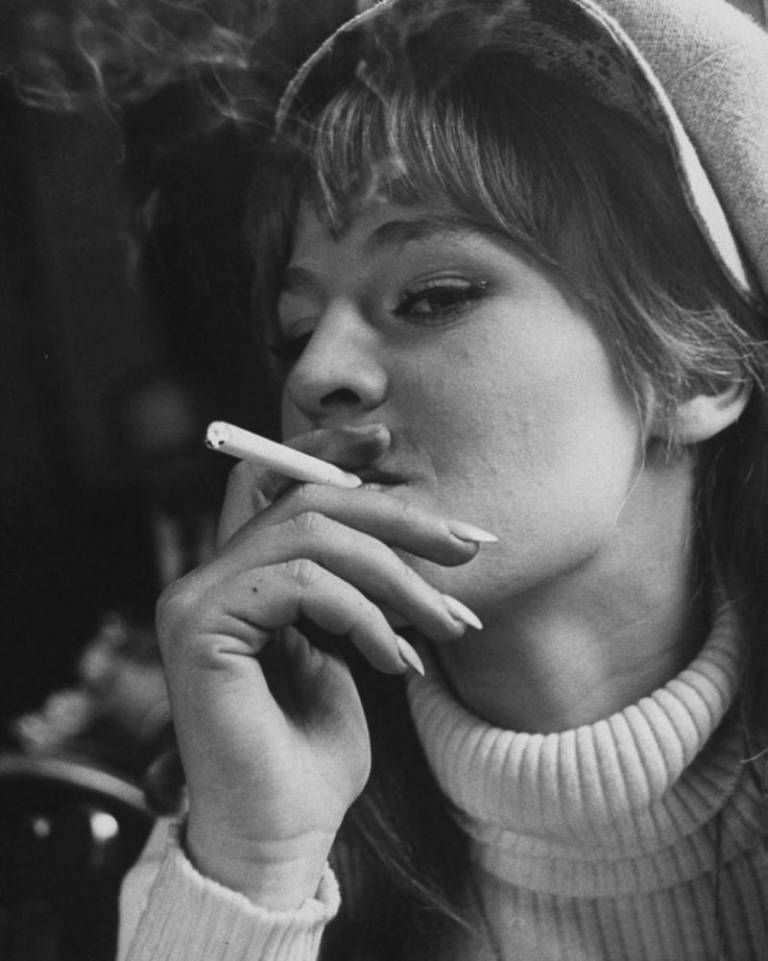
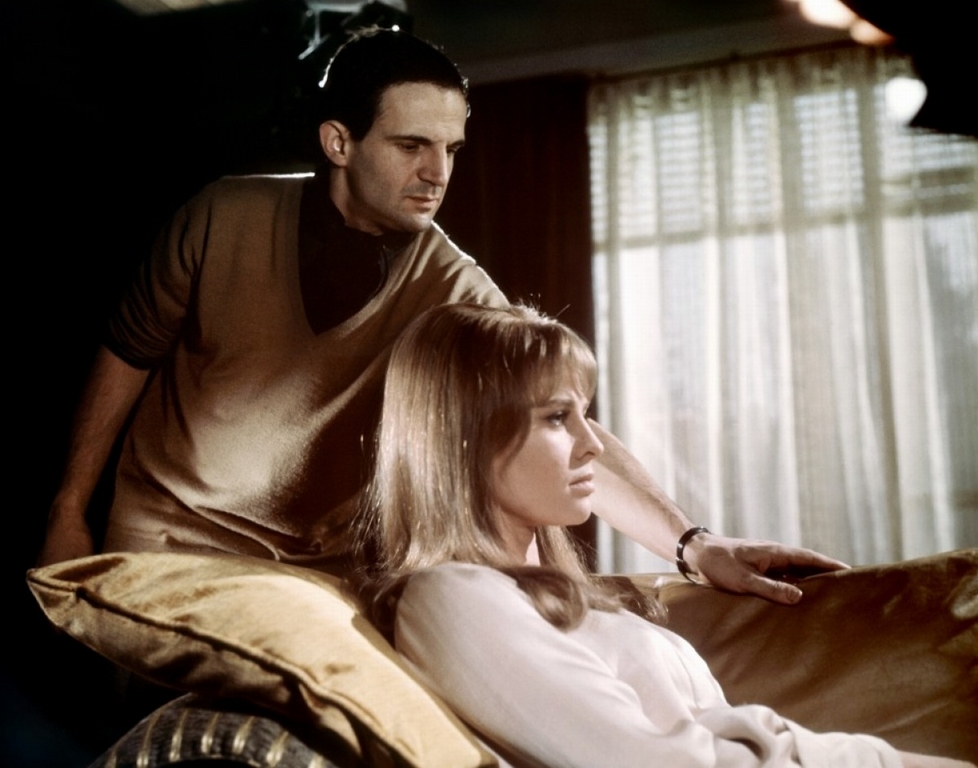
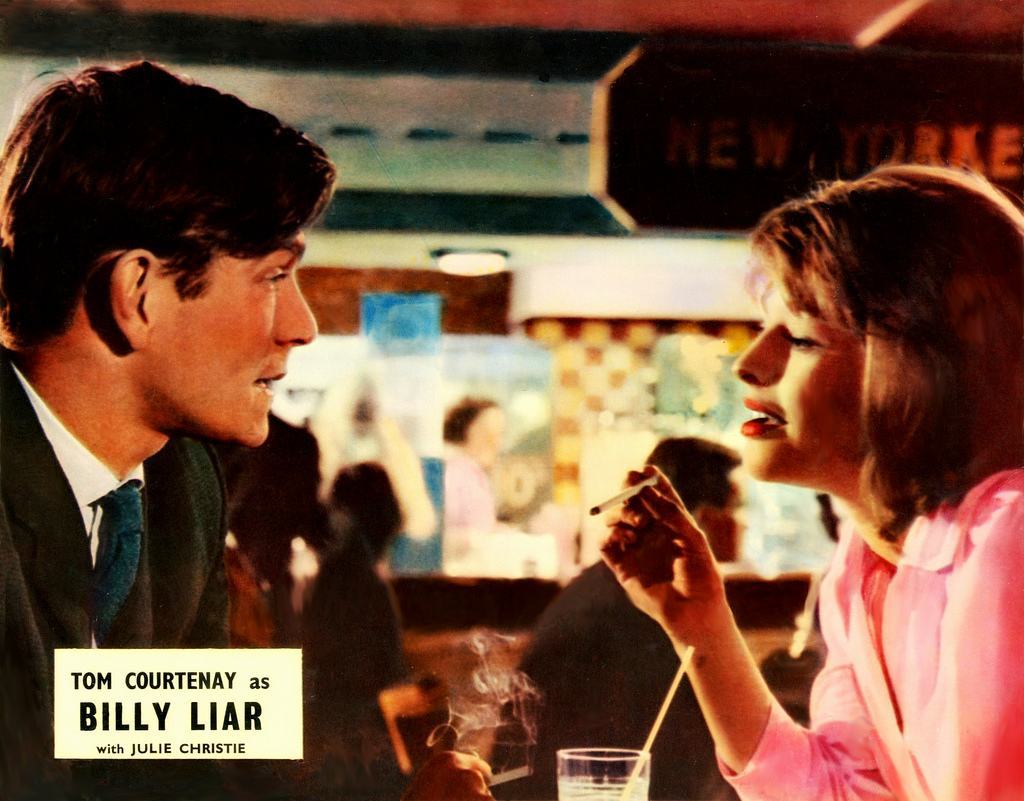
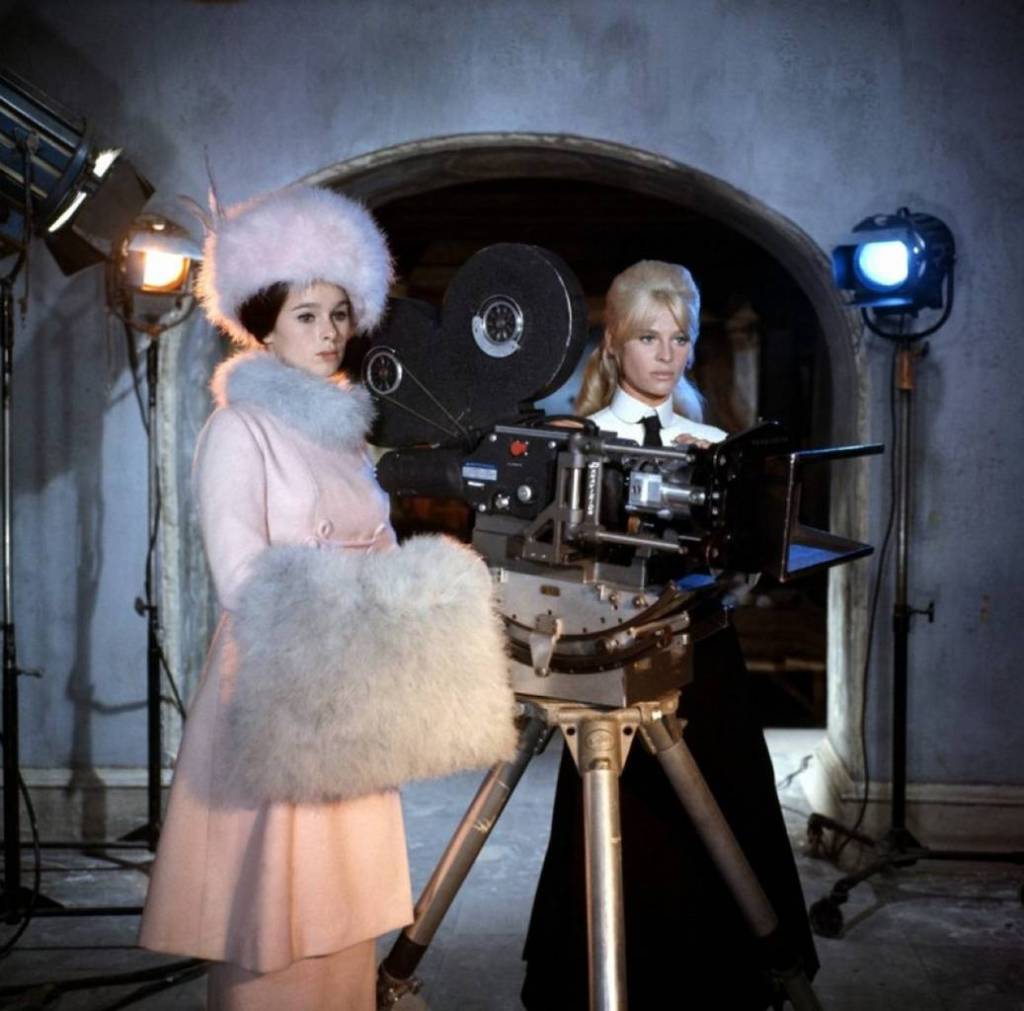
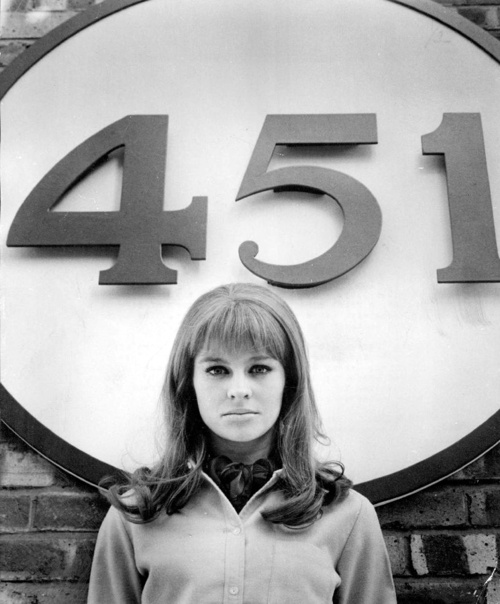
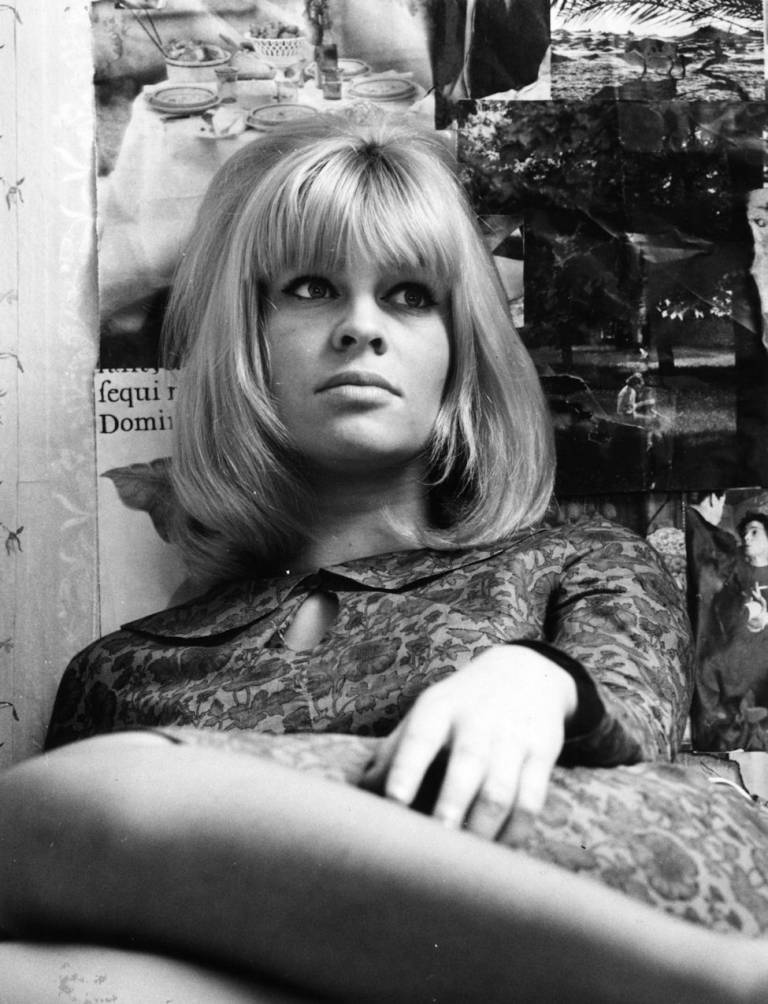
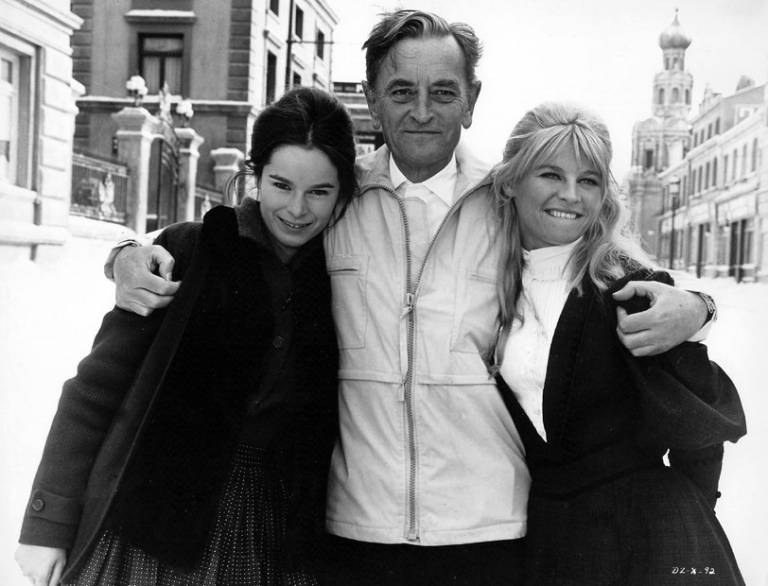
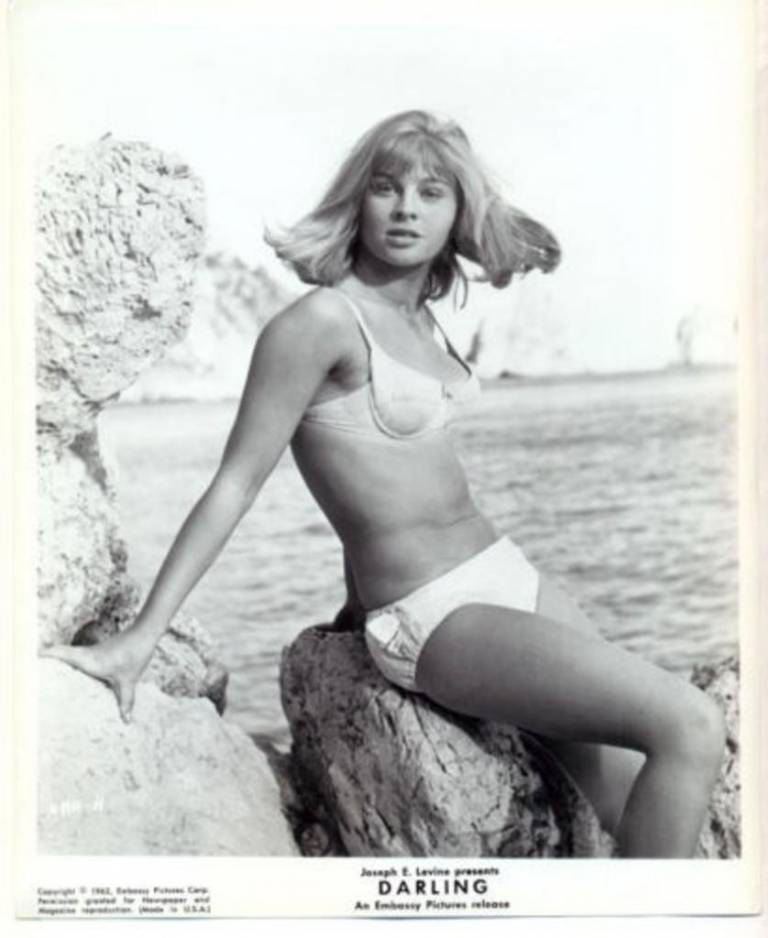
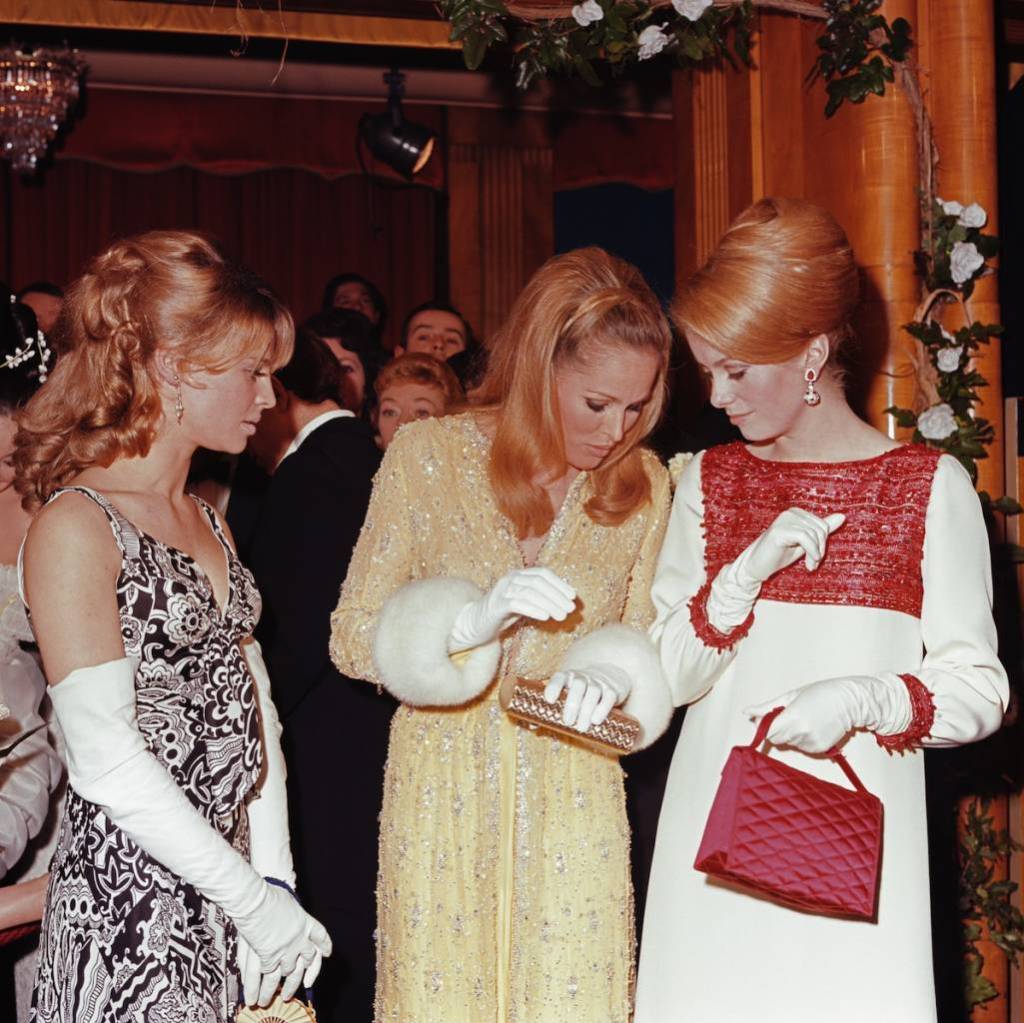
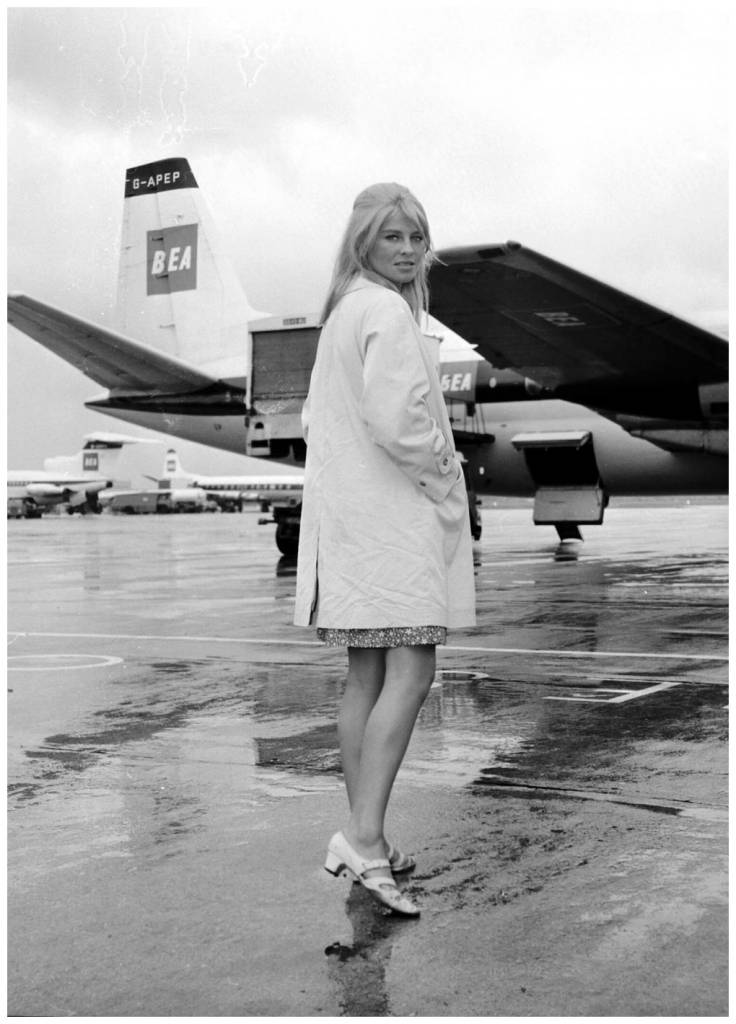
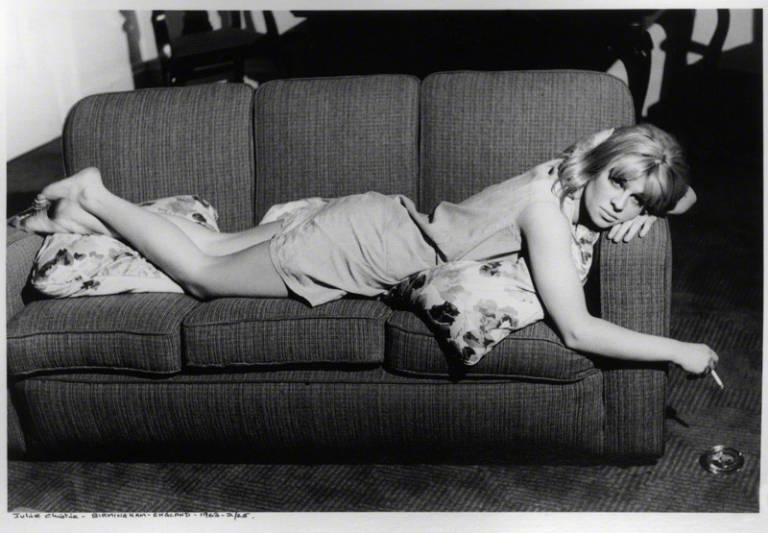
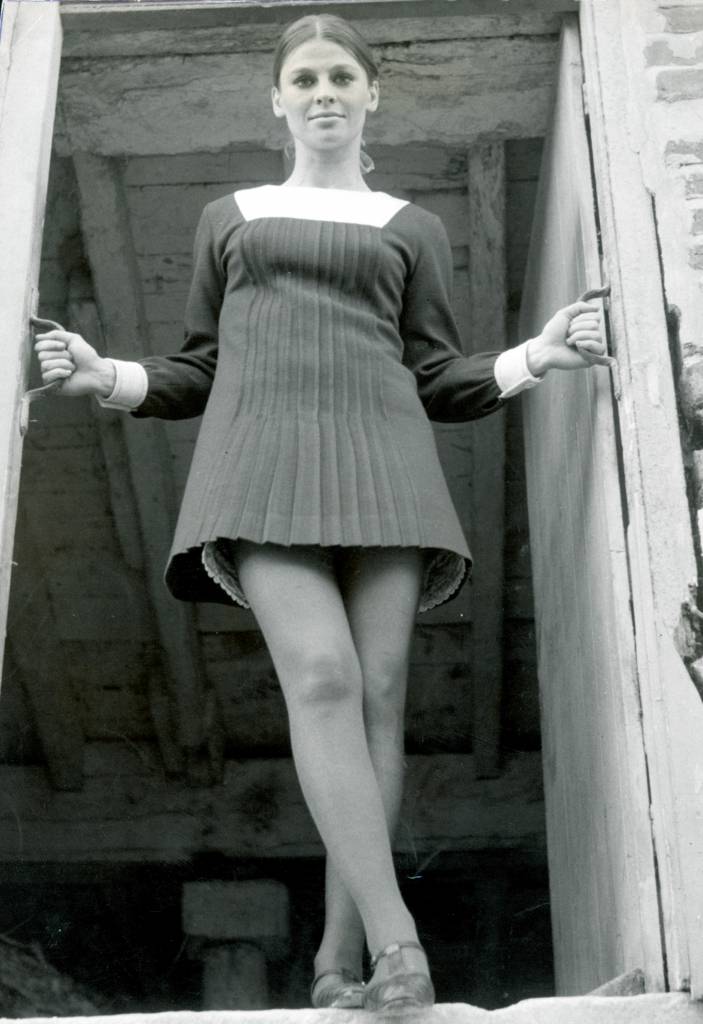
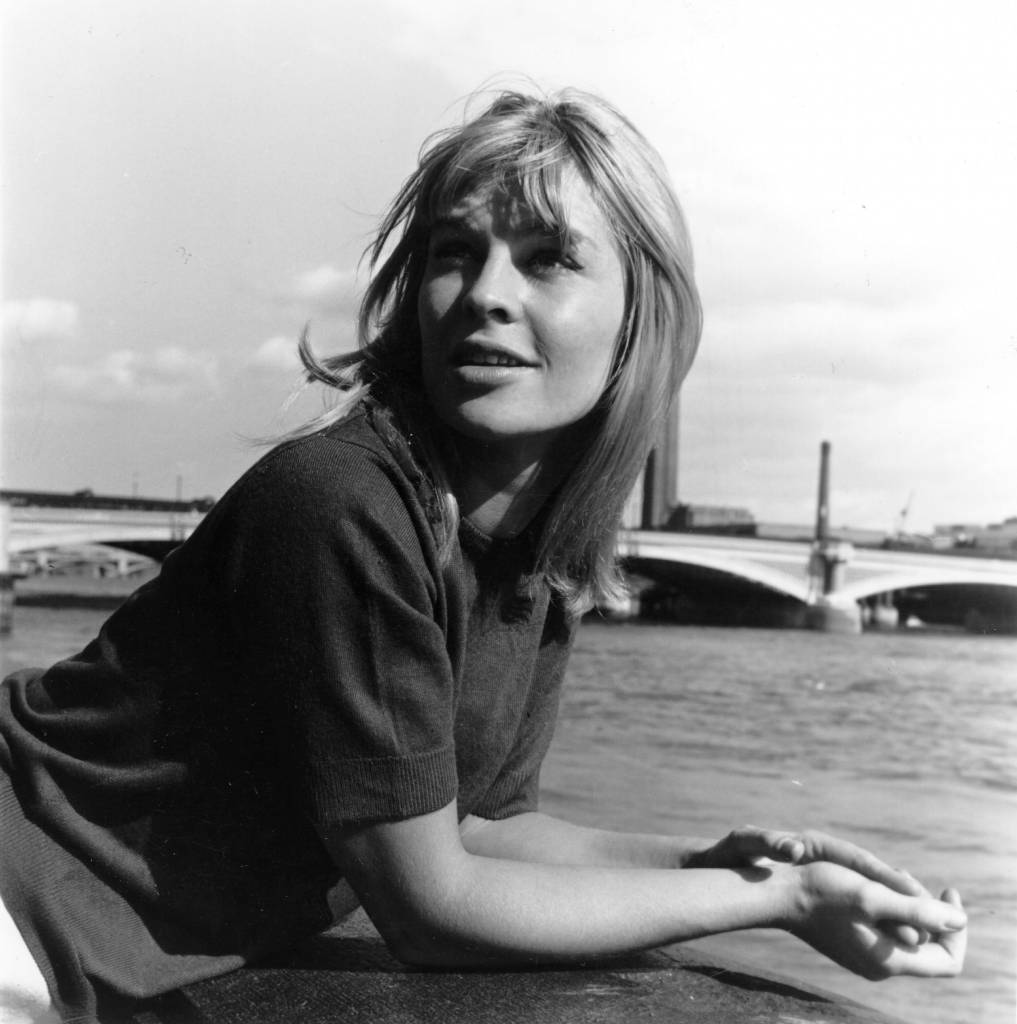
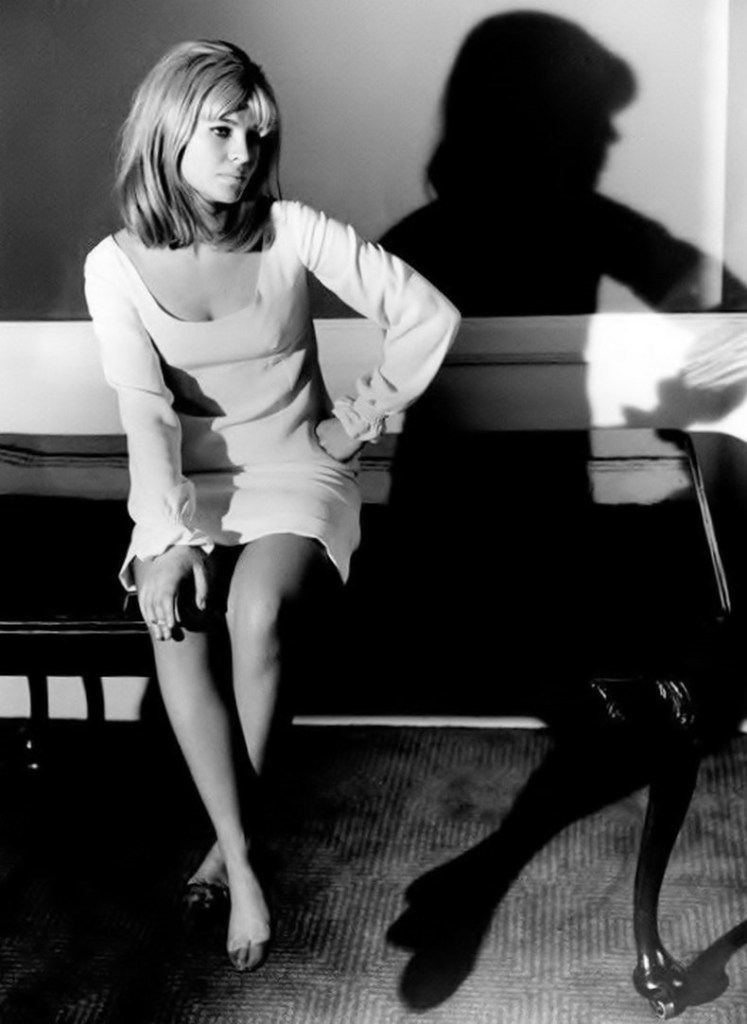
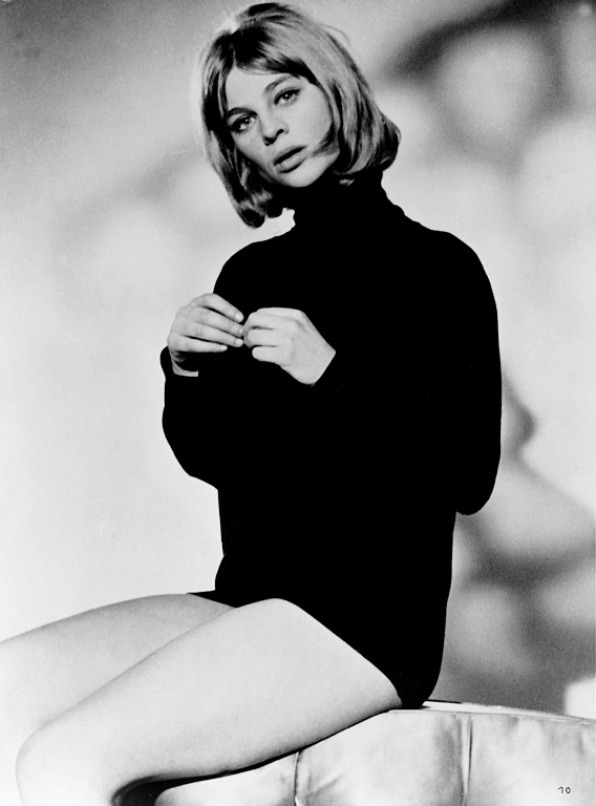
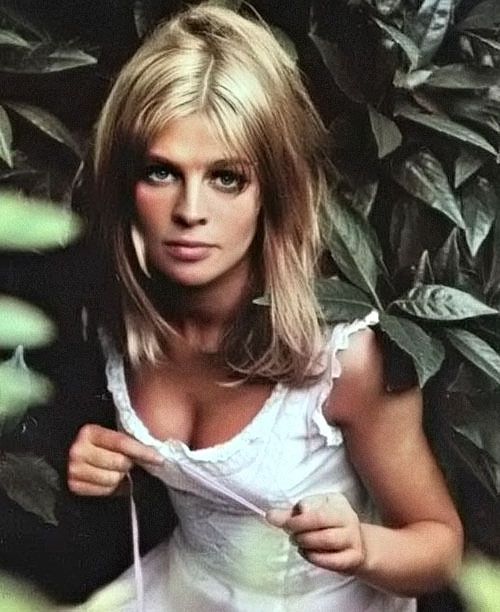
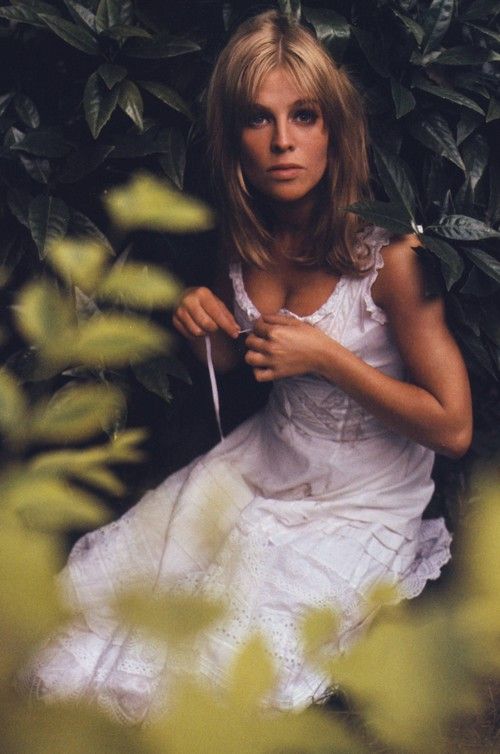
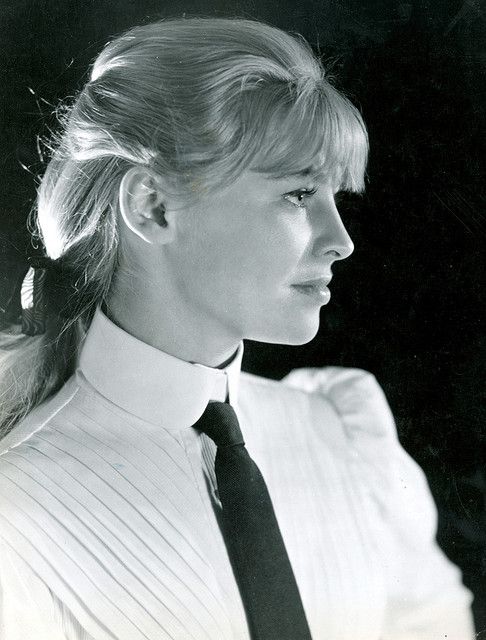
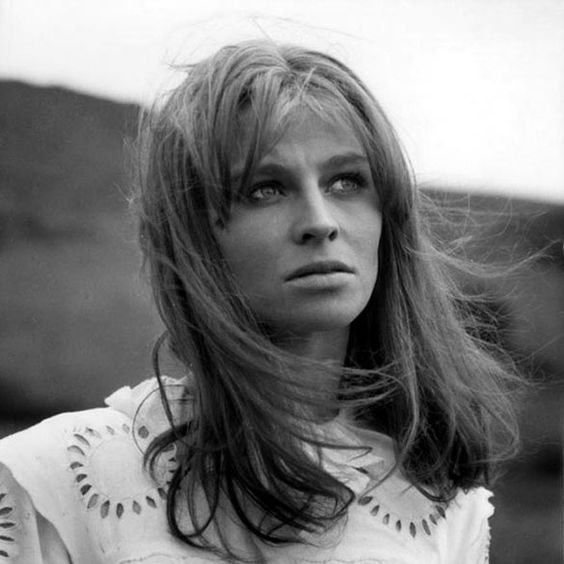
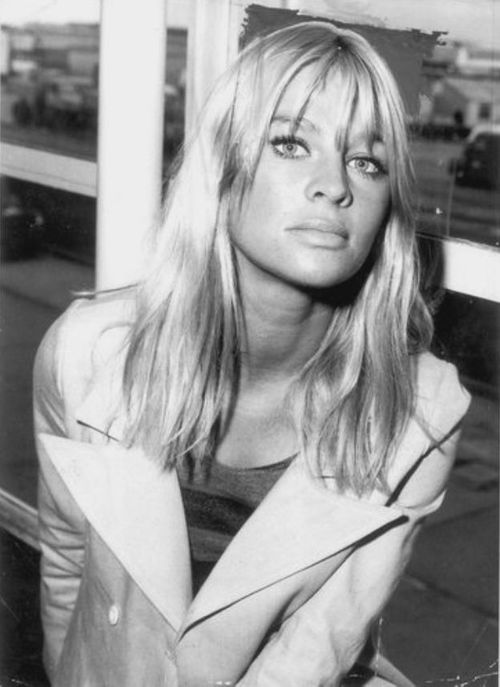
Julie Frances Christie (born 14 April 1940) is a British actress. An icon of the “Swinging Sixties”, Christie is the recipient of numerous accolades including an Oscar, a Golden Globe, a BAFTA Award, and a Screen Actors Guild Award. She has appeared in six films ranked in the British Film Institute’s BFI Top 100 British films of the 20th century, and in 1997, she received the BAFTA Fellowship.
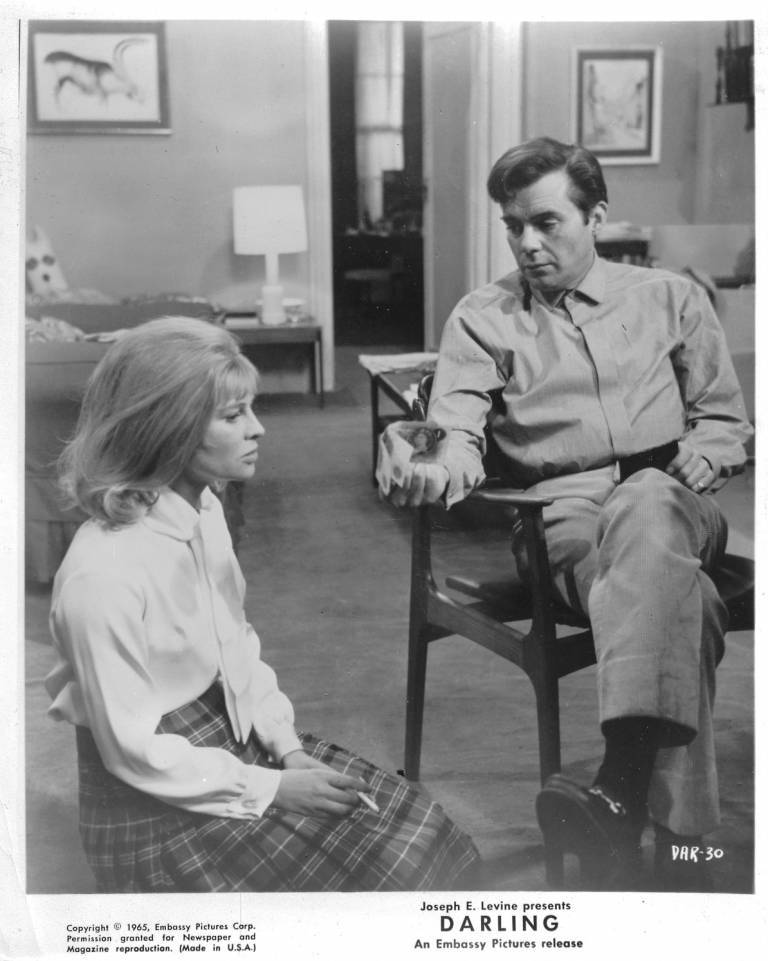
Christie’s breakthrough film role was in Billy Liar (1963). She came to international attention for her performances in Darling (1965), for which she won the Academy Award for Best Actress, and Doctor Zhivago (also 1965), the eighth highest-grossing film of all time after adjustment for inflation.
In the following years, she starred in Fahrenheit 451 (1966), Far from the Madding Crowd (1967), Petulia (1968), The Go-Between (1971), McCabe & Mrs. Miller (1971), for which she received her second Oscar nomination, Don’t Look Now (1973), Shampoo (1975), and Heaven Can Wait (1978).
From the early 1980s, her appearances in mainstream films decreased, though she held cameo roles as Thetis in Wolfgang Petersen’s historical epic Troy and as Madam Rosmerta in Harry Potter and the Prisoner of Azkaban (both 2004). She has continued to receive significant critical recognition for her work, including Oscar nominations for the independent films Afterglow (1997) and Away from Her (2007).
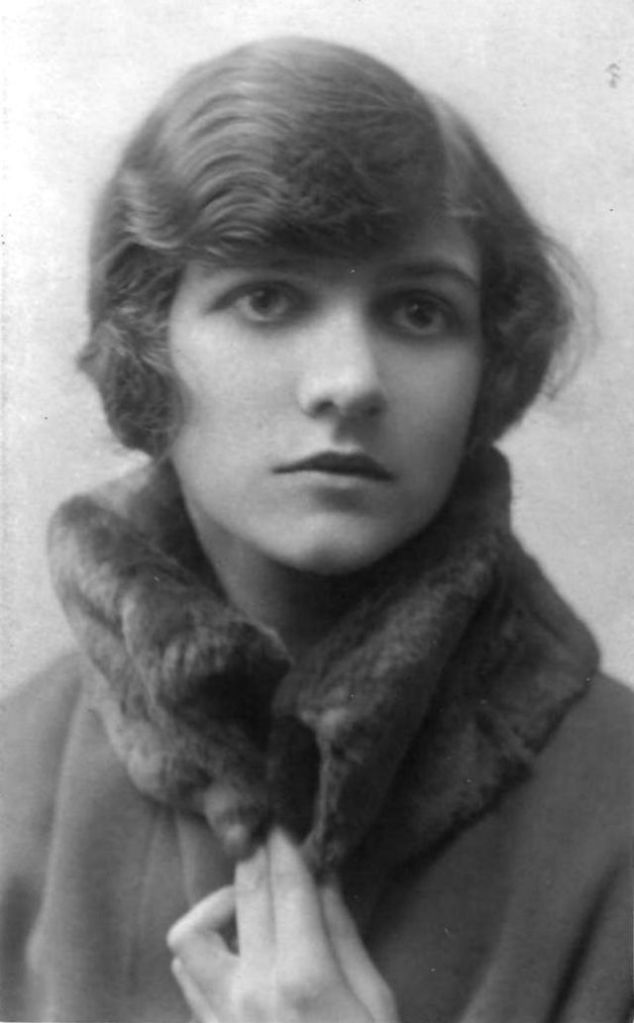
by Michael Ward, selenium-toned bromide print, 22 November 1963
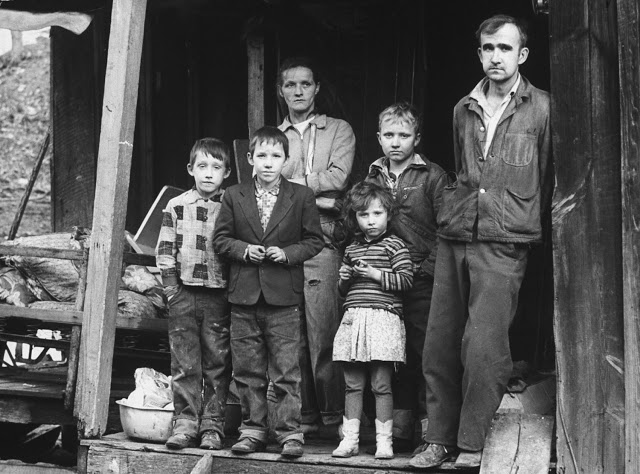
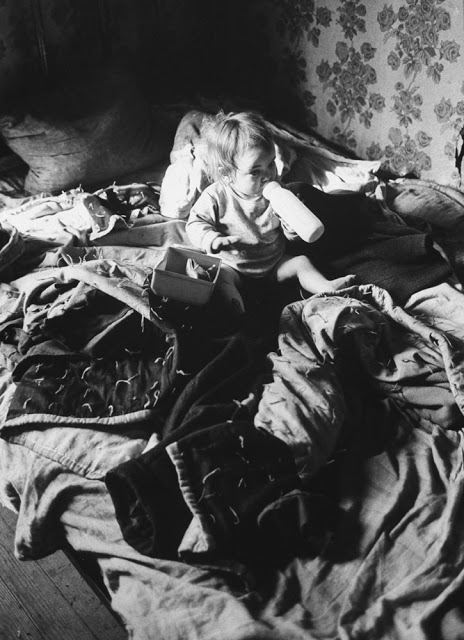
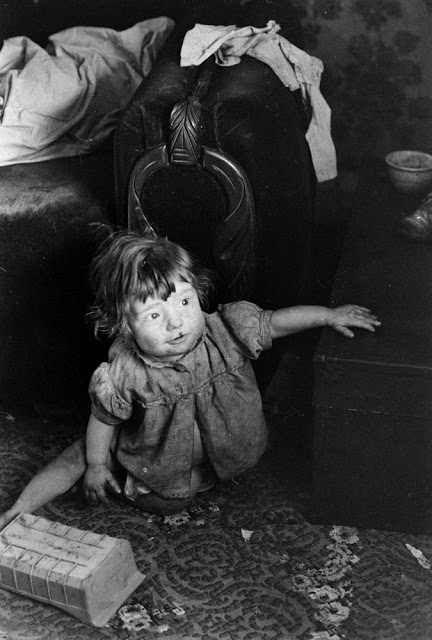
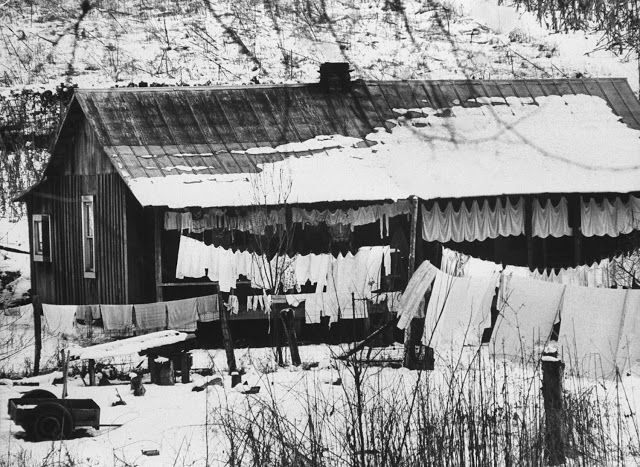
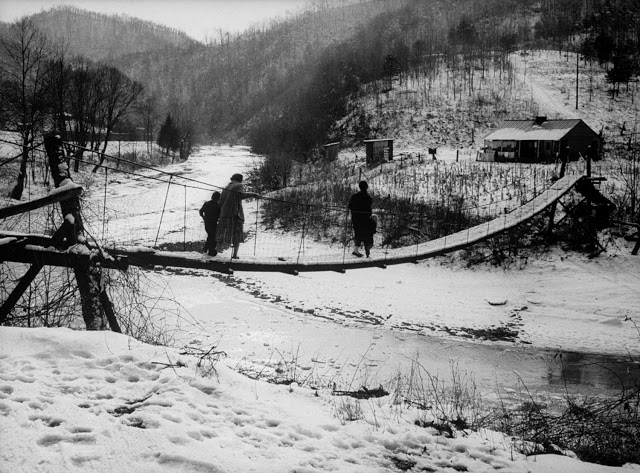
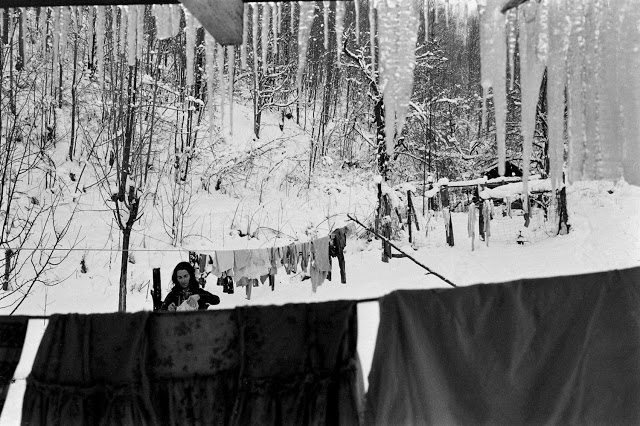
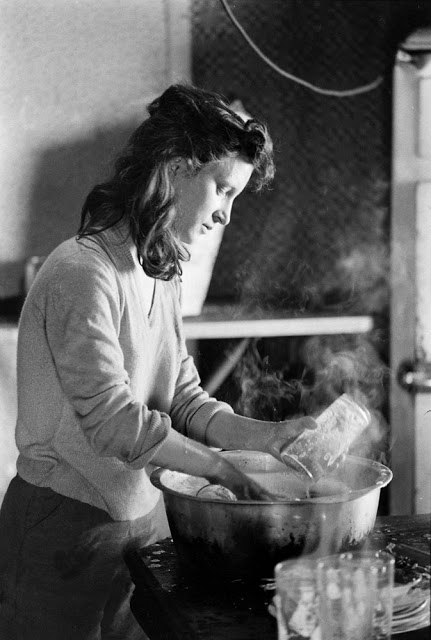
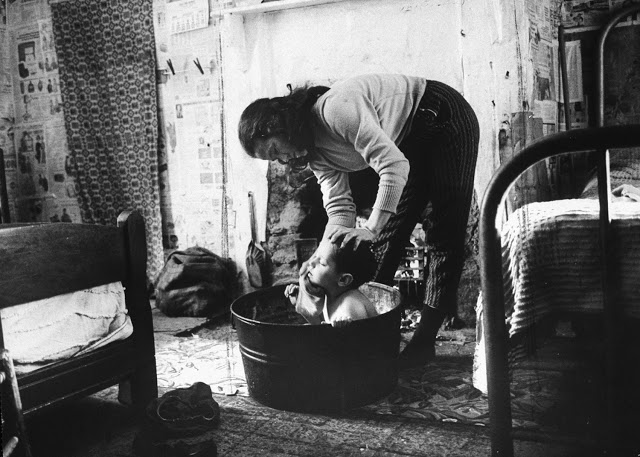
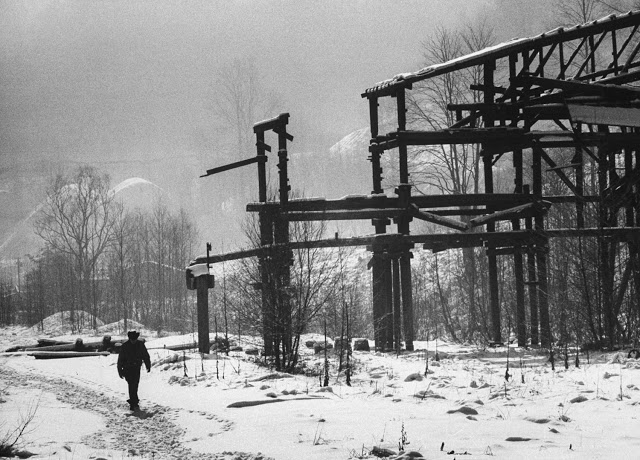
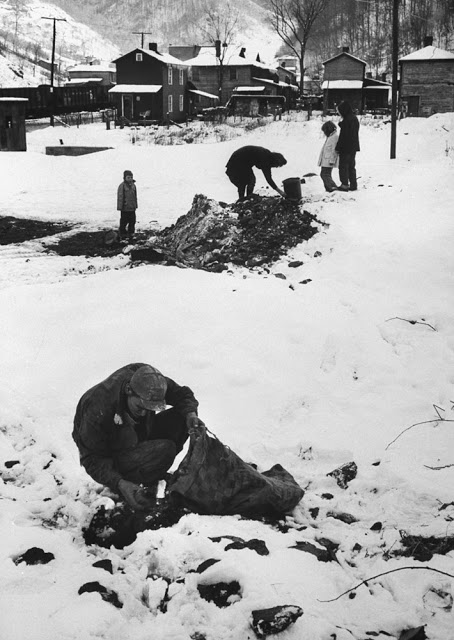
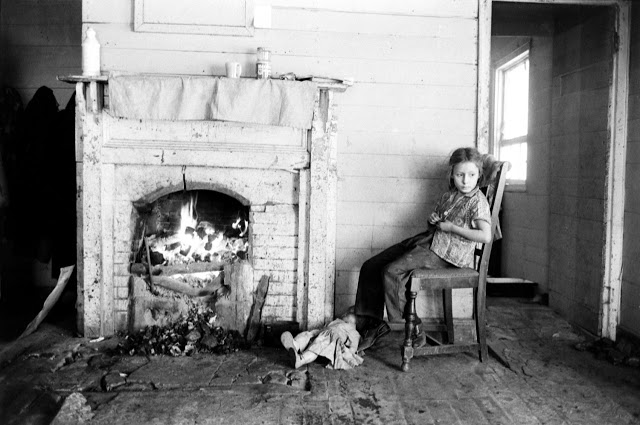
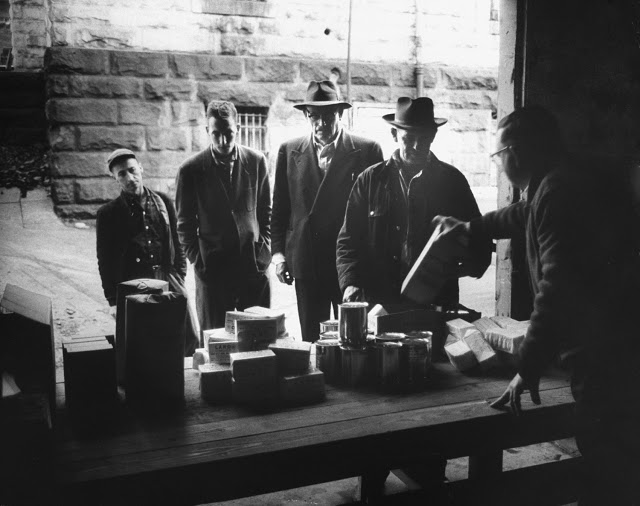
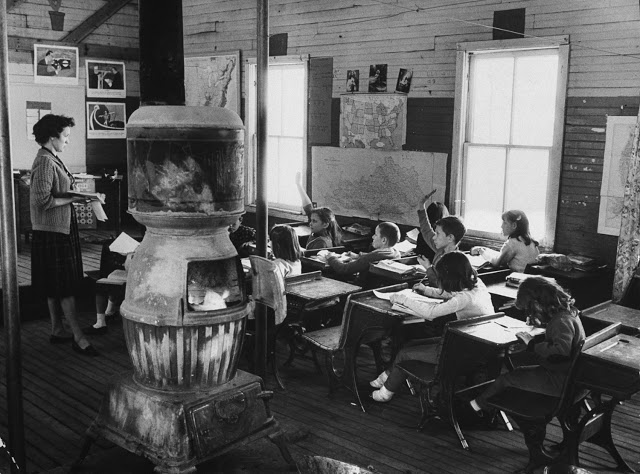
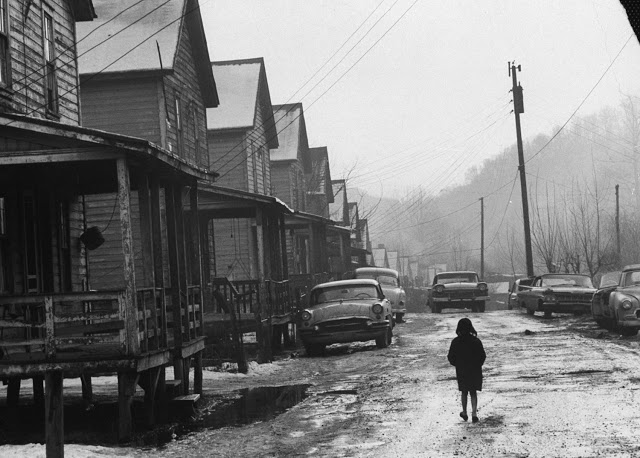
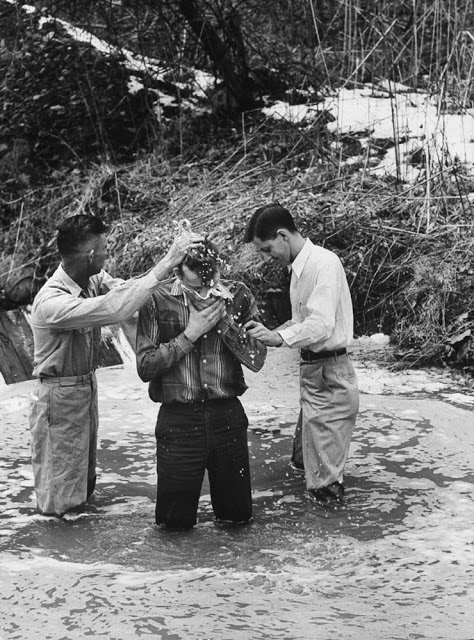
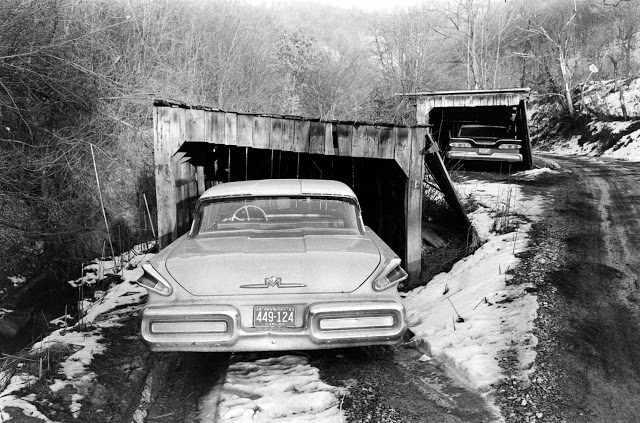
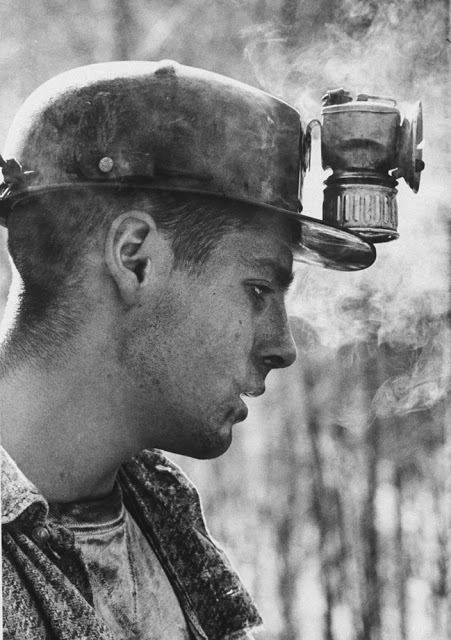
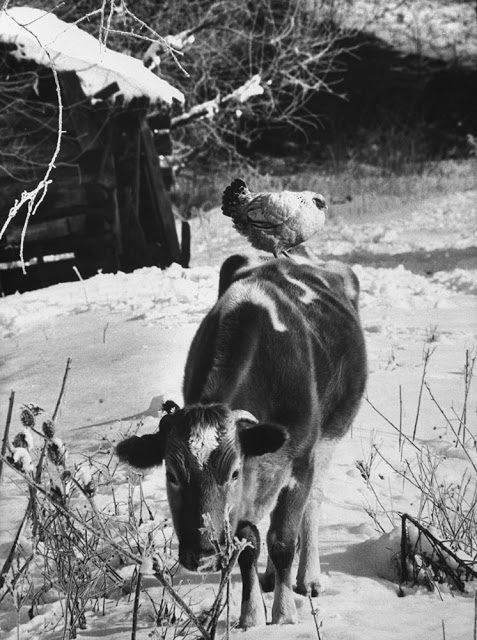
These bleak pictures appear to show America in the grip of the 1920s Great Depression. The reality is that they were taken in the 1960s, in a lonely valley in Eastern Kentucky long forgotten by affluent America. The pictures of Appalachia were taken by photographer John Dominis, and appeared in 1964 issue of LIFE, titled ‘The Valley of Poverty’ — one of the very first substantive reports in any American publication on President Lyndon Johnson’s nascent War on Poverty.
At the time, LIFE was arguably the most influential weekly magazine in the country, and without doubt the most widely read magazine anywhere to regularly publish major photo essays by the world’s premier photojournalists. In that light, LIFE was in a unique position in the early days of Johnson’s administration to not merely tell but to show its readers what was at stake, and what the challenges were, as the new president’s “Great Society” got under way.
As LIFE put it to the magazine’s readers in January 1964: “In a lonely valley in eastern Kentucky, in the heart of the mountainous region called Appalachia, live an impoverished people whose plight has long been ignored by affluent America. Their homes are shacks without plumbing or sanitation. Their landscape is a man-made desolation of corrugated hills and hollows laced with polluted streams. The people, themselves — often disease-ridden and unschooled — are without jobs and even without hope. Government relief and handouts of surplus food have sustained them on a bare subsistence level for so many years that idleness and relief are now their accepted way of life.”
(Photos: John Dominis—Time & Life Pictures/Getty Images)
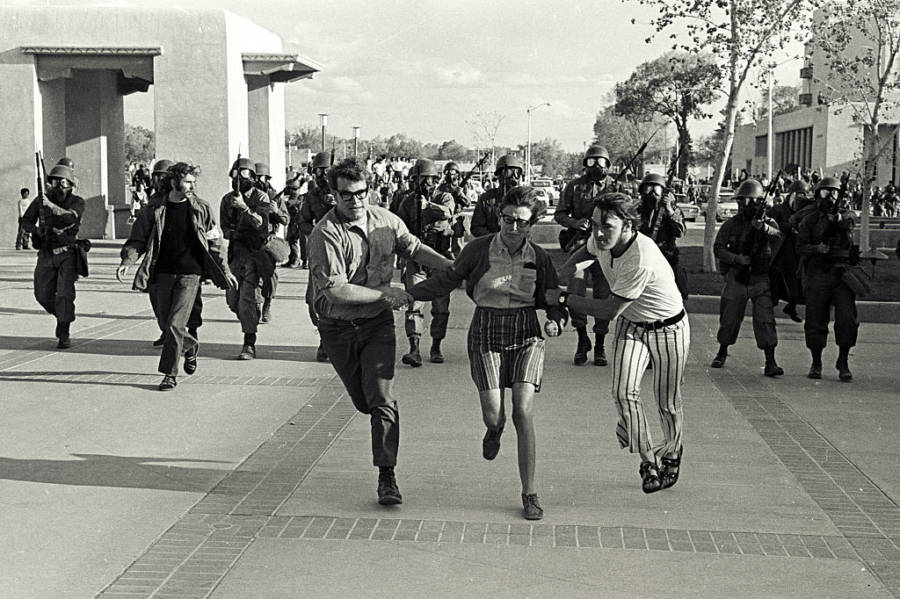
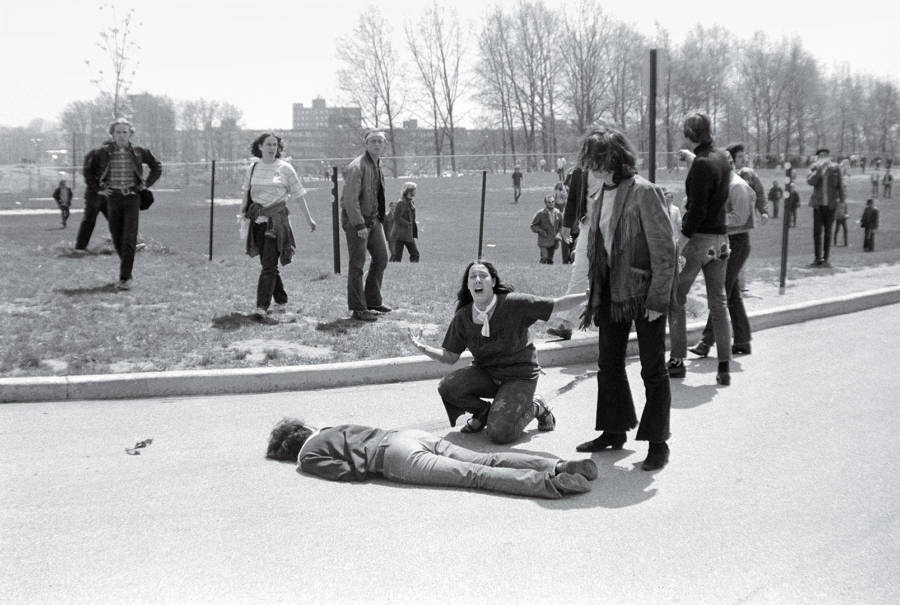
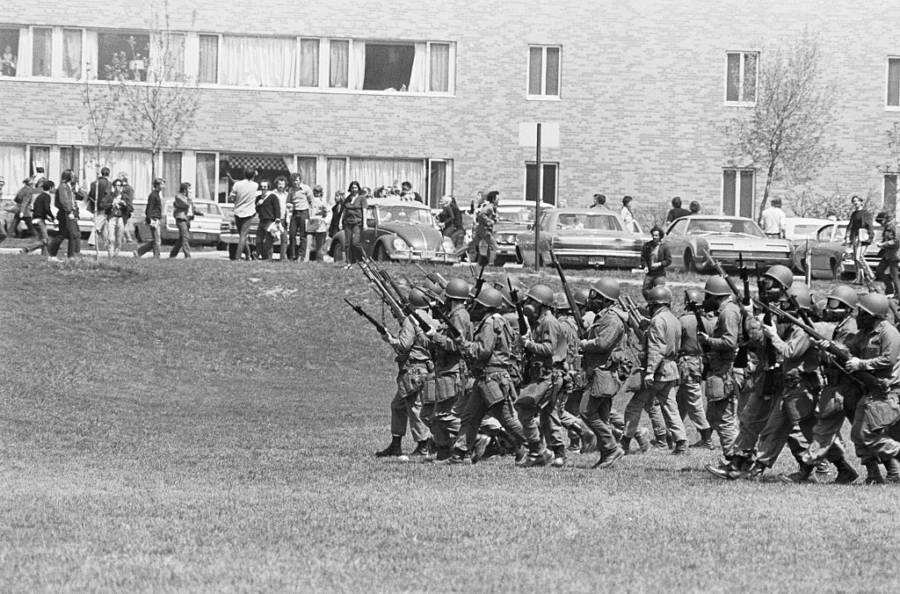
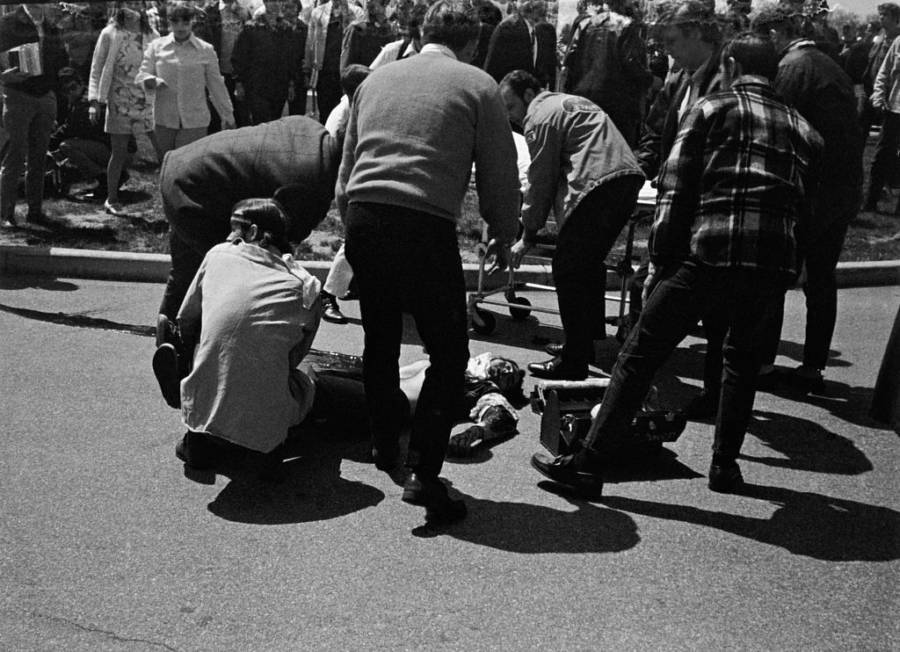
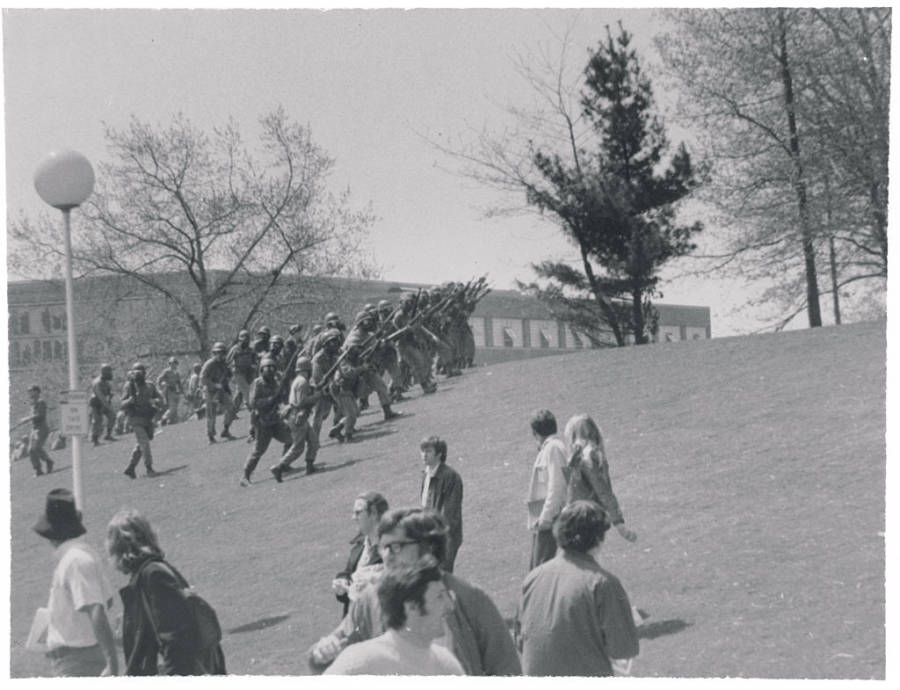
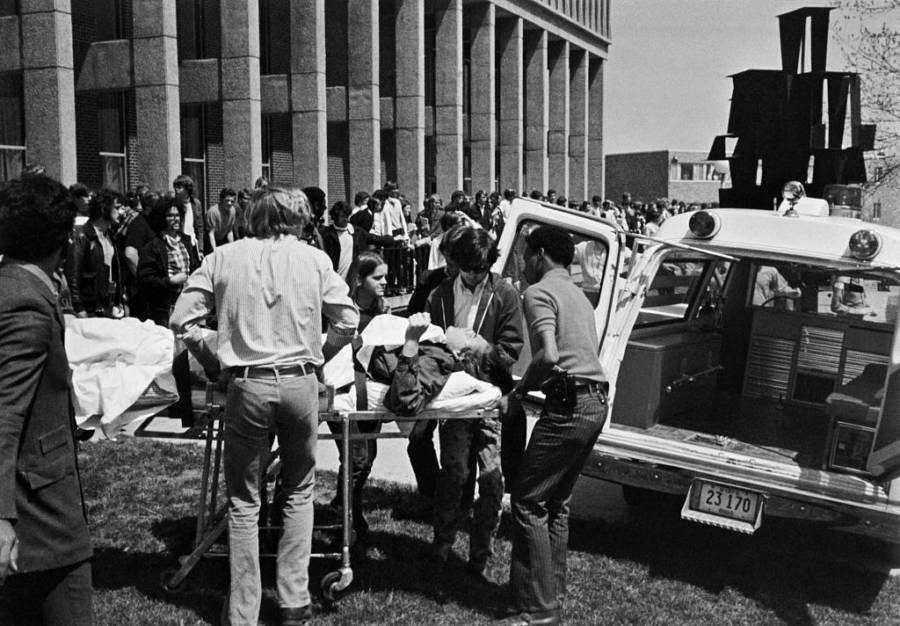
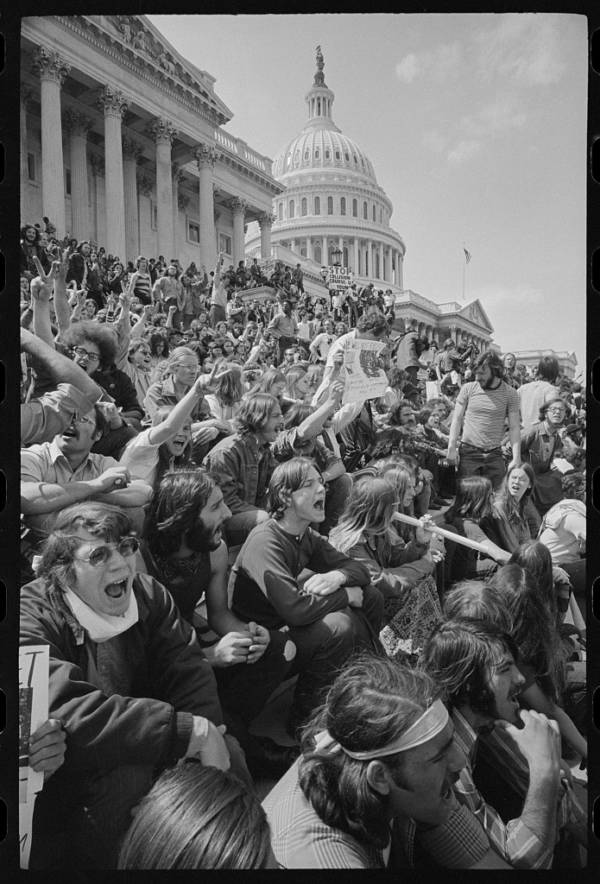
On May 4, 1970, at Ohio’s Kent State University, four American citizens were murdered by their own government. A line of 29 men of the Ohio National Guard marched up before a group of unarmed protesters and opened fire, killing four and wounding nine others. It’s an episode now burned into history as the Kent State Shootings.
The students were calling for peace. They were protesters demonstrating against the Vietnam War and against America’s intention to move into Cambodia. Too many soldiers had died — the protesters thought — many of them students whose names had come up in the draft lottery. The students wanted the killings to stop.
On May 1, 500 students filled the Kent State campus, where they marched and made speeches that terrified some of the people around them. One pulled out a copy of the United States Constitution and burned it, trying to demonstrate how Nixon had violated it – but some didn’t quite understand. Some saw the protestors as a danger.
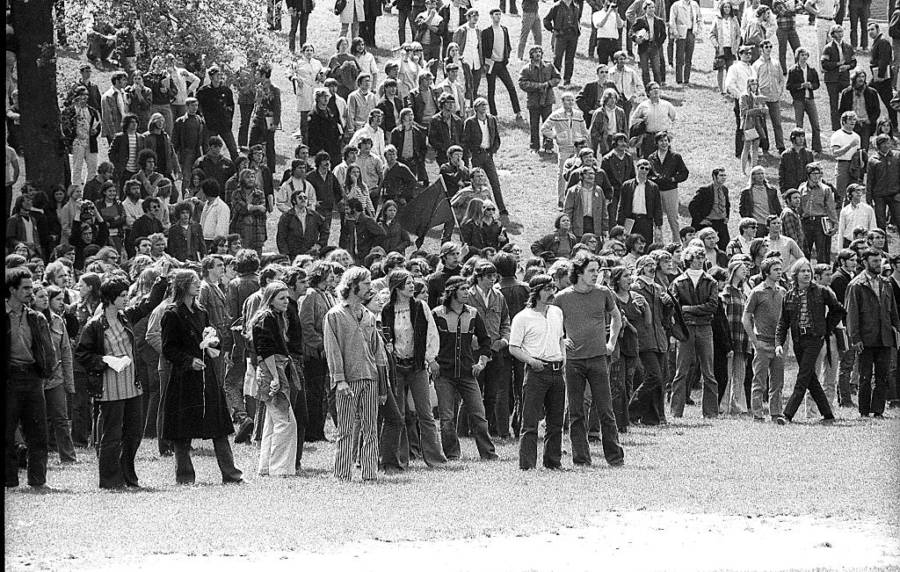
The protesters continued on for the next few days, with the crowd growing larger. By May 4, the day of the Kent State Massacre, there were 2,000 people on the campus handing out leaflets, making speeches, and standing up to demand peace.
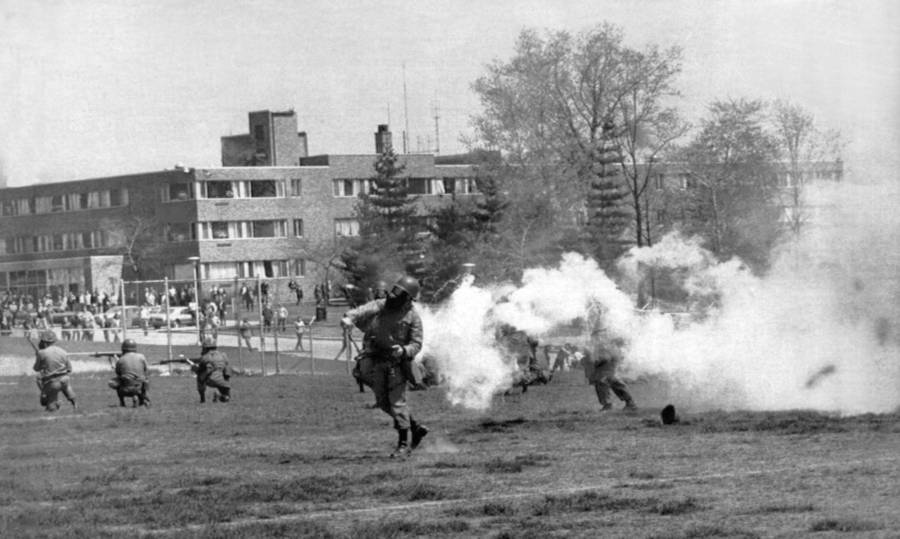
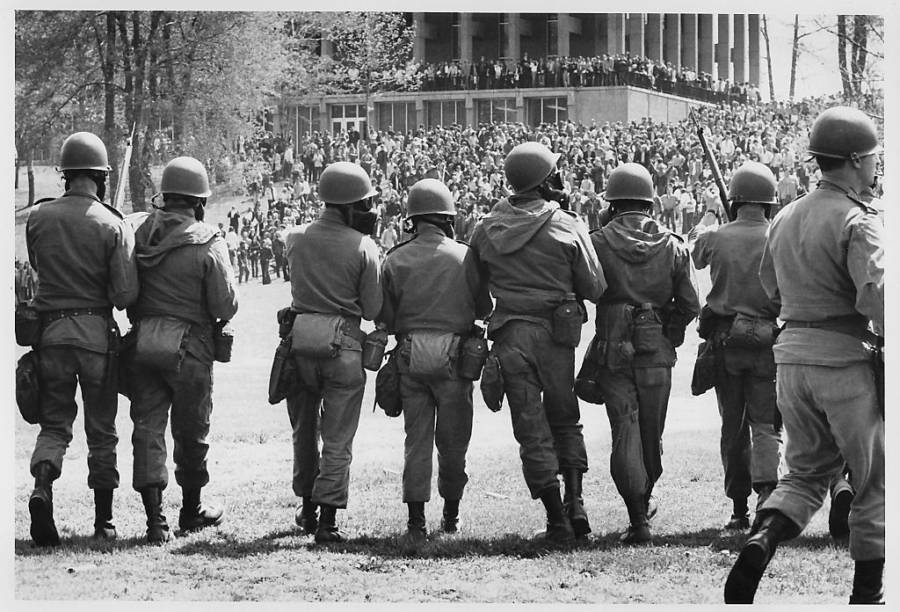
Nervous about what these people would do, the state sent in the National Guard and ordered the demonstrators to disperse. However, they weren’t ready to leave. Some hurled rocks at the National Guardsmen and chased them away. But soon the guardsmen came back, this time with gas masks, tear gas, and rifles.
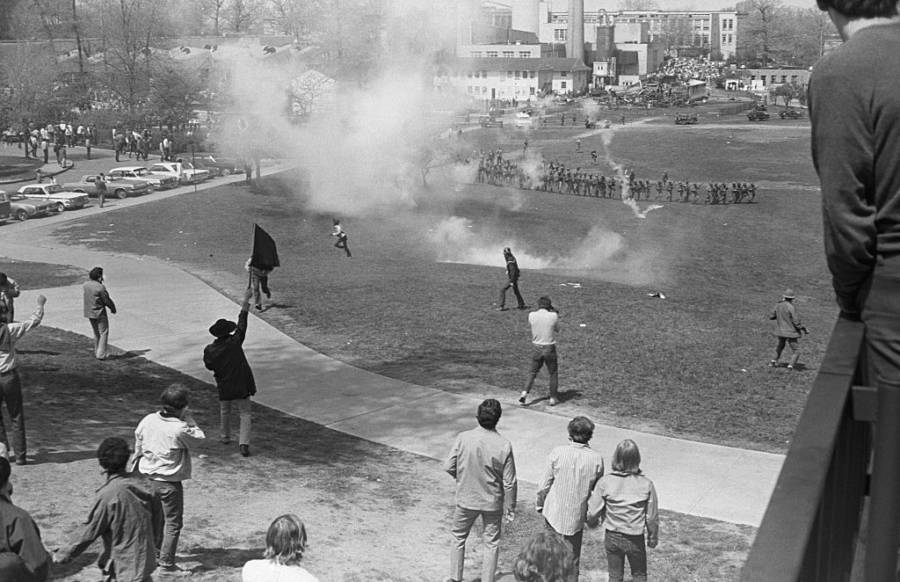
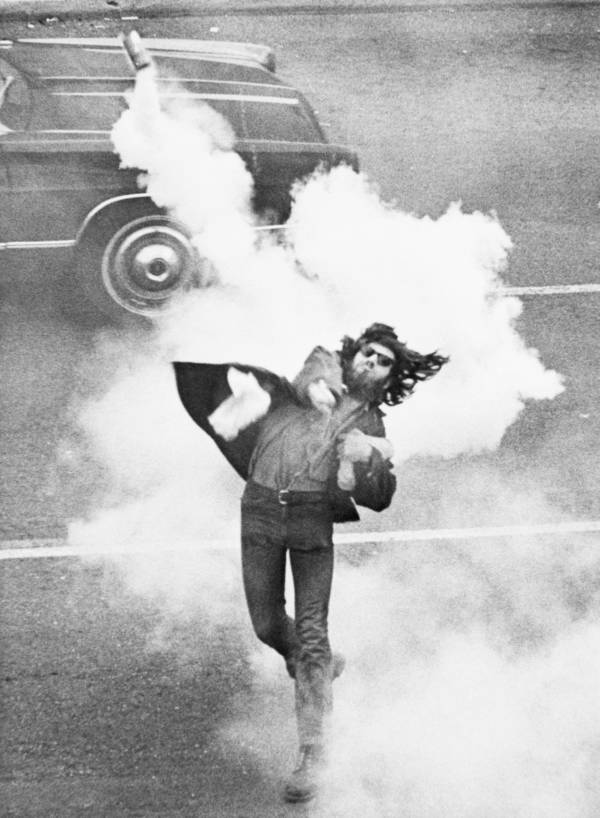
The National Guardsmen hurled tear gas into the crowd and chased the people who fled. Then, when some demonstrators wouldn’t leave and tried to hurl the tear gas back at them, they pulled out their rifles and opened fire.
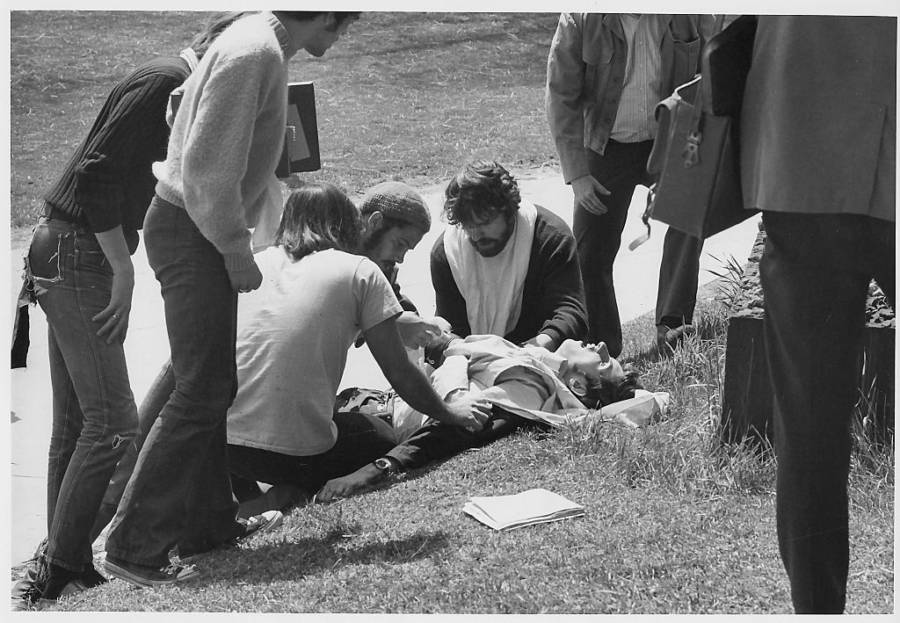
“The crackle of the rifle volley cut the suddenly still air,” John Kifner, a New York Times writer who was on the scene, wrote. “It appeared to go on, as a solid volley, for perhaps a full minute or a little longer.” Kifner watched as the students next to him fell to the ground, one shot in the head, another hit in the back, and saw them bleed out onto the concrete of their school parking lot.
“I was a white hippie boy, and then I saw exit wounds from M1 rifles out of the backs of two people I knew,” another witness, Gerald Casale, who would later become a member of the band Devo, recalled. “None of us knew, none of us could have imagined… They shot into a crowd that was running away from them!”
Over the next few days, 4 million people came out in protest of the Kent State Massacre. Anti-Vietnam campaigns became bigger than ever, and the way the US responded to protests changed forever.
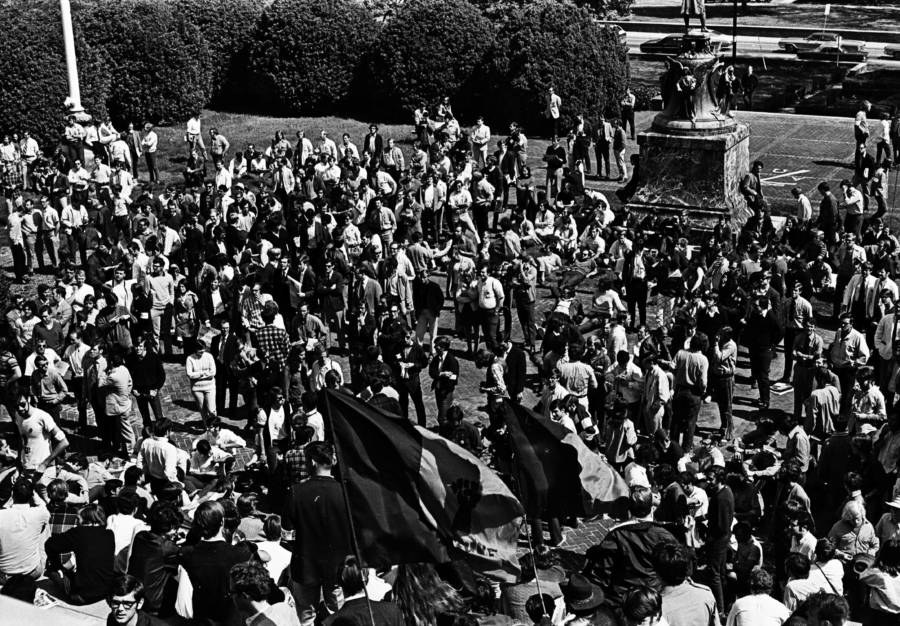
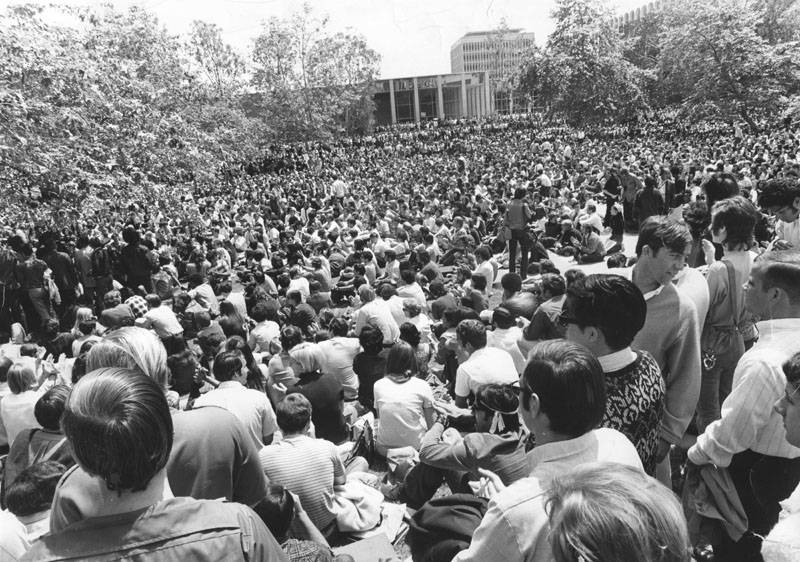
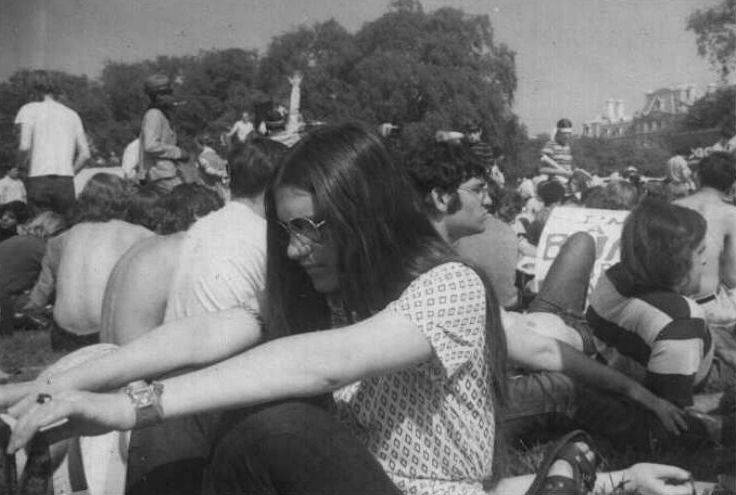
Demonstrators run for safety as National Guardsmen move in. May 1970The scene of Kent State University becomes a battlefield as National Guardsmen unleash tear gas and bullets on the students. May 1970Students gather around John Cleary, who has been shot by the National Guard.A student grabs a tear gas canister and throws it right back at the attacking National Guardsmen.14-year-old Mary Ann Vecchio screams over the body of 20-year-old Kent State student Jeffrey Miller, shot dead by the National Guard.Demonstrators run as National Guardsmen fire tear gas and bullets into the crowd.The National Guard moves in and orders the protesters to disperse. These men were chased away by the protesters. They would come back, however, armed and ready to fight.A National Guardsman throws a can of tear gas into the crowd.The National Guard presses forward toward the protesters.The Ohio National Guard give up on tear gas and open fire.An injured student is carried off to a stretcher in a mad scramble to get him to a doctor before he bleeds out.Students at Kent State protest the Vietnam War and Nixon’s expansion into Cambodia. Some of the students here would not leave alive, including Jeffrey Miller, seen here in a cowboy hat.The National Guard move in on the students, now with gas masks covering their faces.Students gather around a victim that has been shot, trying to get them to safety before the National Guard returns.The National Guard, with gas masks covering their faces, fire barrages of tear gas into the crowd of protesters.The National Guard charge forward.Students make a circle around Joseph Lewis Jr., a wounded student who had taken a bullet from the National Guard. They eye the soldiers who shot him, unsure how this will play out.Students help paramedics get their bleeding friend into an ambulance.An irate student stomps on the bloodstain left by one of his friends, mere moments after the massacre ended.The day after the massacre, students come out in droves to protest at the Capitol. Washington, D.C. May 5, 1970.Students on strike storm the University of Virginia, standing up for those who died at the Kent State Massacre. Charlottesville, Virginia. May 6, 1970.A crowd of 9,000 students on strike, protesting the massacre at UCLA, boo their chancellor as he comes out to plead for them to calm down. Los Angeles, California. May 7, 1970.Protesters at a sit-in at the Capitol join the nationwide student strike in protest of the massacre. Washington D.C. May 9, 1970.The National Guard at UCLA tries the same tactic again the day after the massacre. This time, the students are ready for them. This student grabs the tear gas canister and throws it right back. Los Angeles, California. May 5, 1970.
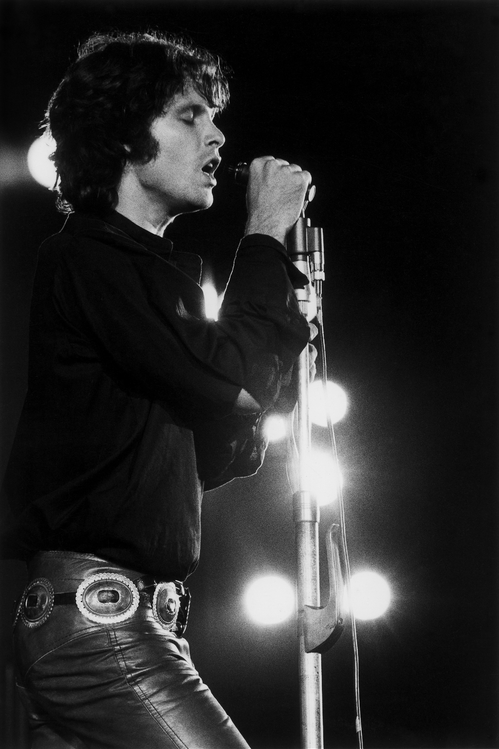
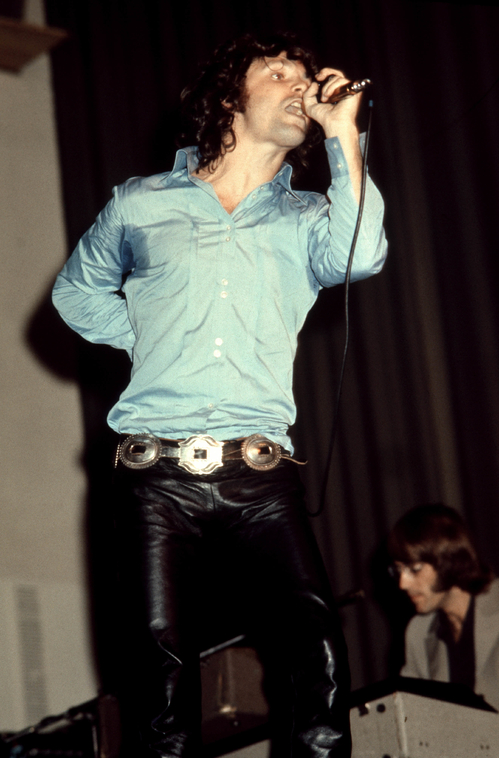
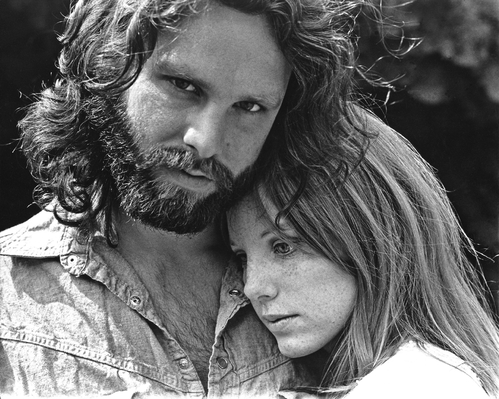
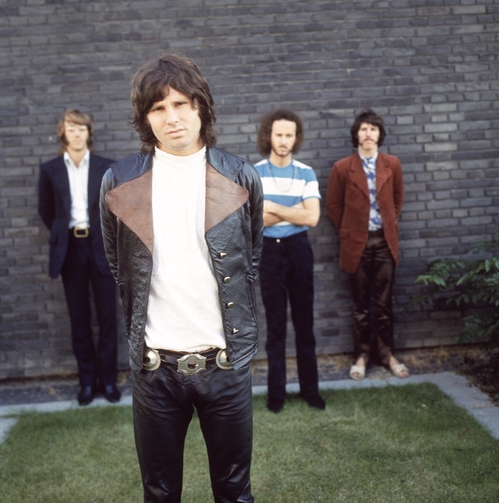
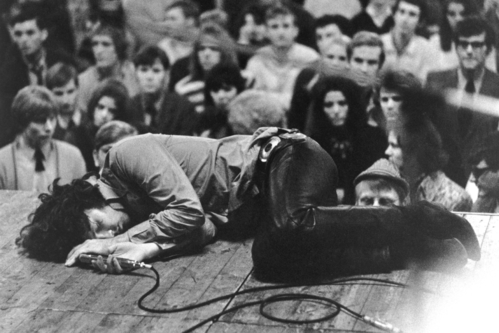
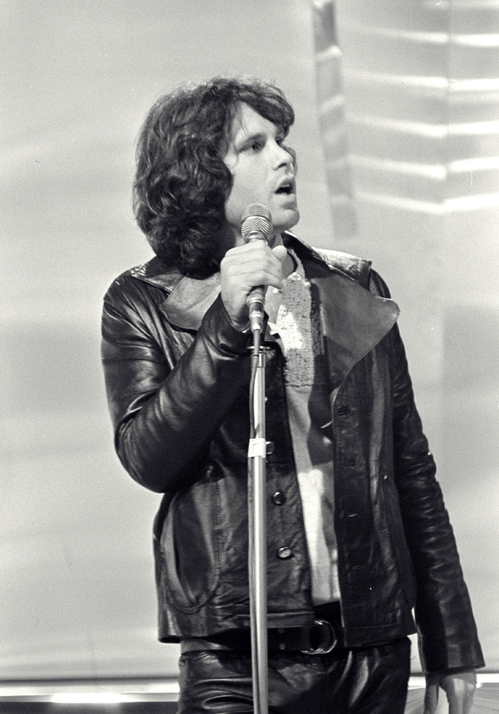
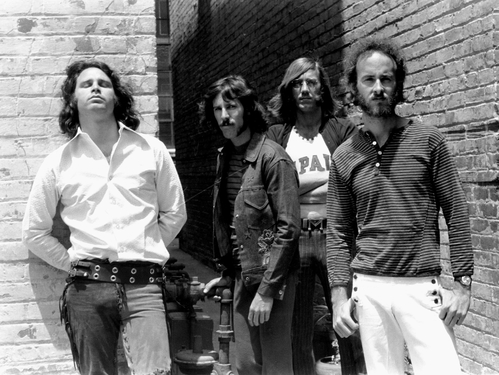
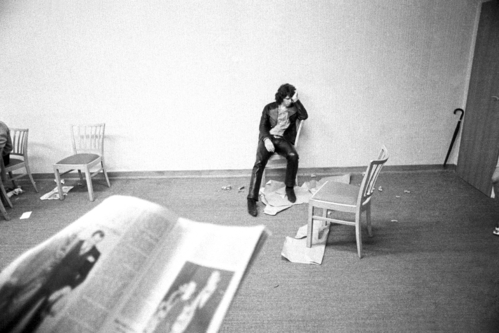
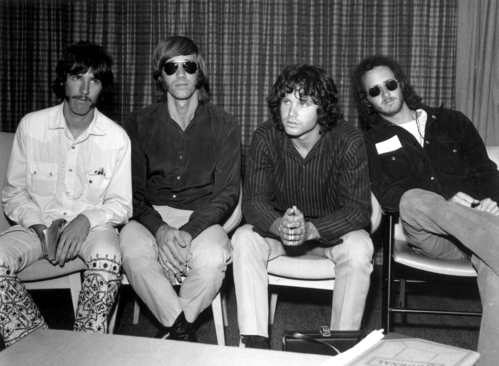
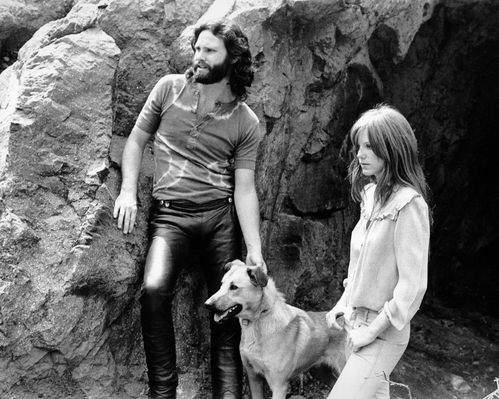
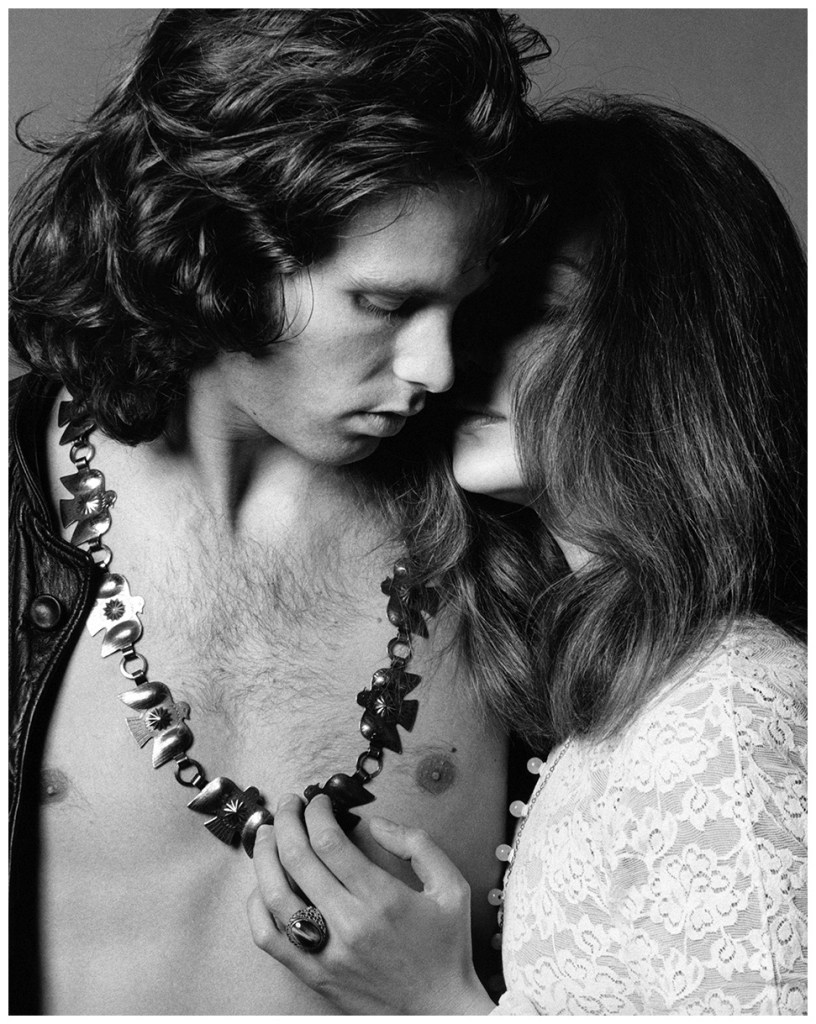
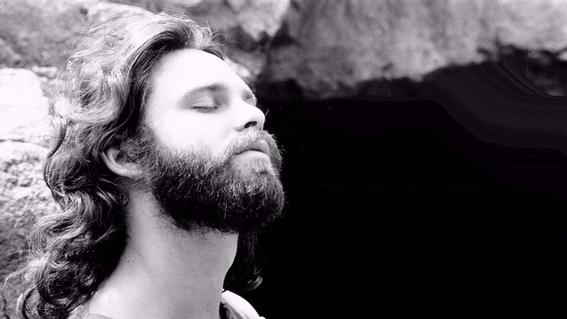
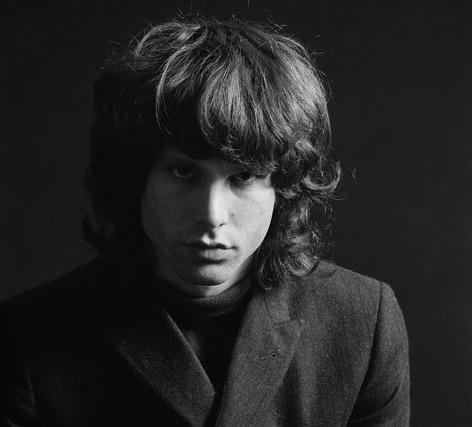
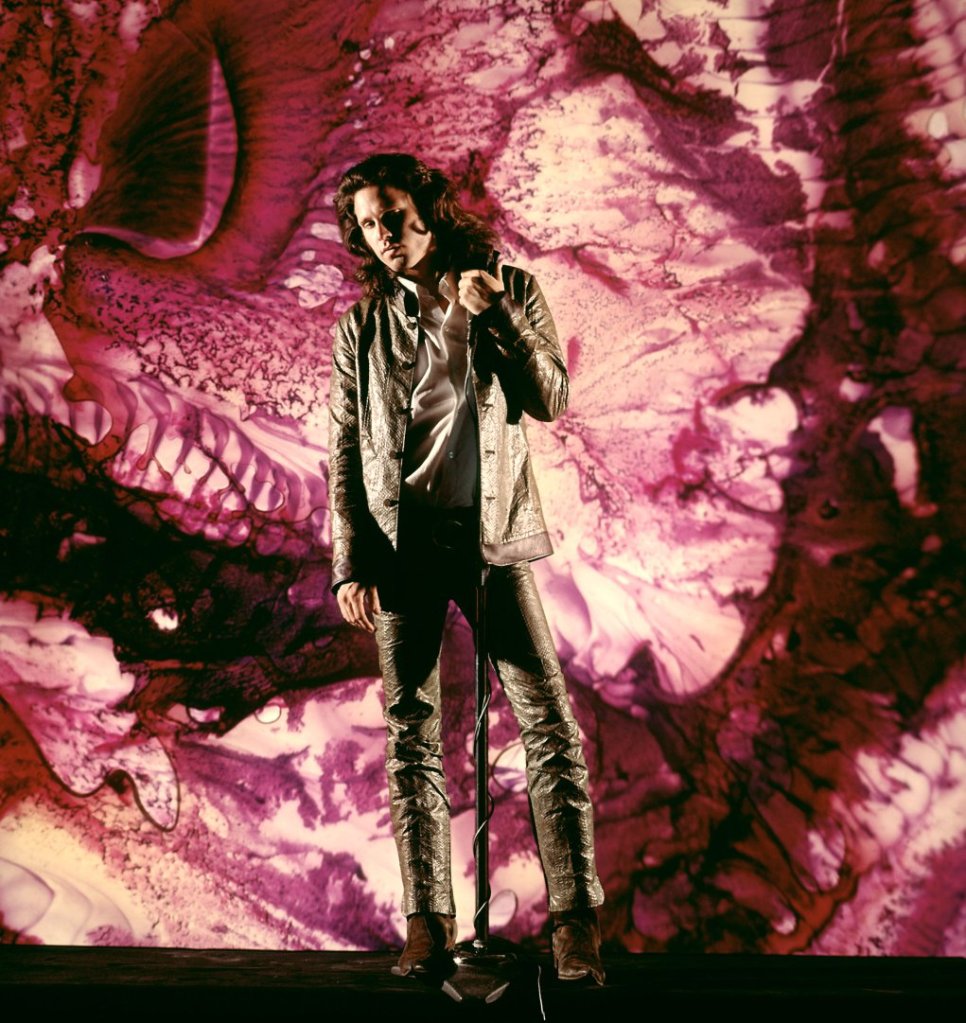
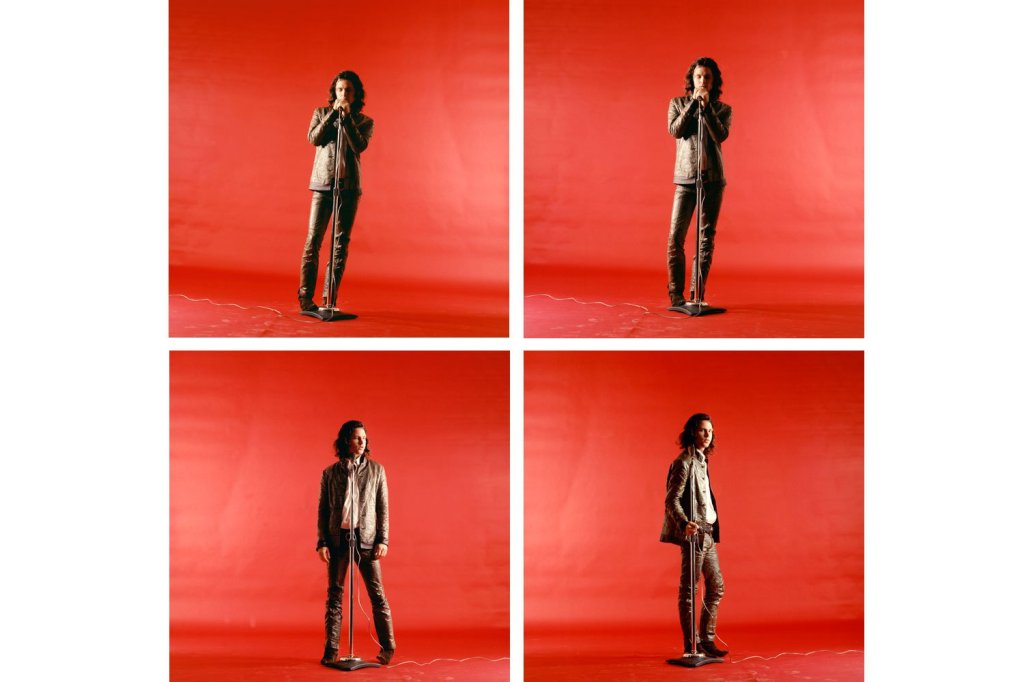
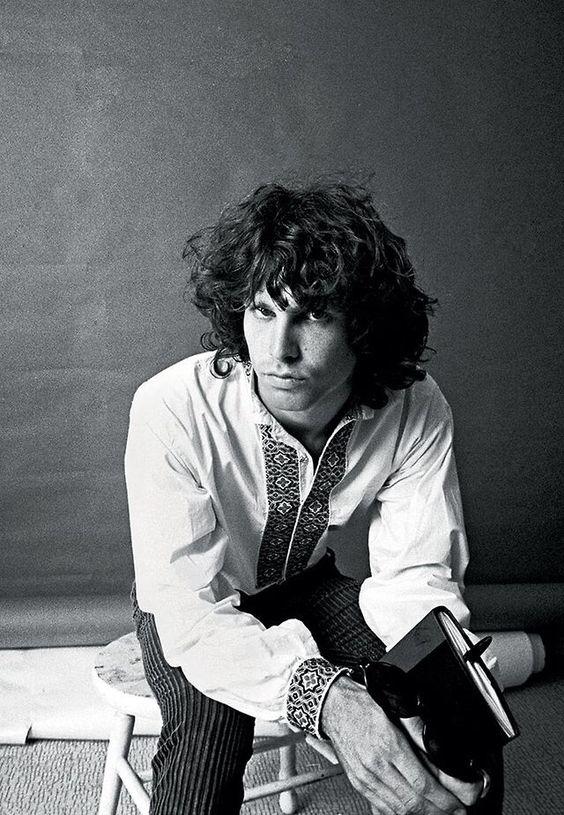
James Douglas Morrison (December 8, 1943 – July 3, 1971) was an American singer, musician, songwriter and poet, who was the lead vocalist of the rock band the Doors. Due to his wild personality, poetic lyrics, distinctive voice, unpredictable and erratic performances, and the dramatic circumstances surrounding his life and early death, Morrison is regarded by music critics and fans as one of the most iconic and influential frontmen in rock history. Since his death, his fame has endured as one of popular culture’s most rebellious and oft-displayed icons, representing the generation gap and youth counterculture.
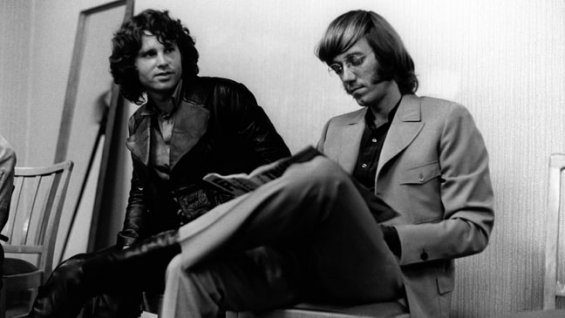
Together with pianist Ray Manzarek, Morrison co-founded the Doors in July 1965 in Venice, California. The band spent two years in obscurity until shooting to prominence with their number-one single in the United States, “Light My Fire”, taken from their self-titled debut album. Morrison recorded a total of six studio albums with the Doors, all of which sold well and received critical acclaim. Morrison was well known for improvising spoken word poetry passages while the band played live. Manzarek said Morrison “embodied hippie counterculture rebellion”.
Morrison developed an alcohol dependency in the 1960s, which at times affected his performances on stage. He died unexpectedly in Paris on July 3, 1971 at the age of 27, amid conflicting witness reports. Since no autopsy was performed, the cause of Morrison’s death remains disputed. Though the Doors recorded two more albums after Morrison died, his death severely affected the band’s fortunes, and they split up in 1973. In 1993, Morrison was inducted into the Rock and Roll Hall of Fame as a member of the Doors.
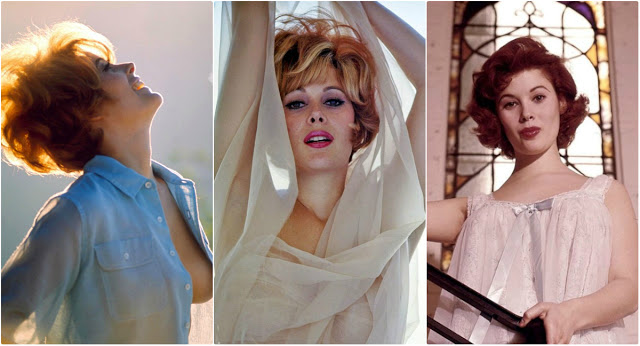
Born 1940 in Los Angeles, California, American actress Jill St. John began acting on radio at age 6. She made her screen debut in December 1949, at age 9, in the first full-length made-for-TV movie, a production of A Christmas Carol. She was in the TV show Sandy Dreams in 1949. And at age 11, St. John appeared in two episodes of The George Burns and Gracie Allen Show.
In May 1957, at age 16, Universal Pictures signed St. John to a contract for seven years starting at $200 a week. Her major studio film debut was in Summer Love (1958). She also appeared on TV in episodes of The Christophers, Schlitz Playhouse, and The DuPont Show of the Month (an adaptation of Junior Miss).
St. John then signed a contract with 20th Century Fox who tried to build her into a star. She appeared in The Remarkable Mr. Pennypacker (1959) and Holiday for Lovers (1959), then was put in an adventure movie, The Lost World (1960).
St. John had a key role in Come Blow Your Horn (1963) and received a Golden Globe Award nomination as Best Actress – Motion Picture Musical or Comedy for her performance in the film. Her most famous role then was as Tiffany Case, the Bond girl in the James Bond film Diamonds Are Forever (1971), where she starred opposite Sean Connery. She was the first American to play a Bond girl.
St. John is not just a beautiful woman, she is also very intelligent with an IQ of 162. Take a look at these glamorous pics to see the beauty of young Jill St. John in the 1960s.
Subscribe to continue reading
Become a paid subscriber to get access to the rest of this post and other exclusive content.
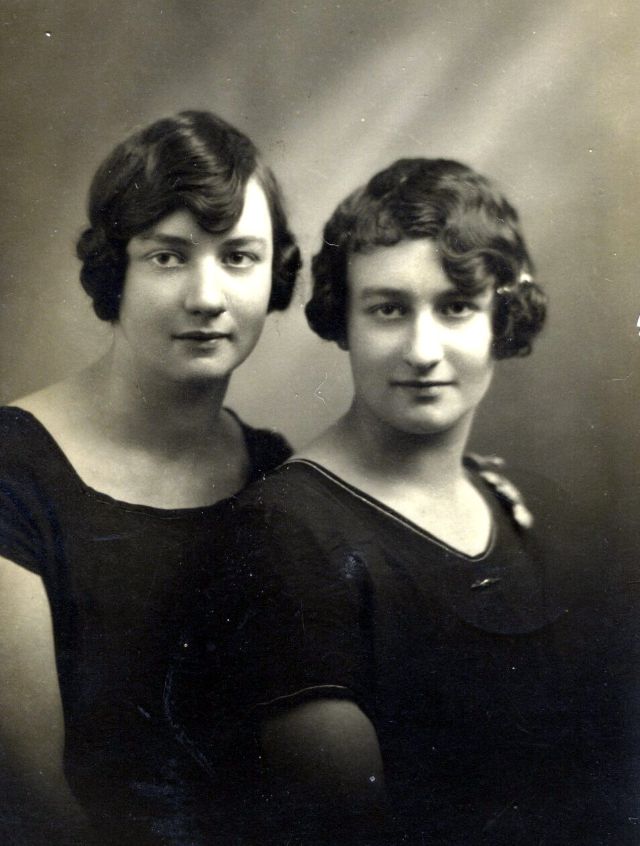
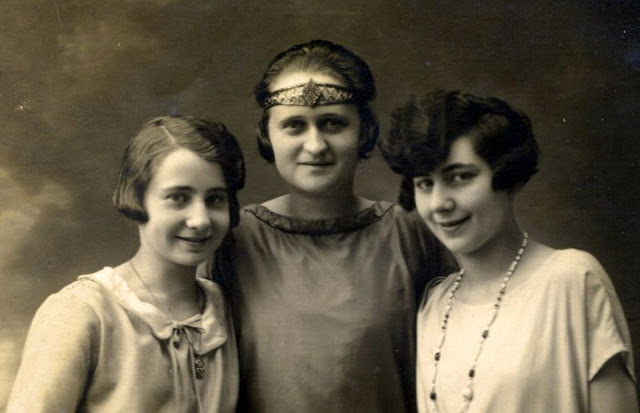
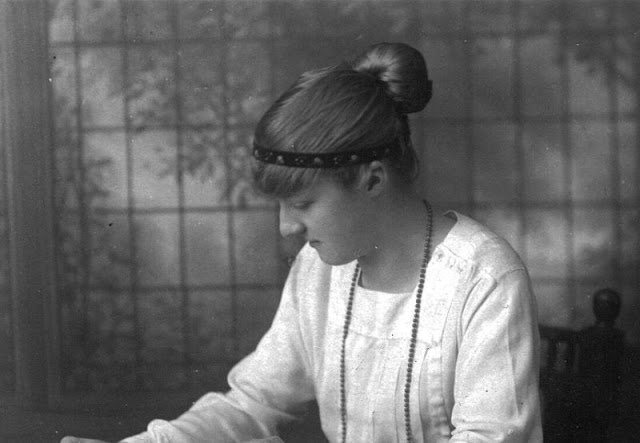
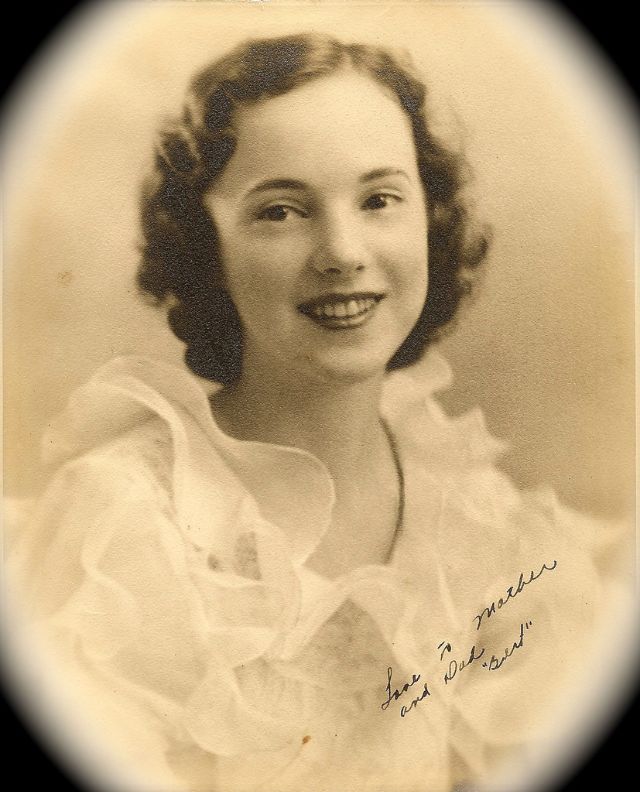
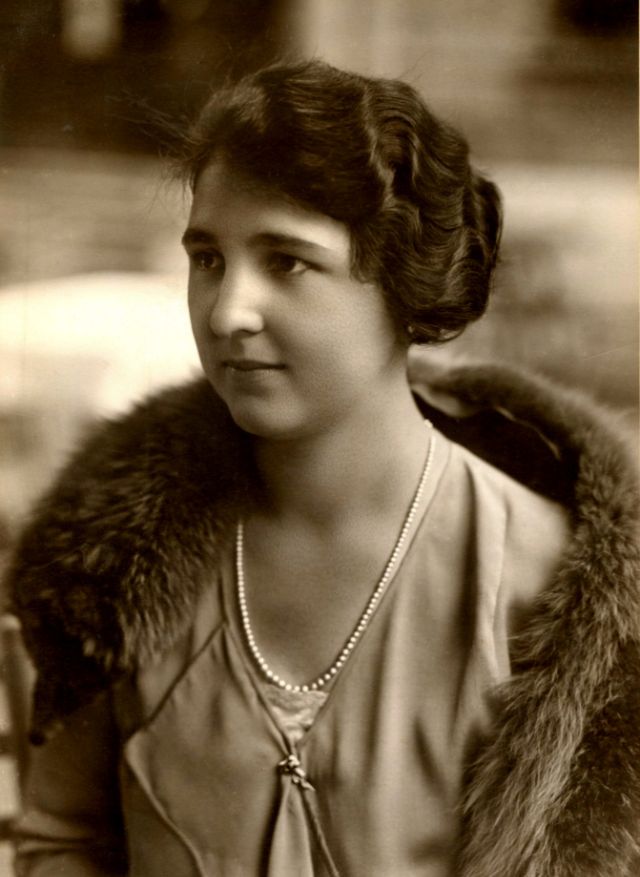
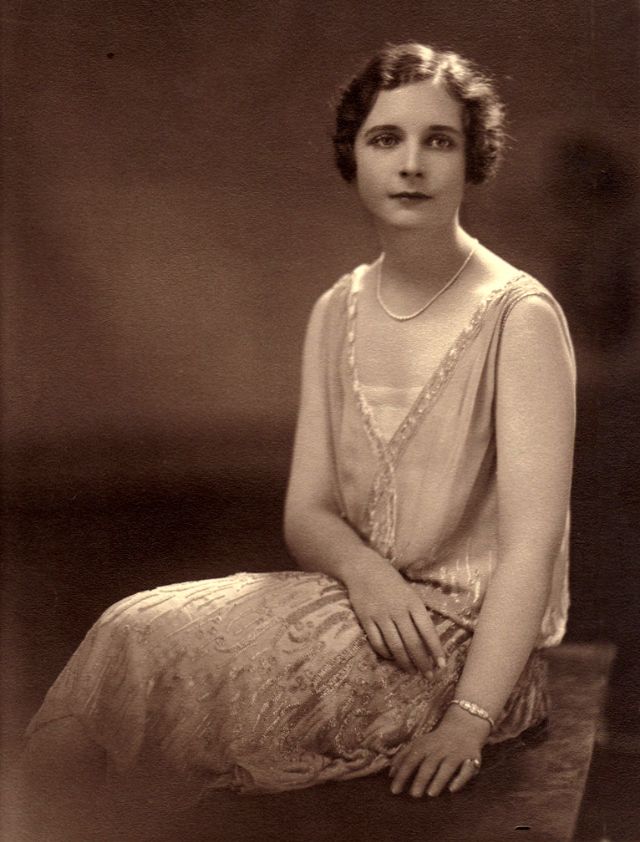
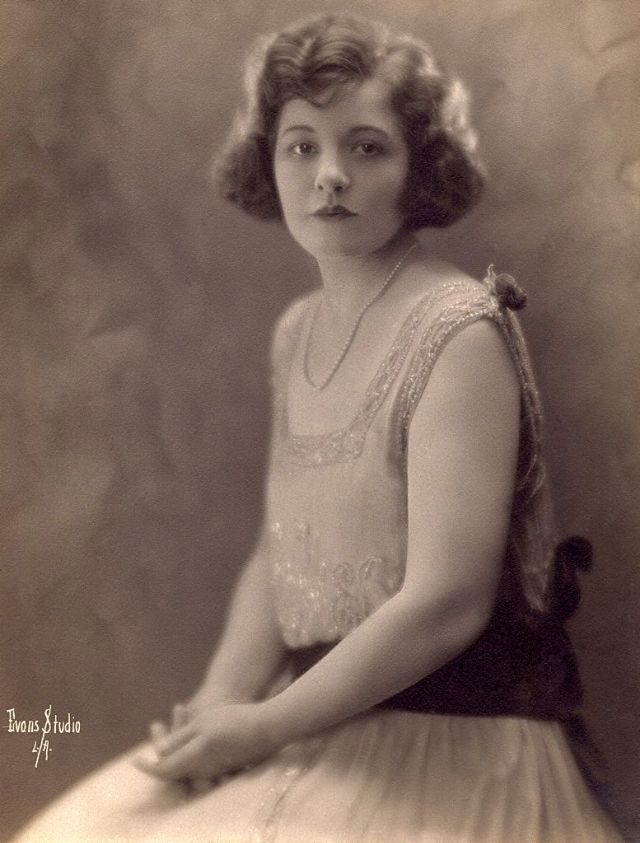
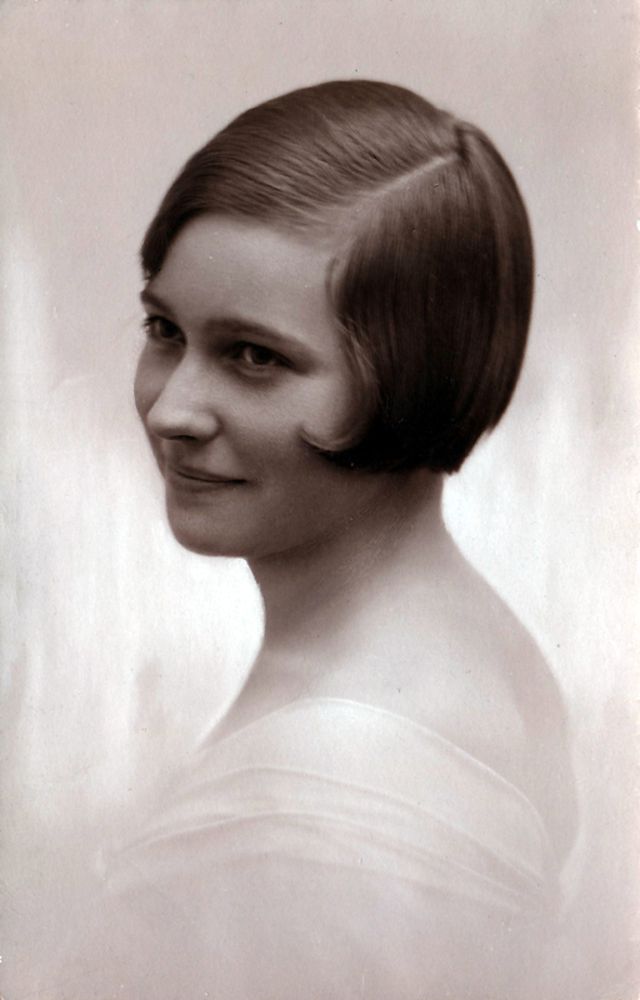
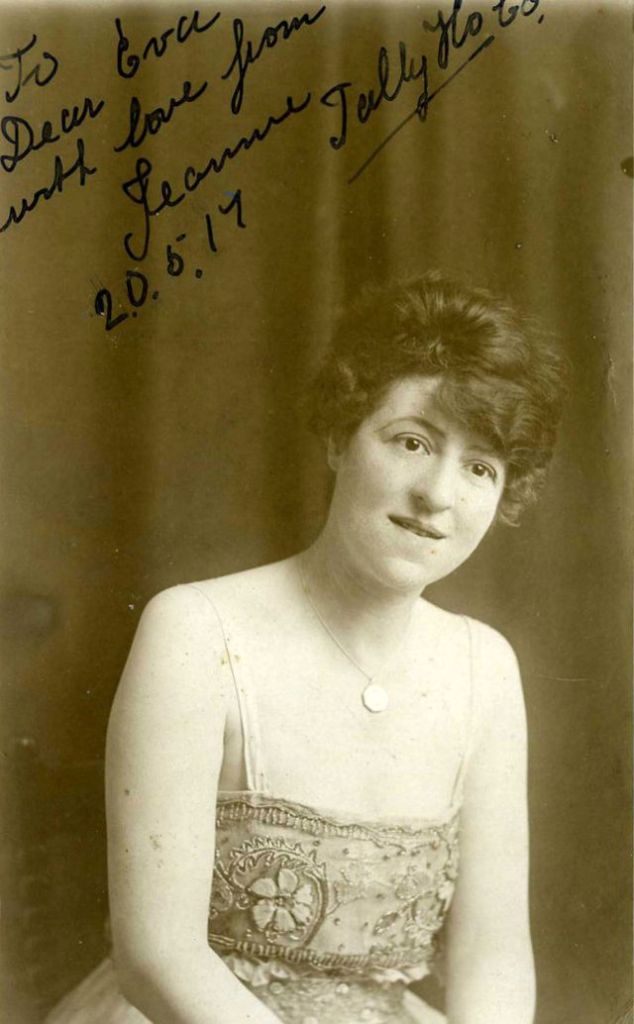
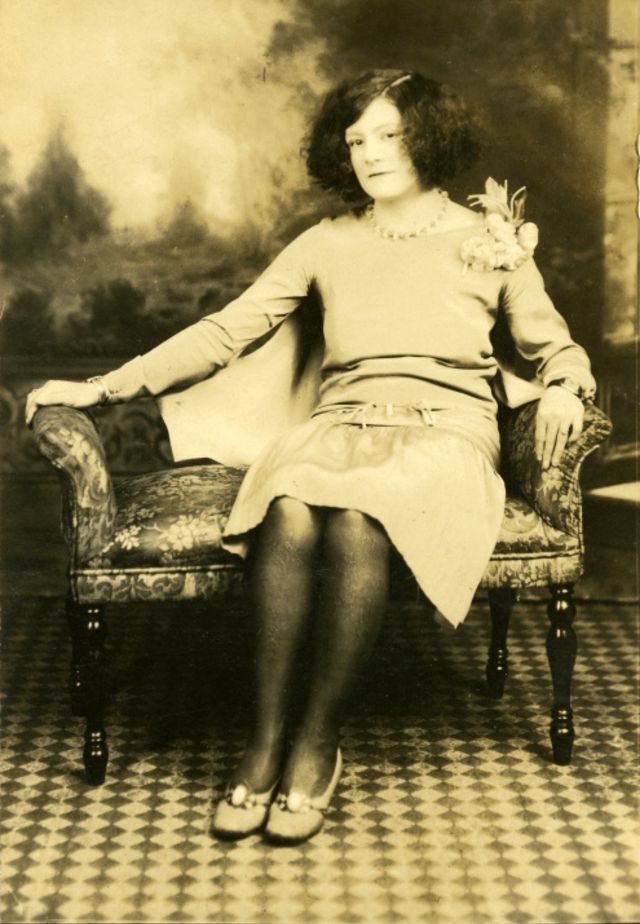
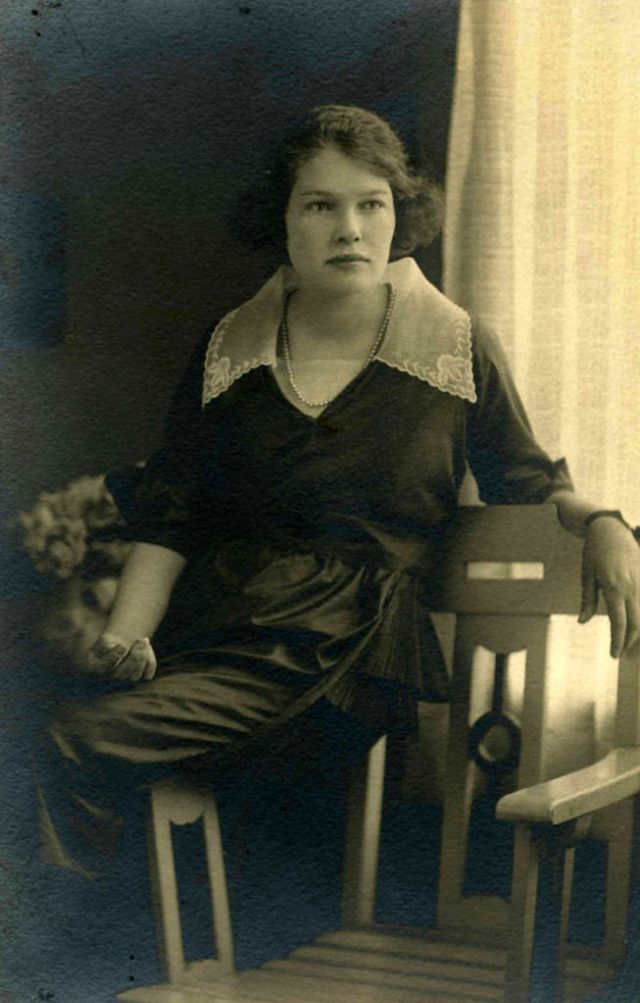
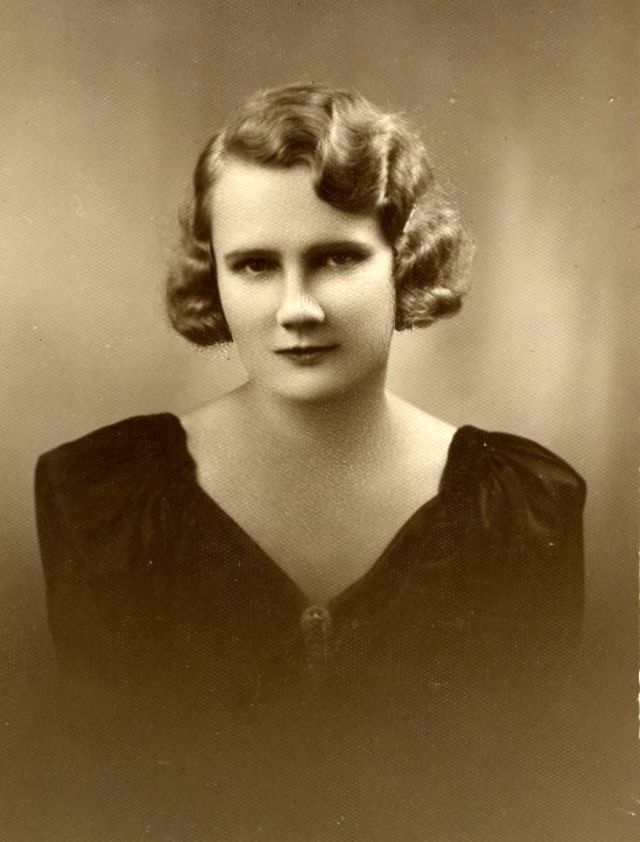
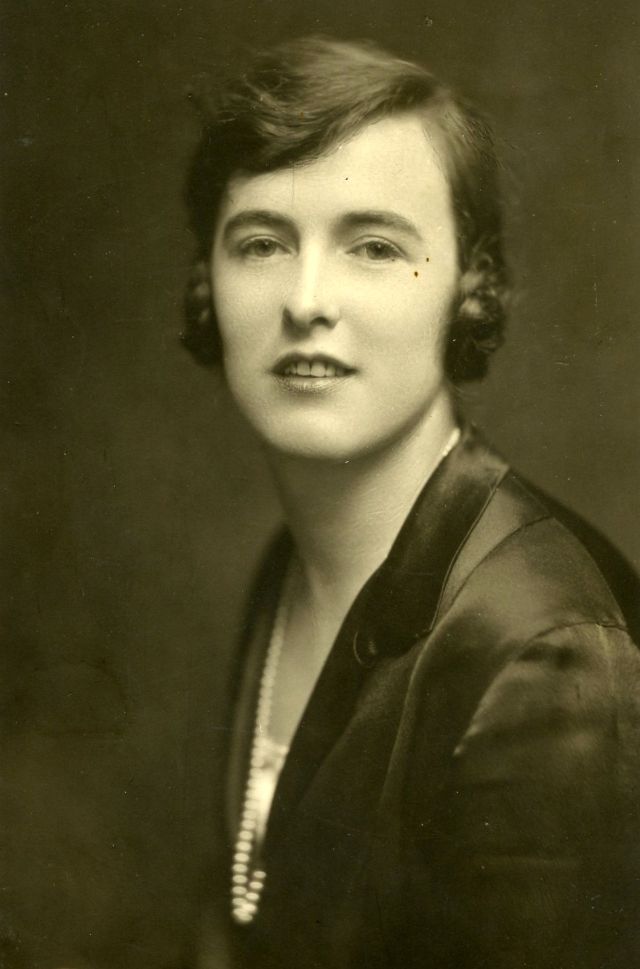
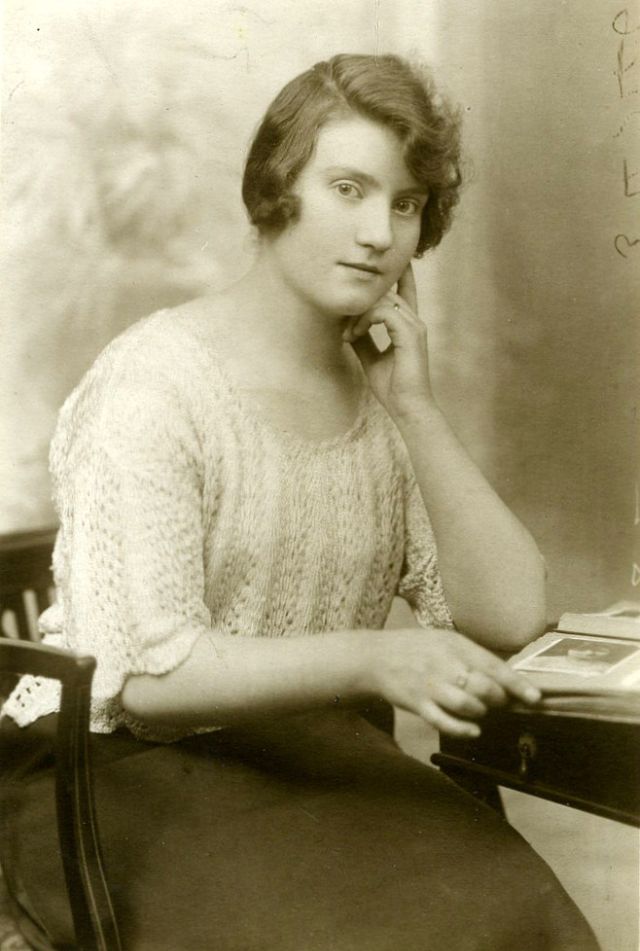
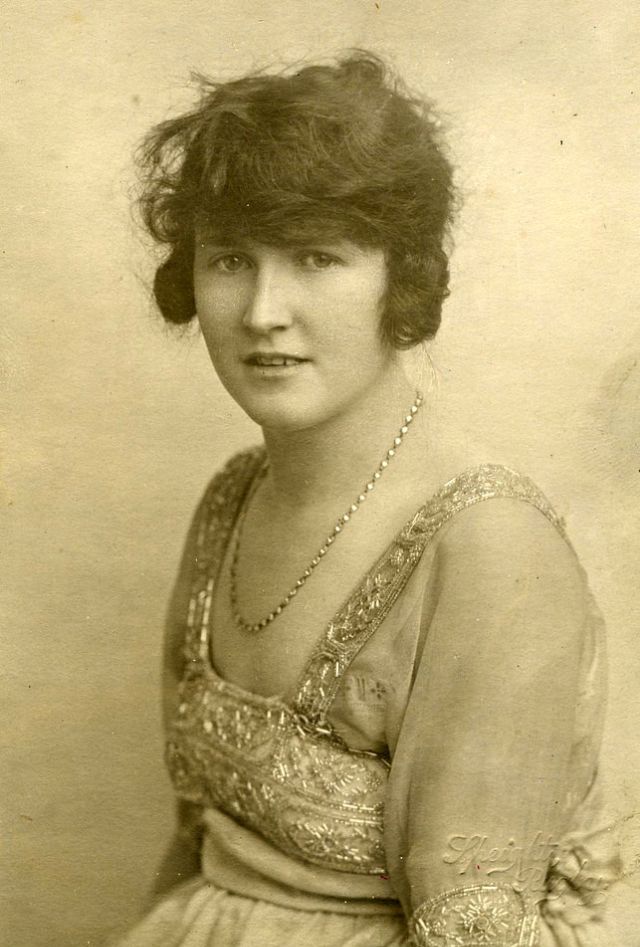
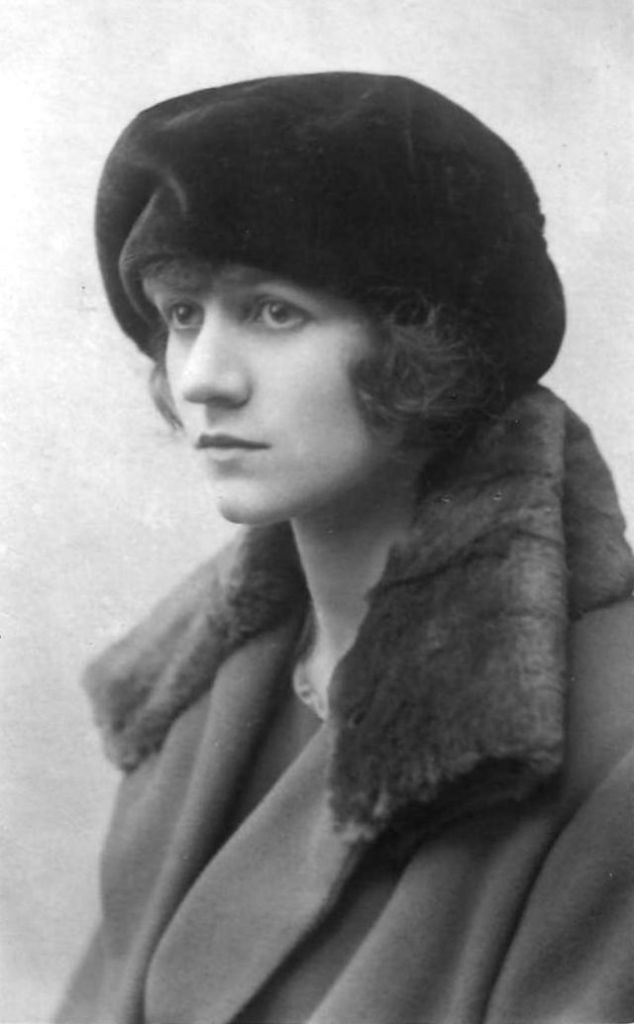
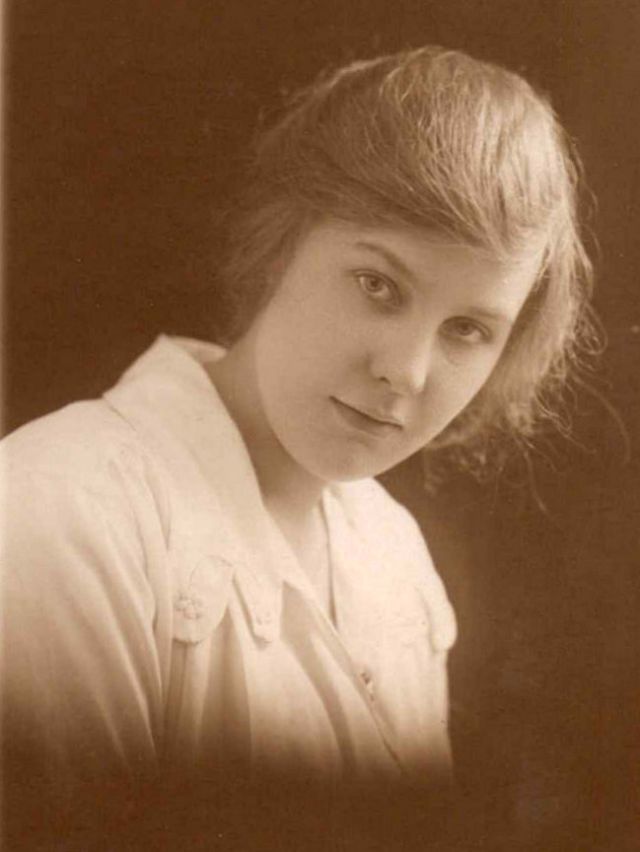
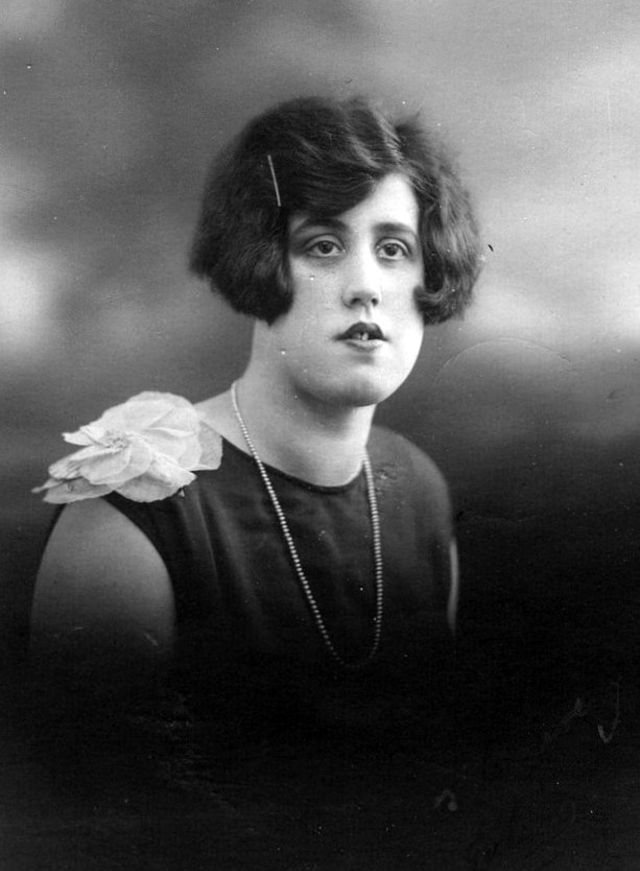
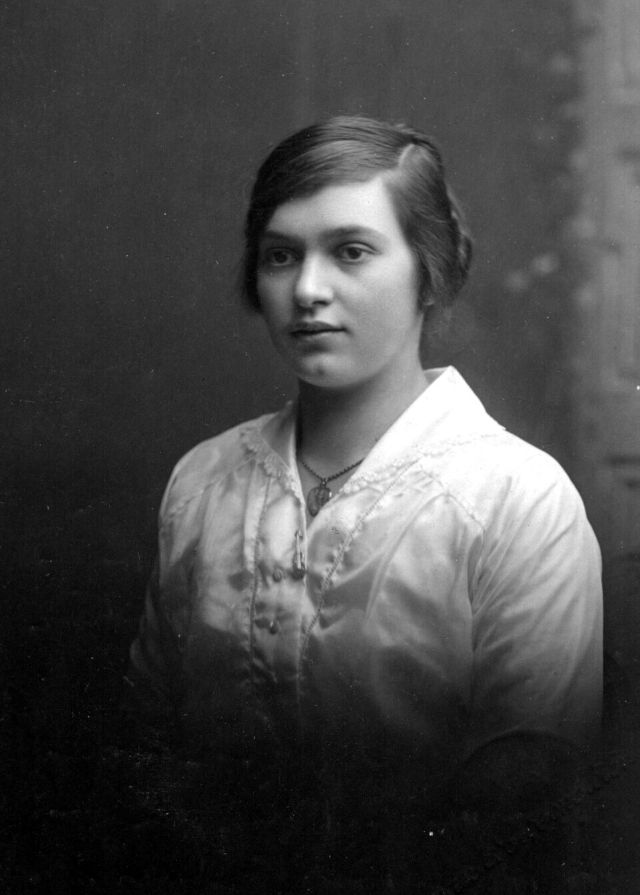
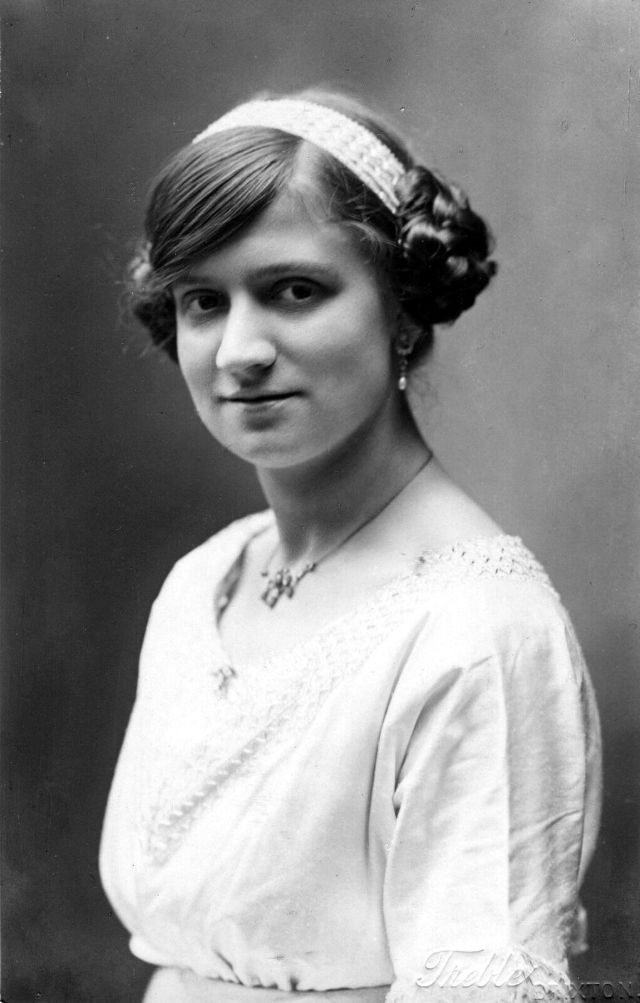
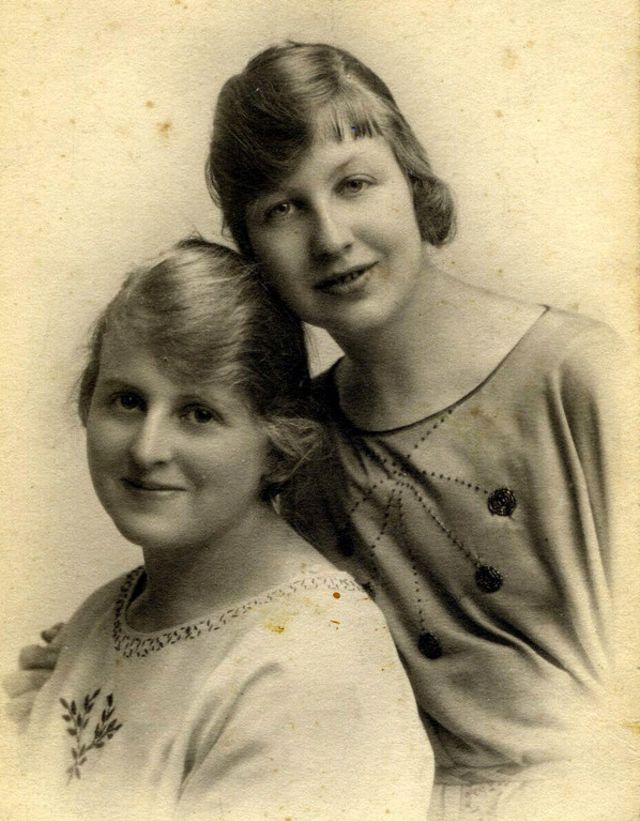
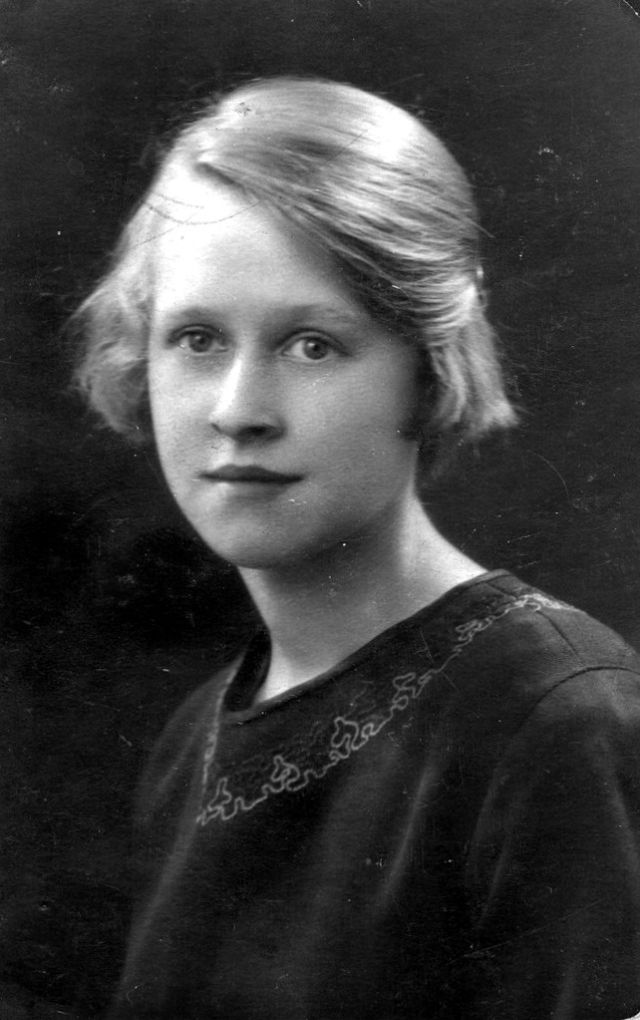
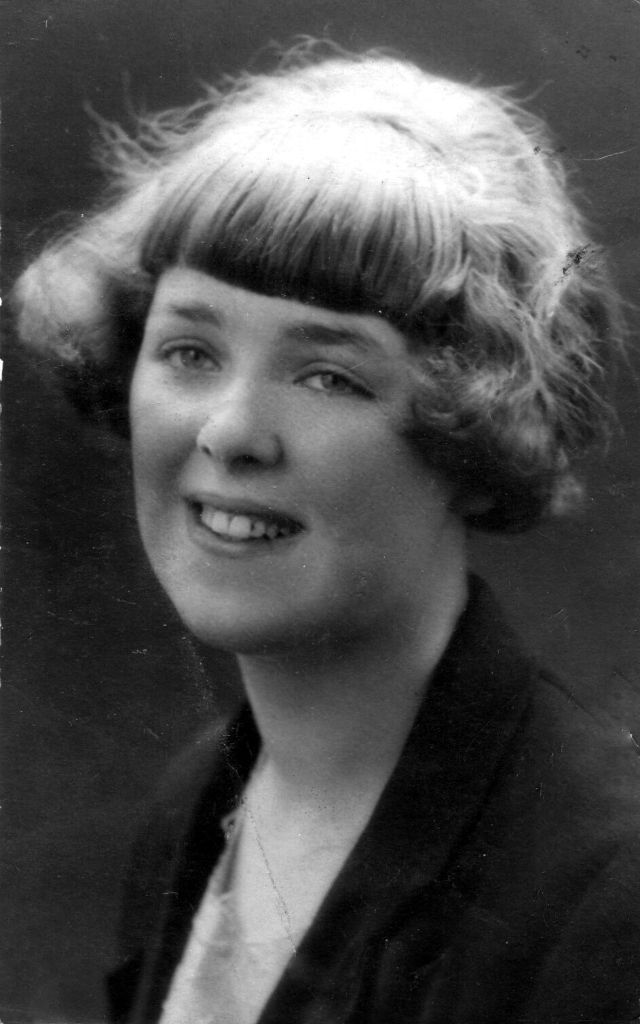
The 1920s were renowned for high glamor and sharp dressing. As the first world war came to an end, and people experienced freedom and a return to normal life, women’s fashion became more extravagant and daring. Evening wear ruled in the style stakes; the more glamorous the outfit, the better. Accessories were a big part of completing an outfit in the 1920s, with feathers, beads, and pearls adorning almost every item.
Trousers were starting to emerge as a casual-wear option for women, but were not considered acceptable until some time later. People were still making clothes at home, but fabrics were becoming more accessible, and imitation silk — the now wildly popular rayon — was invented in this innovative decade.
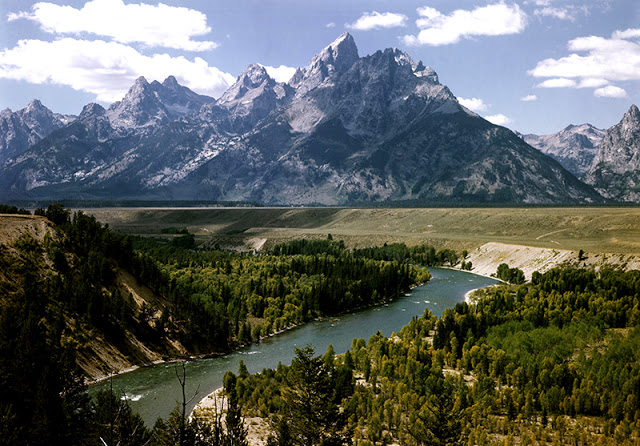
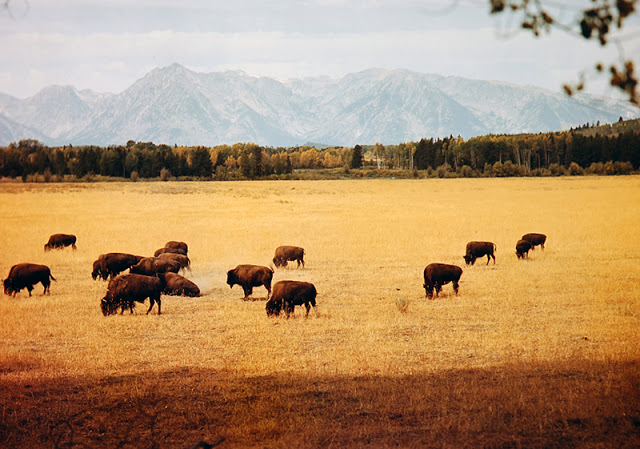
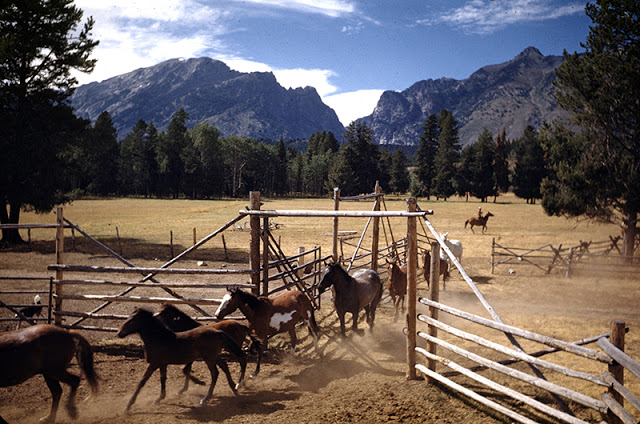
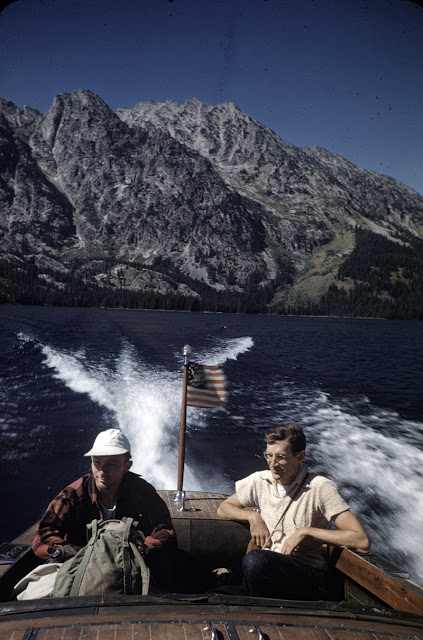
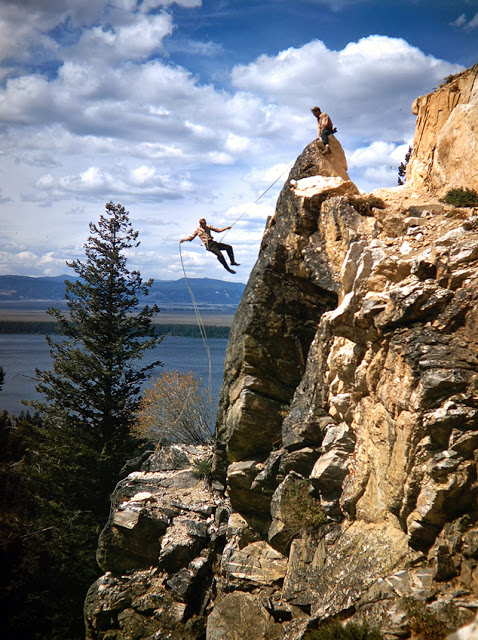
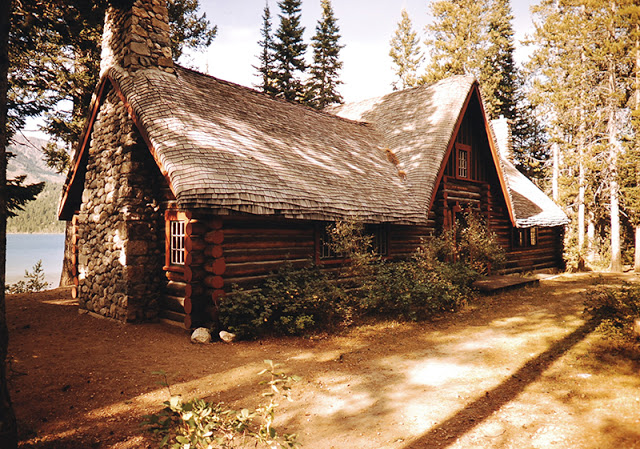
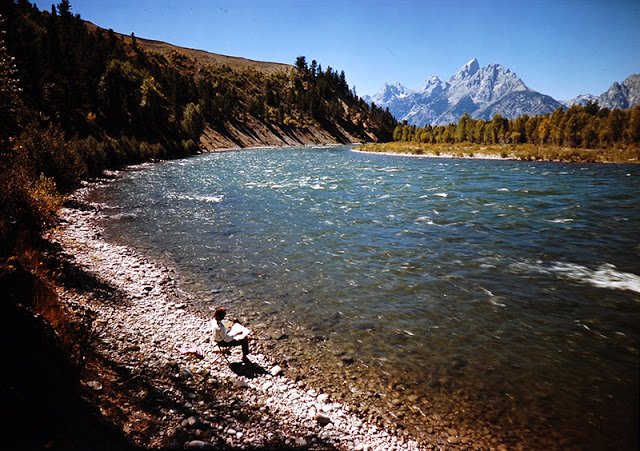
Jackson Hole (originally called Jackson’s Hole by mountain men) is a valley between the Gros Ventre and Teton mountain ranges in the U.S. state of Wyoming, near the border with Idaho. The term “hole” was used by early trappers, or mountain men, as a term for a large mountain valley. These low-lying valleys, surrounded by mountains and containing rivers and streams, are good habitat for beavers and other fur-bearing animals. Jackson Hole is 55 miles long (89 km) long by 6-to-13 miles wide (10 to 21 km) and is a graben valley with an average elevation of 6,800 ft (2,100 m), its lowest point being near the southern park boundary at 6,350 ft (1,940 m).
The city of Jackson was named in late 1893 by Margaret Simpson, who, at the time, was receiving mail at her home as there was no post office. She named the area in order for easterners to be able to forward mail west. Jackson, which became incorporated in 1914, was named after David Edward “Davy” Jackson, who trapped beaver in the area in the late 1820s with a partner in the firm of Smith, Jackson & Sublette.[1] Jackson, of Irish and Scottish descent, was one of the first European-Americans to spend an entire winter in the valley.[2]
Though the valley was used by Native Americans for hunting and ceremonial purposes, it was not known to harbor year-round human settlement prior to the 1870s. Descriptions of the valley and its features were recorded in the journals of John Colter, who had been a member of the Lewis and Clark Expedition. After returning to the Rocky Mountains, Colter entered the region in 1807 in the vicinity of Togwotee Pass and became the first European-American to see the valley. His reports of the valley, the Teton Range, and the Yellowstone region to the north were viewed by people of the day with skepticism. The first people to settle the region were Native Americans, then fur trappers, and then homesteaders. Because the soil is not ideal for raising crops, the valley was used for cattle grazing, and tourism quickly became popular with the establishment of dude ranches.
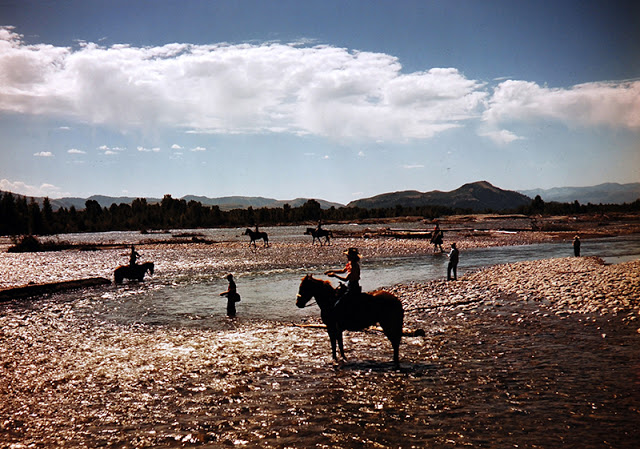
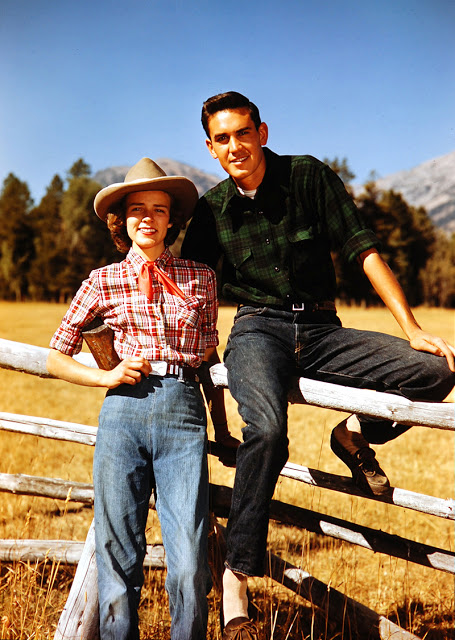
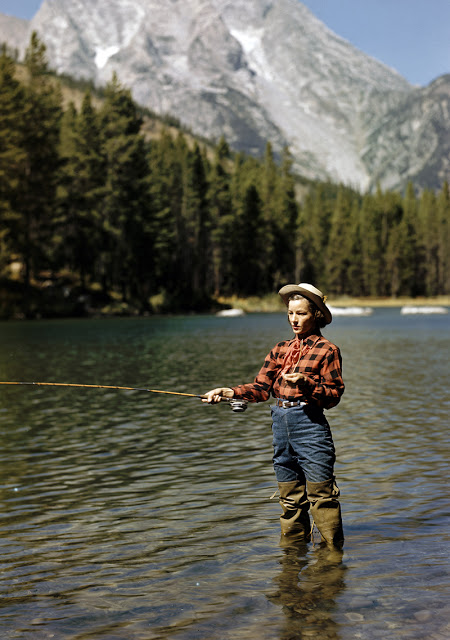
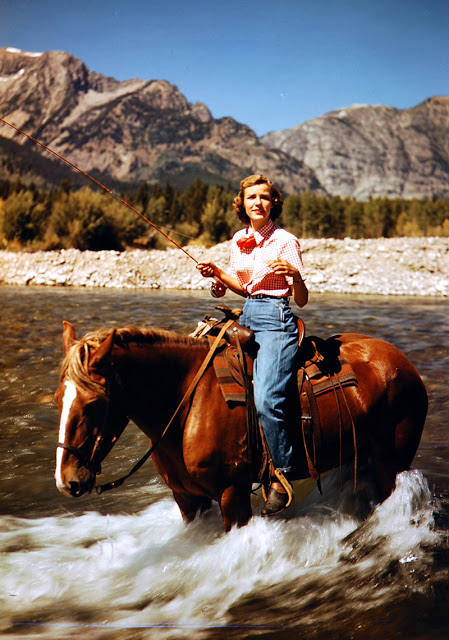
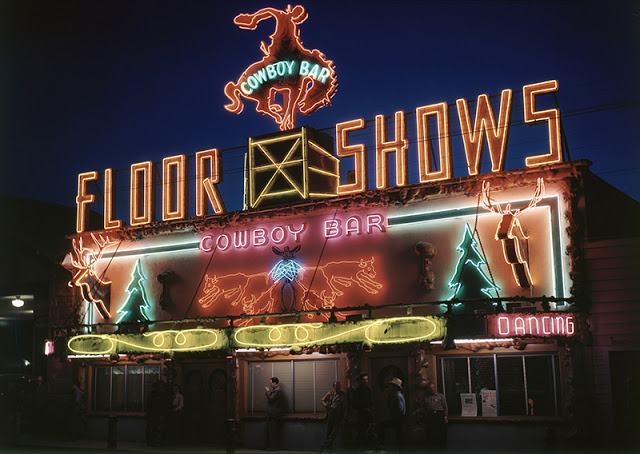
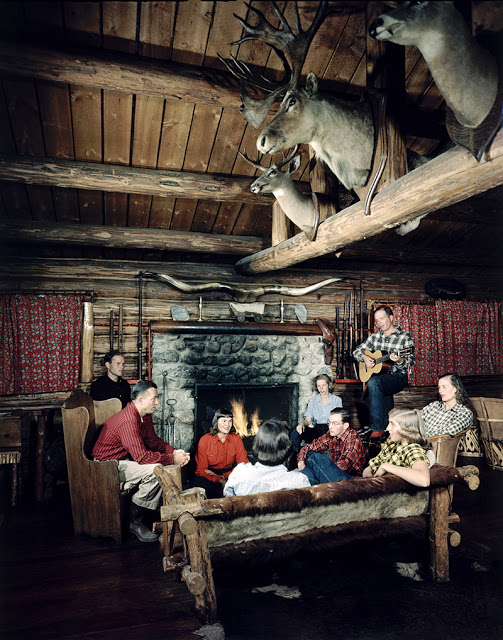
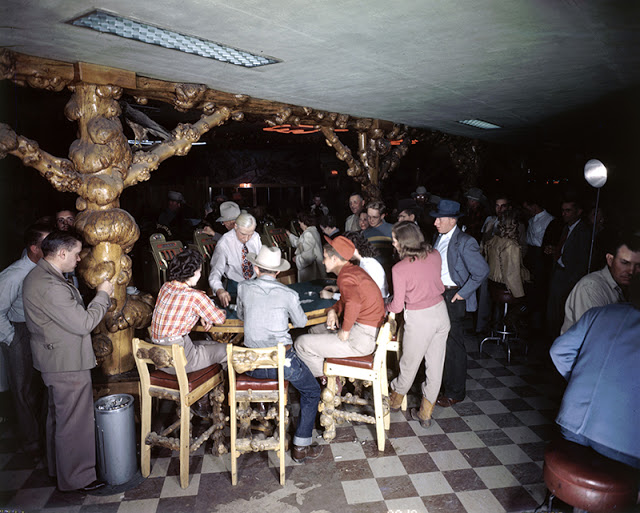
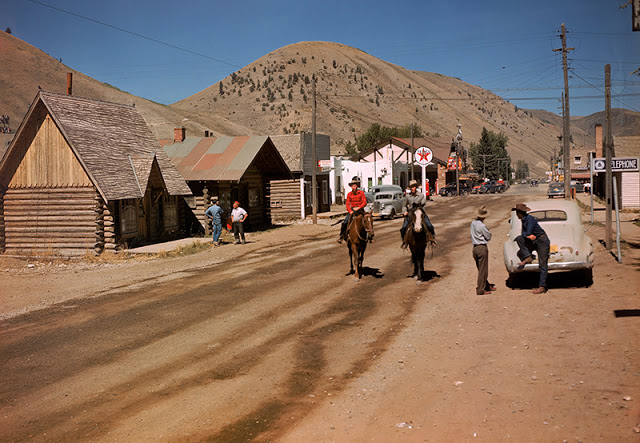
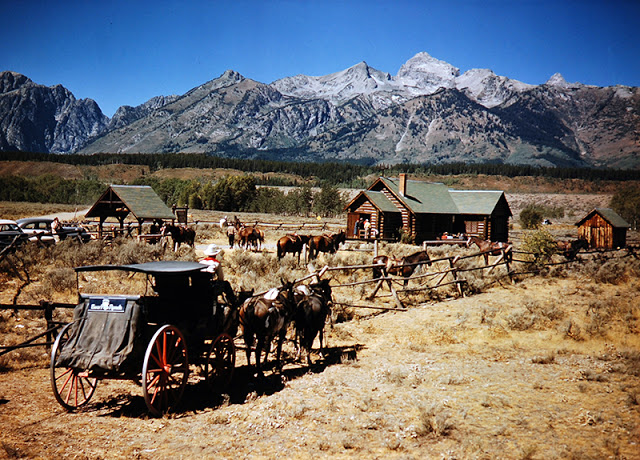
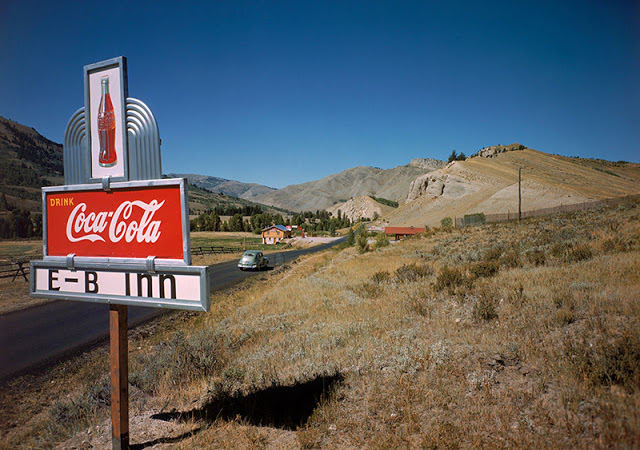
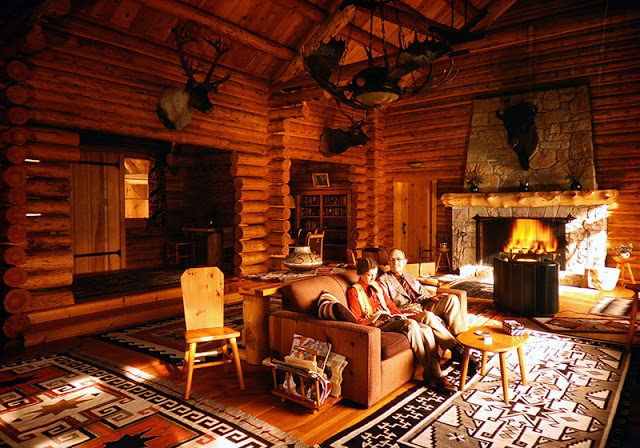
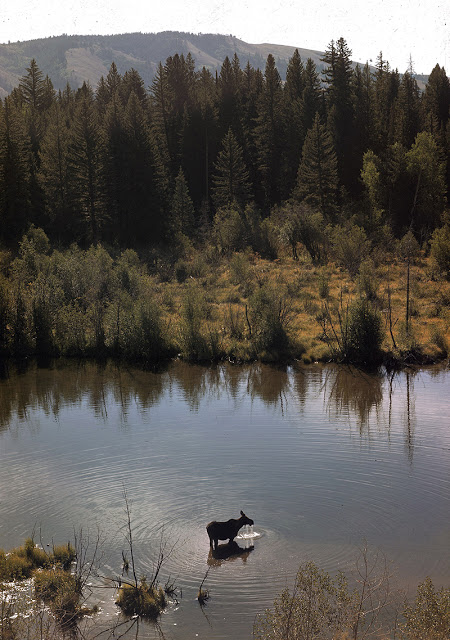
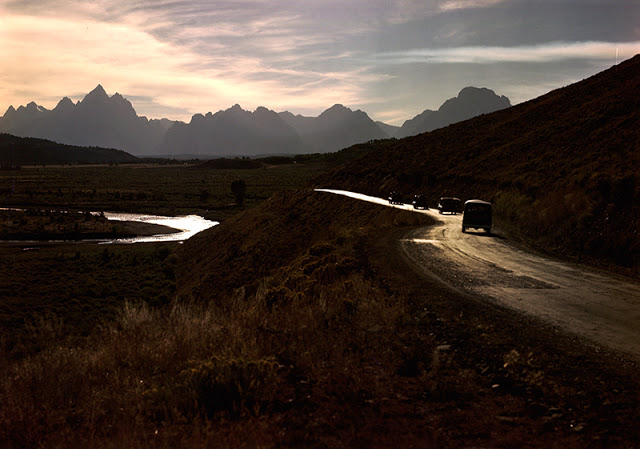
Snake River with the Grand Tetons in the background, Jackson Hole, Wyoming. 1948Jackson Hole, Wyoming, 1948.Jackson Hole, Wyoming, 1948.Young cowgirl Esther Allen trout fishing in String Lake. Teton Mountains behind. Jackson Hole, Wyoming, 1948.Jackson Hole, Wyoming, 1948.Jackson Hole, Wyoming, 1948.Exterior of The Cowboy Bar with patrons hanging out outside. Jackson Hole, Wyoming, 1948.Guests sitting around fireplace and listening to live music at Bearpaw Dude Ranch. Jack Huyler, son of owner, is playing guitar. Jackson Hole, Wyoming, 1948.Room full of patrons gambling at The Cowboy Bar. Jackson Hole, Wyoming, 1948Broadway, Jackson Hole, Wyoming, 1948.Jackson Hole, Wyoming, 1948.Highway 189 entering Jackson Hole, Wyoming, 1948.Jackson Hole, Wyoming, 1948.Jackson Hole, Wyoming, 1948.Jackson Hole, Wyoming, 1948.Jackson Hole, Wyoming, 1948.Jackson Hole, Wyoming, 1948.Jackson Hole, Wyoming, 1948.Jackson Lake and Grand Teton Mountain Range seen from the Ranch owned by Mr. and Mrs. Berol. Jackson Hole, Wyoming, 1948.Jackson Hole, Wyoming, 1948.Moose feeding in stream, Jackson Hole, Wyoming, 1948.Entering Jackson Hole from the east along the Blackrock Creek with the Grand Tetons in the background. Jackson Hole, Wyoming, 1948.
(Photos by Alfred Eisenstaedt—The LIFE Picture Collection/Getty Images)
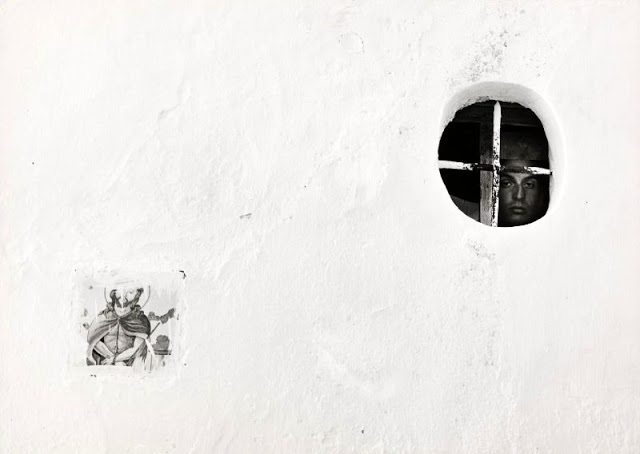
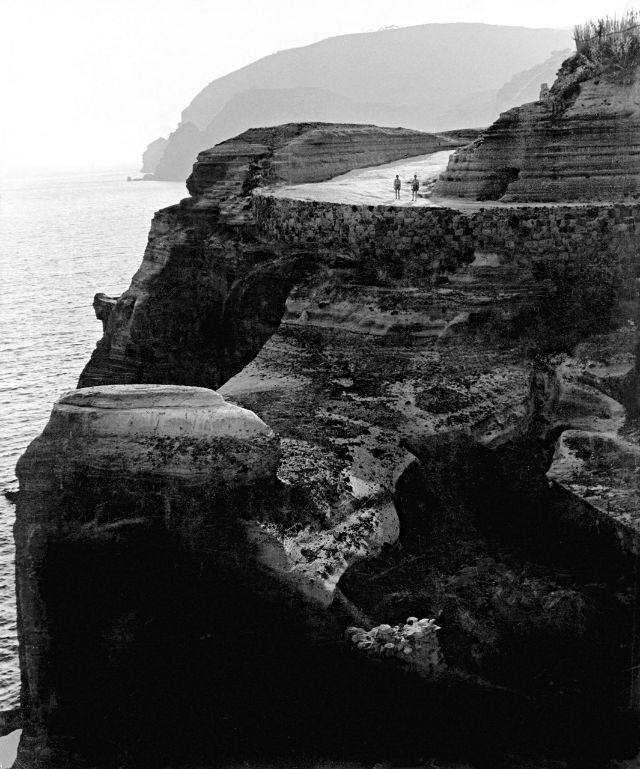
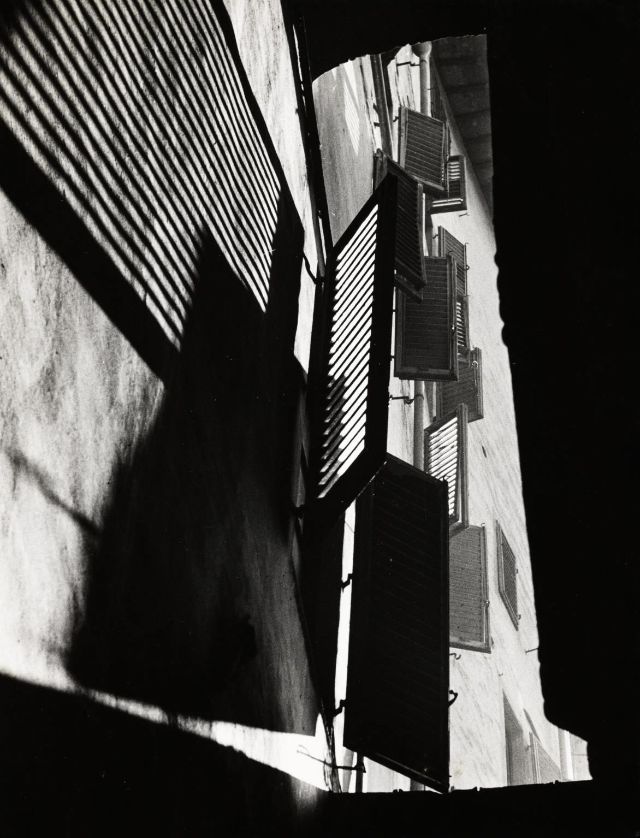
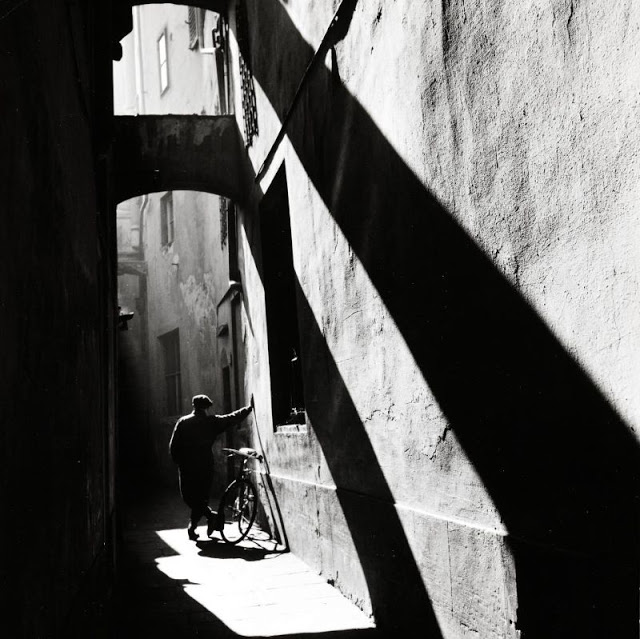
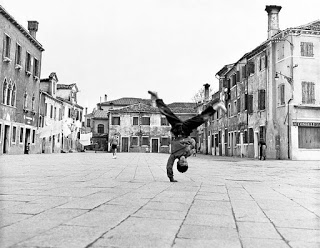
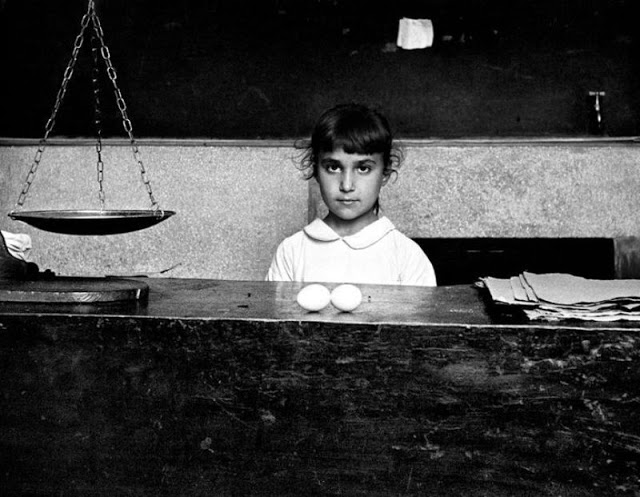
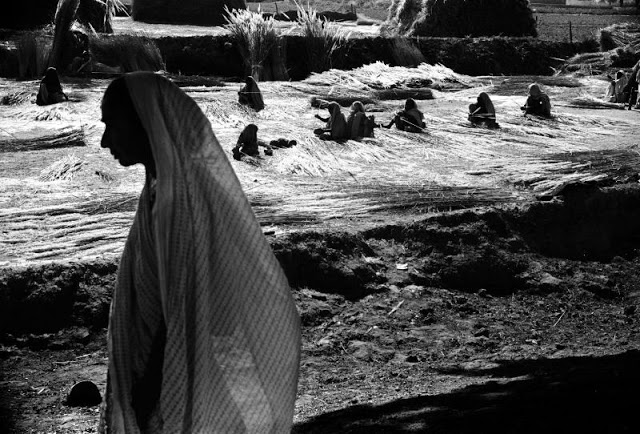
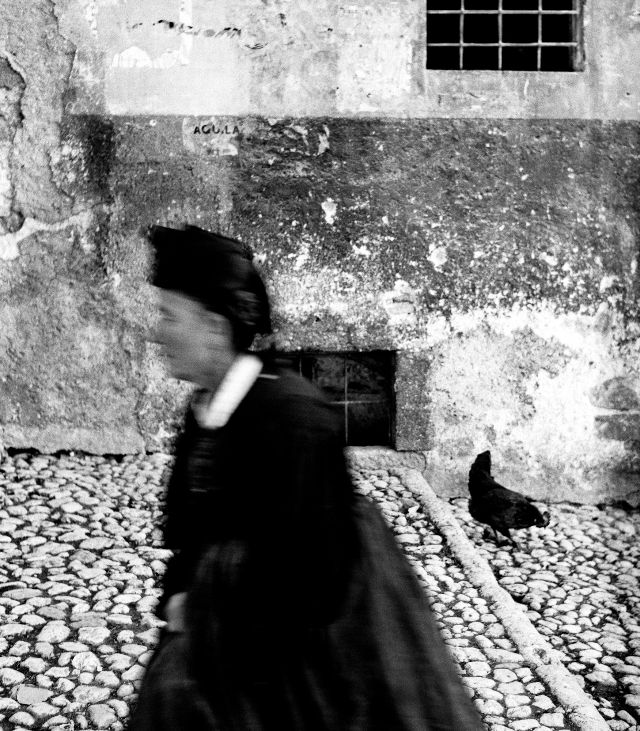
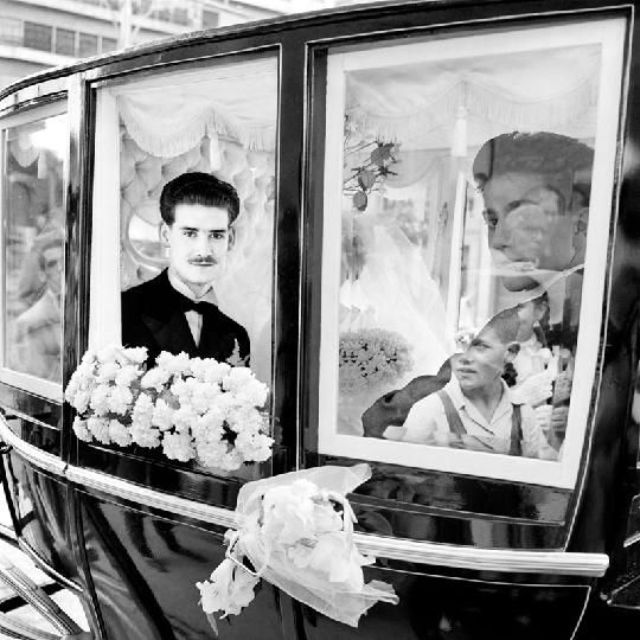
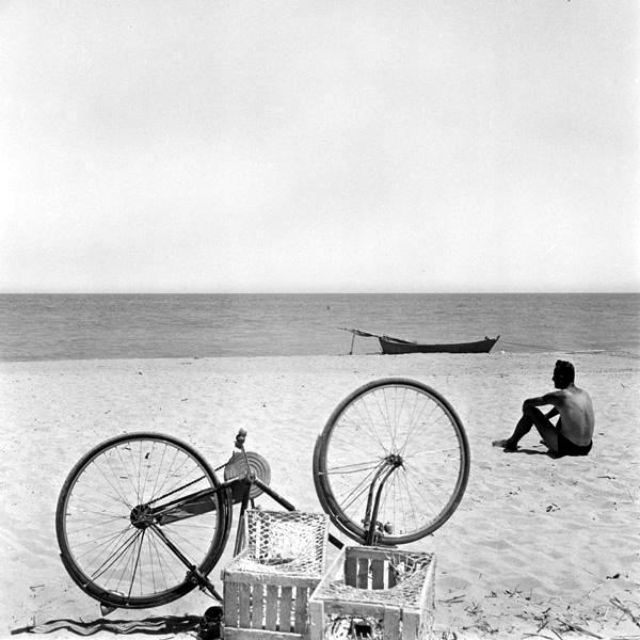
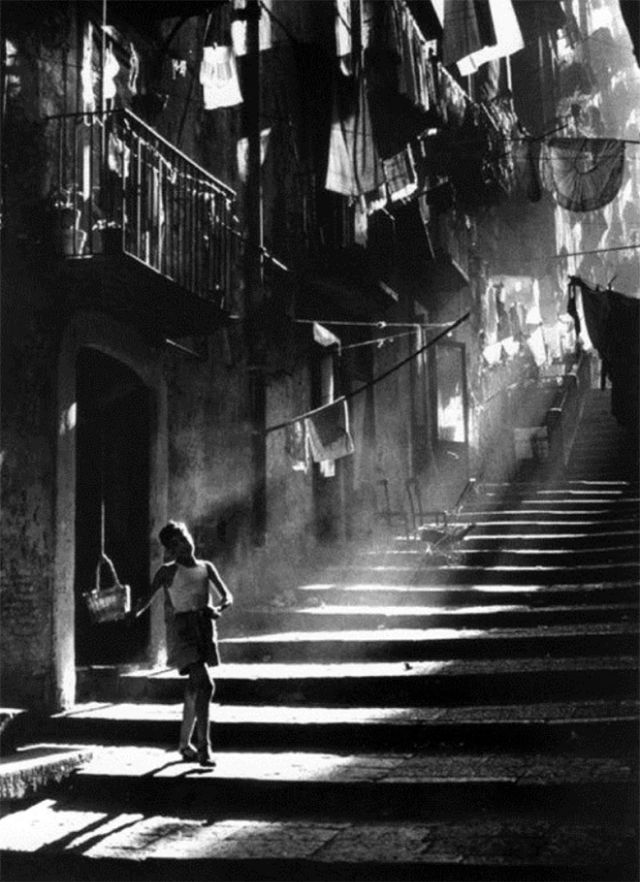
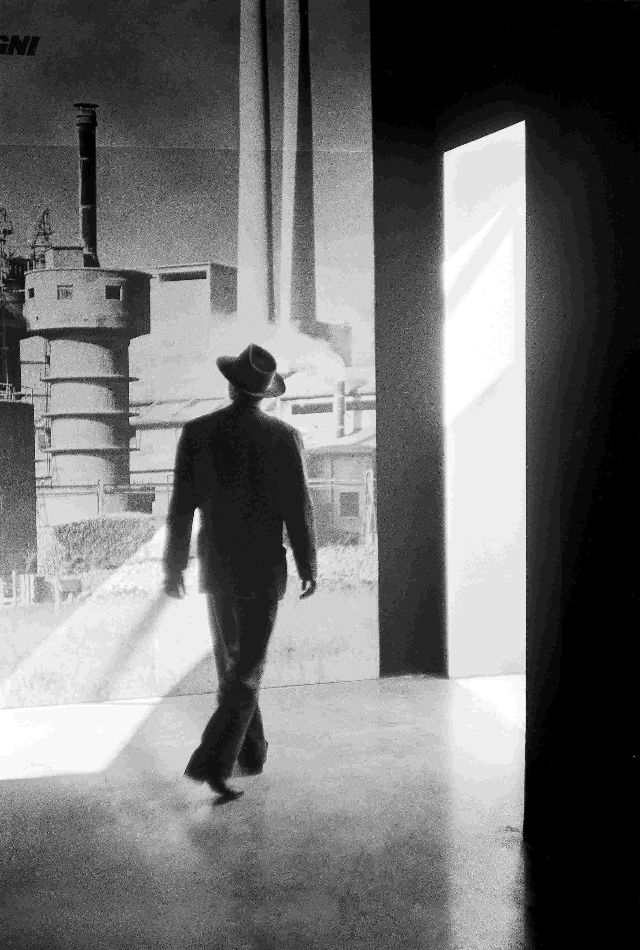
Born in Signa in 1928, Italian photographer Piergiorgio Branzi was raised in Florence, a city that “looks stern”, in which “color is just a pleasant accessory, a filler, although it may appear splendid”. A city that was “born from two stone quarries: one for ‘pietra serena’, the color of gray graphite, and the other “pietra dura”, the listless ocher of Palazzo della Signoria”.
This is how the great Tuscan photographer and journalist explains how his preference for the essential nature of black and white began, and became the means for him to represent and express the reality around him.
Branzi took his first photos with a 1950s’ Galileo Condor. His works have earned him great notoriety in Italy and abroad, traveling around the world: from the San Francisco Museum of Modern Art to the Guggenheim in New York, from the Fine Art Museum in Houston to the Bibliothèque nationale de France in Paris, from the Tate Gallery in London to the Museo Nacional Centro de Arte Reina Sofia in Madrid.
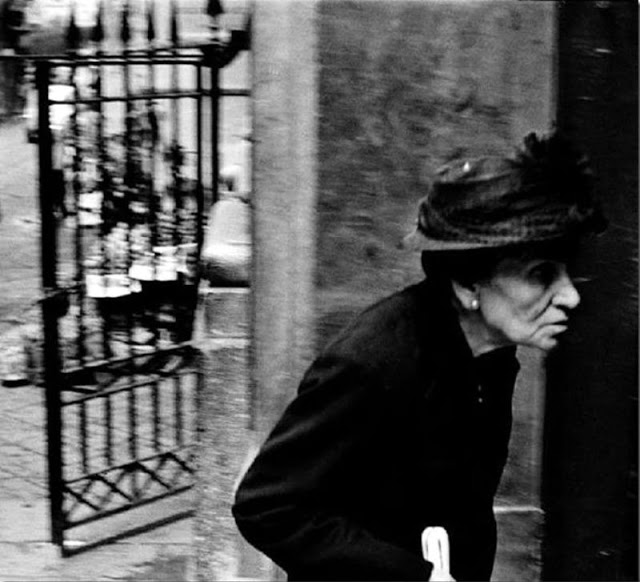
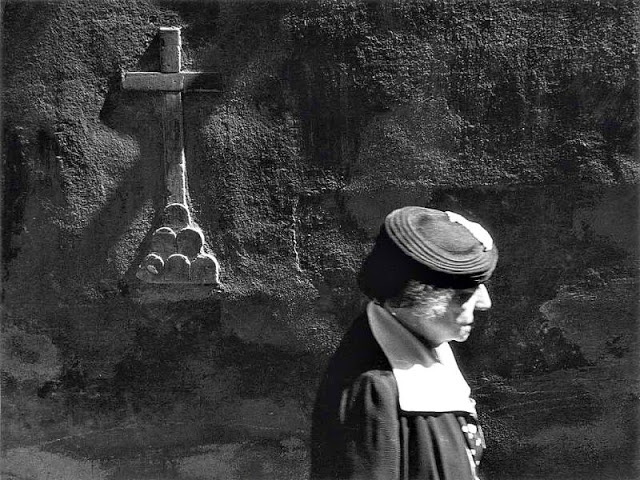
These fascinating photos were selected from his work that he documented everyday life if Italy in the 1950s.
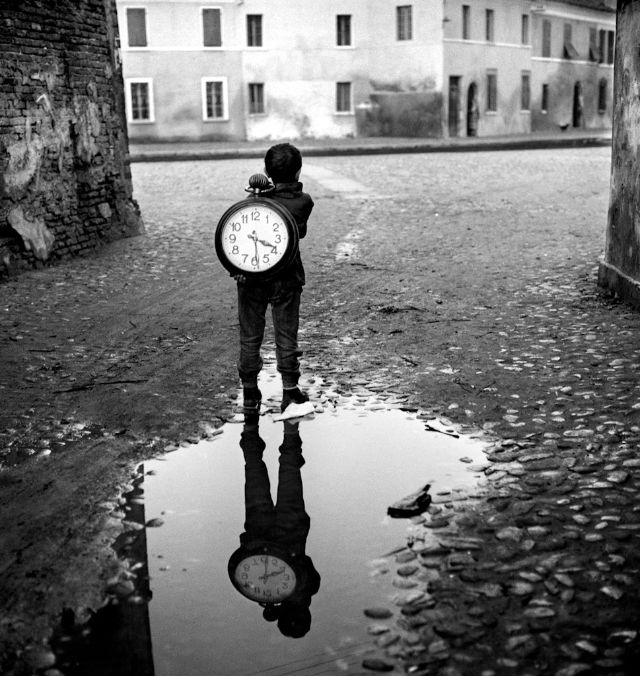
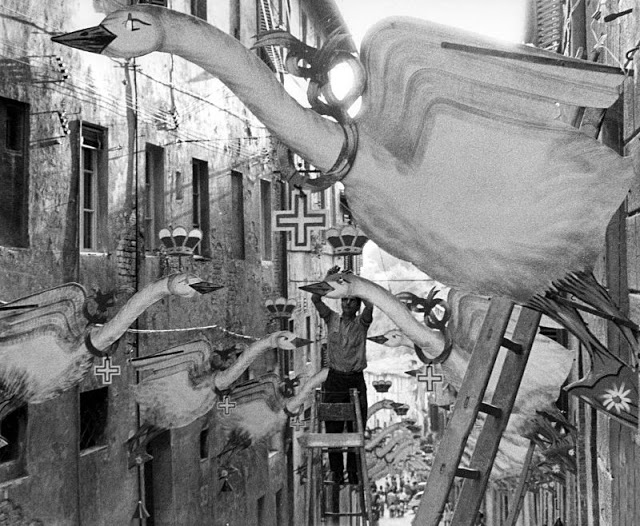
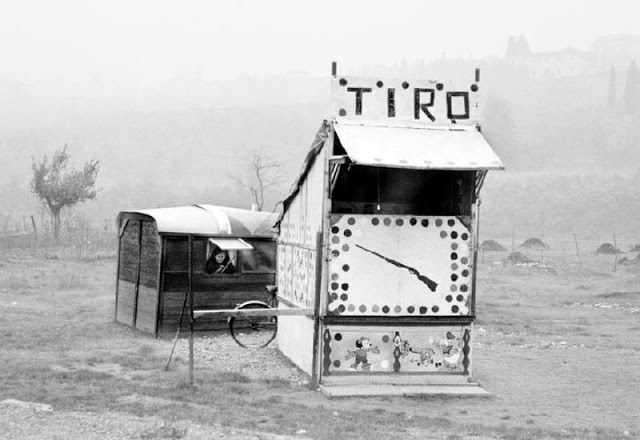
White wall with small window, 1953Cliff, Ischia, 1953Boy of Ischia, 1953Arena under the snow, Florence, 1954Alley in Via del Corso, Florence, 1954Alley in Via del Corso, Florence, 1954Black wall, 1954Main square of Burano, 1954White pigeon, 1954Easter in Tricarico, 1955Easter, Campobasso, 1955Scanno, 1955The clock of Comacchio, 1955The first mass, Naples, 1955Vicolo dei Donati, Florence, 1955Contrada dell’Oca, Siena, 1956Wedding in Valenza, 1956Wedding in Valenza, 1956Adriatic, 1957Alley of Naples, 1957Beach bar, Senigallia, 1957Milan fair, 1959Shooting range, Florence, 1959
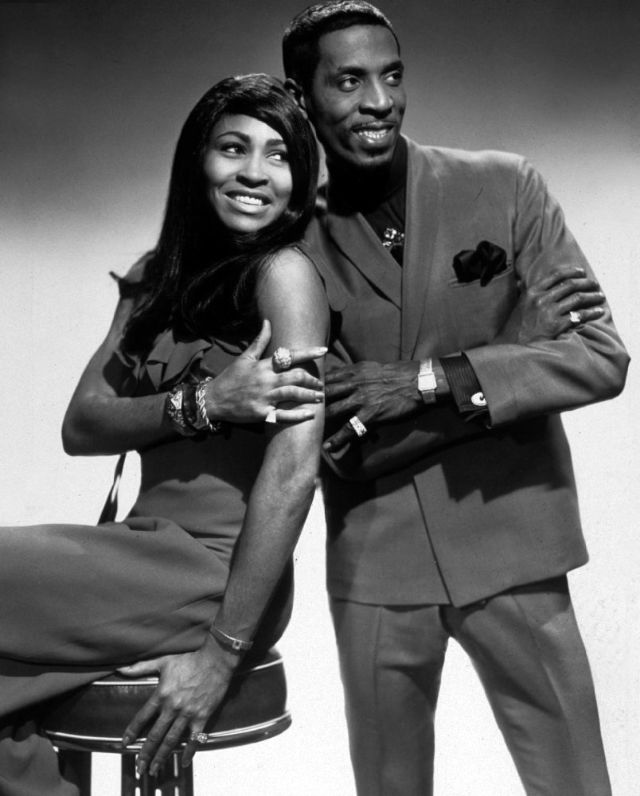
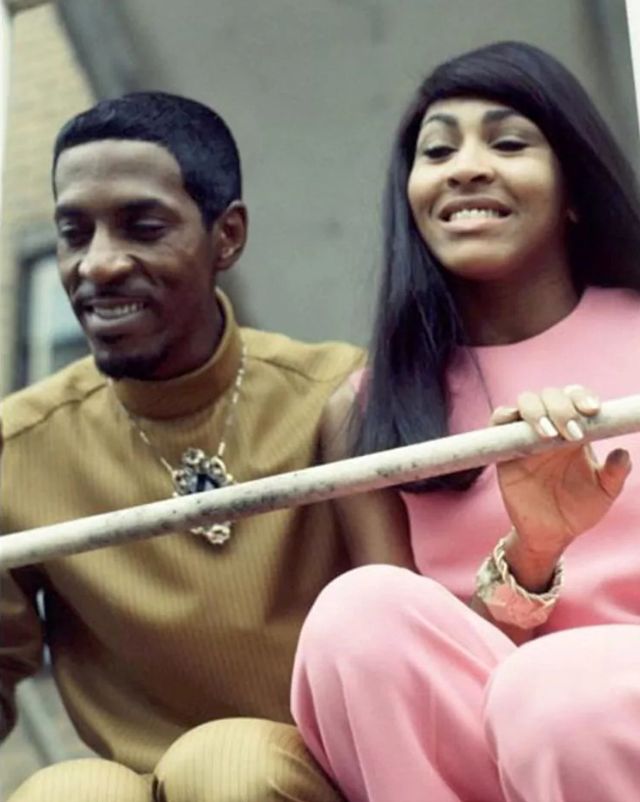
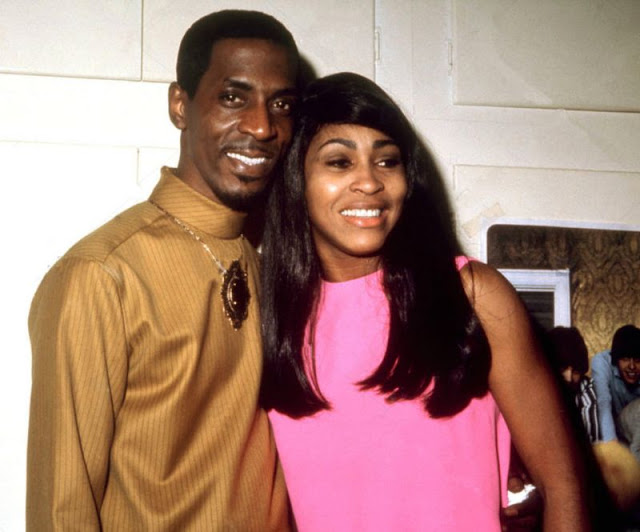
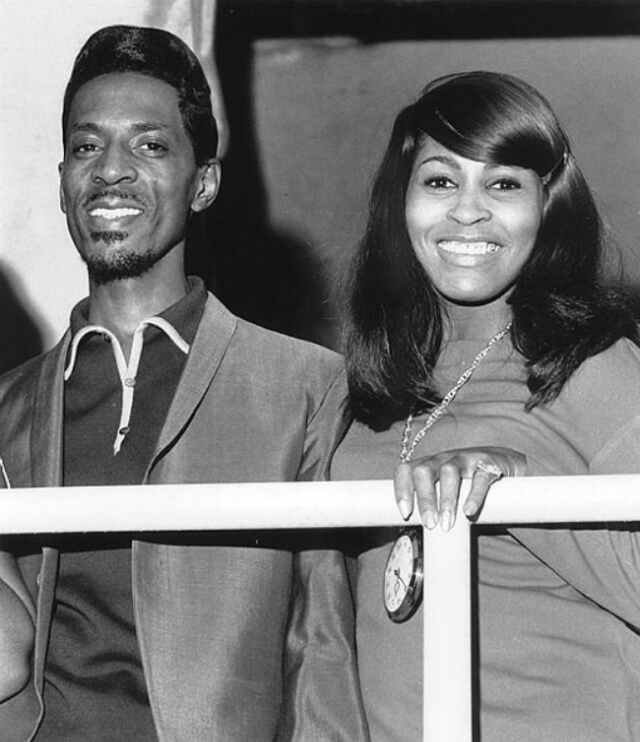
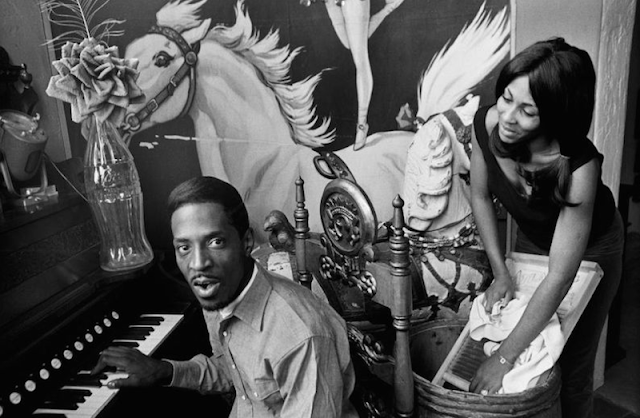
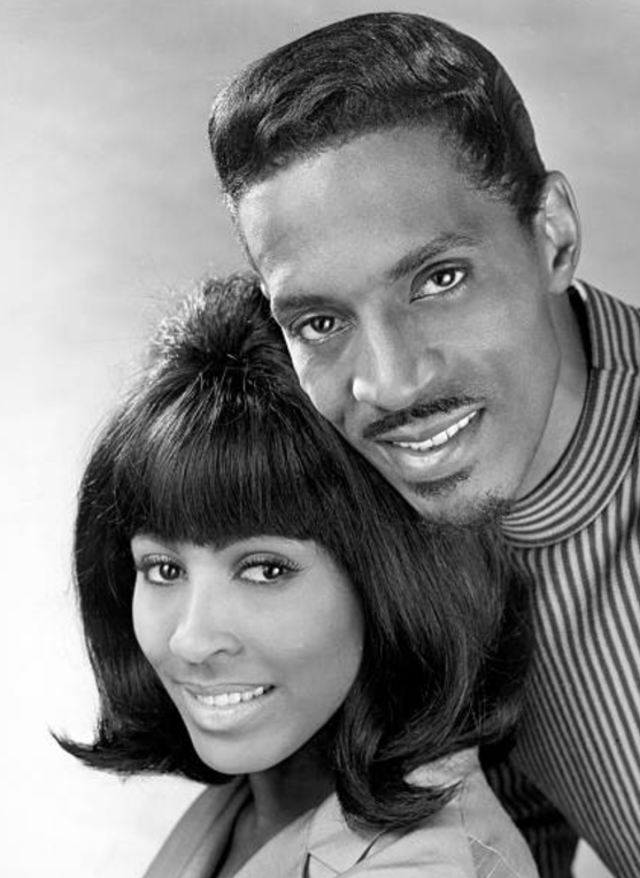
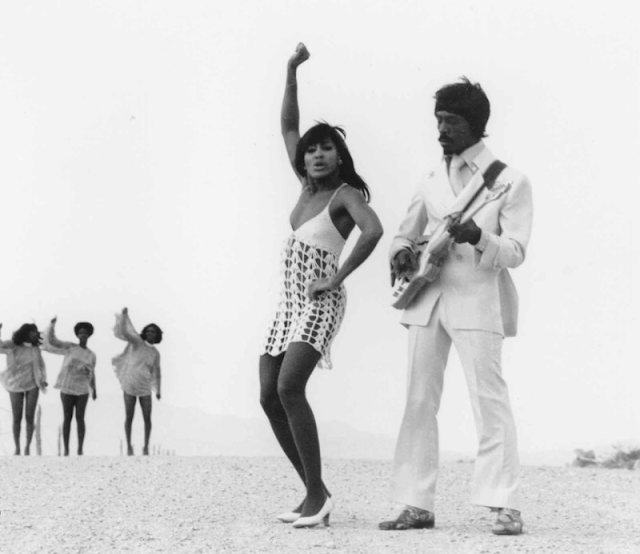
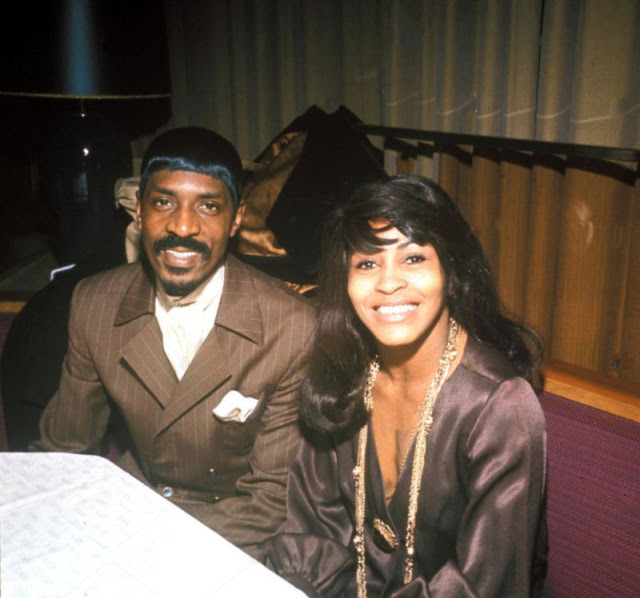
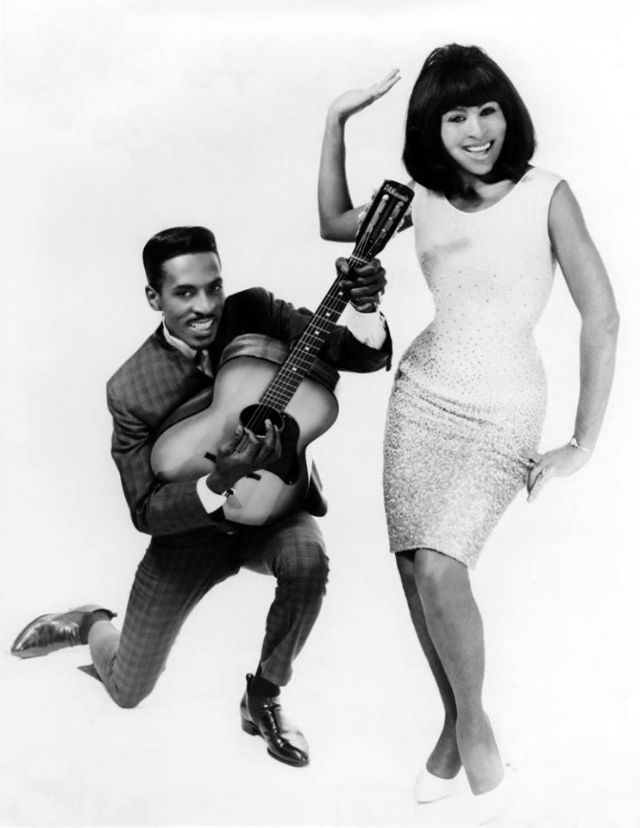
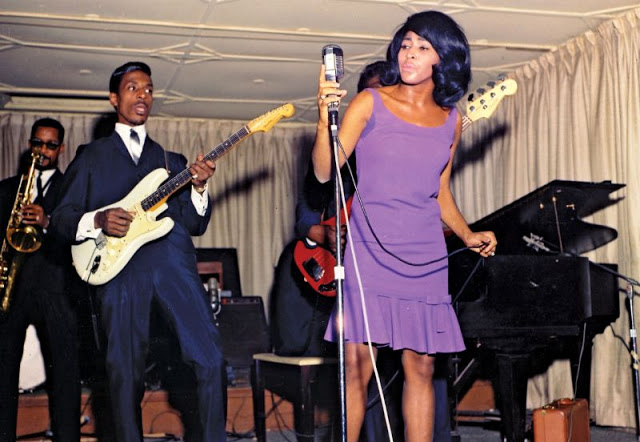
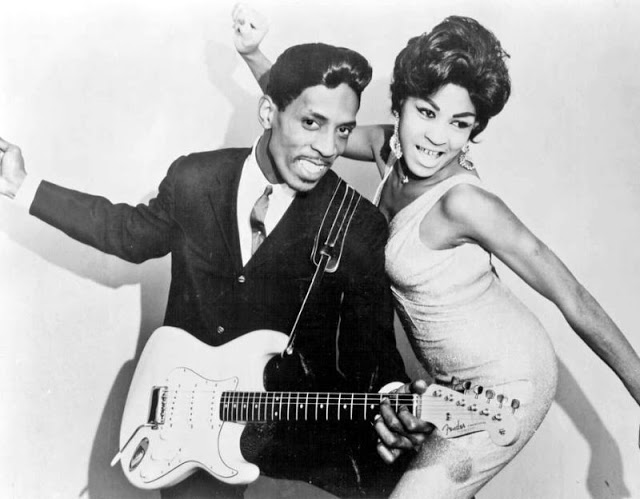
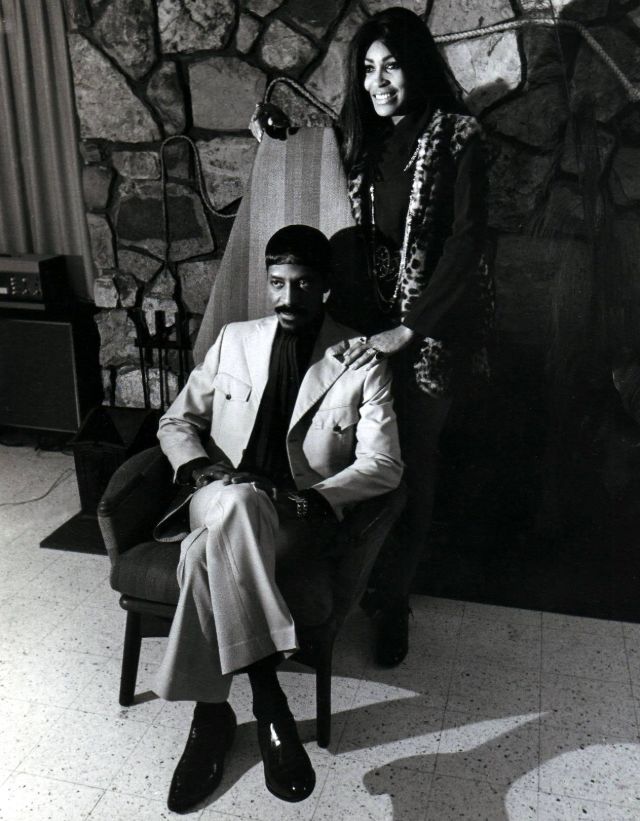
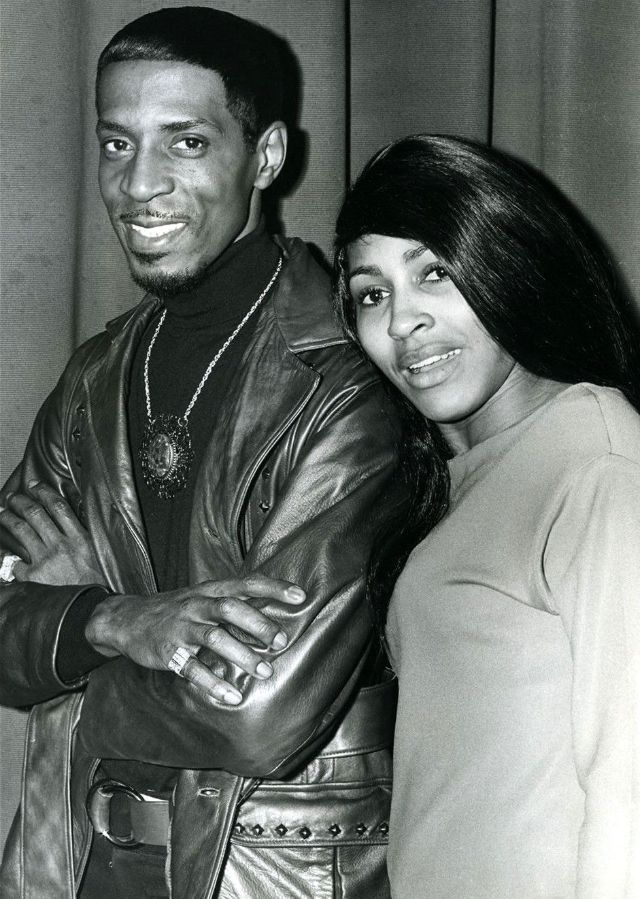
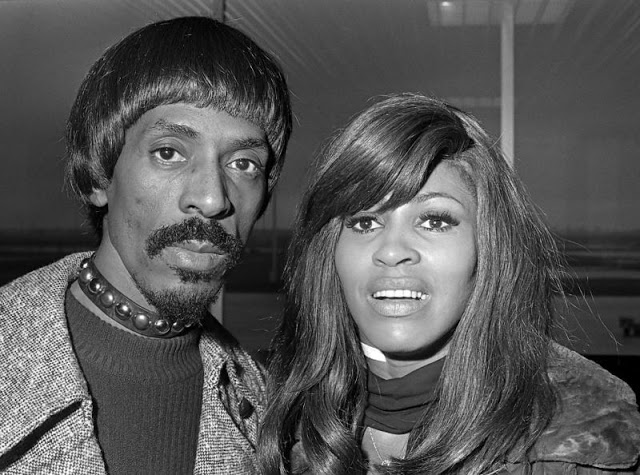
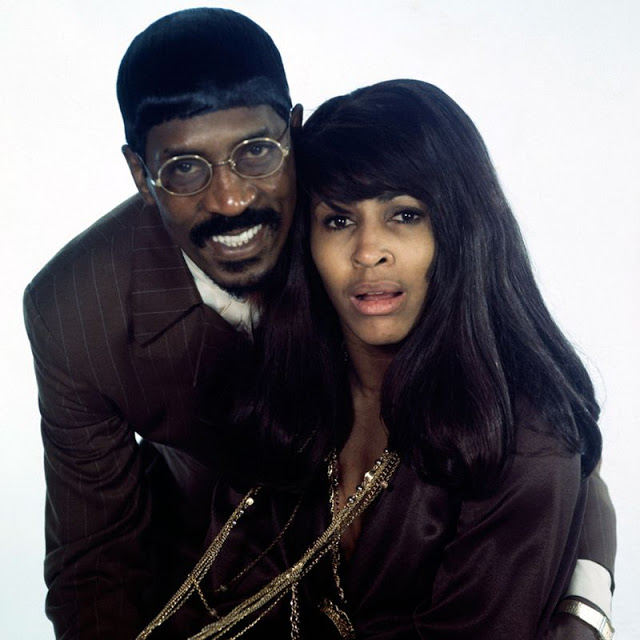
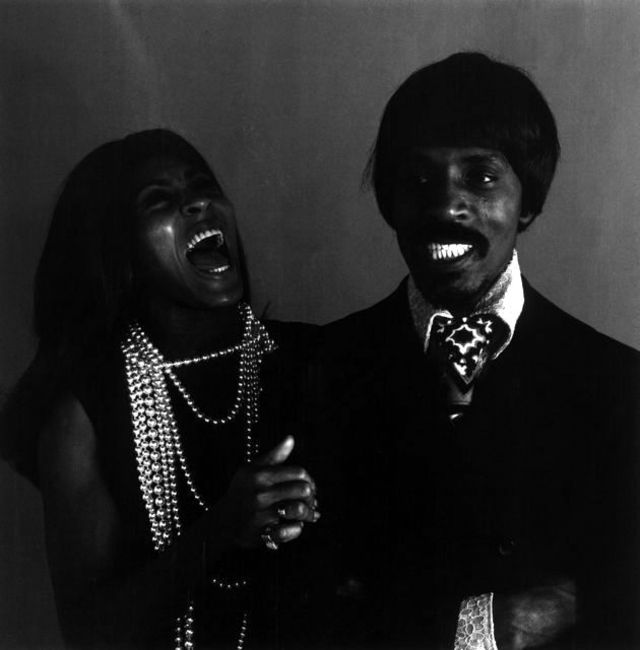
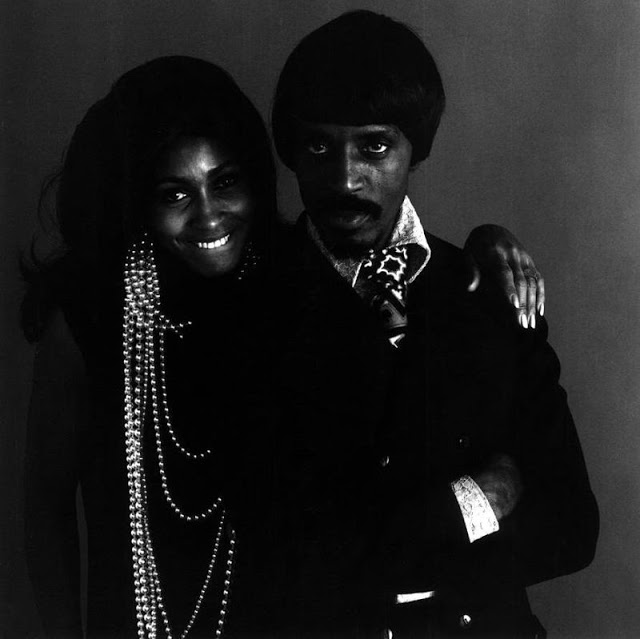
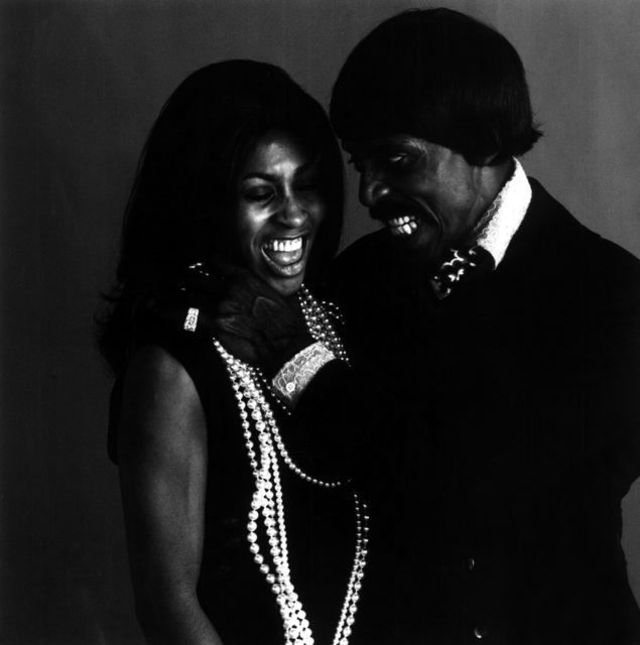
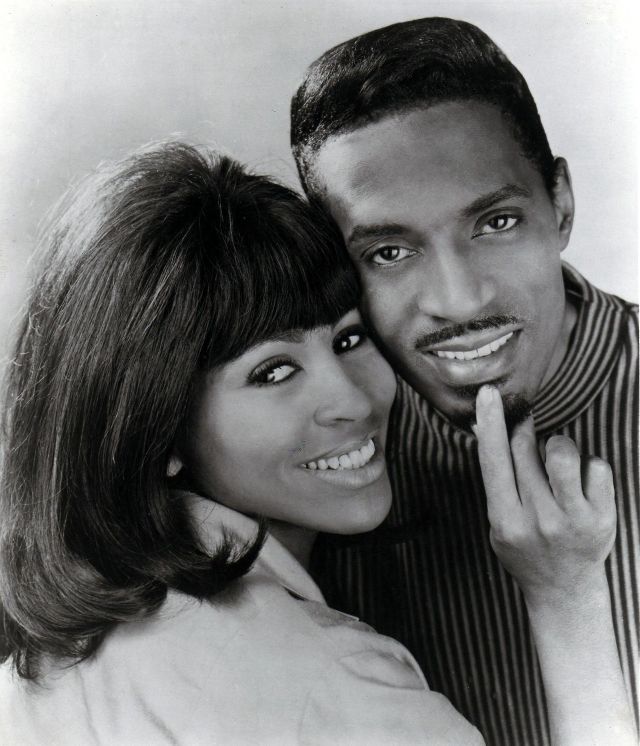
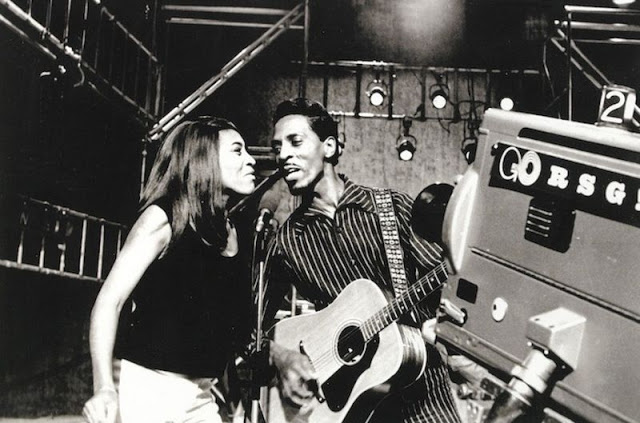
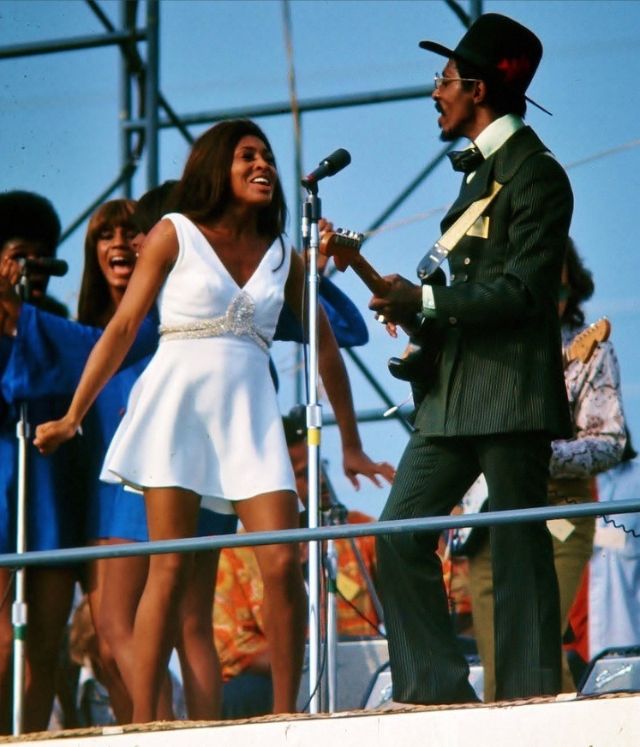
Ike & Tina Turner were an American musical duo, active during the 1960s and early 1970s, composed of the husband-and-wife team of Ike Turner and Tina Turner. They performed live as the Ike & Tina Turner Revue, supported by Ike Turner’s rhythm and blues (R&B) and soul group, the Kings of Rhythm and backing singers, the Ikettes. The Ike & Tina Turner Revue was regarded as “one of the most potent live acts on the R&B circuit”.
The duo’s early works, including “A Fool in Love”, “It’s Gonna Work Out Fine”, “I Idolize You” and “River Deep – Mountain High”, became high points in the development of soul music. Their later works were noted for wildly interpretive re-arrangements of rock songs such as “I Want to Take You Higher” and “Proud Mary”, the latter of which won a Grammy Award in 1971.
Their live performances were a musical spectacle in the style of James Brown and the Famous Flames. The duo’s professional and personal relationship ended in 1976, and their divorce was finalized in 1978.
Ike & Tina Turner were inducted to the Rock & Roll Hall of Fame in 1991.
Take a look at these intimate photos to see lovely moments of Ike & Tina Turner in the early years of their marriage (mid to late 1960s).