















Bringing You the Wonder of Yesterday – Today

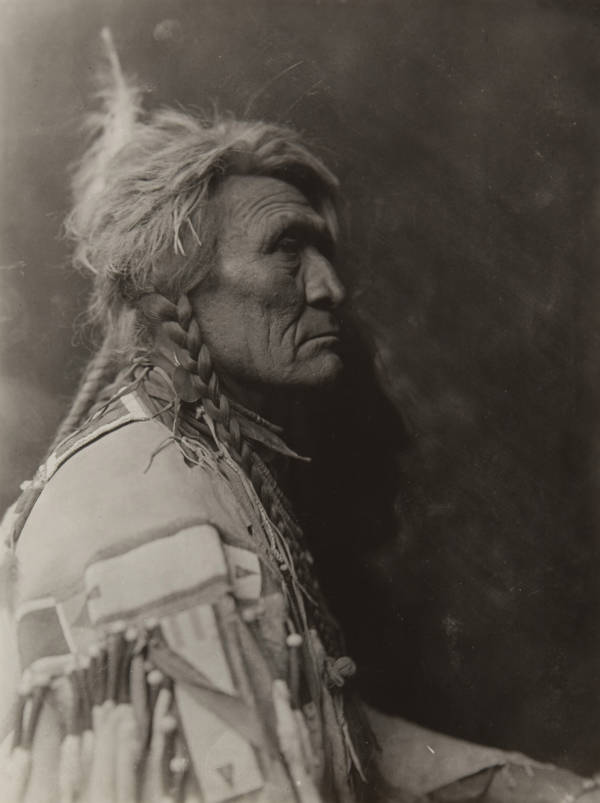
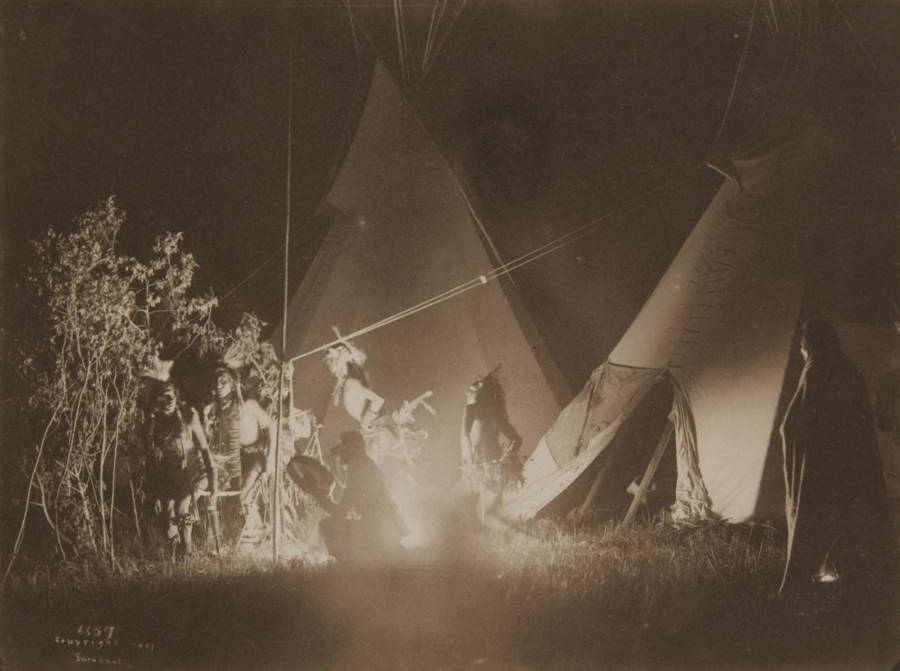
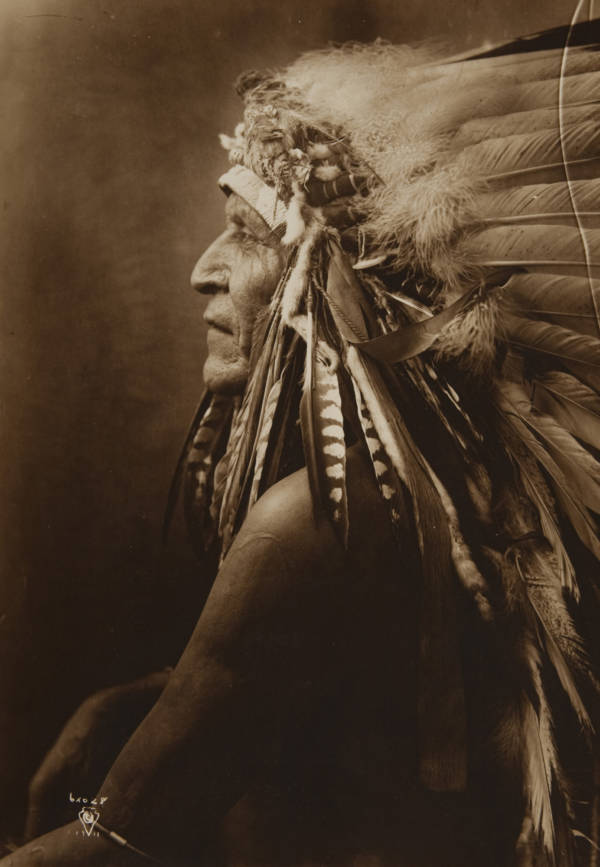
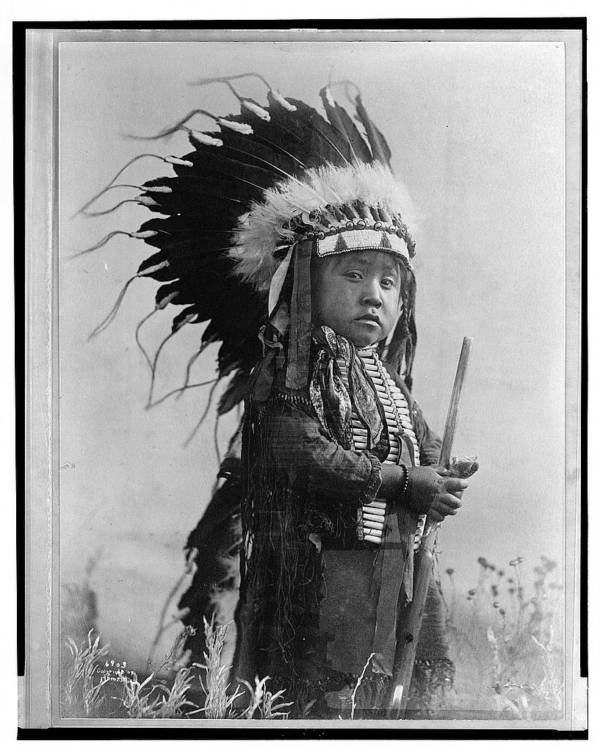
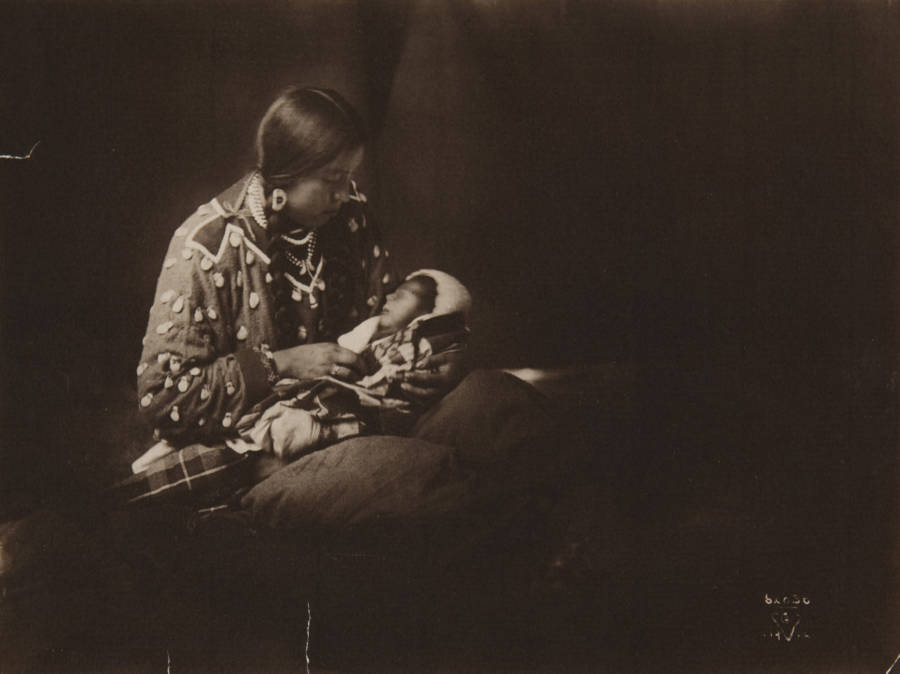
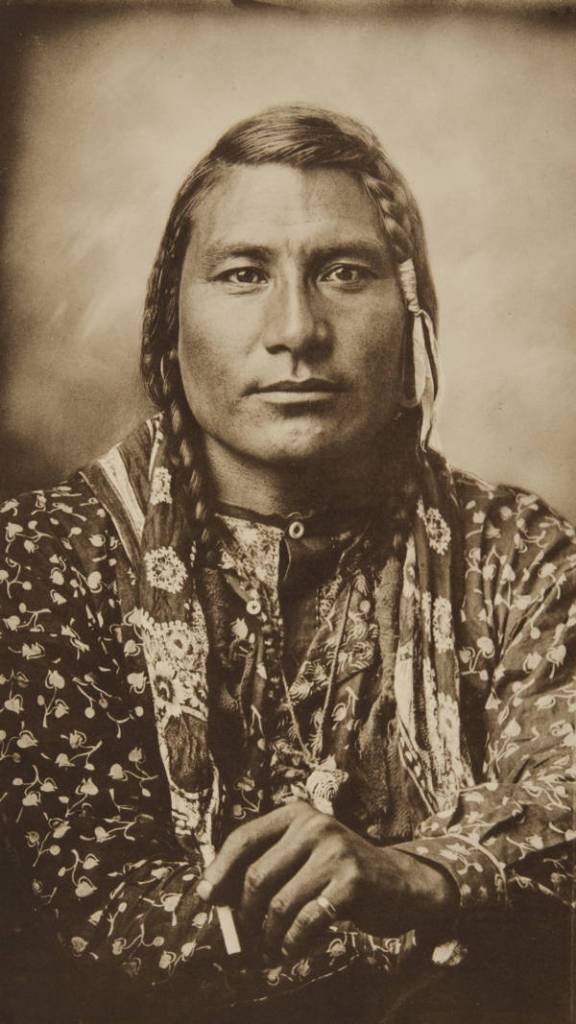
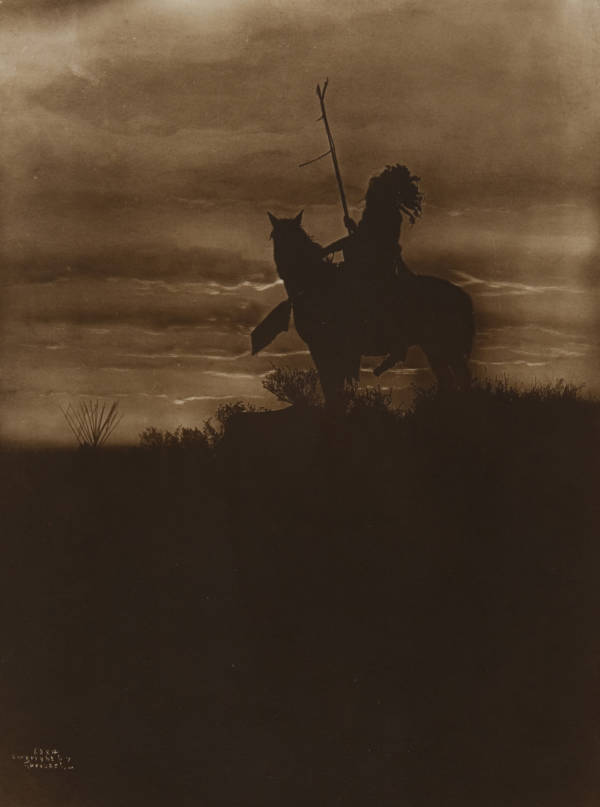
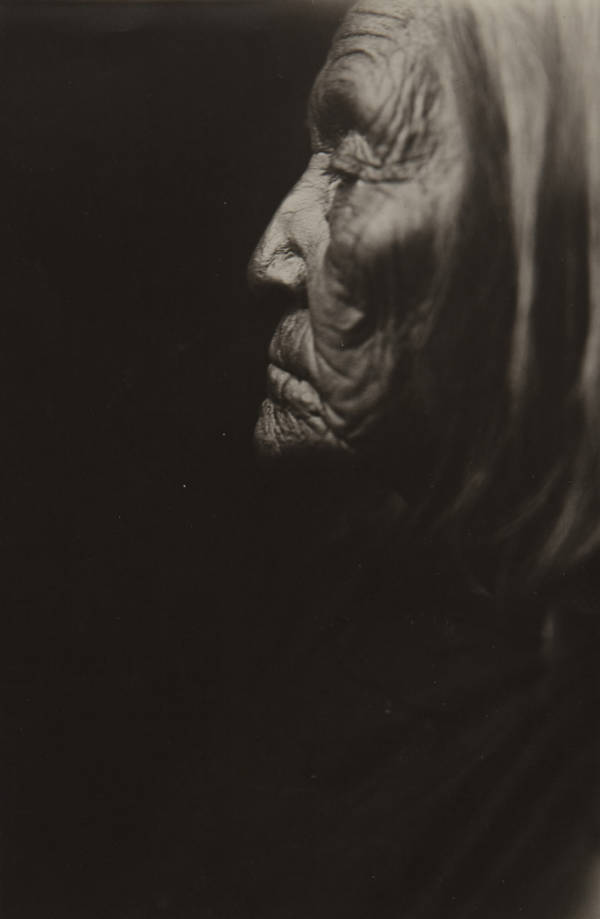
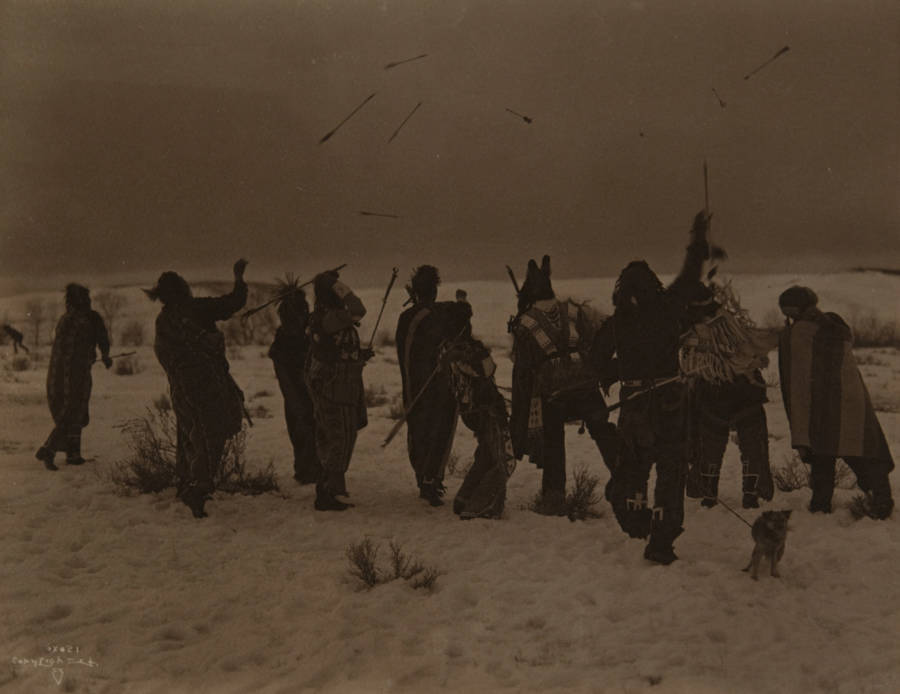
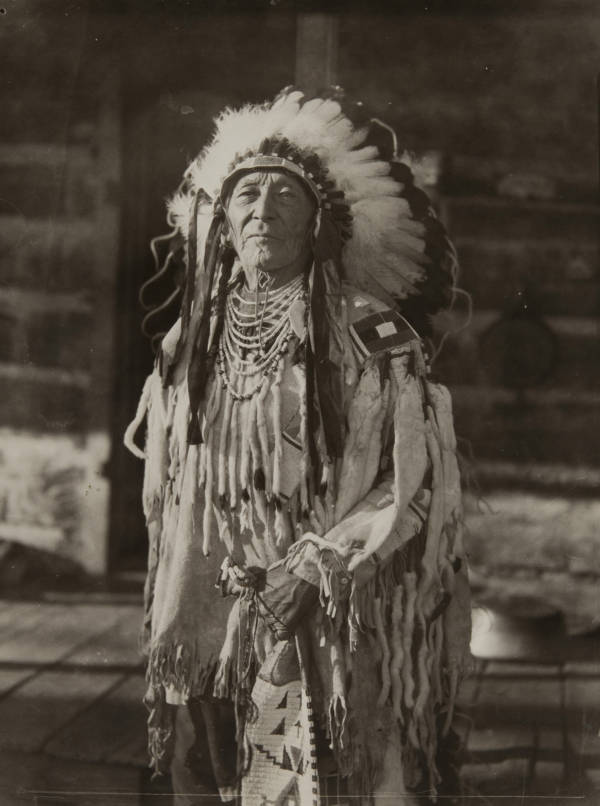
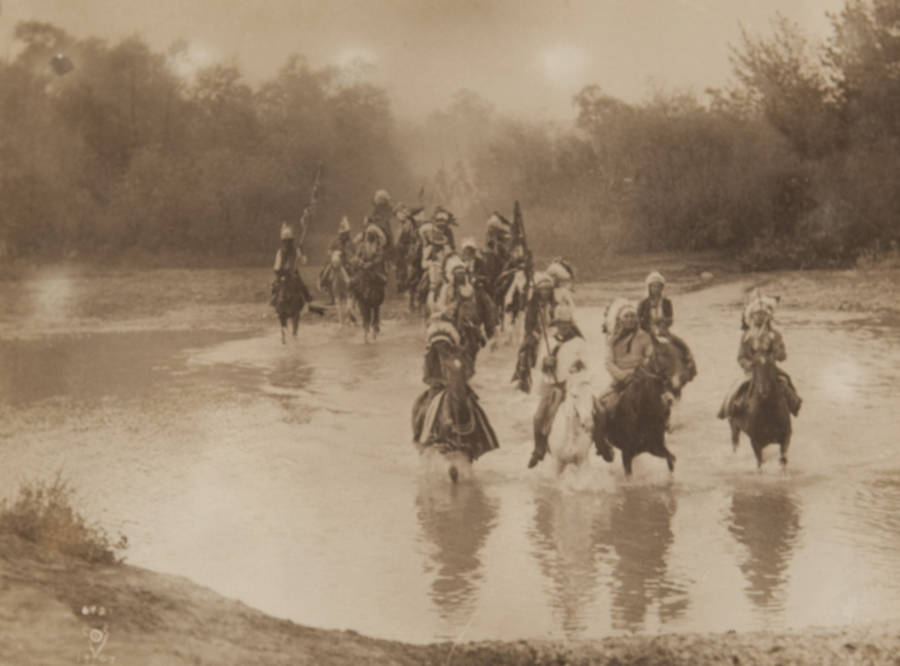
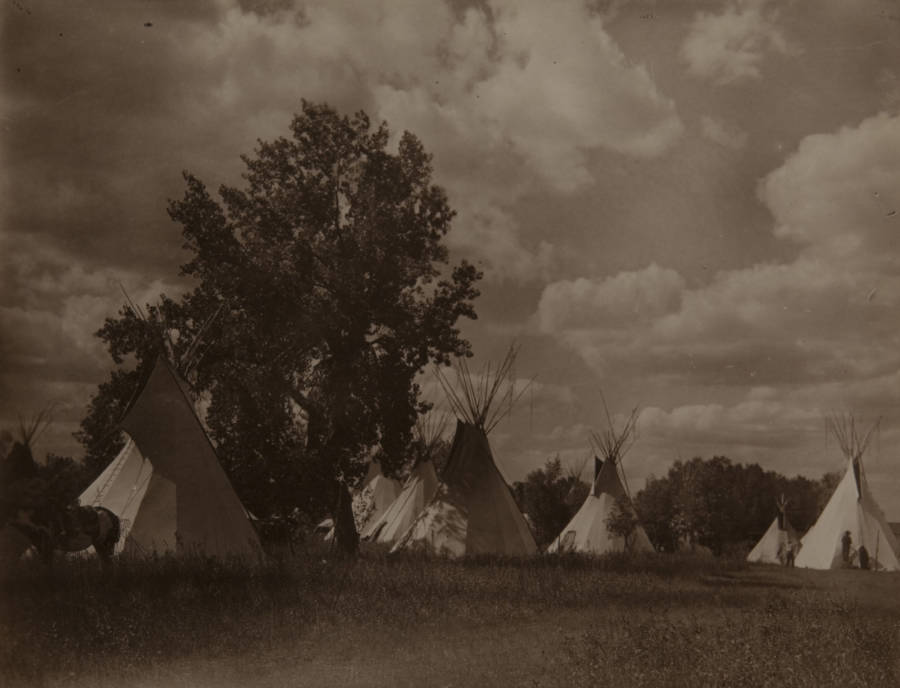
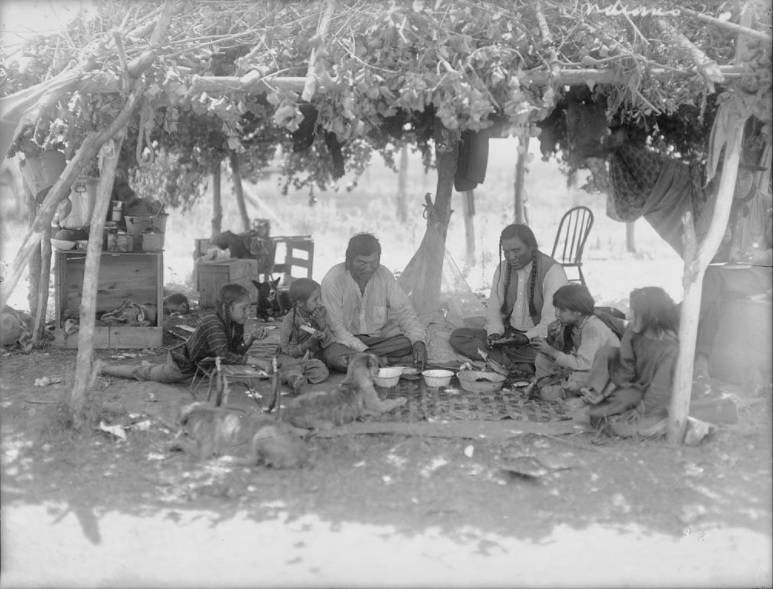
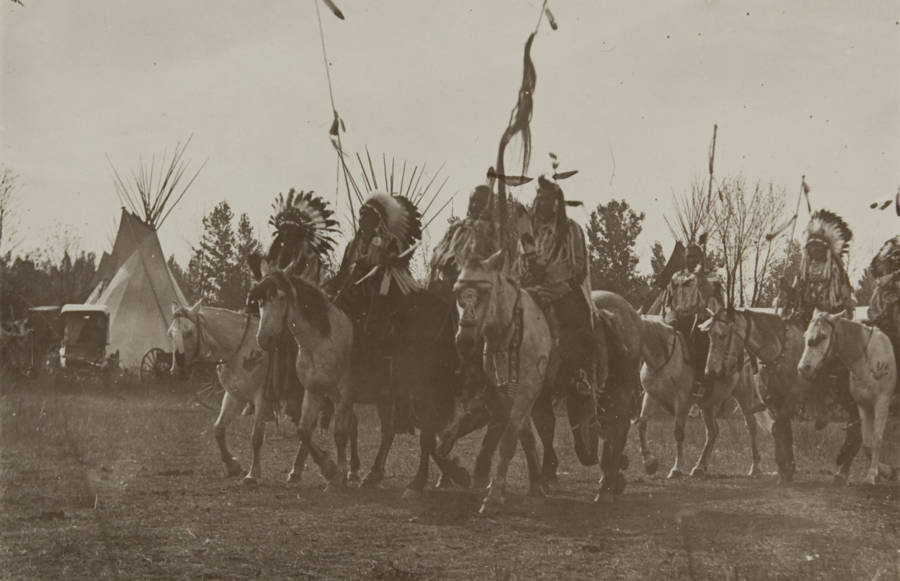
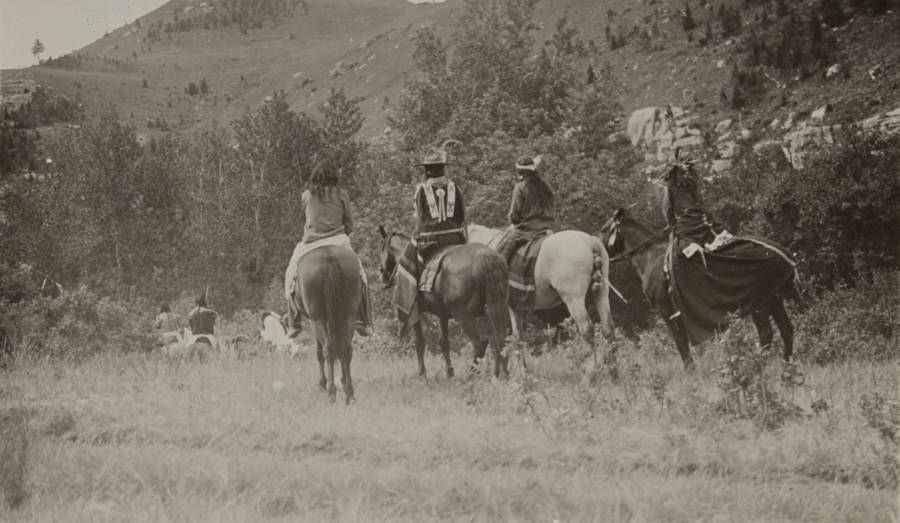
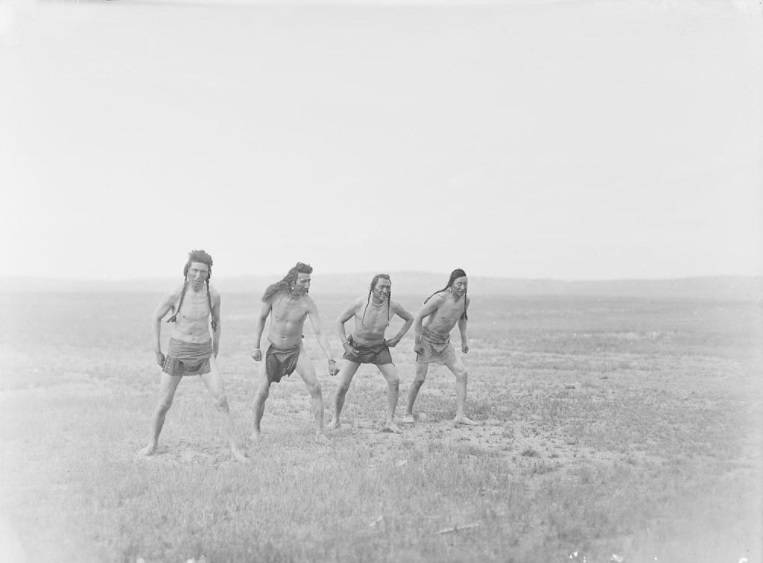
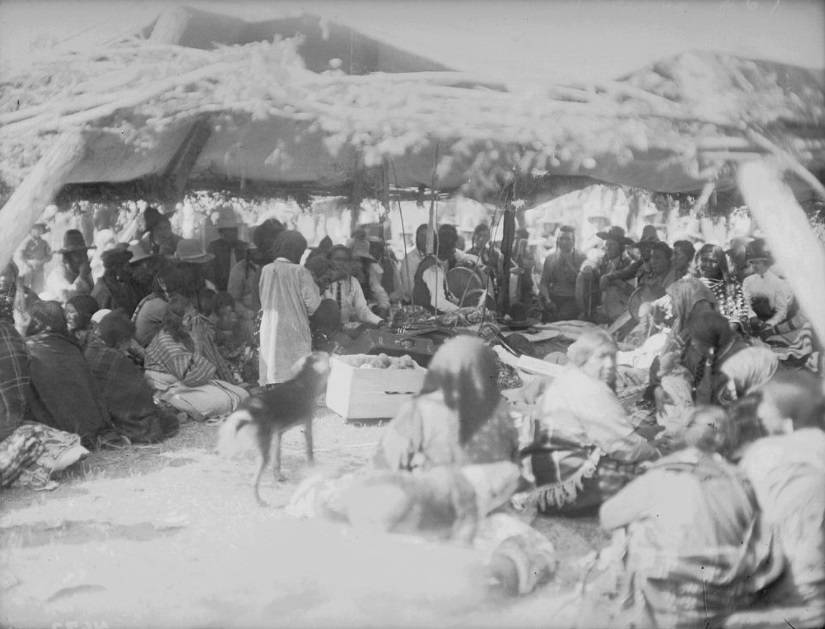
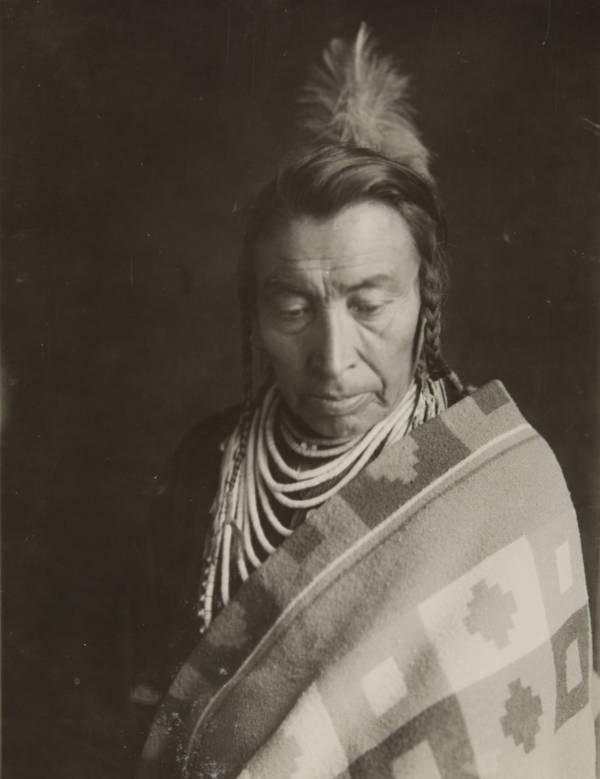
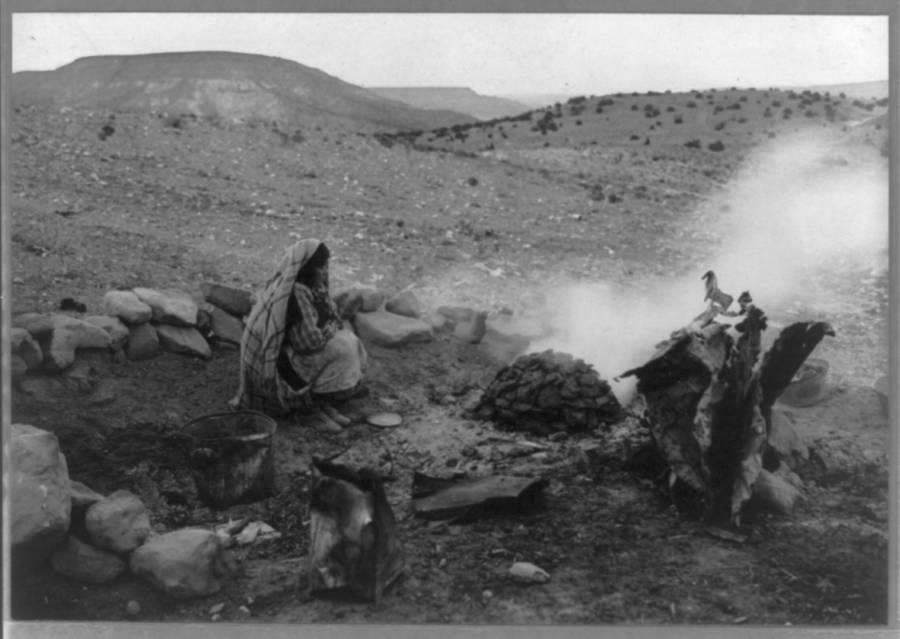
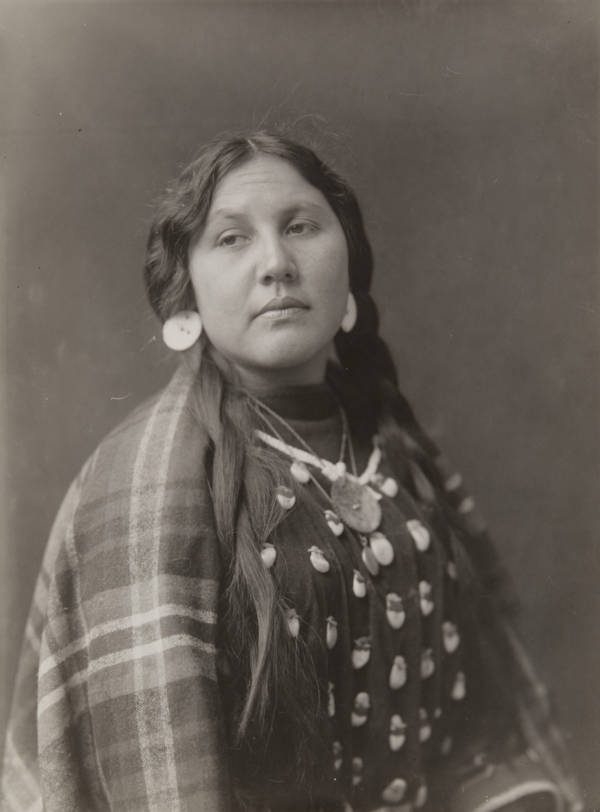
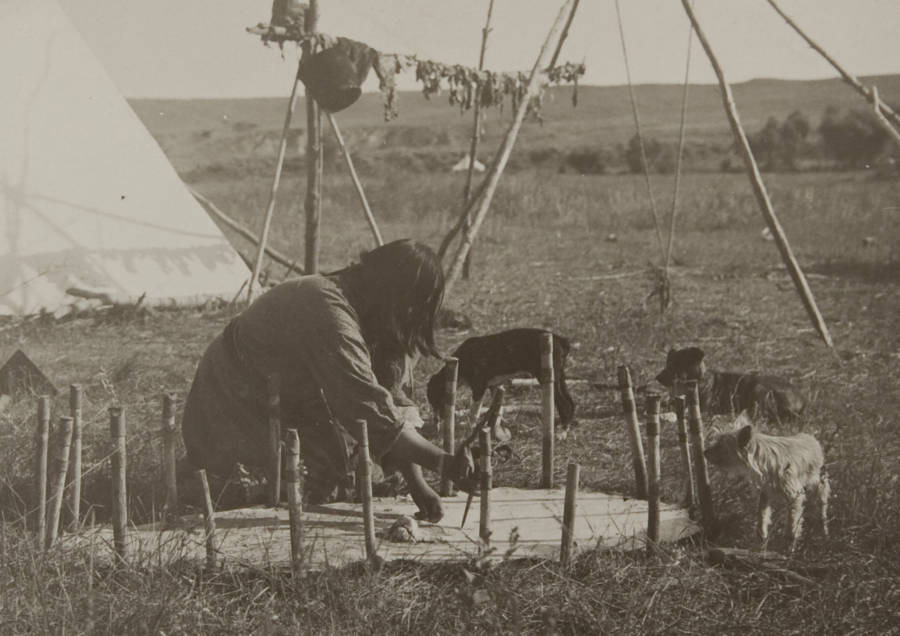
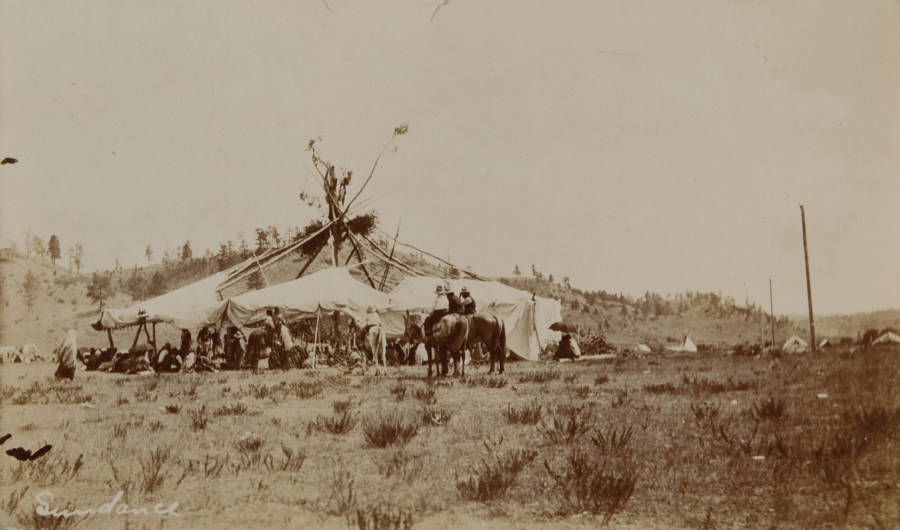
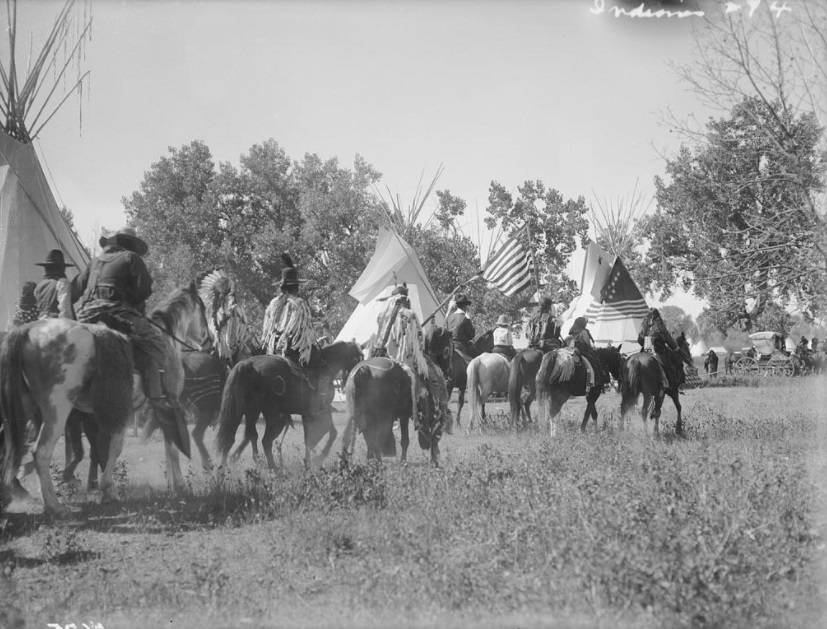
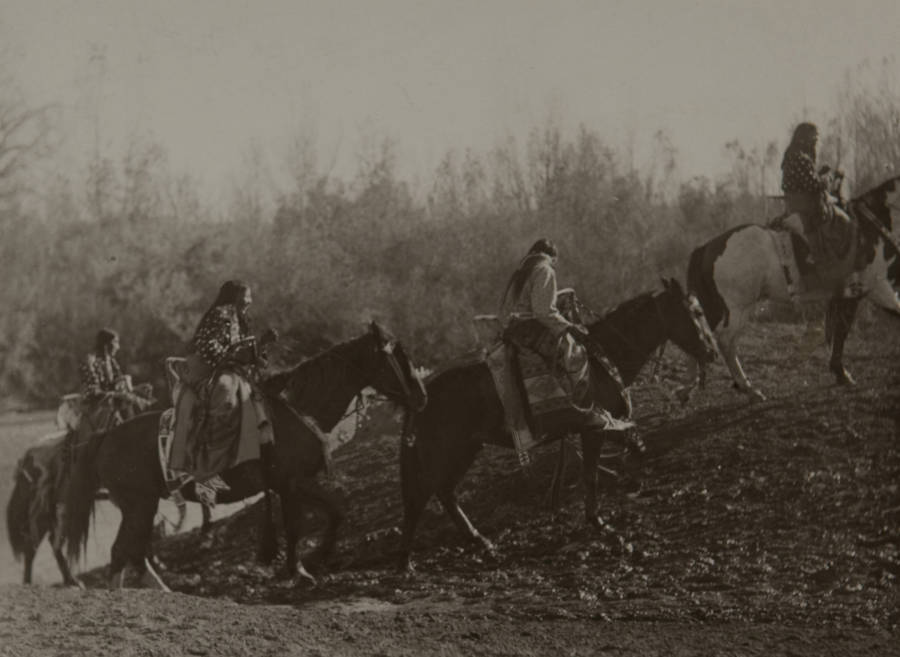
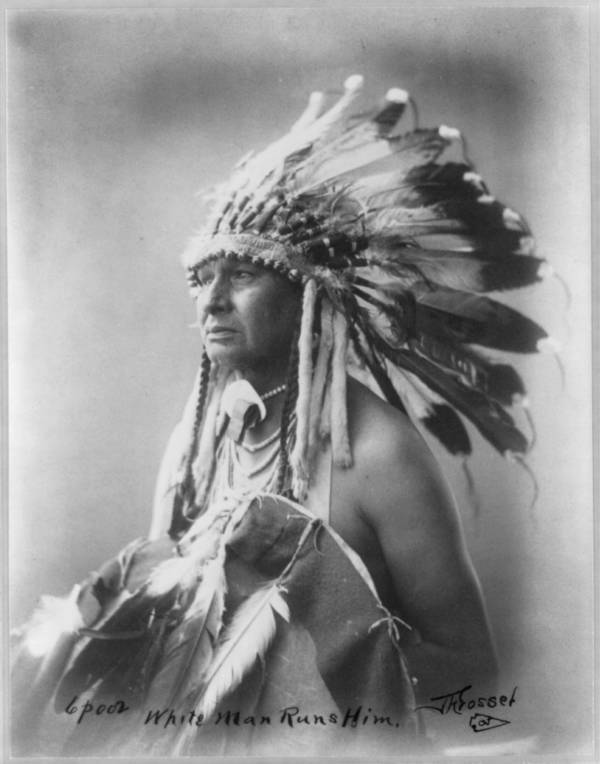
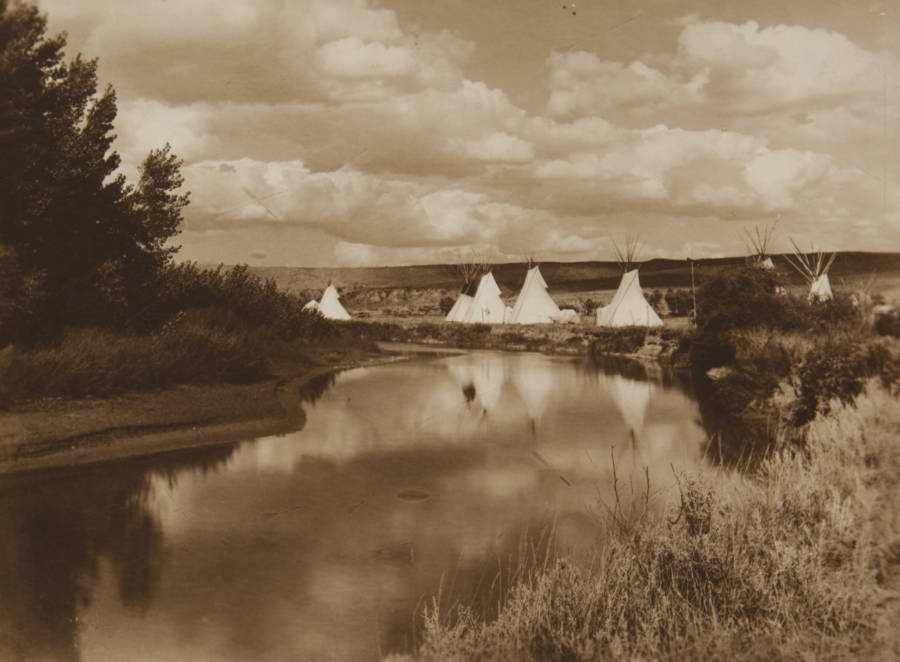
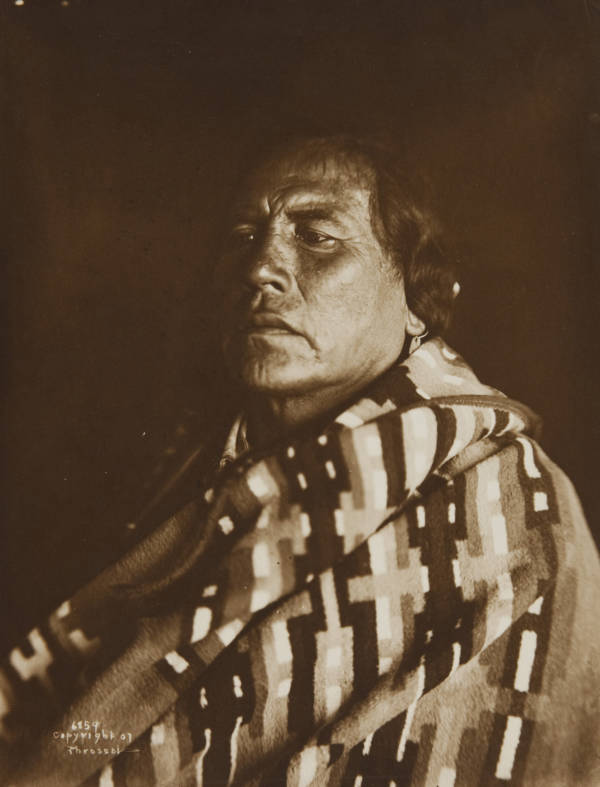
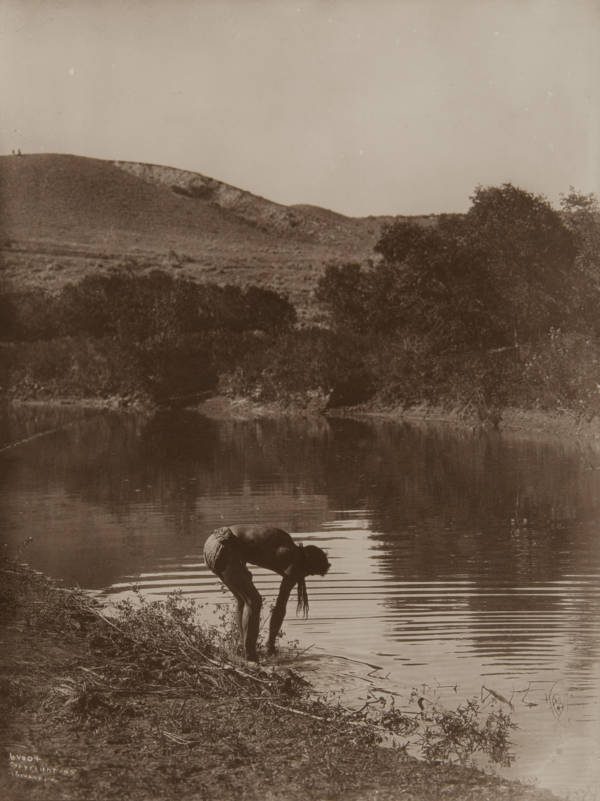
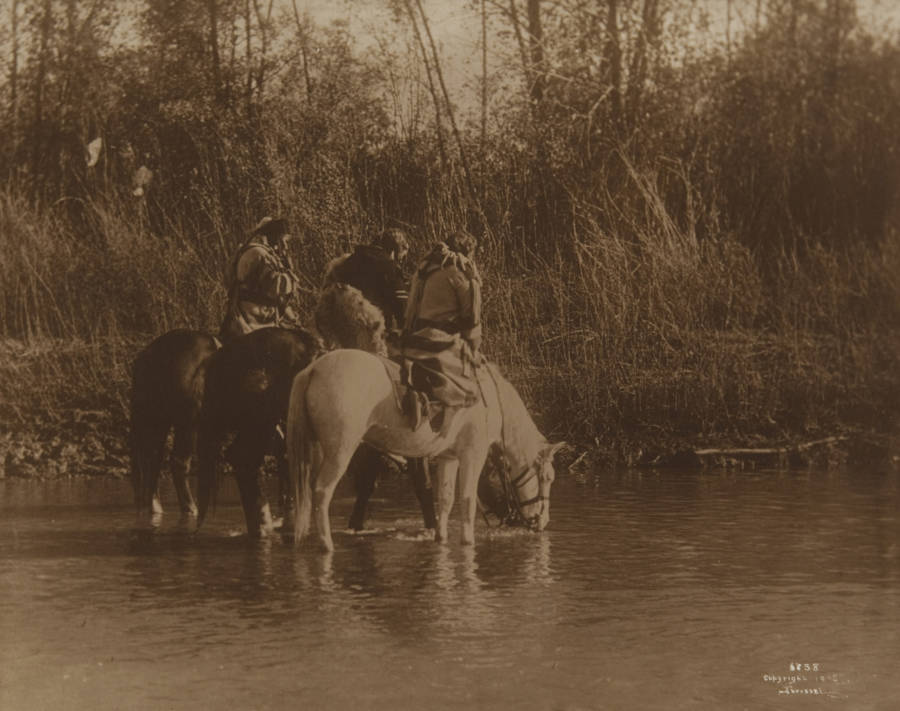
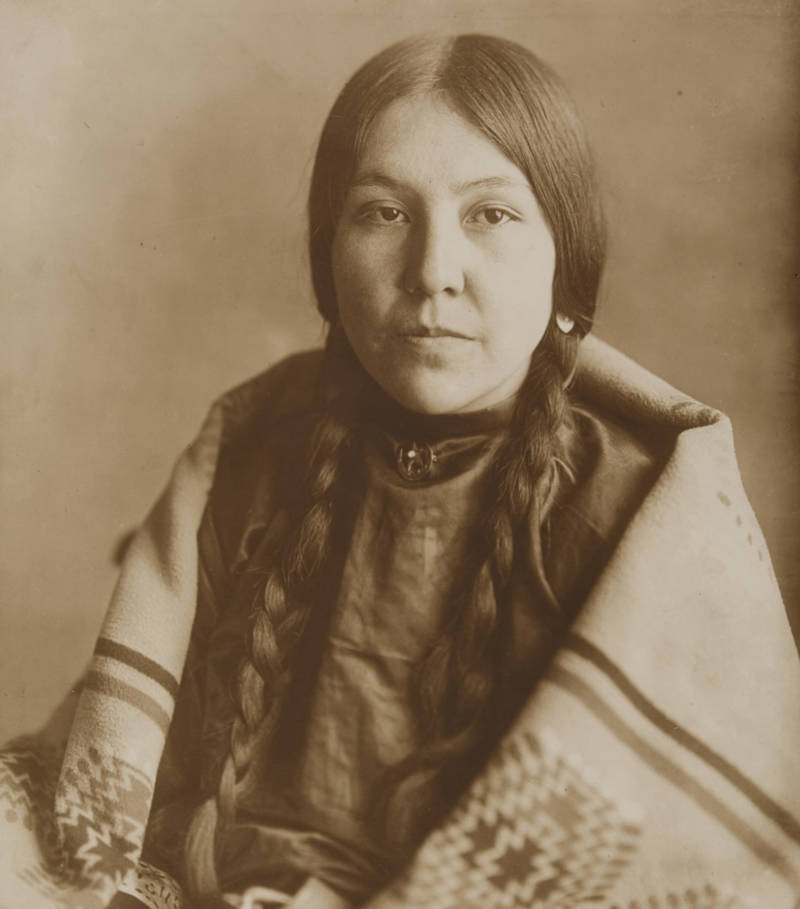
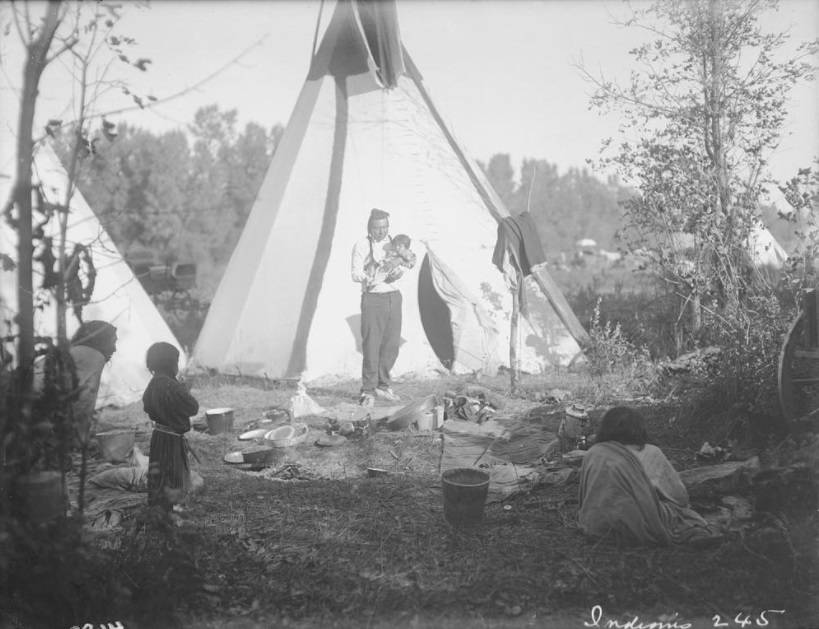
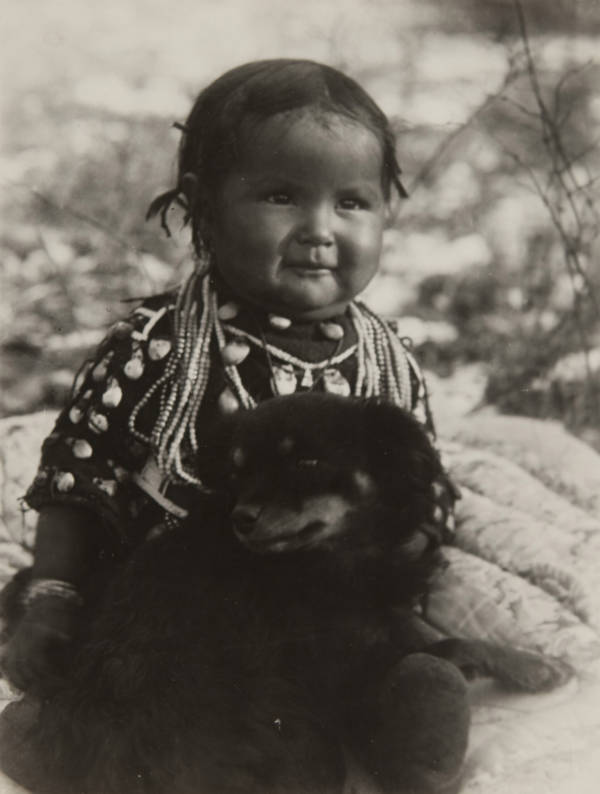
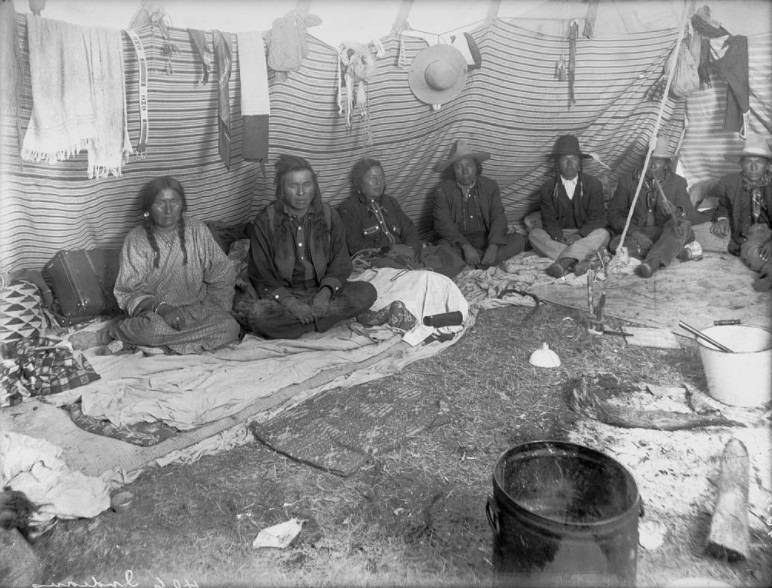
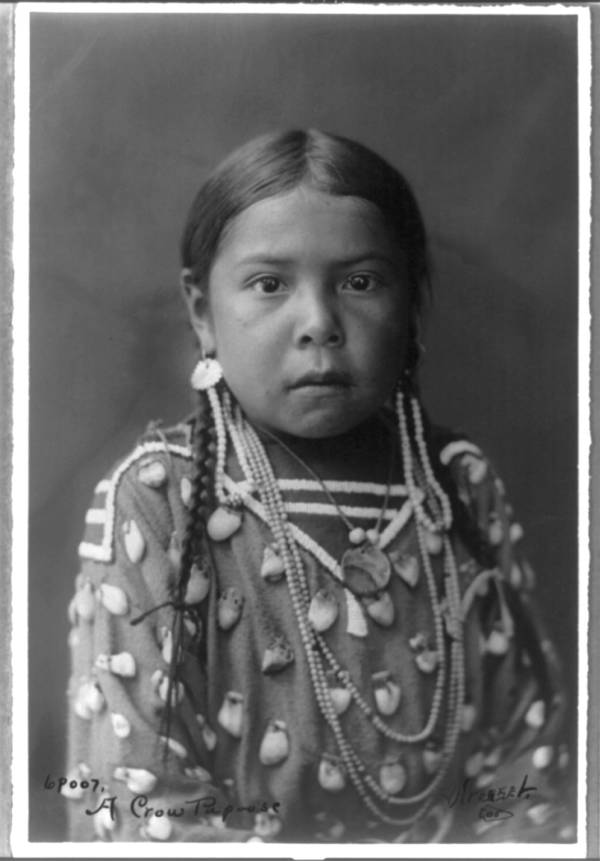
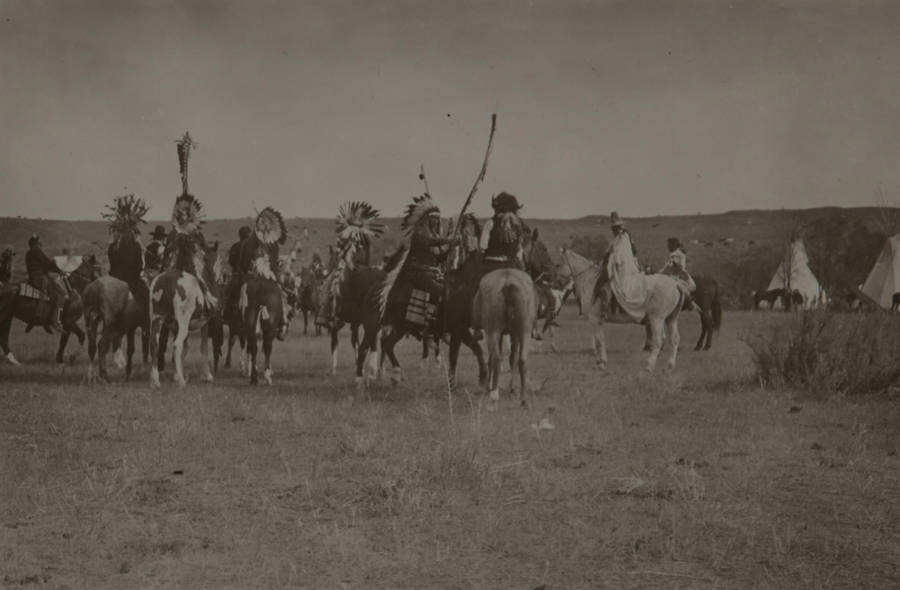
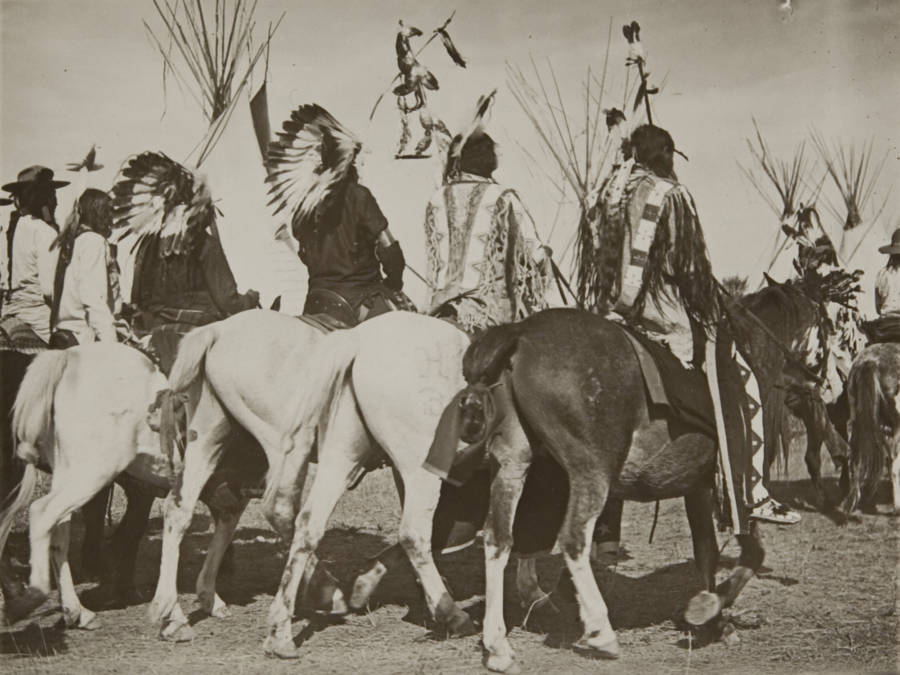
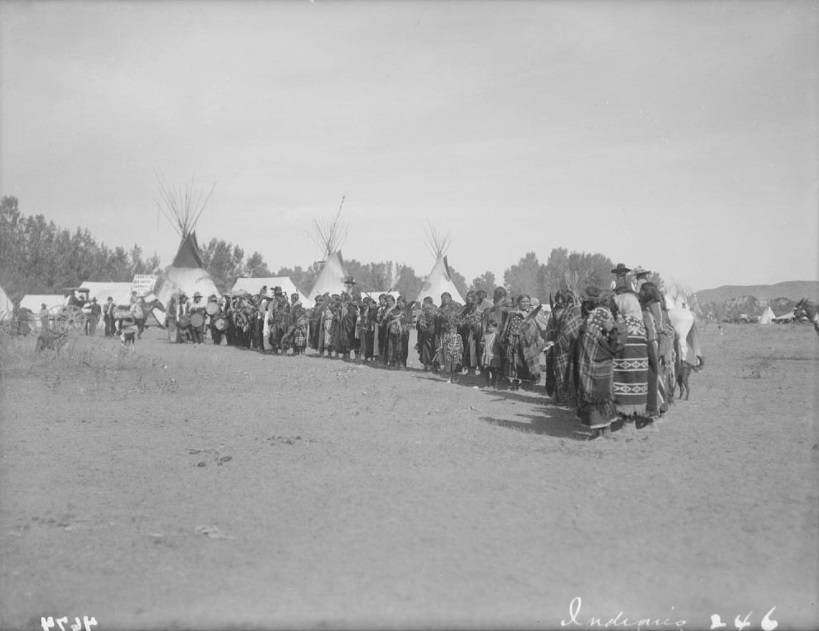
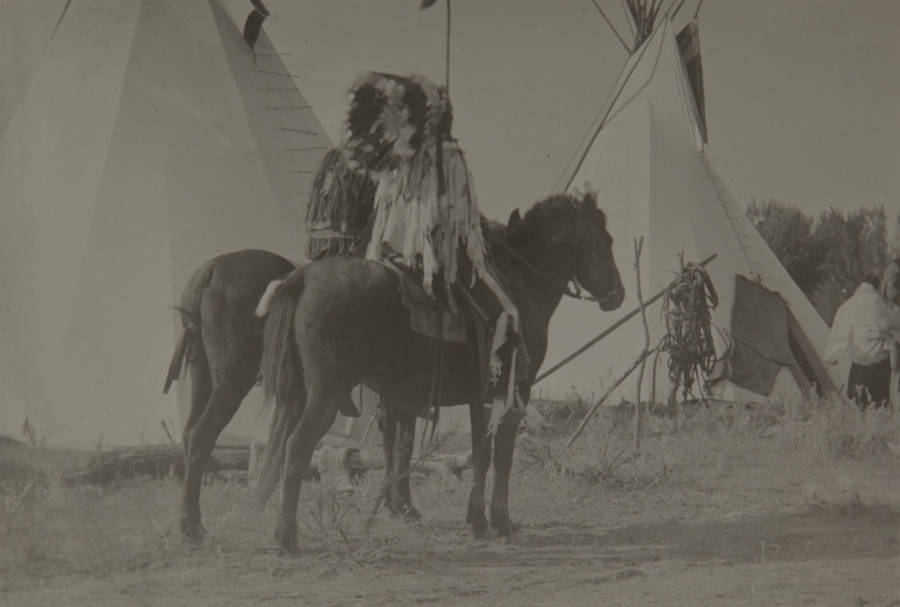
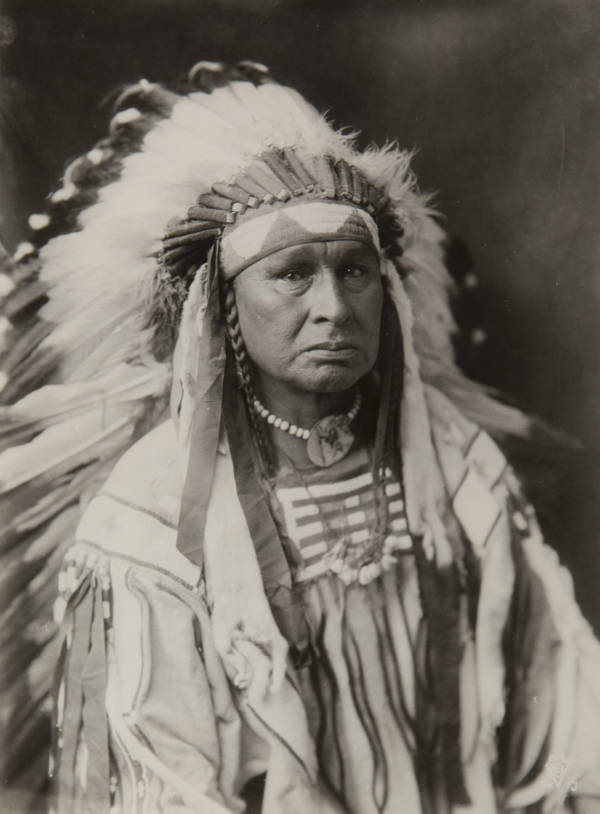
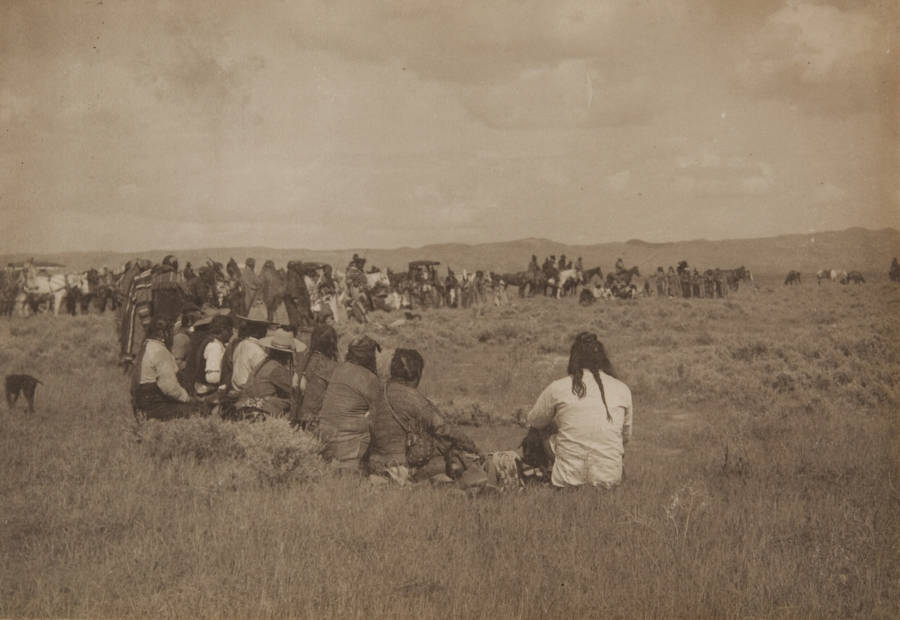
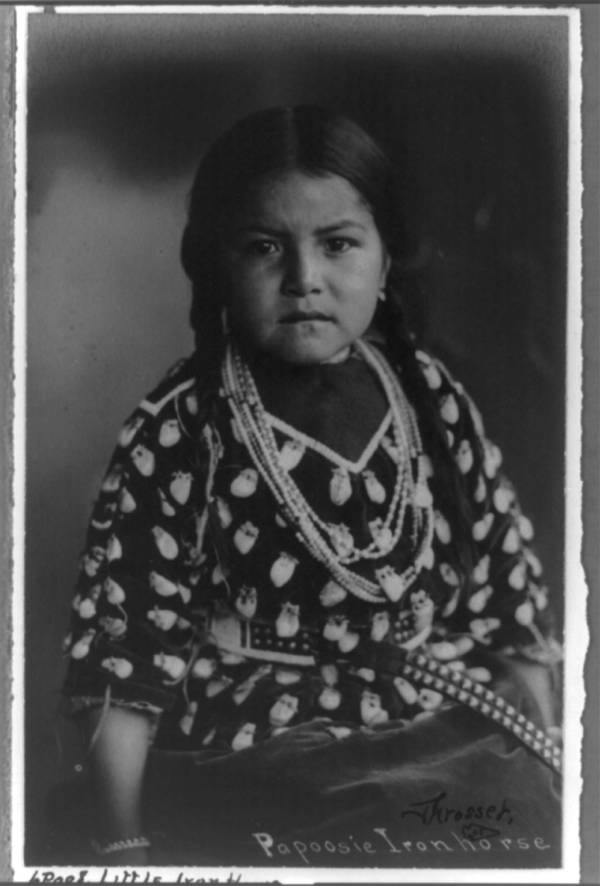
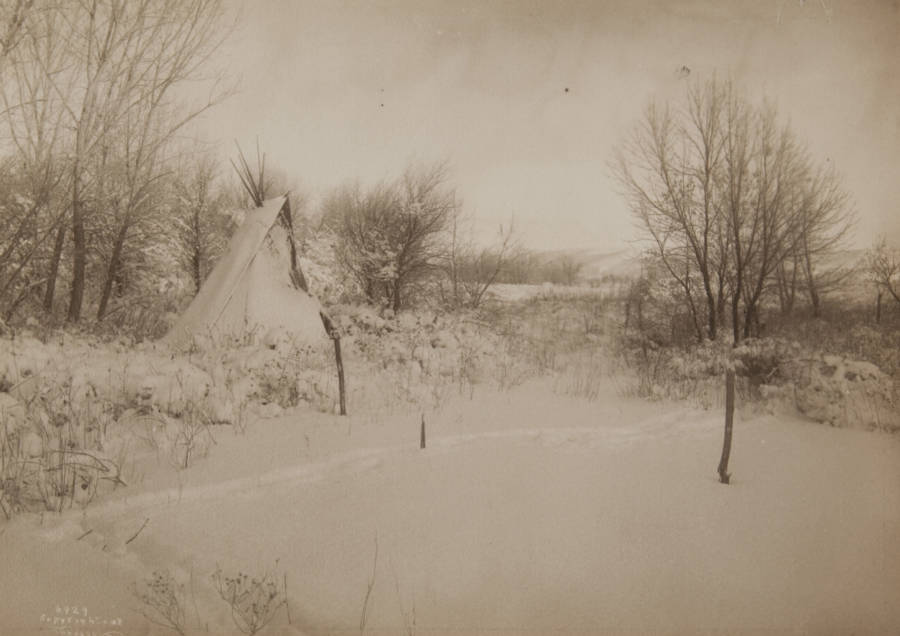
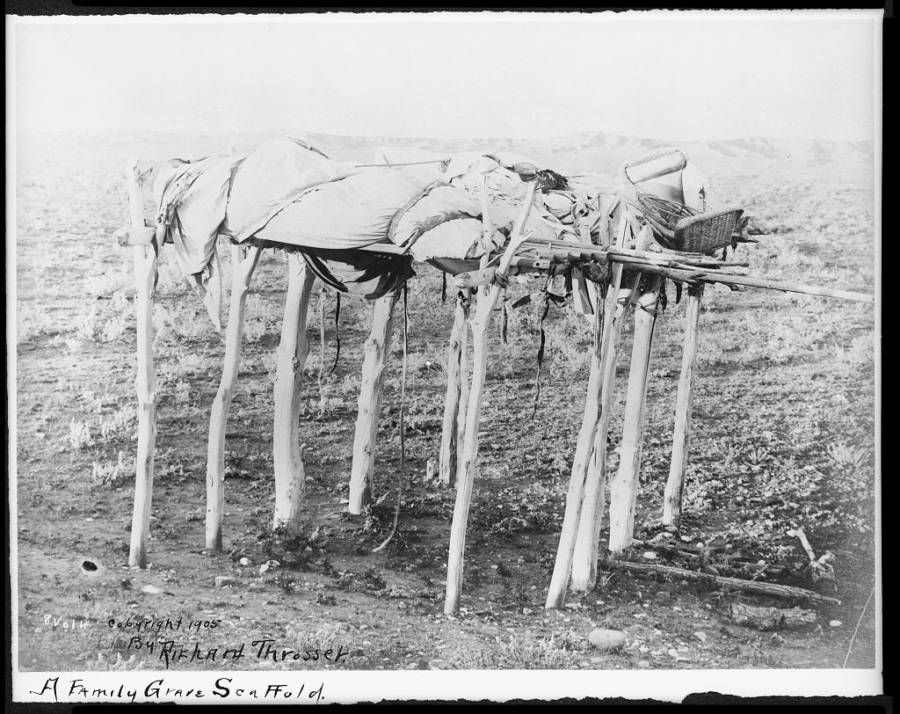
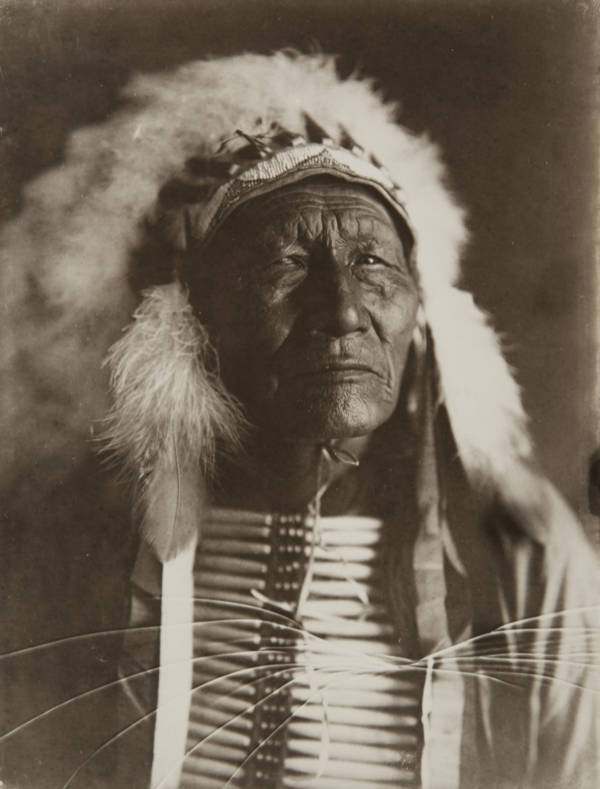
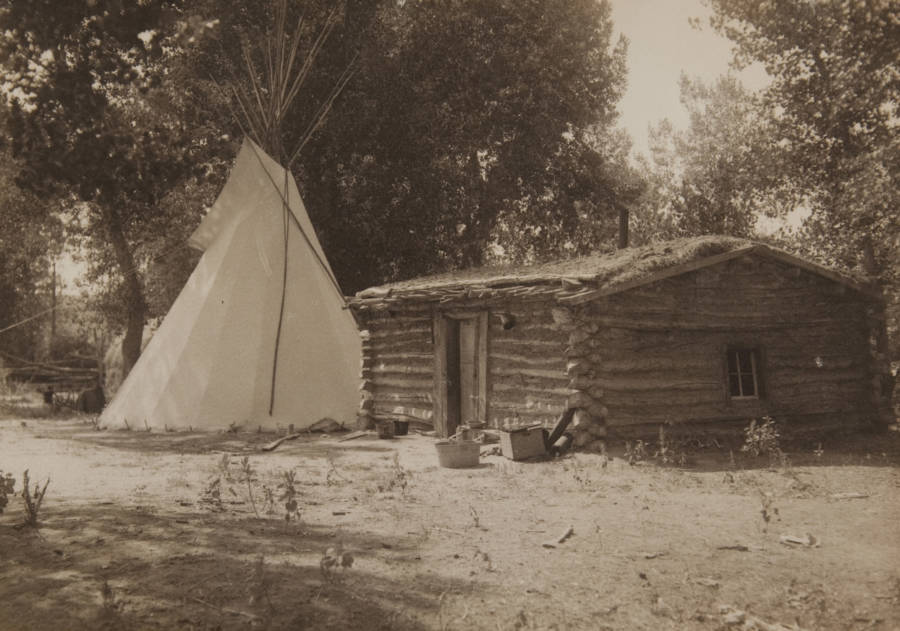
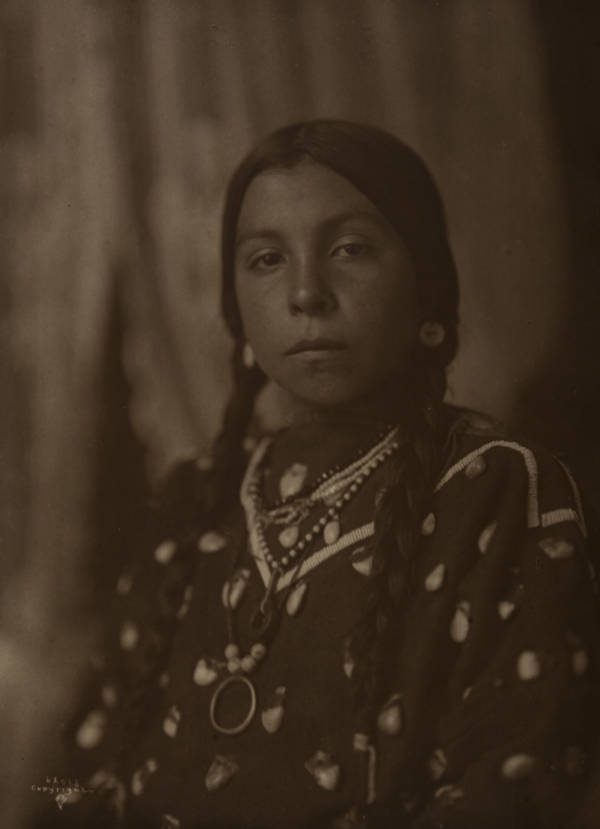
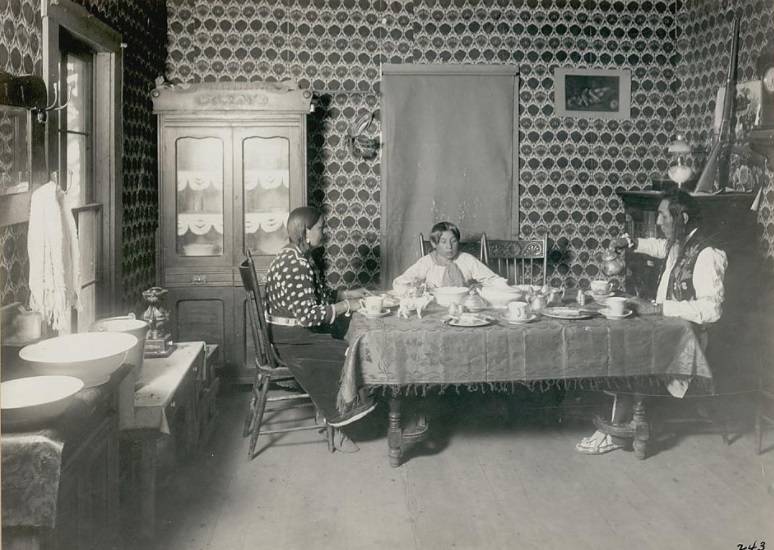
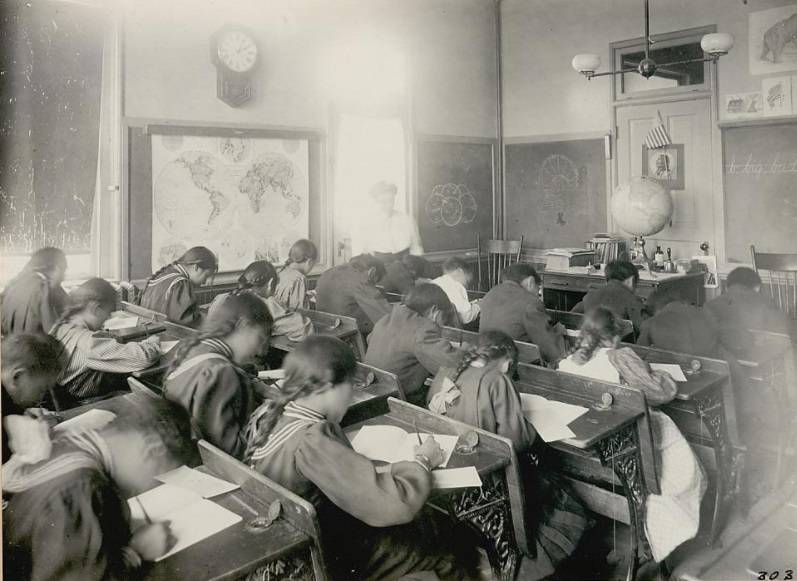
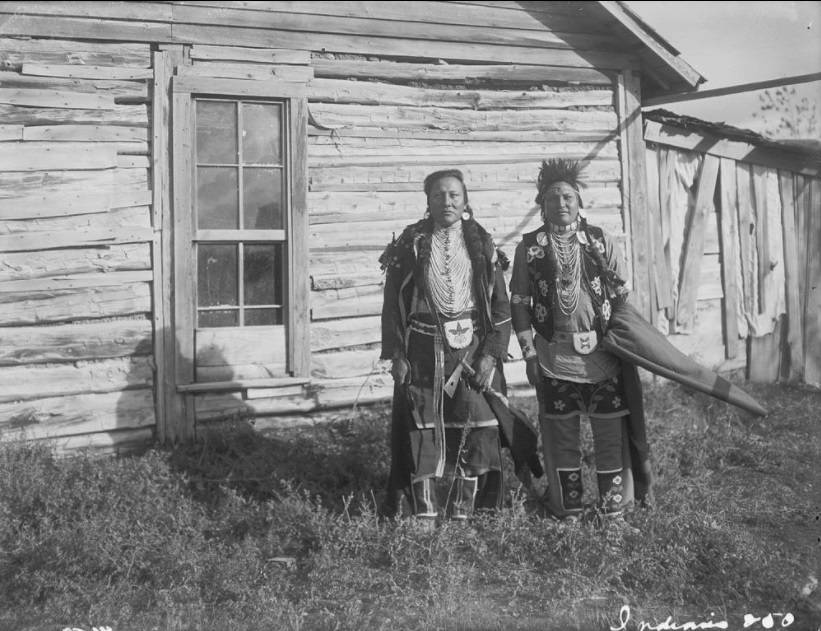
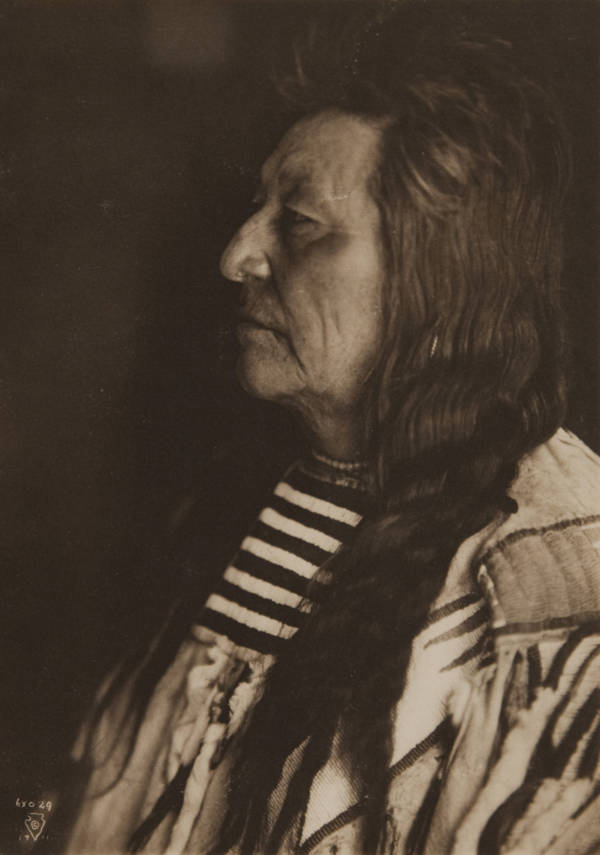
The Crow, called the Apsáalooke in their own Siouan language, or variants including the Absaroka, are Native Americans, who in historical times lived in the Yellowstone River valley, which extends from present-day Wyoming, through Montana and into North Dakota, where it joins the Missouri River. In the 21st century, the Crow people are a Federally recognized tribe known as the Crow Tribe of Montana, and have a reservation located in the south central part of the state.
Pressured by the Ojibwe and Cree peoples (the Iron Confederacy), who had earlier and better access to guns through the fur trade, the Crow had migrated to this area from the Ohio Eastern Woodland area of present-day Ohio, settling south of Lake Winnipeg. From there, they were pushed to the west by the Cheyenne. Both the Crow and the Cheyenne were pushed farther west by the Lakota (Sioux), who took over the territory west of the Missouri River, reaching past the Black Hills of South Dakota to the Big Horn Mountains of Wyoming and Montana. The Cheyenne eventually became allies of the Lakota, as they sought to expel European Americans from the area. The Crow remained bitter enemies of both the Sioux and Cheyenne. The Crow managed to retain a large reservation of more than 9300 km2 despite territorial losses.
Since the 19th century, Crow people have been concentrated on their reservation established south of Billings, Montana. They also live in several major, mainly western, cities. Tribal headquarters are located at Crow Agency, Montana.

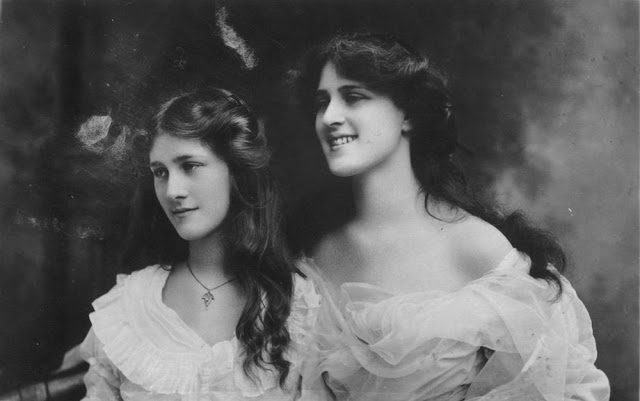
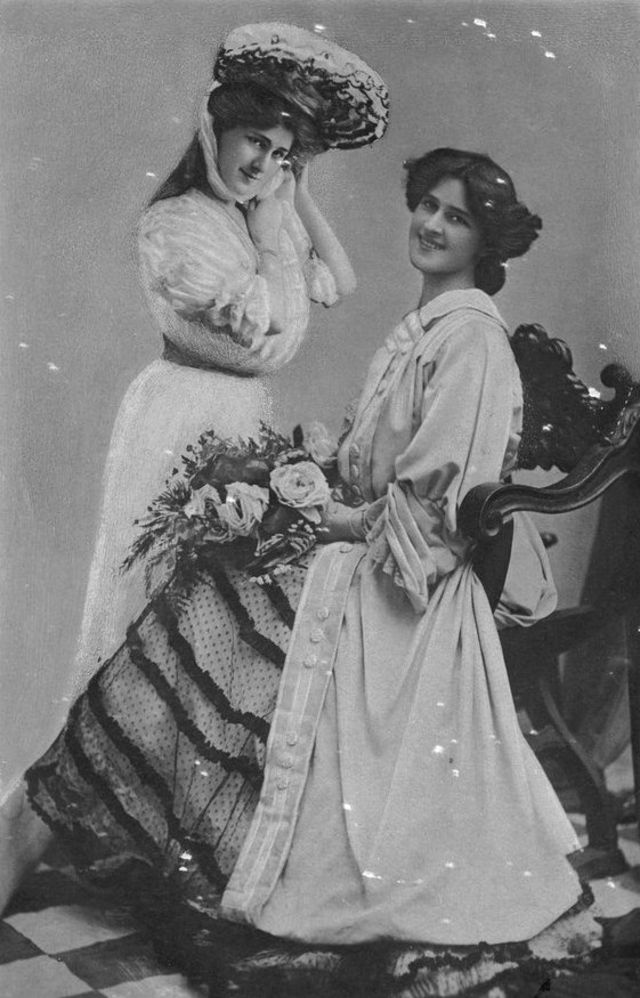
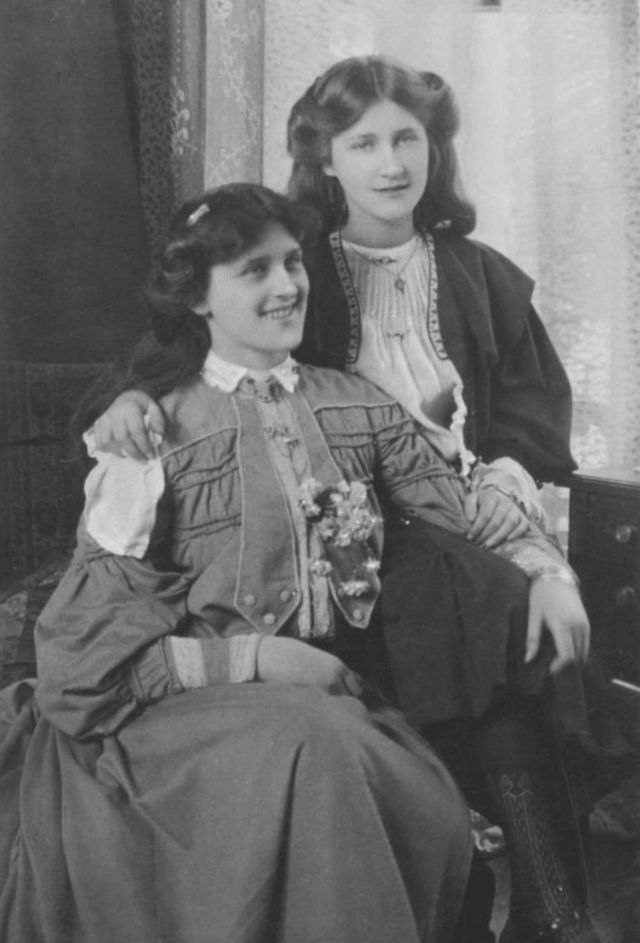
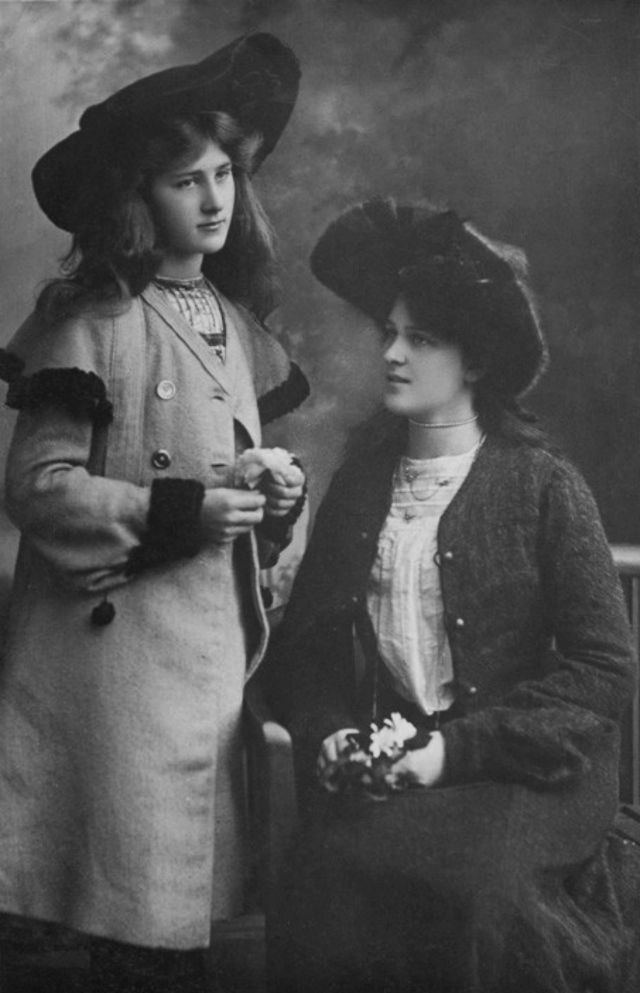
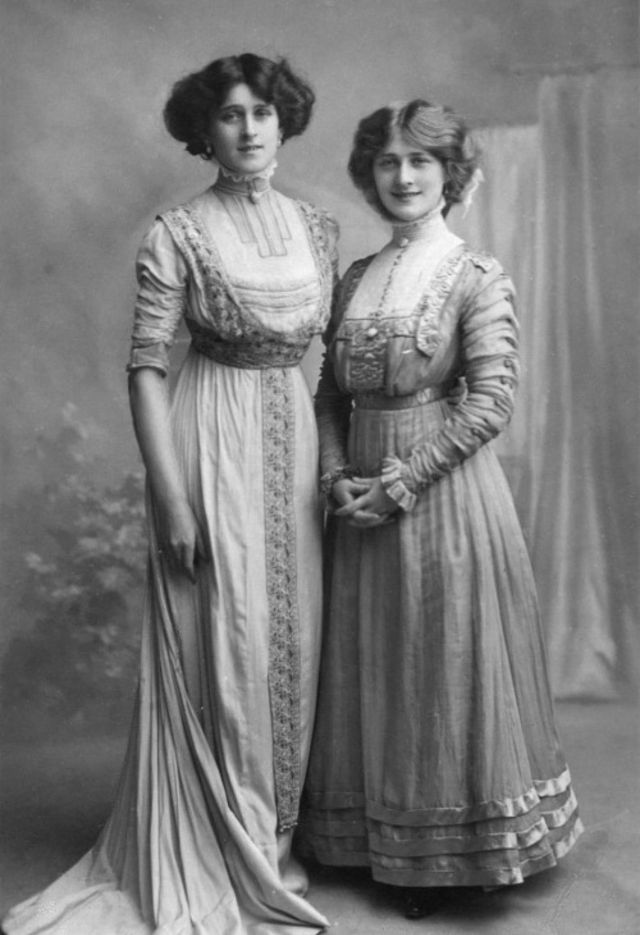
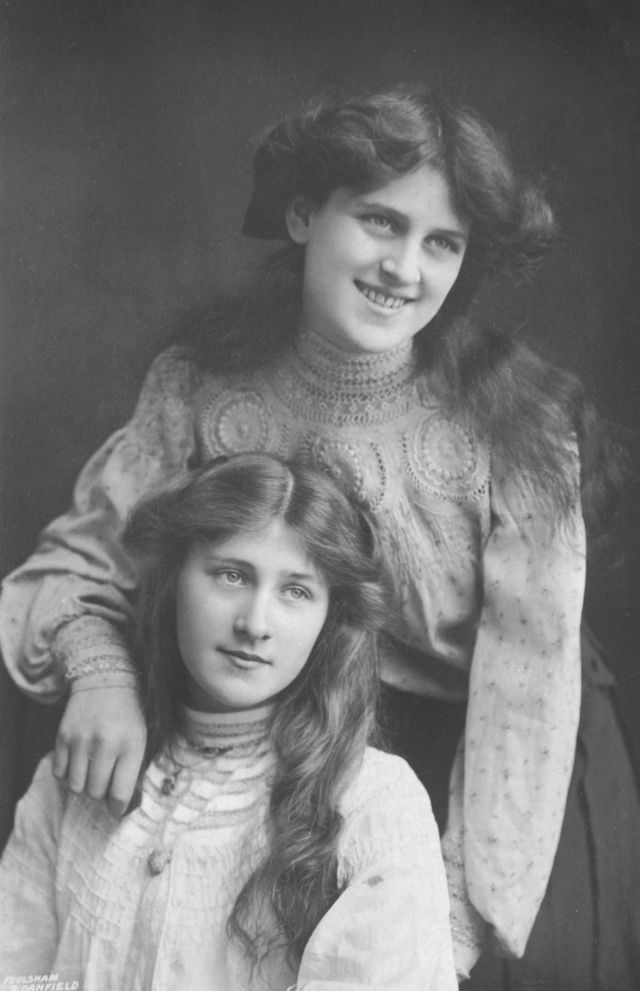
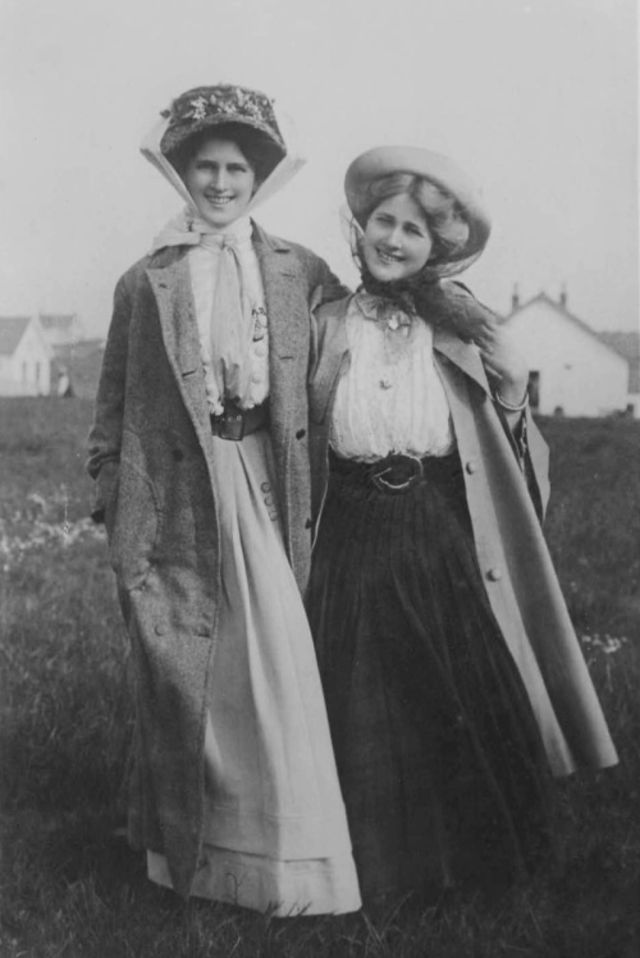
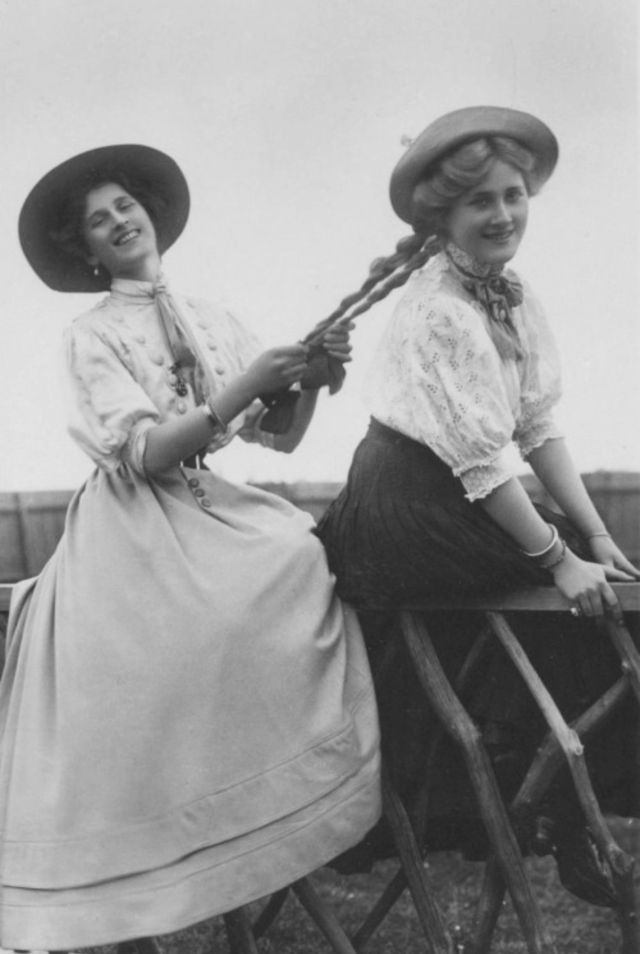
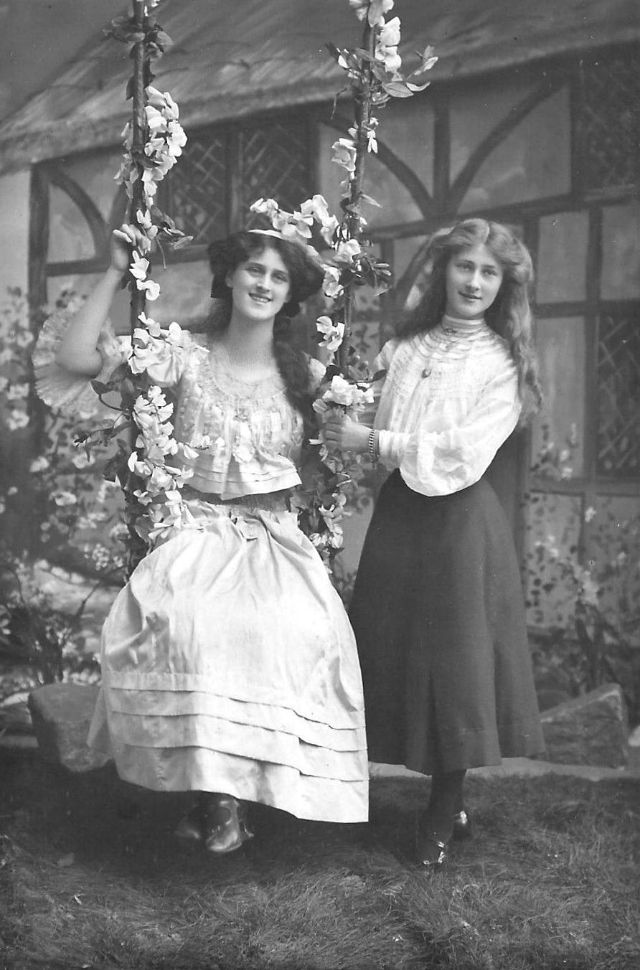
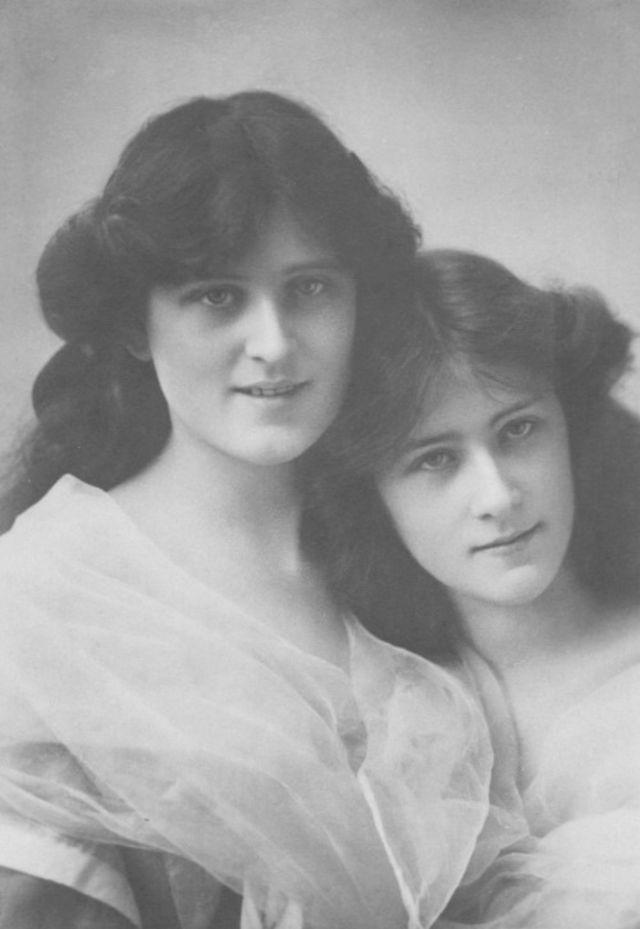
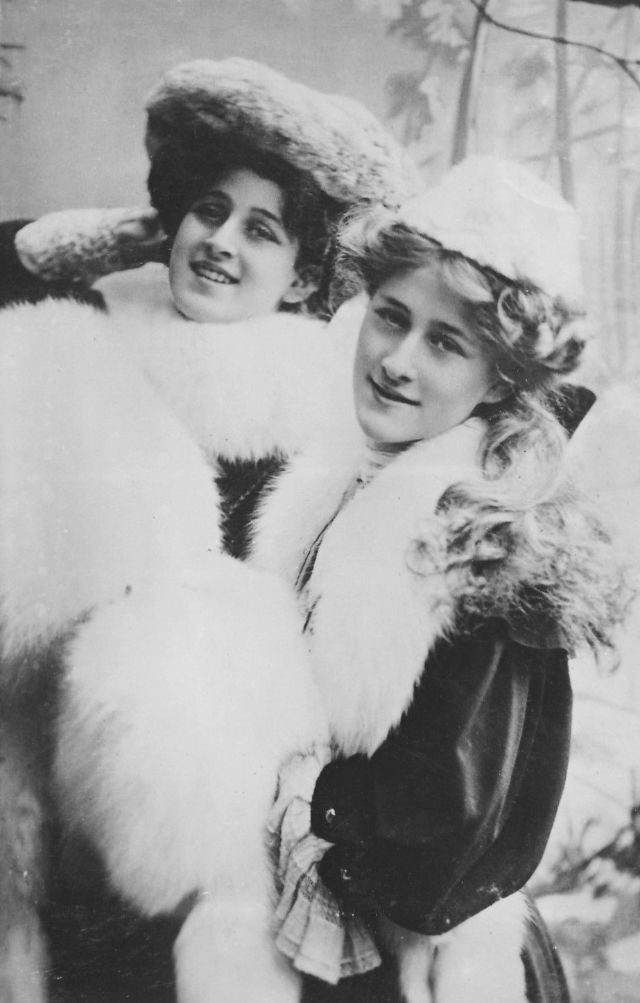
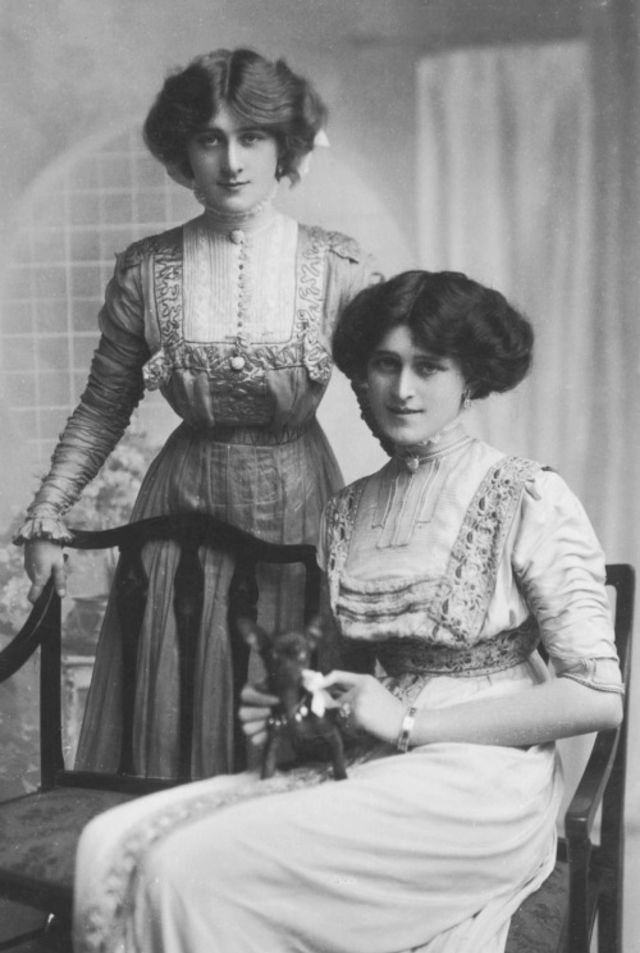
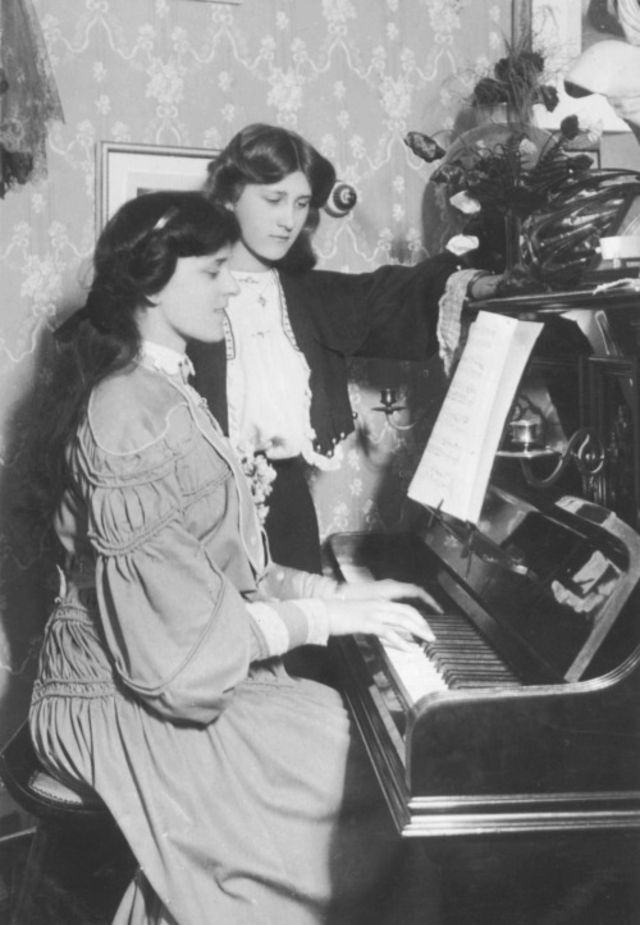
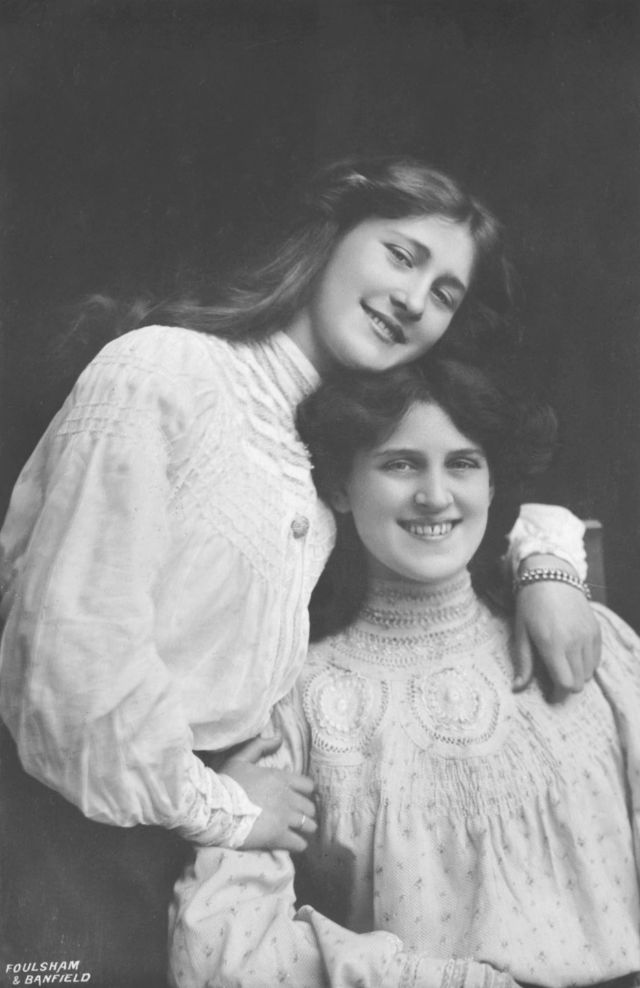
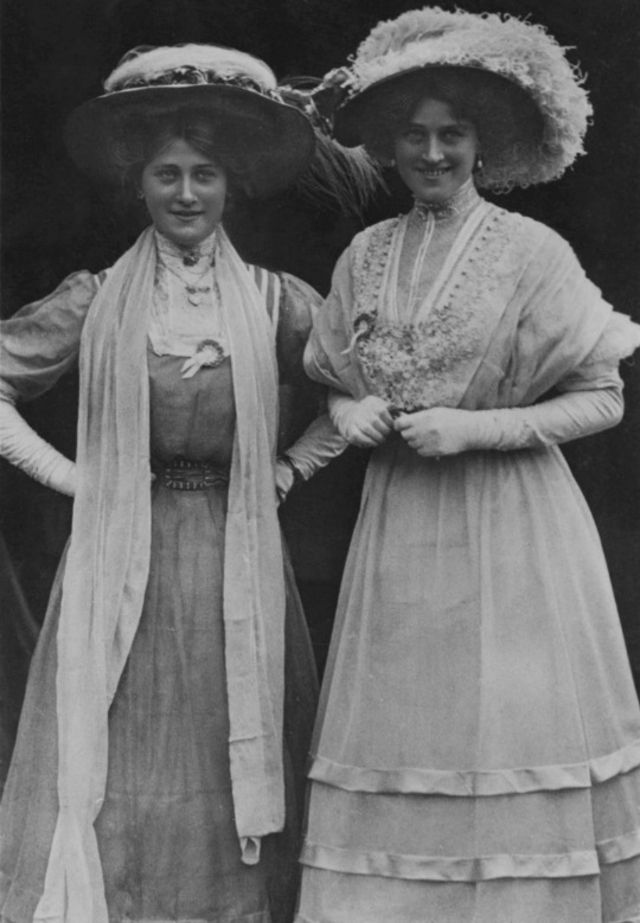
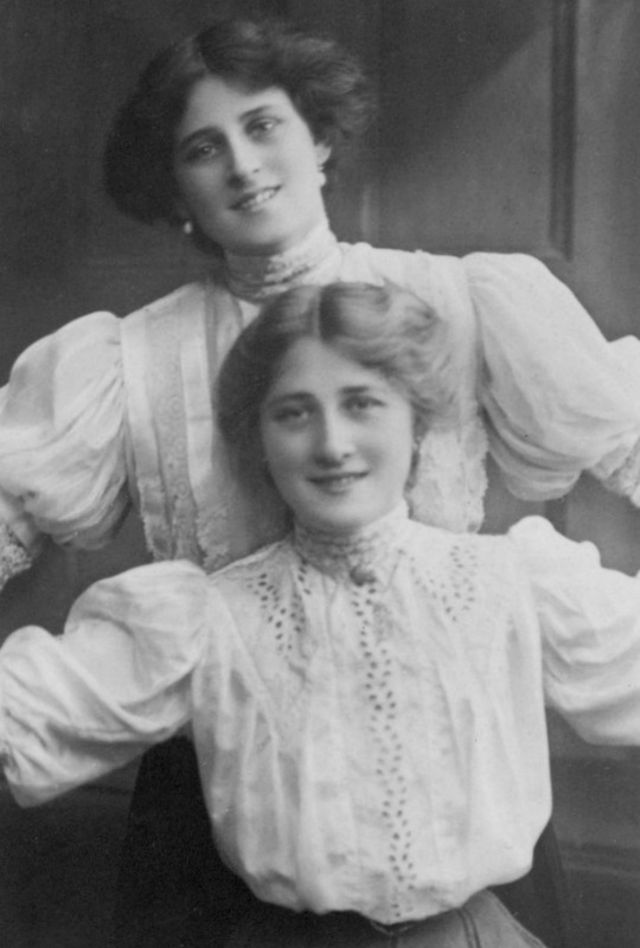
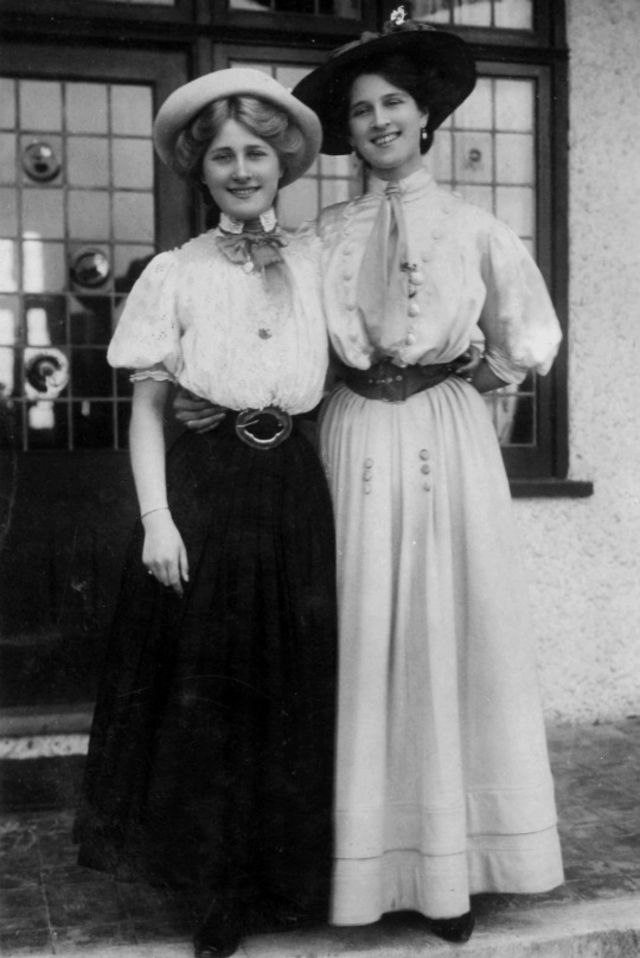
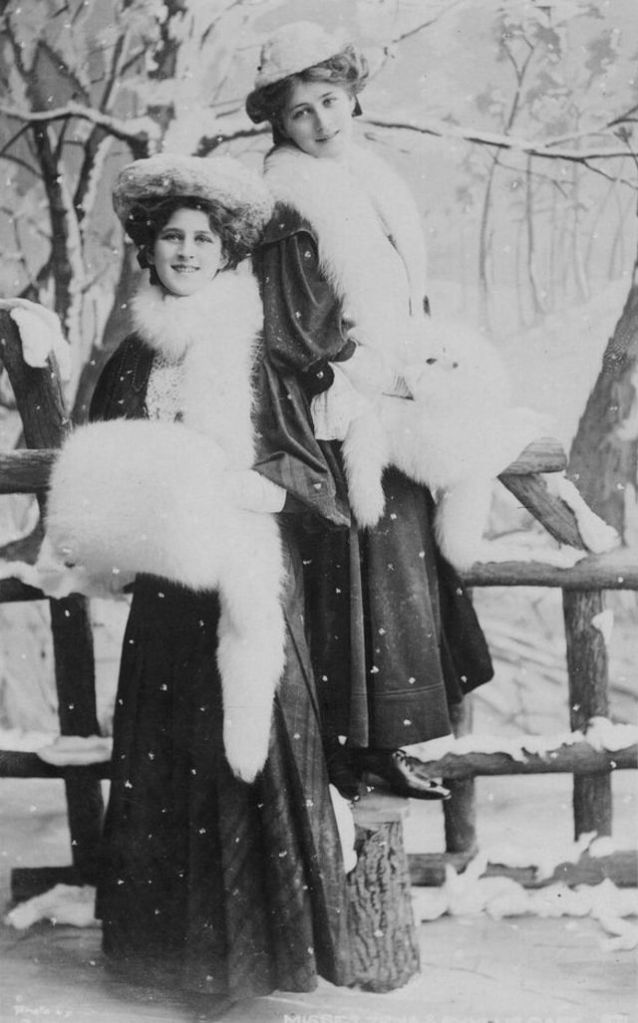
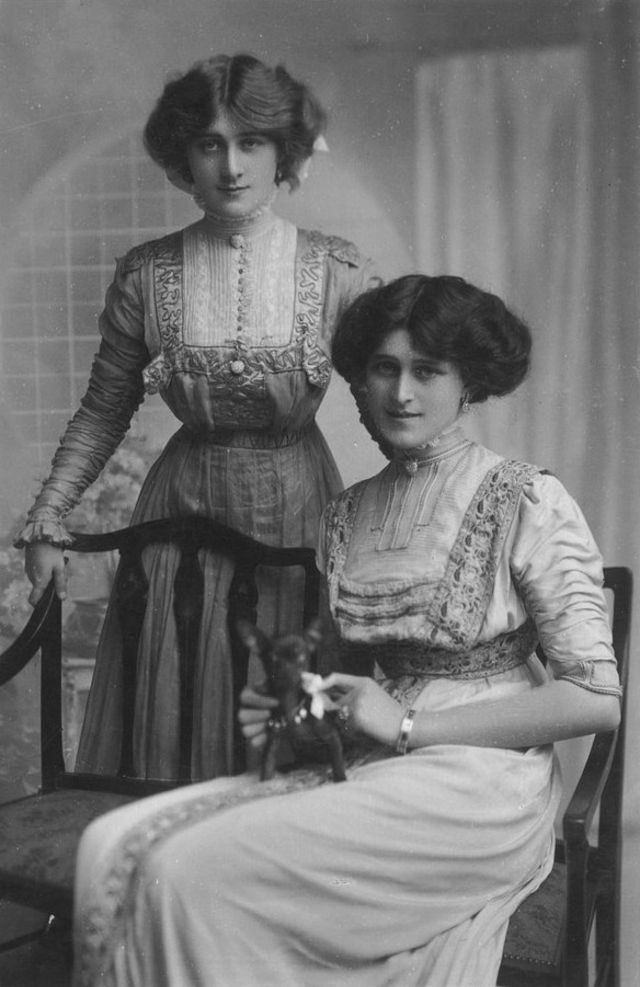
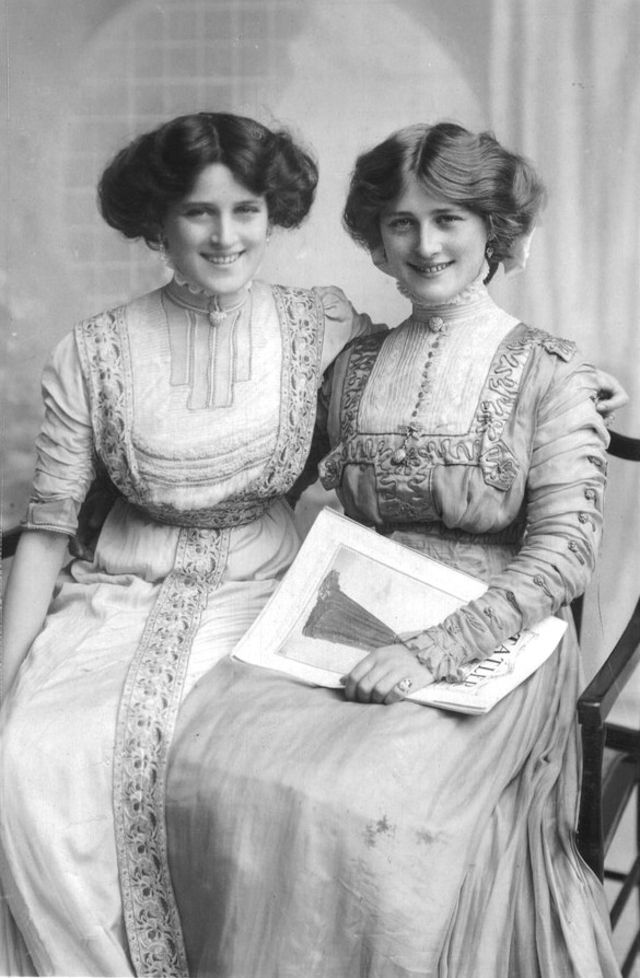
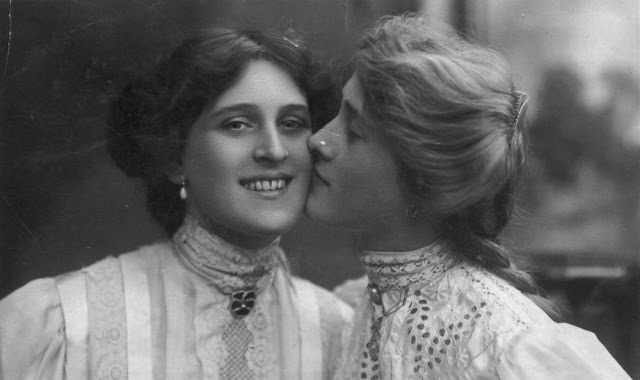
Two of the most stunning and popular actresses of Edwardian England were the sisters Dare, Phyllis (1890–1975) and Zena (1887–1975), who for decades delighted audiences in London’s West End and on tour. At the height of their fame, their likenesses graced hundreds of picture postcards, which were sold across the country. As a boy, the famed critic James Agate was said to have harbored a picture of Zena Dare in his school locker.
Daughters of a judge’s clerk, the sisters made their stage debut in 1899 in the pantomime Babes in the Wood. In 1900, Phyllis went on to make her first provincial appearance at the Theater Royal, in Manchester, in Little Red Riding Hood. She was then engaged by actor-manager Seymour Hicks to play at the Vaudeville Theater in London, where she charmed audiences in Bluebell in Fairyland and The Catch of the Season. Her big break came in 1906, when she took over the lead in the musical comedy The Belle of Mayfair after the renowned actress Edna May left the show. Though she was triumphant in the role, Phyllis’ success was short-lived because she had also signed a contract to appear in an Edinburgh Christmas pageant. (The lead in The Belle of Mayfair was subsequently taken over by Billie Burke.)
In 1909, after her appearance in Edinburgh and a tour in The Dairymaids, Phyllis appeared in the highly acclaimed Robert Courtneidge musical comedy The Arcadians, which played 809 performances at the Shaftesbury Theater. In 1911, the legendary theatrical manager George Edwardes tapped her for the title role in Peggy. During the run of the show, Phyllis recorded “Ladies Beware” for the fledgling recording company, His Master’s Voice. She also recorded four songs from the show Tina, which opened at the Adelphi in 1915. Her career continued throughout the war years, both in variety and review. In 1919, she was in Kissing Time, followed by The Lady of the Rose, The Street Singer, and The Maids of the Mountains. During the 1930s and 1940s, she appeared in show after show, straight comedies as well as musicals.
Phyllis Dare never married, though at age 22, while playing in The Sunshine Girl, she met and fell in love with the show’s composer Paul A. Rubens. The couple announced their engagement, but Rubens fell ill with tuberculosis. With no hope of recovery and not wanting to burden Phyllis, he broke off the engagement. He died in 1917, at age 40.
Zena Dare’s career paralleled her sister’s. As a young girl, she appeared in pantomime in Scotland, toured in An English Daisy, and played Cinderella at the Shakespeare Theater in Liverpool. In 1904, she was cast in her first adult role in Seymour Hicks’ The Catch of the Season, a part originally intended for Hicks’ wife Ellaline Terriss, who temporarily retired due to pregnancy. A great success, the show ran for 621 performances, although after a year Zena was replaced by her sister Phyllis because of another contract commitment. Like Phyllis, Zena also worked for George Edwardes, playing in the musicals Lady Madcap, The Little Cherub, and The Girl on Stage. In 1906, she rejoined Seymour Hicks, playing a variety of roles, including Victoria Siddons in The Gay Gordons and Peter Pan.
In 1911, at the peak of her success Zena retired from the stage to marry Maurice Brett, second son of the second Viscount Esher. They had a son and two daughters. Zena returned to the stage in 1926, at age 39. Rather than continuing in musicals, she enjoyed great success in straight roles, including Mrs. Cheyney in The Last of Mrs. Cheyney and a role opposite Noel Coward in The Second Man. In 1926, she formed her own company and toured South Africa. On her return, Zena teamed with Ivor Novello in Proscenium, in which she enjoyed her greatest success since her preretirement musical days. She also paired with Novello in 1936, playing the Manager of a beauty parlor in his musical Careless Rapture. The Times of London described her roles with Novello as “exactly suited to her years and to her bent for mild caricature.”
In 1940, Zena and Phyllis appeared together on stage in a tour of a revival of Novello’s Full House. Zena followed this with a comic performance of Lady Caroline in a revival of Dear Brutus, after which she took the role of the Red Queen in Alice through the Looking Glass. In 1949, the sisters were joined again on stage in Novello’s musical King’s Rhapsody, with Zena playing Novello’s mother and Phyllis his mistress. An enormous success, the play even ran seven months after Novello’s death in 1951. Following King’s Rhapsody, Phyllis retired to Brighton, at age 61. Zena remained on stage for another ten years, in a variety of popular plays, including Sabrina Fair, Double Image, and Nude with Violin. Her last appearance was as Rex Harrison’s mother, Mrs. Higgins, in My Fair Lady, which opened in April 1958 and played in London for five years before going on tour. Zena retired in 1965 and died on March 11, 1975. Six weeks later, on April 27, her sister Phyllis also passed away.









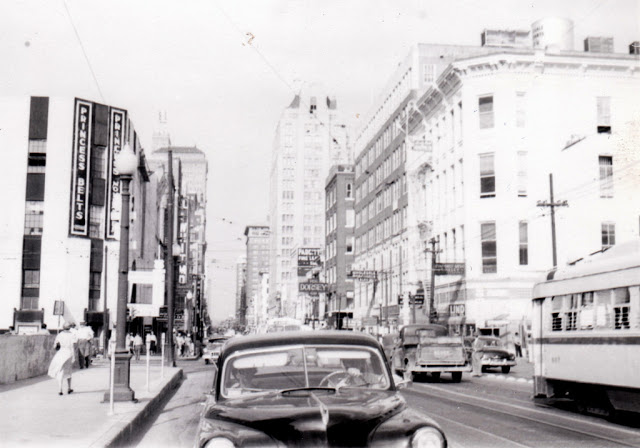
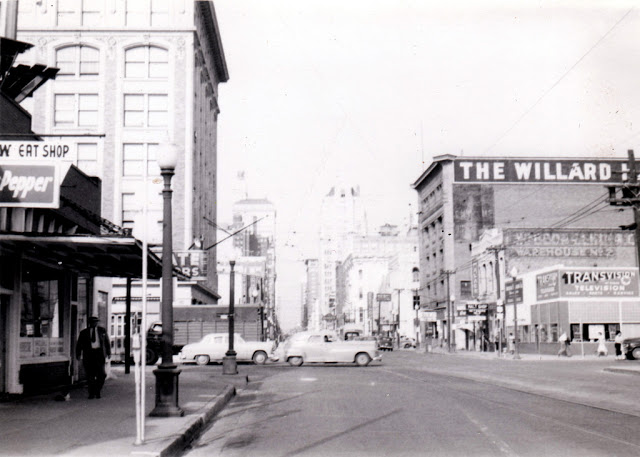
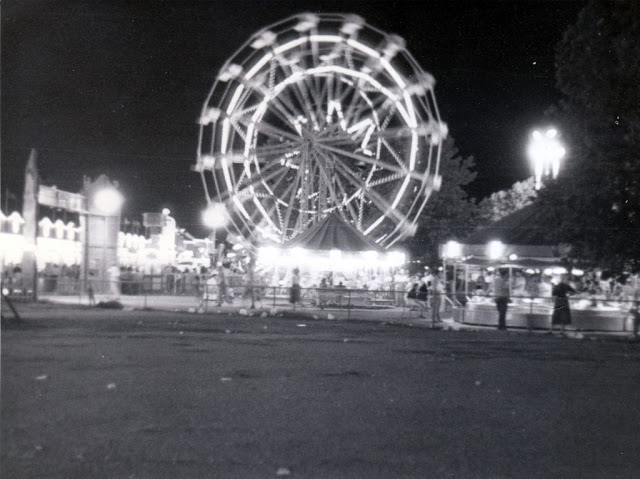
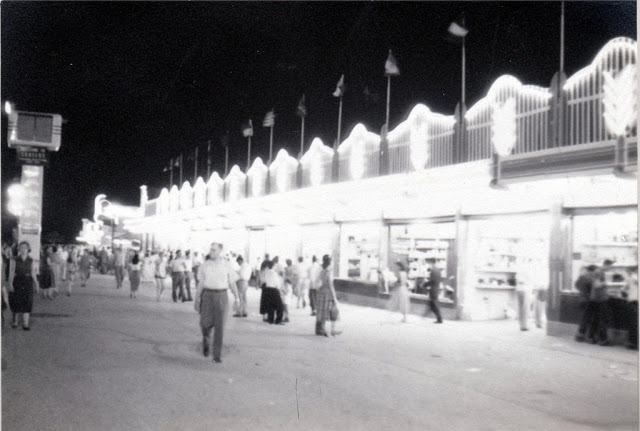
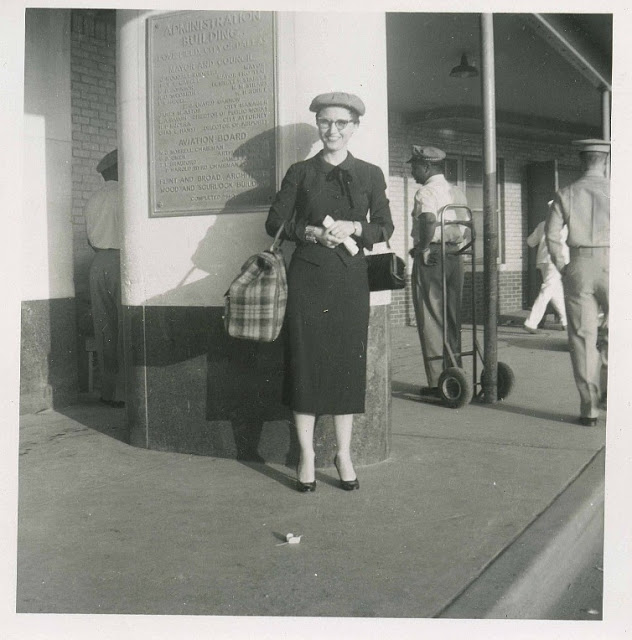
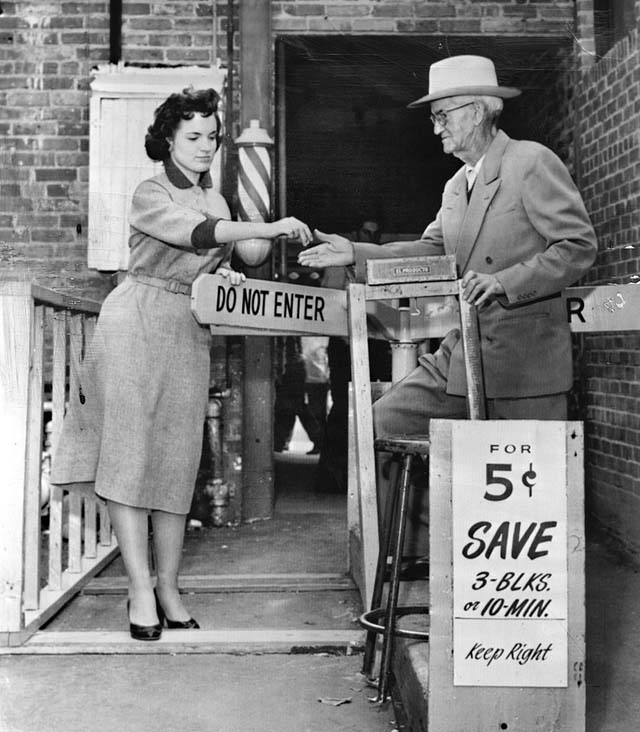
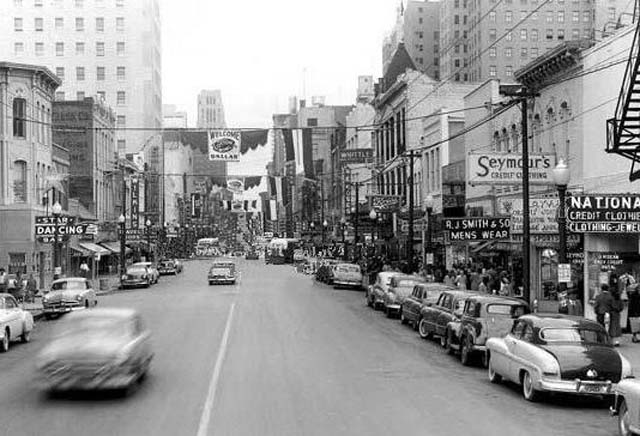
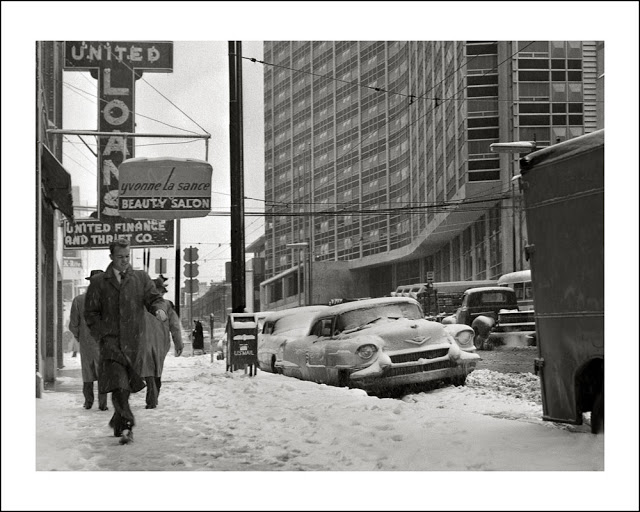
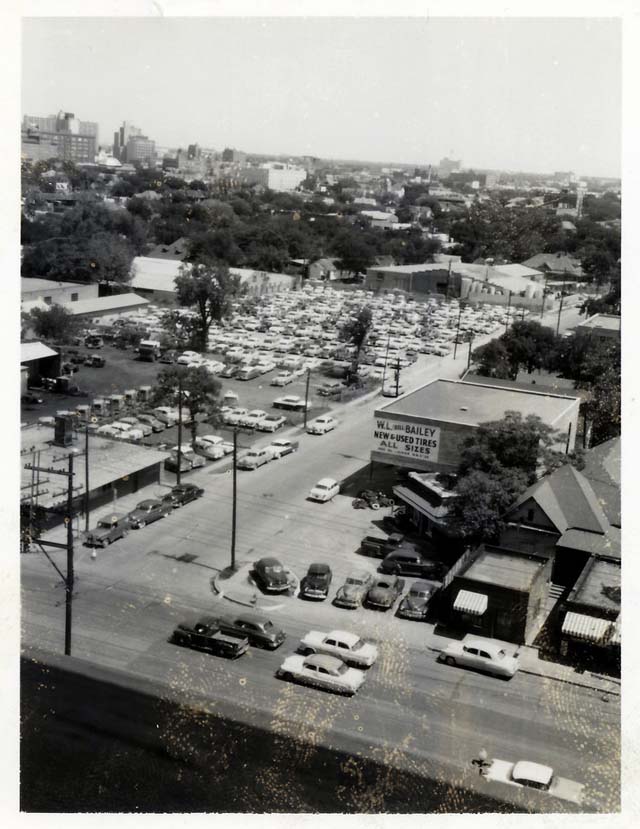
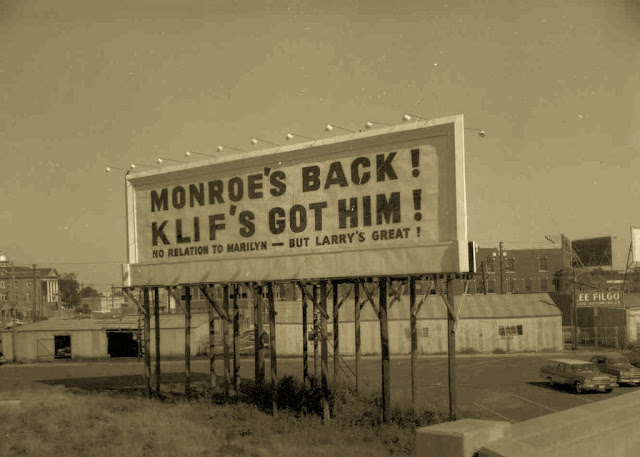
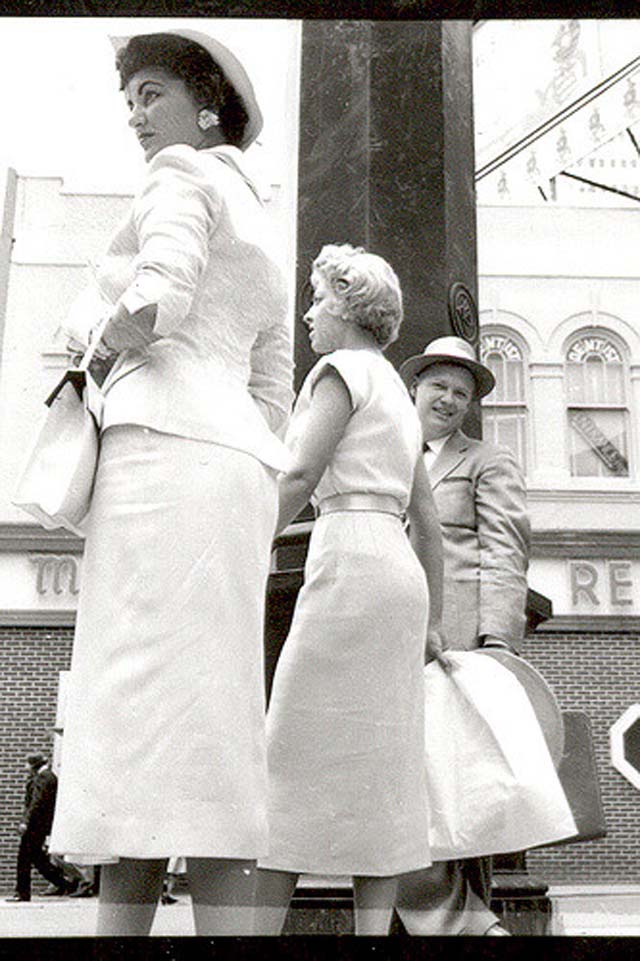
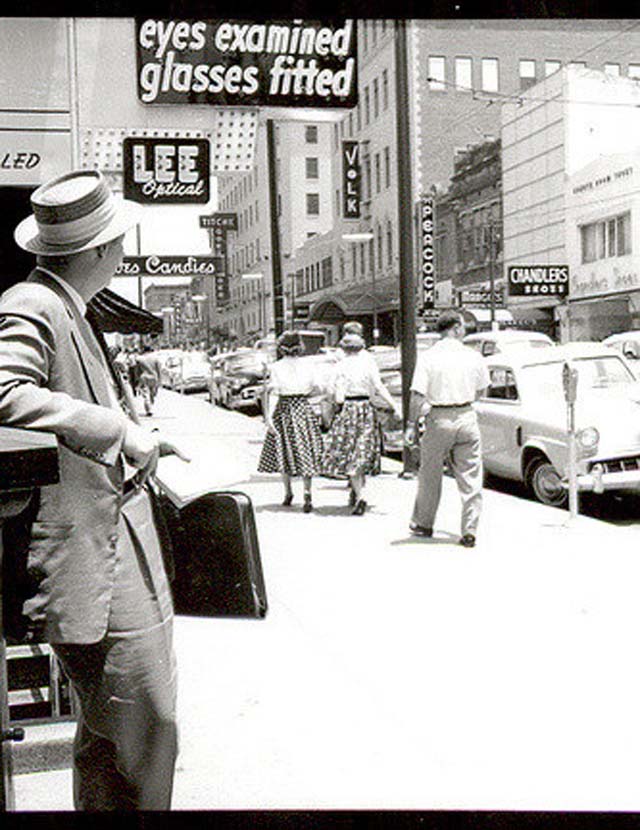
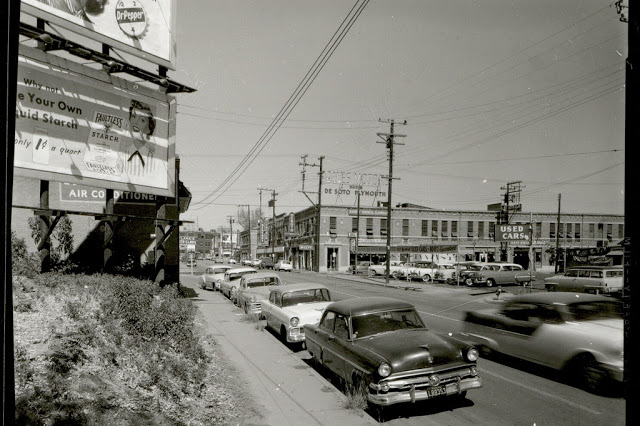
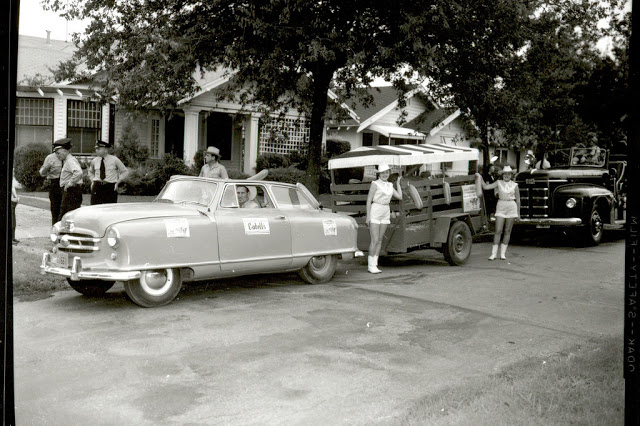
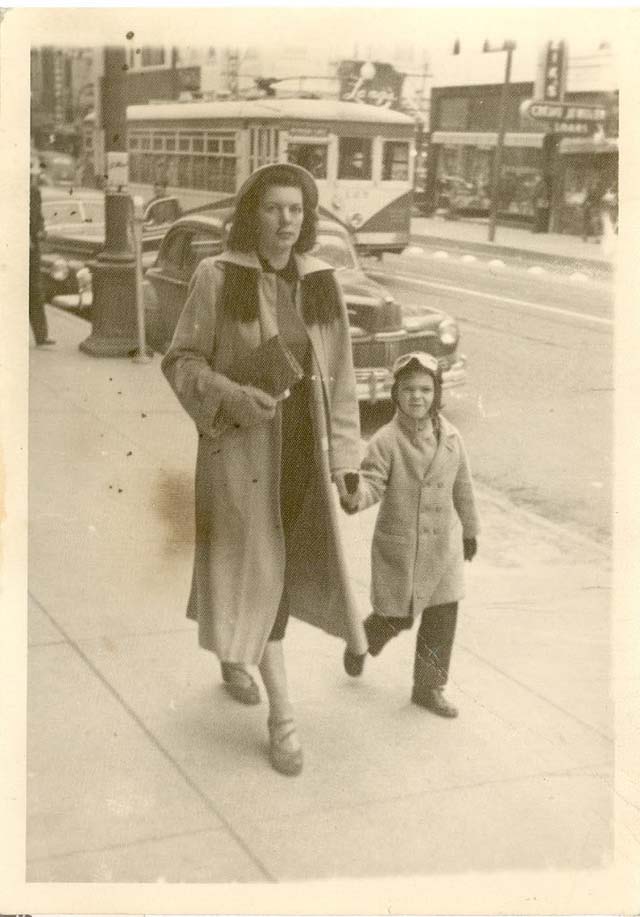
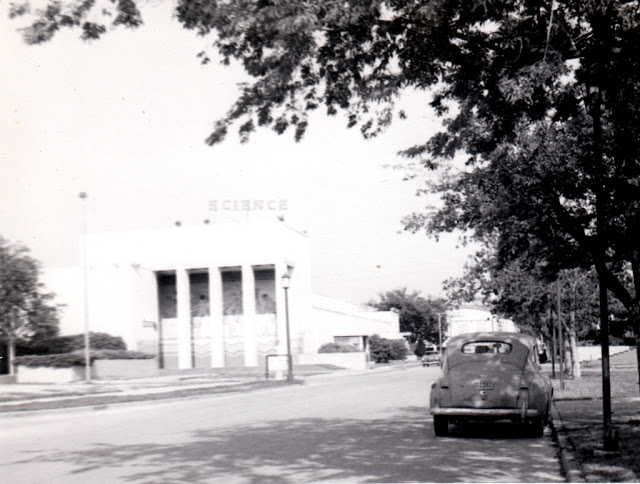
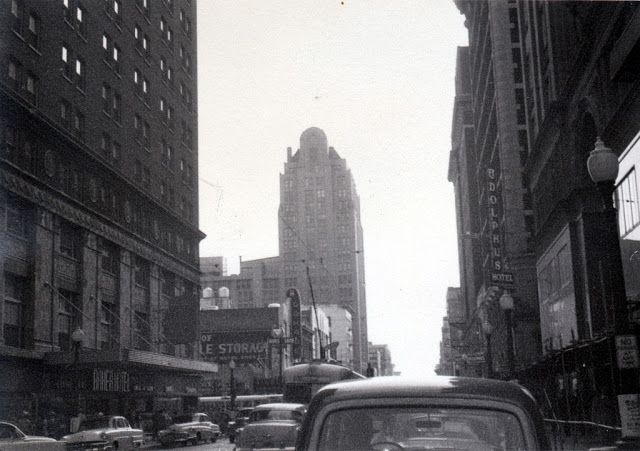
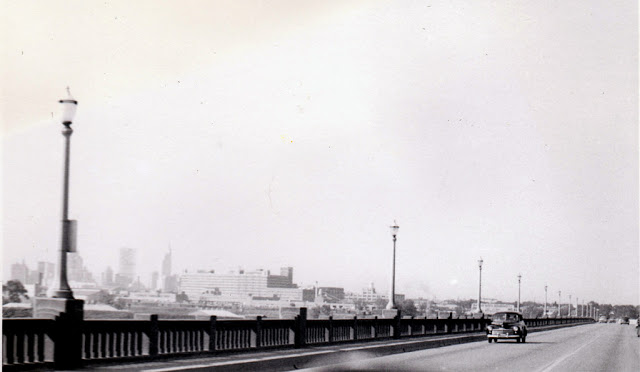
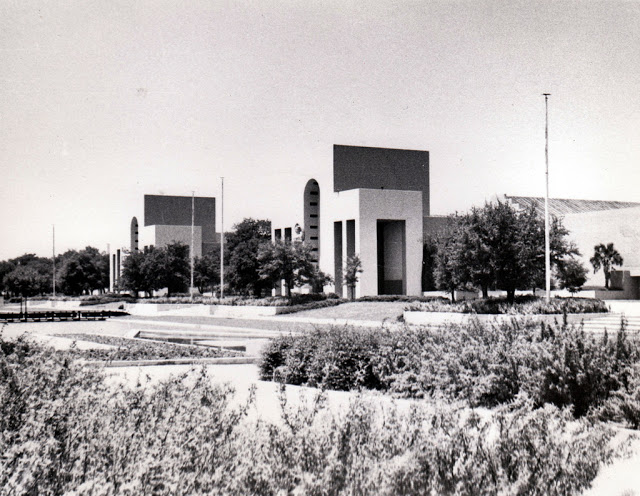
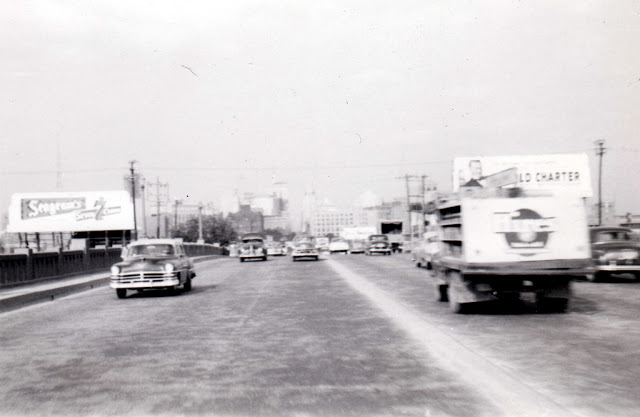
Dallas is a major city in the state of Texas and is the largest urban center of the fourth most populous metropolitan area in the United States.
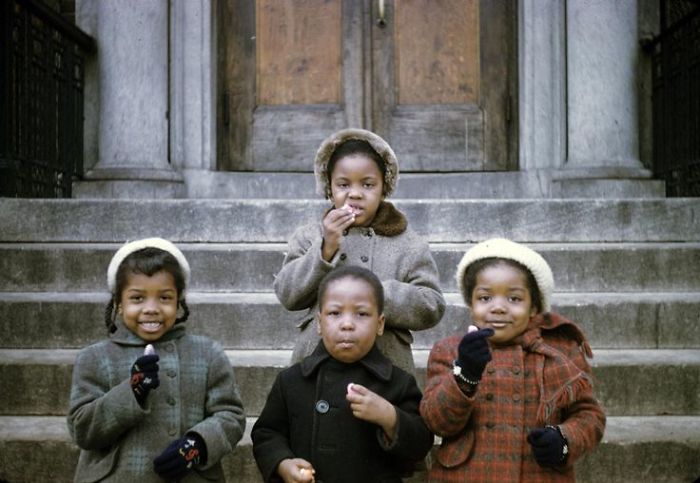
Here below are vintage images capturing everyday life of this city in the 1950s.











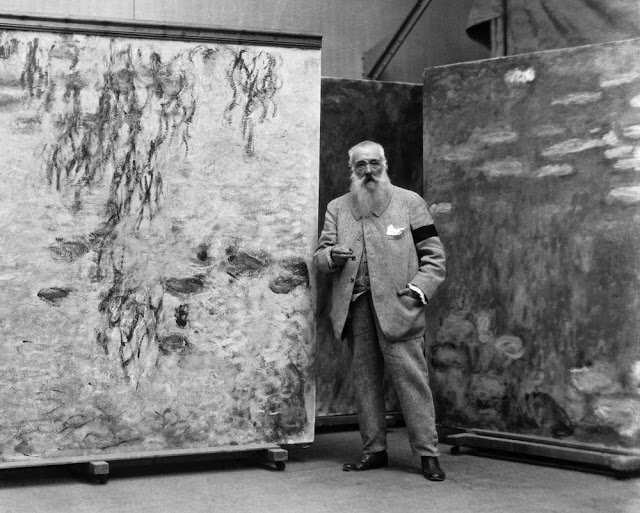
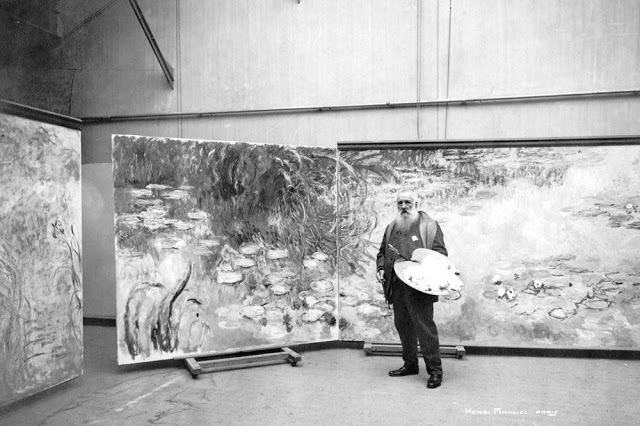
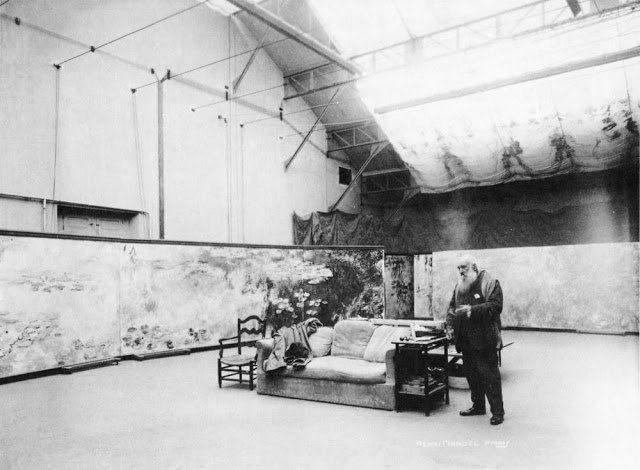
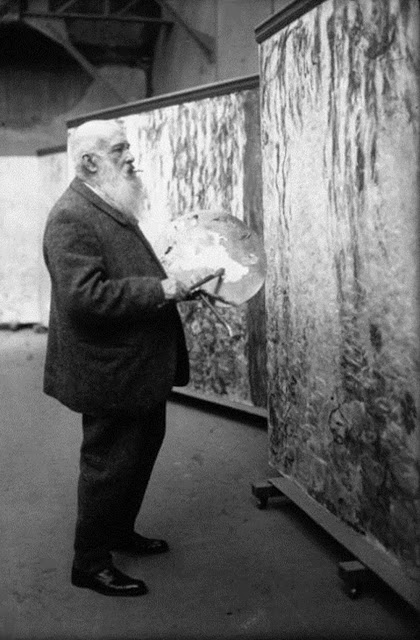
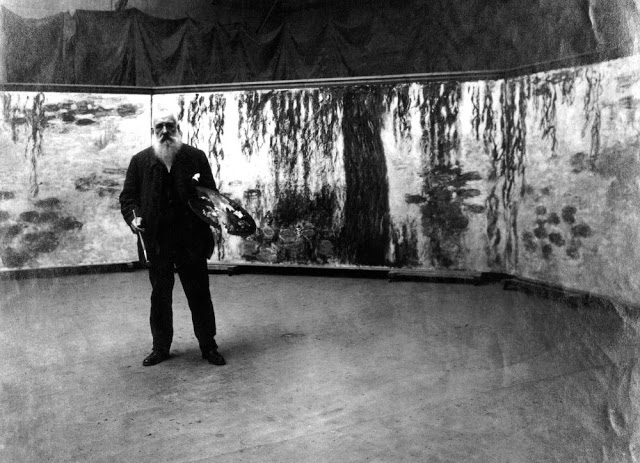
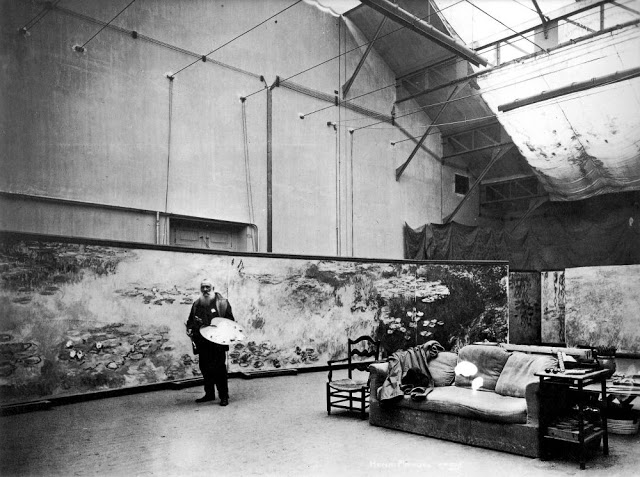
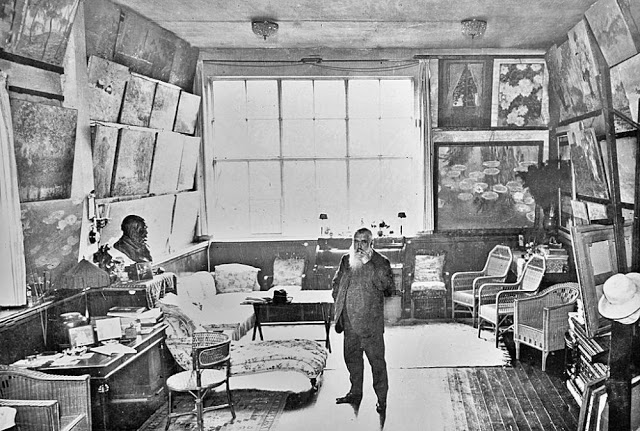
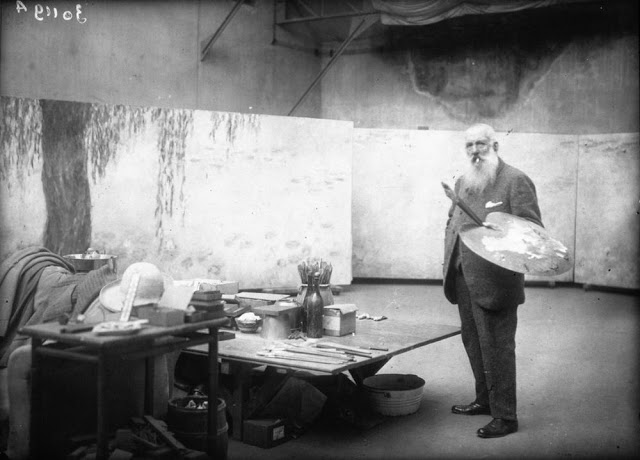
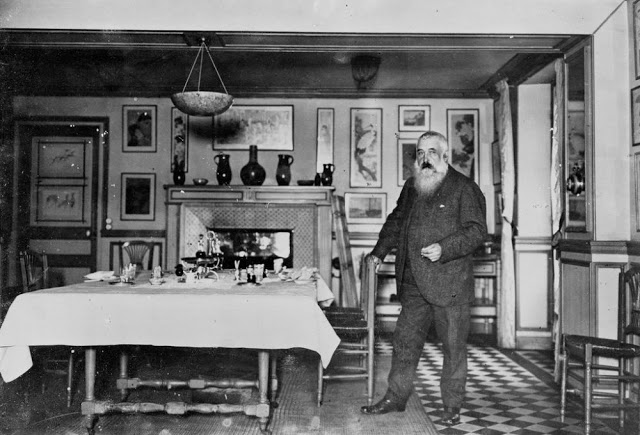
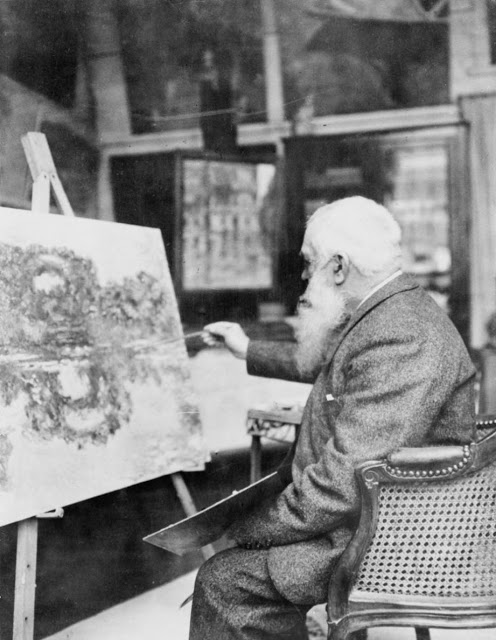
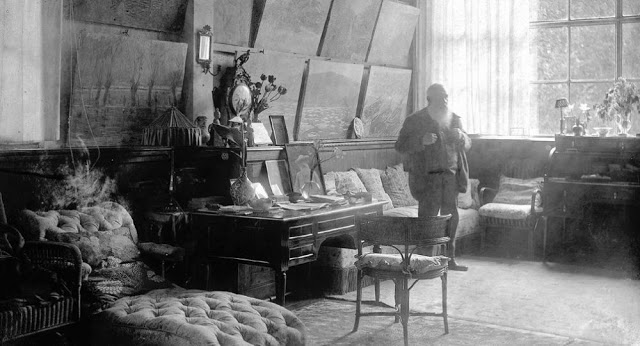
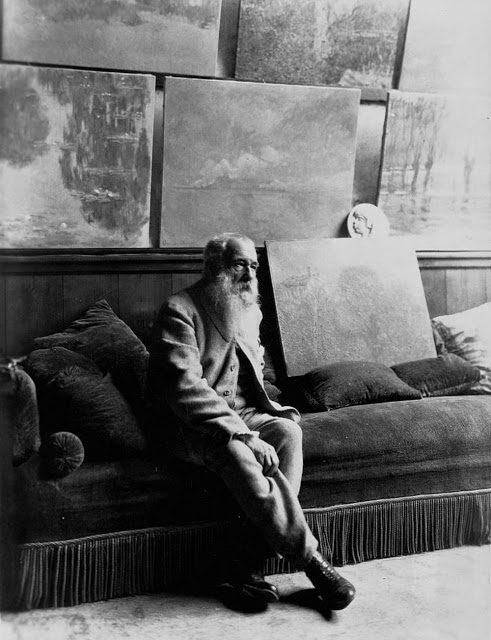
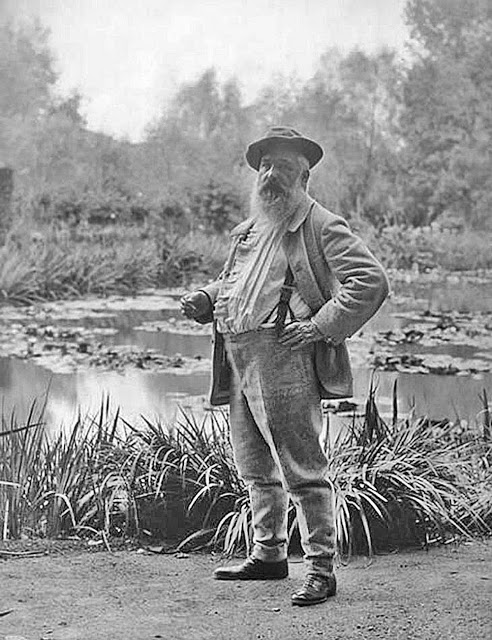
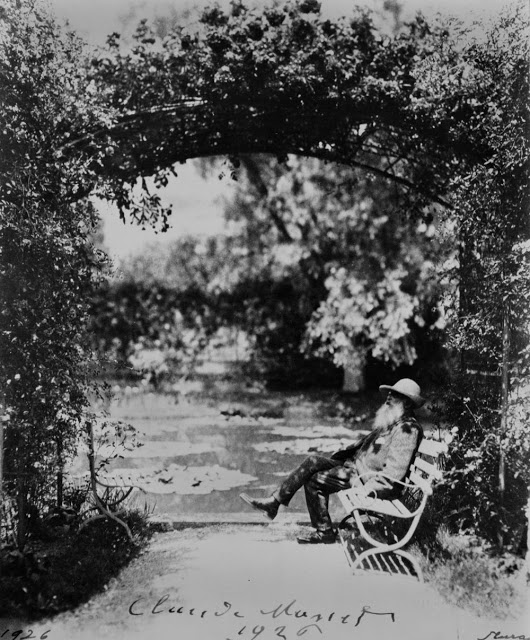
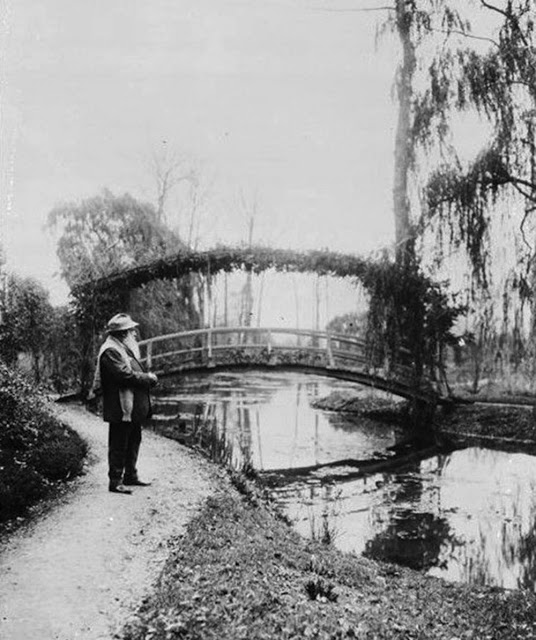
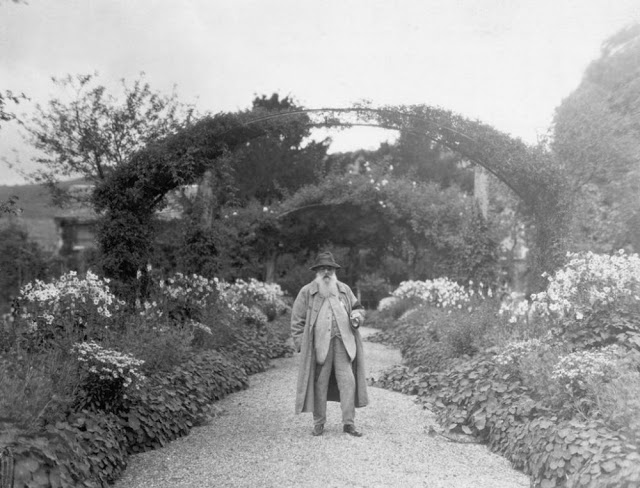
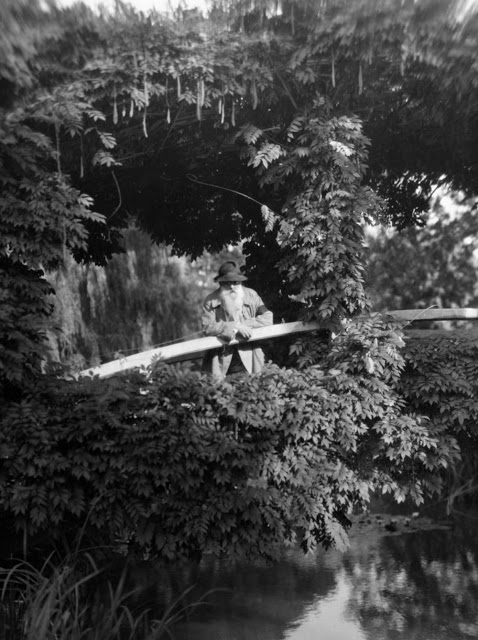
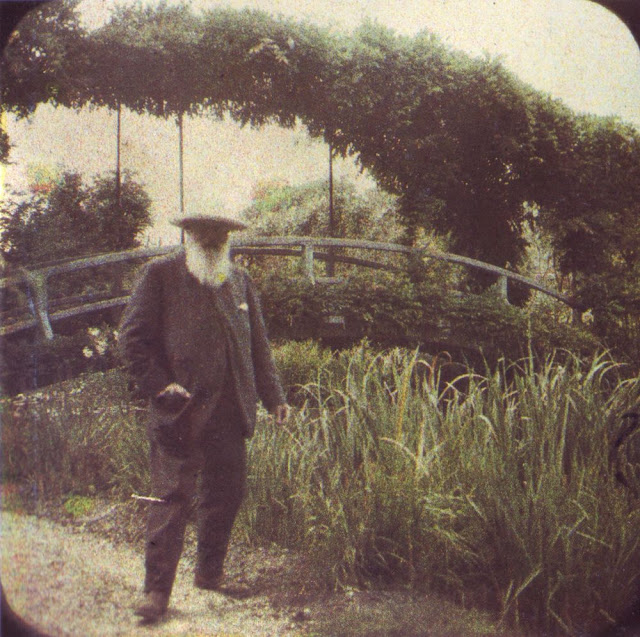
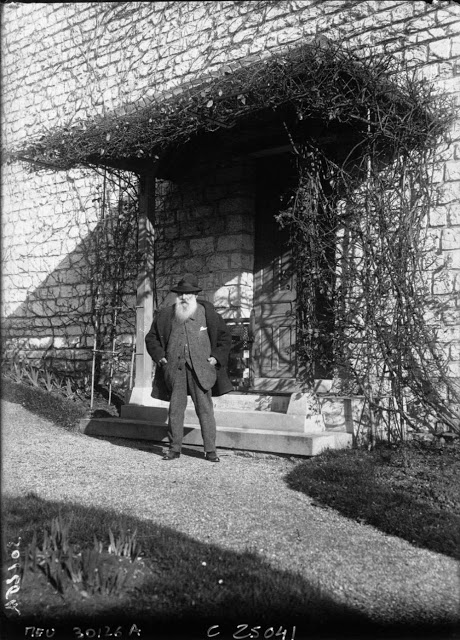
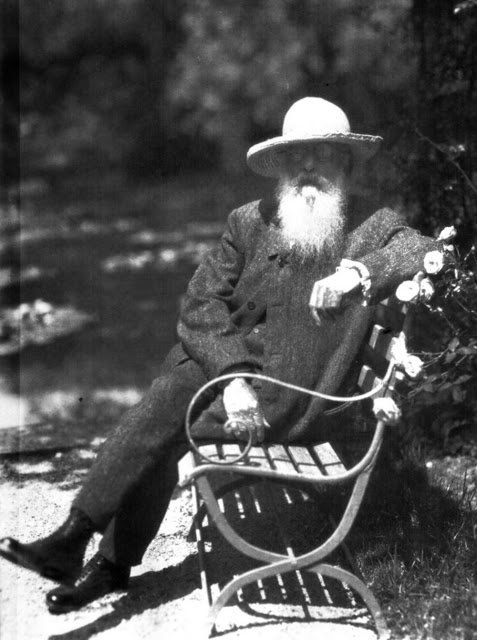
Claude Monet is the founder of the Impressionism, and he’s the key figure which allows us to understand the transformation process occurred from the second half of 19th century to the early 20th century. Monet’s works still arouse immense enthusiasm among his many fans, and the success of exhibitions displaying his paintings is guaranteed.
Claude Monet was born in Paris on 14 November 1840, but he spent his early life in Le Havre, where he drawed caricatures and he was noticed by E. Boudin, who convinced him to devote himself to landscape painting.
In 1859 Monet moved to Paris, where he discovered the painting by Delacroix, Daubigny and Corot, and he met Pissarro, Bazile, Sisley, and Renoir. Together with those painters, Monet began painting “en plein air” in Fontainebleau wood.
During his early years of his career, Monet didn’t enjoy good moments, especially due to his lack of money, and in 1869 his creditors confiscated all the canvas he had. Monet wasn’t able to paint because he didn’t have his colors.
Monet’s landscapes, painted with a meticulous attention to the reflection of the light on the water, represented the first works of the Impressionism. His 1872 painting “Impression. Soleil levant” (“Impression. Sunrise”), exhibited in 1874, gave the name for the new artistic movement: Impressionism.
Claude Monet made a careful study of the laws of physics which form the basis for perception of the light and color in human eyes. He depicted the same scene many times in order to capture the changing of light that could be seen only by the painter at the moment he painted.
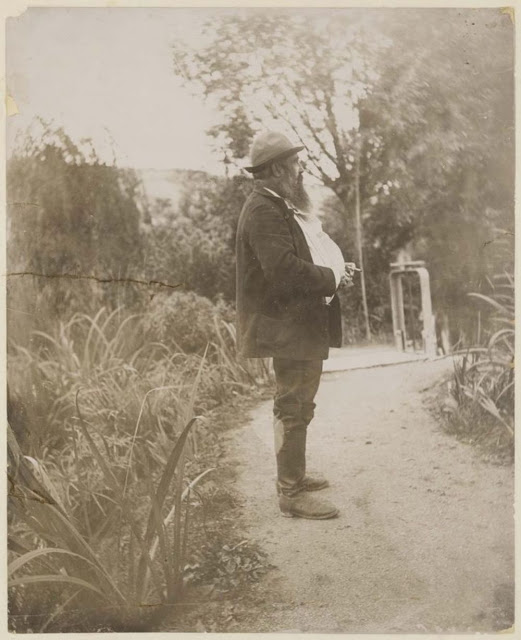
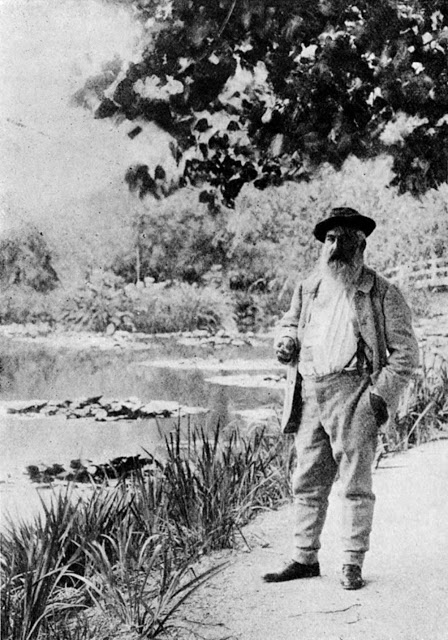
In 1883 Monet moved to Giverny, Normandy. There he created a garden and his refuge, or simply he created his own world, which would become his favorite subject of his paintings. Monet lived in Giverny more than 40 years and he used his garden along with its plants and its flowers to produce great masterpieces.
He died in 1926.

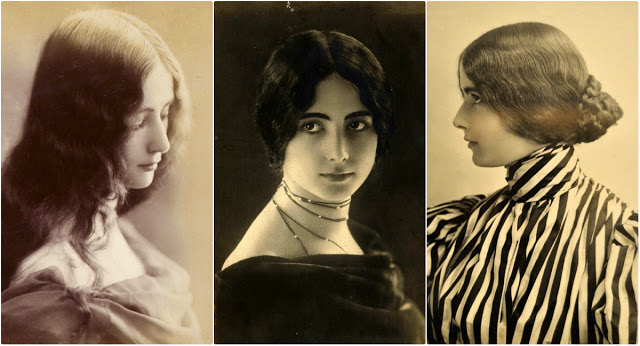
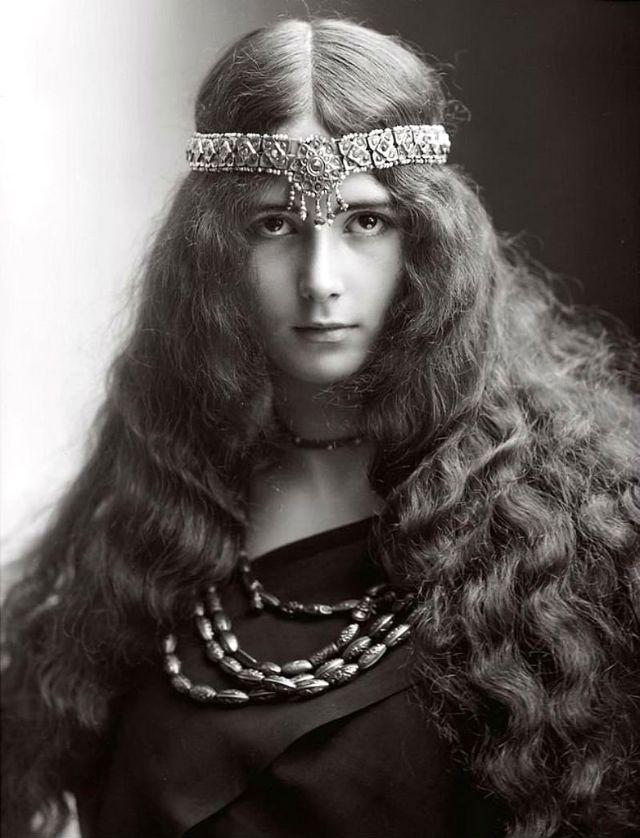
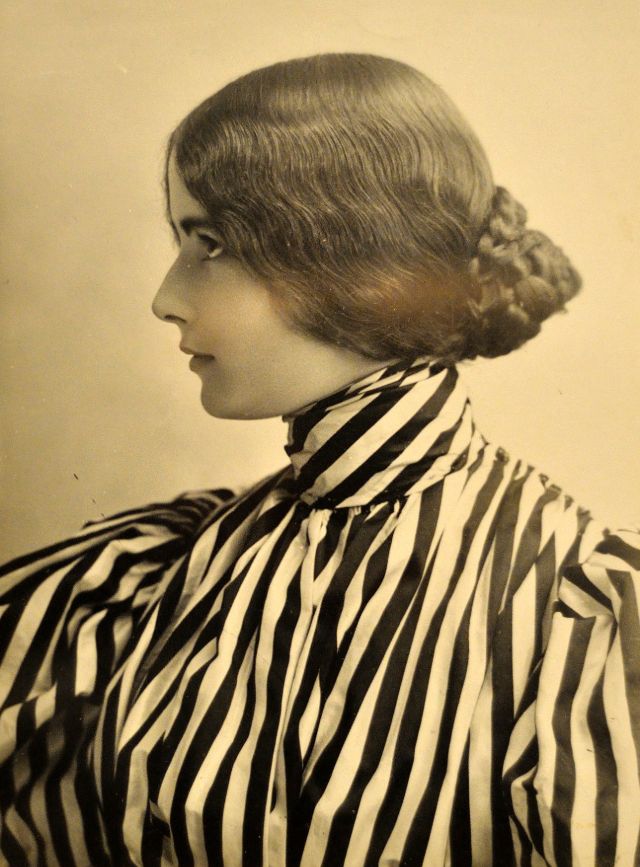
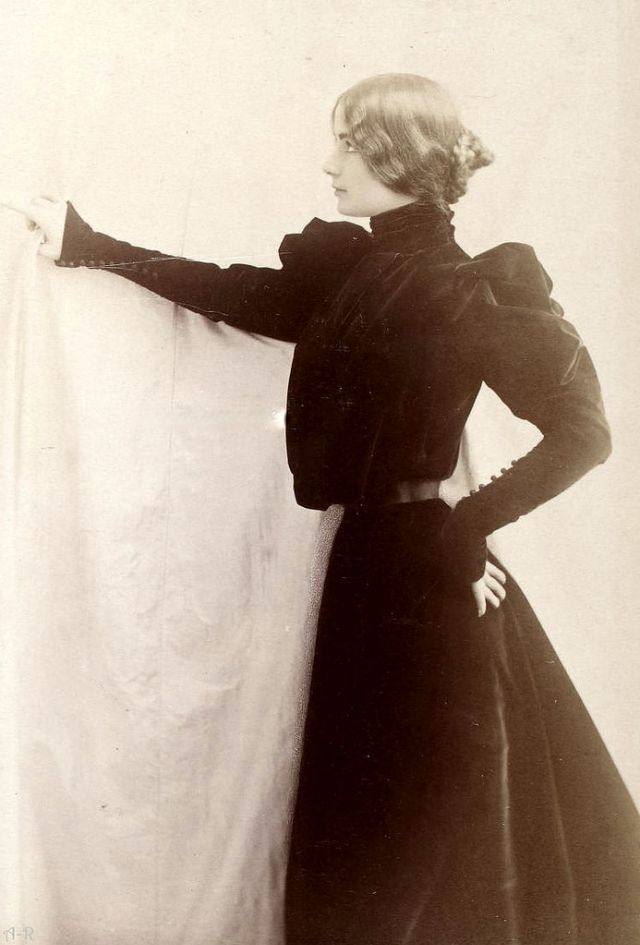
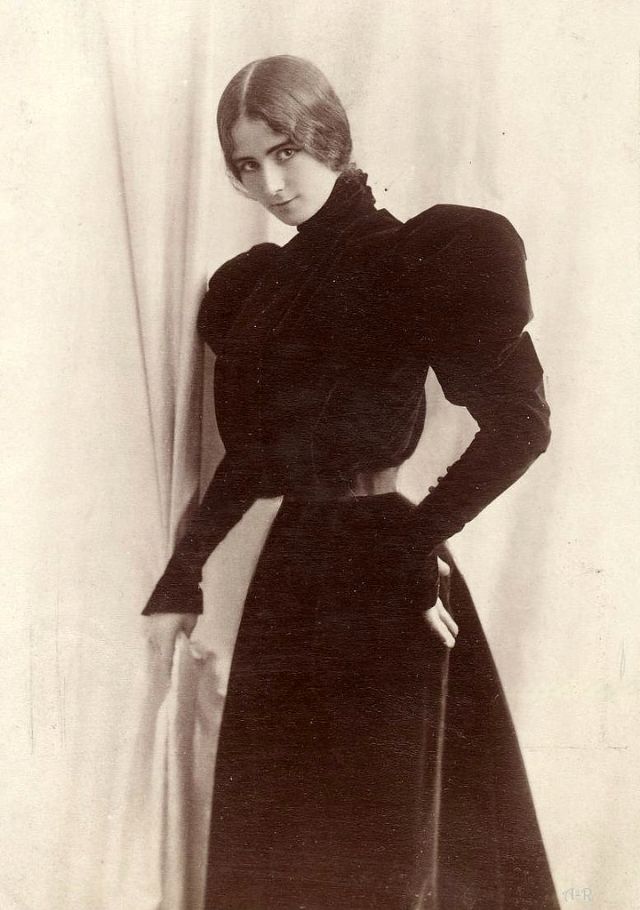
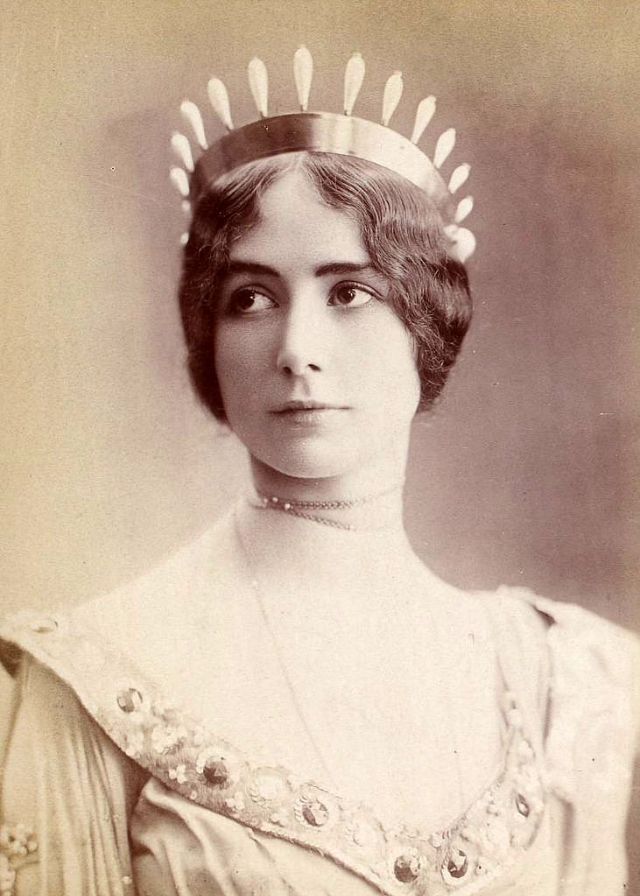
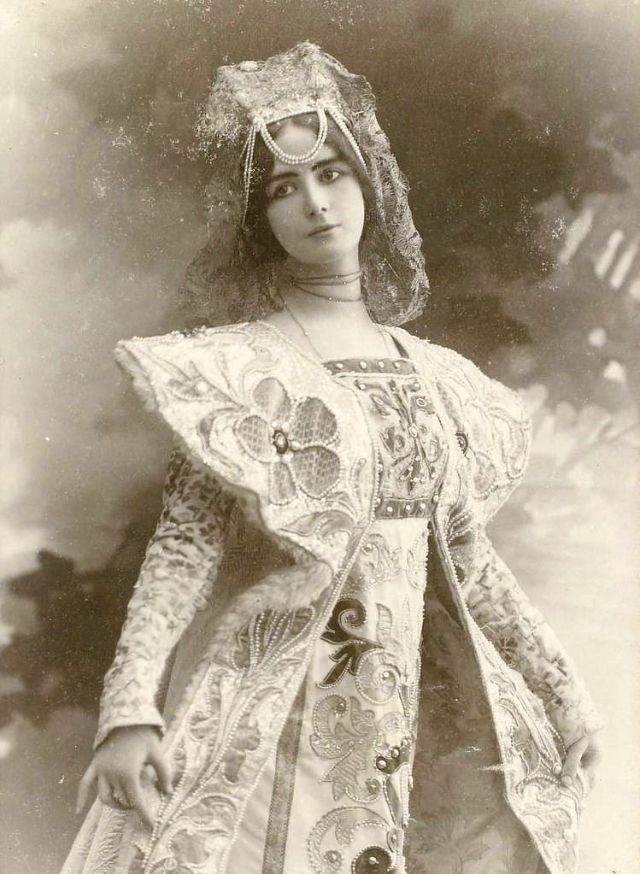
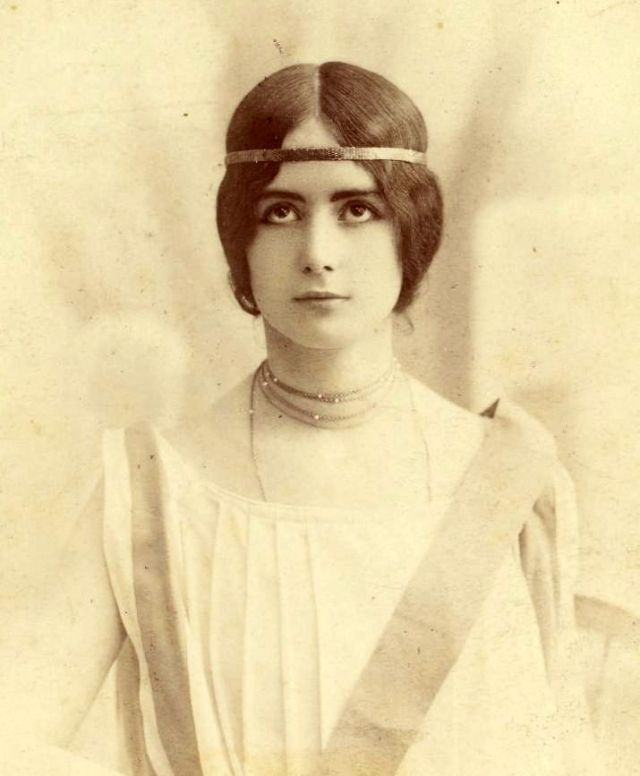
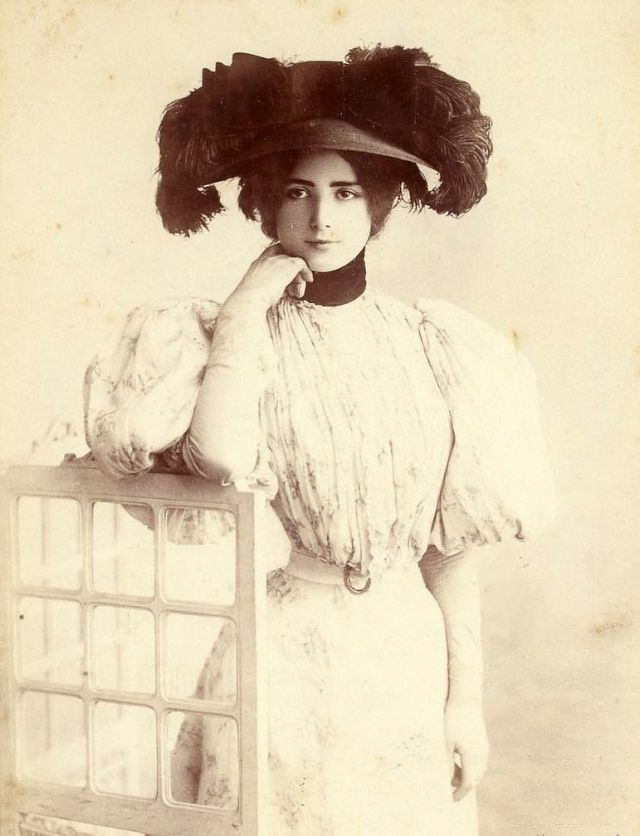
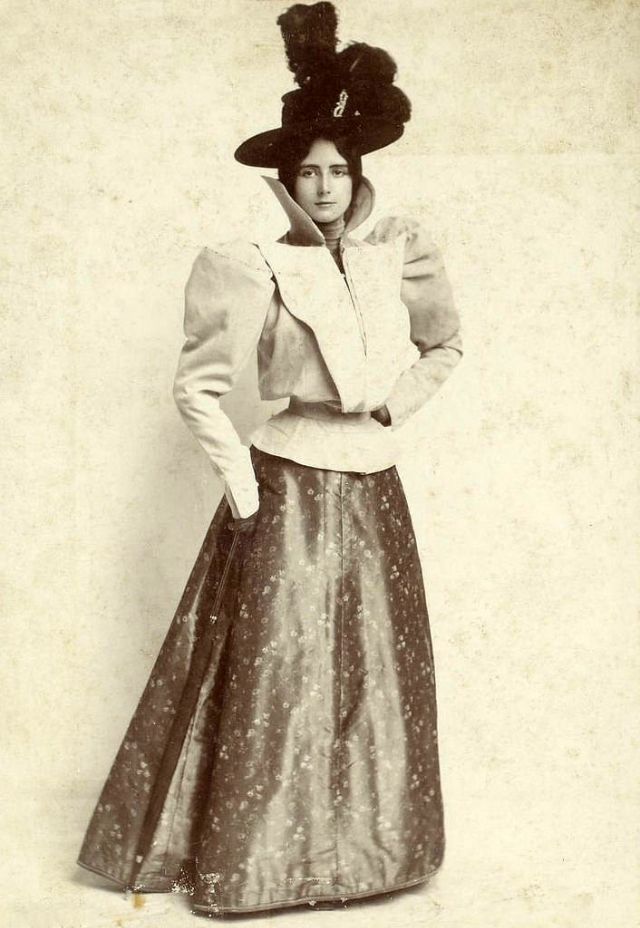
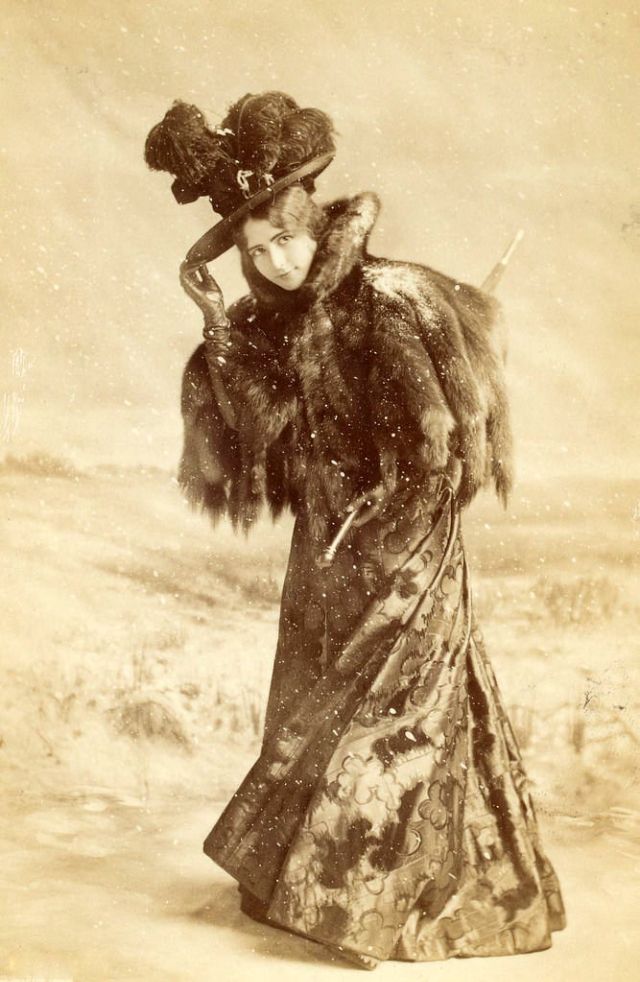
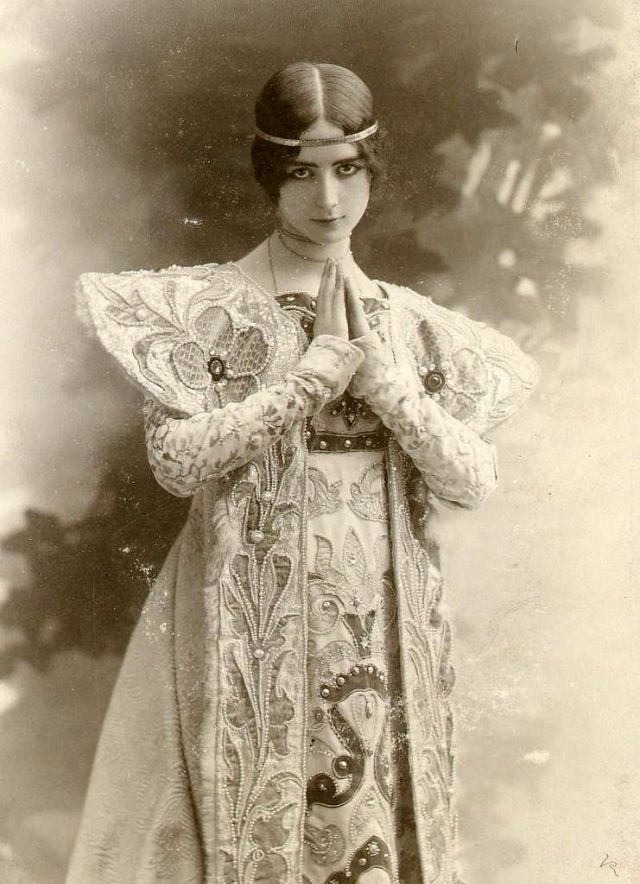
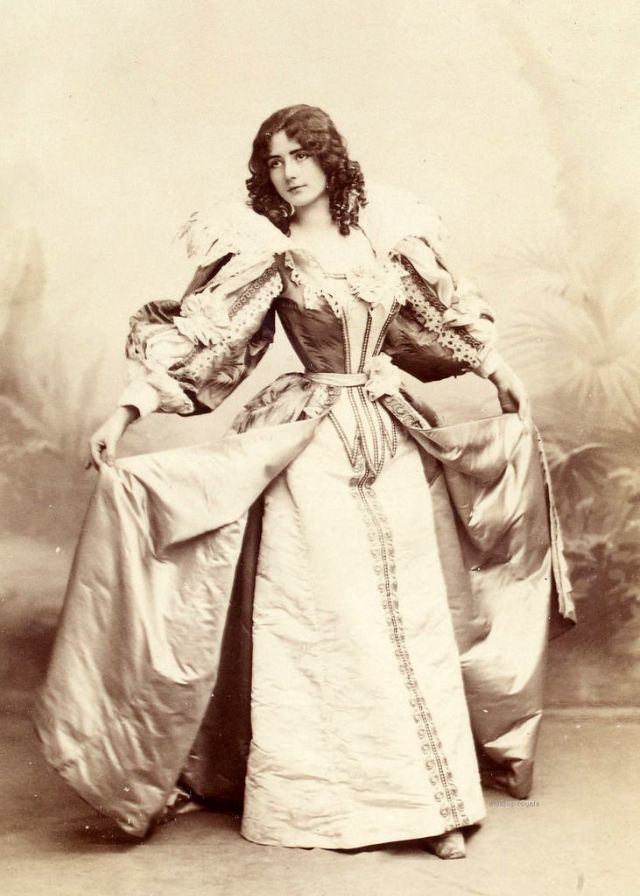
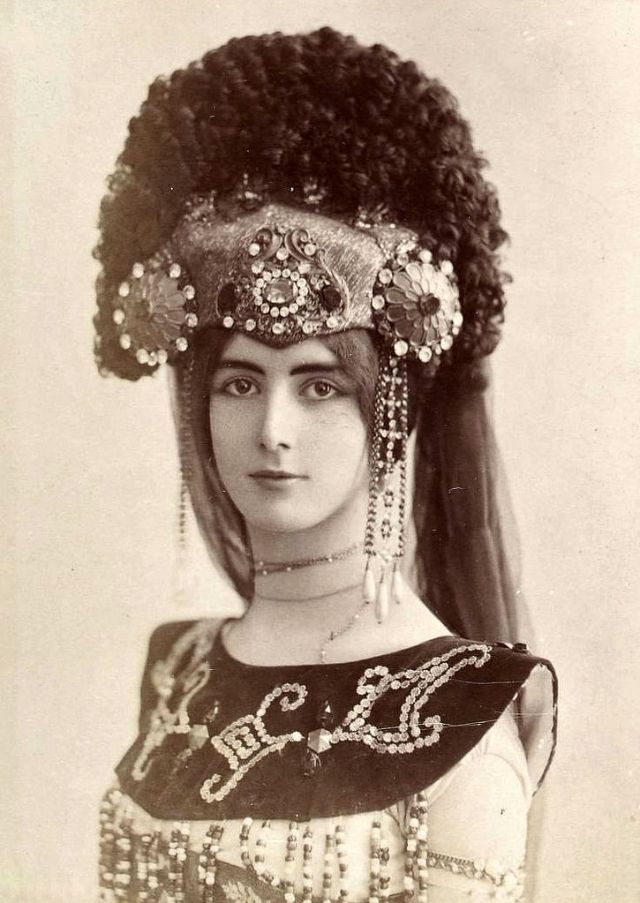
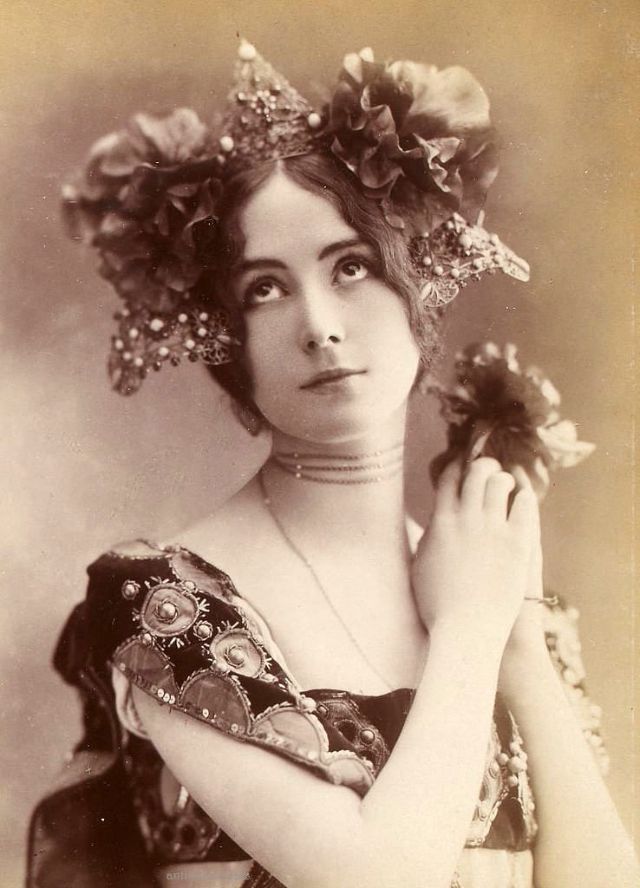
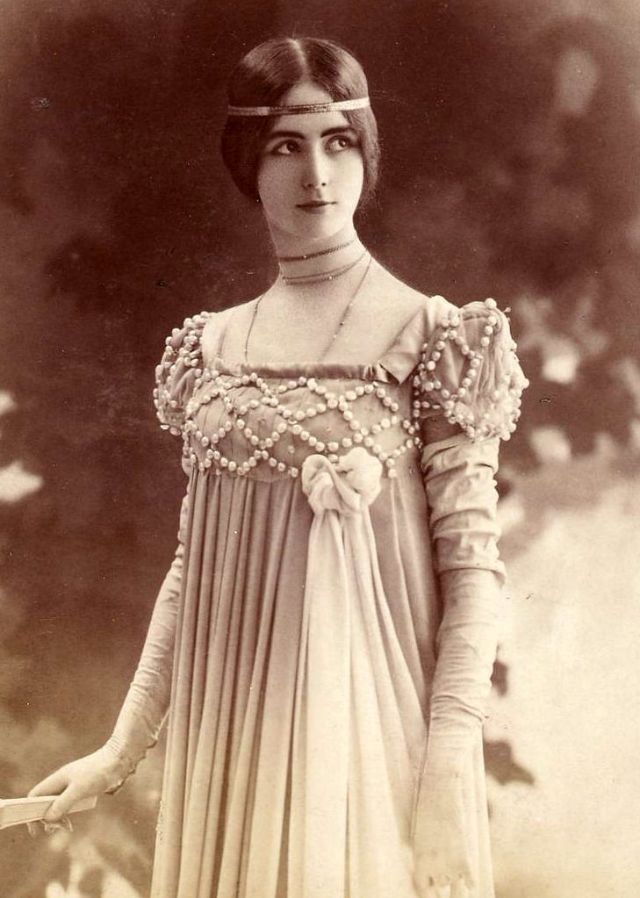
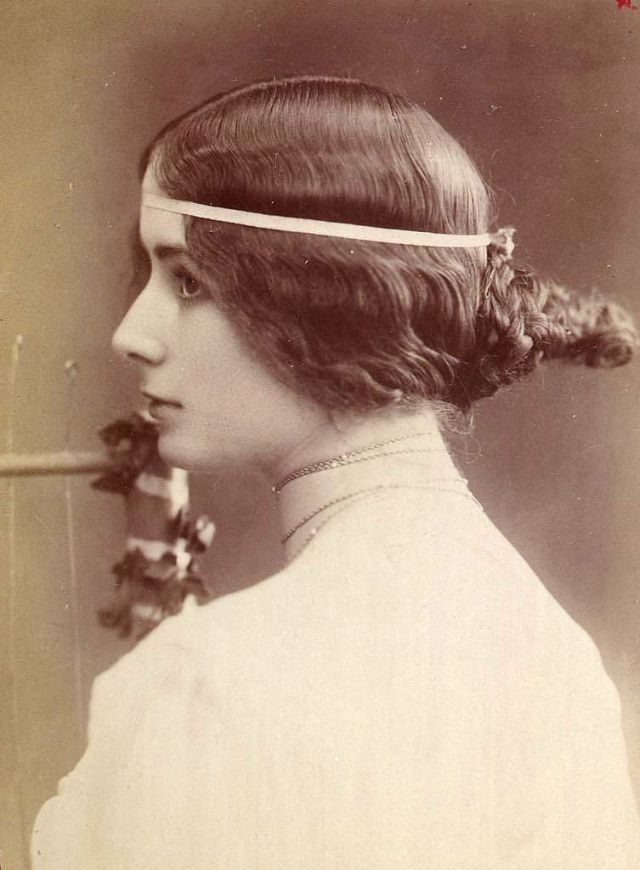
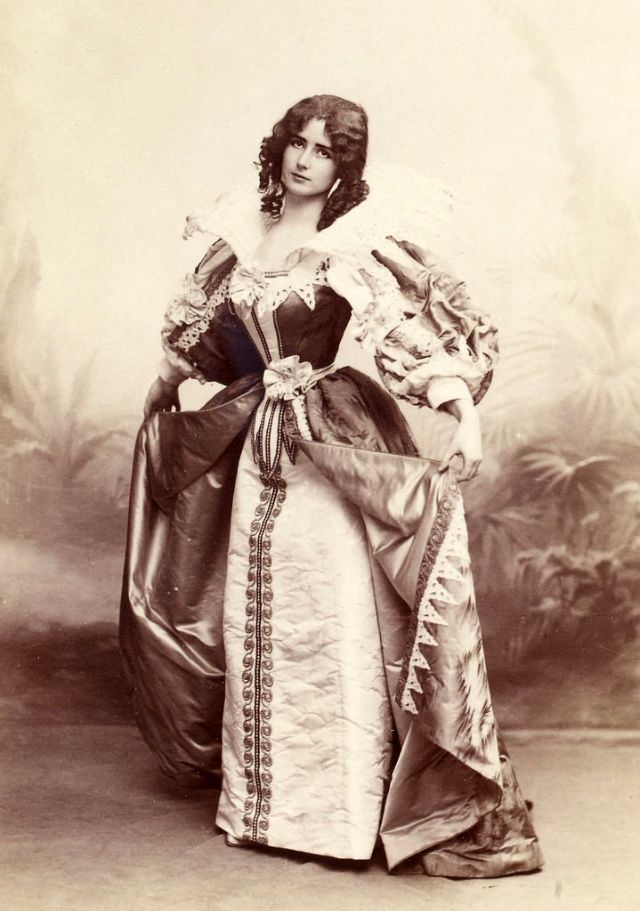
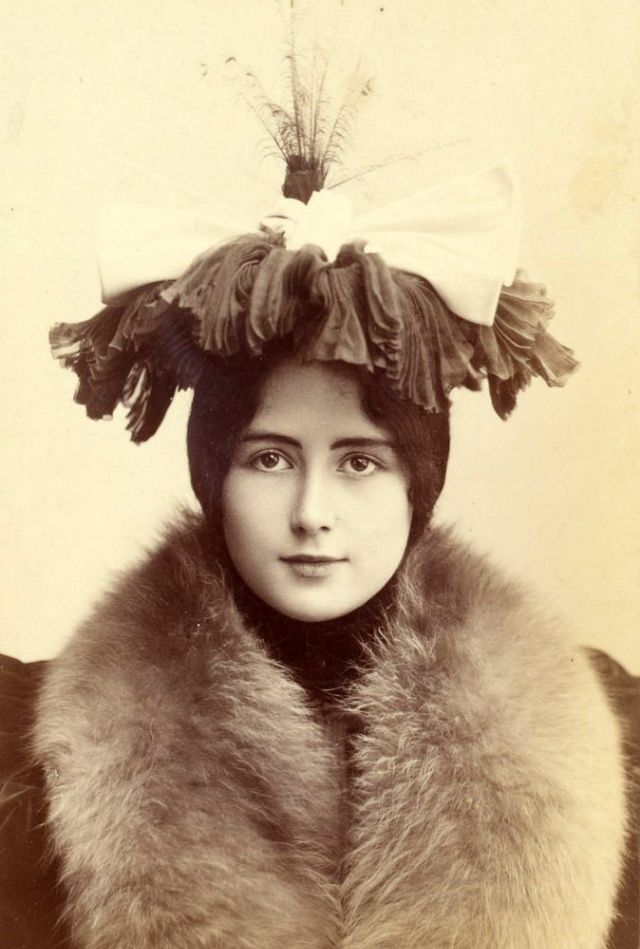
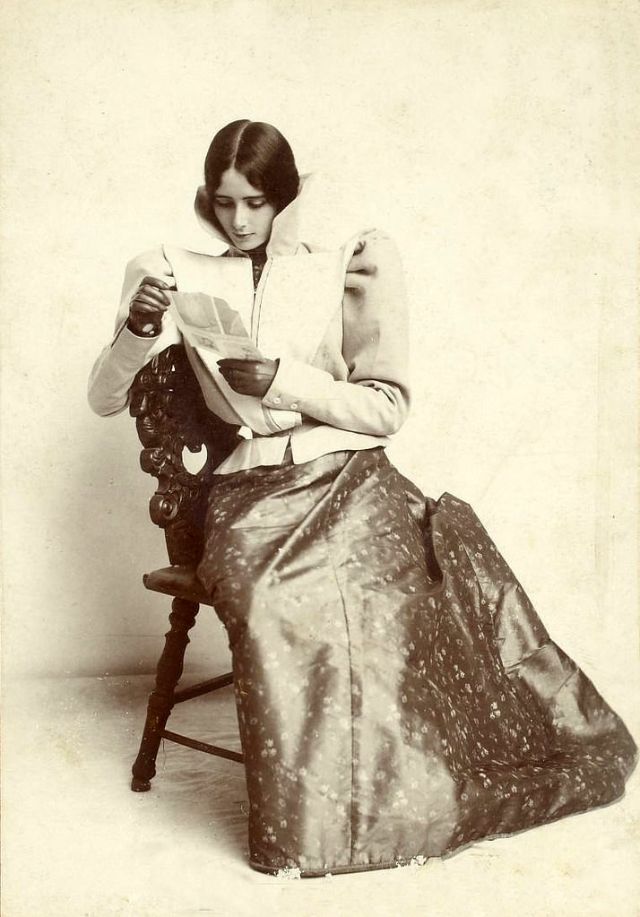
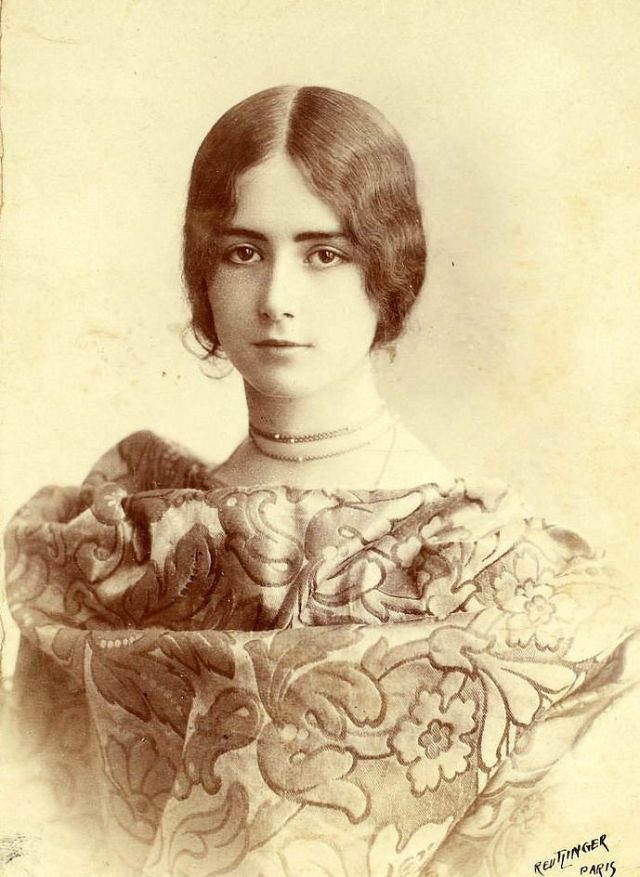
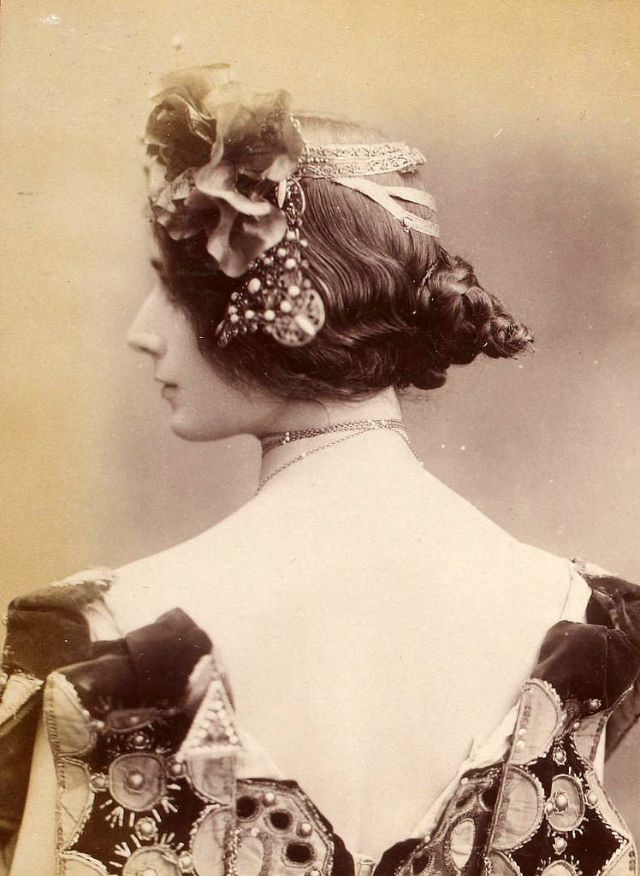
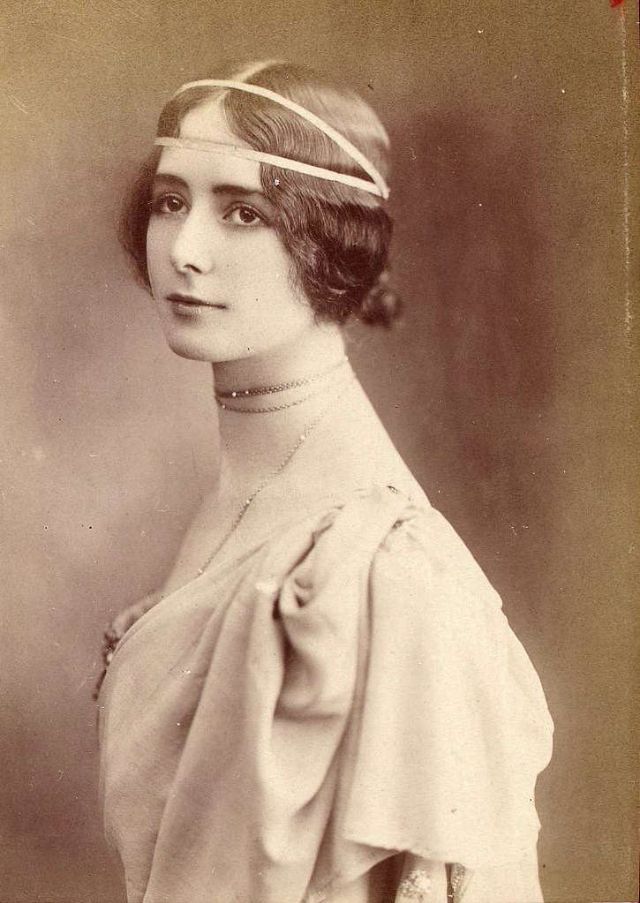
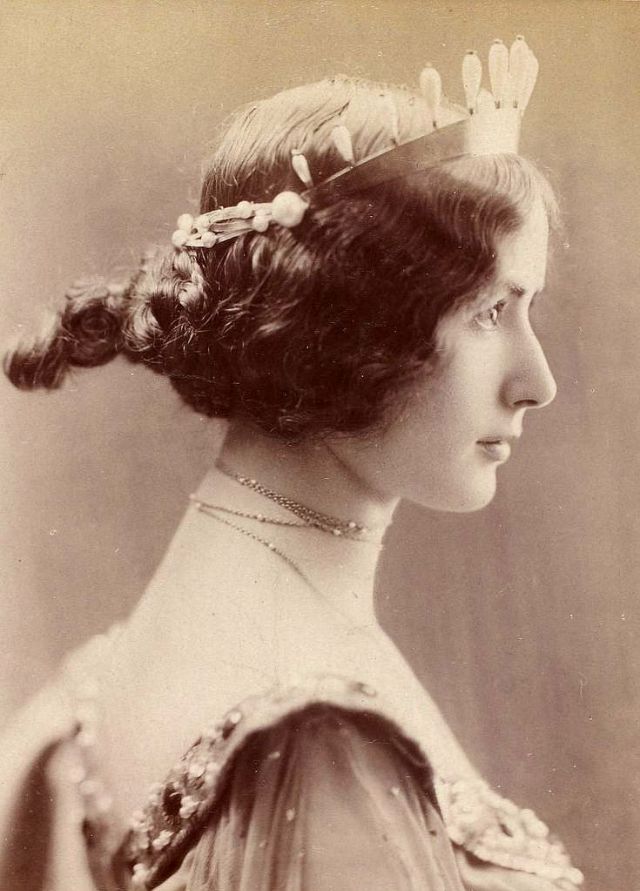
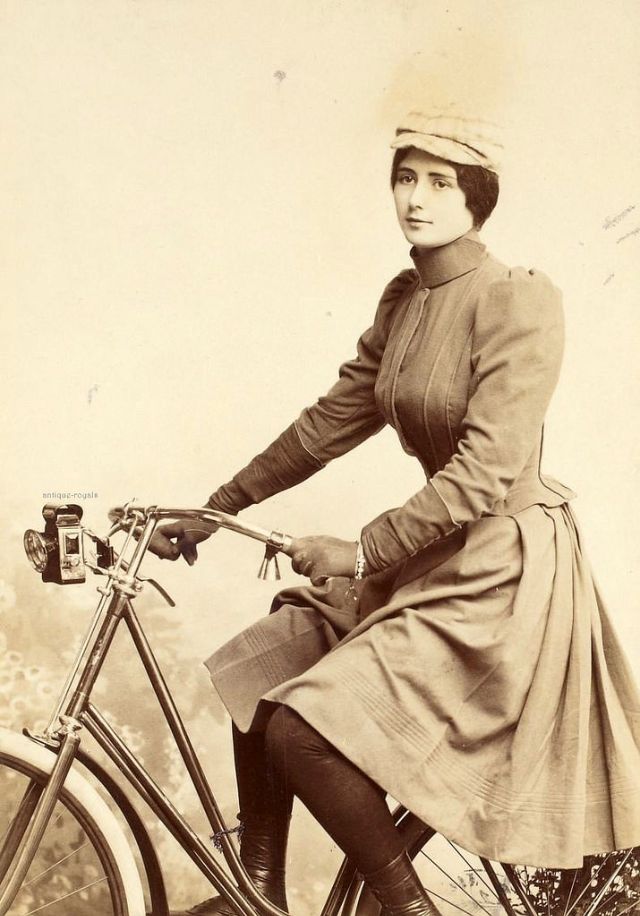
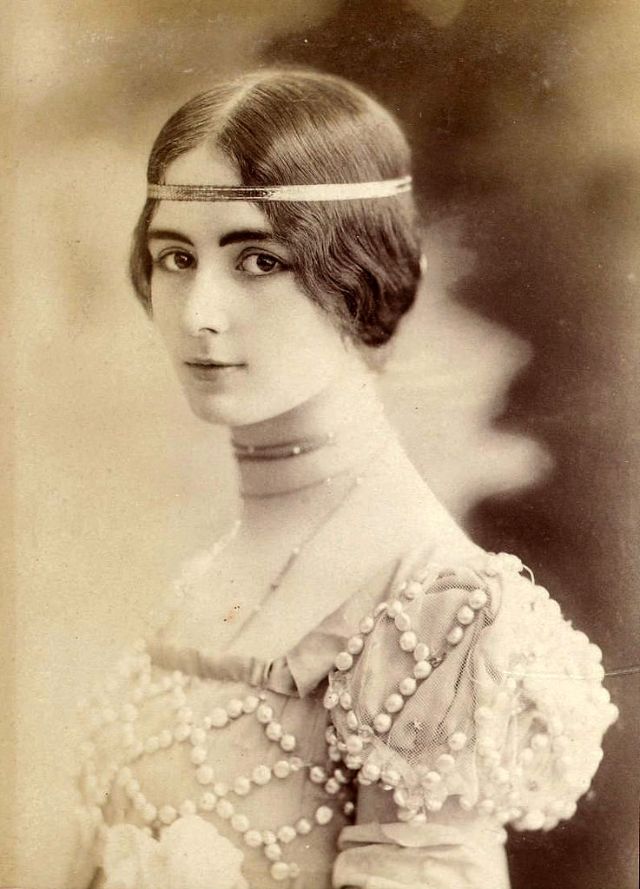
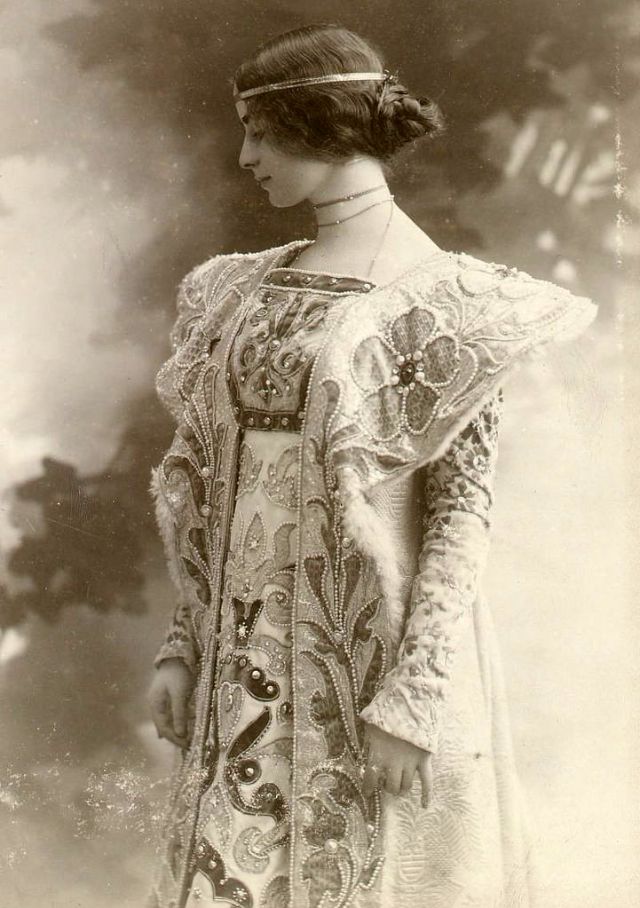
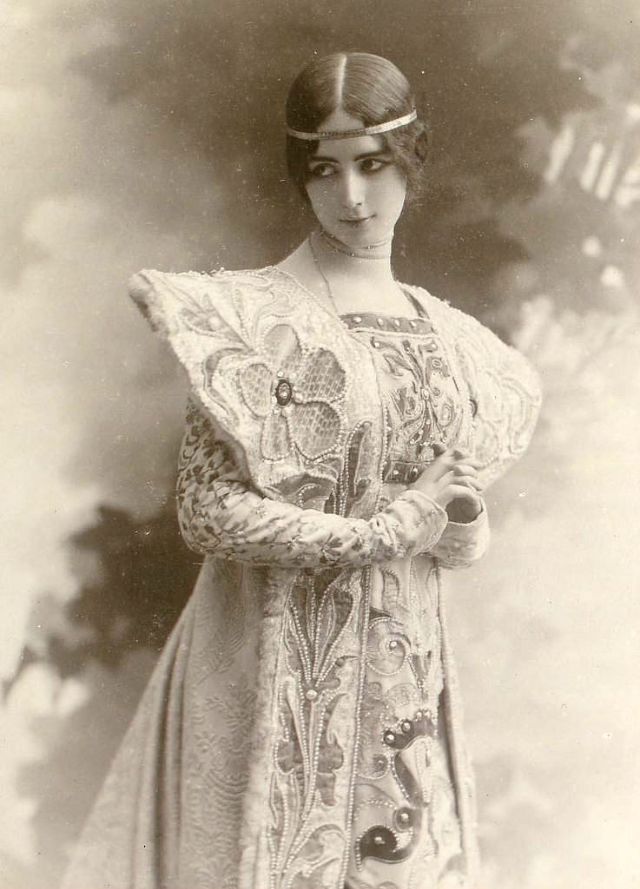
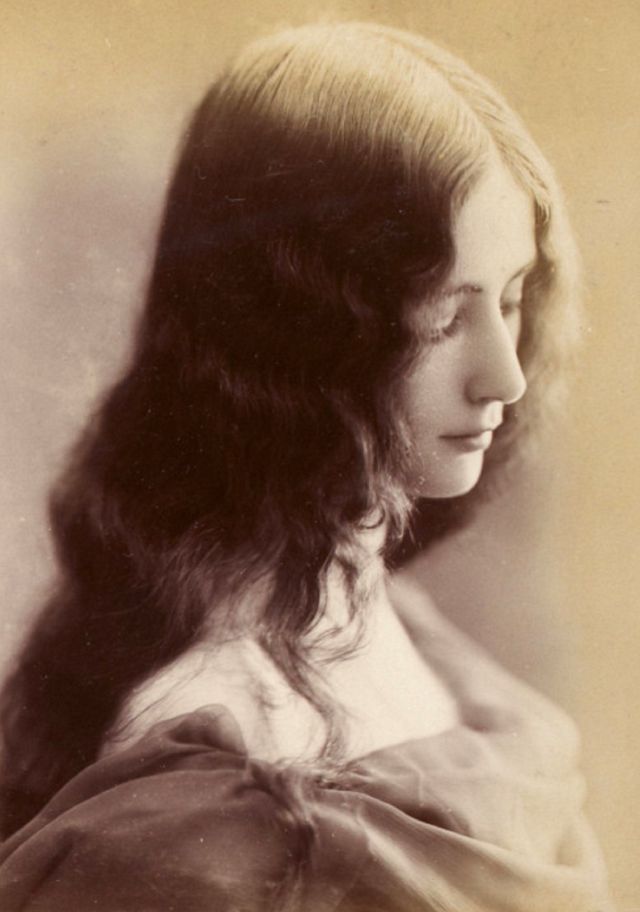
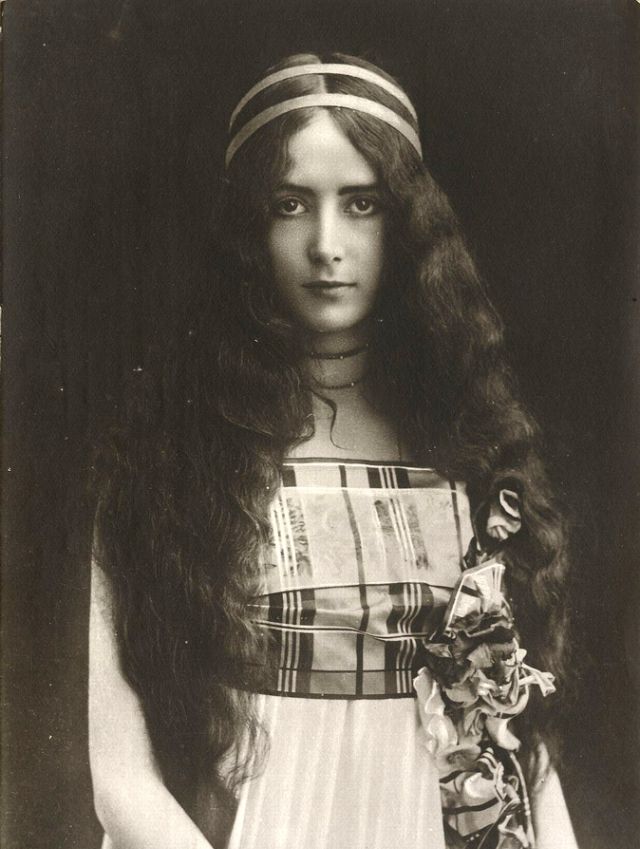
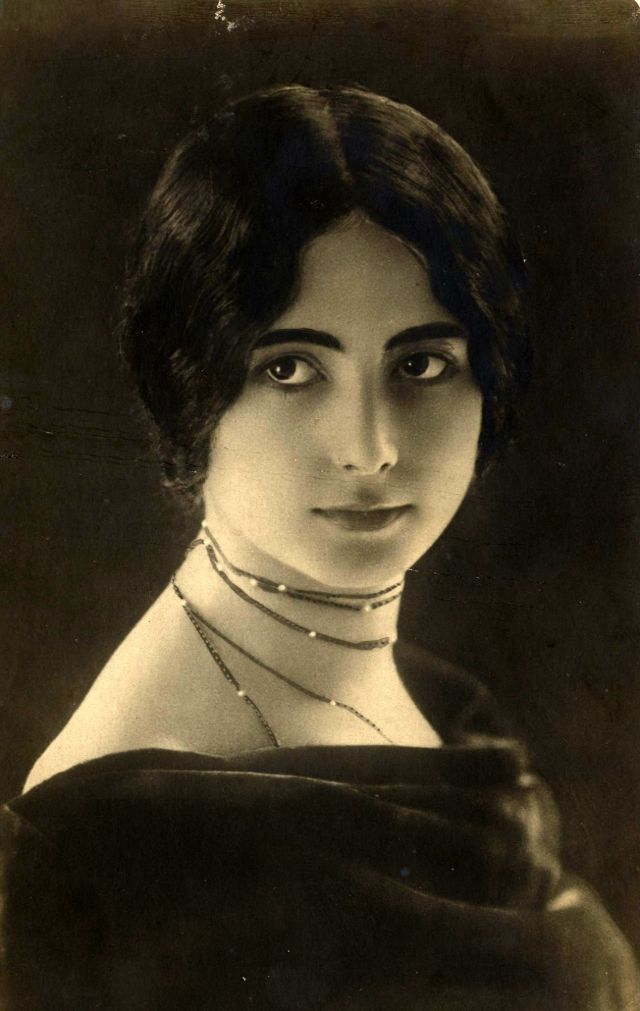
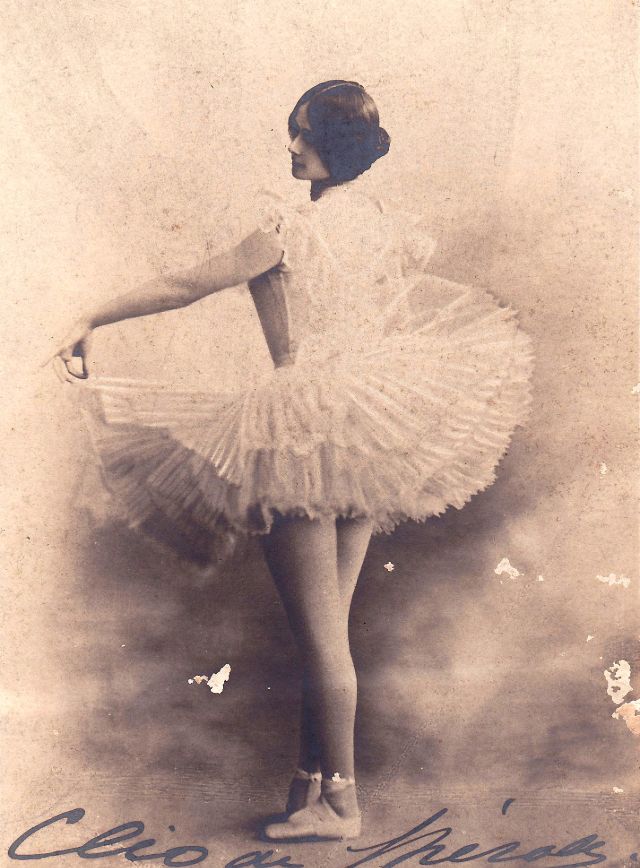
Born 1875 in Paris, French dancer and model Cléo de Mérode was sent to study dance the age of eight, and made her professional debut at age eleven.
Mérode became renowned for her glamour even more than for her dancing skills. A particular new hairstyle she chose to wear became the talk of Parisian women and was quickly adopted as a popular style for all. Her fame was such that Alexandre Falguière sculpted The Dancer in her image, which today can be seen in the Musée d’Orsay.
In 1895, Henri de Toulouse-Lautrec did her portrait, as would Charles Puyo, Alfredo Muller, and Giovanni Boldini. Her picture was taken by some of the most illustrious photographers of the day, including Félix Nadar.
In 1896, King Léopold II attended the ballet and saw Mérode dance. The 61-year-old Belgian King became enamoured with the 22-year-old ballet star, and gossip started that she was his latest mistress.
Very popular in her ancestral homeland of Austria as well as in Germany, her character appeared in the German film Women of Passion (1926), played by Fern Andra. In Vienna, her beauty caught the attention of painter Gustav Klimt, whose primary focus was on female sexuality. Their story was the basis of the film Klimt (2006), in which the character “Lea de Castro” is based on Cléo de Mérode.
Mérode continued to dance until her early fifties, when she retired to the seaside resort of Biarritz in the Pyrénées-Atlantiques département of France. In 1955, she published her autobiography, Le Ballet de ma vie (The Dance of My Life).
Cléo de Mérode died in 1966, aged 91.
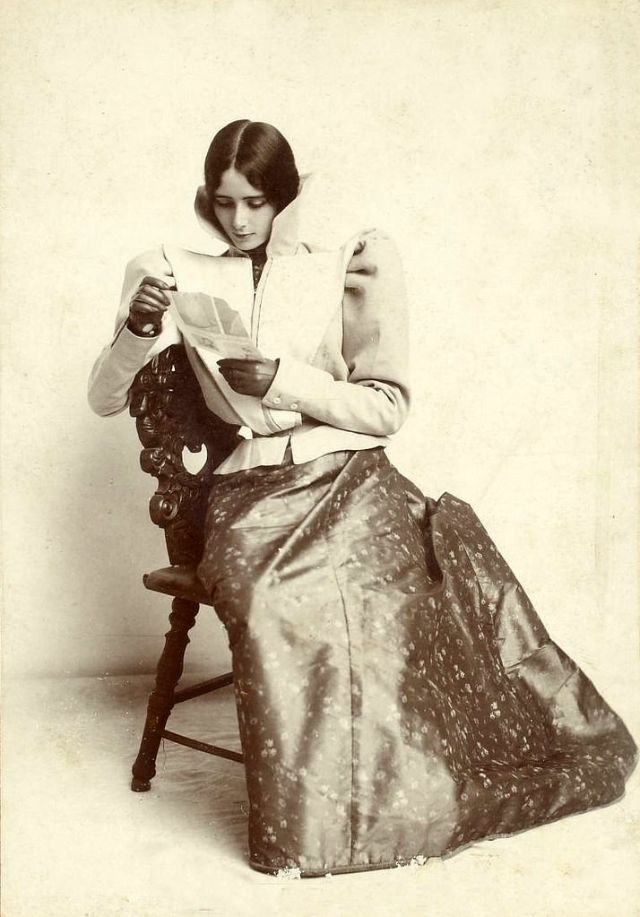
Take a look at these glamorous photos to see the beauty of Cléo de Mérode in the late 1890s and early 1900s.
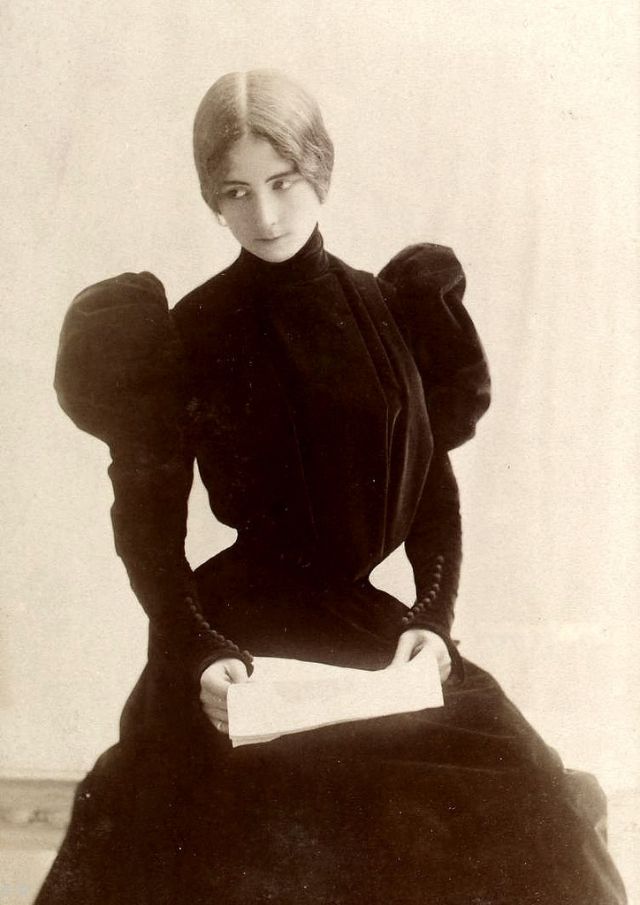
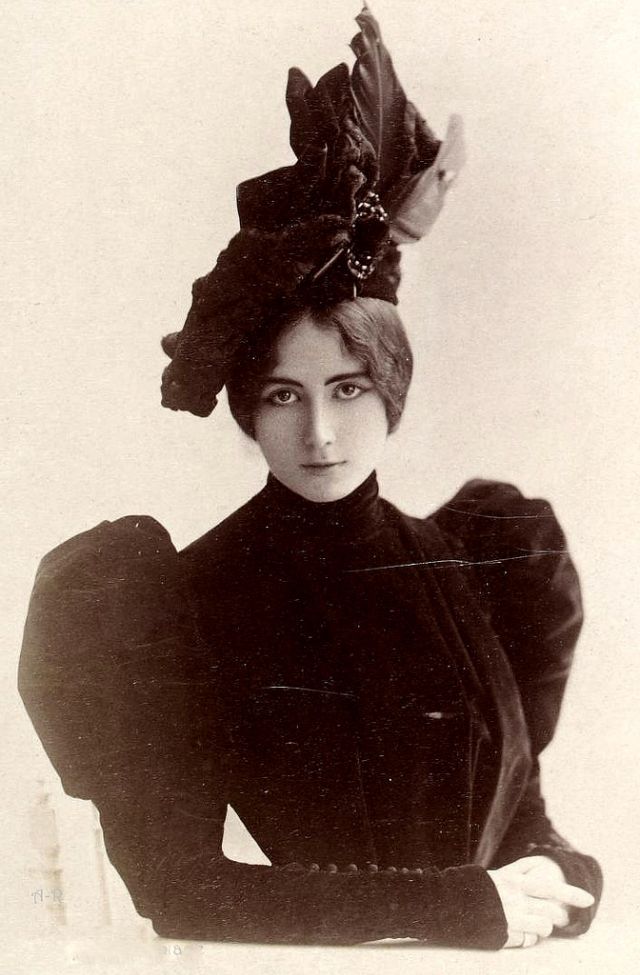
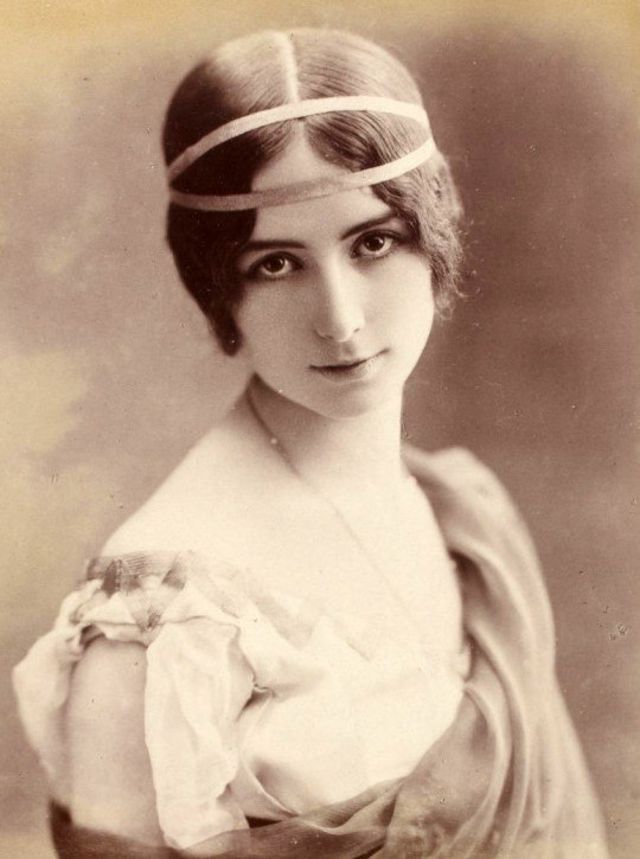
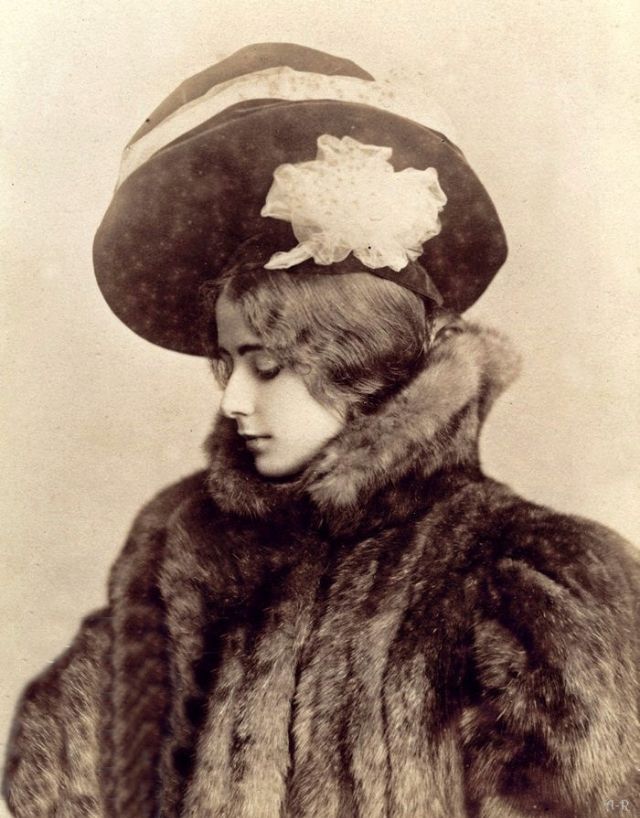
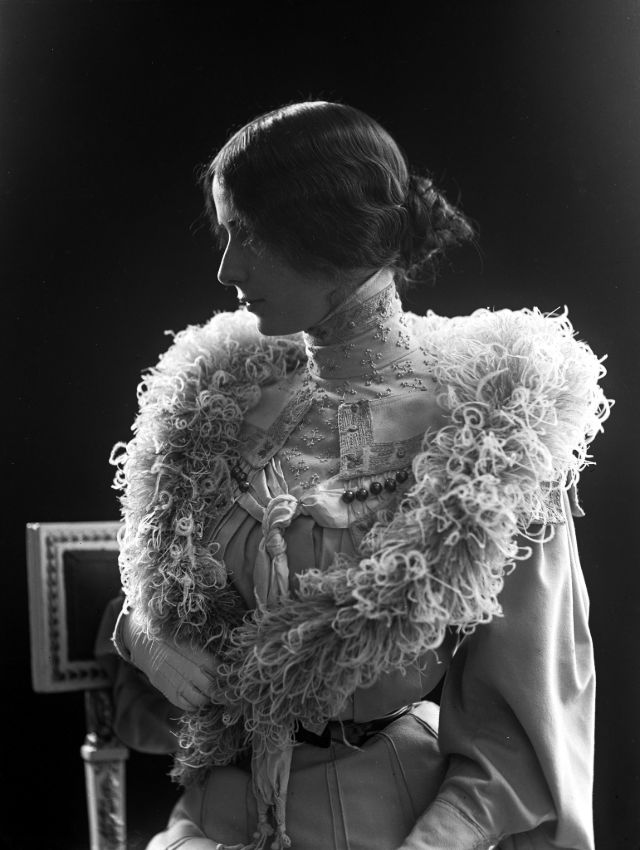
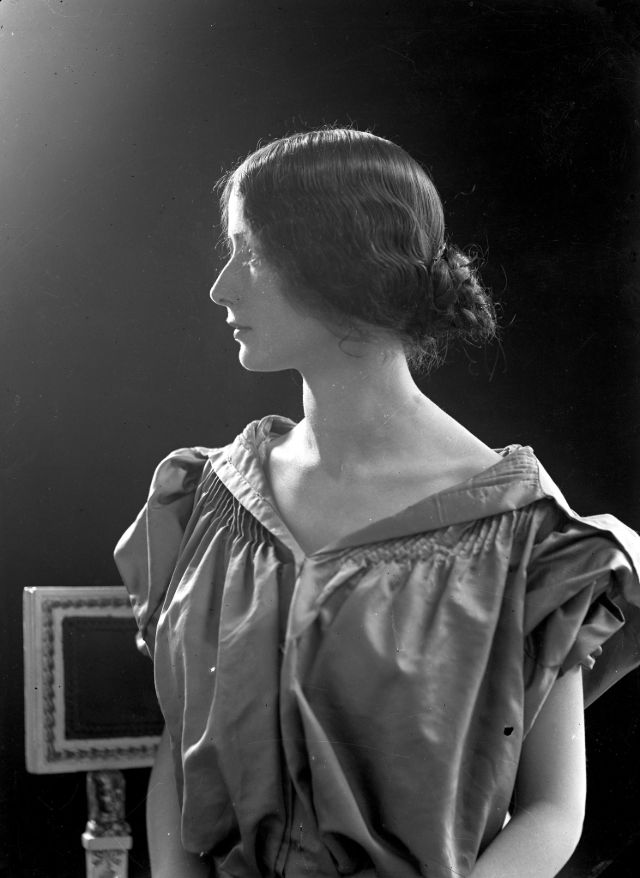
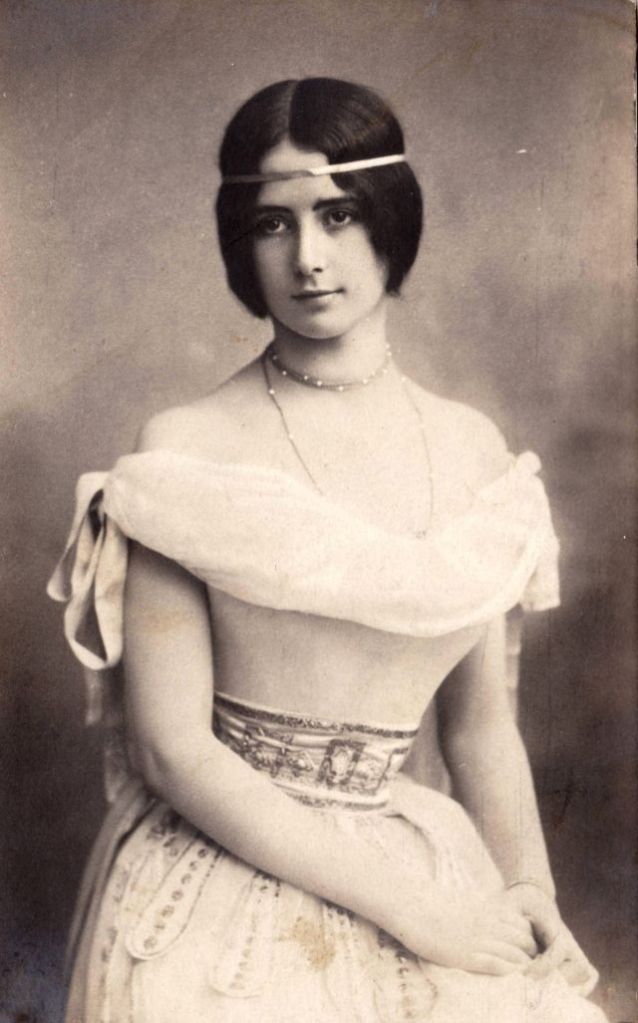
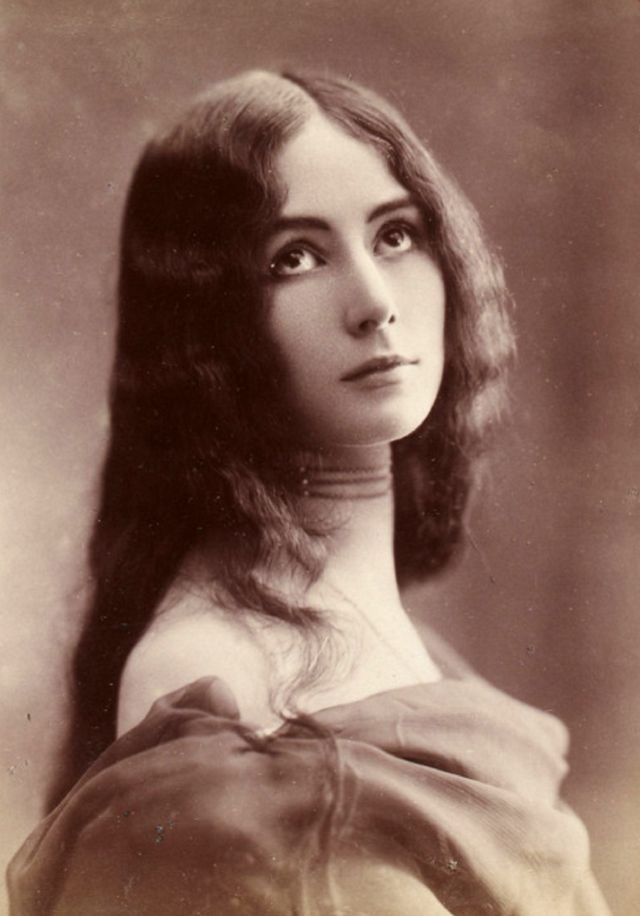

Become a paid subscriber to get access to the rest of this post and other exclusive content.
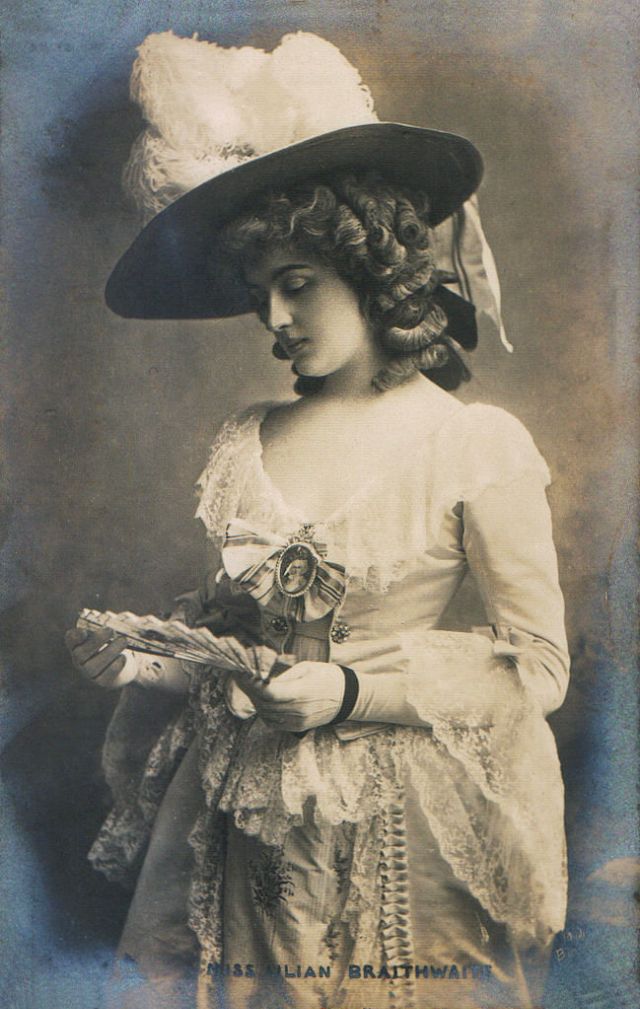
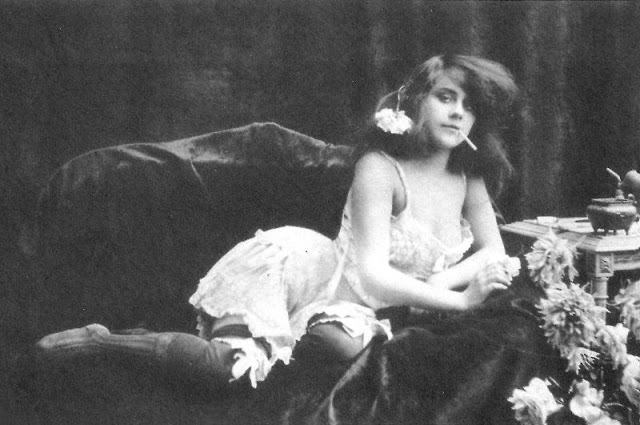
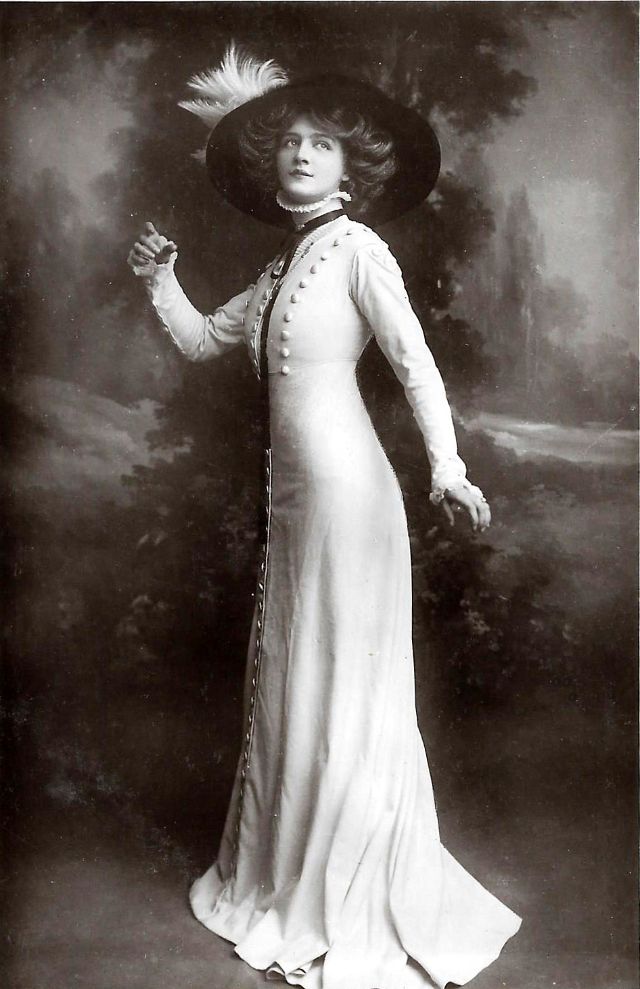
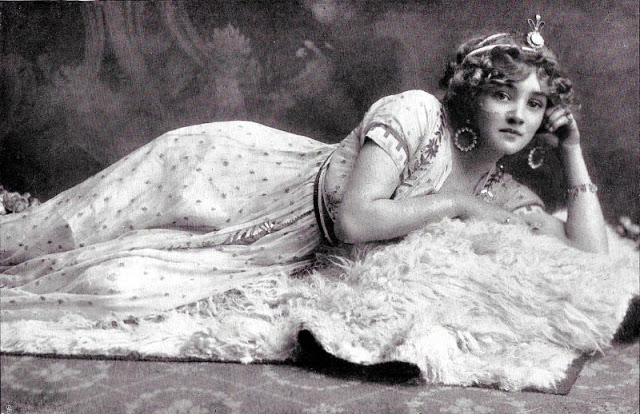
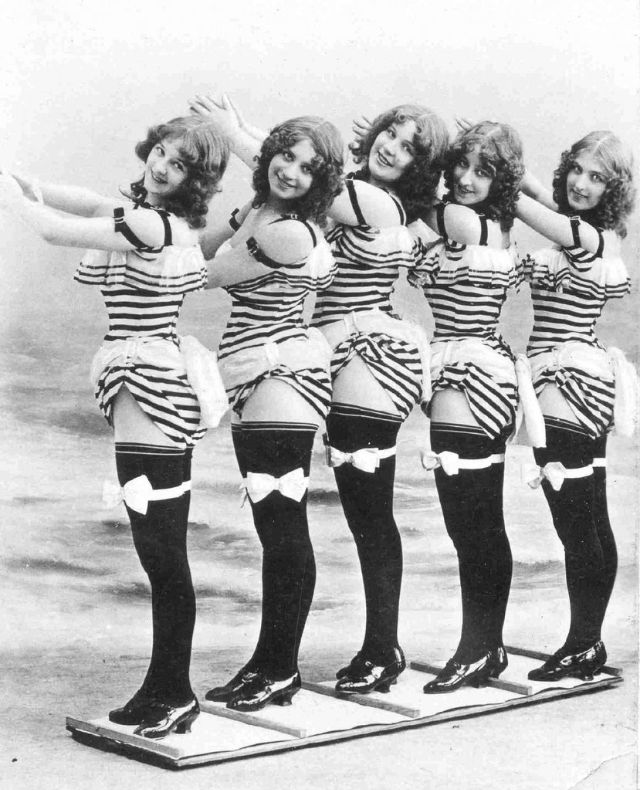
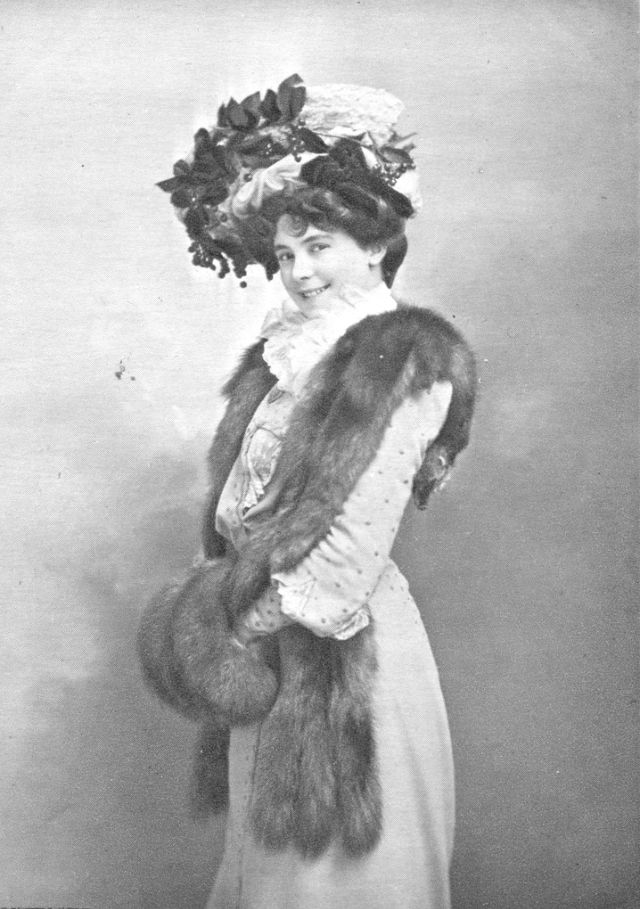
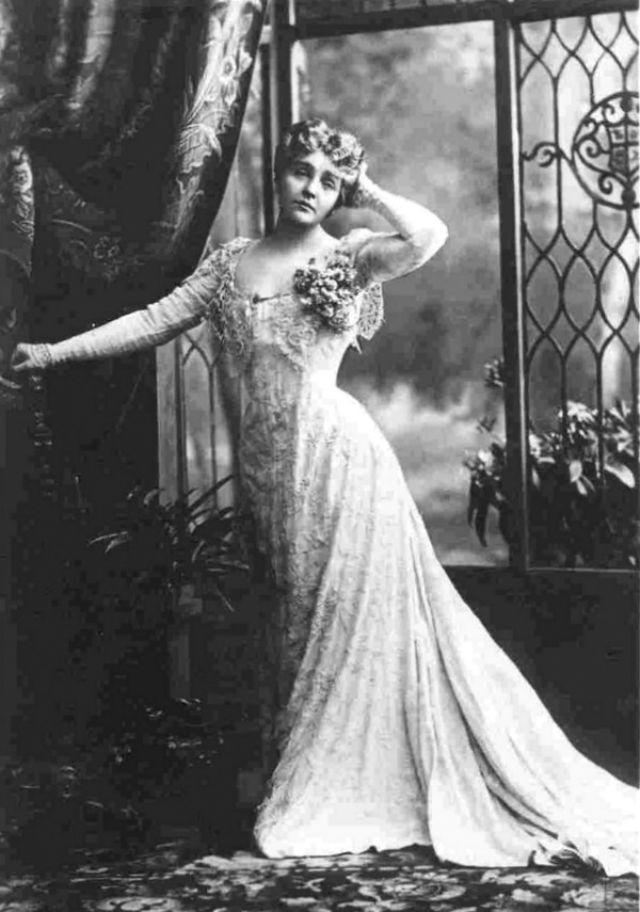
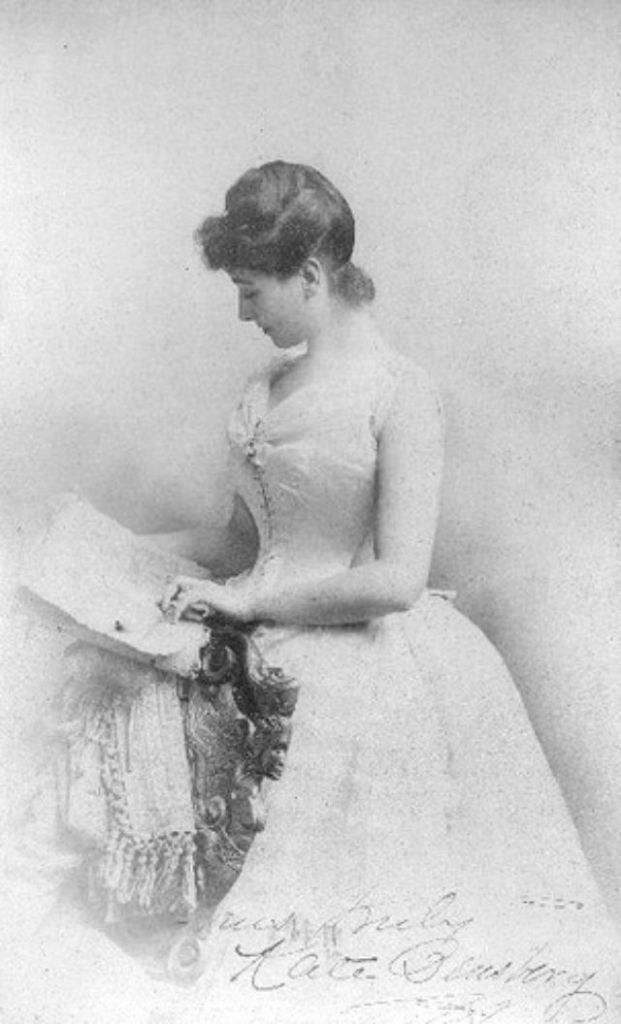
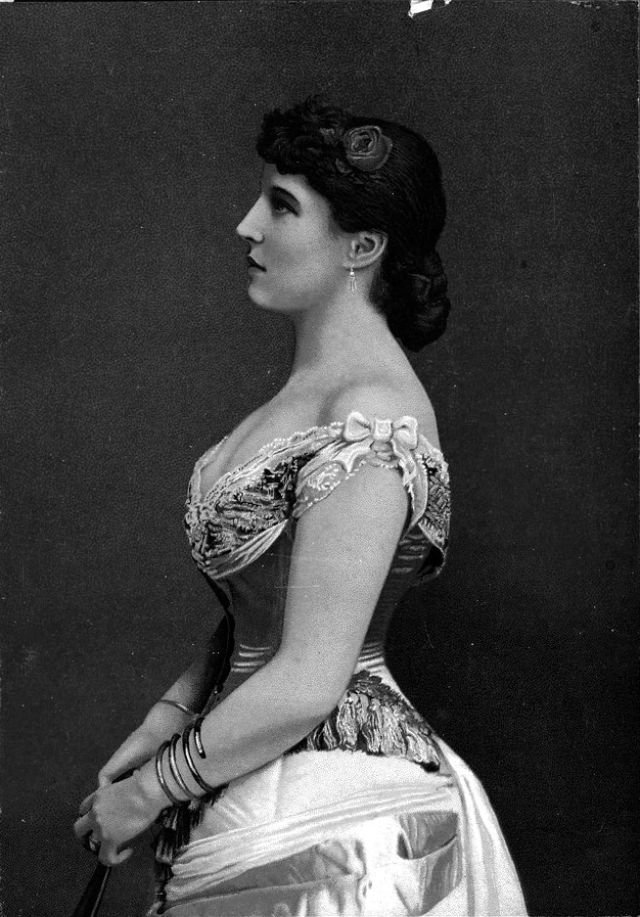
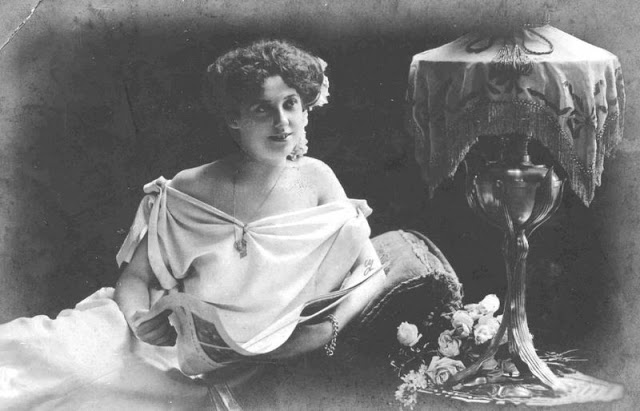
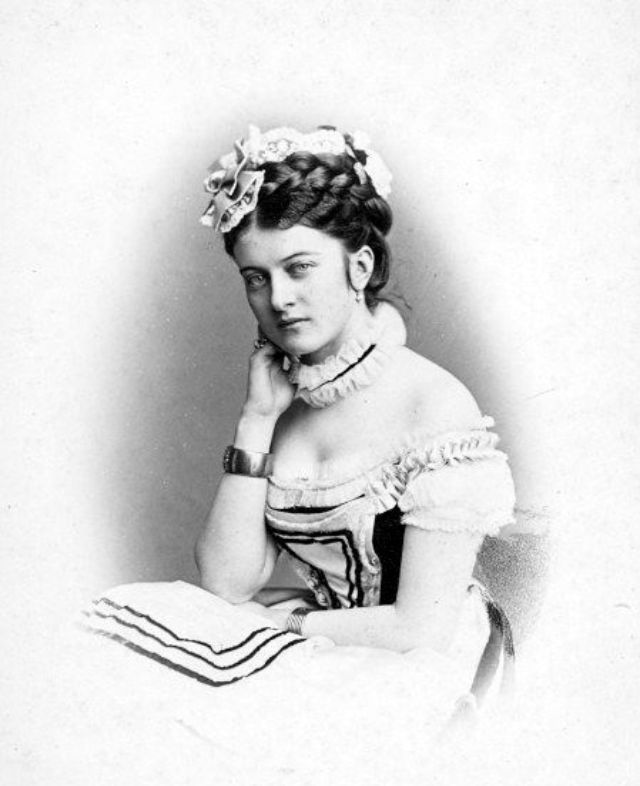
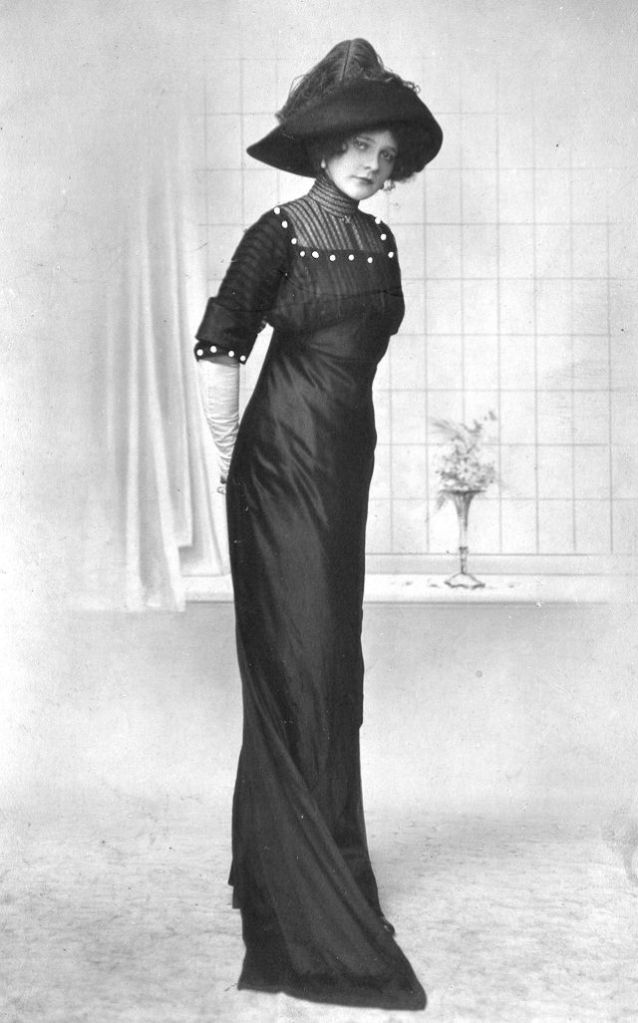
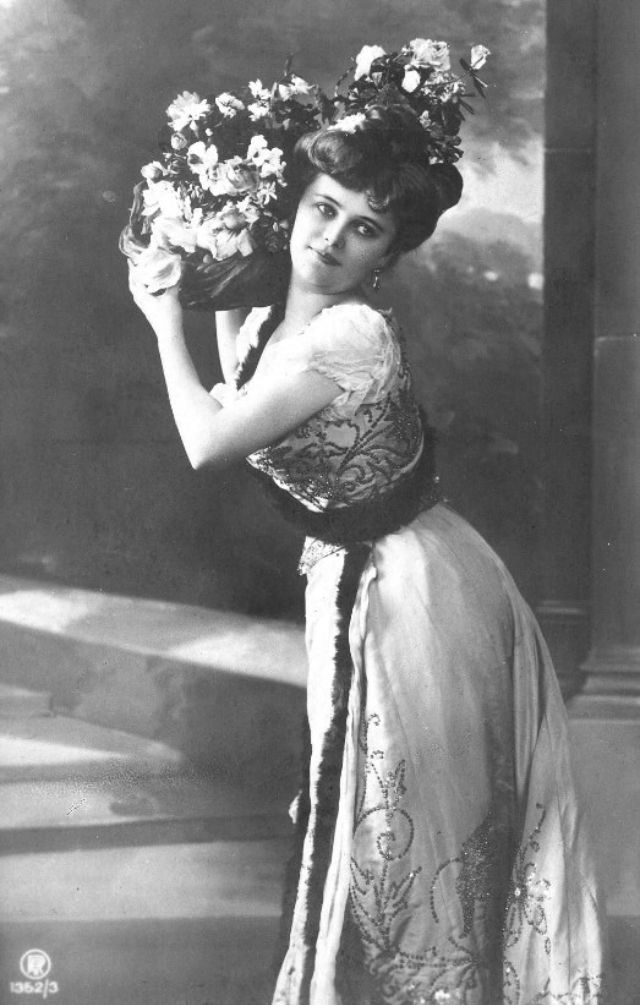
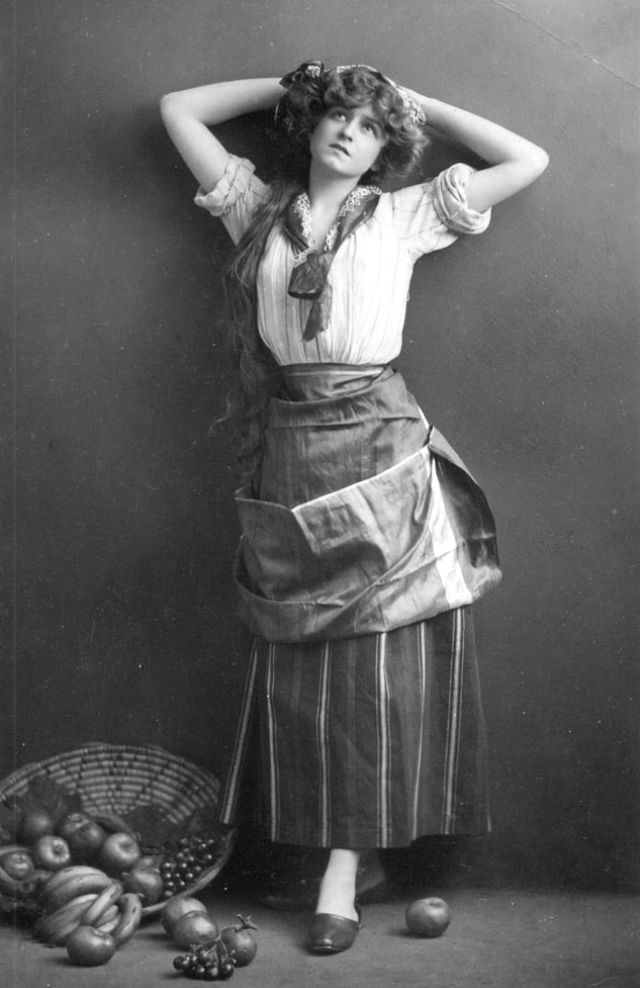
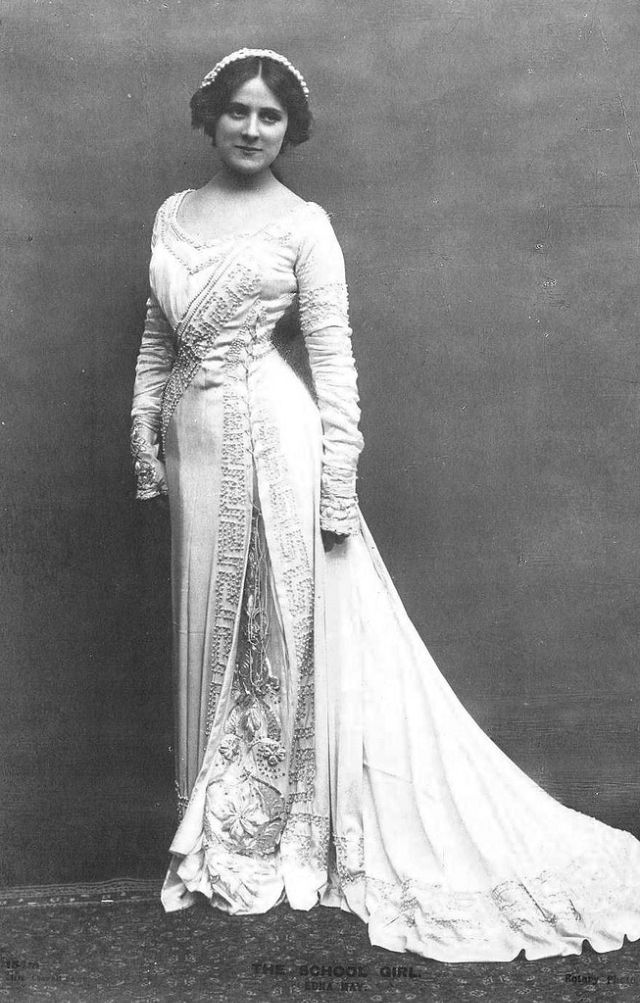
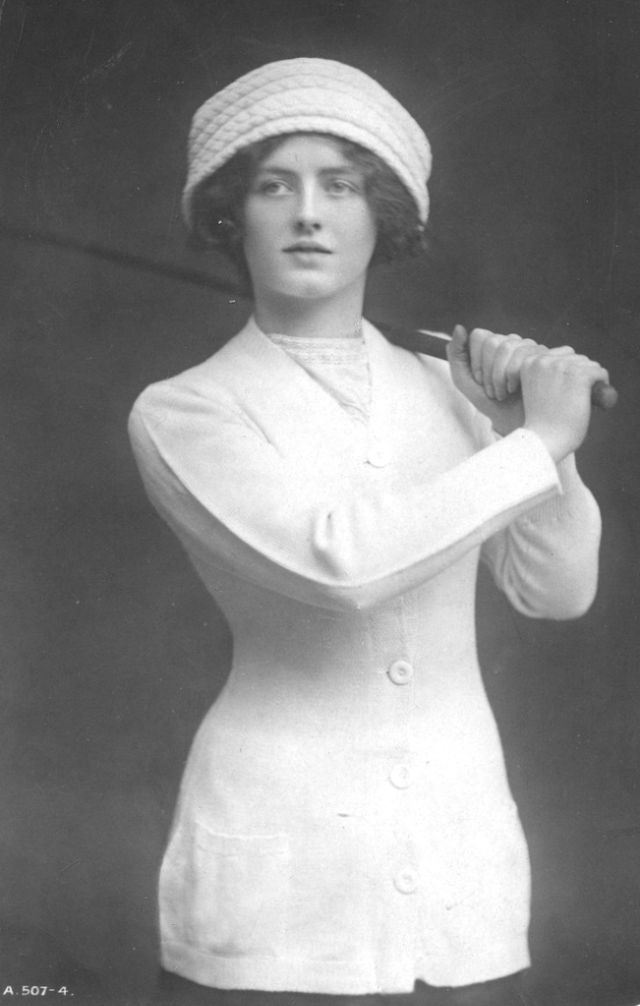
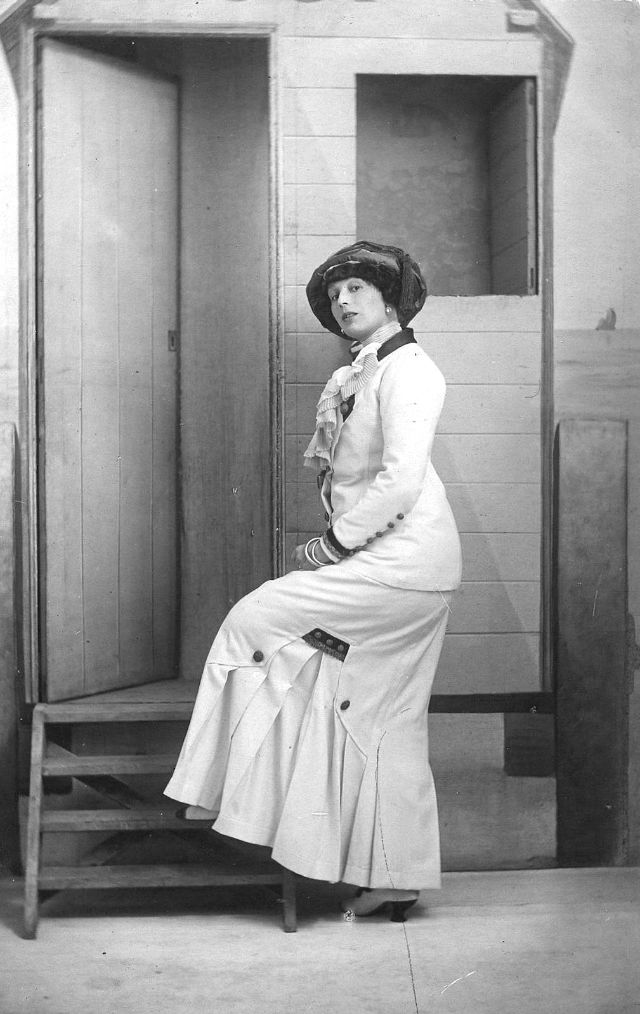
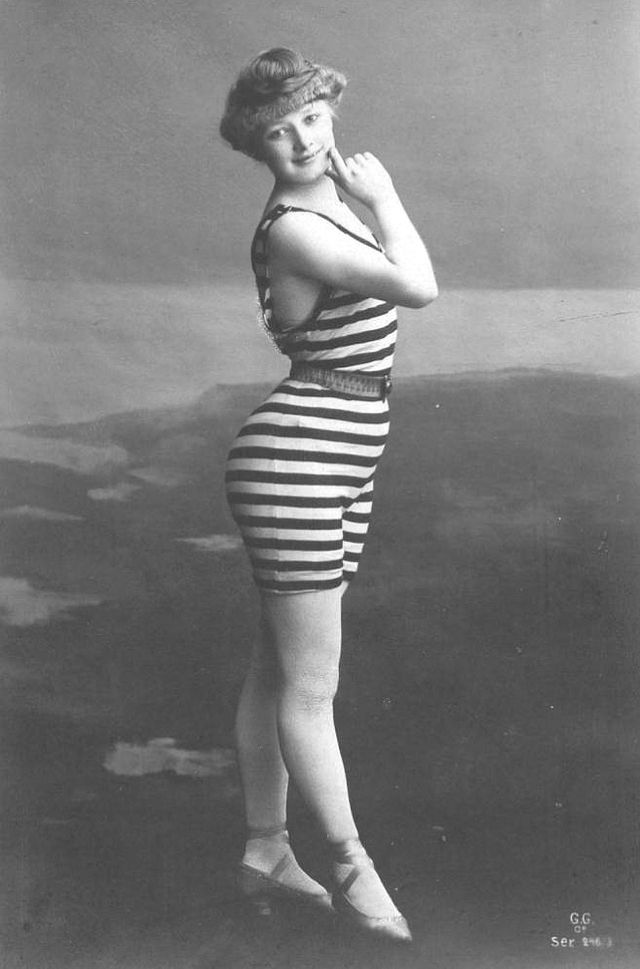
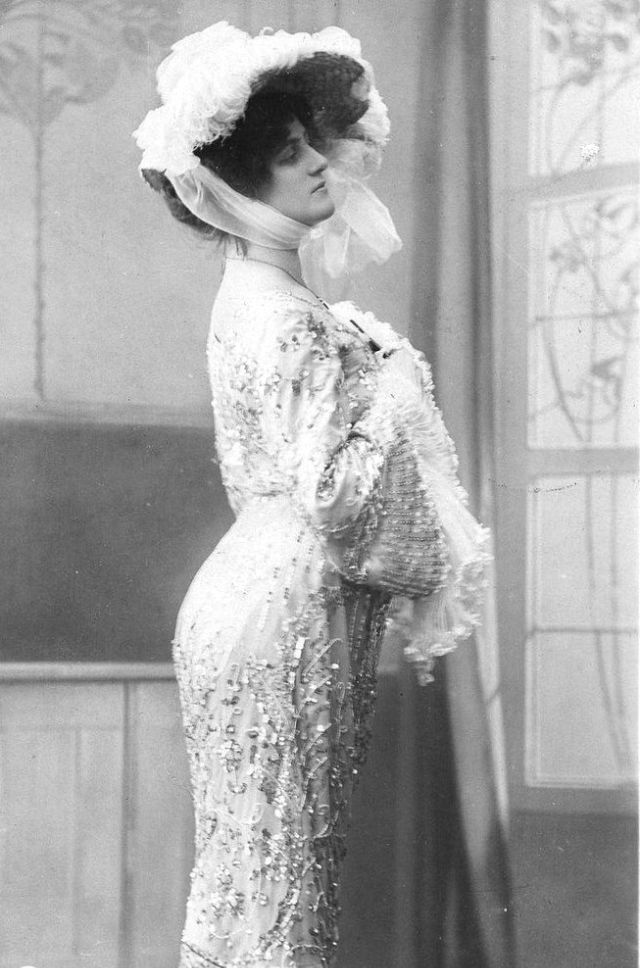
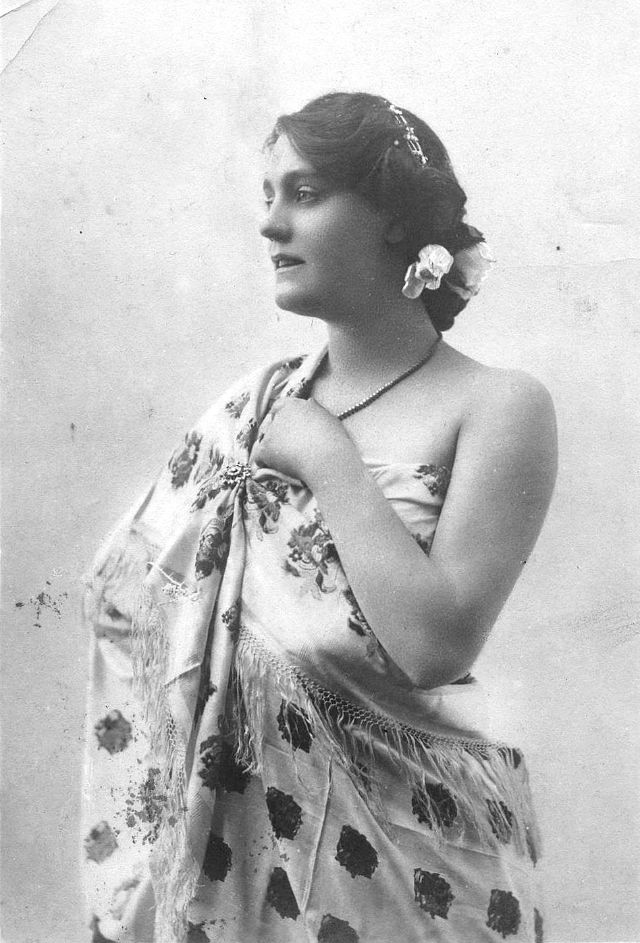
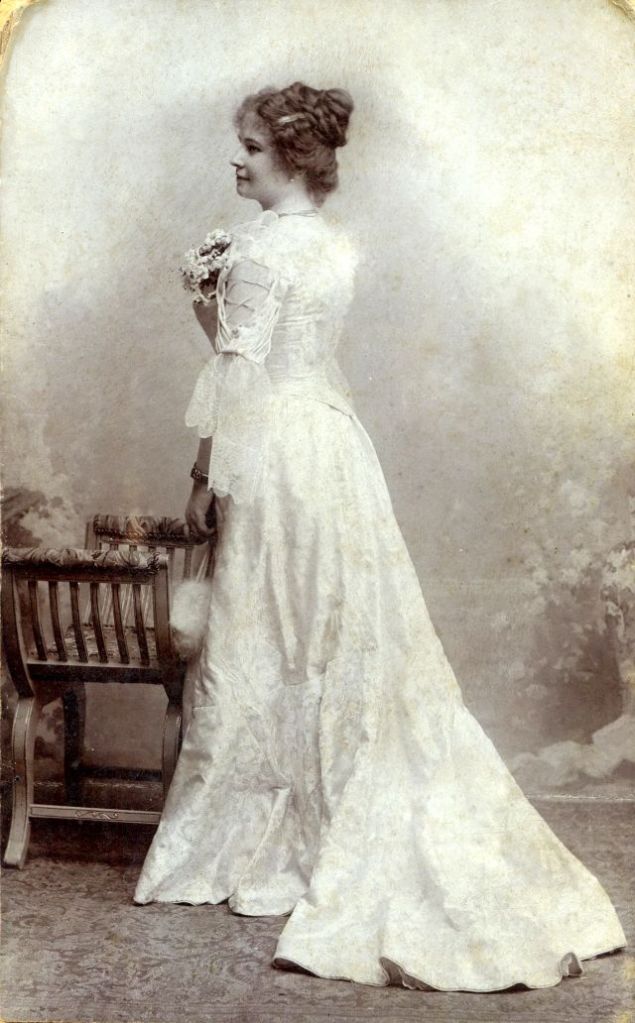
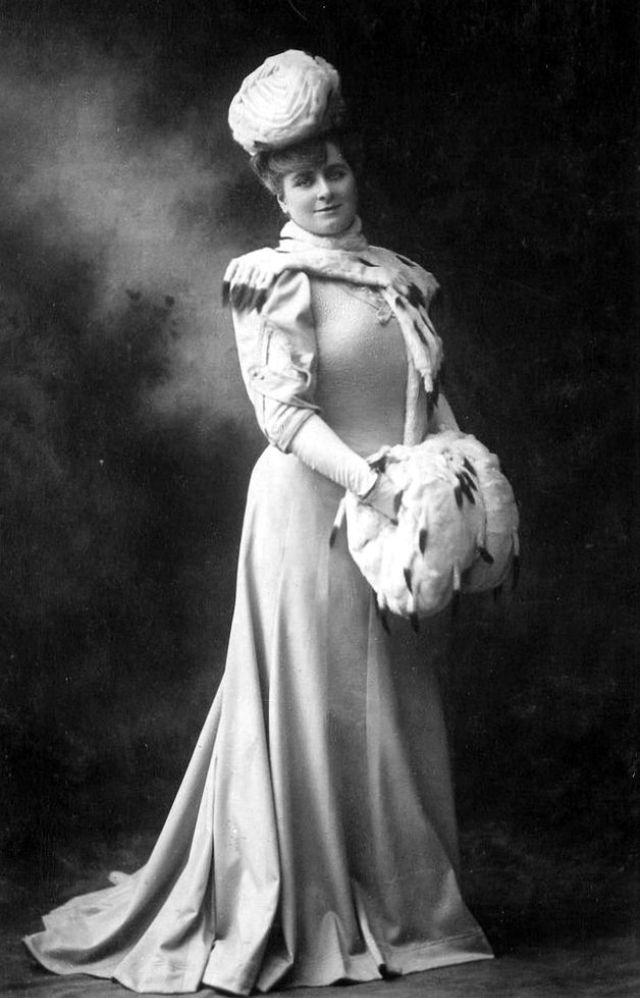
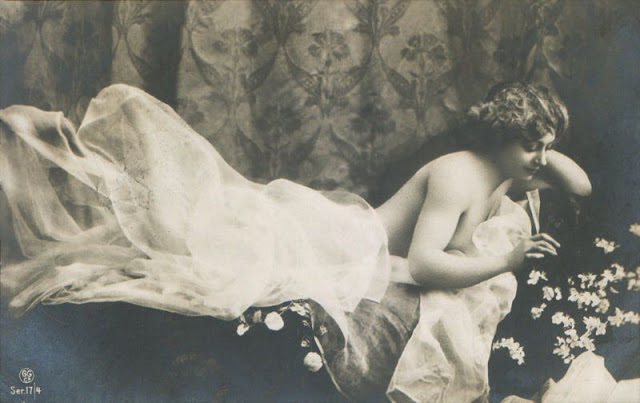
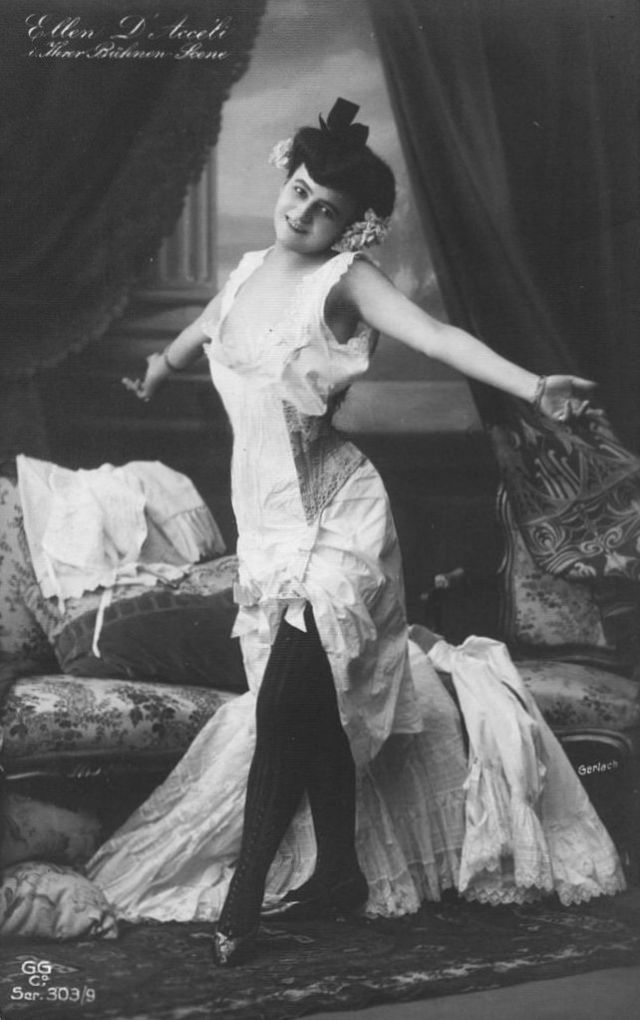
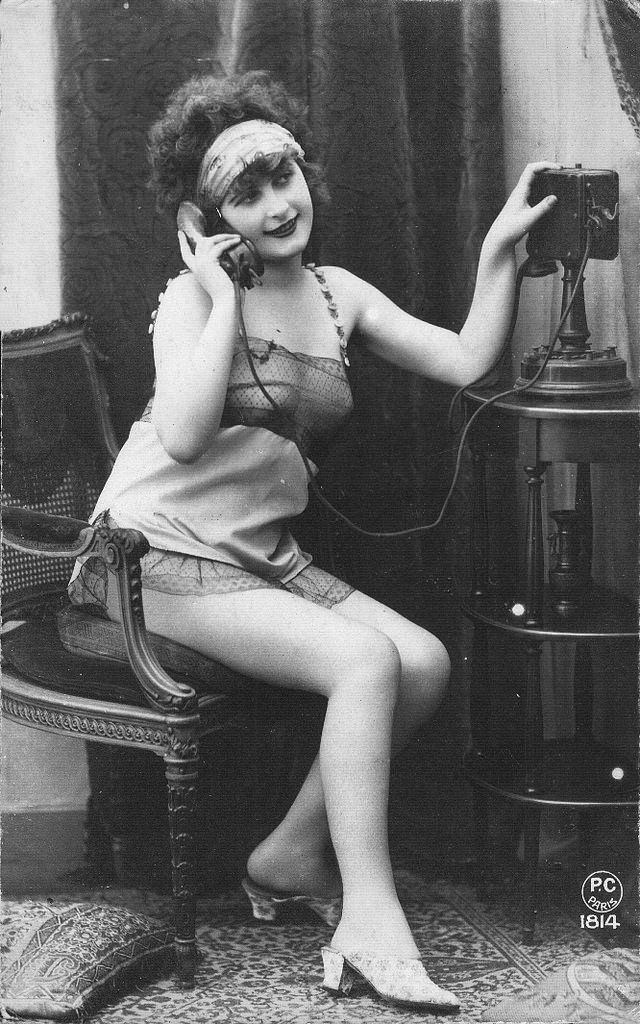
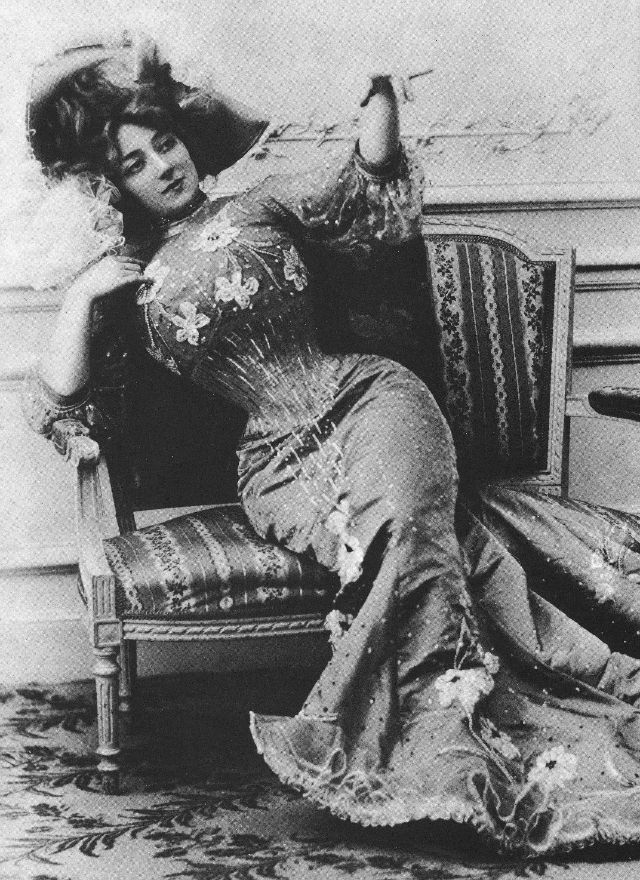



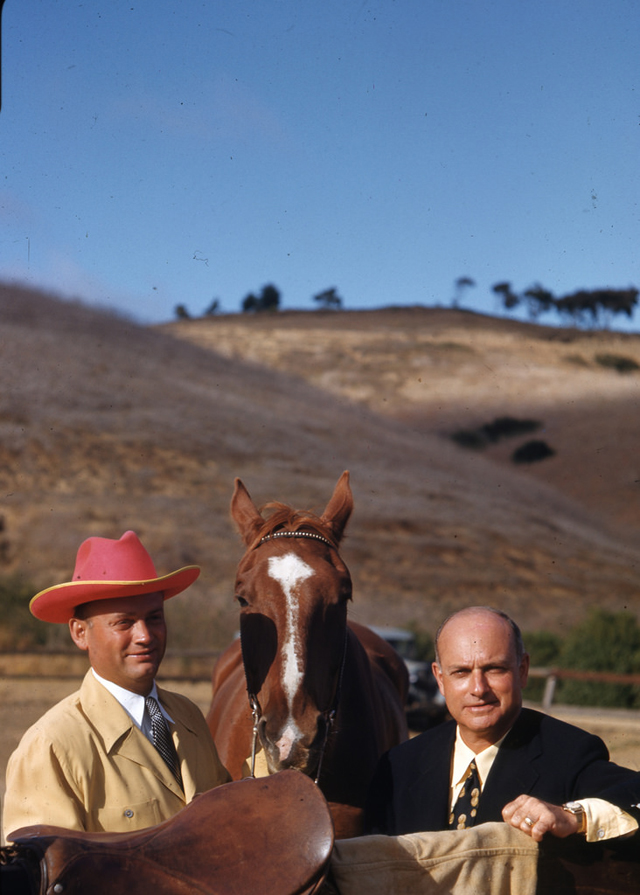
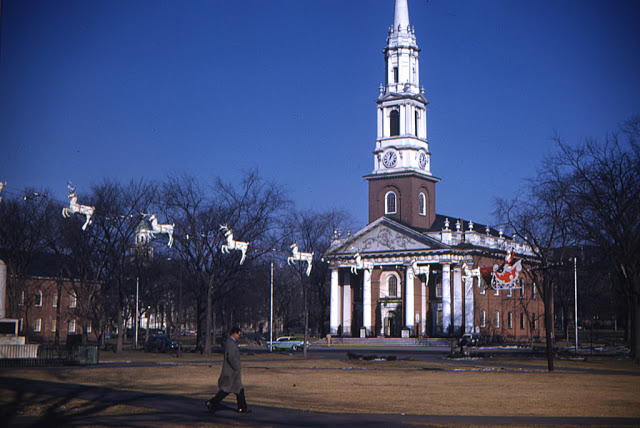
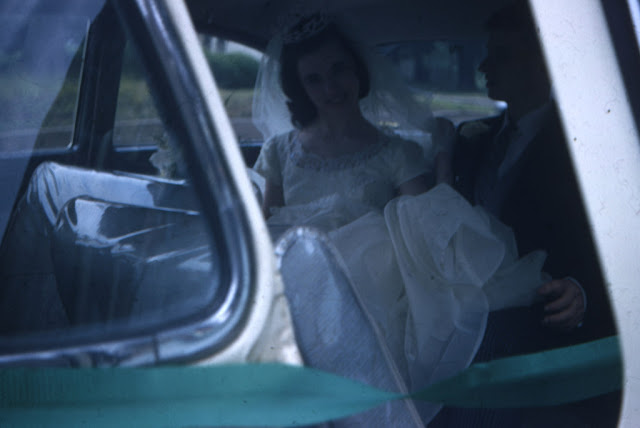

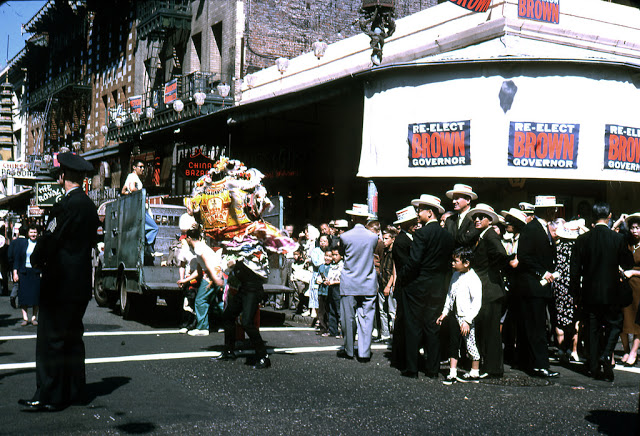











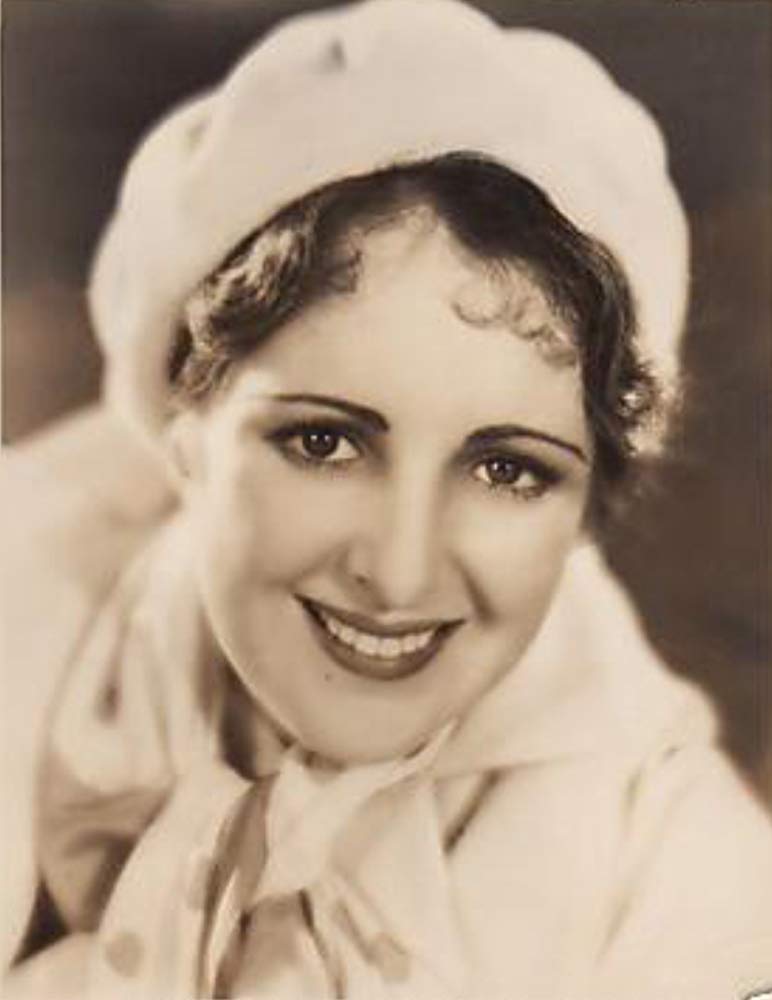
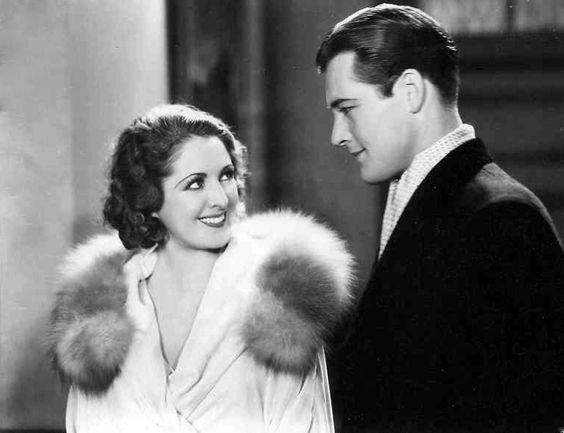
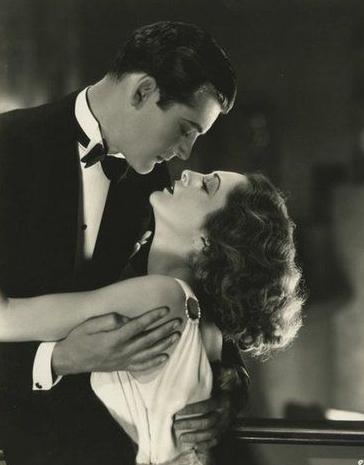
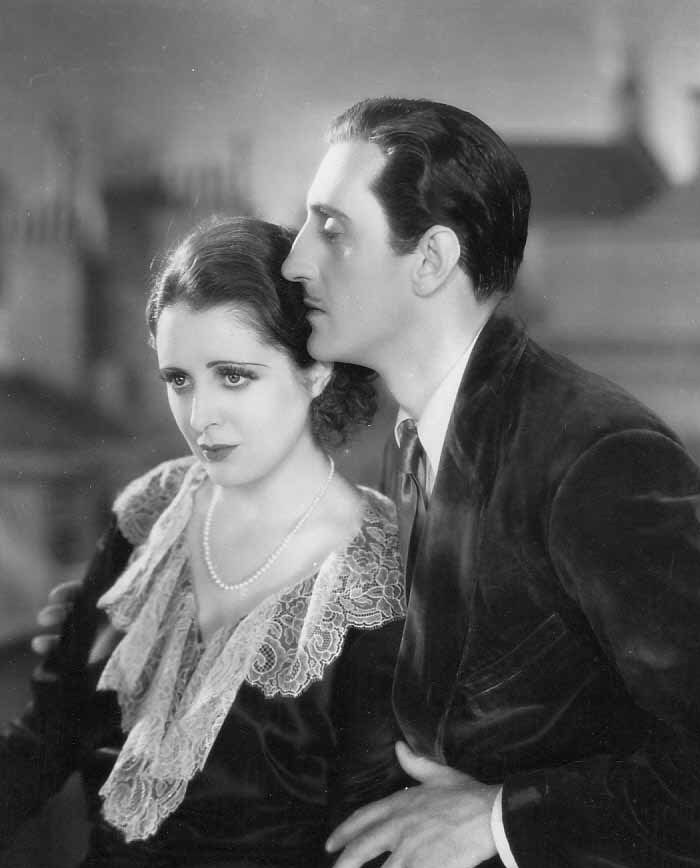
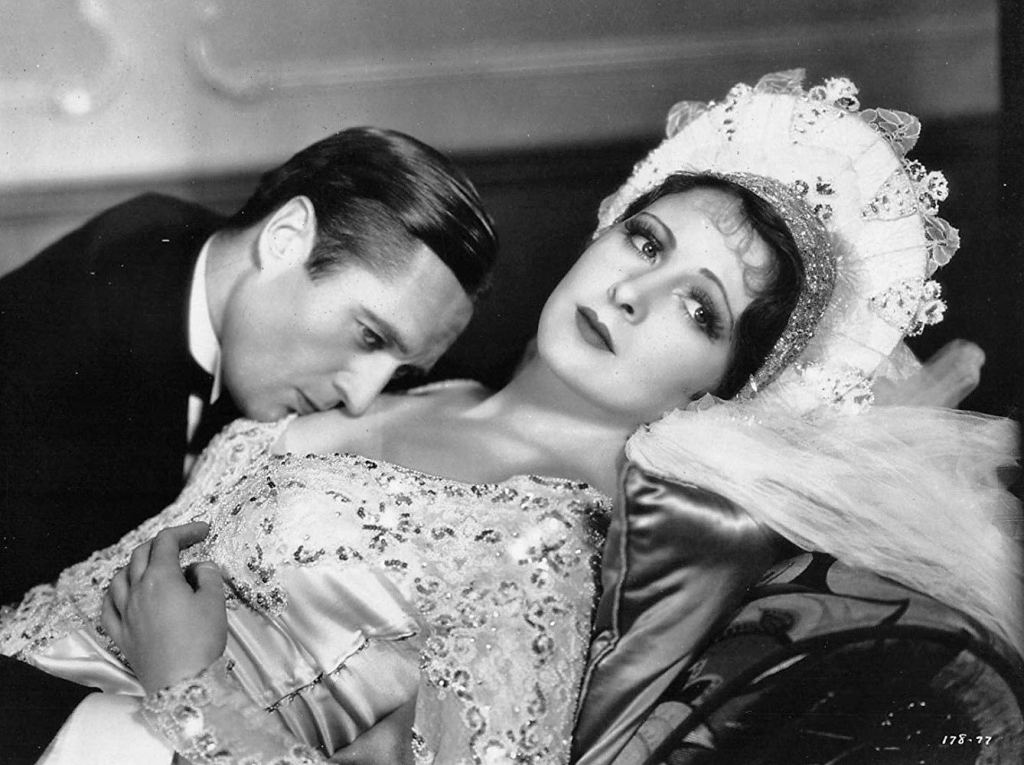
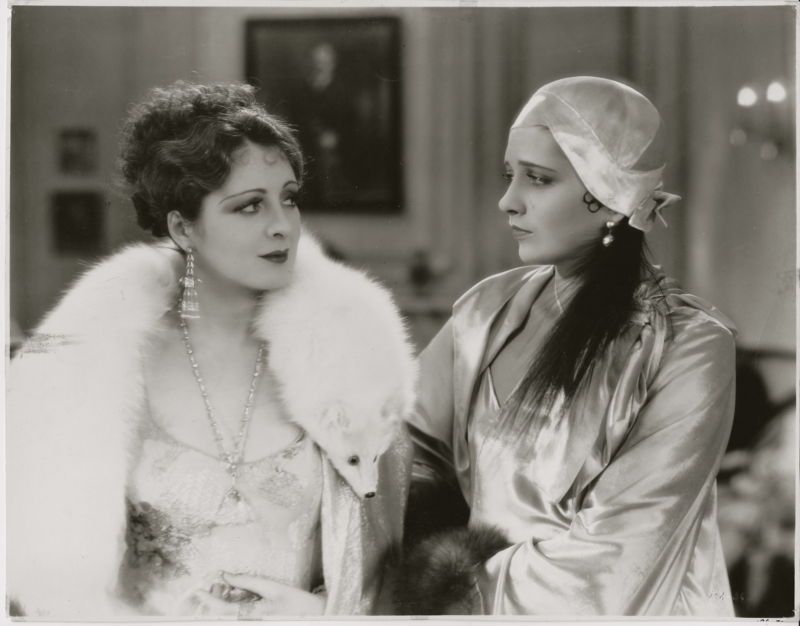
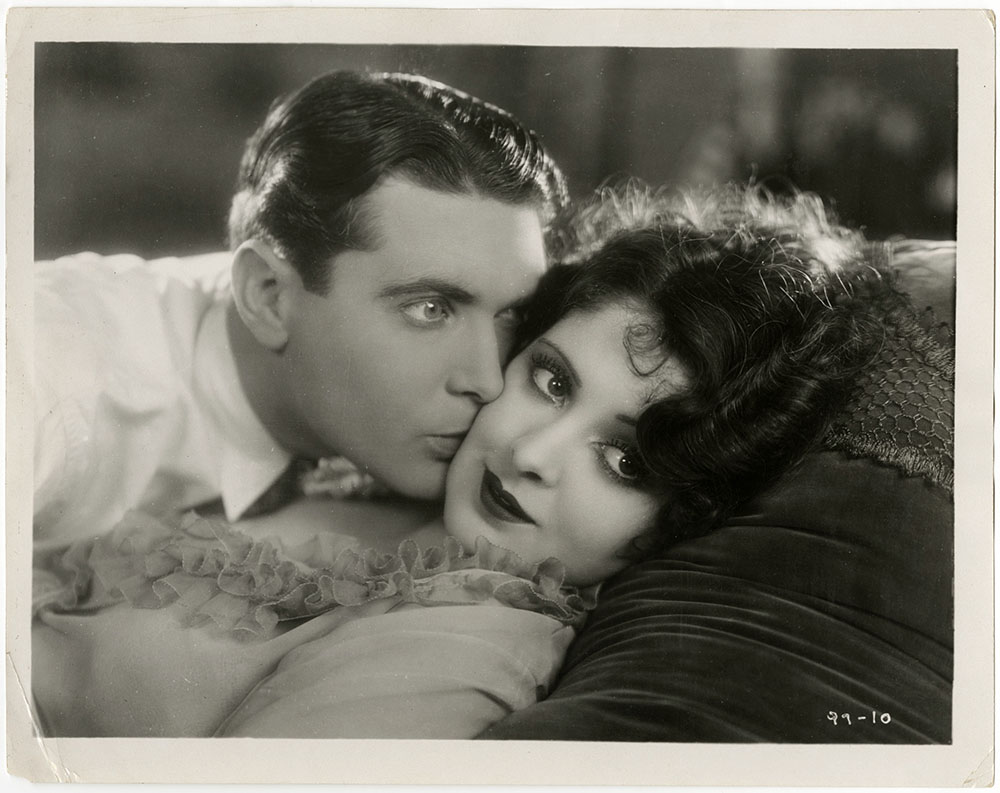
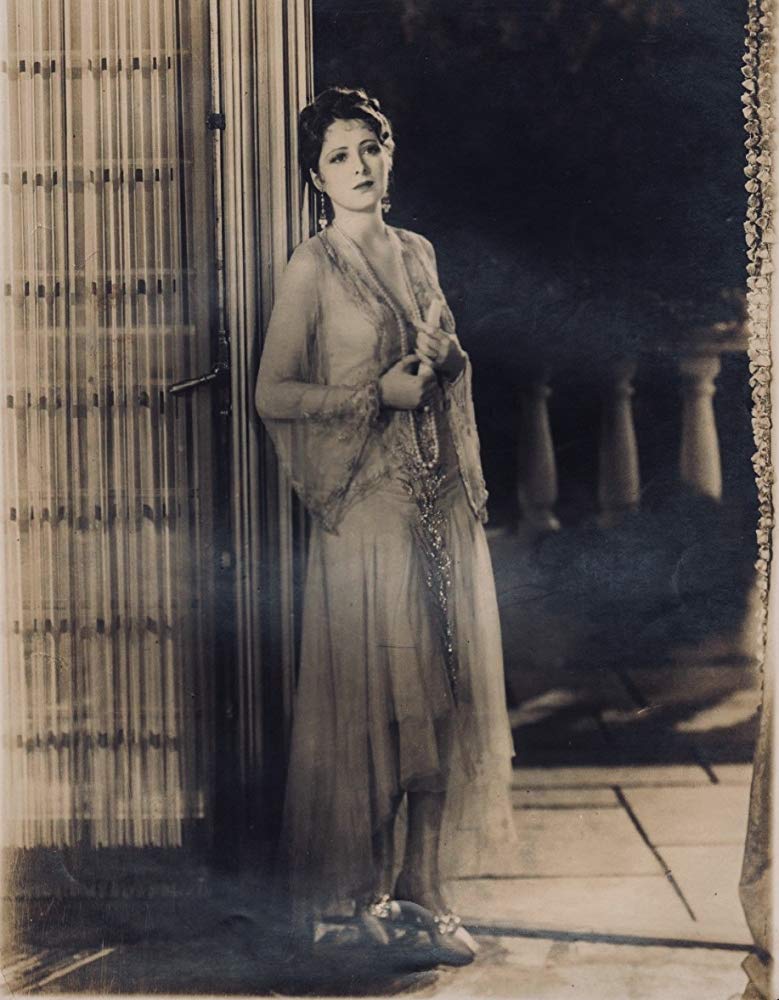
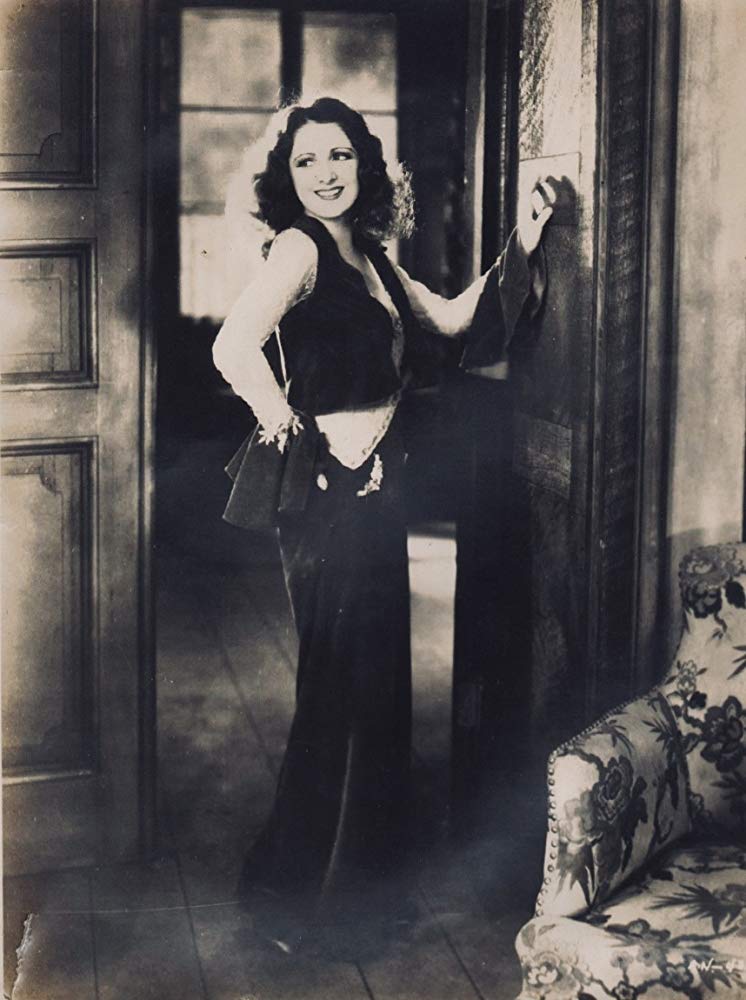
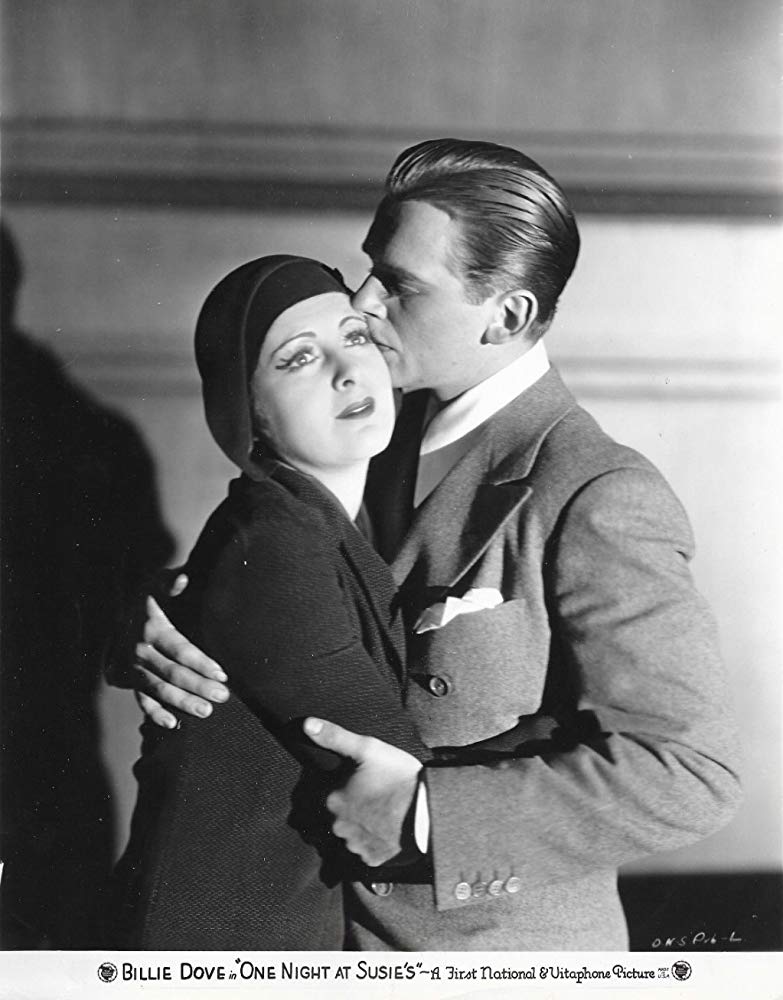
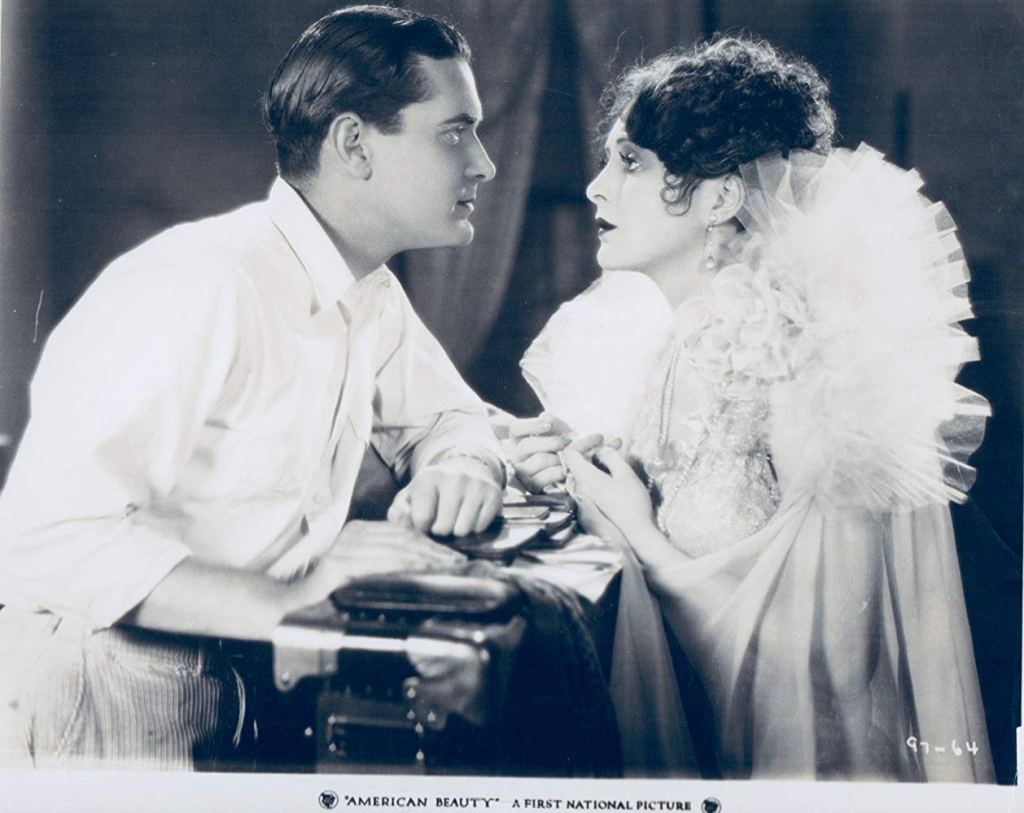
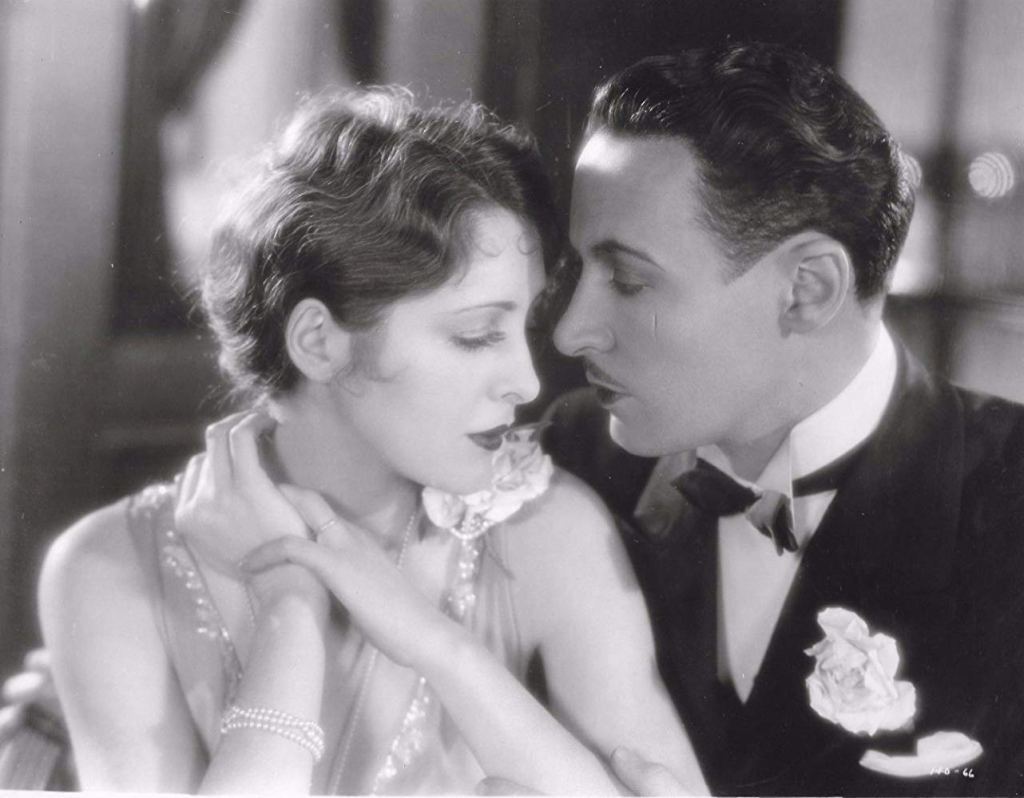
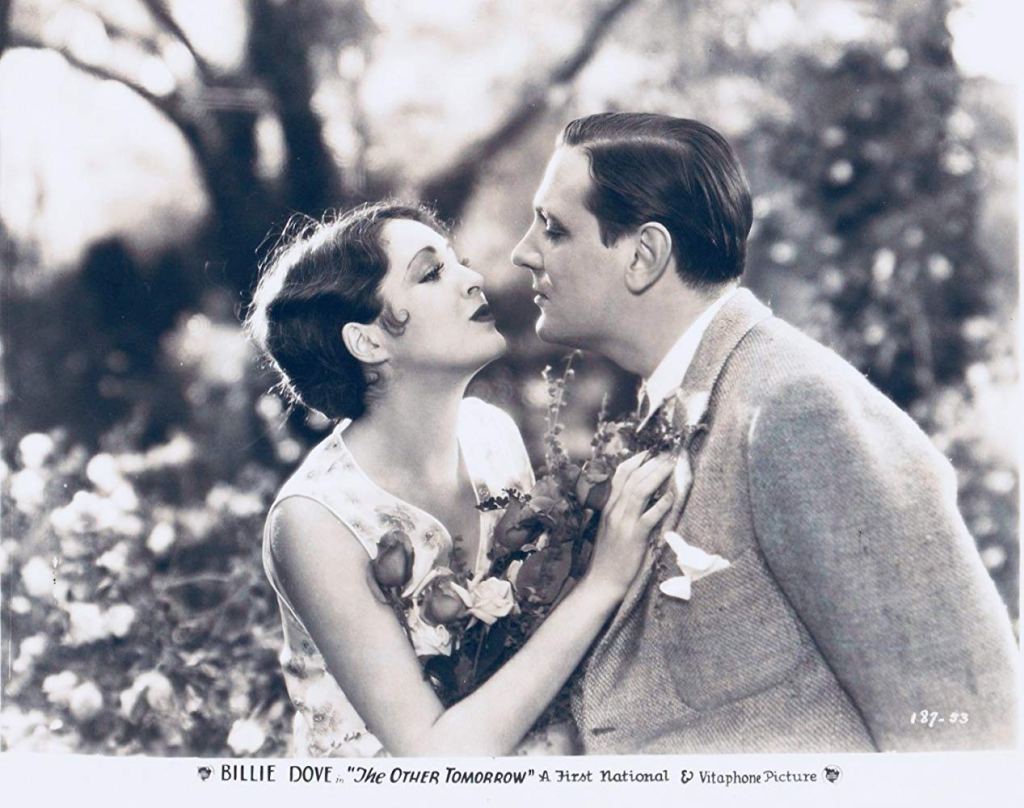
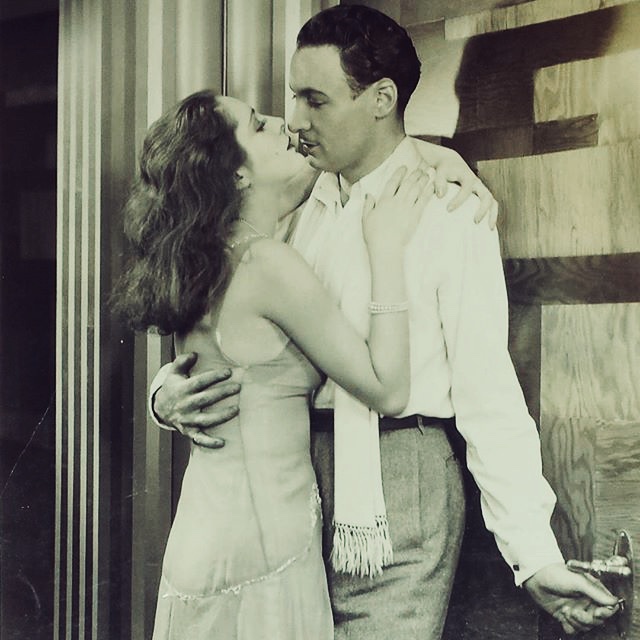
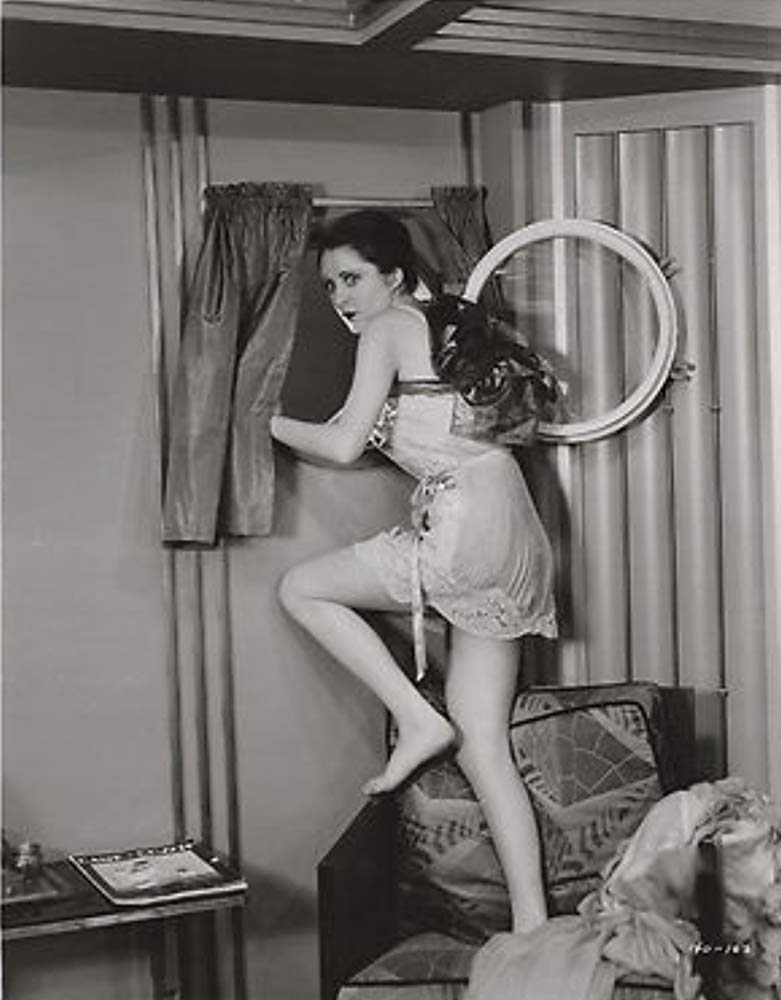
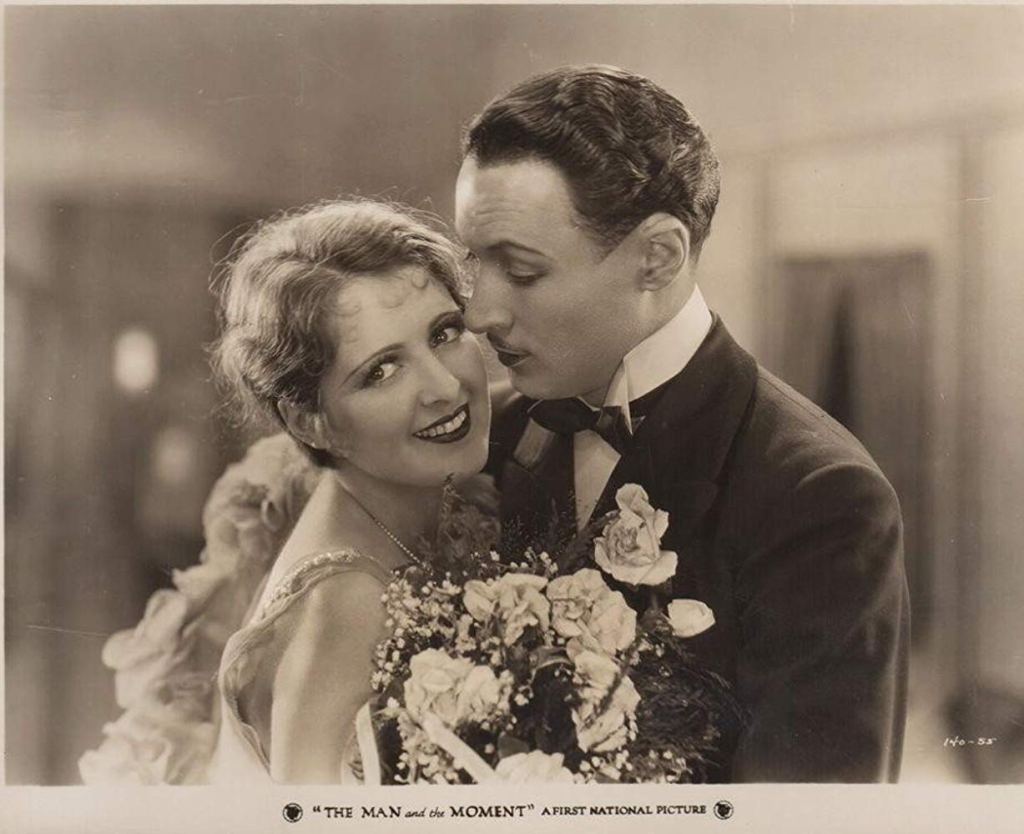
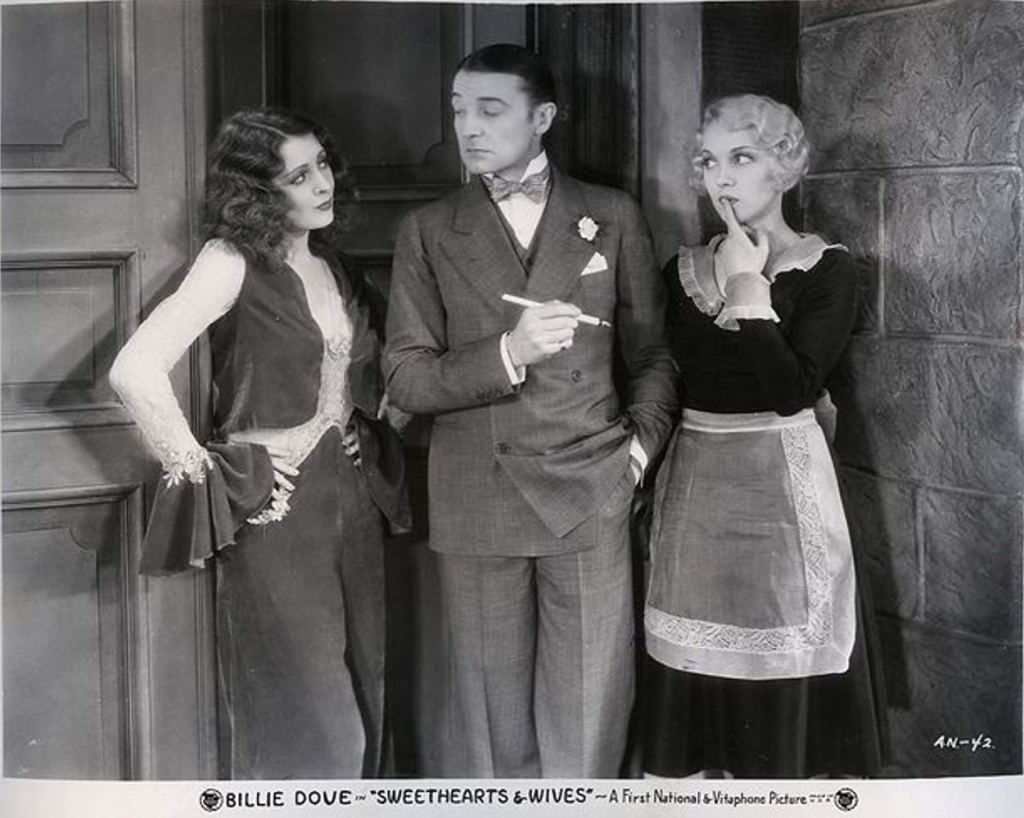
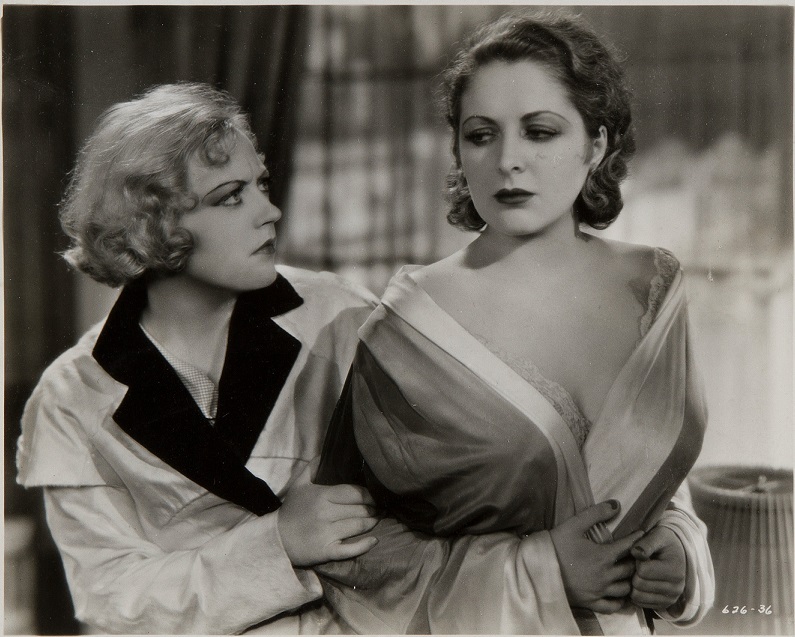
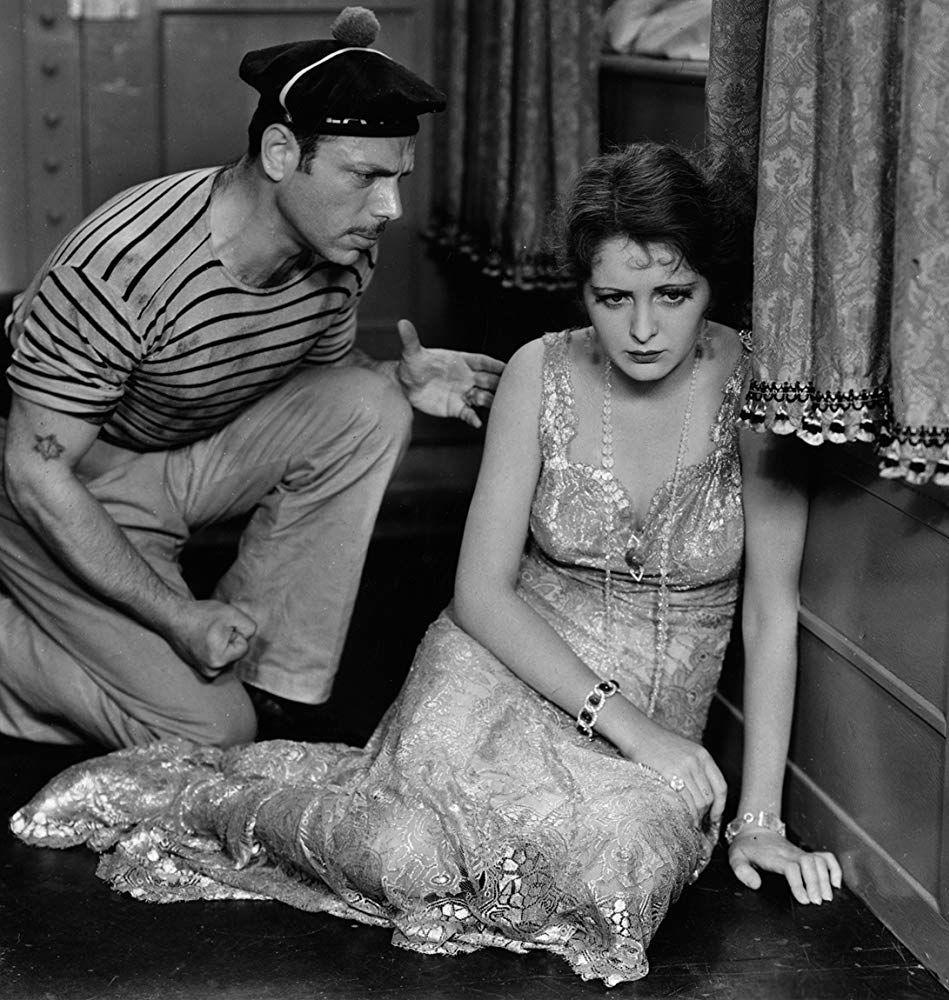
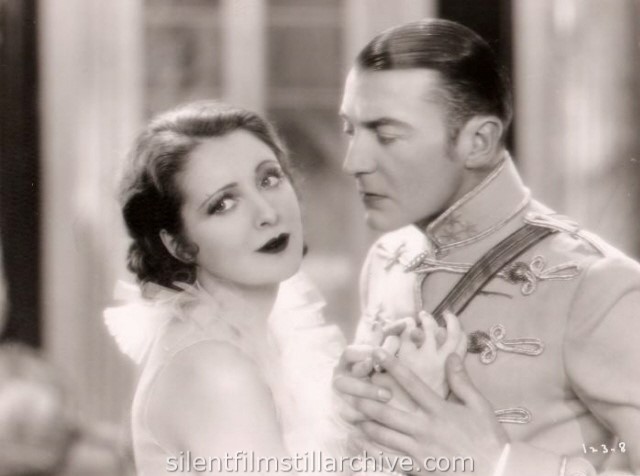
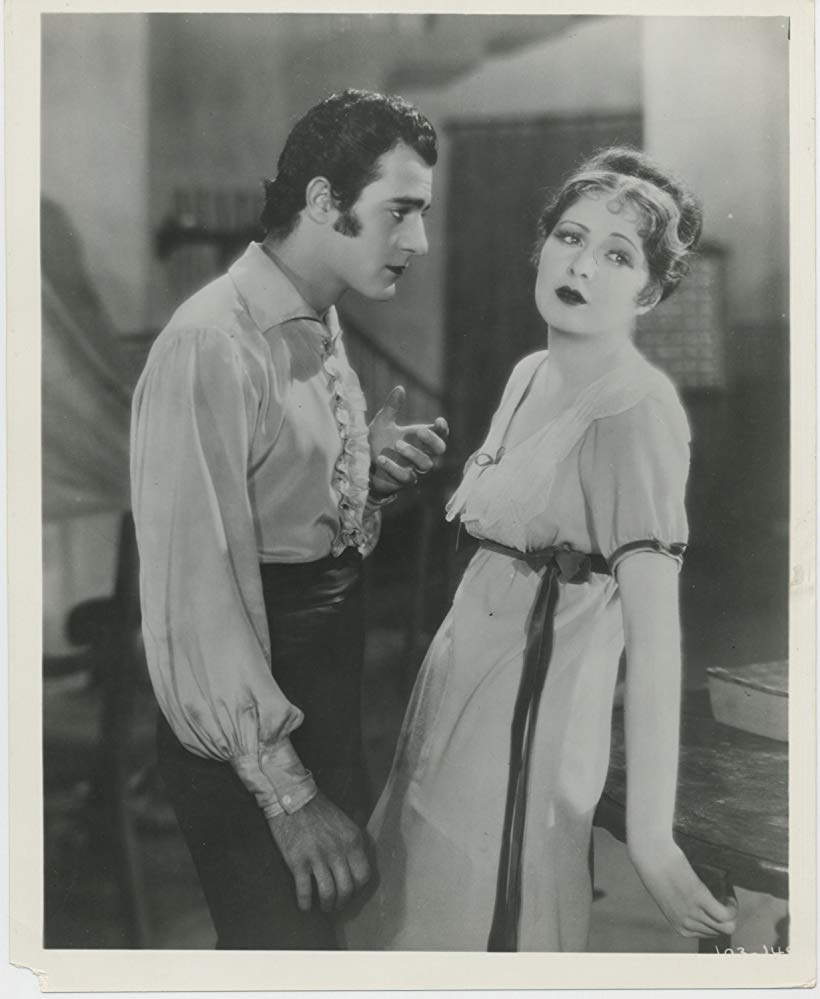
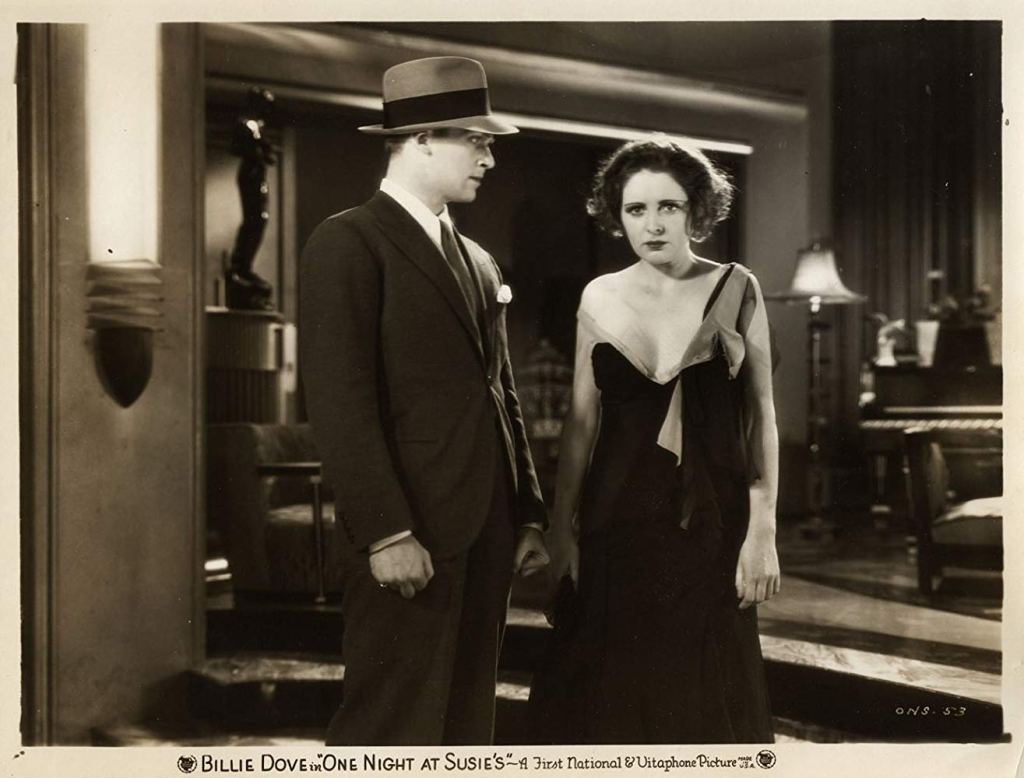
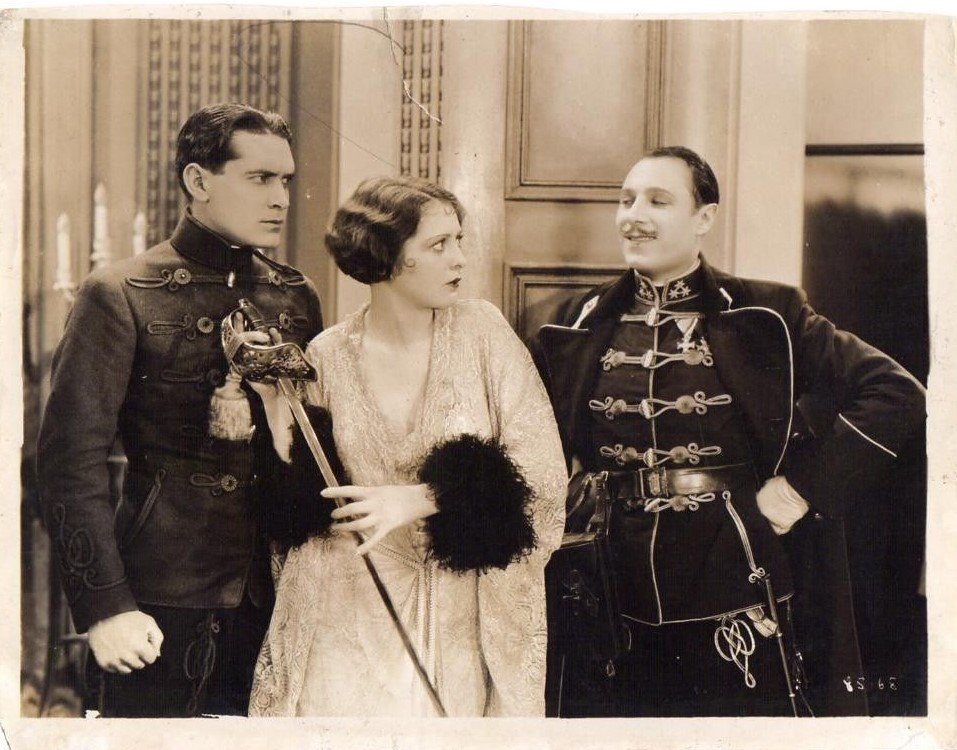
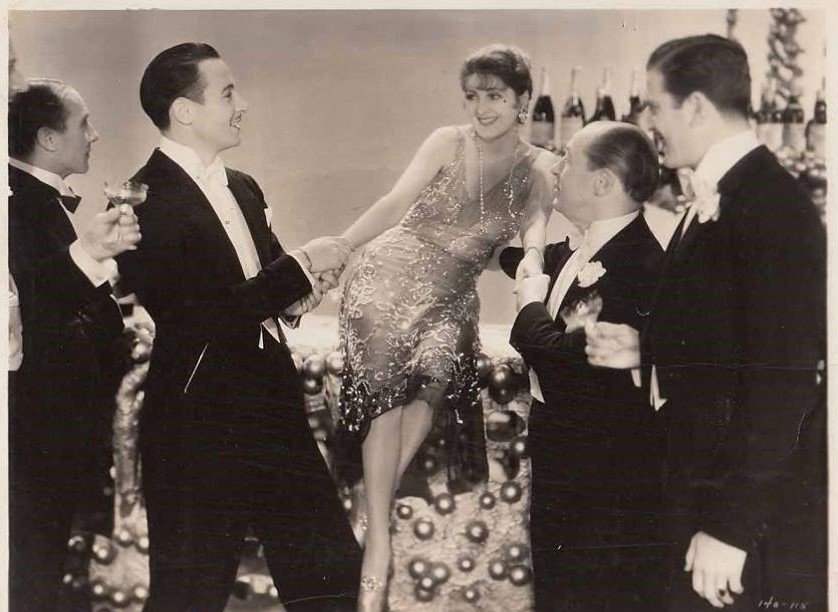
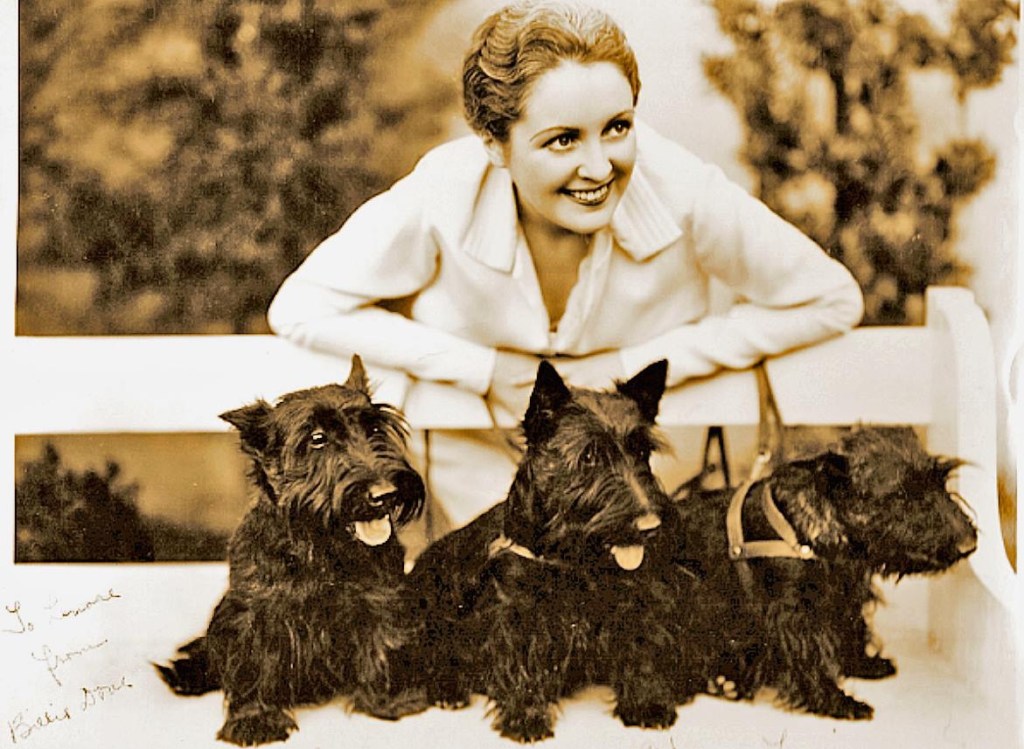
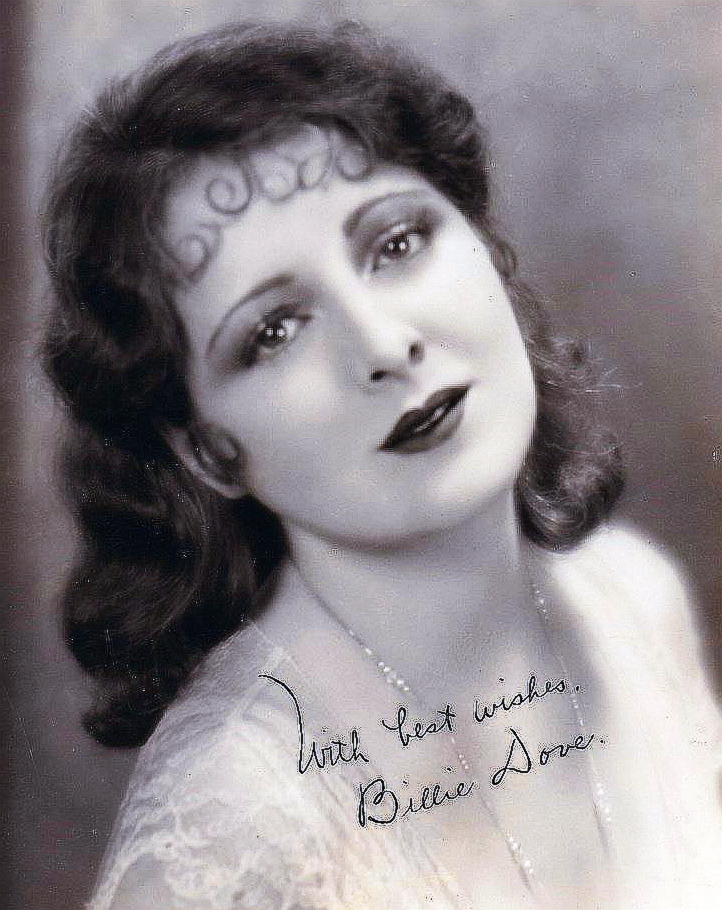
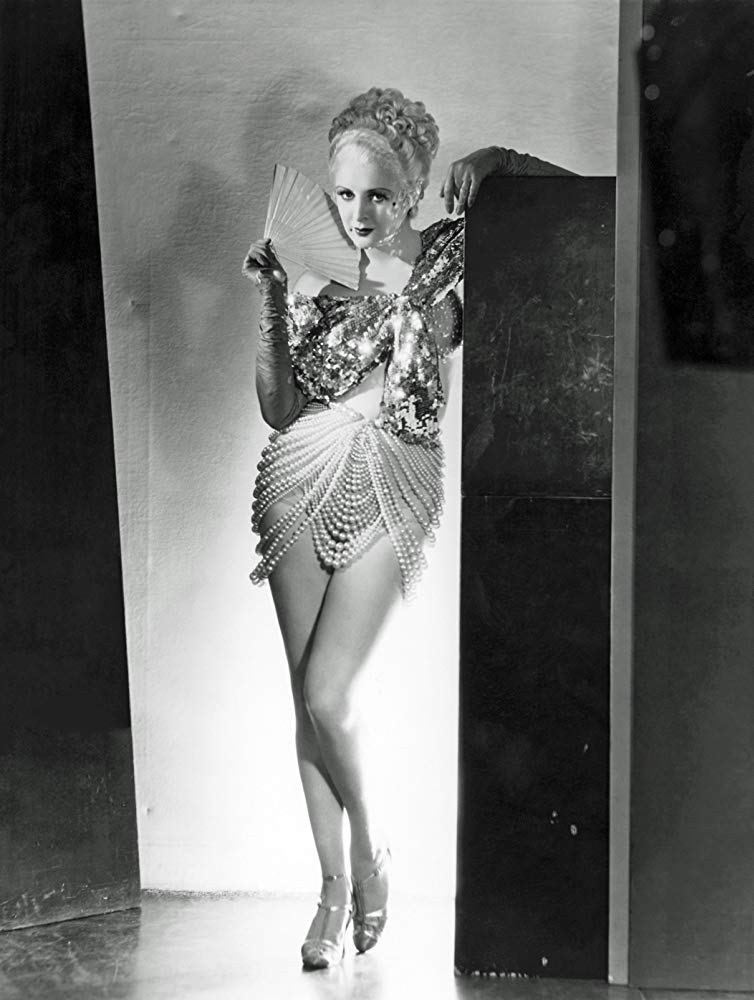
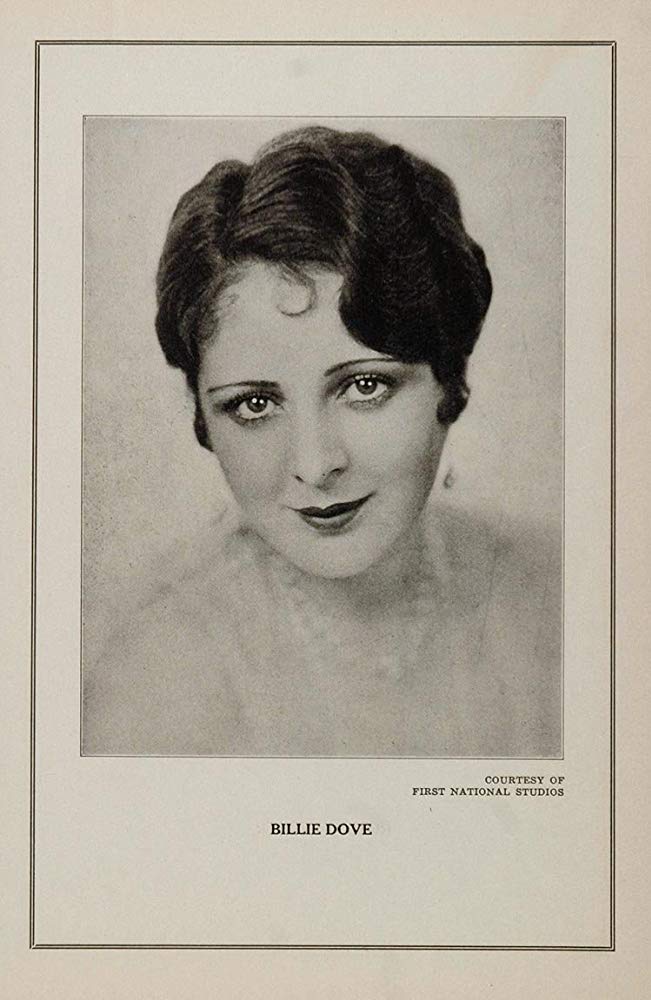
In her silent heyday, this ravishing and highly photogenic star, known for her voluptuous femininity on the silent screen, rivaled that of Mary Pickford, Marion Davies and Clara Bow in popularity. She retired after only a few years into the talking picture era, however, and is not as well-remembered in today’s film circles as the aforementioned.
Billie Dove was born Lillian Bohny on May 14, 1903 (several sources list 1900), to Swiss parents Charles and Bertha Bohny who emigrated to New York City before she was born. Educated in private schools in Manhattan, she was already singled out as quite a beauty by her early teens. By 15 and 16 she was helping to support the family by working as both a photographer’s and artist’s model. It is said that the renowned poster painter/illustrator James Montgomery Flagg sketched her during this period. Although she could neither sing nor dance all that well, this stunning beauty was subsequently hired by Broadway impresario Florenz Ziegfeld Jr. to appear in his famous Follies. She was eventually given solo entrances in his extravaganzas (one was for the song “A Pretty Girl Is Like a Melody”), and also appeared as gorgeous window dressing in a few of his Follies’ sideshows–the “Midnight Frolics” and “Nine O’Clock Revues”–all between 1918-20. She also served as a dancing replacement in Ziegfeld’s Broadway show “Sally,” which headlined Marilyn Miller, in 1921.
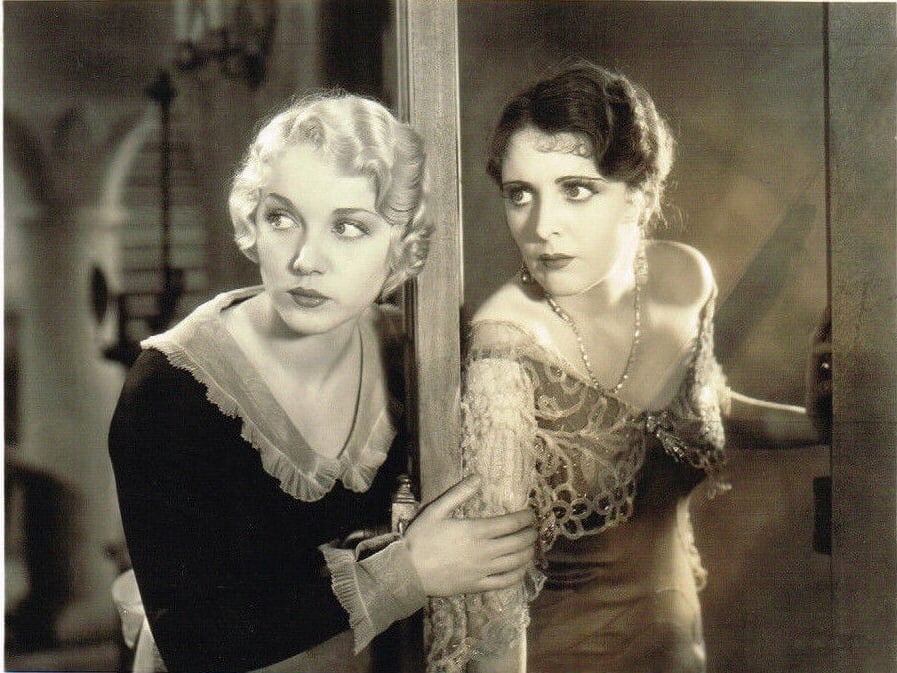
A burgeoning affair between Dove and Ziegfeld prompted Ziegfeld’s wife Billie Burke to arrange work for the young starlet in Hollywood films. She made her feature debut in George M. Cohan’s Get-Rich-Quick Wallingford (1921), based on the 1910 Broadway play; the cameras instantly fell in love with the beautiful newcomer. She was immediately put into a starring role in only her second picture, the backstage romantic drama At the Stage Door (1921), the story of a chorus girl and her sister (also a chorine) who compete for the affections of a wealthy patron. From there Billie went on to appear opposite some of Hollywood’s most popular leading men–from glossy, dramatic stars such as John Gilbert and Warner Baxter to sturdy cowboy idols Tom Mix and Hoot Gibson–and in several different genres. Billie also graced a number of pictures helmed by Irvin Willat, whom she married in 1923. These included All the Brothers Were Valiant (1923) co-starring Lon Chaney; the Zane Grey western Wanderer of the Wasteland (1924); The Air Mail (1925) with Baxter and Douglas Fairbanks; and The Ancient Highway (1925).
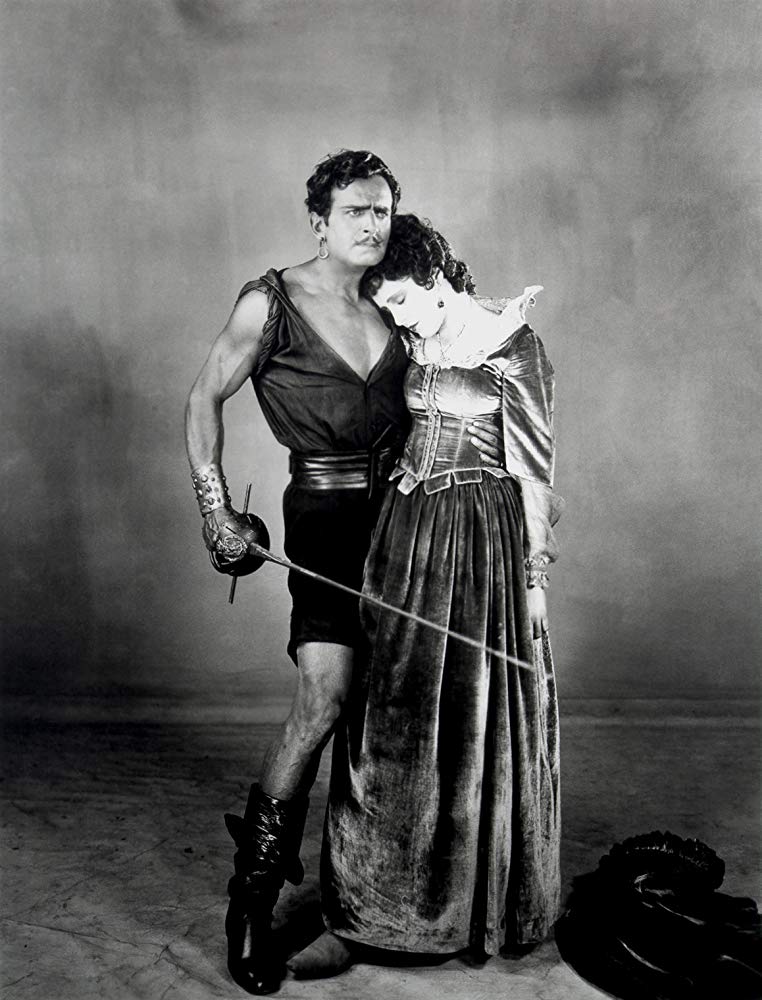
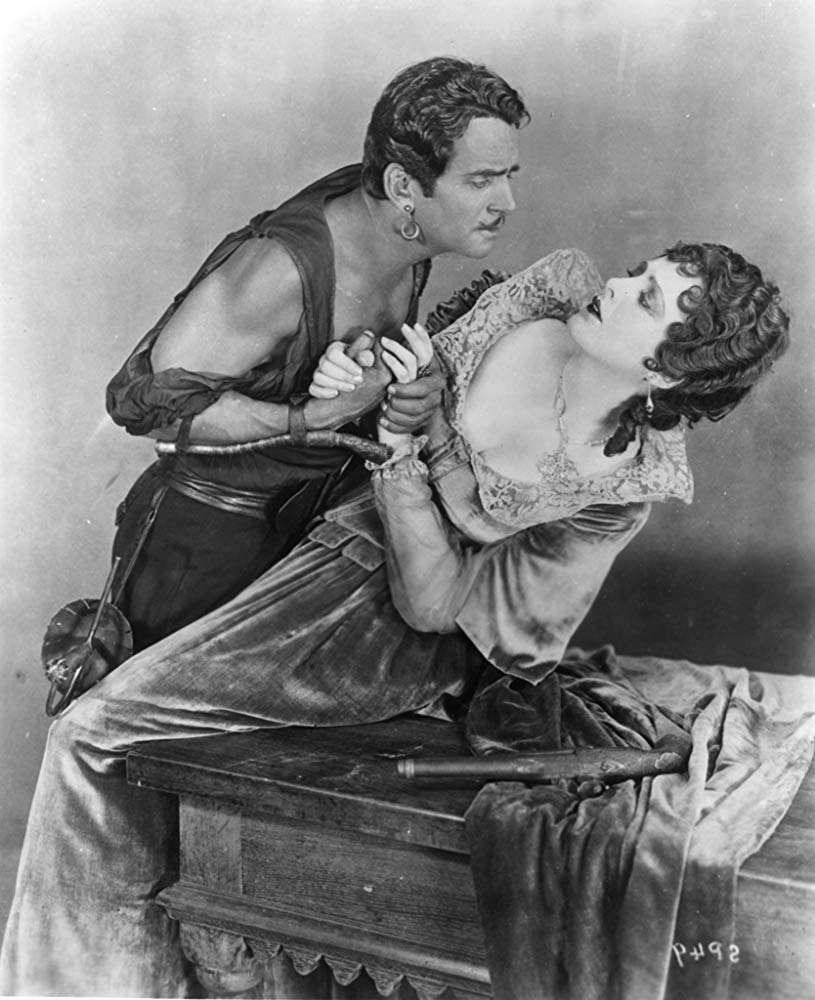
Top stardom came while she was swept up in the arms of the dashing Fairbanks as the starry-eyed princess who is rescued by The Black Pirate (1926) in the classic silent adventure. Billie was the first actress to receive a color screen test via this pirate yarn. Lovingly dubbed “The American Beauty” after appearing in the movie of the same title, The American Beauty (1927)–in which she played a social-climbing hat check girl–her acting talent was considered modest. Her better pictures were those opposite stronger male actors by stronger directors. Pioneer female director Lois Weber fit the bill and brought out the best in Billie in two of her films–The Marriage Clause (1926) with Francis X. Bushman and Sensation Seekers (1927).
Divorced from Willat in 1929, Billie was still at the peak of her popularity with the advent of sound. The multi-millionaire eccentric and (at that time) budding producer Howard Hughes became an obsessed admirer, which resulted in an all-consuming three-year affair. Hughes, who tried to take over and control her career, actually proposed to the star and they were briefly engaged. She abruptly ended the relationship, however, when she was unable to handle his quirkiness and long, unexplained absences. For Hughes she appeared on screen in the dramatic The Age for Love (1931) and comedic Cock of the Air (1932).
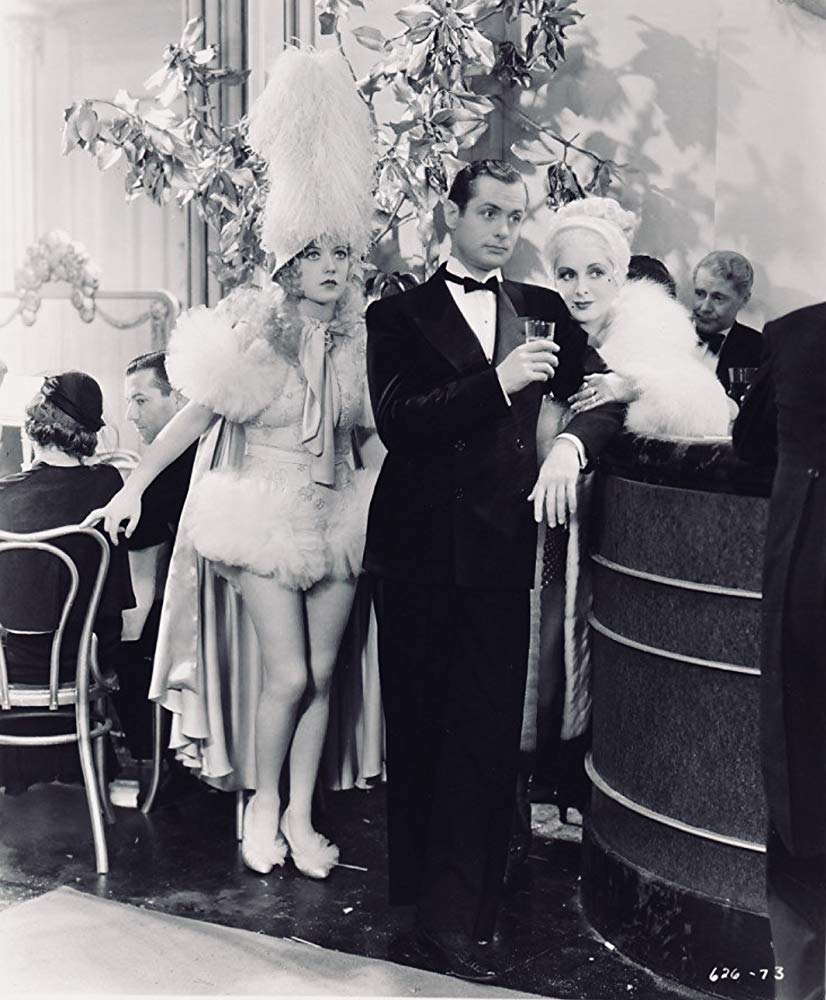
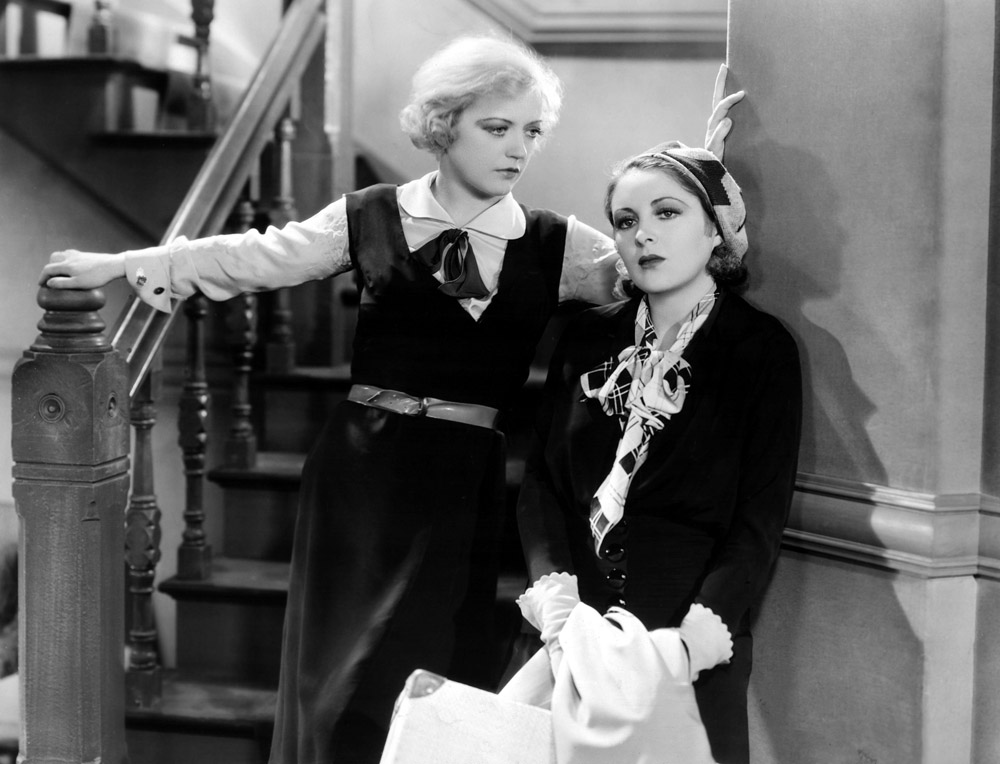
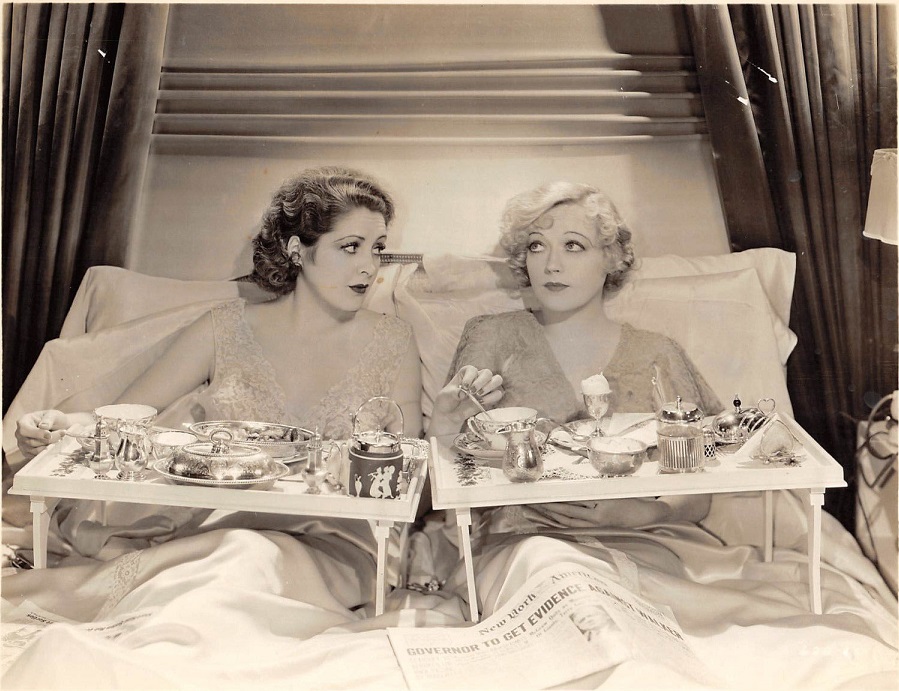
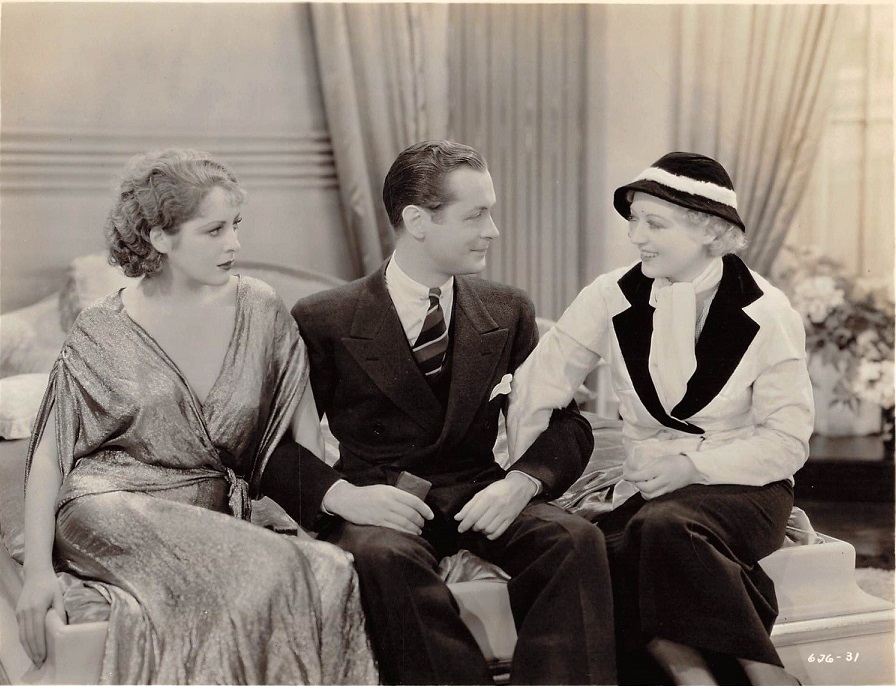
In Blondie of the Follies (1932), the Marion Davies starrer, Dove was dismayed when her third-billed role was “trimmed” and “reshaped” at the urging of Davies’ highly influential paramour William Randolph Hearst (who happened to own Cosmopolitan Productions, which made the picture). This was to be her last film; she retired from the screen shortly thereafter. By 1933 she had remarried and focused on having a family. Married to Robert Kenaston, a rancher, oil executive and real estate investor, they had one son (Robert Alan) and an adopted daughter (Gail). The couple divorced in 1970 after 37 years of marriage (he died three years later). A third marriage to architect John Miller also ended in divorce.
Other than an unbilled bit part of a nurse in the movie Diamond Head (1962) with Charlton Heston, Dove never returned to the screen. She was eventually transferred from her Rancho Mirage (California) home to live out the rest of her life at the Motion Picture & Television Country House and Hospital in Woodland Hills. The nonagenarian died of pneumonia in 1997.
(Text by Gary Brumburgh via IMDB.com)