

















Bringing You the Wonder of Yesterday – Today
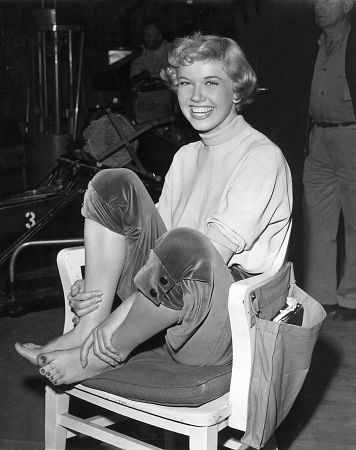
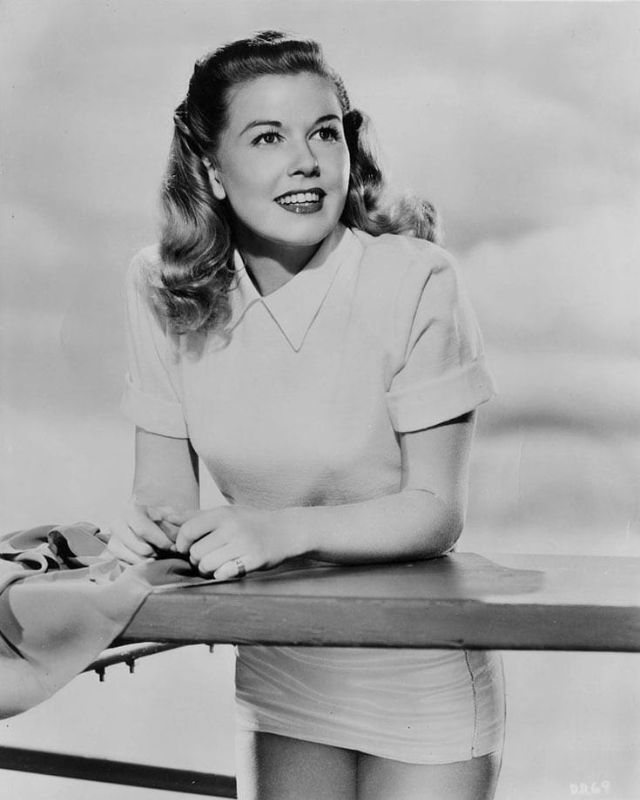
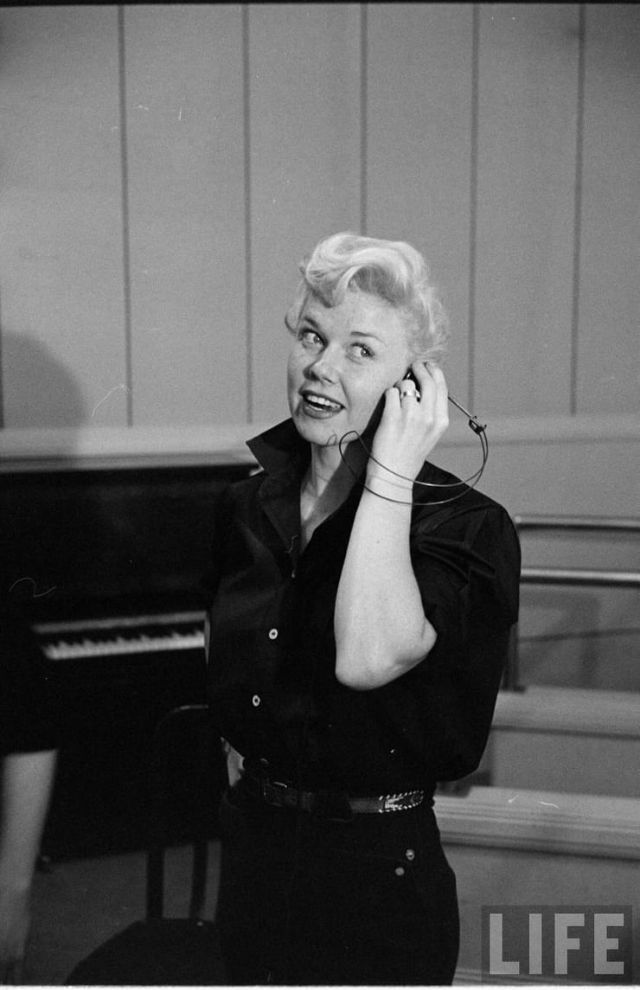
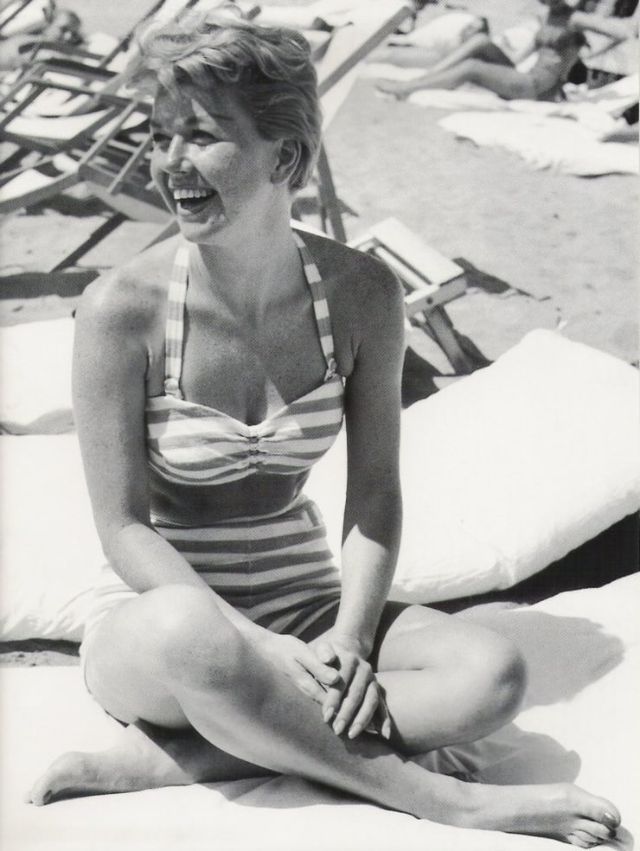
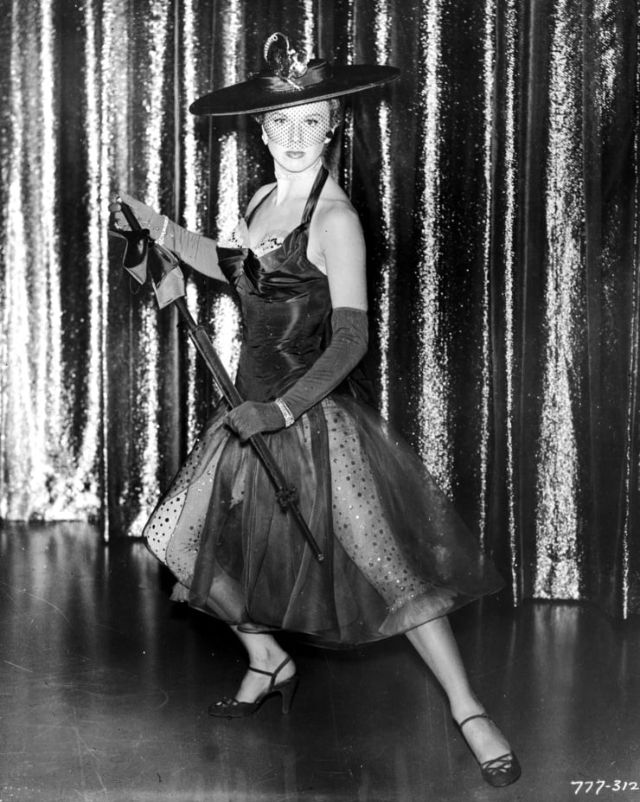
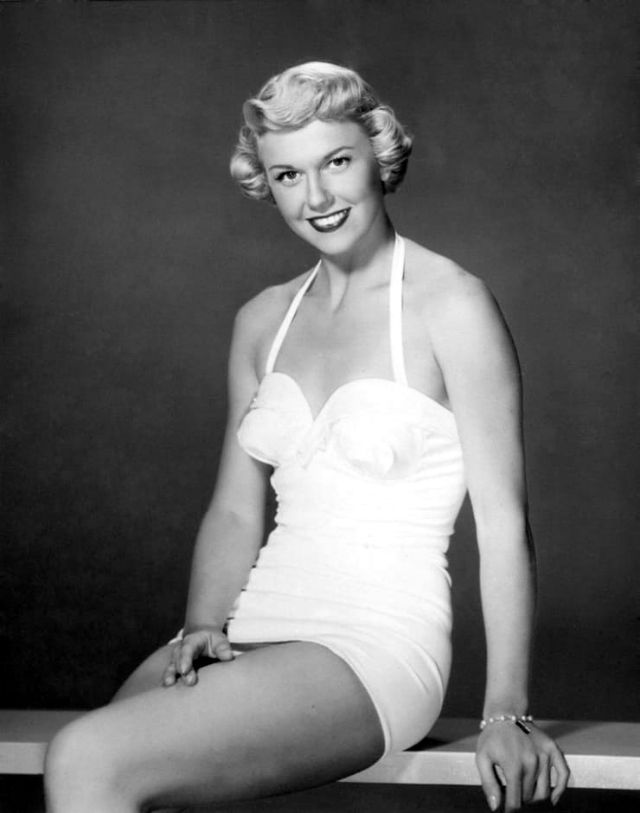
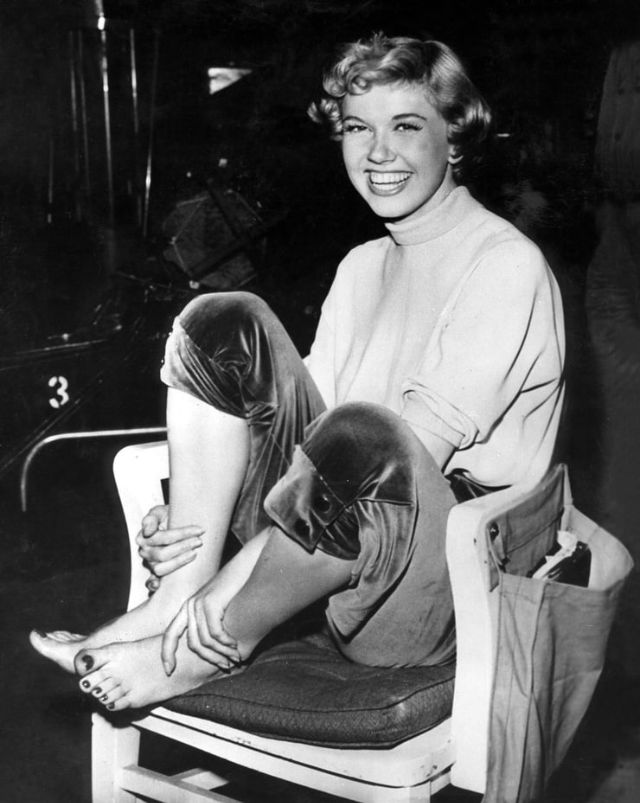
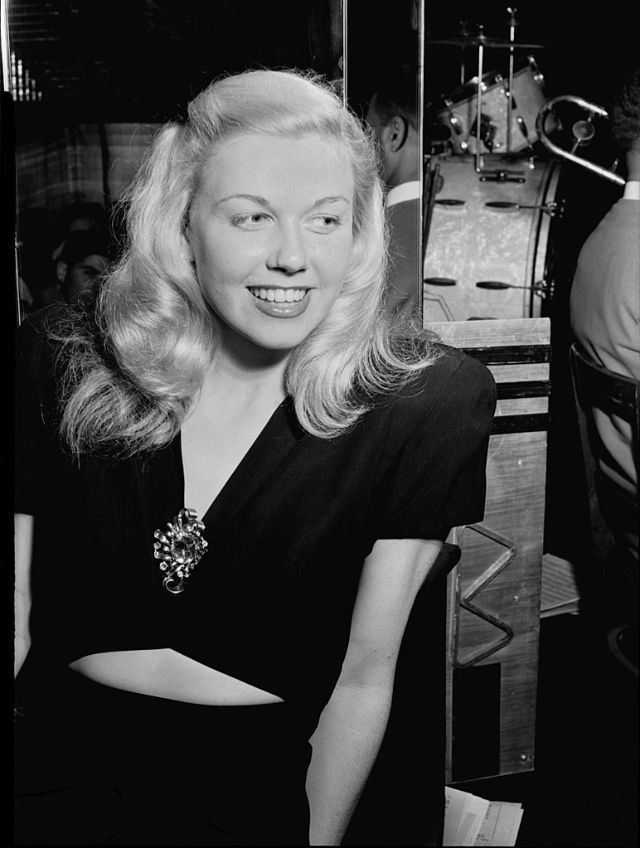
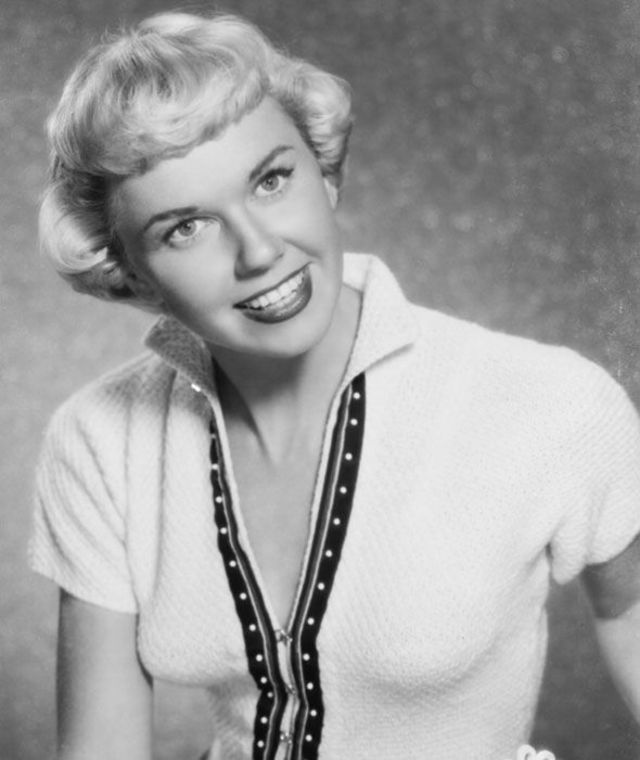
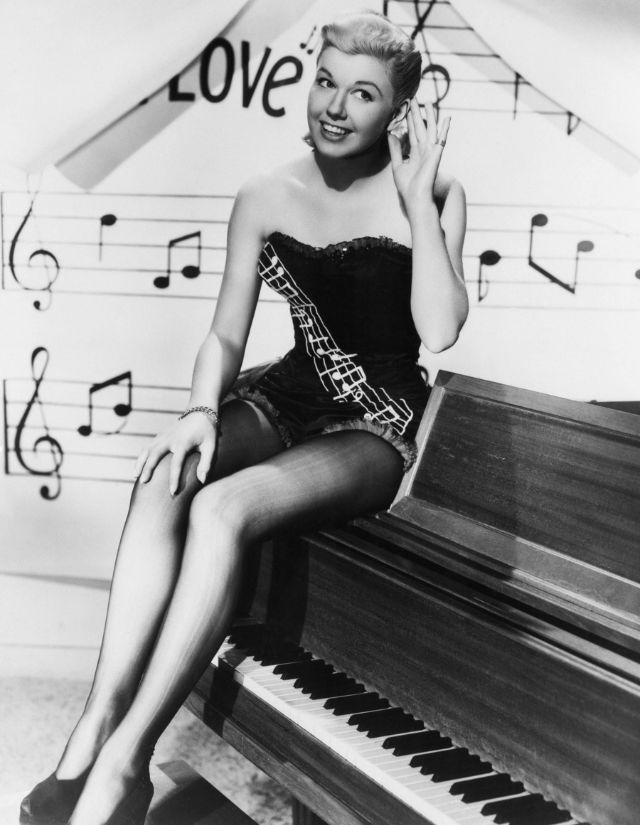
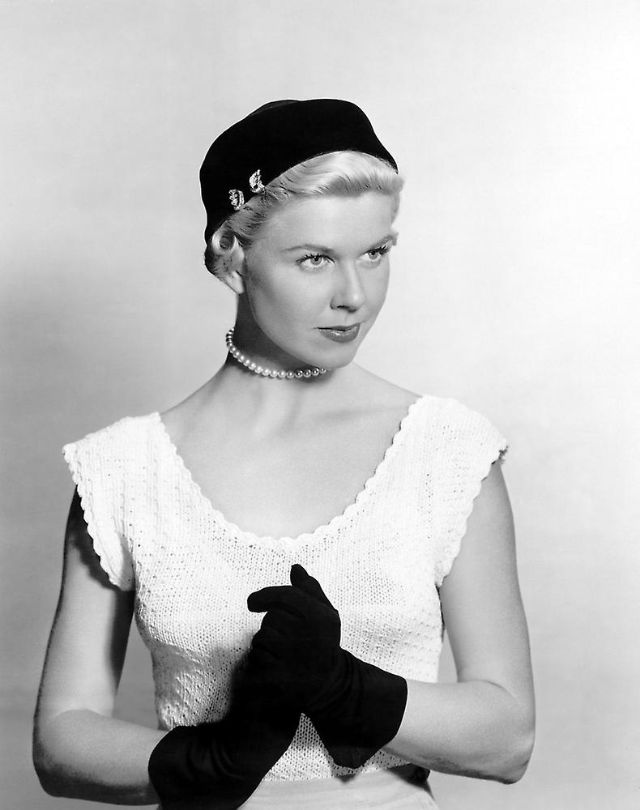
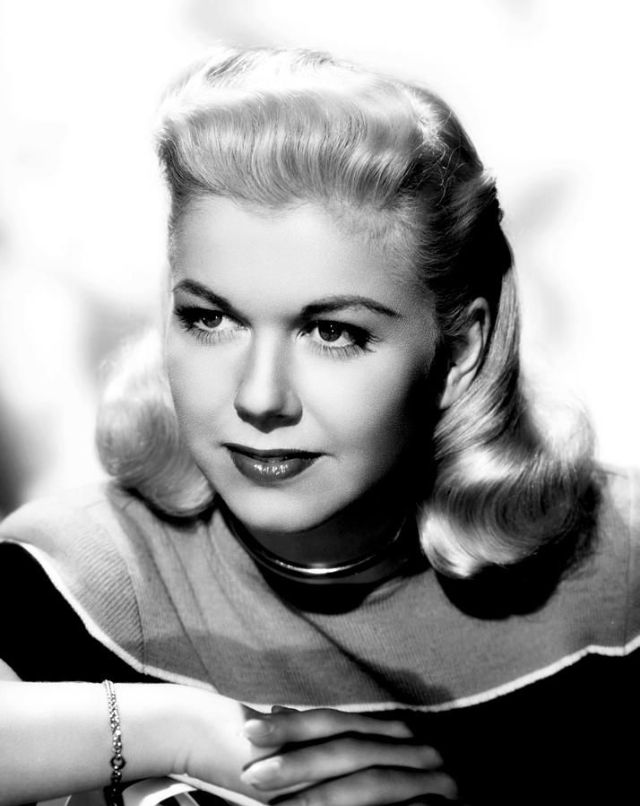
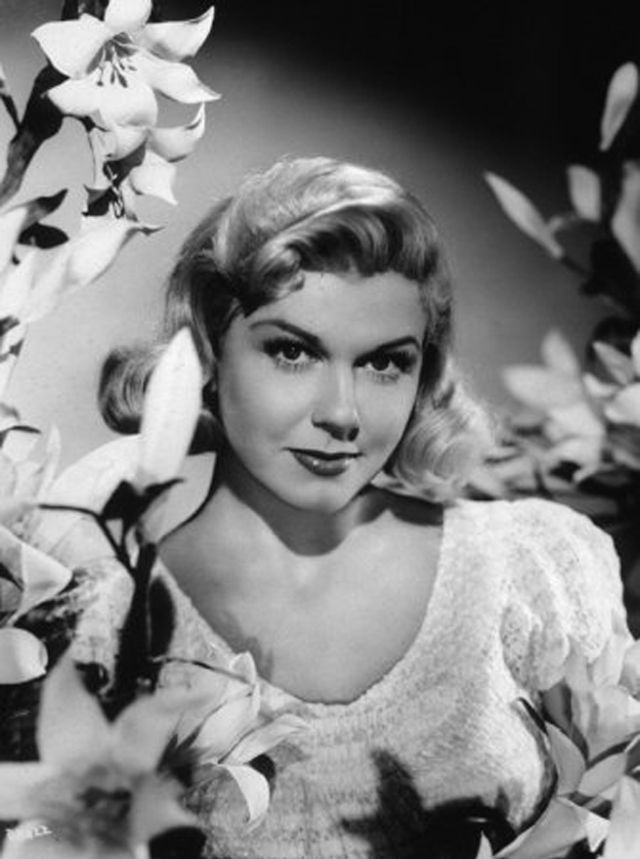
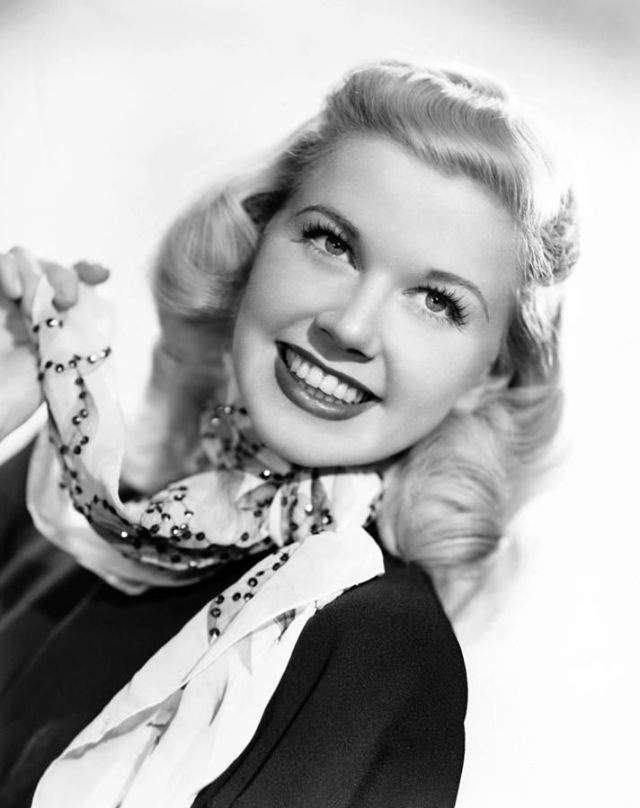
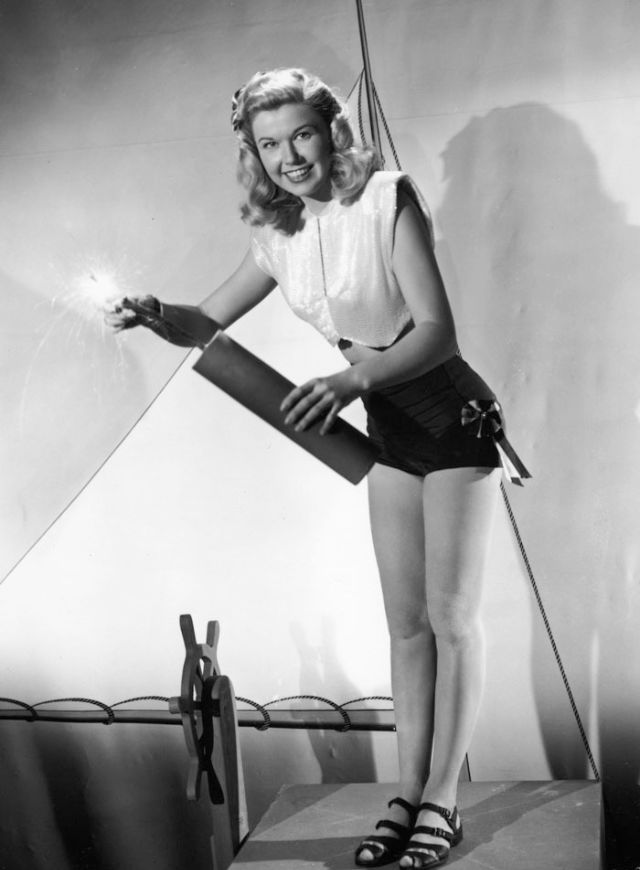
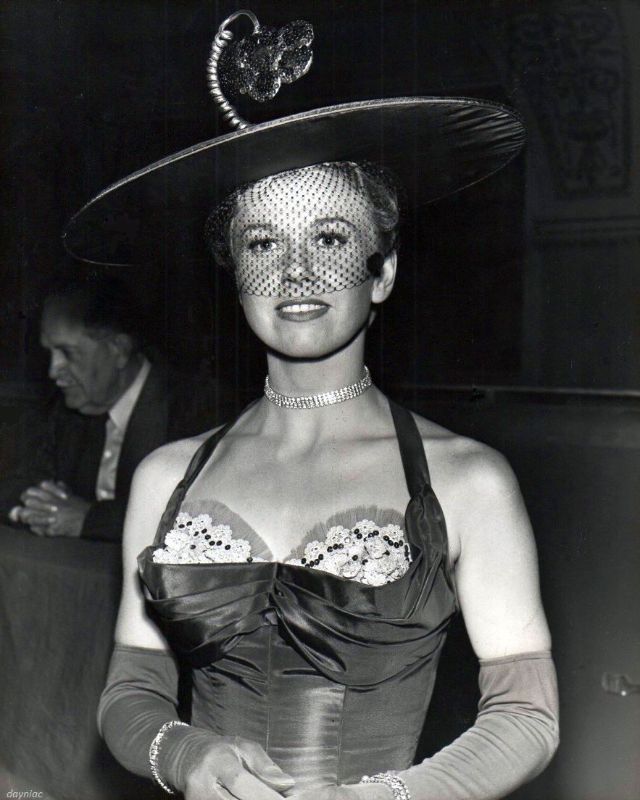
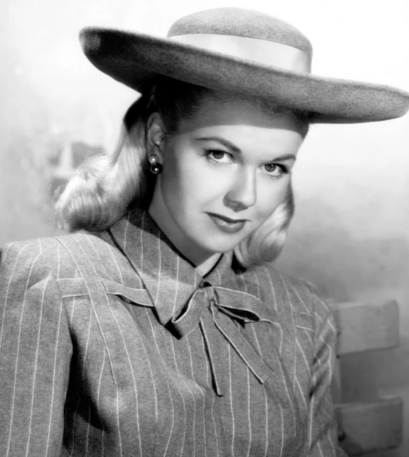
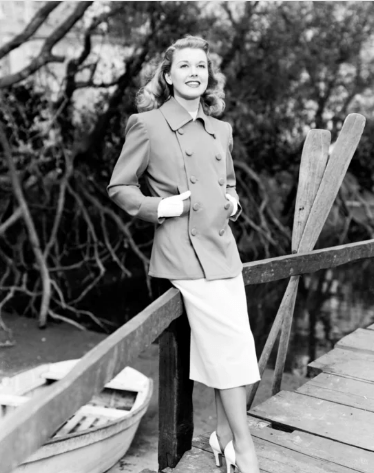
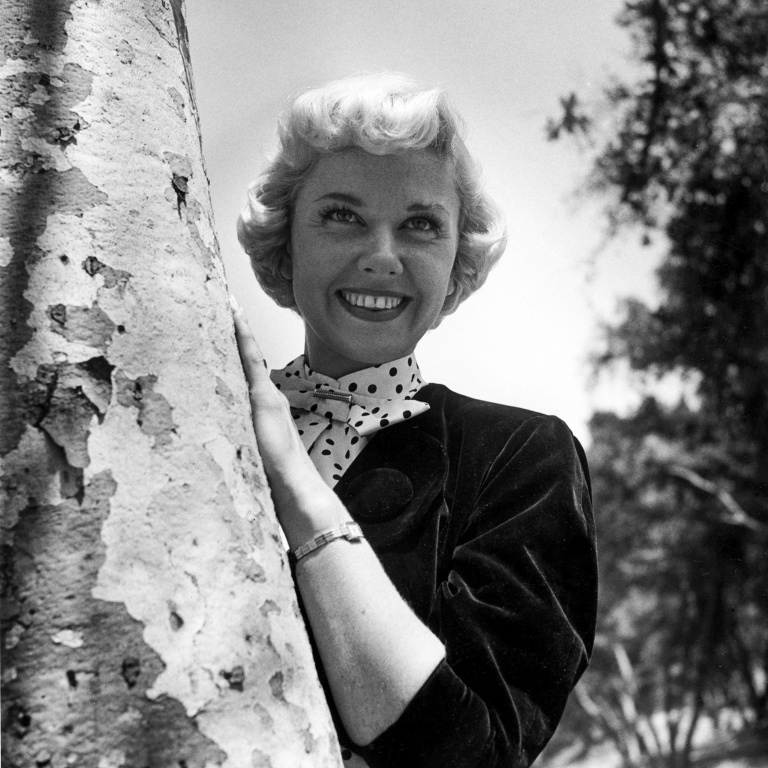
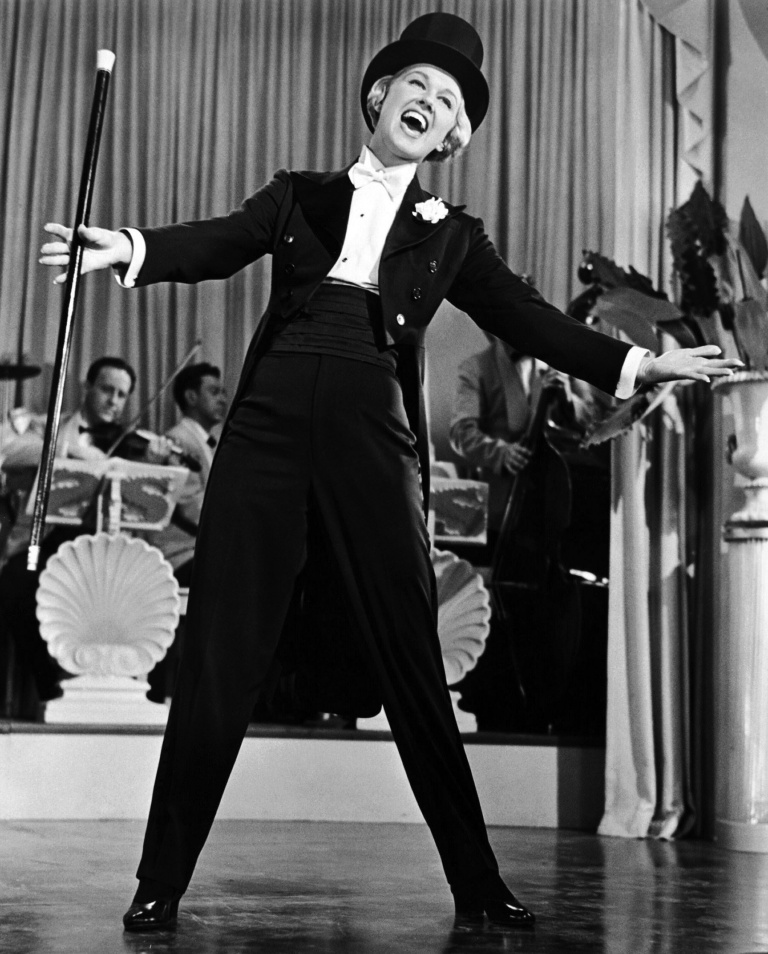
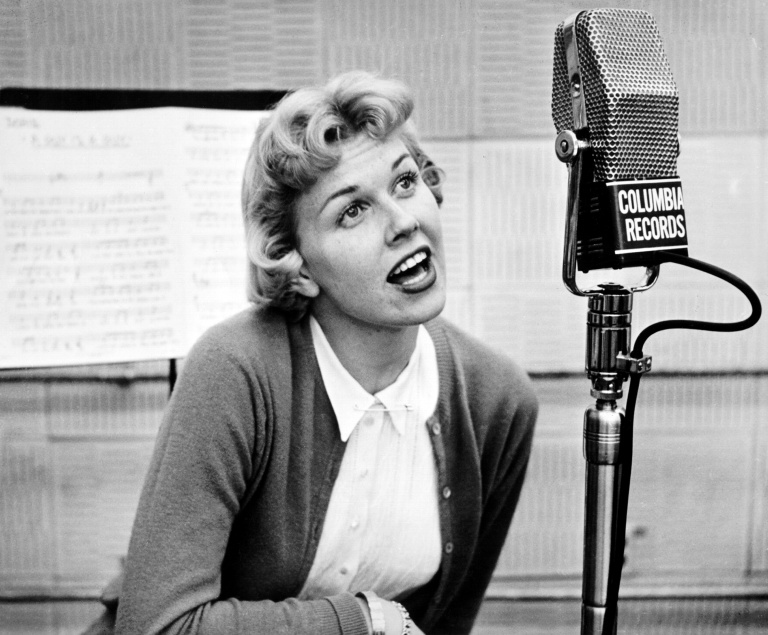
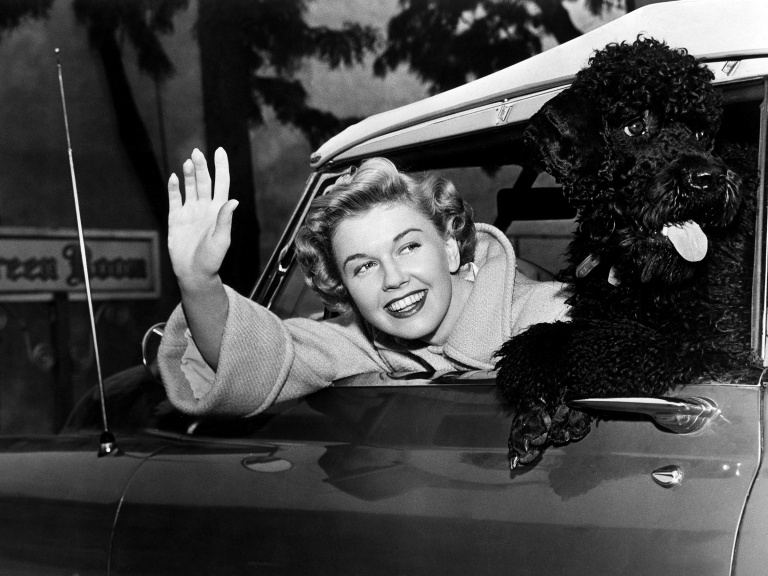
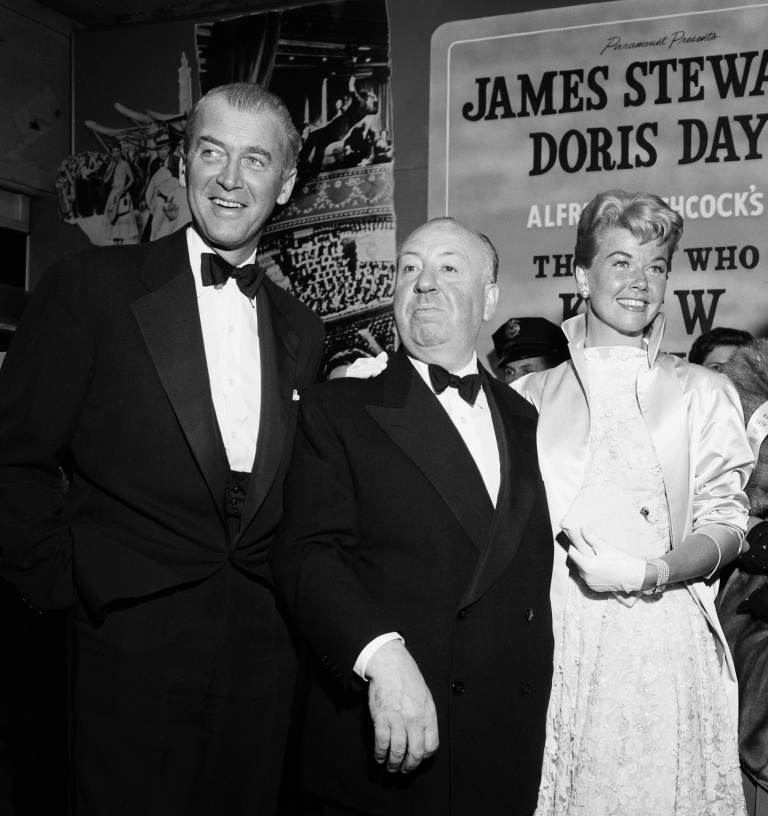
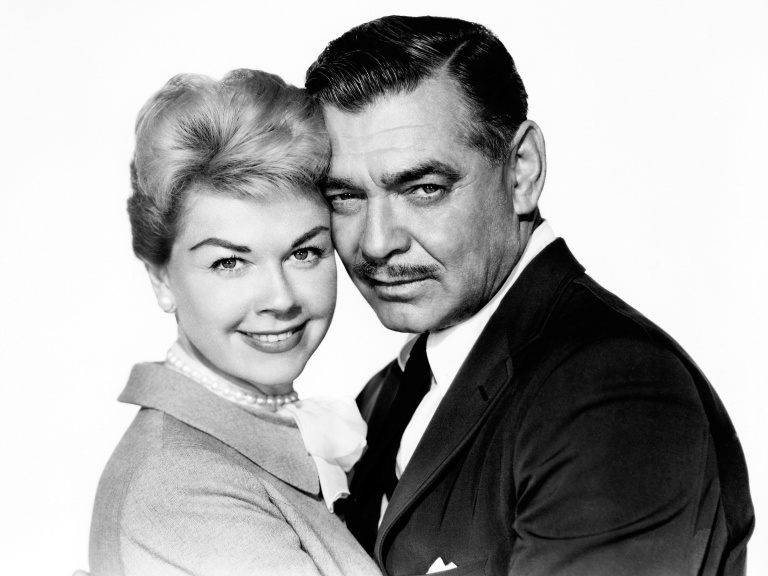
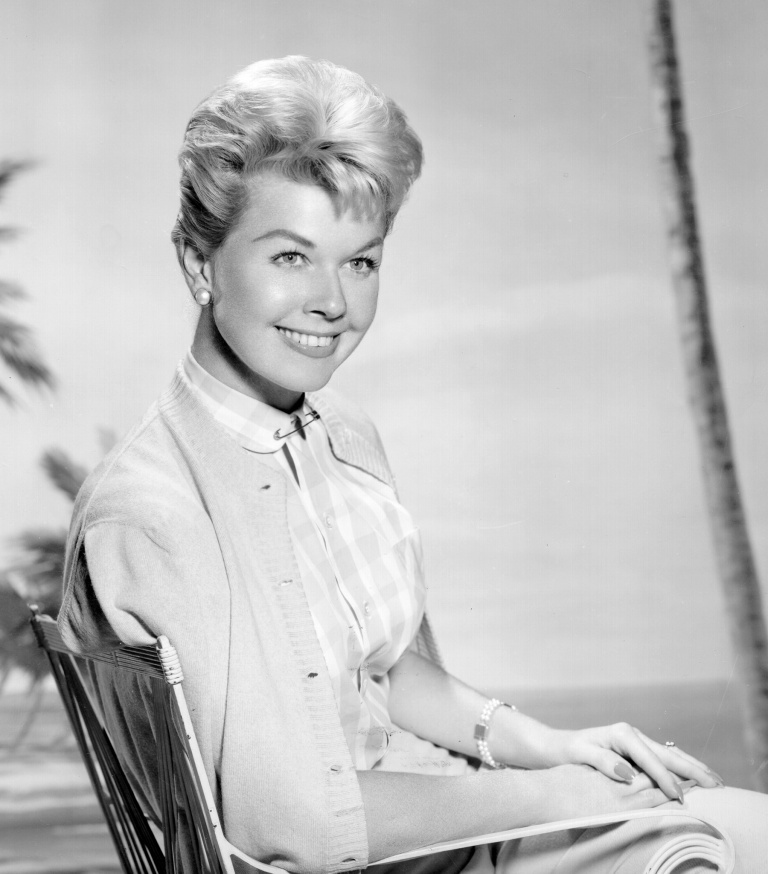
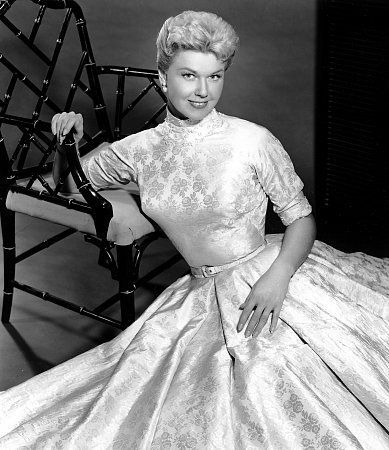
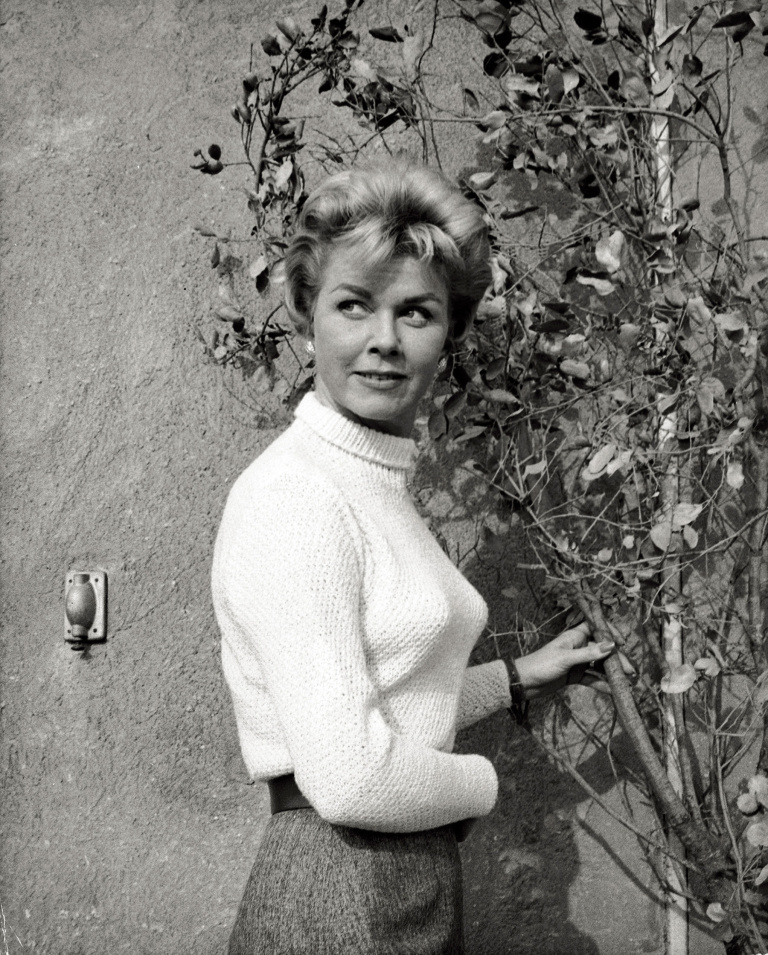
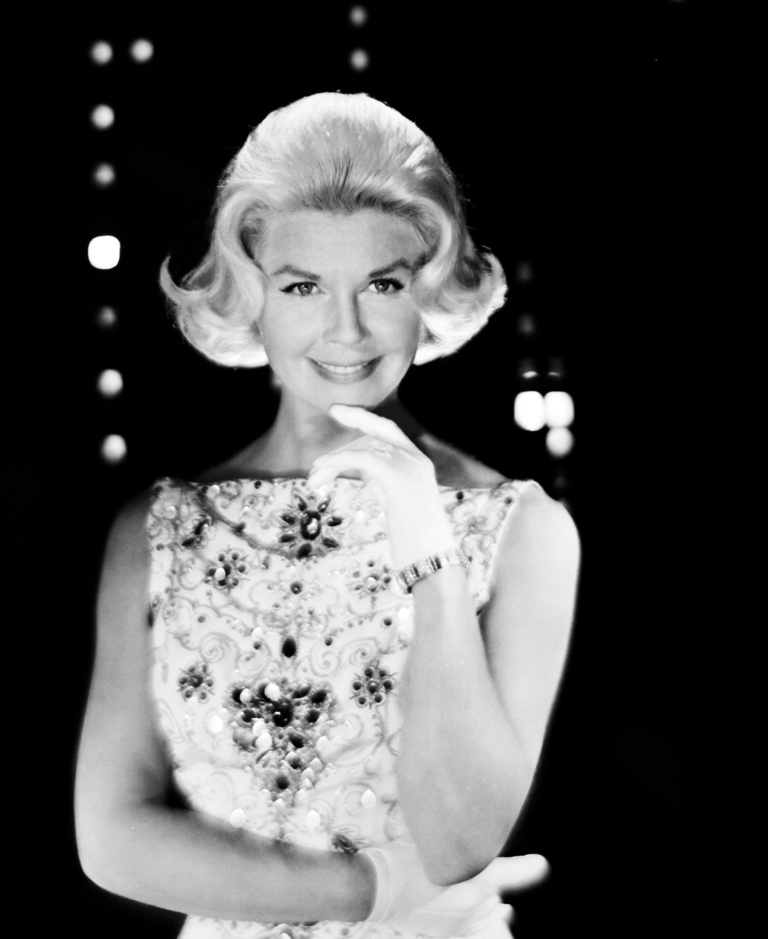
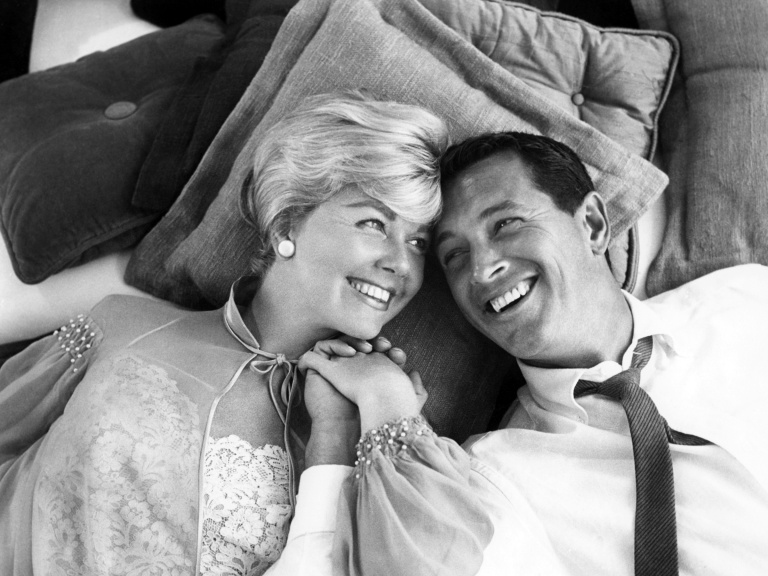
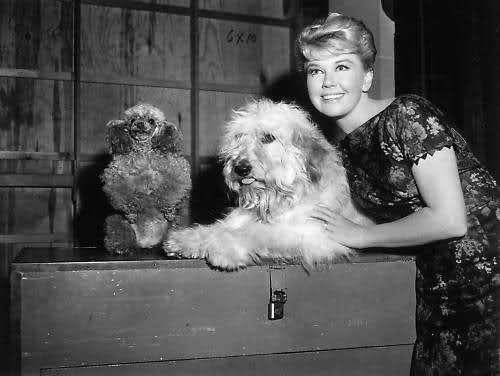
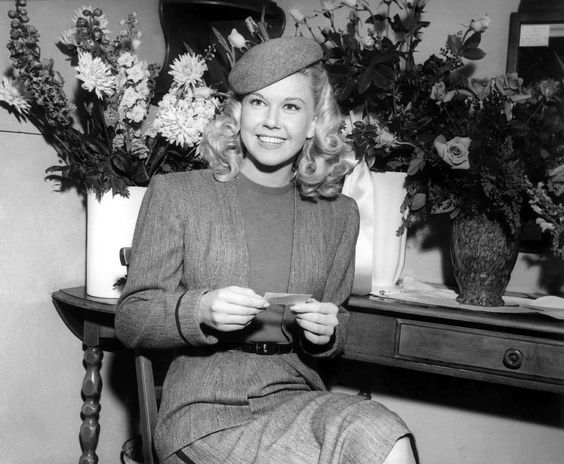
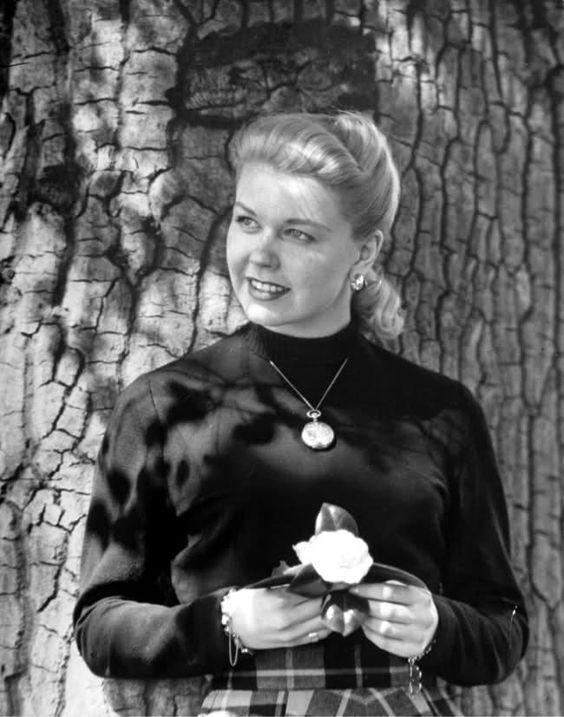
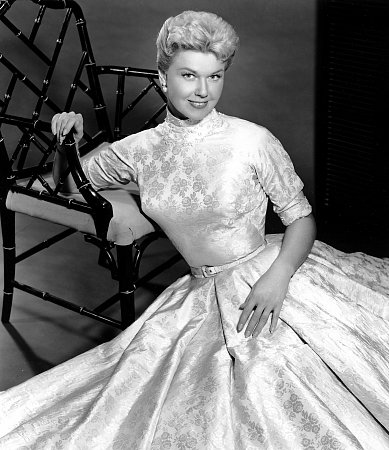
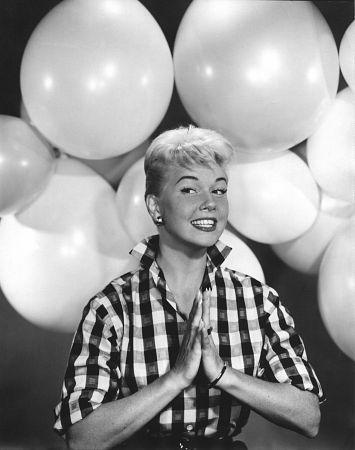
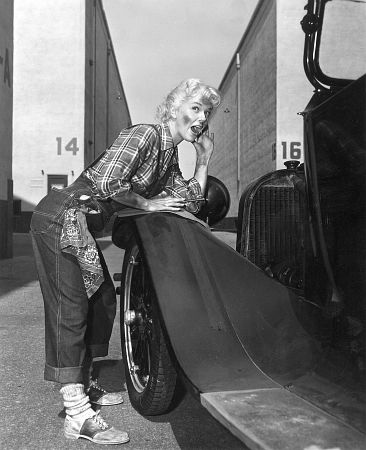
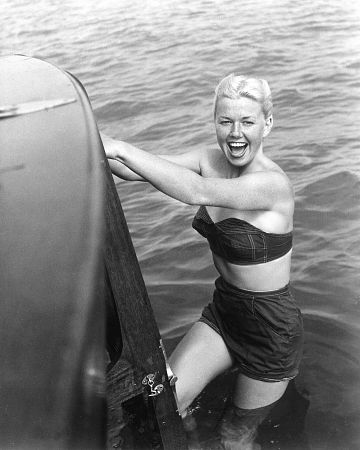
Doris Day (born Doris Mary Ann Kappelhoff; April 3, 1922) is an American singer and motion-picture actress whose performances in movie musicals of the 1950s and sex comedies of the early ’60s made her a leading Hollywood star.
While still a teenager, she changed her last name to Day when she began singing on radio. She worked as a vocalist in the bands of Barney Rapp and Bob Crosby before joining Les Brown’s band in 1940 and making several popular recordings, among them “Sentimental Journey.” Day went solo in 1947 and achieved great success as a recording artist. Her singing was distinguished by crystal clear tone and the ability to convey great emotion without histrionics.
Day’s first major film role was in Romance on the High Seas (1948). From there she made a long series of musicals, including Calamity Jane (1953), Young at Heart (1954), Love Me or Leave Me(1955), and The Pajama Game (1957). Her screen persona, that of an intelligent, wholesome woman of unfailing optimism and understated strength of character, came to epitomize the ideal American woman of the 1950s.
Day went on to star in a string of sophisticated sex comedies, notably Teacher’s Pet (1958), Pillow Talk (1959), Lover Come Back (1961), That Touch of Mink (1962), The Thrill of It All (1963), and Send Me No Flowers (1964). These comedies made her Hollywood’s leading box-office attraction. From 1968 to 1973 she starred in The Doris Day Show, a weekly television series.
As her acting career neared its end, Day focused her attention on animals, cofounding Actors and Others for Animals. In 1978 she founded the Doris Day Pet Foundation, and nine years later she became a founding member and president of the Doris Day Animal League, a lobbying organization for laws regulating the treatment of animals.
Day died on May 13, 2019, at the age of 97, after having contracted pneumonia.

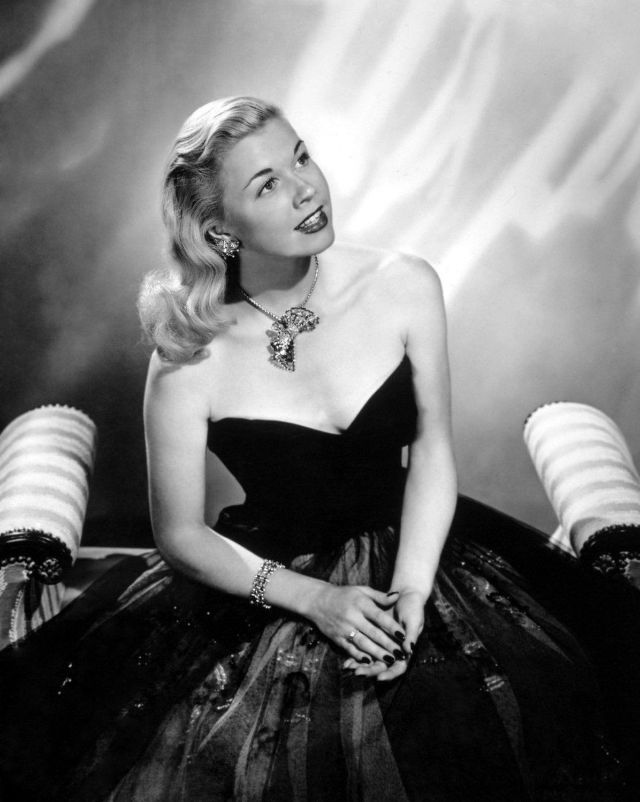
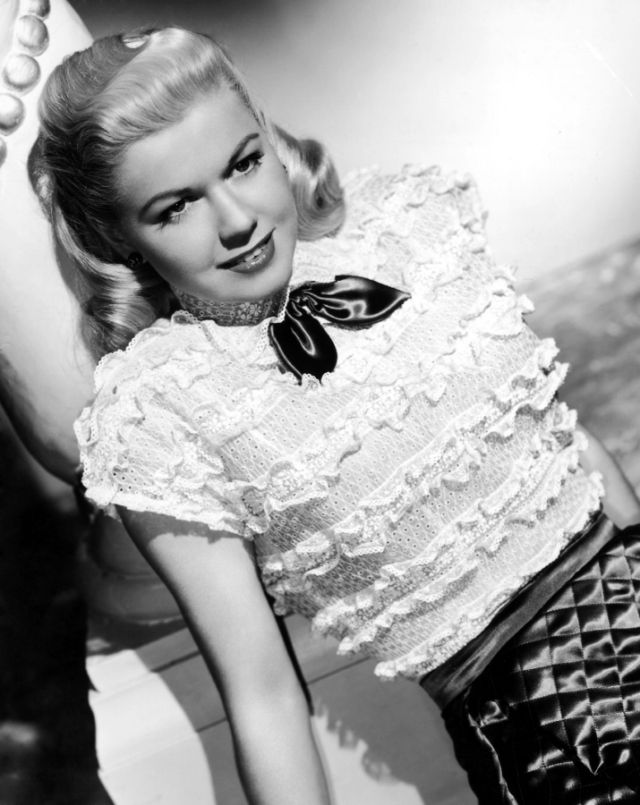

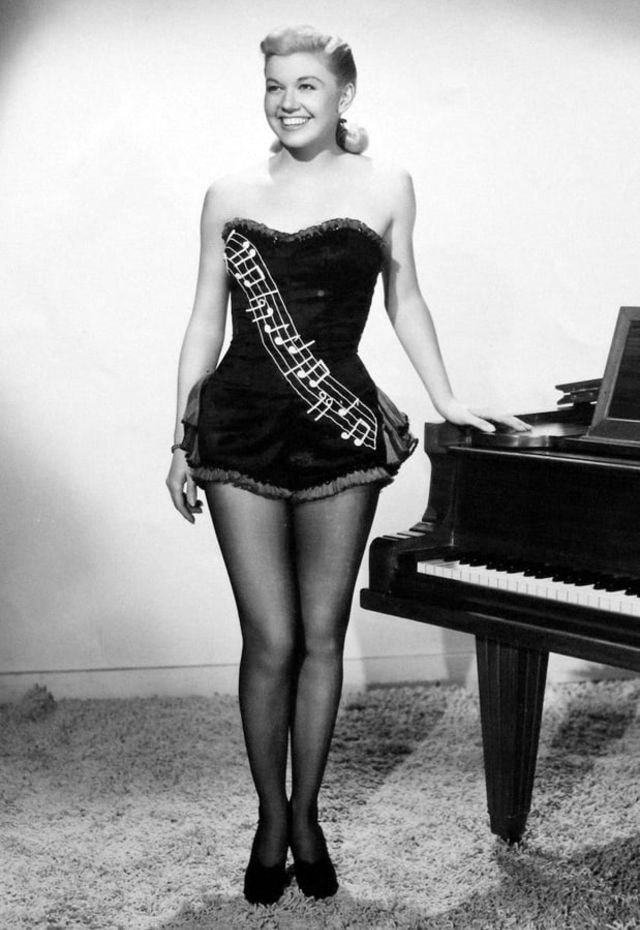

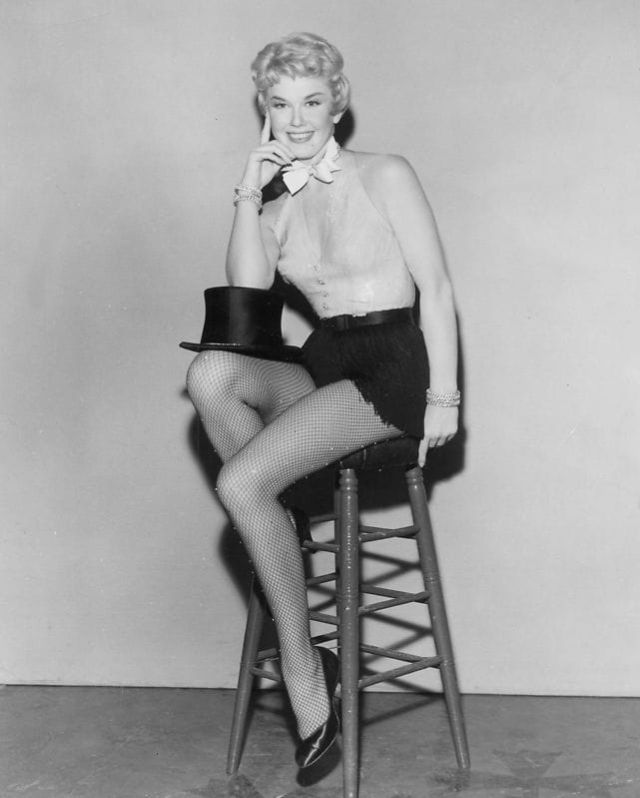
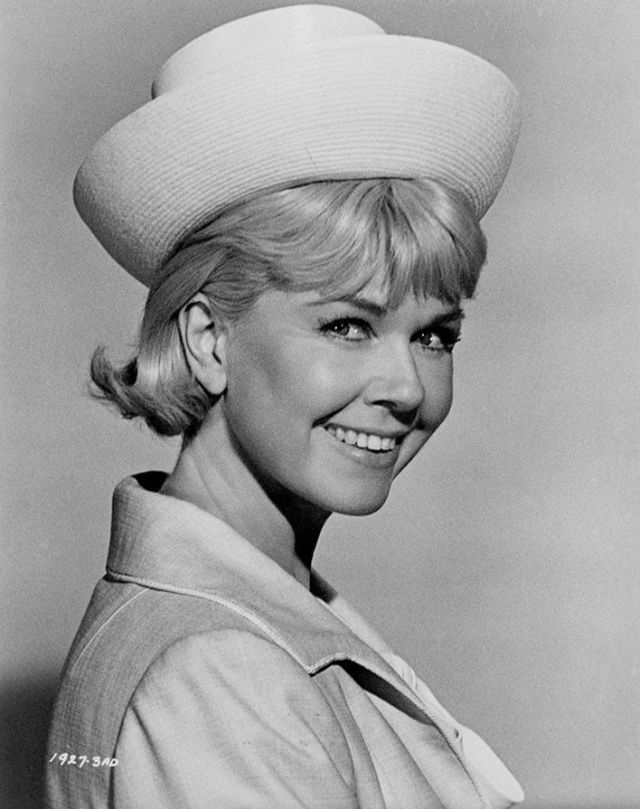
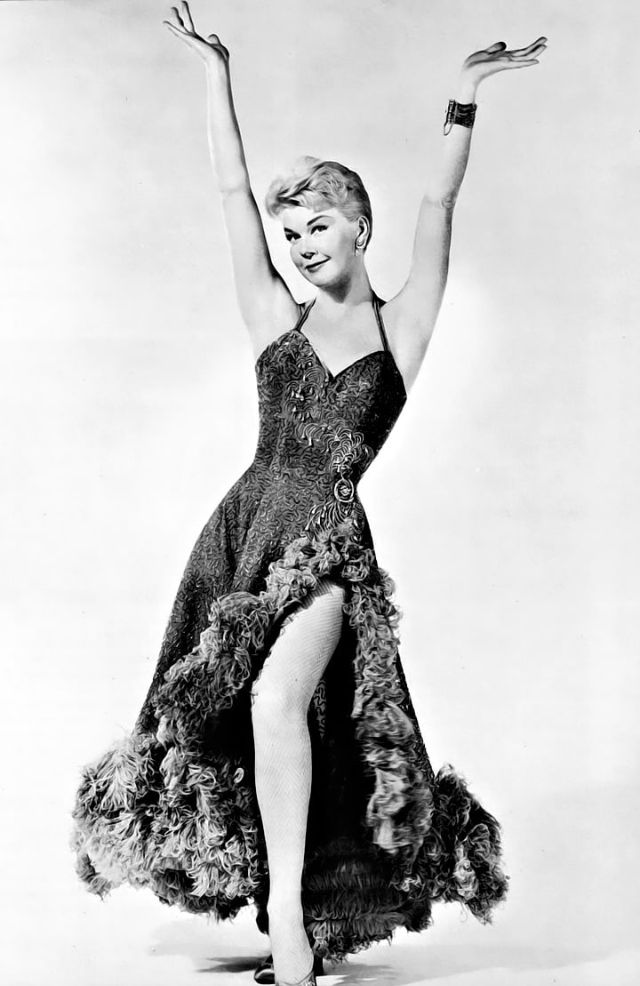
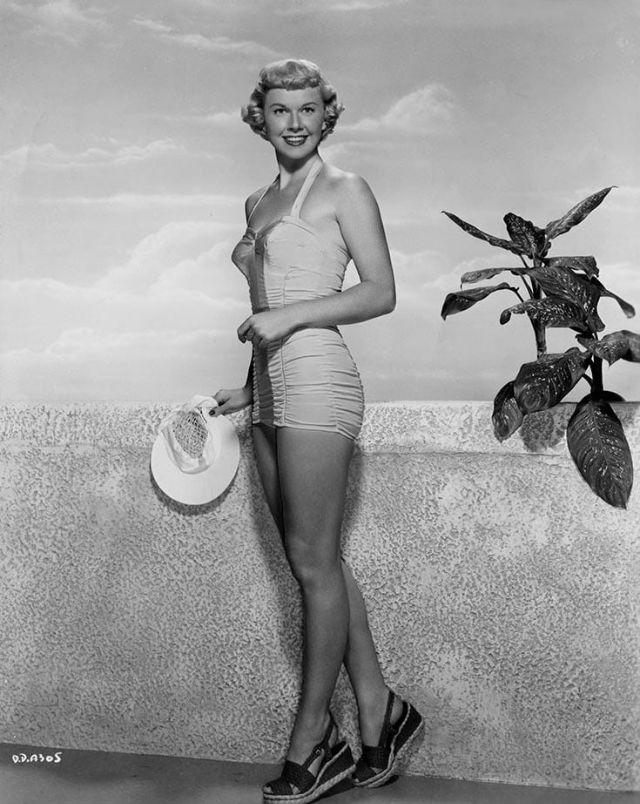
















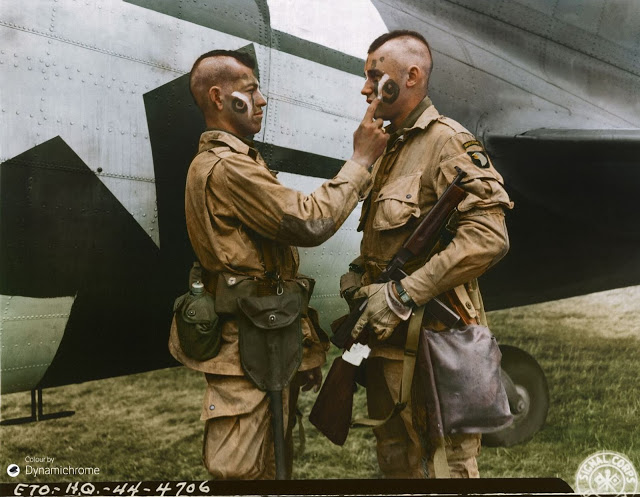
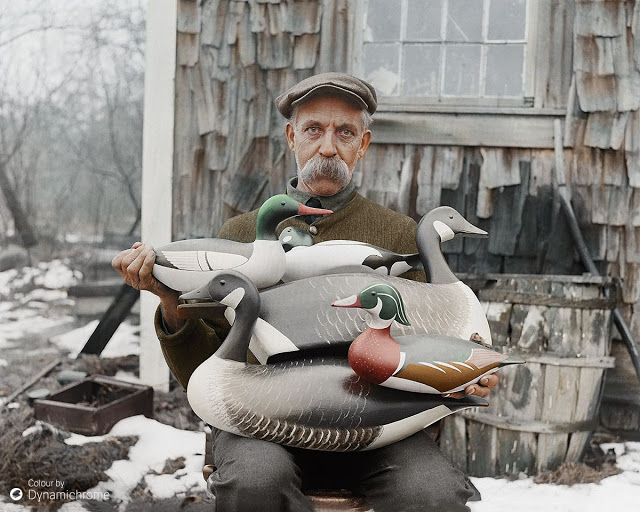

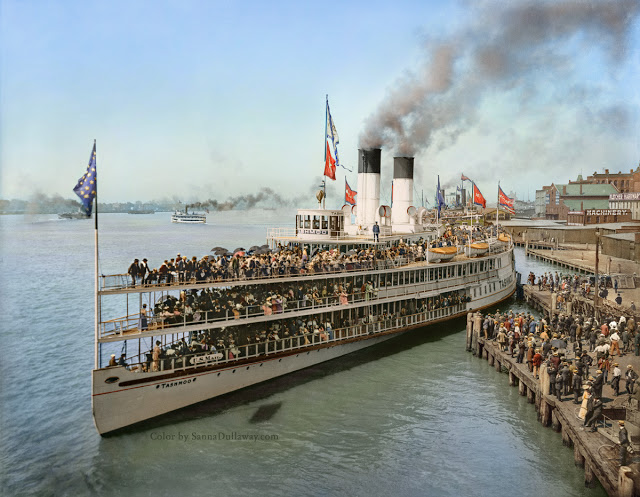
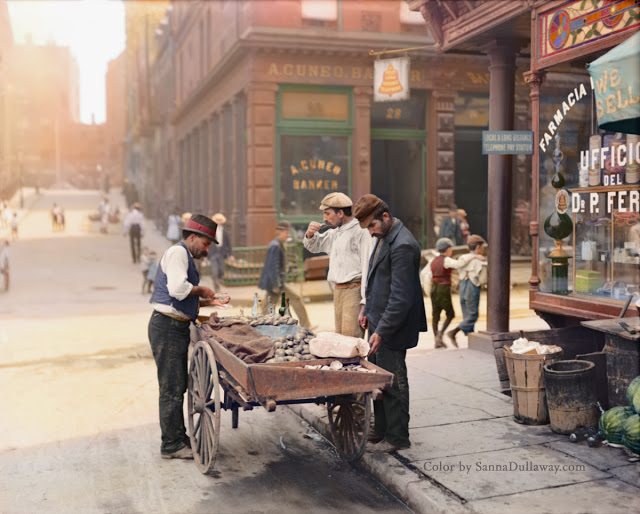









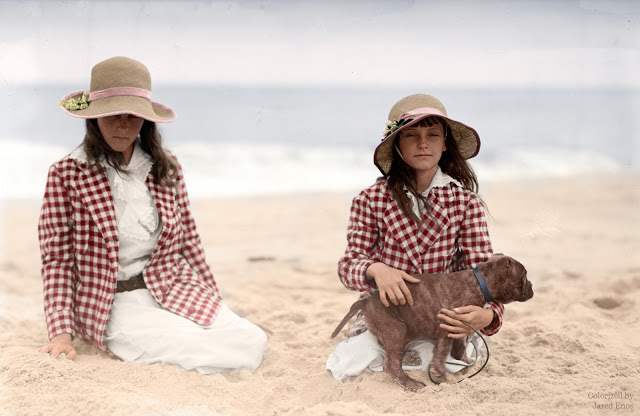




In the post-war years of the 1950s, Italy saw an explosion in international film production,and as stars flocked to Rome—followed by models, playboys, and monarchs—the city wastransformed. A small band of press photographers—or ‘paparazzi’—were the very first todocument this ‘Hollywood on the Tiber’ phenomenon, and prominent among their number was ElioSorci, who pursued and captured candid images of celebrities.

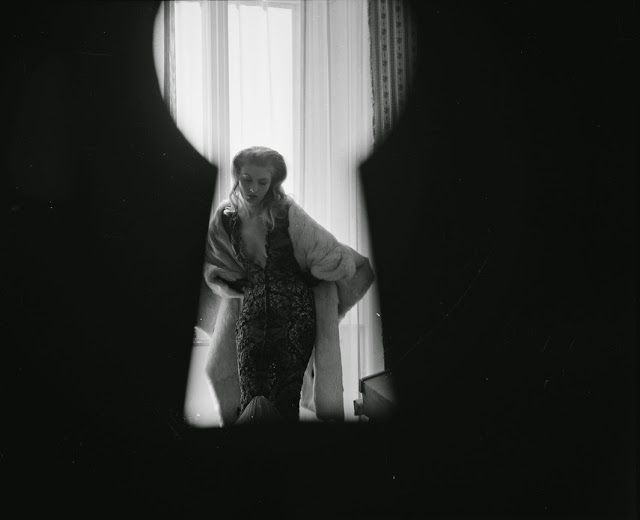

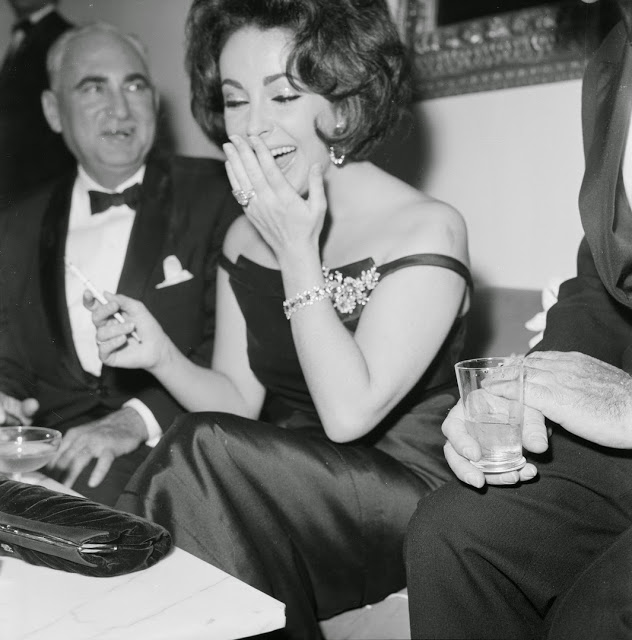


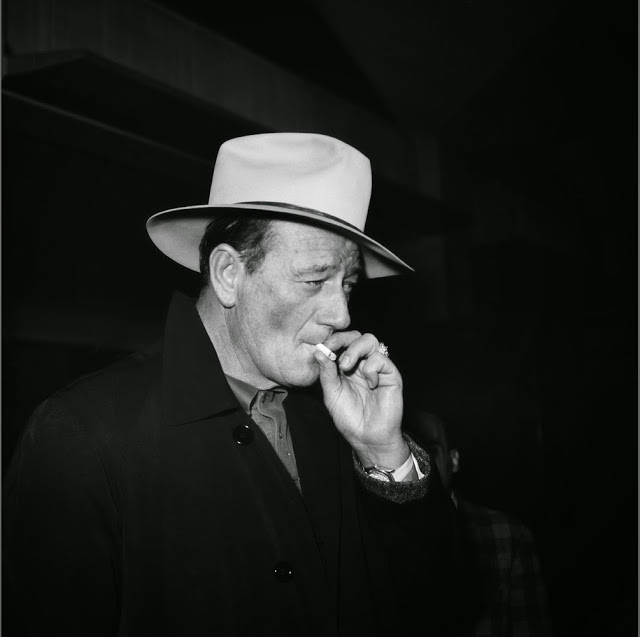



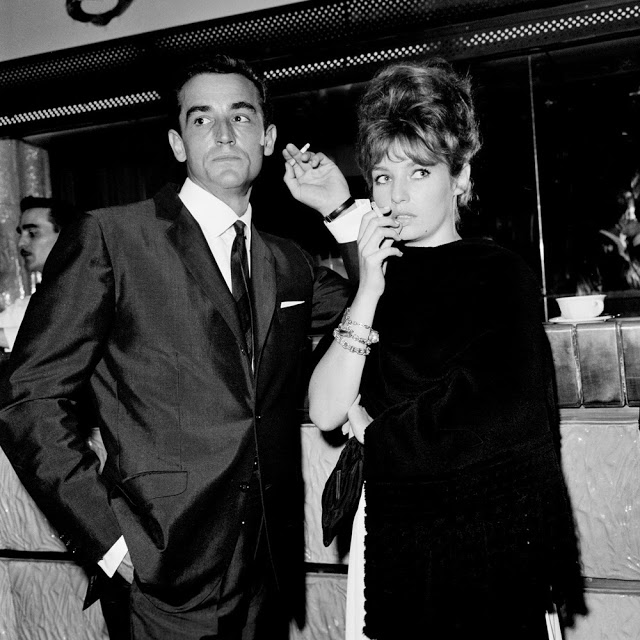
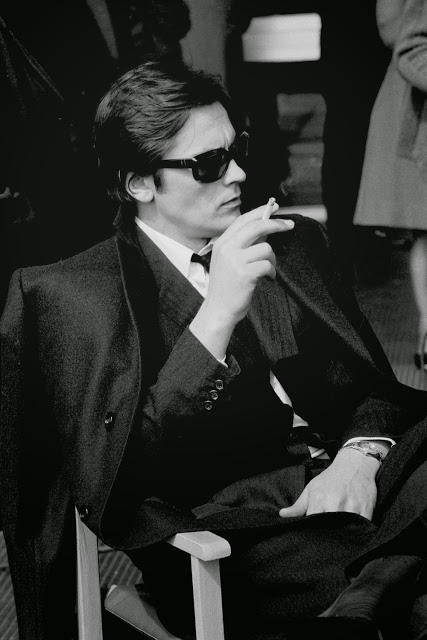
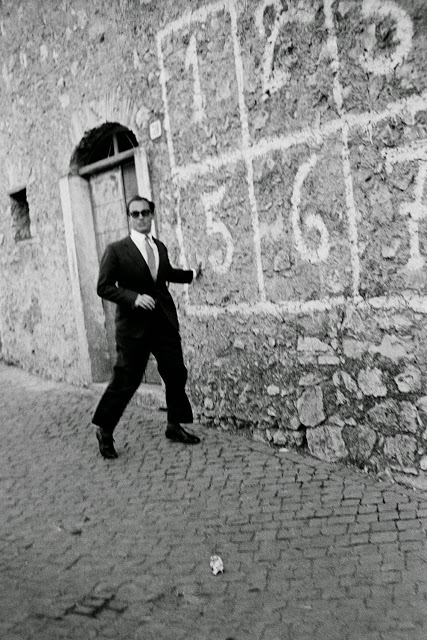


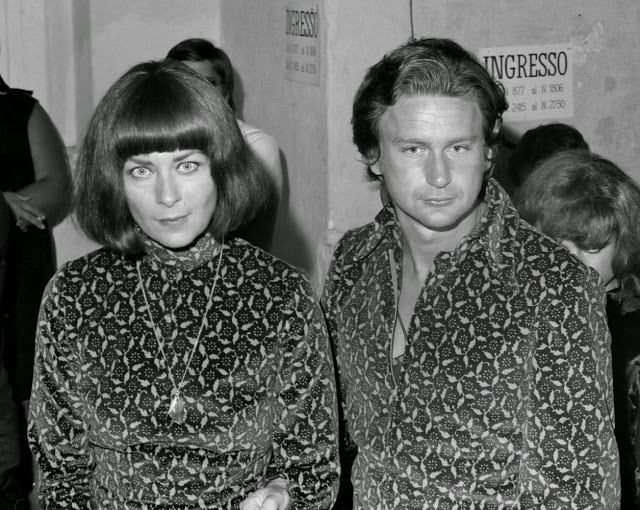
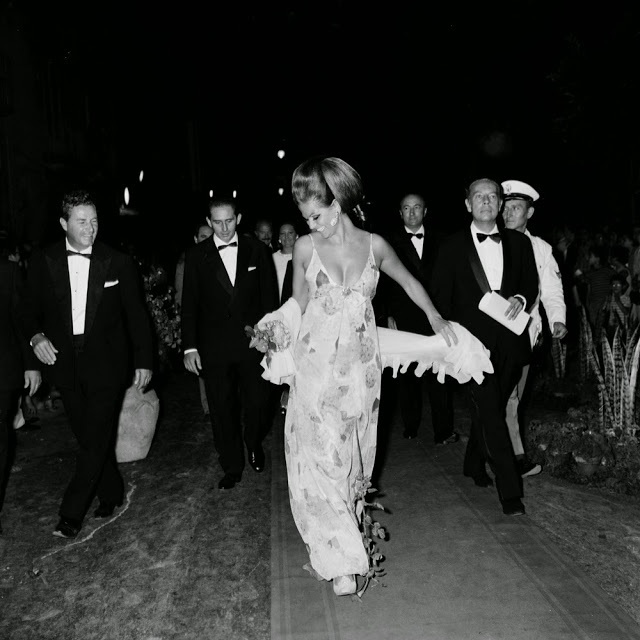
(Photos by Elio Sorci)


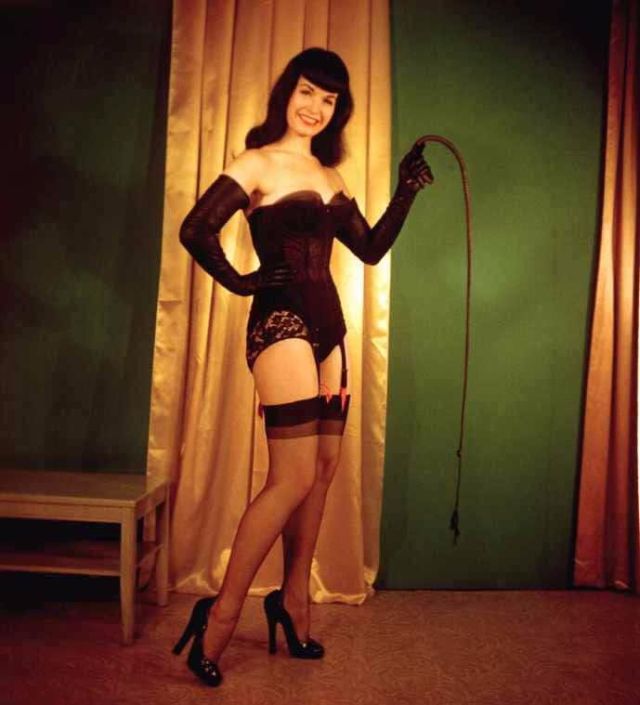
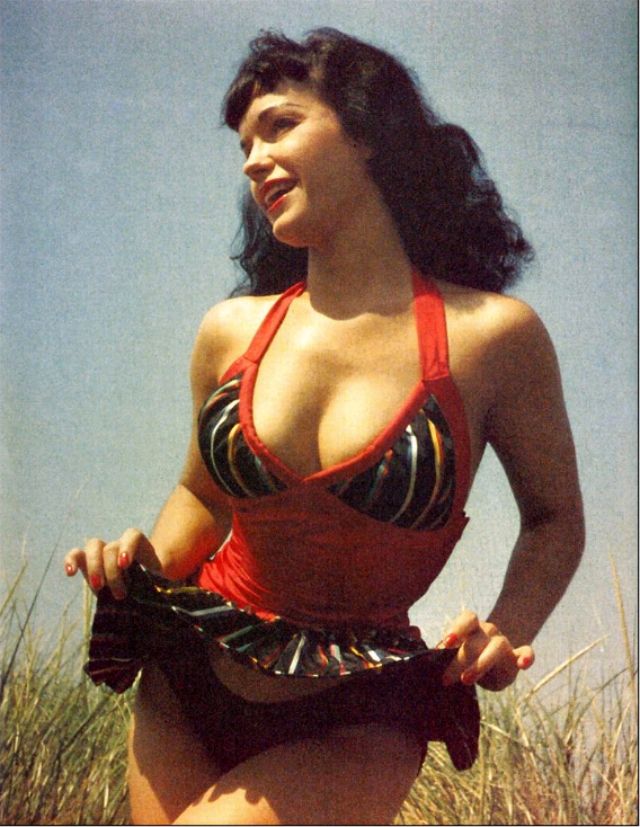
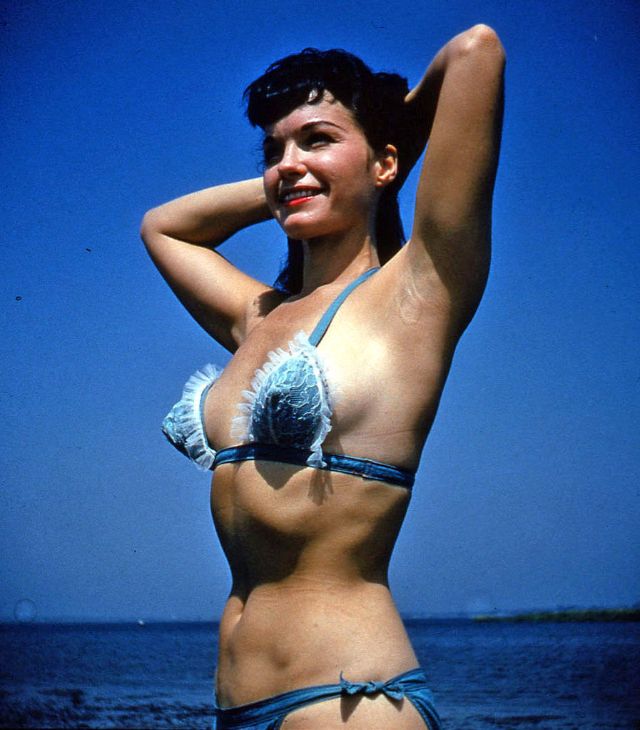
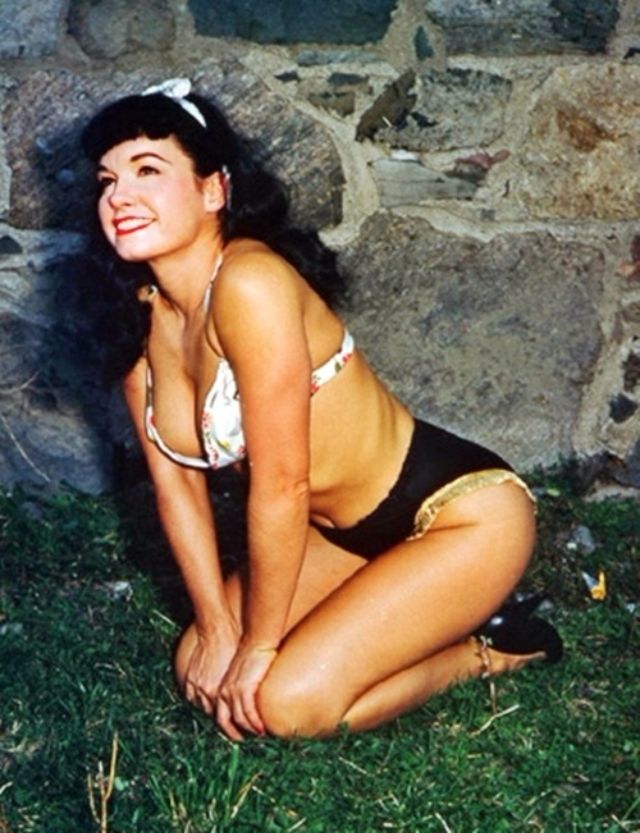

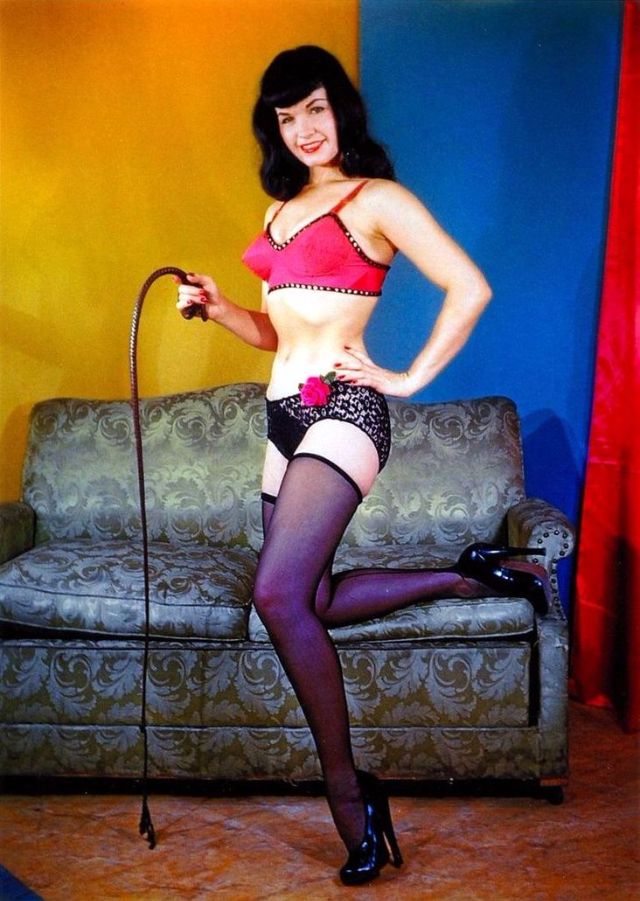

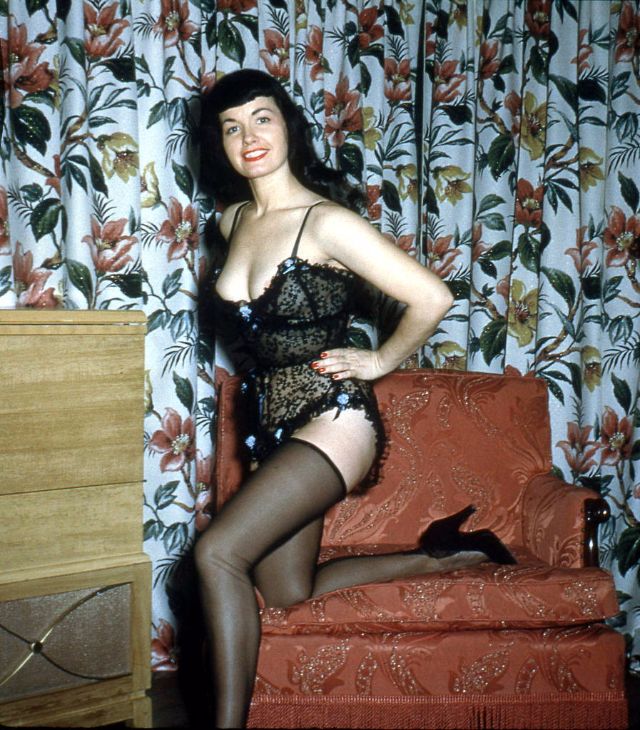


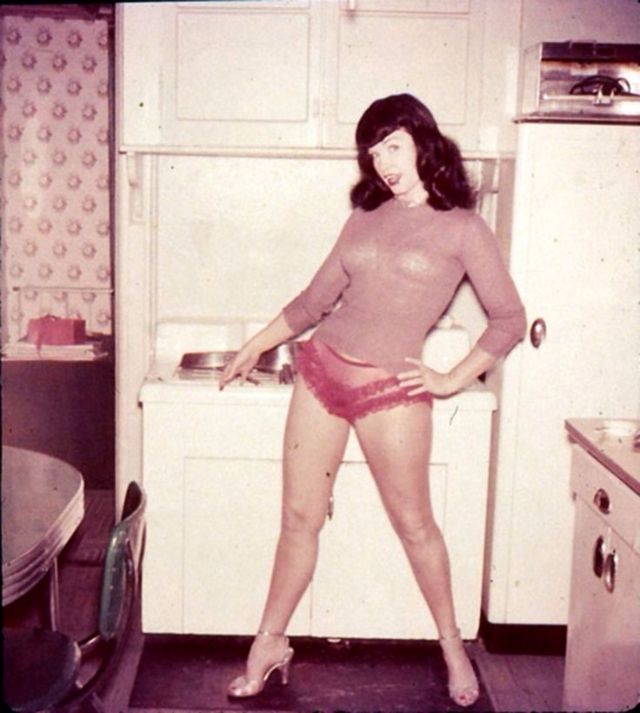
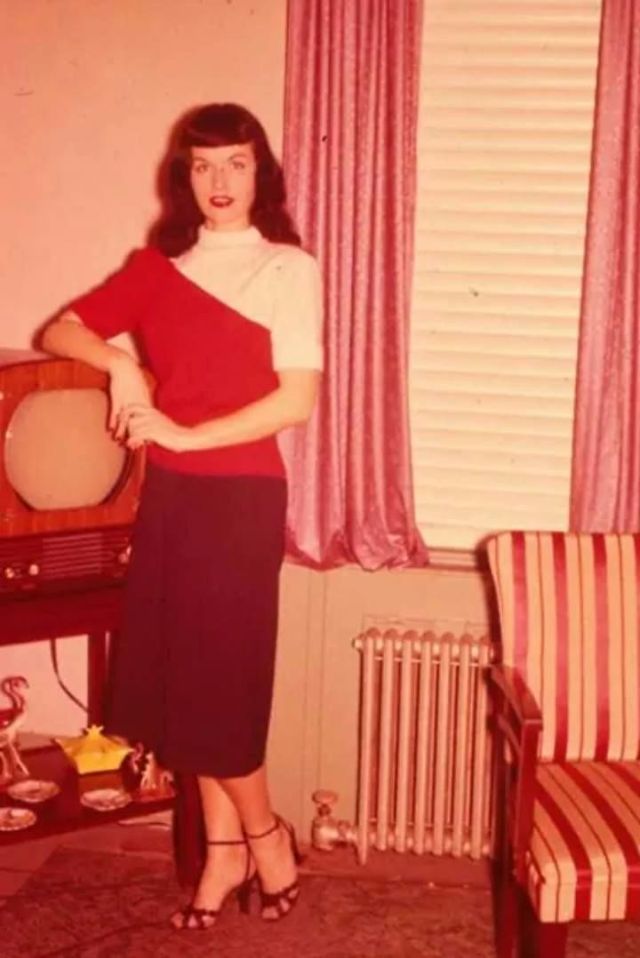


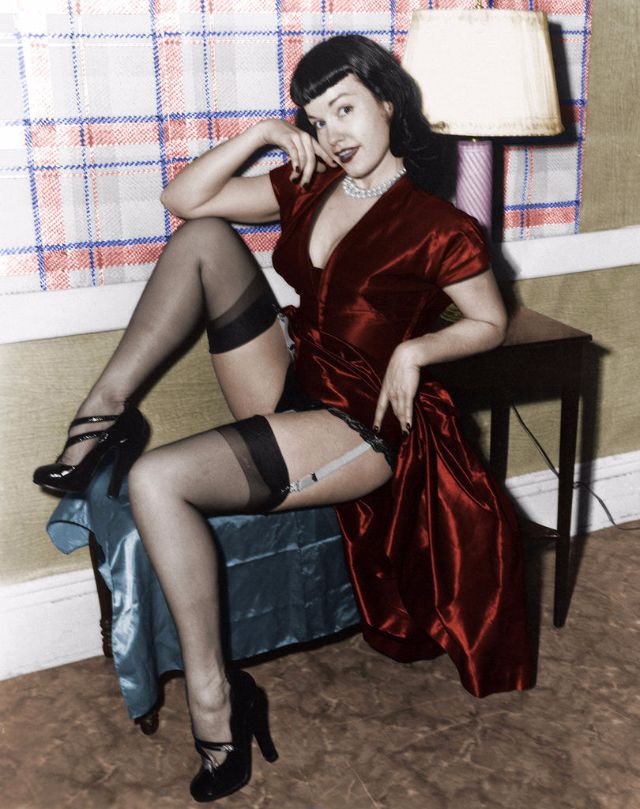
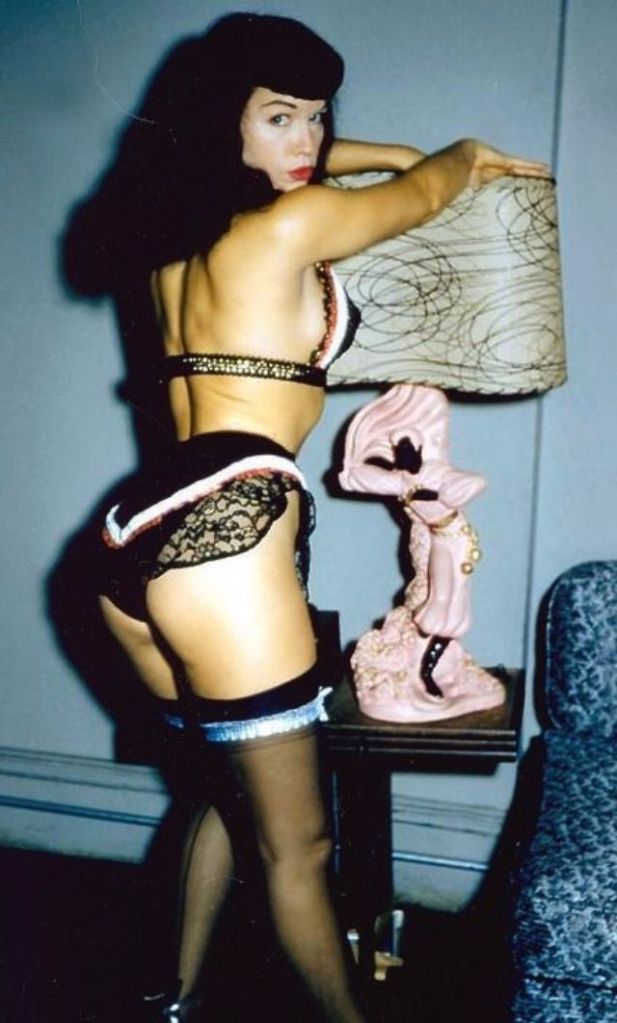


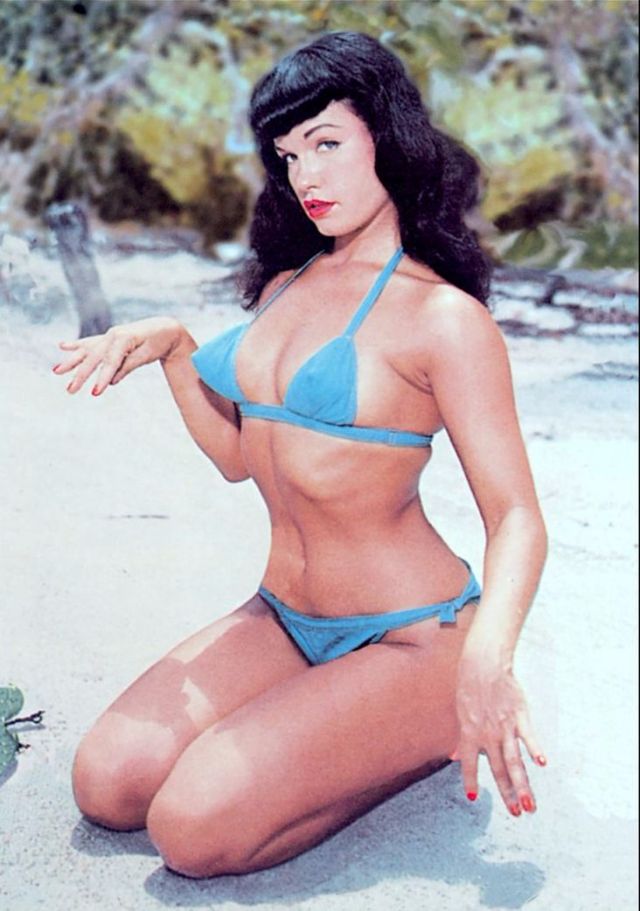


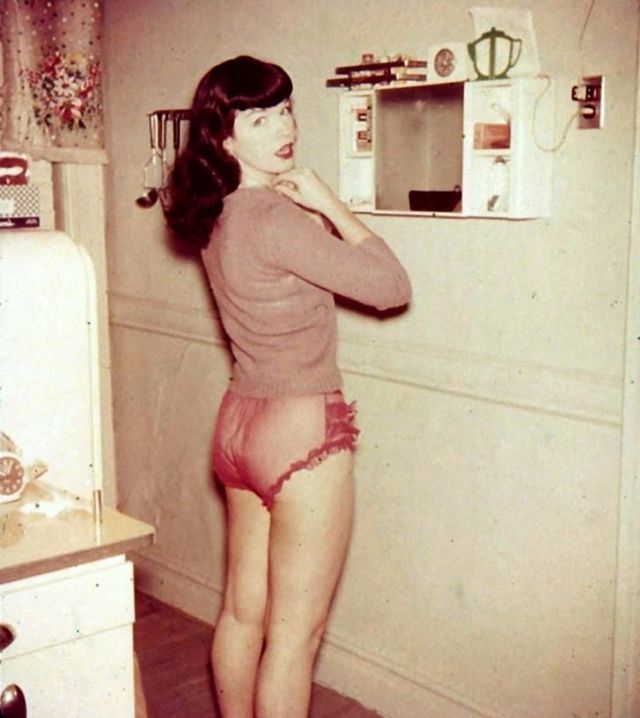



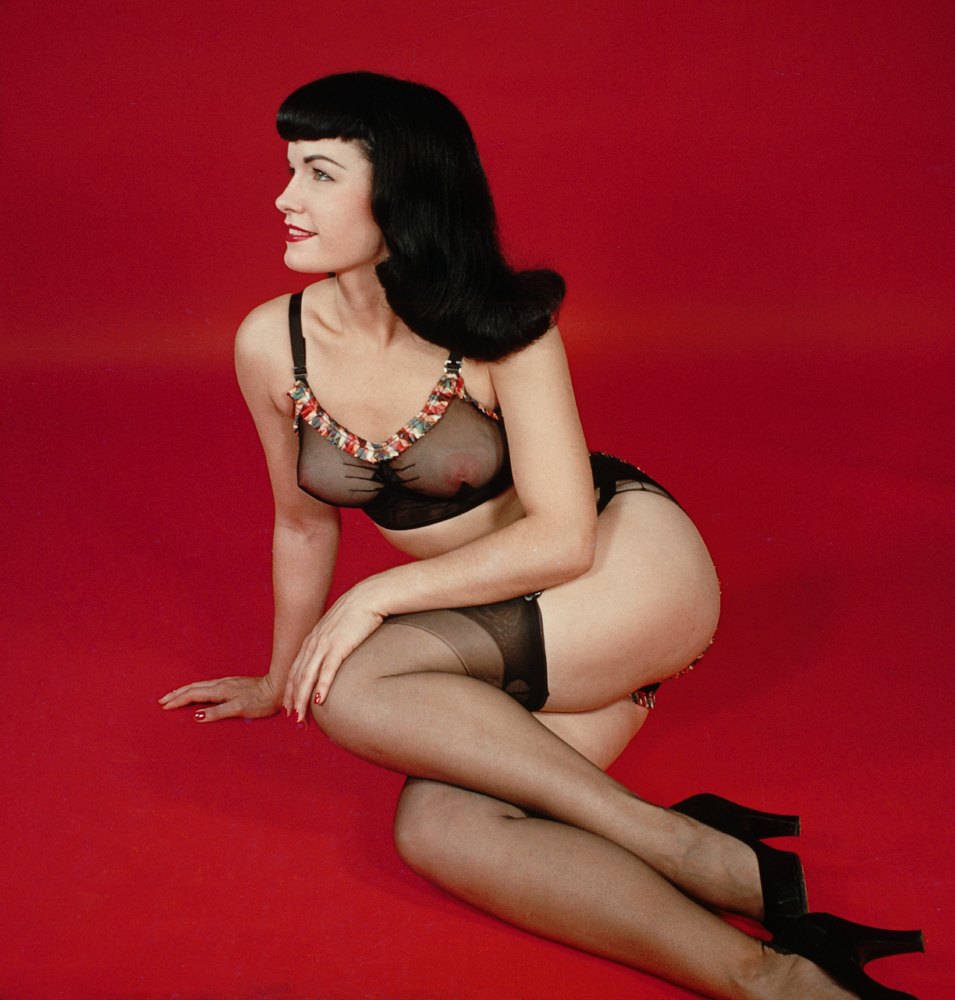


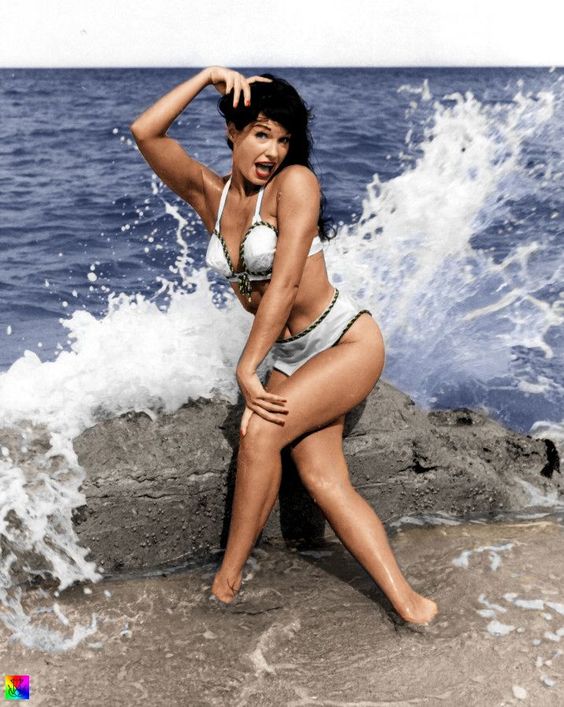

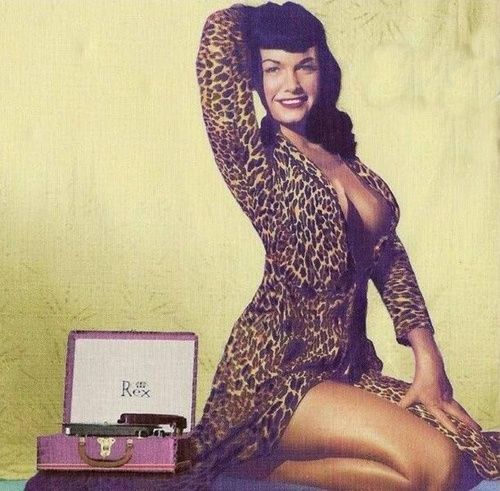

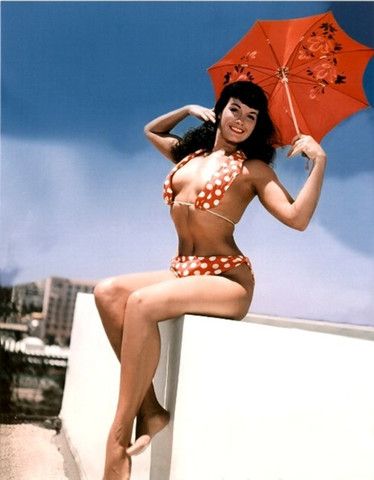
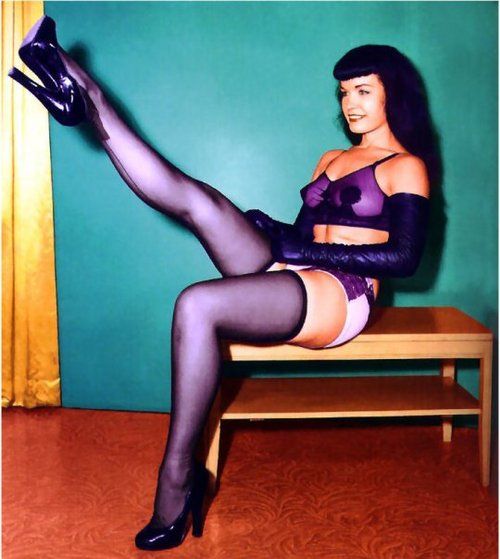
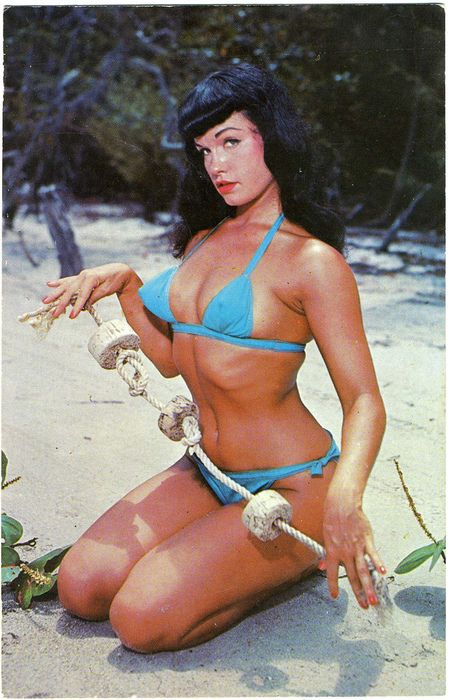
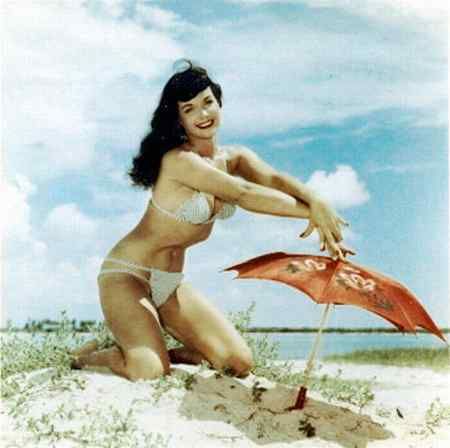








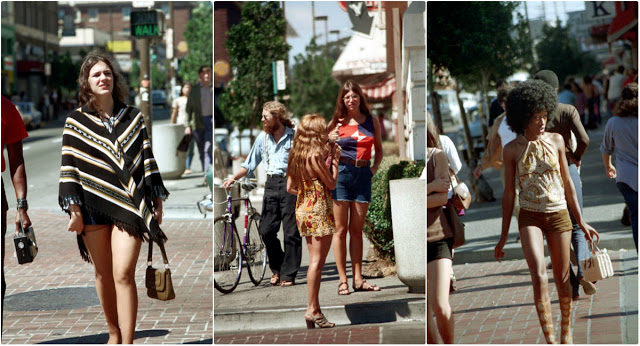
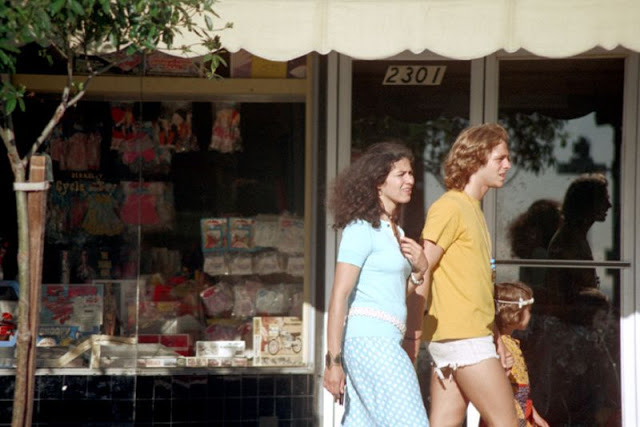

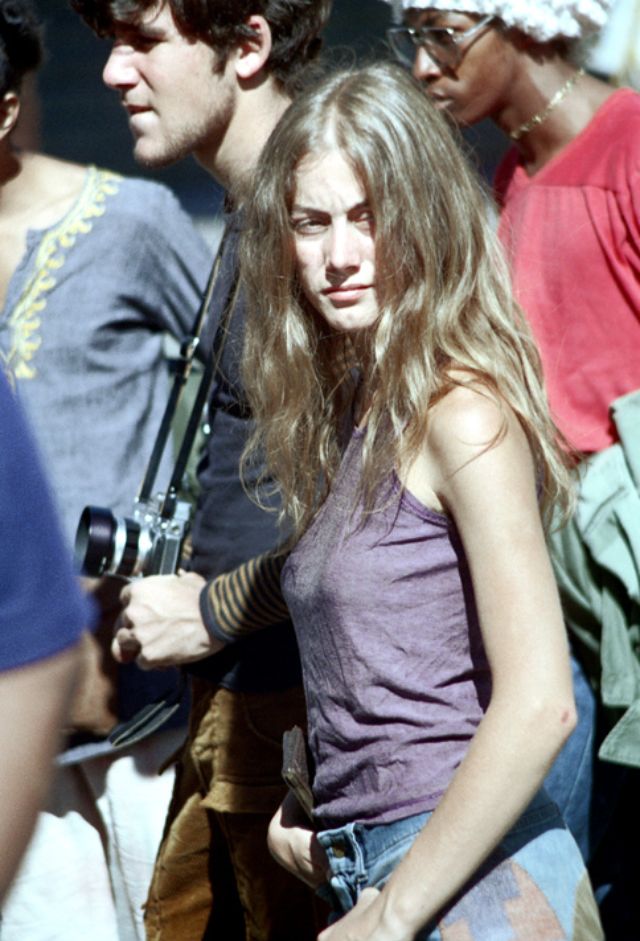

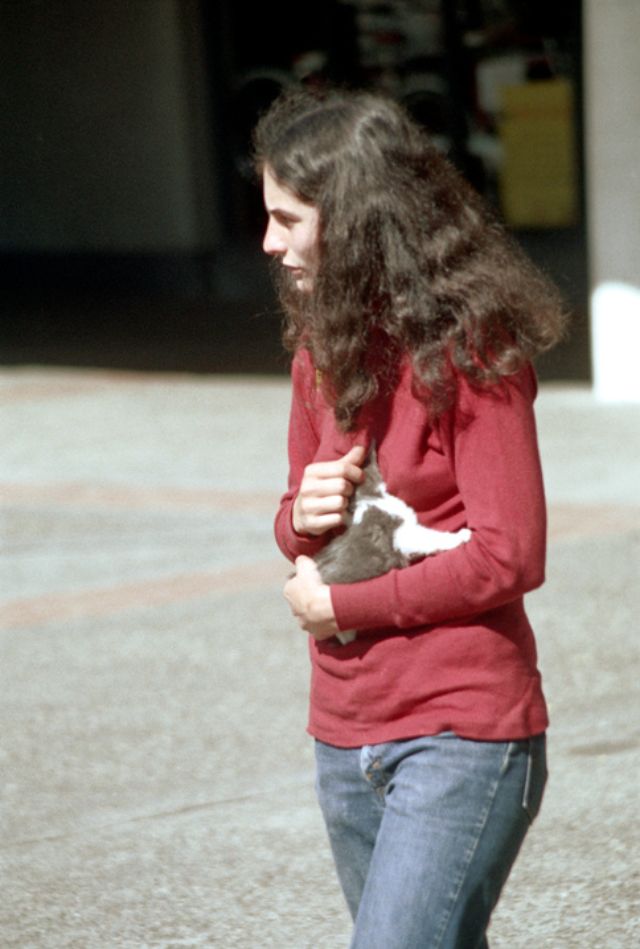
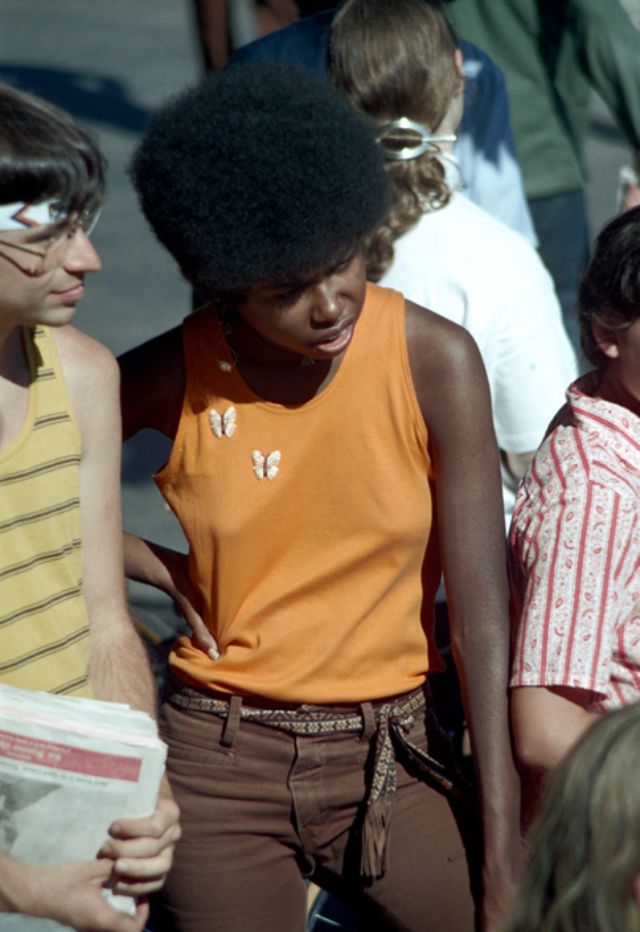
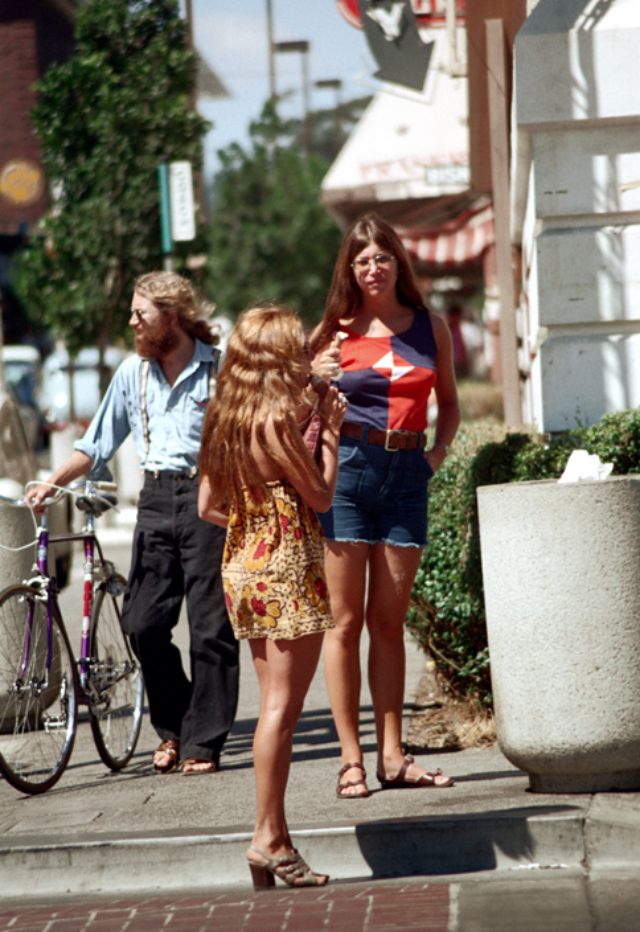
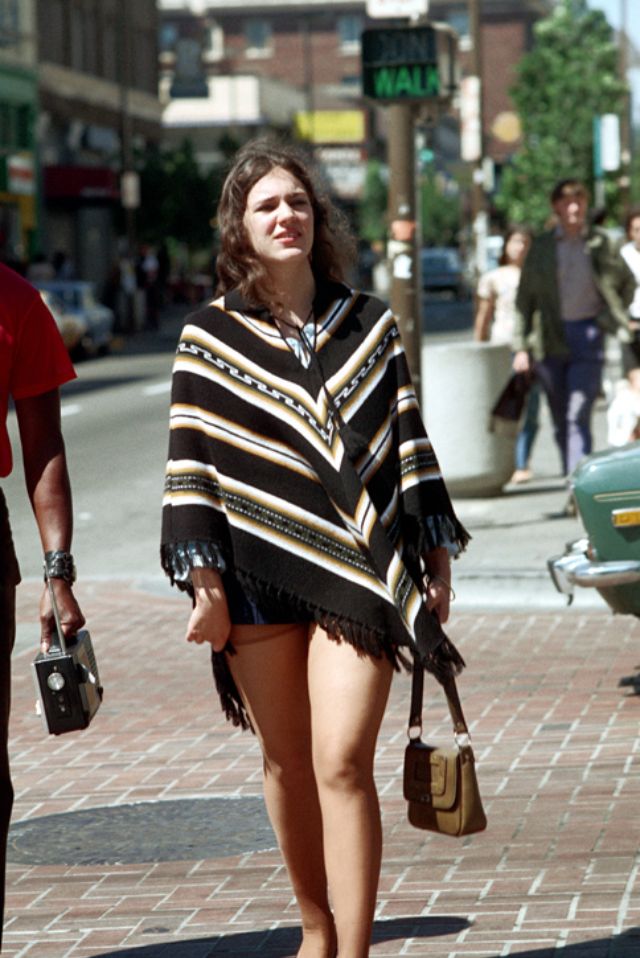
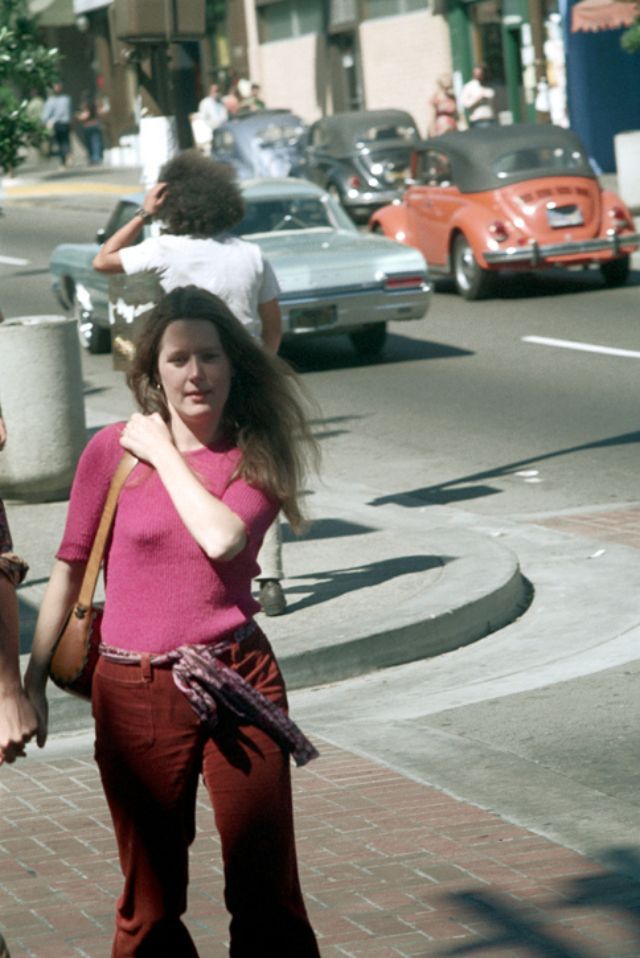
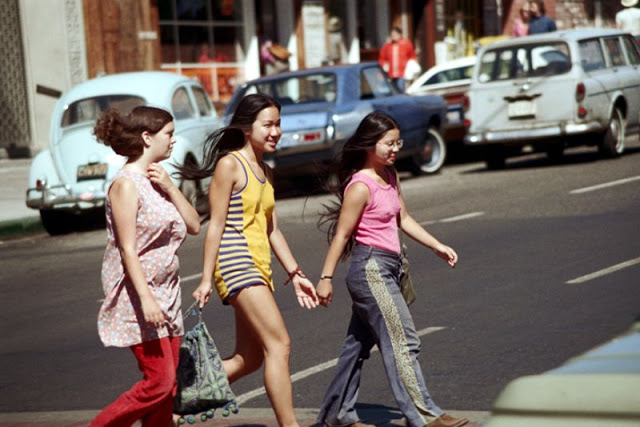
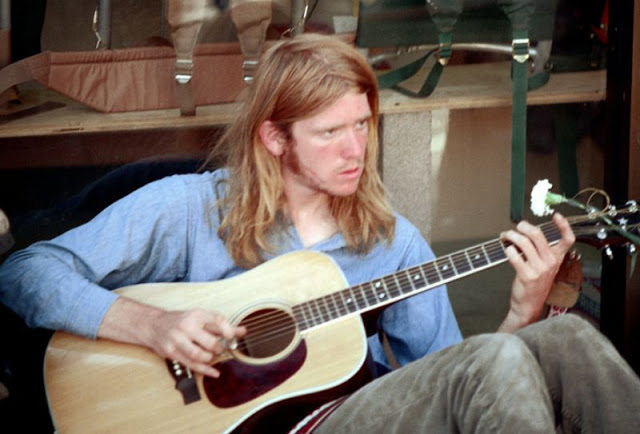
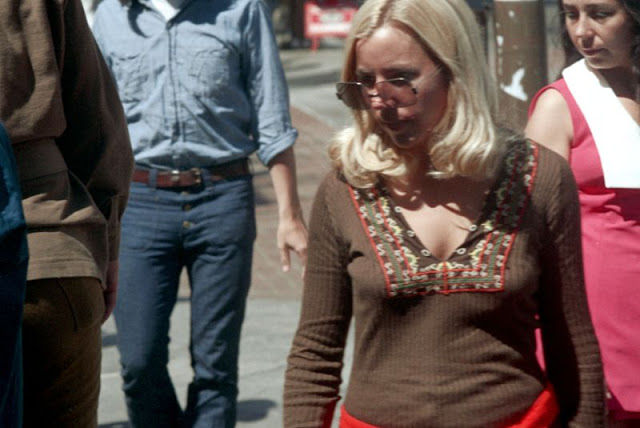


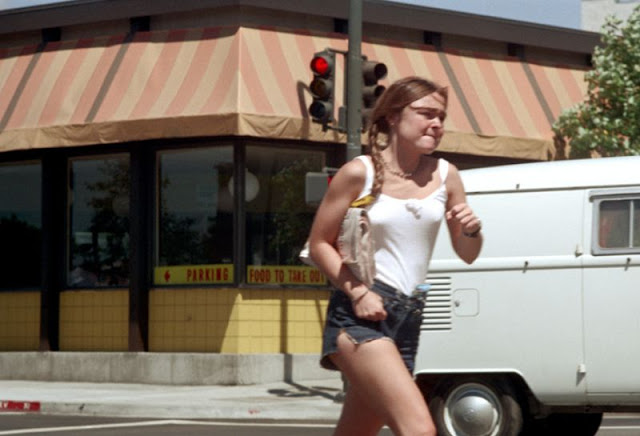
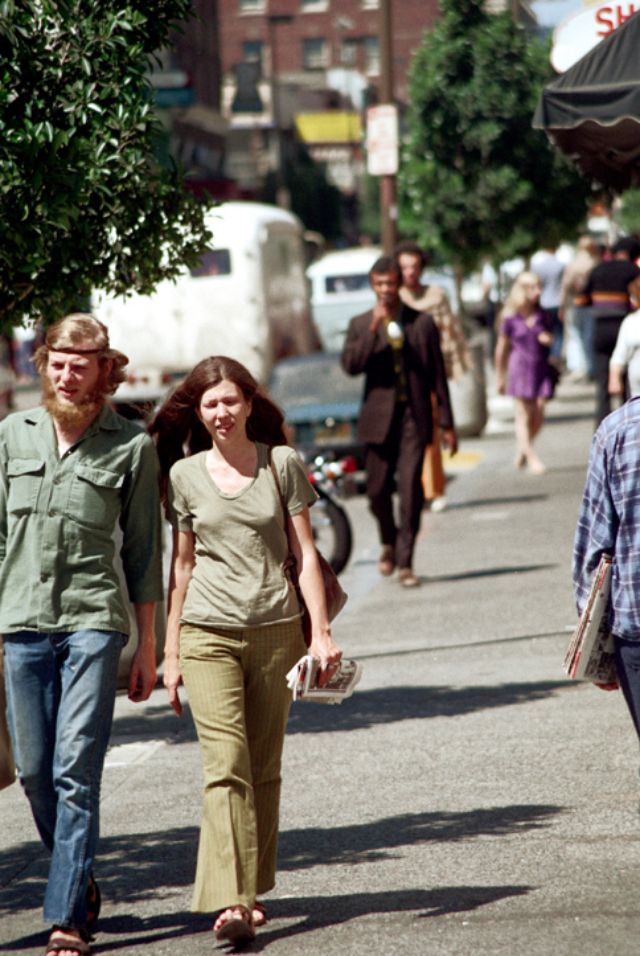
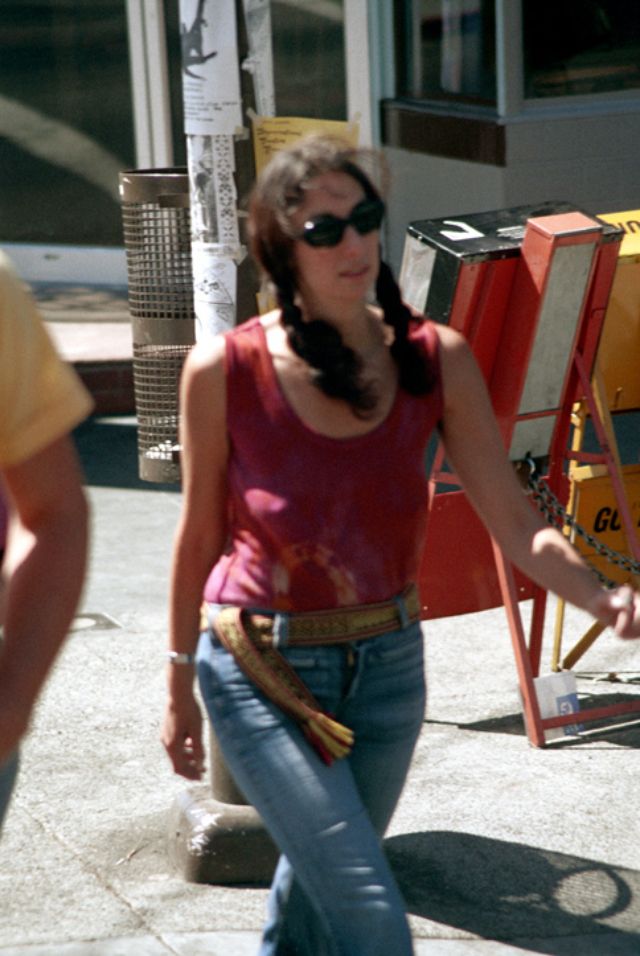
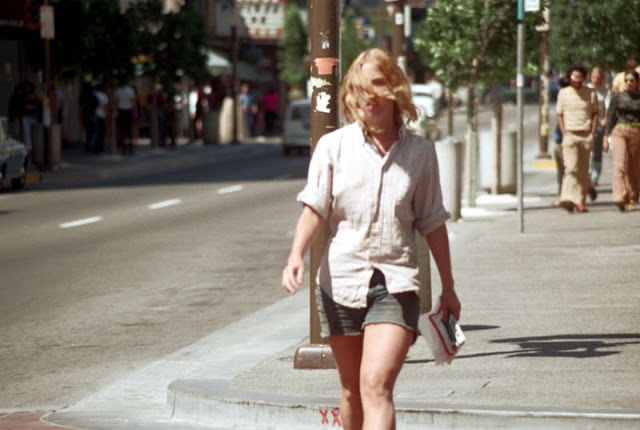
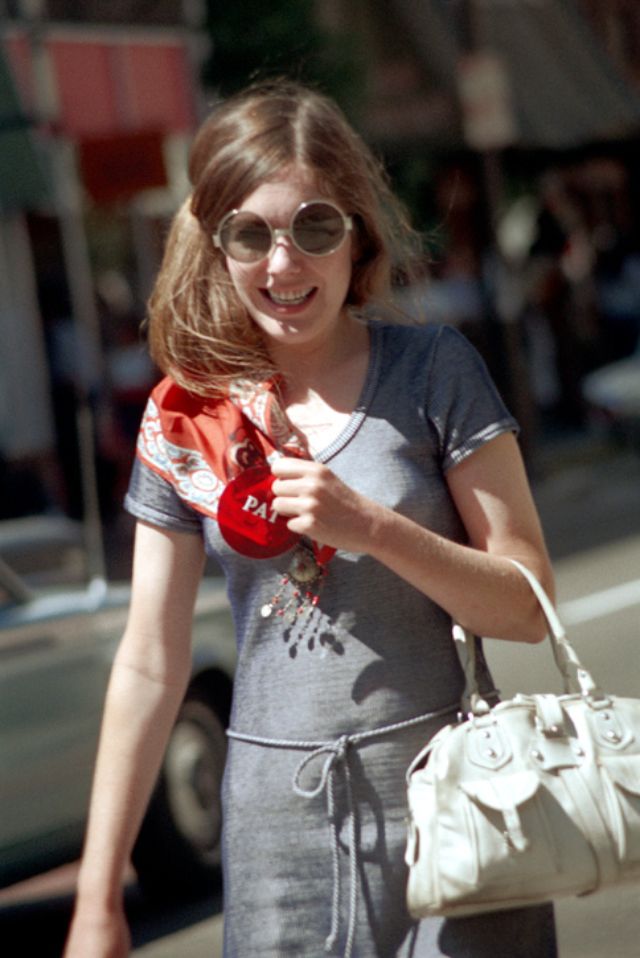
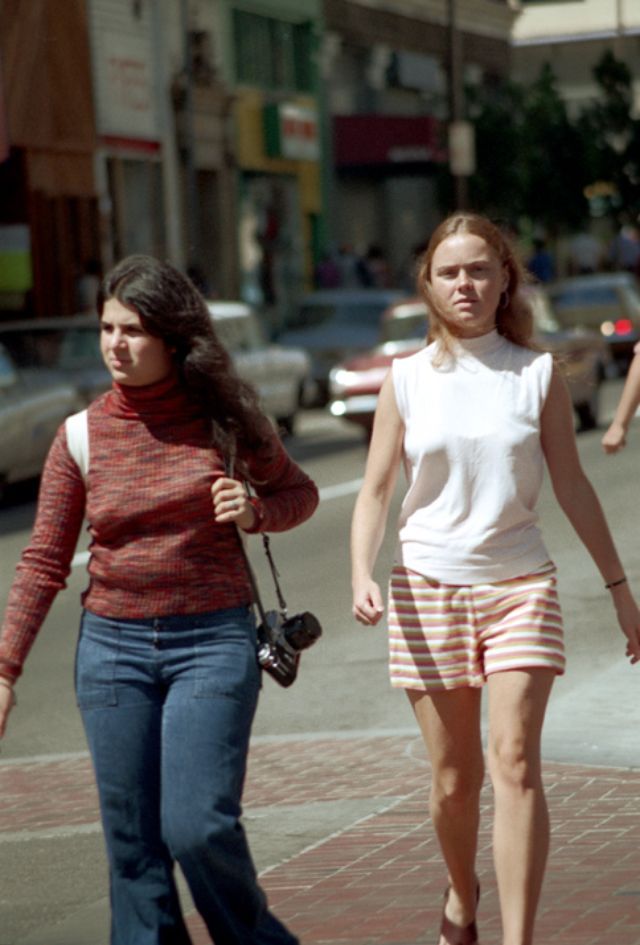
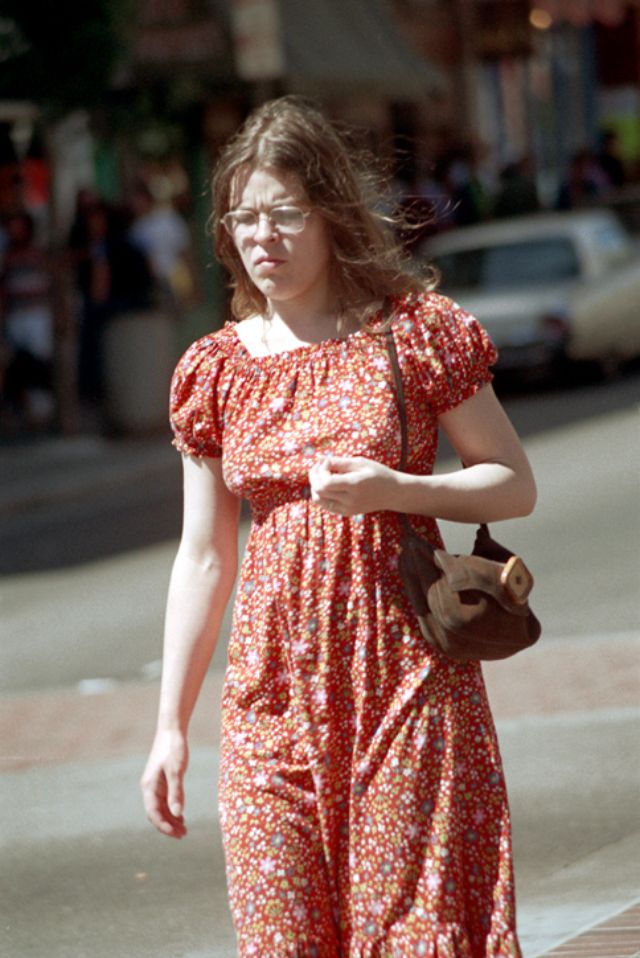
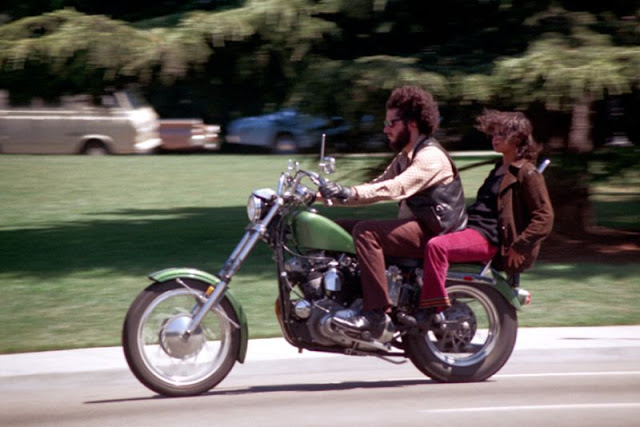
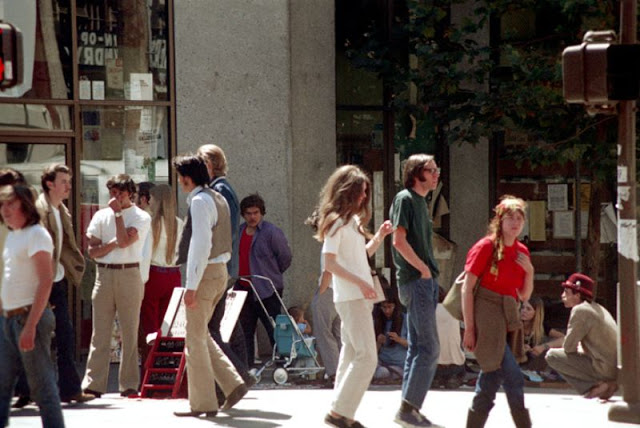
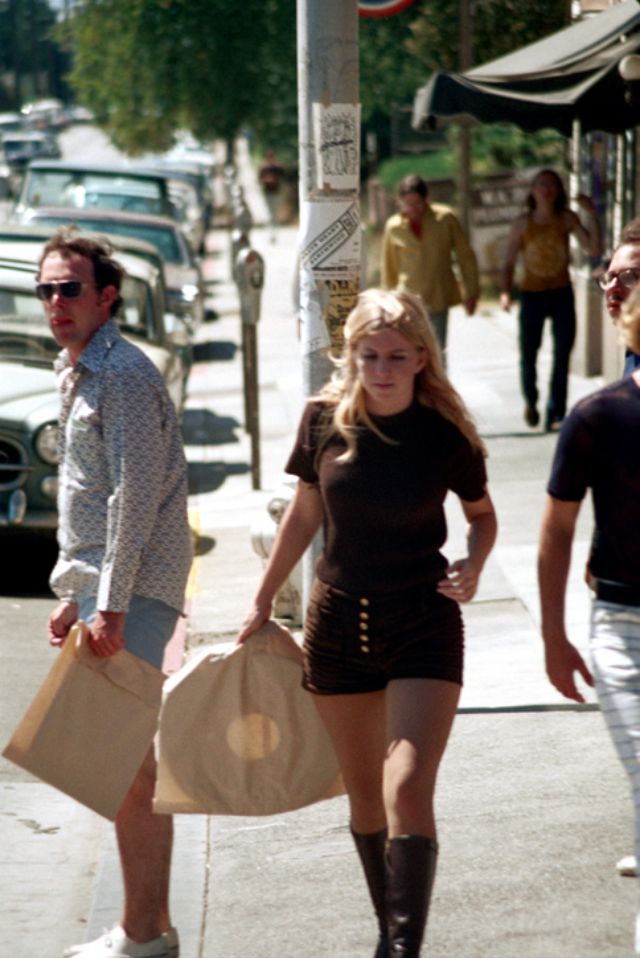

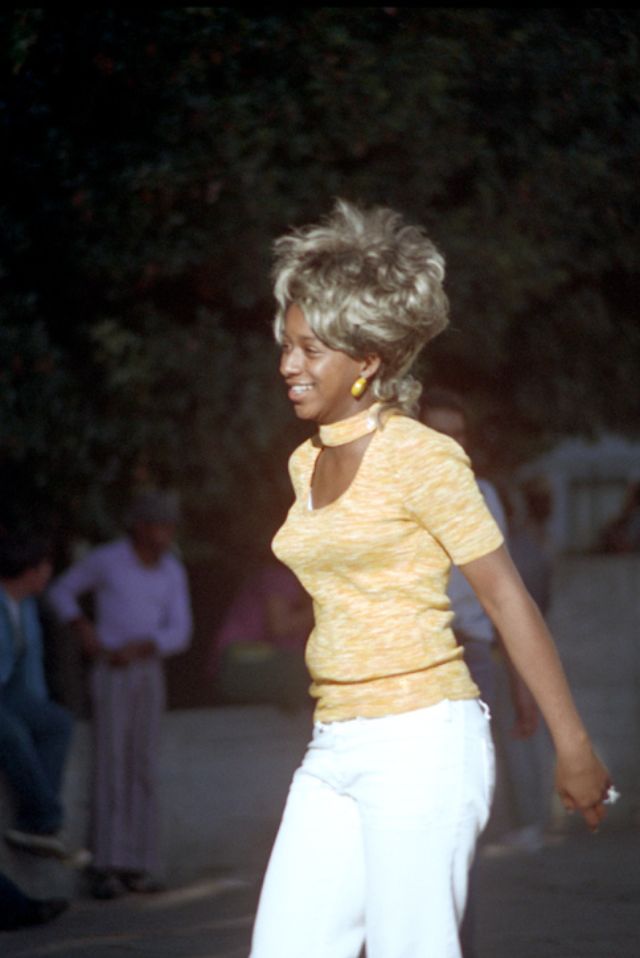
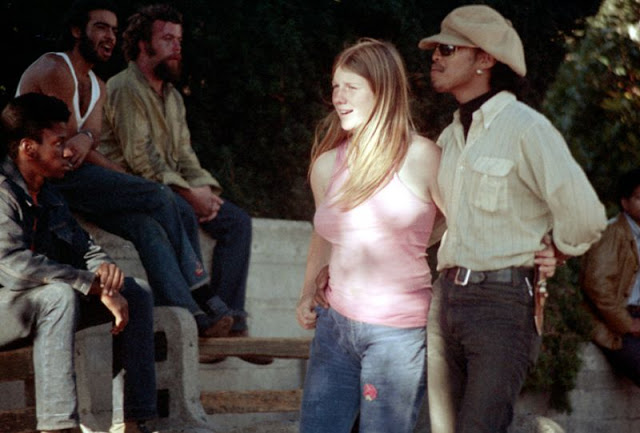
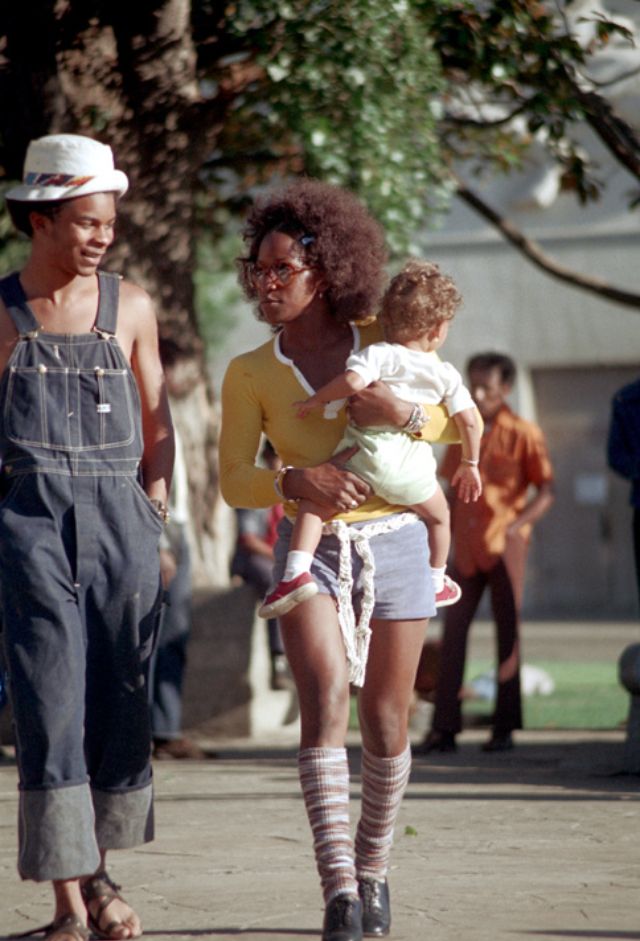
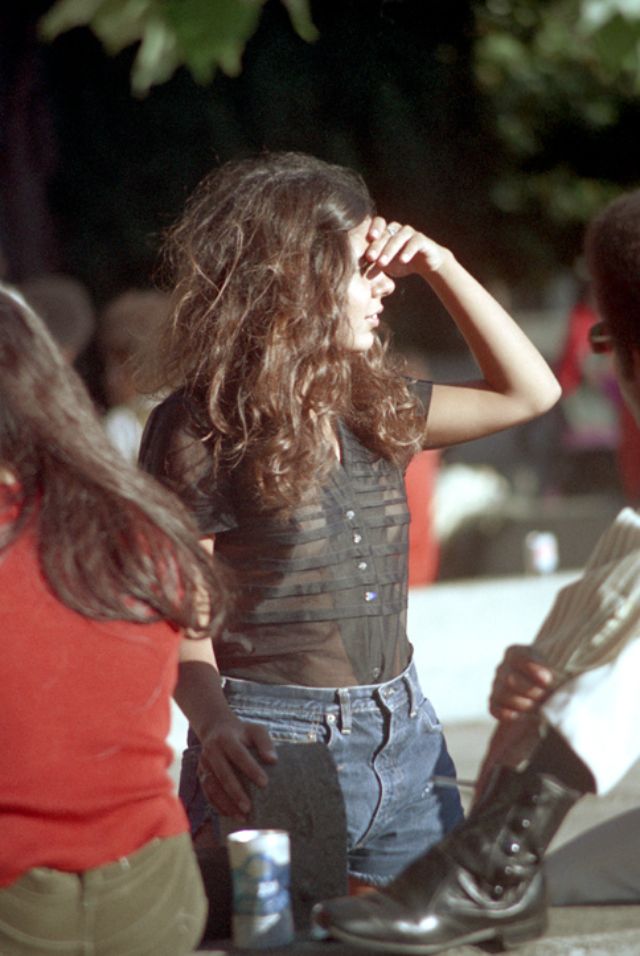
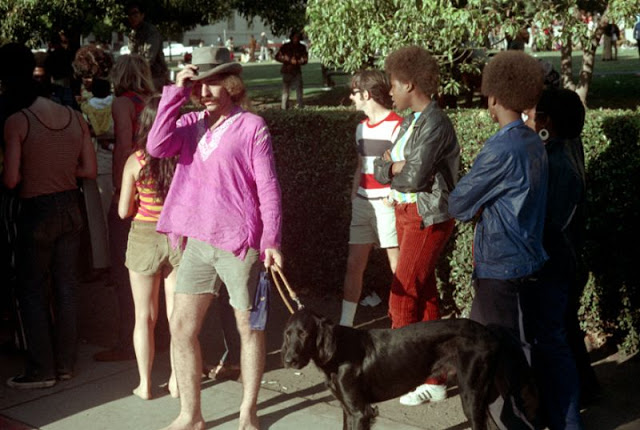
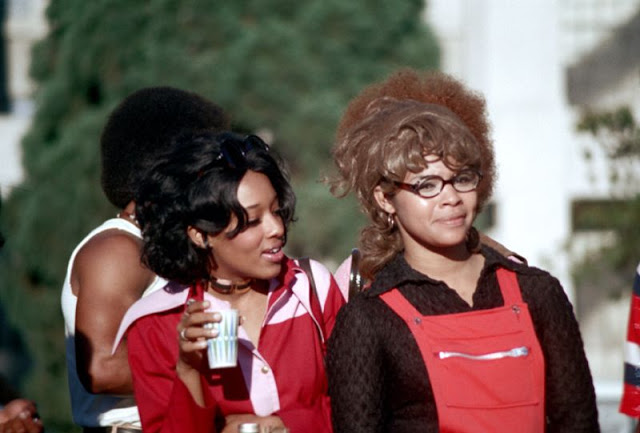
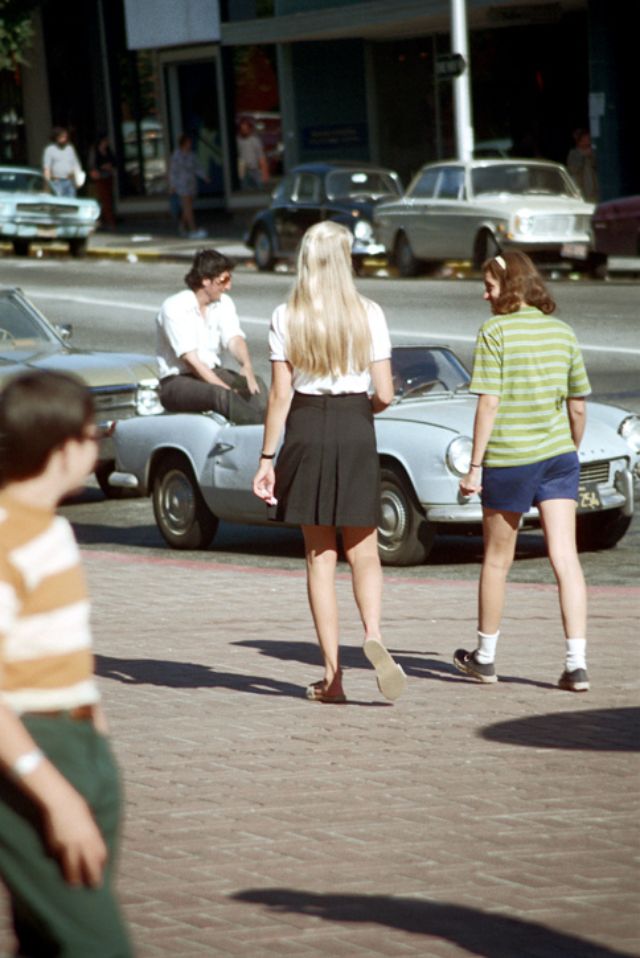
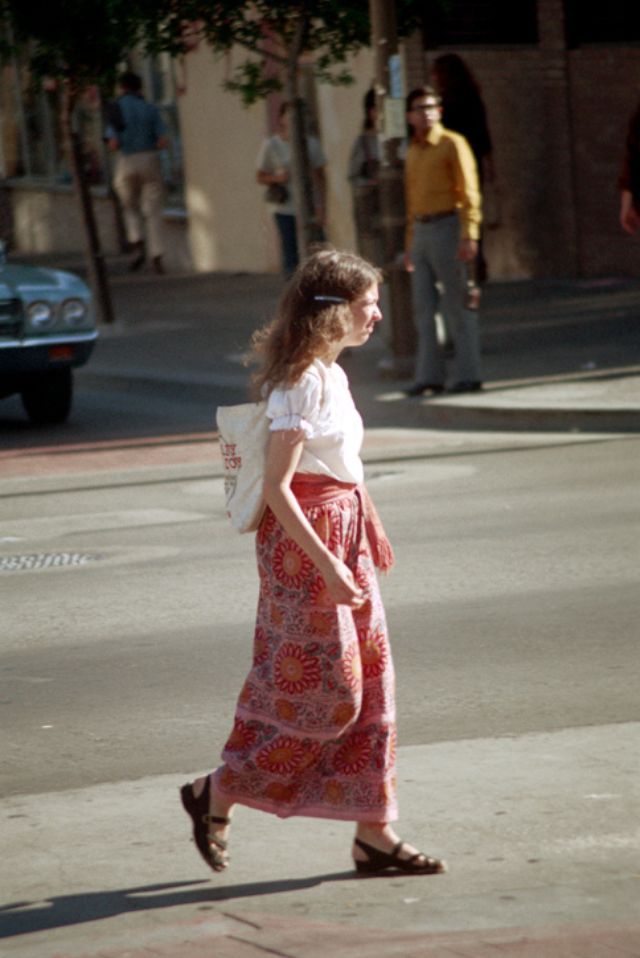
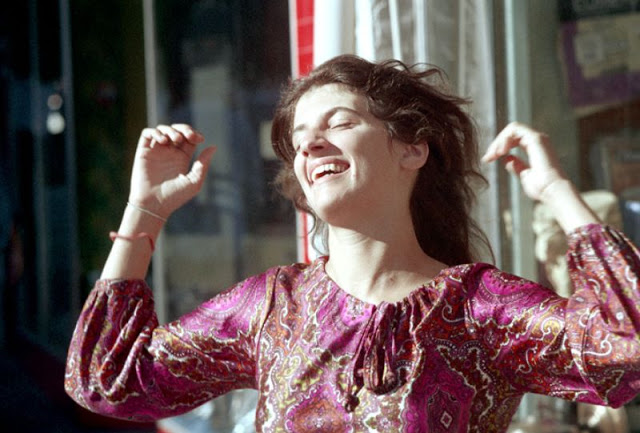
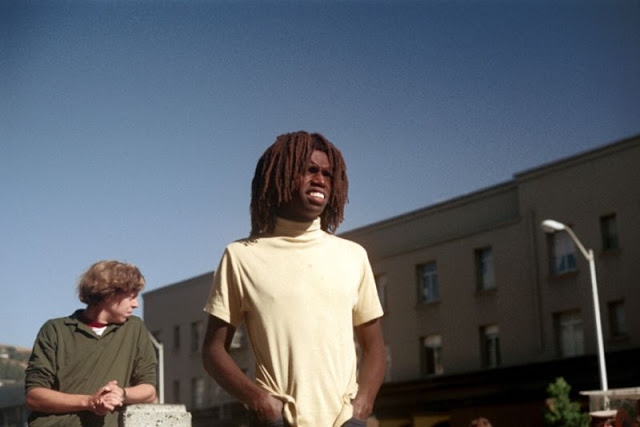
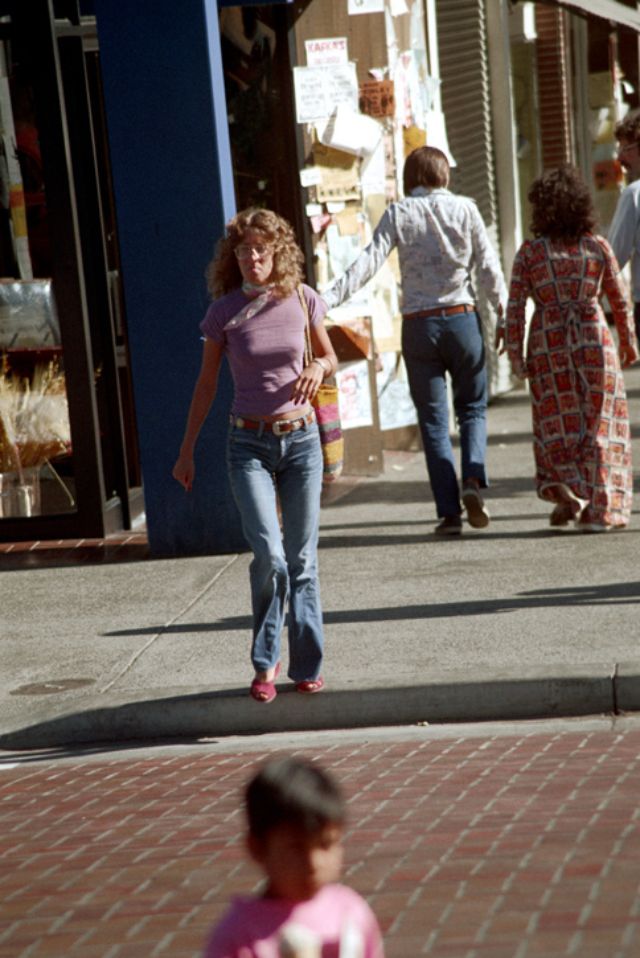
(Photos © the Nick DeWolf Foundation)























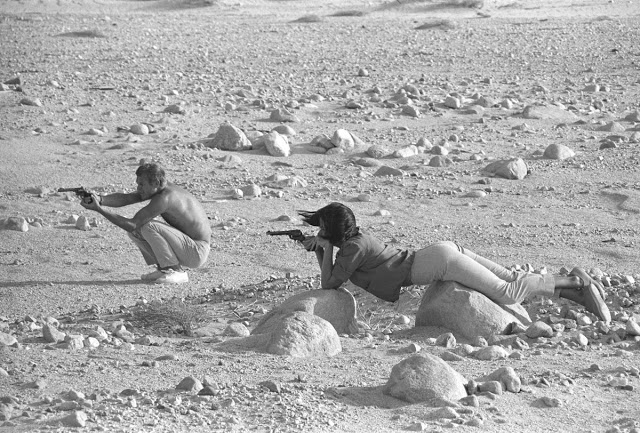
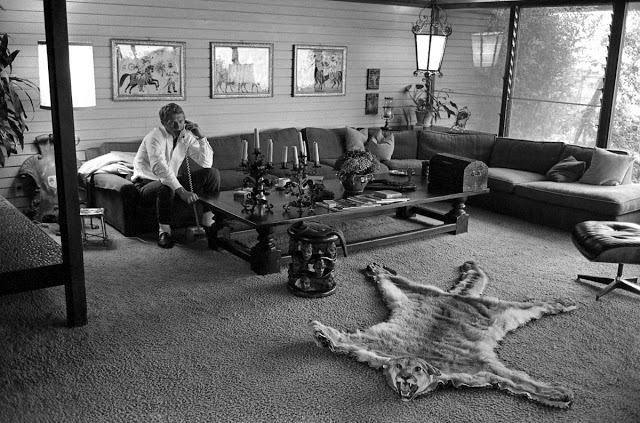
In the spring of 1963, already popular from his big-screen breakout as one of The Magnificent Seven and just a couple months away from entering the Badass Hall of Fame with the release of The Great Escape, Steve McQueen was on the brink of superstardom.
Intrigued by his dramatic backstory and his off-screen exploits — McQueen was a reformed delinquent who got his thrills racing cars and motorcycles — LIFE sent photographer John Dominis to California to hang out with the 33-year-old actor and, in effect, see what he could get.
Three weeks and more than 40 rolls of film later, Dominis had captured some astonishing images — photos impossible to imagine in today’s utterly restricted-access celebrity universe. Here, a series of pictures from what Dominis would look back on as one of his favorite assignments, along with insights about the time he spent with the man who would soon don the mantle, “the King of Cool.”




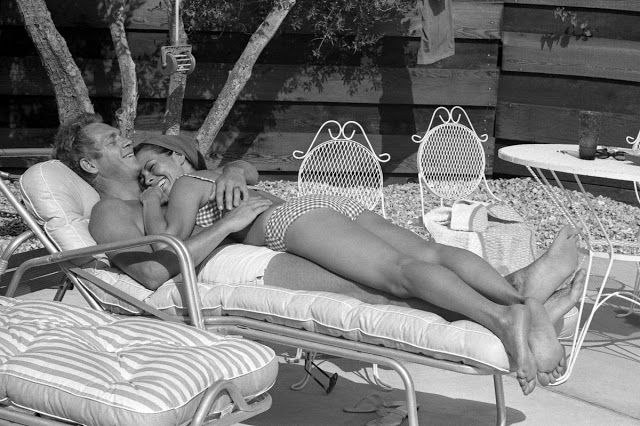

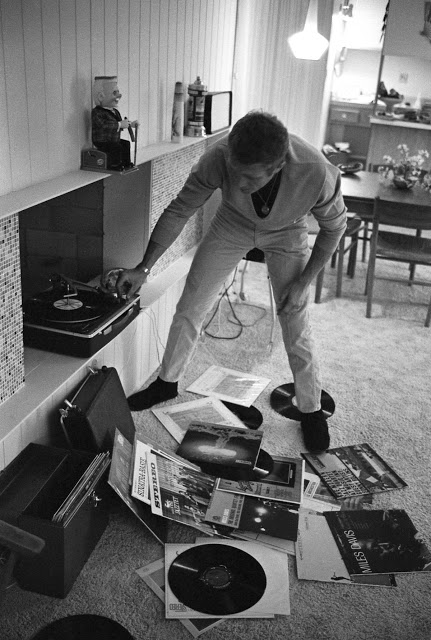

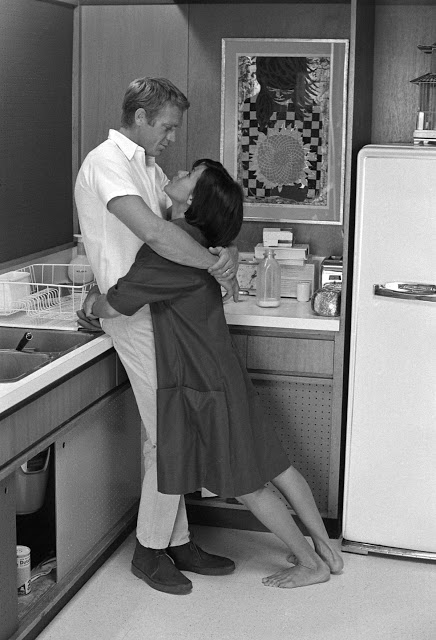
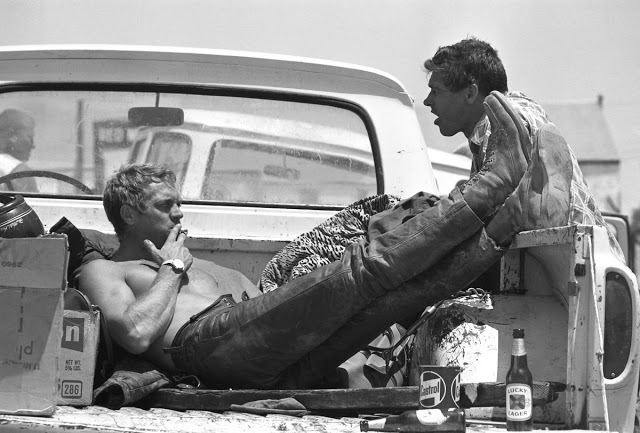


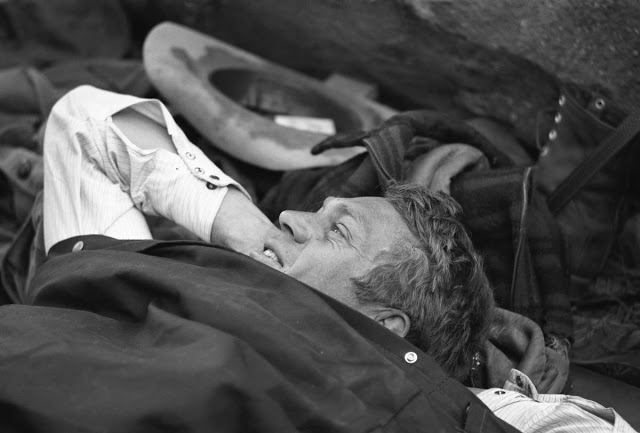

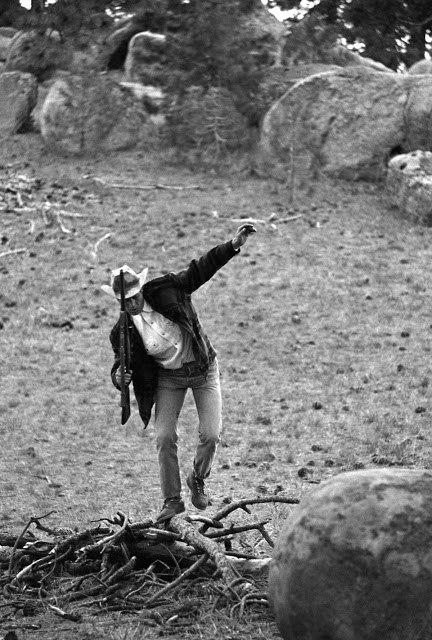

(Photos: John Dominis—Time & Life Pictures/Getty Images)

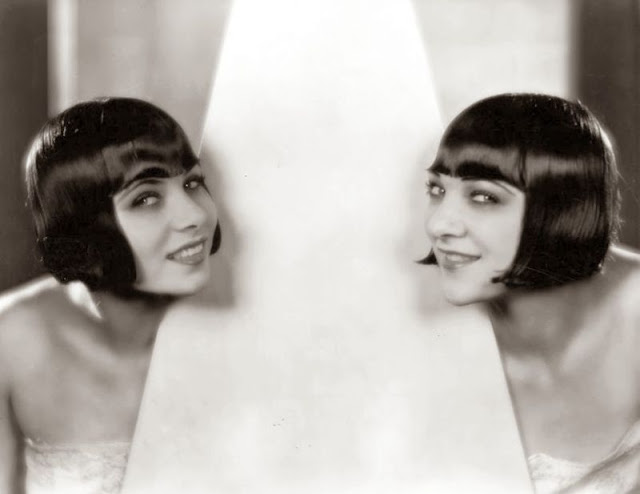
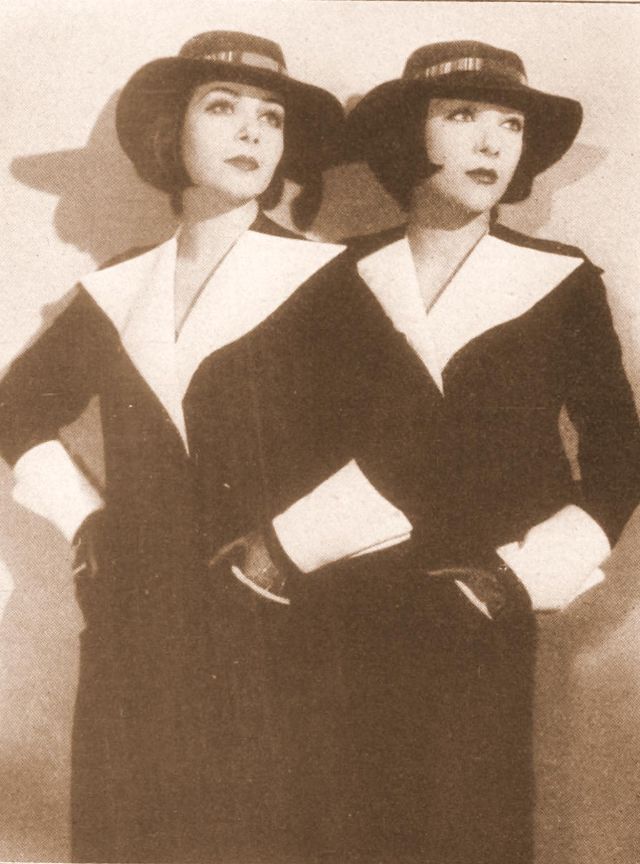
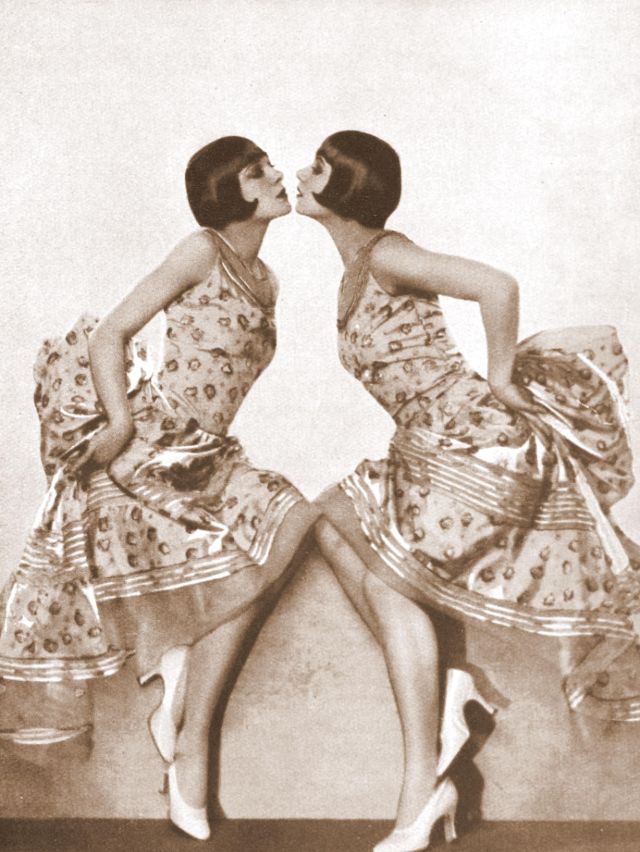
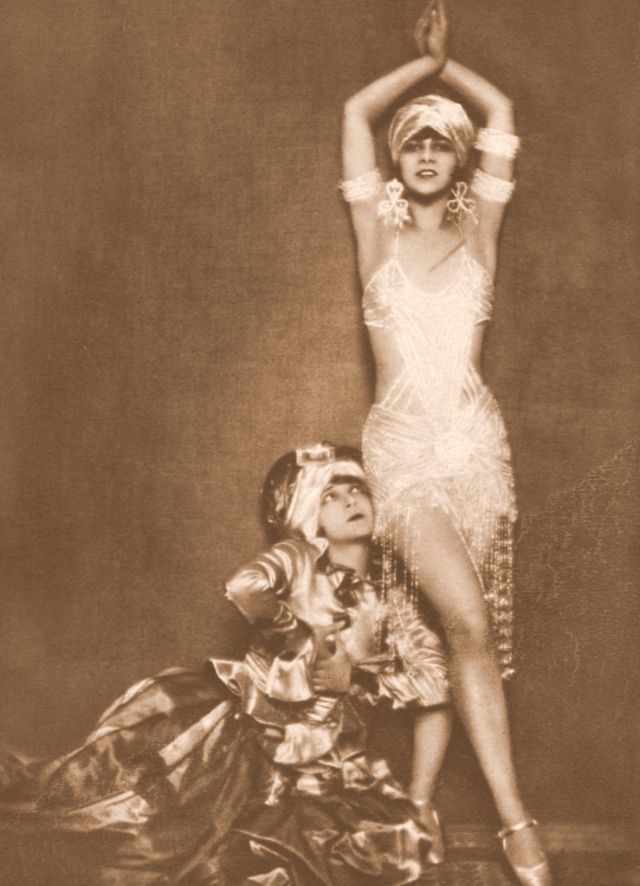
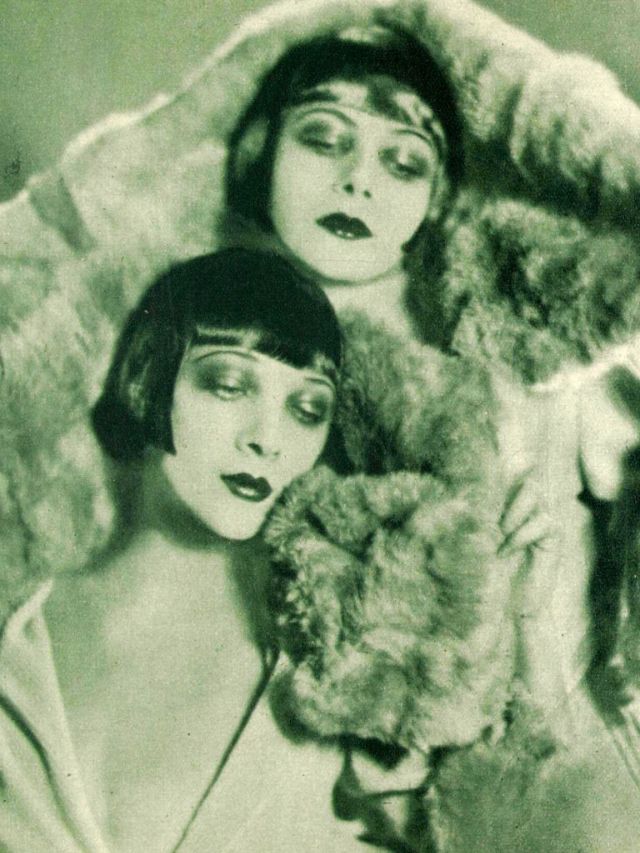
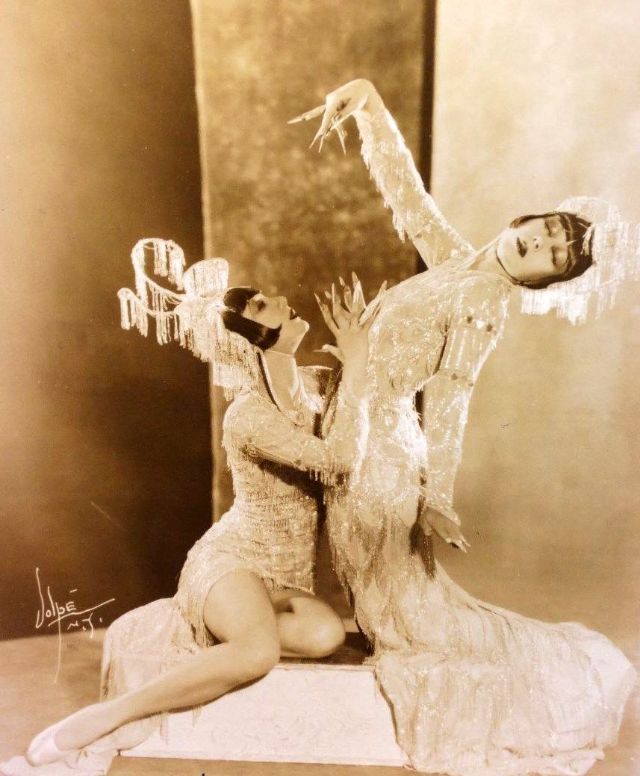
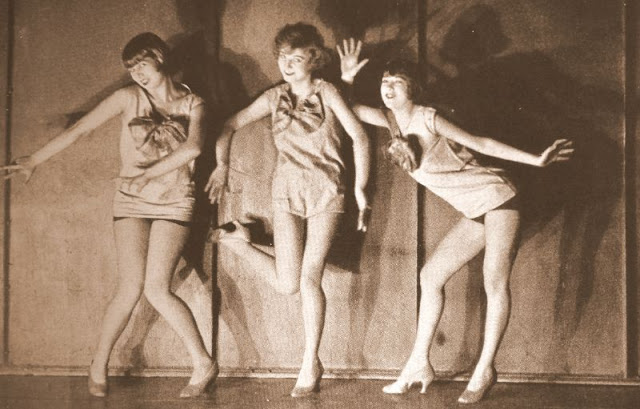
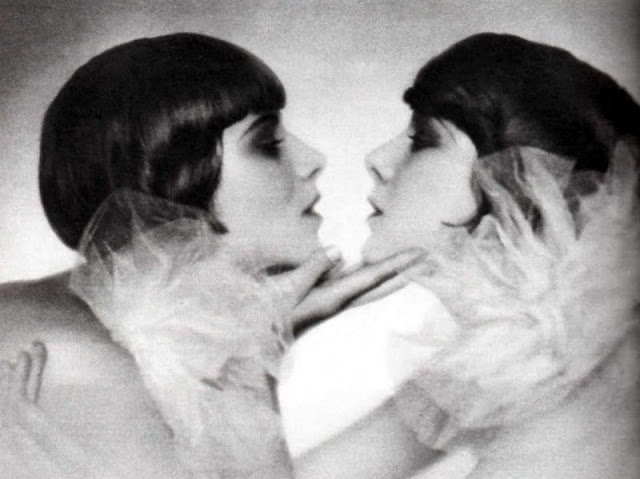
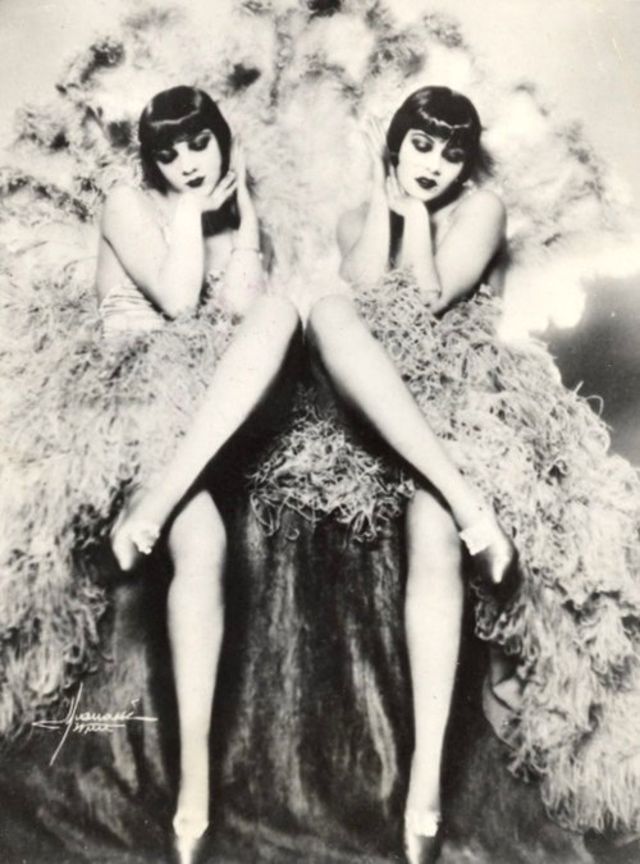
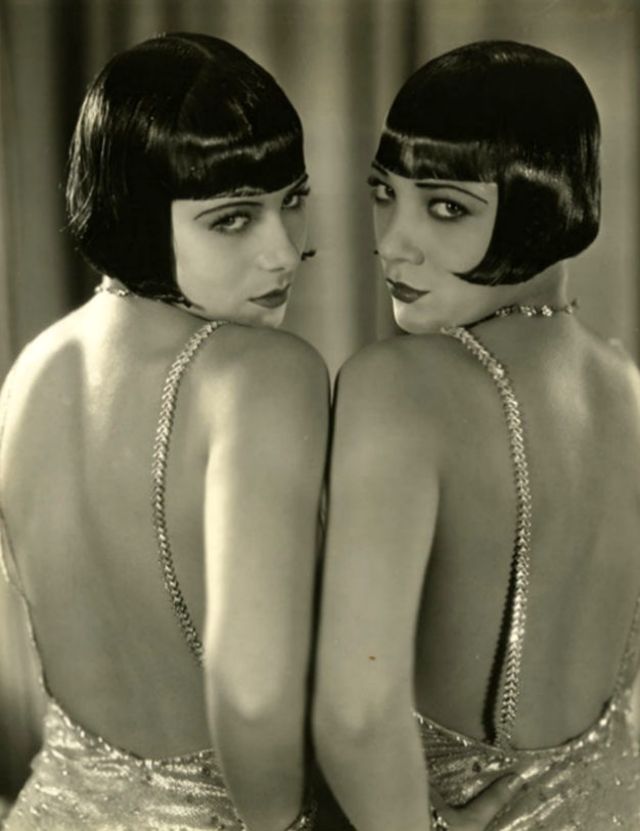
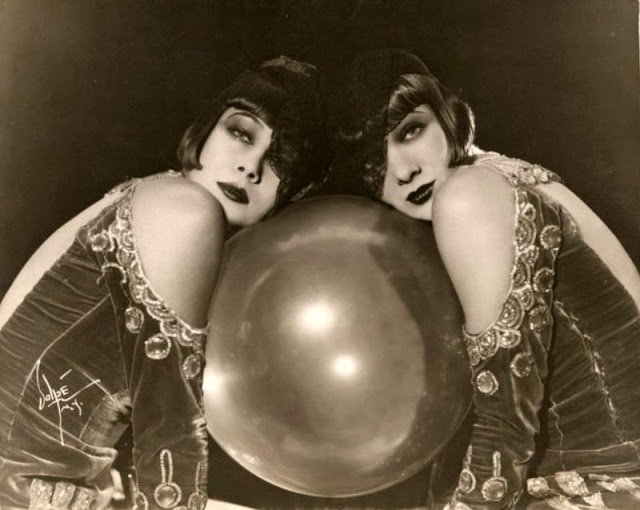
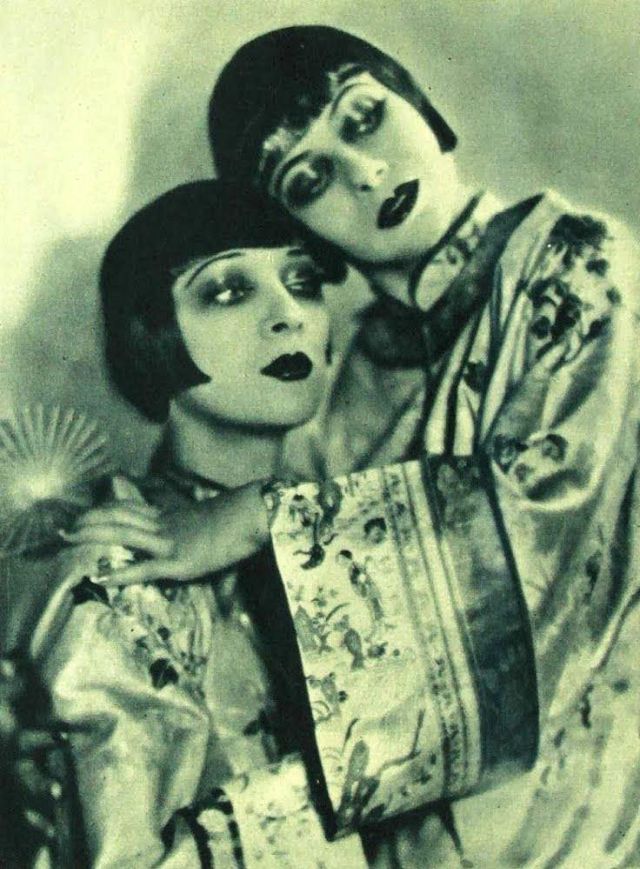
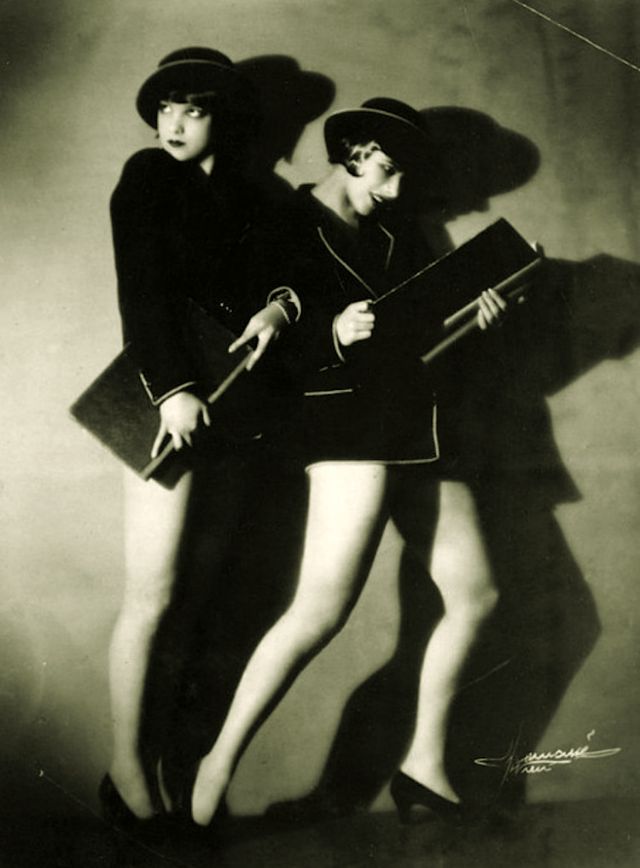
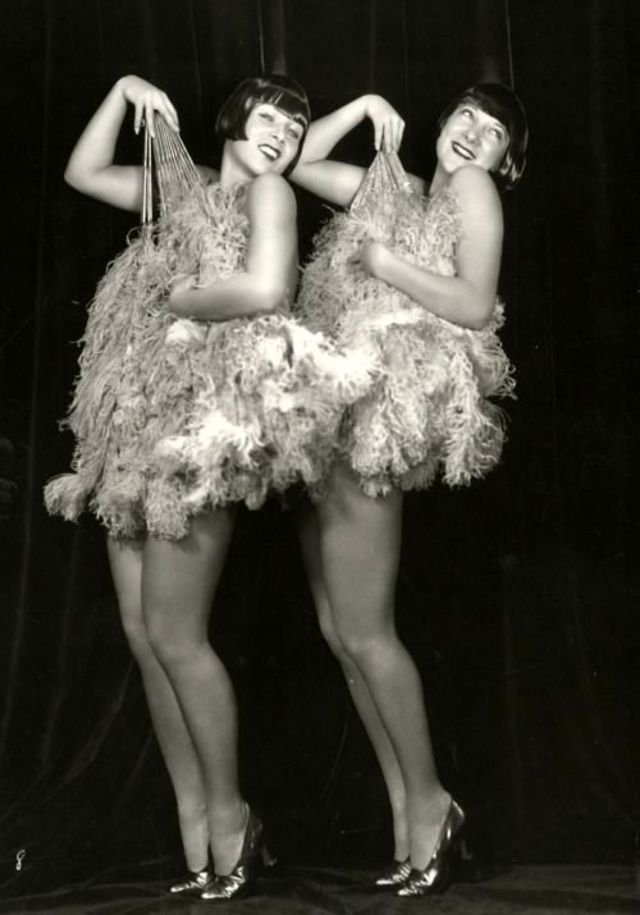
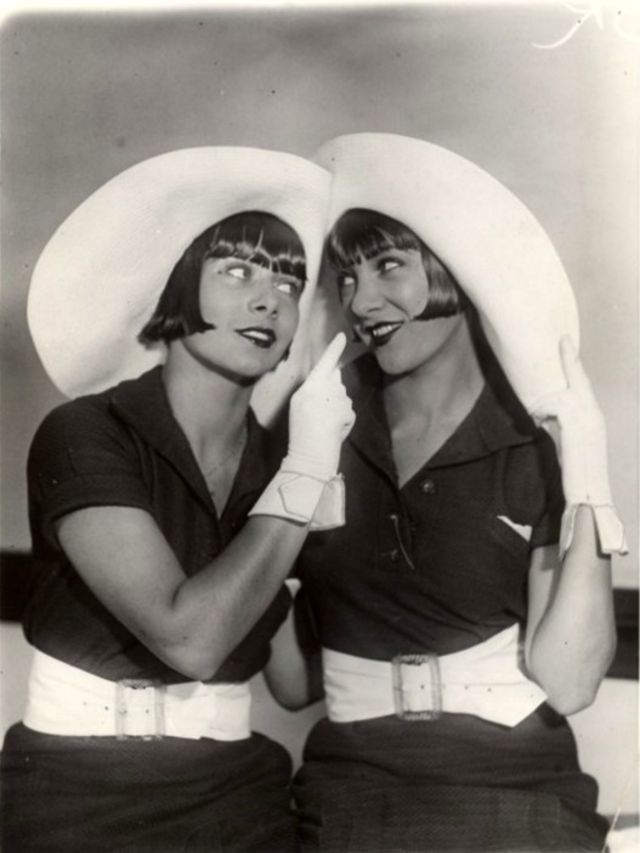
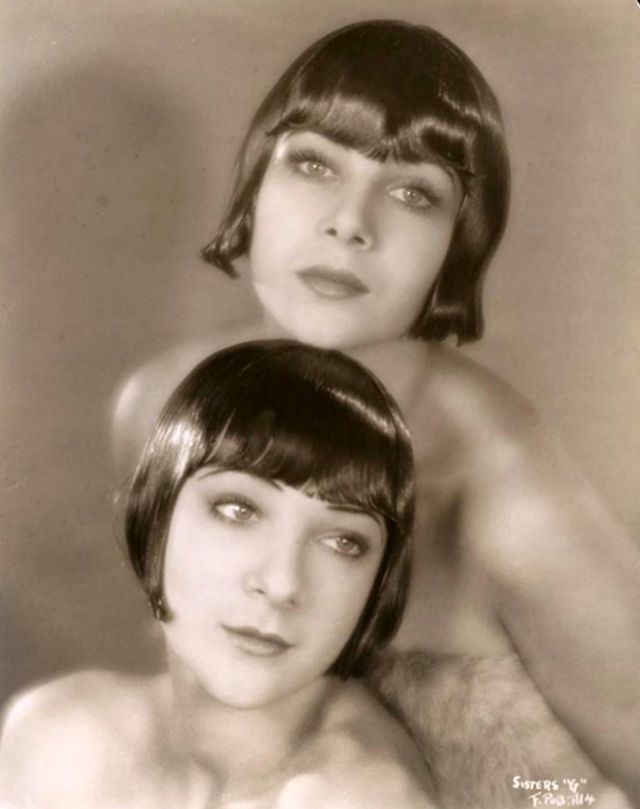
Eleanor and Karla Gutöhrlein, aka “The Sisters G”, were a German sister dance team in the 1920s and early 1930s (according to a 1929 magazine article, they were from Schwabisch-Hall, Germany).
Eleanor (born August 18, 1909) and Karla (born December 9, 1910) differed more than a year in age, but were often thought to be twins. They were famous for performing together, for having striking black bobs, and for their dancing and acting skills, and performed in several American films including King of Jazz (1930), Recaptured Love (1930) and God’s Gift to Women (1931).
The sisters moved to Sweden. Eleanor married the bank director Gösta Lennart Brywolf and died on June 7, 1997 in Vasa, Sweden. Karla married Per Oskar Olof Åberg in 1936.
These glamorous photos that captured “The Sisters G” in the late 1920s and 1930s.
















These amazing photos show what service stations in the US looked like in the 1920s and 1930s.



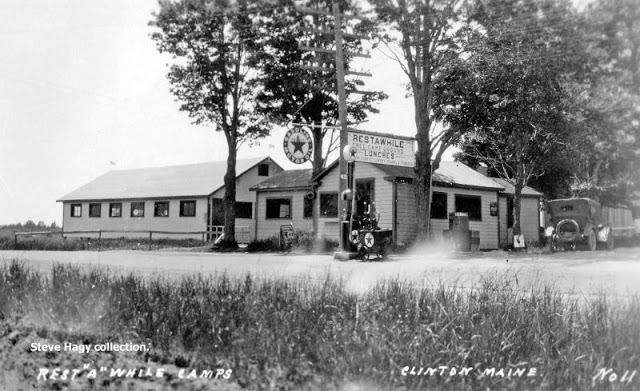




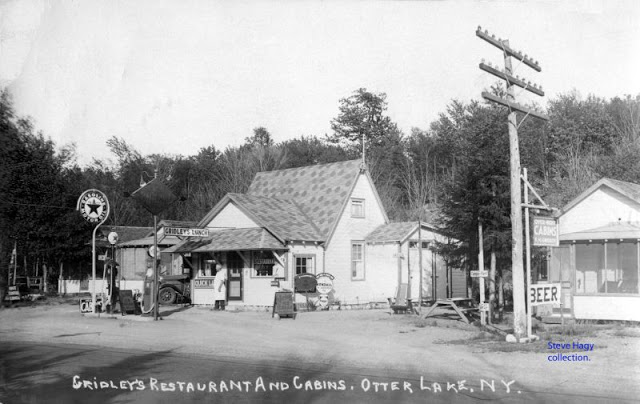


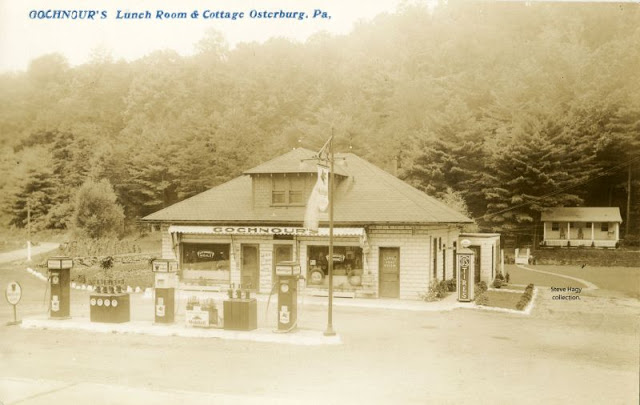

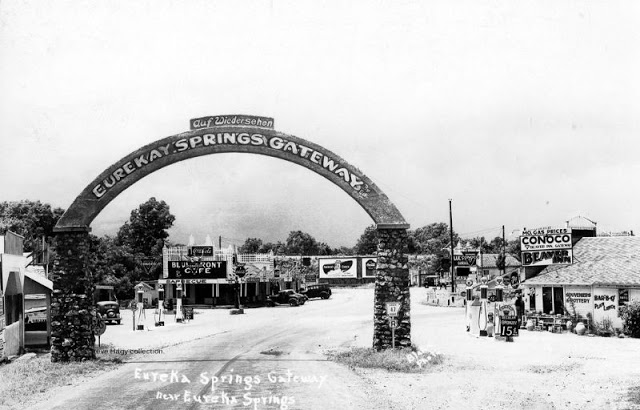






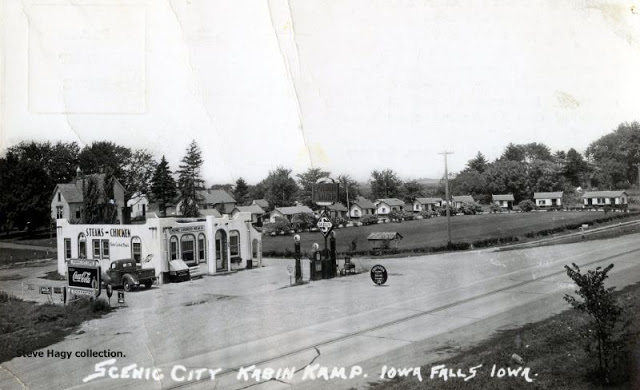
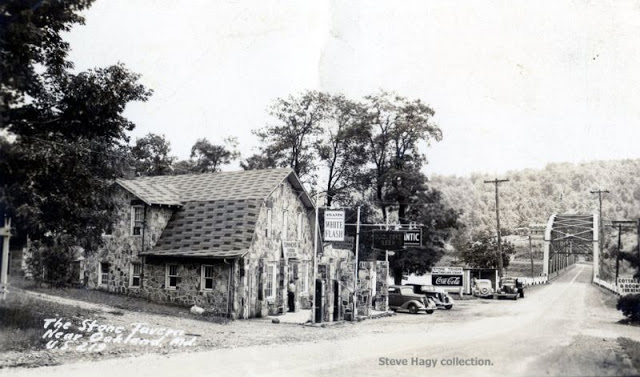
(Photos via Steve Hagy on Flickr)
