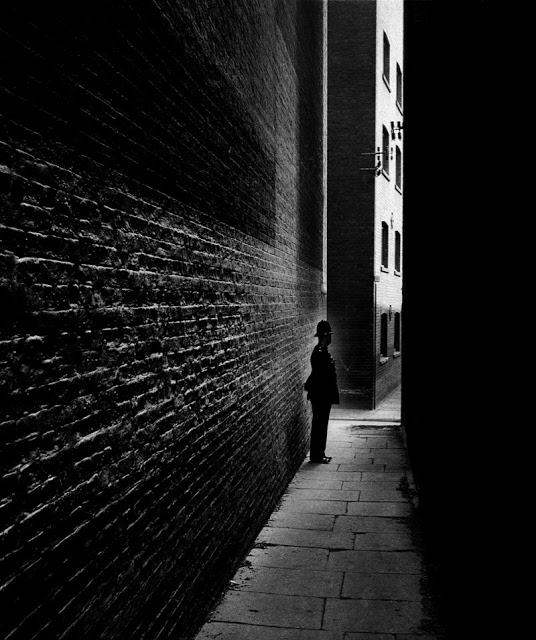
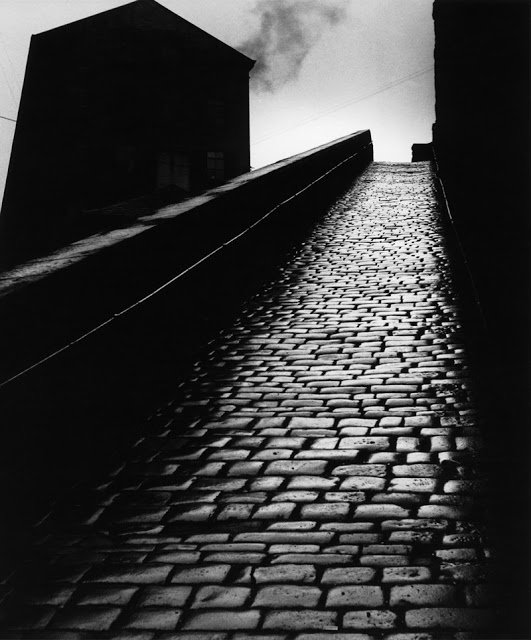
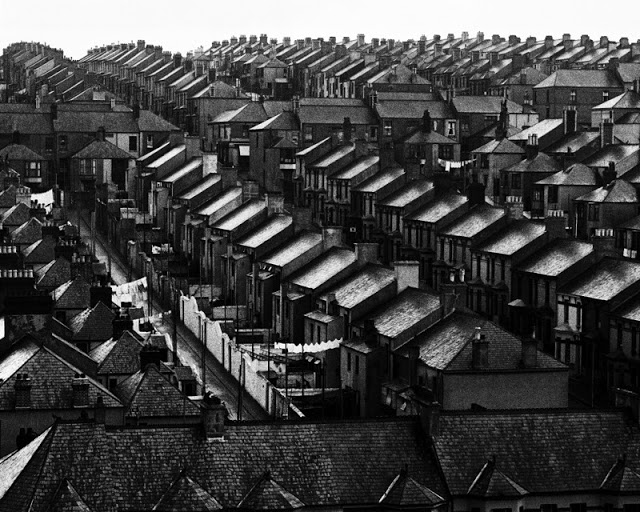
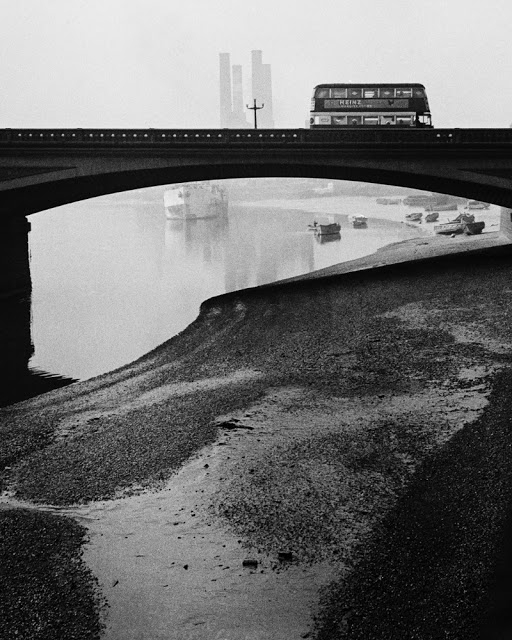
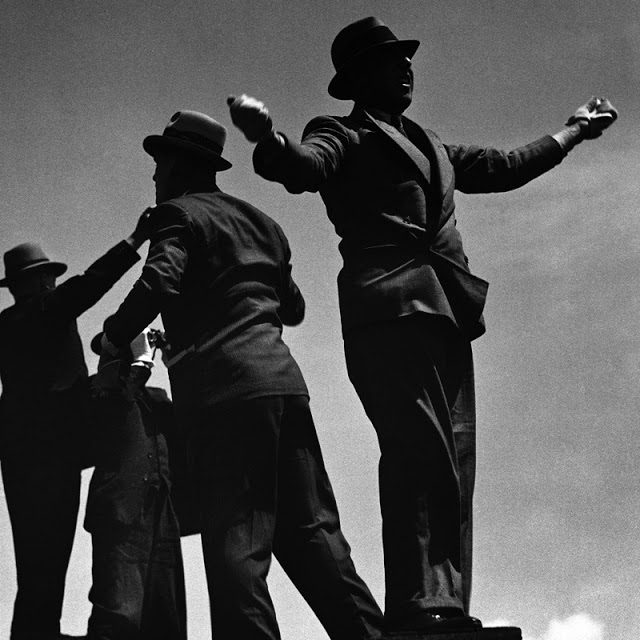
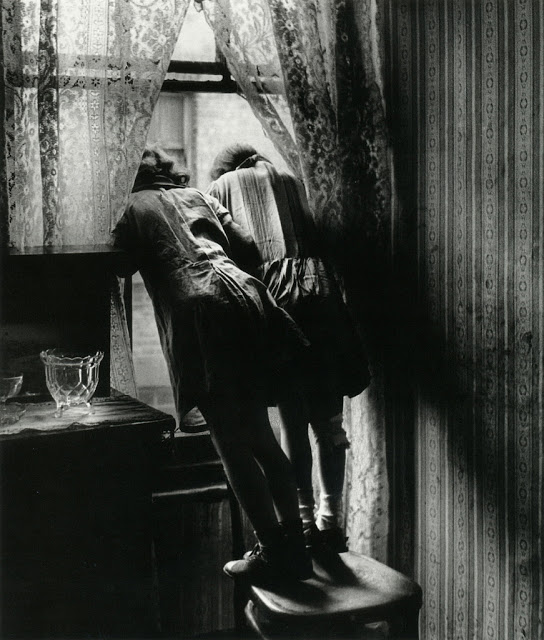
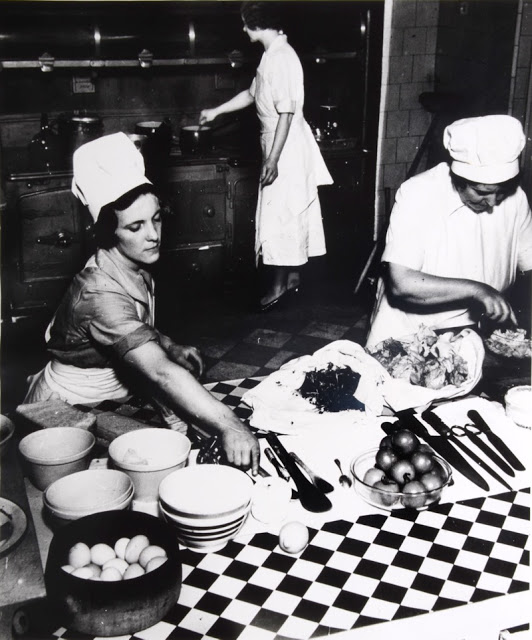
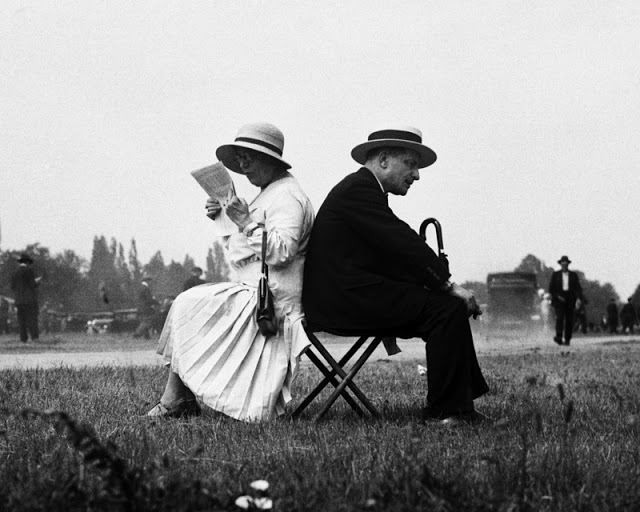
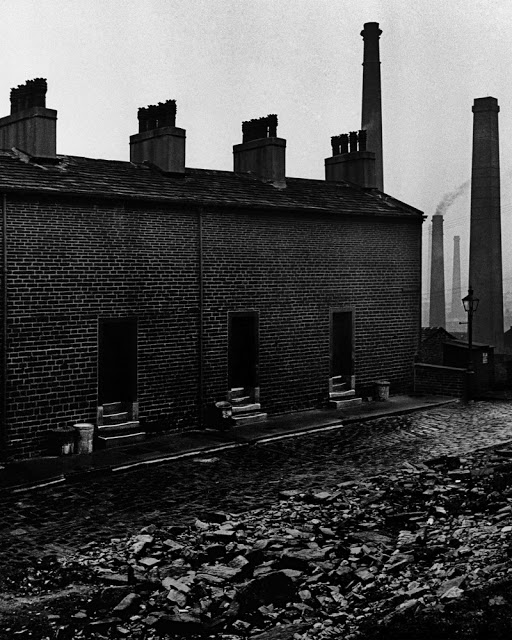
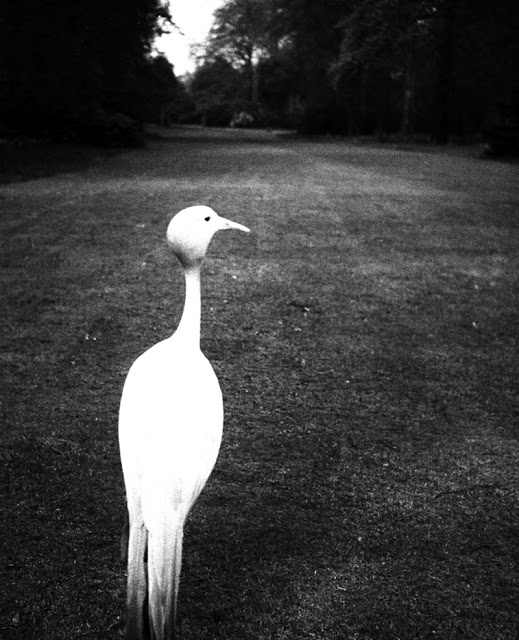
Bill Brandt was a British photographer and photojournalist. Although born in Germany, Brandt moved to London in 1933 and began documenting all levels of British society. This kind of documentary was uncommon at that time.











Bringing You the Wonder of Yesterday – Today
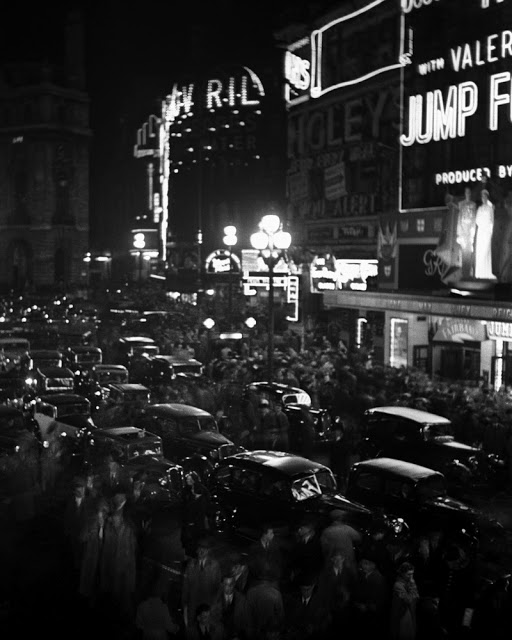
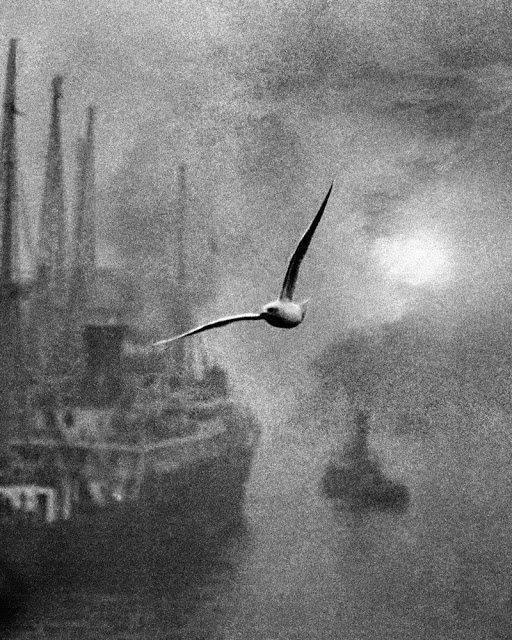
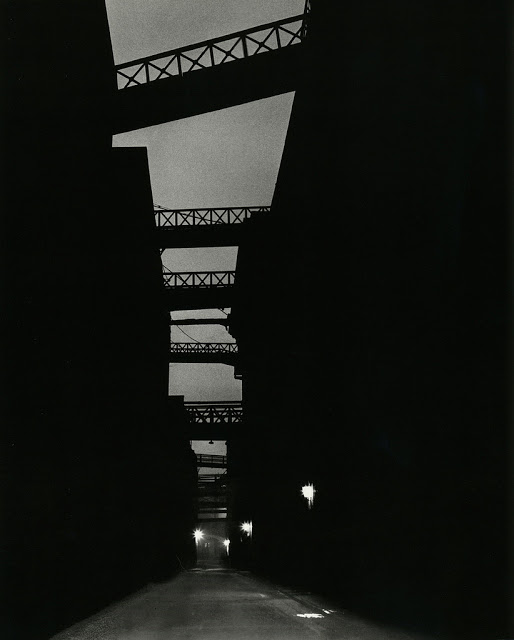
Bill Brandt was a British photographer and photojournalist. Although born in Germany, Brandt moved to London in 1933 and began documenting all levels of British society. This kind of documentary was uncommon at that time.

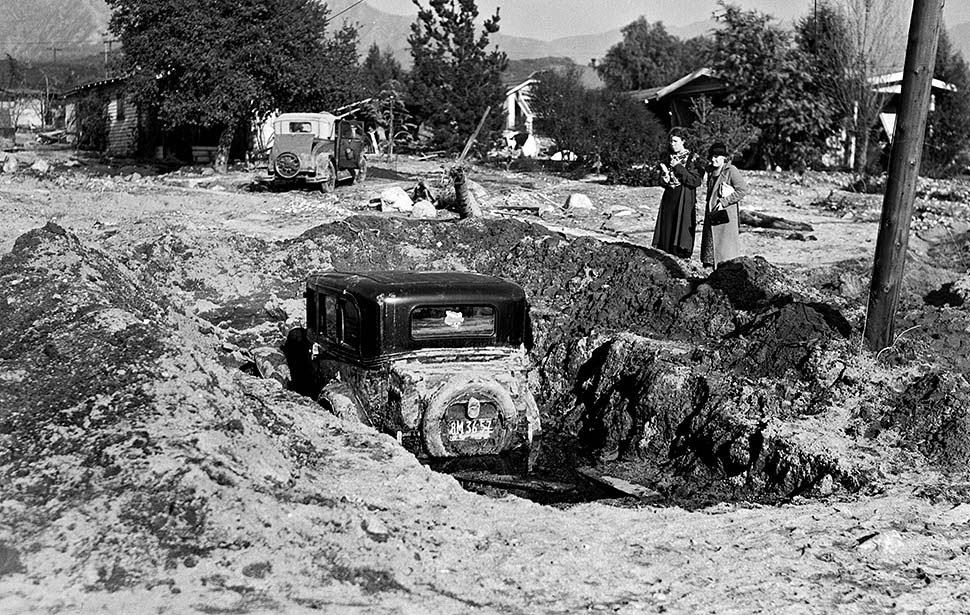
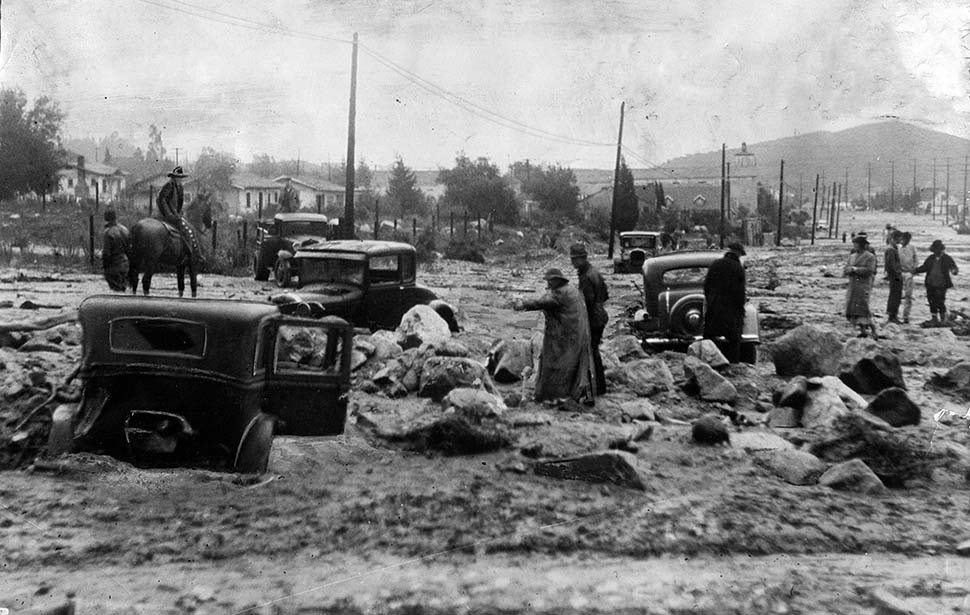
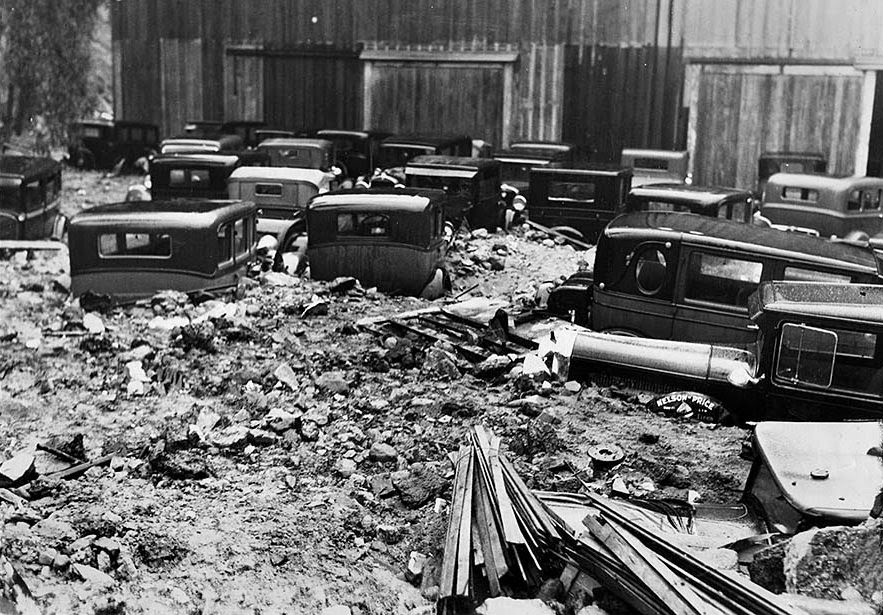
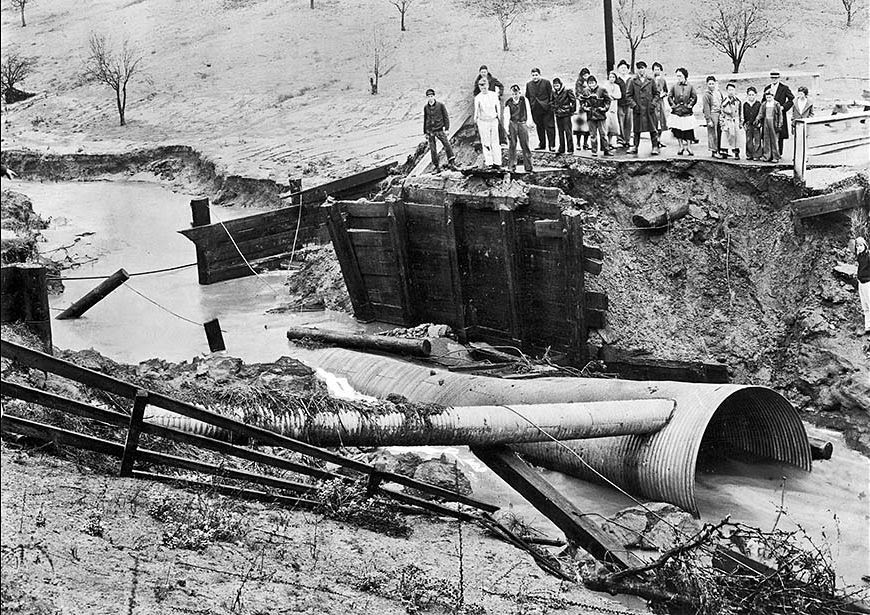
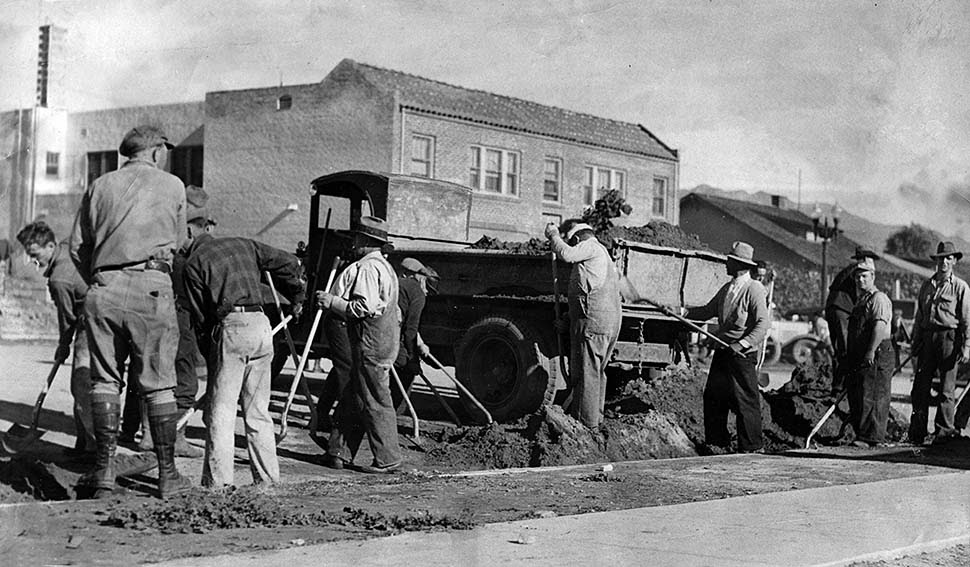
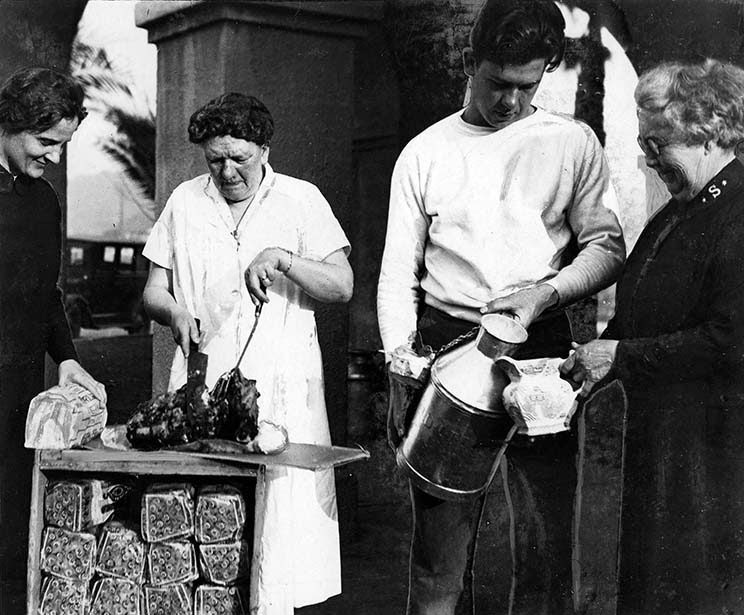
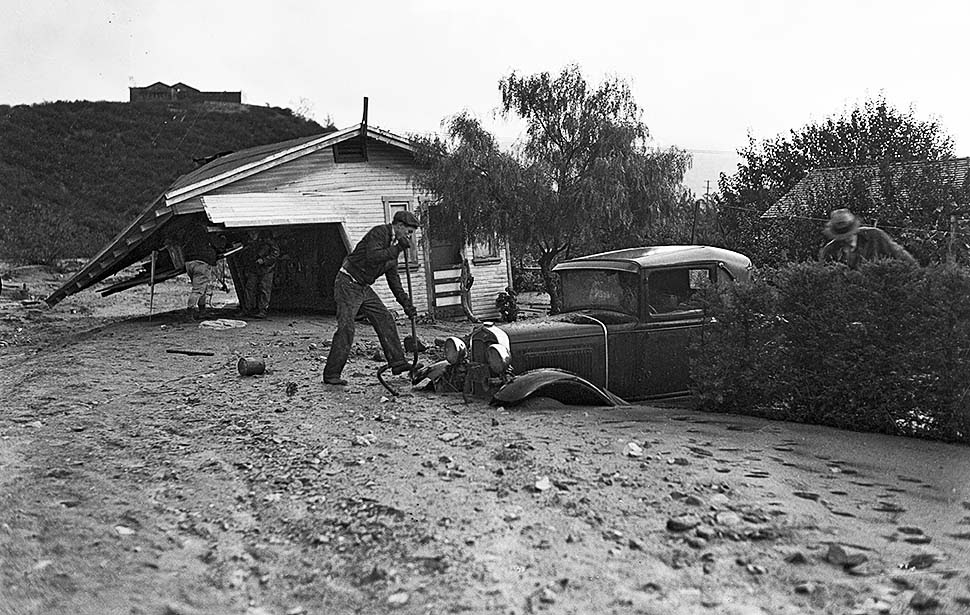
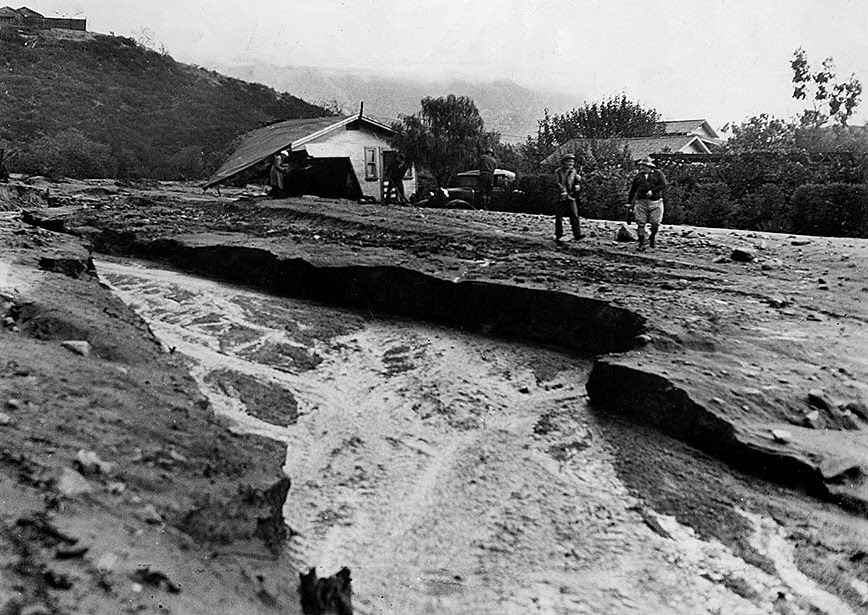
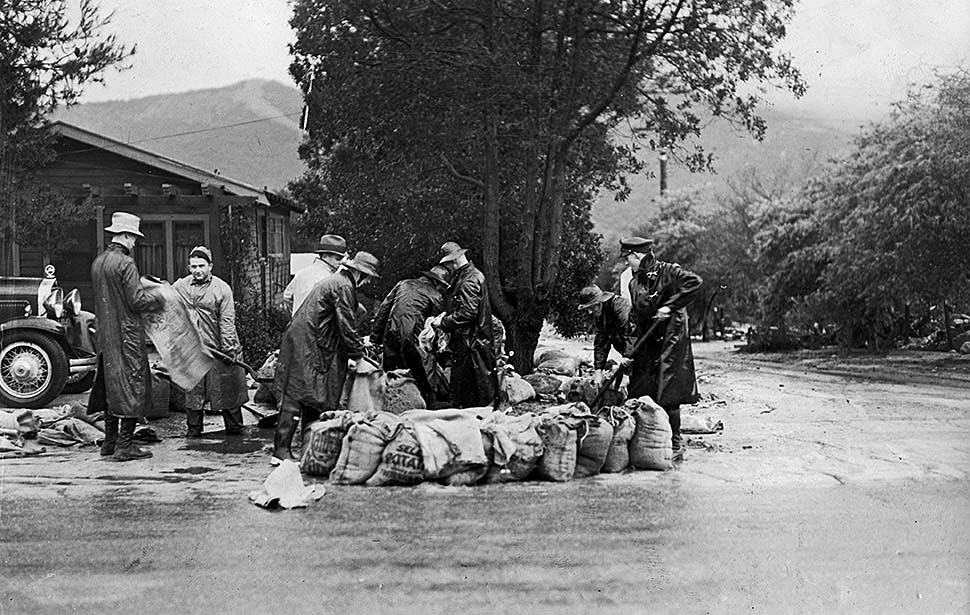
In a now-familiar Los Angeles story, late 1933 brush fires cleared the vegetation from the hills above the Montrose-La Crescenta section of Los Angeles County. When heavy rains arrived on New Year’s Eve 1934, the neighborhoods were flooded and lives lost.
The Jan. 9, 1934, Los Angeles Times reported the death toll in Los Angeles County as 44 with about half the dead from the Montrose-La-Crescenta area. Another 15 were still missing, six of whom were from the Montrose-La Crescenta area.





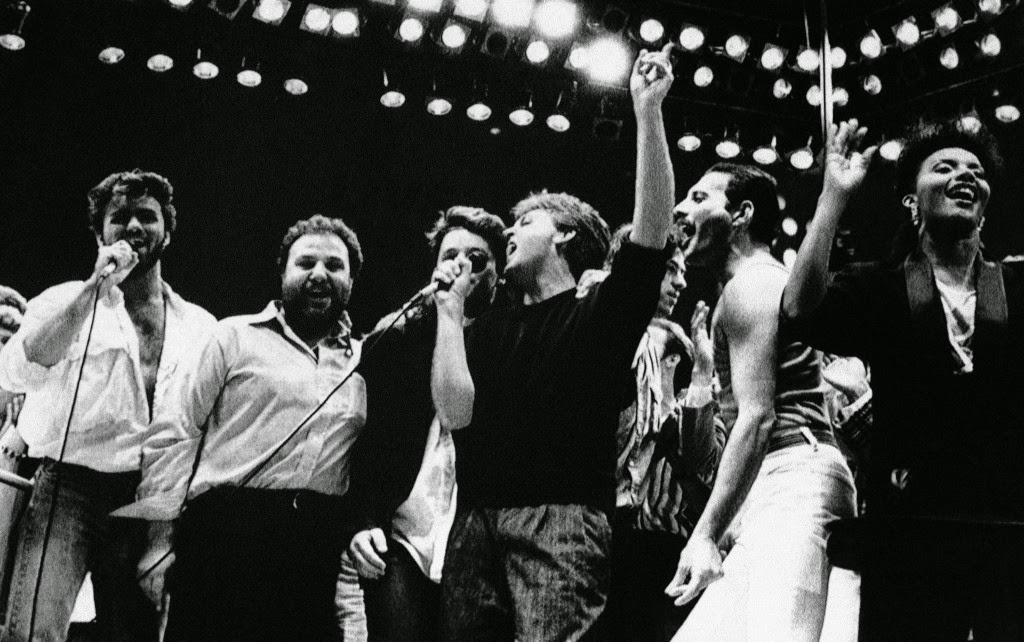
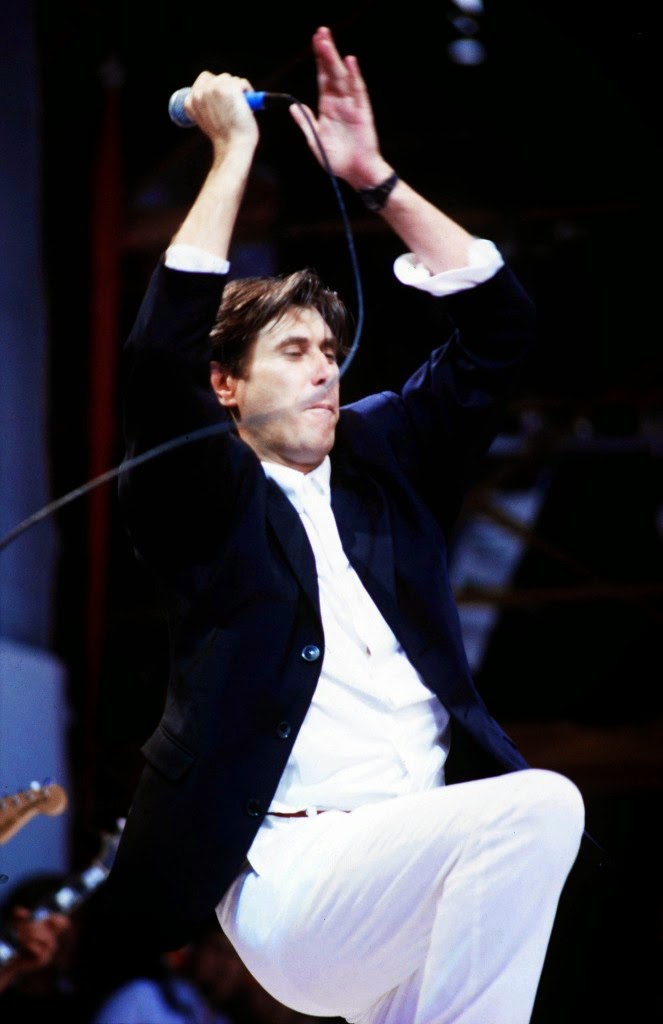
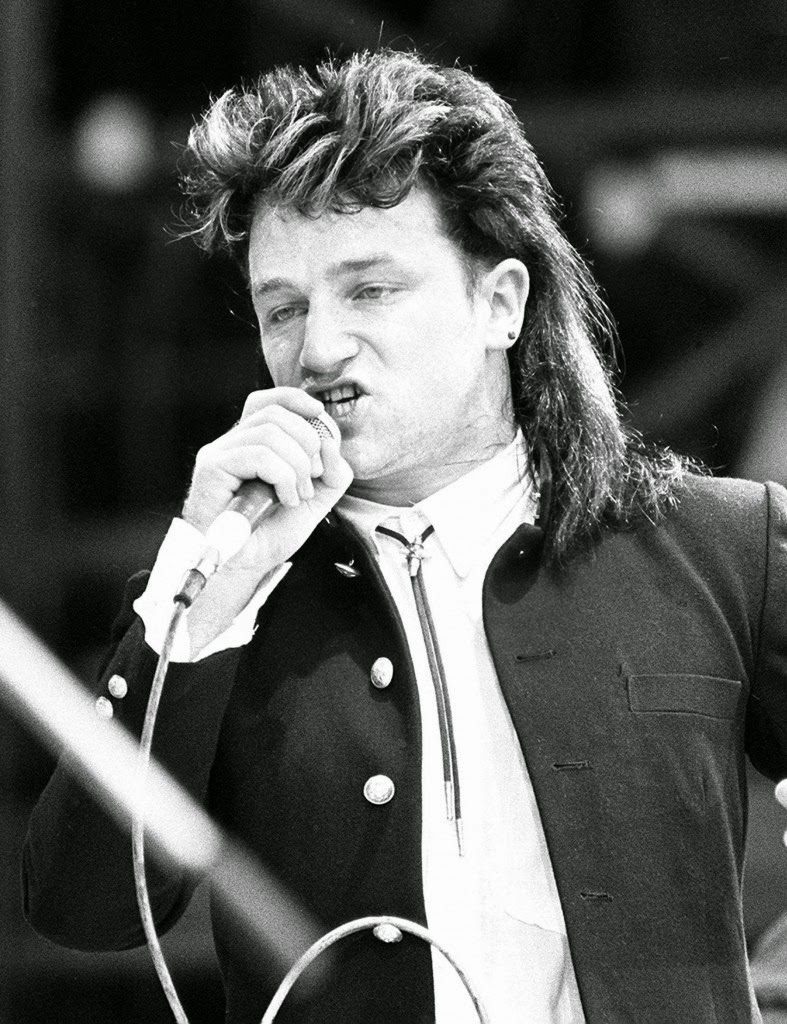
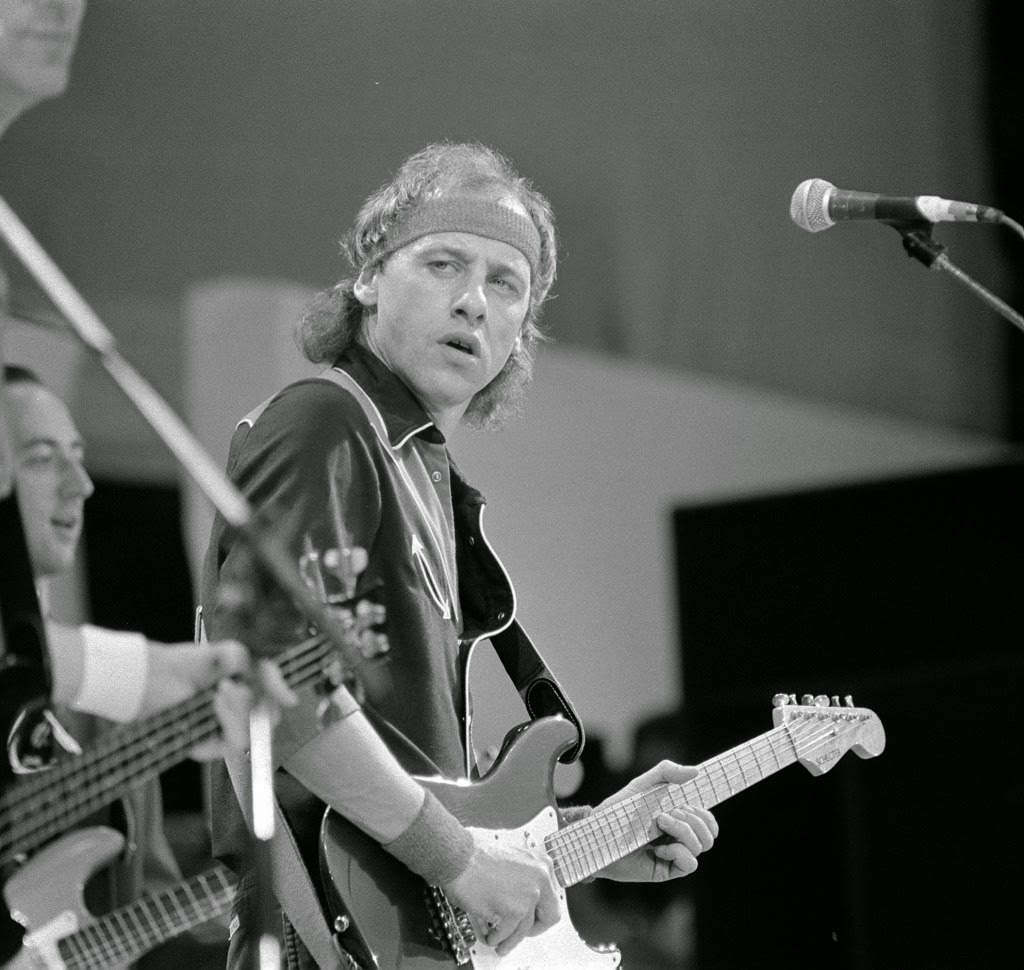
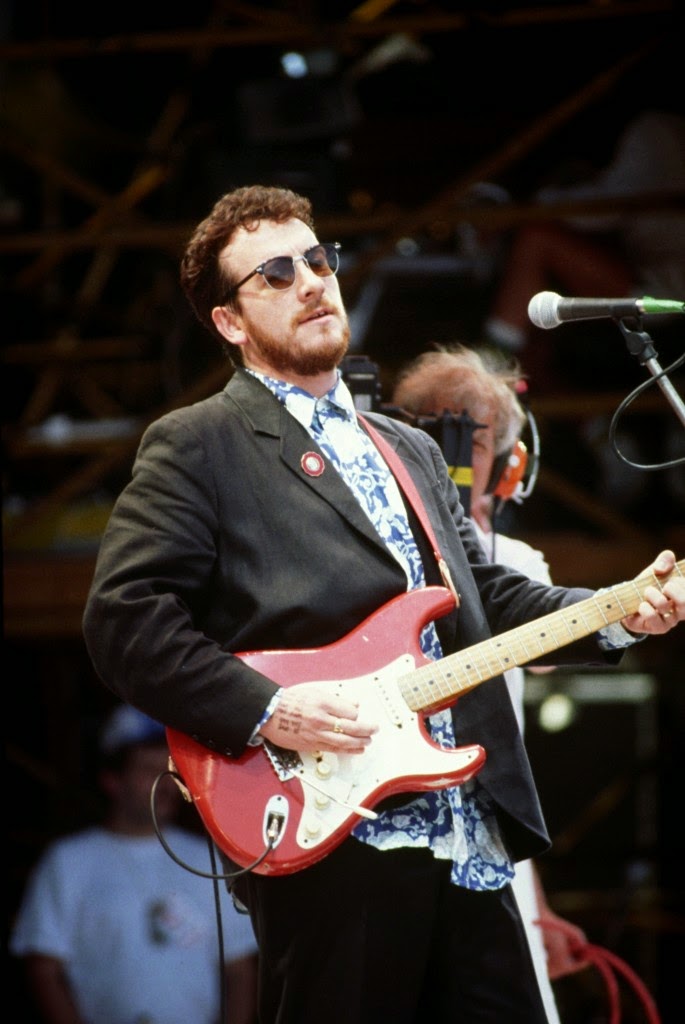
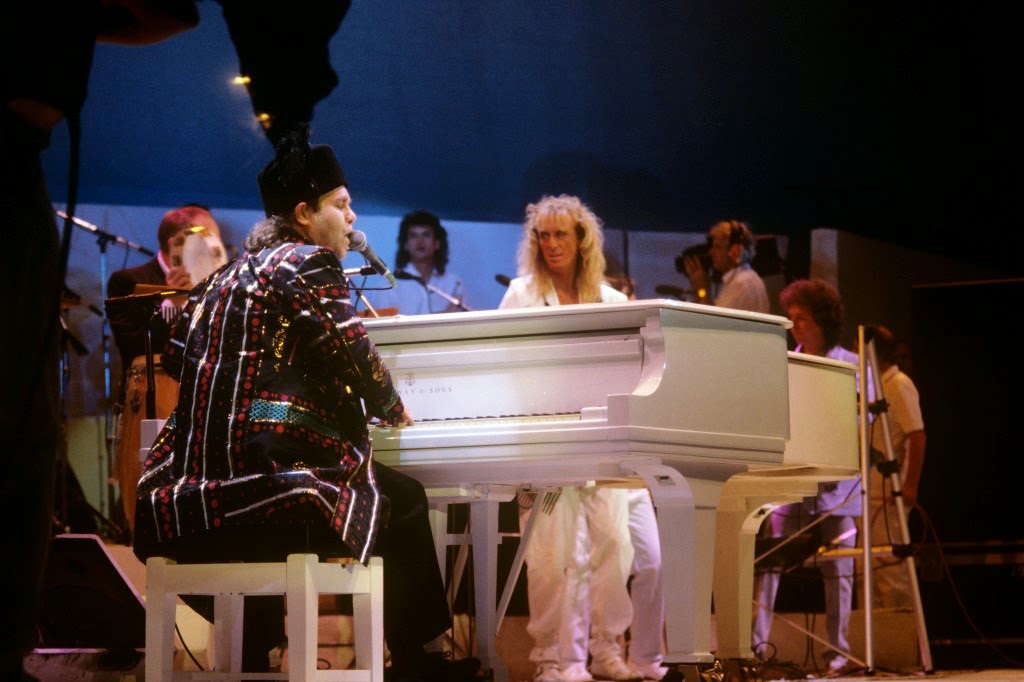
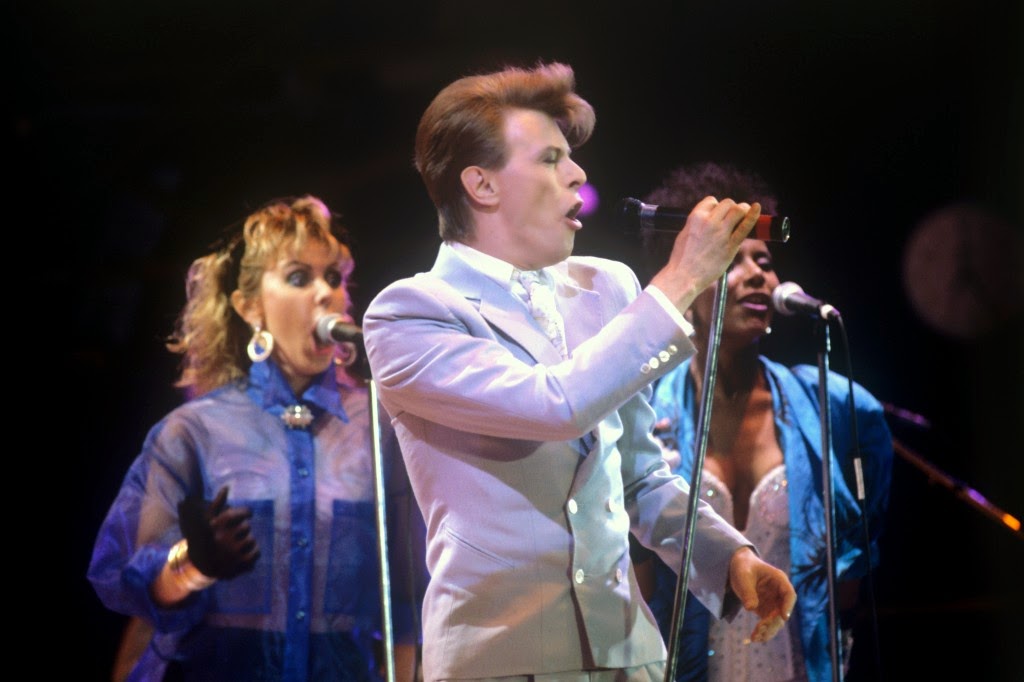
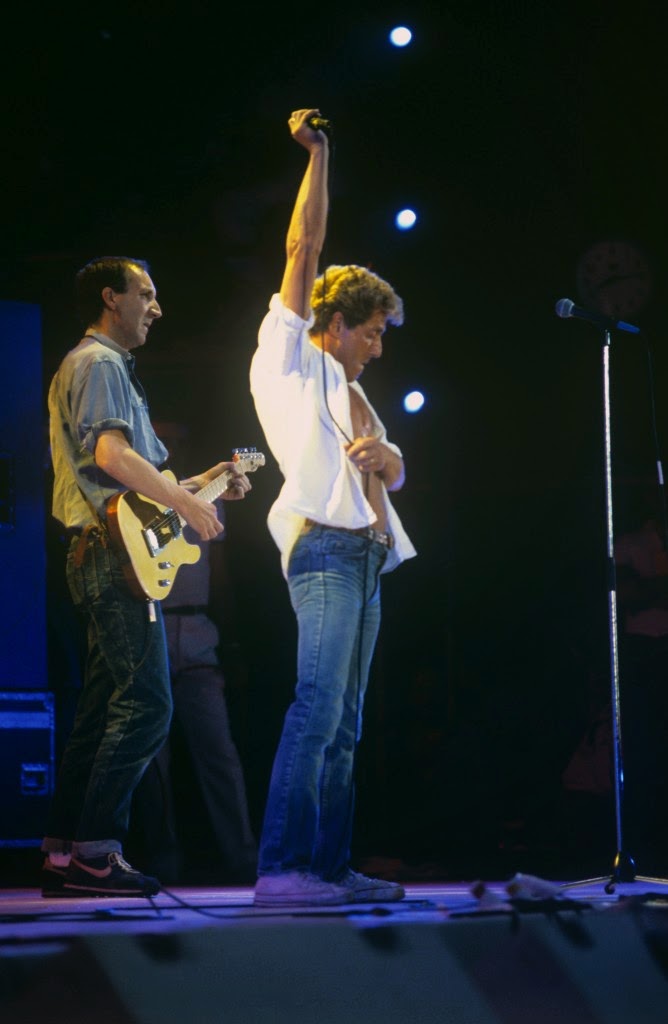
On July 13, 1985, at Wembley Stadium in London, Prince Charles and Princess Diana officially open Live Aid, a worldwide rock concert organized to raise money for the relief of famine-stricken Africans.
Organized in just 10 weeks, Live Aid was staged on Saturday, July 13, 1985. More than 75 acts performed, including Elton John, Madonna, Santana, Run DMC, Sade, Sting, Bryan Adams, the Beach Boys, Mick Jagger, David Bowie, Queen, Duran Duran, U2, the Who, Tom Petty, Neil Young, and Eric Clapton. The majority of these artists performed at either Wembley Stadium in London, where a crowd of 70,000 turned out, or at Philadelphia’s JFK Stadium, where 100,000 watched. Thirteen satellites beamed a live television broadcast of the event to more than one billion viewers in 110 countries. More than 40 of these nations held telethons for African famine relief during the broadcast.









Become a paid subscriber to get access to the rest of this post and other exclusive content.
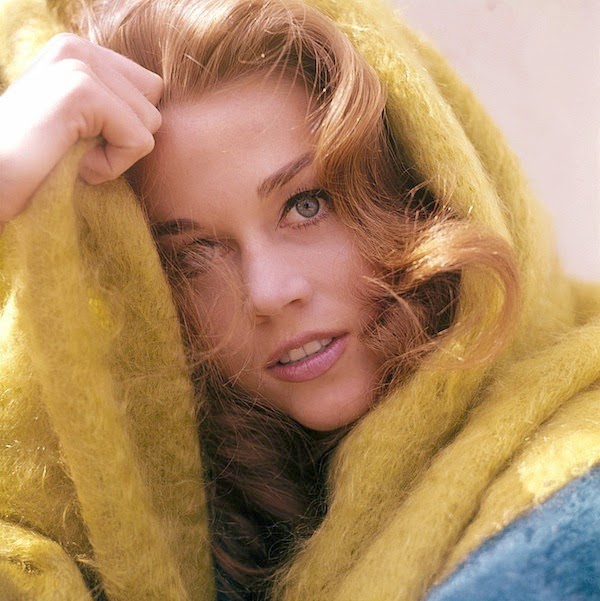
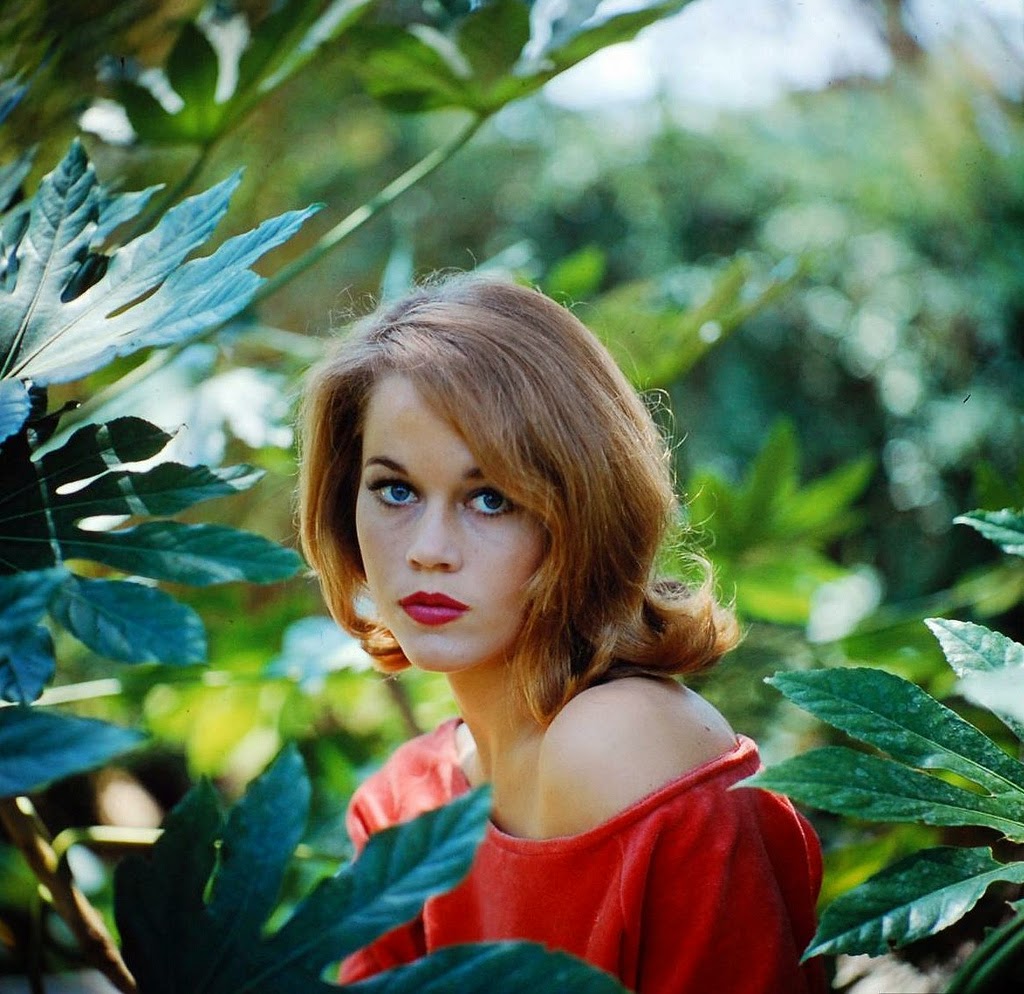
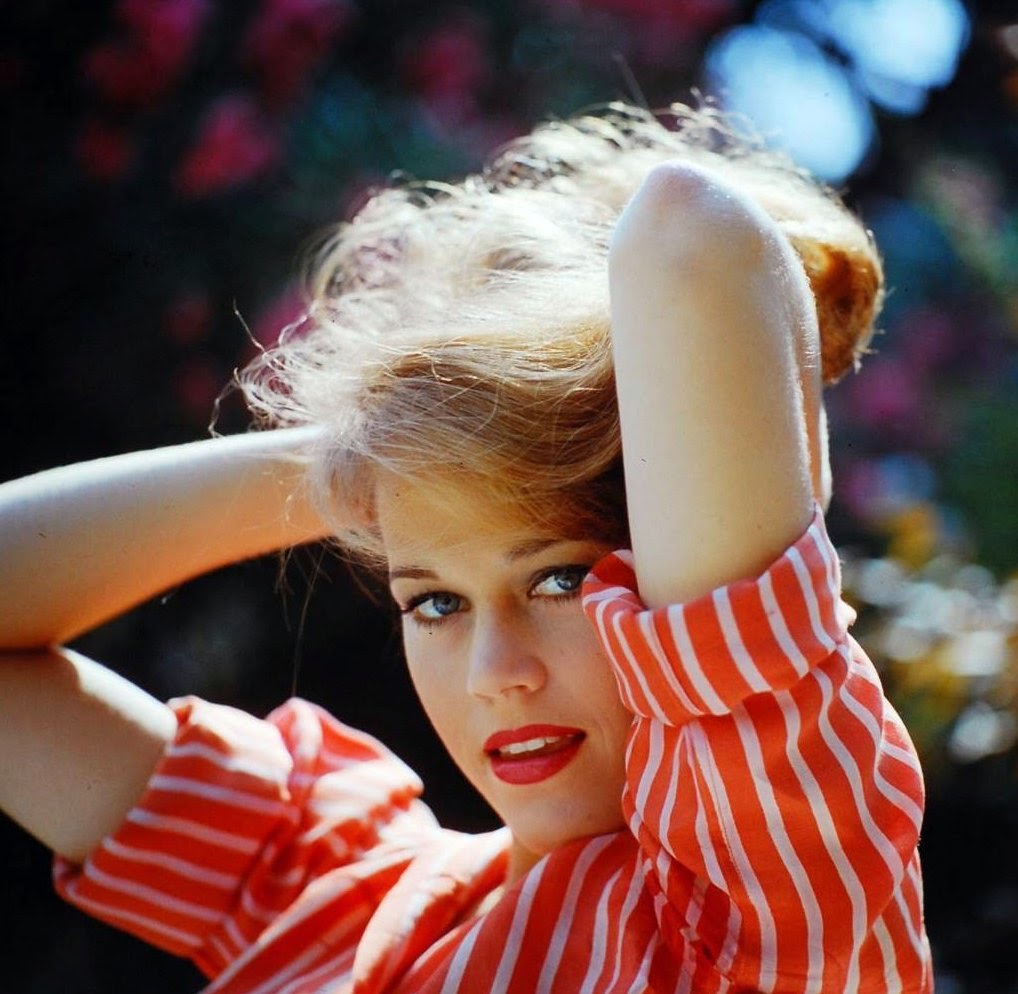
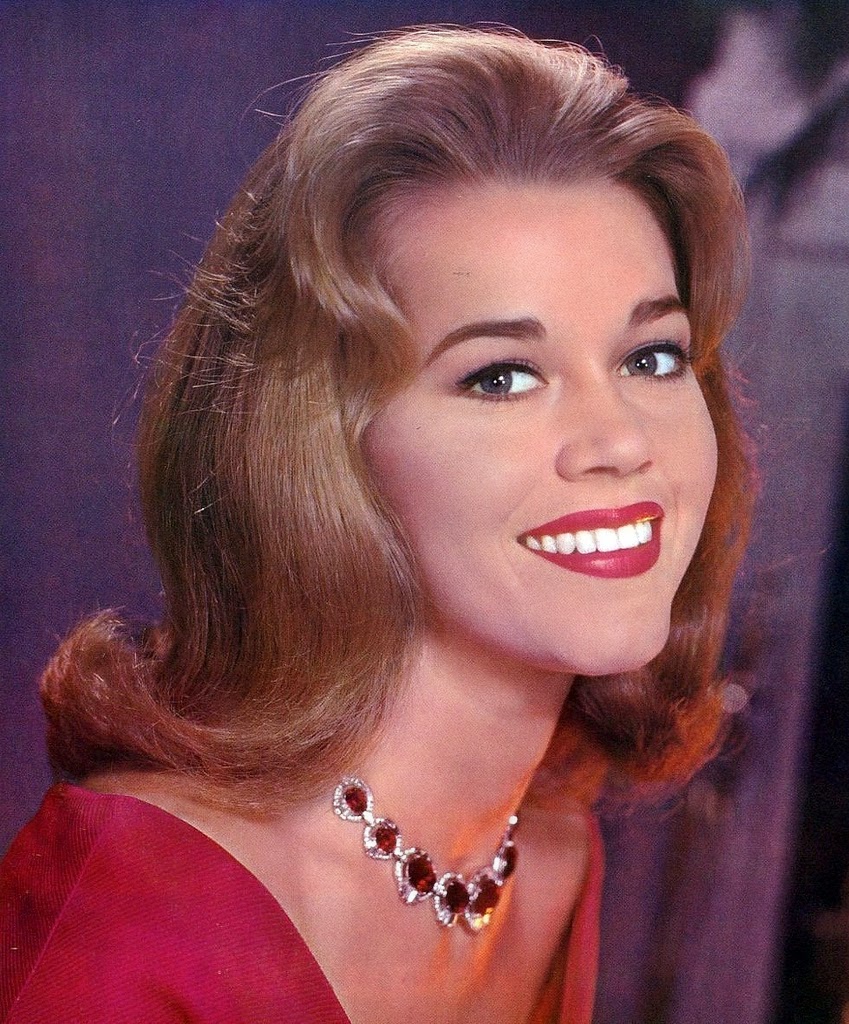
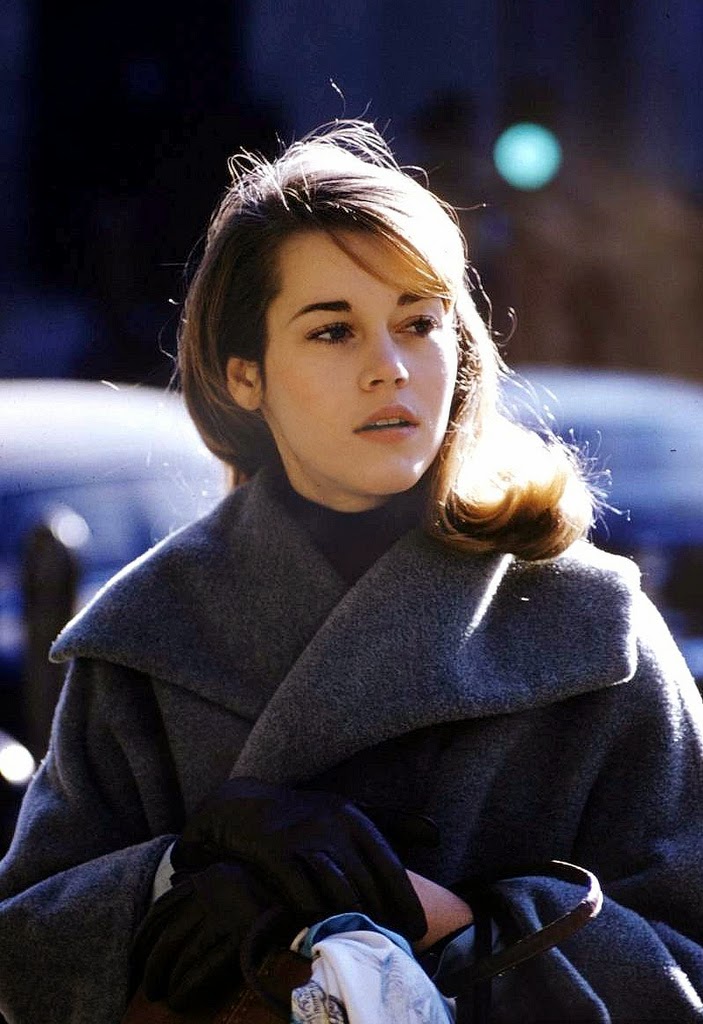
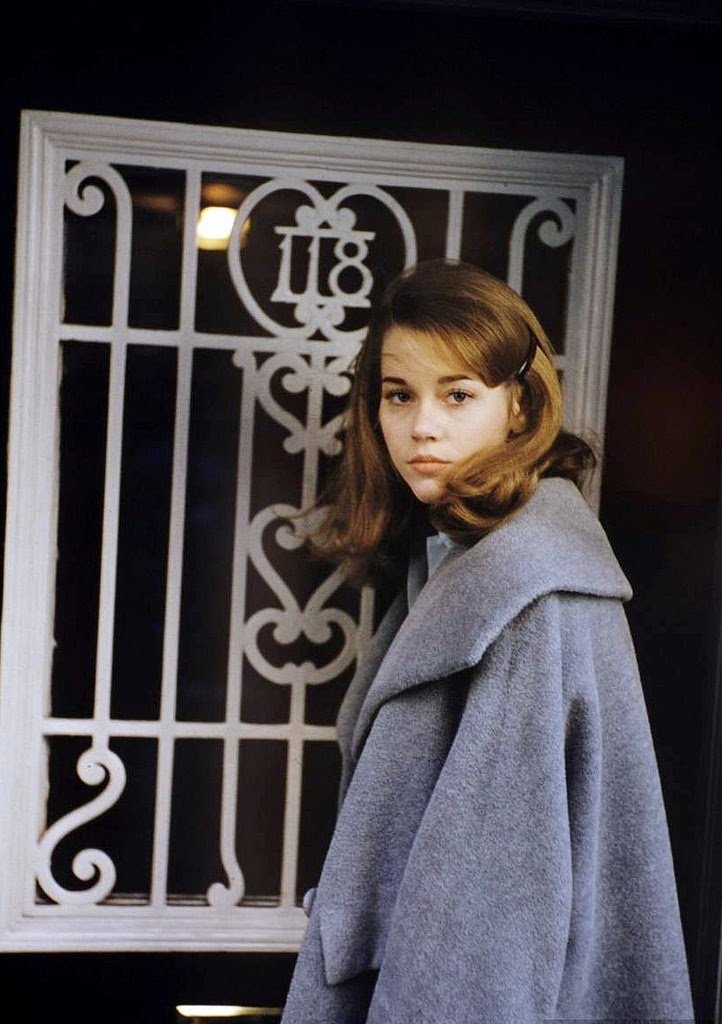
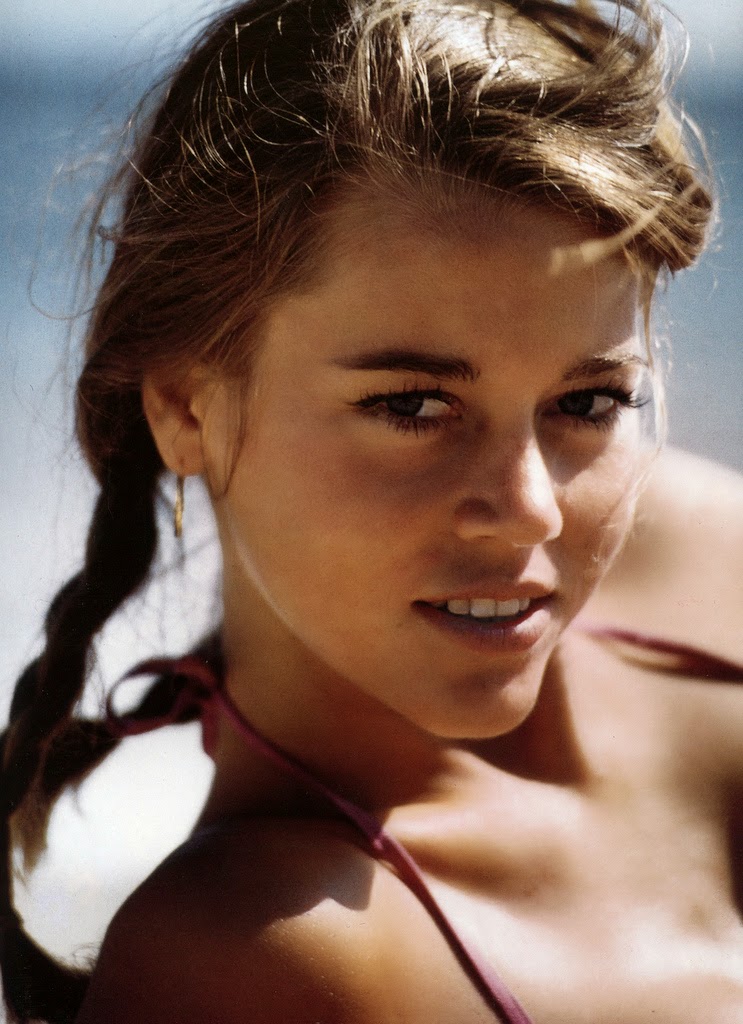
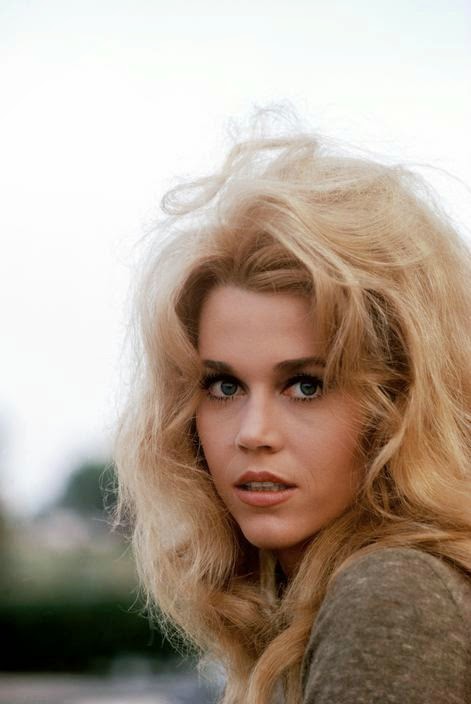
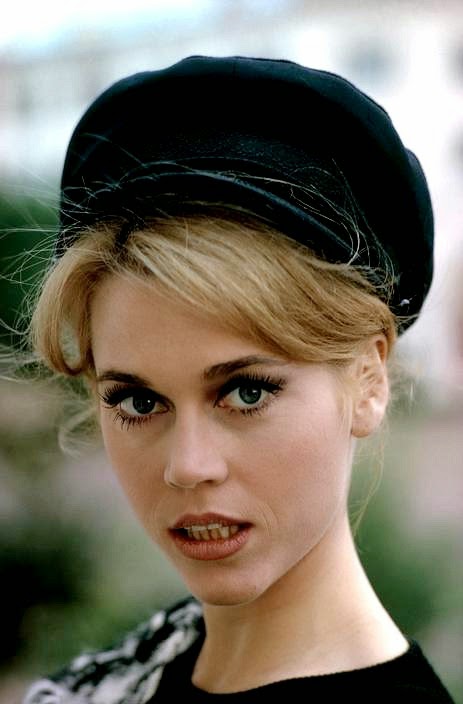
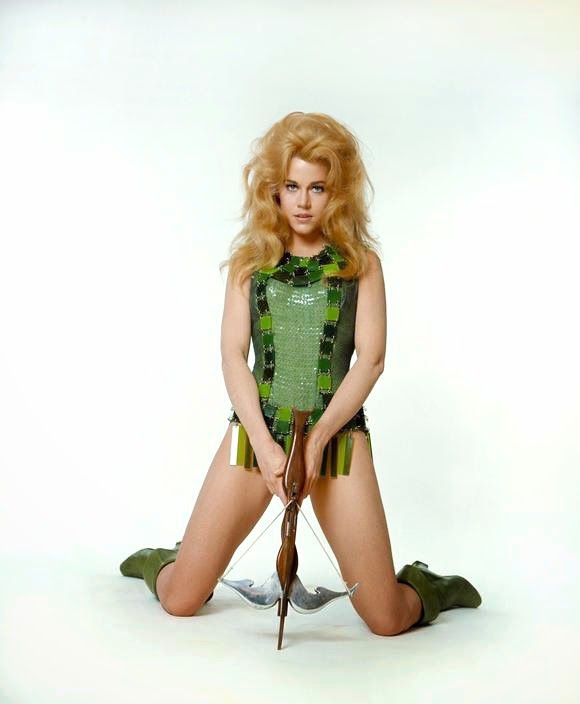
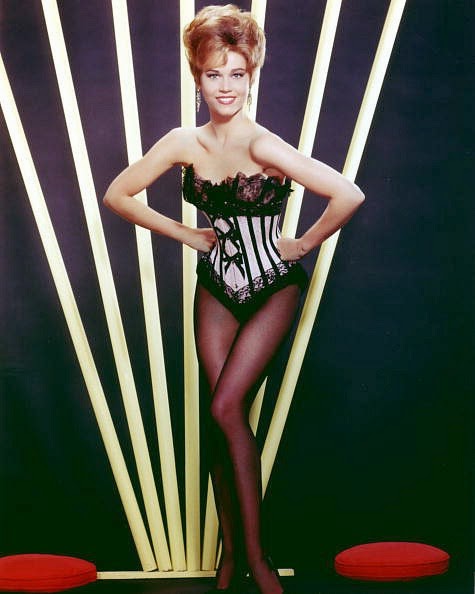
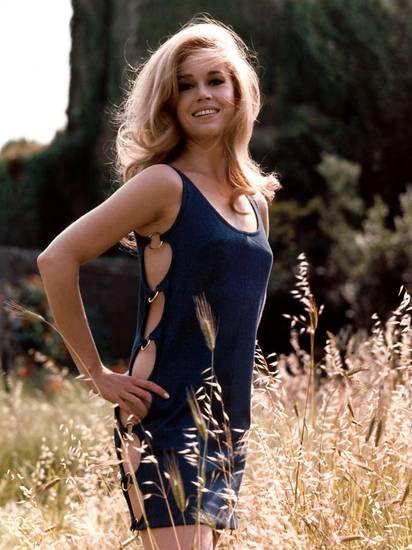
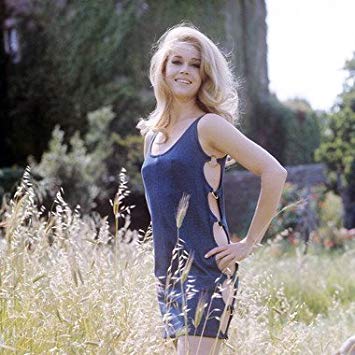
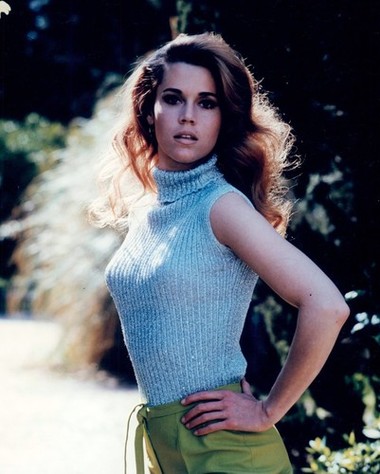
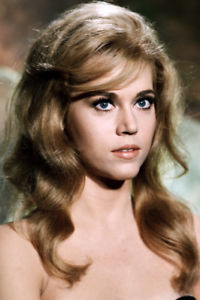
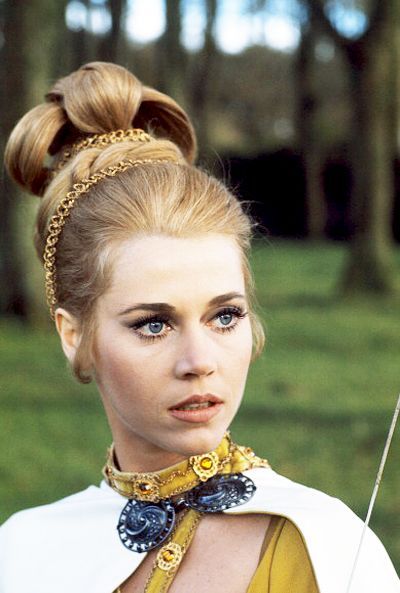
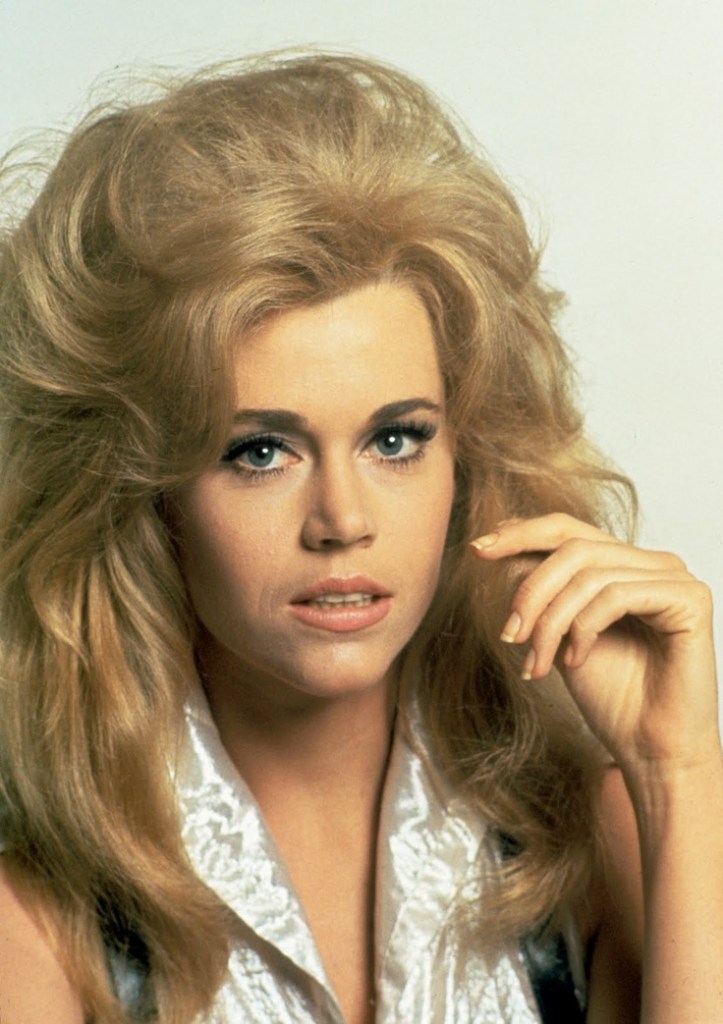
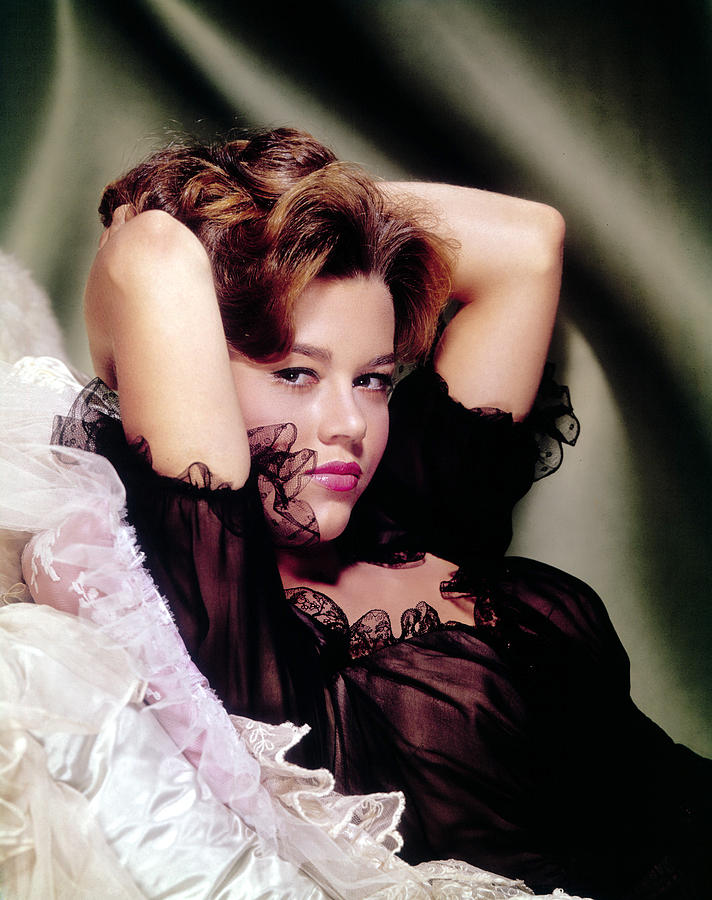
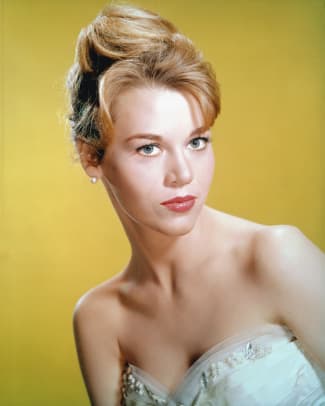
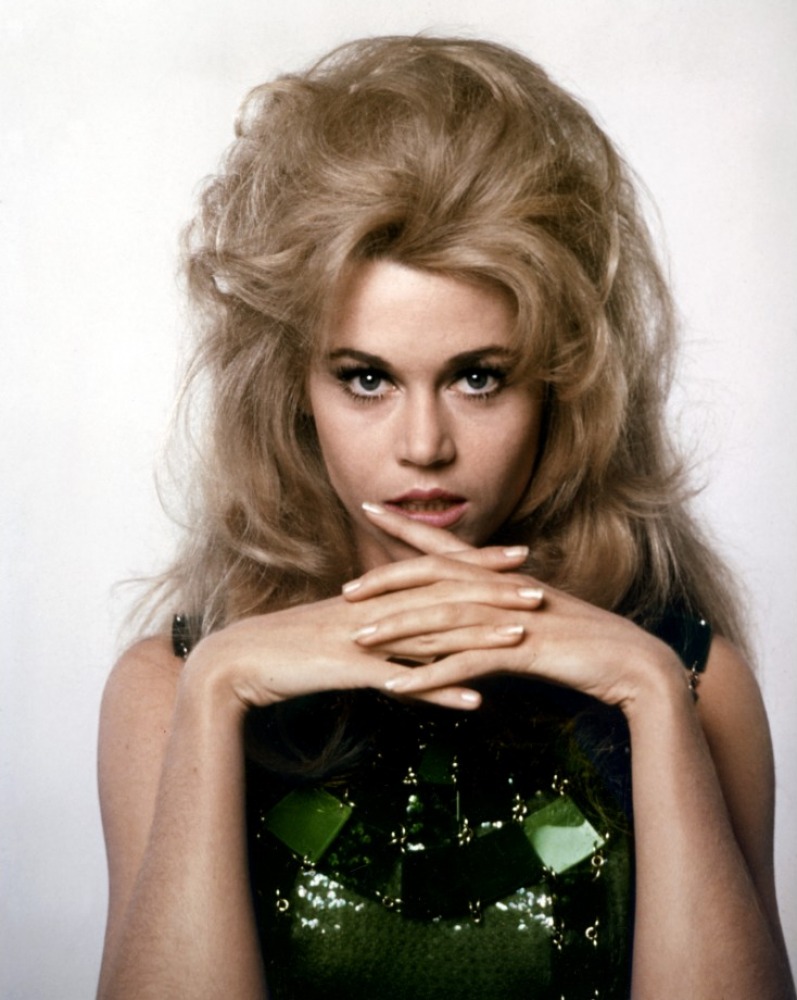
Jane Fonda is an American actress best known for her acting career, political activism and aerobic-exercise videos. The daughter of acclaimed actor Henry Fonda, the actress has won two Oscars.
Her stage work in the late 1950s laid the foundation for her film career in the 1960s. She averaged almost two movies a year throughout the decade, starting in 1960 with Tall Story, in which she recreated one of her Broadway roles as a college cheerleader pursuing a basketball star, played by Anthony Perkins. Period of Adjustment and Walk on the Wild Side followed in 1962. In Walk on the Wild Side, Fonda played a prostitute and earned a Golden Globe for Most Promising Newcomer.














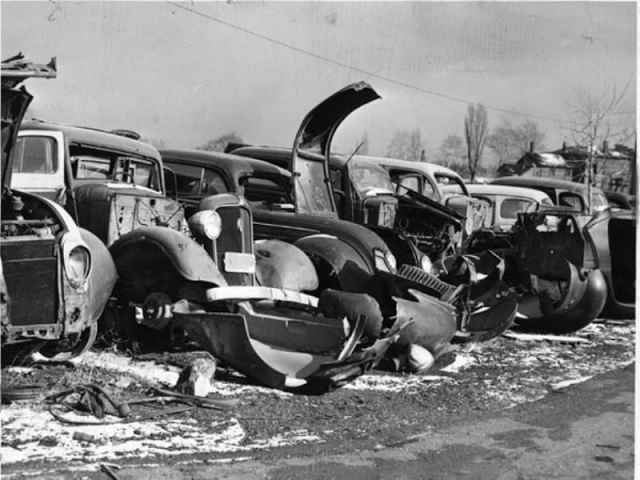
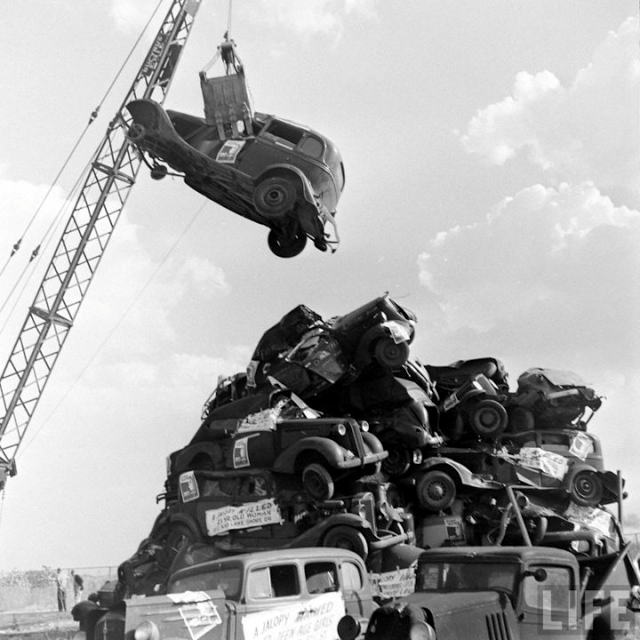
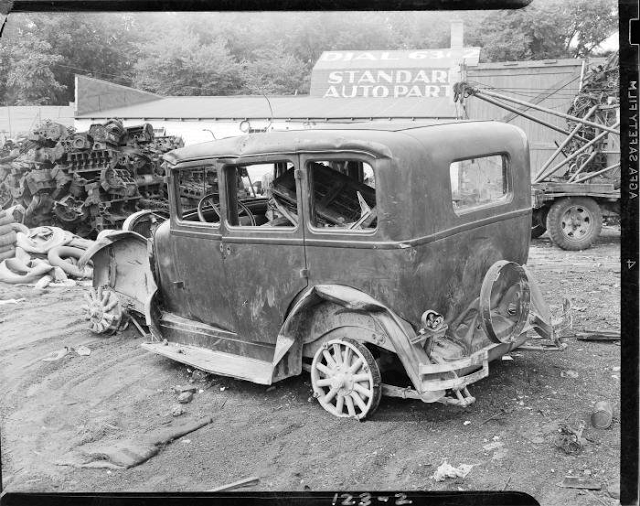
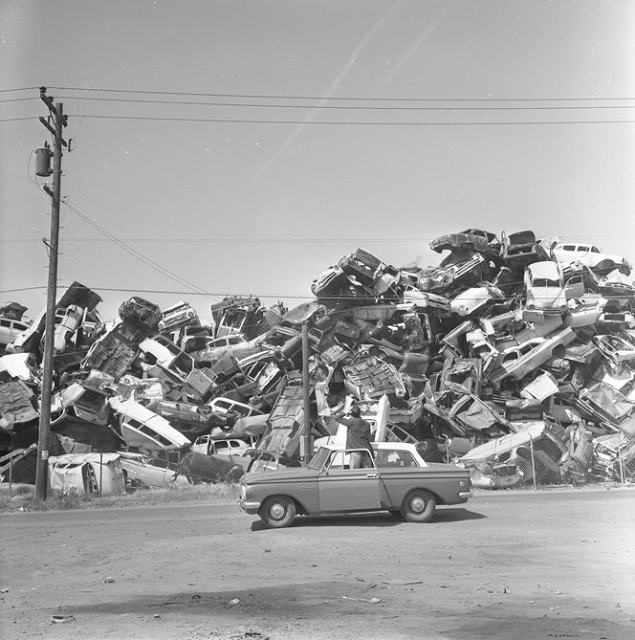
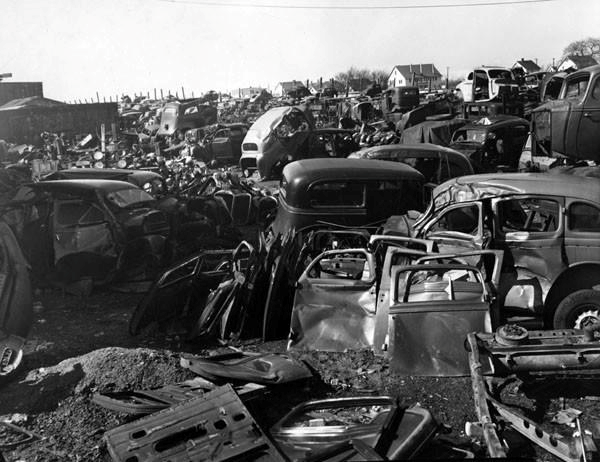
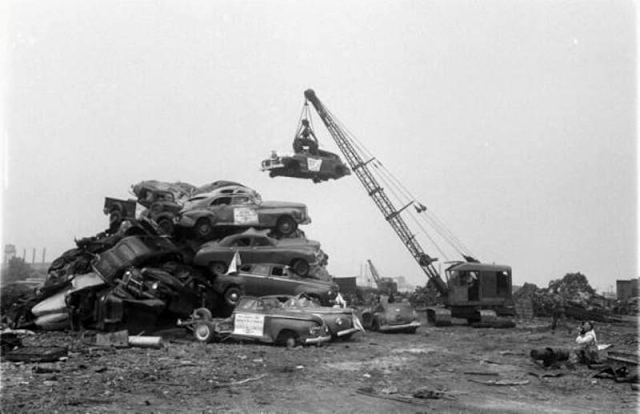
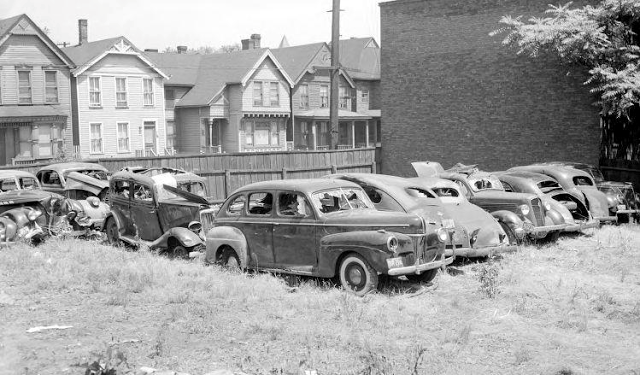
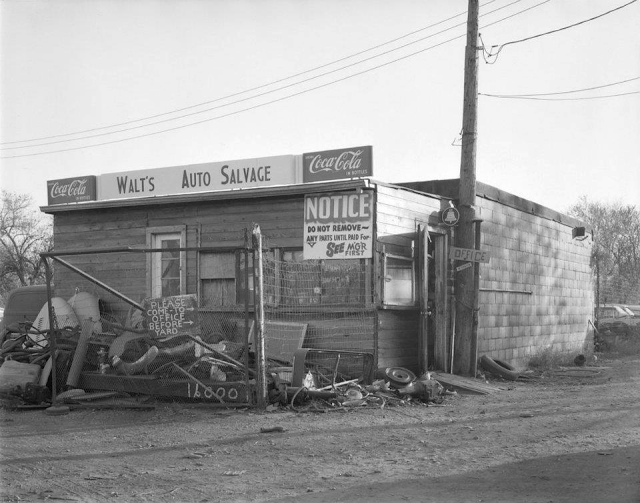
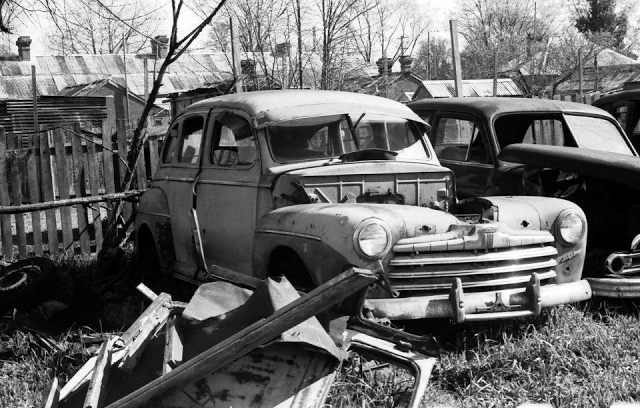
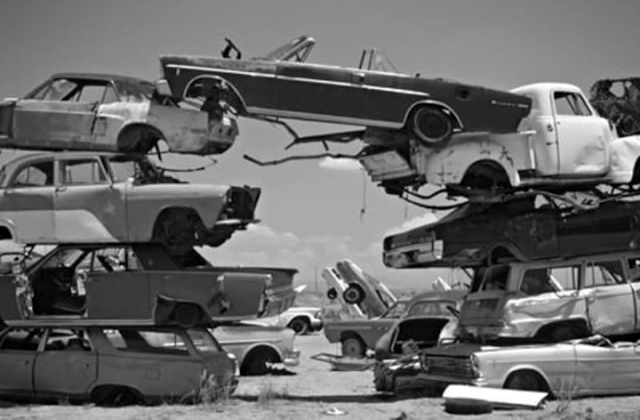
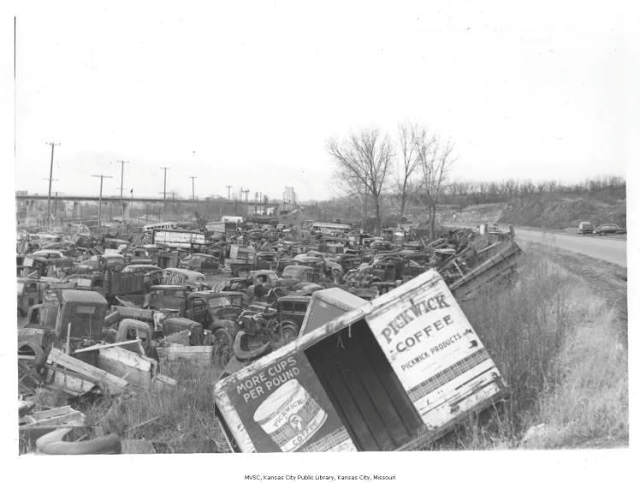
Vehicle recycling is the dismantling of vehicles for spare parts. At the end of their useful life, vehicles have value as a source of spare parts and this has created a vehicle dismantling industry. The industry has various names for its business outlets including wrecking yard, auto dismantling yard, car spare parts supplier, and recently, auto or vehicle recycling.
Vehicle recycling has always occurred to some degree but in recent years manufacturers have become involved in the process. A car crusher is often used to reduce the size of the scrapped vehicle for transportation to a steel mill.
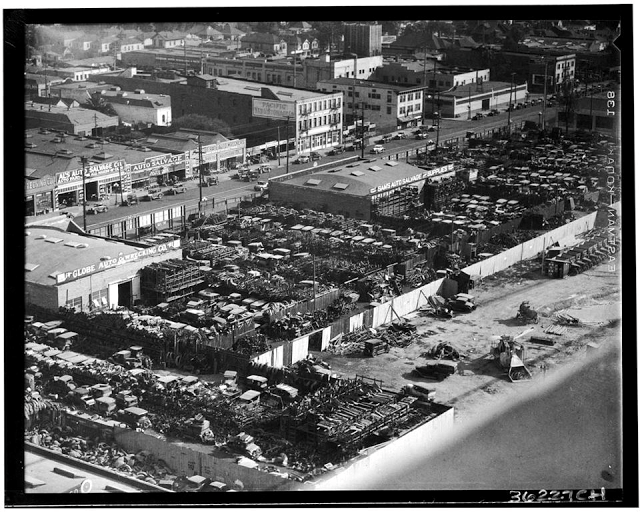
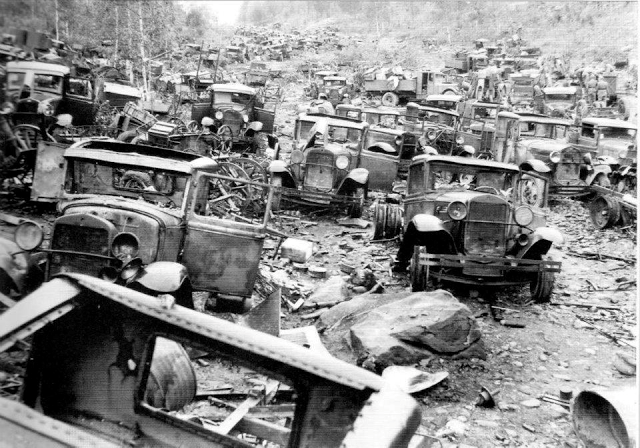
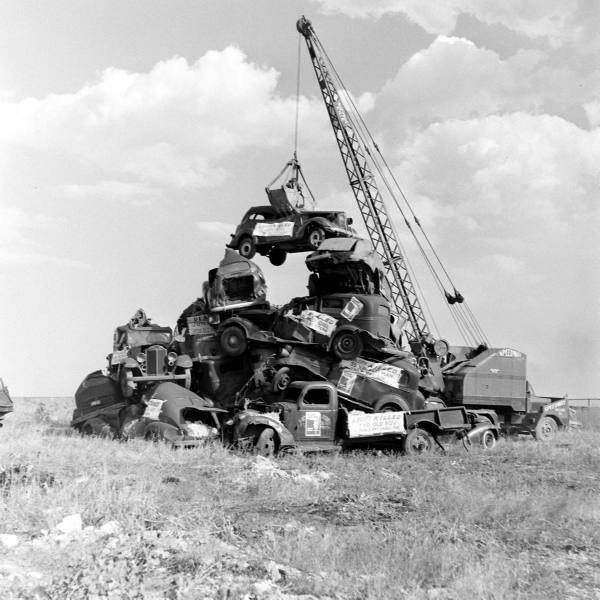
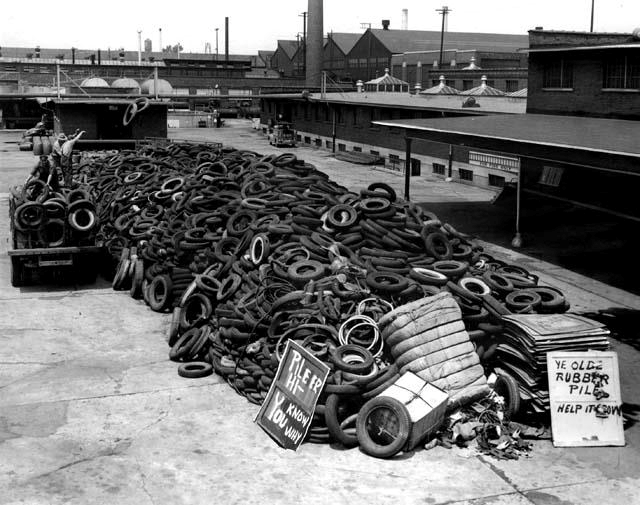
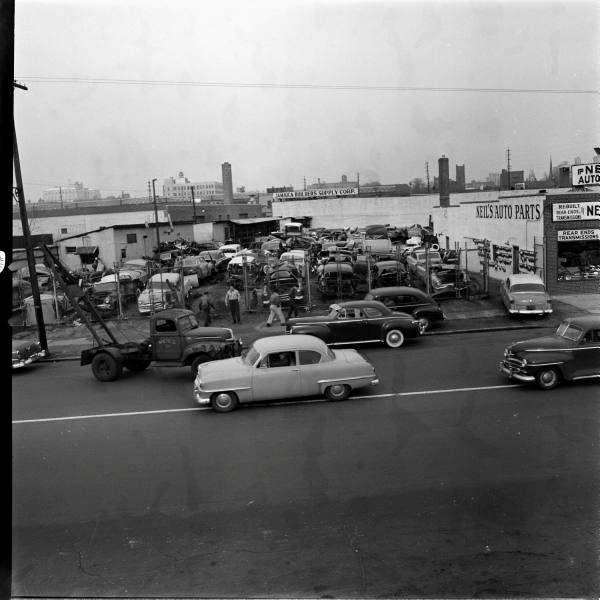
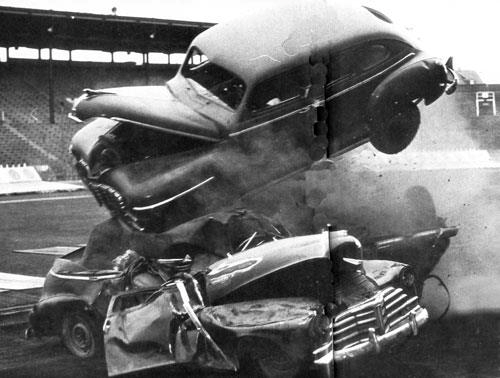
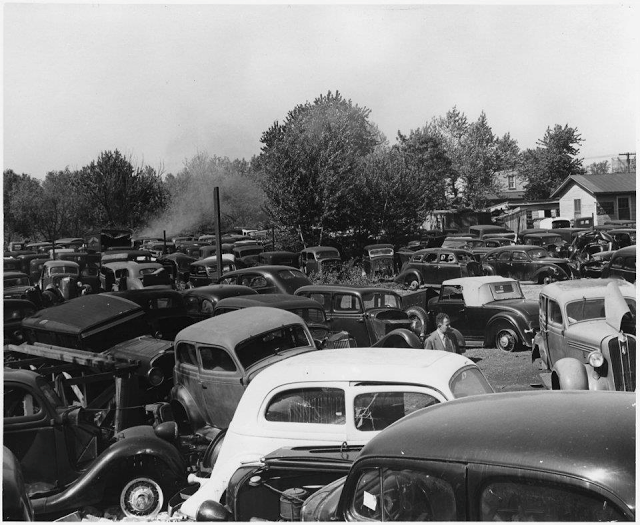
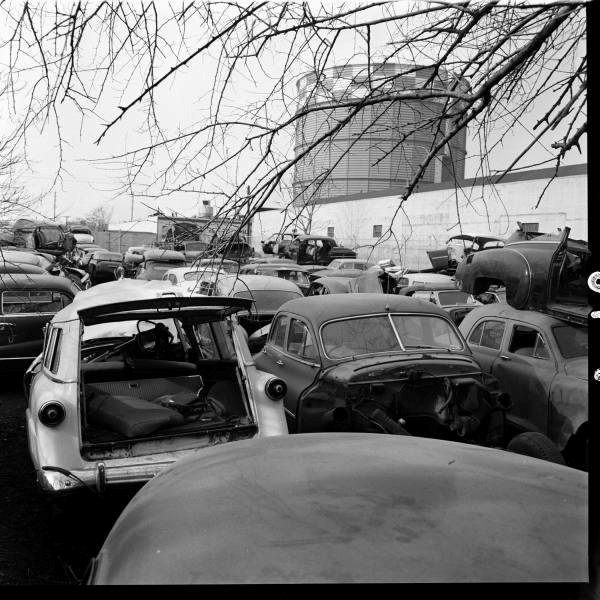
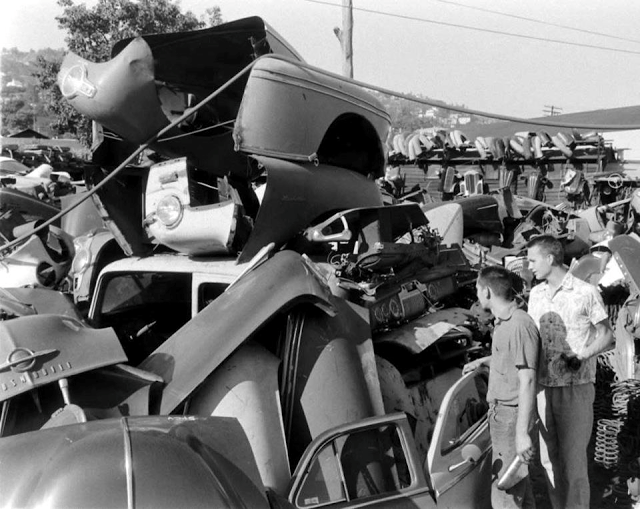
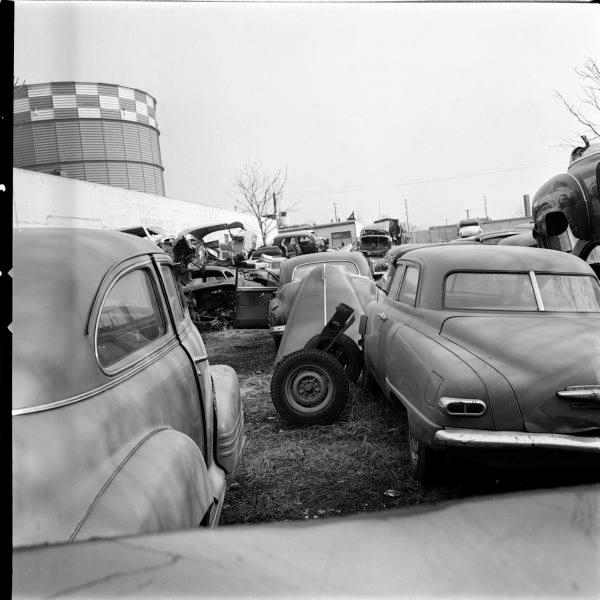
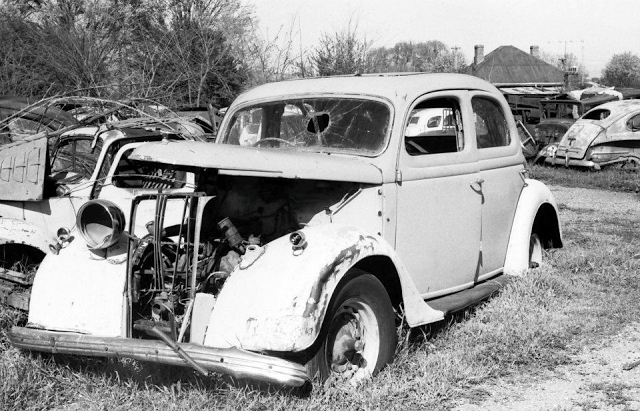
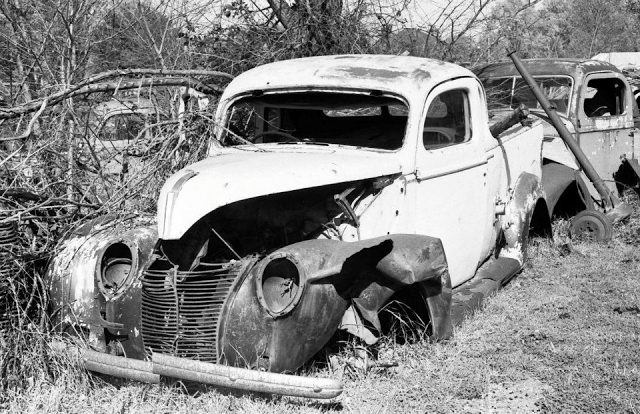
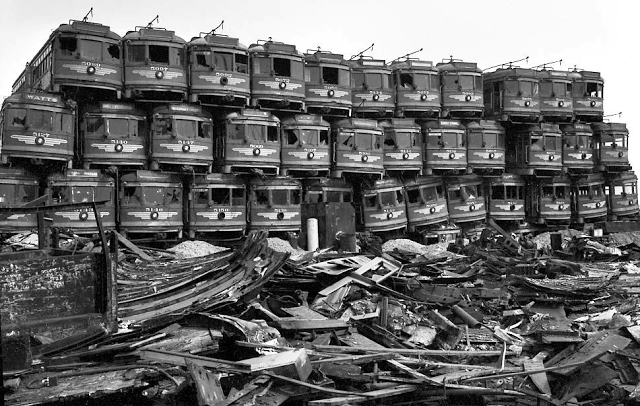
Here’s a gallery of 50 haunting photos of classic car salvage yards and wrecks from between the 1940s and 1950s.




















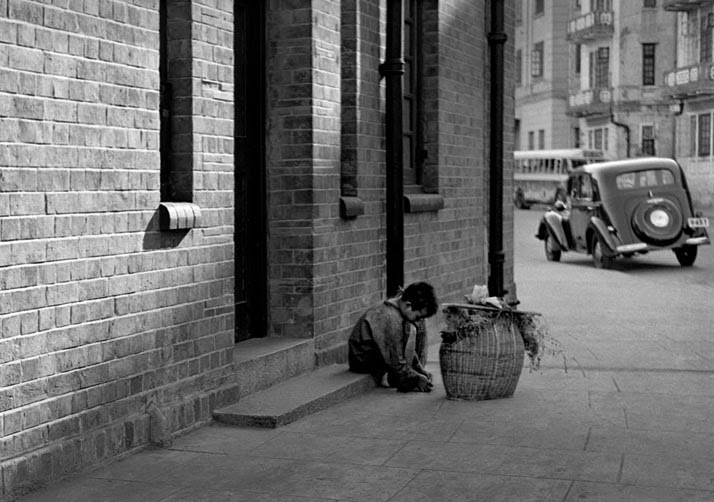
Fan Ho was born in Shanghai in 1931, but immigrated with his family to Hong Kong at an early age. Ho began photographing at a very young age with a Rolleiflex camera his father gave him. Largely self-taught, his photos display a fascination with urban life, explored alleys, slums, markets and streets, depicting the street vendors and children only a few years younger than himself.
He developed his images in the family bathtub and soon had built up a significant body of work, chronicling Hong Kong in the 1950s and 60s as it was becoming a major metropolitan center.
“… I’ve always believed that any work of art should stem from genuine feelings and understandings … I didn’t work with any sense of purpose. As an artist, I was only looking to express myself. I did it to share my feelings with the audience. I need to be touched emotionally to come up with meaningful works. When the work resonates with the audience, it’s a satisfaction that money can’t buy. My purpose is simple: I try not to waste my audience’s time.” — Fan Ho, 2014 interview with Edmund Lee
Ho was a Fellow of the Photographic Society of America, the Royal Photographic Society and the Royal Society of Arts in England, and an Honorary Member of the Photographic Societies of Singapore, Argentina, Brazil, Germany, France, Italy and Belgium. Ho was named one of the “Top Ten Photographers of the World” by the Photographic Society of America between 1958 and 1965.
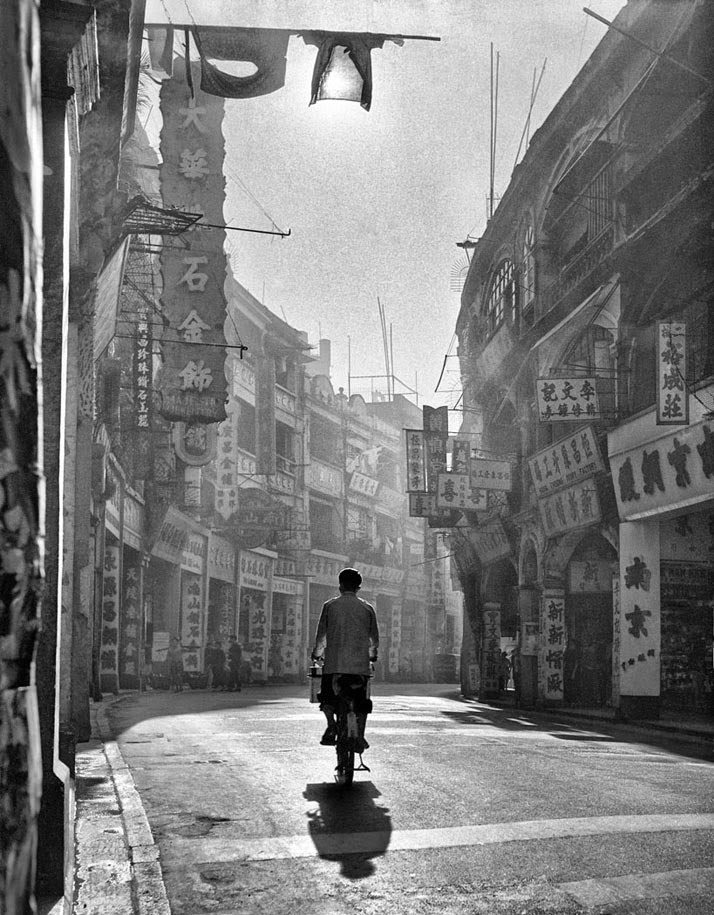
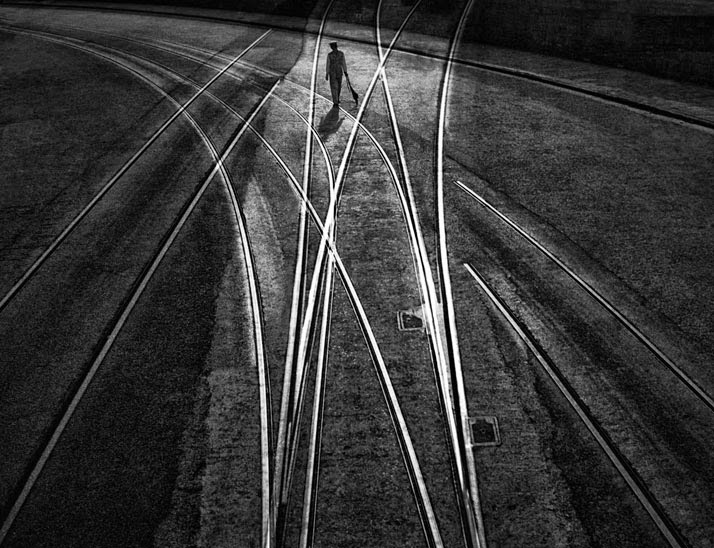
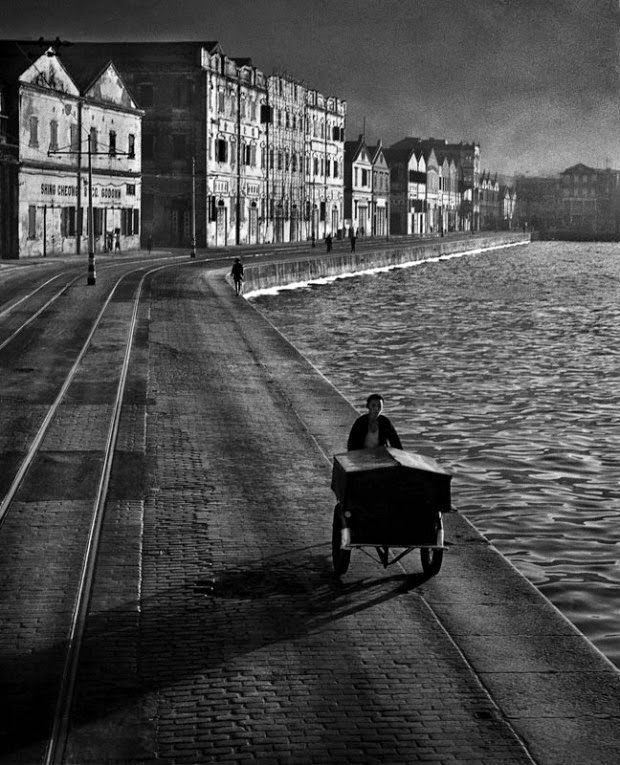
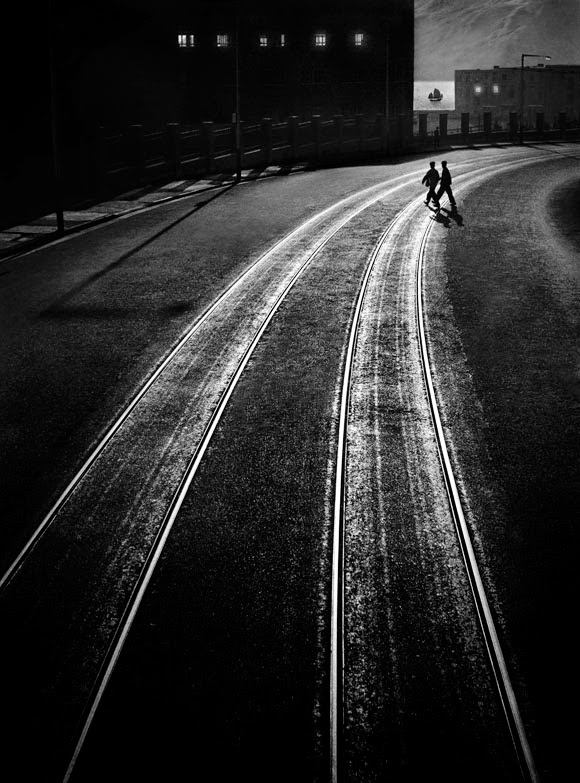


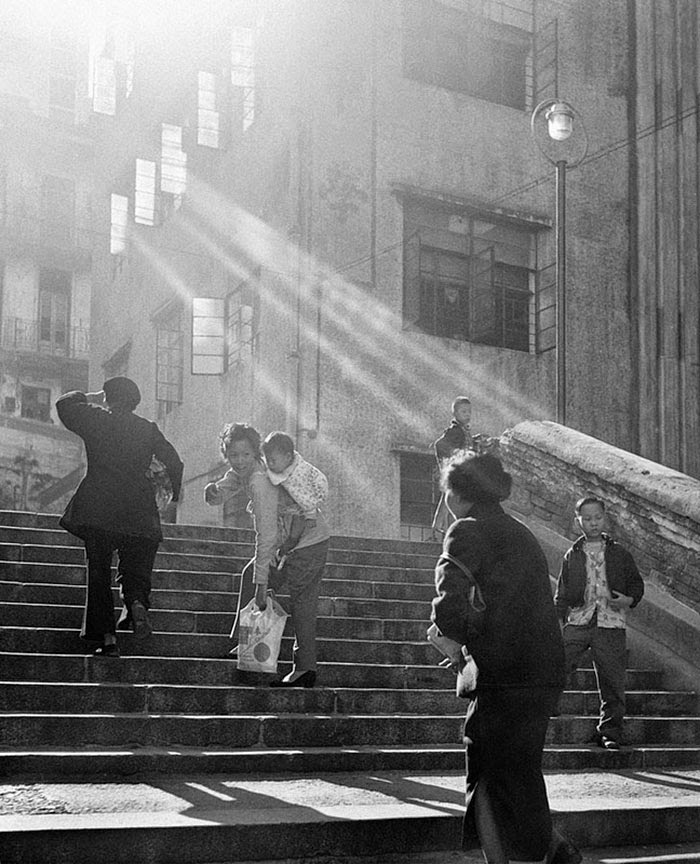
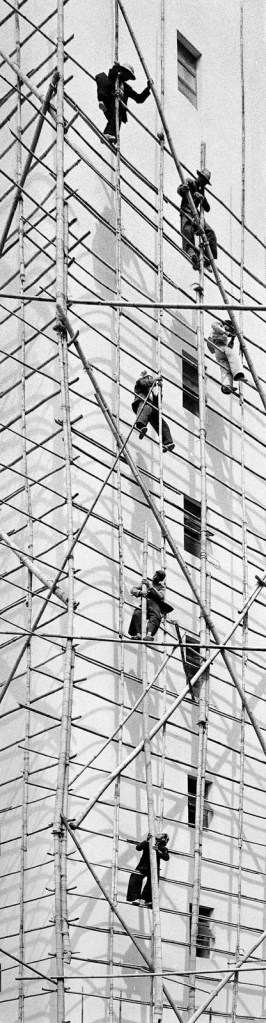

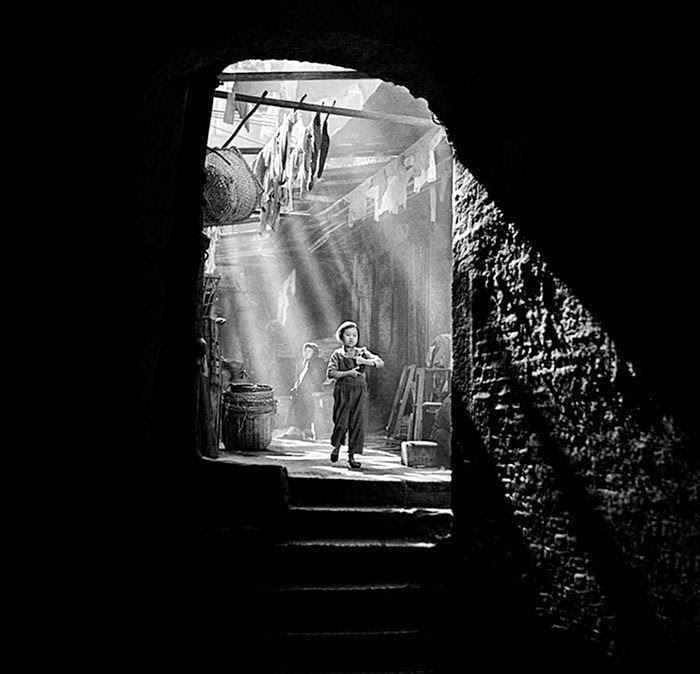

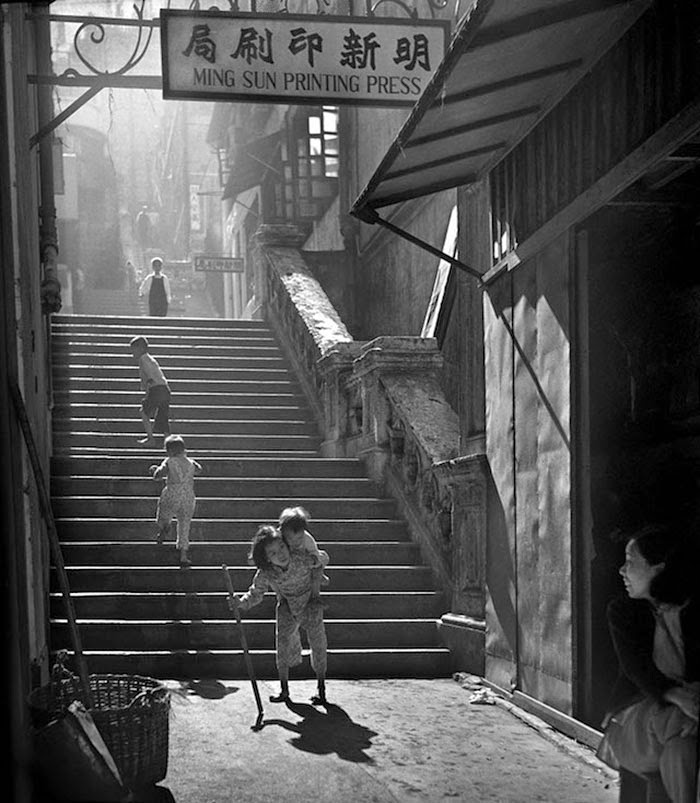
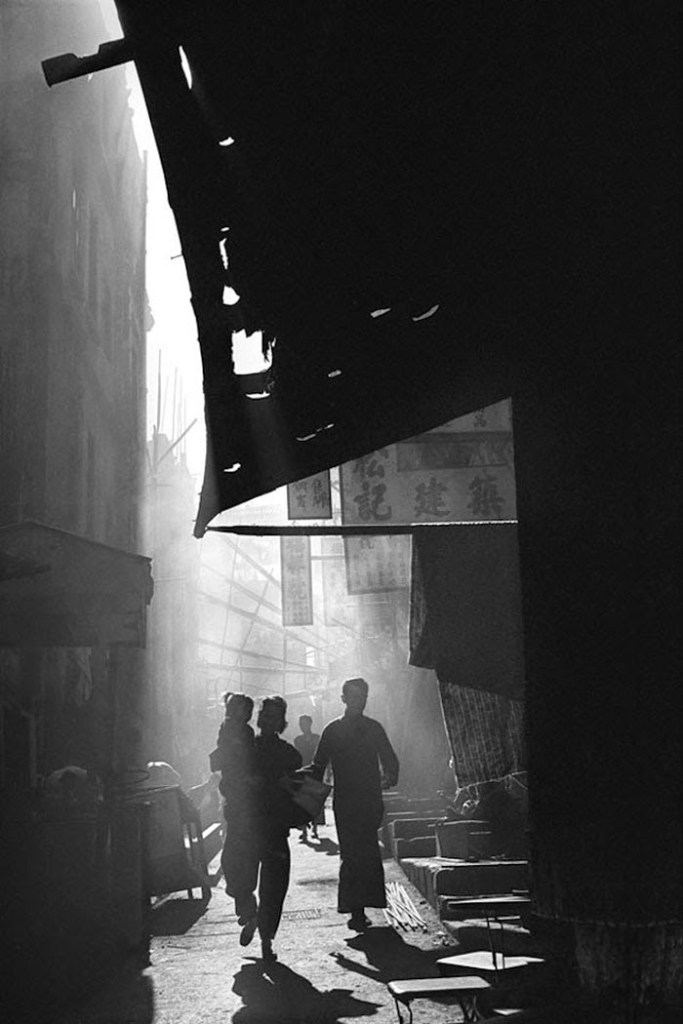


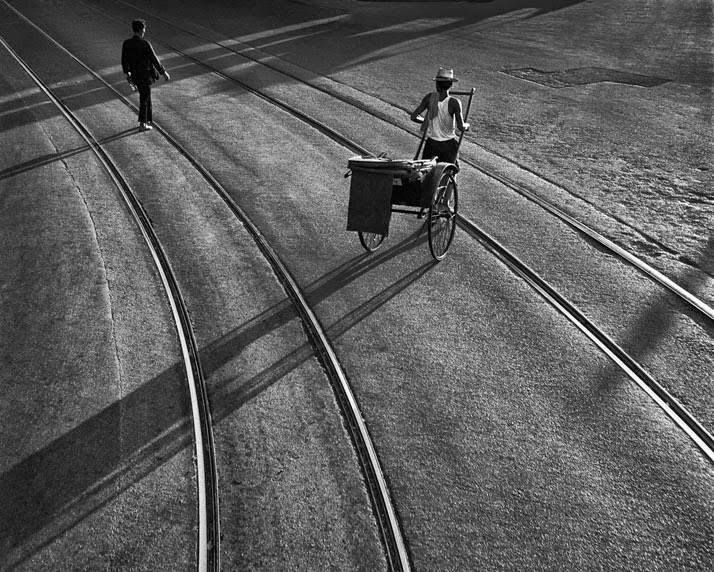
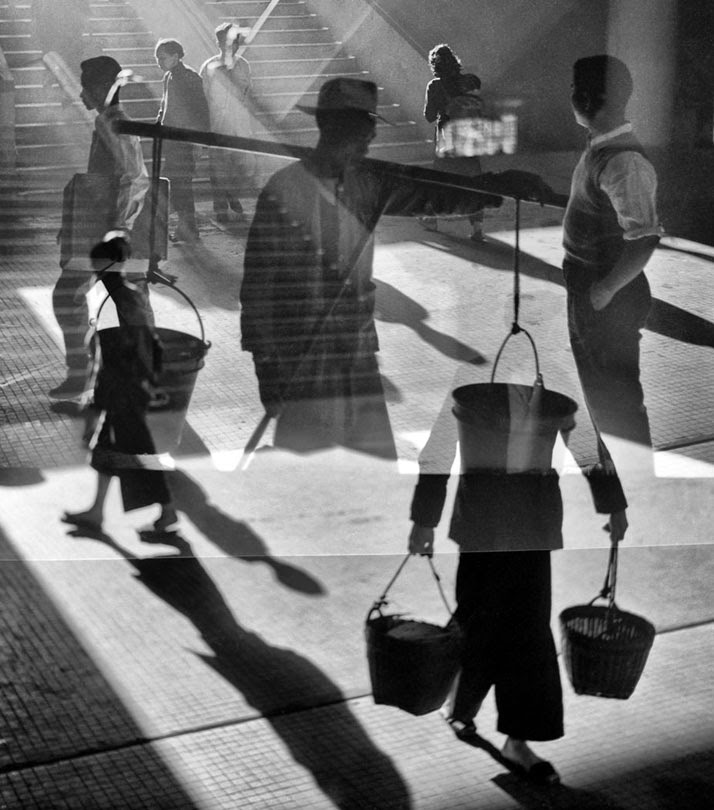
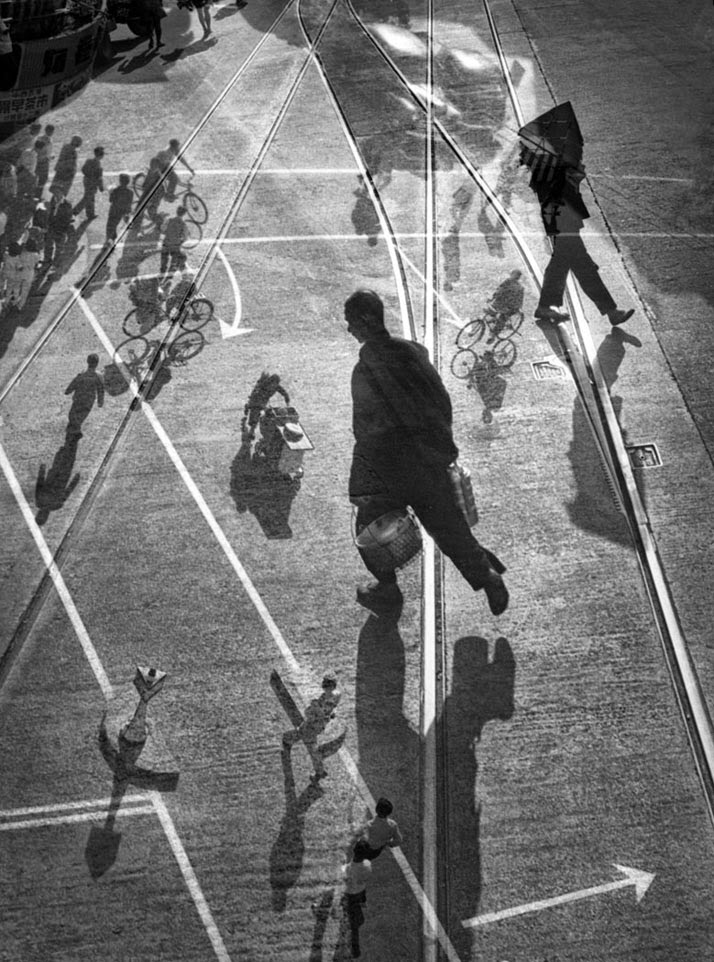
(Photos Taken by Fan Ho)

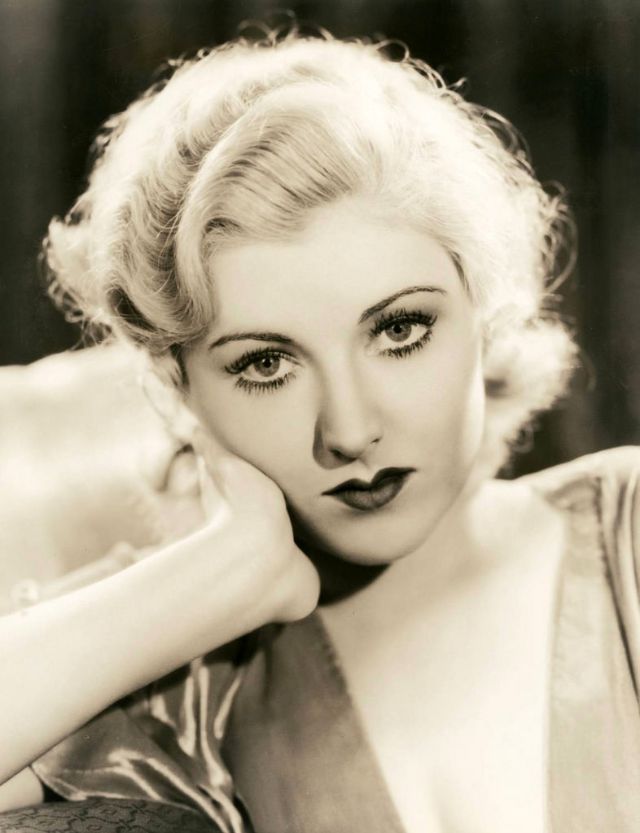
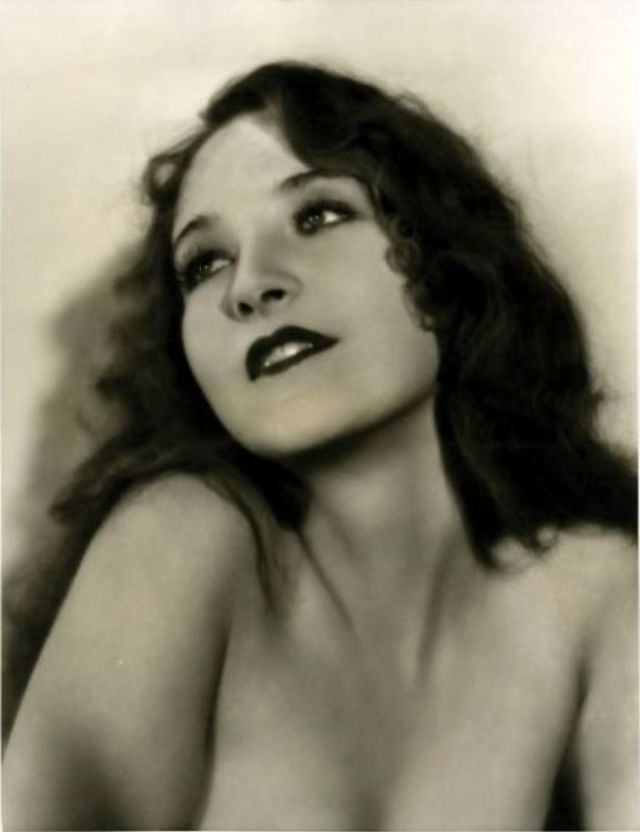
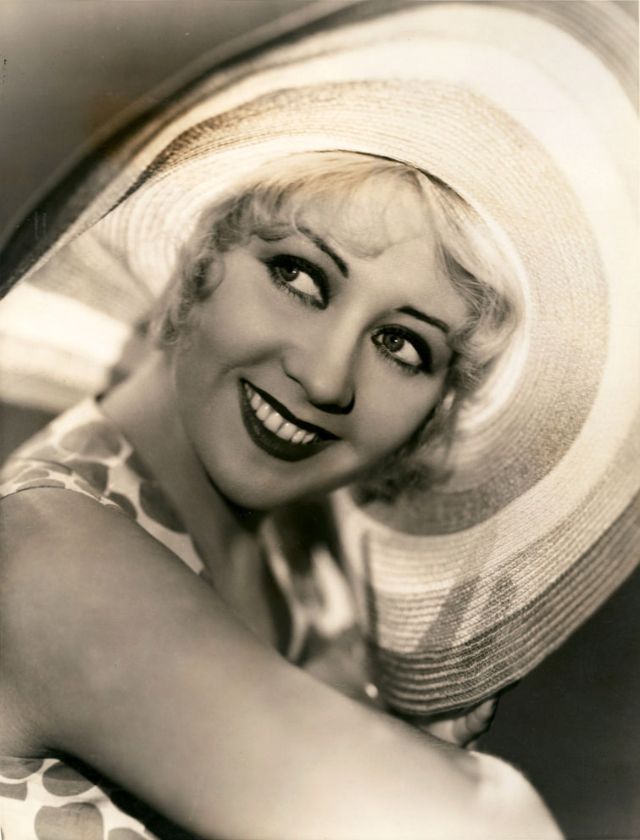
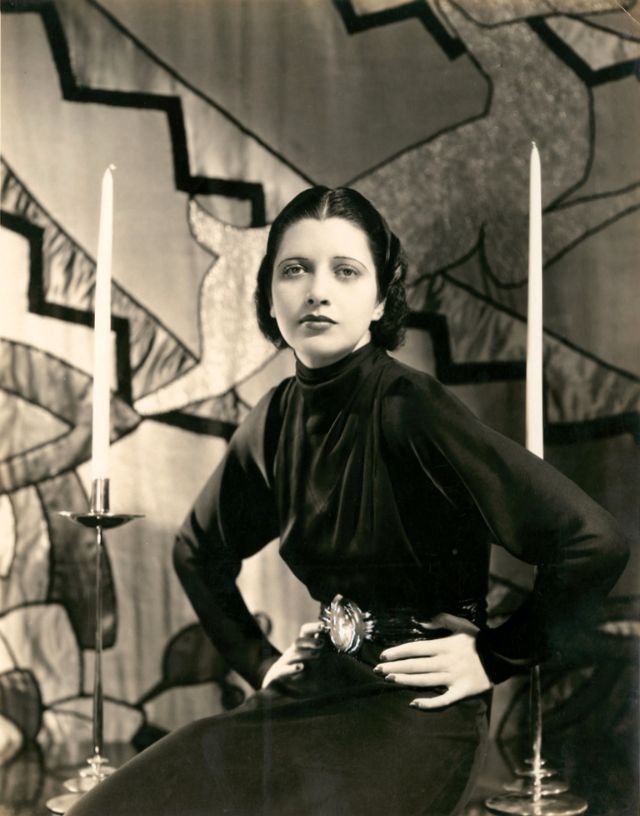
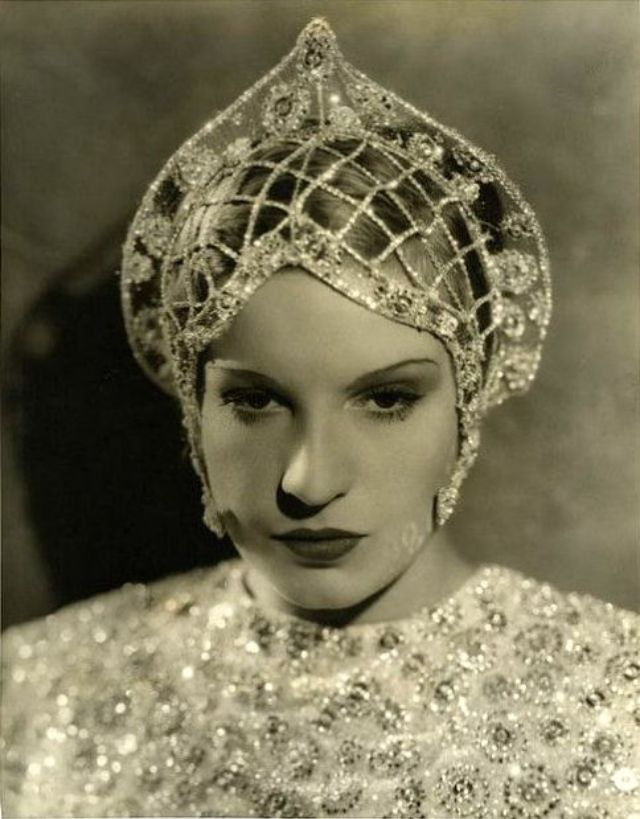
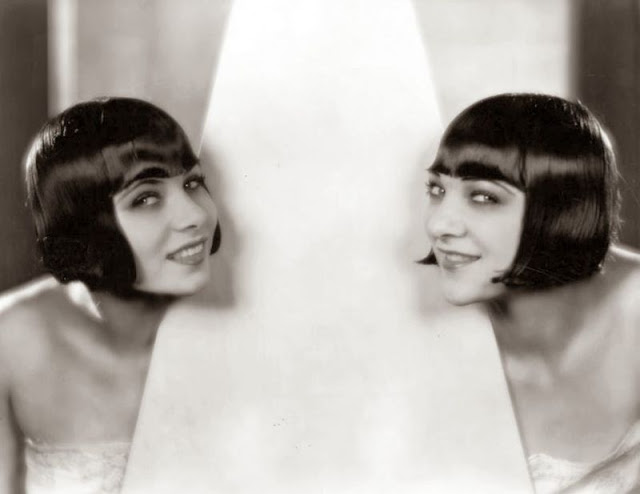
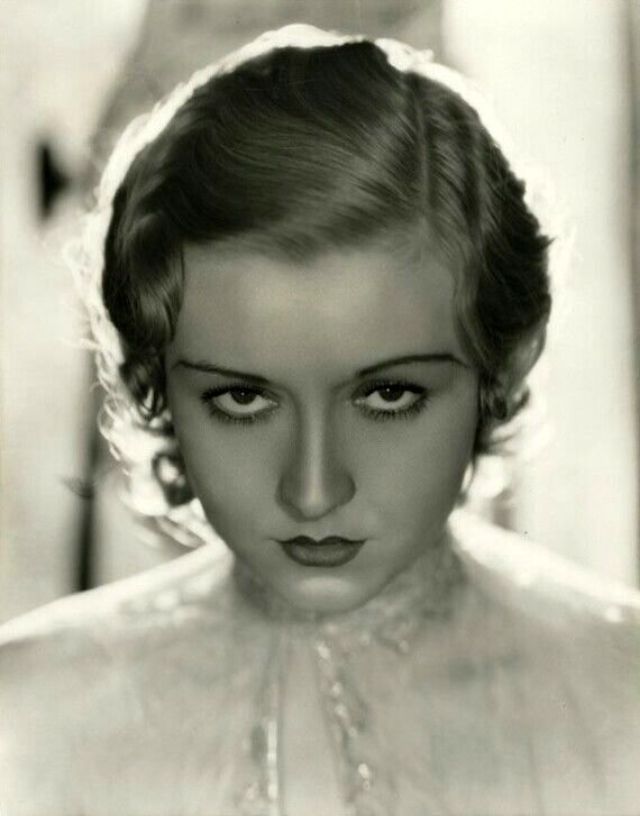
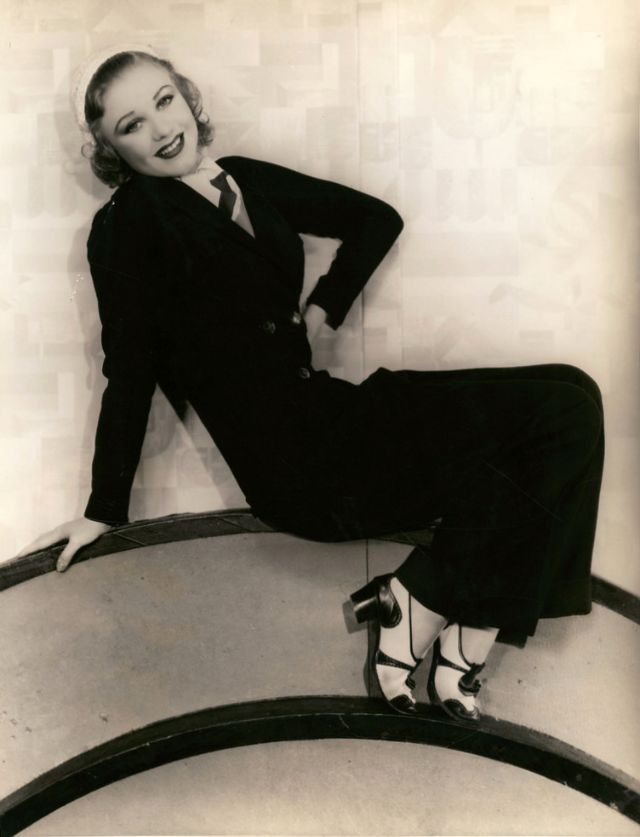
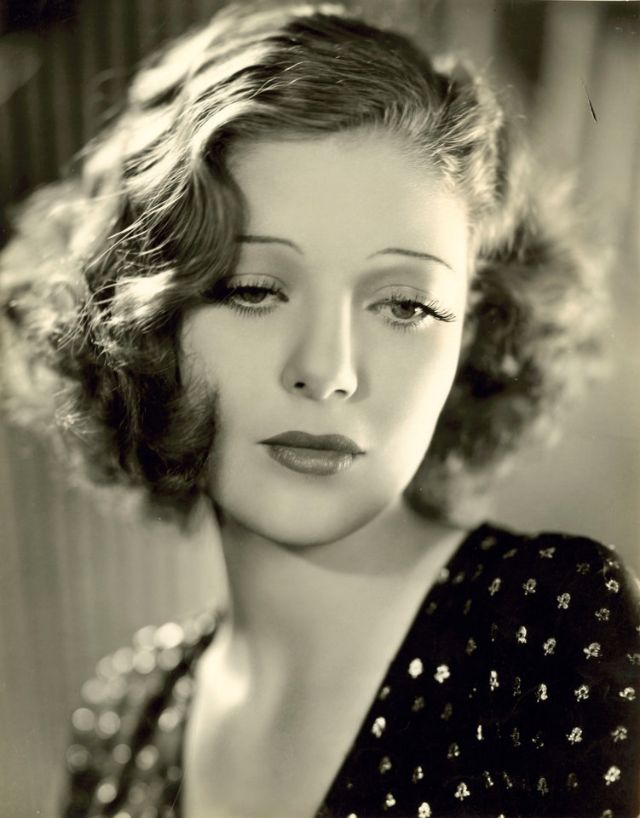
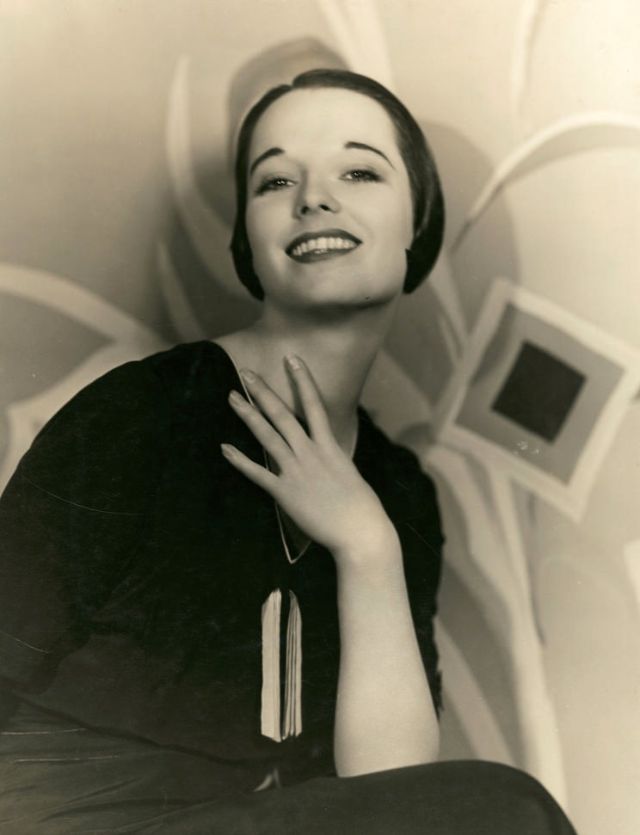
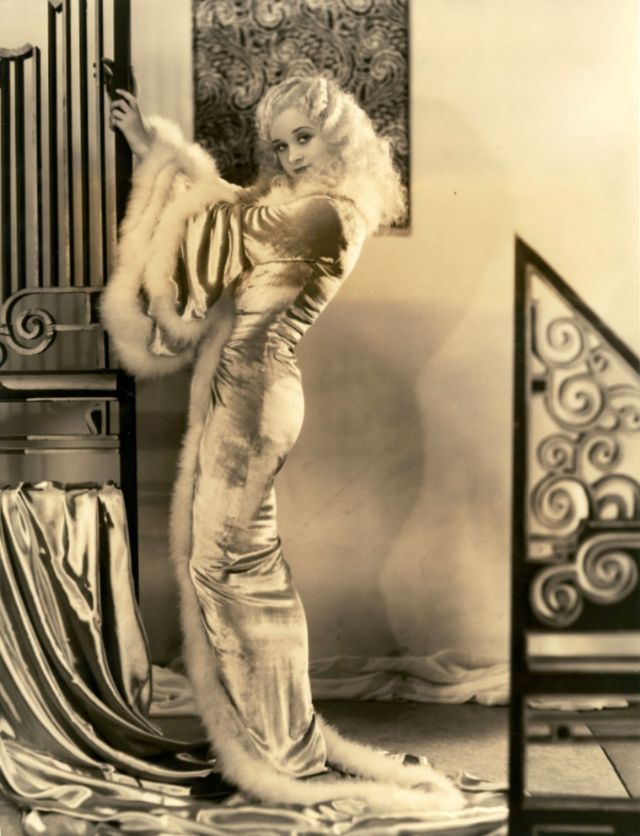
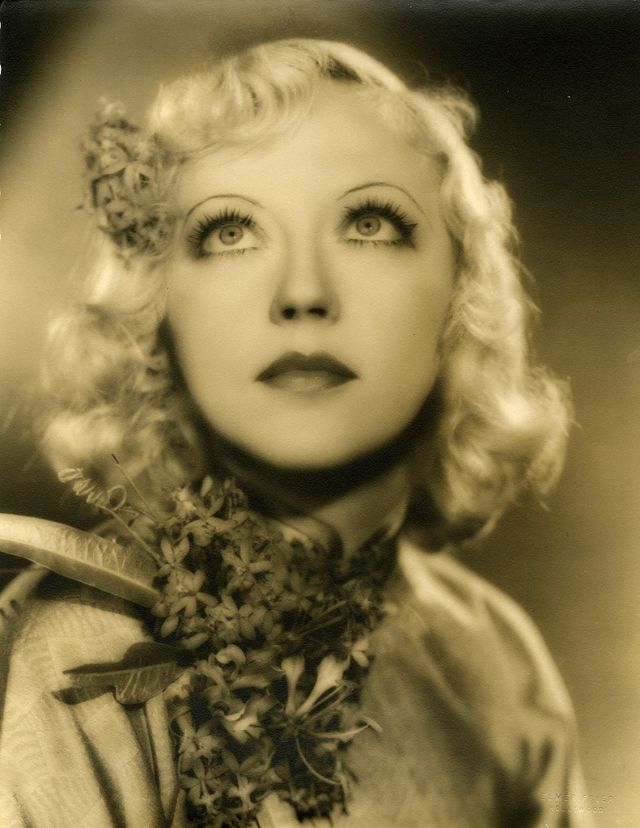
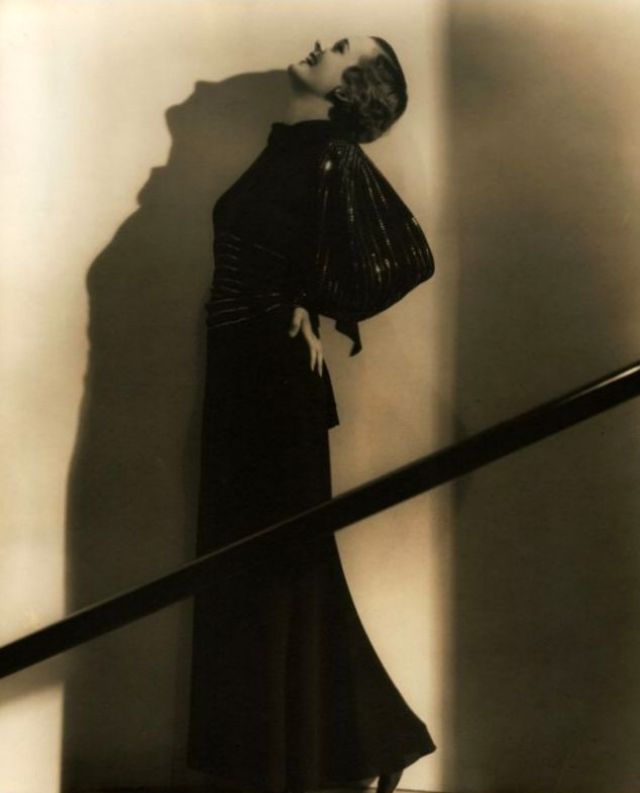
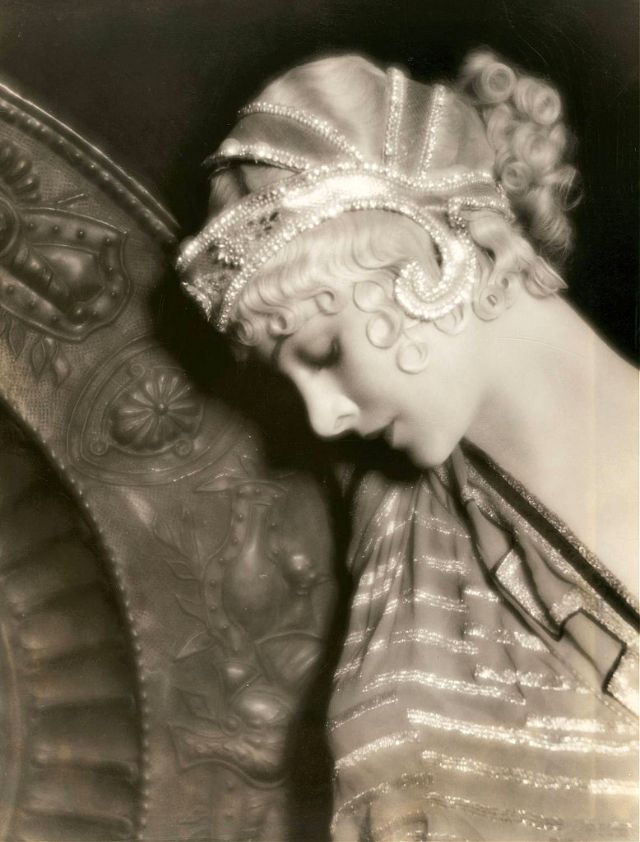
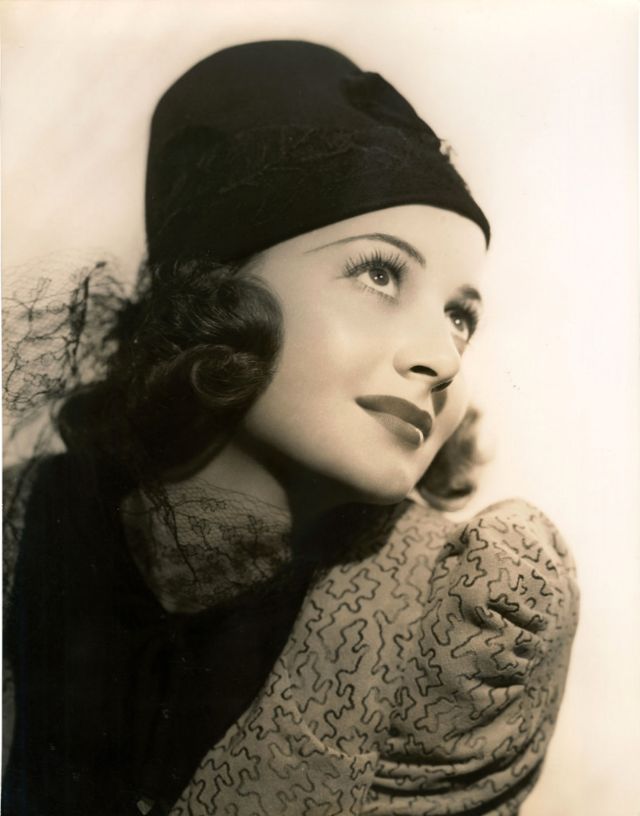
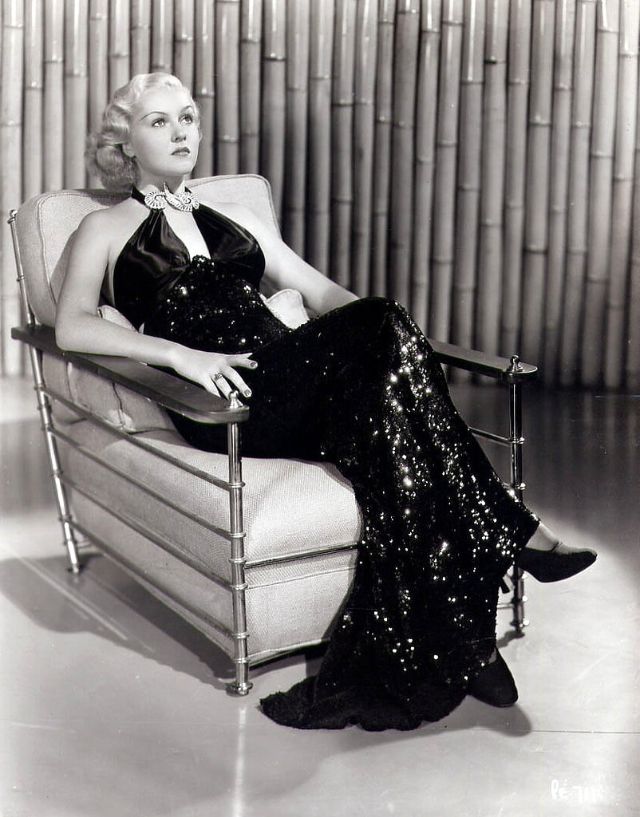
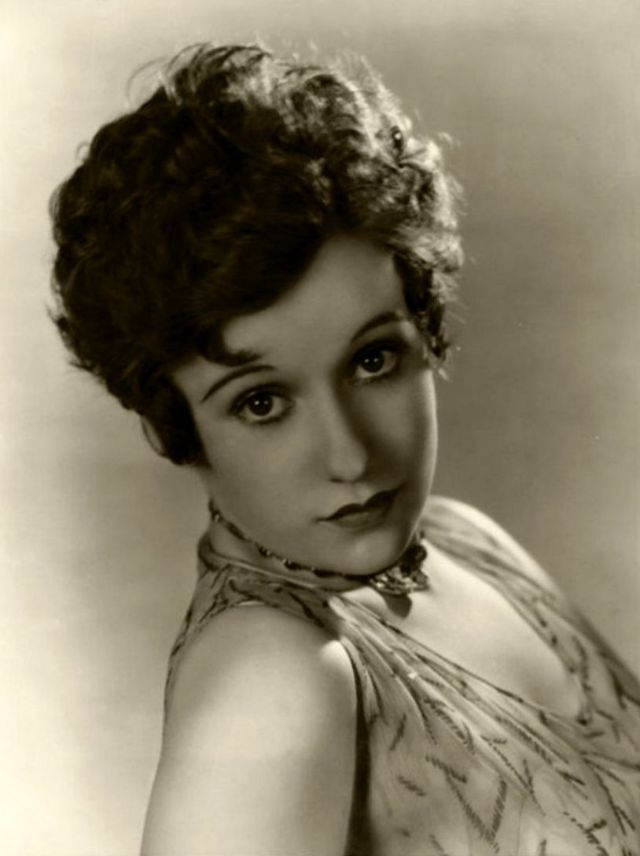
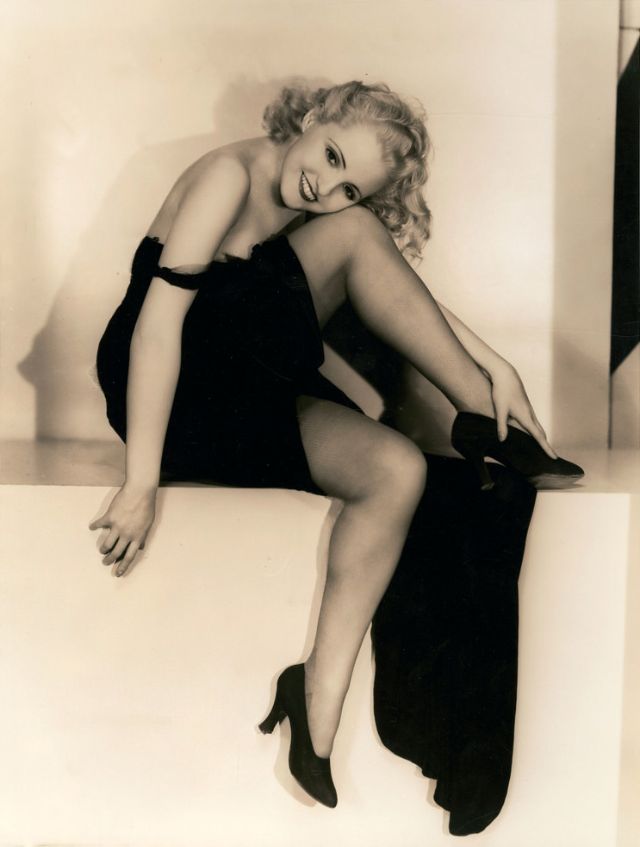
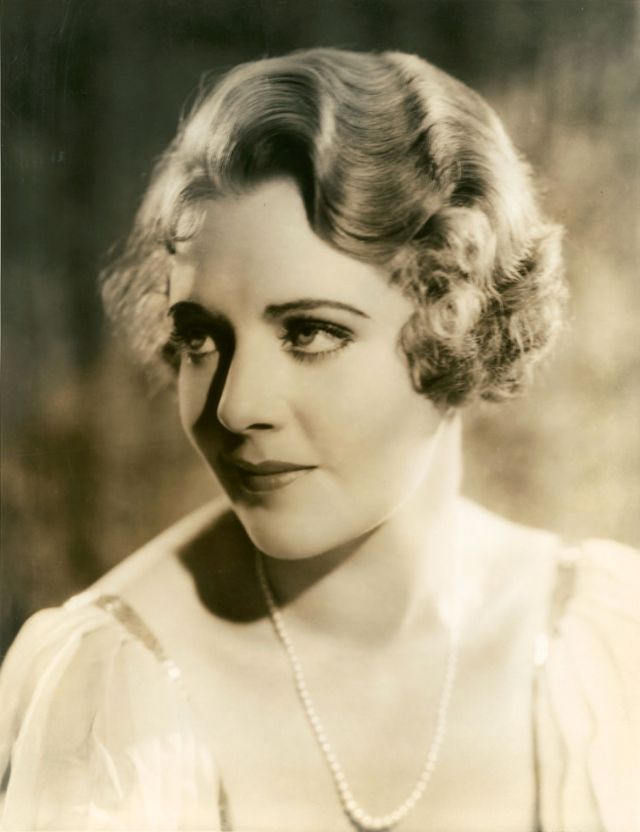
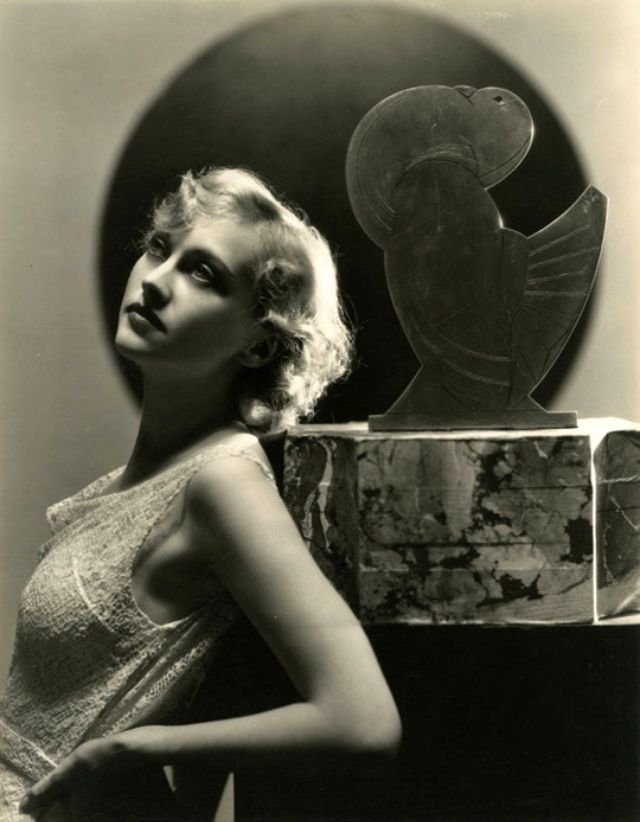
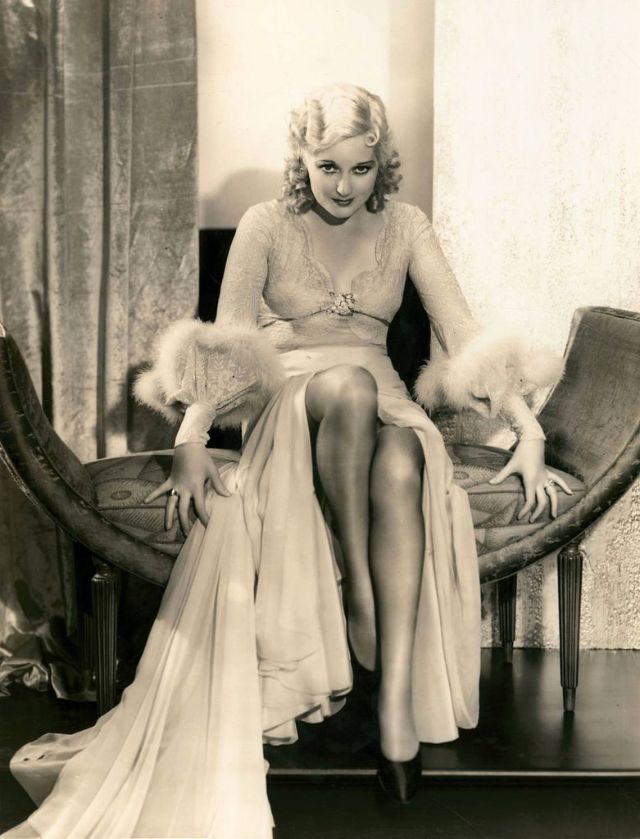
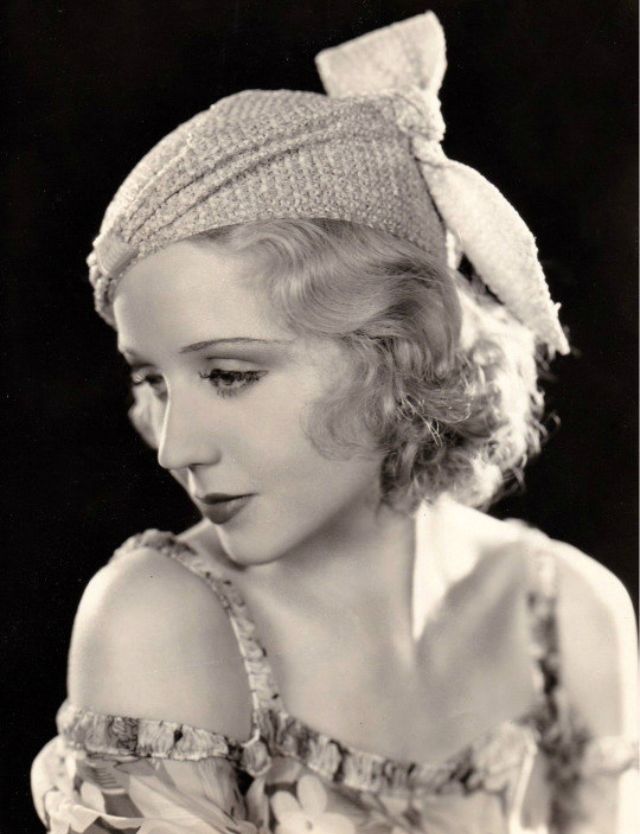
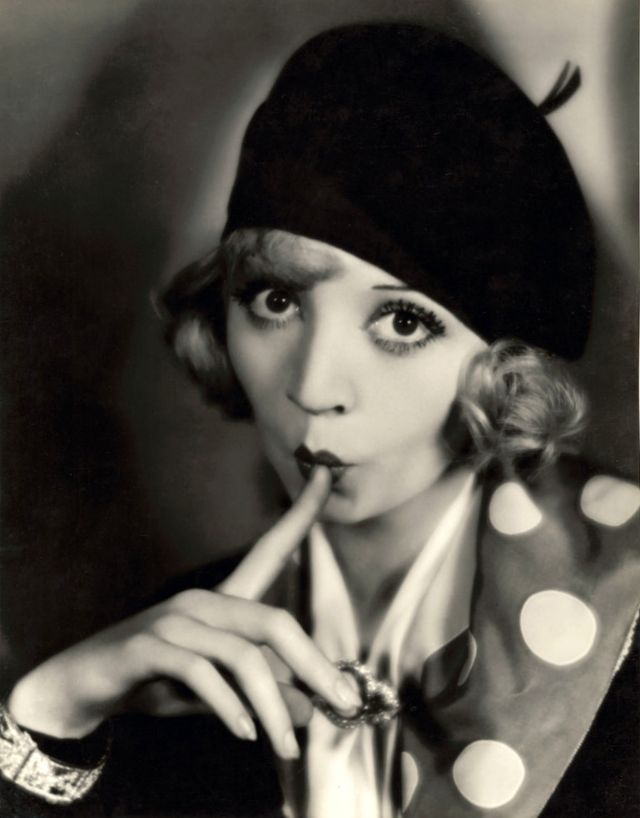
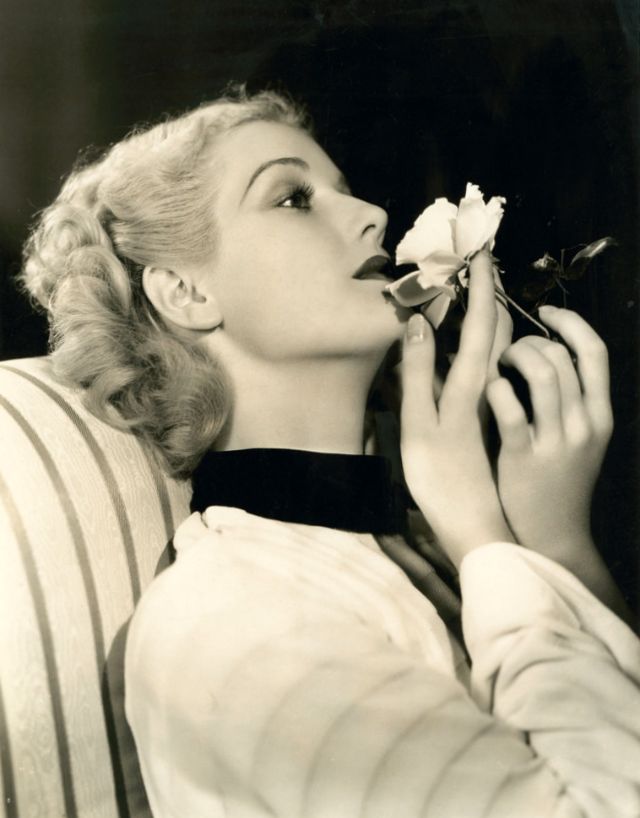
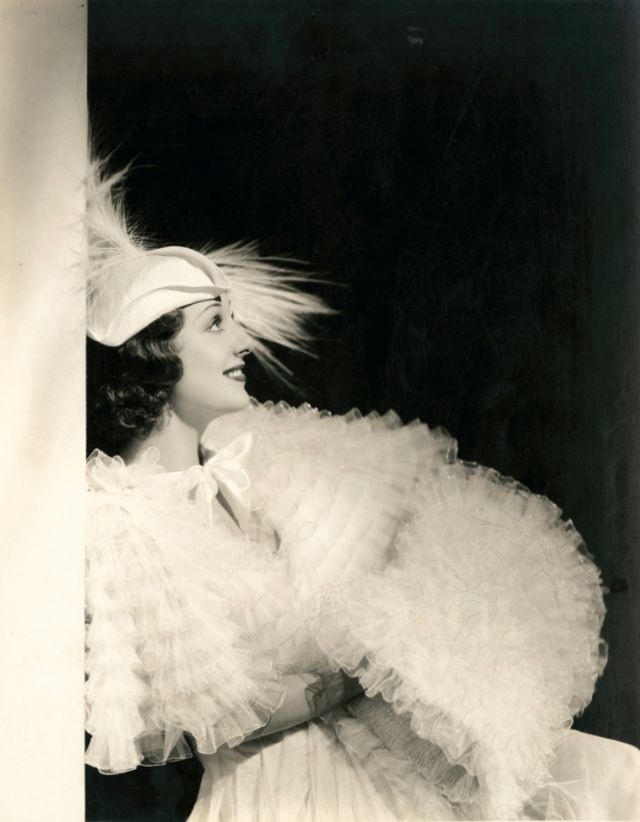
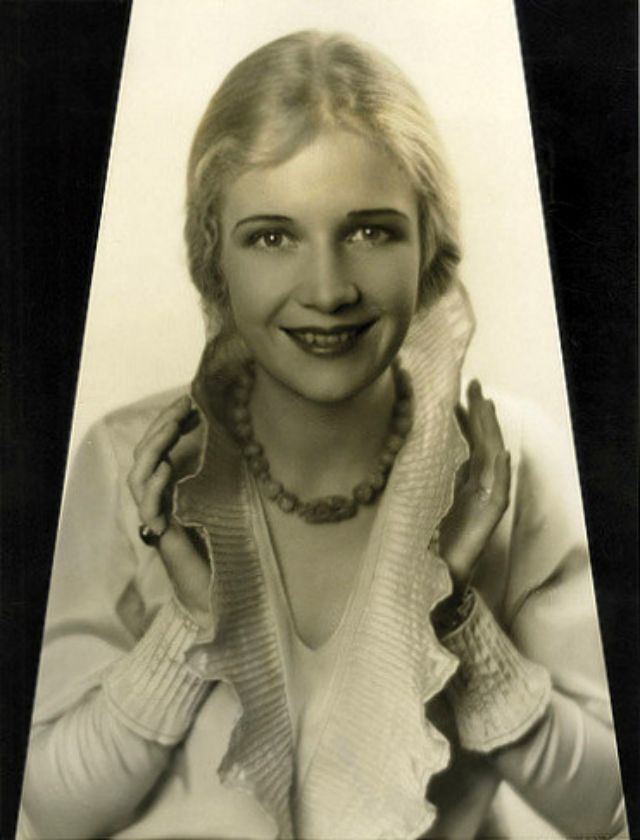
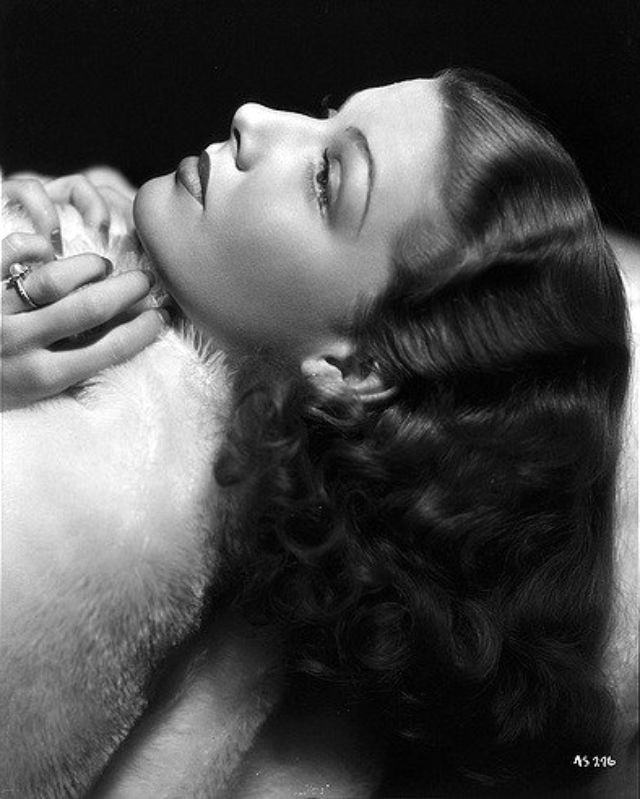
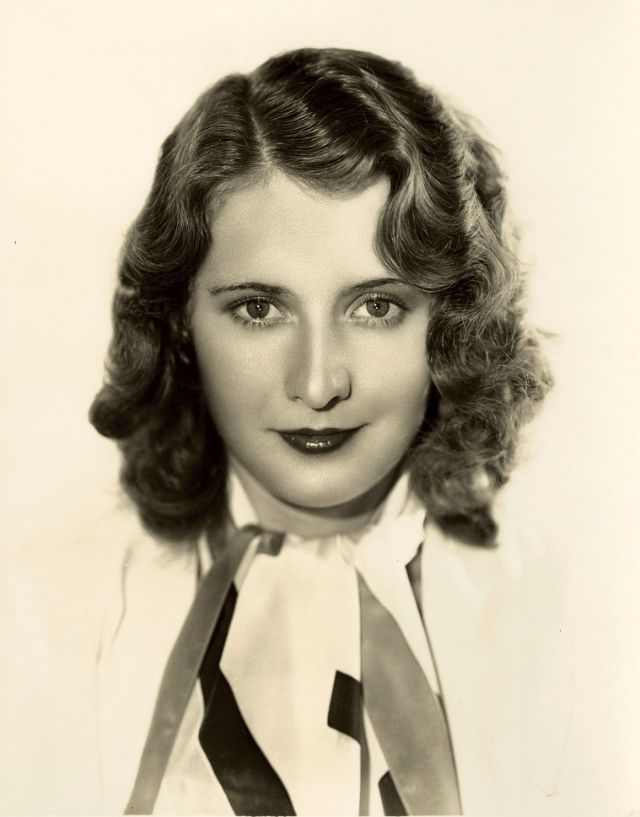
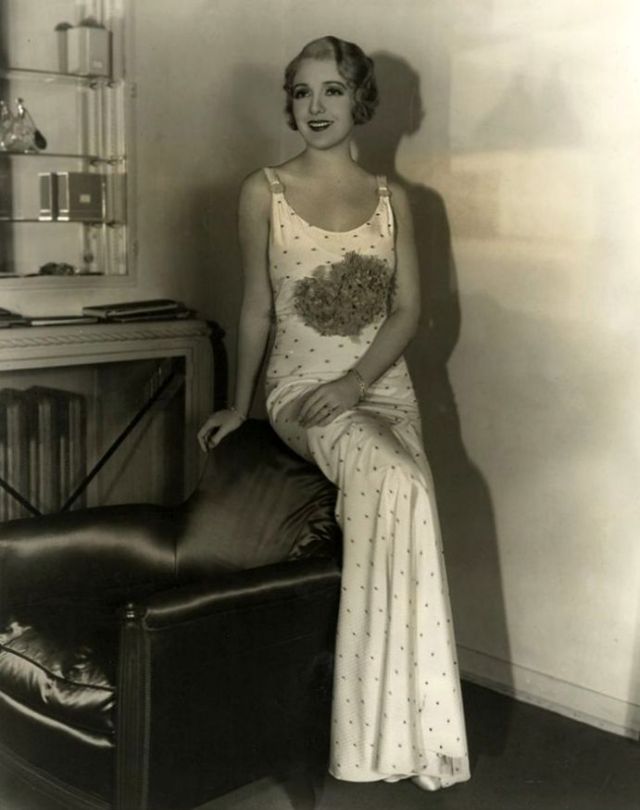
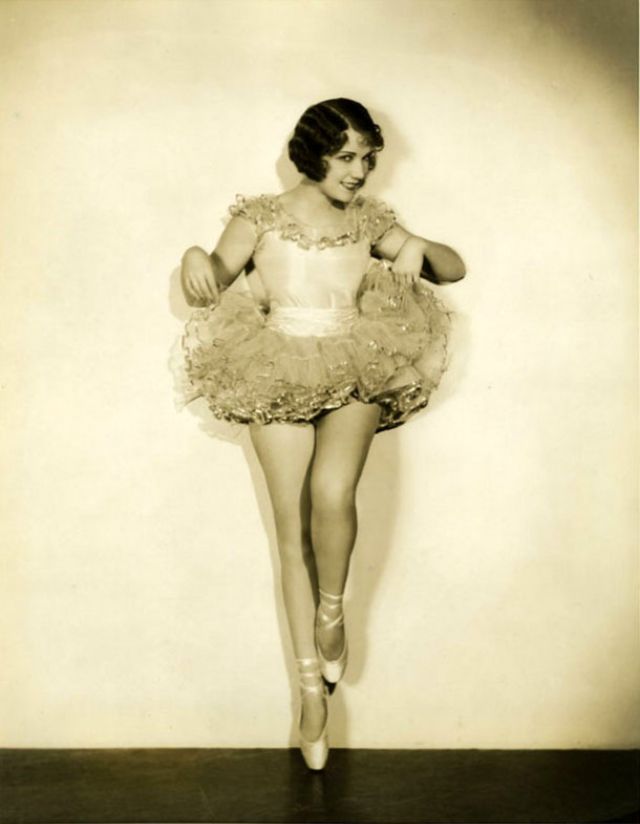
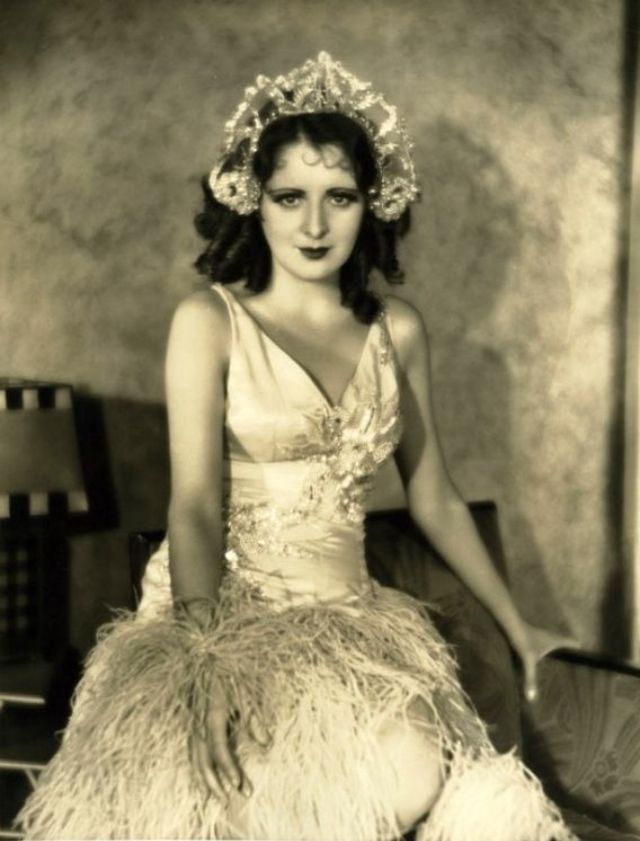
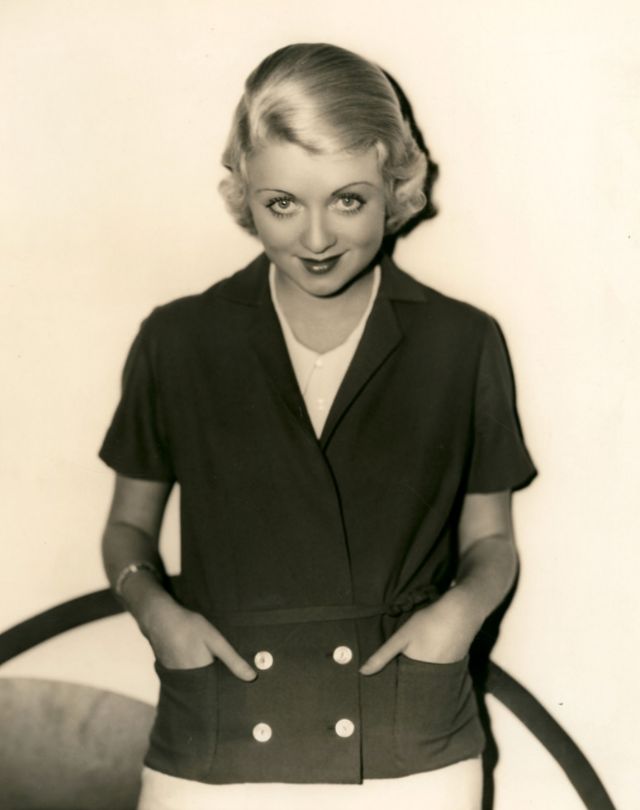
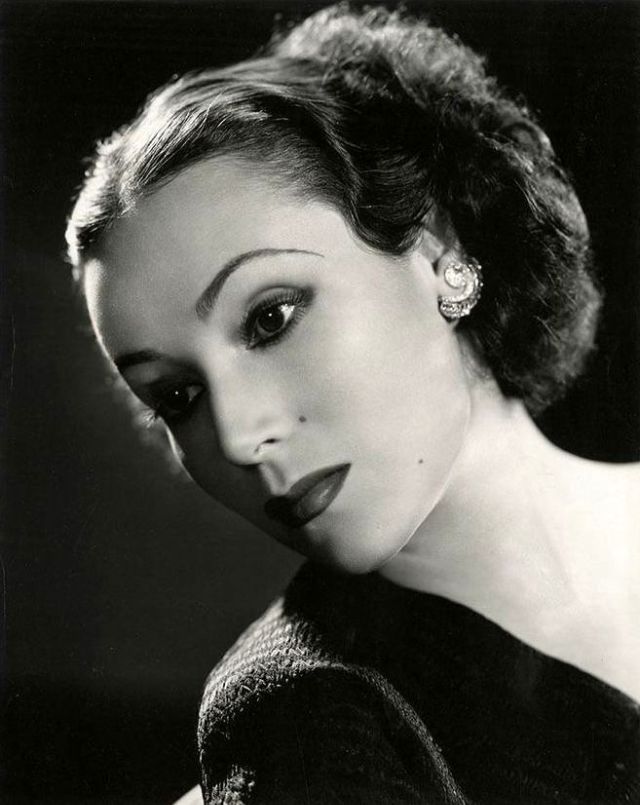
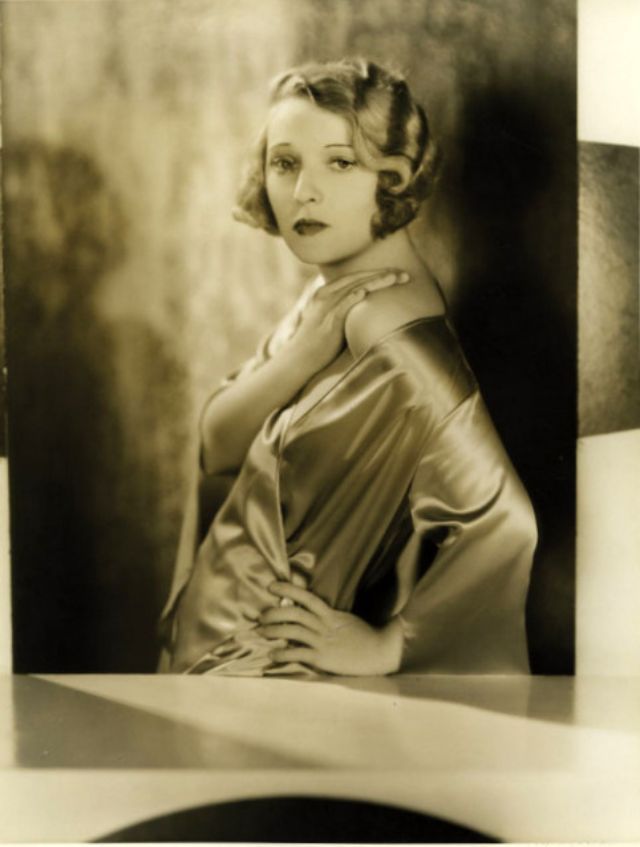
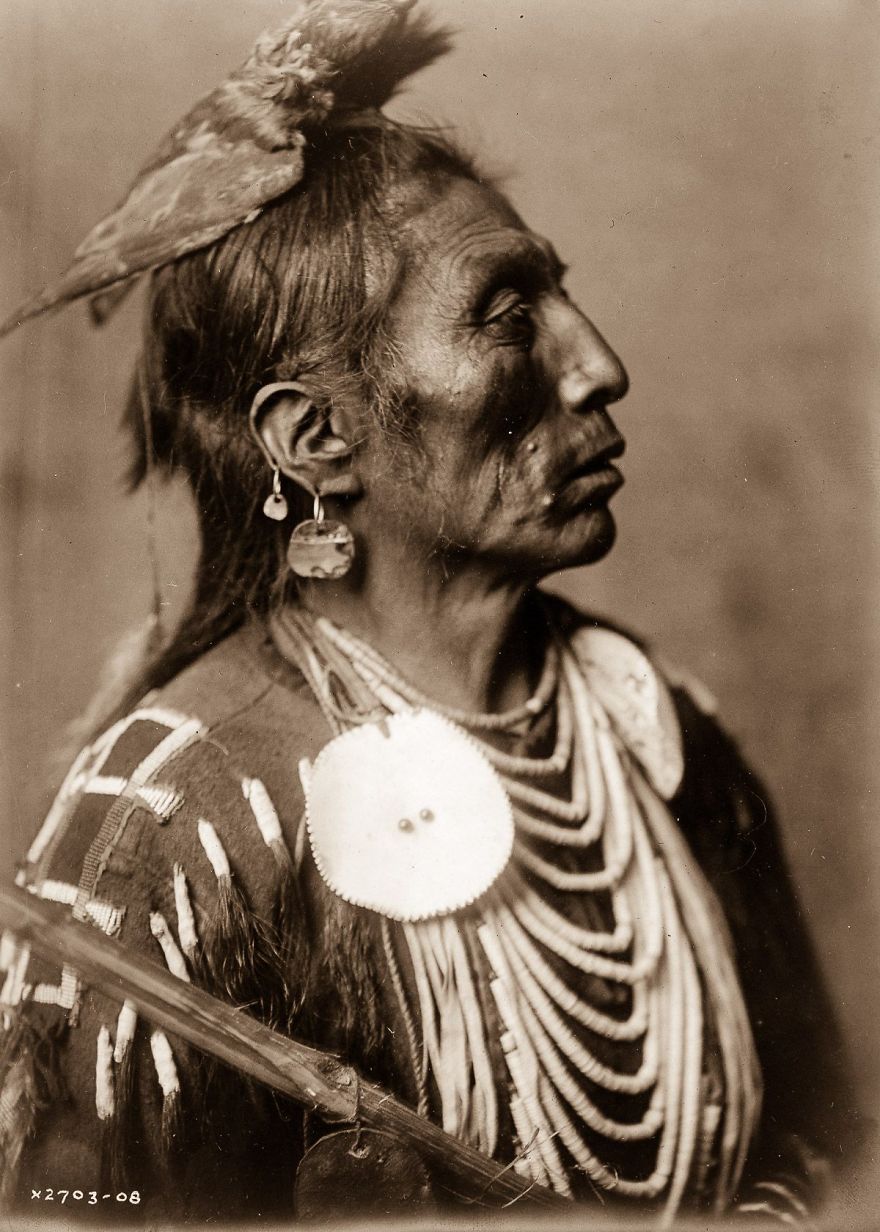
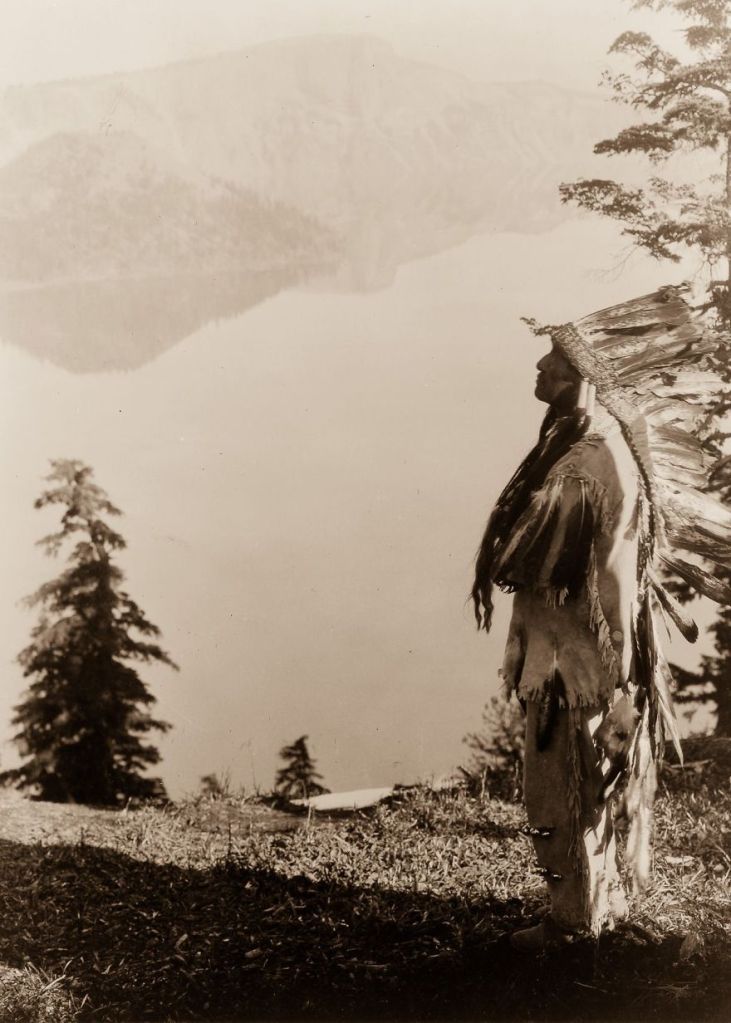
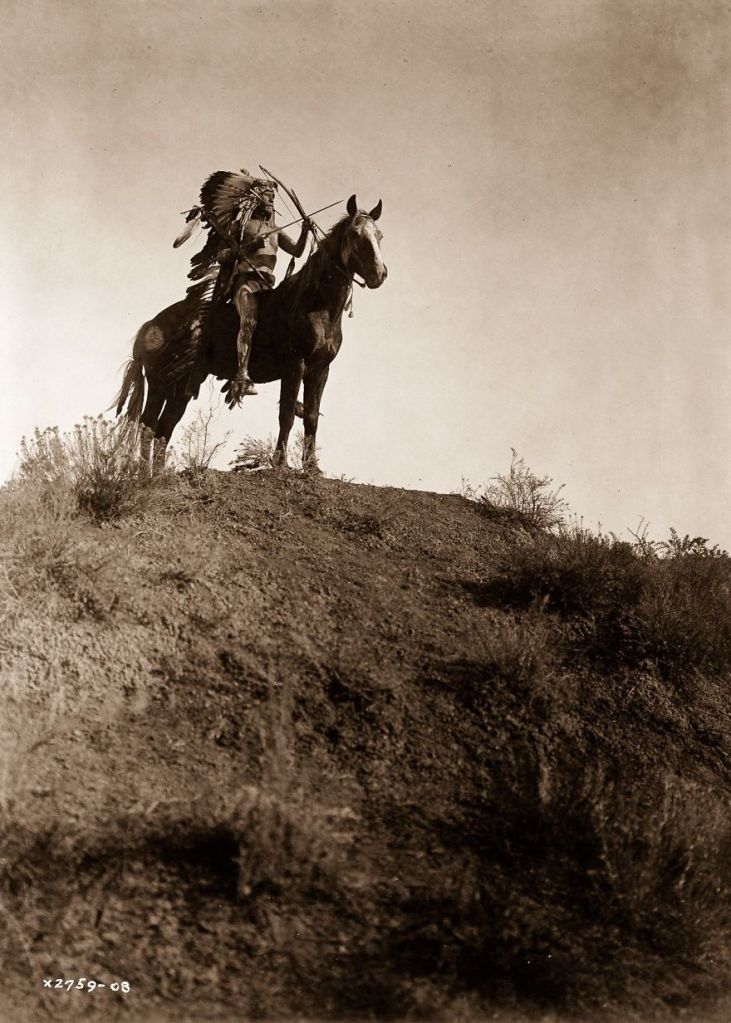

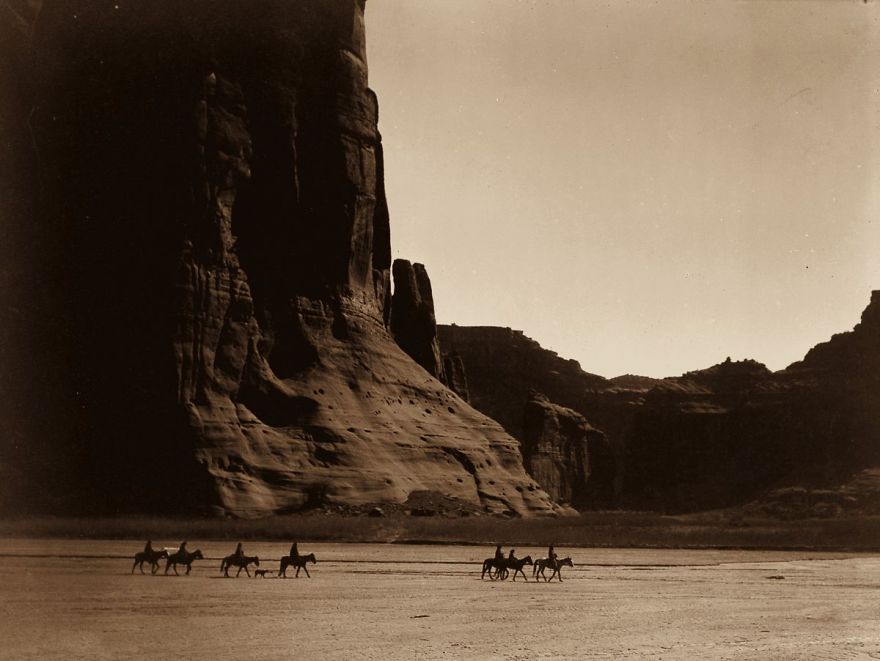
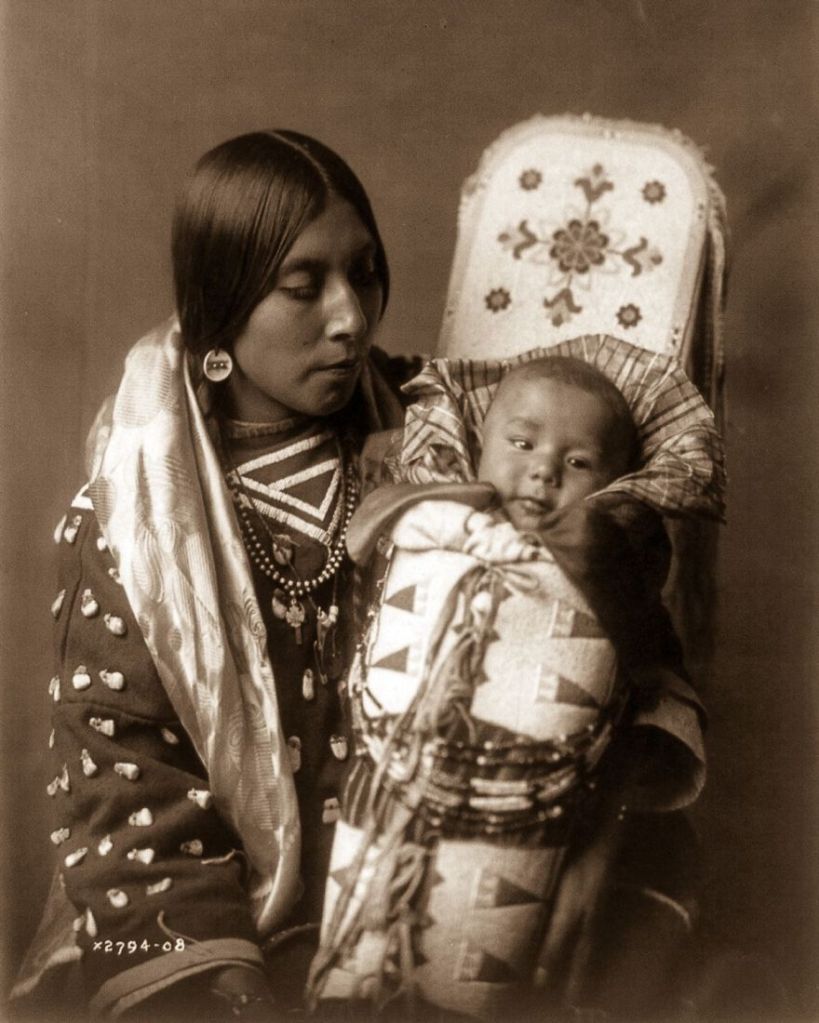
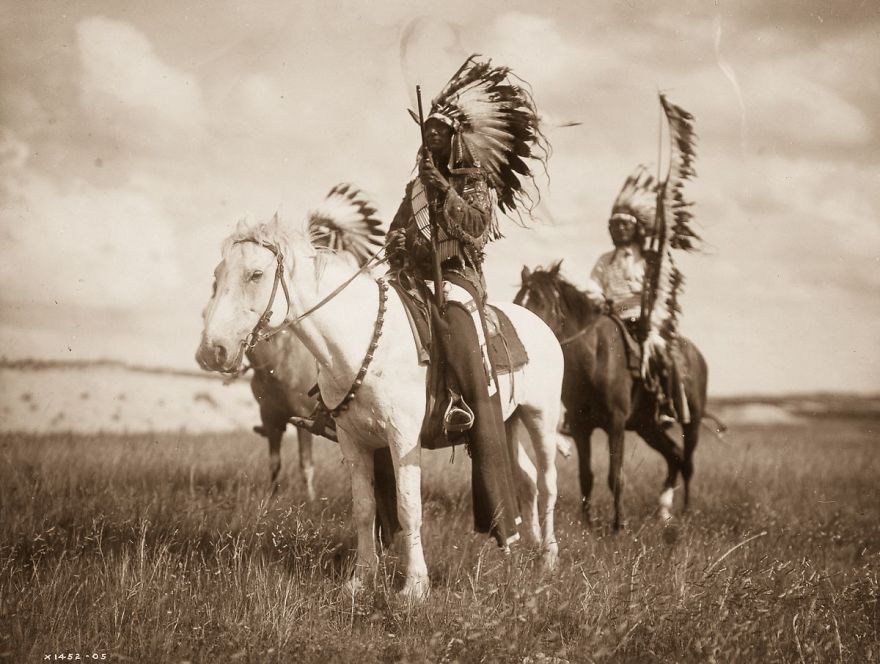

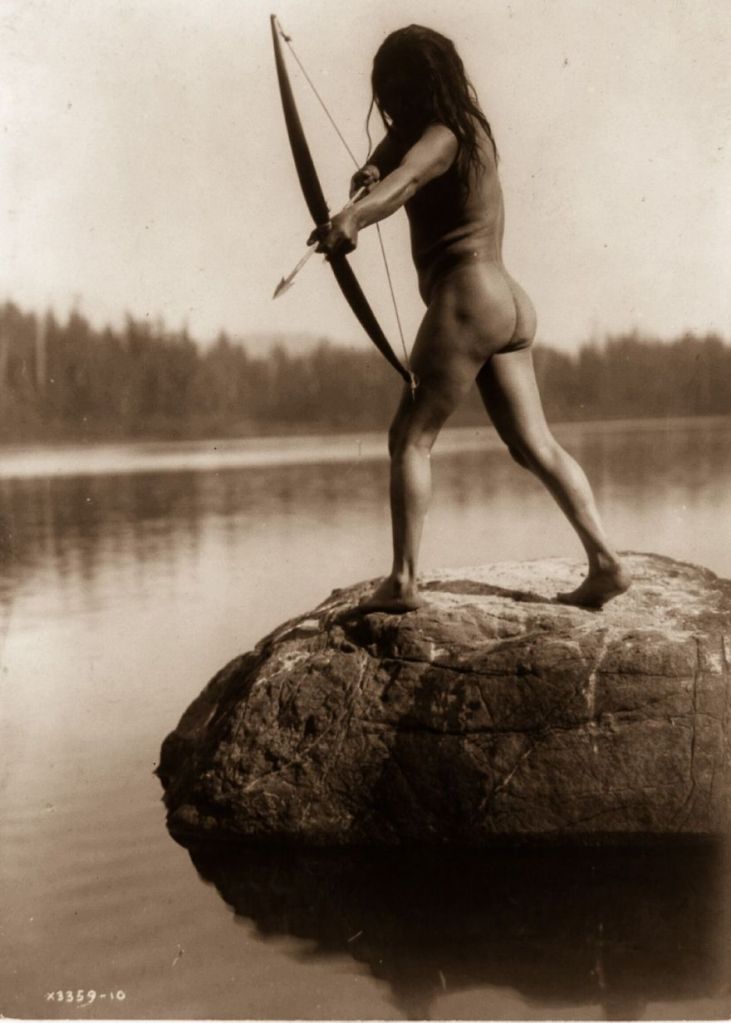

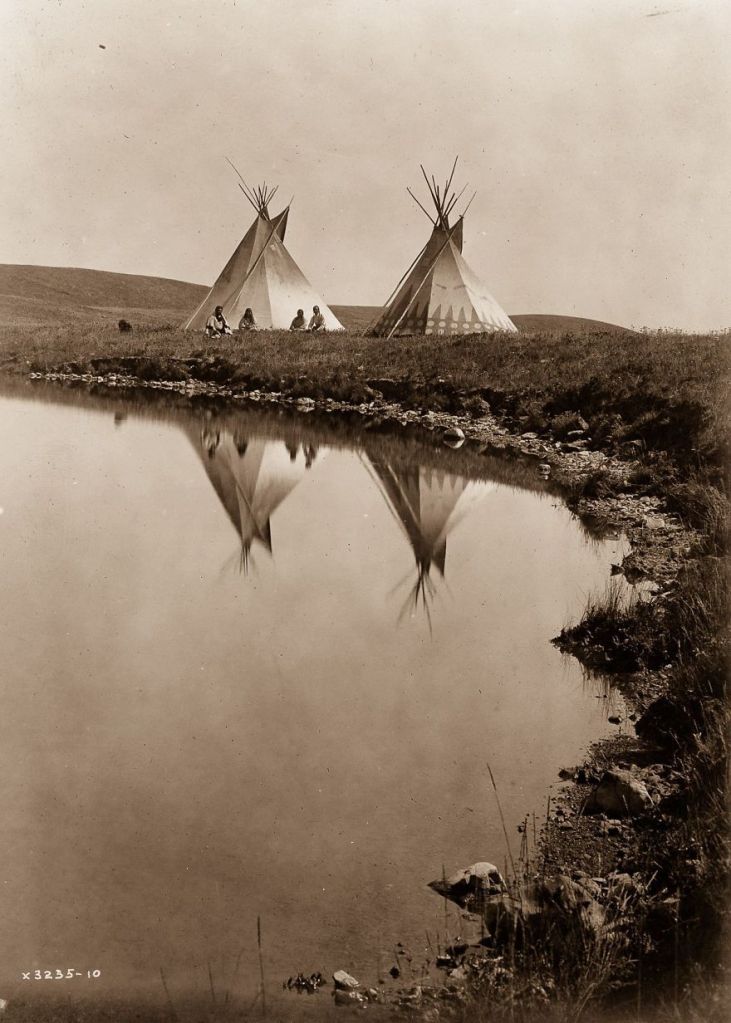
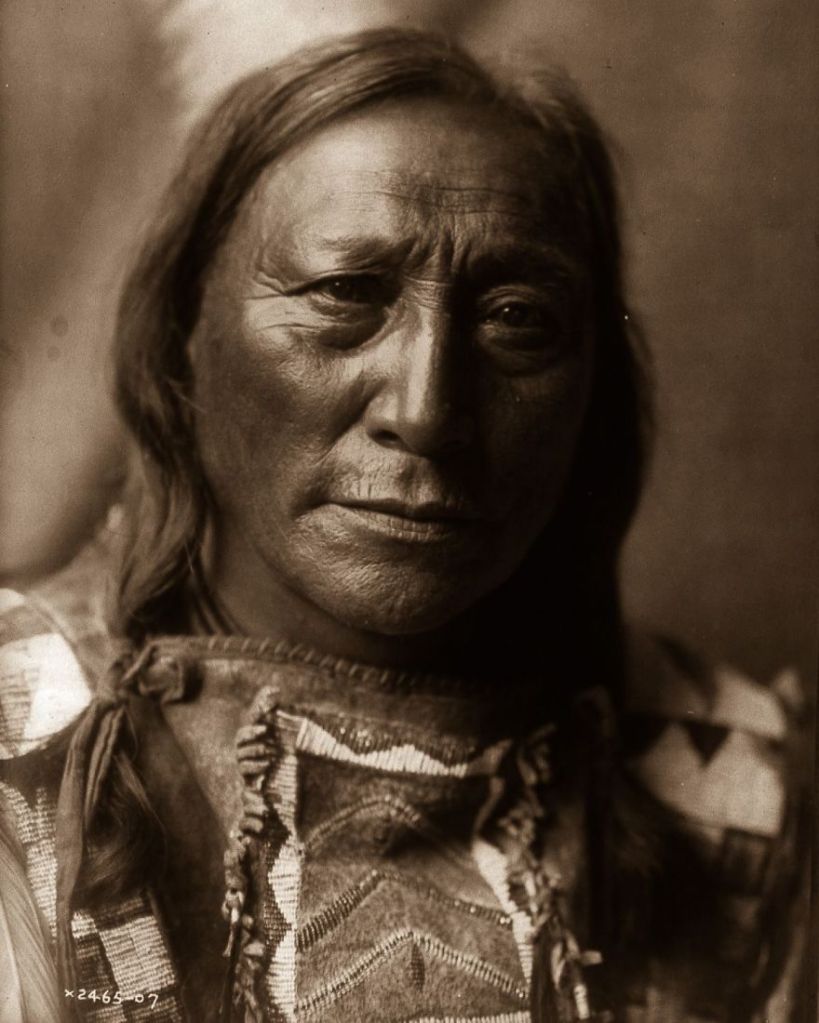
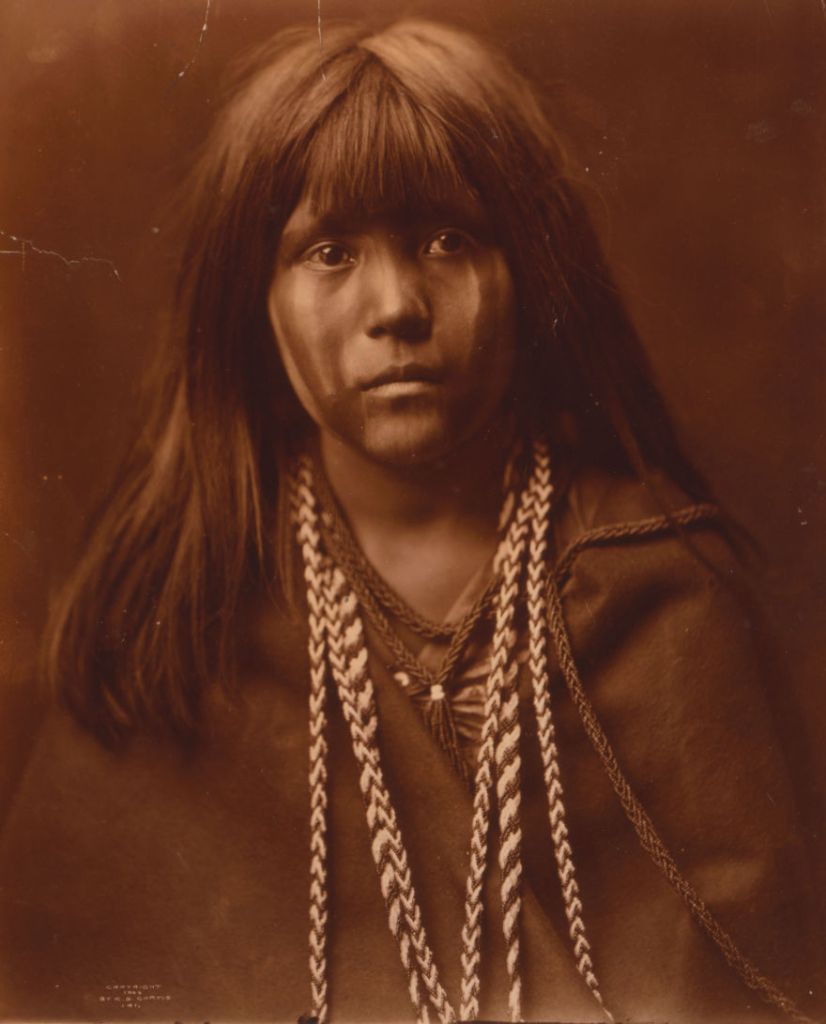
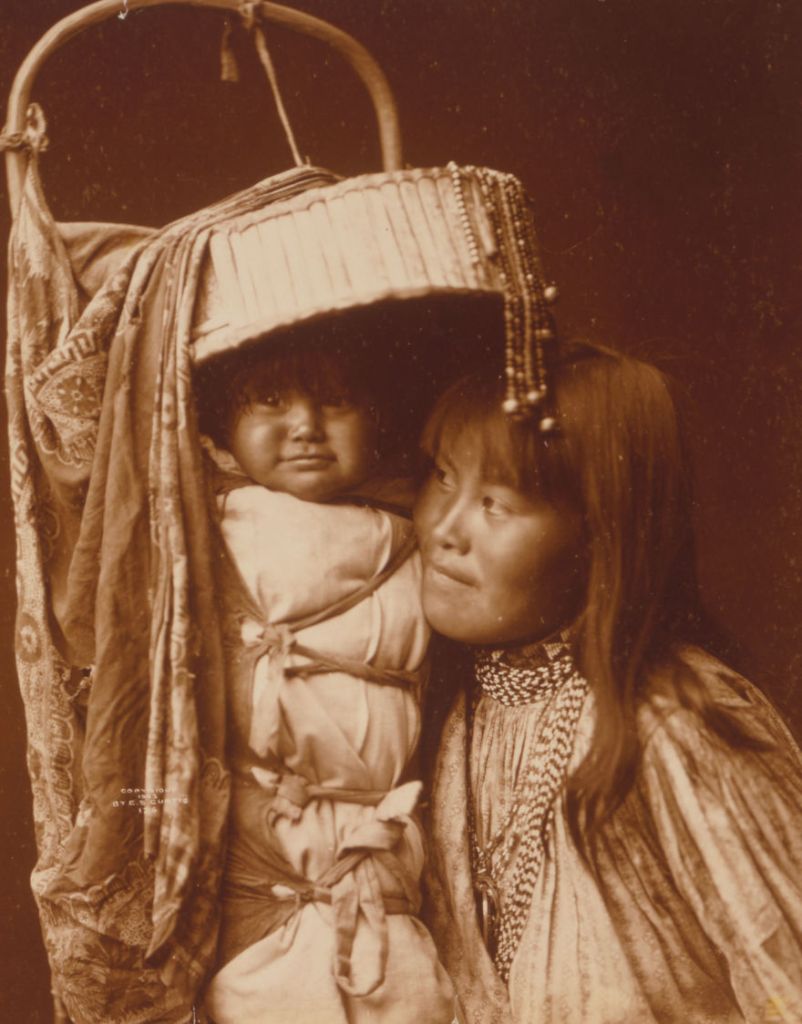
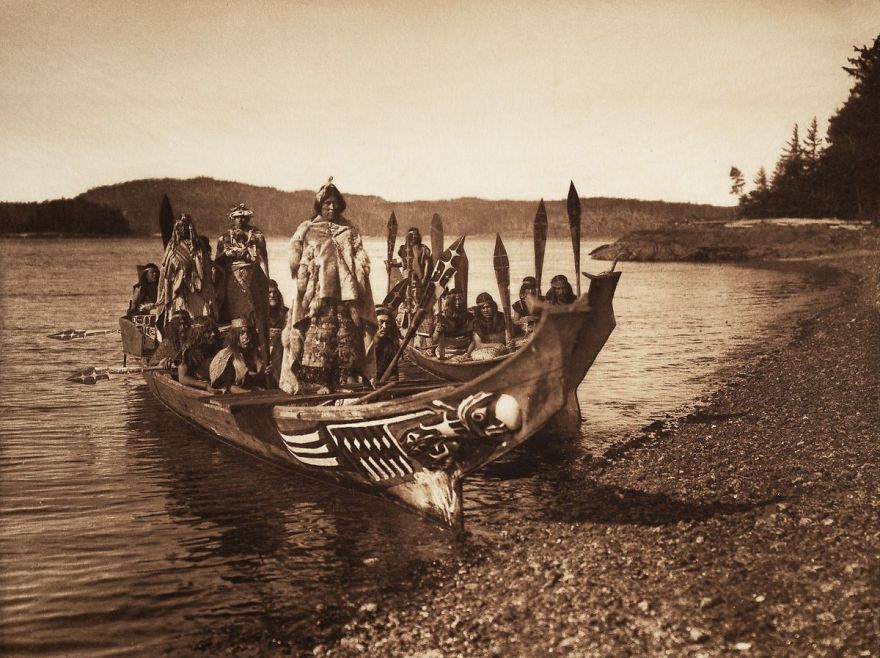
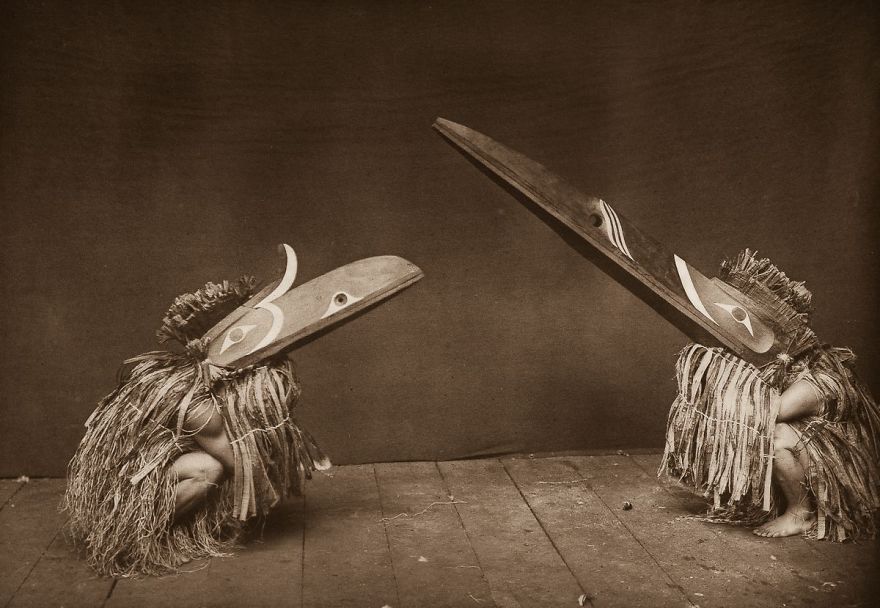

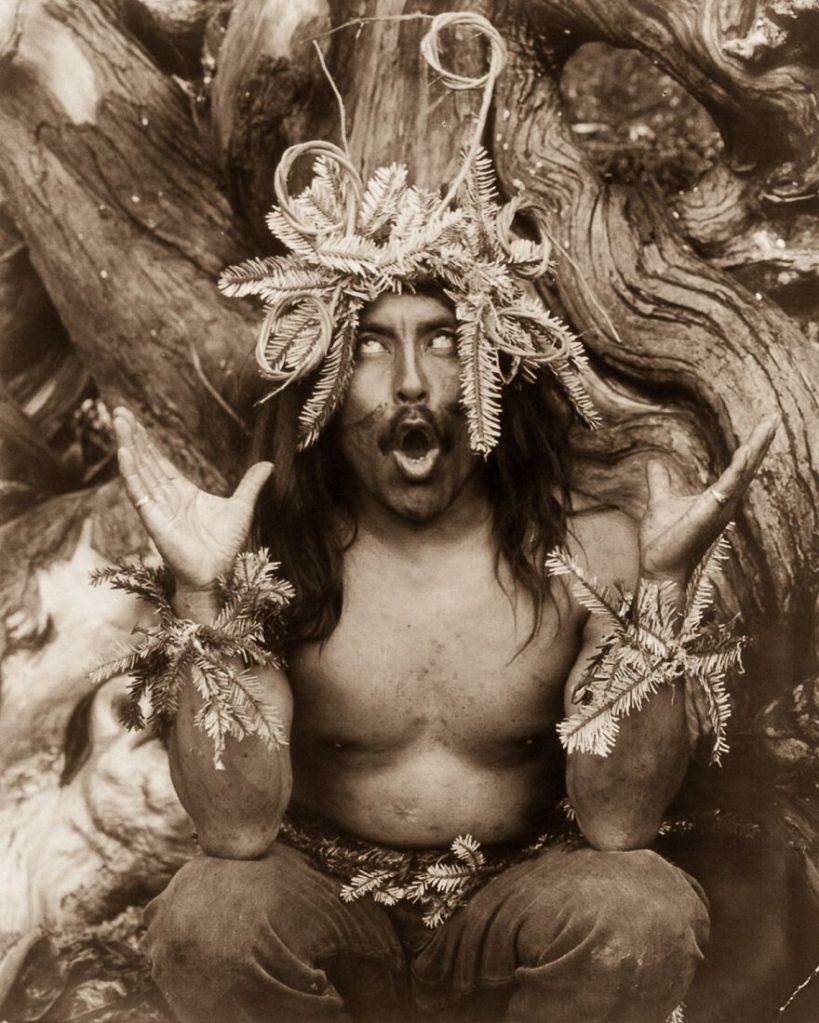

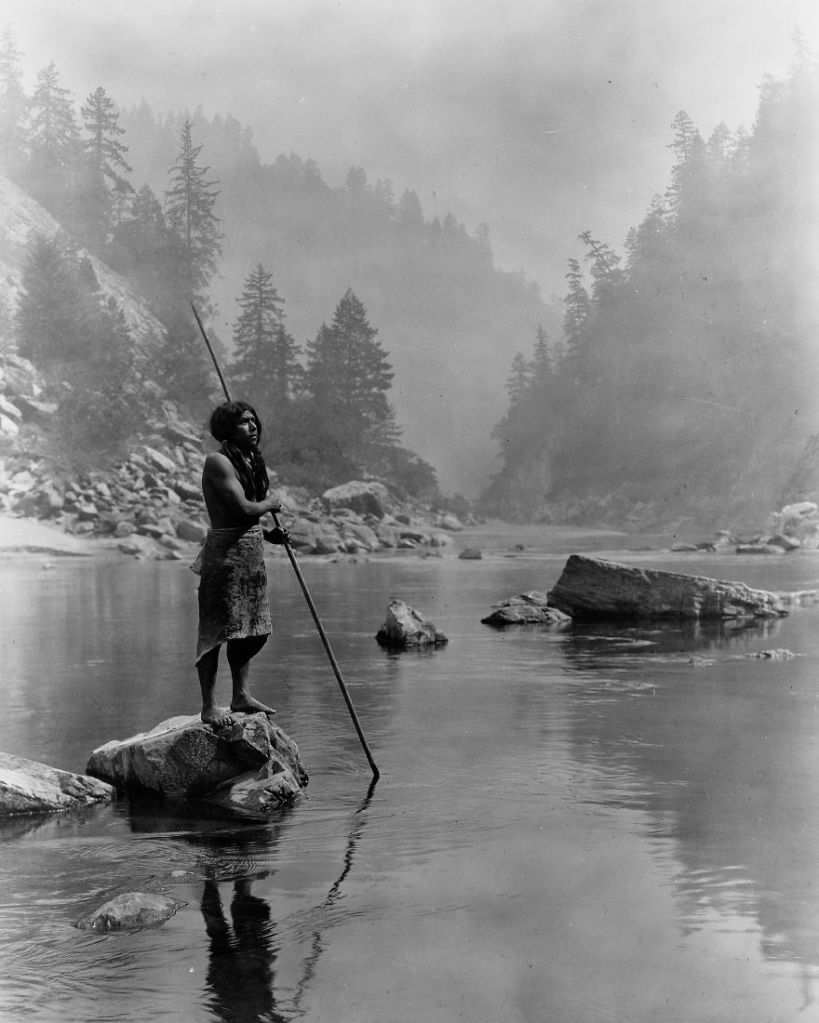


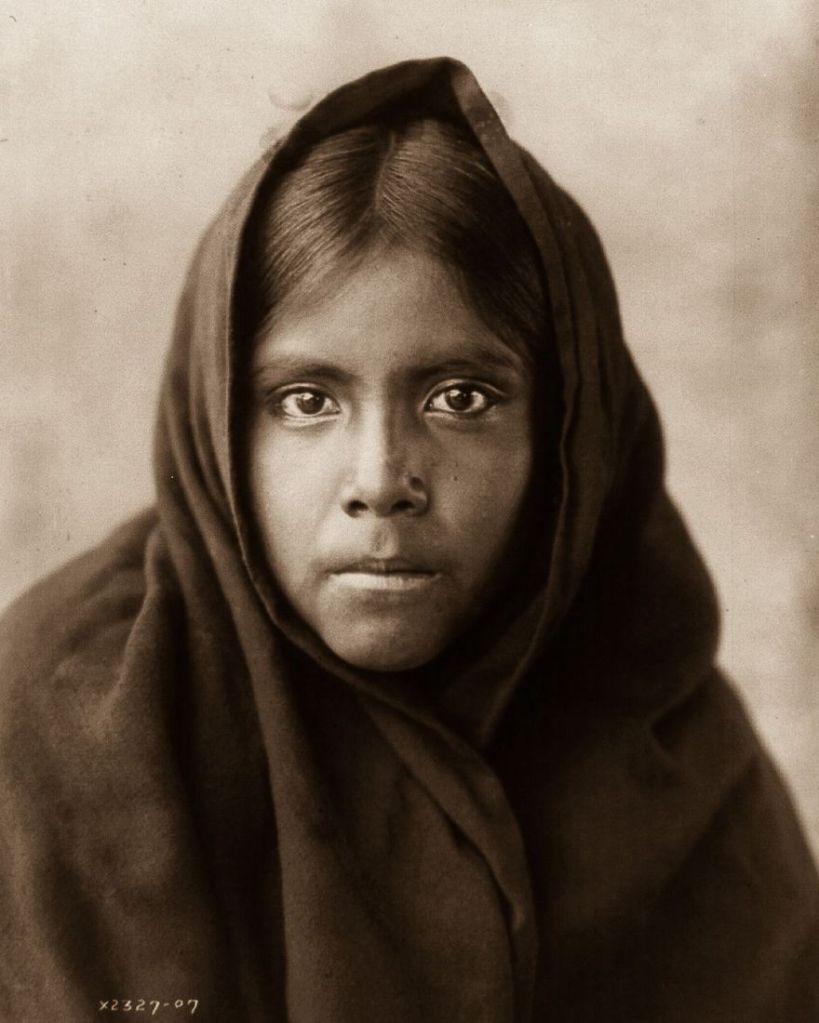

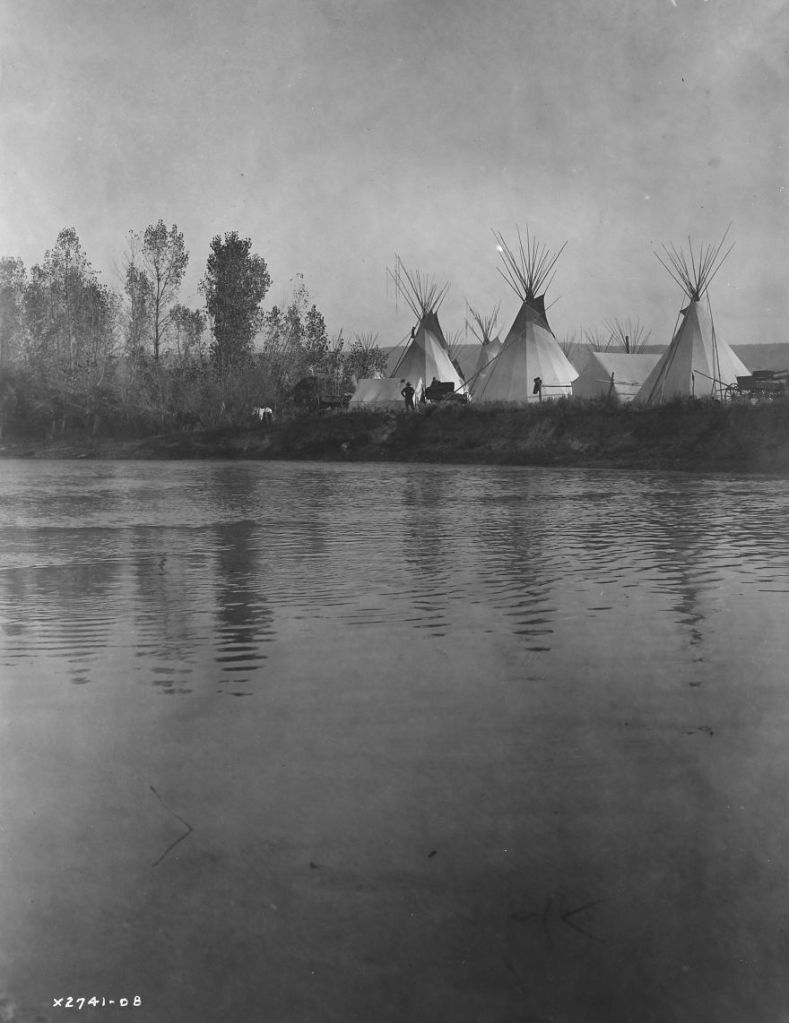
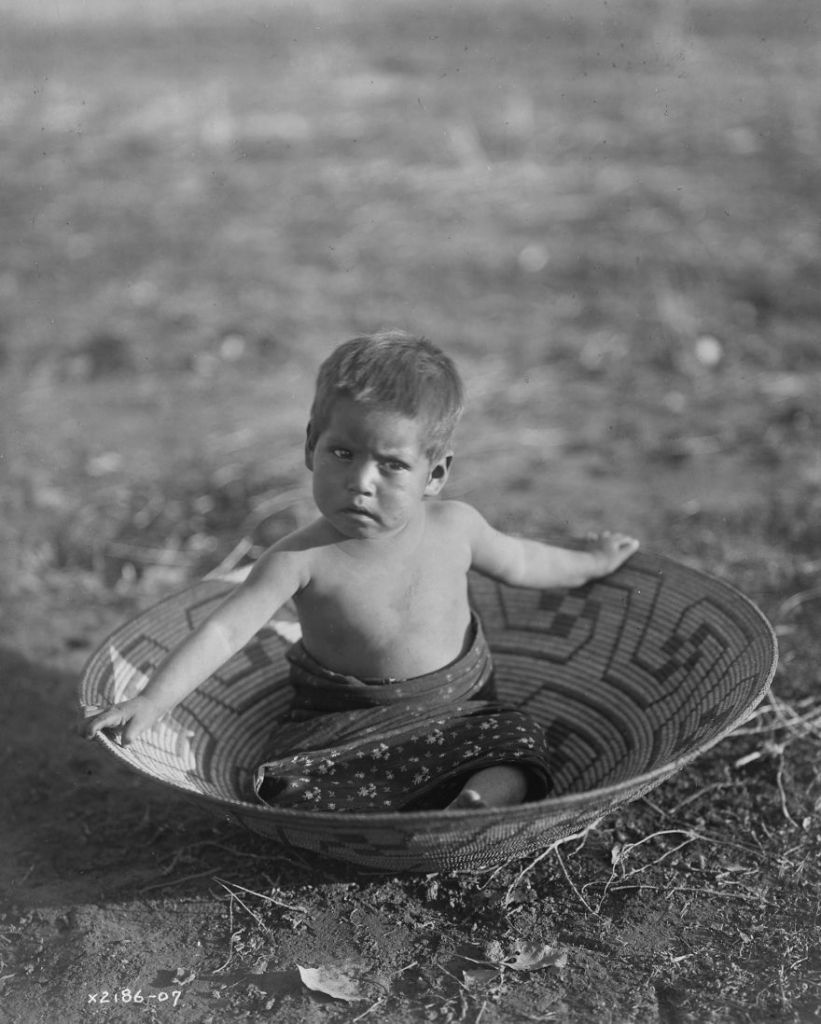
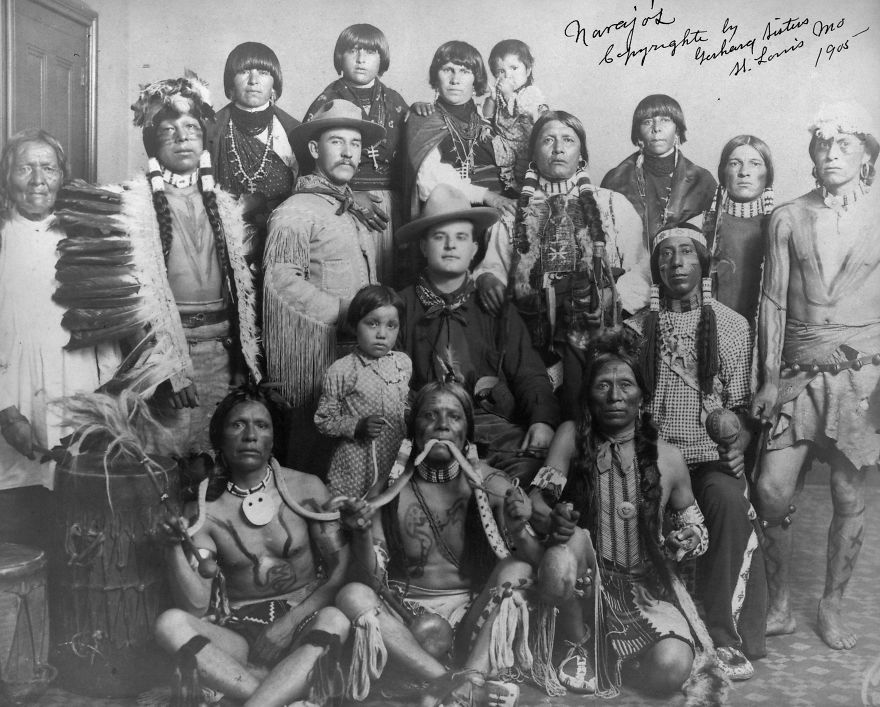


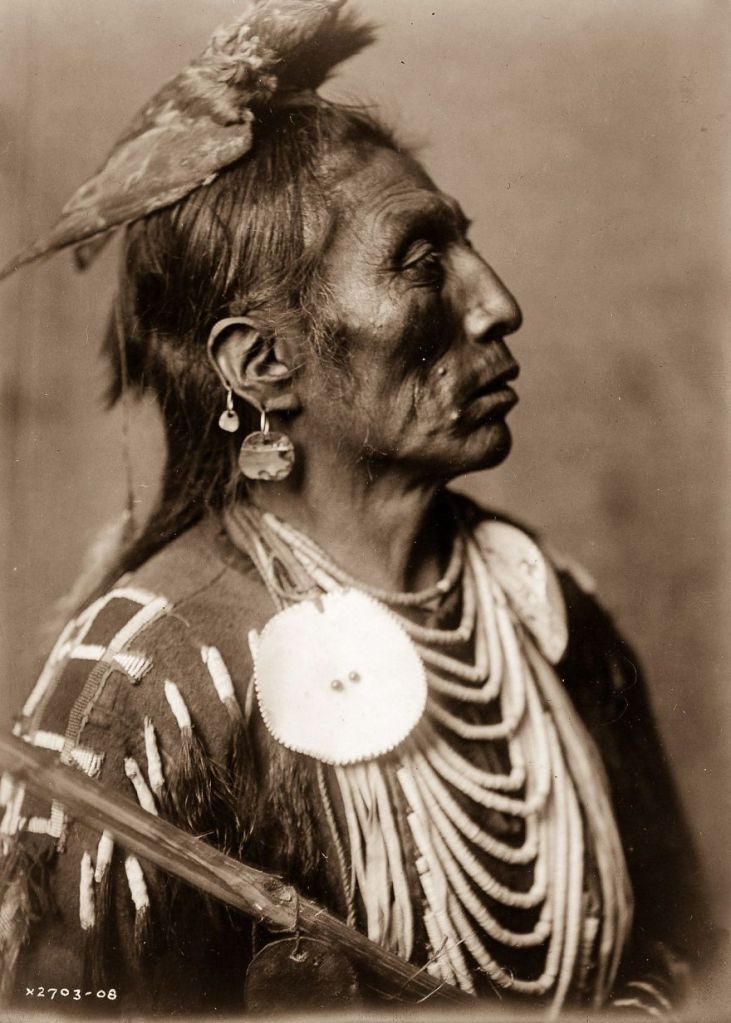
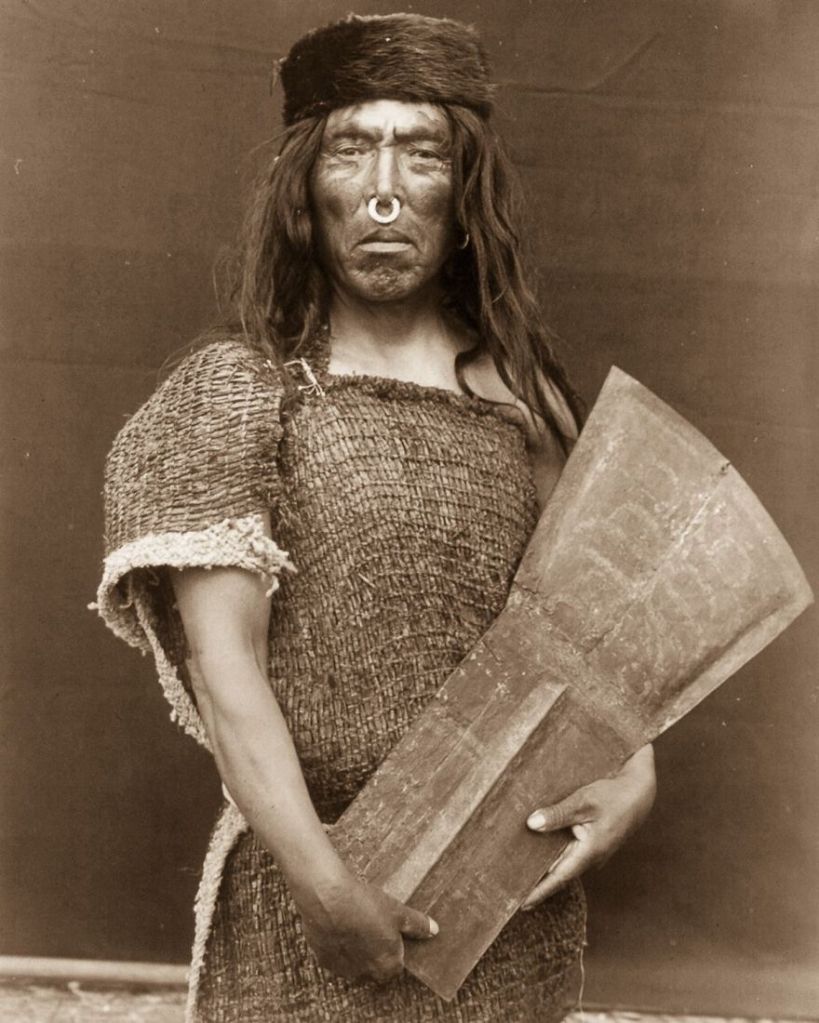

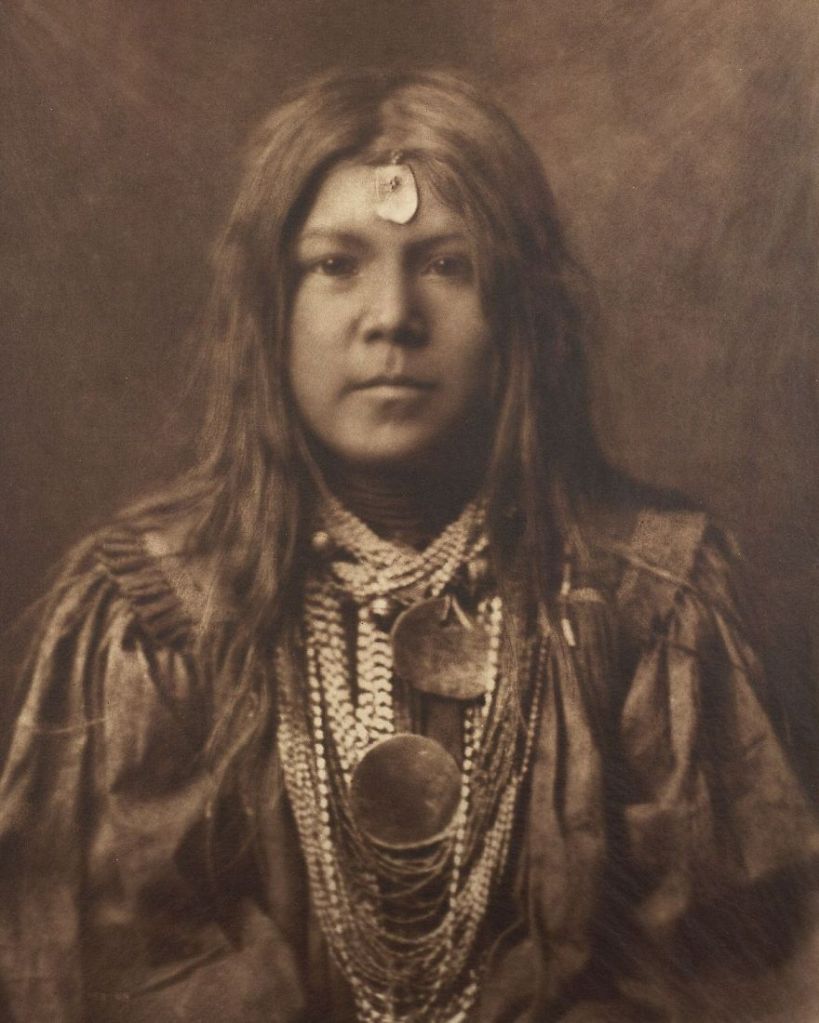


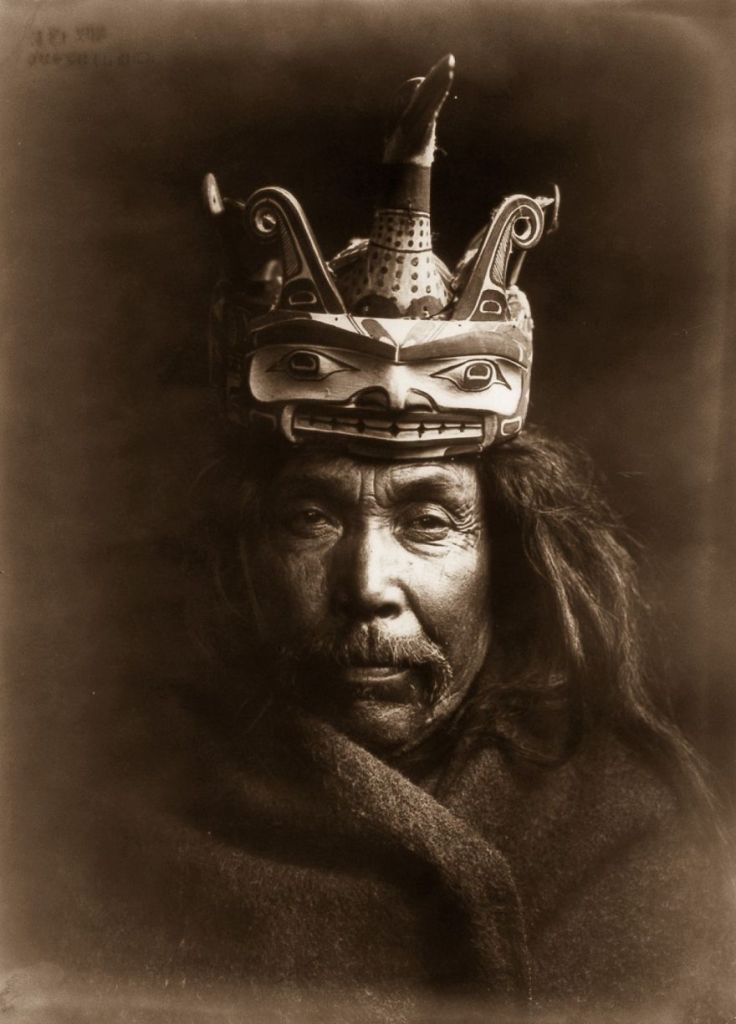


(Photos by Edward Sheriff Curtis)

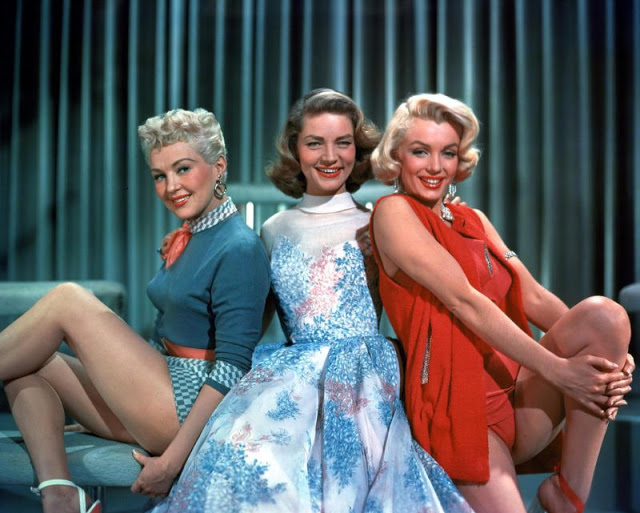
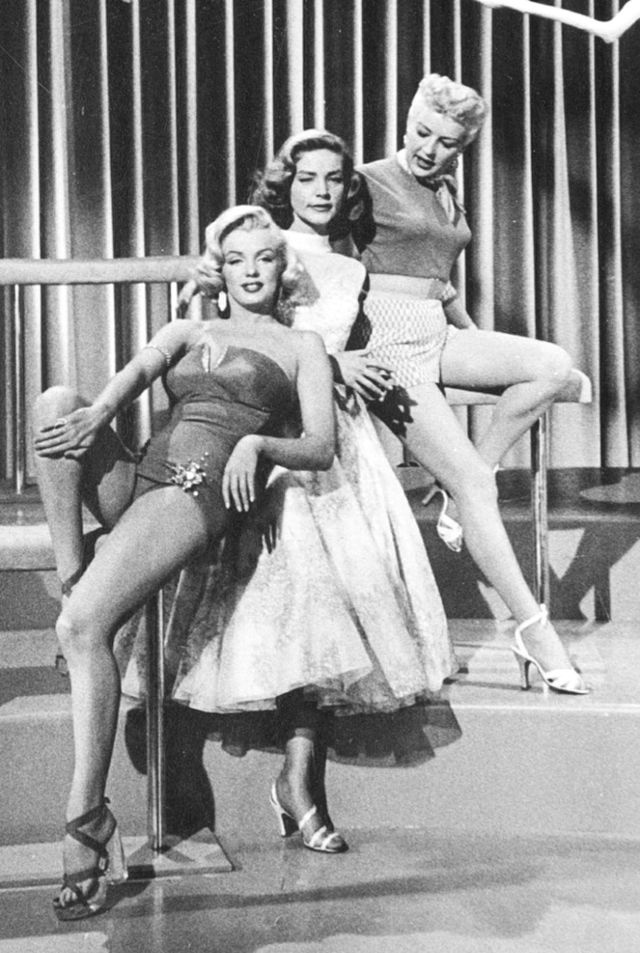
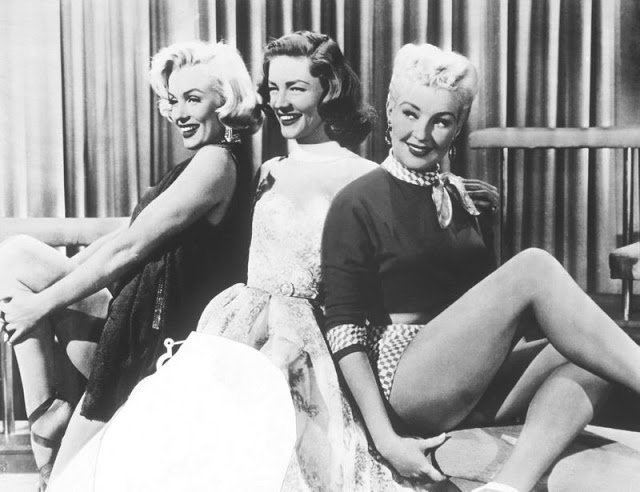
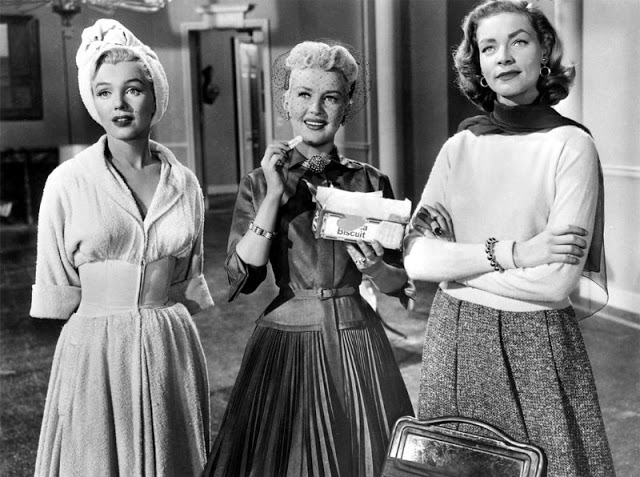
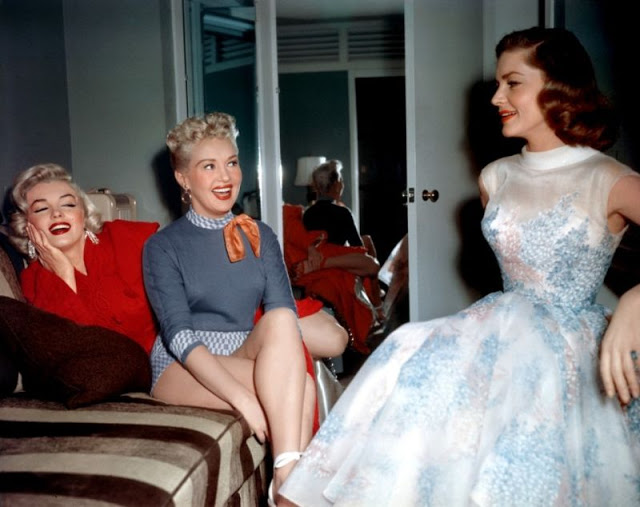
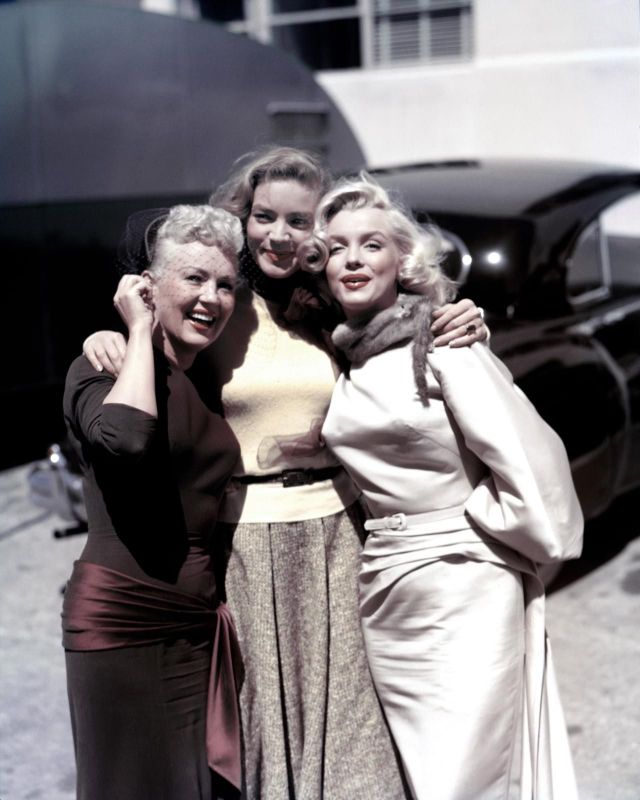
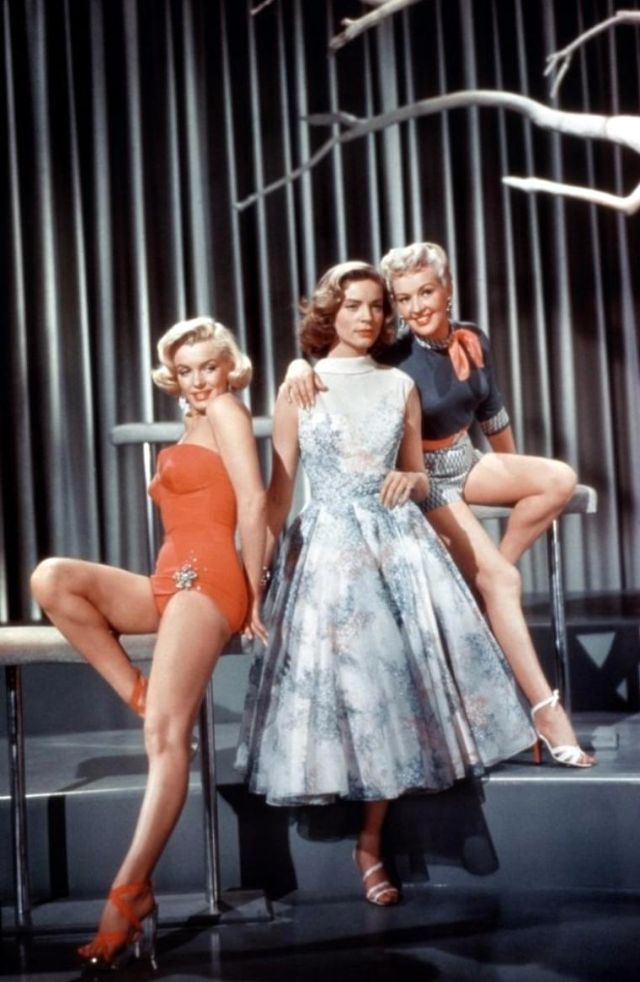
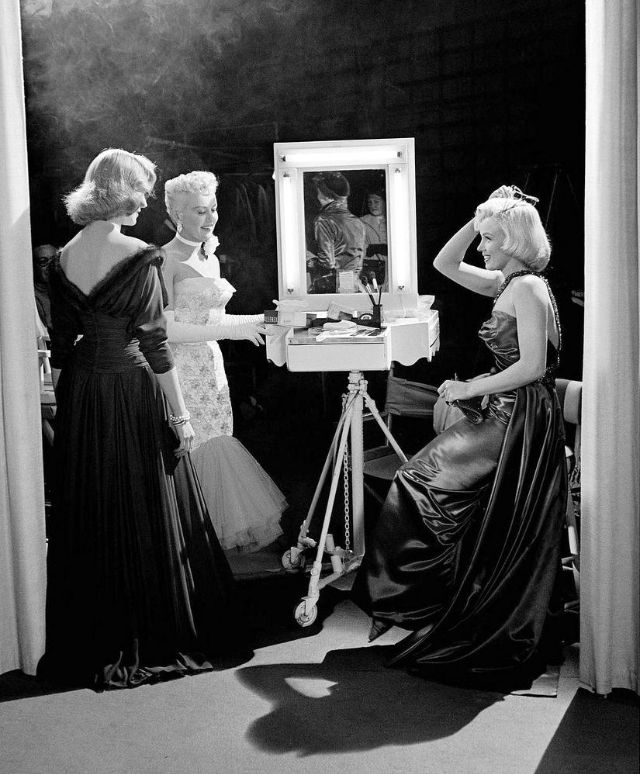
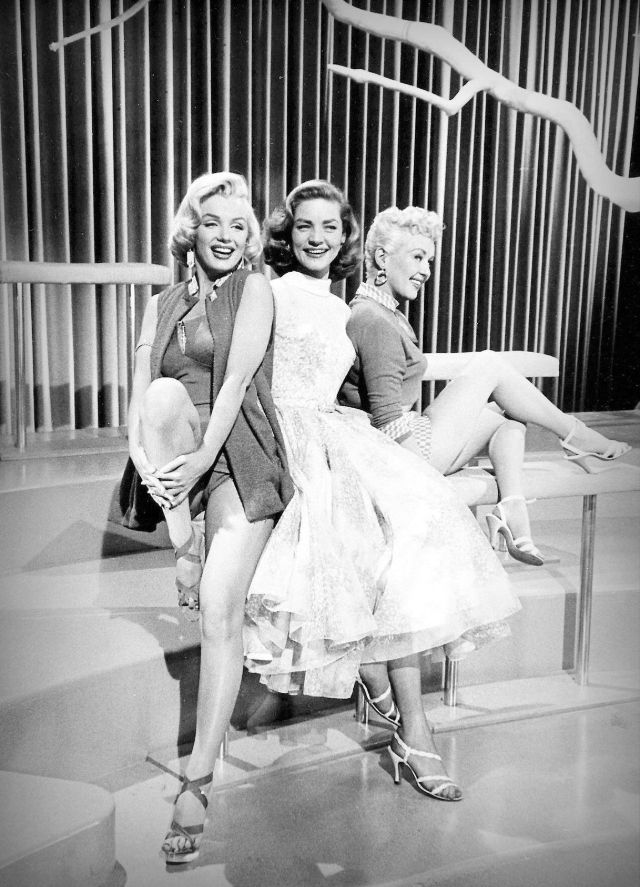
How to Marry a Millionaire is a 1953 American romantic comedy film directed by Jean Negulesco and written and produced by Nunnally Johnson. The screenplay was based on the plays The Greeks Had a Word for It by Zoë Akins and Loco by Dale Eunson and Katherine Albert.
The film stars Betty Grable, Marilyn Monroe, and Lauren Bacall as three gold diggers, along with William Powell, David Wayne, Rory Calhoun, and Cameron Mitchell. Although Grable received top billing in the screen credits, Monroe’s name was listed first in all advertising, including the trailer.
Made by 20th Century Fox, How to Marry a Millionaire was the first film ever to be filmed in the new CinemaScope wide-screen process, although it was the second CinemaScope film released by Fox after the biblical epic film The Robe (also 1953).
How to Marry a Millionaire was also the first 1950s color and CinemaScope film ever to be shown on prime-time network television, though panned-and-scanned, when it was presented as the first film on NBC Saturday Night at the Movies on September 23, 1961.
These gorgeous photos captured portraits of classic beauties Betty Grable, Lauren Bacall and Marilyn Monroe together while filming How to Marry a Millionaire in 1953.