Incredible Vintage Photos of Indiana Railroad Disasters in the Early 20th Century

Wooden railroads, called wagonways, were built in the United States starting from the 1720s. Railroads played a large role in the development of the United States from the industrial revolution in the Northeast (1810–1850) to the settlement of the West (1850–1890).

The American railroad mania began with the founding of the first passenger and freight line in the nation of the Baltimore and Ohio Railroad in 1827 and the “Laying of the First Stone” ceremonies and beginning of its long construction heading westward over the obstacles of the Appalachian Mountains eastern chain the following year of 1828, and flourished with continuous railway building projects for the next 45 years until the financial Panic of 1873 followed by a major economic depression bankrupted many companies and temporarily stymied and ended growth.

The railroad system was largely built by 1910, but then trucks arrived to eat away the freight traffic, and automobiles (and later airplanes) to devour the passenger traffic. After 1940, the use of diesel electric locomotives made for much more efficient operations that needed fewer workers on the road and in repair shops.

Here below is a set of incredible photos that shows railroad disasters in Indiana from the early 20th century.
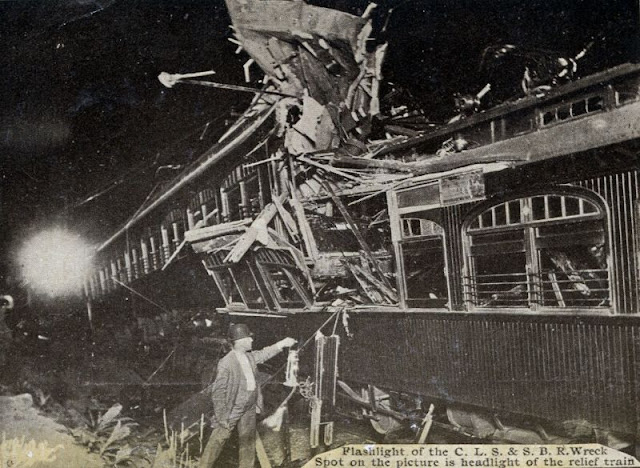
Chicago, Lake Shore & South Bend Railway wreck, Porter, Indiana, June 19, 1909. Spot on the picture is headlight of the relief train.
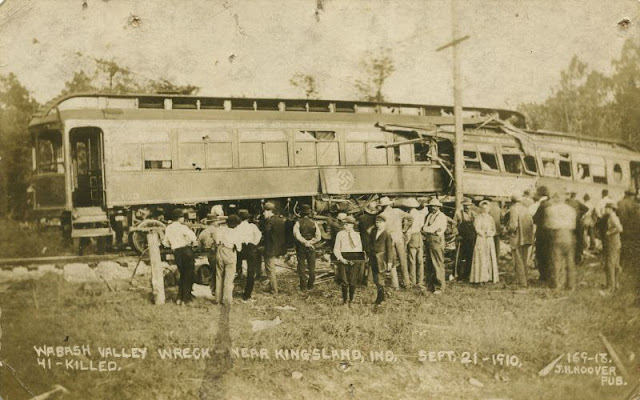
Wabash Valley wreck, 41 killed, Kingsland, Indiana, September 21, 1910.
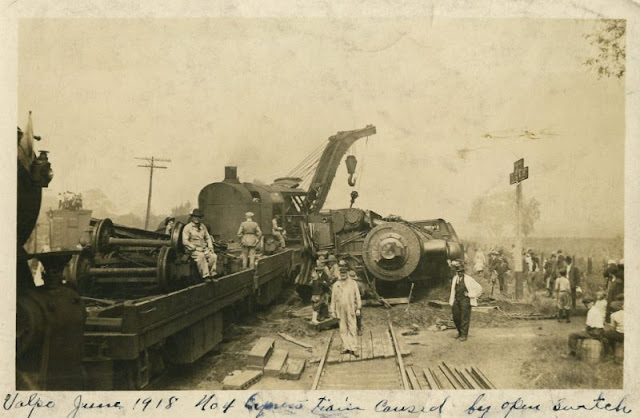
A switch left open inadvertently caused the eastbound No. 4 Express train’s engine, tender, and two cars to derail on the Grand Trunk Railway track immediately west of the Washington Street crossing in Valparaiso, Indiana, May 30, 1918.
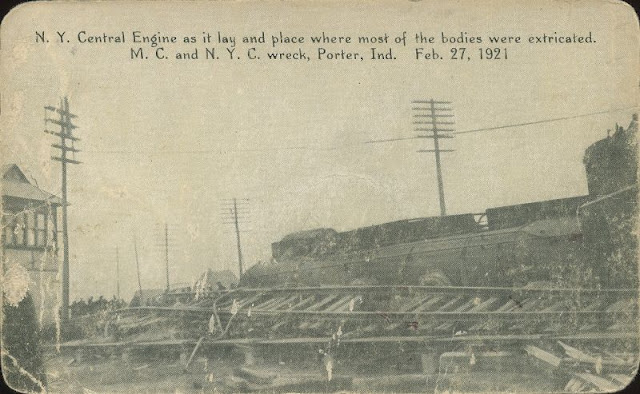
N. Y. Central Engine as it lay and place where most of the bodies were extricated. M. C. and N. Y. C. wreck, Porter, Indiana, February 27, 1921.
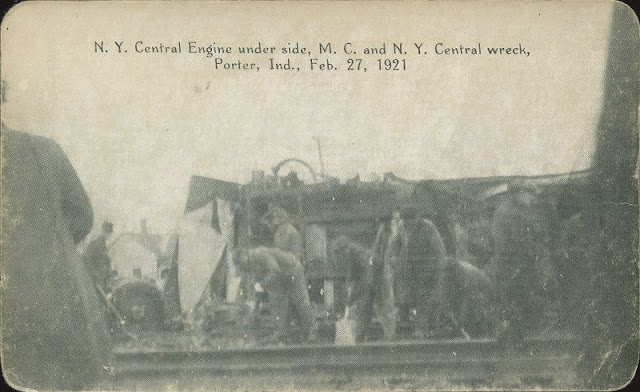
N. Y. Central Engine under side, M. C. and N. Y. Central wreck, Porter, Indiana, February 27, 1921.
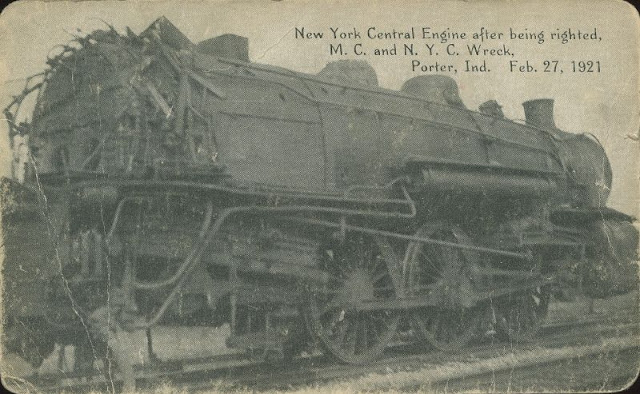
New York Central Engine after being righted, M. C. and N. Y. C. wreck, Porter, Indiana, February 27, 1921.
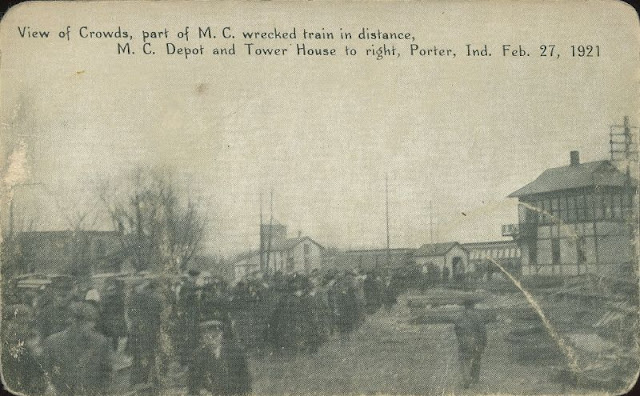
View of crowds, part of M. C. wrecked train in distance, M. C. Depot and Tower House to right, Porter, Indiana, February 27, 1921.
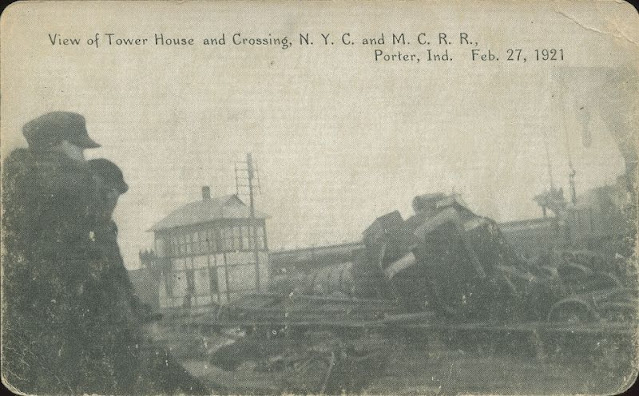
View of Tower House and Crossing, N. Y. C. and M. C. R. R., Porter, Indiana, February 27, 1921.
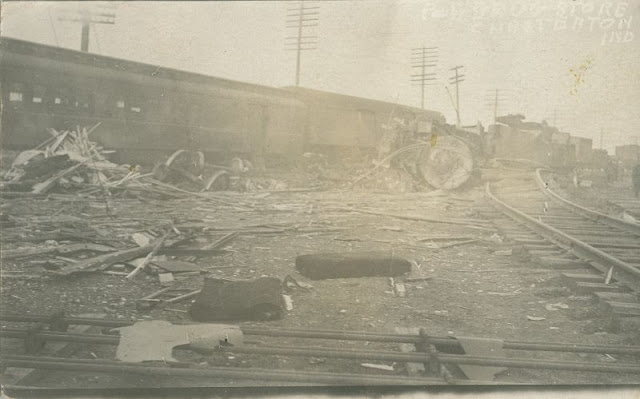
Westbound New York Central passenger train No. 151 plowed through the third coach of eastbound Michigan Central train No. 20, at an interlocked crossing of these lines at Porter, Indiana, February 27, 1921.
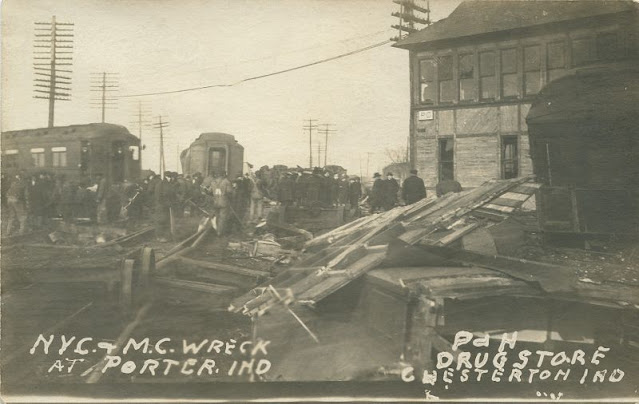
Westbound New York Central passenger train No. 151 plowed through the third coach of eastbound Michigan Central train No. 20, at an interlocked crossing of these lines at Porter, Indiana, February 27, 1921.
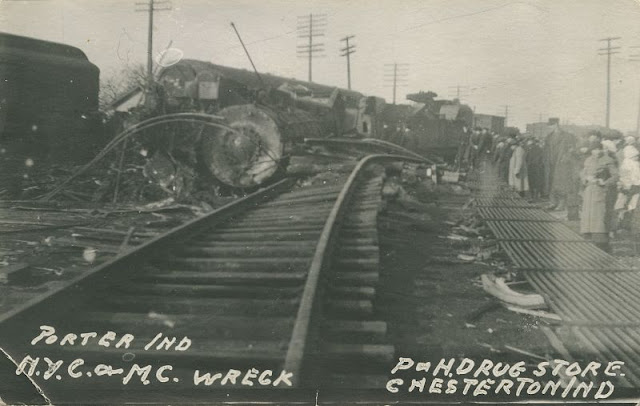
Westbound New York Central passenger train No. 151 plowed through the third coach of eastbound Michigan Central train No. 20, at an interlocked crossing of these lines at Porter, Indiana, February 27, 1921.
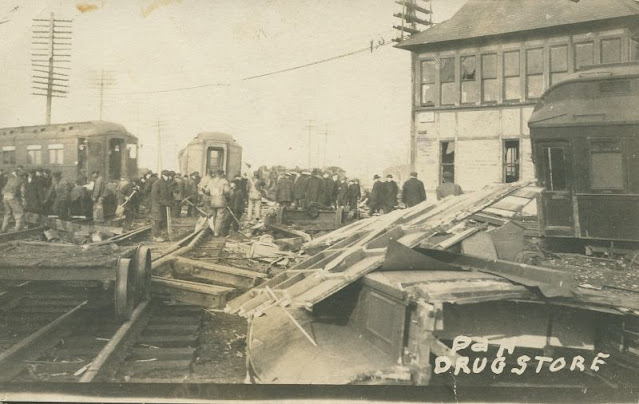
Westbound New York Central passenger train No. 151 plowed through the third coach of eastbound Michigan Central train No. 20, at an interlocked crossing of these lines at Porter, Indiana, February 27, 1921.
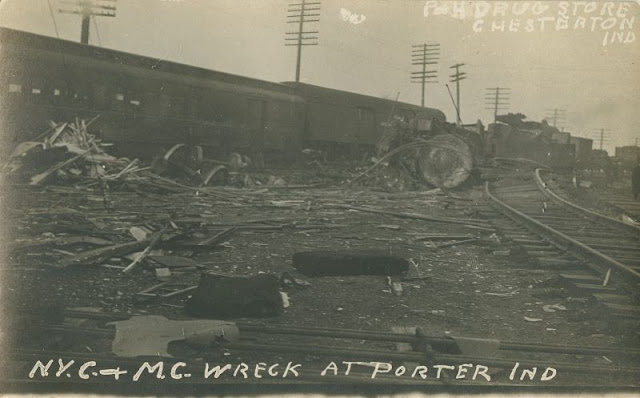
Westbound New York Central passenger train No. 151 plowed through the third coach of eastbound Michigan Central train No. 20, at an interlocked crossing of these lines at Porter, Indiana, February 27, 1921.
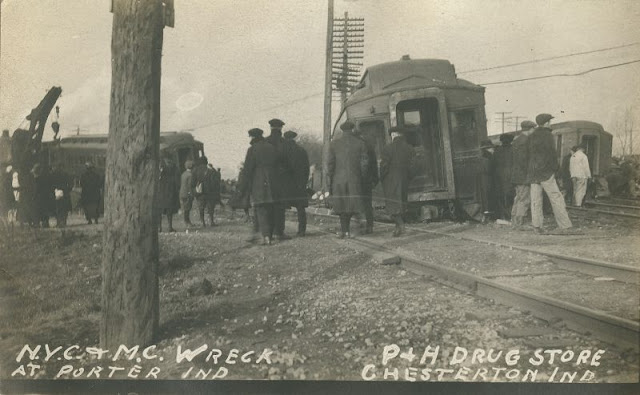
Westbound New York Central passenger train No. 151 plowed through the third coach of eastbound Michigan Central train No. 20, at an interlocked crossing of these lines at Porter, Indiana, February 27, 1921.
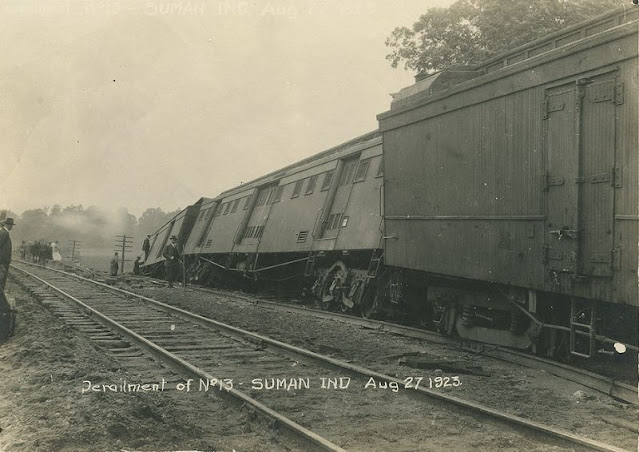
Derailment of Train No. 13, Baltimore & Ohio Railroad, Suman, Indiana, August 27, 1923.
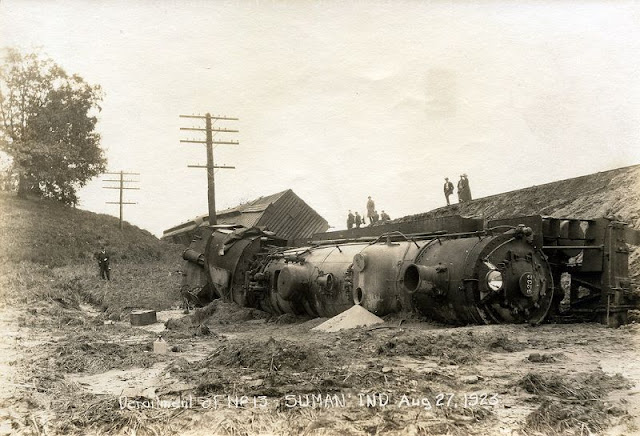
Derailment of Train No. 13, Baltimore & Ohio Railroad, Suman, Indiana, August 27, 1923.
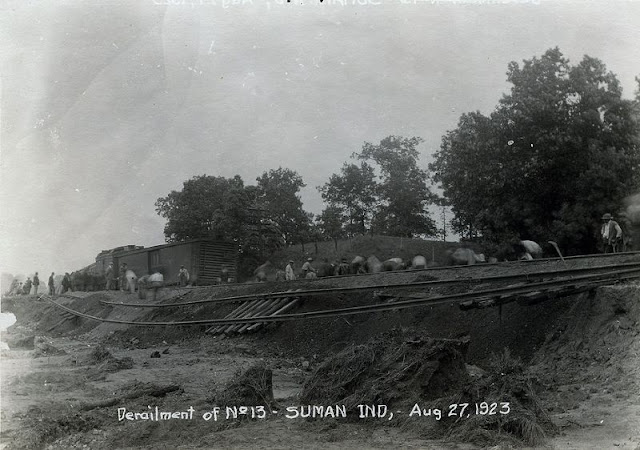
Derailment of Train No. 13, Baltimore & Ohio Railroad, Suman, Indiana, August 27, 1923.
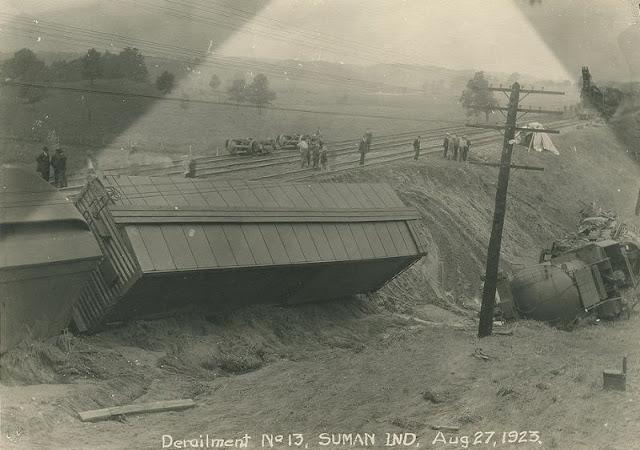
Derailment of Train No. 13, Baltimore & Ohio Railroad, Suman, Indiana, August 27, 1923.
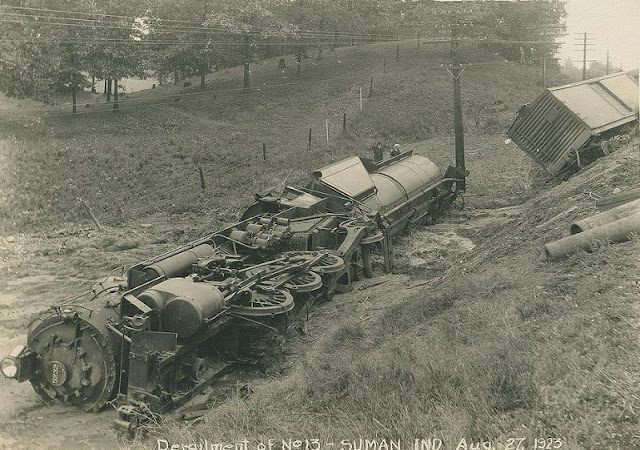
Derailment of Train No. 13, Baltimore & Ohio Railroad, Suman, Indiana, August 27, 1923.
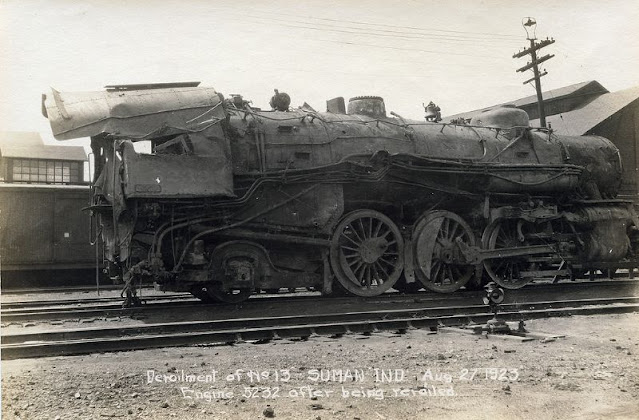
Derailment of Train No. 13, Baltimore & Ohio Railroad. Engine 5232 after being rerailed, Suman, Indiana, August 27, 1923.

Subscribe to Yesterday Today’s Blog to receive regular updates regarding new content:
Stunning Autochromes of Belgium Taken by Georges Gilon in 1913

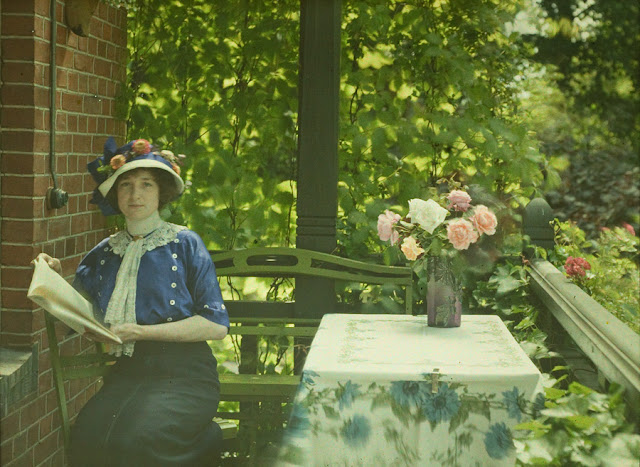
Portrait of Jeanne Nokin, ca. 1913.

Georges Gilon (1873–1928) was a wool-trader at Verviers in Belgium. He was married to Maria Nokin who bore him 4 children.

Besides his passion for photography Gilon was also a gifted wood-worker. His photographic topics were mainly landscapes, old regional farmhouses, festivities and townscapes of his hometown Verviers. The vast body of his work consists of black and white photographs, although he worked also with the autochrome process. He excelled in rendering colors in fine pastel shades which turned his autochromes into timeless works of art.

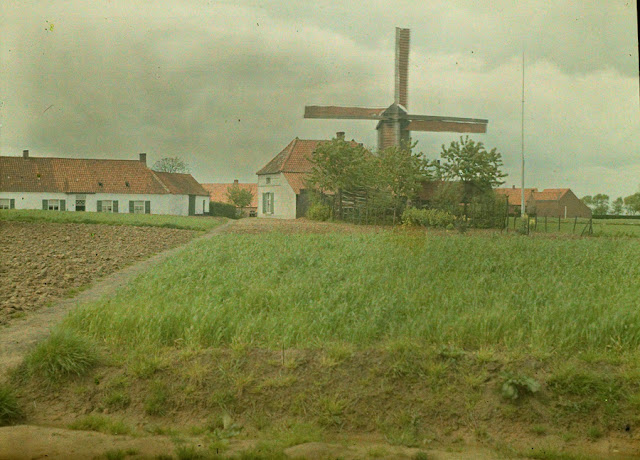
See e.g. the three townscapes in which the viewer is captivated by the dreamlike atmosphere. Landscape with windmill is also a fine example of the compositional skills of Georges Gilon. The green foreground gives the eye a resting point, the footpath leads us to the red pastel rooftops and the upstanding sail of the windmill. A small collection of his autochromes can be seen on below.

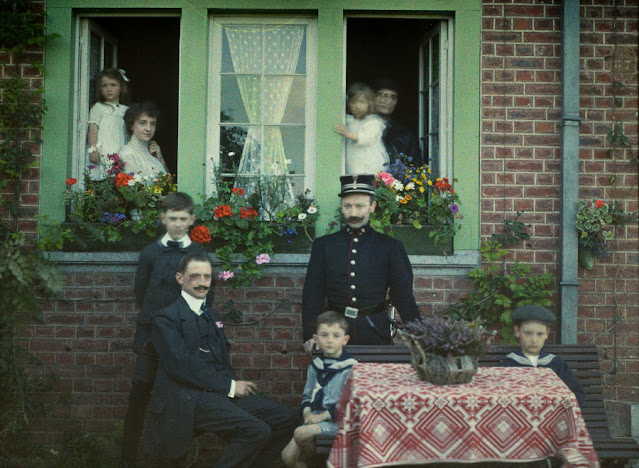
Family portrait at Roannay, Belgium, ca. 1913.

Landscape with windmill. Ronse, Belgium, ca. 1913.

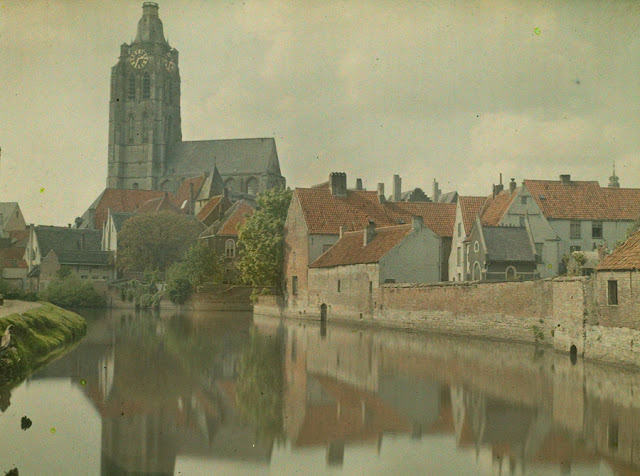
Schelde river, houses. Oudenaarde, Belgium, ca. 1913.

Saint-Walburgachurch. Oudenaarde, Belgium, ca. 1913.

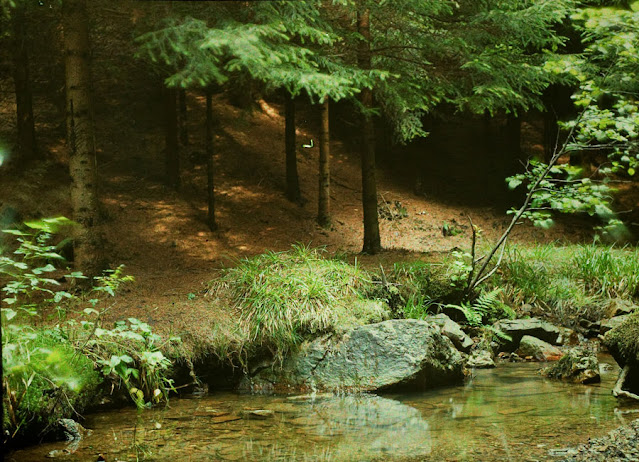
Pool at Roannay, Belgium, ca. 1913.

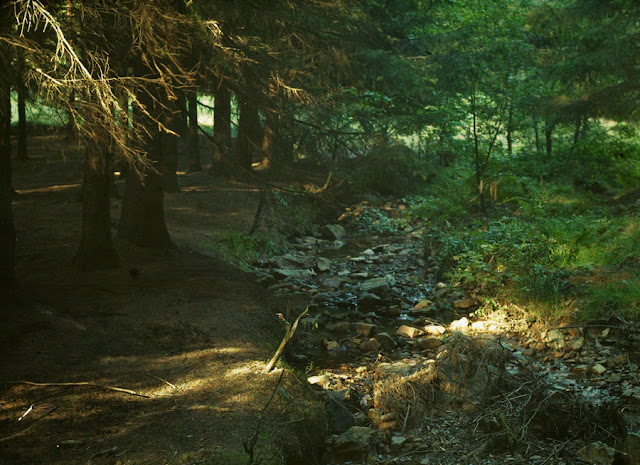
Light and shadows at Roannay, Belgium, ca. 1913.

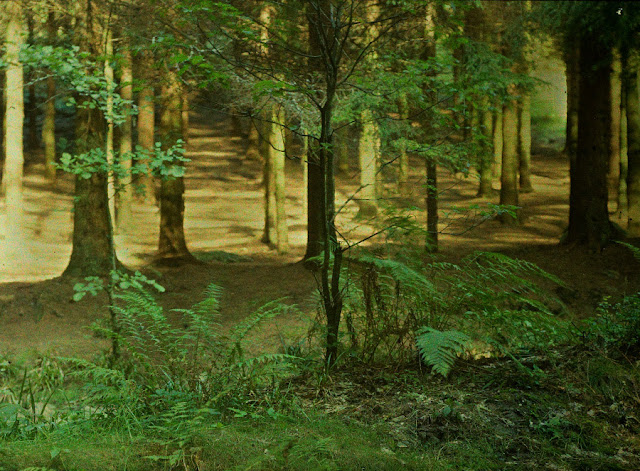
Forest and ferns, ca. 1913.

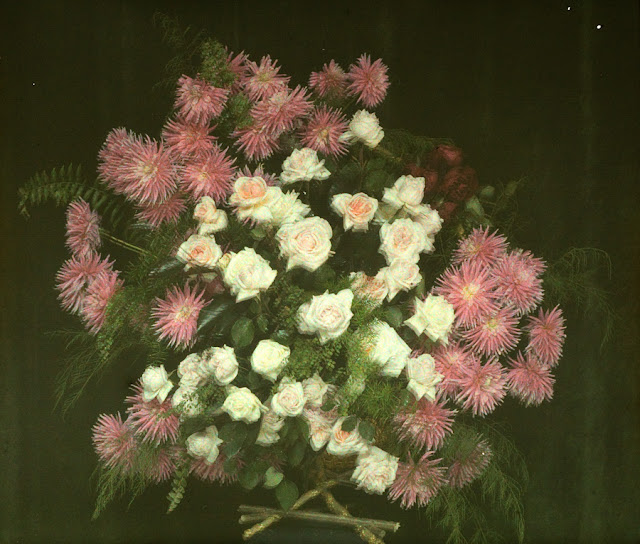
Bouquet with roses and chrysanths, ca. 1913.

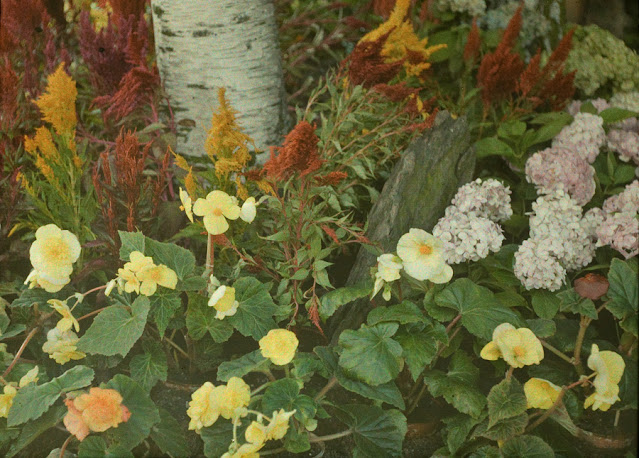
Yellow begonias, ca. 1913.

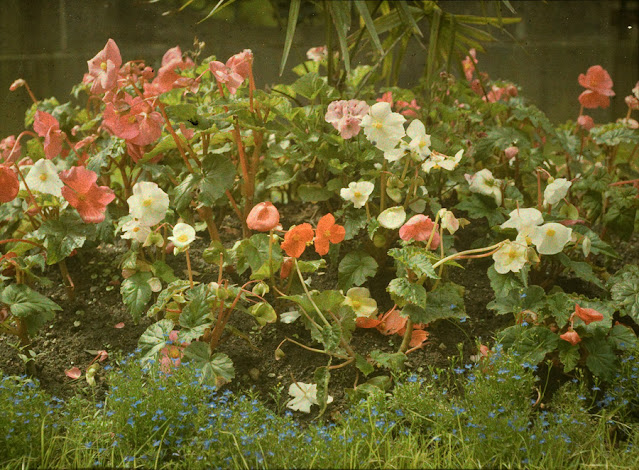
Red and white begonias, ca. 1913.

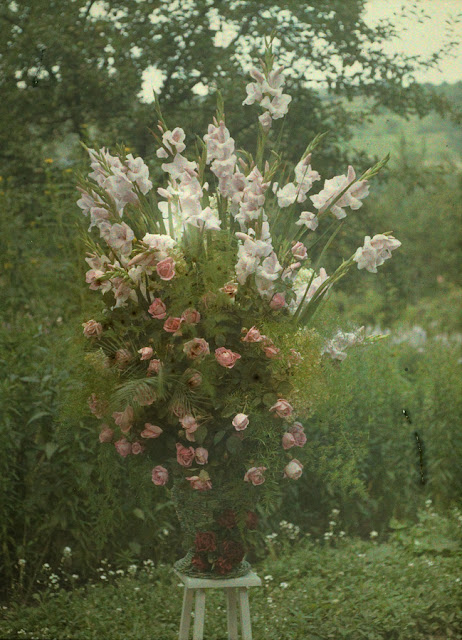
Bouquet with roses and gladioli, ca. 1913.

Subscribe to Yesterday Today’s Blog to receive regular updates regarding new content:
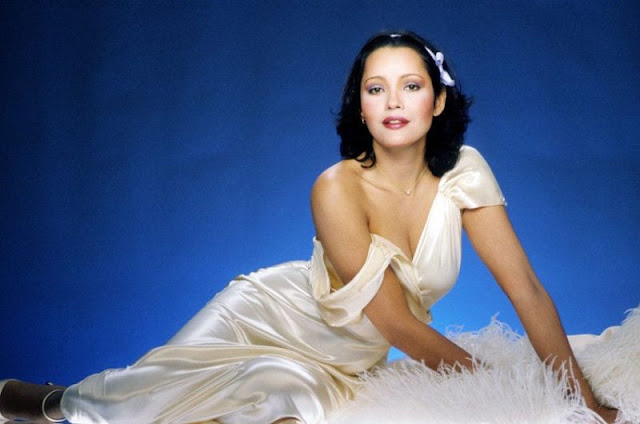
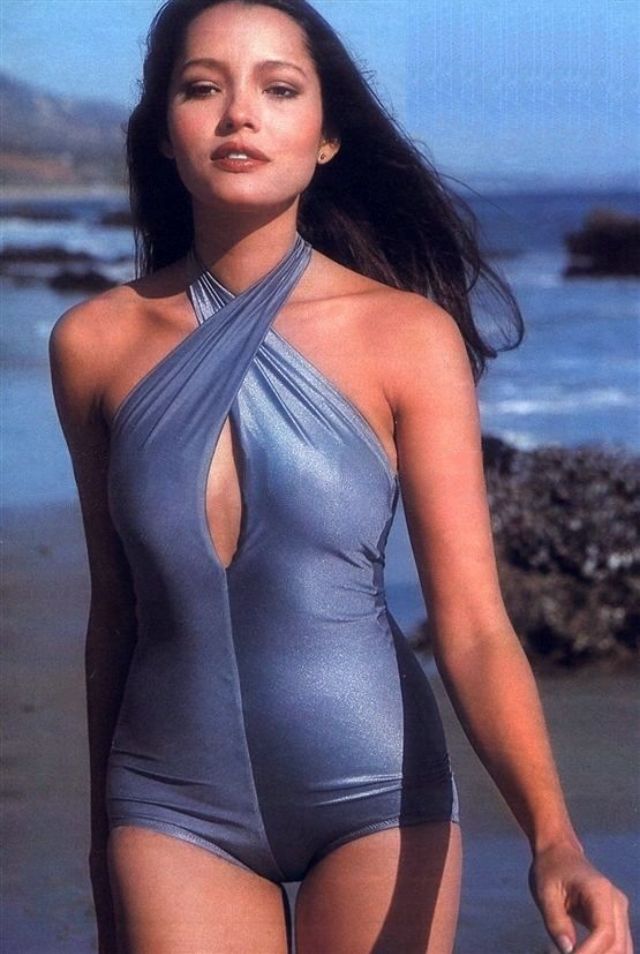
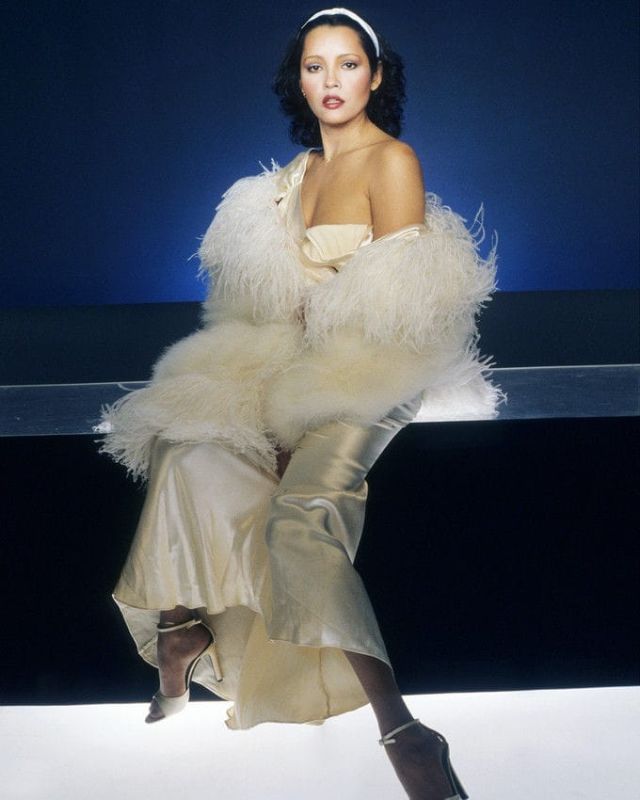
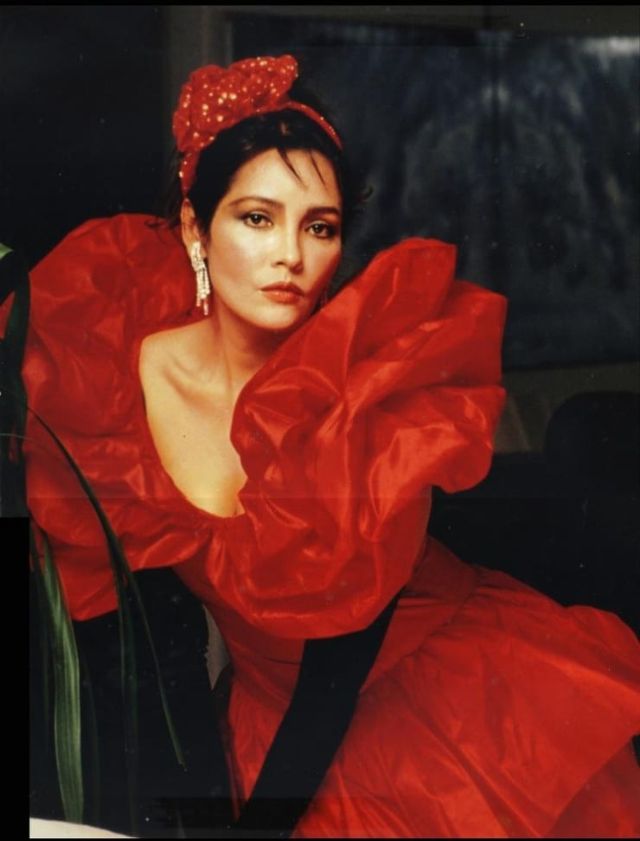
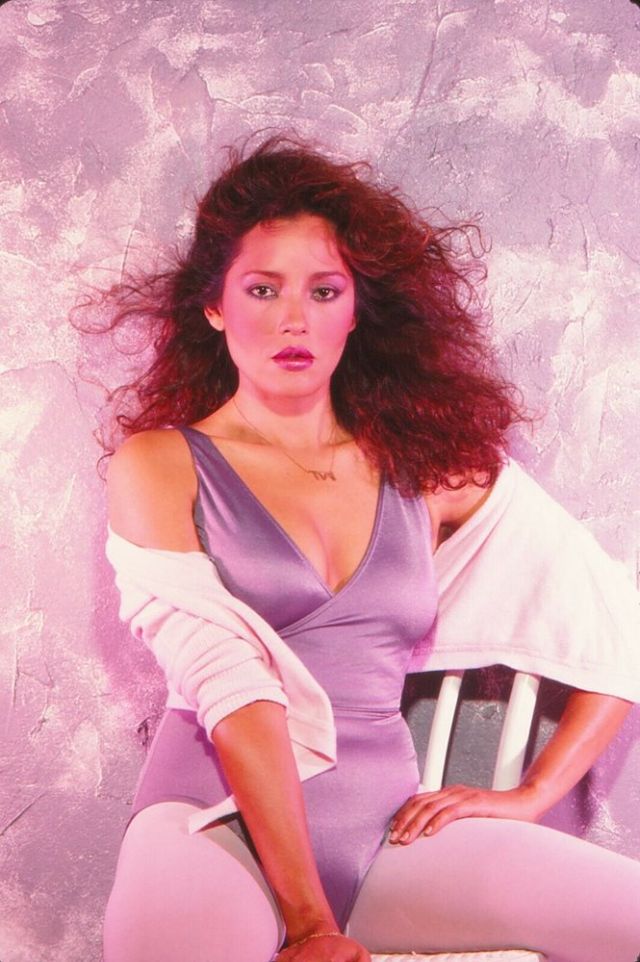
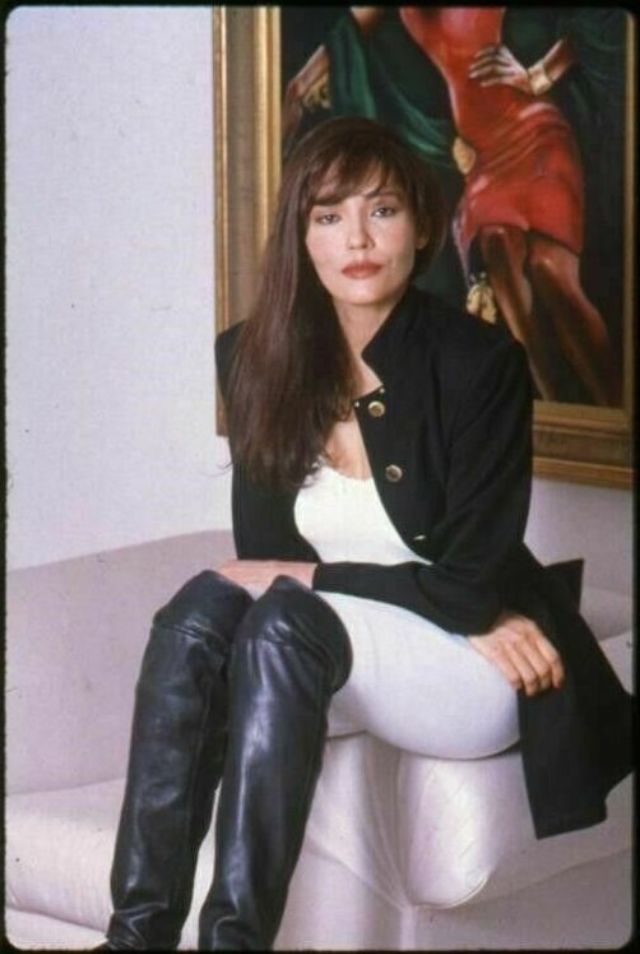
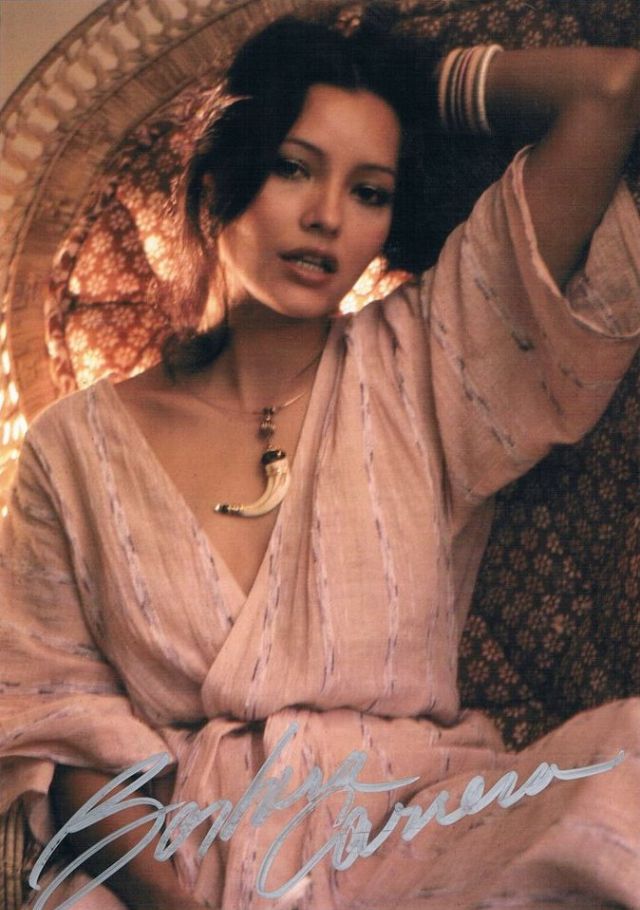
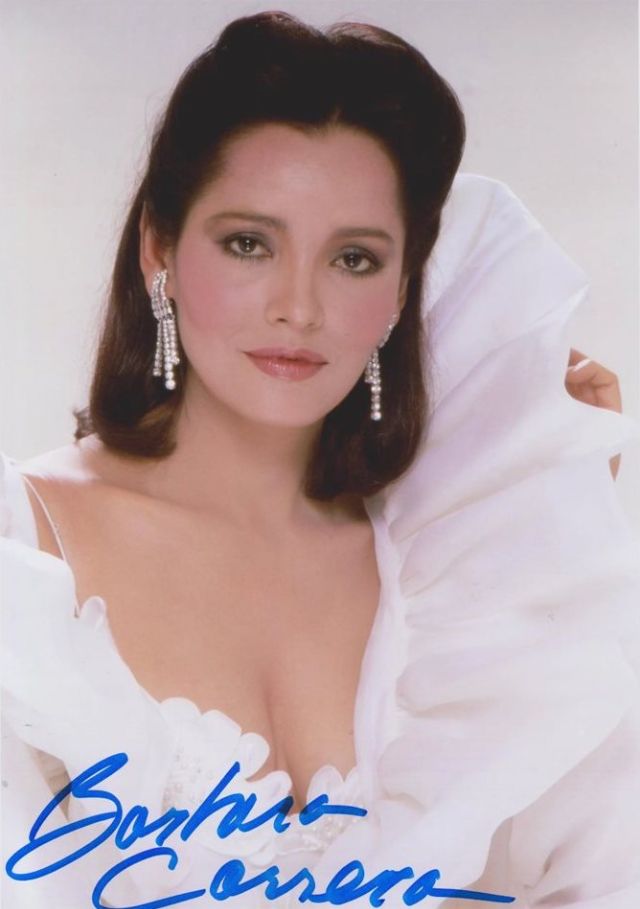
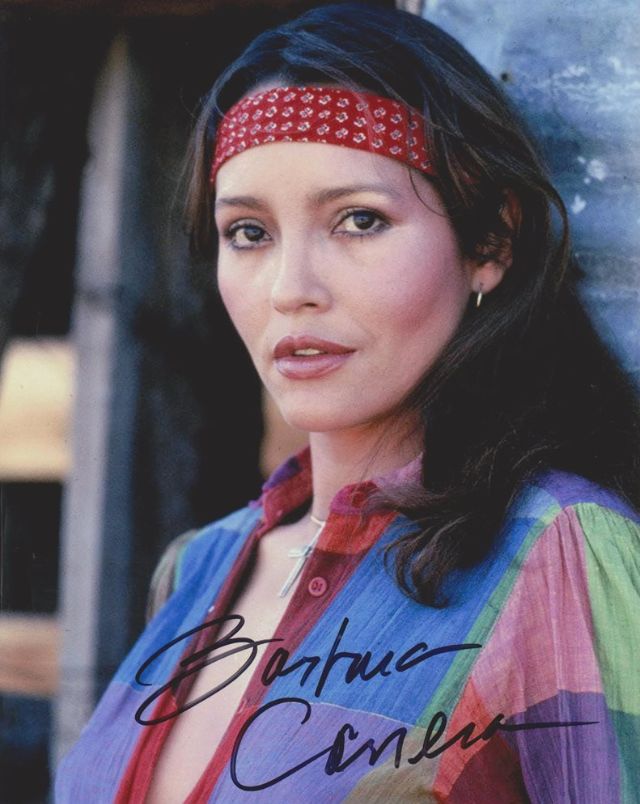
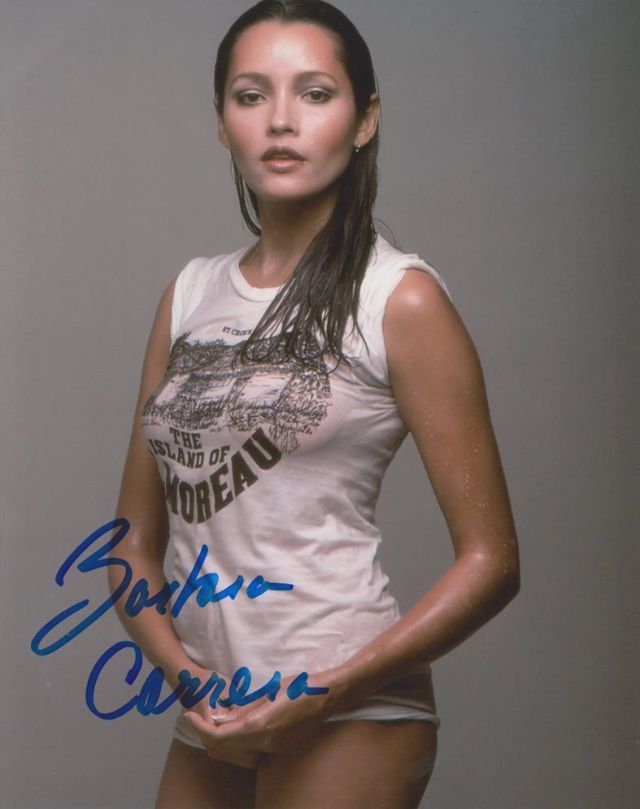
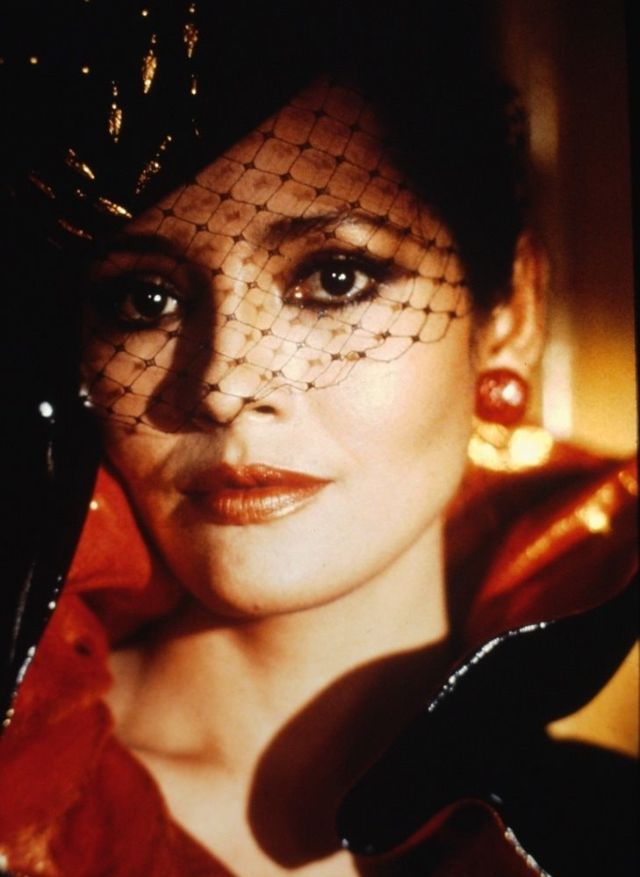
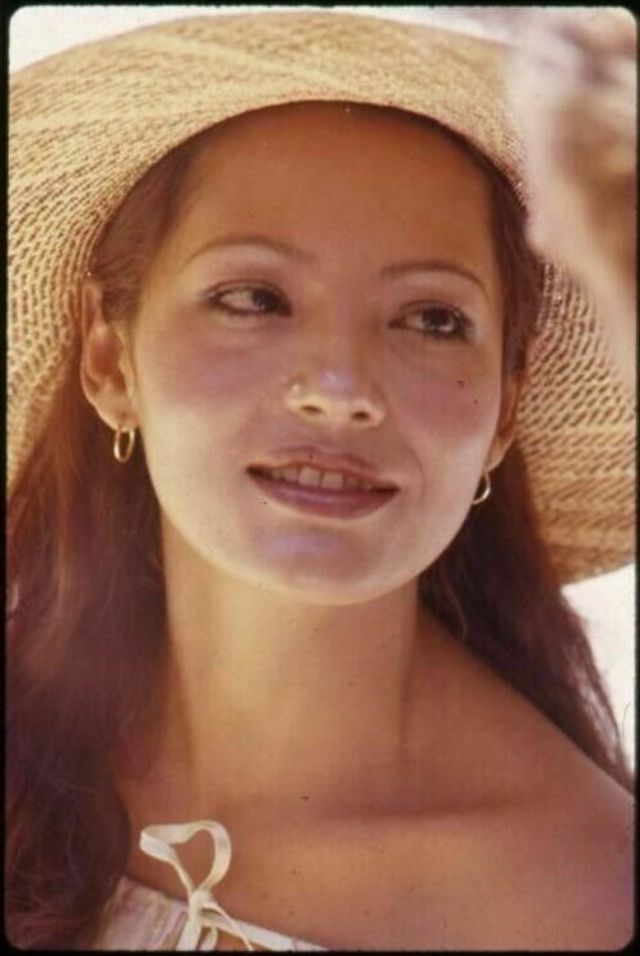
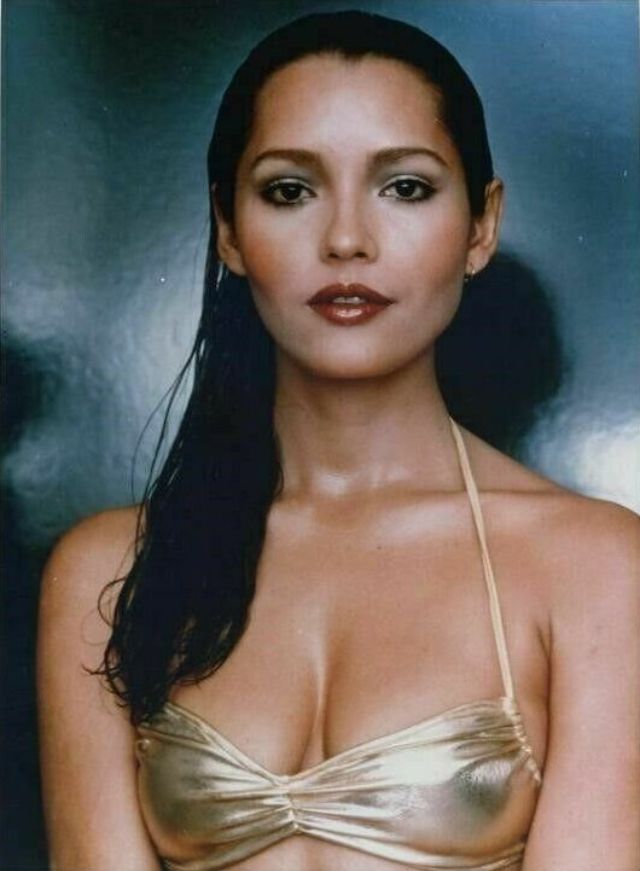
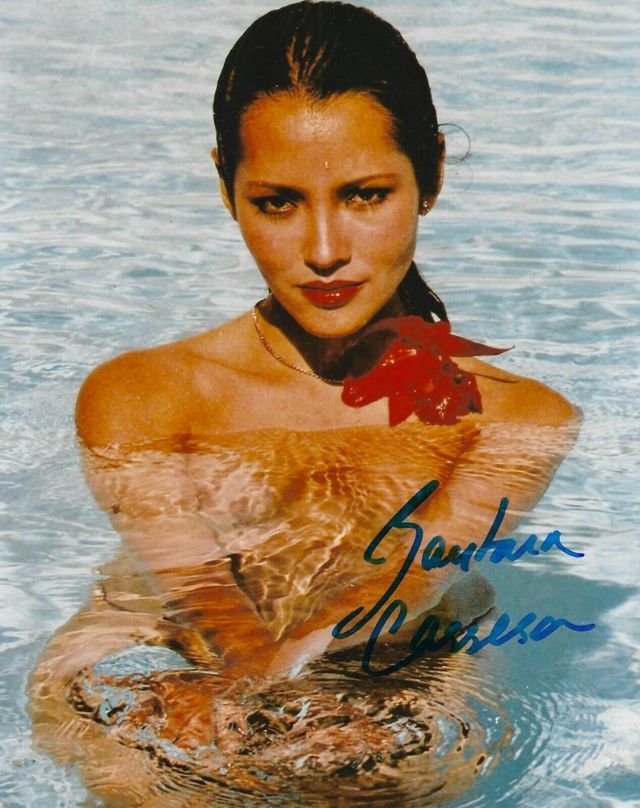
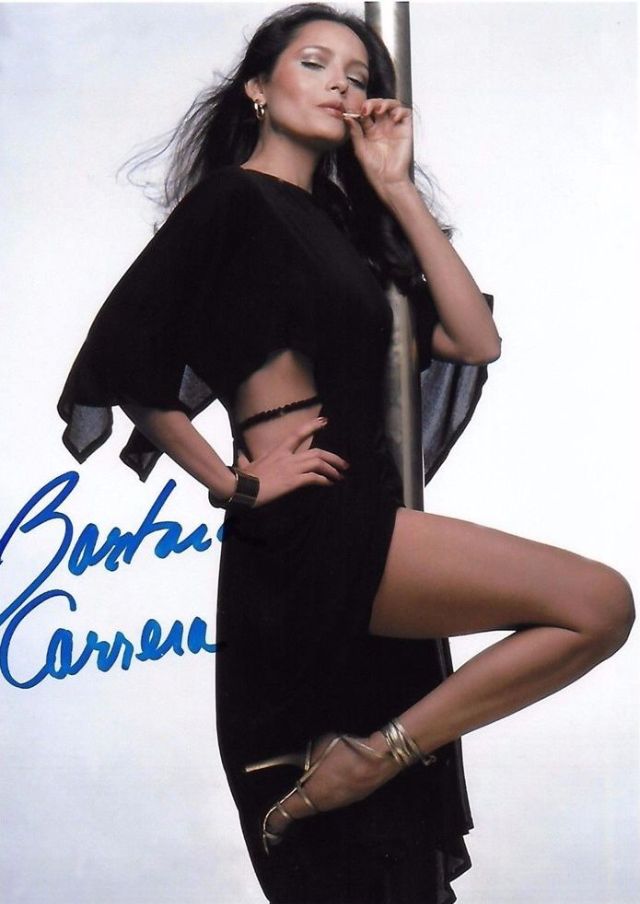
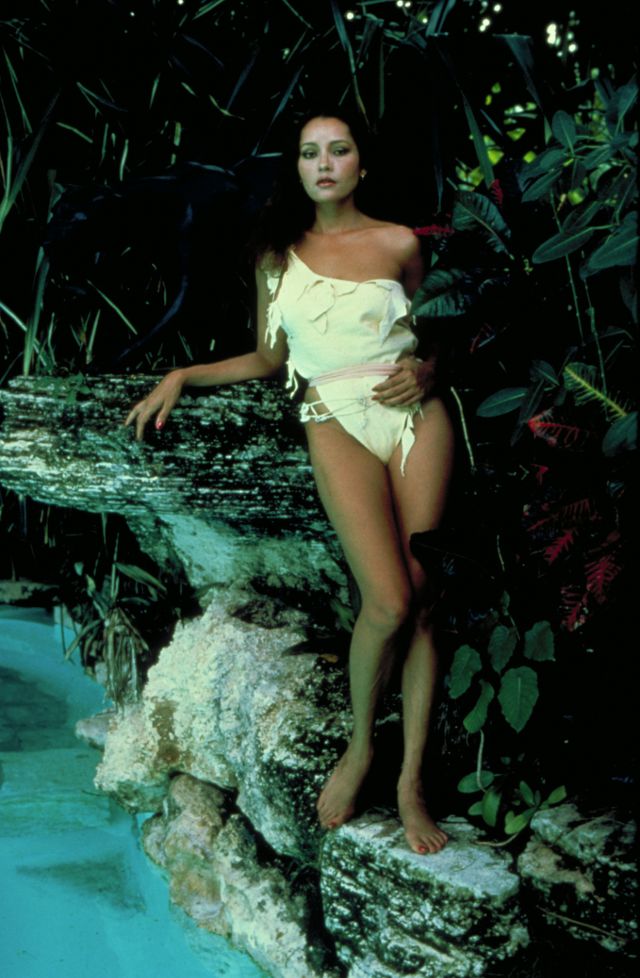
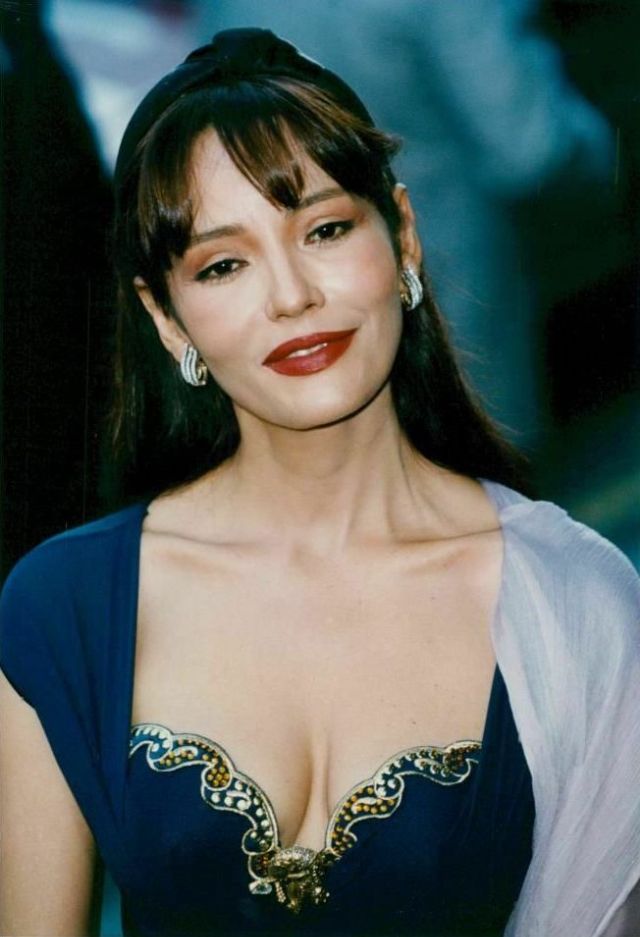
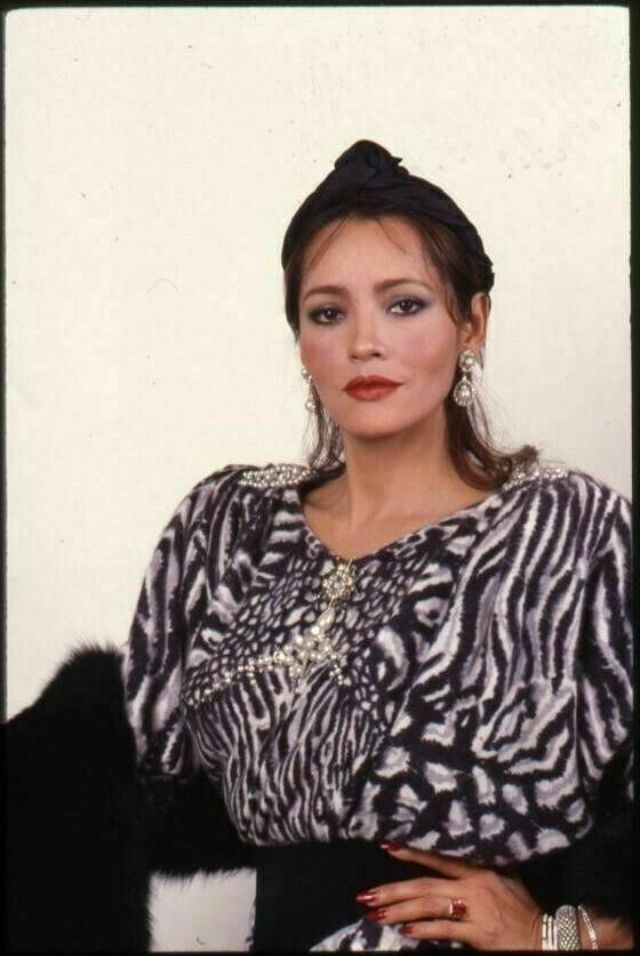
35 Fabulous Photos of Barbara Carrera in the 1970s and 1980s

Born 1945 in Bluefields, Nicaraguan-American model and actress Barbara Carrera began a career as a model at the Eileen Ford agency at the age of 17. Her first film role was as a fashion model in Puzzle of a Downfall Child (1970). In 1972, she appeared on the screen in a publicity role for Chiquita bananas. In 1976, she earned her first Golden Globe nomination (“New Star of the Year – Actress”) for her role in The Master Gunfighter.

Carrera later played in such films as The Island of Dr. Moreau, Lone Wolf McQuade, Condorman, Point of Impact, Tryst and Embryo. For her portrayal of the villainess Fatima Blush in the James Bond film Never Say Never Again, she earned a 1984 Golden Globe nomination for “Best Performance by an Actress in a Supporting Role in a Motion Picture”. She worked opposite Laurence Olivier in Wild Geese II the following year.

On television, she played a part in the soap opera Dallas as Angelica Nero, and more prominently, in the historical miniseries Centennial in 1978 and Masada (opposite Peter O’Toole and Peter Strauss) in 1981. These roles brought her to the mainstream attention of American audiences. She also starred as Emma Forsayth in the miniseries Emma: Queen of the South Seas in 1988. Carrera has appeared on the pages and covers of such magazines as Vogue, Paris Match, Harper’s Bazaar, and twice posed for Playboy.

In 1997, she was appointed Ambassador-at-Large for Nicaragua by then-president Arnoldo Alemán. Since Illusion Infinity (a.k.a. Paradise, 2004), Carrera has not appeared in films or television. Take a look at these fabulous photos to see portraits of a young Barbara Carrera in the 1970s and 1980s.

Subscribe to Yesterday Today’s Blog to receive regular updates regarding new content:
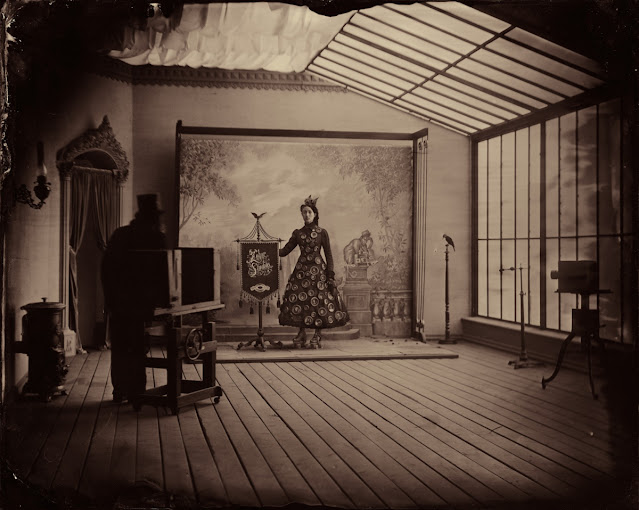
Roller-Skating Street Ambassador Advertising the Mythical Zohar Photography Studio in Manhattan

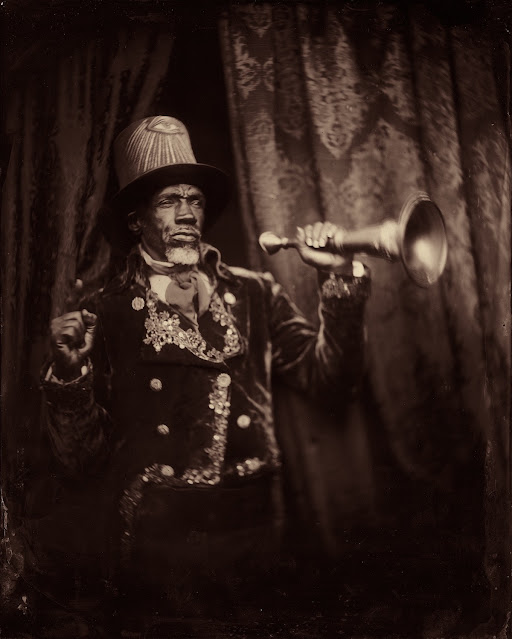
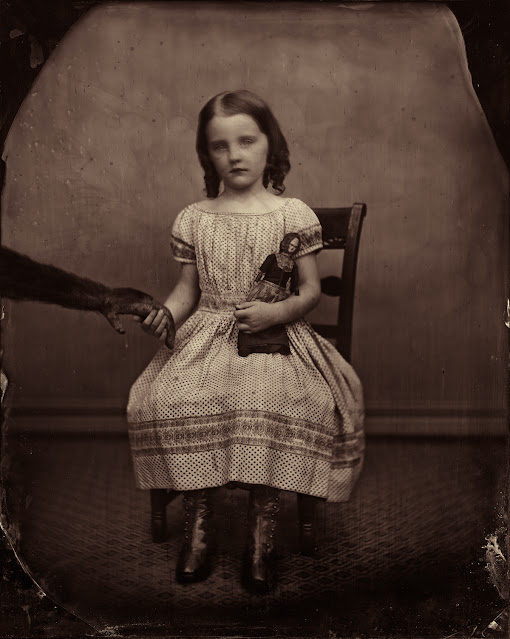
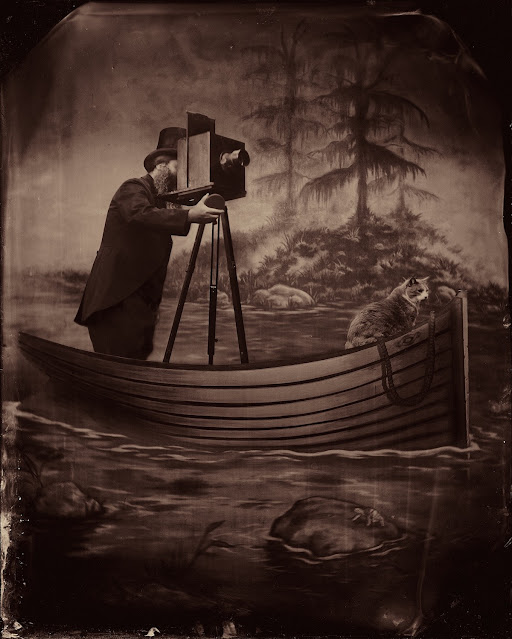
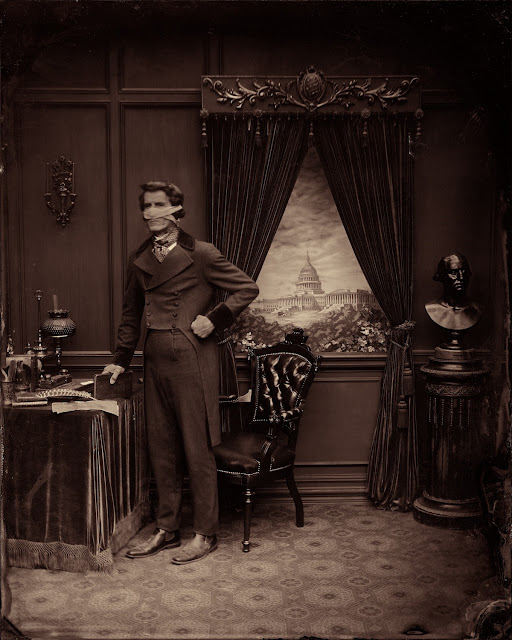
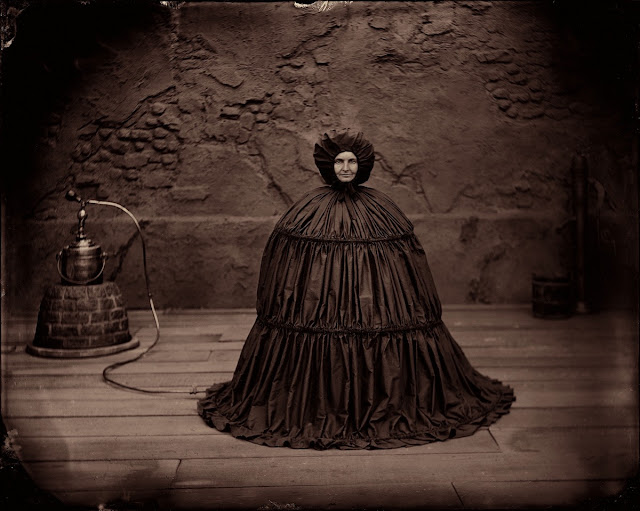
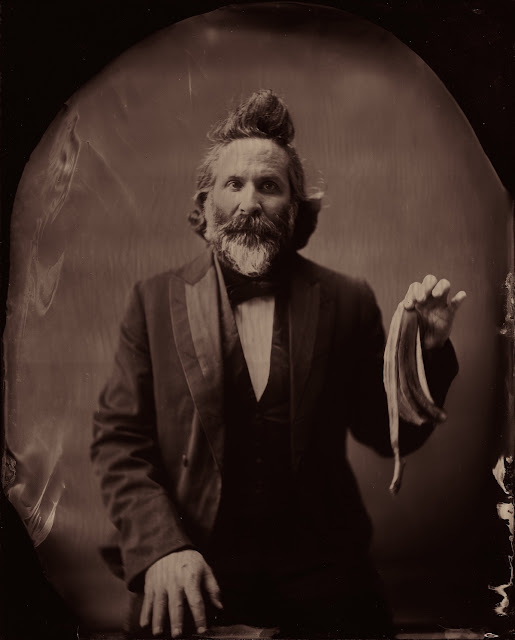
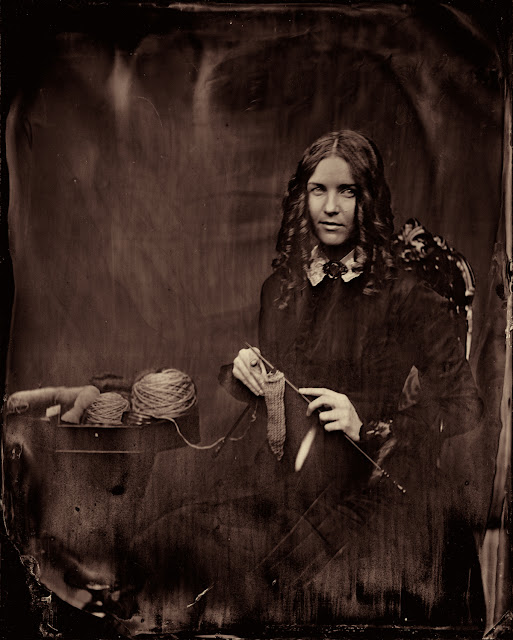
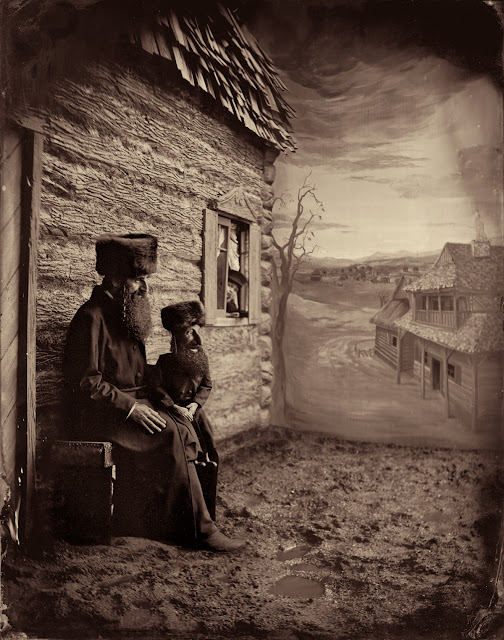
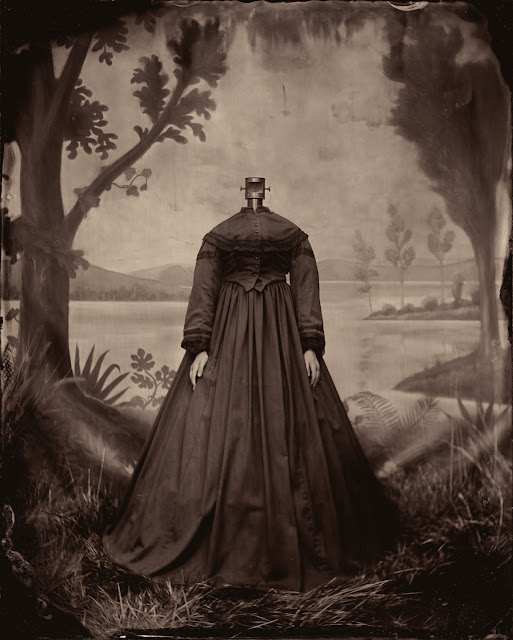
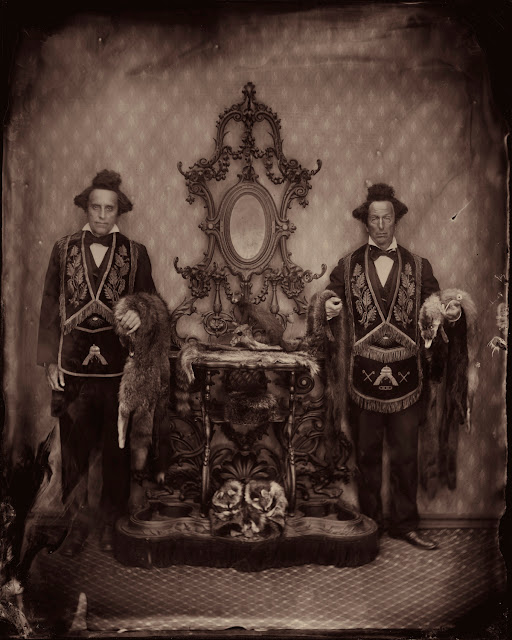
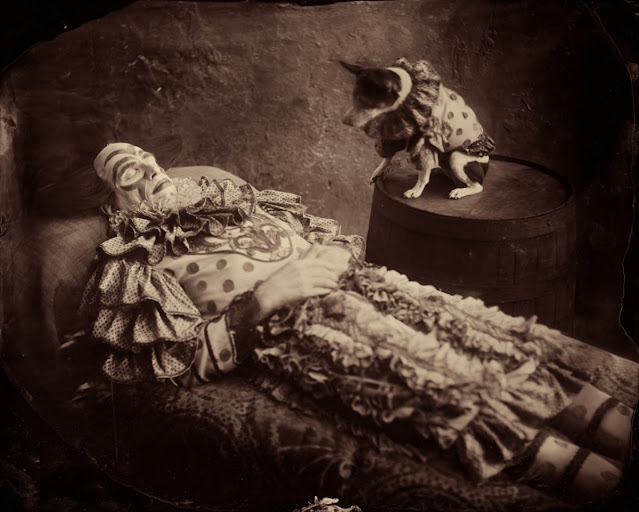
This amazing daguerreotype photo may look as if it was taken in 19th century New York, but it is actually the work of California photographer Stephen Berkman, who is an expert in the extremely difficult pre-chemical photographic process of wet-collodion photography.

This is one of 30 photographs Berkman took that was included in art installation called “Predicting the Past—Zohar Studios: The Lost Years” that was exhibited in the Contemporary Jewish Museum in San Francisco. Other equally bizarre images include a sepia-toned woman with bottle curls wearing formal Victorian dress sitting in a chair calmly knitting what appears to be a condom.

Los Angeles-based artist and Zohar “biographer” Berkman says that the works are “a tribute to the enigmatic 19th century New York City photographic establishment known as Zohar Studios, located in the predominantly Jewish Lower East Side.”

Berkman says that Shimmel Zohar was born in Lithuania in 1822, arrived in New York in 1857, and that his studio was located at 432 Pearl Street. Berkman claims that Zohar’s original glass plates were lost, but Berkman later came across Zohar’s detailed notes of his tableaux, and although that book was later lost, he remembered the contents and was able to recreate the Wandering Jewess, the Merkin Seller, the Co-joined Twins, the Condom Knitter, the Itinerant Phrenologist, the Man with the Down-trodden Banana, and many others.

Subscribe to Yesterday Today’s Blog to receive regular updates regarding new content:

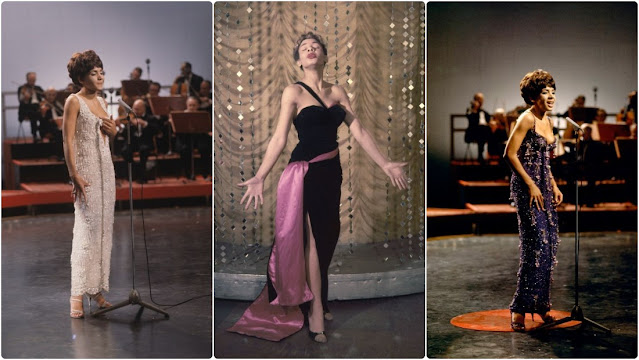
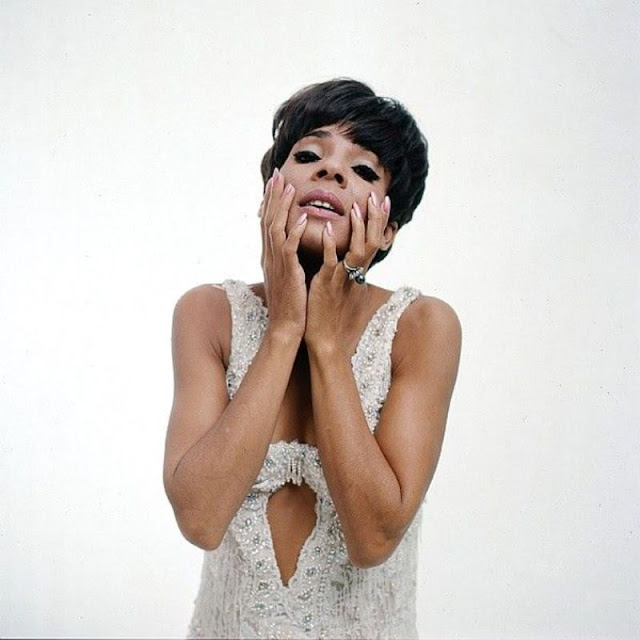
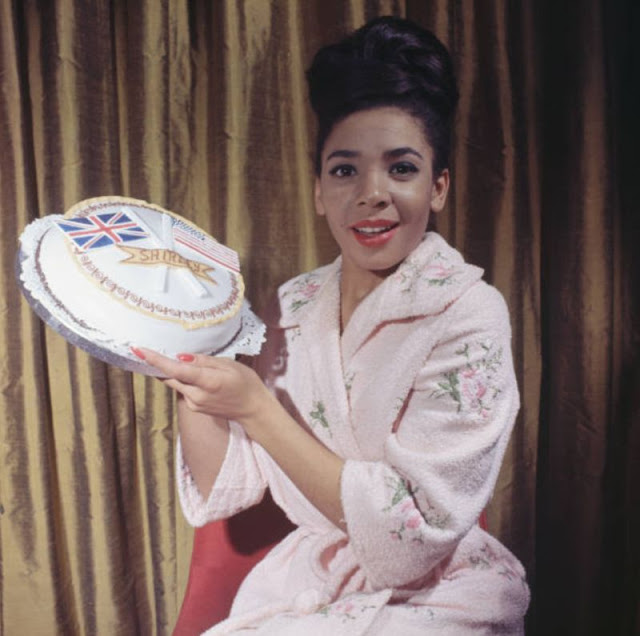
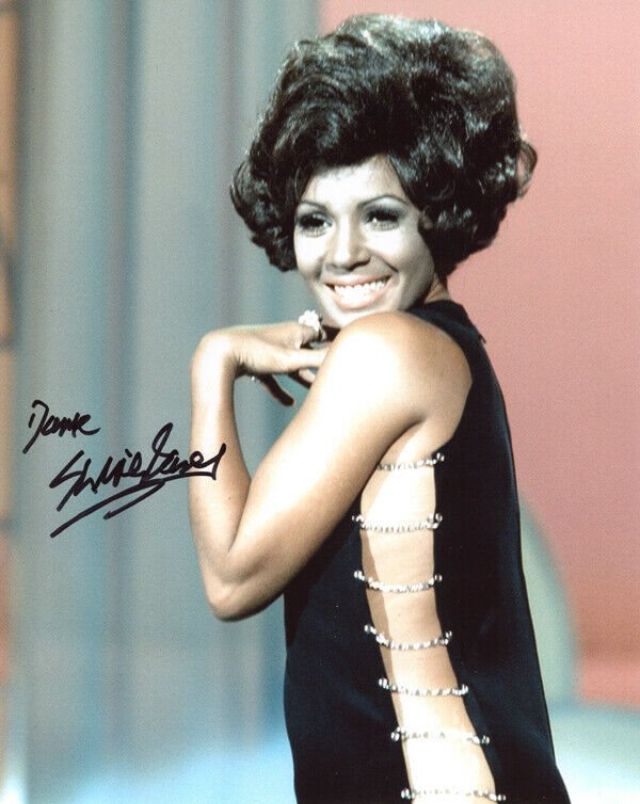
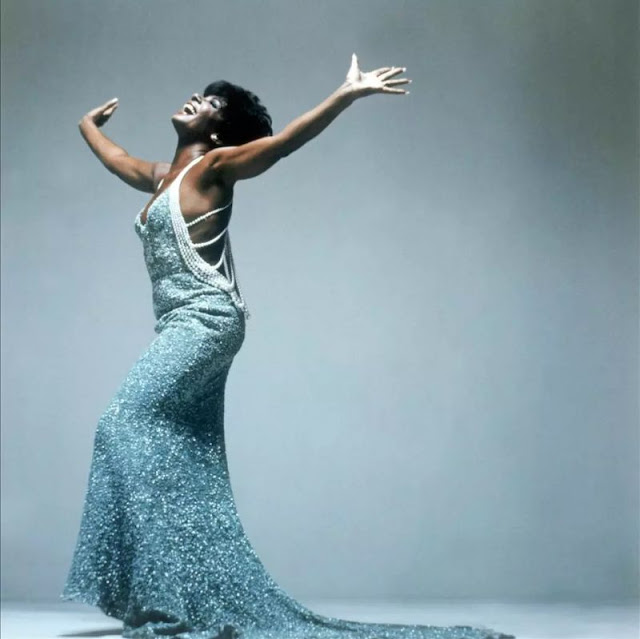
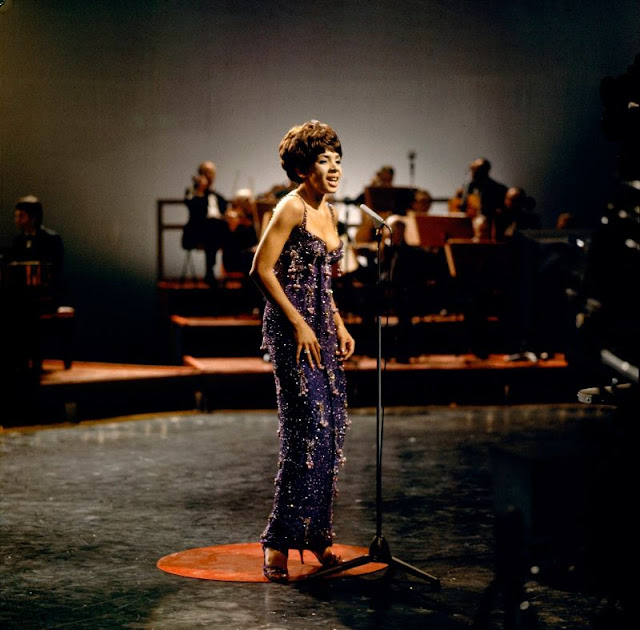
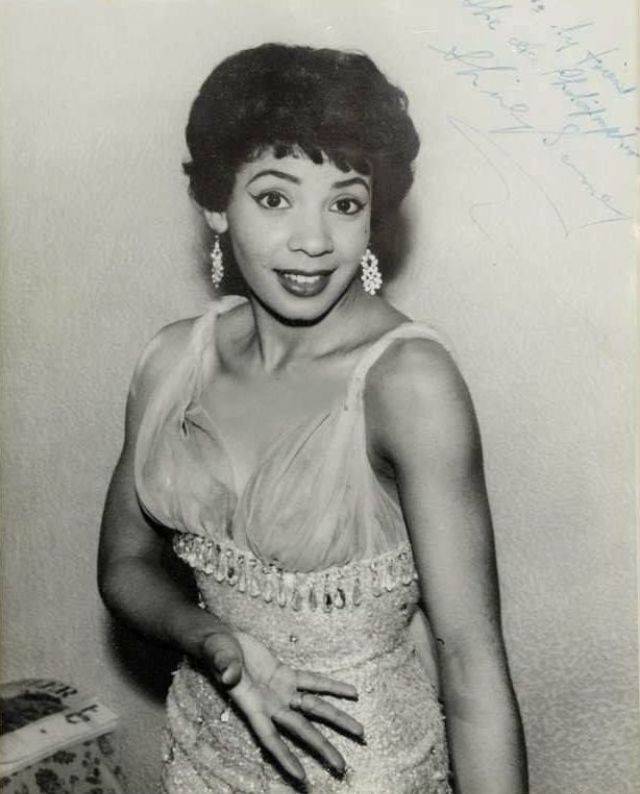
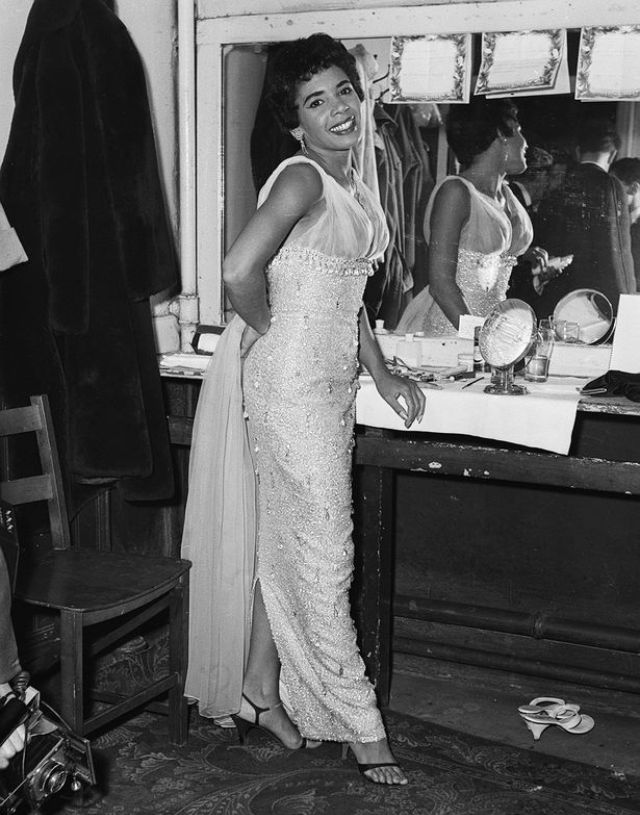
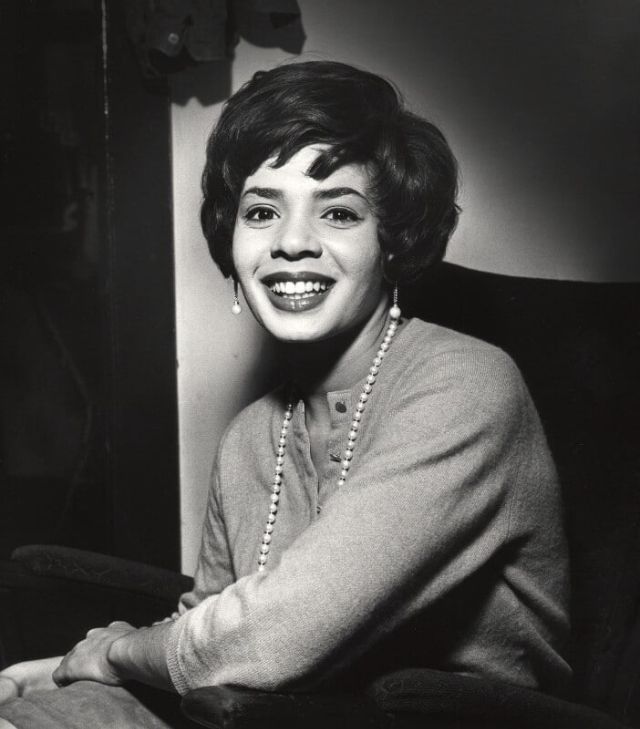
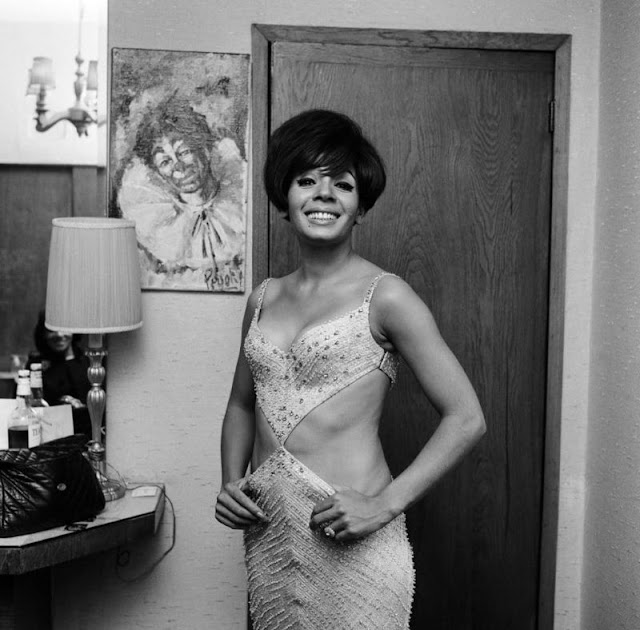
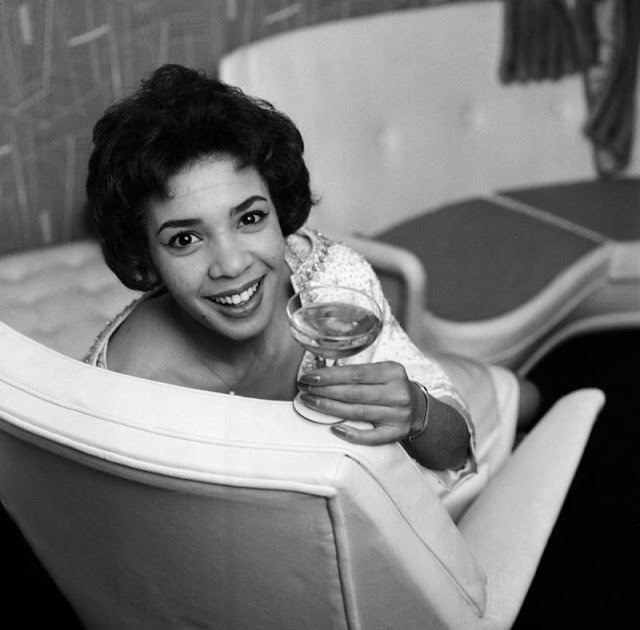
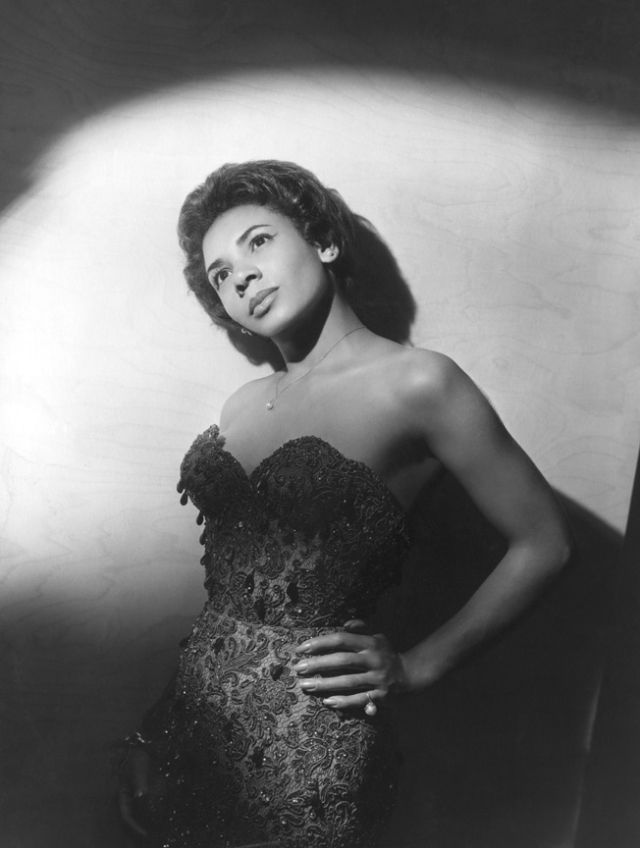
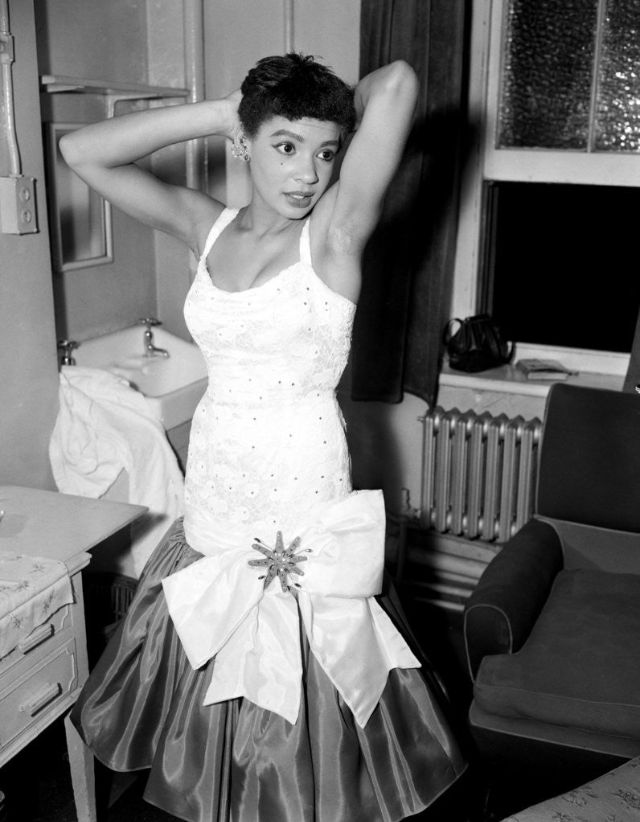
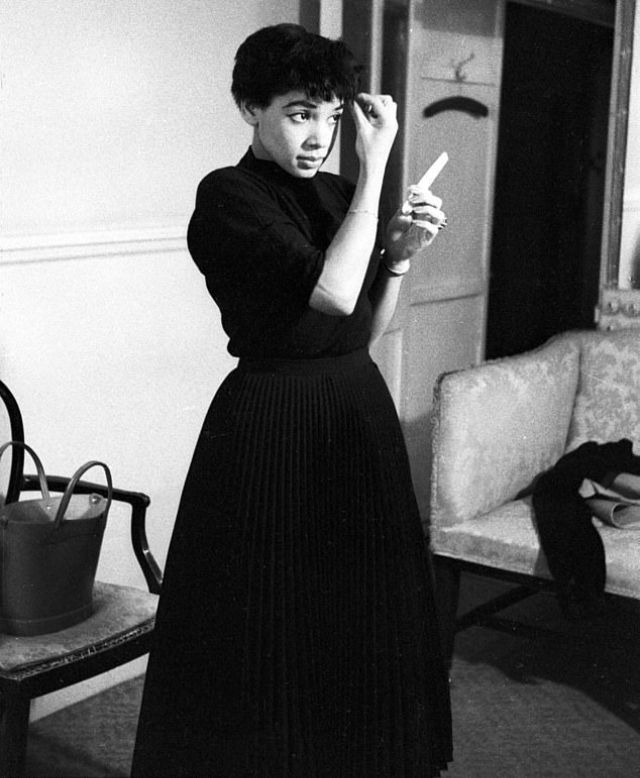
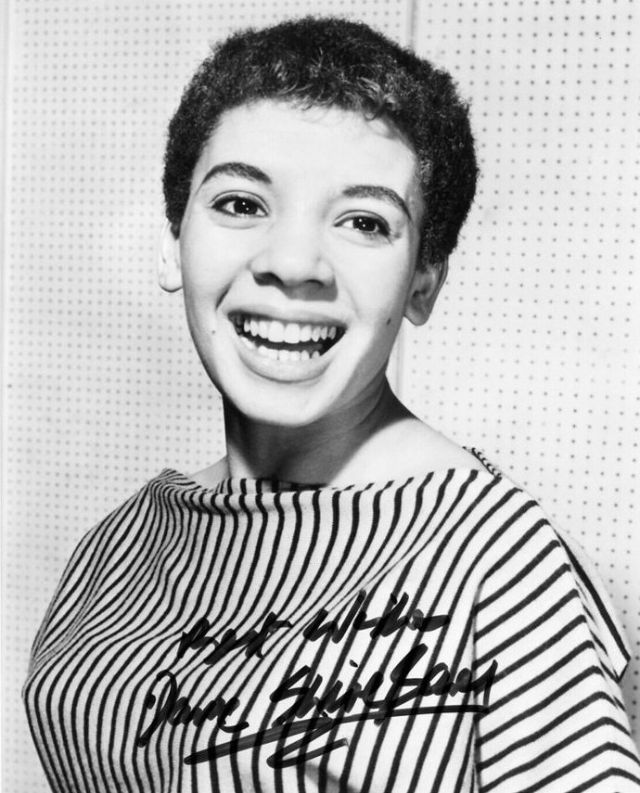
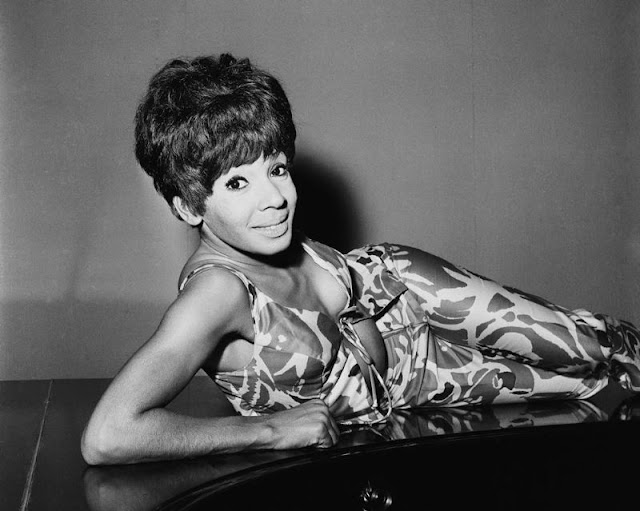
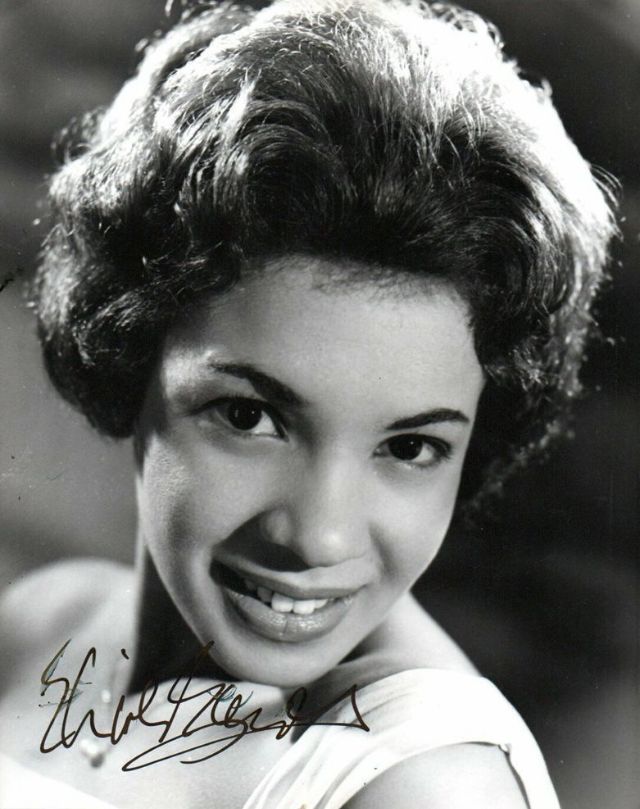
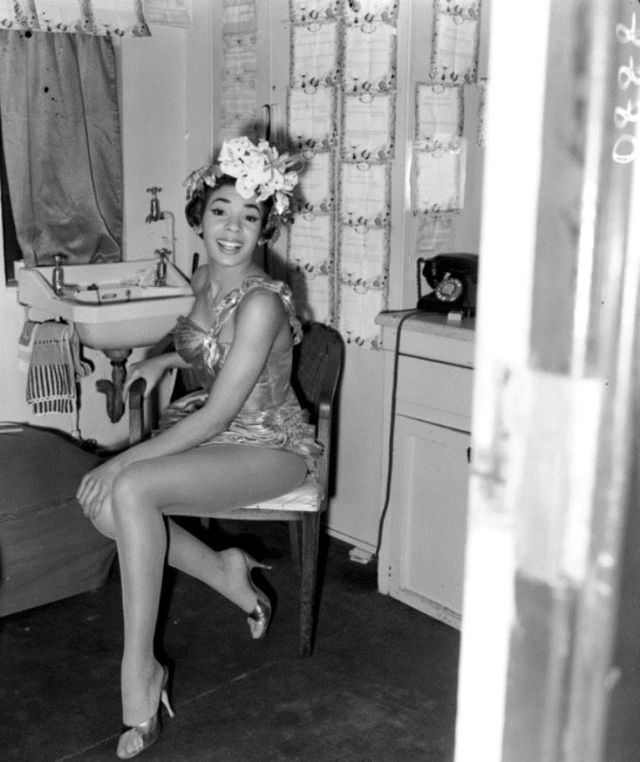
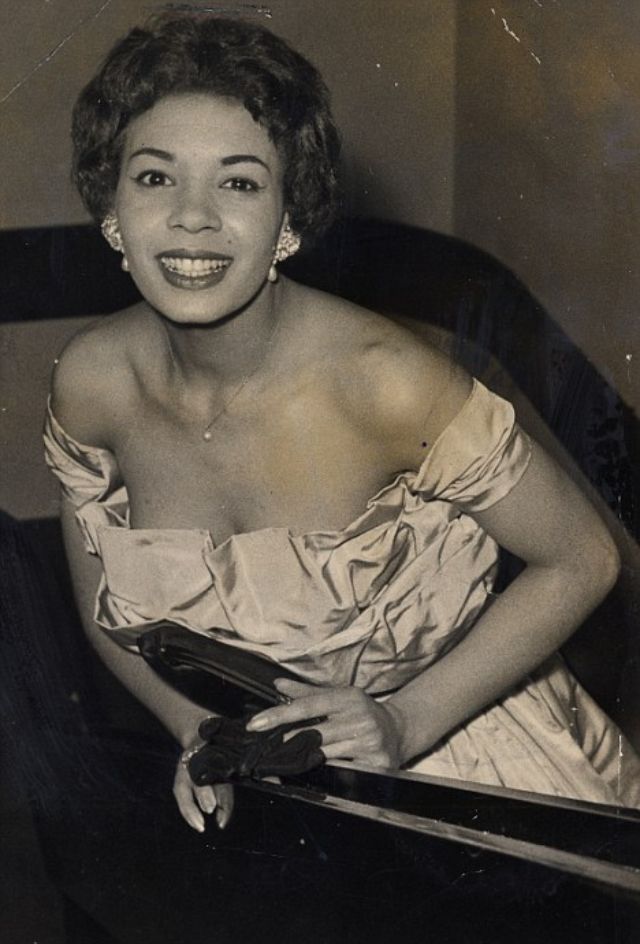
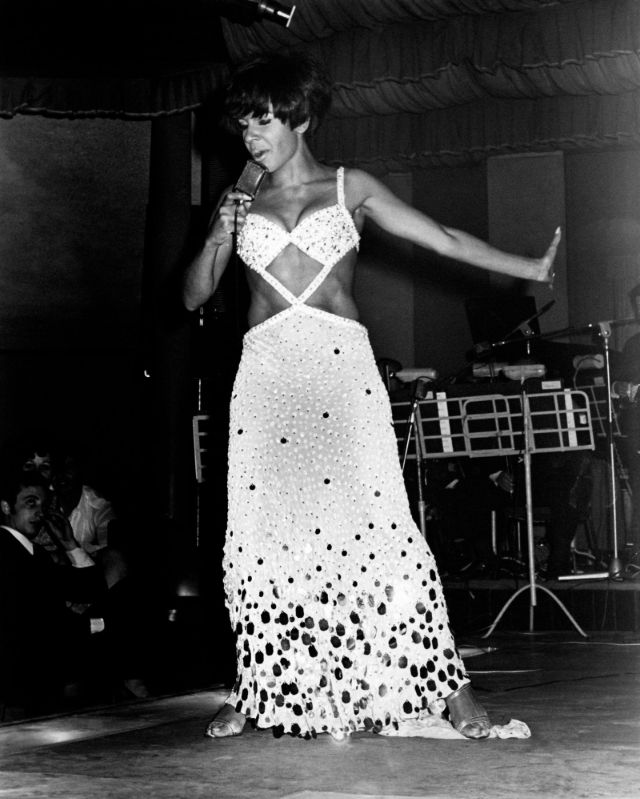
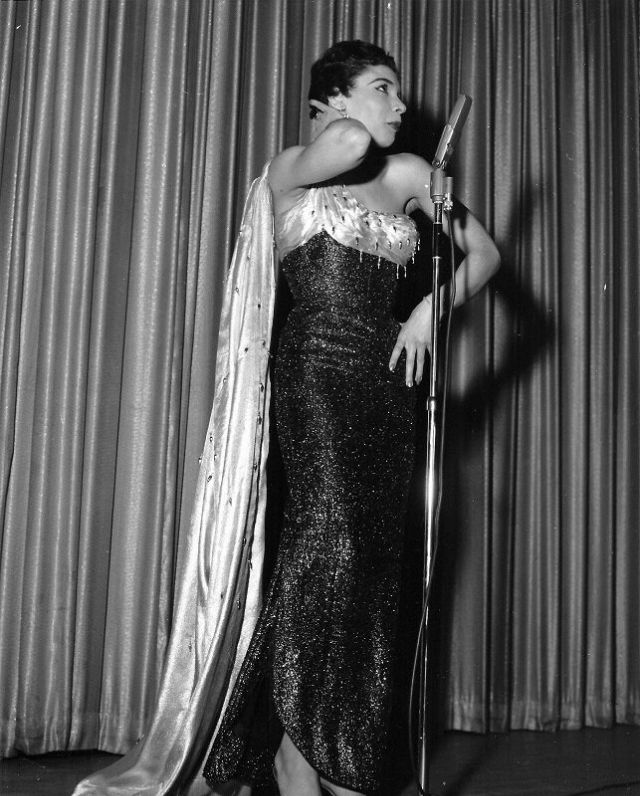
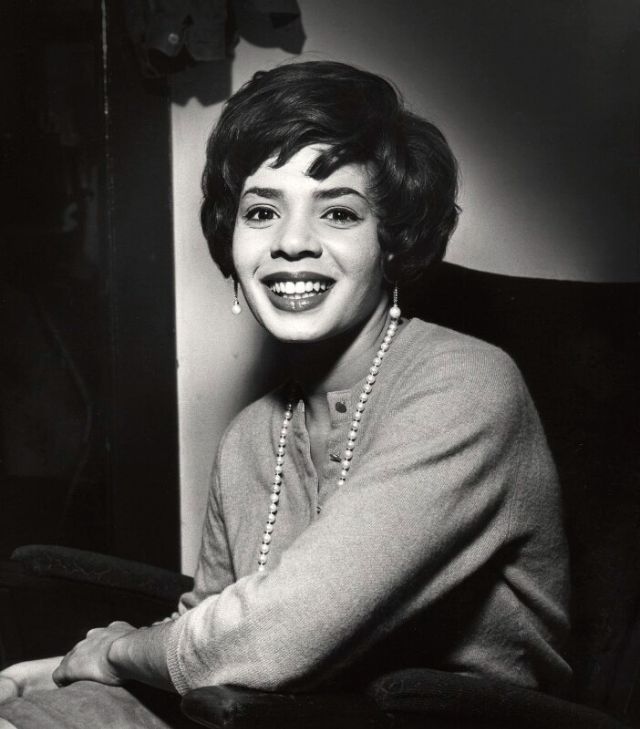
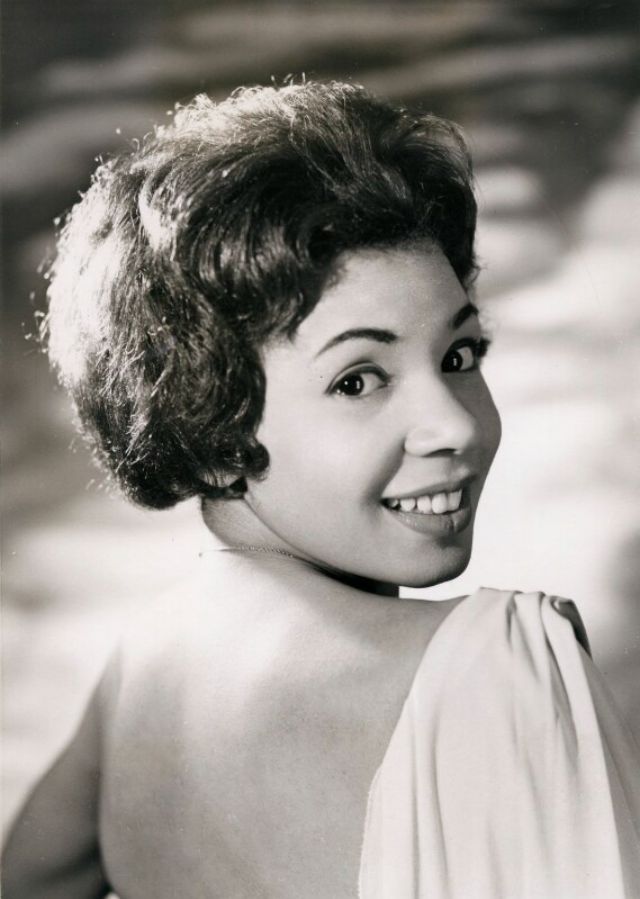
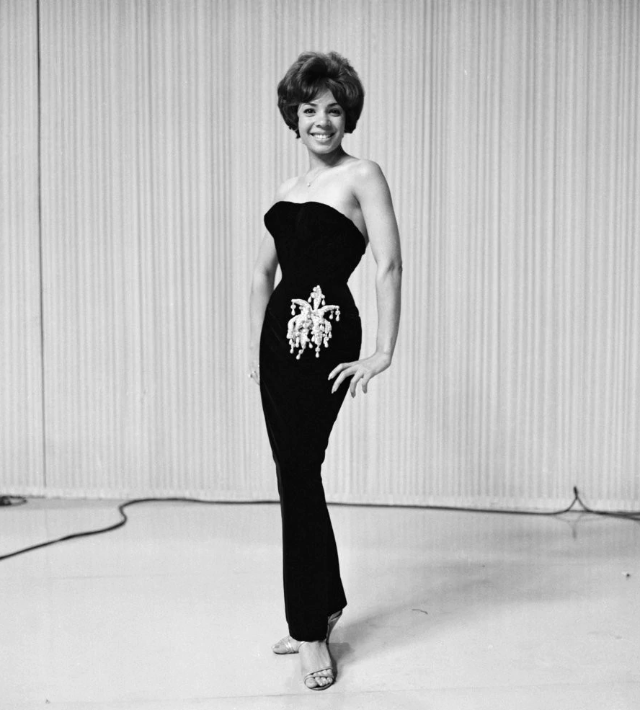
Shirley Bassey: One of the Most Popular Female Vocalists in Britain

Born 1937 in Cardiff, Welsh singer Shirley Bassey began performing as a teenager in 1953. In 1959, she became the first Welsh person to gain a number-one single on the UK Singles Chart. In the following decades, Bassey amassed 27 Top 40 hits in the UK, including 2 number-ones. She became well-known for recording the soundtrack theme songs of the James Bond films Goldfinger (1964), Diamonds Are Forever (1971), and Moonraker (1979).

Bassey is best known for her career longevity, powerful voice. In 2020, she became the first female artist to chart an album in the Top 40 of the UK Albums Chart in seven consecutive decades with her album I Owe It All To You.

Bassey has also had numerous BBC television specials and she hosted her own variety series Shirley Bassey. In 2011, BBC aired the television movie Shirley, based on Bassey’s life and career.

Bassey received the first award for Best British Female Solo Artist at the 1st Brit Awards in 1977. She was appointed a Dame Commander of the Order of the British Empire (DBE) by Queen Elizabeth II for services to the performing arts in 1999. In 2003, she was ranked among the “100 Great Black Britons”. Her song “Goldfinger” was inducted into the Grammy Hall of Fame in 2008.

Take a look at these vintage photos to see portraits of a young and beautiful Shirley Bassey in the 1950s and 1960s.

Subscribe to Yesterday Today’s Blog to receive regular updates regarding new content:
25 Amazing Vintage Photographs of Sean Connery From the 1970s

Subscribe to get access

Read more of this content when you subscribe today.

Actor Sean Connery will forever be known to be the first ever James Bond, beginning with 007’s maiden film appearance with Dr. No in 1962. Connery went on to play Bond seven times, including the classic spy movies From Russia With Love, Goldfinger, Thunderball, and You Only Live Twice, all of which were released in the 1960s.

By the time the mid-1970s rolled around, Connery already had a vast filmography. He took a break after the release of Sidney Lumet’s 1973 crime drama The Offence, but when he returned in 1974 with John Boorman’s science fiction movie Zardoz, rather than ease himself back into work, Connery put the pedal to the metal and performed in several films in quick succession.

During an interview with EW, Connery expressed that, in reflection, he made something of a “stupid” decision to work so often so quickly, noting the time he made three films directly after one another. In hindsight, it sounds like Connery perhaps pushed himself a bit too far, especially after taking a break for a few years prior.
“It’s a stupid scenario, doing three films one after another,” he said. “I did The Man Who Would Be King, The Wind and the Lion, and Robin and Marian all one after the other. It was like pushing a quart into a pint bottle. But when you find something you want to do, you do it.”

Sean Connery received numerous accolades including an Academy Award, a BAFTA Awards and three Golden Globes.

Connery died in his sleep on 31 October 2020, aged 90, at his home in the Lyford Cay community of Nassau in the Bahamas. His death was announced by his family and Eon Productions; although they did not disclose the cause of death, his son Jason said he had been unwell for some time. A day later, his widow revealed he had dementia in his final years. Connery’s death certificate was obtained by TMZ a month after his death, showing the cause of death was pneumonia and respiratory failure, and the time of death was listed as 1:30 am. His remains were cremated, and the ashes were scattered in Scotland at undisclosed locations in 2022.

Here are some amazing vintage photographs of the actor from the 1970s:

Subscribe to continue reading

Become a paid subscriber to get access to the rest of this post and other exclusive content.

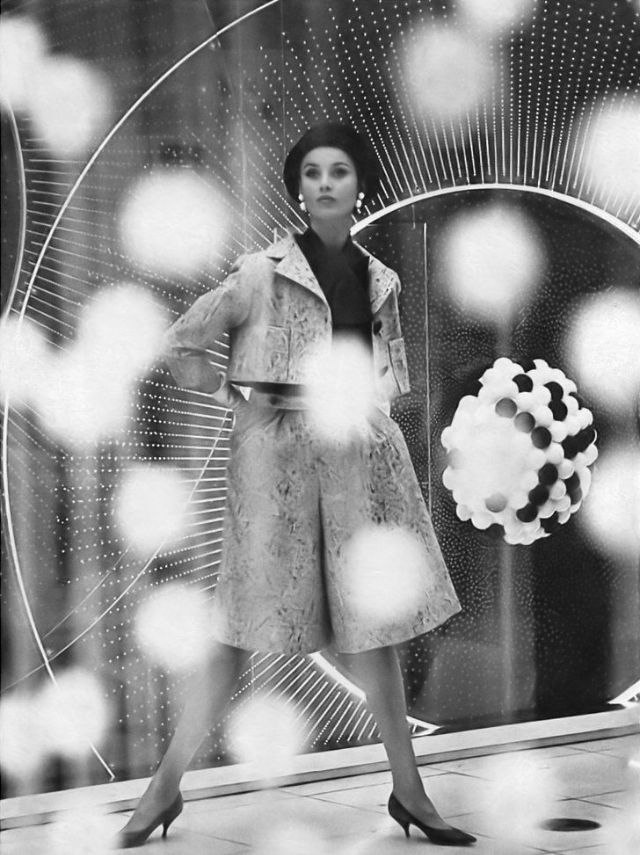
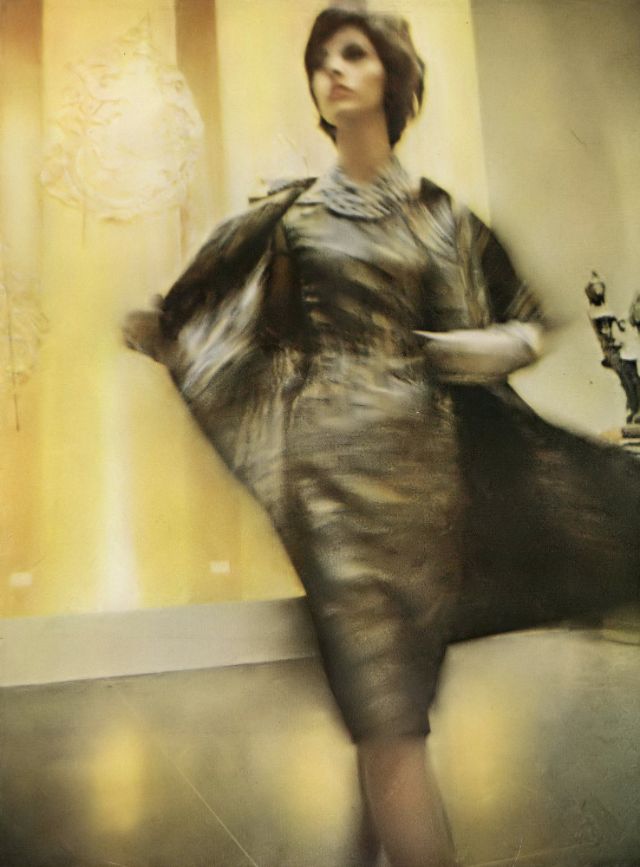
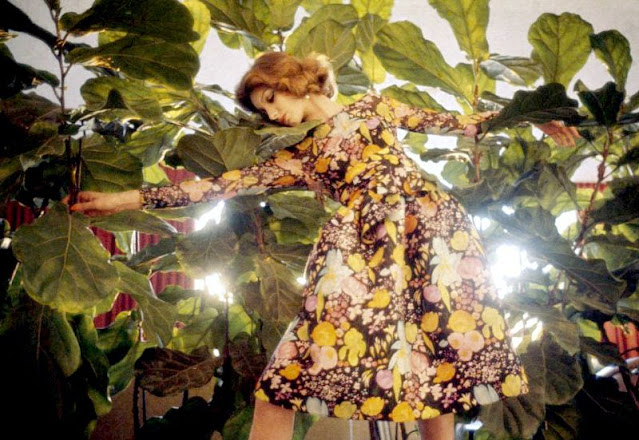
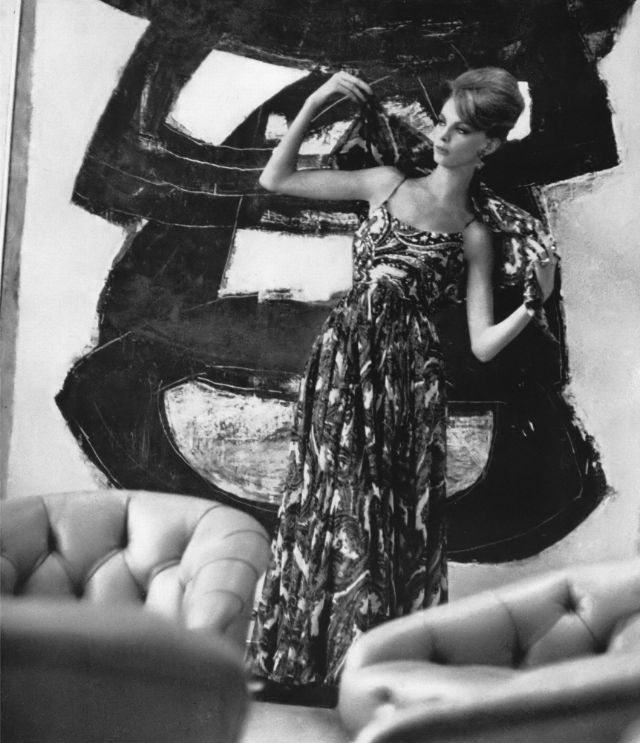
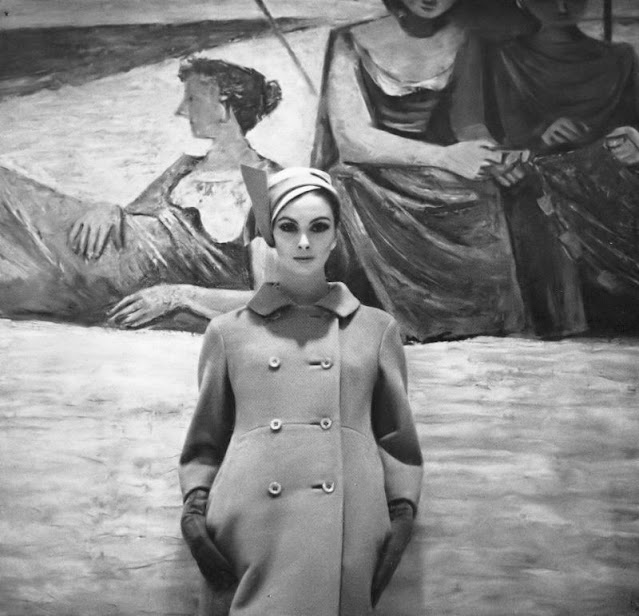
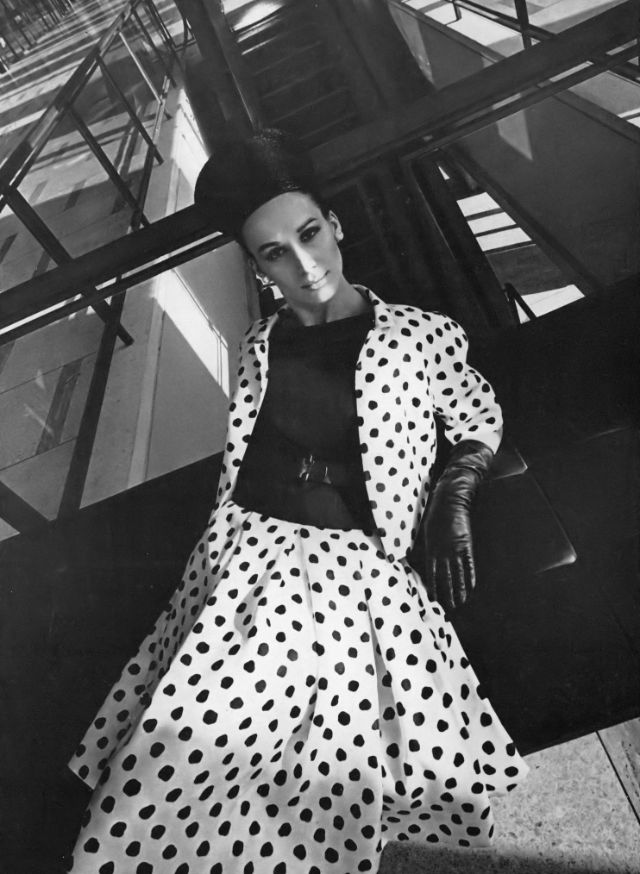
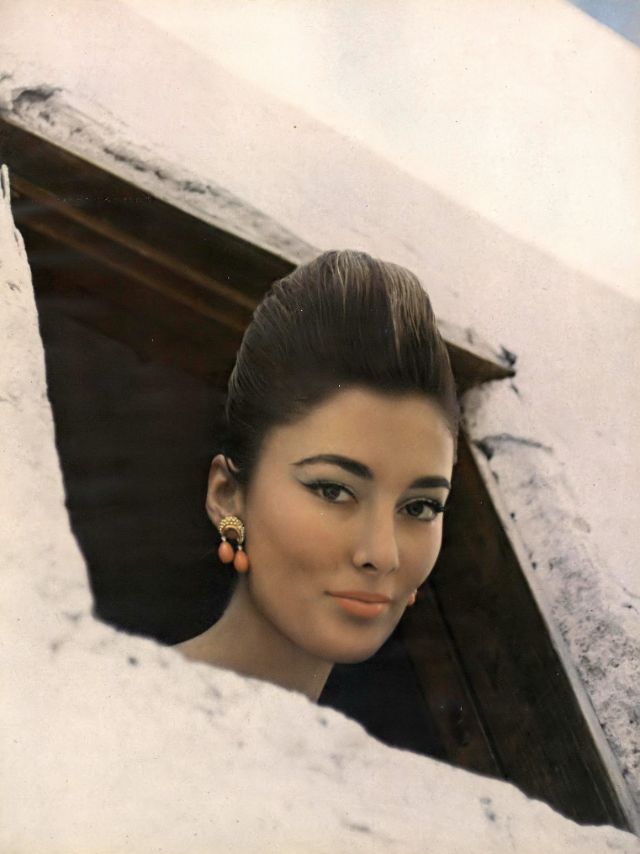
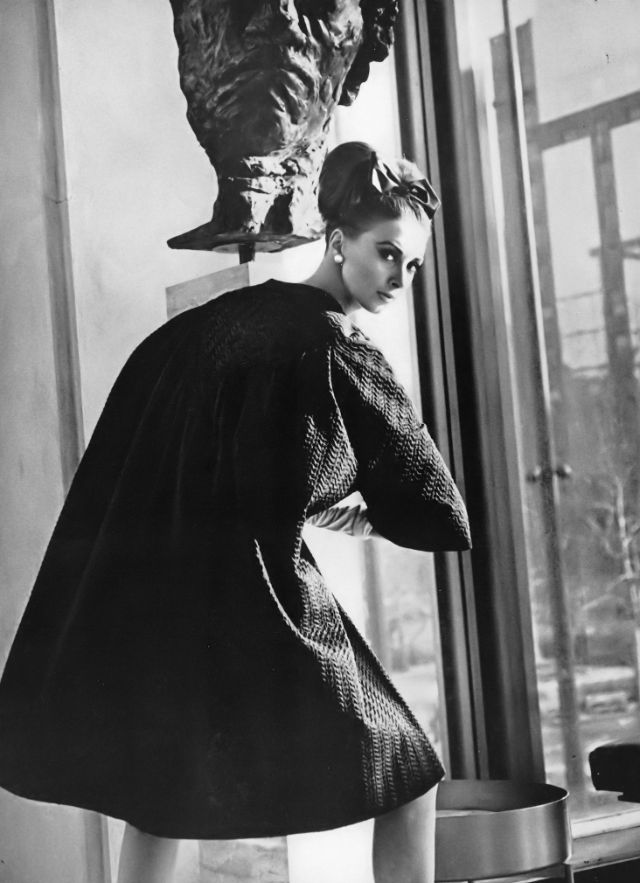
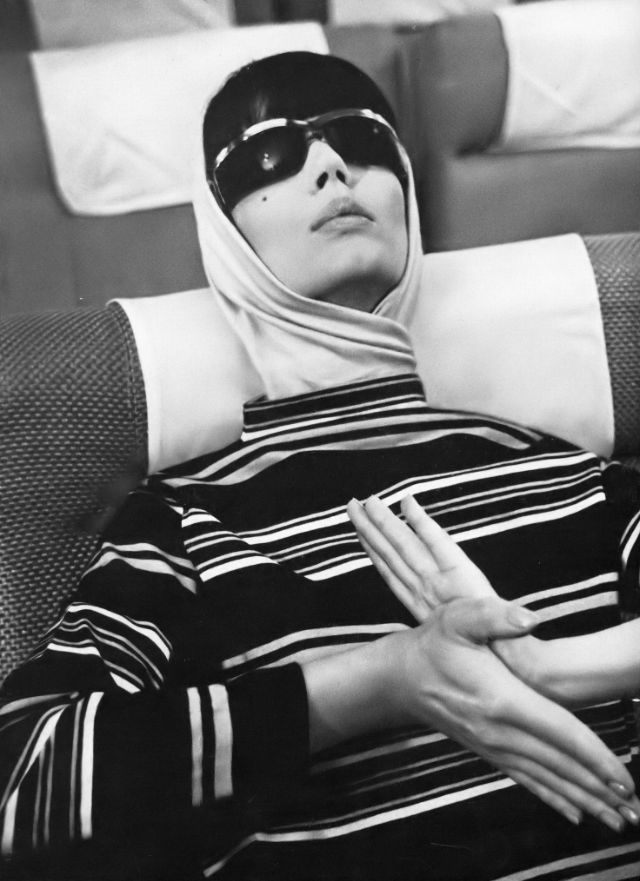
Beautiful Fashion Photography by Bruce Davidson in the 1960s

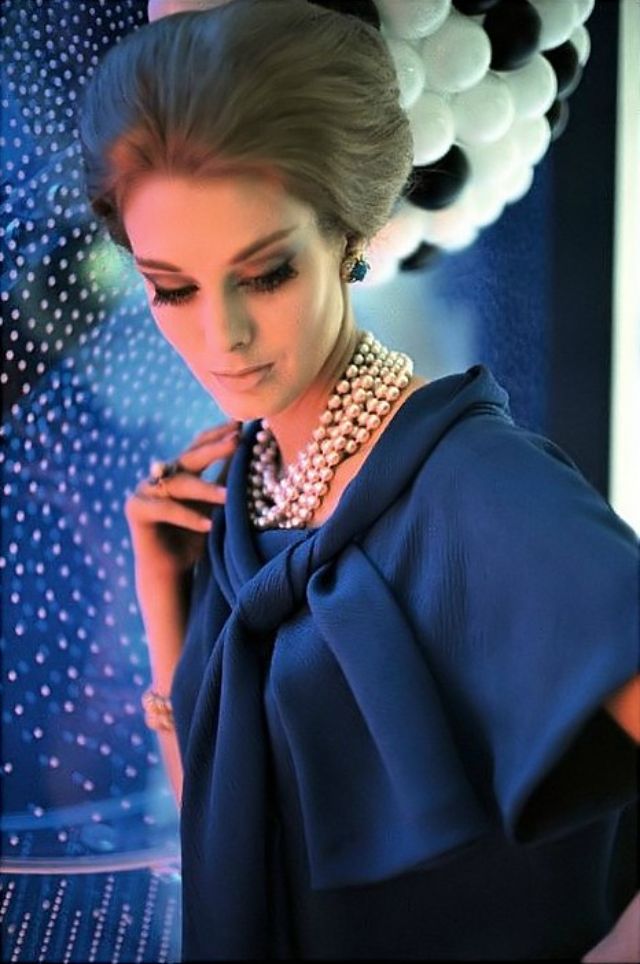
Born 1933 in Oak Park, a suburb of Chicago, American photographer Bruce Davidson worked briefly as a freelance photographer in 1957. He has been a member of the Magnum Photos agency since 1958. His photographs, notably those taken in Harlem, New York City, have been widely exhibited and published. He is known for photographing communities usually hostile to outsiders.

Davidson is also known for fashion photography, these beautiful photos are part of his work that he took portraits of classic beauties in the 1960s.

Subscribe to Yesterday Today’s Blog to receive regular updates regarding new content:
The Only Known Color Photograph of Britain’s King Edward VII

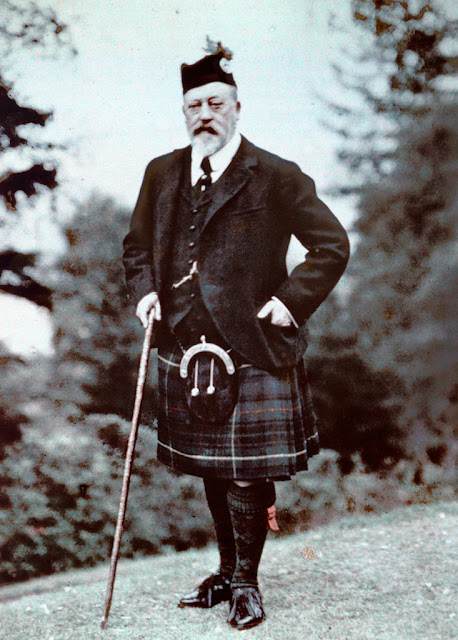
Here is the only known color photograph of Britain’s King Edward VII. Found in April 2009 in a cupboard in Exbury, this informal portrait, which shows the monarch dressed in a kilt and full highland costume, was taken a century earlier in September 1909.

The photographer was Lionel de Rothschild, a banker and Conservative MP, who invited the king to his grouse hunt at Tulchan in Strathspey some 15 miles from the royal estate at Balmoral. The portrait is thought to be one of the last pictures of the king, who died eight months later.

Rothschild was not only an amateur photographer, but also an avid experimenter and inventor who perfected the new process for taking images. The photo above, for instance, is an example of an autochrome, the first color photographic method to be commercially viable. Among the images attributed to Lionel in the Rothschild Archives are 700 non-royal images from the early 1900s. These photos show the Edwardian world in a new light, in a soft and subtle color.

Subscribe to Yesterday Today’s Blog to receive regular updates regarding new content:
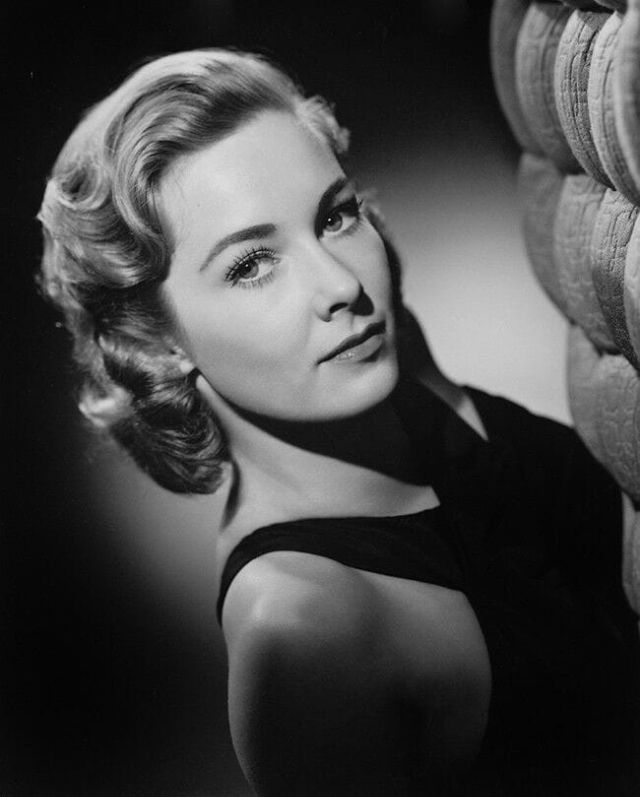
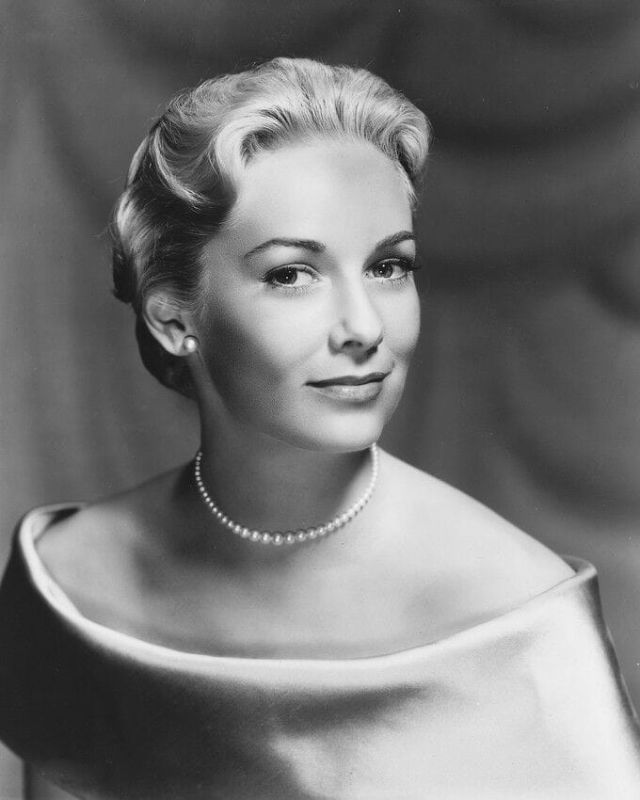
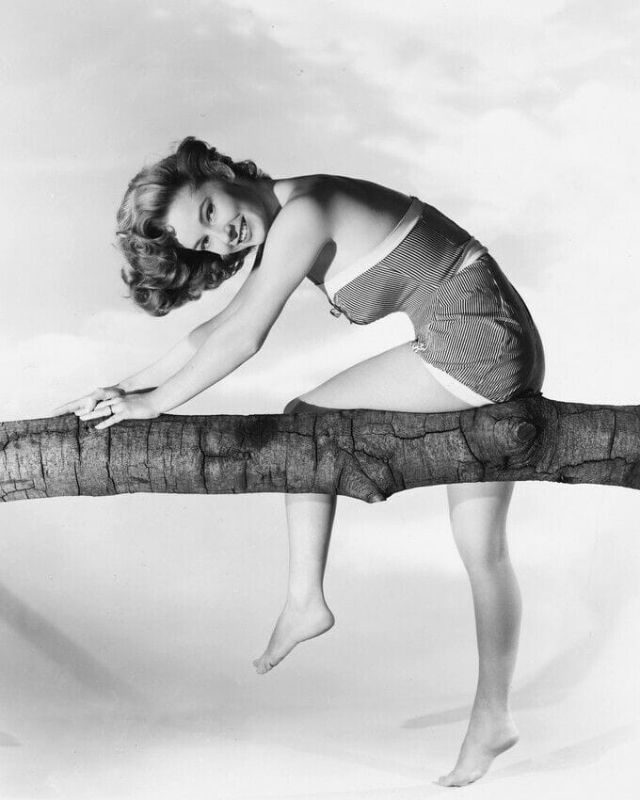
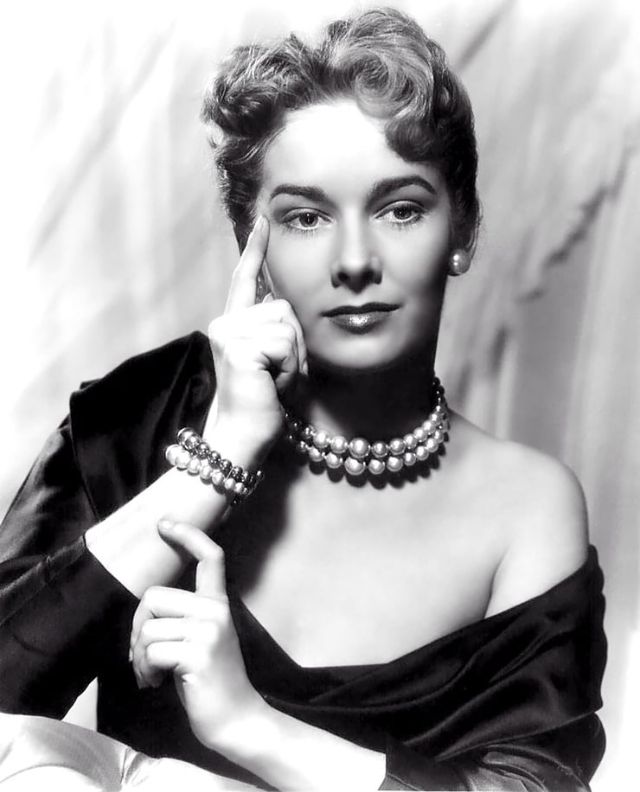
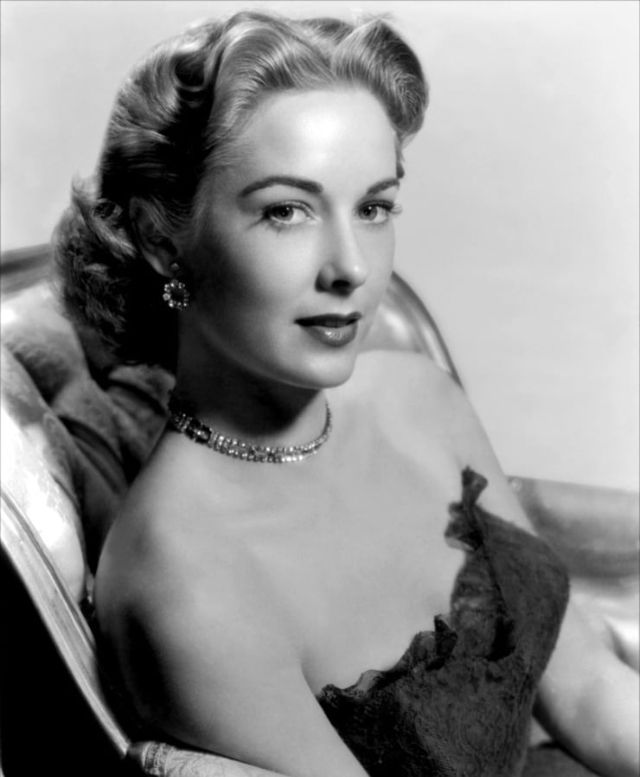
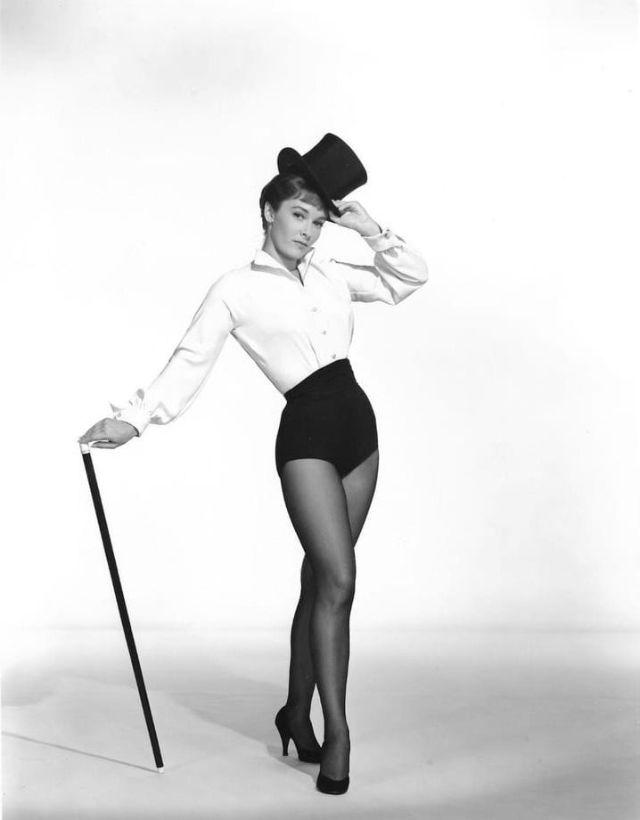
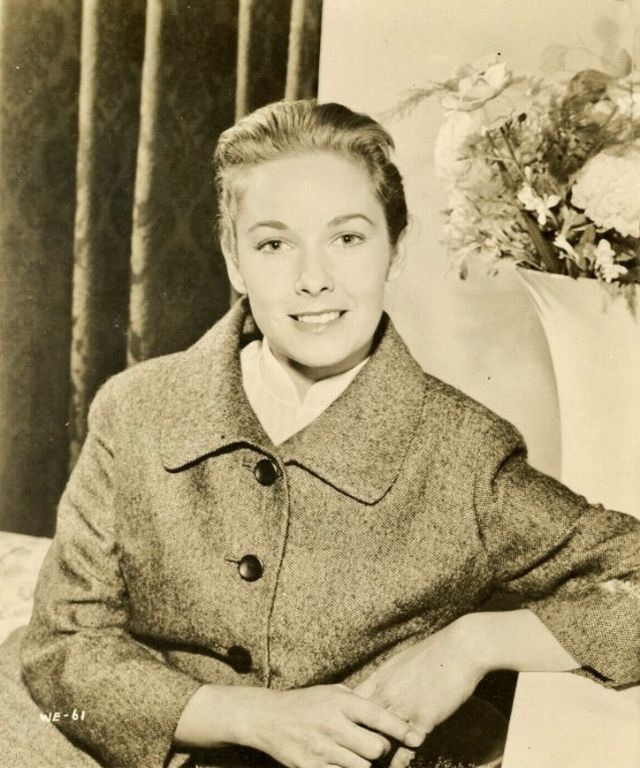
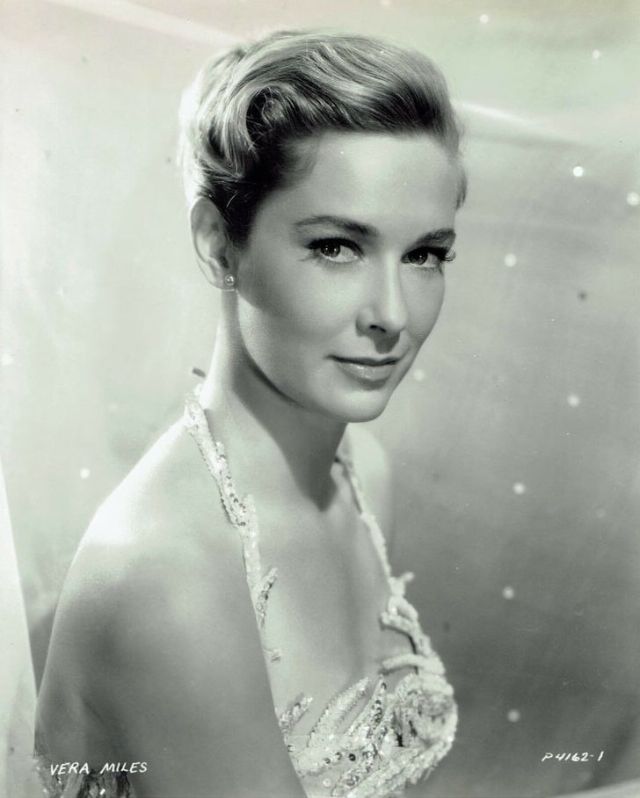
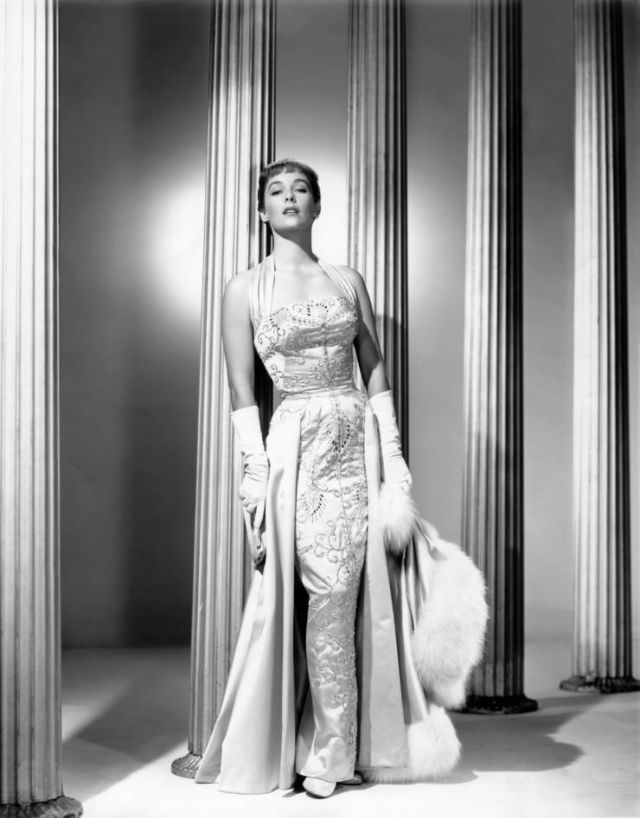
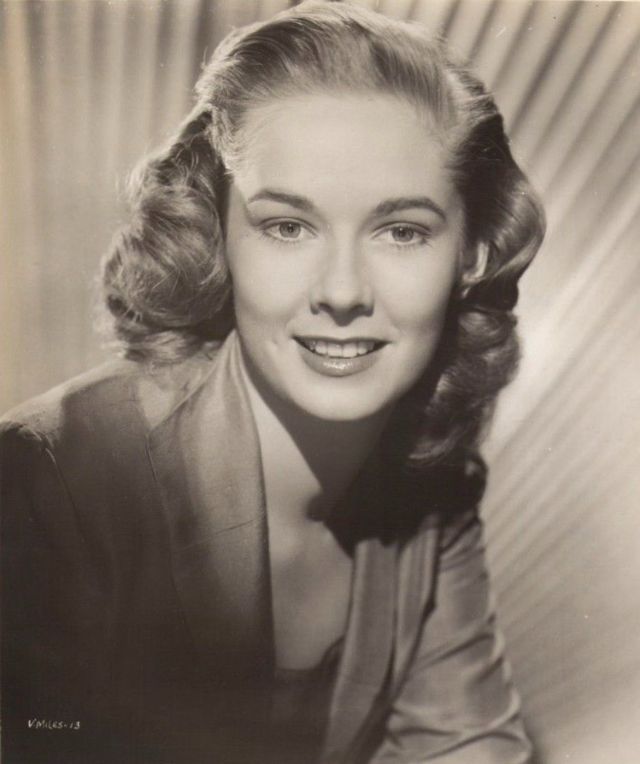
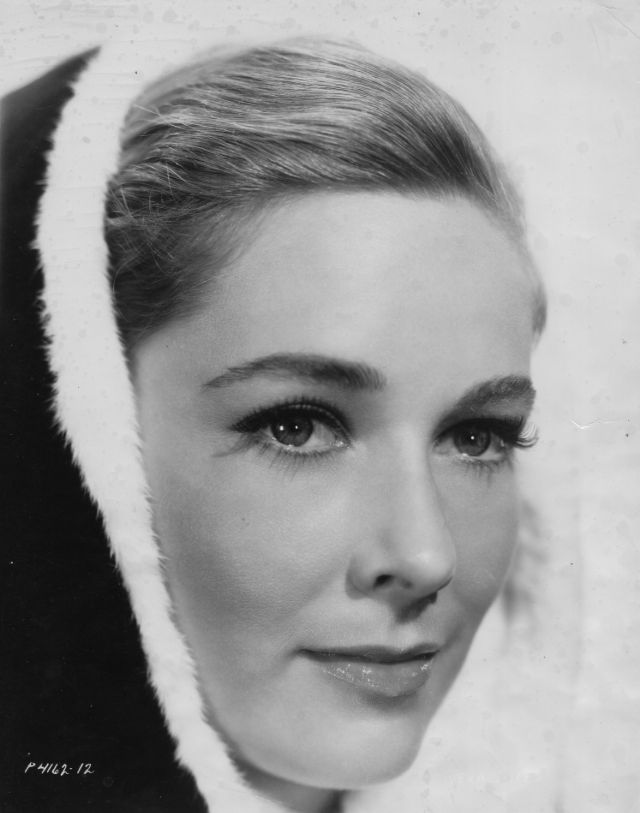
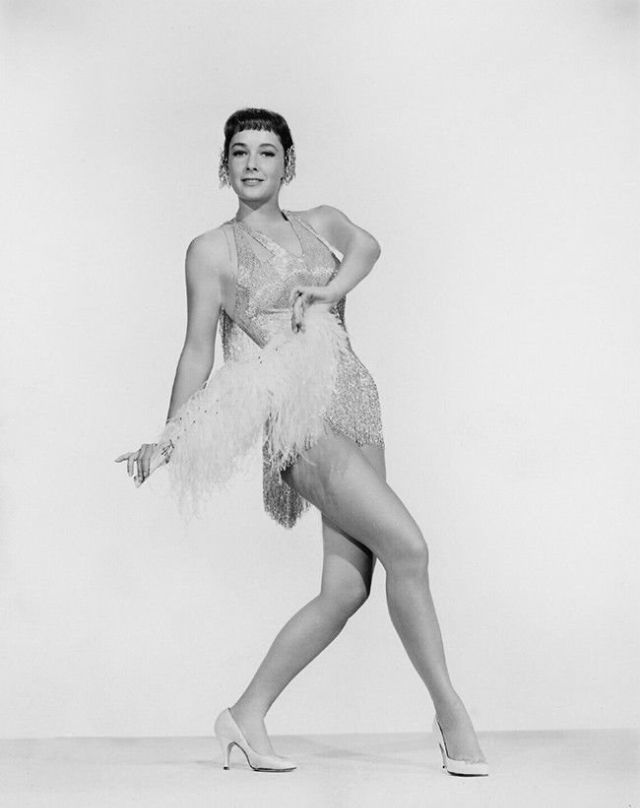
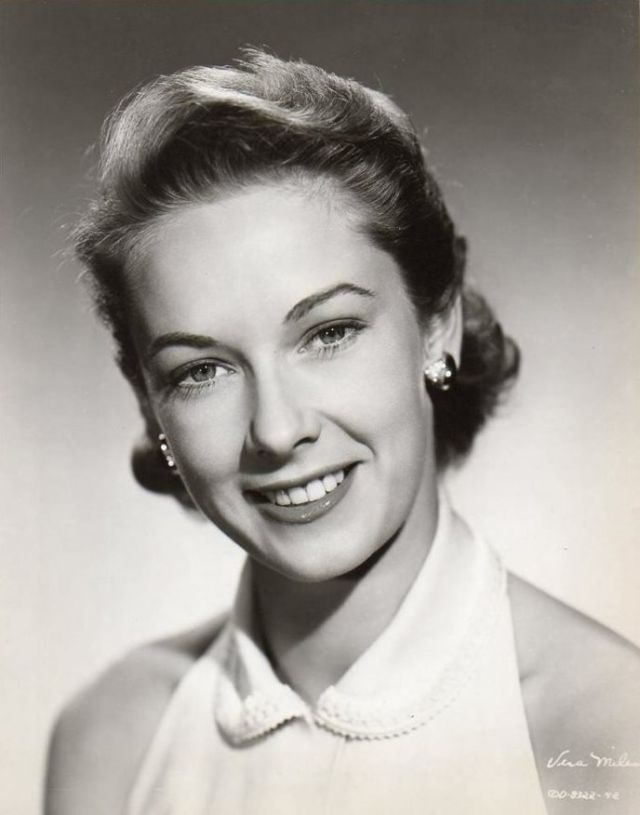
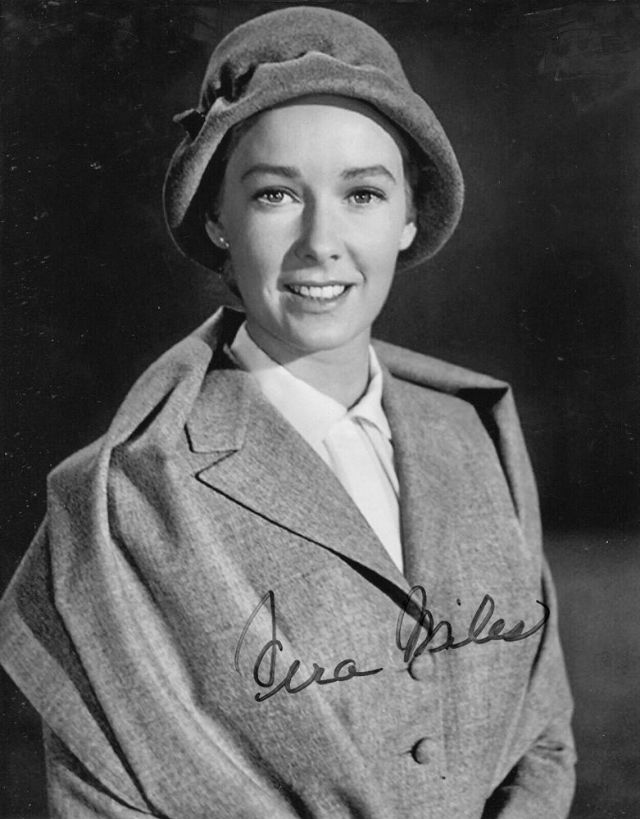
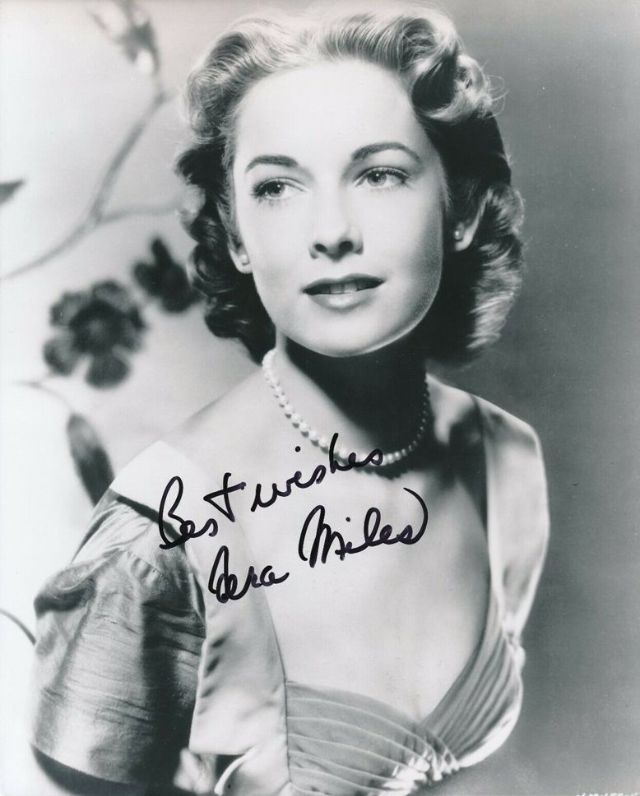
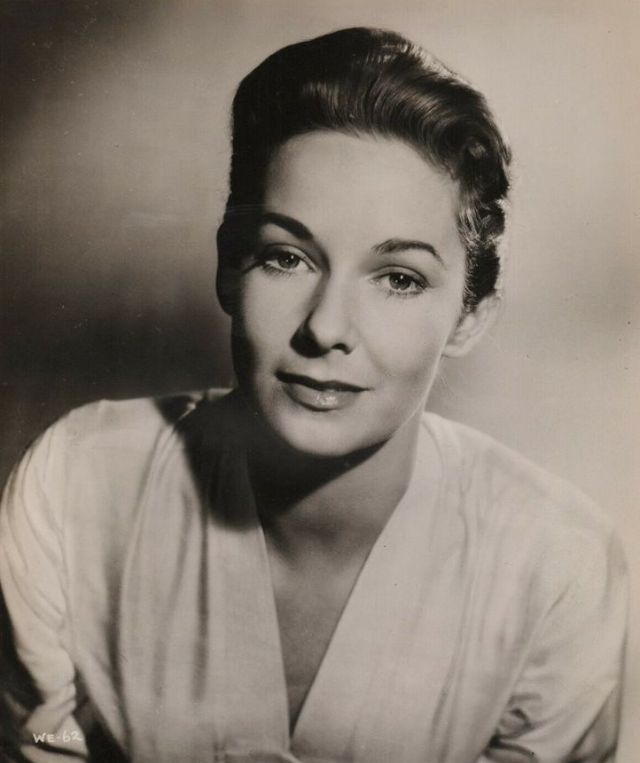
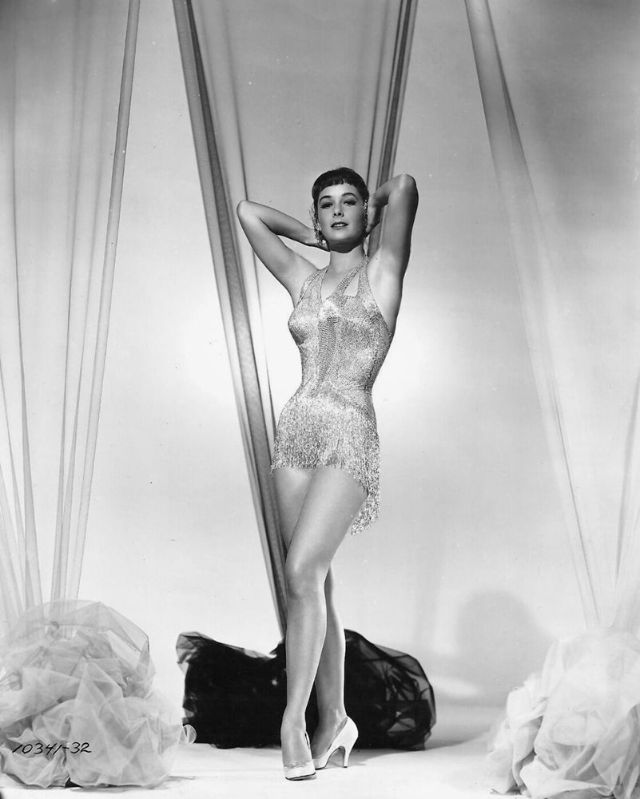
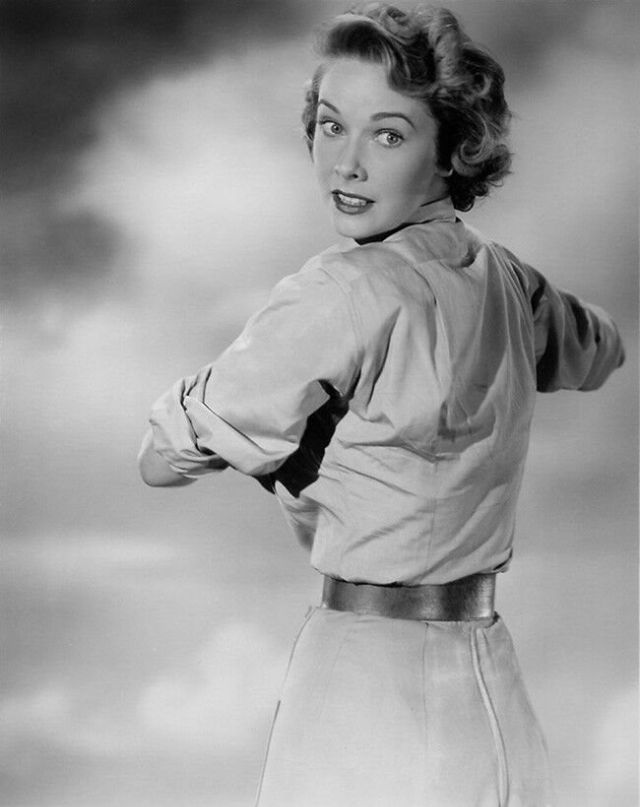
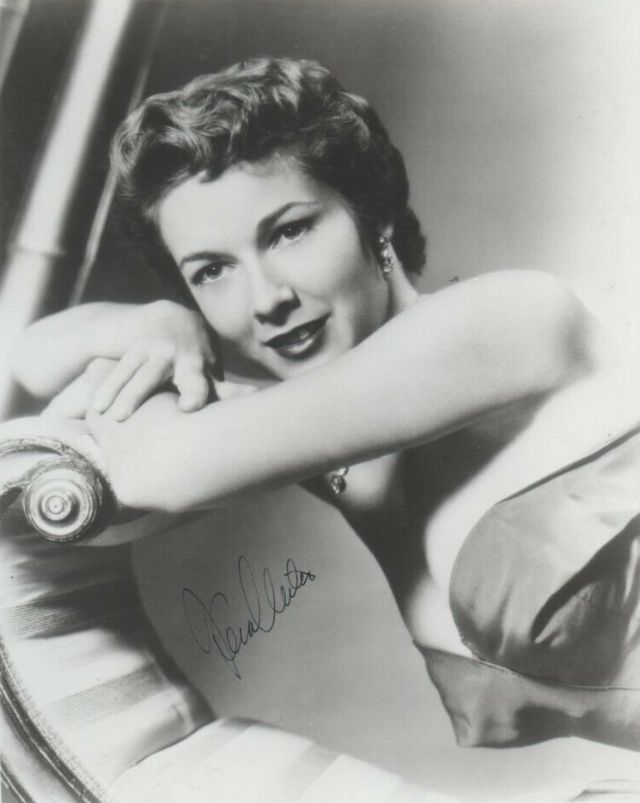
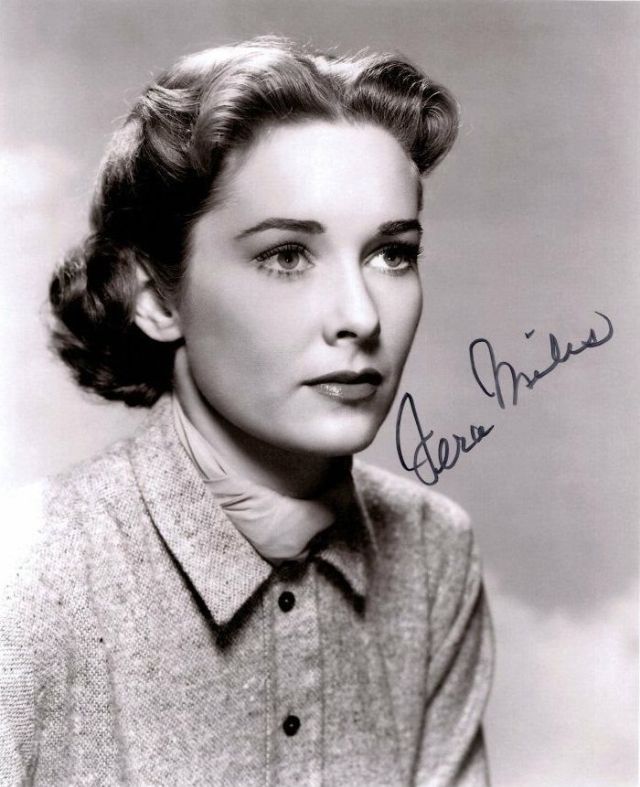
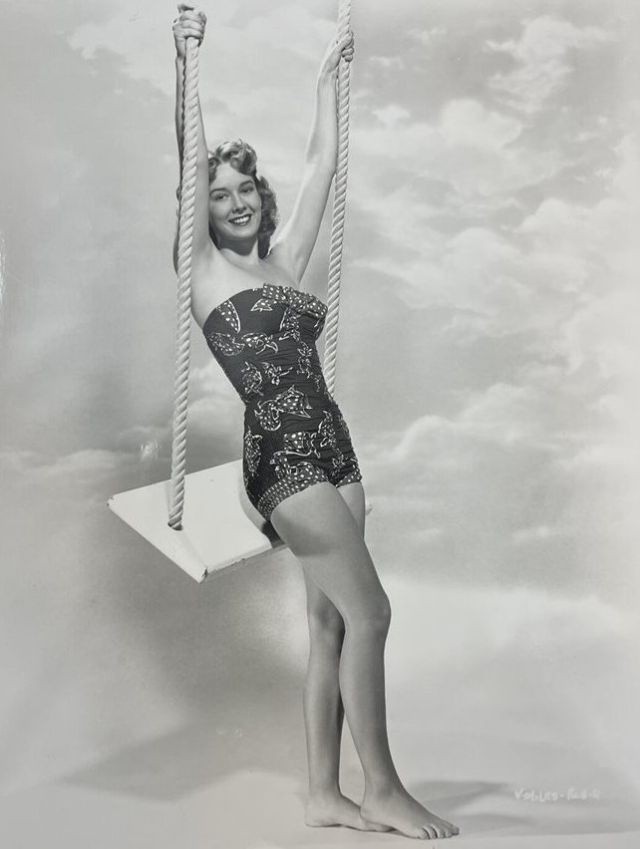
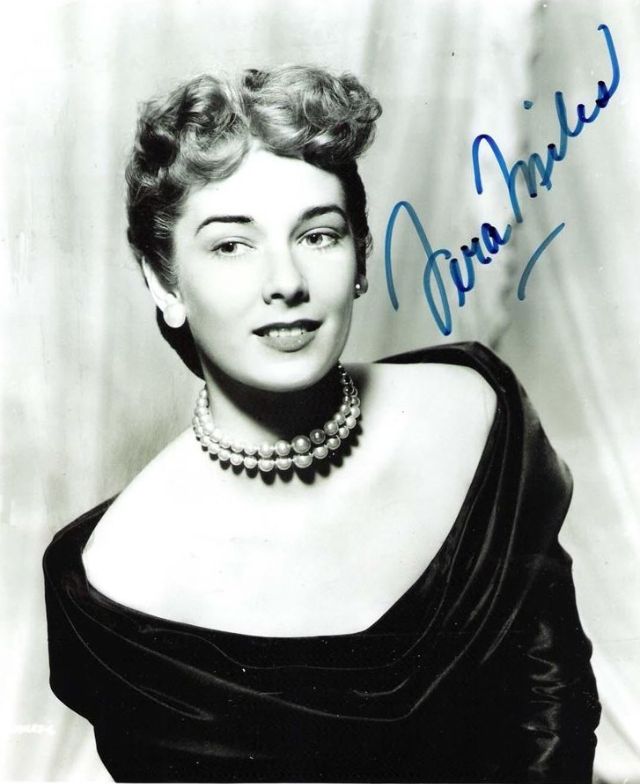
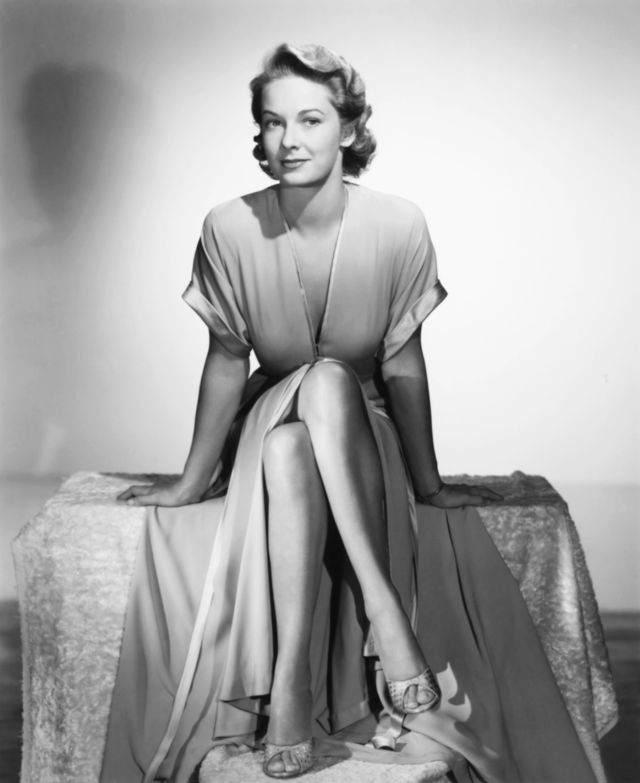
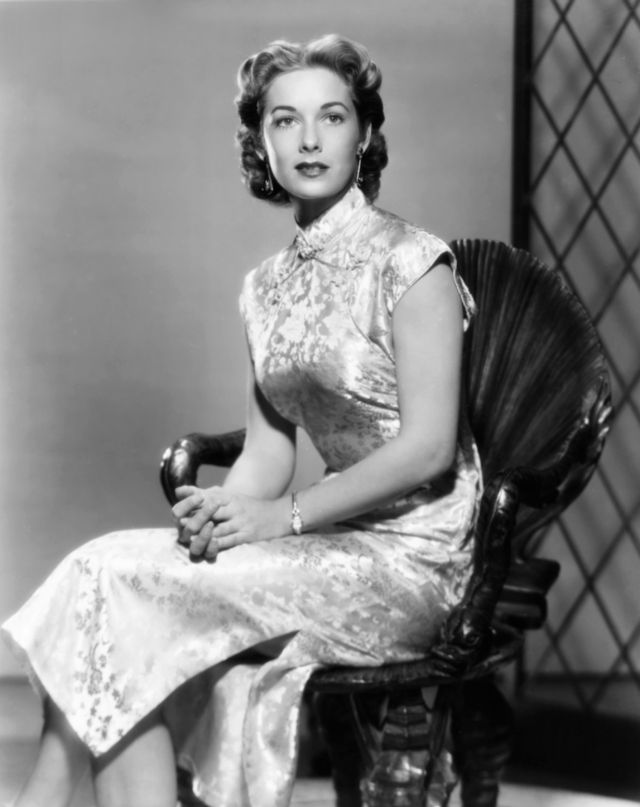
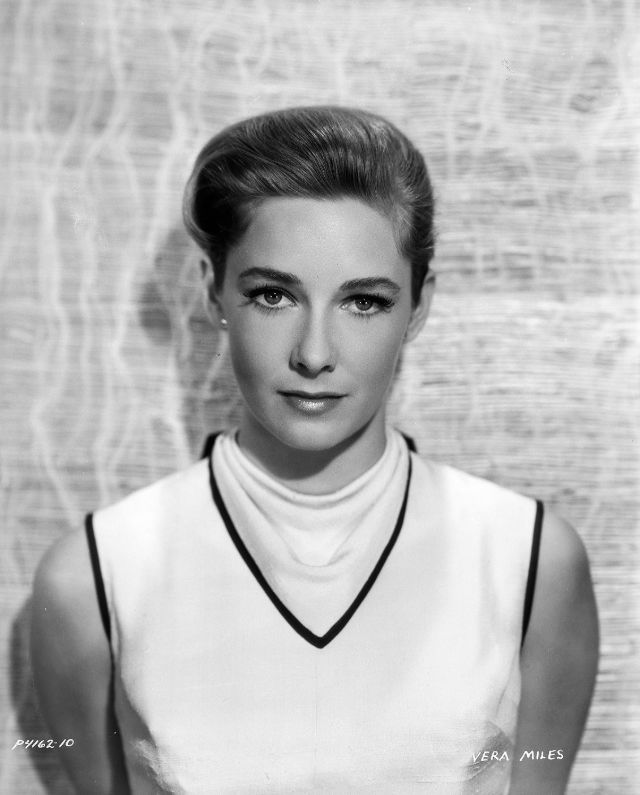
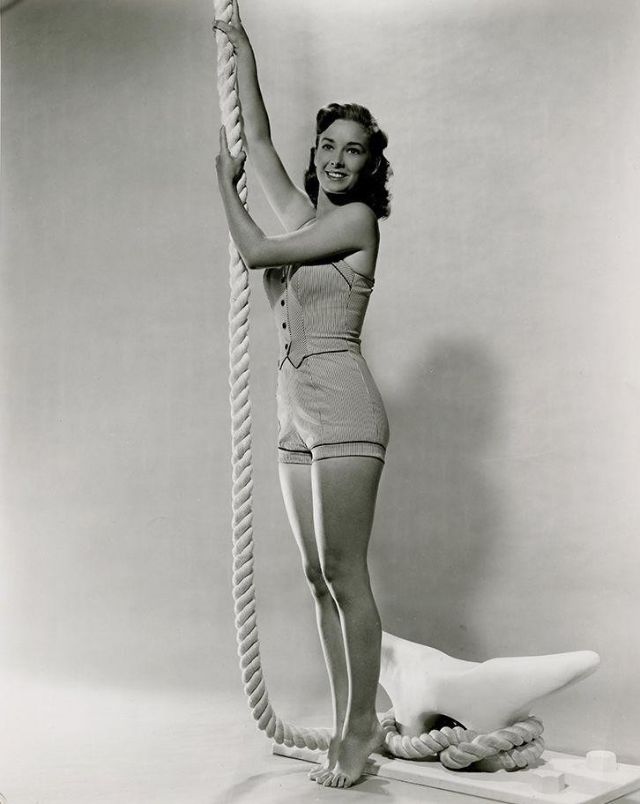
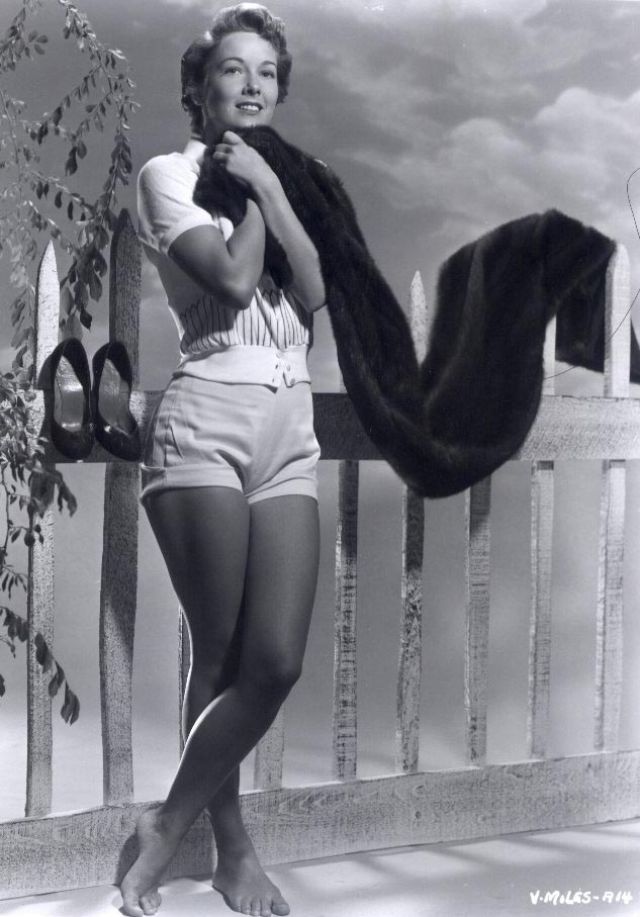
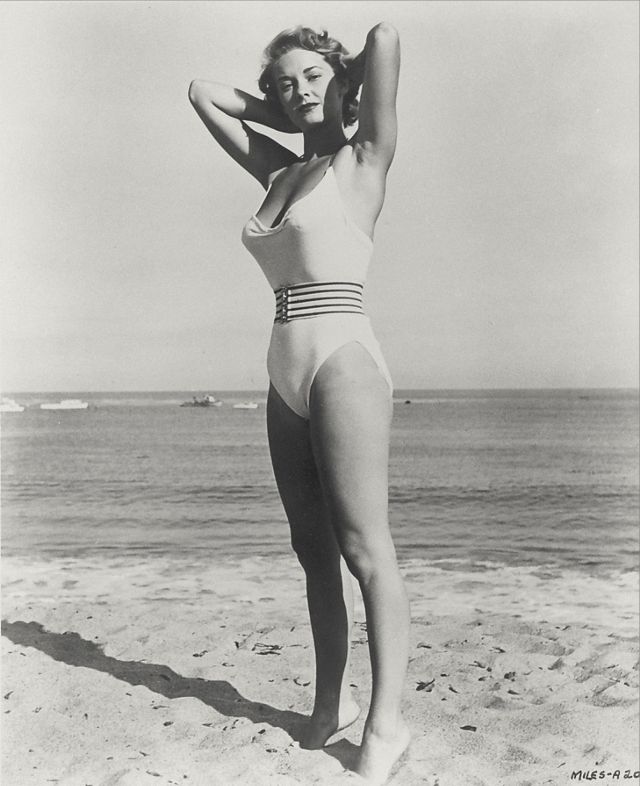
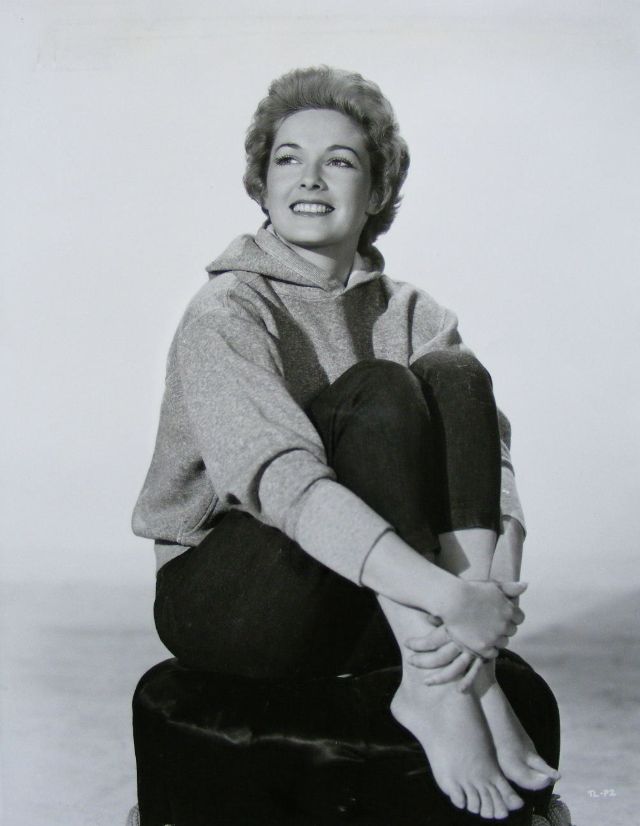
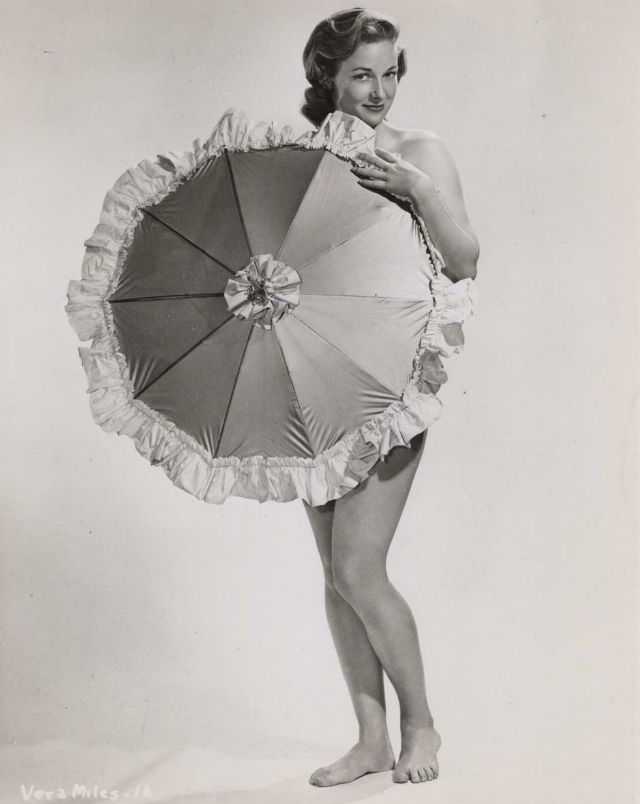
40 Gorgeous Photos of American Actress Vera Miles in the 1950s

Born 1929 in Boise City, Oklahoma, American actress Vera Miles moved to Los Angeles in 1950 and landed small roles in television and film, including a minor role as a chorus girl in Two Tickets to Broadway (1951), a musical starring Janet Leigh, with whom Miles co-starred nine years later in the classic Alfred Hitchcock film Psycho, reprising the role in the 1983 sequel Psycho II.

Other films in which Miles appeared include Tarzan’s Hidden Jungle (1955), The Searchers (1956), Alfred Hitchcock’s The Wrong Man (1956), A Touch of Larceny (1959), The Man Who Shot Liberty Valance (1962), Follow Me, Boys! (1966), Sergeant Ryker (1968), and Molly and Lawless John (1972).

Miles appeared alongside James Belushi in the film Separate Lives (1995), before retiring from the industry. She has been married four times. Take a look at these gorgeous photos to see the beauty of young Vera Miles in the 1950s.

Subscribe to Yesterday Today’s Blog to receive regular updates regarding new content:
The Amphibious Tricycle, ca. 1886

This strange-looking machine was built by a Worcester man, Mr. Harry Savage, about 1896. Mr. Savage worked at a firm of Agricultural Implement Makers, J. L. Larkworthy & Co., of Sansome Place, Worcester.

The water cycle “sailed” down the River Severn, ca. 1896.

No doubt this employment gave him the skills and the opportunity to build this machine. An elderly lady resident in Worcester recently recalled that when she was a very young girl she remembered watching its inventor and builder “sailing” it down the River Severn, “… as he came riding down the middle of the river he appeared to be high up between two very big wheels and a lot of splash. When the machine came off the river I was given a ride on it whilst water was still streaming off the big wheels.”

Subscribe to Yesterdsy Today’s Blog to receive regular updates regarding new content”

Yesterday Today

Bringing You the Wonder of Yesterday - Today

Skip to content ↓