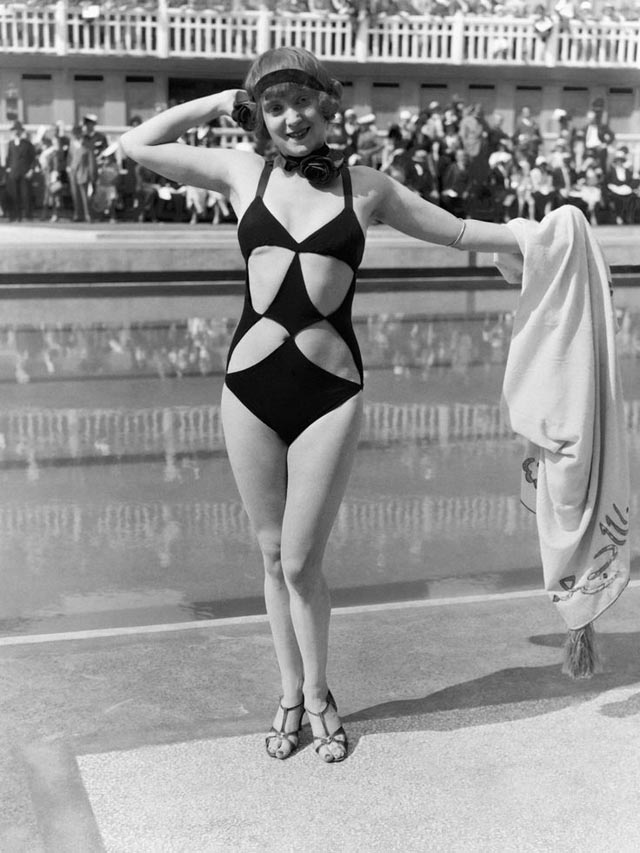
50 Amazing Vintage Photos From the 1920s Volume 12

The 1920s (pronounced “nineteen-twenties,” often shortened to the “20s”) was a decade that began on January 1, 1920, and ended on December 31, 1929. In America, it is frequently referred to as the “Roaring Twenties” or the “Jazz Age”, while in Europe the period is sometimes referred to as the “Golden Twenties” because of the economic boom following World War I (1914-1918). French speakers refer to the period as the “Années folles” (“Crazy Years”), emphasizing the era’s social, artistic, and cultural dynamism.

The 1920s saw foreign oil companies begin operations in Venezuela, which became the world’s second-largest oil-producing nation. The devastating Wall Street Crash in October 1929 is generally viewed as a harbinger of the end of 1920s prosperity in North America and Europe. In the Soviet Union the New Economic Policy was created by the Bolsheviks in 1921, to be replaced by the first five-year plan in 1928. The 1920s saw the rise of radical political movements, with the Red Army triumphing against White movement forces in the Russian Civil War, and the emergence of far right political movements in Europe. In 1922, the fascist leader Benito Mussolini seized power in Italy. Economic problems contributed to the emergence of dictators in Eastern Europe to include Józef Pilsudski in Poland, and Peter and Alexander Karadordevic in Yugoslavia. First-wave feminism saw progress, with women gaining the right to vote in the United States (1920), Ireland (1921) and with suffrage being expanded in Britain to all women over 21 years old (1928).

In Turkey, nationalist forces defeated Greece, France, Armenia and Britain in the Turkish War of Independence, leading to the Treaty of Lausanne (July 1923), a treaty more favorable to Turkey than the earlier proposed Treaty of Sèvres. The war also led to the abolition of the Ottoman Caliphate. Nationalist revolts also occurred in Ireland (1919–1921) and Syria (1925–1927). Under Mussolini, Italy pursued a more aggressive foreign policy, leading to the Second Italo-Senussi War in Libya. In 1927, China erupted into a civil war between the Kuomintang (KMT)-led government of the Republic of China (ROC) and forces of the Chinese Communist Party (CCP). Civil wars also occurred in Paraguay (1922–1923), Ireland (1922–1923), Honduras (1924), Nicaragua (1926–1927), and Afghanistan (1928–1929). Saudi forces conquered Jabal Shammar and subsequently, Hejaz.

A severe famine occurred in Russia in 1921–1922 due to the combined effects of economic disturbance because of the Russian Revolution and the Russian Civil War, exacerbated by rail systems that could not distribute food efficiently, leading to 5 million deaths. Another severe famine occurred in China in 1928–1930, leading to 6 million deaths. The Spanish flu (1918–1920) and the 1918–1922 Russia typhus epidemic, which had begun in the previous decade, caused 25–50 million and 2–3 million deaths respectively. Major natural disasters of this decade include the 1920 Haiyuan earthquake (258,707~273,407 deaths), the 1922 Swatow typhoon (50,000–100,000 deaths), the 1923 Great Kanto earthquake (105,385–142,800 deaths), and the 1927 Gulang earthquake (40,912 deaths).

Silent films were popular in this decade, with the 1925 American silent epic adventure-drama film Ben-Hur: A Tale of the Christ being the highest-grossing film of this decade, grossing $9,386,000 worldwide. Other high-grossing films of this decade include The Big Parade and The Singing Fool. Sinclair Lewis was a popular author in the 1920s, with 2 of his books, Main Street and Elmer Gantry, becoming best-selling books in the United States in 1921 and 1927 respectively. Other best-selling books of this decade include All Quiet on the Western Front and The Private Life of Helen of Troy. Songs of this decade include “Are You Lonesome Tonight?” and “Stardust”. (Wikipedia)
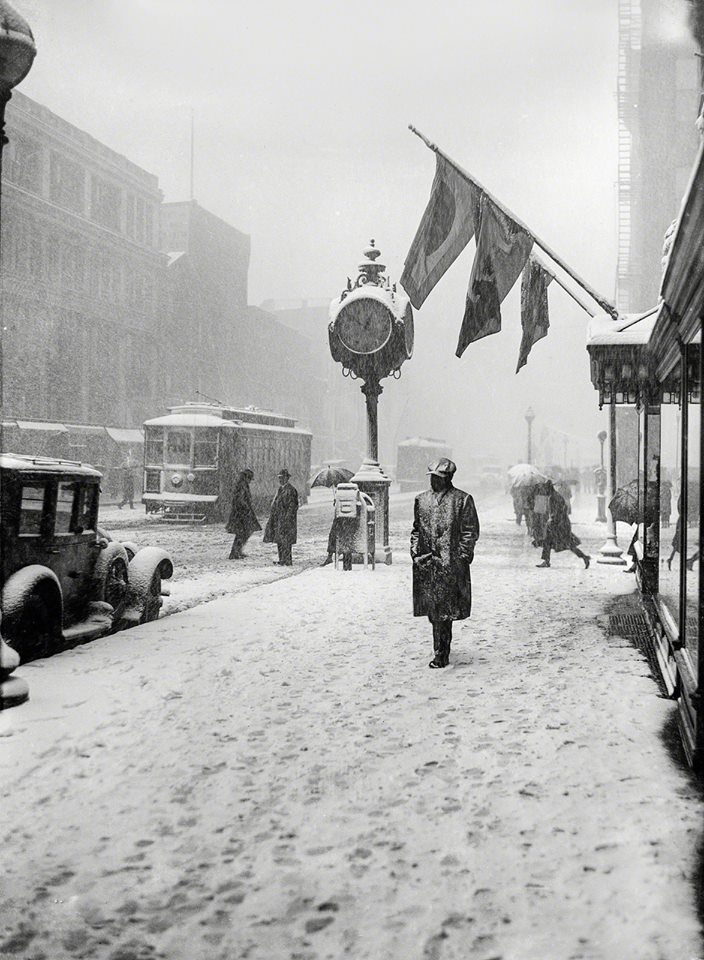
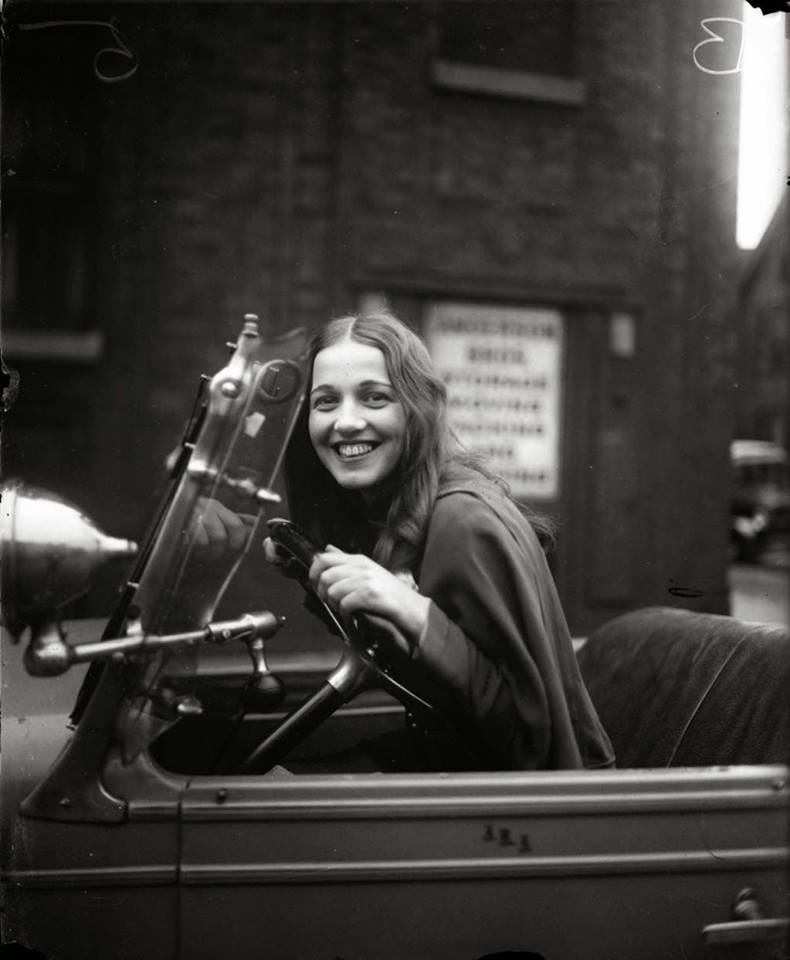
Washington D.C., April 1924.
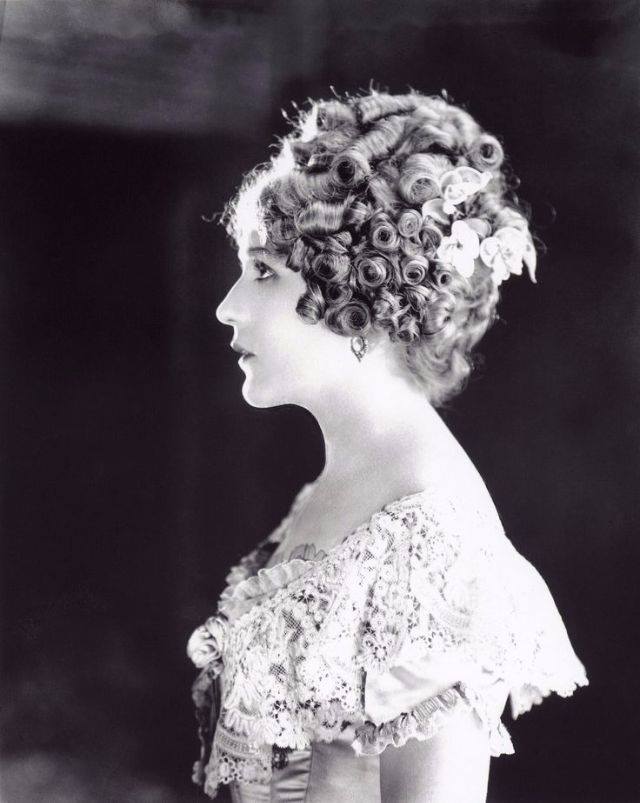
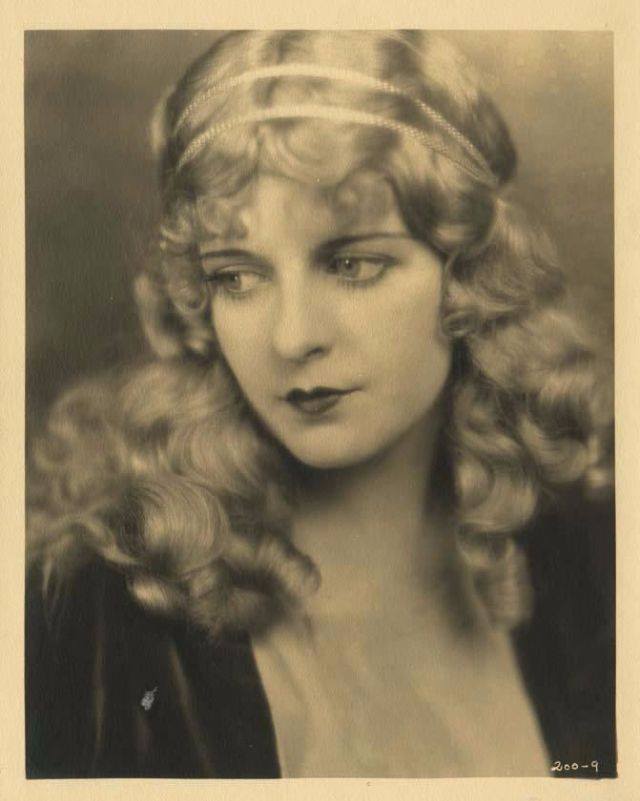
May McAvoy, 1924.
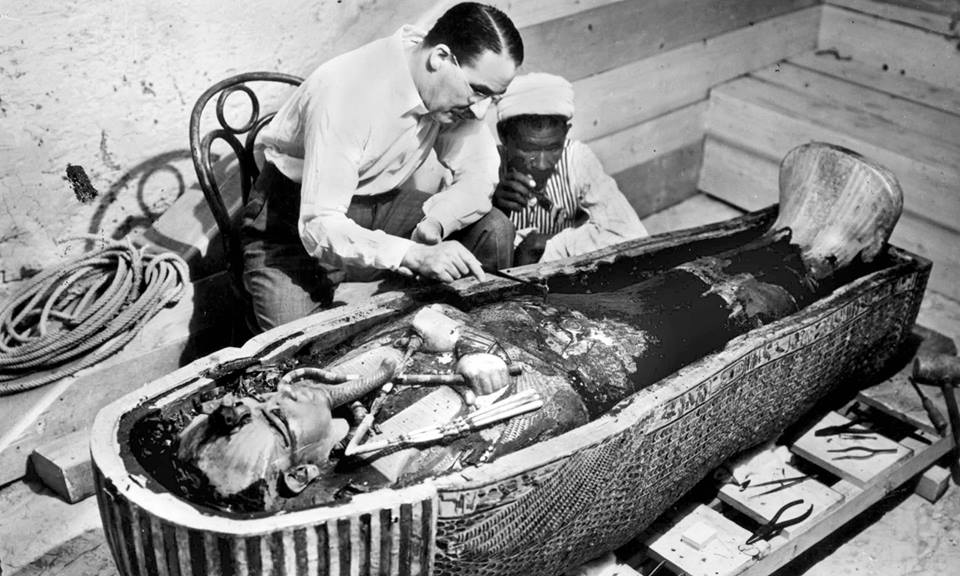
English archaeologist Howard Carter examining the sarcophagus of King Tutankhamen, 1923.
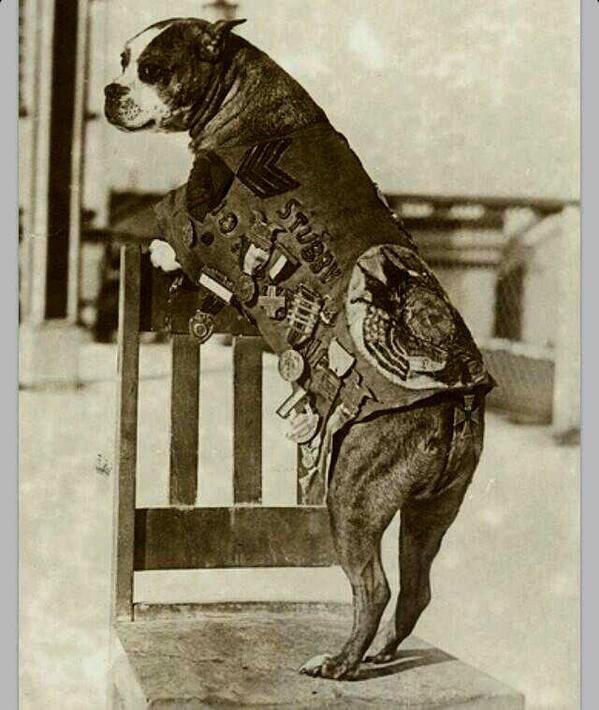
Sgt. Stubby, 1920. He participated in 17 battles on the Western Front, saved his regiment from surprise mustard gas attacks and would find and comfort the wounded.
The lights of Piccadilly Circus shining in the night. (London, 1928)
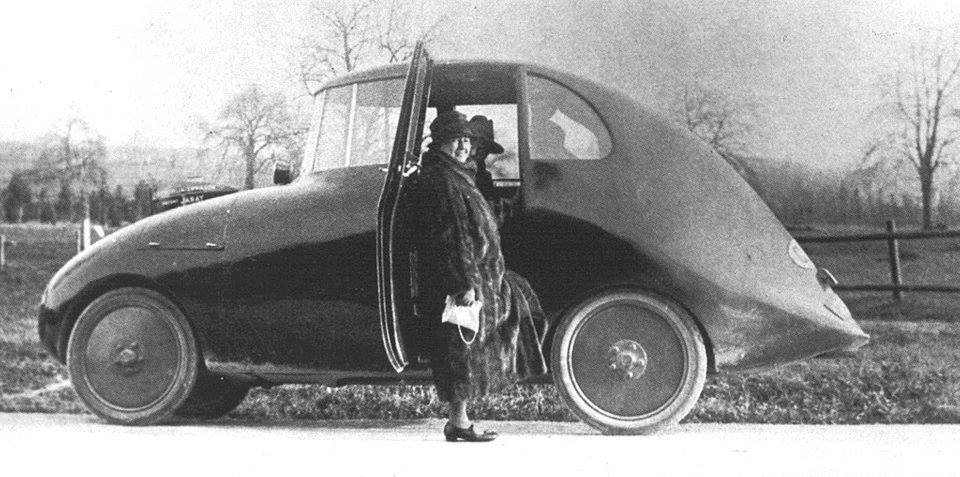
The streamlined 1923 Jaray Lay T-6.
Mary Pickford, 1920s.
Gloria Swanson, 1922.
Miss Universe Ella Van Hueson, 1928.
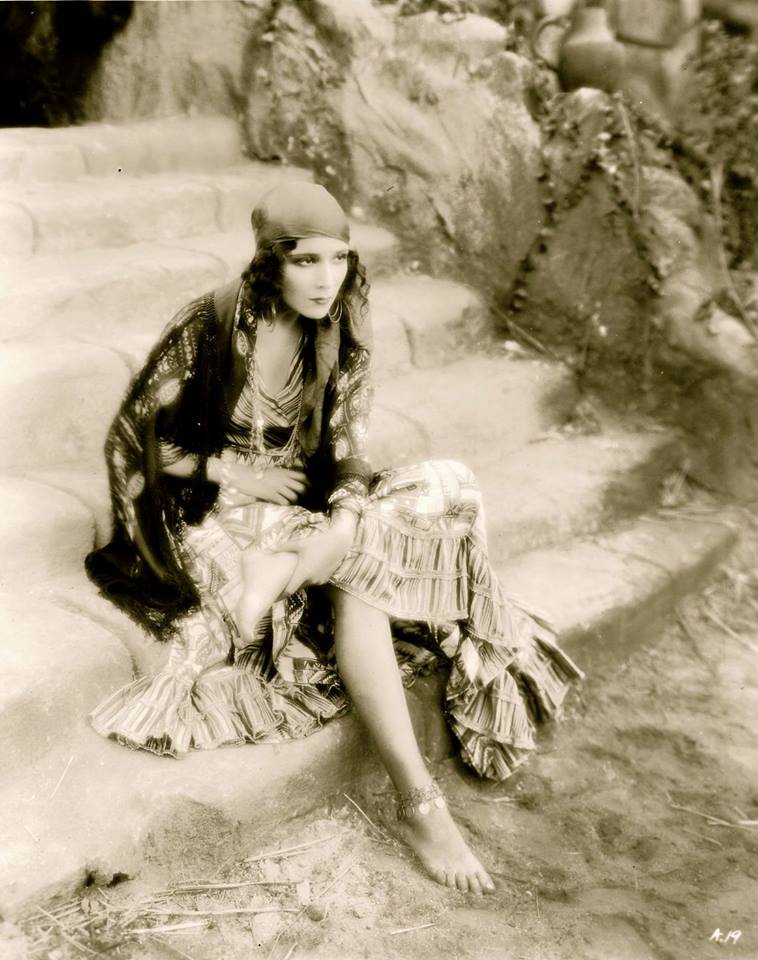
Dolores del Rio in “Revenge” (1928)
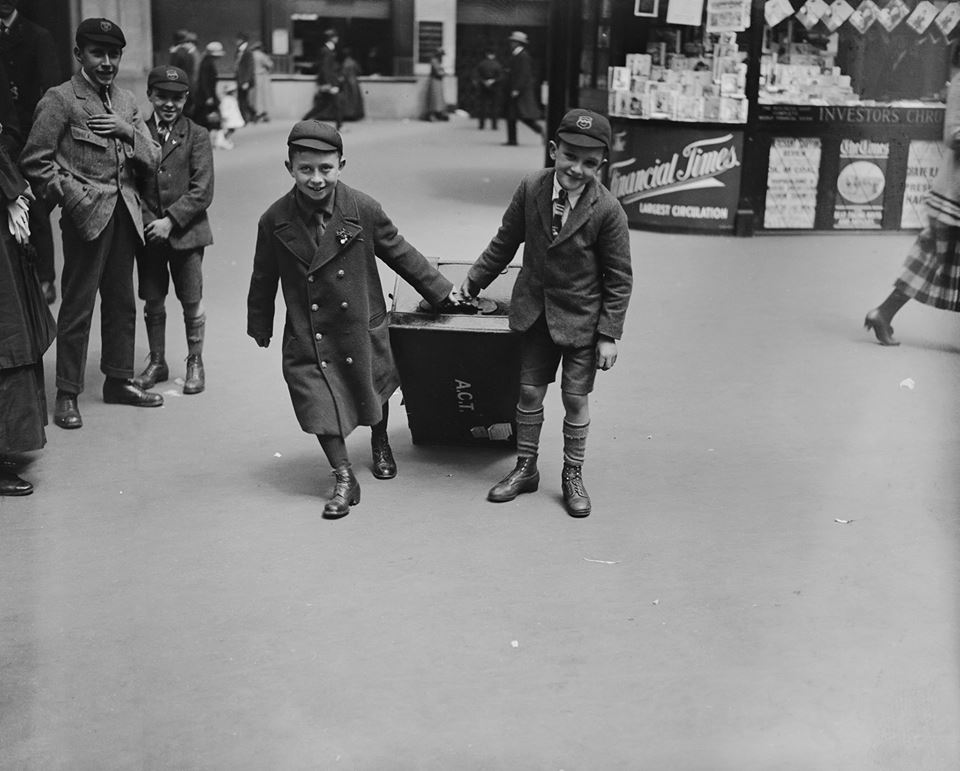
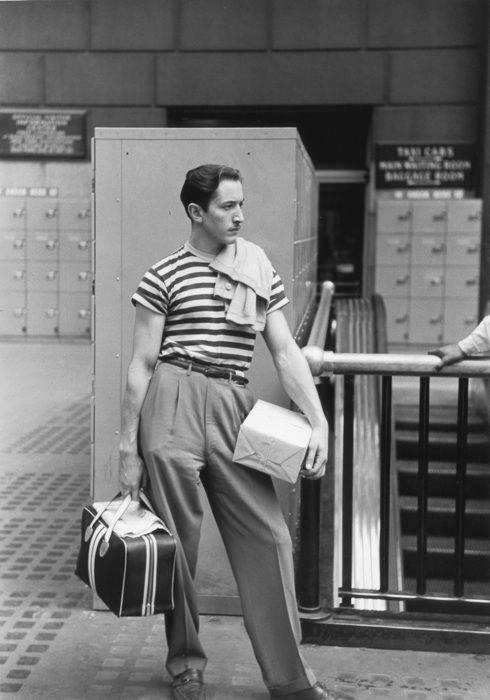
Two schoolboys with their luggage at London’s Waterloo Station, August 1923
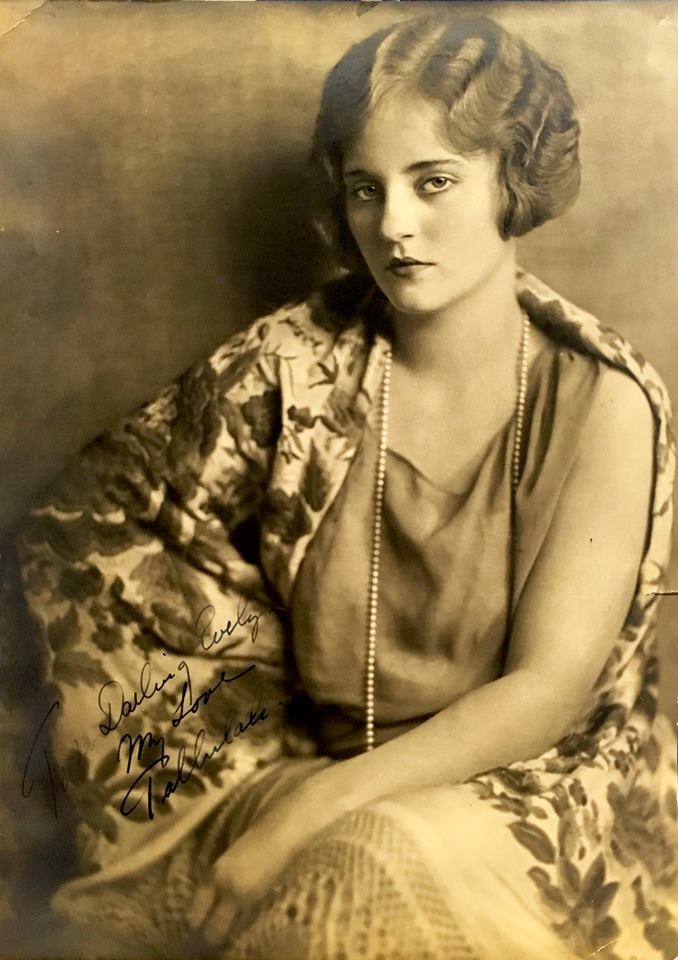
Tallulah Bankhead, 1923.
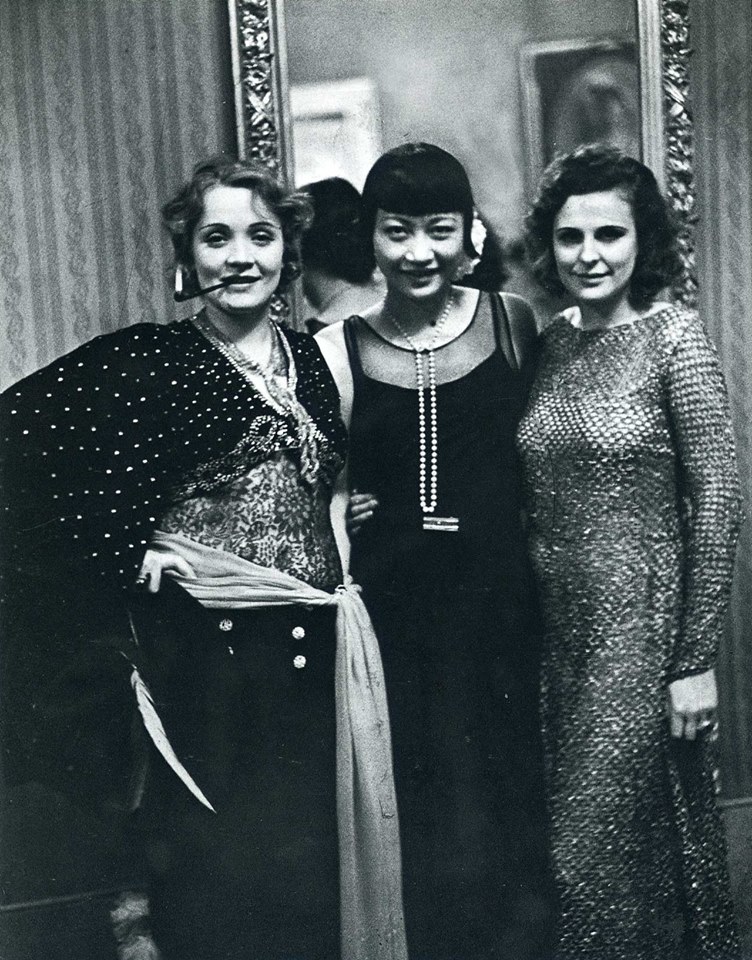
Marlene Dietrich, Anna May Wong and Leni Riefenstahl at the Reimann Arts School ball, Berlin, 1928.
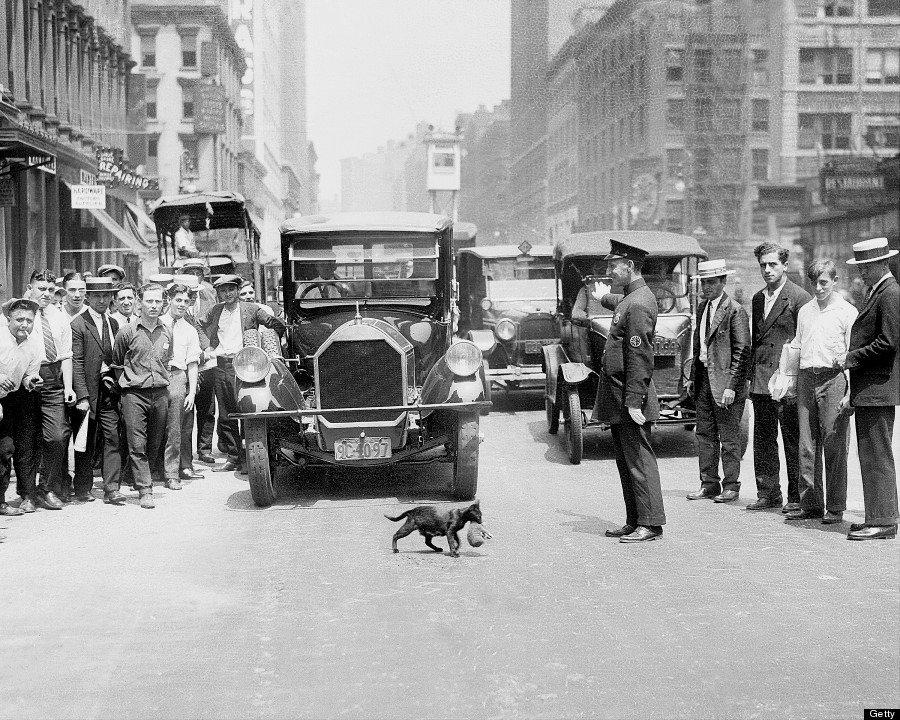
Adorable moment captured showing police stopping NYC traffic for a cat and her kitten in 1925
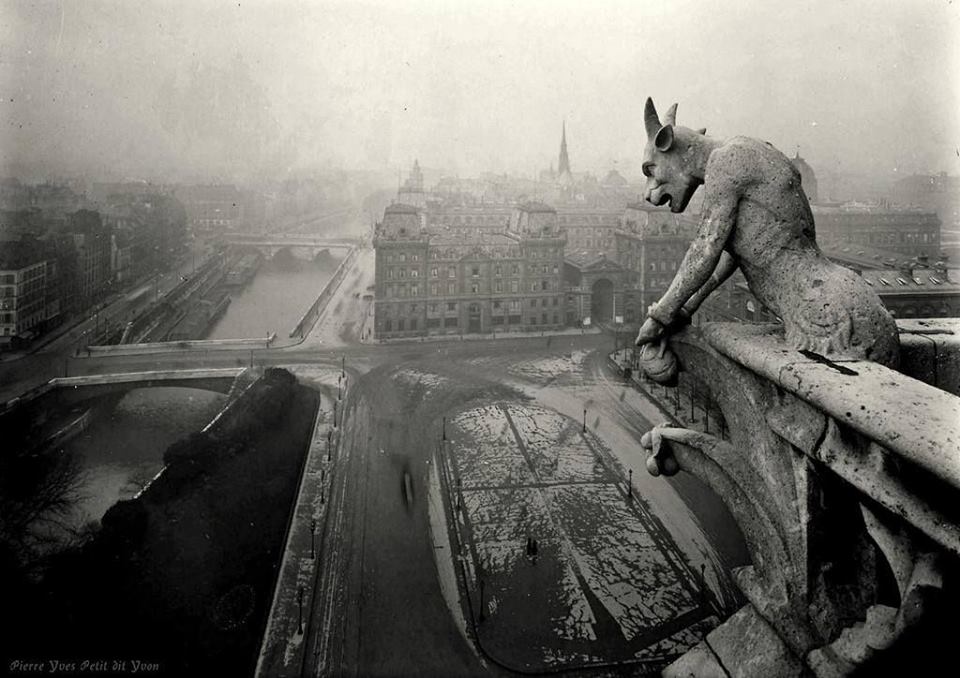
Notre Dame de Paris, 1920
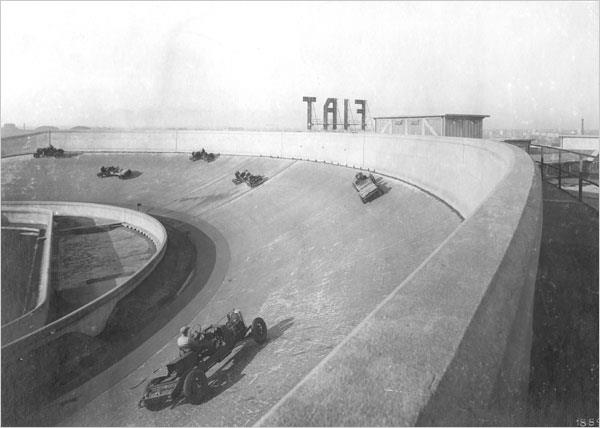
The rooftop track of Fiat’s Lingotto plant in 1925.
A young and cool Walt Disney striking a pose in the 1920s.
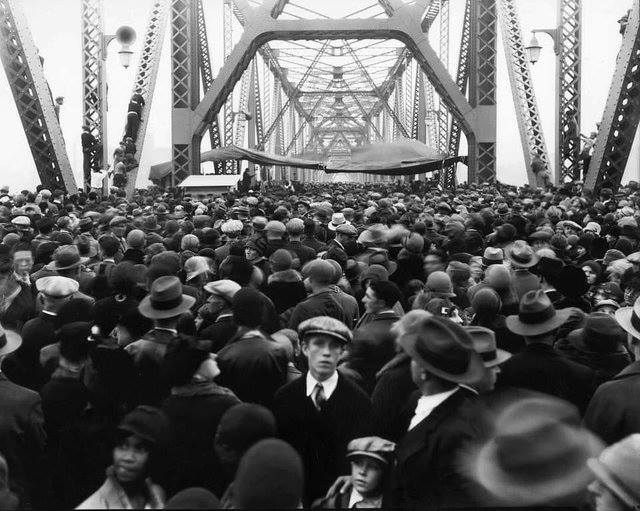
The opening of the 2nd Street Bridge in Louisville, Kentucky in 1929.
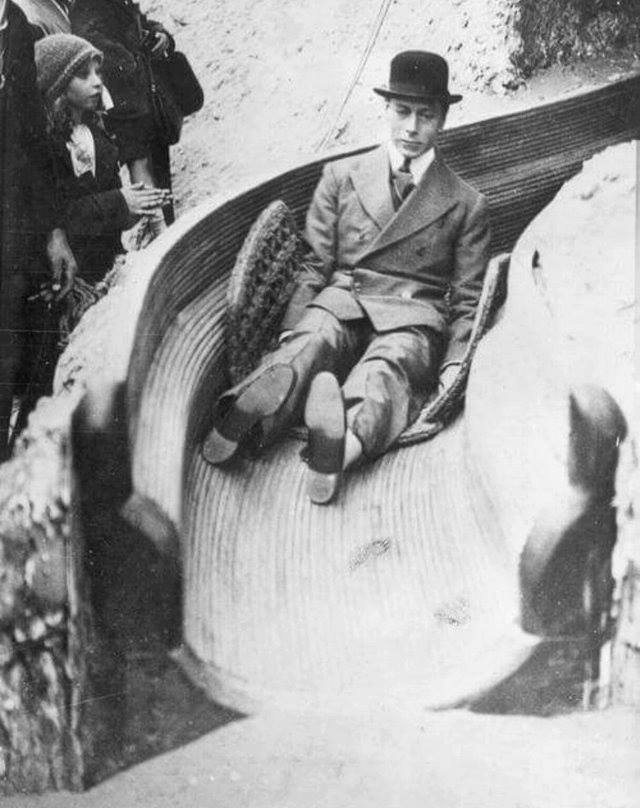
The Duke of York (later to be King George VI) looks thrilled to be on a slide at the Wembley Exhibition in 1925.
Surfing scene in the 1920s.
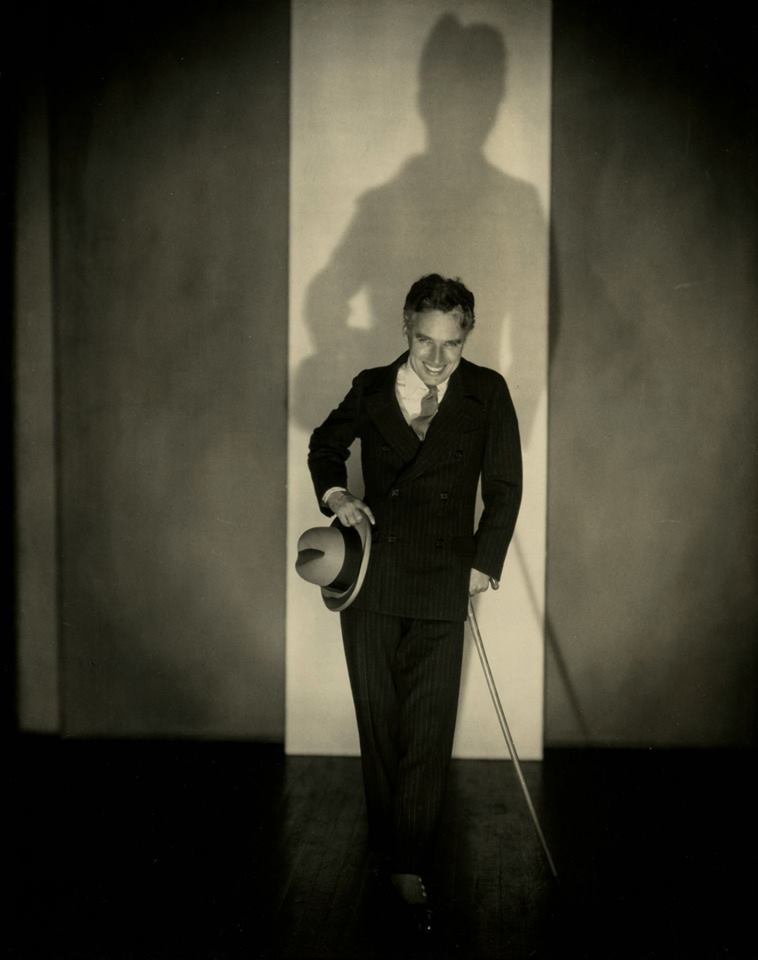
Charlie Chaplin, 1925.
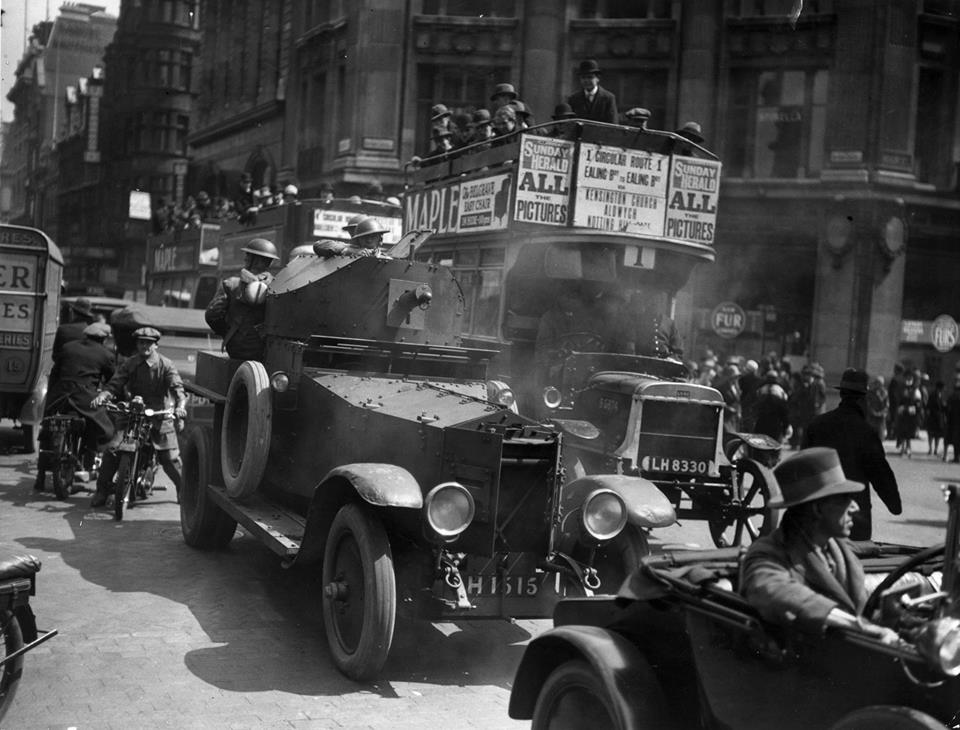
An armoured vehicle patrolling Oxford Street in London on the fifth day of the 1926 General Strike.
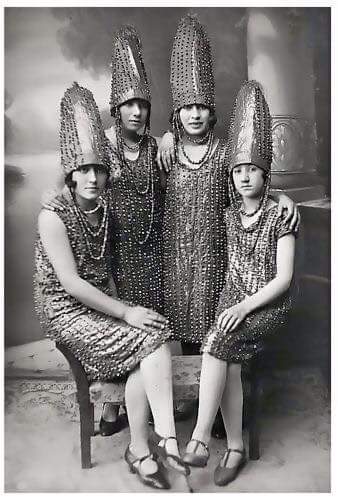
The Pickle Sisters – 1920s
A dapper George Bernard Shaw walking along the Strand in London, May 1927.
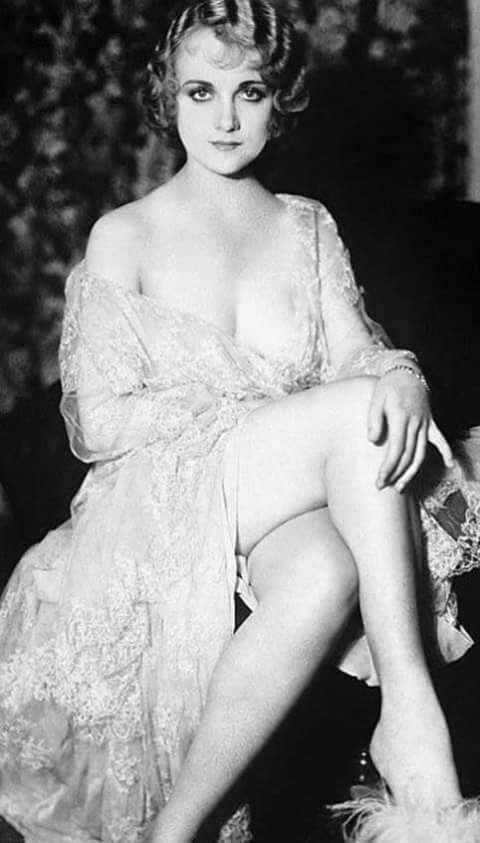
Carole Lombard, 1929.
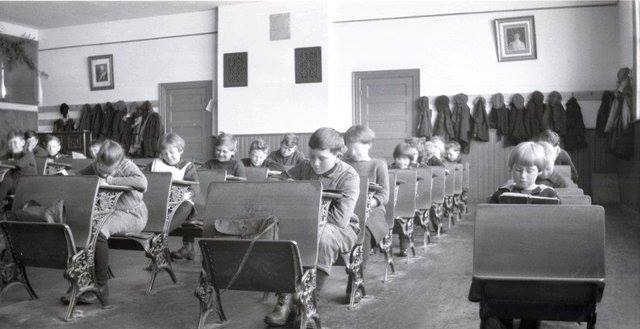
Schoolhouse in Ontario, 1920s.
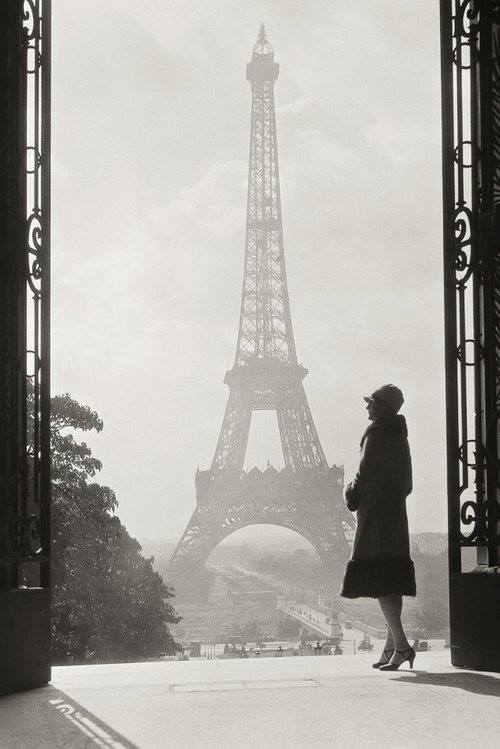
Paris, 1928.
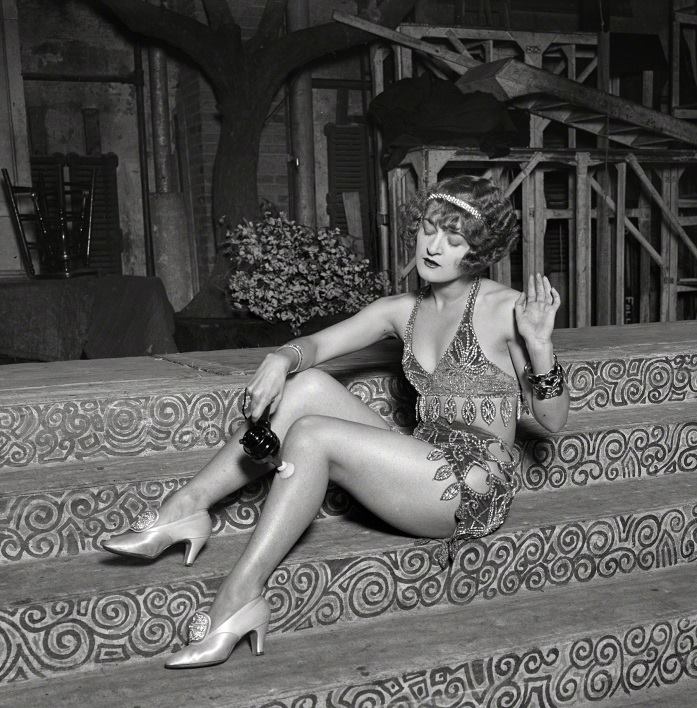
Chorus girl massaging her legs with a device in 1926.
Sitting under a chrome-plated hair dryer in 1928.
On the bumper, 1923.
A “disgruntled patient”, San Diego, circa 1920s.
Norma Shearer, 1923.
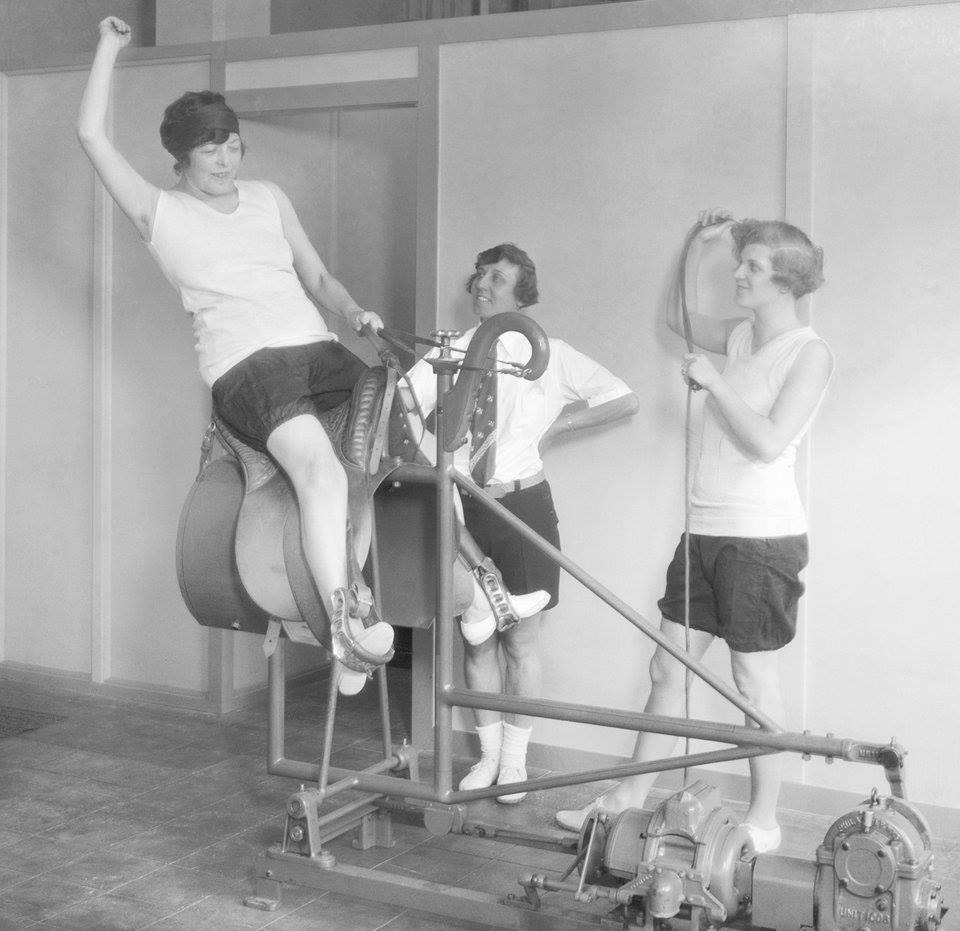
Mechanical bull in 1928.
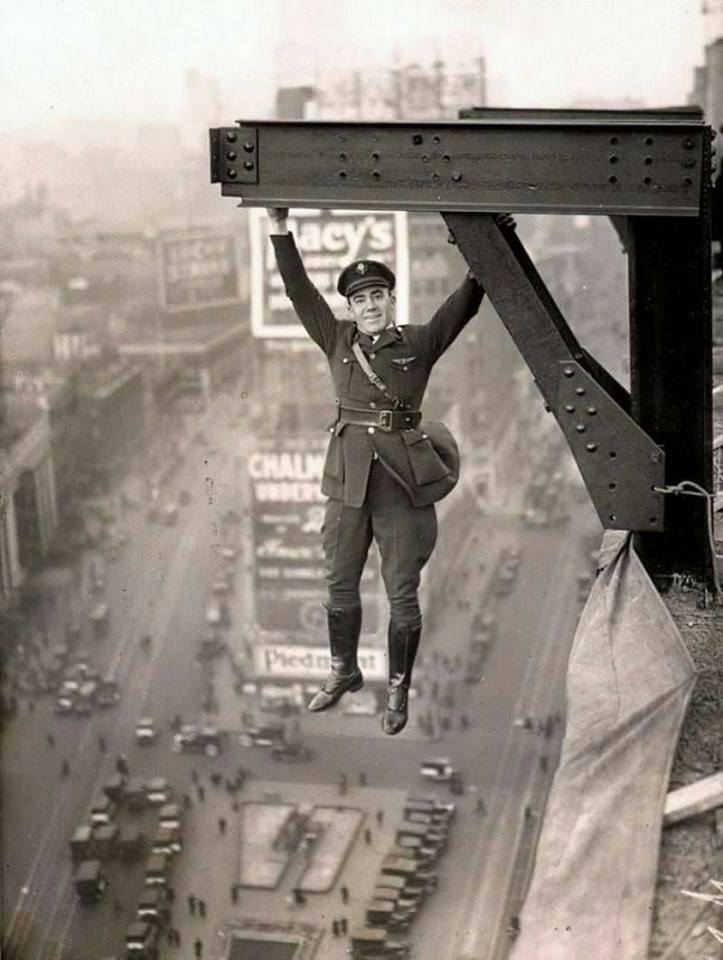
Police Aviation force member performing a stunt, New York, ca. 1920s.
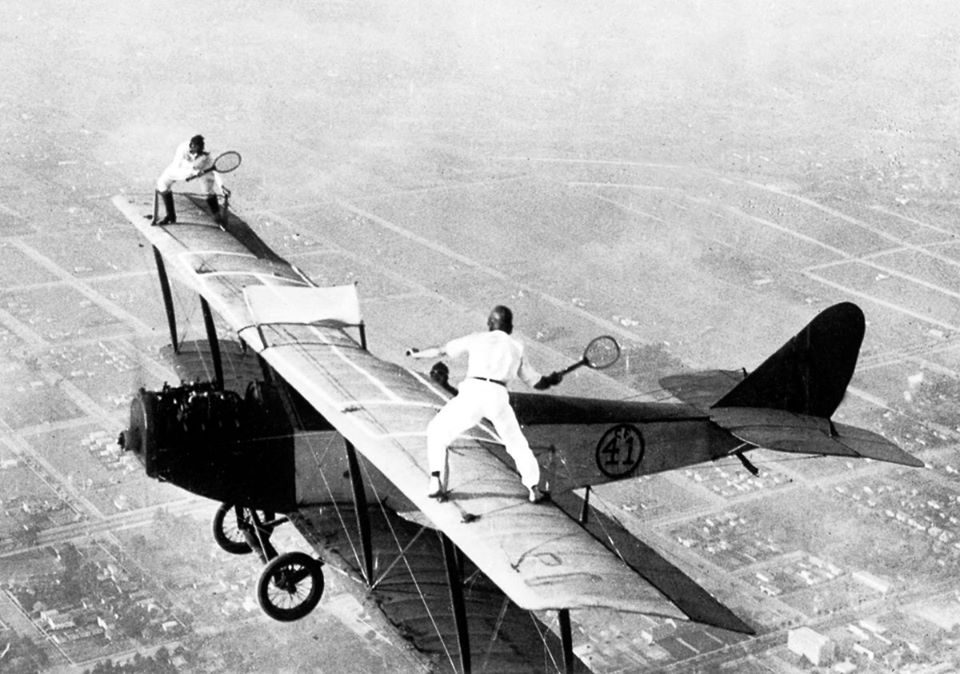
2 stuntmen pretend to be playing tennis on a plane’s wings in 1923.
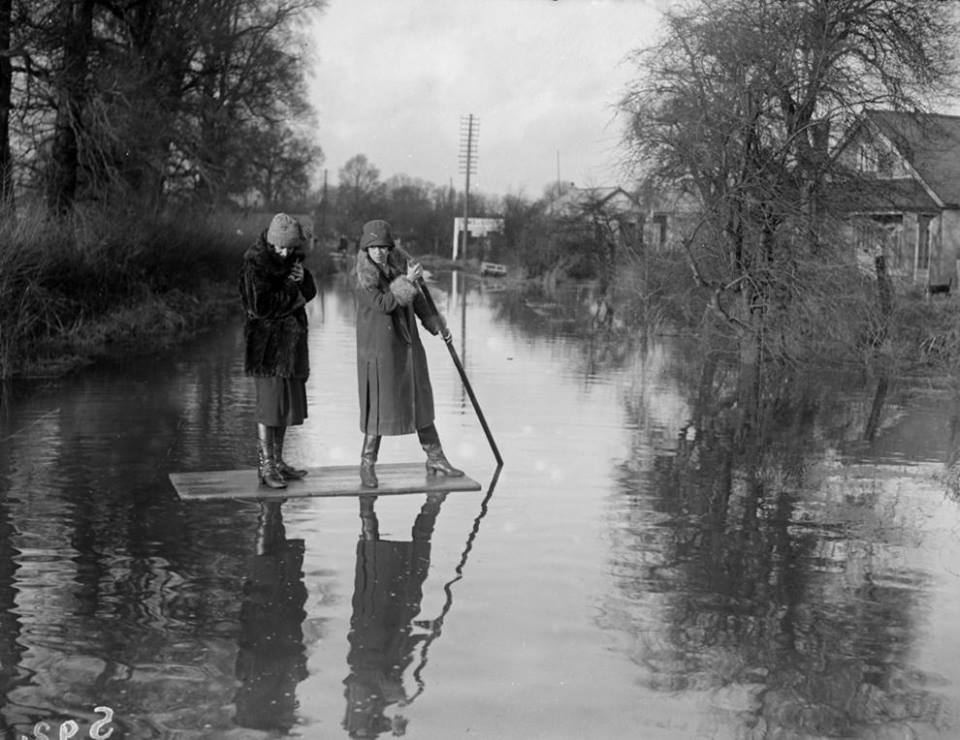
Two women crossing a flooded road by means of a makeshift raft and a pole, Staines, Middlesex, January 1926.
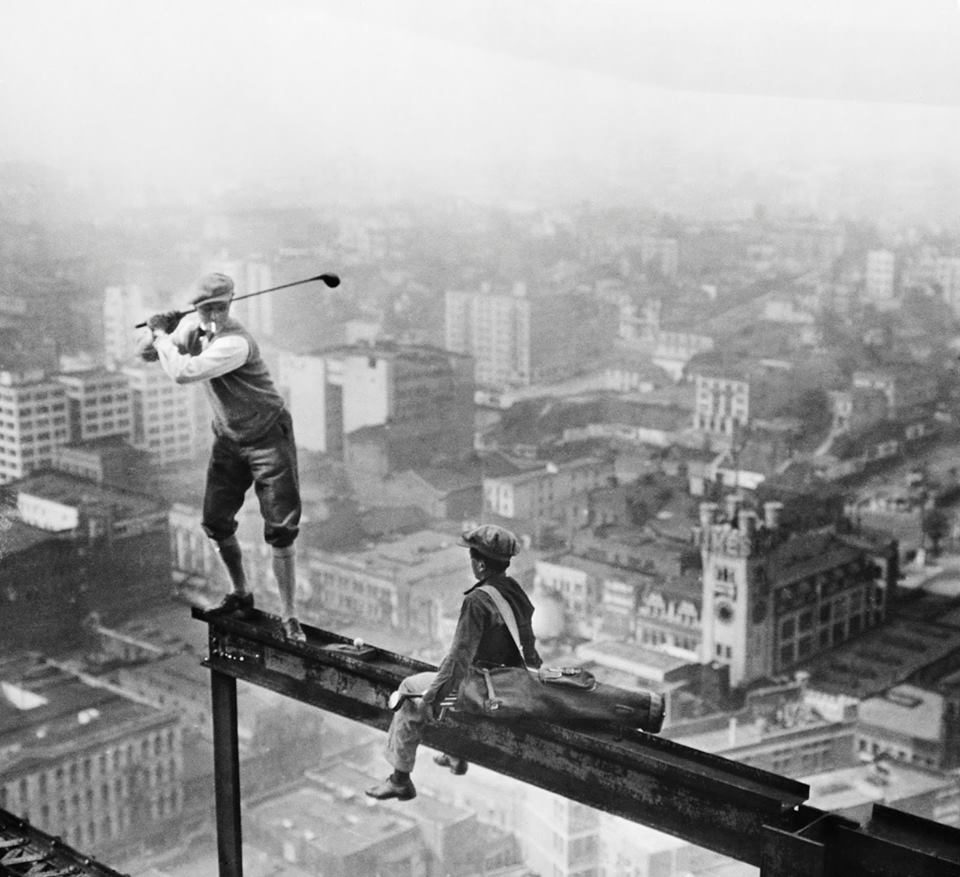
Playing golf, 1927.
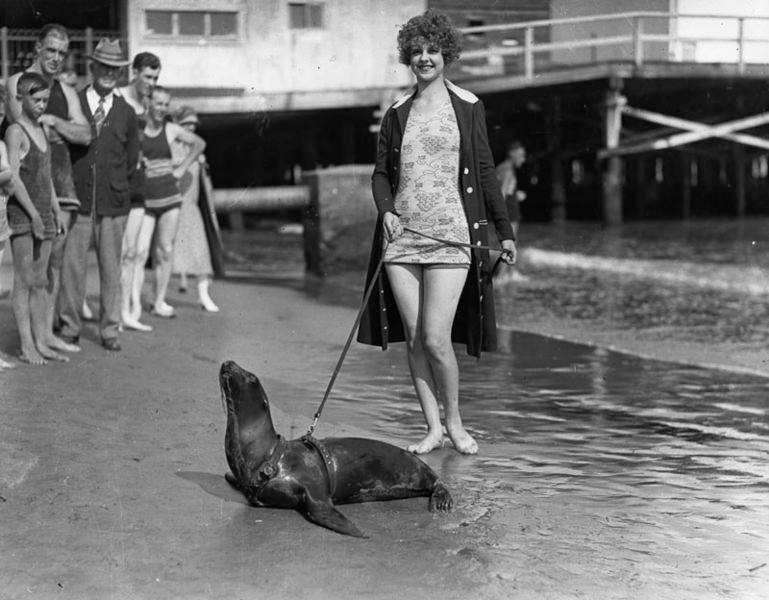
A woman in a bathing suit is walking a leashed seal on the beach in Long Beach as people watch, ca. 1920.
Greta Garbo, 1929.
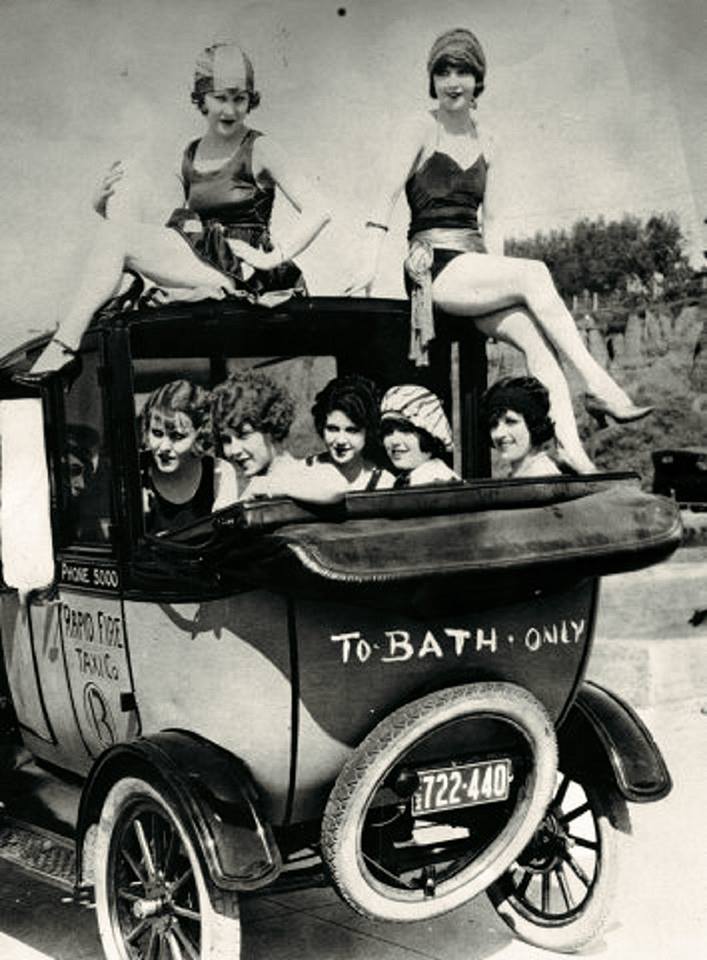
To Bath Only, circa 1920s.
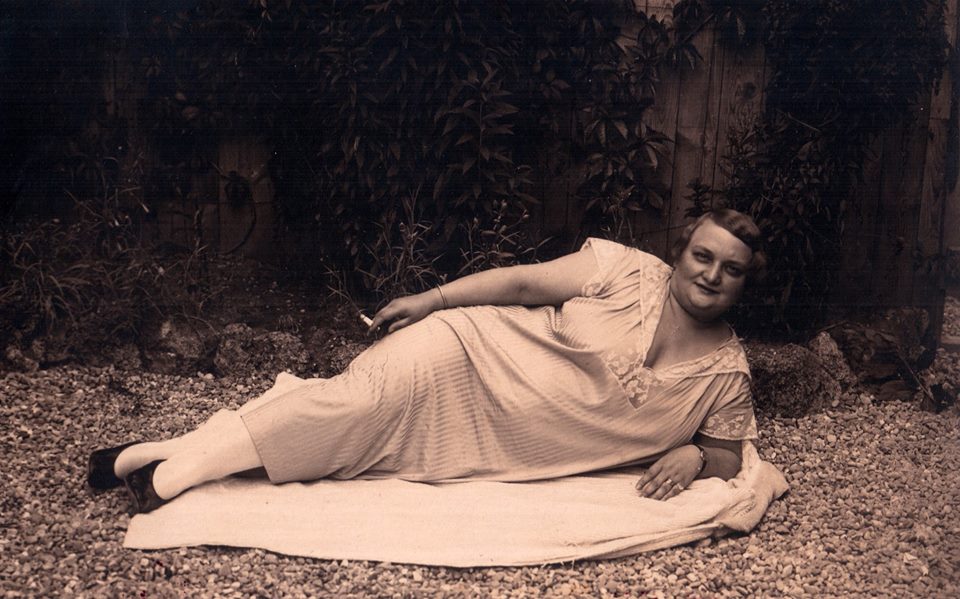
Smoking beauty, circa 1920s.
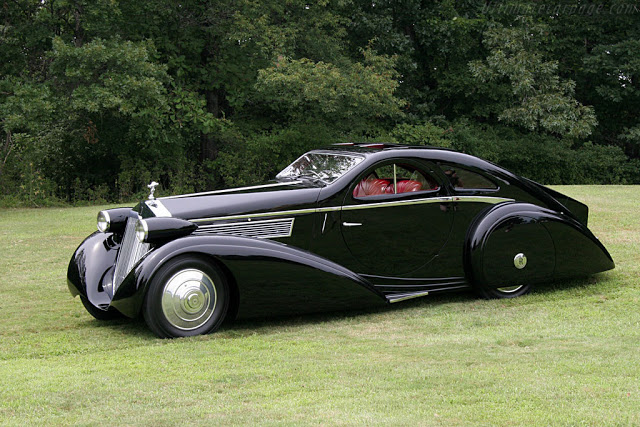
1925 Rolls Royce Phantom I Jonckheere Coupe
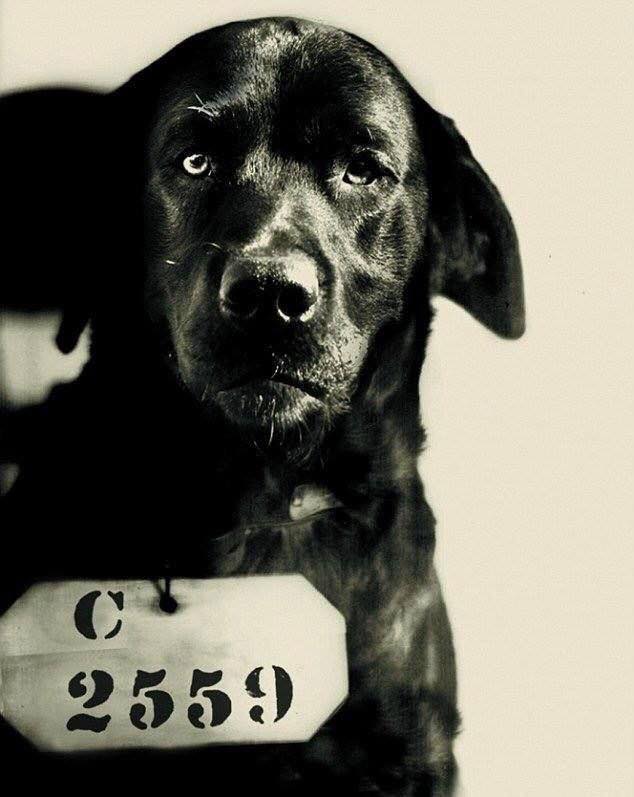
Pep – sentenced to life in prison for killing the Pennsylvania Governor’s pet cat. 1924.
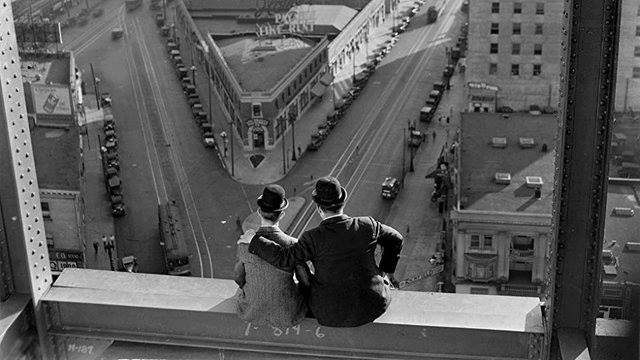
Laurel and Hardy, 1929.
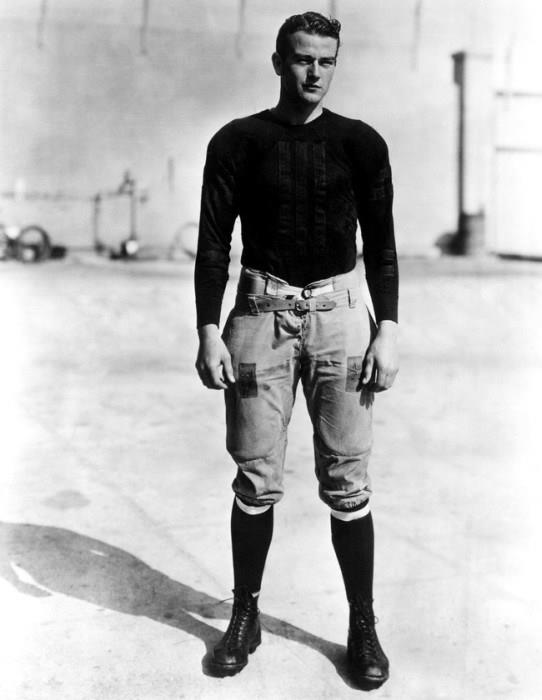
Young football player Marion Morrison, aka John Wayne, 1926.
A flapper seated with a flask in her garter during Prohibition, 1926.
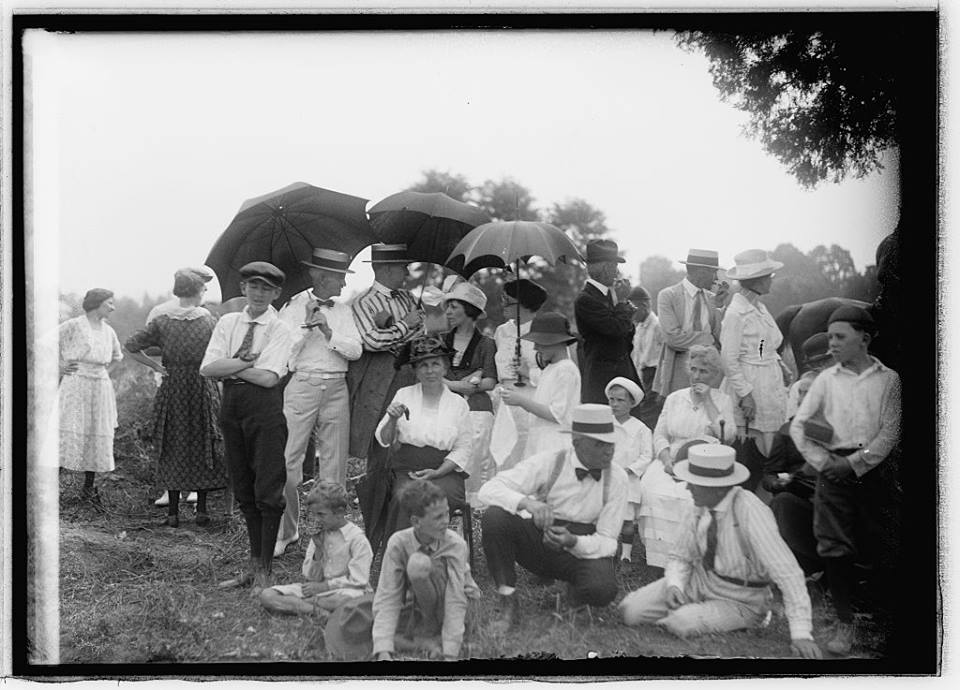
A 4th of July picnic in Vienna, Virginia, 1921.
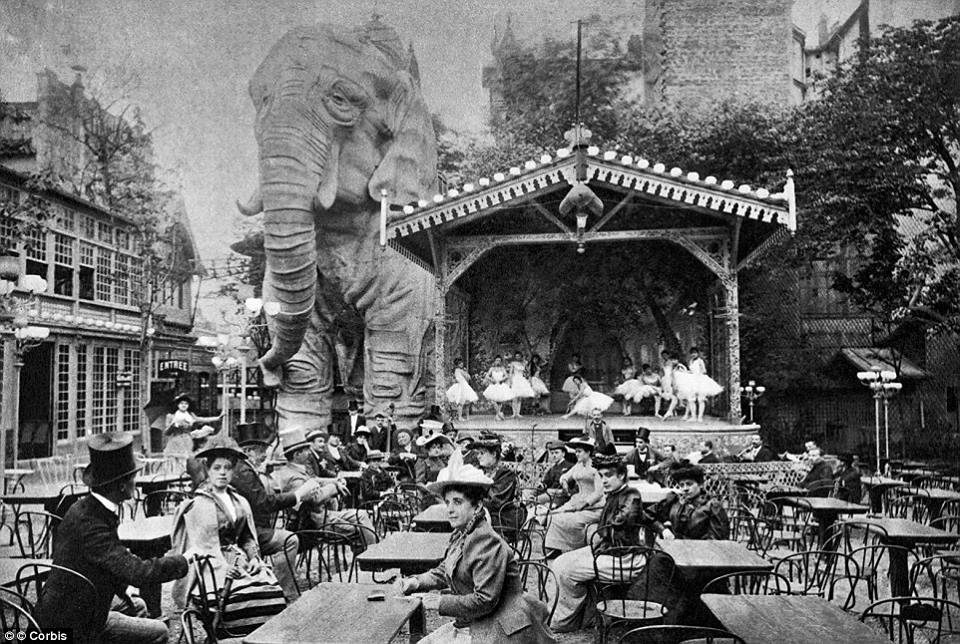
The notorious reputation of the Moulin Rouge in Paris was fueled further by the addition of a giant wooden elephant which had a room in its belly for intimate dances .
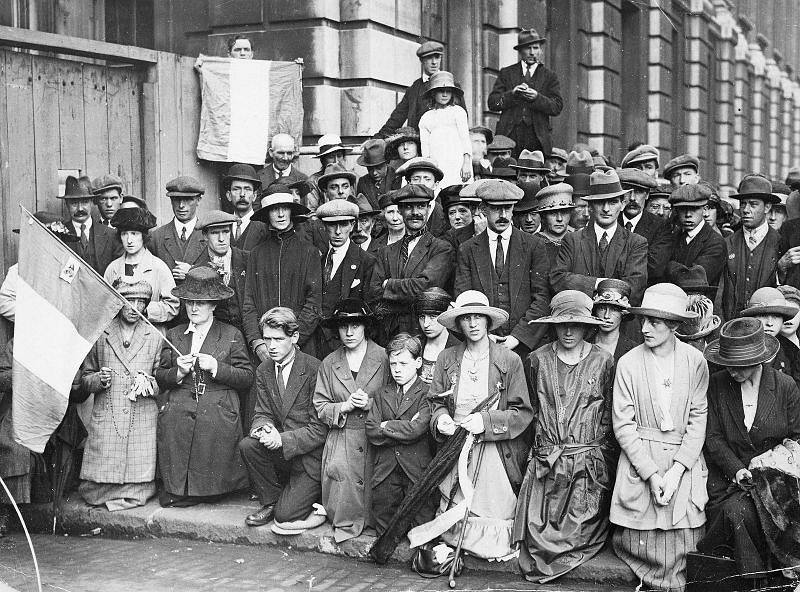
A prayer vigil, during the Irish Civil War, in London, 1921.
Recording the roar of one of the MGM lions back in 1929.

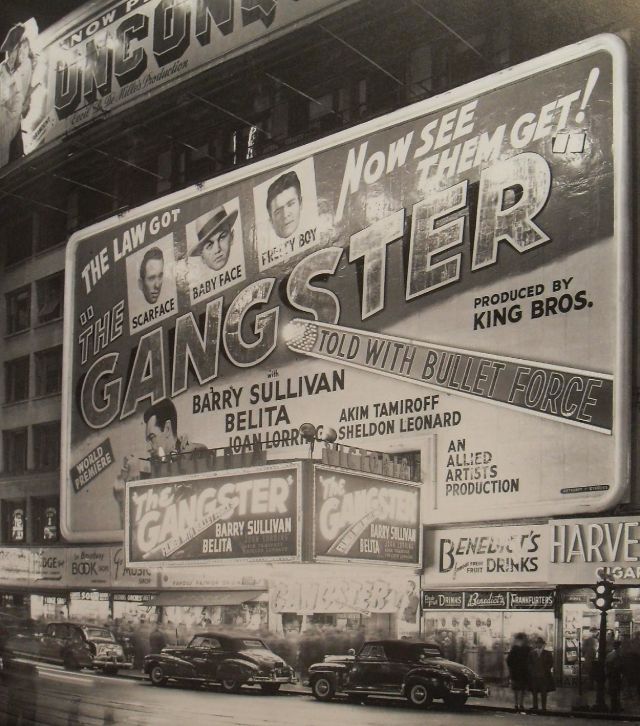
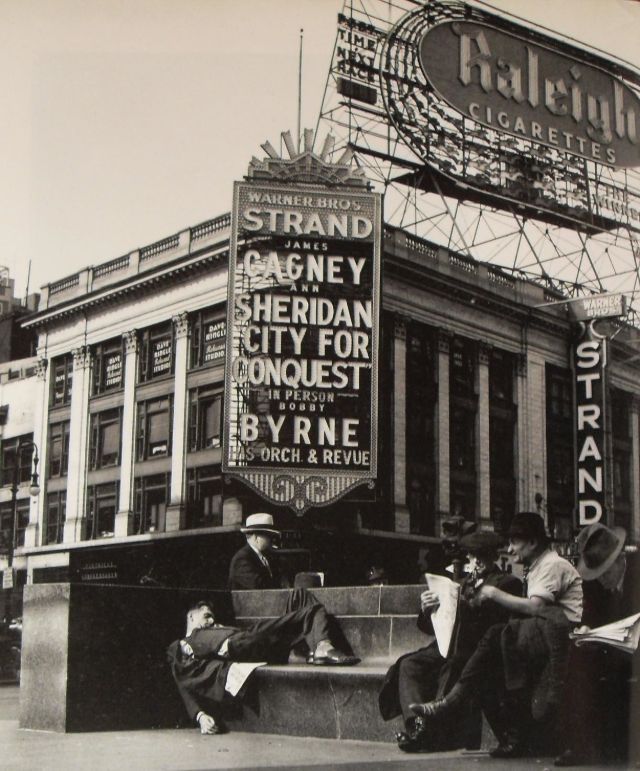
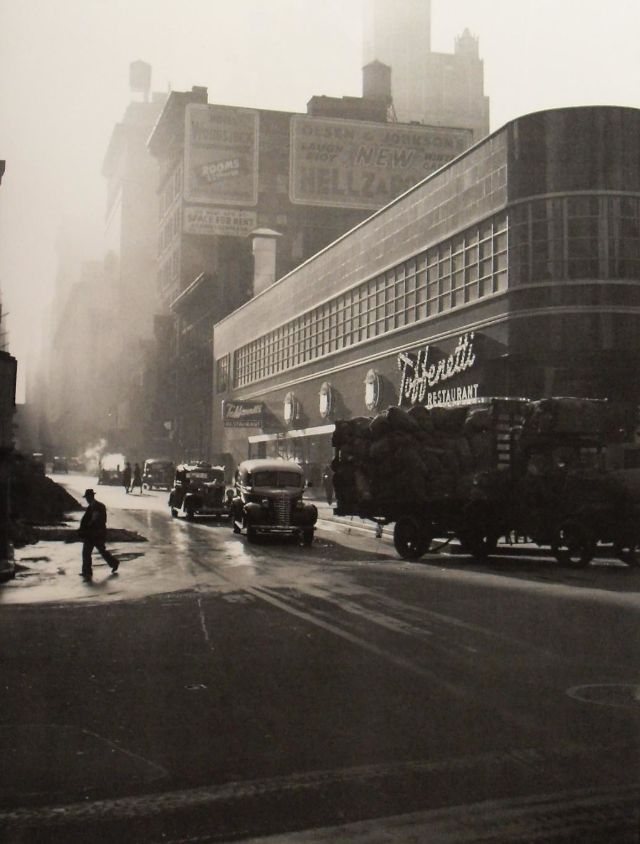
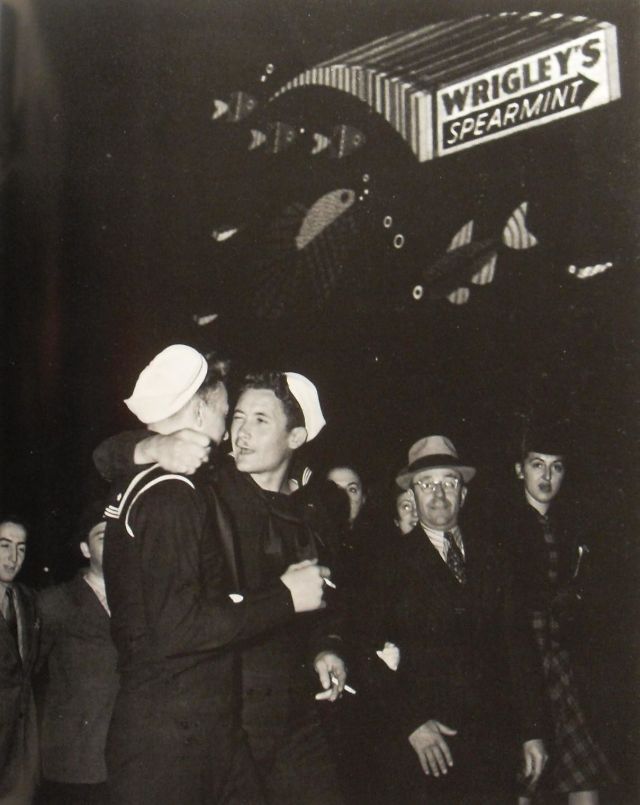
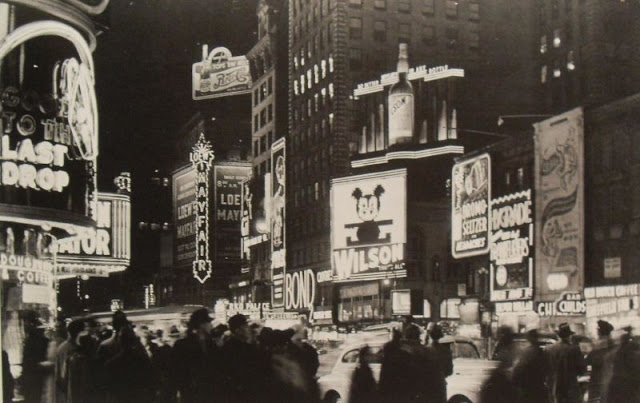
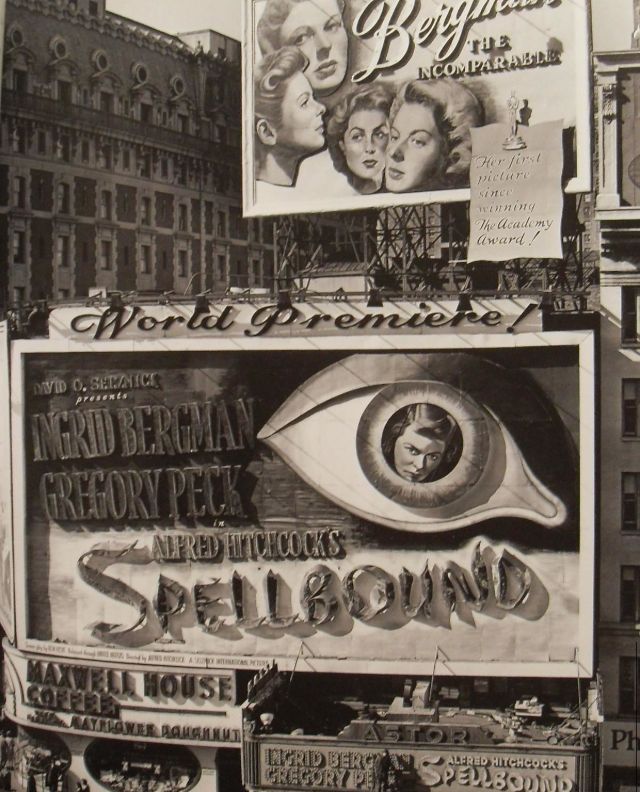
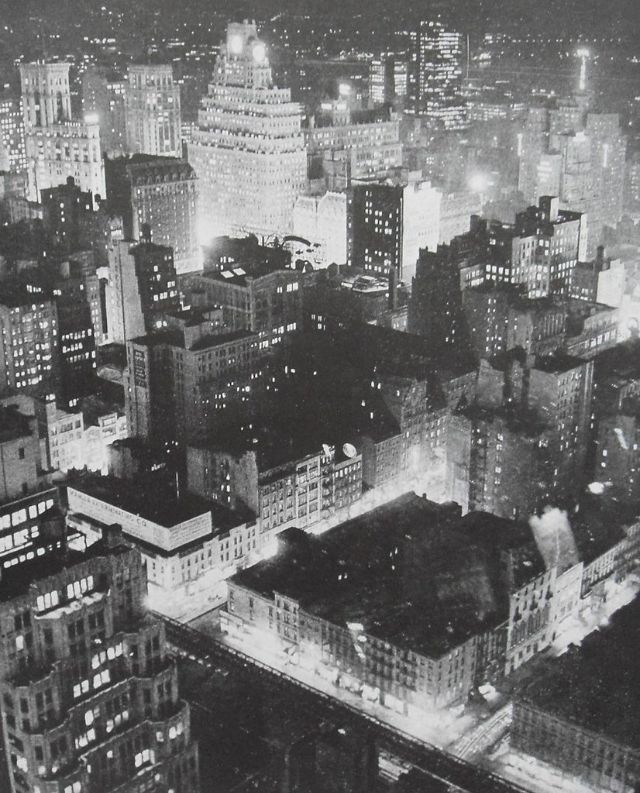
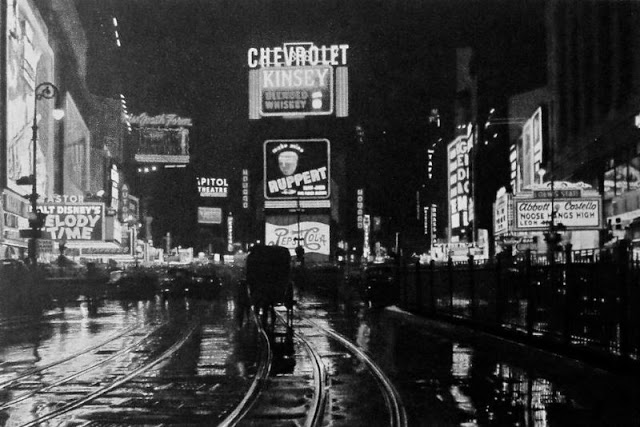
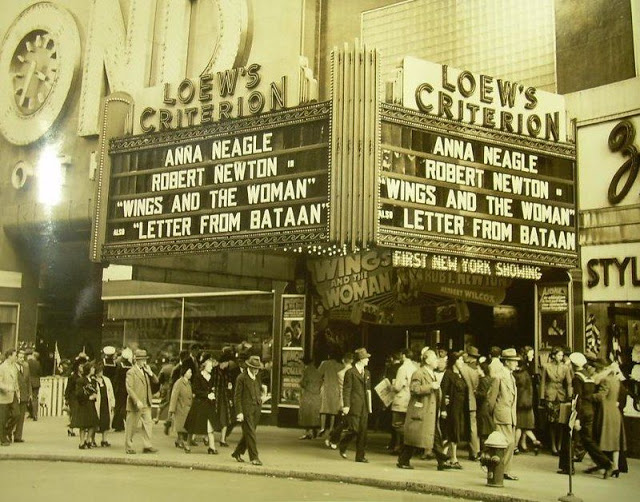
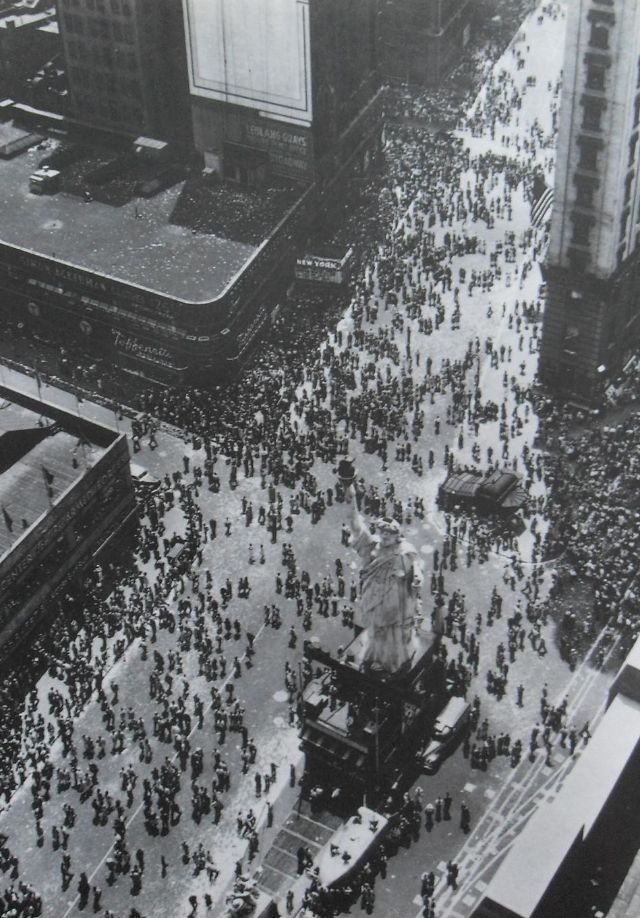
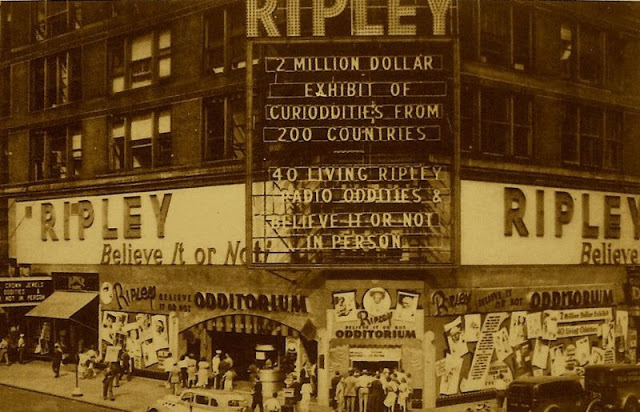
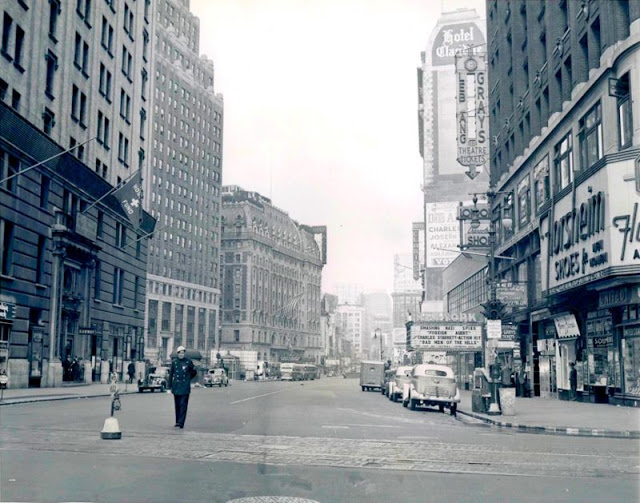
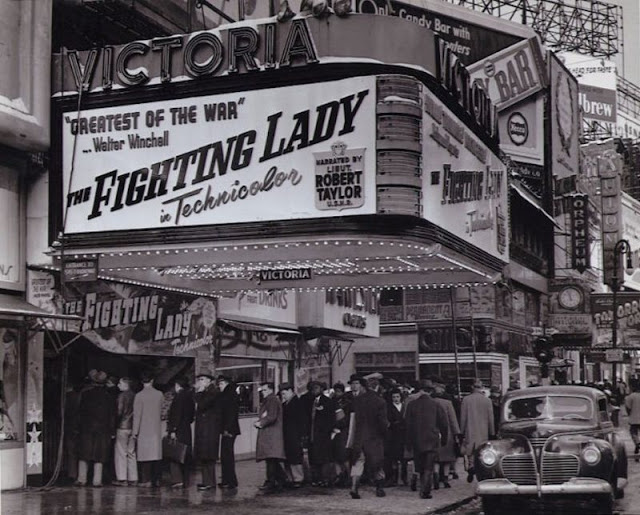
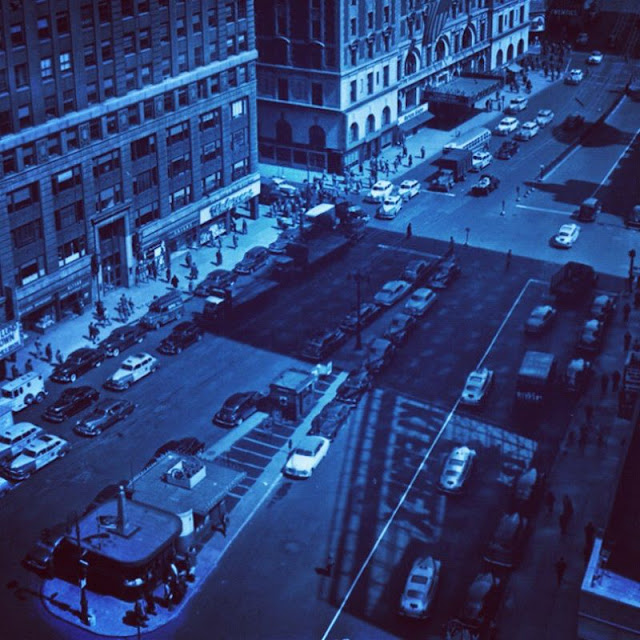
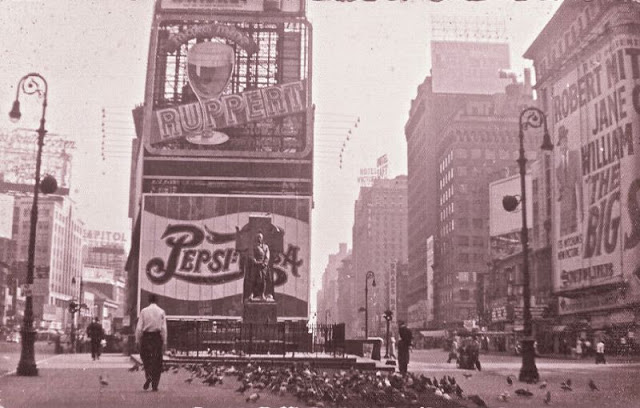
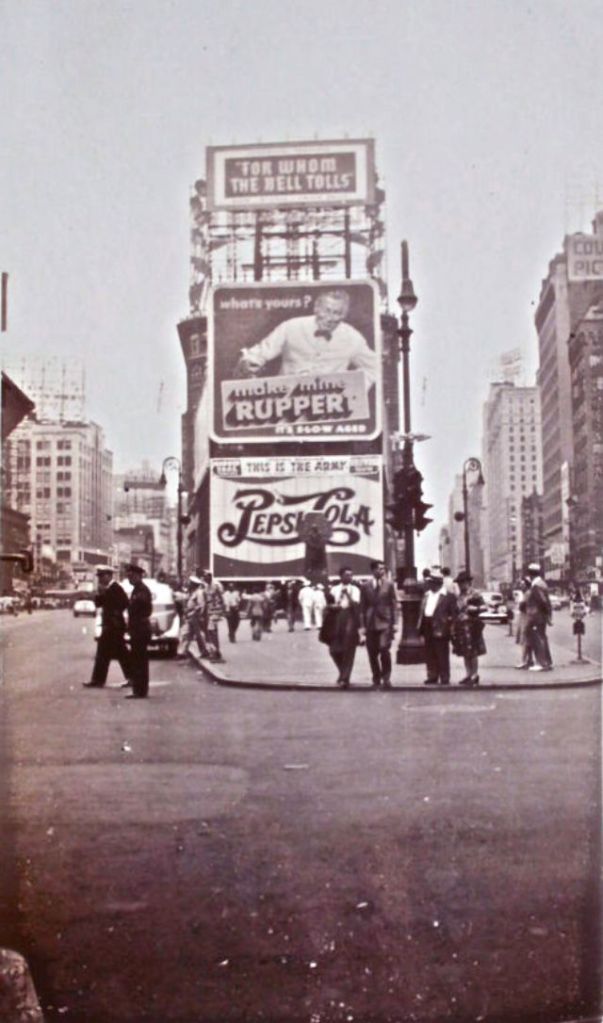
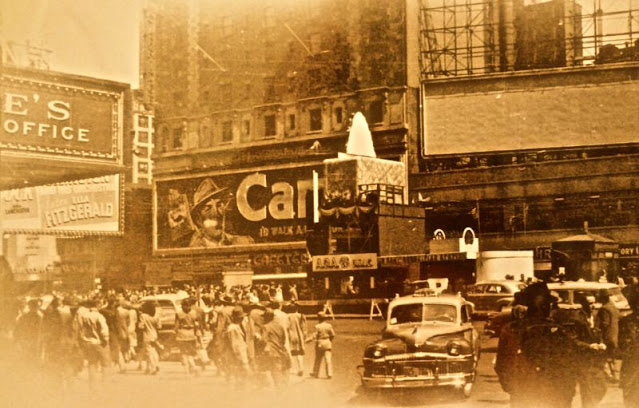
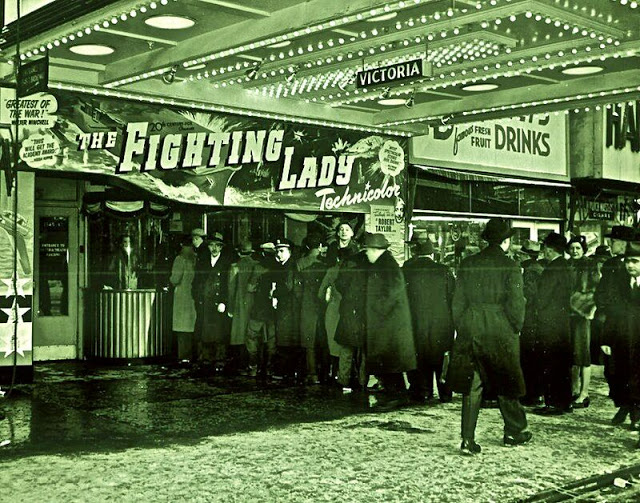
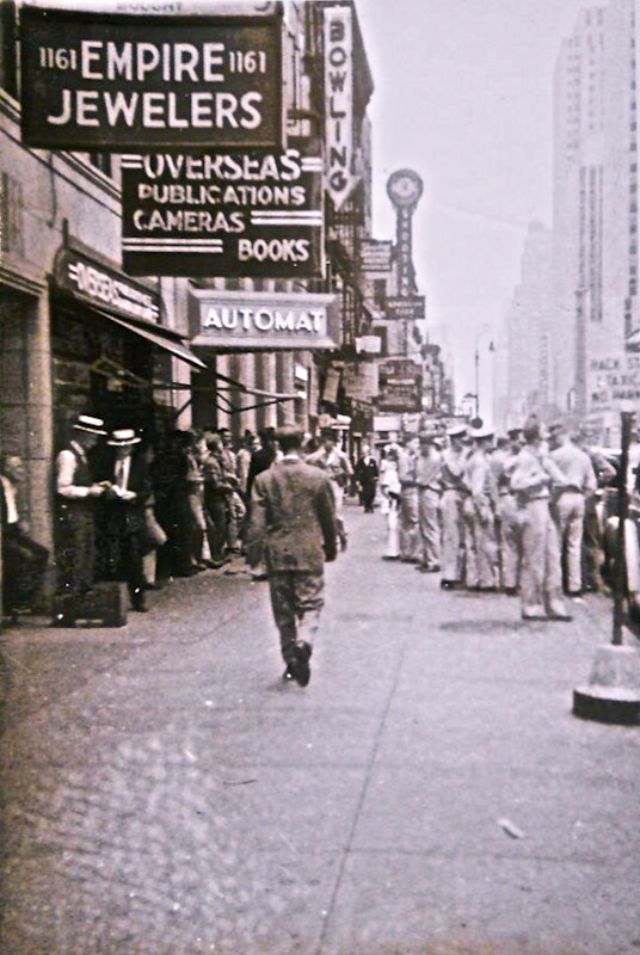
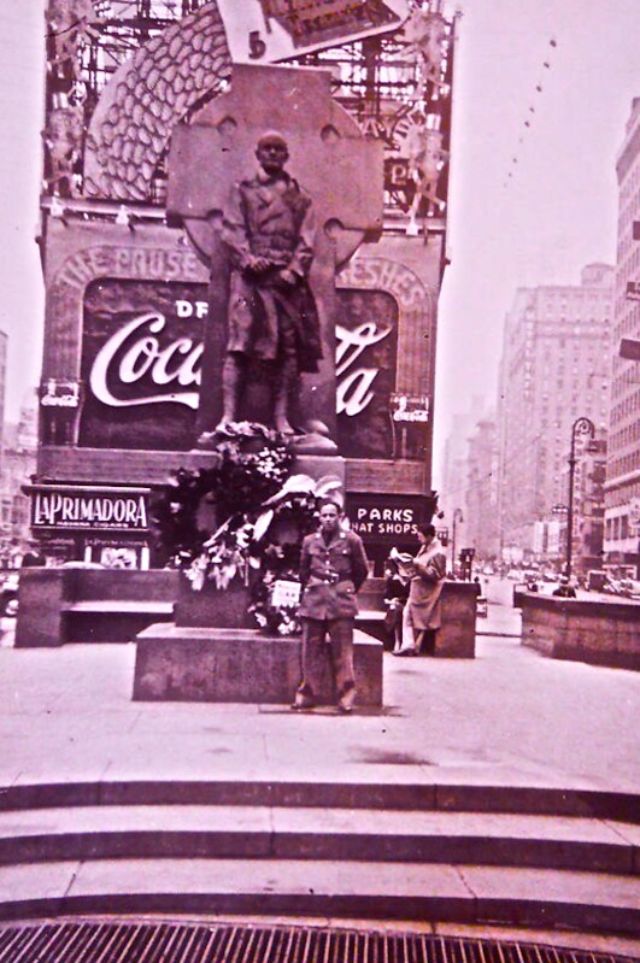
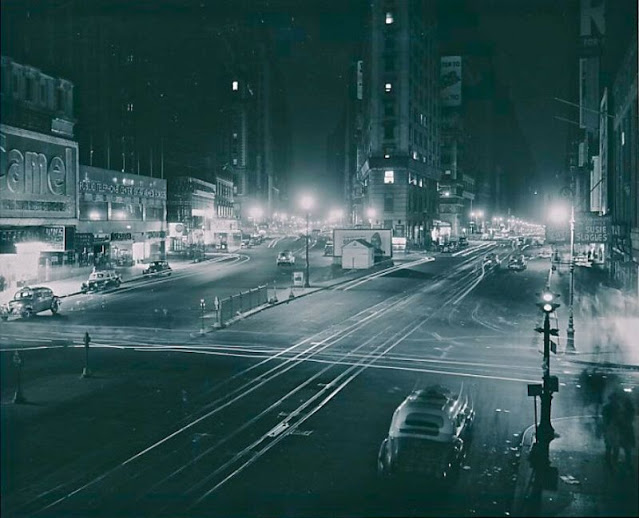
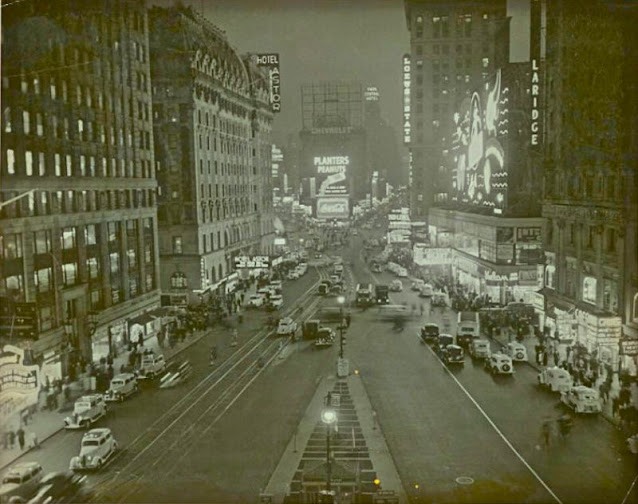
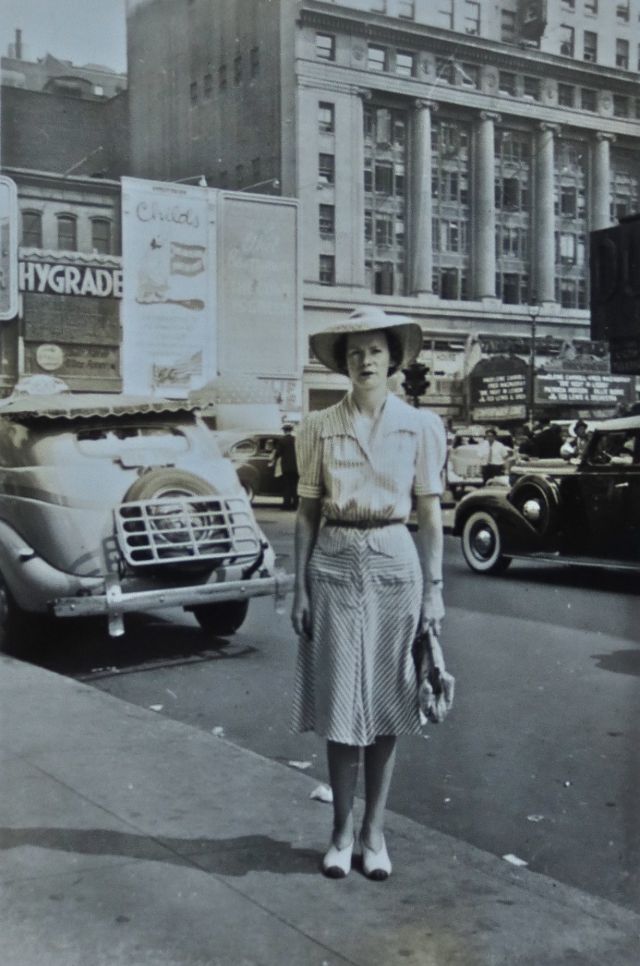
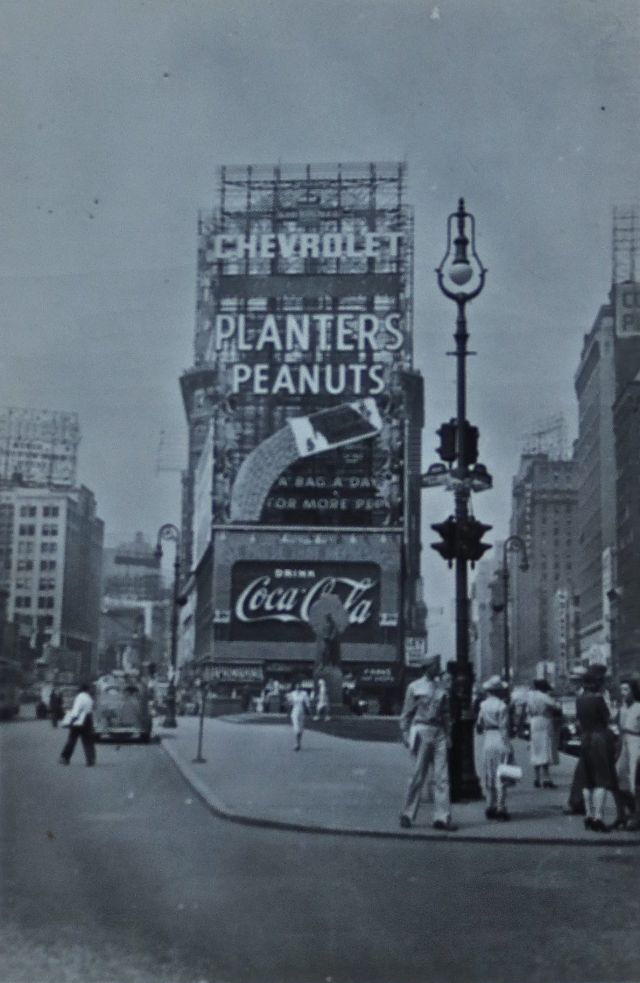
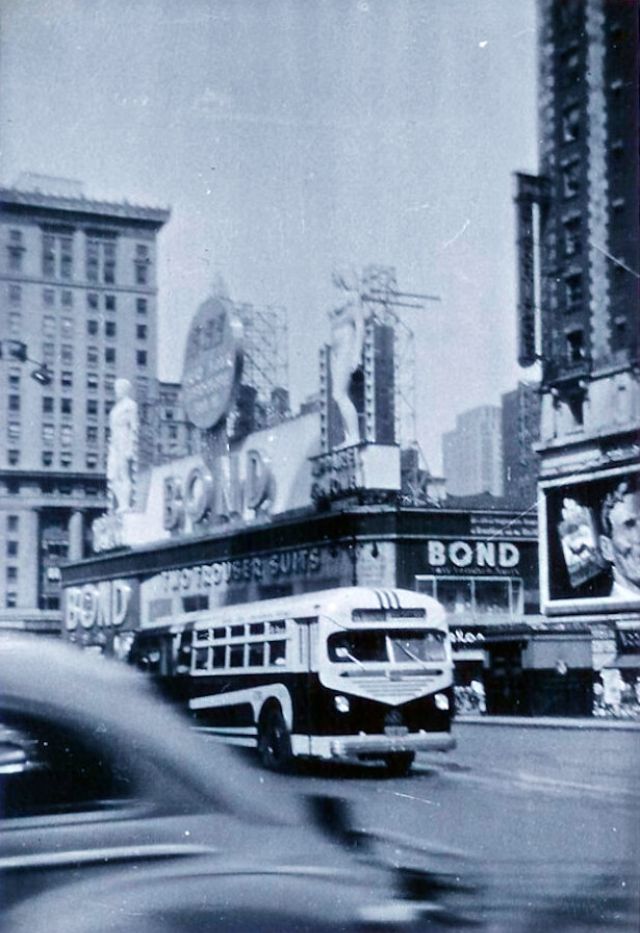
40 Amazing Vintage Photos of Times Square in the 1940s

Times Square is a major commercial intersection in central Manhattan at the junction of Broadway and Seventh Avenue. It acquired its name in 1904 when Albert Ochs, publisher of The New York Times, moved the newspaper’s headquarters to a new skyscraper on what was then known as Longacre Square. The name stuck, even after The New York Times moved across Broadway in 1913.

Times Square is sometimes referred to as “the Crossroads of the World”, “the Center of the Universe”, “the heart of the Great White Way”, and “the heart of the world”. It is one of the world’s busiest pedestrian areas, and also the hub of the Broadway Theater District and a major center of the world’s entertainment industry.

Now known worldwide as a symbol of the American spirit, Times Square is home to many popular Manhattan attractions, including Hard Rock Cafe, Madame Tussauds Wax Museum, and ABC’s Times Square Studios (where Good Morning America is filmed).

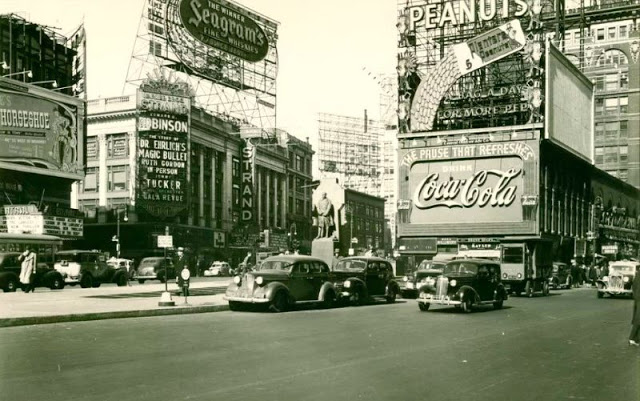
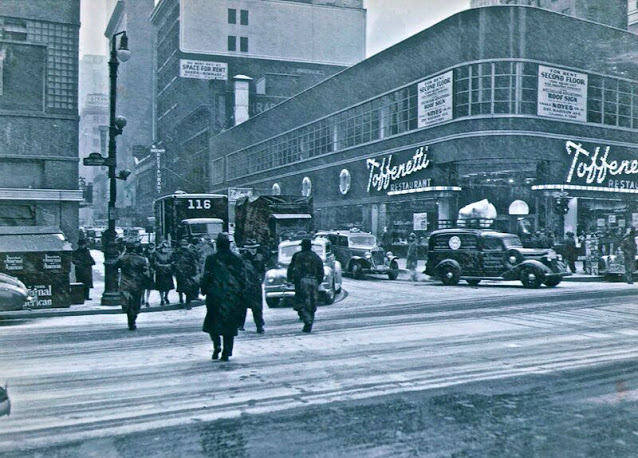
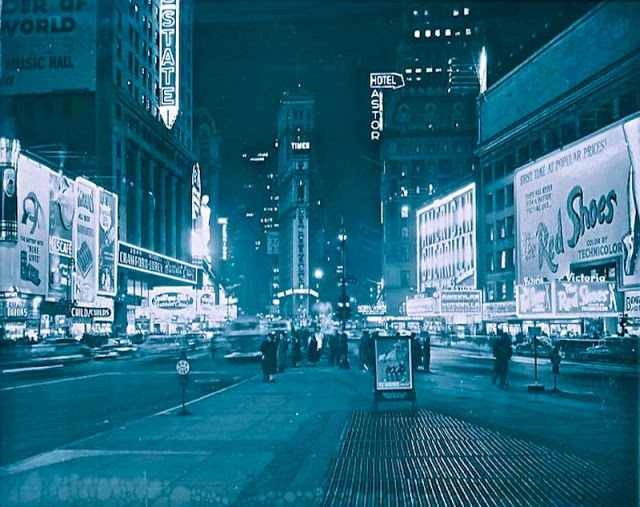
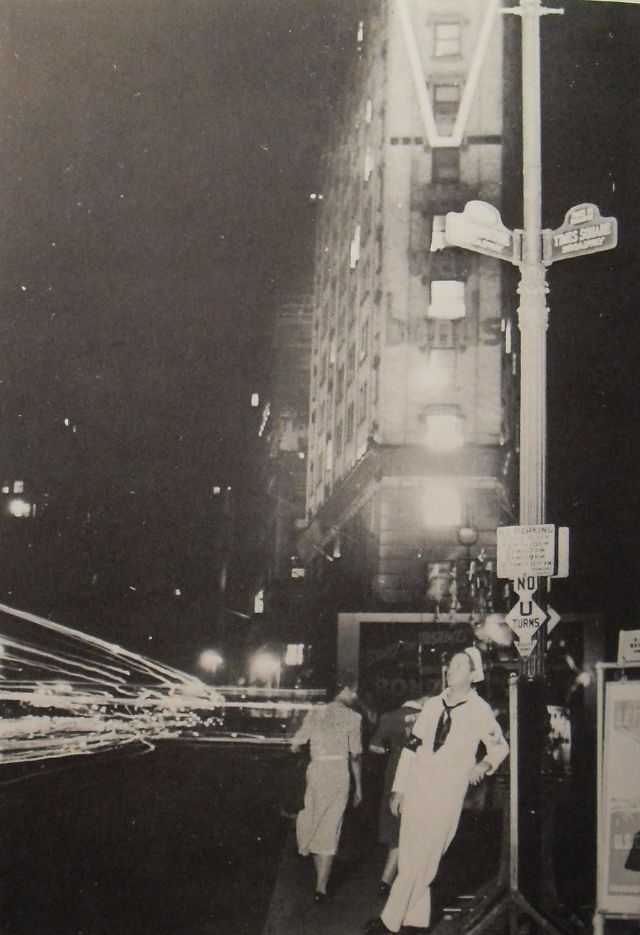
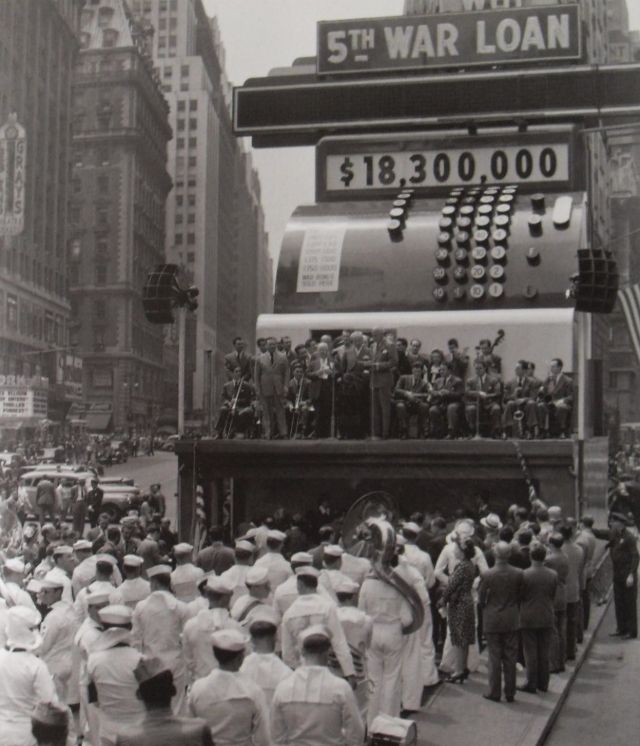
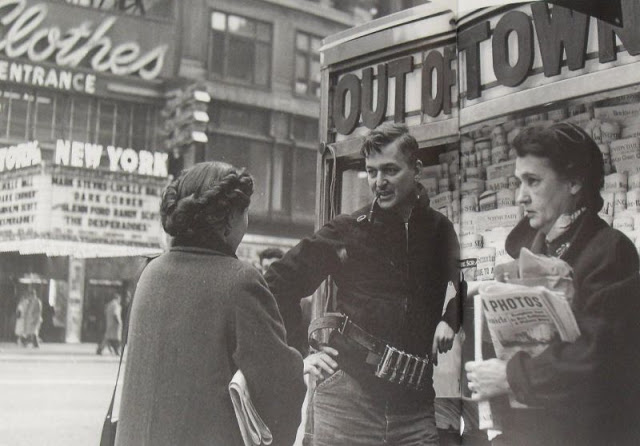
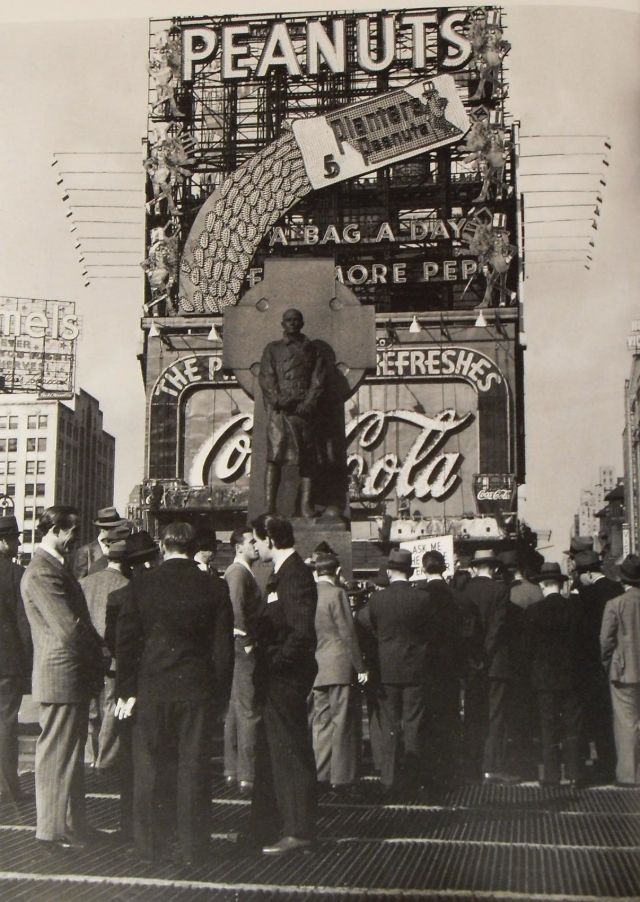
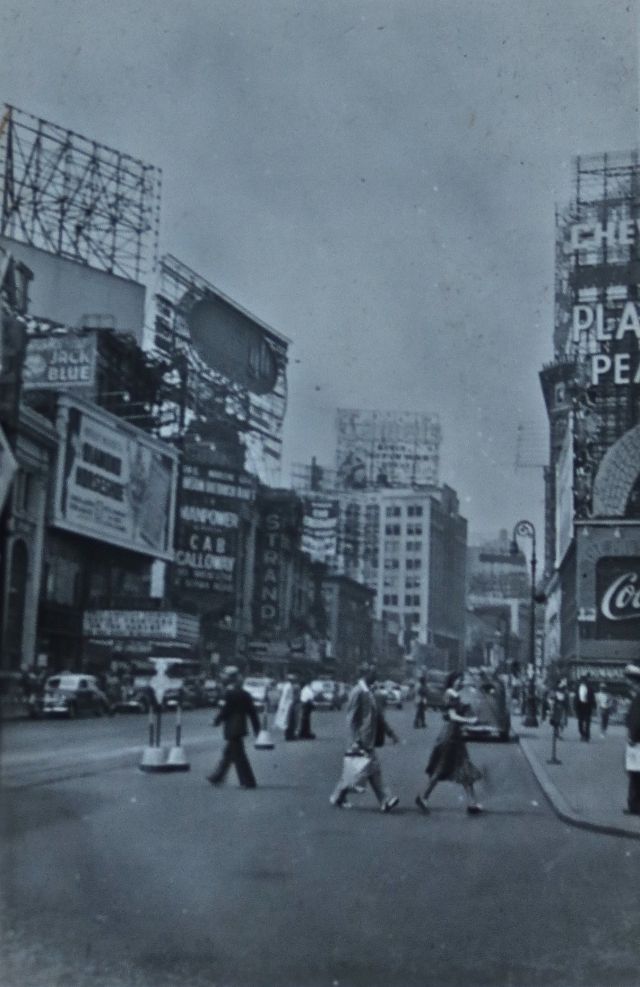
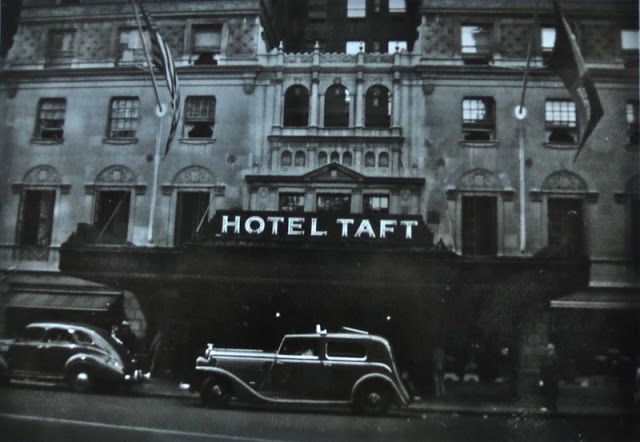
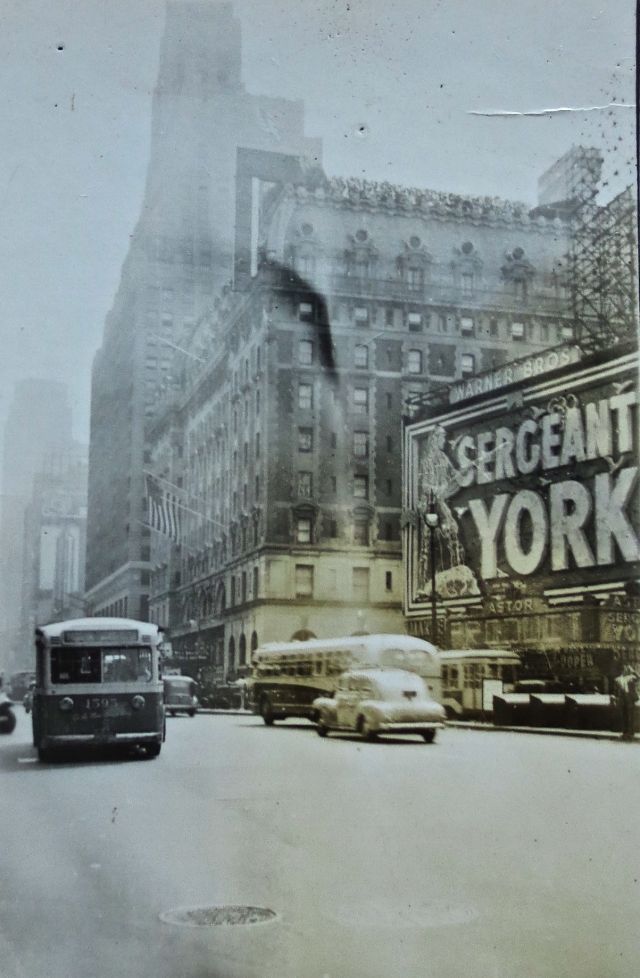
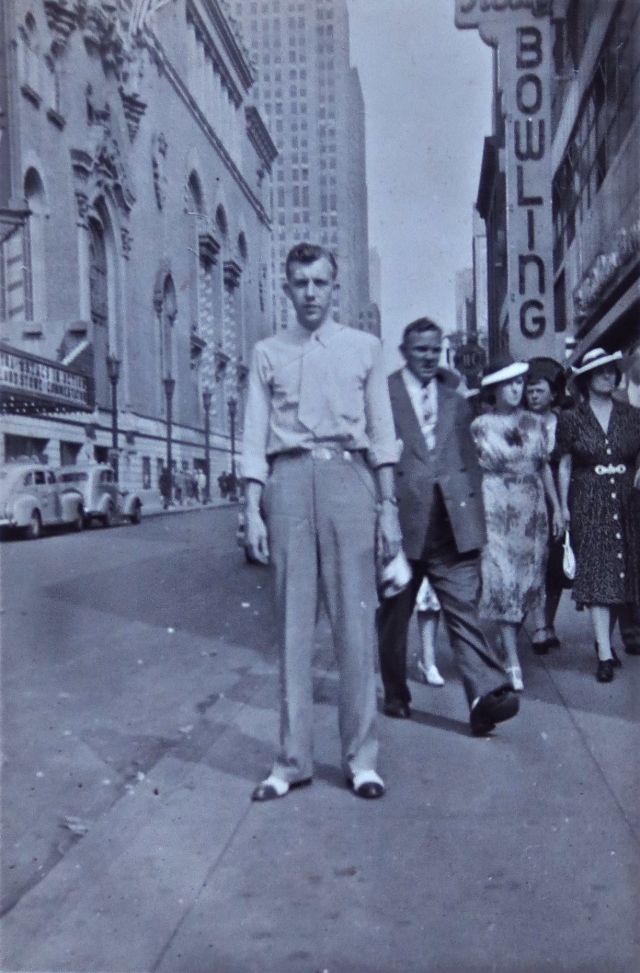
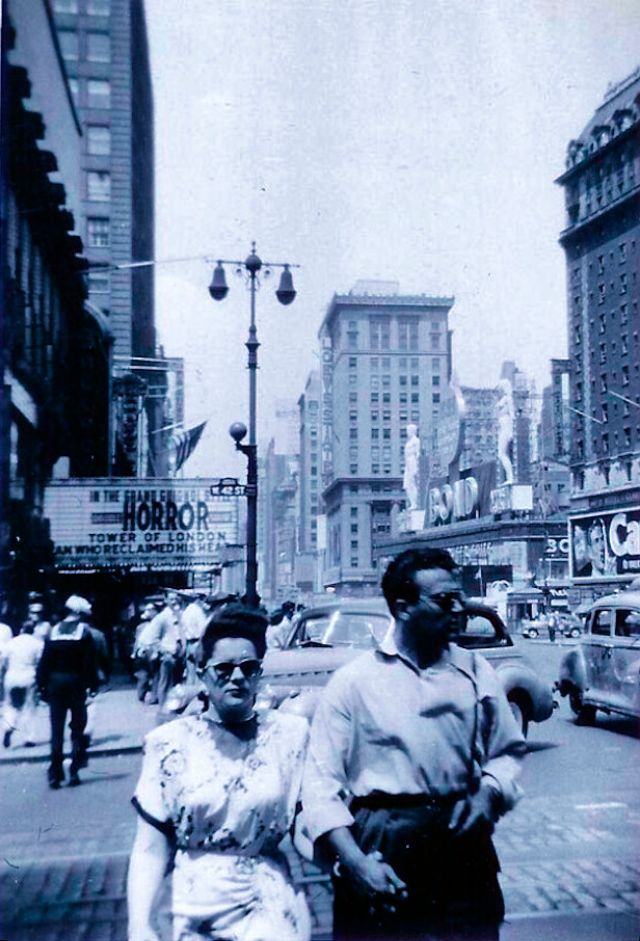
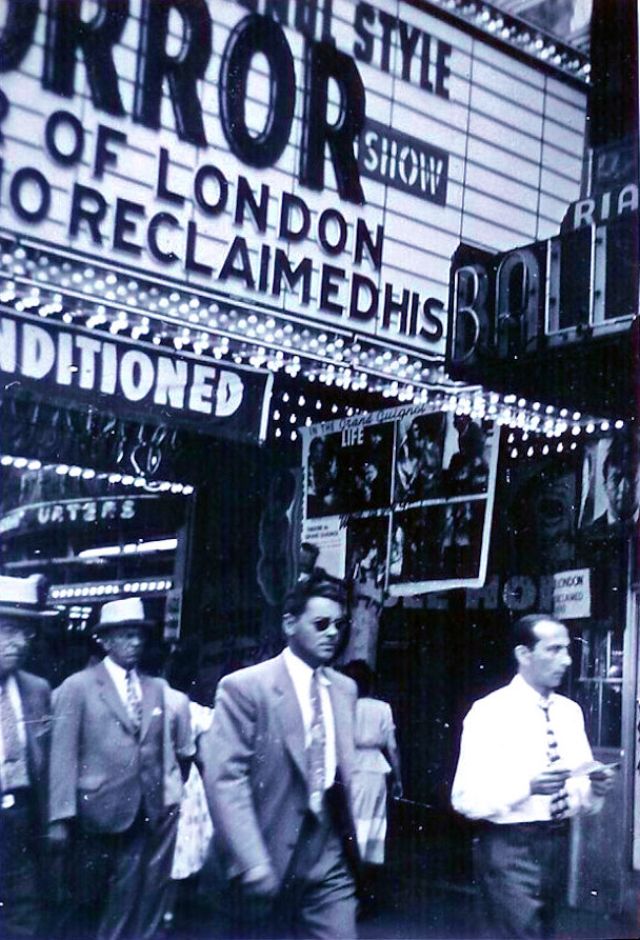
Here is a set of fascinating black and white photos that shows what Times Square looked like in the 1940s.

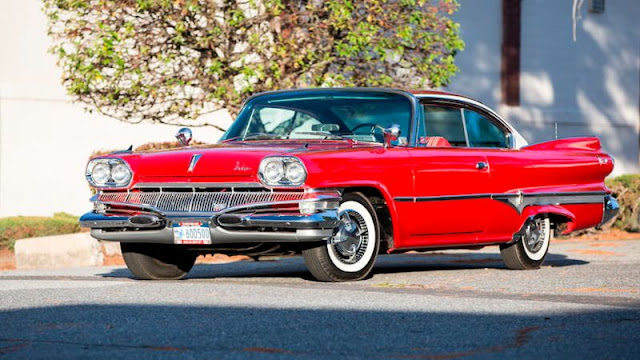
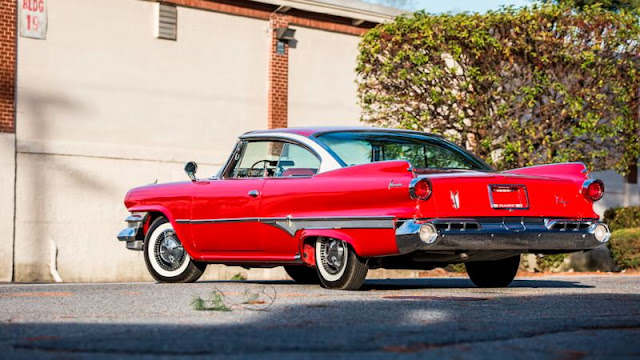
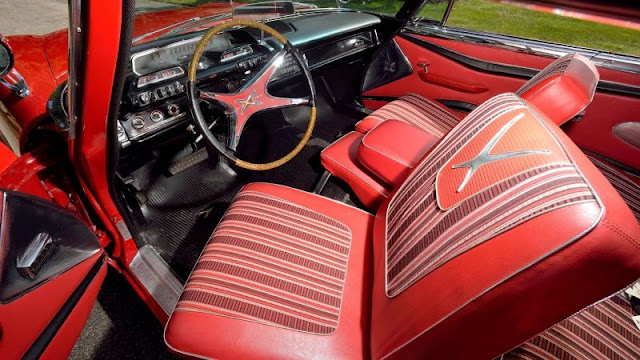
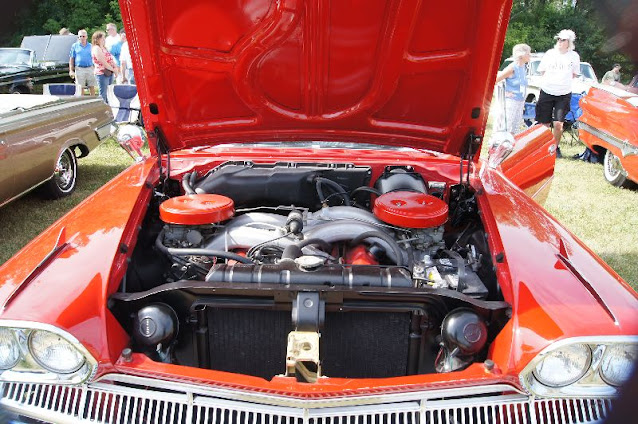
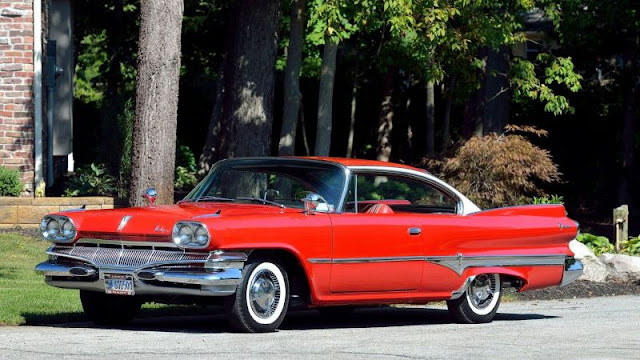
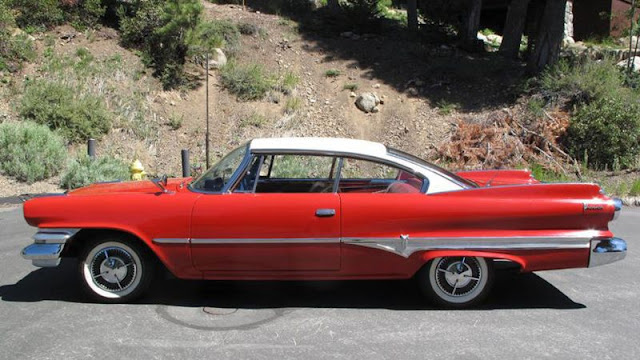
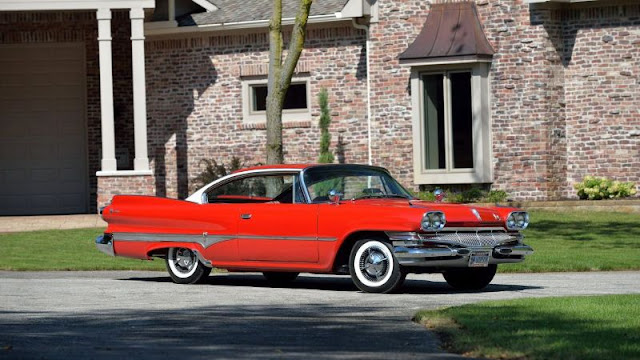
Photos of the 1960 Dodge Dart Phoenix D-500

The 1960s opened with great promise. The Dodge Dart was a new model that year, based on a mid-sized 118-inch wheelbase unibody design adopted from Plymouth, and the Phoenix was the premium trim package for it. This special Phoenix was further equipped with the performance-oriented D500 package; indeed, this amazing motorcar features not only its original drivetrain and sheet-metal, but nearly every available option that could be added to this vehicle platform in 1960.

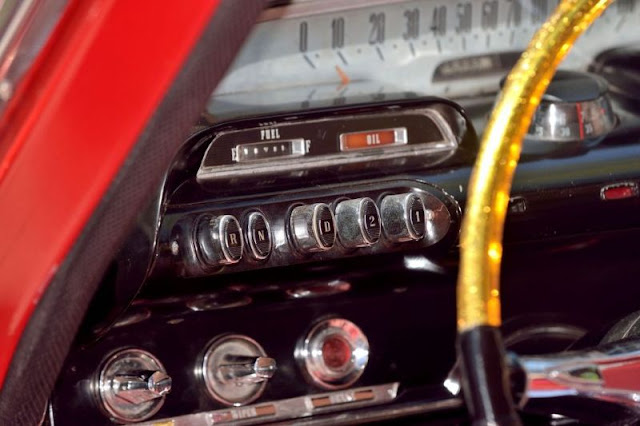
Dodge created 586 Phoenix D500-optioned Darts in 1960, but few were as spectacular as this one. The car is equipped with the 383/330 HP V-8 engine with Chrysler’s special long-tube D500 ram induction, which featured dual 4-barrel carburetors mounted on sonically tuned cast manifolds that looped across each opposing valve cover. It is backed by the pushbutton-activated TorqueFlite automatic transmission. The car, featuring its Ghia-inspired finned-and-piped panels as executed by designer Virgil Exner, is painted red and augmented by front bumper guards, backup lights, door-edge moldings and dual side mirrors; lower-body stone shields and deluxe wheel covers complete the picture of Dodge luxury.

Inside are red interior components, complete with rare power-swivel front seats, power windows, factory electric clock, foam-cushioned rear seat and an Astrophonic AM Radio with rear-seat speaker. Driving ease was accomplished with power steering and power brakes.

Here below is a photo set of the 1960 Dodge Dart Phoenix D-500, a reflection of the jet-age styling of the late 1950s and the cataclysms that brought about the legendary Chrysler products of the 1960s.

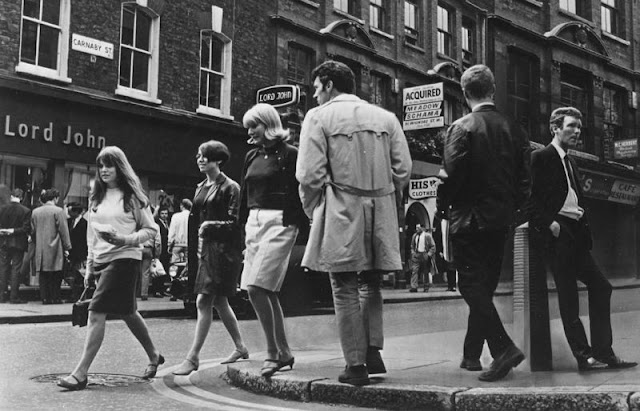
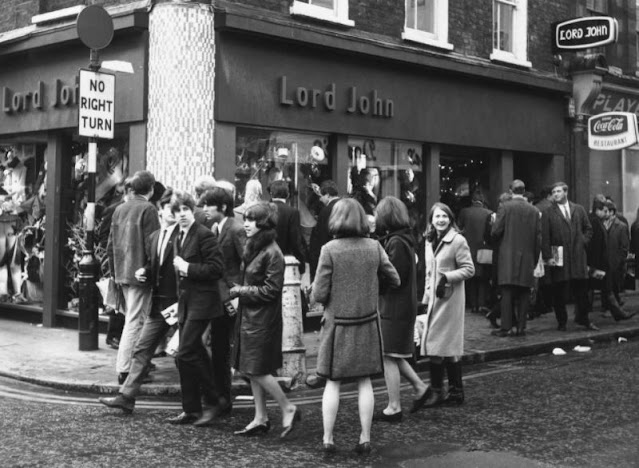
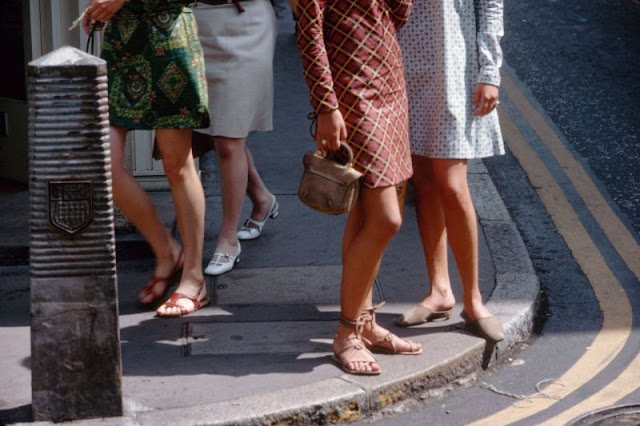
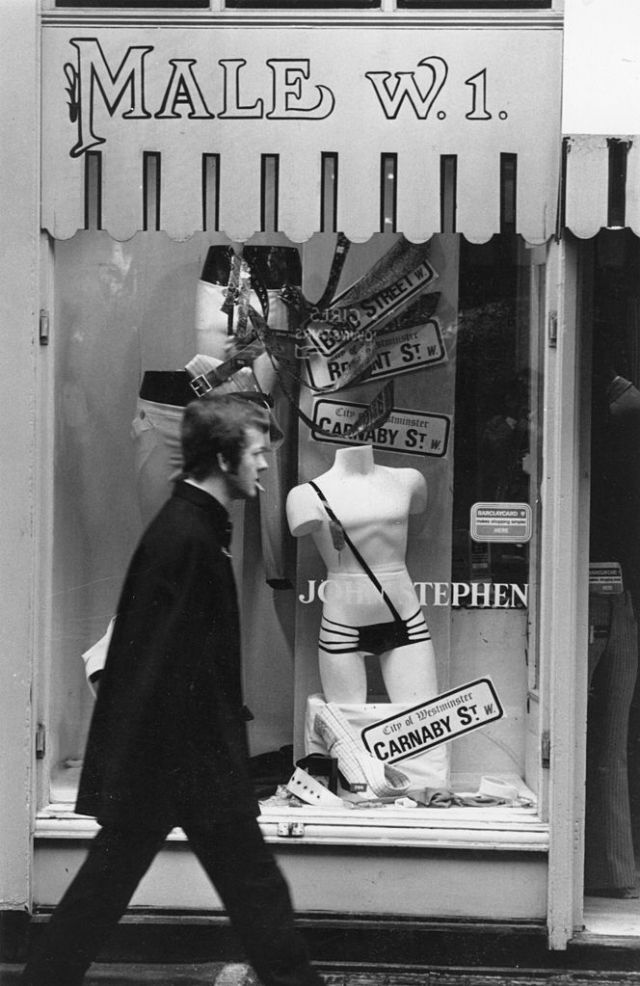
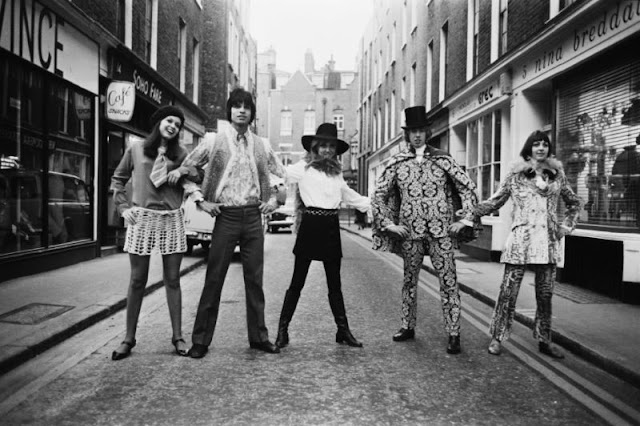
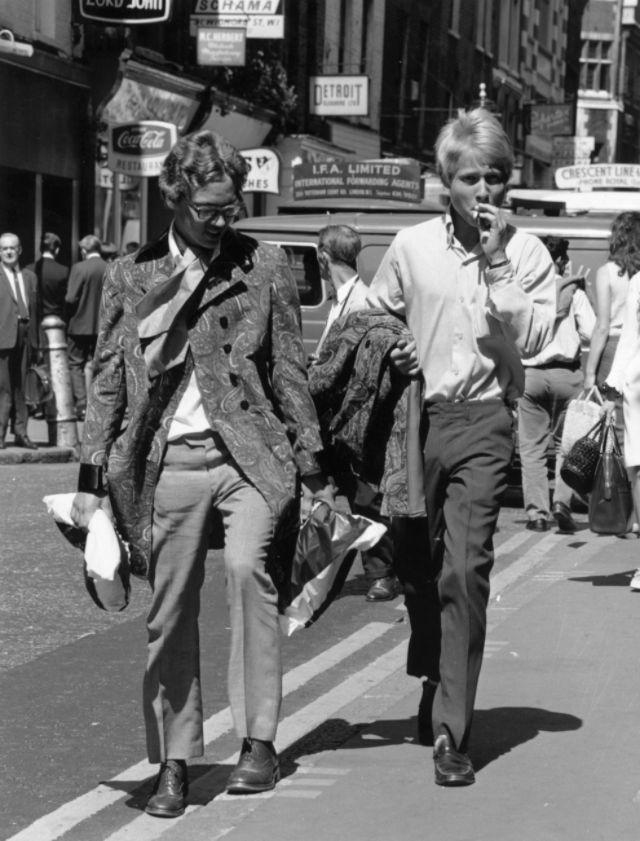
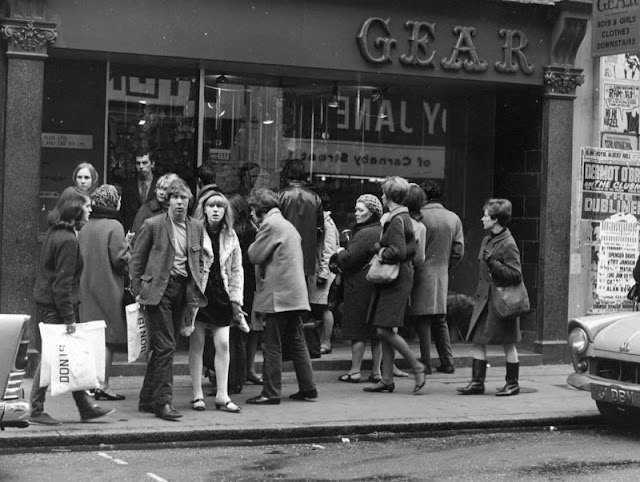
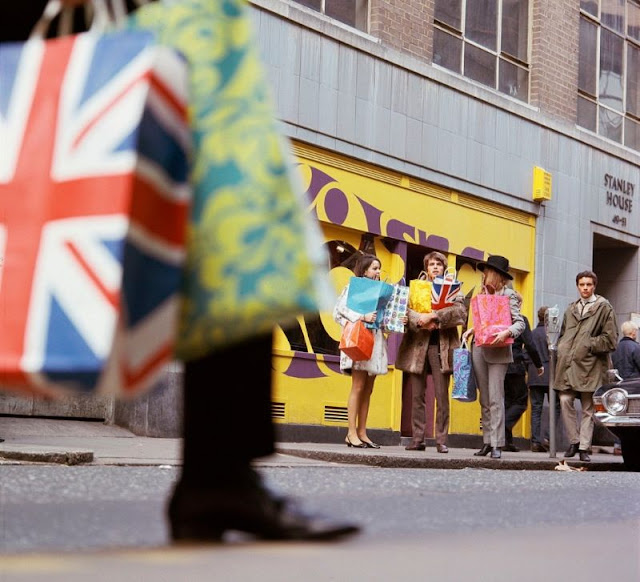
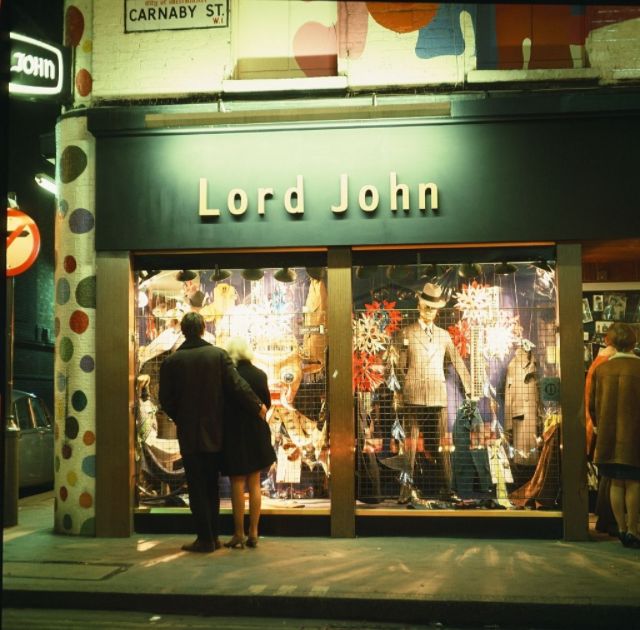
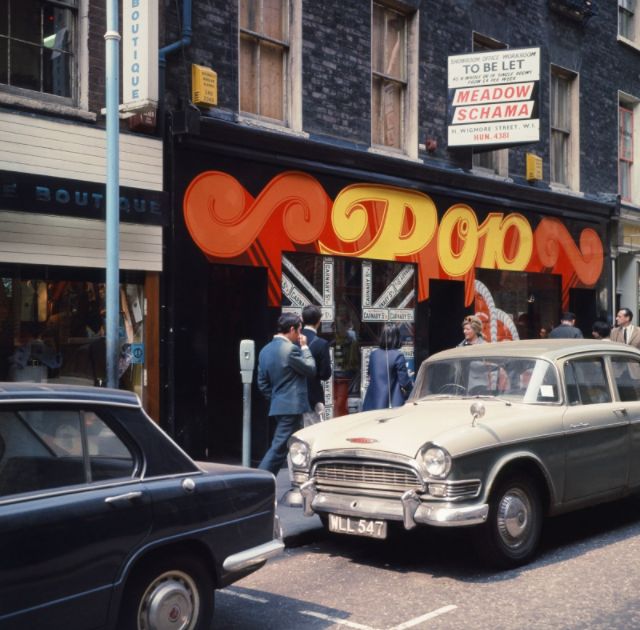
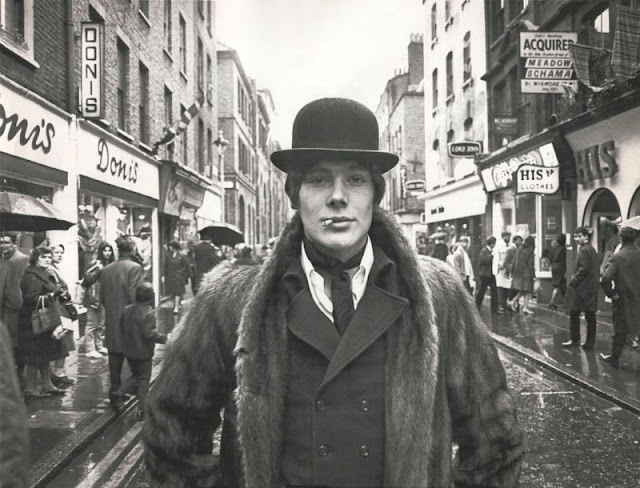
Swinging London: A Look Back at Carnaby Street in the Sixties

Carnaby Street is a pedestrianised shopping street in Soho in the City of Westminster, Central London. It is home to fashion and lifestyle retailers, including many independent fashion boutiques.

By the 1960s, Carnaby Street was popular with followers of the mod and hippie styles. Many independent fashion designers, such as Mary Quant, Marion Foale and Sally Tuffin, Lord John, Merc, Take Six, and Irvine Sellars, had premises in the street, and various underground music bars, such as the Roaring Twenties, opened in the surrounding streets. Bands such as the Small Faces, The Who and The Rolling Stones appeared in the area, to work (at the legendary Marquee Club round the corner in Wardour Street), to shop, and to socialise, so it became one of the coolest destinations associated with 1960s Swinging London.

The Carnaby Street contingent of Swinging London stormed into North American and international awareness with the 15 April 1966 publication of Time magazine’s cover story that extolled this street’s role: “Perhaps nothing illustrates the new swinging London better than narrow, three-block-long Carnaby Street, which is crammed with a cluster of the ‘gear’ boutiques where the girls and boys buy each other clothing…”

Take a look back at the “swingingest street in the world” in the 1960s through 25 stunning vintage photographs below:

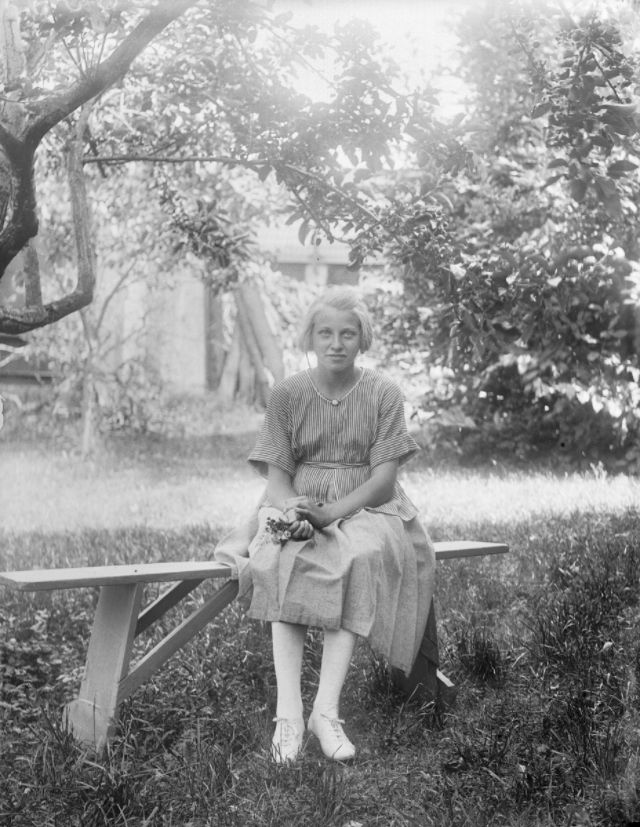
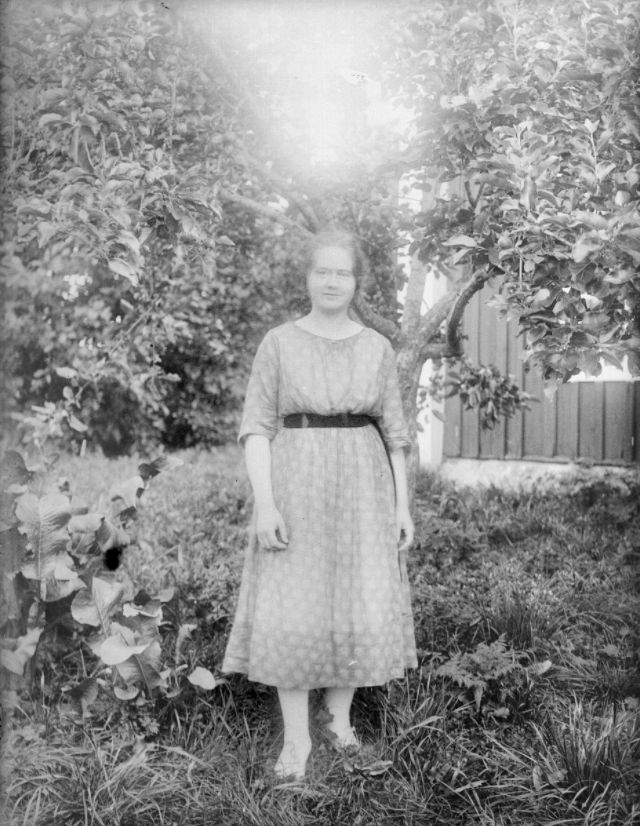
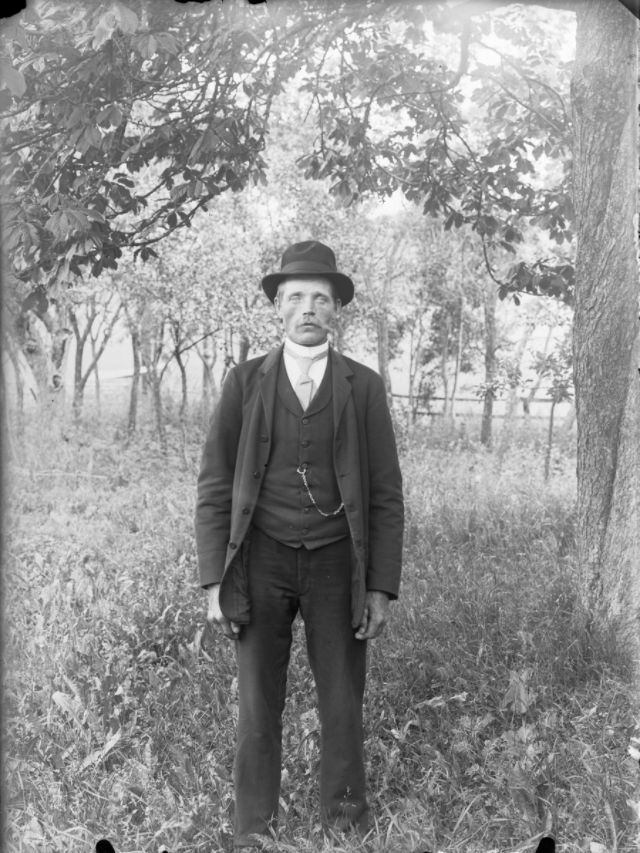
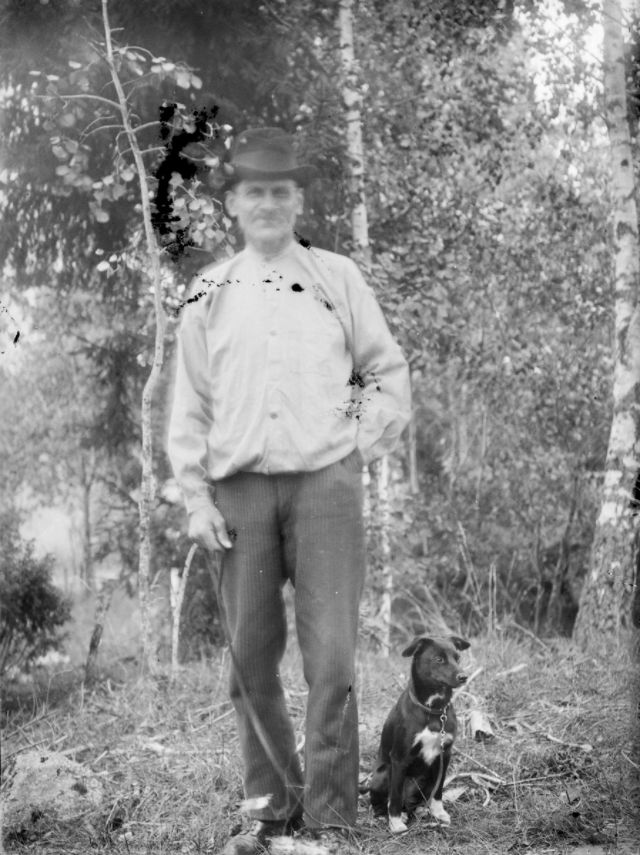
50 Amazing Portraits of Swedish People Taken by John Alinder From the 1910s to the Early 1930s

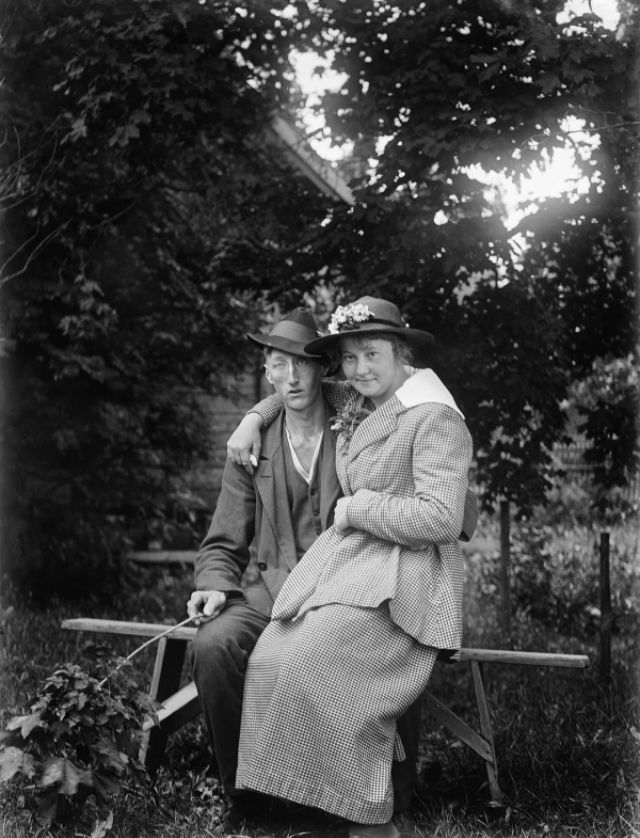
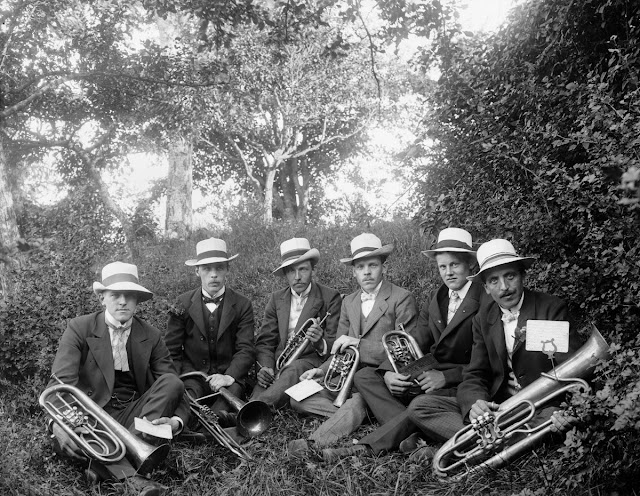
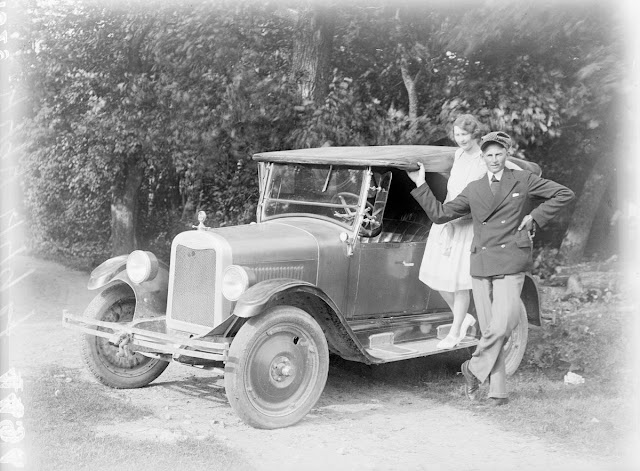
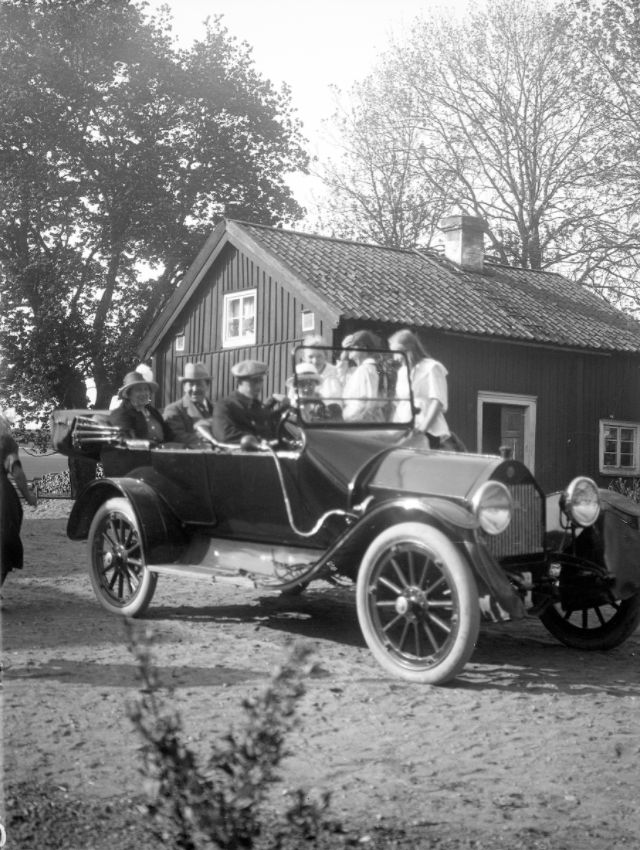
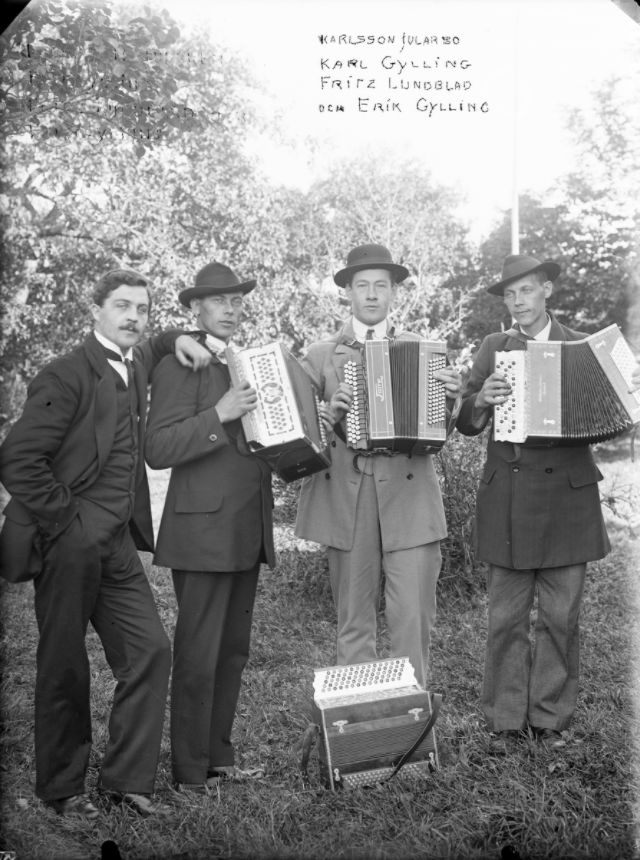
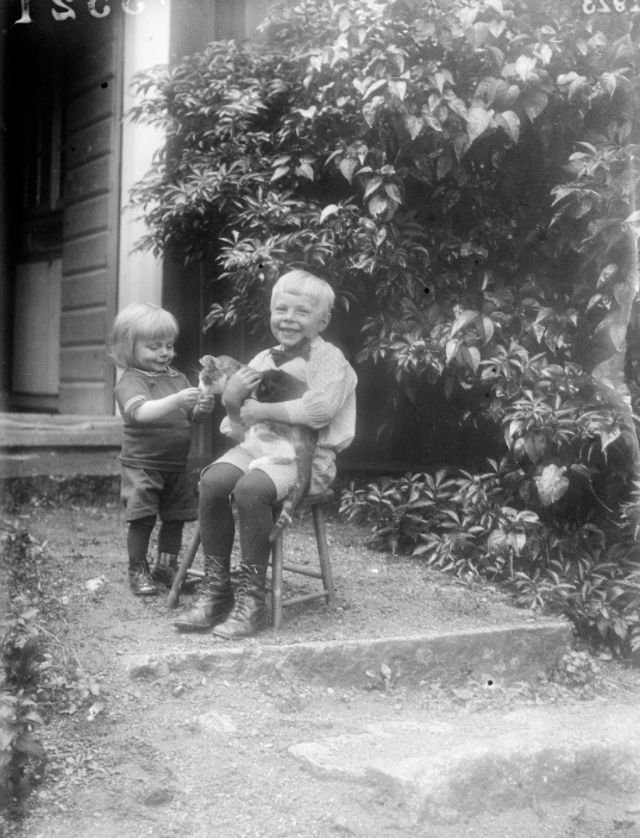
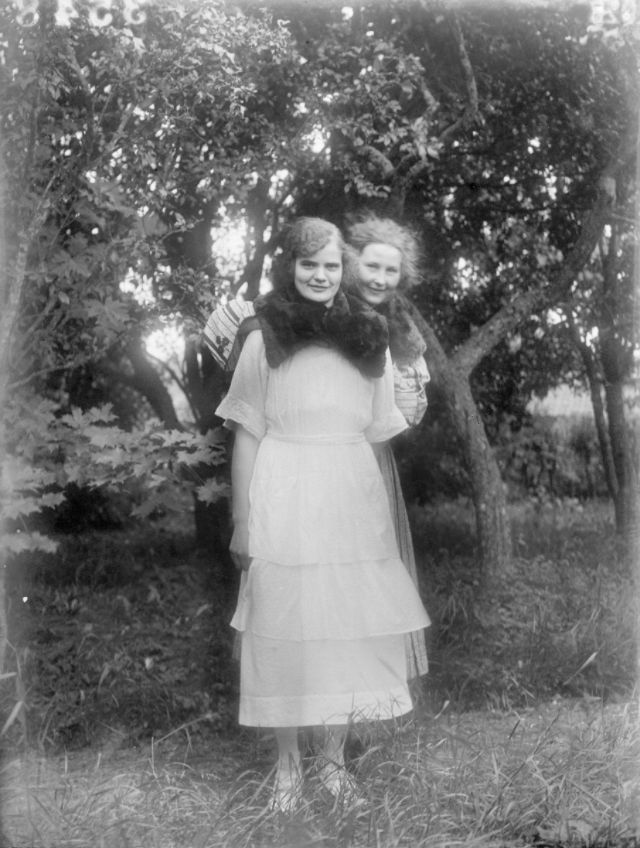
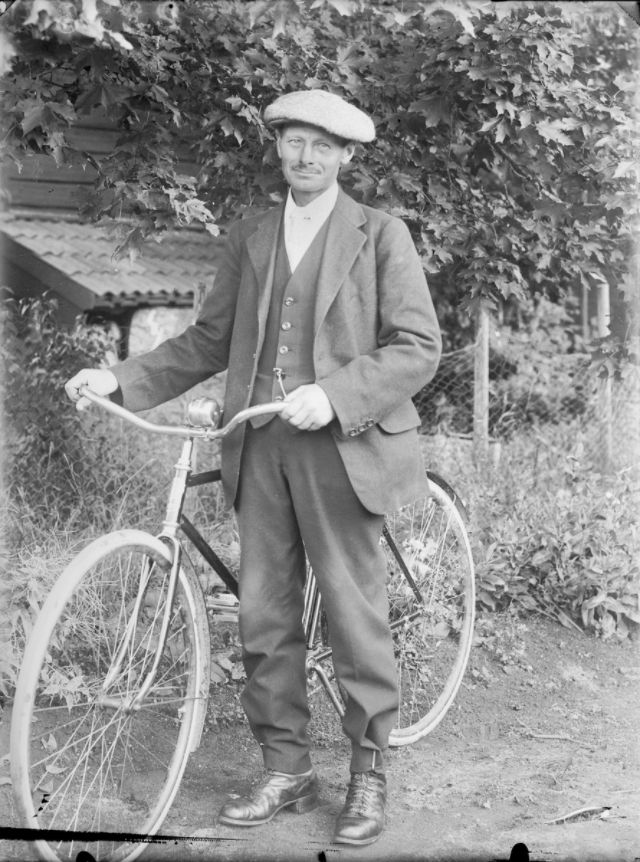
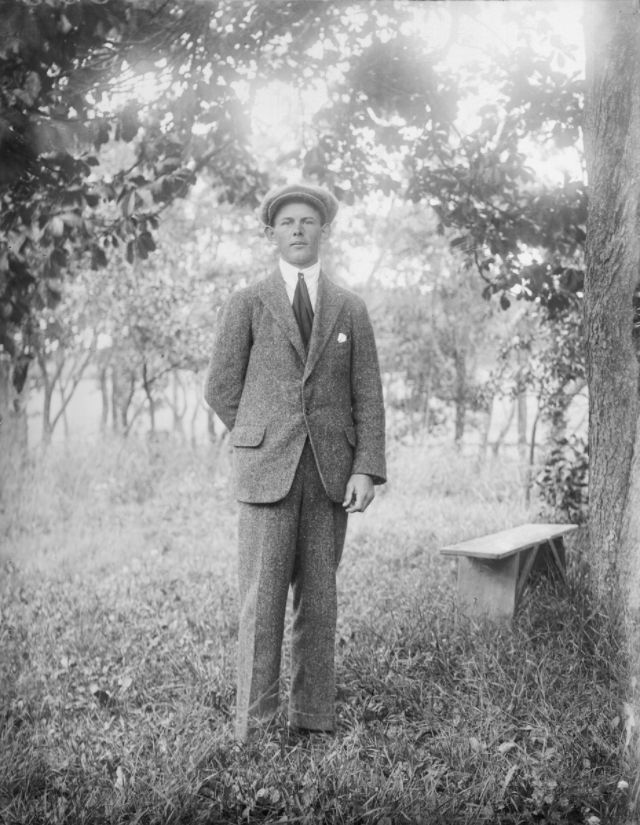
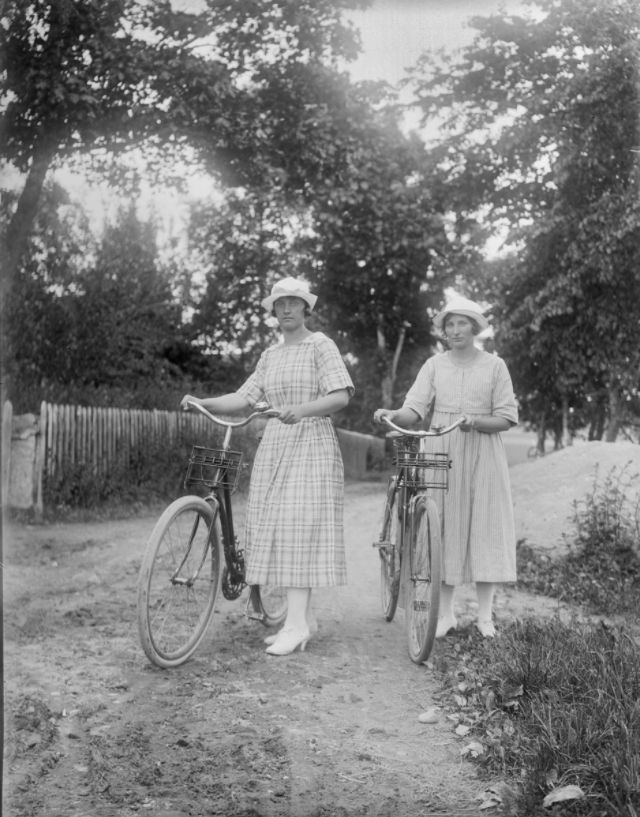
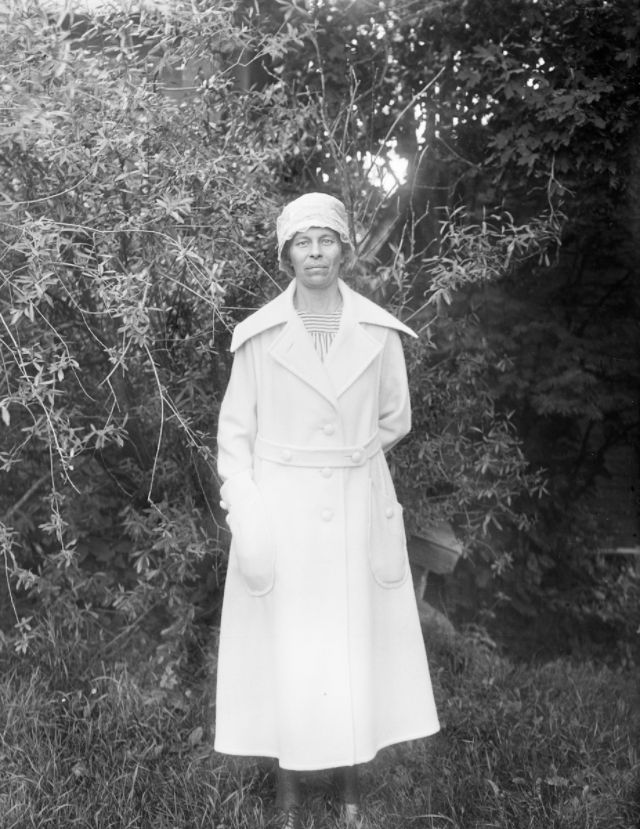
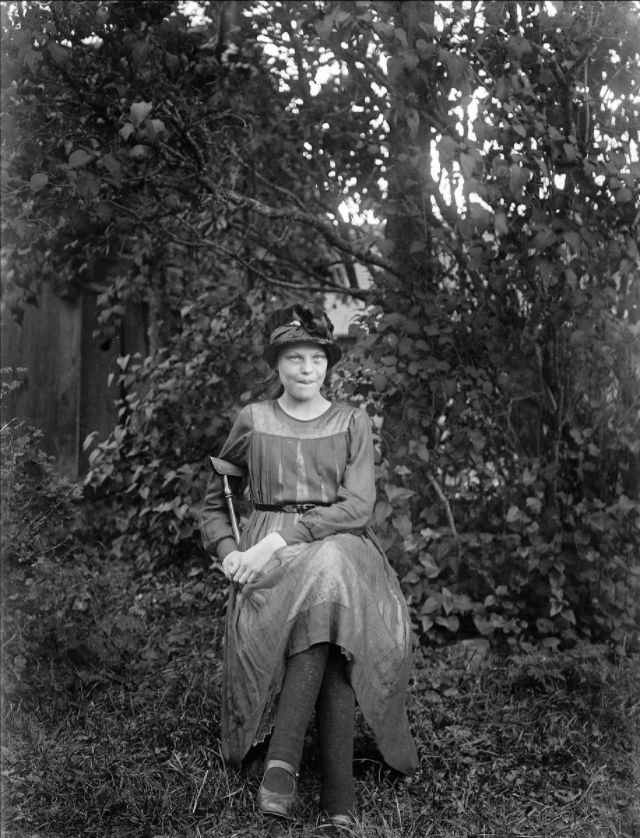
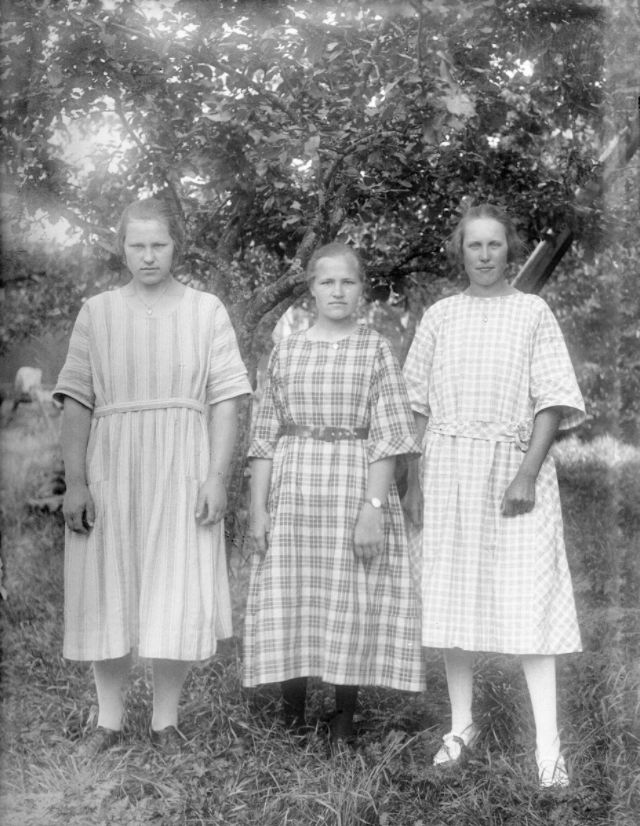
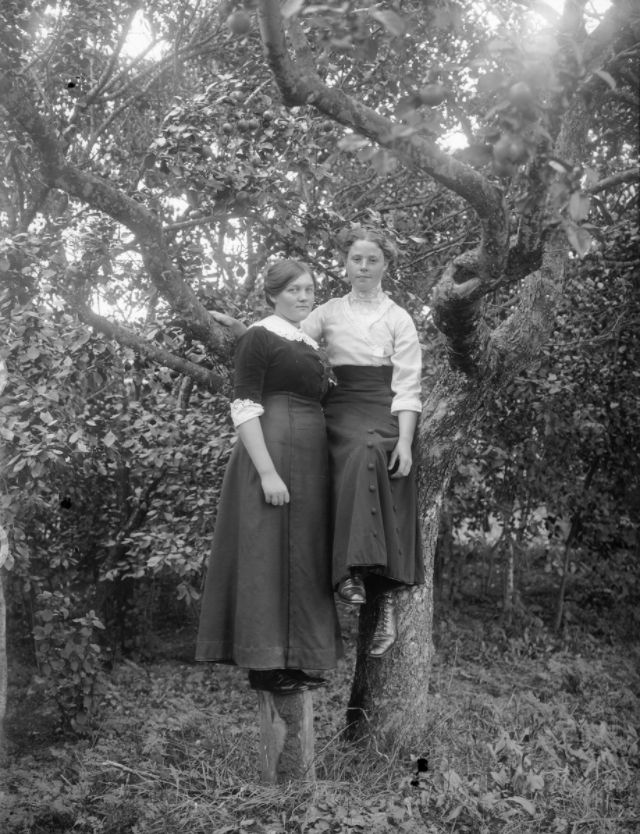
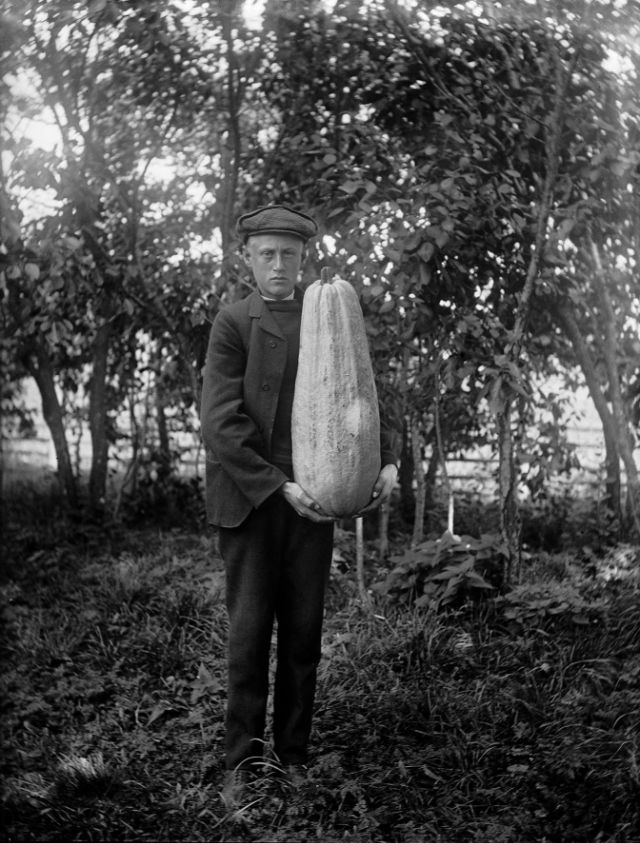
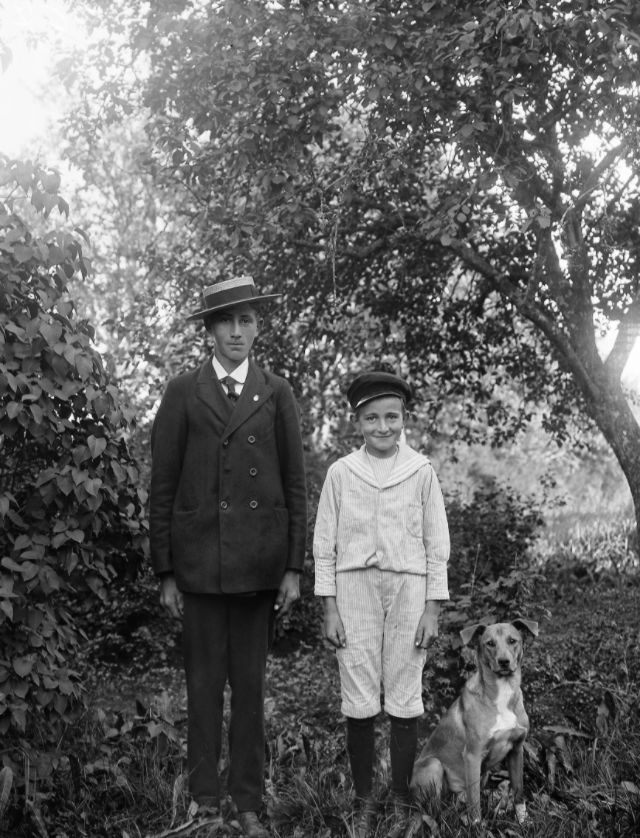
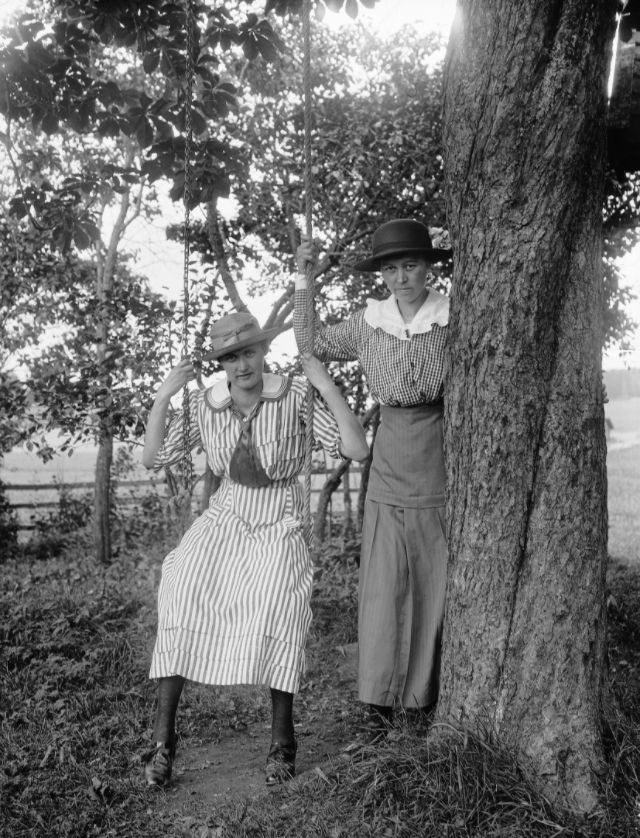
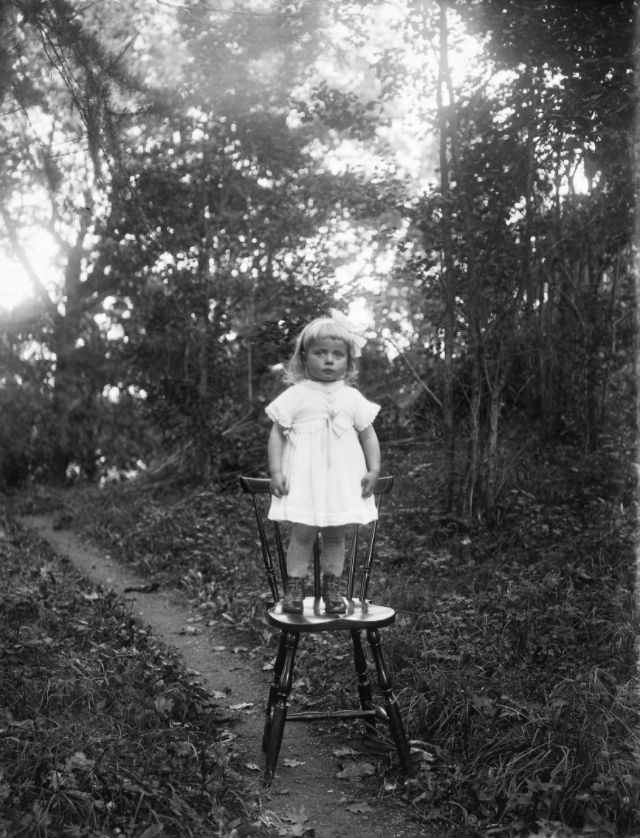
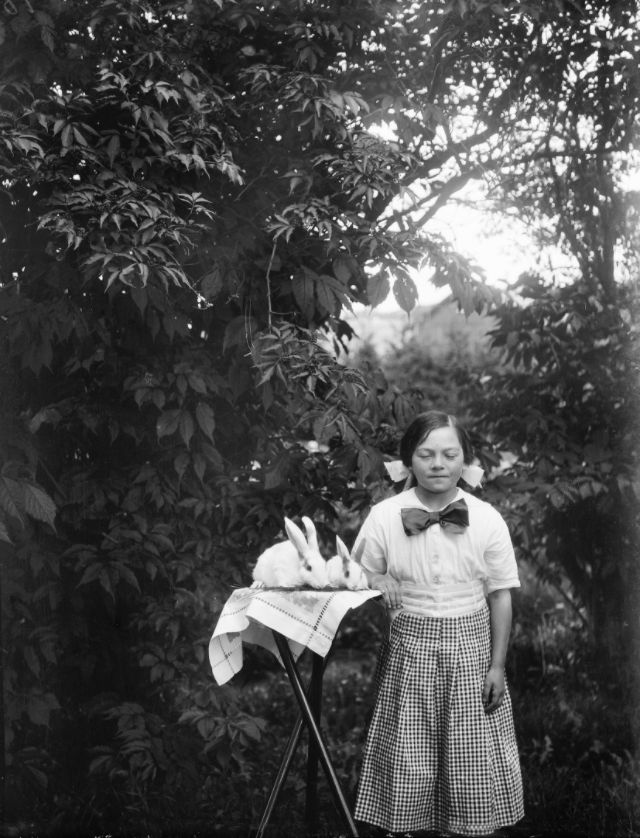
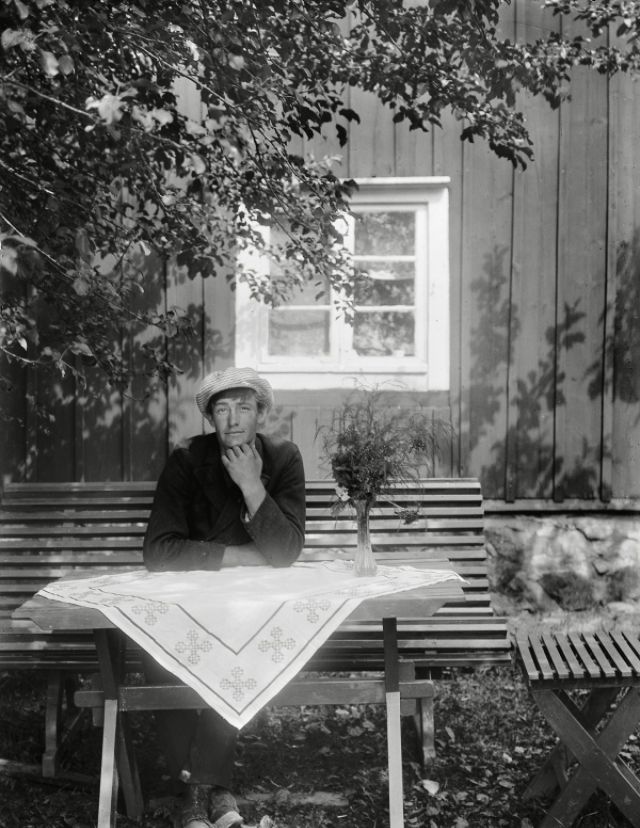
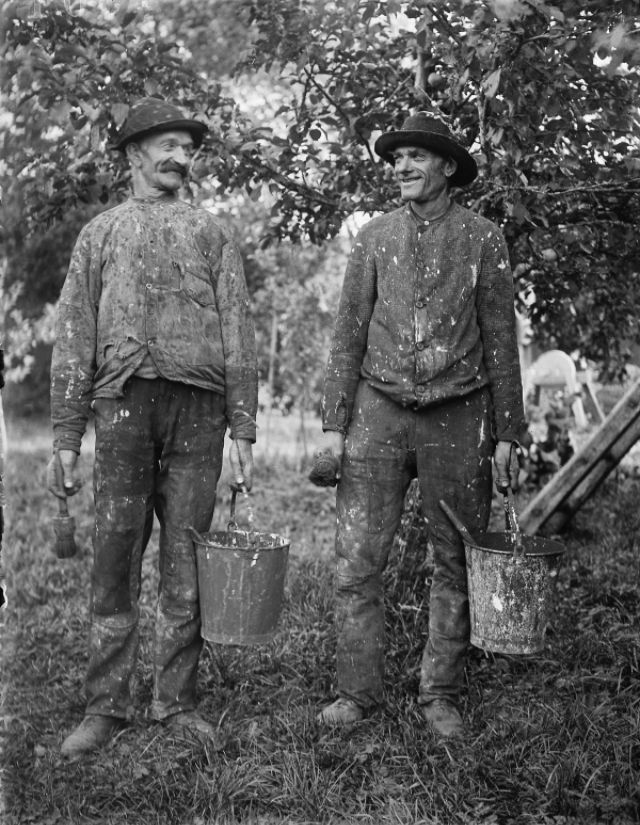
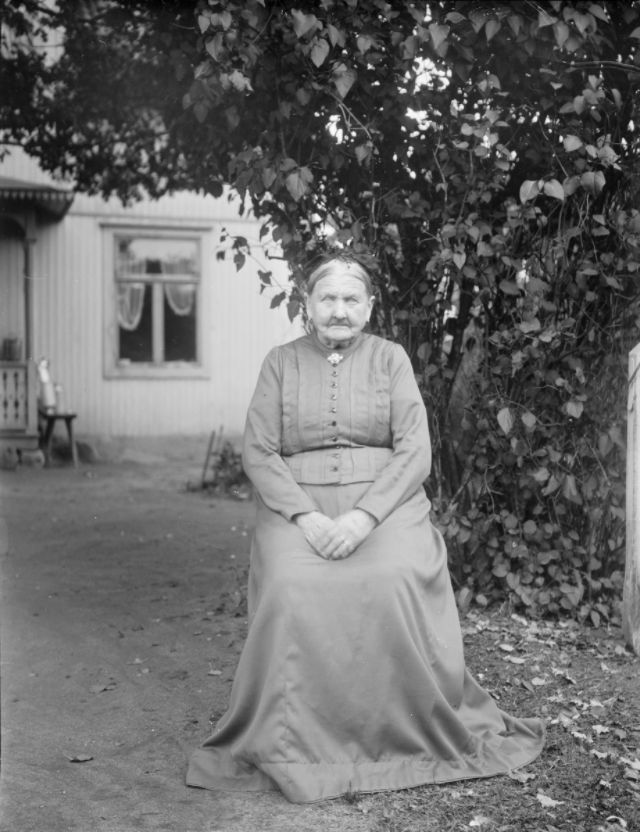
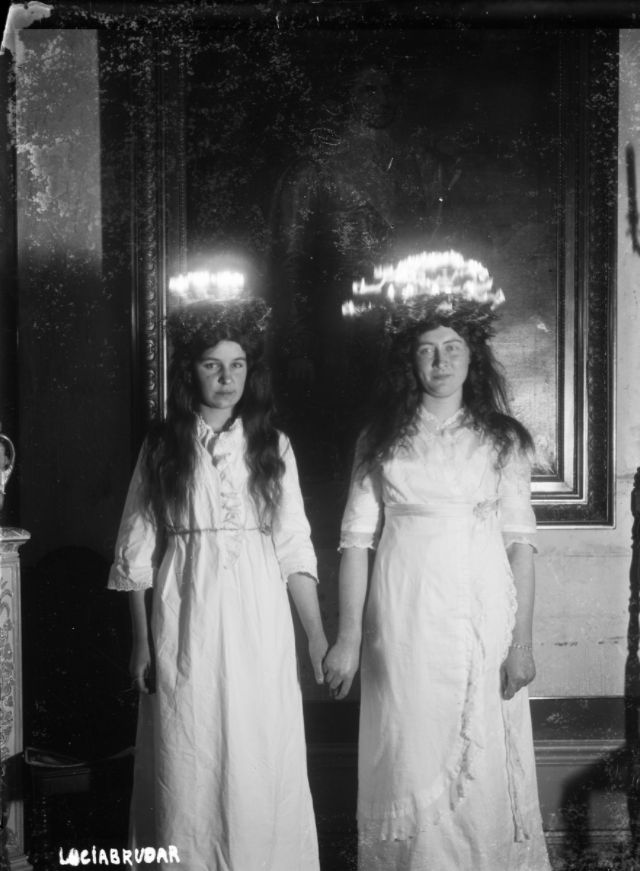
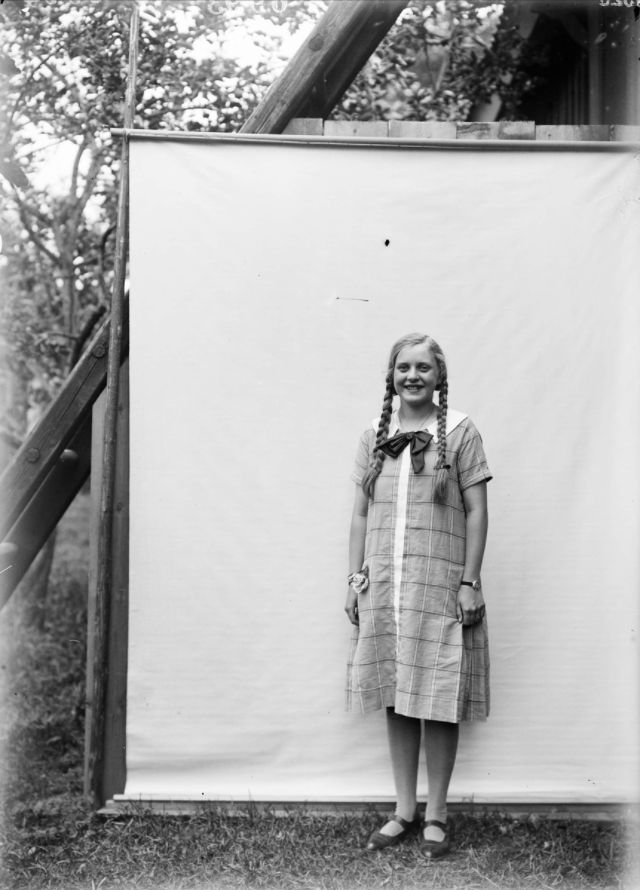
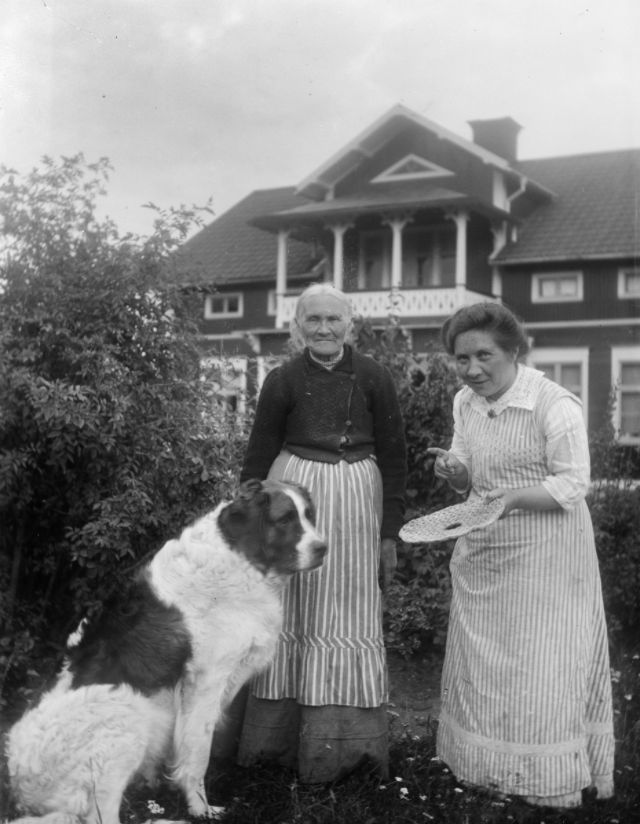
The people depicted in John Alinder’s portraits are often looking straight into the camera. As if they can see us. As if their gaze can travel the hundred years or so that lie between their time and ours. As if they were saying, “You are alive now, but we were once alive.”

John Alinder, son of a farmer, was born in 1878 in the village of Sävasta, Altuna parish, in Uppland, a province in eastern central Sweden. Alinder remained in the village all his life. He chose not to take over his parents’ farm and instead became a self-taught photographer and jack of all trades. He was a music lover, holder of the Swedish agency for the British record label and gramophone brand His Master’s Voice. For a time he ran a country shop from his home, and he even operated an illicit bar for a while.

From the 1910s to the 1930s he portrayed the local people, the landscape around them and their way of life. He often photographed them in their homes and gardens, using the technology of the time, glass plates. These he developed in a small darkroom he had built and then made the prints in the sunlight.

The Alinder collection was “discovered” in the 1980s when a curator found over 8,000 glass plates stacked away in a library basement. Children placed on chairs, people perched in trees, laborers, confirmation candidates and old ladies; often depicted against a background of foliage and sprawling greenery penetrated by sunlight. Alinder’s portraiture allows for the magic of chance, both liberating and defining the subjects.

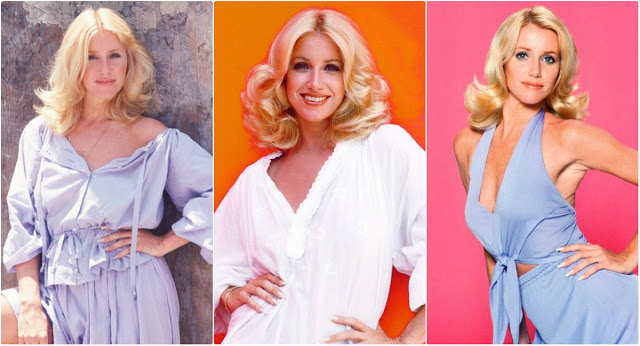
40 Stunning Photos of Suzanne Somers in the 1970s

Subscribe to get access

Read more of this content when you subscribe today.

Born 1946 in San Bruno, California, American actress, author, singer, businesswoman, and health spokesperson Suzanne Somers began acting in small roles during the late 1960s and early 1970s. She appeared in the television role of Chrissy Snow on Three’s Company and as Carol Foster Lambert on Step by Step.

Somers later became the author of a series of self-help books, including Ageless: The Naked Truth About Bioidentical Hormones (2006), about bioidentical hormone replacement therapy. She has released two autobiographies, four diet books, and a book of poetry.

Somers has been criticized for her views on some medical subjects and her advocacy of the Wiley Protocol, which has been labelled as “scientifically unproven and dangerous”. Her promotion of alternative cancer treatments has received criticism from the American Cancer Society.

Take a look at these glamorous photos of a young Suzanne Somers in the 1970s.

Subscribe to continue reading

Become a paid subscriber to get access to the rest of this post and other exclusive content.

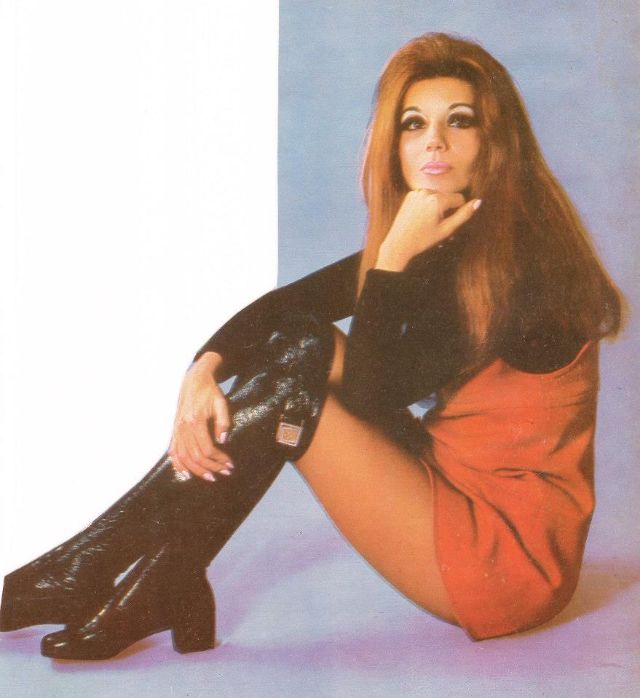
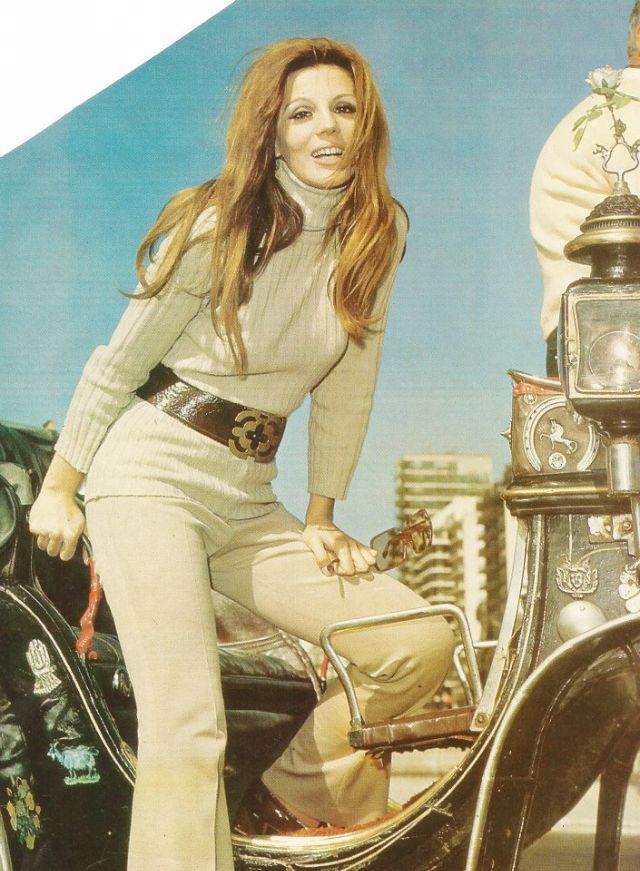
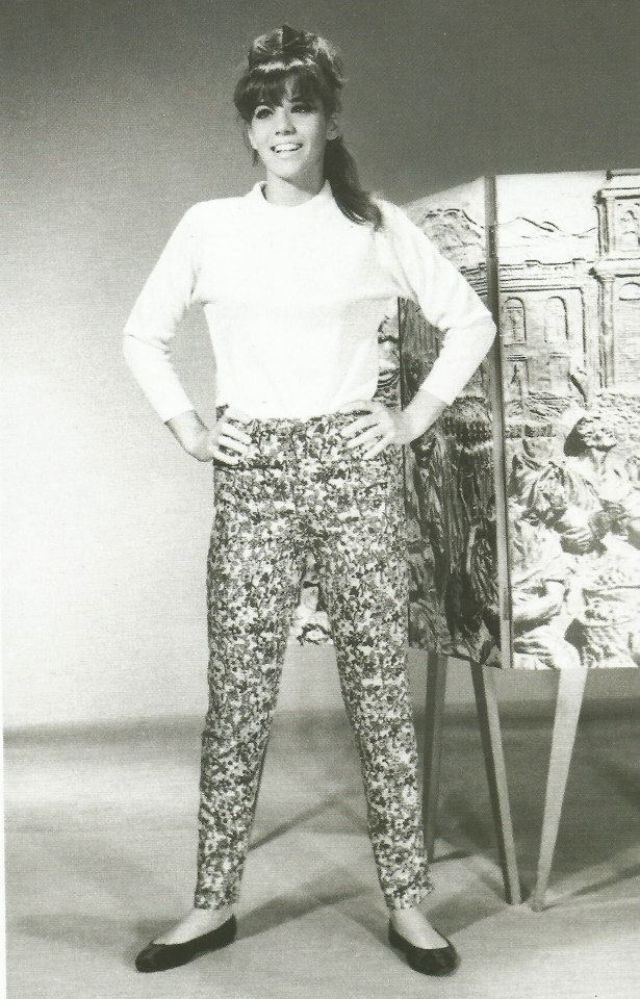
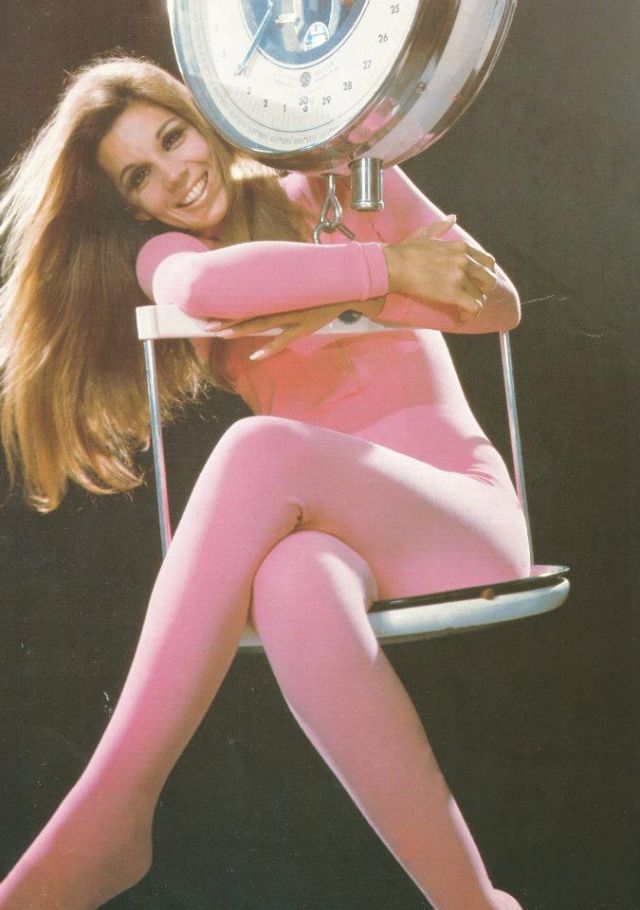
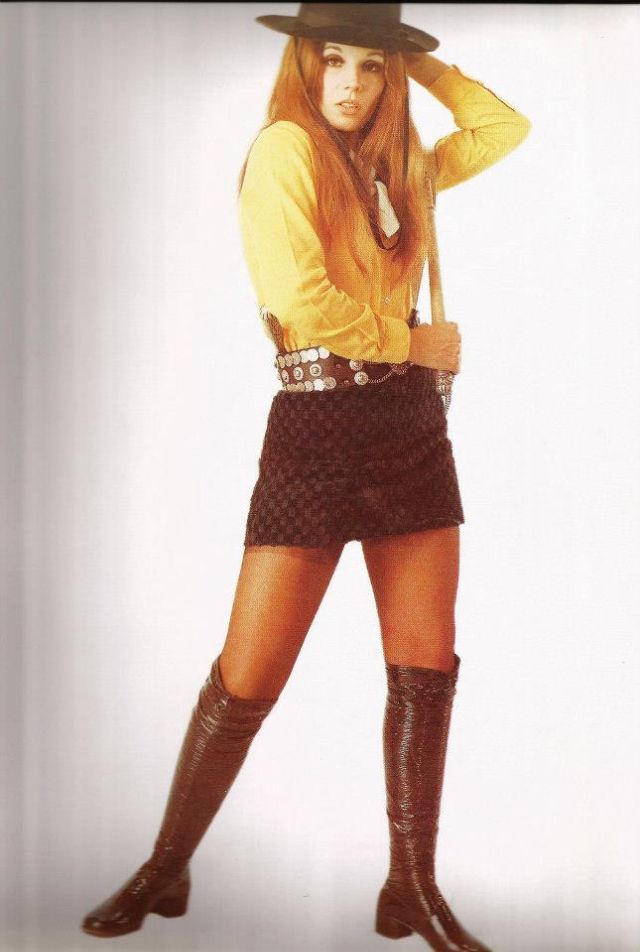
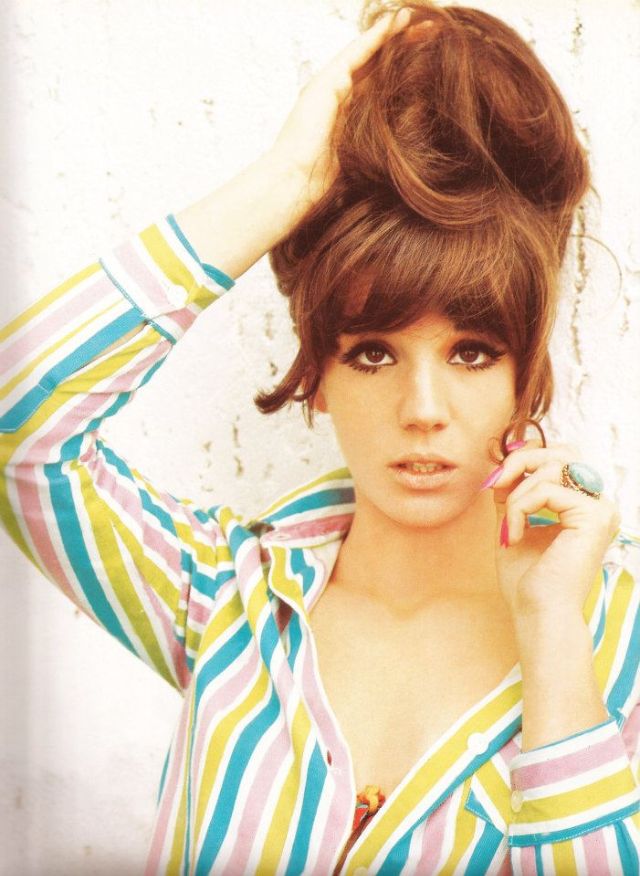
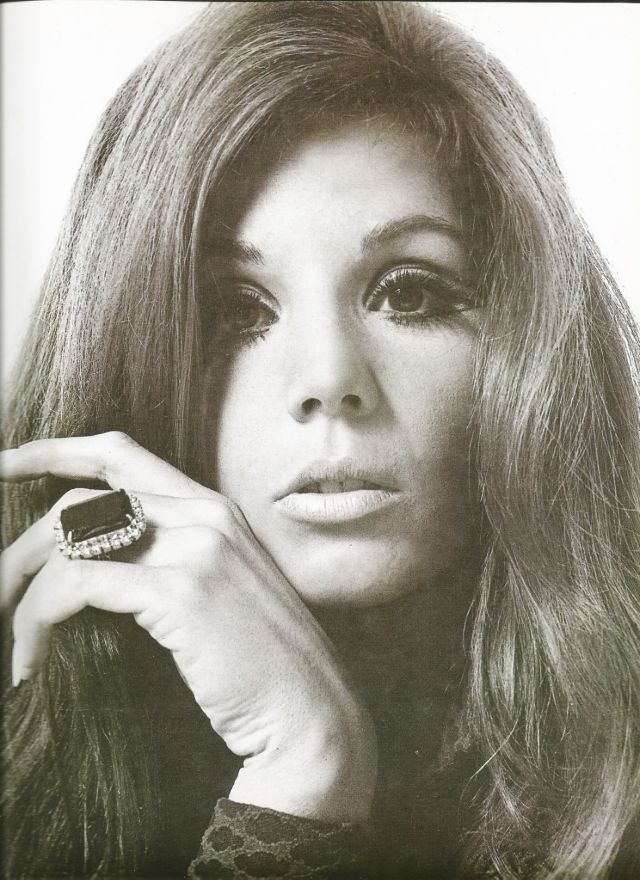
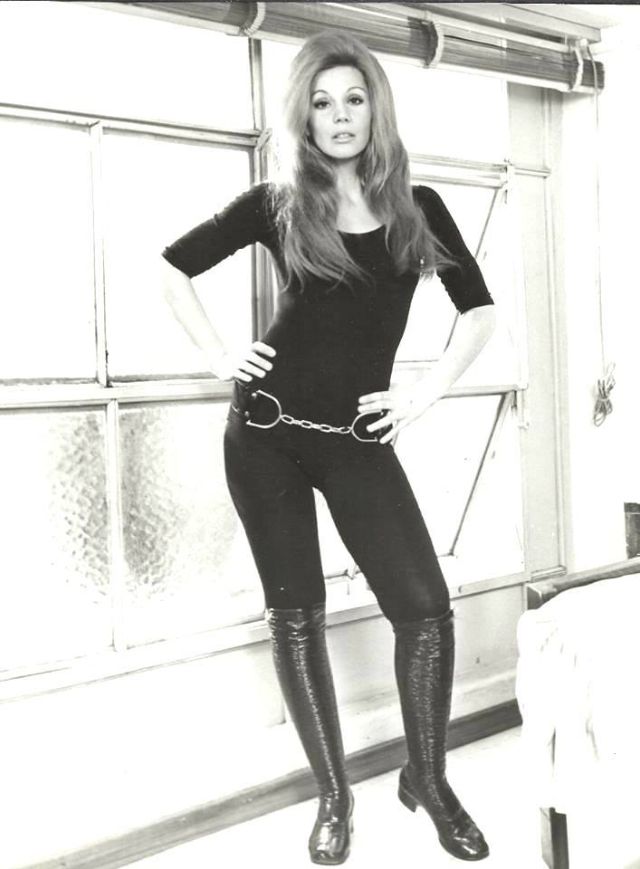
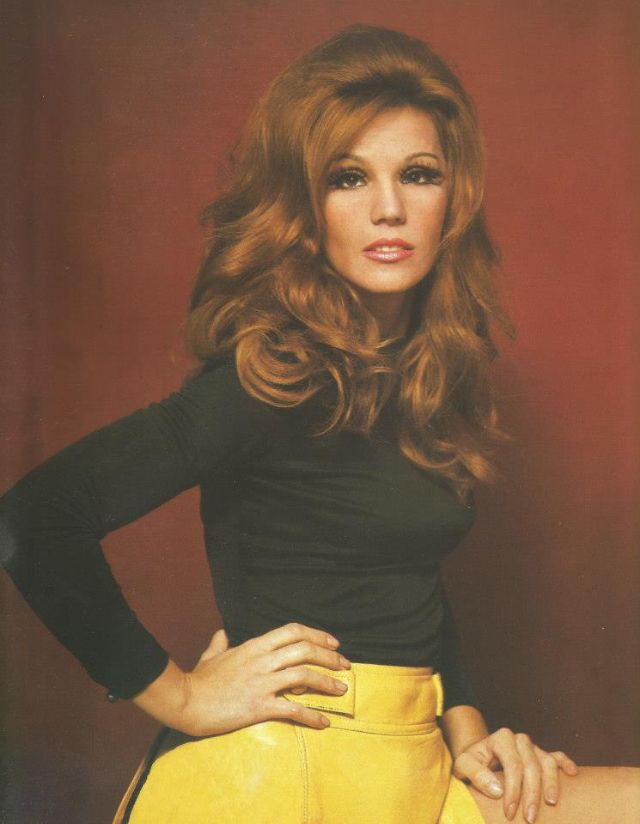
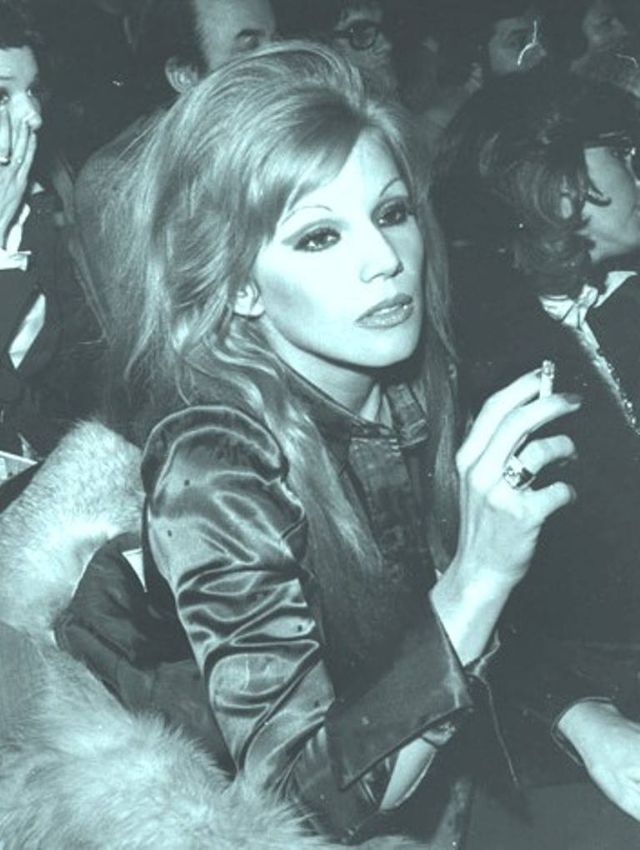
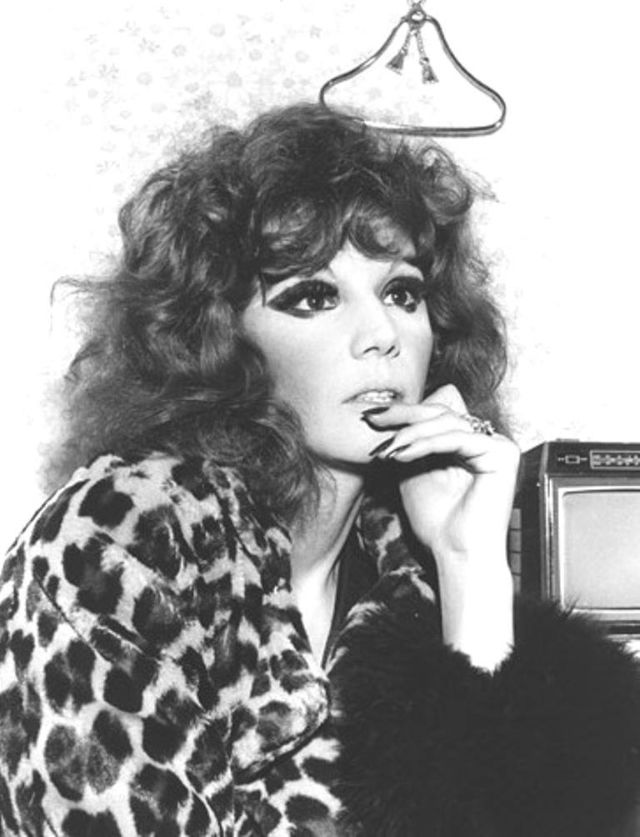
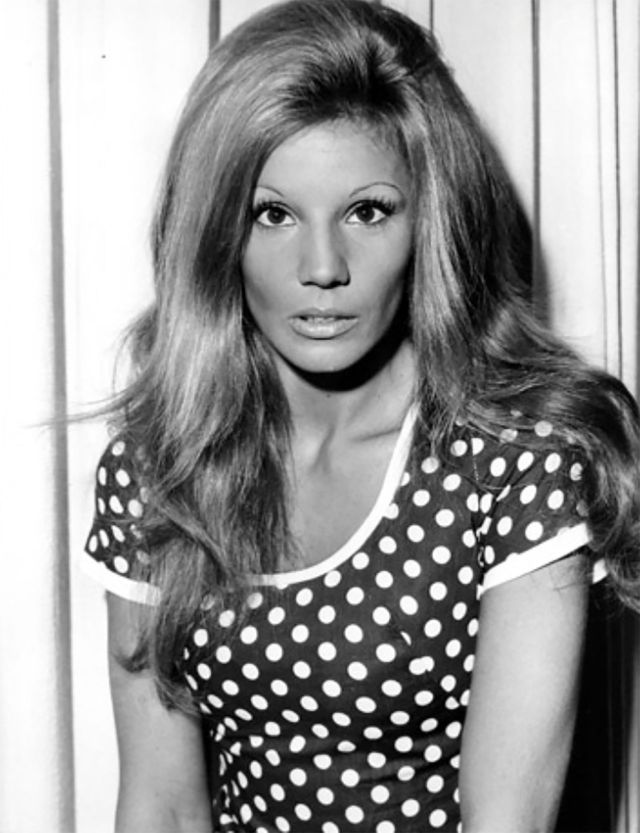
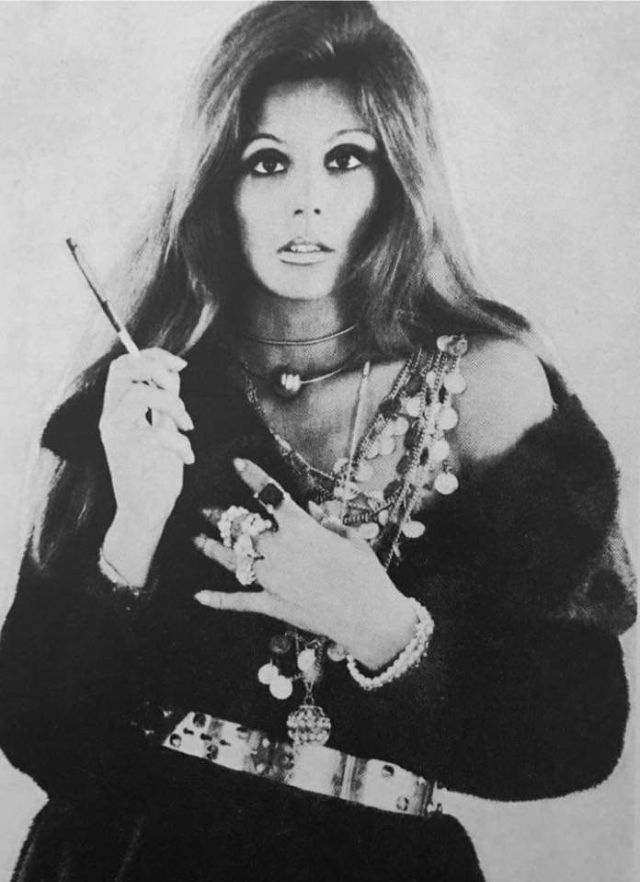
30 Stunning Photos of Argentine Actress Susana Giménez in the 1960s and 1970s

Born 1944 in Buenos Aires, Argentina, Susana Giménez became a model at 19 years old, and made her name in a TV commercial for Cadum, a brand of French soap. Most of her subsequent film career was in adult-oriented comedies.

Giménez has acted in over 30 films, including the cult film La Mary, and 10 plays. She is the host of Susana Giménez, a highly rated television variety show in Argentina, similar in format to those of Raffaella Carrà (in Italy and Spain) and Oprah Winfrey (in United States).

In 1997, Giménez was awarded with the Golden Martín Fierro Award, and in 2002 won the INTE award for TV hostess of the Year. In 2008, Giménez launched her own magazine called Susana, published by La Nación. She is featured in the cover of every issue. She had her own fashion doll, and has endorsed two fragrances.

Take a look at these fabulous photos to see the beauty of young Susana Giménez in the 1960s and 1970s.

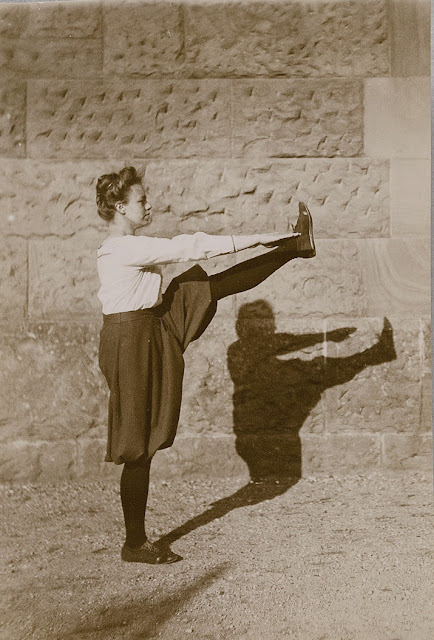
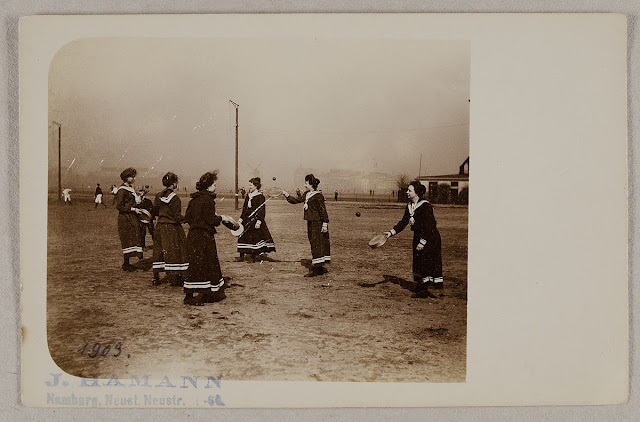
Vintage Photographs Show German Women Practicing Swedish Gymnastics in Hamburg From the Early 20th Century

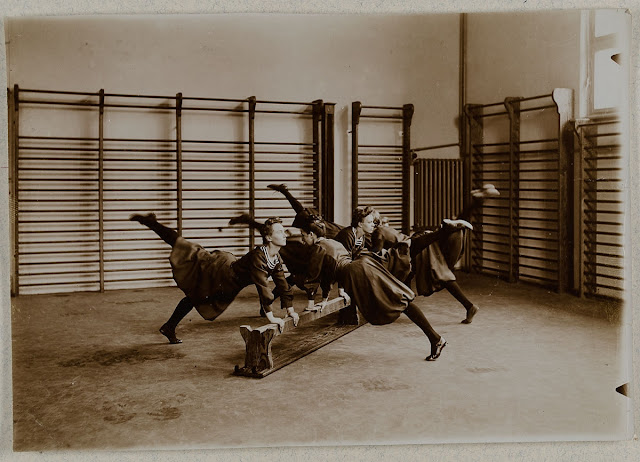
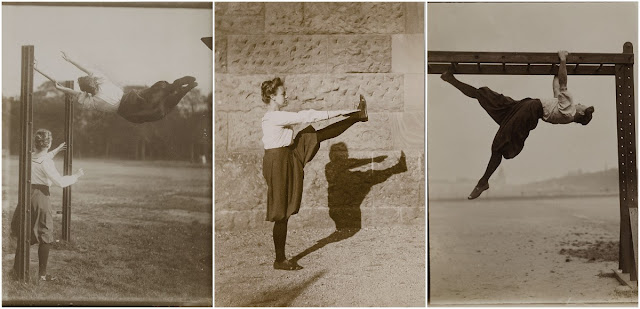
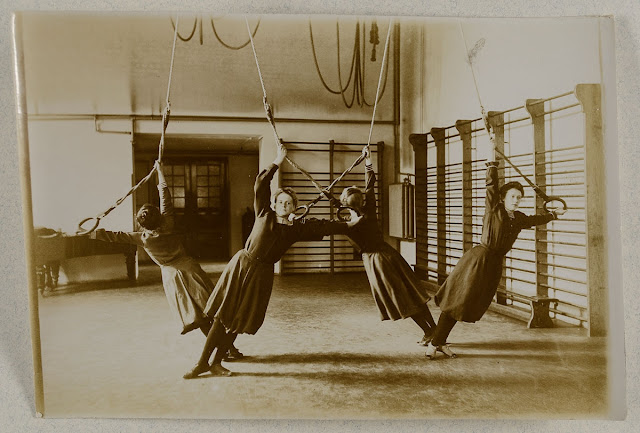
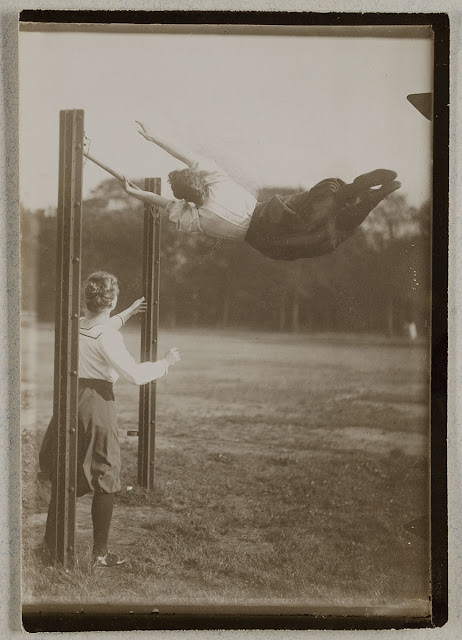
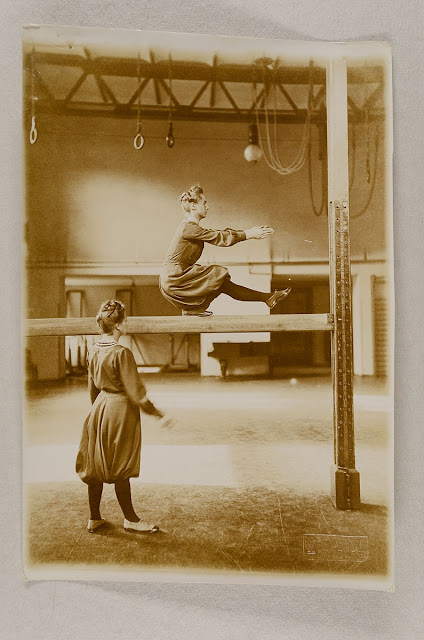
These photographs were taken between 1902 and 1910 by Heinrich Hamann in Hamburg, Germany. As a keen gymnast, Hamann portrayed many athletes in action. Here, German women exercising Swedish Gymnastics in a sports hall and on the Heiligengeistfeld (German: “field of the Holy Spirit”) in Hamburg’s St. Pauli quarter.

During the 19th century, Swedish Gymnastics became one of the main models of physical education in the Western world. Swedish Gymnastics (also known as the Swedish Movement Cure) was founded in the early 19th century by poet, student of theology and European languages Pehr Henrik Ling (1776–1839).

There were two experiences that brought Ling to the world of Physical Culture. Firstly, as a response to Sweden losing territory to Russia during the Napoleonic Wars, Ling the poet began exploring Viking mythology (which was common with the ‘Romantics’ of the time) and decided the nation had degenerated physically from its past ‘glories’. Secondly, whilst studying languages in Denmark, Ling undertook Fencing classes and realized the physical conditioning sessions greatly improved the health of some gout that was in his arm.

Subsequently he decided to familiarize himself with Nachtegall’s Danish Gymnastics and upon returning to Sweden, Ling taught Fencing and began developing the Swedish Gymnastics system. Ling’s Gymnastics were a ‘lighter’ floor style utilizing only the ‘Swedish Bars’ apparatus (invented by Ling) and exercises were chosen for their influence on the body and health. The Swedish Gymnastics system also included manual therapy techniques.

(Photos by Heinrich Hamann / The Museum für Kunst und Gewerbe Hamburg)

Yesterday Today

Bringing You the Wonder of Yesterday - Today

Skip to content ↓