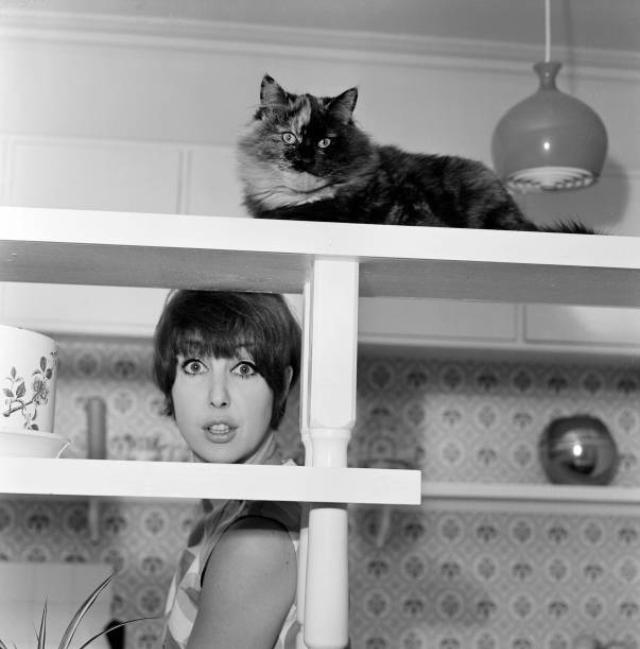
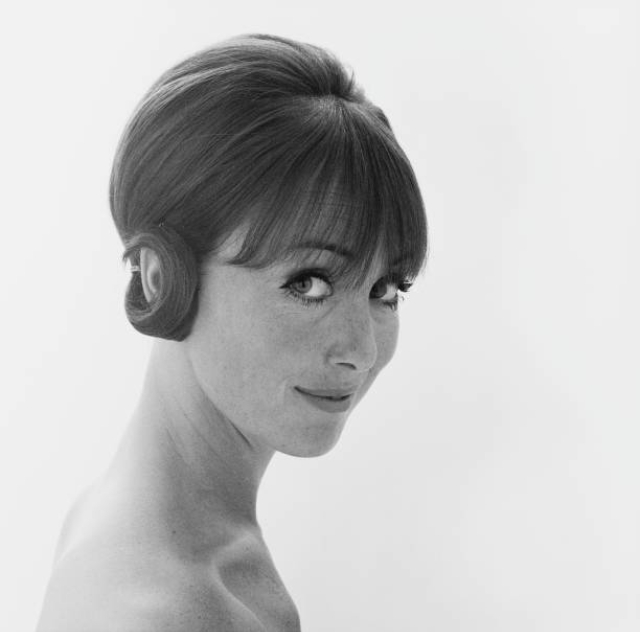
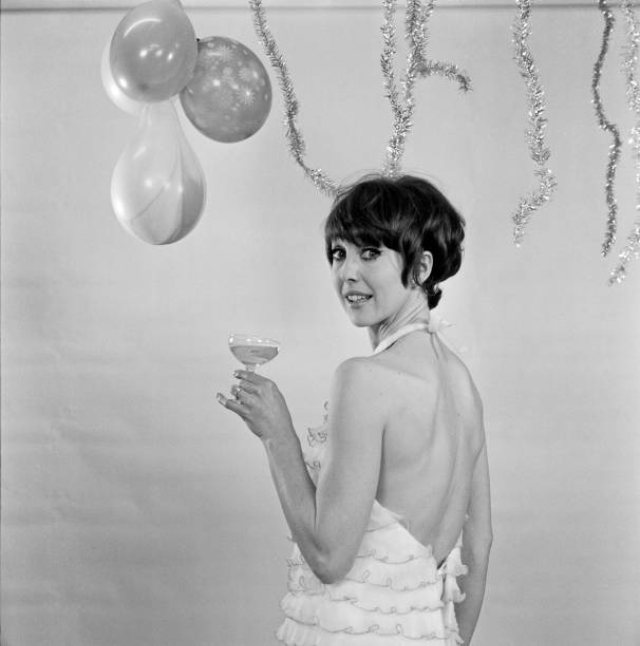
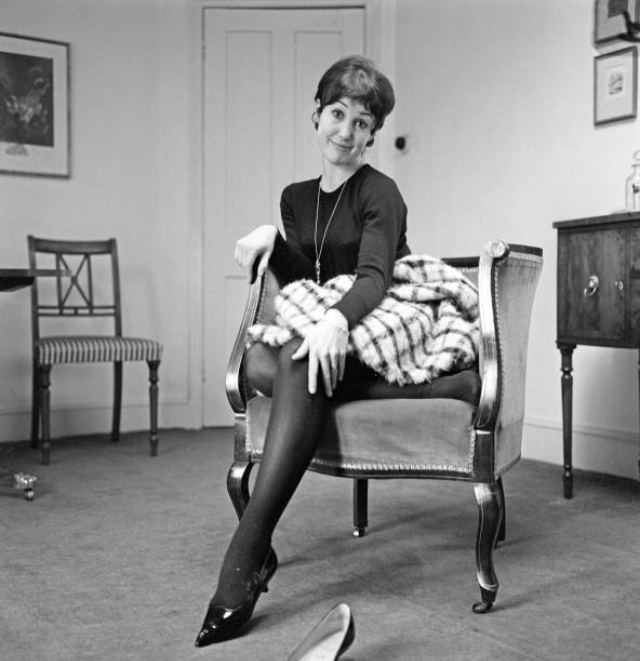
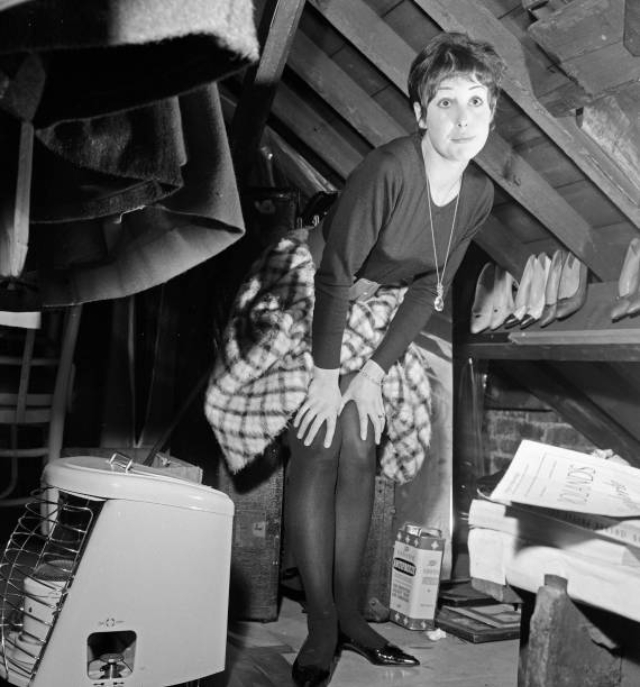
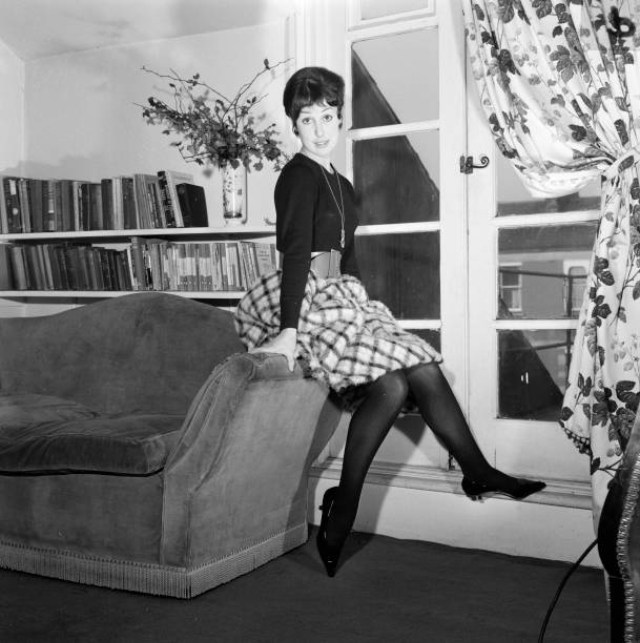
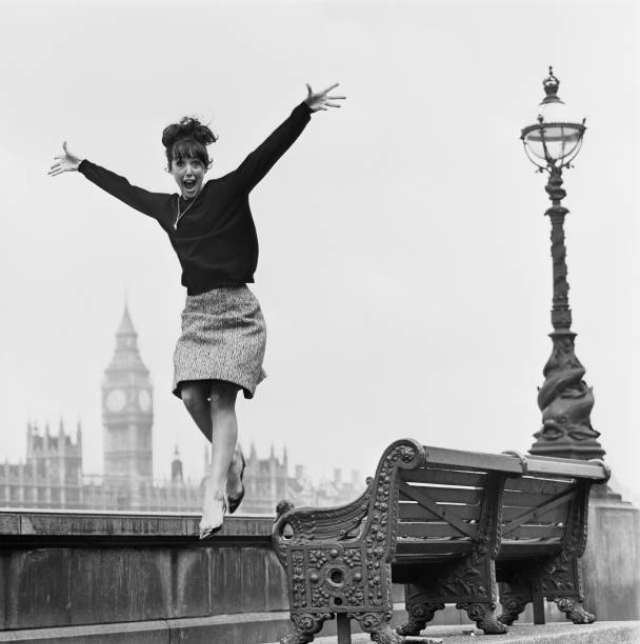
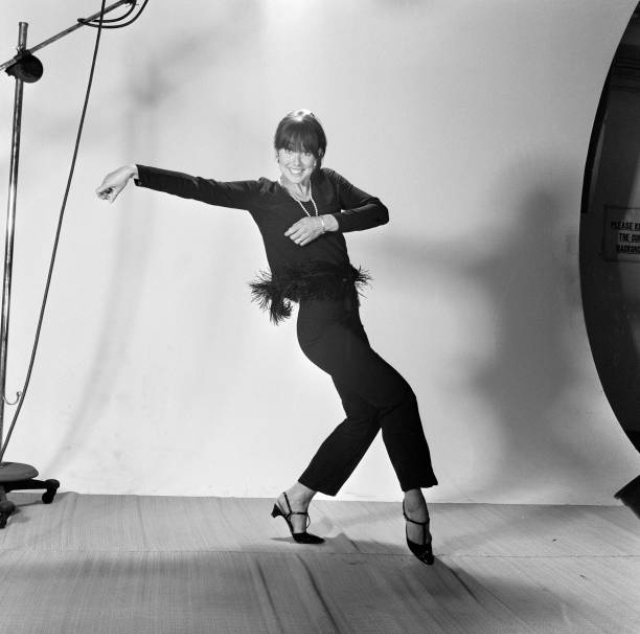
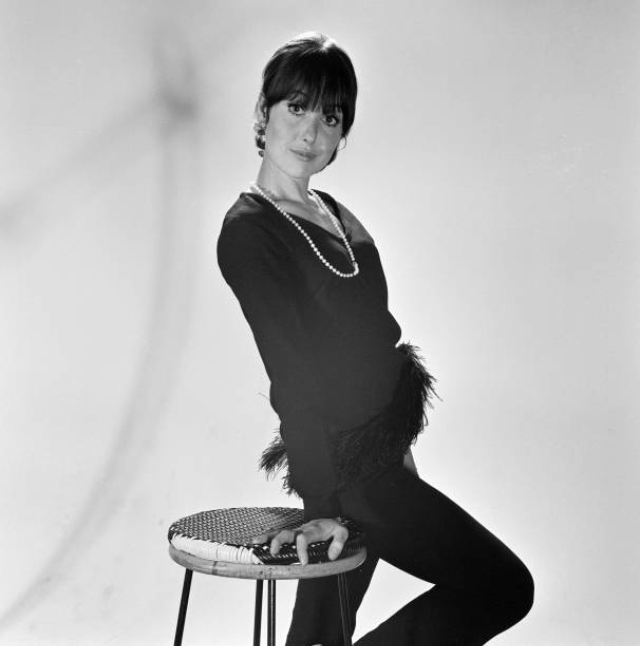
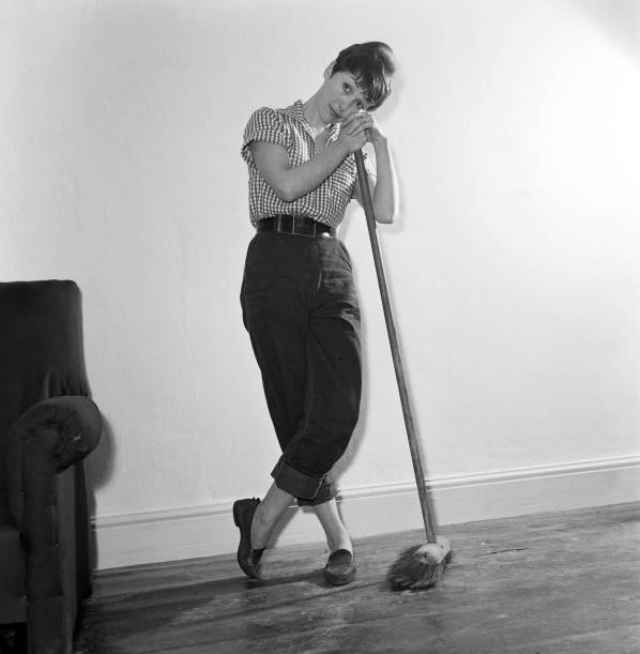
Actress Una Stubbs was born in Welwyn Garden City, Hertfordshire, on May 1, 1937. She grew up in Hinckley, Leicestershire, and was sent to La Roche dancing school in Slough by her mother. She started her career at the age of 16 as a chorus girl at the London Palladium, and was the Dairy Box girl in TV chocolate adverts in the 1950s.
Stubbs had an illustrious acting career spanning over 50 years, making her big break in the 1963 film Summer Holiday, which starred Cliff Richard, before landing the part of Rita Rawlins in Till Death Us Do Part.
She reprised her role in the sitcom’s follow-ups Till Death… and In Sickness and in Health. Her other TV credits include Worzel Gummidge, The Worst Witch, EastEnders, Call the Midwife, Agatha Christie’s Marple, Midsomer Murders and Keeping Up Appearances.
In her private life, Stubbs was married and divorced twice, to actors Peter Gilmore and Nicky Henson, and had three sons. She once said she felt she spent most of her life “doing two jobs, motherhood and acting, and only being so-so at both of them.”
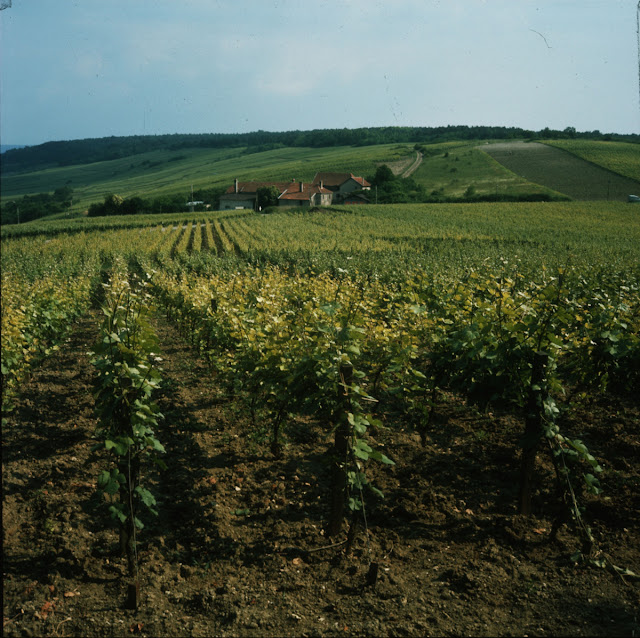
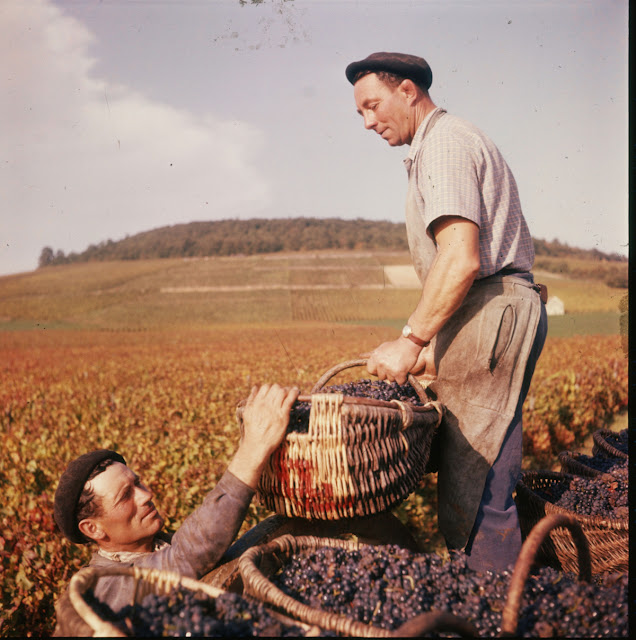
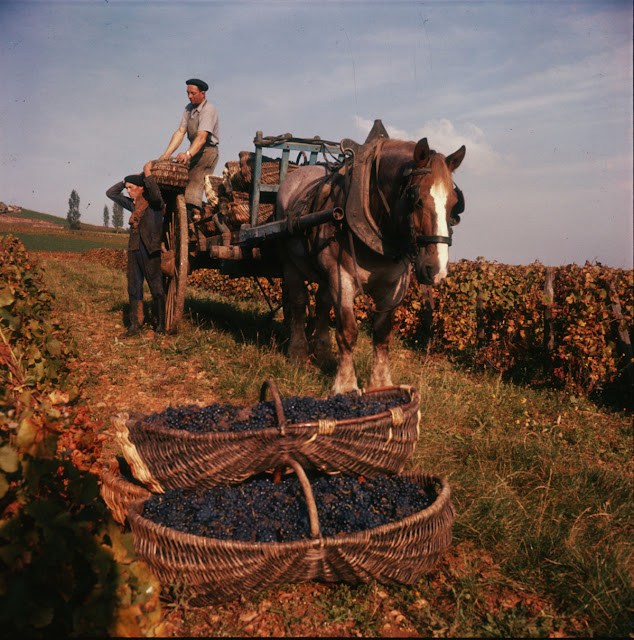
Burgundy is home to some of the most expensive wines in the world, including those of Domaine de la Romanée-Conti, Domaine Leroy, Henri Jayer, Domaine Leflaive and Domaine Armand Rousseau. Its renown goes back many centuries; in 1522 Erasmus wrote: “O happy Burgundy which merits being called the mother of men since she furnishes from her mammaries such a good milk.” This was echoed by Shakespeare, who refers in King Lear to “the vines of France and milk of Burgundy.”
Burgundy is in some ways the most terroir-oriented region in France; immense attention is paid to the area of origin, and in which of the region’s 400 types of soil a wine’s grapes are grown. As opposed to Bordeaux, where classifications are producer-driven and awarded to individual chateaux, Burgundy classifications are geographically-focused. A specific vineyard or region will bear a given classification, regardless of the wine’s producer. This focus is reflected on the wine’s labels, where appellations are most prominent and producers’ names often appear at the bottom in much smaller text.
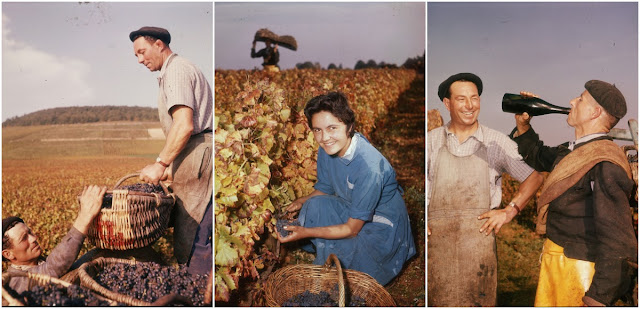
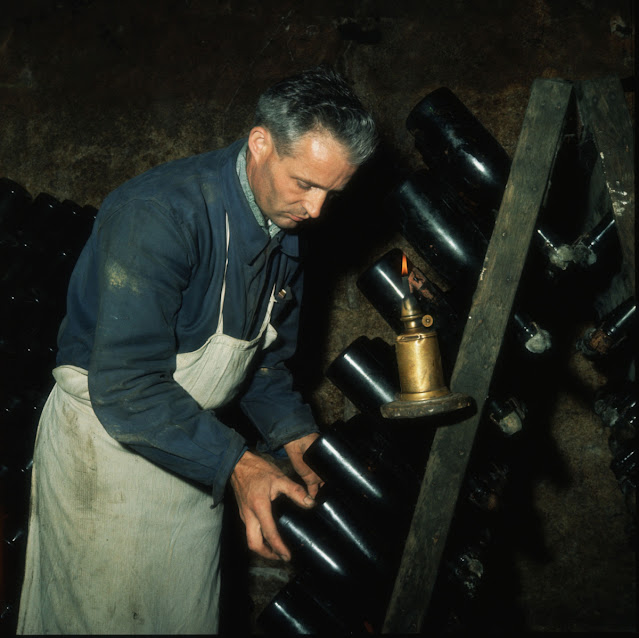
Vinification is the process of turning the grapes into wine. It has changed little over the years but there are variations in technique however. Winemakers may follow family tradition for example and of course they take into consideration the characteristics of the plot and the vintage. Once the grape juice or must has completed the alcoholic fermentation, and has turned into wine, ageing in vats or barrels begins. This gives the wine its personality, its unique characteristics and complex aromas.
Pinot Noir is the dominant grape variety for red wine in Burgundy. This grape is a particularly sensitive variety, requiring careful handling. Vinification processes vary from winemaker to winemaker – some for example destalk the grapes, others process whole bunches. For white wines, the grapes are pressed on arrival in the winery, but for red wines they are placed in vats to macerate. The juice is clear to start with and requires contact with the skins and pips to bring colour and tannins to the wine. During this maceration process, the alcoholic fermentation begins, either naturally or sometimes it is triggered with the addition of yeasts. Each day, the cap of skin and pips is broken up and pushed down into the juice to help the development of color and tannins. The process is known as pigeage and used to be done with the feet. Nowadays, a special tool is used.
When fermentation is complete, the wine is pressed and then placed in vats or barrels for ageing. During the ageing process, the red wines undergo a second malolactic fermentation, during which the malic acid in the wine turns to lactic acid, making the wine smoother.
For white wine, the grapes are pressed straight after harvesting, usually without destalking. Here the skins and pips are discarded unlike in the red wine process of maceration. The juice is then put into oak barrels or vats and alcoholic fermentation takes place. In Burgundy, a secondary malolactic fermentation takes places where the malic acid in the juice turns into lactic acid making the wines smoother. In wines made elsewhere, this second fermentation doesn’t happen.
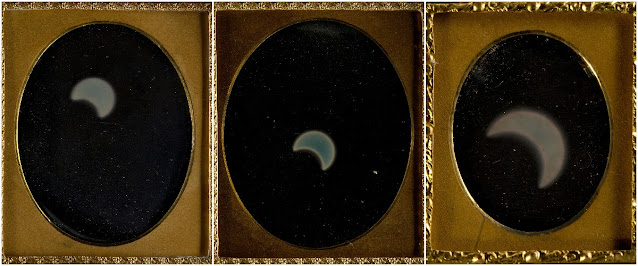
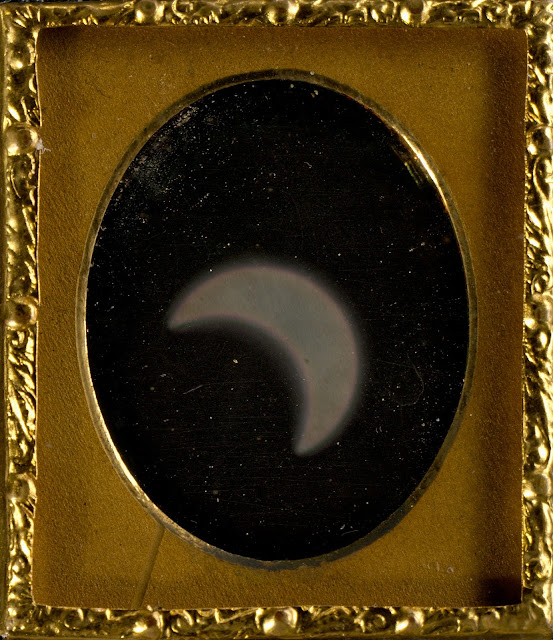
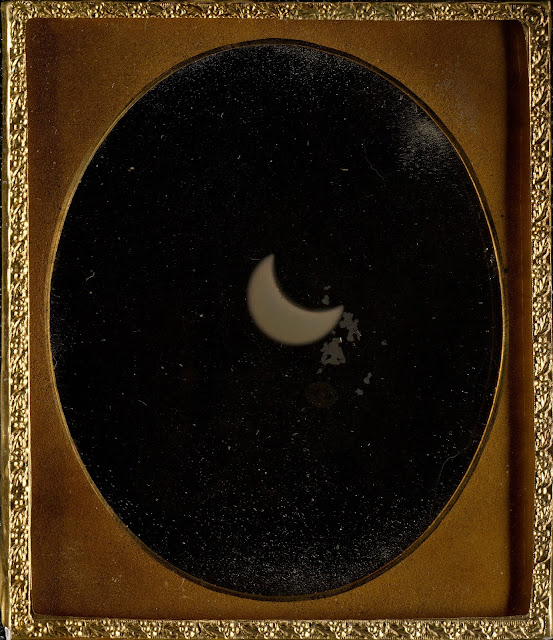
In 1841-42, William and Frederick Langenheim opened a daguerreotype studio in Philadelphia. Known for their technical innovations, the former journalists were not the city’s first but were certainly its most celebrated photographers. On May 26, 1854, the Langenheim brothers made eight sequential photographs of the first total eclipse of the sun visible in North America since the invention of photography.
Although six other daguerreotypists and one calotypist are known to have documented the event, only these seven daguerreotypes survive. In the northern hemisphere, the moon always shadows the sun from right to left during a solar eclipse; these images therefore seem odd because they are, like all uncorrected daguerreotypes, reversed laterally as in a mirror.
It is noteworthy that these daguerreotypes are quite small, three exceptionally so. In order to produce any kind of image at all, the Langenheims were forced to use the smallest cameras available, since smaller cameras require proportionally less light and there was virtually no available light when the disk of the new moon eclipsed the largest part of the sun. The missing eighth image was probably made on the smaller plate size and showed nothing at all-a total eclipse.
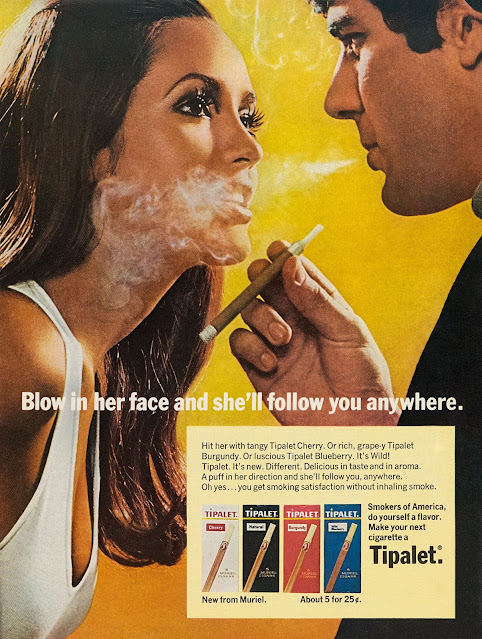
This advertisement in particular was for cigarettes which was first issued in 1969 by Tipalet Cigarette Company. It pictures two attractive and young models, one male and one female. The woman meets the Western beauty standard, she has glowing tan skin, long lashes, doe eyes, long black eyelashes, full lips, white teeth, and has on a small white tank top. She is shown longingly looking at the man who’s blowing smoke in her face like he is irresistible. The man on the other hand also meets the Western beauty standard. He is tall, dark, and handsome. He is pictured in a black shirt, holding a cigarette, and blowing a cloud of smoke into the woman’s face.
This ad for Tipalet cigarettes was first issued in 1969 and continued to run in the 1970s. Sex was often used to sell cigarettes throughout the decade.
There are more than a few examples within this ad that exemplify sexism and heterosexism. Firstly, there is a definite power imbalance between the two. The man pictured in the ad is literally being encouraged to blow smoke in the women’s face so she will follow him around like a lost dog. The woman is put in a position of submission, she is the “follower” of the man, and she is taking it without a second thought. As a matter of fact, she is portrayed as though she likes it, her face seems pleased and may be aroused in a way. This ad spews toxic masculinity and glorifies disrespecting and objectifying women. Another aspect of the ad is the way smoking is portrayed as a masculine activity. The slogan on top of the ad said, “Blow in her face and she’ll follow you anywhere.” Certainly, the ad was not referencing a woman blowing in another woman’s face, but what the ad pictures, a man blowing in a woman’s face. This infers that smoking is a masculine activity that makes a woman more attracted to them, which also supports heterosexism and praises heterosexual relationships.
The advertisement operates on the Macro-level, as almost anyone who could read and who got newspapers and magazines could see this ad. The ad itself targets and affects us at a Meso-level of society. It particularly targets heterosexual men as a group (whether they smoke or not). The man in the ad is put in a powerful position and is attracting a potential sexual partner at the same time. Which in turn, makes this cigarette a desirable product for a man who wants to attract a partner in a heterosexual relationship. The advertisement also reveals an unsettling operation of patriarchy. Socially, men are generally seen and accepted as superior to women, and women are seen and accepted as the submissive followers of men. It also infers that women enjoy being degraded and disrespected by men, and they accept that social role with a smile on their face.
Advertisements similar to these were very popular around this time period, especially through cigarette companies. In fact, cigarette companies coined the saying “sex sells” which originates all the way back to 1870. By oversexualizing and objectifying women through media for capitalistic agendas, sexism and heterosexism have been engrained into our society though various forms for media for over well over 100 years. It is now no surprise that there is still so much work to be done regarding how sex is represented in media, as there have been copious amounts of much brainwashing of both men and women to accept a defined role (positive or negative) to conform to what society says is desirable.
These photos captured moments of Tina Turner at her mid-century home in View Park, California in 1972. The front door featured handles that were molds of her hands. The family room included a waterfall with a pond and a wet bar with a built-in fish tank.
Ike Turner purchased the home in 1963, shortly after they relocated from East St. Louis, and he sold it after their divorce in the late 1970s. The house was so well-preserved that it was used for the 1993 biopic What’s Love Got to Do With It.
Tina Turner (born Anna Mae Bullock; November 26, 1939) is an American-born Swiss singer and actress. Widely referred to as the “Queen of Rock ‘n’ Roll”, she rose to prominence as the lead singer of the Ike and Tina Turner Revue before launching a successful career as a solo performer.
Turner began her career with Ike Turner’s Kings of Rhythm in 1957. Under the name Little Ann, she appeared on her first record, “Boxtop”, in 1958. In 1960, she was introduced as Tina Turner with the hit duet single “A Fool in Love”. The duo Ike & Tina Turner became “one of the most formidable live acts in history”. They released hits such as “It’s Gonna Work Out Fine”, “River Deep – Mountain High”, “Proud Mary”, and “Nutbush City Limits” before disbanding in 1976.
In the 1980s, Turner launched “one of the greatest comebacks in music history”. Her 1984 multi-platinum album Private Dancer contained the hit song “What’s Love Got to Do with It”, which won the Grammy Award for Record of the Year and became her first and only No.1 on the Billboard Hot 100. At age 44, she was the oldest female solo artist to top the Hot 100. Her chart success continued with “Better Be Good to Me”, “Private Dancer”, “We Don’t Need Another Hero (Thunderdome)”, “Typical Male”, “The Best”, “I Don’t Wanna Fight”, and “GoldenEye”. During her Break Every Rule World Tour in 1988, she set a then-Guinness World Record for the largest paying audience (180,000) for a solo performer. Turner also acted in the films Tommy (1975), Mad Max Beyond Thunderdome (1985), and Last Action Hero (1993). In 1993, What’s Love Got to Do with It, a biopic adapted from her autobiography I, Tina: My Life Story, was released. In 2009, Turner retired after completing her Tina!: 50th Anniversary Tour, which is the 15th highest-grossing tour of the 2000s. In 2018, she became the subject of the jukebox musical Tina.
Having sold over 100 million records worldwide, Turner is one of the best-selling recording artists of all time. She has received 12 Grammy Awards, which include eight competitive awards, three Grammy Hall of Fame awards, and a Grammy Lifetime Achievement Award. She is the first black artist and first female to be on the cover of Rolling Stone. Rolling Stone ranked her among the 100 Greatest Artists of All Time and the 100 Greatest Singers of All Time. Turner has a star on the Hollywood Walk of Fame and the St. Louis Walk of Fame. She is a two-time inductee into the Rock and Roll Hall of Fame, with Ike Turner in 1991 and as a solo artist in 2021. She is also a 2005 recipient of the Kennedy Center Honors and Women of the Year award. (Wikipedia)
Subscribe to continue reading
Become a paid subscriber to get access to the rest of this post and other exclusive content.
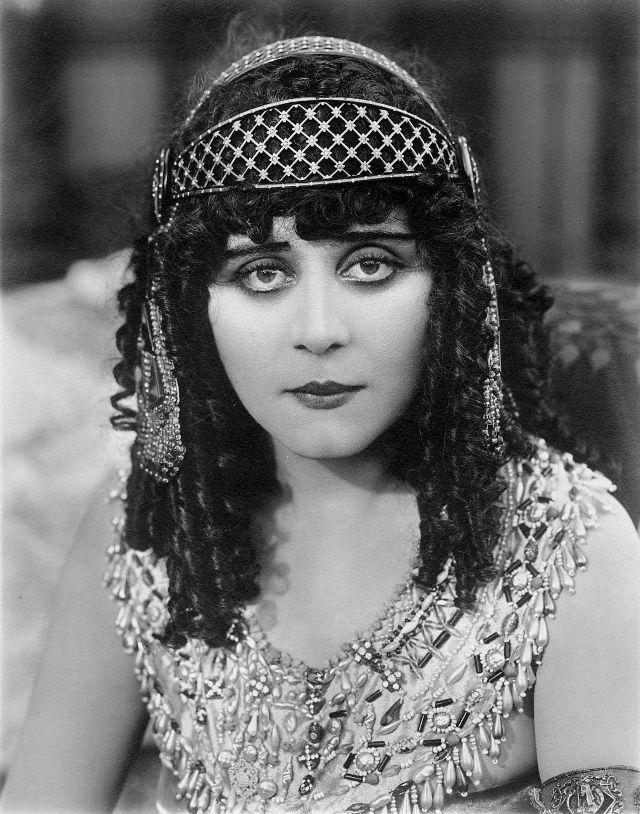
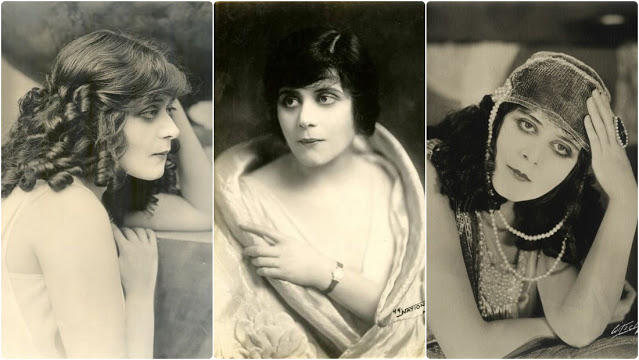
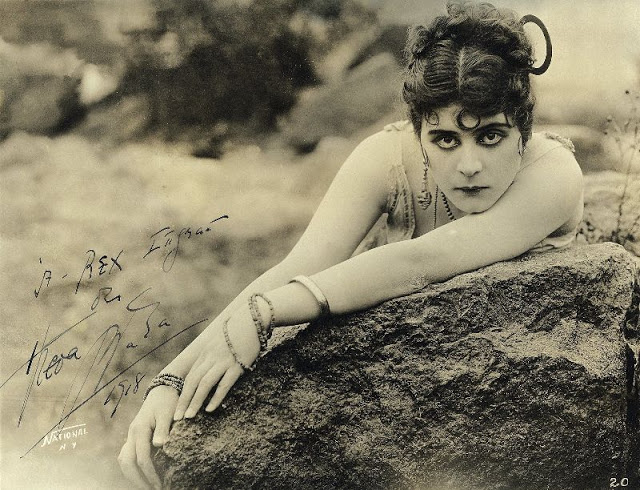
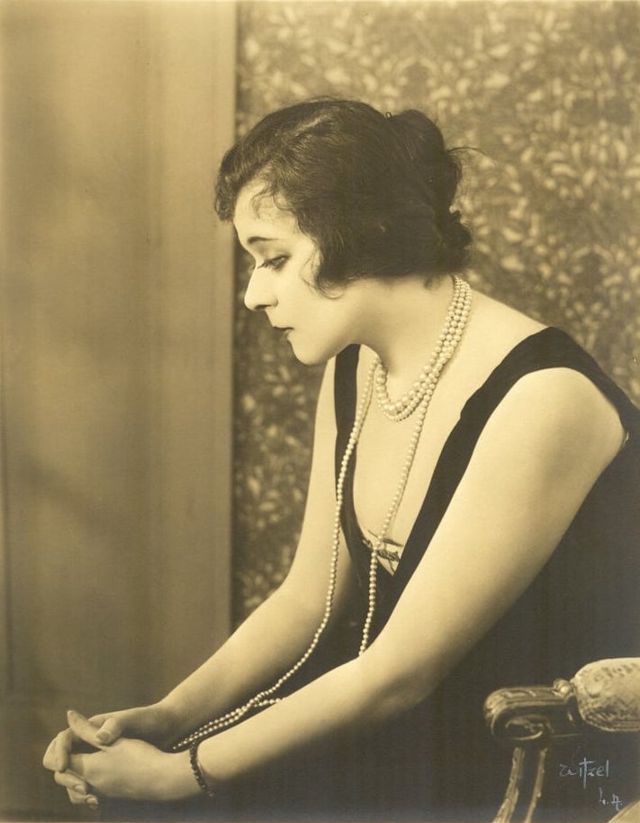
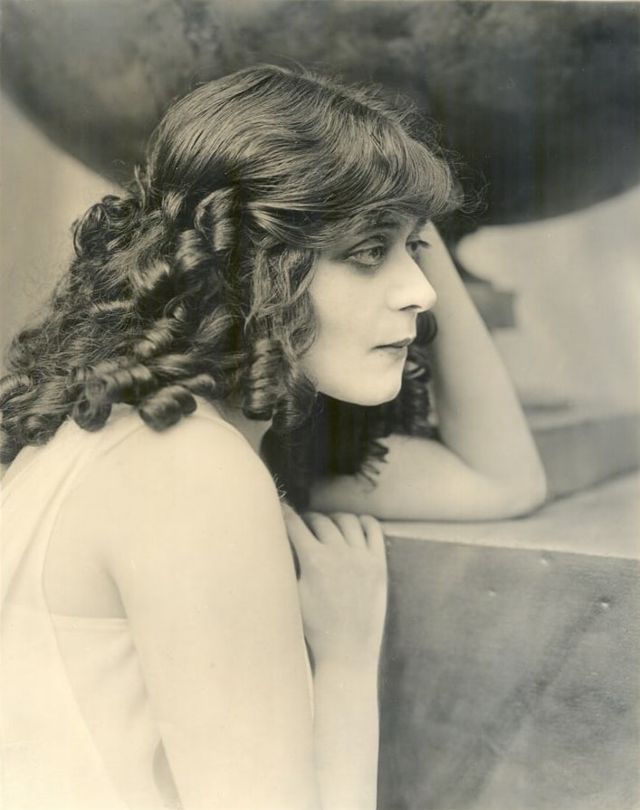
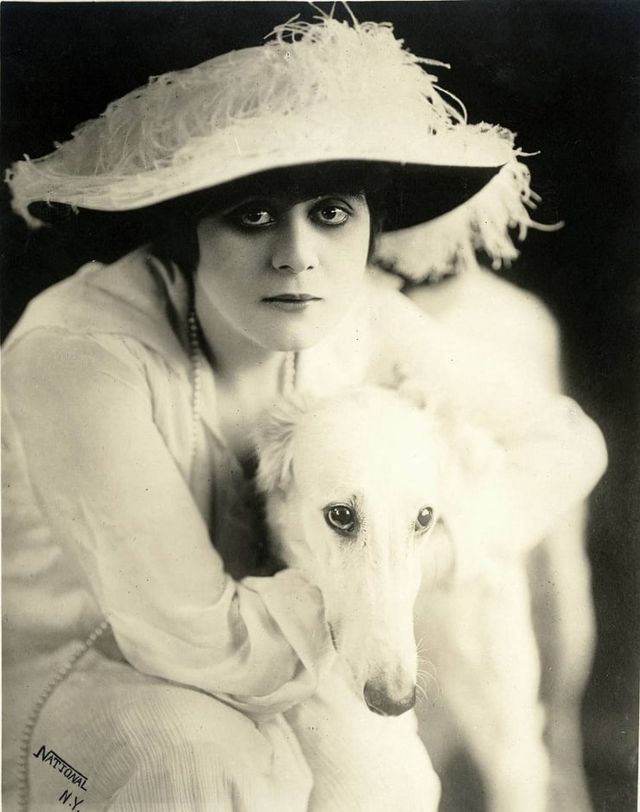
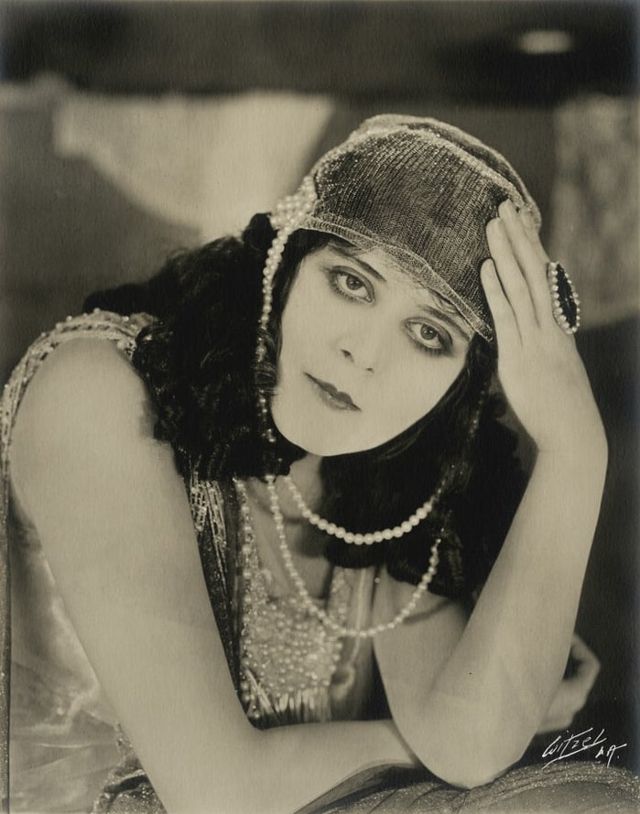
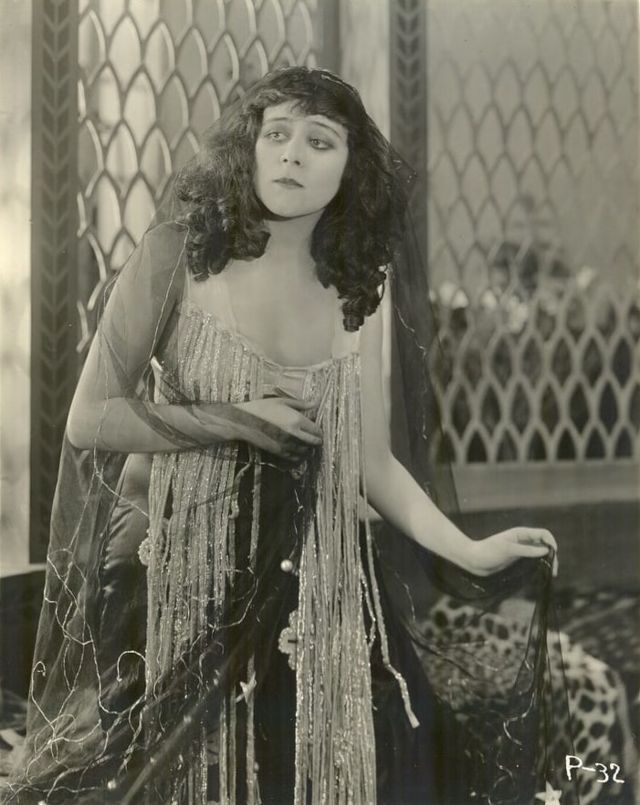
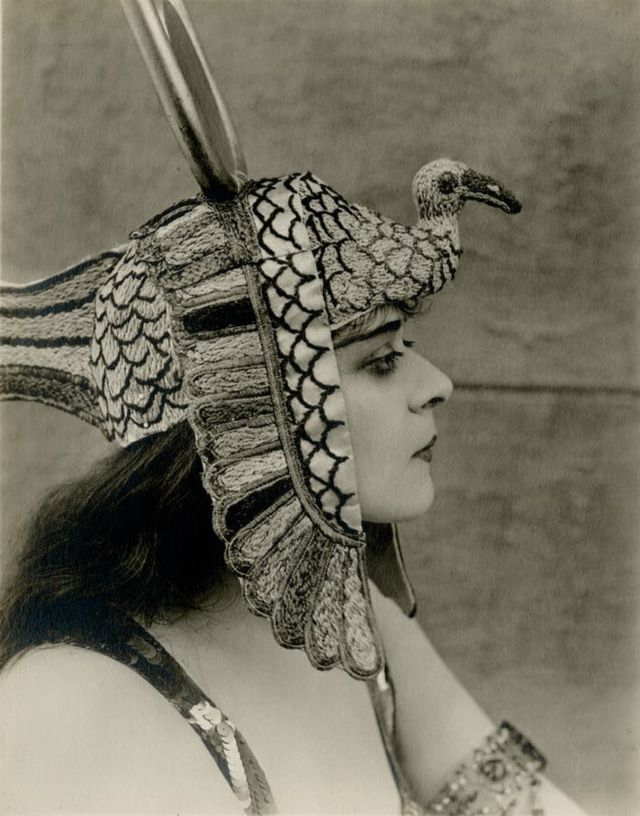
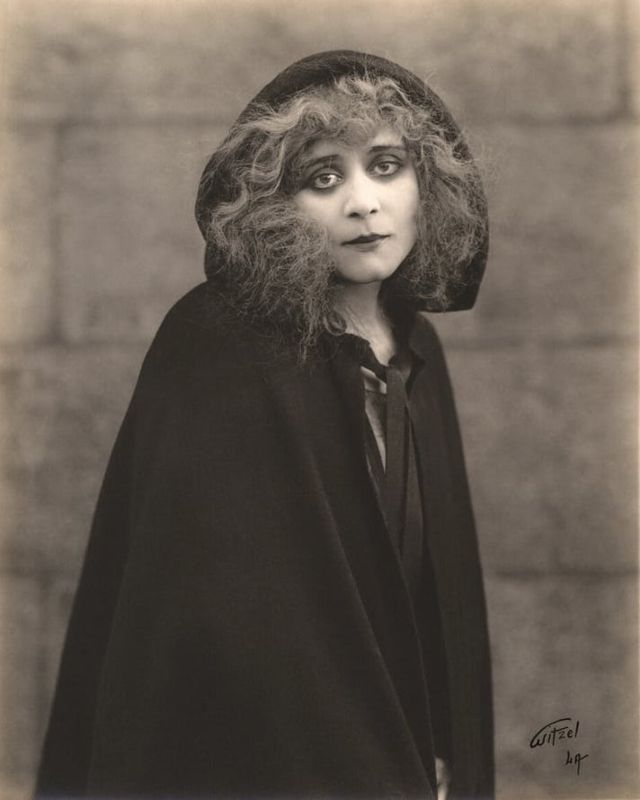
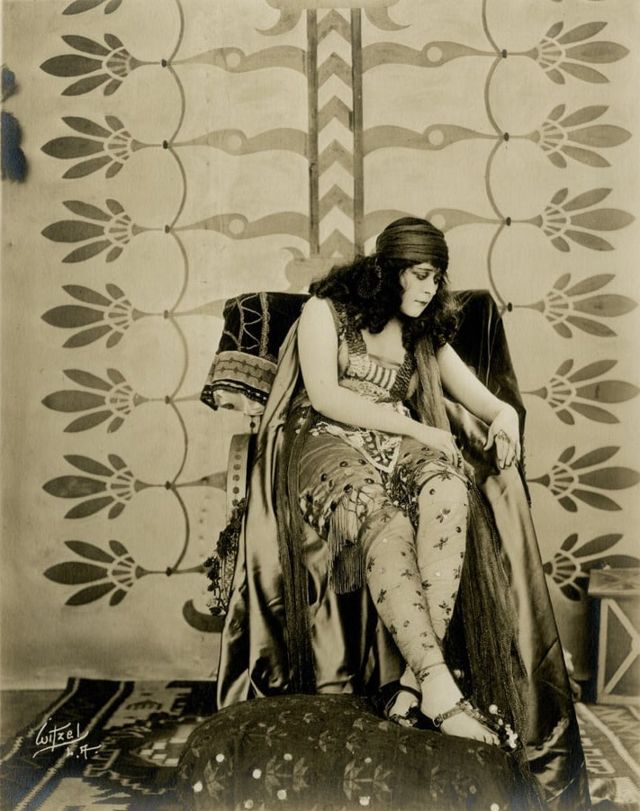
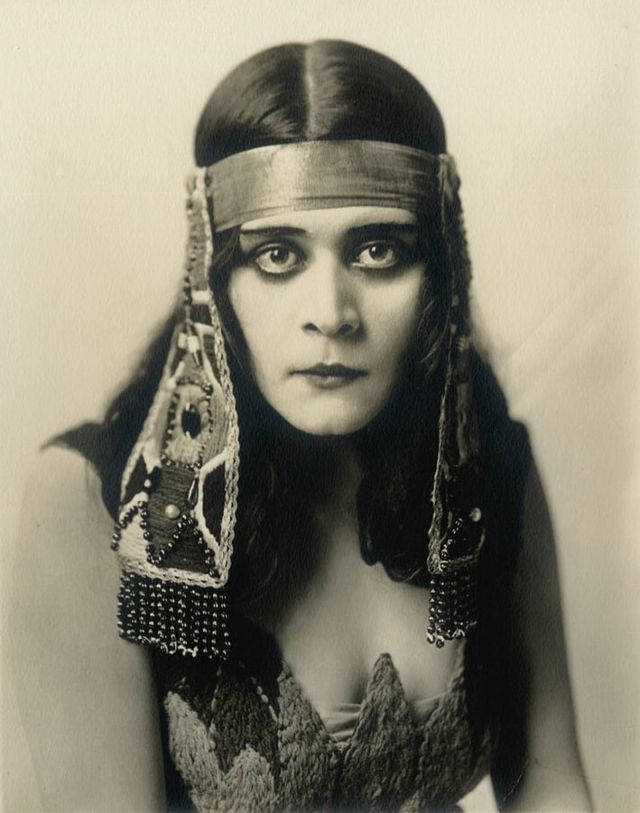
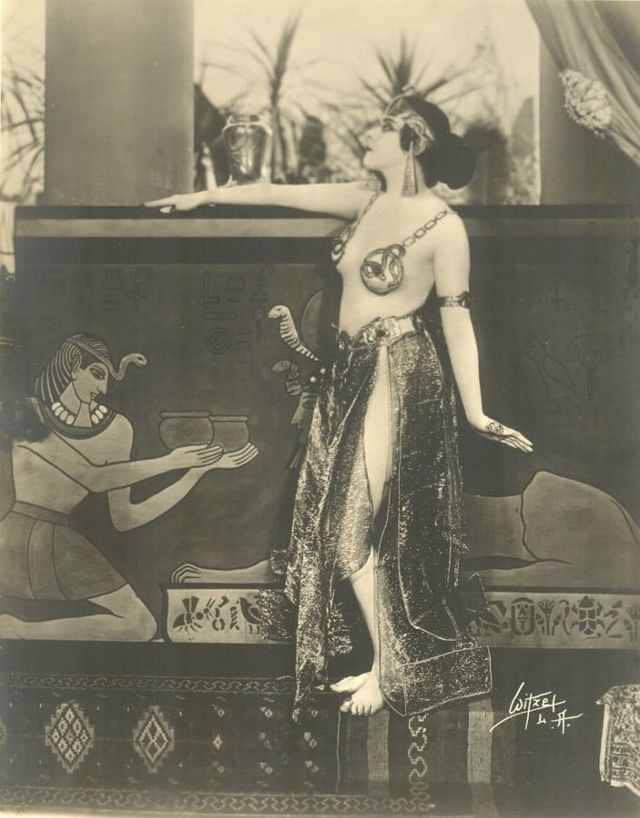
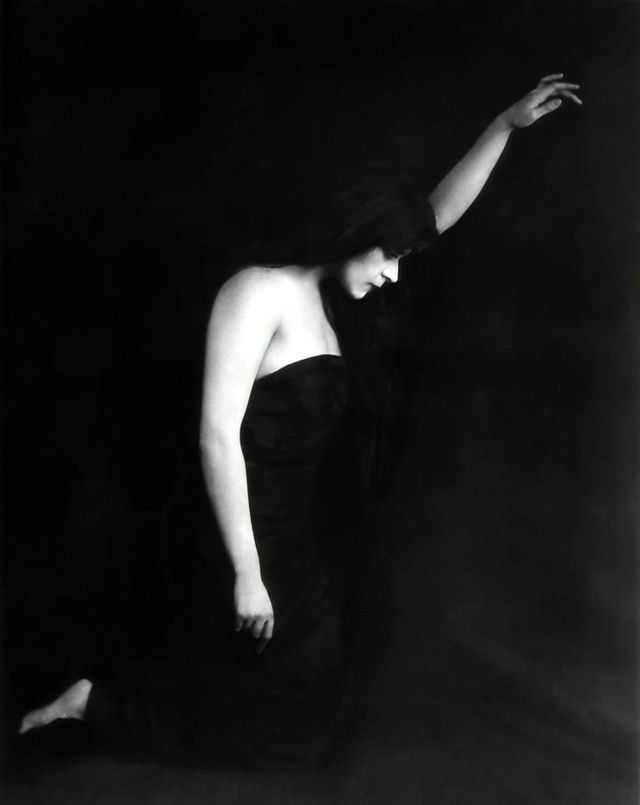
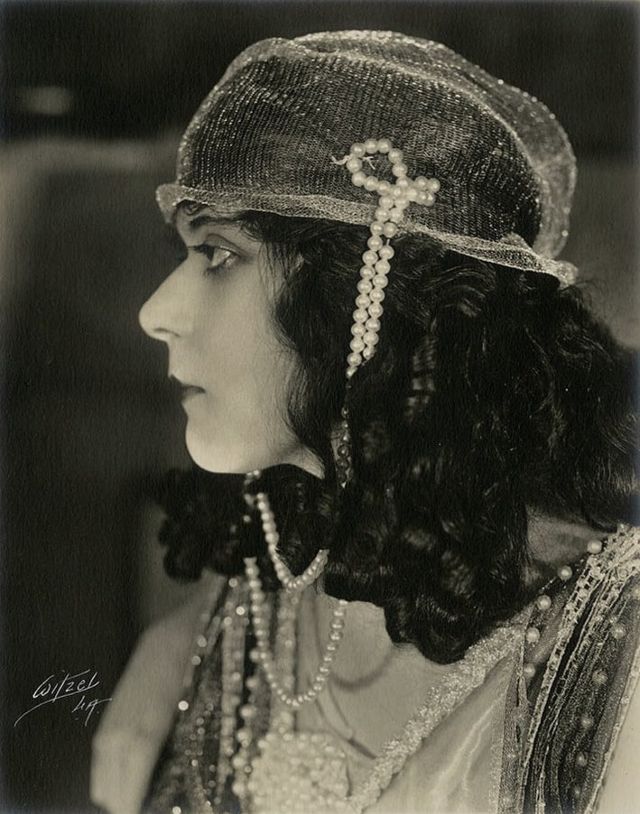
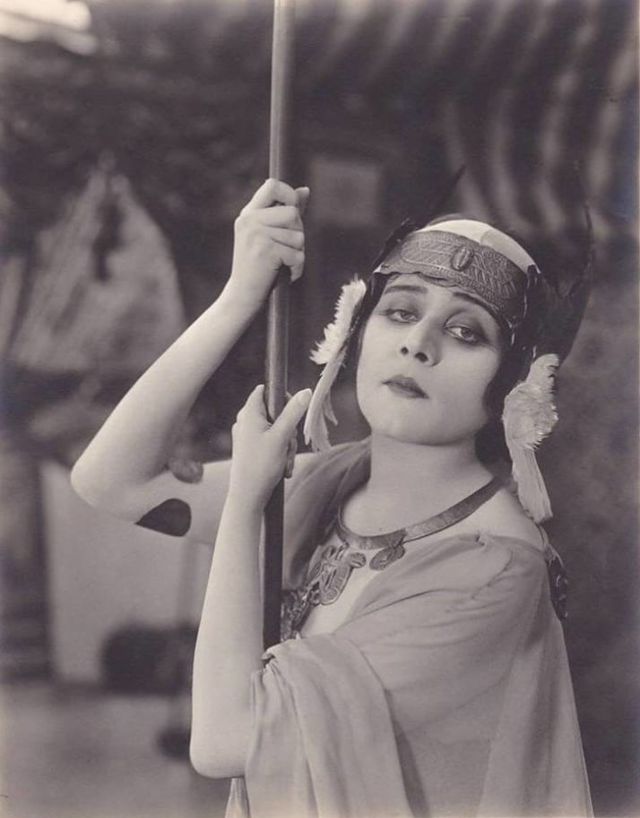
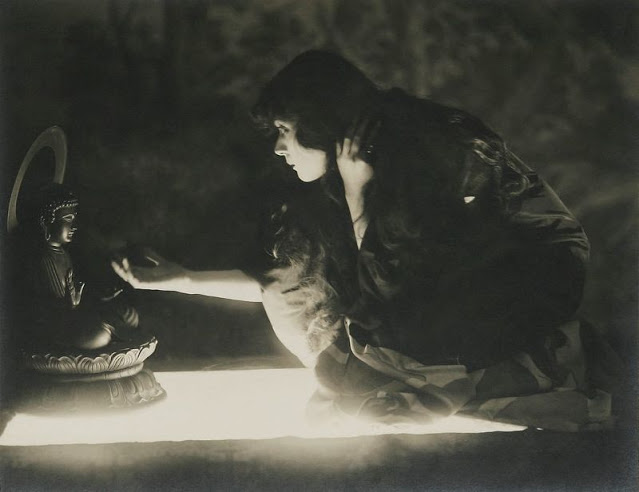
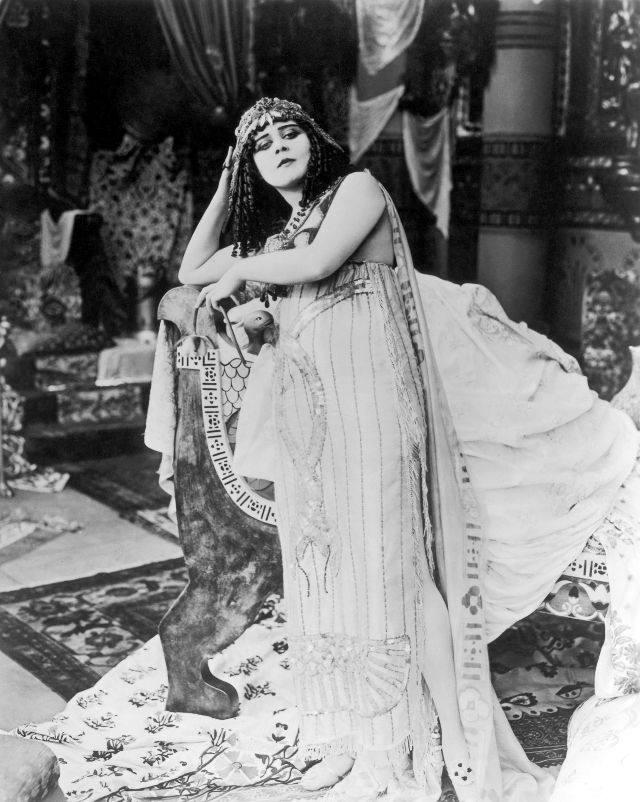
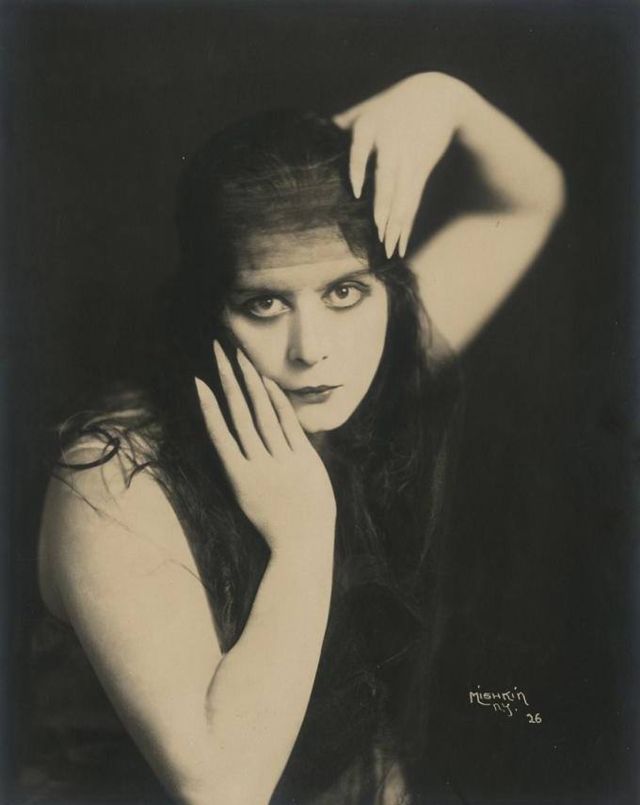
Born 1885 as Theodosia Burr Goodman in Cincinnati, Ohio, American silent film and stage actress Theda Bara moved to New York City in 1908 and made her Broadway debut the same year in The Devil.
Between 1915 and 1919, Bara was Fox studio’s biggest star, but tired of being typecast as a vamp, she allowed her five-year contract with Fox to expire. Her final Fox film was The Lure of Ambition (1919).
In 1920, Bara turned briefly to the stage, appearing on Broadway in The Blue Flame. Her fame drew large crowds to the theater, but her acting was savaged by critics.
Bara was one of the more popular actresses of the silent era and one of cinema’s early sex symbols. The studios promoted a fictitious persona for her as an Egyptian-born woman interested in the occult.
Bara made more than 40 films between 1914 and 1926, but most were lost in the 1937 Fox vault fire. After her marriage to Charles Brabin in 1921, she made two more feature films then retired from acting in 1926, never appearing in a sound film.
Bara died of stomach cancer in 1955. For her contributions to the film industry, she received a motion pictures star on the Hollywood Walk of Fame in 1960. Her star is located at 6307 Hollywood Boulevard.
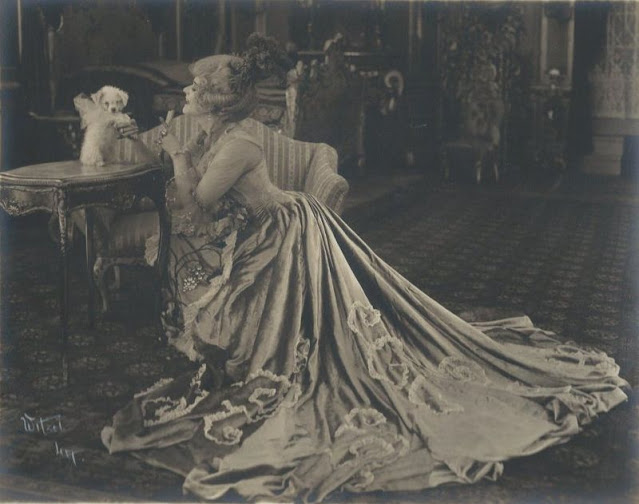
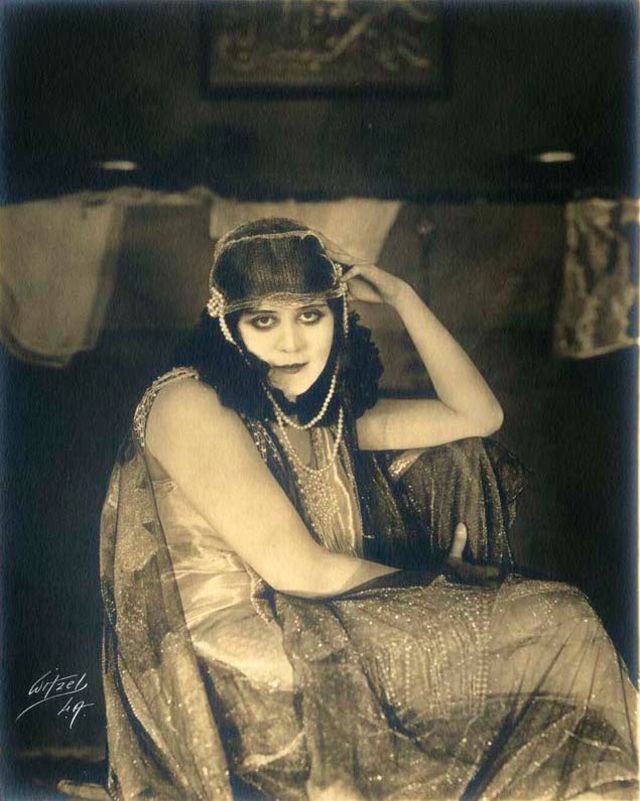
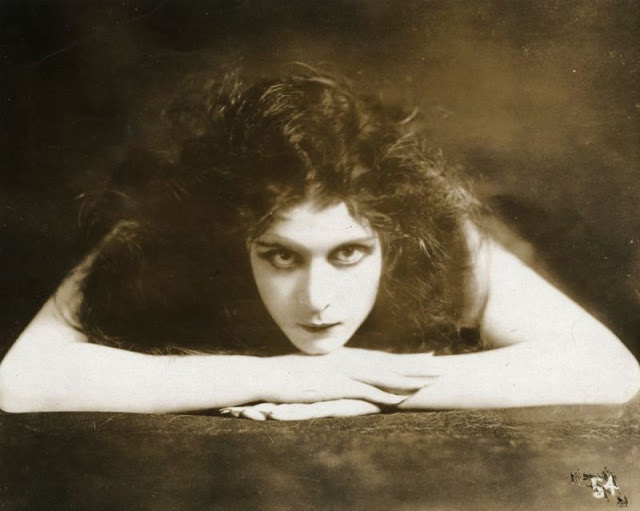
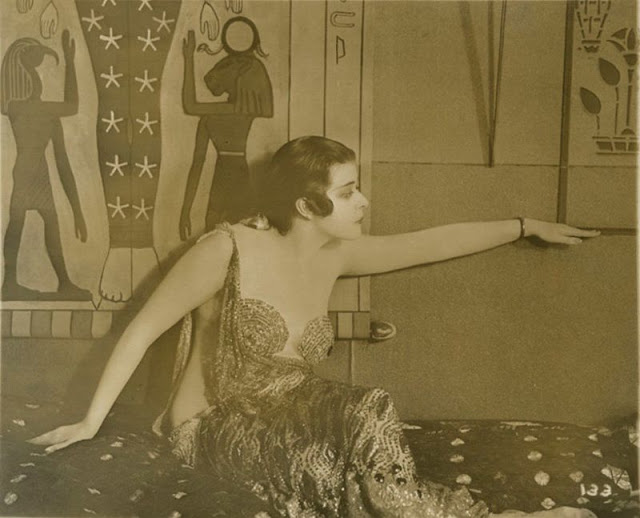
Take a look at these fabulous photos to see the beauty of young Theda Bara in the 1910s.
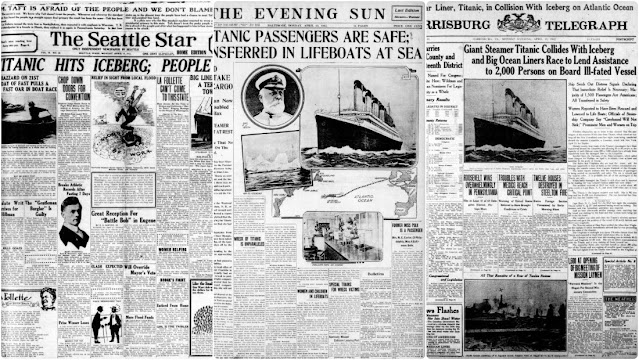
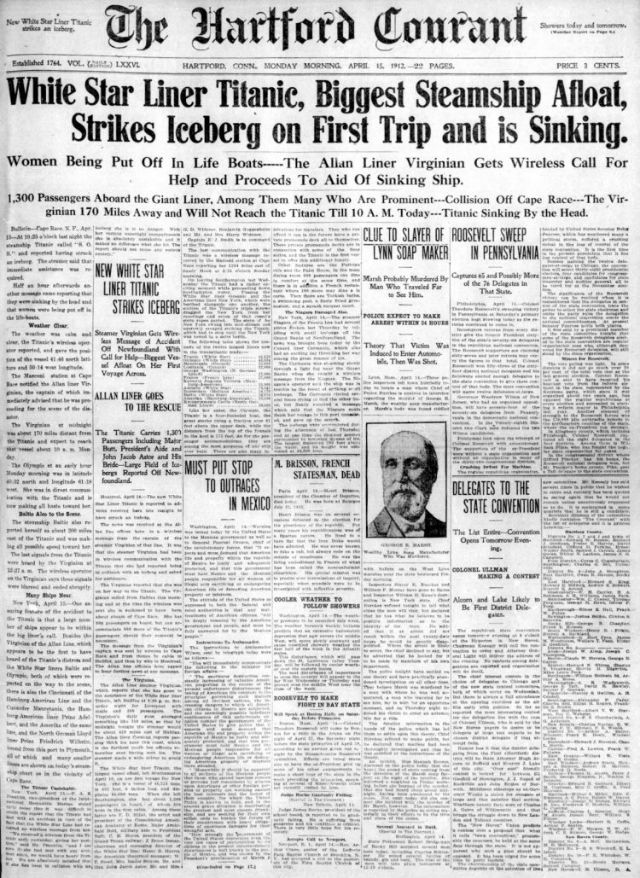
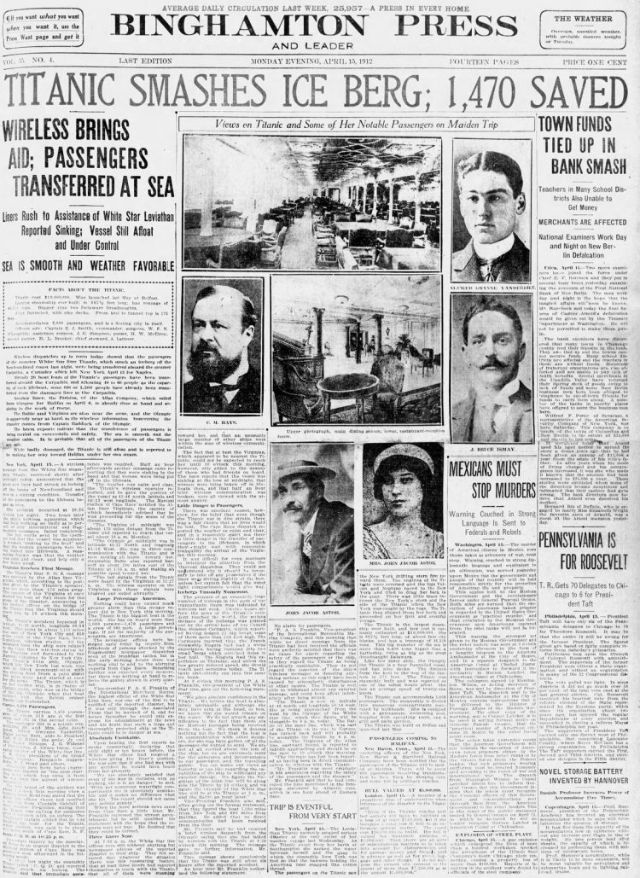
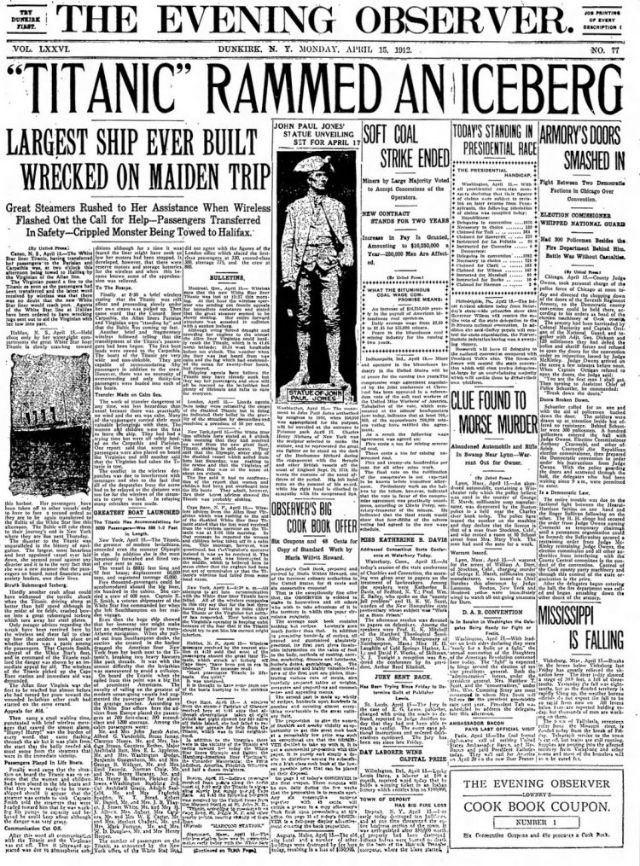
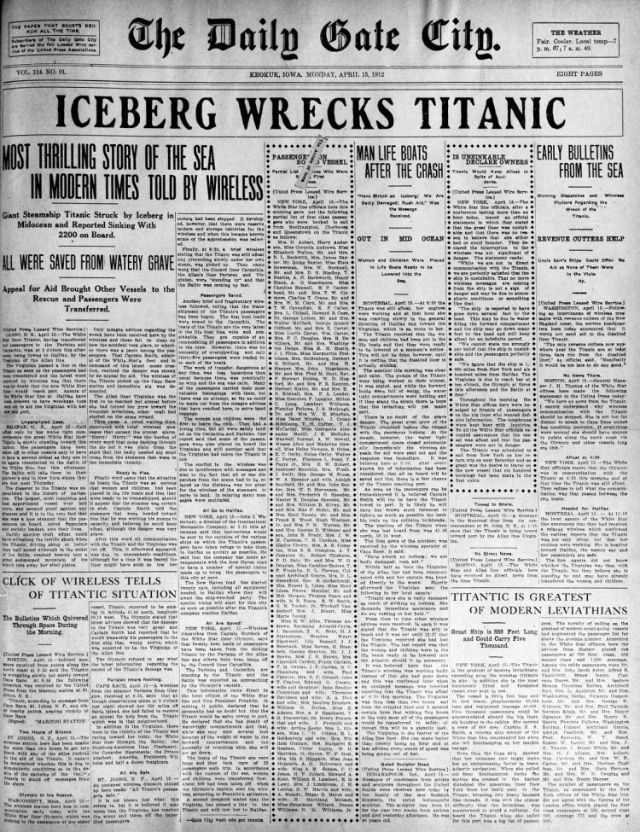
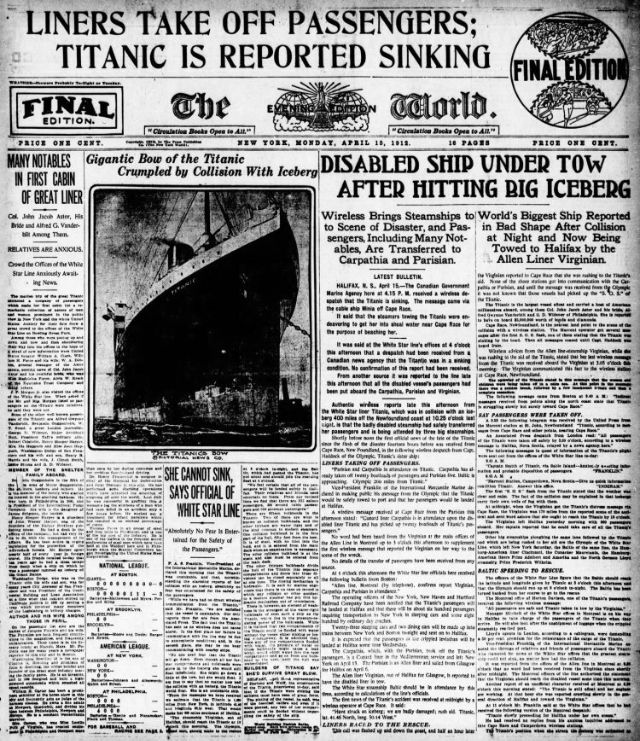
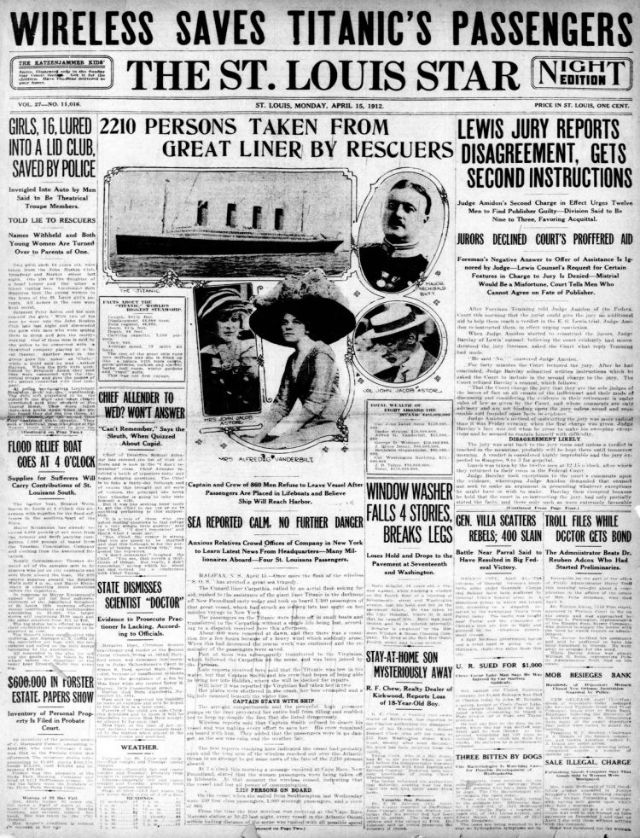
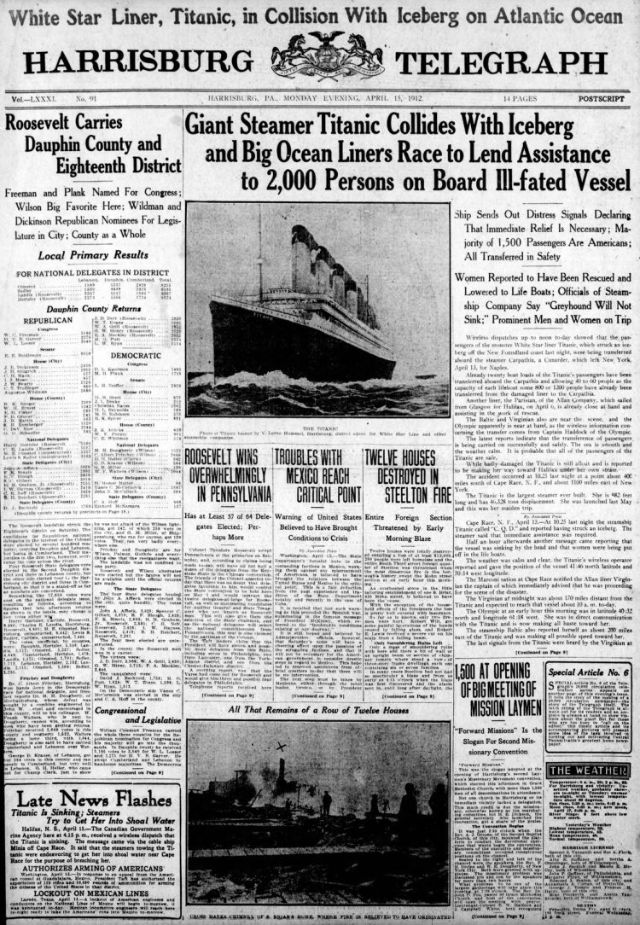
Here are some front pages of newspapers around the country, showing very first reports of the Titanic disaster.
Newspaper front pages with the first stories of the Titanic disaster on April 15, 1912
As you can see, several of the headlines were completely inaccurate. Of course, that’s to be expected — there was very little information available at the time, and the news that did come in was delivered via telegraph.
Furthermore, many news reports were hampered by confusion in the chaos, as well as by some opinions presented as fact. For example, one statement was issued by the White Star Line that said, in part, “I am free to say that no matter how bad the collision with an iceberg, the Titanic would float. She is an unsinkable ship.”
By the next day, almost everyone knew the truth: some 1,500 people had died on that cold, dark night.
Titanic’s Passengers Saved; Liner Sinking (The Oakland Tribune).White Star Liner Titanic, Biggest Steamship Afloat, Strikes Iceberg on First Trip and Is Sinking (The Hartford Courant).Titanic Smashes Iceberg; 1,470 Saved (The Binghamton Press).“Titanic” Rammed an Iceberg (The Evening Observer).White Star Liner Titanic Strikes an Iceberg — Passengers Are Safe and the Vessel Is in Tow (The Elmira Star-Gazette).Passengers of Titanic Transferred in Safety to Parisian and Carpathia (The Bridgeport Evening Farmer).Iceberg Wrecks Titanic (The Daily Gate City).All Titanic Passengers Are Safe; Transferred in Lifeboats at Sea (The Evening Sun).Liners Taking Off Passengers; Titanic Is Reported Sinking (The Evening World).Titanic Hits Iceberg; People Safe (The Seattle Star).Wireless Saved Titanic’s Passengers: 2210 Persons Taken From Great Liner by Rescuers (The St. Louis Star).Titanic Survives Iceberg Crash Tho Badly Damaged; Passengers Safe (The Asbury Park Evening Press).Biggest Ship Afloat Sinking in Mid-Ocean (The Great Falls Daily Tribune).White Star Liner, Titanic, in Collision With Iceberg on Atlantic Ocean (The Harrisburg Telegraph).Frantic Crowds Storm White Star Offices for Titanic News (1912).Titanic Unsinkable: She Cannot Sink, Says Official of White Star Line (The Evening World (New York, NY) April 15, 1912, Final Edition).
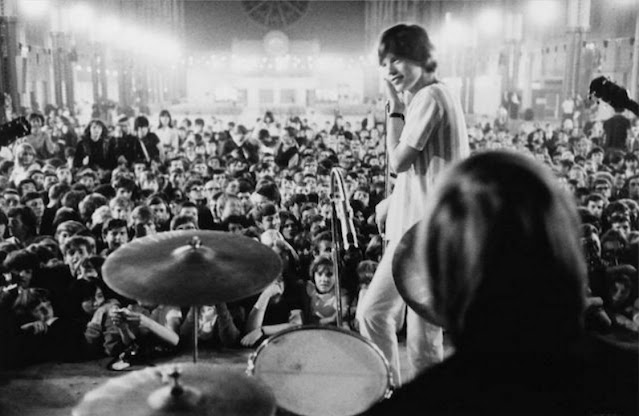
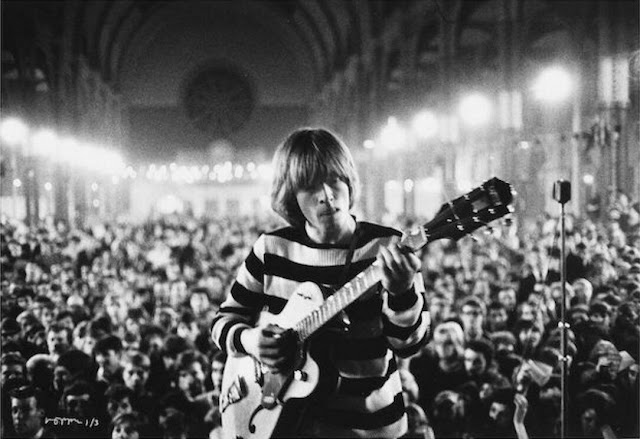
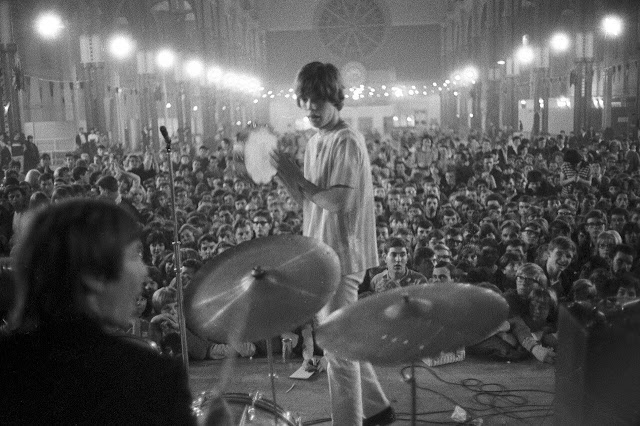
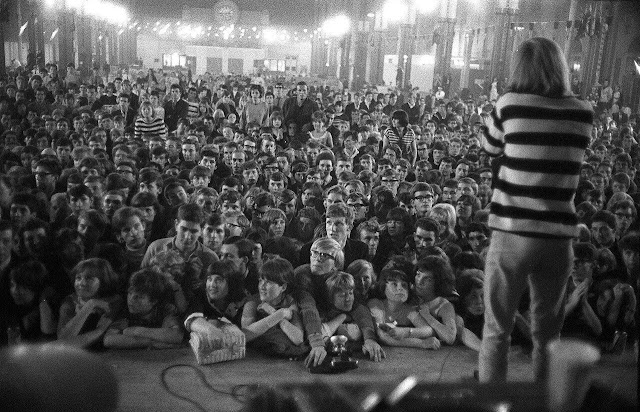
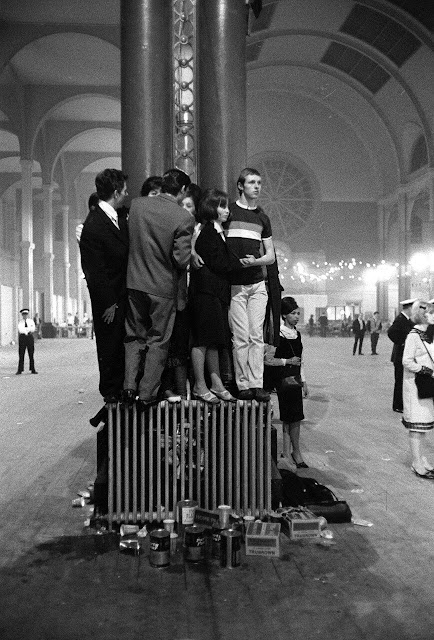
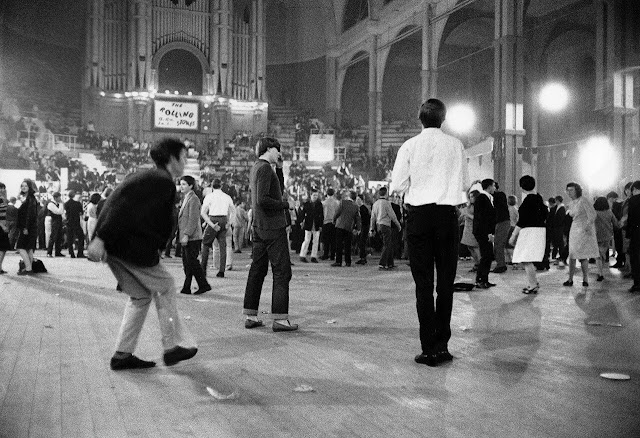
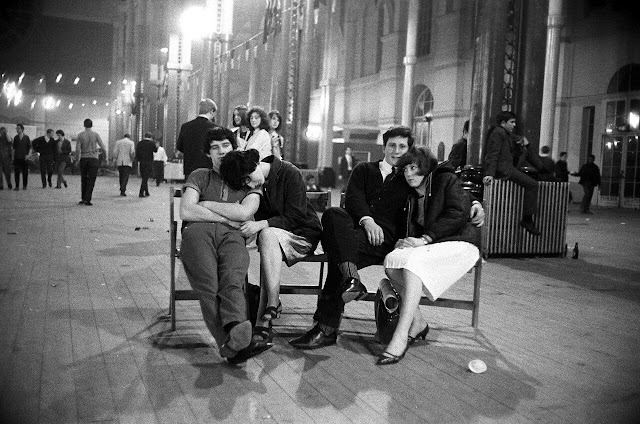
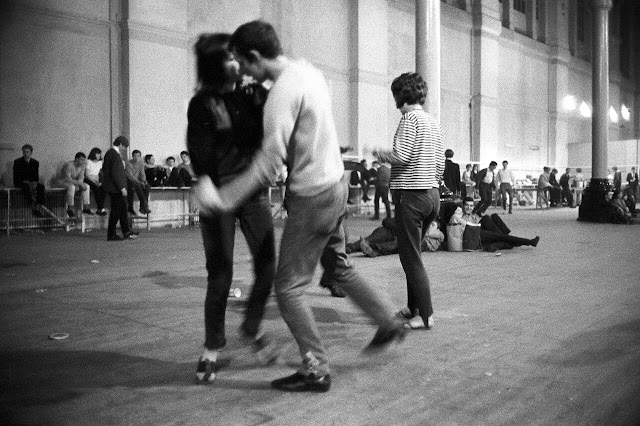
The Rolling Stones’ All Night Rave took place at the Alexandra Palace in London on June 26, 1964. Organized by The Rolling Stones’ fan club, the show coincided with the release date of the band’s hit “It’s All Over Now”. The Stones joined a blues-rich bill that featured John Lee Hooker, John Mayall, Alexis Korner, and Jimmy Powell and the Five Dimensions.
While the Fab Four were still fresh-faced and fancy-free, The Rolling Stones represented the darker side of the pop invasion of the sixties. Founders Brian Jones, Mick Jagger, Keith Richards found themselves in front of a huge crowd, willing to go to war for the band. Brian Jones said in a statement after the rave: “As the excitement mounts girls surge down to the footlights, their screams swamping our amplifiers.”
The band unwittingly held one of the first ever raves in London, and with it, sealed their reputation as one of the most unruly and uncompromising artists of rock and roll history. In the images, there are candid shots of sixties teens dancing their night away as well as perfect shots of Brian Jones, Mick Jagger and Keith Richards in front of the baying crowd.
The 1920s (pronounced “nineteen-twenties,” often shortened to the “20s”) was a decade that began on January 1, 1920, and ended on December 31, 1929. In America, it is frequently referred to as the “Roaring Twenties” or the “Jazz Age”, while in Europe the period is sometimes referred to as the “Golden Twenties” because of the economic boom following World War I (1914-1918). French speakers refer to the period as the “Années folles” (“Crazy Years”), emphasizing the era’s social, artistic, and cultural dynamism.
The 1920s saw foreign oil companies begin operations in Venezuela, which became the world’s second-largest oil-producing nation. The devastating Wall Street Crash in October 1929 is generally viewed as a harbinger of the end of 1920s prosperity in North America and Europe. In the Soviet Union the New Economic Policy was created by the Bolsheviks in 1921, to be replaced by the first five-year plan in 1928. The 1920s saw the rise of radical political movements, with the Red Army triumphing against White movement forces in the Russian Civil War, and the emergence of far right political movements in Europe. In 1922, the fascist leader Benito Mussolini seized power in Italy. Economic problems contributed to the emergence of dictators in Eastern Europe to include Józef Pilsudski in Poland, and Peter and Alexander Karadordevic in Yugoslavia. First-wave feminism saw progress, with women gaining the right to vote in the United States (1920), Ireland (1921) and with suffrage being expanded in Britain to all women over 21 years old (1928).
In Turkey, nationalist forces defeated Greece, France, Armenia and Britain in the Turkish War of Independence, leading to the Treaty of Lausanne (July 1923), a treaty more favorable to Turkey than the earlier proposed Treaty of Sèvres. The war also led to the abolition of the Ottoman Caliphate. Nationalist revolts also occurred in Ireland (1919–1921) and Syria (1925–1927). Under Mussolini, Italy pursued a more aggressive foreign policy, leading to the Second Italo-Senussi War in Libya. In 1927, China erupted into a civil war between the Kuomintang (KMT)-led government of the Republic of China (ROC) and forces of the Chinese Communist Party (CCP). Civil wars also occurred in Paraguay (1922–1923), Ireland (1922–1923), Honduras (1924), Nicaragua (1926–1927), and Afghanistan (1928–1929). Saudi forces conquered Jabal Shammar and subsequently, Hejaz.
A severe famine occurred in Russia in 1921–1922 due to the combined effects of economic disturbance because of the Russian Revolution and the Russian Civil War, exacerbated by rail systems that could not distribute food efficiently, leading to 5 million deaths. Another severe famine occurred in China in 1928–1930, leading to 6 million deaths. The Spanish flu (1918–1920) and the 1918–1922 Russia typhus epidemic, which had begun in the previous decade, caused 25–50 million and 2–3 million deaths respectively. Major natural disasters of this decade include the 1920 Haiyuan earthquake (258,707~273,407 deaths), the 1922 Swatow typhoon (50,000–100,000 deaths), the 1923 Great Kanto earthquake (105,385–142,800 deaths), and the 1927 Gulang earthquake (40,912 deaths).
Silent films were popular in this decade, with the 1925 American silent epic adventure-drama film Ben-Hur: A Tale of the Christ being the highest-grossing film of this decade, grossing $9,386,000 worldwide. Other high-grossing films of this decade include The Big Parade and The Singing Fool. Sinclair Lewis was a popular author in the 1920s, with 2 of his books, Main Street and Elmer Gantry, becoming best-selling books in the United States in 1921 and 1927 respectively. Other best-selling books of this decade include All Quiet on the Western Front and The Private Life of Helen of Troy. Songs of this decade include “Are You Lonesome Tonight?” and “Stardust”. (Wikipedia)
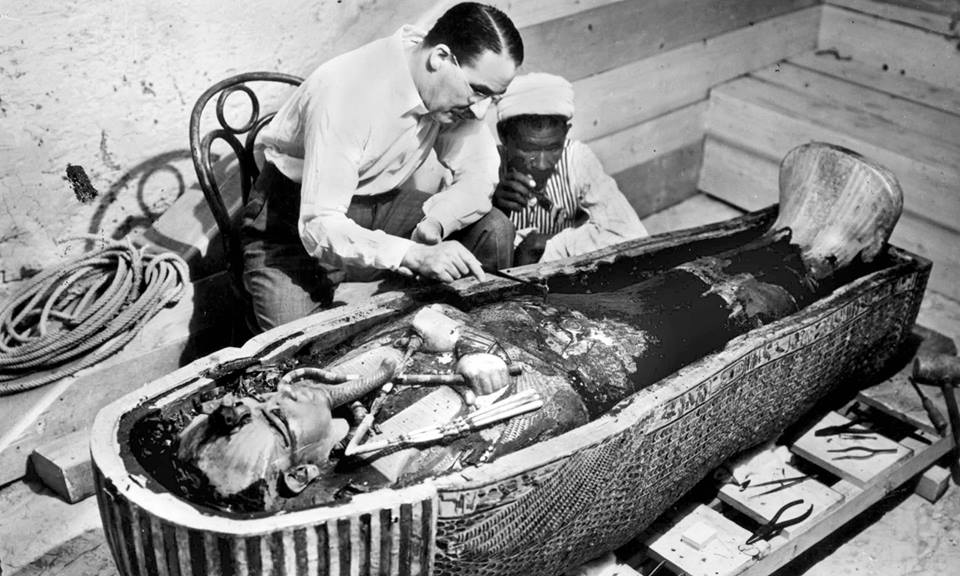
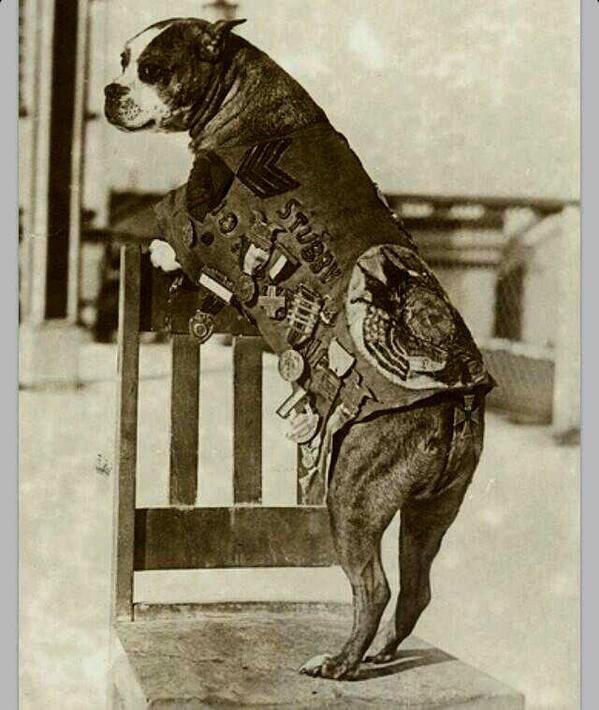
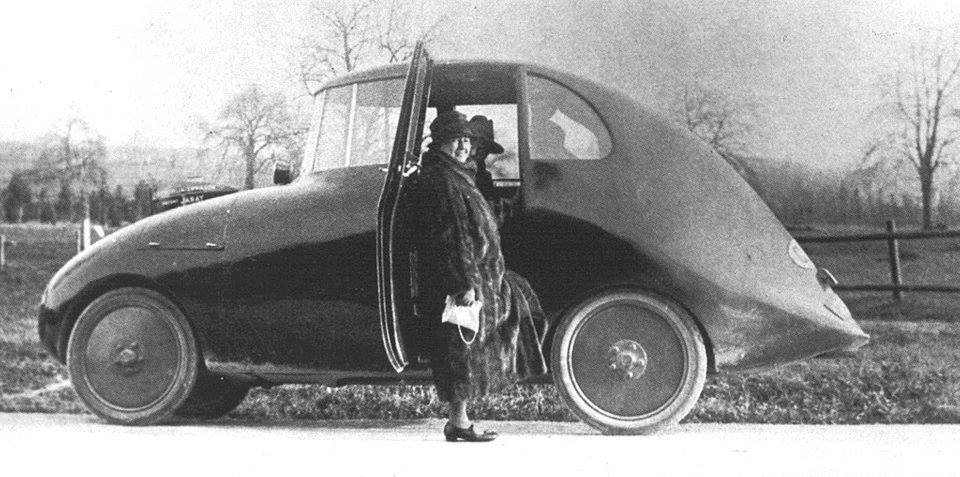
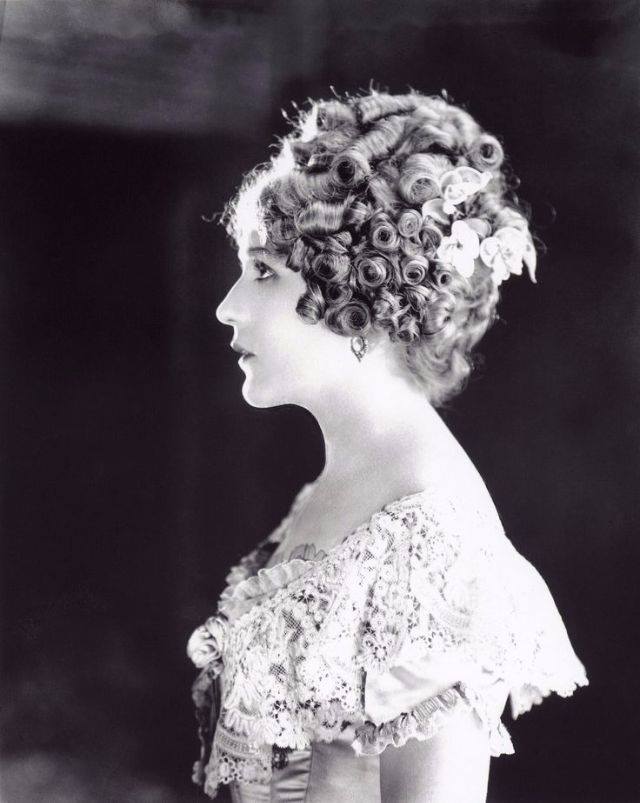
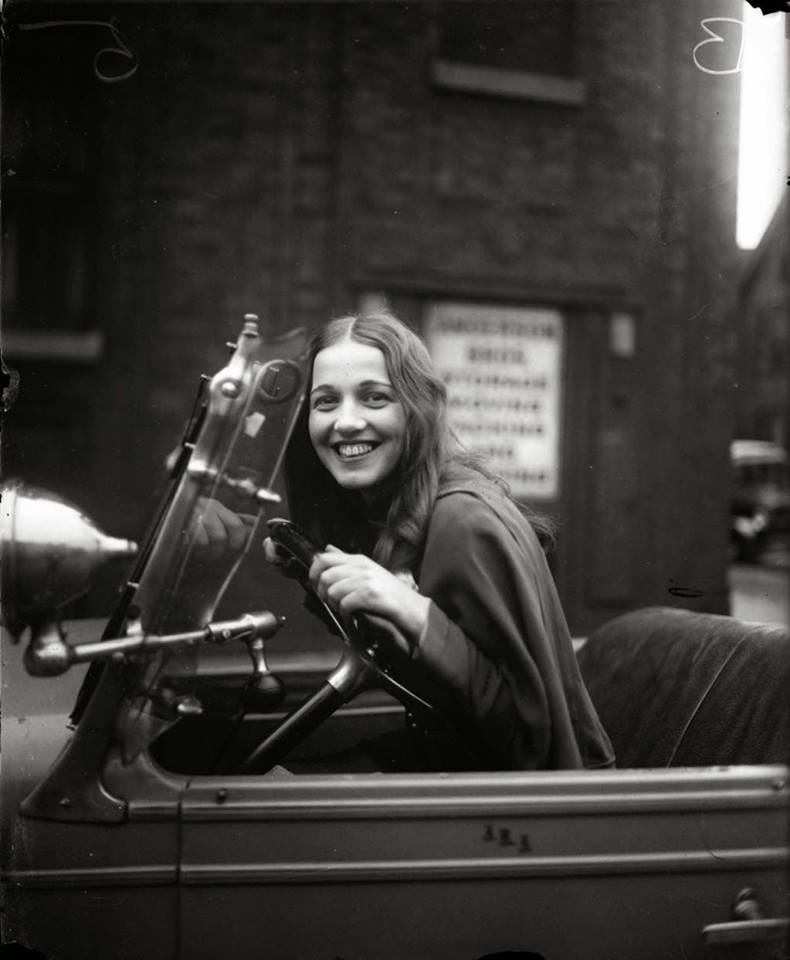
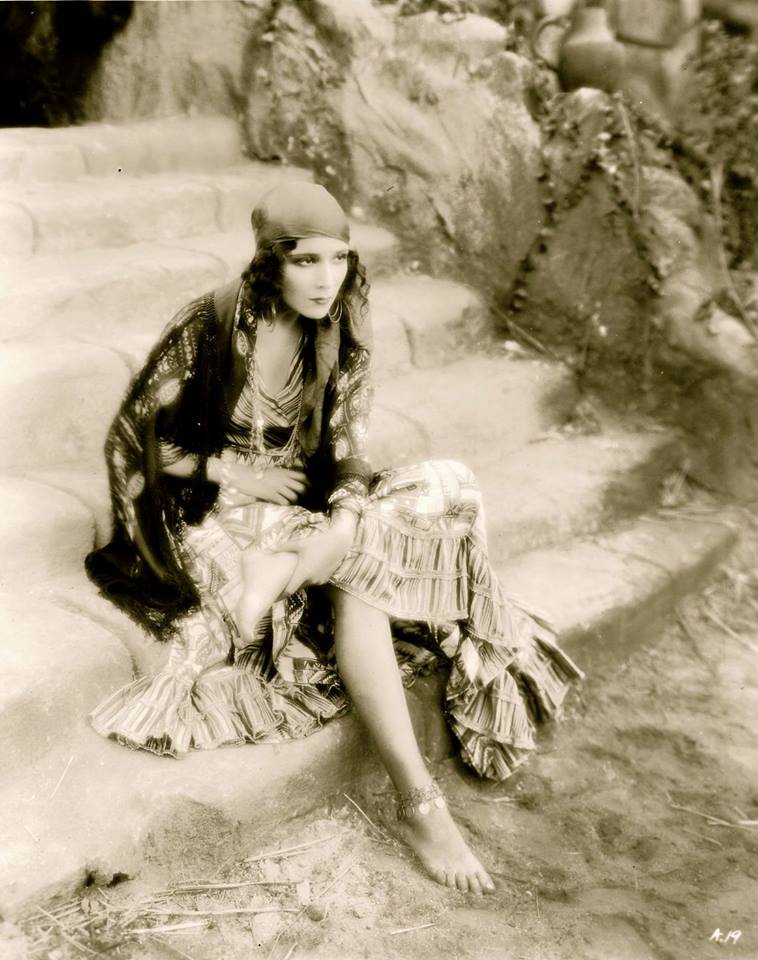
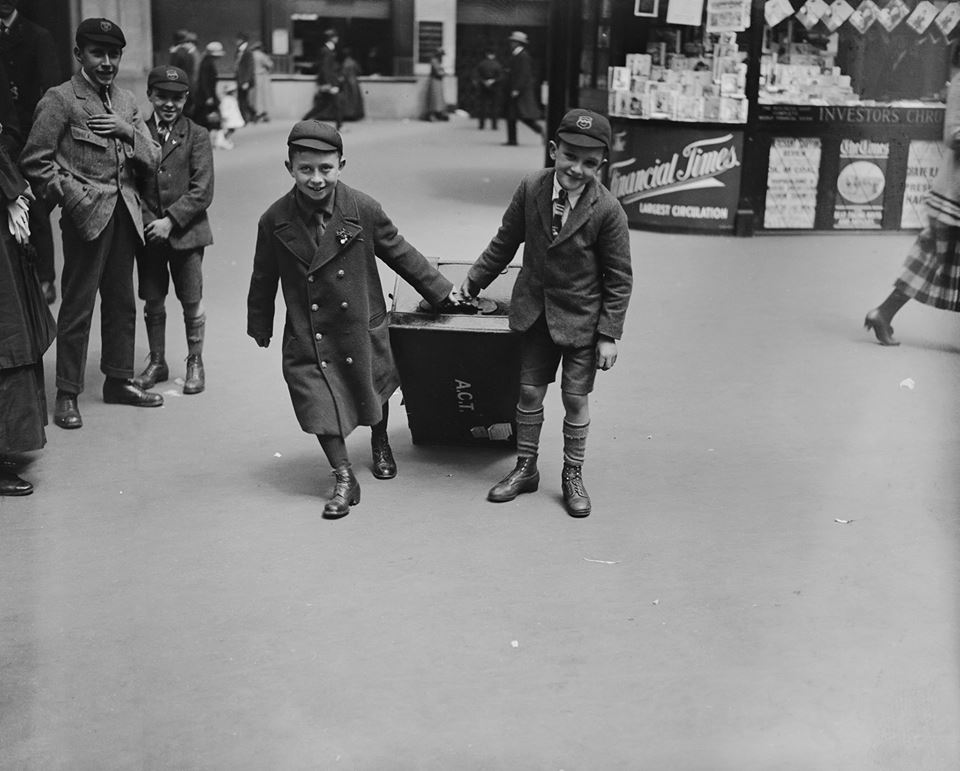
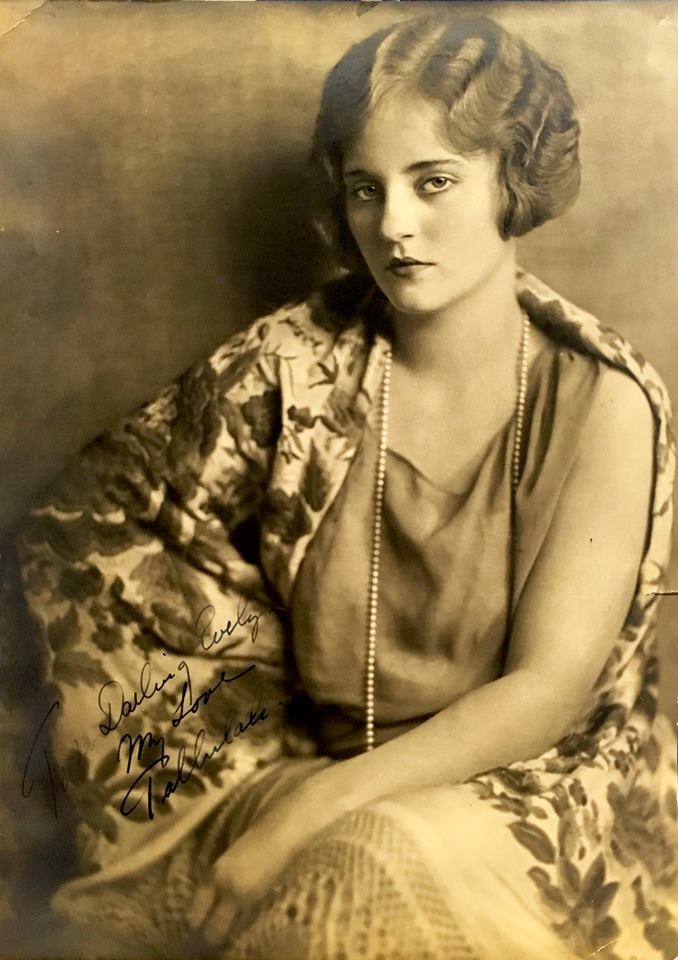
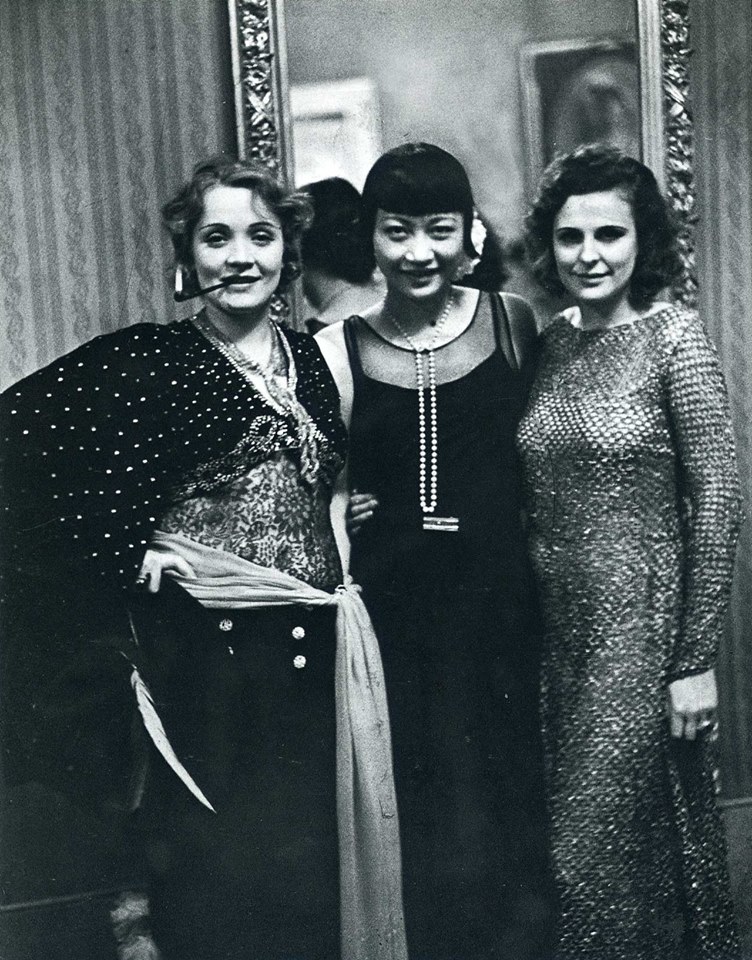
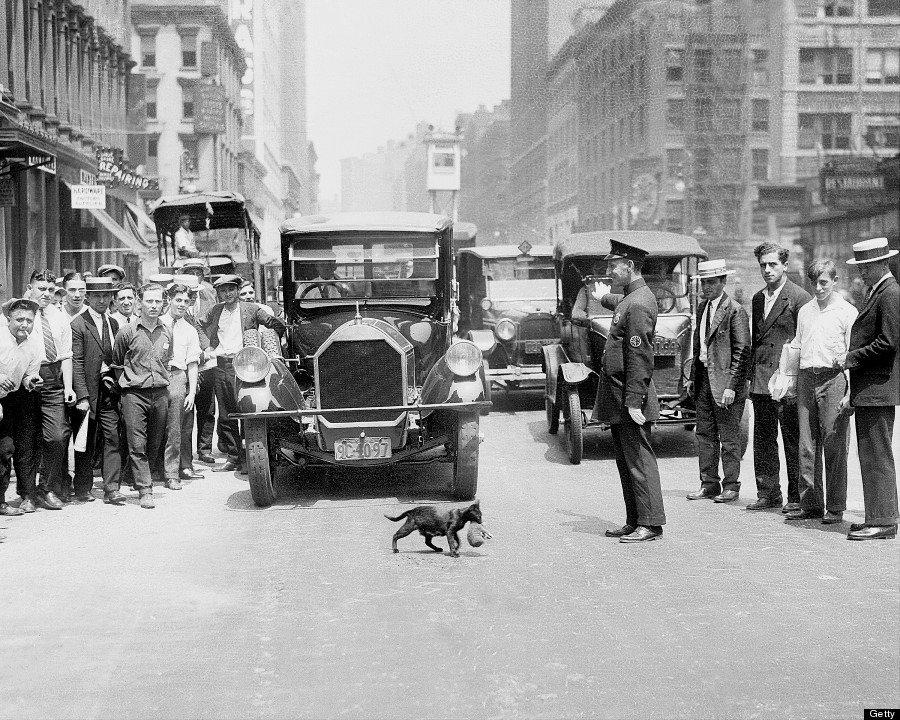
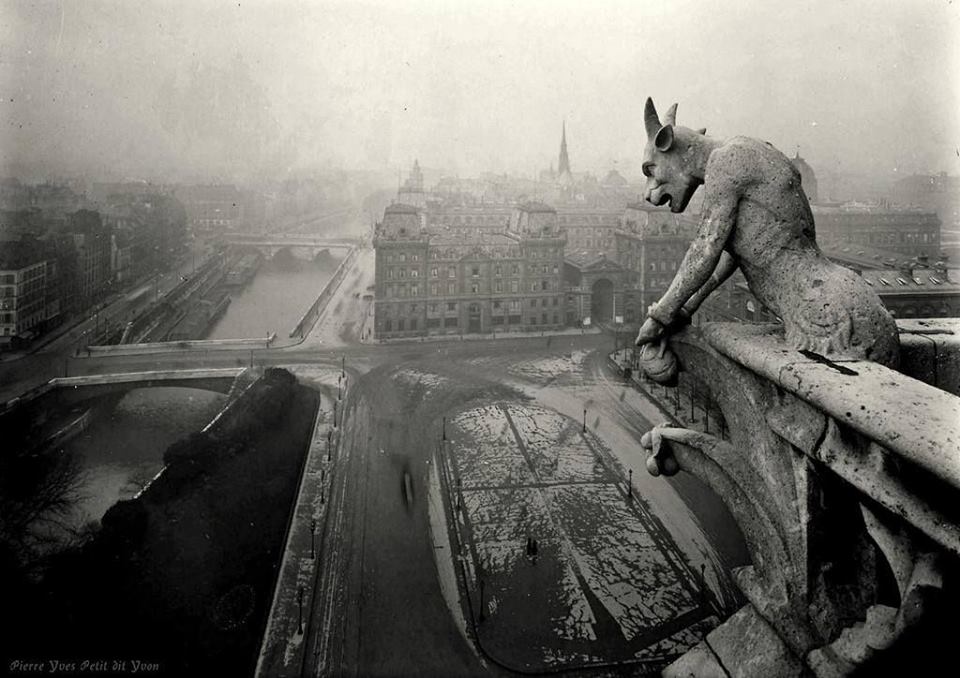
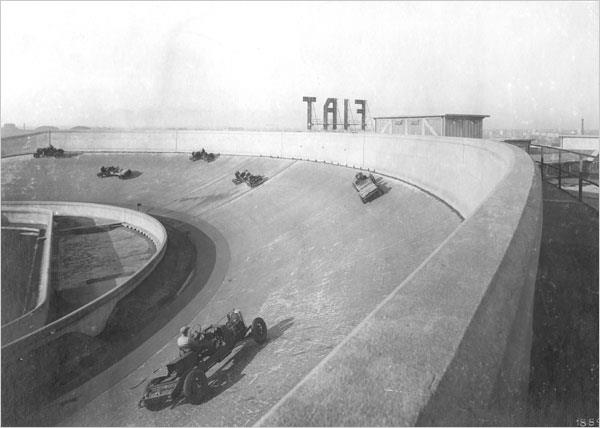
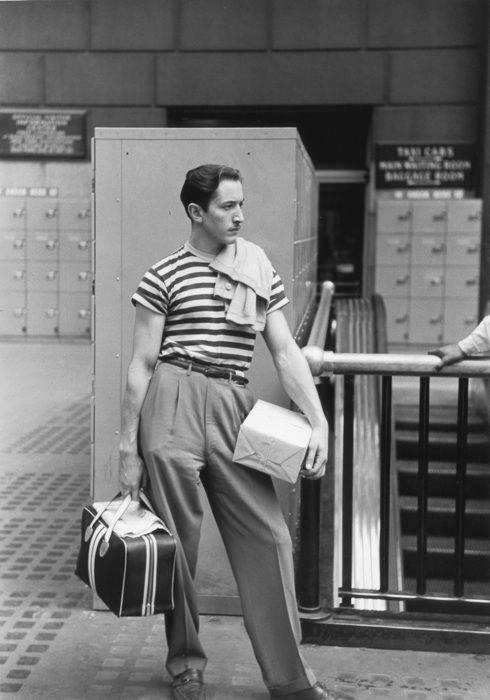
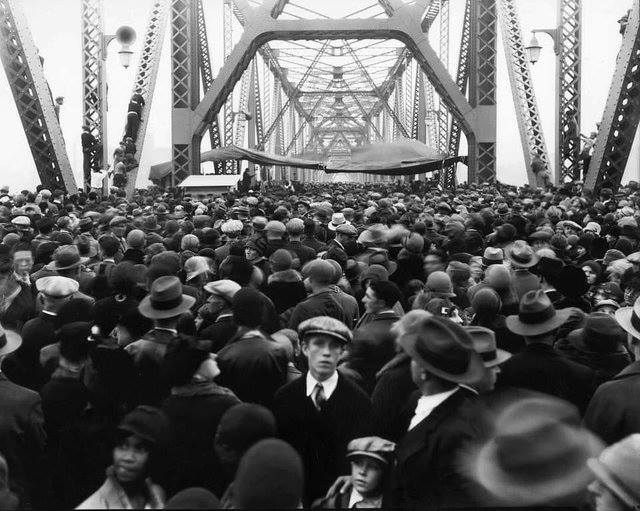
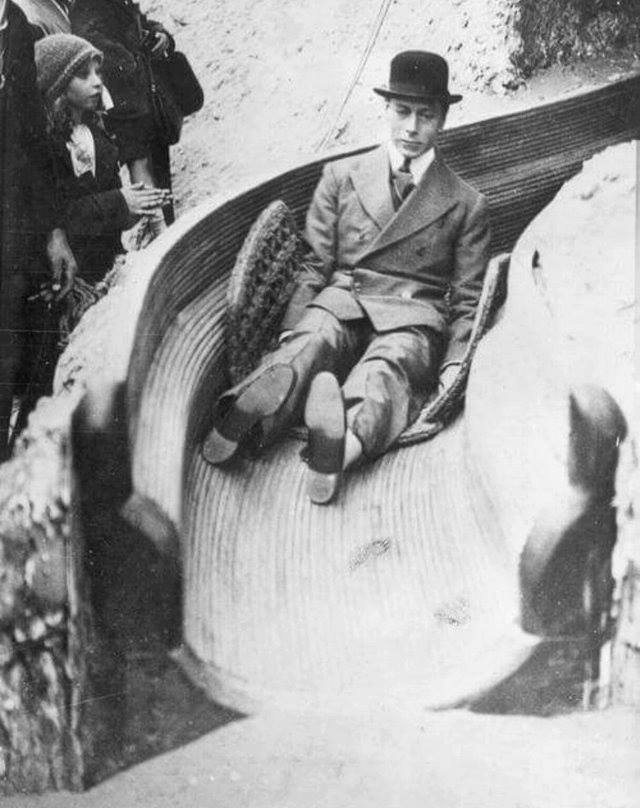
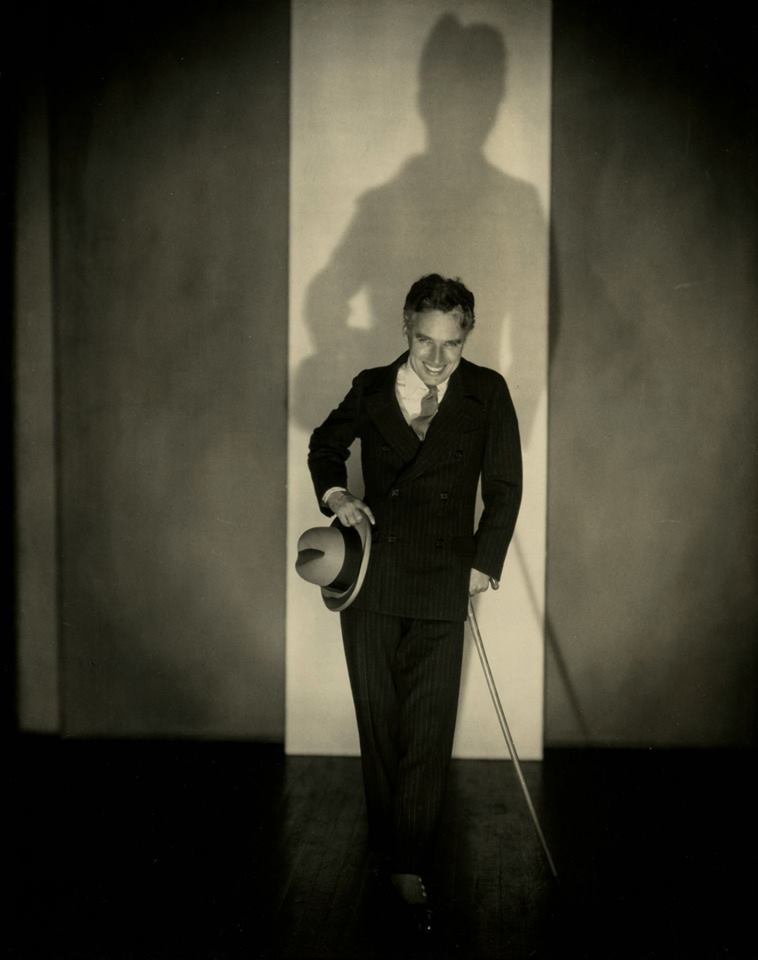
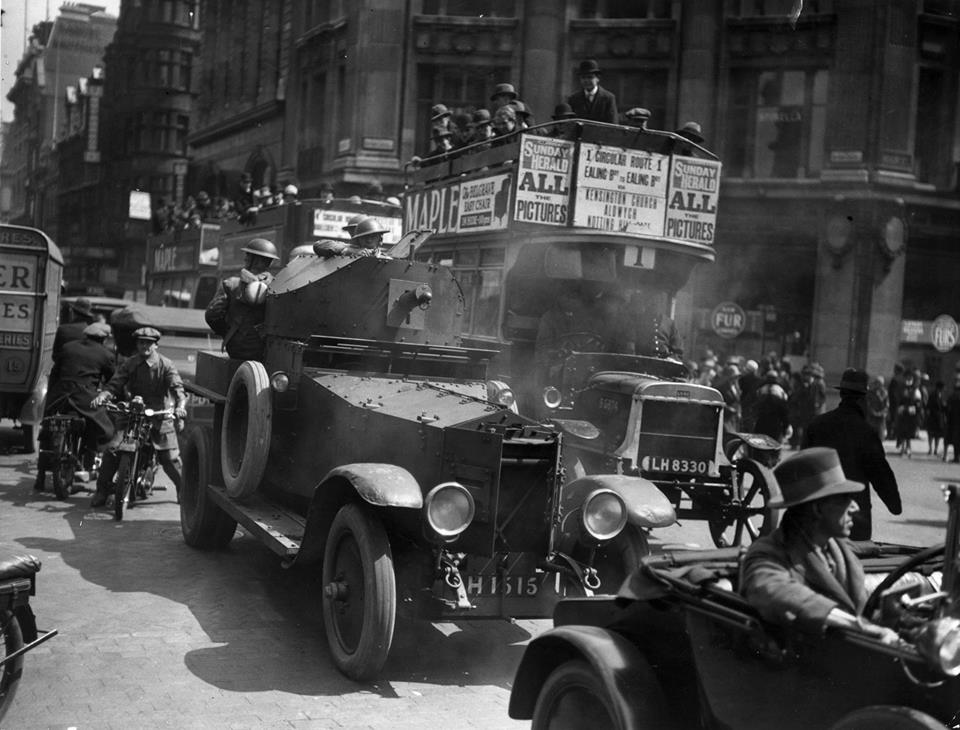
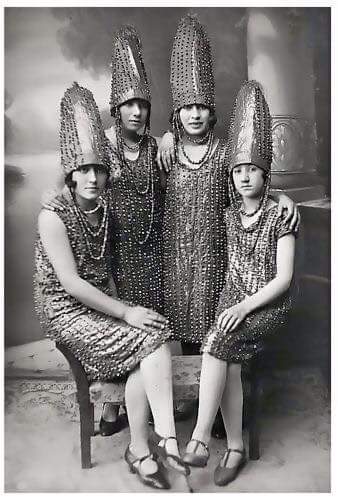
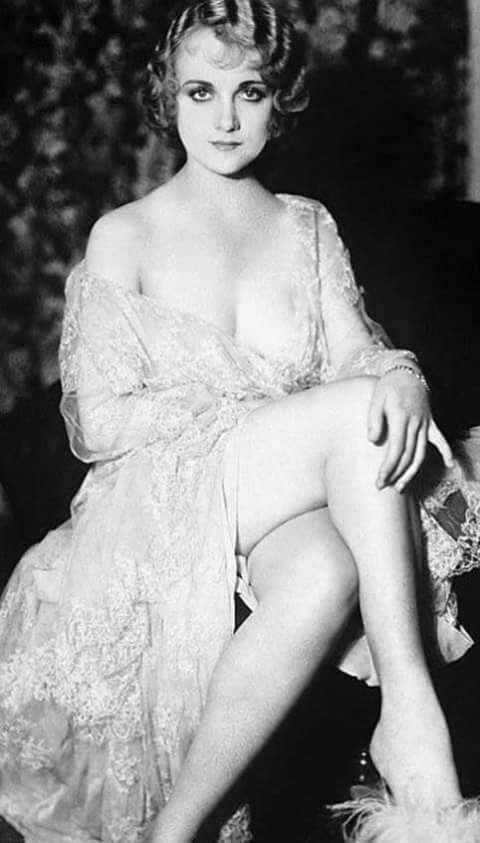
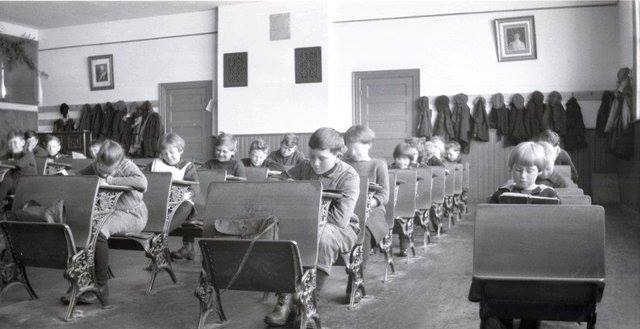
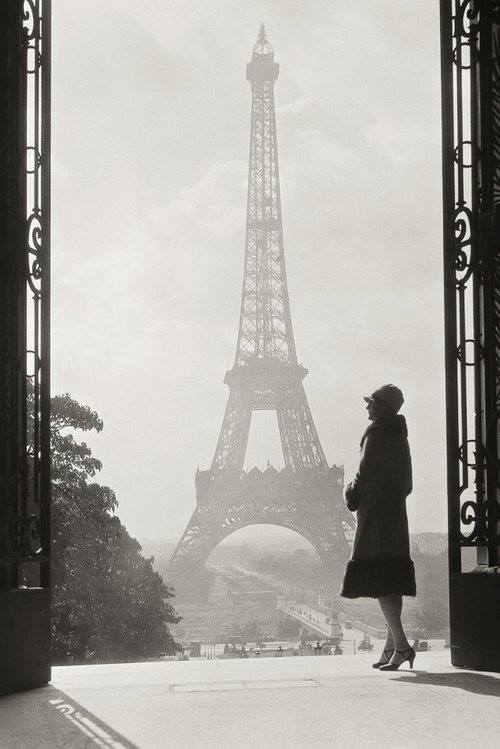
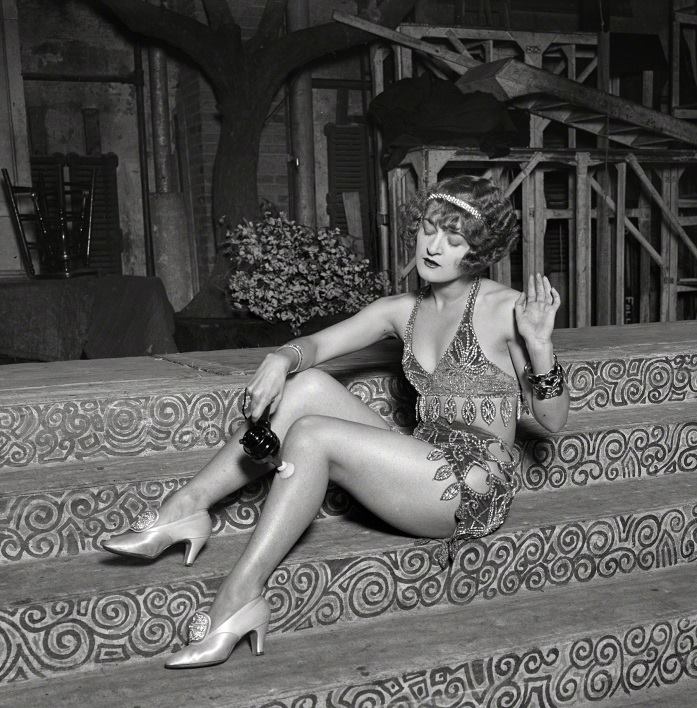
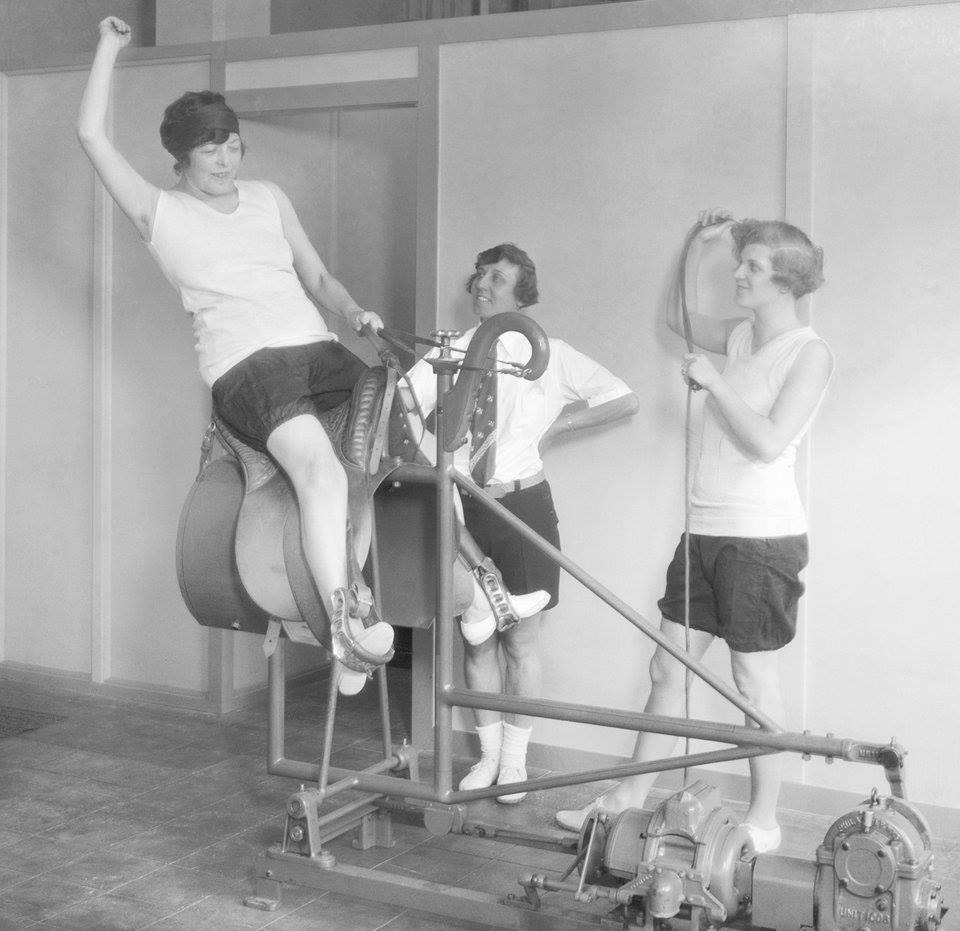
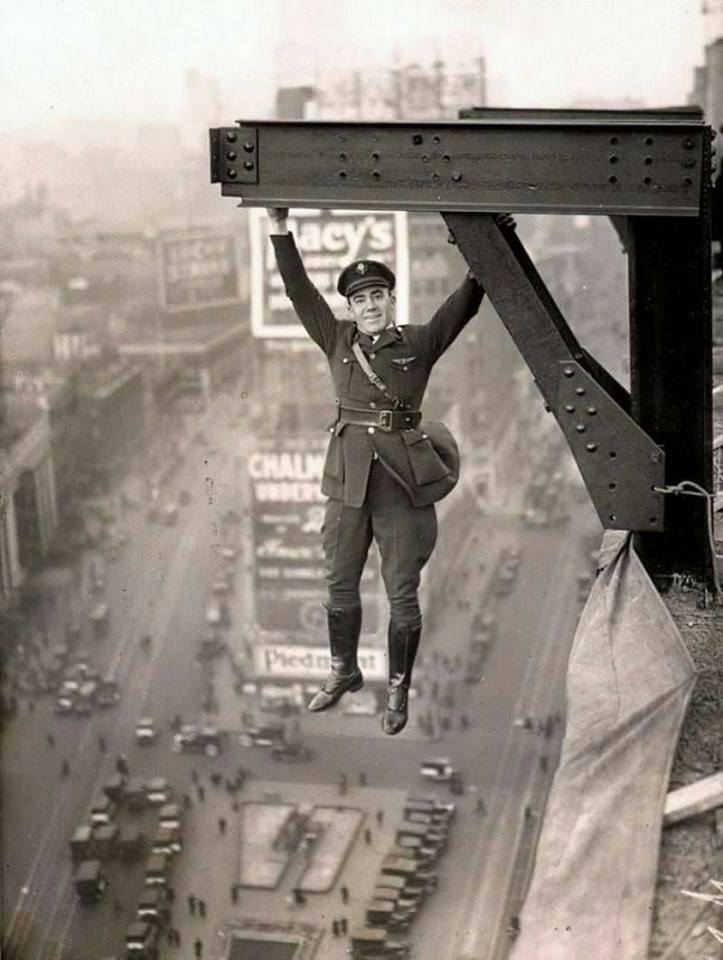
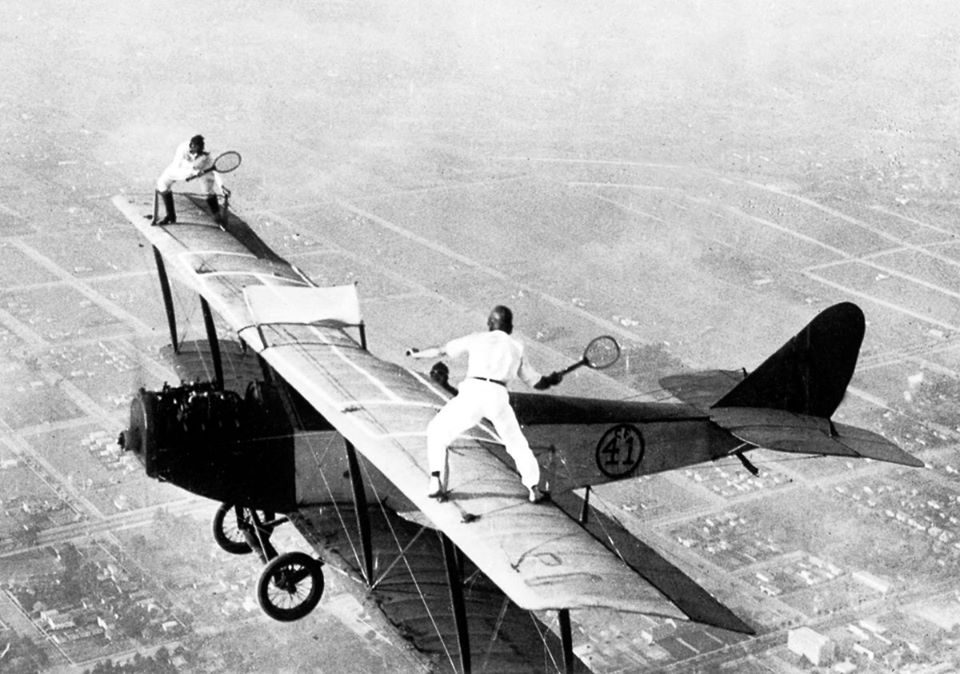
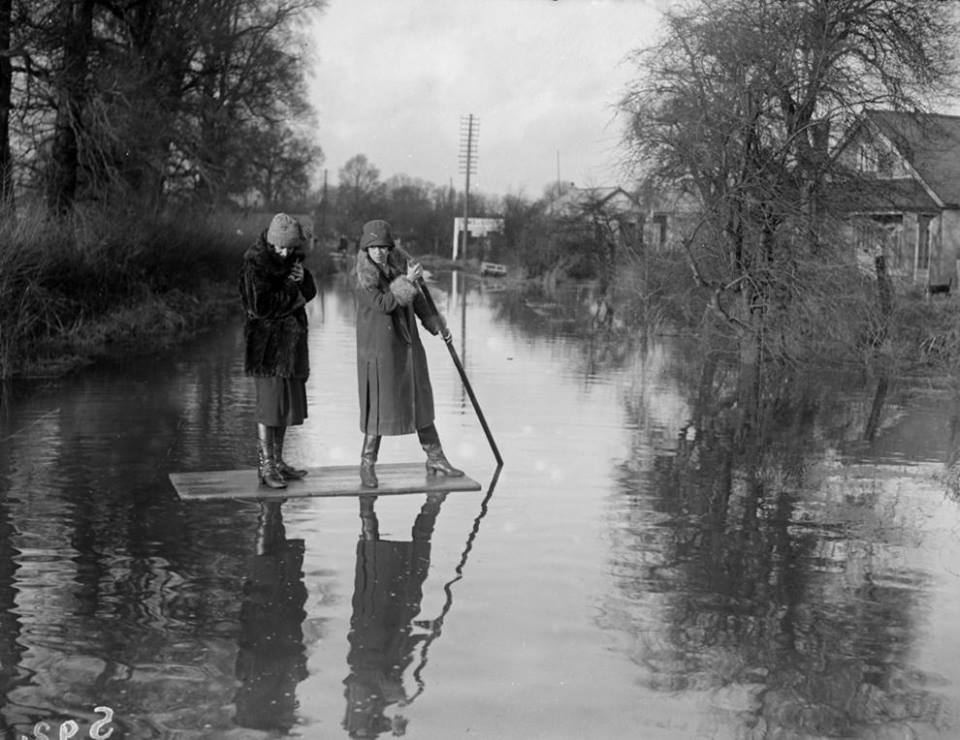
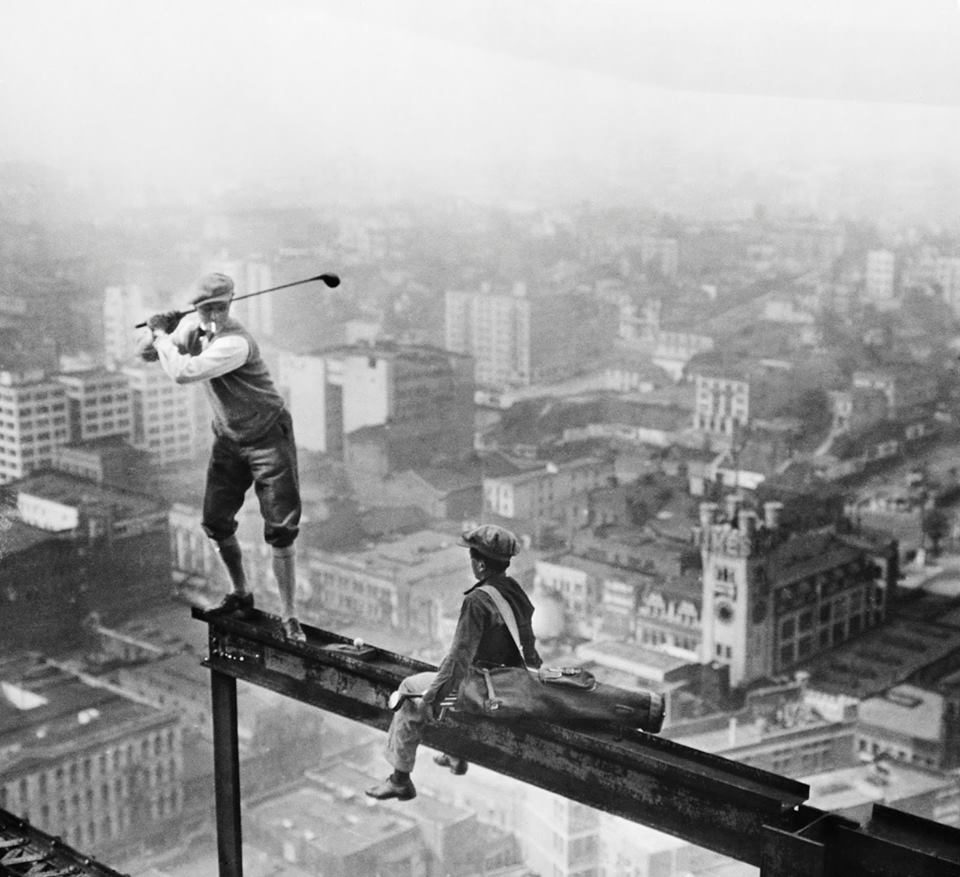
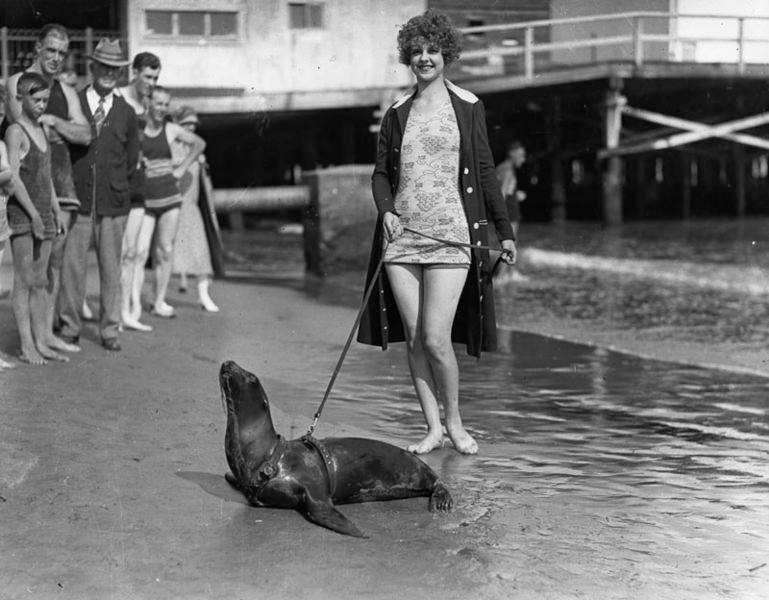
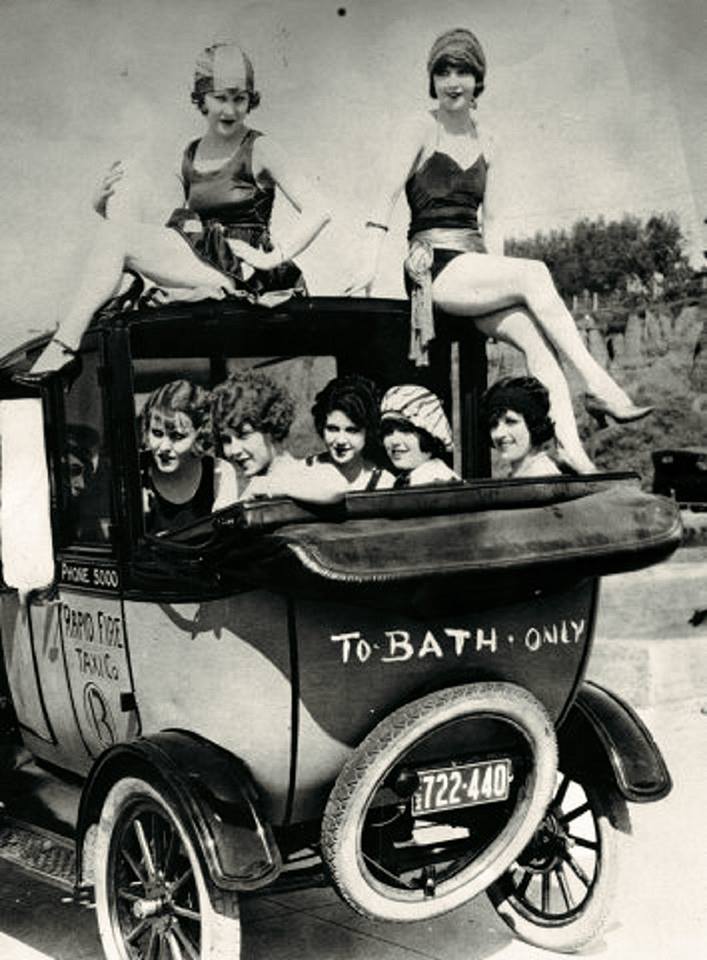
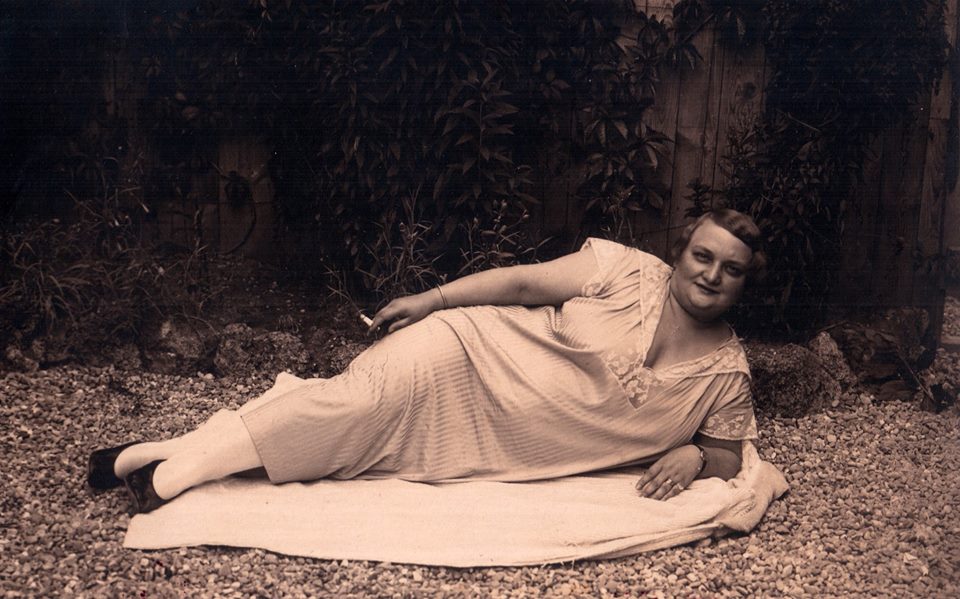
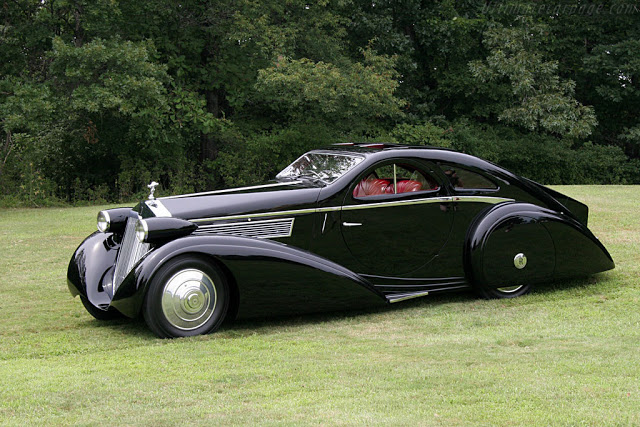
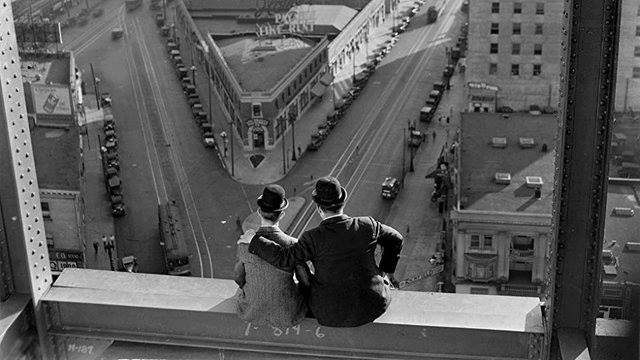
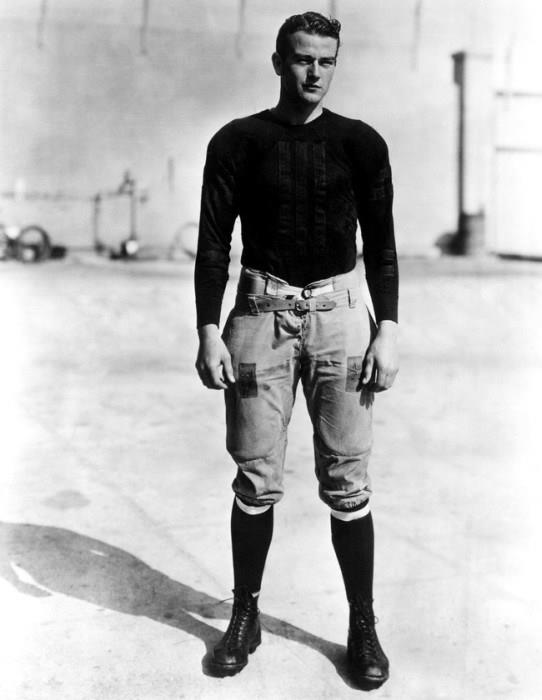
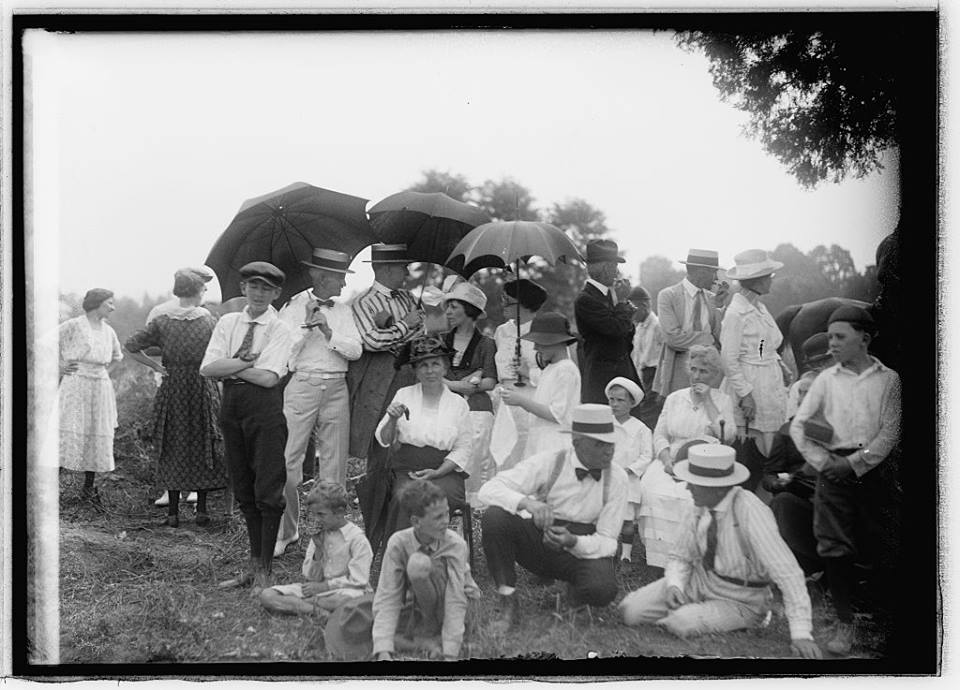
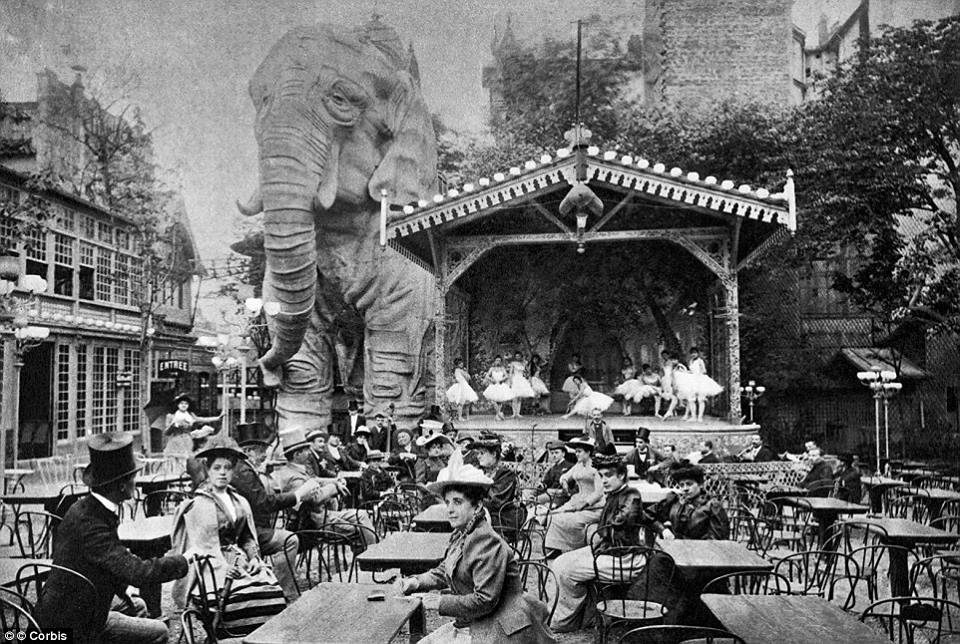
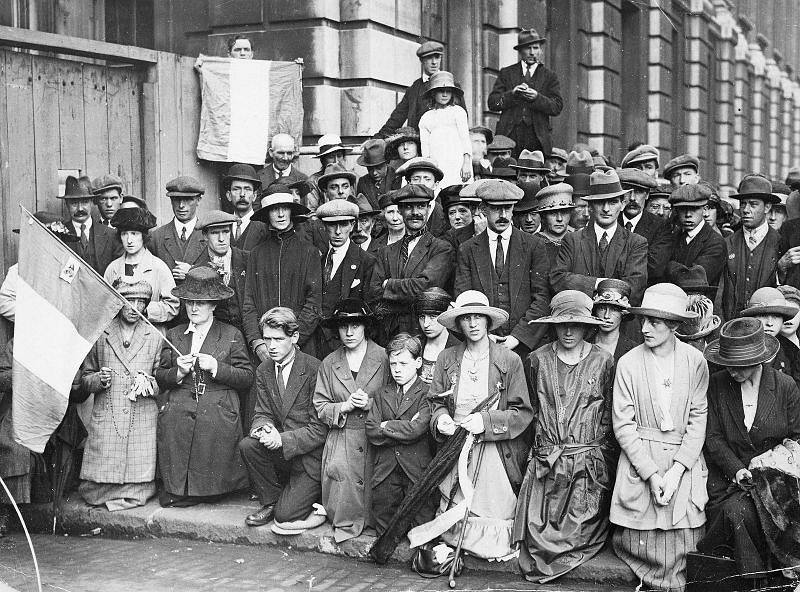
Washington D.C., April 1924.May McAvoy, 1924.English archaeologist Howard Carter examining the sarcophagus of King Tutankhamen, 1923.Sgt. Stubby, 1920. He participated in 17 battles on the Western Front, saved his regiment from surprise mustard gas attacks and would find and comfort the wounded.The lights of Piccadilly Circus shining in the night. (London, 1928)The streamlined 1923 Jaray Lay T-6.Mary Pickford, 1920s.Gloria Swanson, 1922.Miss Universe Ella Van Hueson, 1928.Dolores del Rio in “Revenge” (1928)Two schoolboys with their luggage at London’s Waterloo Station, August 1923Tallulah Bankhead, 1923.Marlene Dietrich, Anna May Wong and Leni Riefenstahl at the Reimann Arts School ball, Berlin, 1928.Adorable moment captured showing police stopping NYC traffic for a cat and her kitten in 1925Notre Dame de Paris, 1920The rooftop track of Fiat’s Lingotto plant in 1925.A young and cool Walt Disney striking a pose in the 1920s.The opening of the 2nd Street Bridge in Louisville, Kentucky in 1929.The Duke of York (later to be King George VI) looks thrilled to be on a slide at the Wembley Exhibition in 1925.Surfing scene in the 1920s.Charlie Chaplin, 1925.An armoured vehicle patrolling Oxford Street in London on the fifth day of the 1926 General Strike.The Pickle Sisters – 1920sA dapper George Bernard Shaw walking along the Strand in London, May 1927.Carole Lombard, 1929.Schoolhouse in Ontario, 1920s.Paris, 1928.Chorus girl massaging her legs with a device in 1926.Sitting under a chrome-plated hair dryer in 1928.On the bumper, 1923.A “disgruntled patient”, San Diego, circa 1920s.Norma Shearer, 1923.Mechanical bull in 1928.Police Aviation force member performing a stunt, New York, ca. 1920s.2 stuntmen pretend to be playing tennis on a plane’s wings in 1923.Two women crossing a flooded road by means of a makeshift raft and a pole, Staines, Middlesex, January 1926.Playing golf, 1927.A woman in a bathing suit is walking a leashed seal on the beach in Long Beach as people watch, ca. 1920.Greta Garbo, 1929.To Bath Only, circa 1920s.Smoking beauty, circa 1920s.1925 Rolls Royce Phantom I Jonckheere CoupePep – sentenced to life in prison for killing the Pennsylvania Governor’s pet cat. 1924.Laurel and Hardy, 1929.Young football player Marion Morrison, aka John Wayne, 1926.A flapper seated with a flask in her garter during Prohibition, 1926.A 4th of July picnic in Vienna, Virginia, 1921.The notorious reputation of the Moulin Rouge in Paris was fueled further by the addition of a giant wooden elephant which had a room in its belly for intimate dances .A prayer vigil, during the Irish Civil War, in London, 1921.Recording the roar of one of the MGM lions back in 1929.
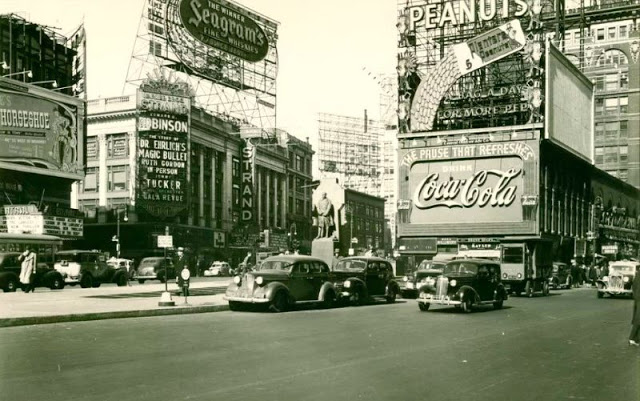
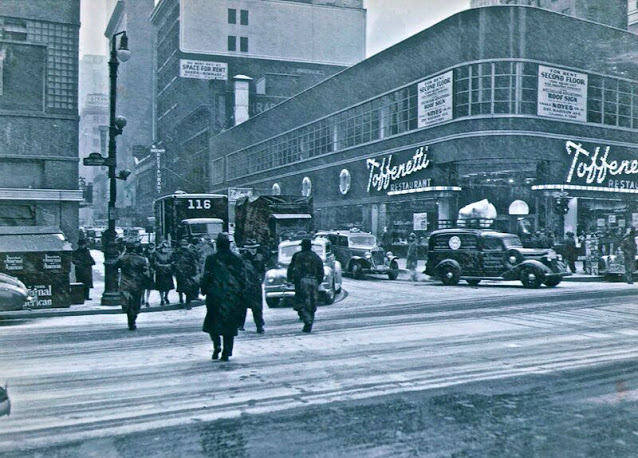
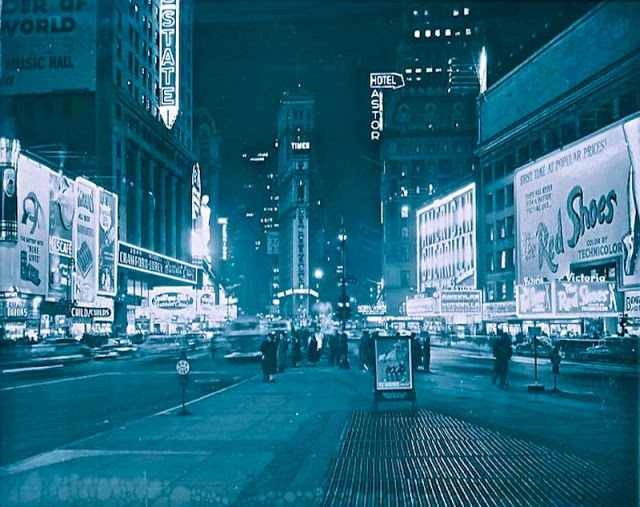
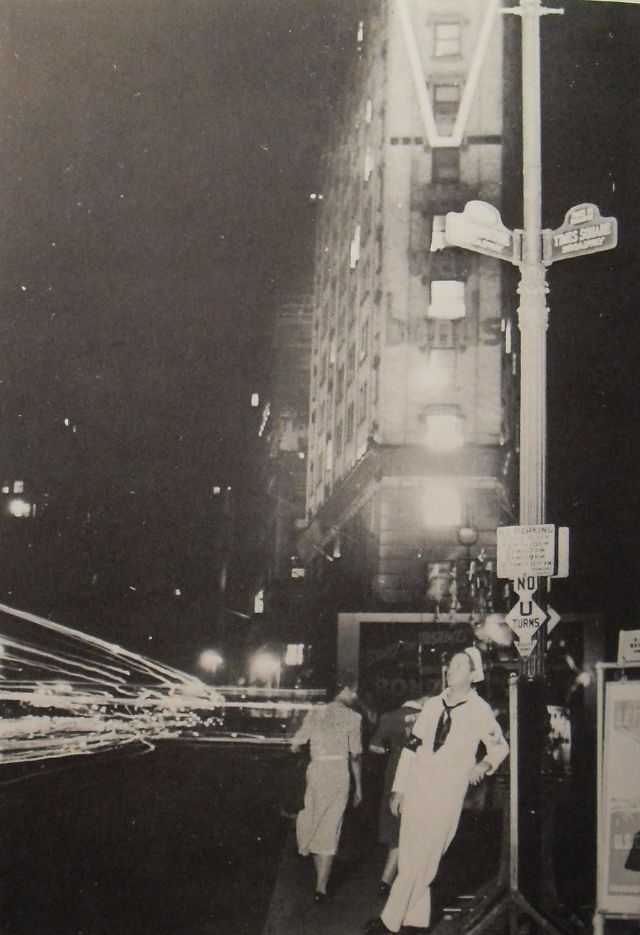
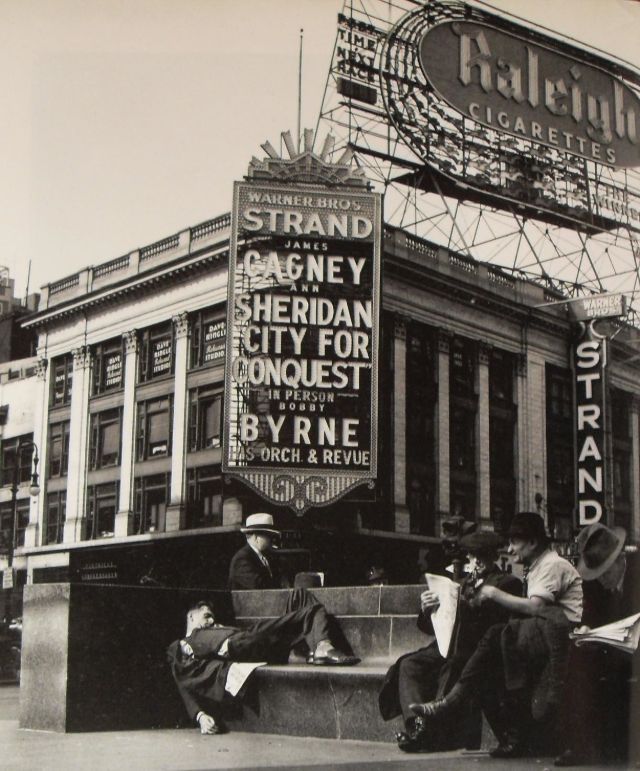
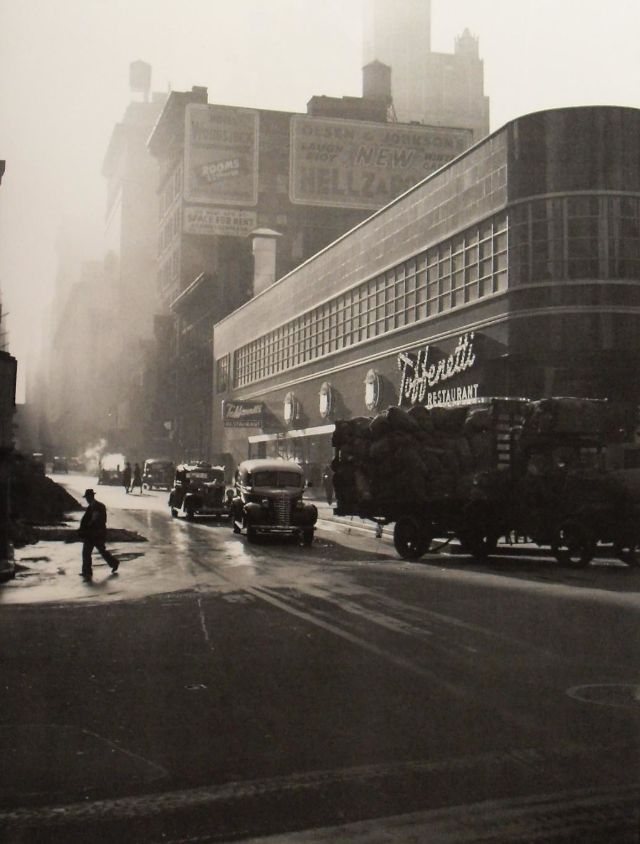
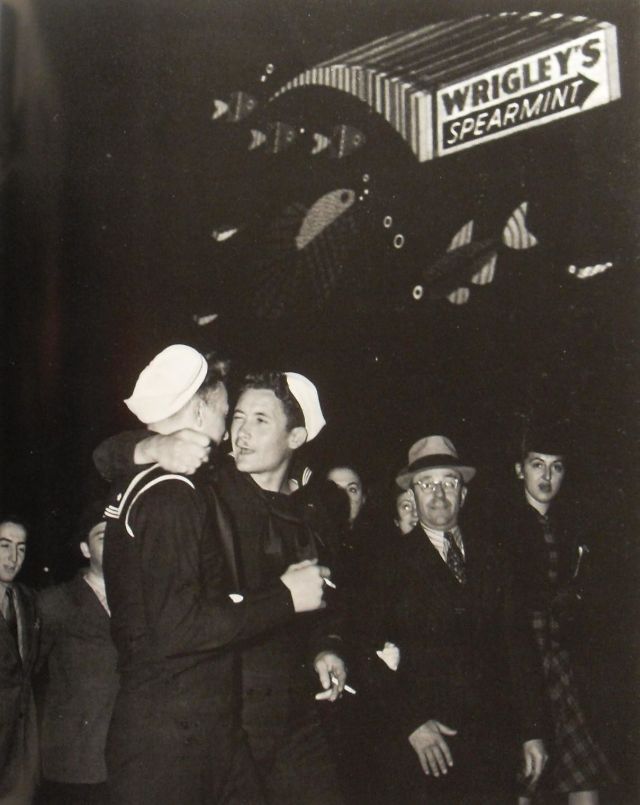
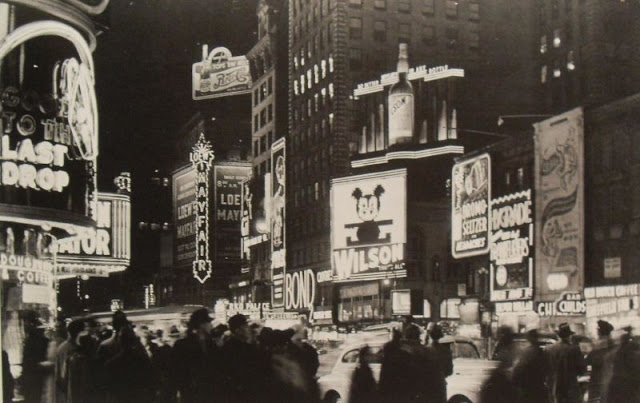
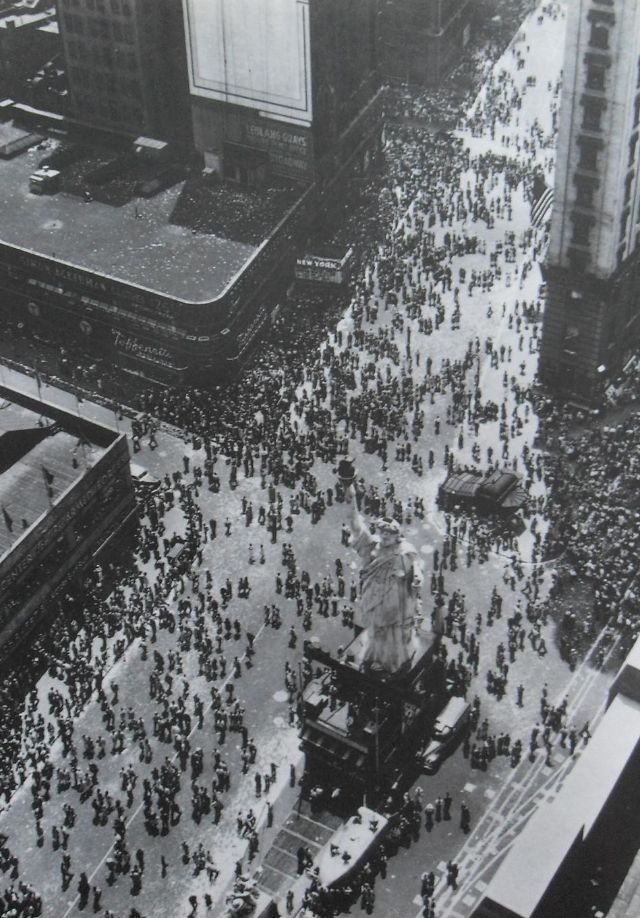
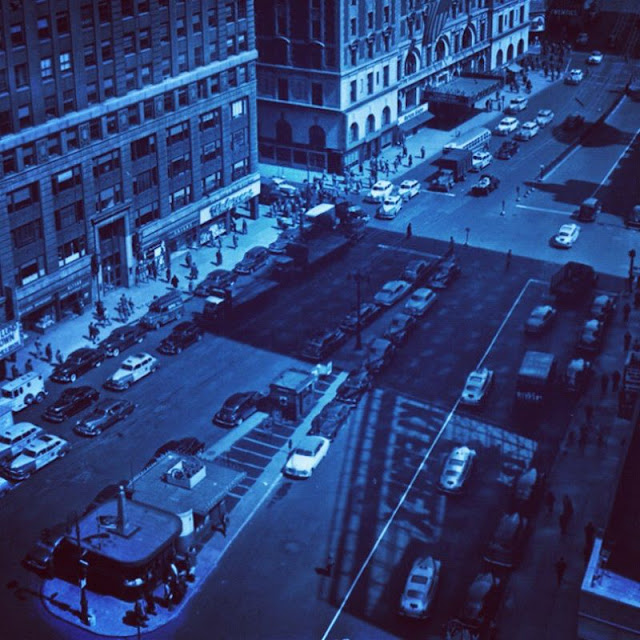
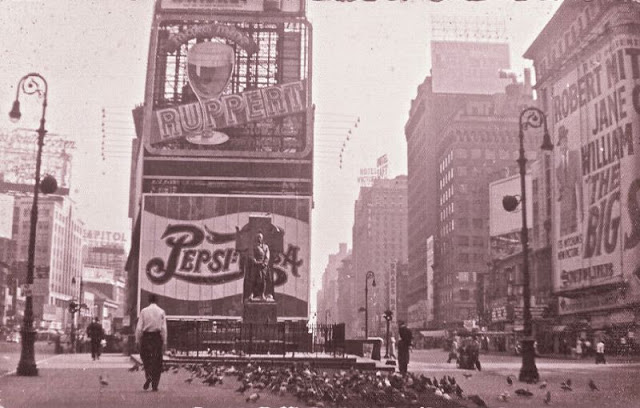
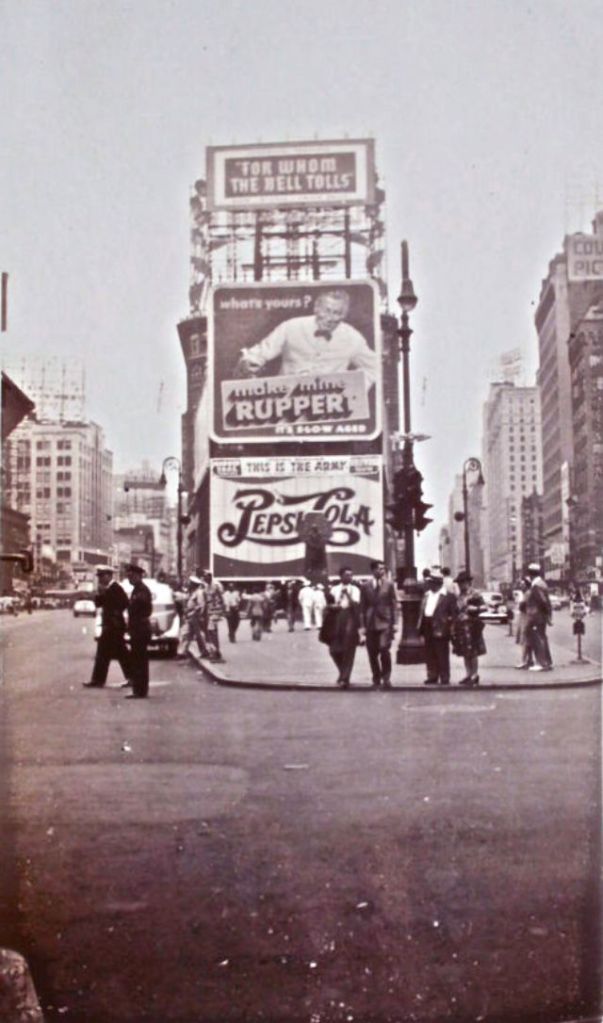
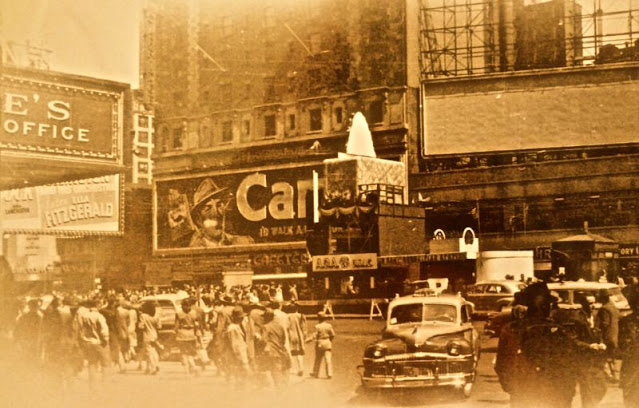
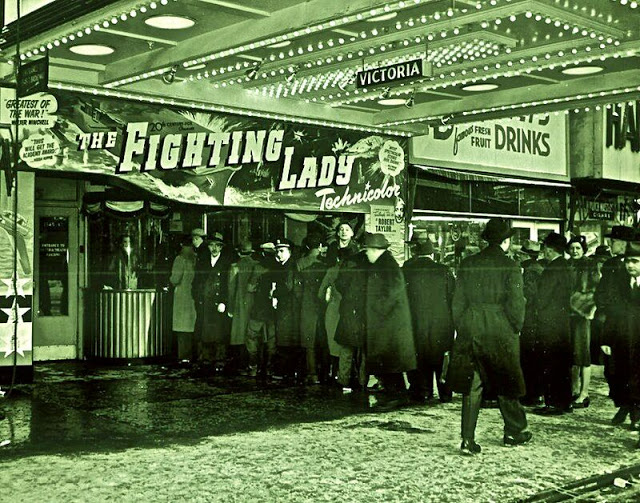
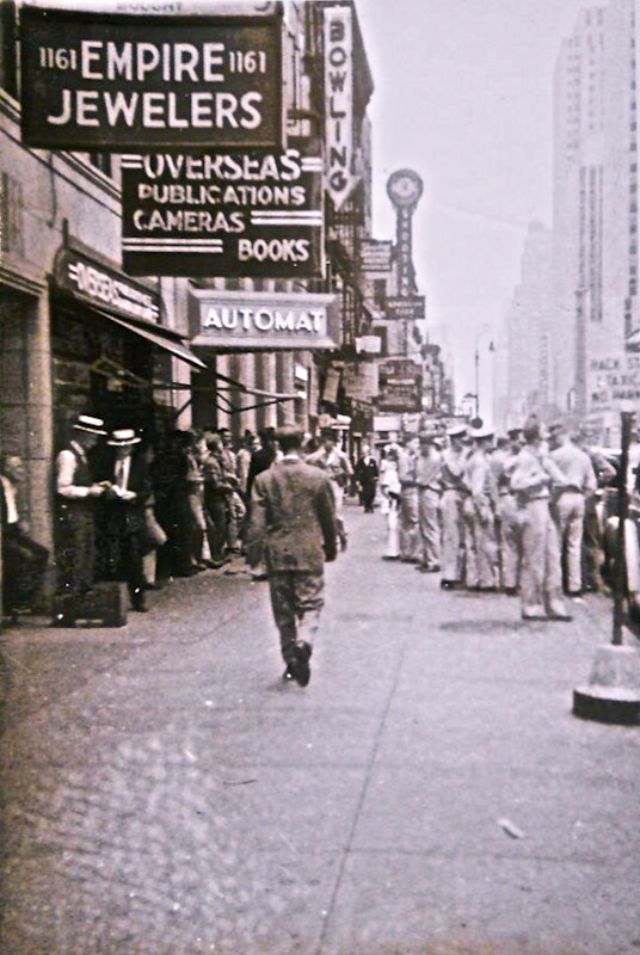
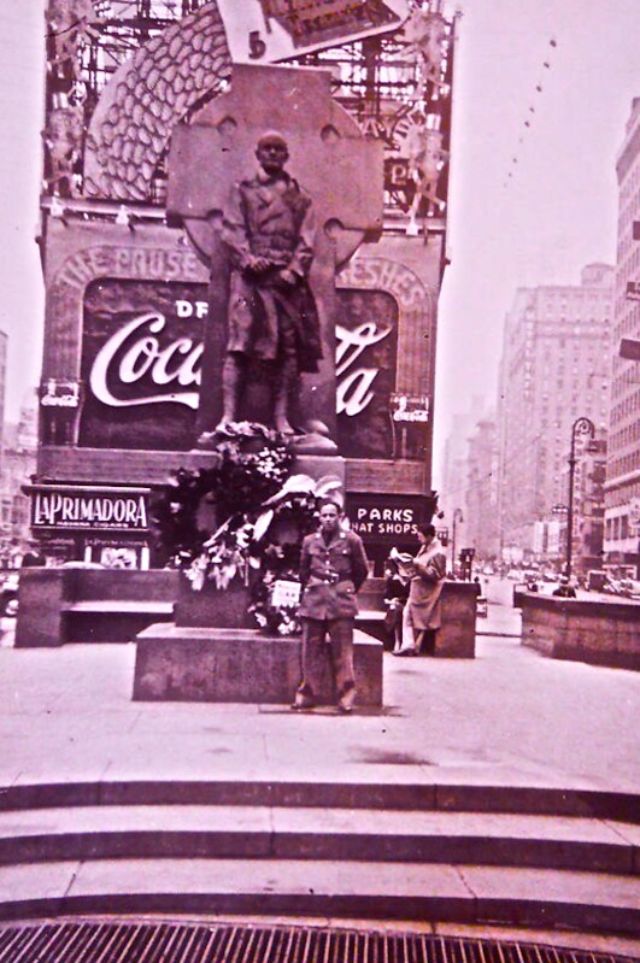
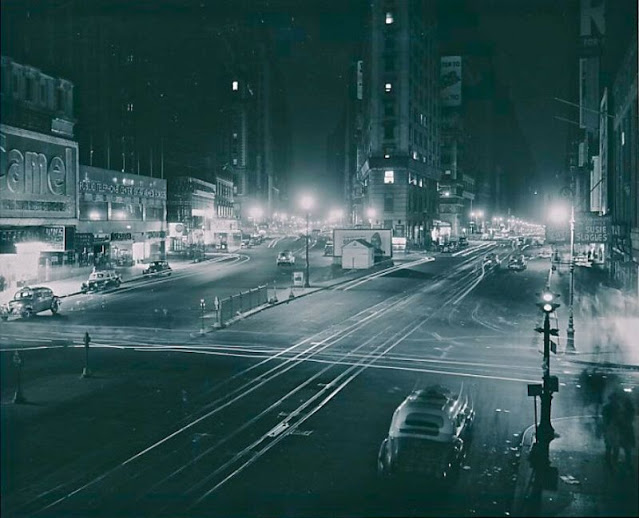
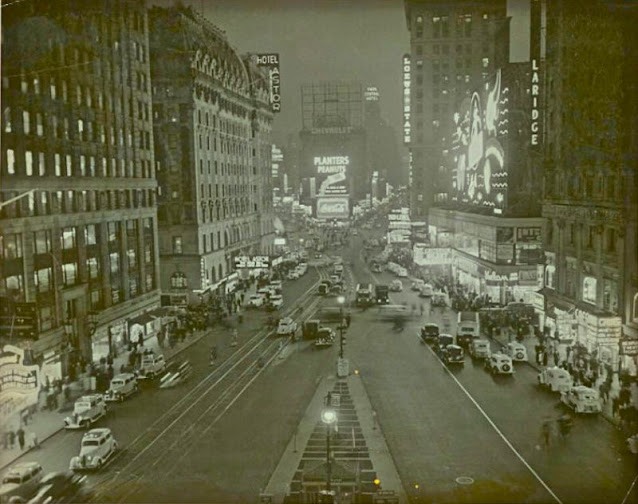
Times Square is a major commercial intersection in central Manhattan at the junction of Broadway and Seventh Avenue. It acquired its name in 1904 when Albert Ochs, publisher of The New York Times, moved the newspaper’s headquarters to a new skyscraper on what was then known as Longacre Square. The name stuck, even after The New York Times moved across Broadway in 1913.
Times Square is sometimes referred to as “the Crossroads of the World”, “the Center of the Universe”, “the heart of the Great White Way”, and “the heart of the world”. It is one of the world’s busiest pedestrian areas, and also the hub of the Broadway Theater District and a major center of the world’s entertainment industry.
Now known worldwide as a symbol of the American spirit, Times Square is home to many popular Manhattan attractions, including Hard Rock Cafe, Madame Tussauds Wax Museum, and ABC’s Times Square Studios (where Good Morning America is filmed).
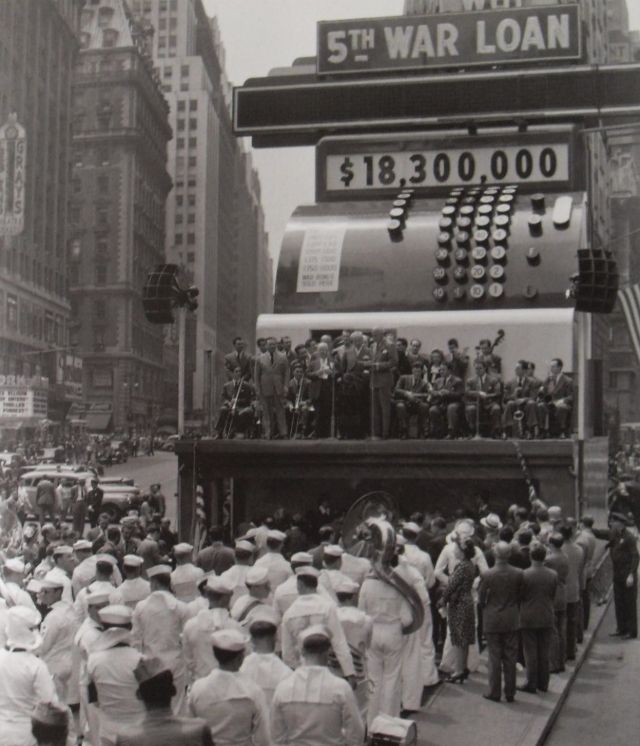
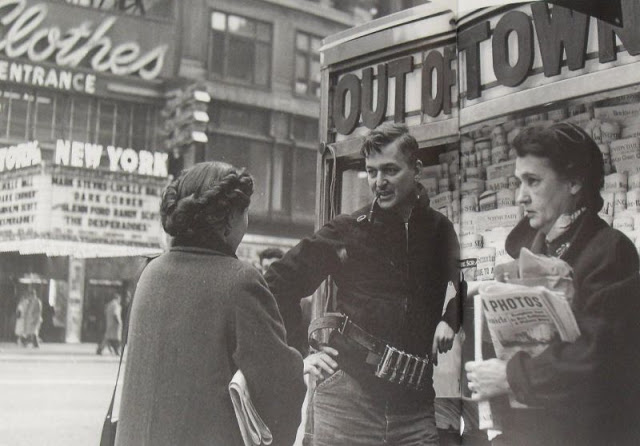
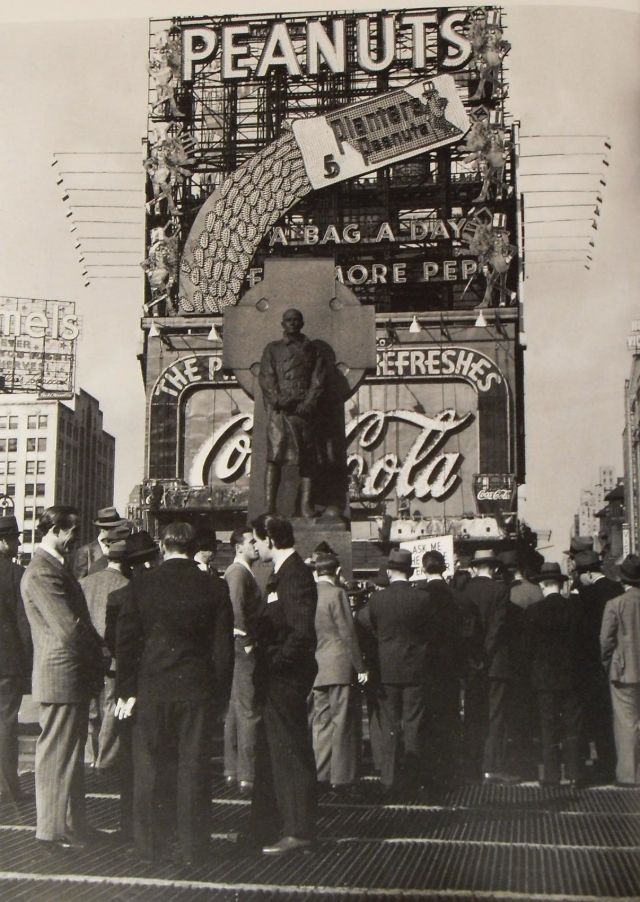
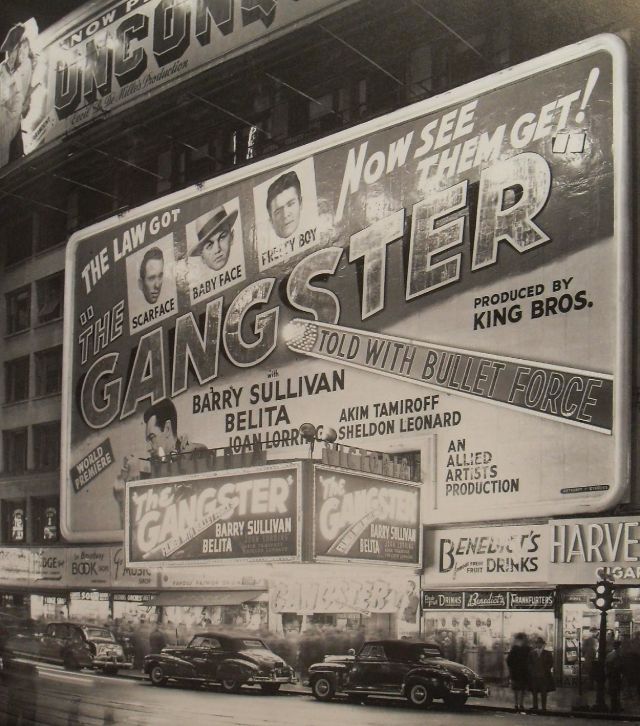
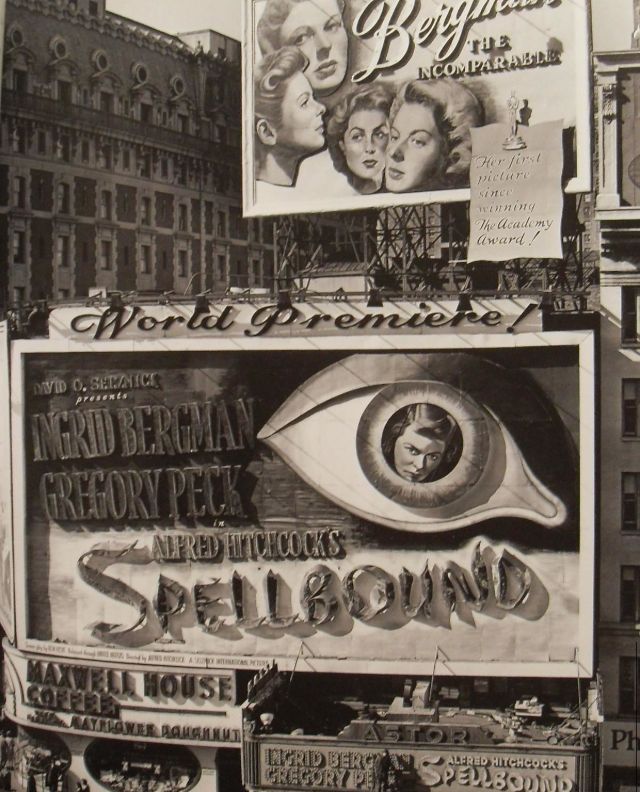
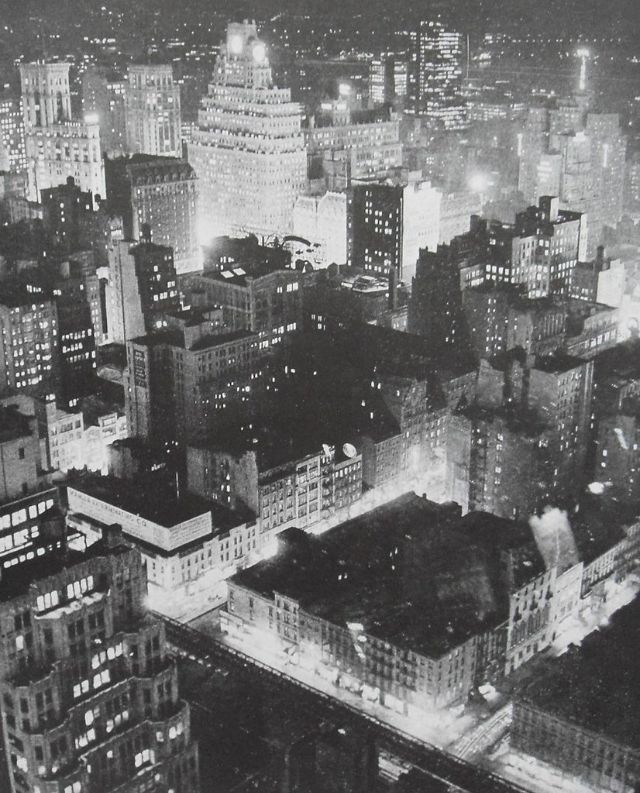
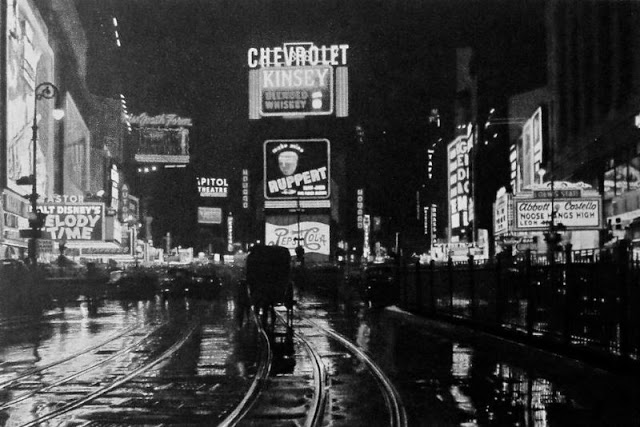
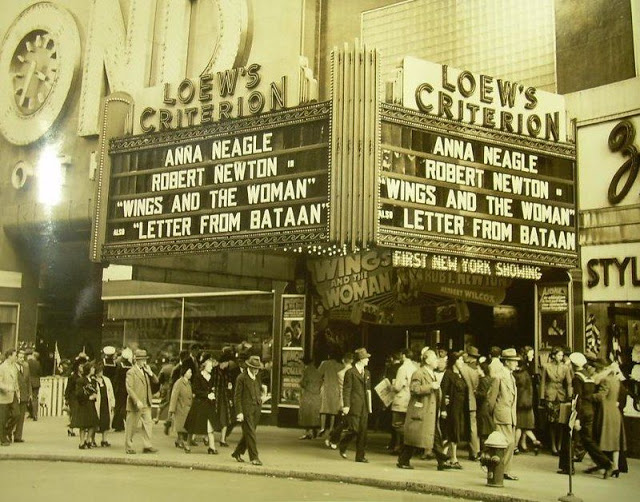
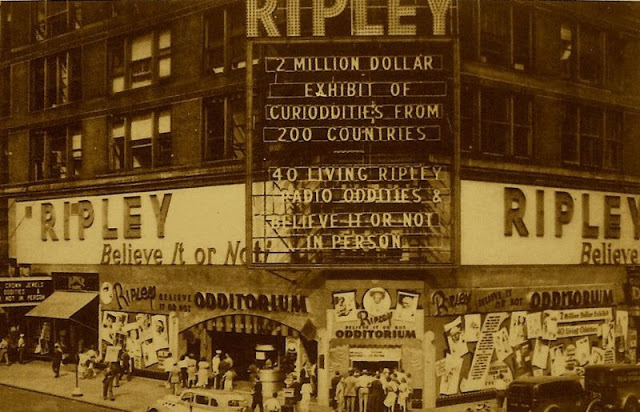
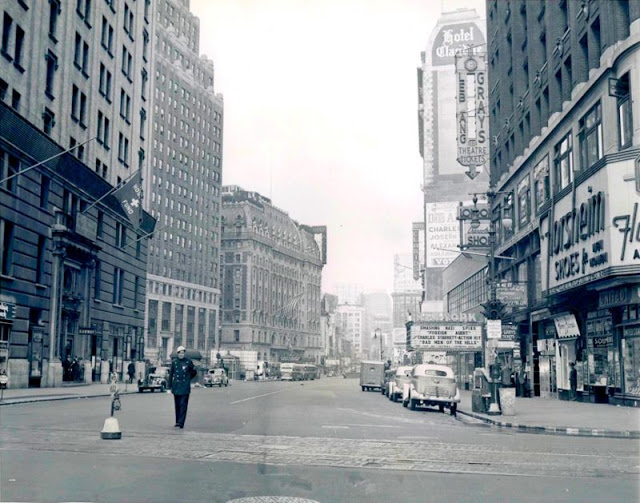
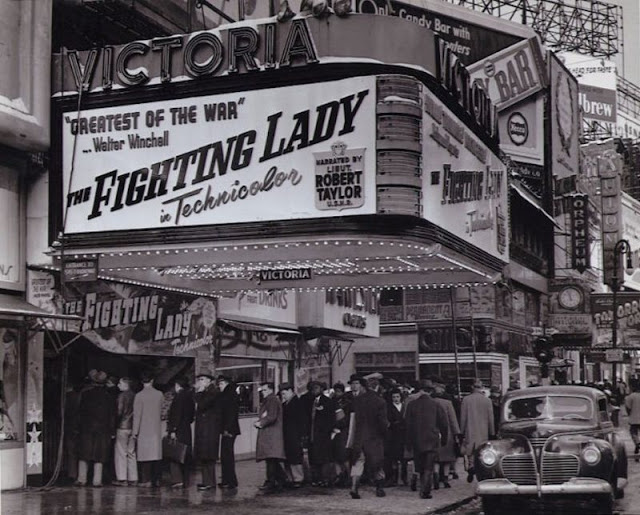
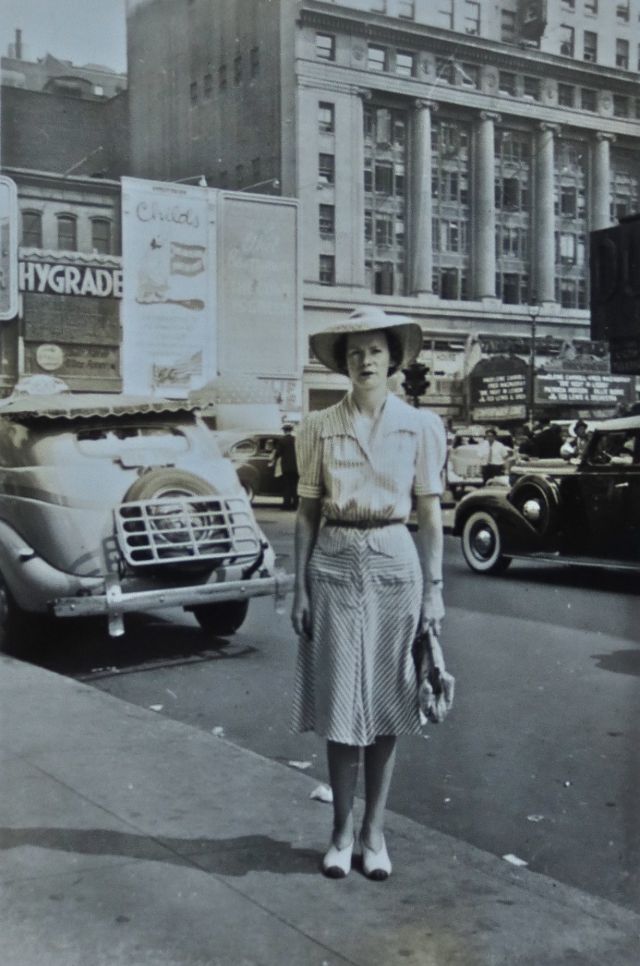
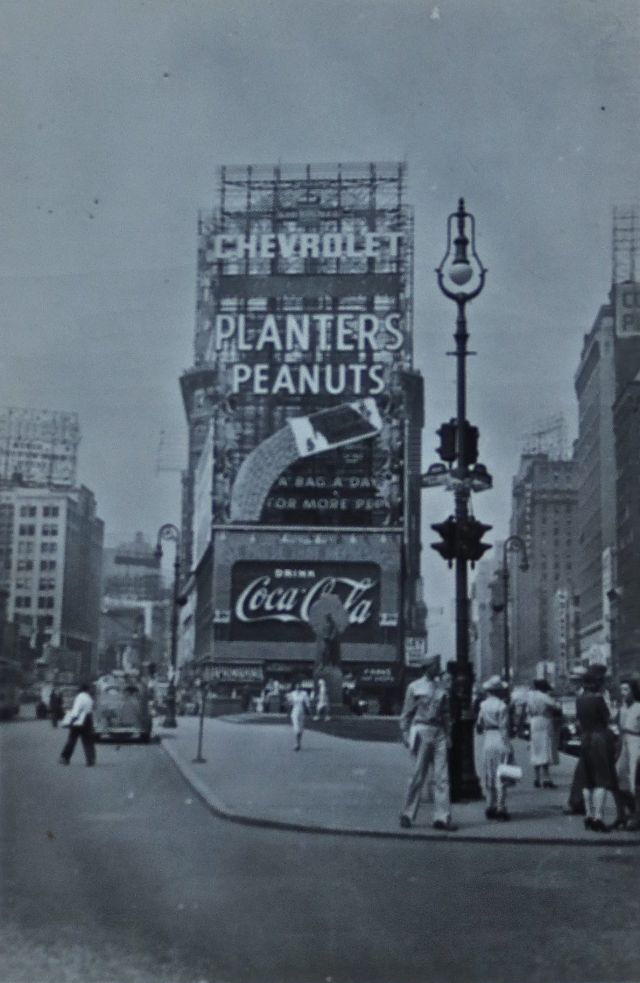
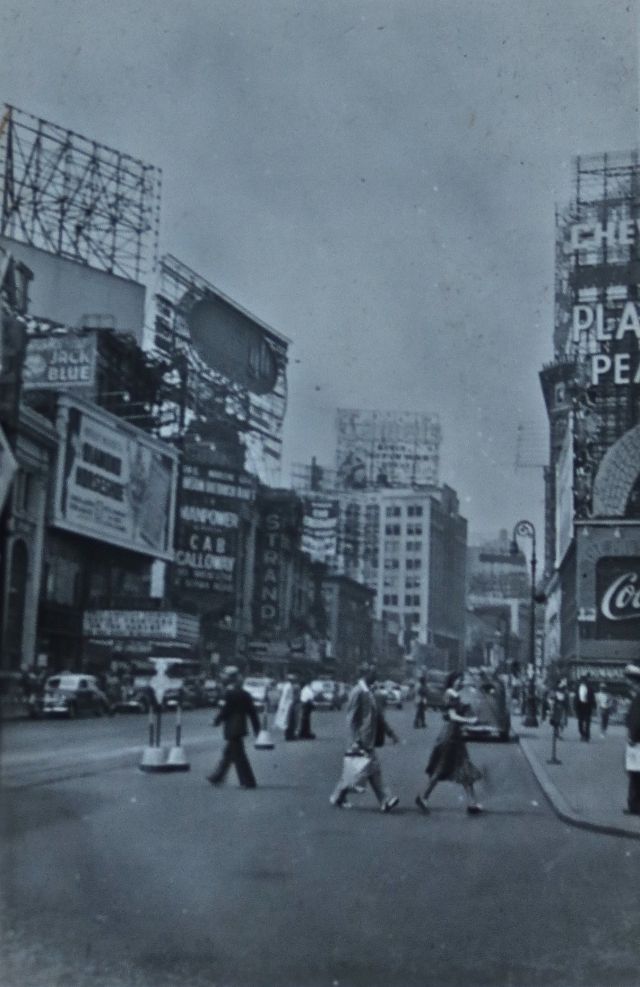
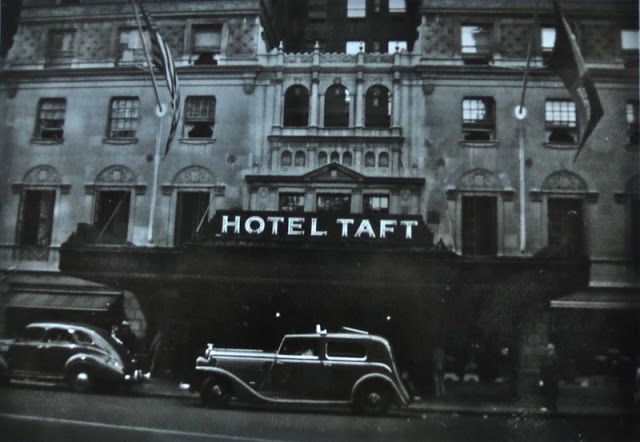
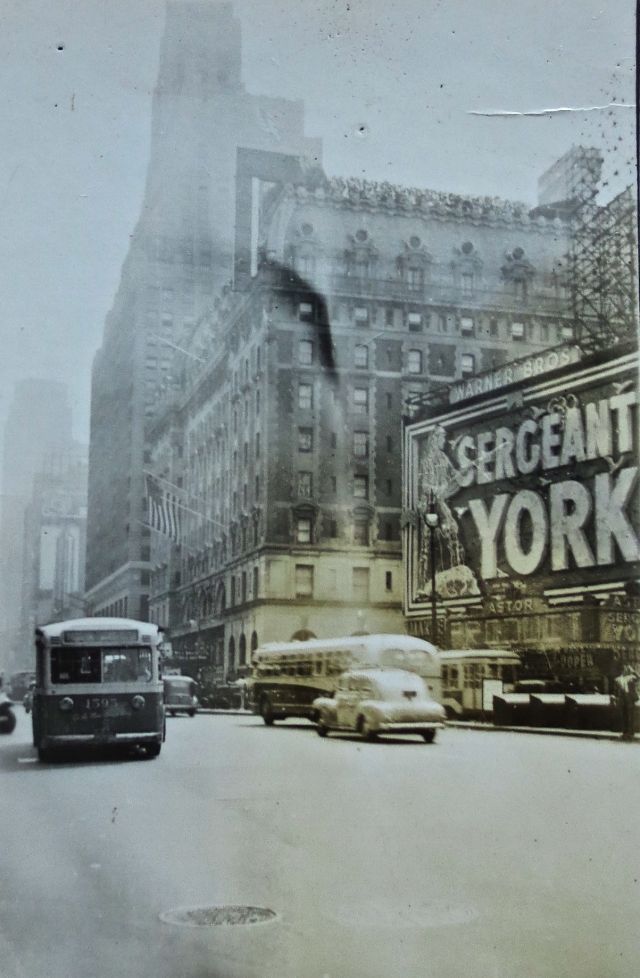
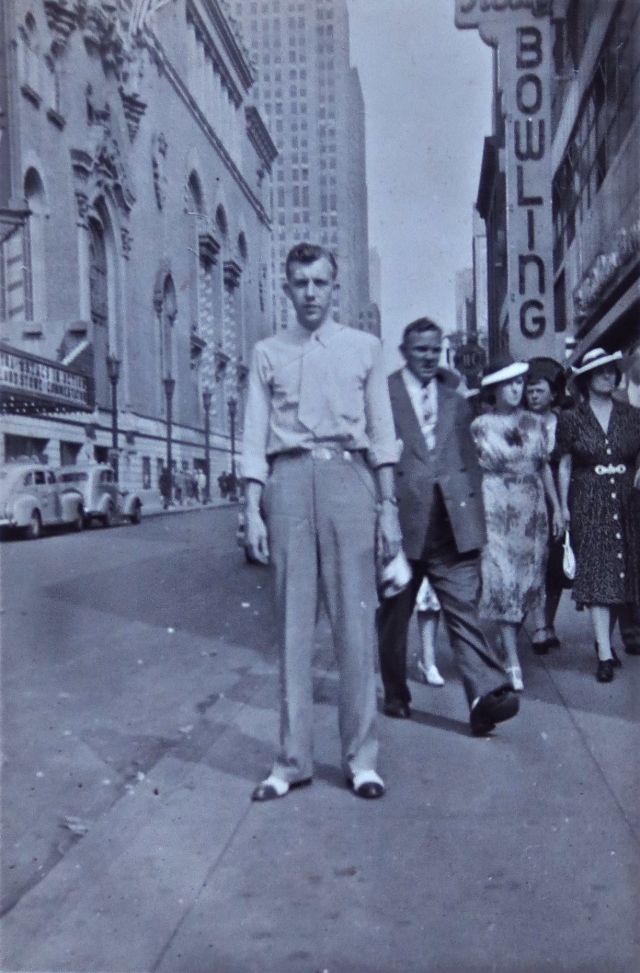
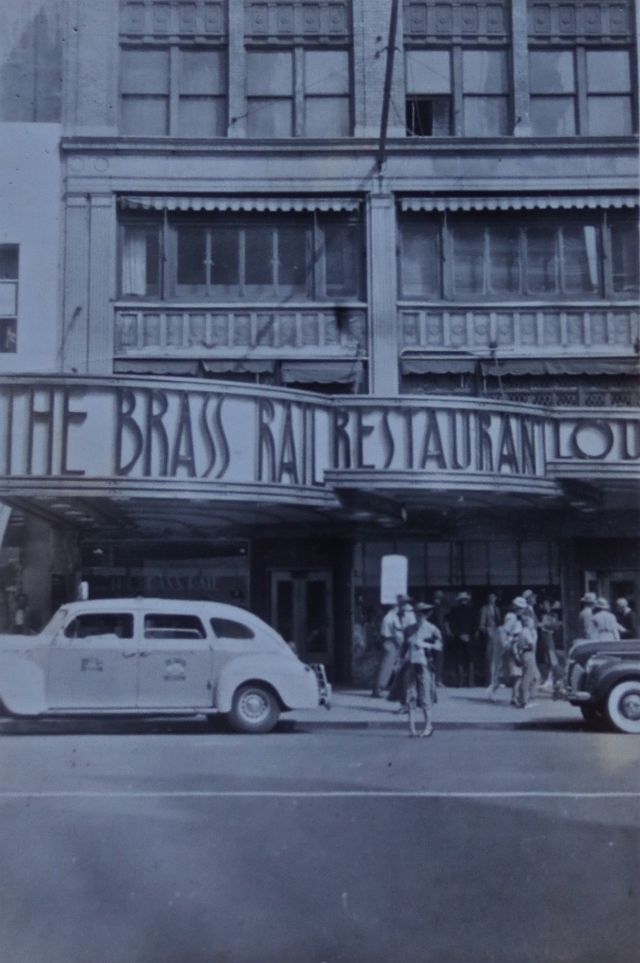
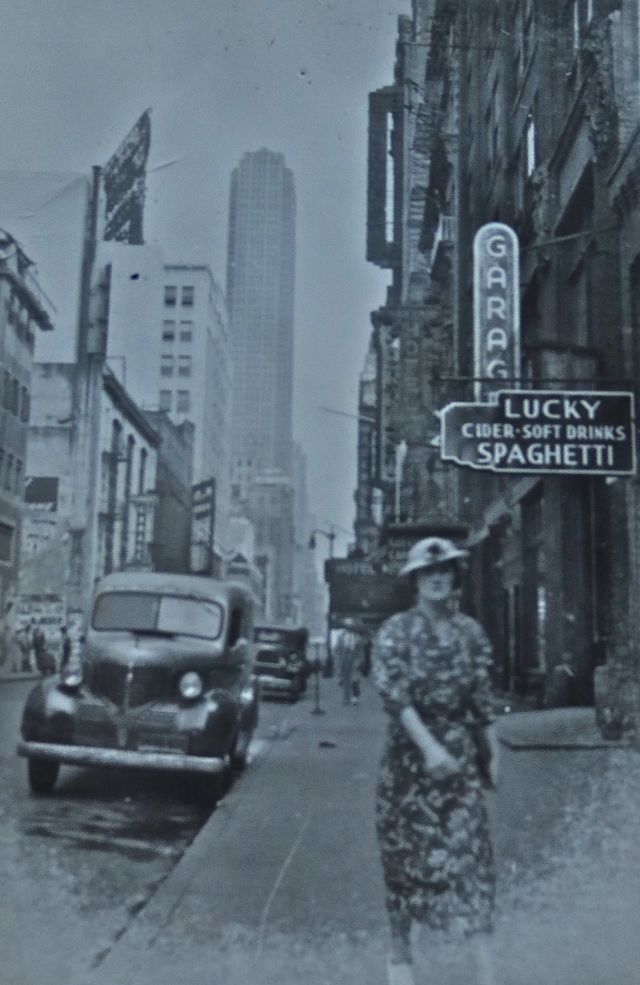
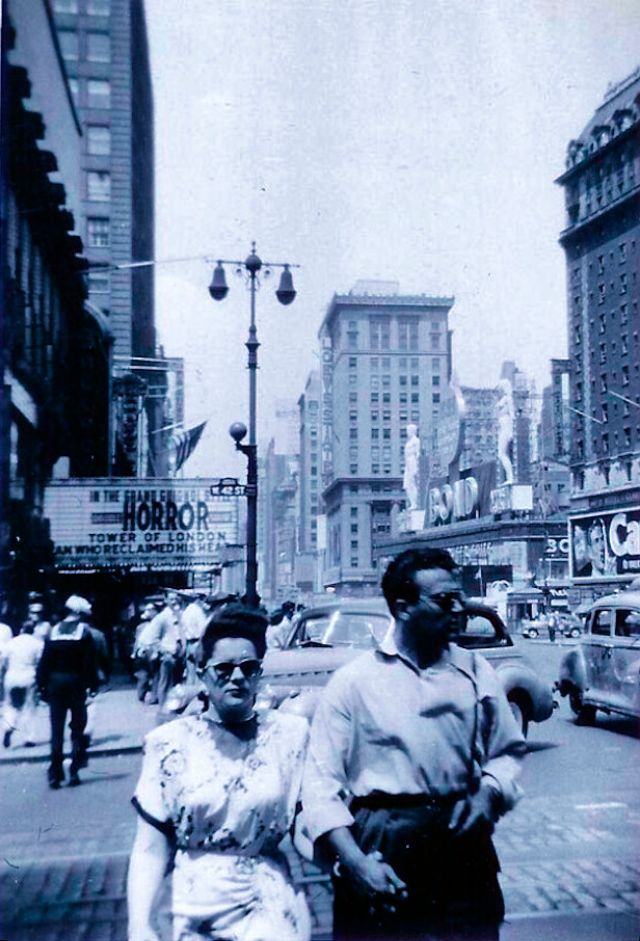
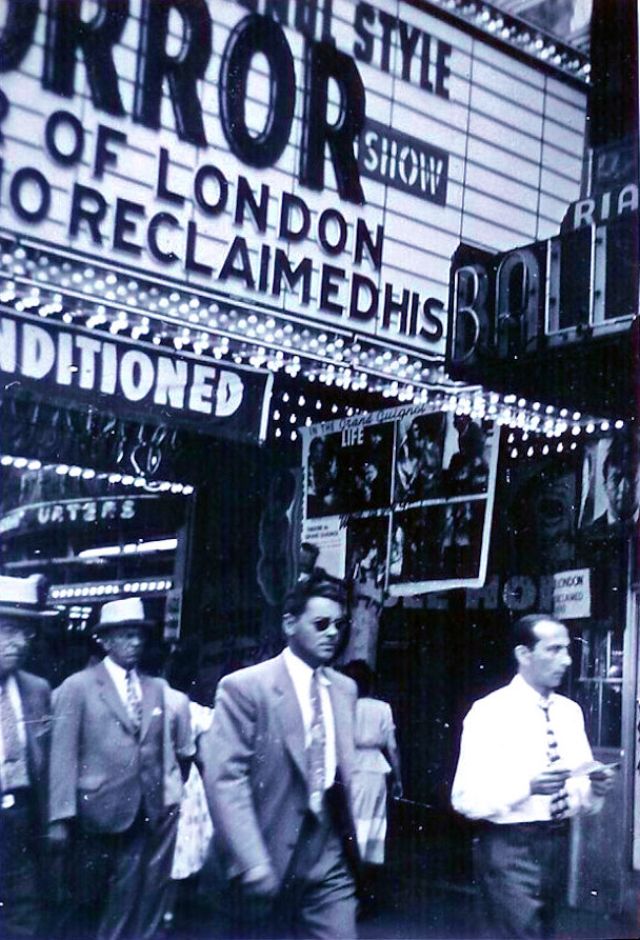
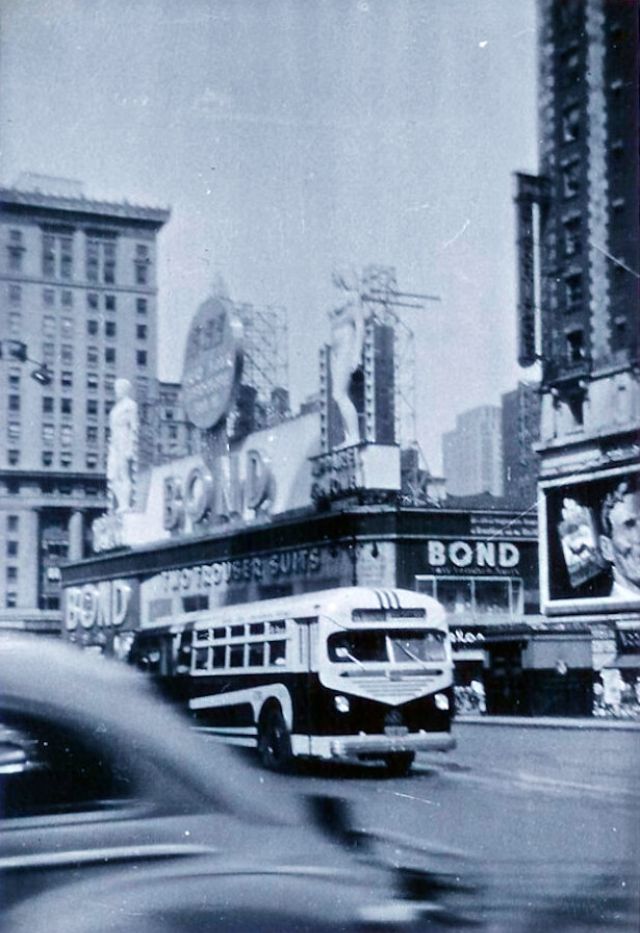
Here is a set of fascinating black and white photos that shows what Times Square looked like in the 1940s.