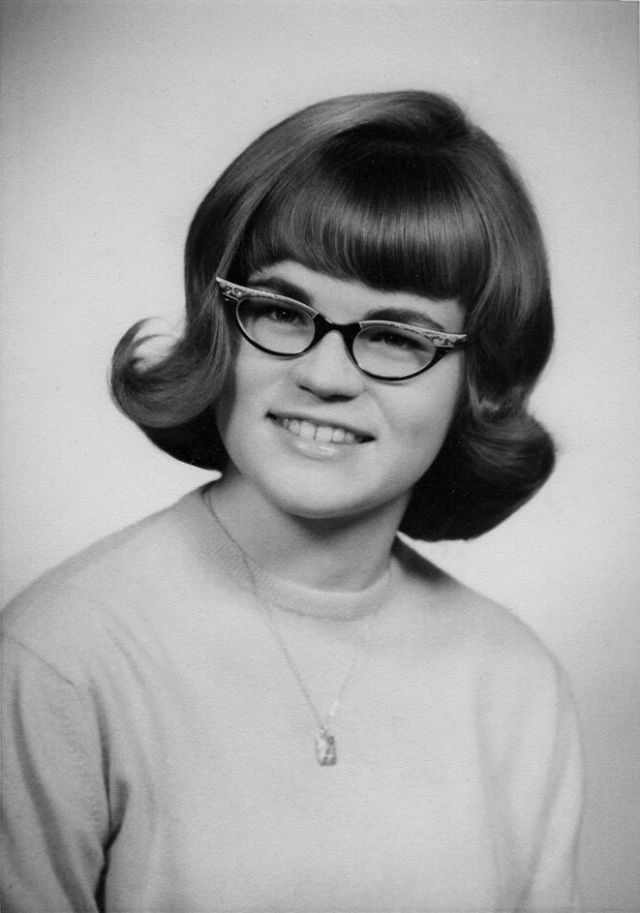
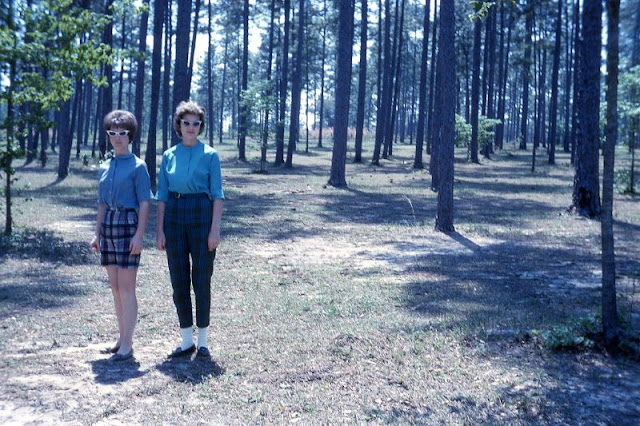
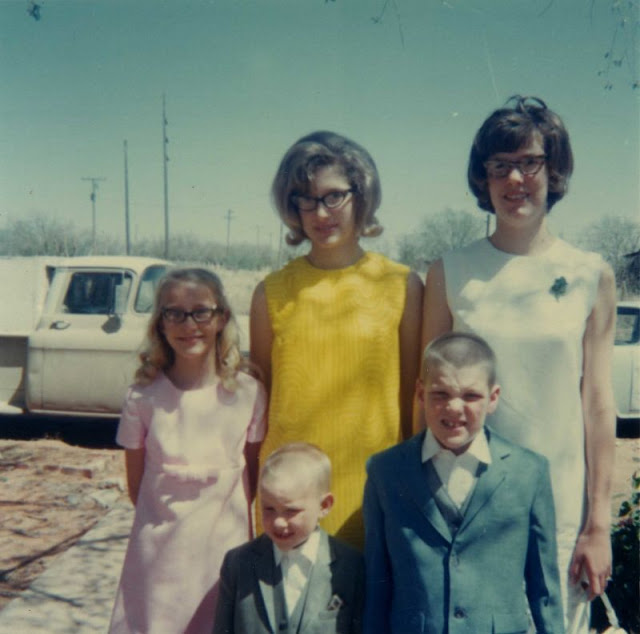
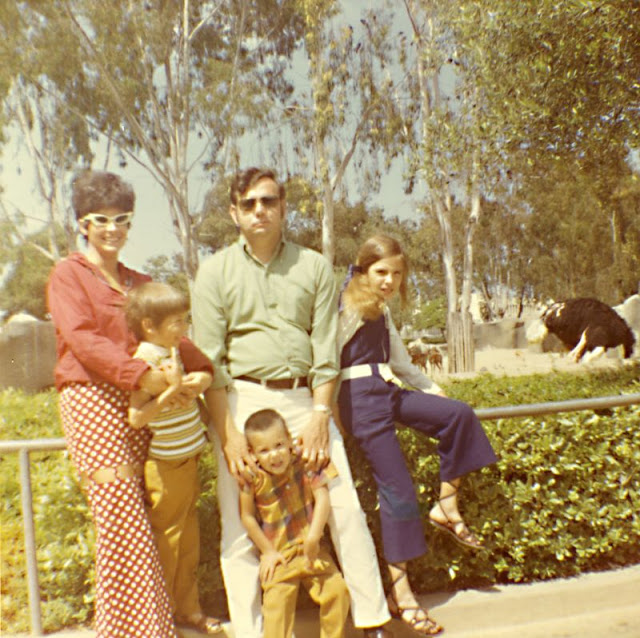
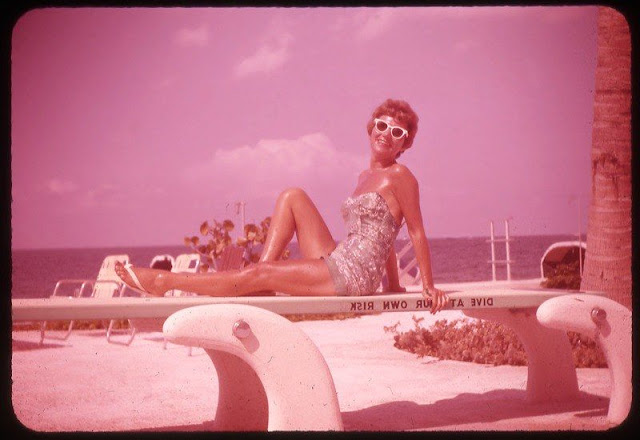
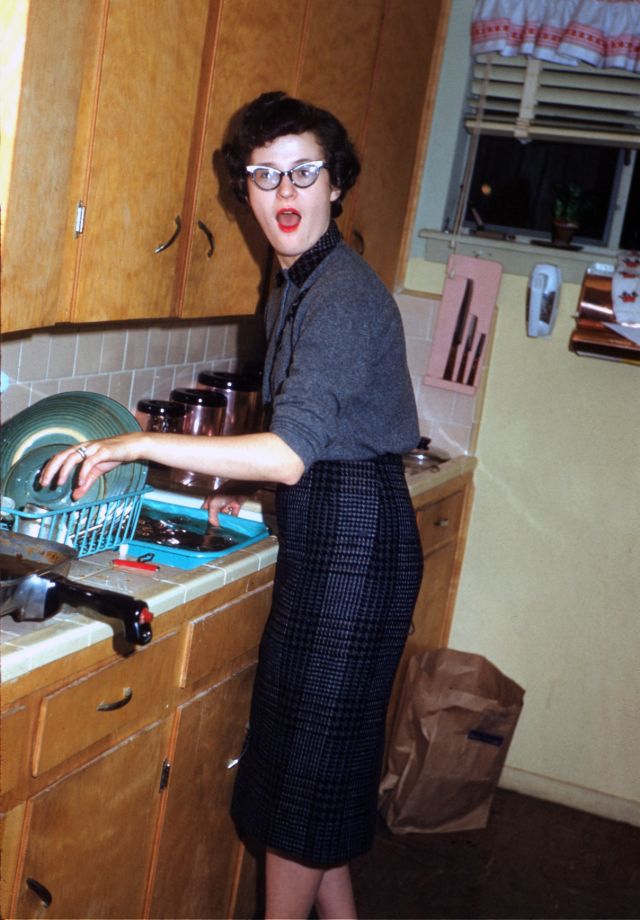
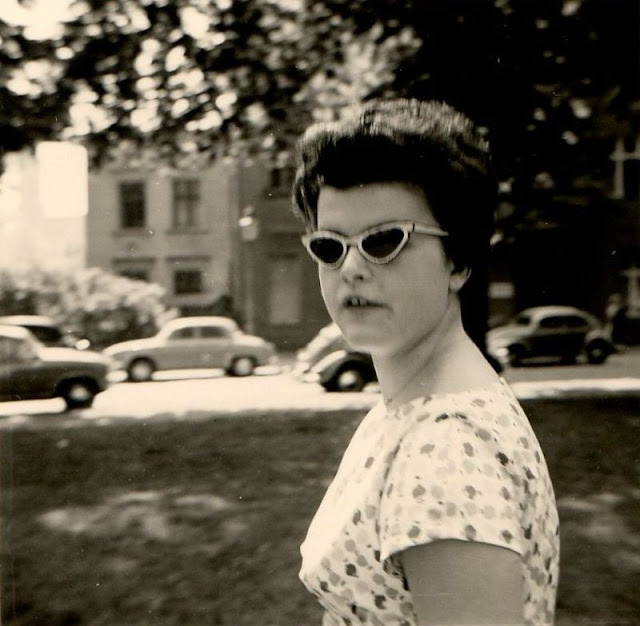
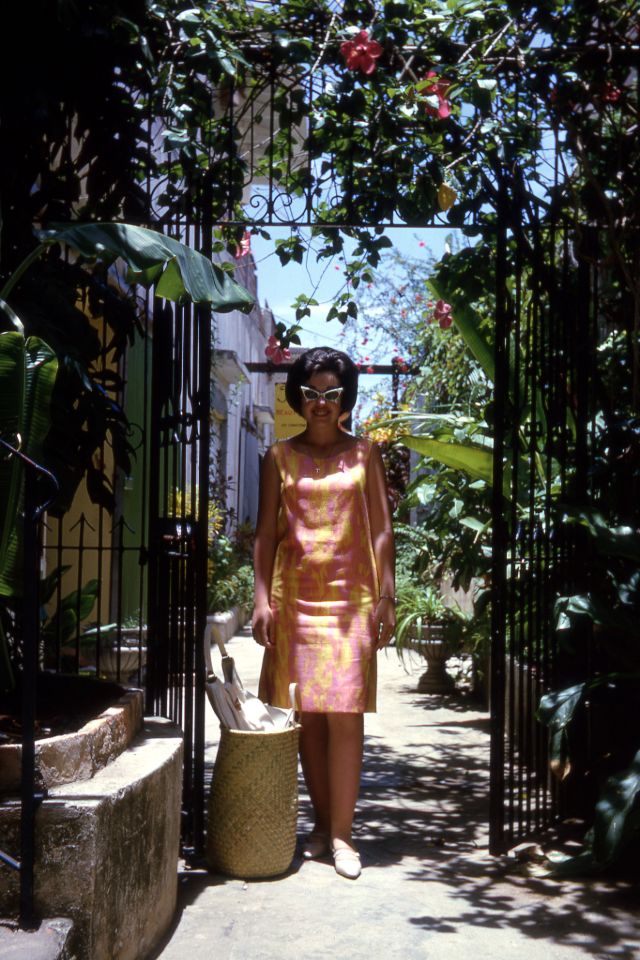
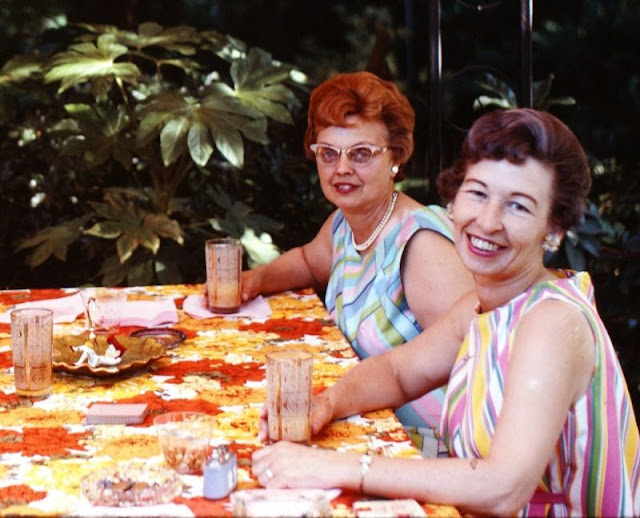
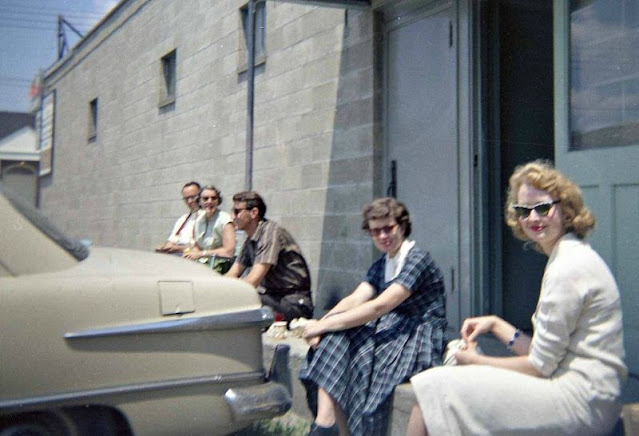
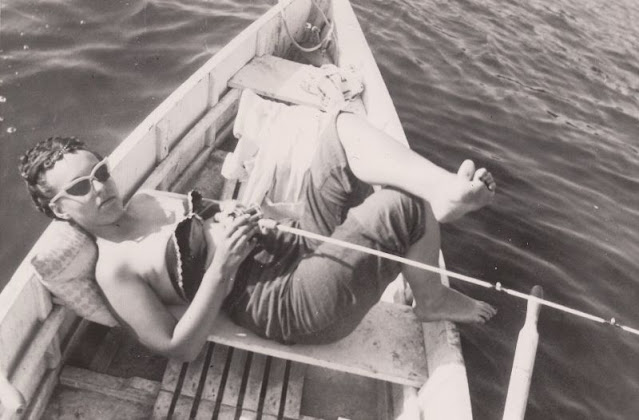
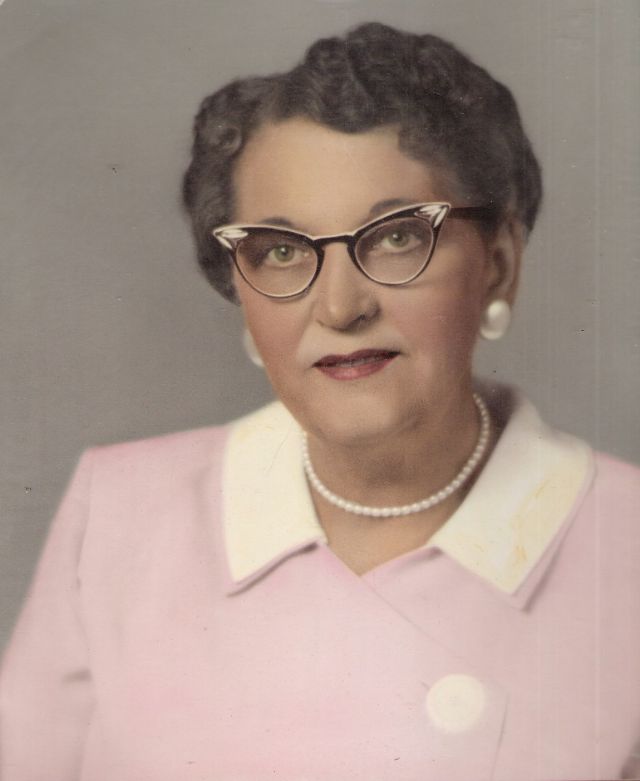
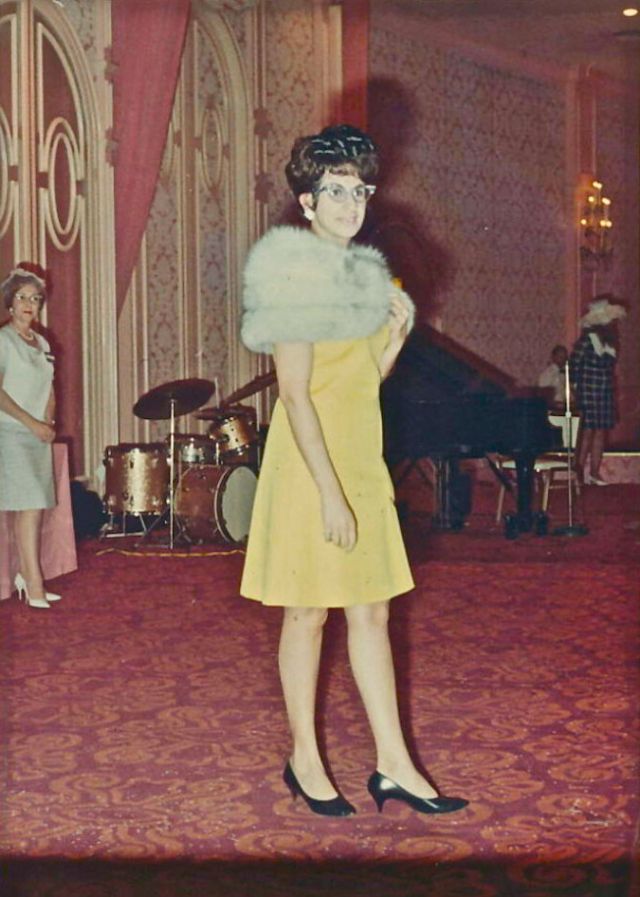
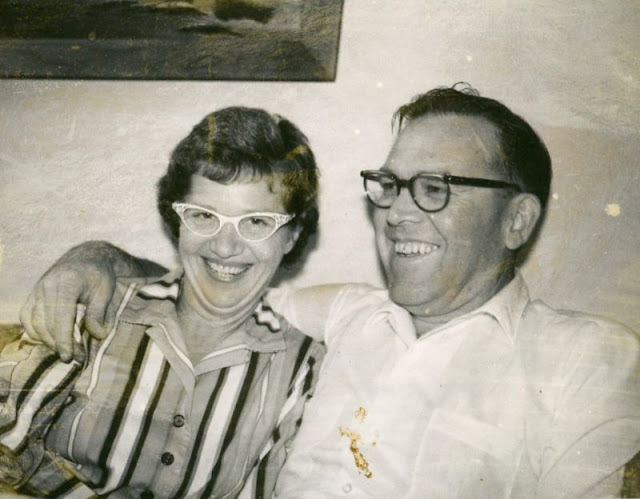
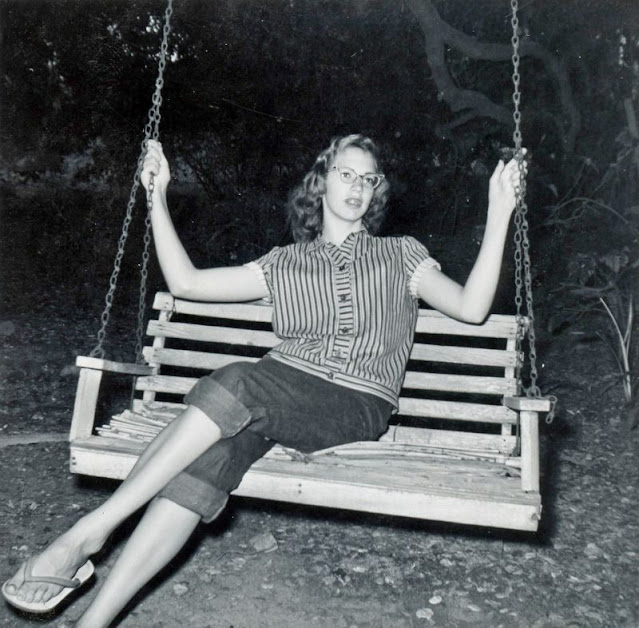
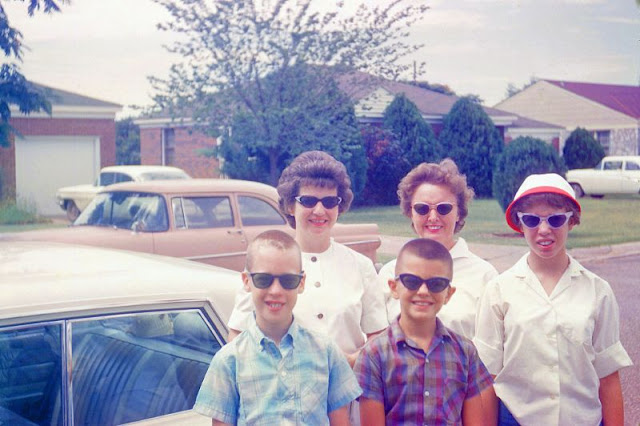
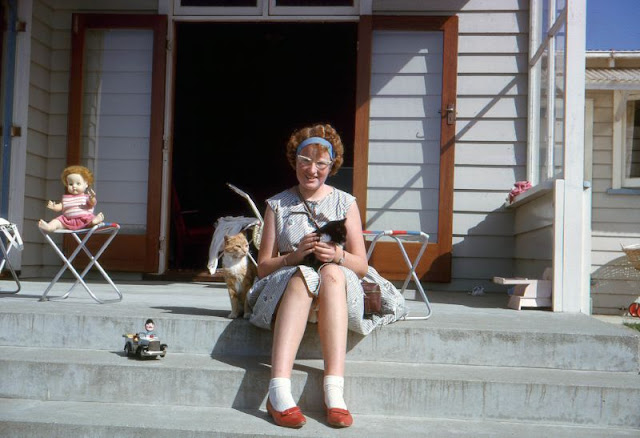
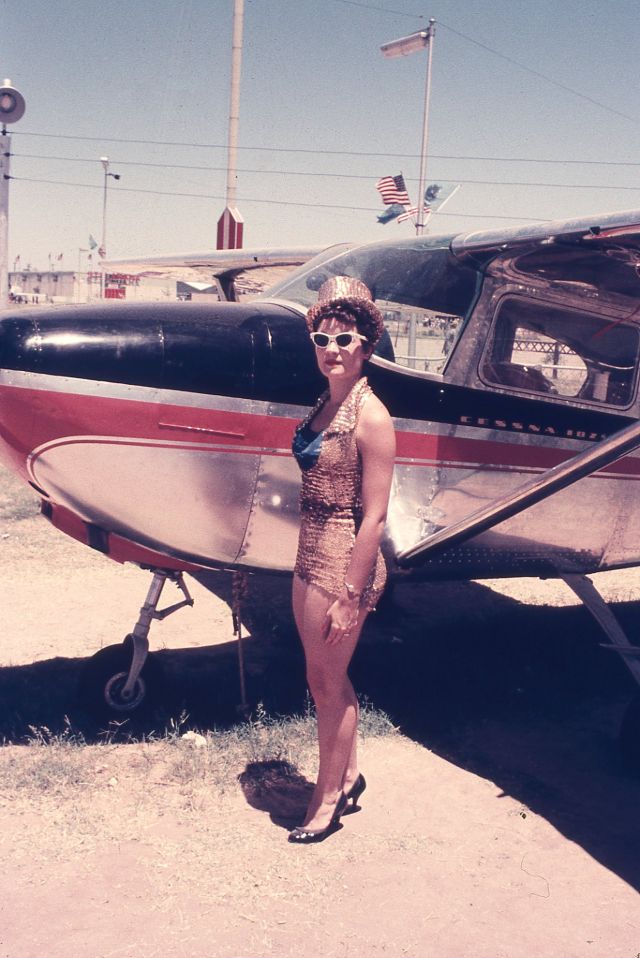
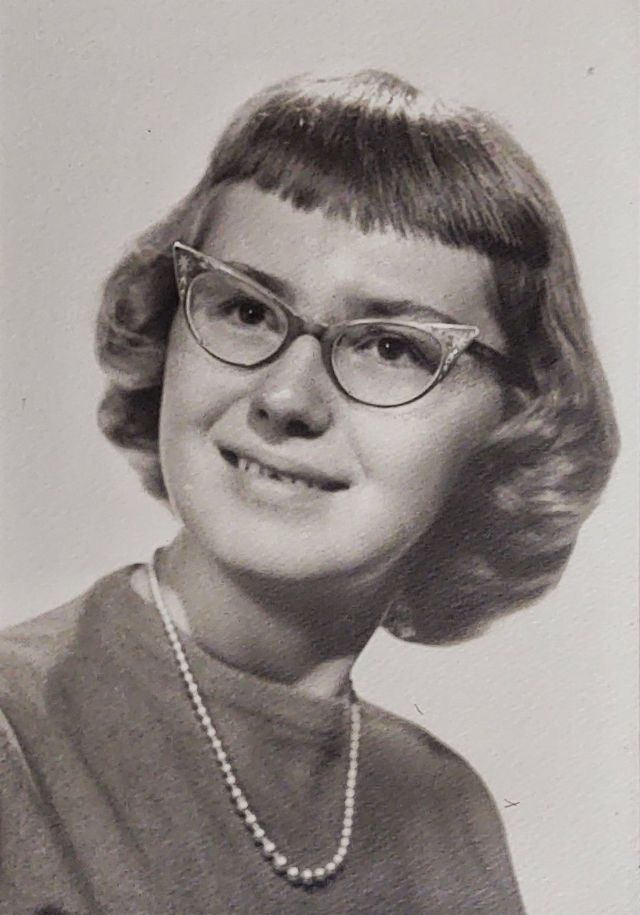
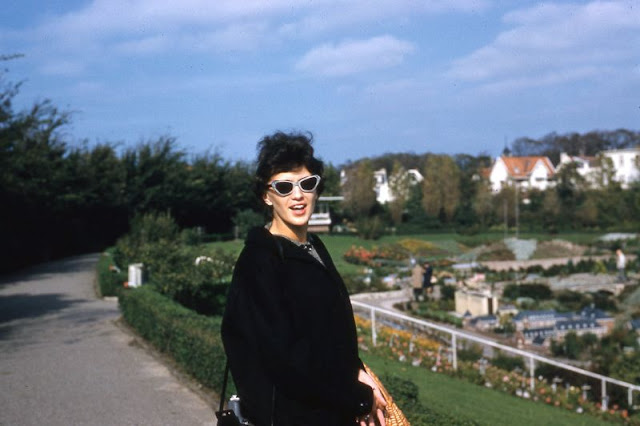
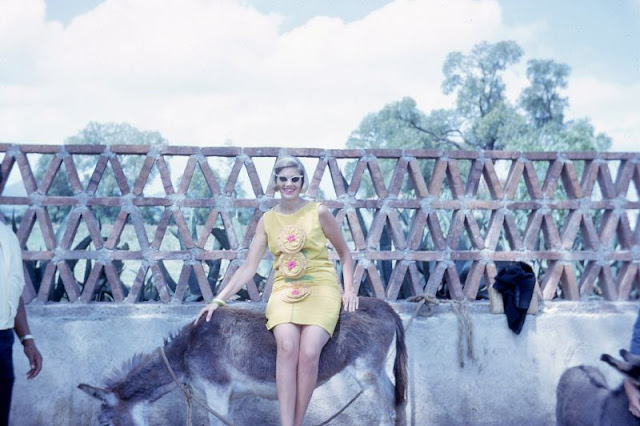
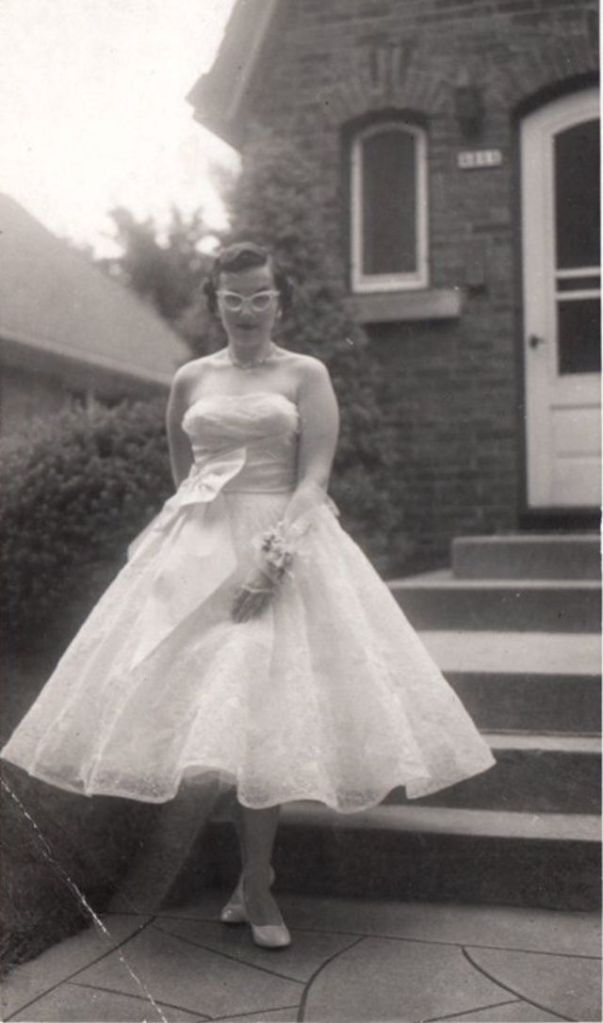
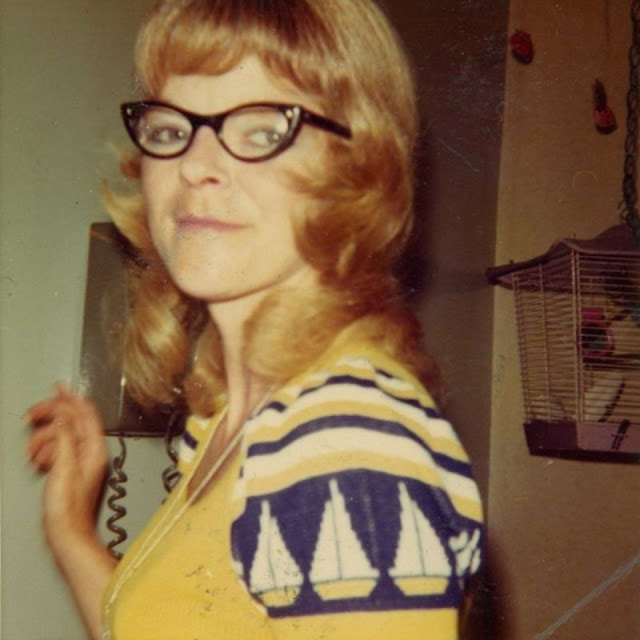
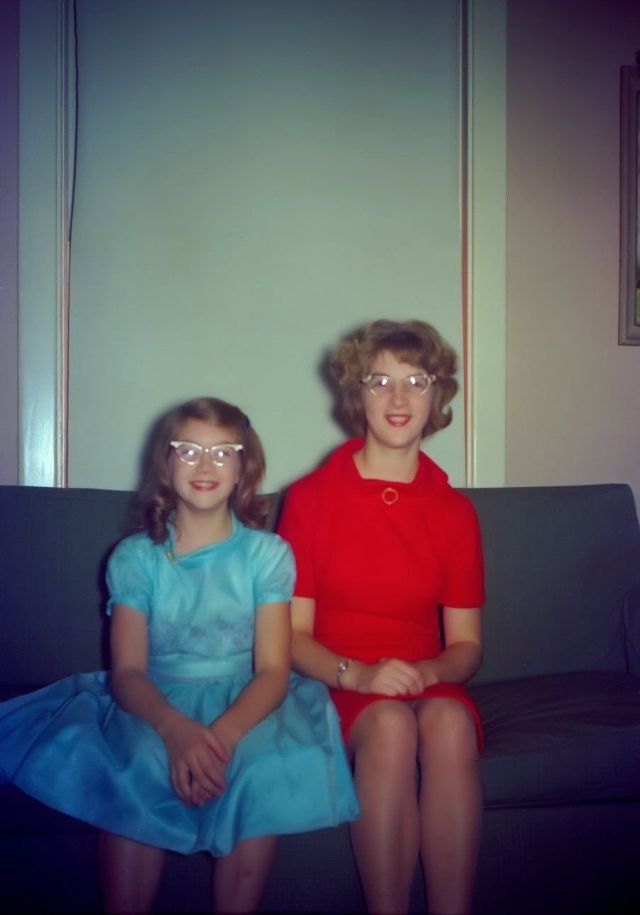
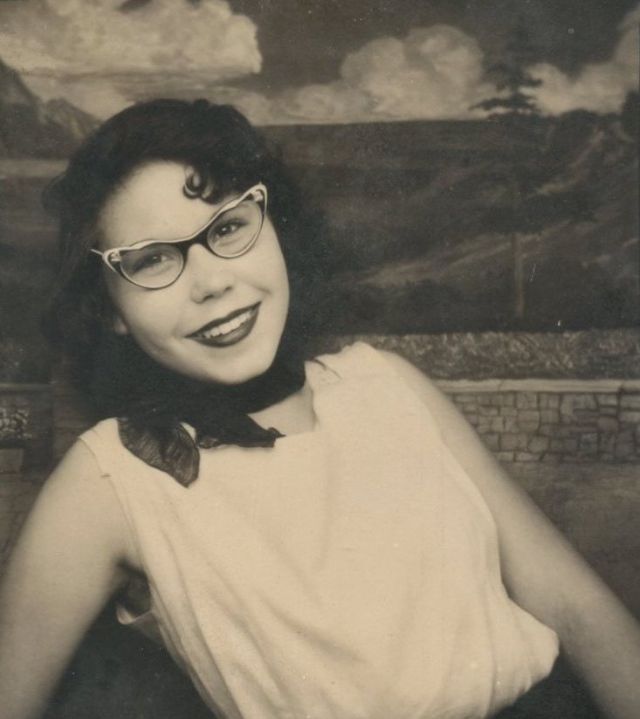
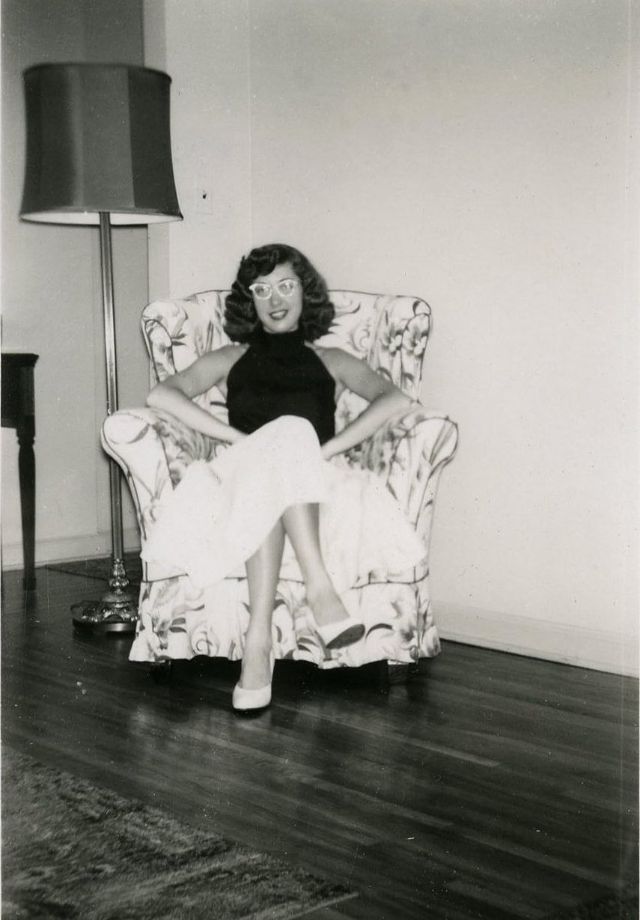
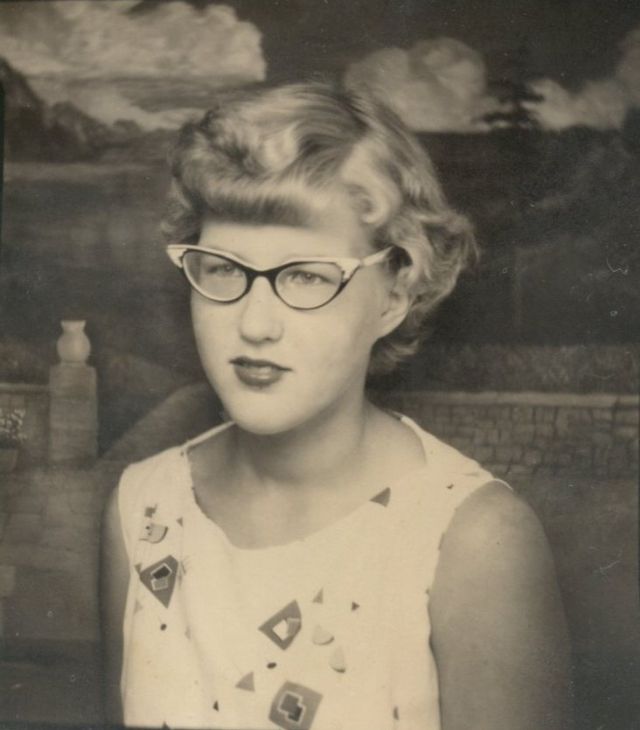
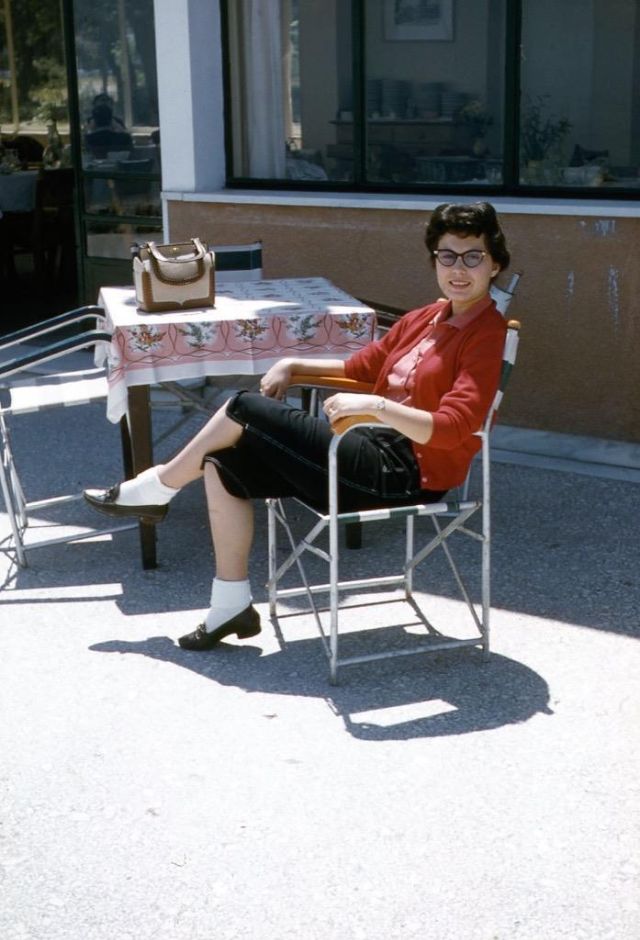
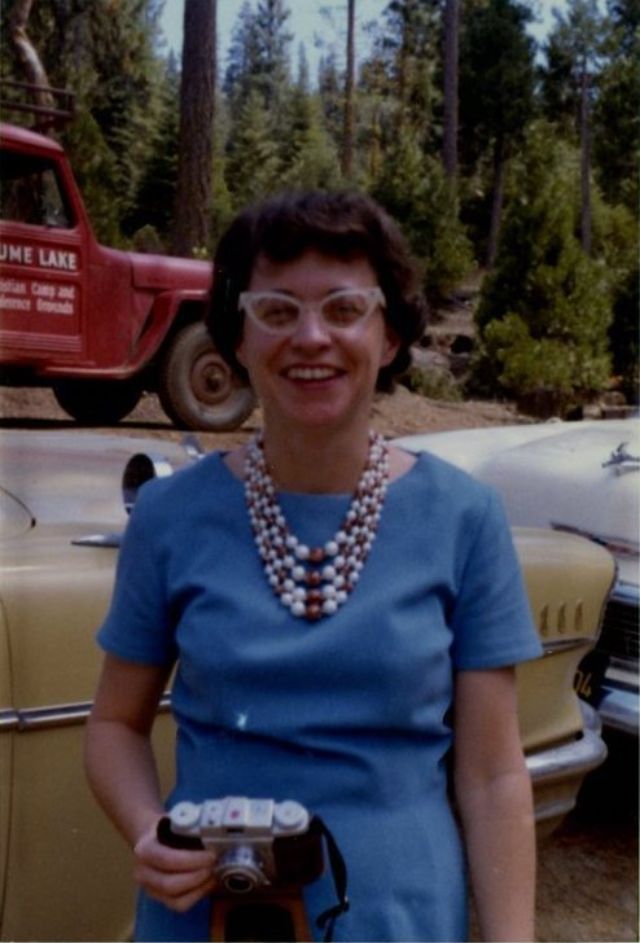
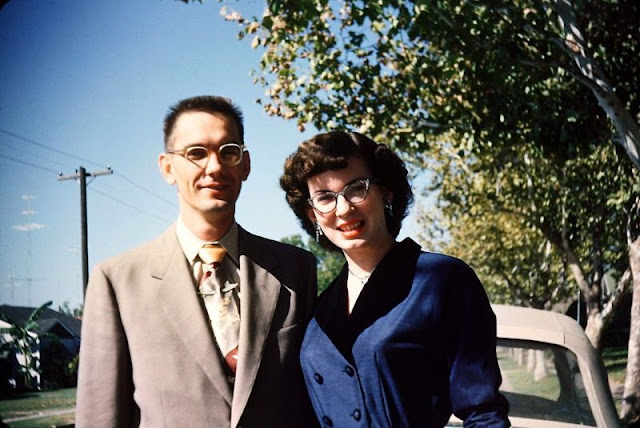
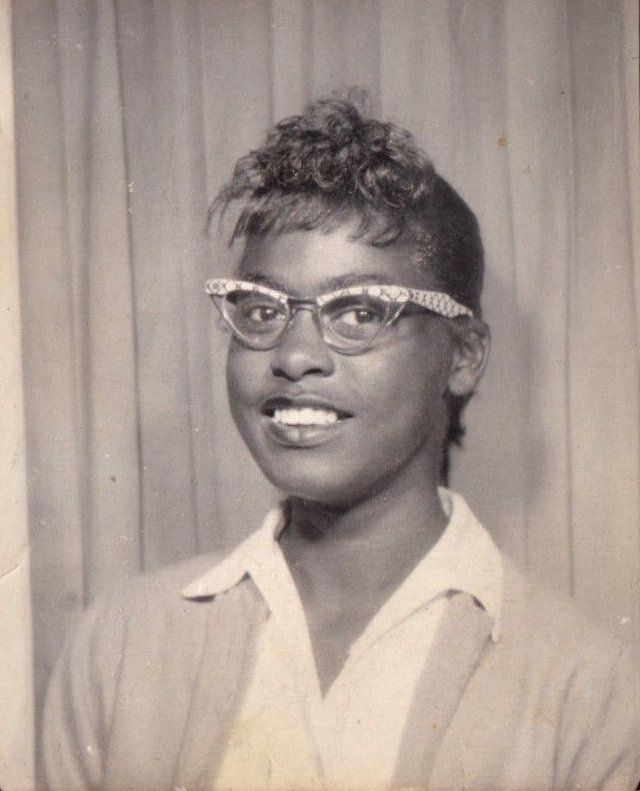
First created in the 1930s, cat-eye glasses are one style that has stood the test of time. Nearly a century old, the cat-eye has managed to create its own distinct look each decade.
The frame later became a huge trend for sunglasses in the 1960s when Audrey Hepburn famously wore them in the film Breakfast at Tiffany’s. Since then, we’ve seen the cat-eye on everyone from Barbie, to Marilyn Monroe, Jacqueline Kennedy Onassis, and today’s top fashion influencers.
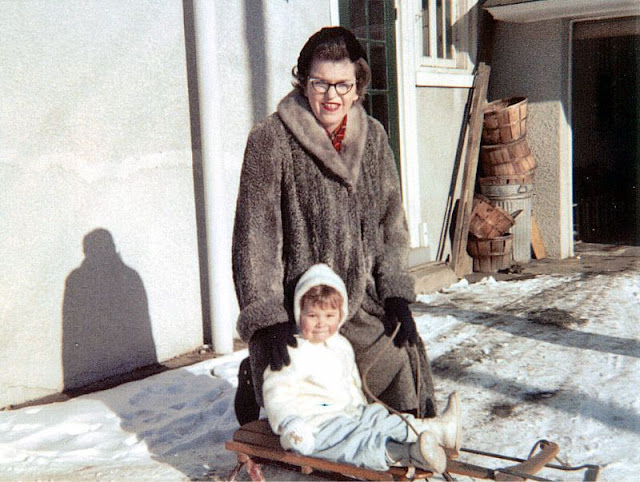
Cat eye glasses were mainly popular in the 1950s and 1960s among women and are often associated with the Beehive hairstyle and other looks of the period.
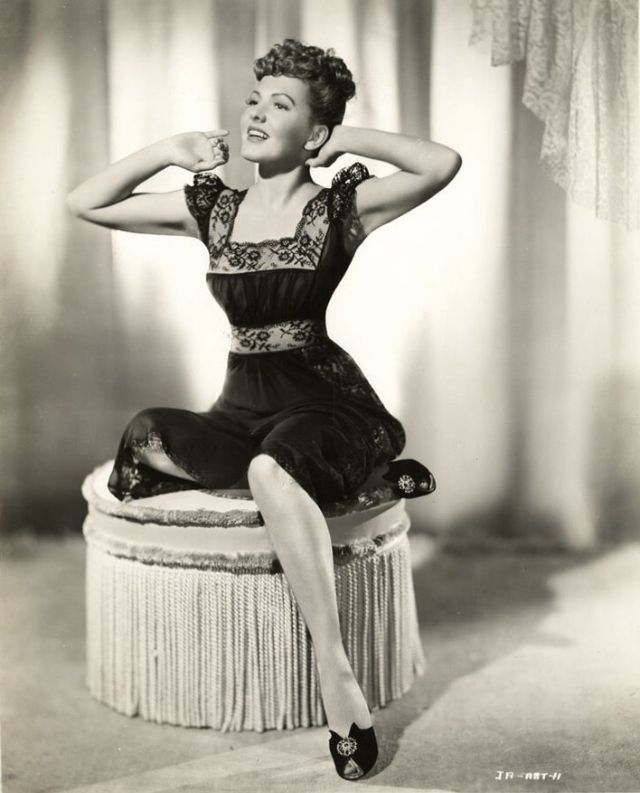
A set of vintage photos that shows ladies wearing cat-eye glasses in the 1950s and 1960s.
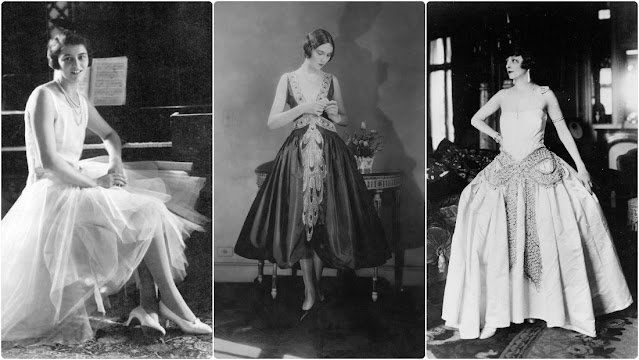
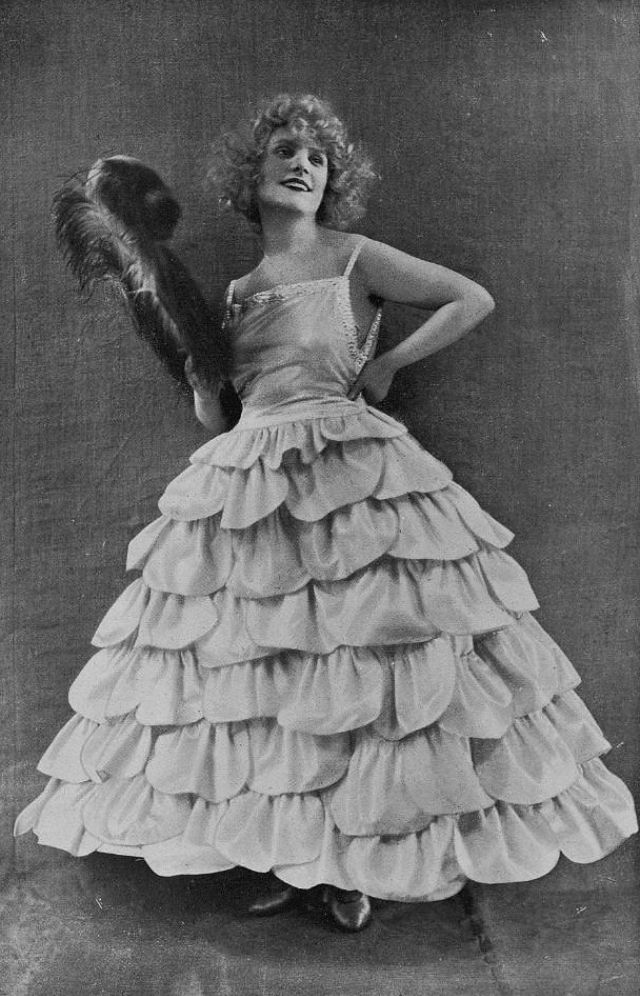
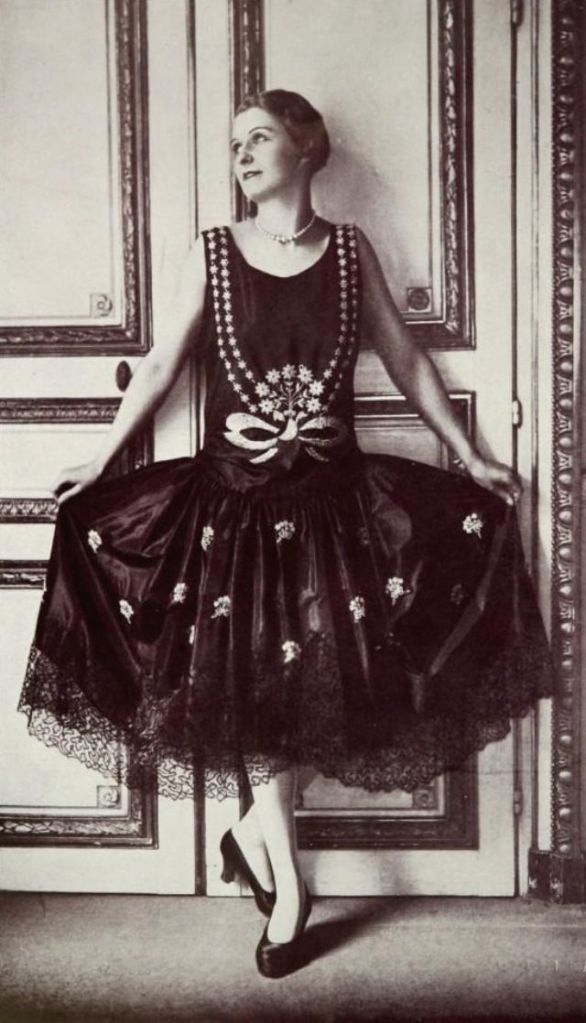
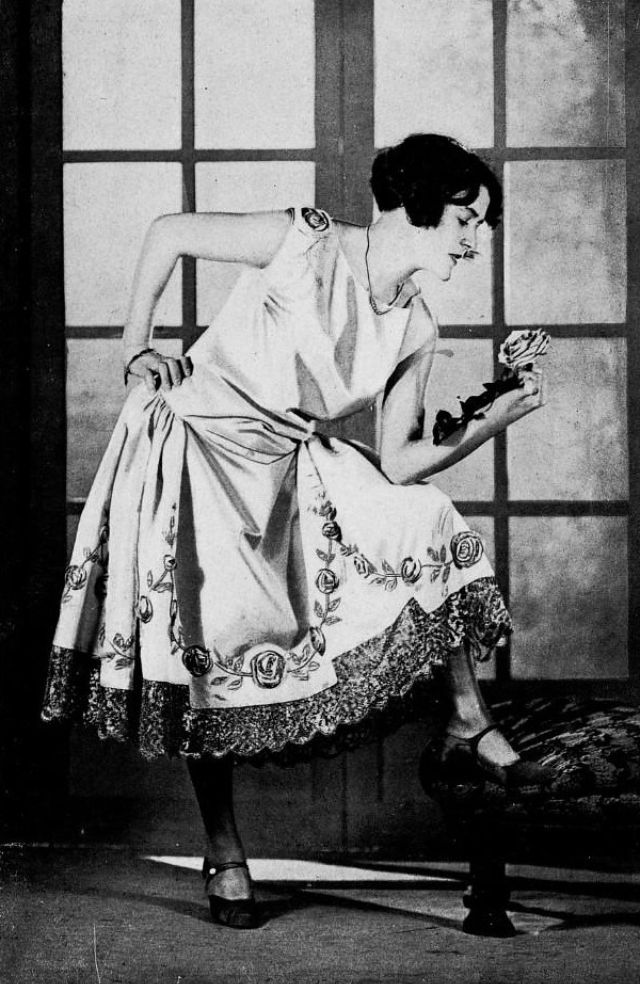
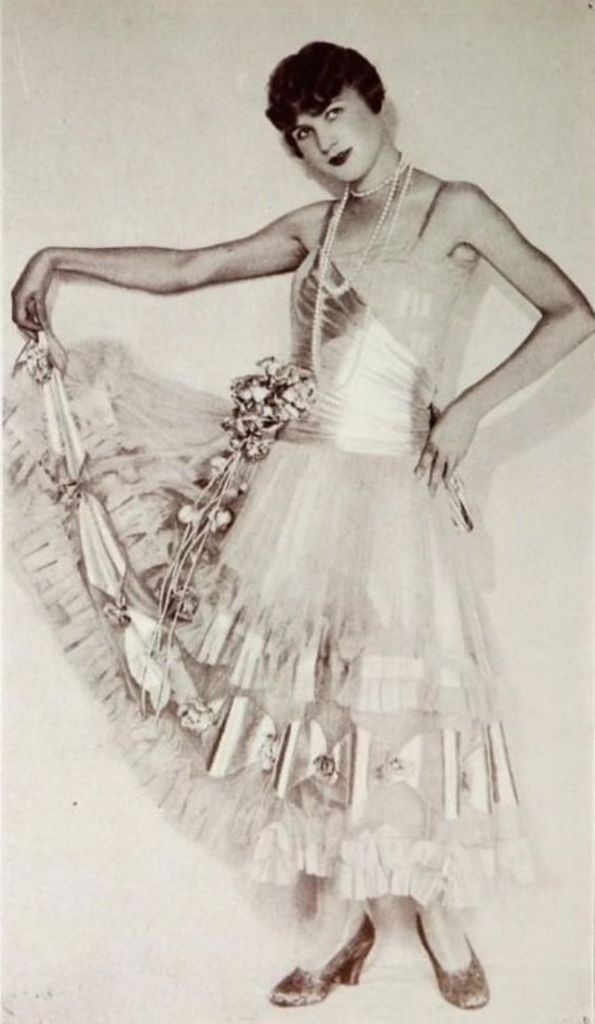
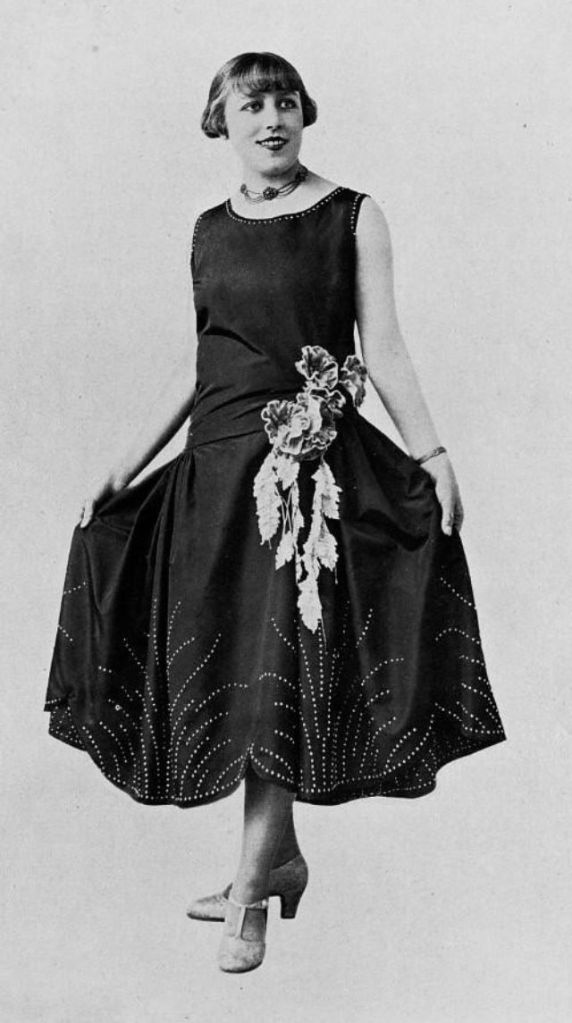
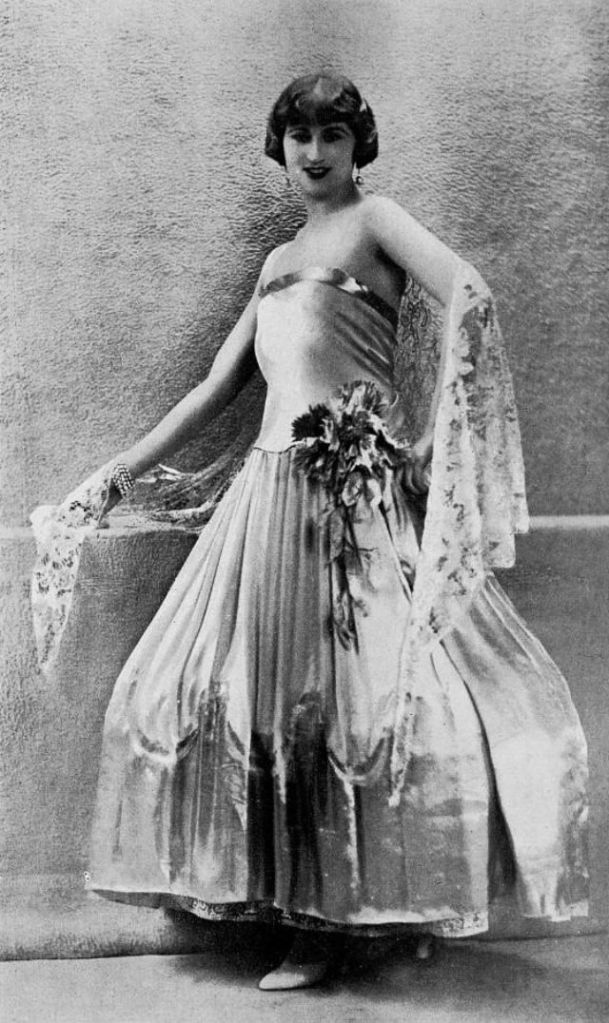
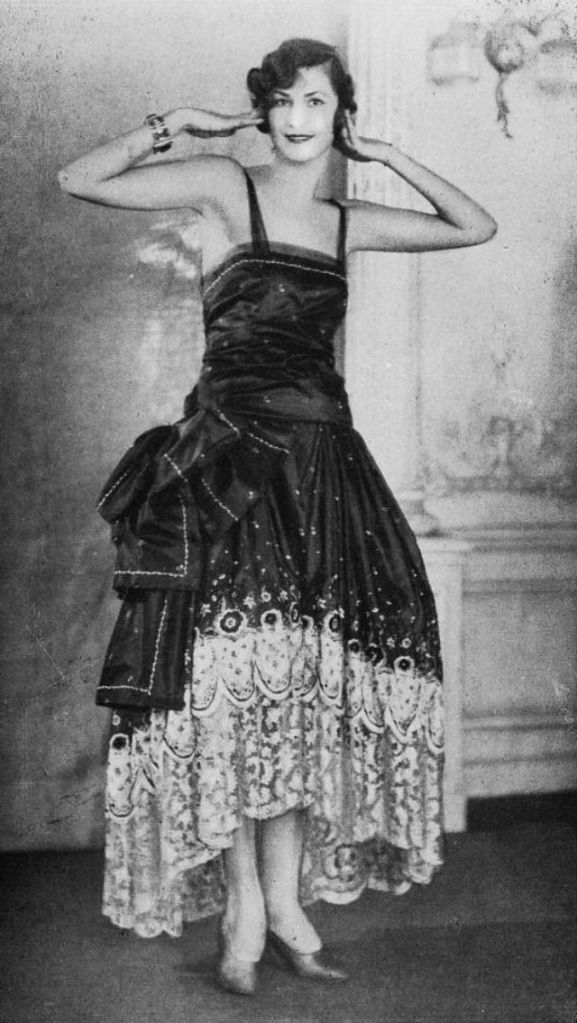
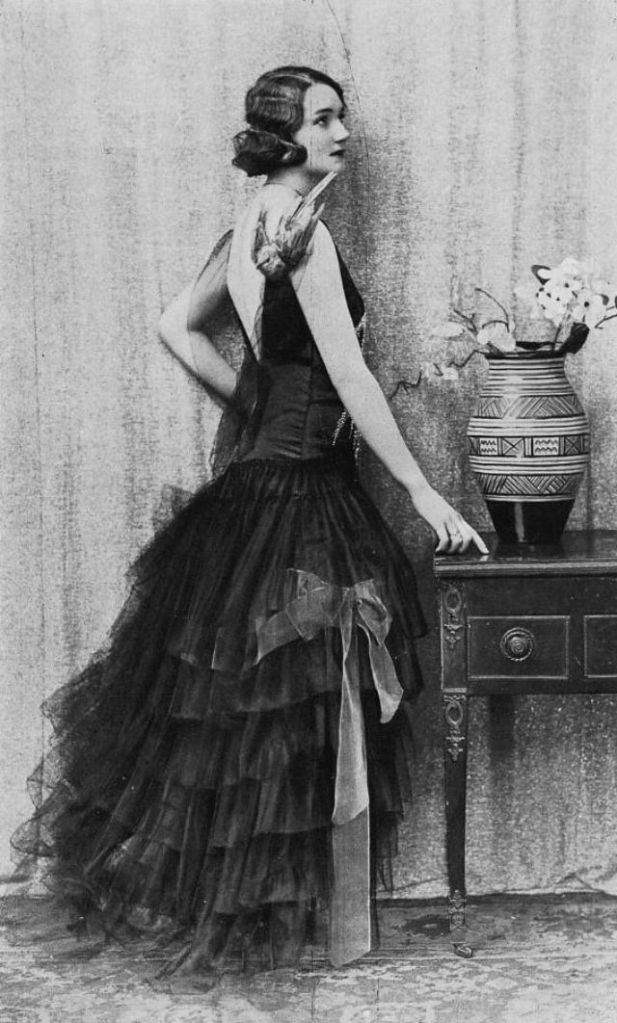
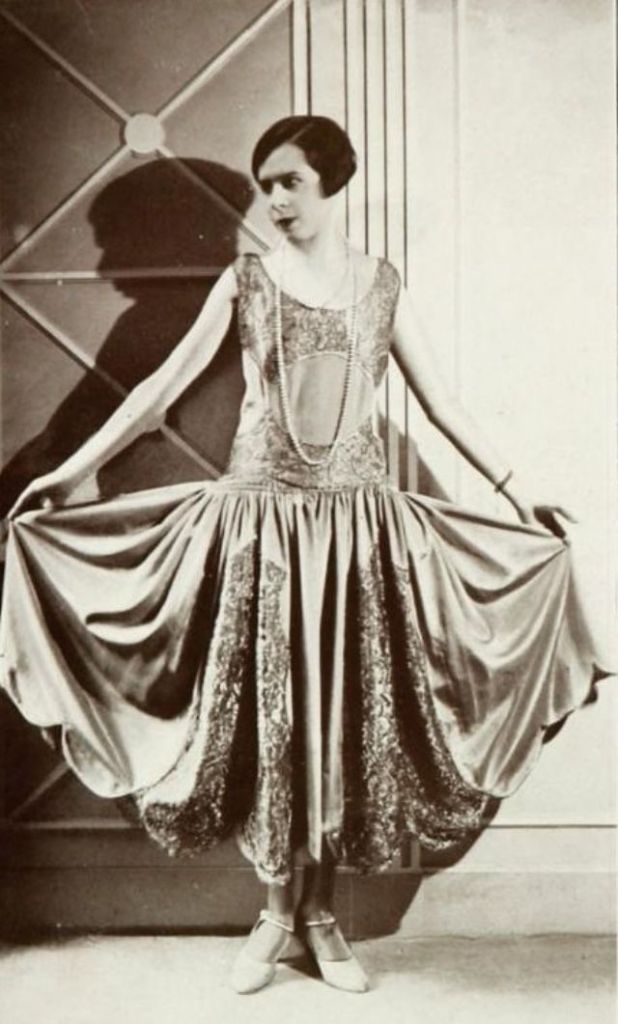
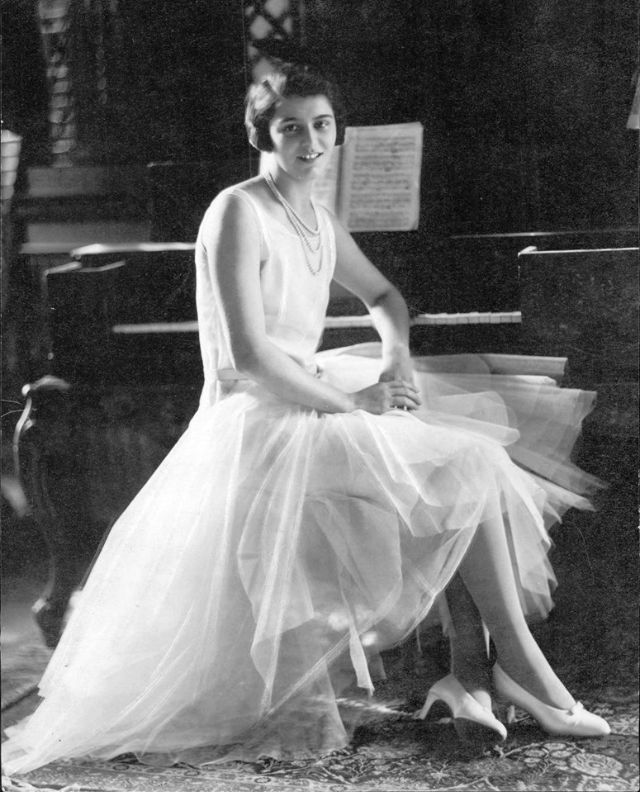
The robe de style describes a style of dress popular in the 1920s as an alternative to the straight-cut chemise dress.
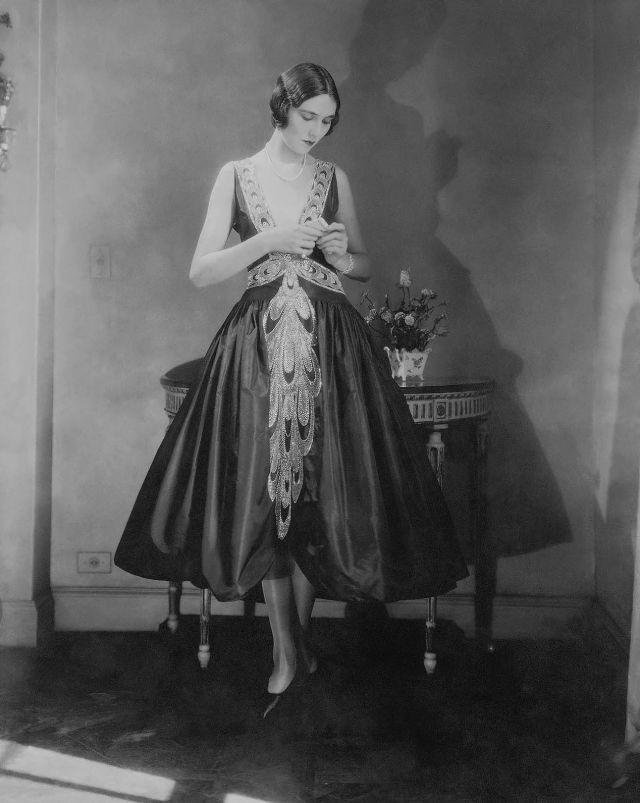
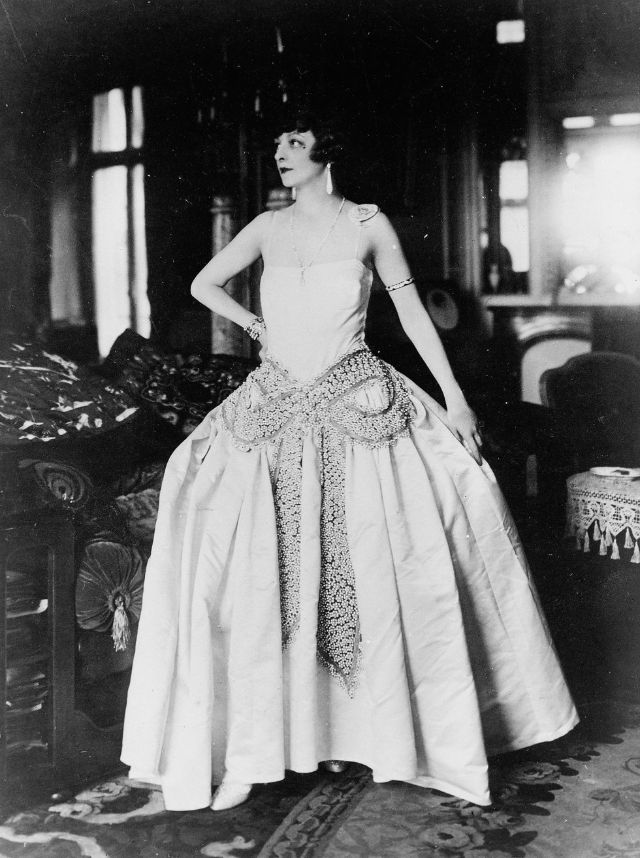
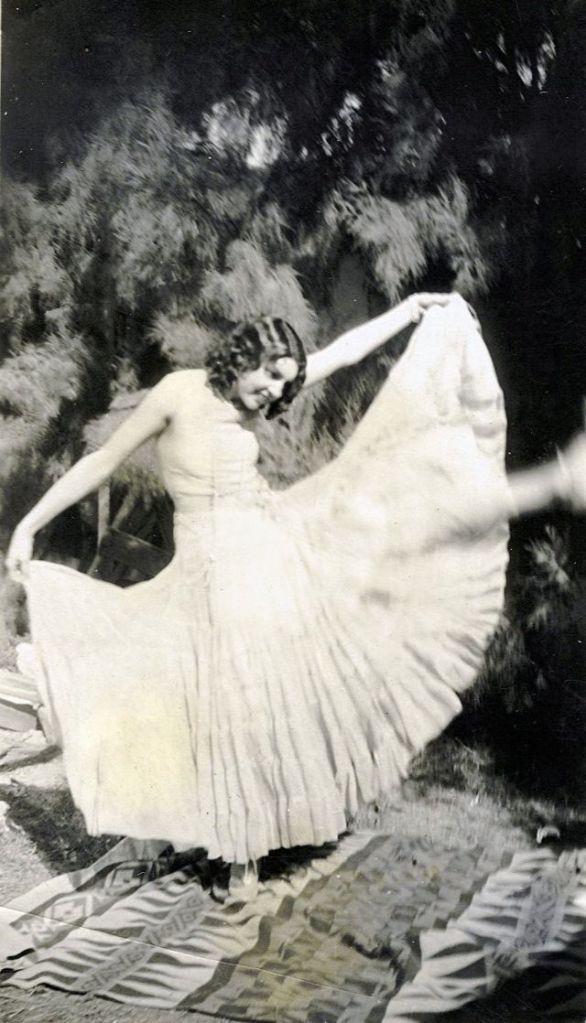
The style was characterized by its full skirts. The bodice could be fitted, or straight-cut in the chemise manner, with a dropped waist, but it was the full skirt that denoted the robe de style. Sometimes the fullness was supported with petticoats, panniers, or hoops.
The robe de style was a signature design of the couturier Jeanne Lanvin. Other couture houses known for their versions of the robe de style included Boué Soeurs, Callot Soeurs, Doeuillet and Lucile.
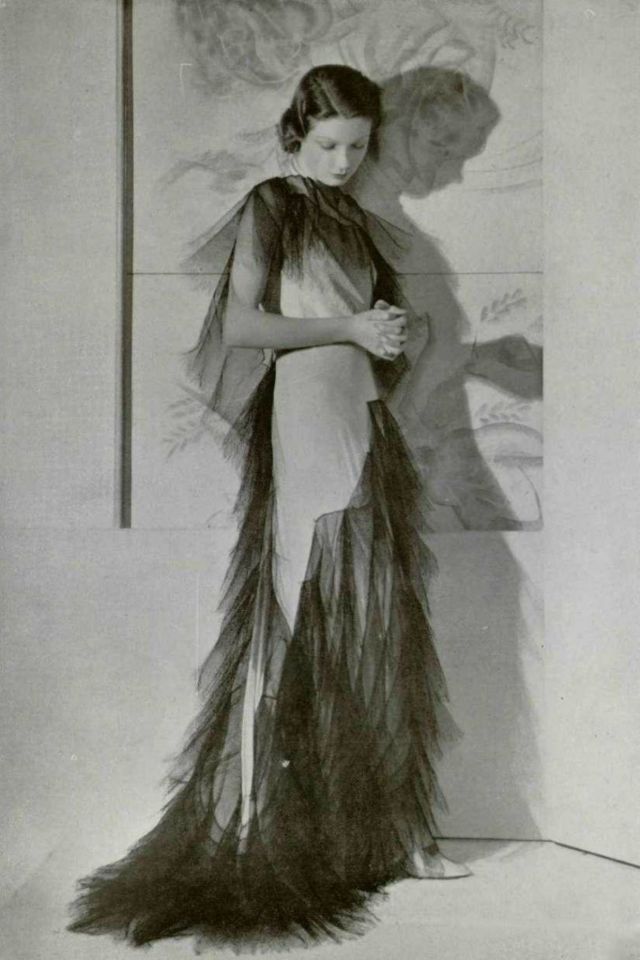
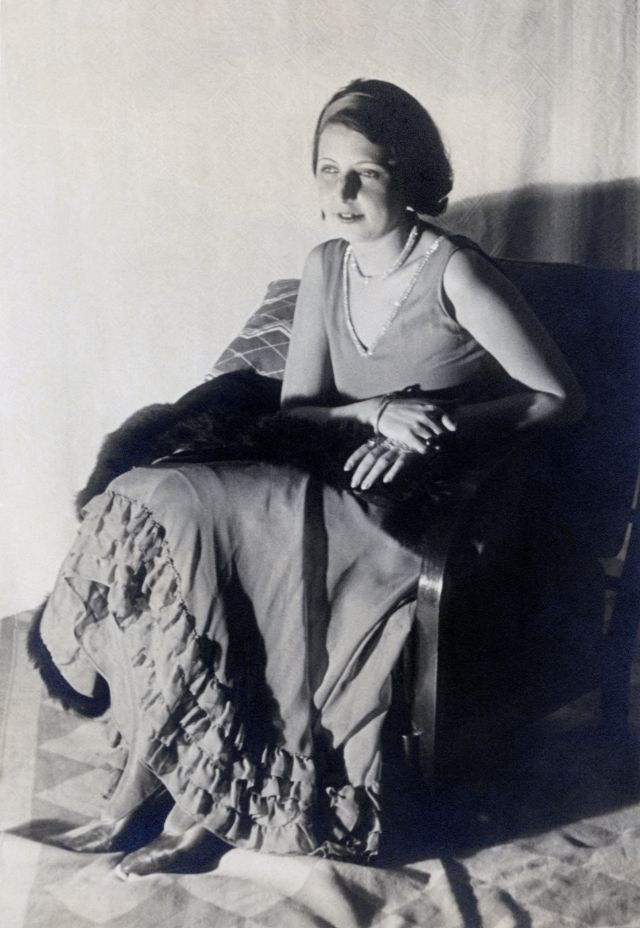
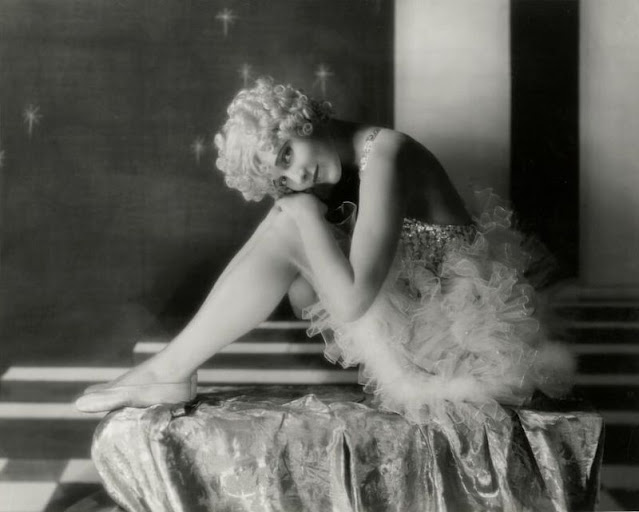
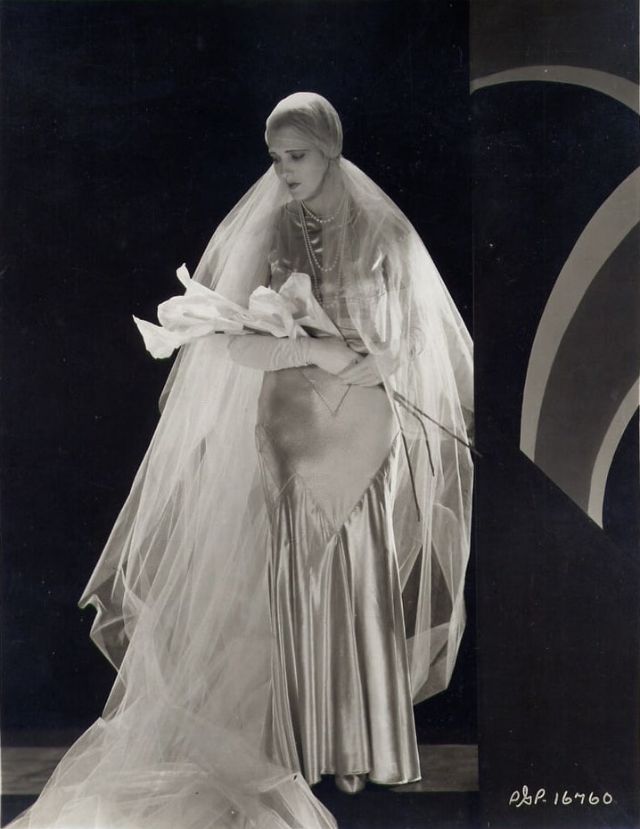
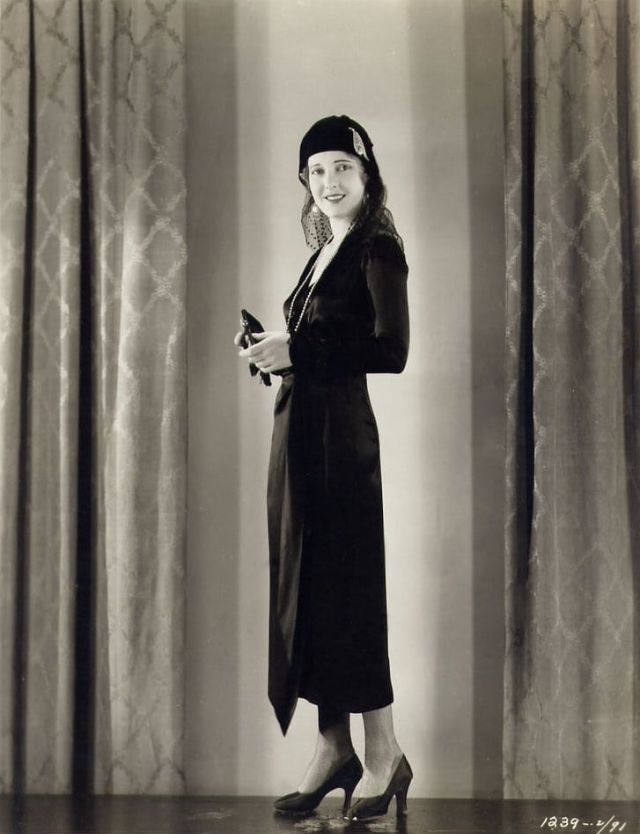
Here below is a set of elegant photos that shows beautiful ladies wearing robe de style dresses in the 1920s.
Every child at some point begs their parents for a puppy. As a parent, we can’t help but think of all of the added chores and financial obligations that come with owning a pet. But did you know it can actually benefit the health and development of your kids?
Studies in pediatric health have concluded that children who lived with pets (but especially dogs) during their first year of life actually had a better immune system than those who did not. They believe that exposure to dogs may have positively boosted the maturation of their immune system during infancy. In addition, when they did fall ill, they needed a shorter course of antibiotics compared to the children who did not live with pets.
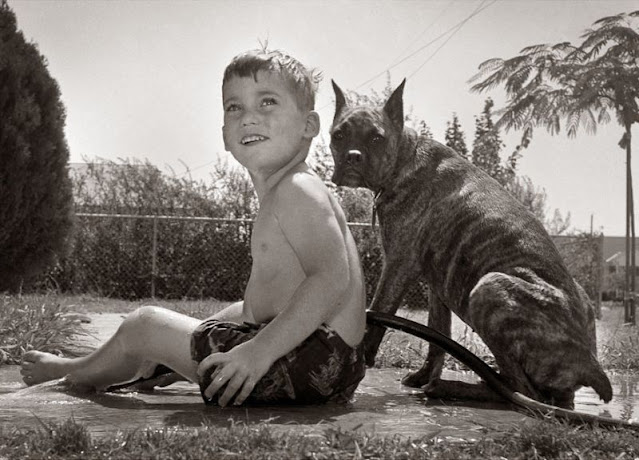
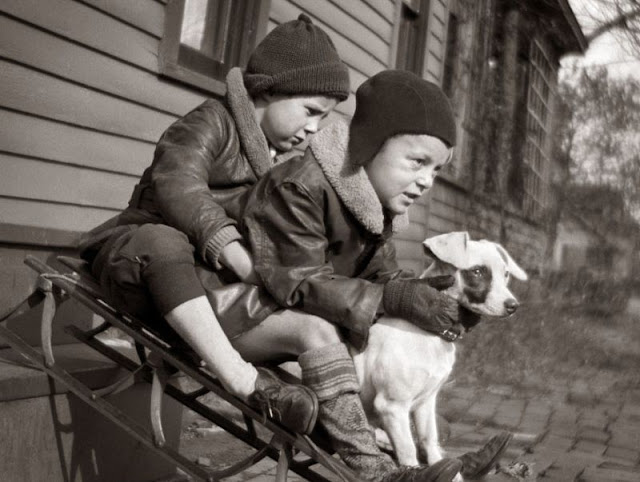
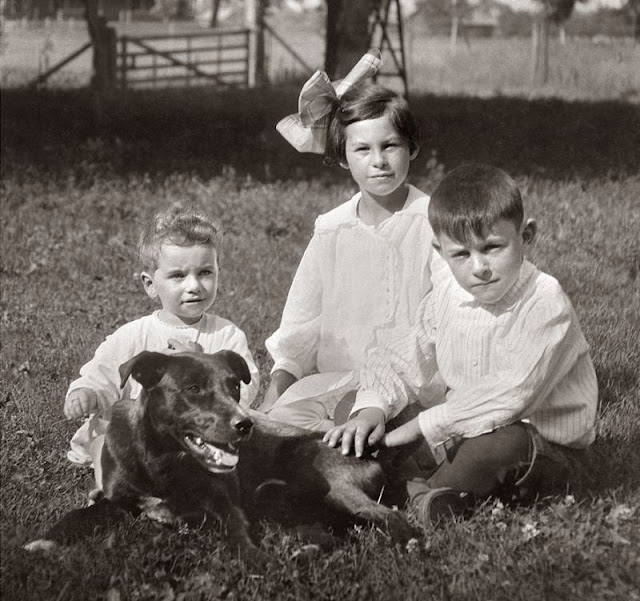
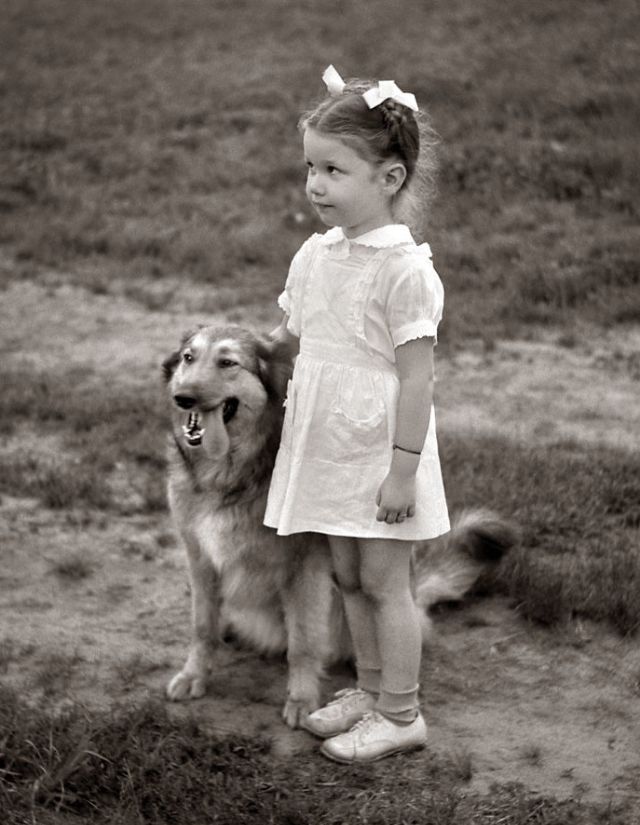
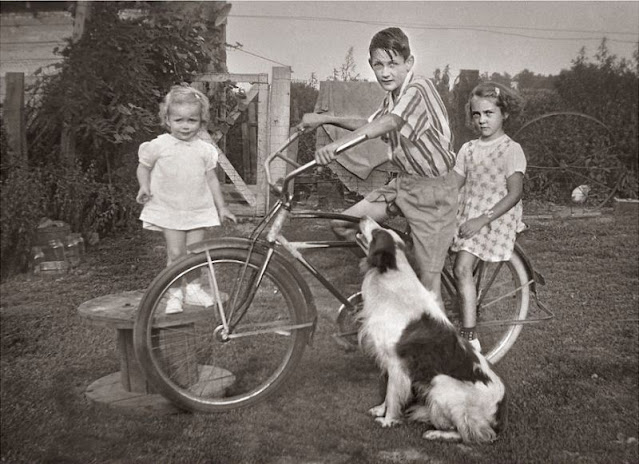
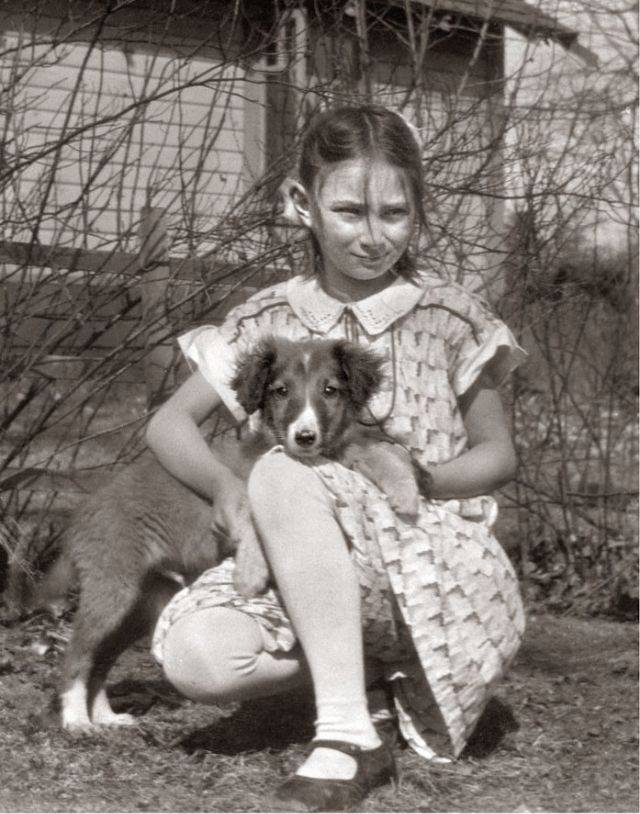
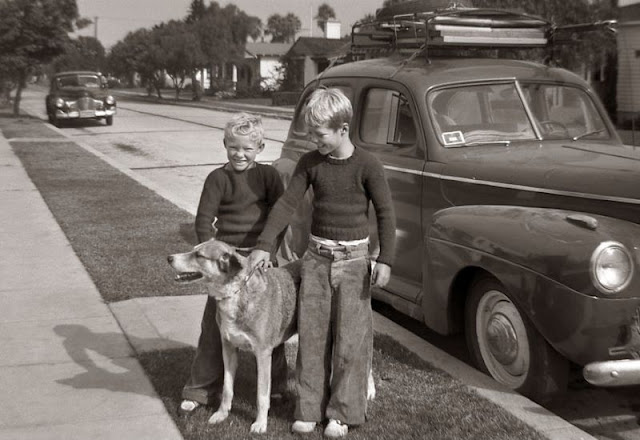
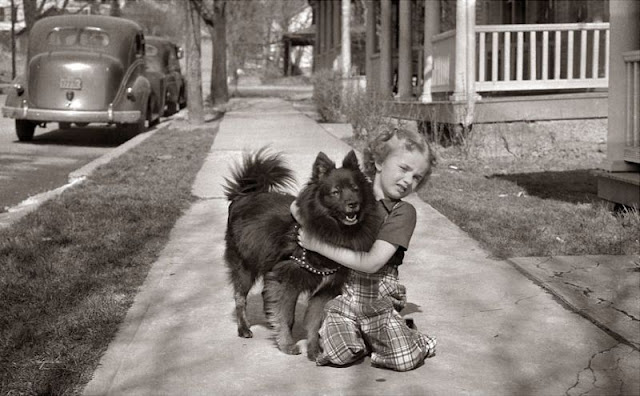
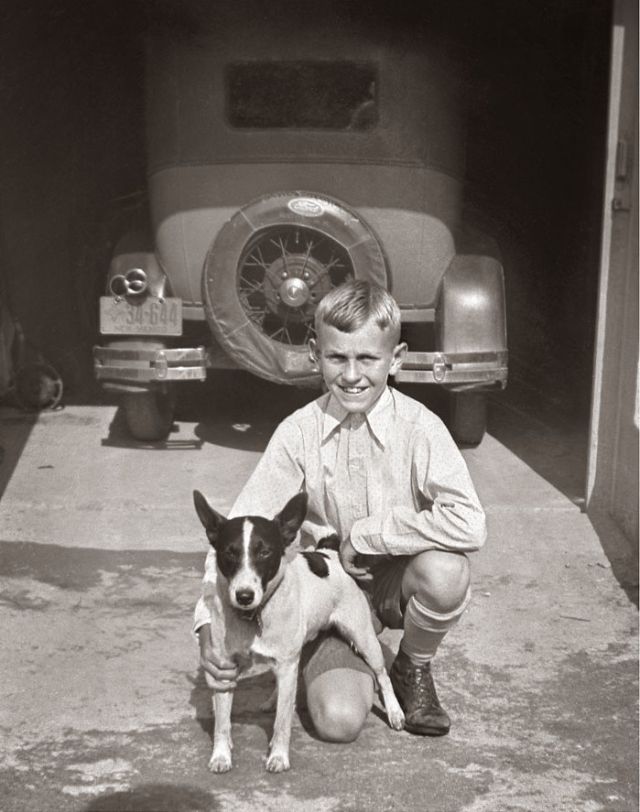
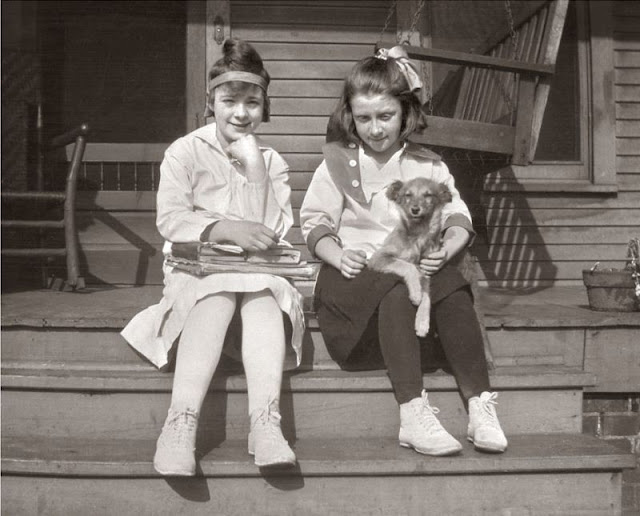
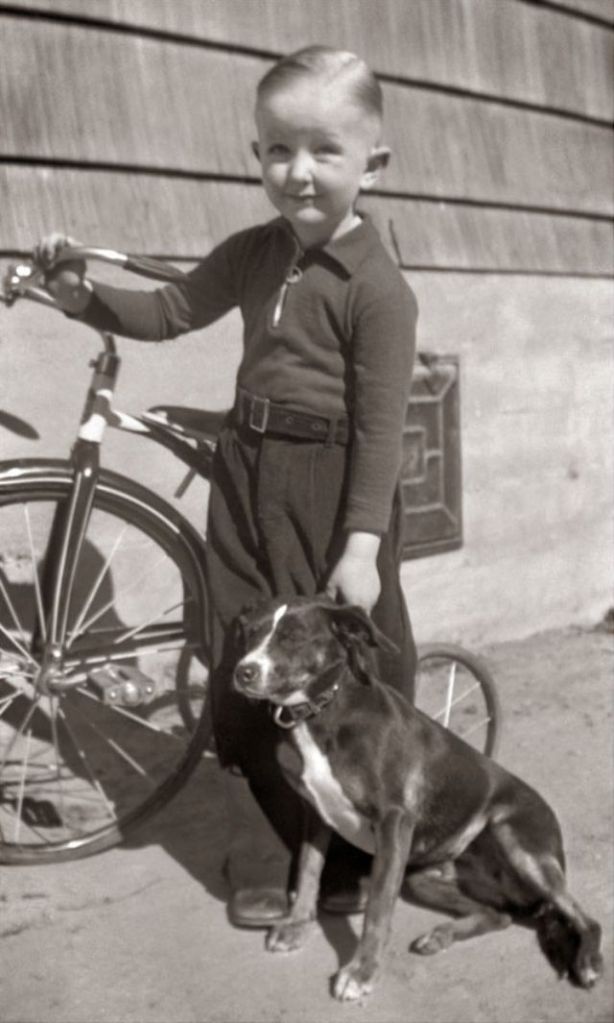
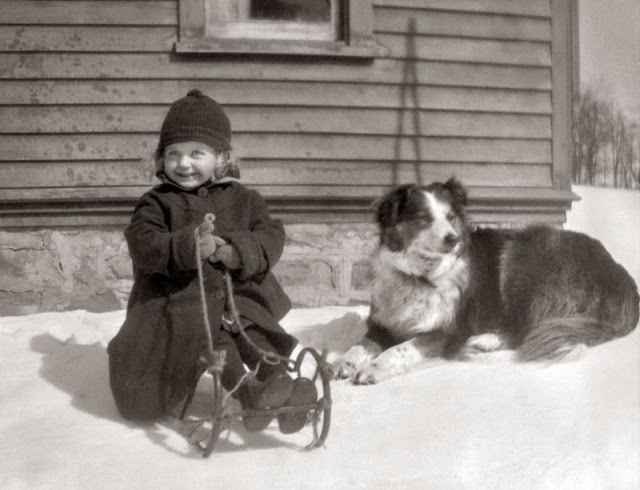
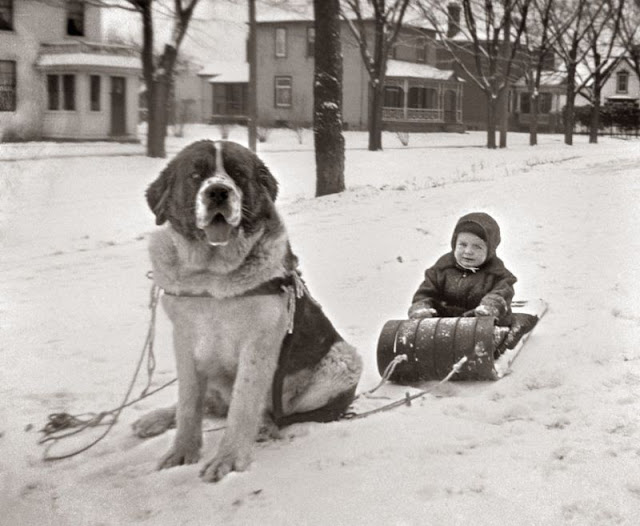
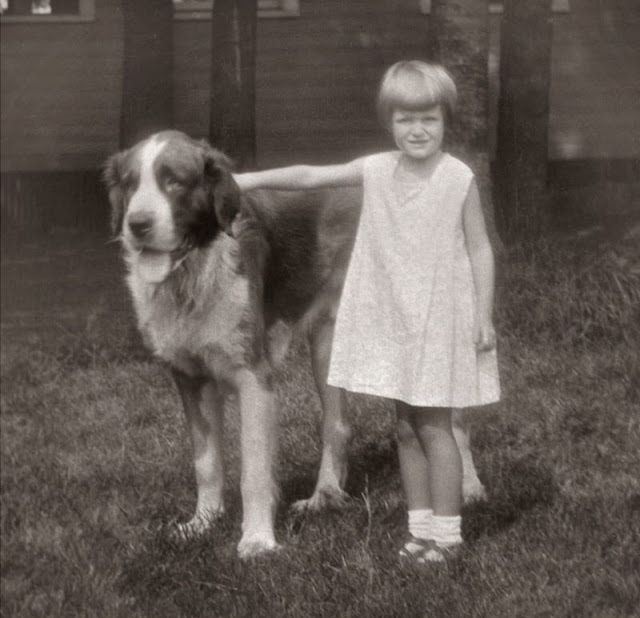
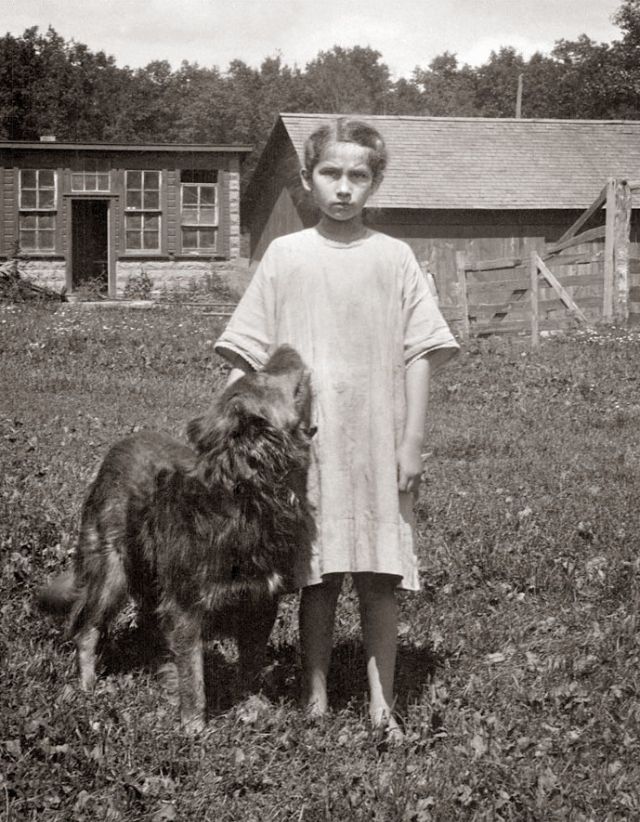
Here below is a set of lovely photos that shows portraits of children with their pet dogs in the past.
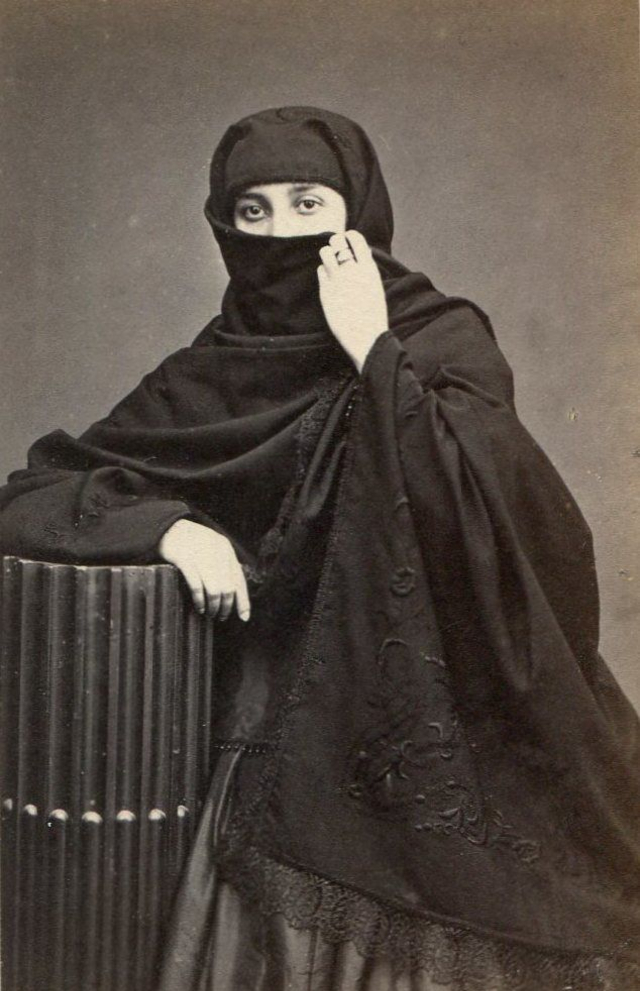
Images of people in typical local costume and vocations were among the standard offerings of any 19th century photographic studio. Many such themes are found in the cartes-de-visite produced in Peru during the 1860s, but by far the most important of these types was the tapada, the veiled one. The costume and manner of the tapada were peculiar even in Peru and were associated exclusively with Lima.
These days, society, including men and women, feel restricted by the fickle trends dictated from fashion’s elite. In Lima, however, there was a time when women felt freer, one could say, thanks to fashion and their choice to cover up. These women, who came to be known as Tapadas Limeñas, were even able to prevent a ban on their garments of choice: the saya (skirt) and manto (veil or wrap). The saya was an overskirt, worn tight at the waist and raised to show off feet and ankles. The manto was a thick veil fastened to the back of the waist; from there it was brought over the shoulders and head and drawn over the face so closely that all that was left uncovered was a small triangular space sufficient for one eye to peep through.
The Tapadas Limeñas were found exotic at that time and some men were even attracted by their mysterious appearance. As a consequence, the Church and some other laws prohibited these clothes. Still, women kept on wearing these clothes till deep in the 19th century. They believed it was ethical, but mainly because they didn’t want to give up their freedom.
Subscribe to continue reading
Become a paid subscriber to get access to the rest of this post and other exclusive content.
From 1846 to 1860, John Fitzgibbon operated one of America’s most prominent daguerreian establishments in the frontier city of Saint Louis, Missouri. Fitzgibbon learned photography in 1839 while apprenticed as a saddler in Philadelphia, but he is best known for his studio portraits and scenes of regional life in the territories west of the Mississippi River.
This daguerreotype of Kno-Shr, a Kansas, is one of the few dated pre-Civil War portraits of a Native American whose name and tribe are known. The chief is shown bare-chested, wearing a traditional grizzly bear claw necklace, the most coveted of all Plains Indian body ornaments.
Several details are hand-colored with red paint, the color of strength and success and a powerful agent to ward off evil spirits. Made during the height of the country’s territorial expansion beyond the Mississippi, the photograph is remarkable as a document of a Native American before assimilation.
Kyiv or Kiev is the capital and most populous city of Ukraine. It is in north-central Ukraine along the Dnieper River. As of 1 January 2021, its population was 2,962,180,[14] making Kyiv the seventh-most populous city in Europe.
Kyiv is an important industrial, scientific, educational, and cultural center in Eastern Europe. It is home to many high-tech industries, higher education institutions, and historical landmarks. The city has an extensive system of public transport and infrastructure, including the Kyiv Metro.
The city’s name is said to derive from the name of Kyi, one of its four legendary founders. During its history, Kyiv, one of the oldest cities in Eastern Europe, passed through several stages of prominence and obscurity. The city probably existed as a commercial center as early as the 5th century. A Slavic settlement on the great trade route between Scandinavia and Constantinople, Kyiv was a tributary of the Khazars,[16] until its capture by the Varangians (Vikings) in the mid-9th century. Under Varangian rule, the city became a capital of Kievan Rus’, the first East Slavic state. Completely destroyed during the Mongol invasions in 1240, the city lost most of its influence for the centuries to come. It was a provincial capital of marginal importance in the outskirts of the territories controlled by its powerful neighbours, first Lithuania, then Poland and ultimately Russia.
The city prospered again during the Russian Empire’s Industrial Revolution in the late 19th century. In 1918, after the Ukrainian People’s Republic declared independence from Soviet Russia, Kyiv became its capital. From 1921 onwards, Kyiv was a city of Soviet Ukraine, which was proclaimed by the Red Army, and, from 1934, Kyiv was its capital. The city suffered significant destruction during World War II but quickly recovered in the postwar years, remaining the Soviet Union’s third-largest city.
Following the collapse of the Soviet Union and Ukrainian independence in 1991, Kyiv remained Ukraine’s capital and experienced a steady influx of ethnic Ukrainian migrants from other regions of the country. During the country’s transformation to a market economy and electoral democracy, Kyiv has continued to be Ukraine’s largest and wealthiest city. Its armament-dependent industrial output fell after the Soviet collapse, adversely affecting science and technology, but new sectors of the economy such as services and finance facilitated Kyiv’s growth in salaries and investment, as well as providing continuous funding for the development of housing and urban infrastructure. Kyiv emerged as the most pro-Western region of Ukraine; parties advocating tighter integration with the European Union dominate during elections. (Wikipedia)
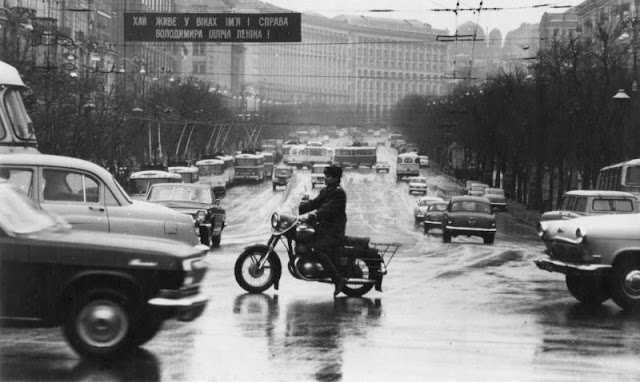
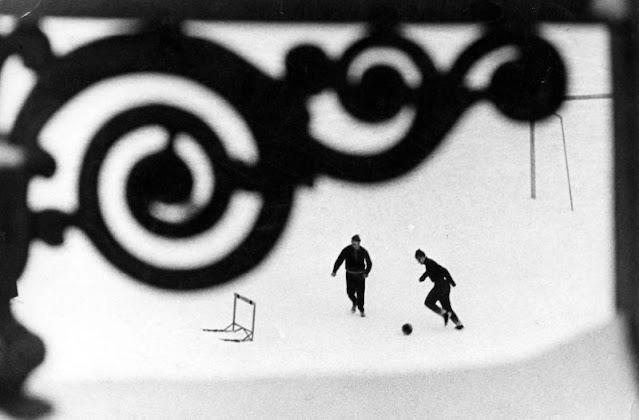
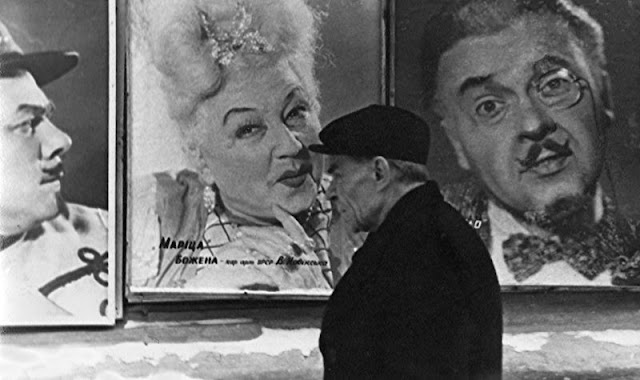
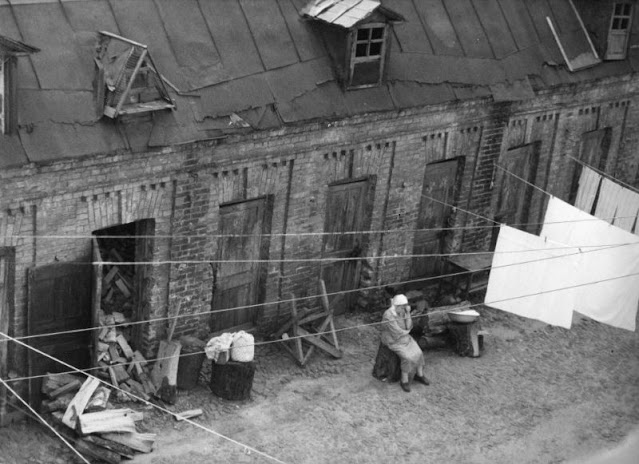
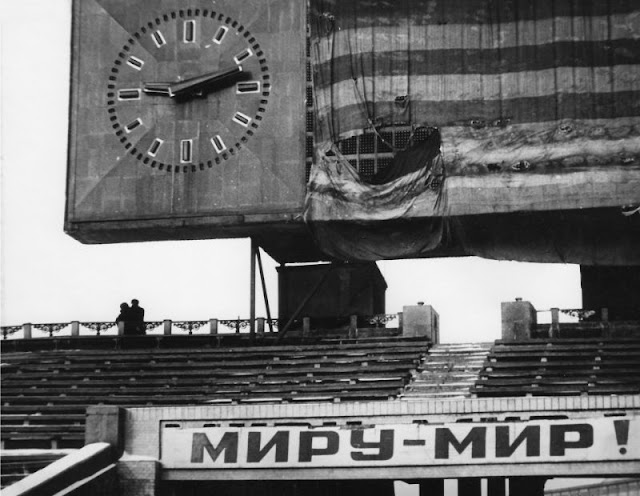
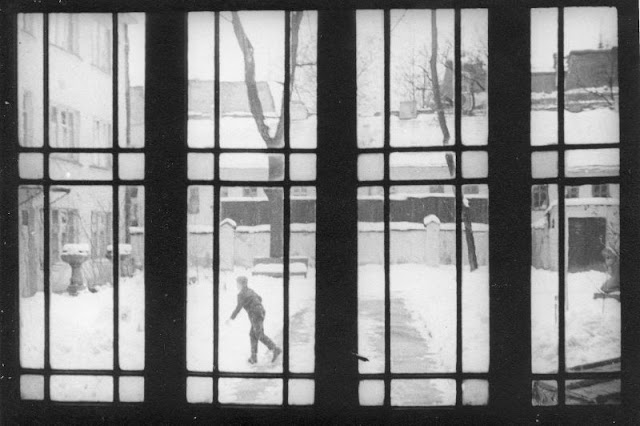
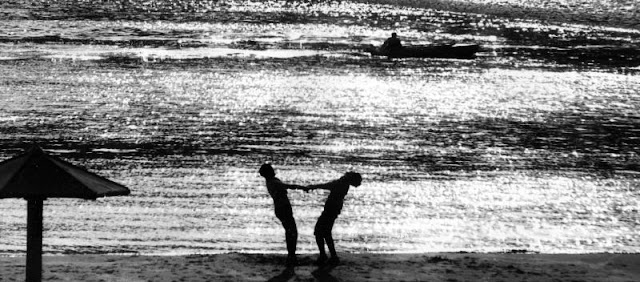
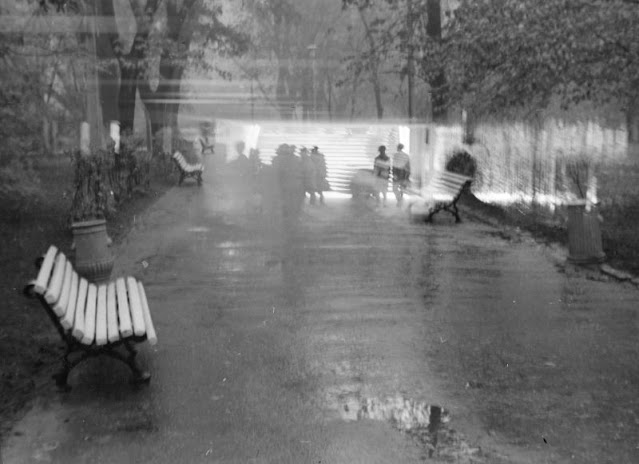
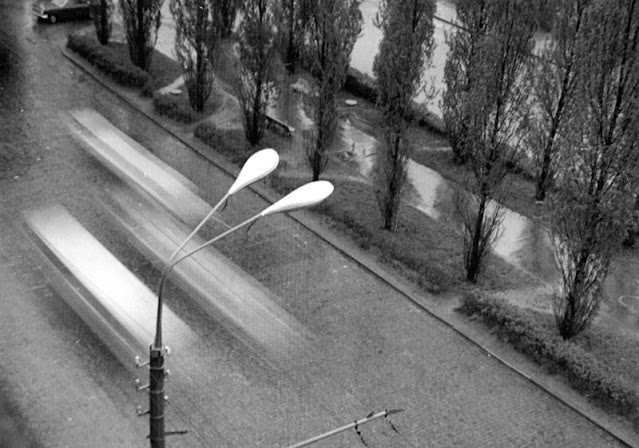
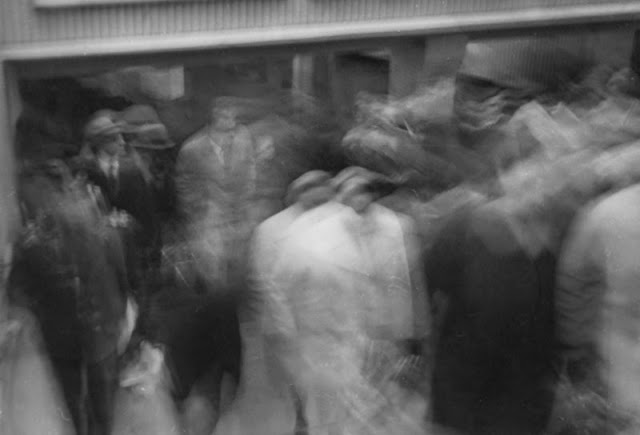
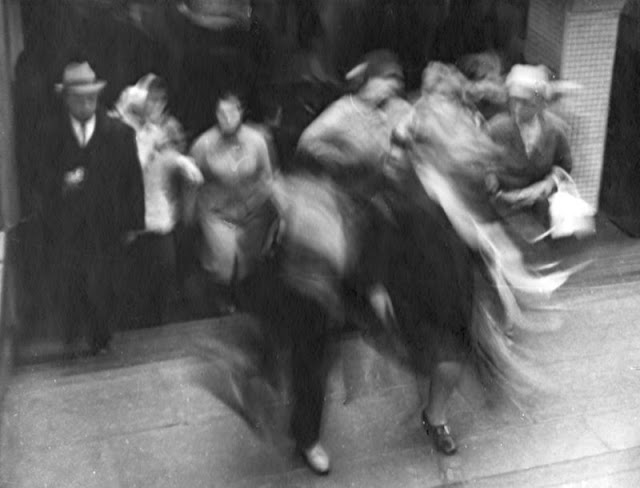
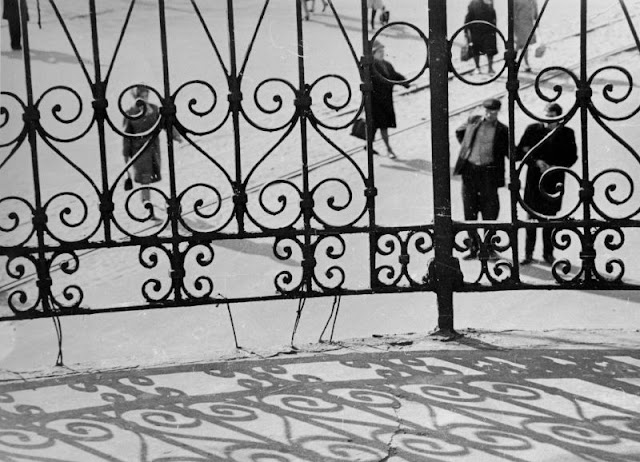
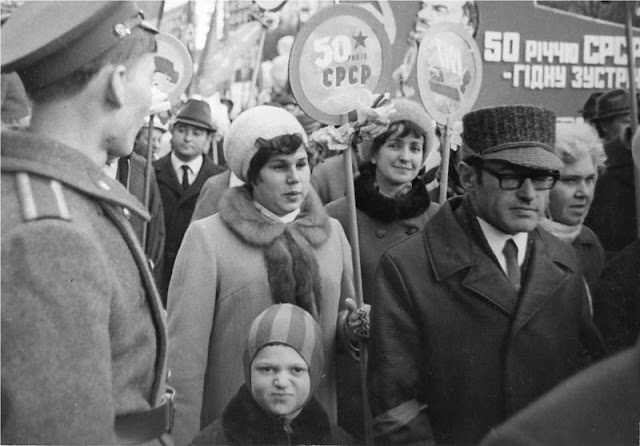
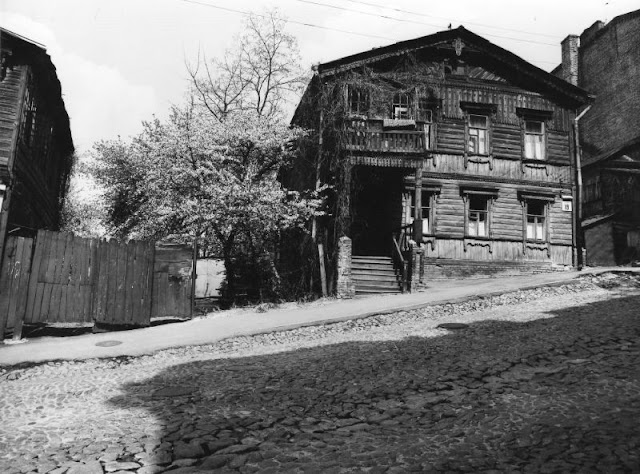
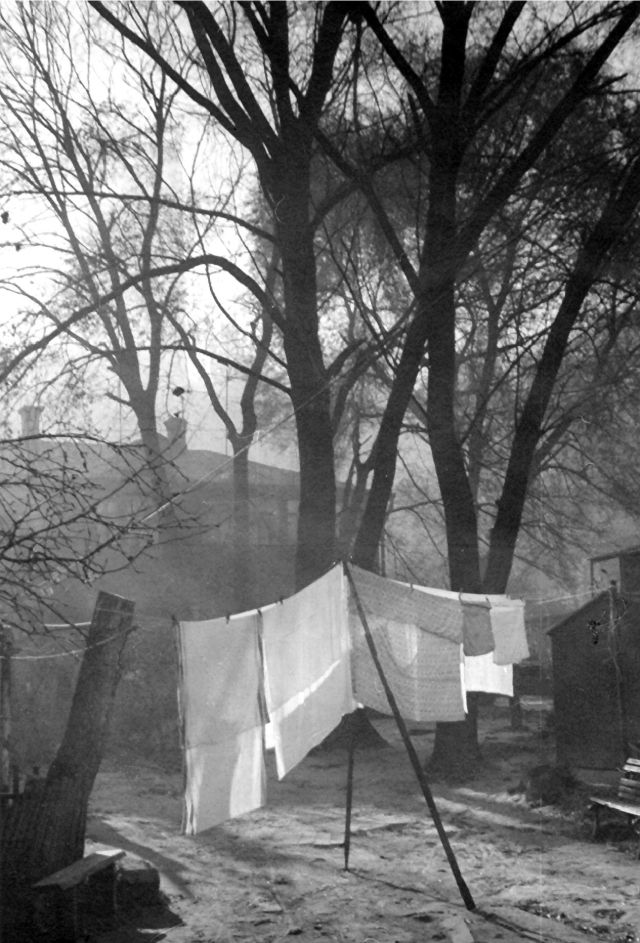
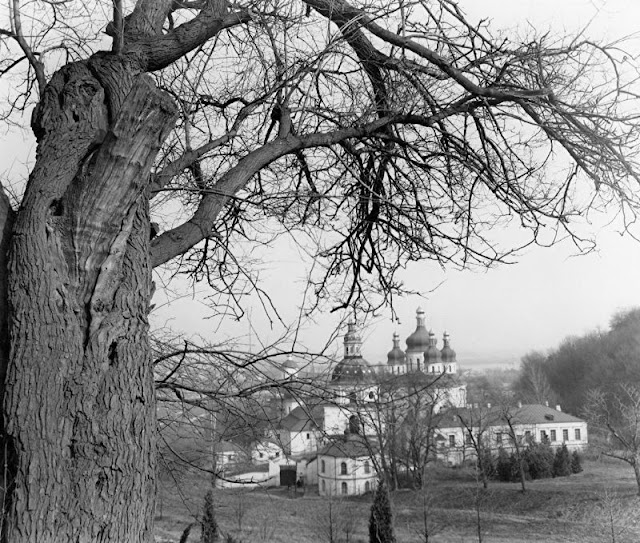
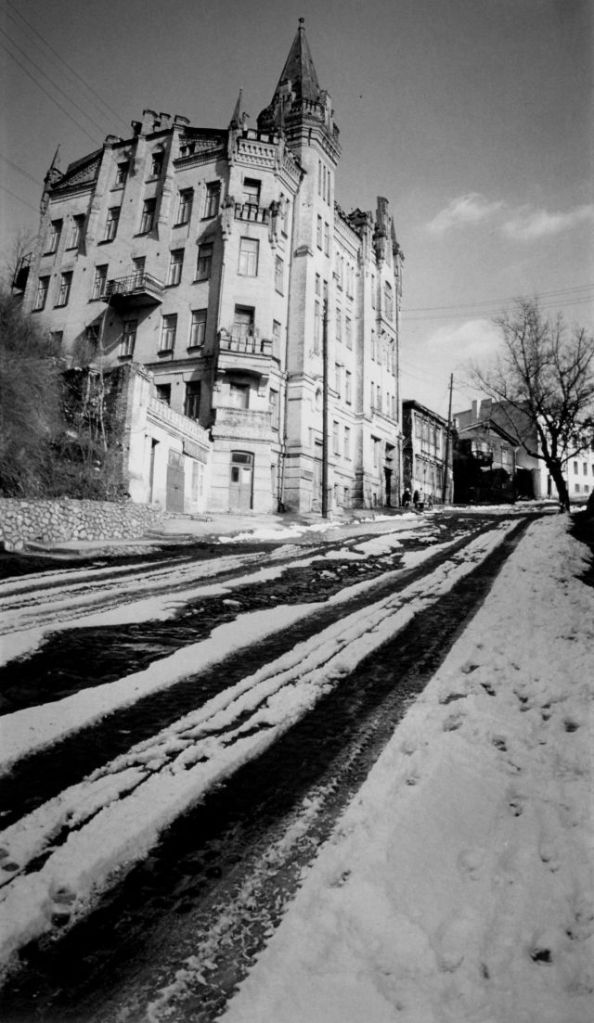
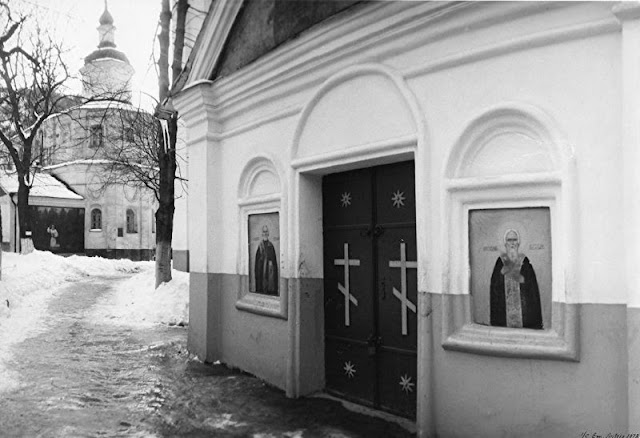
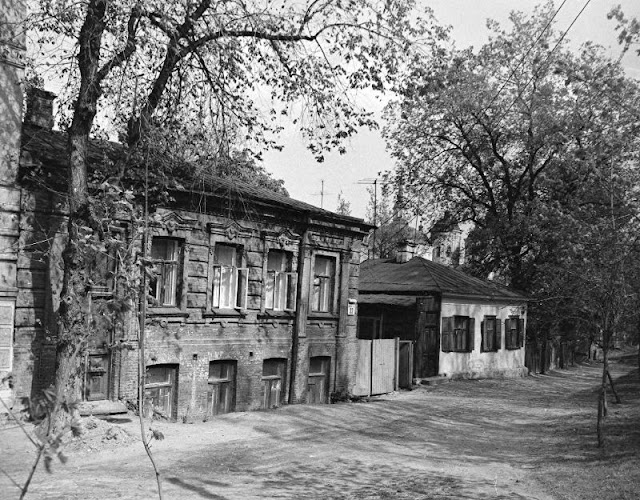
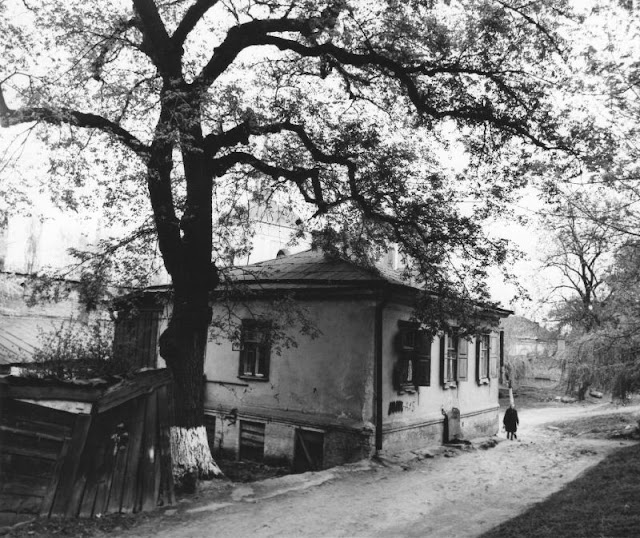
These fascinating black and white photos show street scenes of Kiev in the 1960s and 1970s.
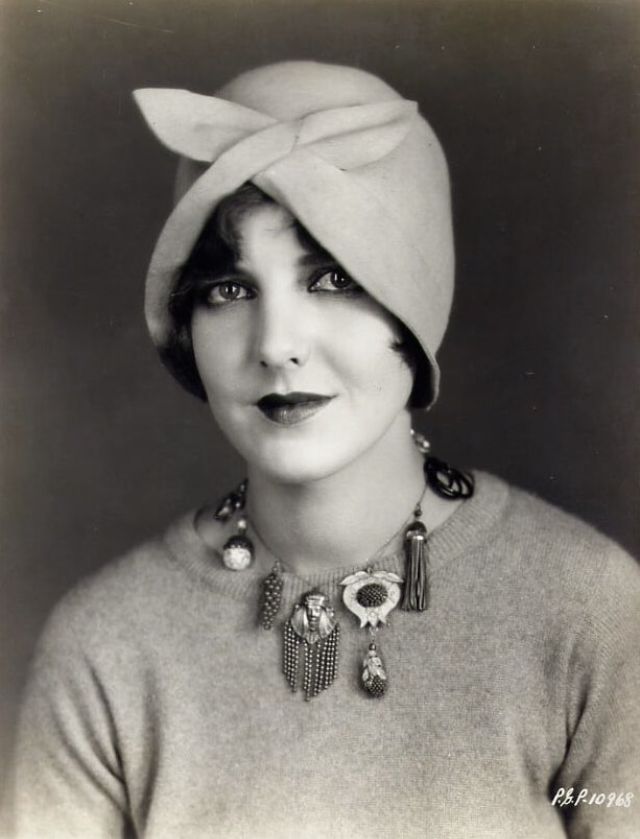
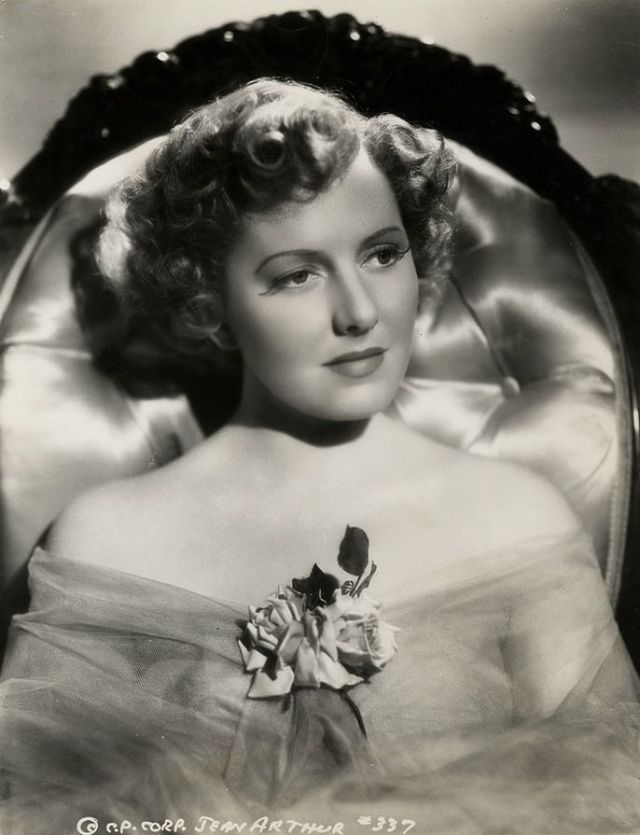
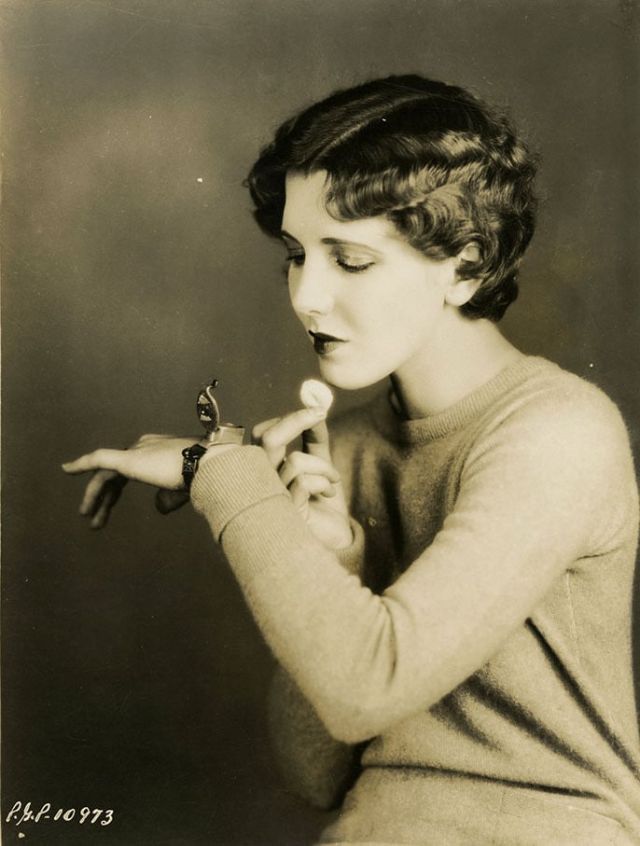
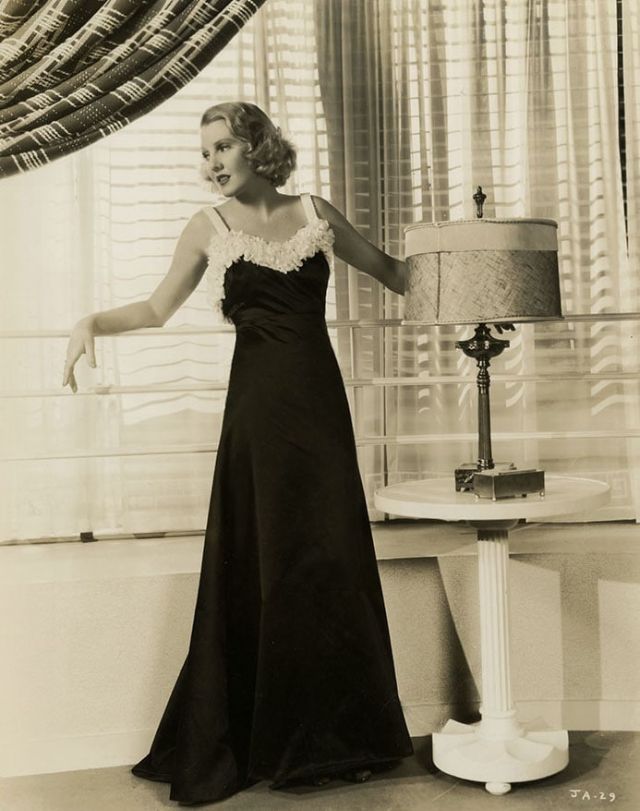
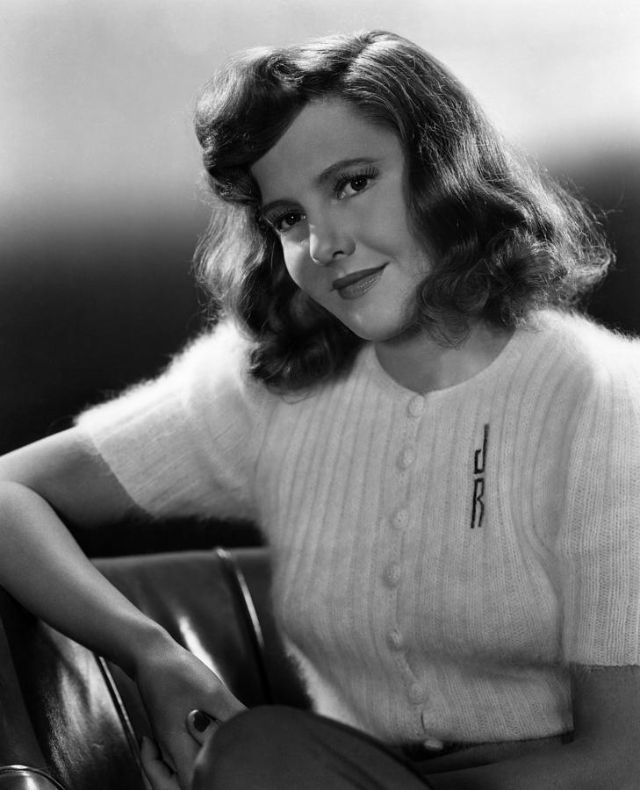
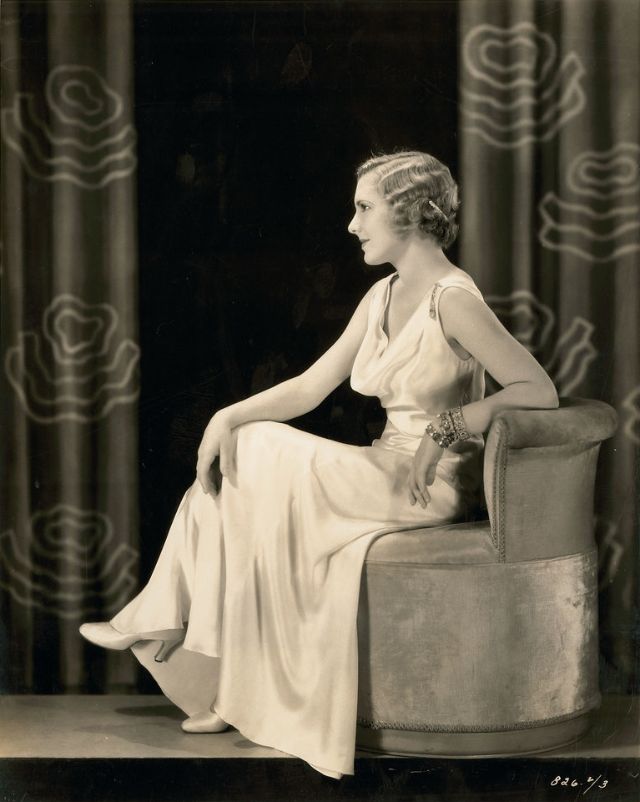
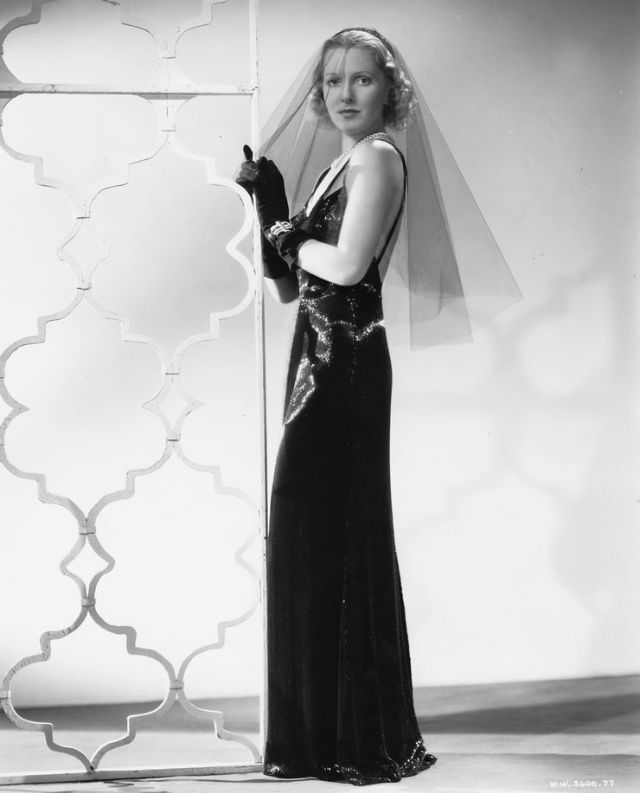
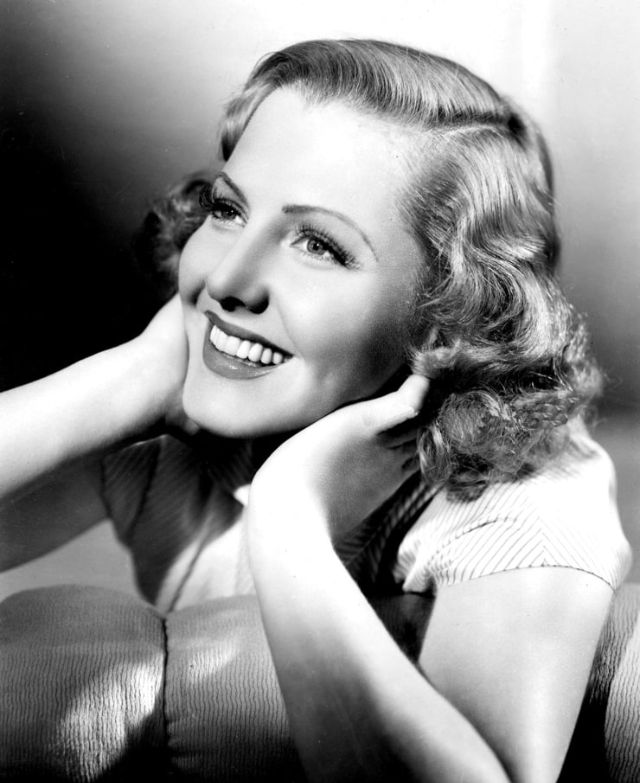
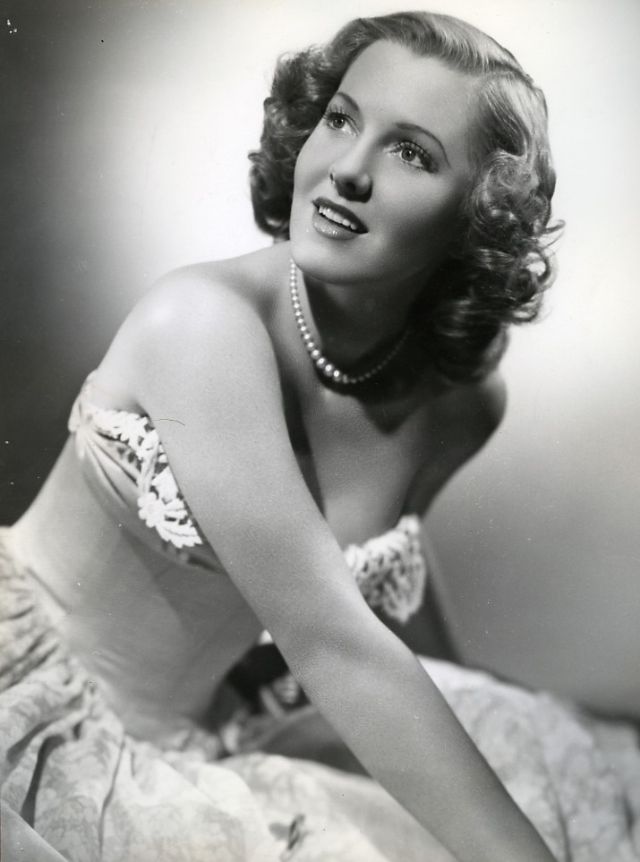
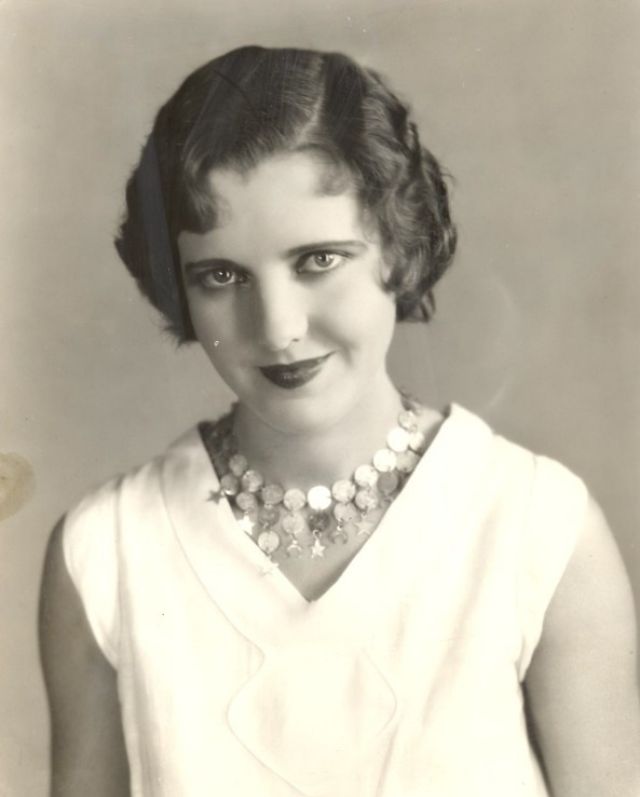
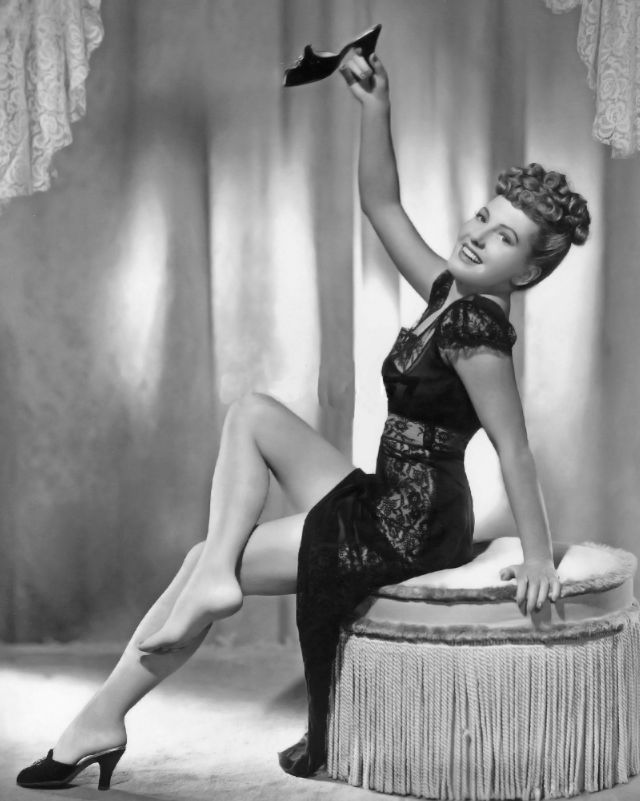
Born 1900 as Gladys Georgianna Greene in Plattsburgh, New York, American actress Jean Arthur had her career beginning in silent films in the 1920s and lasted until the early 1950s.
Arthur had feature roles in three Frank Capra films: Mr. Deeds Goes to Town (1936), You Can’t Take It with You (1938), and Mr. Smith Goes to Washington (1939), films that championed the “everyday heroine”. She was nominated for an Academy Award for Best Actress in 1944 for her performance in The More the Merrier (1943).
James Harvey wrote in his history of the romantic comedy: “No one was more closely identified with the screwball comedy than Jean Arthur. So much was she part of it, so much was her star personality defined by it, that the screwball style itself seems almost unimaginable without her.” She has been called “the quintessential comedic leading lady”. Her last film performance was non-comedic, playing the homesteader’s wife in George Stevens’s Shane in 1953.
Arthur was known as a reclusive woman. News magazine Life observed in a 1940 article: “Next to Garbo, Jean Arthur is Hollywood’s reigning mystery woman.” As well as recoiling from interviews, she avoided photographers and refused to become a part of any kind of publicity. She died from heart failure in 1991 at the age of 90.
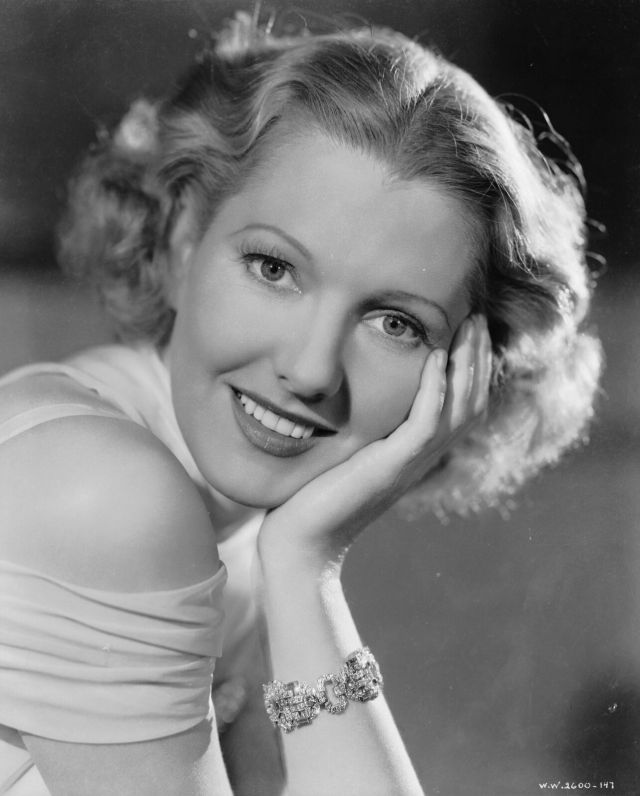
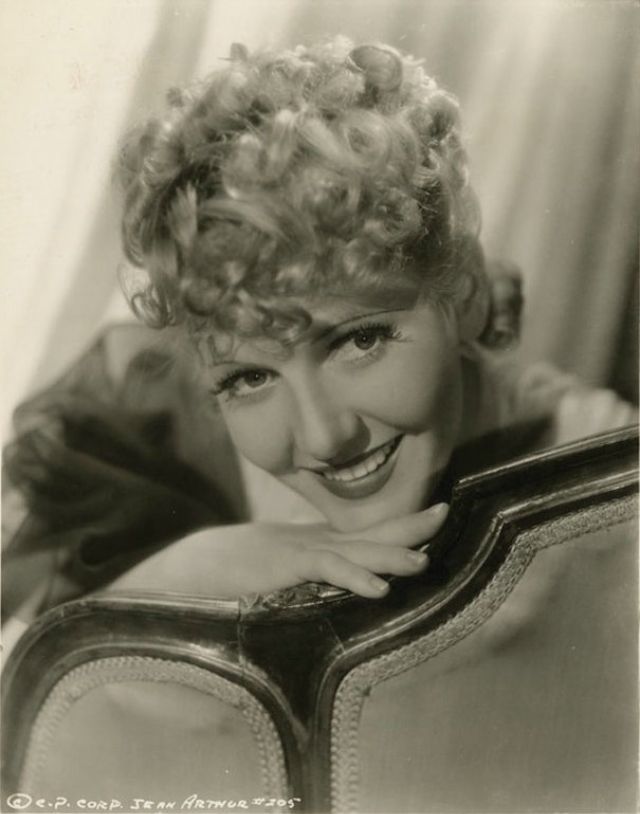
Take a look at these gorgeous photos to see the beauty of young Jean Arthur in the 1920s and 1930s.
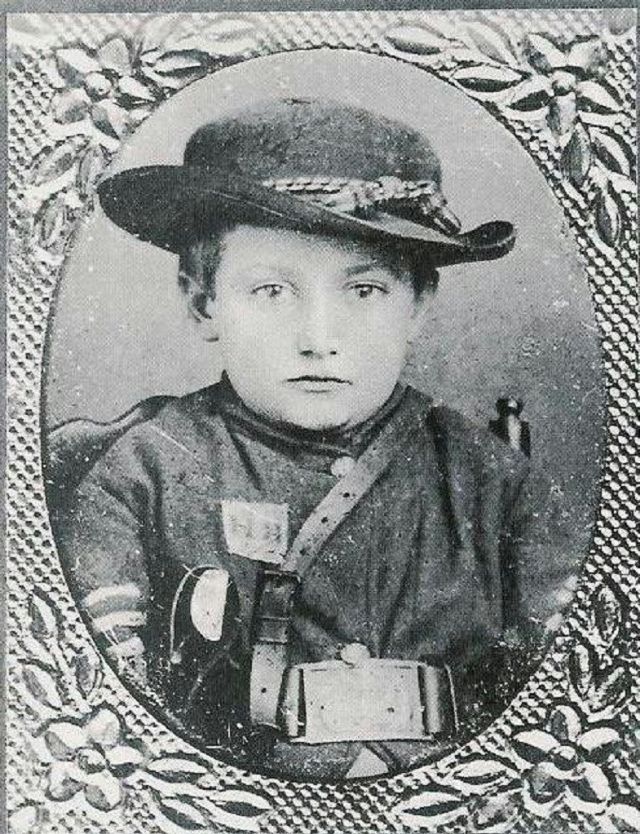
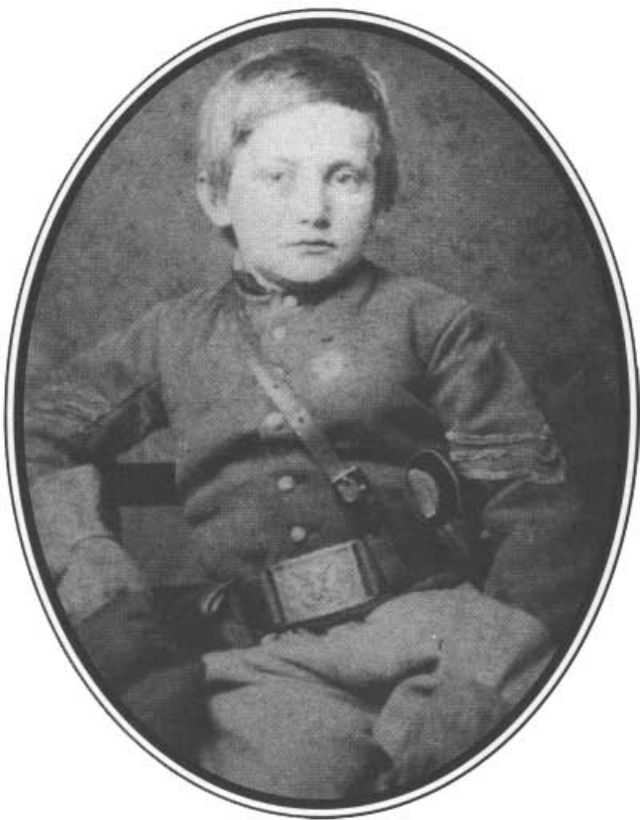
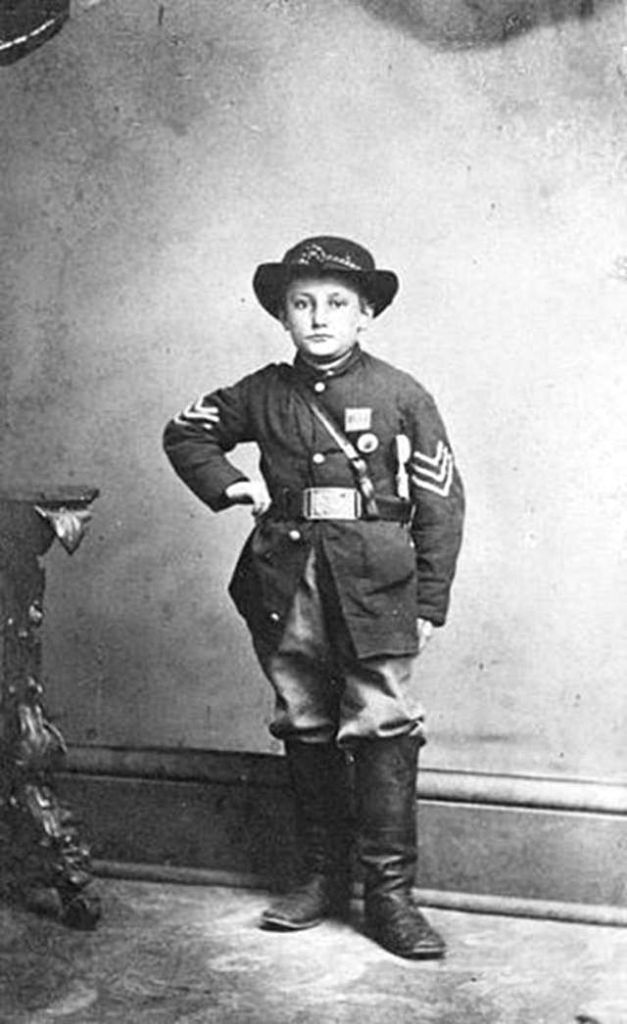
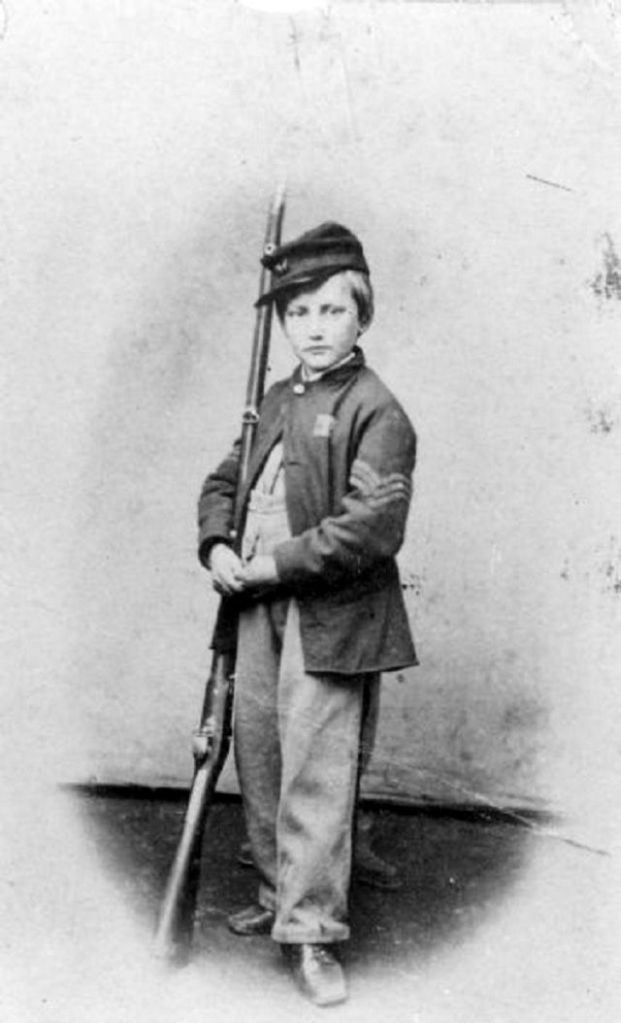
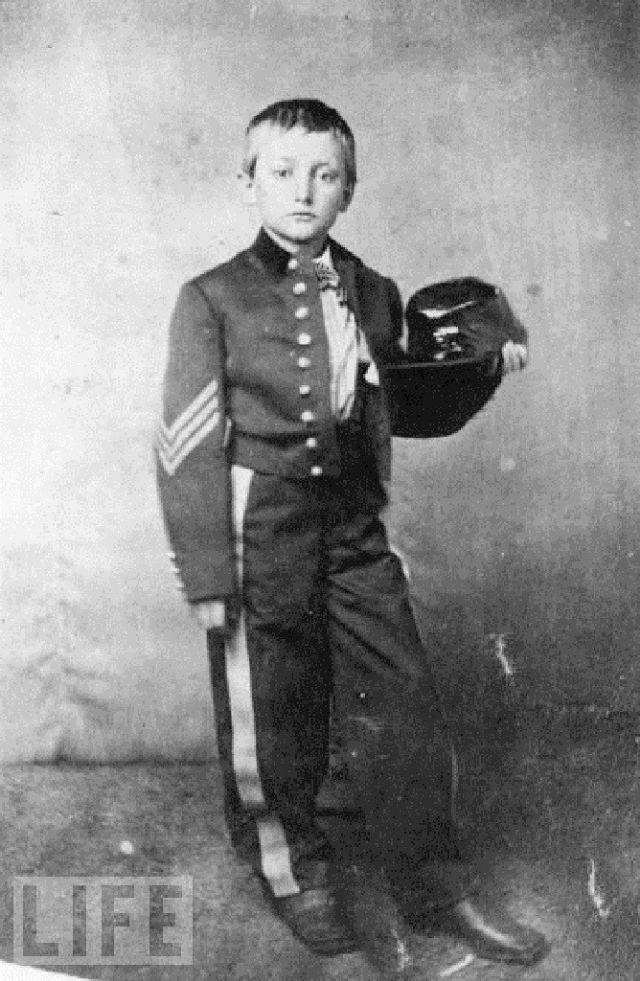
Johnny Clem was a soldier in the service of the United States for most of his life. He was born on August 13, 1851, in Newark, Ohio. His actual name was John Joseph Klem.
When President Abraham Lincoln in May 1861 issued the call for volunteers to serve in the Union army for a three year term, one of those who tried to answer was Ohio resident John Clem. Not yet 10 years old, Clem’s service was refused by the newly formed 3rd Ohio. Undeterred, Clem later tried to join the 22nd Michigan, where his persistence won over the unit’s officers. They agreed to let him follow the regiment, adopting him as a mascot and unofficial drummer boy. The officers also chipped in to pay his monthly salary of $13 before he finally was allowed to officially enlist in 1863.
Clem became a national celebrity for his actions at Chickamauga. Armed with a musket sawed down for him to carry, Clem joined the 22nd Michigan in the defense of Horseshoe Ridge on the afternoon of September 20. As the Confederate forces surrounded the unit, a Confederate colonel spotted Clem and shouted either “I think the best thing a mite of a chap like you can do is drop that gun” or called him a “damned little Yankee devil,” according to various sources. Rather than surrender, Clem shot the colonel and successfully made his way back to Union lines. For his actions, Clem was promoted to sergeant, the youngest soldier ever to become a noncommissioned officer in the U.S. Army, and became known as the “Drummer Boy of Chickamauga.”
Clem’s legend grew following the battle, although some stories may be apocryphal. One holds that his drum was destroyed at the Battle of Shiloh, earning him the nickname “Johnny Shiloh” and serving as inspiration for the song, “The Drummer Boy of Shiloh.” However, the 22nd Michigan, Clem’s unit, was not mustered until the summer after the Battle of Shiloh, making it unlikely Clem saw action in the battle with that regiment.
Clem went on to fight at Perryville, Murfreesboro, Kennesaw and Atlanta, where he was wounded twice. Clem was discharged from the Army in 1864 at age 13, but sought to rejoin the military in 1870. Nominated to West Point by President Ulysses S. Grant, Clem failed the entrance exam several times before Grant appointed him a second lieutenant in the U.S. Army. Clem enjoyed a successful second military career, rising to the rank of colonel and assistant quartermaster general by 1906. He retired on the eve of U.S. entry into World War I with the rank of major general, the last Civil War veteran to actively serve in the U.S. Army. Clem died on May 13, 1937 and is buried at Arlington National Cemetery.
The 1970s (pronounced “nineteen-seventies”; commonly shortened to the “Seventies” or the “’70s”) was a decade that began on January 1, 1970, and ended on December 31, 1979.
In the 21st century, historians have increasingly portrayed the 1970s as a “pivot of change” in world history, focusing especially on the economic upheavals that followed the end of the postwar economic boom. On a global scale, it was characterized by frequent coups, domestic conflicts and civil wars, and various political upheaval and armed conflicts which arose from or were related to decolonization, and the global struggle between the West, the Warsaw Pact, and the Non-Aligned Movement. Many regions had periods of high-intensity conflict, notably Southeast Asia, the Mideast, and Africa.
In the Western world, social progressive values that began in the 1960s, such as increasing political awareness and economic liberty of women, continued to grow. In the United Kingdom, the 1979 election resulted in the victory of its Conservative leader Margaret Thatcher, the first female British Prime Minister. Industrialized countries experienced an economic recession due to an oil crisis caused by oil embargoes by the Organization of Arab Petroleum Exporting Countries. The crisis saw the first instance of stagflation which began a political and economic trend of the replacement of Keynesian economic theory with neoliberal economic theory, with the first neoliberal governments being created in Chile, where a military coup led by Augusto Pinochet took place in 1973.
The 1970s was also an era of great technological and scientific advances; since the appearance of the first commercial microprocessor, the Intel 4004 in 1971, the decade was characterised by a profound transformation of computing units – by then rudimentary, spacious machines – into the realm of portability and home accessibility.
On the other hand, there were also great advances in fields such as physics, which saw the consolidation of Quantum Field Theory at the end of the decade, mainly thanks to the confirmation of the existence of quarks and the detection of the first gauge bosons in addition to the photon, the Z boson and the gluon, part of what was christened in 1975 as the Standard Model.
Novelist Tom Wolfe coined the term ” ‘Me’ decade” in his essay “The ‘Me’ Decade and the Third Great Awakening”, published by New York Magazine in August 1976 referring to the 1970s. The term describes a general new attitude of Americans towards atomized individualism and away from communitarianism, in clear contrast with the 1960s.
In Asia, affairs regarding the People’s Republic of China changed significantly following the recognition of the PRC by the United Nations, the death of Mao Zedong and the beginning of market liberalization by Mao’s successors. Despite facing an oil crisis due to the OPEC embargo, the economy of Japan witnessed a large boom in this period, overtaking the economy of West Germany to become the second-largest in the world. The United States withdrew its military forces from their previous involvement in the Vietnam War, which had grown enormously unpopular. In 1979, the Soviet Union invaded Afghanistan, which led to an ongoing war for ten years.
The 1970s saw an initial increase in violence in the Middle East as Egypt and Syria declared war on Israel, but in the late 1970s, the situation in the Middle East was fundamentally altered when Egypt signed the Egyptian–Israeli Peace Treaty. Anwar Sadat, President of Egypt, was instrumental in the event and consequently became extremely unpopular in the Arab world and the wider Muslim world. Political tensions in Iran exploded with the Iranian Revolution in 1979, which overthrew the Pahlavi dynasty and established an authoritarian Islamic republic under the leadership of the Ayatollah Khomeini.
Africa saw further decolonization in the decade, with Angola and Mozambique gaining their independence in 1975 from the Portuguese Empire after the restoration of democracy in Portugal. The continent was, however, plagued by endemic military coups, with the long-reigning Emperor of Ethiopia Haile Selassie being removed, civil wars and famine.
The economies of much of the developing world continued to make steady progress in the early 1970s because of the Green Revolution. However, their economic growth was slowed by the oil crisis, although it boomed afterwards. (Wikipedia)
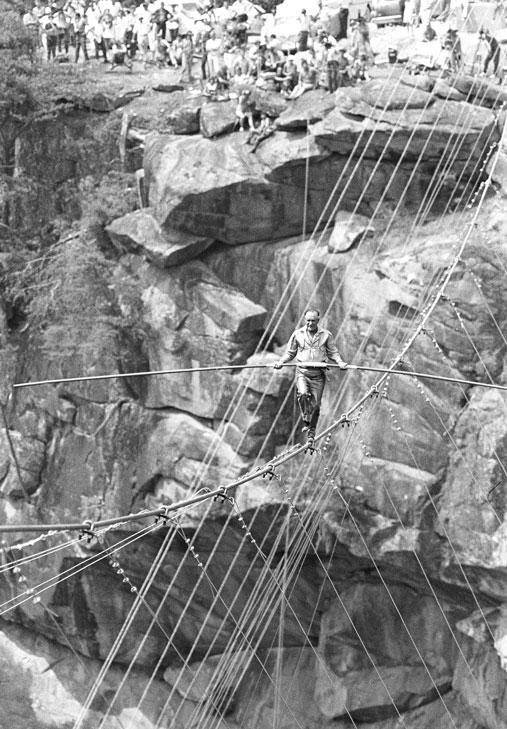
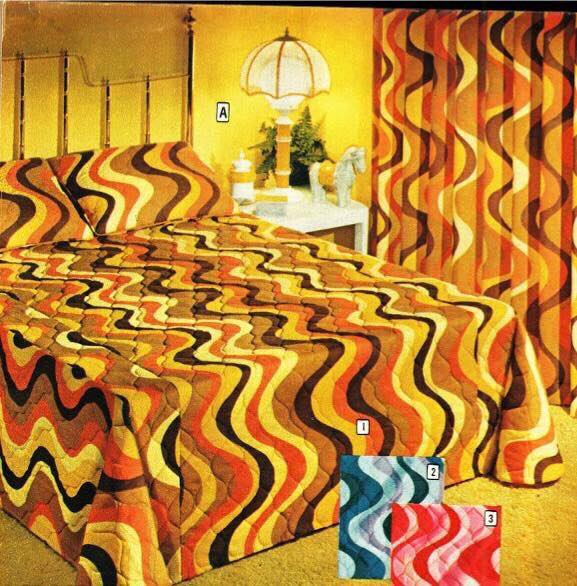
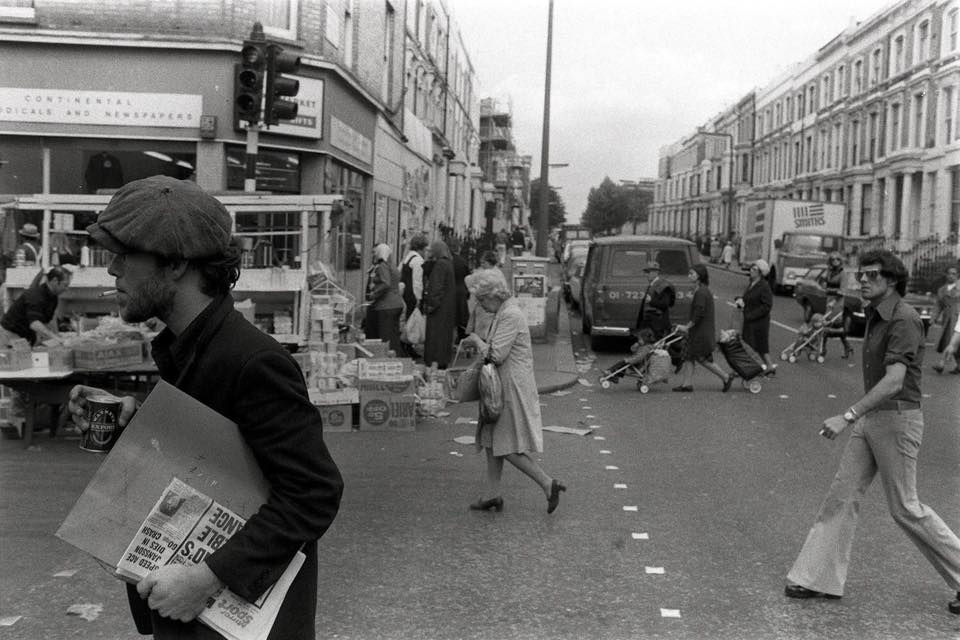
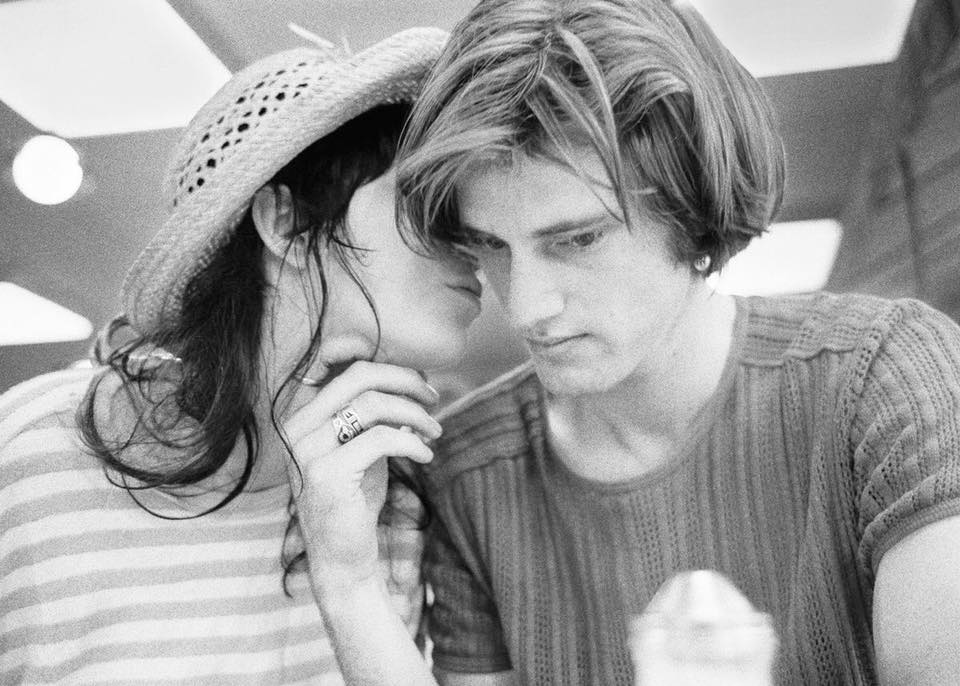
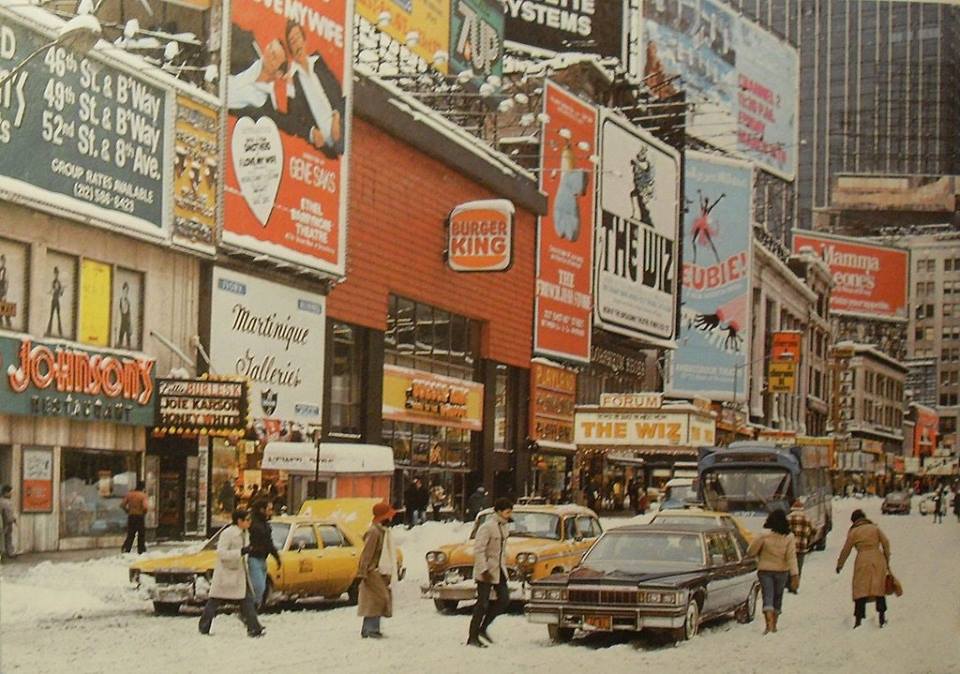
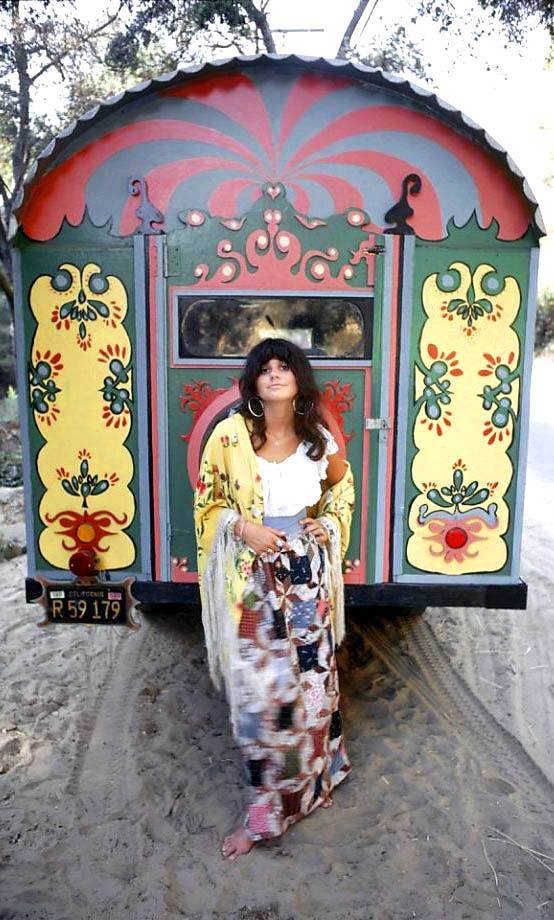
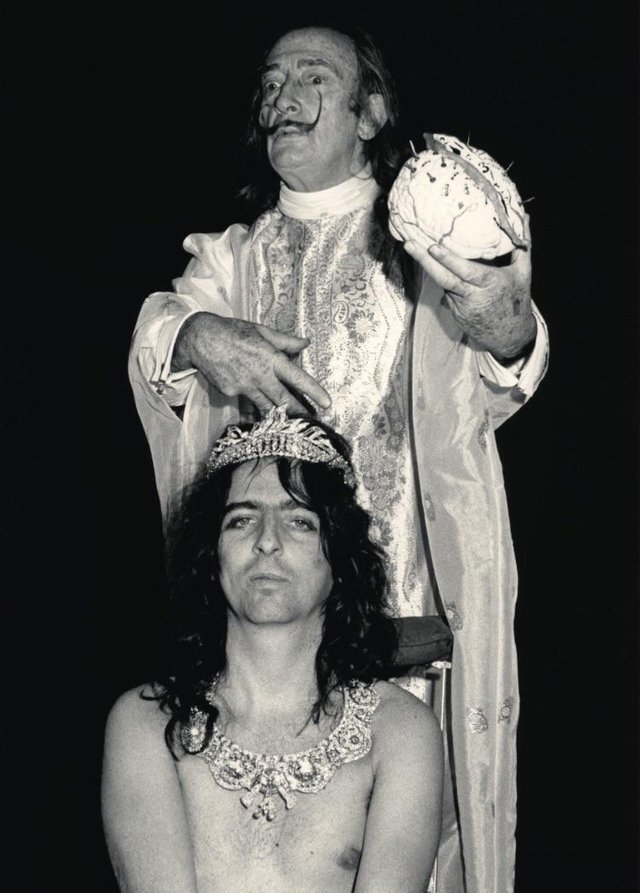
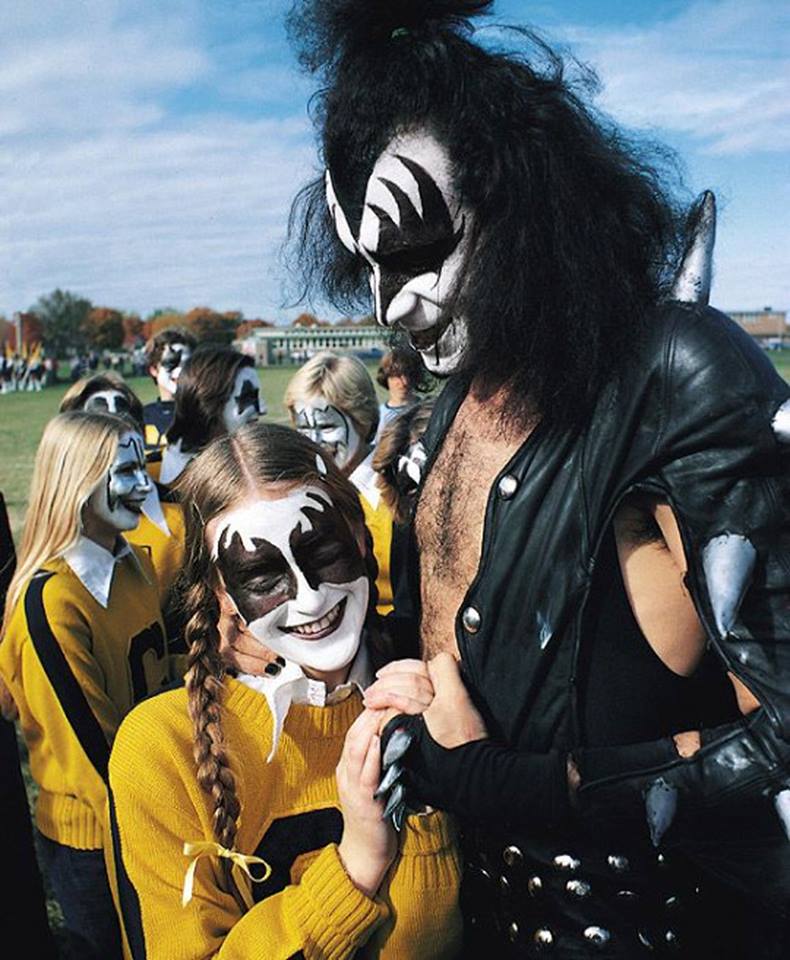
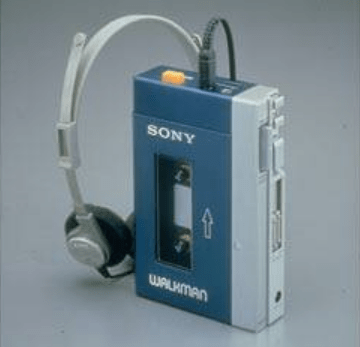
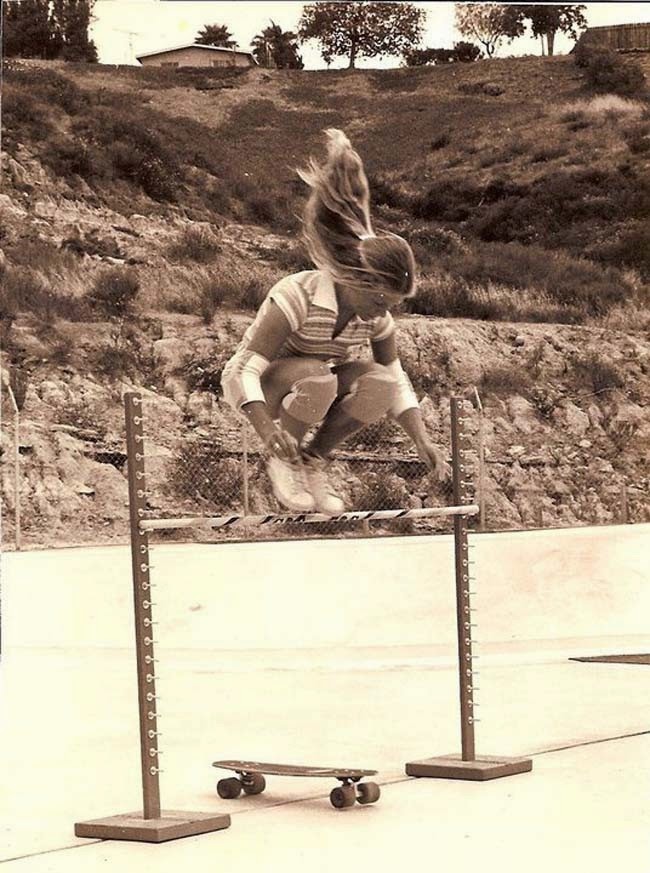
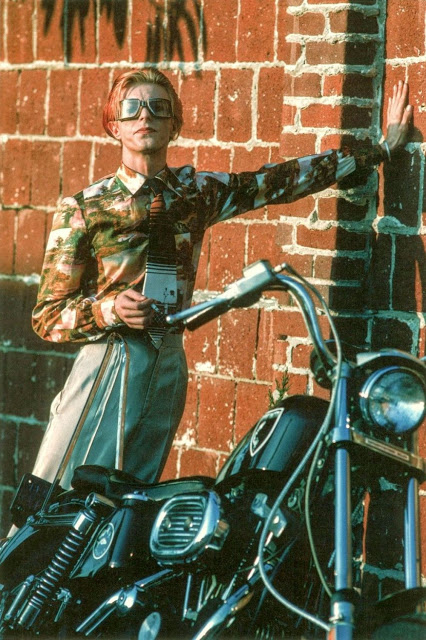
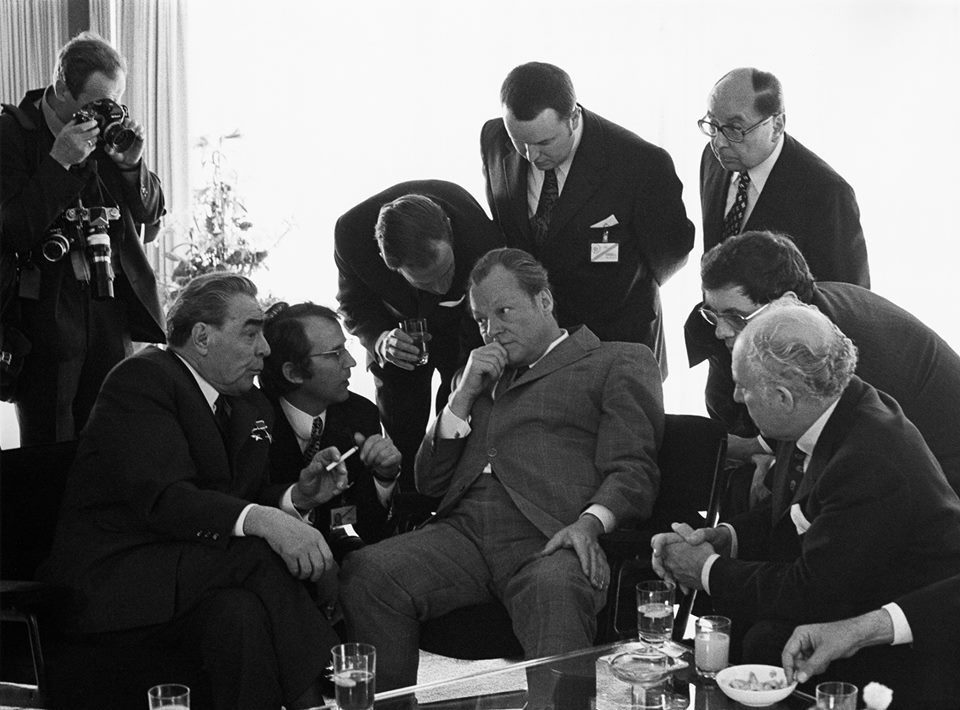
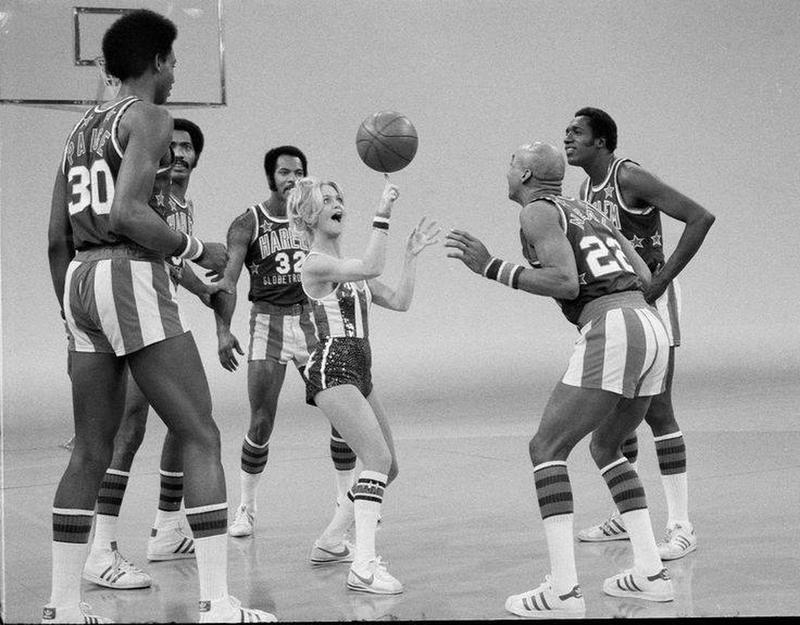
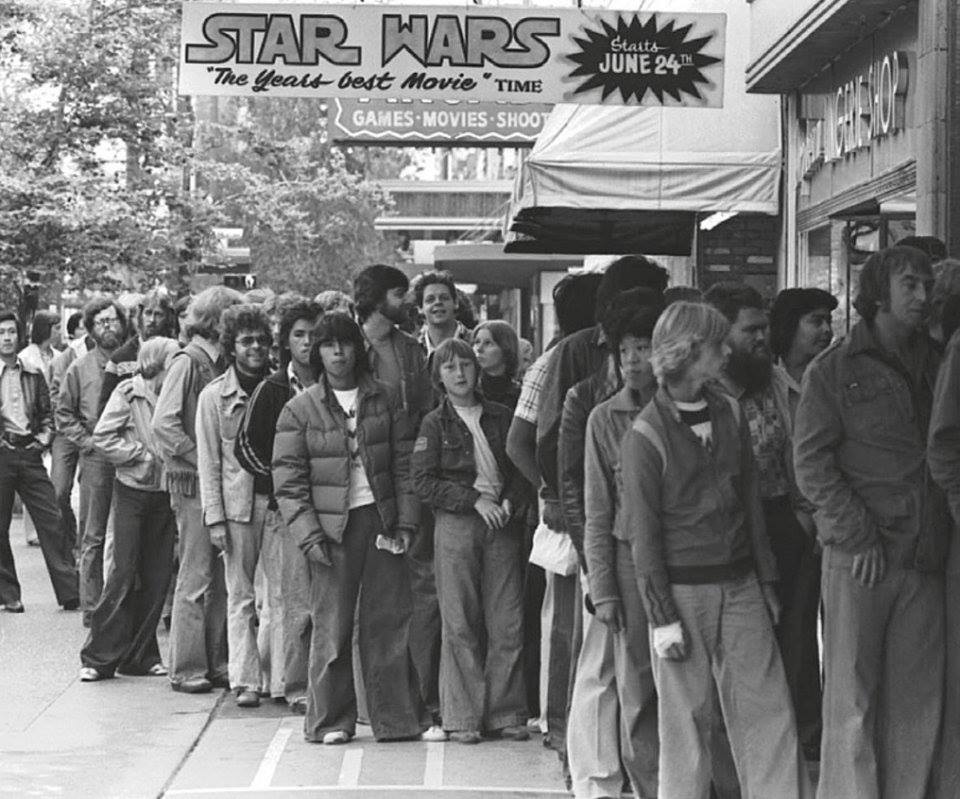
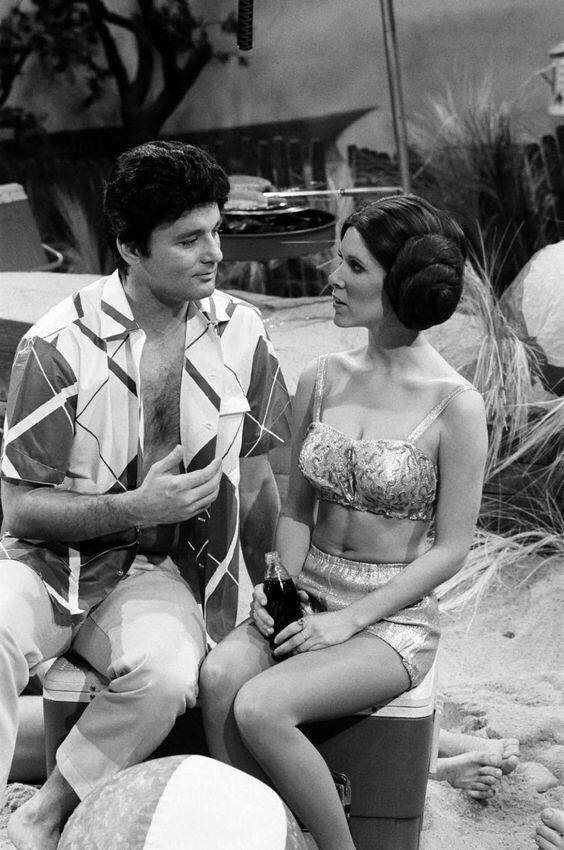
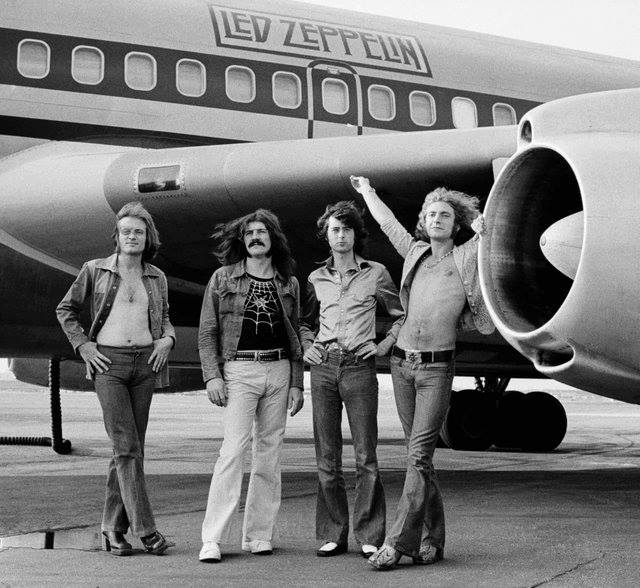
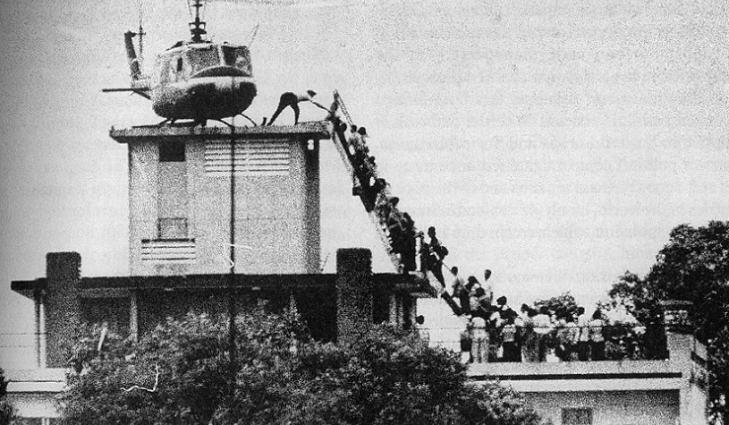
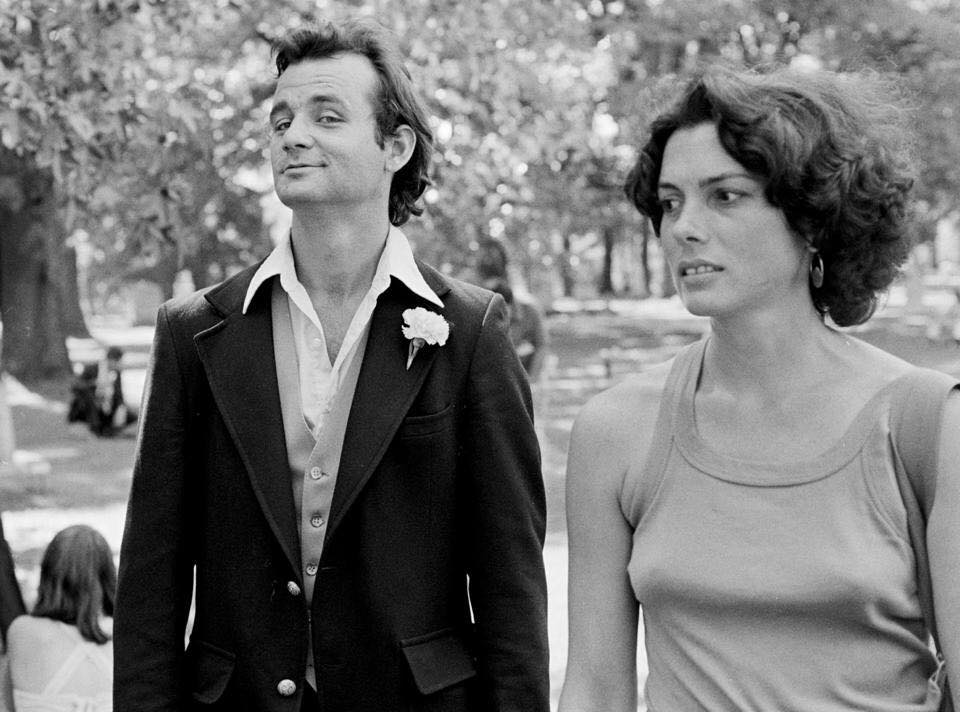
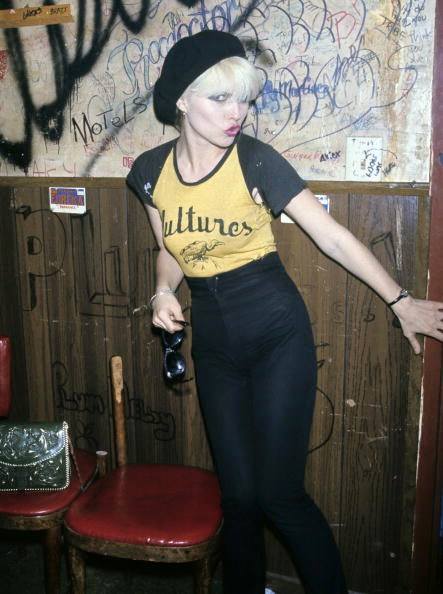
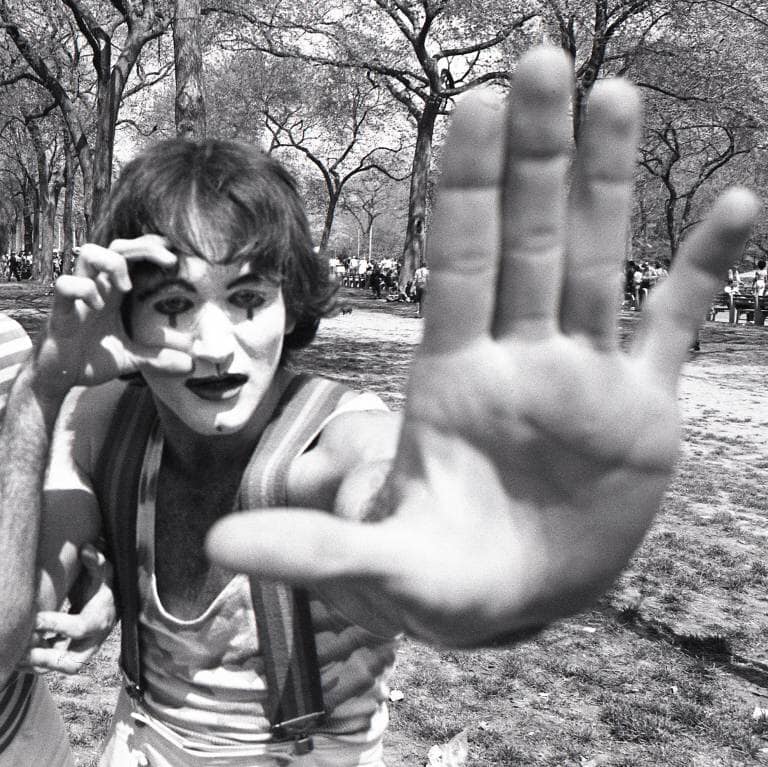
Paul and Linda McCartney with their kids and pets in the garden of their London home, 1976.On set of “A Clockwork Orange” (1971)People’s Artist of the USSR Mikhail Nikolayevich Rumyantsev (Clown Karandash) going for a walk, 1977.Grace Kelly and Alfred Hitchcock at the Film Society of Lincoln Center Gala Tribute held in his honour which took place on April 29th 1974 in New York City.Here’s Karl Wallenda (founder of the Great Wallendas) walking across a 1,000 foot cable at Tallulah Gorge in Georgia, 1970.Sandwiches for sale, London 1972Denmark Street, London 19721970s home decorTom Waits walking on Portobello Road, 1976Patti Smith and Sam Shepard at Sutter’s Bakery, New York, circa 1971.Here’s Johnny…Carson’s clothing line in 1970.Kids with attitudes on their bikes, in the 1970s.Snowstorm hits Times Square in 1978.Cher getting into her cool Ferrari Dino 246. (1975)Steven Spielberg lounging in the mouth of ‘Bruce the Shark’ on the set of “Jaws” (1975)A colorful Linda Ronstadt photographed in Topanga, CA (1971)Jimi Hendrix looks melancholy at tea time the day before he died in 1970.Jane Birkin in the recording studio, 1970s.Alice Cooper and Salvador Dalí sharing a moment, 1973Gene Simmons making friends with head cheerleader Melissa Codden at Cadillac High School when KISS was invited to the Homecoming game, 1975.A group of boys play on the hood of a car in the Bronx in the early 1970s.The original Sony Walkman, the first personal stereo tape deck, made its debut in 1979.Ellen O’Neal, one of the first professional female skaters, 1976.David Bowie, Los Angeles, 1974Paul McCartney and David Gilmour in the backstage at the Knebworth Music Festival, 1976.A prankster changed a couple of letters of the Hollywood sign back in 1976, the same day California’s relaxed marijuana law took effect.Moving an old house in Los Angeles during the 1970s.West German Chancellor Willy Brandt and the Soviet leader Leonid Brezhnev, Bonn, 19 May 1973.Muhammad Ali with a young fan in a Florida diner in 1970.Dolly Parton in 1978.Clint Eastwood, 1970sArnold Schwarzenegger holds Raquel Welch at the Golden Globe Awards, 19771970s CoupleNatalie Wood roller skating in the 1970sMain Street of Leakey, Texas, 1972.Elton John with his mother Shelia and stepfather Fred Farebrother in their apartment, 1971.The Harlem Globetrotters watching Goldie Hawn show off her skills with a basketball on The Goldie Hawn Special in 1978.Hotpants in the 1970sClint Eastwood and Shirley MacLaine take a break on the set of “Two Mules for Sister Sara” 1970.People lining up to see “Star Wars” in 1977.Bill Murray and Carrie Fisher doing a 60s beach skit on SNL in 1978.Led Zeppelin in front of their plane in New York, 1973.A CIA helicopter carrying away evacuees during the Fall Of Saigon to the communist forces (1975).Liza Minelli, by Andy Warhol, 1975.Bill Murray at Elvis Presley’s funeral – 19771977: Debbie Harry of Blondie at The Whiskey A Go Go in Los Angeles, California.“I think the saddest people always try their hardest to make other people happy, because they know what it’s like to feel absolutely worthless, and they don’t want anyone else to feel like that.” – Robin Williams (1951-2014) . Photo by Daniel Sorine in 1974
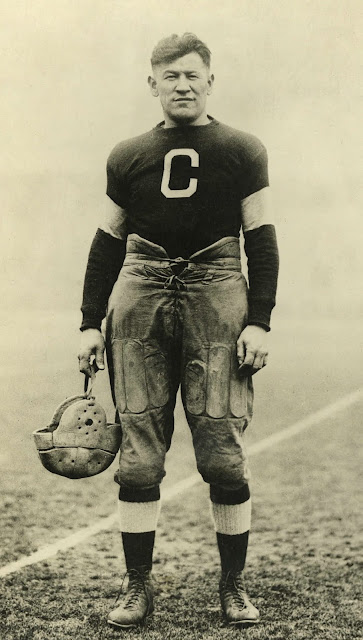
This is Jim Thorpe (May 22 or 28, 1887 – March 28, 1953). He was the first Native American to win a gold medal for the United States in the Olympics. Considered one of the most versatile athletes of modern sports, he won two Olympic gold medals in the 1912 Summer Olympics.
Jim Thorpe won two medals wearing different shoes and socks in the 1912 Olympics.
Look closely at the photo, you can see that he’s wearing different socks and shoes. This wasn’t a fashion statement. It was the 1912 Olympics, and Jim, an American Indian from Oklahoma represented the U.S. in track and field. On the morning of his competitions, his shoes were stolen. Luckily, Jim ended up finding two shoes in a garbage can. That’s the pair that he’s wearing in the photo above. But one of the shoes was too big, so he had to wear an extra sock. Wearing these shoes, Jim won two gold medals that day.
He lost his Olympic titles after it was found he had been paid for playing two seasons of semi-professional baseball before competing in the Olympics, thus violating the contemporary amateurism rules. In 1983, 30 years after his death, the International Olympic Committee (IOC) restored his Olympic medals with replicas, after ruling that the decision to strip him of his medals fell outside of the required 30 days. Thorpe is to date listed as co-champion in both the decathlon and pentathlon events according to official IOC records.
Thorpe with the Canton Bulldogs, ca. 1915–1920.
Thorpe grew up in the Sac and Fox Nation in Indian Territory (what is now Oklahoma). As a youth, he attended Carlisle Indian Industrial School in Carlisle, Pennsylvania, where he was a two-time All-American for the school’s football team under coach Pop Warner. After his Olympic success in 1912, which included a record score in the decathlon, he added a victory in the All-Around Championship of the Amateur Athletic Union.
In 1913, Thorpe signed with the New York Giants, and he played six seasons in Major League Baseball between 1913 and 1919. Thorpe joined the Canton Bulldogs American football team in 1915, helping them win three professional championships. He later played for six teams in the National Football League (NFL). He played as part of several all-American Indian teams throughout his career, and barnstormed as a professional basketball player with a team composed entirely of American Indians.
From 1920 to 1921, Thorpe was nominally the first president of the American Professional Football Association (APFA), which became the NFL in 1922. He played professional sports until age 41, the end of his sports career coinciding with the start of the Great Depression. He struggled to earn a living after that, working several odd jobs. He suffered from alcoholism, and lived his last years in failing health and poverty. He was married three times and had eight children, before suffering from heart failure and dying in 1953.