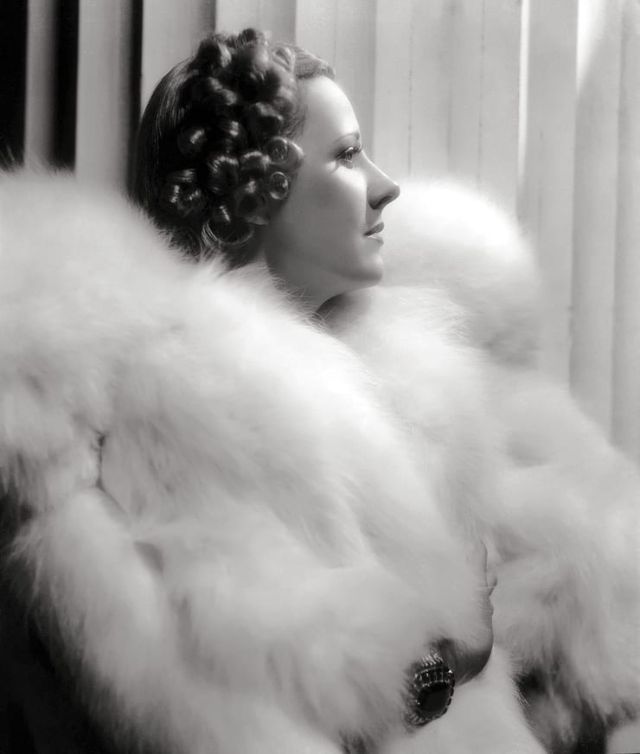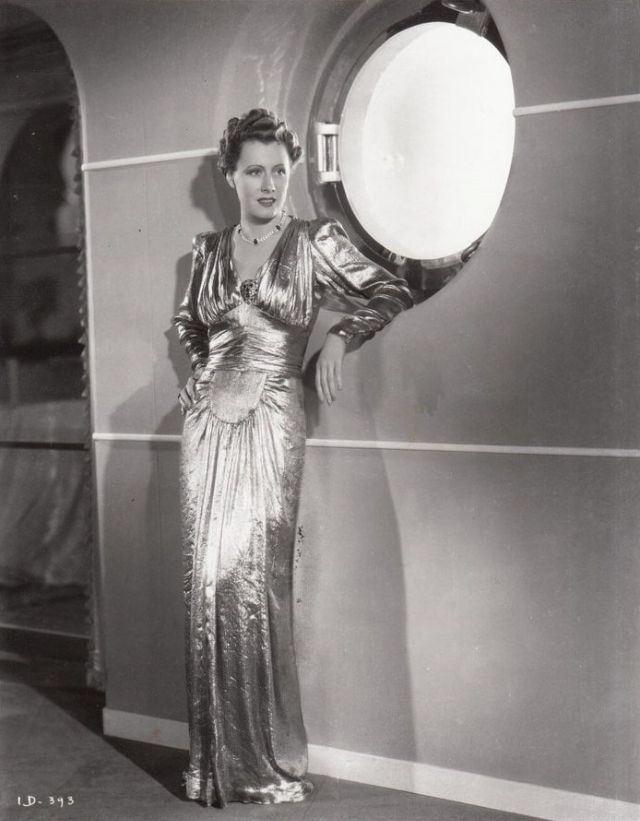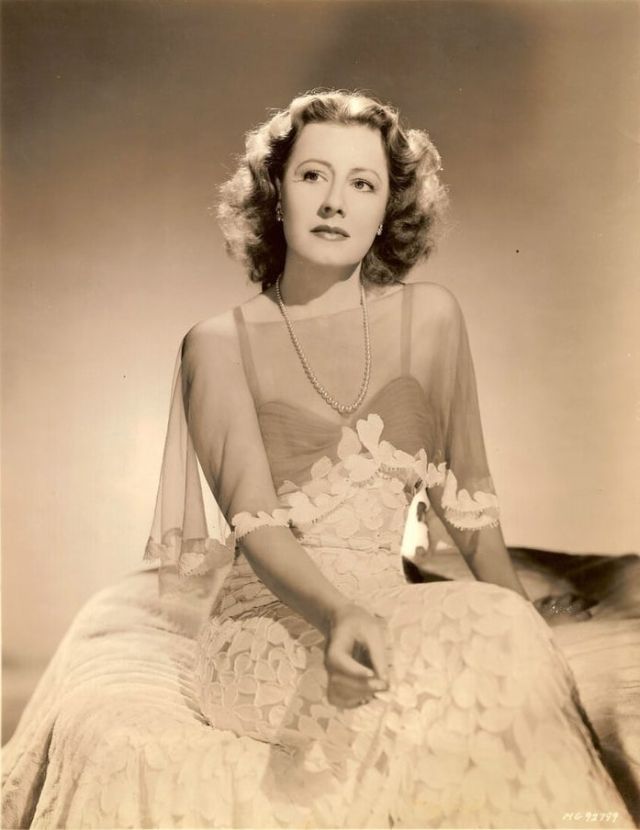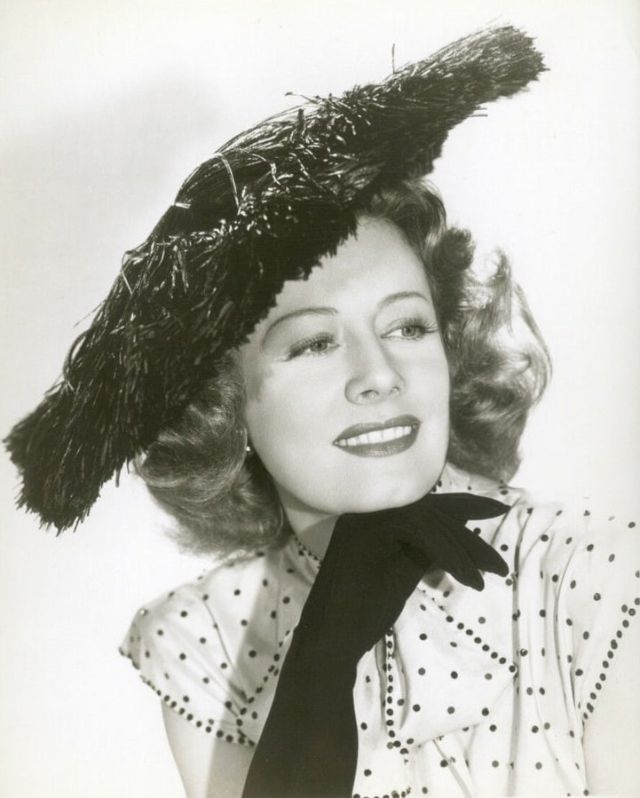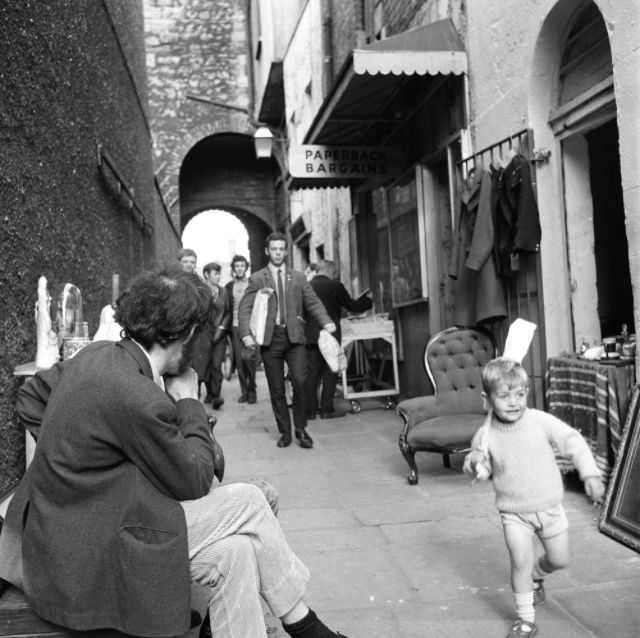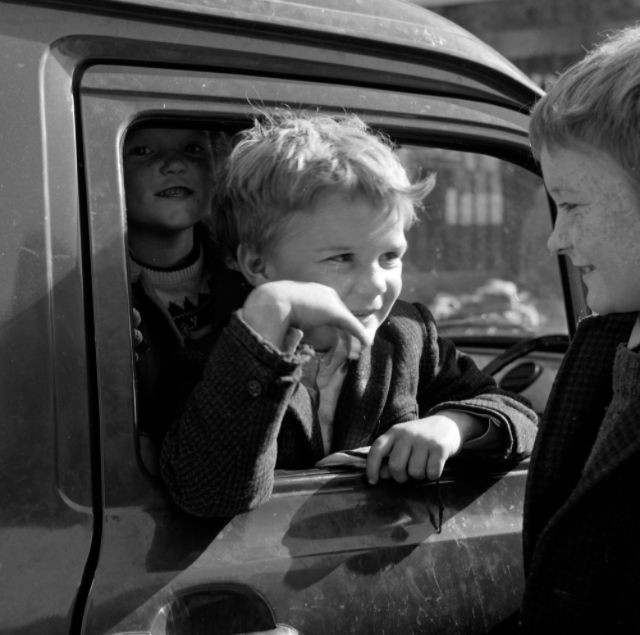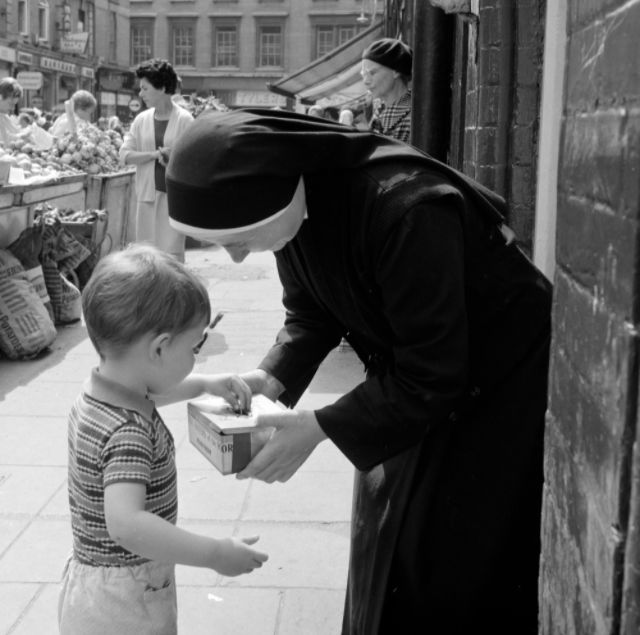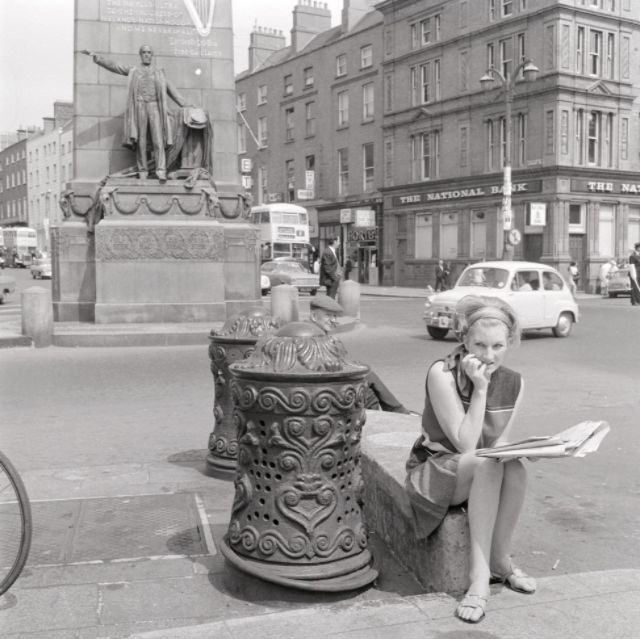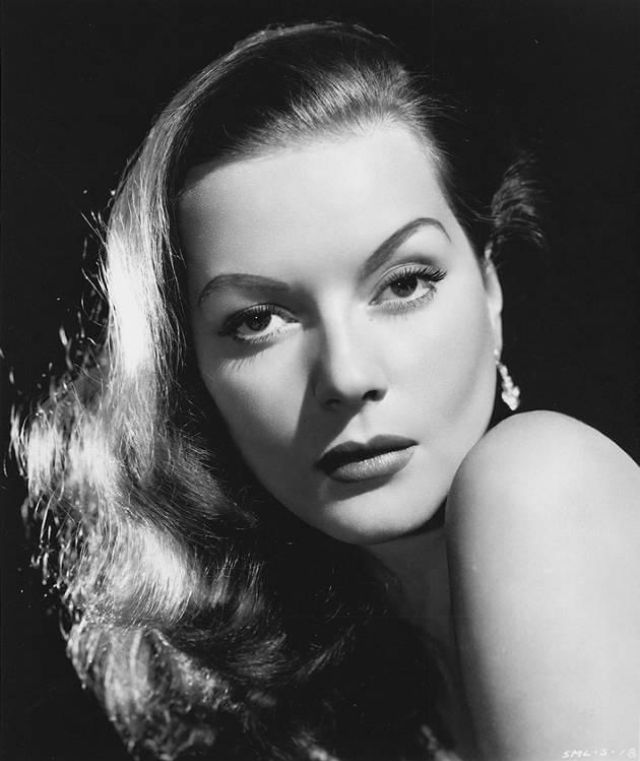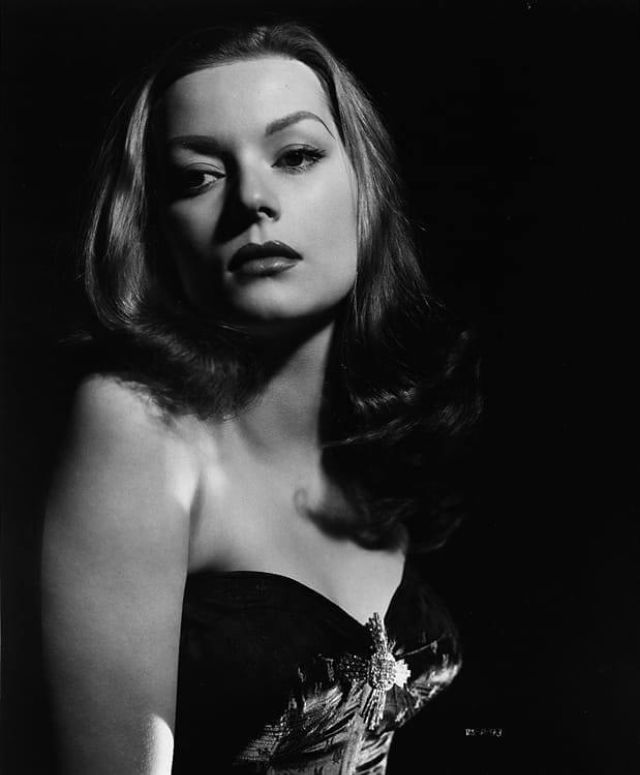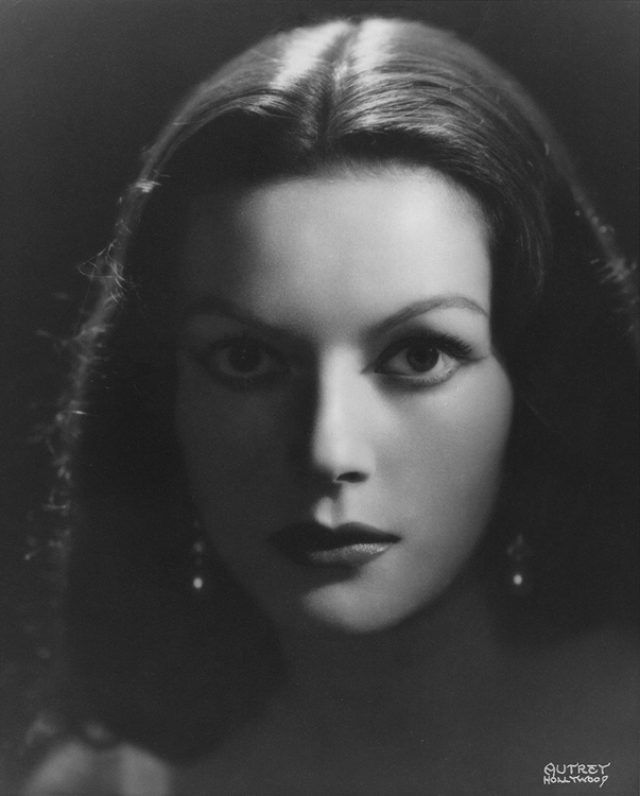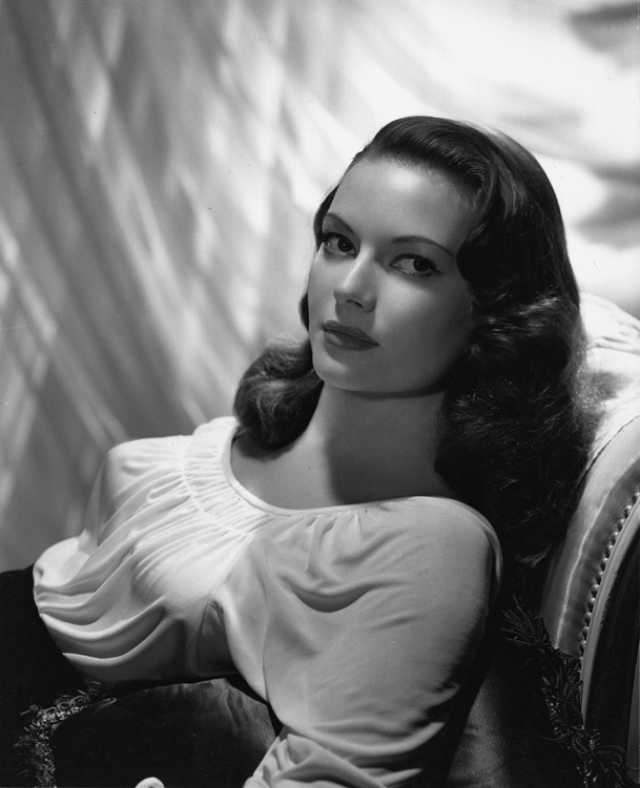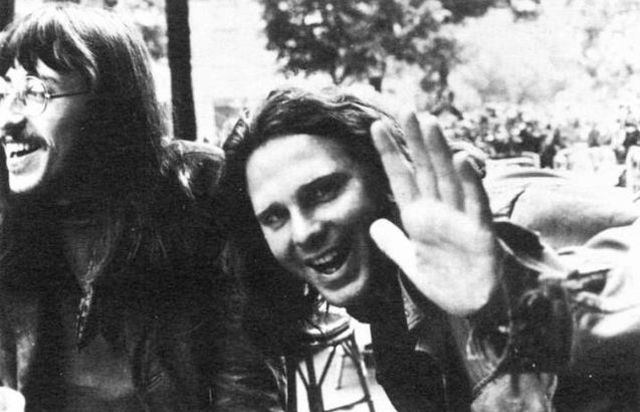
Candid Snaps of Jim Morrison Hanging Out With Friends in Paris, Just a Few Short Weeks Before He Died

Subscribe to get access

Read more of this content when you subscribe today.

James Douglas Morrison (December 8, 1943 – July 3, 1971) was an American singer, poet and songwriter who was the lead vocalist of the rock band the Doors. Due to his wild personality, poetic lyrics, distinctive voice, unpredictable and erratic performances, and the dramatic circumstances surrounding his life and early death, Morrison is regarded by music critics and fans as one of the most influential frontmen in rock history. Since his death, his fame has endured as one of popular culture’s top rebellious and oft-displayed icons, representing the generation gap and youth counterculture.

Together with pianist Ray Manzarek, Morrison founded the Doors in 1965 in Venice, California. The group spent two years in obscurity until shooting to prominence with their number-one single in the United States, “Light My Fire”, taken from their self-titled debut album. Morrison recorded a total of six studio albums with the Doors, all of which sold well and received critical acclaim. Morrison was well known for improvising spoken word poetry passages while the band played live. Manzarek said Morrison “embodied hippie counterculture rebellion”.

Morrison developed an alcohol dependency throughout the band’s career, which at times affected his performances on stage. In 1971, Morrison died unexpectedly in Paris at the age of 27, amid conflicting witness reports. His premature death is often linked with the 27 club. Since no autopsy was performed, the cause of Morrison’s death remains disputed.

Although the Doors recorded two more albums after Morrison died, his death severely affected the band’s fortunes, and they split up two years later. In 2011, a Rolling Stone readers’ pick placed Jim Morrison in fifth position on the magazine’s “Best Lead Singers of All Time”, and in another Rolling Stone list of “The 100 Greatest Singers of All Time”, he was ranked 47th. He was also ranked the 22nd greatest singer in rock by Classic Rock Magazine. In 1993, Morrison was inducted into the Rock and Roll Hall of Fame along with the other Doors members. (Wikipedia)

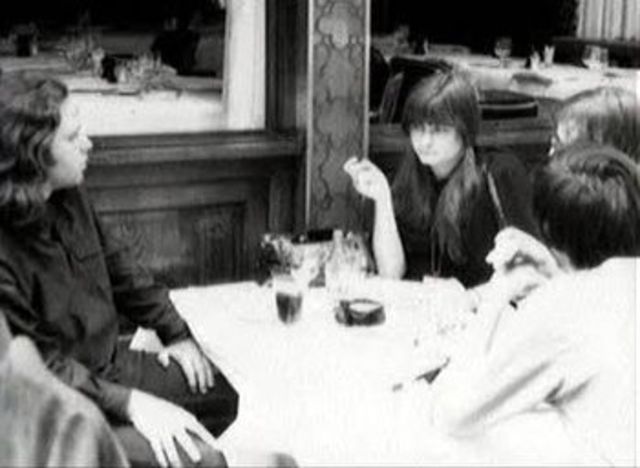
These photos were taken by Hervé Muller at the Bar “Alexander” in Paris in May 1971. In these candid snaps you can see how Jim is in a good mood, eating and drinking with friends in Paris, jokes and tells of his personal projects, he also makes faces at the camera. None of them could ever think that a little later, Jim would be died in his apartment in Paris on July 3, 1971.

Jim Morrison was reportedly found by his girl-friend Pamela Courson in the bathtub of the apartment. The official cause of death was listed as heart failure, although no autopsy was performed, as it was not required by French law. It has also been reported, by several individuals who say they were eyewitnesses, that his death was due to an accidental heroin overdose.

His death came two years to the day after the death of Rolling Stones guitarist Brian Jones and approximately nine months after the deaths of Jimi Hendrix and Janis Joplin — all of whom died at the age of 27. Three years after his death, Courson also died at the age of 27.
Subscribe to continue reading

Become a paid subscriber to get access to the rest of this post and other exclusive content.
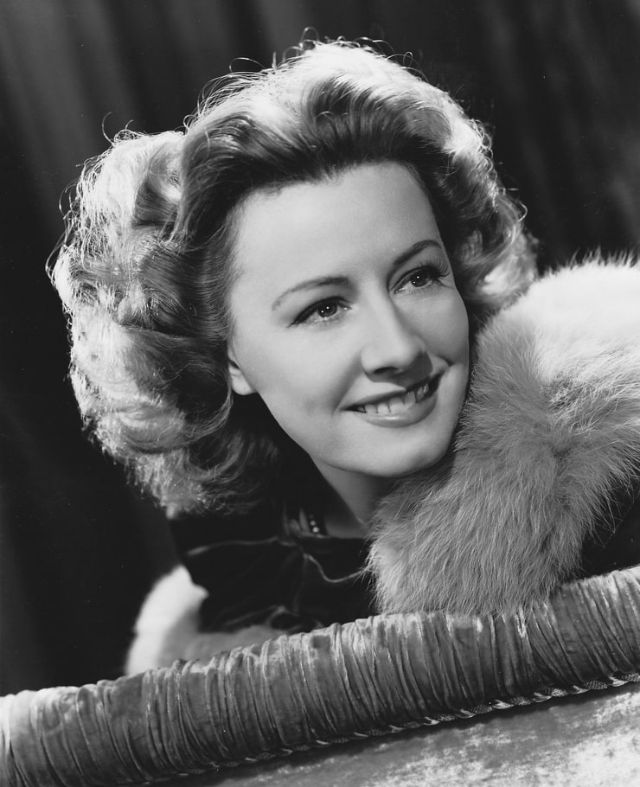
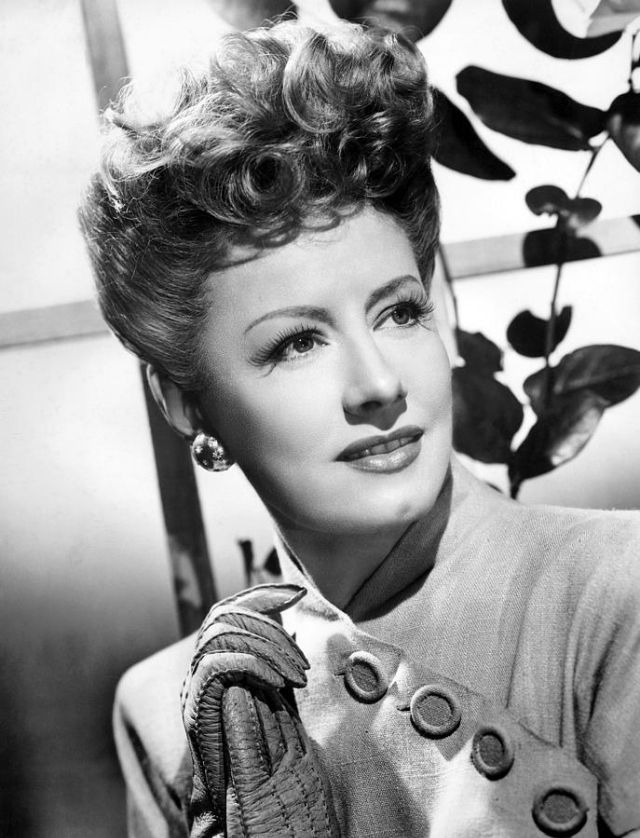
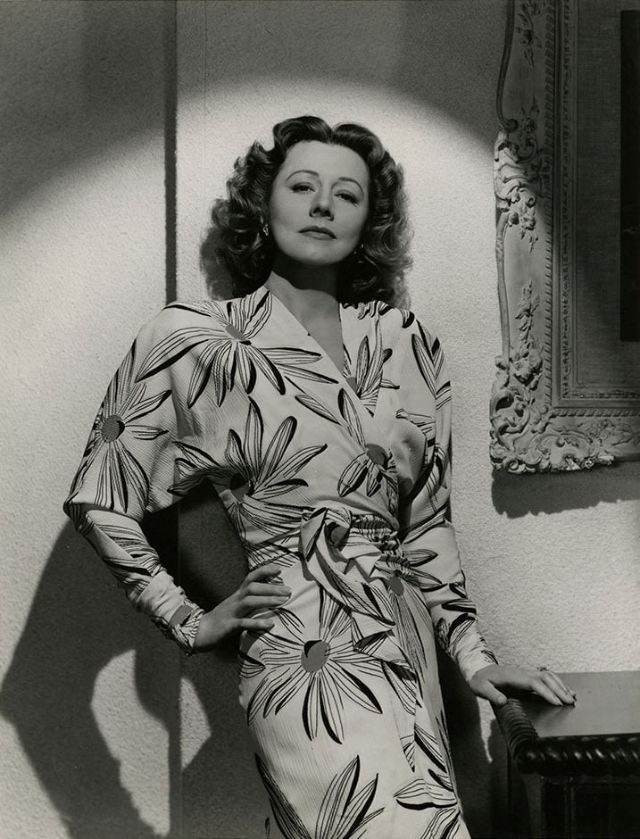
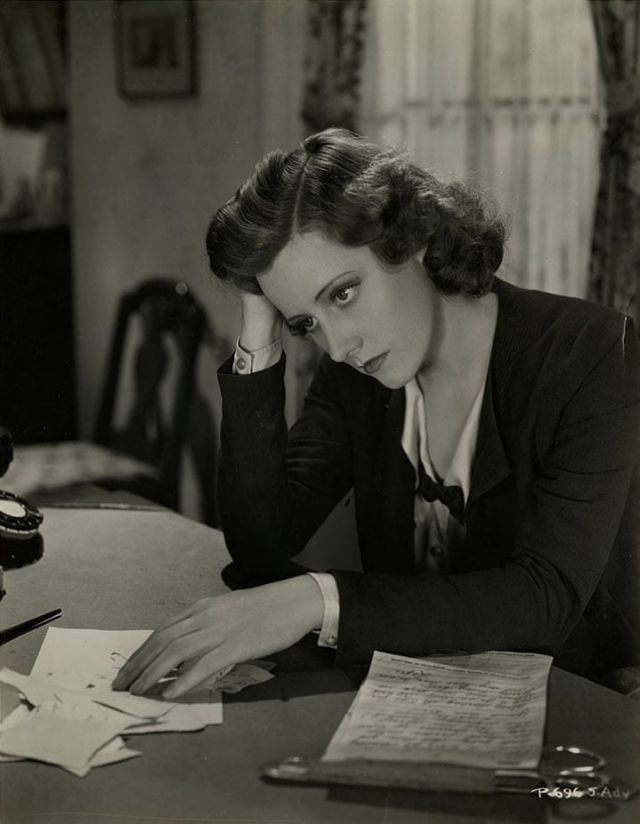
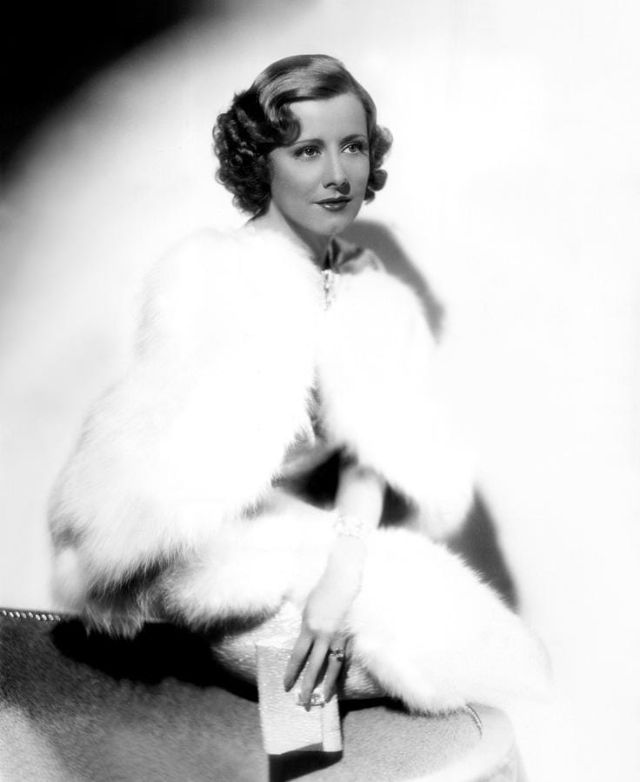
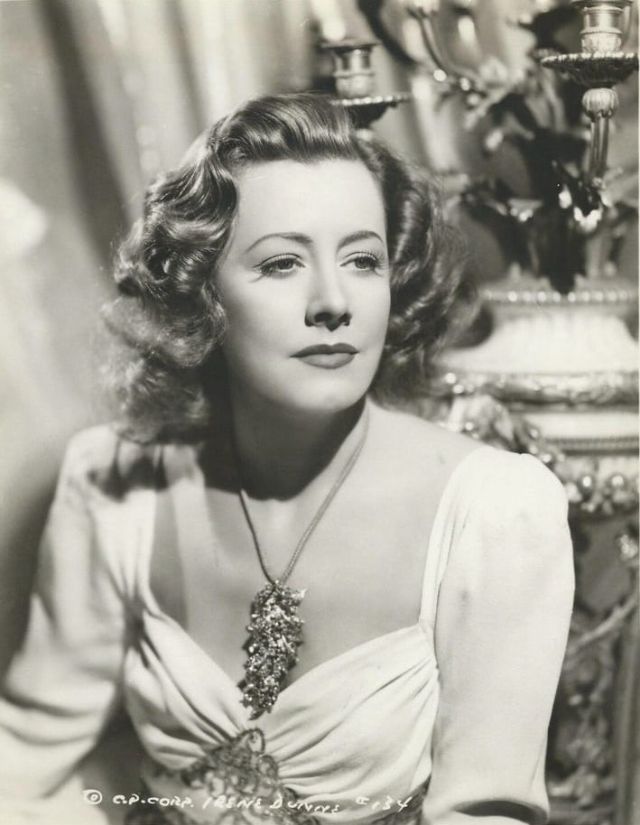
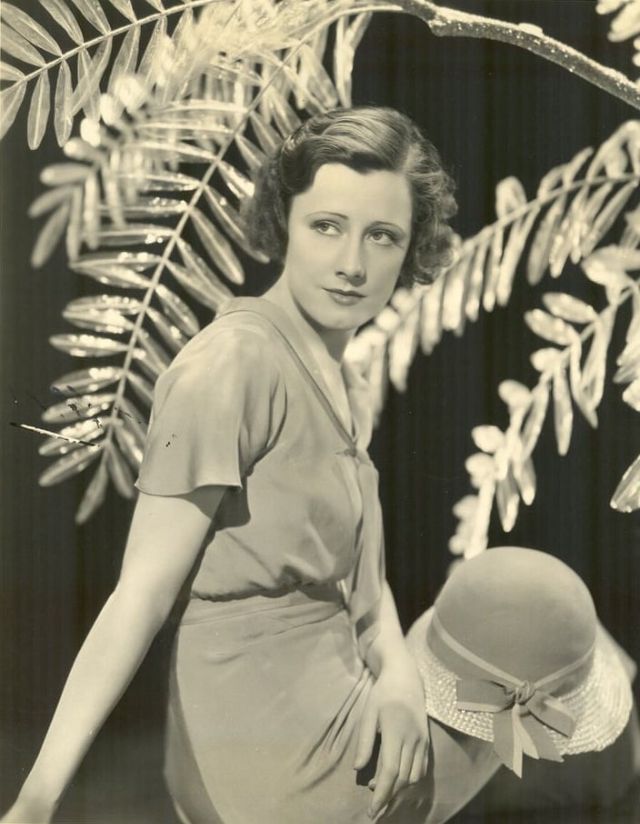
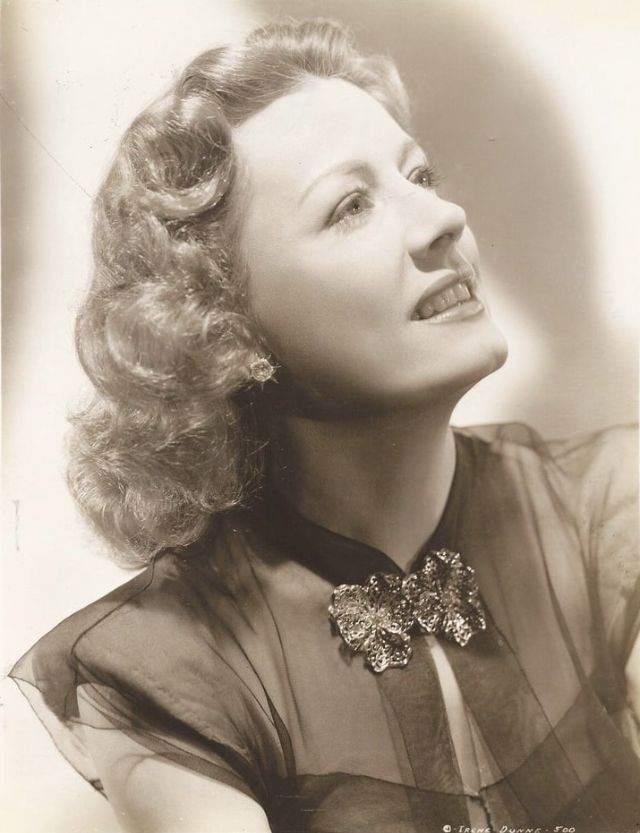
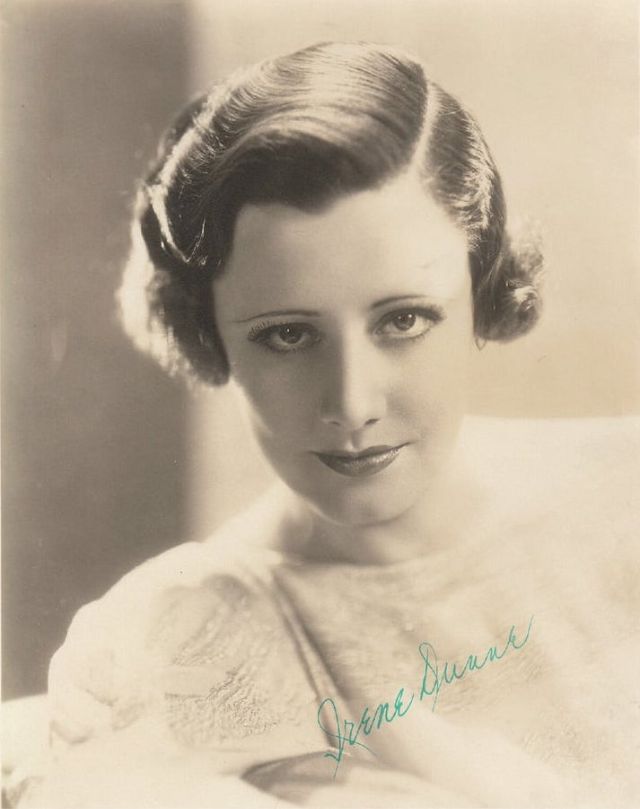
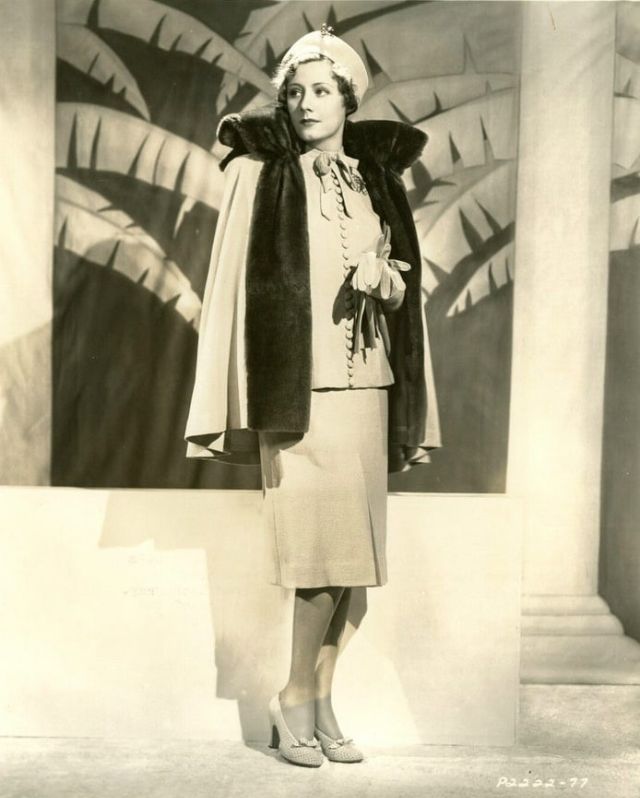
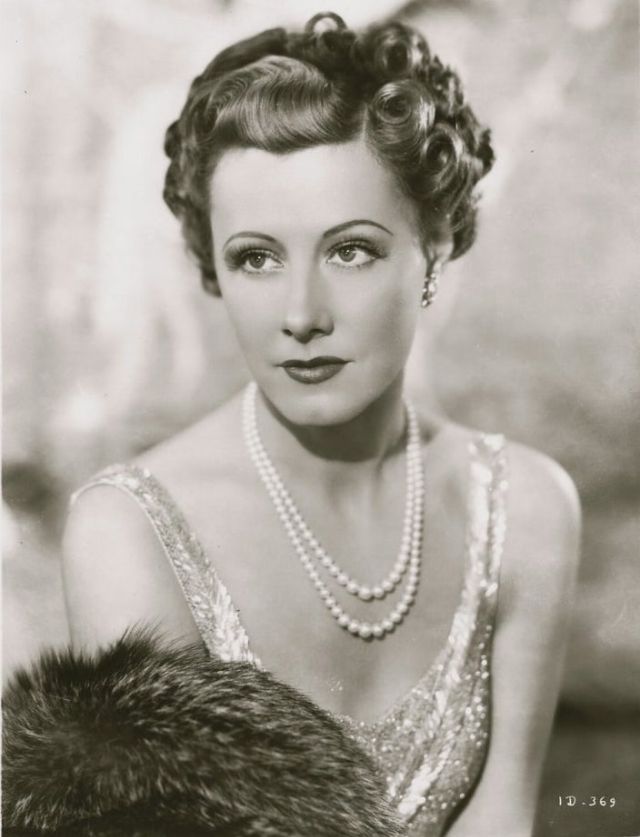
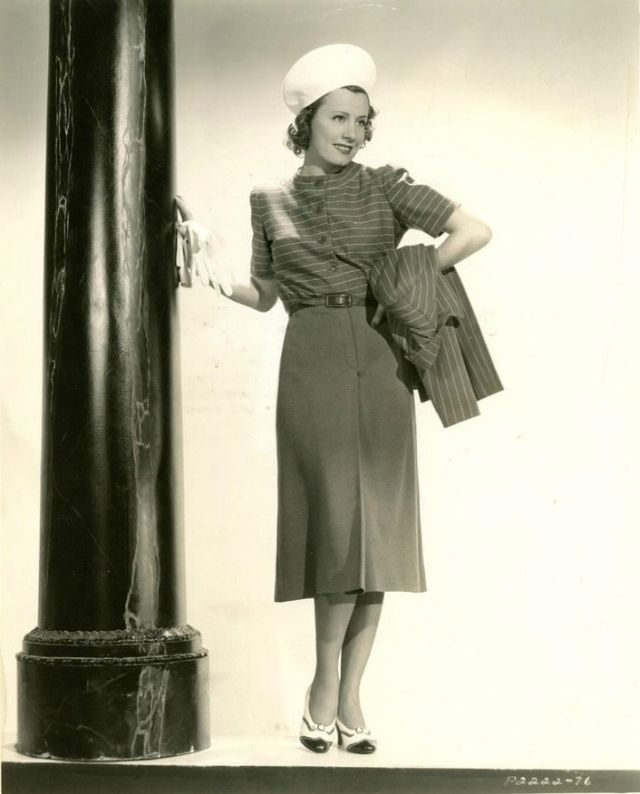
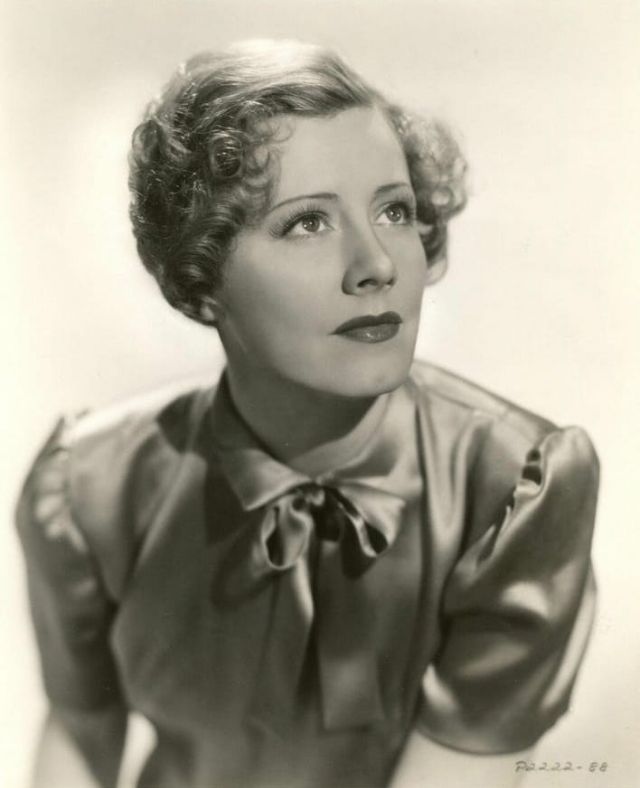
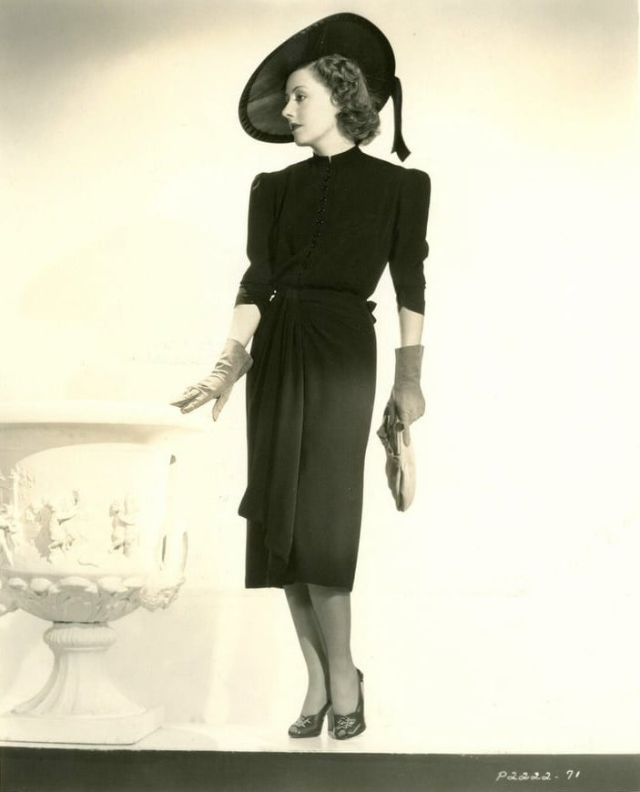
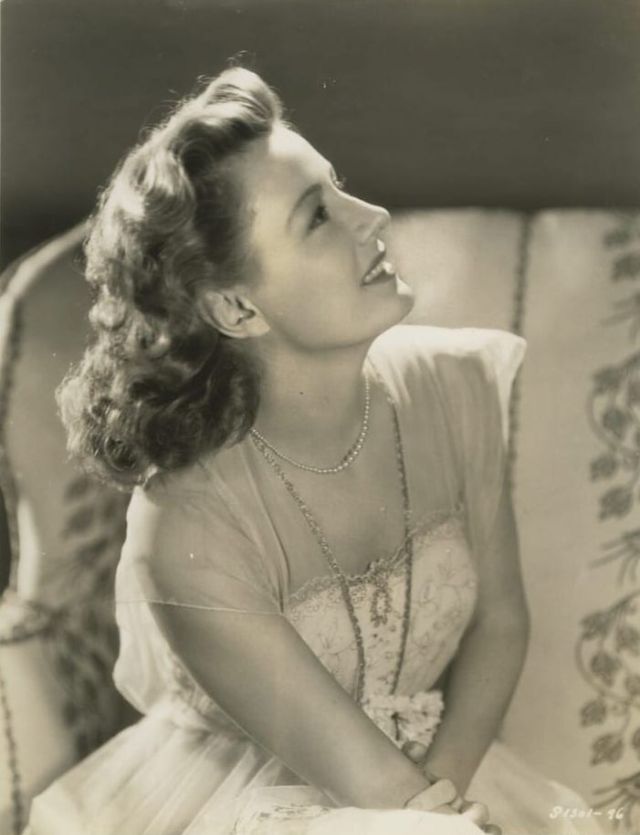
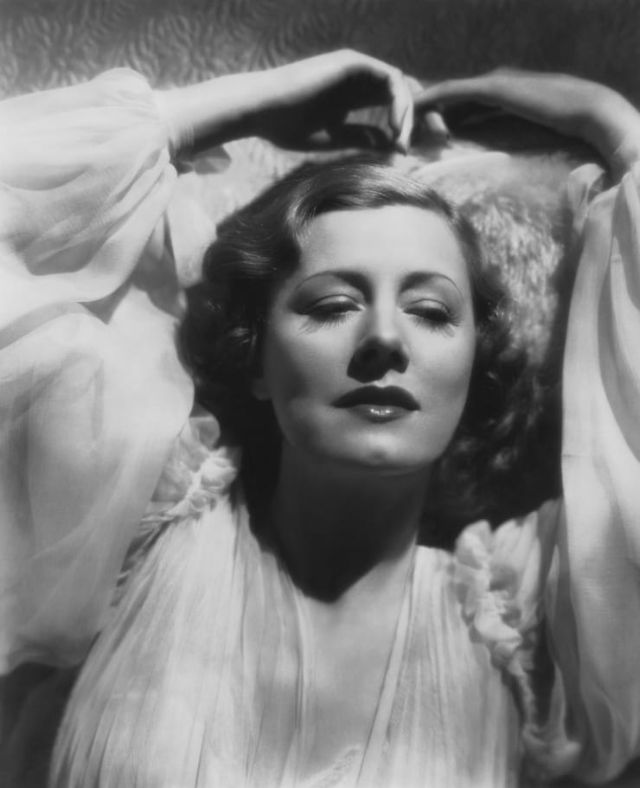
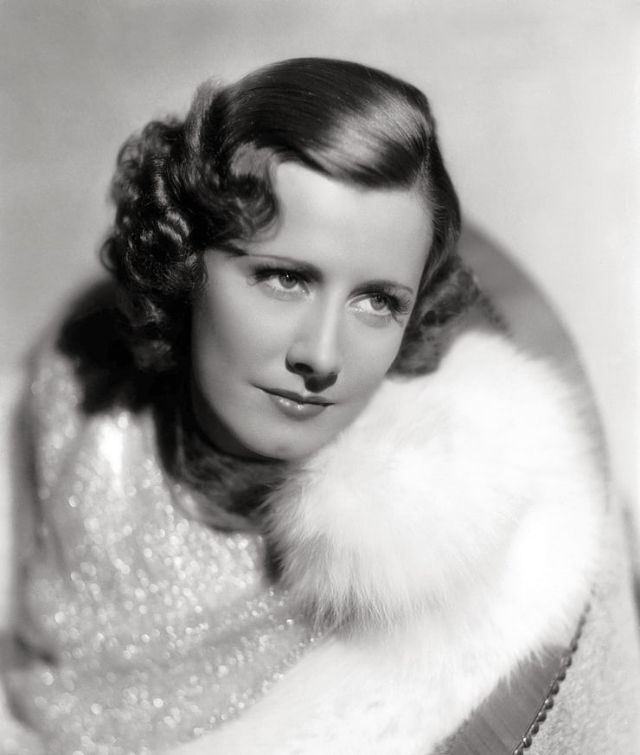
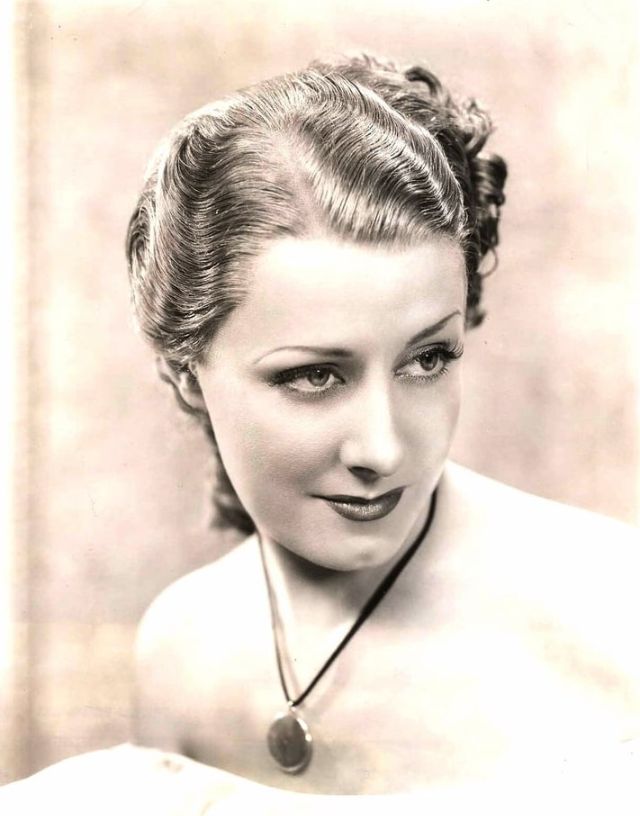
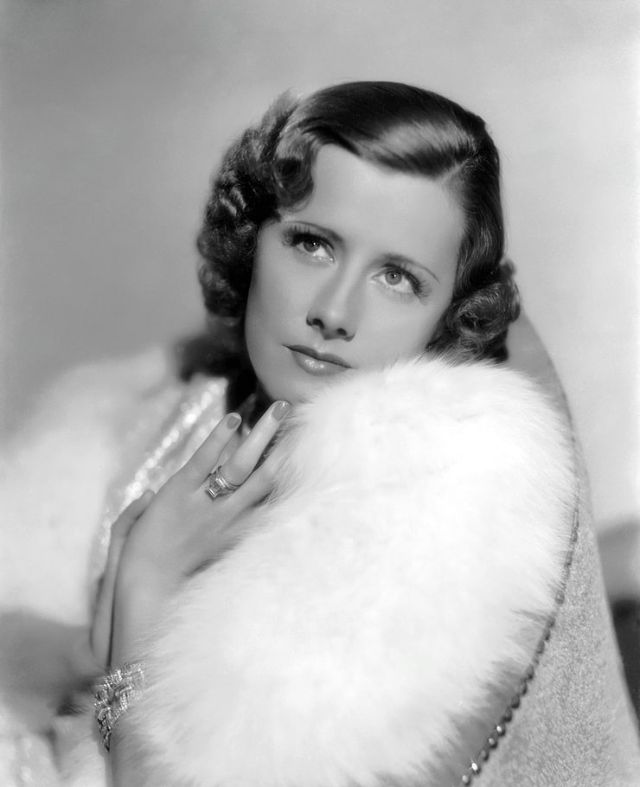
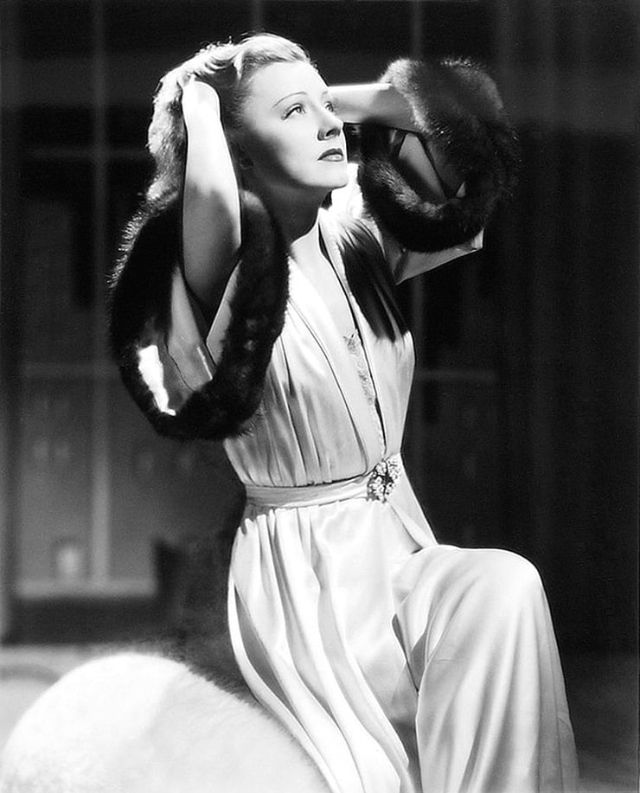
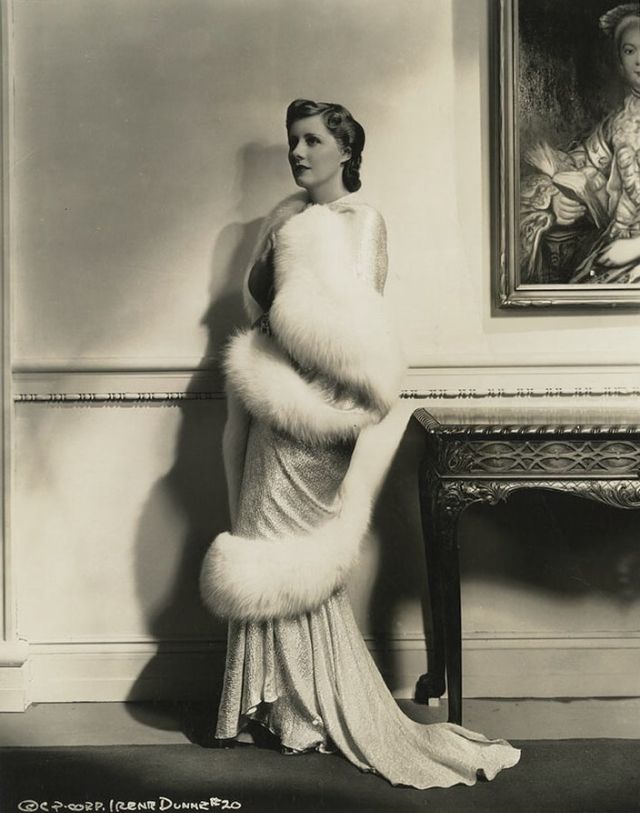
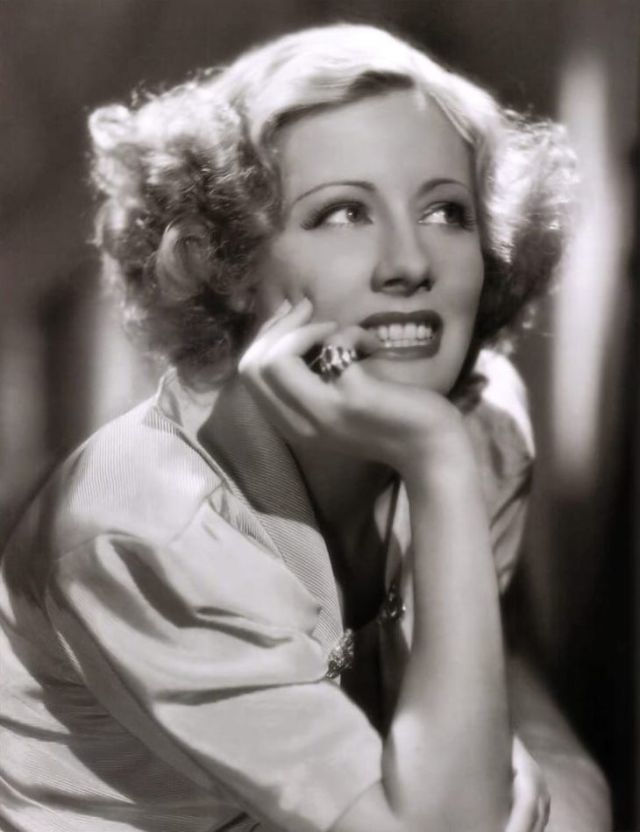
Irene Dunne: One of the Best Actresses Never to Win an Oscar

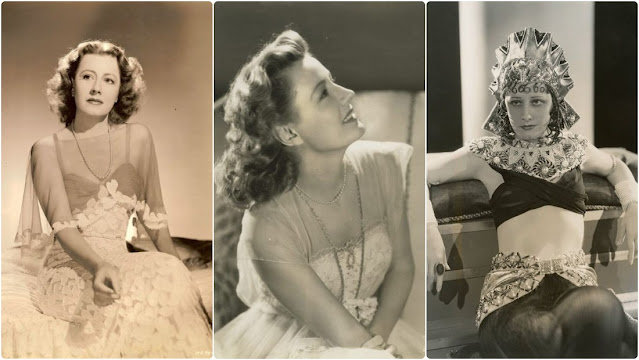
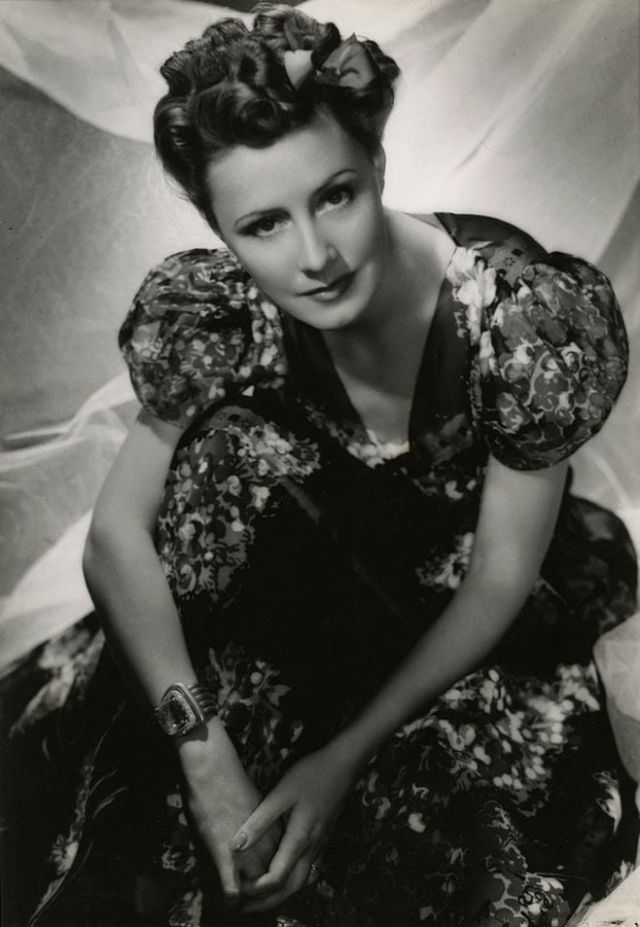
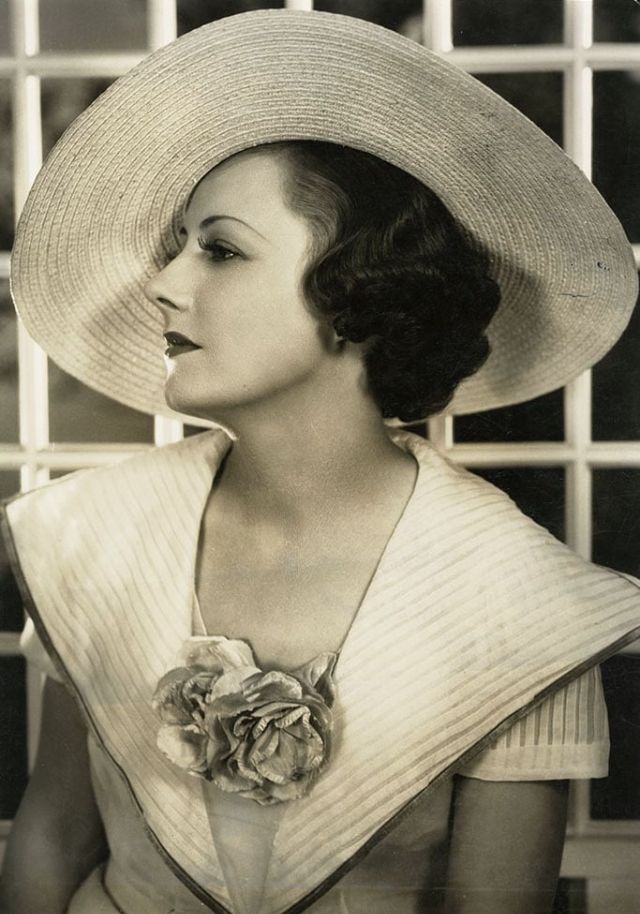
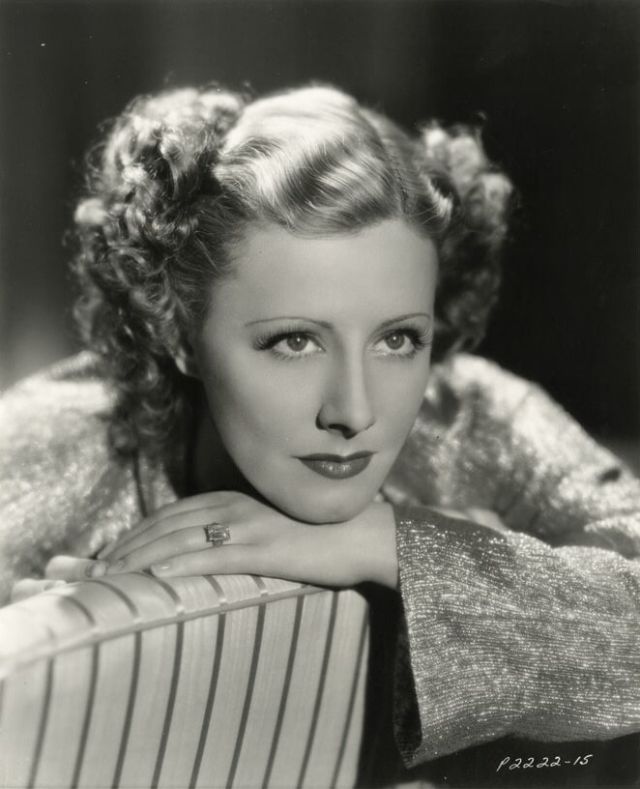
Irene Dunne DHS (born Irene Marie Dunn; December 20, 1898 – September 4, 1990) was an American actress who appeared in films during the Golden Age of Hollywood. She is best known for her comedic roles, though she performed in films of other genres.

After her father died when she was 14, Dunne’s family relocated from Kentucky to Indiana. She became determined to become an opera singer, but when she was rejected by The Met, she performed in musicals on Broadway until she was scouted by RKO and made her Hollywood film debut in the musical Leathernecking (1930). She later starred in the successful musical Show Boat (1936). Overall, she starred in 42 movies and was nominated five times for the Academy Award for Best Actress—for her performances in the western drama Cimarron (1931), the screwball comedies Theodora Goes Wild (1936) and The Awful Truth (1937), the romance Love Affair (1939), and the drama I Remember Mama (1948). Dunne is considered one of the finest actresses never to have won an Academy Award. Some critics feel that her performances have been underappreciated and largely forgotten, overshadowed by movie remakes and her better-known co-stars.

After the success of The Awful Truth, she was paired with Cary Grant, her co-star in that movie, two further times; in another screwball comedy, My Favorite Wife (1940), and in the melodrama Penny Serenade (1941). She has been praised by many during her career, and after her death, as one of the best comedic actresses in the screwball genre. The popularity of Love Affair also led to two additional movies with her co-star of that film, Charles Boyer; those were When Tomorrow Comes (1939) and Together Again (1944). Her last film role was in 1952 but she starred in and hosted numerous television anthology episodes until 1962 after having done numerous radio performances from the late 1930s until the early 1950s. She starred in 42 movies and in popular anthology television, and made guest appearances on radio until 1962; she was nominated five times for the Academy Award for Best Actress—for her performances in Cimarron (1931), Theodora Goes Wild (1936), The Awful Truth (1937), Love Affair (1939), and I Remember Mama (1948)—and was one of the top 25 highest-paid actors of her time.

Some critics feel that her performances have been underappreciated and largely forgotten, overshadowed by movie remakes and her better-known co-stars. Dunne once fled across the Atlantic Ocean to avoid starring in a comedy, but she has been praised by many during her career, and after her death, as one of the best comedic actresses in the screwball genre. She was nicknamed “The First Lady of Hollywood” for her regal manner despite being proud of her Irish-American, country-girl roots.

Dunne devoted her retirement to philanthropy and was chosen by President Dwight D. Eisenhower as a delegate for the United States to the United Nations, in which she advocated for world peace and highlighted refugee-relief programs. She also used the time to be with her family—her husband, dentist Dr. Francis Griffin, and their daughter Mary Frances, whom they adopted in 1938. She received numerous awards for her philanthropy, including honorary doctorates, a Laetare Medal from the University of Notre Dame, and a papal knighthood—Dame of the Order of the Holy Sepulchre. In 1985, she was awarded a Kennedy Center Honor for her services to the arts. (Wikipedia)

Dunne died at the age of 91 in her Holmby Hills home in 1990. Take a look at these beautiful photos to see portraits of a young Irene Dunne.

33 Vintage Snapshots Capture Everyday Life in Ireland in the 1960s

The sixties was known as a period when social, cultural and political changes were increasingly challenged around the world. Ireland, with a long history of emigration, a great rural base and a protected economy, however, rarely had any chance to experience the economic miracles occurred in many other post-war societies.

Things shifted in the early sixties nonetheless, when the governments began to pay particular attention to economic growth and planning, thus paving the way for a national project including opening up the economy, courting foreign capital and applying for membership of the European Economic Community.

Ireland is an island in the North Atlantic Ocean, in north-western Europe. It is separated from Great Britain to its east by the North Channel, the Irish Sea, and St George’s Channel. Ireland is the second-largest island of the British Isles, the third-largest in Europe, and the twentieth-largest on Earth.

Geopolitically, Ireland is divided between the Republic of Ireland (officially named Ireland), which covers five-sixths of the island, and Northern Ireland, which is part of the United Kingdom. In 2011, the population of Ireland was about 6.6 million, ranking it the second-most populous island in Europe after Great Britain. As of 2016, 4.8 million lived in the Republic of Ireland, and 1.8 million in Northern Ireland.

The geography of Ireland comprises relatively low-lying mountains surrounding a central plain, with several navigable rivers extending inland. Its lush vegetation is a product of its mild but changeable climate which is free of extremes in temperature. Much of Ireland was woodland until the end of the Middle Ages. Today, woodland makes up about 10% of the island, compared with a European average of over 33%, and most of it is non-native conifer plantations. There are twenty-six extant land mammal species native to Ireland. The Irish climate is influenced by the Atlantic Ocean and thus very moderate,[13] and winters are milder than expected for such a northerly area, although summers are cooler than those in continental Europe. Rainfall and cloud cover are abundant.

Gaelic Ireland had emerged by the 1st century AD. The island was Christianised from the 5th century onwards. Following the 12th century Anglo-Norman invasion, England claimed sovereignty. However, English rule did not extend over the whole island until the 16th–17th century Tudor conquest, which led to colonisation by settlers from Britain. In the 1690s, a system of Protestant English rule was designed to materially disadvantage the Catholic majority and Protestant dissenters, and was extended during the 18th century. With the Acts of Union in 1801, Ireland became a part of the United Kingdom. A war of independence in the early 20th century was followed by the partition of the island, thus creating the Irish Free State, which became increasingly sovereign over the following decades, and Northern Ireland, which remained a part of the United Kingdom. Northern Ireland saw much civil unrest from the late 1960s until the 1990s. This subsided following the Good Friday Agreement in 1998. In 1973, the Republic of Ireland joined the European Economic Community while the United Kingdom, and Northern Ireland, as part of it, did the same. In 2020, the United Kingdom, Northern Ireland included, left what was by then the European Union (EU).

Irish culture has had a significant influence on other cultures, especially in the field of literature. Alongside mainstream Western culture, a strong indigenous culture exists, as expressed through Gaelic games, Irish music, Irish language, and Irish dance. The island’s culture shares many features with that of Great Britain, including the English language, and sports such as association football, rugby, horse racing, golf, and boxing. (Wikipedia)

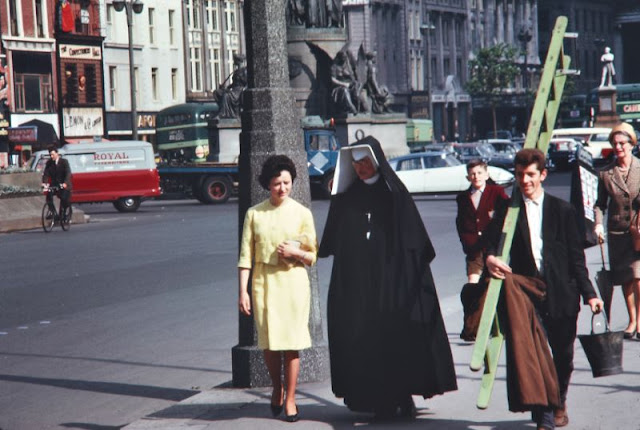
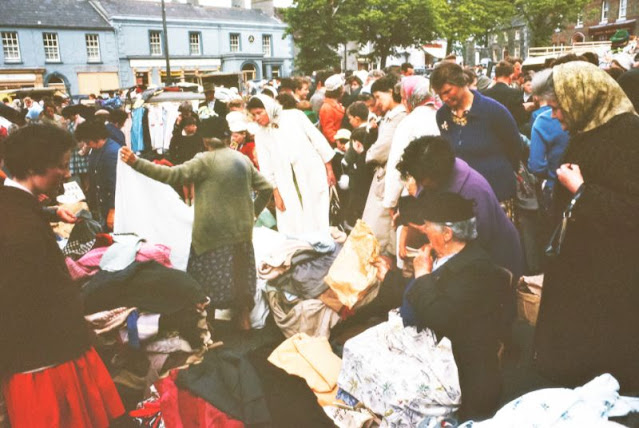
From Dublin to Kildare and Galway, these terrific vintage snapshots transport us back to a vibrant Ireland in the 1960s. More amazing collections could be found at the National Library of Ireland.

O’Connell Street, Dublin, 1963.
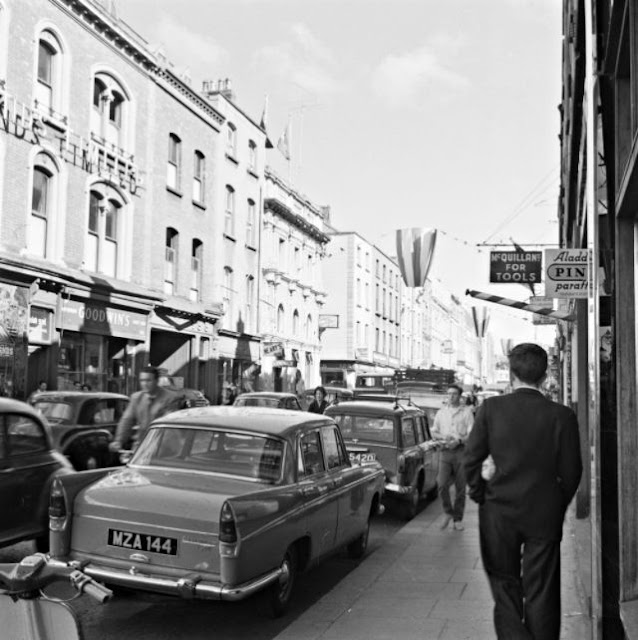
Capel Street, Dublin, 1960.
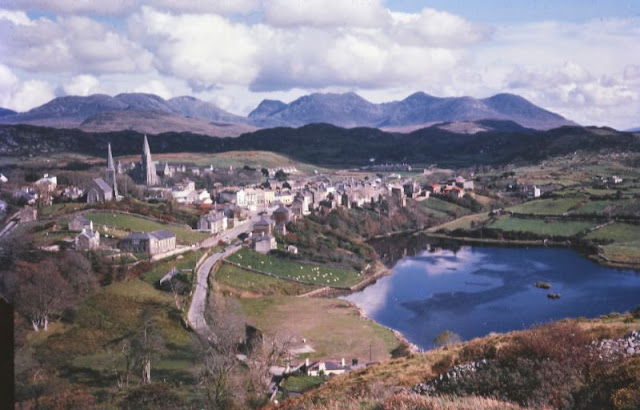
Clifden, Co. Galway, 1960.
A fishing trawler returning to Skerries, Co. Dublin with a full catch, circa 1960.
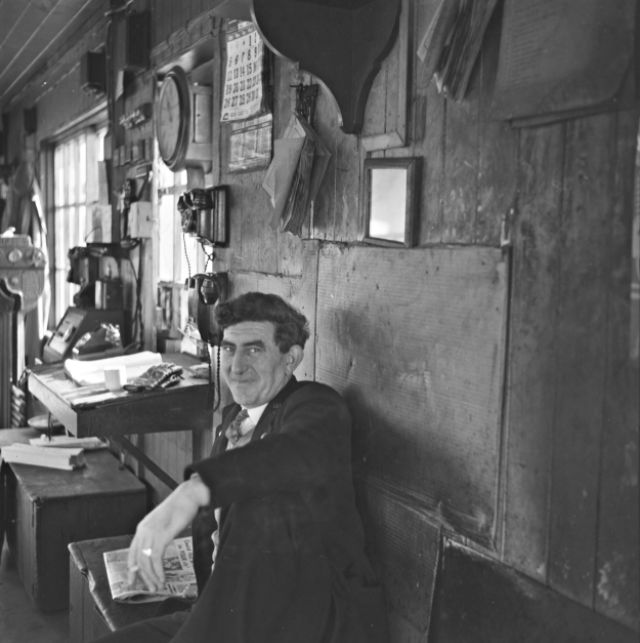
A man taking a breather in the Signal Cabin, Albert Quay in Cork city, 1961.
Dublin, 1961.
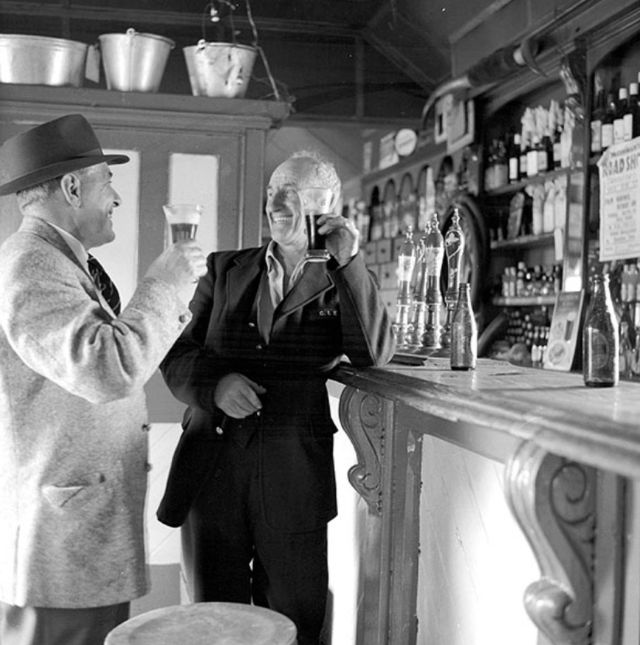
Two men at a pub in Moyvalley, Co. Kildare, 1961.
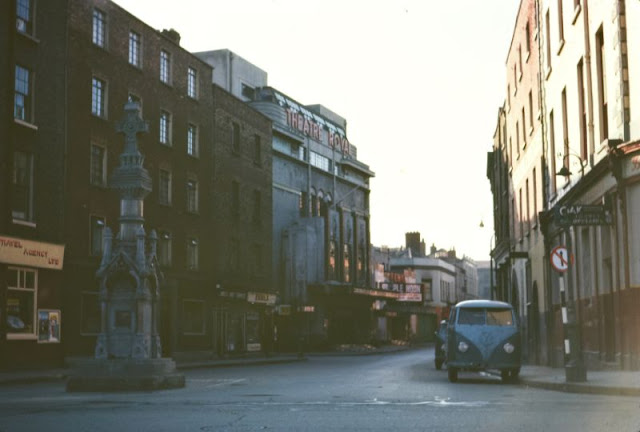
Theatre Royal on Hawkins Street in Dublin, 1962.
Patrick Sullivan’s Bar, circa 1963.
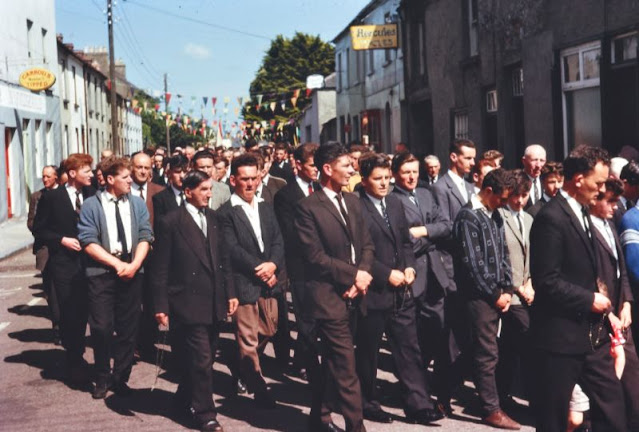
Group of men, Corpus Christi procession, Cahir, Co. Tipperary, 1963.
Kildare, 1963.
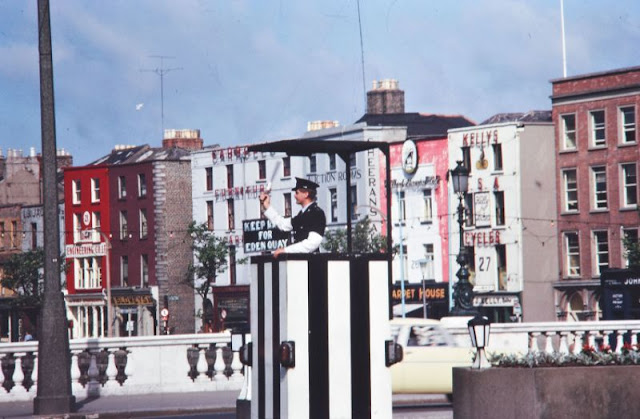
Garda directing traffic, O’Connell Bridge, Dublin, 1963.
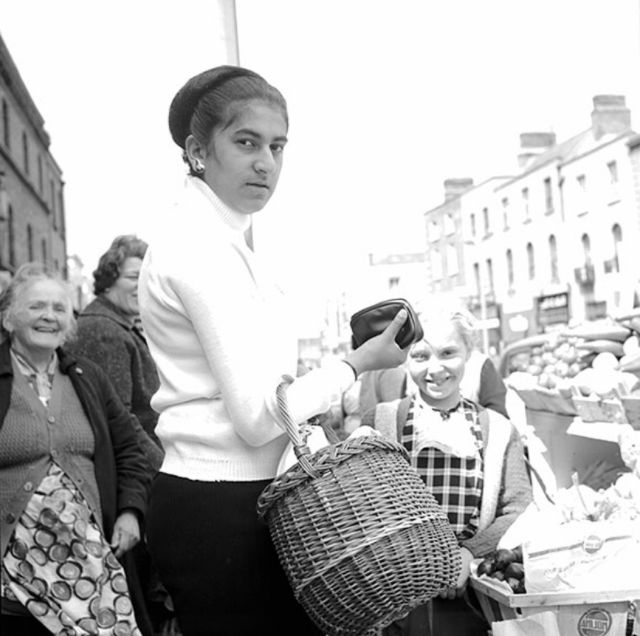
Moore Street, Dublin, 1964.
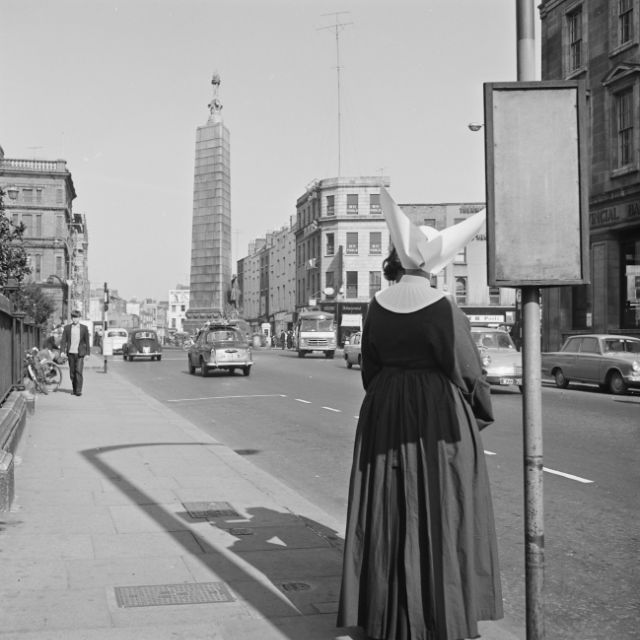
A ‘Butterfly Nun’ in her cornette on Parnell Street, Dublin, 1964.
St. Stephen’s Green, Dublin, 1964.
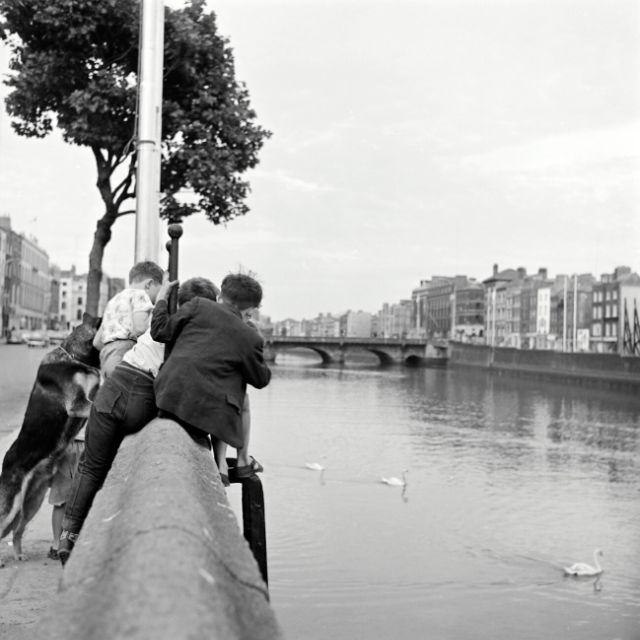
River Liffey at Upper Ormond Quay, Dublin, 1964.
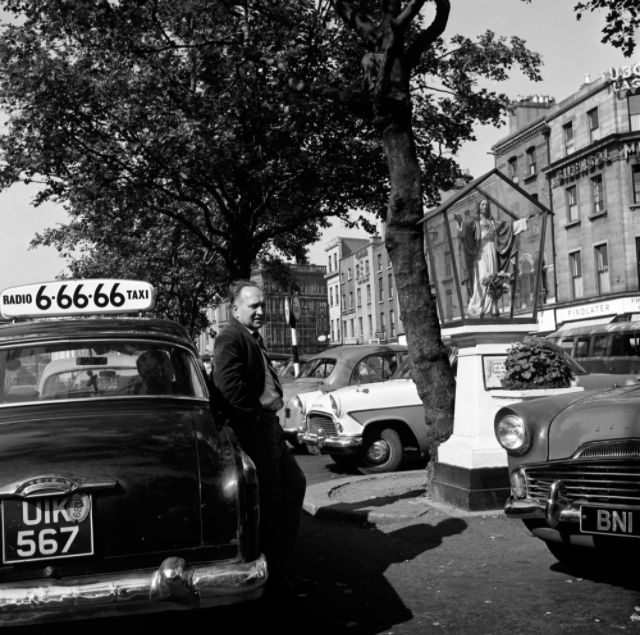
Taxi driver at the rank on O’Connell Street beside the Sacred Heart Shrine, Dublin, 1964.
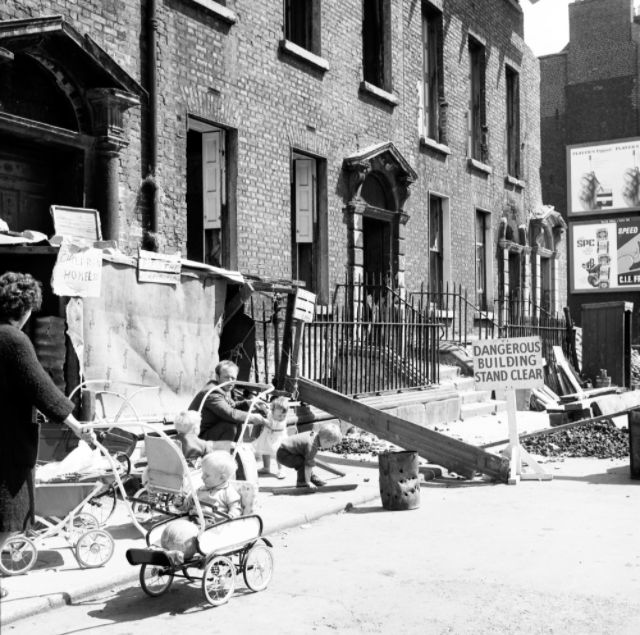
Protest against evictions from tenement buildings on York Street in Dublin, 1964.
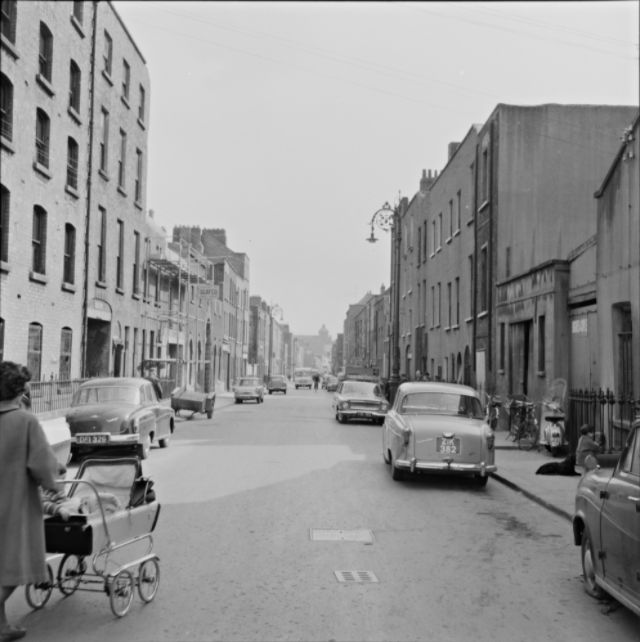
Queen Street, Dublin, 1964.
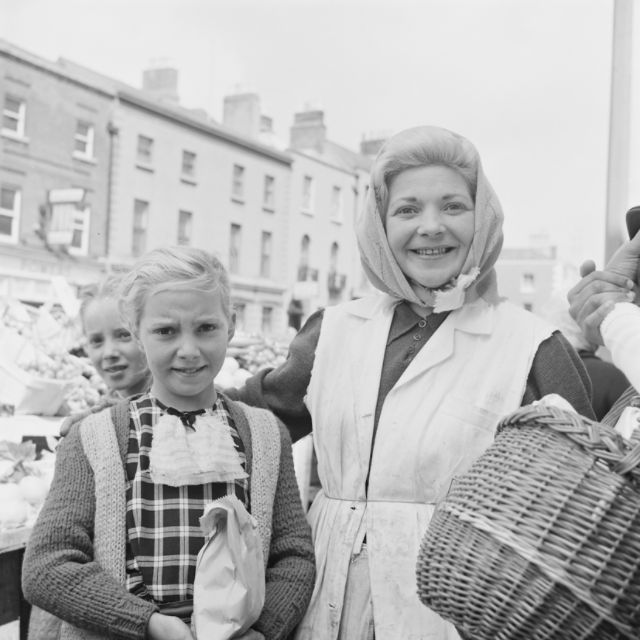
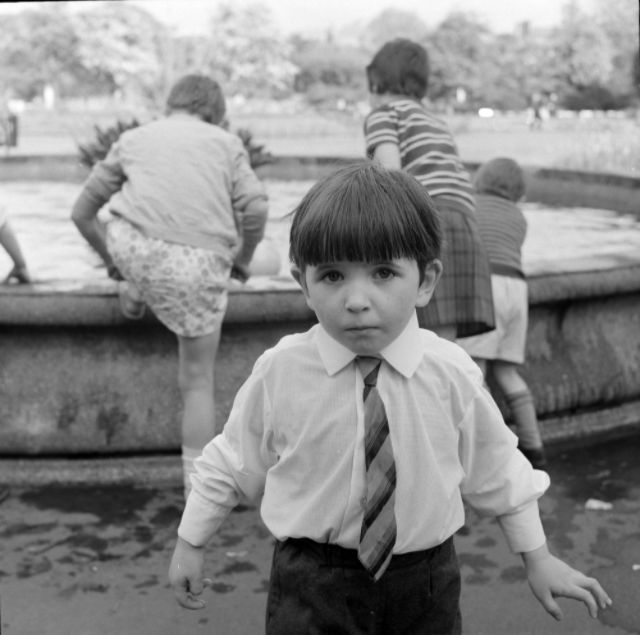
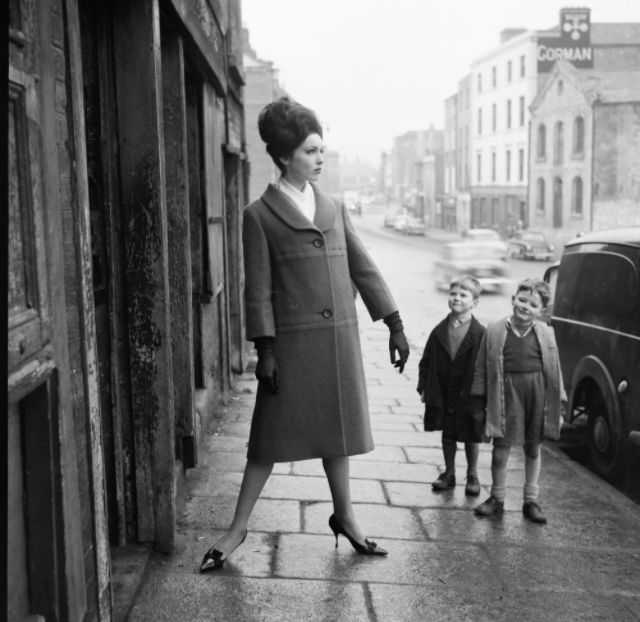
American model Linda Ward (later O’Reilly) and two local boys on Winetavern Street, Dublin, 1960s.
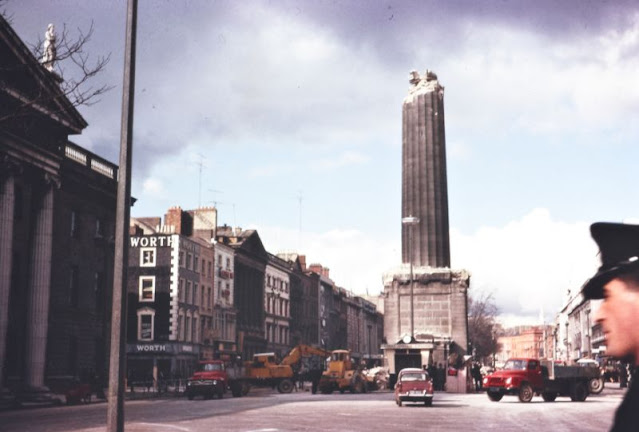
A half-demolished Nelson’s Pillar on O’Connell Street, Dublin, 1960s.
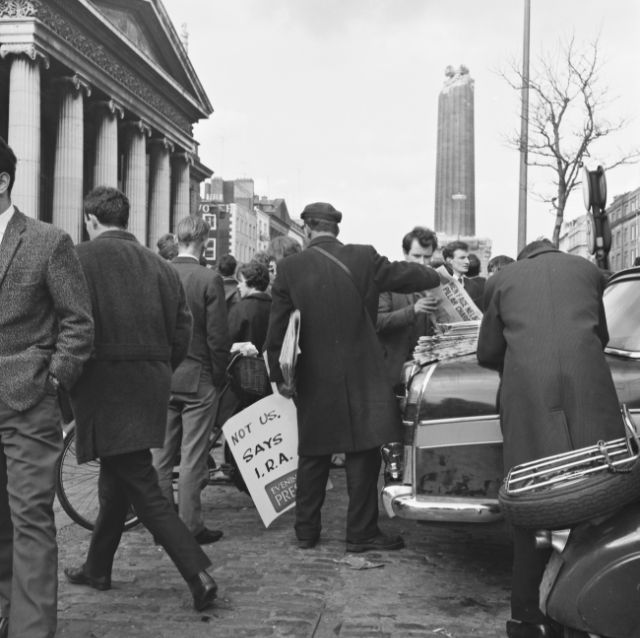
An Evening Press newspaper seller does a brisk trade on O’Connell Street, Dublin, 1966.
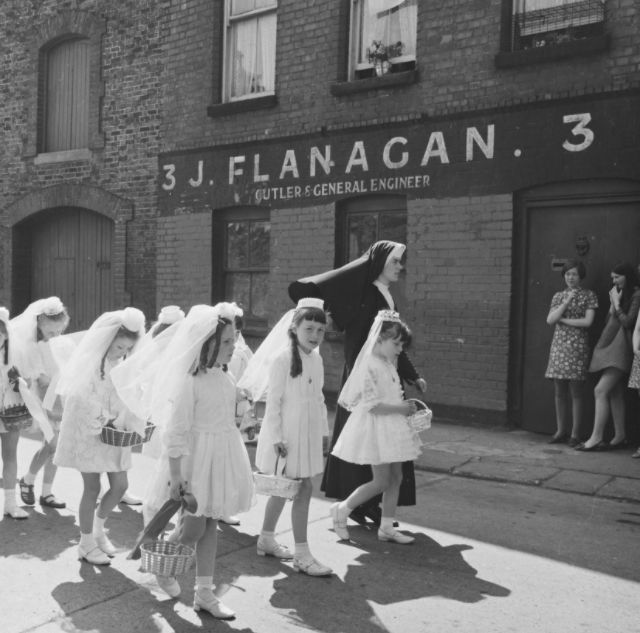
Holy Communion girls led by a nun pass no. 3, Halston Street, Dublin on the feast of Corpus Christi, 1969.
Heuston Station (previously Kingsbridge), Dublin, 1969.
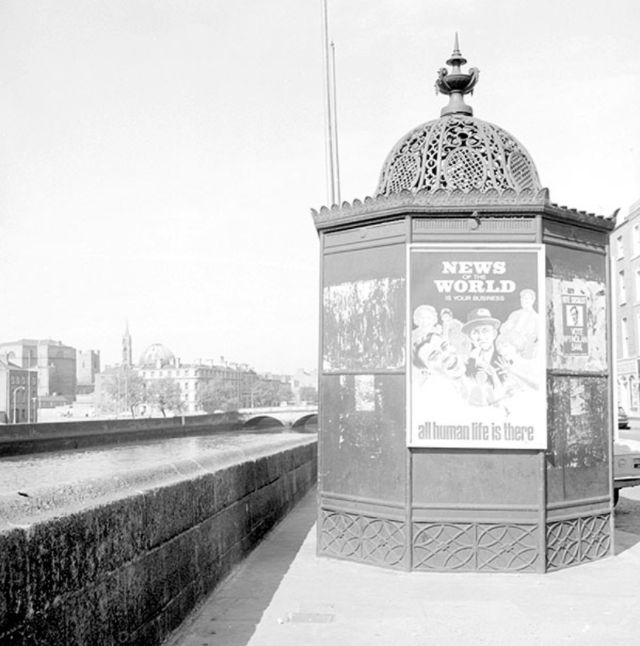
Urinal on Ormond Quay, Dublin featuring a poster ad for the News of the World, 1969.
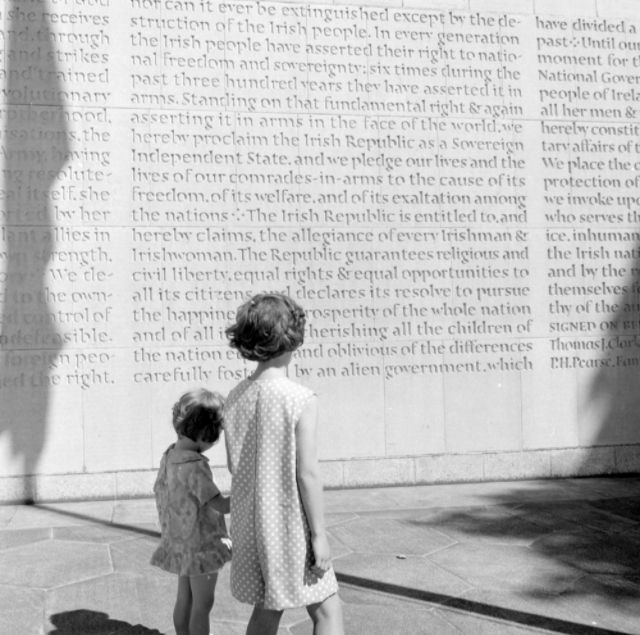
The Easter Rising memorial Arbour Hill, Dublin, 1966.
Dublin, 1969.
Cumberland Streeet in Dublin, 1969.
Dublin, 1969.
Outside the National Bank, Dublin, 1969.
St. Catherine’s Church on Thomas Street in Dublin, 1969.
Pigeon House Road, Ringsend, Dublin, 1969.

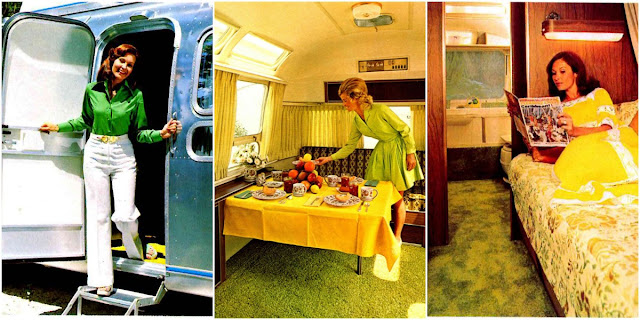
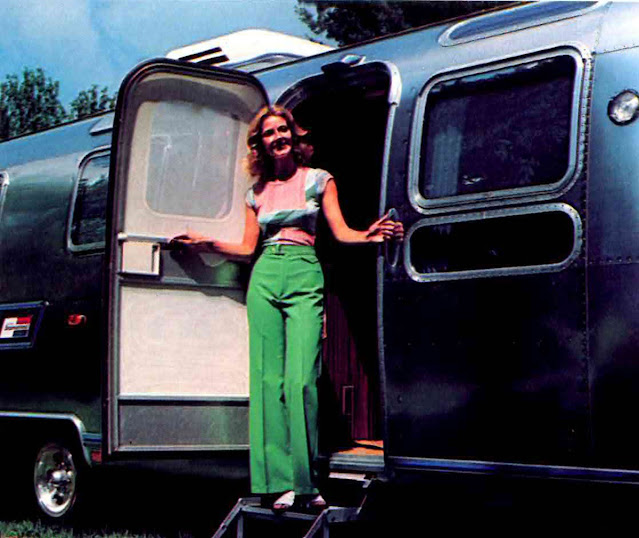
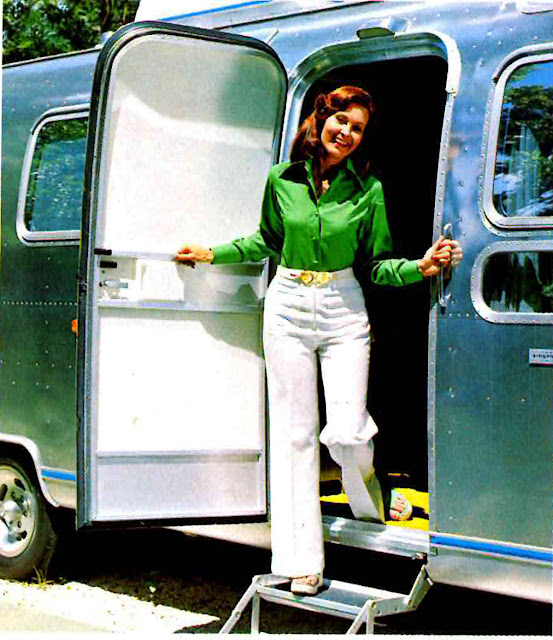
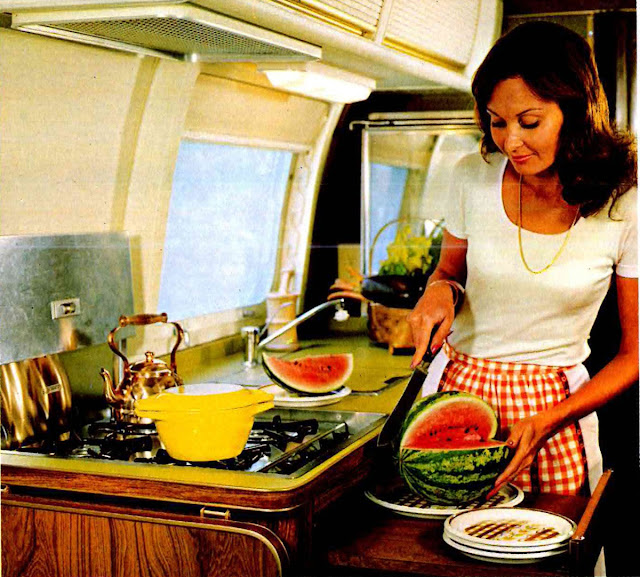
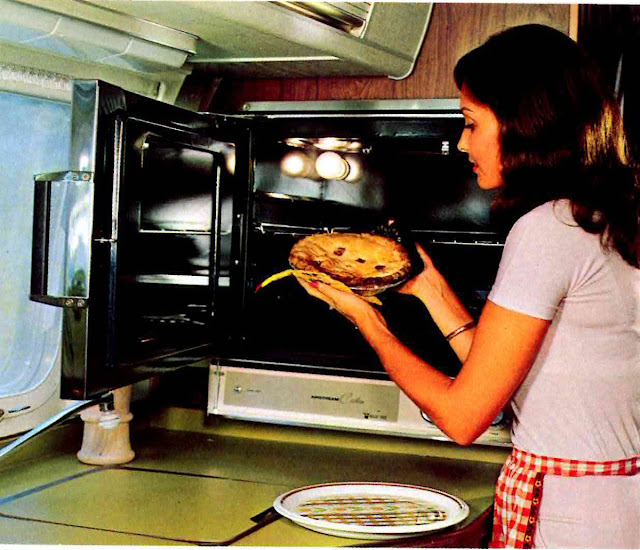
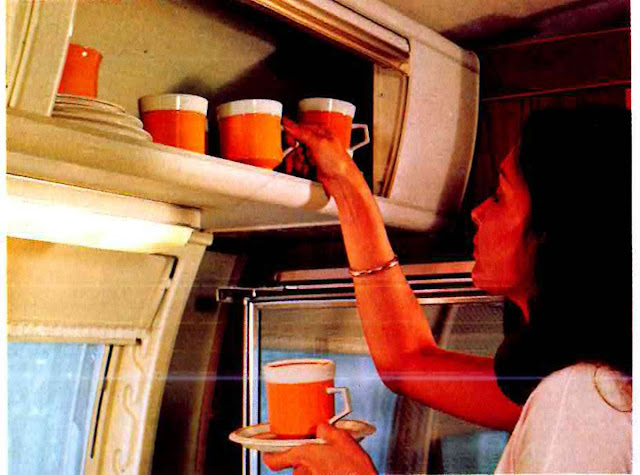
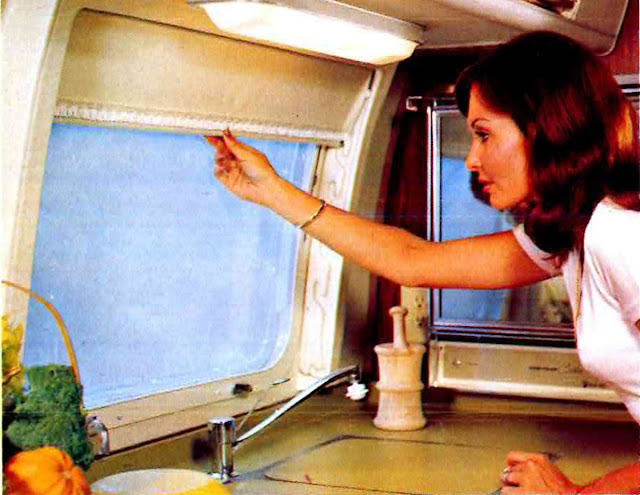
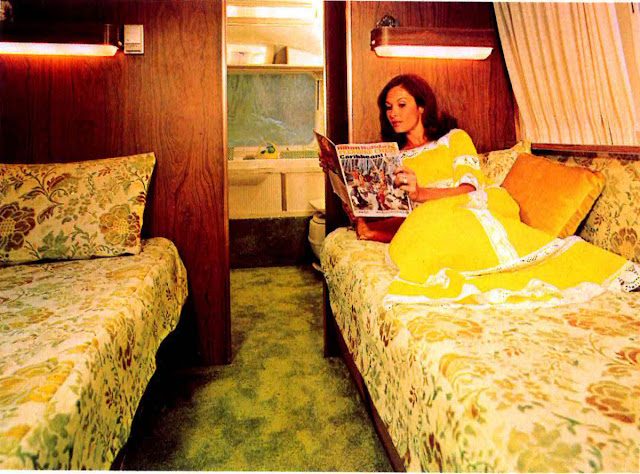
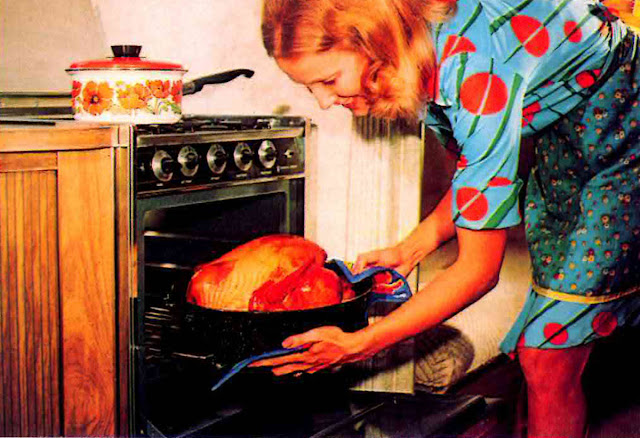
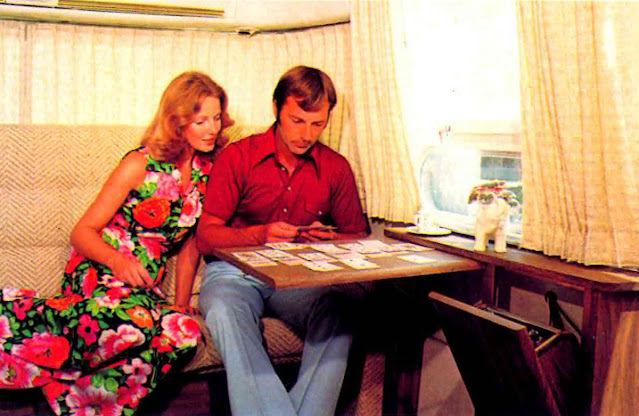
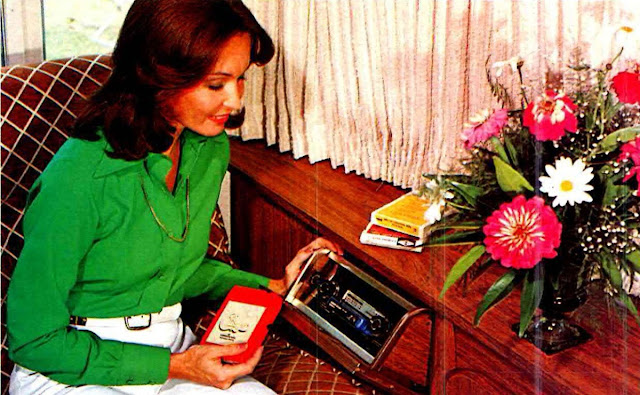
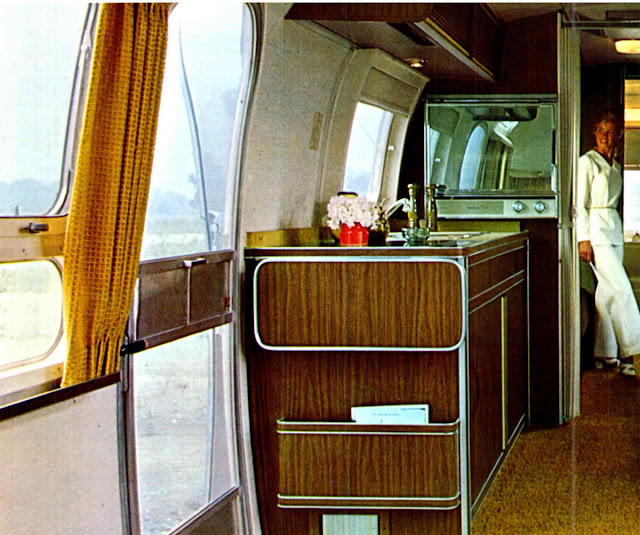
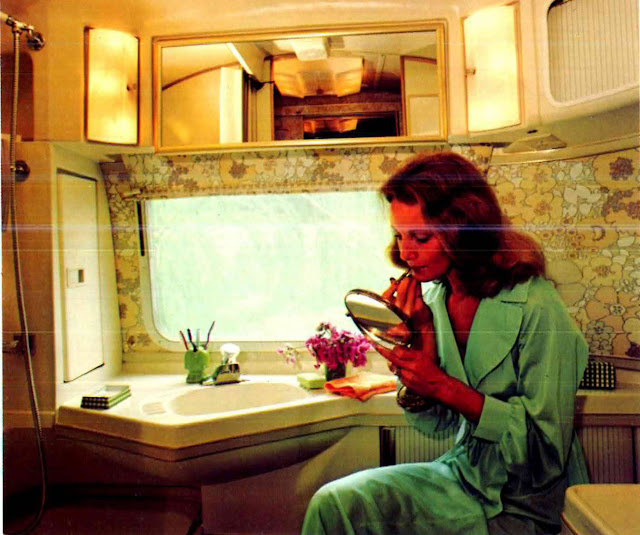
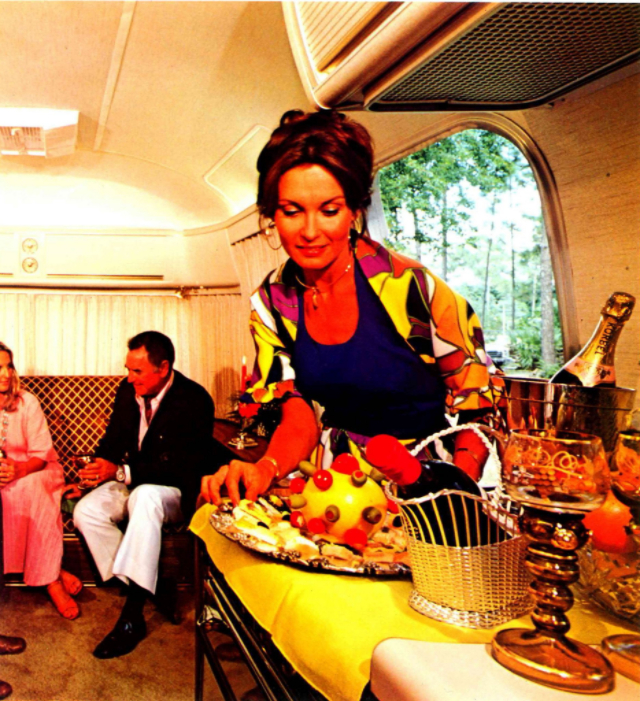
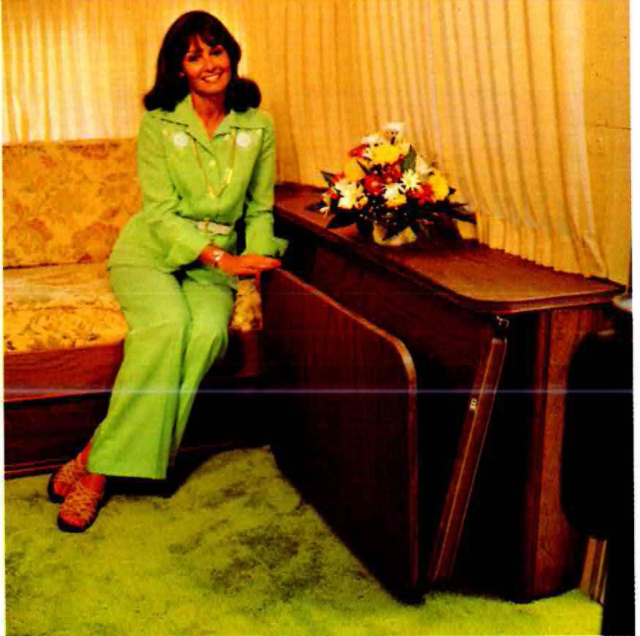
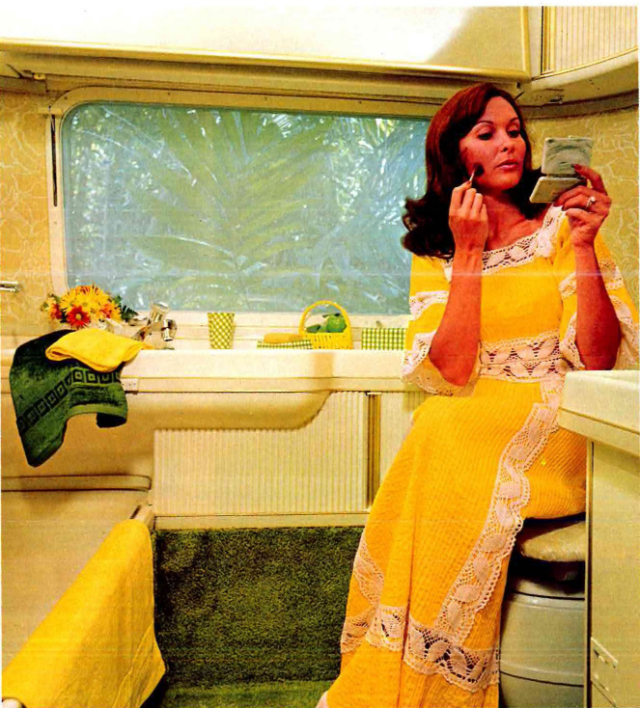
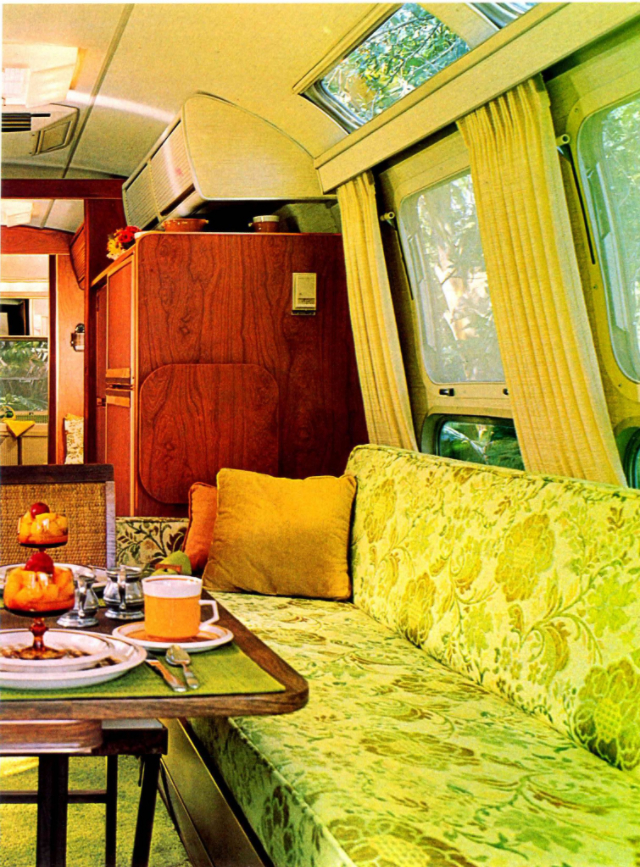
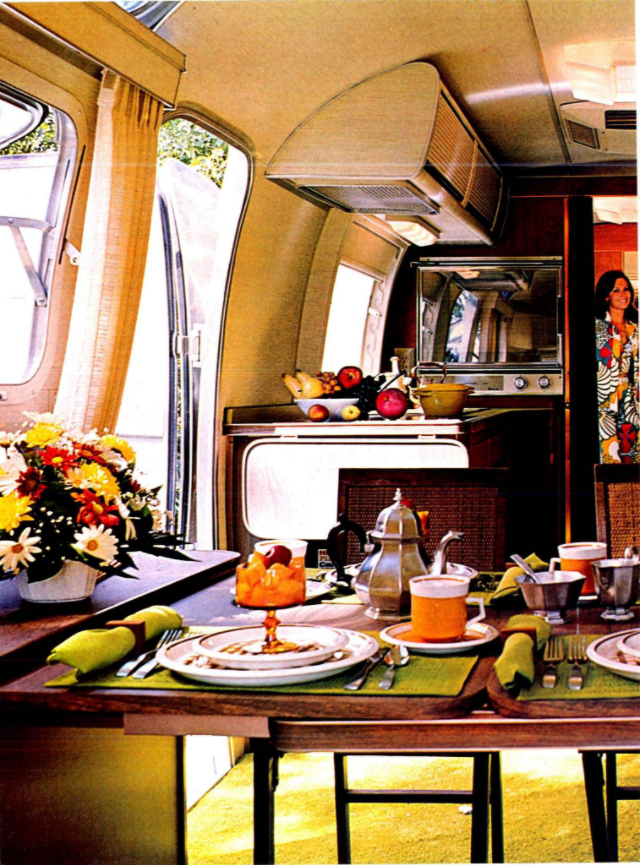
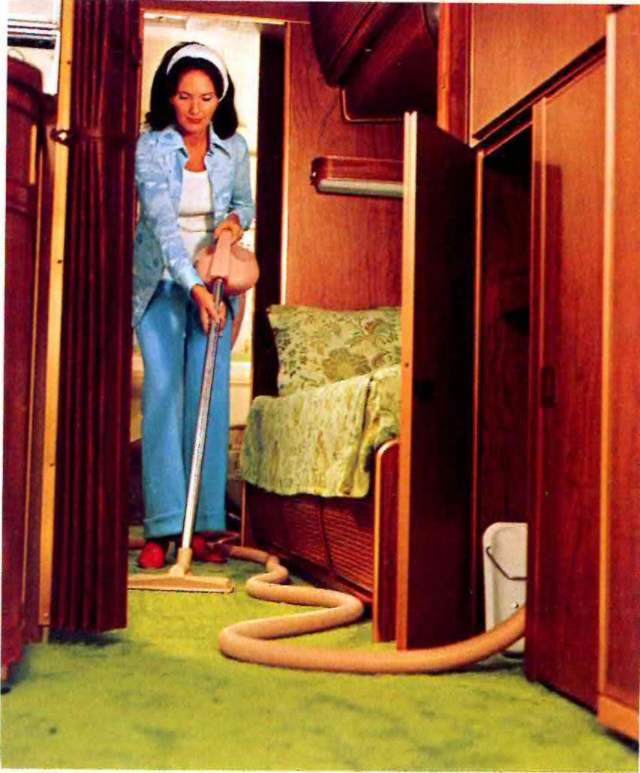
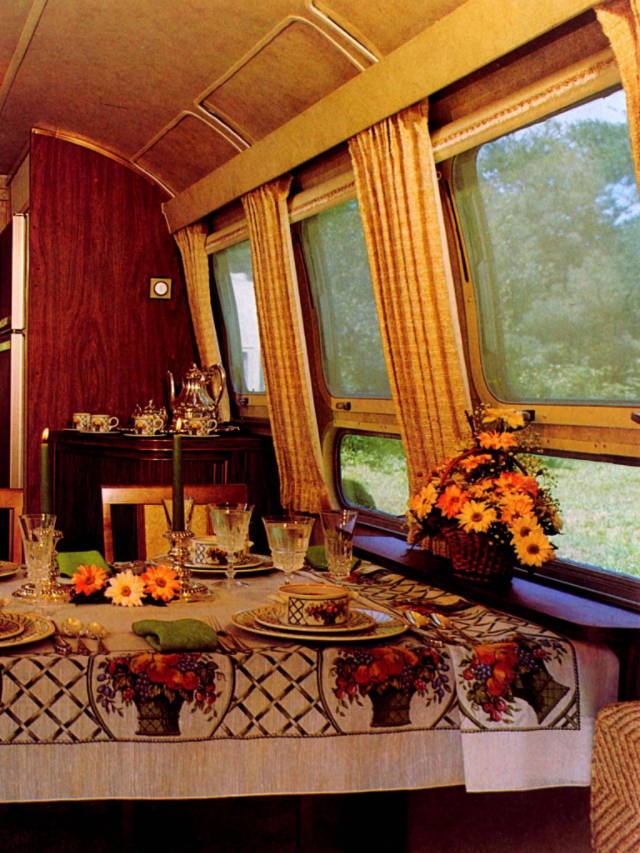
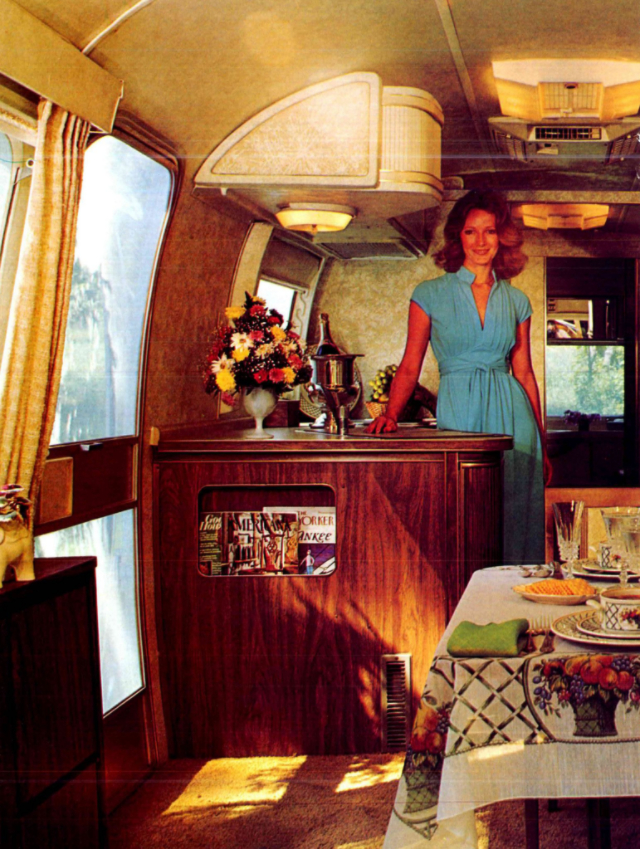
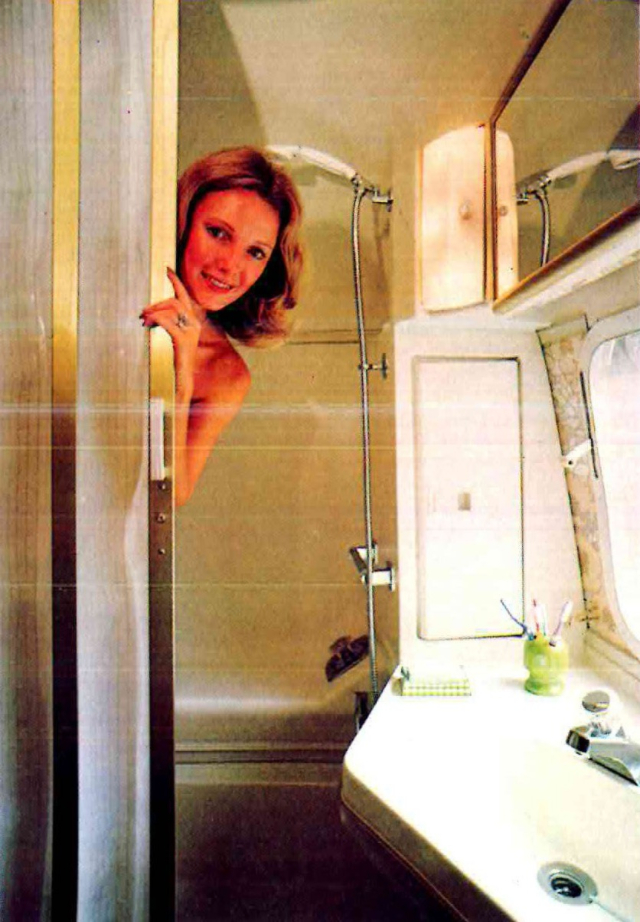
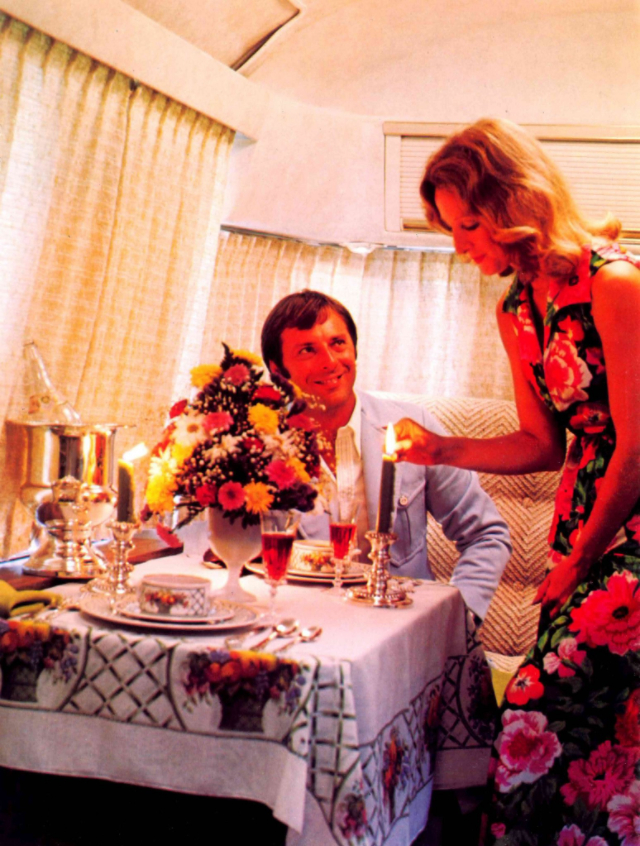
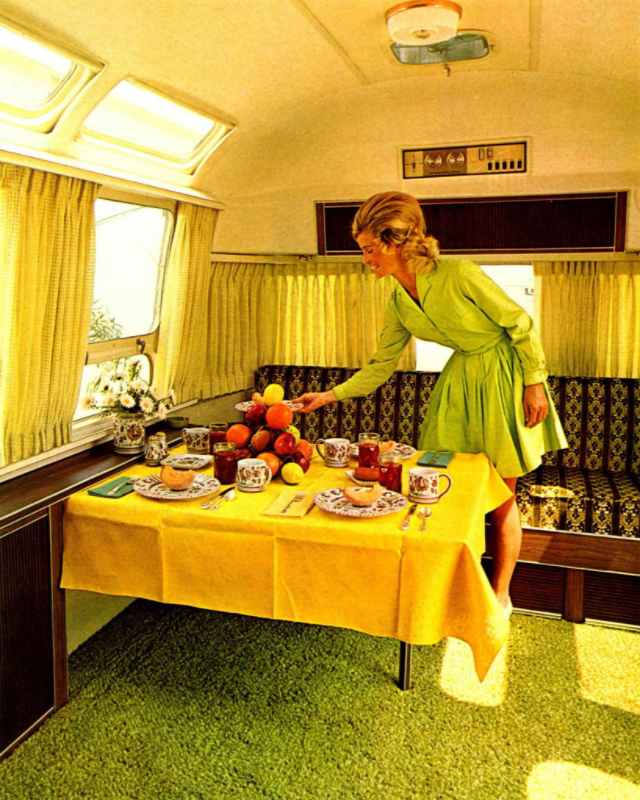
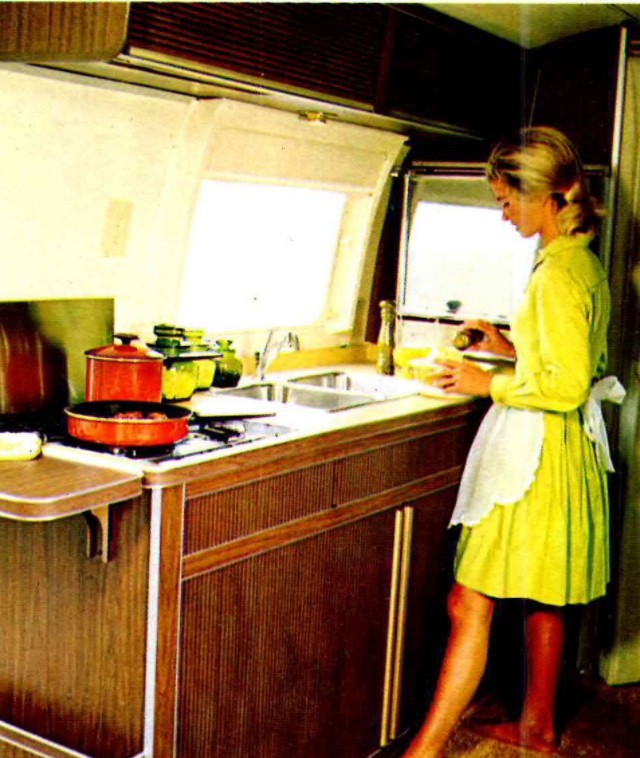
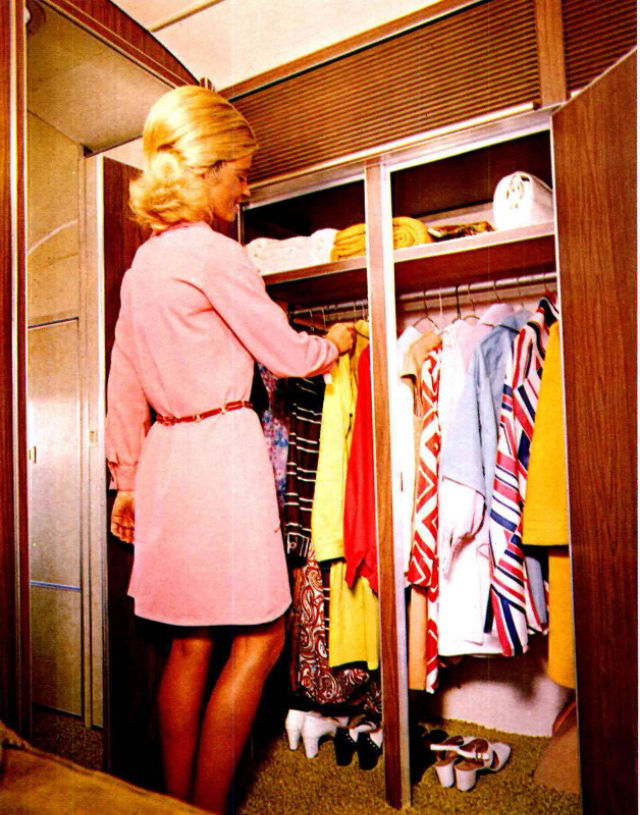
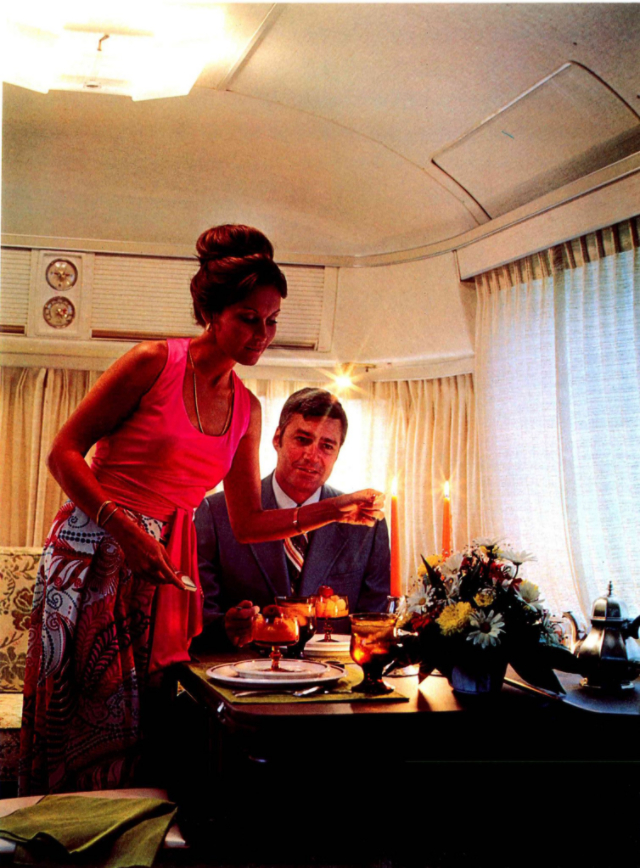
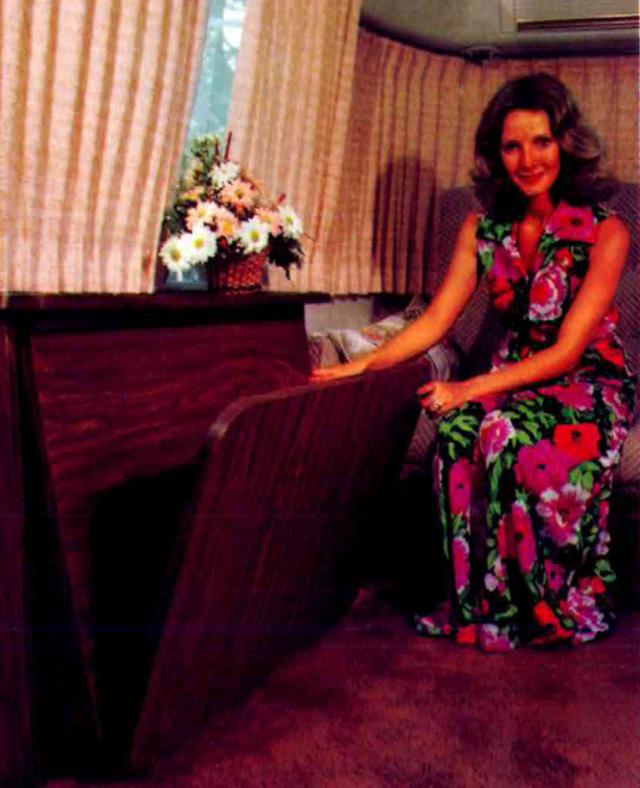
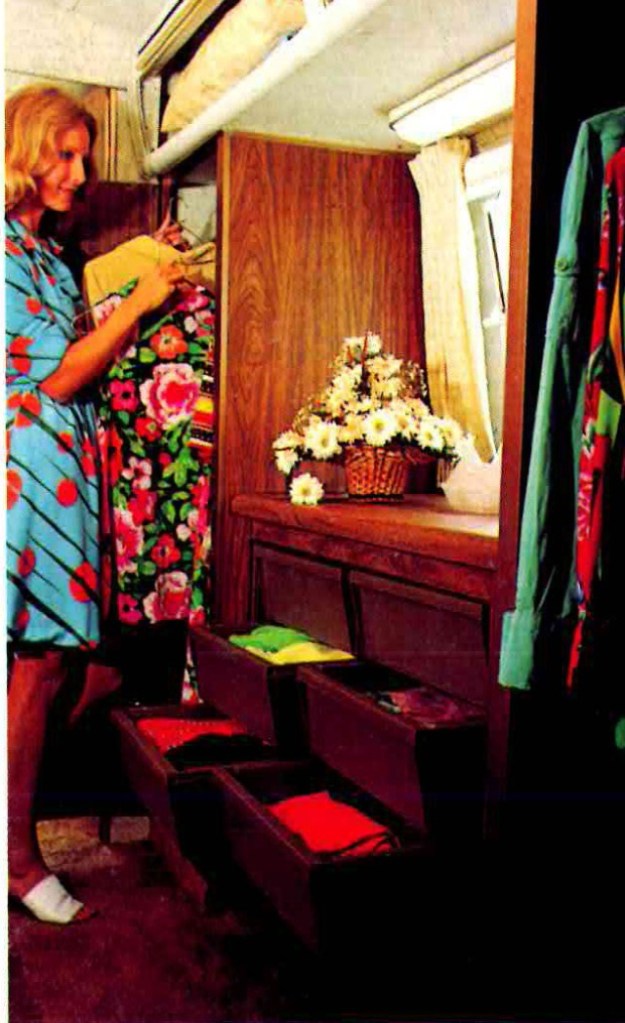
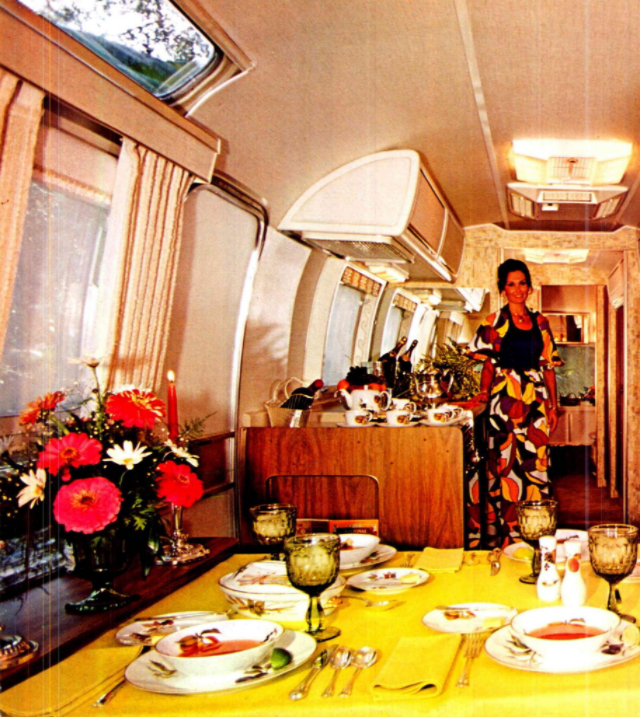
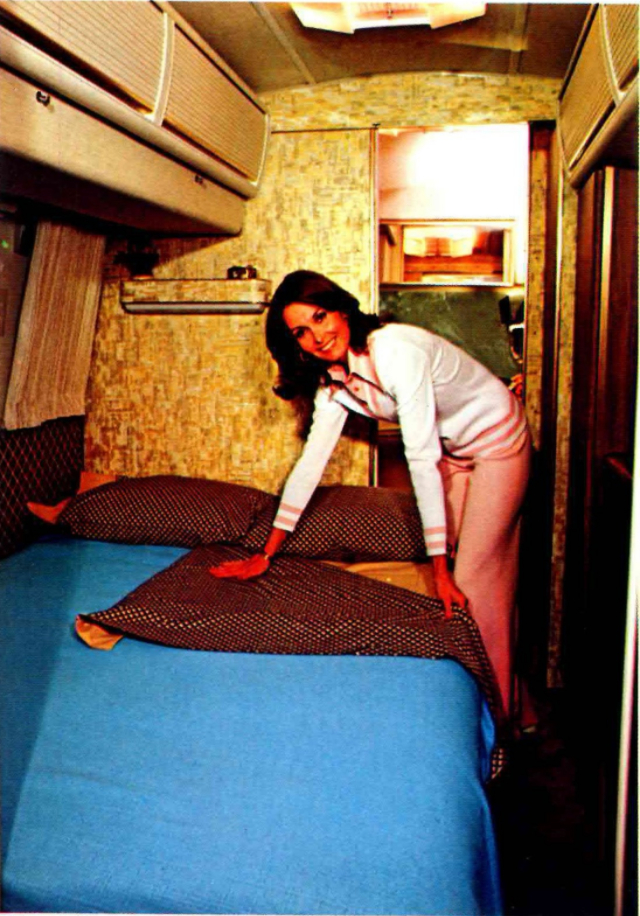
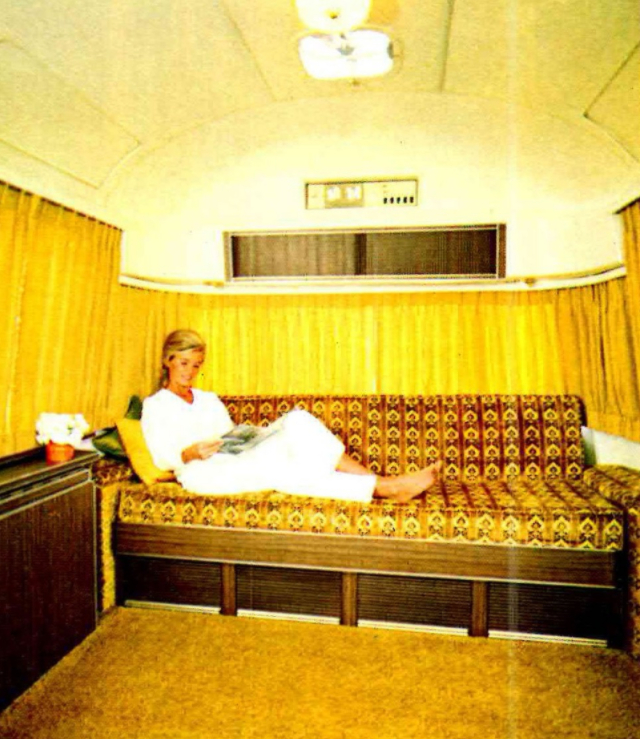
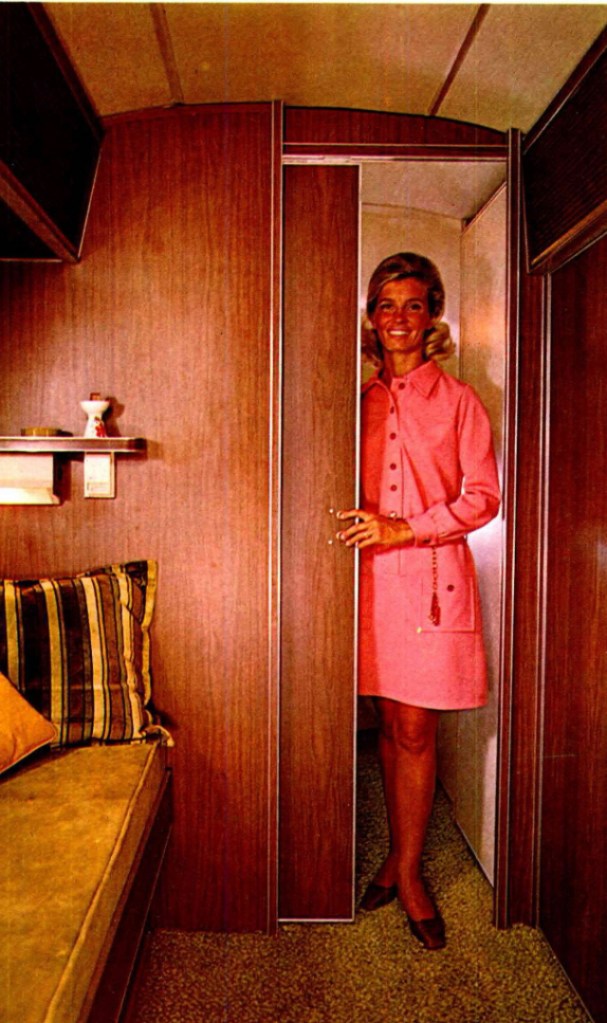
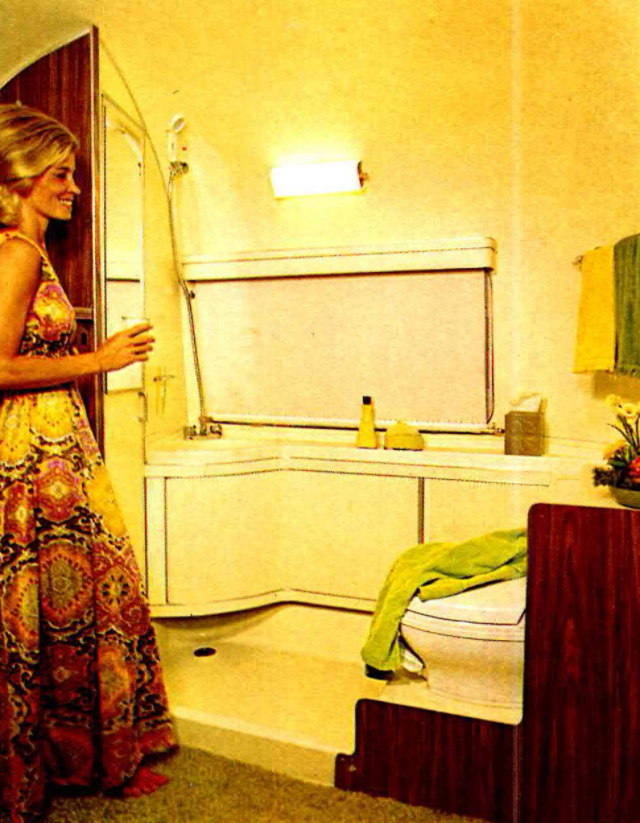
Take a Look Inside a 1970s Airstream Travel Trailer

In 1931, Airstream began with Wally Byam’s dream: to build a travel trailer that would move like a stream of air, be light enough to be towed by a car, and create first-class accommodation anywhere. Every inch of an Airstream has a function. Airstream is the most thoroughly tested brand in trailer history. Its engineering is the culmination of over 80 years’ experience plus millions of miles on roads throughout the world.

With a recession and a gas crisis, the 1970s weren’t a great decade for the auto industry as a whole, let alone travel trailers and Airstream. Driving for fun wasn’t on the table for many people. And that brought change to Airstream. For the first time in the company’s history, it left California – and for good. New products were introduced, unlike anything Airstream had done before. But even in a time of flux, with change everywhere, what remained was undeniably Airstream.

As a recession and the Middle East gas crisis hit American drivers hard in the late 1970s, it did the same to Airstream. With the expansion of the Jackson Center facility and a need to consolidate, Airstream finally made the move east complete. The California plant was closed in 1978, and all manufacturing and executive operations would move to the Ohio complex – where they remain today.

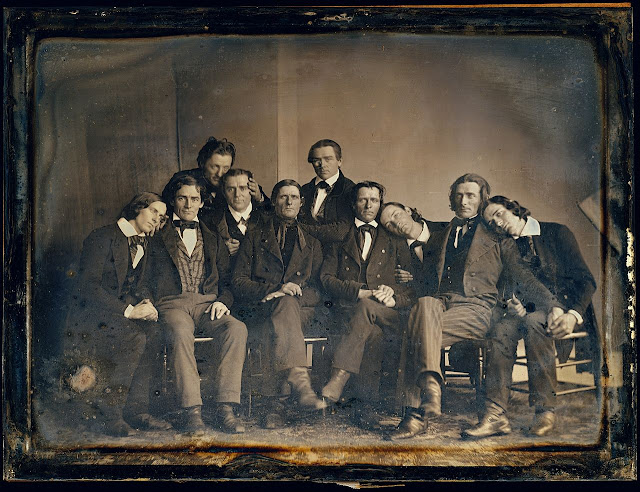
19th Century Rock Stars: Early Photos of the Hutchinson Family Singers From the 1840s

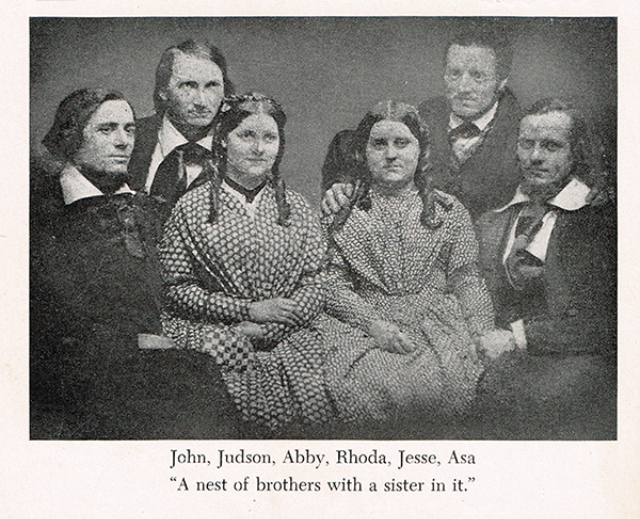
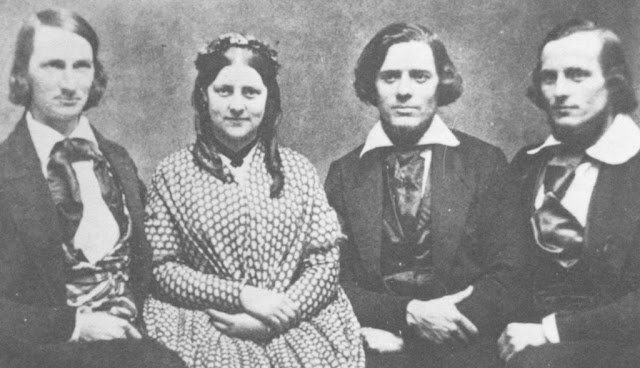
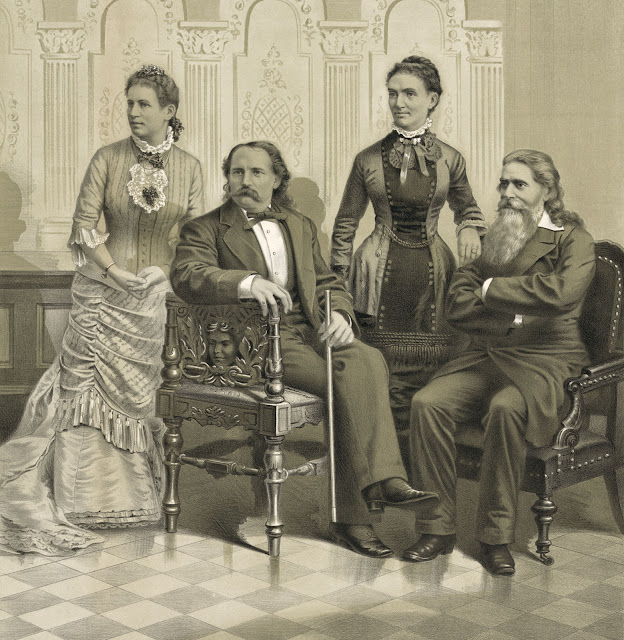
The Hutchinson Family Singers took 19th-century America by storm. Their fame rivaled and even outshone the stars of today. Through their performances in front of interracial audiences, they also changed hearts and minds about some of the big political issues of the day, like slavery and womens’ rights. They are considered by many to be the first uniquely American popular music performers.

The group formed in the wake of a string of successful tours by Austrian singing groups such as the Tyrolese Minstrels and when American newspapers were demanding the cultivation of native talent. John Hutchinson orchestrated the group’s formation with his brothers Asa, Jesse, and Judson Hutchinson in 1840; the eleven sons and two daughters gave their first performance on November 6 of that same year. The popularization of group singing in America arguably began with them. Jesse Hutchinson quit the main group to write songs and manage their affairs; he was replaced by sister Abby Hutchinson.
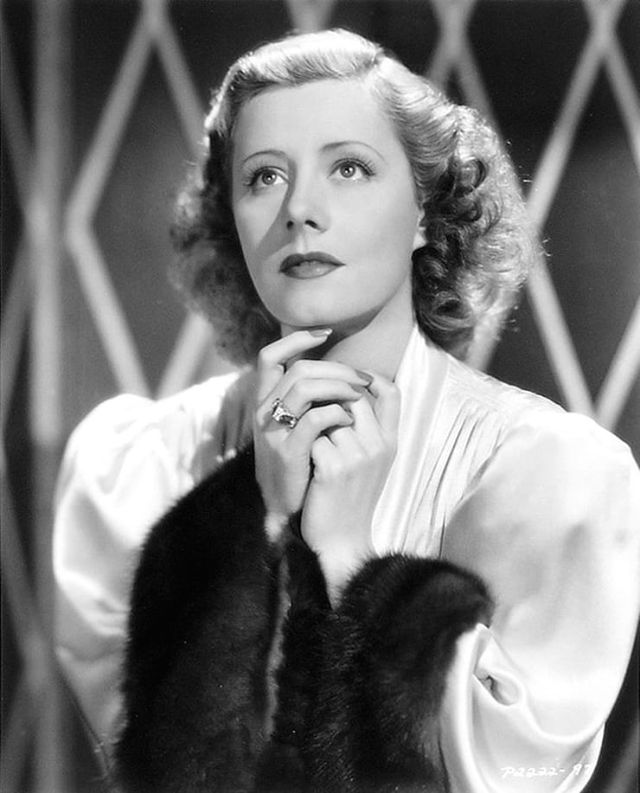
The Hutchinsons were a hit with both audiences and critics, and they toured the United States. They popularized four-part close harmony. The group’s material included controversial material promoting abolitionism, workers’ rights, temperance, and women’s rights, all stances popularized by the Second Great Awakening.

After the Hutchinson Family Singers’ first New York City concert on May 13, 1843, the New York Tribune wrote: “The Hutchinson family gave a concert on Saturday evening and acquitted themselves quite well. They . . . know how to make music, decidedly, though some of their songs are not well chosen either to gratify the audience or exhibit their peculiar powers. We wish they would take care to favor the unscientific public with the words of their songs distinctly. Russell does so, and it is to thousands one of the best points of his singing.”

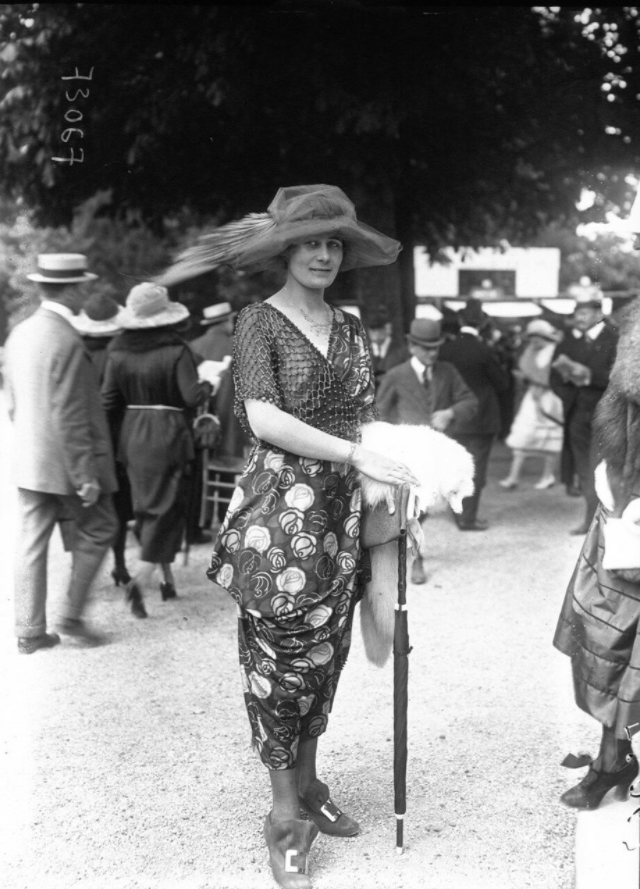
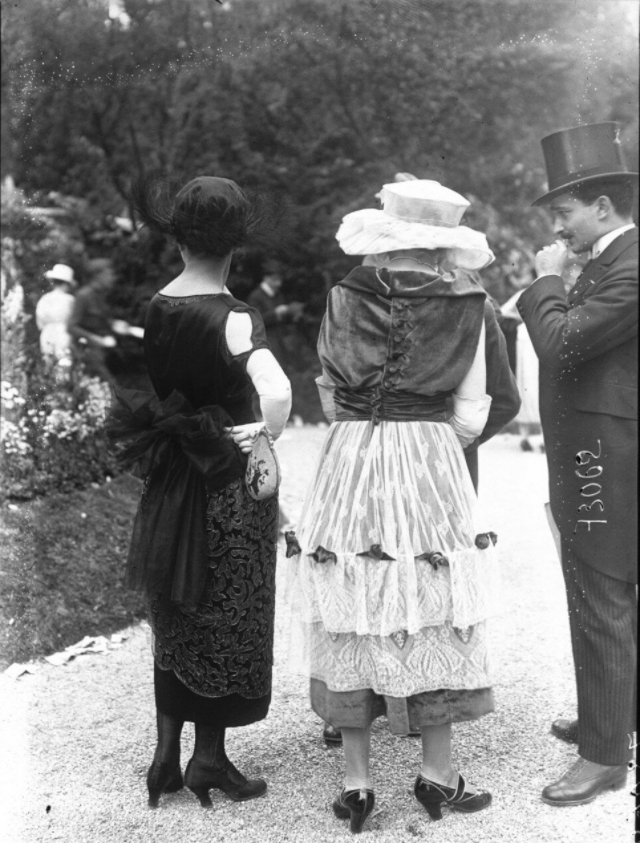
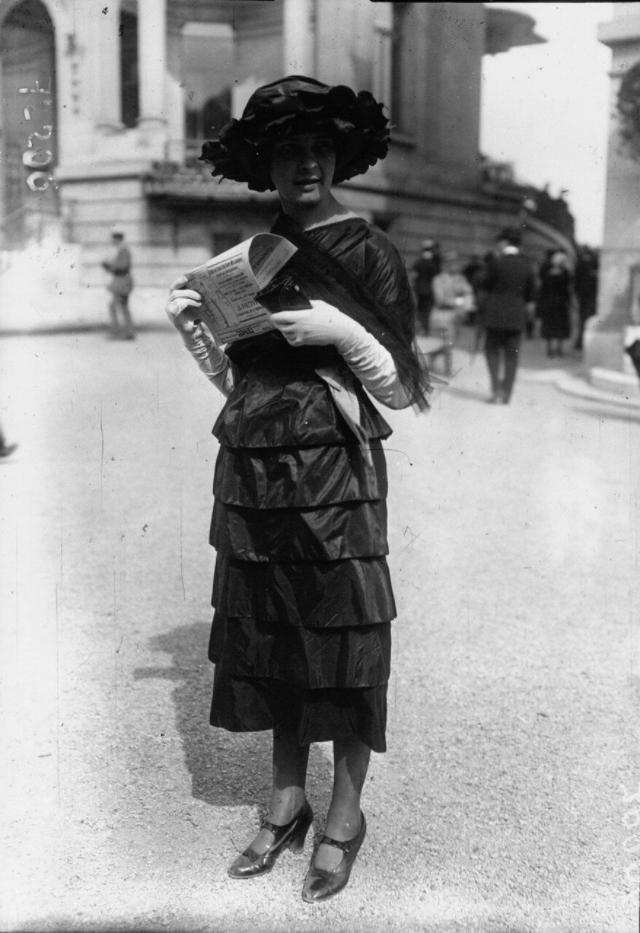
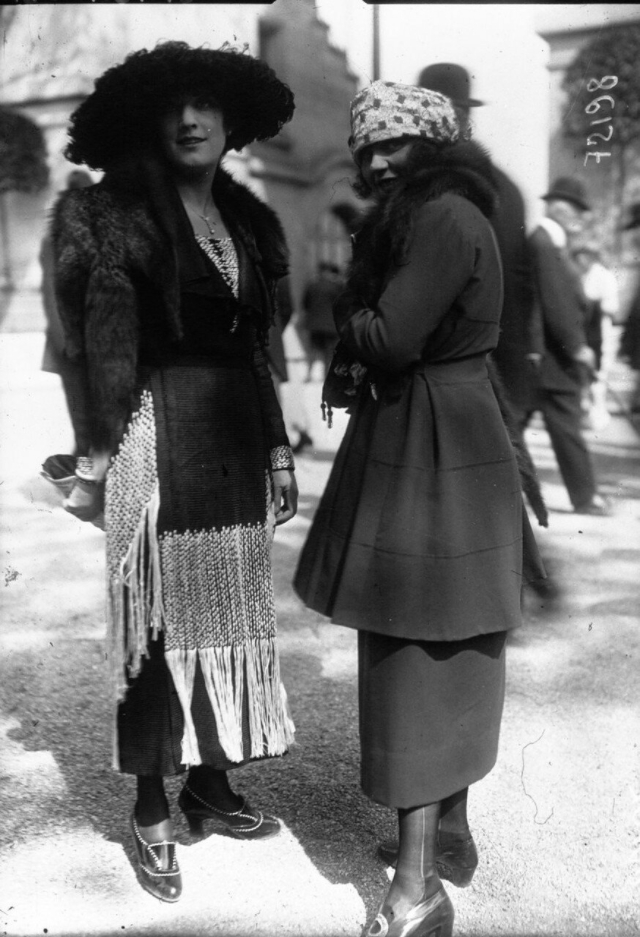
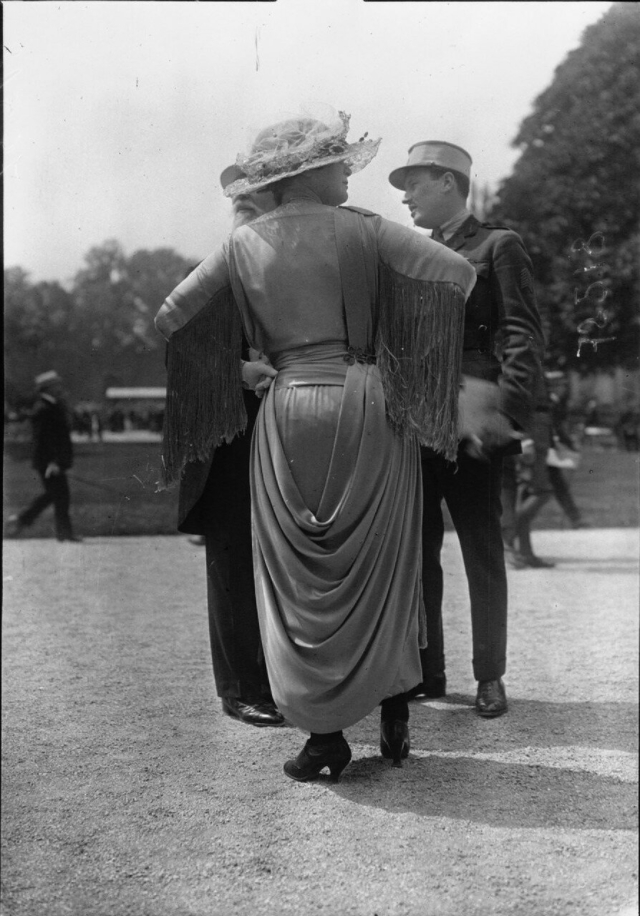
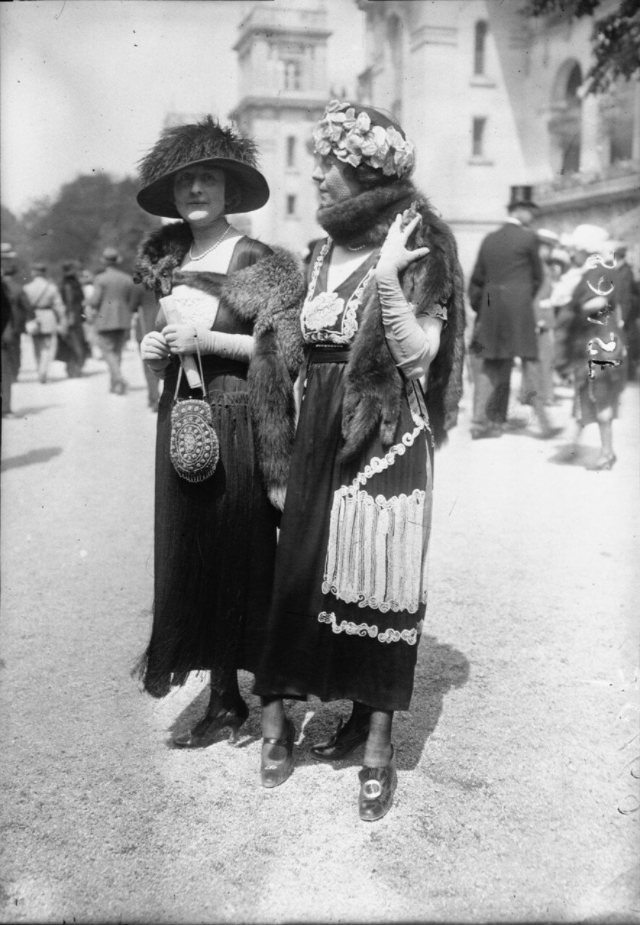
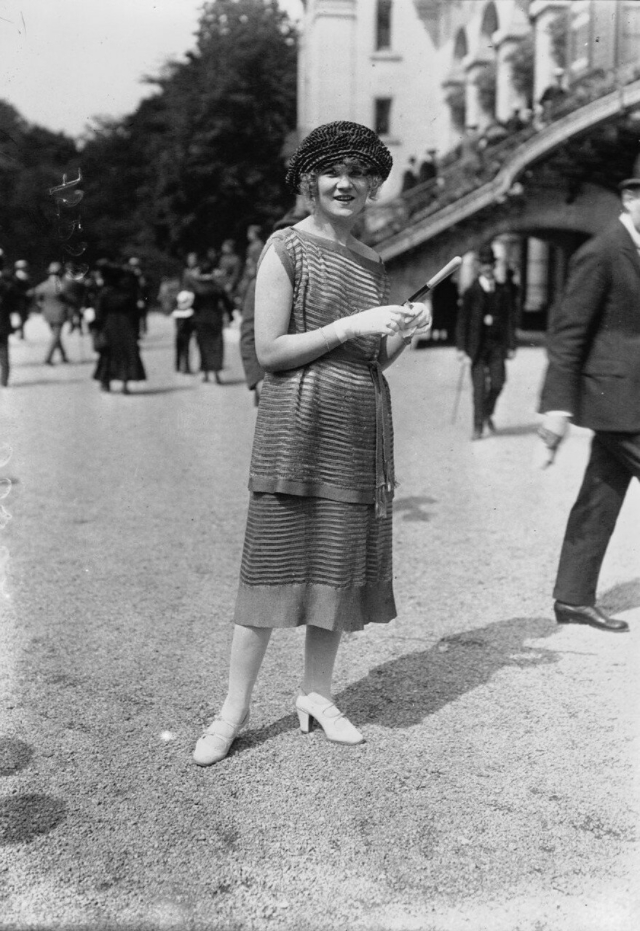
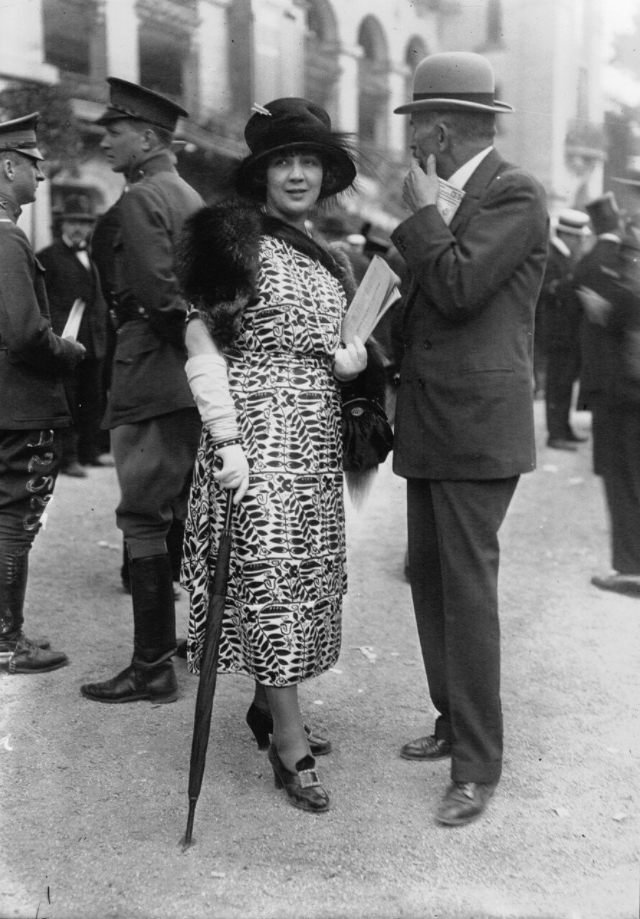
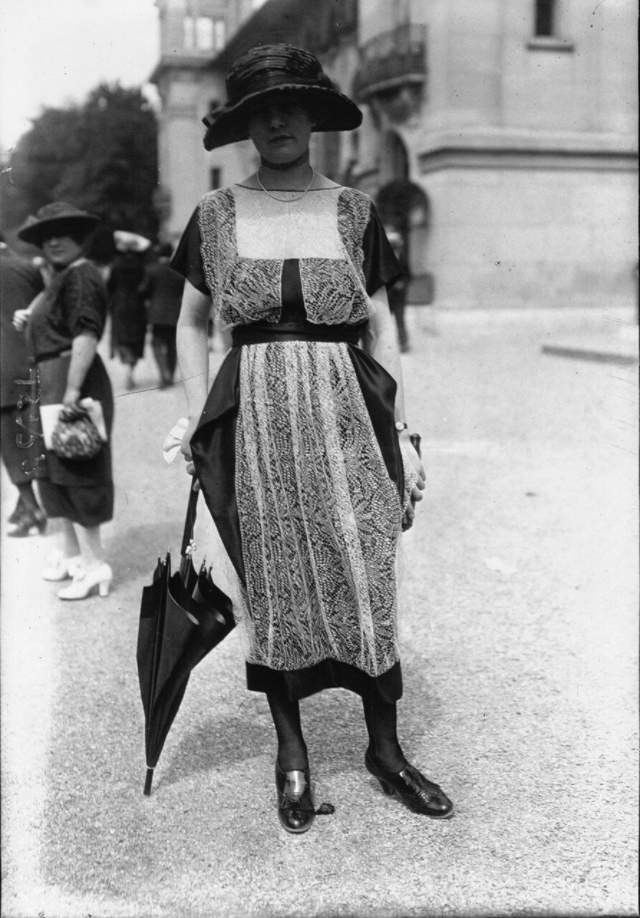
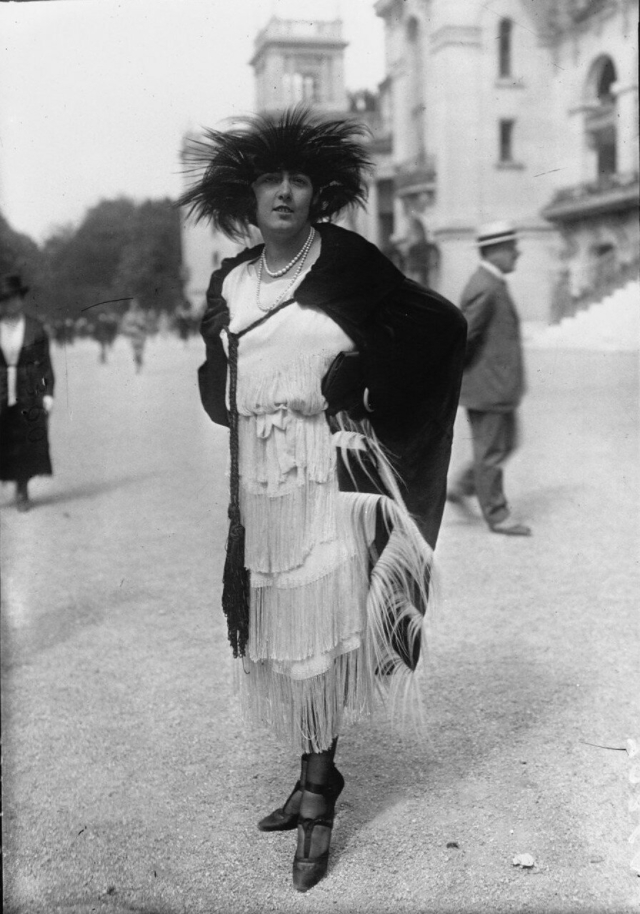
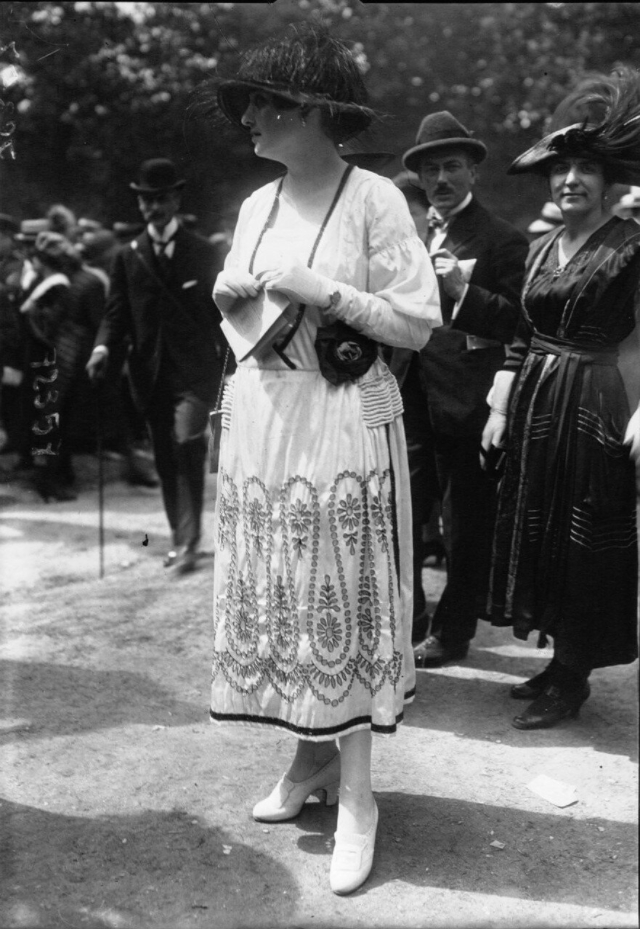
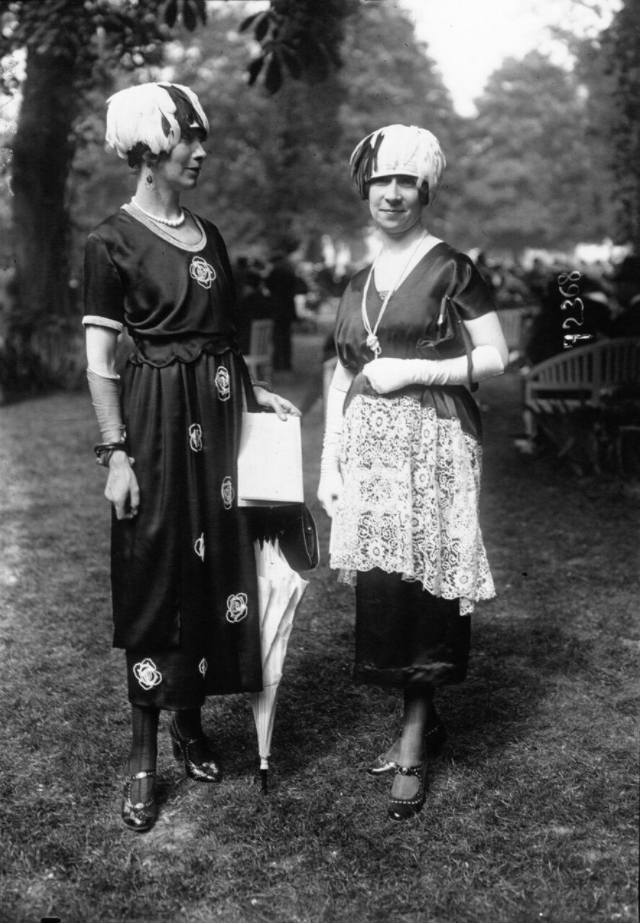
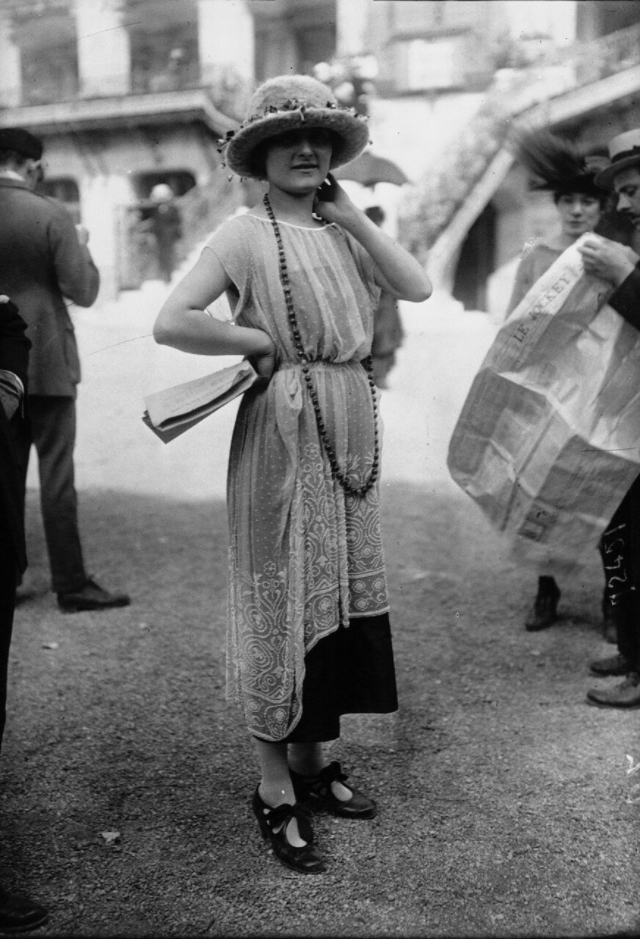
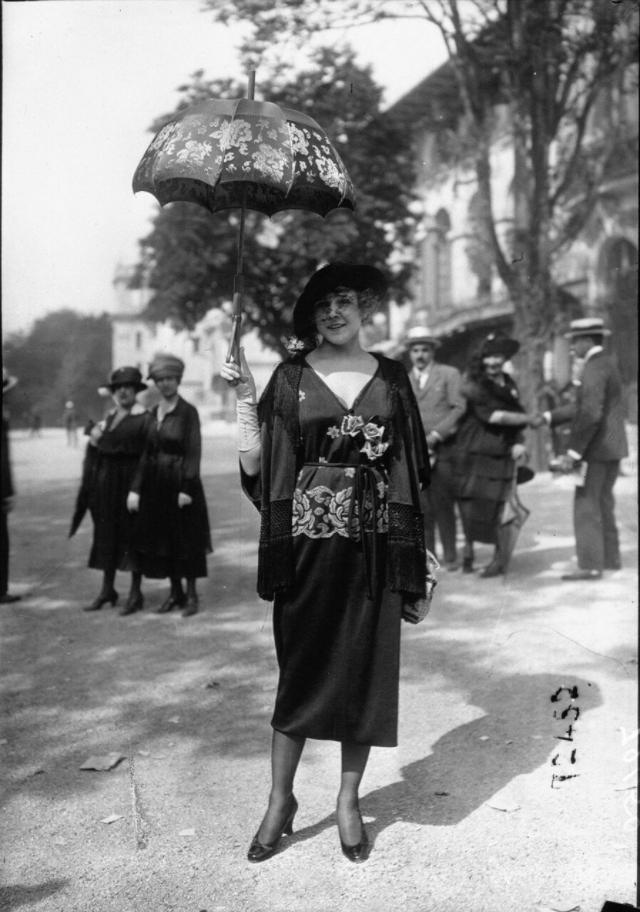
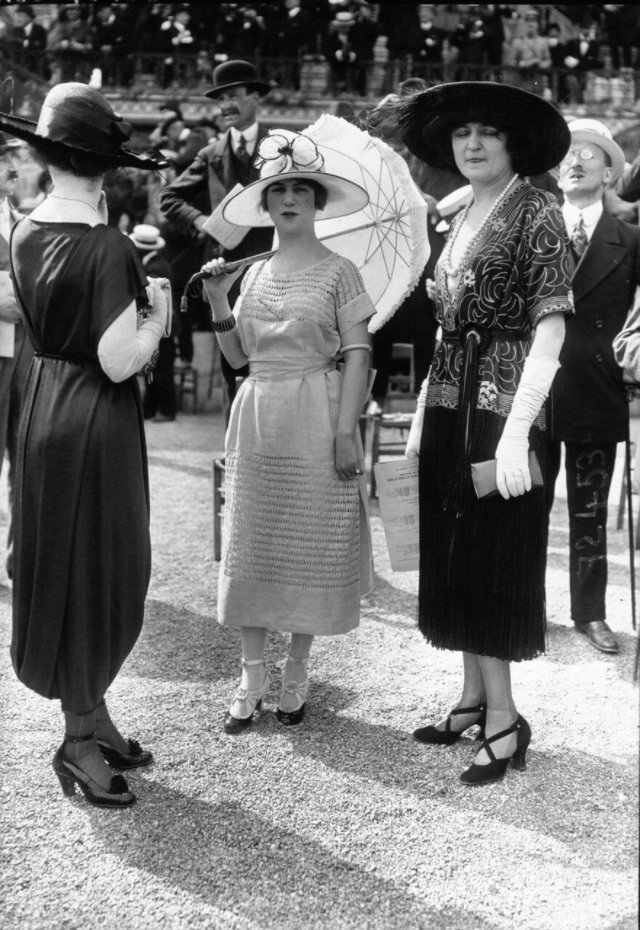
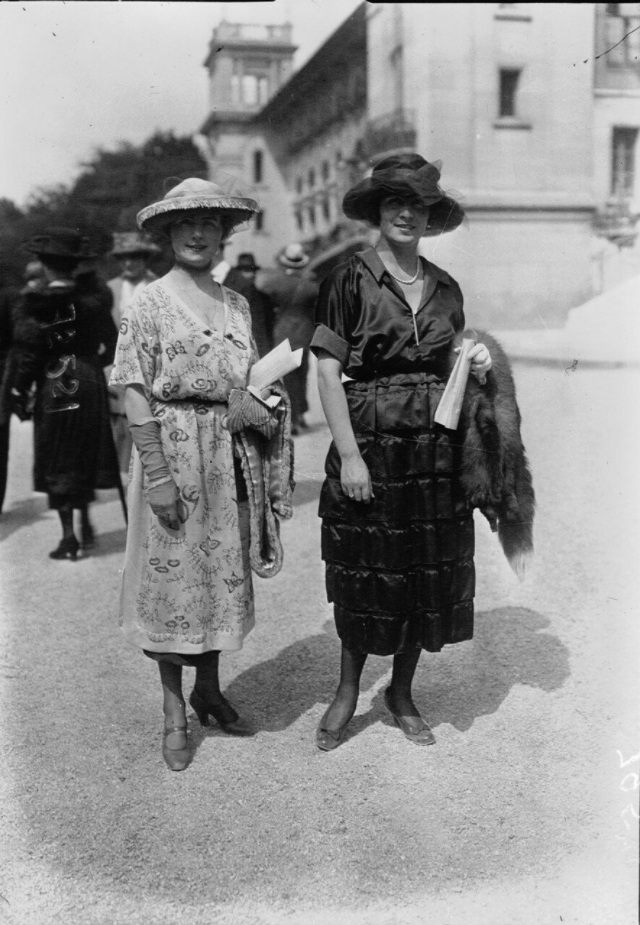
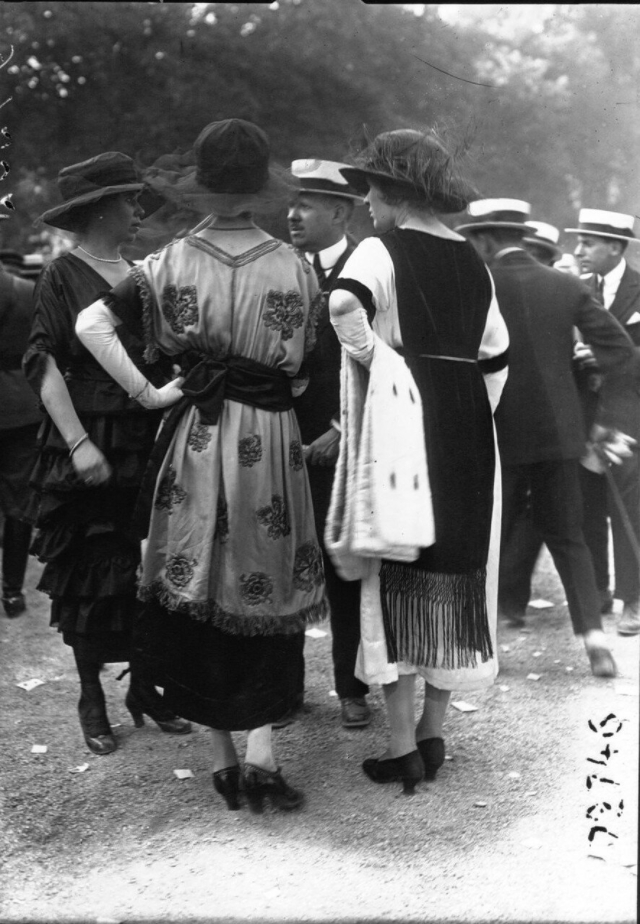
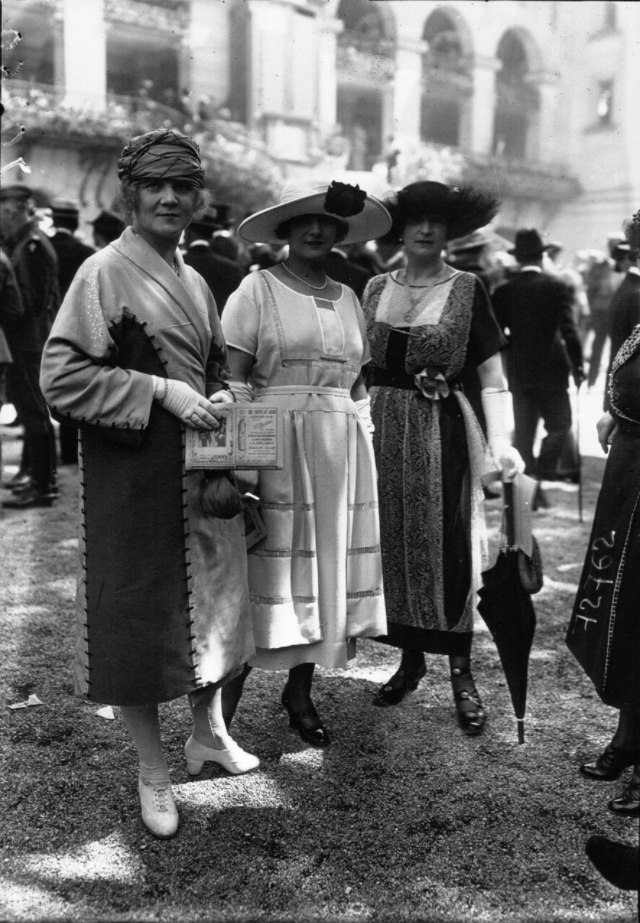
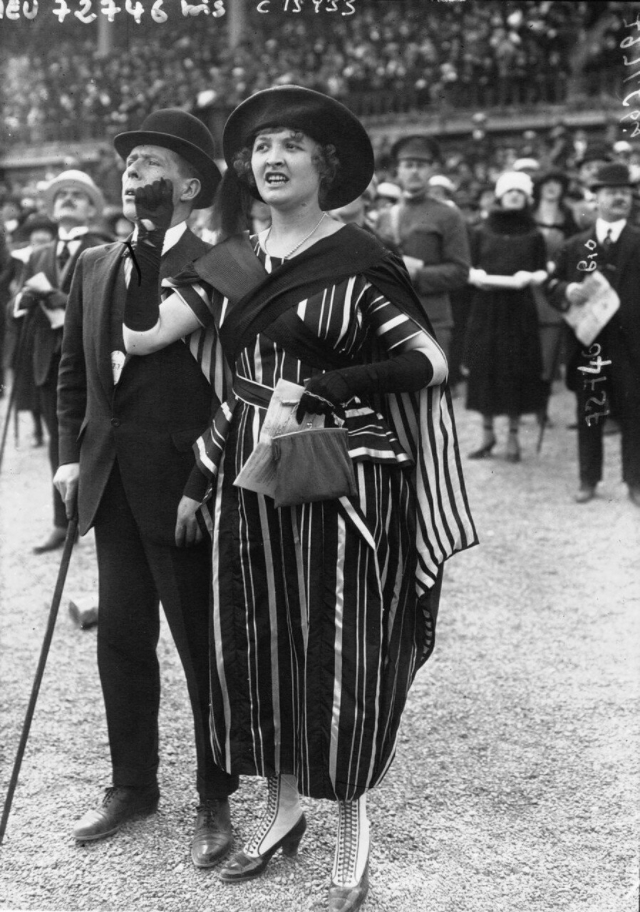
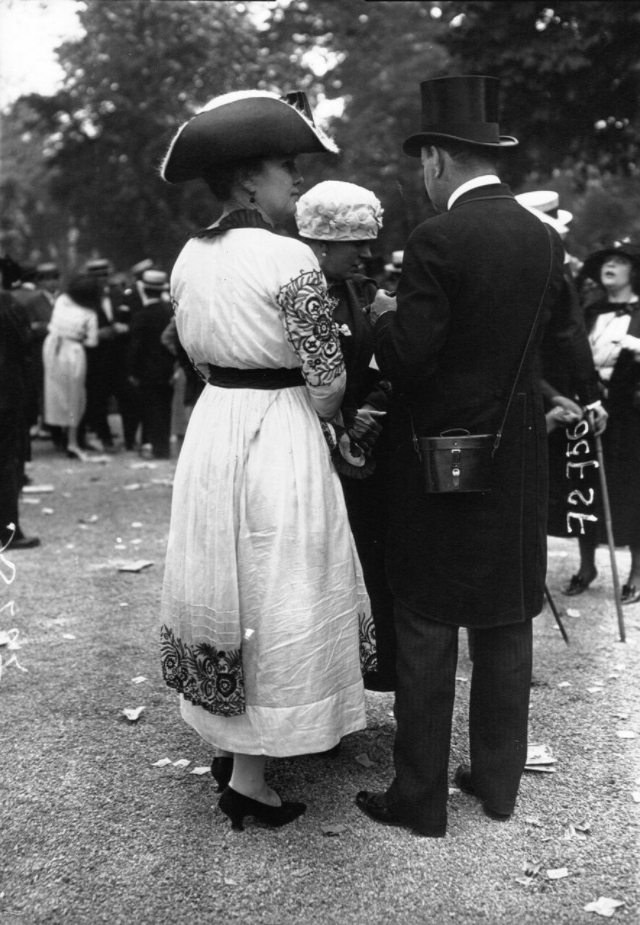
35 Amazing Vintage Photographs Show How Parisian Women’s Fashion Looked Like Back in the 1910s

Paris is one of the fashion capitals of the world, and since forever a home of the most inspiring and exciting fashion style.

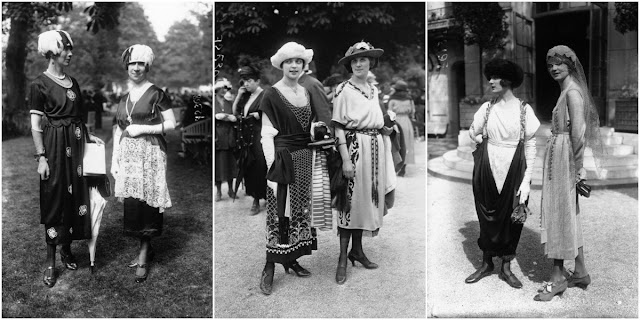
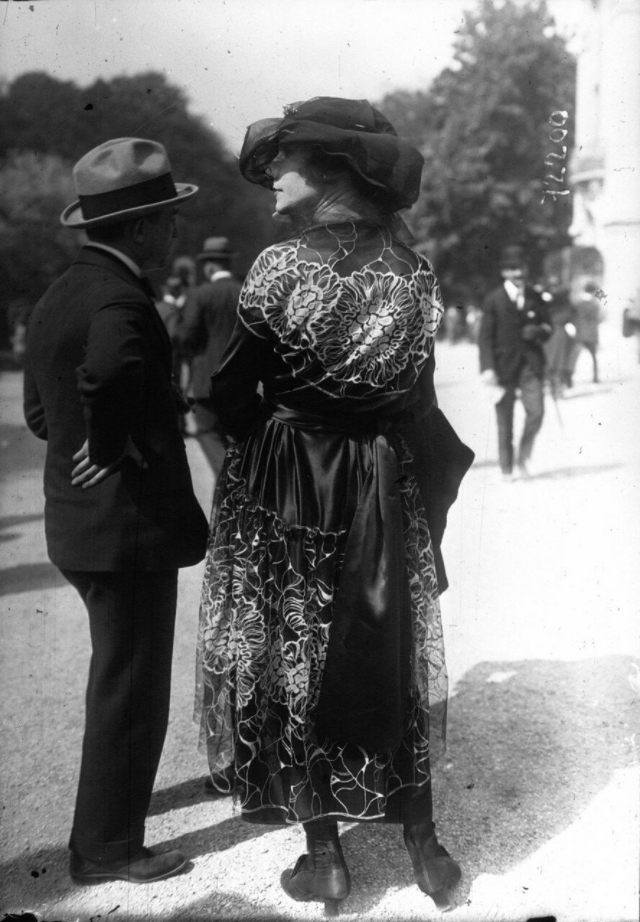
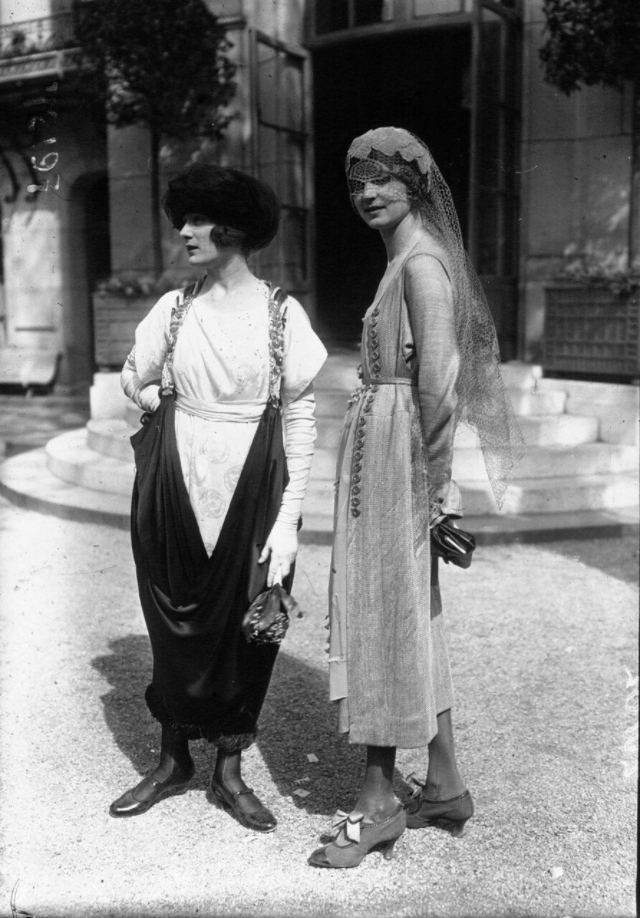
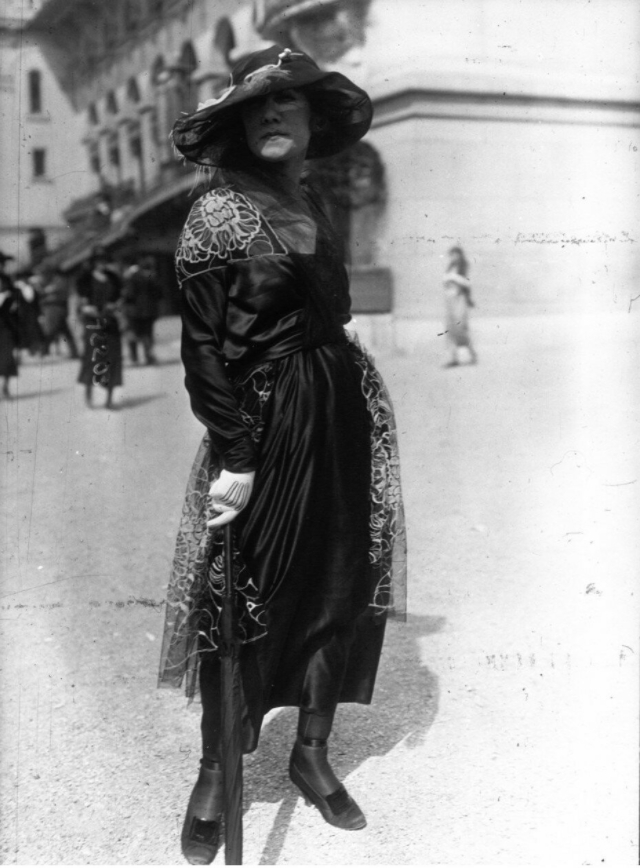
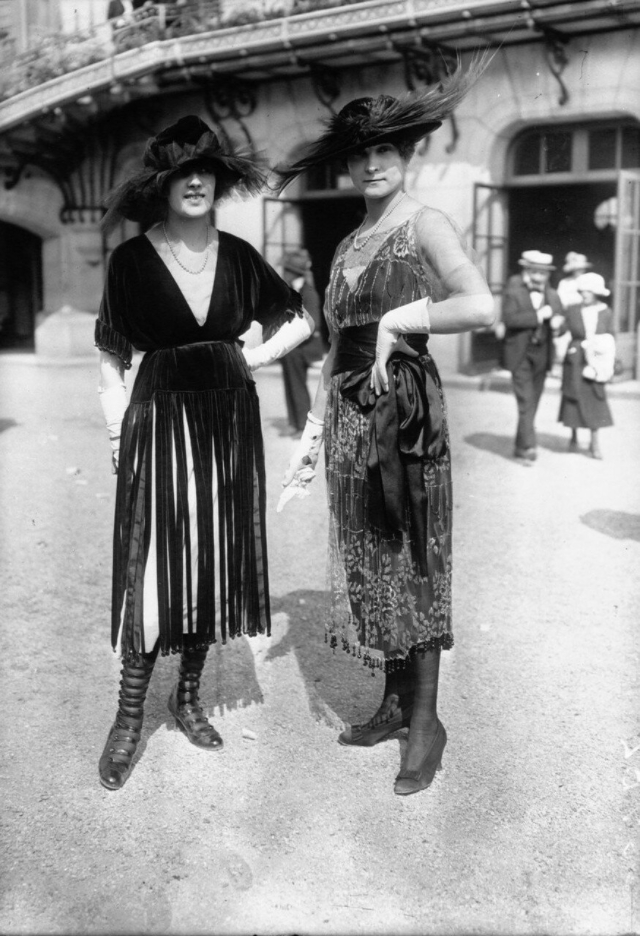
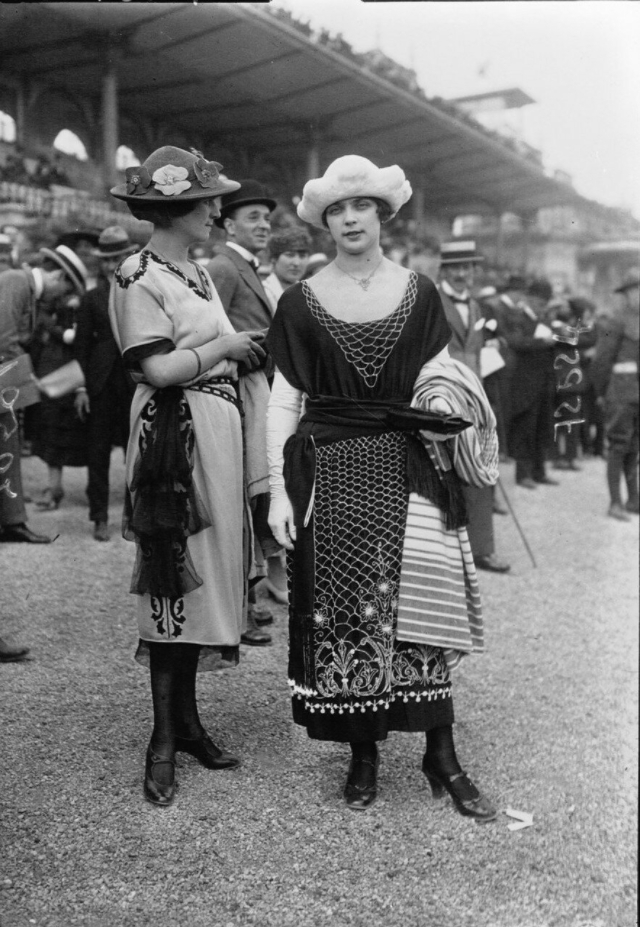
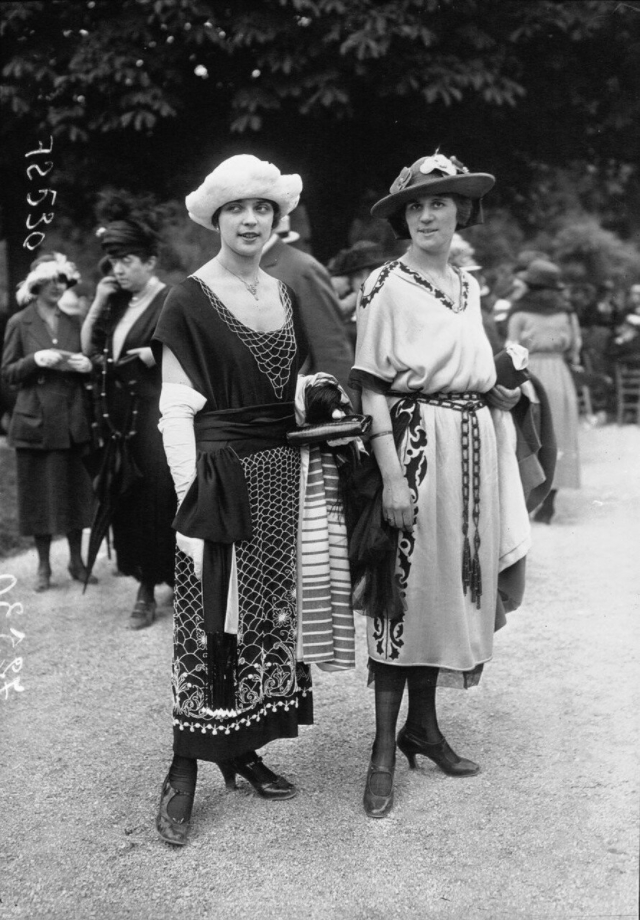
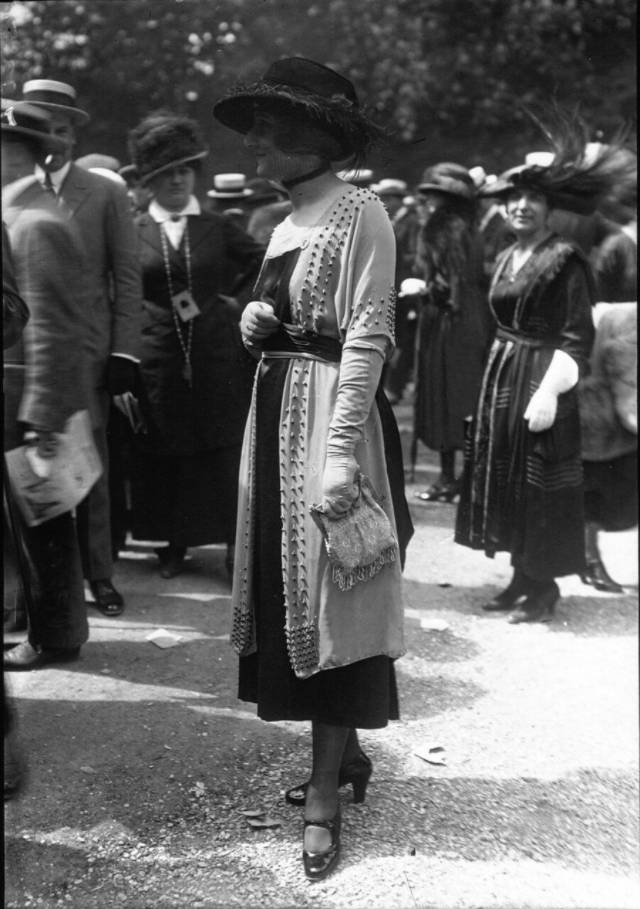
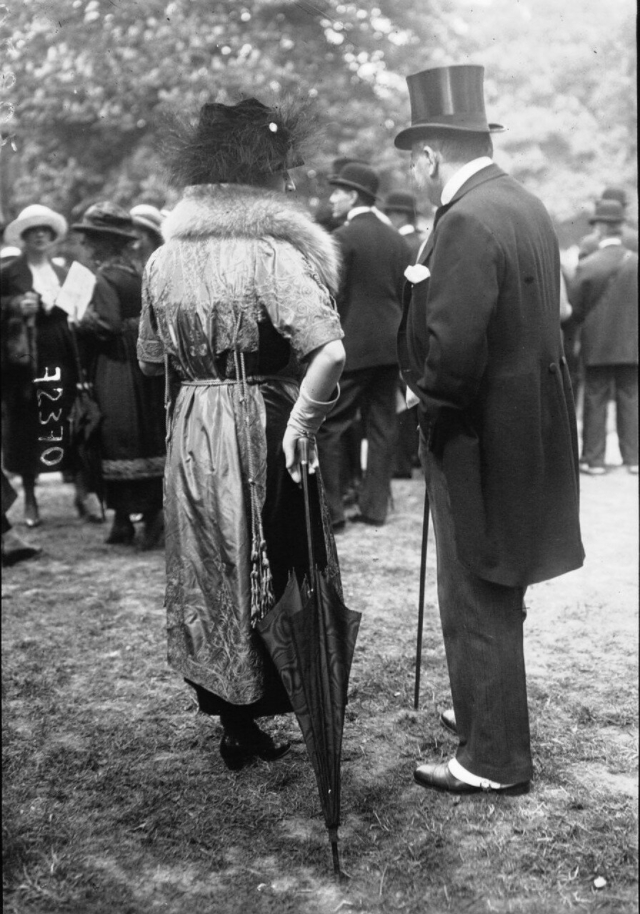
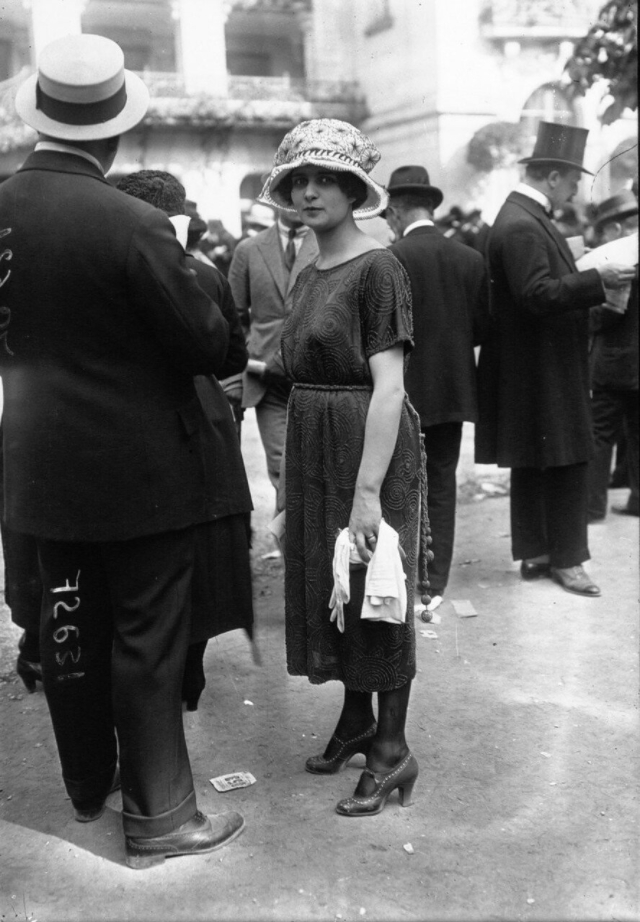
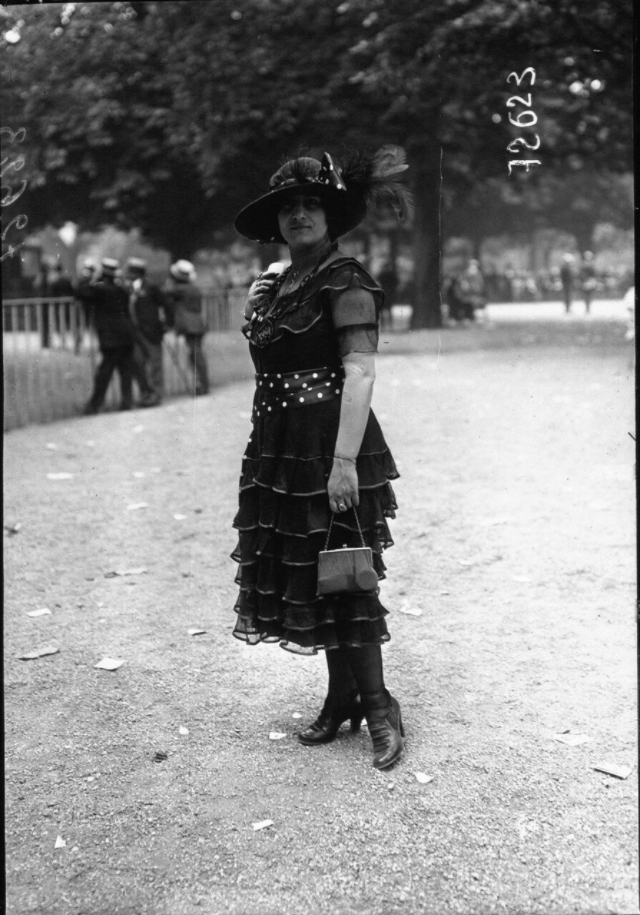
The Longchamp racecourse is situated in the Bois de Boulogne on the banks of the Seine River, in Paris, France. The first Longchamp race meeting was held in 1857. With the first real fashion shows organized in the 1910s, the new century hailed Paris as the fashion capital of the world. And couturiers routinely sent models wearing their latest designs to the racecourse.

As women were enjoying more social freedom, corsets – metaphorically and literally restricting – were changing in function from shaping the body to supporting it. And following the 1910 performance of “Scheherazade” by the Ballets Russes in Paris, a fashion mania for oriental styles was born.

Designs became asymmetrical. Preferred fabrics were satin, taffeta, chiffon and lightweight silks and cottons for the summer. Hemlines gradually rose and the female silhouette became straighter and flatter. The Art Nouveau movement influenced designers such as Paul Poiret, Jeanne Paquin, Jacques Doucet and Mariano Fortuny, who created loose and flowing styles.

Horse Found in a Tree After Storm in Louisville, Kentucky in 1937

When you hear about Louisville’s Great Flood, people are talking about the devastating flood of 1937. It rained almost every day that January — nearly 20 inches — putting 70 percent of the city under water. It was the widest and most destructive flood in U.S history at the time.

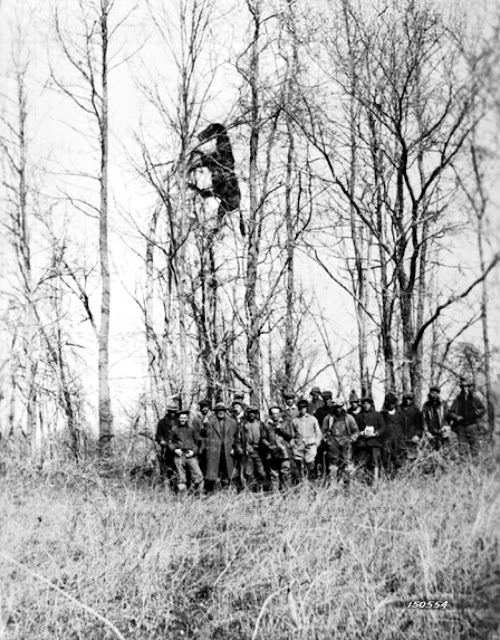
The photo here shows the aftermath of the flooding – a dead horse lodged high in trees due to flood waters:

More than 150 cities along the Ohio River — then unprotected by levees or floodwalls —were inundated, driving hundreds of thousands from their homes. Hundreds of people died. From Pittsburgh to Cairo, Illinois, the damage amounted to $8.7 billion in today’s money.

Louisville was the hardest hit, with more than half the population of 308,245 evacuated. Nearly 50,000 homes were flooded, as were 250 of the city’s 350 churches. In today’s money, the damage total was $1.7 billion.

The Great Flood of 1937 sets the record for the highest the Ohio River has ever hit. On January 27, 1937, the water levels reached 52.15 feet at the upper gauge, where flood stage starts at 23 feet. At the lower gauge, it was 85.44 feet, where the flood stage begins at 55 feet.

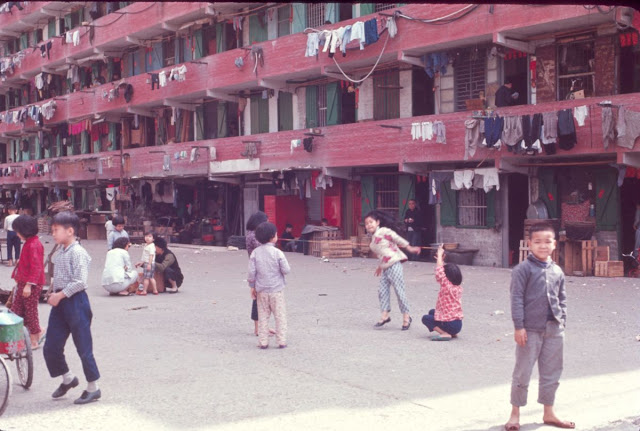
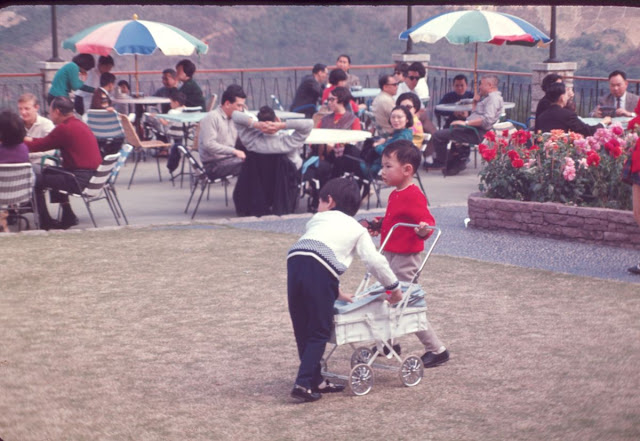
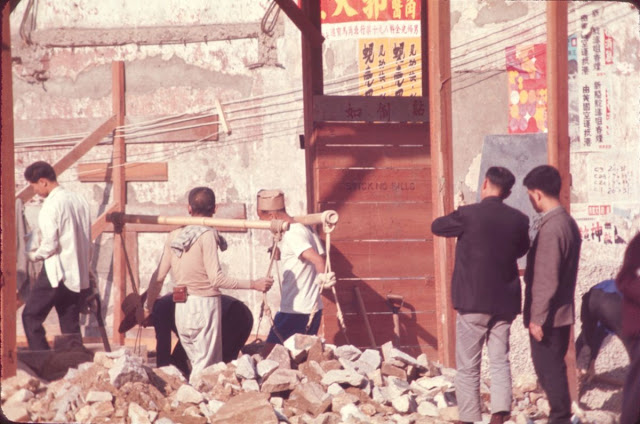
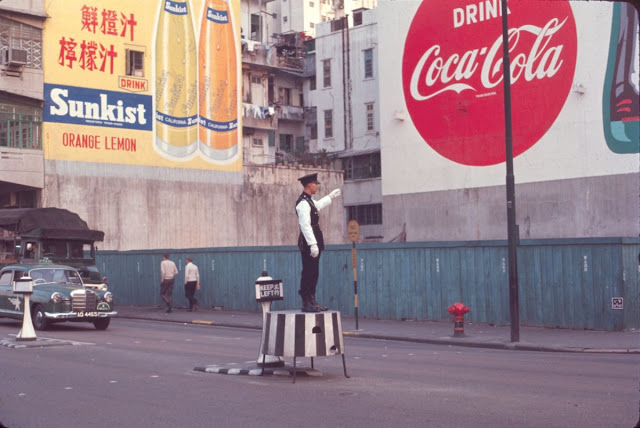
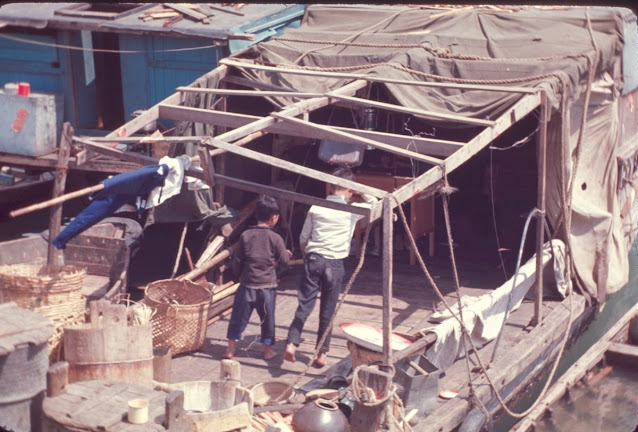
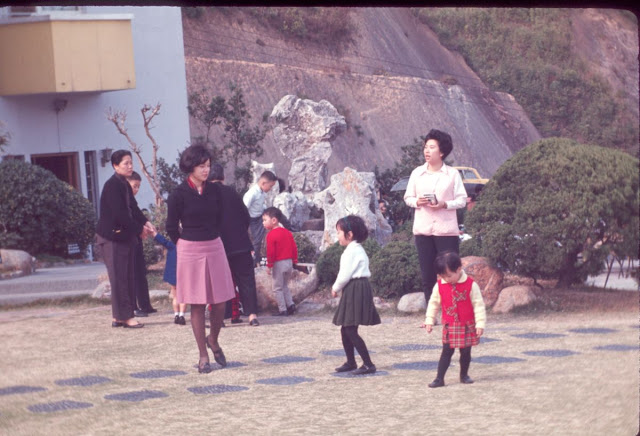
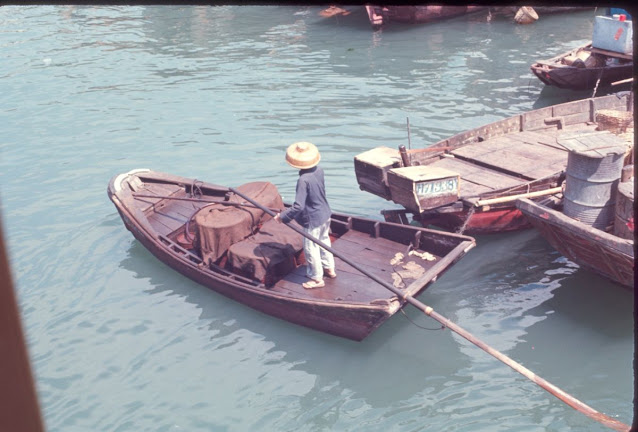
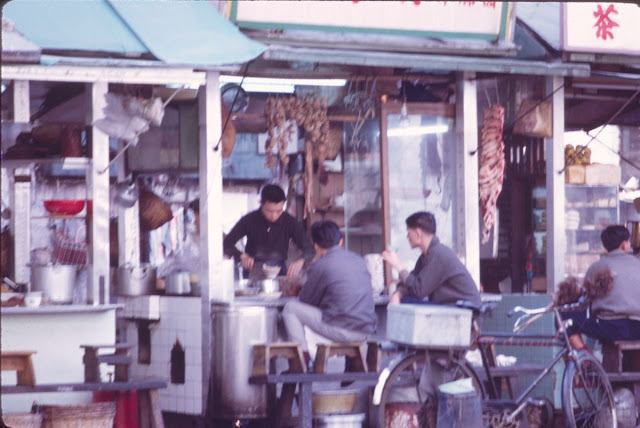
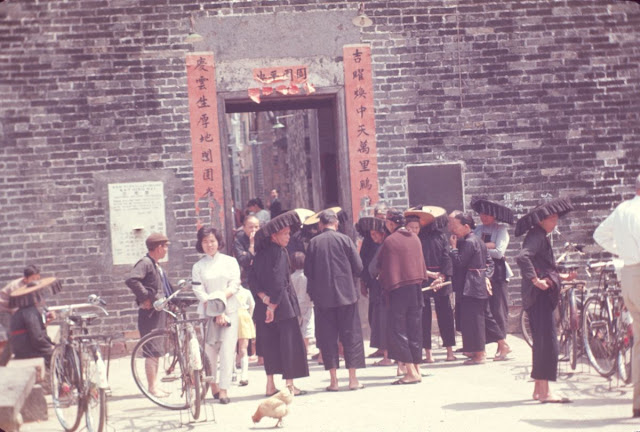
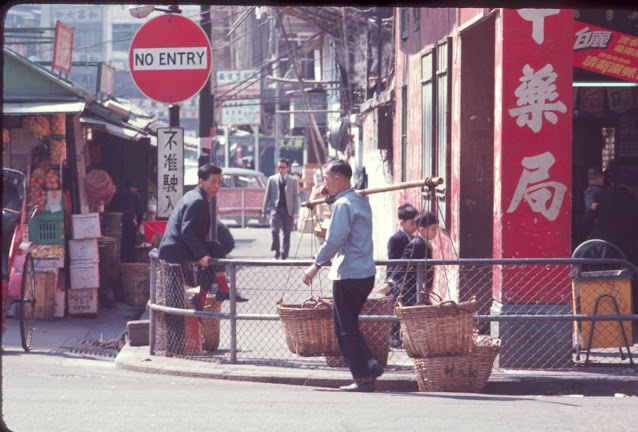
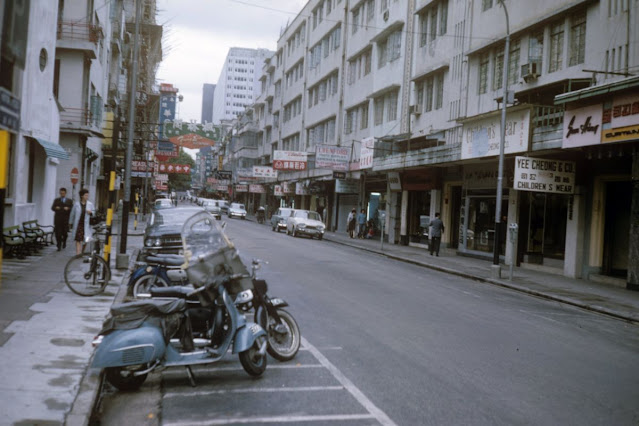
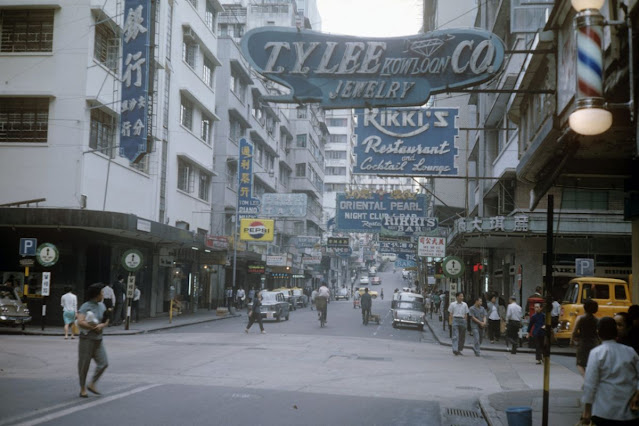
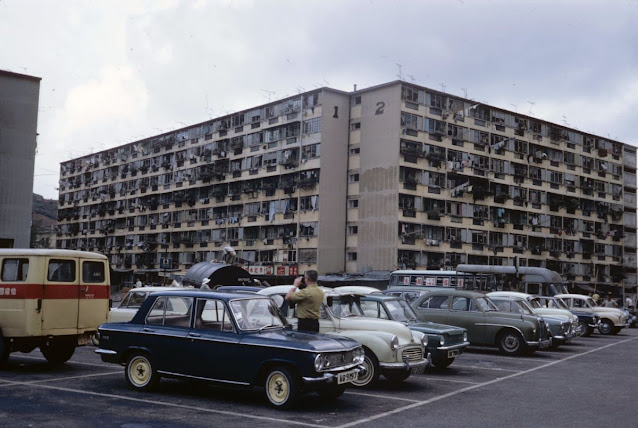
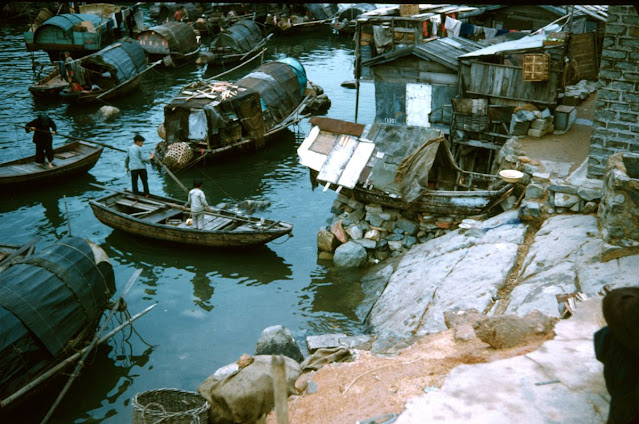
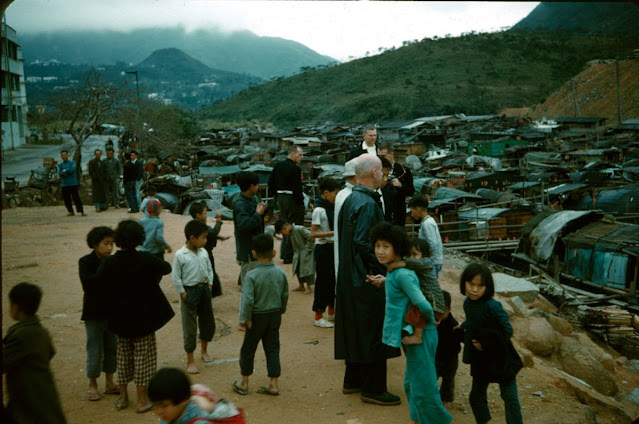
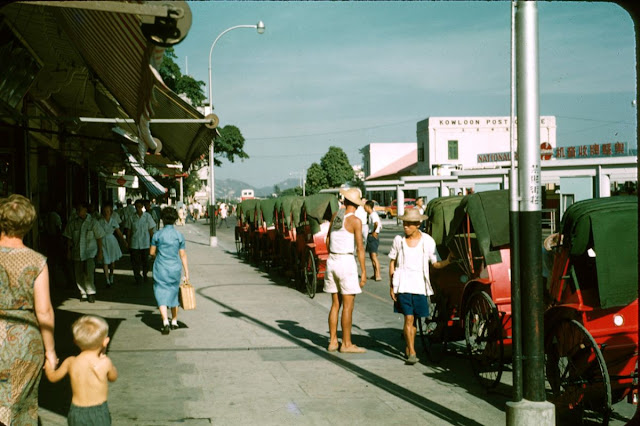
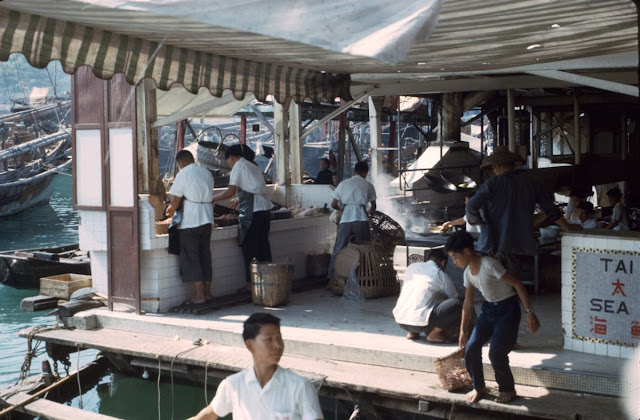
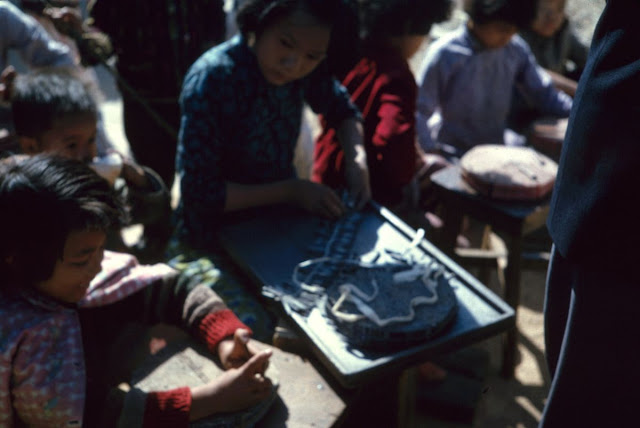
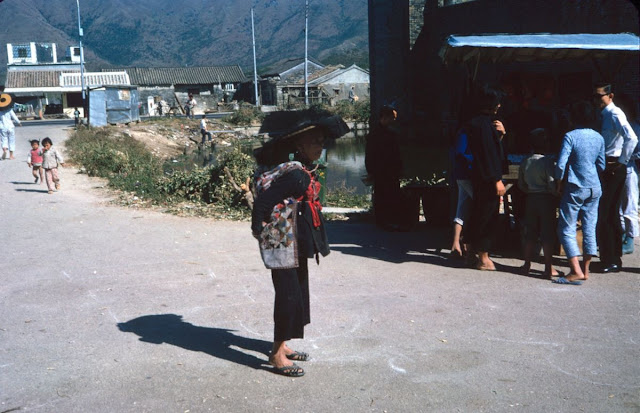
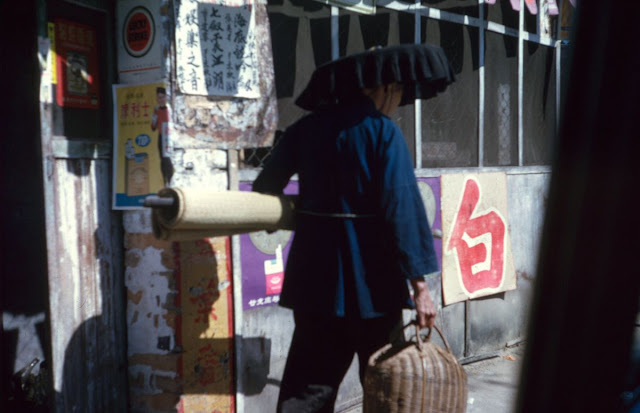
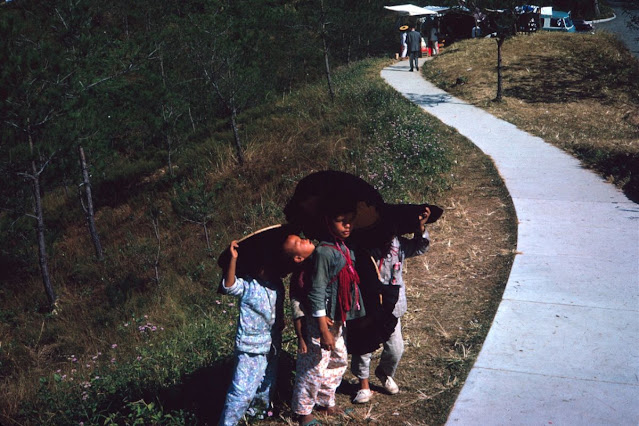
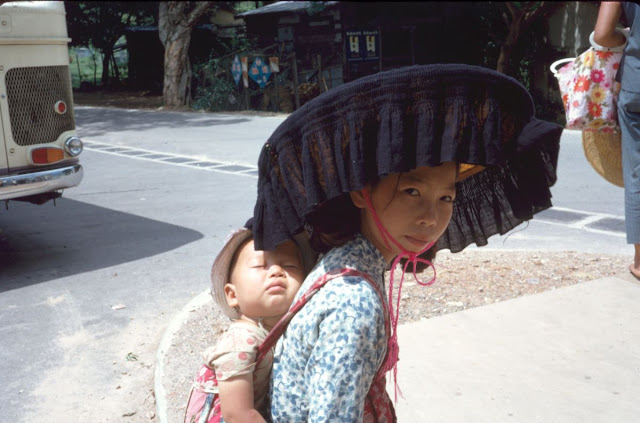
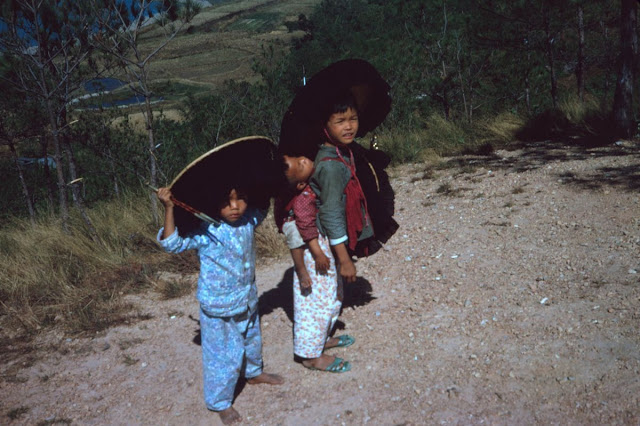
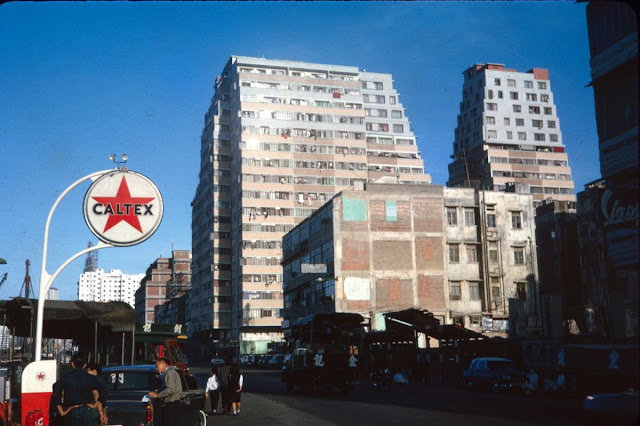
30 Amazing Color Photographs That Capture Daily Life in Hong Kong in the 1960s

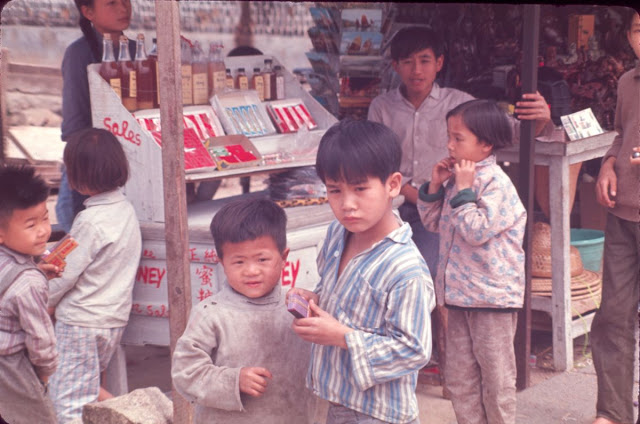
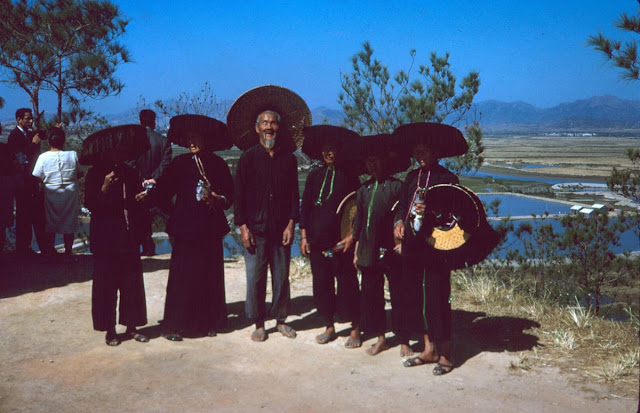
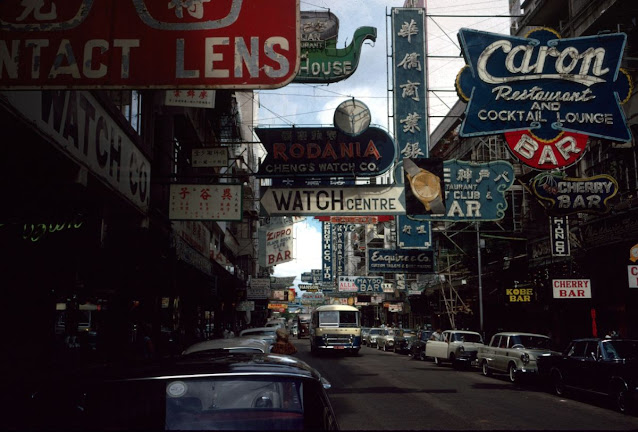
1960s in Hong Kong continued with the development and expansion of manufacturing that began in the previous decade. The economic progress made in the period would categorize Hong Kong as one of Four Asian Tigers along with Singapore, South Korea, and Taiwan.

Hong Kong’s population in the 1960s is estimated at 3 million. Half of the population was under the age of 25 and the group became Hong Kong’s baby boom generation. The surge of refugees continued to come in from China.

The past generations of Chinese families were deeply rooted in family affairs. The long hours in the factories would break apart that traditional structure when most people spend far more time working in factories than at home. But people lived under a strong willingness to bear sufferings. This was slightly compensated by their close relationship within the community, and cheerful talks in their spare times. Work places mainly served as educational hubs or the “second home.” Women also joined the work force in larger numbers, becoming working daughters or working mothers.

The construction business would also continue to increase along with the demand of highways, buildings, tunnels, and reservoirs. In 1962, the director of public works questioned where to go after the development of Kwai Chung and Tsuen Wan. The construction expansion went west to Tuen Mun and north to Sha Tin. The first post-World War II documentation to provide detailed information about the territory came in 1969 in a guide titled the “Colony Outline Plan.” It was the first paperwork to outline strategies to house a million people with low-cost public housing, along with defining tight regulations and guidelines on how to construct among the high density population.

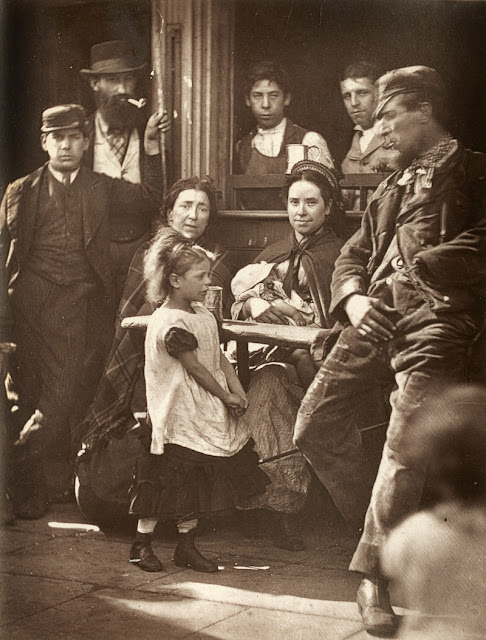
“Hookey Alf”, of Whitechapel, London, ca. 1877

Thus in the photograph before us we have the calm undisturbed face of the skilled artisan, who has spent a life of tranquil, useful labour, and can enjoy his pipe in peace, while under him sits a woman whose painful expression seems to indicate a troubled existence, and a past which even drink cannot obliterate.

(From Street Life in London, 1877, by John Thomson and Adolphe Smith)

By her side, a brawny, healthy “woman of the people,” is not to be disturbed from her enjoyment of a “drop of beer” by domestic cares; and early acclimatizes her infant to the fumes of tobacco and alcohol.

But in the fore-ground the camera has chronicled the most touching episode. A little girl, not too young, however, to ignore the fatal consequences of drink, has penetrated boldly into the group, as if about to reclaim some relation in danger, and drag him away from evil companionship.

There is no sight to be seen in the streets of London more pathetic than this oft-repeated story the little child leading home a drunken parent. Well may those little faces early bear the stamp of the anxiety that destroys their youthfulness, and saddens all who have the heart to study such scenes.
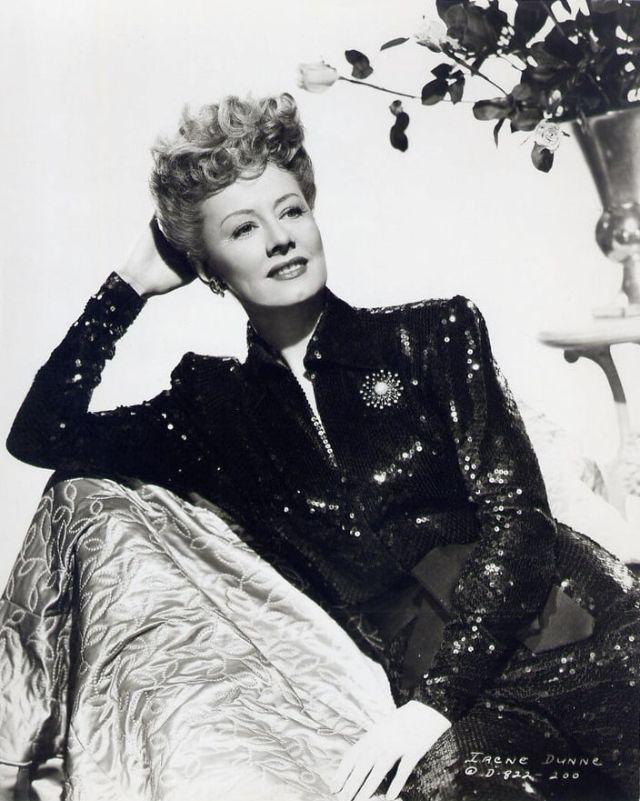
Inured to a life crowded with episodes of this description, the pot-boy stands in the back-ground with immoveable countenance, while at his side a well-to-do tradesman has an expression of sleek contentment, which renders him superior to the misery around.
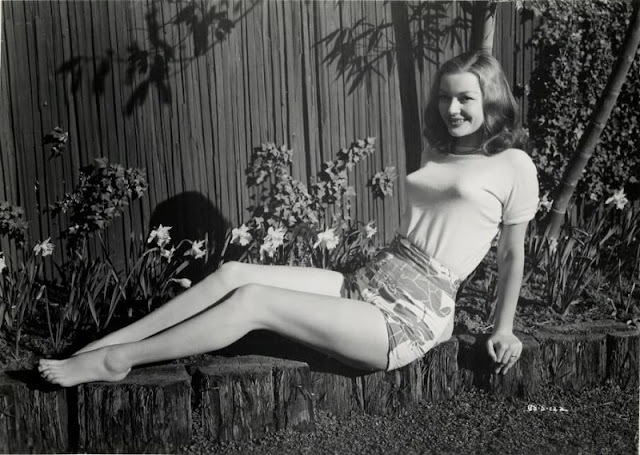
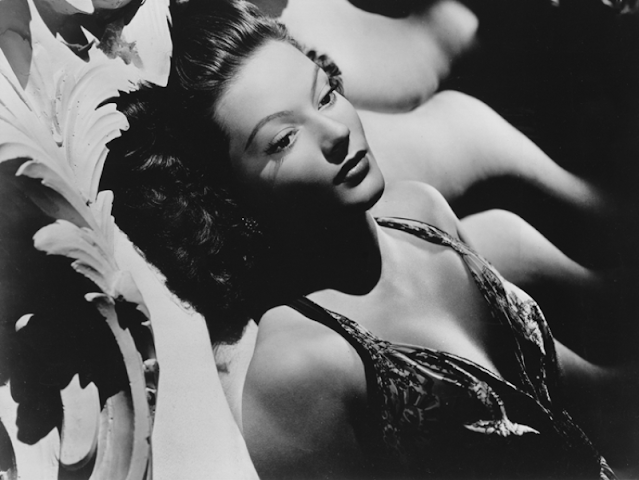
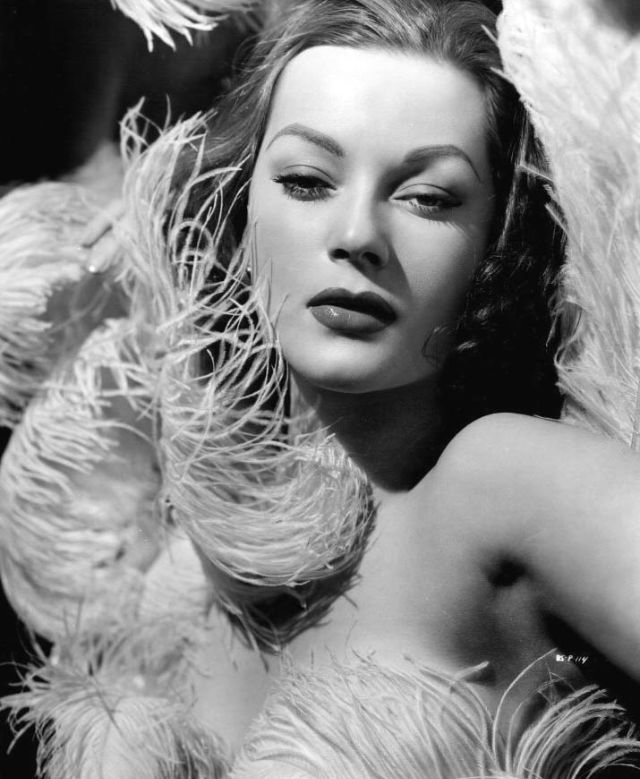
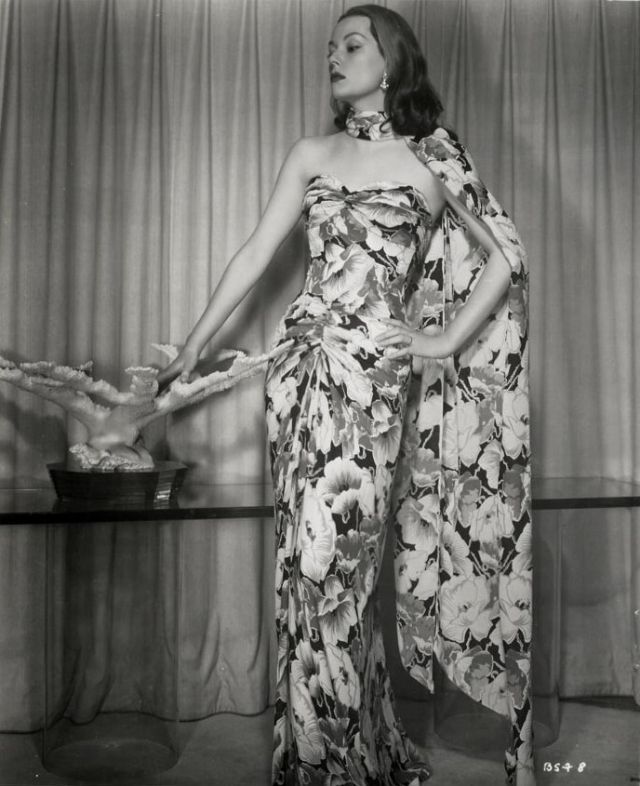
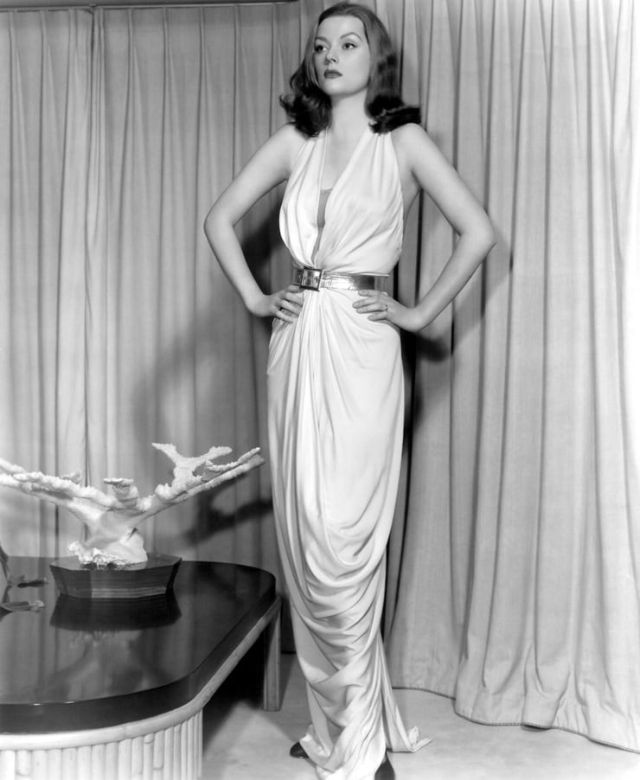
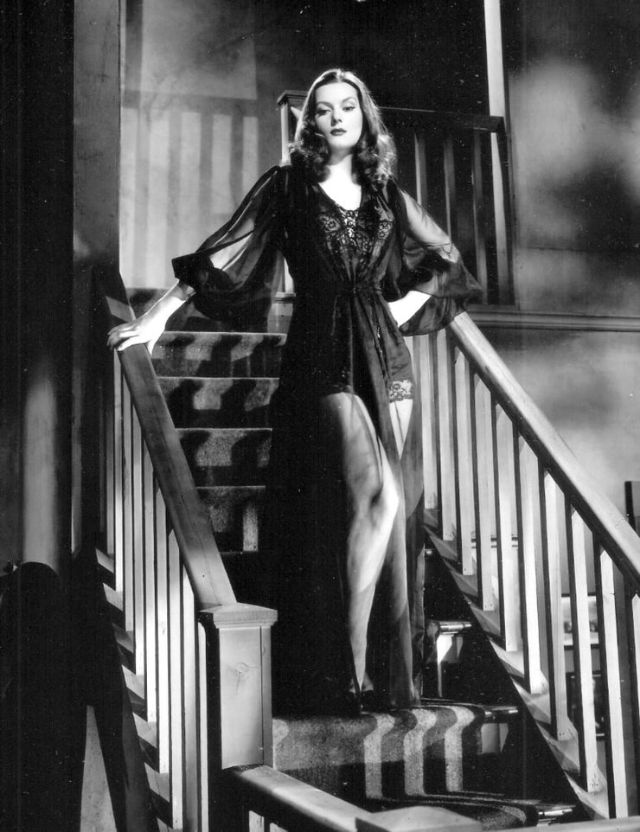
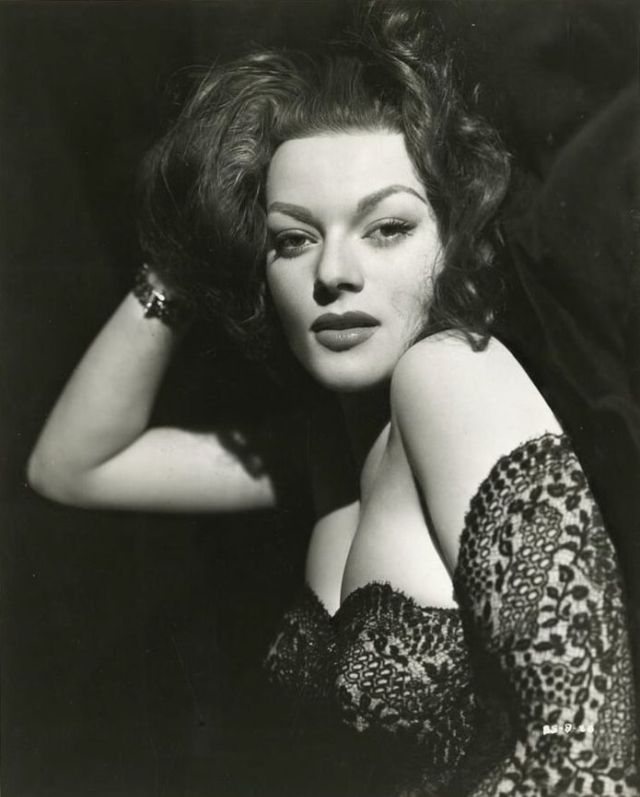
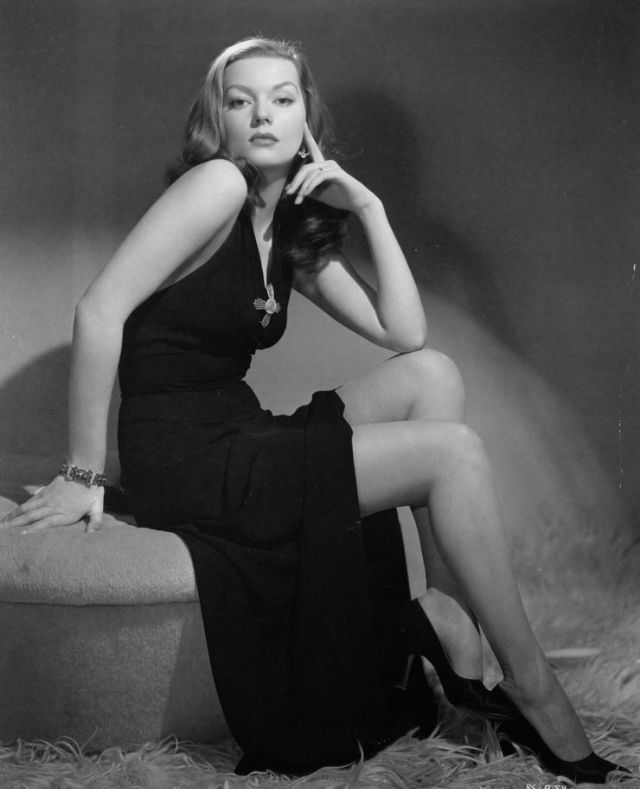
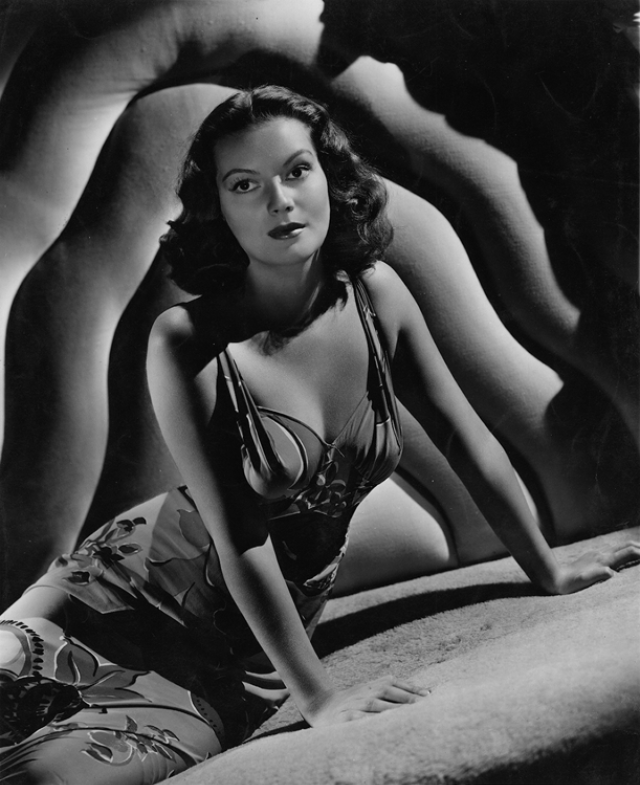
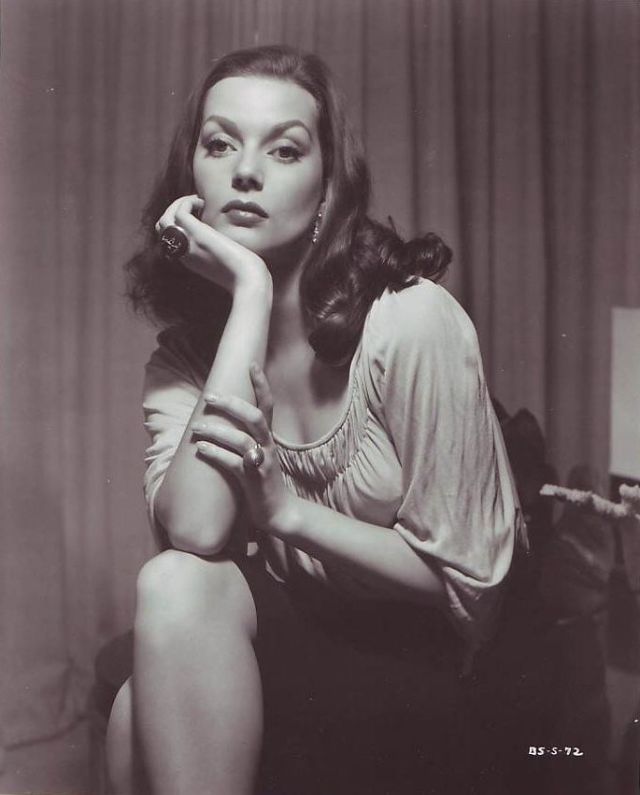
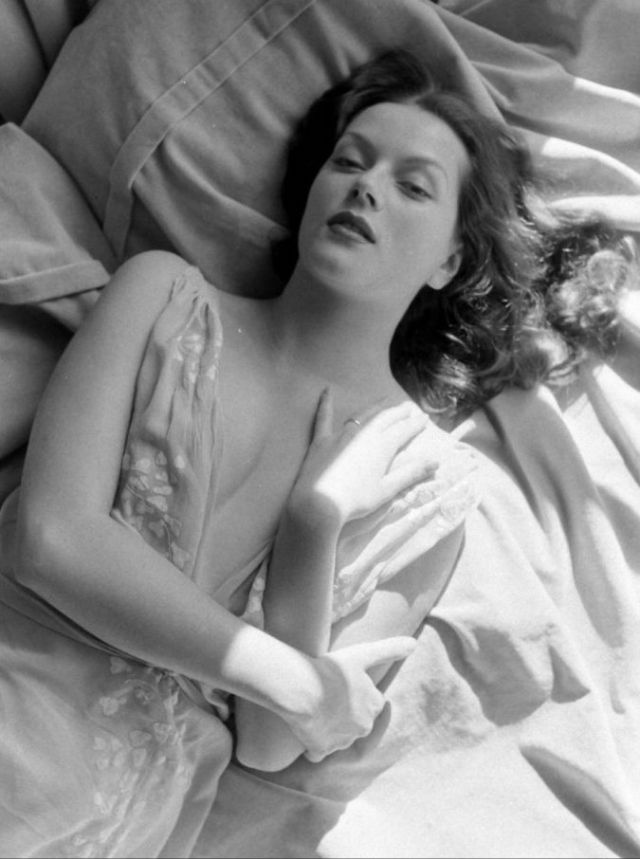
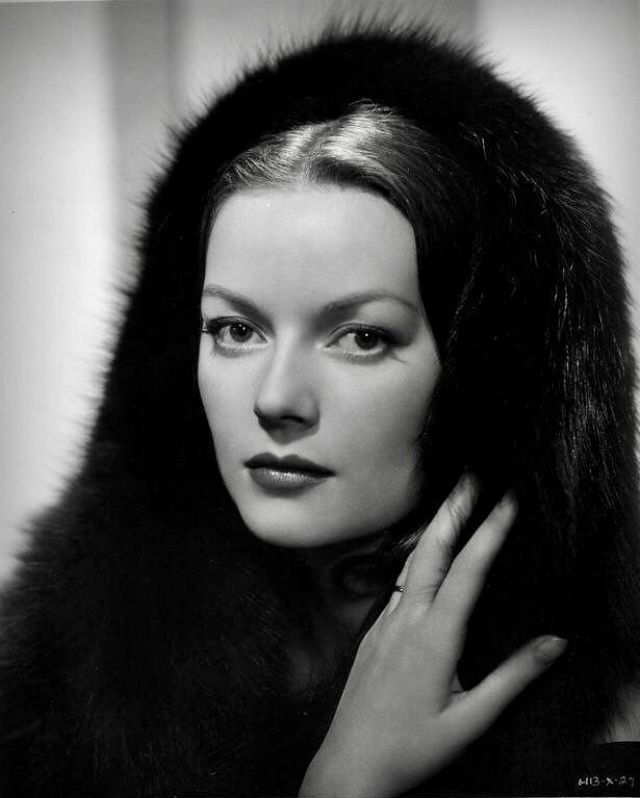
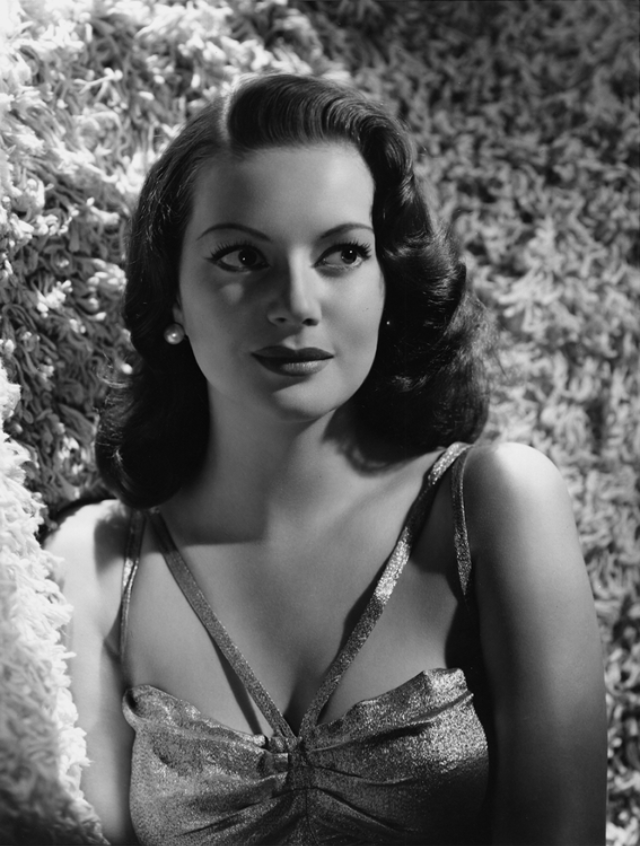
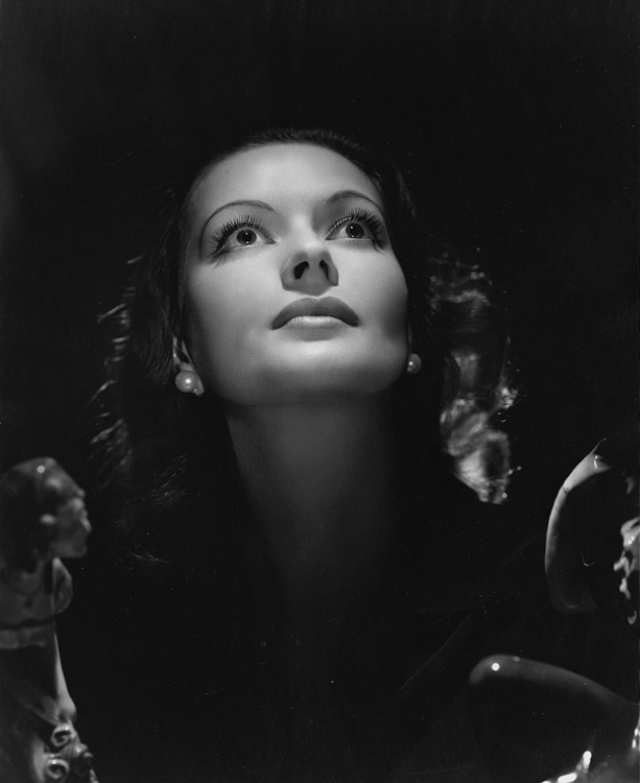
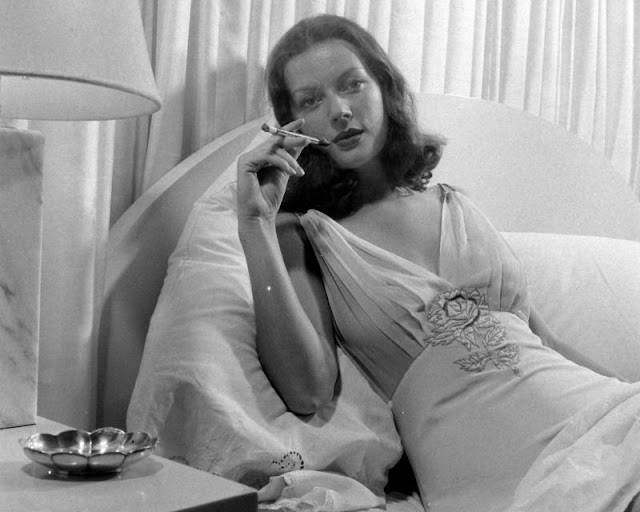
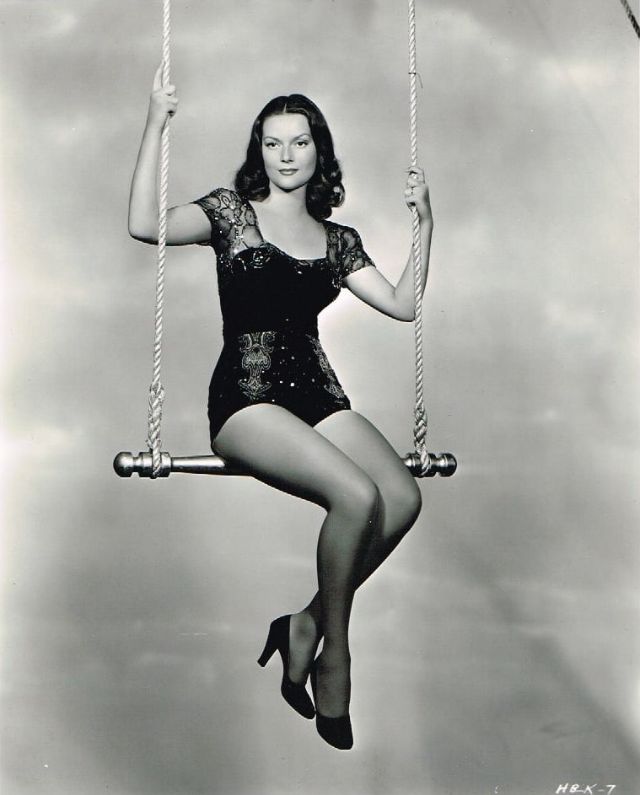
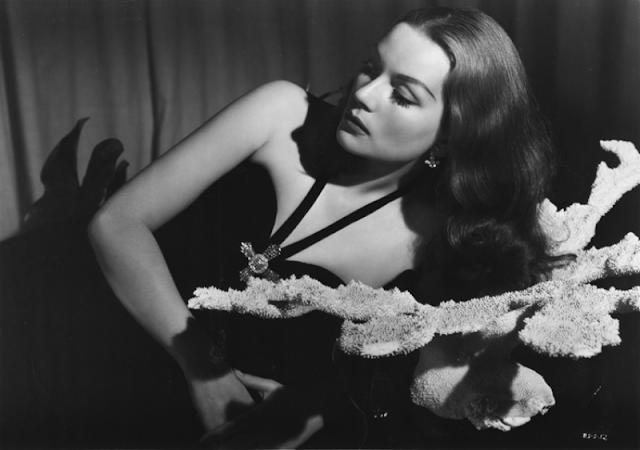
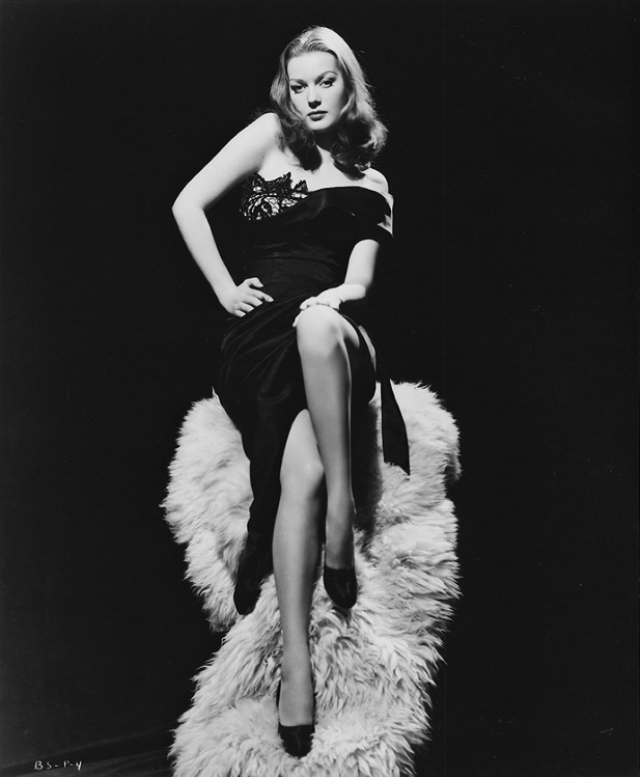
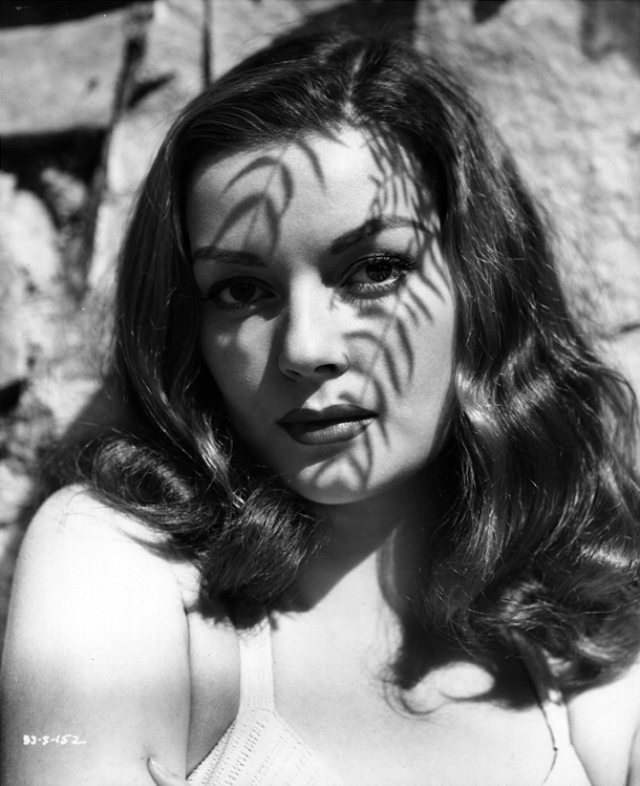
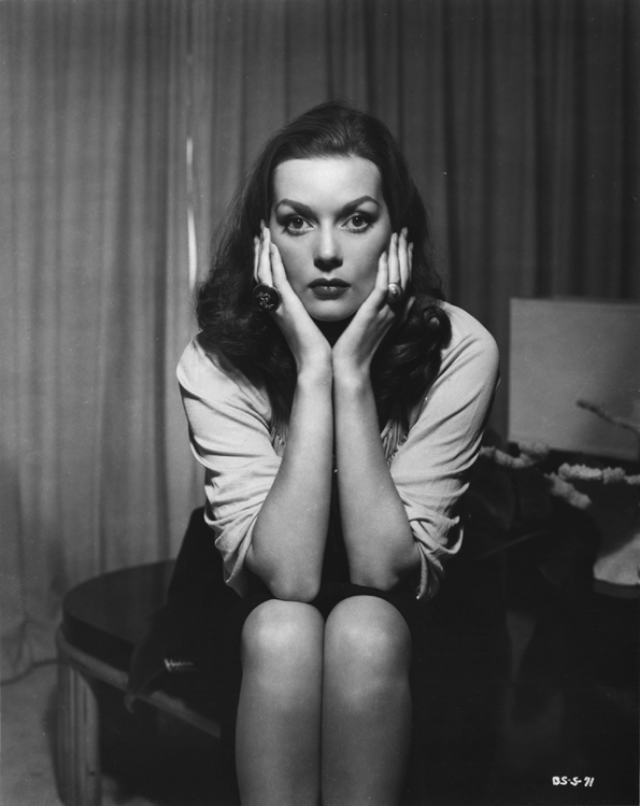
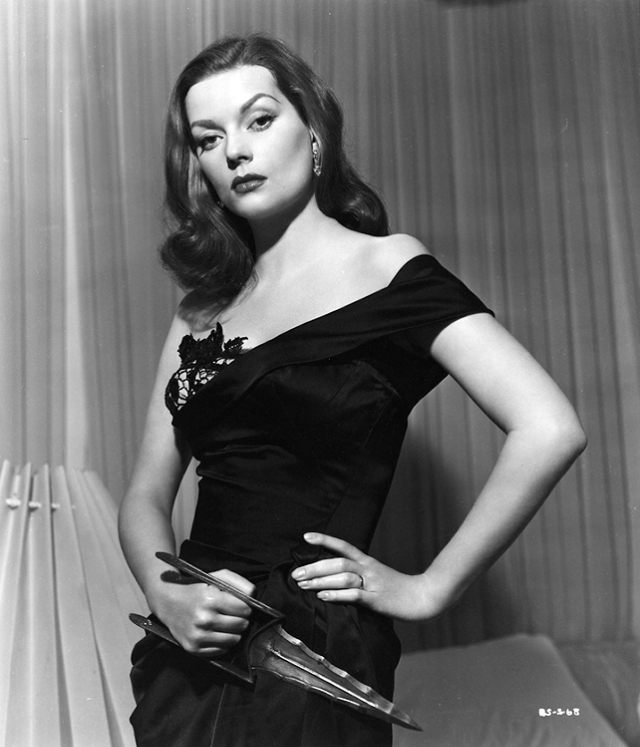
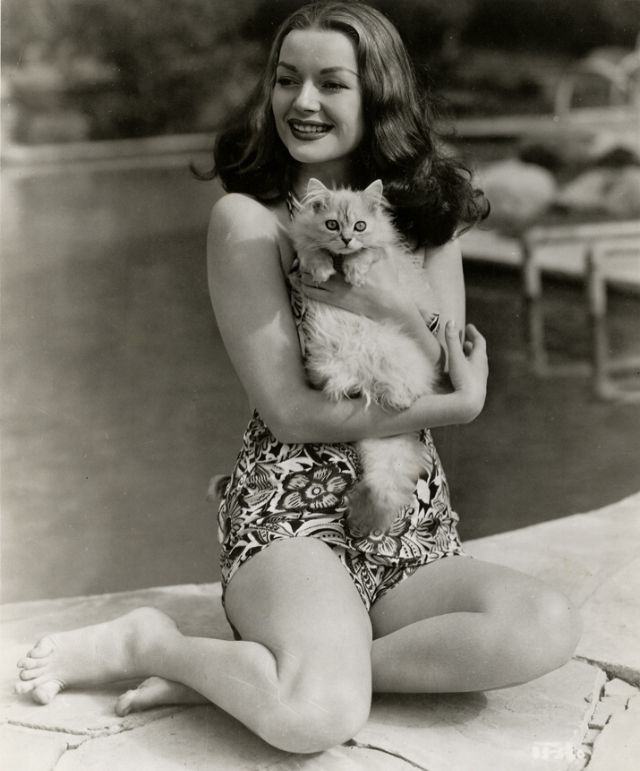
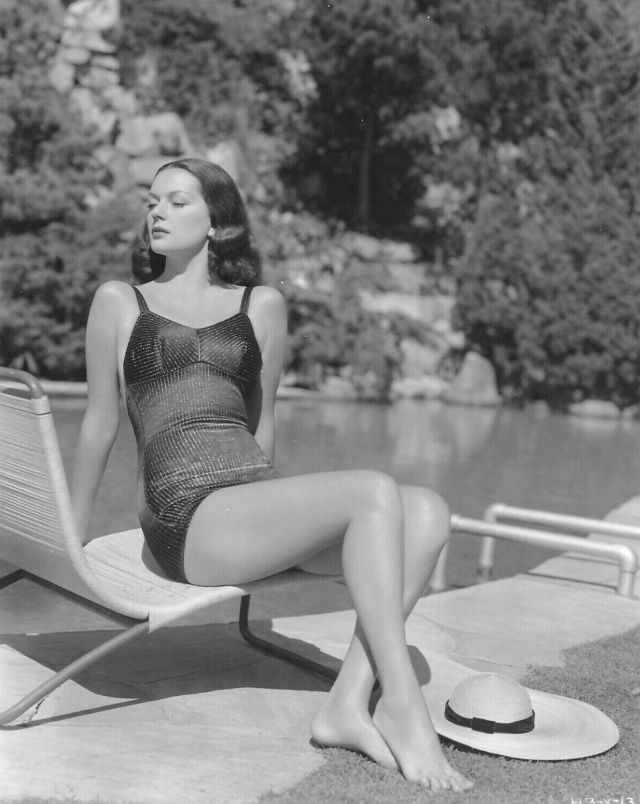
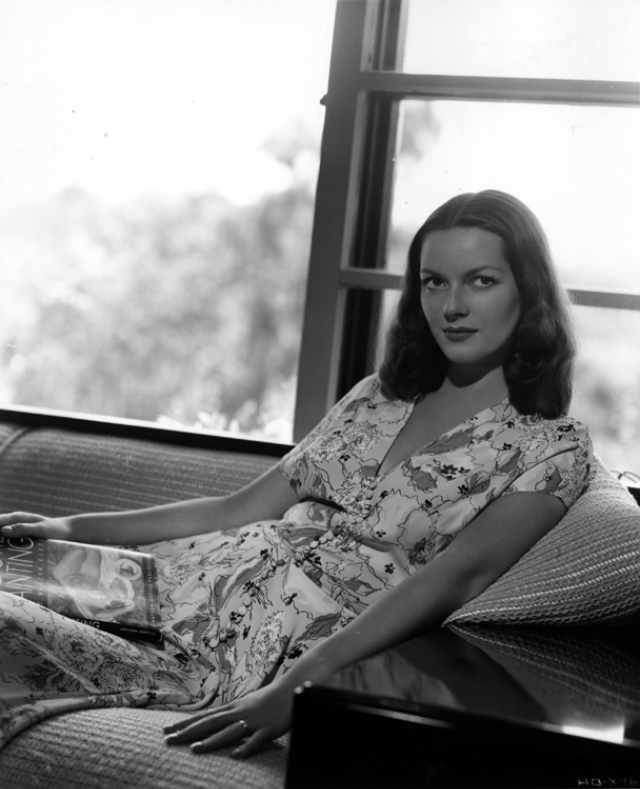
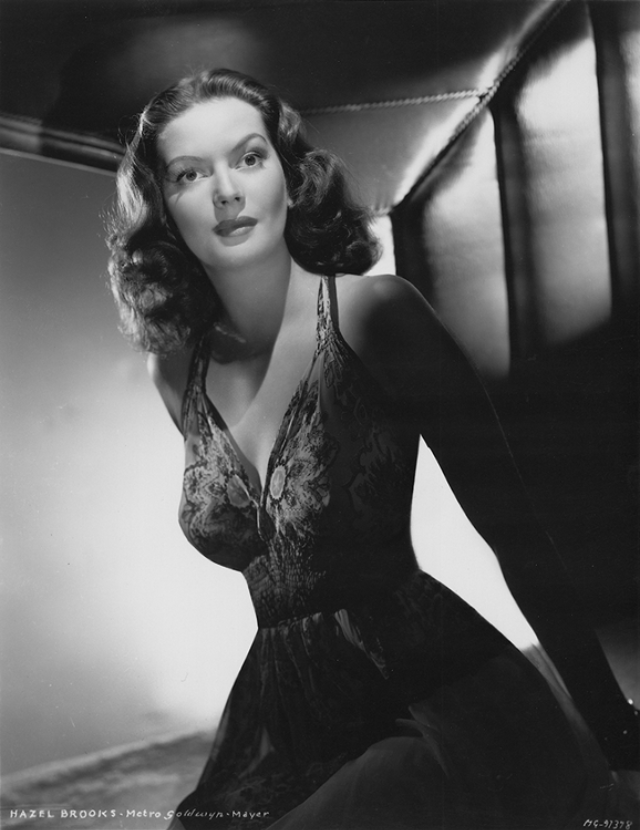
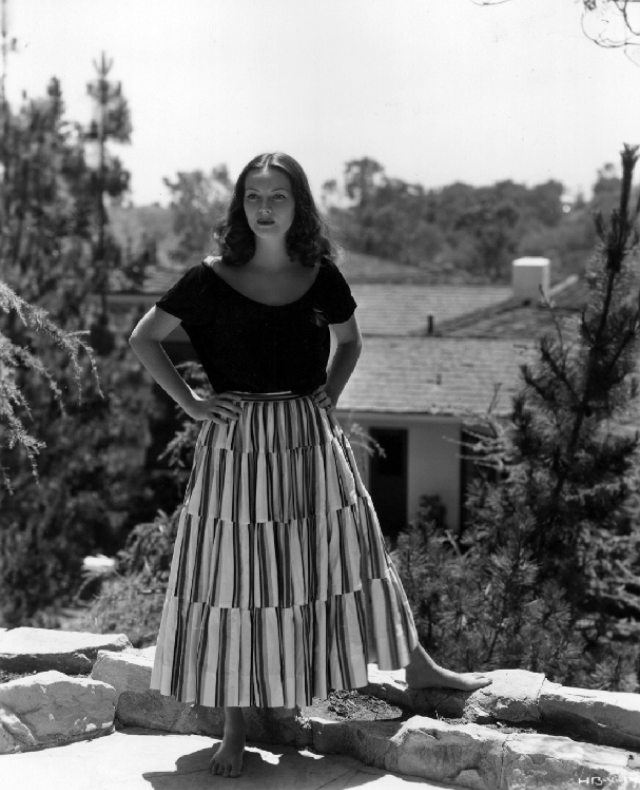
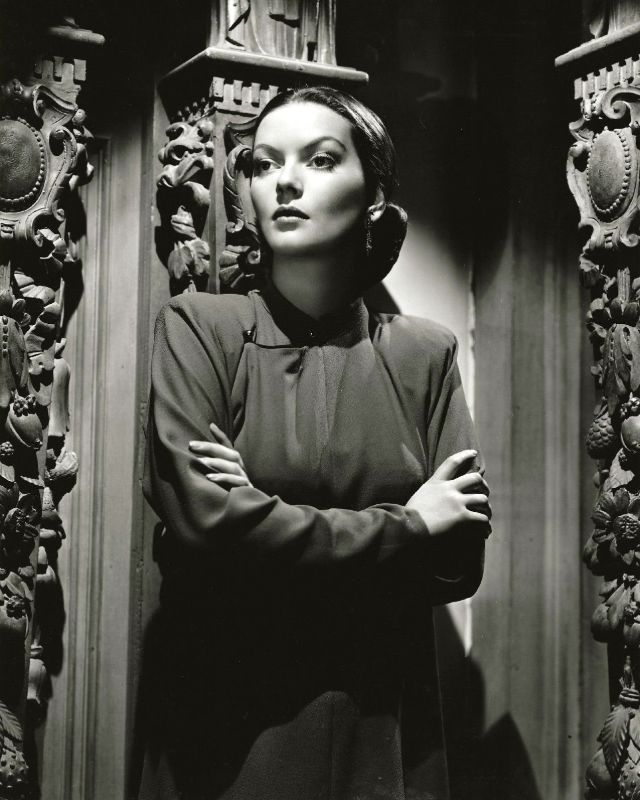
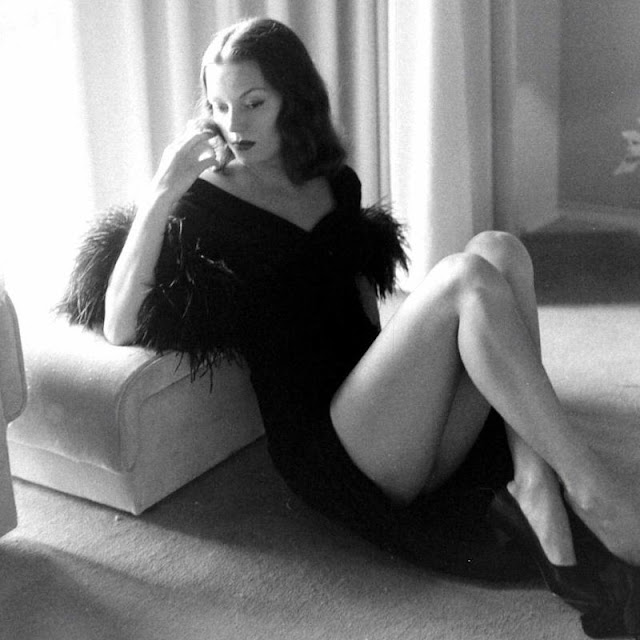
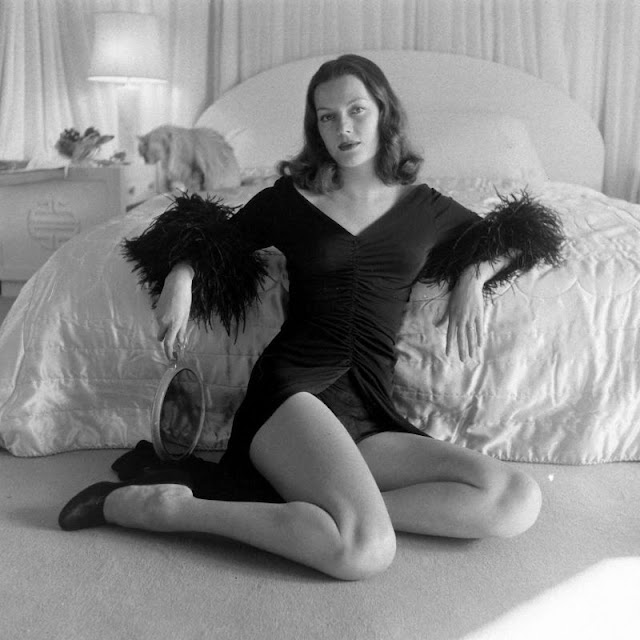
35 Gorgeous Photos of American Actress Hazel Brooks in the 1940s

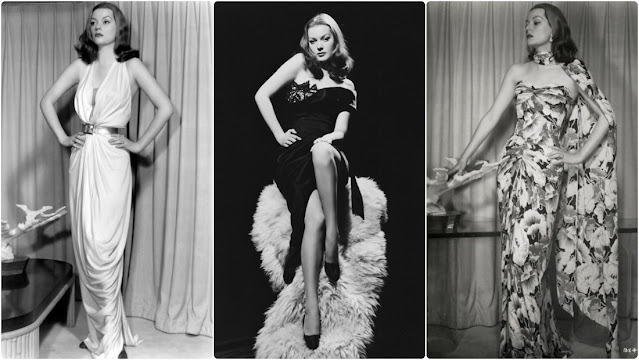
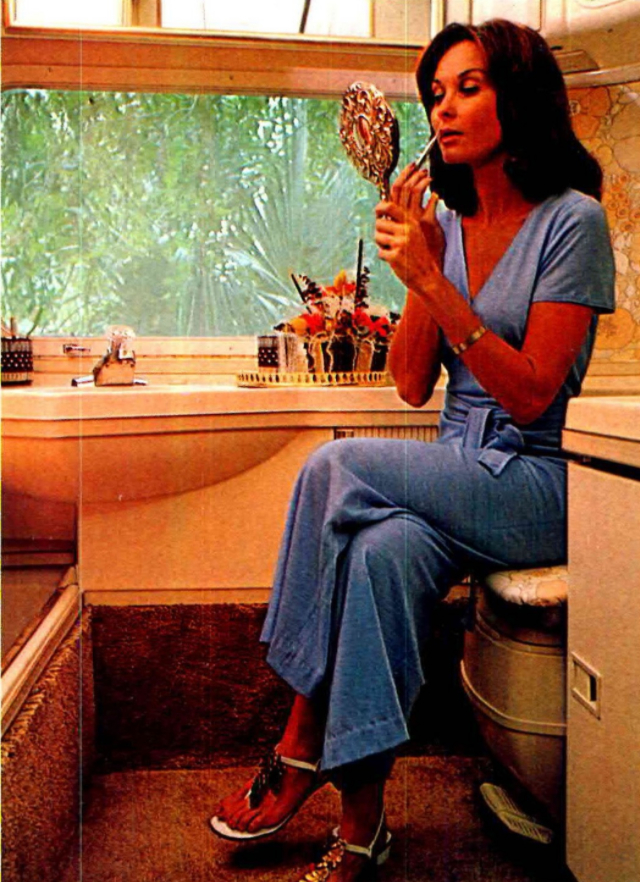
Born 1924 in Cape Town, South Africa, American actress Hazel Brooks was the daughter of a sea captain. Her father died when she was three years old, and she moved with her mother to Brooklyn, New York. She became a model for Harry Conover when she was 16.

A talent scout picked Brooks and five other models to appear in the MGM film Du Barry Was a Lady (1943). She made a series of pictures at the studio during the 1940s, culminating with a supporting role in the 1947 film Body and Soul with John Garfield.

A photo of Brooks by Durward Garyhill was voted “Most Provocative Still of 1947” by the International Society of Photographic Arts in January 1948. She had captured almost as much attention three years earlier in 1944 when, at age 19, she married the long-time head of her studio’s fabled art department, Cedric Gibbons, then 54. The wedding occurred on October 25, 1944. Although the age difference inspired a certain amount of winking in the gossip columns at the time, the marriage proved a strong one and lasted until Gibbons’ death in 1960. Brooks subsequently married Dr. Rex Ross (1908-1999), a surgeon and founder of the Non-invasive Vascular Clinic at Hollywood Hospital.

According to long-time friend Maria Cooper Janis, Gary Cooper’s daughter, Ross in the years after her retirement from films became a skilled still photographer. She also worked actively for a number of children’s charities.

She had subsequent roles in Arch of Triumph and Sleep, My Love in 1948, as well as The Basketball Fix (1951) and The I Don’t Care Girl (1953).

Brooks died in 2002, aged 78, in the Bel Air residential district of Los Angeles. Take a look at these gorgeous photos to see the beauty of young Hazel Brooks in the 1940s.

Yesterday Today

Bringing You the Wonder of Yesterday - Today

Skip to content ↓