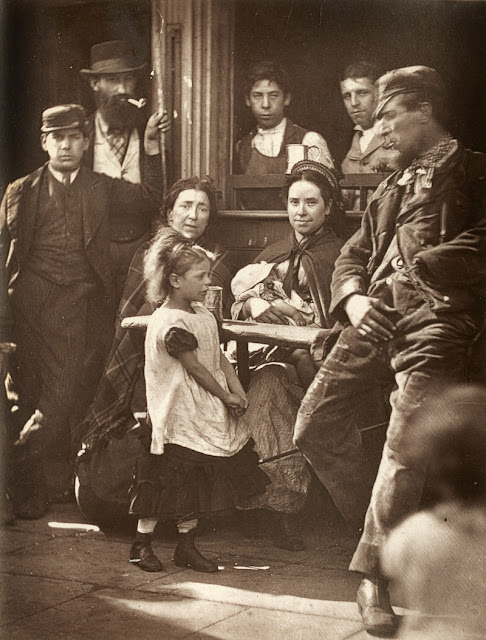
Thus in the photograph before us we have the calm undisturbed face of the skilled artisan, who has spent a life of tranquil, useful labour, and can enjoy his pipe in peace, while under him sits a woman whose painful expression seems to indicate a troubled existence, and a past which even drink cannot obliterate.
(From Street Life in London, 1877, by John Thomson and Adolphe Smith)
By her side, a brawny, healthy “woman of the people,” is not to be disturbed from her enjoyment of a “drop of beer” by domestic cares; and early acclimatizes her infant to the fumes of tobacco and alcohol.
But in the fore-ground the camera has chronicled the most touching episode. A little girl, not too young, however, to ignore the fatal consequences of drink, has penetrated boldly into the group, as if about to reclaim some relation in danger, and drag him away from evil companionship.
There is no sight to be seen in the streets of London more pathetic than this oft-repeated story the little child leading home a drunken parent. Well may those little faces early bear the stamp of the anxiety that destroys their youthfulness, and saddens all who have the heart to study such scenes.
Inured to a life crowded with episodes of this description, the pot-boy stands in the back-ground with immoveable countenance, while at his side a well-to-do tradesman has an expression of sleek contentment, which renders him superior to the misery around.
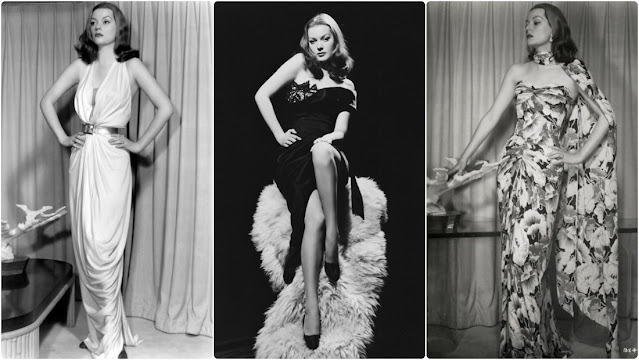
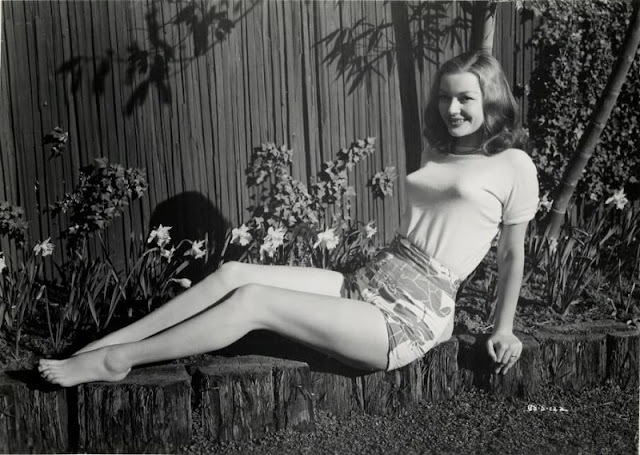
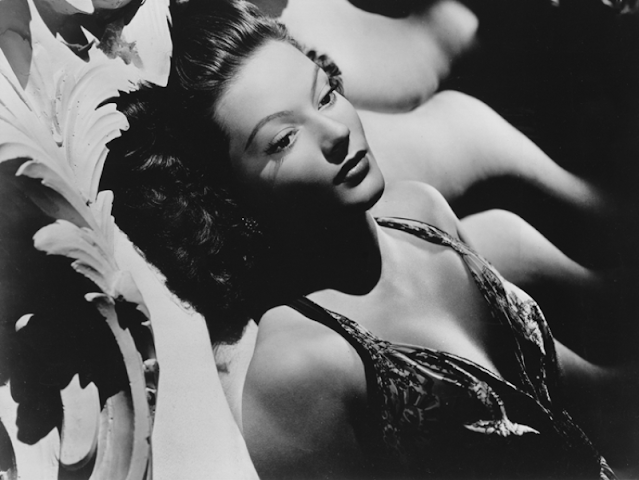
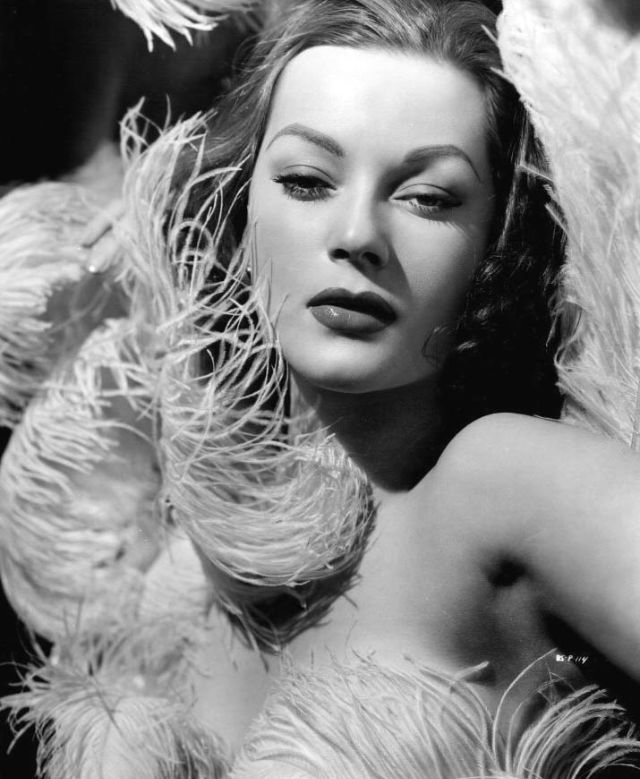
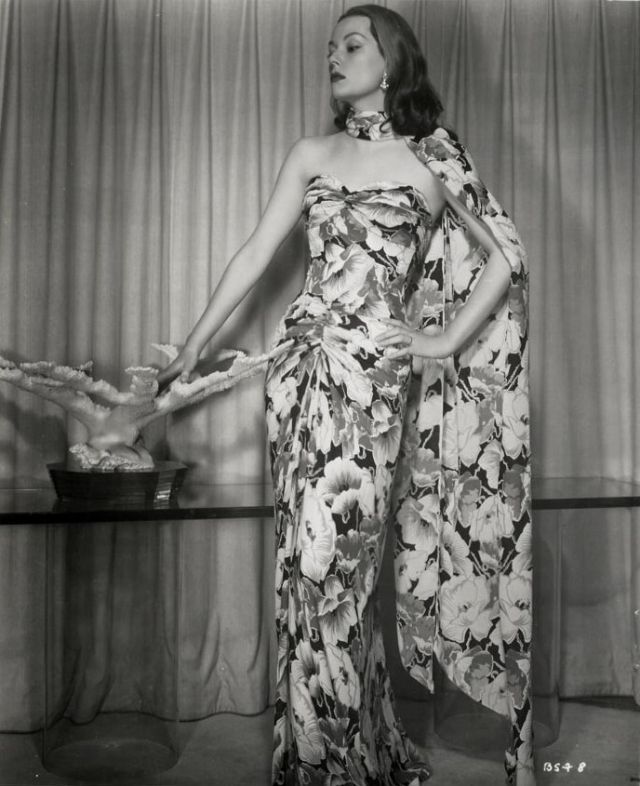
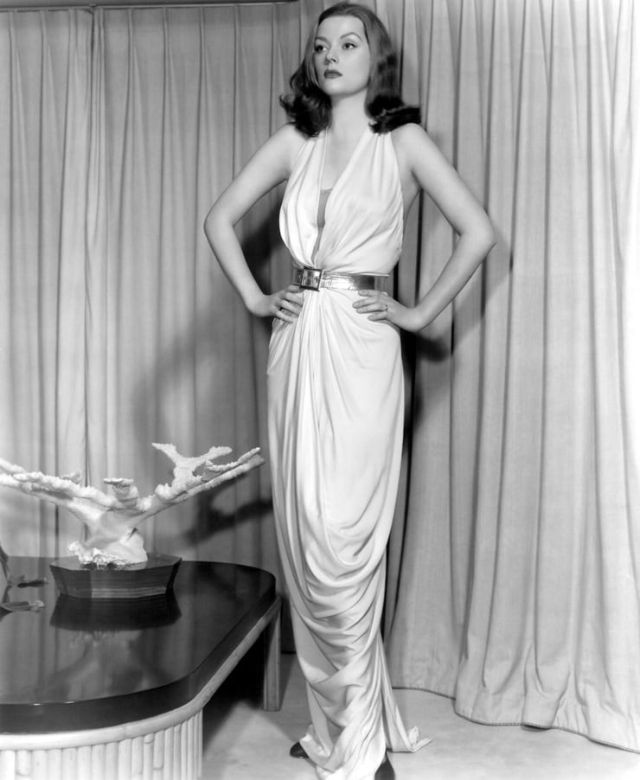
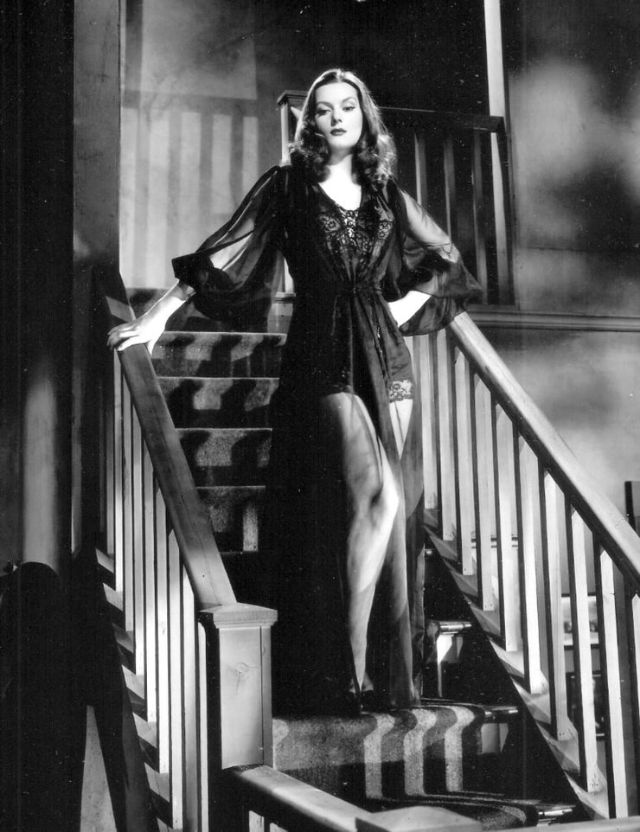
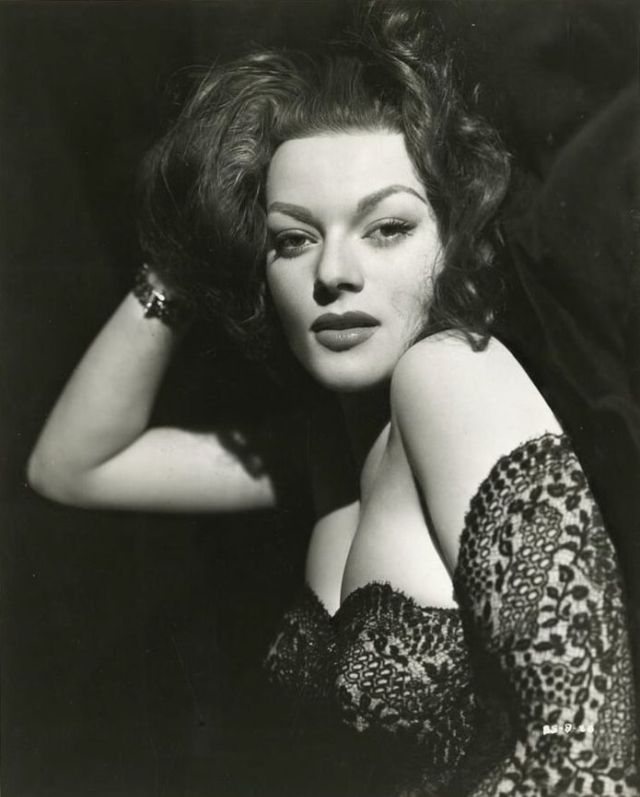
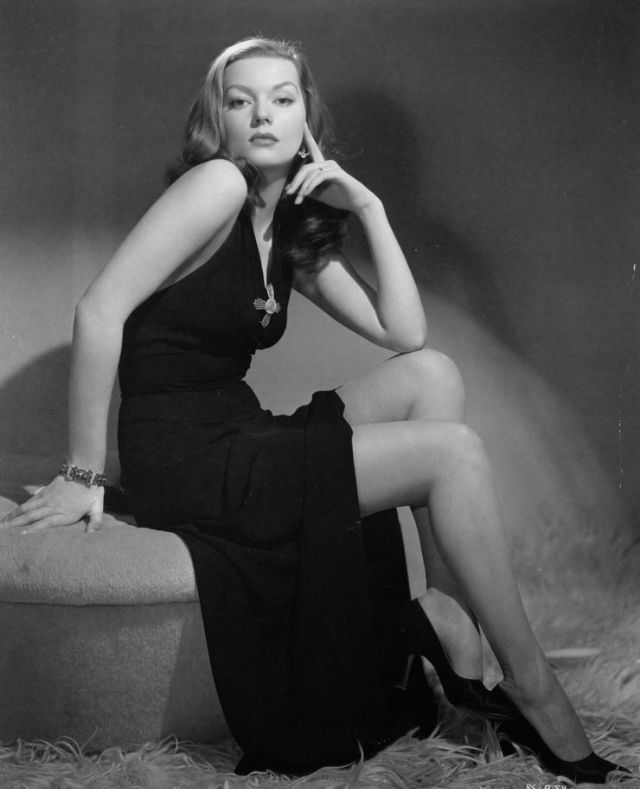
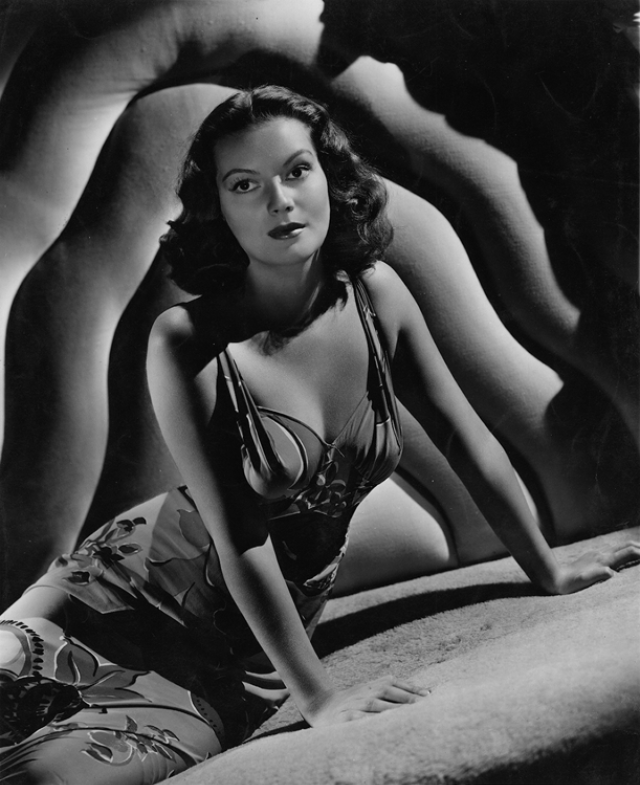
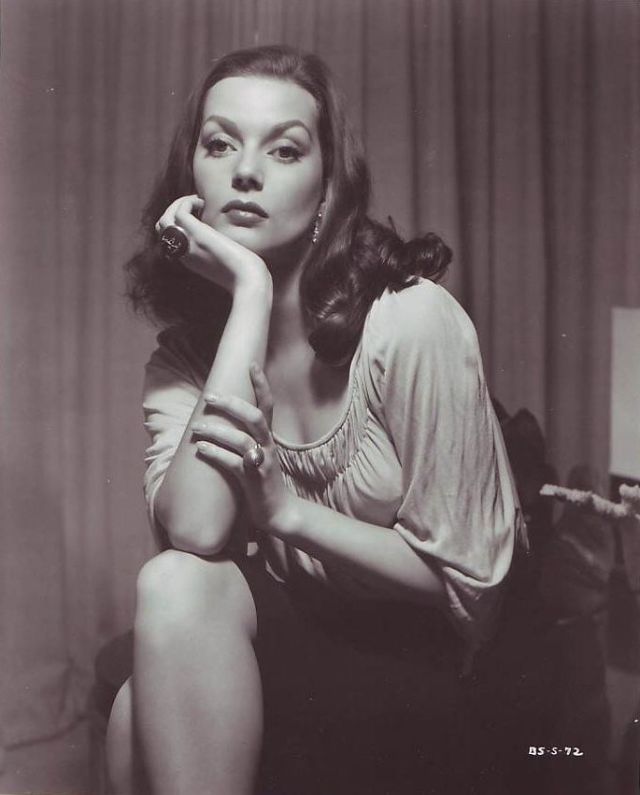
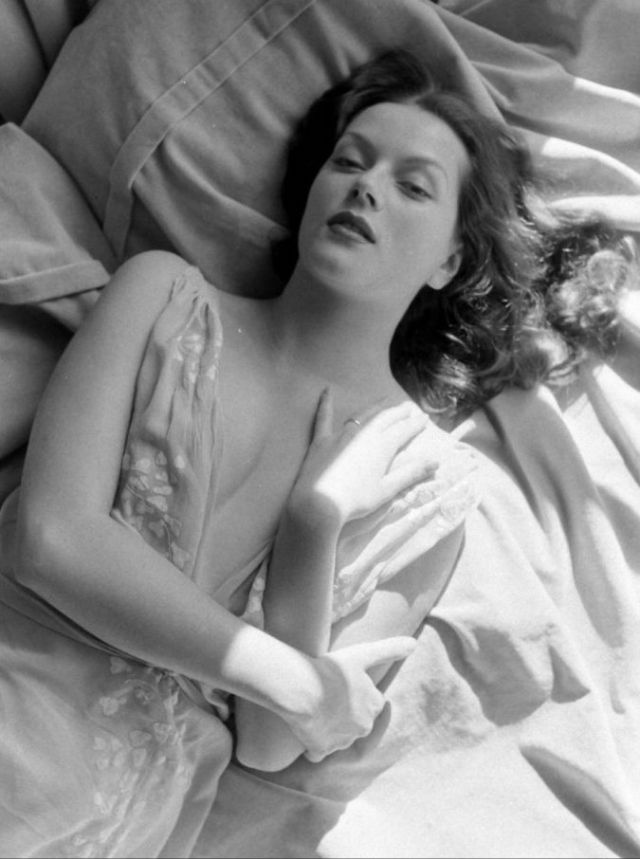
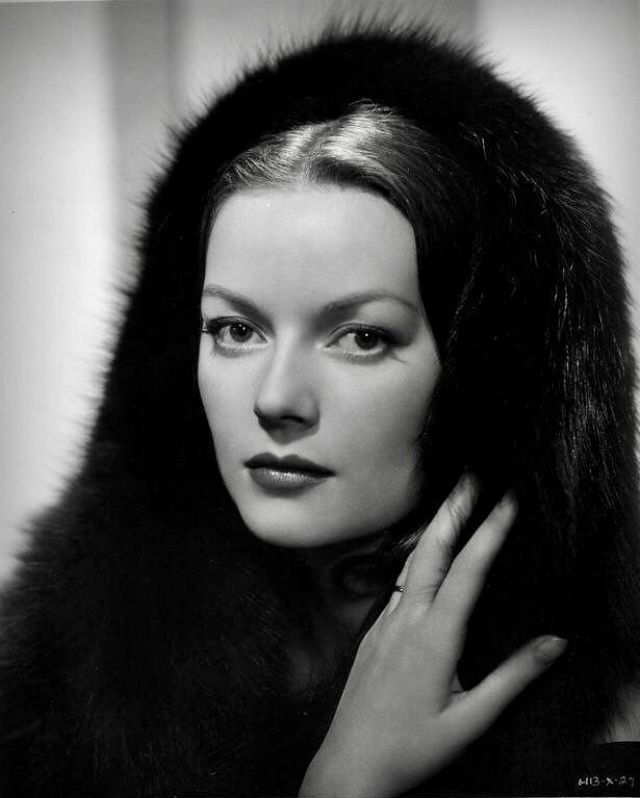
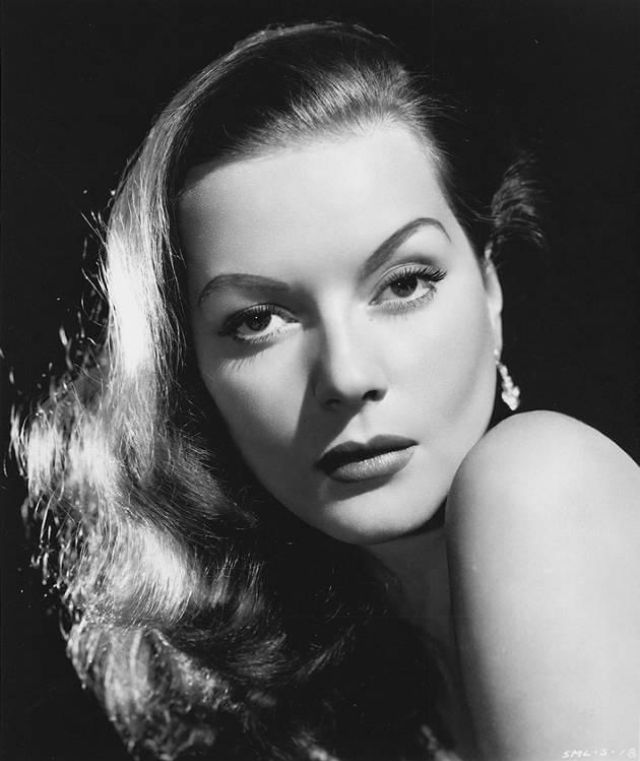
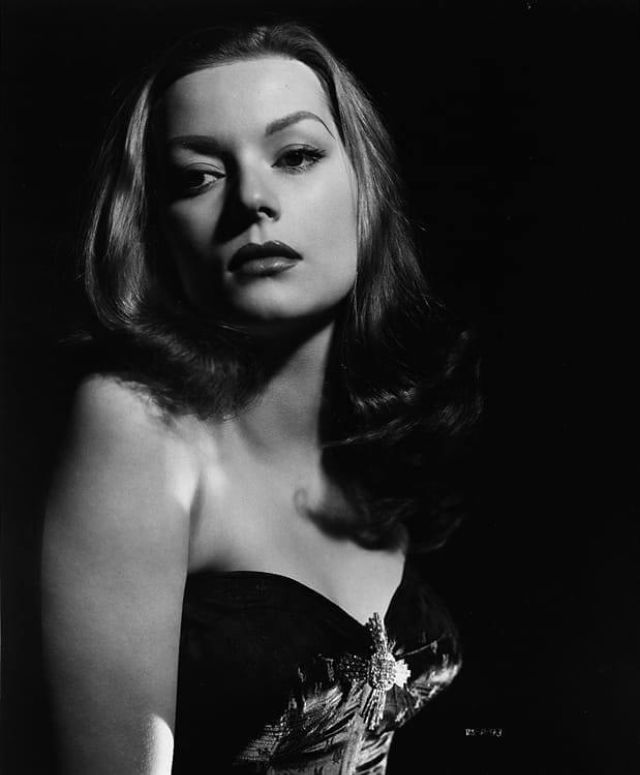
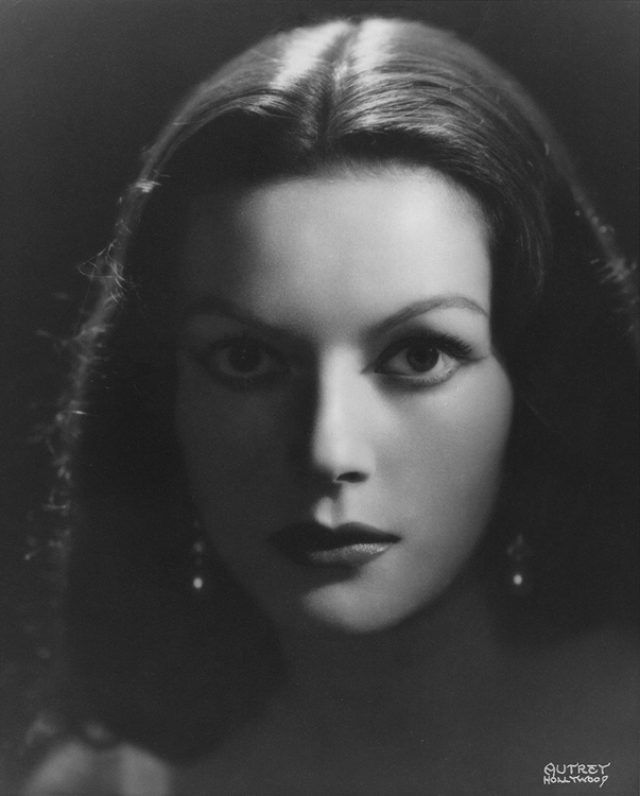
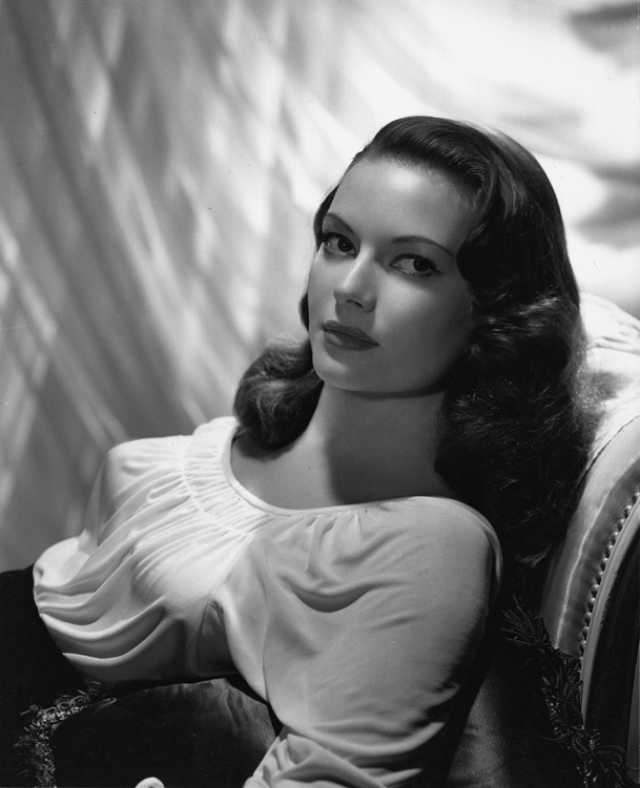
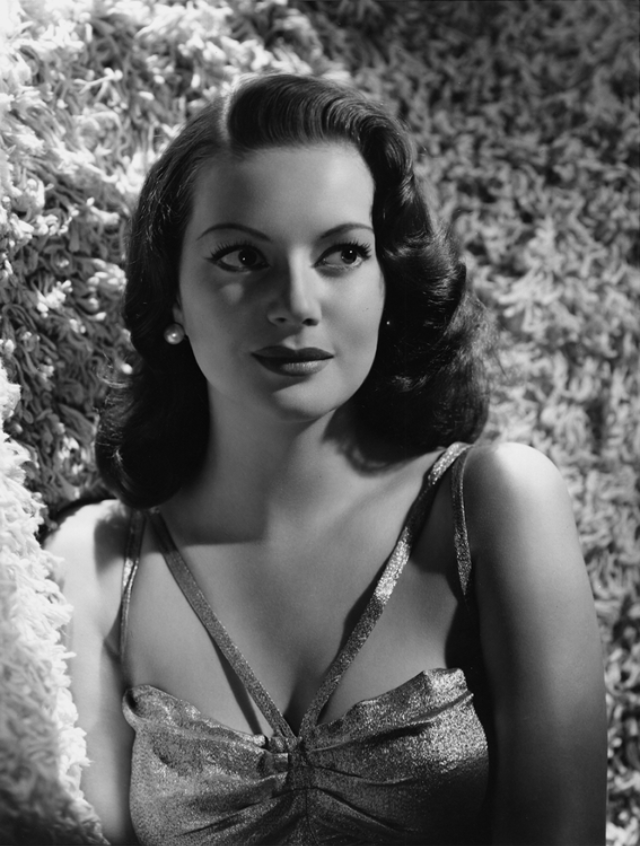
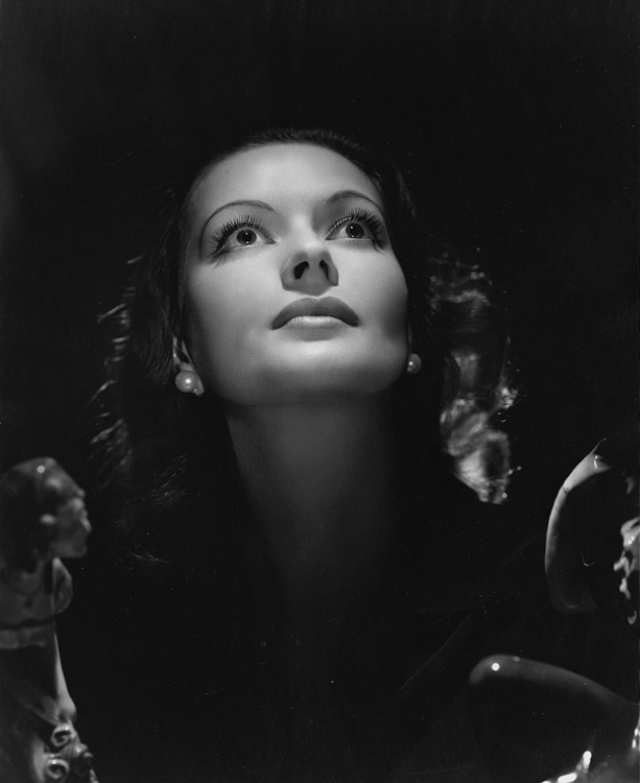
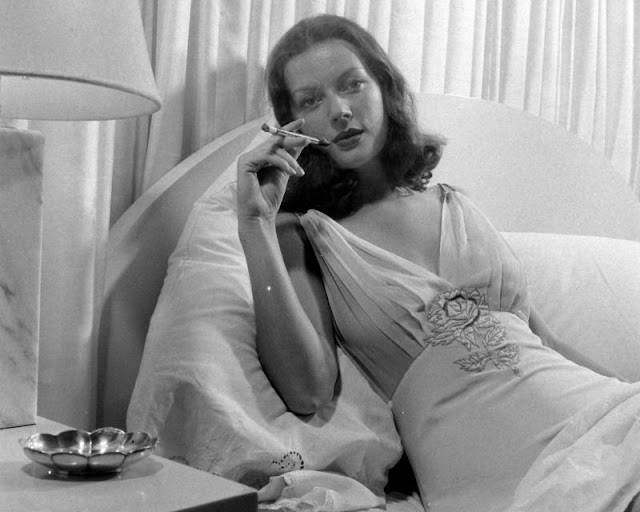
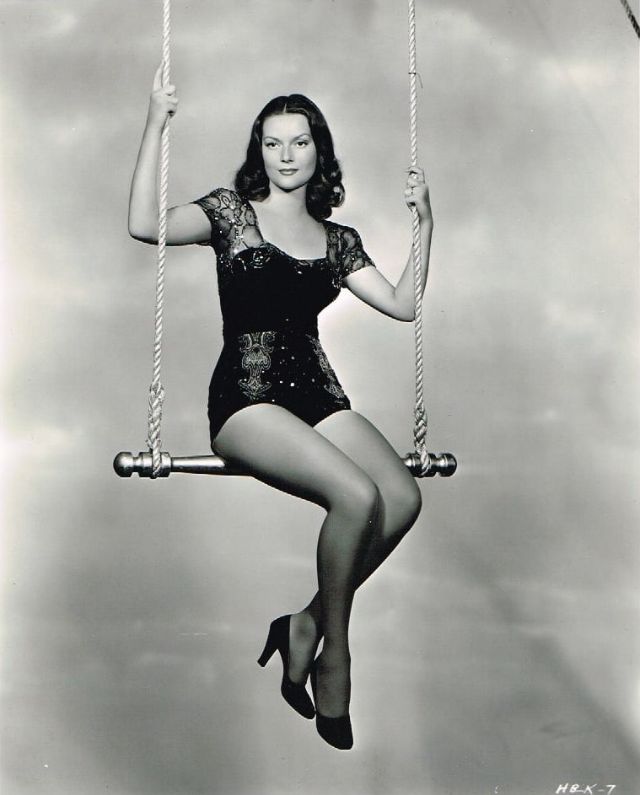
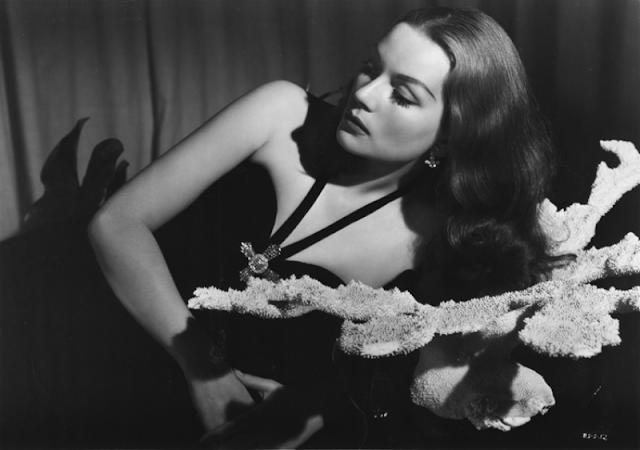
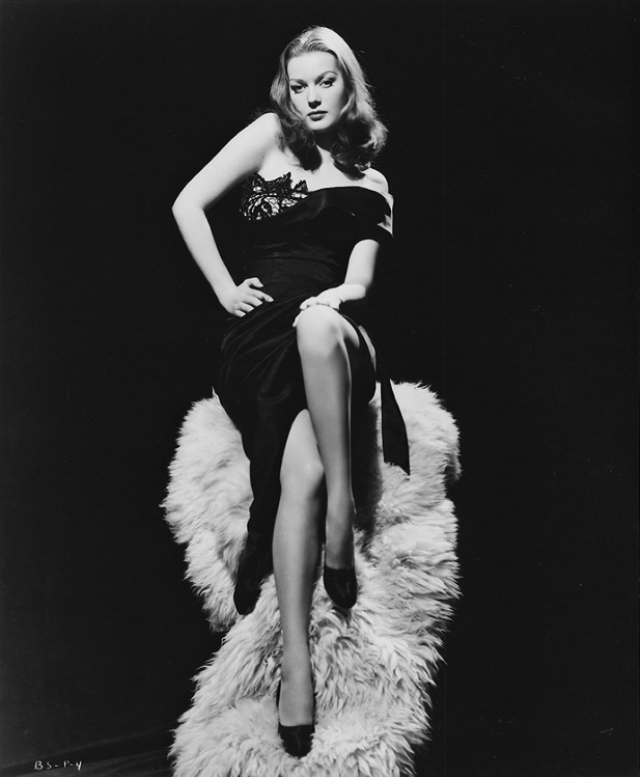
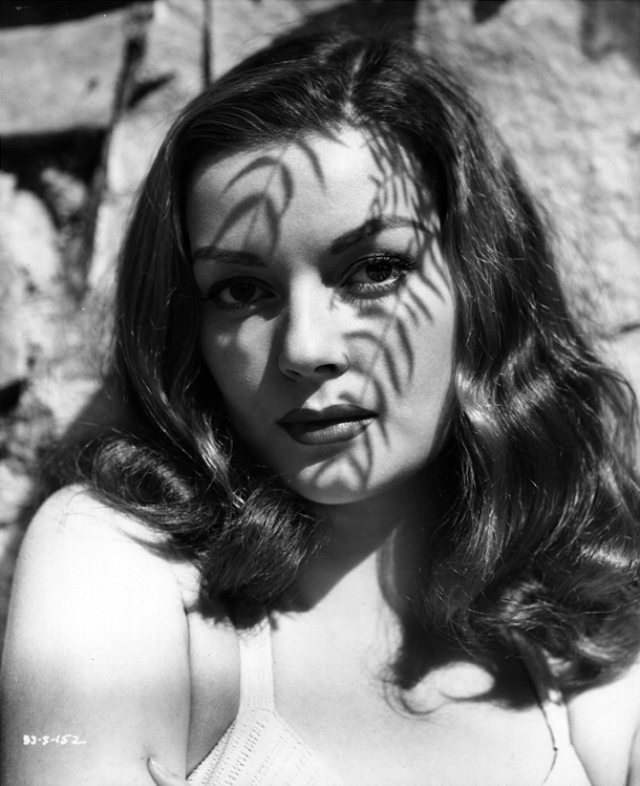
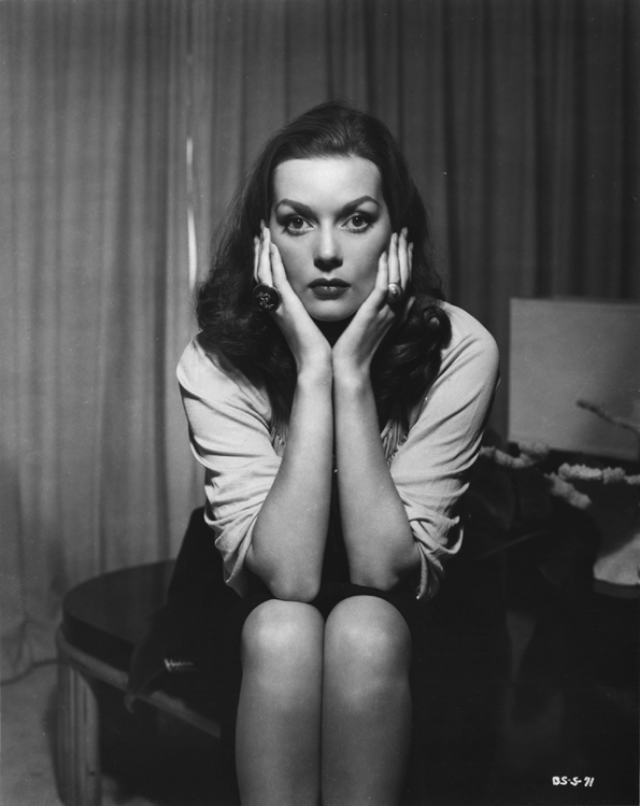
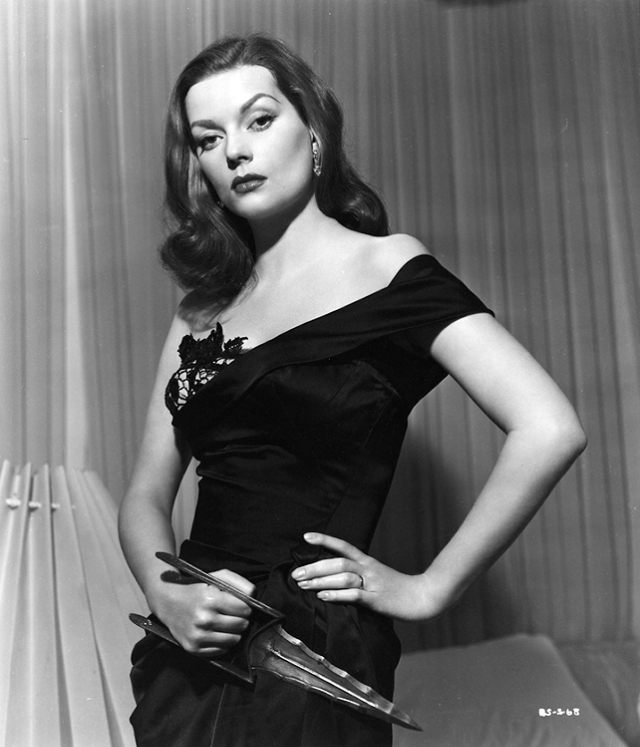
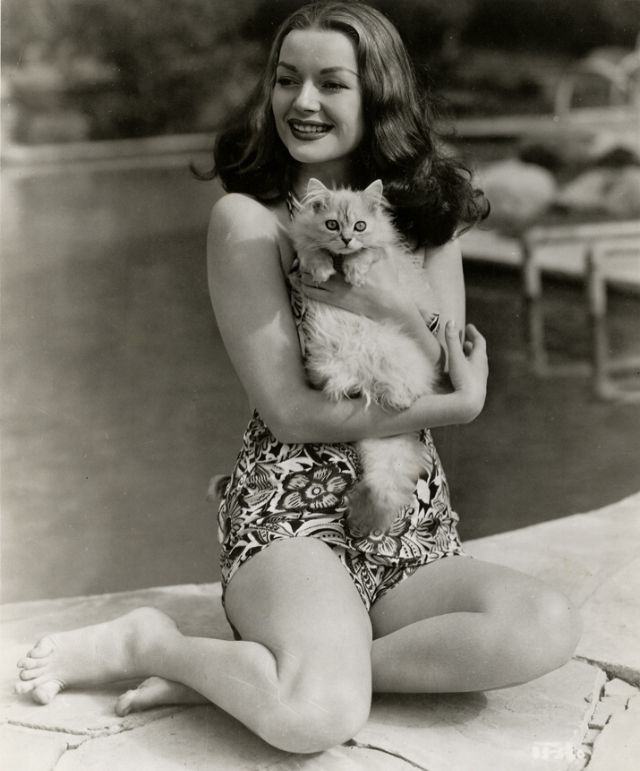
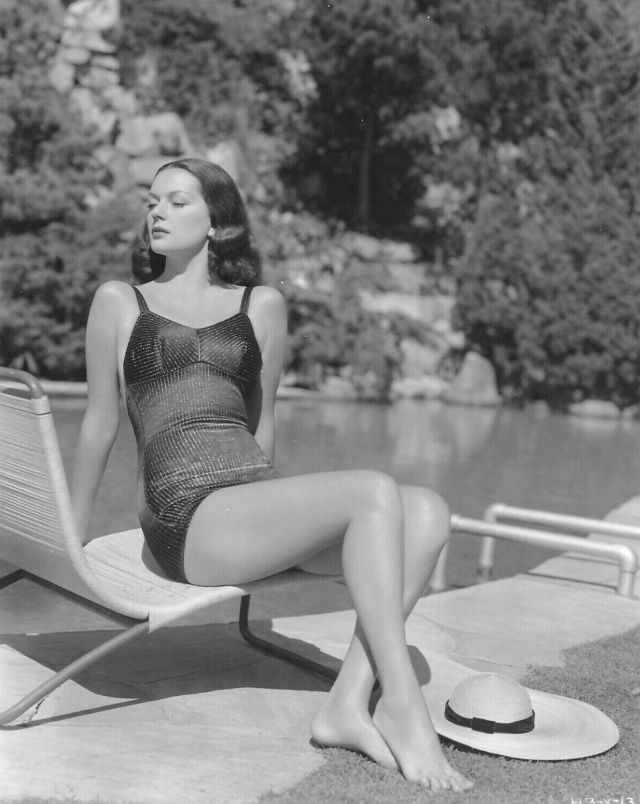
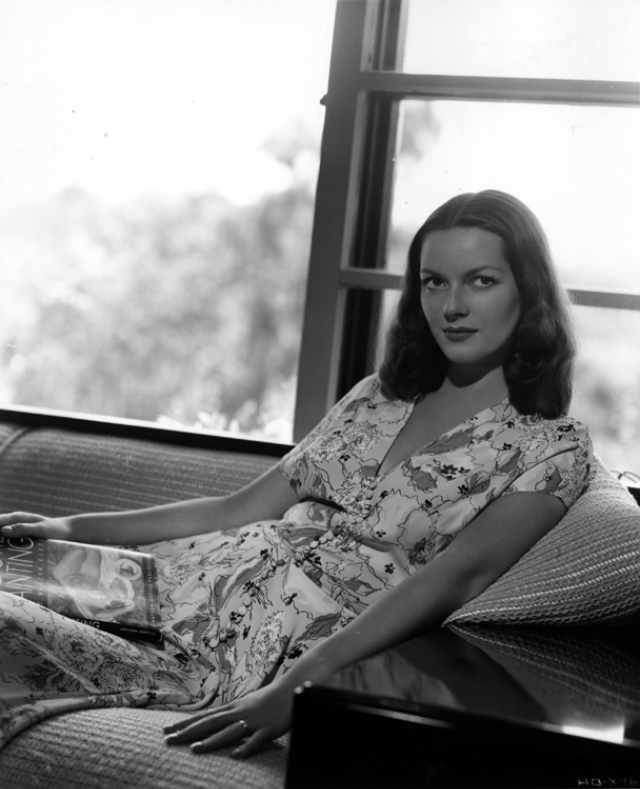
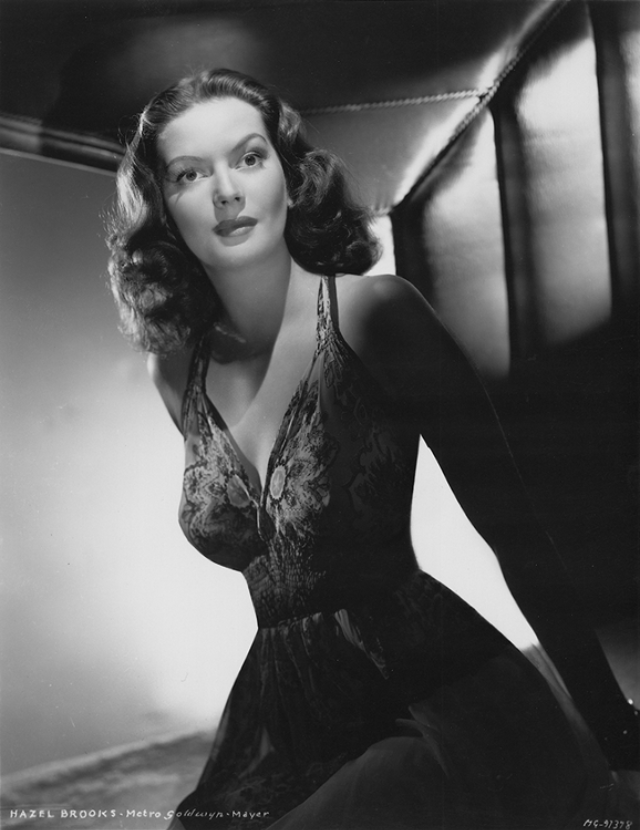
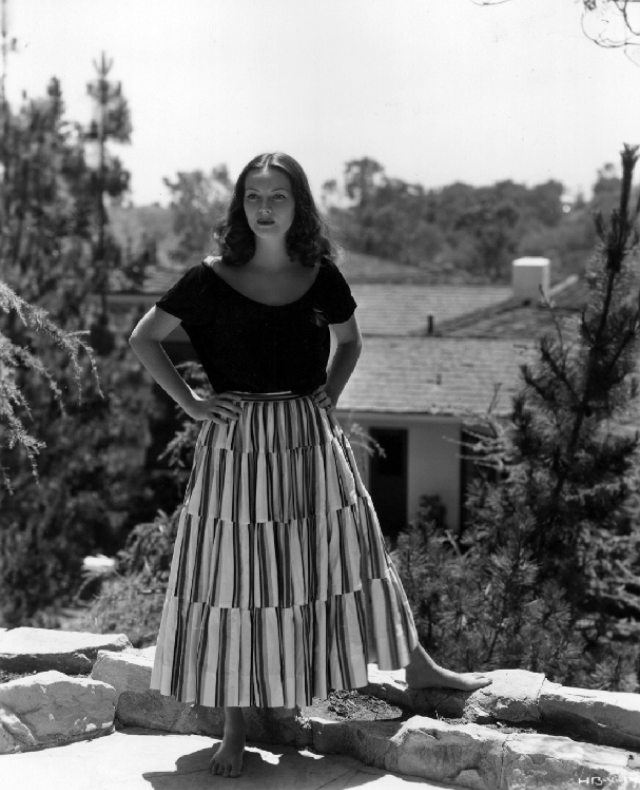
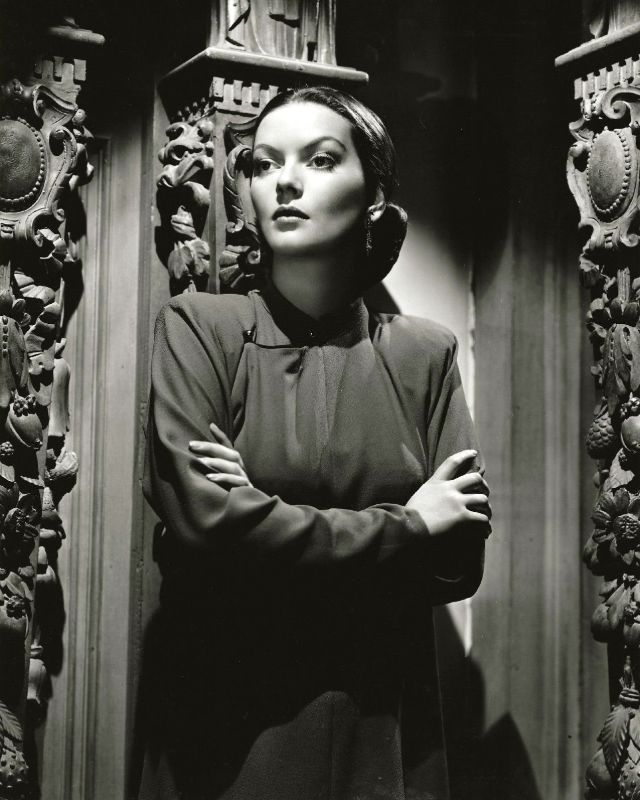
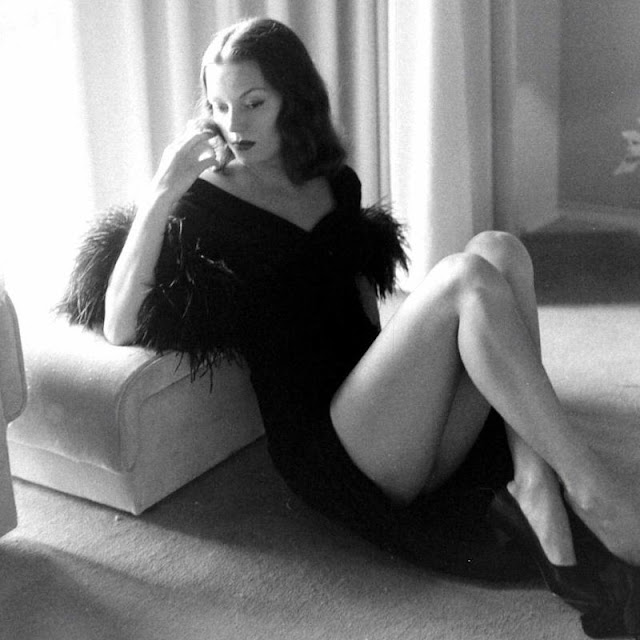
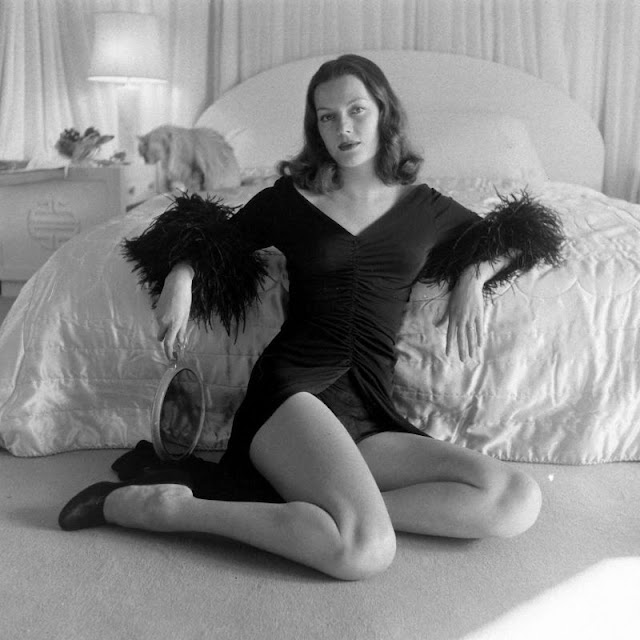
Born 1924 in Cape Town, South Africa, American actress Hazel Brooks was the daughter of a sea captain. Her father died when she was three years old, and she moved with her mother to Brooklyn, New York. She became a model for Harry Conover when she was 16.
A talent scout picked Brooks and five other models to appear in the MGM film Du Barry Was a Lady (1943). She made a series of pictures at the studio during the 1940s, culminating with a supporting role in the 1947 film Body and Soul with John Garfield.
A photo of Brooks by Durward Garyhill was voted “Most Provocative Still of 1947” by the International Society of Photographic Arts in January 1948. She had captured almost as much attention three years earlier in 1944 when, at age 19, she married the long-time head of her studio’s fabled art department, Cedric Gibbons, then 54. The wedding occurred on October 25, 1944. Although the age difference inspired a certain amount of winking in the gossip columns at the time, the marriage proved a strong one and lasted until Gibbons’ death in 1960. Brooks subsequently married Dr. Rex Ross (1908-1999), a surgeon and founder of the Non-invasive Vascular Clinic at Hollywood Hospital.
According to long-time friend Maria Cooper Janis, Gary Cooper’s daughter, Ross in the years after her retirement from films became a skilled still photographer. She also worked actively for a number of children’s charities.
She had subsequent roles in Arch of Triumph and Sleep, My Love in 1948, as well as The Basketball Fix (1951) and The I Don’t Care Girl (1953).
Brooks died in 2002, aged 78, in the Bel Air residential district of Los Angeles. Take a look at these gorgeous photos to see the beauty of young Hazel Brooks in the 1940s.
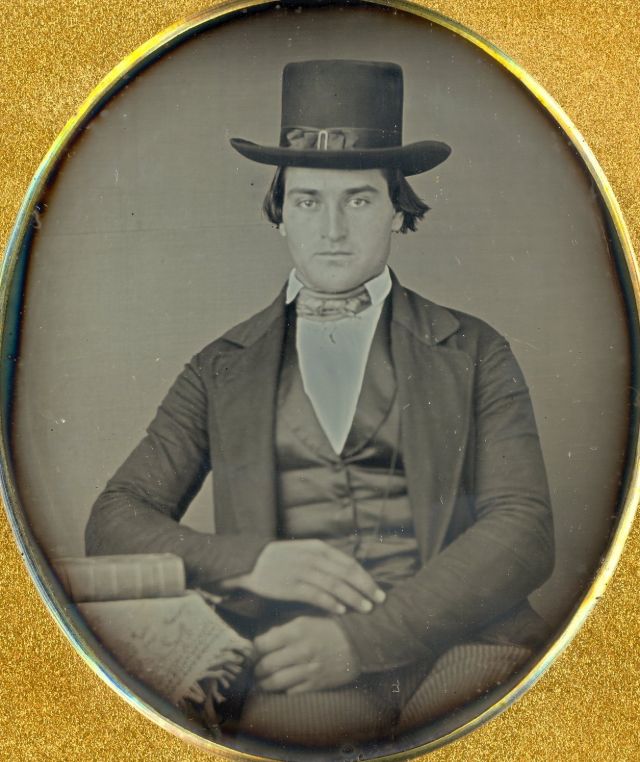
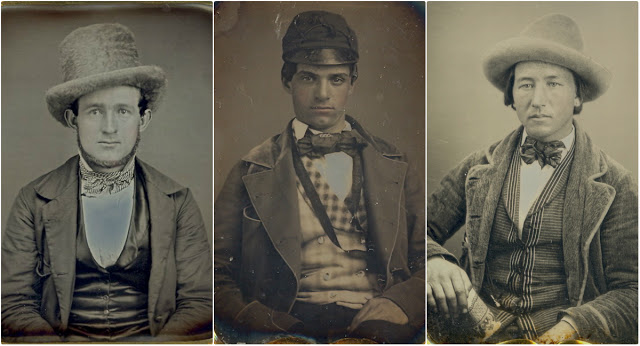
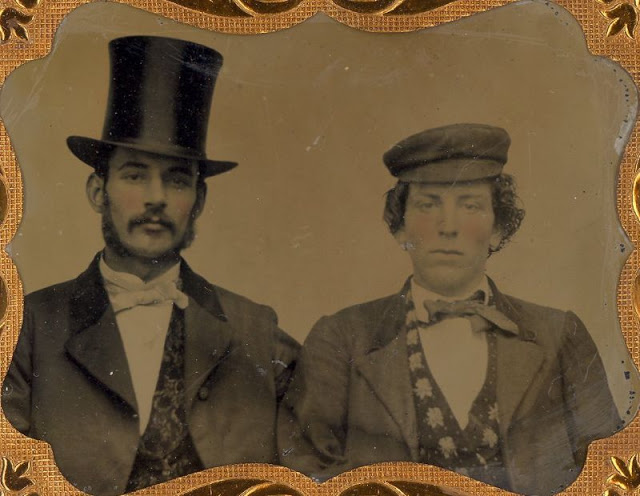
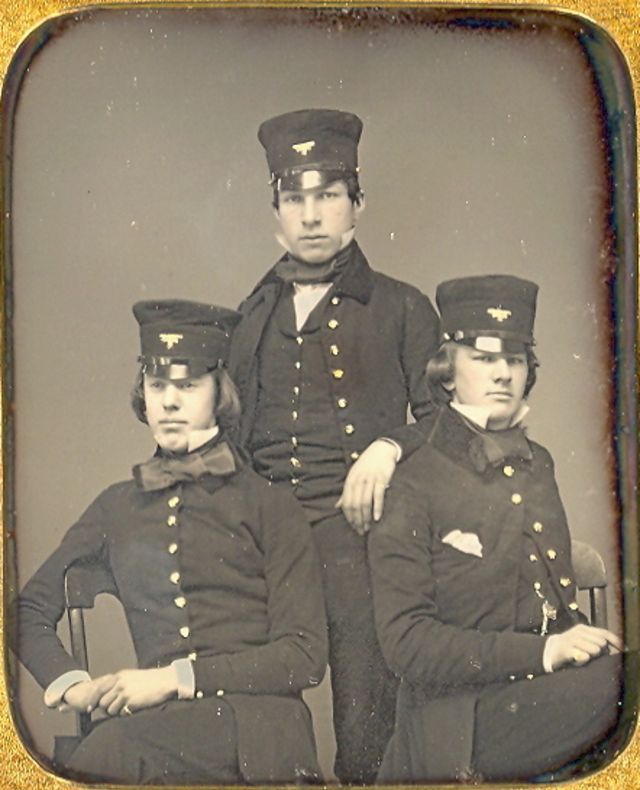
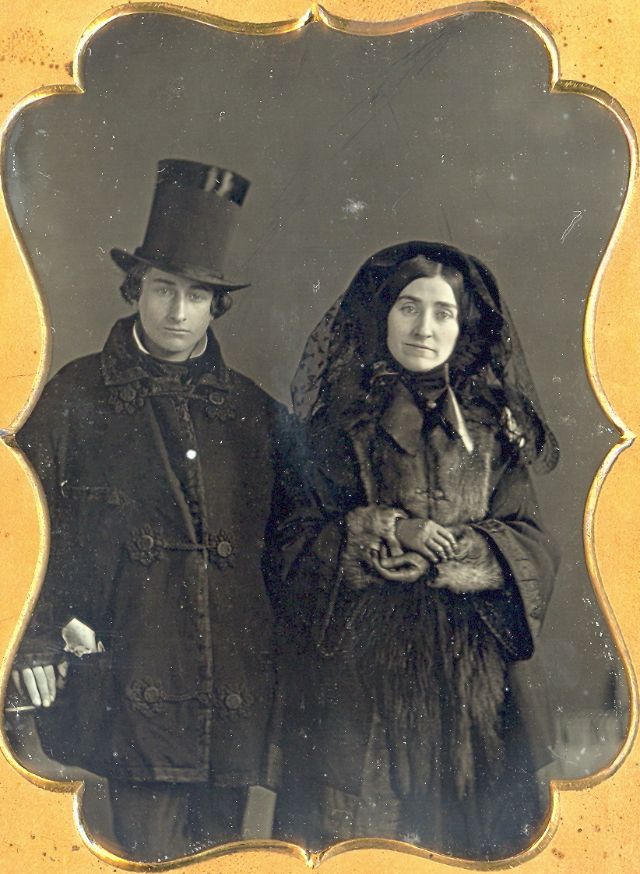
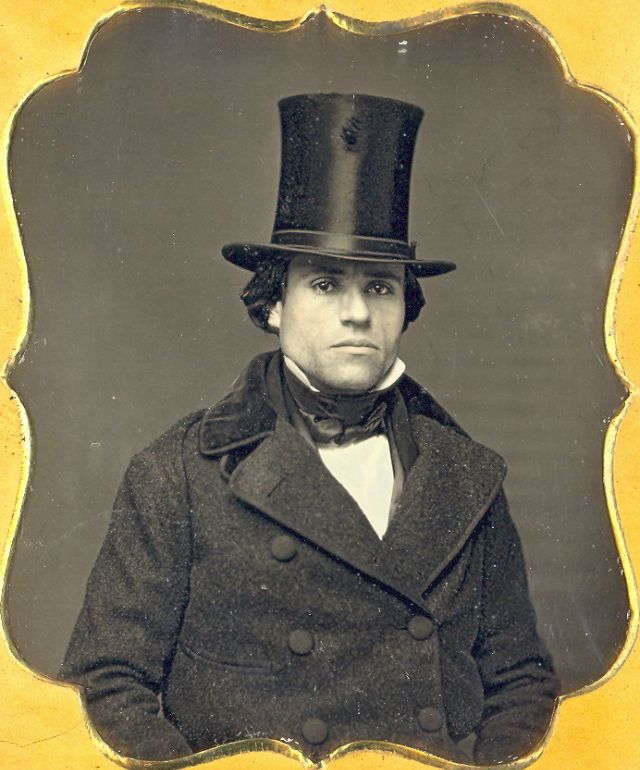
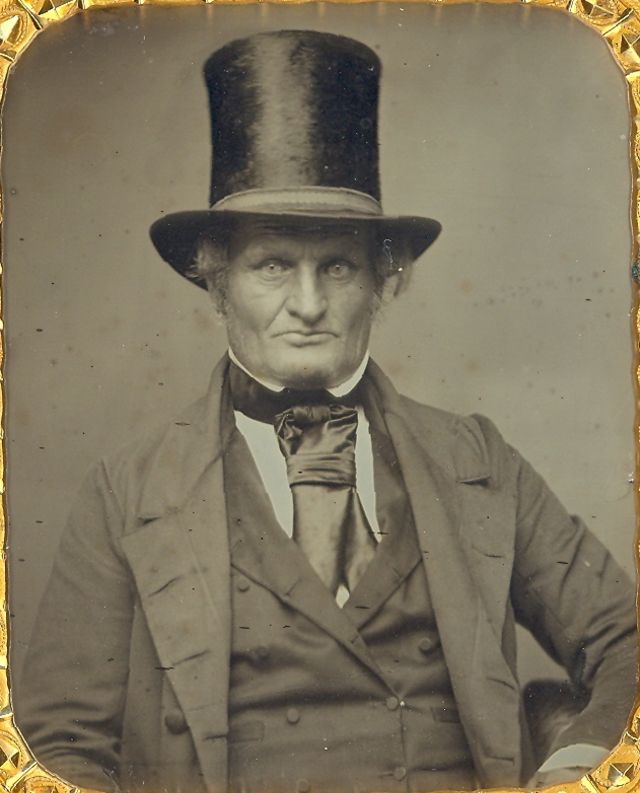
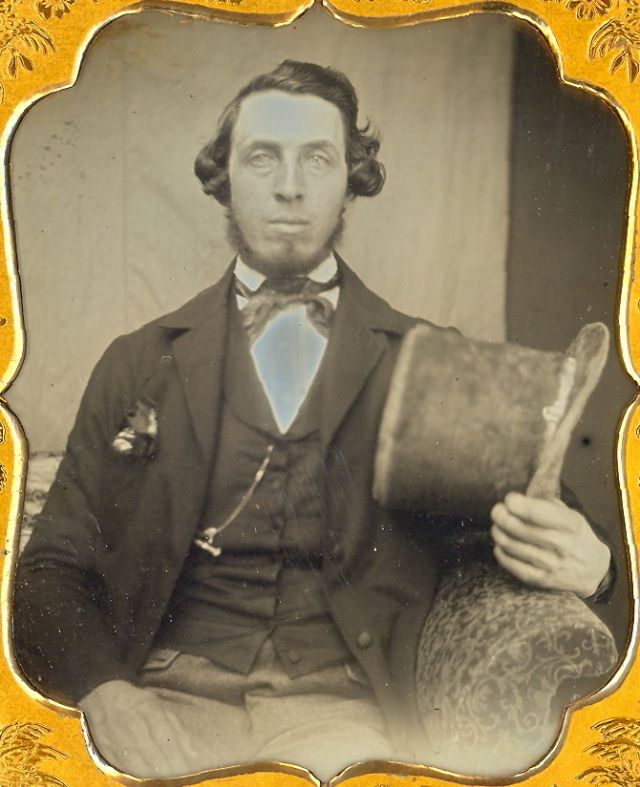
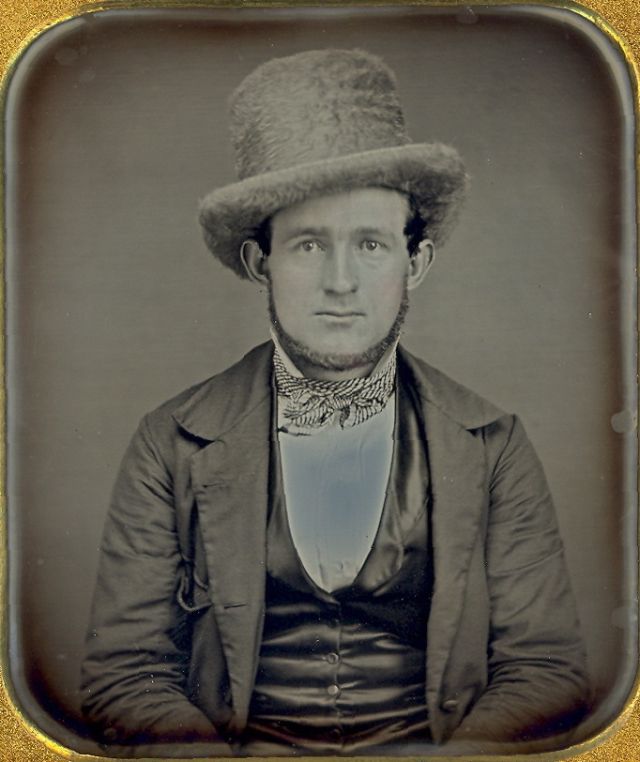
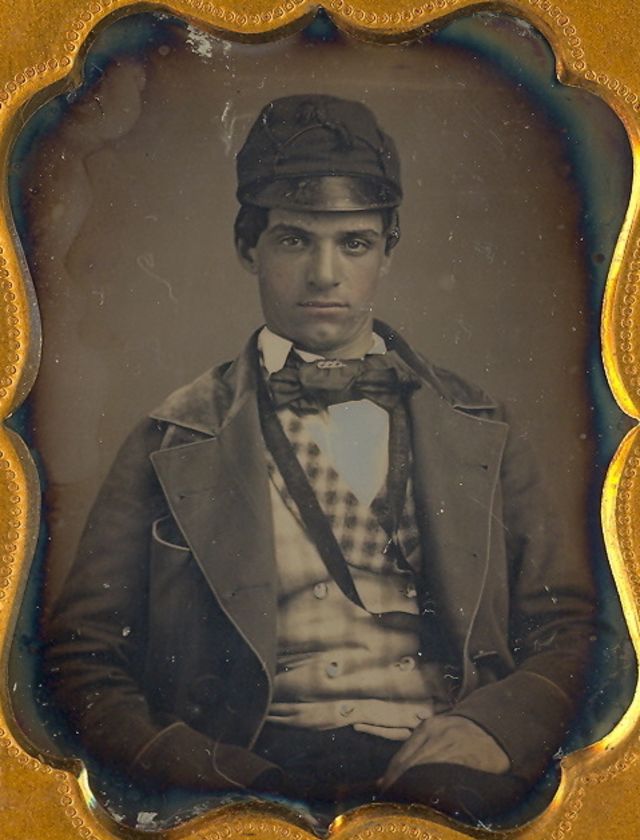
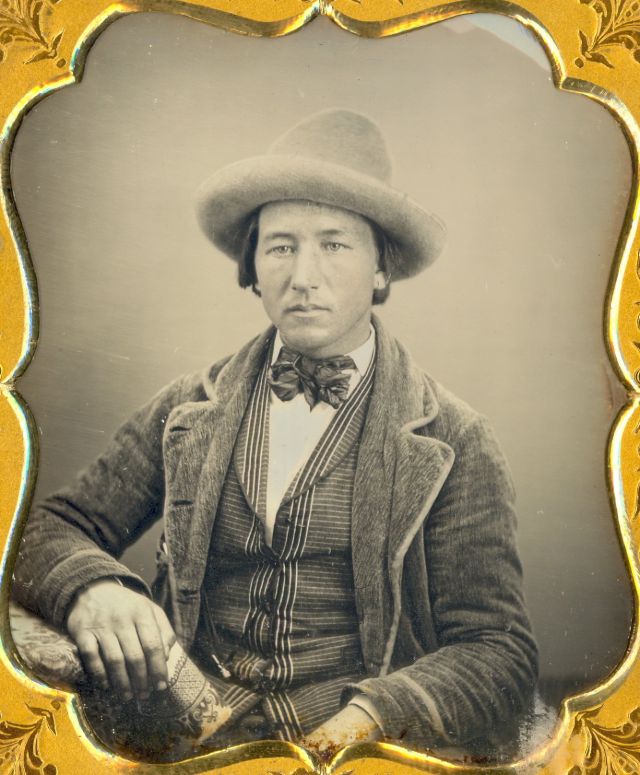
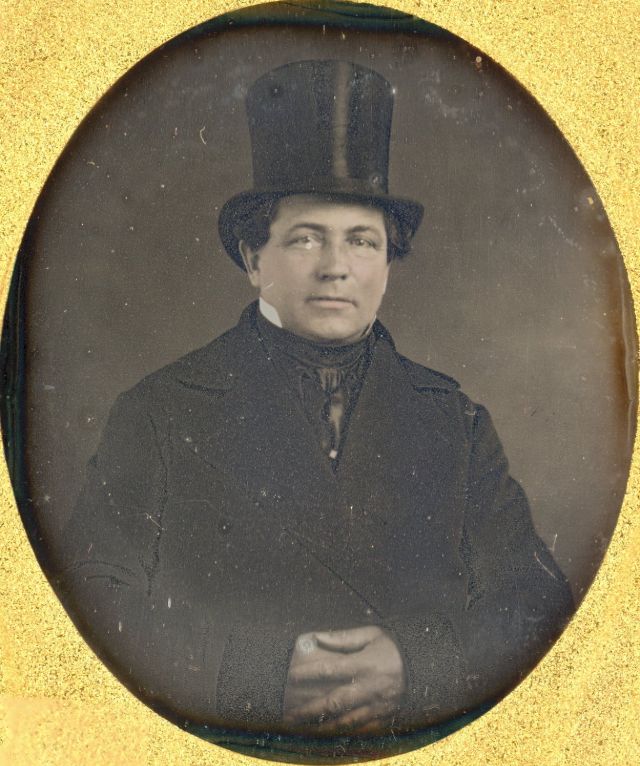
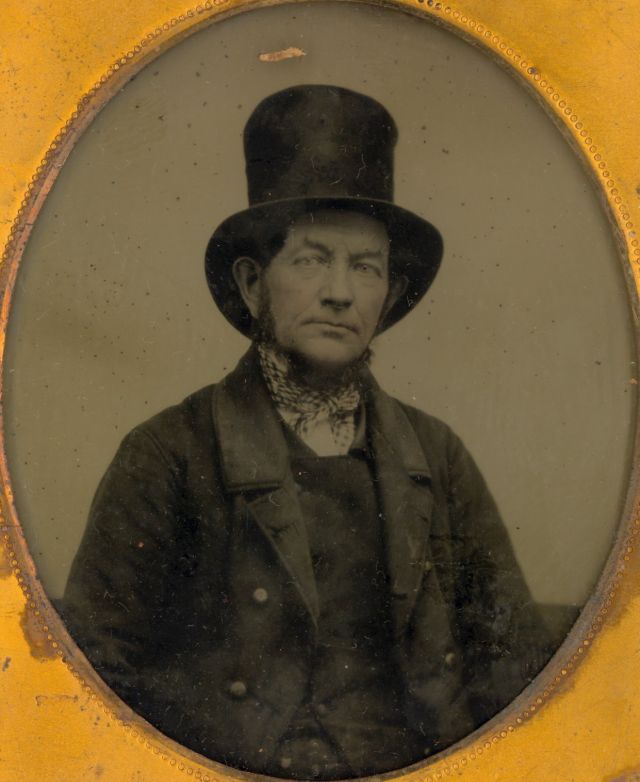
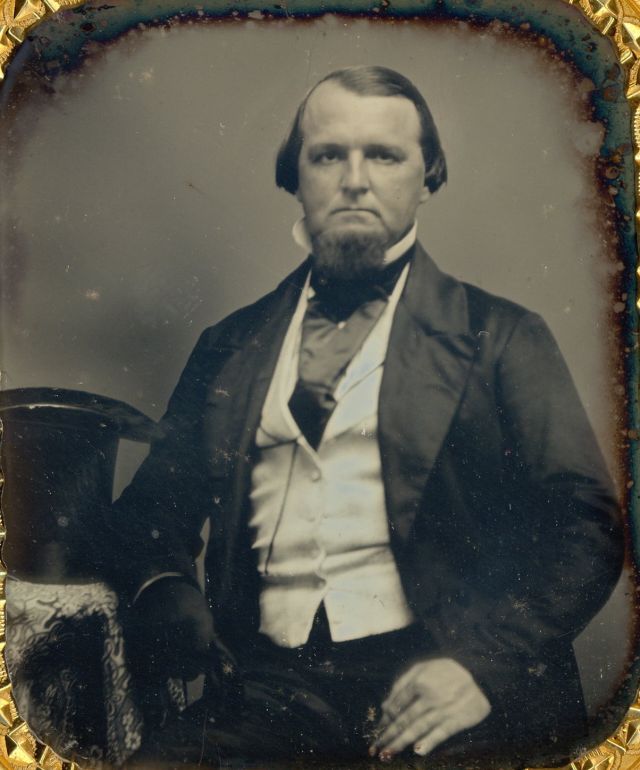
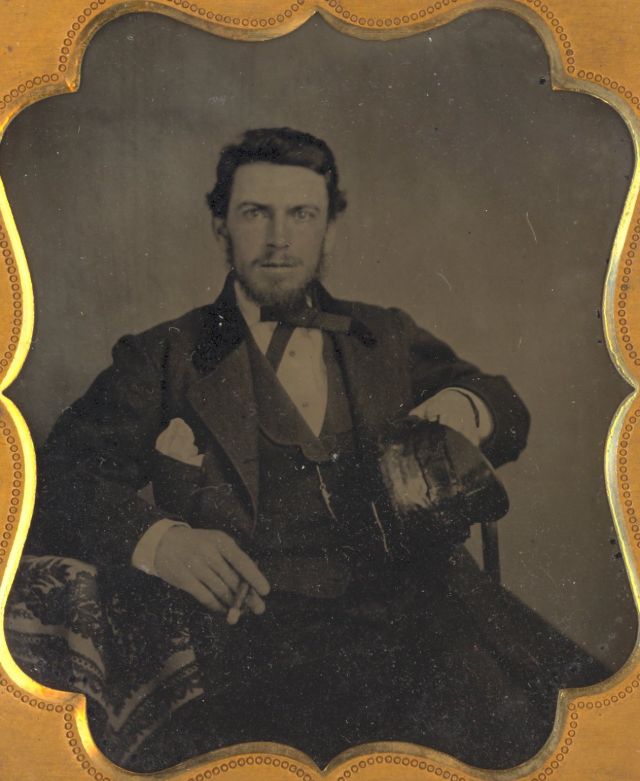
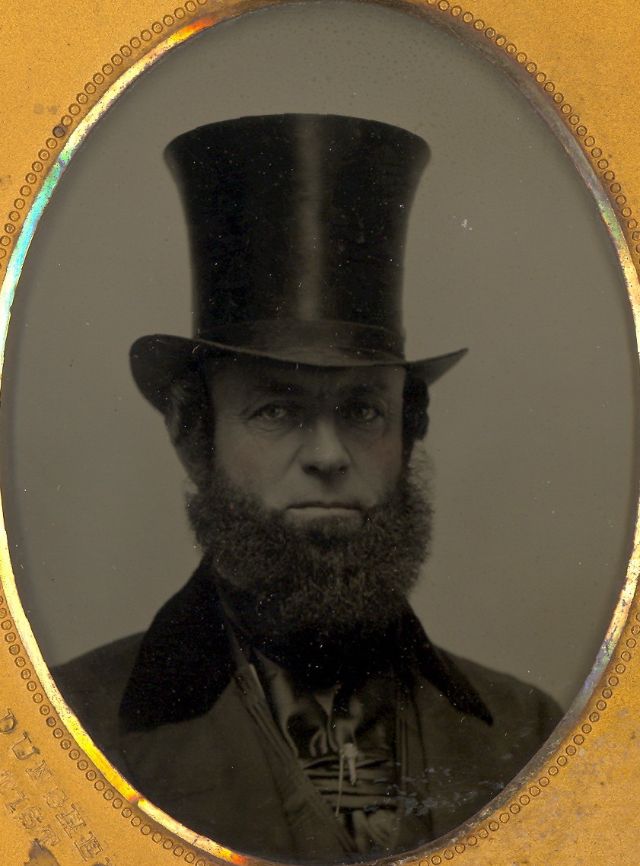
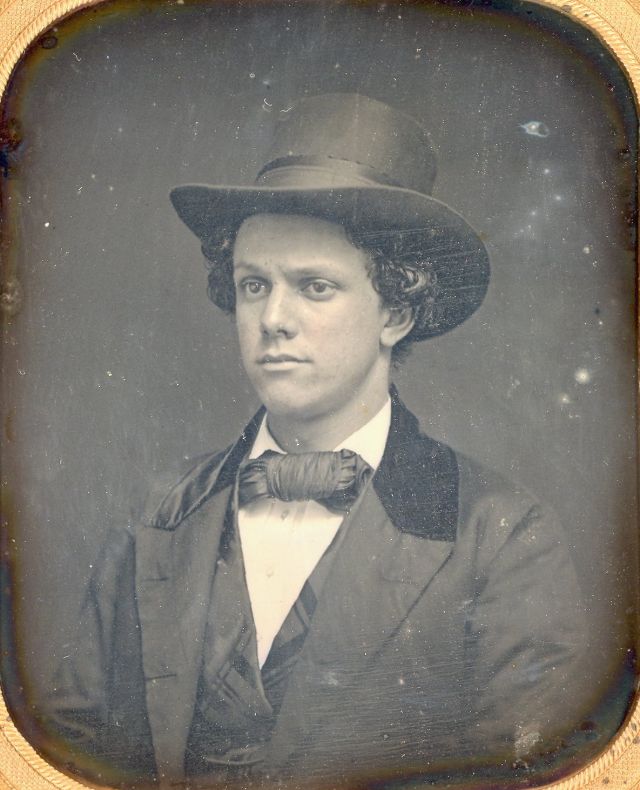
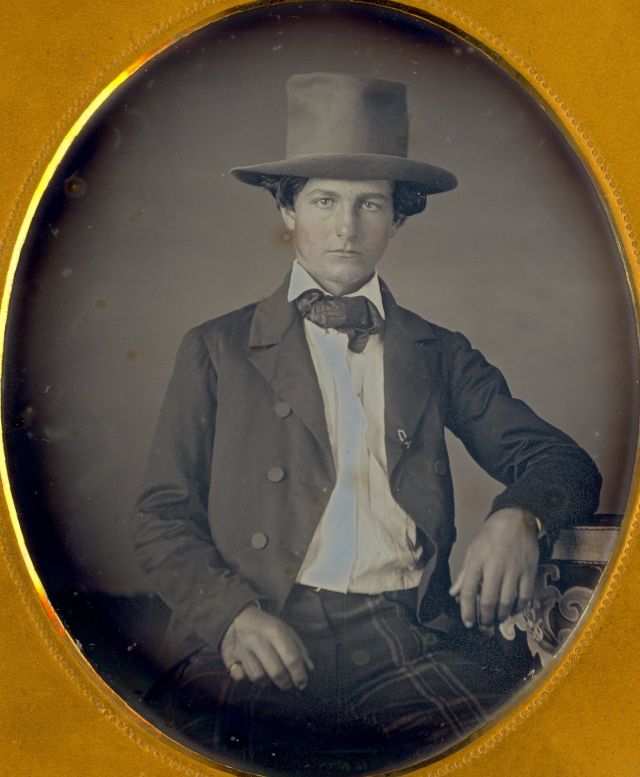
The formal top hat is the most iconic hat for Victorian-era gentlemen. Top hat height and shape changed over the years, from the tall and narrow stove pipe Lincoln top hat to the short and curvy late Victorian straw top hat. The round-top bowler or derby hat was another common hat for gentlemen.
Country folk, farmers, and ranchers preferred the wide brim planter or plantation hat, as worn in Gone with the Wind. A similar hat style, the gambler, was a favorite of western outlaws. The straw boater or sailor hat was a summertime classic.
Later in the Victorian era, the center dent homburg and fedora emerged as a stylish young person city hat. All of these hats came in black, brown, grey or taupe felt in cool weather and woven straw in summer.
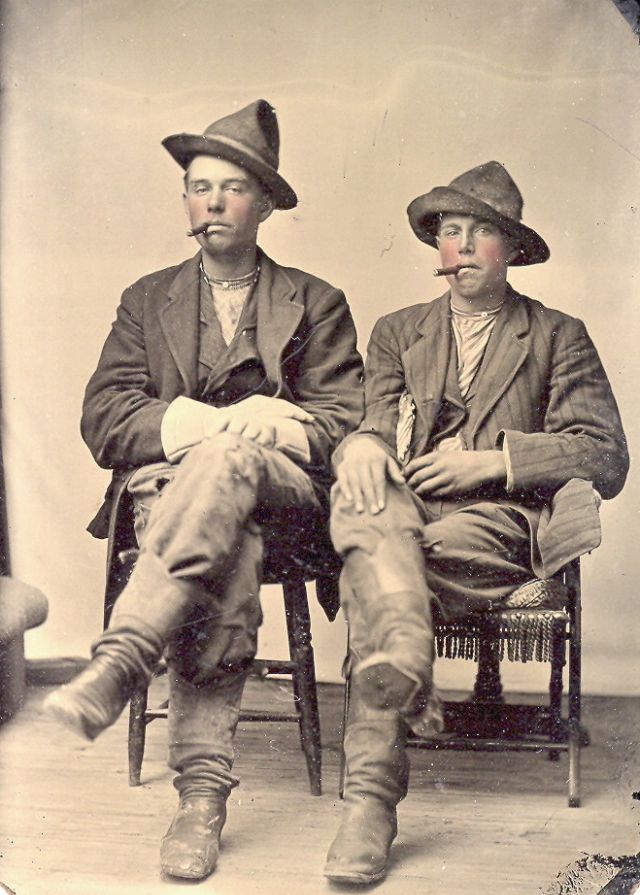
A set of cool vintage photos that shows what hat styles for men looked like from between the 1840s and 1860s.
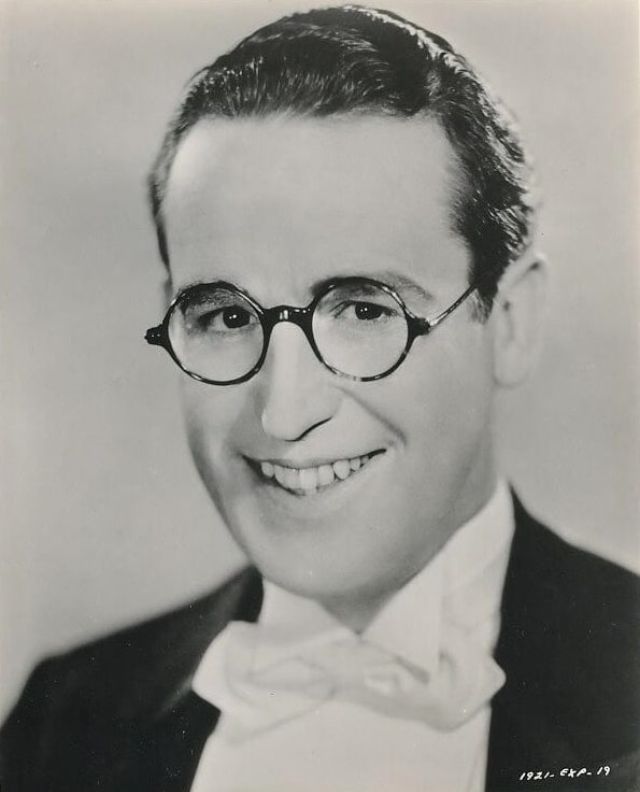
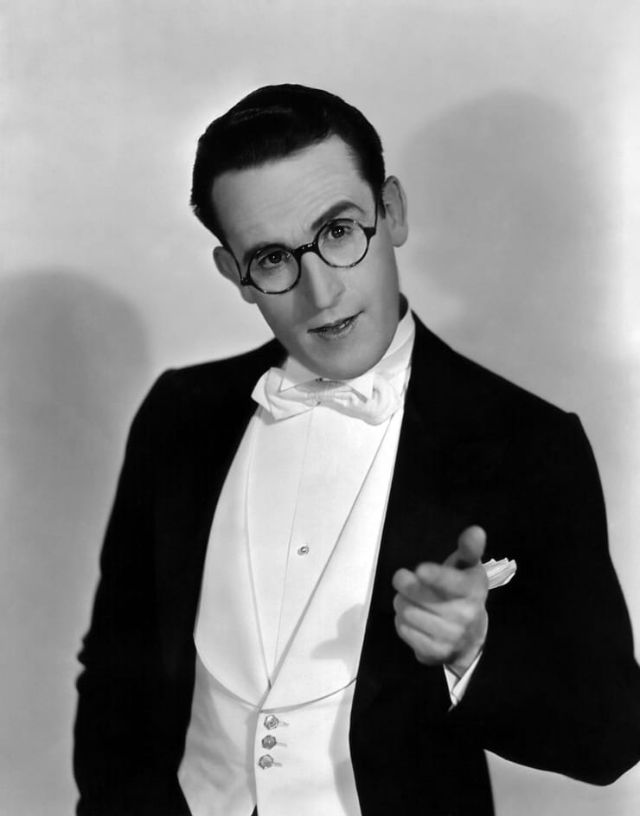
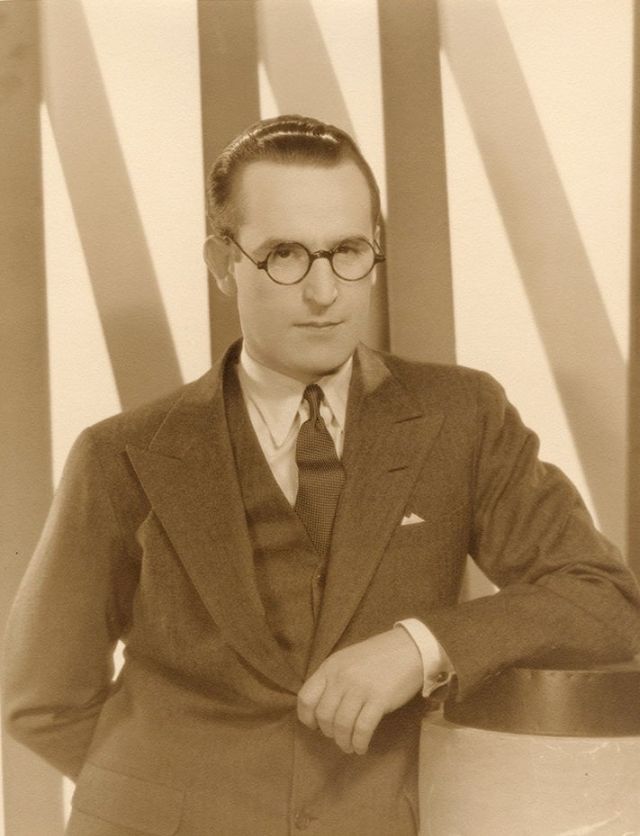
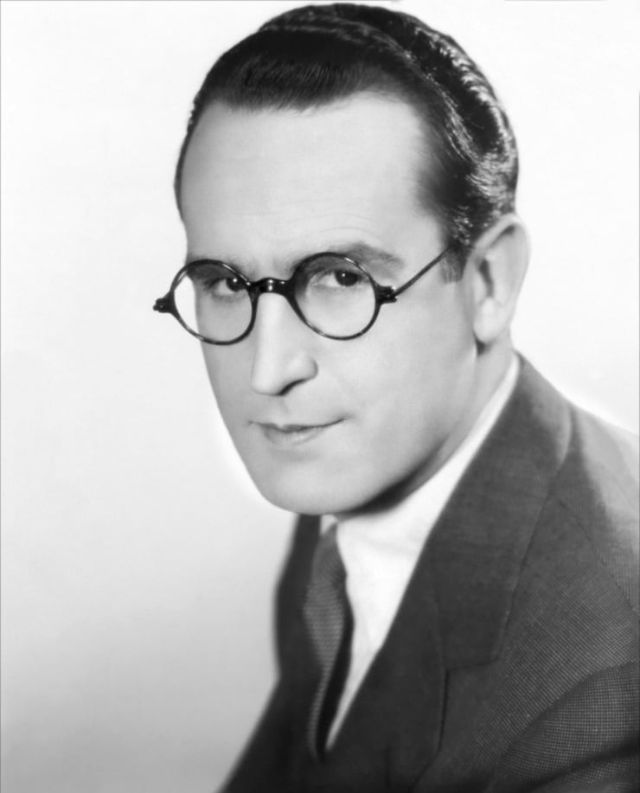
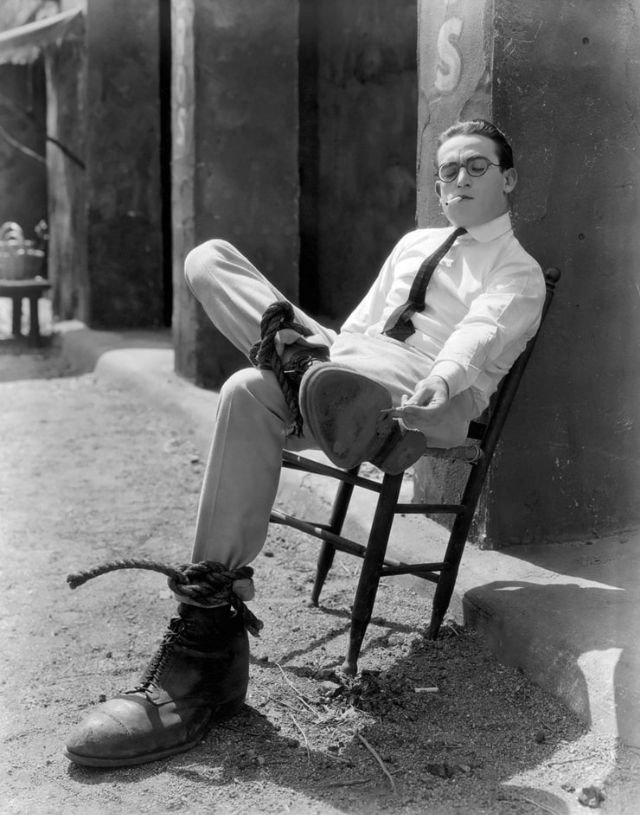
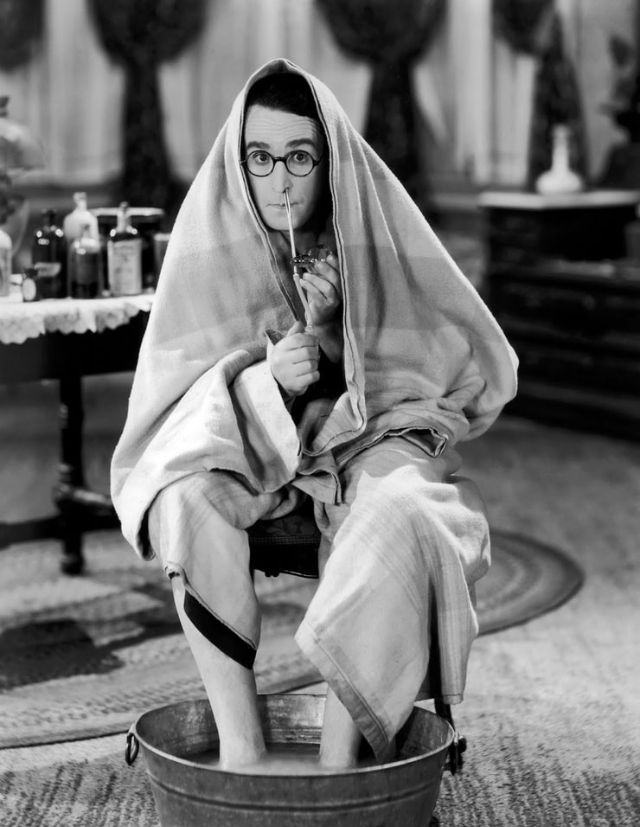
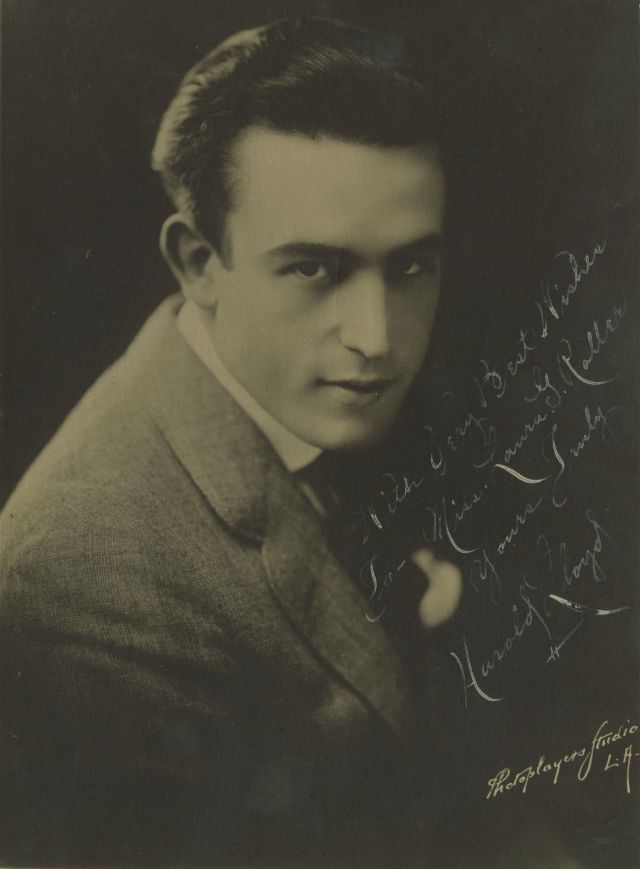
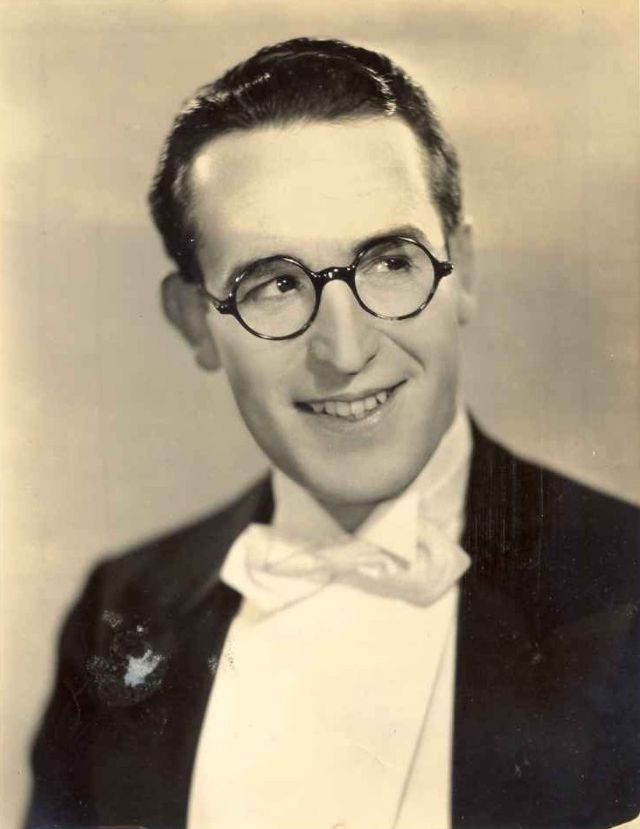
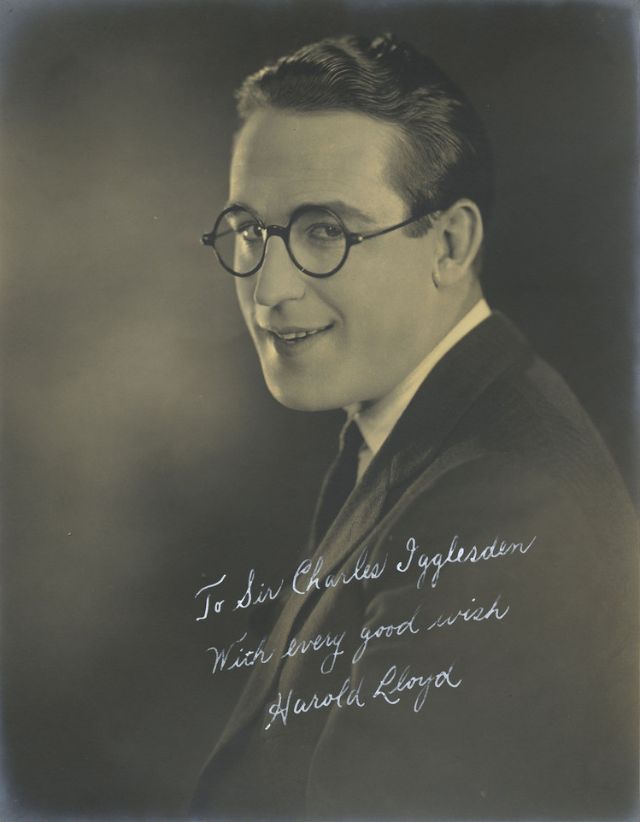
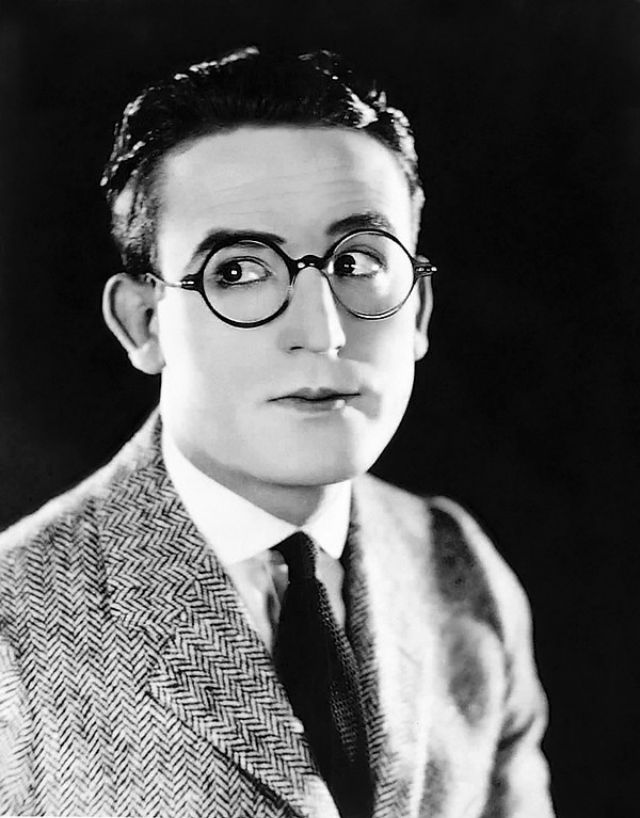
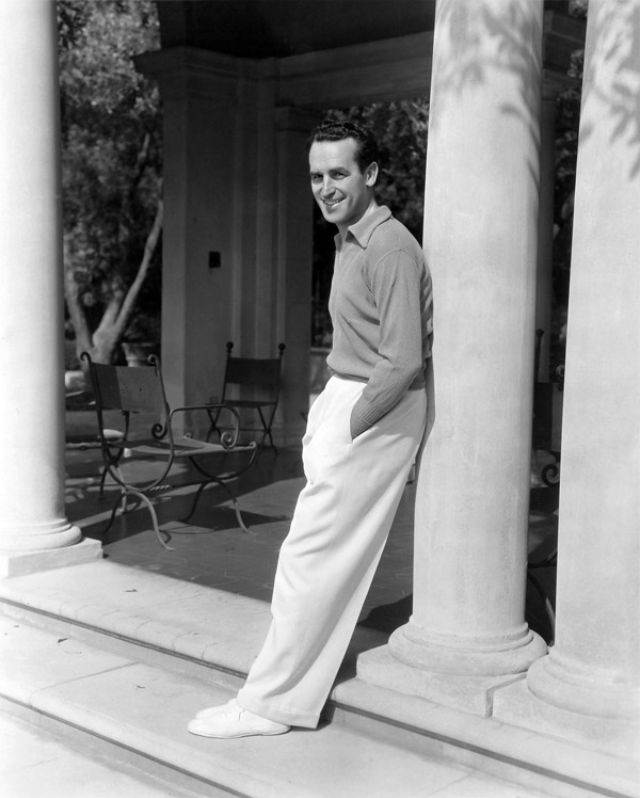
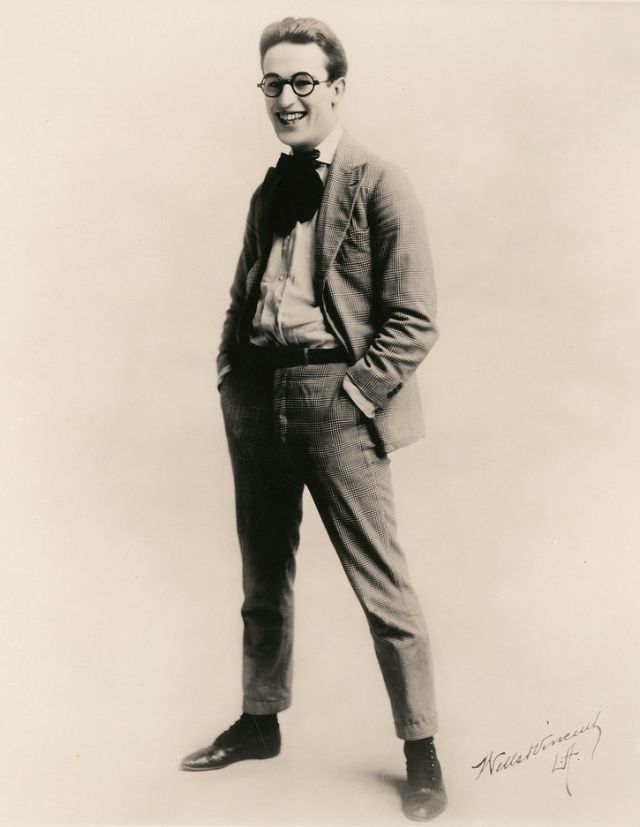
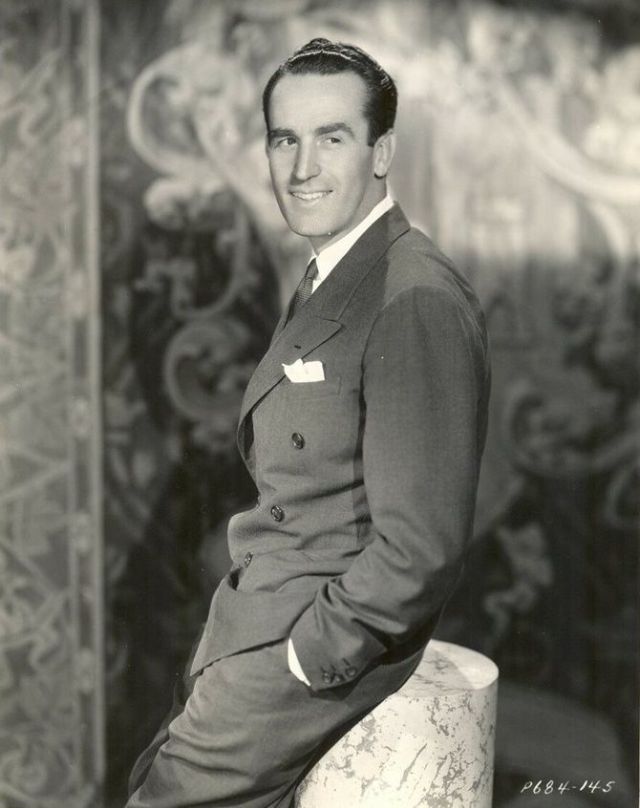
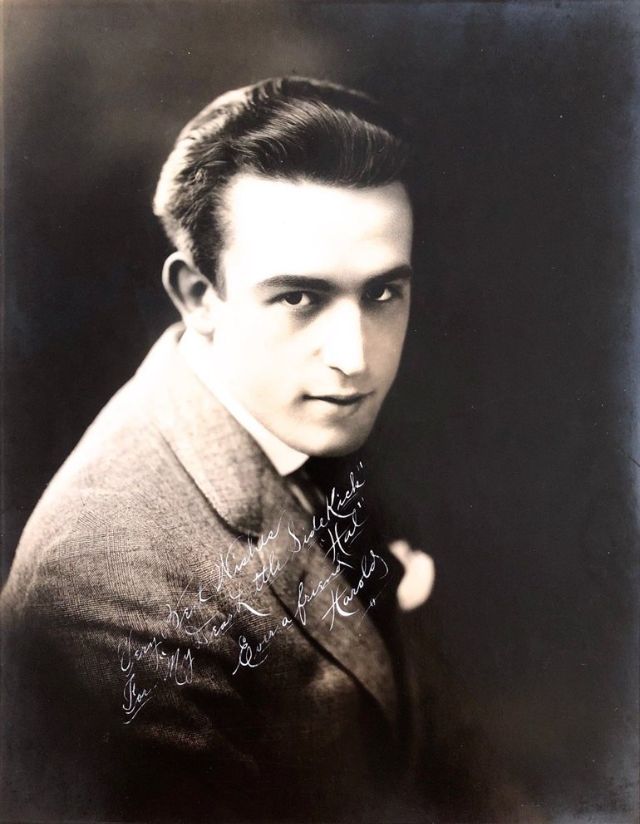
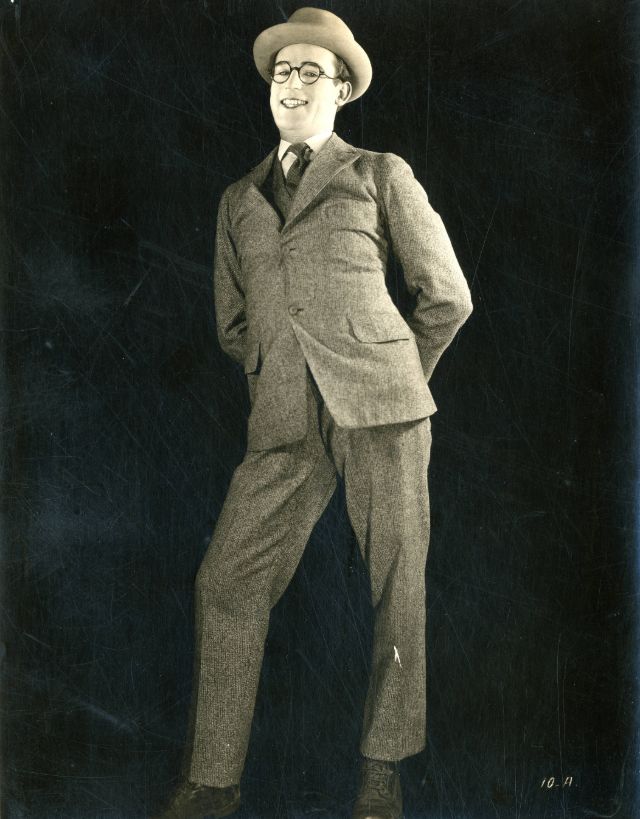
Born 1893 in Burchard, Nebraska, American actor, comedian, and stunt performer Harold Lloyd had his first role as a Yaqui Indian in the production of The Old Monk’s Tale (1913). At the age of 20, he moved to Los Angeles, and took up roles in several Keystone Film Company comedies.
Lloyd made nearly 200 comedy films, both silent and “talkies”, between 1914 and 1947. He is considered alongside Charlie Chaplin and Buster Keaton as one of the most influential film comedians of the silent film era. His bespectacled “Glasses” character was a resourceful, success-seeking go-getter who matched the zeitgeist of the 1920s-era United States.
His films frequently contained “thrill sequences” of extended chase scenes and daredevil physical feats. Lloyd hanging from the hands of a clock high above the street (in reality a trick shot) in Safety Last! (1923) is considered one of the most enduring images in all of cinema. Lloyd performed the lesser stunts himself, despite having injured himself in August 1919 while doing publicity pictures for the Roach studio. An accident with a bomb mistaken as a prop resulted in the loss of the thumb and index finger of his right hand (the injury was disguised on future films with the use of a special prosthetic glove, and was almost undetectable on the screen).
Lloyd died at age 77 from prostate cancer in 1971, at his Greenacres home in Beverly Hills, California. He was honored in 1960 for his contribution to motion pictures with a star on the Hollywood Walk of Fame located at 1503 Vine Street.
Take a look at these vintage photos to see portrait of a young Harold Lloyd in the 1920s and 1930s.
Bruce Gilden is an American street photographer. Known for his graphic and often confrontational close-ups made using flash, his images have a degree of intimacy and directness that have become a signature in his work.
Gilden was born in Brooklyn, New York in 1946. He studied sociology at Penn State University but didn’t complete the course. Although he briefly flirted with the idea of being an actor, Gilden decided to become a photographer in 1967, when he bought his first camera. He attended evening classes at the School of Visual Arts in New York, but largely considers himself to be self-taught.
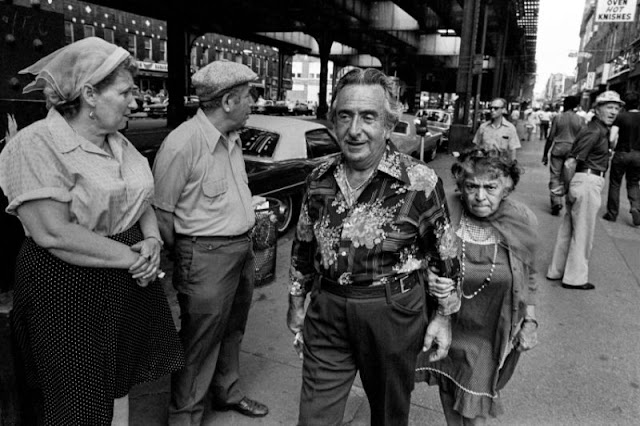
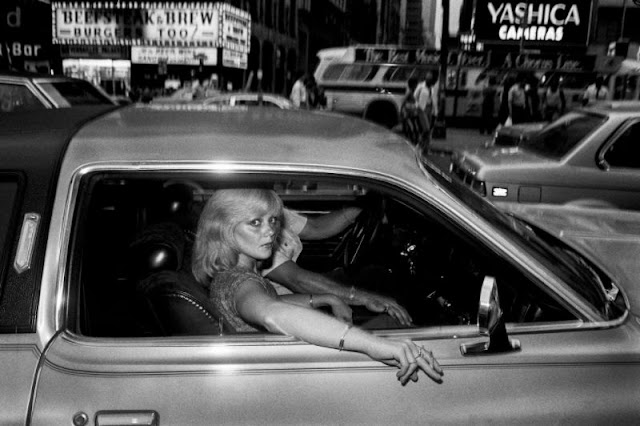
After recently moving house, Gilden discovered hundreds of contact prints and negatives in his personal archives, from work undertaken in New York, his native city, between 1978 and 1984. From these thousands of images, most of which are new even to their author, Gilden has selected around a hundred for his book Lost and Found. Extending from the desire to revisit the work of his youth, this historic archive constitutes an inestimable treasure.
In Lost and Found, an extraordinary New York is portrayed, revealing an unknown facet of Gilden’s oeuvre. With all the energy of a young man in his thirties, Gilden launched an assault on New York in a visibly tense atmosphere. These pictures are almost all made without the use of flash which was – soon after – to become his trademark. Gilden reflects that he was “probably in a transition period at that time, wanting to use flash more and make more dramatic photos. Maybe that’s why I overlooked these images…”
In this extraordinary gallery of portraits, the compositions—mostly horizontal—simmer with energy, bursting with the most diverse characters, as though Gilden intended to include within the frame everything that caught his eye.
New York, often called New York City (NYC) to distinguish it from the State of New York, is the most populous city in the United States. With a 2020 population of 8,804,190 distributed over 300.46 square miles (778.2 km2), New York City is also the most densely populated major city in the United States. Located at the southern tip of the state of New York, the city is the center of the New York metropolitan area, the largest metropolitan area in the world by urban area. With over 20.1 million people in its metropolitan statistical area and 23.5 million in its combined statistical area as of 2020, New York is one of the world’s most populous megacities. New York City has been described as the cultural, financial, and media capital of the world, and is a significant influence on commerce, entertainment, research, technology, education, politics, tourism, dining, art, fashion, and sports. It is the most photographed city in the world. Home to the headquarters of the United Nations, New York is an important center for international diplomacy, an established safe haven for global investors, and is sometimes described as the capital of the world.
Situated on one of the world’s largest natural harbors, with water covering 36.4% of its surface area, New York City is composed of five boroughs, each of which is coextensive with a respective county of the state of New York. The five boroughs—Brooklyn (Kings County), Queens (Queens County), Manhattan (New York County), the Bronx (Bronx County), and Staten Island (Richmond County)—were created when local governments were consolidated into a single municipal entity in 1898. The city and its metropolitan area constitute the premier gateway for legal immigration to the United States. As many as 800 languages are spoken in New York, making it the most linguistically diverse city in the world. New York is home to more than 3.2 million residents born outside the United States, the largest foreign-born population of any city in the world as of 2016. As of 2018, the New York metropolitan area is estimated to produce a gross metropolitan product (GMP) of nearly $1.8 trillion, ranking it first in the United States. If the New York metropolitan area were a sovereign state, it would have the eighth-largest economy in the world. New York is home to the highest number of billionaires of any city in the world.
New York City traces its origins to a trading post founded on the southern tip of Manhattan Island by Dutch colonists in approximately 1624. The settlement was named New Amsterdam (Dutch: Nieuw Amsterdam) in 1626 and was chartered as a city in 1653. The city came under English control in 1664 and was renamed New York after King Charles II of England granted the lands to his brother, the Duke of York. The city was regained by the Dutch in July 1673 and was renamed New Orange for one year and three months; the city has been continuously named New York since November 1674. New York City was the capital of the United States from 1785 until 1790, and has been the largest U.S. city since 1790. The Statue of Liberty greeted millions of immigrants as they came to the U.S. by ship in the late 19th and early 20th centuries, and is a symbol of the U.S. and its ideals of liberty and peace. In the 21st century, New York has emerged as a global node of creativity, entrepreneurship, and environmental sustainability, and as a symbol of freedom and cultural diversity. In 2019, New York was voted the greatest city in the world per a survey of over 30,000 people from 48 cities worldwide, citing its cultural diversity.
Many districts and monuments in New York City are major landmarks, including three of the world’s ten most visited tourist attractions in 2013. A record 66.6 million tourists visited New York City in 2019. Times Square is the brightly illuminated hub of the Broadway Theater District, one of the world’s busiest pedestrian intersections, and a major center of the world’s entertainment industry. Many of the city’s landmarks, skyscrapers, and parks are known around the world, as is the city’s fast pace, spawning the term New York minute. The Empire State Building has become the global standard of reference to describe the height and length of other structures. Manhattan’s real estate market is among the most expensive in the world. Providing continuous 24/7 service and contributing to the nickname The City That Never Sleeps, the New York City Subway is the largest single-operator rapid transit system worldwide, with 472 passenger rail stations. The city has over 120 colleges and universities, including Columbia University, New York University, and the City University of New York system, which is the largest urban public university system in the United States. Anchored by Wall Street in the Financial District of Lower Manhattan, New York City has been called both the world’s leading financial center and the most powerful city in the world, and is home to the world’s two largest stock exchanges by total market capitalization, the New York Stock Exchange and Nasdaq. (Wikipedia)
Subscribe to continue reading
Become a paid subscriber to get access to the rest of this post and other exclusive content.
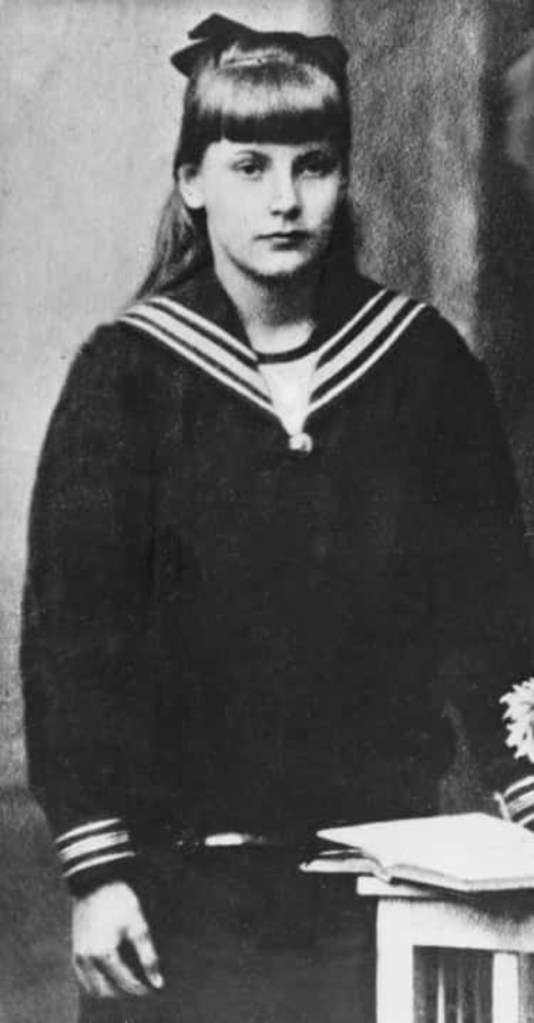
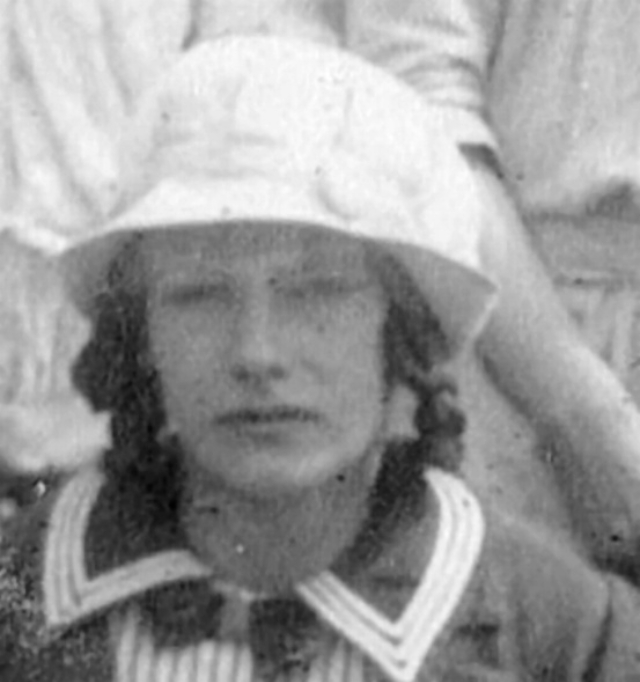
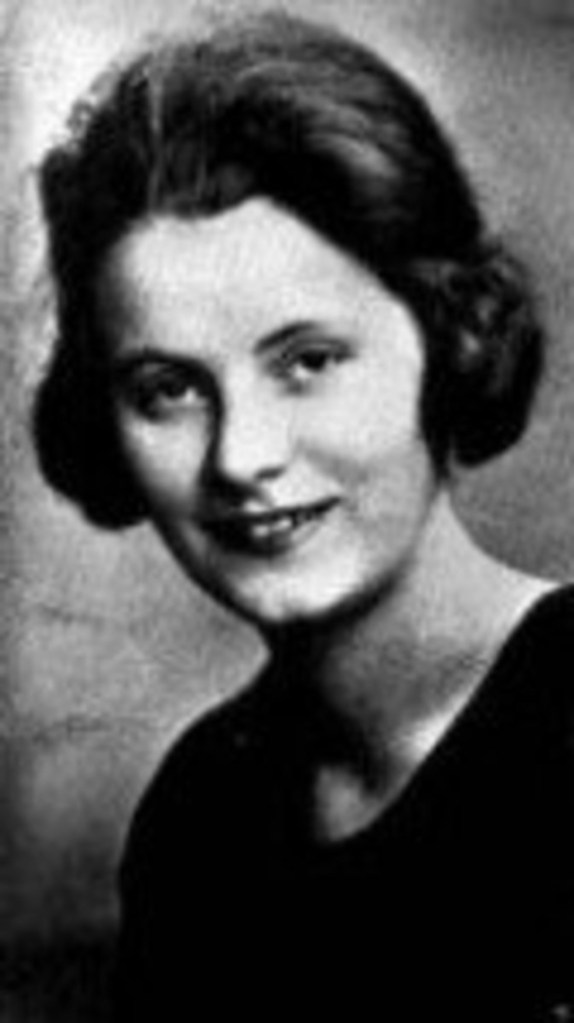
On September 18, 1905 a baby girl was born on the Stockholm island of Södermalm. Her parents would give her the name Greta Lovisa Gustafsson. How could anyone know that the young infant would one day become the world’s most famous woman? A woman whom everyone would come to know as Garbo.
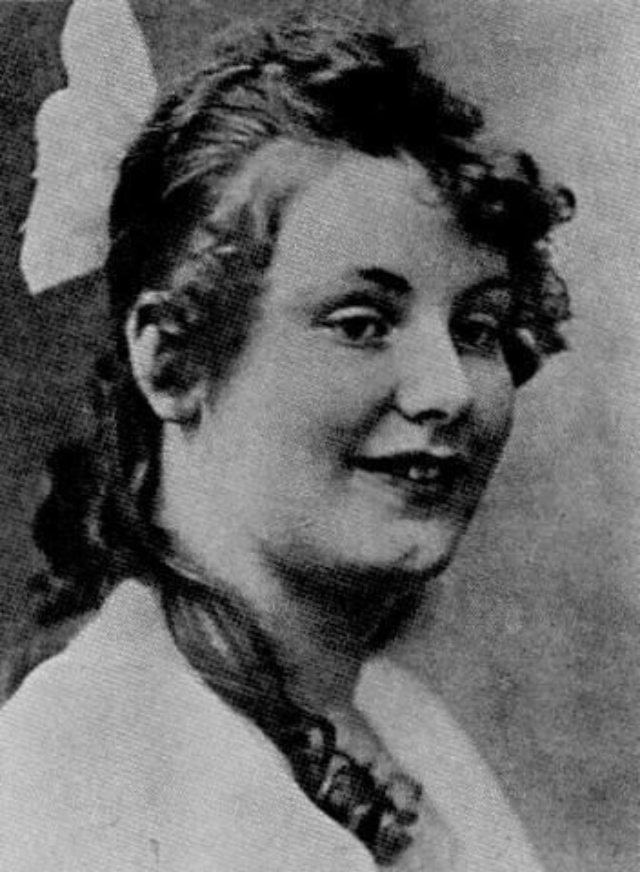
Garbo was a shy daydreamer as a child. She disliked school and preferred to play alone. Garbo was a natural leader who became interested in theatre at an early age. She directed her friends in make-believe games and performances, and dreamed of becoming an actress. Later, Garbo would participate in amateur theatre with her friends and frequent the Mosebacke Theatre. At the age of 13, Garbo graduated from school,and, typical of a Swedish working-class girl at that time, she did not attend high school. She later acknowledged a resulting inferiority complex.
Garbo first worked as a soap-lather girl in a barber shop before taking a job in the PUB department store where she ran errands and worked in the millinery department. After modeling hats for the store’s catalogues, Garbo earned a more lucrative job as a fashion model. In 1920, a director of film commercials for the store cast Garbo in roles advertising women’s clothing. Her first commercial premiered on December 12, 1920. In 1922, Garbo caught the attention of director Erik Arthur Petschler, who gave her a part in his short comedy, Peter the Tramp.
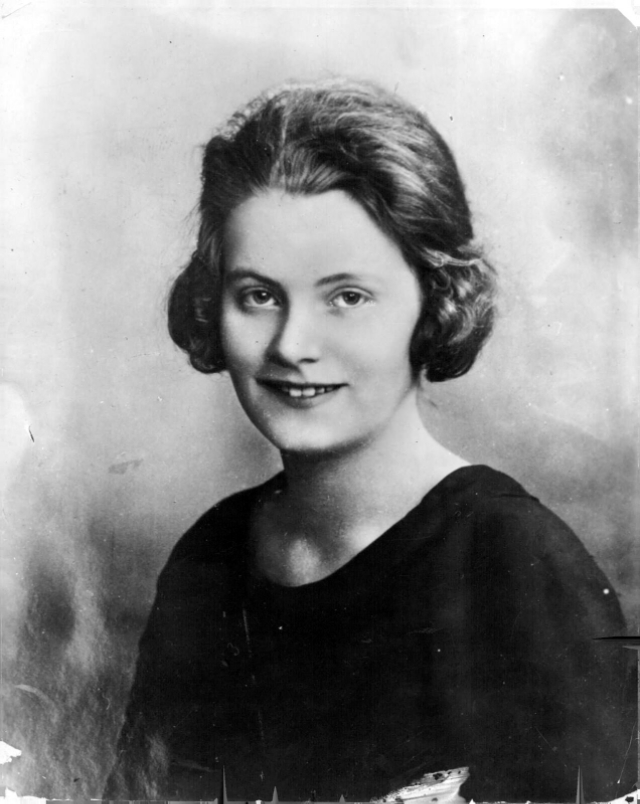
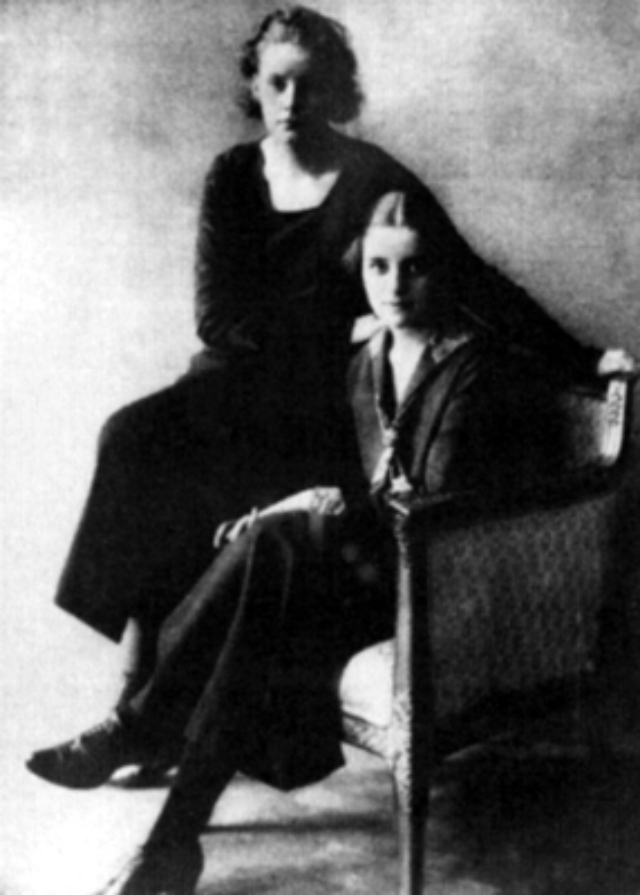
From 1922 to 1924, she studied at the Royal Dramatic Theatre’s Acting School in Stockholm. Here she met Sweden’s leading film director, Maurtiz Stiller, who became her mentor: first, he changed her name to “Greta Garbo,” and then, when MGM studio chief Louis B. Mayer offered him a contract to come to Hollywood, he brought his protégé along. Garbo and Stiller arrived in New York in 1925 and were introduced to photographer Arnold Genthe. Fascinated by Garbo’s eyes and by “what is behind that extraordinary forehead,” Genthe persuaded her to sit for a photo session that transformed her career. The results of this sitting, soon published in Vanity Fair magazine, convinced MGM that Garbo had a very special quality, and she was quickly signed to a contract.
Still only twenty, Garbo had a bit more baby fat than fit the MGM mold, teeth that needed straightening, and a mop of hair that was entirely too frizzy. The studio glamour doctors went to work, and her metamorphosis yielded results. In 1926 Garbo made an auspicious Hollywood debut in The Torrent, and the next year played opposite John Gilbert—then one of the screen’s most popular leading men—in what became a tremendous box-office hit, Flesh and the Devil. Their chemistry sizzled both on and off the set, and they would be paired in several other films, including Love (1927), A Woman of Affairs (1928), and Queen Christina (1933).
As the Los Angeles Times noted at the time, Garbo represented an “utterly different type” of movie star. Earlier stars such as Mary Pickford or Lillian Gish conveyed innocence; Colleen Moore and Gloria Swanson were prototypic Jazz Age flappers; Clara Bow had “It.” But all seemed dull and dated when the screen filled with Garbo’s lambent aloofness and sophistication. Her evanescent movie image was enhanced by the art of still photography, particularly the 4,000 photographs taken between 1929 and 1941 by MGM’s chief photographer, Clarence Sinclair Bull.
Ikeda Nagaoki (1837-1879) was the governor of small villages in Ibara, Bitchu Province. He was chosen to lead a group of delegates from the Japanese Embassy to Europe, sent by Tokugawa Shogunate on February 6, 1864. In his role as head the mission became known as the “Ikeda mission.”
The main objective of the mission was to secure a trading agreement with the French which would see the closure of the harbor of Yokohama to foreign trade to close the country to western influences and a desire to return to national seclusion or sakoku. The task was unsuccessful due to Yokohama being the centre of foreign presence in Japan since 1854 when the country was opened by Commodore Perry in 1854.
In 1864, en route to Paris, the Ikeda mission visited Egypt. The stay was memorialized in one of nineteenth-century photography’s most extraordinary images — the embassy’s members, dressed in winged kamishimo costume and jingasa hats, carrying their feared long (katana) and short (wakizashi) swords, standing in front of the Giza Sphinx.
The mission visited Egypt where the members were photographed in front of the Sphinx by Antonio Beato. On 23 August 1864, the mission returned to Japan. It was a failure.
Antonio Beato (1835–1906), also known as Antoine Beato, was an Italian-British photographer. He is noted for his genre works, portraits, views of the architecture and landscapes of Egypt and the other locations in the Mediterranean region. He was the younger brother of photographer Felice Beato (1832–1909), with whom he sometimes worked. Antonio and his brother were part of a small group of commercial photographers who were the first to produce images of the Orient on a large scale.
By the 1850s, tourist travel to Middle East created strong demand for photographs as souvenirs. Beato, and his brother were part of a group of early photographers who made their way to the East to capitalize on this demand. These pioneering photographers included Frenchmen, Félix Bonfils (1831-1885); Gustave Le Gray (1820-1884) and Hippolyte Arnoux, brothers Henri and Emile Bechard and the Greek Zangaki brothers, many of whom were in Egypt at the same time and entered into both formal and informal working partnerships. These early photographers, including Antonio and his brother, were among the first commercial photographers to produce images on a large scale in the Middle East.
Antonio Beato went to Cairo towards the end 1859 or early 1860 and spent two years there before moving to Luxor where he opened a photographic studio in 1862 (until his death in 1906) and began producing tourist images of the people and architectural sites of the area. In the late 1860s, Antonio was in partnership with the French photographer, Hippolyte Arnoux. Beato’s images of Egypt were distinctly different to those of other photographers working in the region. Whereas most photographers focussed on the grandeur of monuments and architecture, Beato concentrated on scenes of everyday life.
In 1864, at a time when his brother Felice was living and photographing in Japan, Antonio photographed members of Ikeda Nagaoki’s Japanese mission who were visiting Egypt on their way to France.
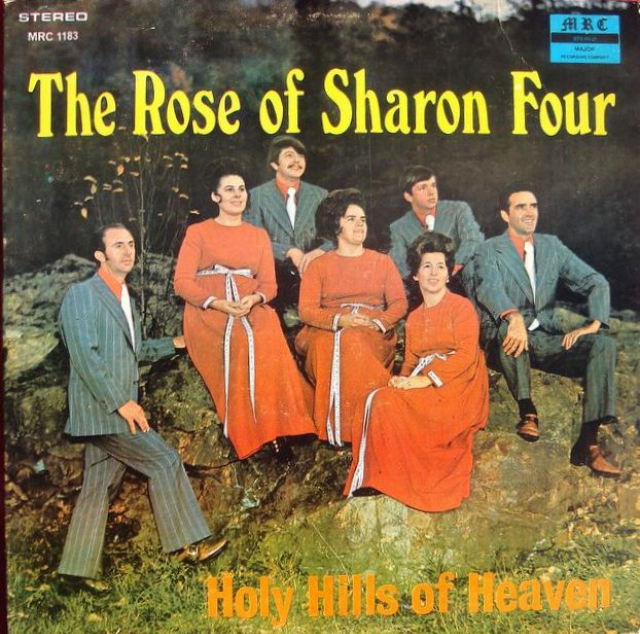
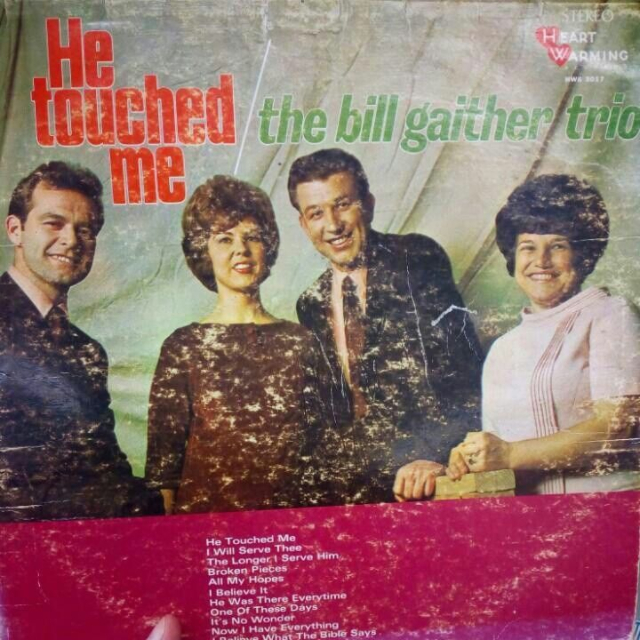
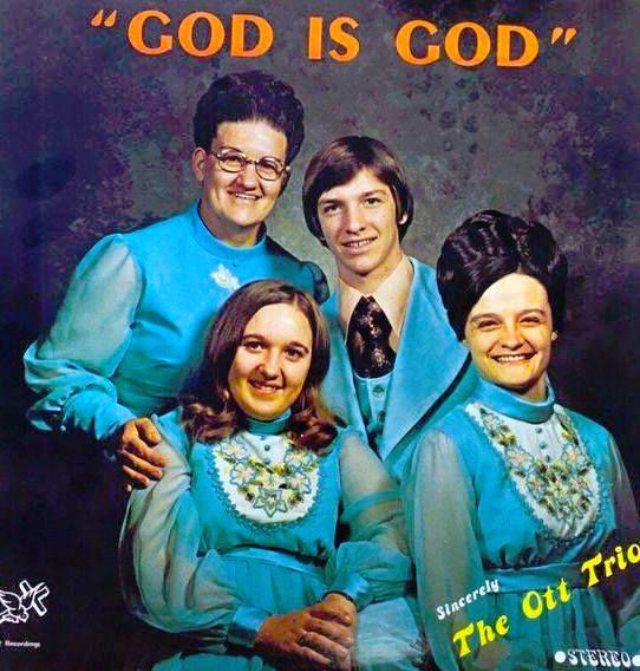
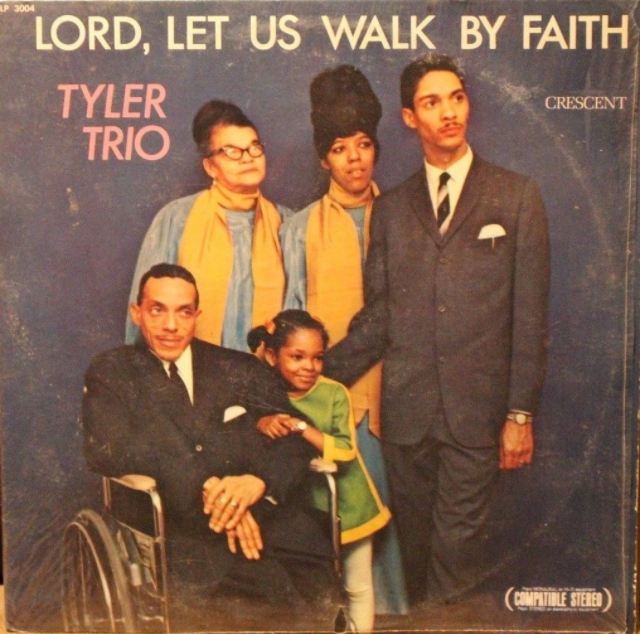
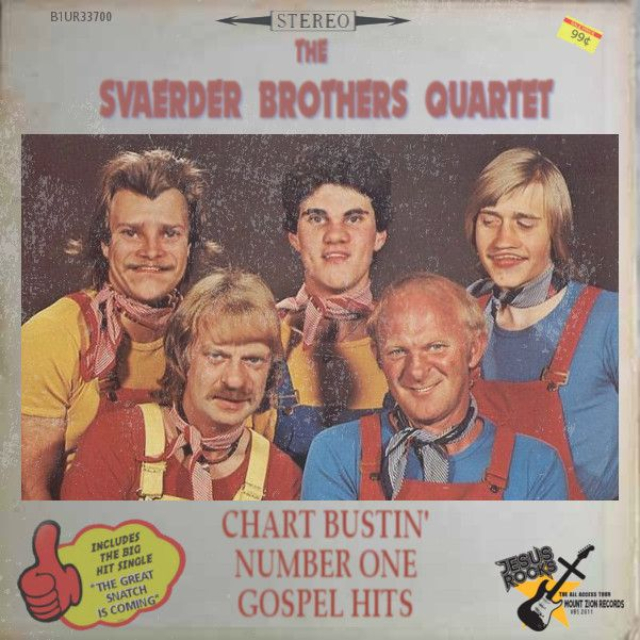
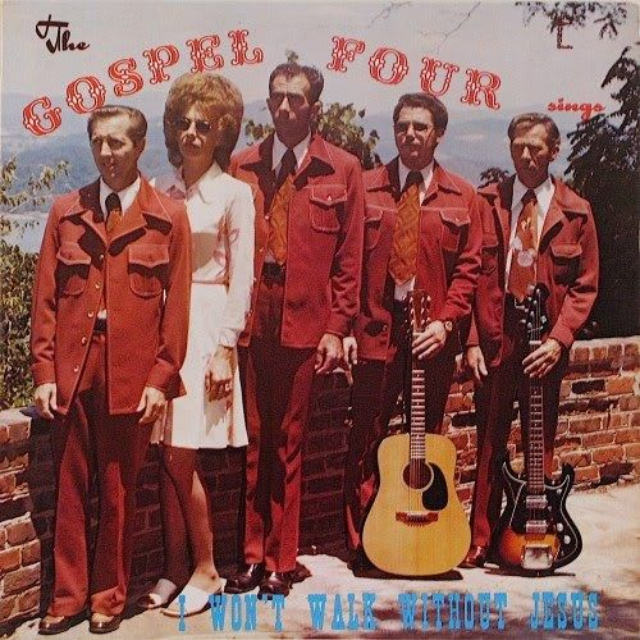
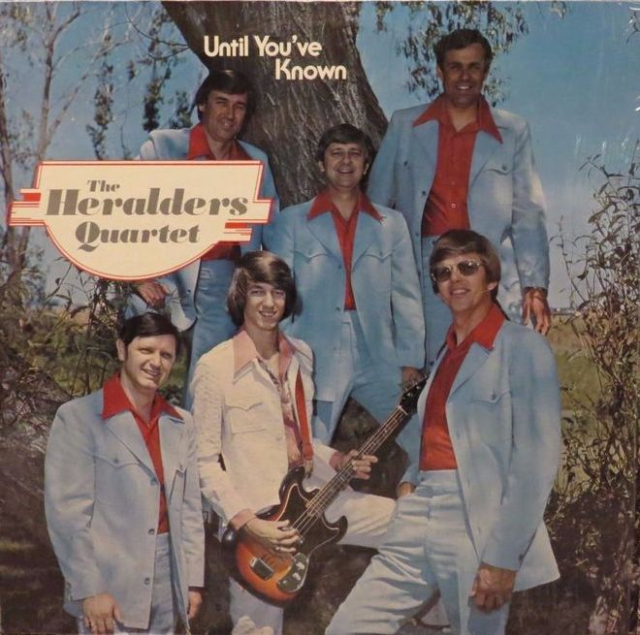
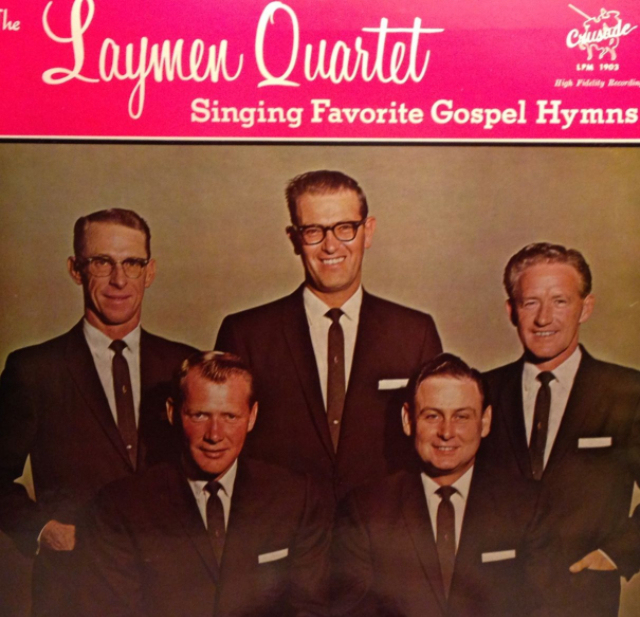
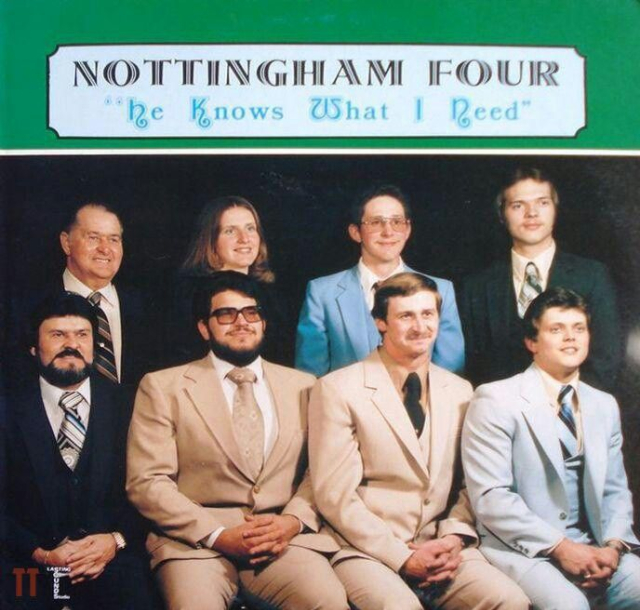
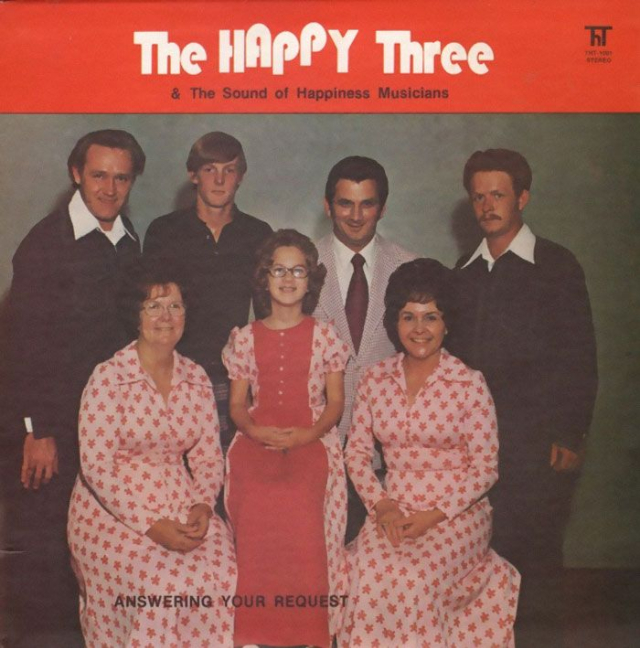
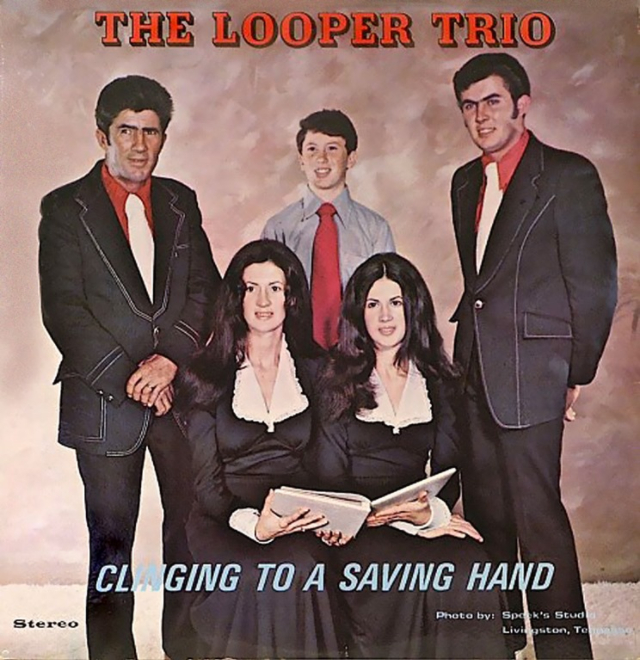
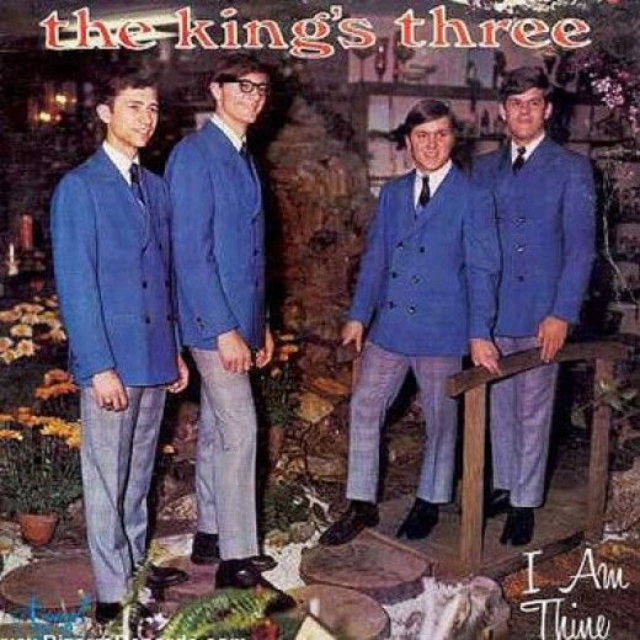
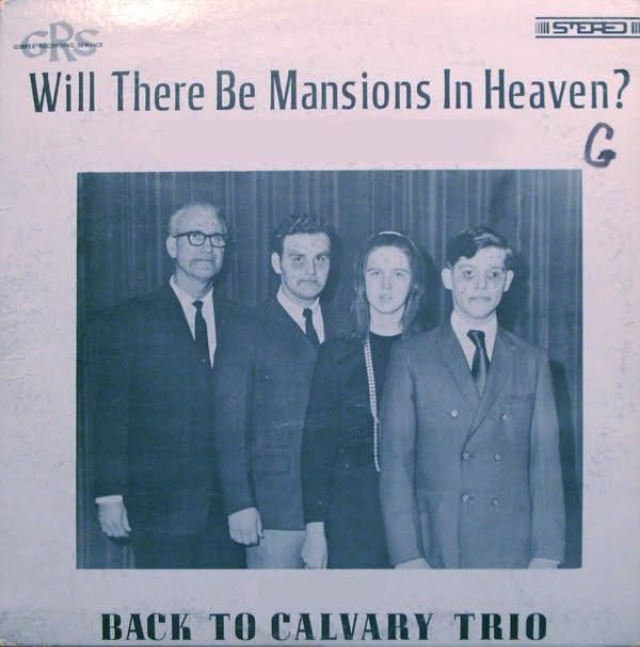
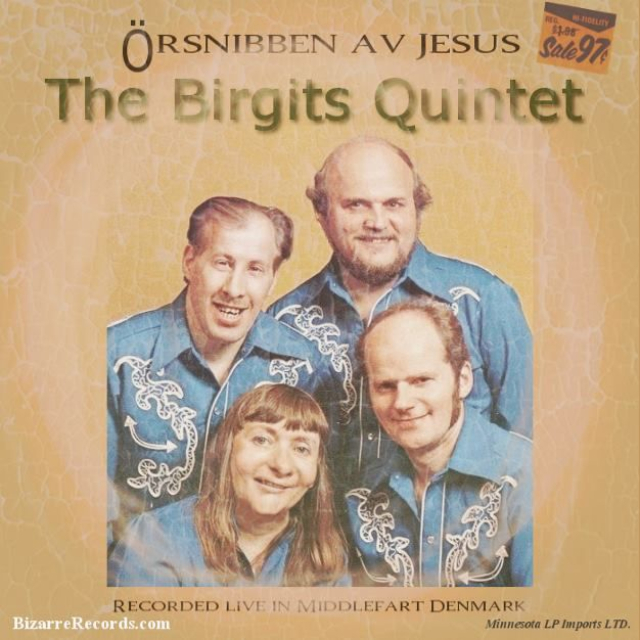
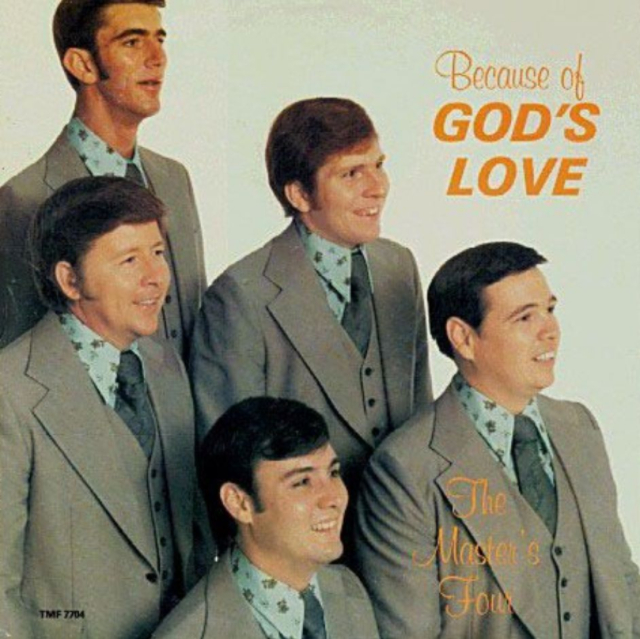
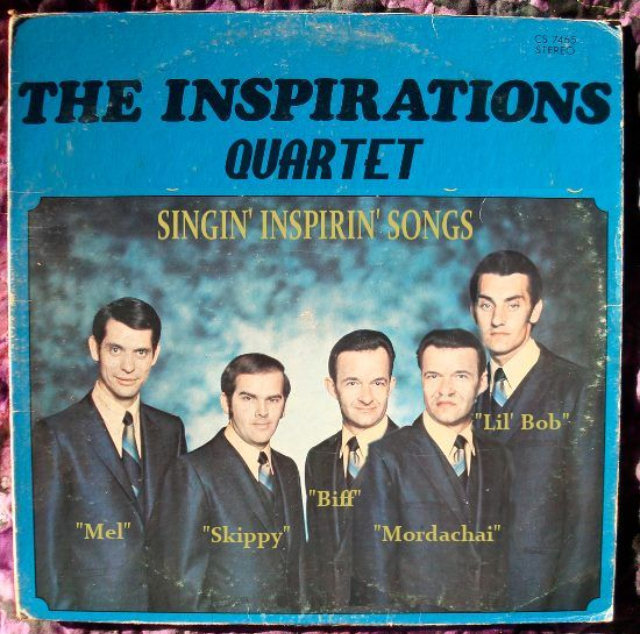
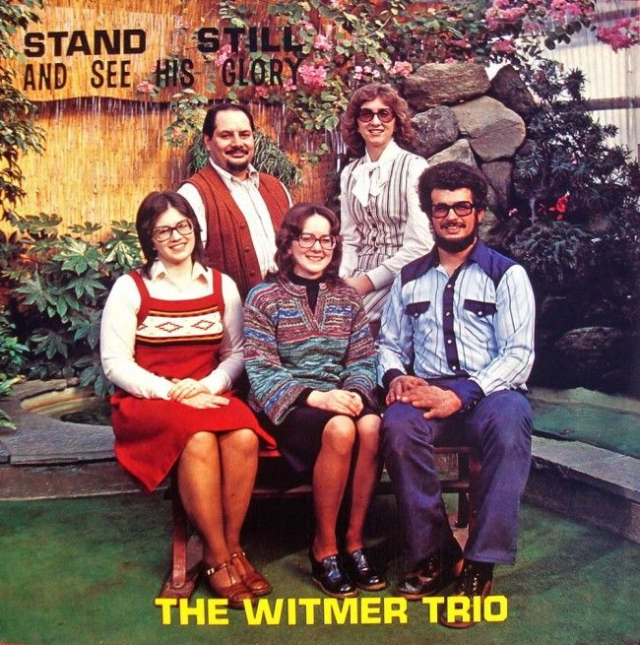
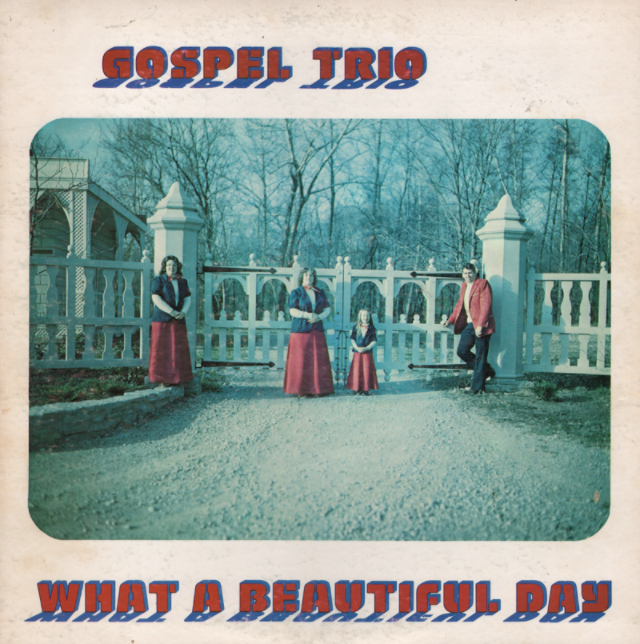
There must be something we don’t know about the way these gospel groups count their members.
The term Gospel quartet refers to several different traditions of harmony singing. Its origins are varied, including 4-part hymn singing, shape note singing, barbershop quartets, jubilee songs, spirituals, and other Gospel songs.
Gospel quartets sing in four-part harmony, with parts given to a tenor, or highest part; lead, which usually takes the melody; baritone, which blends the sounds and adds richness; and the bass, or lowest part. It is not uncommon for some quartets to switch parts between members for given songs.
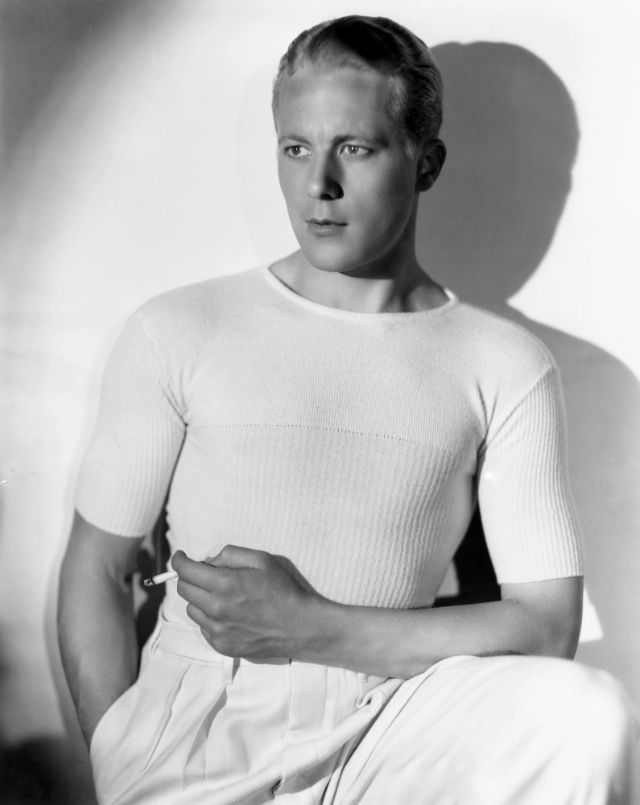
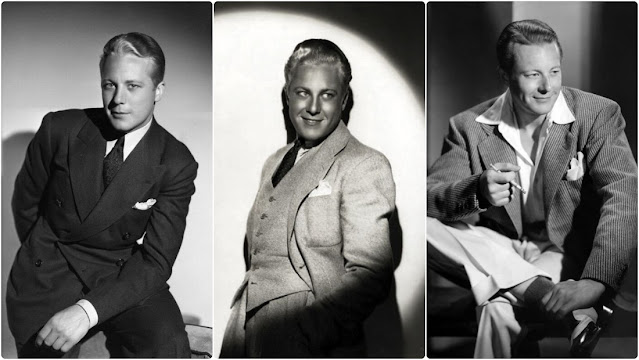
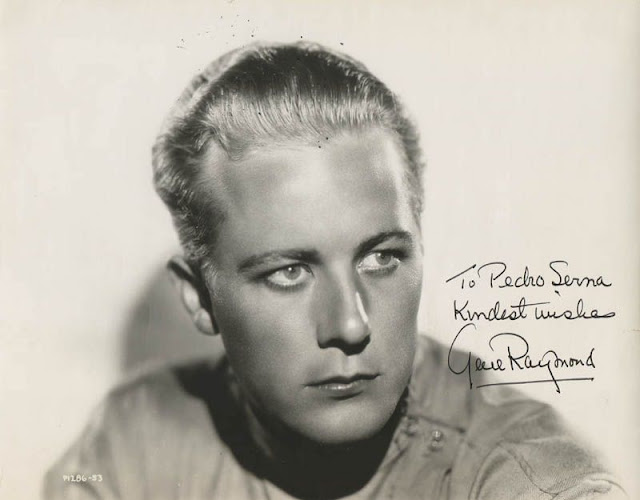
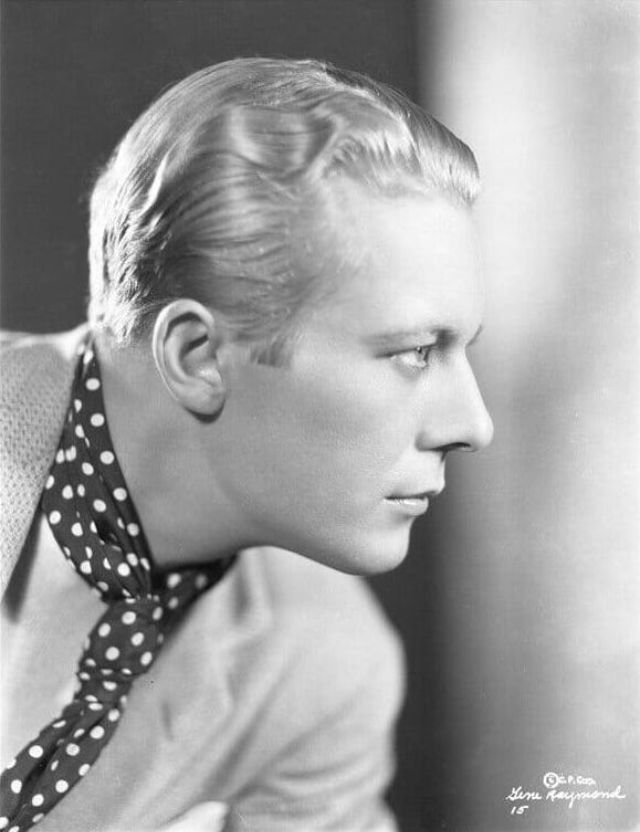
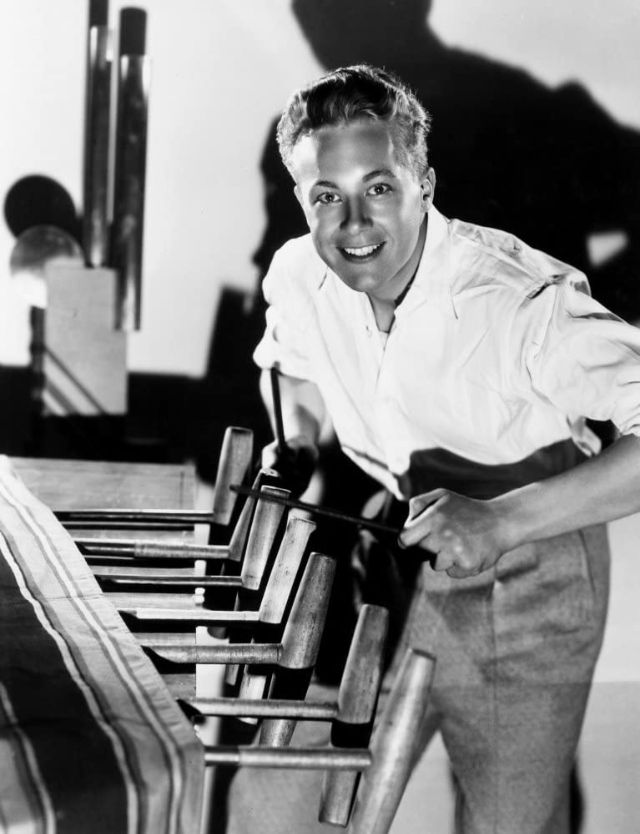
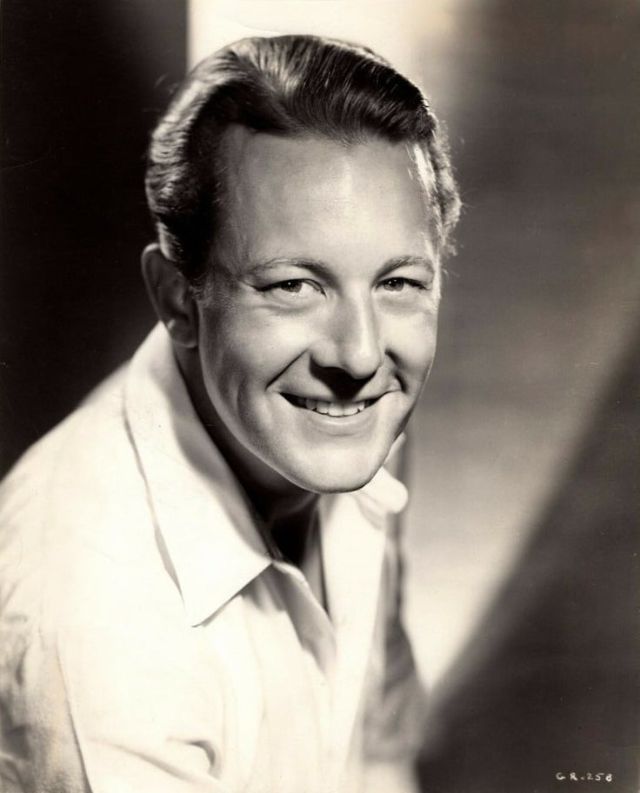
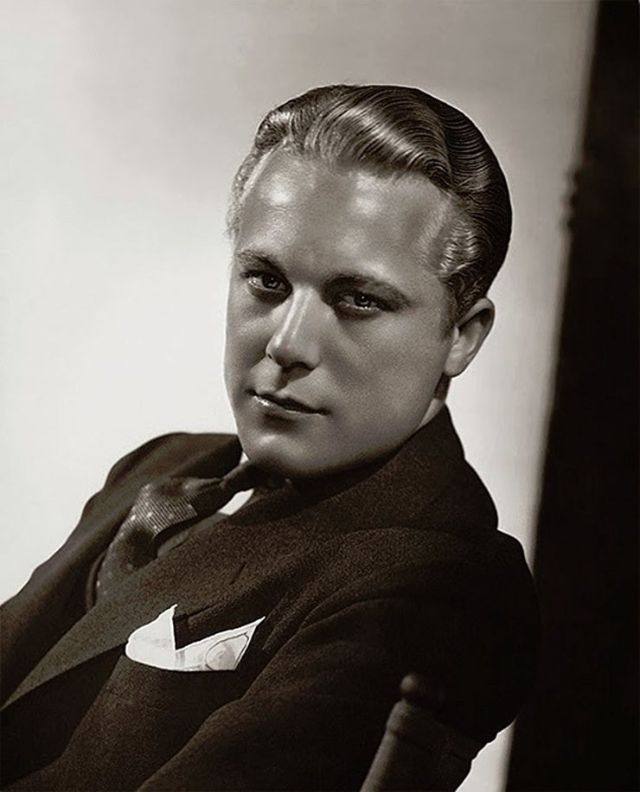
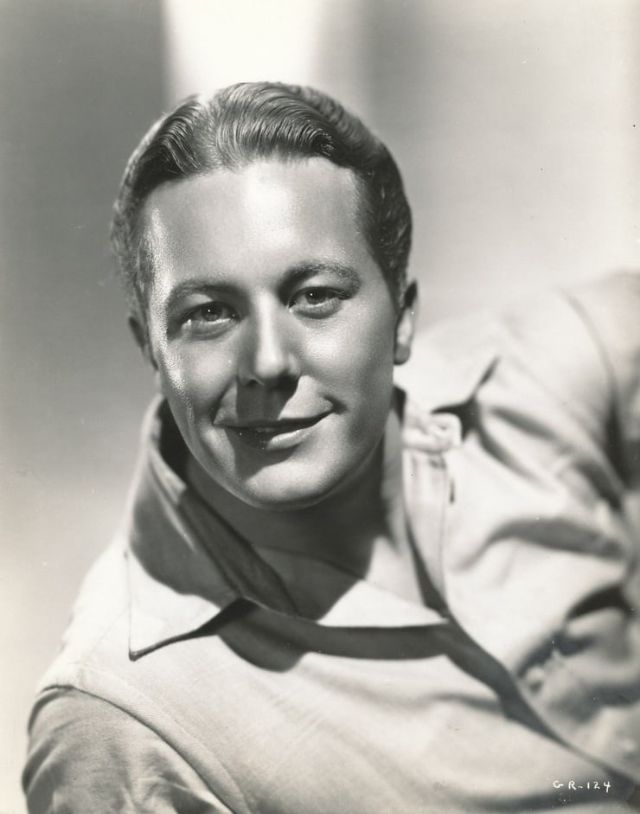
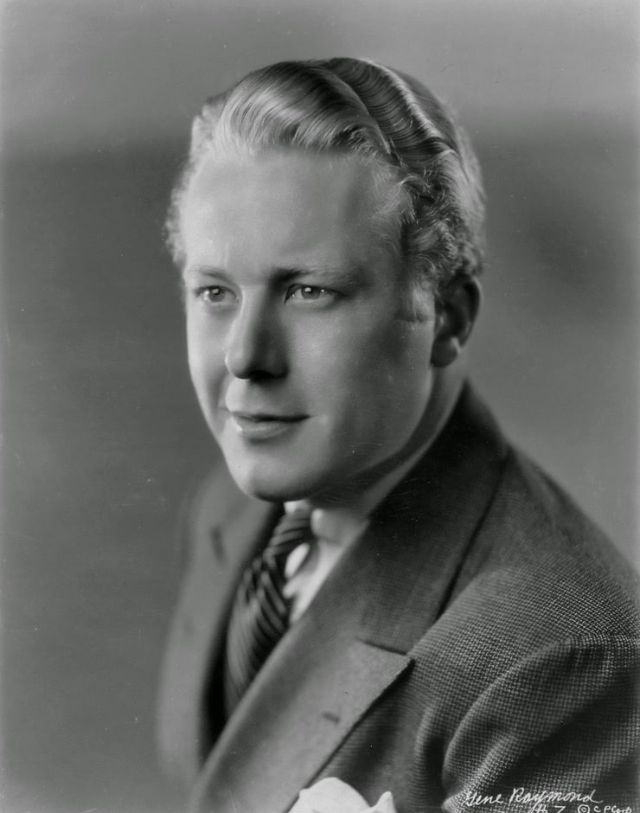
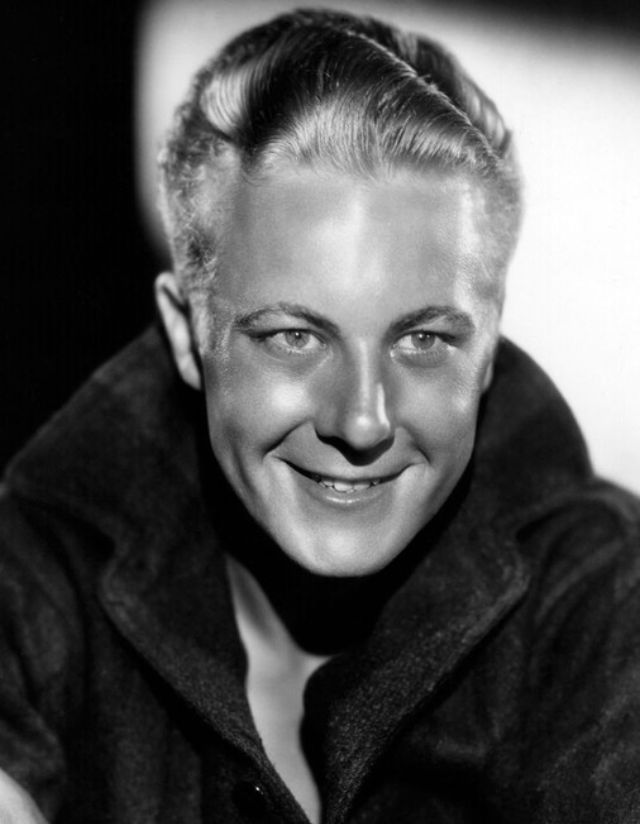
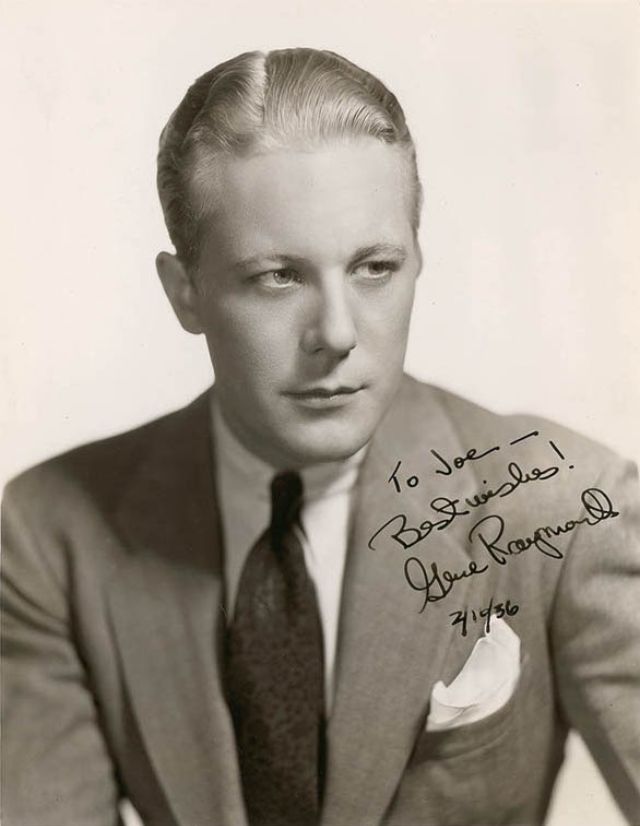
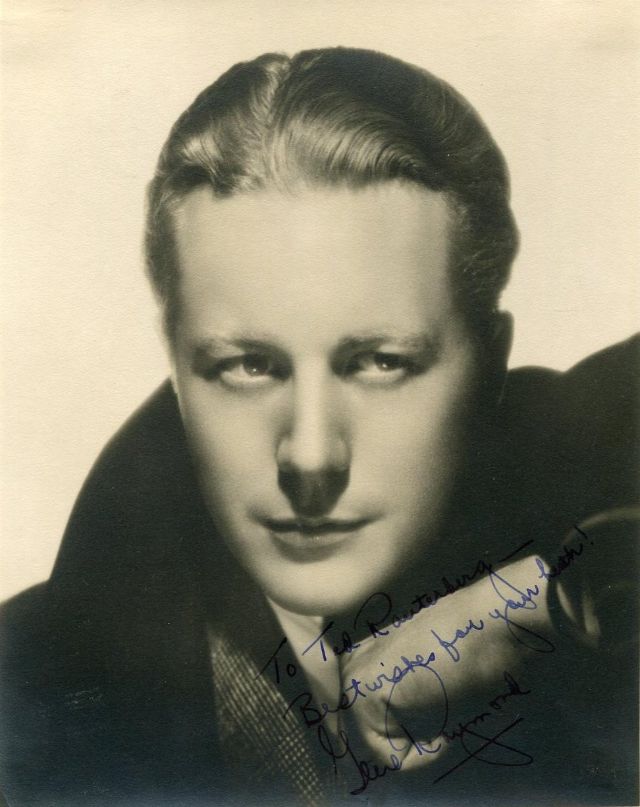
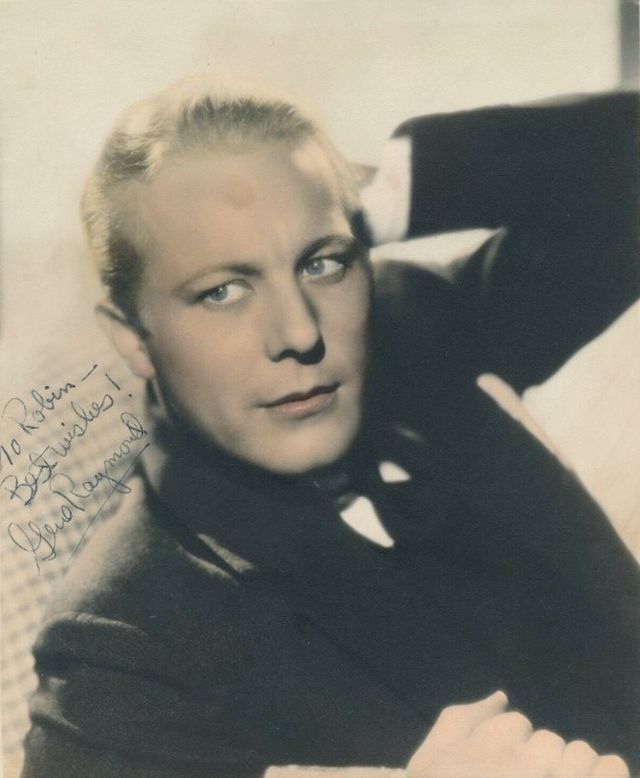
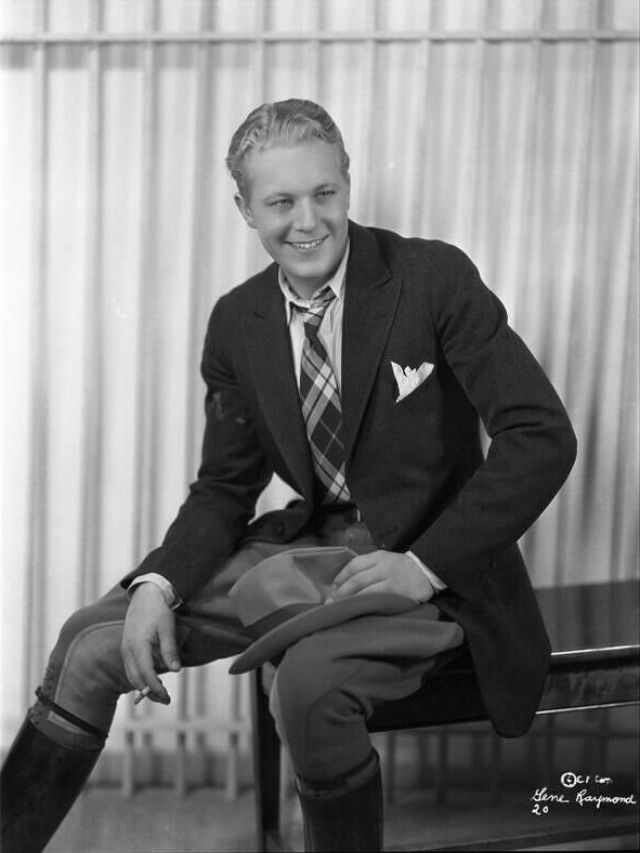
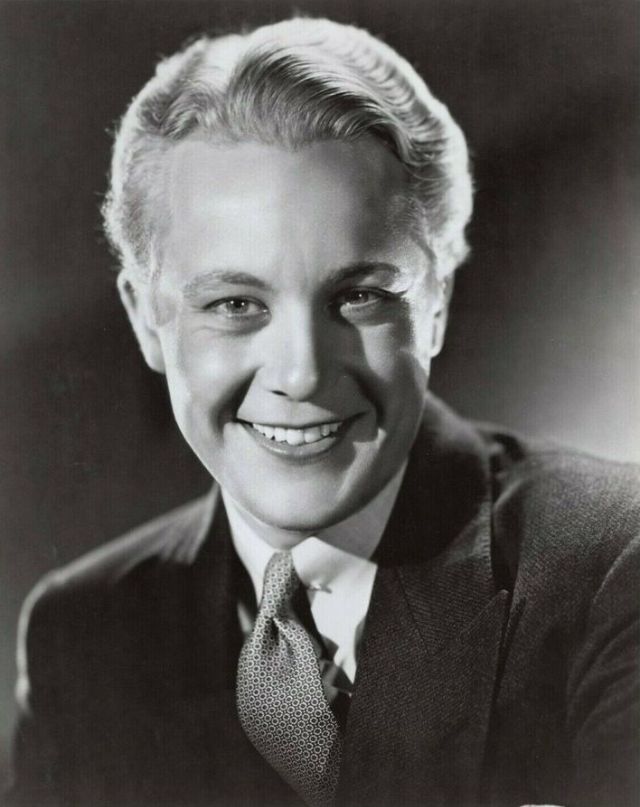
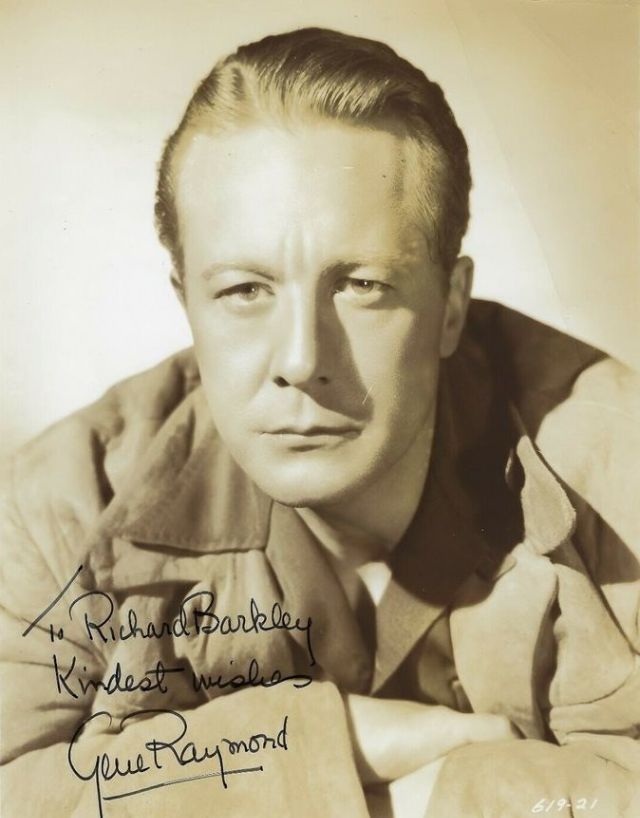
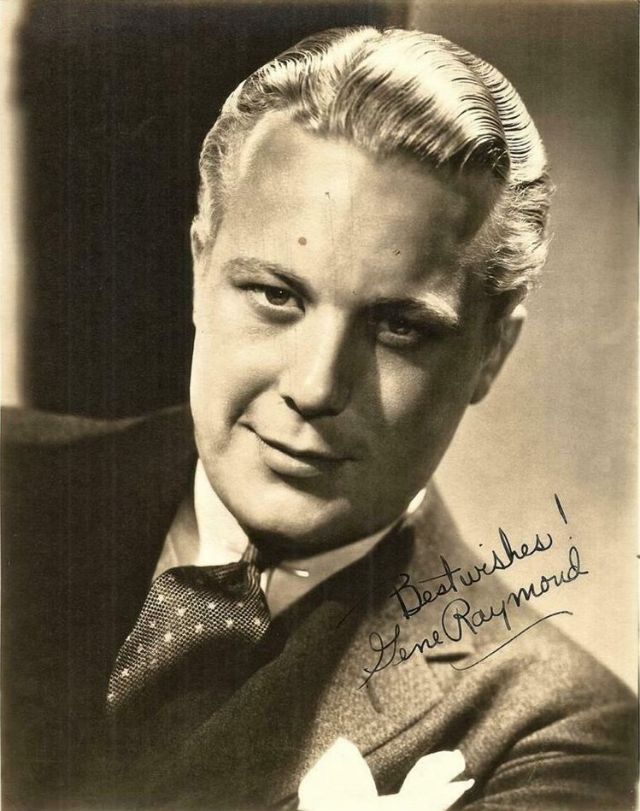
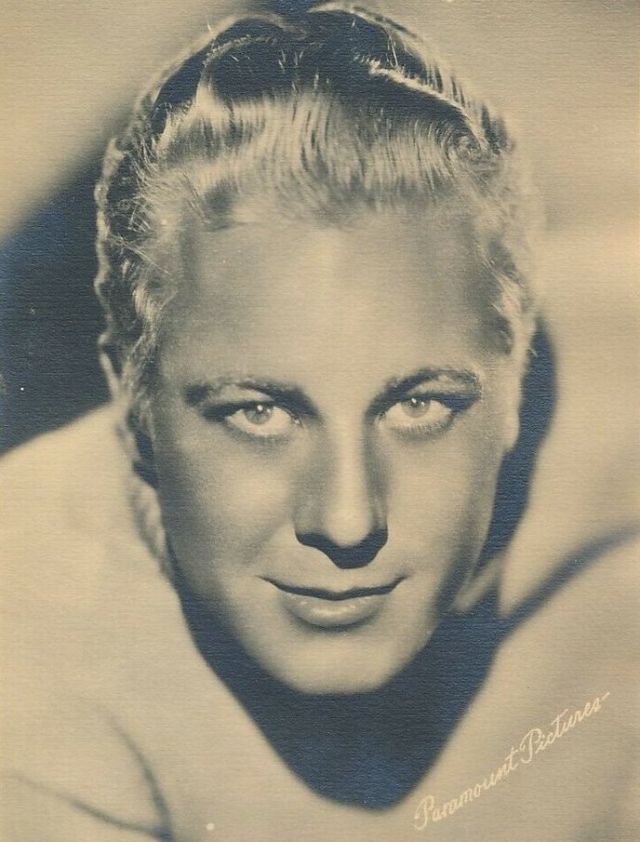
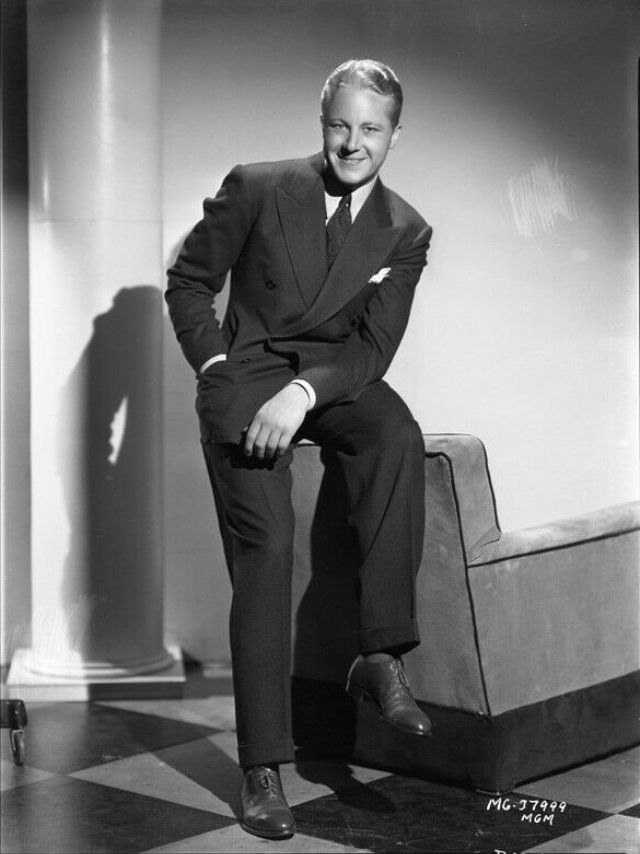
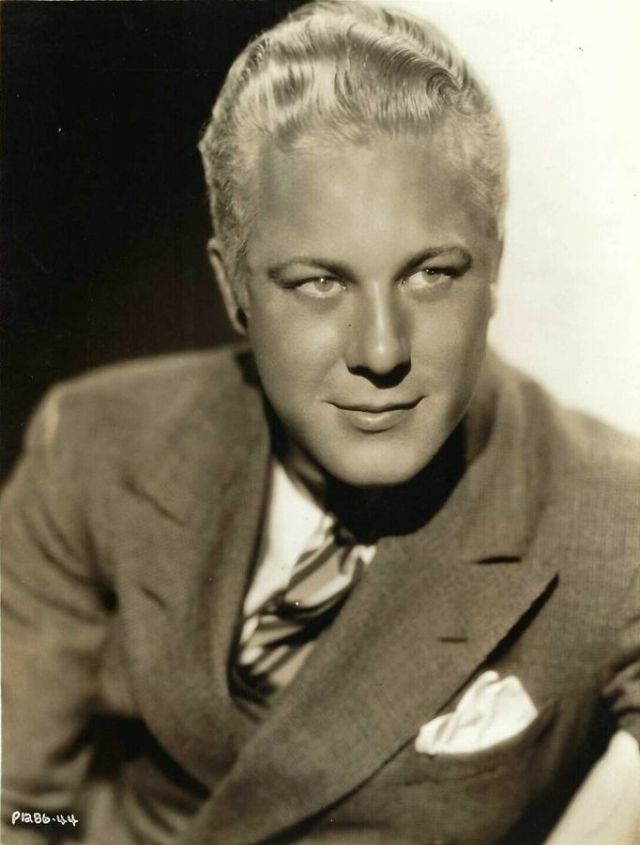
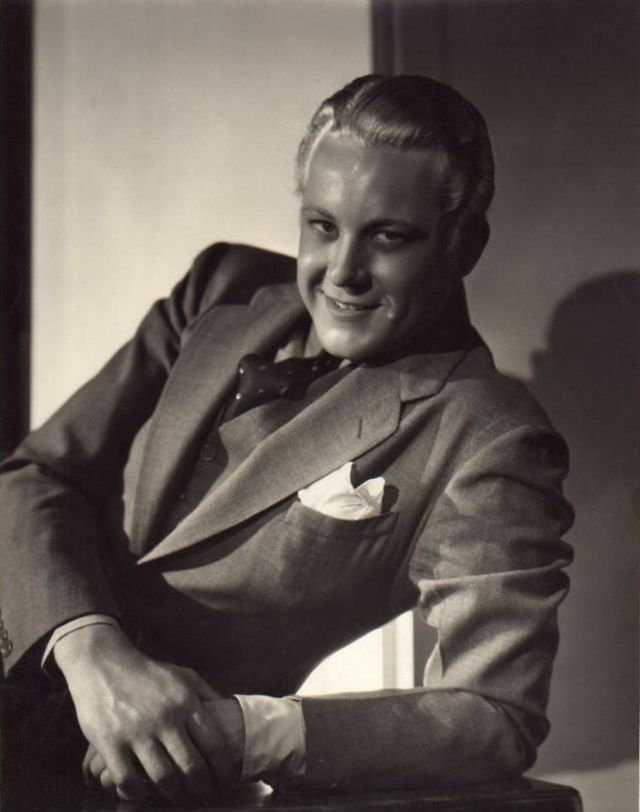
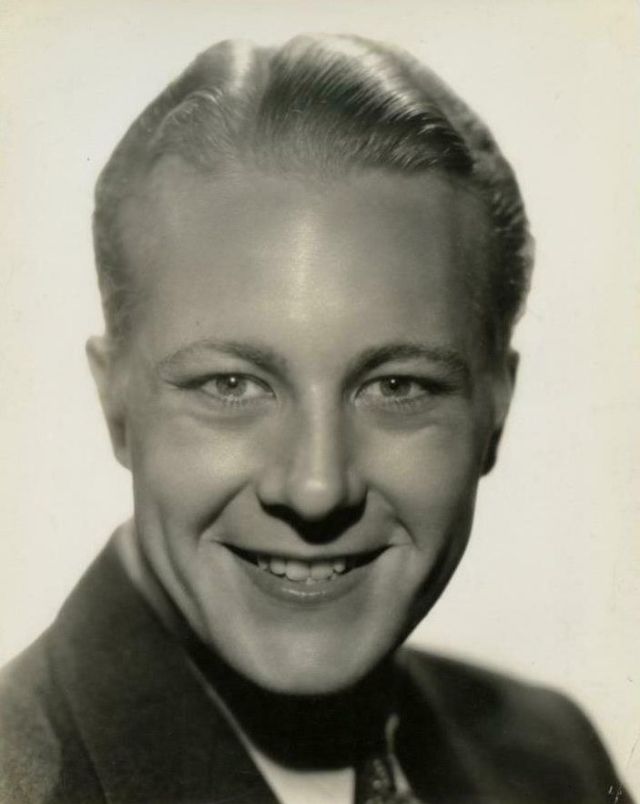
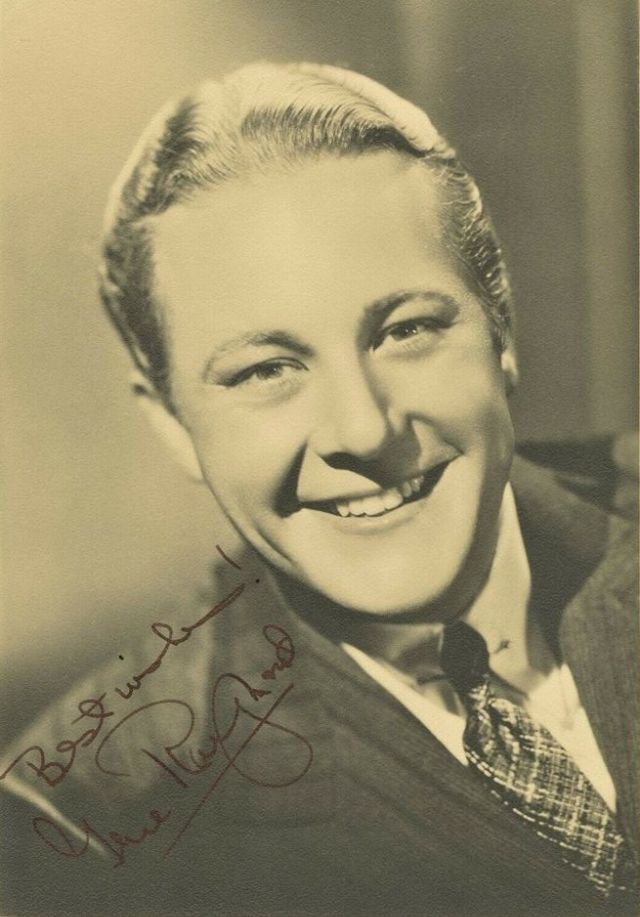
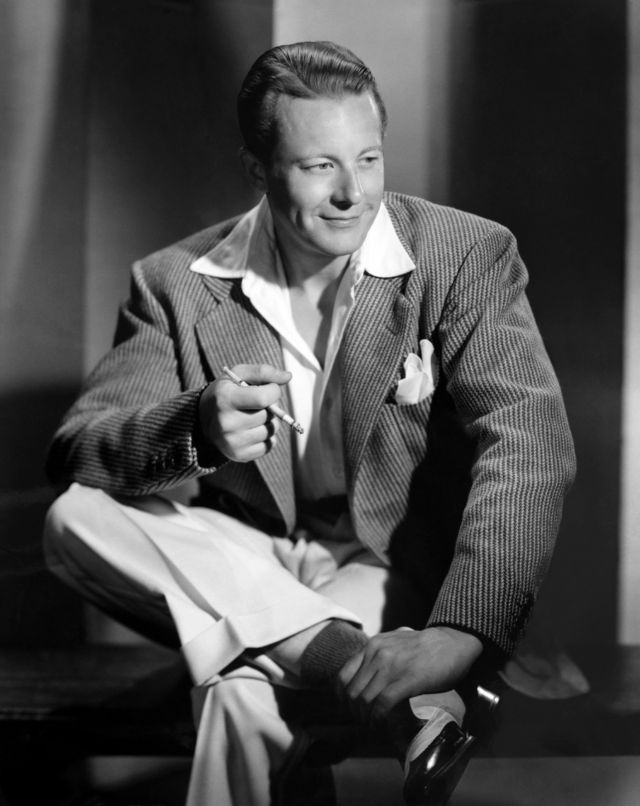
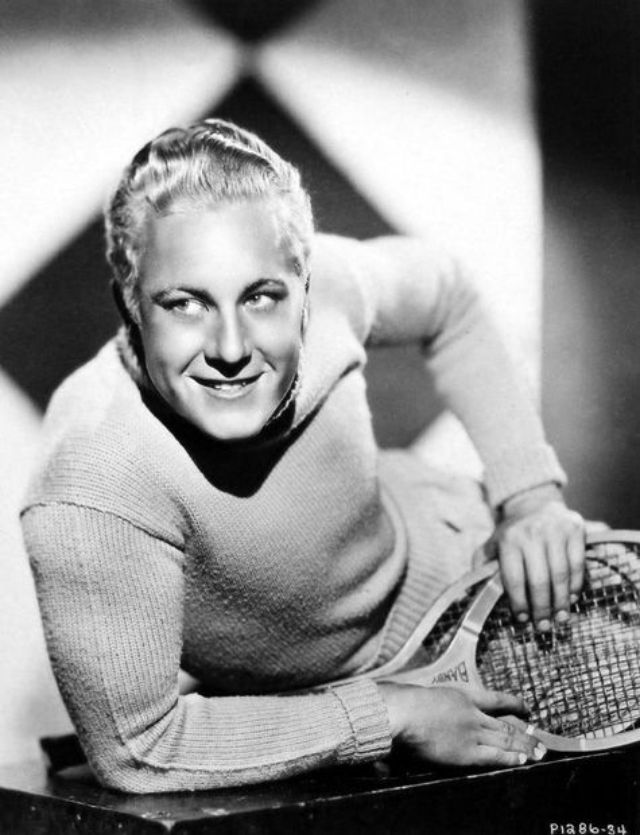
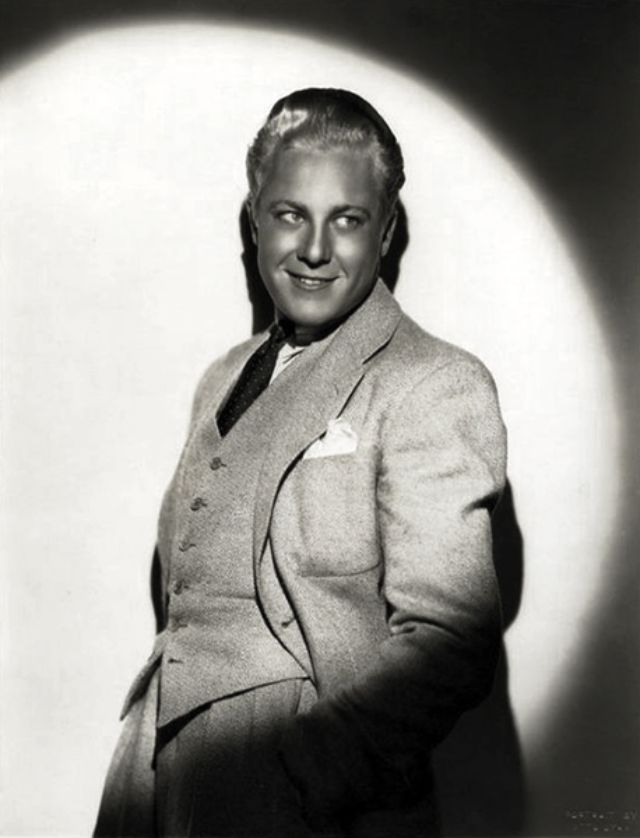
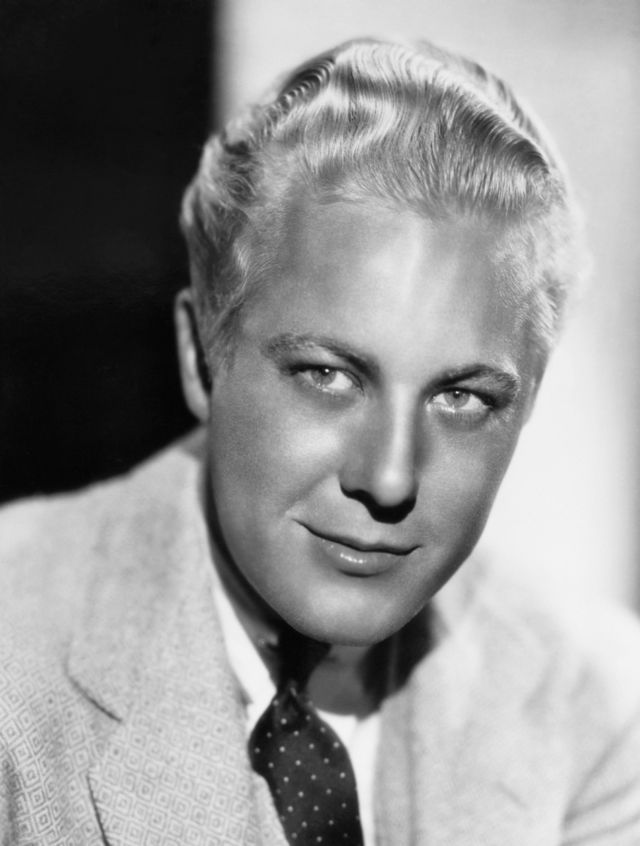
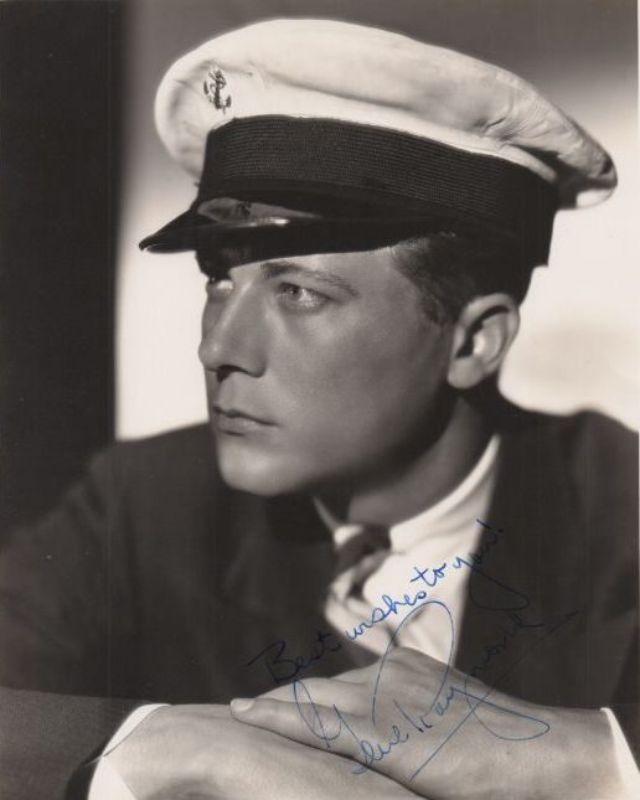
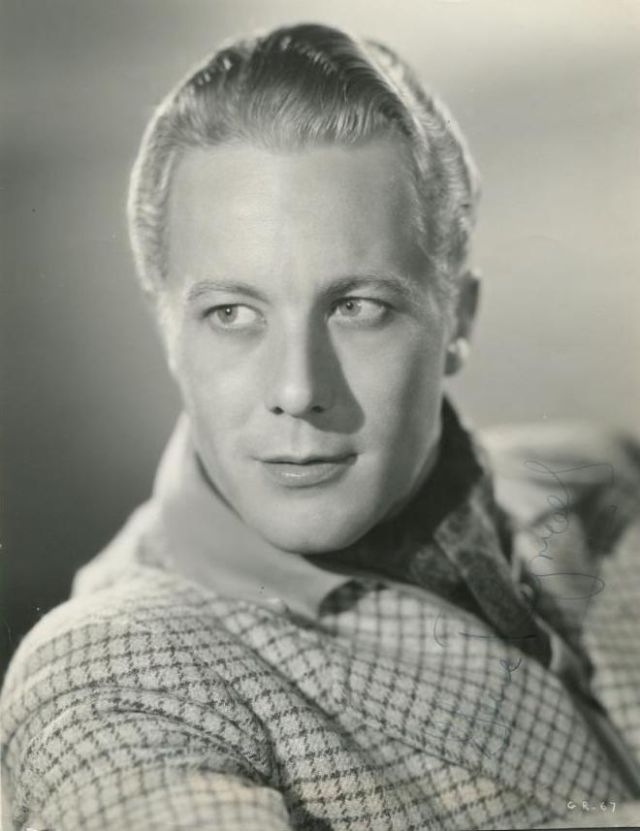
Born 1908 in New York City, American actor Gene Raymond had his screen debut in Personal Maid (1931), another early appearance was in the multi-director If I Had a Million (1932). With his blond good looks, classic profile, and youthful exuberance, he scored in films like the classic Zoo in Budapest with Loretta Young, and a series of light RKO musicals, mostly with Ann Sothern. He wrote a number of songs, including the popular “Will You?” which he sang to Sothern in Smartest Girl in Town (1936).
His most notable films include Red Dust (1932), Zoo in Budapest (1933), Ex-Lady (1933), Flying Down to Rio (1933), I Am Suzanne (1934), Sadie McKee (1934), Alfred Hitchcock’s Mr. and Mrs. Smith (1941), and The Locket (1946). Raymond and his wife MacDonald made one film together, Smilin’ Through, which came out as the U.S. was on the verge of entering World War II.
After service in the United States Army Air Forces Raymond returned to Hollywood. He wrote, directed and starred in the 1949 film Million Dollar Weekend. In later years he appeared in only a few films. His last major film was The Best Man in 1964 with Henry Fonda and Cliff Robertson.
Raymond died of pneumonia in 1998 at the Cedars-Sinai Medical Center in Los Angeles, California, aged 89. For his contributions to the motion picture and television industries, he has two stars on the Hollywood Walk of Fame located at 7001 Hollywood Boulevard (motion pictures) and 1708 Vine Street (television).
Take a look at these vintage photos to see portrait of a young and handsome Gene Raymond in the 1930s.
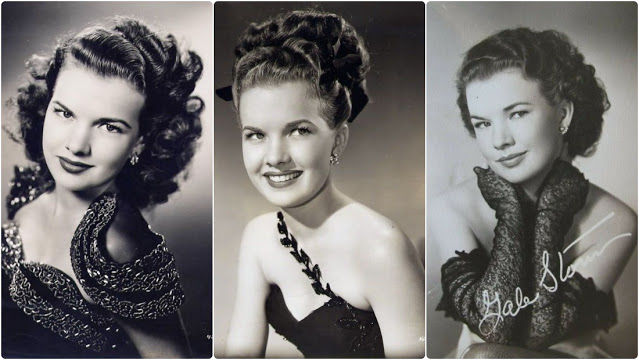
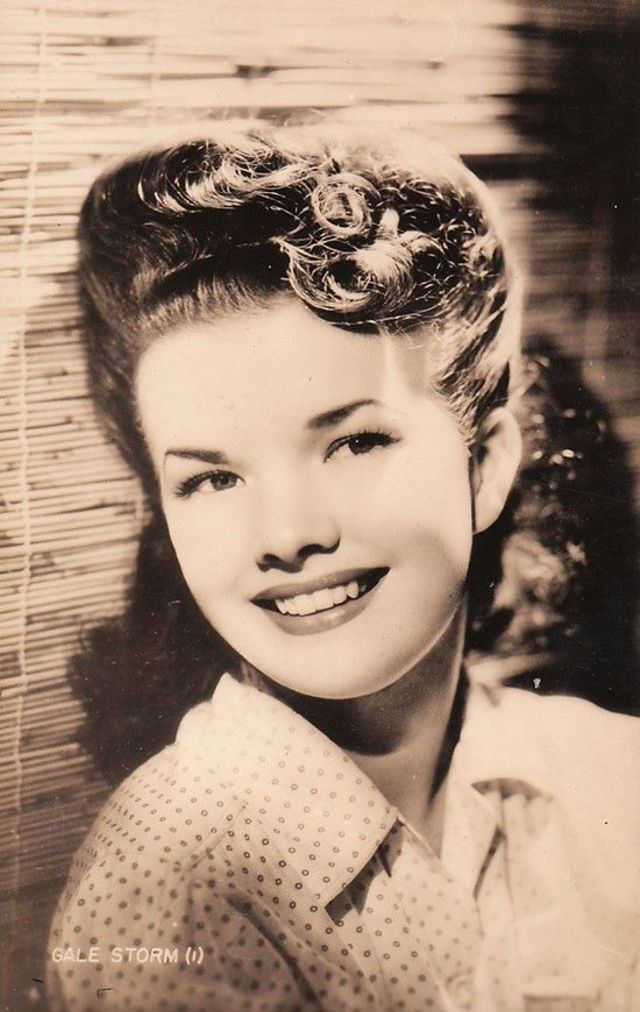
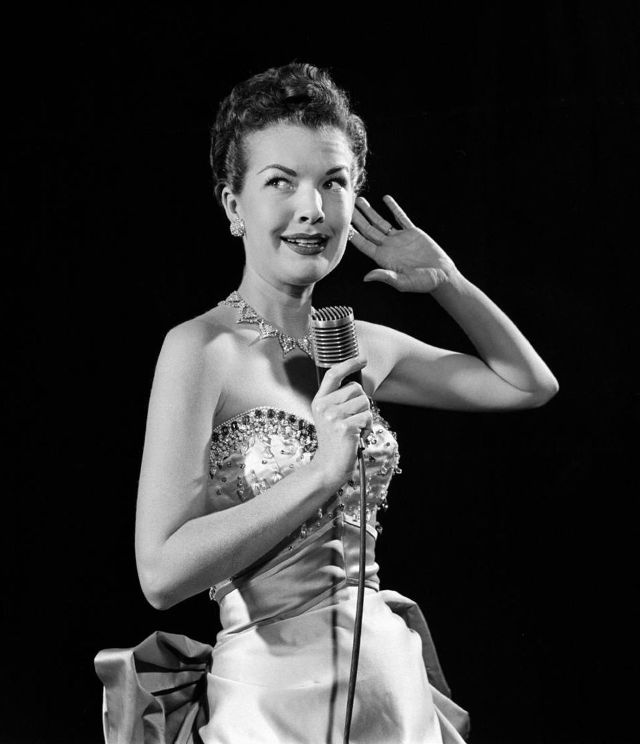
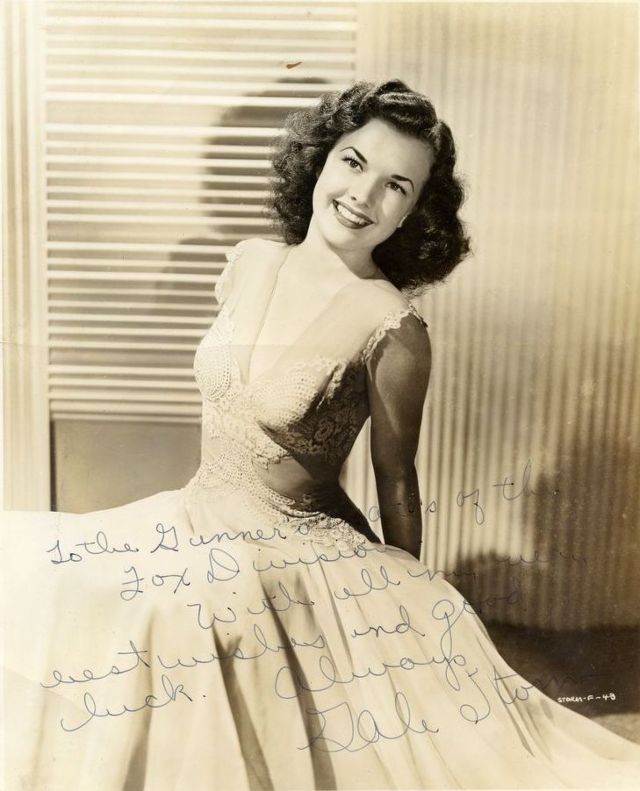
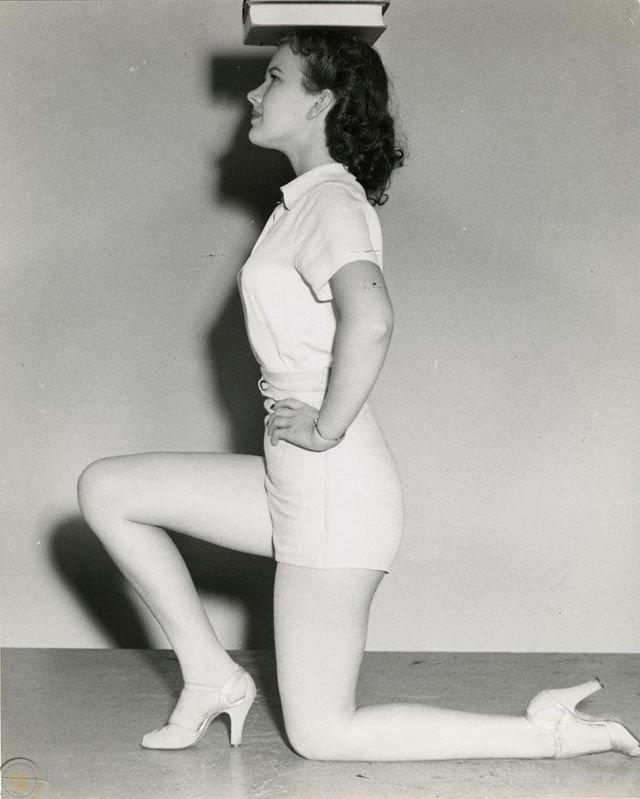
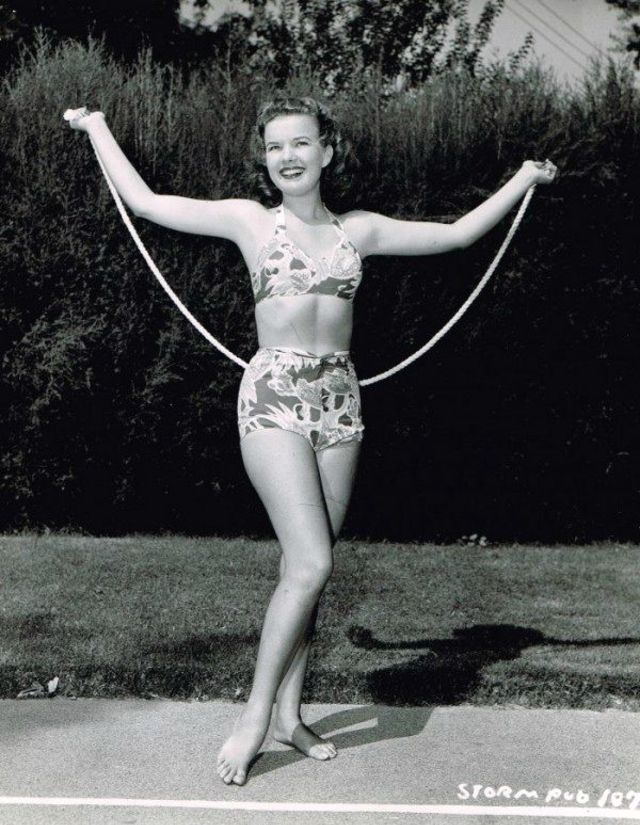
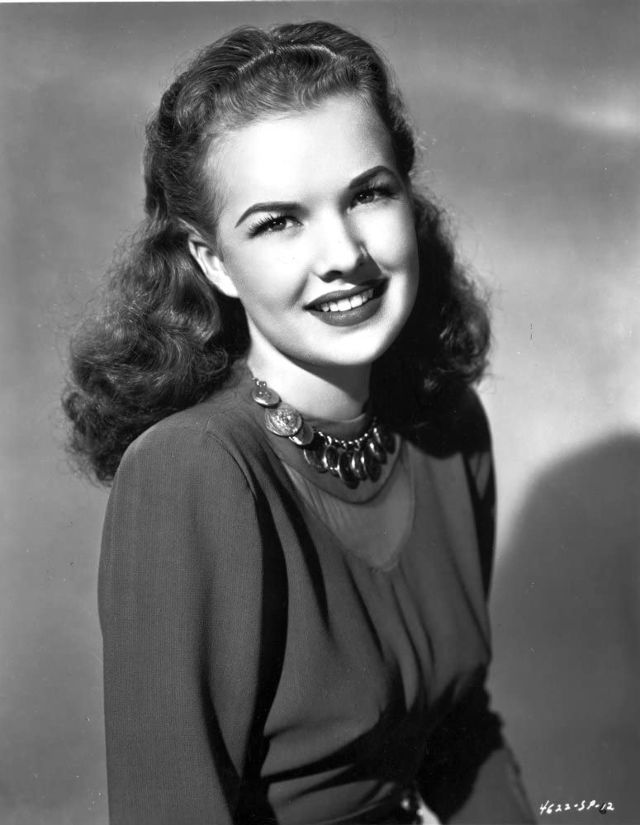
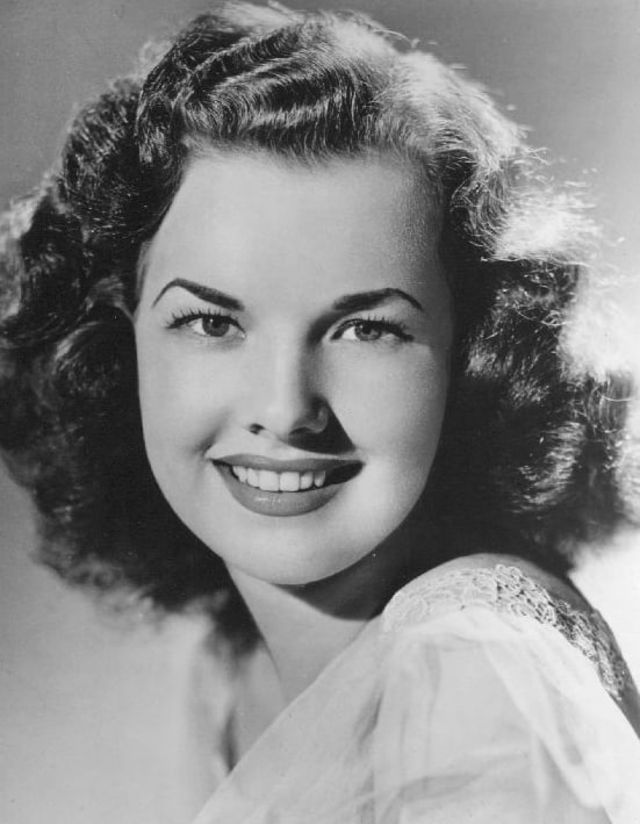
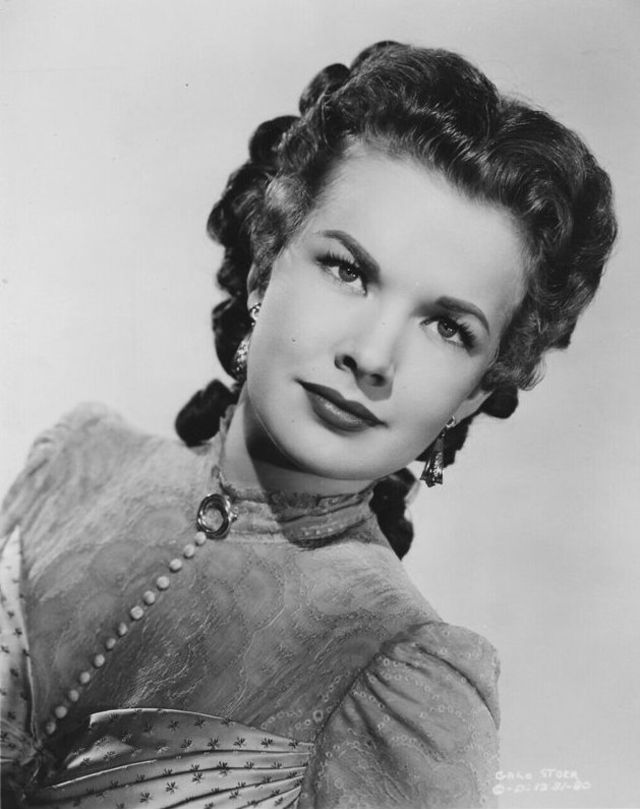
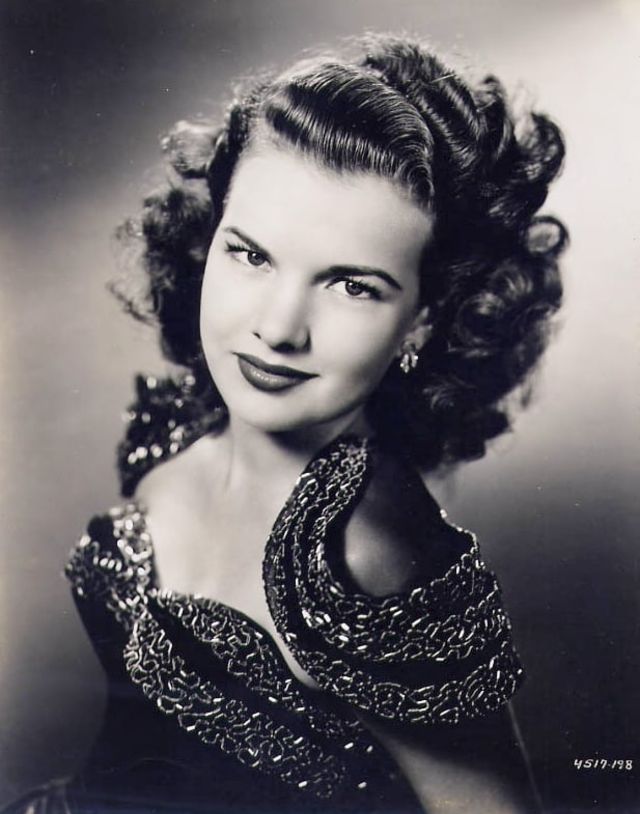
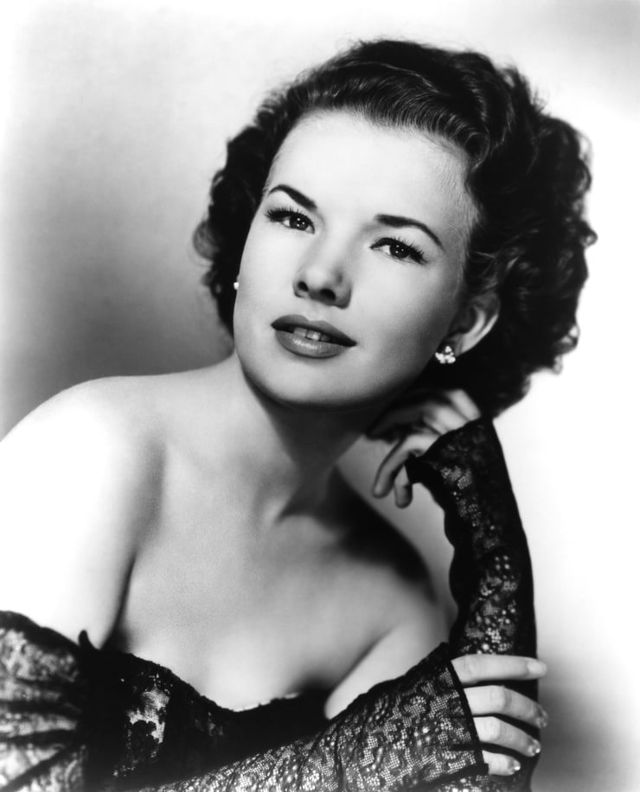
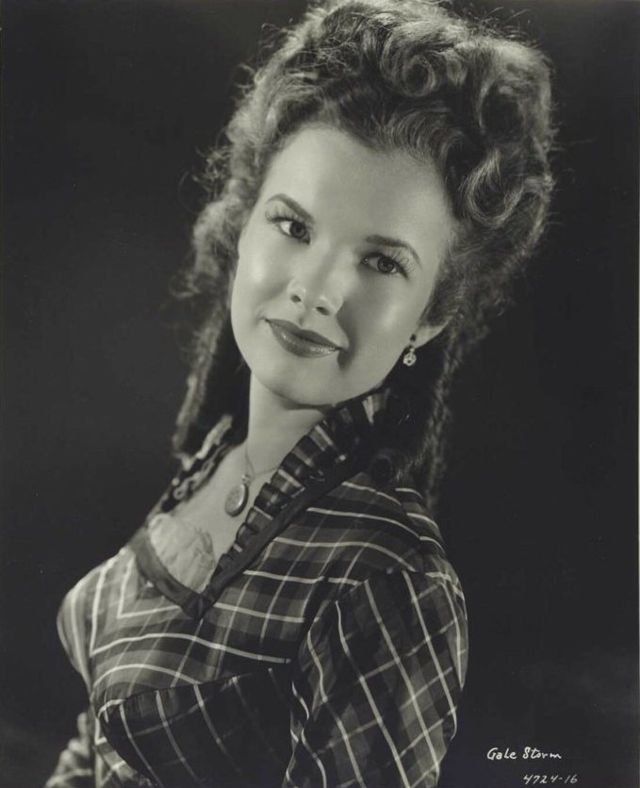
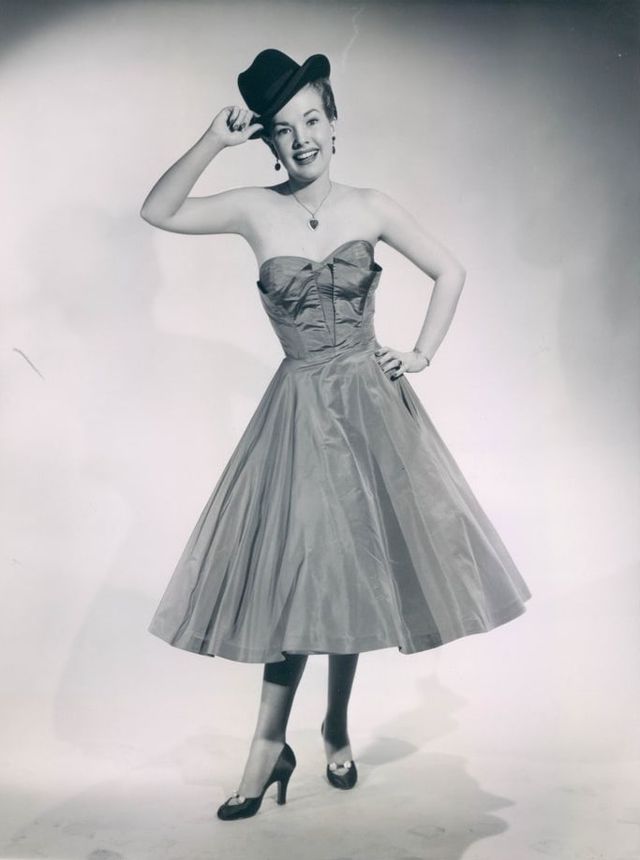
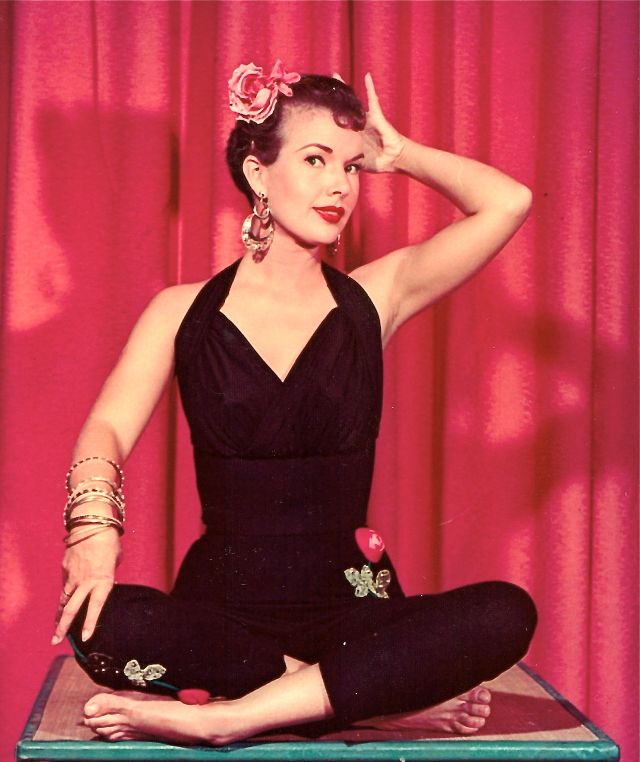
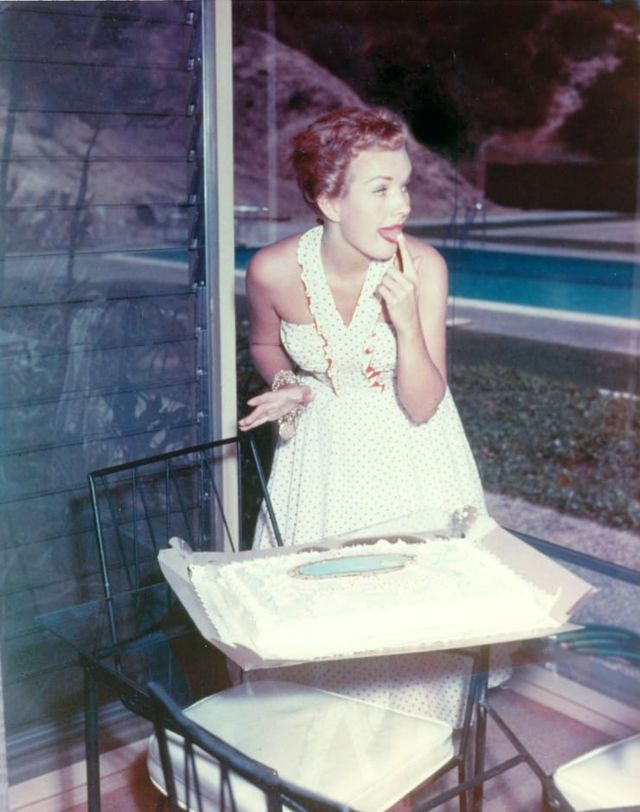
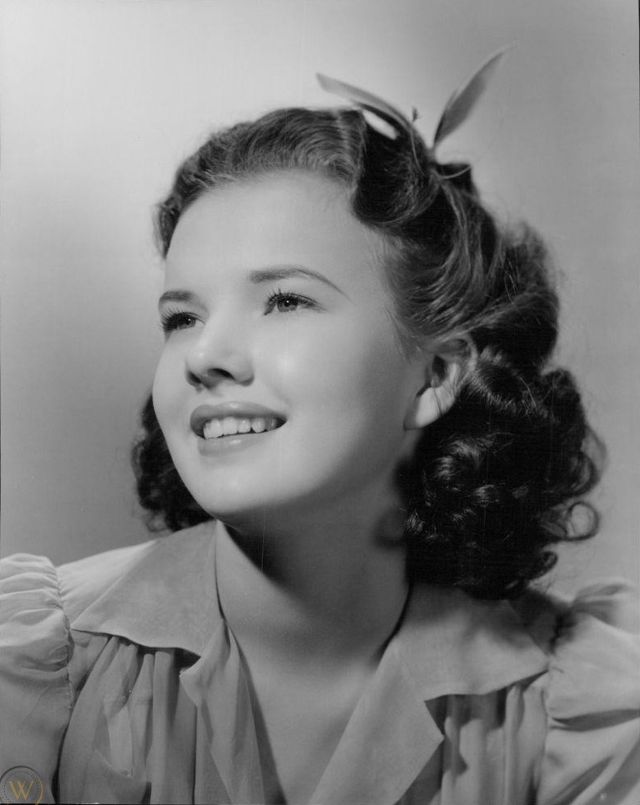
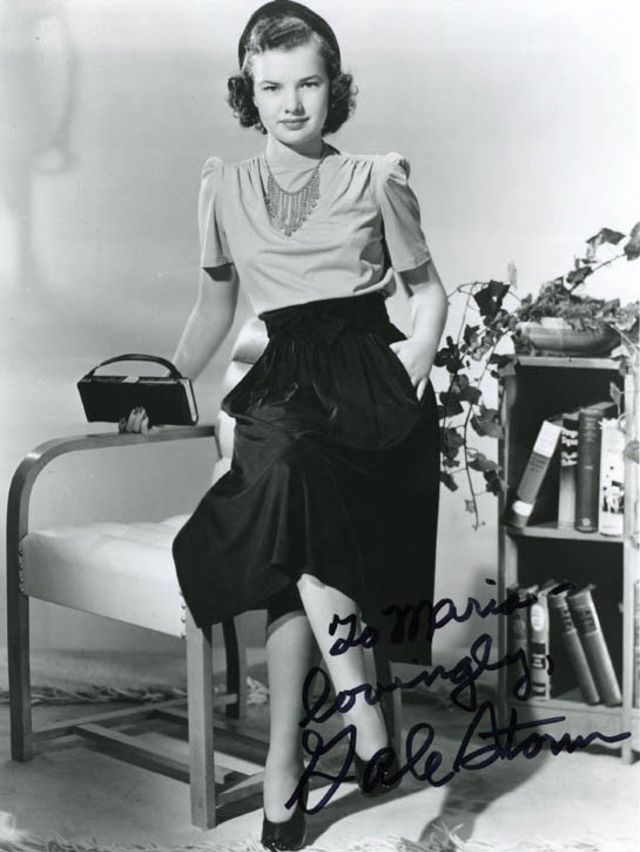
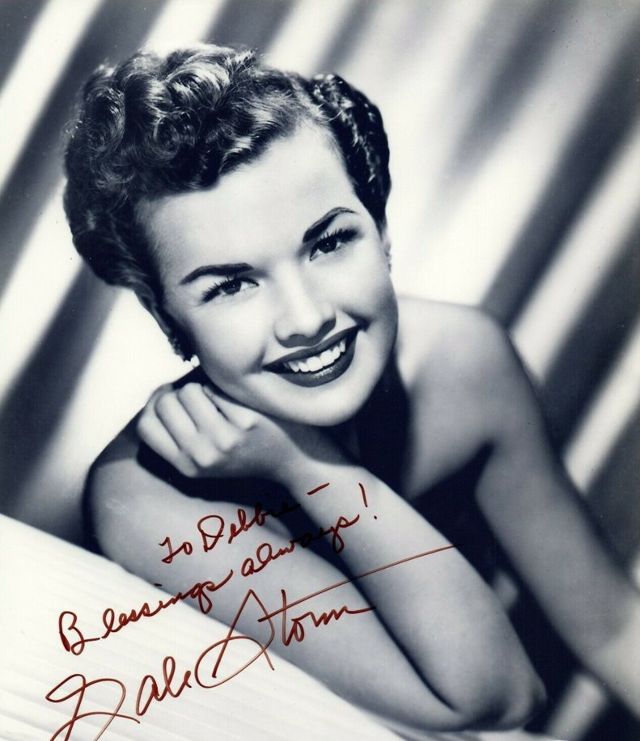
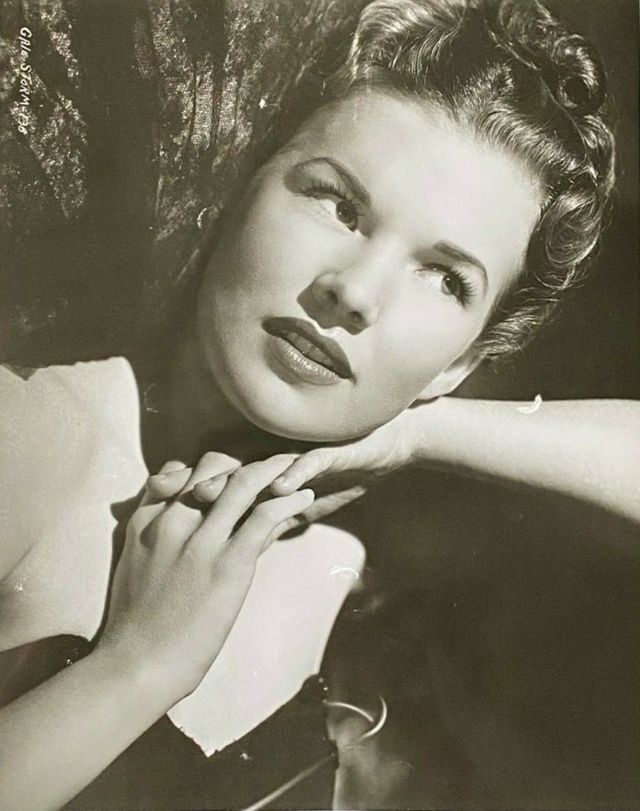
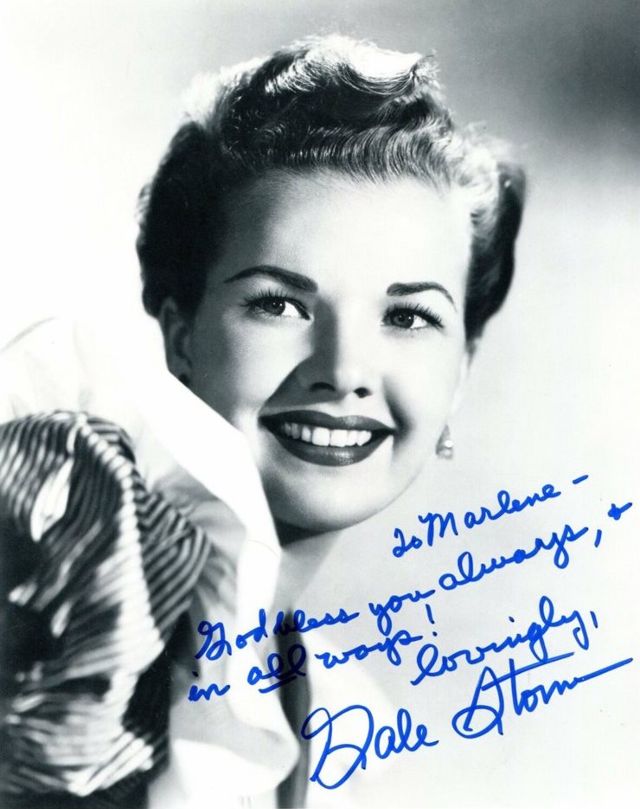
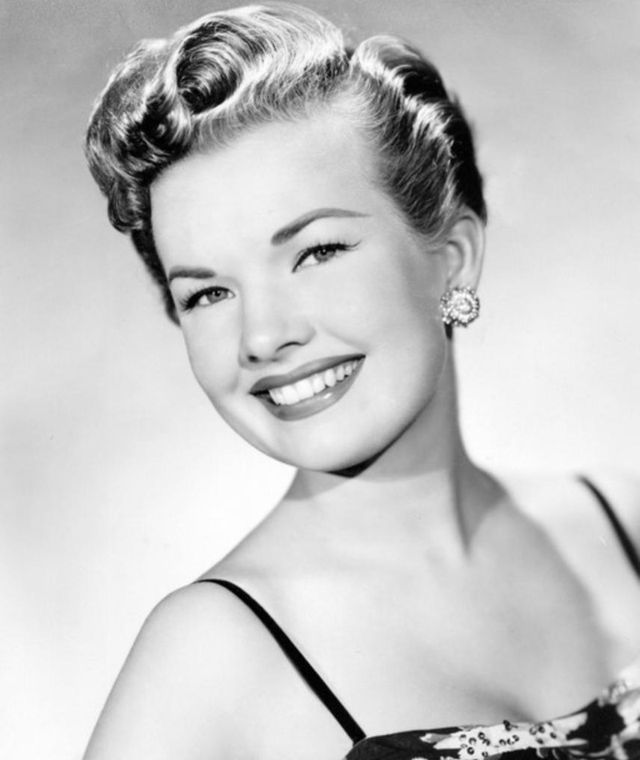
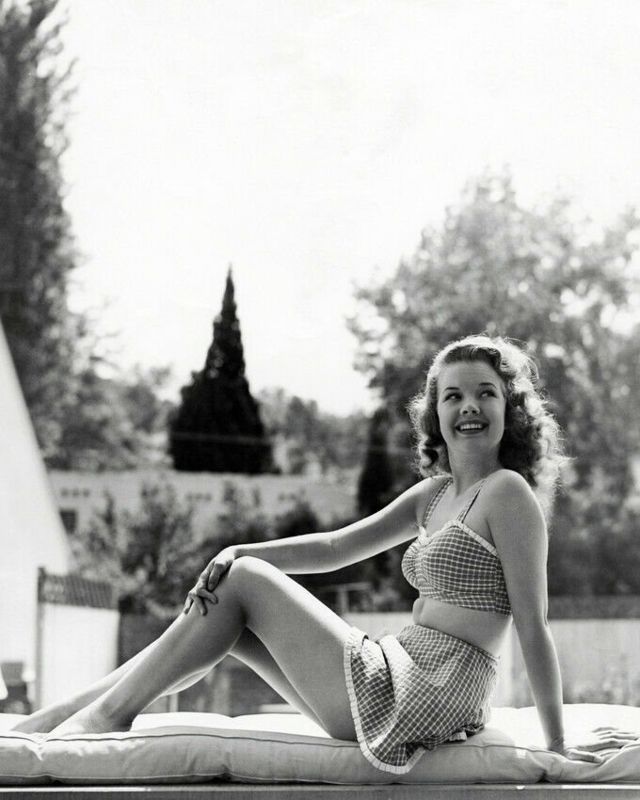
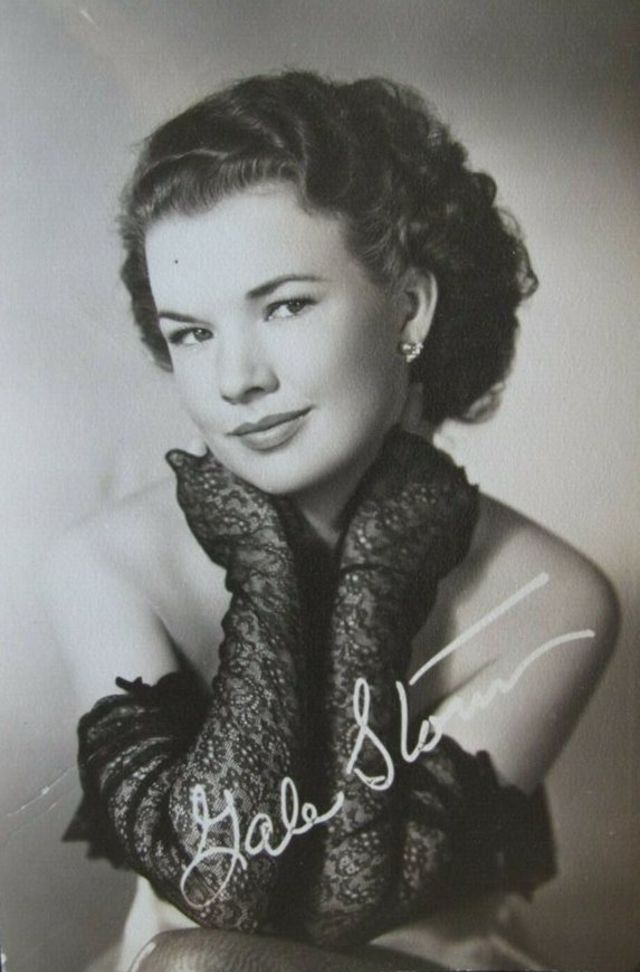
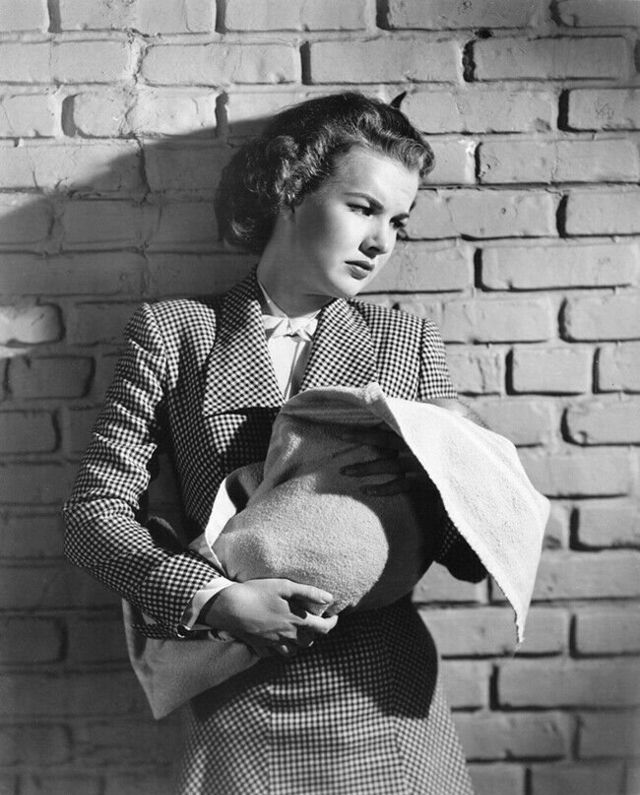
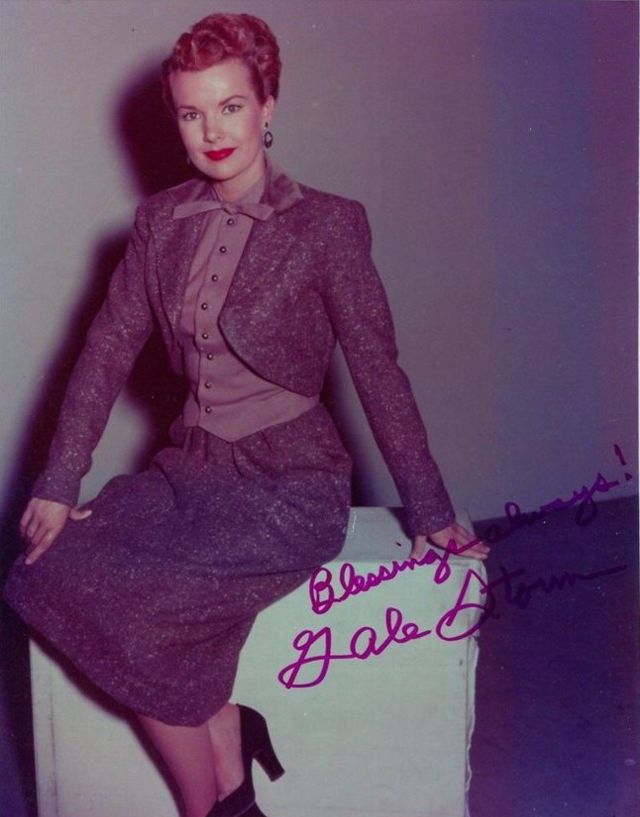
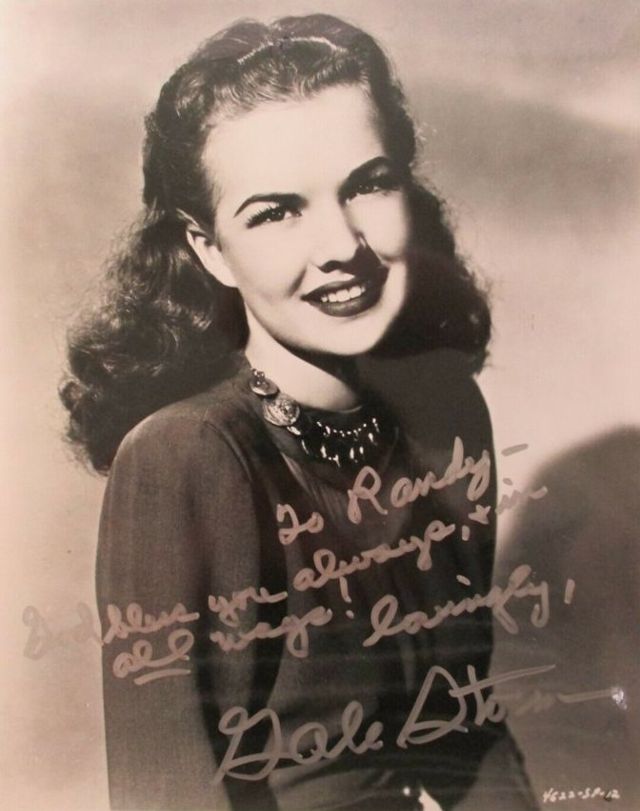
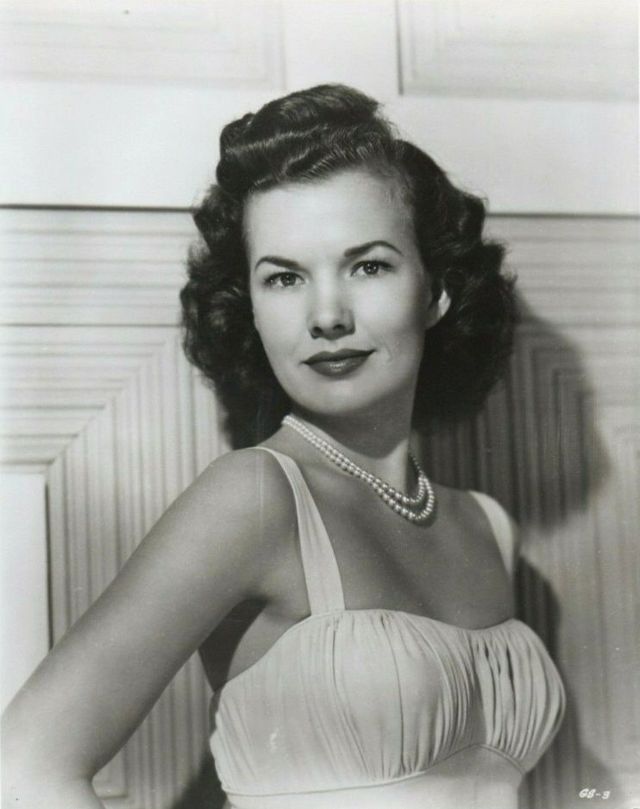
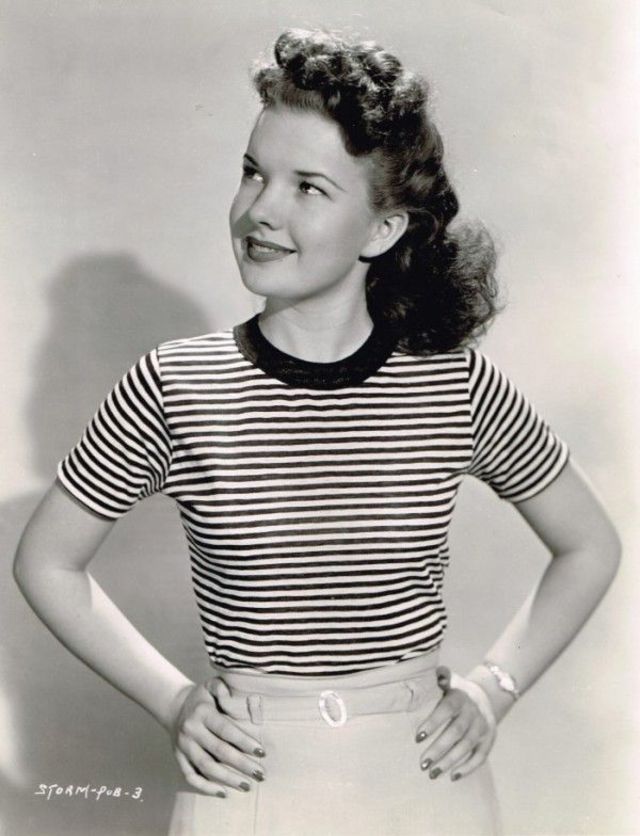
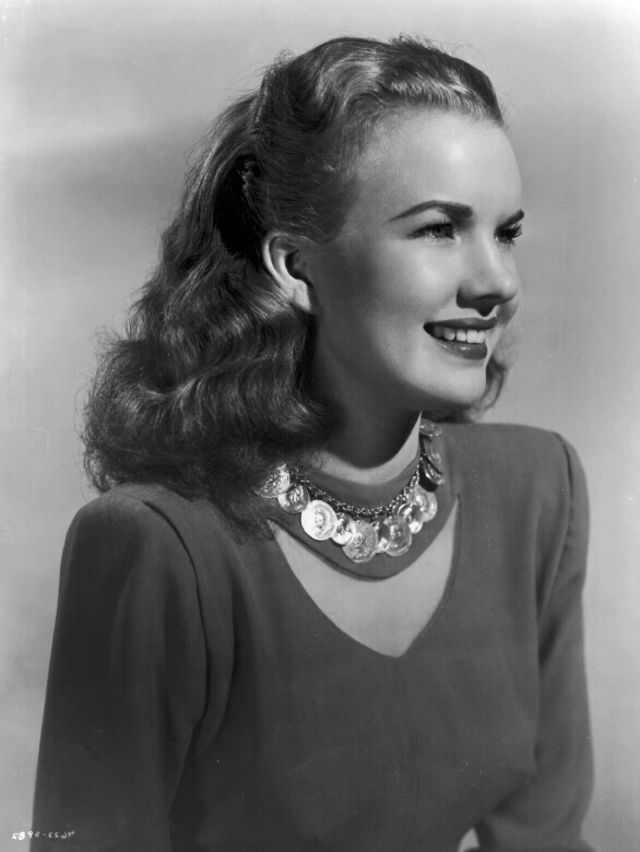
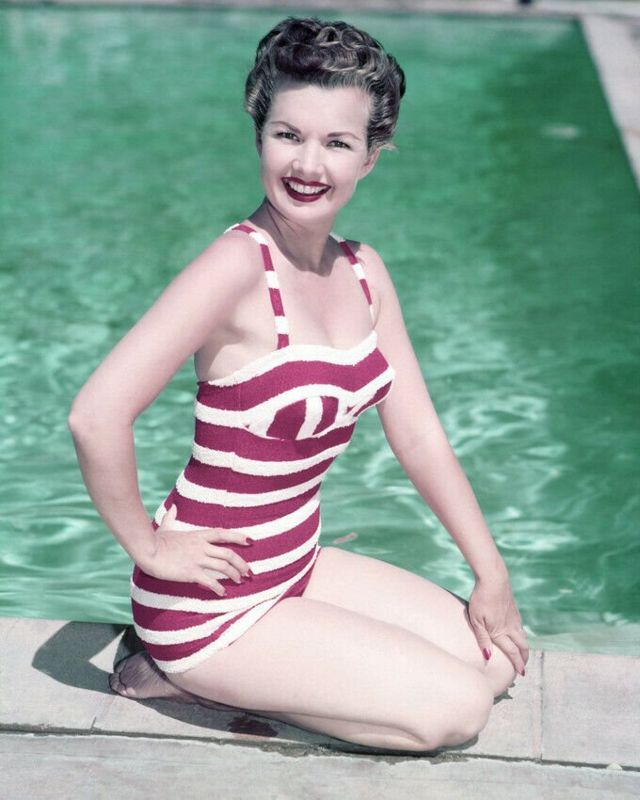
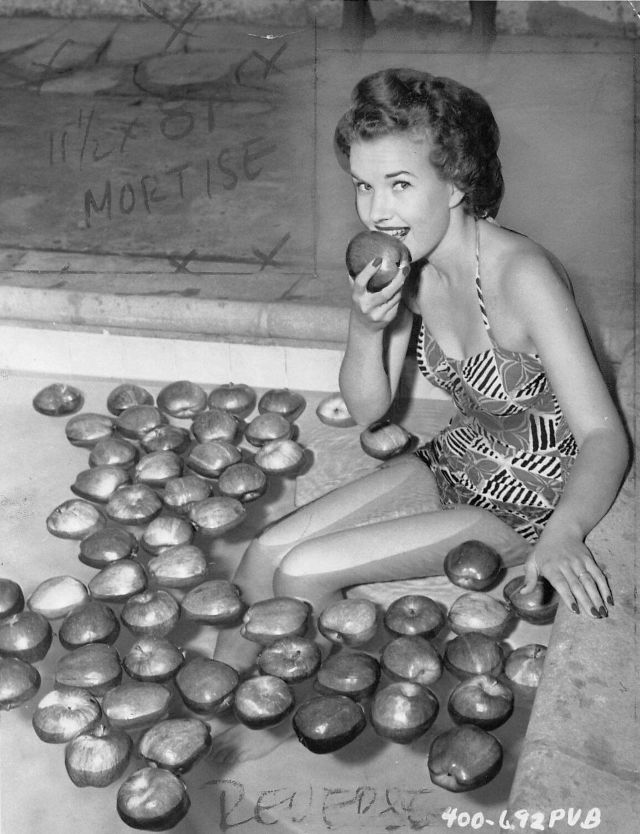
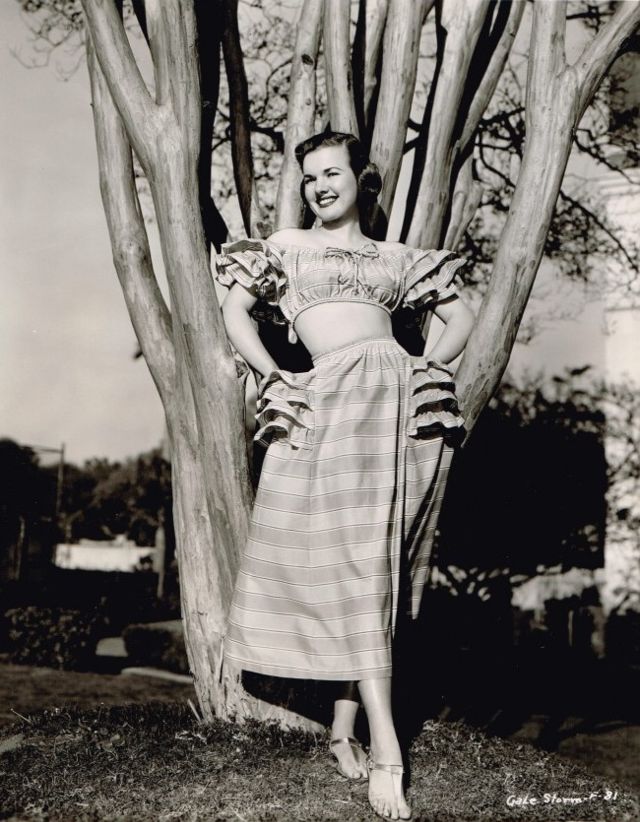
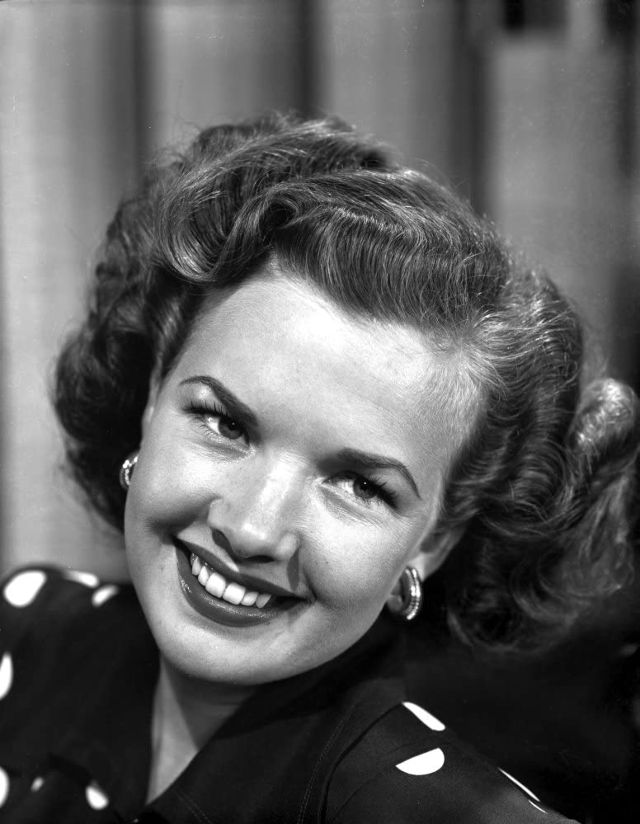
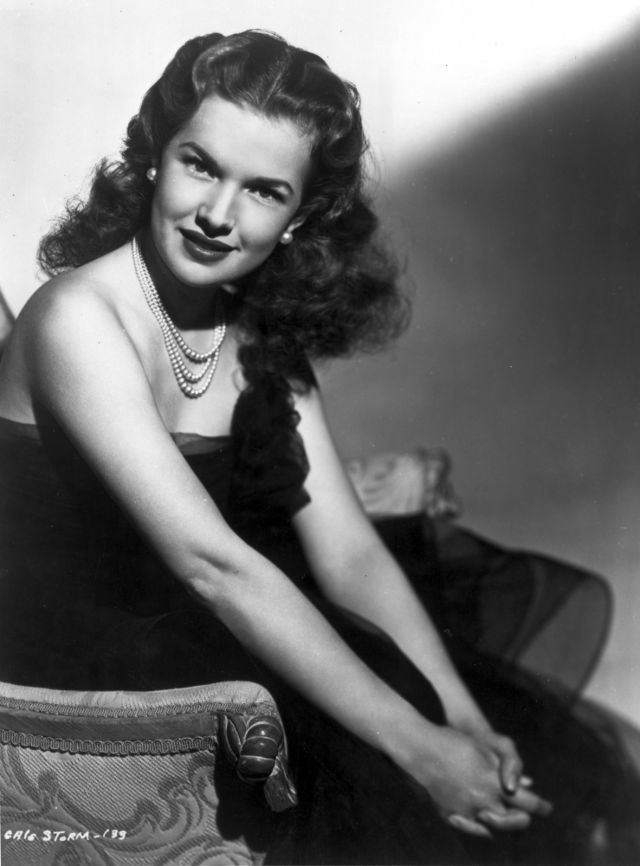
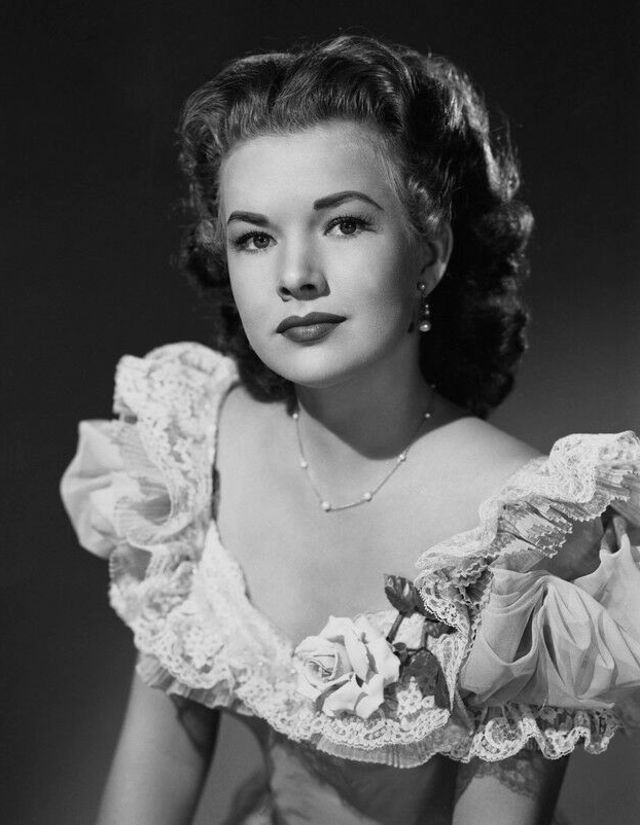
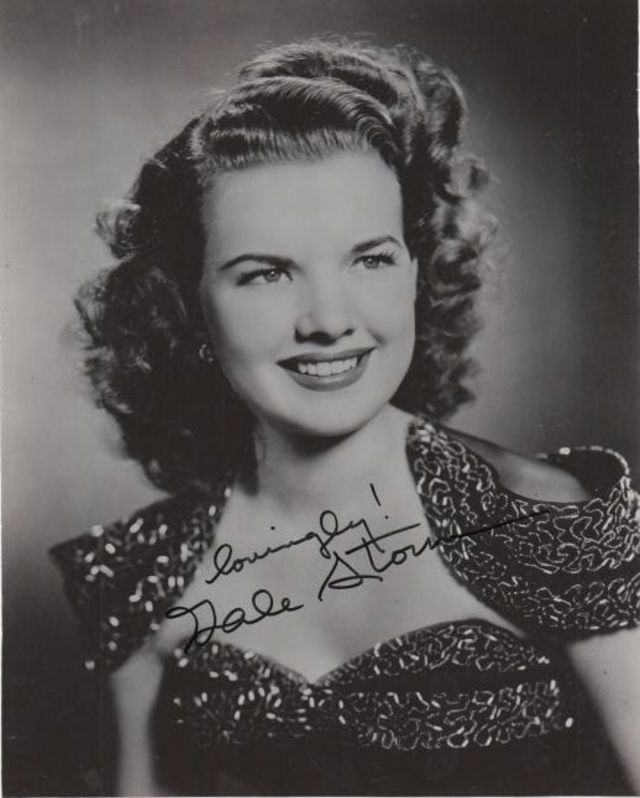
Born 1922 as Josephine Owaissa Cottle in Bloomington, Texas, American actress and singer Gale Storm had a role in the radio version of Big Town. After winning the contest in 1940, Storm made several films for the RKO Radio Pictures studio, her first was Tom Brown’s School Days. In 1941, she sang in several soundies, three-minute musicals produced for “movie jukeboxes”.
Storm starred in a number of films, including the romantic comedies G.I. Honeymoon (1945) and It Happened on Fifth Avenue (1947), the Western Stampede, and the 1950 film-noir dramas The Underworld Story and Between Midnight and Dawn. U.S. audiences warmed to Storm and her fan mail increased.
After a film career from 1940 to 1952, she starred in two popular television programs of the 1950s, My Little Margie and The Gale Storm Show. Six of her songs were top ten hits. Storm’s greatest recording success was a cover version of “I Hear You Knockin’,” which hit #2 on the Billboard Hot 100 chart in 1955.
Storm died in 2009, aged 87. She has three stars on the Hollywood Walk of Fame for her contributions to television, recordings, and radio.
Take a look at these vintage photos to see the beauty of young Gale Storm in the 1940s and 1950s.