31 Wonderful Vintage Photos of Dublin in the 1960s

The decade of the 1960s was characterised by worldwide economic boom, the rise of population after the war, ‘the Baby Boom’, and the emergence of Civil Rights movements. Student movements came to prominence around the world, culminating in the events of 1968.

Ireland also benefited from the economic boom and developing economy as policies of protectionism were abandoned and the country was opened up to international trade and industry. RTÉ television began on the last day of 1961.

The 1960s also saw the end of censorship in Ireland, and the provision of free post-primary education. The Civil Rights movement began in the North of Ireland, and the start of the ‘troubles’, which continued to the end of the century.

Dublin is the capital and largest city of Ireland. Situated on a bay on the east coast, at the mouth of the River Liffey, it is in the province of Leinster and the Eastern and Midland Region. It is bordered on the south by the Dublin Mountains, a part of the Wicklow Mountains range. At the 2016 census, it had an urban area population of 1,173,179, while the population of the traditional County Dublin as a whole was 1,347,359. The population of the Greater Dublin Area was 1,904,806.

There is archaeological debate regarding precisely where and when Dublin originated, with a settlement established by the Gaels during or before the 7th century CE,[17] and a second, Viking, settlement, following. As the small Kingdom of Dublin, the city grew, and it became Ireland’s principal settlement after the 12th century Anglo-Norman invasion of Ireland. The city expanded rapidly from the 17th century and was briefly the second largest city in the British Empire and the sixth largest in Western Europe after the Acts of Union in 1800. Following independence in 1922, Dublin became the capital of the Irish Free State, later renamed Ireland in 1937.

Dublin is a contemporary and historical centre for Irish education, arts and culture, administration and industry. As of 2018 the city was listed by the Globalization and World Cities Research Network (GaWC) as a global city, with a ranking of “Alpha minus”, which places it as one of the top thirty cities in the world. (Wikipedia)

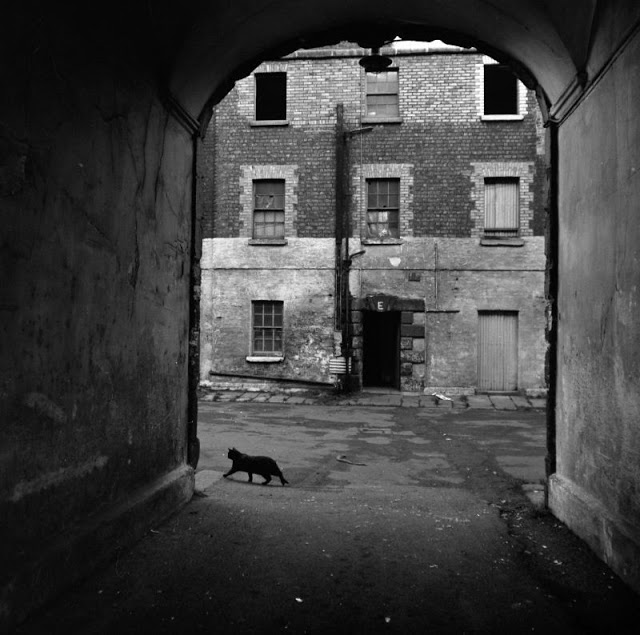
Take a look at these fascinating photos from National Library of Ireland to see what Dublin, Capital of the Republic of Ireland looked like in the 1960s.
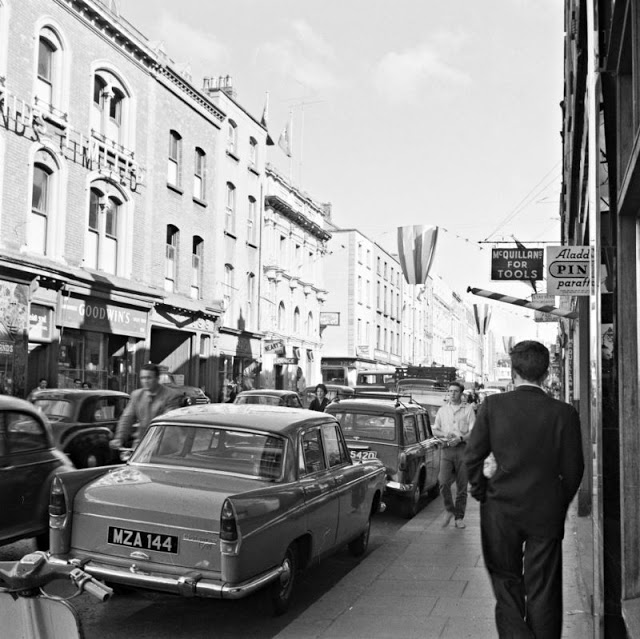
Capel Street, Dublin at 9.30 am, June 28, 1960

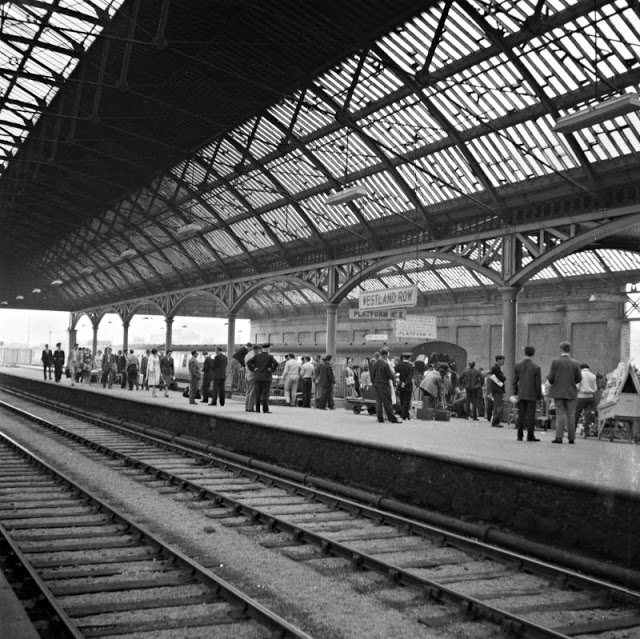
Filming at Westland Row Station, now Pearse Station, in Dublin, June 24, 1960
New houses being constructed, Templeogue, Co. Dublin, 1961
Store Street, Dublin, September 1961
The late lamented Theatre Royal on Hawkins Street in Dublin, April 1, 1962
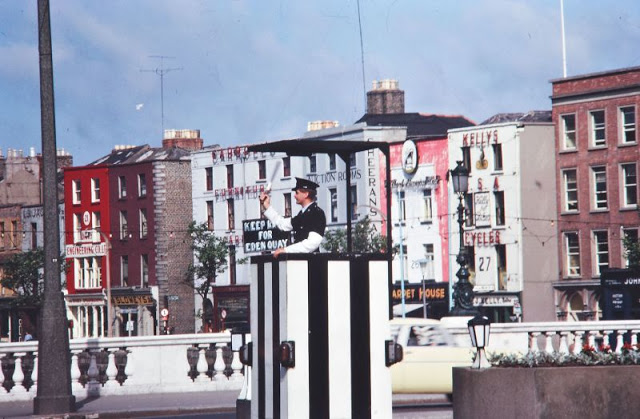
Garda directing traffic, O’Connell Bridge, Dublin, 1963
O’Connell Street, Dublin, June 1963
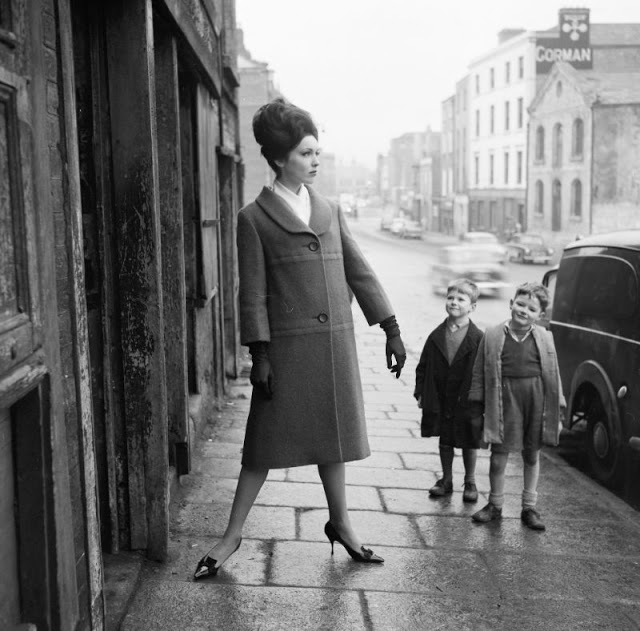
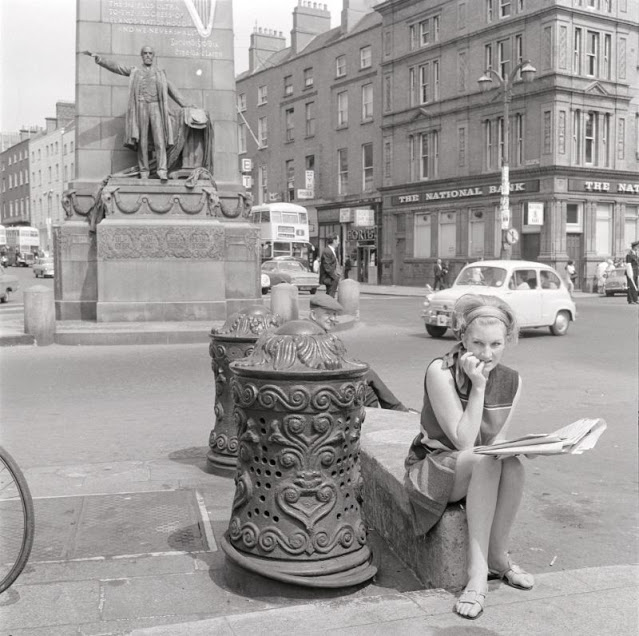
This is American model Linda Ward (later O’Reilly) posing, Dublin, circa 1963
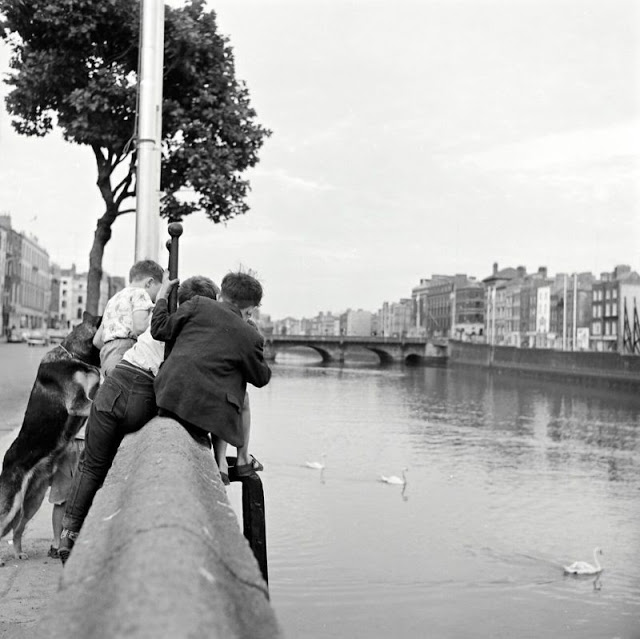
A bunch of fascinated boys, and their equally engaged alsatian dog study something in the River Liffey at Upper Ormond Quay, Dublin, 1964
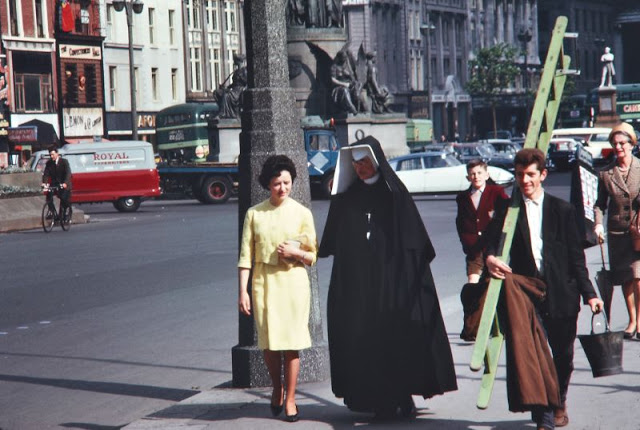
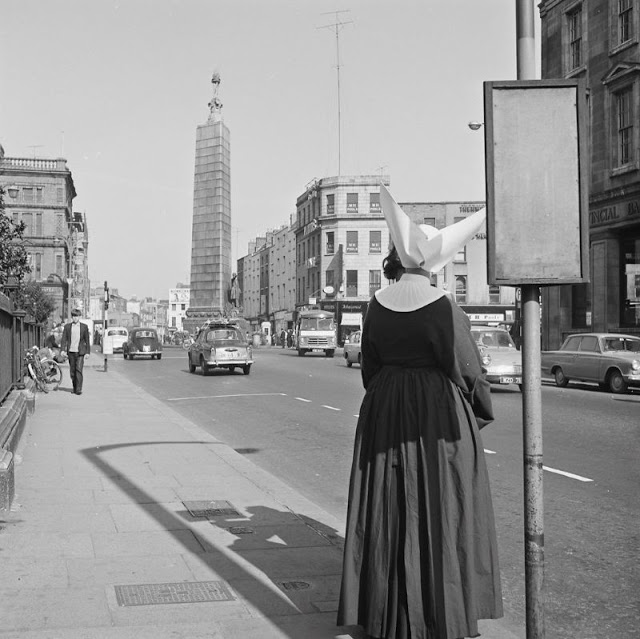
A nun with a most remarkable (and slightly dangerous-looking) veil/head dress waiting for a bus outside the Rotunda Hospital on Parnell Street, Dublin, 1964
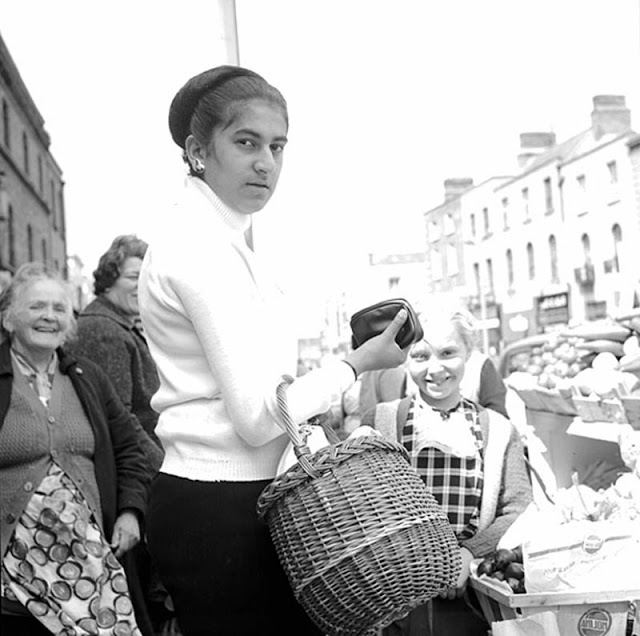
A very direct stare from a woman shopping on Moore Street, Dublin, 1964
Mystery shoppers in Moore Street, Dublin, 1964
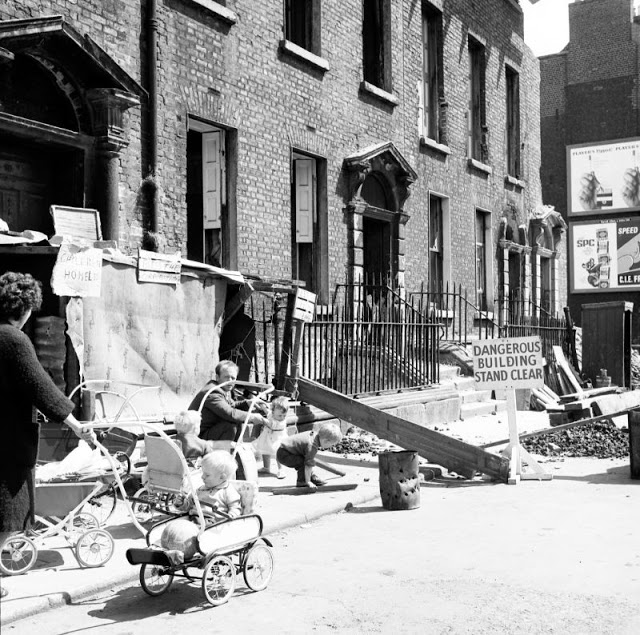
Protest against evictions from tenement buildings on York Street in Dublin, 1964
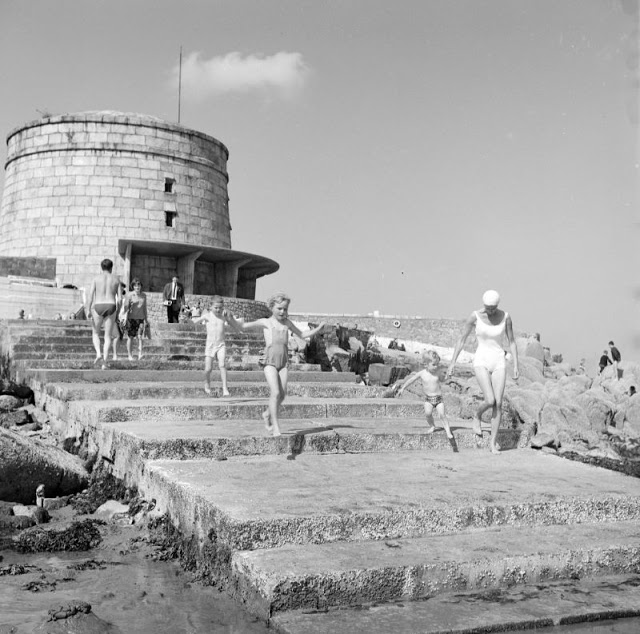
The Martello Tower in Seapoint with the children in fine fettle, 1964
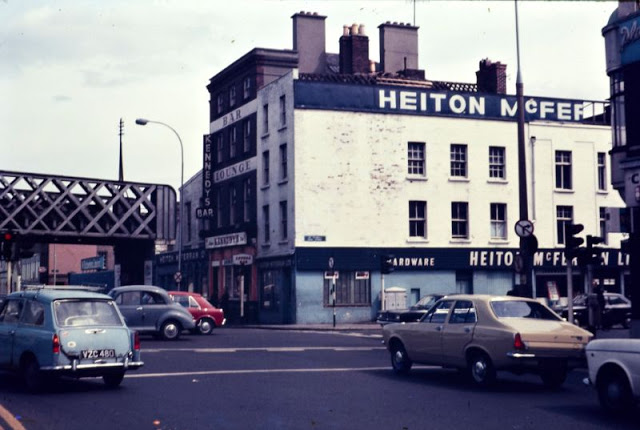
The Heiton McFerran shop on the corner of Tara Street, circa 1965
A half-demolished Nelson’s Pillar on O’Connell Street, Dublin, March 8, 1966
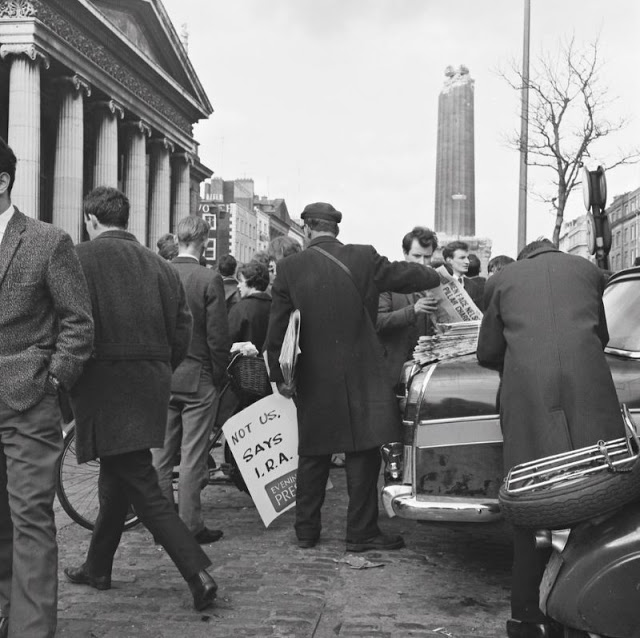
An Evening Press newspaper seller does a brisk trade on O’Connell Street, Dublin on the day after Nelson’s Pillar was blown up, March 9, 1966
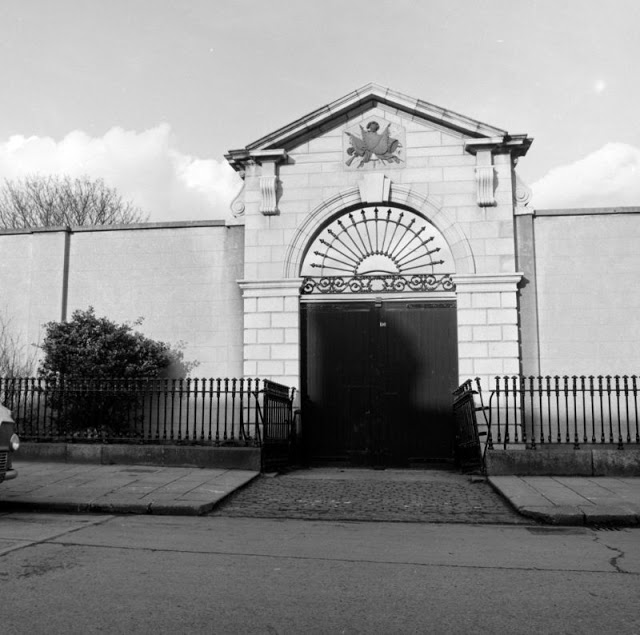
Ornate arch and gateway, Charlemont House, Parnell Square North at 116 St James’s Street, Dublin, 1966
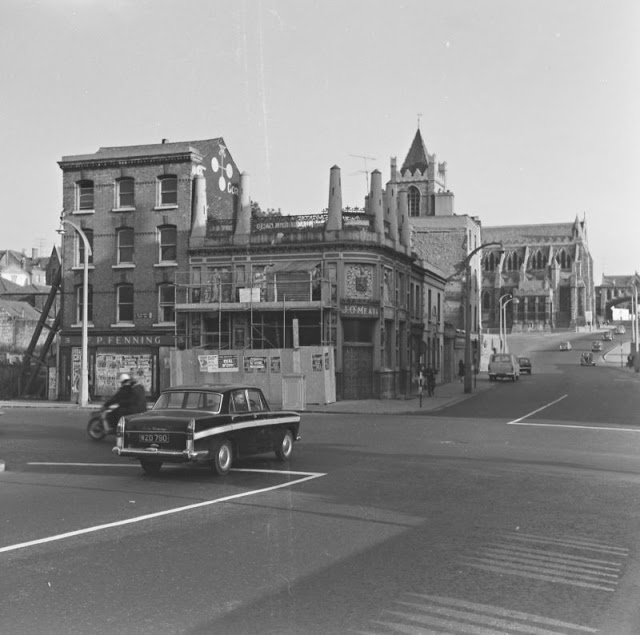
“The Irish House”, Winetavern Street, Dublin City, Co. Dublin, 1968
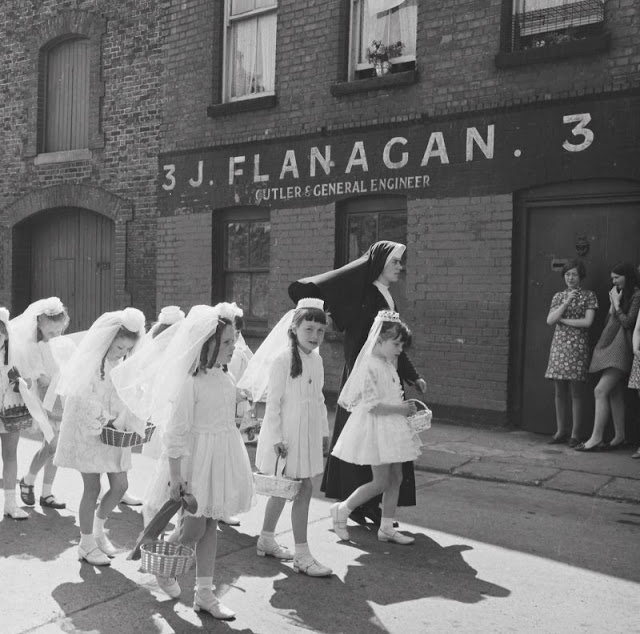
A young nun walking Holy Communion girls past no. 3, Halston Street, Dublin on the feast of Corpus Christi, June 5, 1969
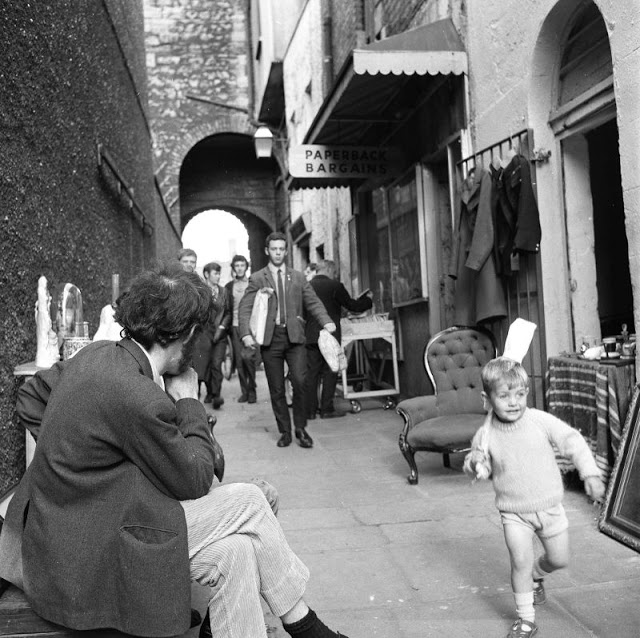
Busiest boy in Dublin, 1969
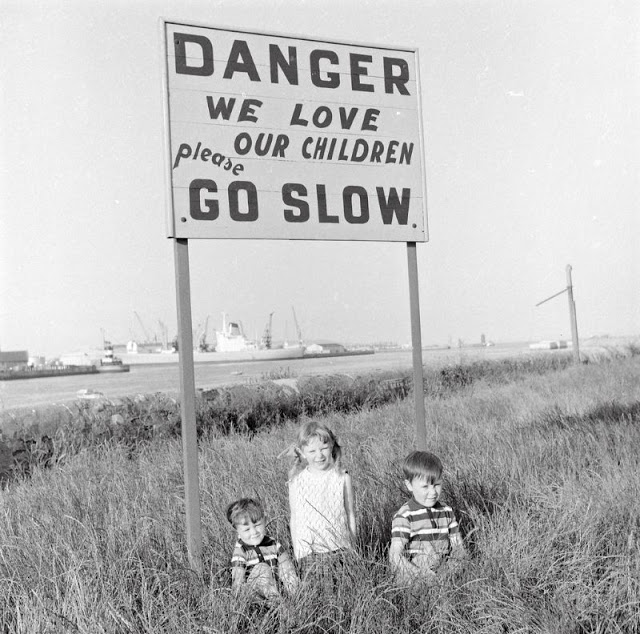
Children under a sign designed to protect them on the Pigeon House Road, Ringsend, Dublin, 1969
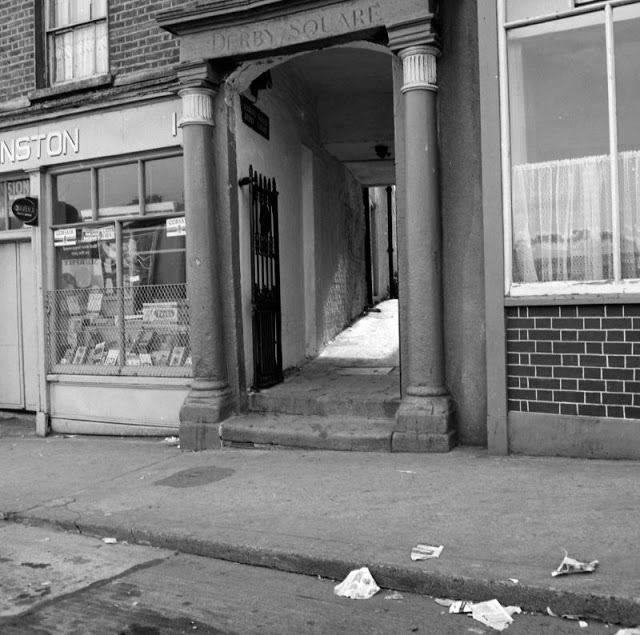
Derby Square in Werburgh St. facing the old labour exchange Jurys car park built on it now, 1969
Dublin’s Marshalsea Barracks, 1969
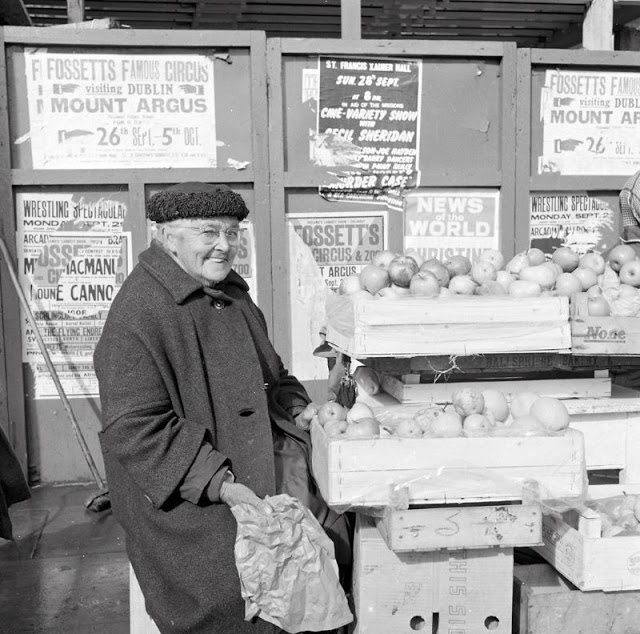
Fruit seller with a very cheeky grin, Dublin, September 1969
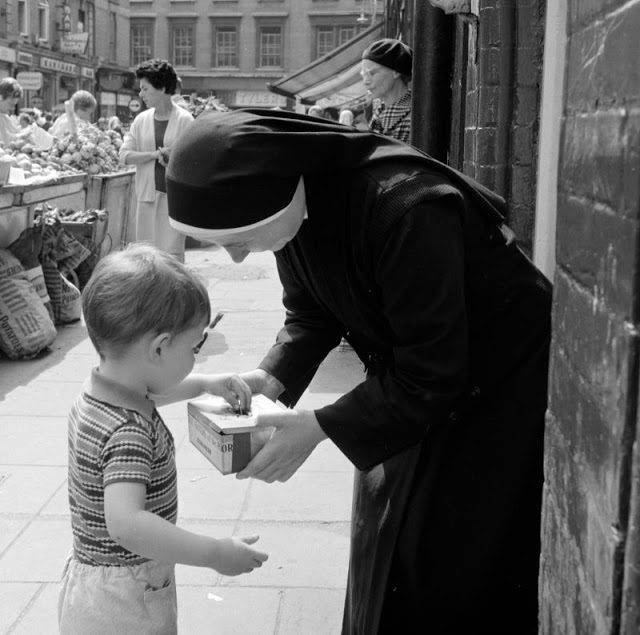
Little boy putting money in nun’s collection tray, Dublin, 1969
Returning to Dublin’s 1932 urinals today (installed in advance of the 1932 Eucharistic Congress). This one was on Eden Quay, Dublin, and you can just catch a glimpse of Liberty Hall behind the tree, September 1969
Secondhand (pre-owned!) shoe stall at Cumberland Street Market in Dublin, 1969
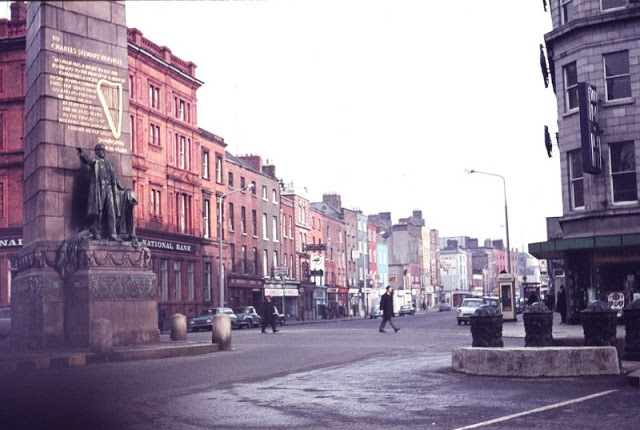
The Parnell Monument at the junction of Upper O’Connell Street, Parnell Street and Cavendish Row, Dublin, 1969
The Parnell Monument, Dublin, July 1969
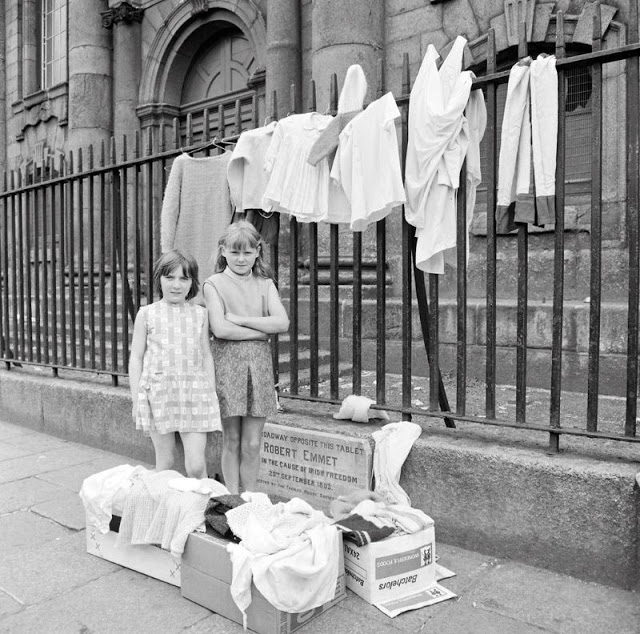
These two young entrepreneurs had set out their “stall” in front of St. Catherine’s Church on Thomas Street in Dublin,1969

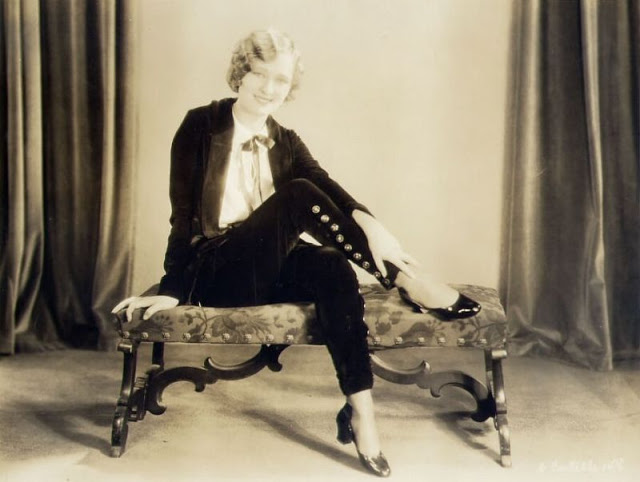
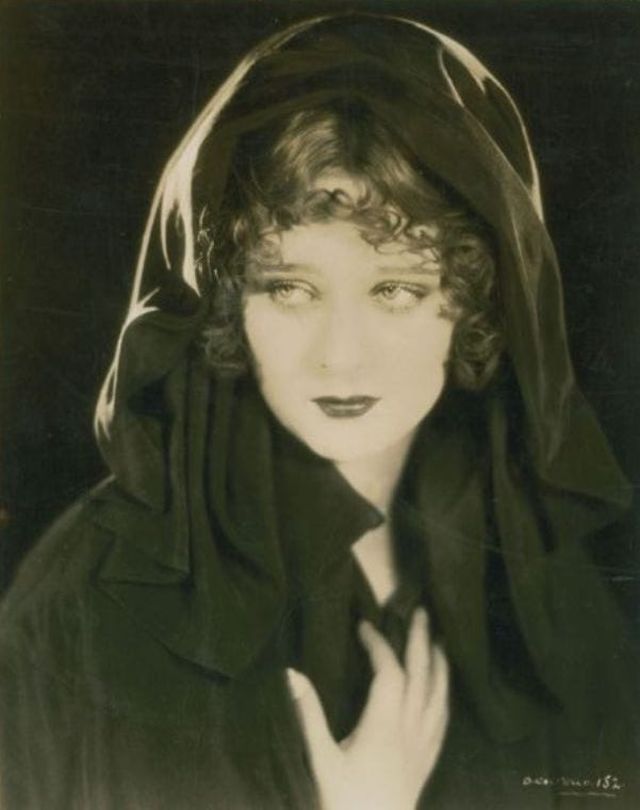
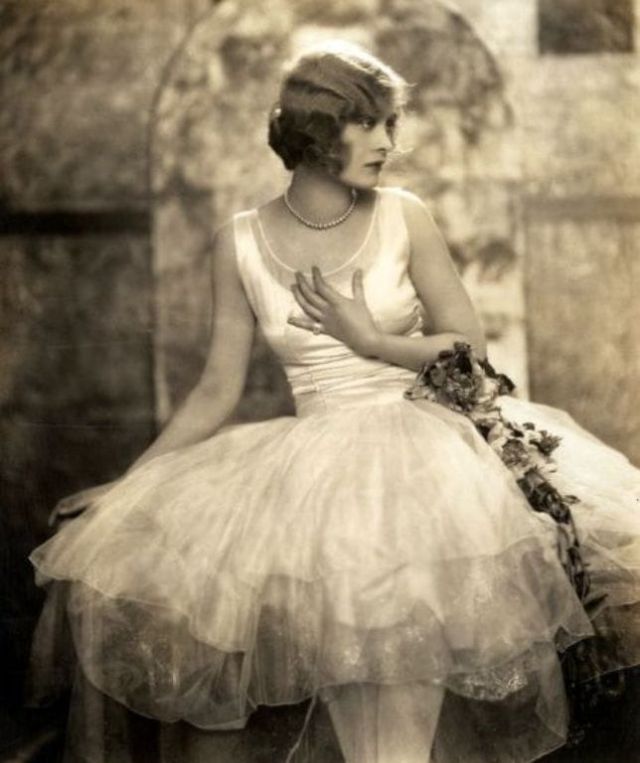
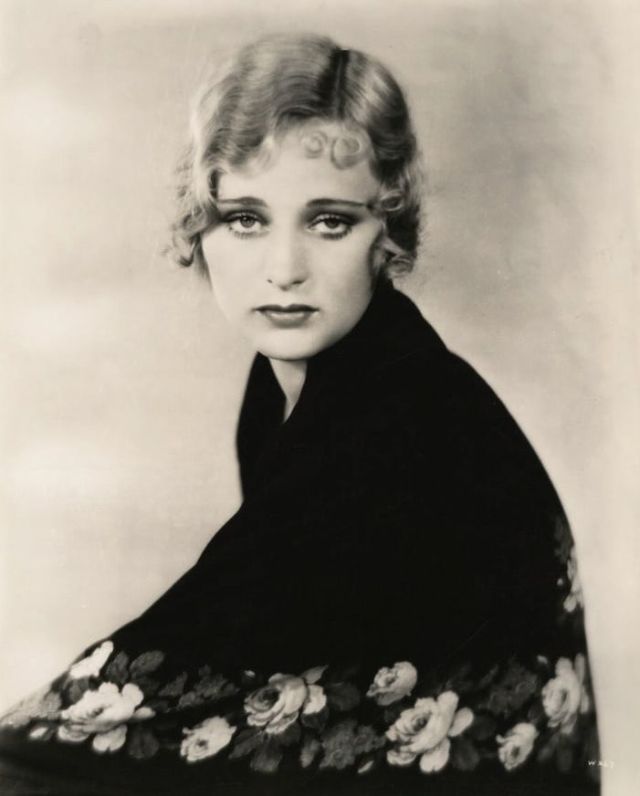
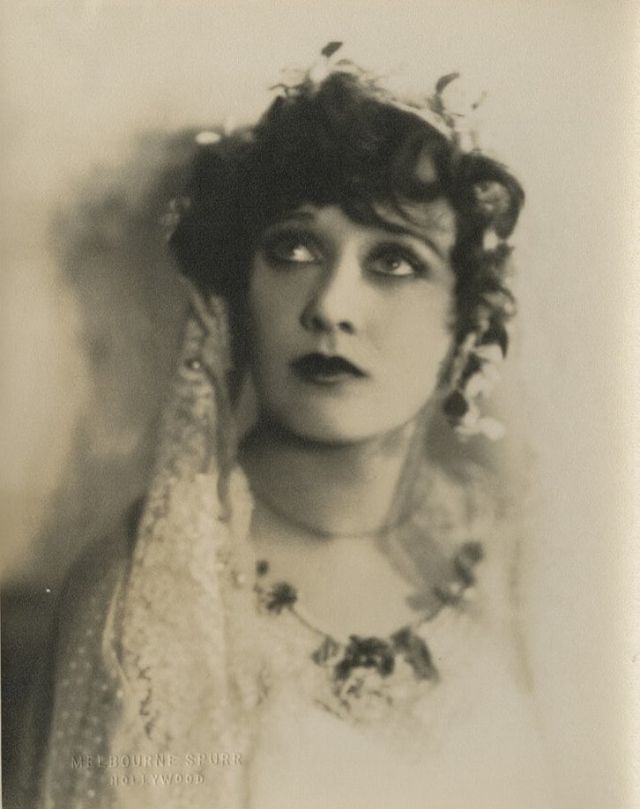
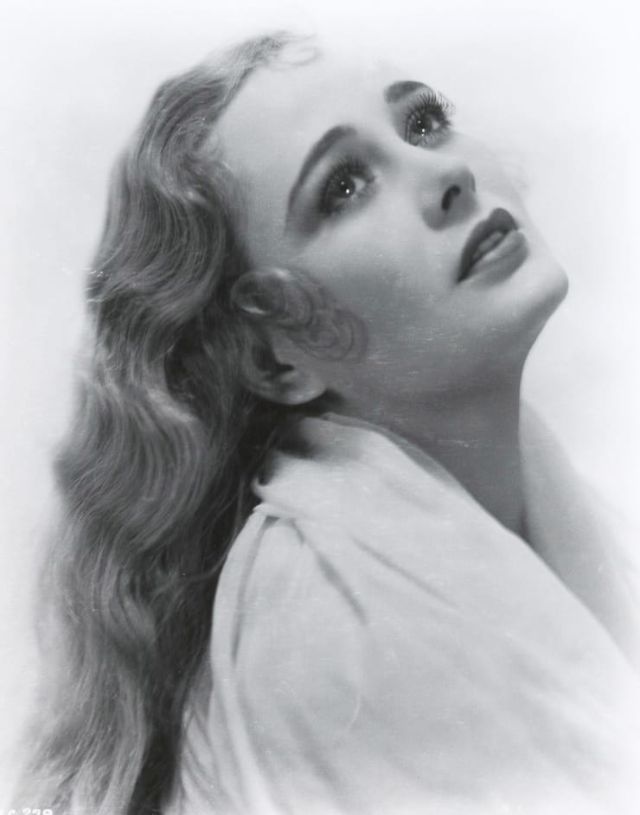
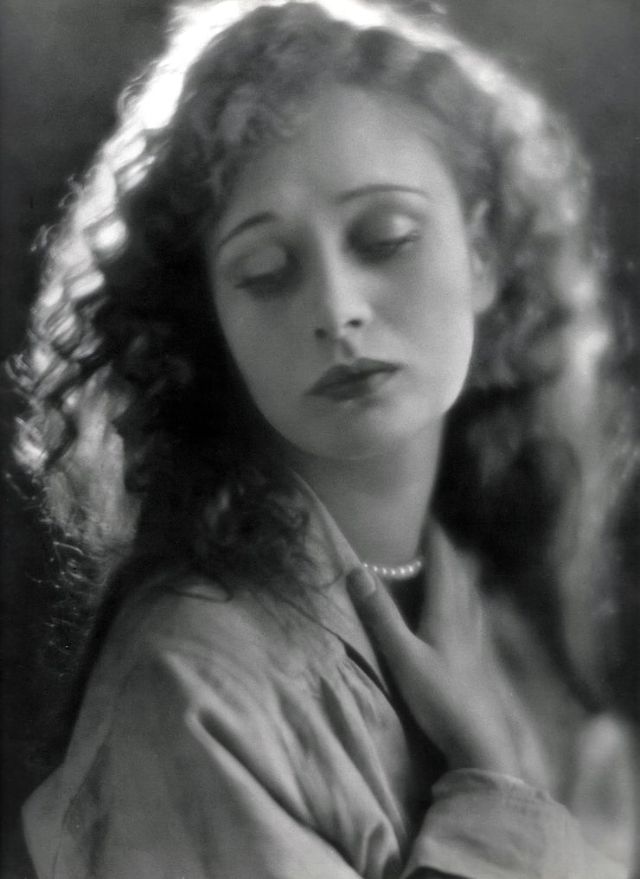
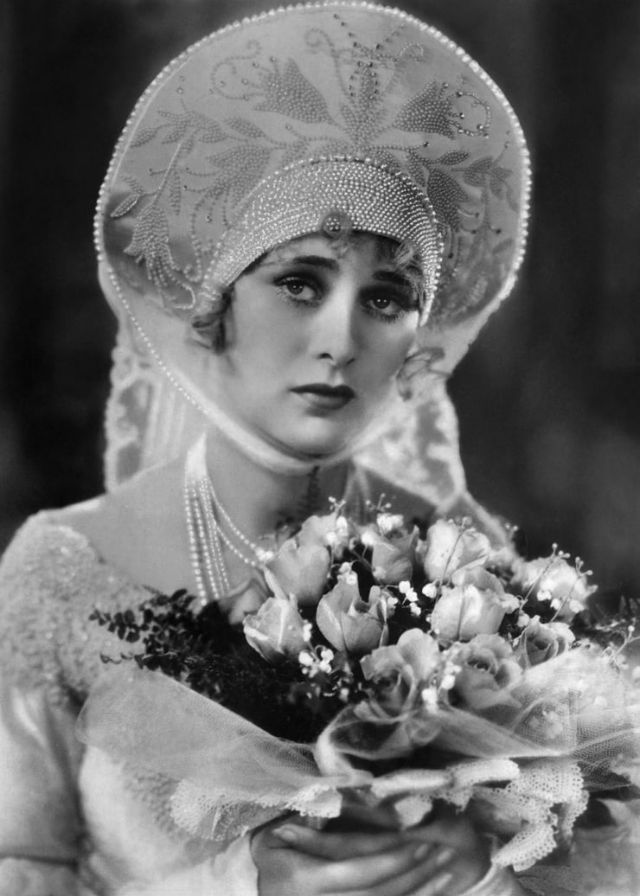
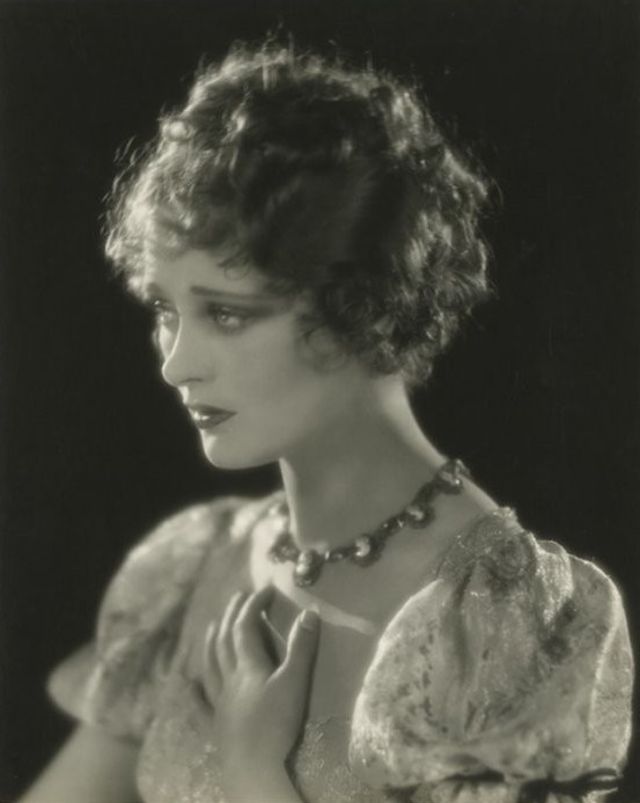
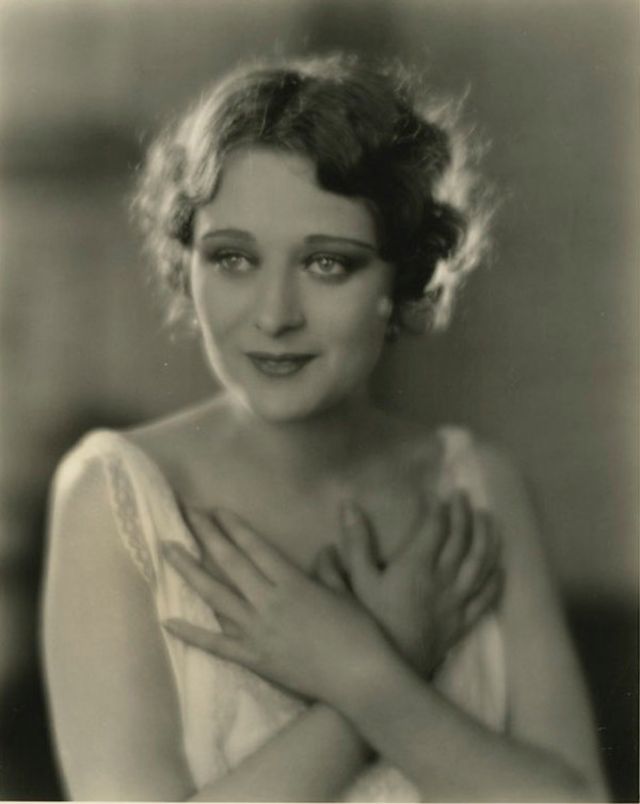
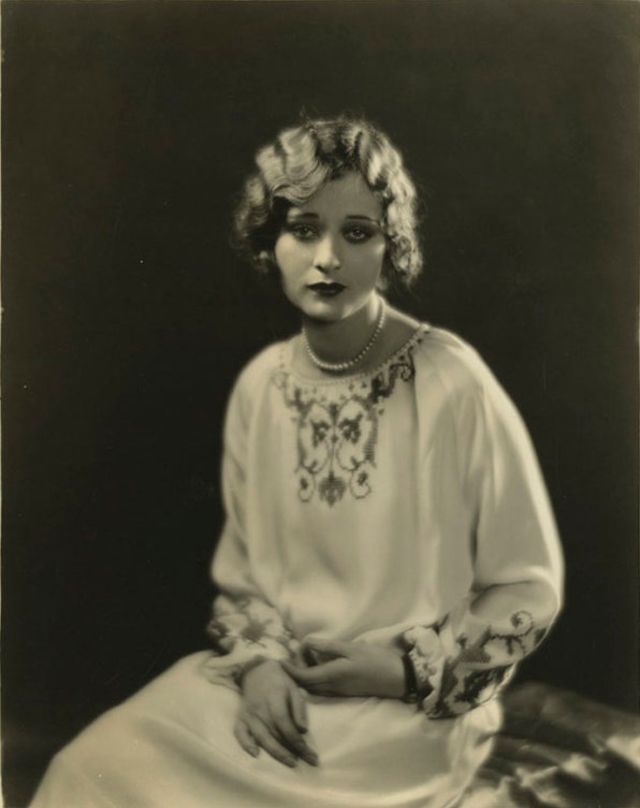
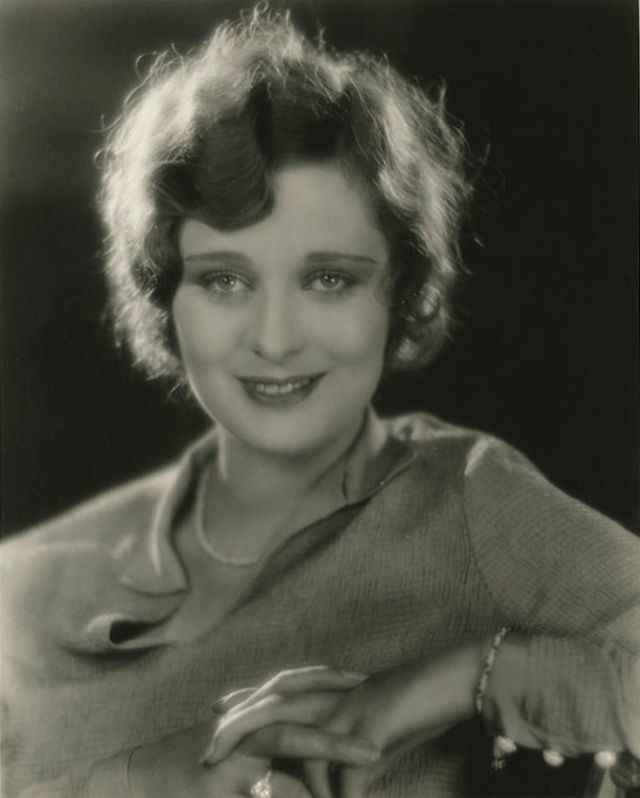
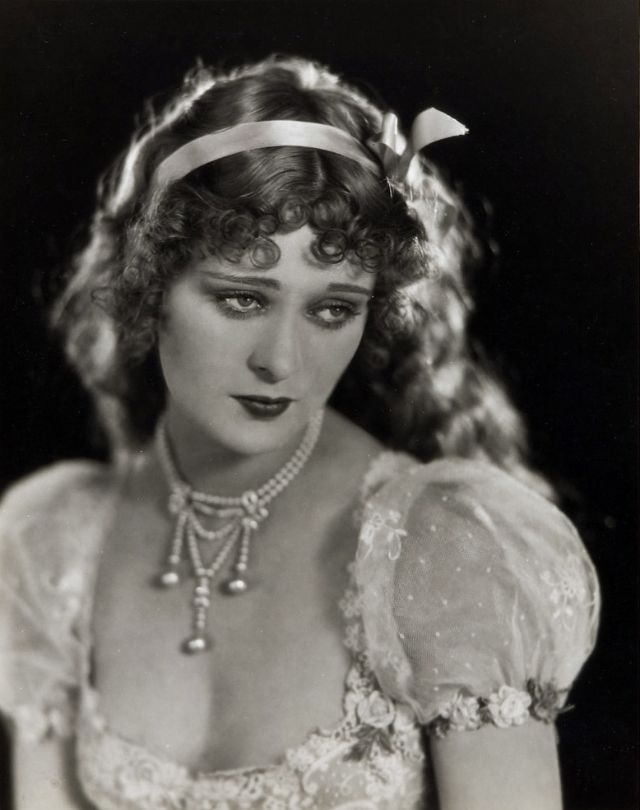
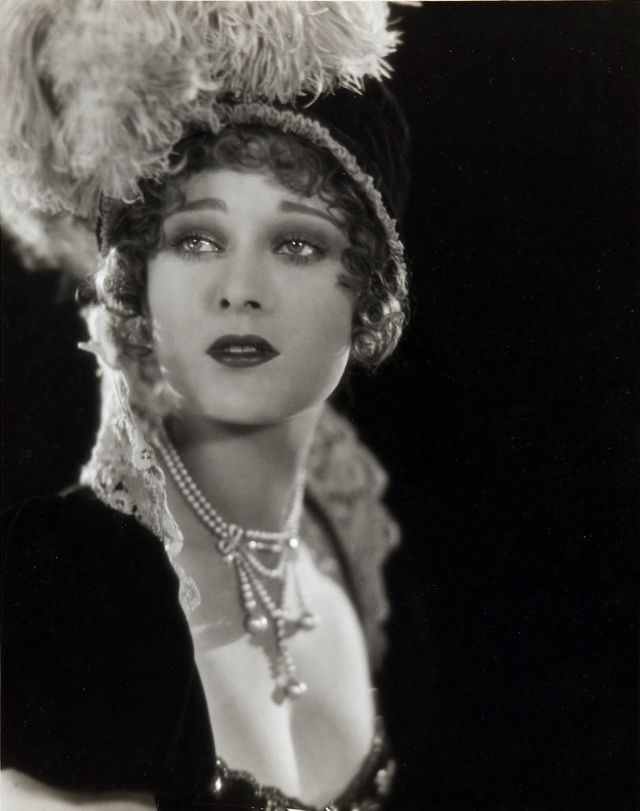
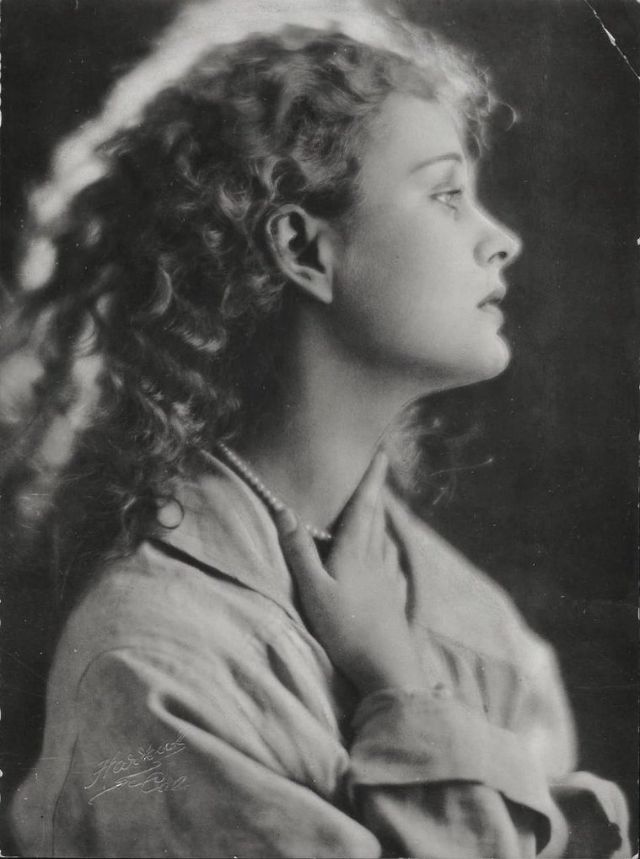
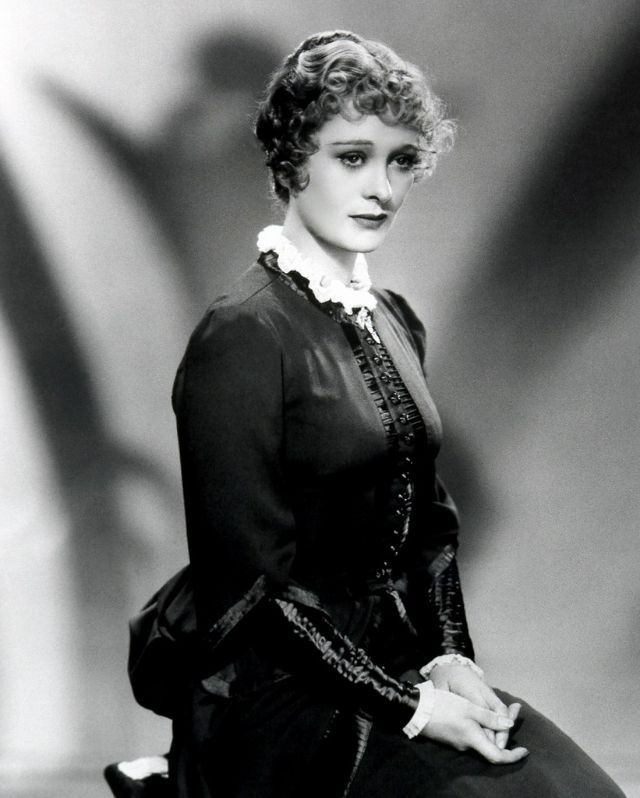
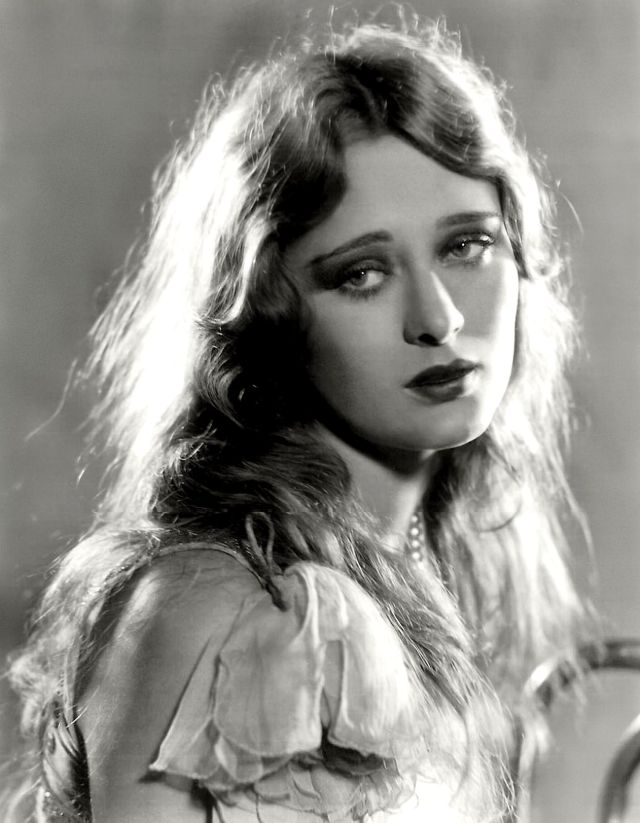
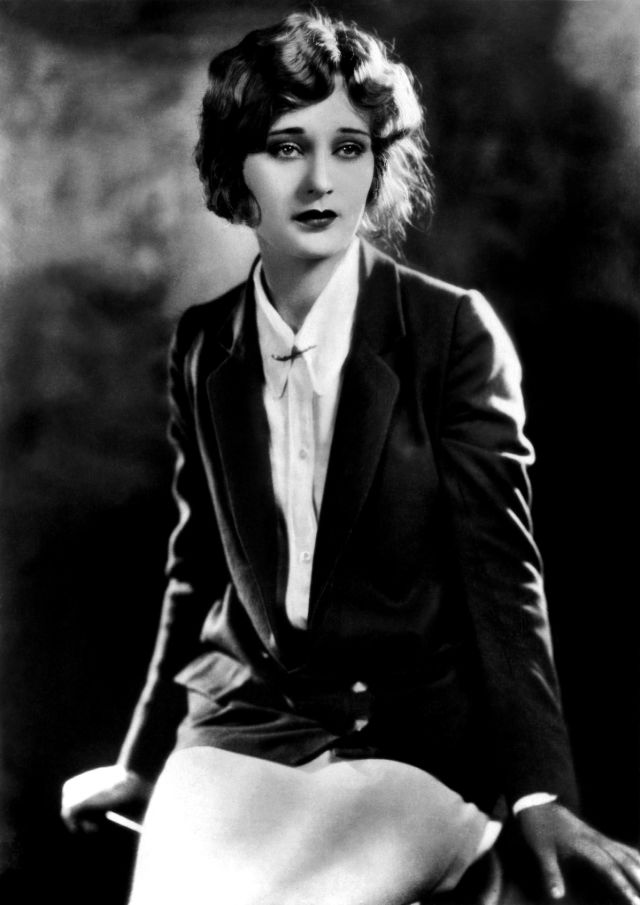
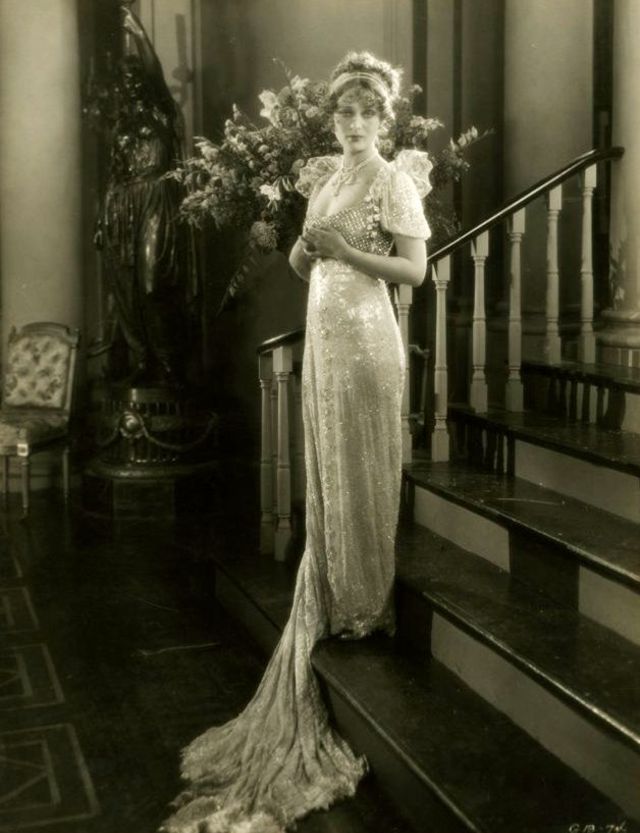
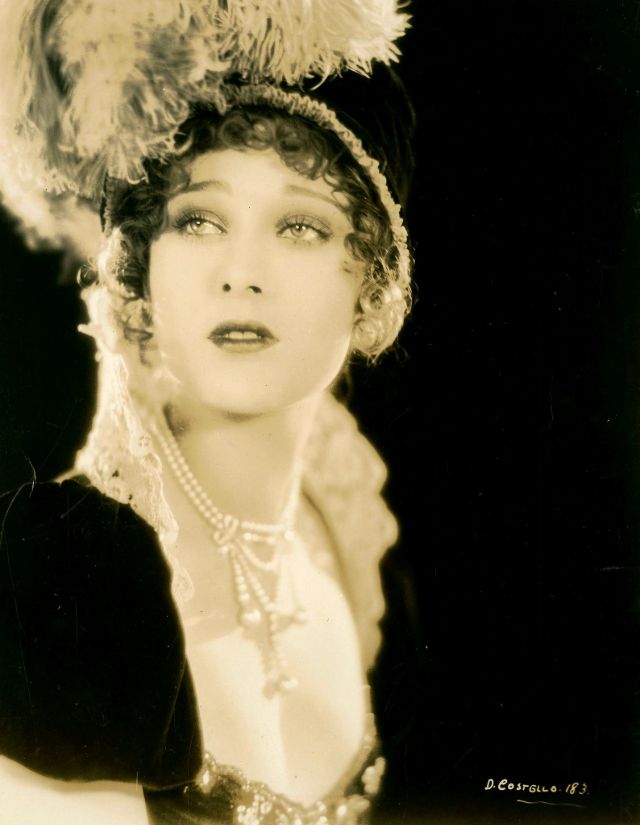
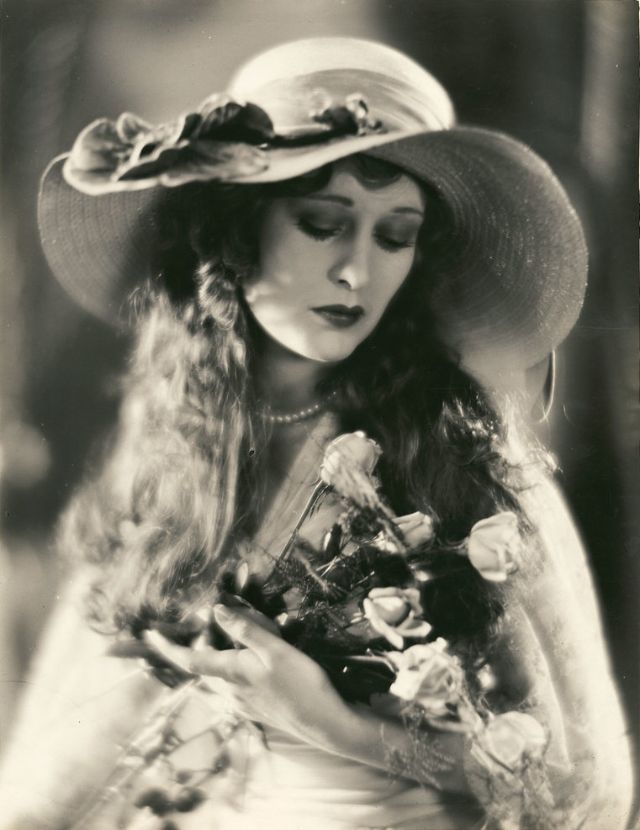
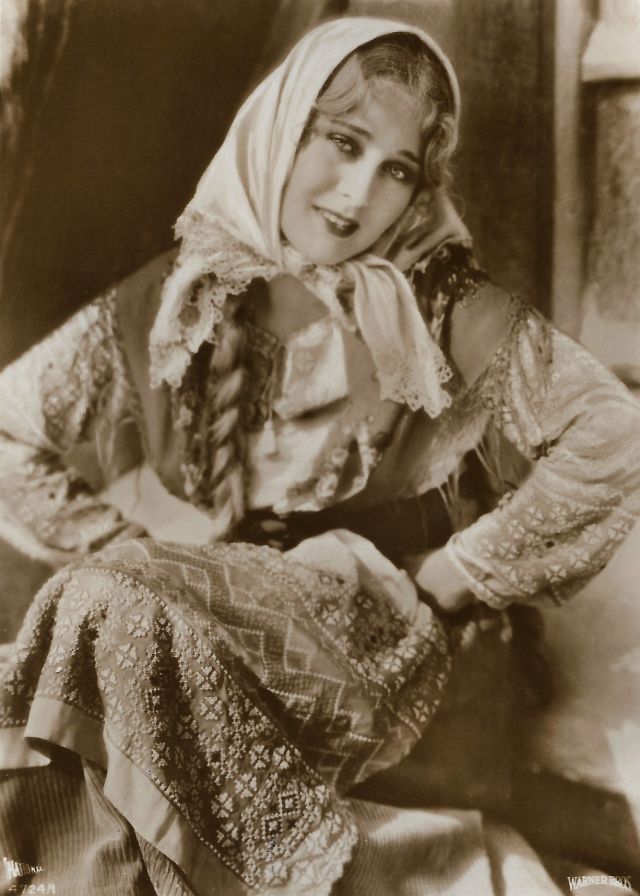
40 Beautiful Vintage Photos of Actress Dolores Costello during the 1920s & 1930s

Dolores Costello (September 17, 1903 – March 1, 1979) was an American film actress who achieved her greatest success during the era of silent movies. She was nicknamed “The Goddess of the Silent Screen” by her first husband, the actor John Barrymore. She was the mother of John Drew Barrymore.

Dolores Costello was born in Pittsburgh, Pennsylvania; the daughter of actors Maurice Costello[1] and Mae Costello (née Altschuk). She was of Irish and German descent. She had a younger sister, Helene, and the two made their first film appearances in the years 1909–1915 as child actresses for the Vitagraph Film Company. They played supporting roles in several films starring their father, who was a popular matinee idol at the time. Dolores Costello’s earliest listed credit on the IMDb is in the role of a fairy in a 1909 adaptation of Shakespeare’s A Midsummer Night’s Dream.

The two sisters appeared on Broadway together as chorines and their success resulted in contracts with Warner Bros. Pictures. In 1926, following small parts in feature films, Dolores Costello was selected by John Barrymore to star opposite him in The Sea Beast, a loose adaptation of Herman Melville’s Moby-Dick, after which Warner soon began starring her in her own vehicles. Meanwhile, she and Barrymore became romantically involved and married in 1928.

Within a few years of achieving stardom, Costello had become a film personality in her own right. As a young adult her career developed to the degree that in 1926, she was named a WAMPAS Baby Star, and had acquired the nickname “The Goddess of the Silver Screen”. Warners alternated Costello between films with contemporary settings and elaborate costume dramas. In 1927, she was re-teamed with John Barrymore in When a Man Loves, an adaptation of Manon Lescaut. In 1928, she co-starred with George O’Brien in Noah’s Ark, a part-talkie epic directed by Michael Curtiz.

Costello spoke with a lisp and found it difficult to make the transition to talking pictures, but after two years of voice coaching she was comfortable speaking before a microphone. One of her early sound film appearances was with her sister Helene in Warner Bros.’s all-star extravaganza, The Show of Shows (1929).

Costello with husband John Barrymore and their children, John Drew and Dolores, 1934
Her acting career became less a priority for her following the birth of her first child, Dolores Ethel Mae “DeeDee” Barrymore, on April 8, 1930, and she retired from the screen in 1931 to devote time to her family. Her second child, John Drew Barrymore, was born on June 4, 1932, but the marriage proved difficult due to her husband’s increasing alcoholism, and they divorced in 1935.

She resumed her career a year later and achieved some successes, most notably in Little Lord Fauntleroy (1936), and The Magnificent Ambersons (1942). She retired permanently from acting following her appearance in This is the Army (1943), again under the direction of Michael Curtiz.

Making a rare radio appearance, Costello appeared as the Danish Countess Elsa on the radio program Suspense with an air date of August 28, 1943. The title of the episode is The King’s Birthday written by Corporal Leonard Pellitier US Army.

In 1939, she married Dr. John Vruwink, an obstetrician who was her physician during her pregnancies, but they divorced in 1950. Costello spent the remaining years of her life in semi-seclusion, managing an avocado farm. Her film career was largely ruined by the destructive effects of early film makeup, which ravaged her complexion too severely to camouflage. Her final film was This Is the Army (1943). In the 1970s her house was inundated in a flash flood which caused a good deal of damage to her property and memorabilia from her movie career and life with John Barrymore.

Shortly before her death, she was interviewed for the documentary series Hollywood (1980) discussing her film career. She died from emphysema in Fallbrook, California, in 1979, and is interred in Calvary Cemetery, East Los Angeles.

Dolores Costello has a star on the Hollywood Walk of Fame for her contributions to Motion Pictures, at 1645 Vine Street. (Wikipedia)

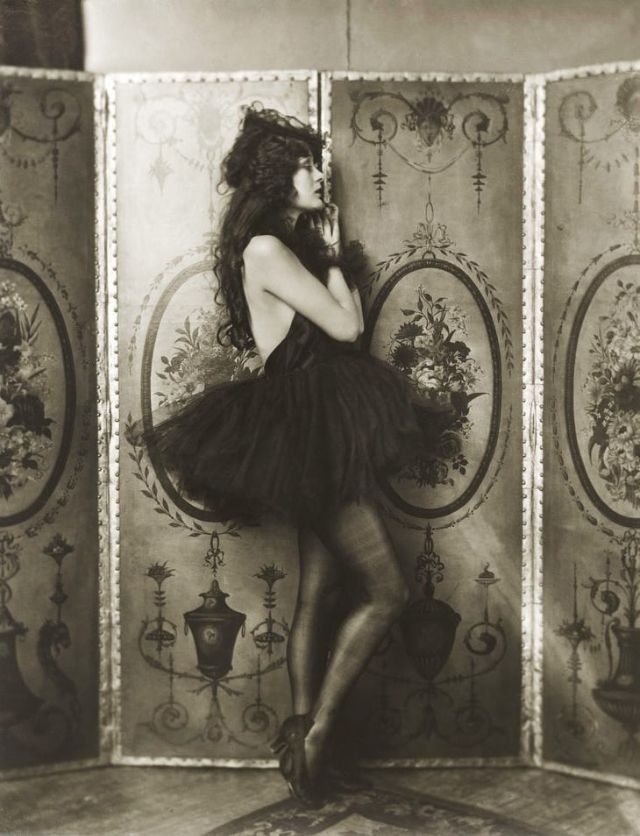
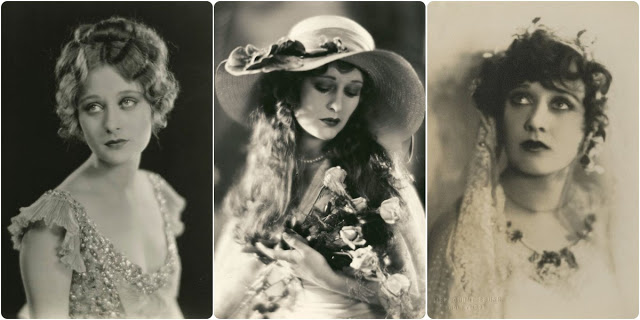
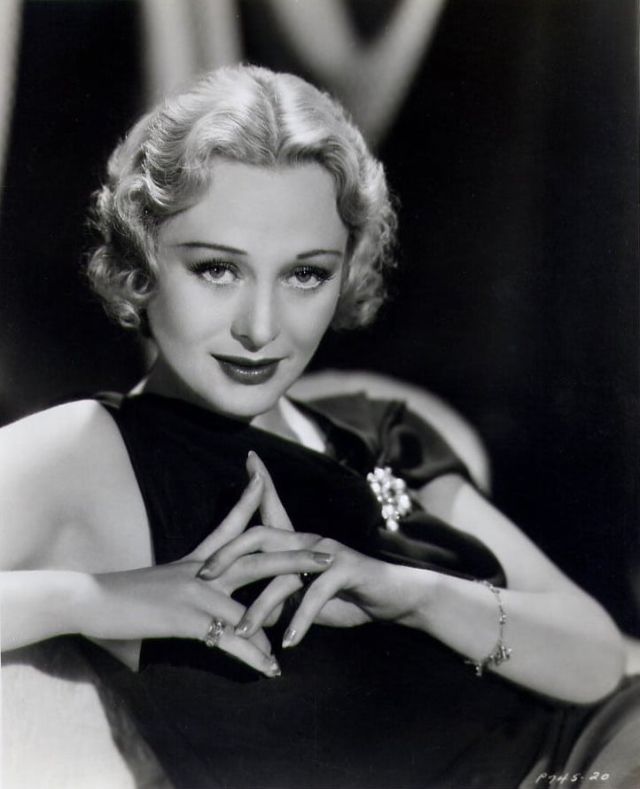
Take a look at these gorgeous photos to see the beauty of young Dolores Costello in the 1920s and 1930s.
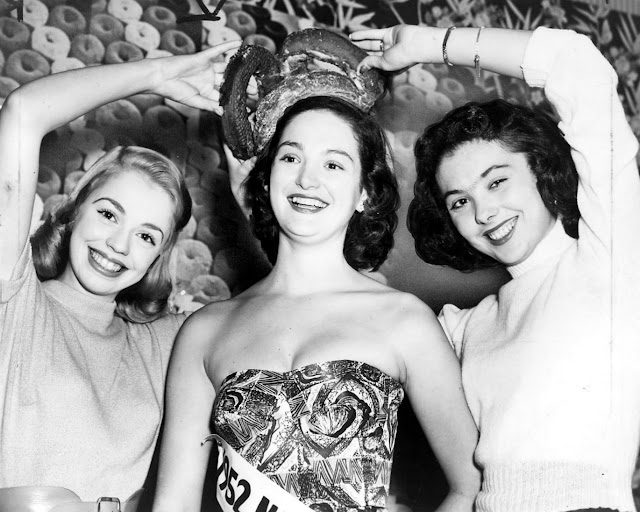
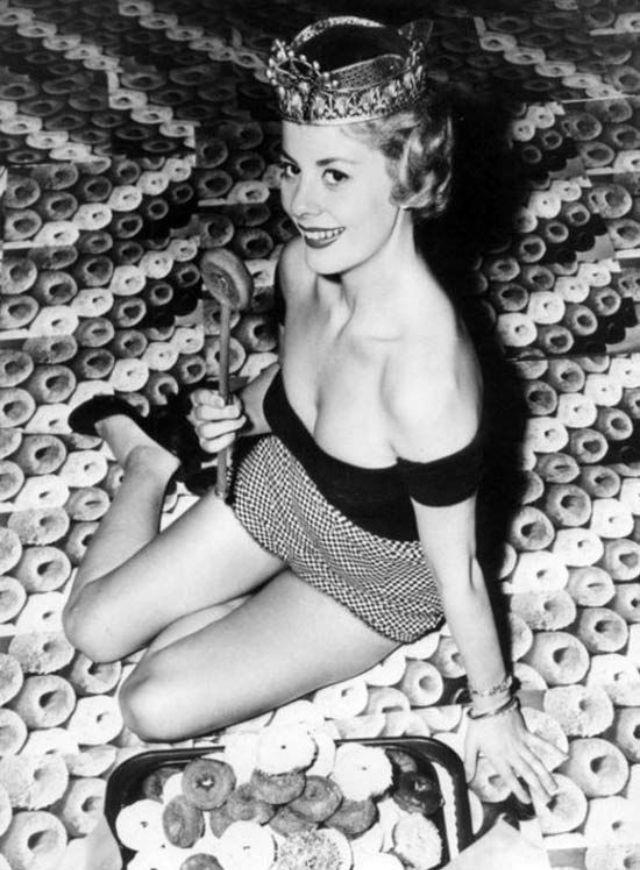
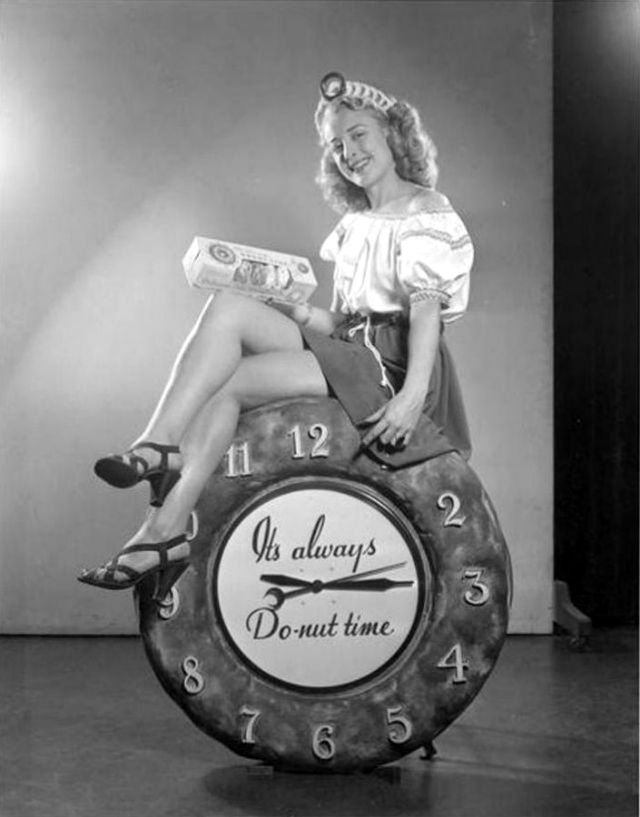
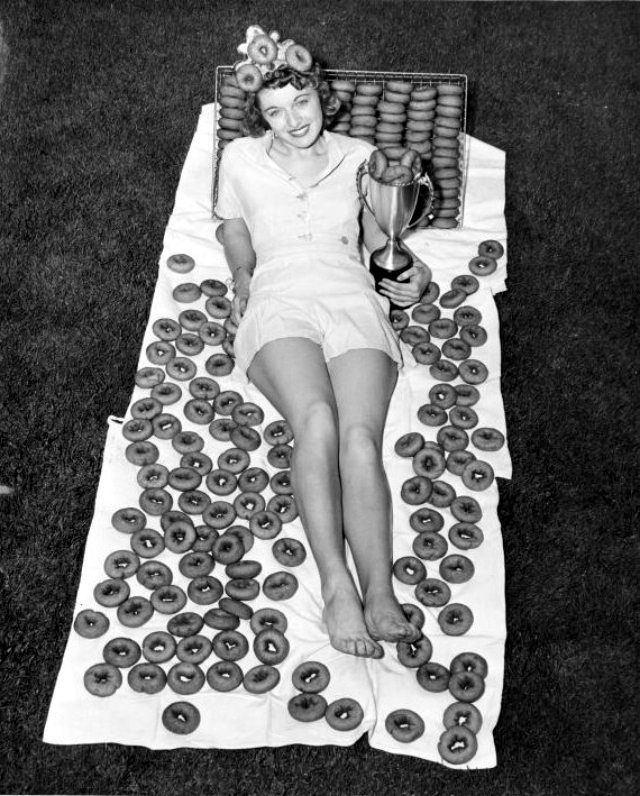
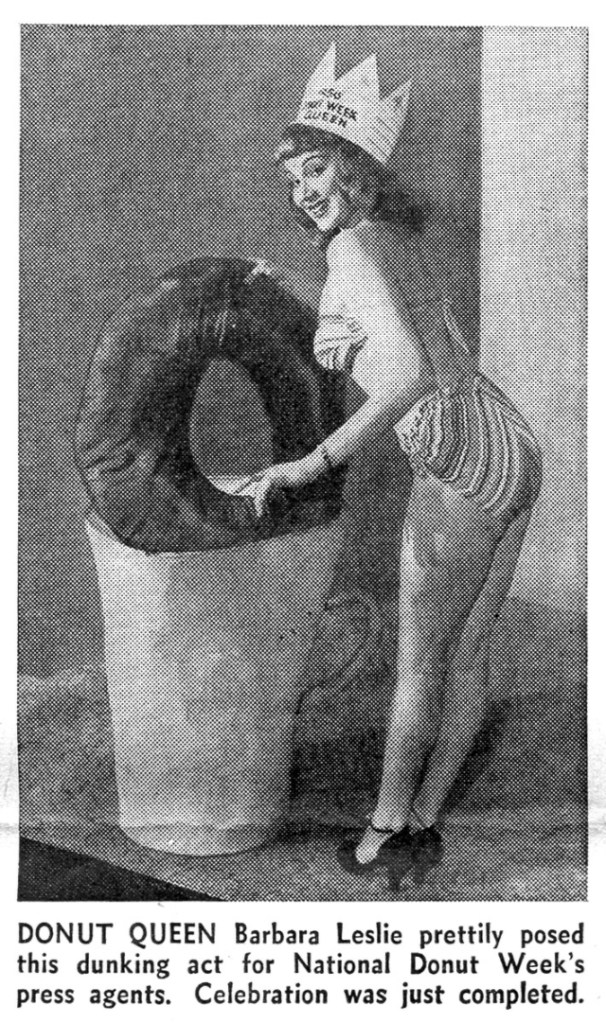
12 Vintage Photos of Donut Queens From the Mid-20th Century

The popularity of the Miss America pageant led to a variety of beauty contests — many during the 1950s, a golden age for pageants. Some events were more important, politically and socially, than others. The crowning of the National Doughnut Queen held less social significance. But contestants in every beauty pageant shared one thing — the sincere desire to be chosen queen — or king, in some cases — and to represent a community ideal…
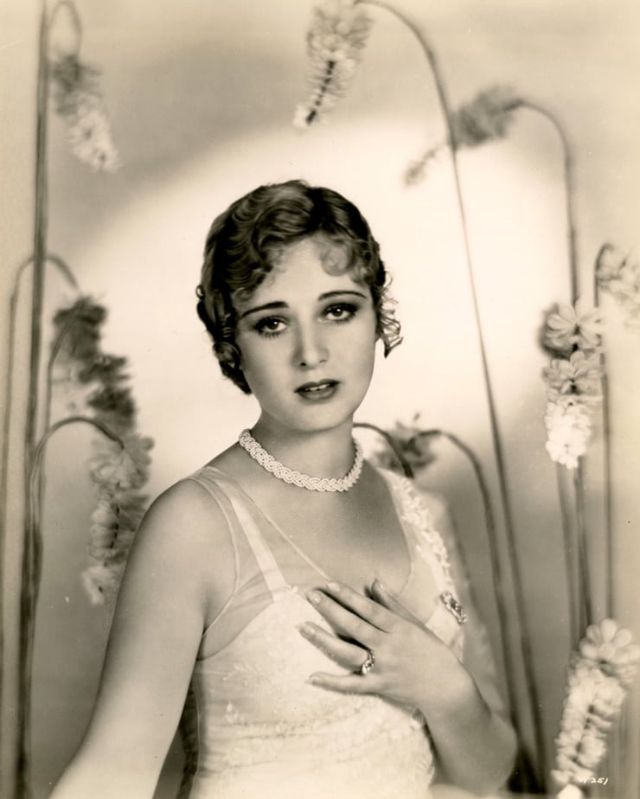
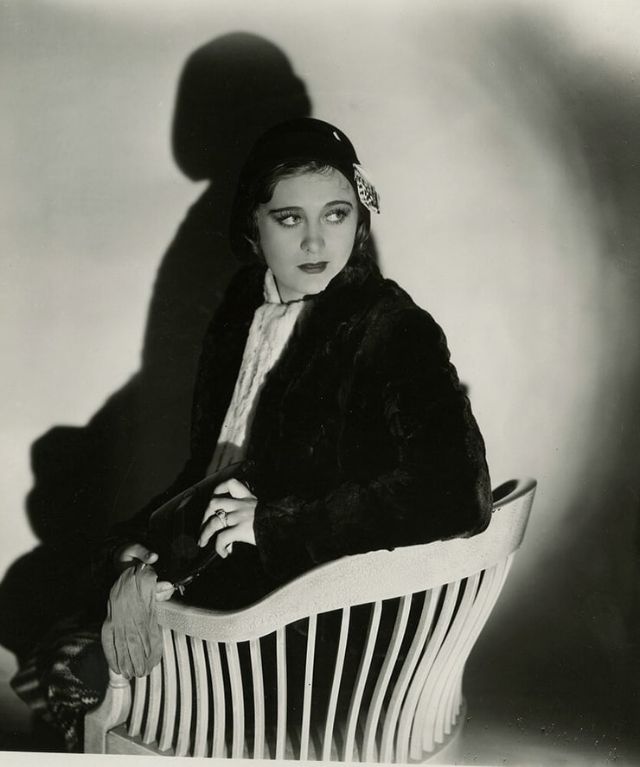
Below are 12 amazing vintage photographs of Donut Queens from between the 1940s and 1950s:

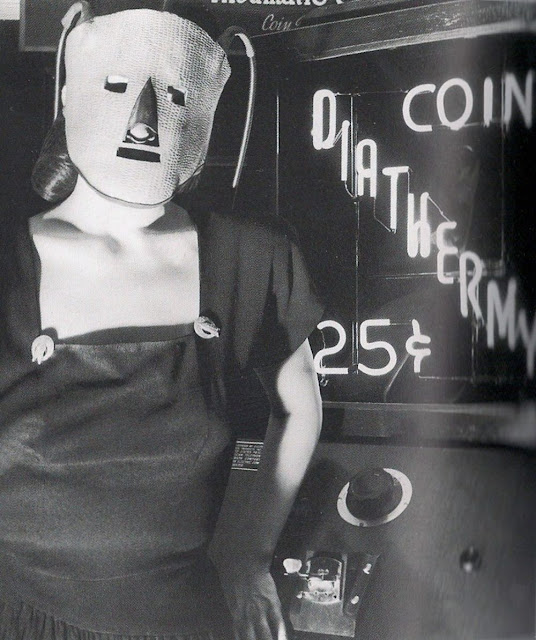
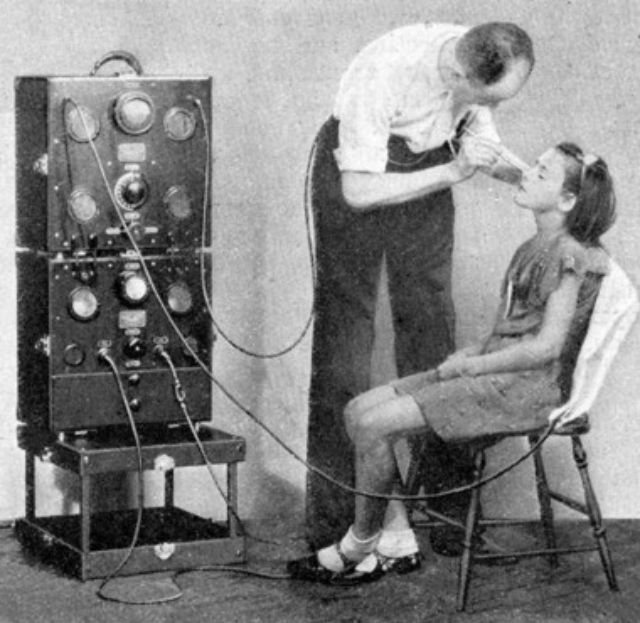
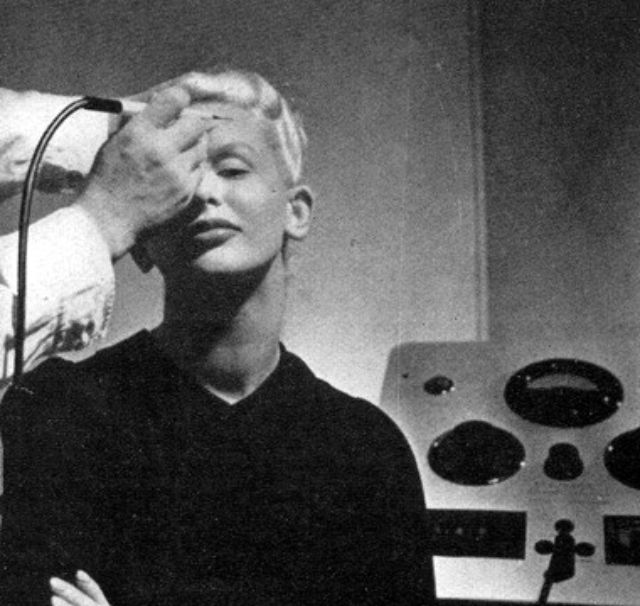
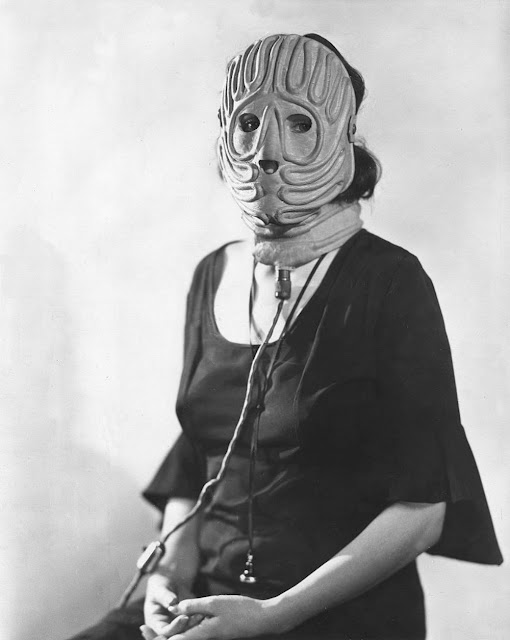
Diathermy in Beauty Culture From From the 1930s

When the term diathermy is used in beauty culture it usually refers to ‘surgical diathermy.’ Diathermy treatments of this type – also known a thermolysis – were used from the 1930s onwards in beauty culture as an alternative to electrolysis for the permanent removal of superfluous hair, spider veins (telangiectasia), acne, warts, moles and other skin blemishes.

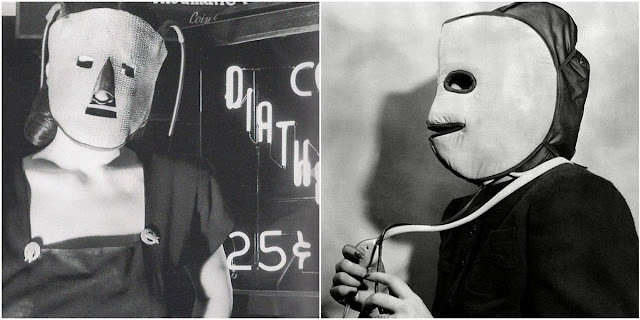
High-frequency currents have also been used in beauty treatments to warm the face and body as with ‘medical diathermy’. The first use of diathermy in this manner in beauty culture, was Elizabeth Arden’s Vienna Youth Mask. Introduced in 1928, it was claimed to have a rejuvenating effect by stimulating the circulation of blood through the facial tissues.

Other salons followed Arden’s lead and facial treatments incorporating diathermal heat became quite common in the 1930s, in part because the machines could also be used to remove hair through thermolysis.
Treatment begins by cleansing the face, which is then dried with tissue and the mask applied. The chin electrode is first fixed in place by an adjustable rubber strap. In similar manner, double cheek electrode bands and the forehead electrode band is fixed. The cables, which are heavily insulated, are then attached and circuits closed. The resulting sensation is a pleasant, deep-reaching warmth; the consequence of a 10 minutes controlled application is a thorough enduring stimulation of skin and sub-cutaneous tissues. This intensive stimulus is not to be achieved by massage, or any available lotion, and is under full control of the operator. (The Hairdresser and Beauty Trade, 1936)
Mention should also be made of indirect high-frequency treatments, also known as a Viennese massage. These combined a facial massage with a high-frequency current to heat the skin under the therapist’s fingers.

Although there are some salons today that offer warming diathermy treatments as a ‘circulation booster’ during a facial, these are not typical. A more common and more recent use of ‘medical diathermy’ in beauty culture has been in cellulite treatments. Although it is generally combined with other procedures rather than used in isolation, the deep heat produced by diathermy has been claimed to enhance collagen production; increase blood circulation through vasodilation; improve lymphatic drainage of trapped fatty deposits; and even break down fat cells.

Coin-operated diathermy machine. Pay your 25 cents and stick a hot, germy mask on your face that hundreds of others have sweated into beforehand!
High-frequency diathermy could be replaced with a simple heating pad. This mask appears to be a Thera Therm Electro-Velour face mask. Introduced around 1938, it was operated by an adjustable heating pad, similar to those used in electric blankets.
Surgical diathermy treatment, possibly for pimples or acne, 1933.
Silk mask and electrode method, 1936.
Surgical diathermy treatment to coagulate acne pustules, although the model in this photograph does not look like she has an acne problem, 1939.
A rubber mask contained a series of heating coils that would allegedly “melt away” fine lines and wrinkles, 1939.

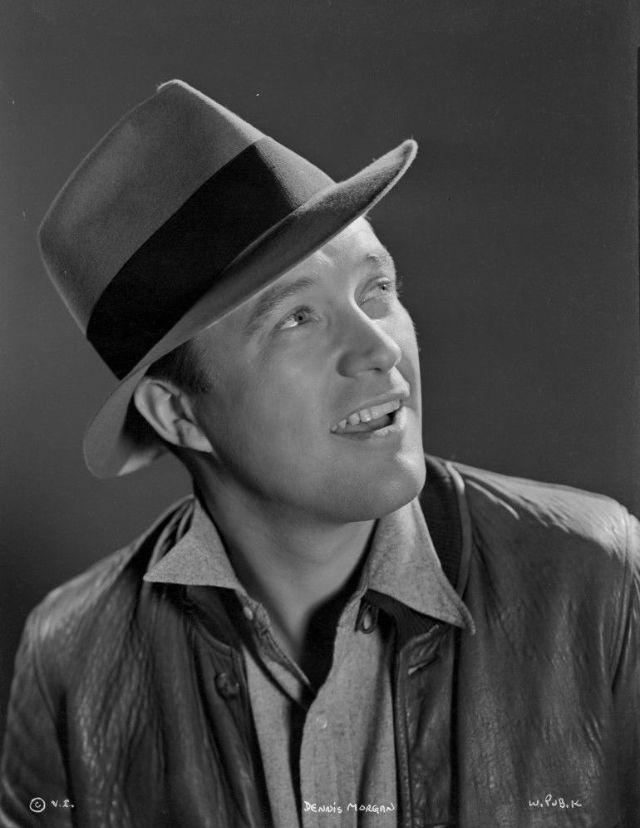
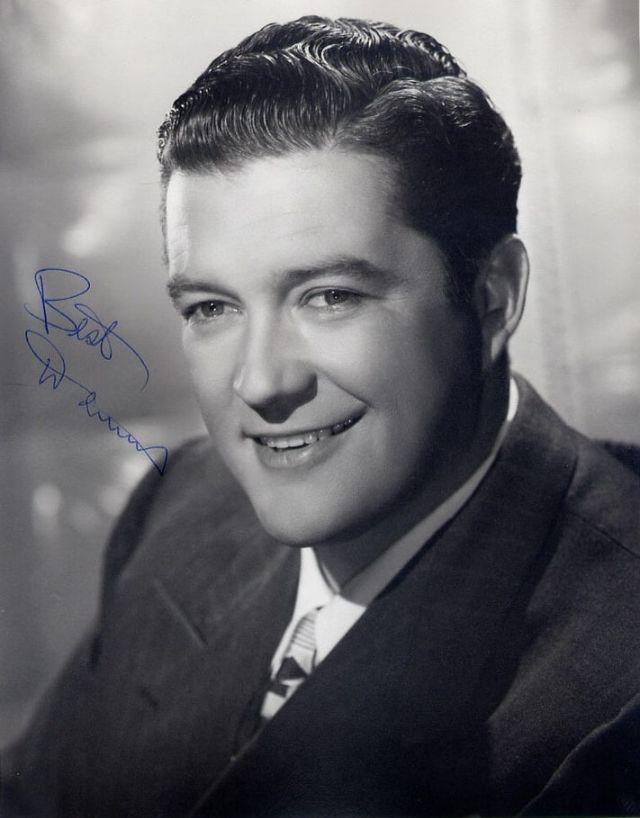
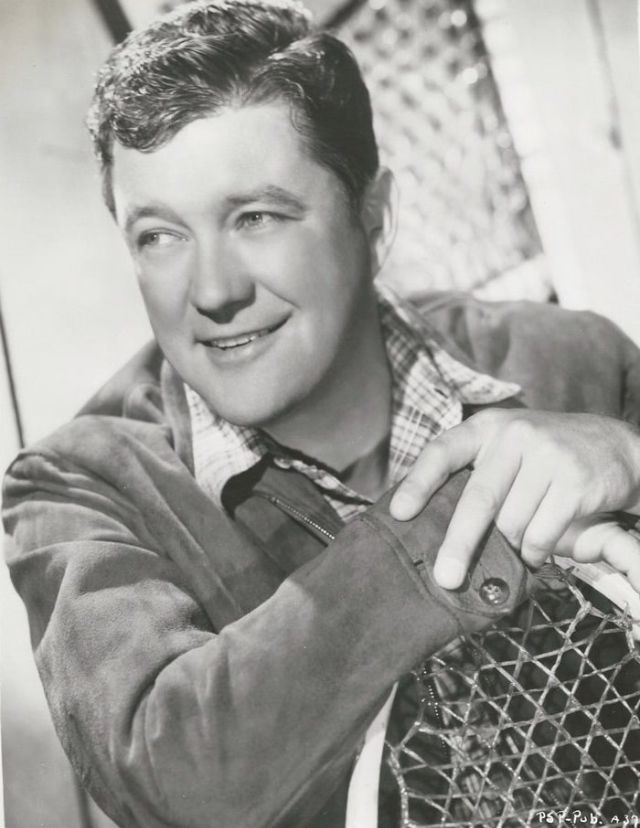
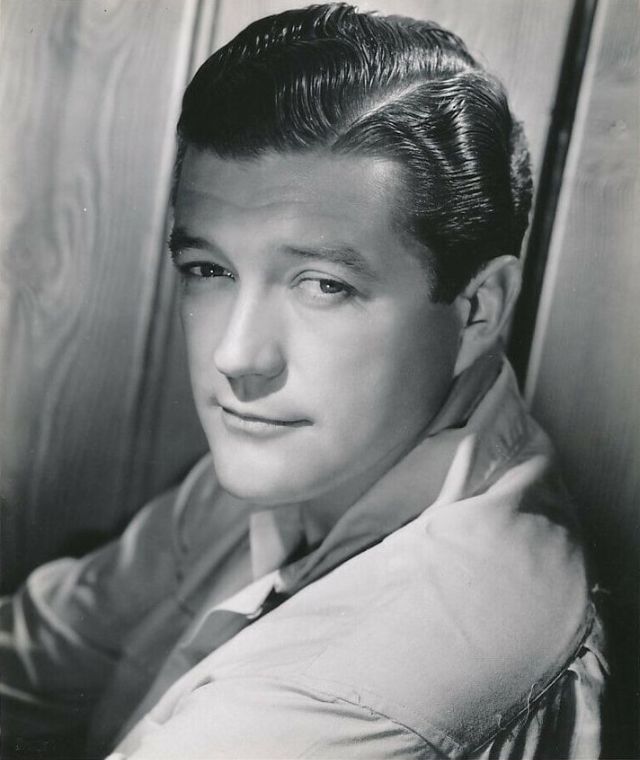
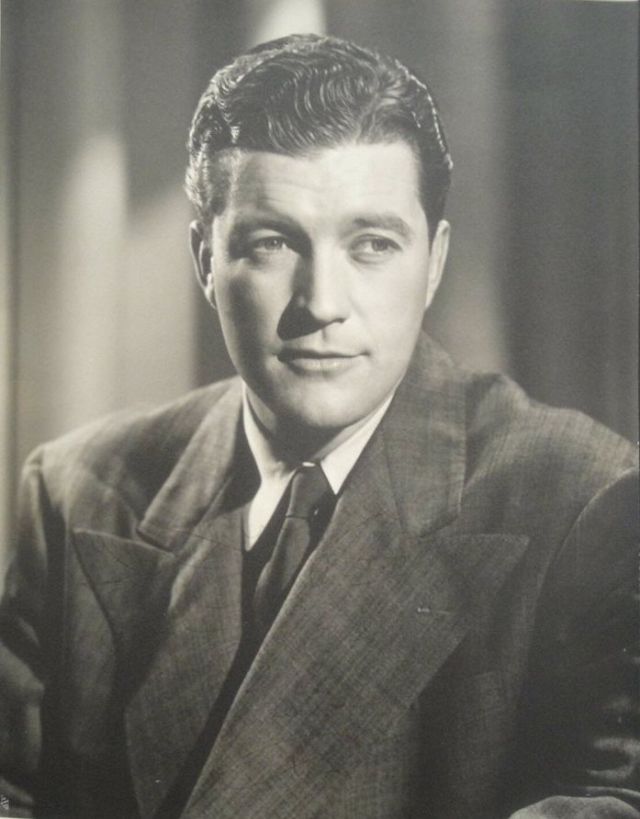
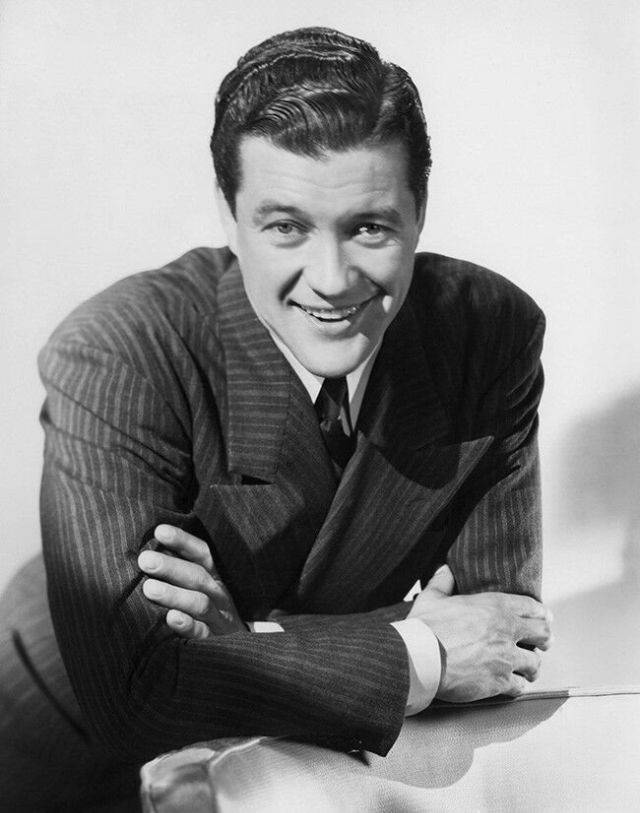
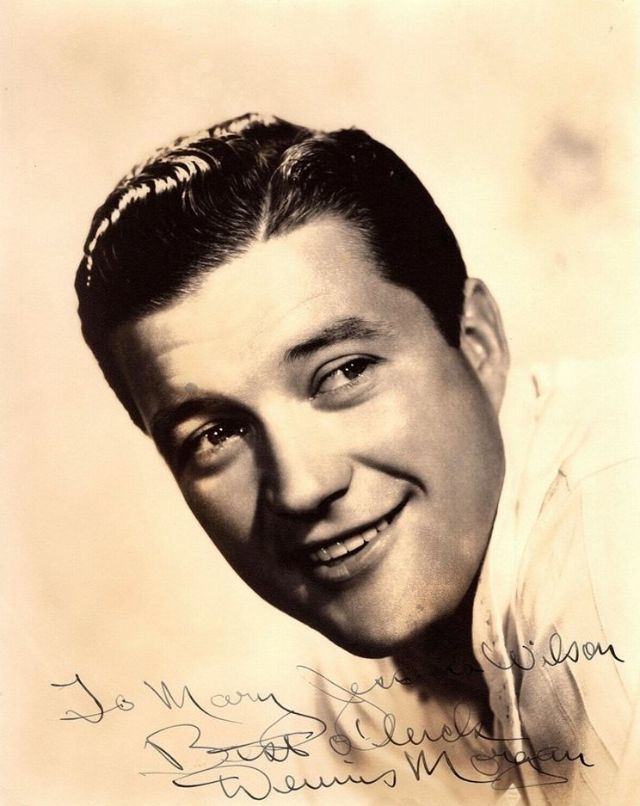
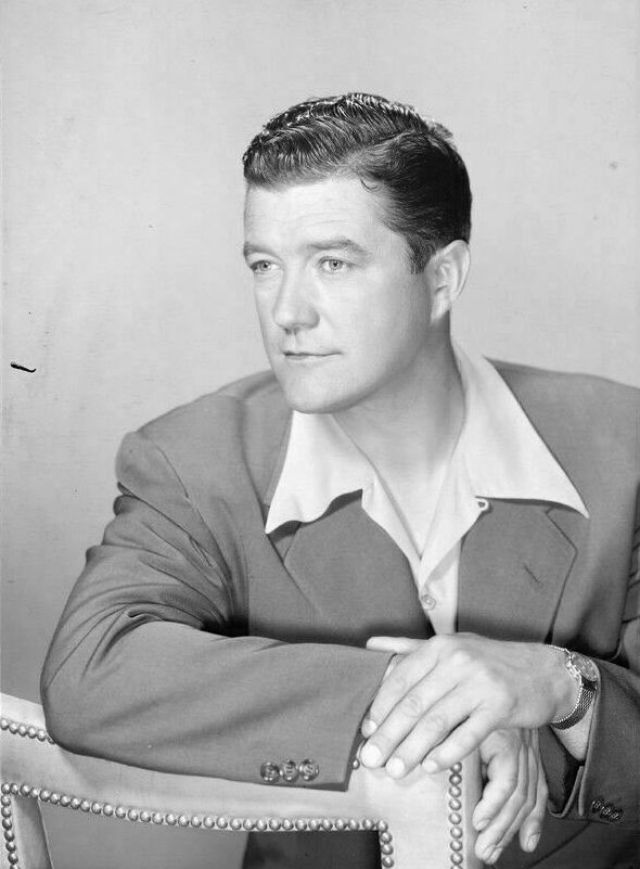
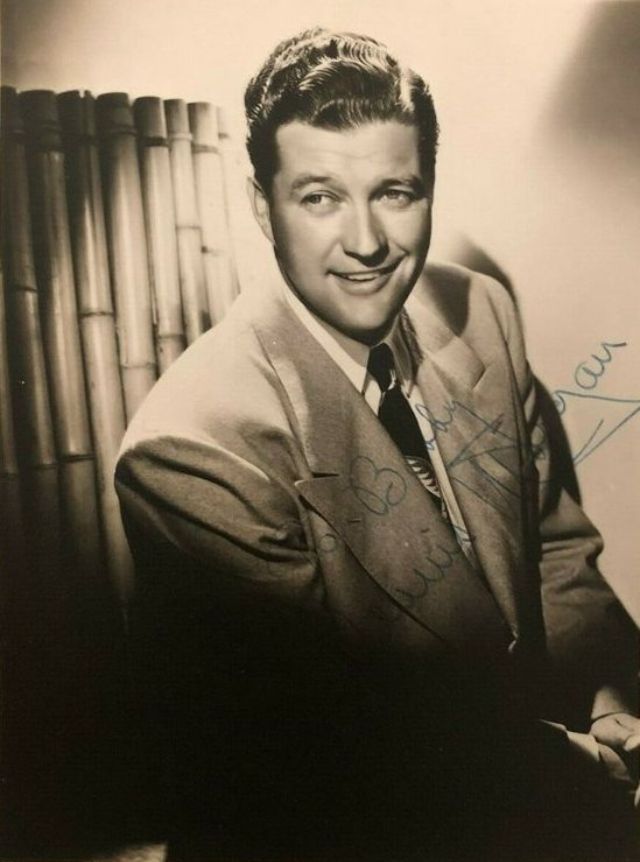
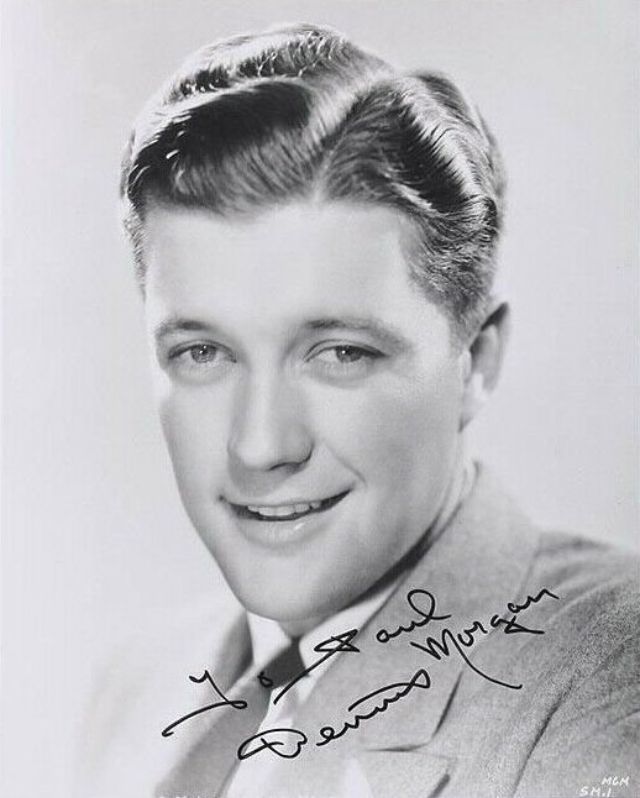
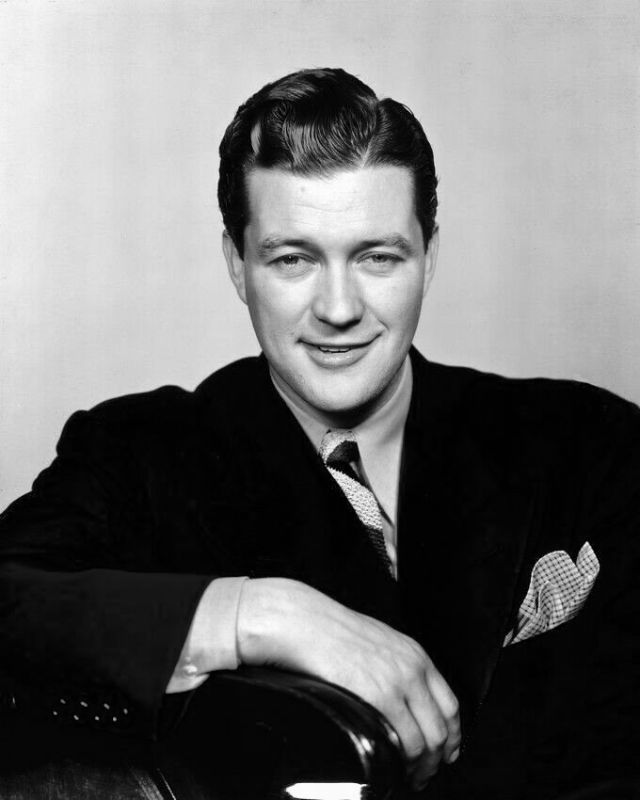
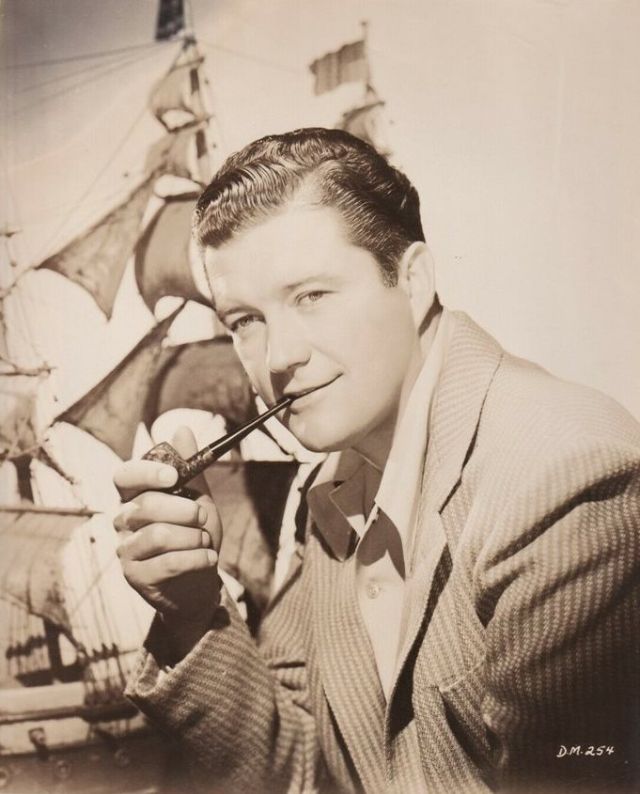
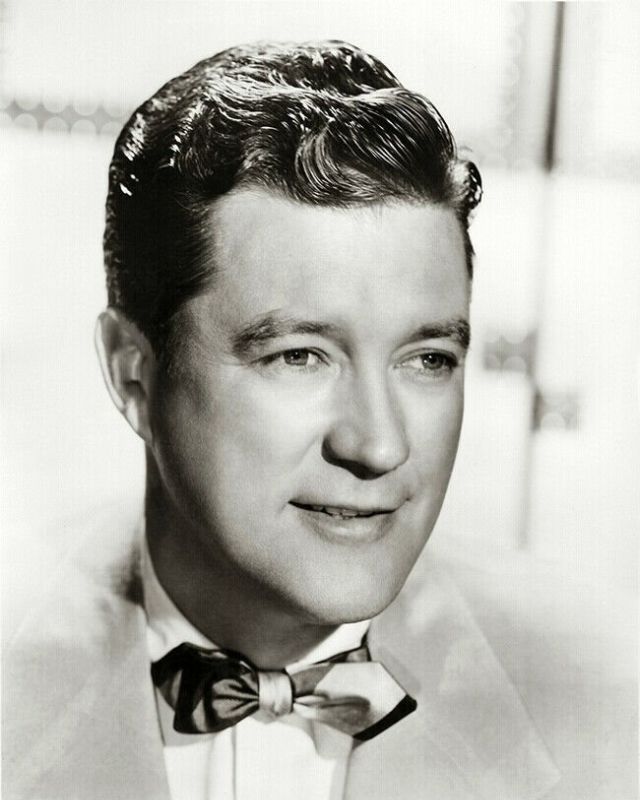
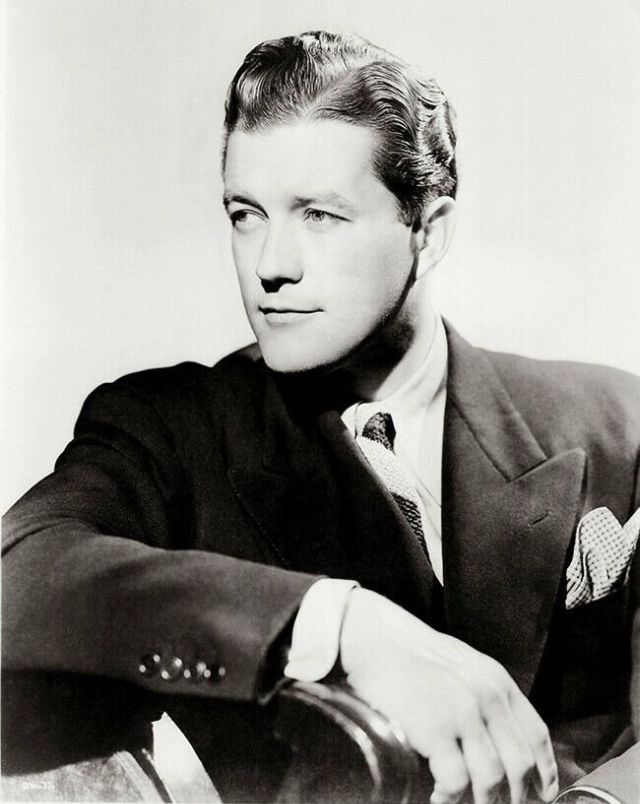
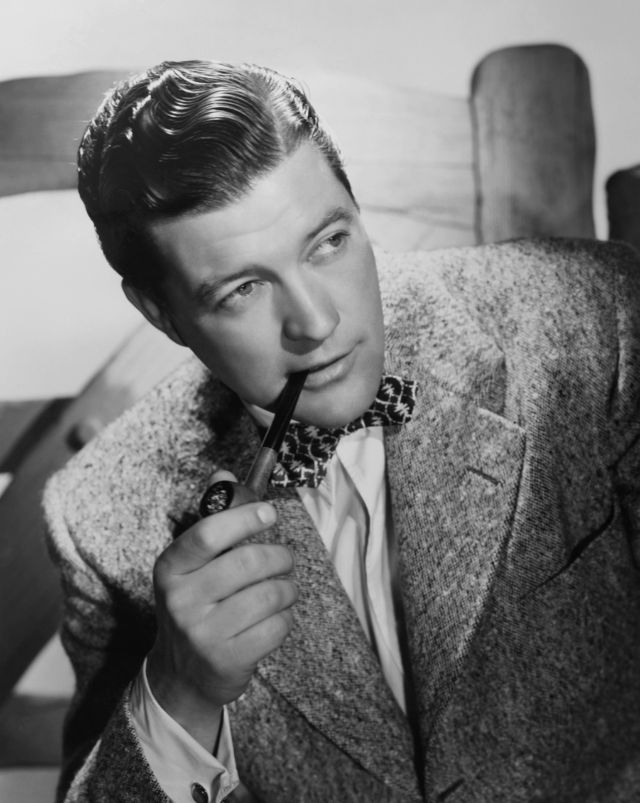
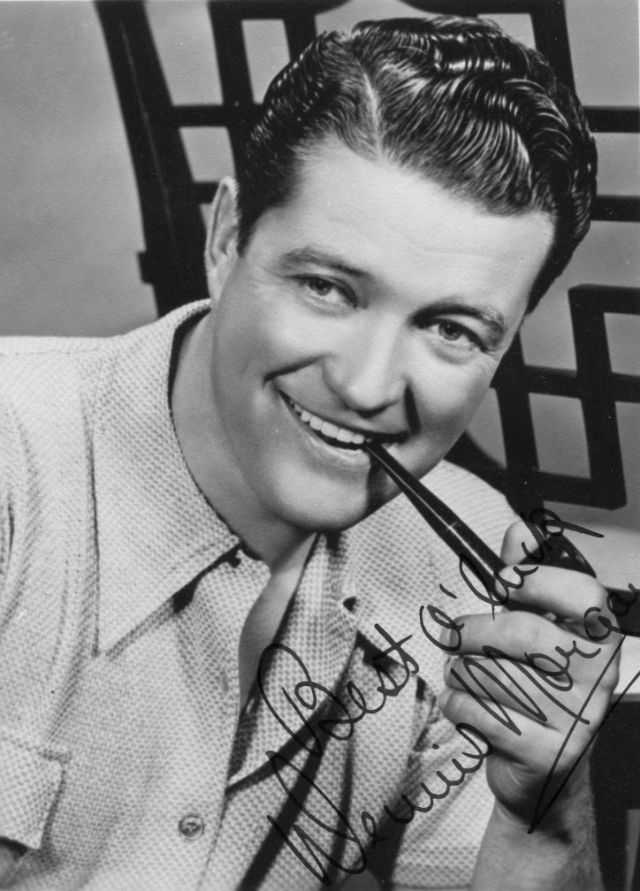
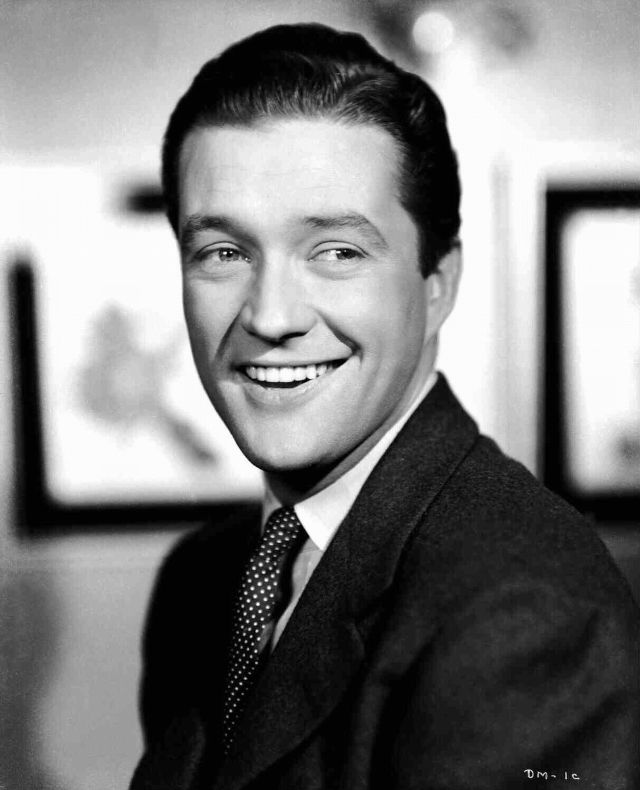
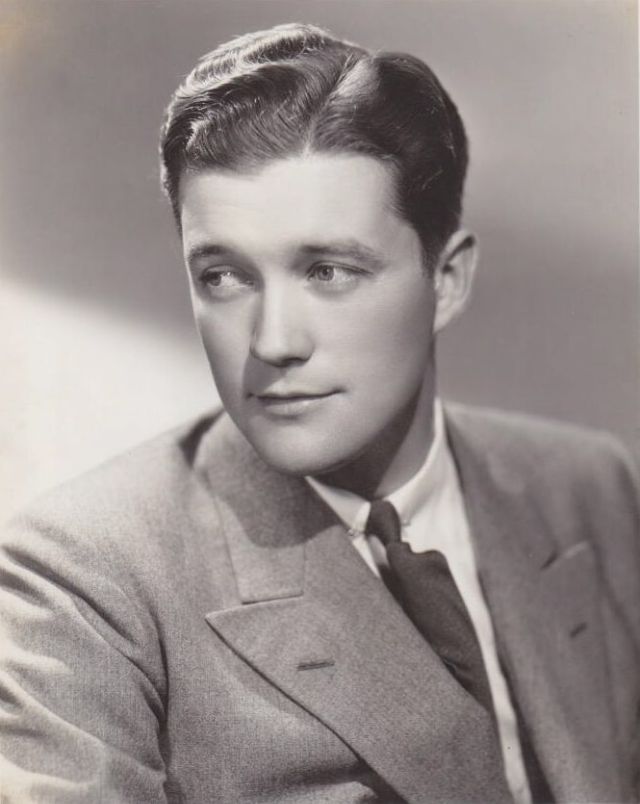
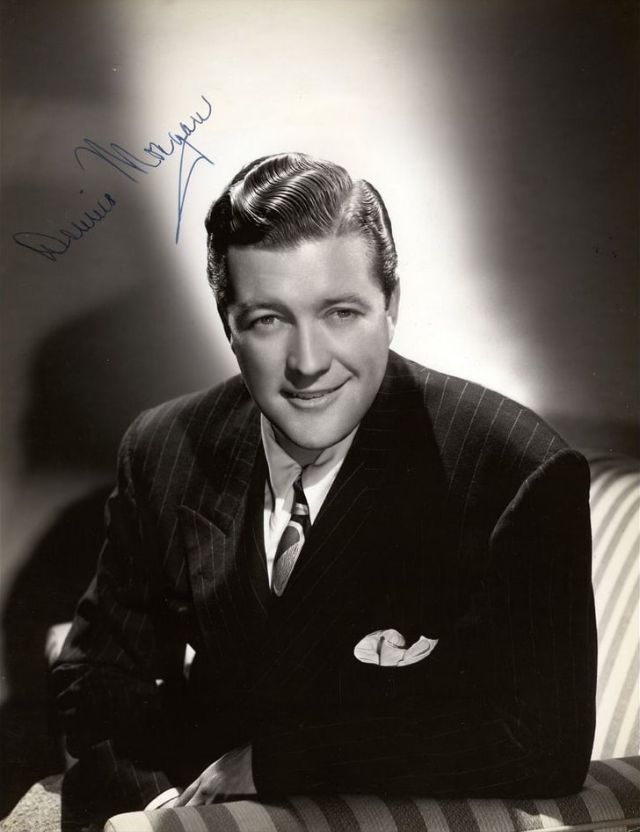
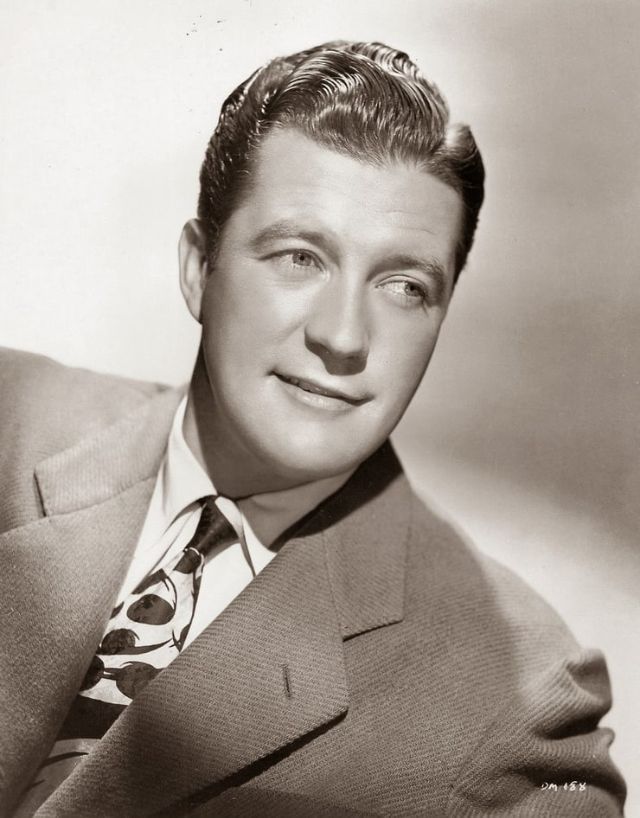
40 Vintage Photos of Actor and Singer Dennis Morgan in the 1930s and 1940s

Born 1908 as Earl Stanley Morner in Prentice, Wisconsin, American actor and singer Dennis Morgan began his career as a radio announcer in Milwaukee and went on to broadcast Green Bay Packers football games. He became a radio singer in Chicago.

Morgan used the acting pseudonym Richard Stanley before adopting the name under which he gained his greatest fame. According to one obituary, he was “a twinkly-eyed handsome charmer with a shy smile and a pleasant tenor voice in carefree and inconsequential Warner Bros musicals of the forties, accompanied by Jack Carson.” Another said, “for all his undoubted star potential, Morgan was perhaps cast once too often as the likeable, clean-cut, easy-going but essentially uncharismatic young man who typically loses his girl to someone more sexually magnetic.” David Shipman said he “was comfortable, good-looking, well-mannered: the antithesis of the gritty Bogart.”

In 1983, Dennis Morgan, along with his film pal, Jack Carson, who had died in 1963, were inducted into the Wisconsin Performing Artists Hall of Fame. That year he was critically injured in a car crash. He died in 1994 of respiratory failure.

Take a look at these vintage photos to see portraits of a young and handsome Dennis Morgan in the 1930s and 1940s.
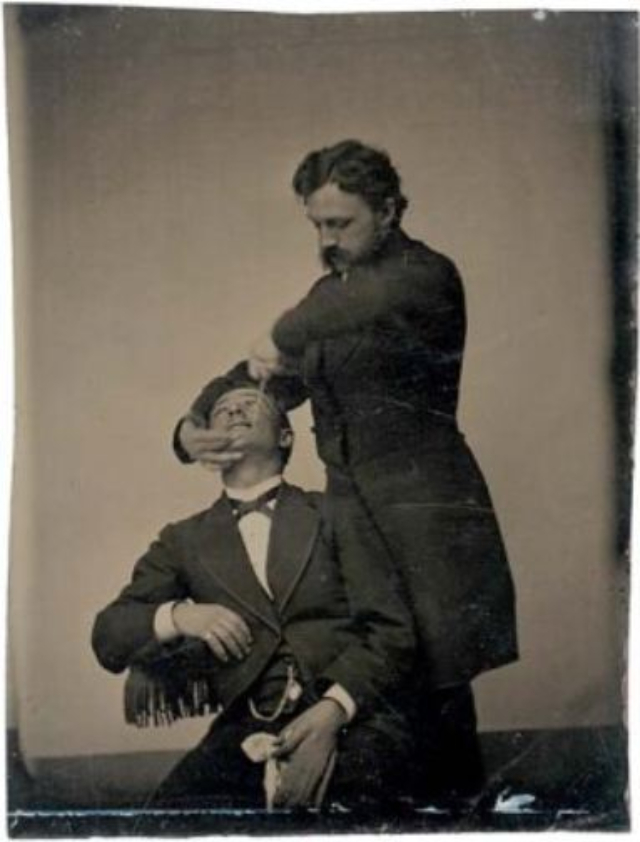
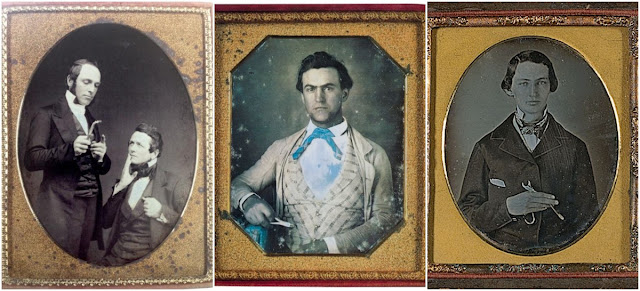
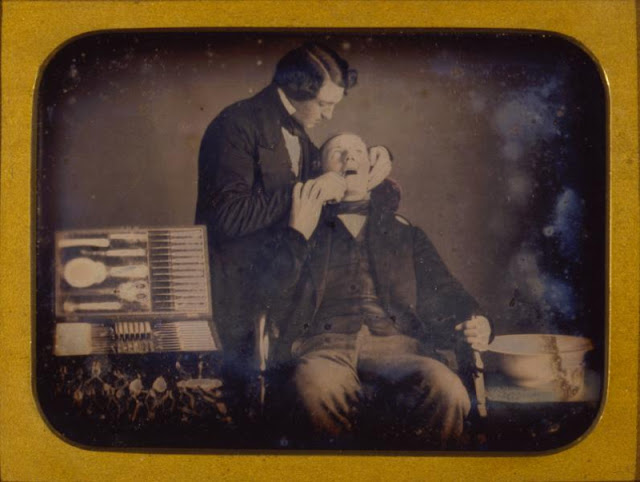
Amazing Historical Photographs of Dentists From the 19th Century

Subscribe to get access

Read more of this content when you subscribe today.

Dentistry has come a long way since the gory days of teeth extraction in the 19th century.

The 19th century saw the rise of dentistry as a distinct profession, with its own practitioners, techniques, and standards. The emphasis of dental care shifted from simply removing painful teeth to trying to avoid extractions by filling cavities. By the end of the century, preventive dentistry sought ways to keep the cavities from developing in the first place. 19th century dentists were the first professionals to use anesthetic drugs, a development that made modern surgery possible.
In the early nineteenth century, the euphoria-inducing properties of substances such as nitrous oxide, or “laughing gas” and ether, were known, but used only for entertainment at “ether frolics” and sideshows. Ether, being a more powerful agent with which deep unconsciousness could be induced, became the surgical anesthetic of choice for many years, while nitrous oxide became standard in dentistry.

At the very end of the century, the invention of radiography allowed dentists to see inside patients’ teeth and diagnose cavities before they caused major damage. New knowledge in microbiology also provided understanding of the bacteria that cause tooth decay. These bacteria digest the sugars and starches on the teeth, producing acids and causing the enamel to deteriorate. Once this happens, other bacteria can penetrate deeper into the tooth. Armed with this information, dentists began seeking to prevent the decay process by encouraging better dental hygiene practices and developing new tooth powders and pastes.

Subscribe to continue reading

Become a paid subscriber to get access to the rest of this post and other exclusive content.

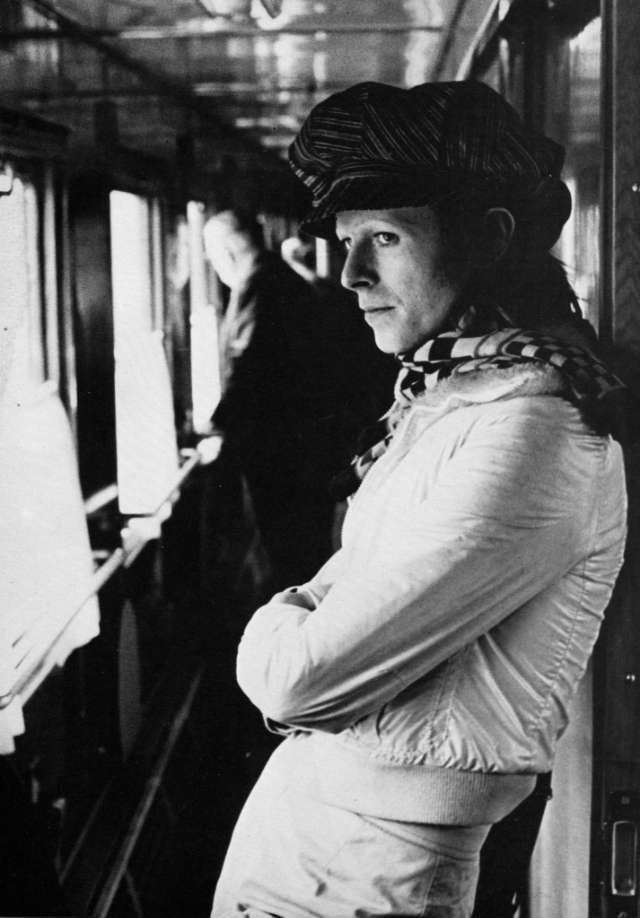
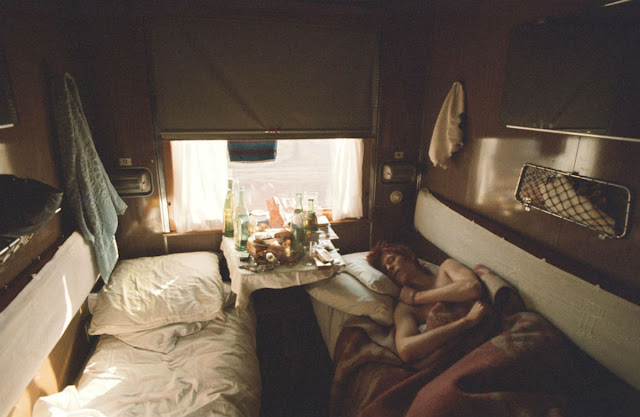
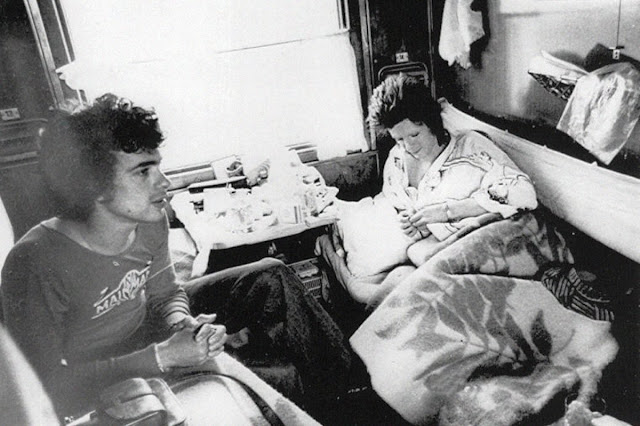
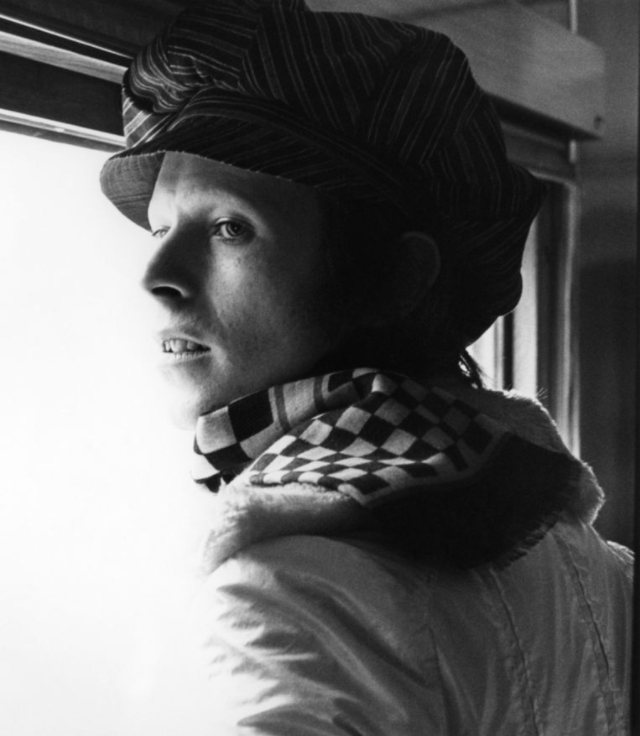
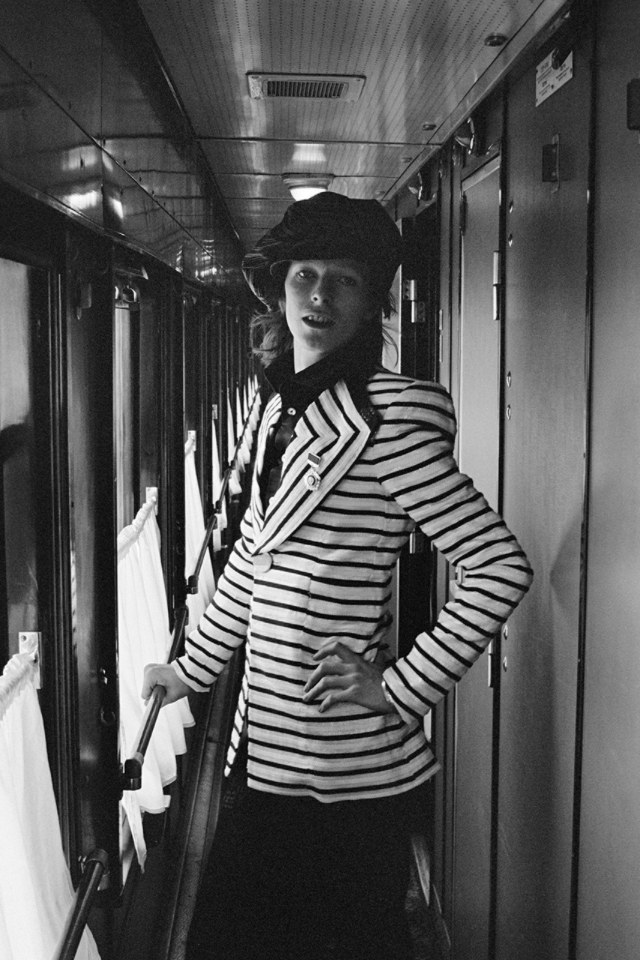
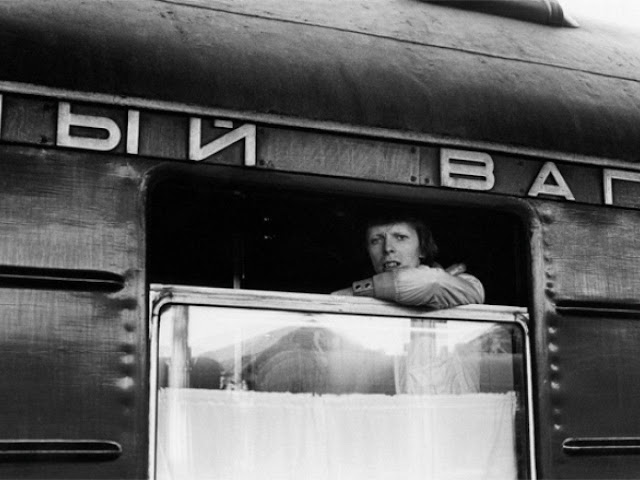
David Bowie Traveling the Trans-Siberian Railway From Vladivostok to Moscow, April 1973

In 1973, David Bowie traveled to the Soviet Union after finishing the Japan leg of his Ziggy Stardust tour. Whether it was the Starman’s fear of flying that prompted the adventure, or his desire to see Russia, the always unconventional Bowie took the Trans-Siberian railway from Vladivostok to Moscow with his childhood friend and backup singer Geoff MacCormack.

They started by ship. En route from Yokohama to Nakhodka aboard the SS Felix Dzerzhinsky, Bowie performed an impromptu gig which reportedly included Jacques Brel’s Port of Amsterdam while MacCormack played the congas.

Of the week-long rail trip Bowie later wrote like a natural philosopher in teen magazine Mirabelle: “I could never have imagined such expanses of unspoilt, natural country without actually seeing it myself, it was like a glimpse into another age, another world, and it made a very strong impression on me. It was strange to be sitting in a train, which is the product of technology — the invention of mankind, and traveling through land so untouched and unspoilt by man and his inventions.”

“I used to sing songs to them, often late at night, when they had finished work. They couldn’t understand a word of English, and so that meant they couldn’t understand a word of my songs!” wrote Bowie in Mirabelle. “But that didn’t seem to worry them at all. They sat with big smiles on their faces, sometimes for hours on end, listening to my music, and at the end of each song they would applaud and cheer!”

Joining the two in Khabarovsk was Robert Muesel, a veteran reporter with UPI, and photographer Lee Childers. Muzel described what happened when Bowie boarded the train.

“A passenger made an entrance that stopped onlookers in their tracks, as he was destined to do at most of the 91 stops to Moscow. He was tall, slender, young, hawkishly handsome with bright red (dyed) hair and dead white skin. He wore platform-soled boots and a shirt glittering with metallic thread under his blue raincoat. He carried a guitar, but two Canadian girls did not need this identifying symbol of the pop artist. ‘David Bowie’ they screeched ecstatically, ‘on our train.’ Bowie turned their spines to jelly with a smile.”

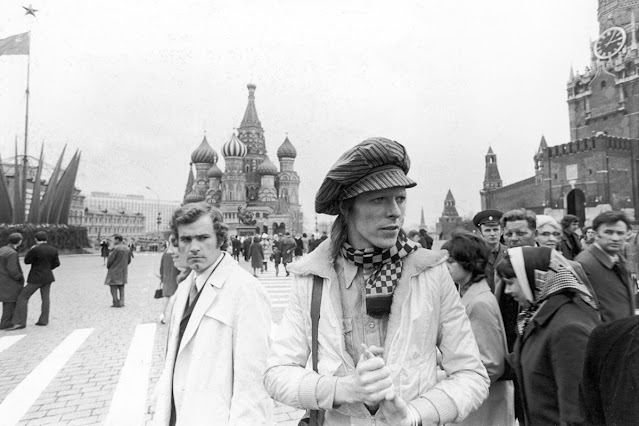
Bowie and MacCormack stayed for three days in Moscow, watching the May Day parade, checking out the GUM department store and visiting the Kremlin. MacCormack would go on to write in his book Station to Station: Travels with Bowie 1973-1976 that Bowie was the “wildest spectacle in the city. Ostensibly in order to slightly deflect attention from his fiery hair, he put on a dazzling yellow jacket with a zipper, a bright yellow scarf, orange pants and shoes with three-inch heels.” Bowie also wore a “feminine large soft cap” to GUM.

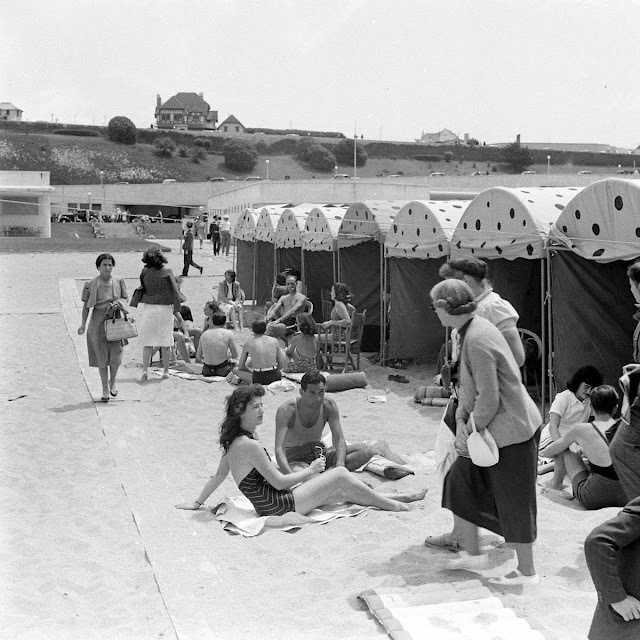
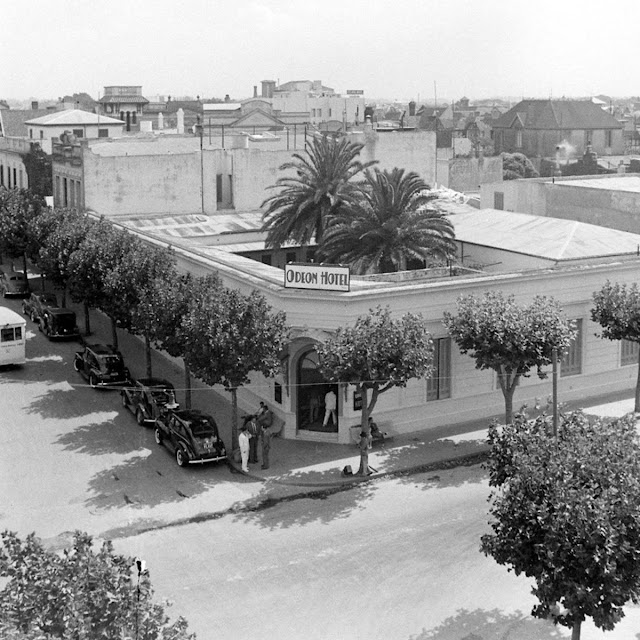
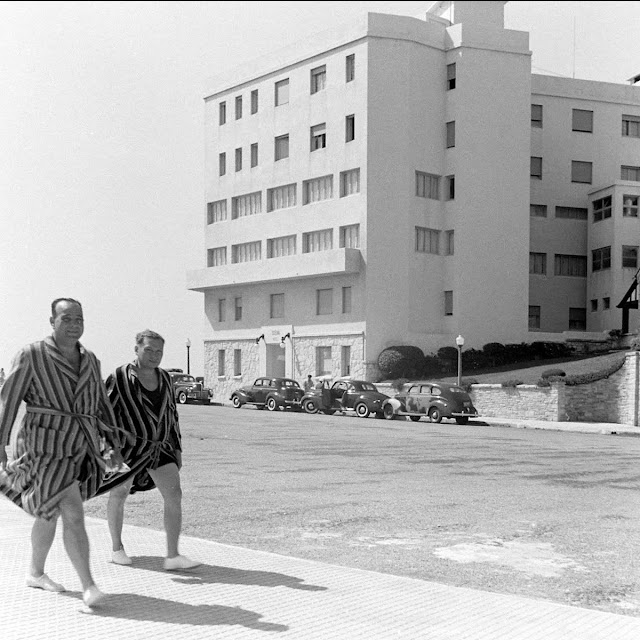
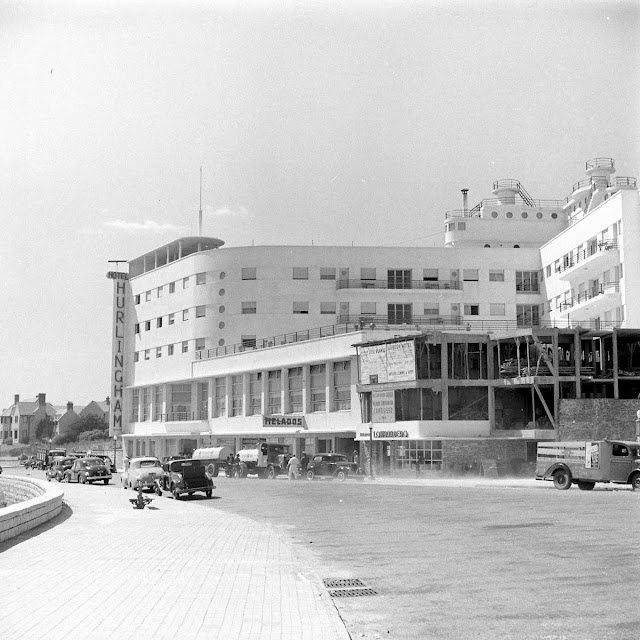
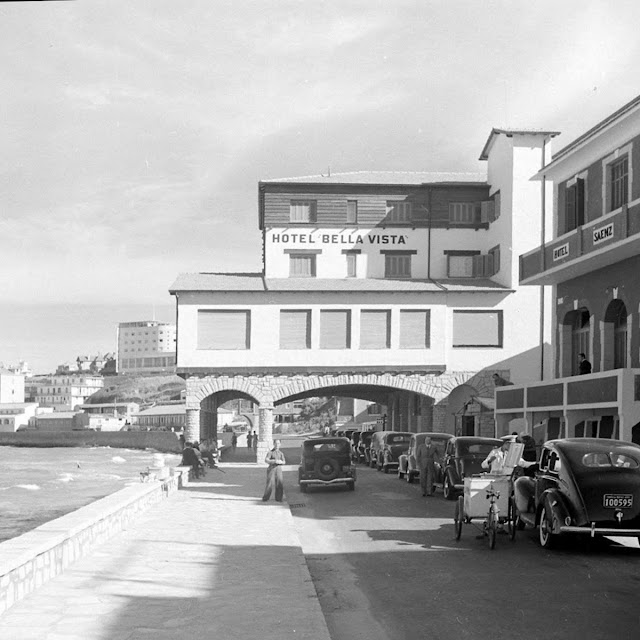
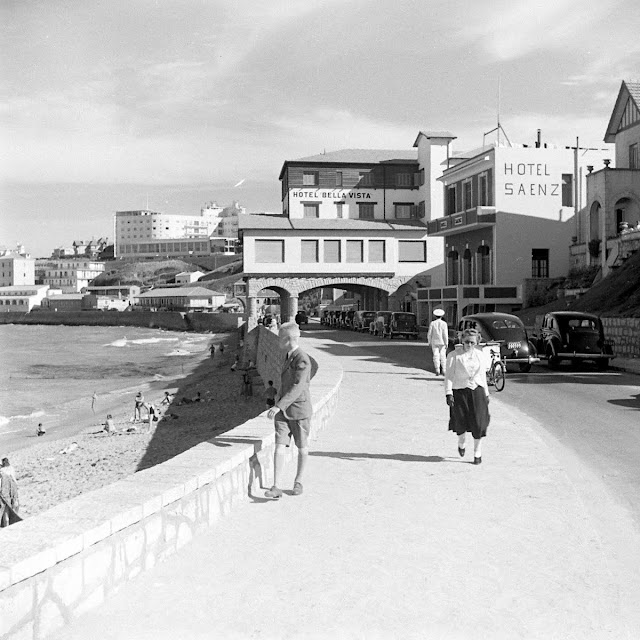
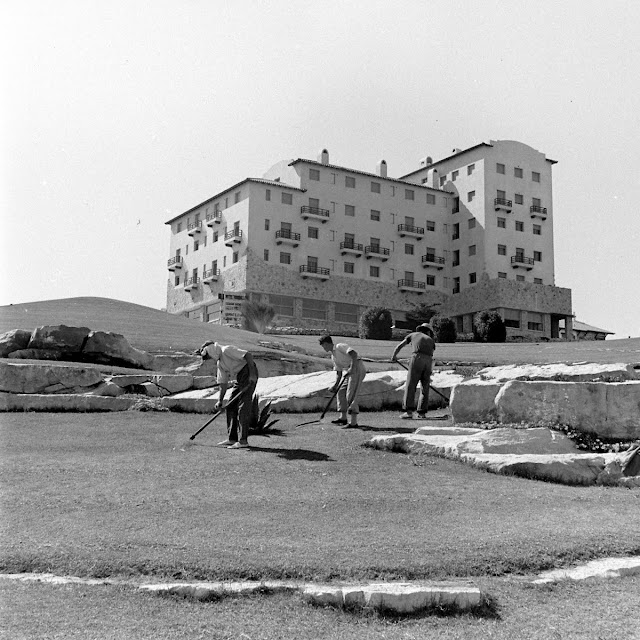
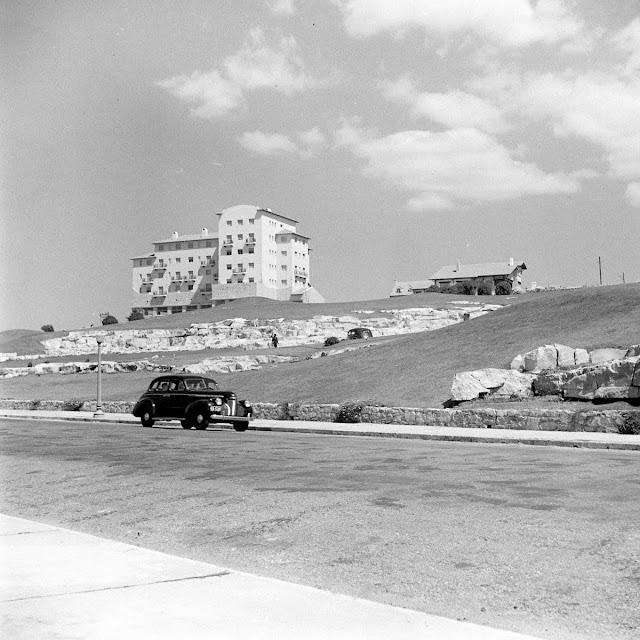
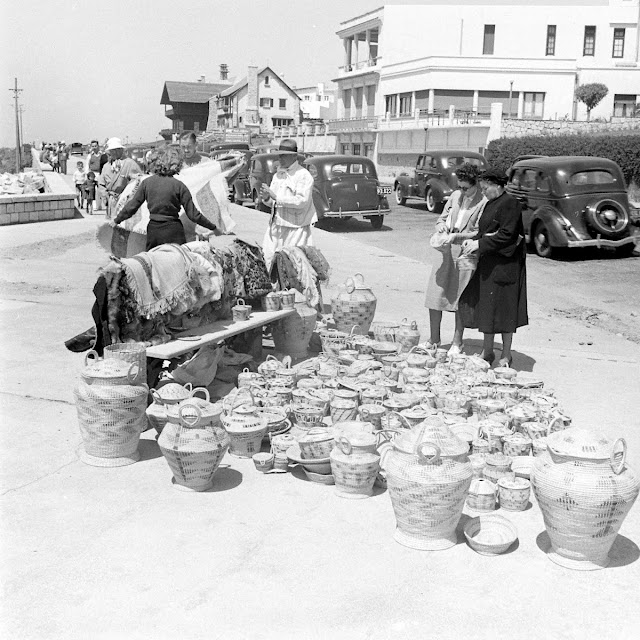
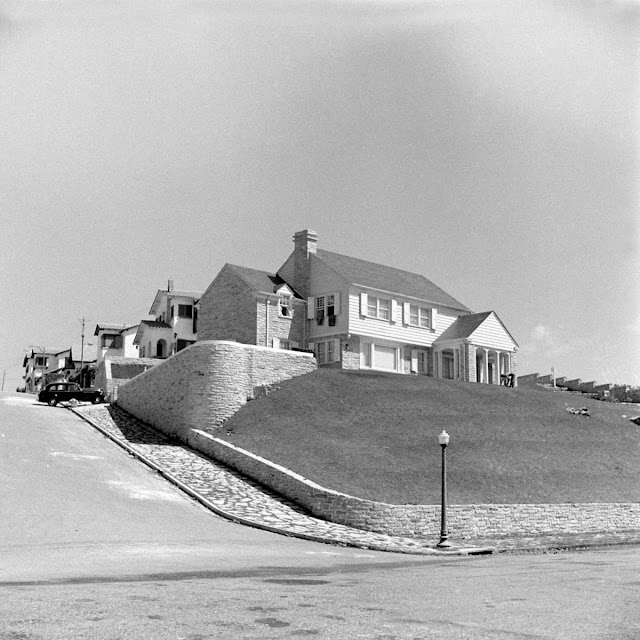
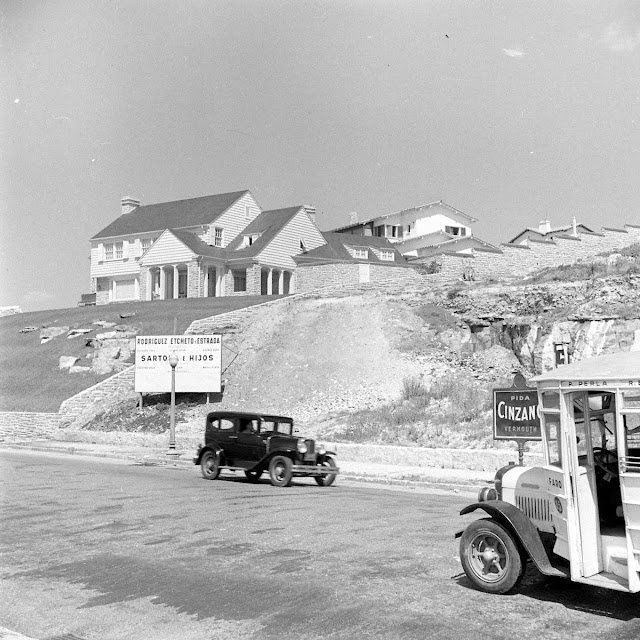
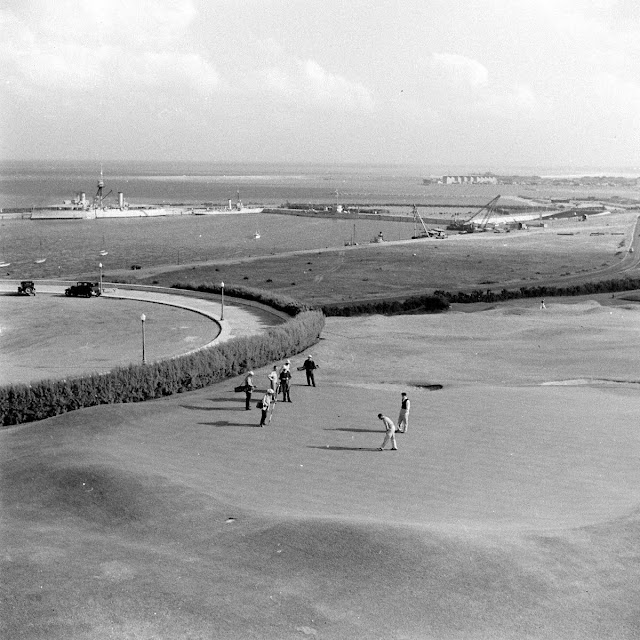
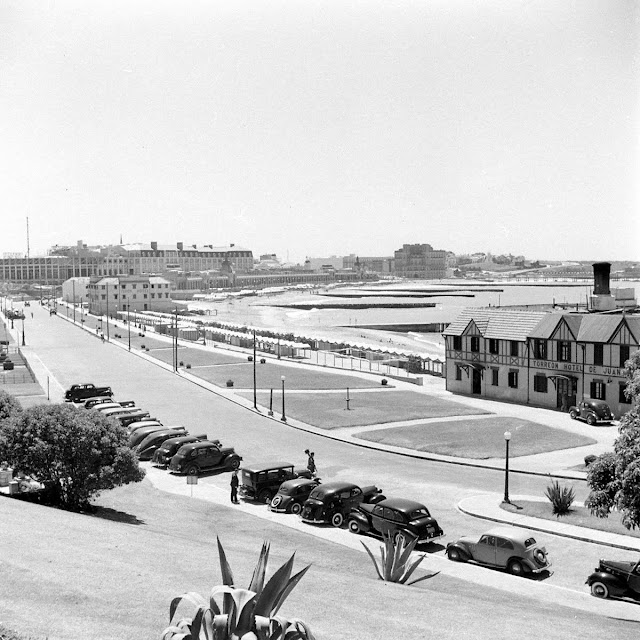
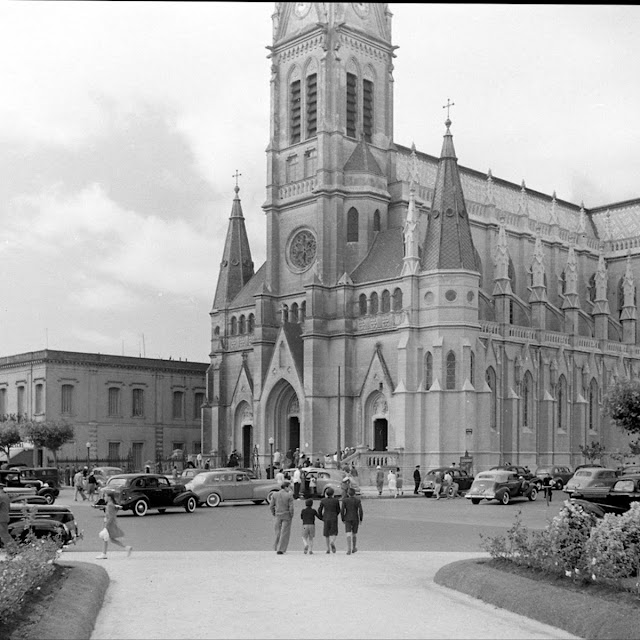
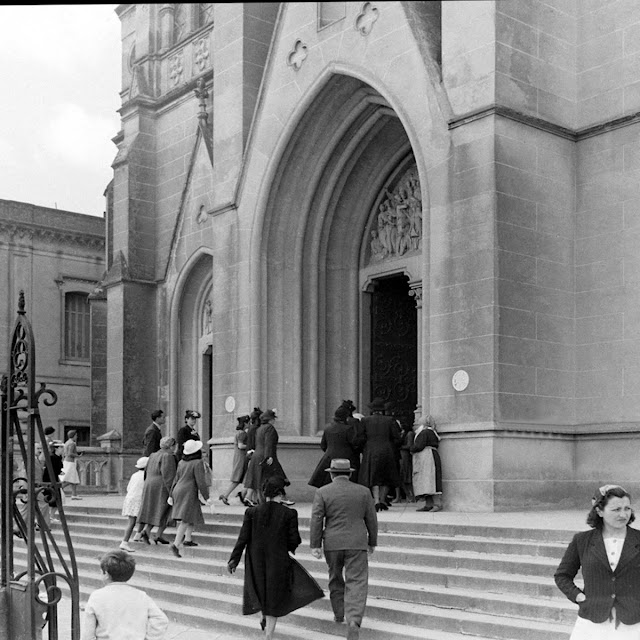
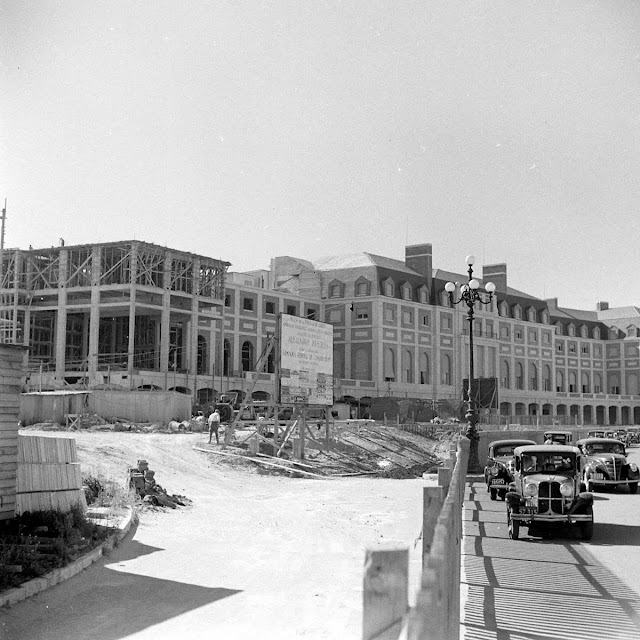
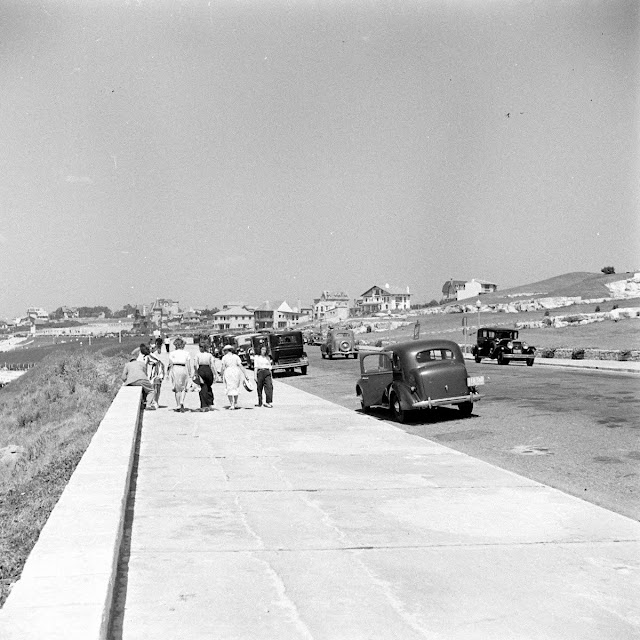
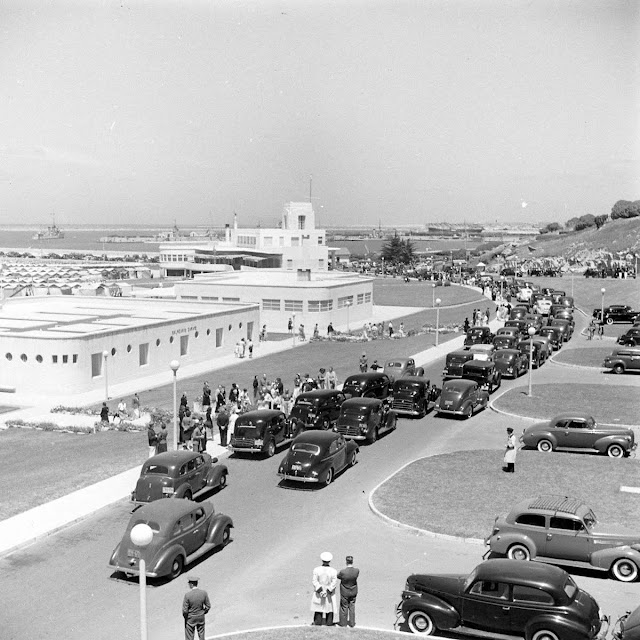
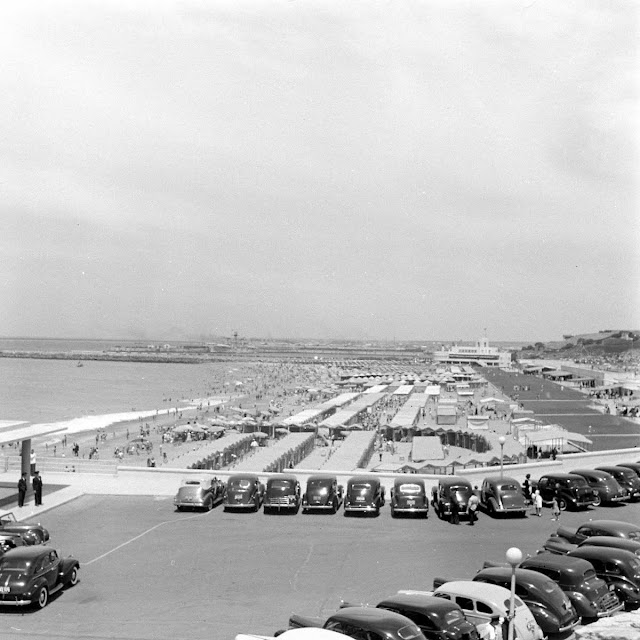
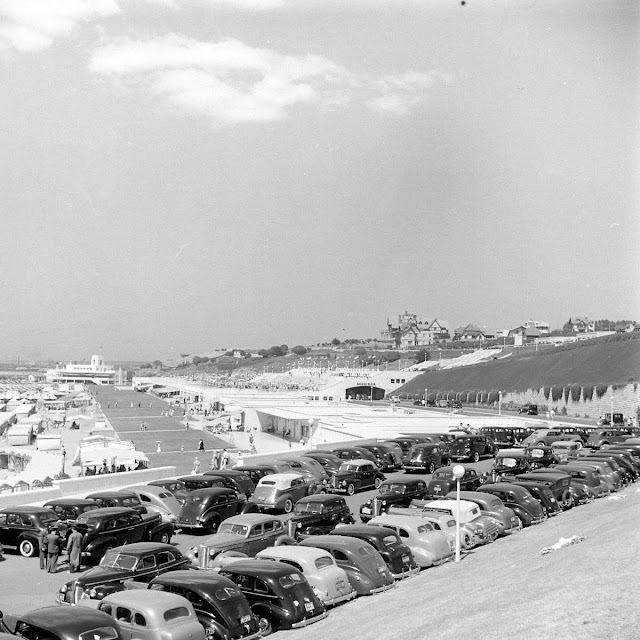
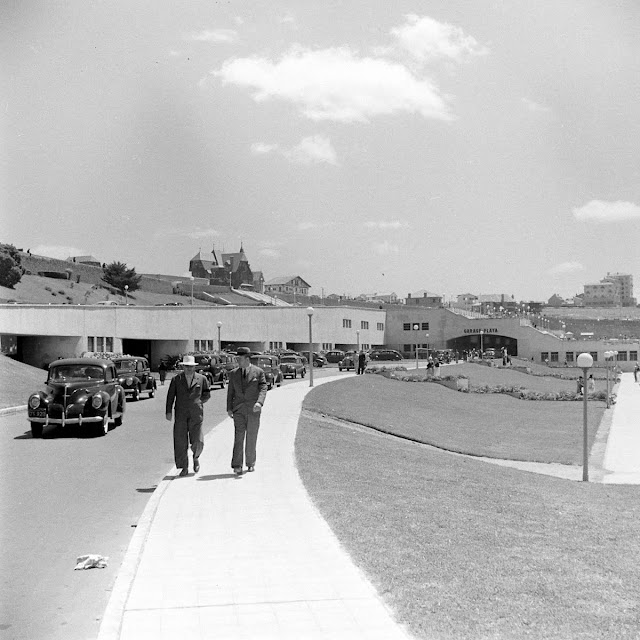
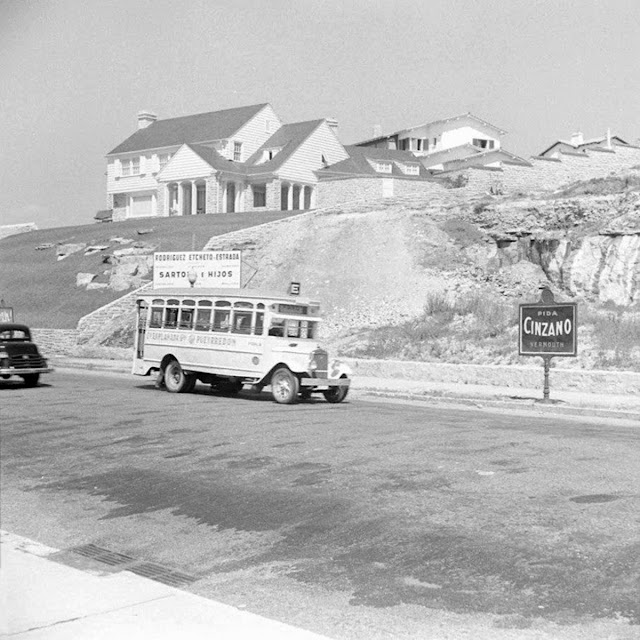
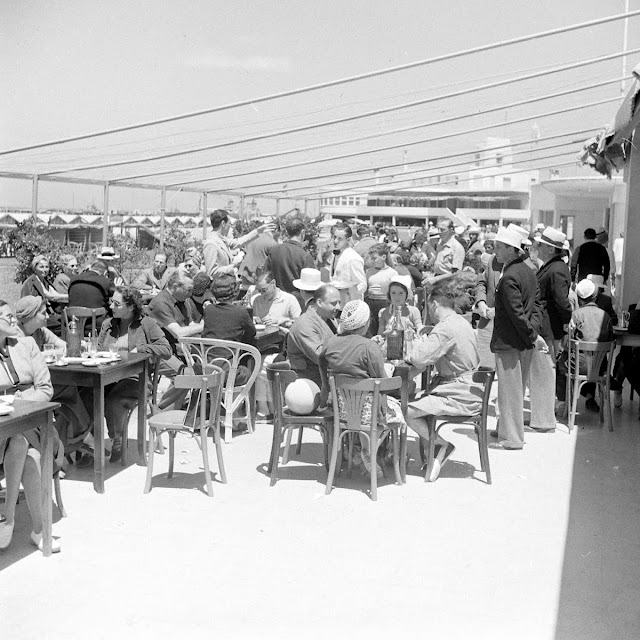
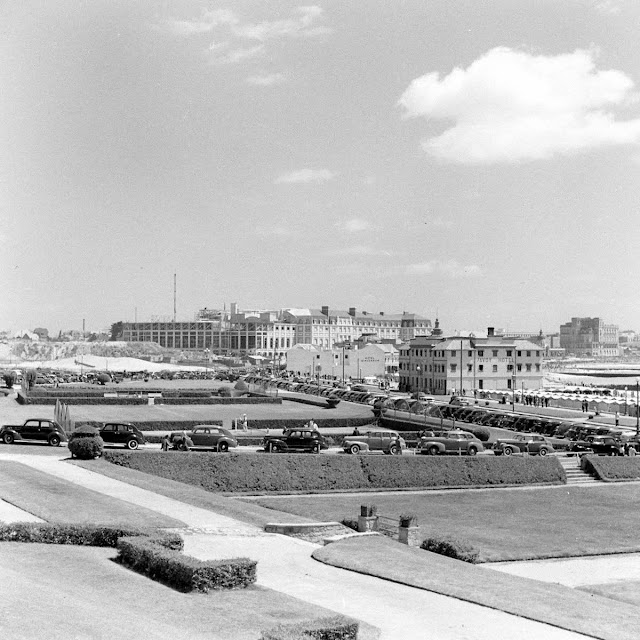
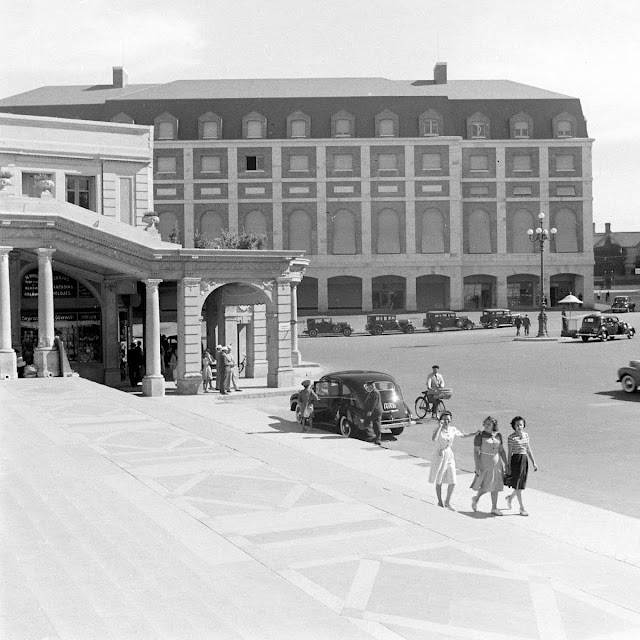
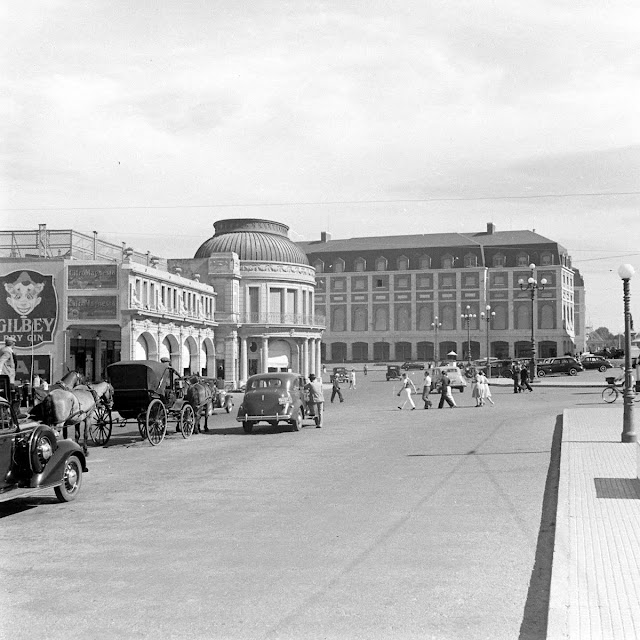
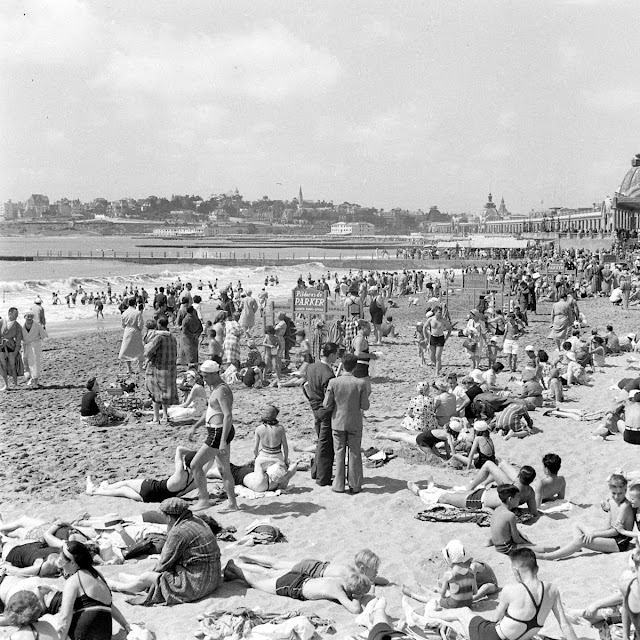
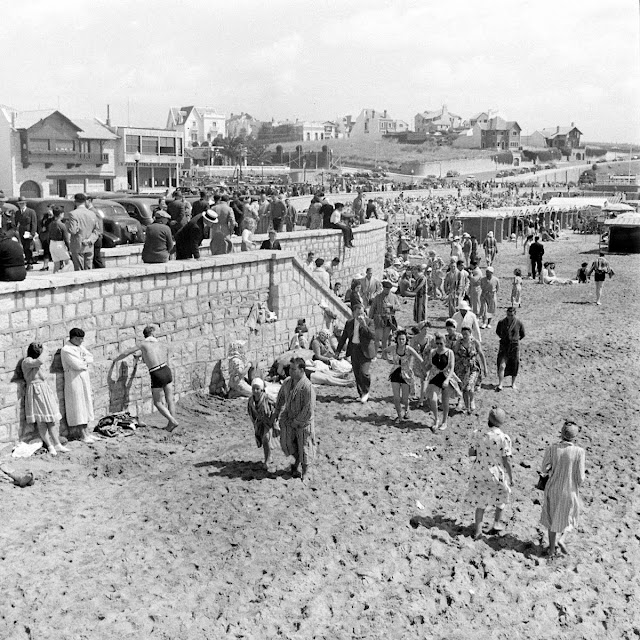
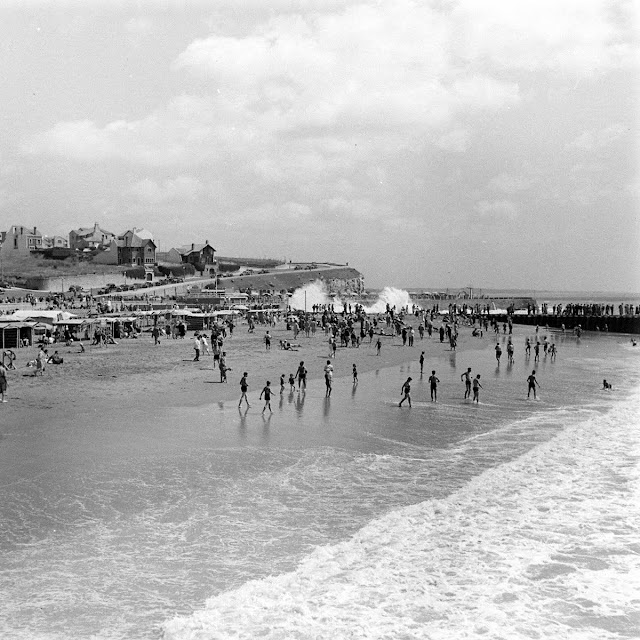
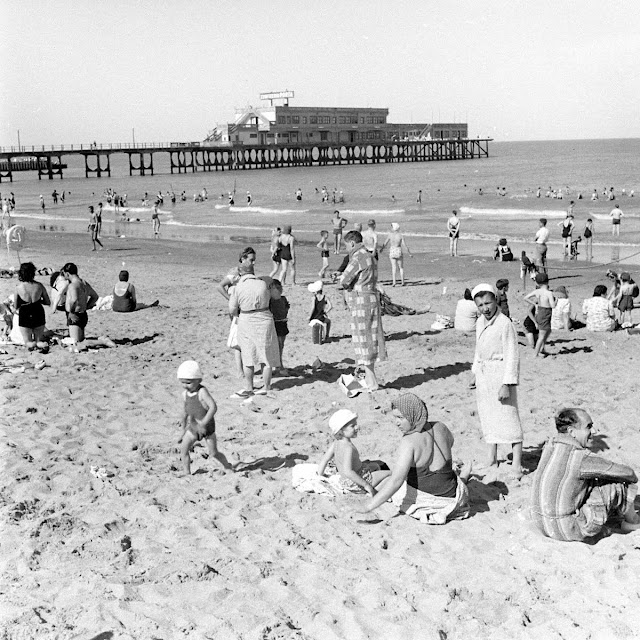
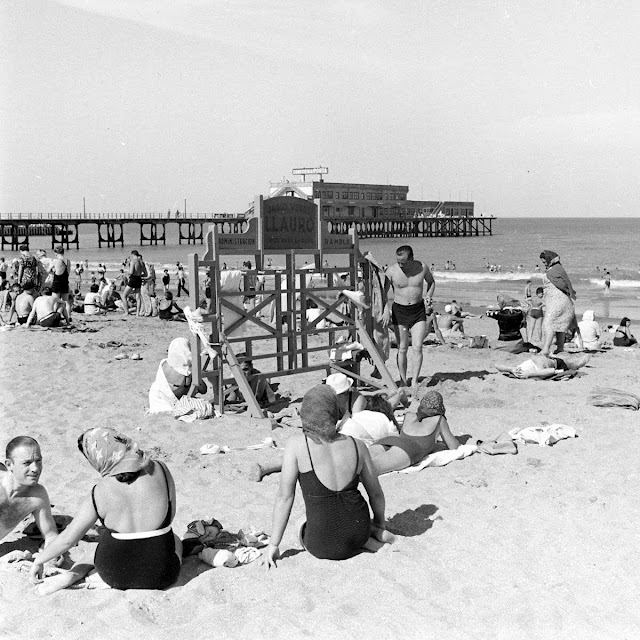
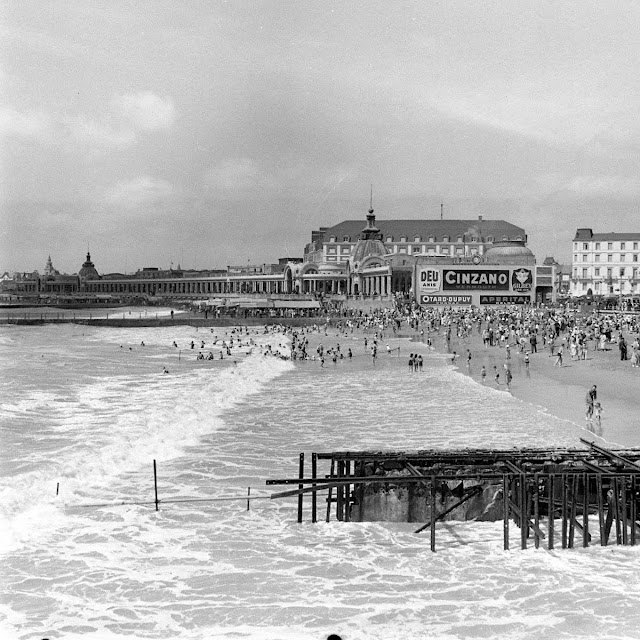
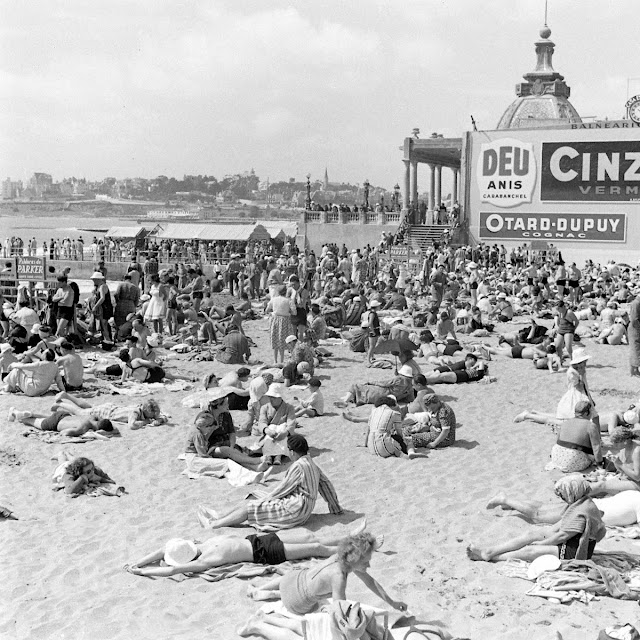
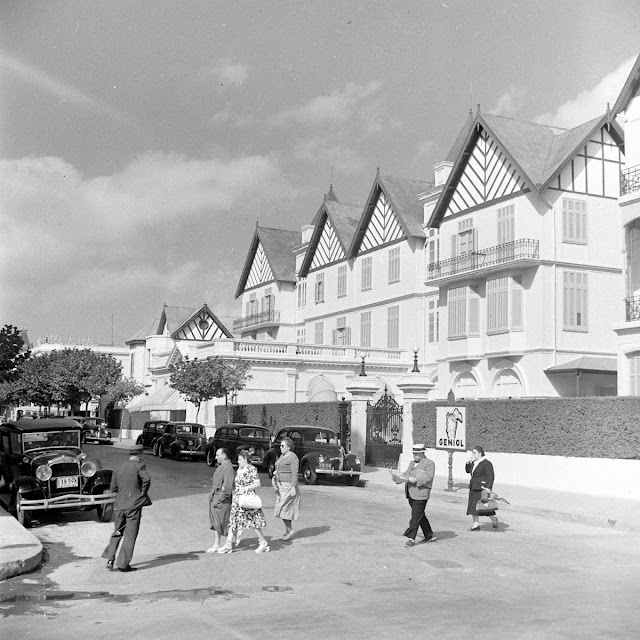
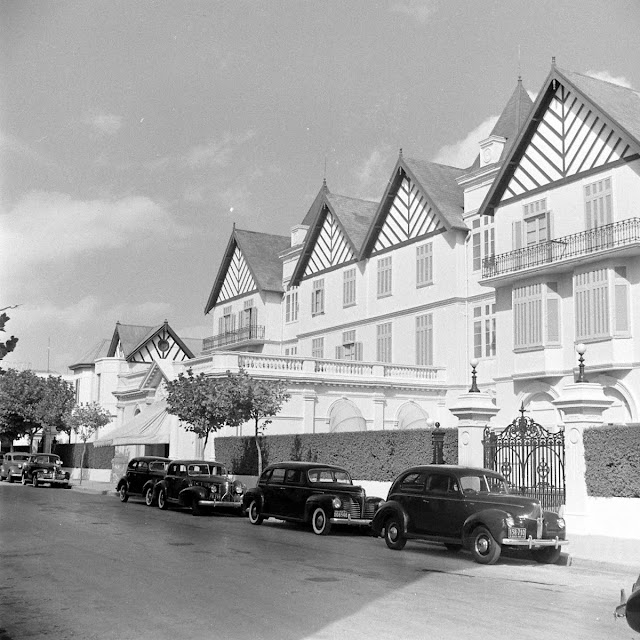
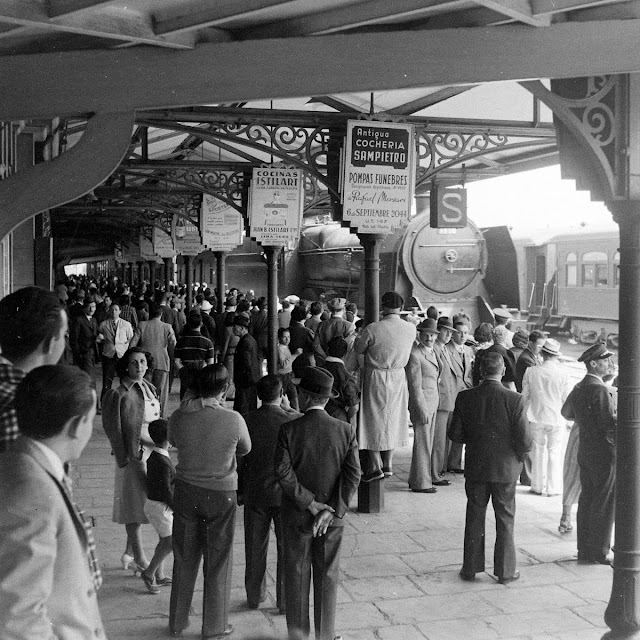
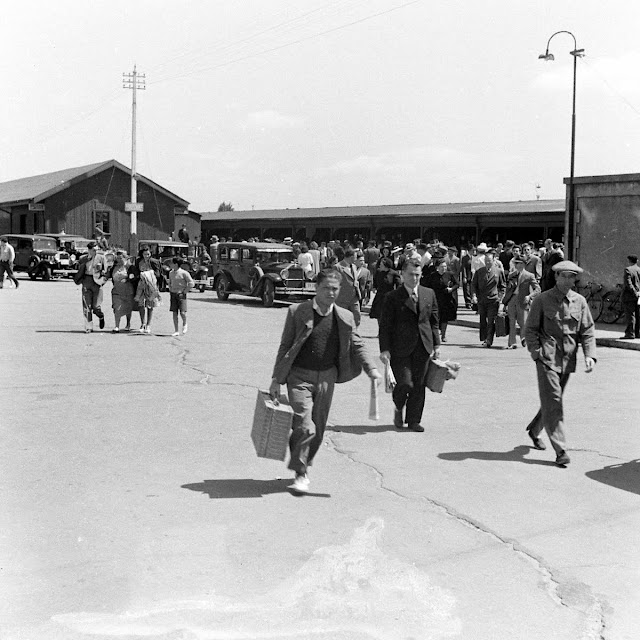
40 Amazing Photographs Capture Daily Life in Mar del Plata, Argentina in 1941

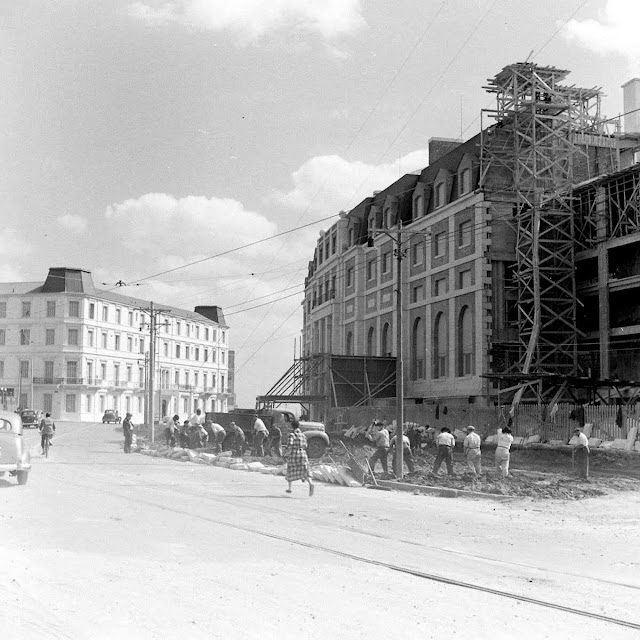
Mar del Plata is the second largest city in Buenos Aires Province, Argentina located on the coast of the Atlantic Ocean. The name “Mar del Plata” is a shortening of “Mar del Rio de la Plata,” and has the meaning of “sea of the Rio de la Plata basin” or “adjoining sea to the (River) Plate region.”

From the 1910s, the residents, mostly new arrived immigrants from Europe, demanded and obtained the control of the Municipality administration. The socialist were the mainstream political force in this period, carrying out social reforms and public investment. The main port was also built and inaugurated in 1916.

The first military coup in Argentina’s history took place on September 6, 1930, restoring the conservative hegemony in all levels of Government, including the local one. Although unpopular and fraudulent, this old new order brought some progress and investment to an ailing country in the climax of the Great Depression. Mass tourism began to arrive in this decade, helped by improved roads, but it took off in the 1940s and 1950s, when the development of union-run hotels under the Perón presidency put the city within the reach of Argentina’s middle and working classes.

These amazing photographs below, taken by LIFE photographer Hart Preston (1910–2009), show what life was like in Mar del Plata in the early 1940s.

(Photos by Hart Preston)

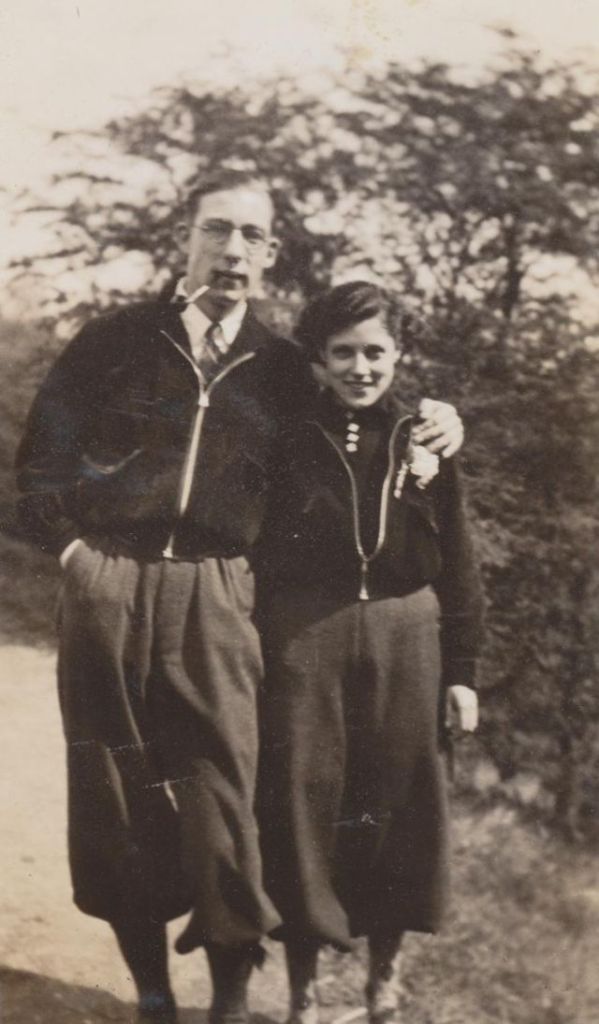
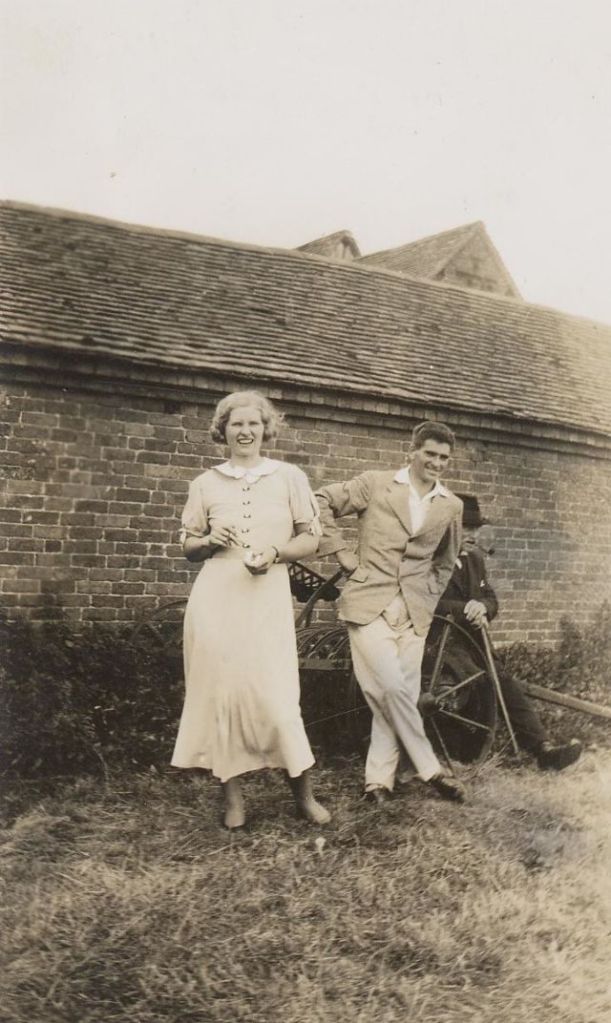
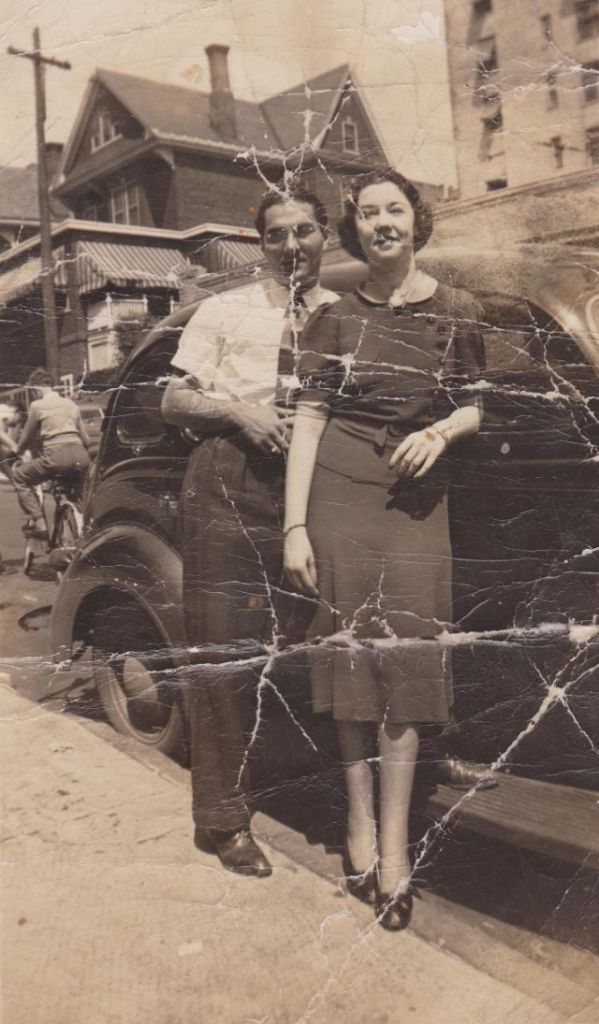
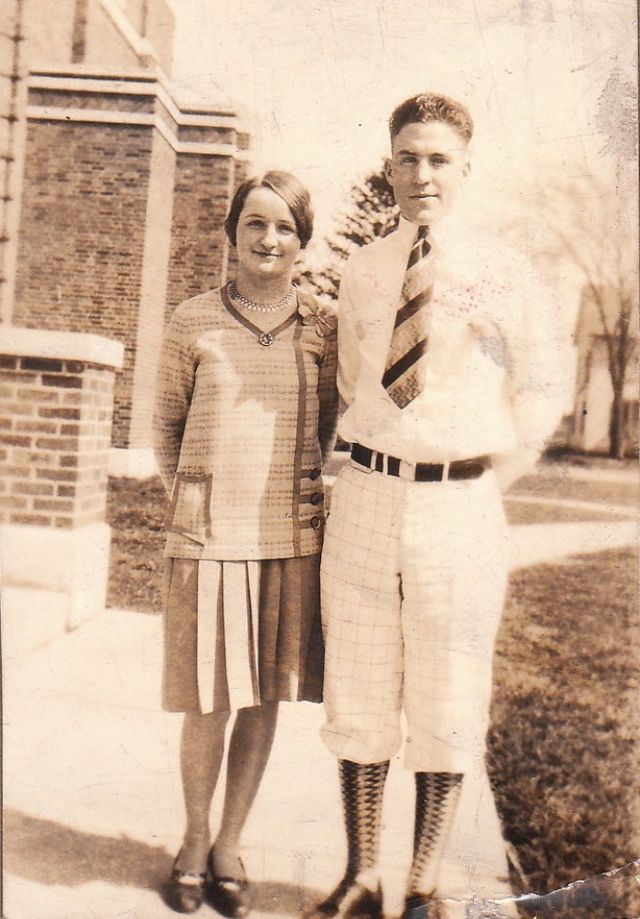
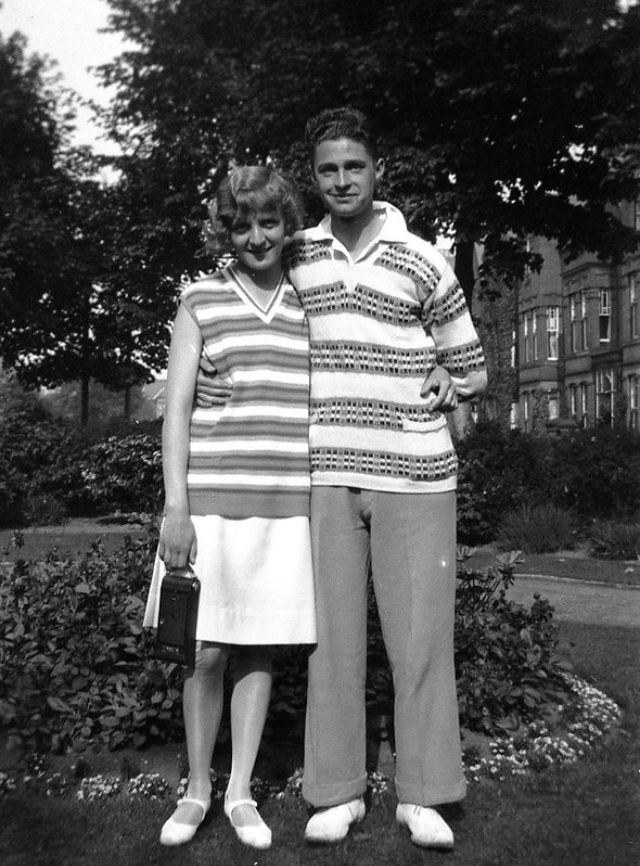
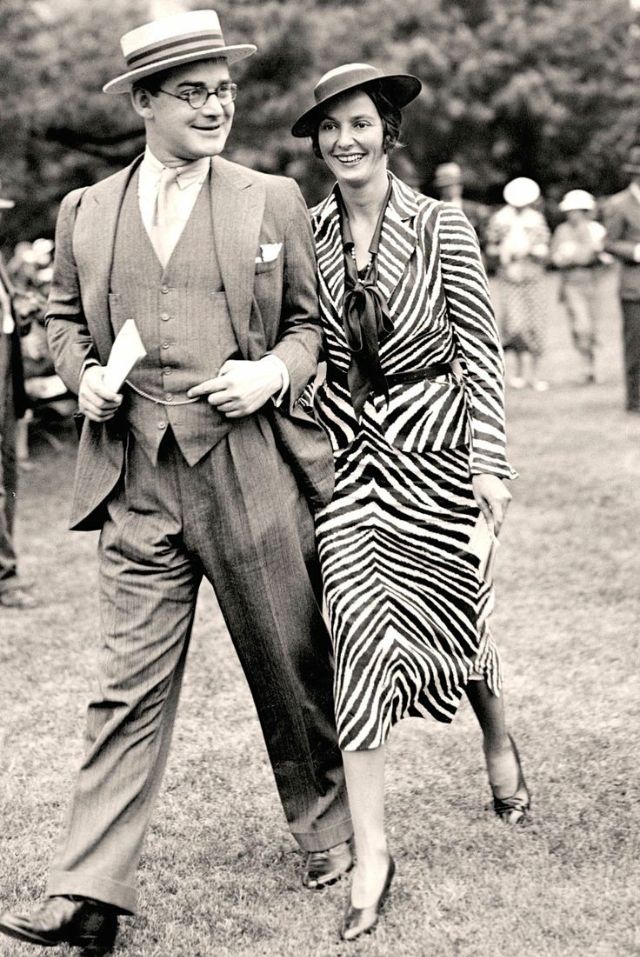
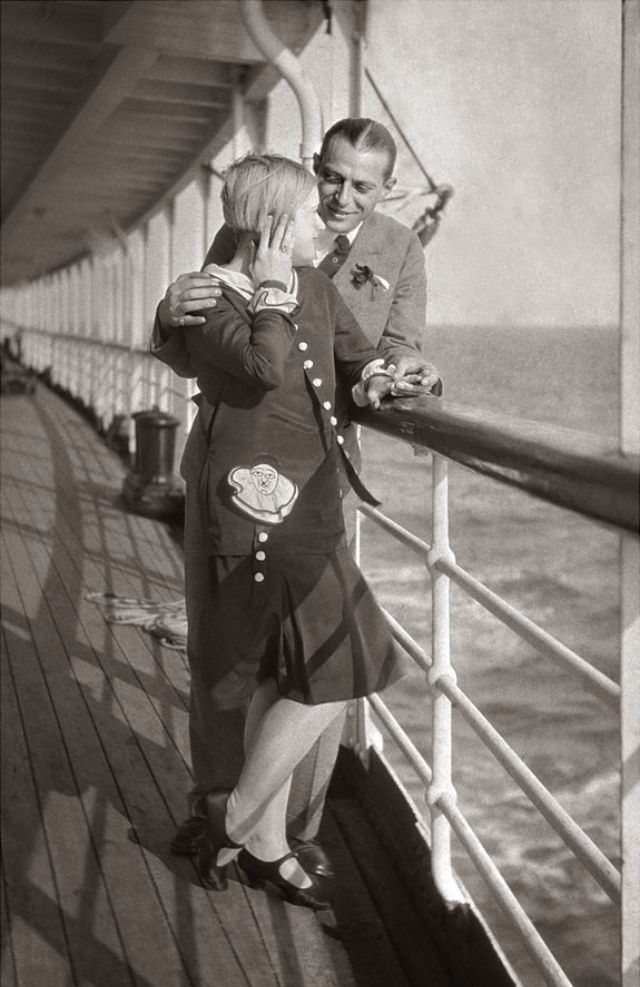
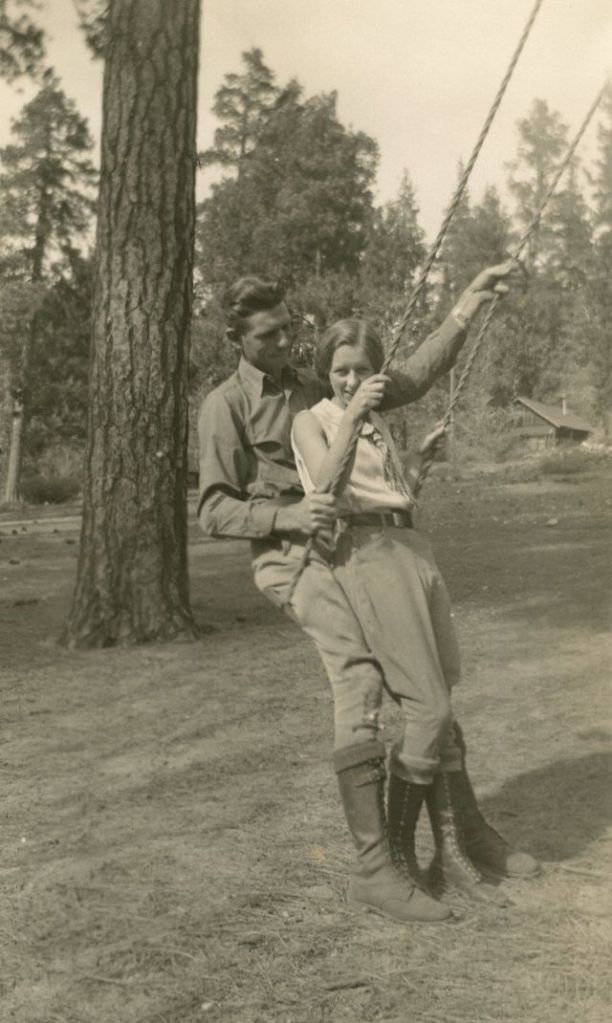
32 Lovely Vintage Photographs of Couples From the 1930s

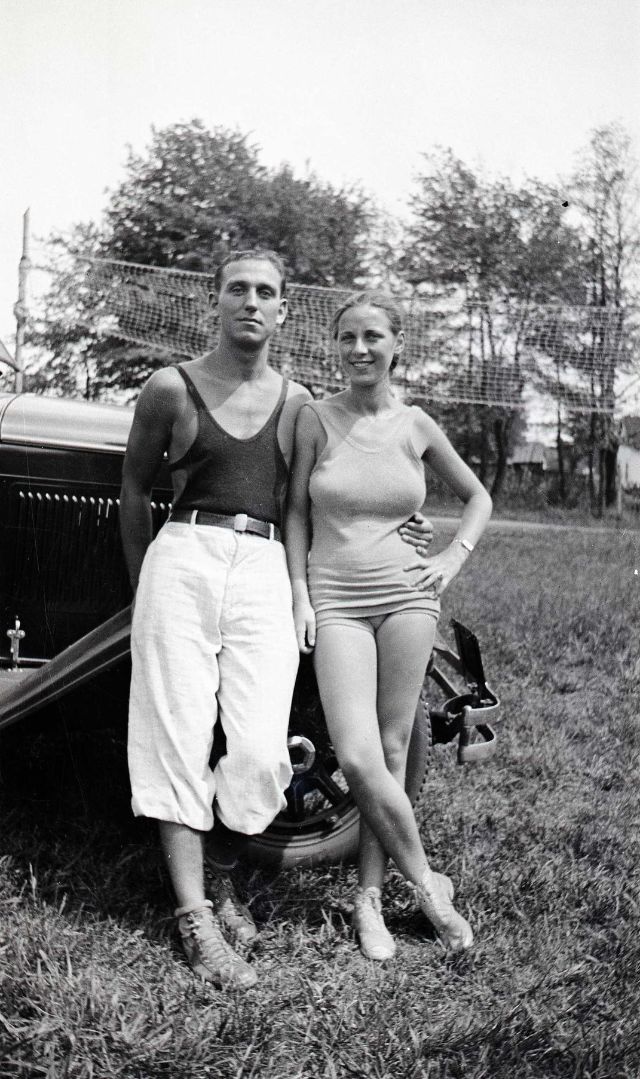
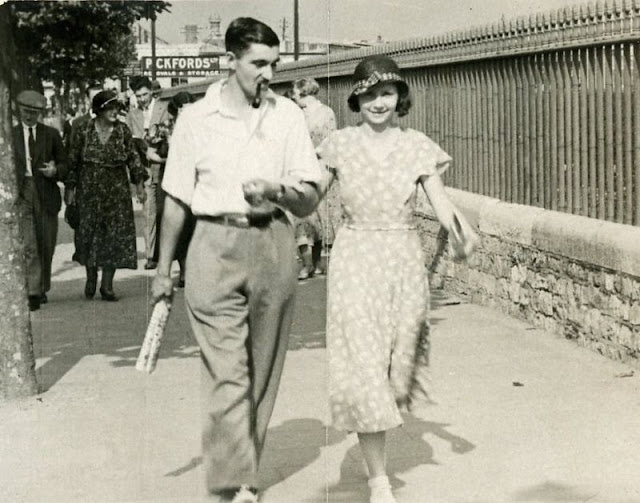
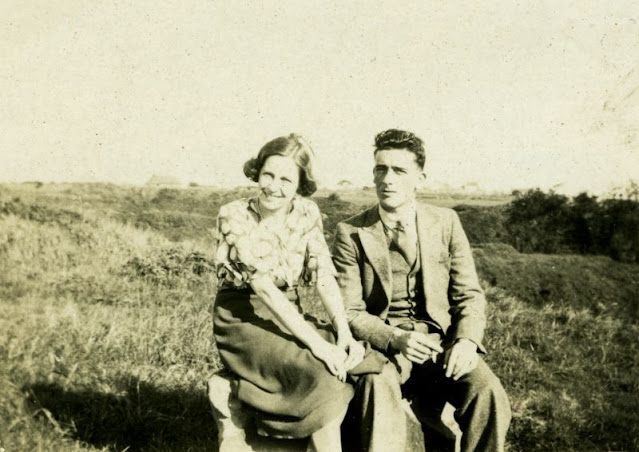
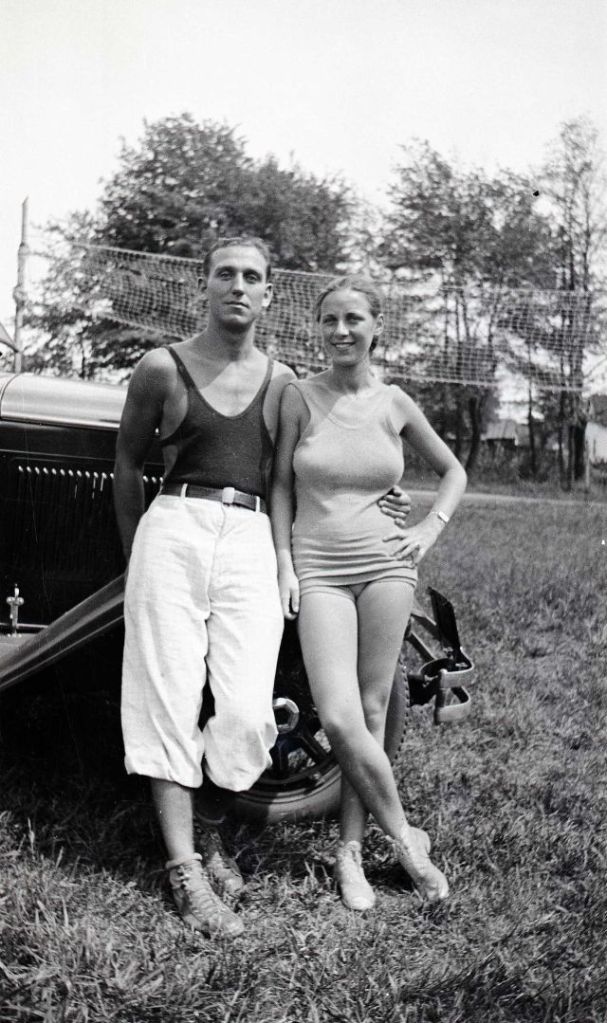
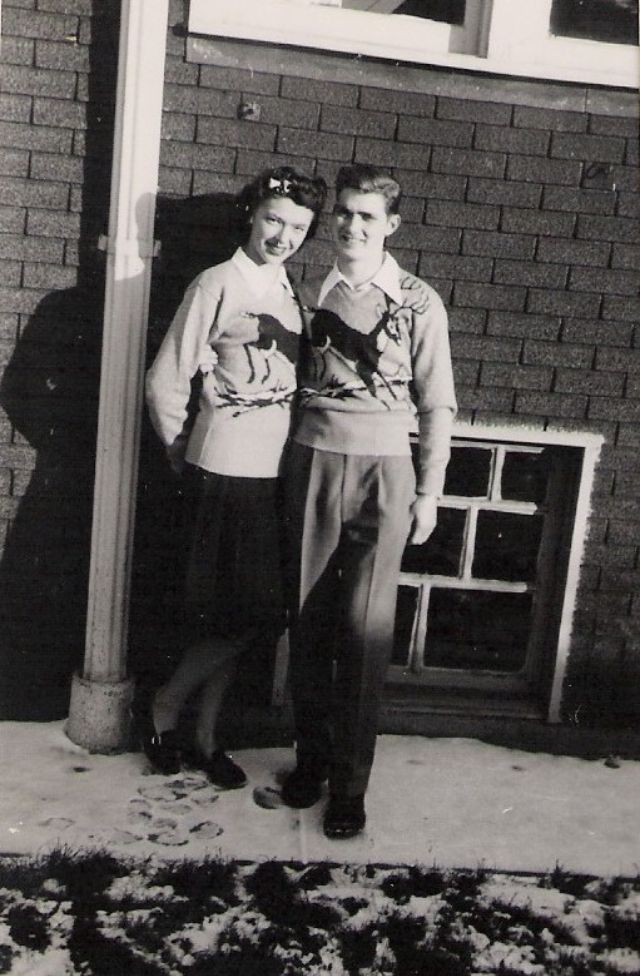
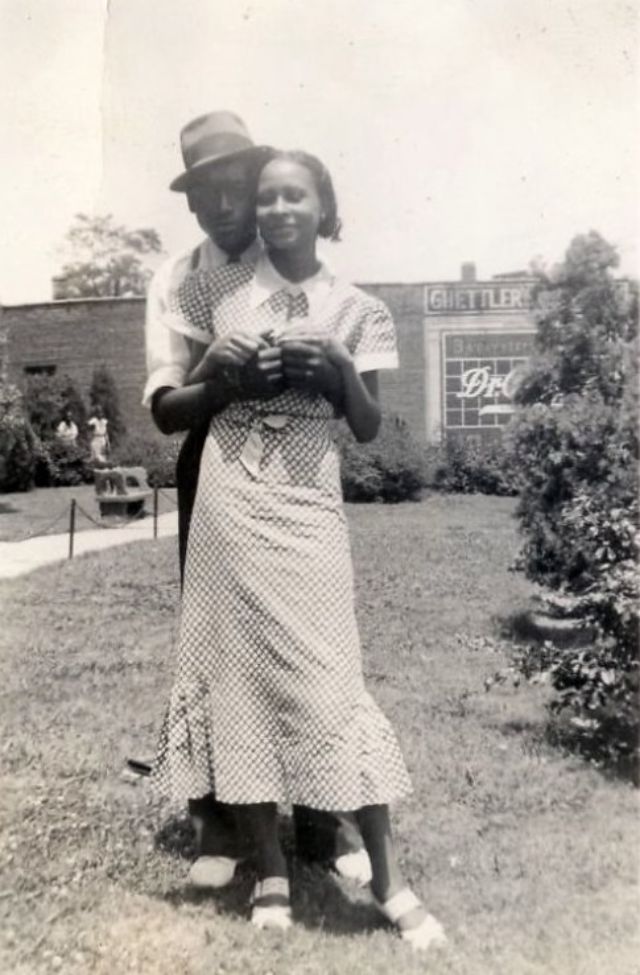
The Great Depression and World War II bookended the 1930s, but fashion flourished anyway during this decade. Glamorous Hollywood screen stars inspired new looks for women, men, and even children. Inexpensive fabrics, affordable catalog clothing, and homespun ingenuity let anyone copy styles previously worn by the wealthy.

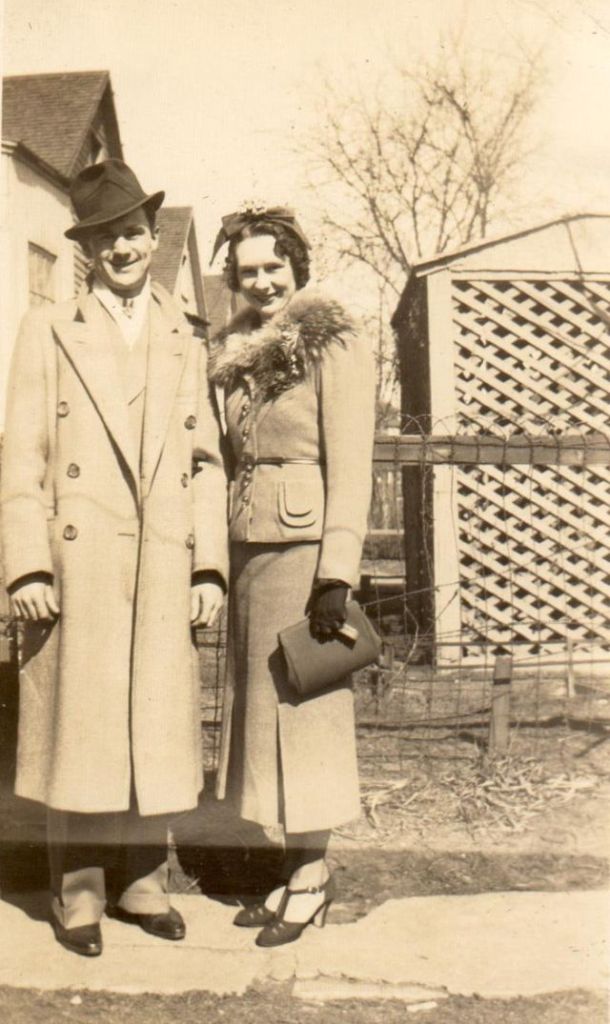
Men still dressed up nice, sporting fedoras and double-breasted overcoats. The boys wore short shorts and tall socks. Women wore dresses and kept their hair close to their head. Makeup was chic and shoulder pads were very important until the late 1930s.

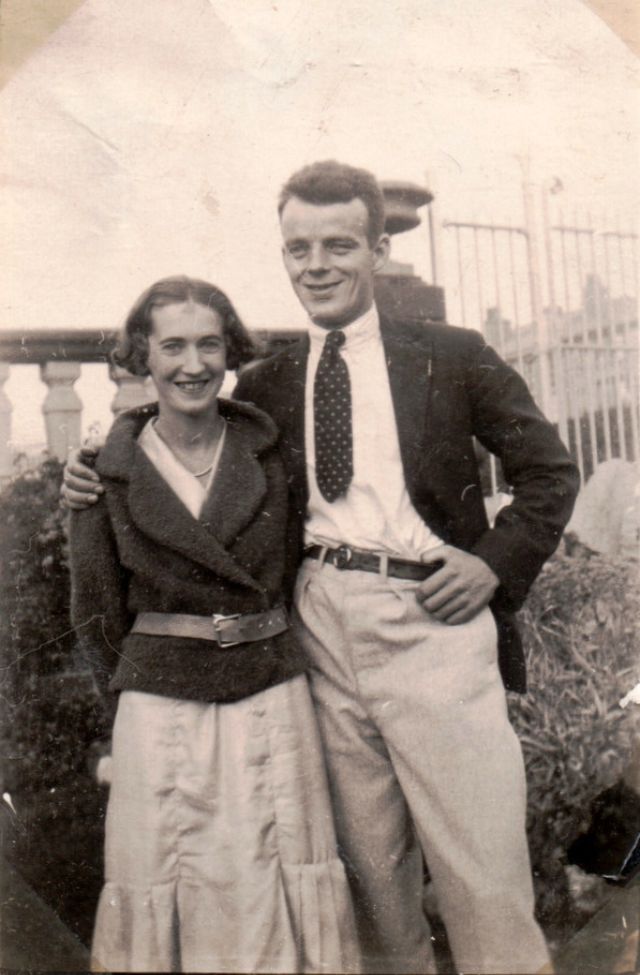
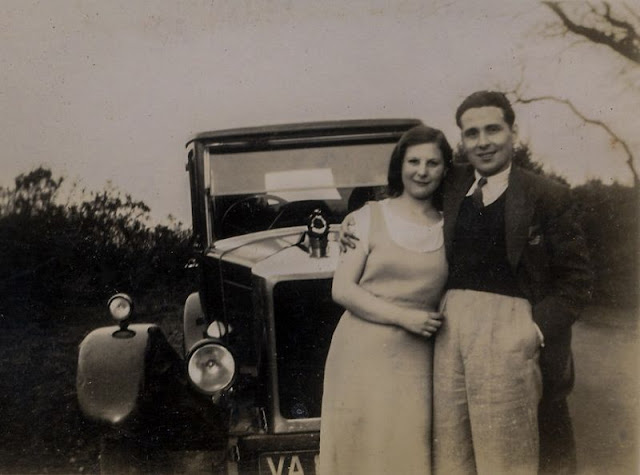
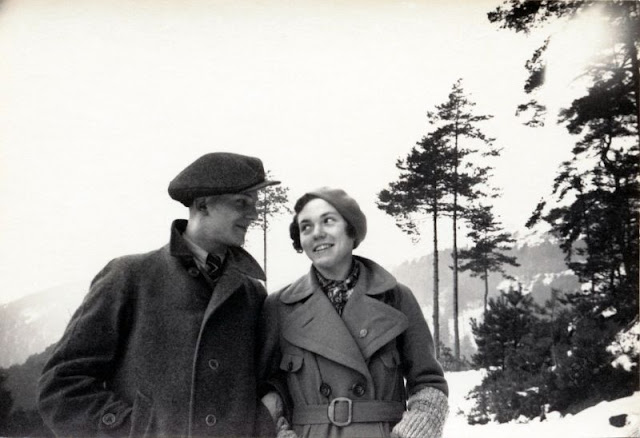
Although hats were still popular for women, they were gradually becoming less popular. Fashion in the 1930s was just as glamorous as the 1920s, just in a different way. Take a look at these vintage photos to see styles of couples from the 1930s.

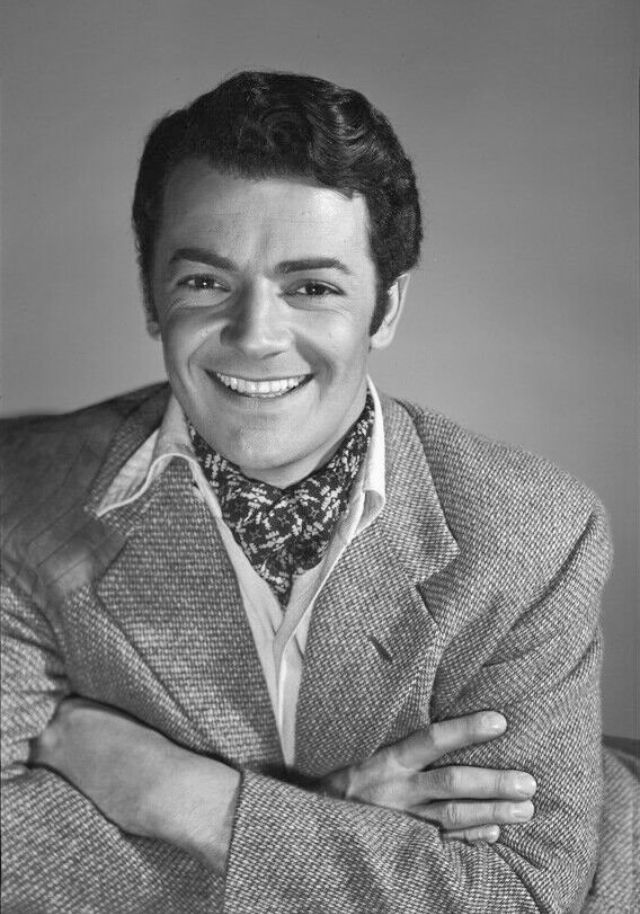
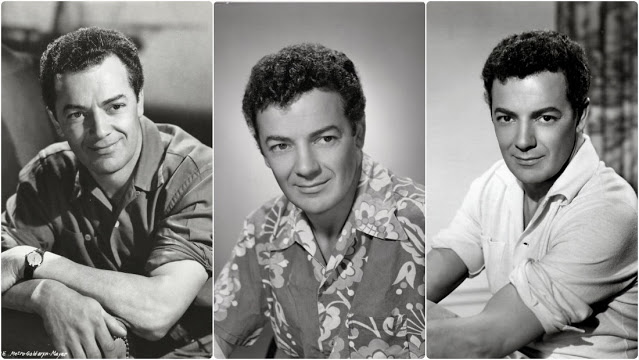
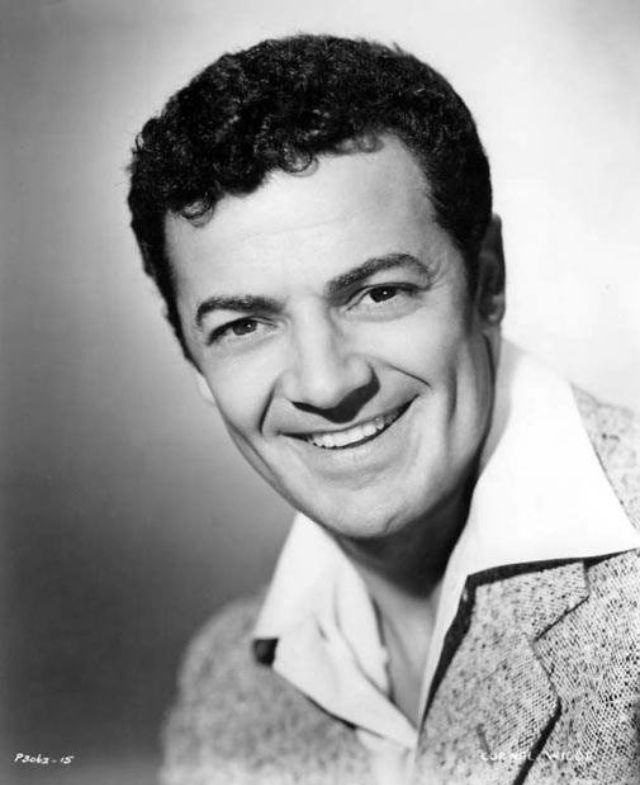
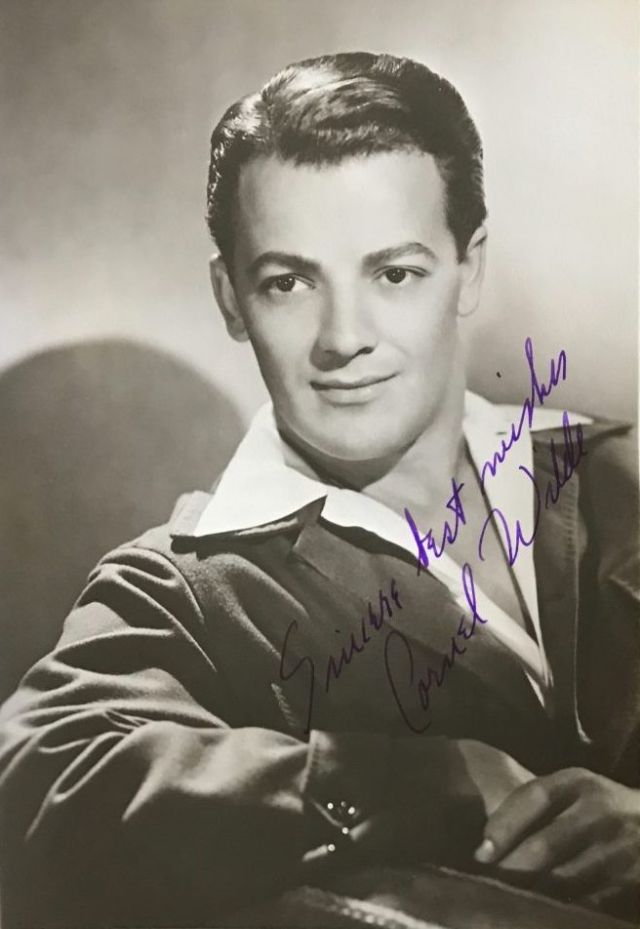
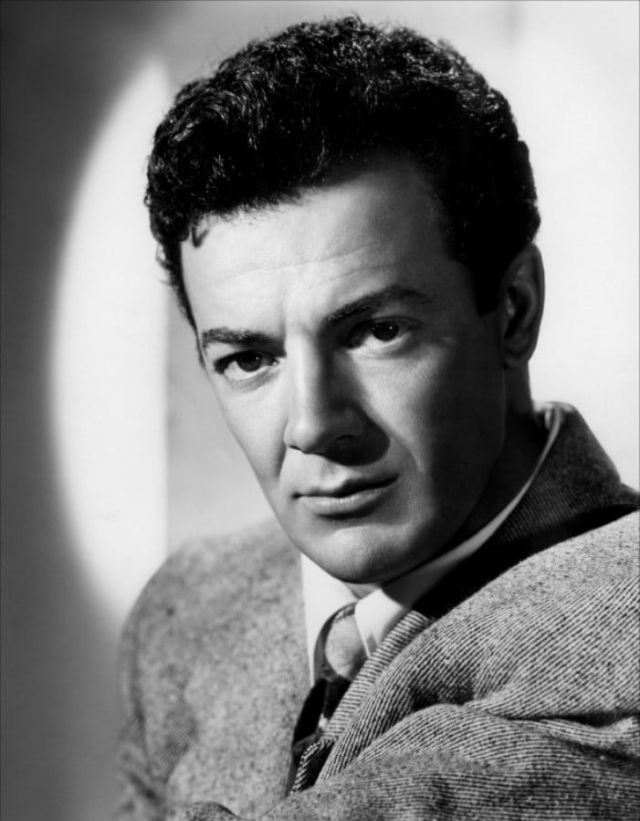
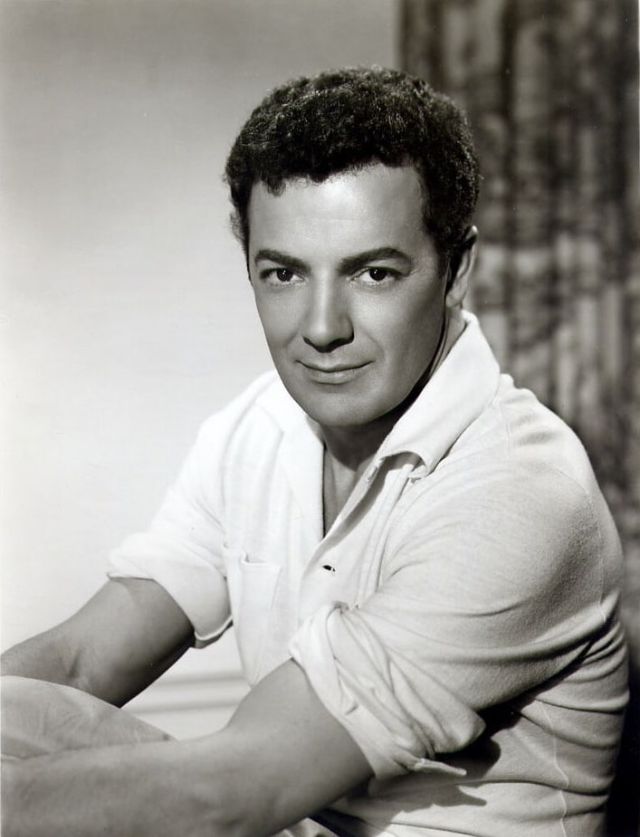
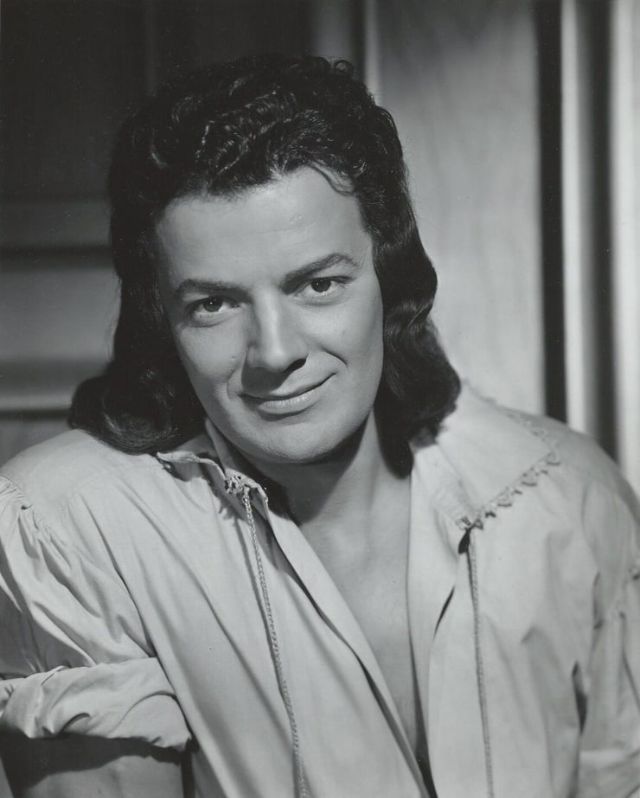
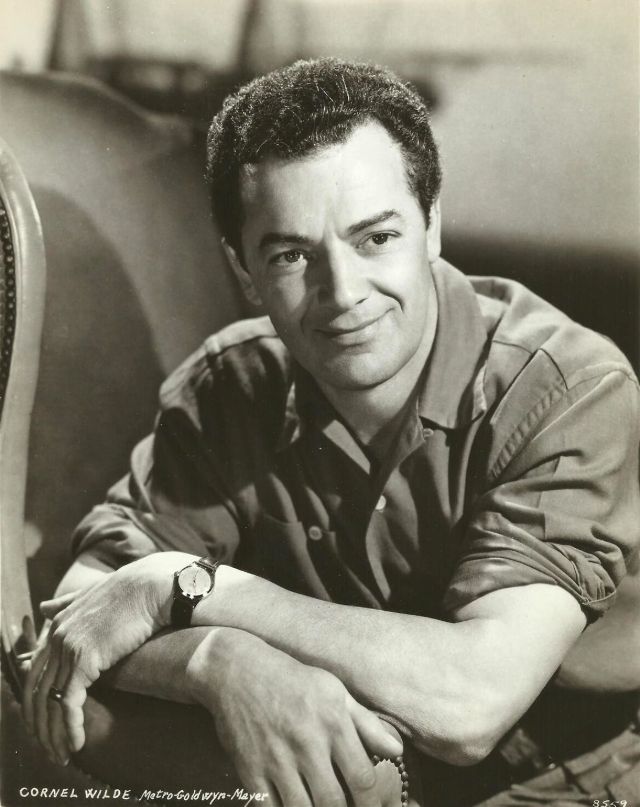
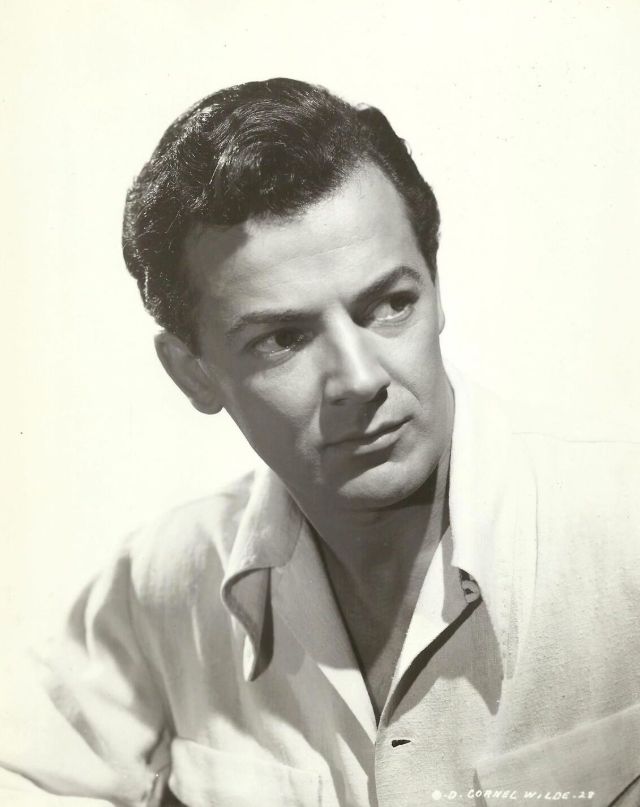
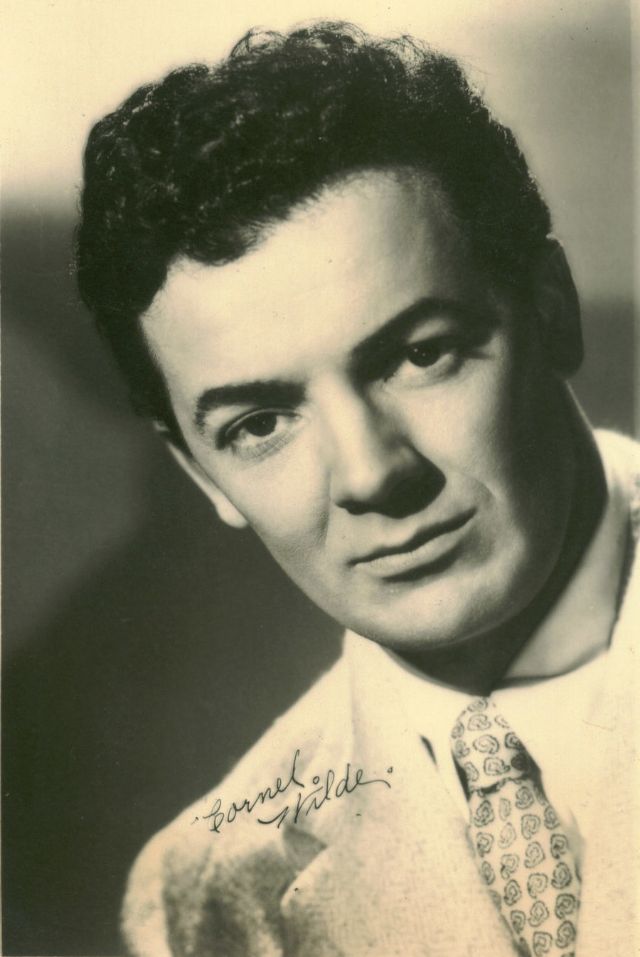
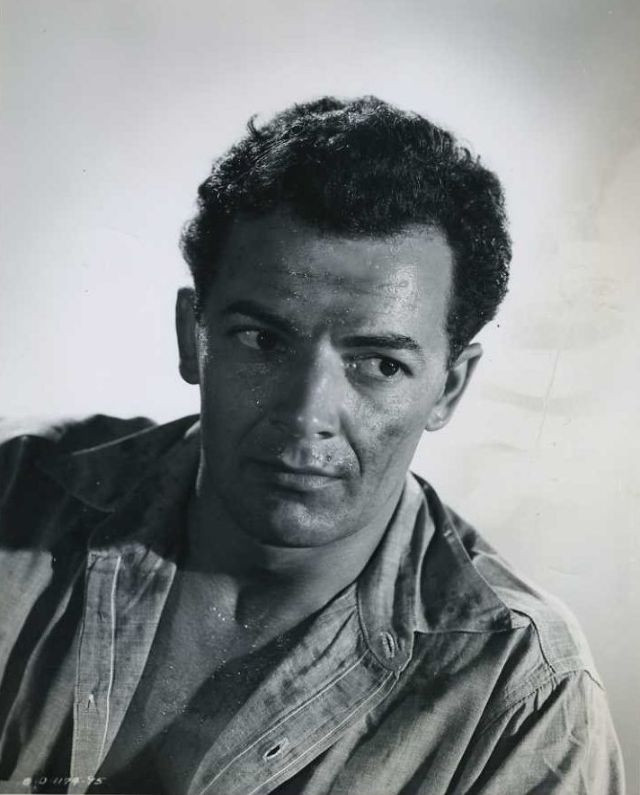
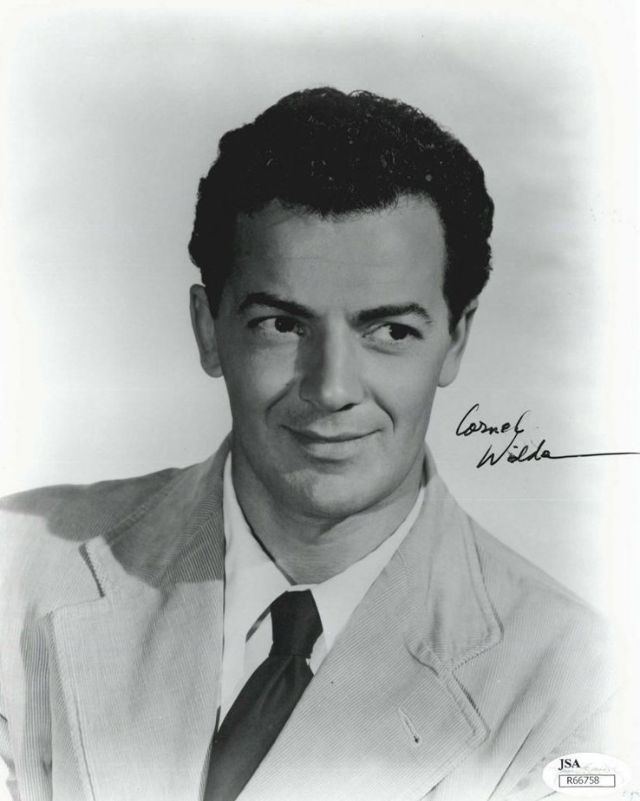
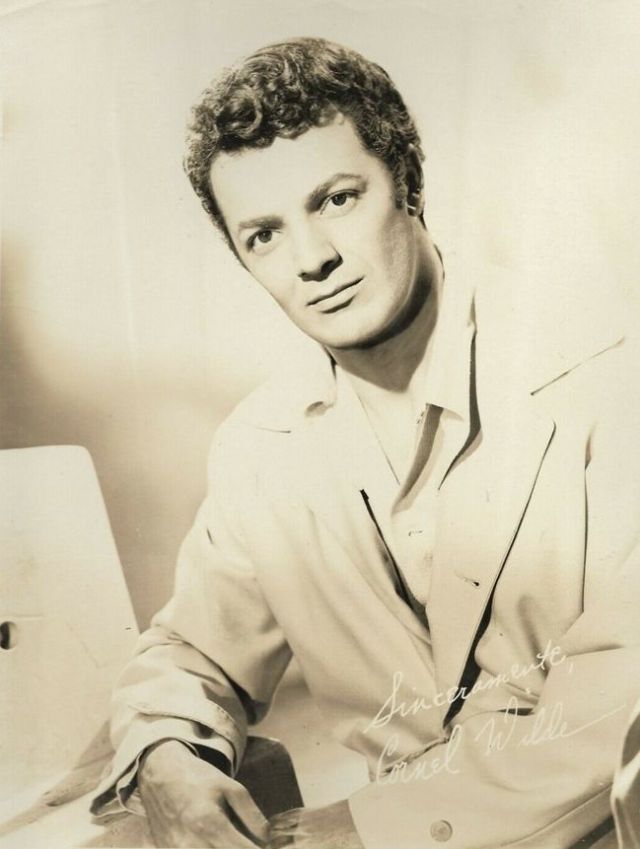
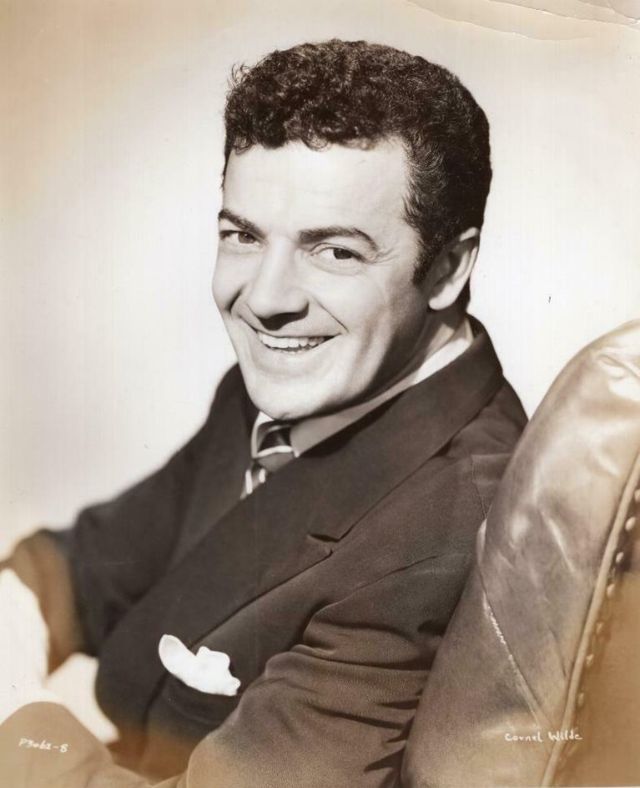
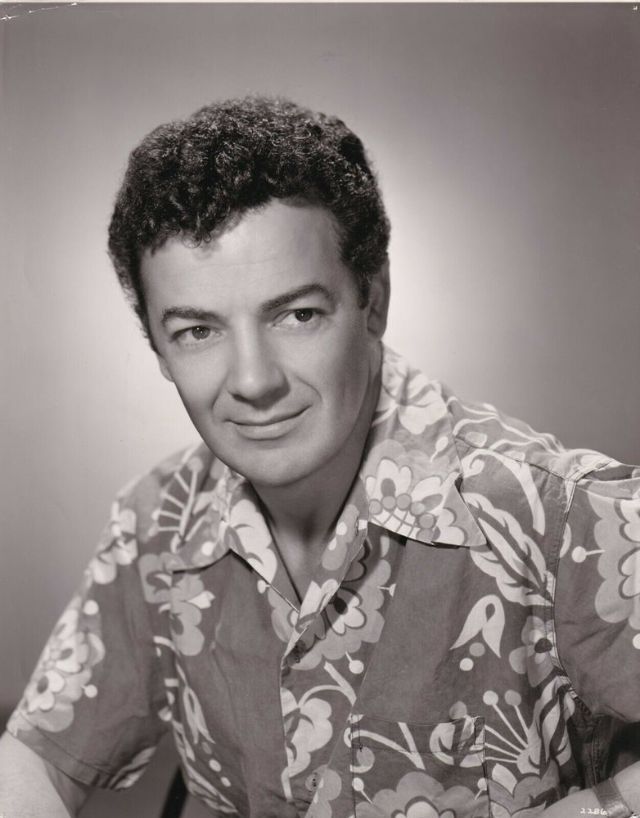
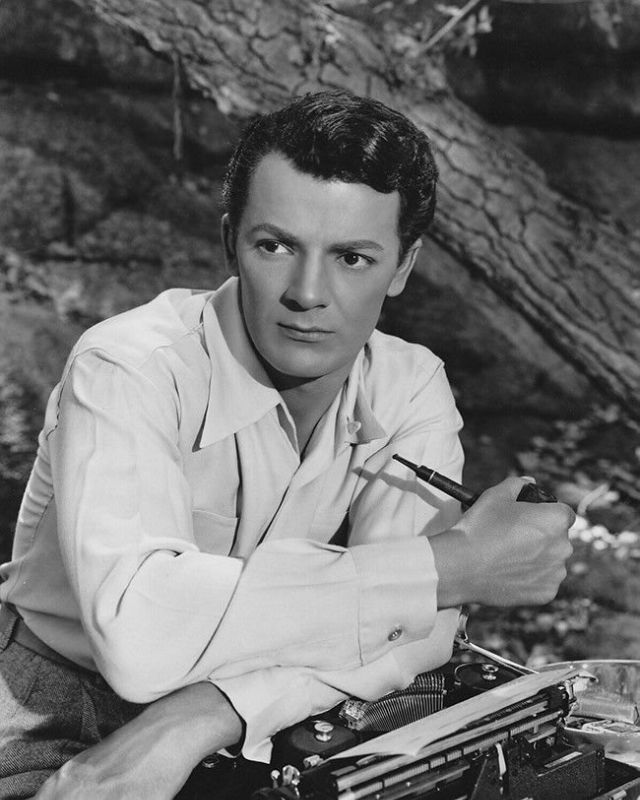
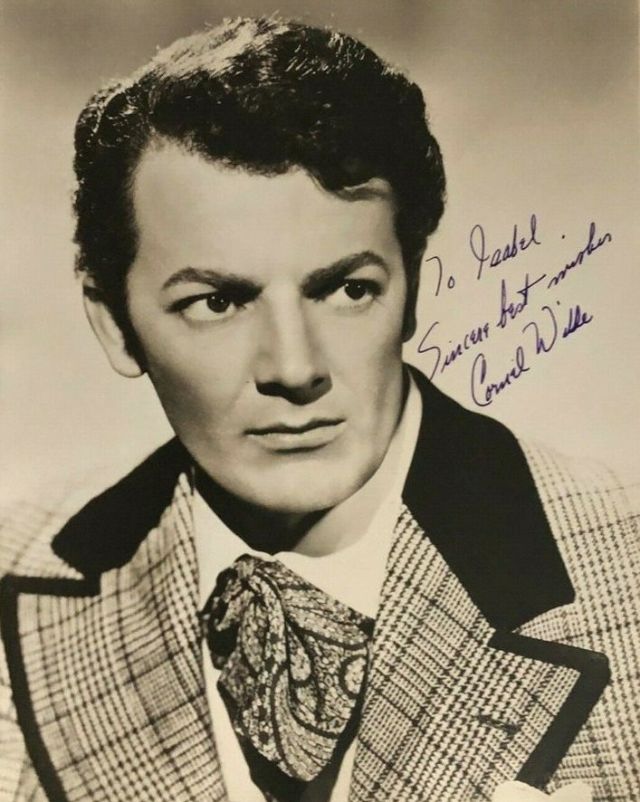
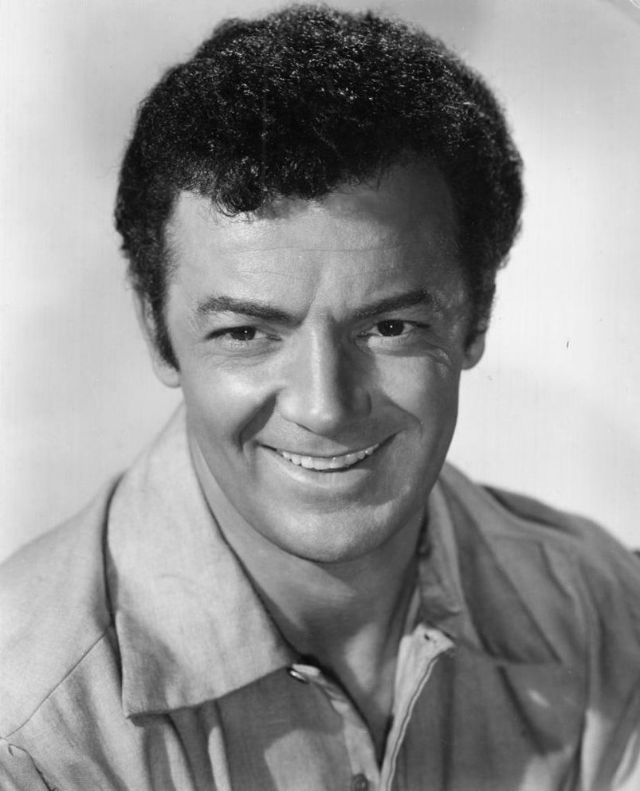
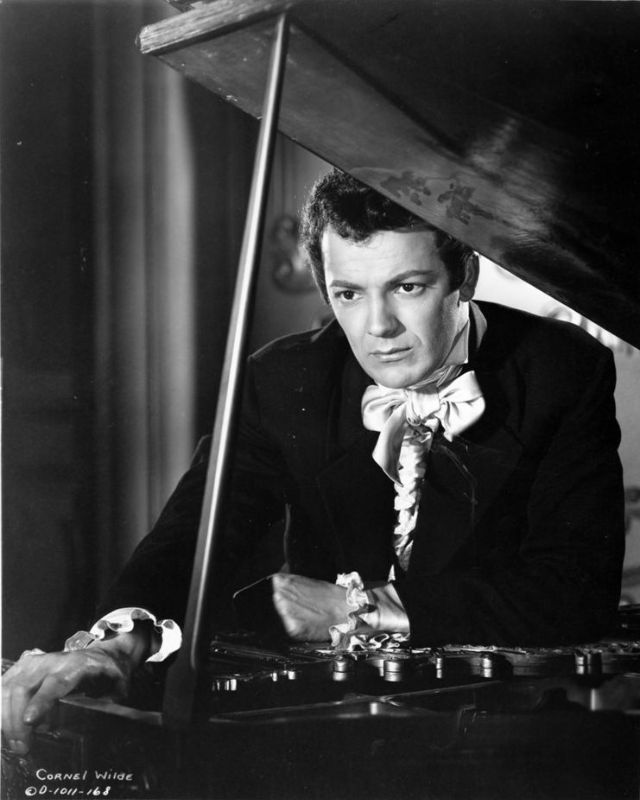
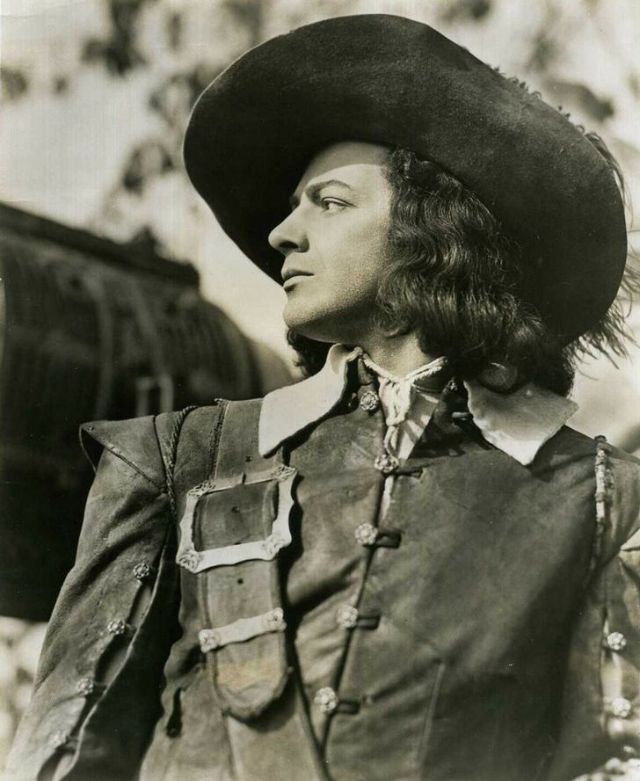
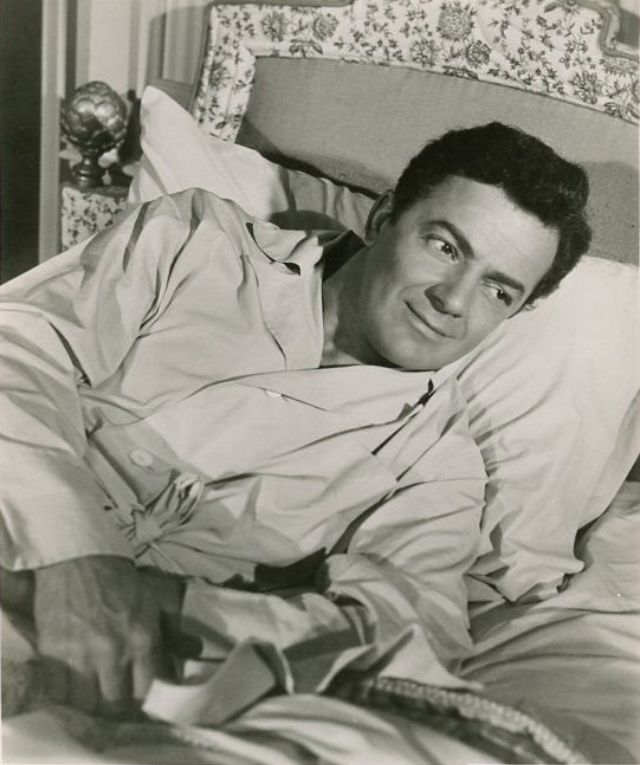
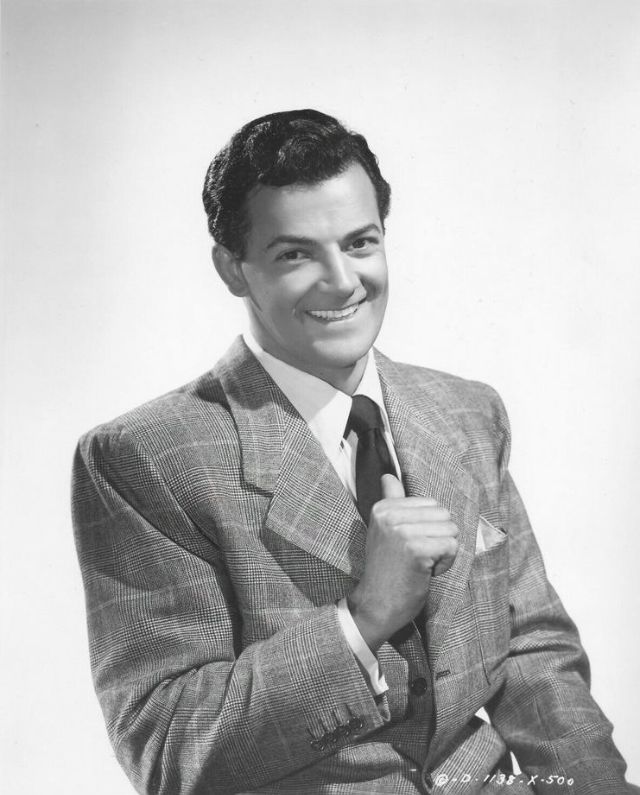
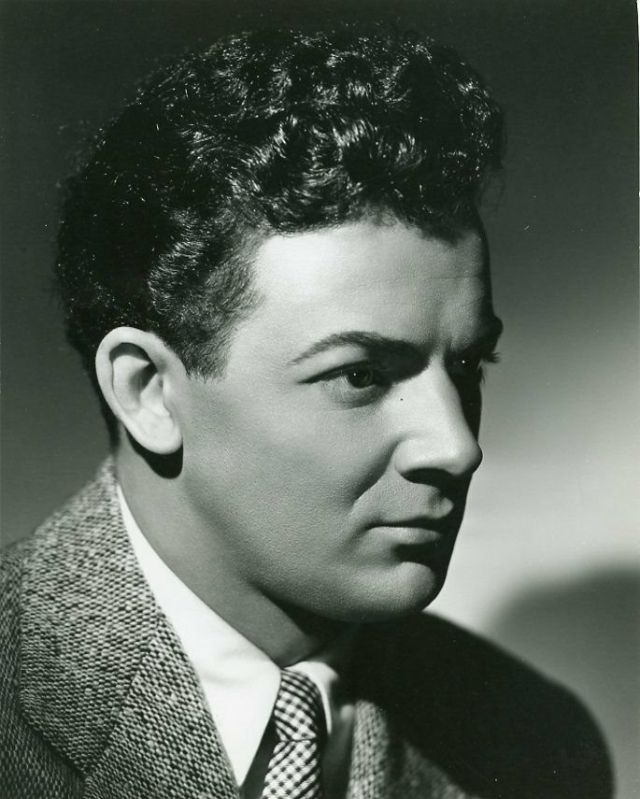
30 Handsome Photos of Actor Cornel Wilde in the 1940s and 1950s

Born 1912 as Kornél Lajos Weisz in Privigye, Kingdom of Hungary (now Prievidza, Slovakia), Hungarian-American actor Cornel Wilde began made his Broadway debut in 1935 in Moon Over Mulberry Street. He also appeared in Love Is Not So Simple, Daughters of Etreus, and Having Wonderful Time.

Wilde was then signed by 20th Century Fox who gave him a good role in a B picture The Perfect Snob (1941). It was followed by a war movie Manila Calling (1942). He was the romantic male lead in Life Begins at Eight-Thirty (1942), and supported Sonja Henie in Wintertime (1943).

By the mid-1940s, Wilde was a major leading man. He was nominated for the Academy Award for Best Actor for his performance in 1945’s A Song to Remember.

In the 1950s, Wilde moved to writing, producing and directing films, and still continued his career as an actor. He died of leukemia in 1989, three days after his 77th birthday. For his contribution to the motion picture industry, Cornel Wilde has a star on the Hollywood Walk of Fame at 1635 Vine Street.

Take a look at these vintage photos to see portrait of Cornel Wilde in the 1940s and 1950s.

Yesterday Today

Bringing You the Wonder of Yesterday - Today

Skip to content ↓