Subscribe to continue reading
Become a paid subscriber to get access to the rest of this post and other exclusive content.
Bringing You the Wonder of Yesterday – Today
Become a paid subscriber to get access to the rest of this post and other exclusive content.

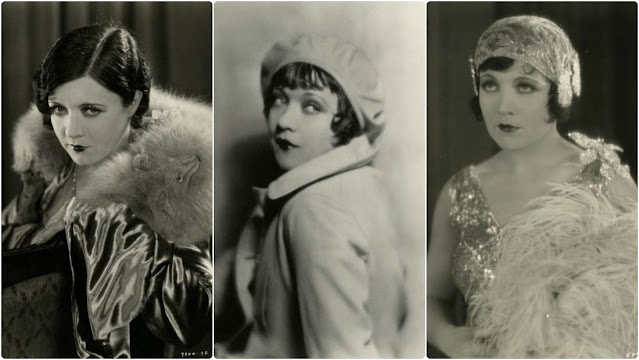
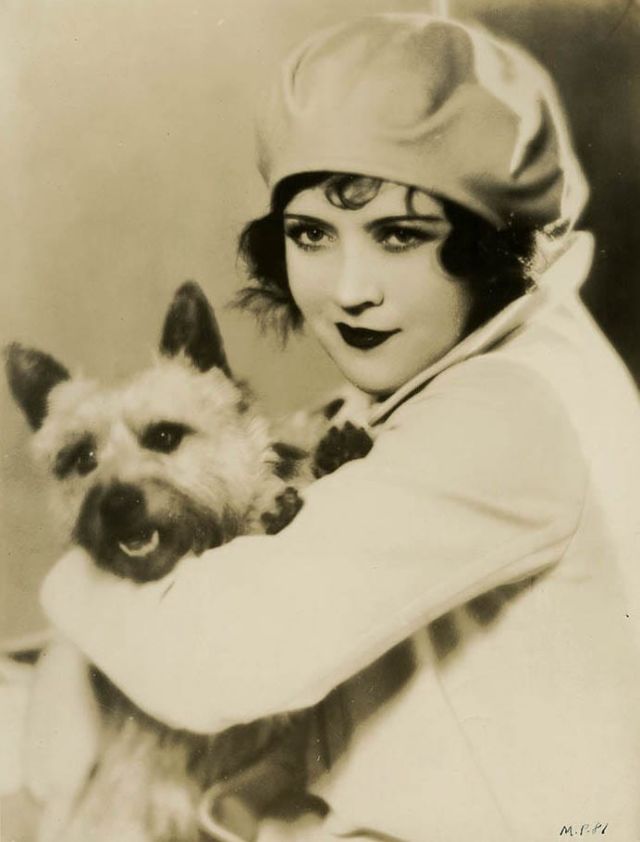
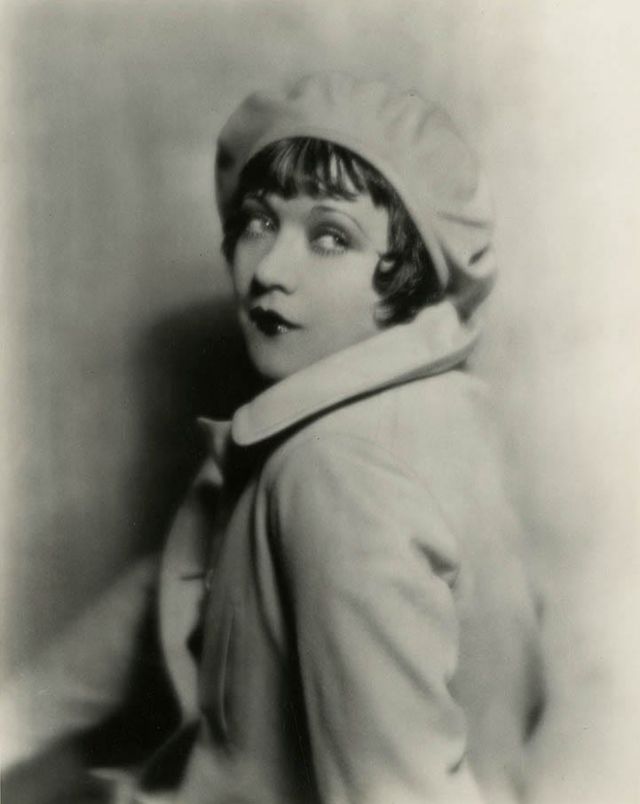
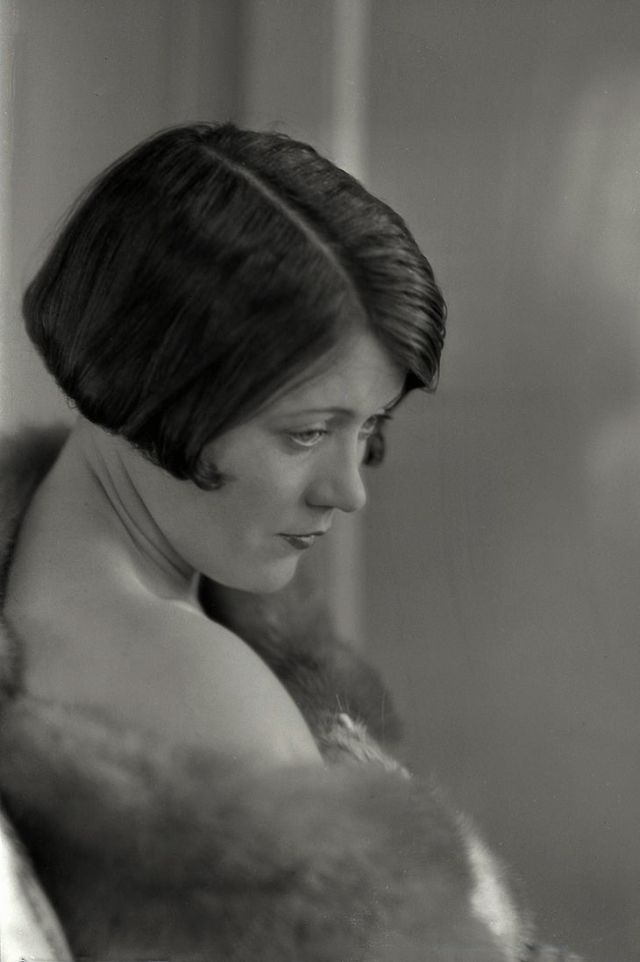
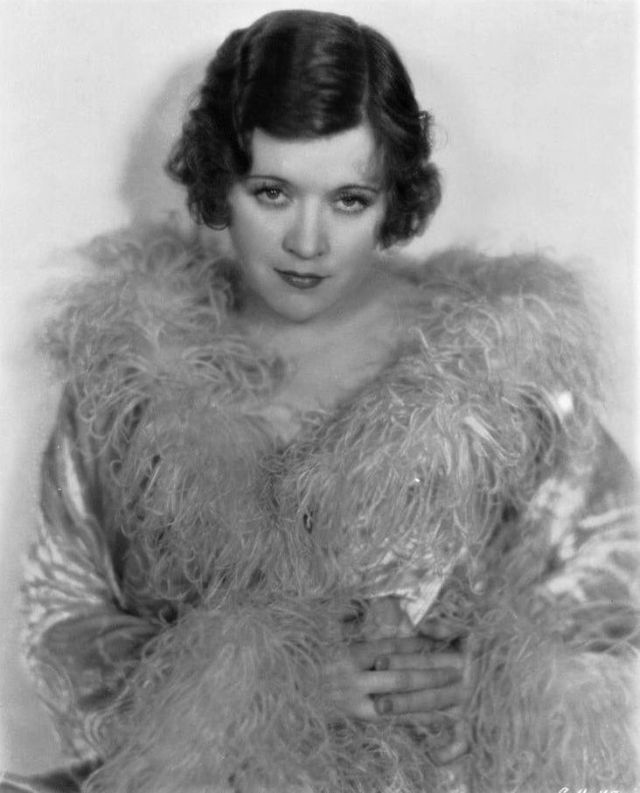
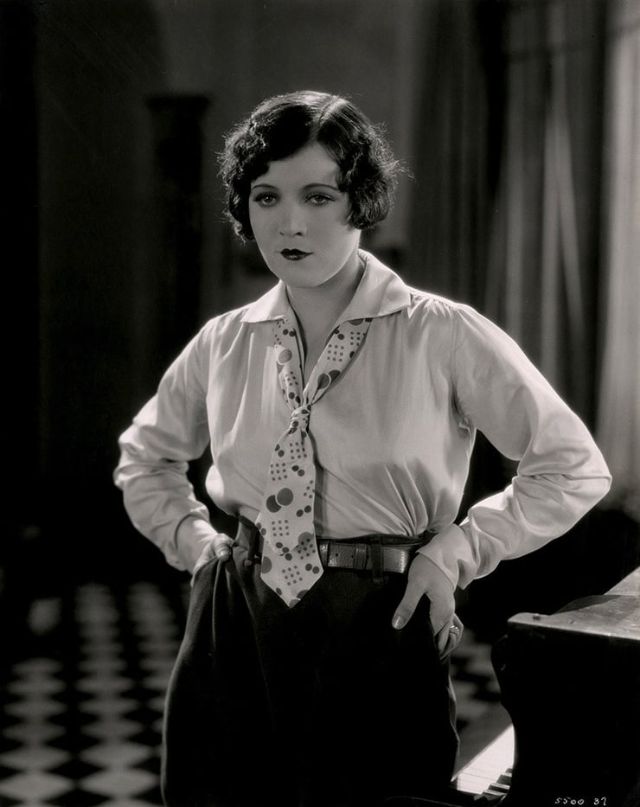
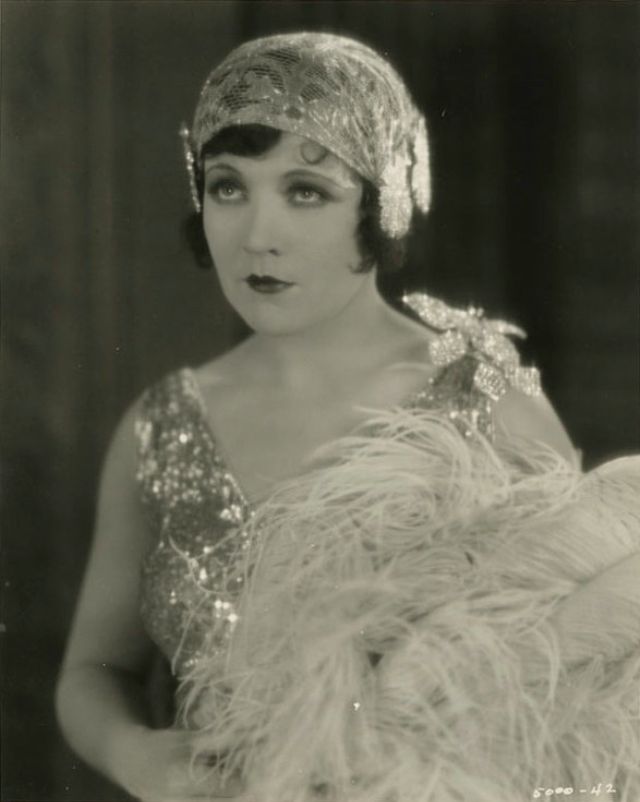
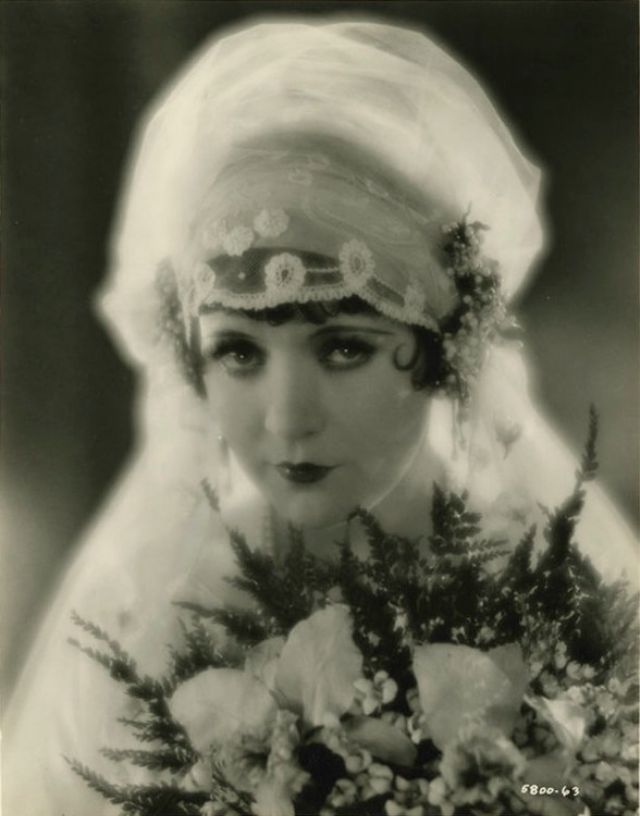
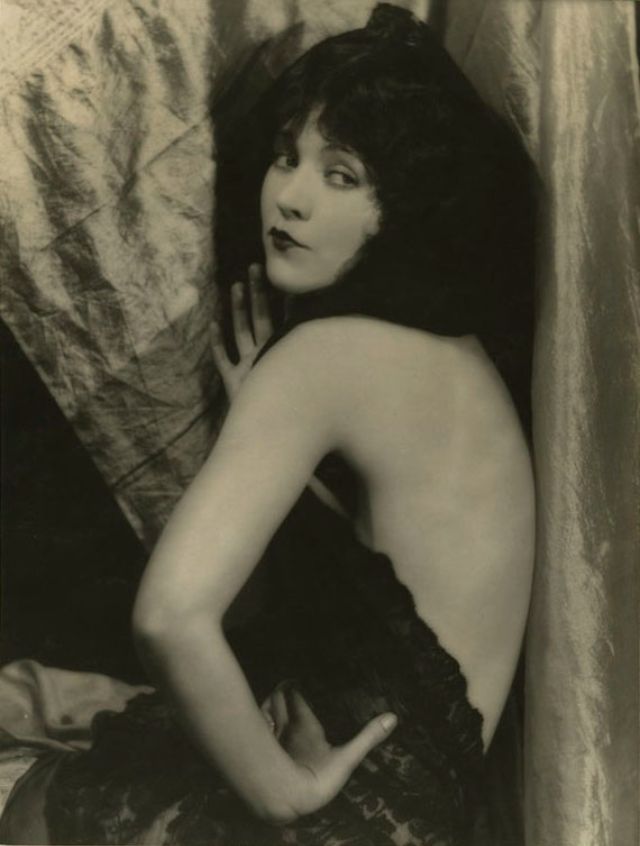
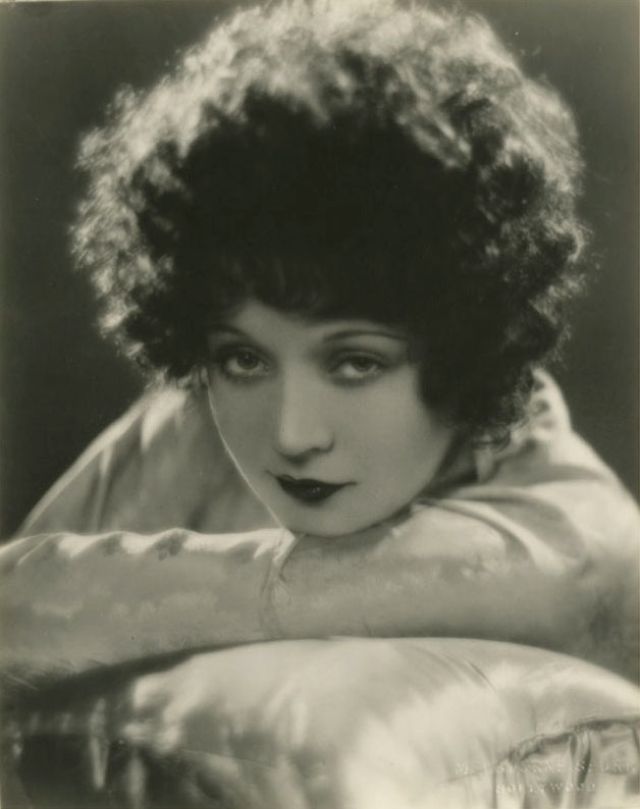
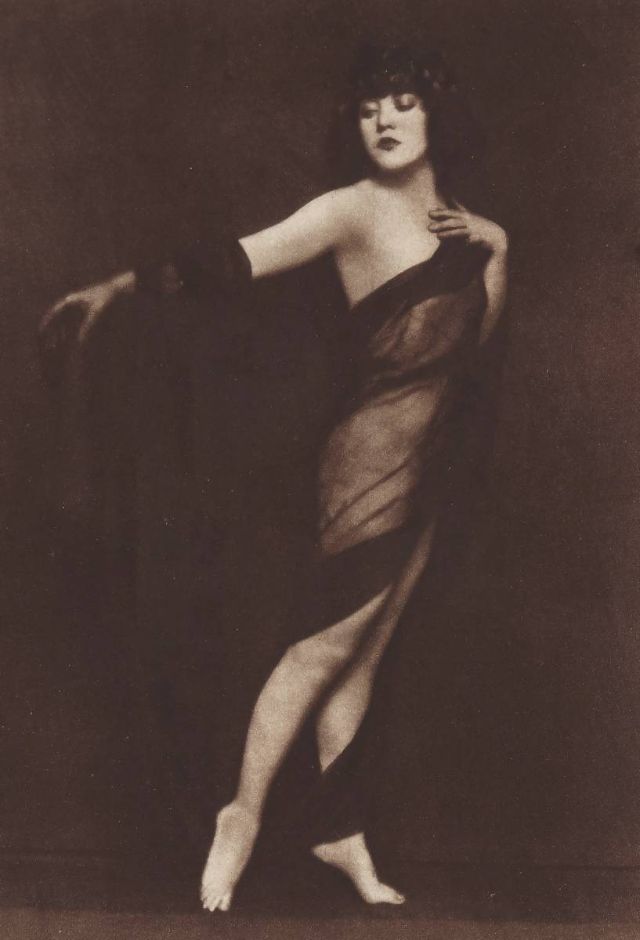
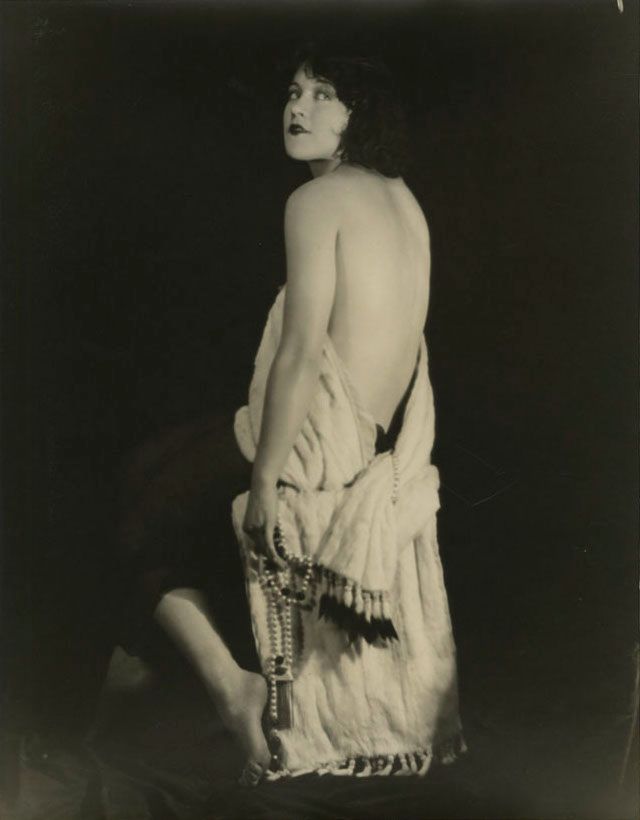
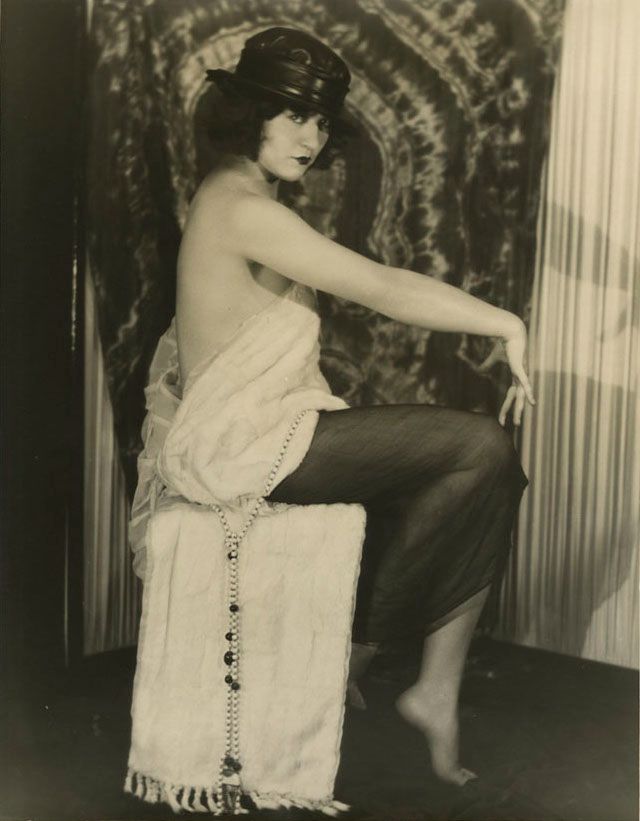
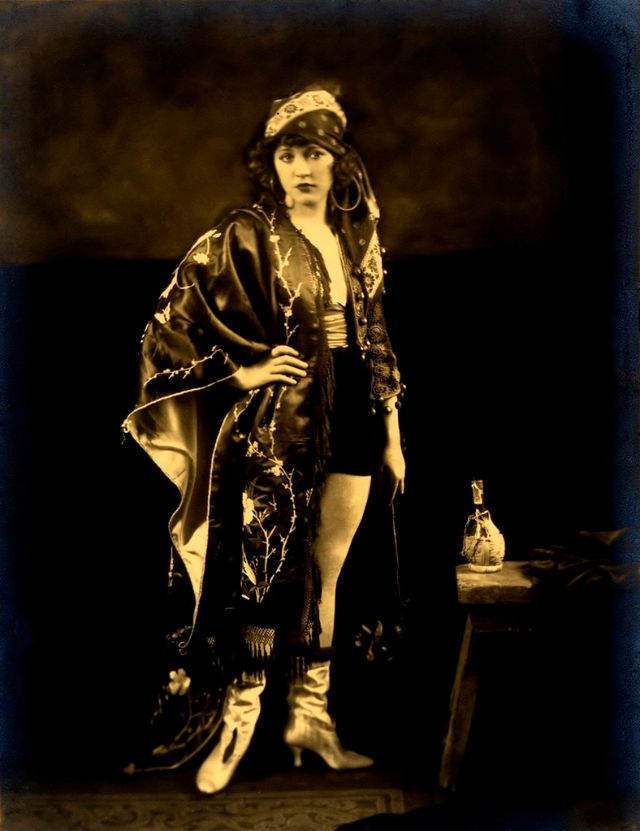
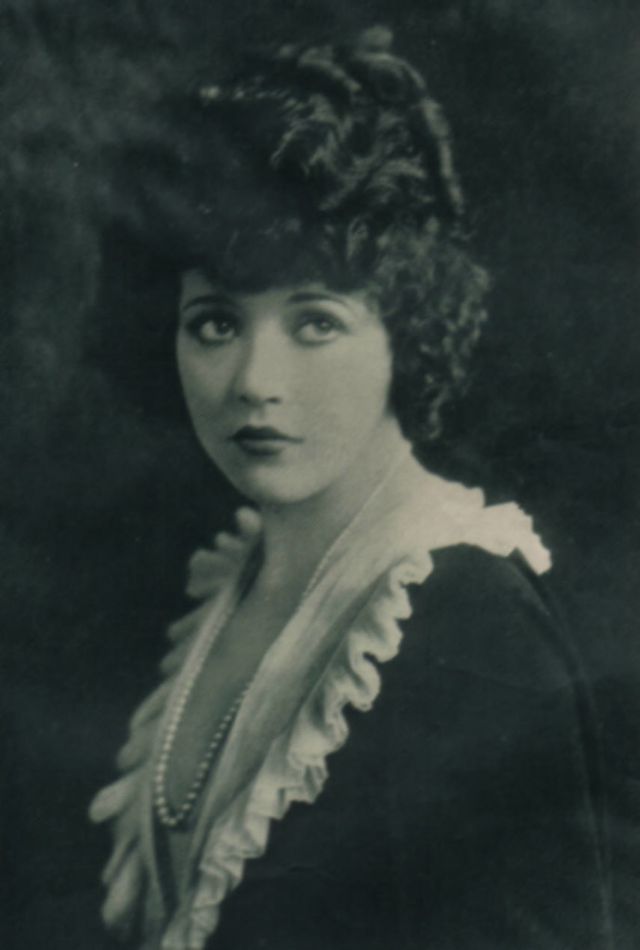
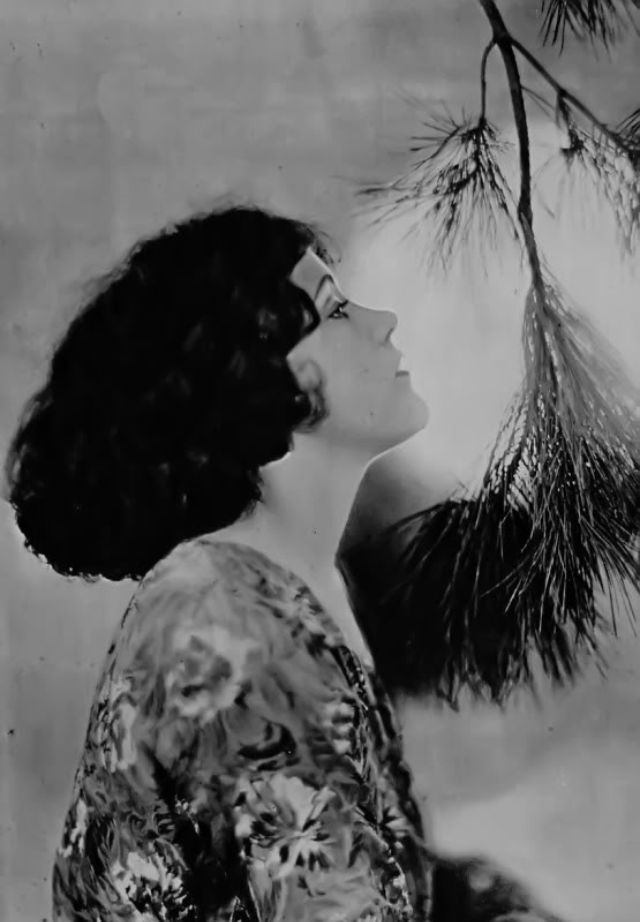
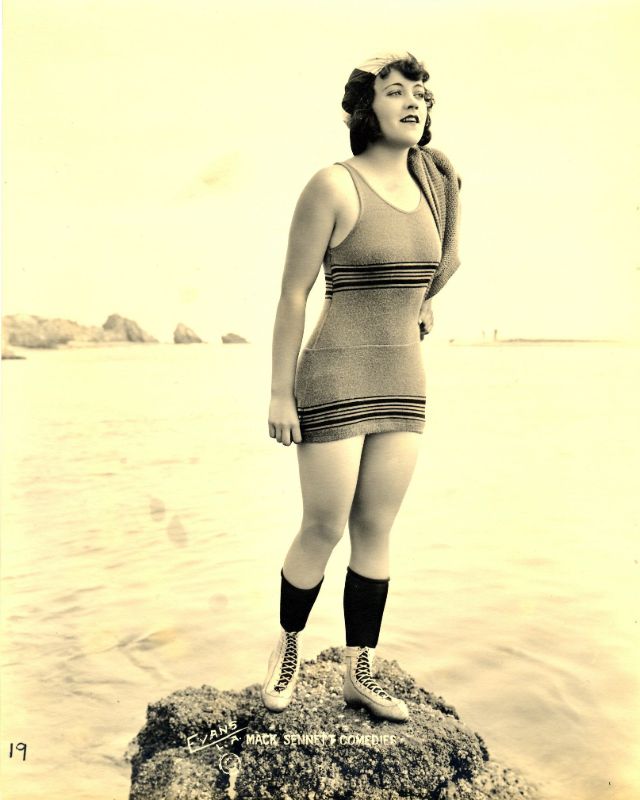
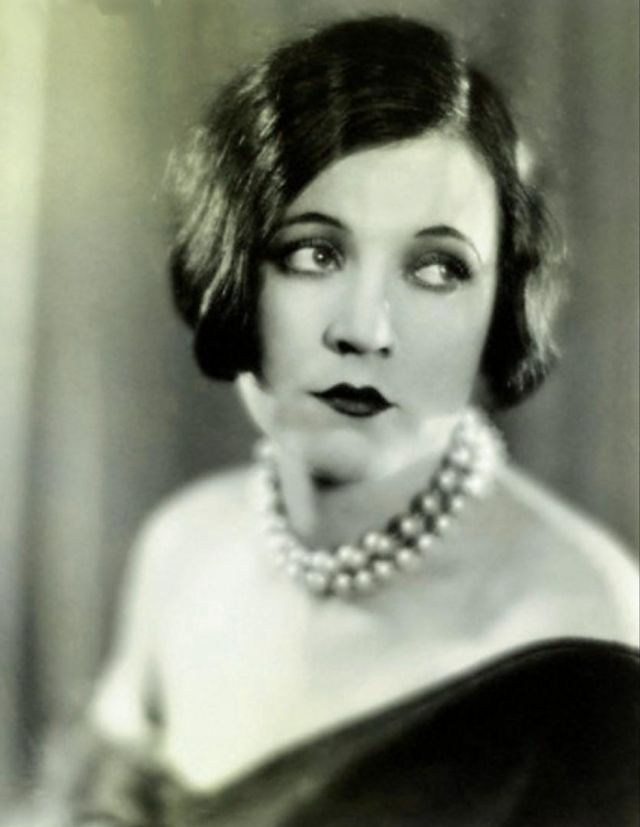
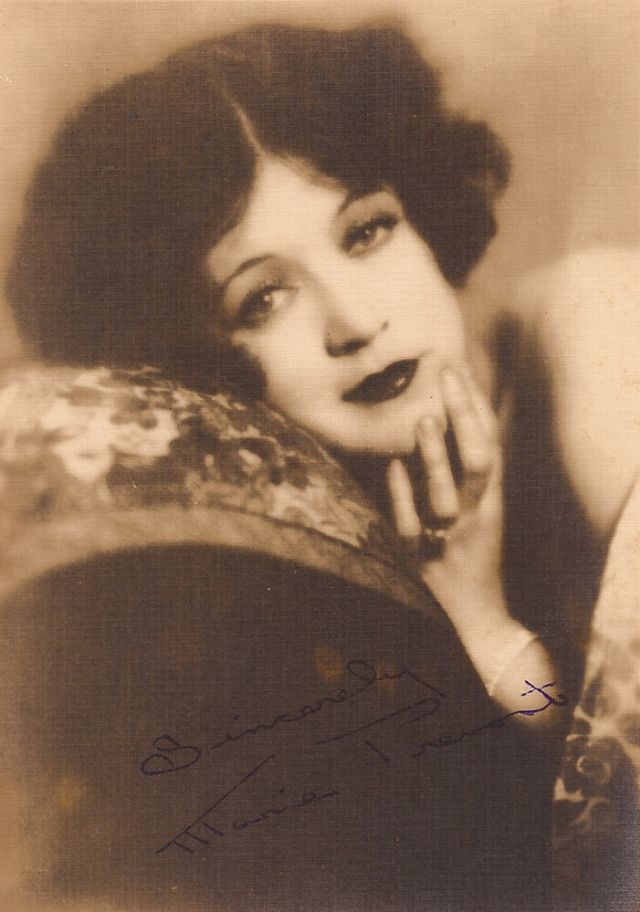
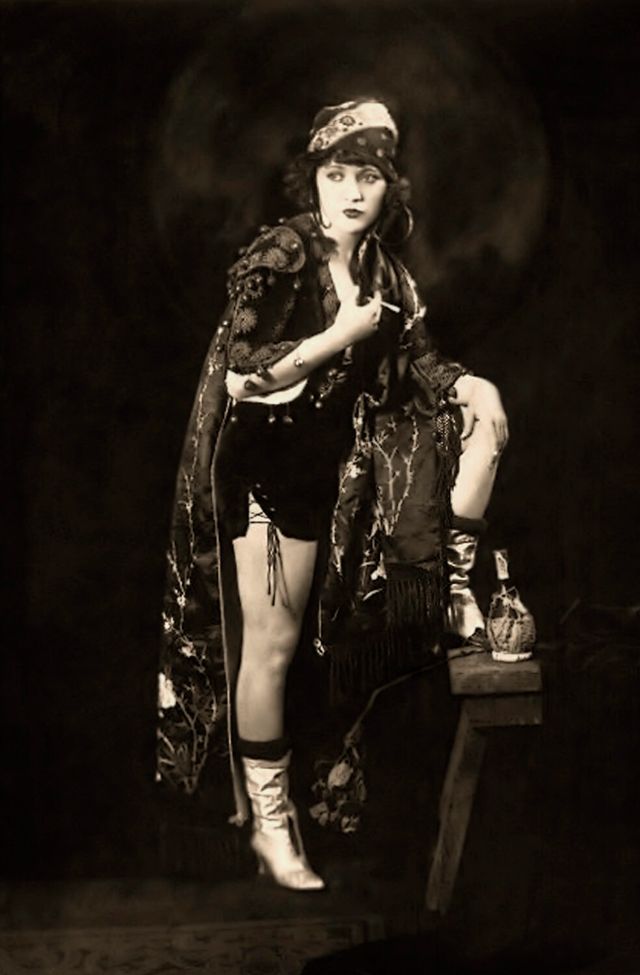
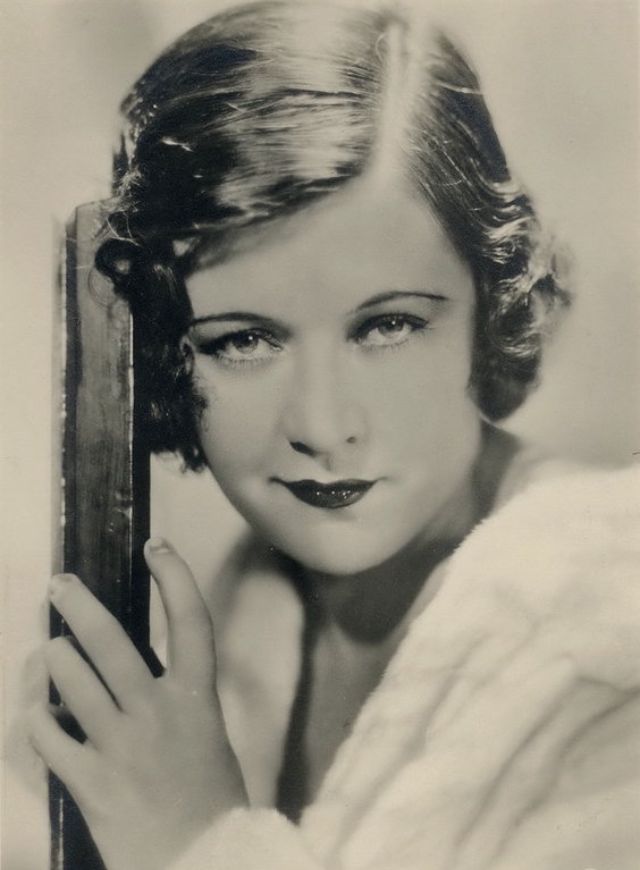
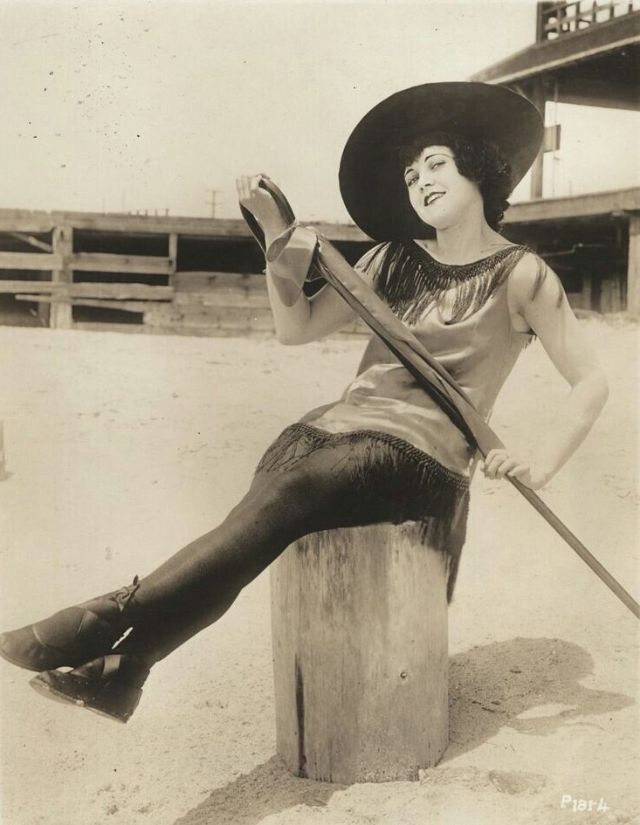
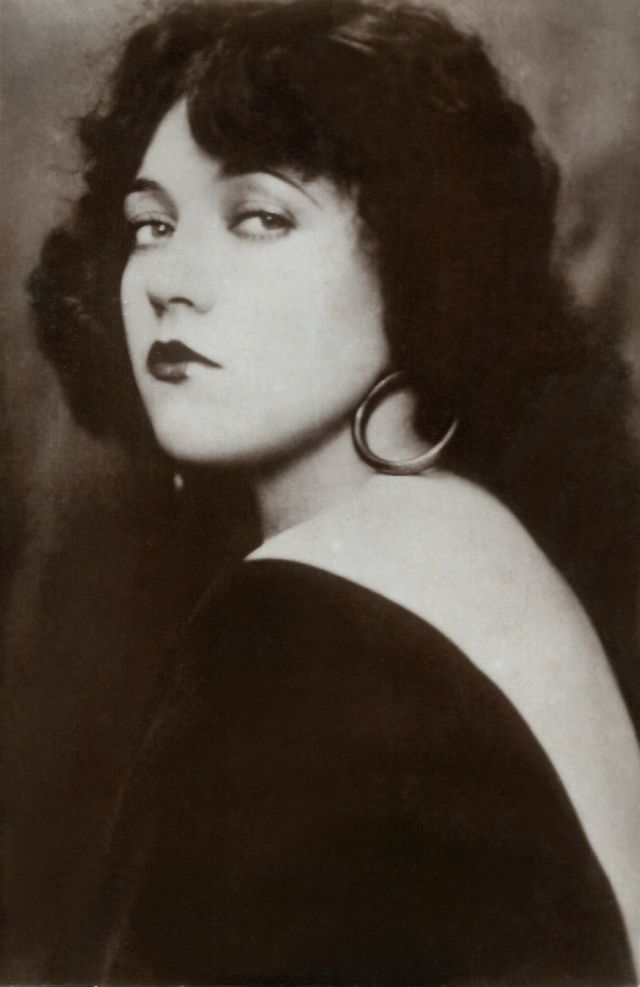
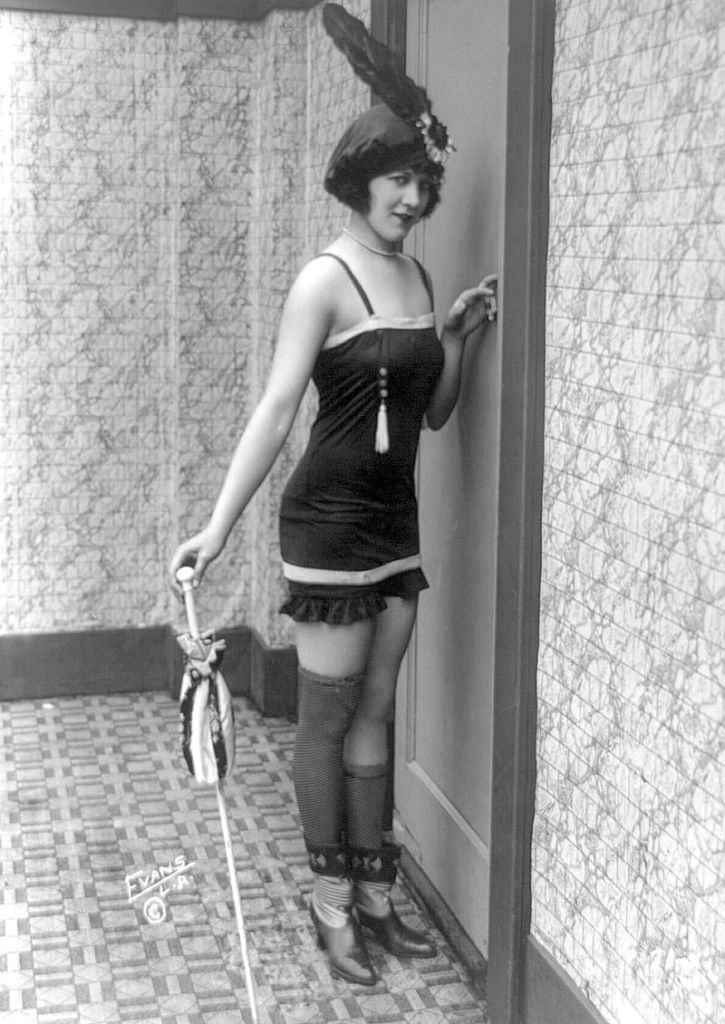
Born 1898 as Marie Bickford Dunn in Sarnia, Ontario, Canadian actress Marie Prevost began her career during the silent film era. She was discovered by Mack Sennett who signed her to contract and made her one of his “Bathing Beauties” in the late 1910s, and appeared in dozens of Sennett’s short comedy films before moving on to feature-length films for Universal.
In 1922, Prevost signed with Warner Bros. where her career flourished as a leading lady. She was a favorite of director Ernst Lubitsch who cast her in three of his comedy films: The Marriage Circle (1924), Three Women (1924) and Kiss Me Again (1925).
After being let go by Warner Bros in early 1926, Prevost’s career began to decline and she was relegated to secondary roles. She was also beset with personal problems, including the death of her mother in 1926 and the breakdown of her marriage to actor Kenneth Harlan in 1927, which fueled her depression. She began to abuse alcohol and binge eat, resulting in a weight gain that made it difficult for her to secure acting jobs. By 1935, Prevost was only able to secure bit parts in films. She made her last onscreen appearance in 1936.
After years of drinking, Prevost died of acute alcoholism at the age of 38 in 1937. Her death prompted the Hollywood community to create the Motion Picture & Television Country House and Hospital. During her 20-year career, she made 121 silent and sound films.
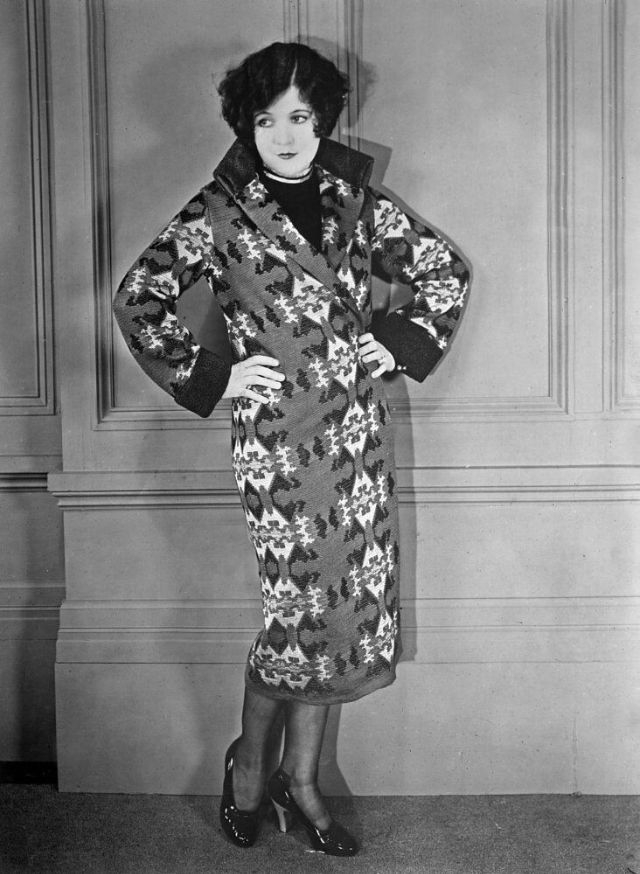
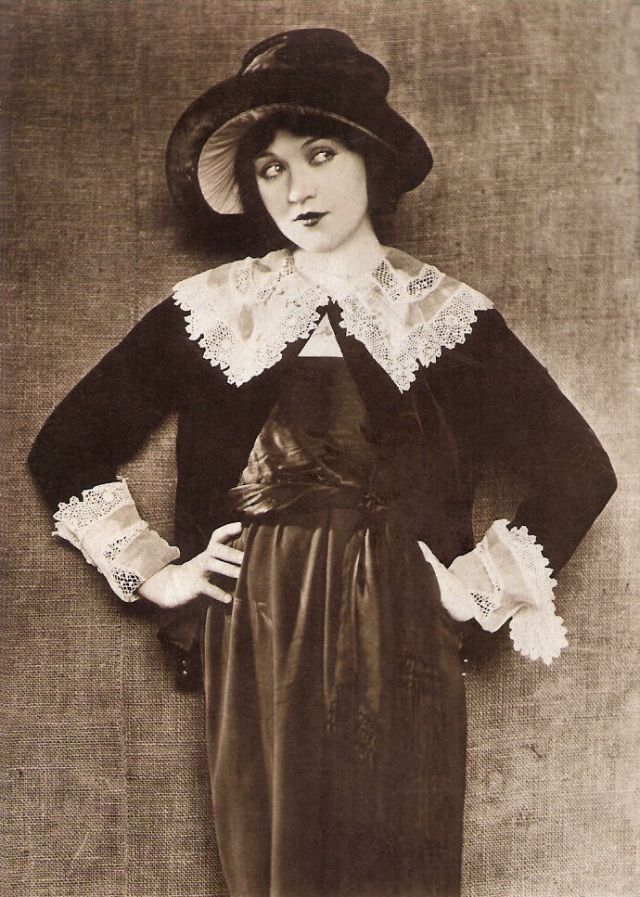
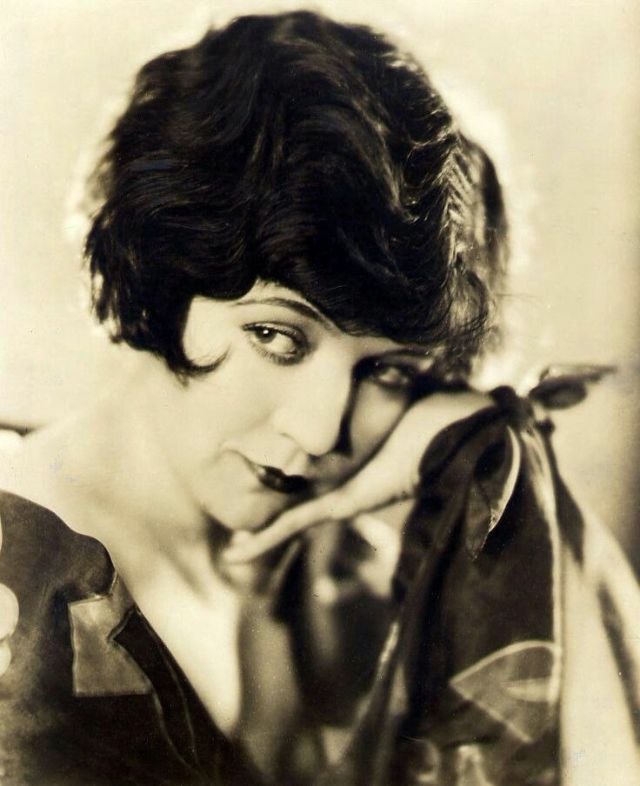
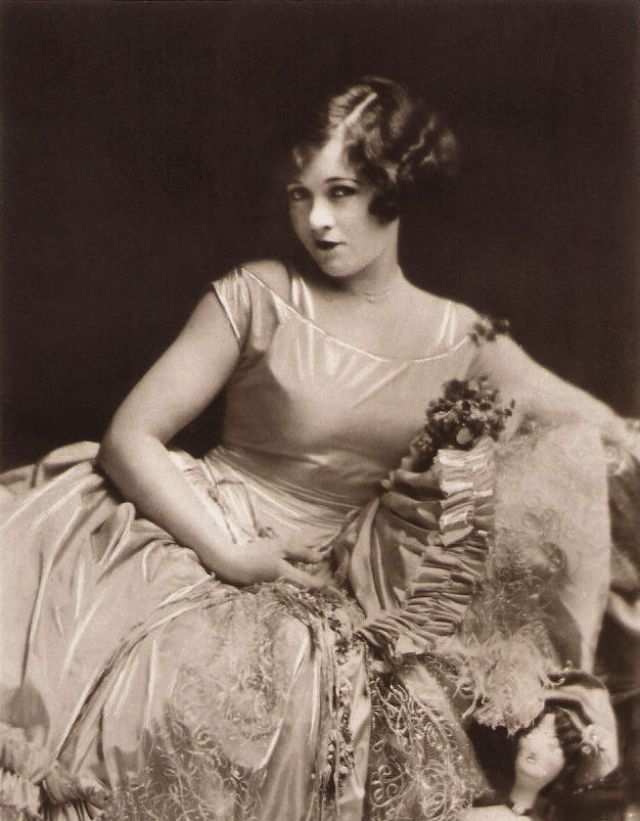
Take a look at these vintage photos to see beautiful portraits of Marie Prevost during her career.












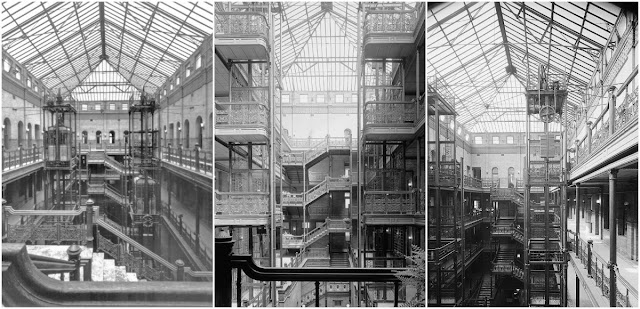
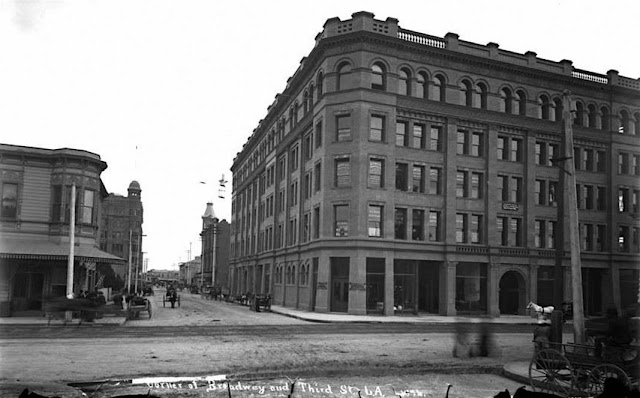
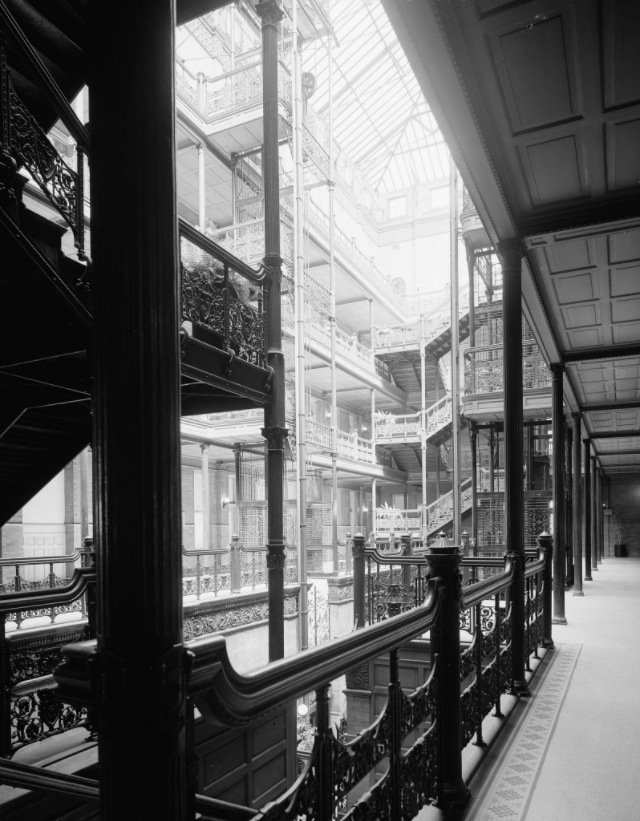
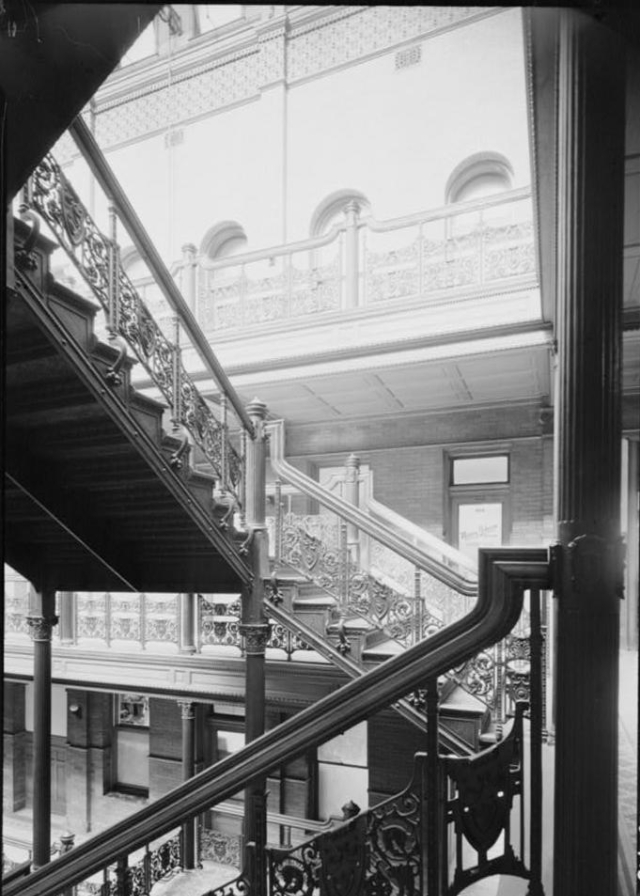
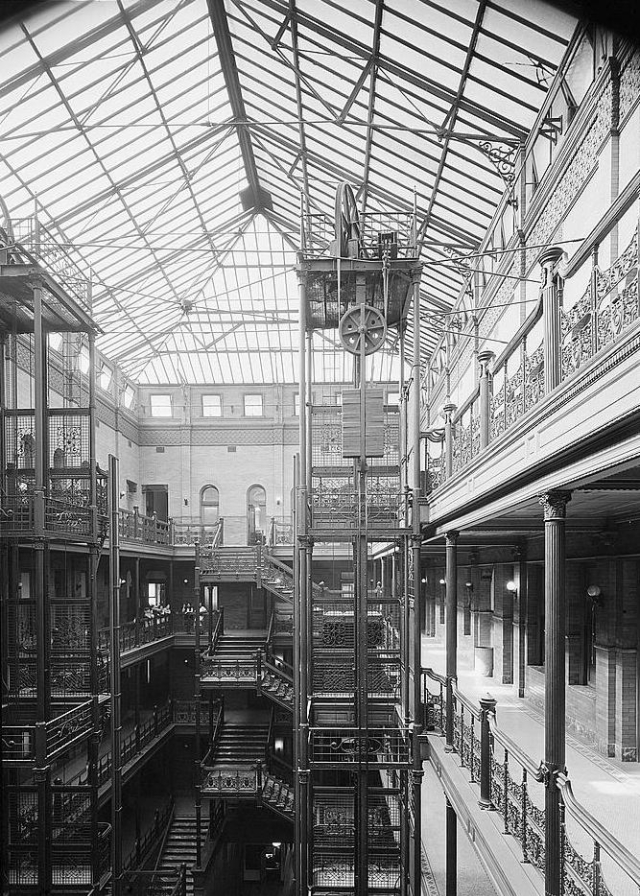
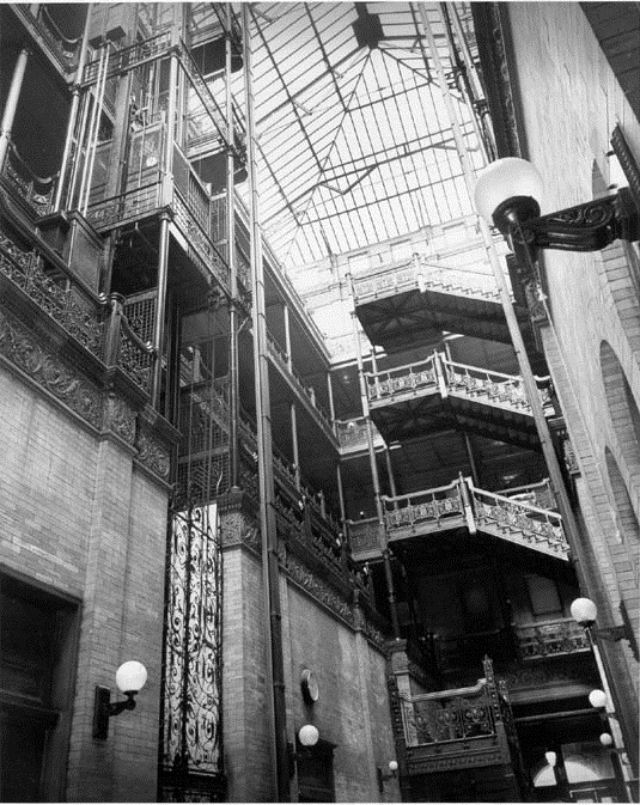
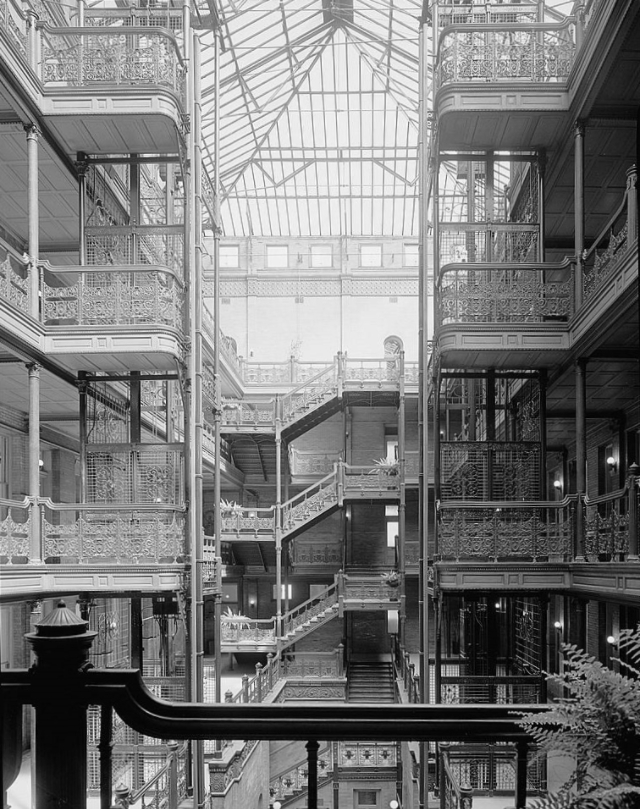
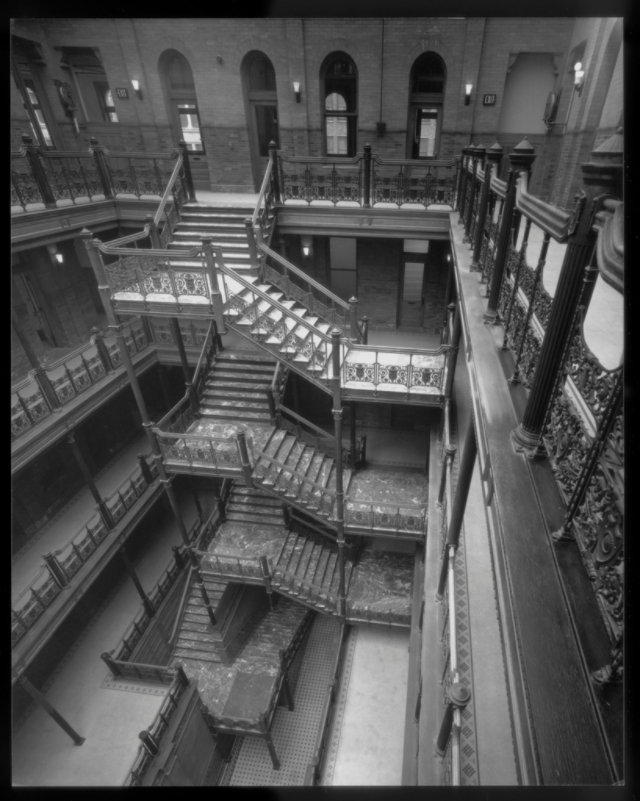
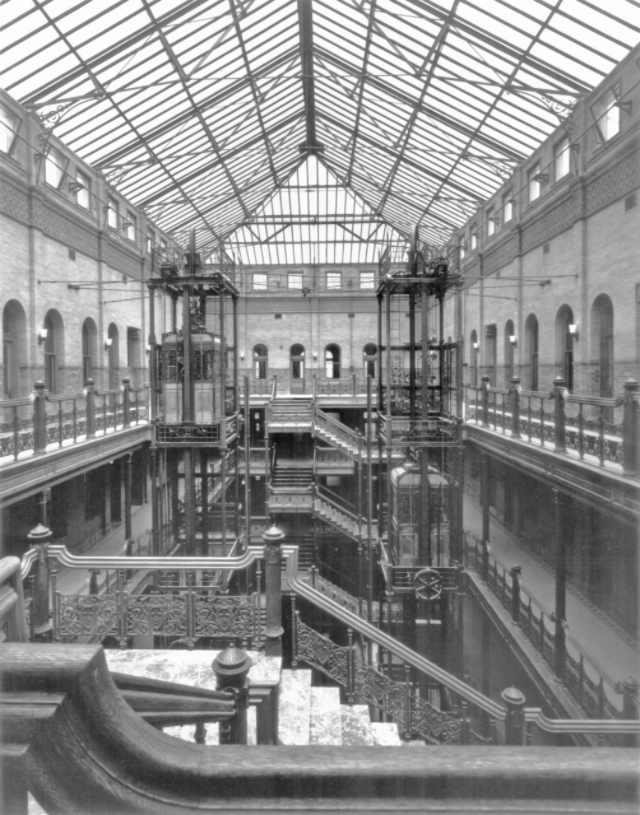
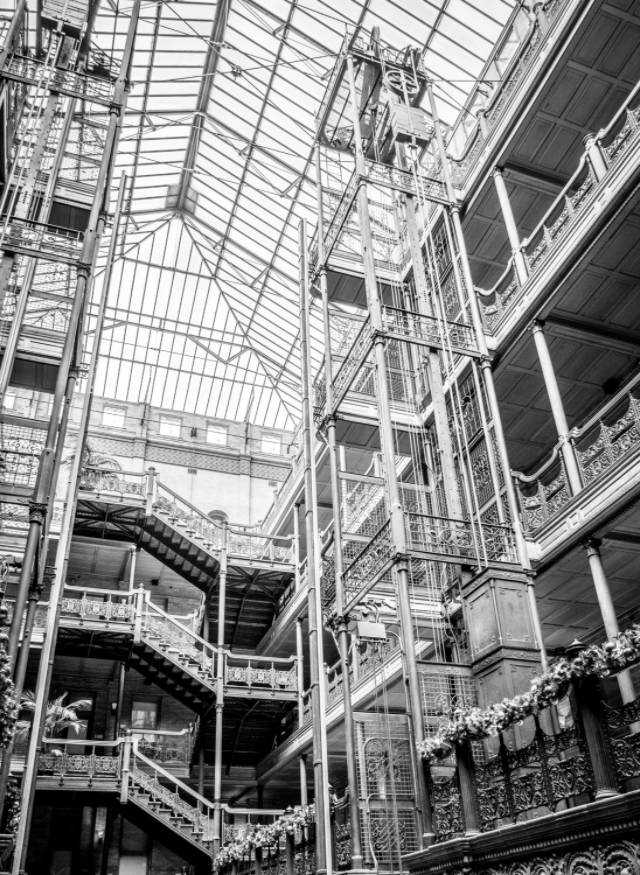
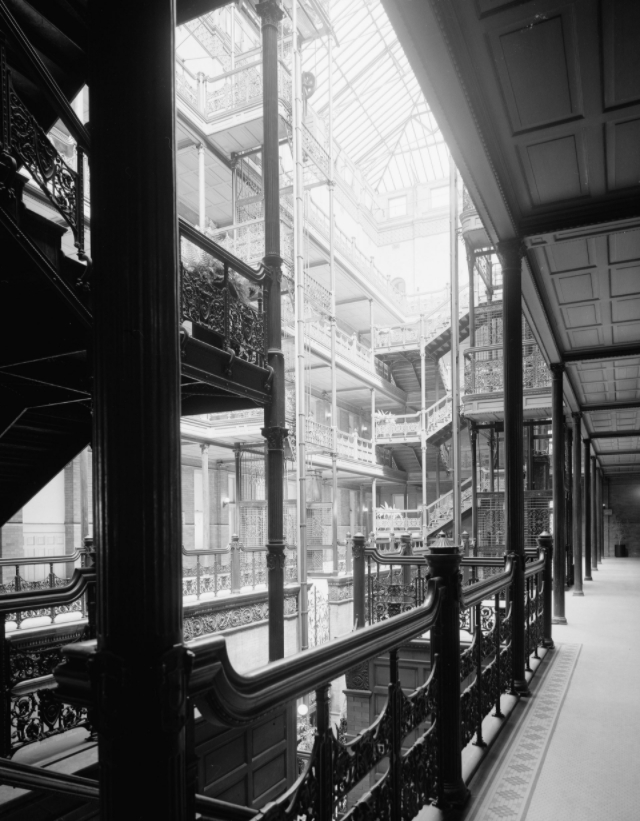
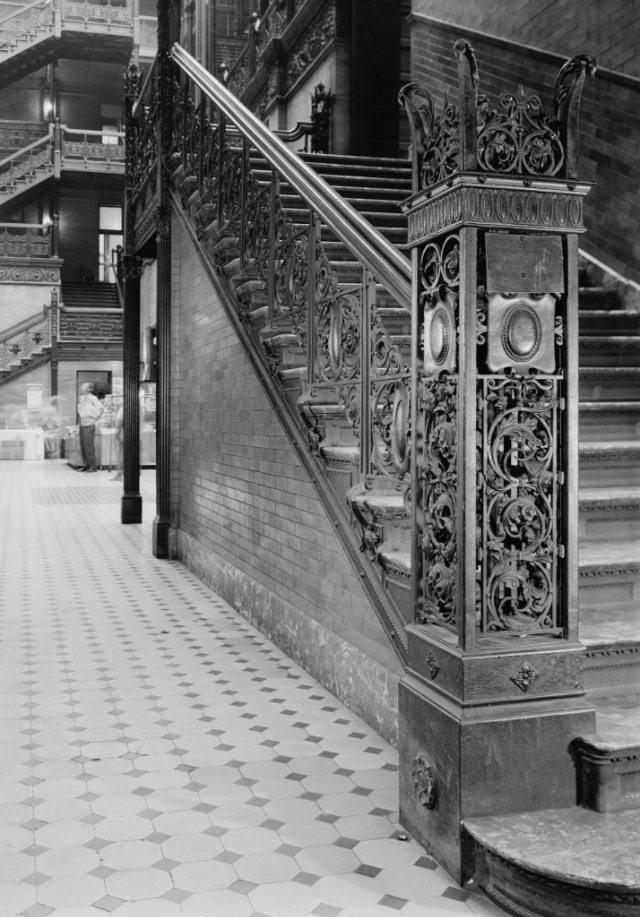
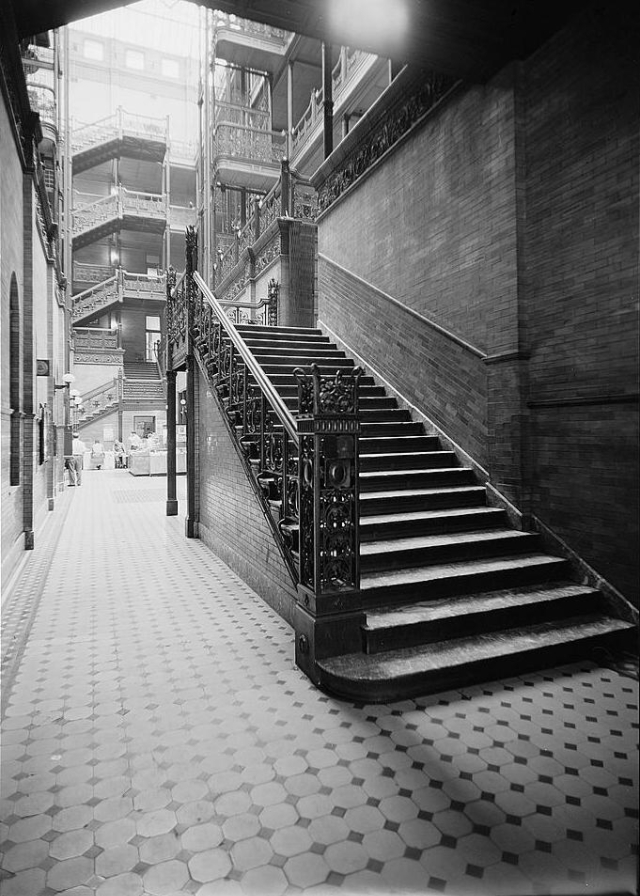
The Bradbury Building is an architectural landmark in downtown Los Angeles, California. Built in 1893, the five-story office building is best known for its extraordinary skylit atrium of access walkways, stairs and elevators, and their ornate ironwork.
The building was commissioned by Los Angeles gold-mining millionaire Lewis L. Bradbury (1823 – 1892) and constructed by draftsman George Wyman from the original design by Sumner Hunt. It is a fine example of a multi-story structure designed around an inner skylit court. Splendid art nouveau iron work build up the open stairways, open elevator cages and balcony rails. The building is a remnant of the Cast Iron Age, which began with the iron bridges in the early half of the 19th century and ended in the last decade of the century when steel framing took over.
The aesthetic quality of the Bradbury Building is largely derived from the superb environment of an inner court flooded with light. It is an early and excellent example of a break with facade architecture and the acknowledgment of the unpleasantness of a busy city street. By treating the inner court as facades, the architect has supplied an off-street leisurely and enriched space which denies the bustle of Broadway and Third Street.
Lewis Bradbury was a gold-mining millionaire – he owned the Tajo mine in Sinaloa, Mexico – who became a real estate developer in the later part of his life. In 1892 he began planning to construct a five-story building at Broadway and Third Street in Los Angeles, close to the Bunker Hill neighborhood. A local architect, Sumner Hunt, was hired to design the building, and turned in a completed design, but Bradbury dismissed Hunt’s plans as inadequate to the grand building he wanted. He then hired George Wyman, one of Hunt’s draftsmen, to do the design. Bradbury supposedly felt that Wyman understood his own vision of the building better than Hunt did, but there is no concrete evidence that Wyman changed Hunt’s design, which has raised some controversy about who should be considered to be the architect of the building. Wyman had no formal education as an architect, and was working for Hunt for $5 a week at the time.
The building opened in 1893, some months after Bradbury’s death in 1892, and was completed in 1894, at the total cost of $500,000 (about $16,000,000 today), about three times the original budget of $175,000. It appears in many works of fiction and has been the site of many movie and television shoots and music.

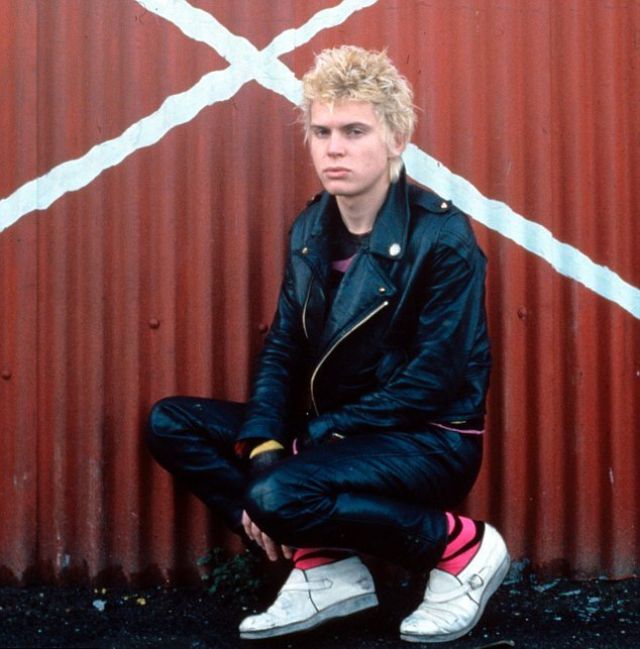
Born 1955 as William Michael Albert Broad, English musician, singer, songwriter and actor Billy Idol first achieved fame in the 1970s emerging from the London punk rock scene as the lead singer of the group Generation X. Subsequently, he embarked on a solo career which led to international recognition and made Idol a lead artist during the MTV-driven “Second British Invasion” in the United States. The name “Billy Idol” was inspired by a schoolteacher’s description of him as “idle”.
Idol began his music career in late 1976 as a guitarist in the punk rock band Chelsea. However, he soon left the group. With his former bandmate Tony James, Idol formed Generation X. With Idol as lead singer, the band achieved success in the United Kingdom and released three albums on Chrysalis Records, then disbanded. In 1981, Idol moved to New York City to pursue his solo career in collaboration with guitarist Steve Stevens. His debut studio album, Billy Idol (1982), was a commercial success. With music videos for singles “Dancing with Myself” and “White Wedding” Idol soon became a staple of then-newly established MTV.
Idol’s second studio album, Rebel Yell (1983), was a major commercial success, featuring hit singles “Rebel Yell” and “Eyes Without a Face”. The album was certified double platinum by the Recording Industry Association of America (RIAA) for shipment of two million copies in the US. In 1986, he released Whiplash Smile. Having accumulated three UK top 10 singles (“Rebel Yell”, “White Wedding” and “Mony Mony”) Idol released a 1988 greatest hits album titled Idol Songs: 11 of the Best; the album went platinum in the United Kingdom. Idol then released Charmed Life (1990) and the concept album Cyberpunk (1993).
Idol spent the second half of the 1990s focusing on his personal life out of the public eye. He made a musical comeback with the release of Devil’s Playground (2005) and again with Kings & Queens of the Underground (2014).
Take a look at these fabulous photos to see styles of a young Billy Idol in the 1970s and 1980s.



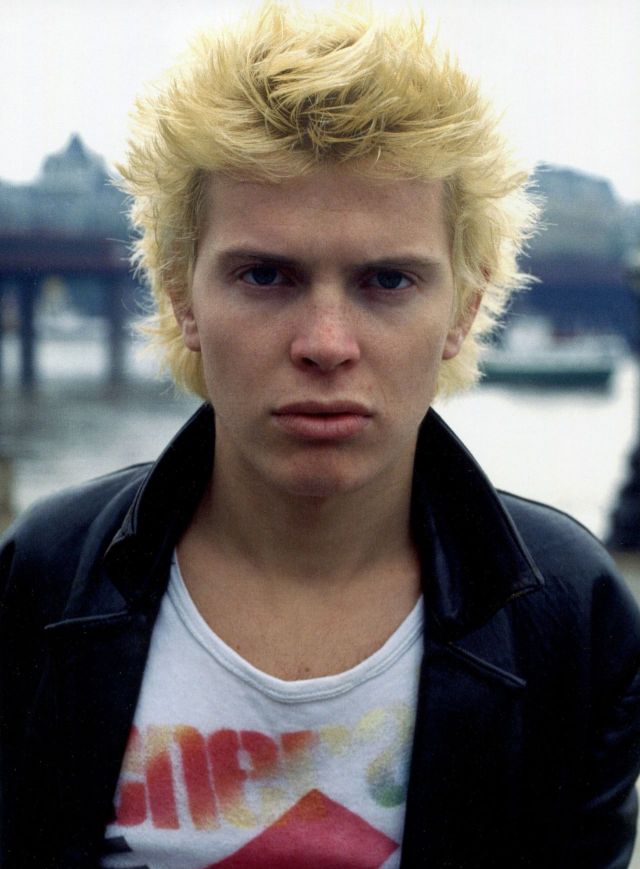





















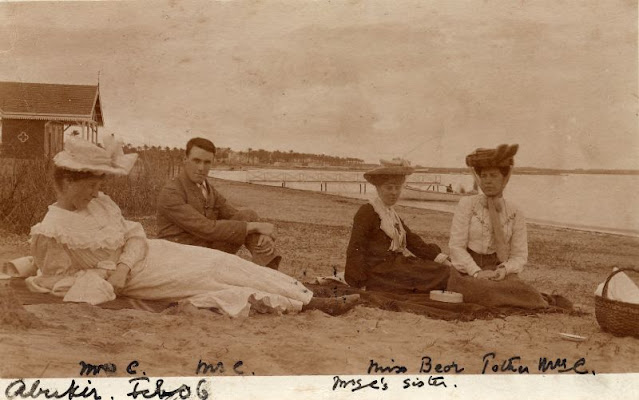
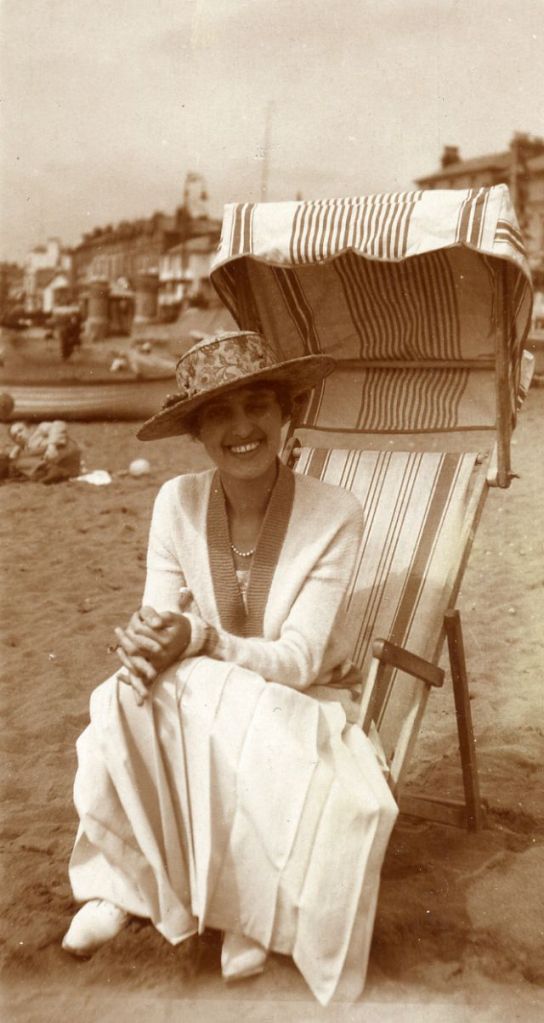
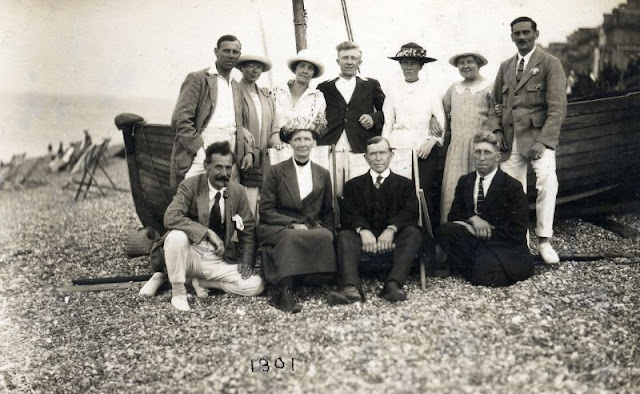
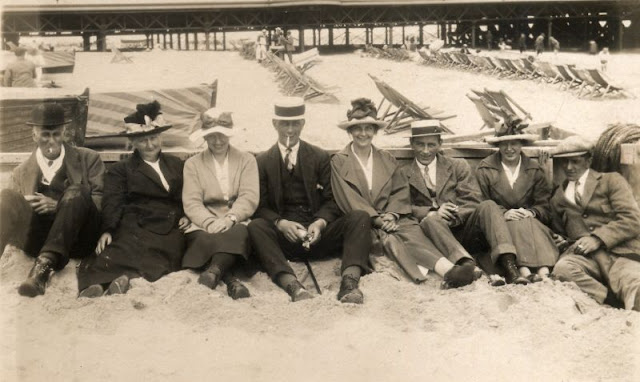
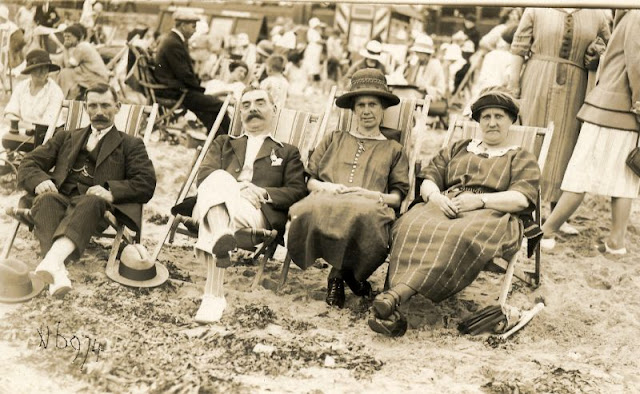
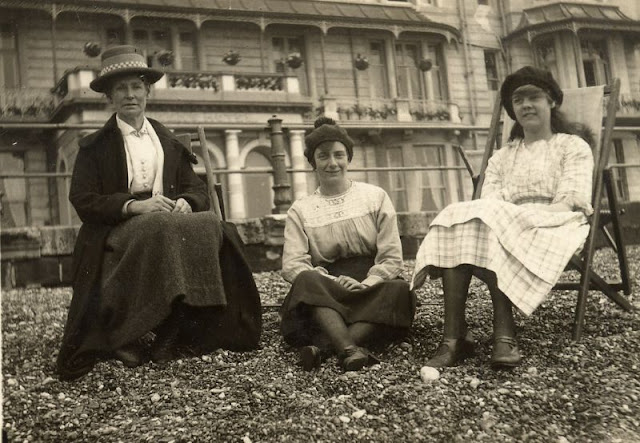
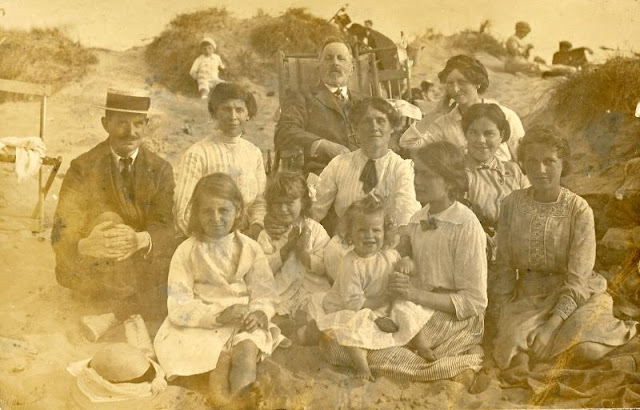
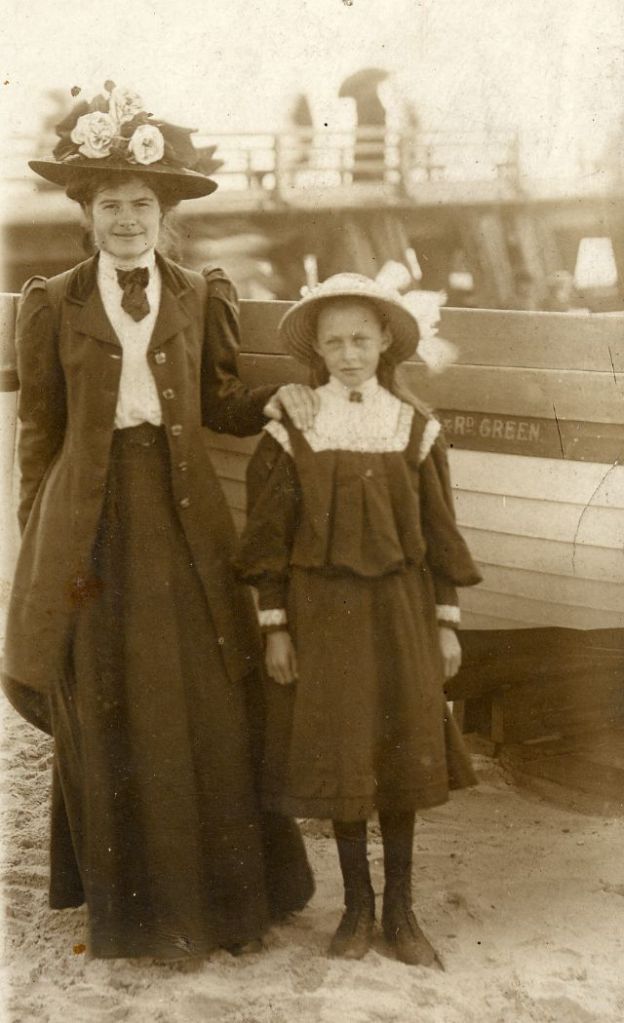
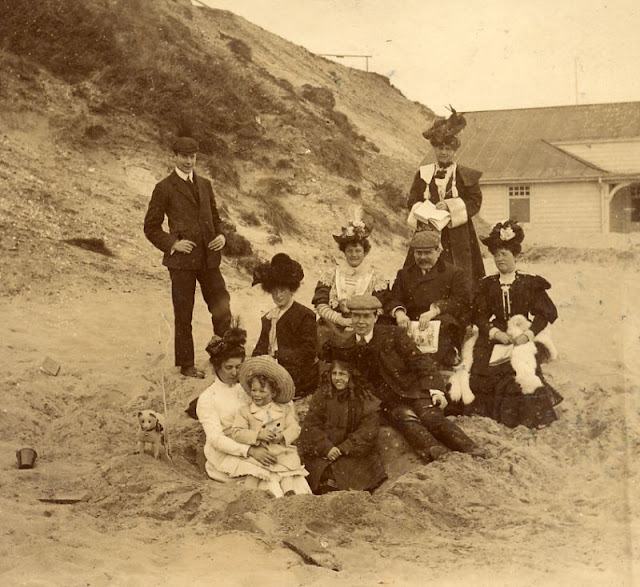
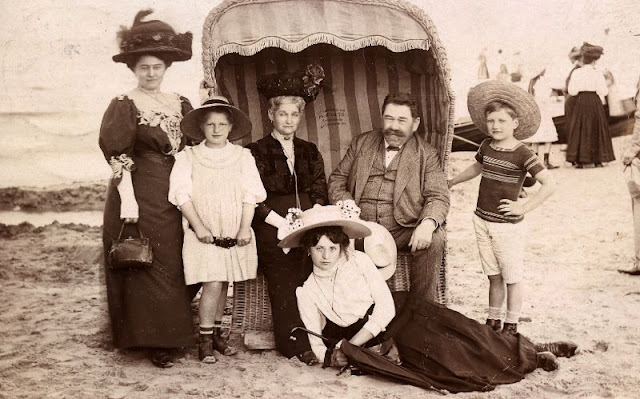
The Edwardian times were often referred to as the golden age. Life of the rich revolved around social parties, banquets. Those who attended these parties were elaborately dressed men and women with high society manners and a polished outlook towards like.
Edwardian women started getting an equal say in the socio-economic scenario of the United Kingdom, something which never had happened in its history. The demise of child labour was another feather in the cap of the Edwardian era. The Judiciary and the executive both started treating child labour as a severe offence.
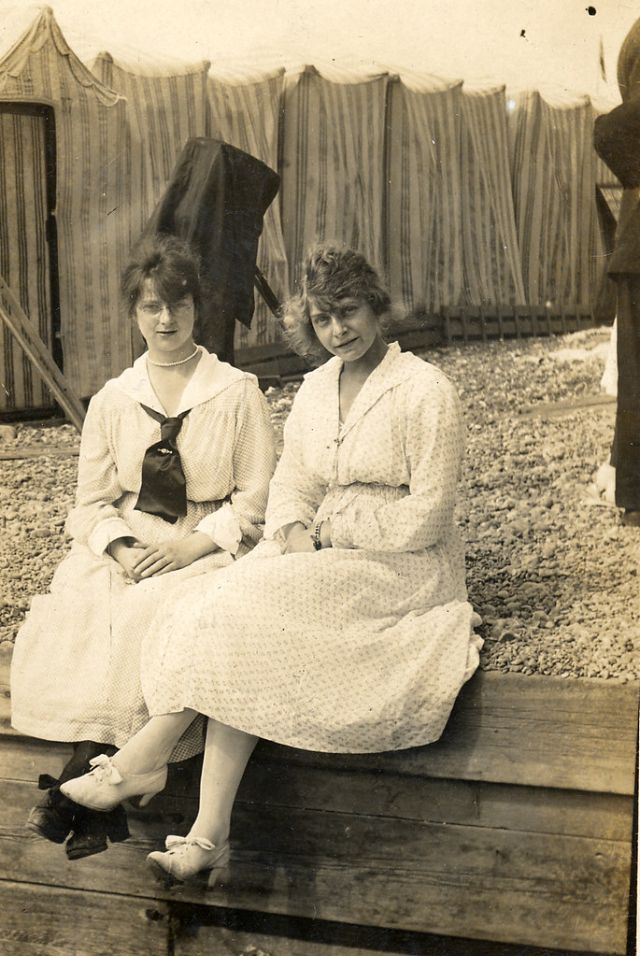
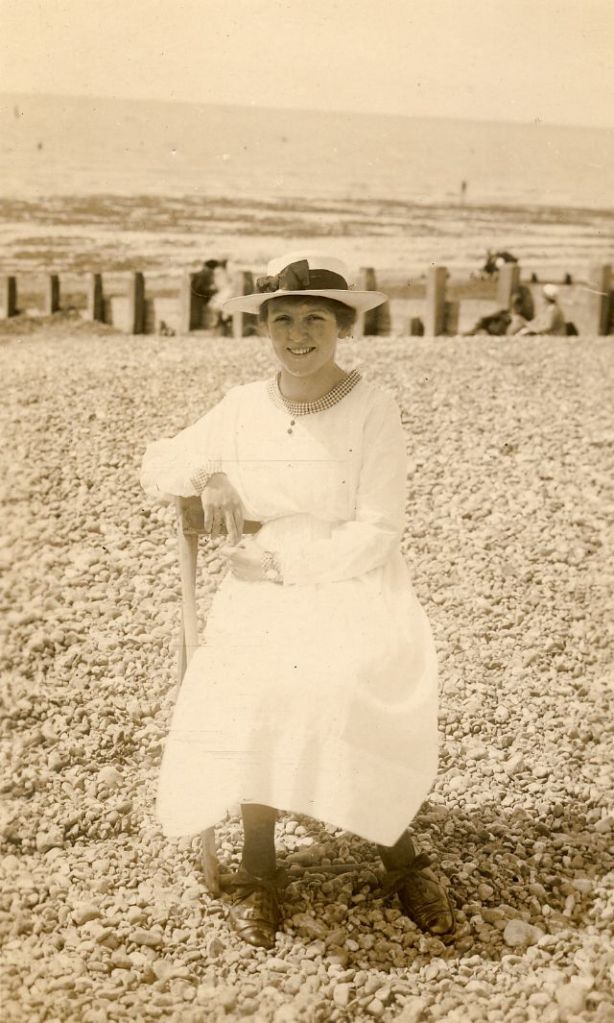
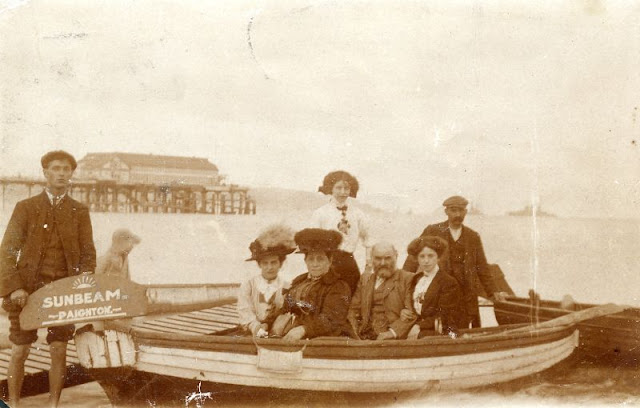
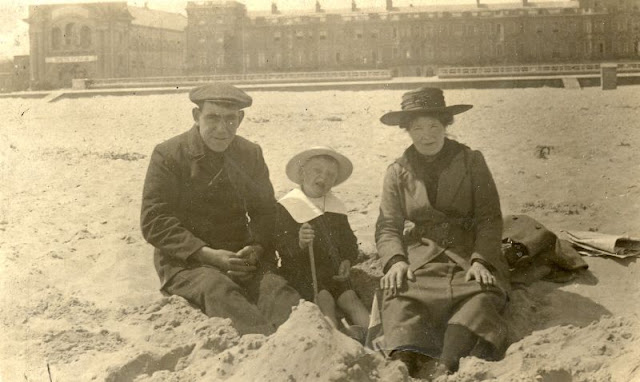
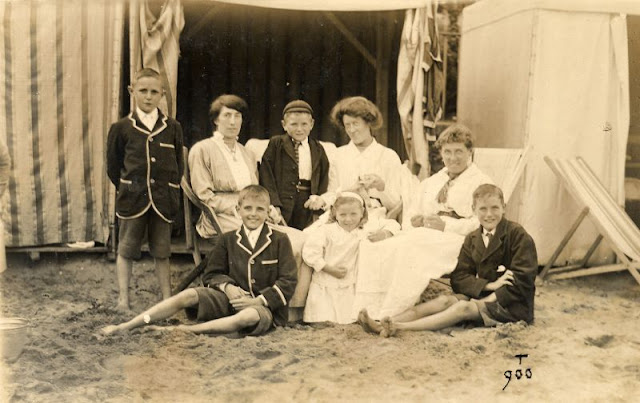
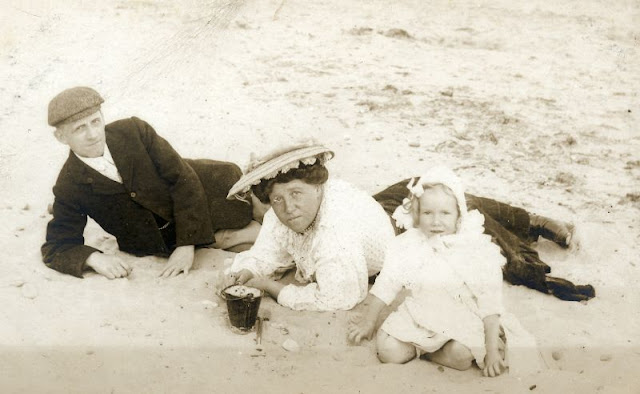
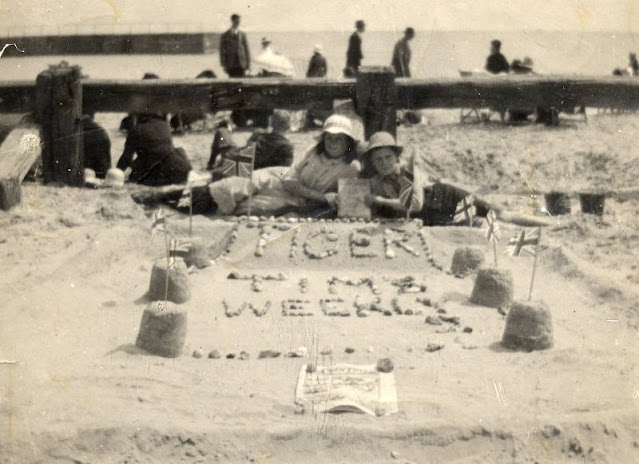
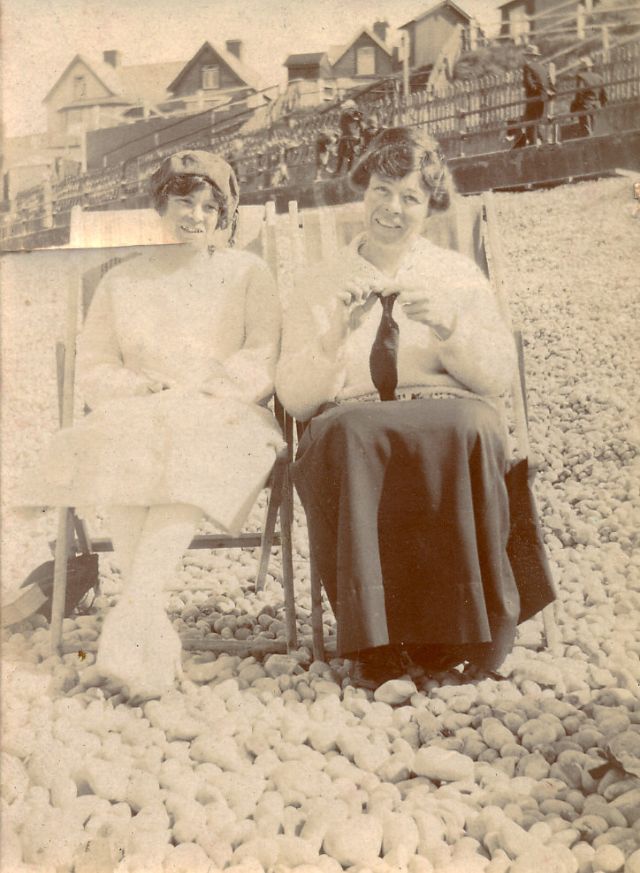
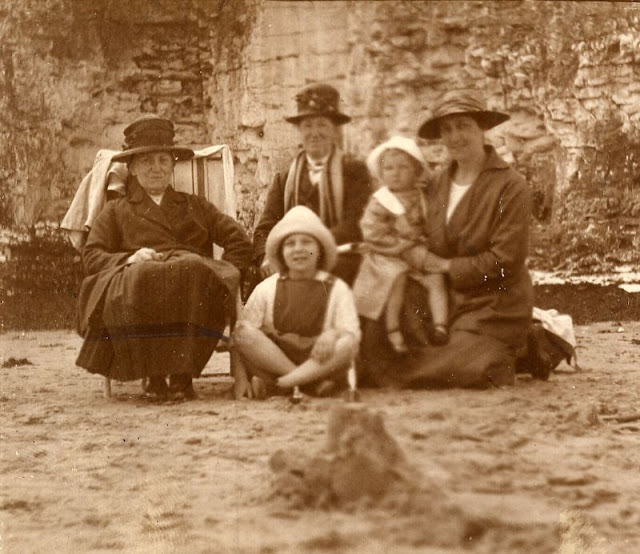
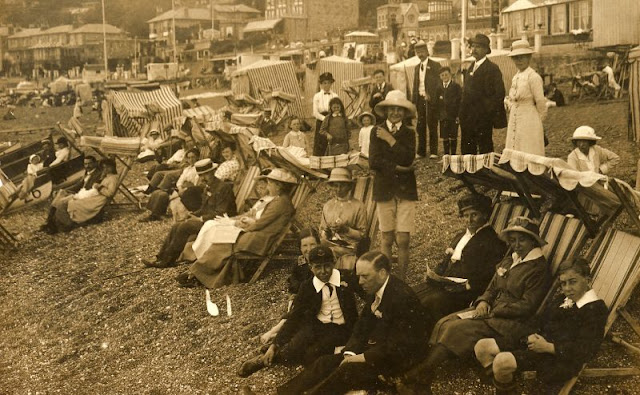
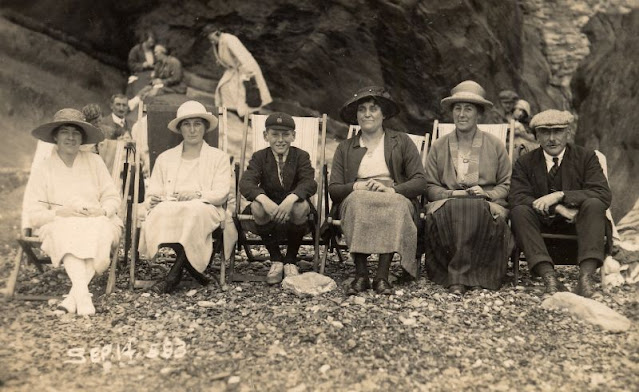
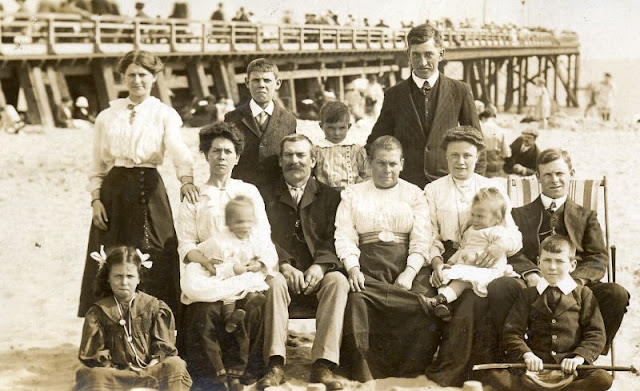
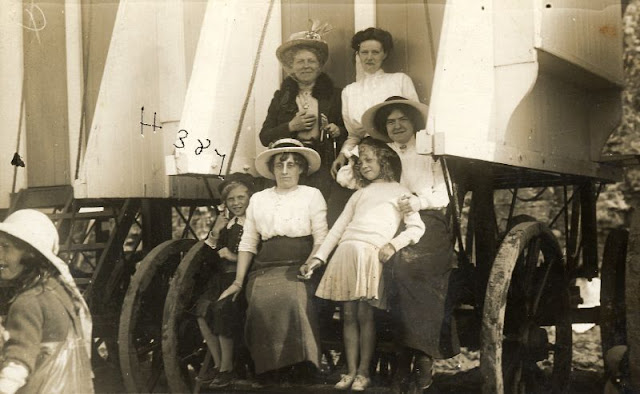
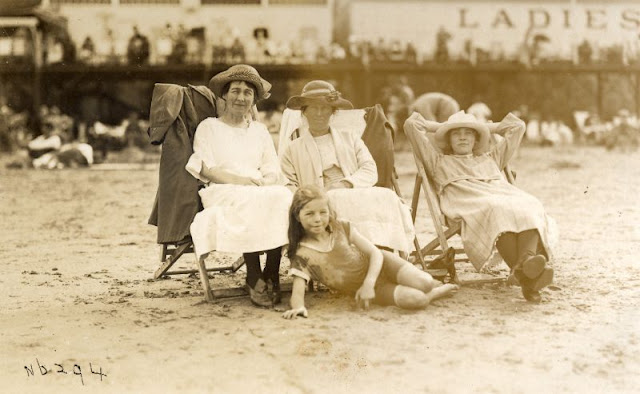
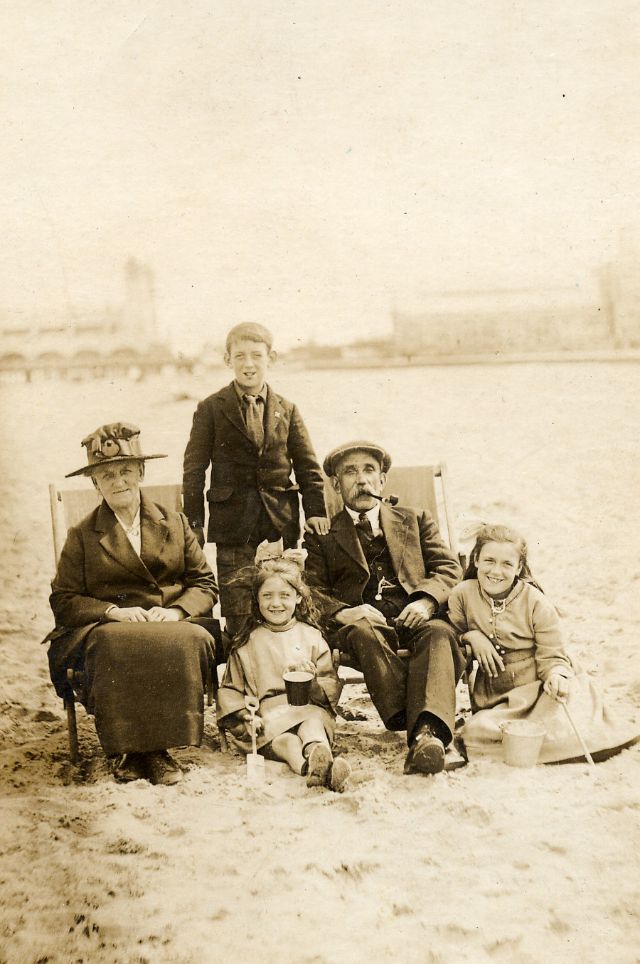
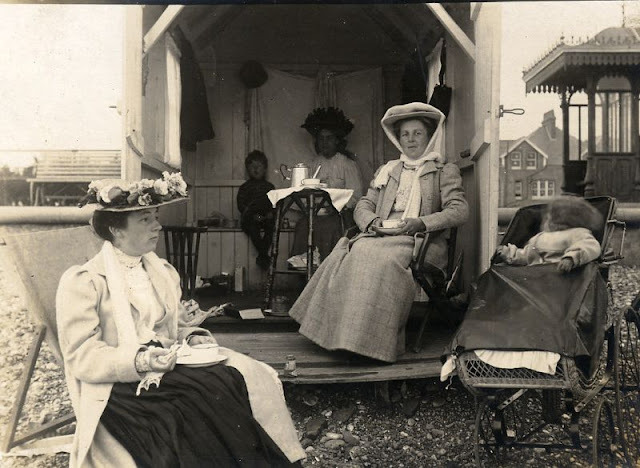
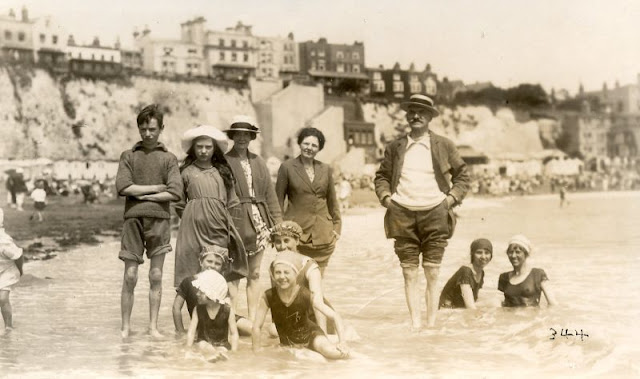
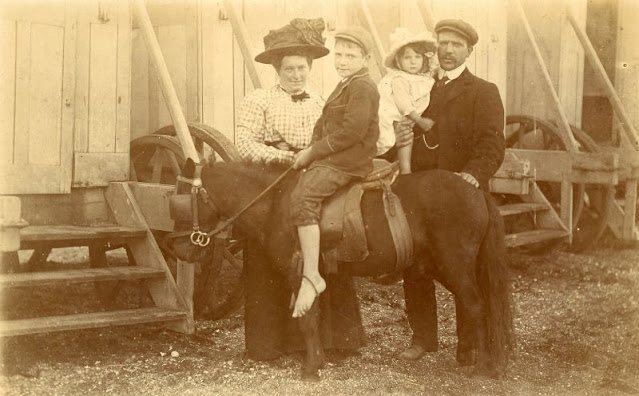
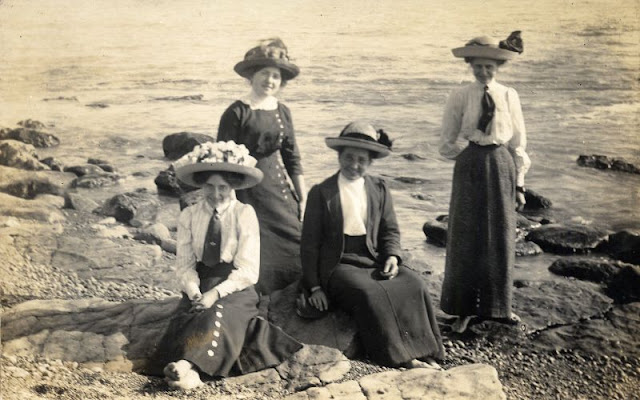
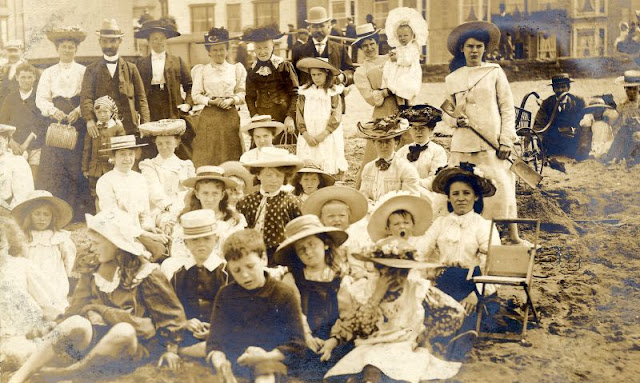
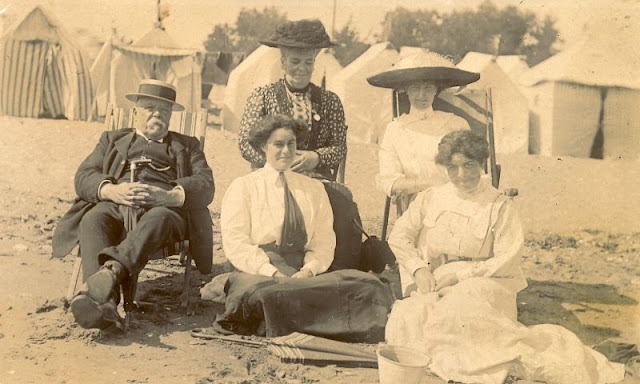
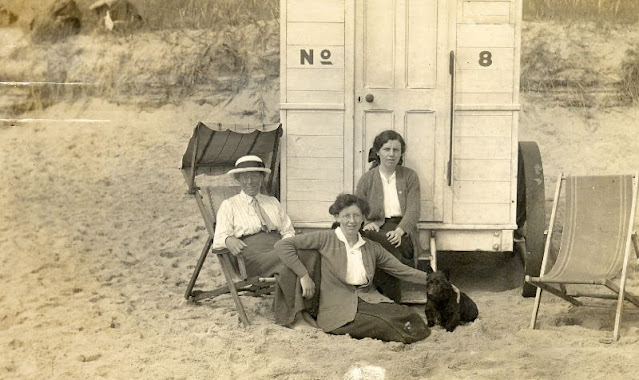
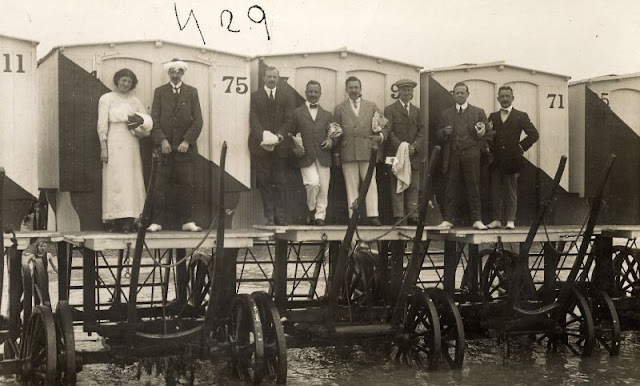
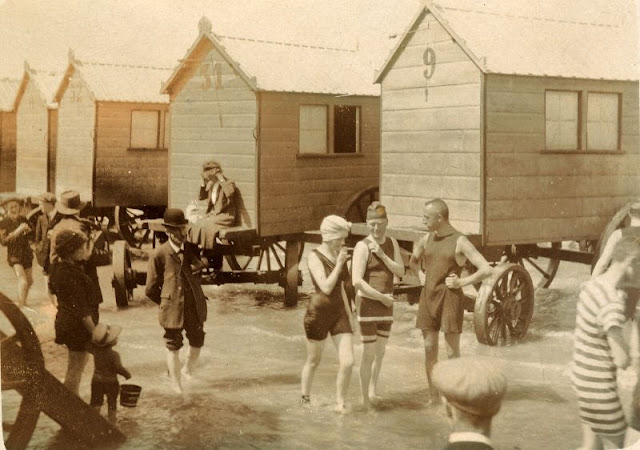
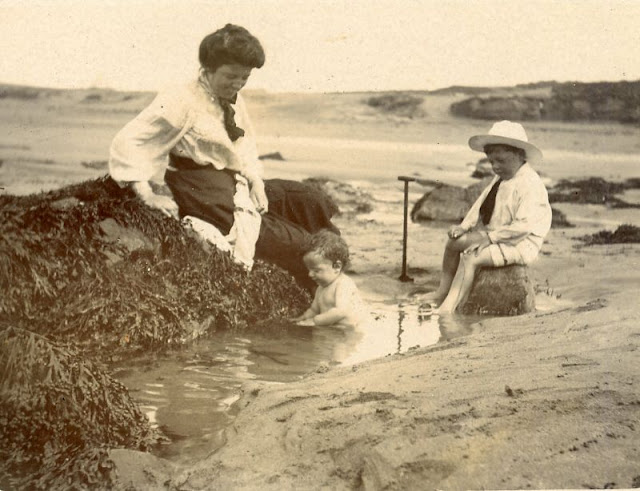
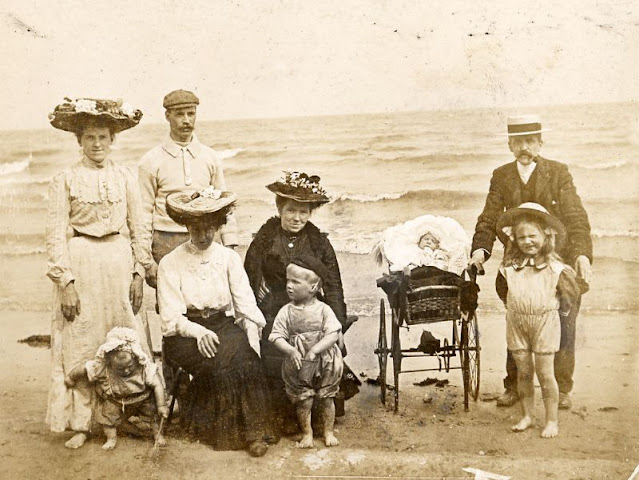
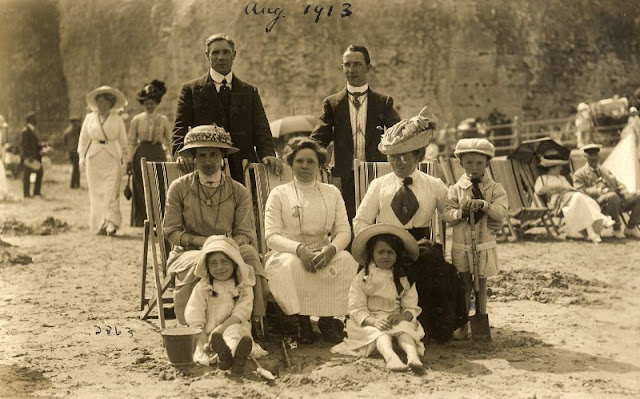
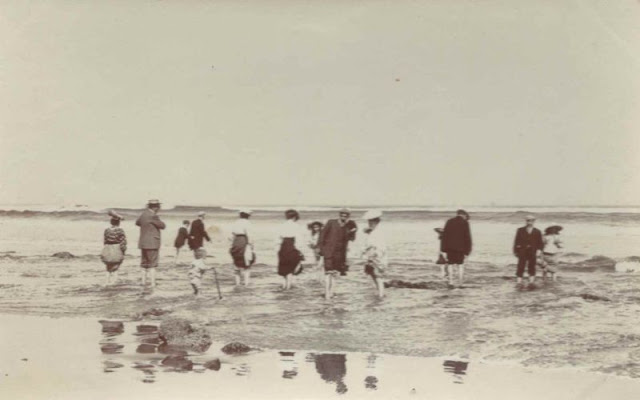
These vintage photos show what beach life looked like during Edwardian era.


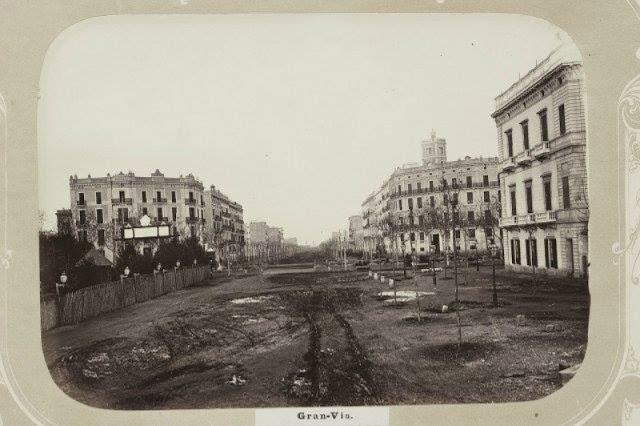
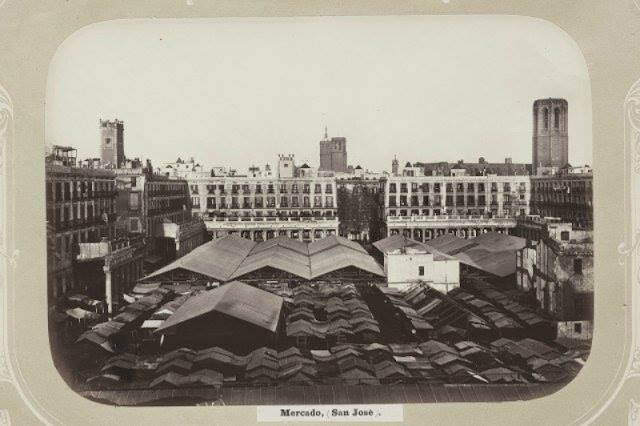
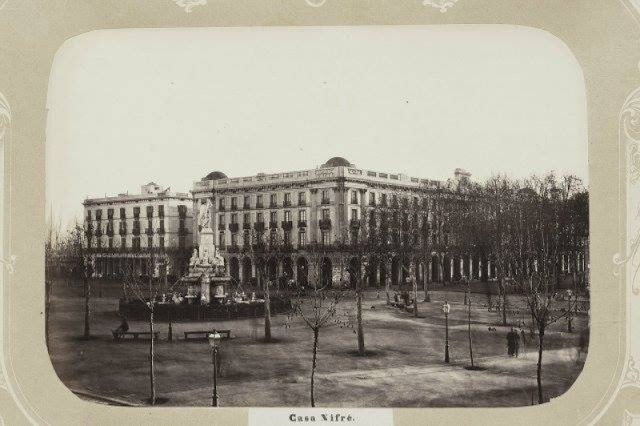
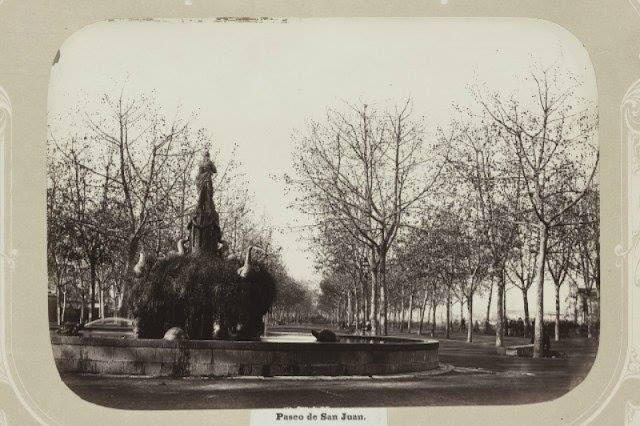
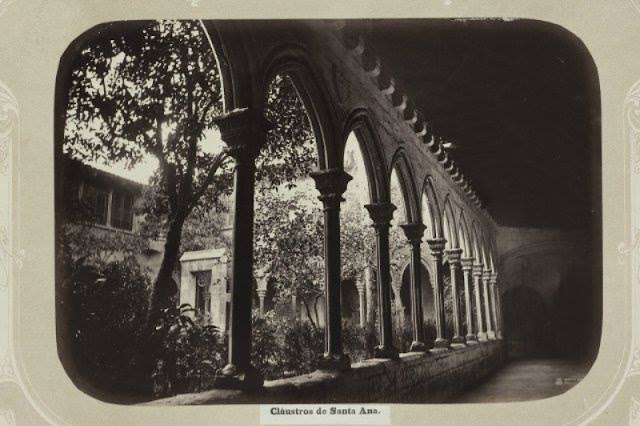
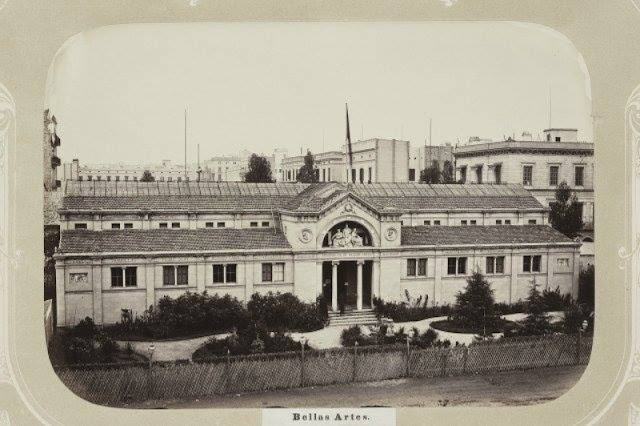
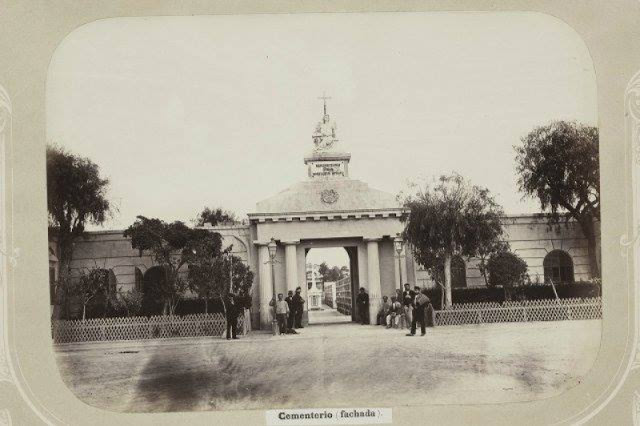
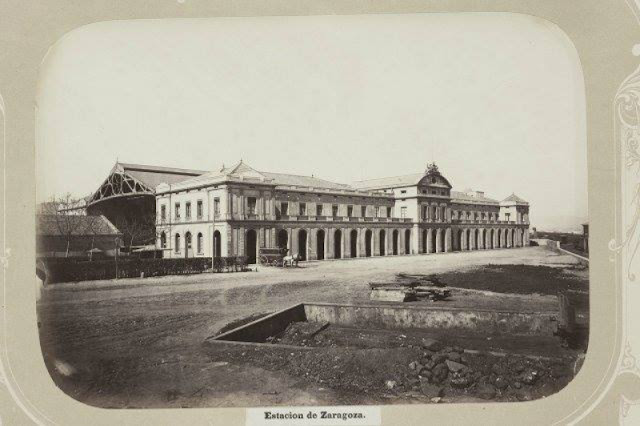
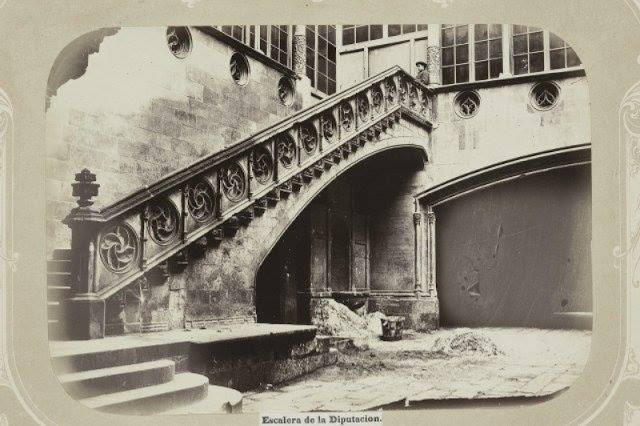
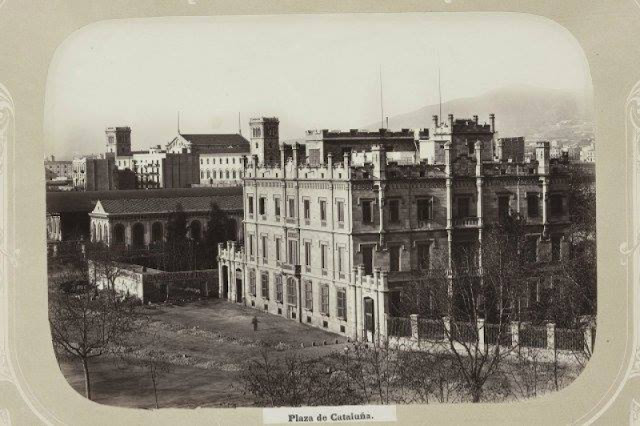
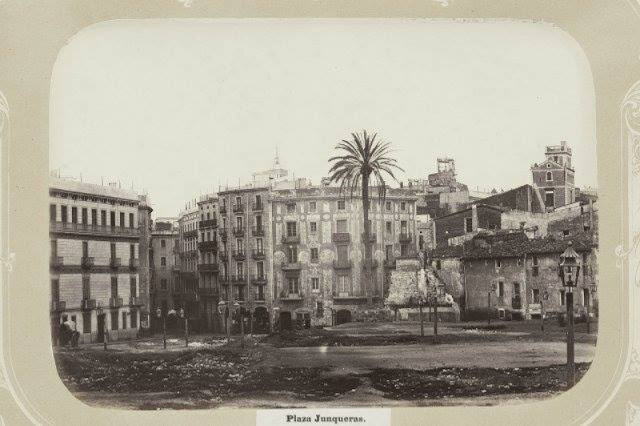
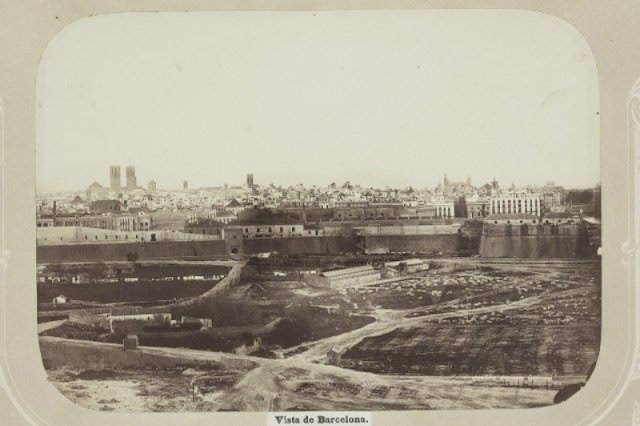
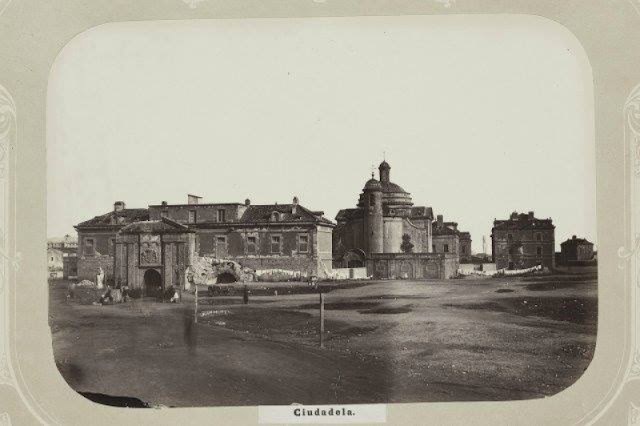
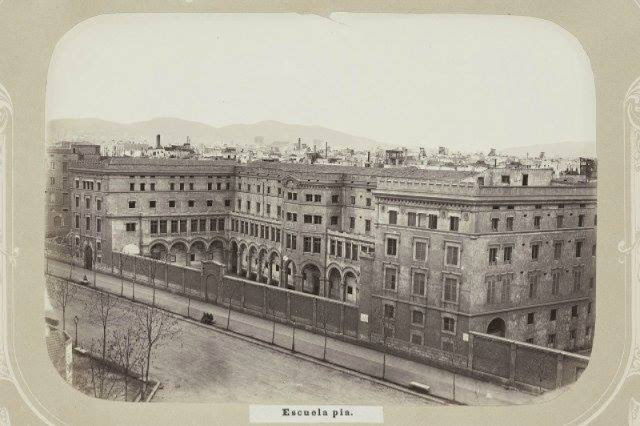
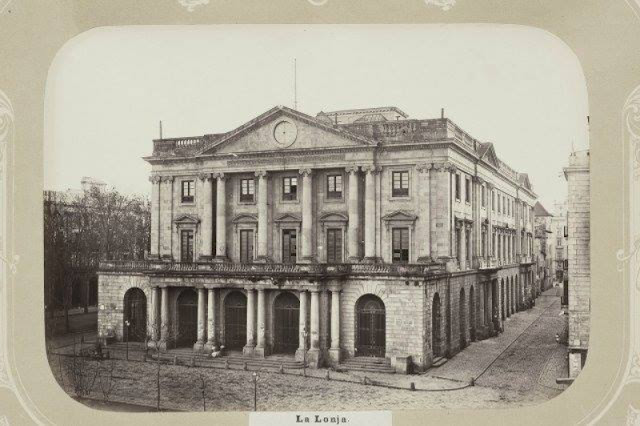
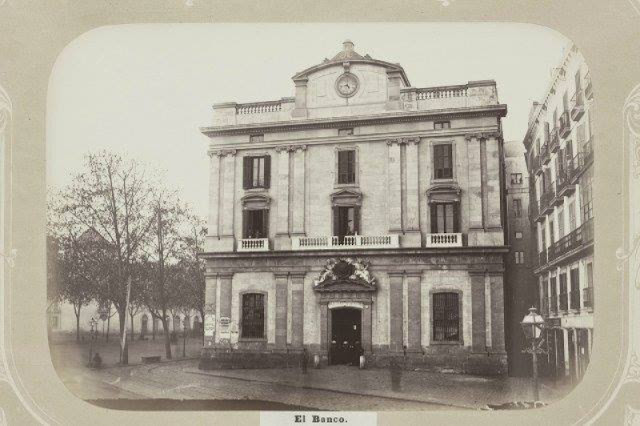
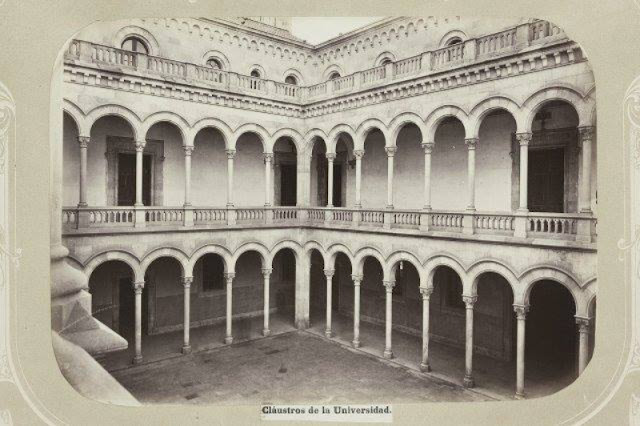
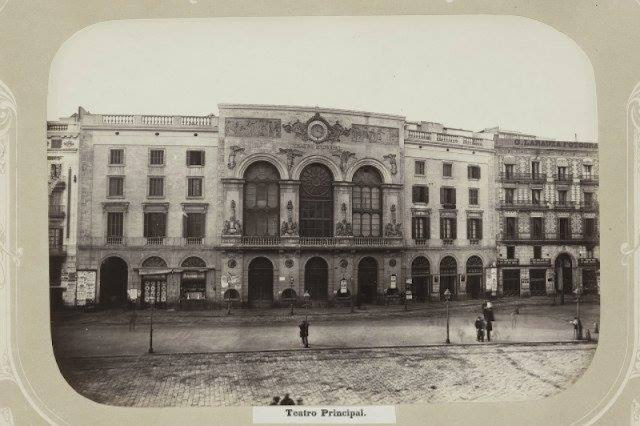
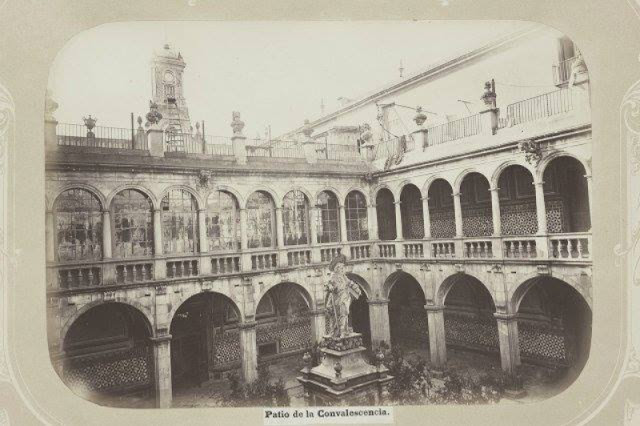
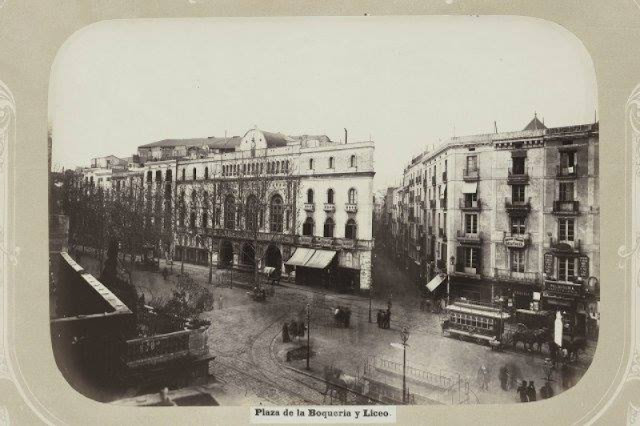
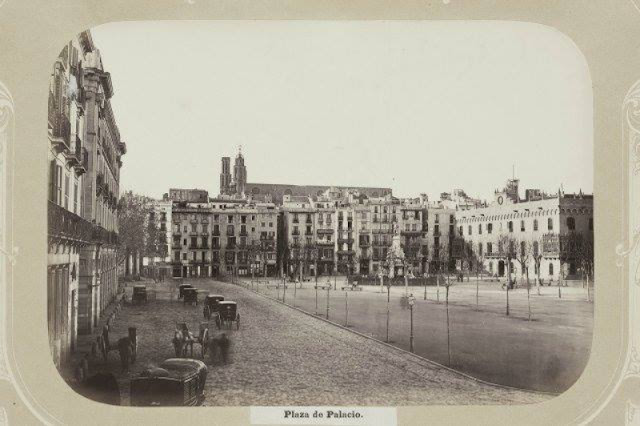
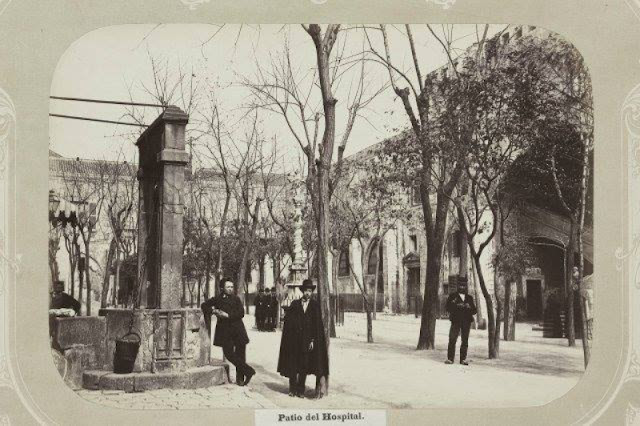
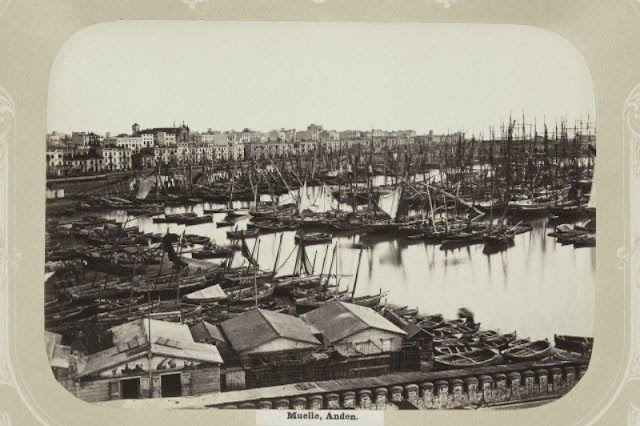
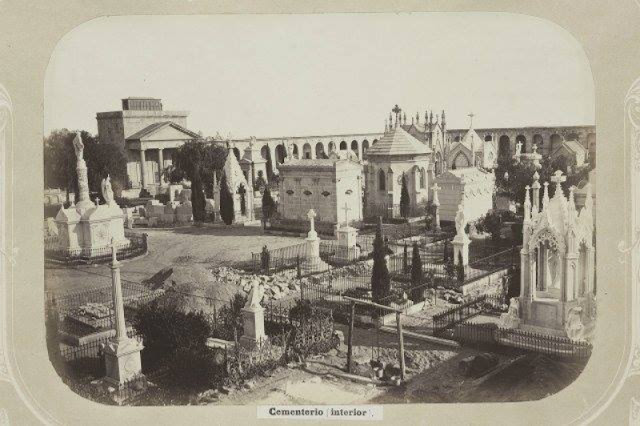
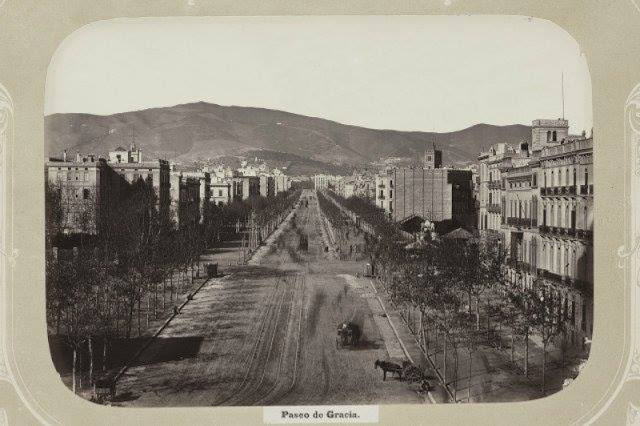
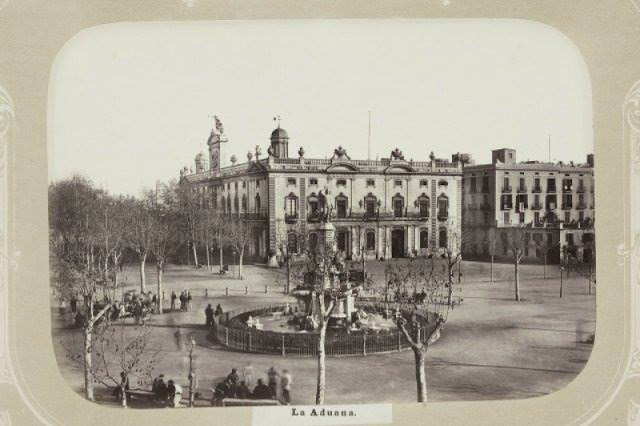
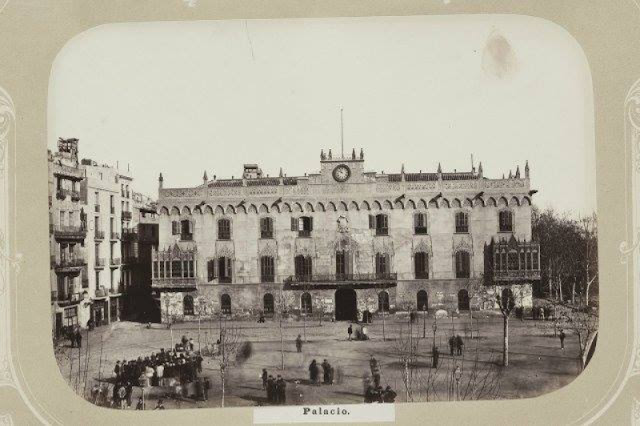
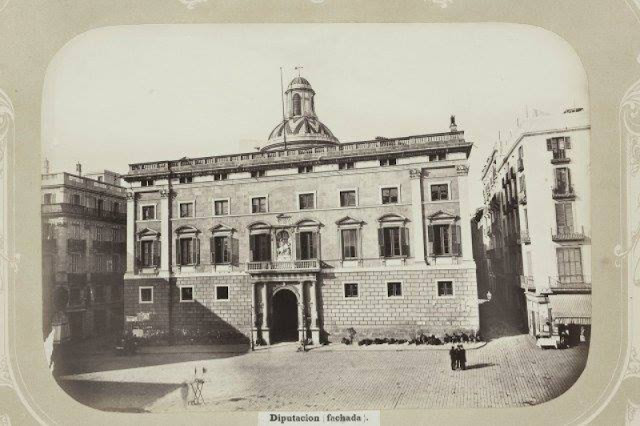
Barcelona is a city on the coast of northeastern Spain. It is the capital and largest city of the autonomous community of Catalonia, as well as the second most populous municipality of Spain. With a population of 1.6 million within city limits, its urban area extends to numerous neighbouring municipalities within the Province of Barcelona and is home to around 4.8 million people, making it the fifth most populous urban area in the European Union after Paris, the Ruhr area, Madrid, and Milan. It is one of the largest metropolises on the Mediterranean Sea, located on the coast between the mouths of the rivers Llobregat and Besòs, and bounded to the west by the Serra de Collserola mountain range, the tallest peak of which is 512 metres (1,680 feet) high.
Founded as a Roman city, in the Middle Ages Barcelona became the capital of the County of Barcelona. After joining with the Kingdom of Aragon to form the confederation of the Crown of Aragon, Barcelona, which continued to be the capital of the Principality of Catalonia, became the most important city in the Crown of Aragon and the main economic and administrative centre of the Crown, only to be overtaken by Valencia, wrested from Arab domination by the Catalans, shortly before the dynastic union between the Crown of Castile and the Crown of Aragon in 1492. Barcelona has a rich cultural heritage and is today an important cultural centre and a major tourist destination. Particularly renowned are the architectural works of Antoni Gaudí and Lluís Domènech i Montaner, which have been designated UNESCO World Heritage Sites. The city is home to two of the most prestigious universities in Spain: the University of Barcelona and Pompeu Fabra University. The headquarters of the Union for the Mediterranean are located in Barcelona. The city is known for hosting the 1992 Summer Olympics as well as world-class conferences and expositions and also many international sport tournaments.
Barcelona is a major cultural, economic, and financial centre in southwestern Europe, as well as the main biotech hub in Spain. As a leading world city, Barcelona’s influence in global socio-economic affairs qualifies it for global city status (Beta +).
Barcelona is a transport hub, with the Port of Barcelona being one of Europe’s principal seaports and busiest European passenger port, an international airport, Barcelona–El Prat Airport, which handles over 50 million passengers per year, an extensive motorway network, and a high-speed rail line with a link to France and the rest of Europe. (Wikipedia)
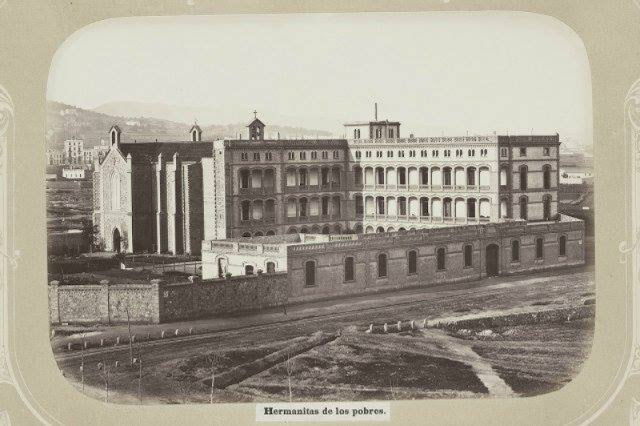
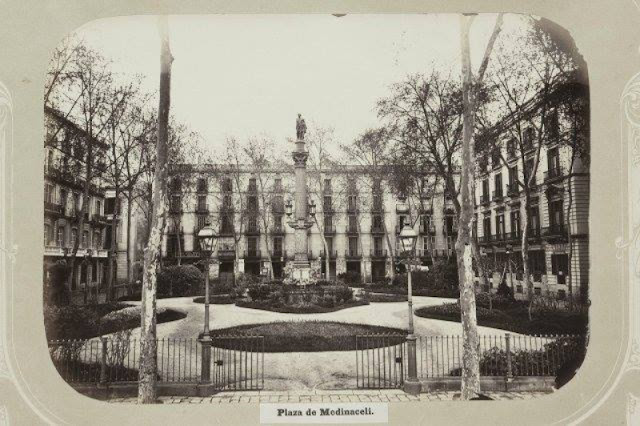
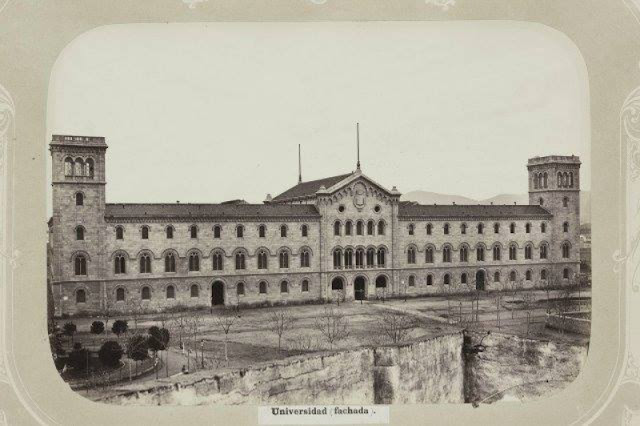
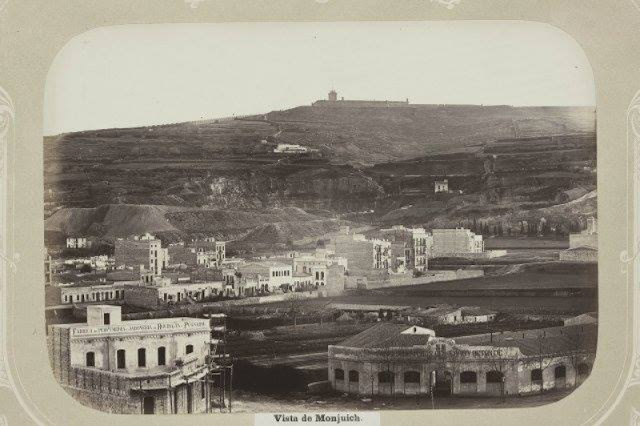
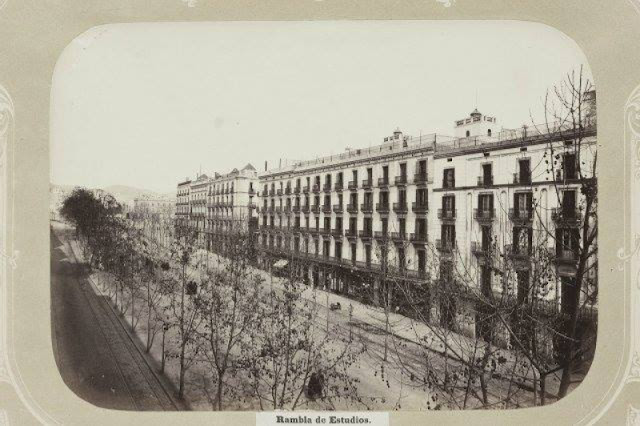
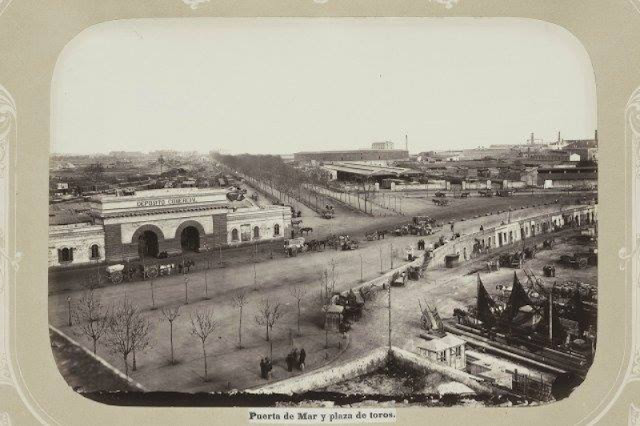
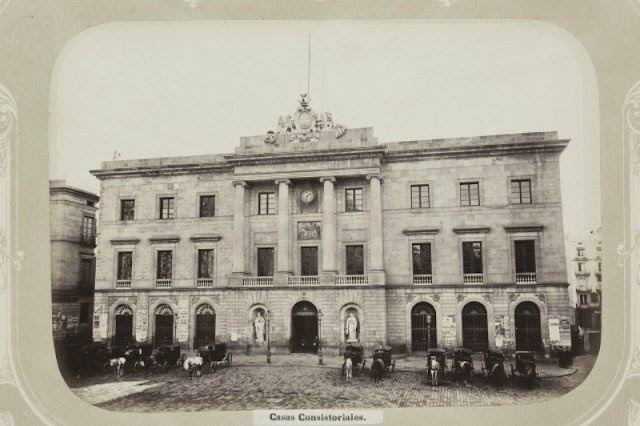
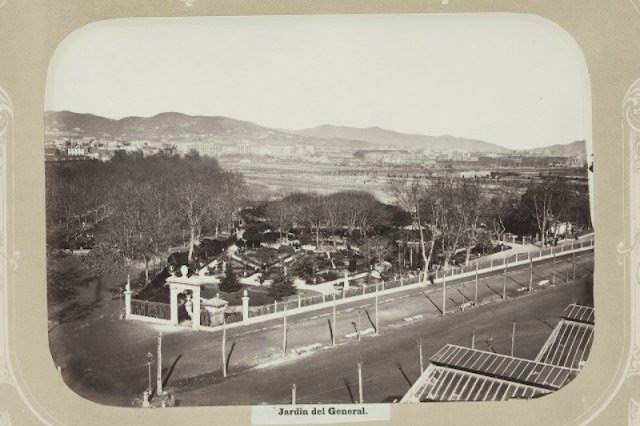

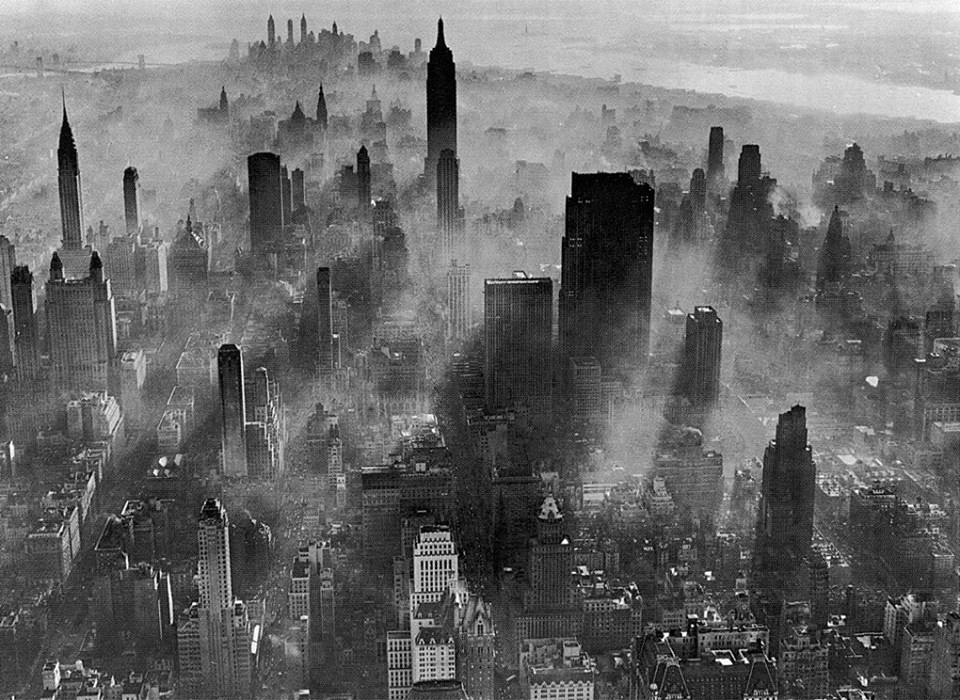
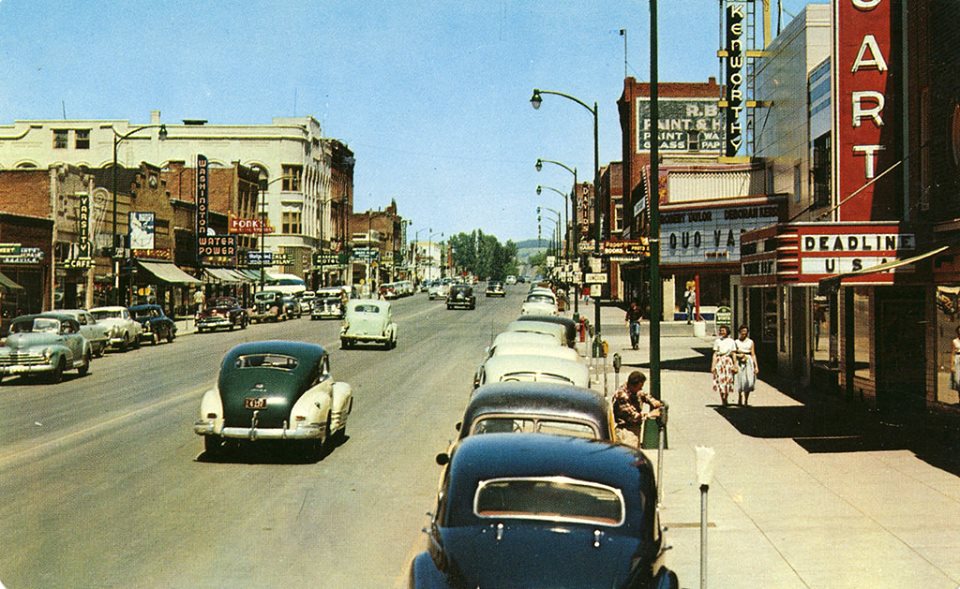
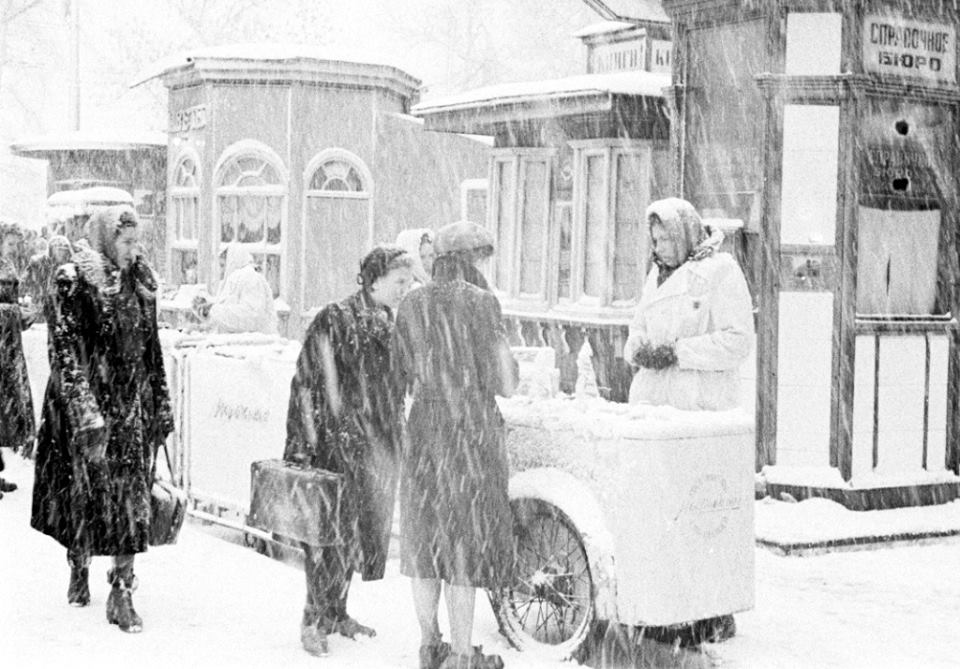
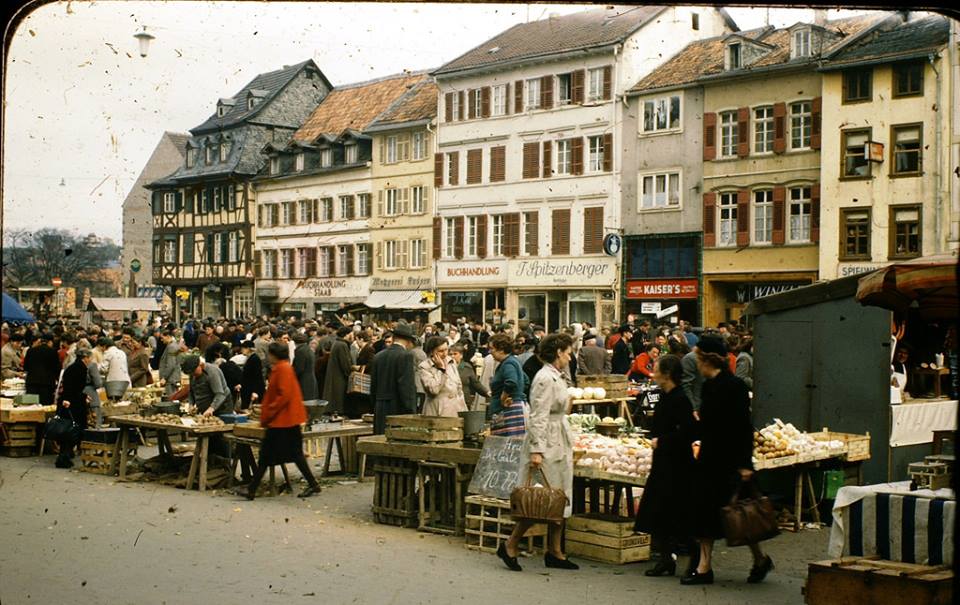
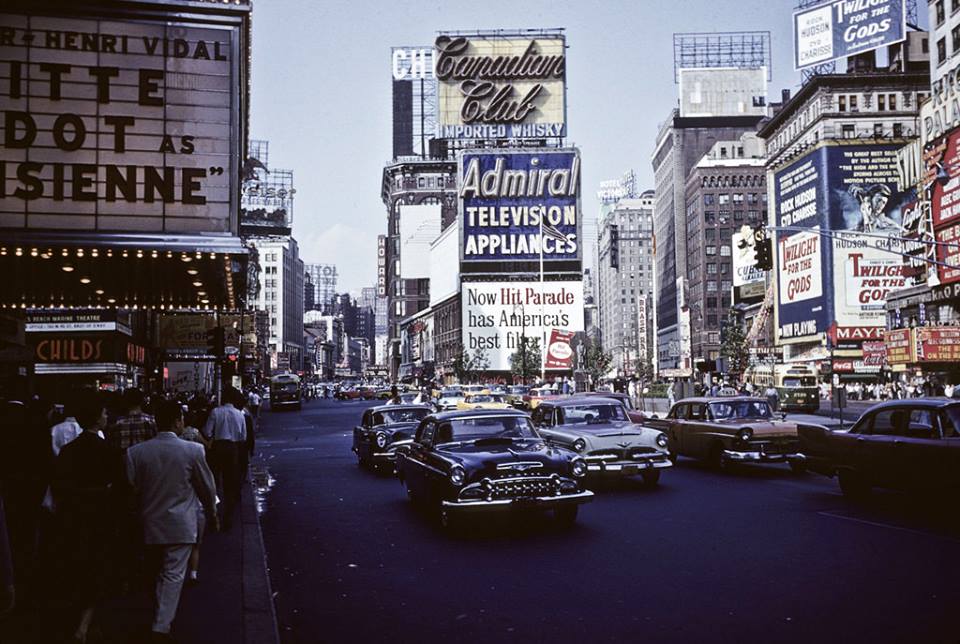
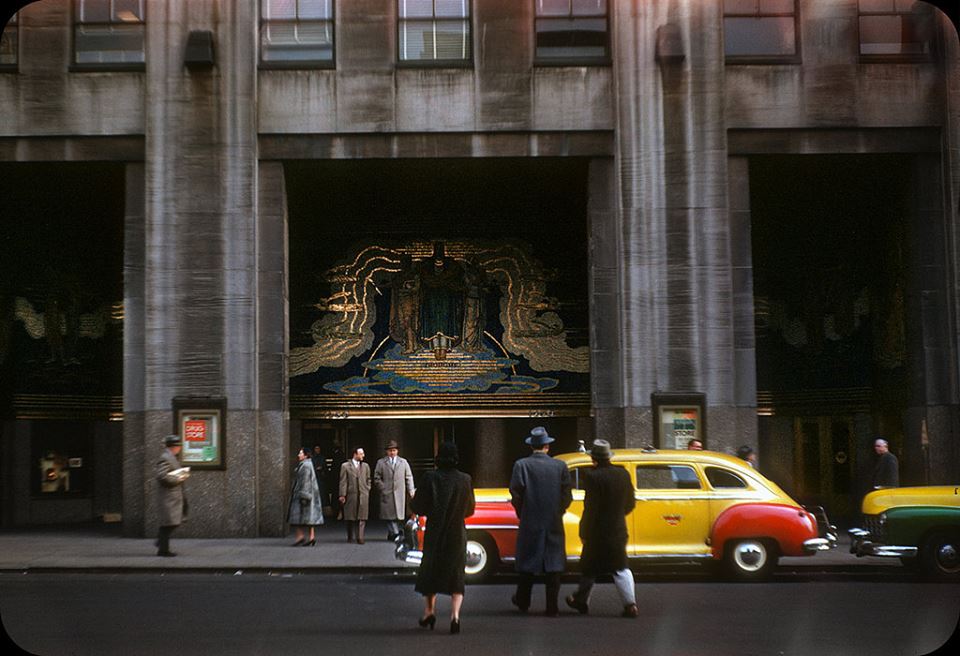
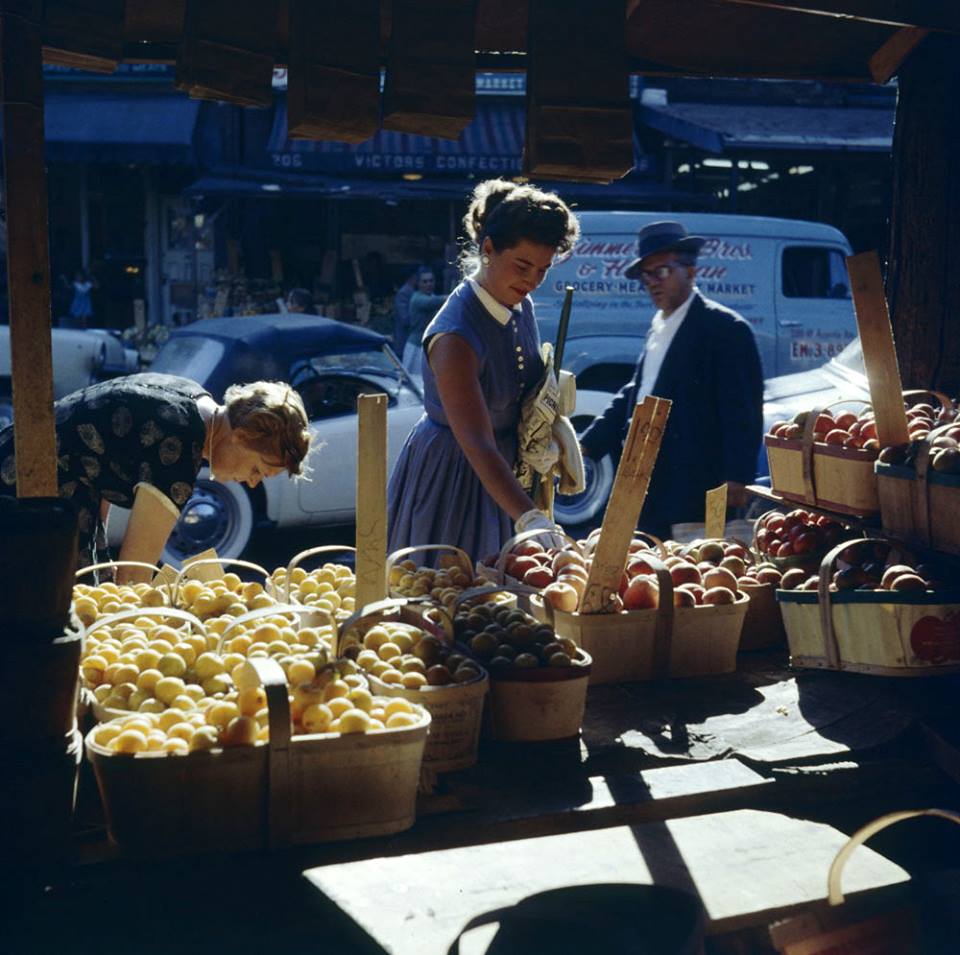
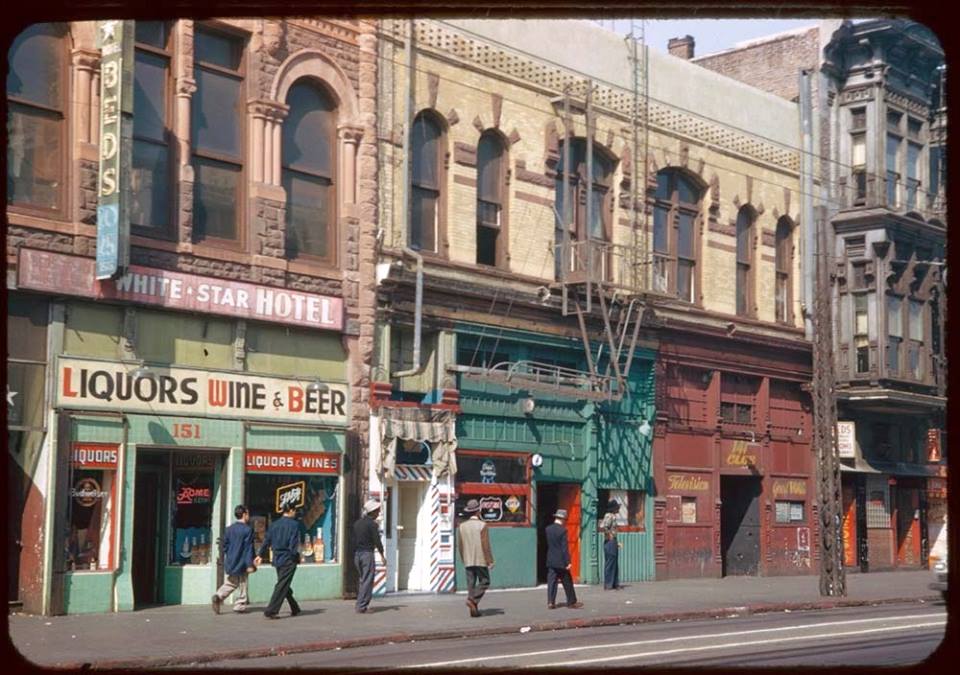
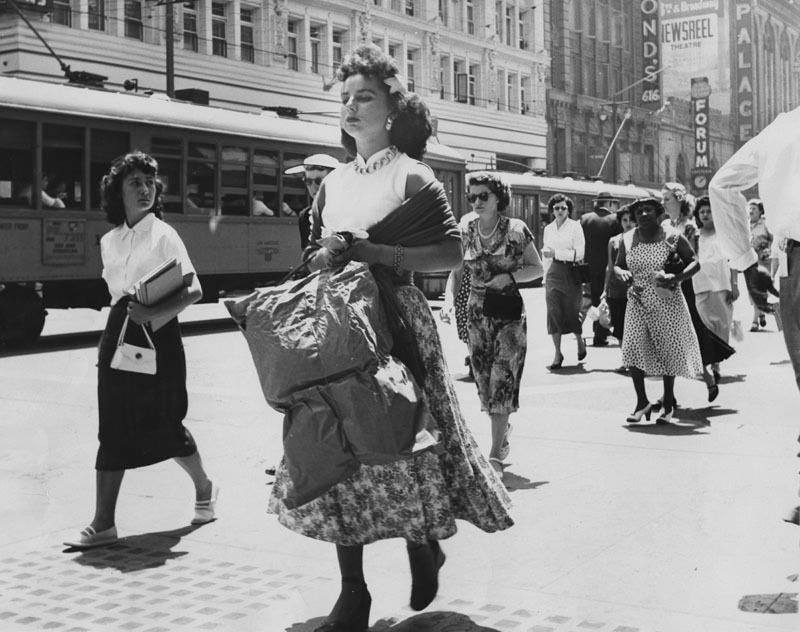
The 1950s (pronounced nineteen-fifties; commonly abbreviated as the “Fifties” or the ” ’50s”) (among other variants) was a decade that began on January 1, 1950, and ended on December 31, 1959.
Throughout the decade, the world continued its recovery from World War II, aided by the post-World War II economic expansion. The period also saw great population growth with increased birth rates and the emergence of the baby boomer generation. Despite this recovery, the Cold War developed from its modest beginnings in the late 1940s to a heated competition between the Soviet Union and the United States by the early 1960s. The ideological clash between communism and capitalism dominated the decade, especially in the Northern Hemisphere, with conflicts including the Korean War in the early 1950s, the Cuban Revolution, the beginning of the Vietnam War in French Indochina, and the beginning of the Space Race with the launch of Sputnik 1 in 1957. Along with increased testing of nuclear weapons (such as RDS-37 and Upshot–Knothole), the tense geopolitical situation created a politically conservative climate. In the United States, a wave of anti-communist sentiment known as the Second Red Scare resulted in Congressional hearings by both houses in Congress. The beginning of decolonization in Africa and Asia also took place in this decade and accelerated in the following decade. (Wikipedia)







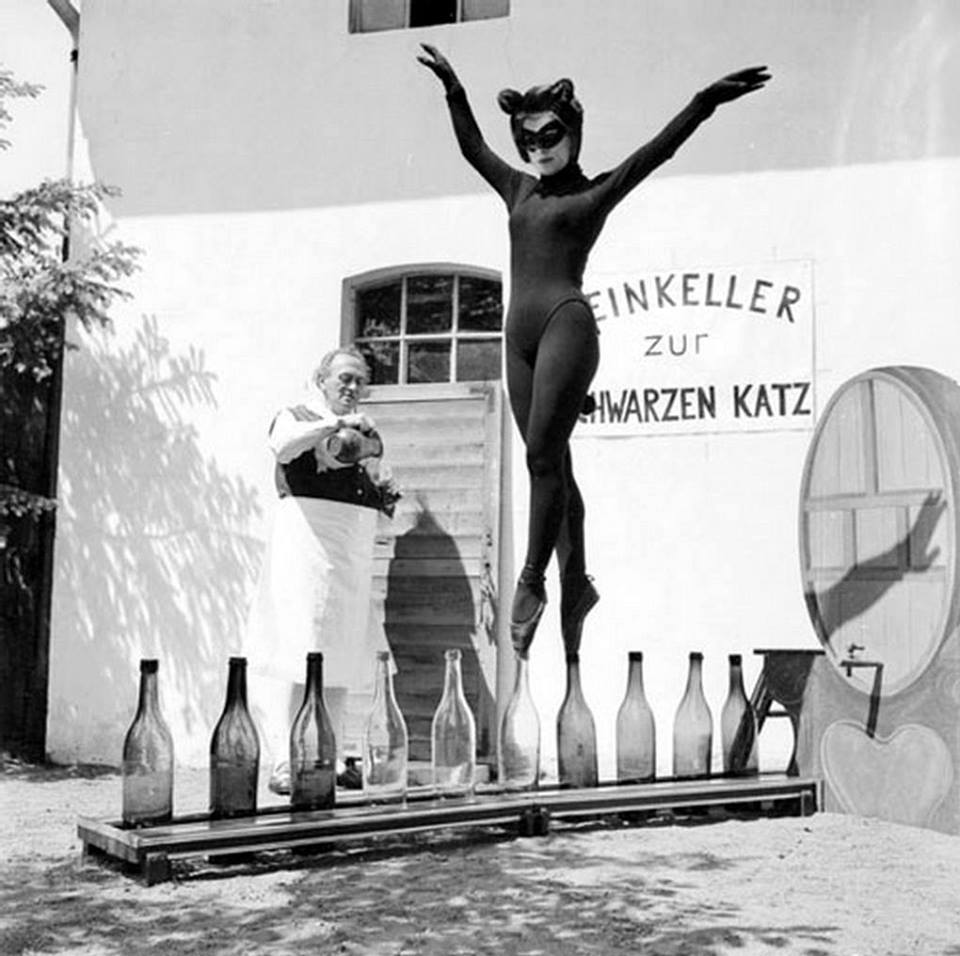



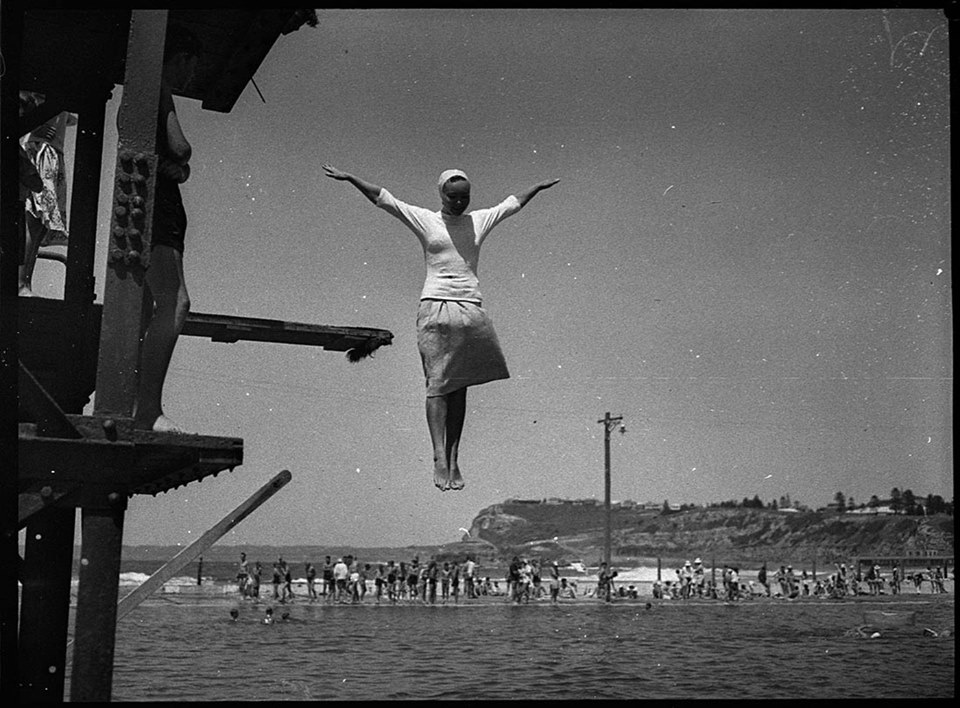
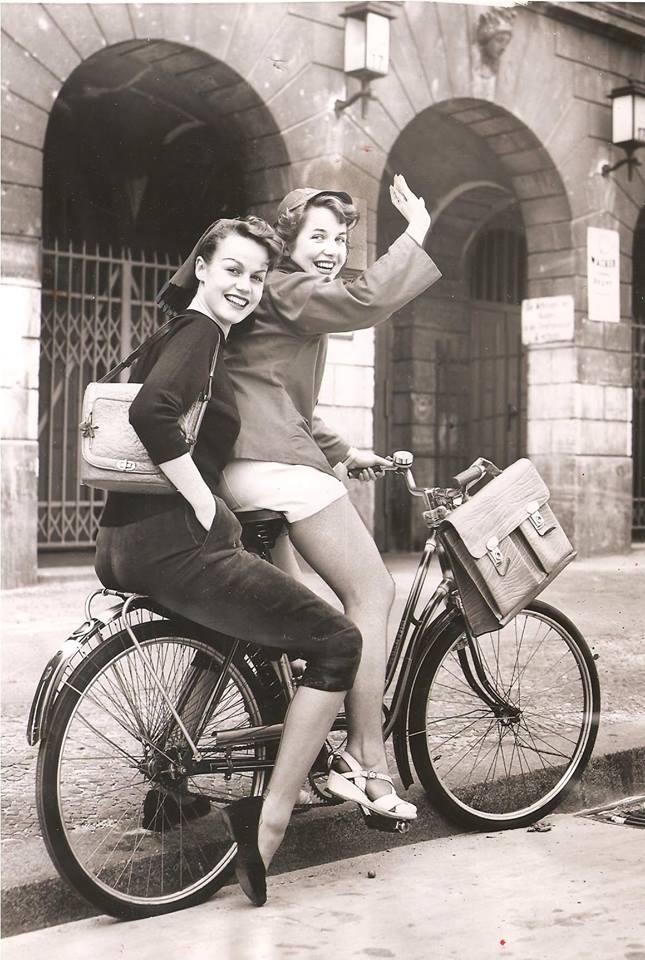
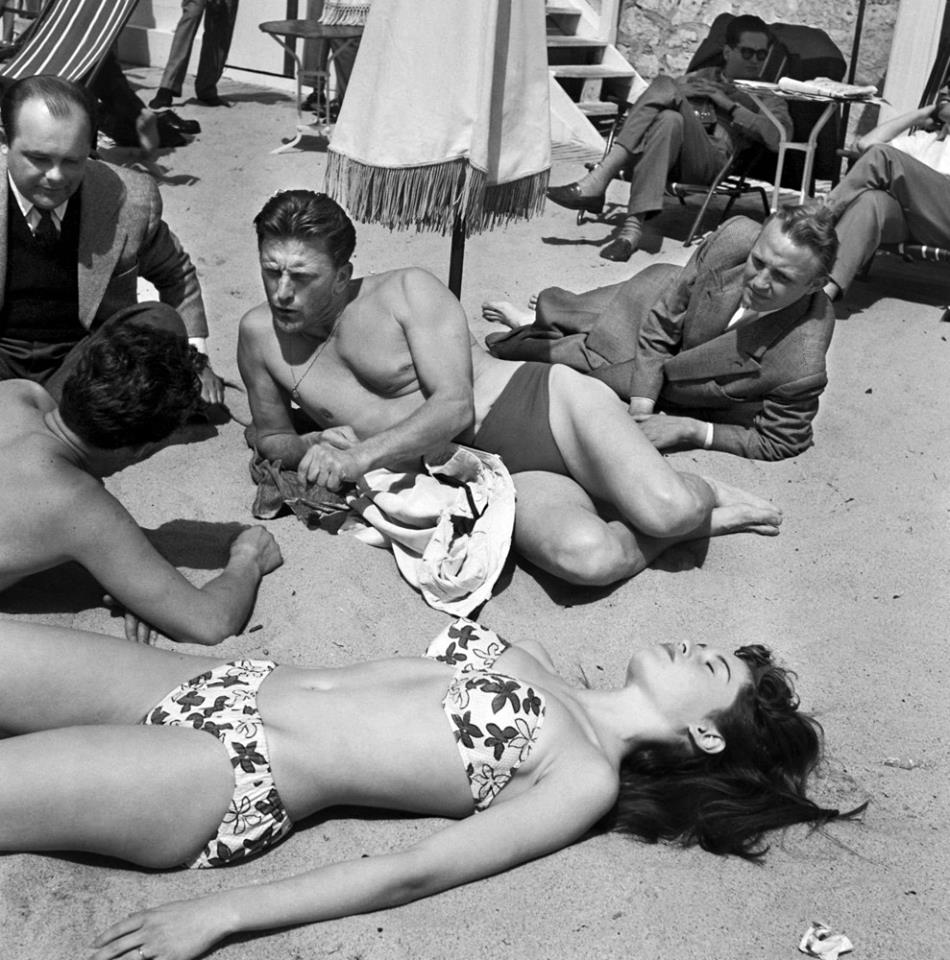
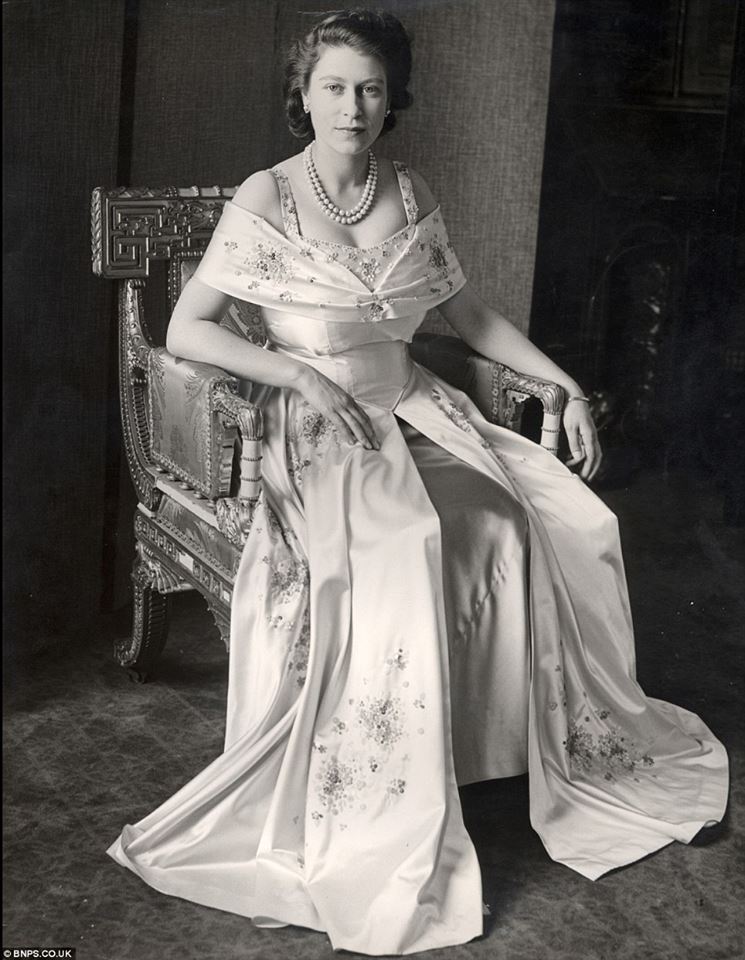

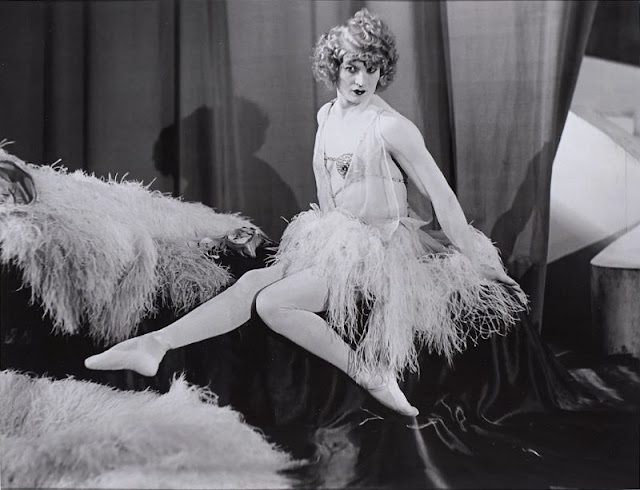

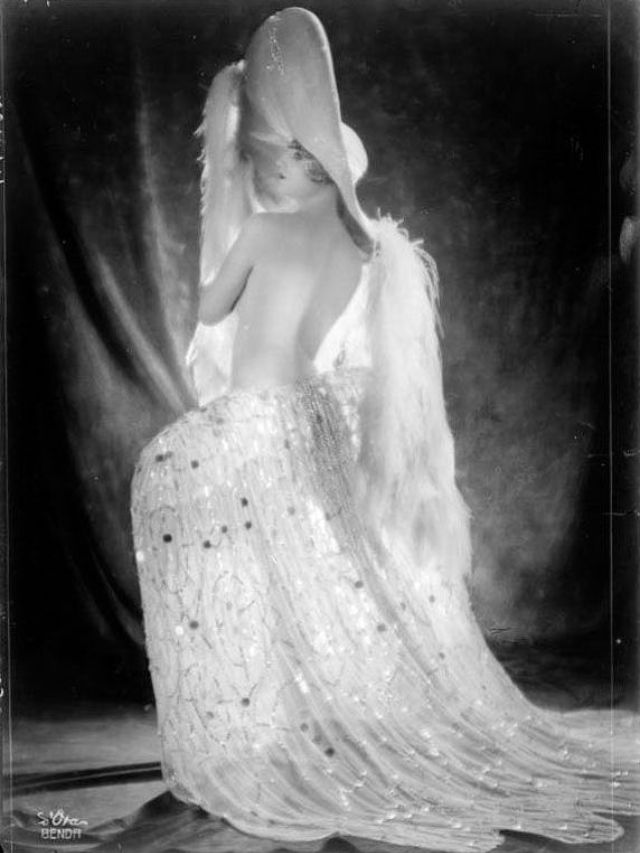
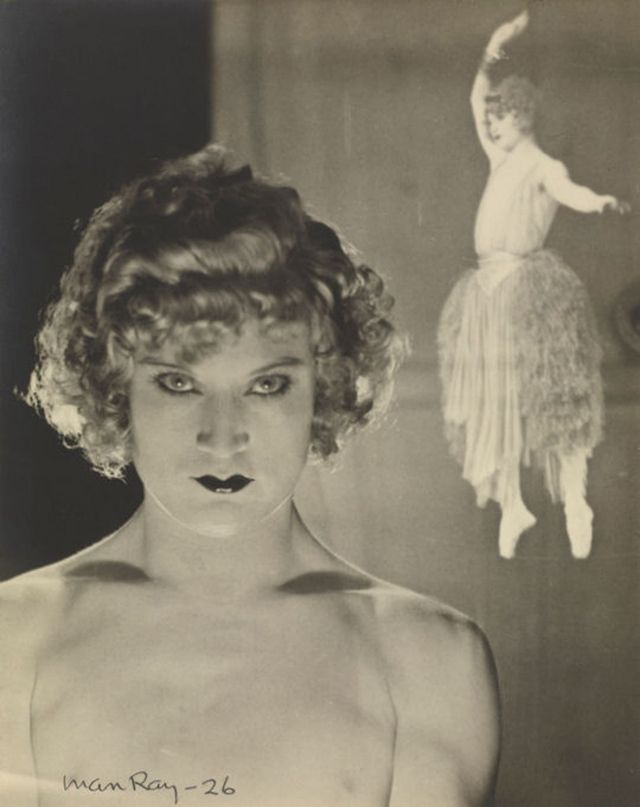
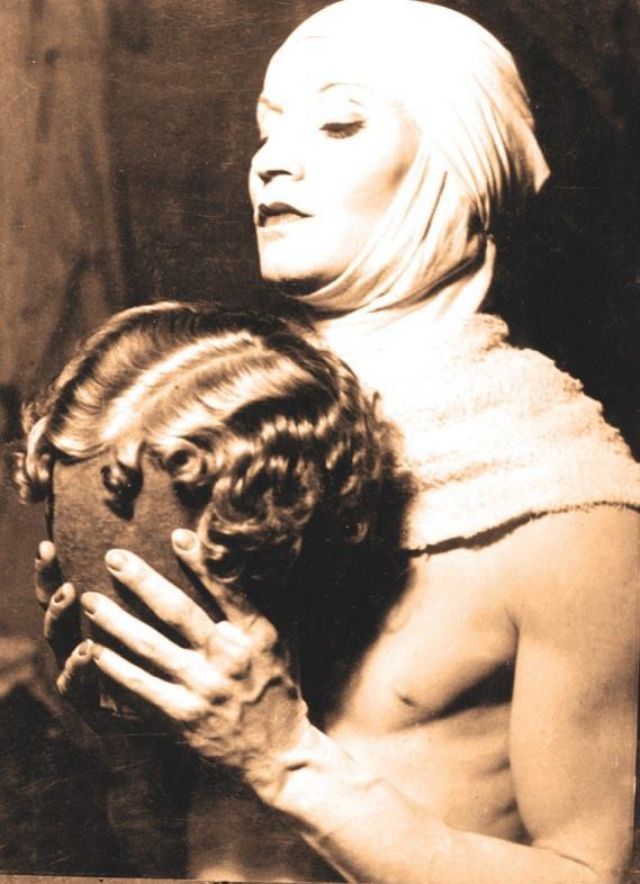
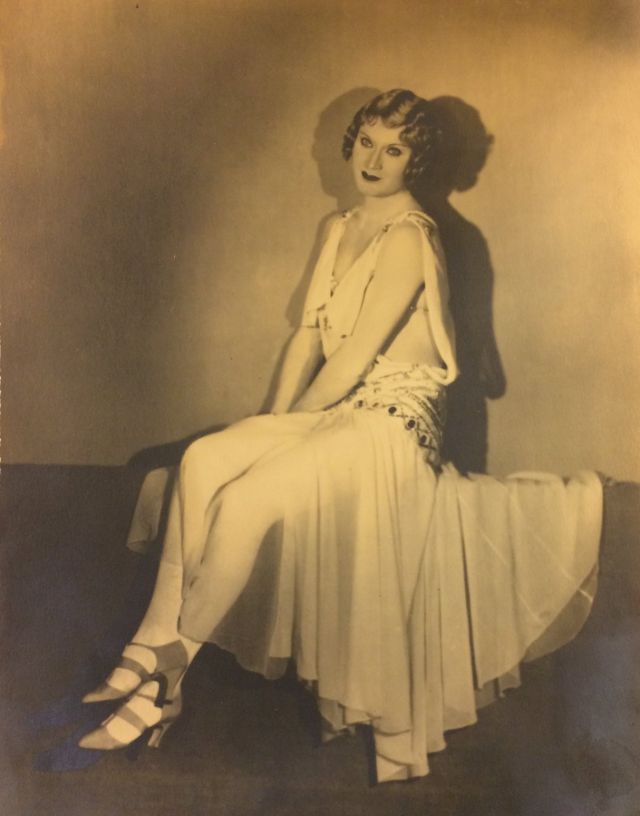
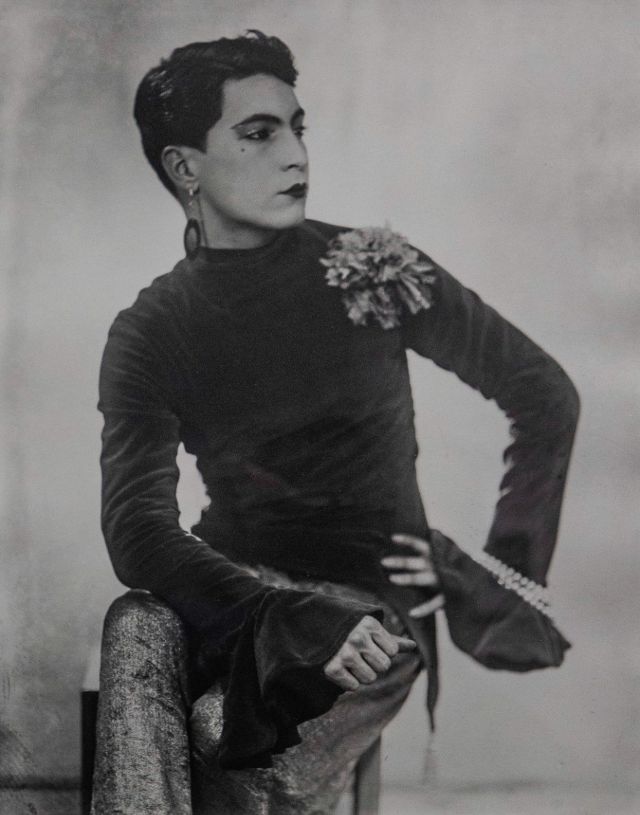
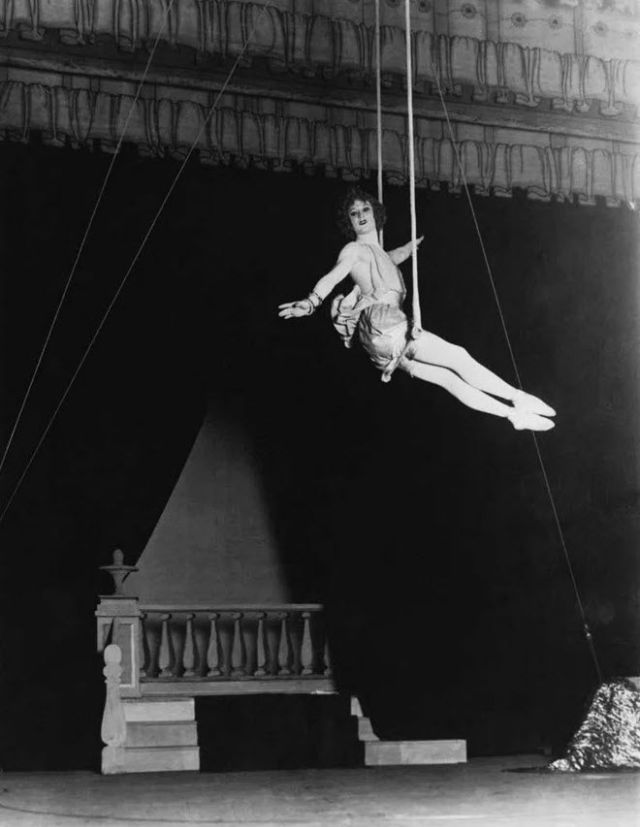
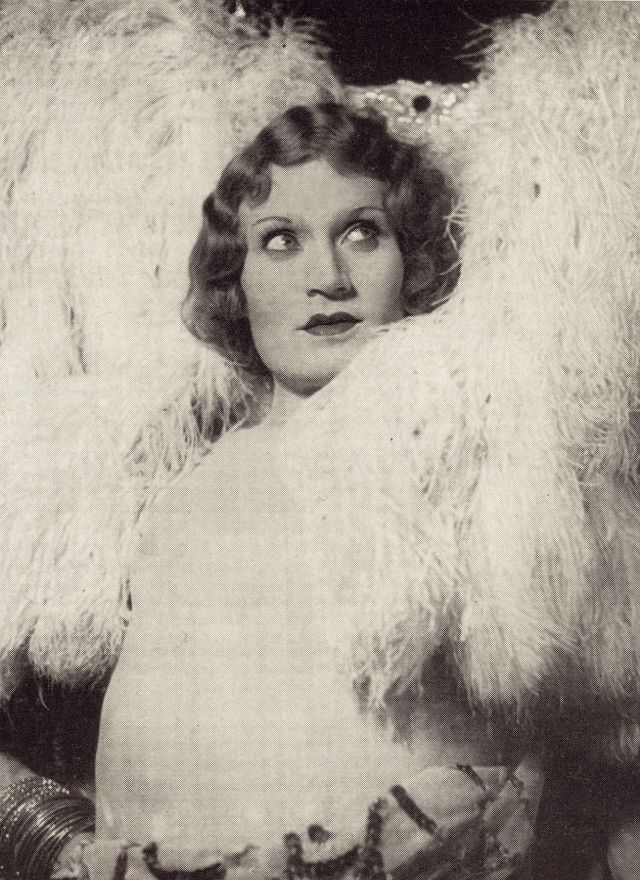
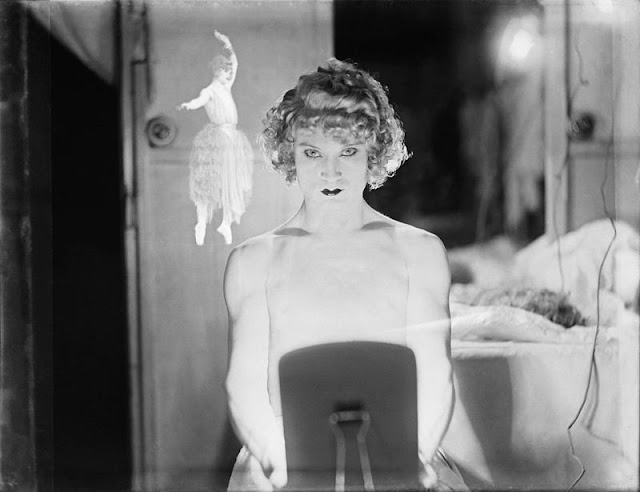
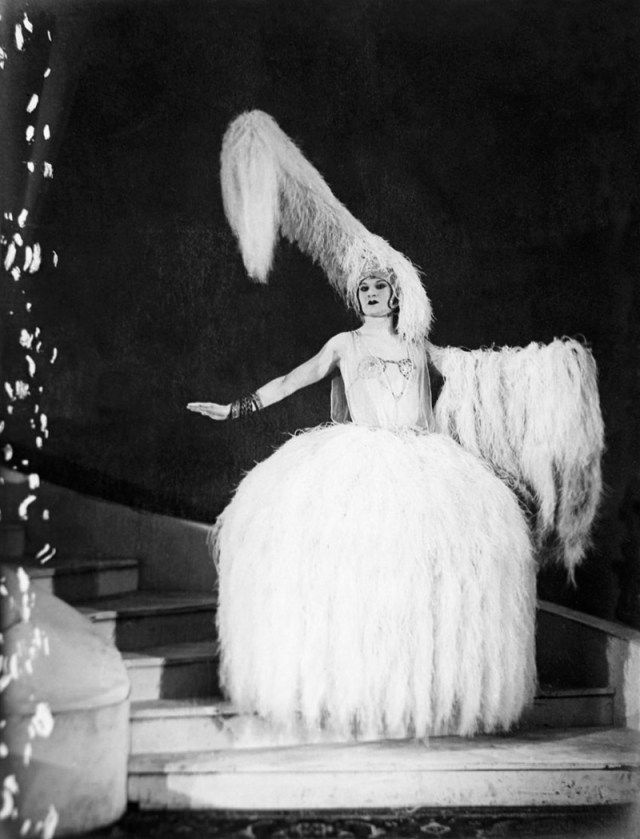
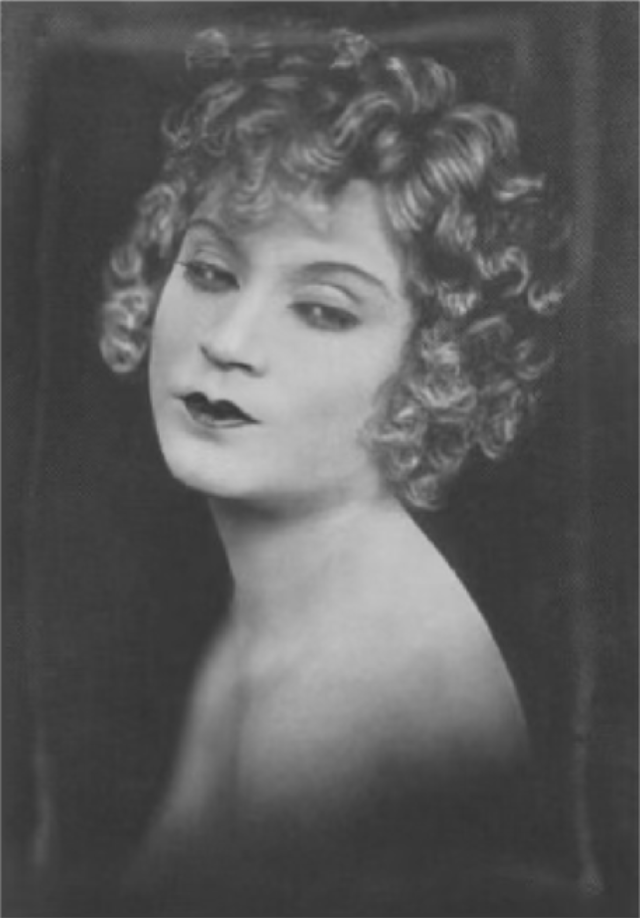
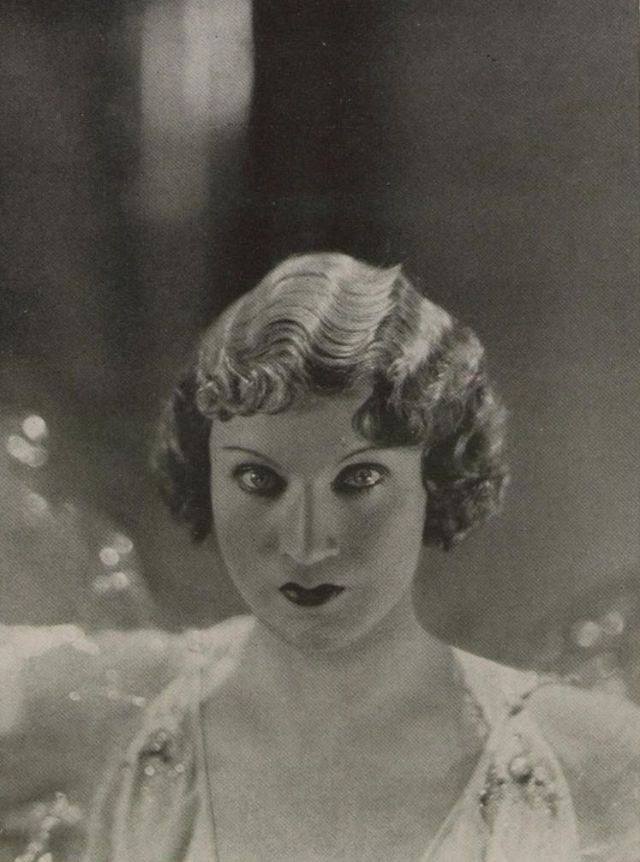
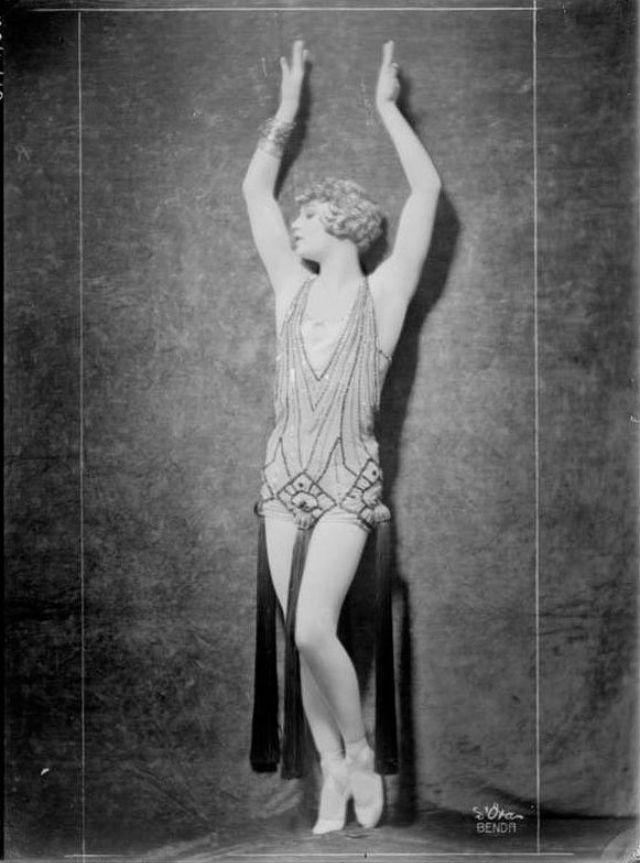
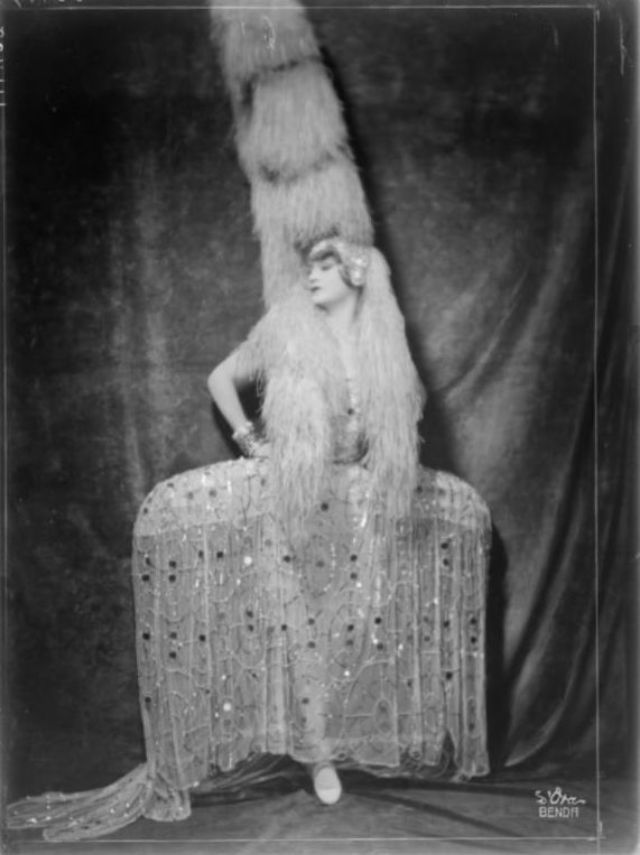
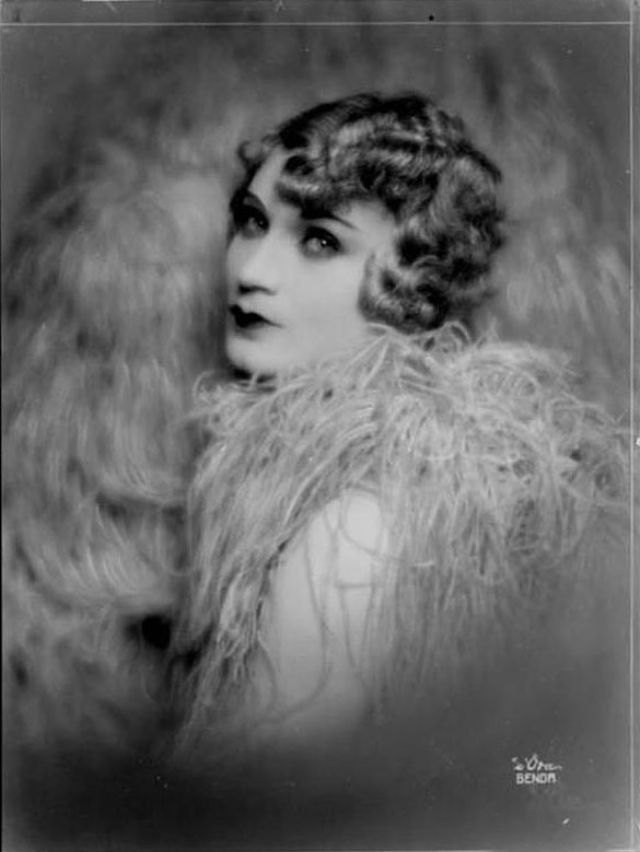
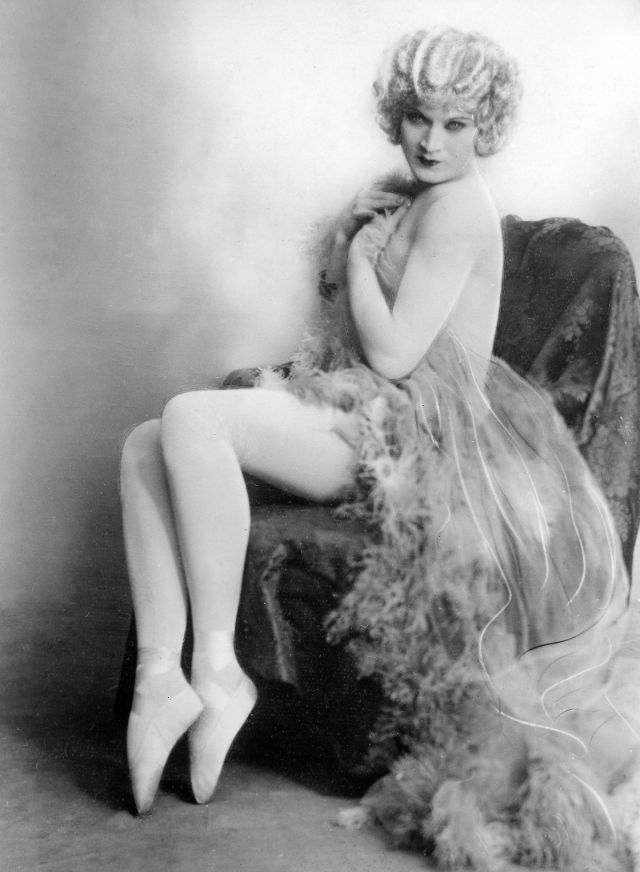
Born 1898 in Round Rock, Texas, Vander Clyde Broadway, stage name Barbette, was an American female impersonator, high-wire performer, and trapeze artist. He attained great popularity throughout the United States but his greatest fame came in Europe and especially Paris, in the 1920s and 1930s.
Barbette began performing as an aerialist at around the age of 14 as one-half of a circus act called The Alfaretta Sisters. After a few years of circus work, Barbette went solo and adopted his exotic-sounding pseudonym. He performed in full drag, revealing himself as male only at the end of his act.
Following a career-ending illness or injury (the sources disagree on the cause), which left him in constant pain, Barbette returned to Texas but continued to work as a consultant for motion pictures as well as training and choreographing aerial acts for a number of circuses.
After years of dealing with chronic pain, Barbette committed suicide on August 5, 1973. Both in life and following his death, Barbette served as an inspiration to a number of artists, including Jean Cocteau and Man Ray.
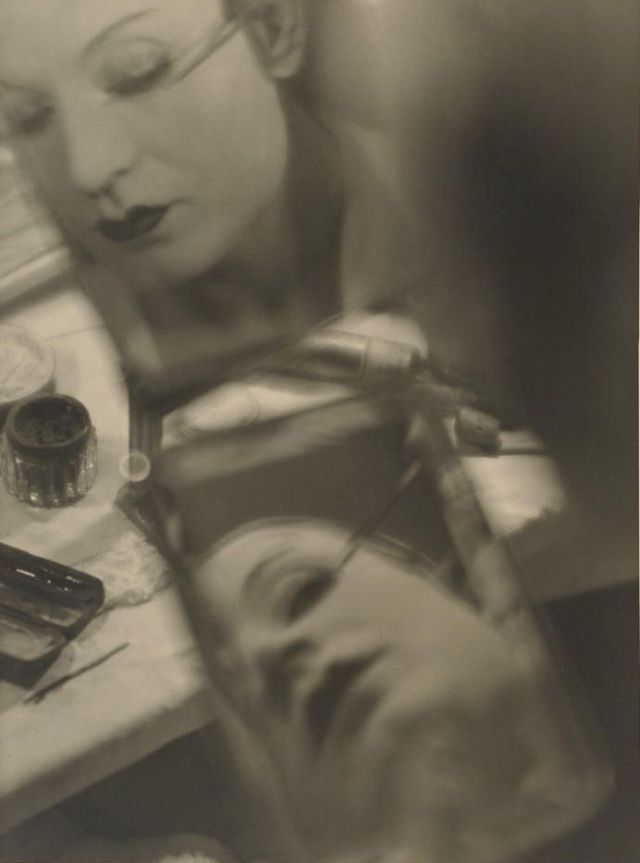
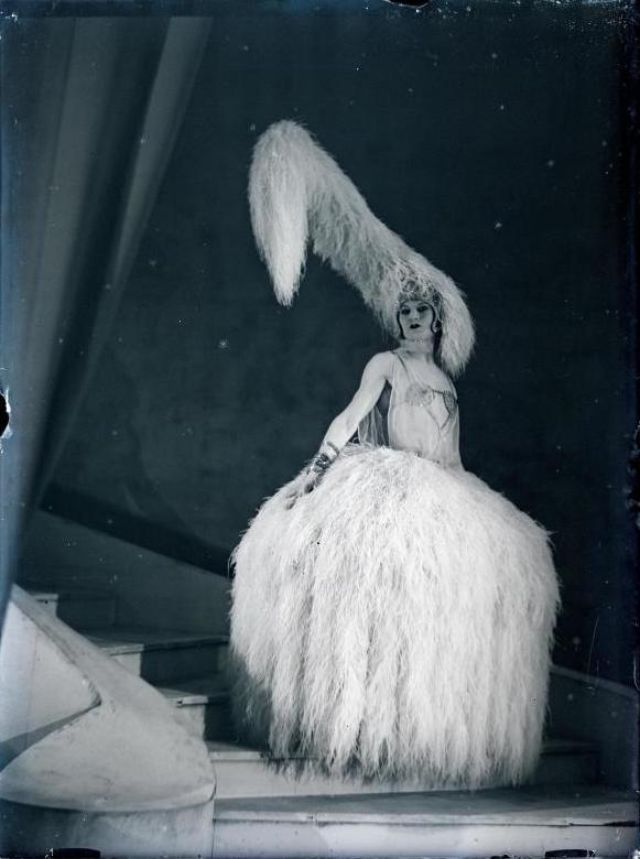
Take a look at these vintage photos to see portrait of a young Barbette in the 1920s and 1930s.


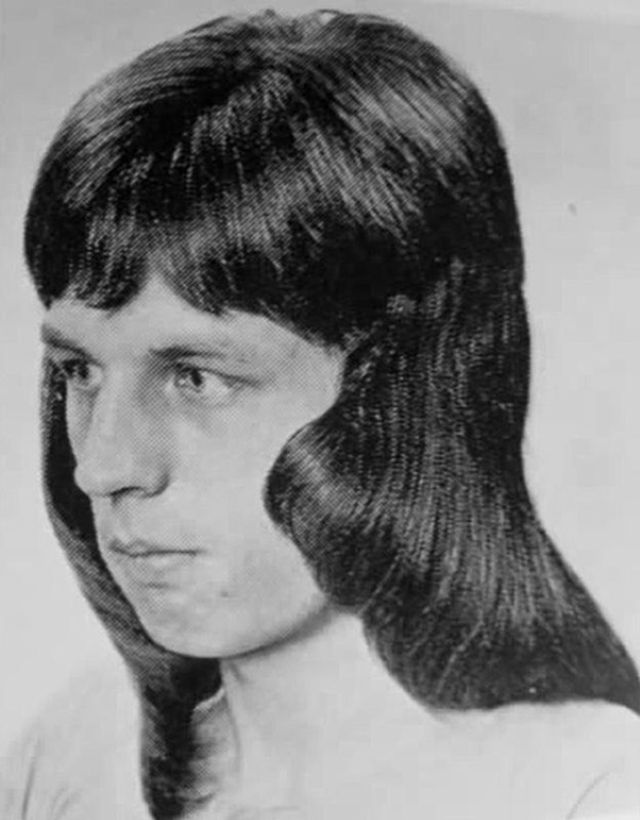
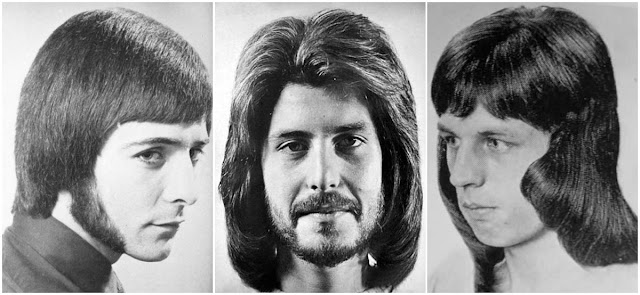
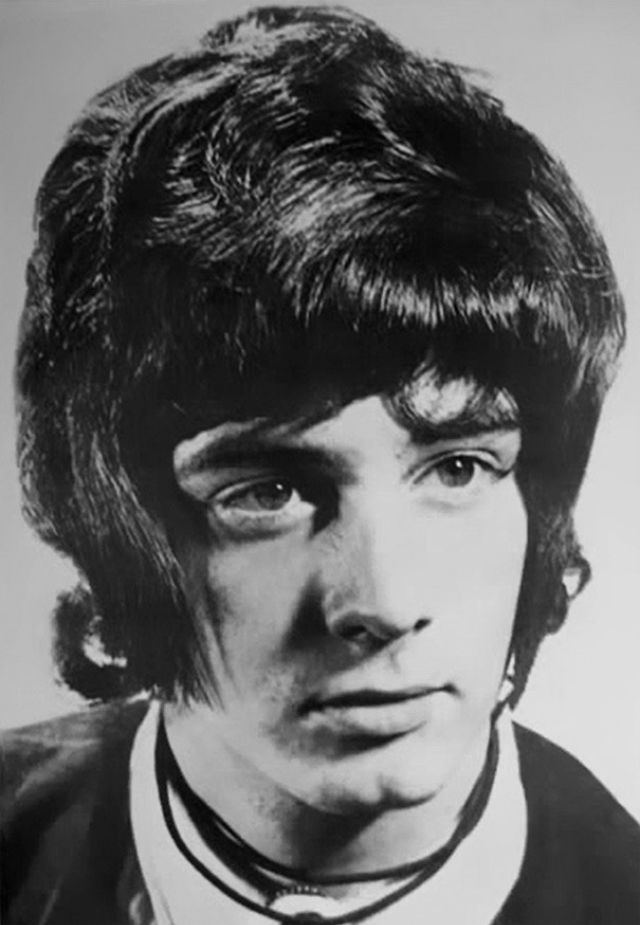
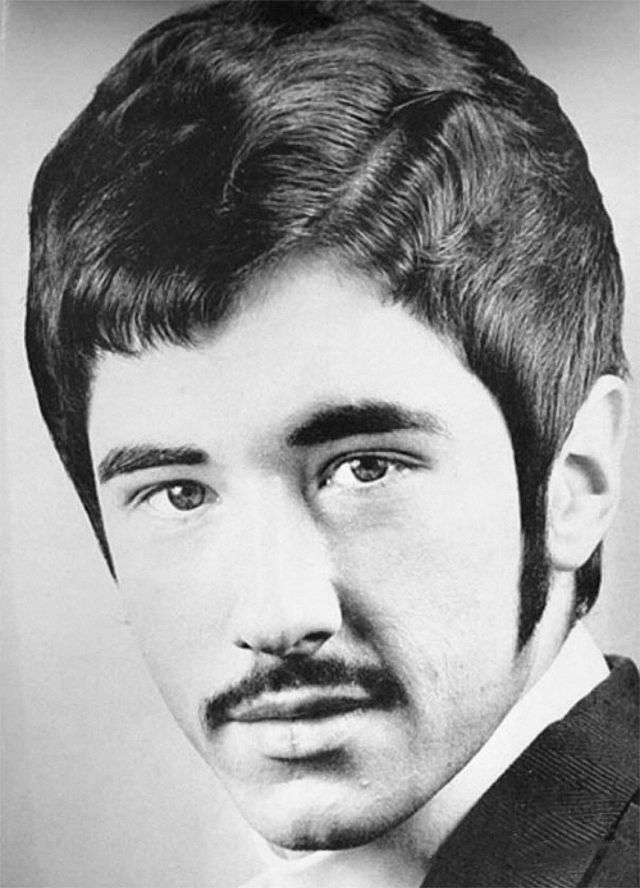
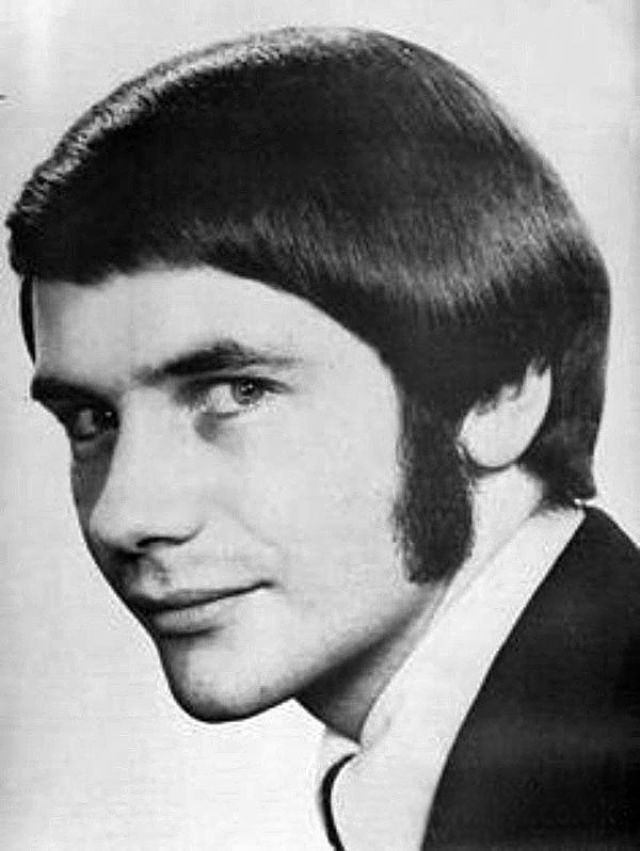
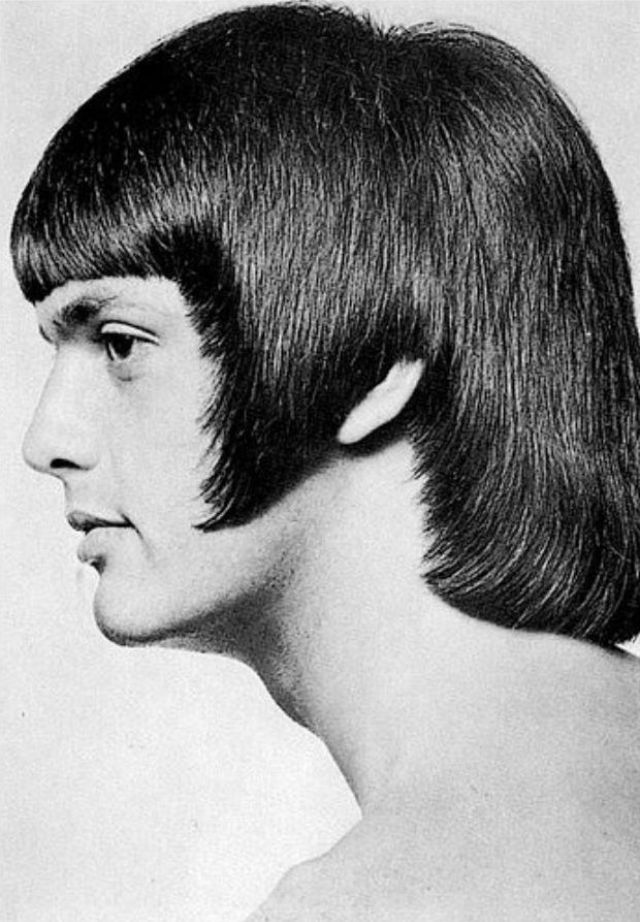
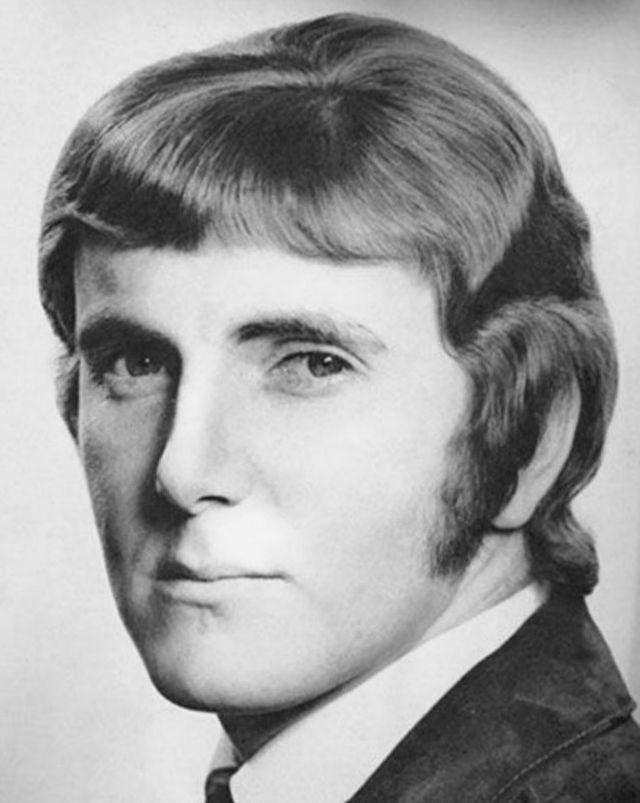
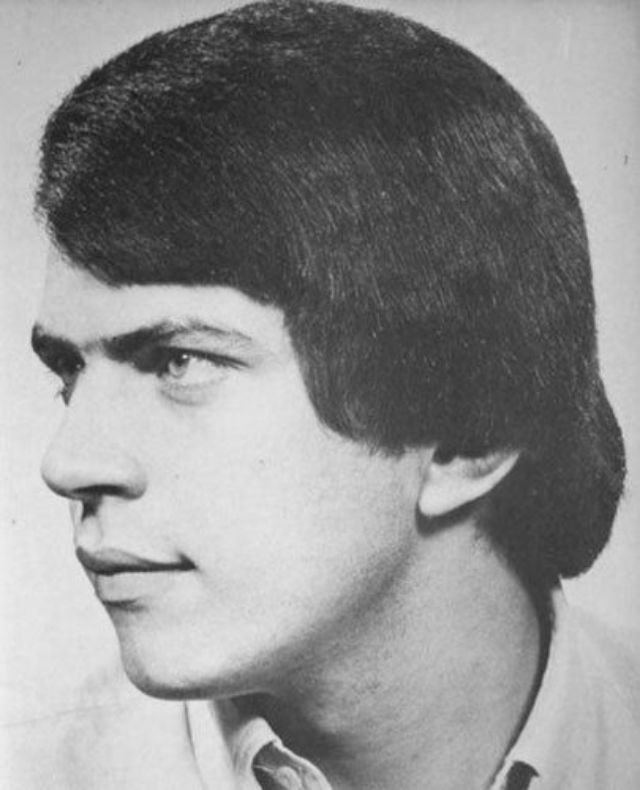
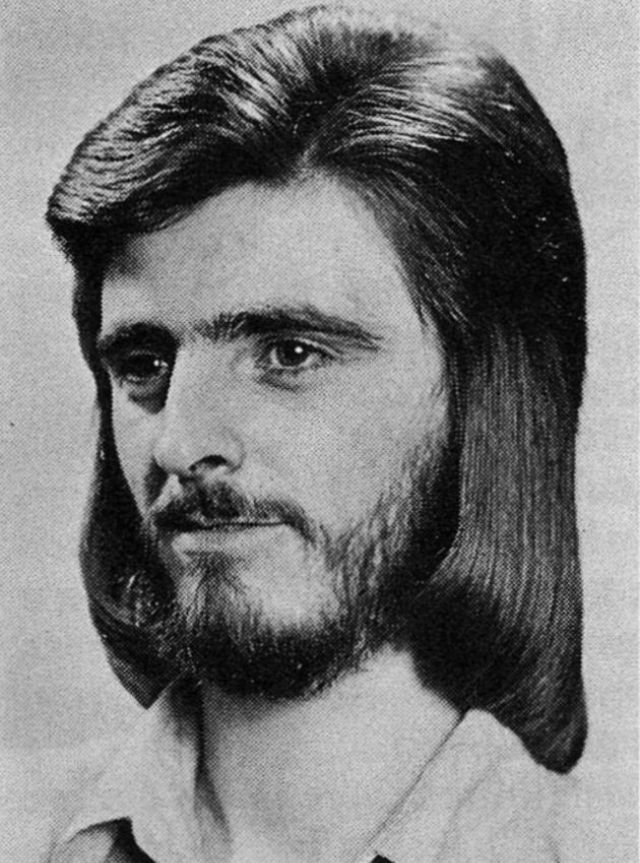
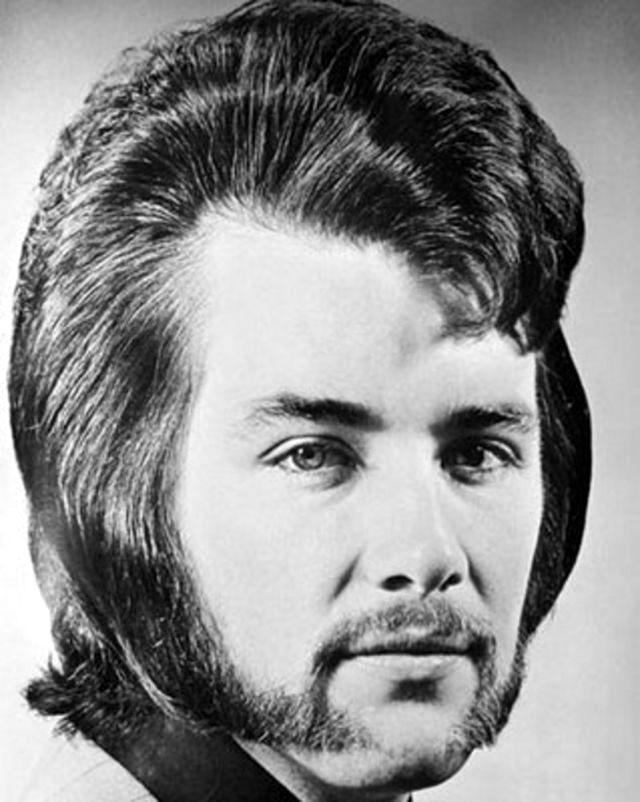
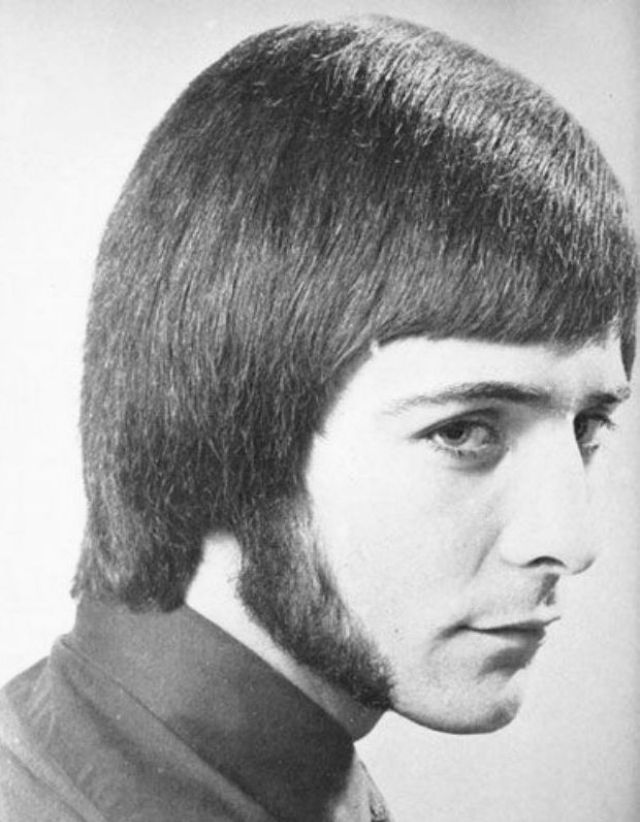
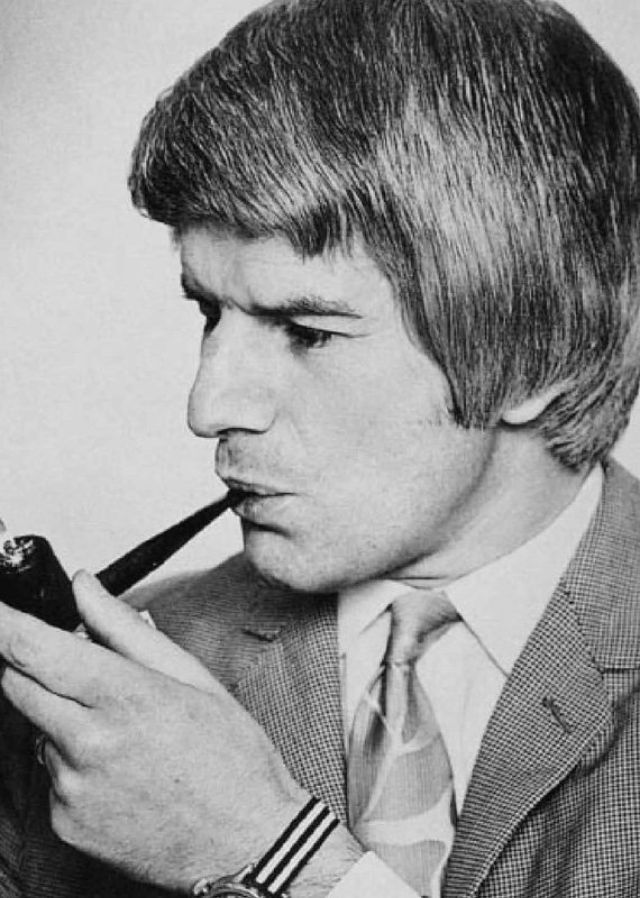
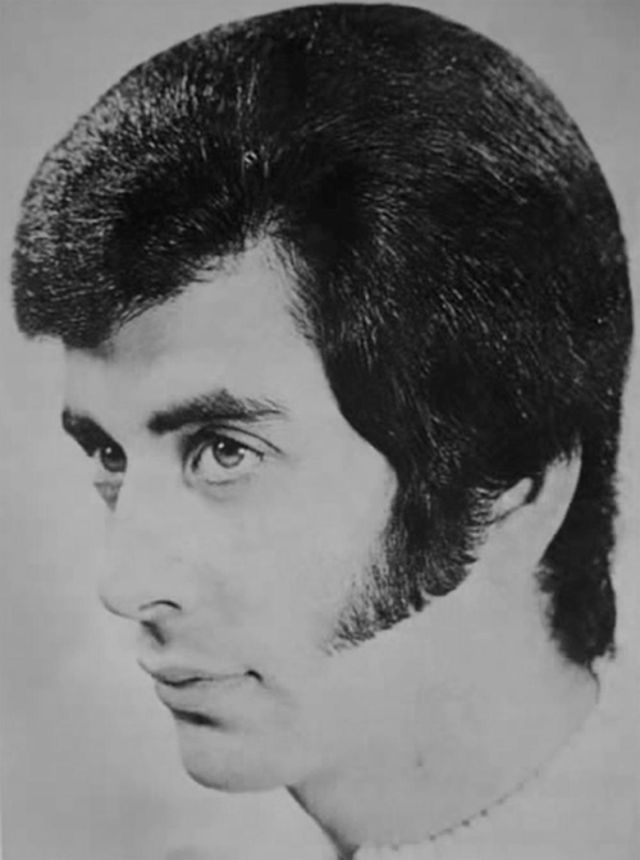
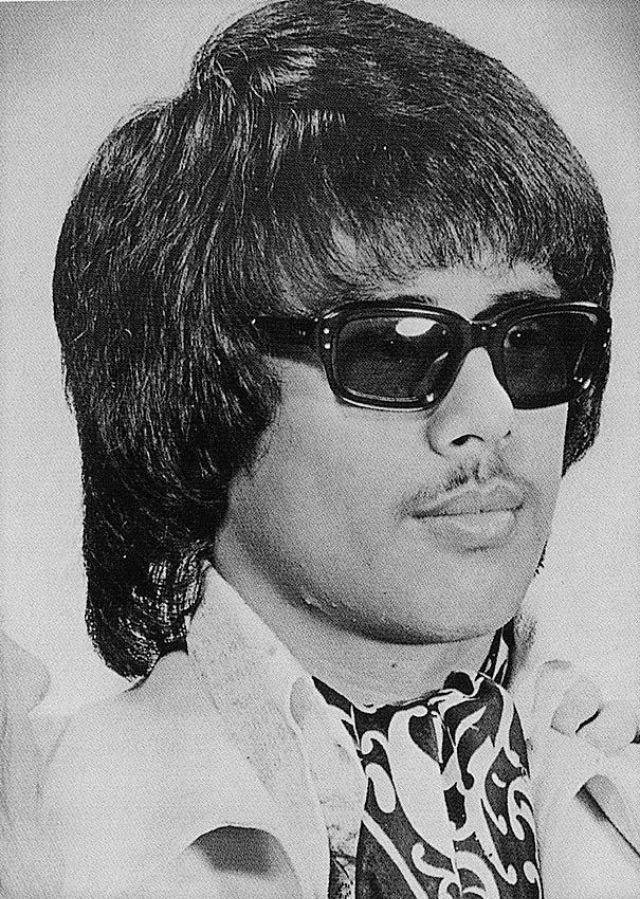
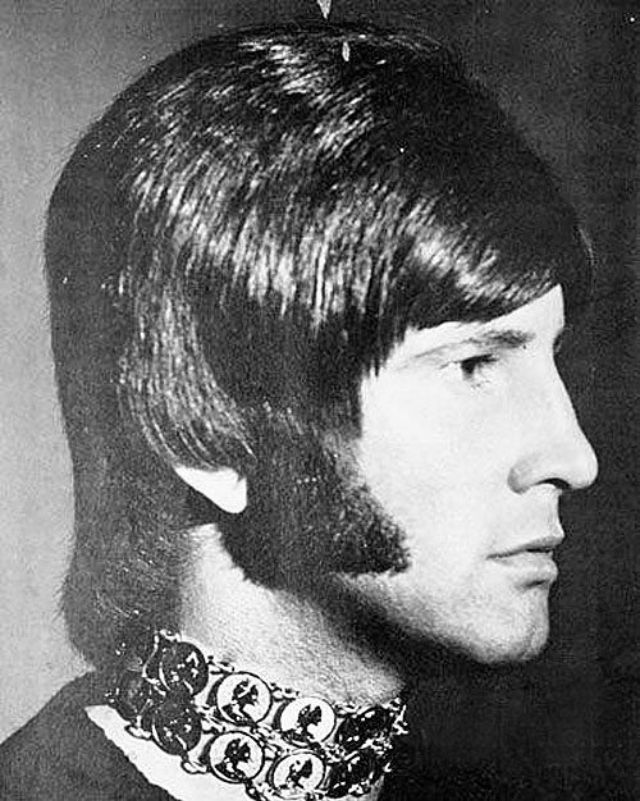
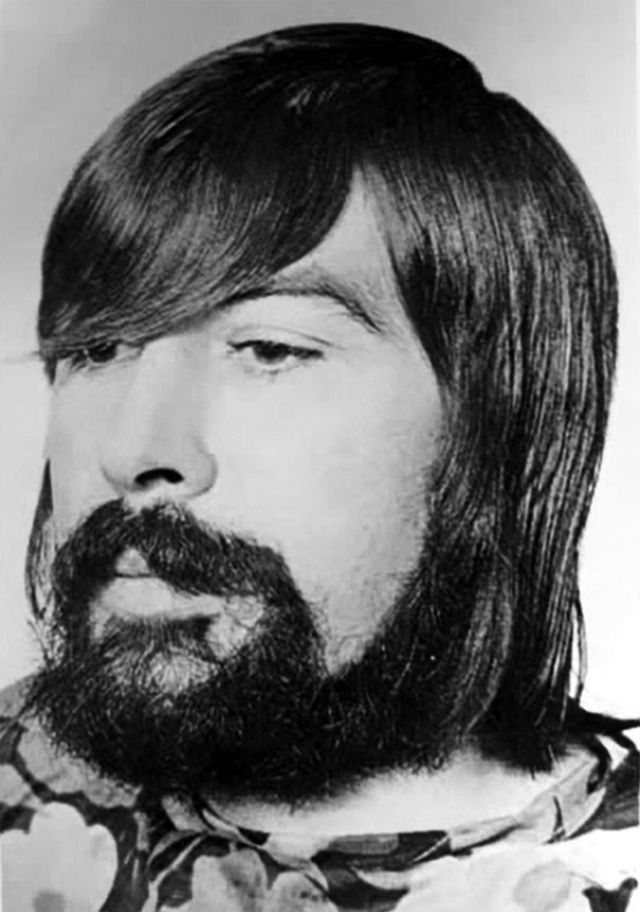
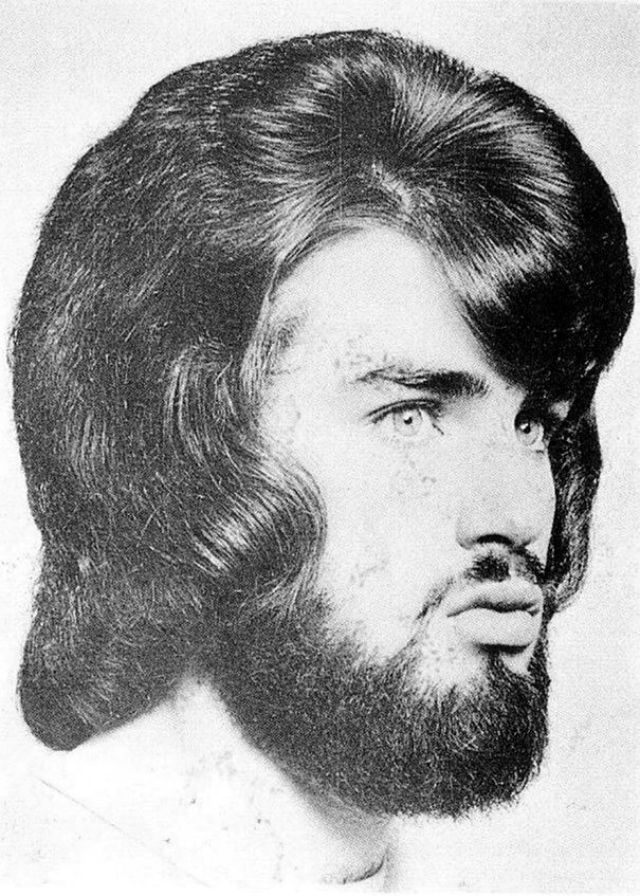
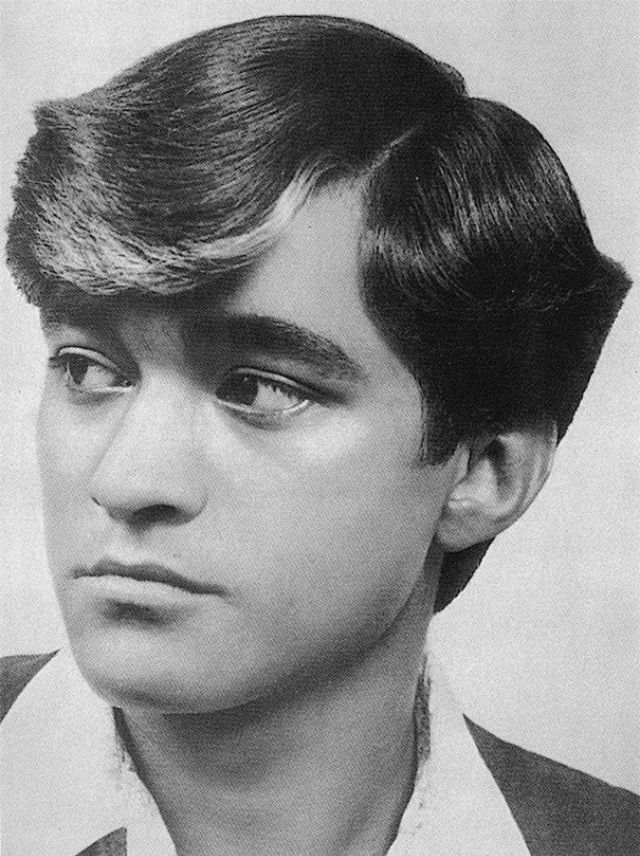
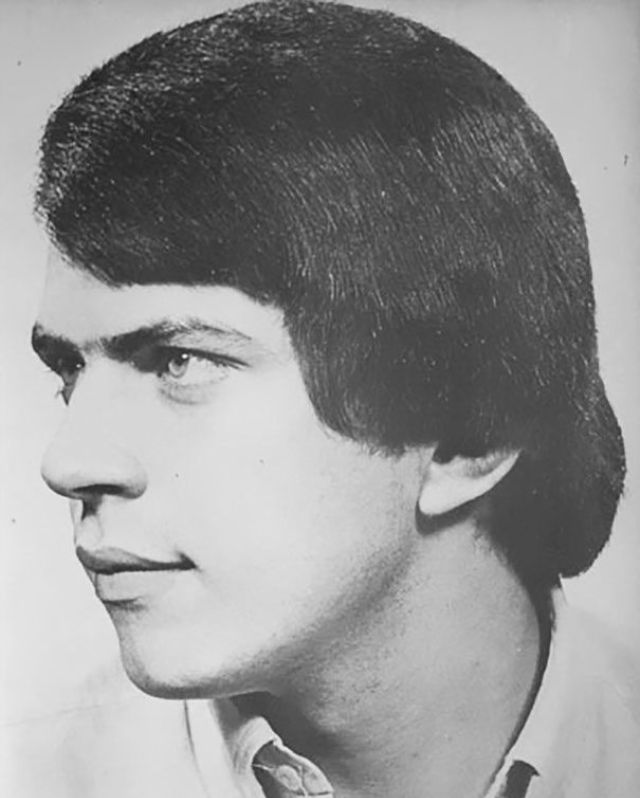
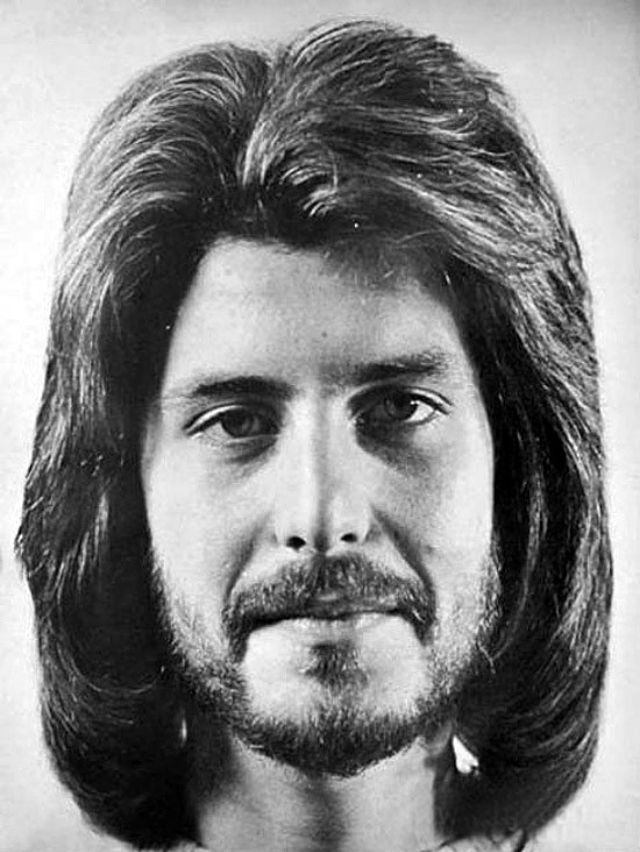
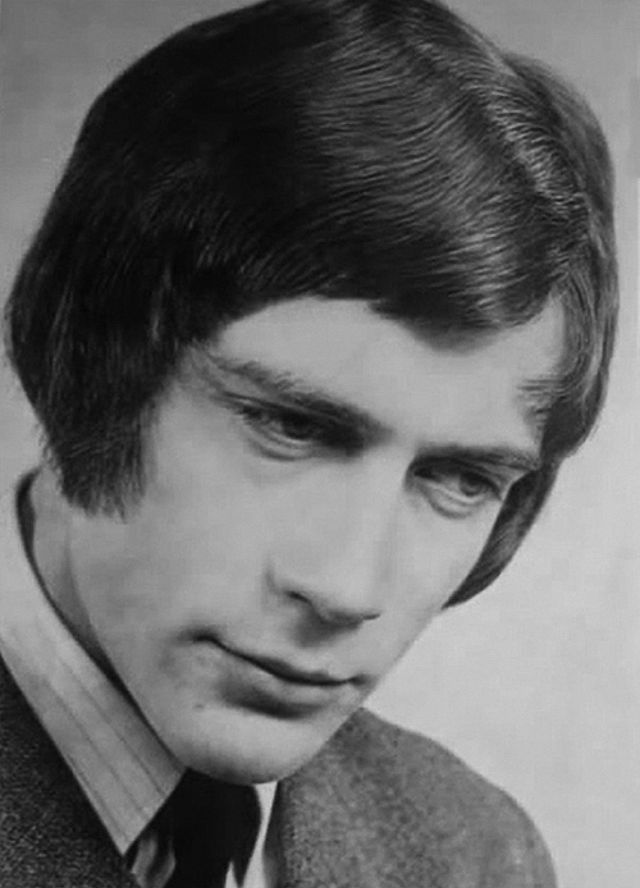
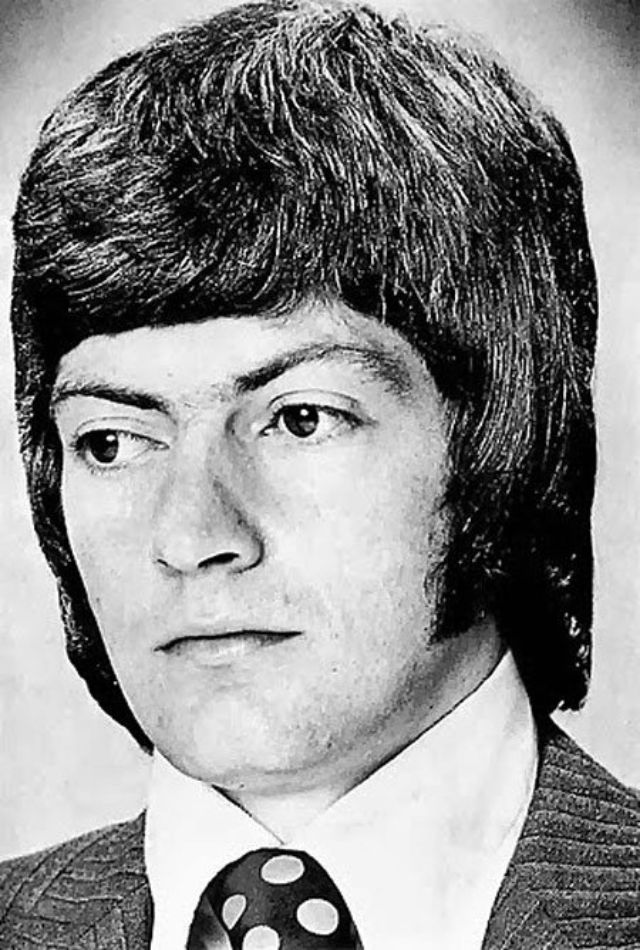
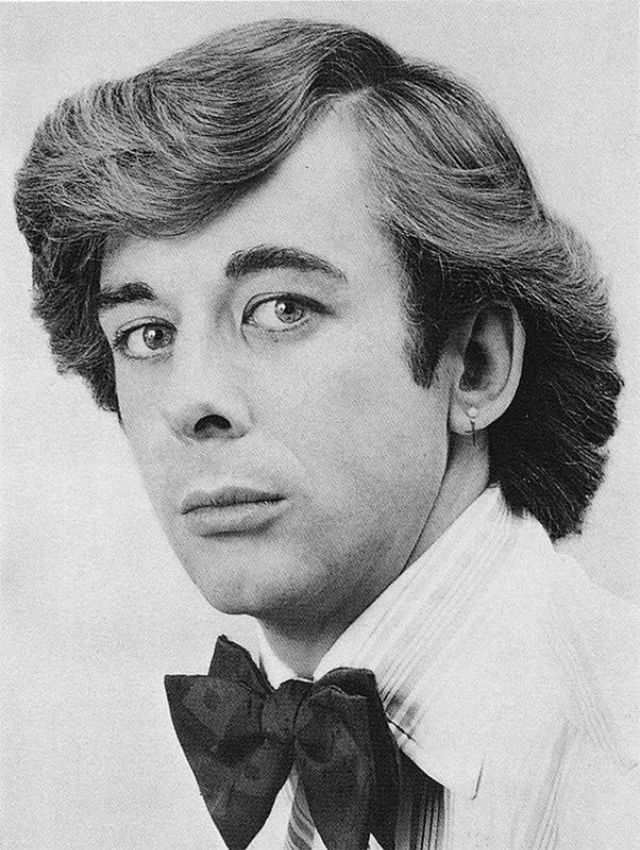
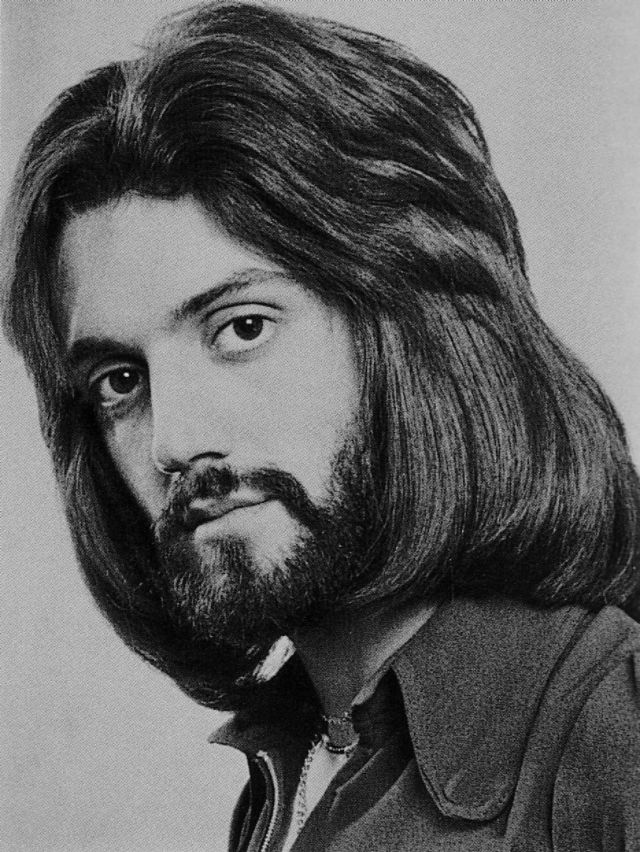
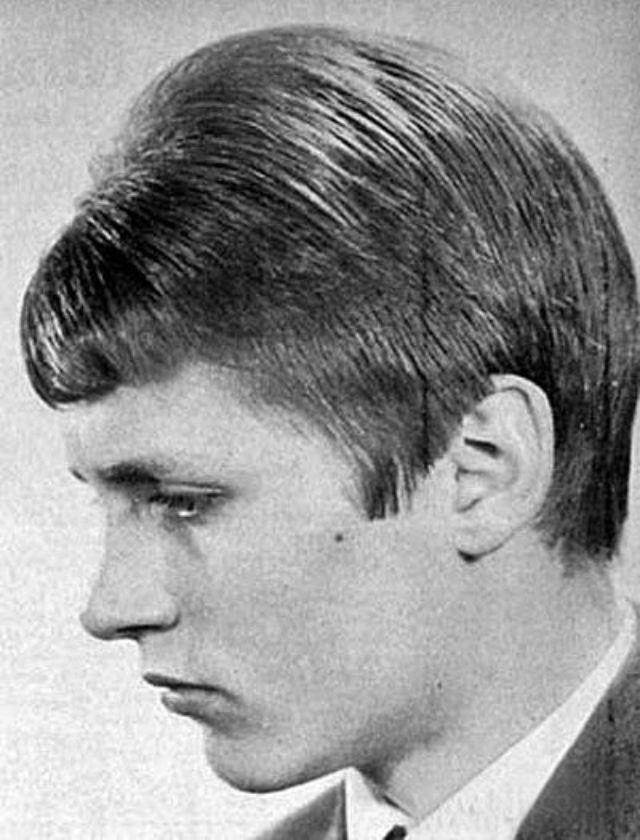
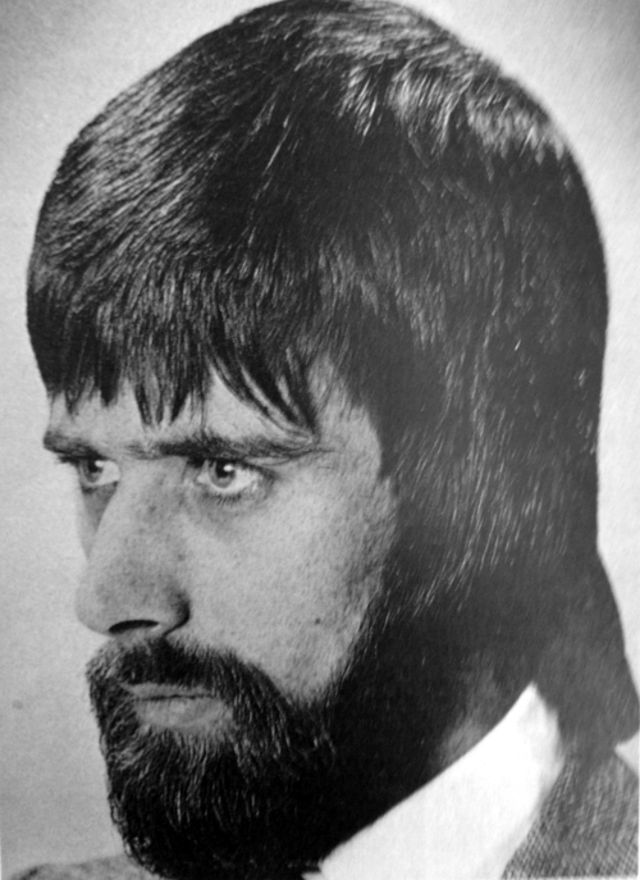
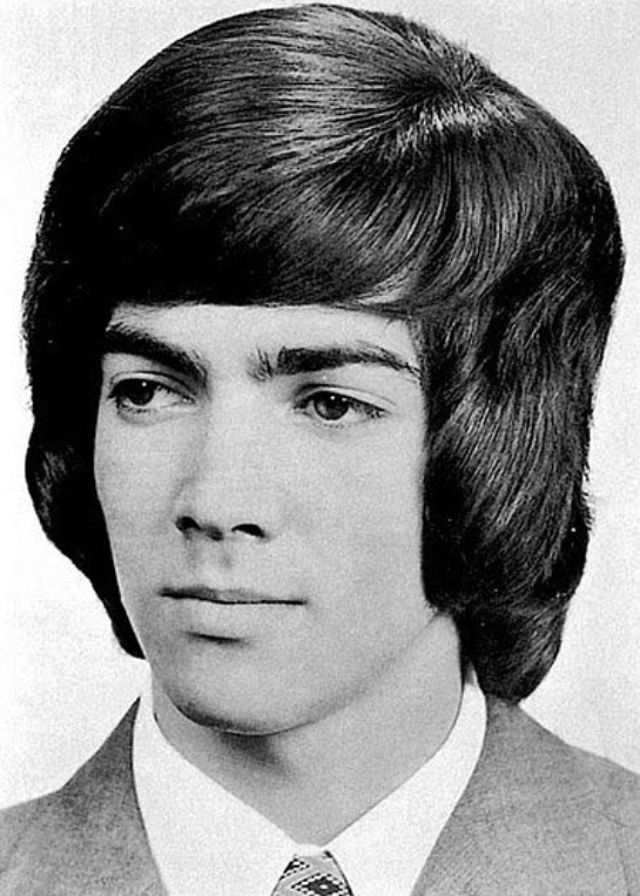
Men’s 1970s hairstyles were a joy to behold. In the beginning, there was the hair. And some of the hair was bad, but it was small.
As men everywhere worked to improve and increase their lot, however, they stumbled onto some of humankind’s most miraculous innovations: spray, gel, mousse, crimping irons, and of course, the perm. With these new tools, people everywhere suddenly found themselves able to coax their lank, lifeless tresses toward glorious new heights.
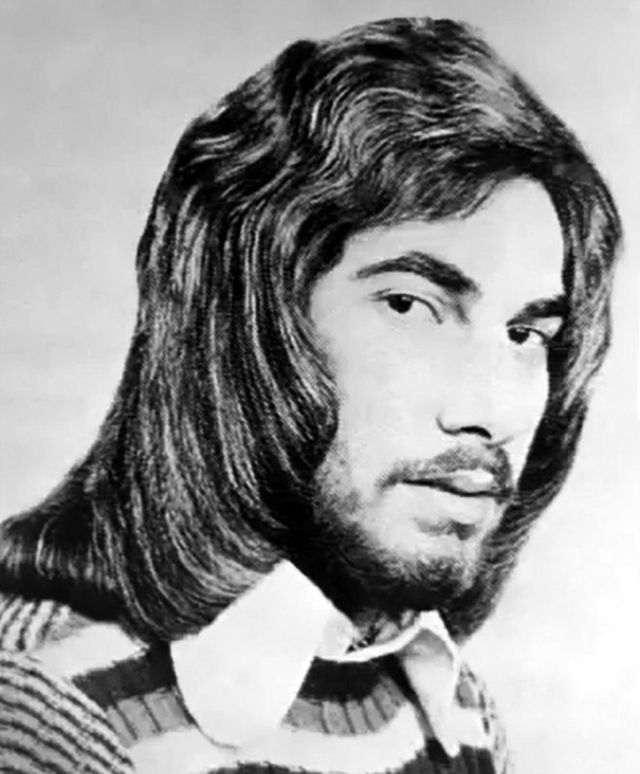
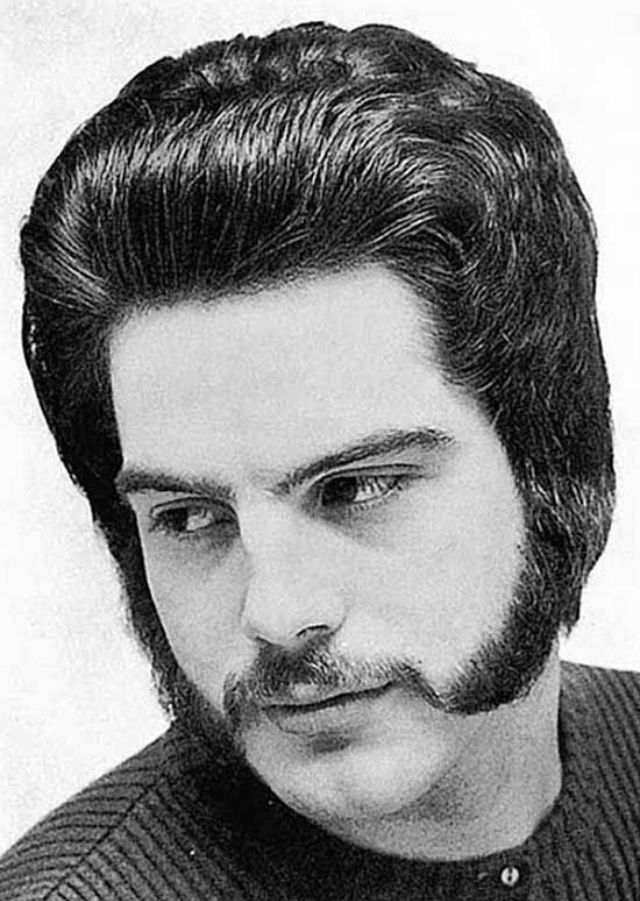
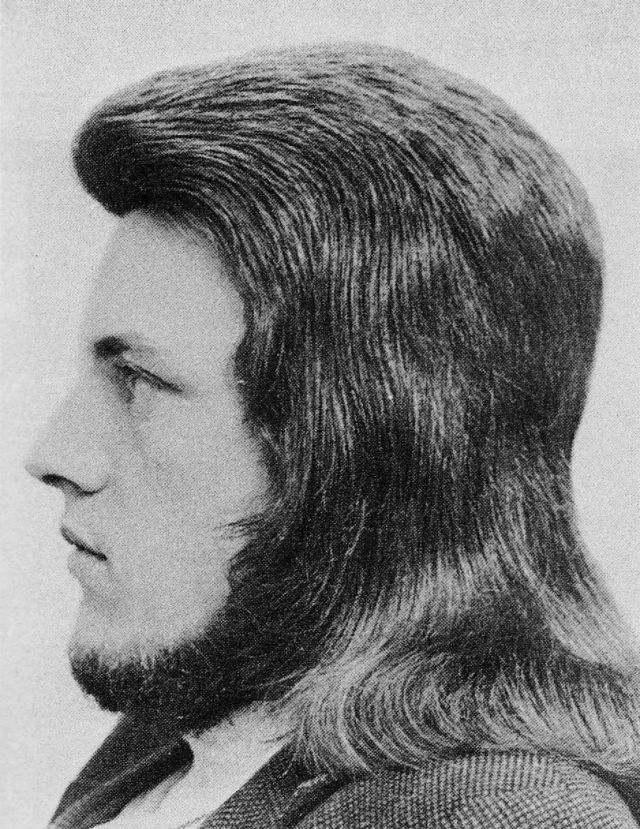
There was a variation throughout the 1970s, from long to short, blow-dried and bouffant to spiked and bleached. Overgrown hair, whatever the style, is the look most people associate with the decade. Mustaches and mutton chops were in; even fake facial hair was worn and accepted. It was a hairy decade!




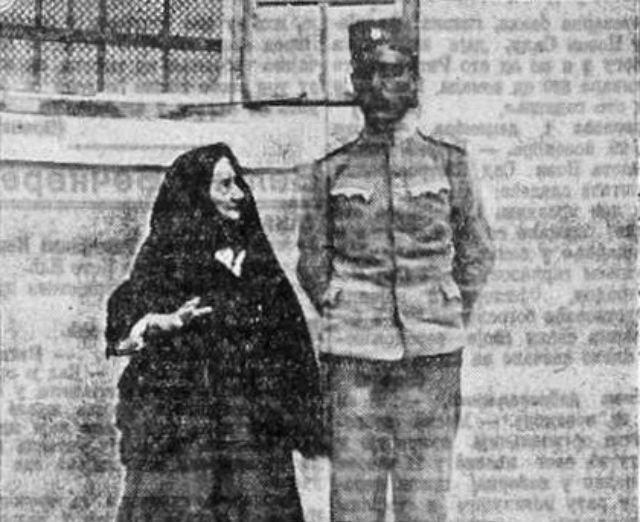
Known variously as the Banat Witch or the Witch of Vladimirovac, but best known as Baba Anujka, Ana di Pištonja was an accomplished amateur chemist and a convicted killer from the village of Vladimirovac, Yugoslavia (in Serbia). She poisoned at least 50 people and possibly as many as 150 in the late 19th and early 20th centuries. She was apprehended in 1928 at age 90 and sentenced to 15 years in prison in 1929 as an accomplice in two murders. She was released due to old age after spending eight years in prison.
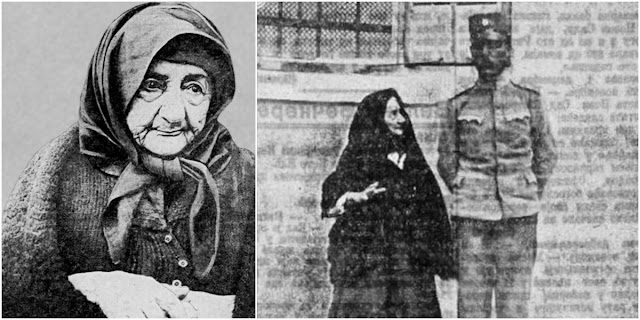
Not a lot is really known about Anujka’s youth as records are incomplete or just missing as many are for that time period. According to some sources, she was born in 1838 in Romania to a rich cattleman and moved to Vladimirovac in the Banat Military Frontier province of the Austrian Empire around 1849. However, she claimed that she was born in 1836. She attended private school in Pančevo with children from rich families, and later lived in her father’s house.
Baba Anujka allegedly became a misanthropist at age 20 after being seduced by a young Austrian military officer; she contracted syphilis from him before he left her broken-hearted. After that, she sought seclusion and started to show interest in medicine and chemistry. She spoke five languages. She later married a landowner named Pistov or di Pištonja with whom she had 11 children, only one of whom survived to adulthood. Her husband was much older than she, and died after 20 years of marriage. She continued to pursue her chemistry studies after his death.
Anujka made a laboratory in one wing of her house after her husband died, and she earned a reputation as a healer and herbalist in the late 19th century. She was popular with wives of farmers who sought her help for health problems, and she earned a respectable income which enabled her to live comfortably. She produced medicines and mixtures which would make soldiers ill enough to escape military service, and she also sold poisonous mixtures which she branded “magic water” or “love potions”. She sold the so-called “magic water” mostly to women with abusive husbands; they would give the concoction to their husbands, who would usually die after about eight days.
Anujka’s “love potion” contained arsenic in small quantities and certain plant toxins that were difficult to detect. When told about a marriage problem, Anujka would ask her client, “How heavy is that problem?”, which meant, “What is the body mass of the victim?” She was then able to calculate the dose needed. Anujka’s victims were usually men, typically young and healthy. Her clients claimed at her trial that they did not know that her “magic water” contained poison, but that they believed that she had some kind of supernatural powers to kill people using magic. Anujka’s potions killed between 50 and 150 people.
In the 1920s, Anujka had her own “sales agent”, a woman named Ljubina Milankov, whose job was to find potential clients and take them to Anujka’s house. The price of Anujka’s “magic water” fluctuated between 2,000 and 10,000 Yugoslav dinars.
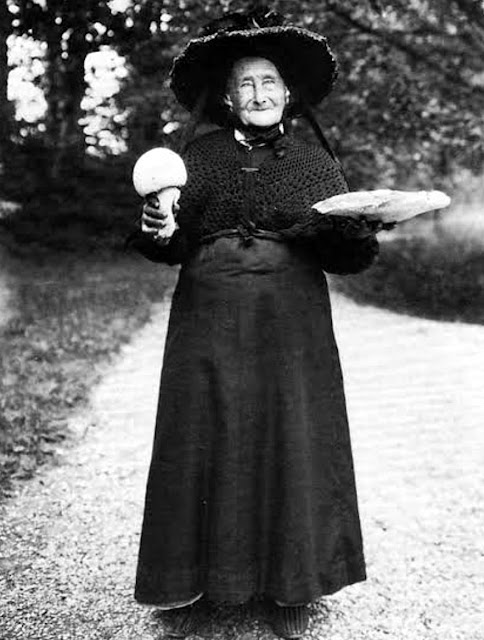
Her downfall came through one of her regular clients, a woman named Stana Momirov who had previously killed her husband with one of Anujka’s love potions, as well as frequently purchasing herbal remedies from her. When Momirov remarried and a rich relative of her new husband died in similar circumstances she was arrested and questioned, implicating Anujka in the two killings.
A second death occurred nearly a year later, after Anujka sold a woman a potion with which to murder her husband’s father. After the man’s 16-year-old granddaughter was duped into administering the poison, the man fell ill and died. Nearly 18 months later Anujka was arrested, along with six others involved in the two killings. Her co-defendants turned the blame on her, claiming that they never knew the potions were poison and that they believed the deaths had been caused by Anujka’s supernatural powers. In response, Anujka denied ever selling them potions of any kind, insisting the entire case was an attempt to shift the blame onto her.
Ultimately, Anujka was sentenced to 15 years in prison for her role in the two murders. She was released after serving eight years on compassionate grounds. She died in 1938 in her home in Vladimirovac at the age of 100.