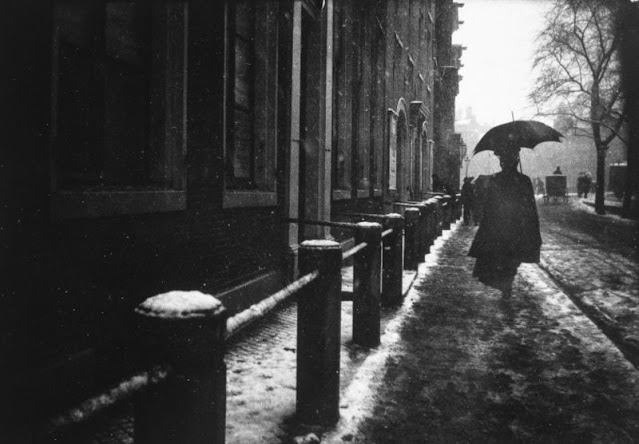
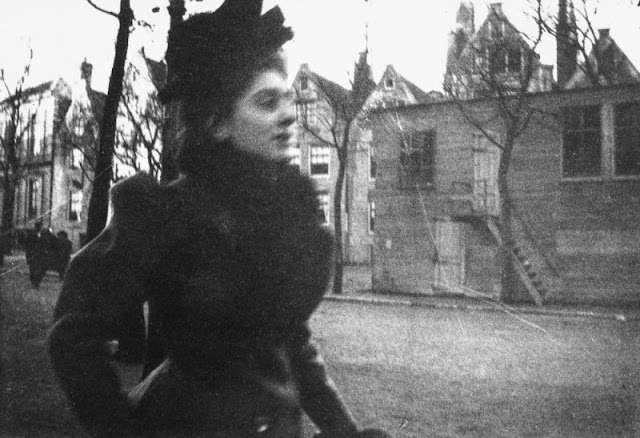
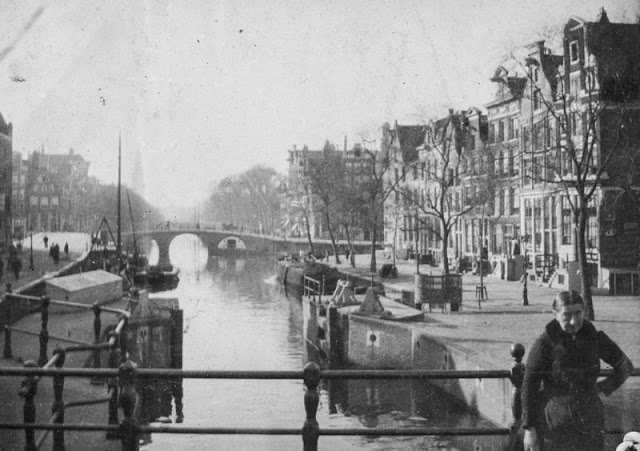
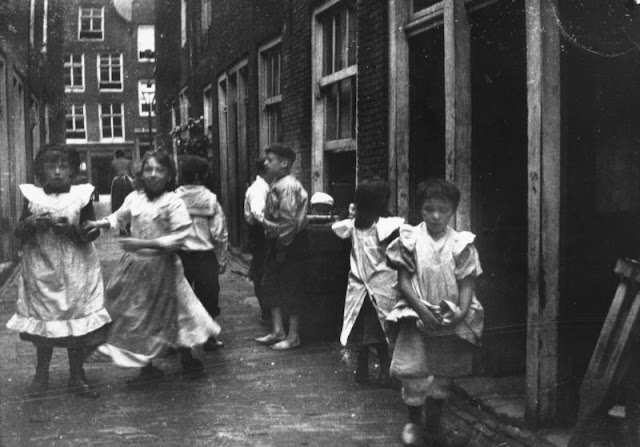
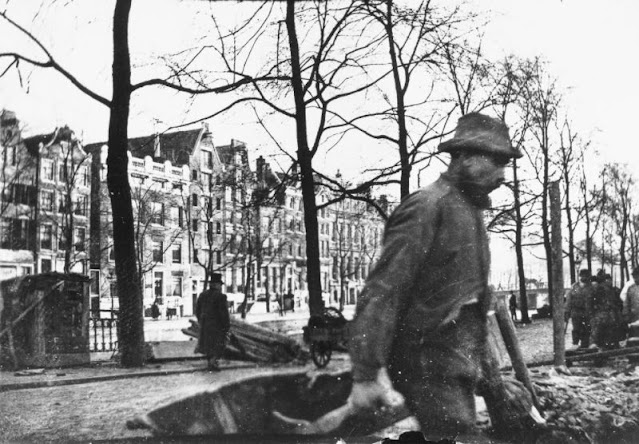
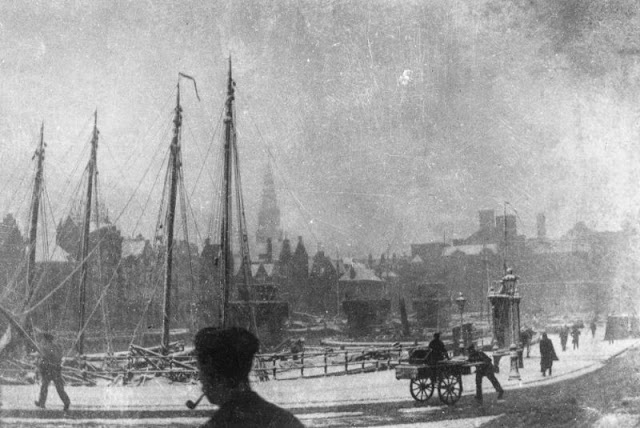
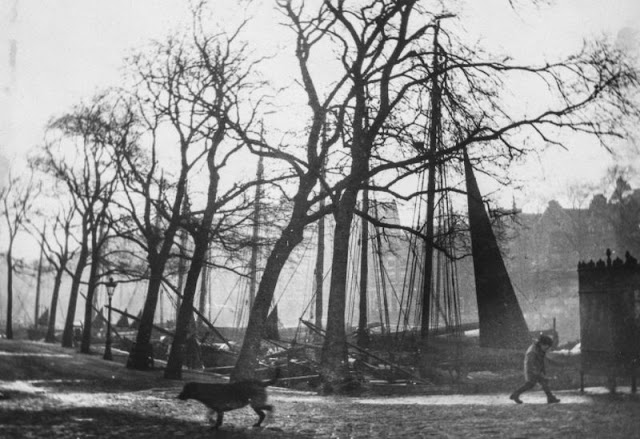
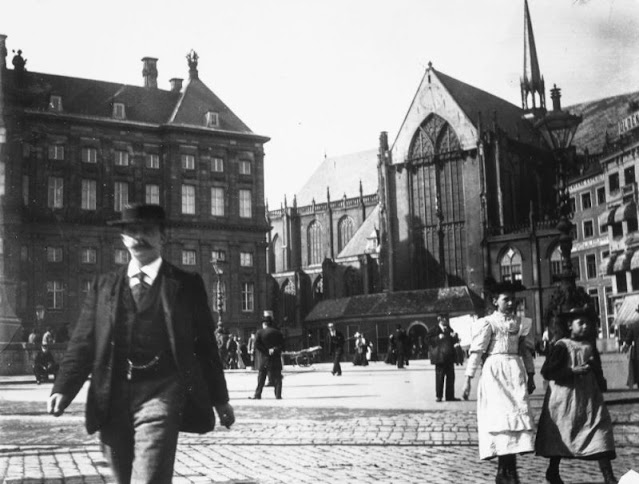
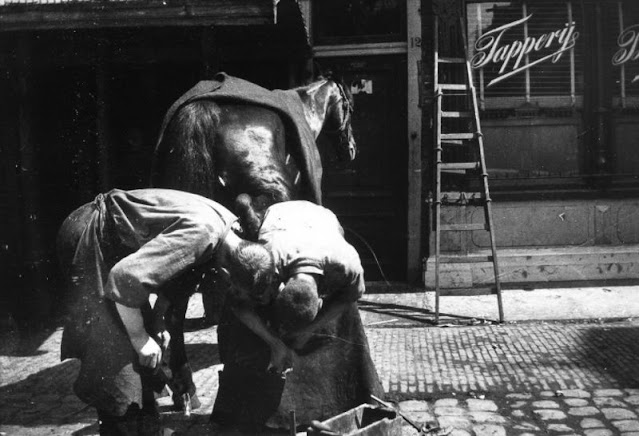
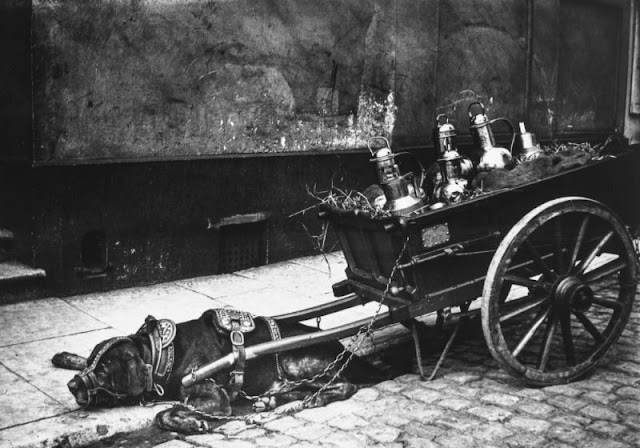
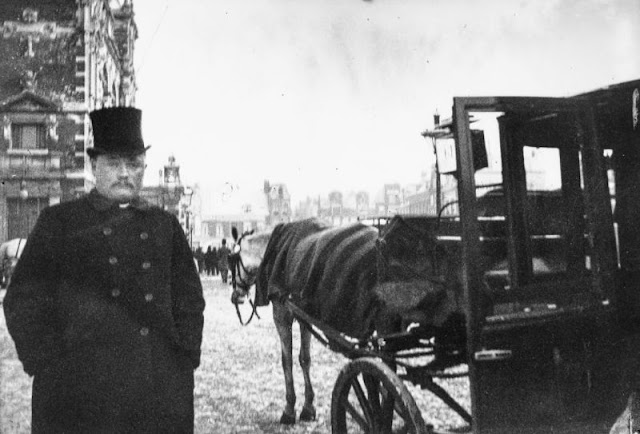
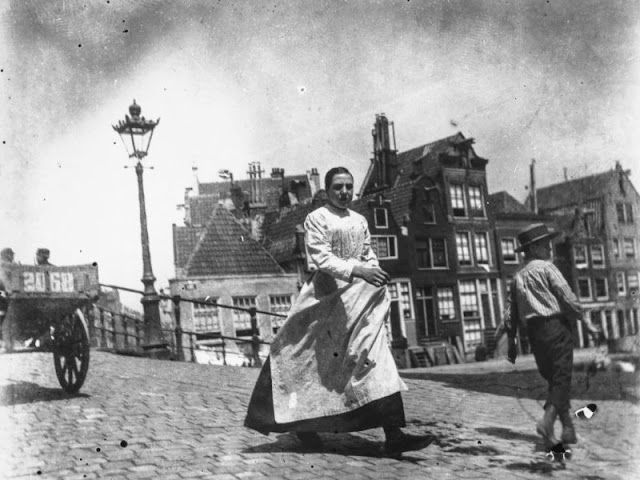
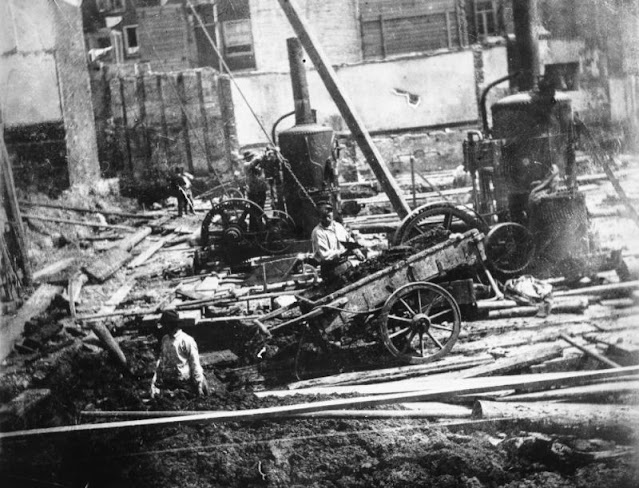
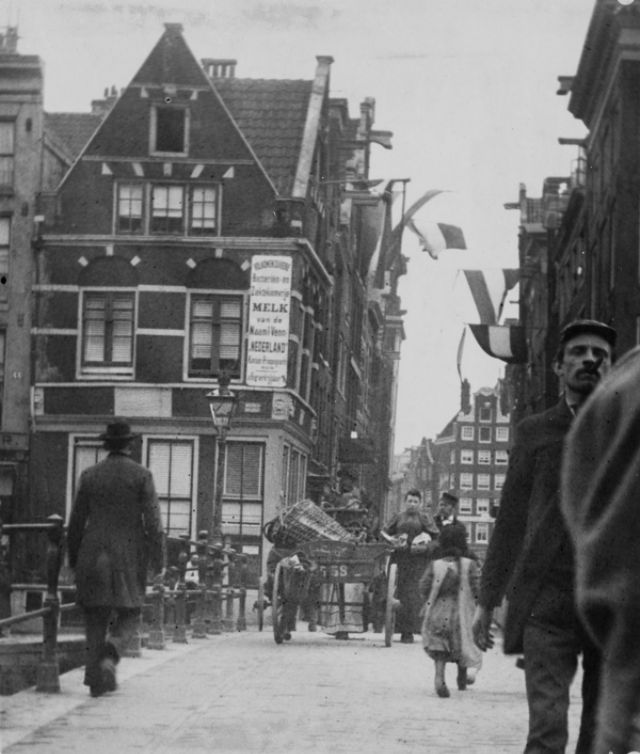
George Hendrik Breitner (September 12, 1857 – June 5, 1923) was a Dutch painter and photographer. An important figure in Amsterdam Impressionism, he is noted especially for his paintings of street scenes and harbors in a realistic style: wooden foundation piles by the harbor, demolition work and construction sites in the old center, horse trams on the Dam, or canals in the rain. Breitner saw himself as “le peintre du peuple”, the people’s painter, and preferred to work with working-class models: laborers, servant girls and people from the lower class districts.
By 1890, cameras were affordable, and Breitner became very interested in this particular instrument that could help provide reference materials for his paintings. The discovery in 1996 of a large collection of photographic prints and negatives made it clear that Breitner was a talented photographer of street photography. He took various pictures of the same subject, from different perspectives or in different weather conditions. On other occasions, Breitner used photography for general reference, to capture an atmosphere, a light effect or the weather in the city at a particular moment.
Take a look at these 28 stunning vintage black and white photographs of the streets and people of Amsterdam from the 1890s to the 1910s taken by Breitner:
The United States of America (U.S.A. or USA), commonly known as the United States (U.S. or US) or America, is a country primarily located in North America. It consists of 50 states, a federal district, five major unincorporated territories, 326 Indian reservations, and nine minor outlying islands. It is the world’s third-largest country by both land and total area. The United States shares land borders with Canada to the north and with Mexico to the south as well as maritime borders with the Bahamas, Cuba, and Russia, among others. With more than 331 million people, it is the third most populous country in the world. The national capital is Washington, D.C., and the most populous city and financial center is New York City.
Paleo-Indians migrated from Siberia to the North American mainland at least 12,000 years ago, and European colonization began in the 16th century. The United States emerged from the Thirteen British Colonies established along the East Coast. Disputes with Great Britain over taxation and political representation led to the American Revolutionary War (1775–1783), which established the nation’s independence. In the late 18th century, the U.S. began expanding across North America, gradually obtaining new territories, sometimes through war, frequently displacing Native Americans, and admitting new states. This was strongly related to belief in manifest destiny, and by 1848, the United States spanned the continent from east to west. Slavery was legal in the southern United States until 1865, when the American Civil War led to its abolition. A century later, the civil rights movement led to legislation outlawing racial discrimination against African Americans. The Spanish–American War and World War I established the U.S. as a world power, and the aftermath of World War II left the United States and the Soviet Union as the world’s two superpowers. During the Cold War, both countries opposed each other in the Korean and Vietnam Wars but avoided direct military conflict. They also competed in the Space Race, which culminated in the 1969 American spaceflight that first landed humans on the Moon. The Soviet Union’s dissolution in 1991 ended the Cold War, leaving the United States as the world’s sole superpower.
The United States is a federal republic with three separate branches of government, including a bicameral legislature. It is a founding member of the United Nations, World Bank, International Monetary Fund, Organization of American States, NATO, and other international organizations. It is a permanent member of the United Nations Security Council. Considered a melting pot of cultures and ethnicities, its population has been profoundly shaped by centuries of immigration. The United States is a liberal democracy; it ranks high in international measures of economic freedom, quality of life, education, and human rights; and it has low levels of perceived corruption. It lacks universal health care, retains capital punishment, and has high levels of incarceration and inequality.
The United States is a highly developed country, and its economy accounts for approximately a quarter of global GDP and is the world’s largest by GDP at market exchange rates. By value, the United States is the world’s largest importer and second-largest exporter. Although its population is only about 4.2% of the world’s total, it holds over 30% of the total wealth in the world, the largest share held by any country. Making up more than a third of global military spending, it is the foremost military power in the world and a leading political, cultural, and scientific force.
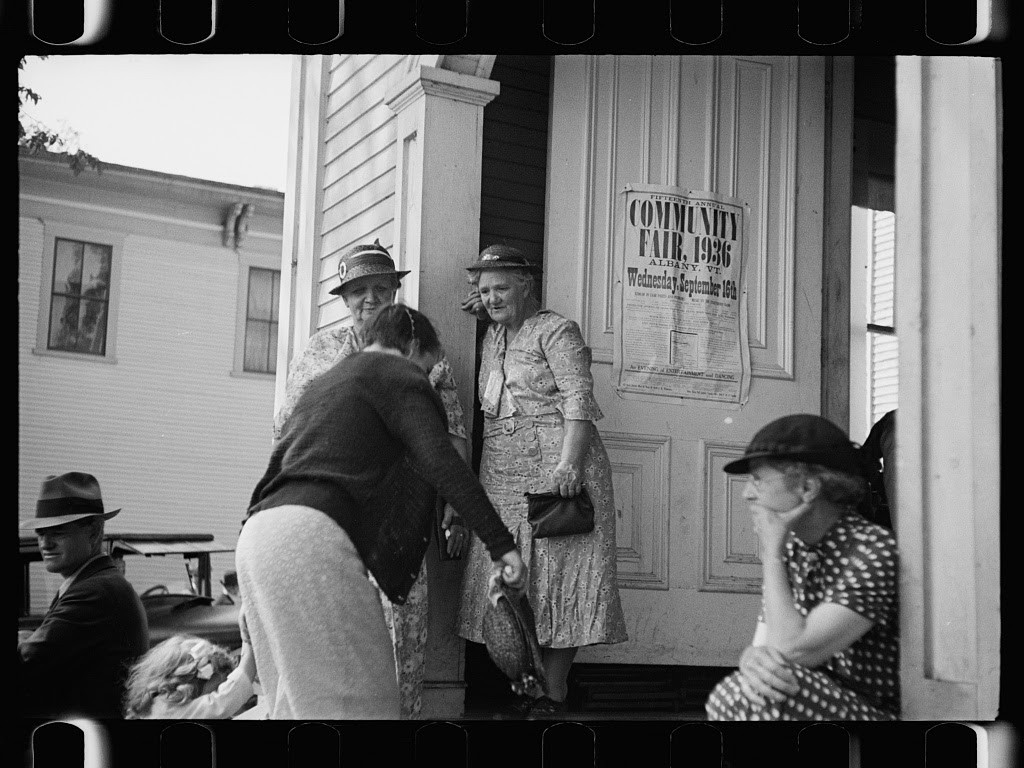
The 1930s was defined by a global economic and political crisis that culminated in the Second World War. It saw the collapse of the international financial system, beginning with the Wall Street Crash of 1929, the largest stock market crash in American history. The subsequent economic downfall, called the Great Depression, had traumatic social effects worldwide, leading to widespread poverty and unemployment, especially in the economic superpower of the United States and in Germany, which was already struggling with the payment of reparations for the First World War. The Dust Bowl in the United States (which led to the nickname the “Dirty Thirties”) exacerbated the scarcity of wealth. U.S. President Franklin D. Roosevelt, elected in 1933, introduced a program of broad-scale social reforms and stimulus plans called the New Deal in response to the crisis.
In the wake of the Depression, the decade also saw the rapid retreat of liberal democracy as authoritarian regimes emerged in countries across Europe and South America, including Italy, Spain, and in particular Nazi Germany. With the rise of Adolf Hitler, Germany undertook a series of annexations and aggressions against neighboring territories in Central Europe, and imposed a series of laws which discriminated against Jews and other ethnic minorities. Weaker states such as Ethiopia, China, and Poland were invaded by expansionist world powers, with the last of these attacks leading to the outbreak of World War II on September 1, 1939, despite calls from the League of Nations for worldwide peace. World War II helped end the Great Depression when governments spent money for the war effort. The 1930s also saw many important developments in science and a proliferation of new technologies, especially in the fields of intercontinental aviation, radio, and film. (Wikipedia)
Subscribe to continue reading
Become a paid subscriber to get access to the rest of this post and other exclusive content.
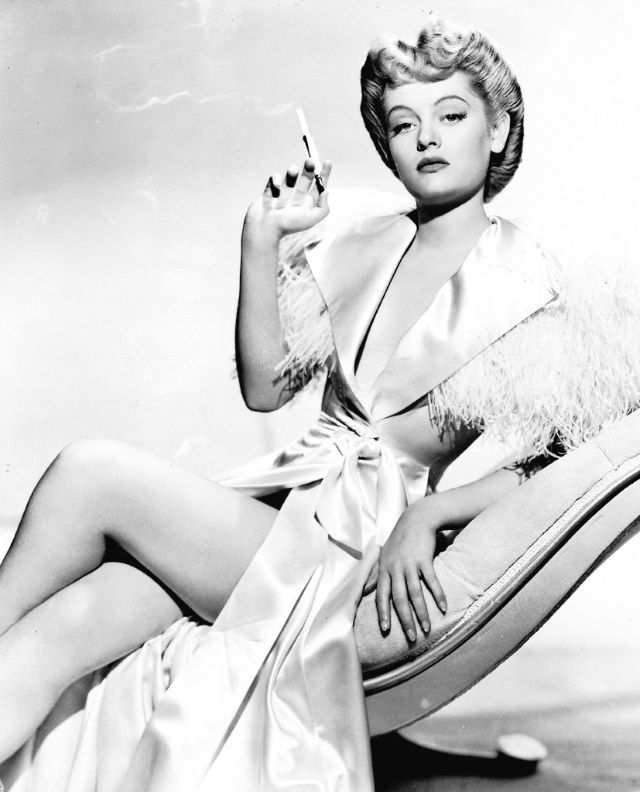
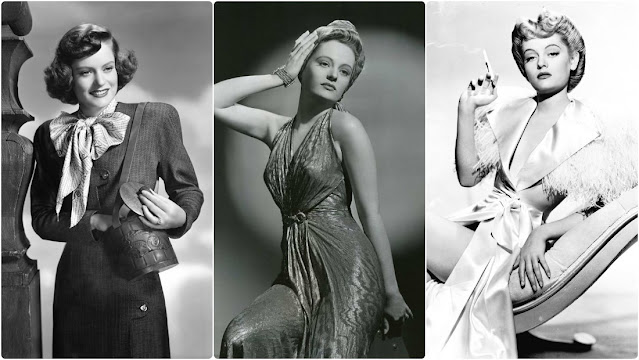
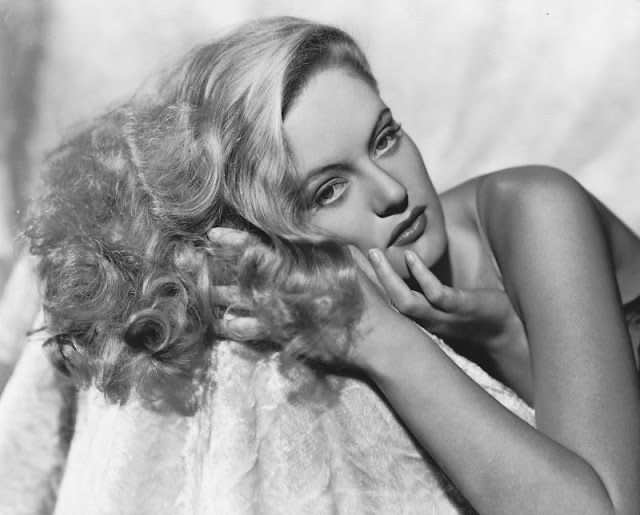
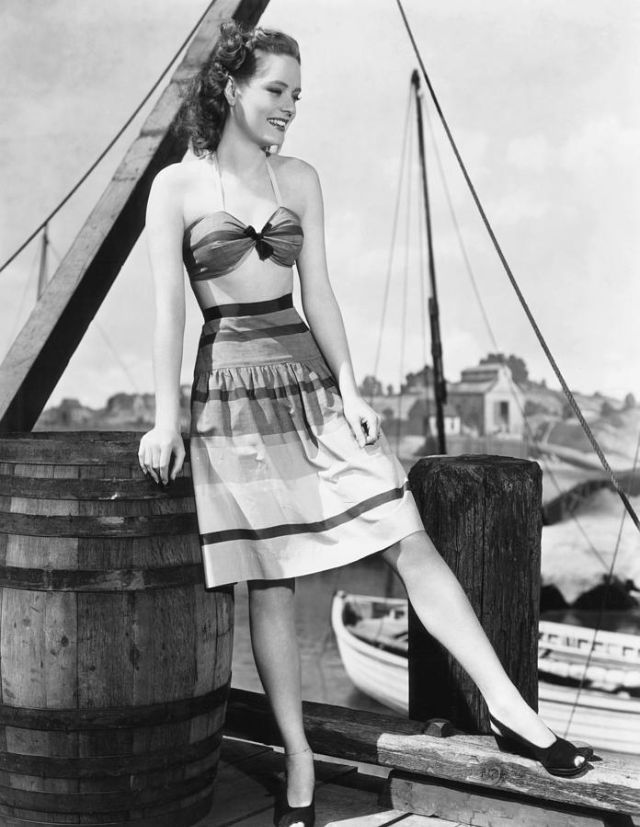
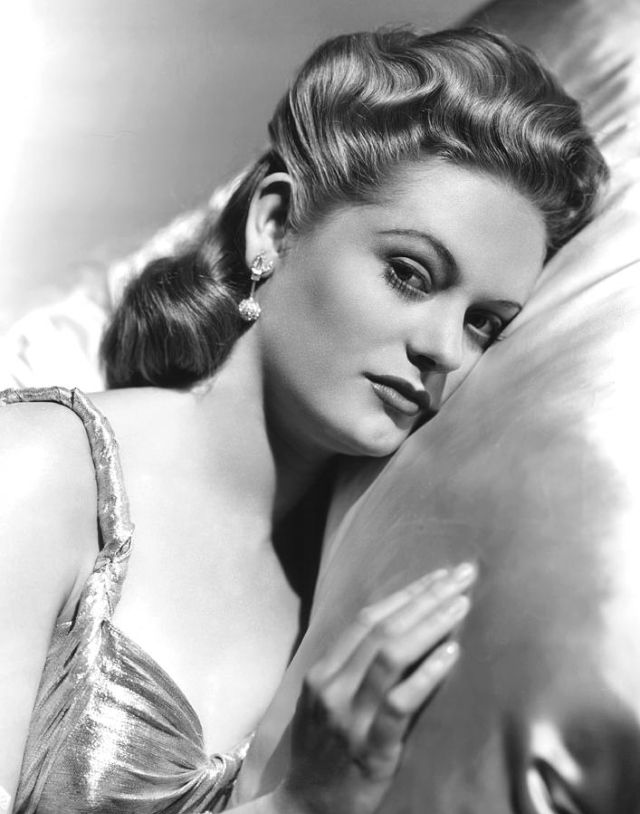
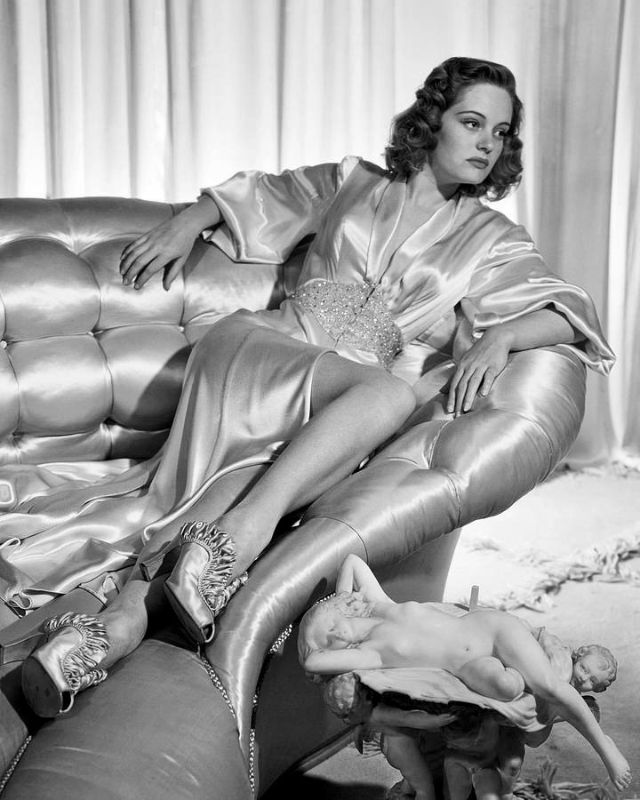
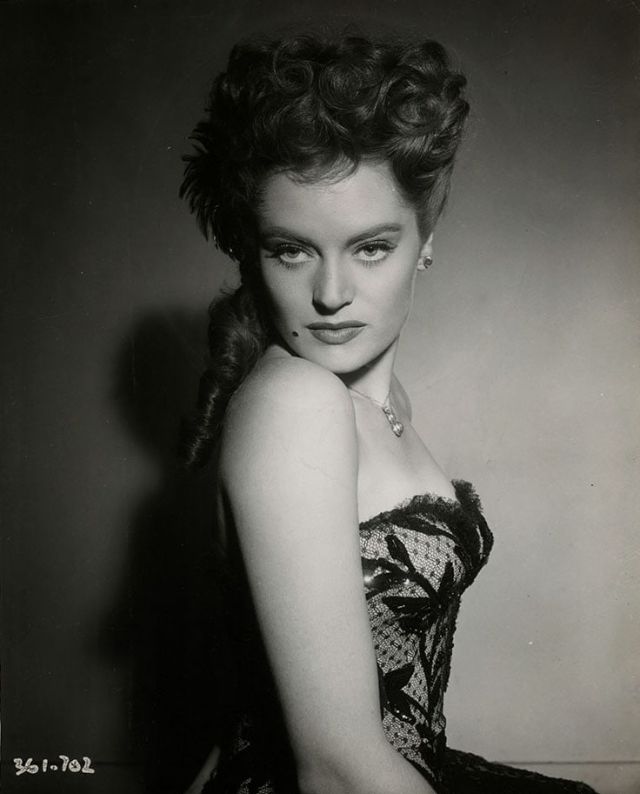
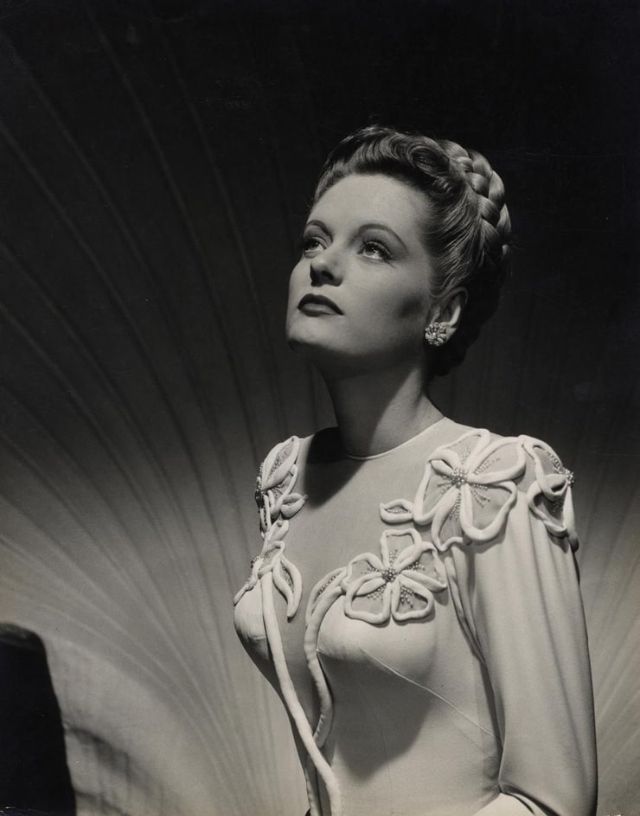
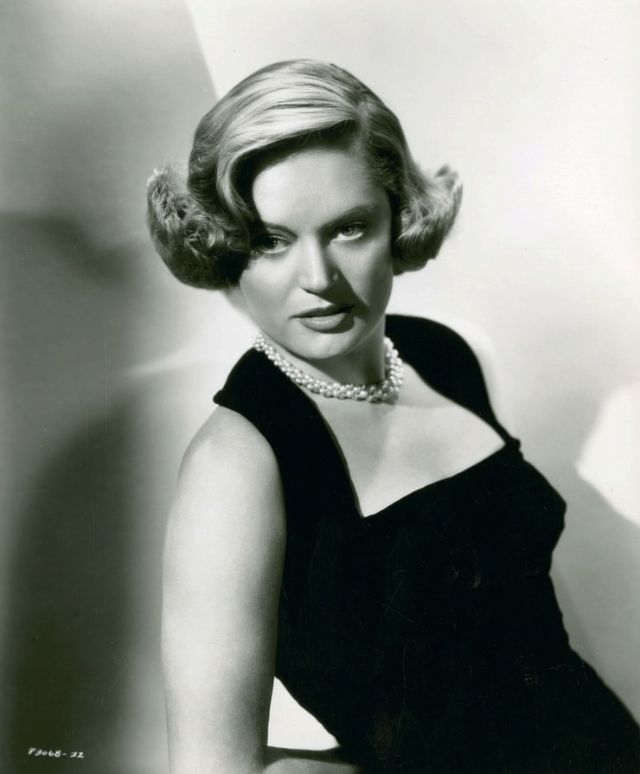
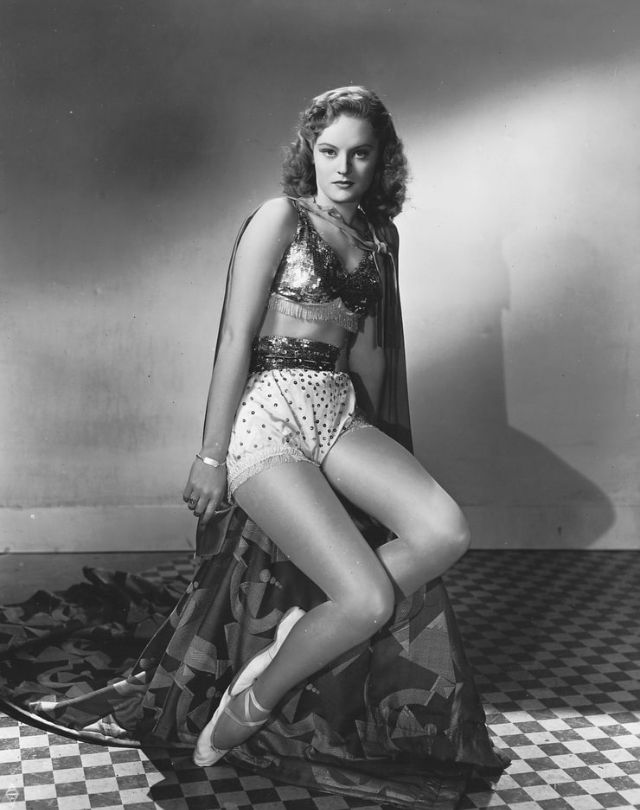
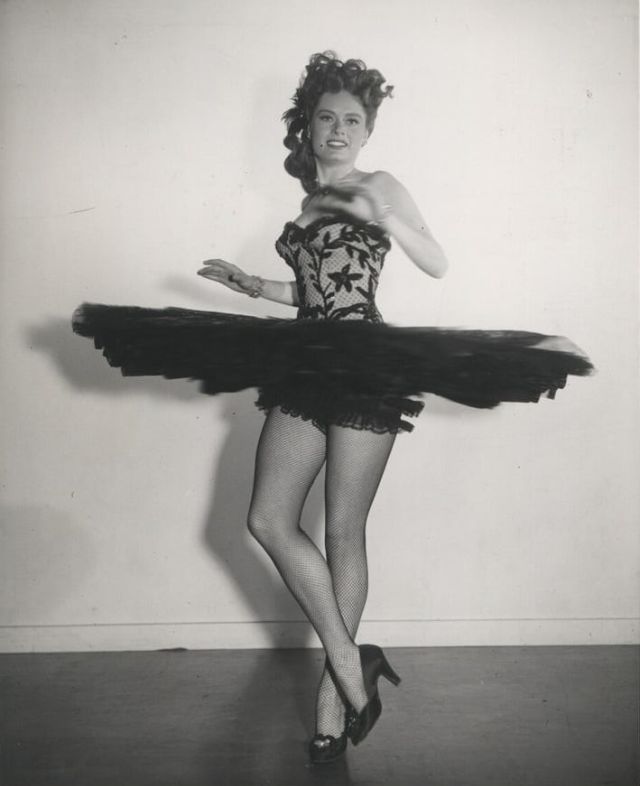
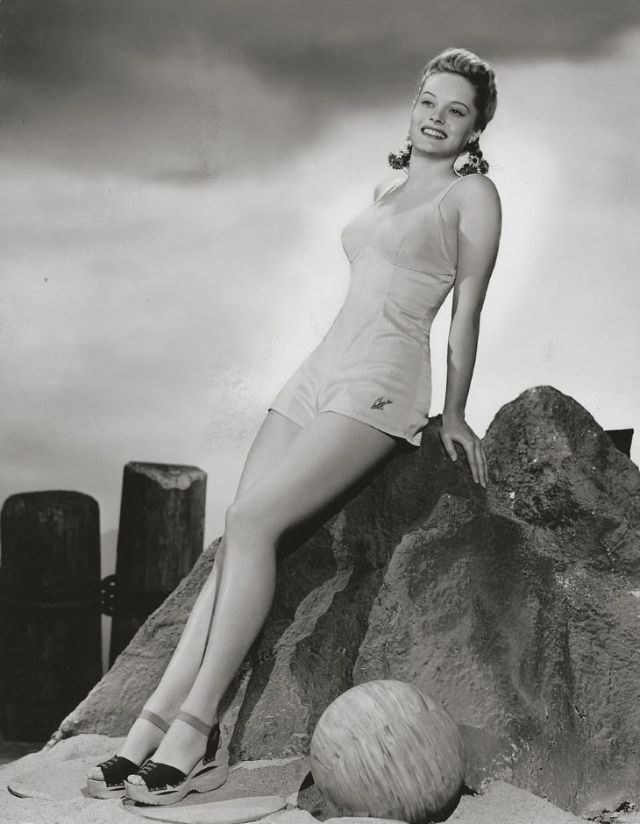
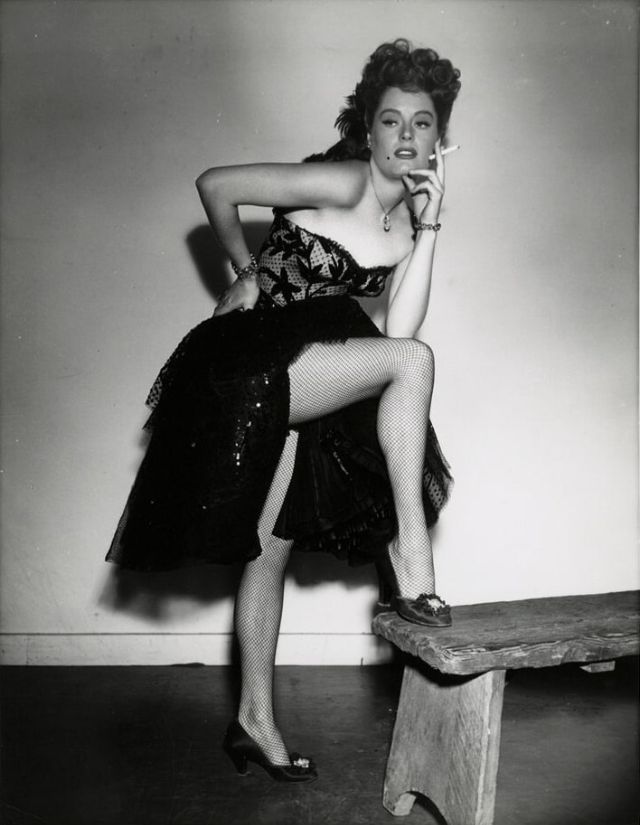
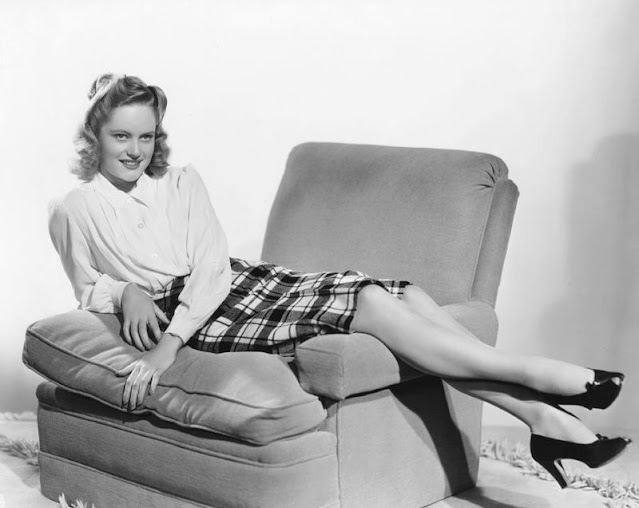
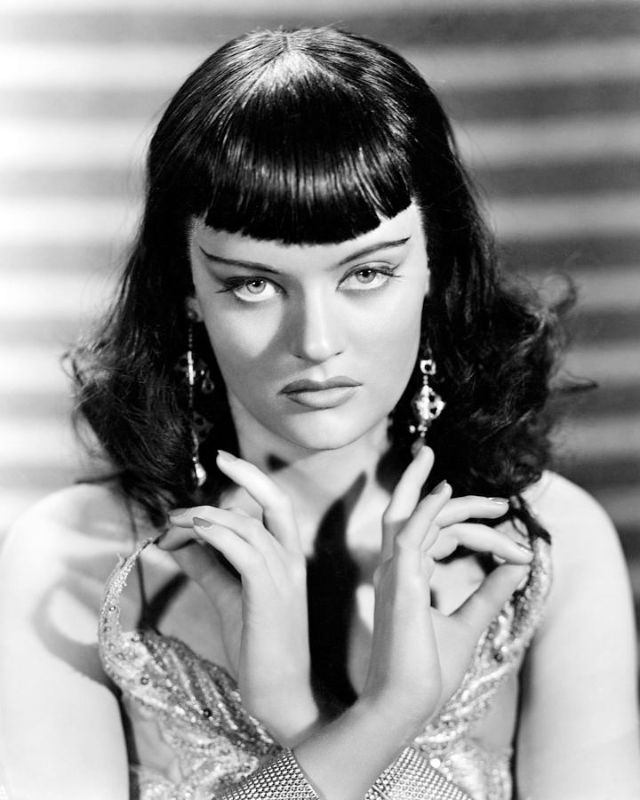
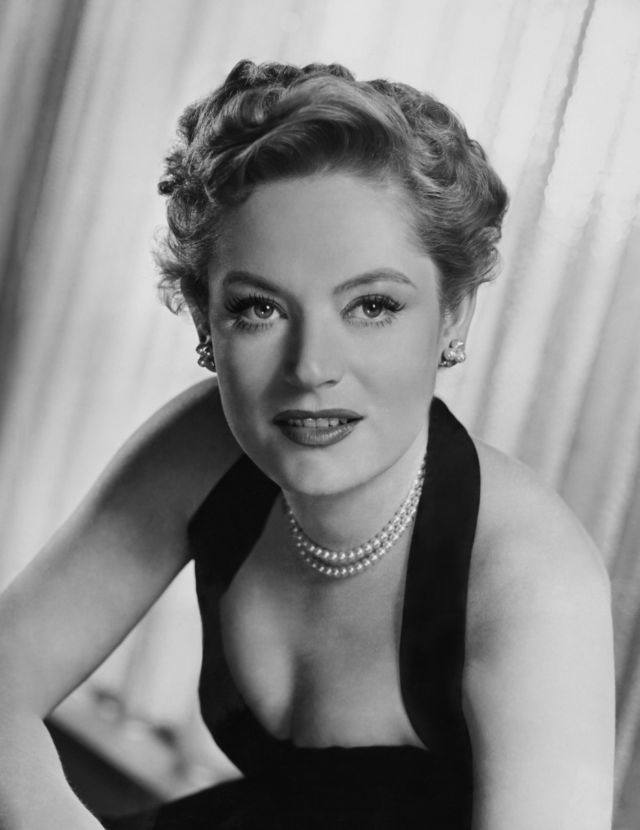
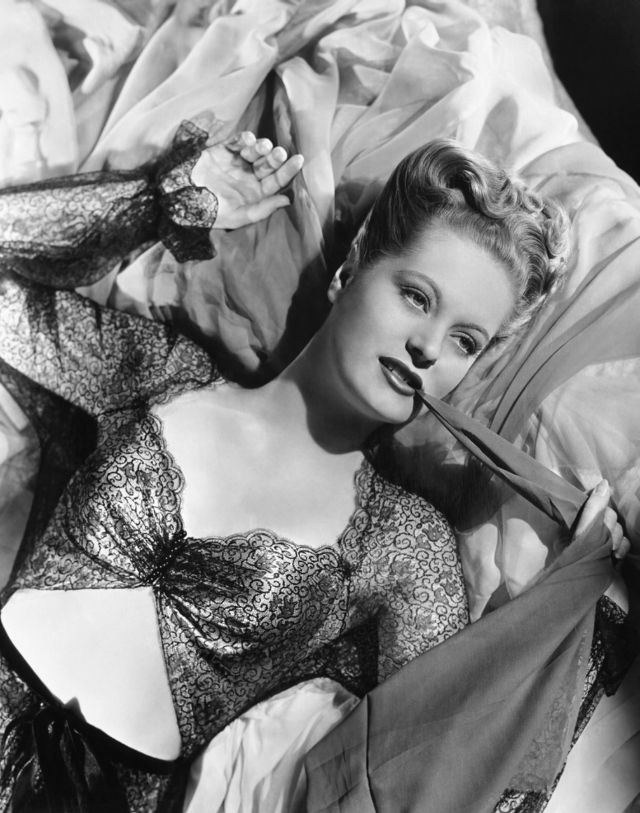
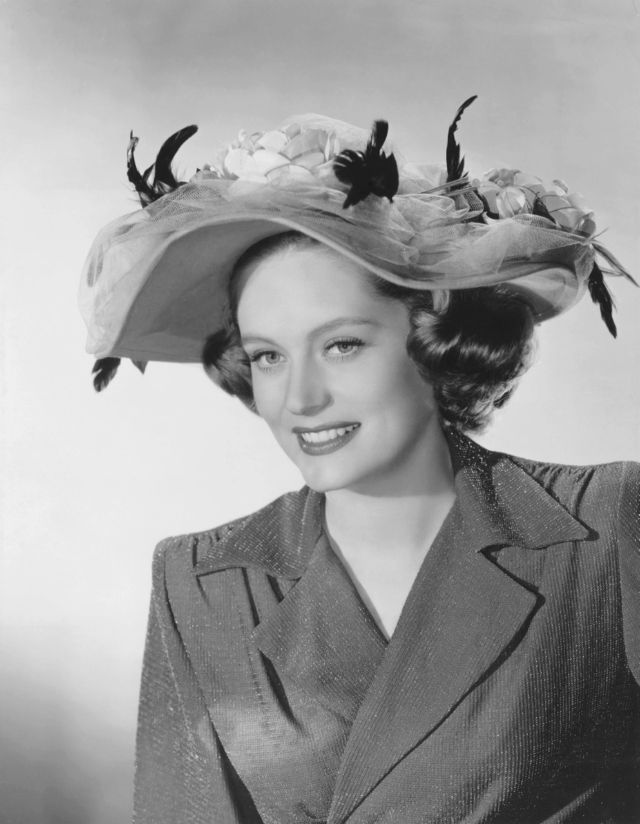
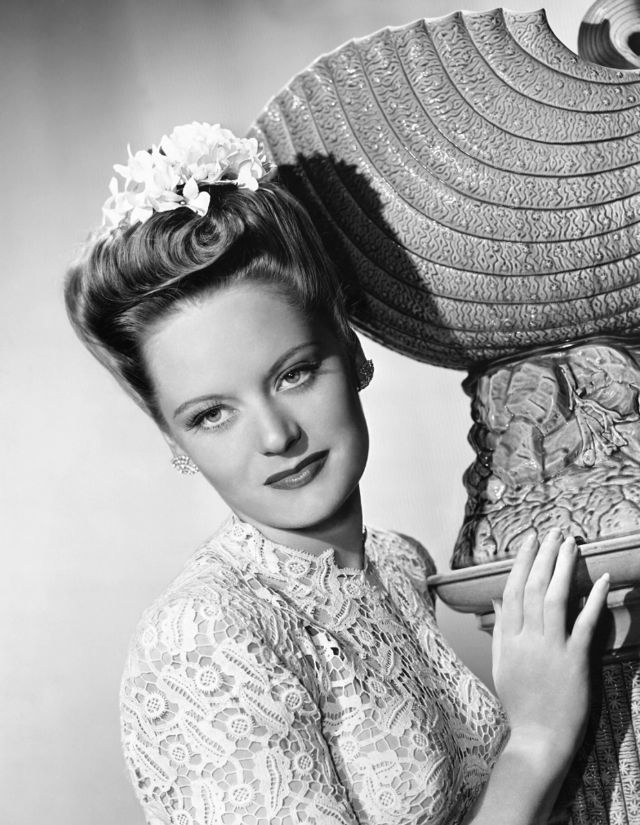
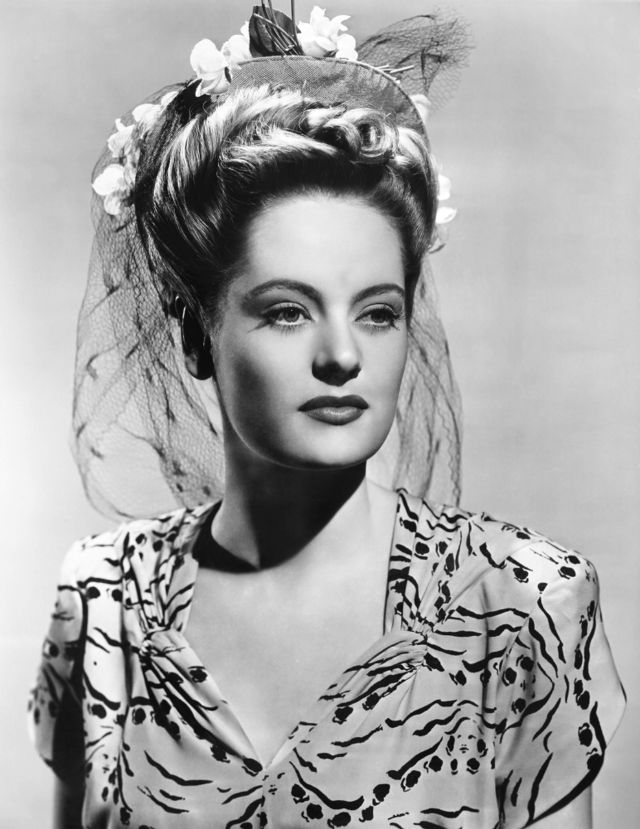
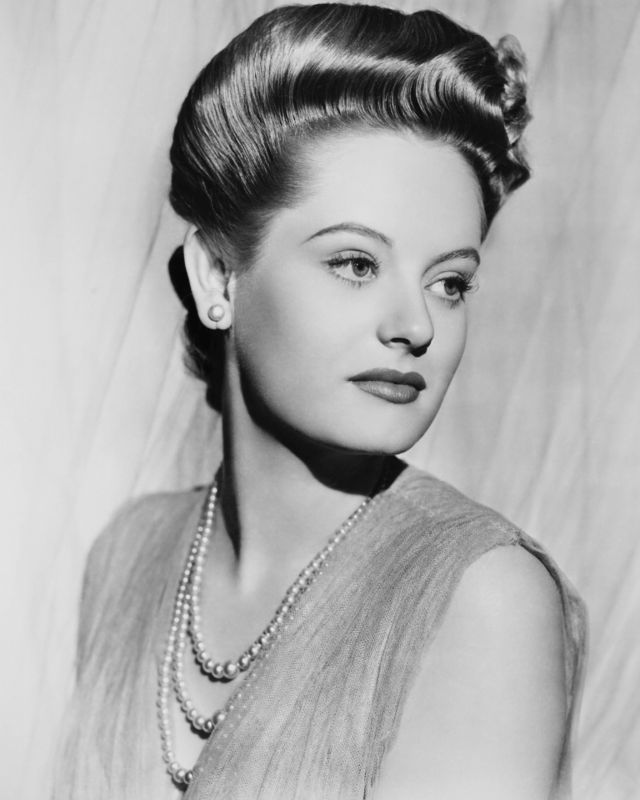
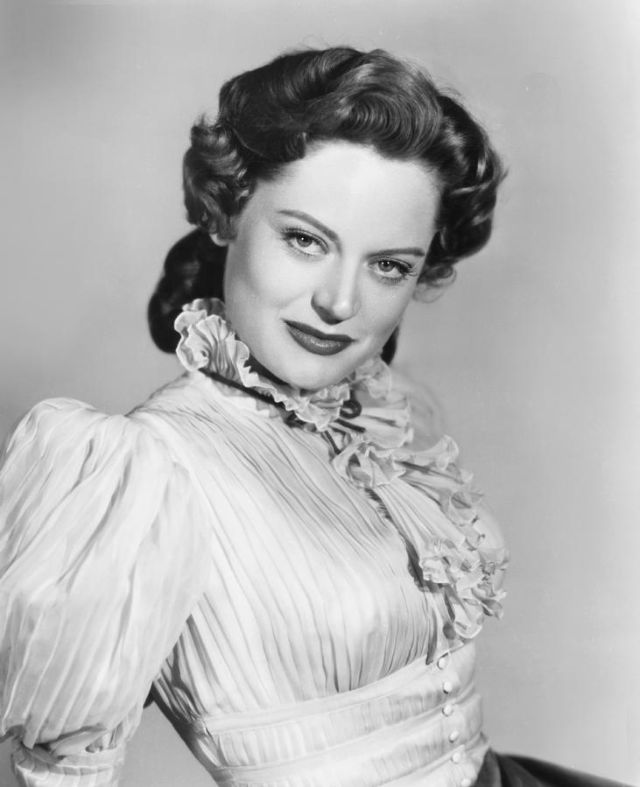
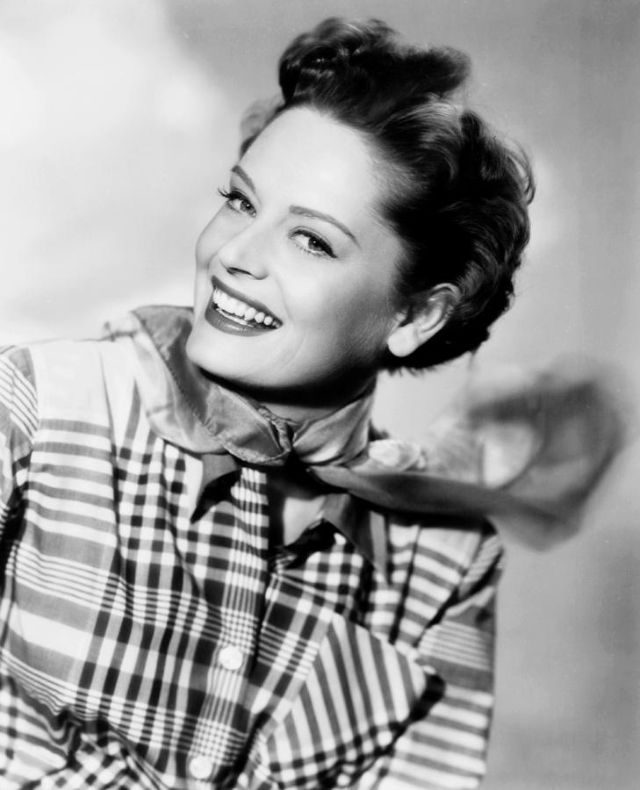
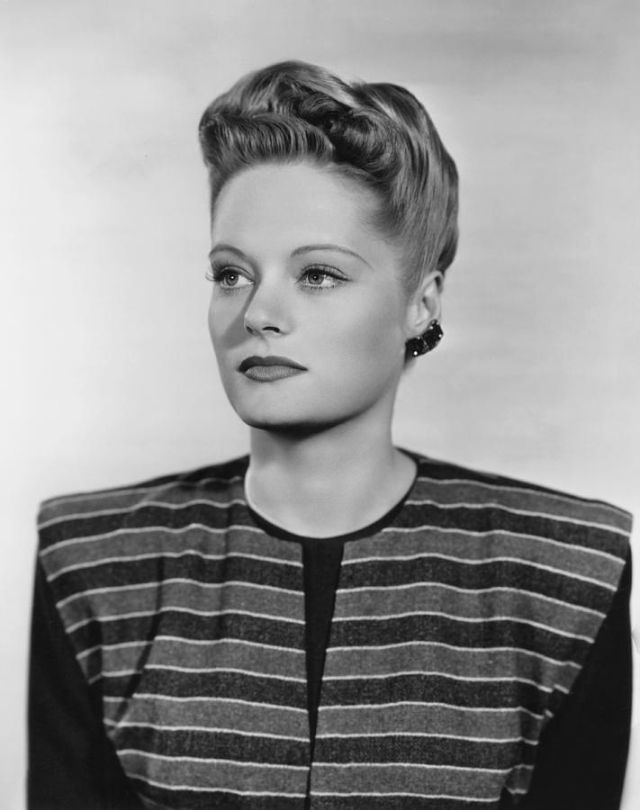
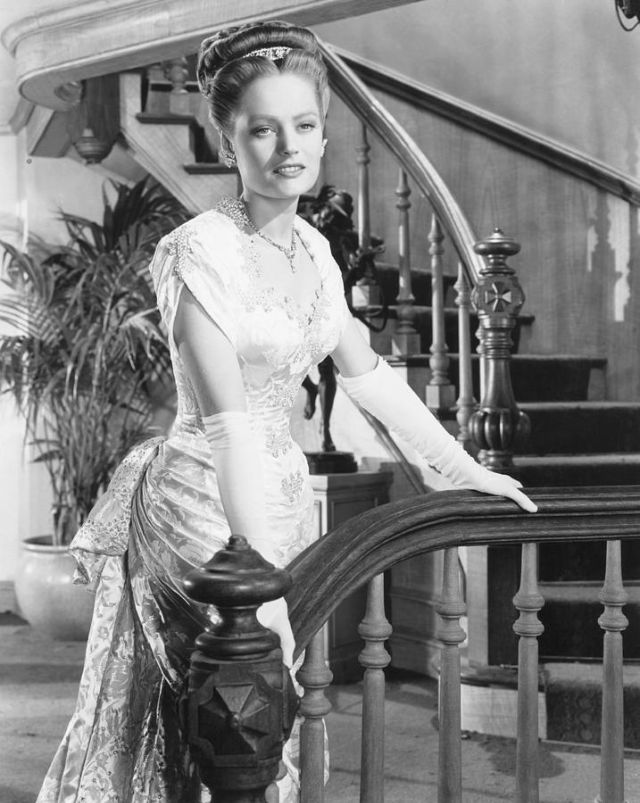
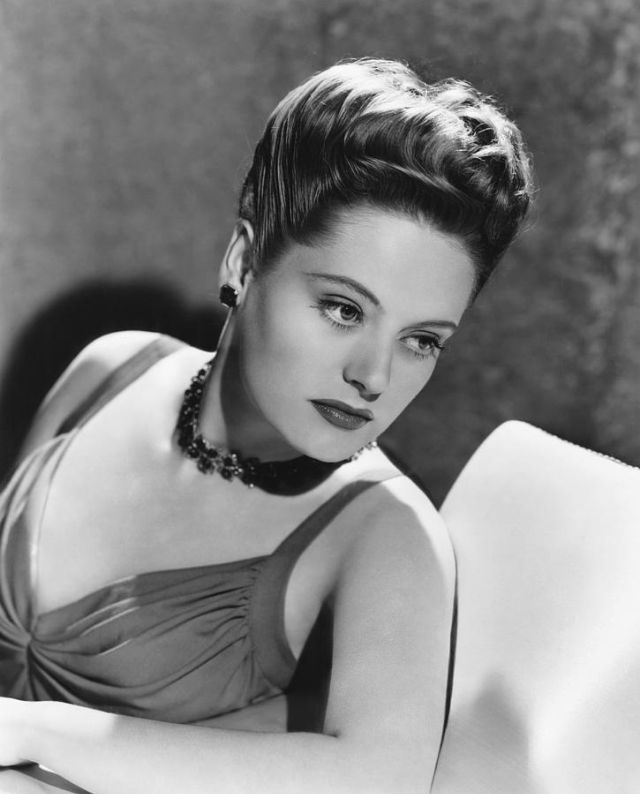
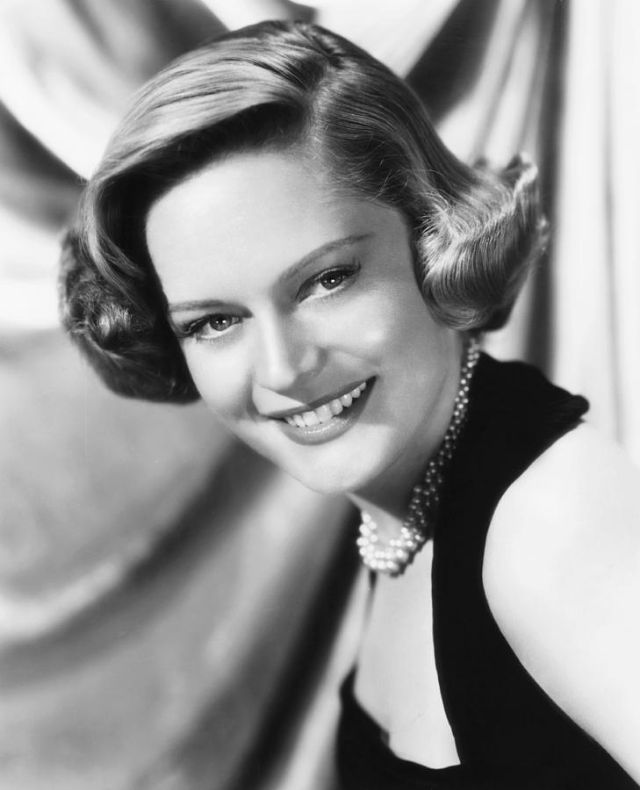
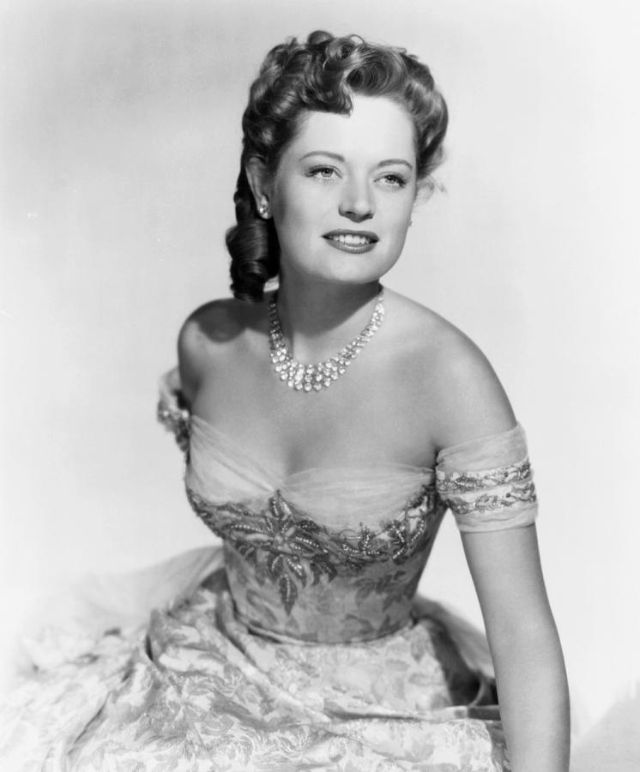
Born 1921 in Penticton, British Columbia, Canadian-American actress and singer Alexis Smith had her first credited role in Dive Bomber (1941), playing the female lead opposite Errol Flynn. It was a “decorative” part but the film was very successful. Warners decided to build her up as a star. She had a support role in The Smiling Ghost (1941) and appeared with her future husband Craig Stevens in Steel Against the Sky (1941), the first time she was top billed.
Smith appeared in several major Hollywood films in the 1940s and had a notable career on Broadway in the 1970s, winning a Tony Award in 1972 for the Stephen Sondheim-James Goldman musical Follies. Her last film role was in The Age of Innocence (1993).
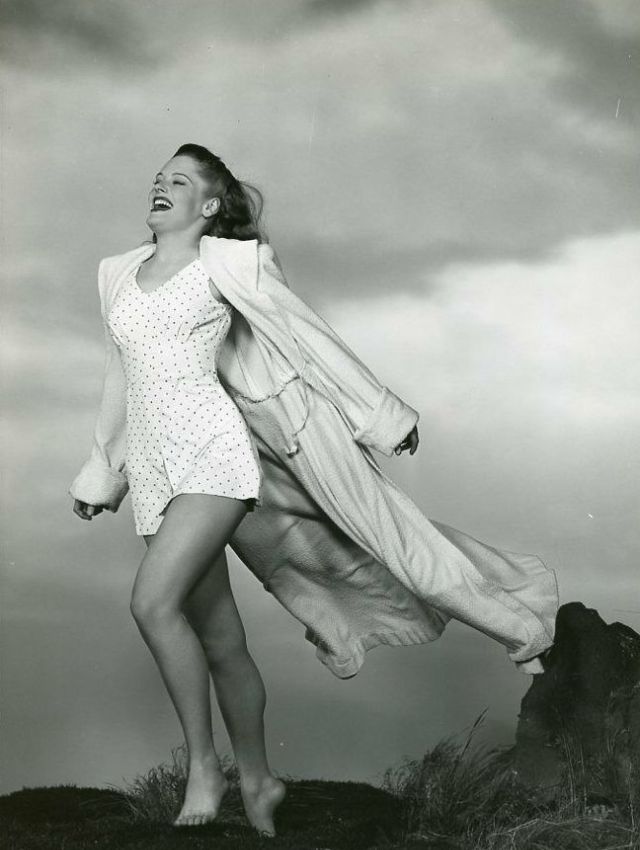
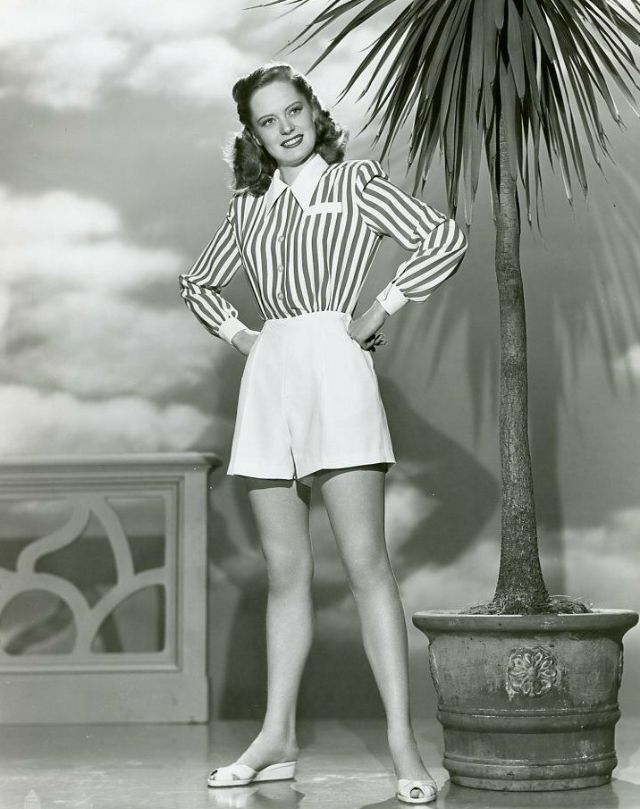
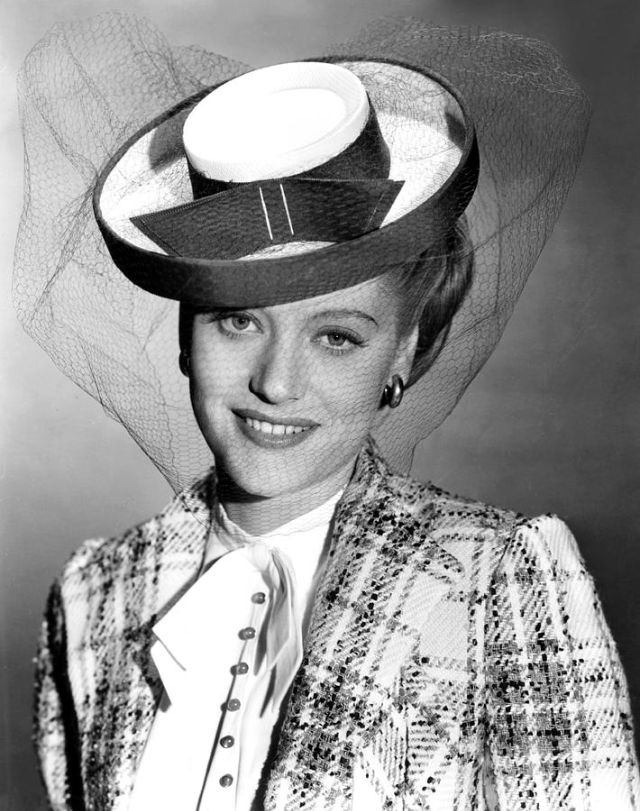
Smith died of brain cancer in Los Angeles in 1993, the day after her 72nd birthday. Her final film, The Age of Innocence (1993), was released shortly after her death. Take a look at these vintage photos to see the beauty of young Alexis Smith in the 1940s and 1950s.
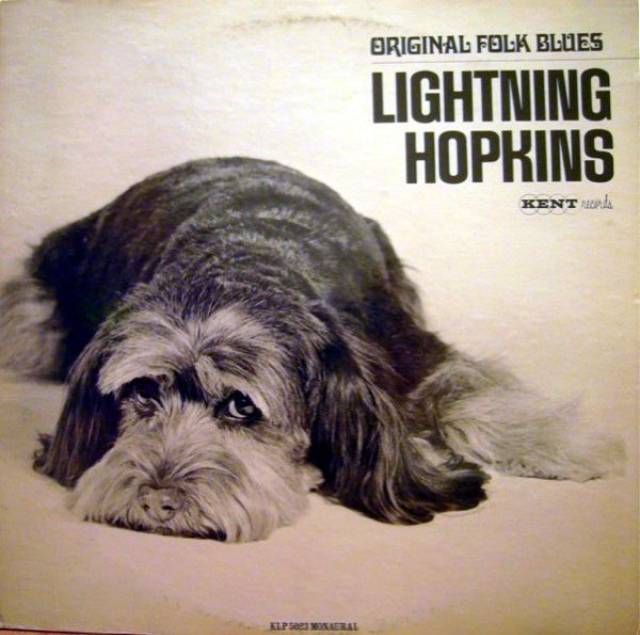
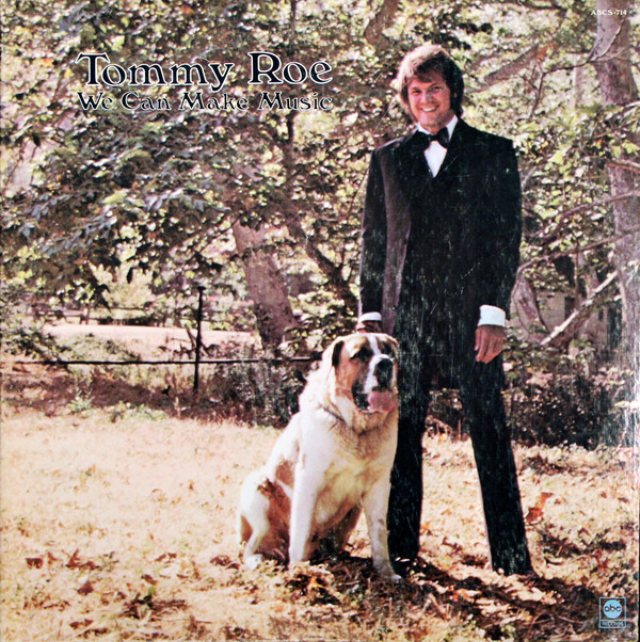
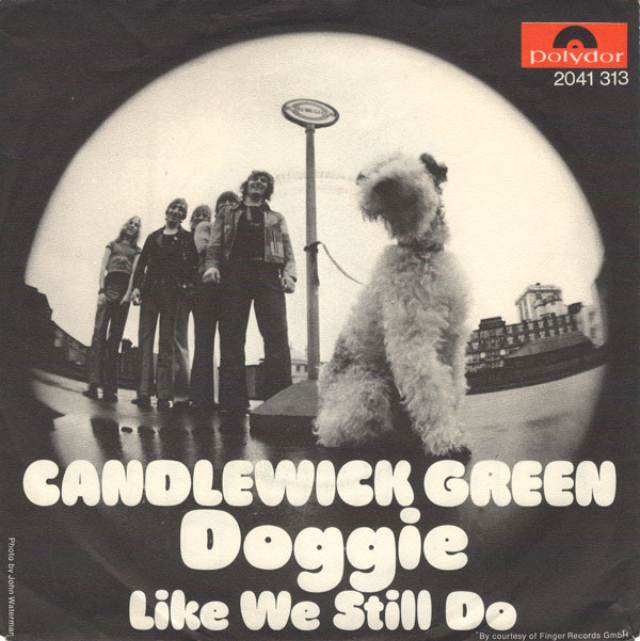
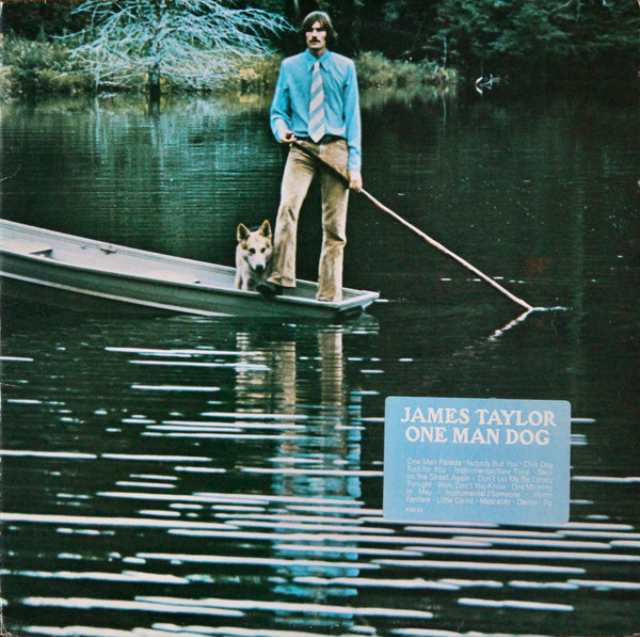
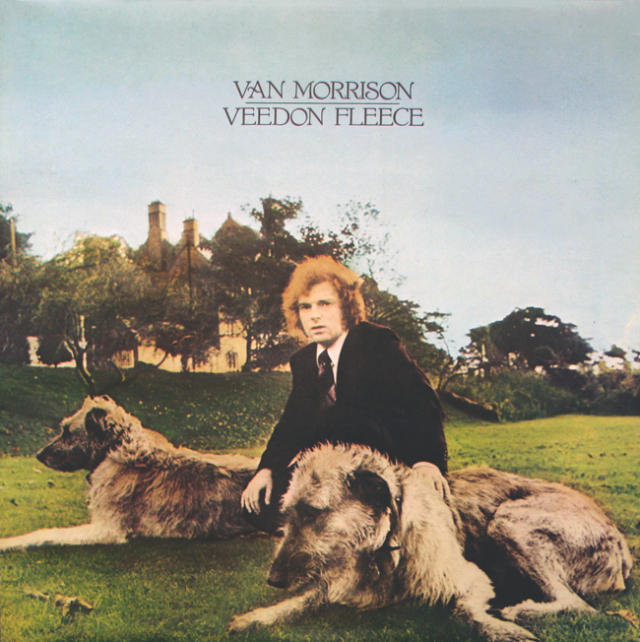
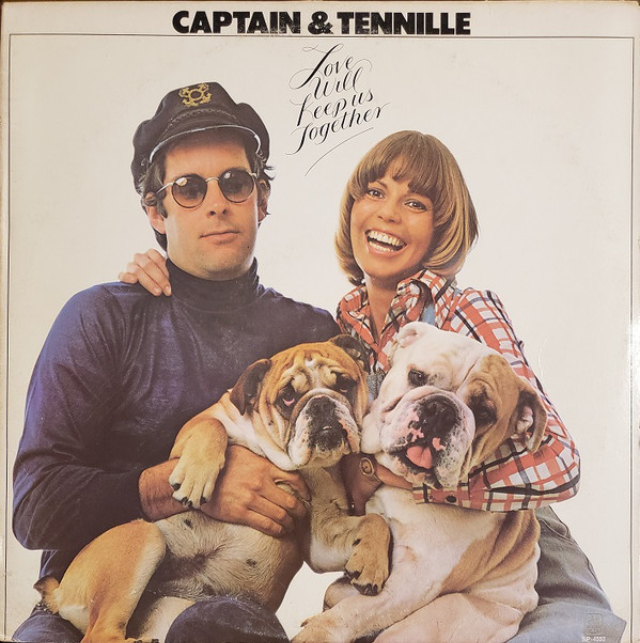
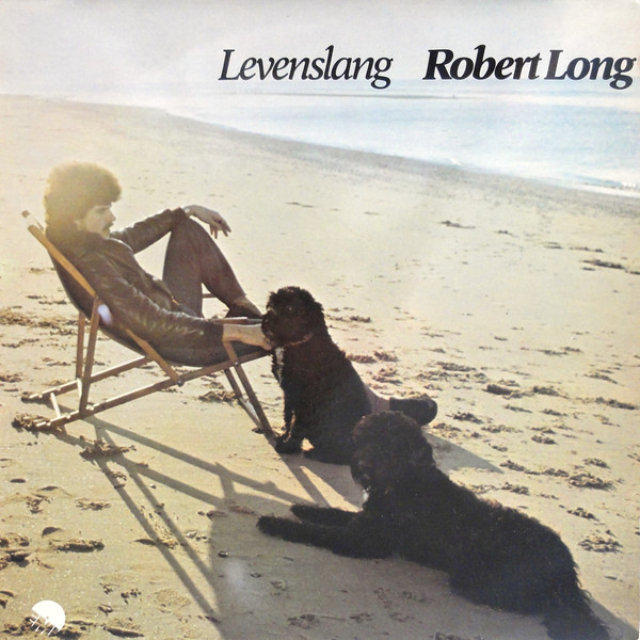
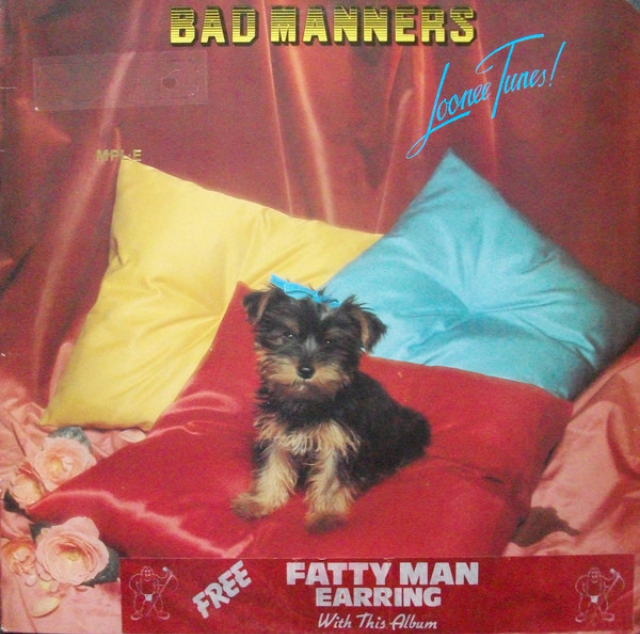
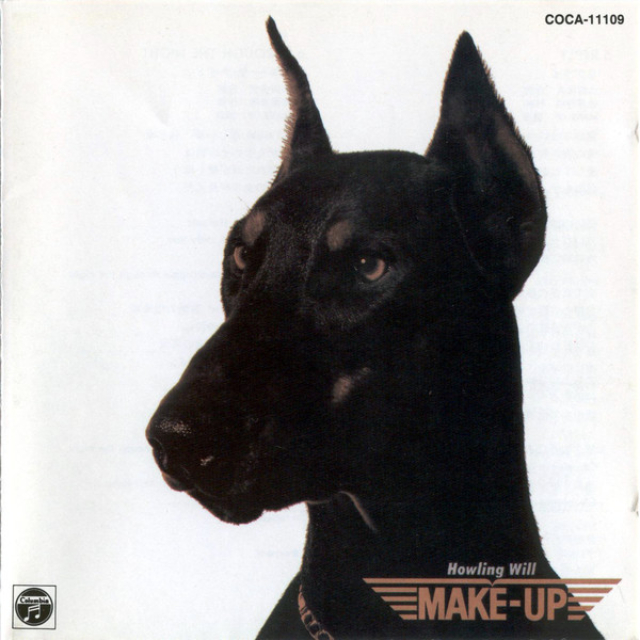
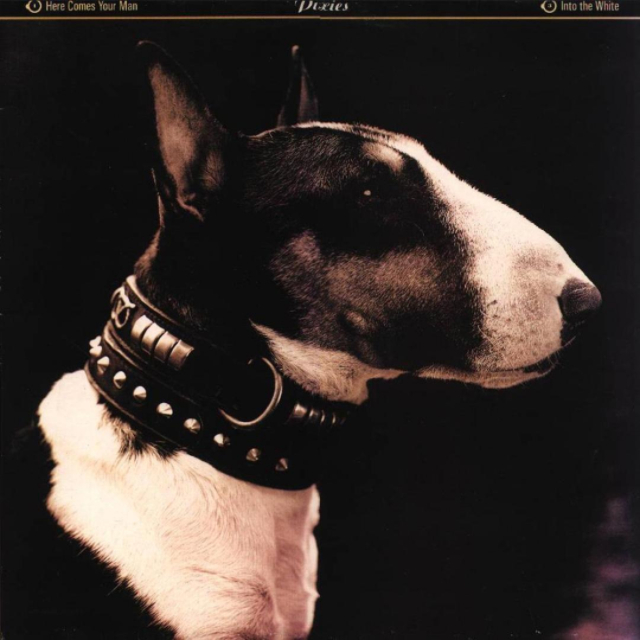
Album covers were an important part of music retail sales back before downloads changed the dynamic, and this was especially true of oversized vinyl LP’s.
Plenty of artists have, and featured dogs on the covers of their albums. Here are 30 awesome vintage albums that feature dogs on their covers.
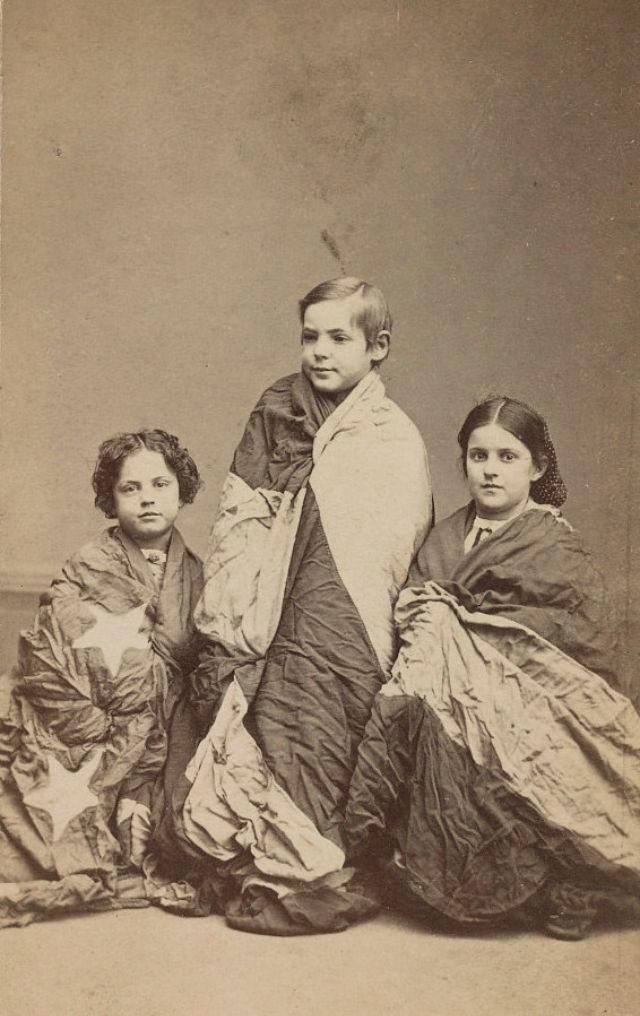
The Civil War touched the lives of children in both similar and vastly different ways. The Civil War molded children’s lives as adults and shaped their attitudes, opinions, and prejudices that would pass from generation to generation.
The children of the Civil War shared enthusiasm for the war, were burdened with greater responsibilities, and endured physical and emotional hardships. The end of the war for a Northern child meant victory, excitement, and success. The end of the war for a Southern child meant defeat, disappointment, and a transformed way of living.
For enslaved African American children, the end of the Civil War meant freedom and hope, which did not come without years of tremendous sacrifices, challenges, changes, and hardships.
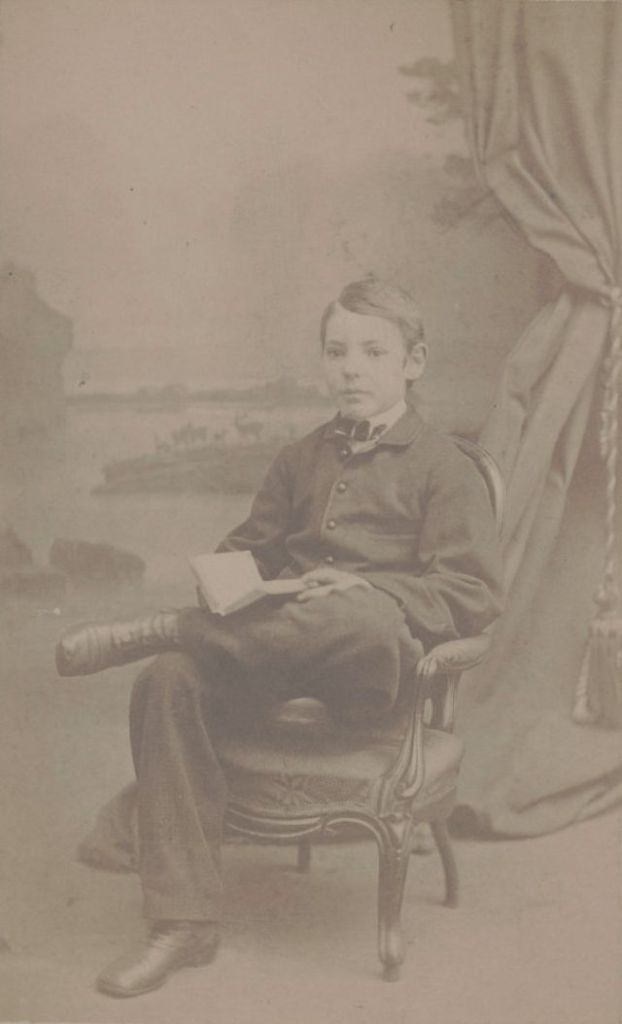
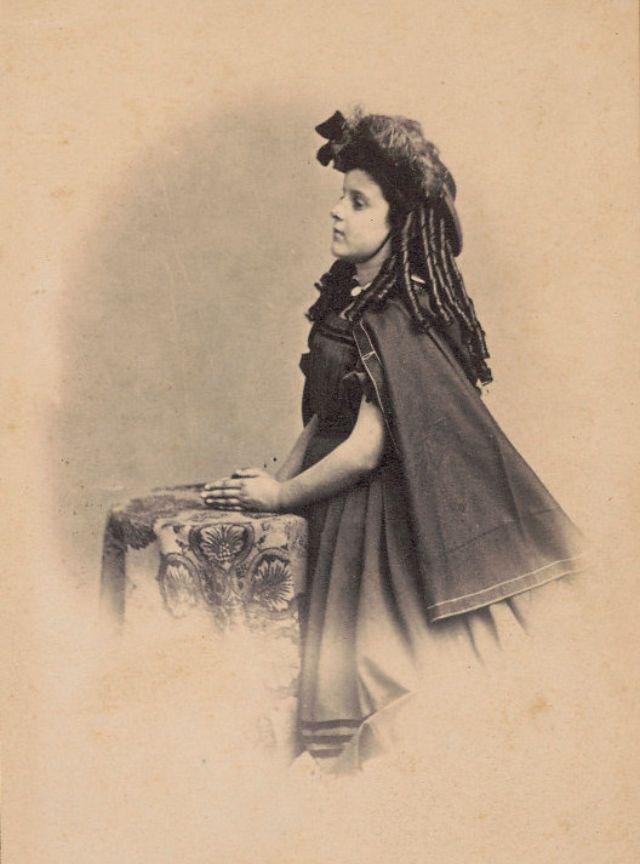
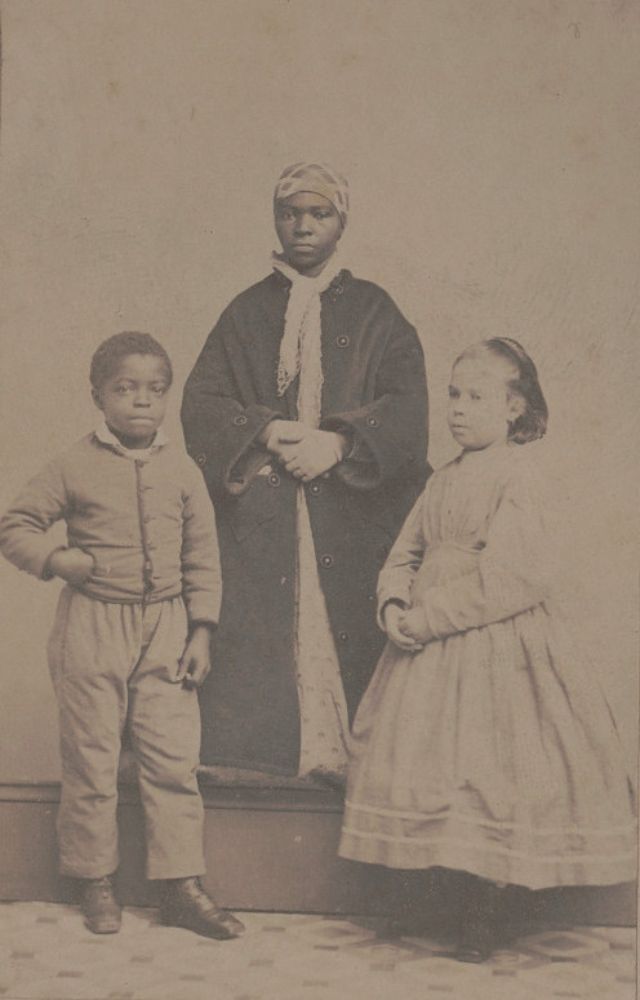
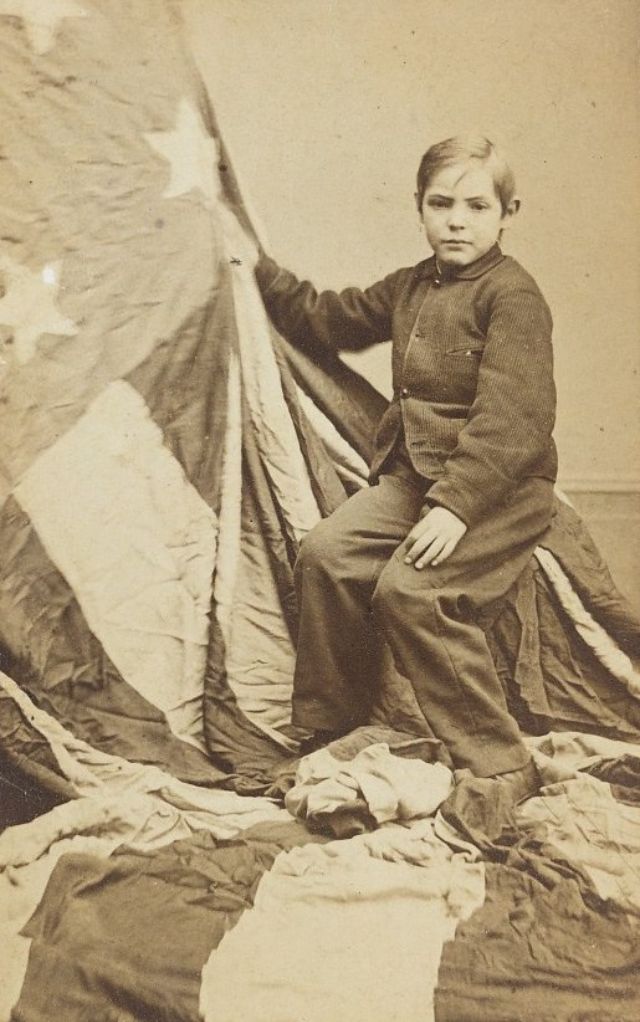
Here below is a set of amazing photos from The Library of Congress that shows portraits of African American children during the Civil War from 1861 to 1865.
Nathan Jones, Camp Metcalf, Virginia, circa 1861Two unidentified escaped slaves wearing ragged clothes, circa 1861A Virginia slave child, 1863Charley Taylor, formerly enslaved child from New Orleans, seated with book in front of painted backdrop showing seascape, 1863Fannie Virginia Casseopia Lawrence, a redeemed slave child, 5 years of age. Redeemed in Virginia, by Catherine S. Lawrence, baptized in Brooklyn, at Plymouth Church, by Henry Ward Beecher, May 1863Isaac and Rosa, slave children from New Orleans, 1863Rebecca, a slave girl from New Orleans, 1863Rebecca, Charley, and Rosa, slave children from New Orleans, 1863Rebecca, the slave girl, circa 1863White and black slaves from New Orleans, 1863Charley, a slave boy from New Orleans, 1864Our protection, 1864Taylor, young drummer boy for 78th Colored Troops Infantry, in rags, circa 1864Taylor, young drummer boy for 78th Colored Troops Infantry, in uniform with drum, circa 1864Wilson, Charley, Rebecca & Rosa, slaves from New Orleans, circa 1864
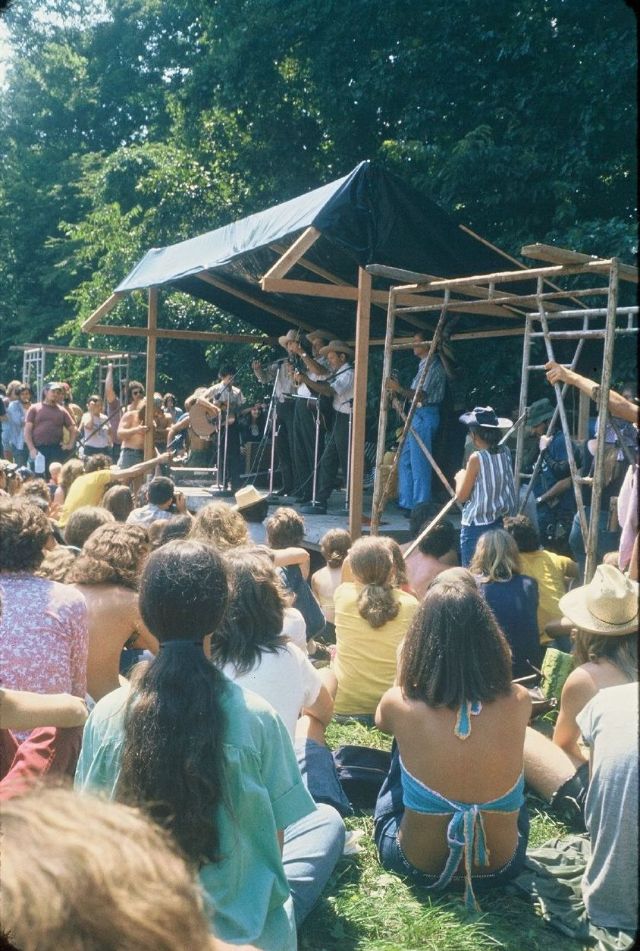
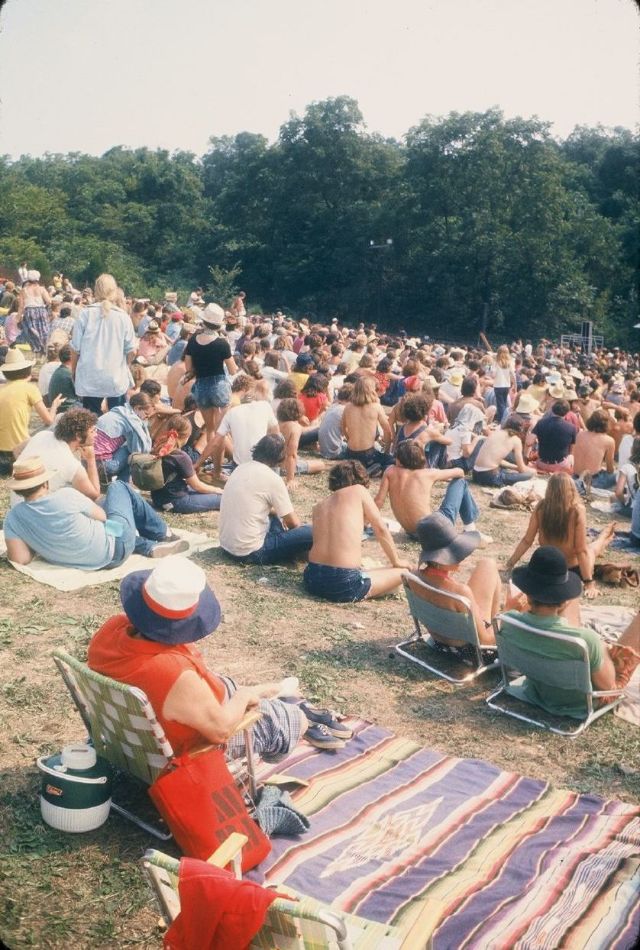
The Philadelphia Folk Festival is a folk music festival held annually at Old Pool Farm in Upper Salford, Pennsylvania, in the vicinity of Philadelphia. The four-day festival, which is produced and run almost entirely by volunteers and sponsored by the non-profit Philadelphia Folksong Society, is claimed to be the oldest continually-run outdoor music festival in North America.
The event hosts contemporary and traditional artists in genres under the umbrella of Folk, including World/Fusion, Celtic, Singer/Songwriter, Folk Rock, Country, Klezmer, and Dance.
Gene Shay and folklorist Kenneth S. Goldstein founded the festival, along with George Britton, Bob Seigel, David Baskin, Esther Halpern, and others. Shay has acted as Master of Ceremonies since its inception and Goldstein served as Program Director for the first 15 years.
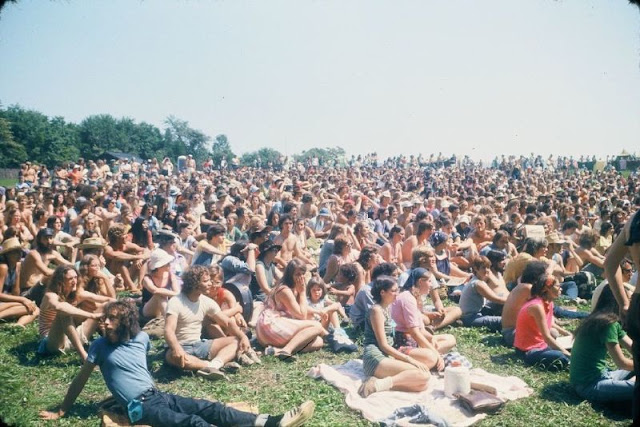
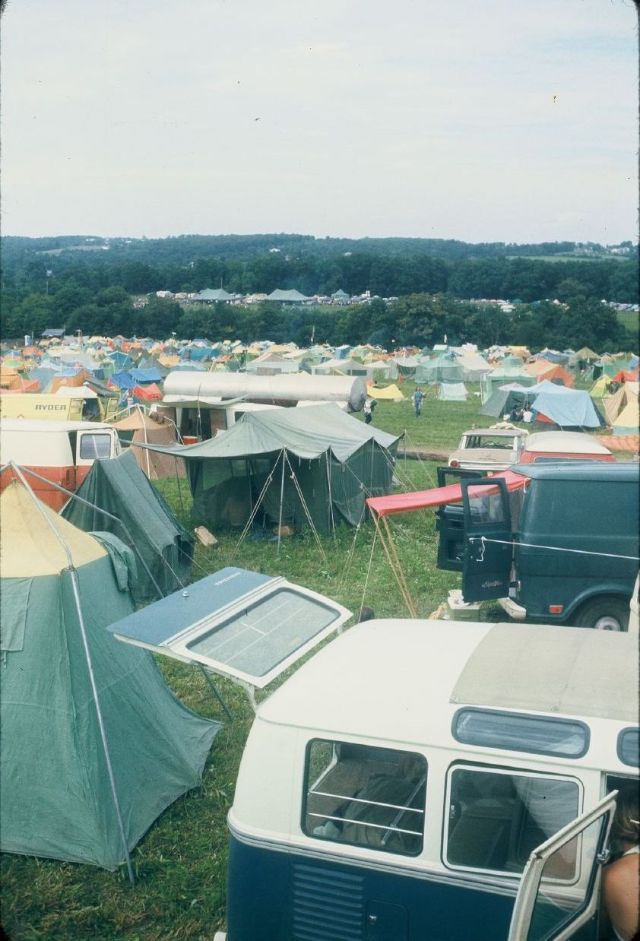
Originally held on Wilson Farm in Paoli, Pennsylvania, each year the event hosts over 35,000 visitors and nearly 7,000 campers at the Old Pool Farm. The event presents over 75 hours of music with local, regional, and national talent on 8 stages.
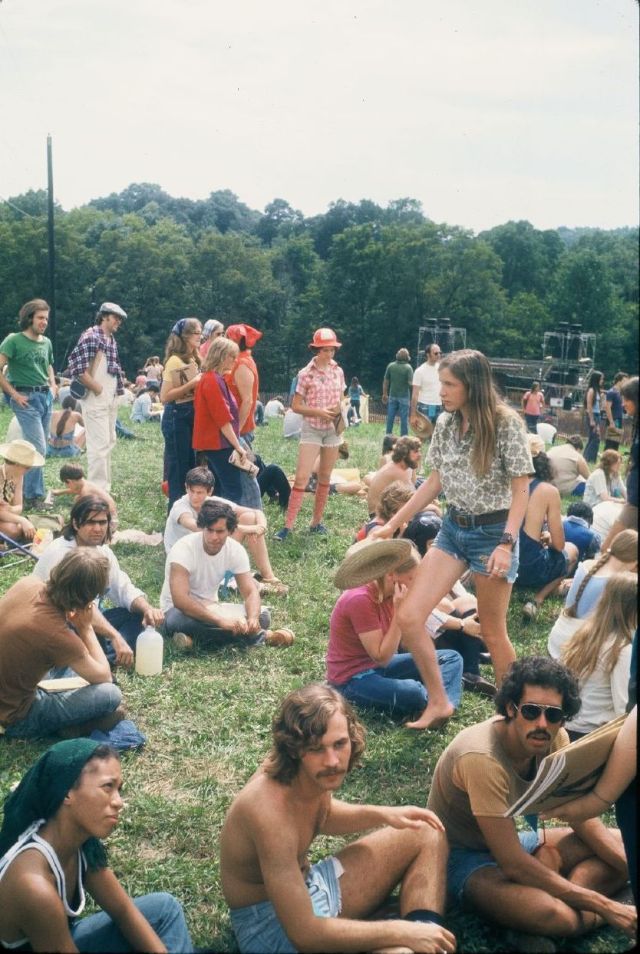
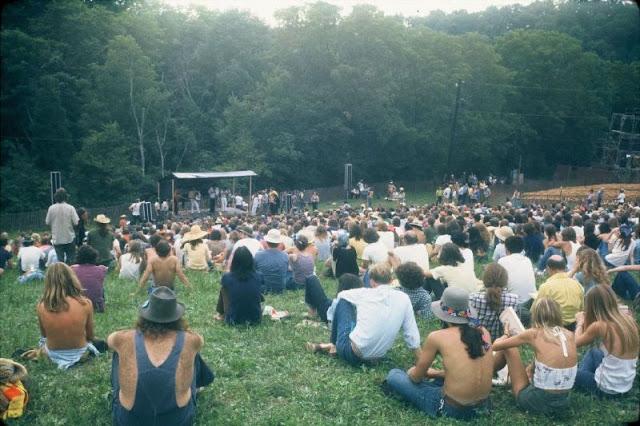
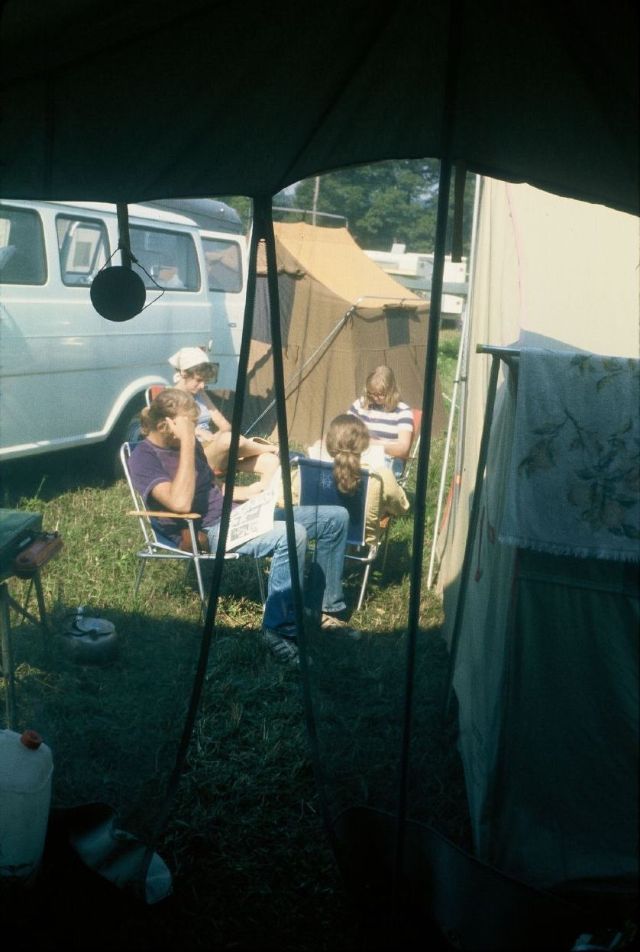
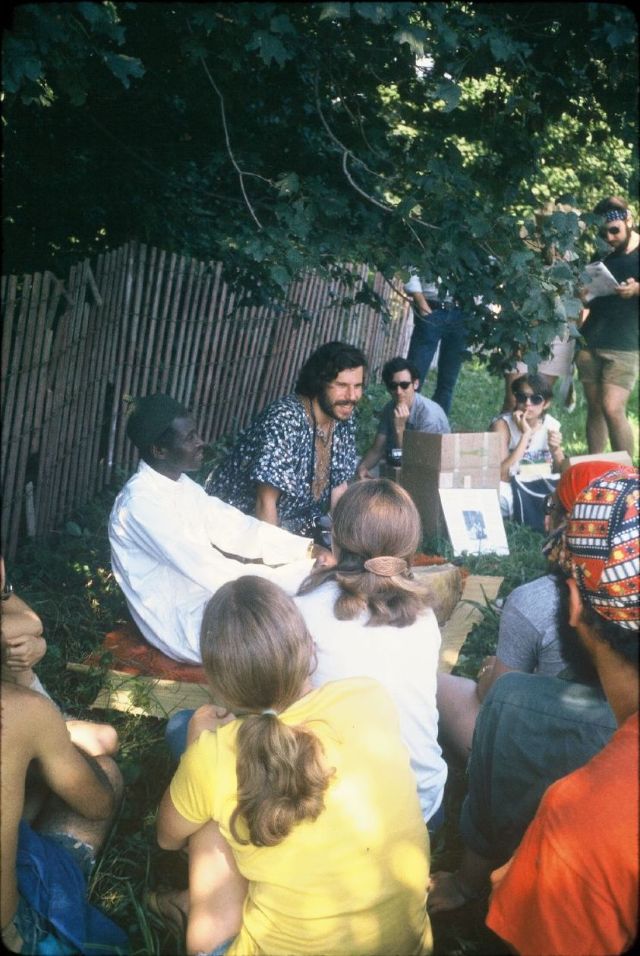
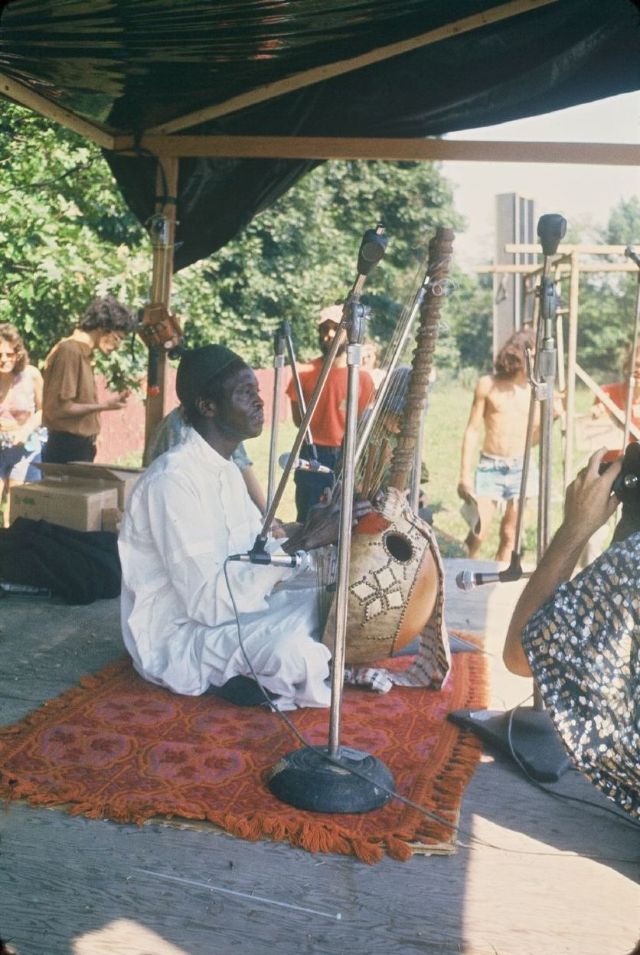
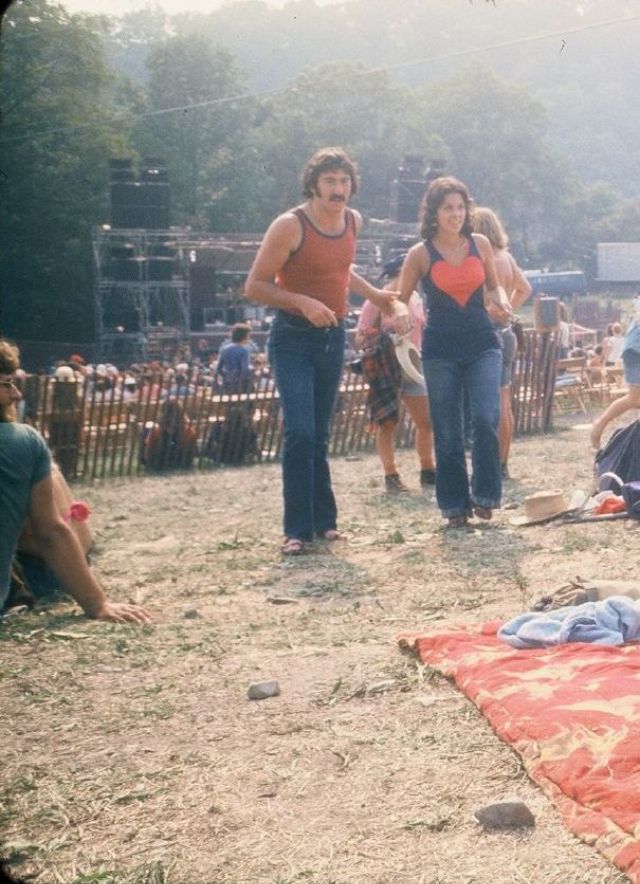
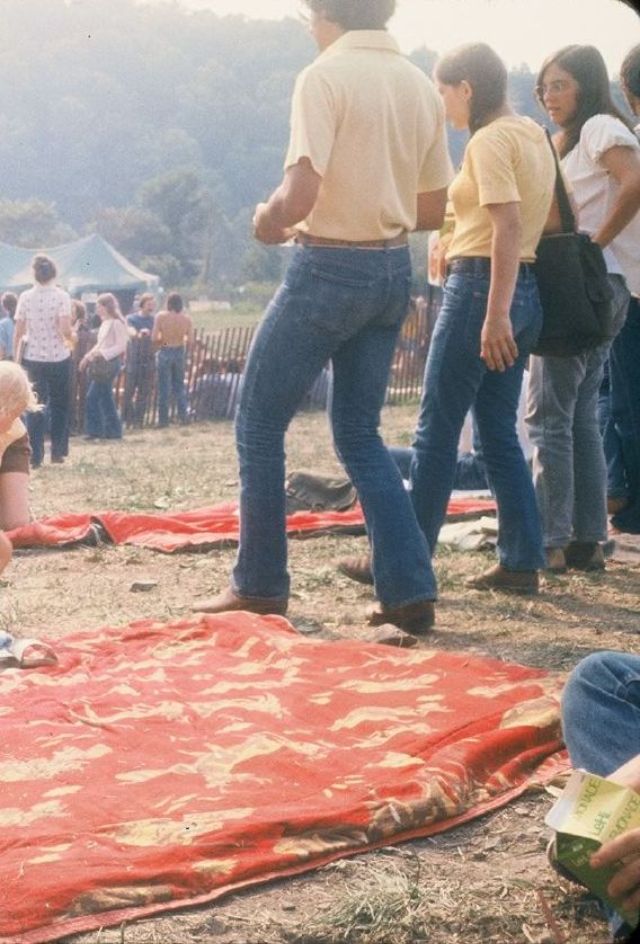
These amazing photos from Nancy White that show people at the Philadelphia Folk Festival around 1973-74.
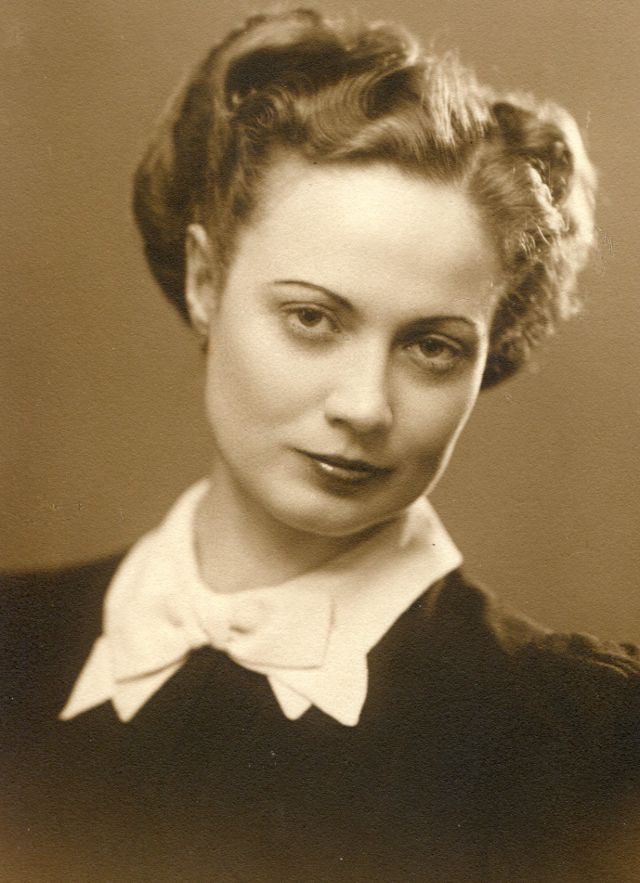
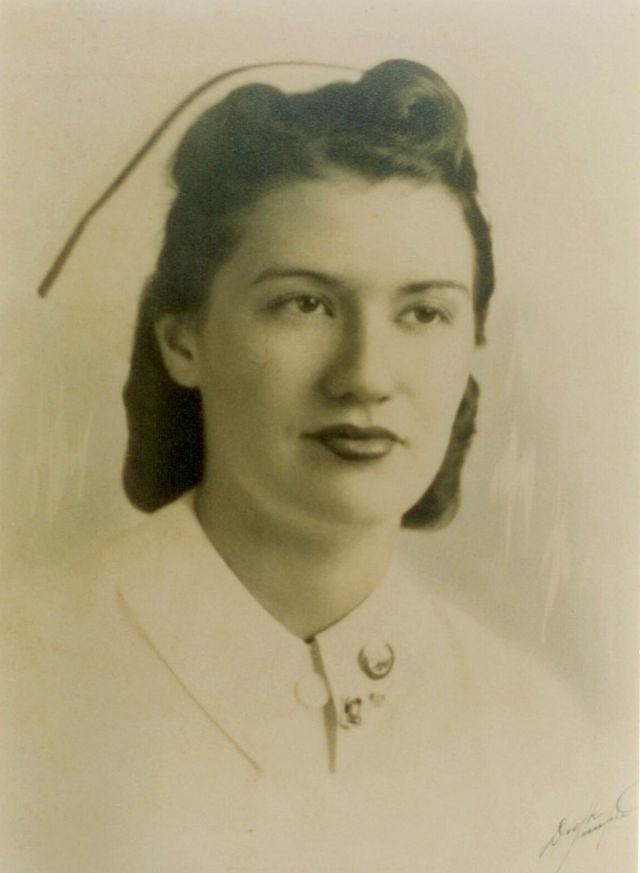
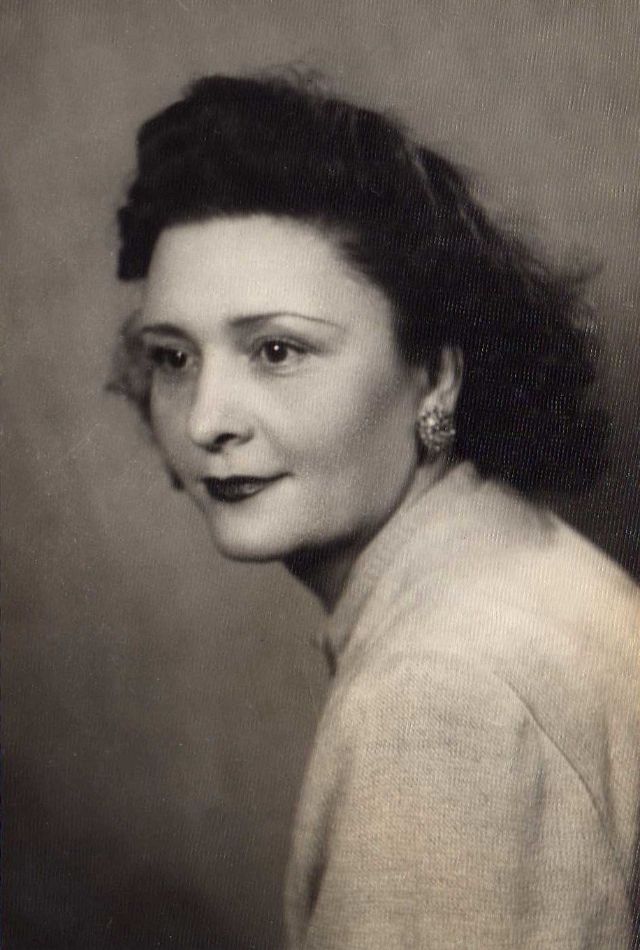
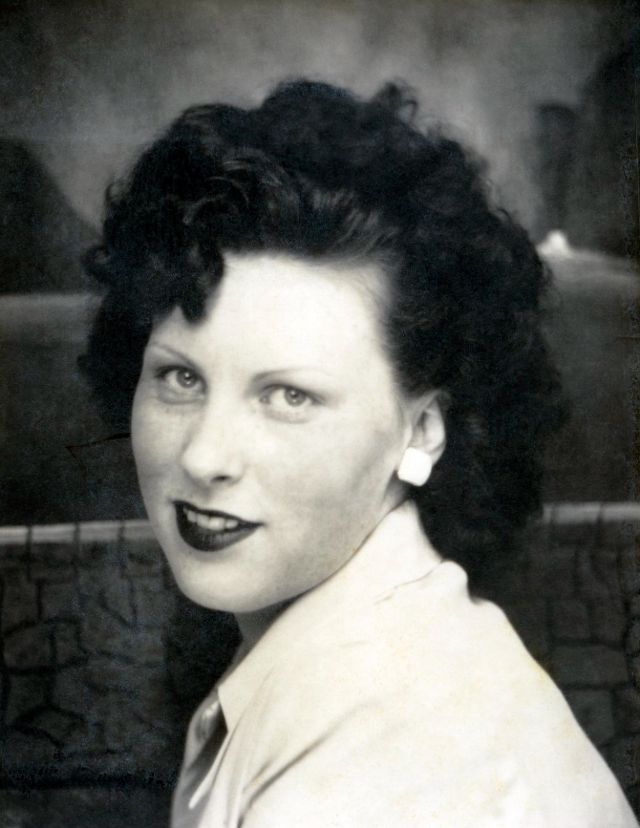
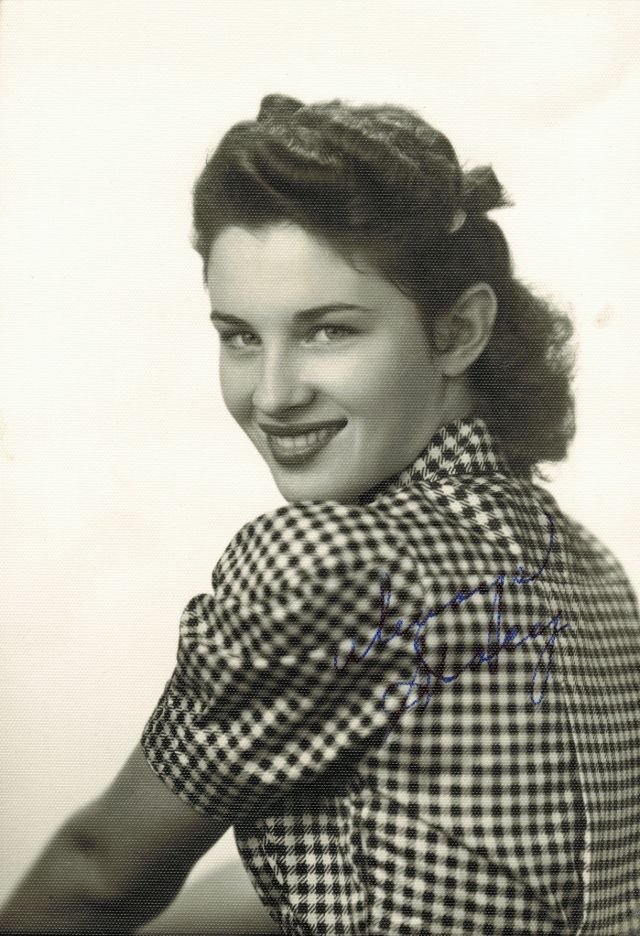
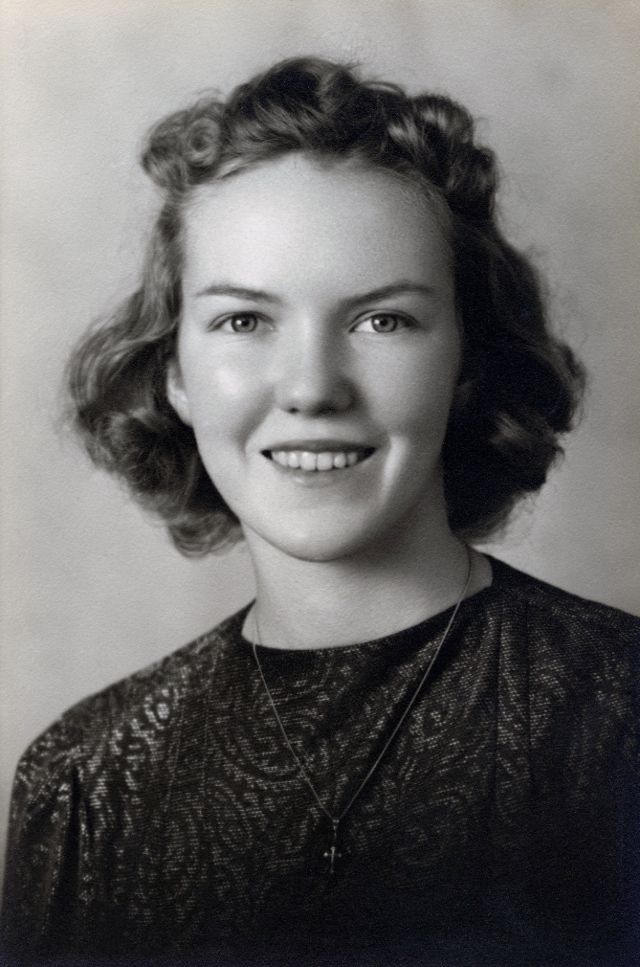
Despite the war, women in the 1940s were still able to create jaw-dropping looks simply by styling their hair. They were encouraged to use their hair to ‘fix’ any flaws in their face.
If she had perfect, shiny hair with a good color, she should use it to frame her face. If she had a full face, she should use a 1940s hairstyle that piled hair on top of her head to distract from it. If a thin face was her problem, her hairstyle should be down and over her ears to make it look wider. All of these suggestions contributed to a variety to hairstyles in 1940s.
1940s hairstyles were largely inspired by actresses during an era of glamor that provided a sense of escapism from the war. While long locks were in at the beginning, the United States government encouraged actress Veronica Lake to cut her long locks to help influence women to cut their long locks that were hazardous while operating machinery.
Take a look at these vintage photos to see what women’s hairstyles looked like in the 1940s.
Born Eve Cohen in 1912 in Philadelphia, Pennsylvania, American photojournalist Eve Arnold joined Magnum Photos agency in 1951, and became a full member in 1957.
Over six weeks in 1948, Arnold learned photographic skills from Harper’s Bazaar art director Alexey Brodovitch at the New School for Social Research in Manhattan, and photographed many of the iconic figures who shaped the second half of the twentieth century.
Arnold died in London in 2012, aged 99.
“You want to go as deeply into them as people as you can. But usually what happens, if you’re careful with people and if you respect their privacy, they will offer part of themselves that you can use and that is the big secret,” once said Eve Arnold, whose uninstructive approach made her a favourite among the many movie stars who she photographed, who would not only offer Arnold part of themselves, but also divulge some secrets of their own. One such subject was Joan Crawford, one of the last great stars of Hollywood’s golden age, whose reputation as a dramatic and hot-headed personality is the stuff of legend.
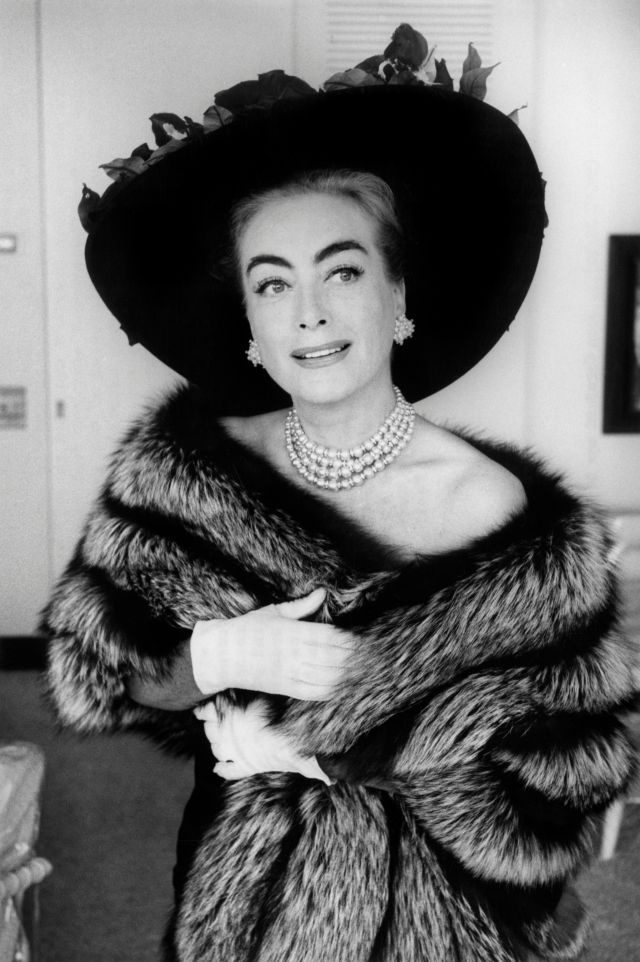
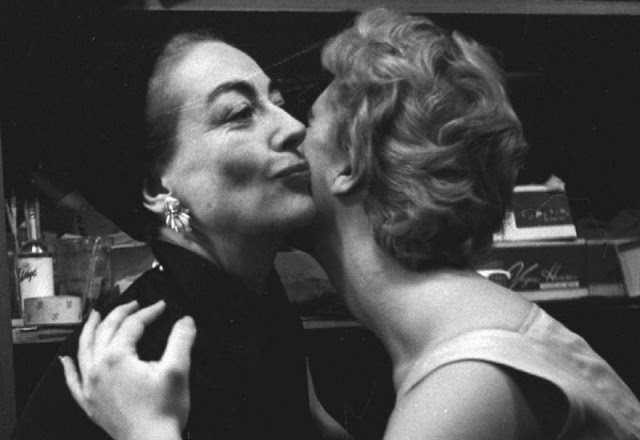
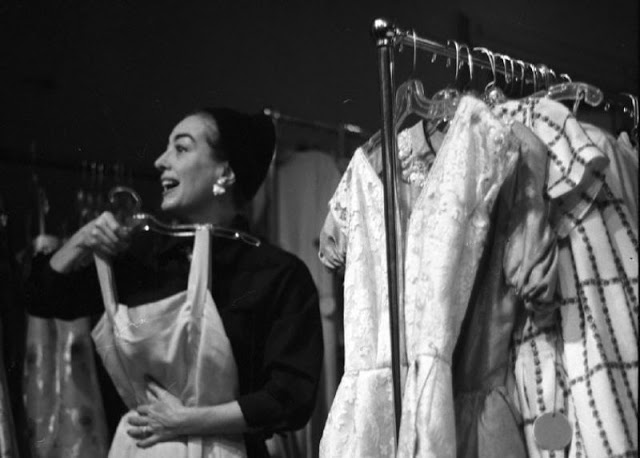
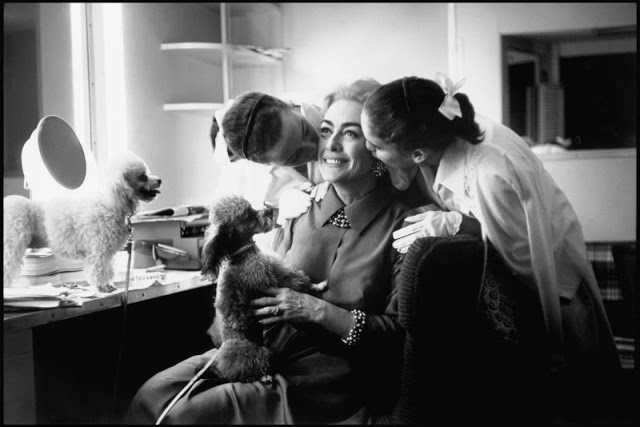
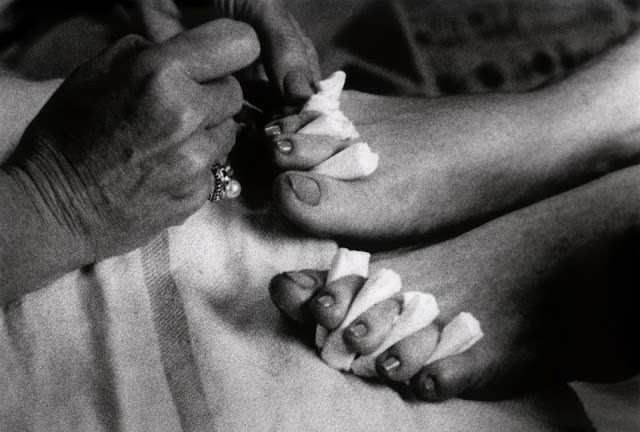
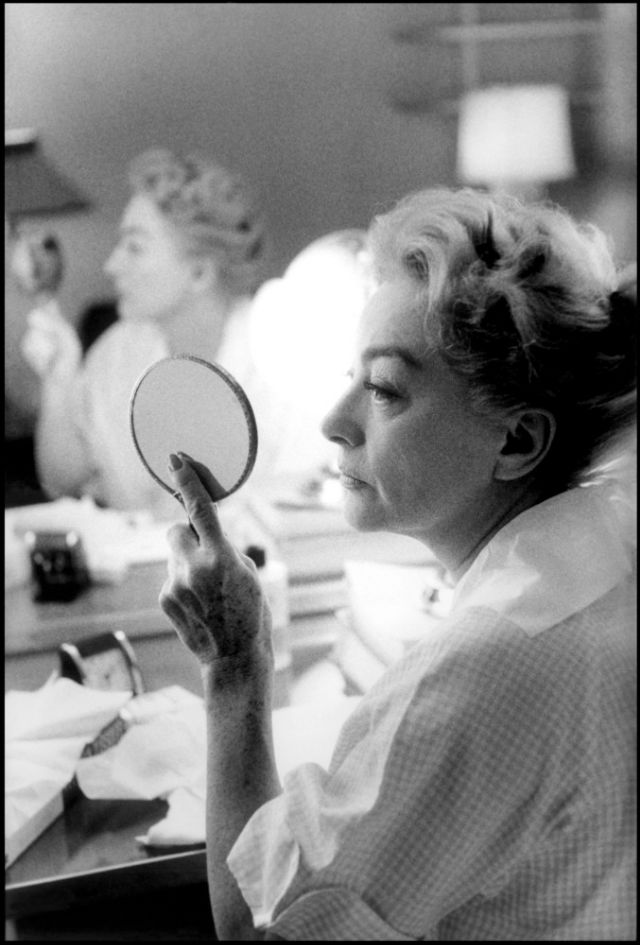
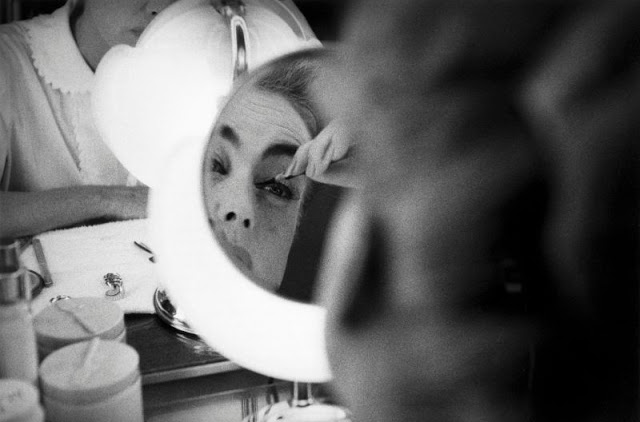
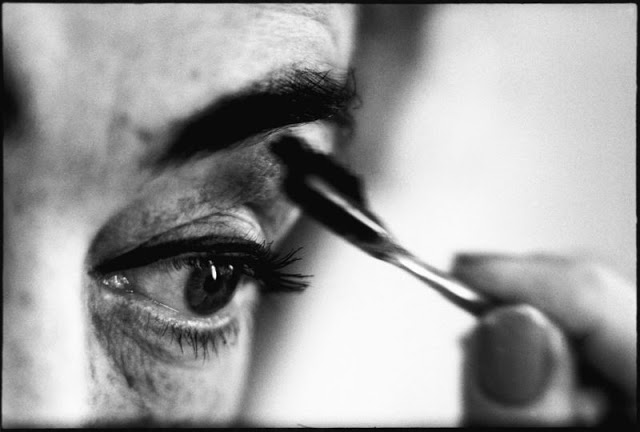
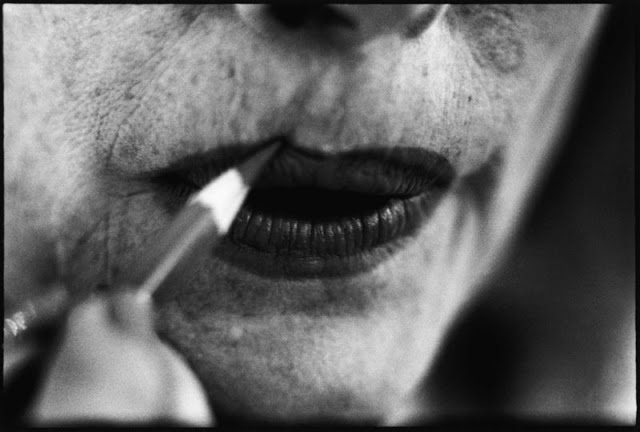
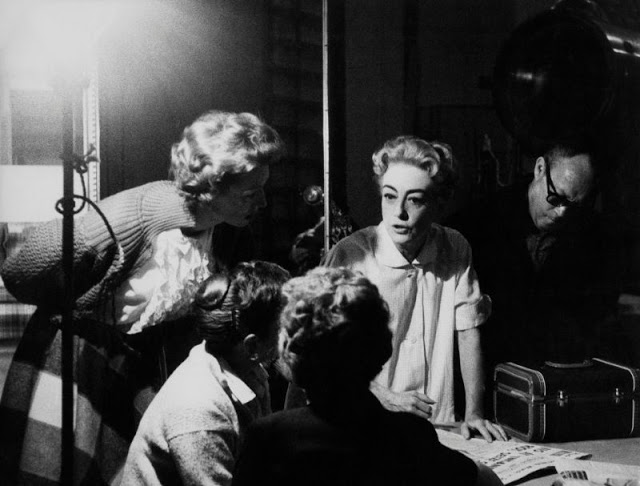
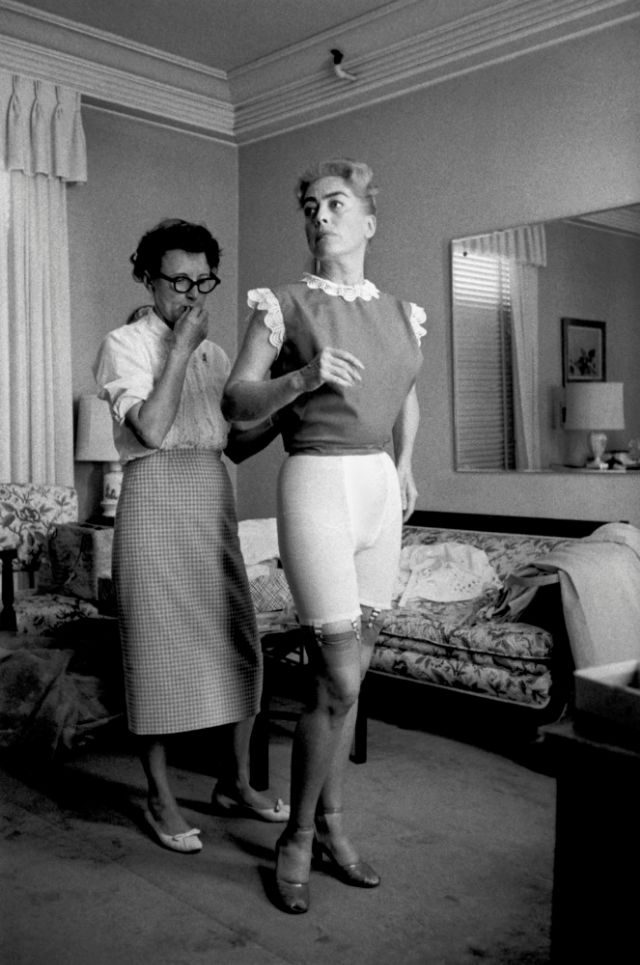
These amazing black and white photos Arnold documented personal life of Joan Crawford in the 1950s.
Joan Crawford (born Lucille Fay LeSueur; March 23, c. 1904–1908 – May 10, 1977) was an American actress. Starting as a dancer in traveling theatrical companies before debuting on Broadway, Crawford was signed to a motion picture contract by Metro-Goldwyn-Mayer in 1925. Initially frustrated by the size and quality of her parts, Crawford began a campaign of self-publicity and became nationally known as a flapper by the end of the 1920s. In the 1930s, Crawford’s fame rivaled MGM colleagues Norma Shearer and Greta Garbo. Crawford often played hardworking young women who find romance and financial success. These “rags-to-riches” stories were well received by Depression-era audiences and were popular with women. Crawford became one of Hollywood’s most prominent movie stars and one of the highest paid women in the United States, but her films began losing money and by the end of the 1930s she was labeled “box office poison”.
After an absence of nearly two years from the screen, Crawford staged a comeback by starring in Mildred Pierce (1945), for which she won the Academy Award for Best Actress. In 1955, she became involved with the Pepsi-Cola Company, through her marriage to company president Alfred Steele. After his death in 1959, Crawford was elected to fill his vacancy on the board of directors but was forcibly retired in 1973. She continued acting in film and television regularly through the 1960s, when her performances became fewer; after the release of the horror film Trog in 1970, Crawford retired from the screen. Following a public appearance in 1974, after which unflattering photographs were published, Crawford withdrew from public life. She became more and more reclusive until her death in 1977.
Crawford married four times. Her first three marriages ended in divorce; the last ended with the death of husband Al Steele. She adopted five children, one of whom was reclaimed by his birth mother. Crawford’s relationships with her two older children, Christina and Christopher, were acrimonious. Crawford disinherited the two and, after Crawford’s death, Christina wrote a “tell-all” memoir called Mommie Dearest. (Wikipedia)
Joan Crawford trying to remember her lines during a rehearsal at home. Behind her is Joan as she was in Mildred Pierce, California, 1959Portrait of American actress Joan Crawford, Los Angeles, California, 1959Actress Joan Crawford, Los Angeles, California, 1959Actress Joan Crawford, Los Angeles, California, 1959Joan Crawford tries on hats in the salon of New York’s high fashion designer Walter Florell. Her whole professional life has been one of great concern with her person. It is a commodity which she sells not only to the public-but also to herself. New York, 1959.Joan Crawford and her daughter Christina with one of Joan’s toy poodles at Tina Leser’s (a designer) where they have gone on a shopping tour, New York, 19567 Joan Crawford and her daughter Christina, New York, 19567 Joan Crawford and her daughter Christina, New York, 19567 Joan Crawford and her daughter Christina, New York, 1956Joan Crawford in New York, 1956Joan Crawford with her twin daughters Kathy and Cindy and her poodles, Hollywood, California, 1959Joan Crawford and her daughter Christina, who later wrote Mommie Dearest, New York, 1956Joan and Christina Crawford during a workout with Susan Strasberg, New York, 1956Joan Crawford on the telephone to her agent, Hollywood, California, 1959American actress Joan Crawford in Los Angeles, California, 1959Joan Crawford sitting in curlers reading her script in her Hollywood dressing room, Los Angeles, 1959Joan makes up for a scene in ‘The Best of Everything’, Hollywood, California, 1959Joan Crawford with mirror during make-up session on the rest of ‘The Best of Everything’, Hollywood, California, 1959Joan Crawford with mirror during make-up session on the rest of ‘The Best of Everything’, Hollywood, California, 1959Joan Crawford with mirror during make-up session on the rest of ‘The Best of Everything’, Hollywood, California, 1959Joan Crawford having a face massage, 1959Joan Crawford – facial, Hollywood, California, 1959Joan Crawford during a massage session, with her poodle walking over her back, at home in Hollywood, California, 1959Actress Joan Crawford, Los Angeles, California, 1959Actress Joan Crawford, Los Angeles, California, 1959Actress Joan Crawford, Los Angeles, California, 1959Joan happily sits before the portrait by artist Lucerne Robert’s of her late husband. Now in Joan’s appartment, the portrait will eventually hang in Pepsi Cola’s New York offices, Hollywood, California, 1959Joan giving instructions to her personal crew, Los Angeles, California, 1959Actress Joan Crawford at home in Hollywood during a dress fitting, Hollywood, California, 1959Joan Crawford cleaning her house in Hollywood, California, 1959Joan Crawford cleaning her house in Hollywood, California, 1959Actress Joan Crawford in Los Angeles, California, 1959Joan Crawford studying her lines on the set of ‘The Best of Everything’, Hollywood, California, 1959Joan smiles at 20th Century Fox President Spyros Skouros following signing of contract to sell films to television at a party at her studio, Hollywood, California, 1959
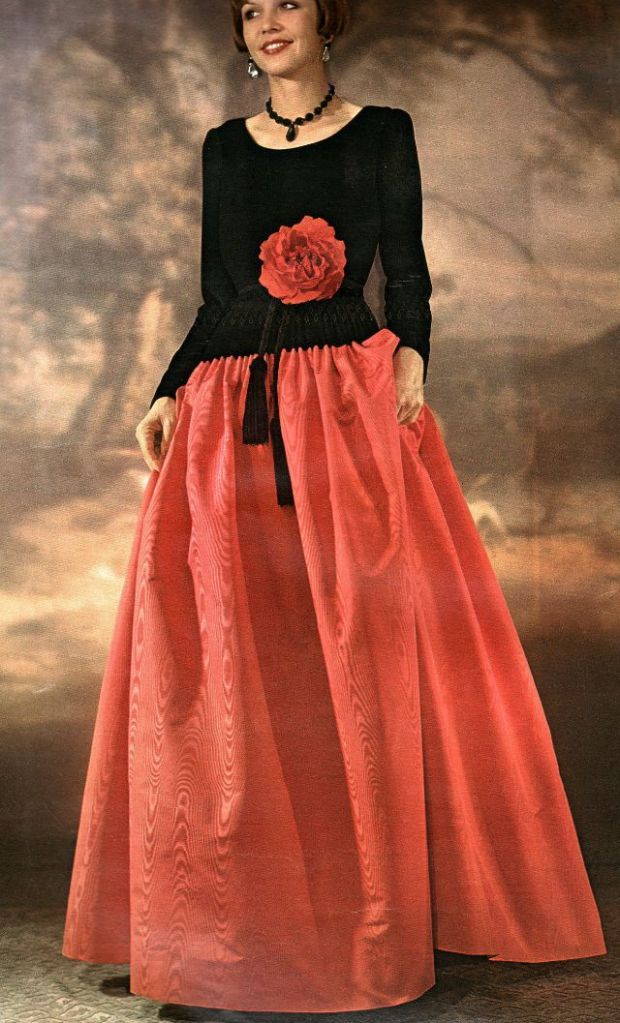
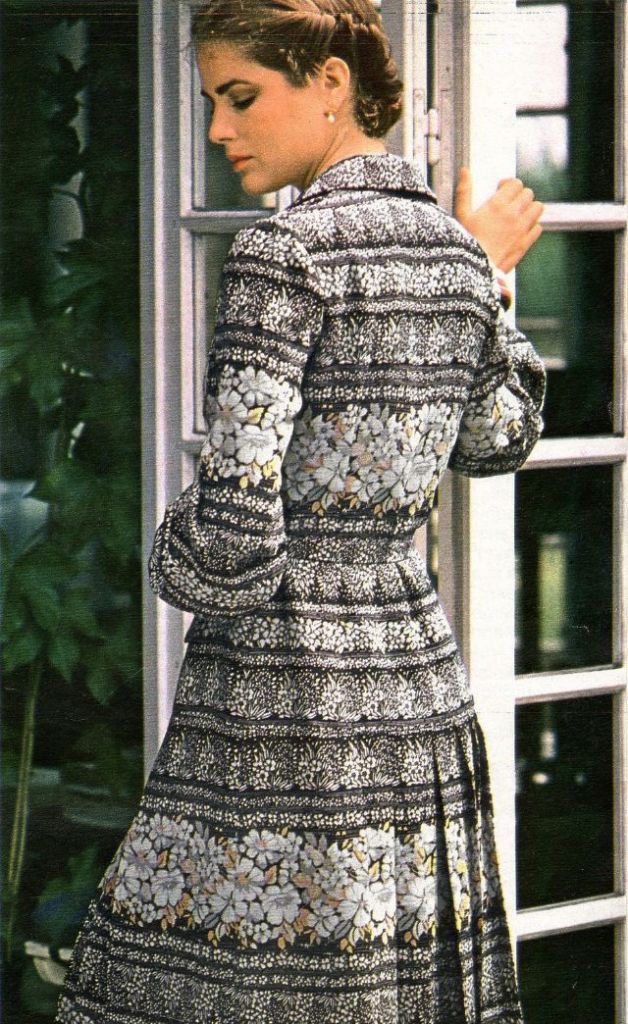
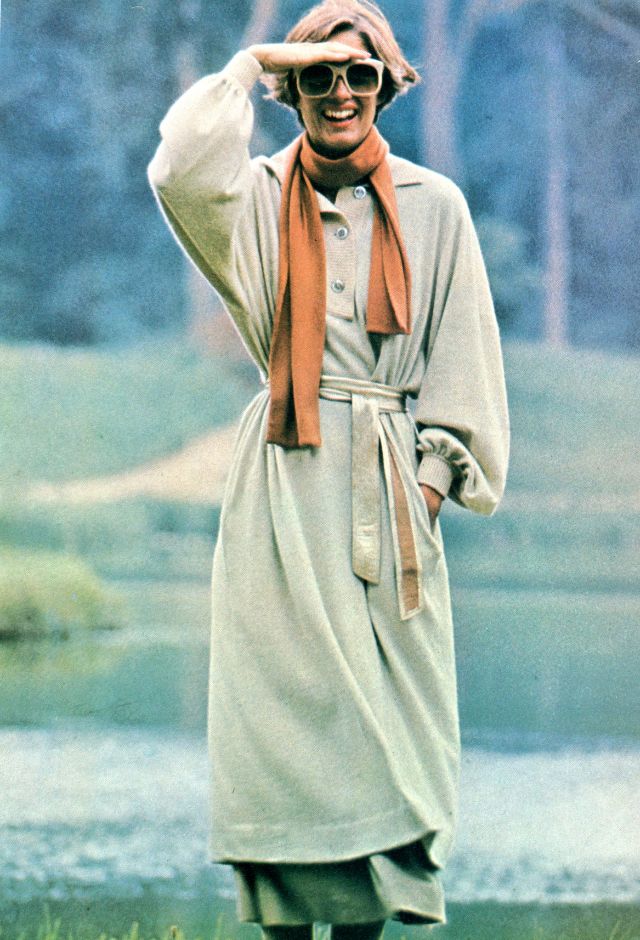
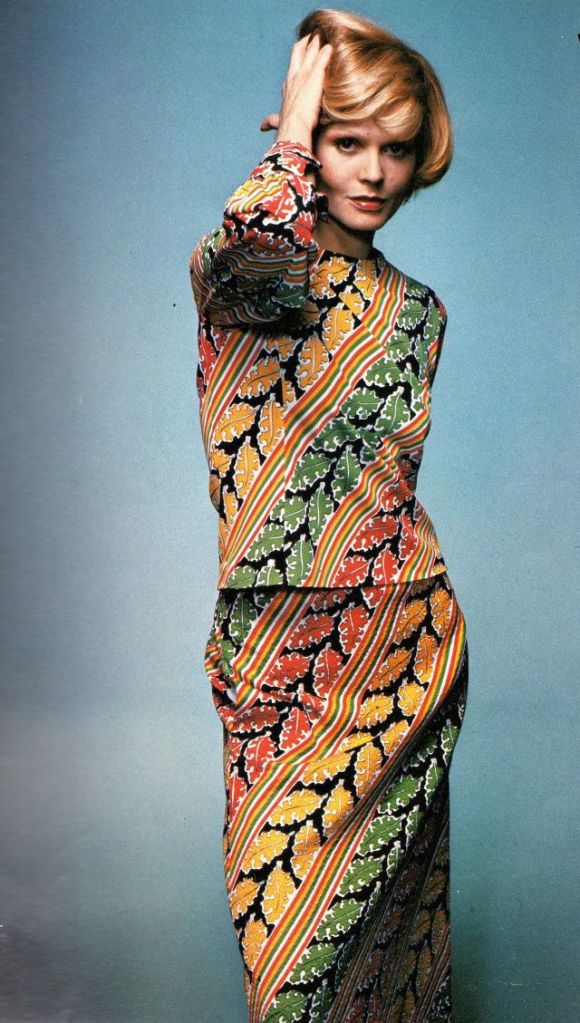
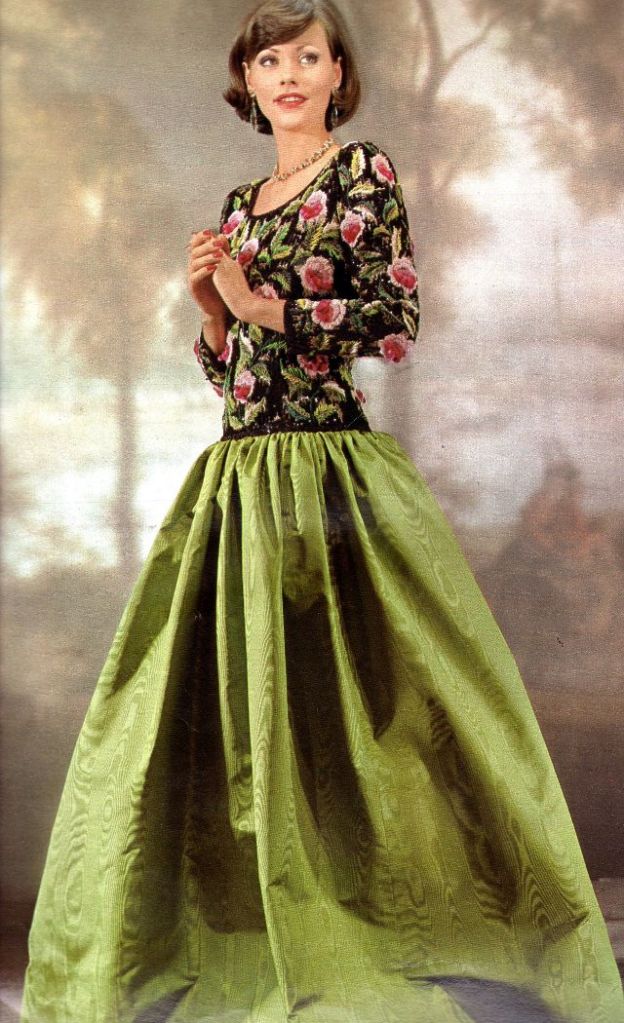
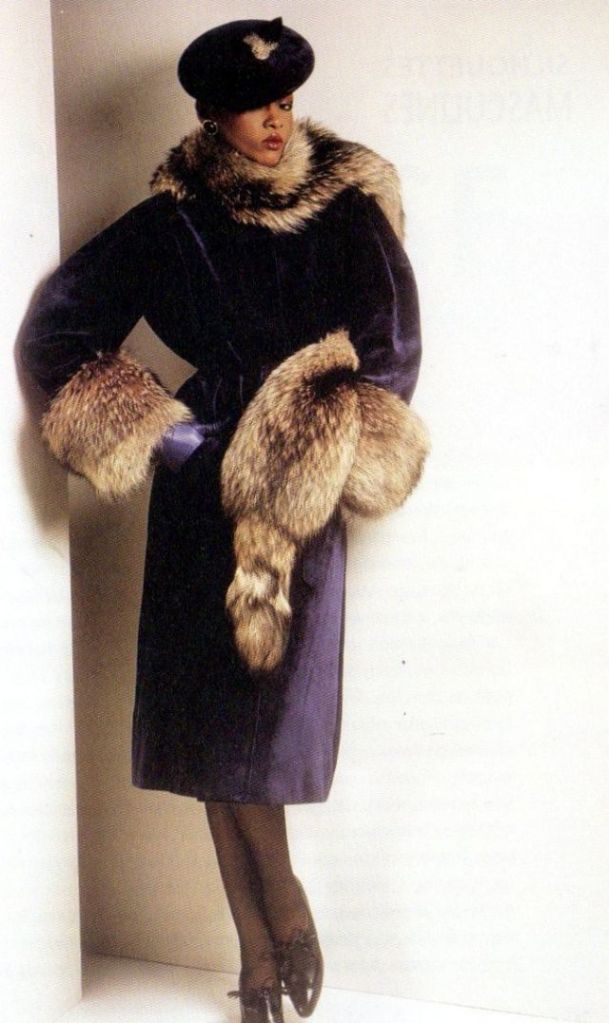
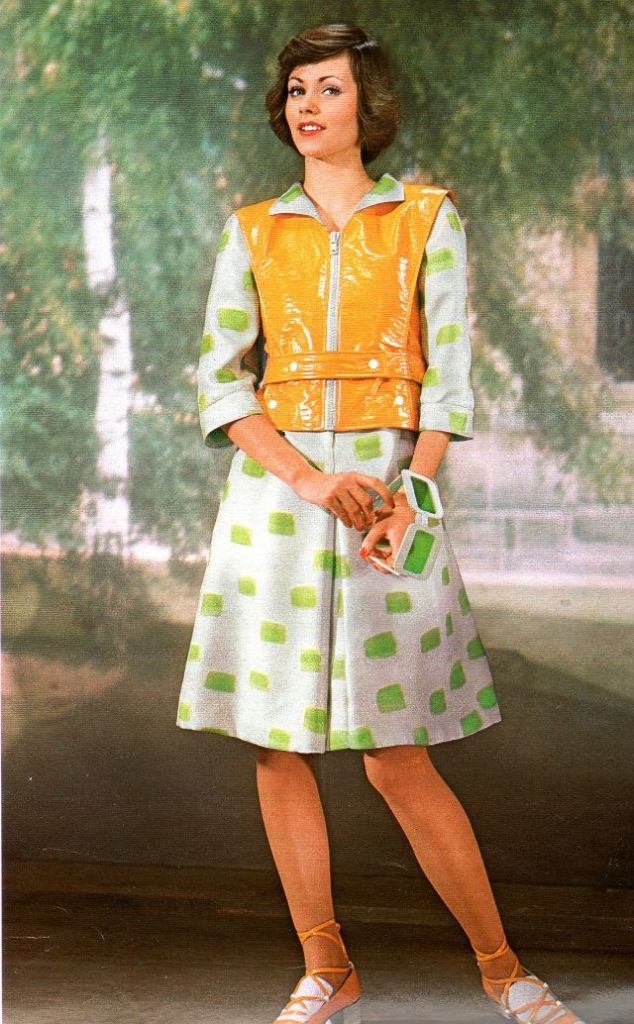
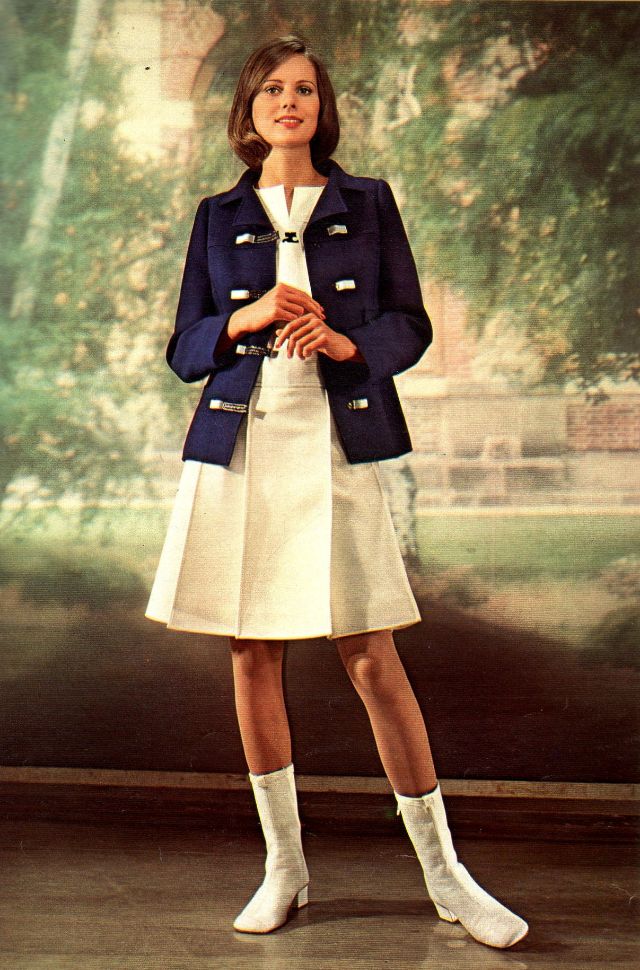
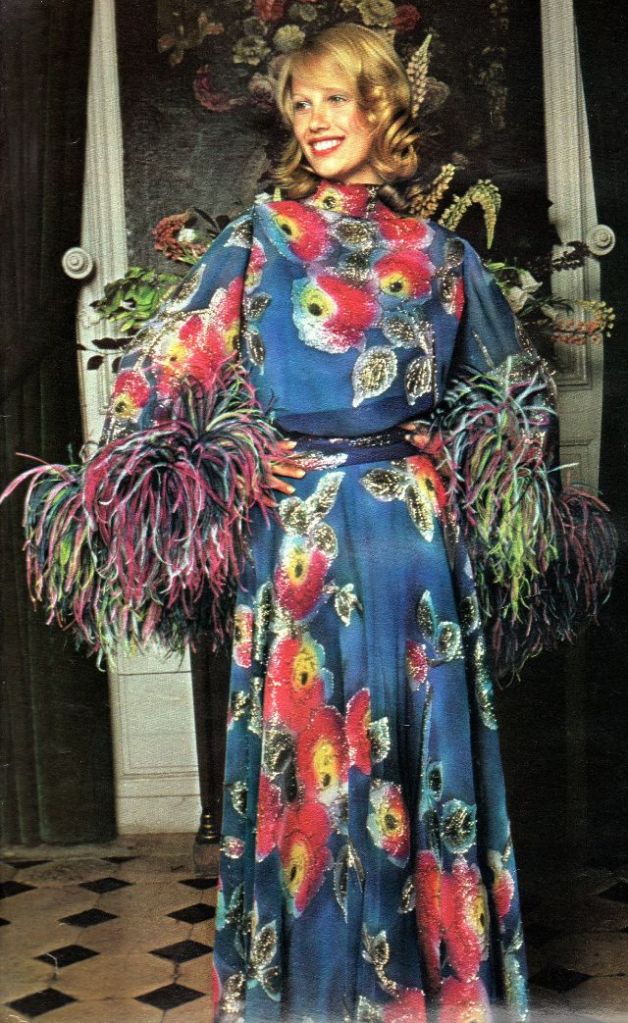
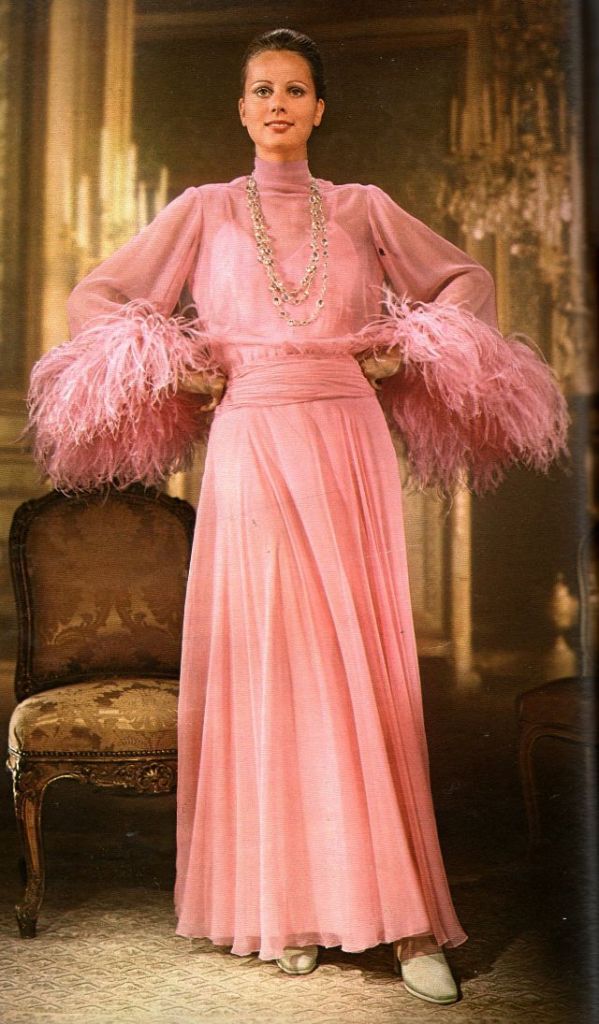
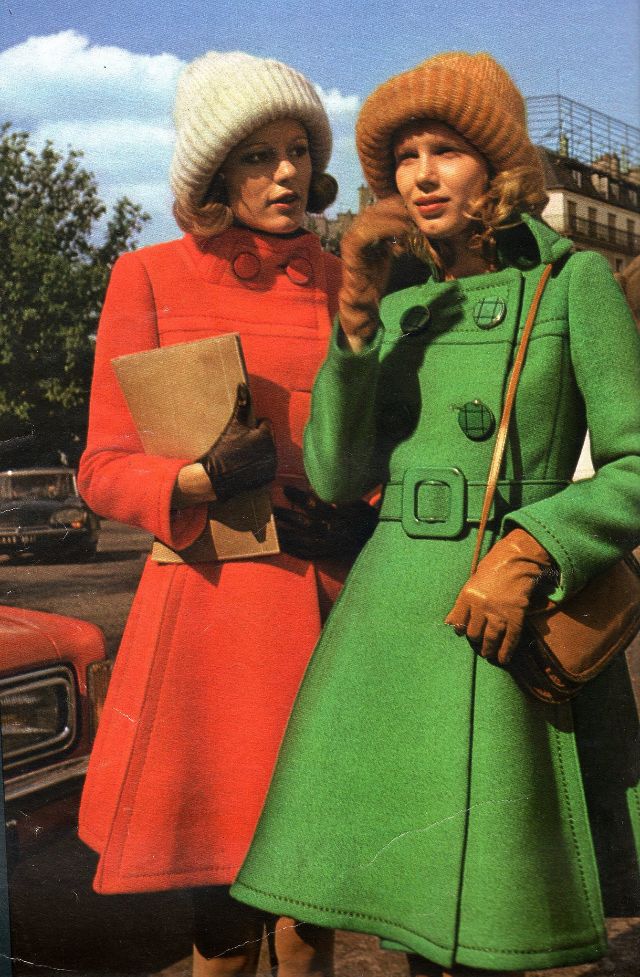
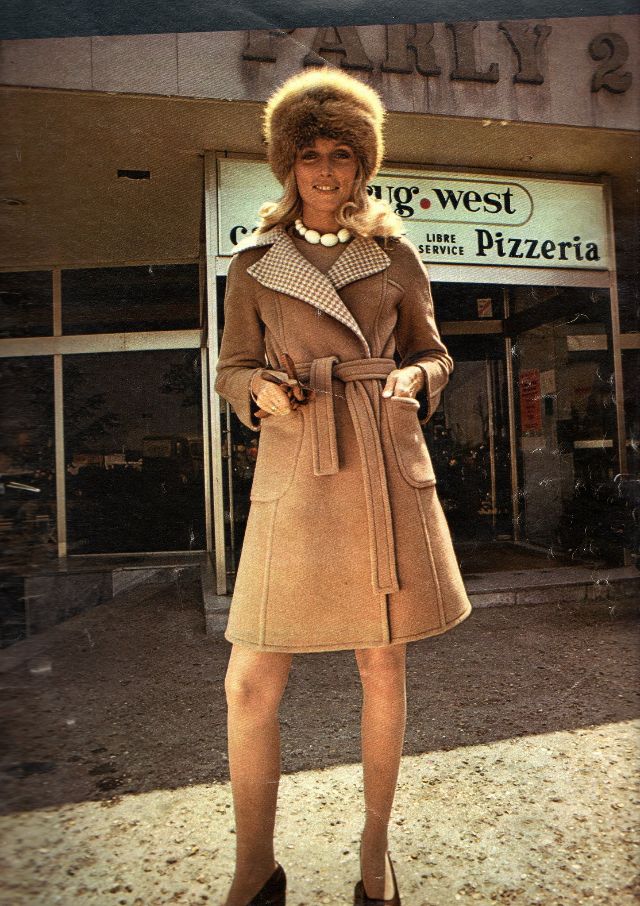
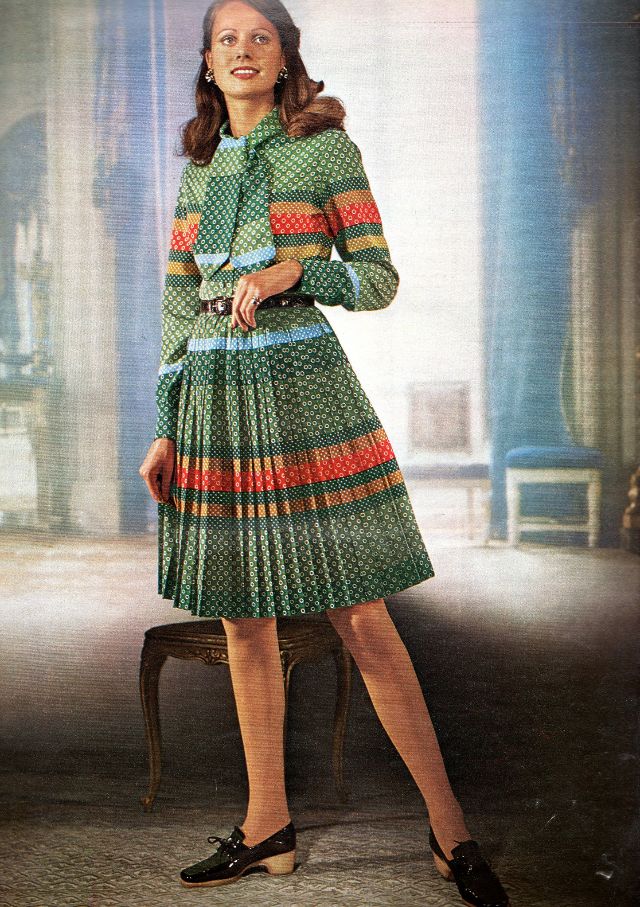
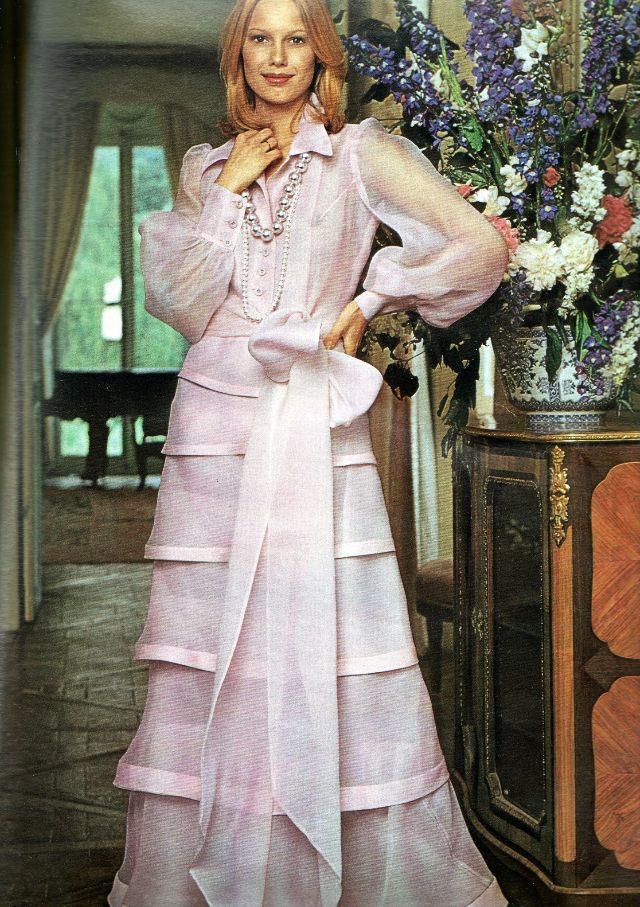
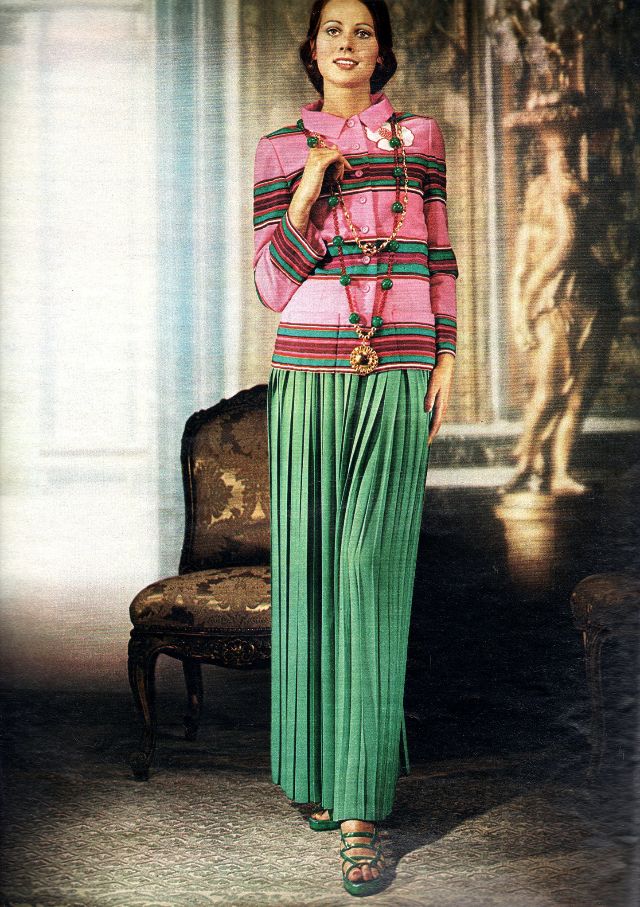
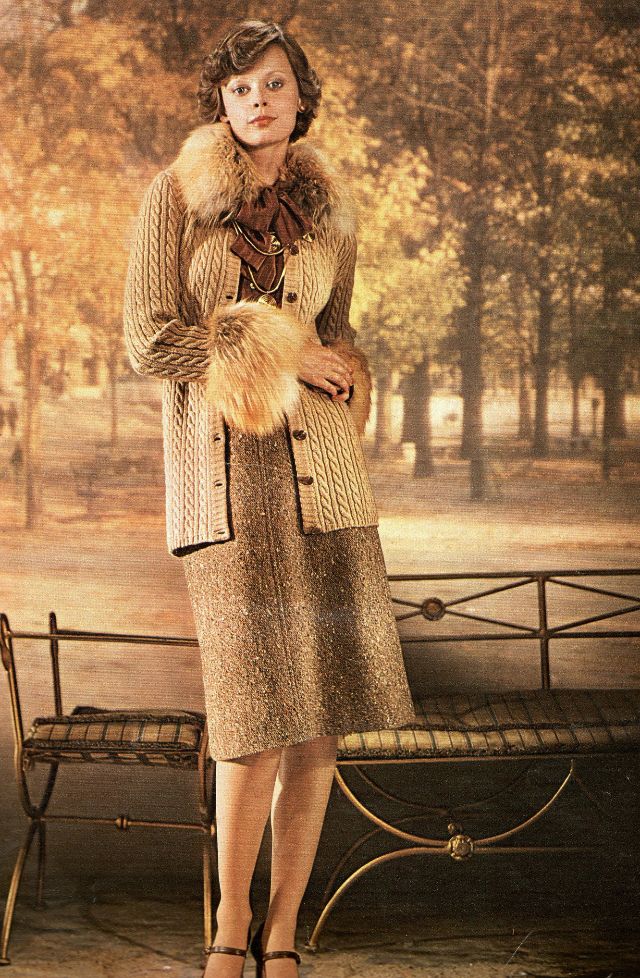
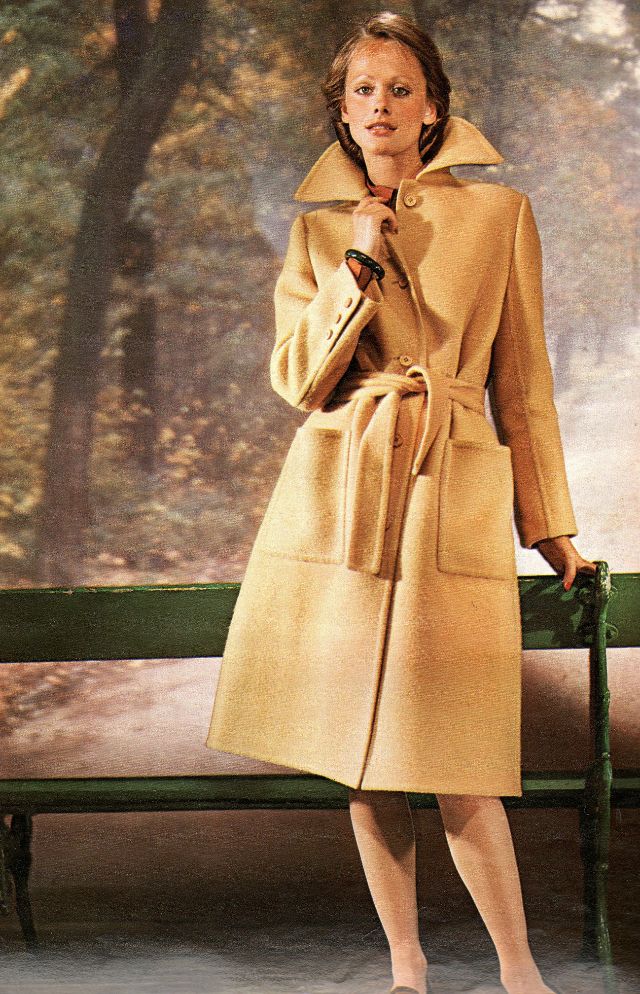
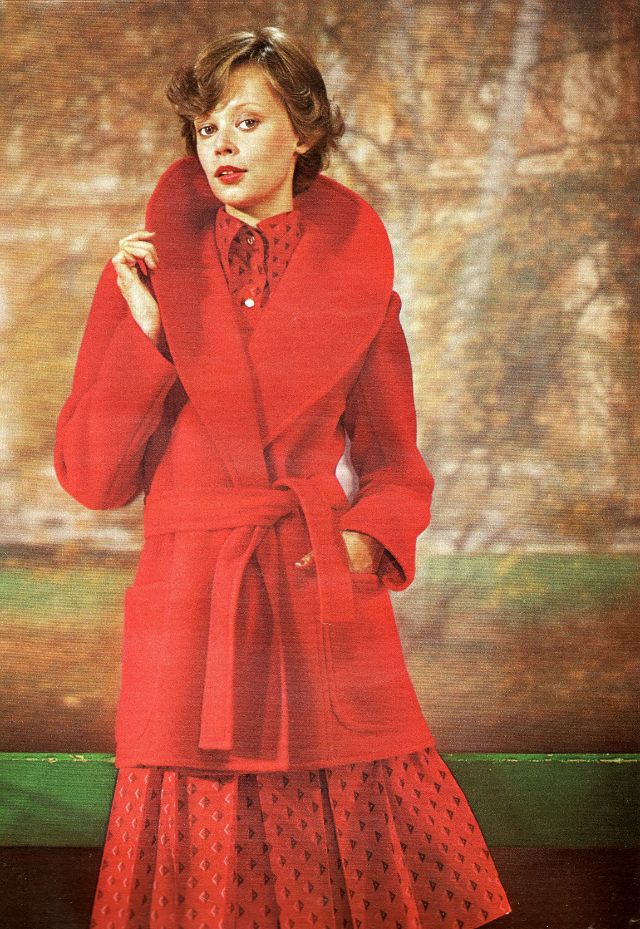
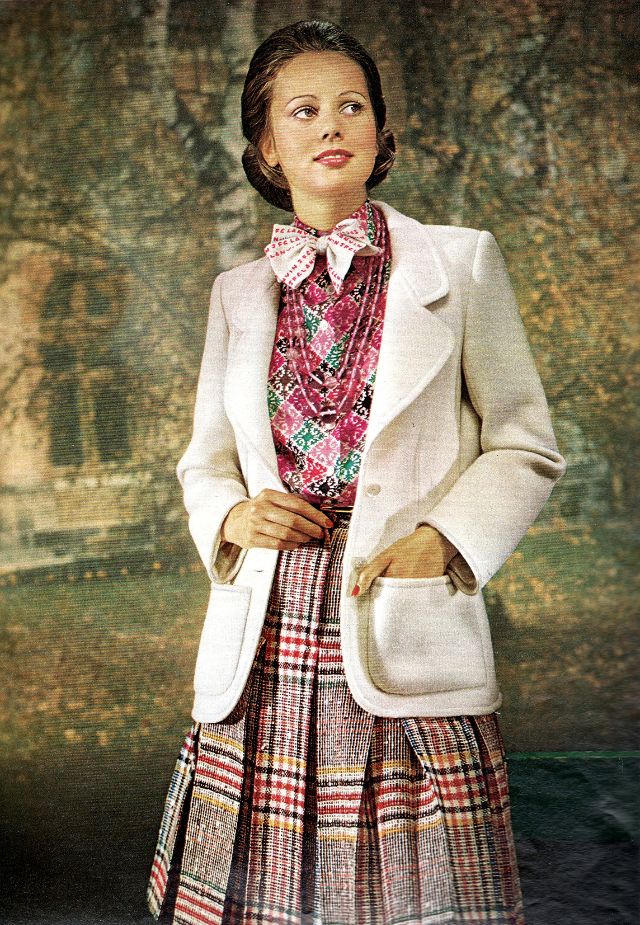
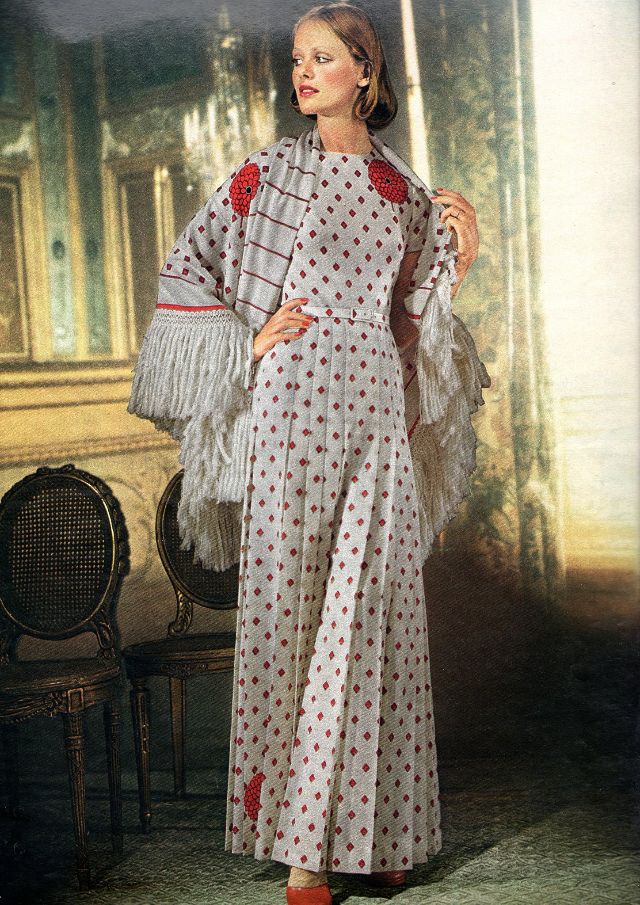
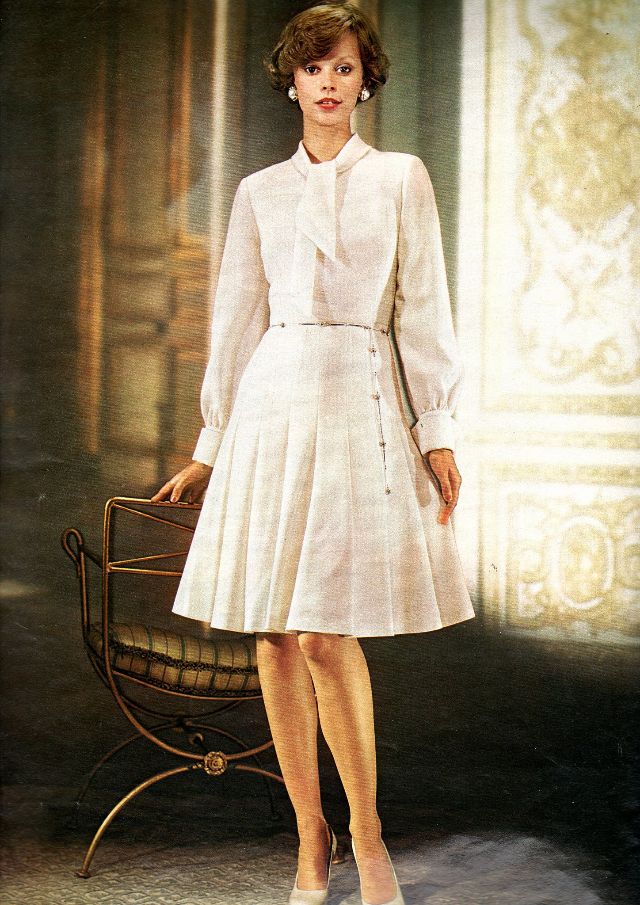
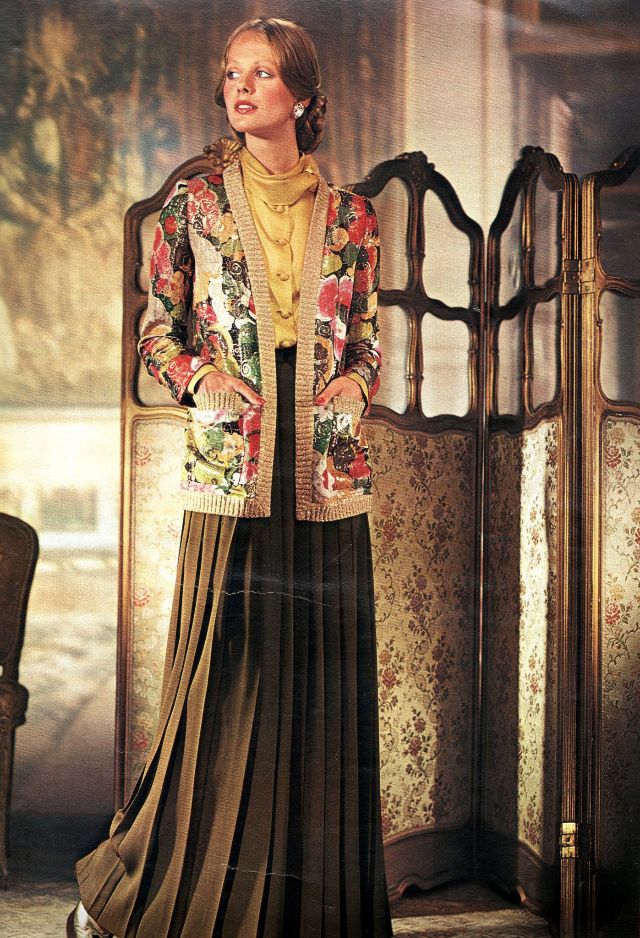
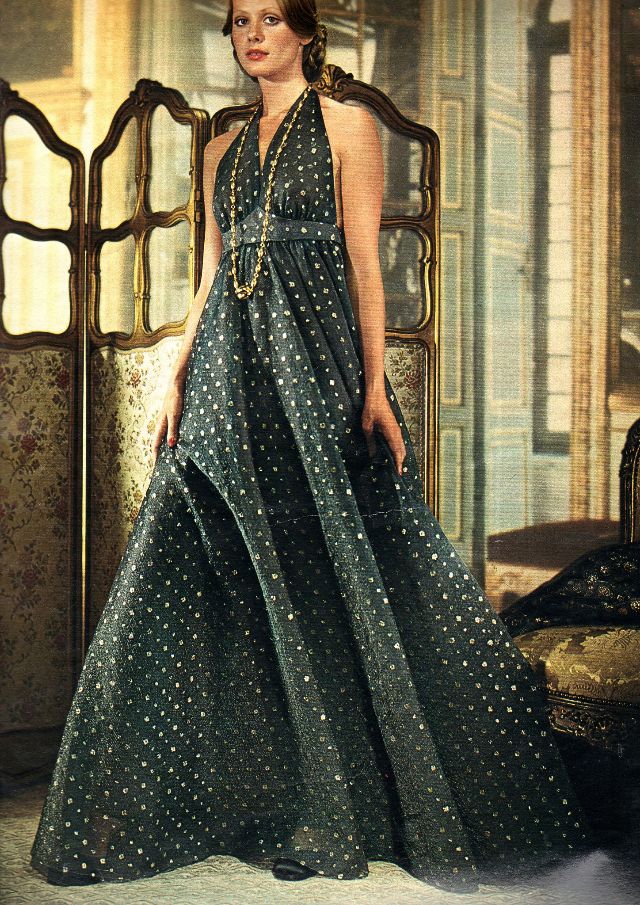
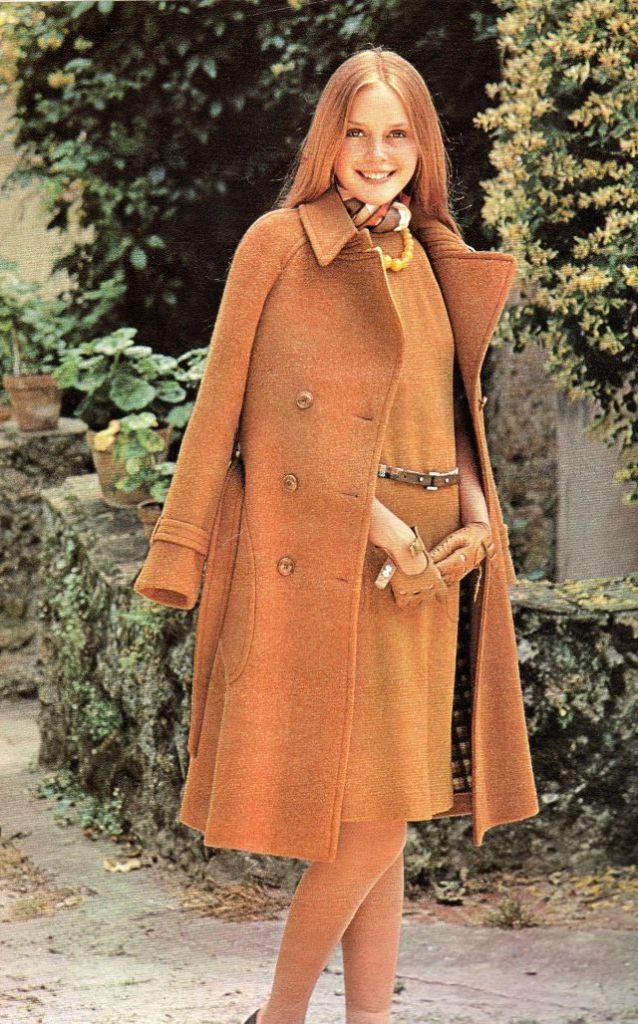
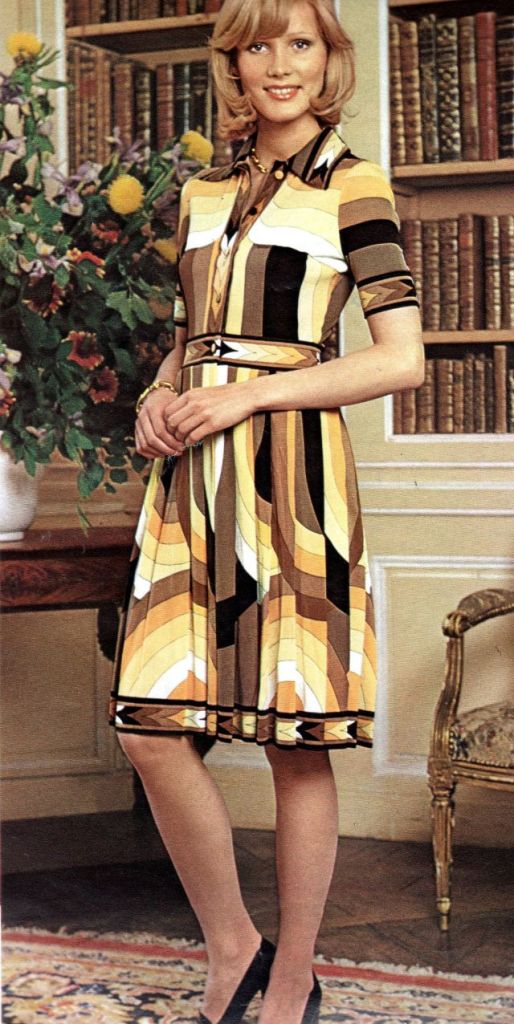
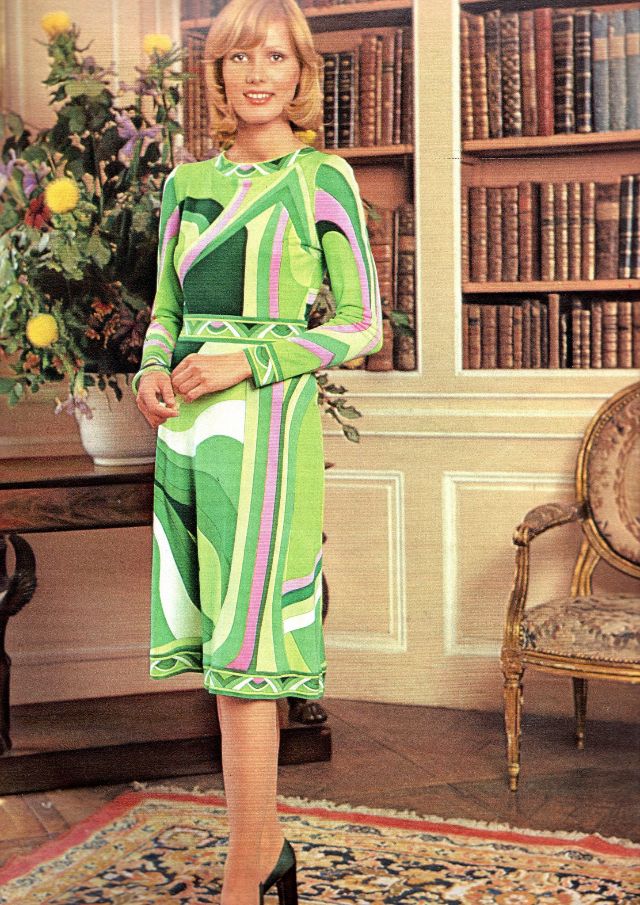
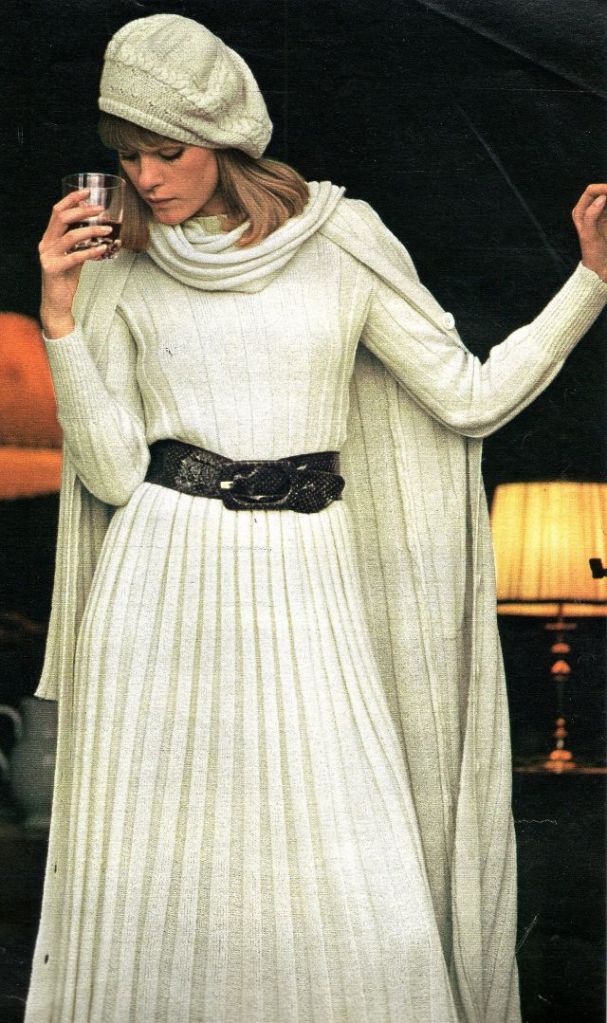
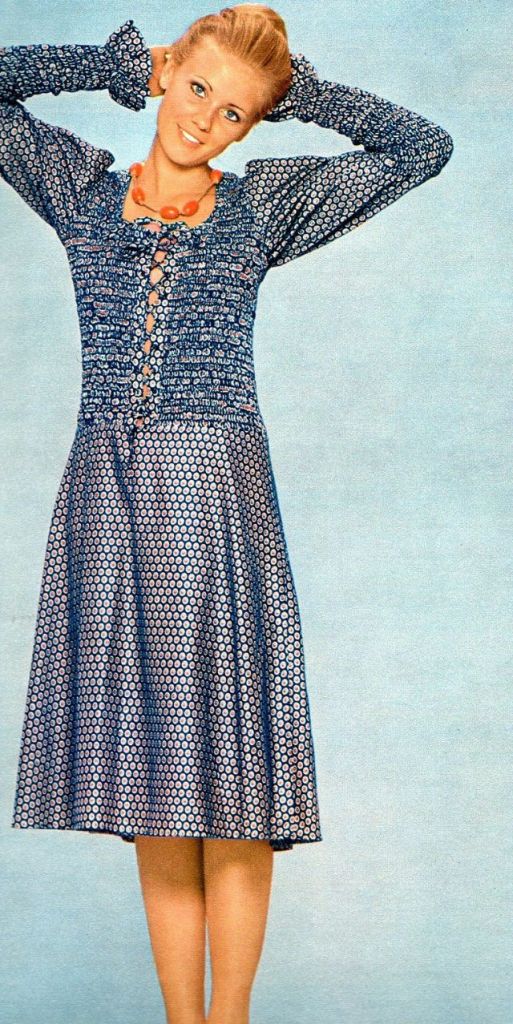
Easy to see the 1970s fashion trend was so colorful. Especially for dresses such as evening gowns and skirts.
Many women had different dresses for different occasions. They wore evening gowns at home, which were silky smooth, loose fitting and very comfortable. They were also known as ankle sweepers.
The hemline was all over the place. Both short dresses and long dresses could be worn in almost any situation. Typically, younger women preferred the shorter skirts.
Belts were also a very popular accessory to a 1970s dress. As were bows, necklaces and jackets. Other dresses had dramatic collars.
Take a look at these colorful pics to see what dresses in the 1970s looked like.
Wisconsin is a state in the upper Midwestern United States. Wisconsin is the 25th-largest state by total area and the 20th-most populous. It is bordered by Minnesota to the west, Iowa to the southwest, Illinois to the south, Lake Michigan to the east, Michigan to the northeast, and Lake Superior to the north.
The bulk of Wisconsin’s population live in areas situated along the shores of Lake Michigan. The largest city, Milwaukee, anchors its largest metropolitan area, followed by Green Bay and Kenosha, the third- and fourth-most populated Wisconsin cities, respectively. The state capital, Madison, is currently the second-most populated and fastest growing city in the state. Wisconsin is divided into 72 counties and as of the 2020 census had a population of nearly 5.9 million.
Wisconsin’s geography is diverse, having been greatly impacted by glaciers during the Ice Age with the exception of the Driftless Area. The Northern Highland and Western Upland along with a part of the Central Plain occupies the western part of the state, with lowlands stretching to the shore of Lake Michigan. Wisconsin is third to Ontario and Michigan in the length of its Great Lakes coastline. The northern portion of the state is home to the Chequamegon-Nicolet National Forest.
At the time of European contact the area was inhabited by Algonquian and Siouan nations, and today is home to eleven federally recognized tribes. During the 19th and early 20th centuries, many European settlers entered the state, most of whom emigrated from Germany and Scandinavia. Wisconsin remains a center of German American and Scandinavian American culture, particularly in respect to its cuisine, with foods such as bratwurst and kringle. Wisconsin is home to one UNESCO World Heritage Site, comprising two of the most significant buildings designed by Wisconsin-born architect Frank Lloyd Wright: his studio at Taliesin near Spring Green and his Jacobs I House in Madison.
The state is one of the nation’s leading dairy producers and is known as “America’s Dairyland”; it is particularly famous for its cheese. The state is also famous for its beer, particularly and historically in Milwaukee, most notably as the headquarters of the Miller Brewing Company. Wisconsin has some of the most permissive alcohol laws in the country and is well known for its drinking culture. Its economy is dominated by manufacturing, healthcare, information technology, and agriculture; specifically dairy, cranberries and ginseng. Tourism is also a major contributor to the state’s economy. The gross domestic product in 2020 was $348 billion. (Wikipedia)
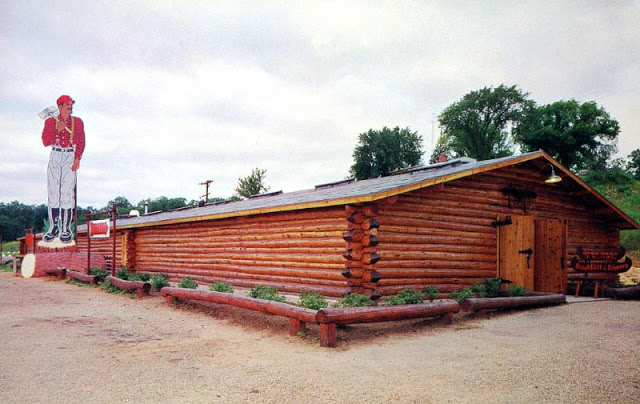
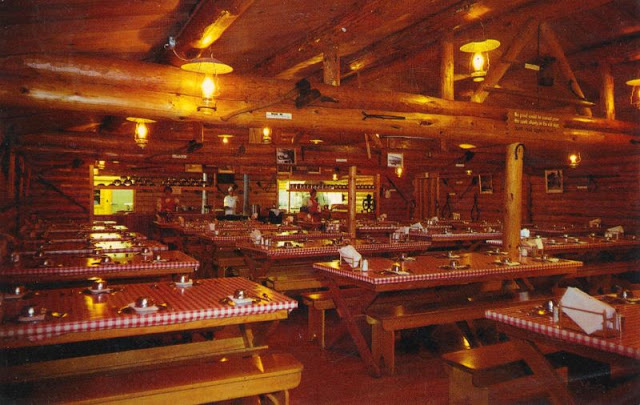
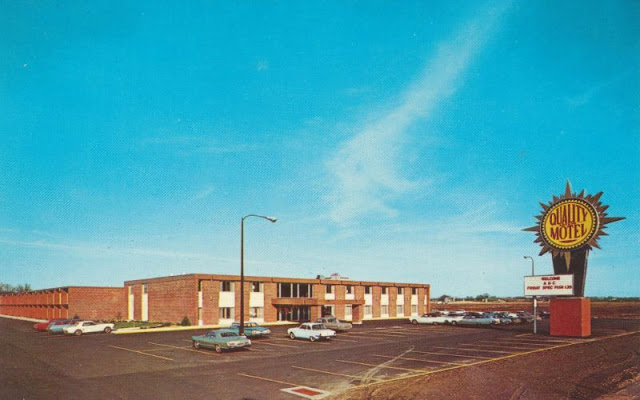
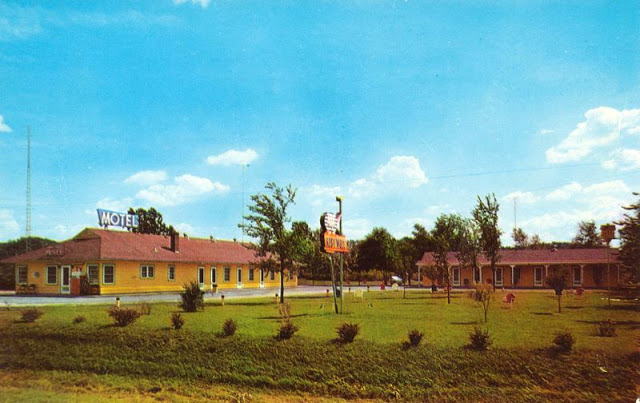
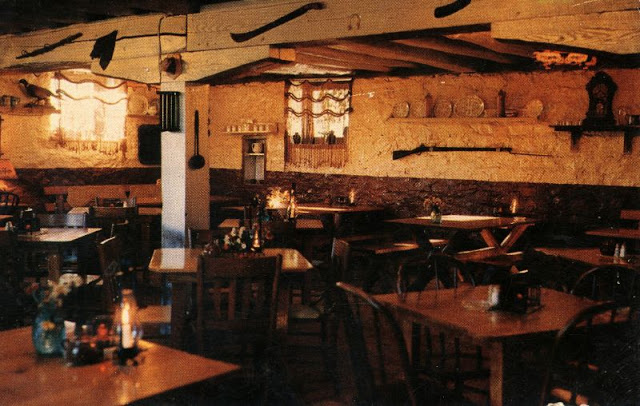
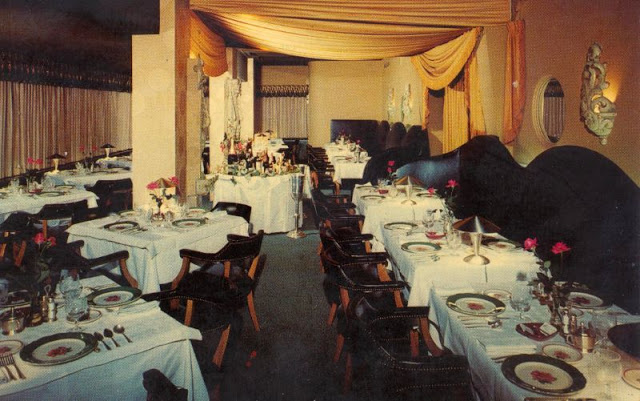
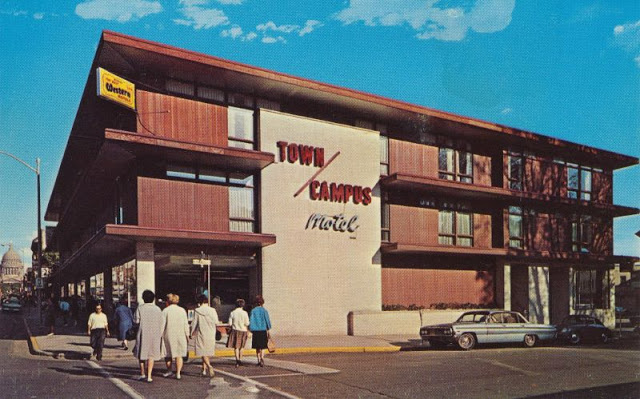
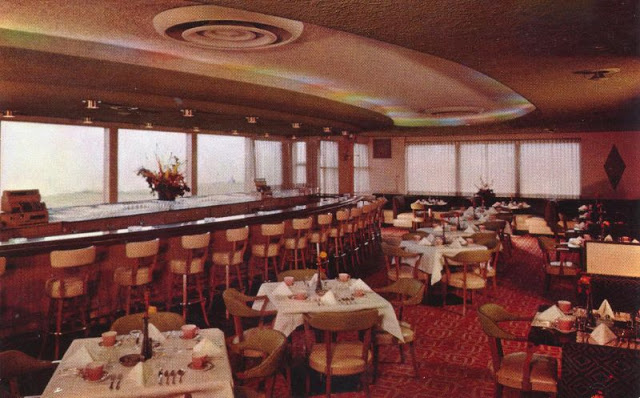
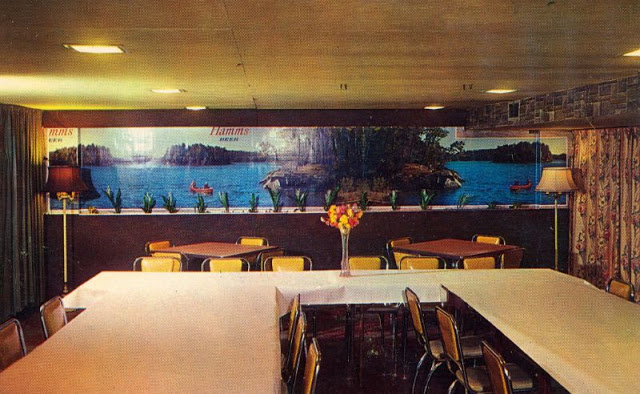
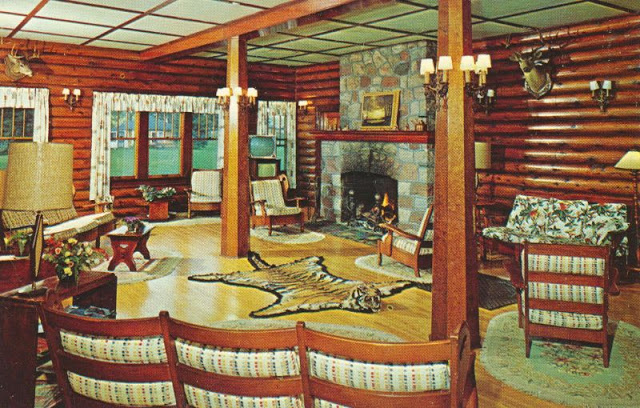
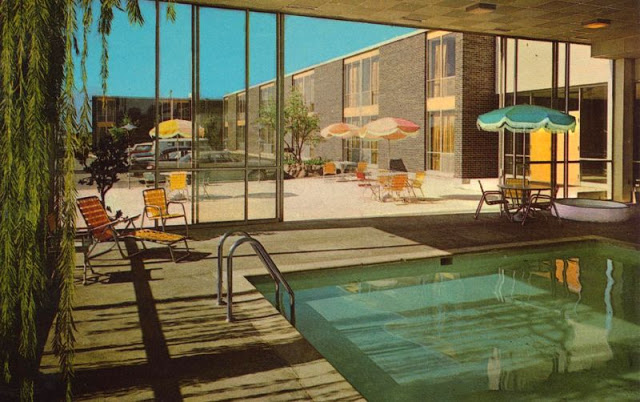
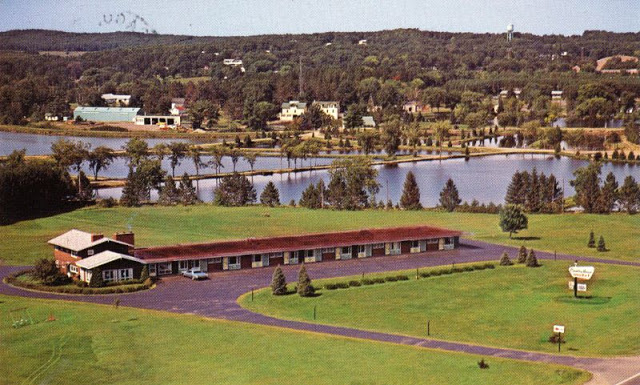
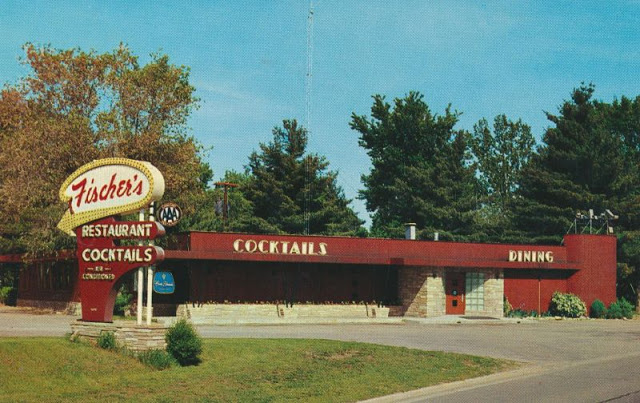
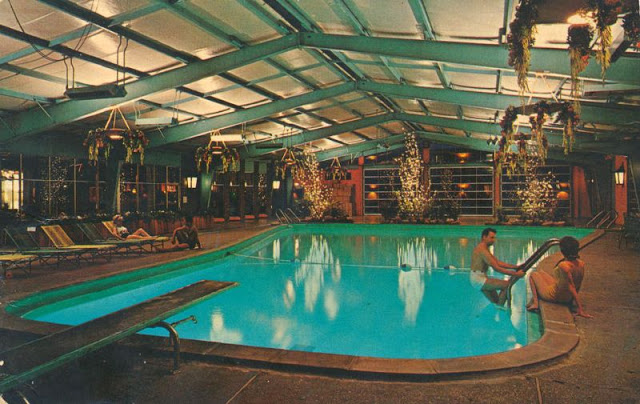
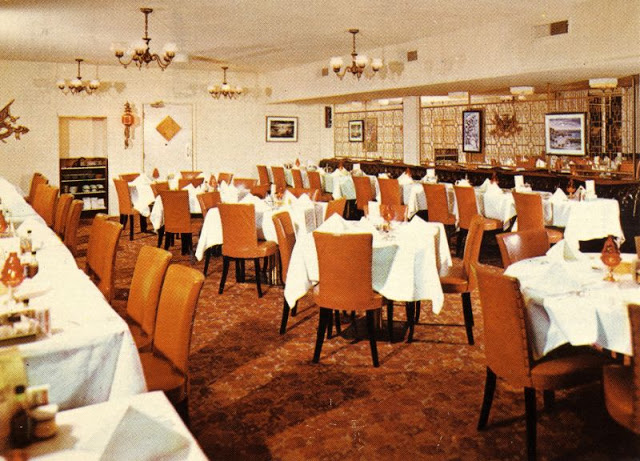
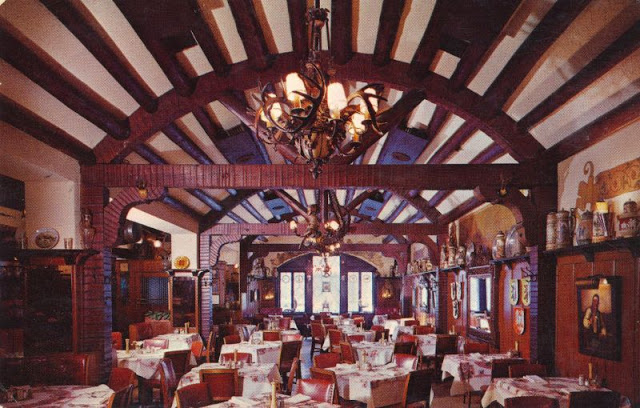
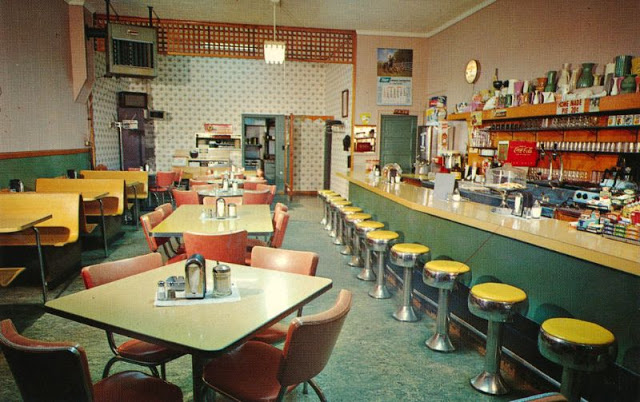
Here below is a cool photo collection that shows what hotels and restaurants of Wisconsin looked like in the 1950s and 1960s
Paul Bunyan Logging Camp Cook Shanty, Wisconsin Dells, WisconsinPaul Bunyan Logging Camp Cook Shanty, Wisconsin Dells, WisconsinPaul Bunyan Logging Camp Cook Shanty, Wisconsin Dells, WisconsinPfister Hotel & Tower at 424 East Wisconsin Ave., Milwaukee, WisconsinPonderosa Motel, Wausau, WisconsinQuality Courts Motel, US 12 & 18 at I-90, Madison, WisconsinRest-Well Motel at U.S. Highways 12 – 16, Tomah, WisconsinRoger Williams Inn, Green Lake, WisconsinSurf Wood Motel & Restaurant, Luxemburg, WisconsinThe Barn, Baraboo, WisconsinThe Milwaukee Inn at 916 East State Street,- Milwaukee, WisconsinThe Rigadoon Room of the Edgewater Hotel, Madison, WisconsinTown-Campus Motel at Frances St., Madison, WisconsinWine and Dine at Higgins Hobnob, Racine, WisconsinAl Johnson’s Swedish Restaurant and Butik, Sister Bay, WisconsinAlgiers Motel at 19035 W. Bluemound Road, Waukesha, WisconsinArrowhead Restaurant, Winneconne, WisconsinAuerbach’s Shady Lawn Motel, Wisconsin Dells, WisconsinB & M Cafeteria, 14th Street at Michigan Ave., Sheboygan, WisconsinBarker Lake Lodge and Golf Course, Winter, WisconsinBuster’s Cheese House at Highways 8 & 63, Turtle Lake, WisconsinClayton House Motel at 5005 Washington Ave., Racine, WisconsinColonial Acres Motel, Janesville, WisconsinColonial Motel at 606 Broadway, Wisconsin Dells, WisconsinCountry House Motel, Spooner, WisconsinCountry Kitchen at Hwy. 13, Wisconsin Dells, WisconsinDenniston House, Cassville, WisconsinDoyle’s Motel at 409 Broadway, Wisconsin Dells, WisconsinDriftwood Motel at 2200 East 2nd St., Superior, WisconsinFischer’s Restaurant and Cocktail Bar, Lake Delton, WisconsinHenny Penny Kitchen Inne, Lake Delton, WisconsinHeritage House at Route 151 N.E., Madison, WisconsinHoliday Inn at 4402 E. Washington Avenue, Madison, WisconsinHoliday Inn West at Wisconsin 100 between Highways I-24, Wisconsin 30, U.S. 16, and U.S. 18, Milwaukee, WisconsinHoliday Inn, Stevens Point, WisconsinHoliday Motel, Wisconsin Dells, WisconsinKarl Ratzsch at 320 E. Mason St., Milwaukee, WisconsinMillies Pancake Haus, Delavan, WisconsinMillies Pancake Haus, Delavan, WisconsinMillies Pancake Haus, Delavan, WisconsinNorthway Motel & Restaurant at Hwy. 41 and Grove Street, Fond du Lac, WisconsinNu-Cafe, Augusta, Wisconsin