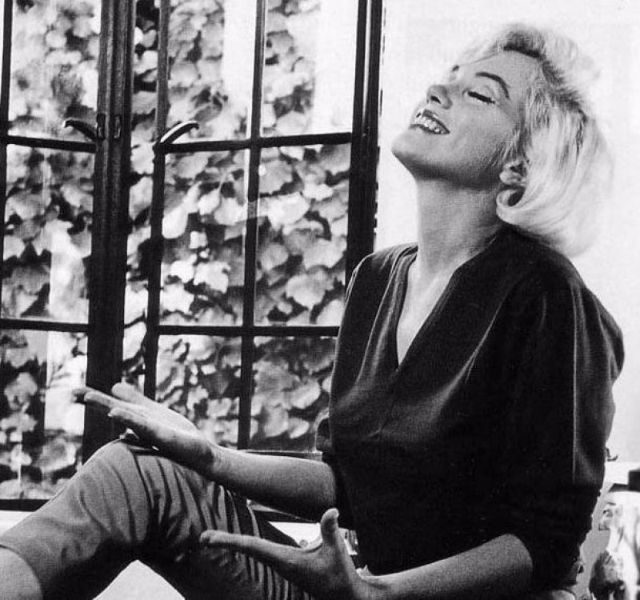
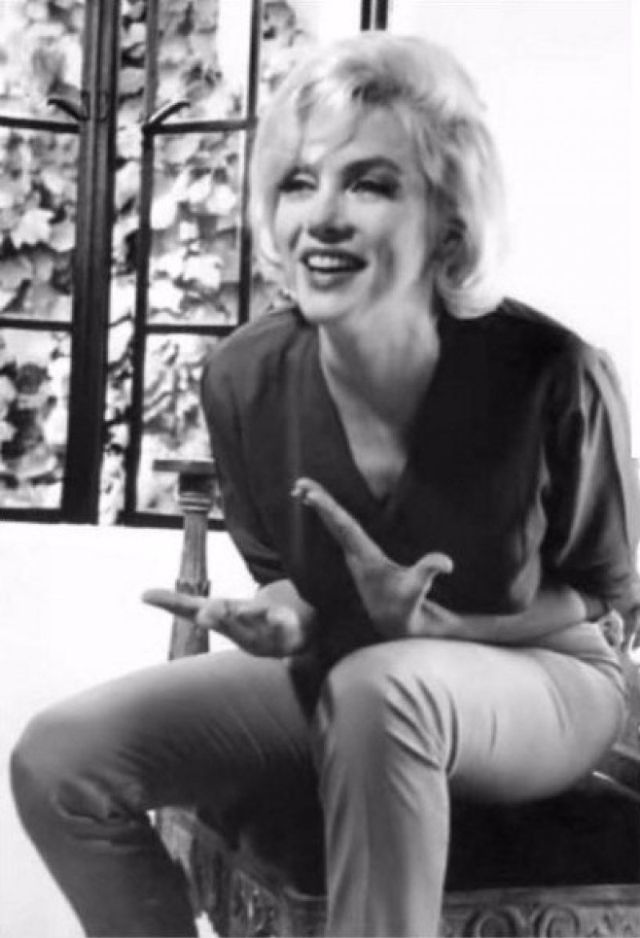
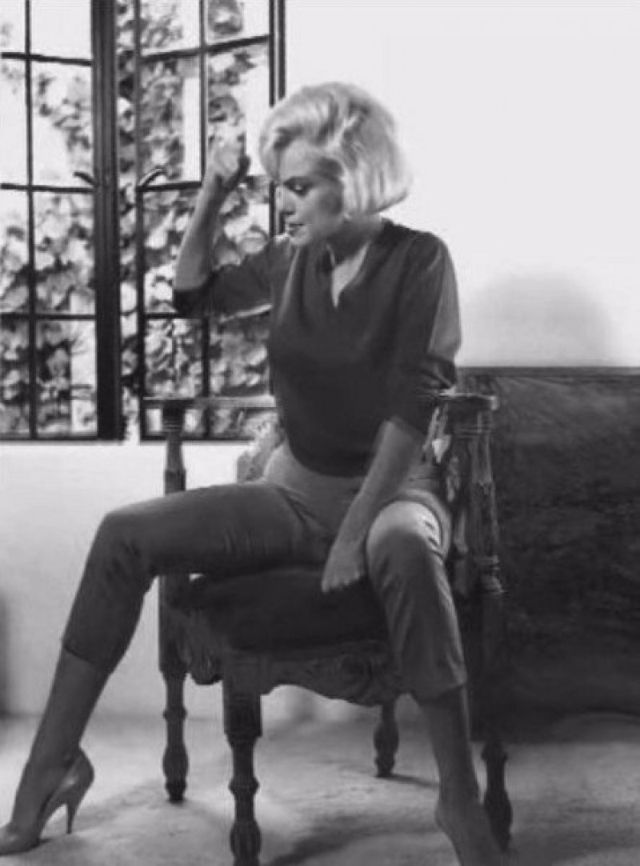
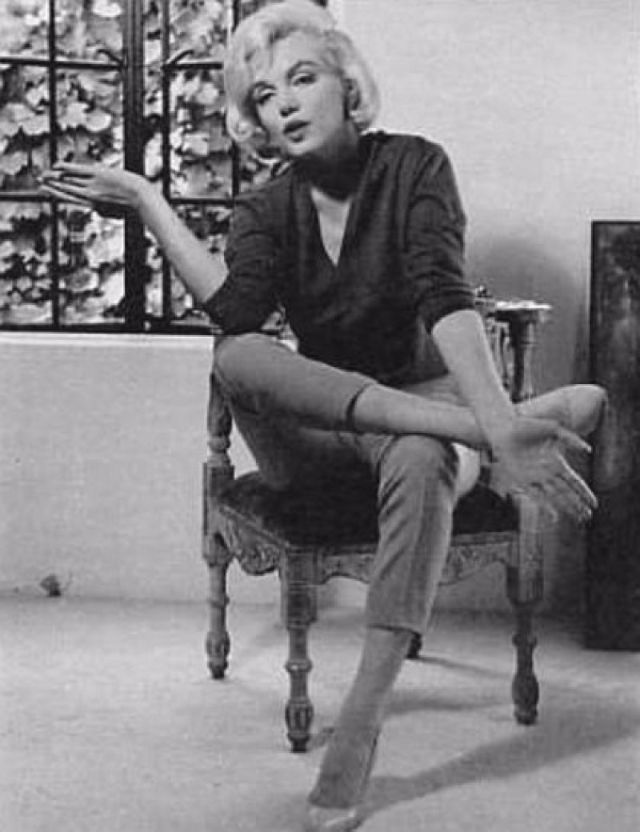
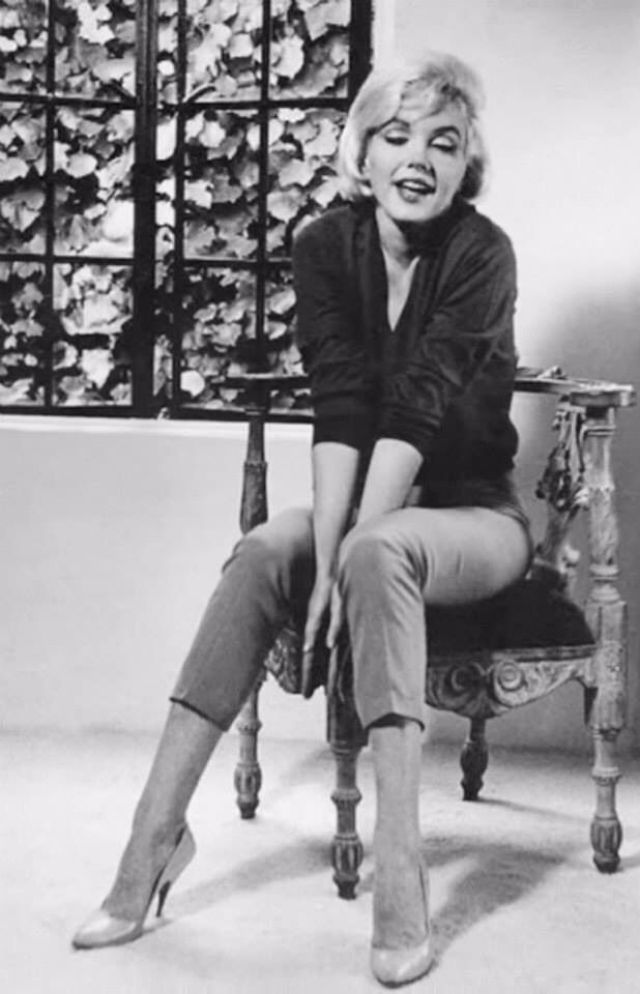
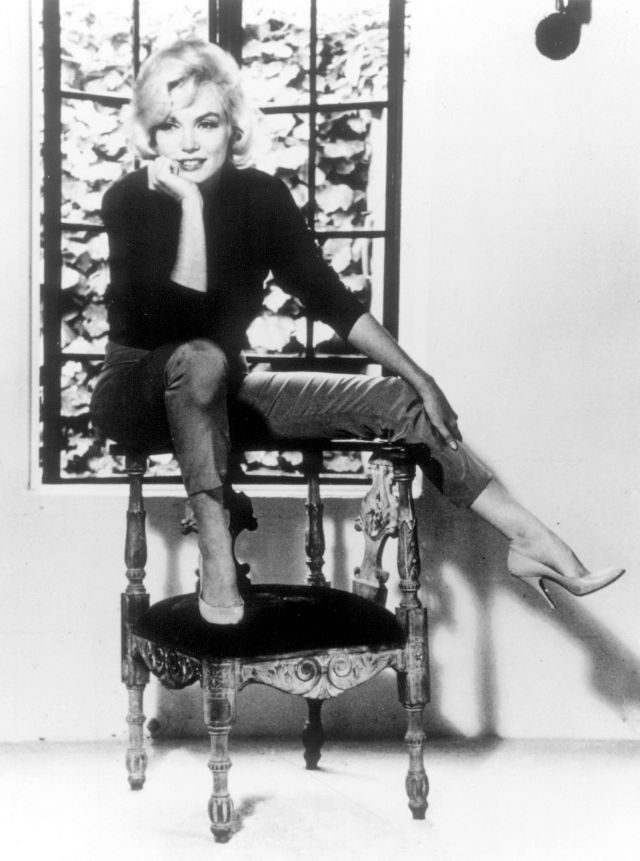
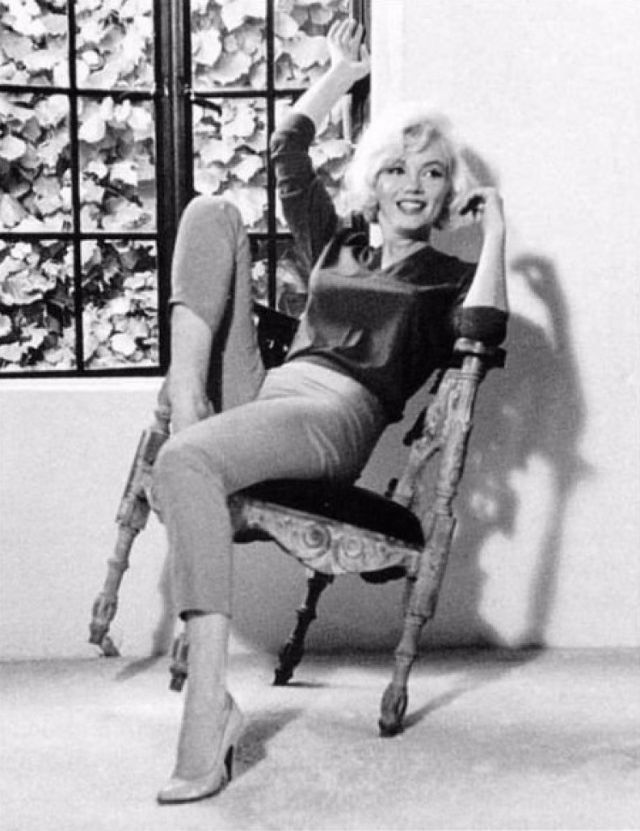
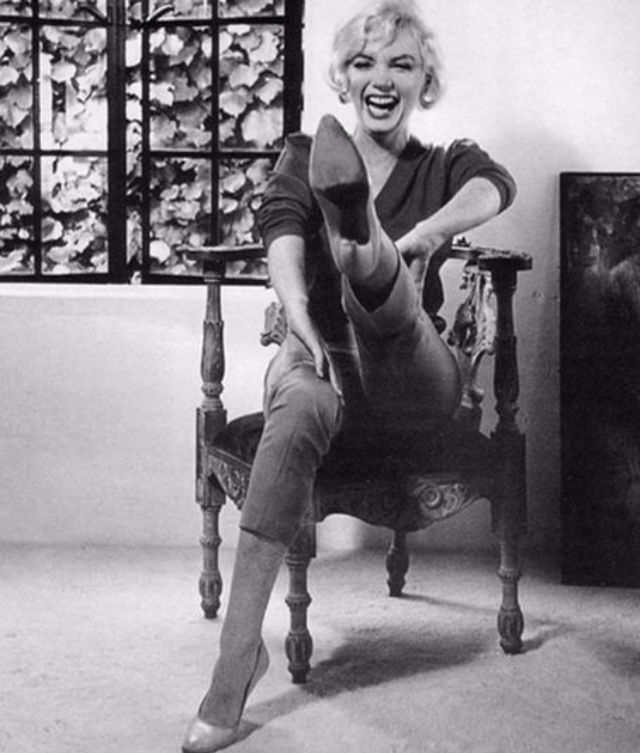
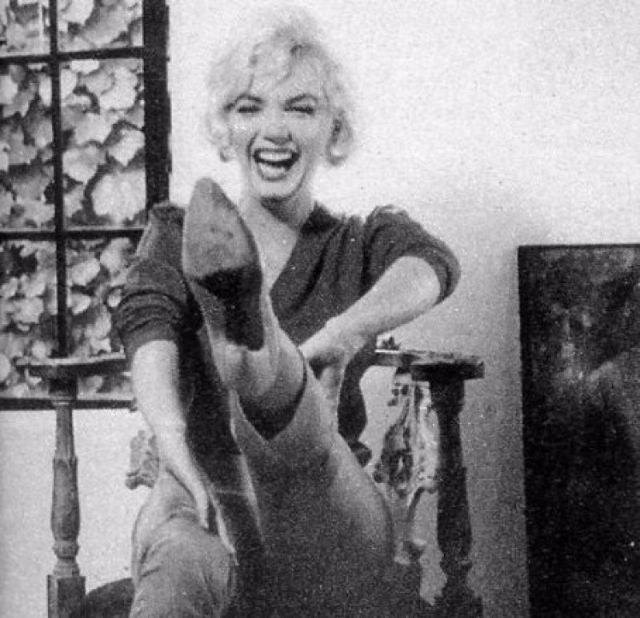
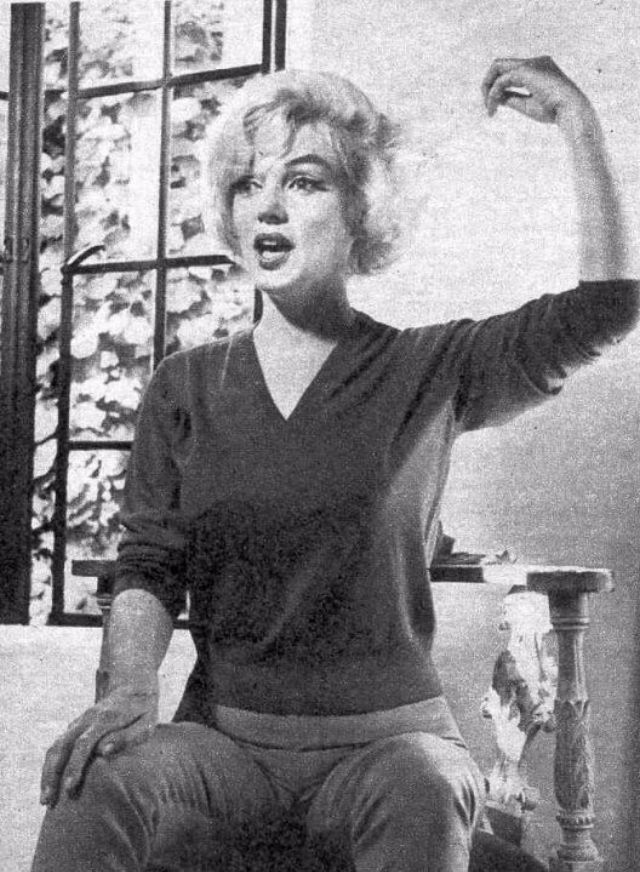
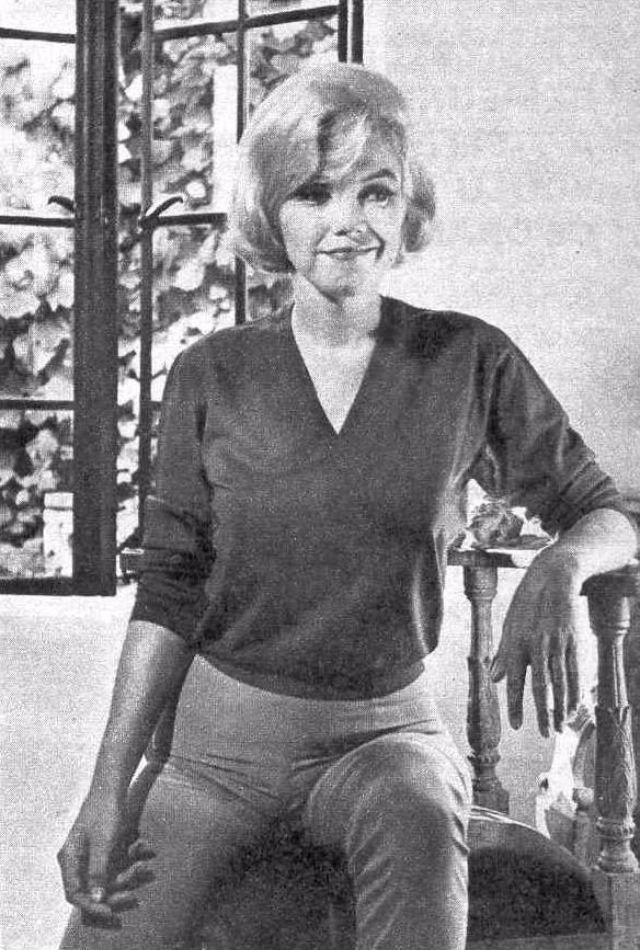
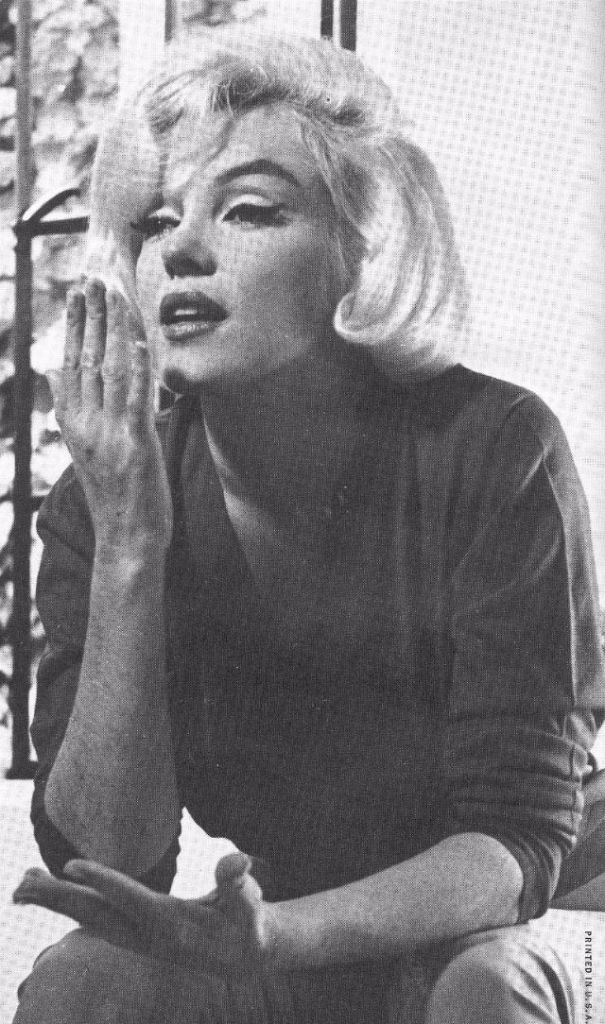
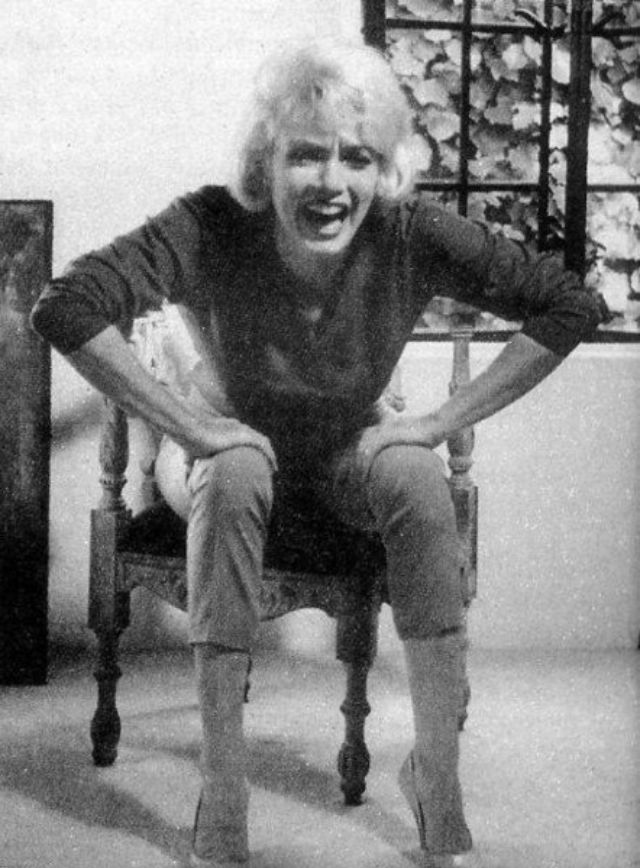
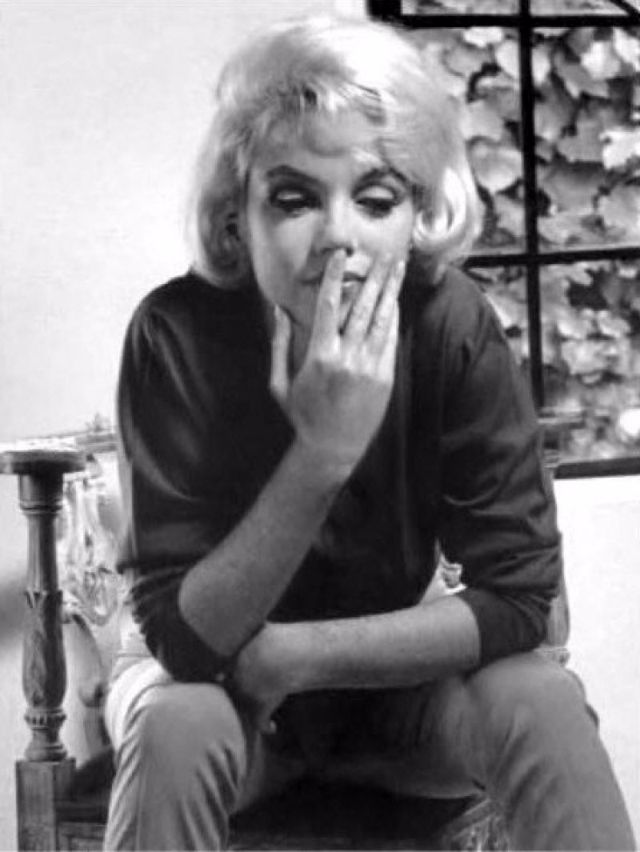
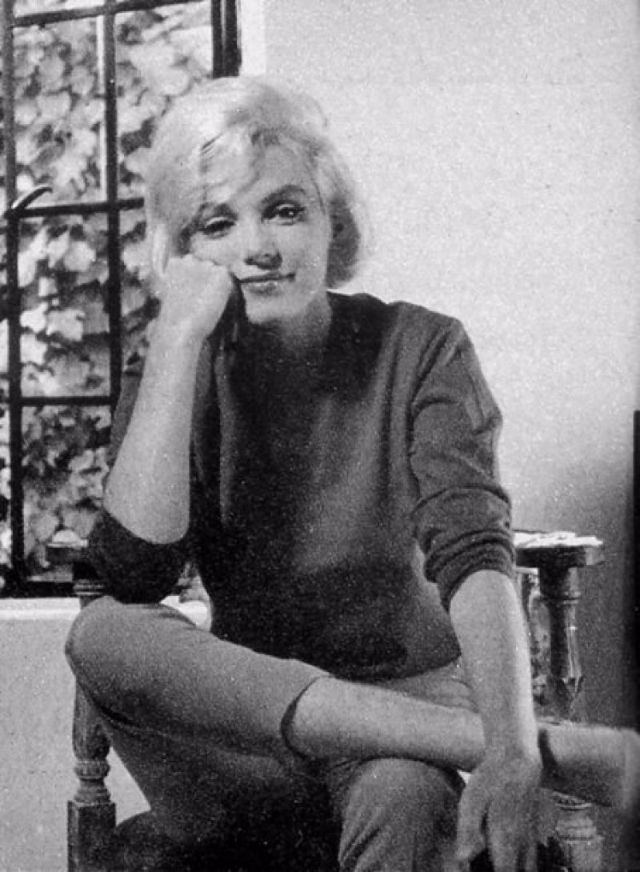
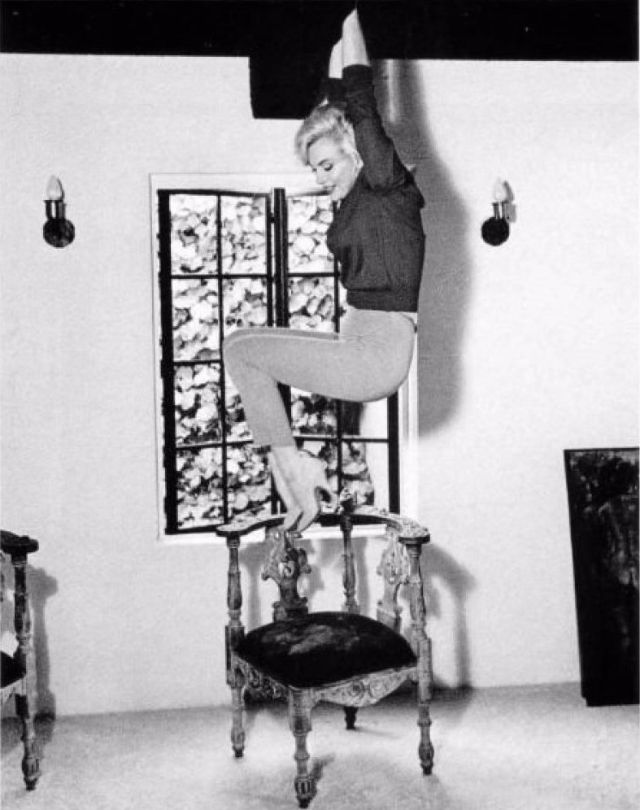
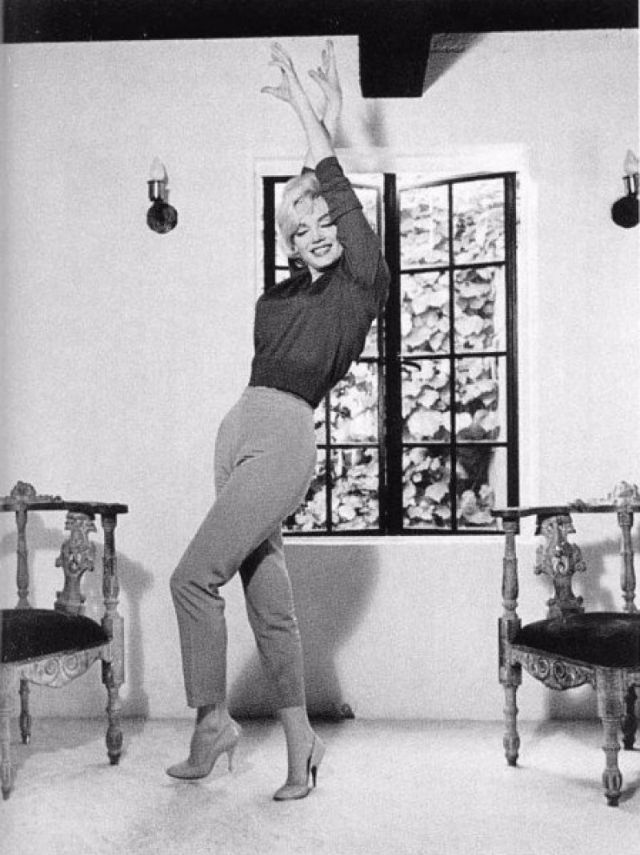
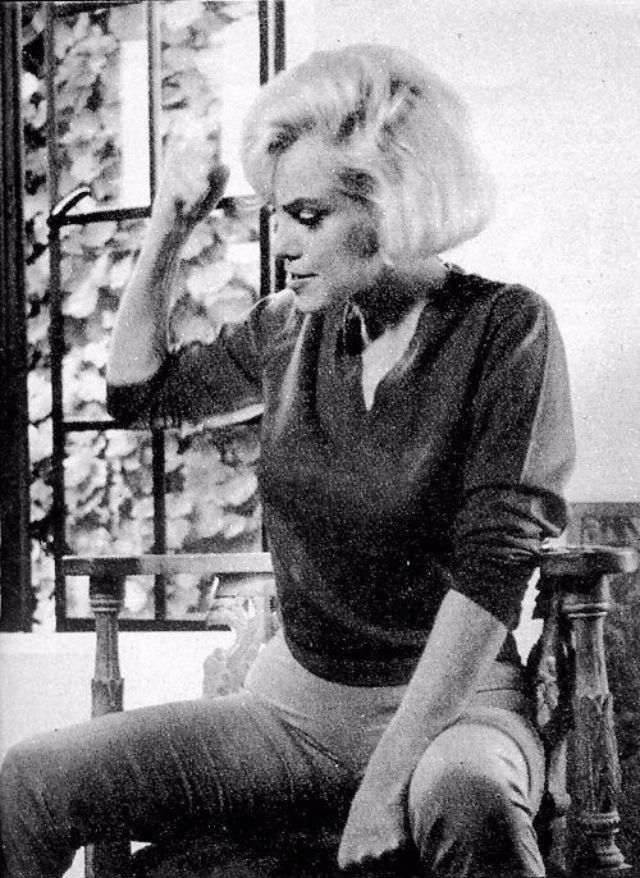
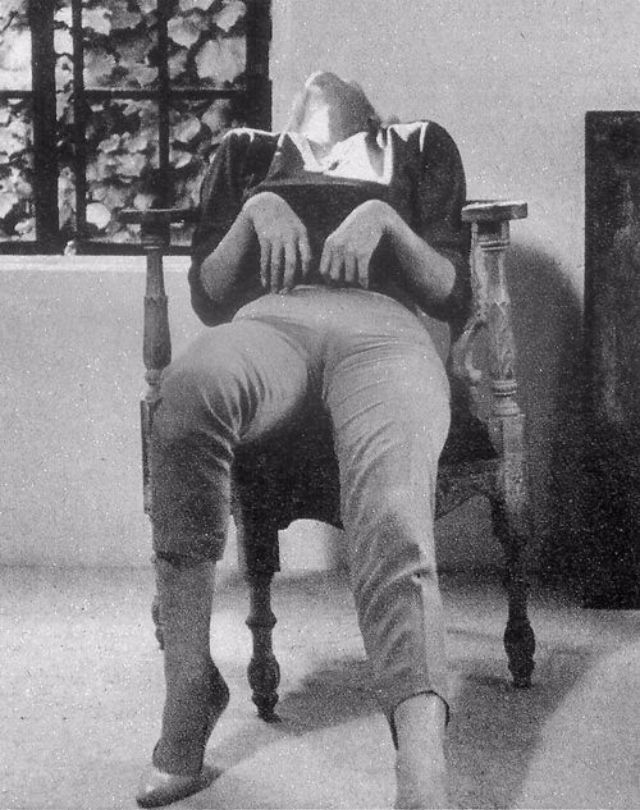
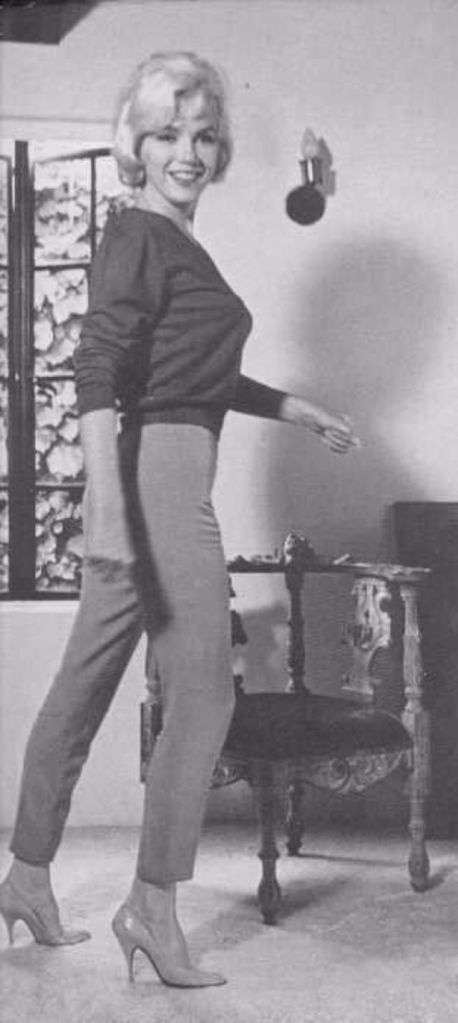
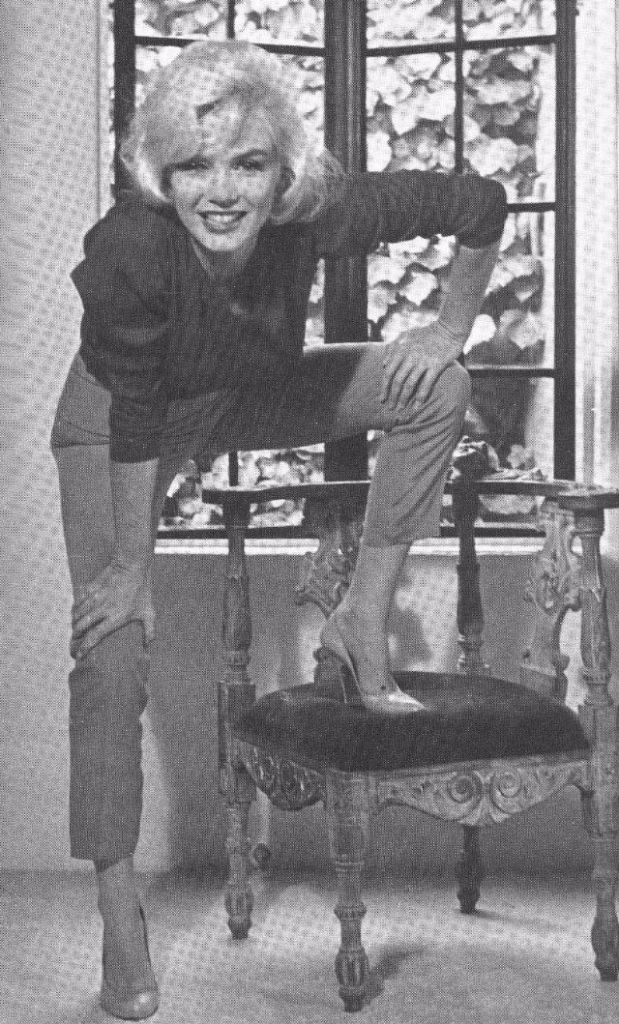
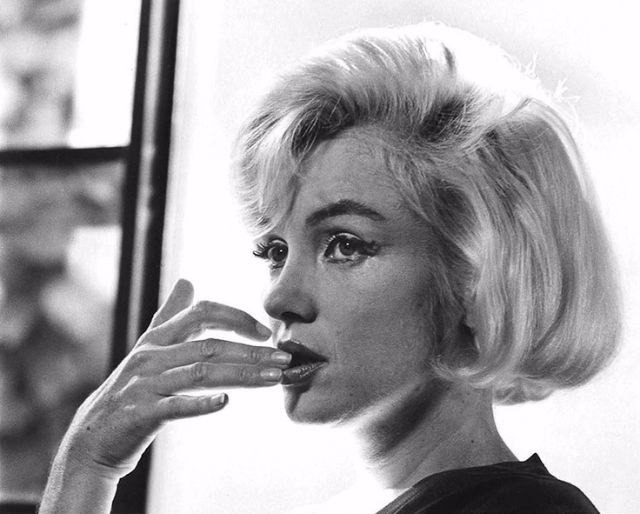
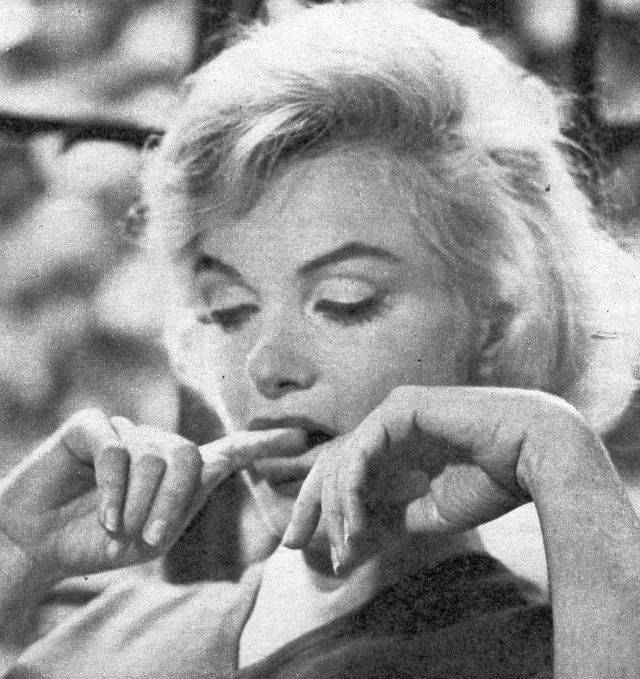
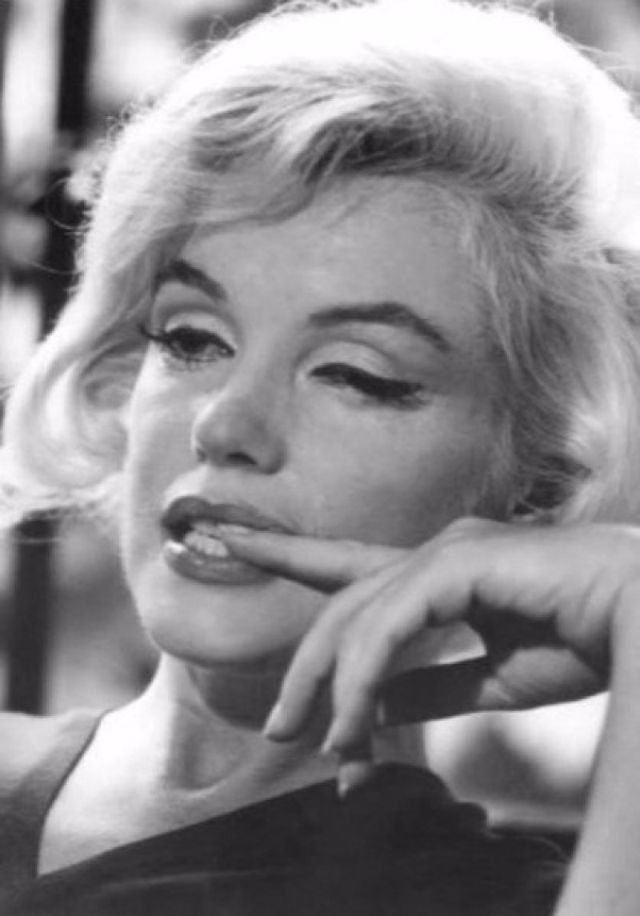
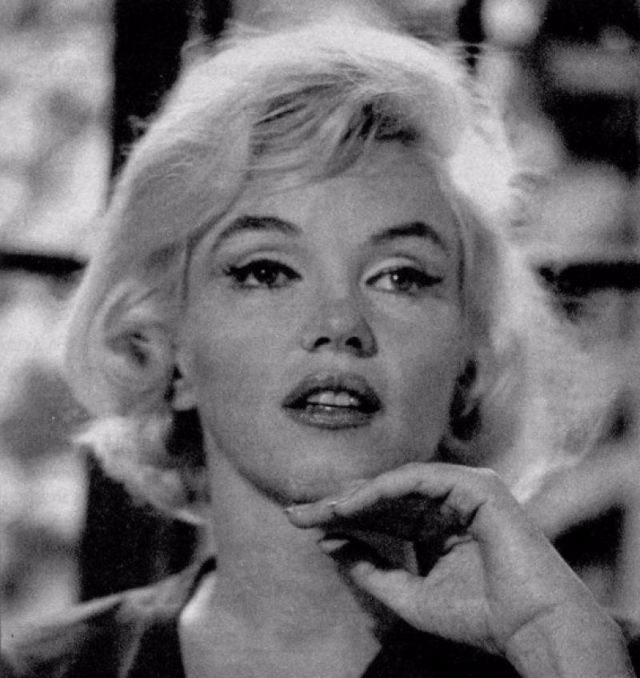
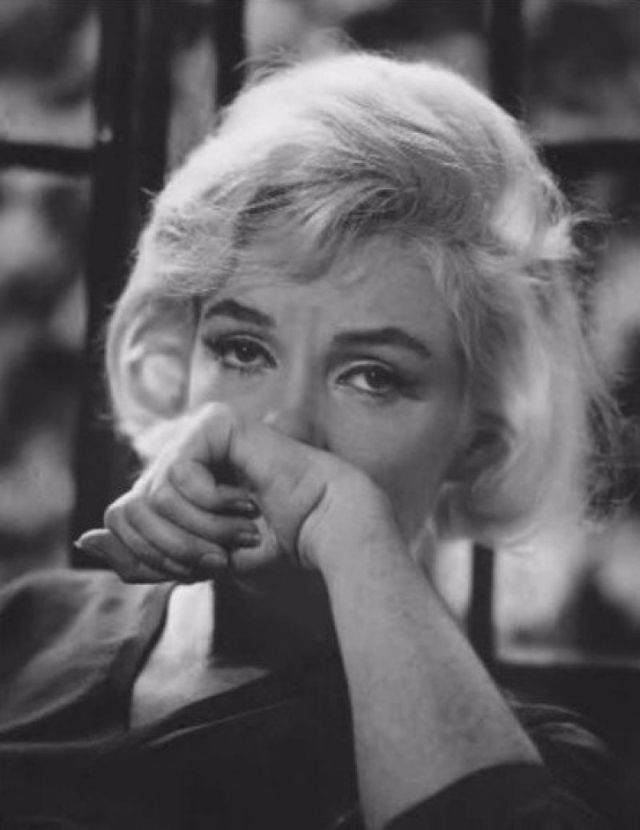
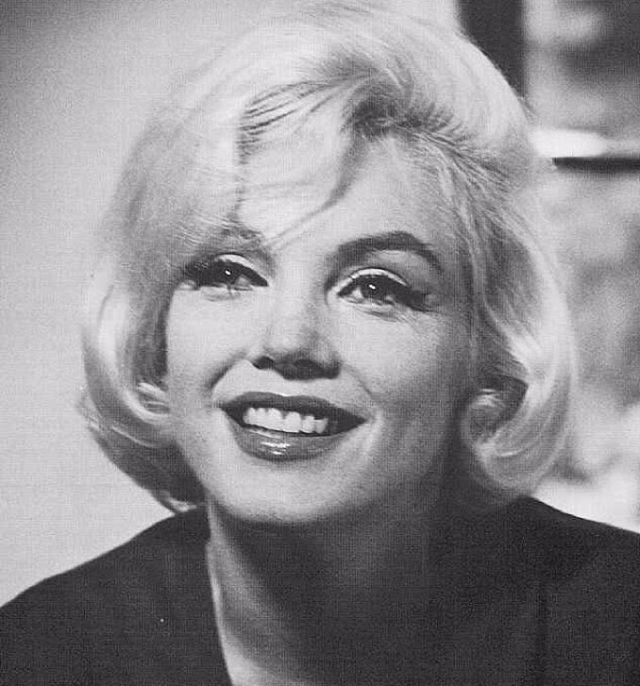
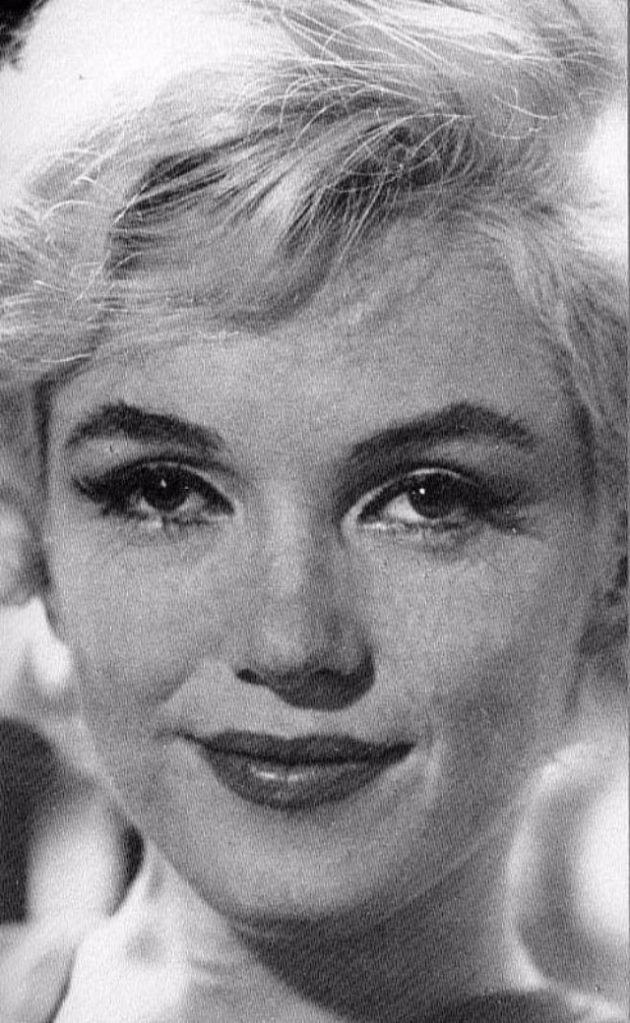
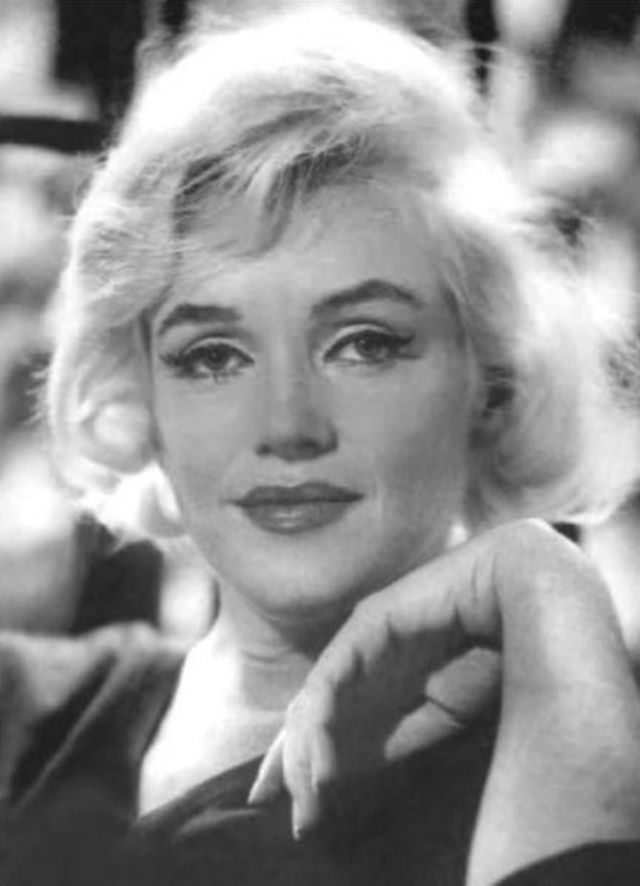
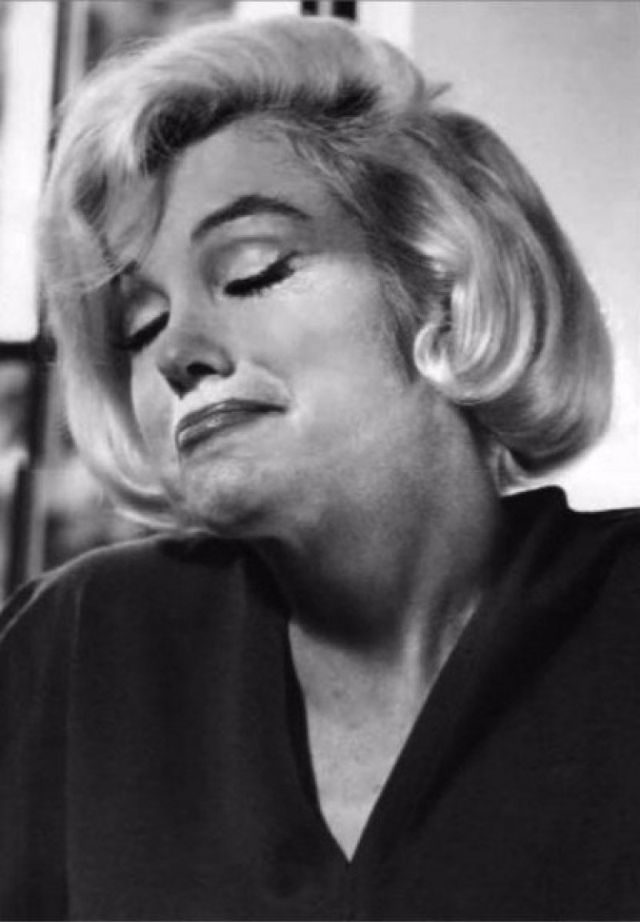
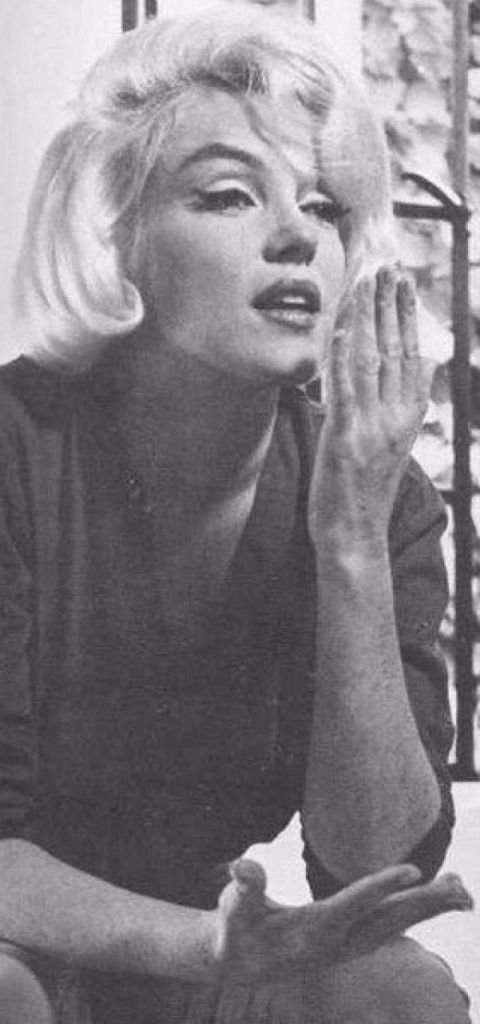
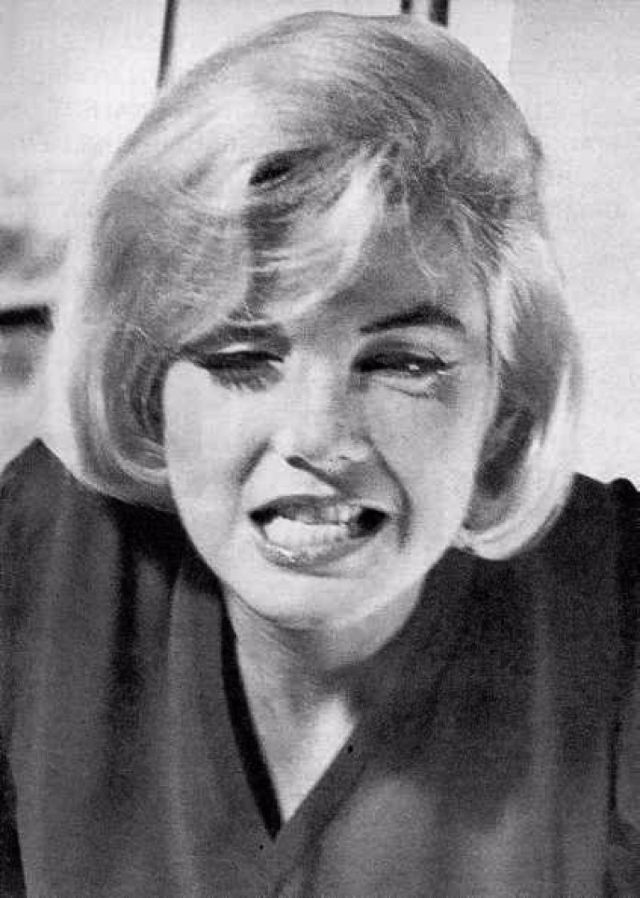
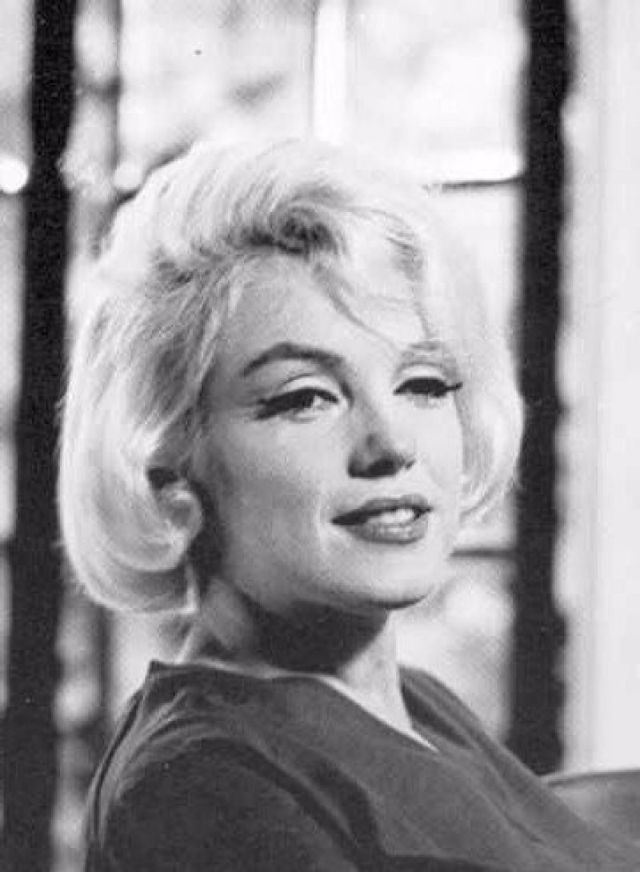
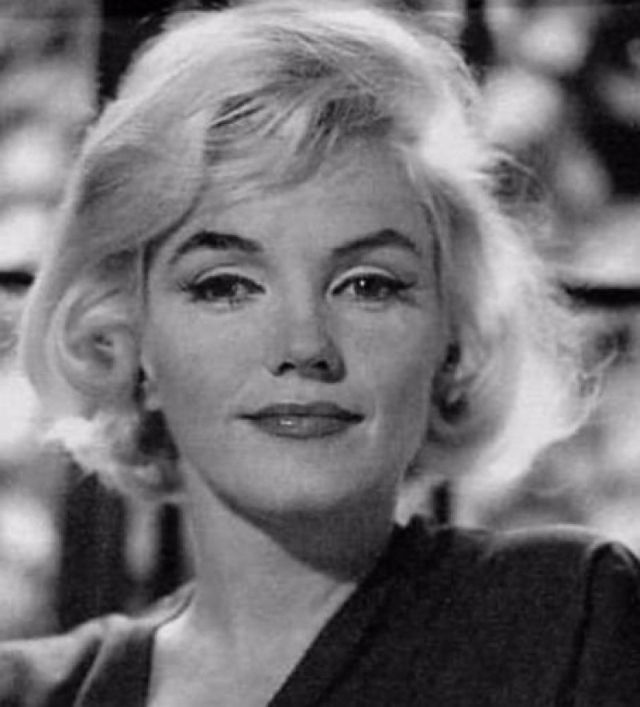
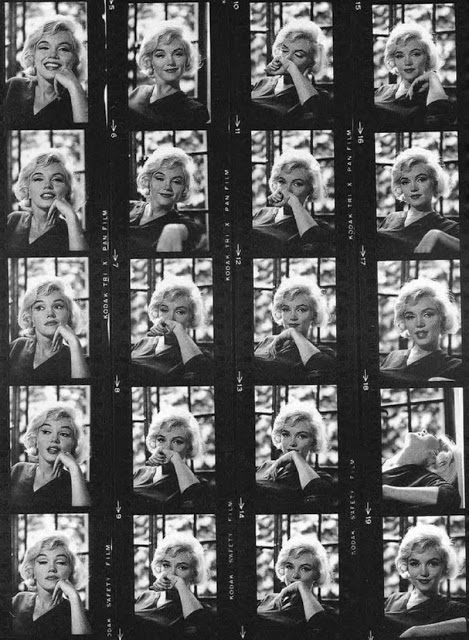
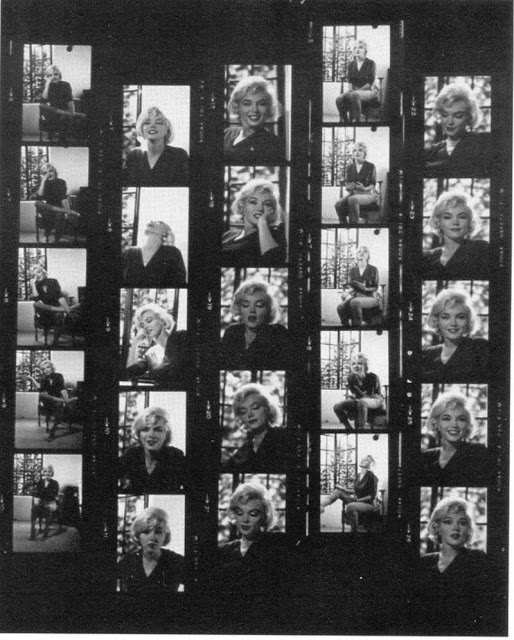
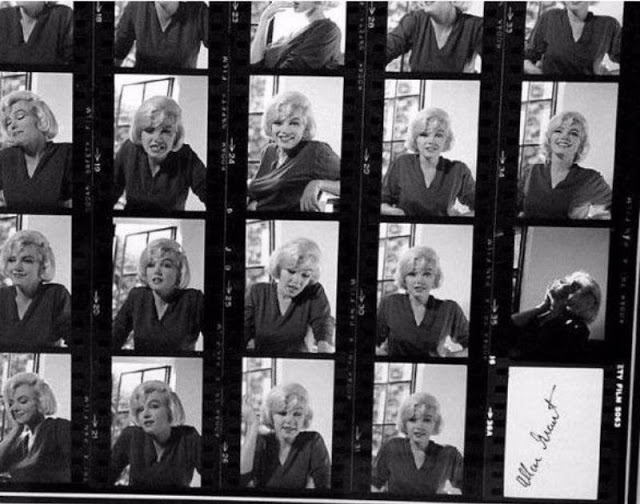
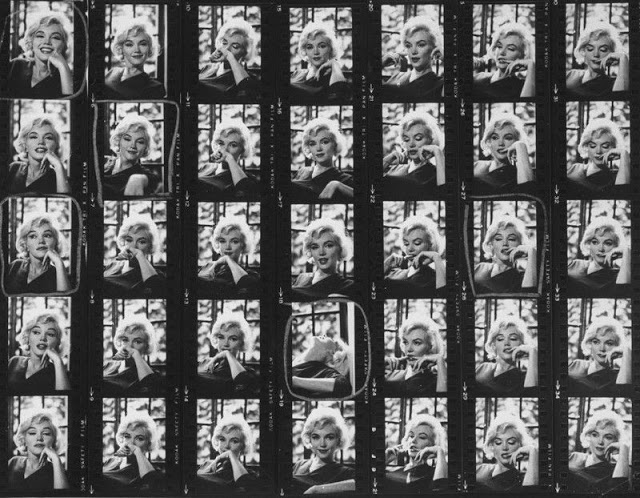
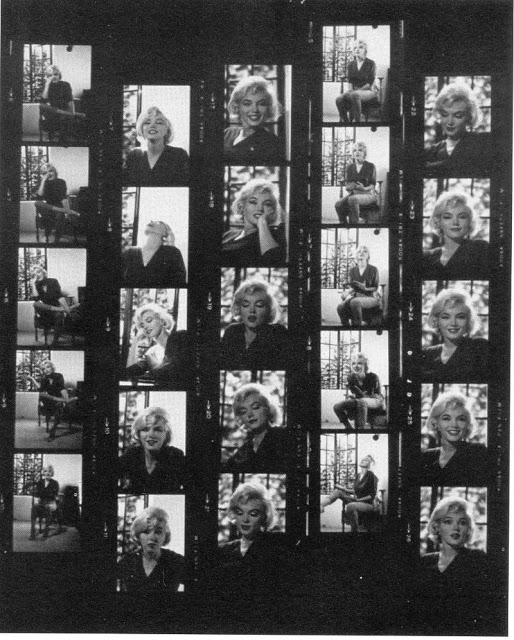
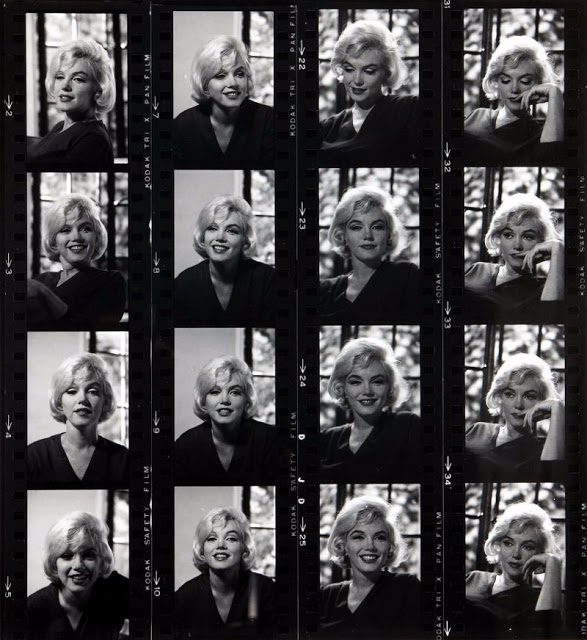
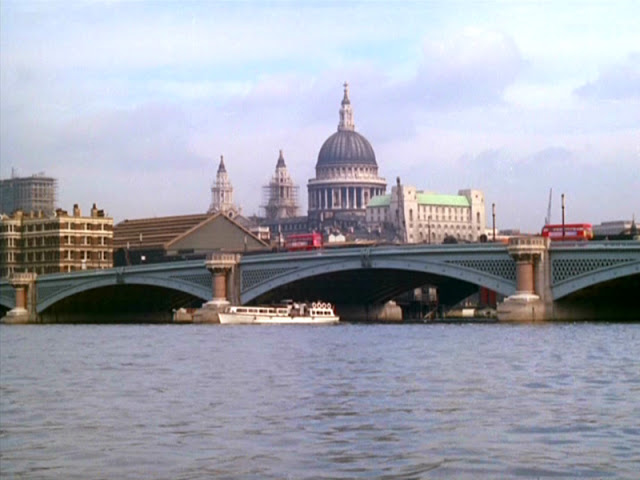
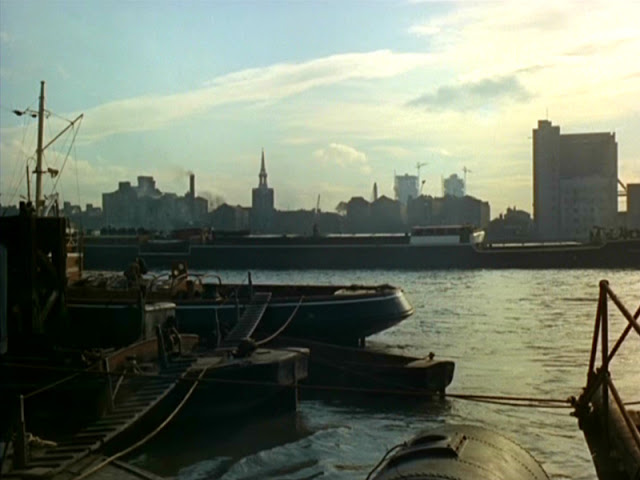
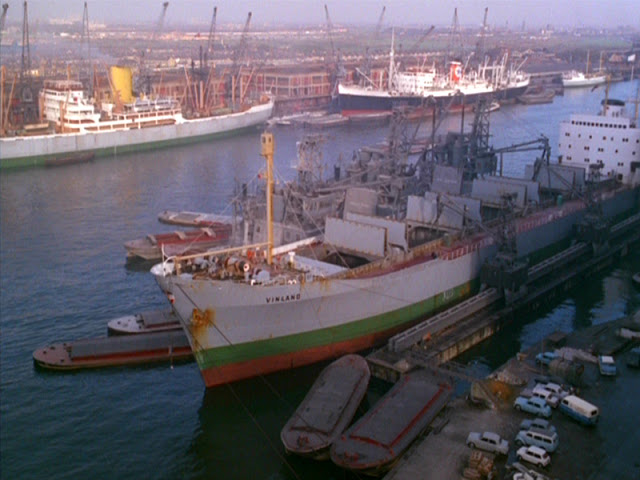
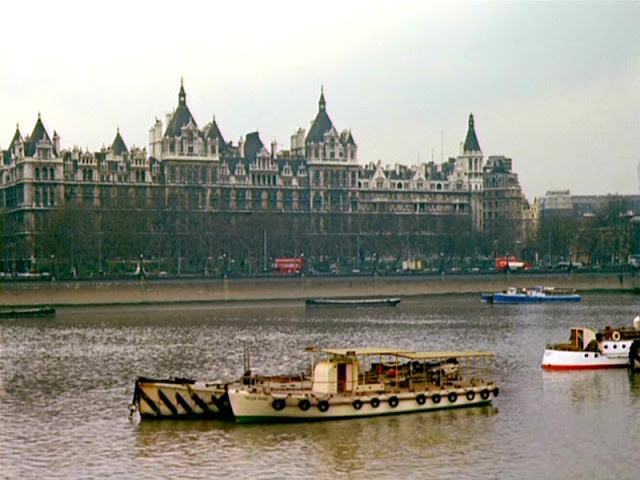
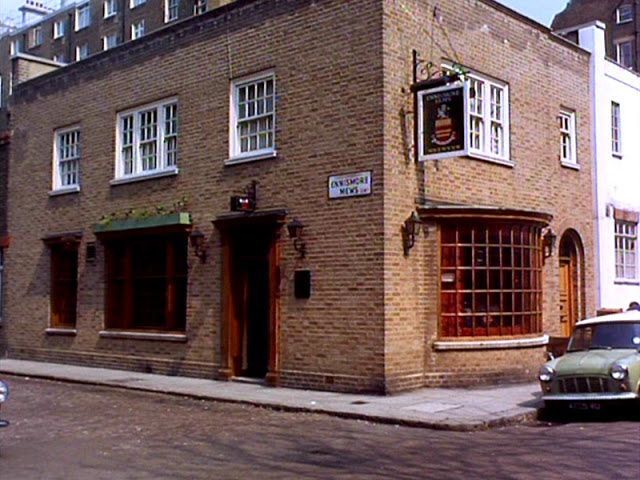
On July 4th 1962, Richard Meryman began an interview with Marilyn. It will be the last! He wanted some photos with the article but Marilyn wasn’t very happy to do an other sitting. But finally, she agreed to do it in her house.
The photographer was Allan Grant. Those photos are really the last photos of Marilyn Monroe!
Marilyn Monroe (born Norma Jeane Mortenson; June 1, 1926 – August 4, 1962) was an American actress, singer, and model. Famous for playing comedic “blonde bombshell” characters, she became one of the most popular sex symbols of the 1950s and early 1960s and was emblematic of the era’s sexual revolution. She was a top-billed actress for a decade, and her films grossed $200 million (equivalent to $2 billion in 2021) by the time of her death in 1962. Long after her death, Monroe remains a major icon of pop culture. In 1999, the American Film Institute ranked her sixth on their list of the greatest female screen legends from the Golden Age of Hollywood.
Born and raised in Los Angeles, Monroe spent most of her childhood in foster homes and an orphanage; she married at age sixteen. She was working in a factory during World War II when she met a photographer from the First Motion Picture Unit and began a successful pin-up modeling career, which led to short-lived film contracts with 20th Century Fox and Columbia Pictures. After a series of minor film roles, she signed a new contract with Fox in late 1950. Over the next two years, she became a popular actress with roles in several comedies, including As Young as You Feel and Monkey Business, and in the dramas Clash by Night and Don’t Bother to Knock. She faced a scandal when it was revealed that she had posed for nude photographs prior to becoming a star, but the story did not damage her career and instead resulted in increased interest in her films.
By 1953, Monroe was one of the most marketable Hollywood stars; she had leading roles in the film noir Niagara, which overtly relied on her sex appeal, and the comedies Gentlemen Prefer Blondes and How to Marry a Millionaire, which established her star image as a “dumb blonde”. The same year, her nude images were used as the centerfold and on the cover of the first issue of Playboy. She played a significant role in the creation and management of her public image throughout her career, but she was disappointed when she was typecast and underpaid by the studio. She was briefly suspended in early 1954 for refusing a film project but returned to star in The Seven Year Itch (1955), one of the biggest box office successes of her career.
When the studio was still reluctant to change Monroe’s contract, she founded her own film production company in 1954. She dedicated 1955 to building the company and began studying method acting under Lee Strasberg at the Actors Studio. Later that year, Fox awarded her a new contract, which gave her more control and a larger salary. Her subsequent roles included a critically acclaimed performance in Bus Stop (1956) and her first independent production in The Prince and the Showgirl (1957). She won a Golden Globe for Best Actress for her role in Some Like It Hot (1959), a critical and commercial success. Her last completed film was the drama The Misfits (1961).
Monroe’s troubled private life received much attention. She struggled with addiction and mood disorders. Her marriages to retired baseball star Joe DiMaggio and to playwright Arthur Miller were highly publicized, and both ended in divorce. On August 4, 1962, she died at age 36 from an overdose of barbiturates at her Los Angeles home. Her death was ruled a probable suicide. (Wikipedia)
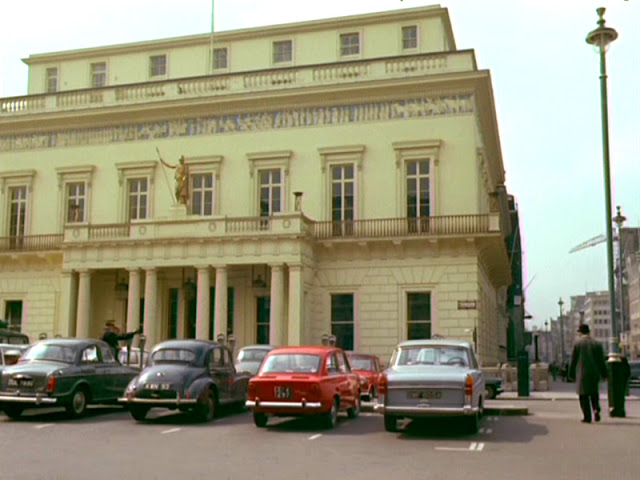
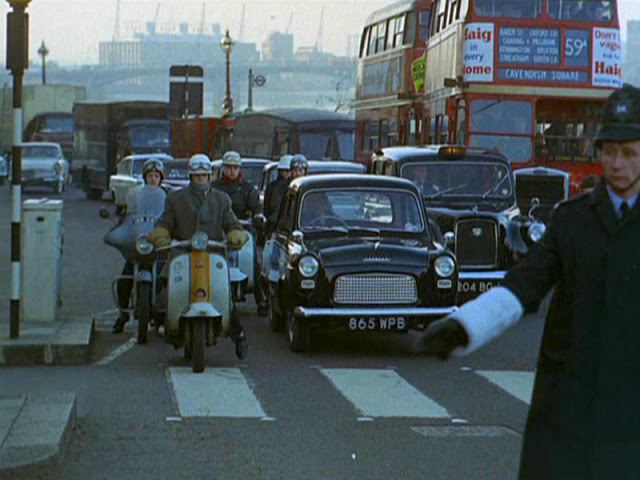
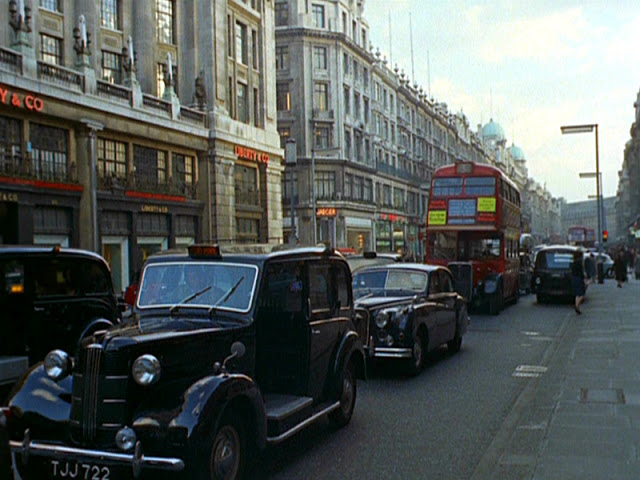
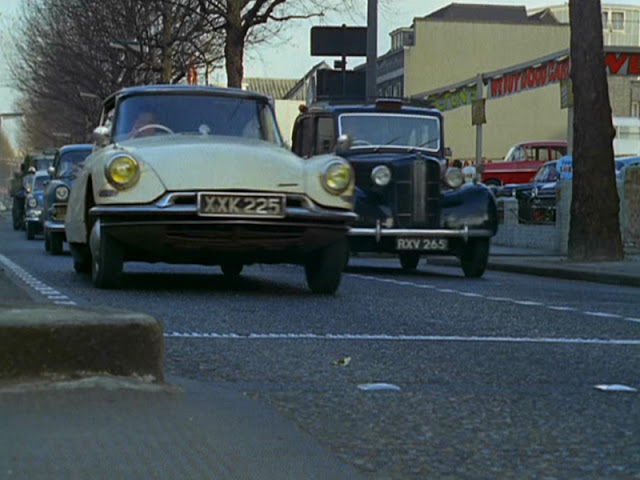
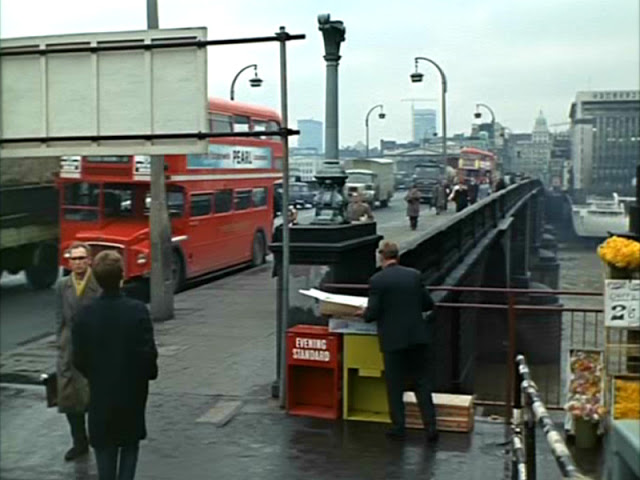
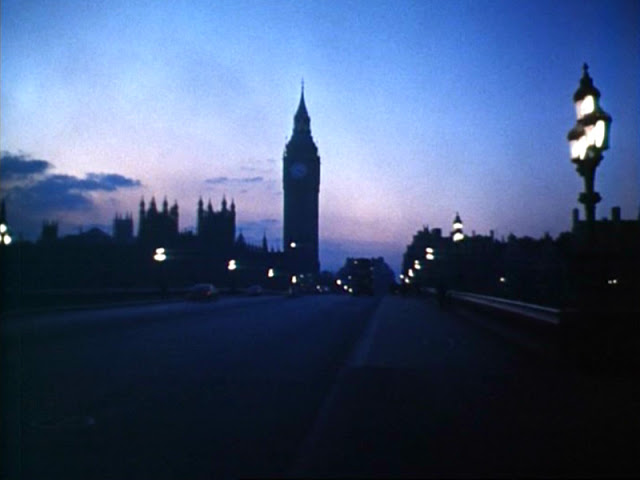
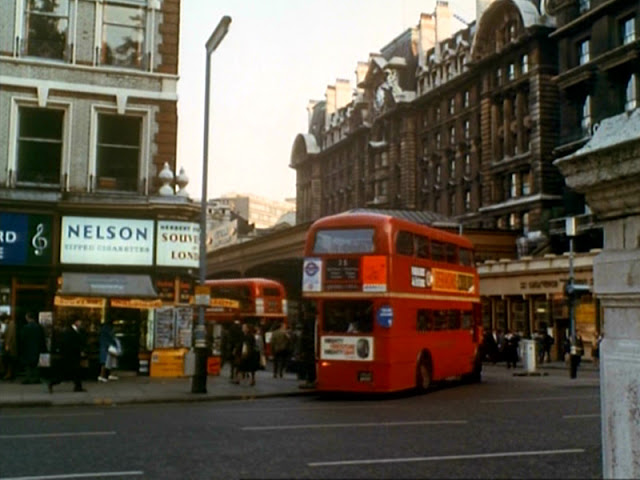
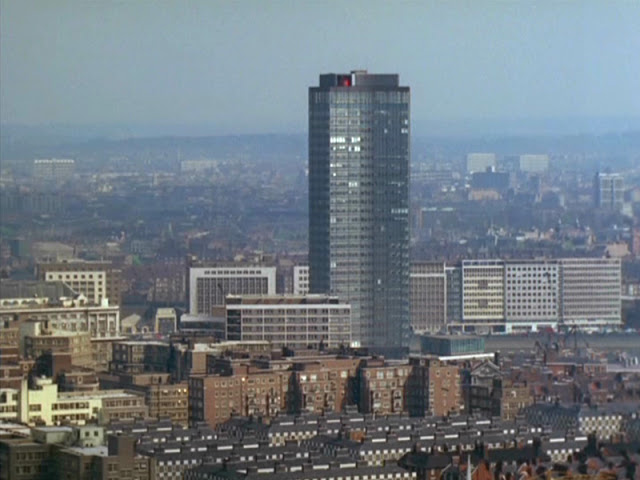
London is the capital and largest city of England and the United Kingdom, with a population of just over 9 million. It stands on the River Thames in south-east England at the head of a 50-mile (80 km) estuary down to the North Sea, and has been a major settlement for two millennia. The City of London, its ancient core and financial centre, was founded by the Romans as Londinium and retains boundaries close to its medieval ones. Since the 19th century, “London” has also referred to the metropolis around this core, historically split between the counties of Middlesex, Essex, Surrey, Kent, and Hertfordshire, which largely comprises Greater London, governed by the Greater London Authority. The City of Westminster, to the west of the City of London, has for centuries held the national government and parliament.
As one of the world’s major global cities, London exerts strong influence on its arts, commerce, education, entertainment, fashion, finance, health care, media, tourism, and communications, and has sometimes been called the capital of the world. Its GDP (€801.66 billion in 2017) makes it the biggest urban economy in Europe, and it is one of the major financial centres in the world. In 2019 it had the second-highest number of ultra high-net-worth individuals in Europe after Paris and the second-highest number of billionaires in Europe after Moscow. As of 2021, London has the most millionaires of any city. With Europe’s largest concentration of higher education institutions, it includes Imperial College London in natural and applied sciences, the London School of Economics in social sciences, and the comprehensive University College London. The city is home to the most 5-star hotels of any city in the world. In 2012, London became the first city to host three Summer Olympic Games.
London’s diverse cultures encompass over 300 languages. The mid-2018 population of Greater London of about 9 million[5] made it Europe’s third-most populous city, accounting for 13.4% of the population of the United Kingdom. Greater London Built-up Area is the fourth-most populous in Europe, after Istanbul, Moscow and Paris, with about 9.8 million inhabitants at the 2011 census. The London metropolitan area is the third-most populous in Europe after Istanbul’s and Moscow’s, with about 14 million inhabitants in 2016, granting London the status of a megacity.
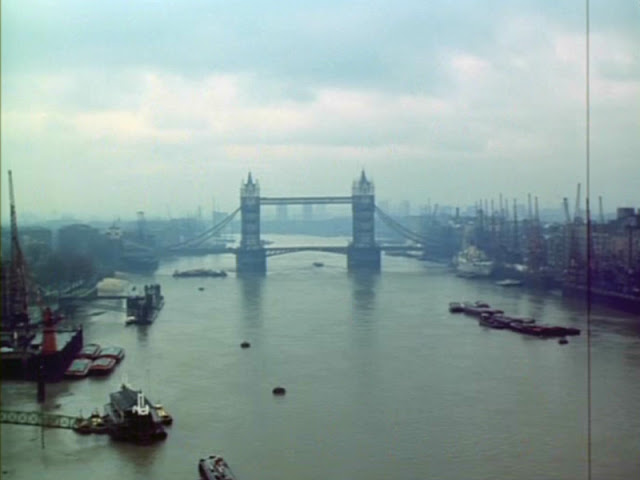
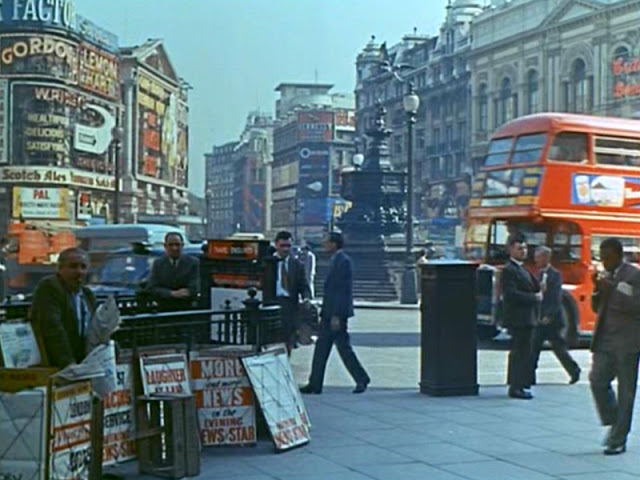
London has four World Heritage Sites: the Tower of London; Kew Gardens; the combined Palace of Westminster, Westminster Abbey, and St Margaret’s Church; and also the historic settlement in Greenwich, where the Royal Observatory, Greenwich defines the Prime Meridian (0° longitude) and Greenwich Mean Time. Other landmarks include Buckingham Palace, the London Eye, Piccadilly Circus, St Paul’s Cathedral, Tower Bridge, and Trafalgar Square. It has numerous museums, galleries, libraries and sporting venues, including the British Museum, National Gallery, Natural History Museum, Tate Modern, British Library, and West End theatres. The London Underground is the oldest rapid transit system in the world. (Wikipedia)
Toronto is the capital city of the Canadian province of Ontario. With a recorded population of 2,794,356 in 2021, it is the most populous city in Canada and the fourth most populous city in North America. The city is the anchor of the Golden Horseshoe, an urban agglomeration of 9,765,188 people (as of 2021) surrounding the western end of Lake Ontario, while the Greater Toronto Area proper had a 2021 population of 6,712,341. Toronto is an international centre of business, finance, arts, and culture, and is recognized as one of the most multicultural and cosmopolitan cities in the world.
Indigenous peoples have travelled through and inhabited the Toronto area, located on a broad sloping plateau interspersed with rivers, deep ravines, and urban forest, for more than 10,000 years. After the broadly disputed Toronto Purchase, when the Mississauga surrendered the area to the British Crown, the British established the town of York in 1793 and later designated it as the capital of Upper Canada. During the War of 1812, the town was the site of the Battle of York and suffered heavy damage by American troops. York was renamed and incorporated in 1834 as the city of Toronto. It was designated as the capital of the province of Ontario in 1867 during Canadian Confederation. The city proper has since expanded past its original limits through both annexation and amalgamation to its current area of 630.2 km2 (243.3 sq mi).
The diverse population of Toronto reflects its current and historical role as an important destination for immigrants to Canada. More than 50 percent of residents belong to a visible minority population group, and over 200 distinct ethnic origins are represented among its inhabitants. While the majority of Torontonians speak English as their primary language, over 160 languages are spoken in the city. The mayor of Toronto is elected by direct popular vote to serve as the chief executive of the city. The Toronto City Council is a unicameral legislative body, comprising 25 councillors since the 2018 municipal election, representing geographical wards throughout the city.
Toronto is a prominent centre for music, theatre, motion picture production, and television production, and is home to the headquarters of Canada’s major national broadcast networks and media outlets. Its varied cultural institutions, which include numerous museums and galleries, festivals and public events, entertainment districts, national historic sites, and sports activities, attract over 43 million tourists each year. Toronto is known for its many skyscrapers and high-rise buildings, in particular the tallest free-standing structure on land in the Western Hemisphere, the CN Tower.
The city is home to the Toronto Stock Exchange, the headquarters of Canada’s five largest banks, and the headquarters of many large Canadian and multinational corporations. Its economy is highly diversified with strengths in technology, design, financial services, life sciences, education, arts, fashion, aerospace, environmental innovation, food services, and tourism. Toronto is the third-largest tech hub in North America after Silicon Valley and New York City, and the fastest growing. (Wikipedia)
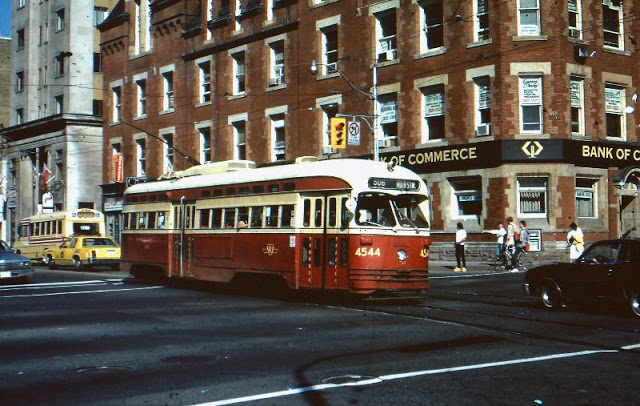
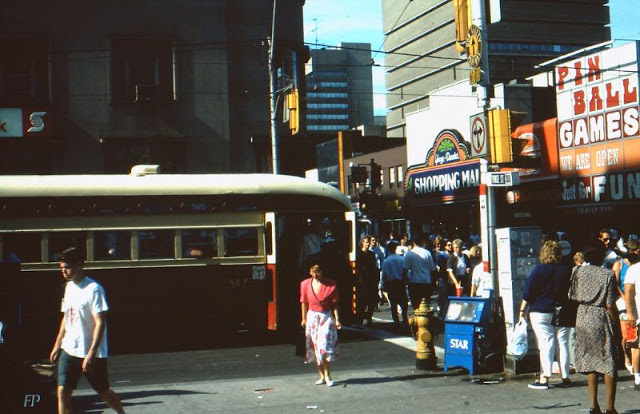
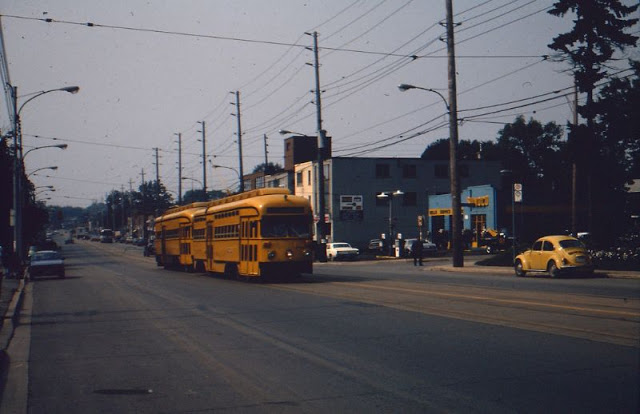
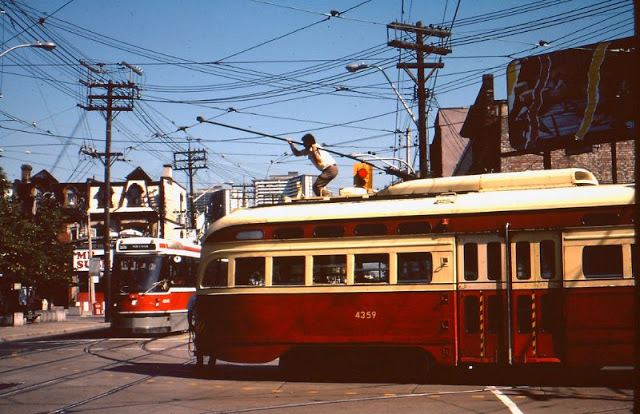
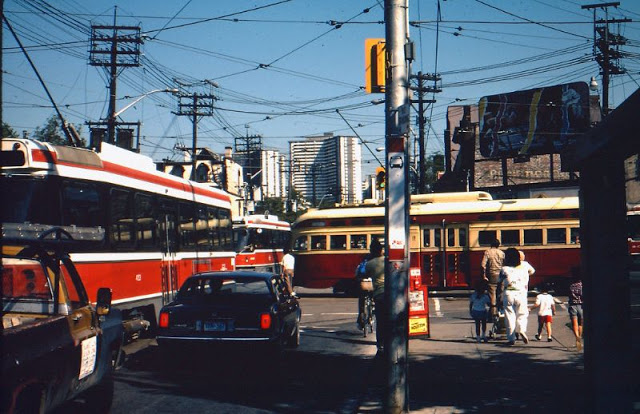
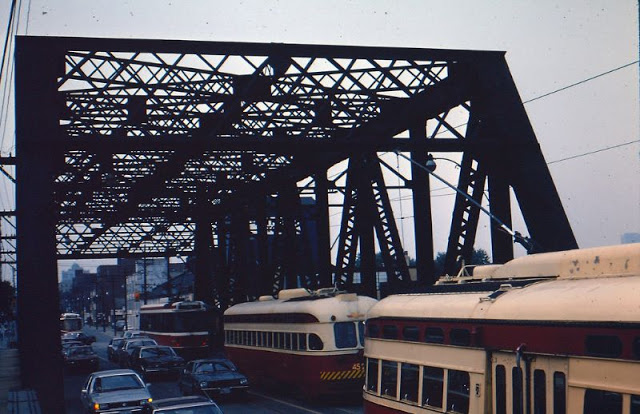
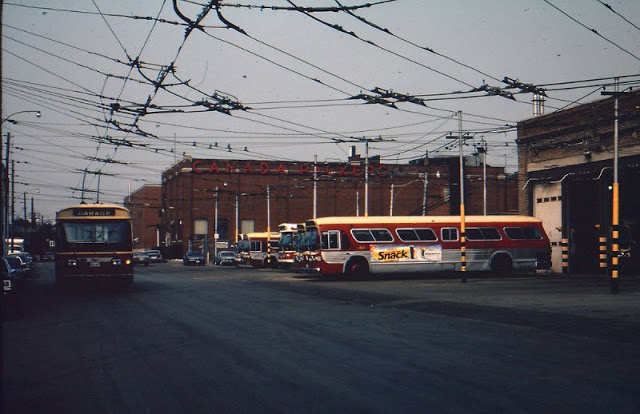
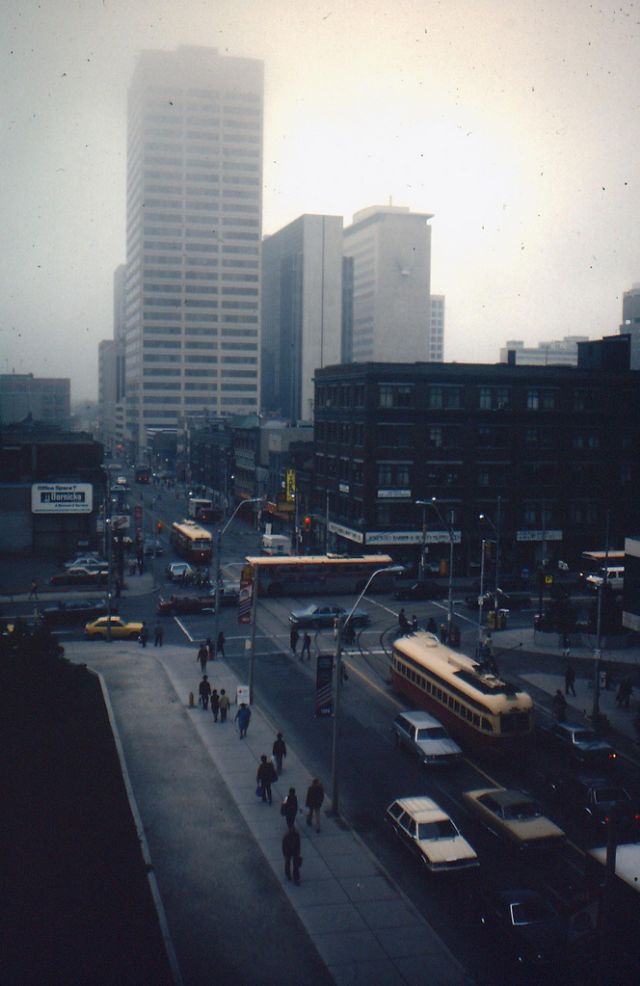
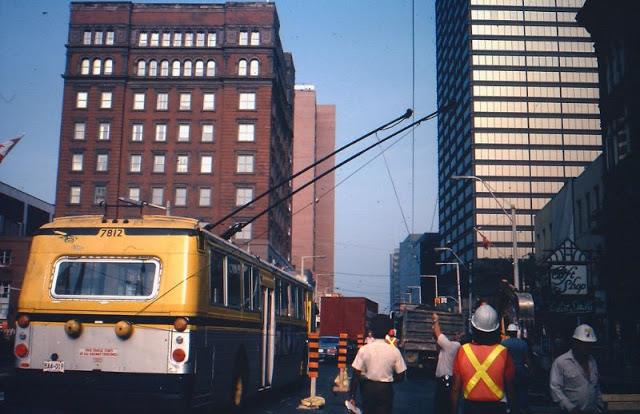
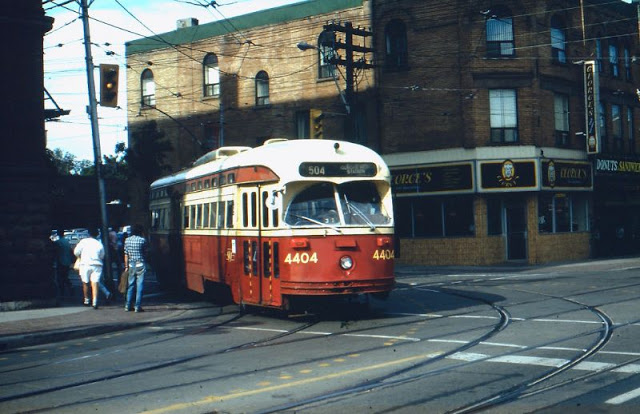
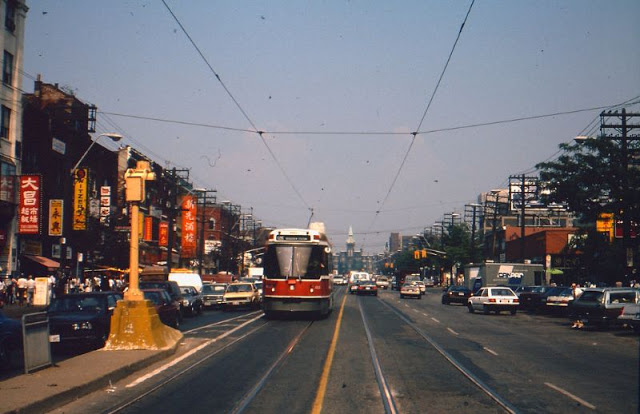
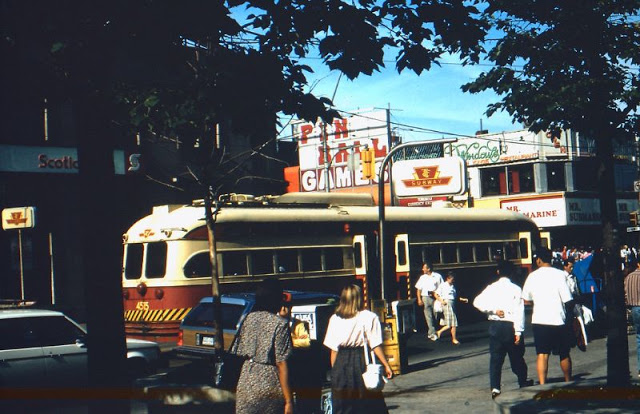
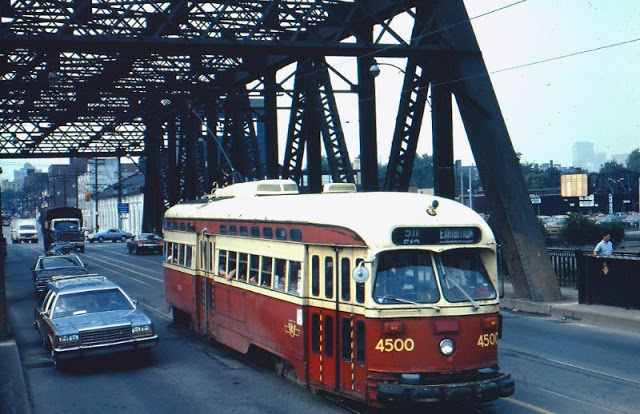
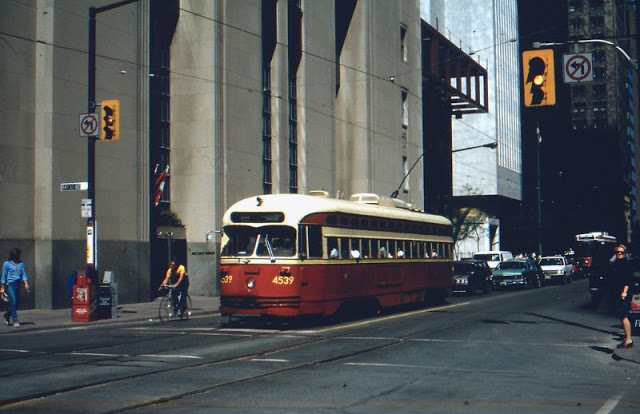
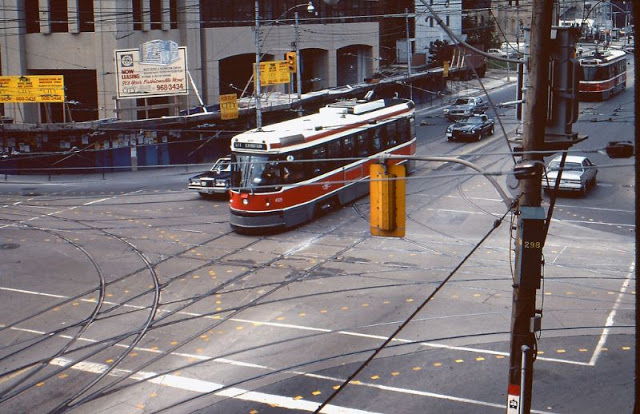
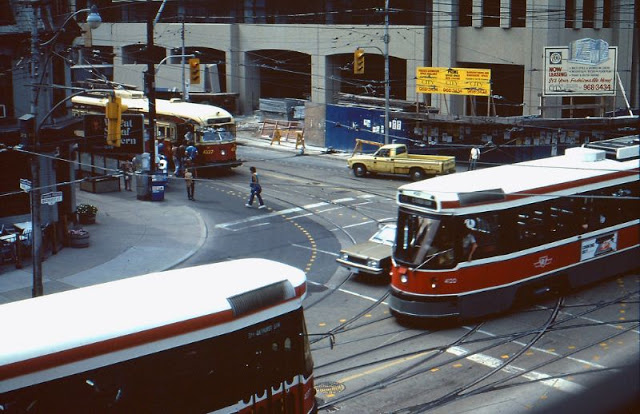
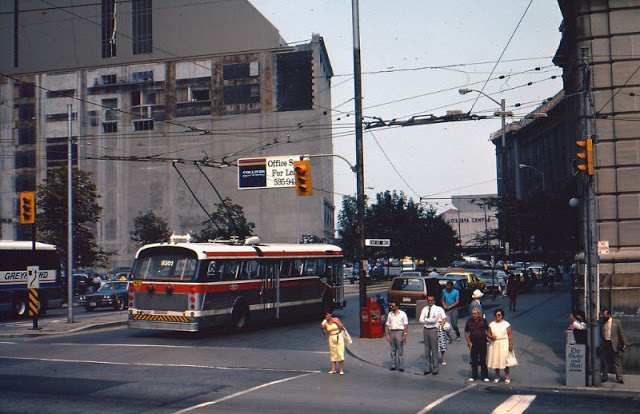
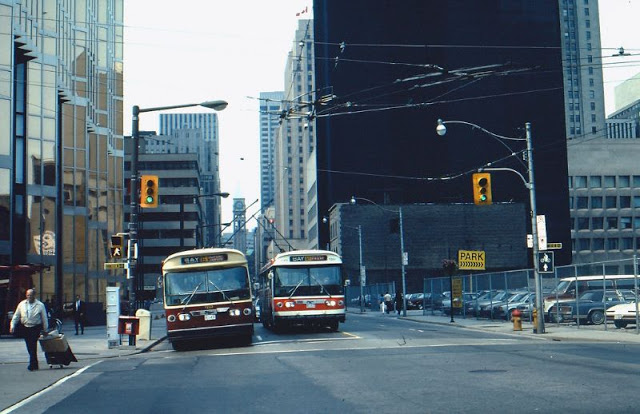
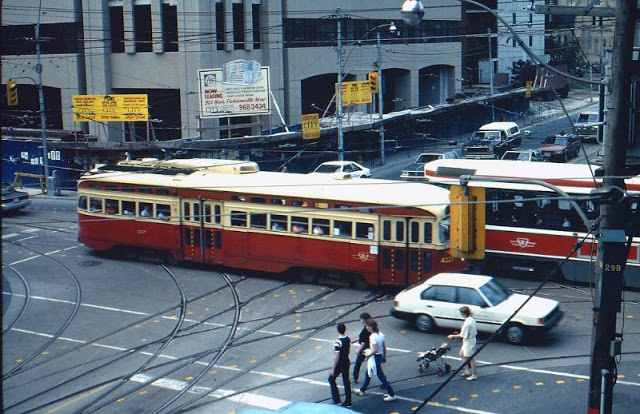
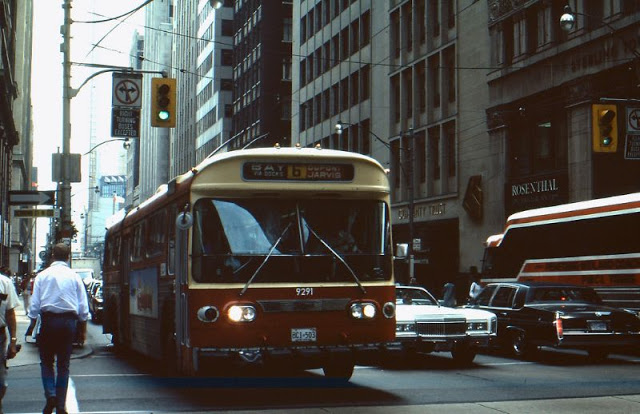
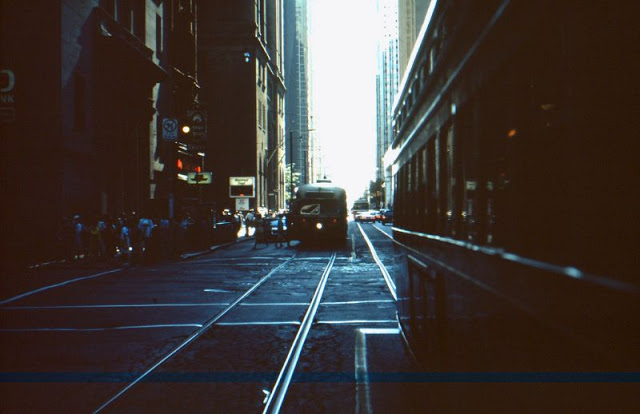
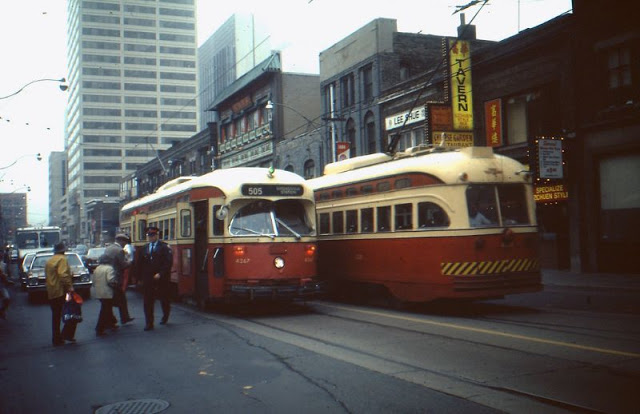
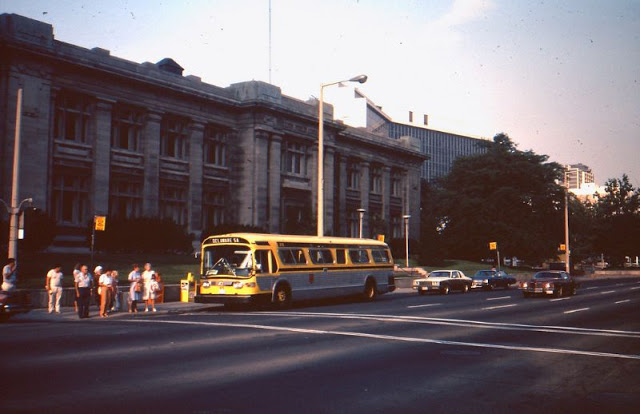
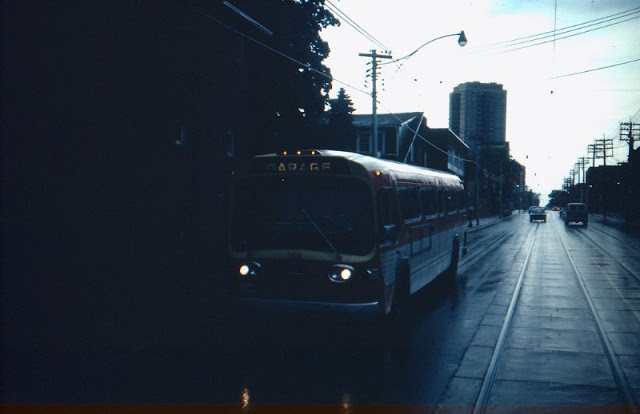
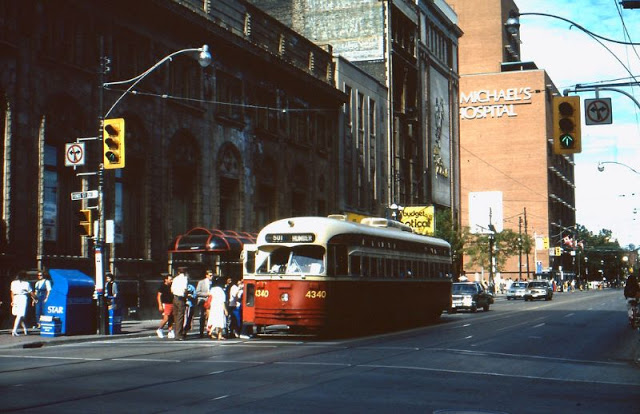
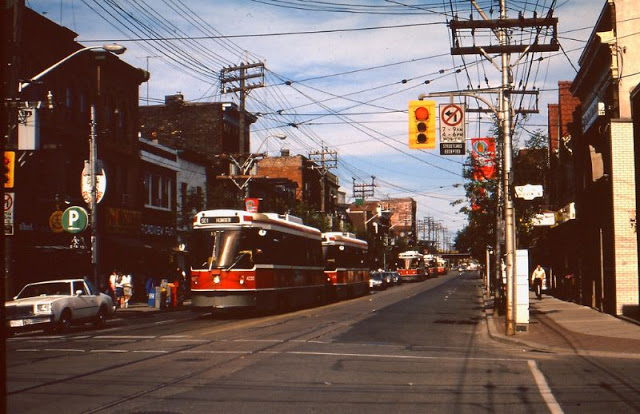
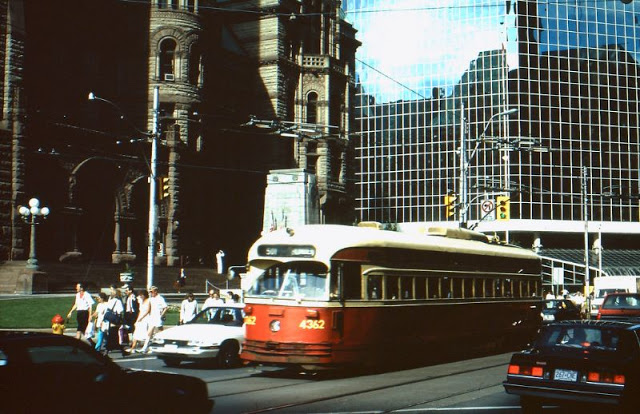
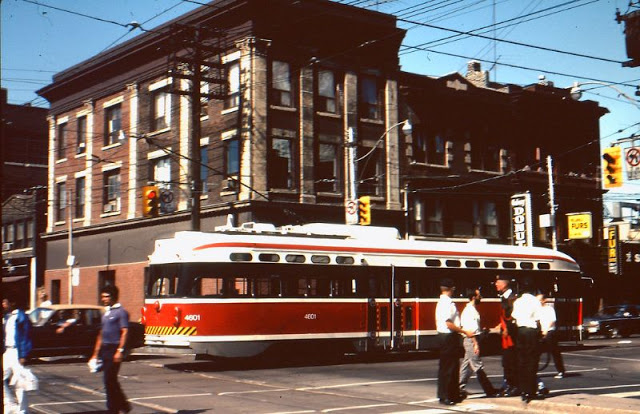
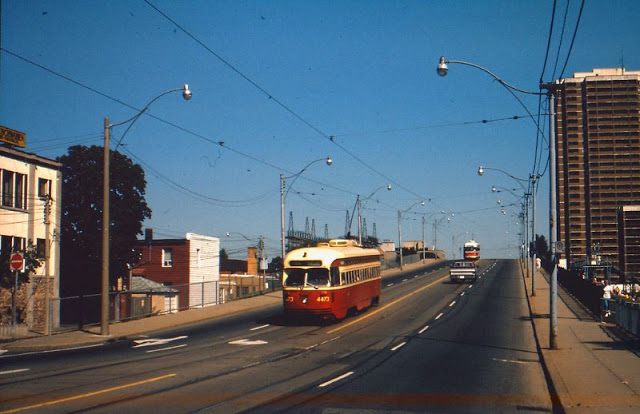
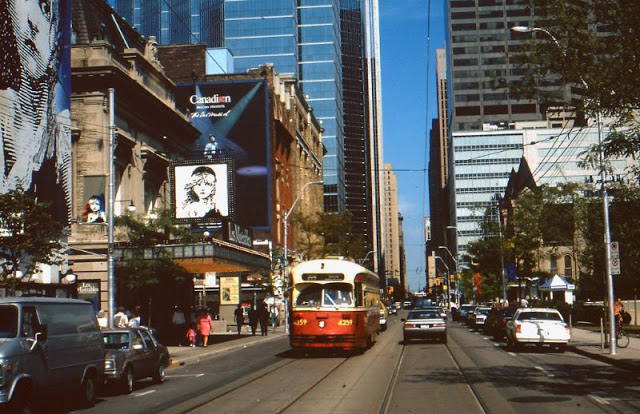
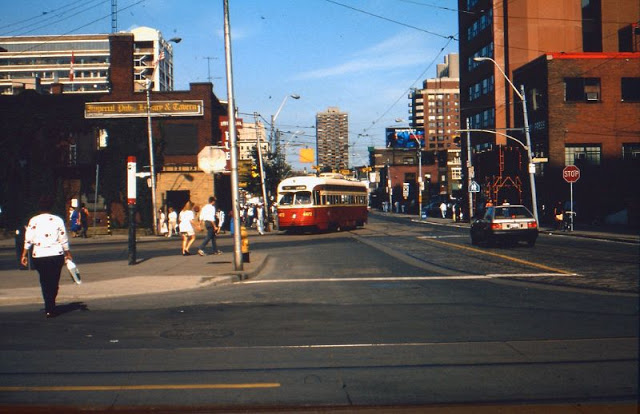
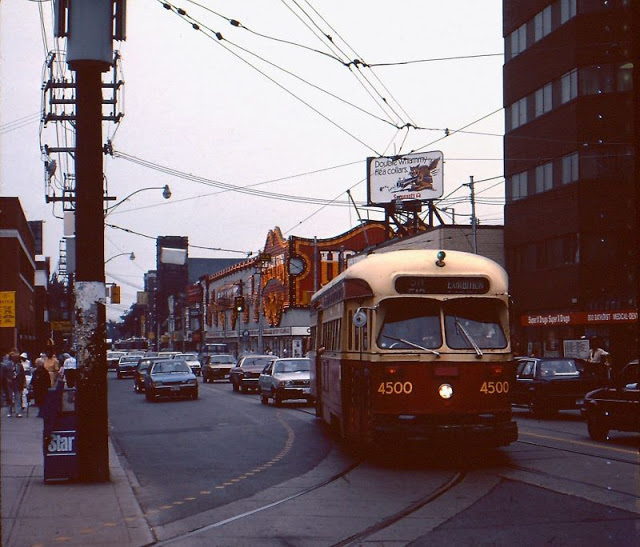
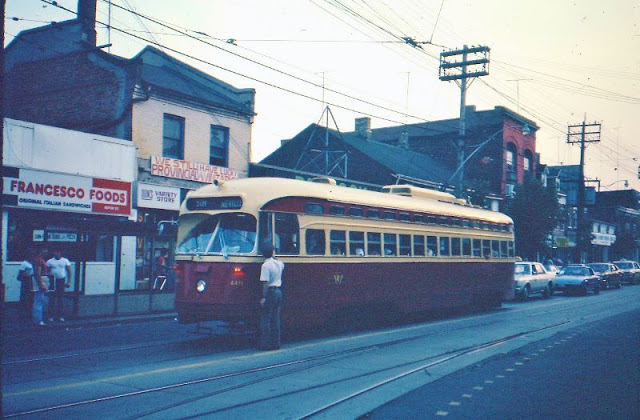
A fascinating photo collection that shows transportation in Toronto during the 1980s.
St. Joseph’s College (SJC) is a liberal arts college in New York State, with campuses located in the Clinton Hill area of Brooklyn, and in Patchogue, Long Island.
Established in 1916 and originally named St. Joseph’s College for Women, the college was founded by the Sisters of St. Joseph of Brentwood, in response to the need for a day college for young women. It is the only historical women’s college in the borough of Brooklyn, NY.
In 1970, a Charter amendment changed the name to St. Joseph’s College and enabled the college to admit the first male students to full matriculation.
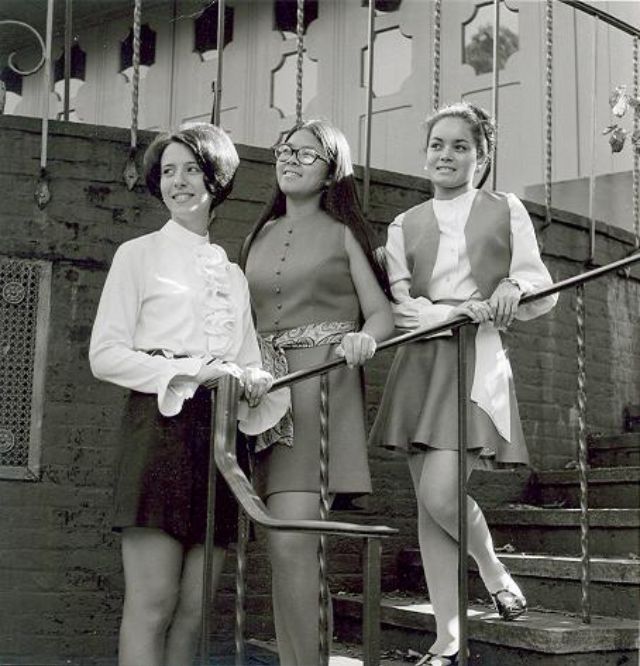
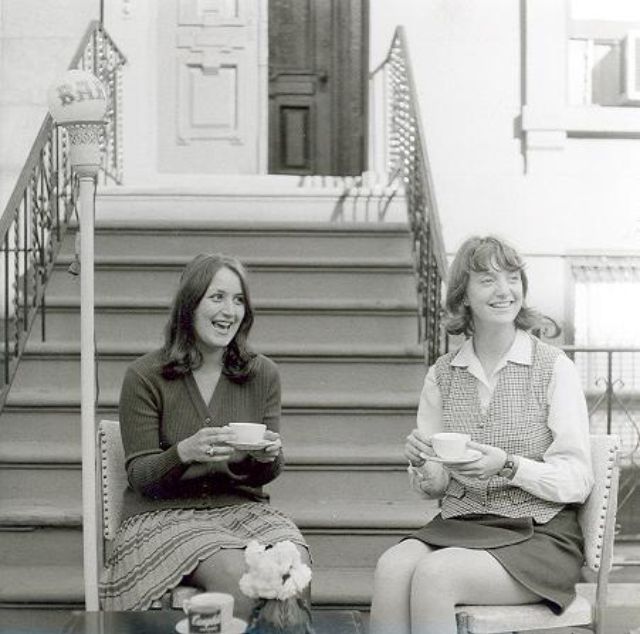
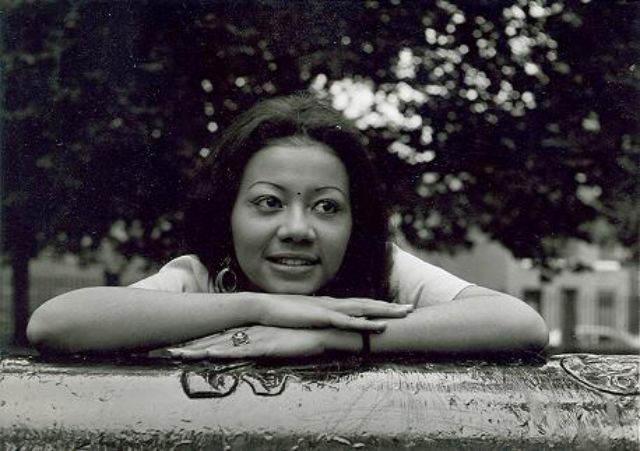
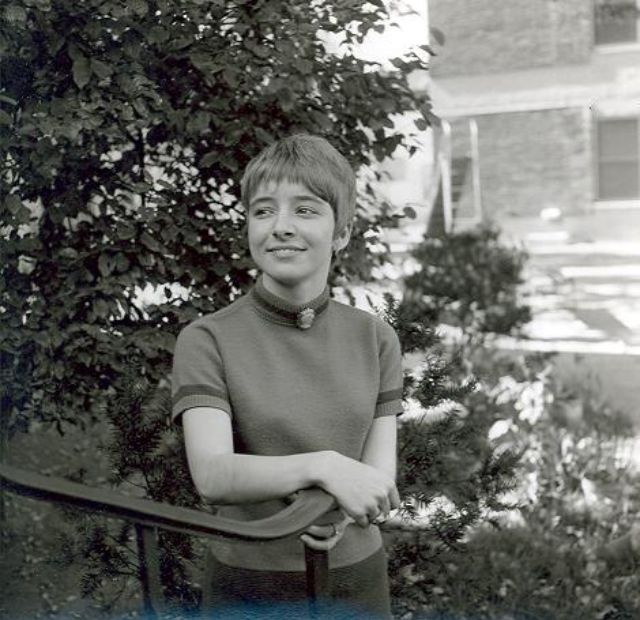
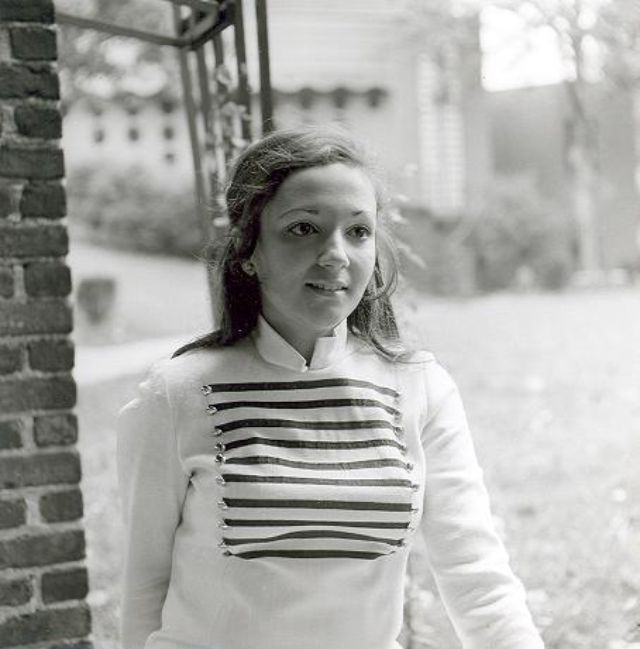
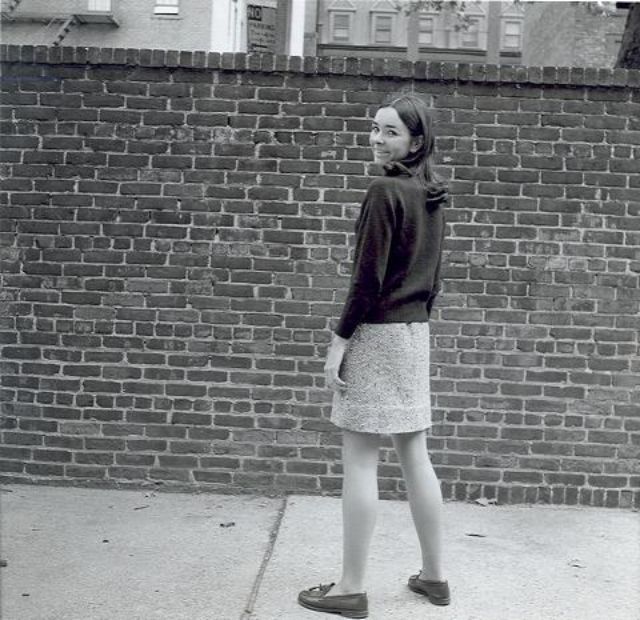
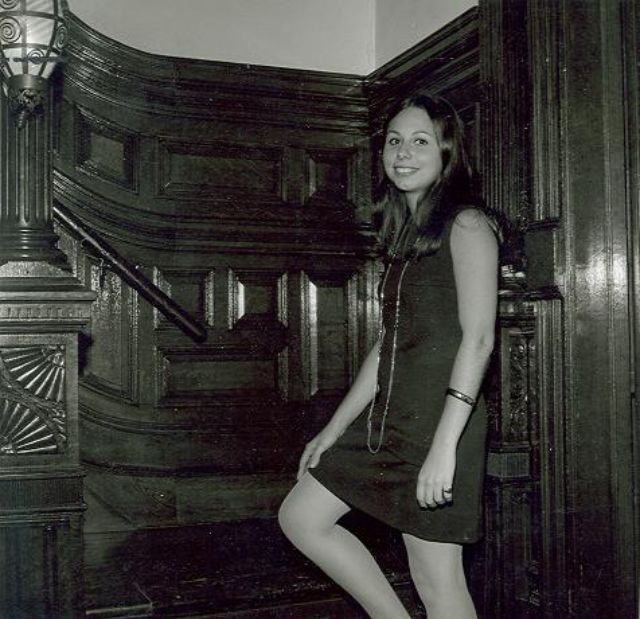
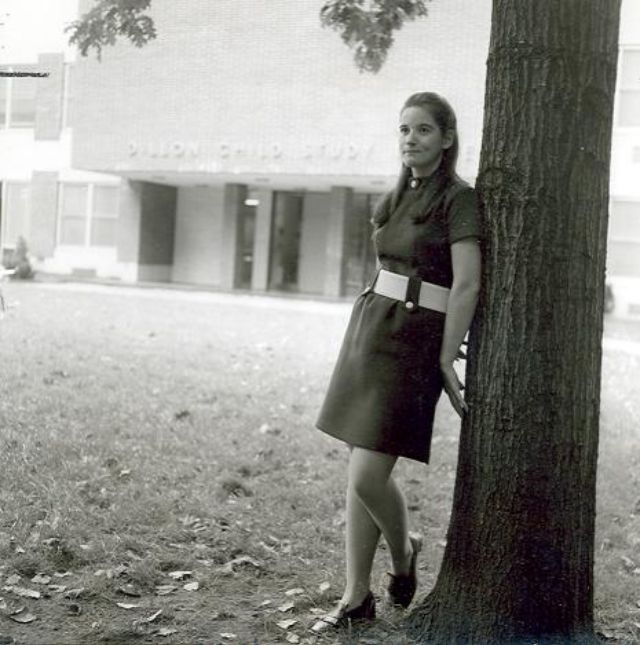
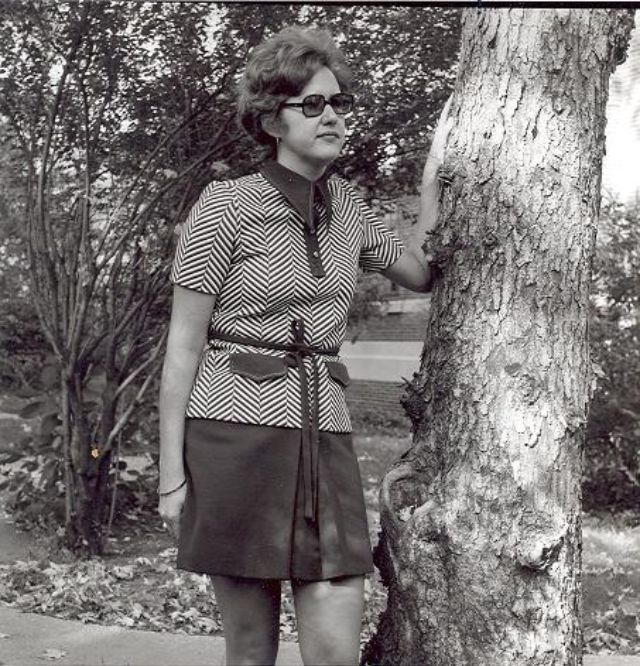
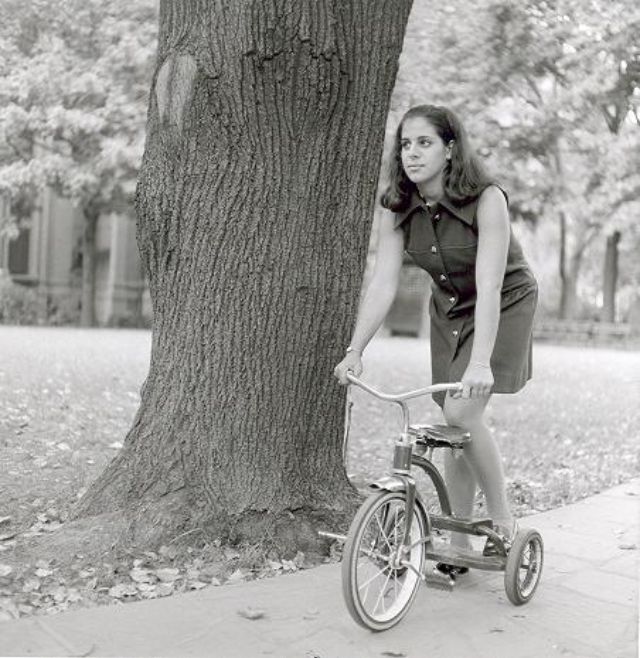
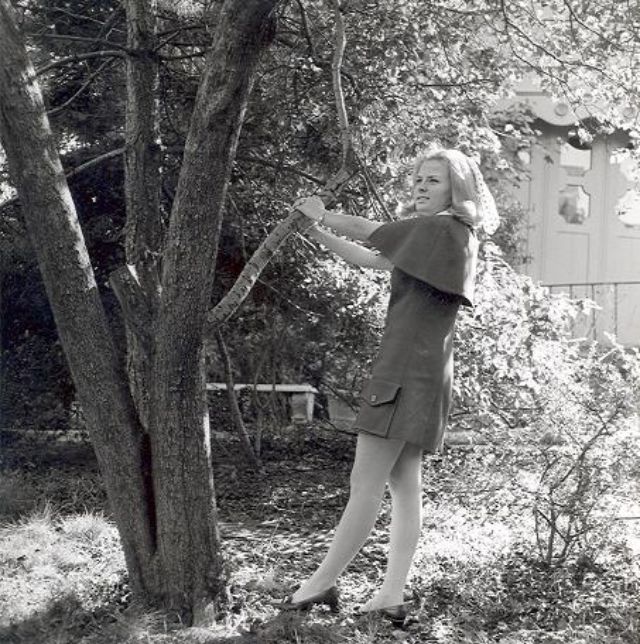
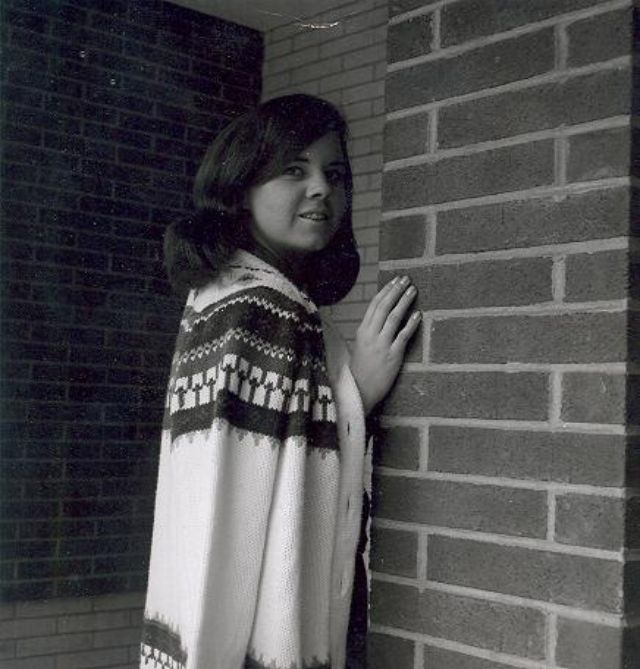
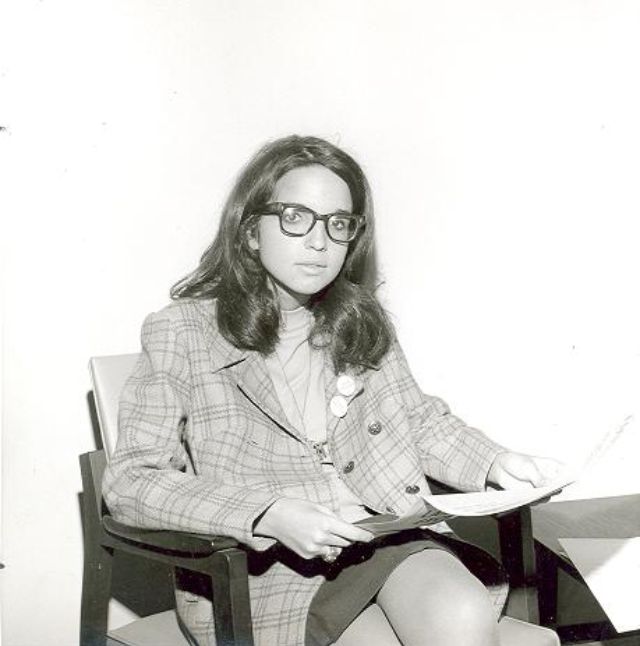
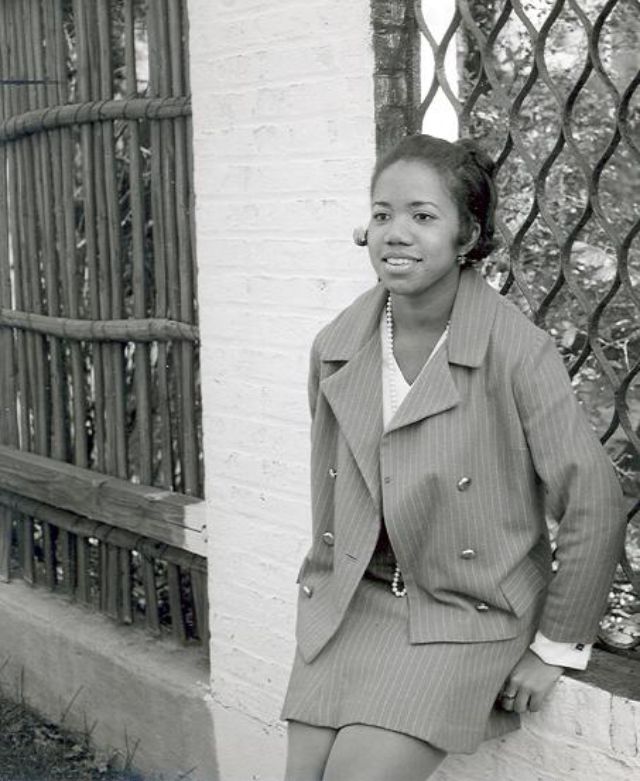
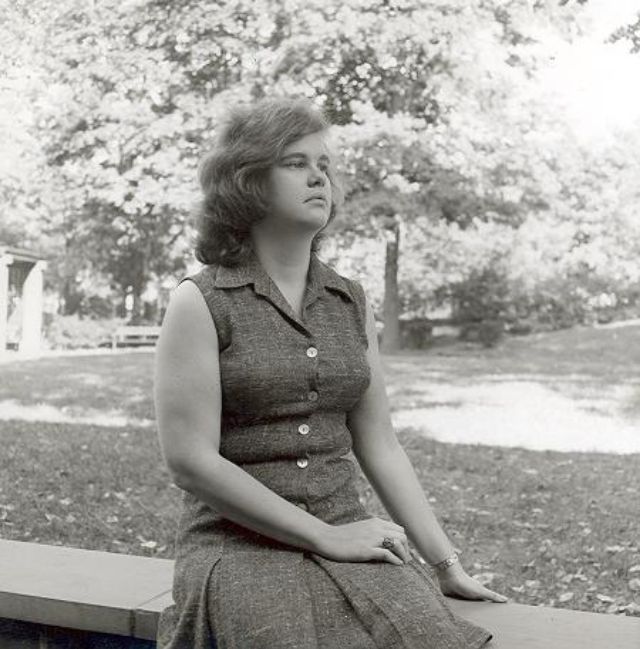
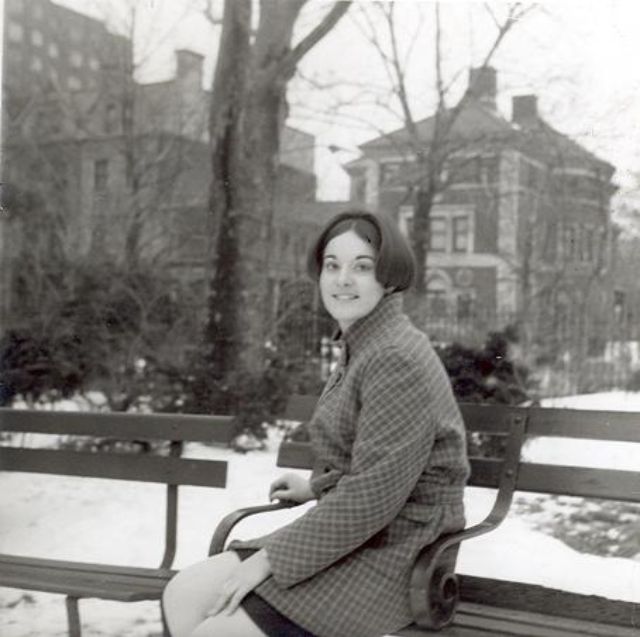
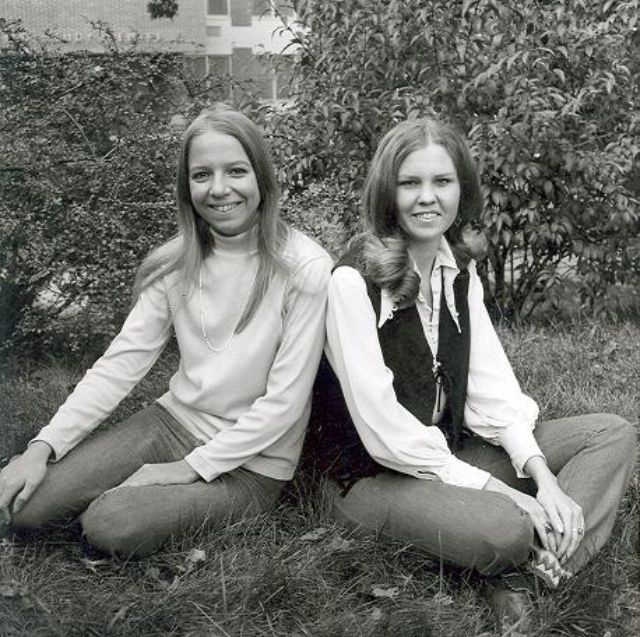
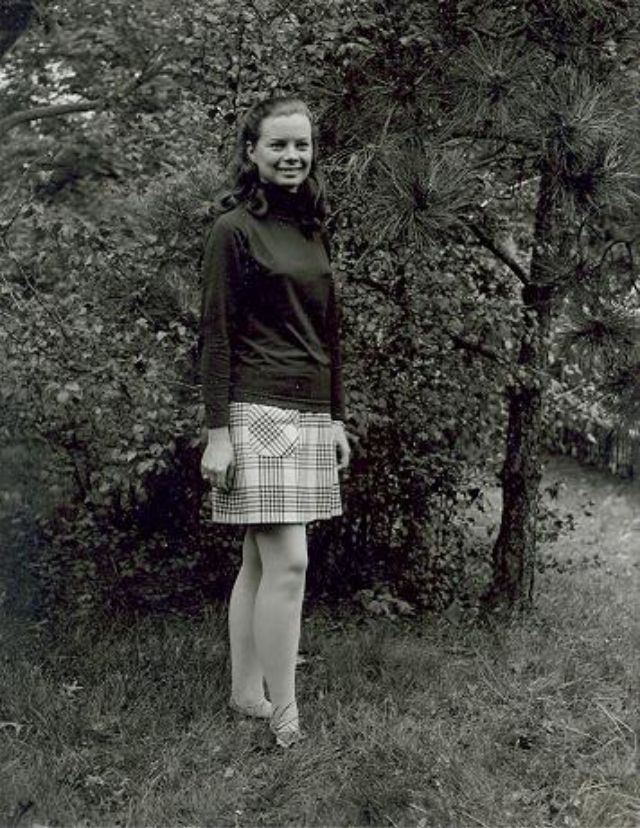
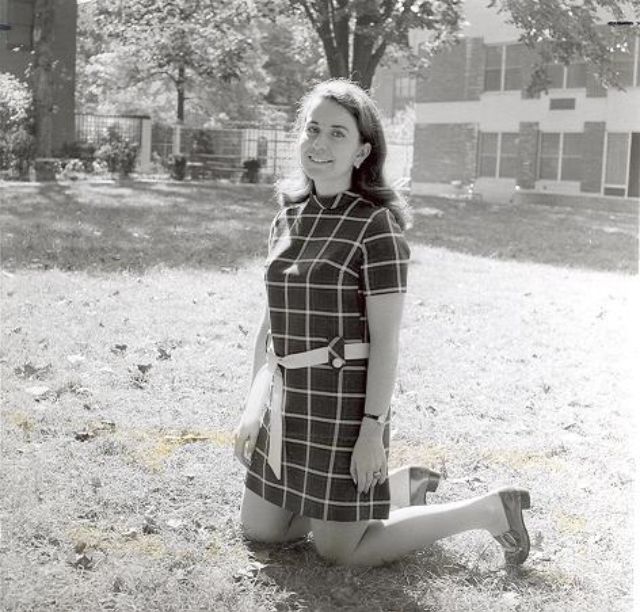
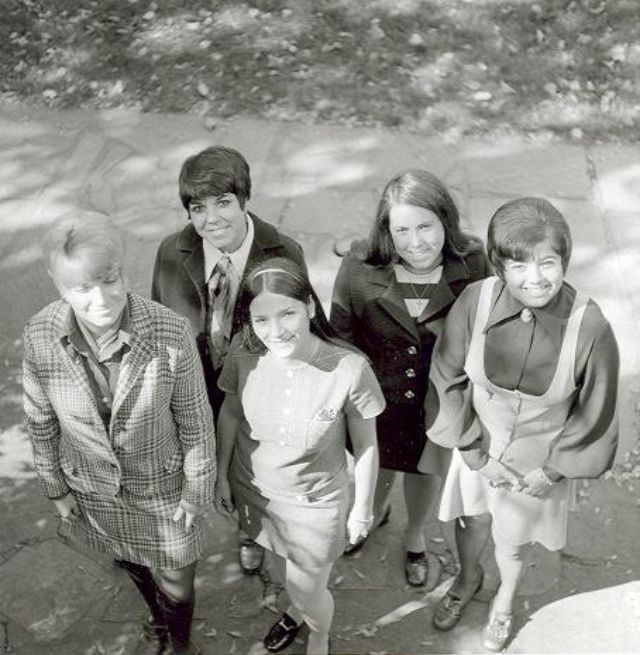
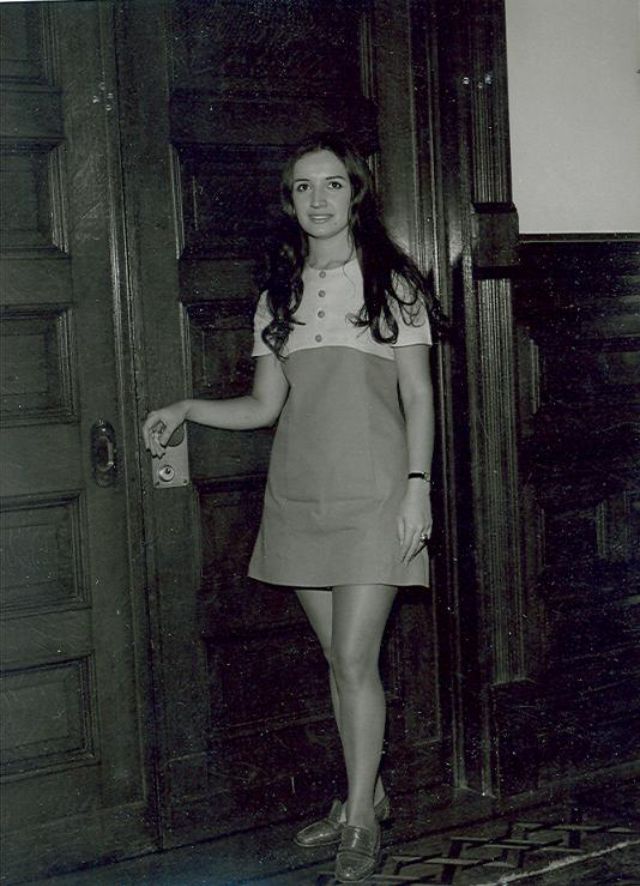
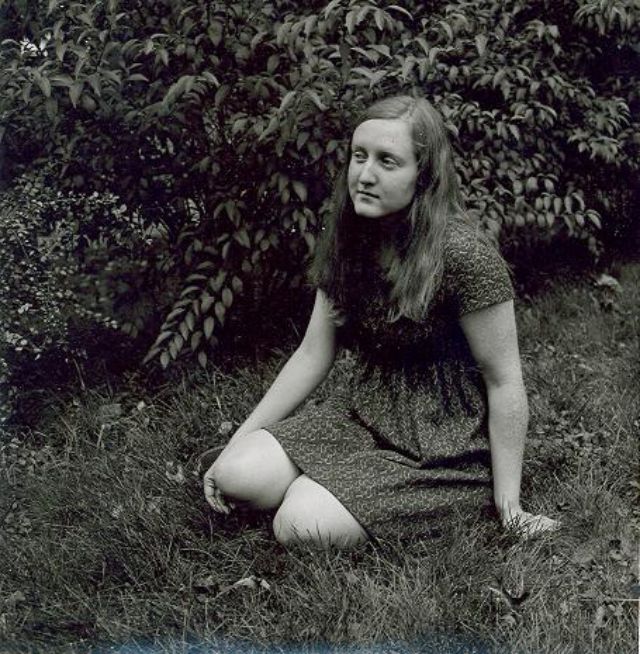
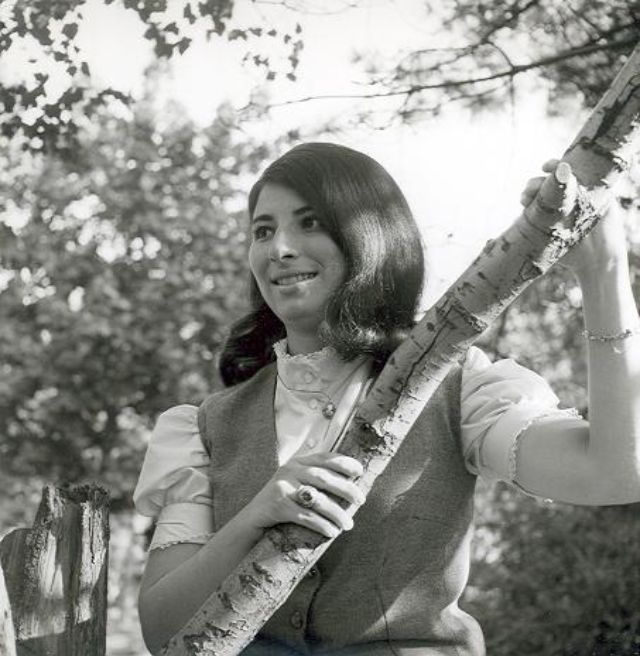
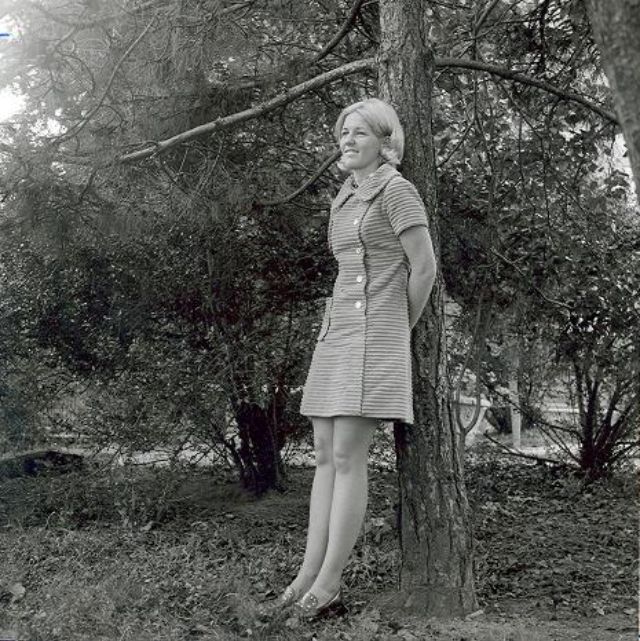
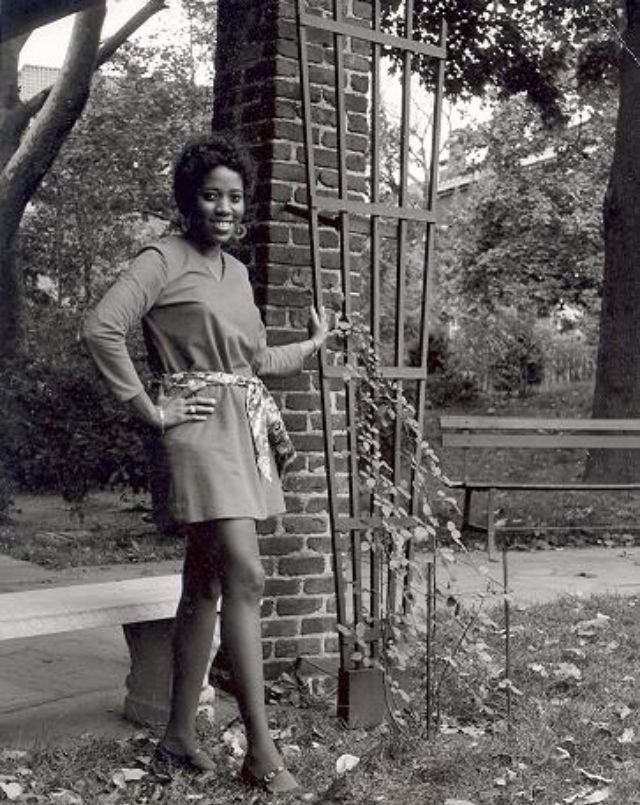
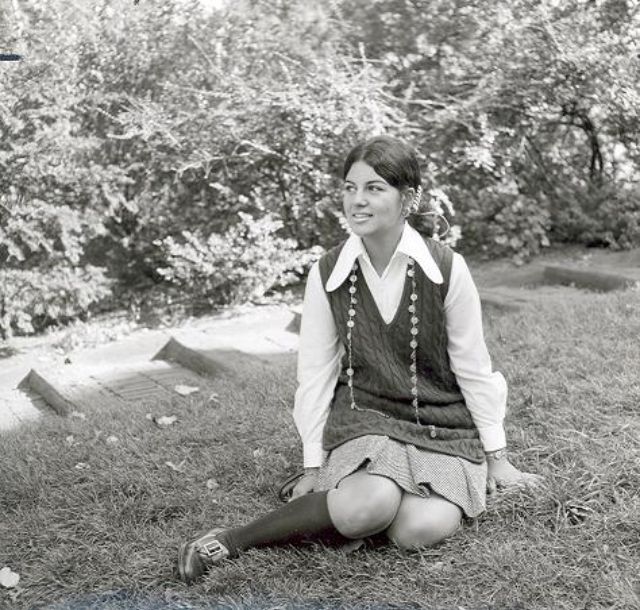
These cool yearbook photos show female students of St. Joseph’s College on February 20th, 1970, just before the college allowed first male students.
Mary Maroney, Nancy Lee Miller, Maryann Holzderber, Josephine Ann MerolaMary MoneMary Panepinto, Janet Louey and Zully ColonMaryann JurgensonMaureen O’DwyerMichele Azenaro and Joan SquassoniMichele MarciglianoPatricia McDermottPeggy VoltaireRita LyonsStina ColomboSusan HalperinValerie WertzAlberta D’afflisioAnne Marie RafterAnne Philomena DelaneyAntoinette VasileArlene RossattiAvona-Cile MortonBarbara GallagherBarbara PulaskiCarol GilibertoCathy CollinsCathy DiSilvestriChris BoutrossClaudia MajetichCookie SpellmanDiane RenckDorothy BauccioEileen MacnamaraEileen PlatzEileen SchaederEleanor WrightEllen Farrel (seated), Debbie Ambrose (center) and Pat PiacenteFran Rose CarusoFran StavolaGeorgette AlexanderGeraldine AnnucciGinny SchnellerJane Free and Carol FitzsimmonsJanice MaffeiJoann Forte and Mary Lynn DavJoanne EdwardsJoanne ProsperoJoyce ConstantiniJuliana Uvino, Pat Sullivan, Fran Musumeci and Carol McGlennJuliette FerraraKaren Thoens and Elaine GrasseKathleen Ann ConwayKathy Ott, Cookie Mancuso, Maria Parascandola, Mary Ellen Cunningham, Amelia AbagnaloLinda AbisalehLinda Salamy and Mary Czubakowski with two childrenLissette StasseMadeline DiLorenzoMargaret MinsonMaria O’ReillyMarilyn IndelicatoMary Bradley
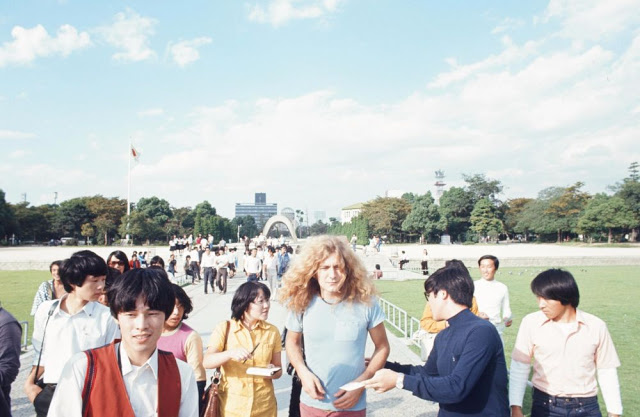
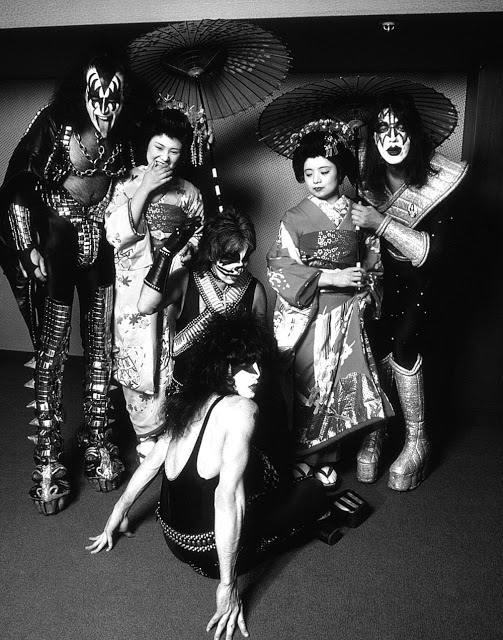
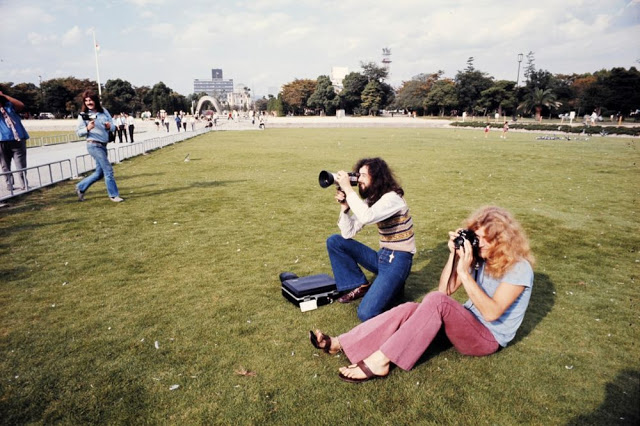
When Led Zeppelin arrived in Japan for a 1971 tour less than two months before the release of their fourth album, it was a time of great excitement for the band and for rock ’n’ roll in the land of the rising sun. Zep was one of the first big Western groups to visit, and the lads were welcomed with open arms during their five-gig stint—the more so after their September 27 benefit show for victims at Hiroshima. The city’s mayor even bestowed on the band an honorary medal, leading the ever introspective Jimmy Page to ponder: “It made me think long and hard about the concept of war and its concentrated horror.”
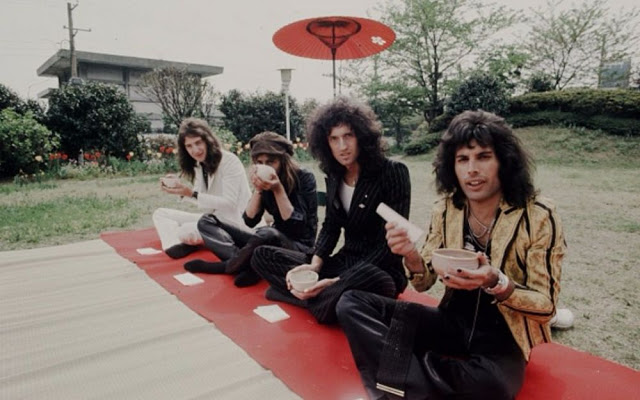
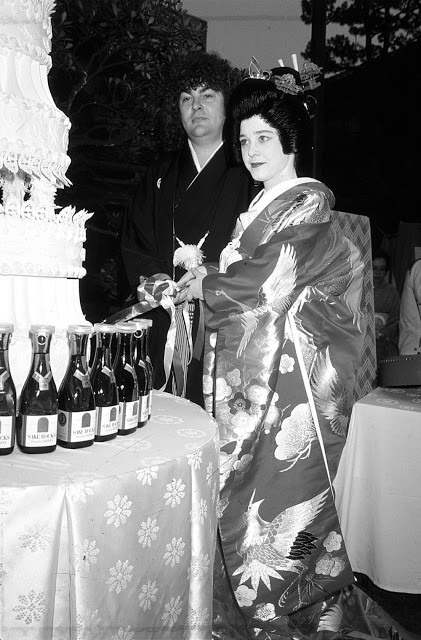
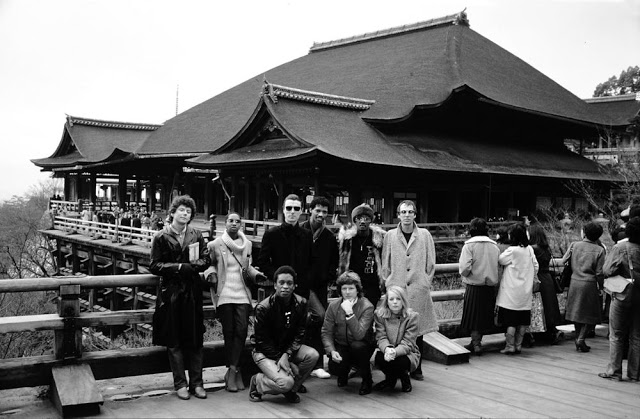
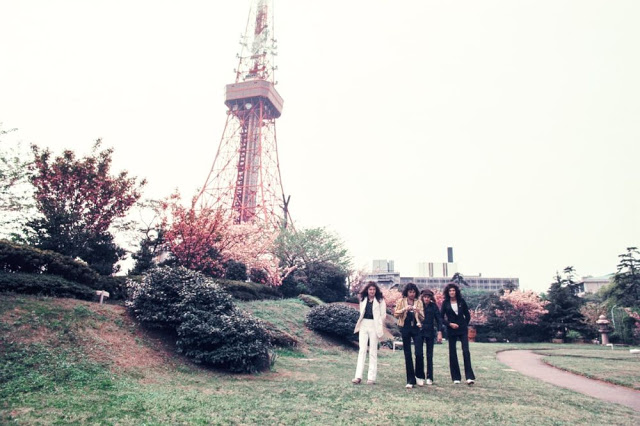
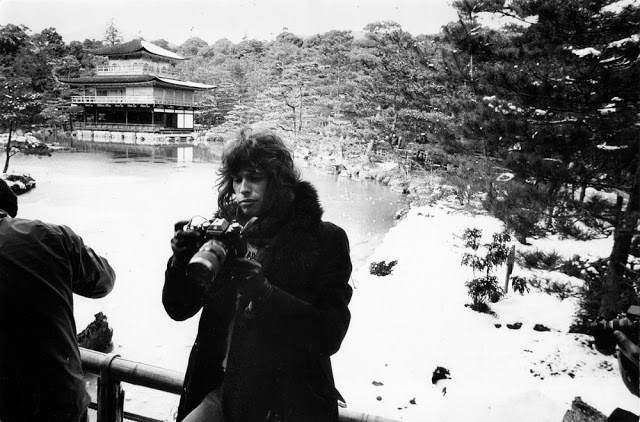
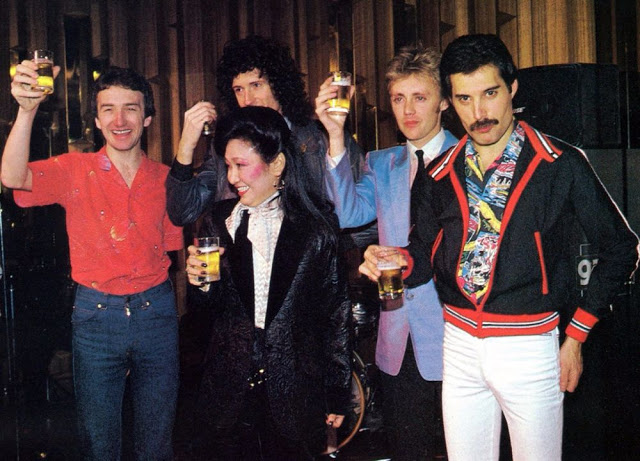
With its reputation for gracious hosting, a hip and young population, and number of large cities, Japan may be the ideal location for any band’s foreign tour. And if you were a visiting rock star in the 1970s or 80s, there’s a good chance your publicist would have scheduled you for a photo shoot with local photographer Koh Hasebe. Hasebe worked for Japanese music publisher Shinko Music and, starting with the Beatles in 1965, he photographed just about every major musician to visit Japan. “It was just as Western artists began to visit Japan, and I somehow became the go-to guy to document tours,” Hasebe recalled in a 2015 Rolling Stone interview.
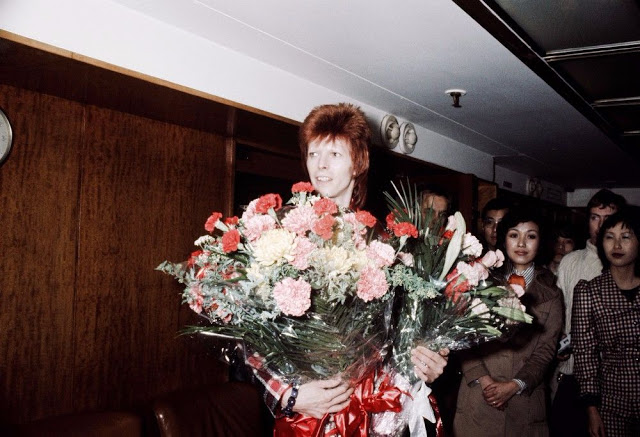
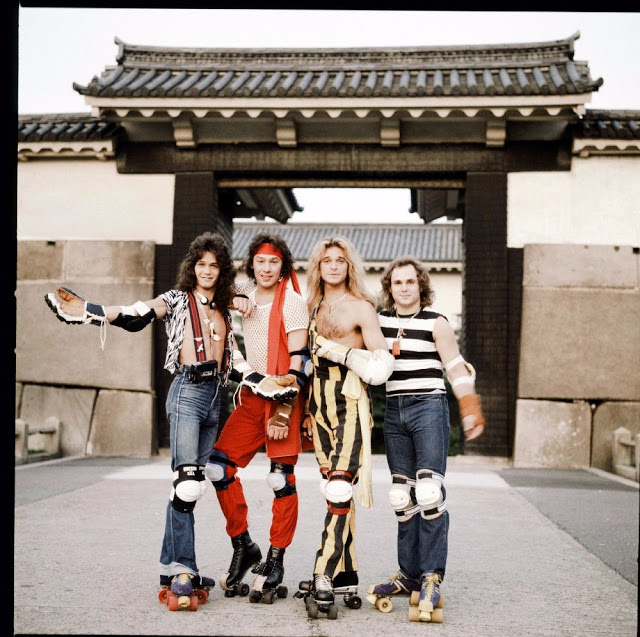
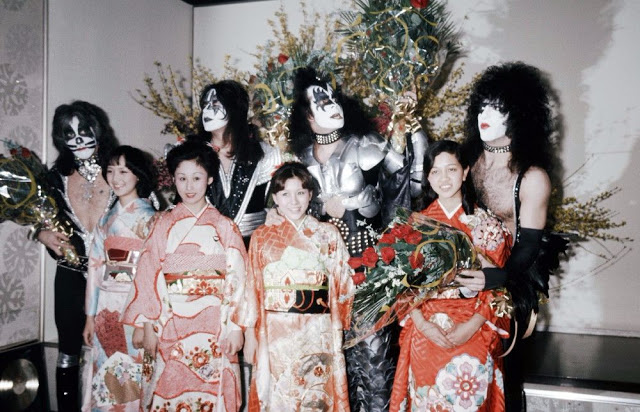
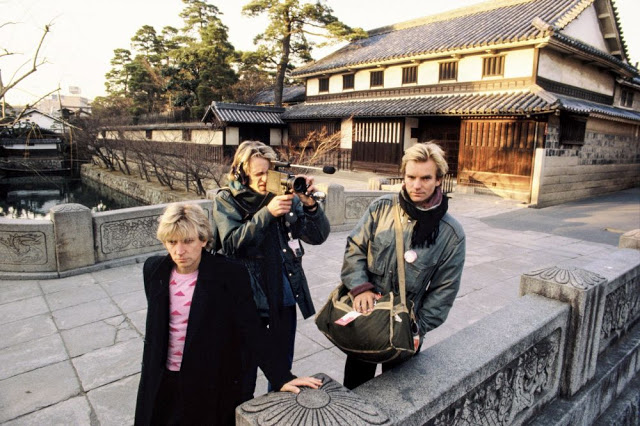
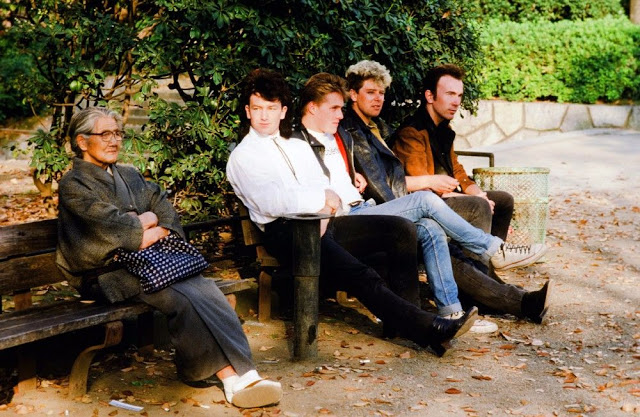
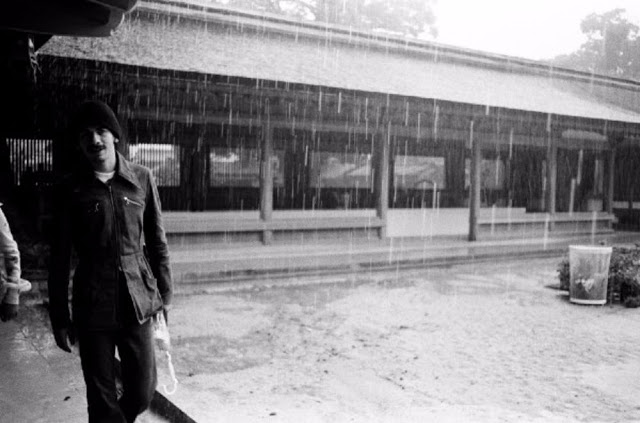
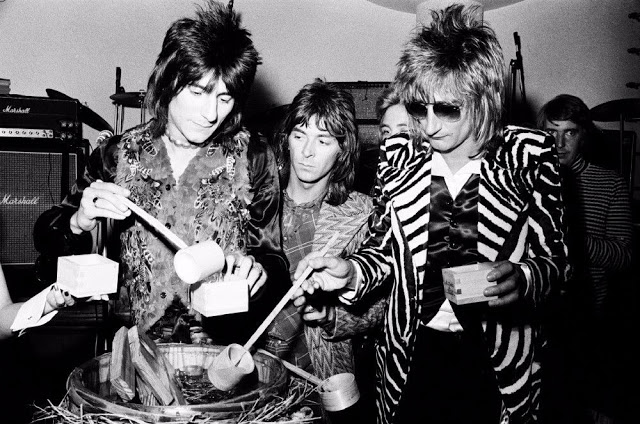
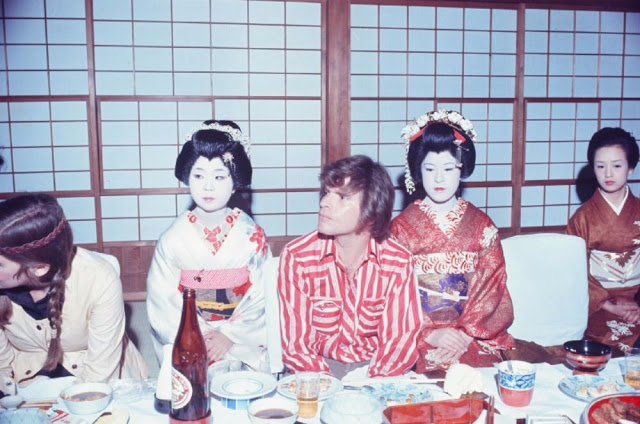
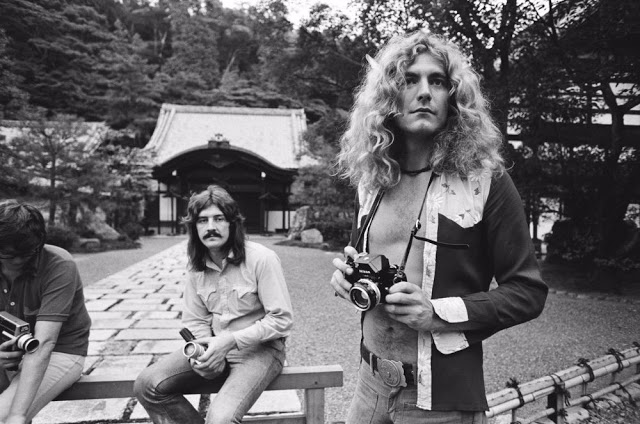
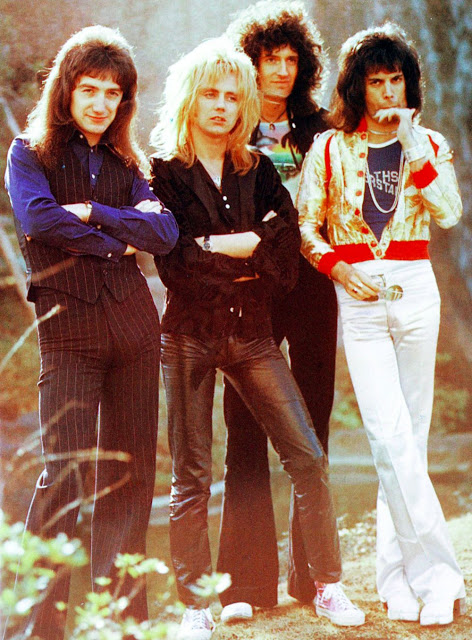
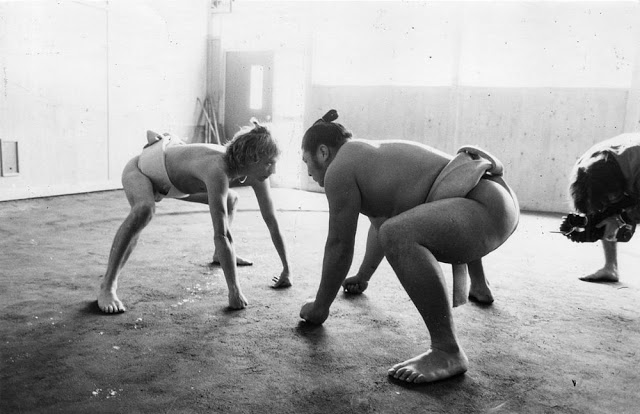
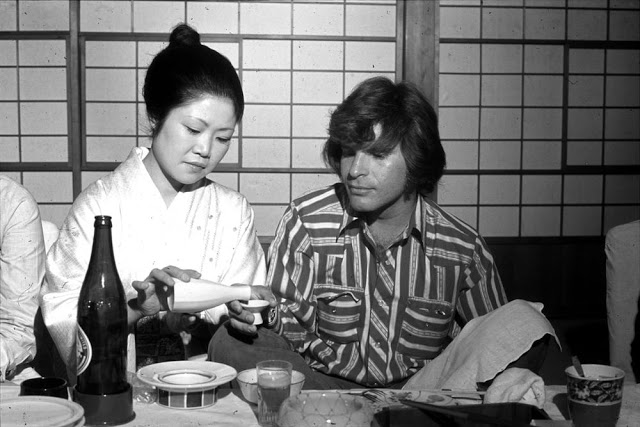
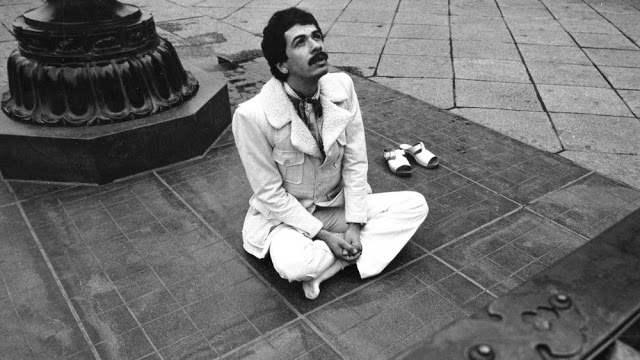
The band ‘Japan’ on a rainy day in Kyoto, Japan, in February 1981.David Bowie at a press conference in Tokyo, April 5, 1973.Van Halen posing with roller skates in the Osaka Castle Park, Osaka, September 1979.Kiss are presented with flowers by women in kimono at a welcome reception in Tokyo, March 1977.The Police in the city of Kurashiki, Okayama, January 1981.Led Zeppelin on a day off in Hiroshima, September 1971.U2 at Shinjuku Central Park, Tokyo, November 1983.Santana at Dazaifu Tenmangu, June 26th, 1973.Rod Stewart, Ron Wood, and Ian Mclagan of The Faces drinking sake at a reception for the band in Tokyo, April 1974.John Fogerty and the Creedence Clearwater Revival being entertained by Geisha at a dinner in Tokyo, February 1972.Led Zeppelin at a shrine in Hiroshima, September 26th, 1971.John Lydon in Akasaka, Tokyo, June 1983.Kate Bush in Tokyo, June 1978.Queen in the hotel garden, Tokyo, April 22, 1975.Queen in a Japanese garden, Tokyo, March-April, 1976Kiss, Tokyo, 1978.Suzi Quatro and Len Tuckey, Tokyo, 1978.Talking Heads, Kyoto, 1981.Queen strolling in a Japanese garden, Tokyo, April 22, 1975.The Police’s Andy Summers, Tokyo, 1981.John Fogerty, Tokyo, 1972.Carlos Santana in Kamakura, 1974.Led Zeppelin on a day off in Hiroshima, September 1971.Steven Tyler in Kyoto, 1977.Queen and Misa Watanabe in Tokyo, February 13, 1981.
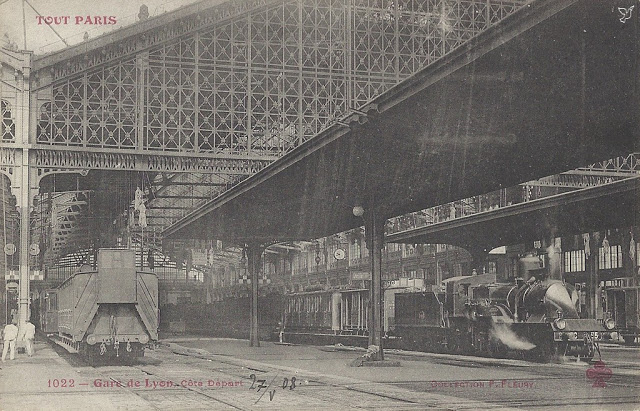
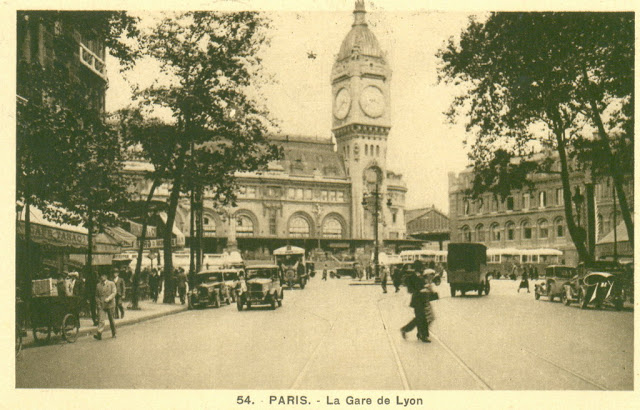
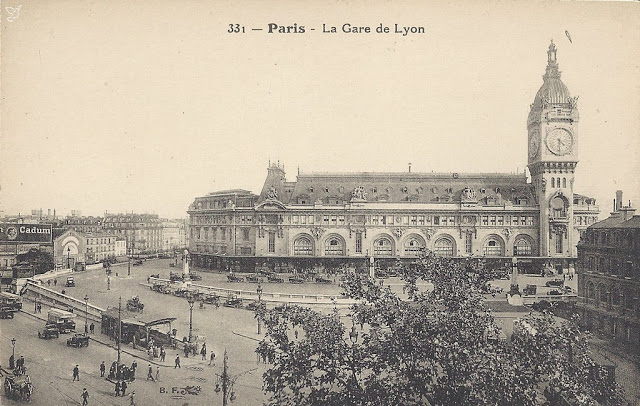
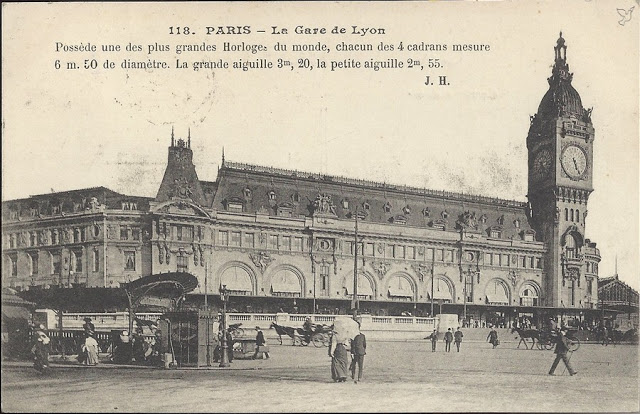
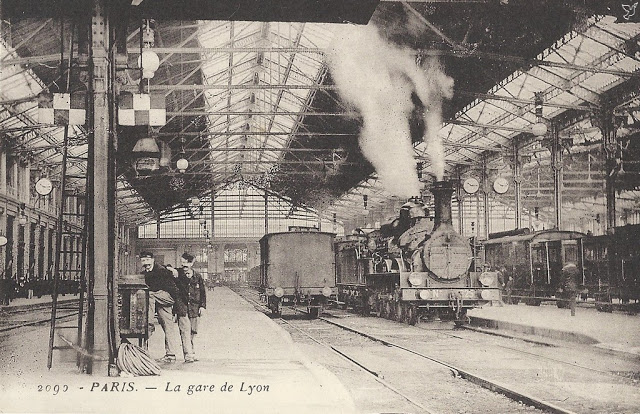
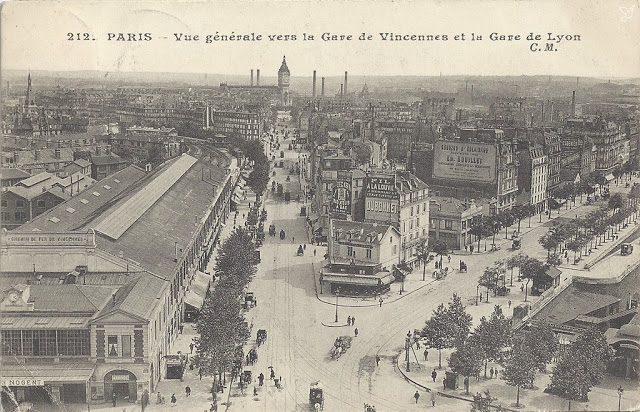
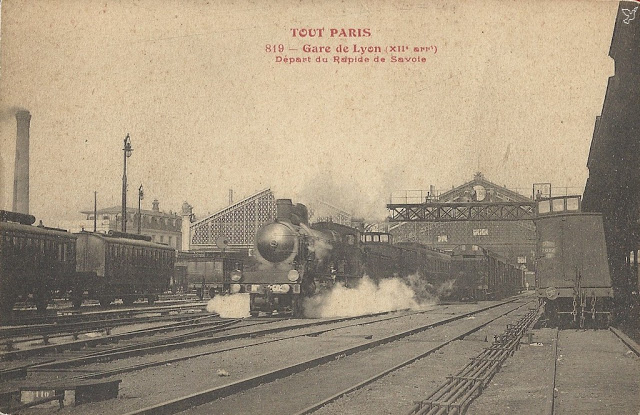
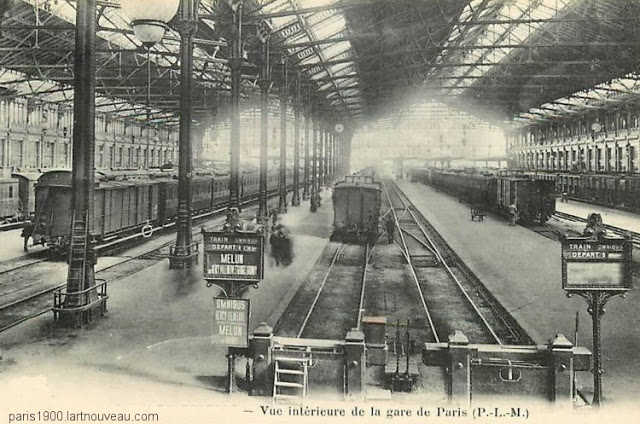
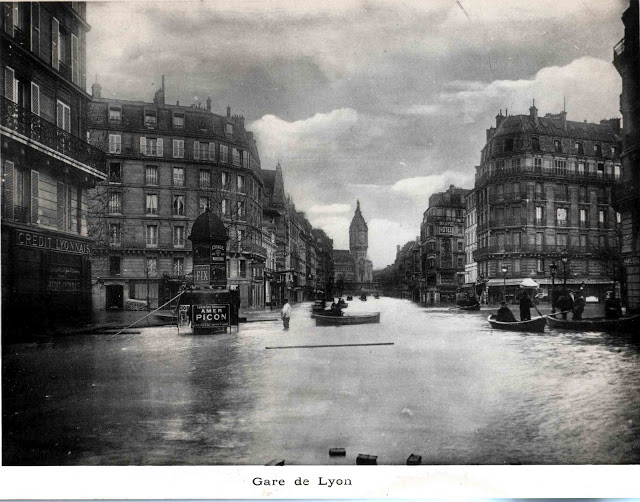
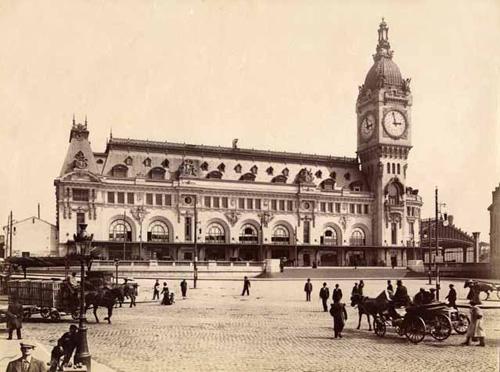
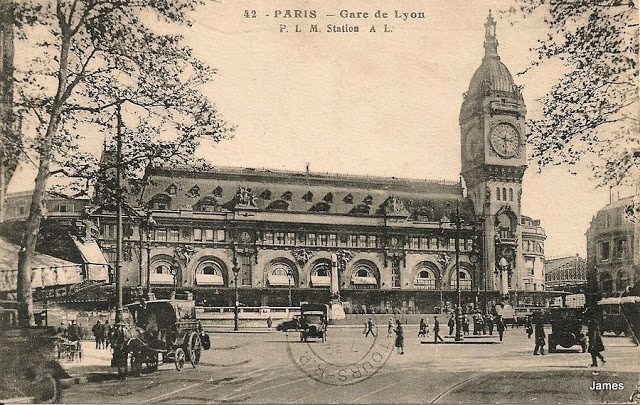
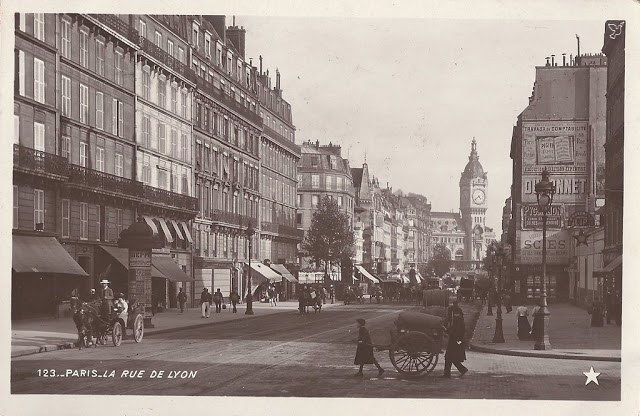
The Gare de Lyon (Station of Lyon), officially Paris-Gare-de-Lyon, is one of the six large mainline railway station termini in Paris, France. It handles about 90,000,000 passengers every year, making it the third busiest station of France and one of the busiest of Europe. It is the northern terminus of the Paris–Marseille railway. It is named after the city of Lyon, a stop for many long-distance trains departing here, most en route to the south of France. The station is located in the XIIe arrondissement, on the north bank of the river Seine, in the east of Paris.
The station was built for the World Exposition of 1900. On multiple levels, it is considered a classic example of the architecture of its time. Most notable is the large clock tower atop one corner of the station, similar in style to the clock tower of the United Kingdom Houses of Parliament, home to Big Ben.
The station houses the Le Train Bleu restaurant, which has served drinks and meals to travelers and other guests since 1901 in an ornately decorated setting.
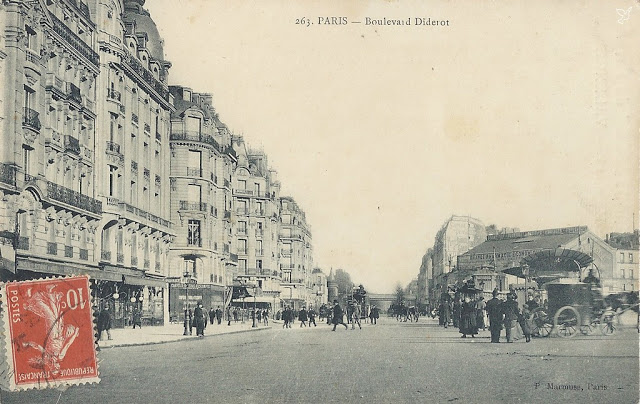
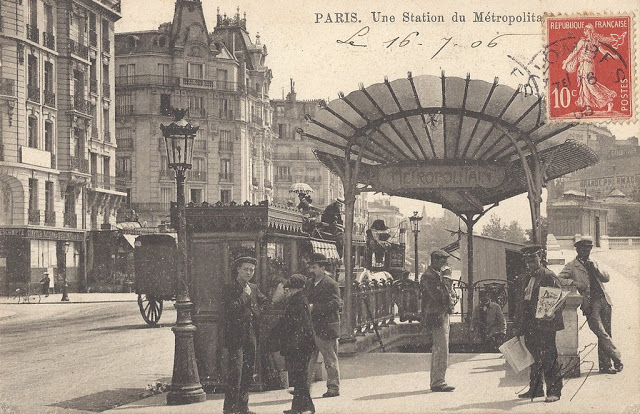
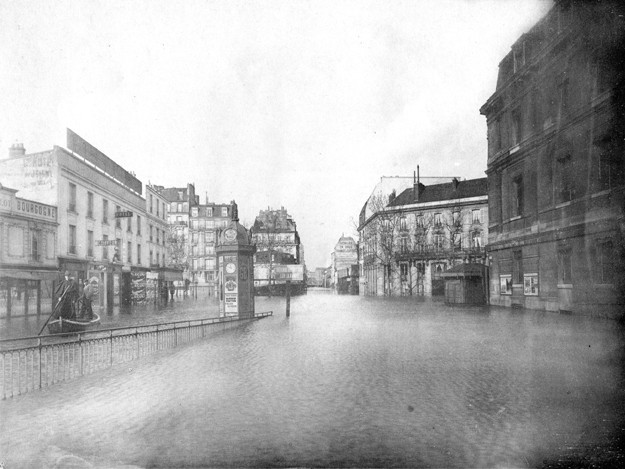
Below are some amazing vintage photographs of Paris-Gare de Lyon from the 1900s.
New York, often called New York City (NYC), is the most populous city of both New York State and the United States. With a 2020 population of 8,804,190 distributed over 300 square miles (780 km2) and divided into five boroughs, New York City is also the most densely populated major city in the United States. Located at the southern tip of the state of New York, the city is the center of the New York metropolitan area, the largest metropolitan area in the world by urban area. With over 20.1 million people in its metropolitan statistical area and 23.5 million in its combined statistical area as of 2020, New York is one of the world’s most populous megacities. New York City has been described as the cultural, financial, and media capital of the world, and is a significant influence on commerce, entertainment, research, technology, education, politics, tourism, dining, art, fashion, and sports. It is the most photographed city in the world. Home to the headquarters of the United Nations, New York is an important center for international diplomacy, an established safe haven for global investors, and is sometimes described as the capital of the world.
Situated on one of the world’s largest natural harbors, with water covering 36.4% of its surface area, New York City is composed of five boroughs, each of which is coextensive with a respective county of the state of New York. The five boroughs—Brooklyn (Kings County), Queens (Queens County), Manhattan (New York County), the Bronx (Bronx County), and Staten Island (Richmond County)—were created when local governments were consolidated into a single municipal entity in 1898. The city and its metropolitan area constitute the premier gateway for legal immigration to the United States. As many as 800 languages are spoken in New York, making it the most linguistically diverse city in the world. New York is home to more than 3.2 million residents born outside the United States, the largest foreign-born population of any city in the world as of 2016. As of 2018, the New York metropolitan area is estimated to produce a gross metropolitan product (GMP) of nearly $1.8 trillion, ranking it first in the United States. If the New York metropolitan area were a sovereign state, it would have the eighth-largest economy in the world. New York is home to the highest number of billionaires of any city in the world.
New York City traces its origins to a trading post founded on the southern tip of Manhattan Island by Dutch colonists in approximately 1624. The settlement was named New Amsterdam (Dutch: Nieuw Amsterdam) in 1626 and was chartered as a city in 1653. The city came under English control in 1664 and was renamed New York after King Charles II of England granted the lands to his brother, the Duke of York. The city was regained by the Dutch in July 1673 and was renamed New Orange for one year and three months; the city has been continuously named New York since November 1674. New York City was the capital of the United States from 1785 until 1790, and has been the largest U.S. city since 1790. The Statue of Liberty greeted millions of immigrants as they came to the U.S. by ship in the late 19th and early 20th centuries, and is a symbol of the U.S. and its ideals of liberty and peace. In the 21st century, New York has emerged as a global node of creativity, entrepreneurship, and environmental sustainability, and as a symbol of freedom and cultural diversity. In 2019, New York was voted the greatest city in the world per a survey of over 30,000 people from 48 cities worldwide, citing its cultural diversity.
Many districts and monuments in New York City are major landmarks, including three of the world’s ten most visited tourist attractions in 2013. A record 66.6 million tourists visited New York City in 2019. Times Square is the brightly illuminated hub of the Broadway Theater District, one of the world’s busiest pedestrian intersections, and a major center of the world’s entertainment industry. Many of the city’s landmarks, skyscrapers, and parks are known around the world, as is the city’s fast pace, spawning the term New York minute. The Empire State Building has become the global standard of reference to describe the height and length of other structures. Manhattan’s real estate market is among the most expensive in the world. Providing continuous 24/7 service and contributing to the nickname The City That Never Sleeps, the New York City Subway is the largest single-operator rapid transit system worldwide, with 472 rail stations. The city has over 120 colleges and universities, including Columbia University, New York University, Rockefeller University, and the City University of New York system, which is the largest urban public university system in the United States. Anchored by Wall Street in the Financial District of Lower Manhattan, New York City has been called both the world’s leading financial center and the most financially powerful city in the world, and is home to the world’s two largest stock exchanges by total market capitalization, the New York Stock Exchange and Nasdaq. (Wikipedia)
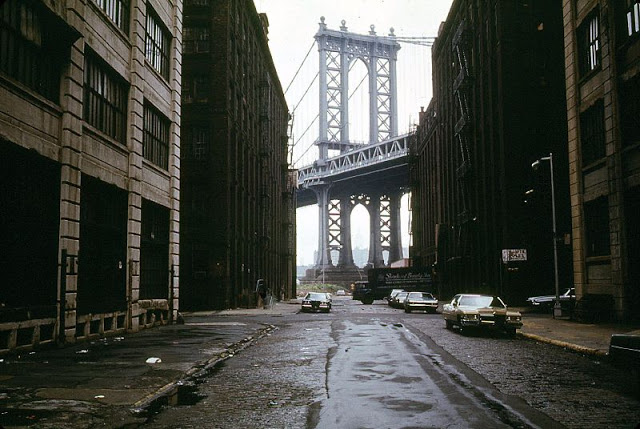
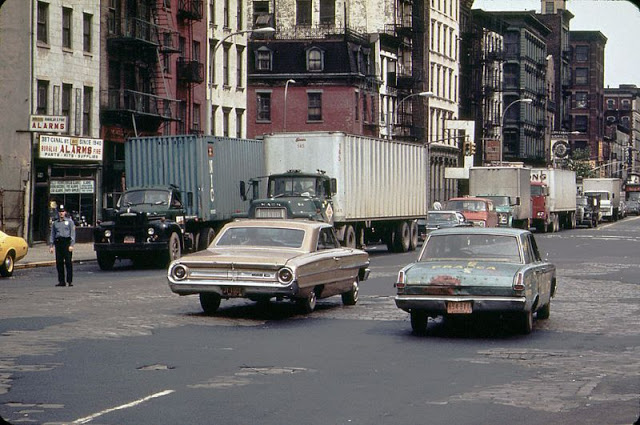
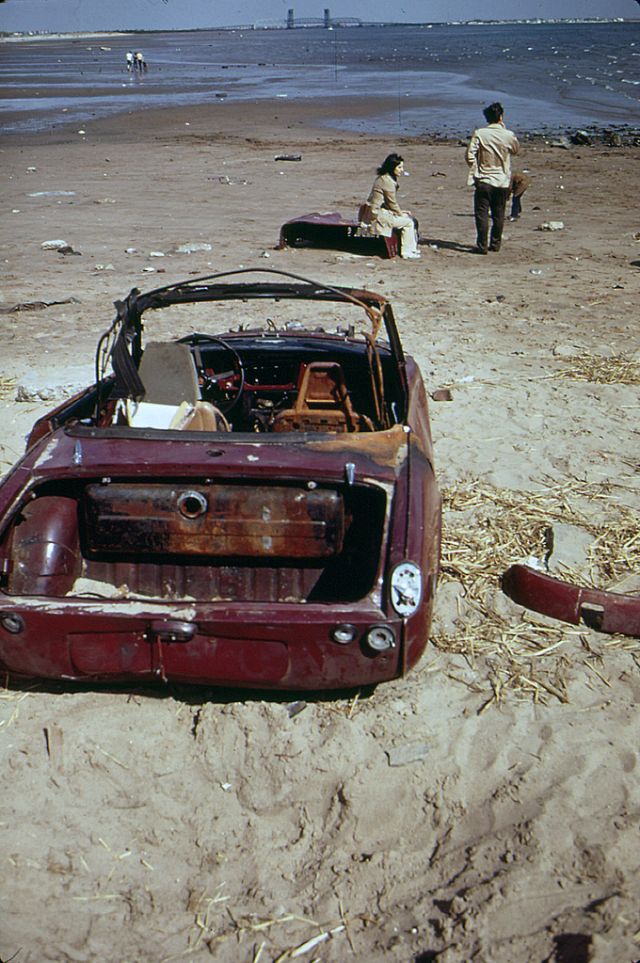
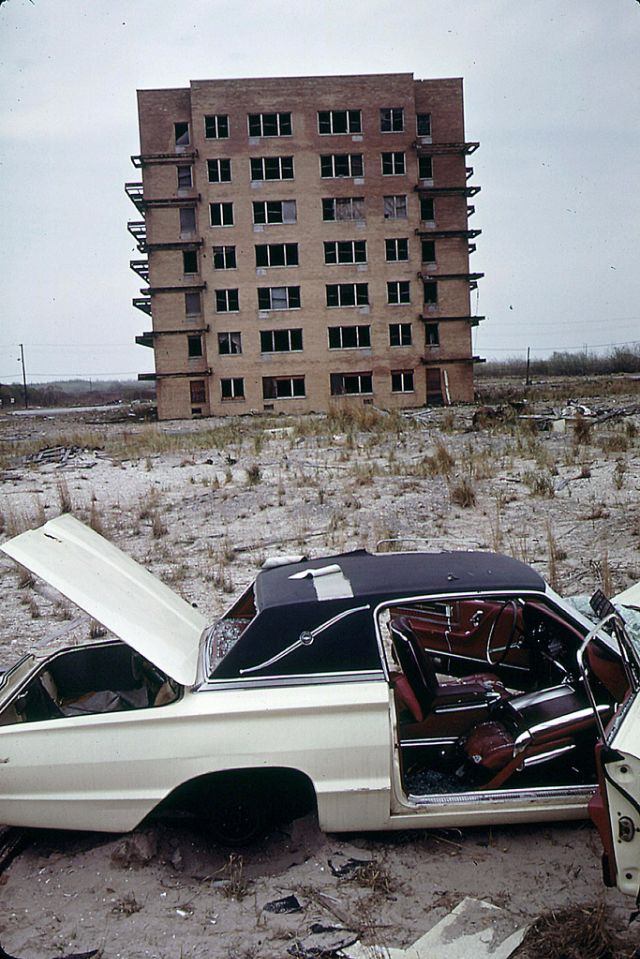
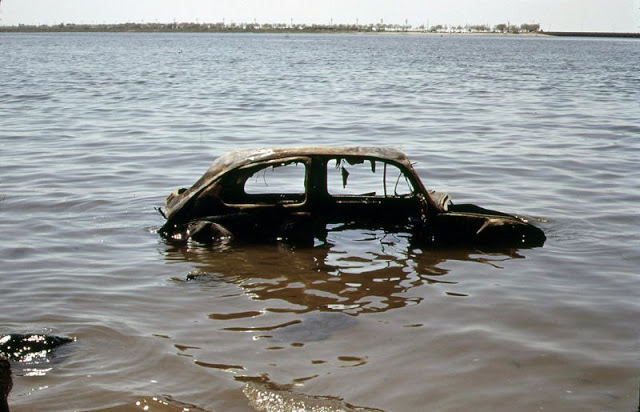
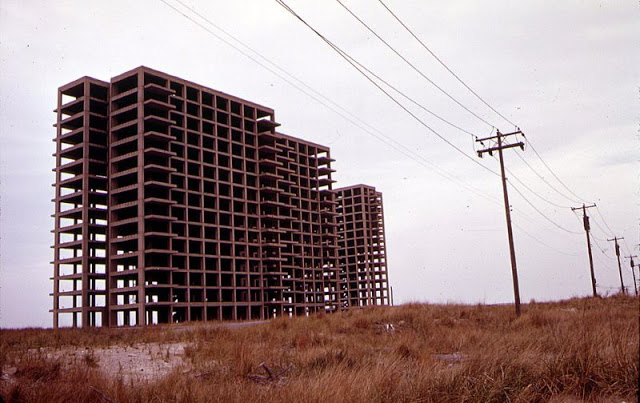
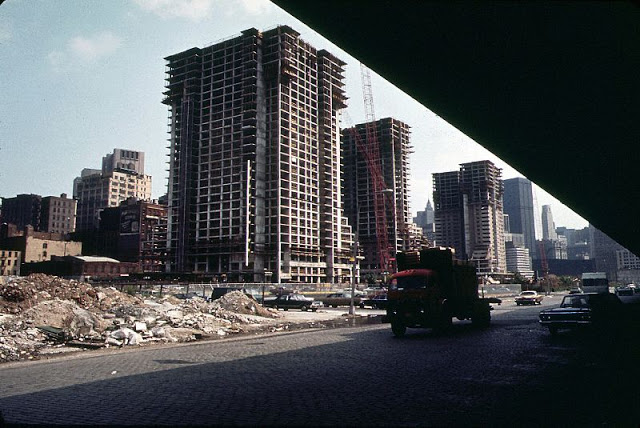
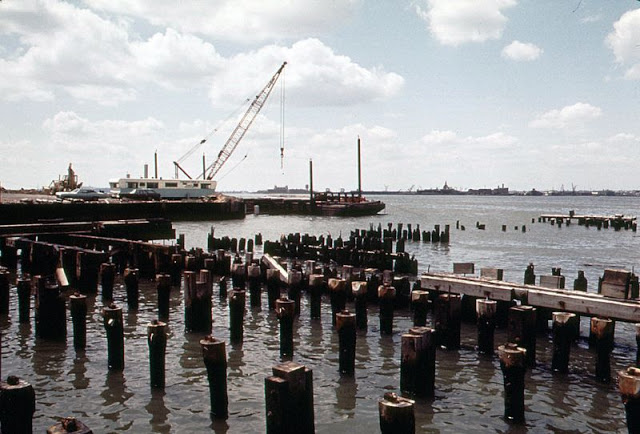
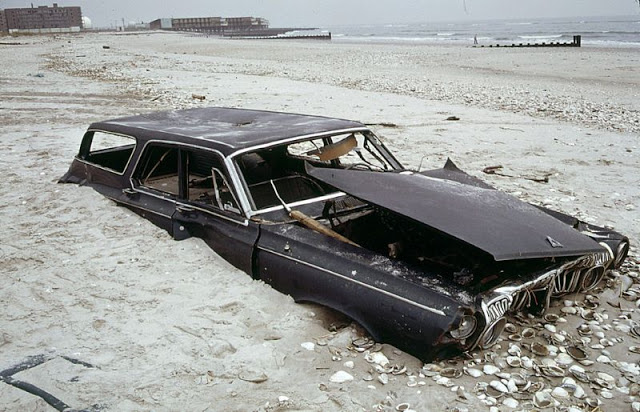
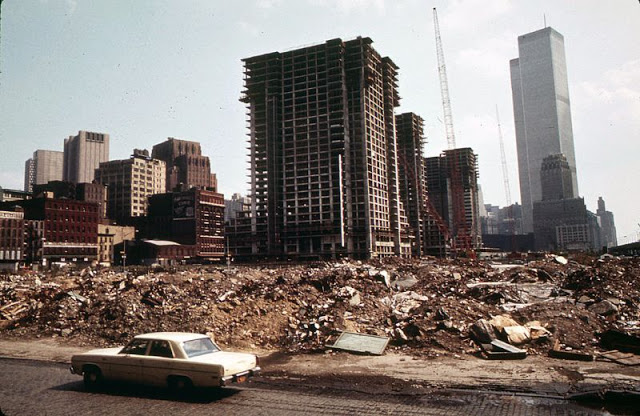
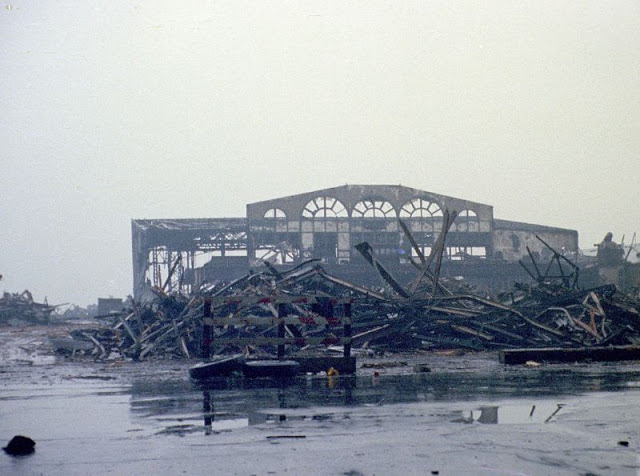
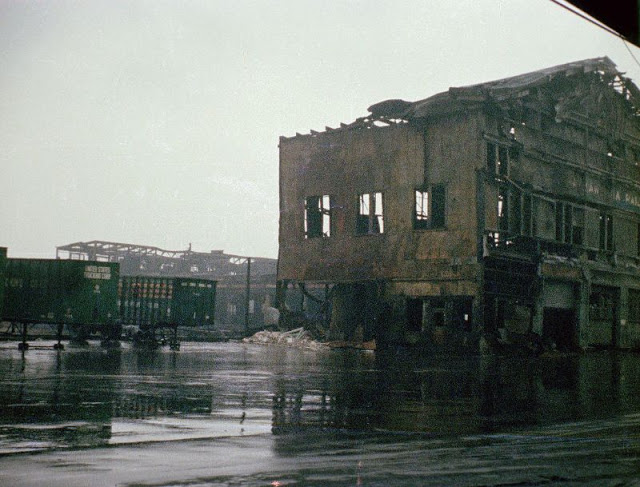
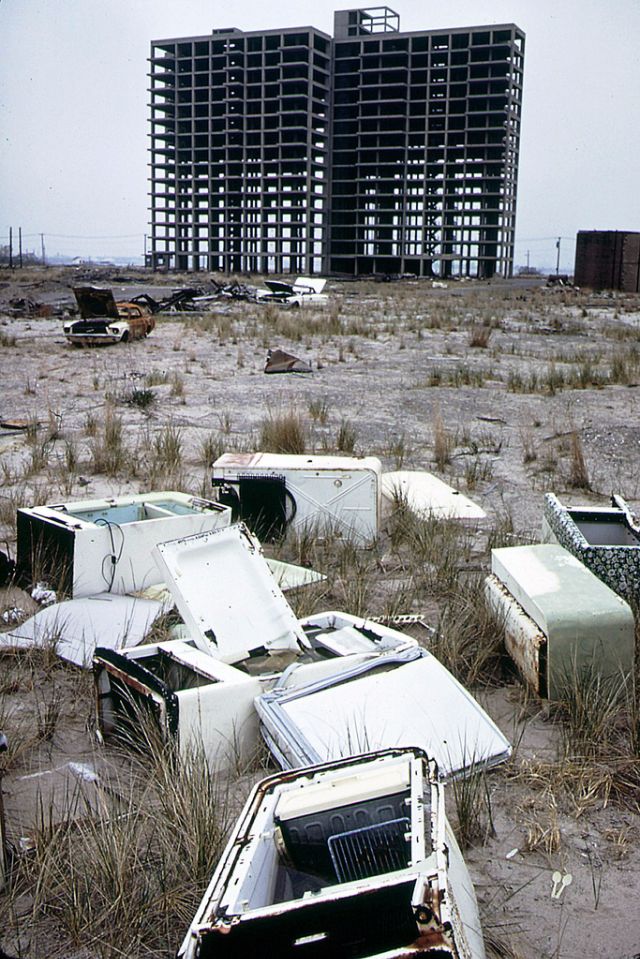
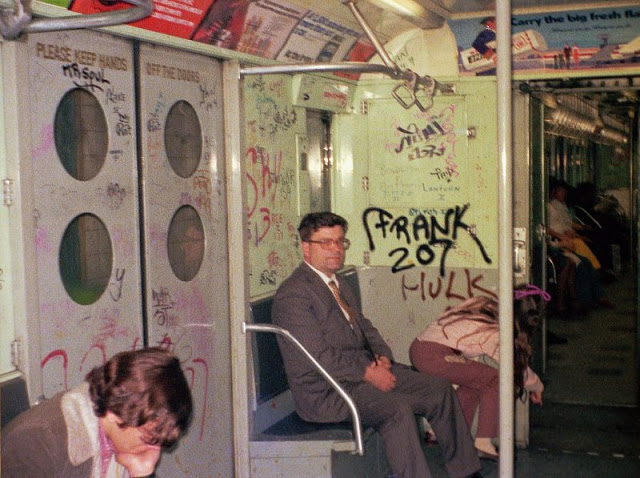
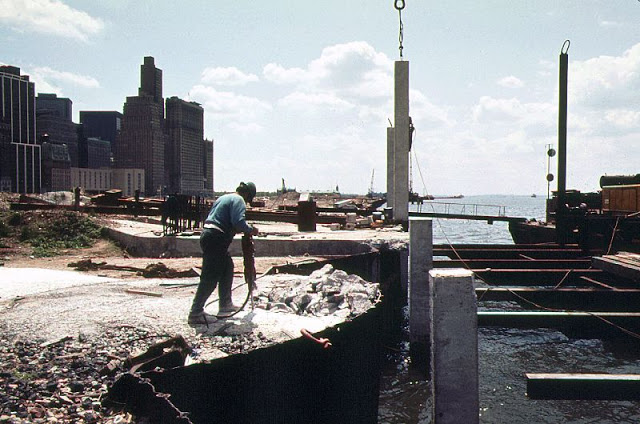
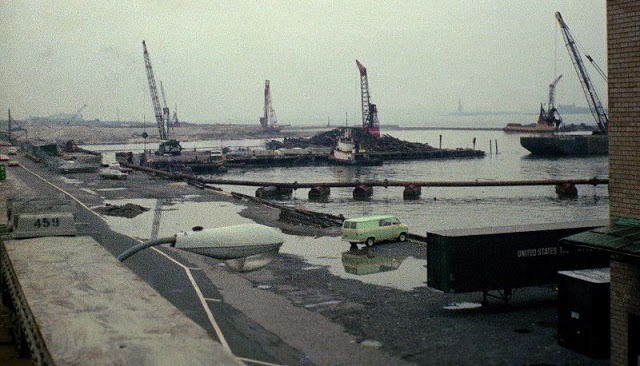
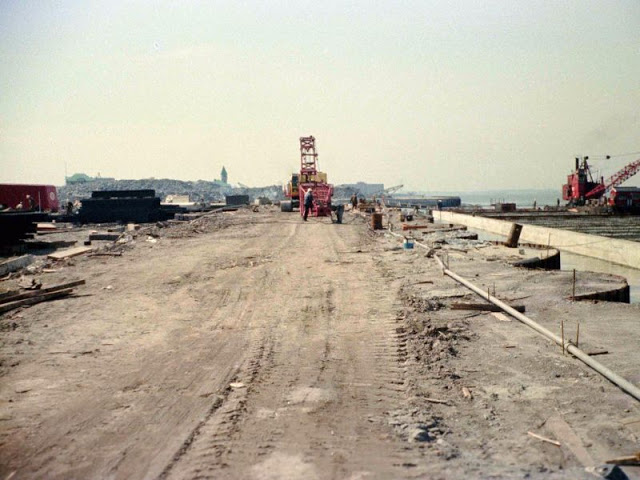
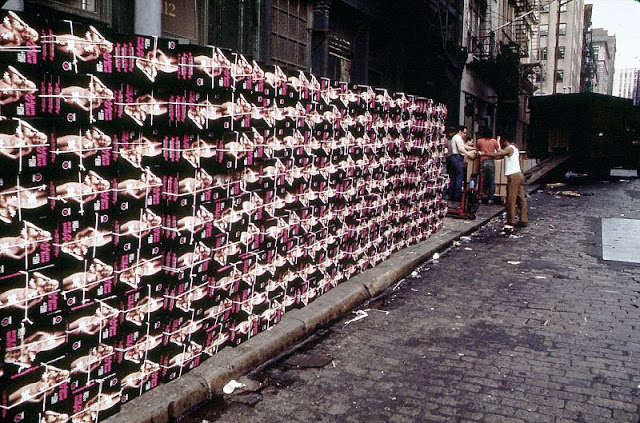
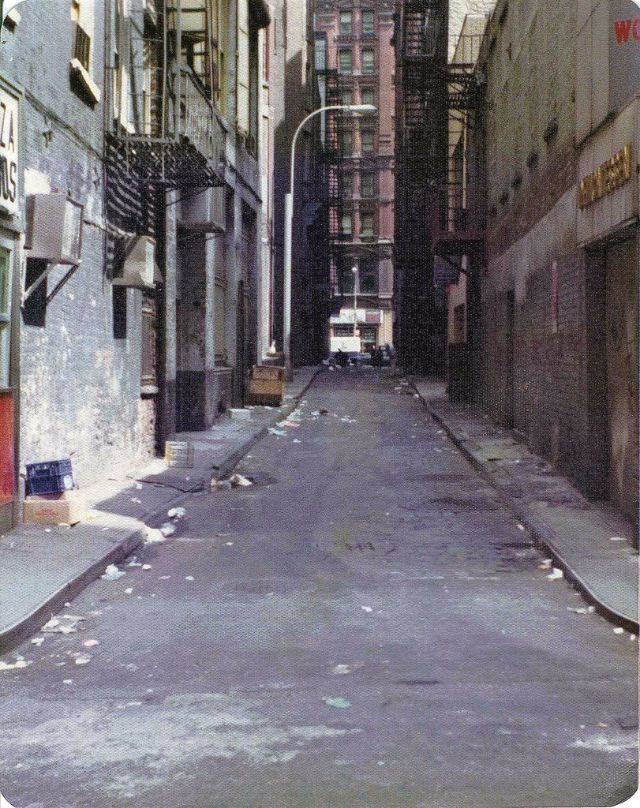
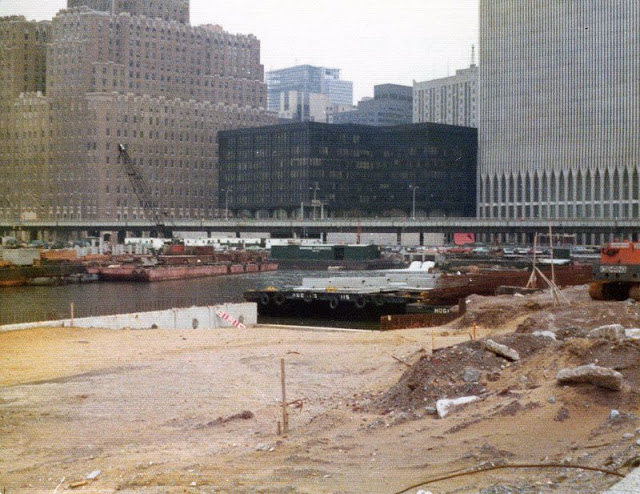
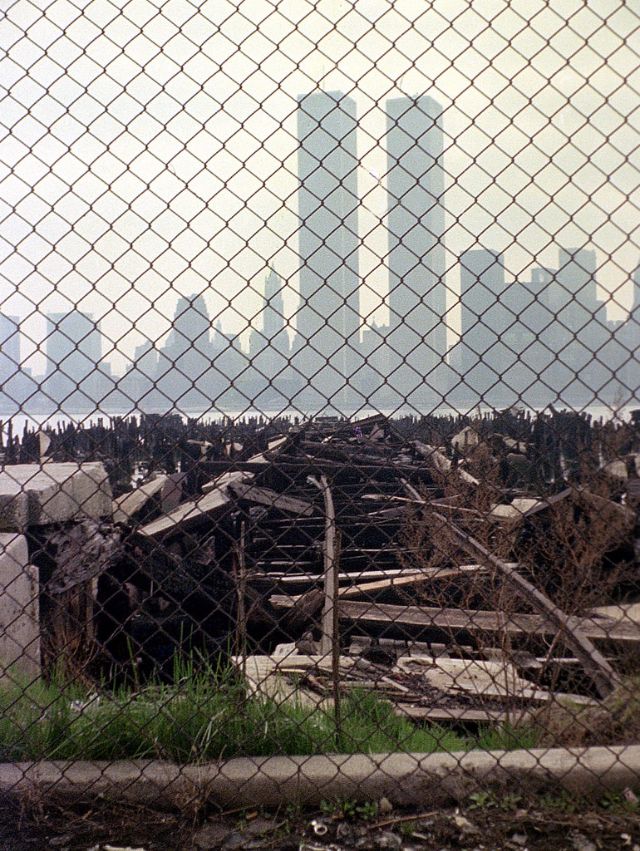
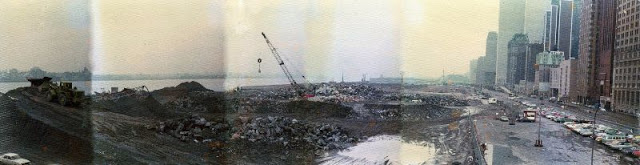
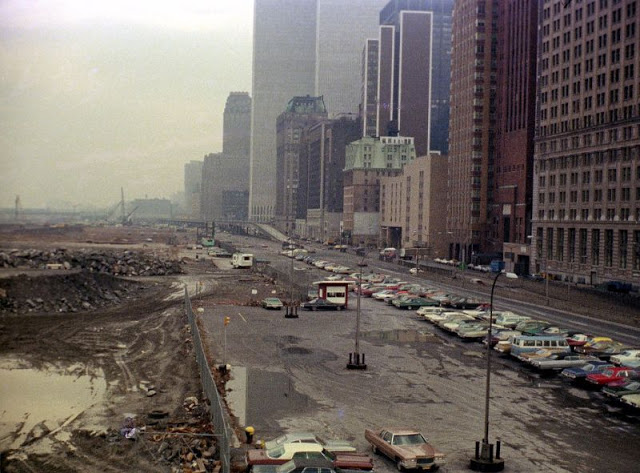
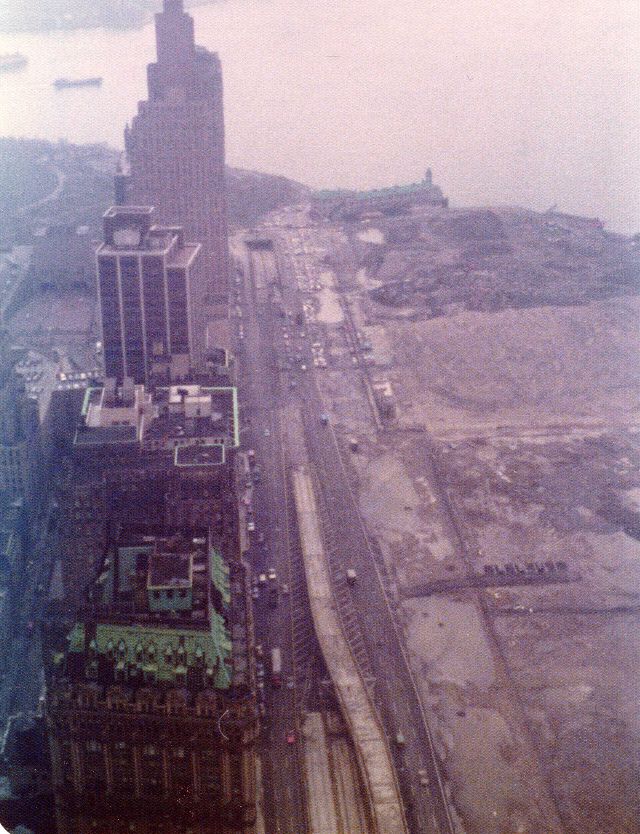
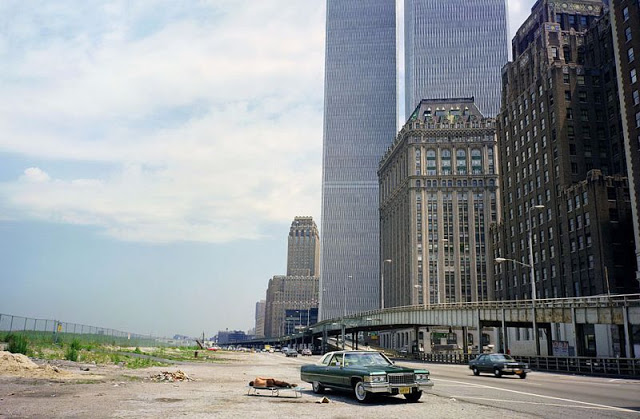
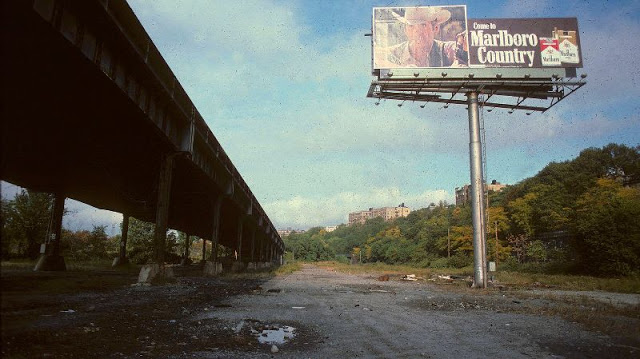
A street scene in Brooklyn, New York City, 1974A homeless man sleeps next to a 50 gallon drum of burning scavenged wood, New York, 1970A 1960s Ford Galaxie and a battered early 1960s Plymouth Valiant cruise along Canal Street with peeling pavement, 1973A lot of abandoned car chunks of a Triumph Spitfire at Plum Beach near Sheepshead Bay in Brooklyn, May 1973An abandoned ’64 Rambler, Queens, New York, June 1973An abandoned 1960s Ford Thunderbird with broken-out windows and a torn vinyl roof, an abandoned apartment building completes the scene, Breezy Point, Queens, June 1973An abandoned car at the river, Queens, New York, May 1973Breezy Point in Queens, New York near the Atlantic Ocean with the abandoned skeleton of an apartment building that was never finished, June 1973Construction of Independence Plaza North, cobblestoned West Street and Lower Manhattan from under the elevated West Side Highway, New York, June 1973Ellis Island and industrial Jersey City shoreline across the Hudson with abandoned CRRNJ railroad terminal, June 1973Half buried early 1960s Dodge Polara station wagon on the beach at the ocean side of Breezy Point in Queens, an abandoned apartment building at left distance, 1973Independence Plaza North going up in what is now Tribeca in Lower Manhattan, June 1973Pier ruins across West Street from the World Trade Center, Battery Park City and the World Financial Center would be built here in later years, March 1973Ruins of old piers across West Street from the World Trade Center where is exactly the World Financial Center is now, March 1973Skeleton of apartment building never completed, abandoned refrigerators and a burned out 1965 Ford Mustang, Breezy Point, Queens looking toward Brooklyn, 1973Subway 1973-style with graffiti, March 1973Battery Park City being built using land excavated from the World Trade Center construction site across West Street, April 1974Battery Park City being created from soil dug out to build the World Trade Center, Statue of Liberty in the distance, March 1974Battery Park City landfill edge by Hudson being constructed looking south to Pier A, 1974Battery Park City landfill, NY Telephone Company, abandoned West Side Highway and the World Trade Center, 1974Boxes of Adam and Eve products on Reade Street looking east from West Broadway, New York, July 1974The Battery Park City landfill muck, New York, June 1974The hulking West Side Highway closed and abandoned, New York, June 1974Theatre Alley downtown off Ann Street, the narrowest street in Manhattan, filled with the litter and trash, March 1974World Trade Center (the dark building at Vesey and West St) from Battery Park City landfill, the West Side Highway crosses the whole view, April 197423rd St and abandoned West Side Highway, a battered Ford Galaxy 500 drives by on cobblestones, April 1975Abandoned piers at Exchange Place in Jersey City and the World Trade Center across the Hudson in Lower Manhattan, April 1975Battery Park City landfill construction, West Street, West Side Highway, The World Trade Center, March 1975Battery Park City was just a lot of mud with a great view to the industrial skyline of Jersey City and the Colgate Clock, right across West Street from the World Trade Center, April 1975View from Pier A’s fire escape, Battery Park City landfill, West Side Highway, World Trade Center and lots of colorful 1970s cars on a rainy, foggy day, 1975View from the 58th floor of the World Trade Center to the Battery Park City landfill, Pier A, end of the West Side Highway and New York Harbor on a foggy afternoon, March 1975Where the beautiful Battery Park City esplanade along the Hudson is now, June 1975Nassau Street looking toward Wall Street, Lower Manhattan, 1976The swampy fields of future Battery Park City, The World Trade Center hovers, New York, August 1976The abandoned West Side Highway looking out at the completed Battery Park City landfill, New York, April 1978‘Welcome to Marlboro Country’ sign under the West Side Highway by 150th Street, New York, September 1979
Singapore, officially the Republic of Singapore, is a sovereign island country and city-state in maritime Southeast Asia. It lies about one degree of latitude (137 kilometres or 85 miles) north of the equator, off the southern tip of the Malay Peninsula, bordering the Strait of Malacca to the west, the Singapore Strait to the south, the South China Sea to the east and the Straits of Johor to the north. The country’s territory is composed of one main island, 63 satellite islands and islets, and one outlying islet, the combined area of which has increased by 25% since the country’s independence as a result of extensive land reclamation projects. It has the third highest population density in the world. With a multicultural population and recognising the need to respect cultural identities of the major ethnic groups within the nation, Singapore has four official languages; English, Malay, Mandarin, and Tamil. English is the lingua franca and numerous public services are available only in English. Multiracialism is enshrined in the constitution and continues to shape national policies in education, housing, and politics.
Singapore’s history dates back at least a millennium, having been a maritime emporium known as Temasek and subsequently as a major constituent part of several successive thalassocratic empires. Its contemporary era began in 1819 when Stamford Raffles established Singapore as an entrepôt trading post of the British Empire. In 1867, the colonies in Southeast Asia were reorganised and Singapore came under the direct control of Britain as part of the Straits Settlements. During the Second World War, Singapore was occupied by Japan in 1942, and returned to British control as a separate crown colony following Japan’s surrender in 1945. Singapore gained self-governance in 1959 and in 1963 became part of the new federation of Malaysia, alongside Malaya, North Borneo, and Sarawak. Ideological differences, most notably the perceived encroachment of the egalitarian “Malaysian Malaysia” political ideology led by Lee Kuan Yew into the other constituent entities of Malaysia – at the perceived expense of the bumiputera and the policies of Ketuanan Melayu – eventually led to Singapore’s expulsion from the federation two years later; Singapore became an independent sovereign country in 1965.
After early years of turbulence whilst lacking natural resources and a hinterland, the nation rapidly developed to become one of the Four Asian Tigers based on international trade and economic globalisation, integrating itself within the world economy through free trade with minimal to no trade barriers or tariffs, export-oriented industrialisation, and the large accumulation of received foreign direct investment, foreign-exchange reserves and assets held by sovereign wealth funds. A highly developed country, it is ranked joint-eleventh on the UN Human Development Index and has the second-highest GDP per capita (PPP) in the world. Identified as a tax haven, Singapore is the only country in Asia with a AAA sovereign credit rating from all major rating agencies. It is a major financial, maritime shipping and aviation hub, and has consistently been ranked as one of the most expensive cities to live in for expatriates and foreign workers. Singapore is placed highly in key social indicators: education, healthcare, quality of life, personal safety, infrastructure and housing, with a home-ownership rate of 88 percent. Singaporeans enjoy one of the longest life expectancies, fastest Internet connection speeds, lowest infant mortality rates and lowest levels of corruption in the world. The country has a retentionist stance for capital punishment, one of four in the developed world along with Japan, the United States and Taiwan. Singapore’s use of capital punishment for drug trafficking is a source of contention with non-governmental organisations.
Singapore is a unitary parliamentary republic with a Westminster system of unicameral parliamentary government, and its legal system is based on common law. While elections are free, the government under the People’s Action Party (PAP) wields significant control and dominance over politics and society, with limits on assembly, association, expression and the press except for the Speakers’ Corner; the PAP having ruled continuously since full internal self-government was achieved in 1959, with 83 out of 104 seats in Parliament as of the 2020 election, the rest of the elected seats being held by the Workers’ Party (WP). One of the five founding members of ASEAN, Singapore is also the headquarters of the Asia-Pacific Economic Cooperation (APEC) Secretariat, the Pacific Economic Cooperation Council (PECC) Secretariat, and is the host city of many international conferences and events. Singapore is also a member of the United Nations, World Trade Organization, East Asia Summit, Non-Aligned Movement, and the Commonwealth of Nations. (Wikipedia)
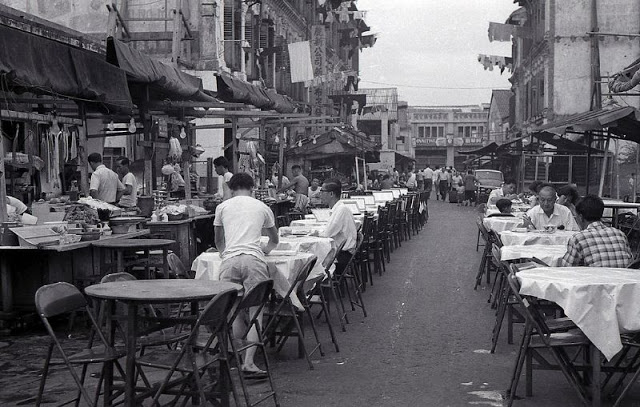
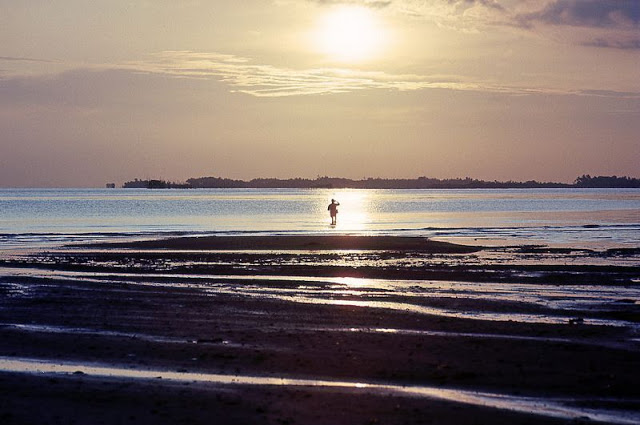
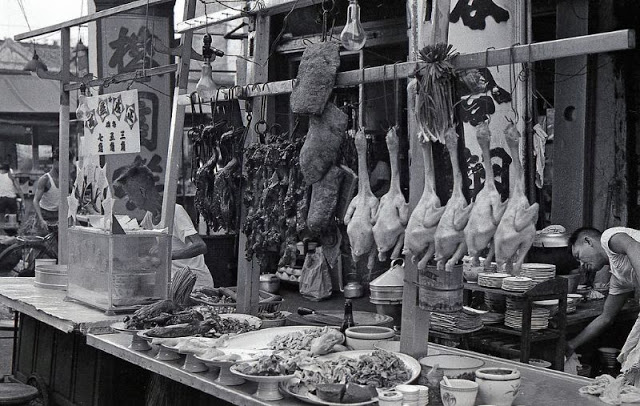
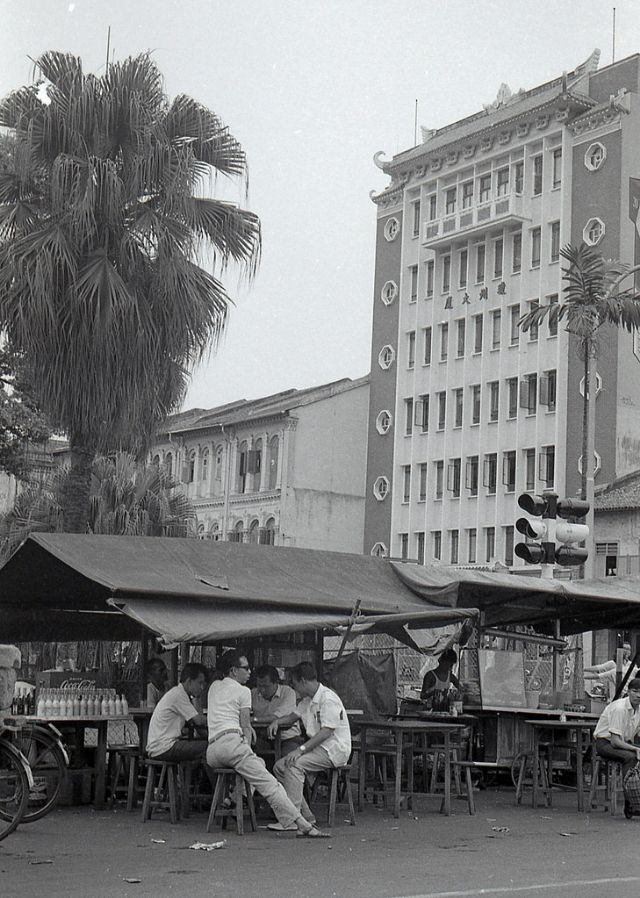
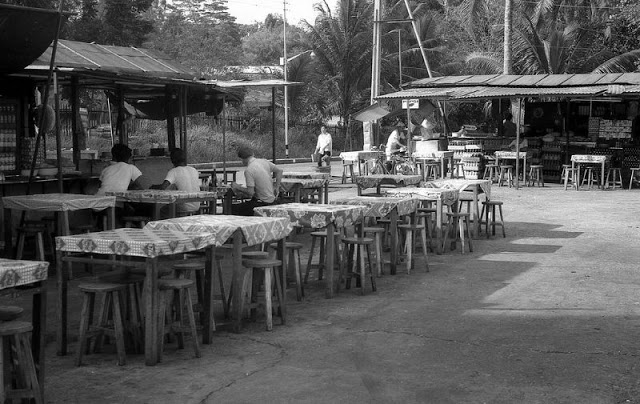
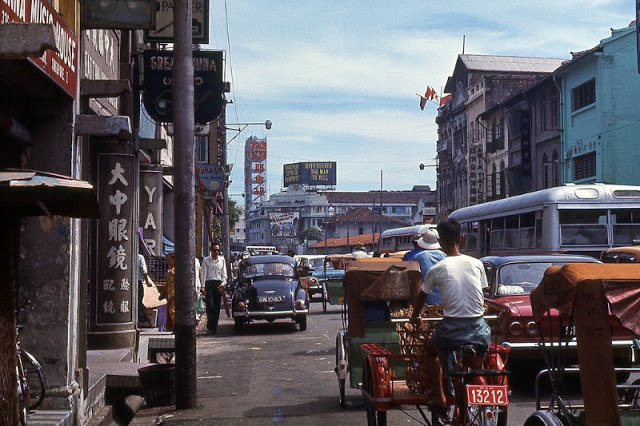
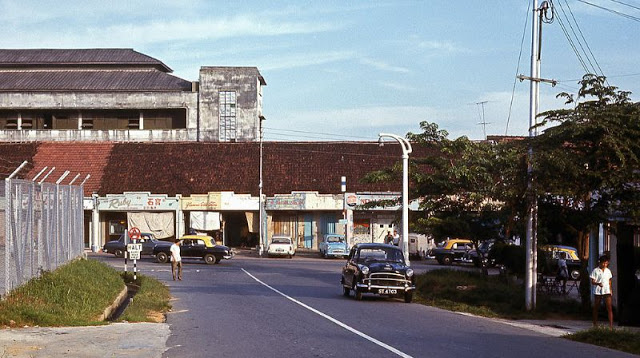
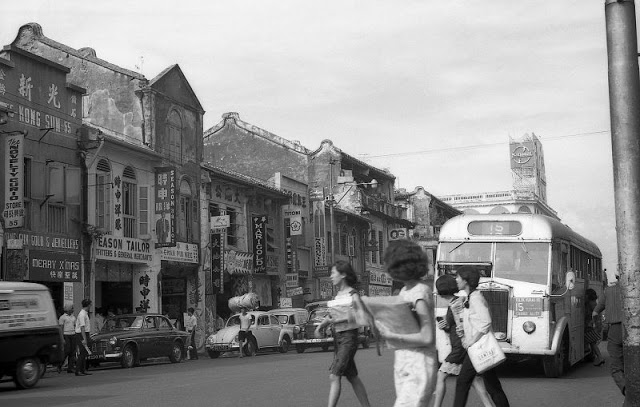
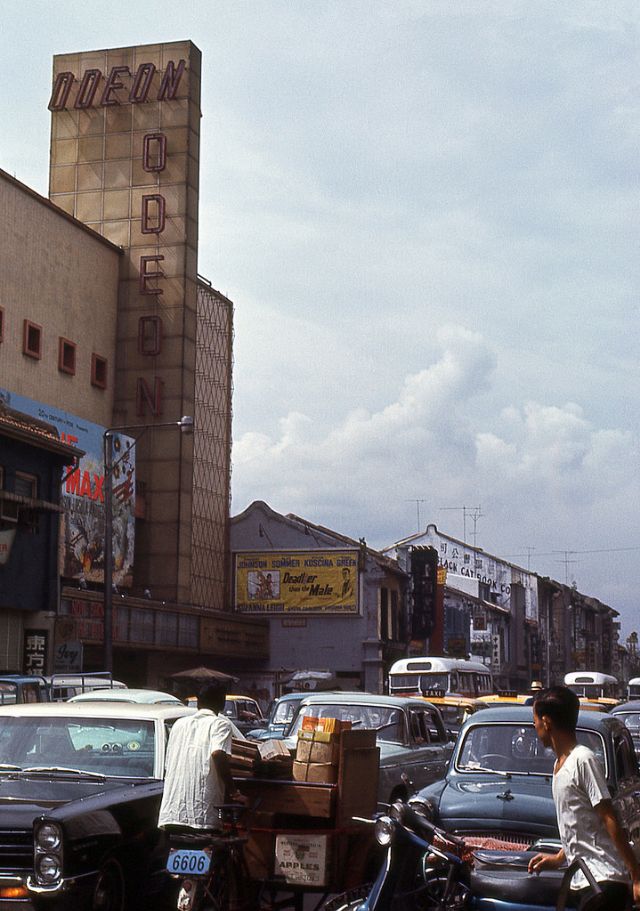
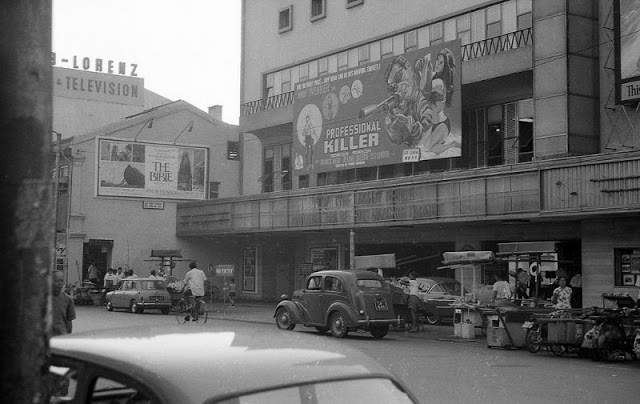
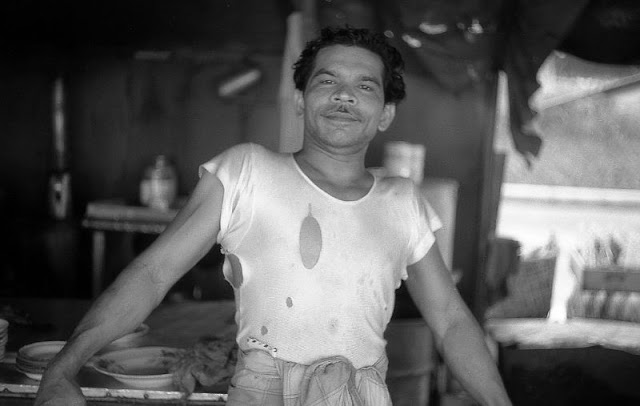
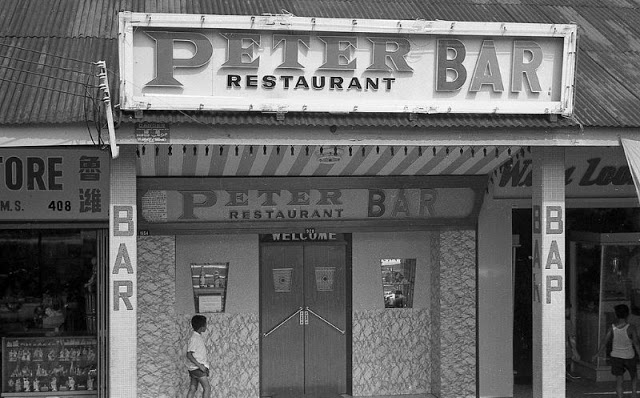
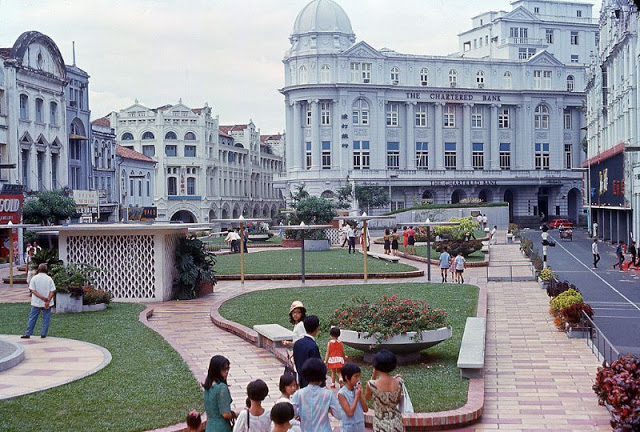
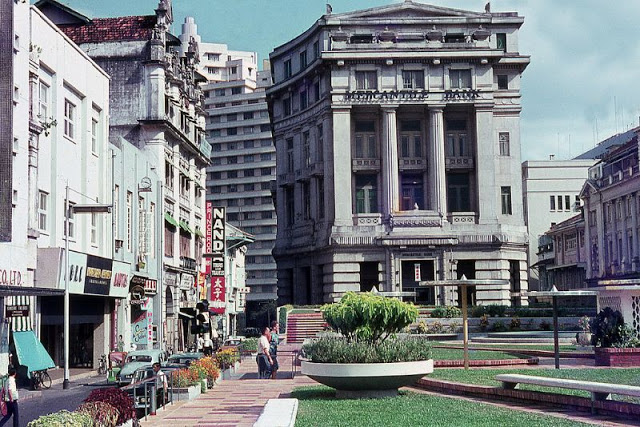
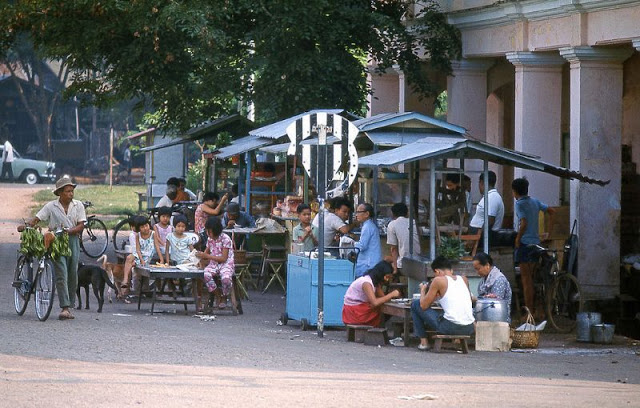
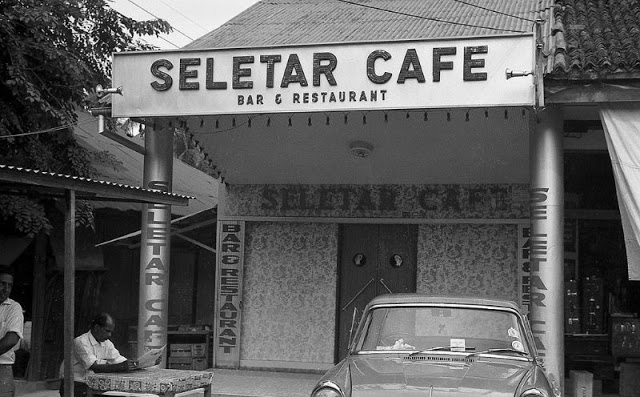
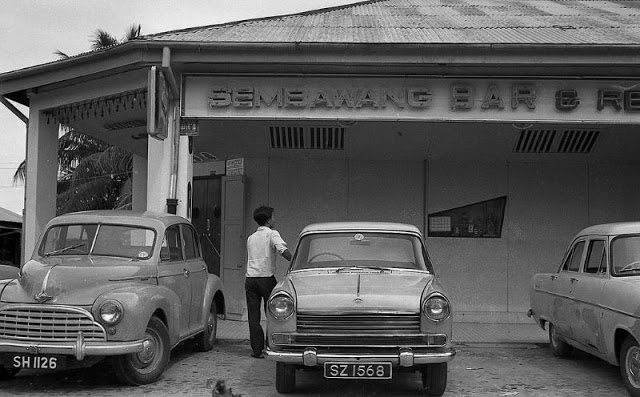
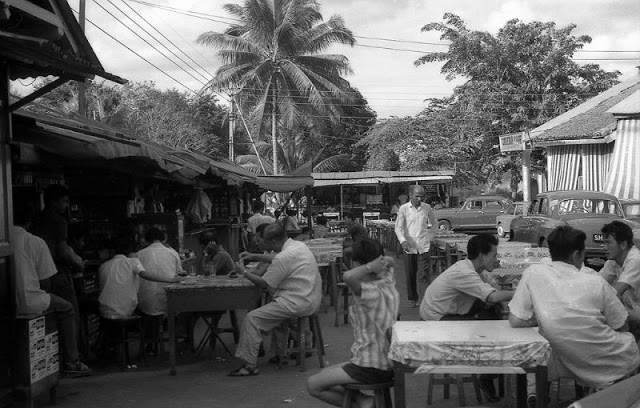
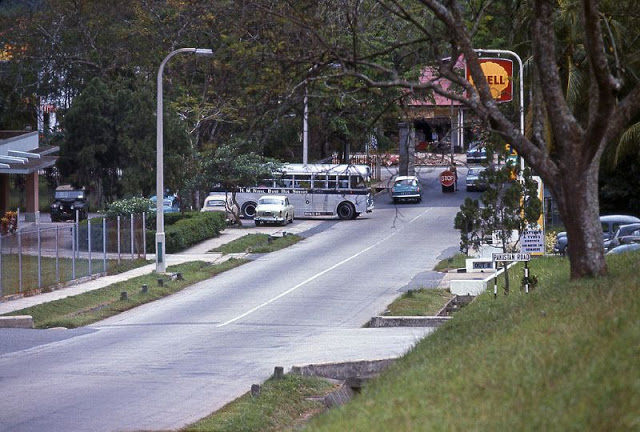
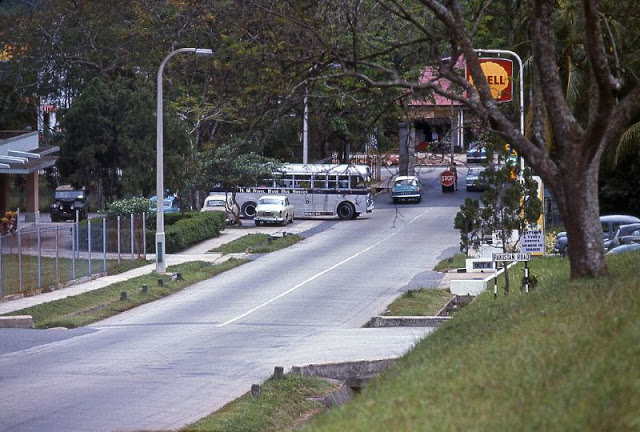
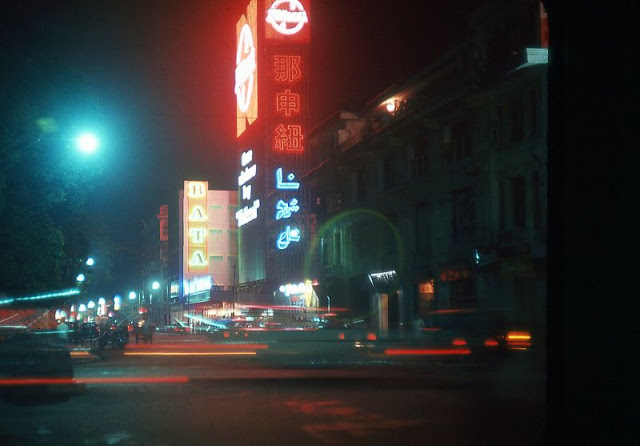
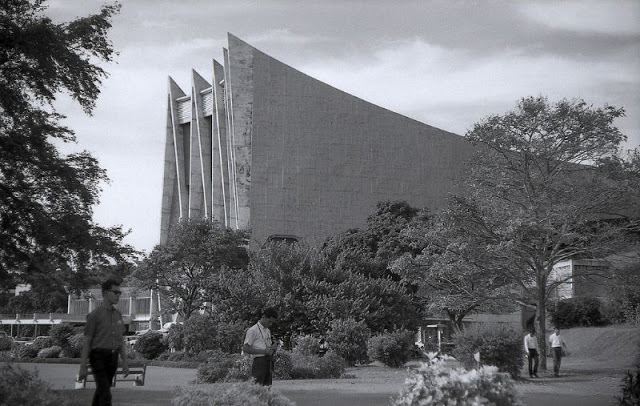
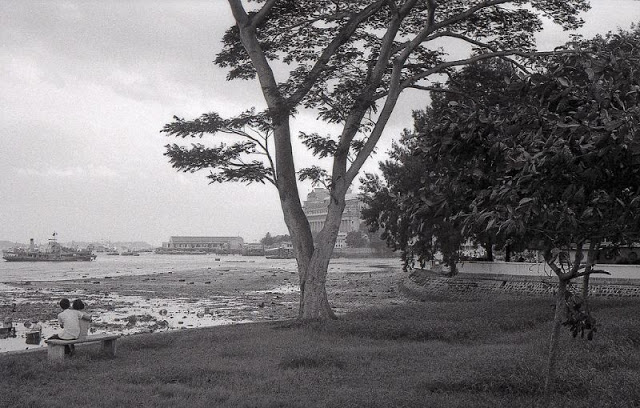
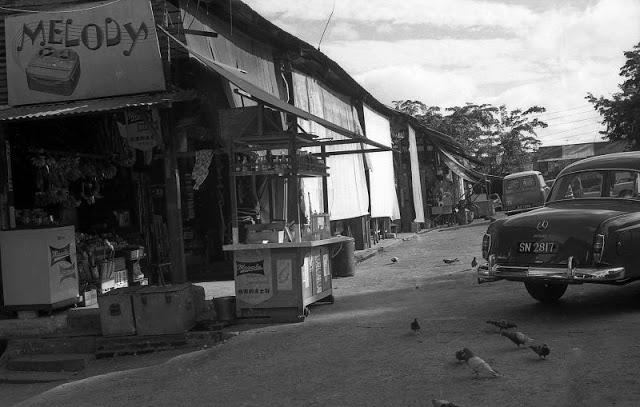
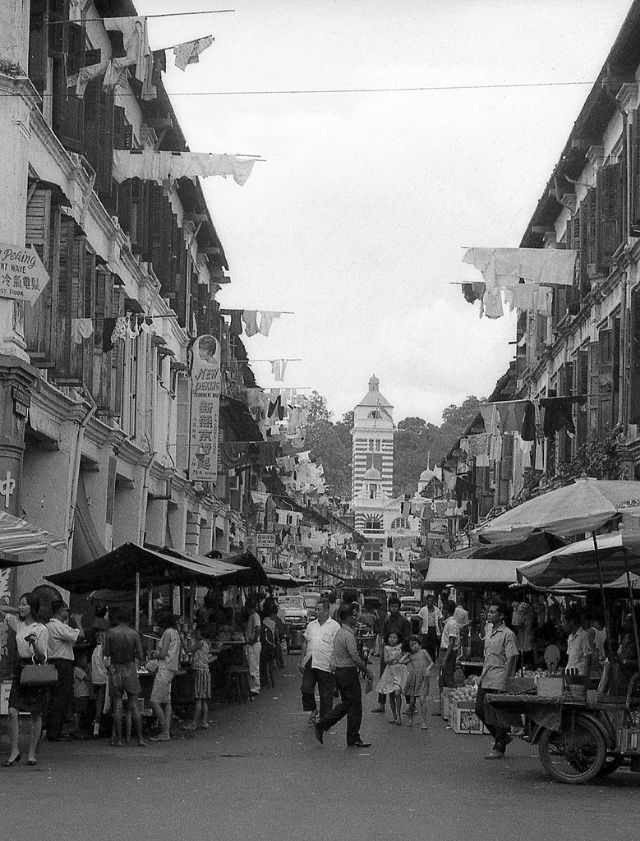
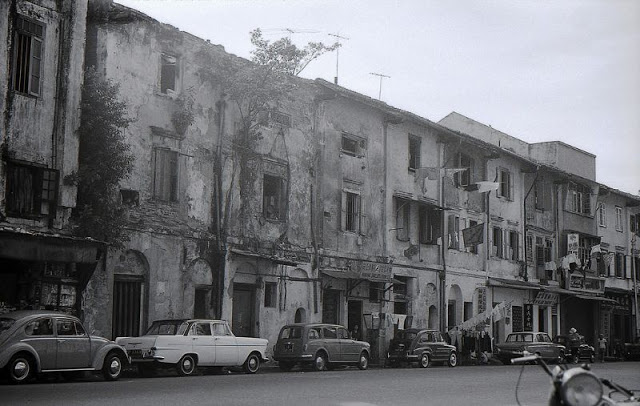
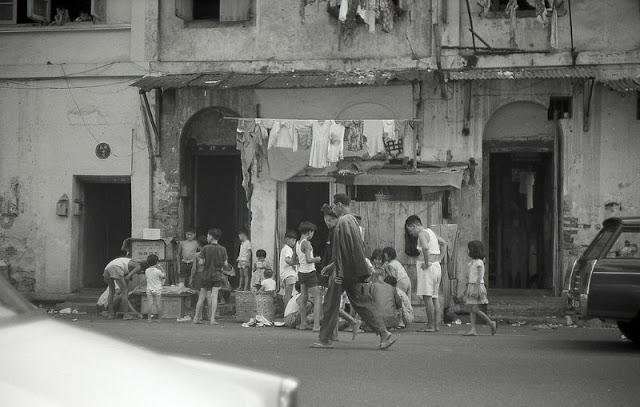
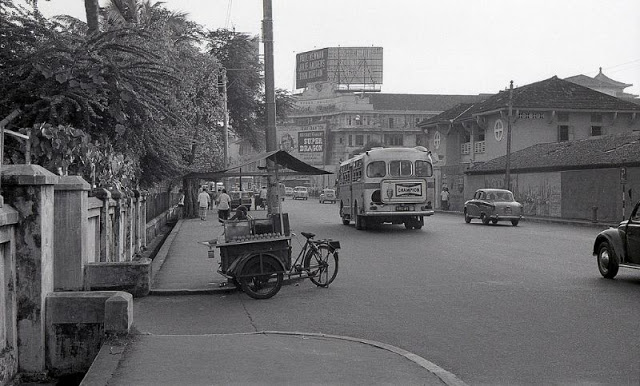
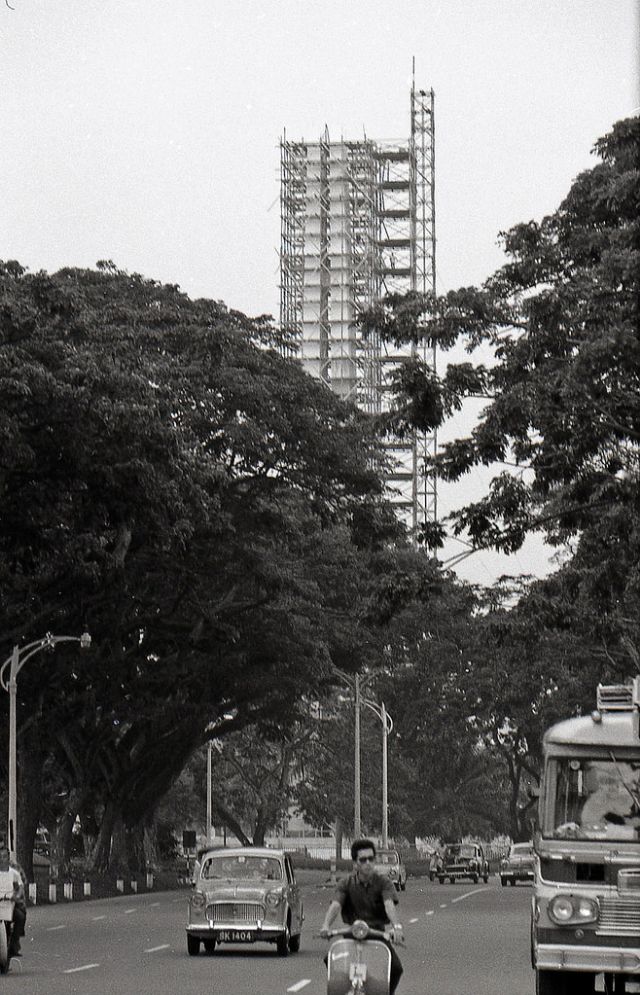
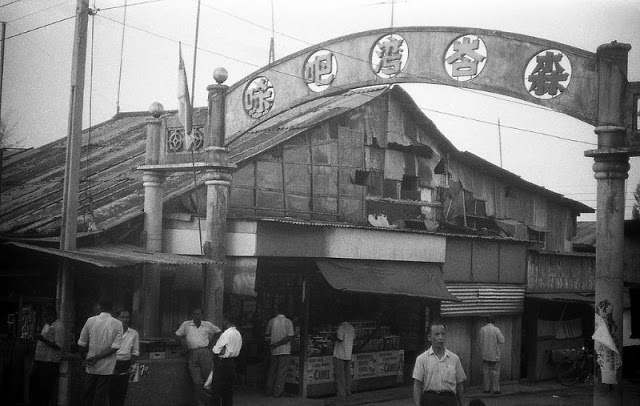
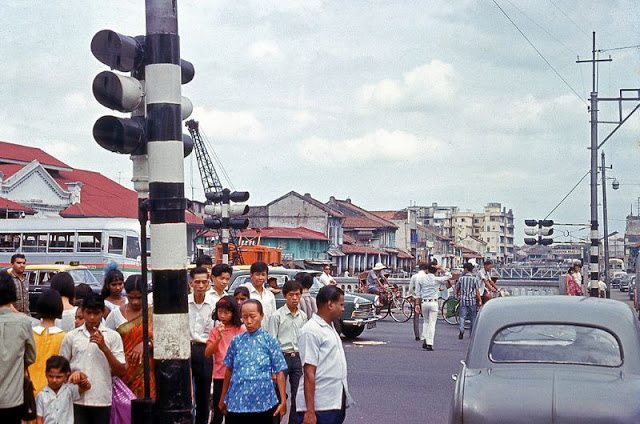
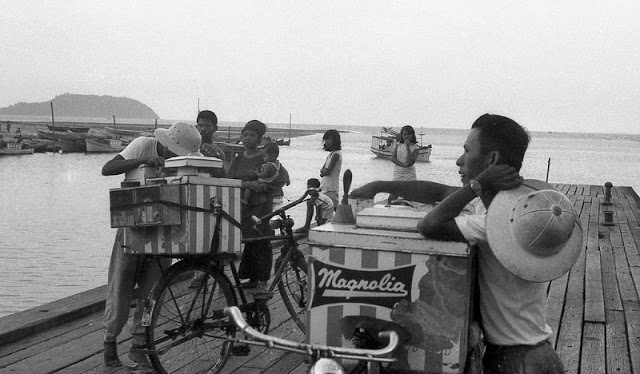
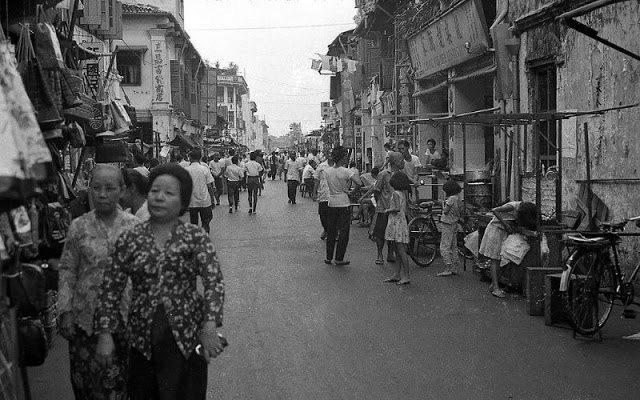
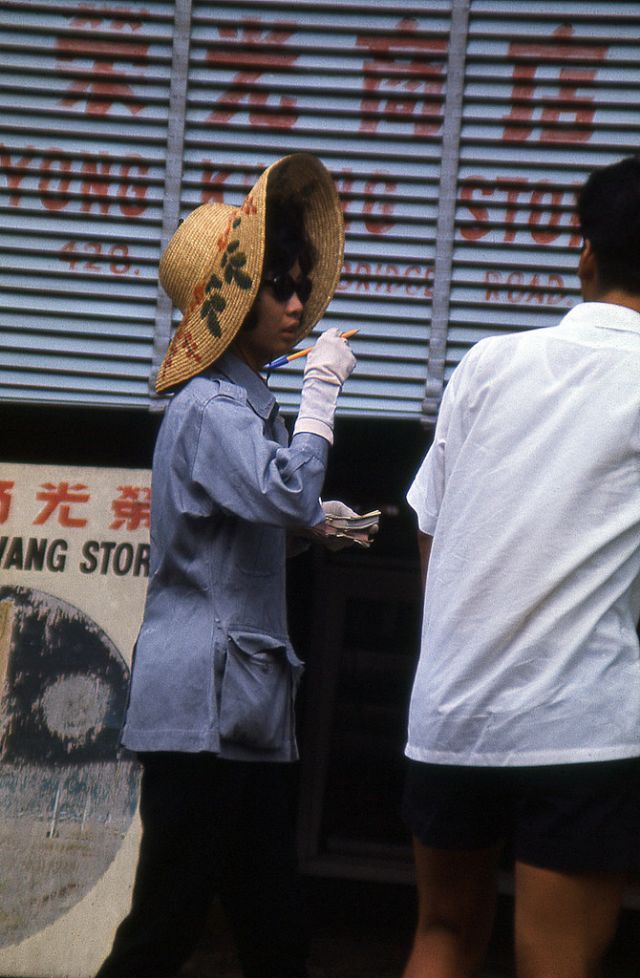
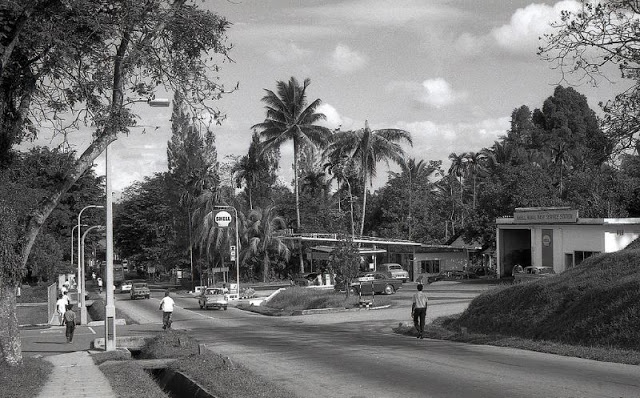
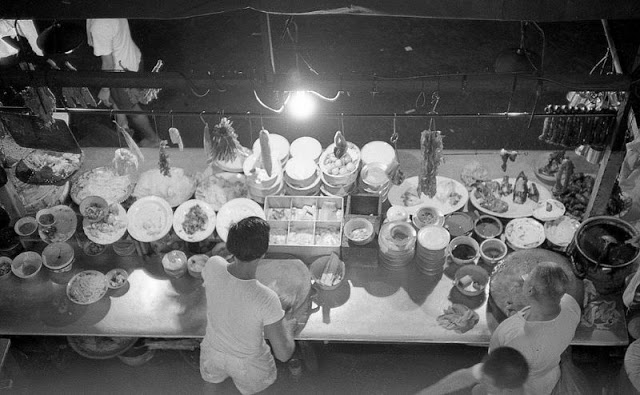
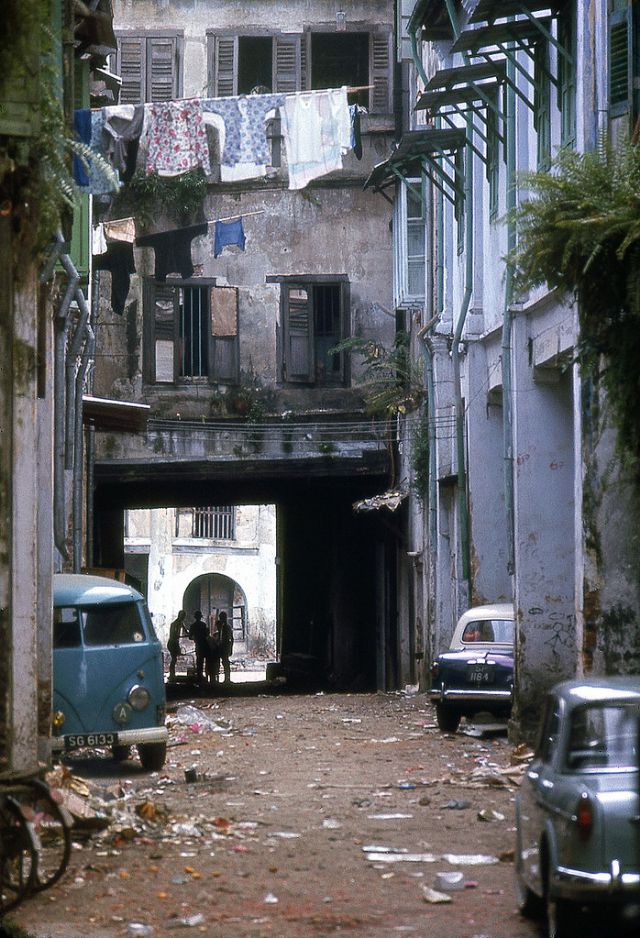
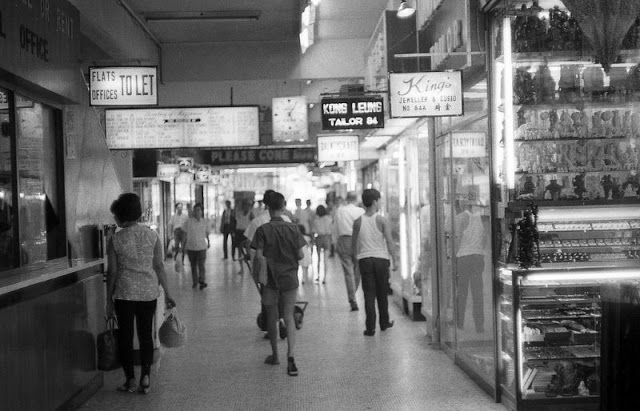
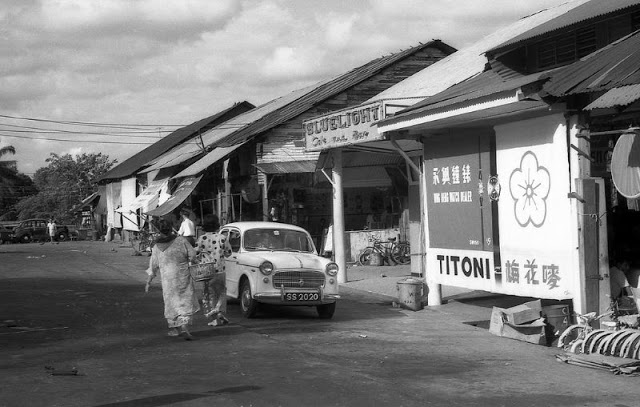
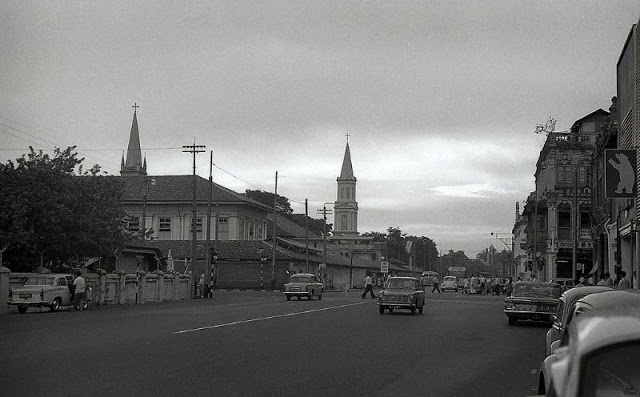
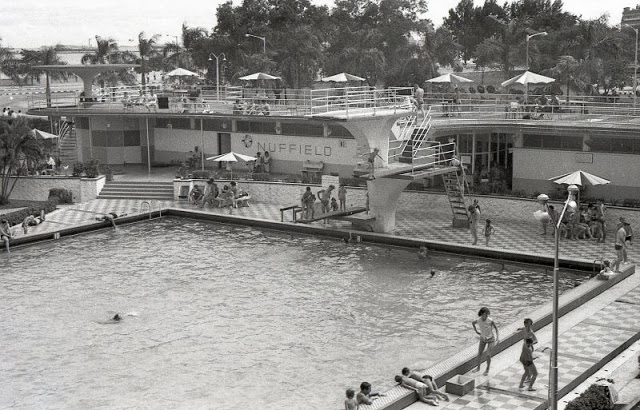
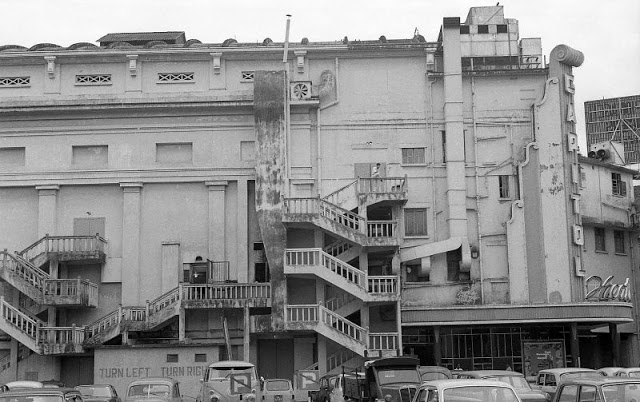
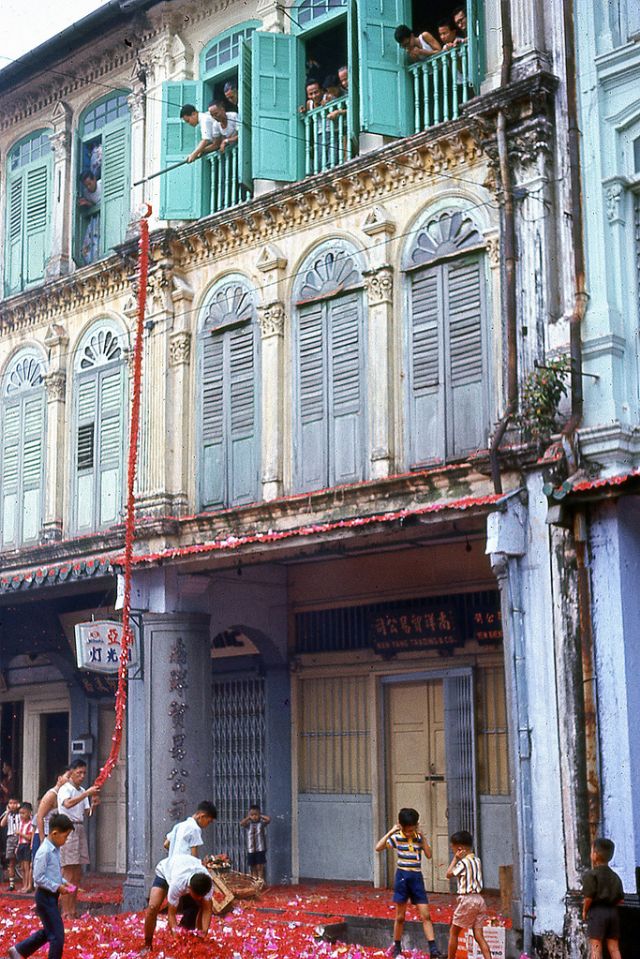
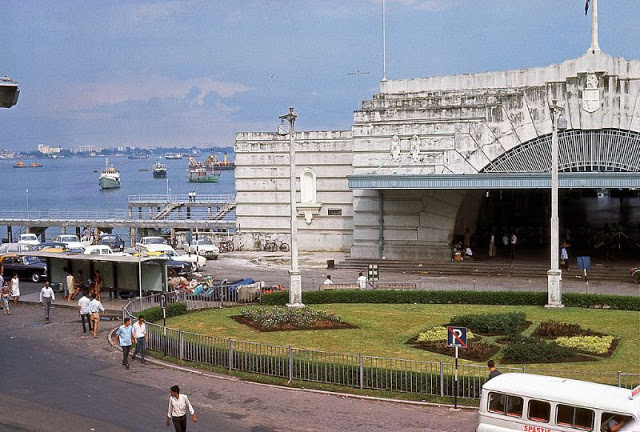
These fascinating photos show everyday life of Singapore from 1965 to 1967.
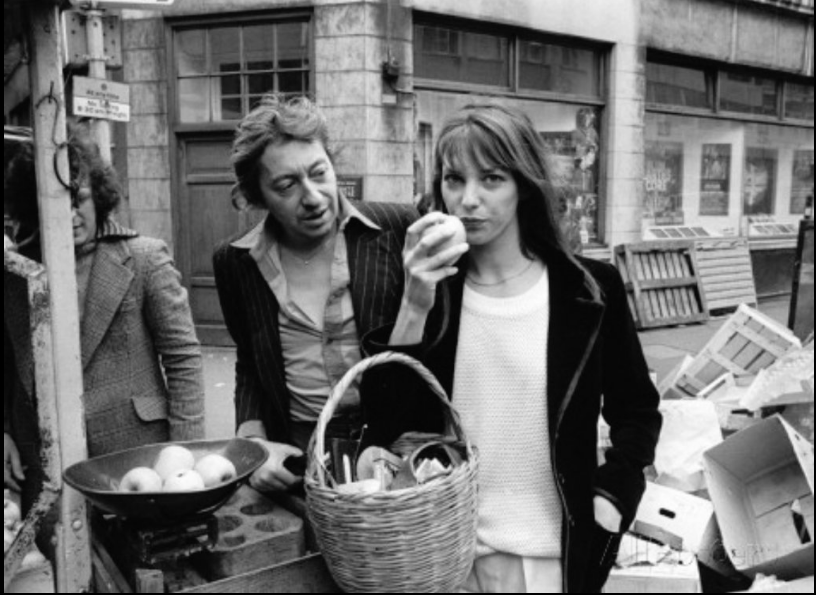
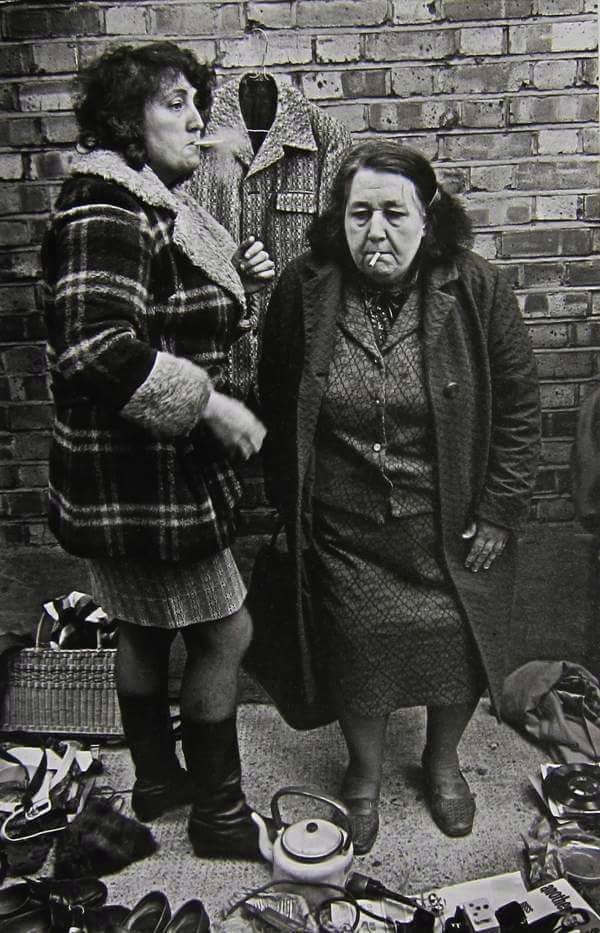
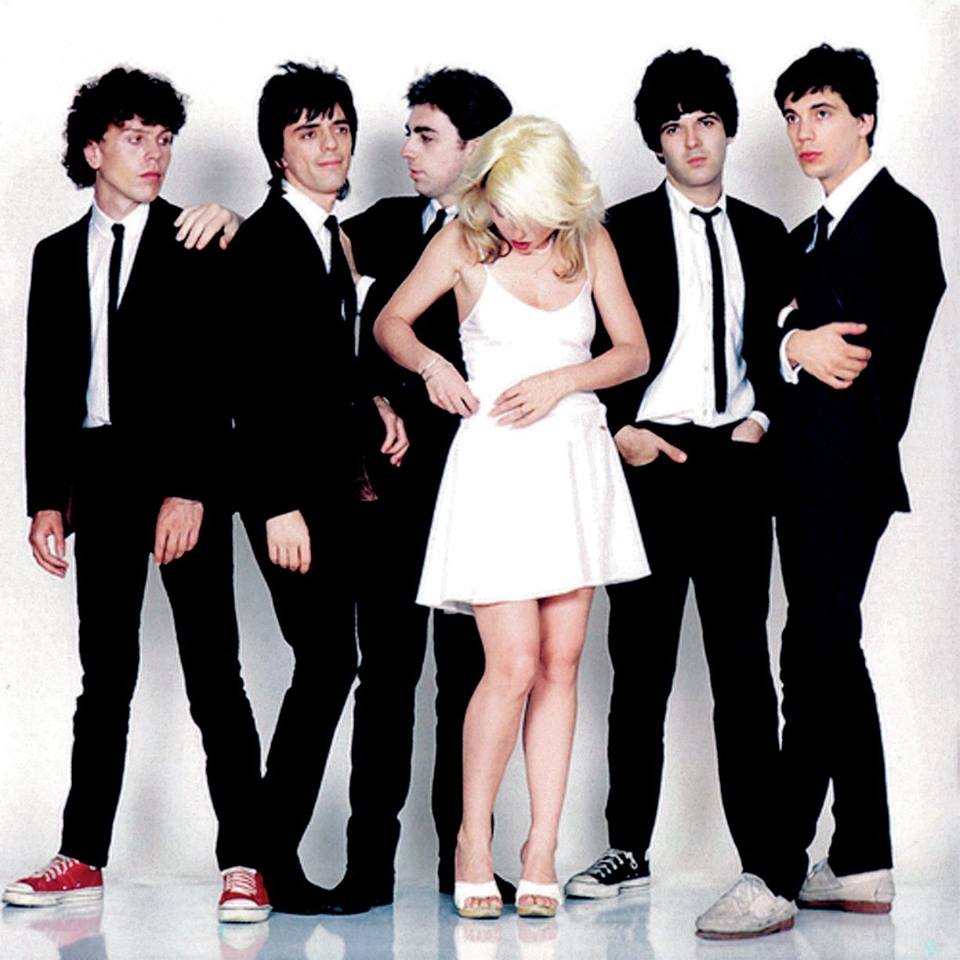
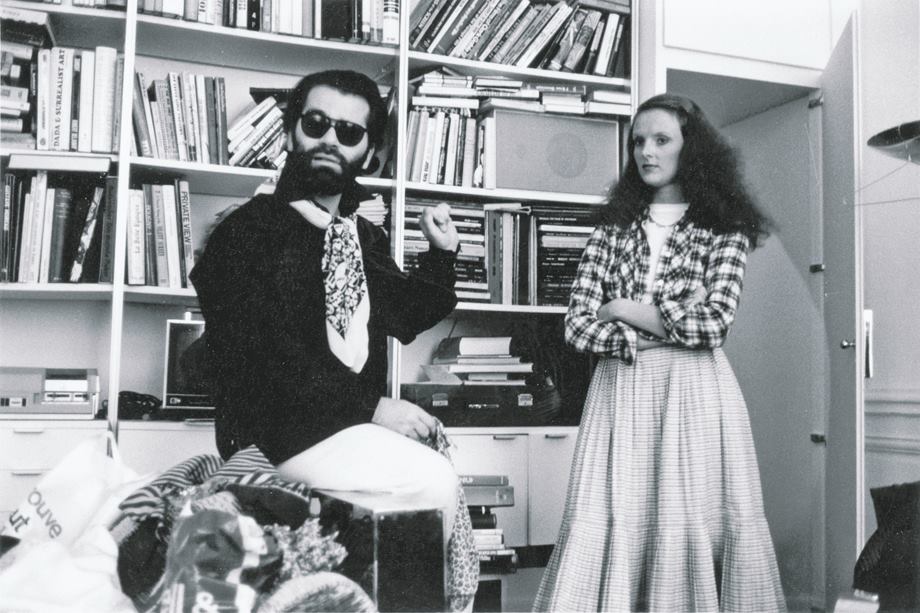
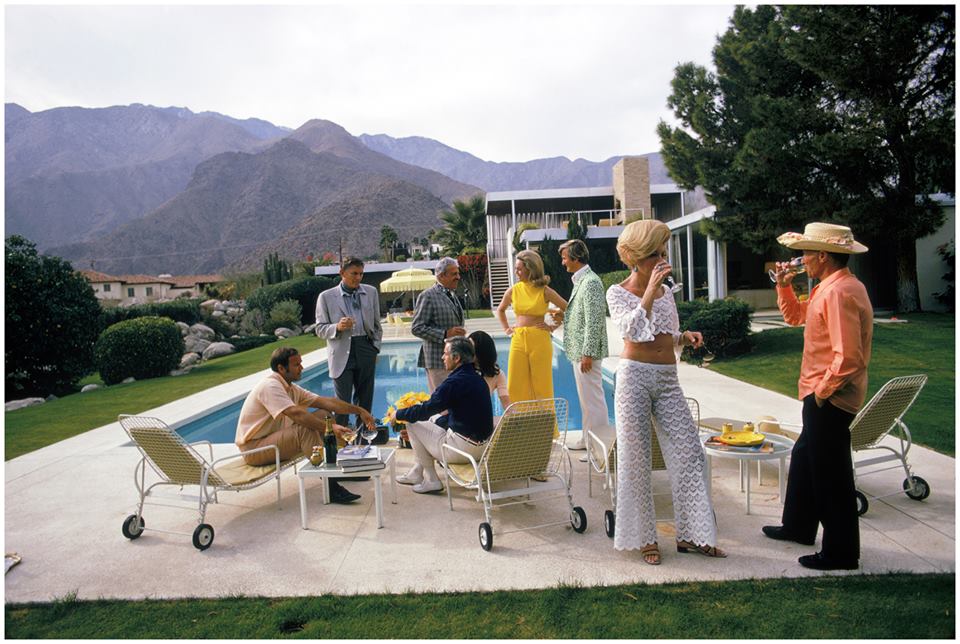
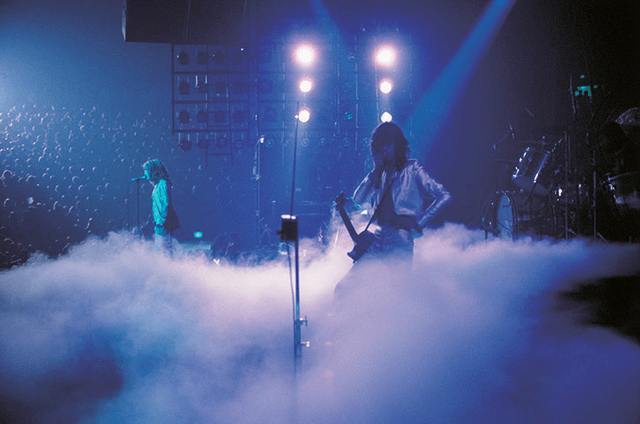
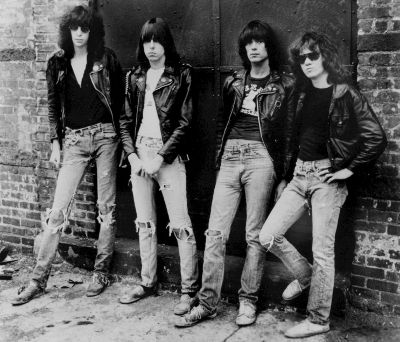
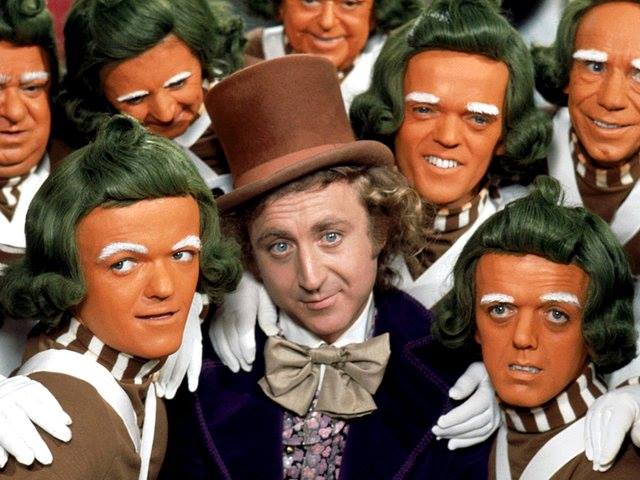
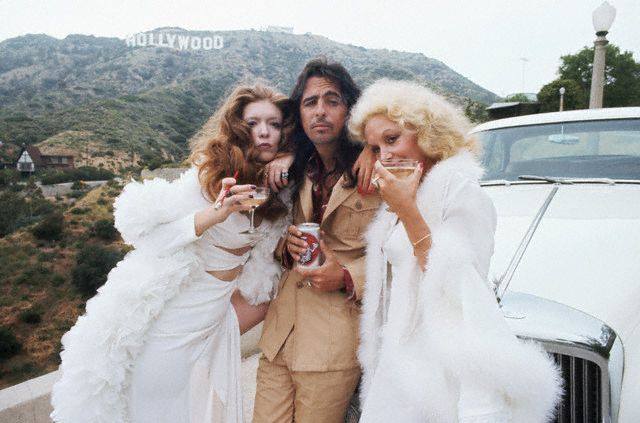
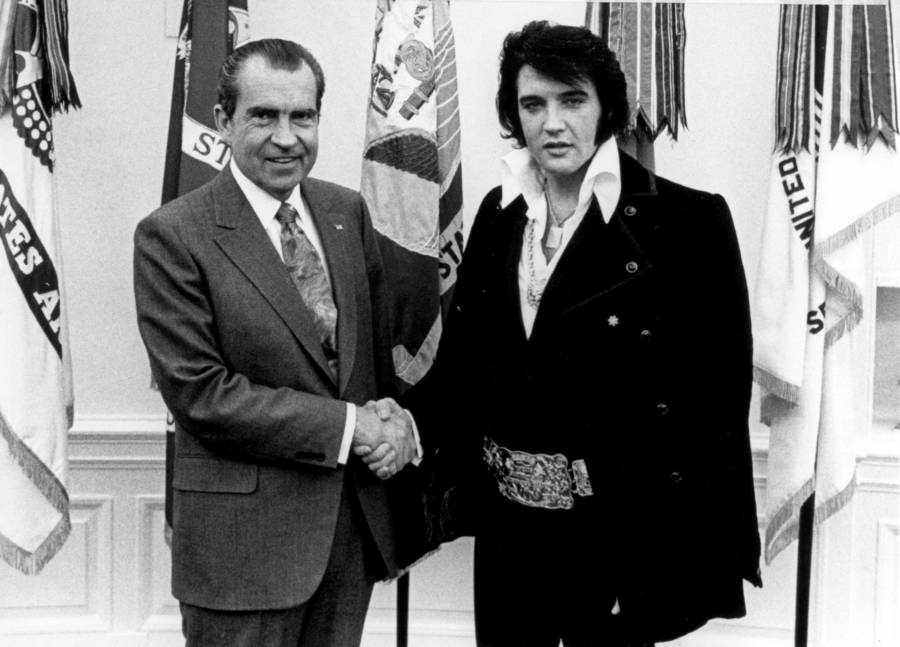
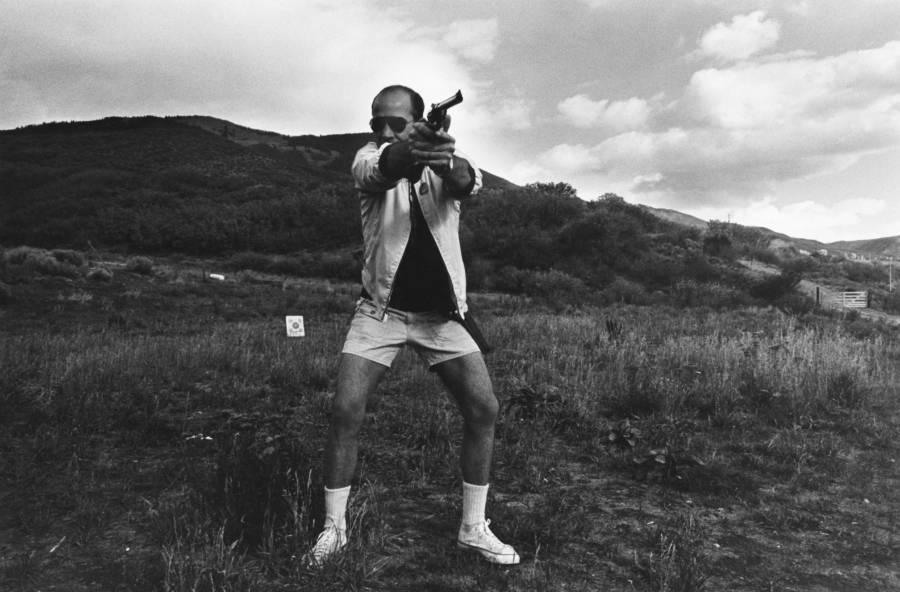
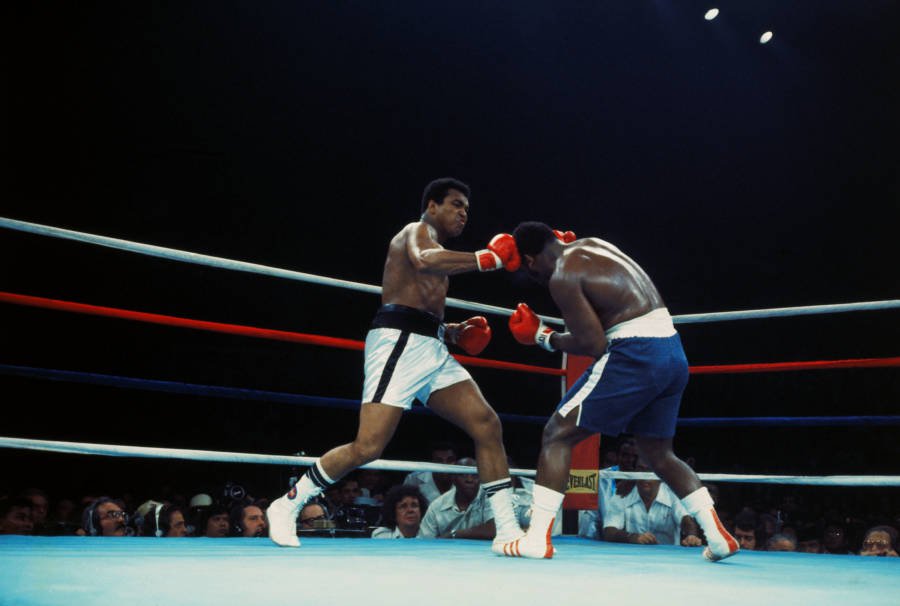
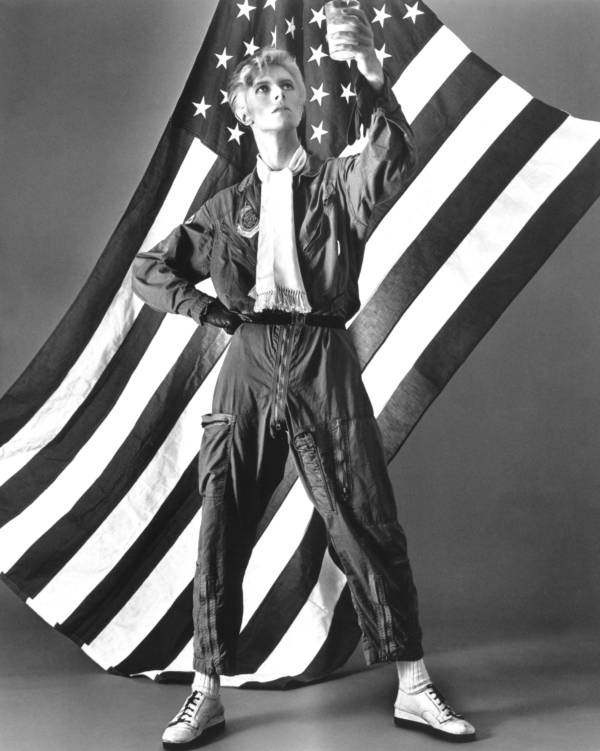
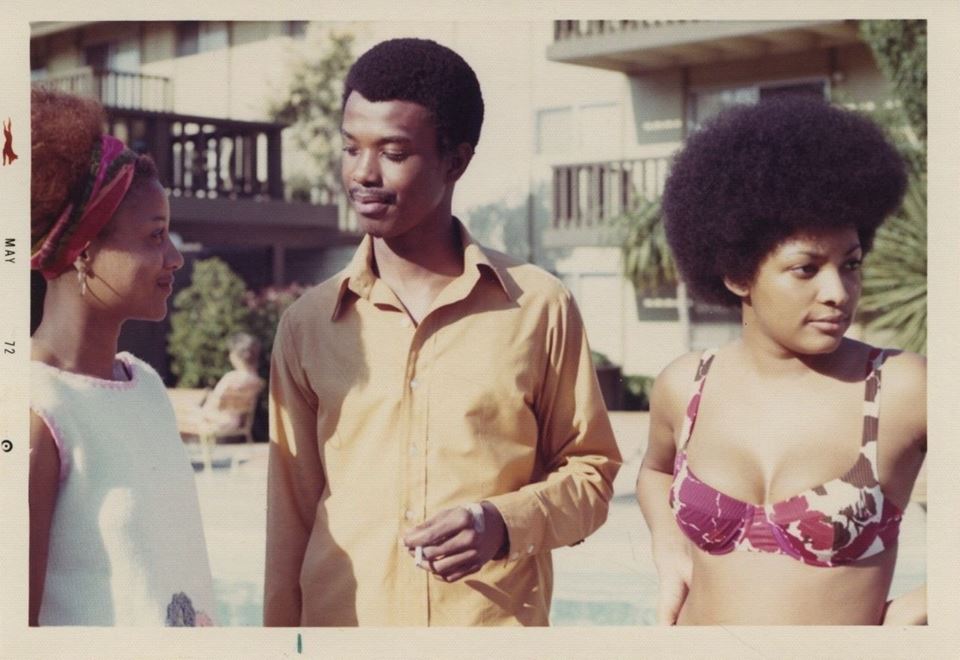
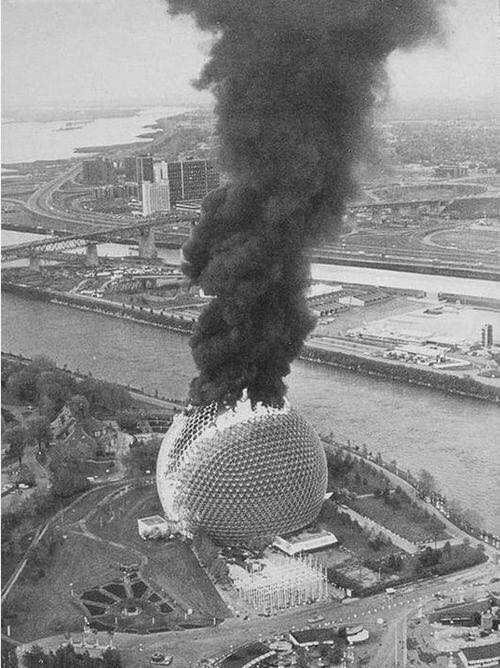
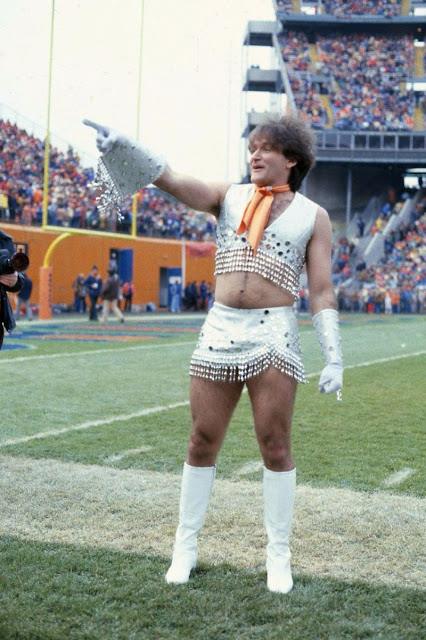
Engineers working at a Digital Equipment Corporations (DEC) customer site on a Programmed Data Processor (PDP) computer in California. (1971)One of the most iconic photographs ever taken: Bob Hope, John Wayne, Ronald Reagan, Dean Martin, and Frank Sinatra (circa 1975)The World Trade Center seen from beyond the Brooklyn Bridge, 1974Nunn Bush, Men’s Knee-High Lace-Up Boots, 1971.Bill Murray and Gilda Radner dancing at Studio 54. (1978)Led Zeppelin at a shrine in Hiroshima, September 26, 1971.Early 70s green sectional living room couch, that is one groovy sofa.Man on a Yamaha, June 1972.Piccadilly Circus in London in 1974.Jane Birkin and Serge Gainsbourg, Berwick Street Market, Soho, London 1977Audrey Hepburn at Maxim’s restaurant, Paris 1979.Lotus founder Colin Chapman posing with his sleek Cessna 414-A “Chancellor II” and Lotus Esprit in 1974 .Deborah Grant and Porsche 914, 1970.Late night phone calls at the womens’ dorm, 1970.Paloma Picasso, Marisa Berenson and Loulou de La Falaise at the presentation of Yves Saint Laurent new collection, 1971.Brick Lane Market, London, 1977Out-take of Debbie Harry and Blondie during the photoshoot for 1978’s Parallel Lines.Grace Coddington with Karl Lagerfeld, 1974.22nd June 1976: Bunny Girls in costume pose on the roof of the Playboy Club, London.Elizabeth Taylor in 1971.“He likes to look good. And he likes to be noticed. But only in the right way” Rappers clothing ad, September 1973Debbie Harry and Lester Bangs, Coney Island in 1976.The Kaufmann House in Palm Springs, 1970.Linda & Paul McCartney – seen here at UK’s Knebworth in 1976, with David GilmourRandy Jackson by the Thames in 1972.Ian Archibald ponders the consequences of a critical study of contestants during the Miss TV Times finals, 1971Elvis & Priscilla, 1970sMcDonald’s menu in 1972.In the telephones’ manufacturing department of the Riga State electrotechnical plant VEF, USSR, 1977.Jimmy Page waiting to do his solo in the song “Whole Lotta Love” at a 1977 Led Zeppelin concert.The Ramones, 1970sRedeeming bottles, Columbus, Ohio, 1970sWilly Wonka (Gene Wilder) and his Oompa Loompas from the 1971 movie, “Willy Wonka & the Chocolate Factory”.Baywatch beauty Pamela Anderson in 1979.‘Shock rocker’ Alice Cooper living the good life in 1978.President Richard Nixon meets with Elvis Presley at the White House on December 21, 1970.Hunter S. Thompson aims his Magnum on his ranch near Aspen, Colorado, 1976Muhammad Ali lands a right on Joe Frazier during the second round of their “Thrilla in Manila” fight, which Ali won, in the Philippines on October 1, 1975.David Bowie poses for a portrait in front of an American flag. 1976.1970 Norton Commando 750.Mermaid at Weeki Wachee, Florida, May 1974.Marlon Brando at the Savoy Hotel in London, 1970.1972.Mr & Mrs Hudson outside their Newsagents, Seacroft, Leeds, 1974.Miami in the 1970sNYC – 1970Montréal Biosphère in flames, 1976Stevie Nicks, 1978.Robin Williams as a cheerleader for the Denver Broncos football team in 1979.Rene Russo modeling for Vogue, 1974.
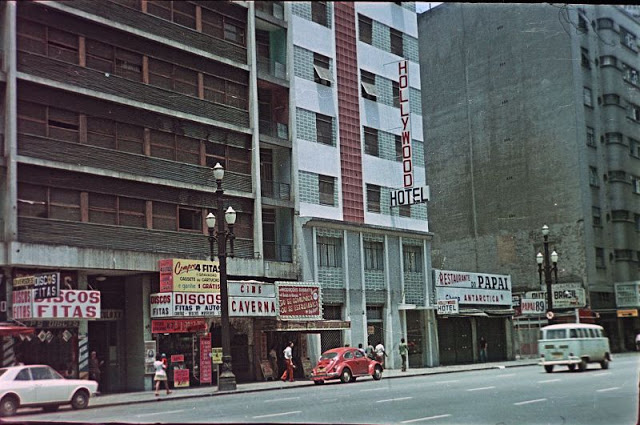
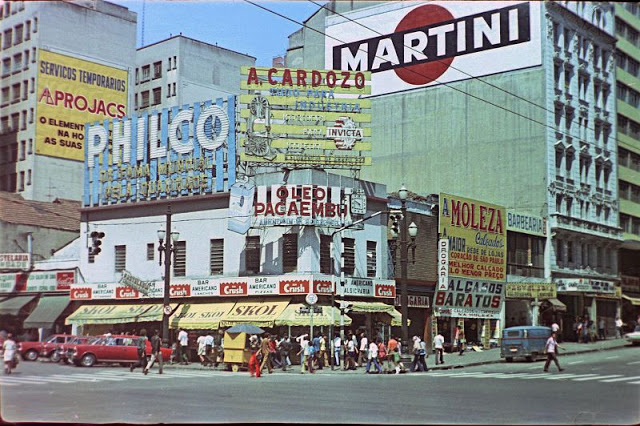
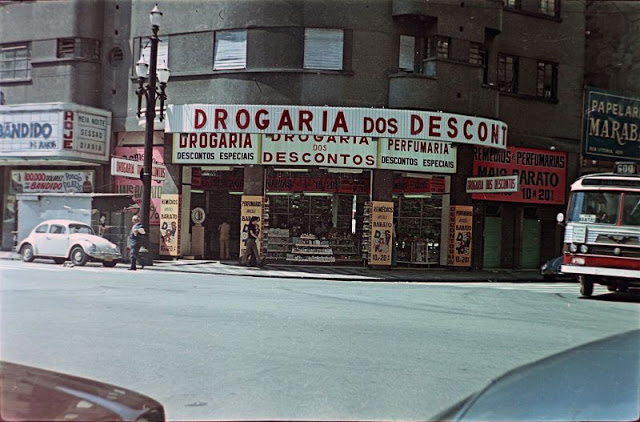
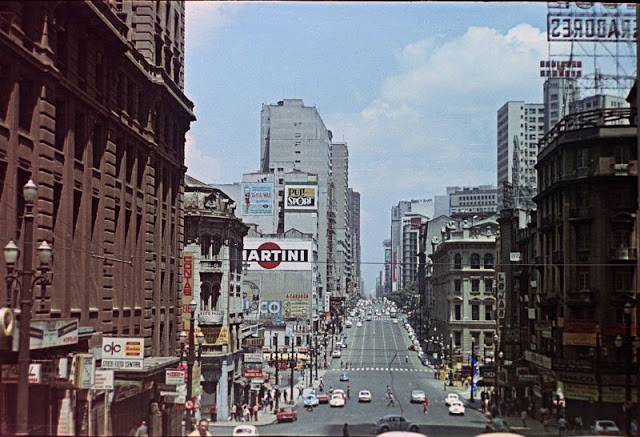
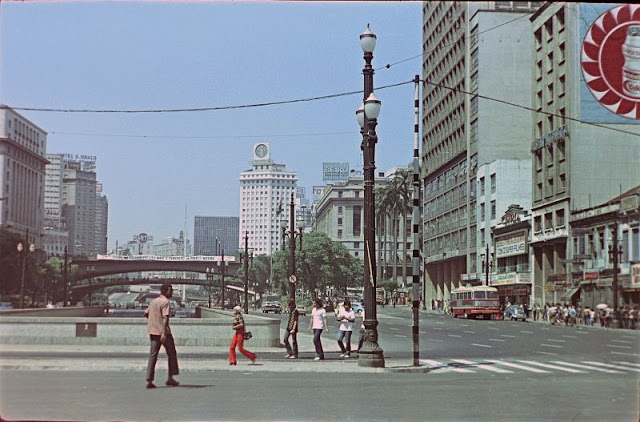
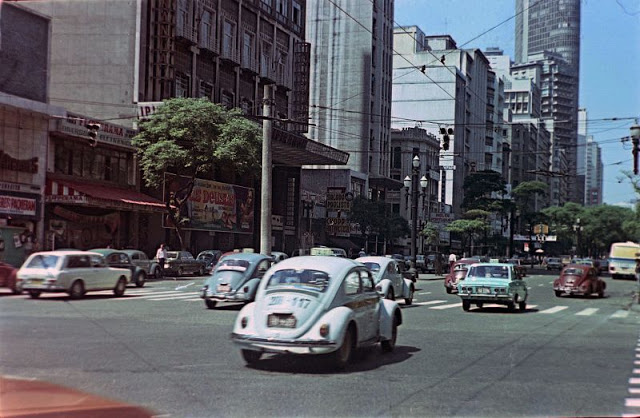
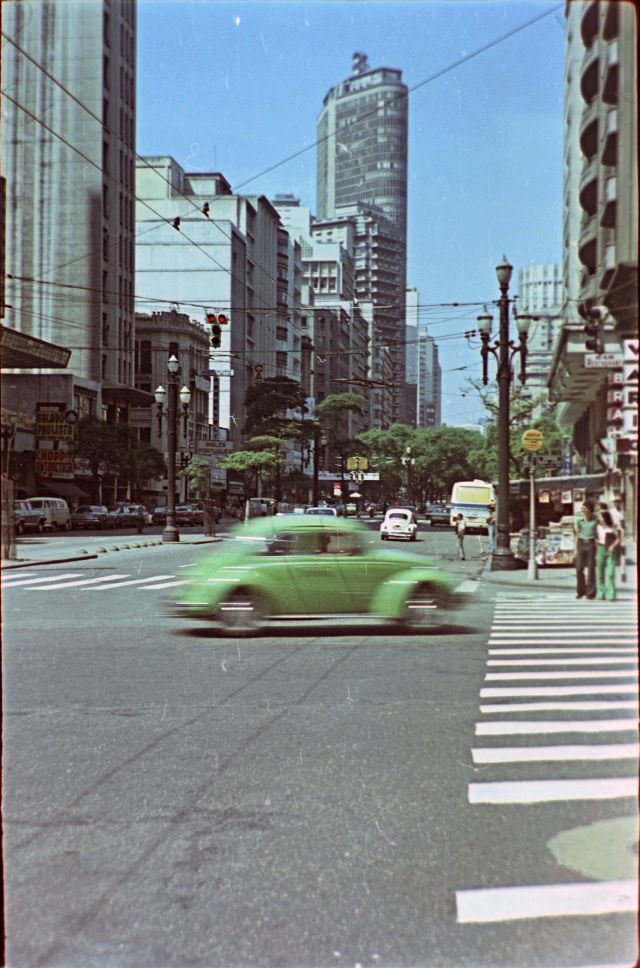
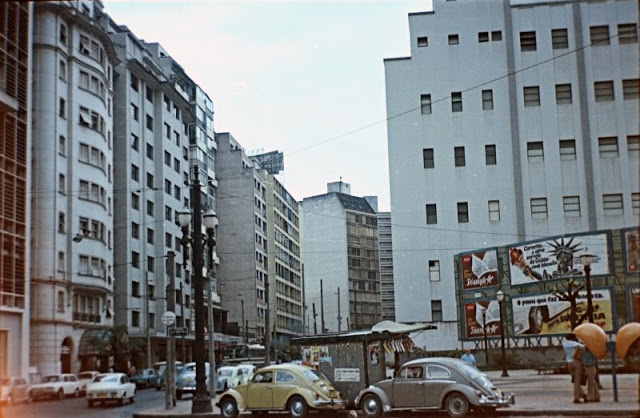
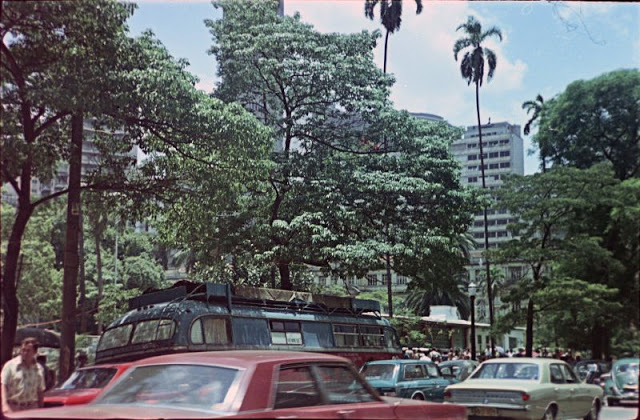
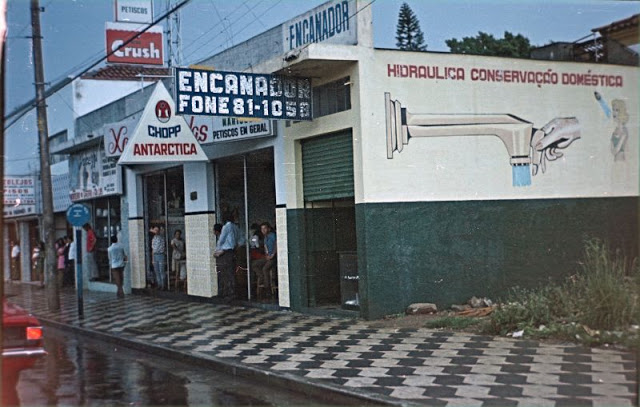
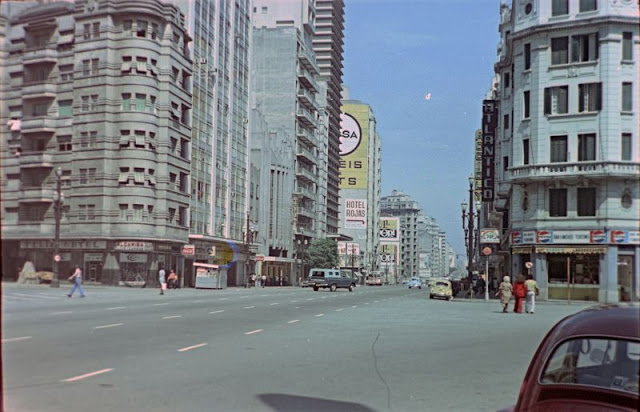
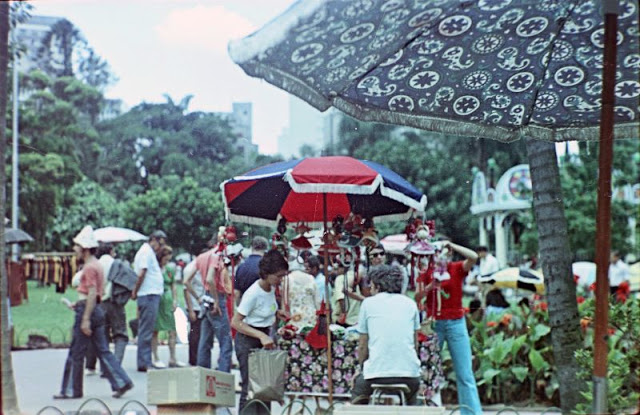
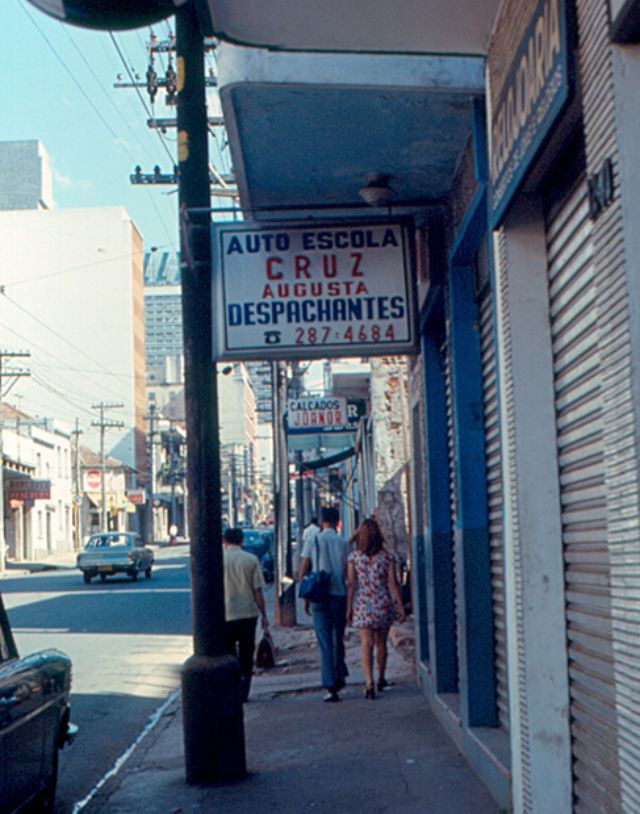
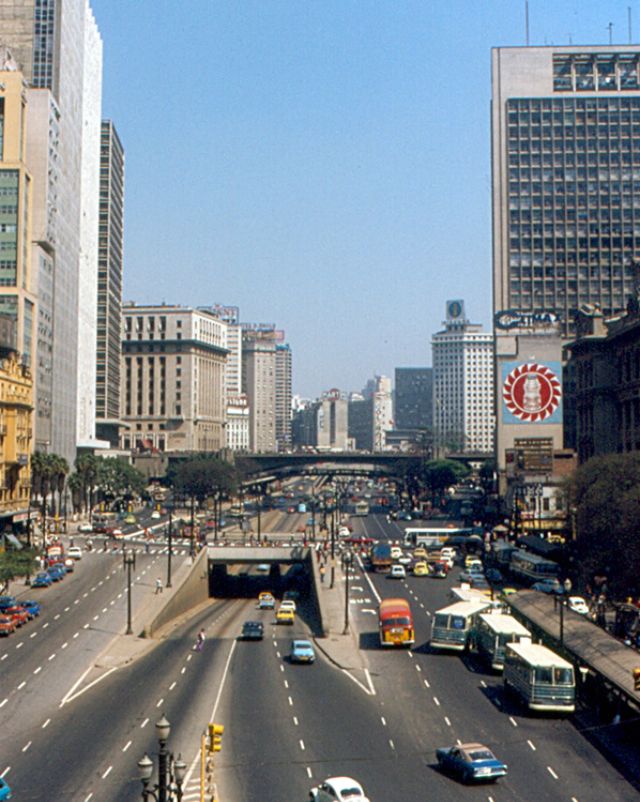
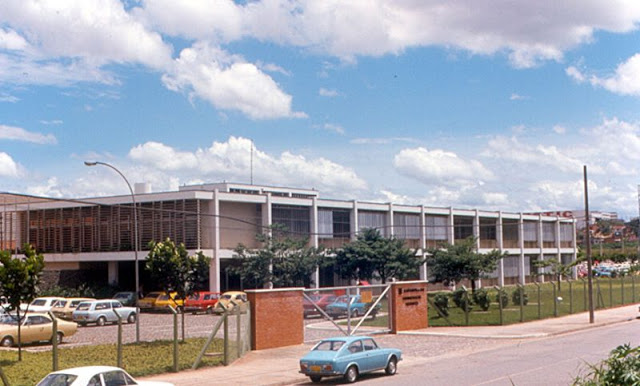
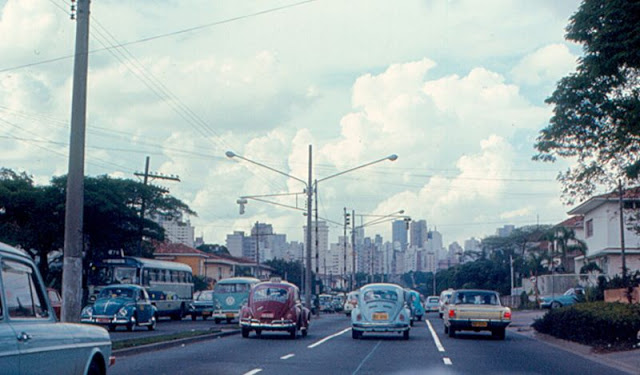
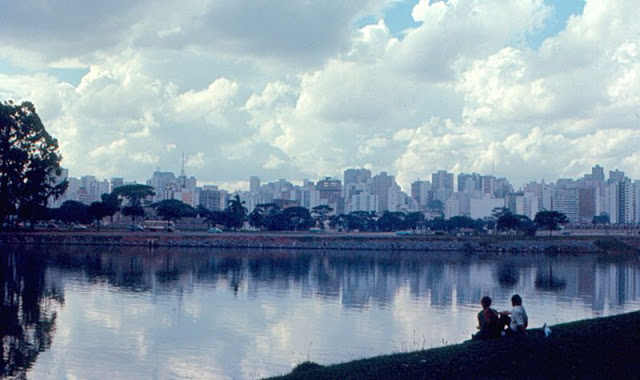
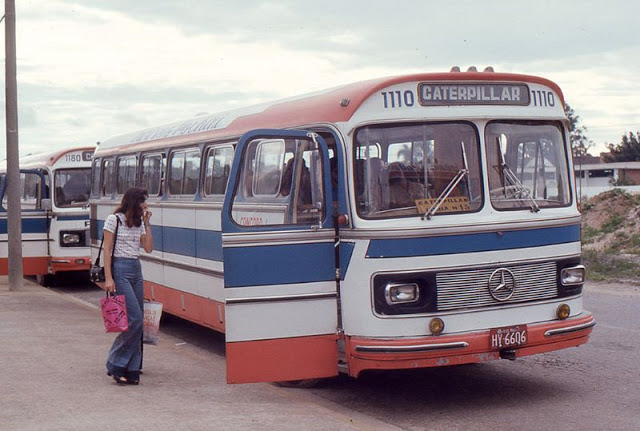
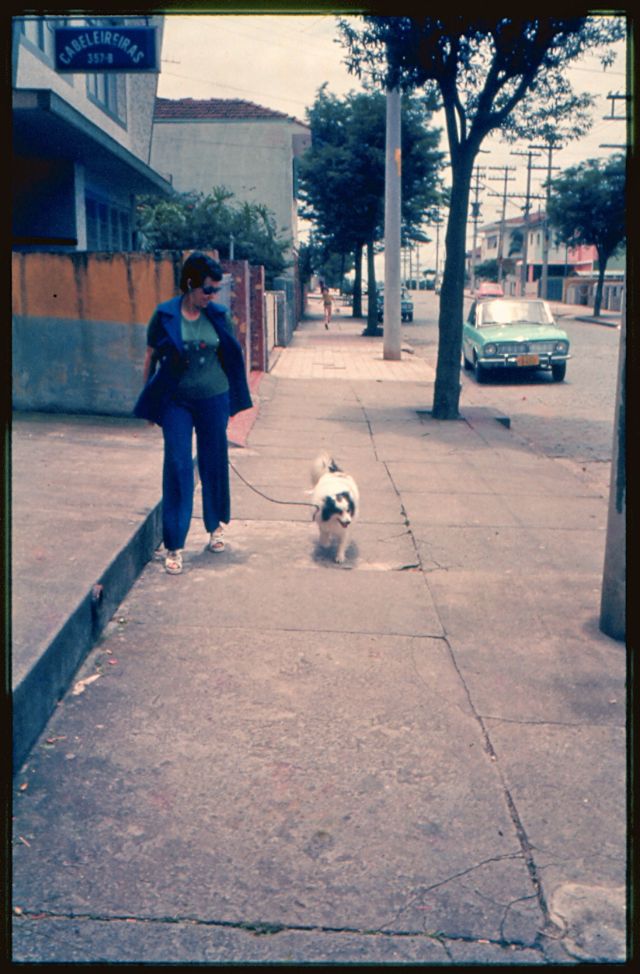
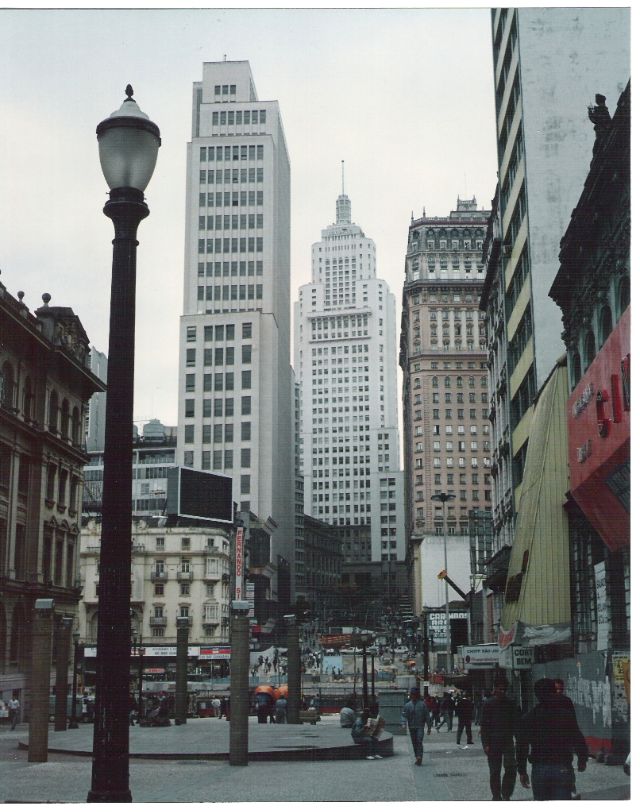
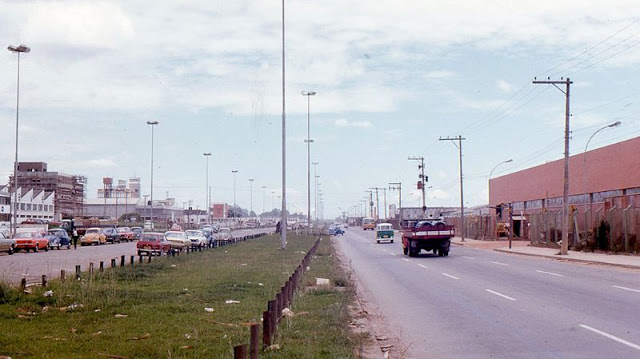
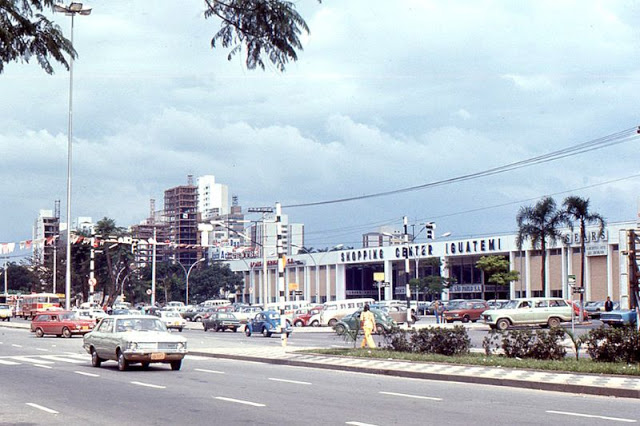
São Paulo (Portuguese for ‘Saint Paul’) is a city in the Southeast Region of Brazil. Listed by the GaWC as an alpha global city, the municipality of São Paulo is the most populous city proper in Brazil, the Americas, the Western Hemisphere and the Southern Hemisphere, as well as the world’s 4th largest city proper by population. Additionally, São Paulo is the largest Portuguese-speaking city in the world. The city serves as the capital of the surrounding state of São Paulo, the most populous and wealthiest state in Brazil. It exerts strong international influences in commerce, finance, arts and entertainment. The city’s name honors the Apostle, Saint Paul of Tarsus. The city’s metropolitan area, the Greater São Paulo, ranks as the most populous in Brazil and the 12th most populous on Earth. The process of conurbation between the metropolitan areas around the Greater São Paulo (Campinas, Santos, Jundiaí, Sorocaba and São José dos Campos) created the São Paulo Macrometropolis, a megalopolis with more than 30 million inhabitants, one of the most populous urban agglomerations in the world.
Having the largest economy by GDP in Latin America and the Southern Hemisphere, the city is home to the São Paulo Stock Exchange. Paulista Avenue is the economic core of São Paulo. The city has the 23th largest GDP in the world, representing alone 10.7% of all Brazilian GDP and 36% of the production of goods and services in the state of São Paulo, being home to 63% of established multinationals in Brazil, and has been responsible for 28% of the national scientific production in 2005, as measured by the number of science papers published in journals.
The metropolis is also home to several of the tallest skyscrapers in Brazil, including the Mirante do Vale, Edifício Itália, Banespa, North Tower and many others. The city has cultural, economic and political influence nationally and internationally. It is home to monuments, parks and museums such as the Latin American Memorial, the Ibirapuera Park, Museum of Ipiranga, São Paulo Museum of Art, and the Museum of the Portuguese Language. The city holds events like the São Paulo Jazz Festival, São Paulo Art Biennial, the Brazilian Grand Prix, São Paulo Fashion Week, the ATP Brasil Open, the Brasil Game Show and the Comic Con Experience. São Paulo’s LGBTQ Pride parade rivals the New York City Pride march as the largest LGBTQ pride parade in the world.
São Paulo is a cosmopolitan, melting pot city, home to the largest Arab, Italian, Japanese, and Portuguese diasporas, with examples including ethnic neighborhoods of Bixiga, Bom Retiro, and Liberdade. São Paulo is also home to the largest Jewish population in Brazil, with about 75,000 Jews. In 2016, inhabitants of the city were native to over 200 countries. People from the city are known as paulistanos, while paulistas designates anyone from the state, including the paulistanos. The city’s Latin motto, which it has shared with the battleship and the aircraft carrier named after it, is Non ducor, duco, which translates as “I am not led, I lead.” The city, which is also colloquially known as Sampa or Terra da Garoa (Land of Drizzle), is known for its unreliable weather, the size of its helicopter fleet, its architecture, gastronomy, severe traffic congestion and skyscrapers. São Paulo was one of the host cities of the 1950 and the 2014 FIFA World Cup. Additionally, the city hosted the IV Pan American Games and the São Paulo Indy 300. (Wikipedia)