37 Wonderful Photos That Show New York Street Scenes in the Mid-1960s

New York, often called New York City (NYC), is the most populous city of both New York State and the United States. With a 2020 population of 8,804,190 distributed over 300 square miles (780 km2) and divided into five boroughs, New York City is also the most densely populated major city in the United States. Located at the southern tip of the state of New York, the city is the center of the New York metropolitan area, the largest metropolitan area in the world by urban area. With over 20.1 million people in its metropolitan statistical area and 23.5 million in its combined statistical area as of 2020, New York is one of the world’s most populous megacities. New York City has been described as the cultural, financial, and media capital of the world, and is a significant influence on commerce, entertainment, research, technology, education, politics, tourism, dining, art, fashion, and sports. It is the most photographed city in the world. Home to the headquarters of the United Nations, New York is an important center for international diplomacy, an established safe haven for global investors, and is sometimes described as the capital of the world.

Situated on one of the world’s largest natural harbors, with water covering 36.4% of its surface area, New York City is composed of five boroughs, each of which is coextensive with a respective county of the state of New York. The five boroughs—Brooklyn (Kings County), Queens (Queens County), Manhattan (New York County), the Bronx (Bronx County), and Staten Island (Richmond County)—were created when local governments were consolidated into a single municipal entity in 1898. The city and its metropolitan area constitute the premier gateway for legal immigration to the United States. As many as 800 languages are spoken in New York, making it the most linguistically diverse city in the world. New York is home to more than 3.2 million residents born outside the United States, the largest foreign-born population of any city in the world as of 2016. As of 2018, the New York metropolitan area is estimated to produce a gross metropolitan product (GMP) of nearly $1.8 trillion, ranking it first in the United States. If the New York metropolitan area were a sovereign state, it would have the eighth-largest economy in the world. New York is home to the highest number of billionaires of any city in the world.

New York City traces its origins to a trading post founded on the southern tip of Manhattan Island by Dutch colonists in approximately 1624. The settlement was named New Amsterdam (Dutch: Nieuw Amsterdam) in 1626 and was chartered as a city in 1653. The city came under English control in 1664 and was renamed New York after King Charles II of England granted the lands to his brother, the Duke of York. The city was regained by the Dutch in July 1673 and was renamed New Orange for one year and three months; the city has been continuously named New York since November 1674. New York City was the capital of the United States from 1785 until 1790, and has been the largest U.S. city since 1790. The Statue of Liberty greeted millions of immigrants as they came to the U.S. by ship in the late 19th and early 20th centuries, and is a symbol of the U.S. and its ideals of liberty and peace. In the 21st century, New York has emerged as a global node of creativity, entrepreneurship, and environmental sustainability, and as a symbol of freedom and cultural diversity. In 2019, New York was voted the greatest city in the world per a survey of over 30,000 people from 48 cities worldwide, citing its cultural diversity.

Many districts and monuments in New York City are major landmarks, including three of the world’s ten most visited tourist attractions in 2013. A record 66.6 million tourists visited New York City in 2019. Times Square is the brightly illuminated hub of the Broadway Theater District, one of the world’s busiest pedestrian intersections, and a major center of the world’s entertainment industry. Many of the city’s landmarks, skyscrapers, and parks are known around the world, as is the city’s fast pace, spawning the term New York minute. The Empire State Building has become the global standard of reference to describe the height and length of other structures. Manhattan’s real estate market is among the most expensive in the world. Providing continuous 24/7 service and contributing to the nickname The City That Never Sleeps, the New York City Subway is the largest single-operator rapid transit system worldwide, with 472 rail stations. The city has over 120 colleges and universities, including Columbia University, New York University, Rockefeller University, and the City University of New York system, which is the largest urban public university system in the United States. Anchored by Wall Street in the Financial District of Lower Manhattan, New York City has been called both the world’s leading financial center and the most financially powerful city in the world, and is home to the world’s two largest stock exchanges by total market capitalization, the New York Stock Exchange and Nasdaq. (Wikipedia)
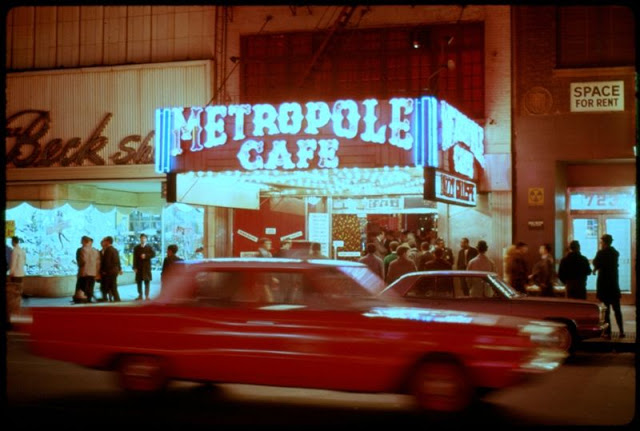
Metropole Cafe, NYC, 1966
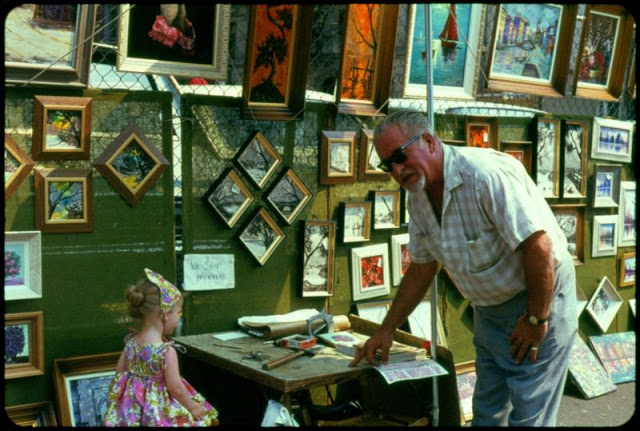
Artists along Sixth Avenue in Greenwich Village, NYC, November 1966
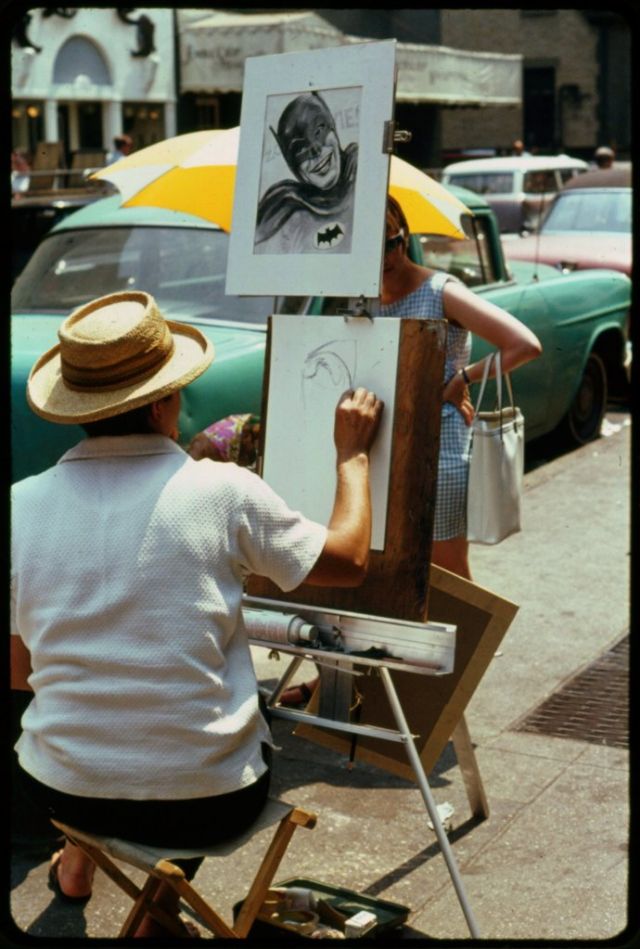
Batman, NYC, June 1966
Chess players, NYC, November 1966
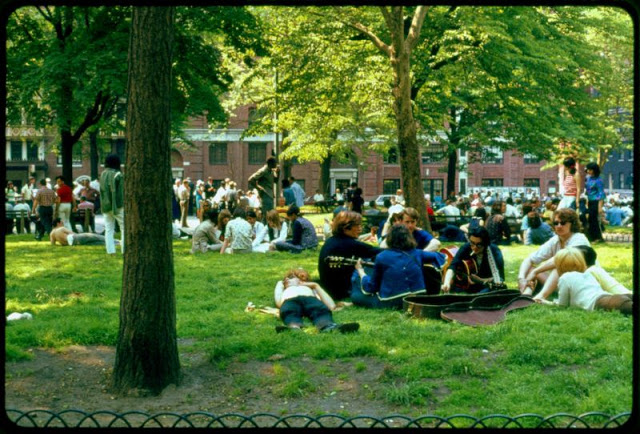
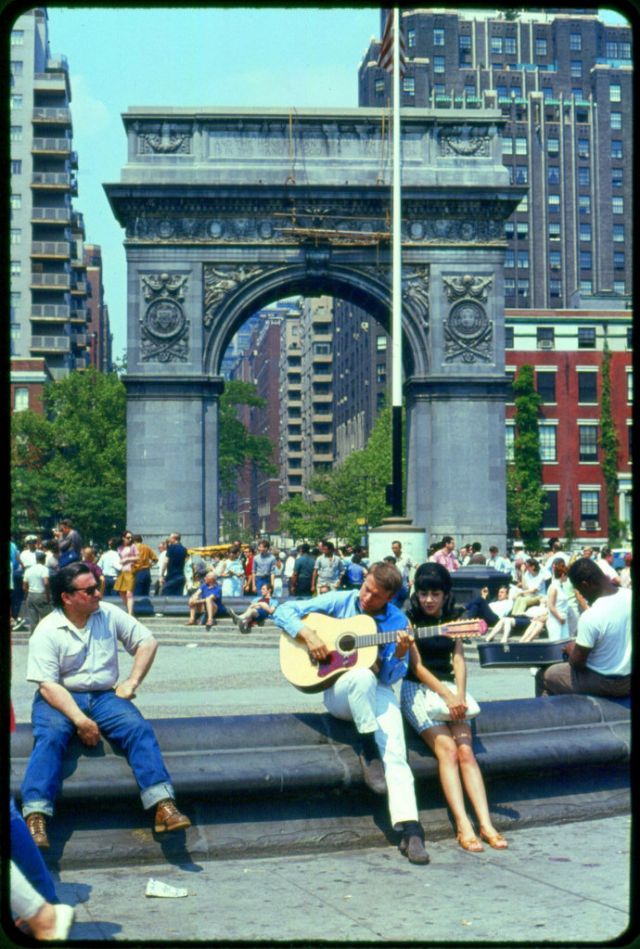
Guitar players at Washington Square, NYC, June 1966
Le Figaro Cafe, May 1966
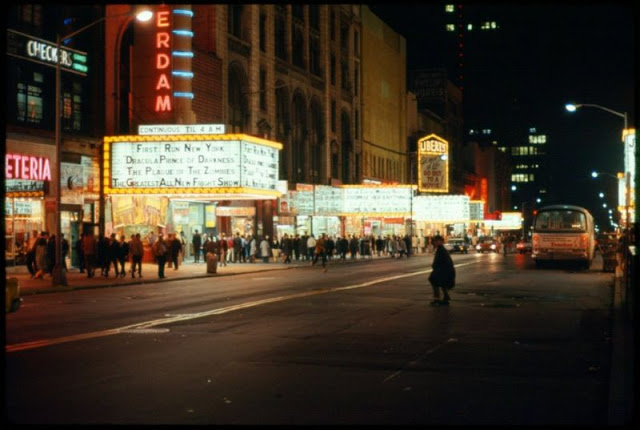
New Amsterdam Theater, June 1966
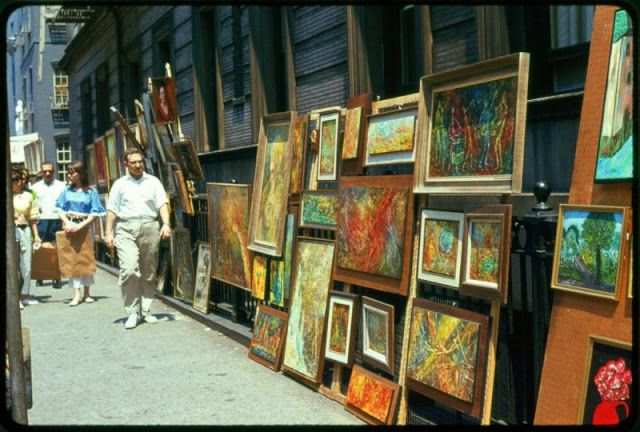
New York art walk, June 1966
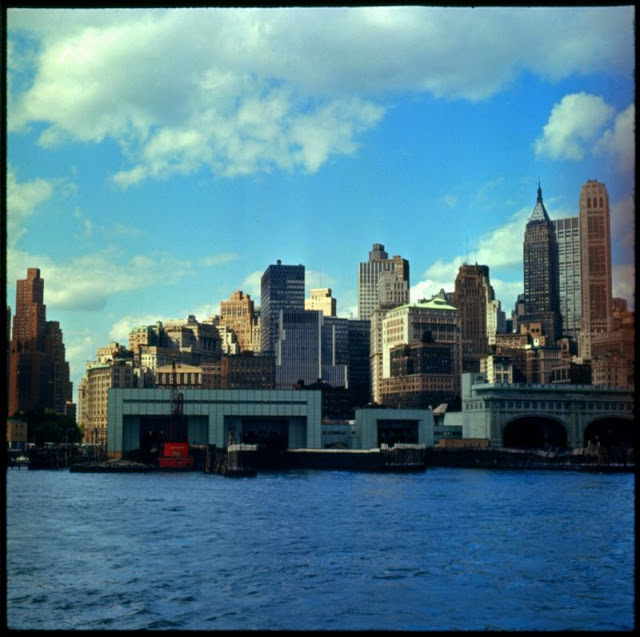
New York City from the Staten Island Ferry, June 1966
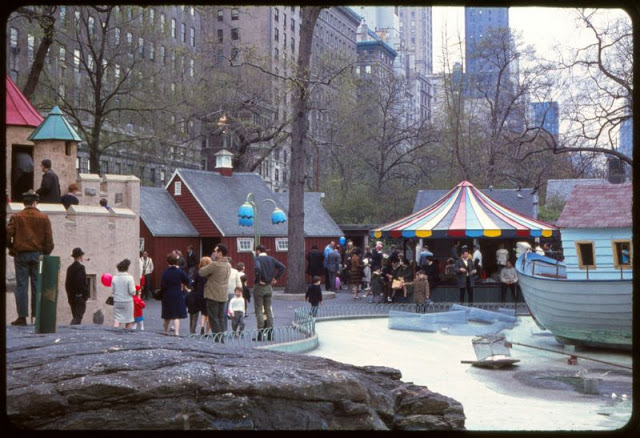
New York City playground, May 1966
New York City skyline from the approach to the Staten Island Ferry Terminal, 1966
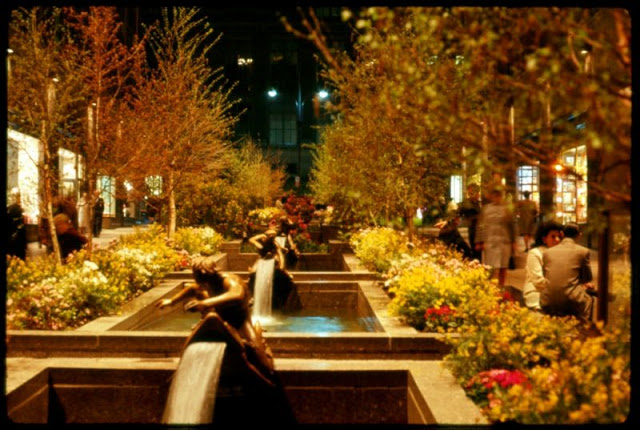
New York park fountains, June 1966
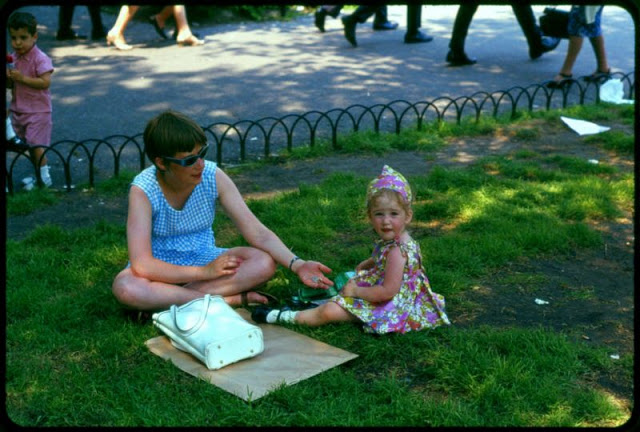
New York park scene, June 1966
New York street scene, June 1966
NYC Building Skyline, March 1966
Street art dealer, NYC, June 1966
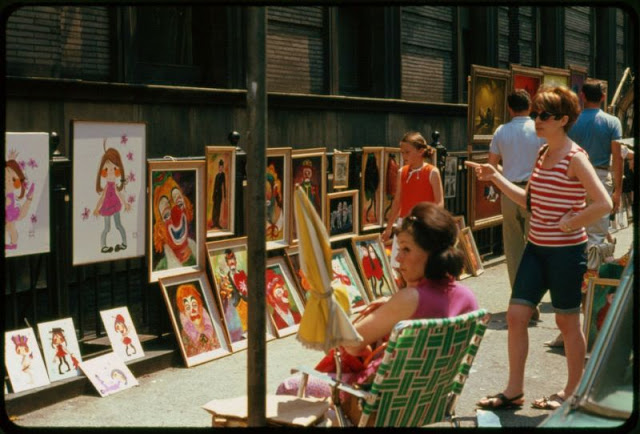
Street art, NYC, June 1966
The DeVille, the Palace, and the Majestic Ballroom, NYC, June 1966
The Washington Square Arch, NYC, June 1966
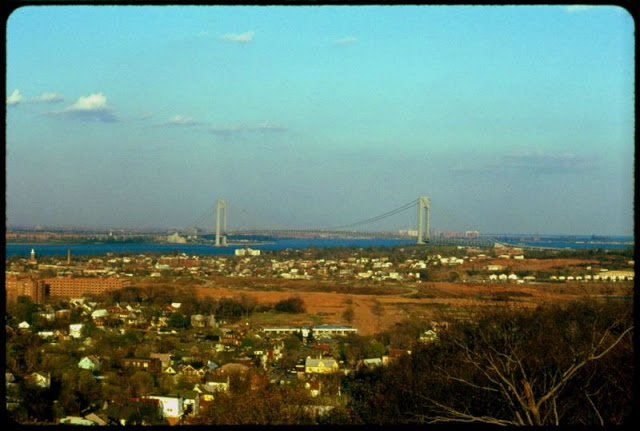
Verrazano-Narrows Bridge, May 1966
Washington Square Park, NYC, Summer 1966
Chrysler Building, NYC, June 1967
Macy’s, NYC, June 1967
New York skyline, June 1967
NYC skyline portrait (mother-in-law on the Empire State Building), June 1967
Staten Island, NYC, 1967
Statue of Liberty, NYC, June 1967
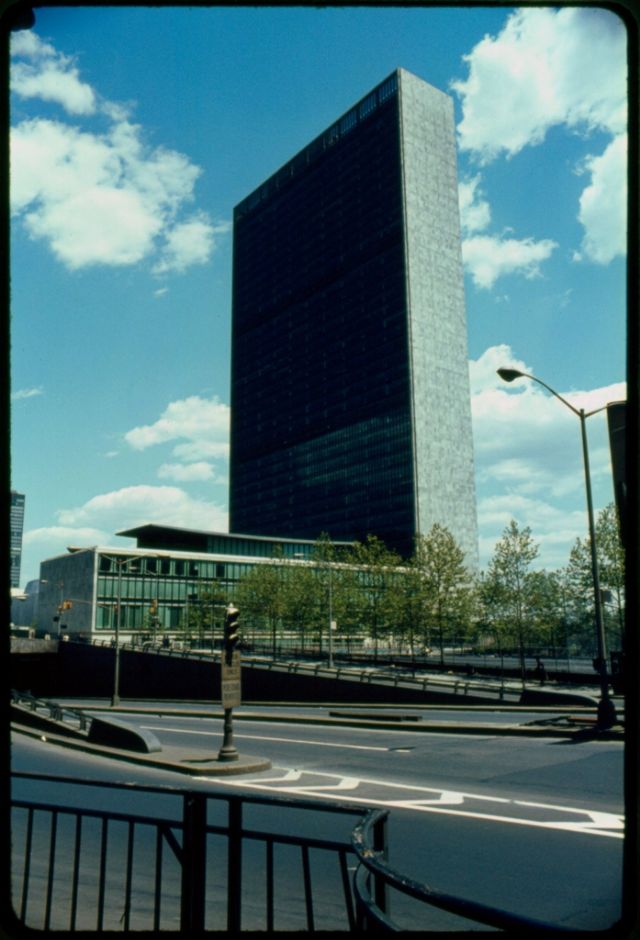
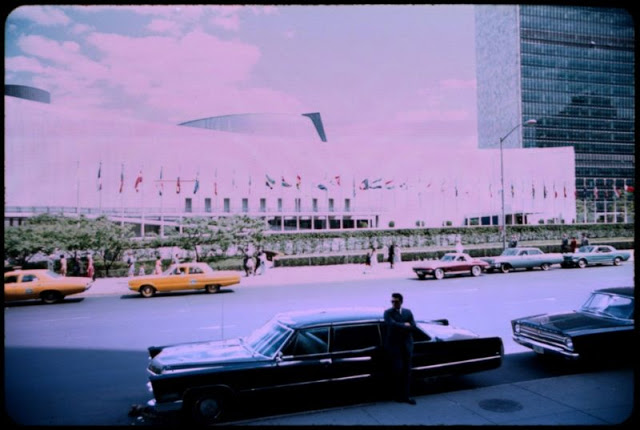
The United Nations, NYC, June 1967
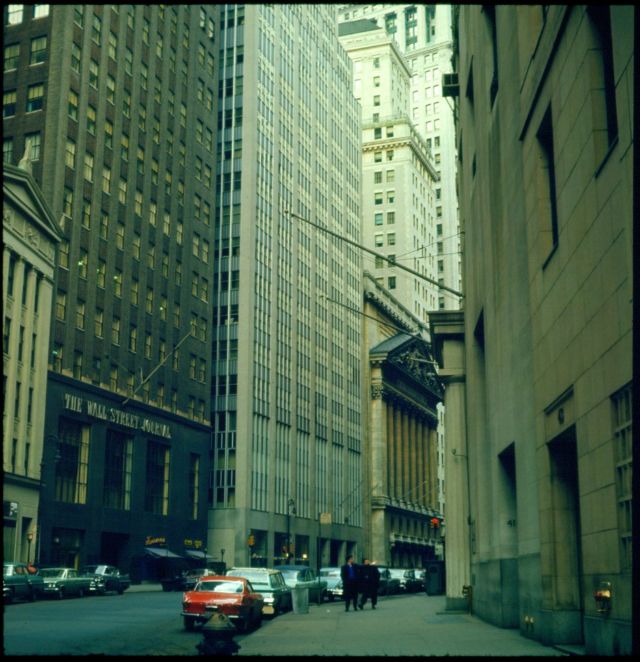
Wall Street Journal Building, NYC, March 1967

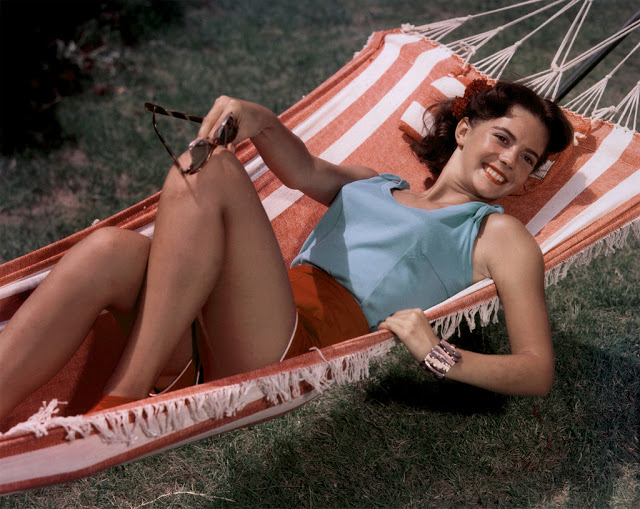
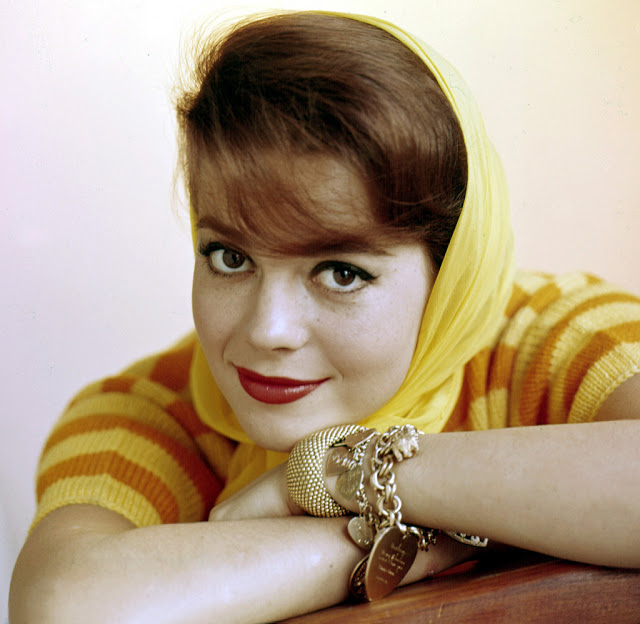
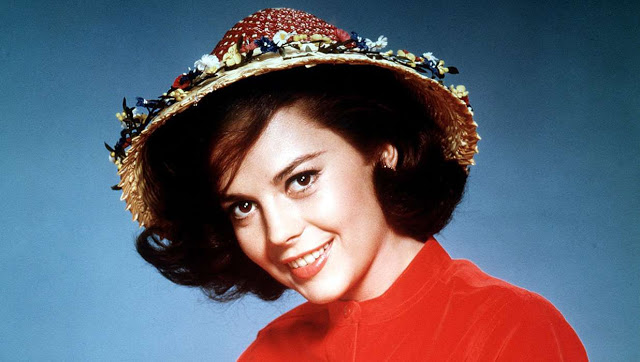
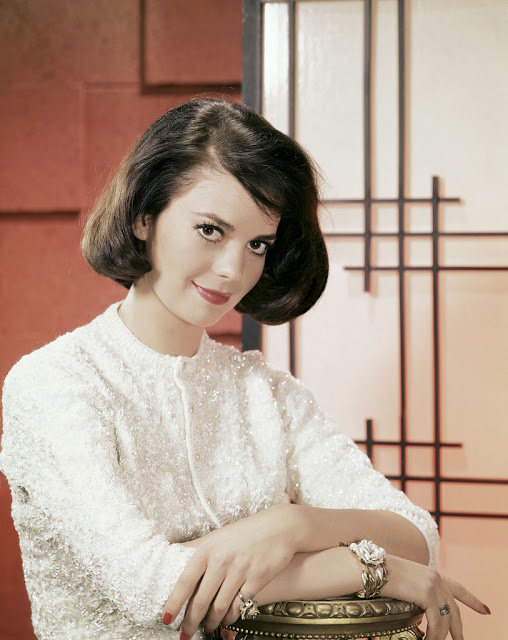
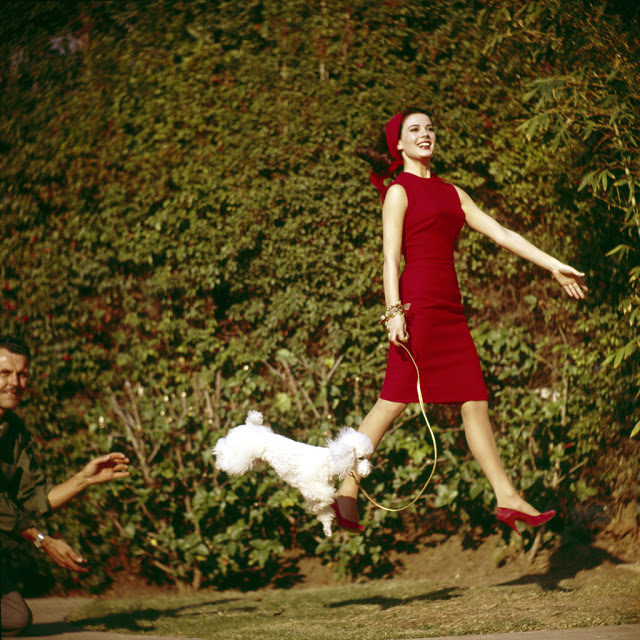
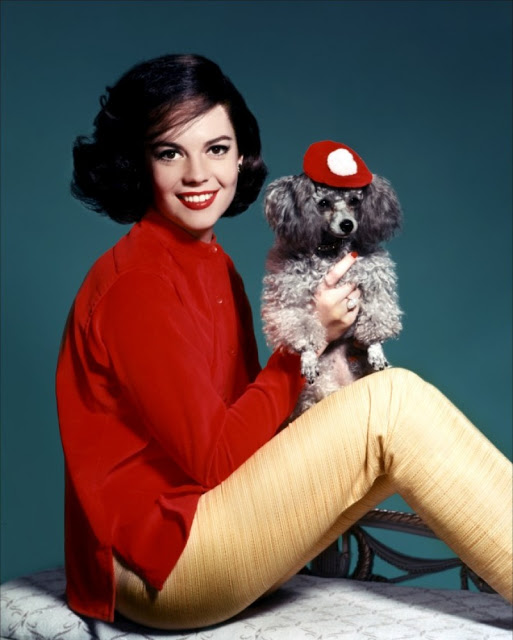
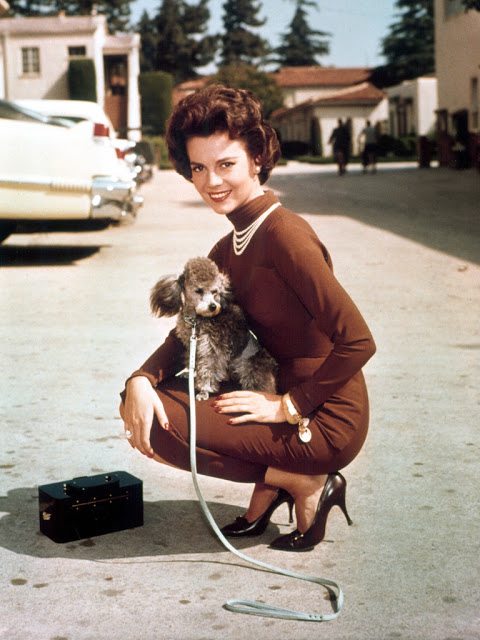
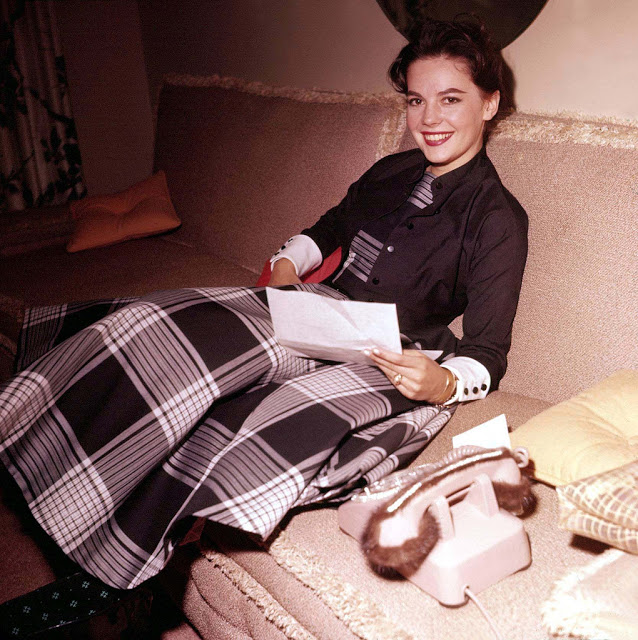
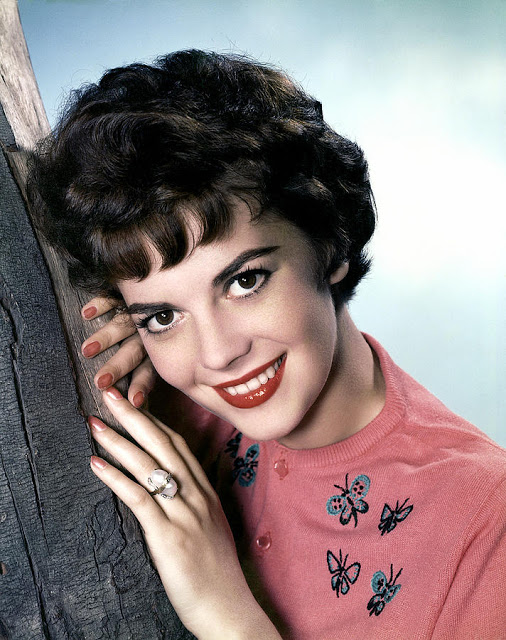
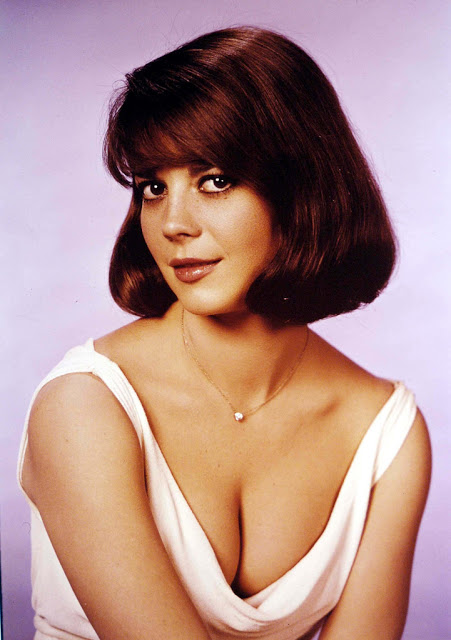
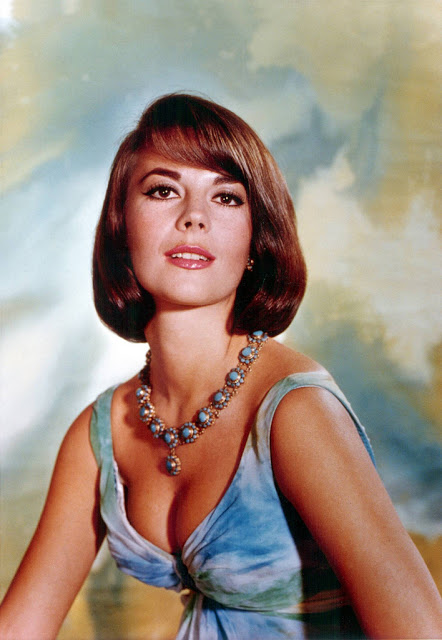
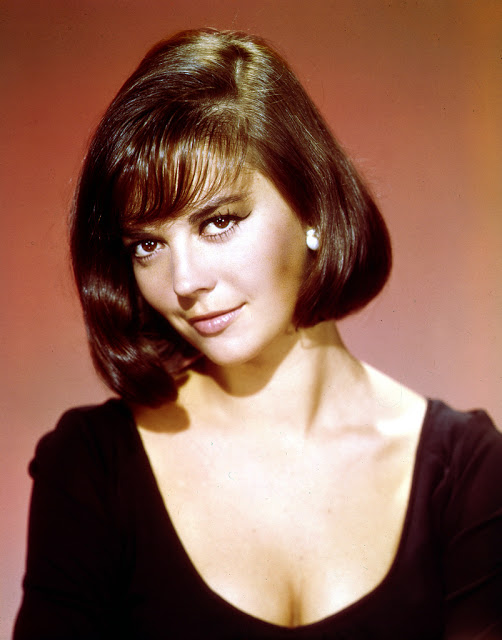
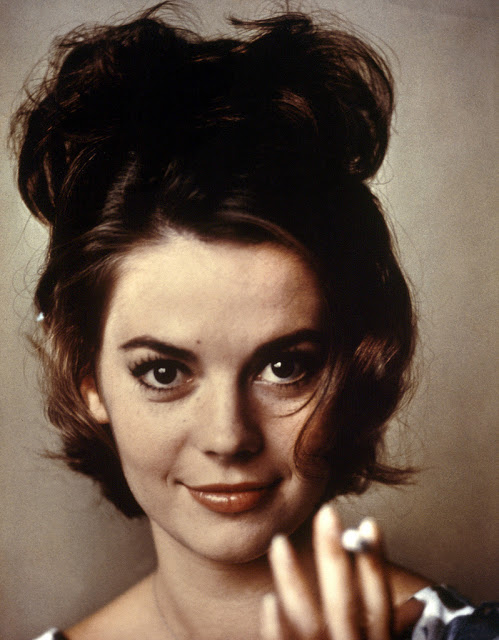
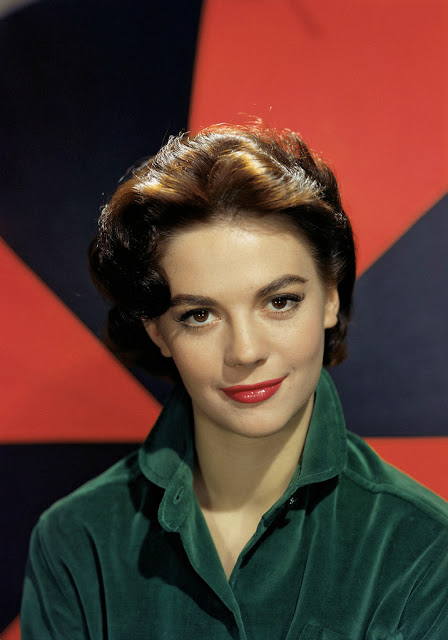
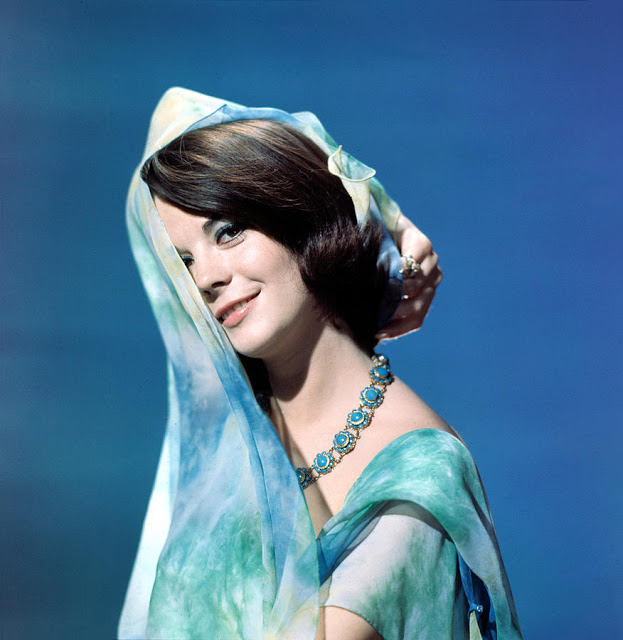
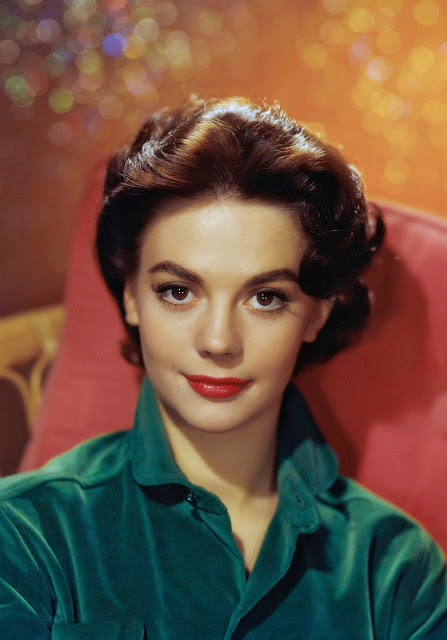
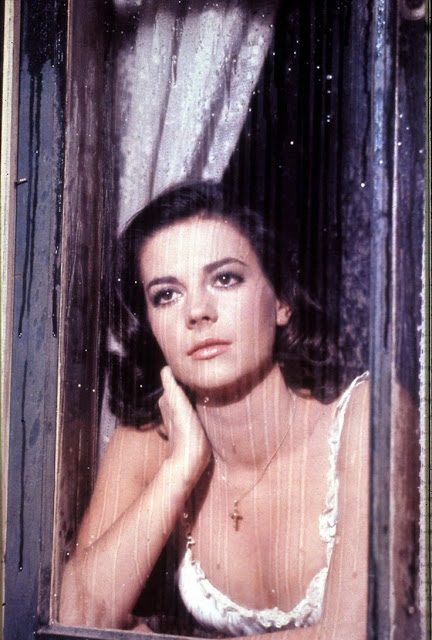
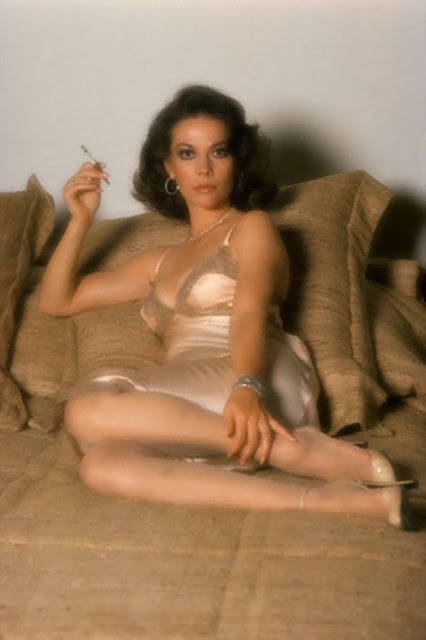
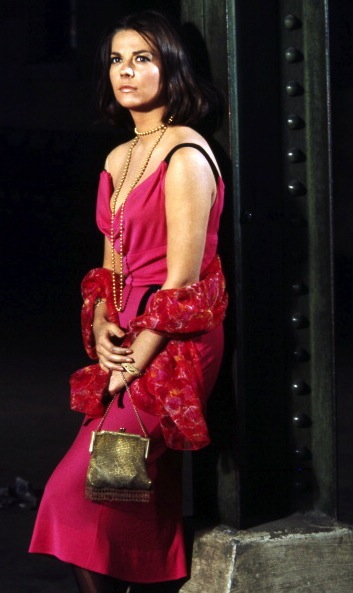
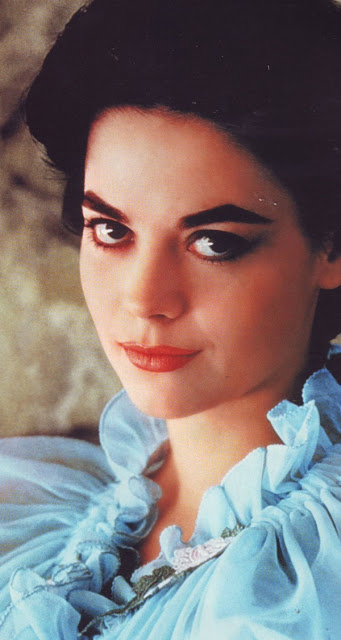
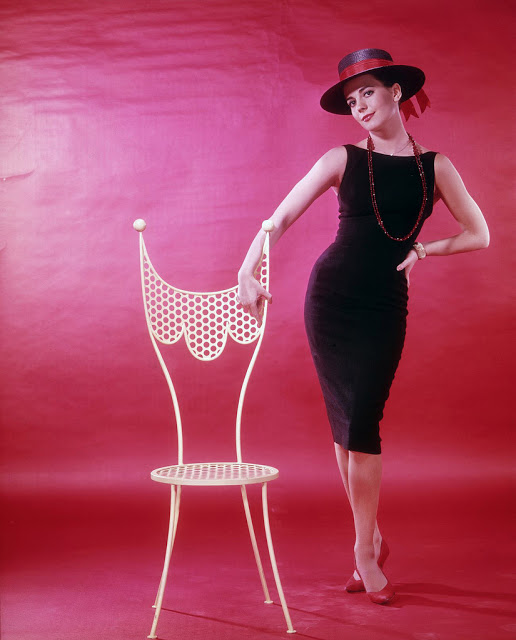
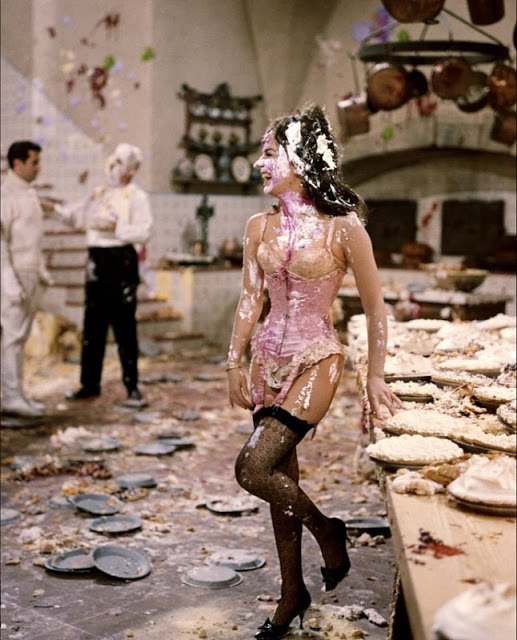
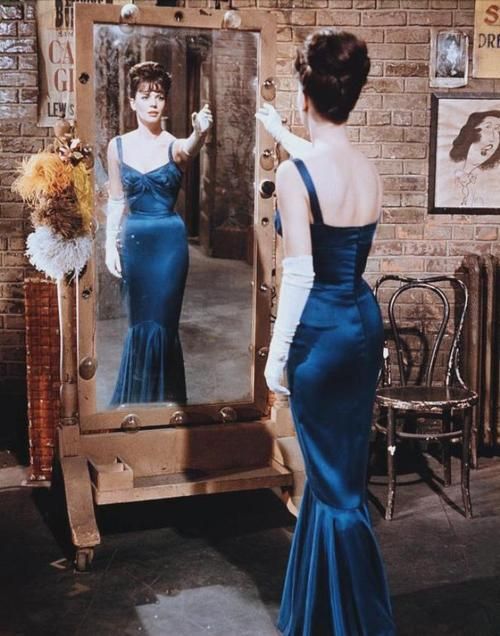
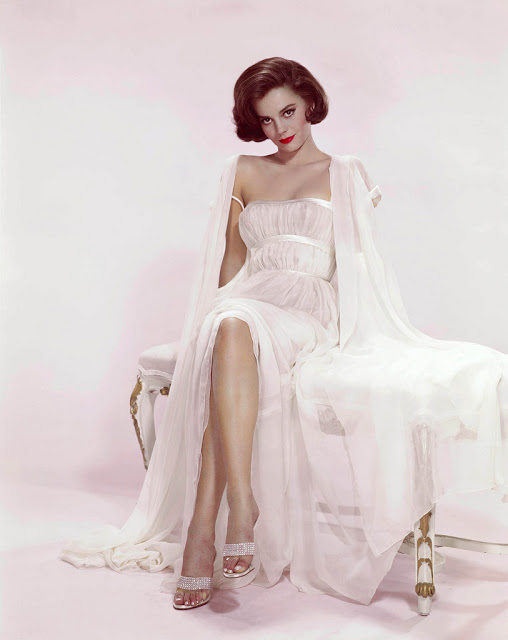
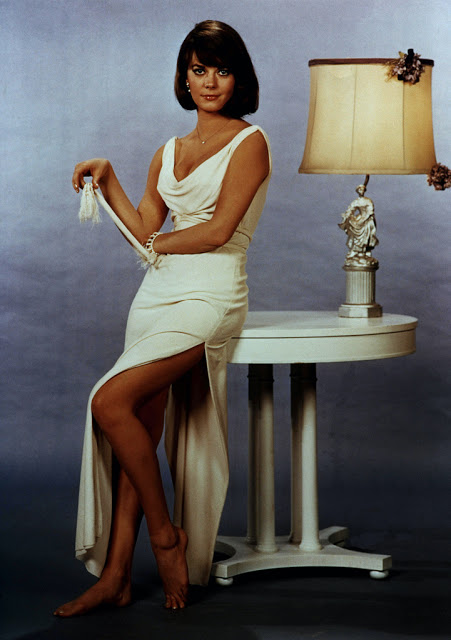
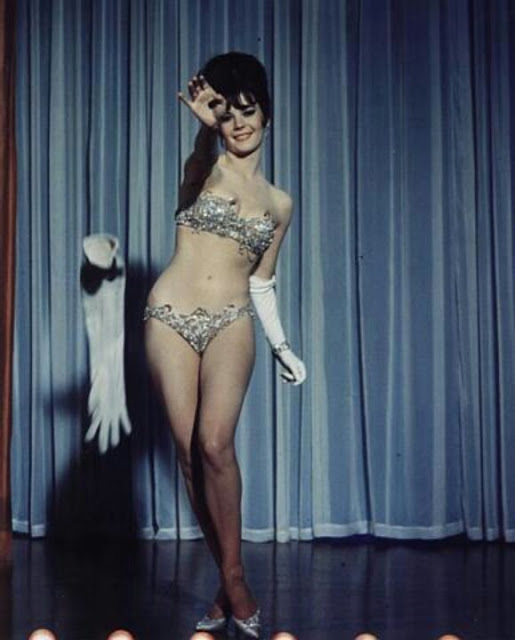
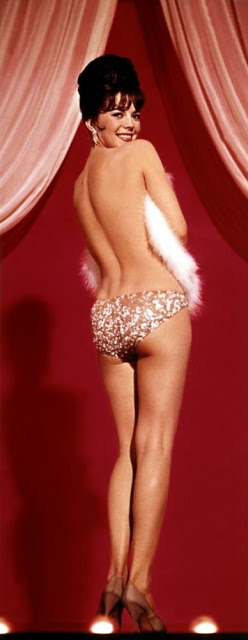
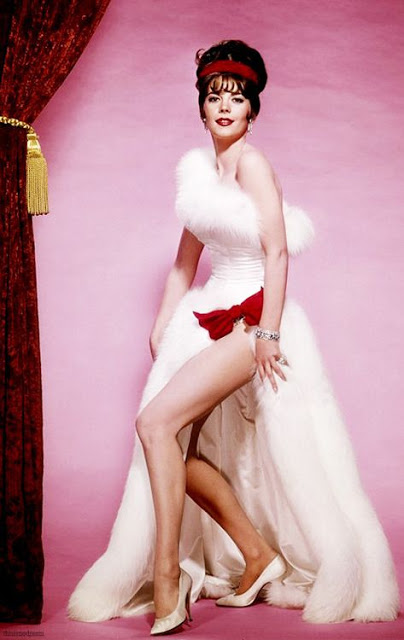
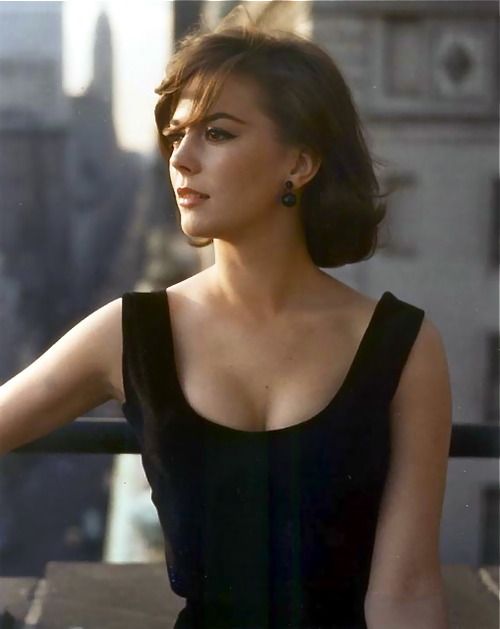
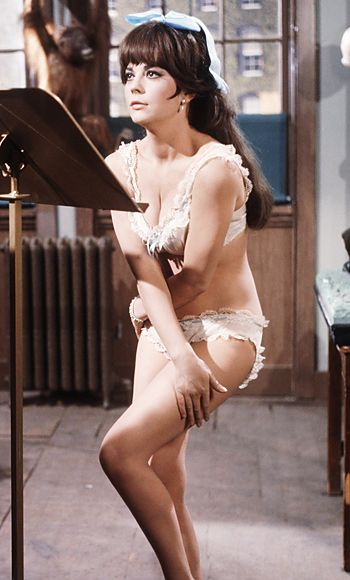
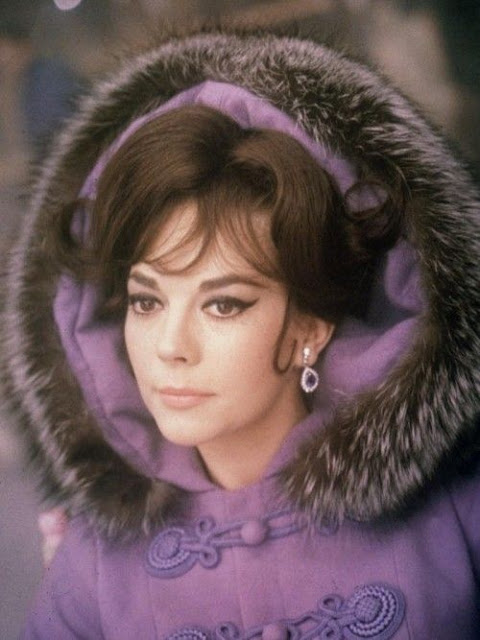
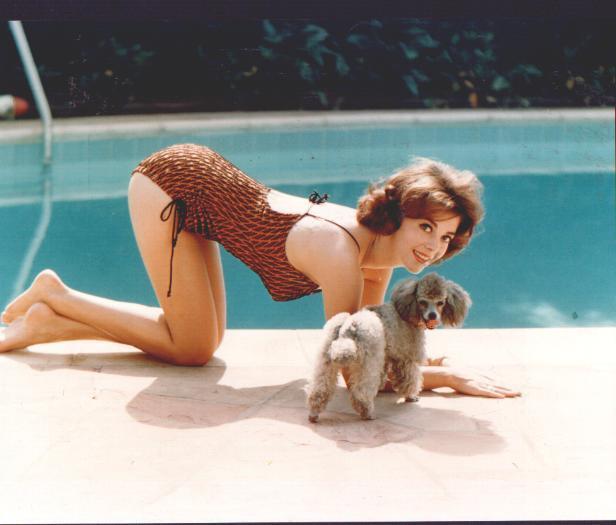
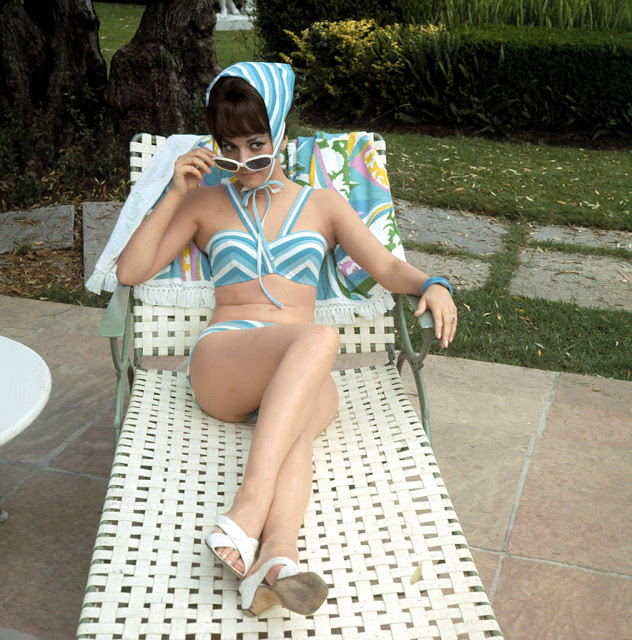
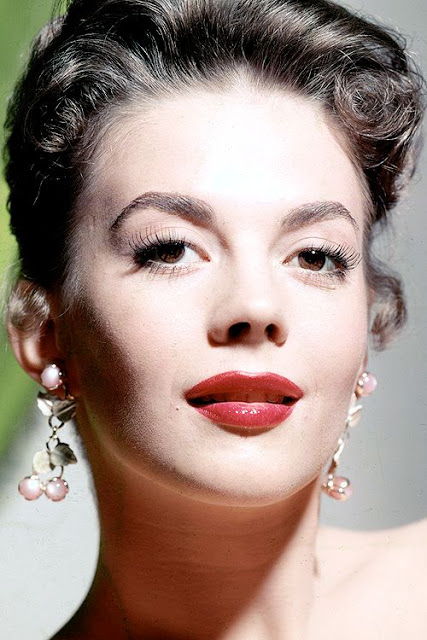
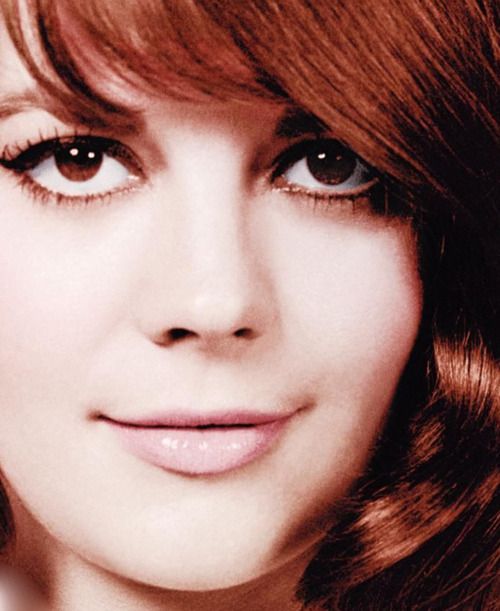
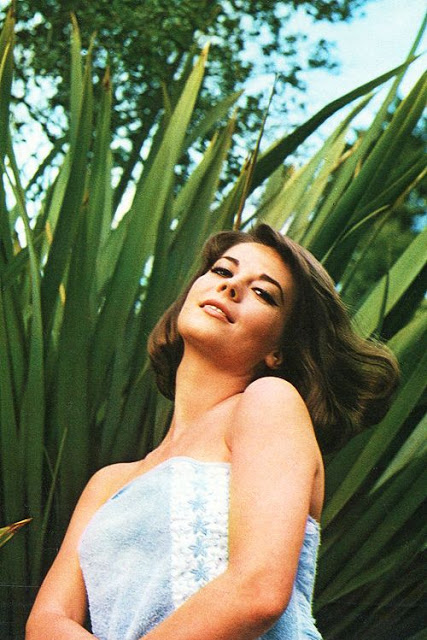
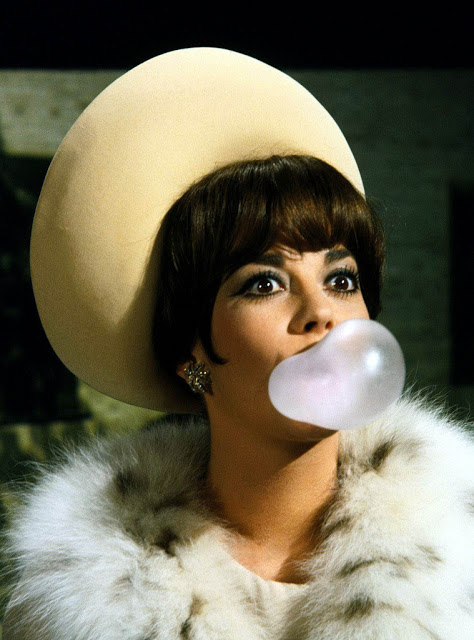
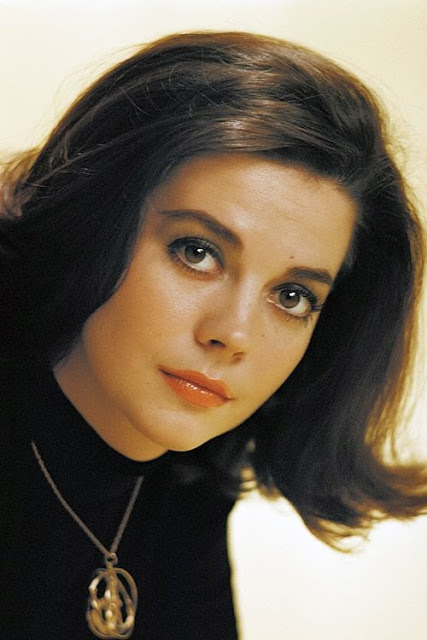
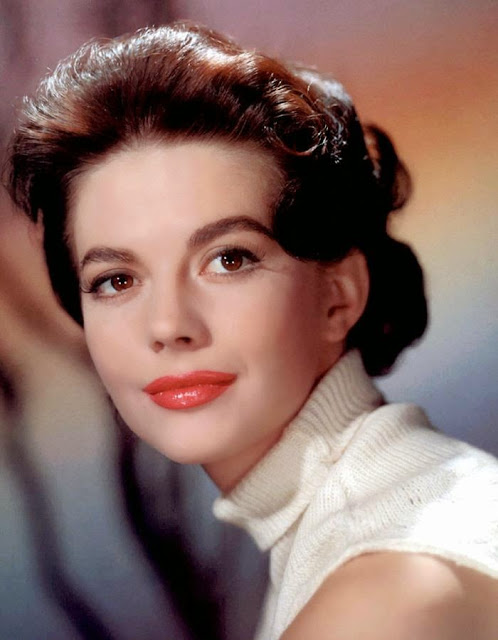
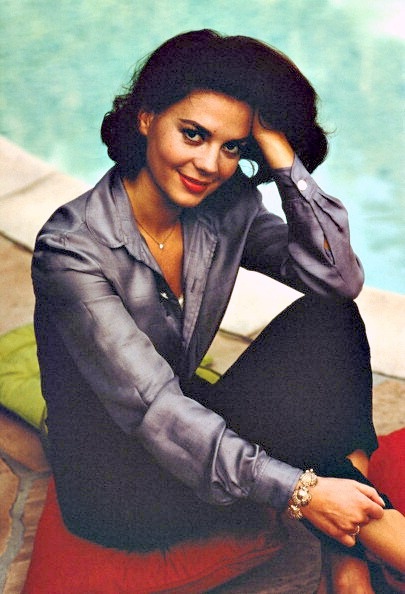
45 Beautiful Vintage Photos of Natalie Wood From Between the Late 1950s and 1960s

Natalie Wood (born Natalie Zacharenko, July 20, 1938 – November 29, 1981) was an American actress who began her career in film as a child and successfully transitioned to young adult roles.

Born in San Francisco to Russian immigrant parents, Wood started acting at age four and was given a co-starring role at age 8 in Miracle on 34th Street (1947).[6] As a teenager, she was nominated for an Academy Award for Best Supporting Actress for her performance in Rebel Without a Cause (1955), followed by a role in John Ford’s The Searchers (1956). Wood starred in the musical films West Side Story (1961) and Gypsy (1962), and received nominations for an Academy Award for Best Actress for her performances in Splendor in the Grass (1961) and Love with the Proper Stranger (1963). Her career continued with films such as Sex and the Single Girl (1964), Inside Daisy Clover (1965), and Bob & Carol & Ted & Alice (1969).

During the 1970s, Wood began a hiatus from film and had two daughters: one with her second husband Richard Gregson, and one with Robert Wagner, her first husband whom she married again after divorcing Gregson. She acted in only two feature films throughout the decade, but appeared slightly more often in television productions, including a remake of From Here to Eternity (1979) for which she won a Golden Globe Award. Wood’s films represented a “coming of age” for her and for Hollywood films in general. Critics have suggested that her cinematic career represents a portrait of modern American womanhood in transition, as she was one of the few to take both child roles and those of middle-aged characters.

Wood died off of the coast of Santa Catalina Island on November 29, 1981, at age 43, during a holiday break from the production of her would-be comeback film Brainstorm (1983) with Christopher Walken. The events surrounding her death have been the subject of conflicting witness statements, prompting the Los Angeles County Sheriff’s Department, under the instruction of the coroner’s office, to list her cause of death as “drowning and other undetermined factors” in 2012.

In 2018, Robert Wagner was named as a person of interest in the ongoing investigation into Wood’s death. (Wikipedia)

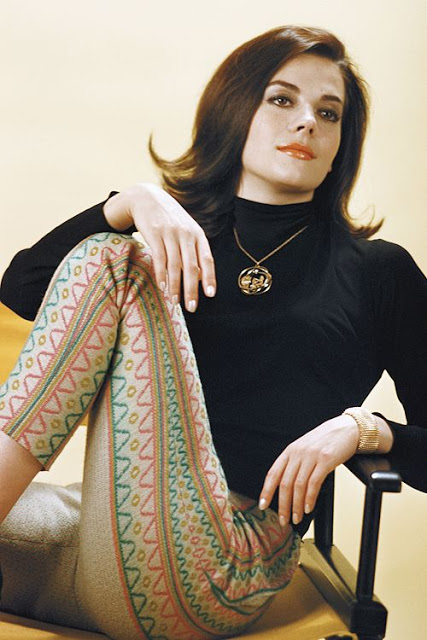
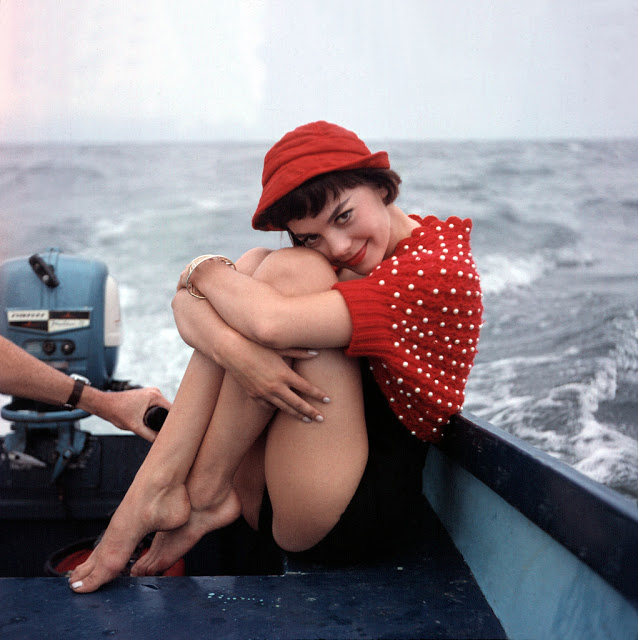
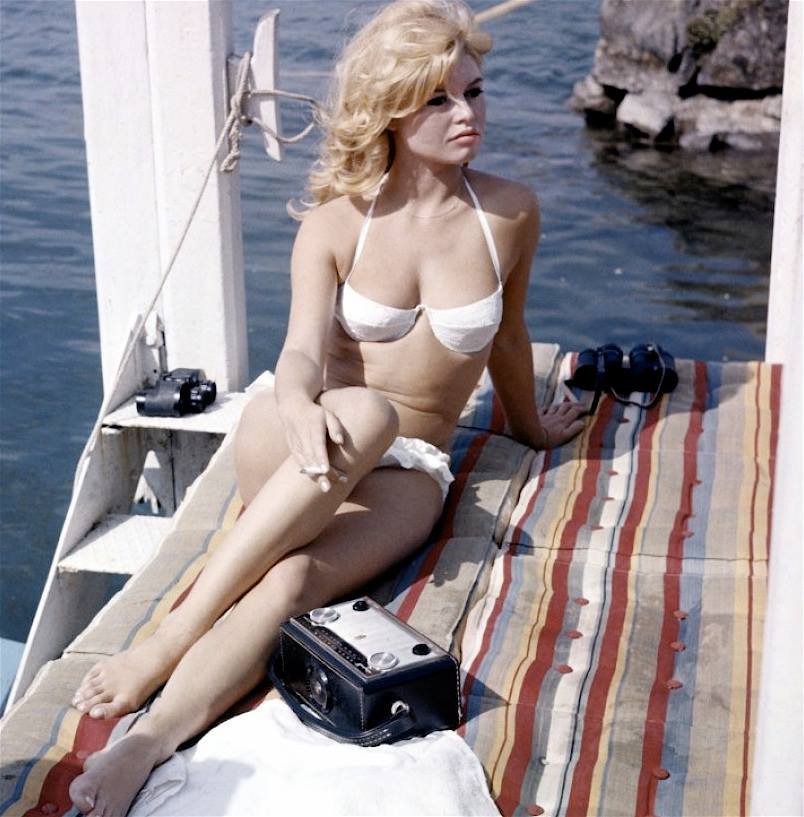
Natalie Wood posing on a boat ride, 1950’s.”

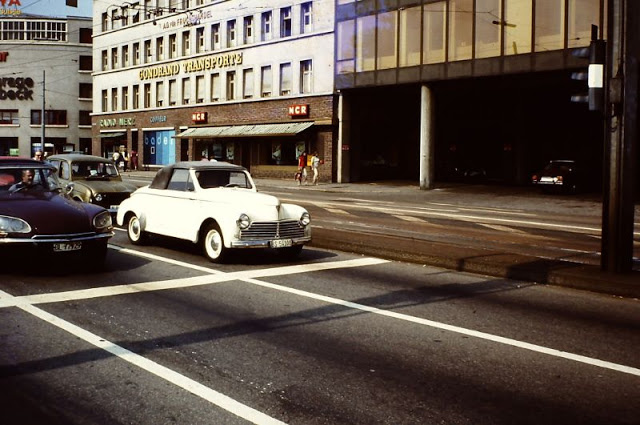
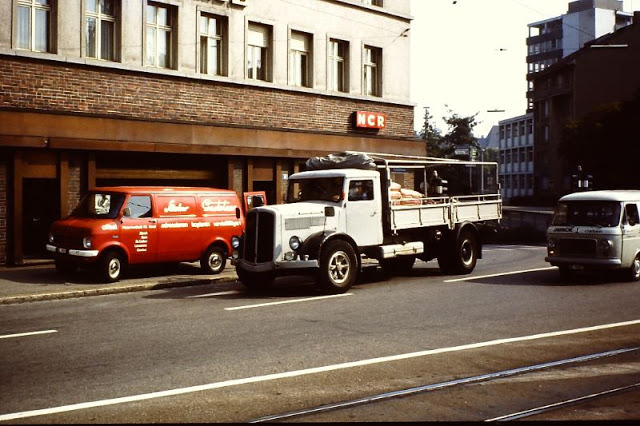
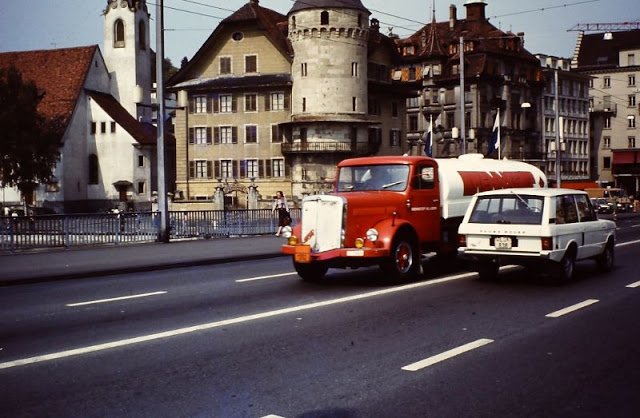
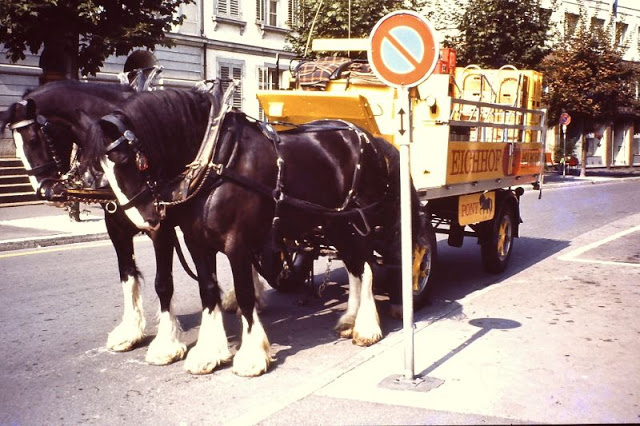
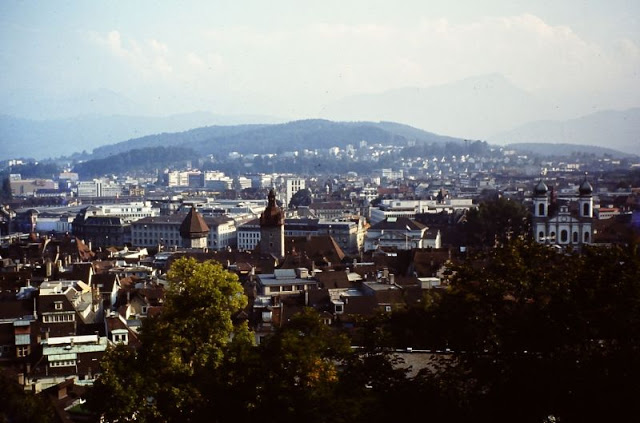
40 Interesting That Show Street Scenes in Switzerland During the Late 1970s

Switzerland, officially the Swiss Confederation, is a landlocked country at the confluence of Western, Central and Southern Europe. The country is a federal republic composed of 26 cantons, with federal authorities based in Bern. Switzerland is bordered by Italy to the south, France to the west, Germany to the north and Austria and Liechtenstein to the east. It is geographically divided among the Swiss Plateau, the Alps and the Jura, spanning a total area of 41,285 km2 (15,940 sq mi) and land area of 39,997 km2 (15,443 sq mi). Although the Alps occupy the greater part of the territory, the Swiss population of approximately 8.5 million is concentrated mostly on the plateau, where the largest cities and economic centres are, among them Zürich, Geneva and Basel. These three cities are home to several offices of international organisations such as the WTO, the WHO, the ILO, the headquarters of FIFA, the UN’s second-largest office, as well as the main office of the Bank for International Settlements. The main international airports of Switzerland are also located in these cities.

The establishment of the Old Swiss Confederacy in the Late Middle Ages resulted from a series of military successes against Austria and Burgundy. Swiss independence from the Holy Roman Empire was formally recognised in the Peace of Westphalia in 1648. The Federal Charter of 1291 is considered the founding document of Switzerland, which is celebrated on Swiss National Day. Since the Reformation of the 16th century, Switzerland has maintained a firm policy of armed neutrality; it has not fought an international war since 1815 and did not join the United Nations until 2002. Nevertheless, it pursues an active foreign policy. It is frequently involved in peace-building processes worldwide. Switzerland is the birthplace of the Red Cross, one of the world’s oldest and best known humanitarian organisations. It is a founding member of the European Free Trade Association, but notably not part of the European Union, the European Economic Area or the Eurozone. However, it participates in the Schengen Area and the European Single Market through bilateral treaties.

Switzerland occupies the crossroads of Germanic and Romance Europe, as reflected in its four main linguistic and cultural regions: German, French, Italian and Romansh. Although the majority of the population are German-speaking, Swiss national identity is rooted in a common historical background, shared values such as federalism and direct democracy, as well as Alpine symbolism. This identity stretching across languages, ethnic groups, and religions has led many to consider Switzerland a Willensnation (“nation of volition”), as opposed to a nation-state.

Due to its linguistic diversity, Switzerland is known by a variety of native names: Schweiz ‘?va?ts; Suisse s?is(?); Svizzera ‘zvittsera; and Svizra ‘?vi?tsr?, ‘?vi?ts??. On coins and stamps, the Latin name, Confoederatio Helvetica – frequently shortened to “Helvetia” – is used instead of the four national languages. A developed country, it has the highest nominal wealth per adult and the eighth-highest per capita gross domestic product. It ranks highly on some international metrics, including economic competitiveness and human development. Its cities such as Zürich, Geneva and Basel rank among the highest in the world in terms of quality of life, albeit with some of the highest costs of living in the world. In 2020, IMD placed Switzerland first in attracting skilled workers. The WEF ranks it the fifth most competitive country globally. (Wikipedia)
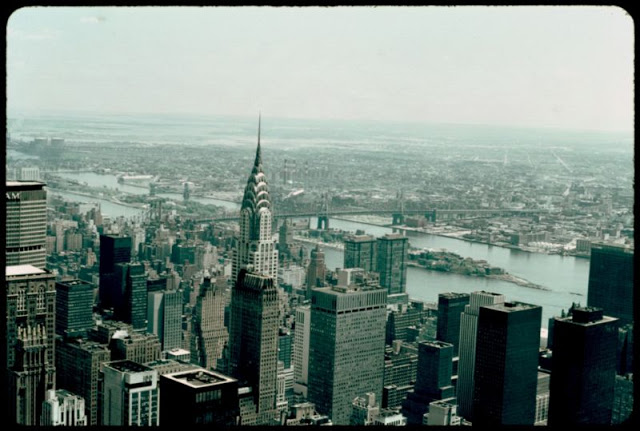
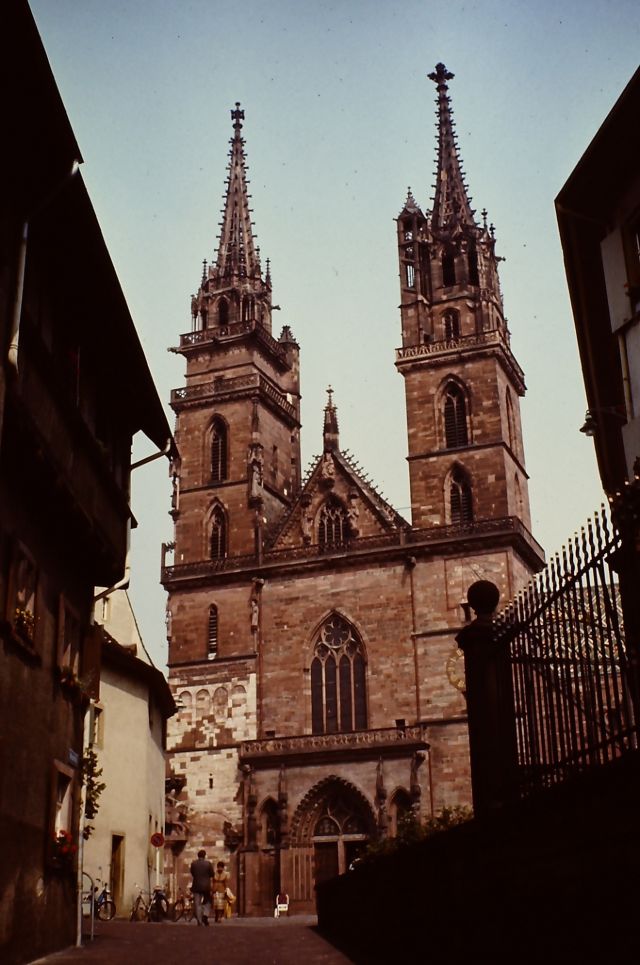
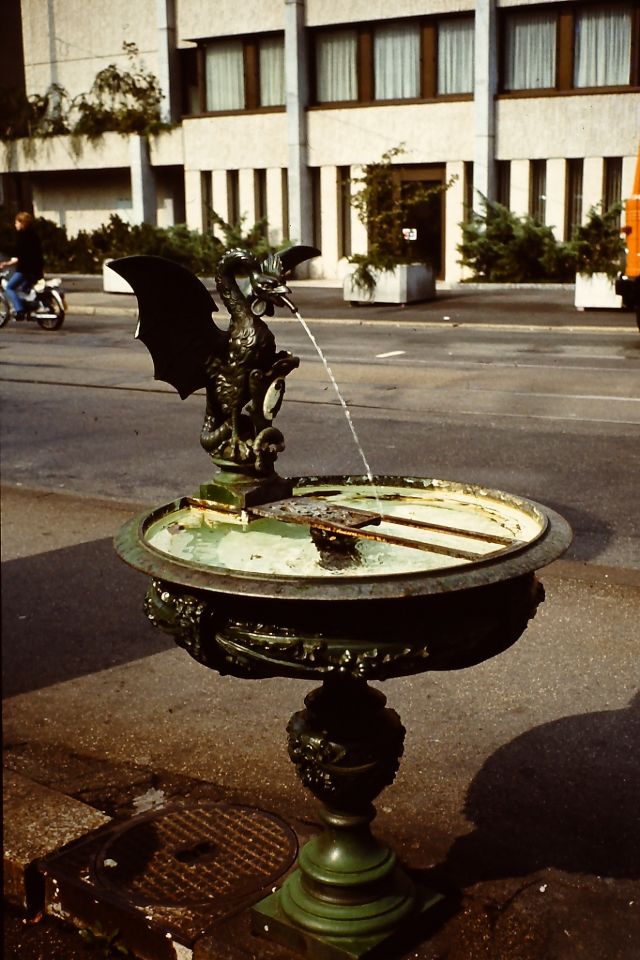
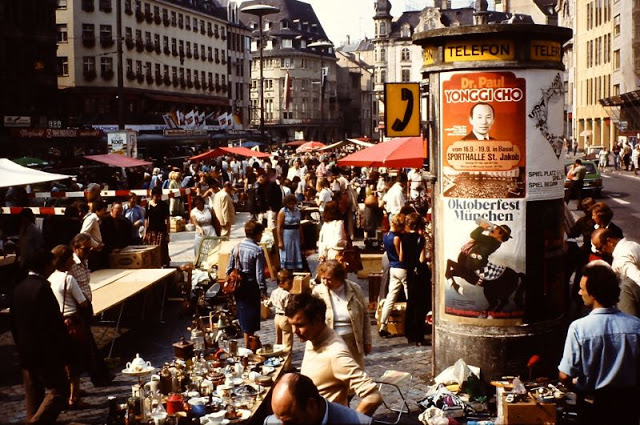
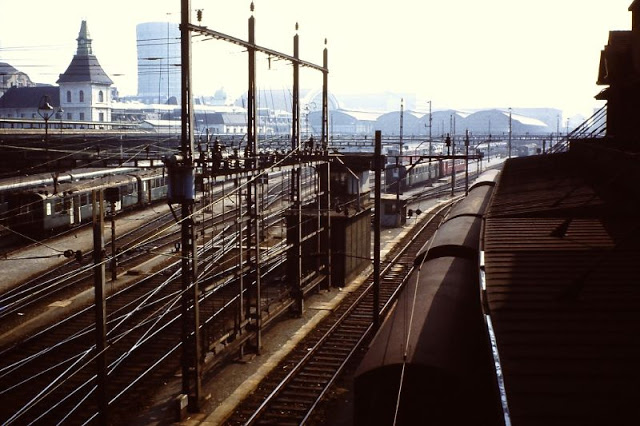
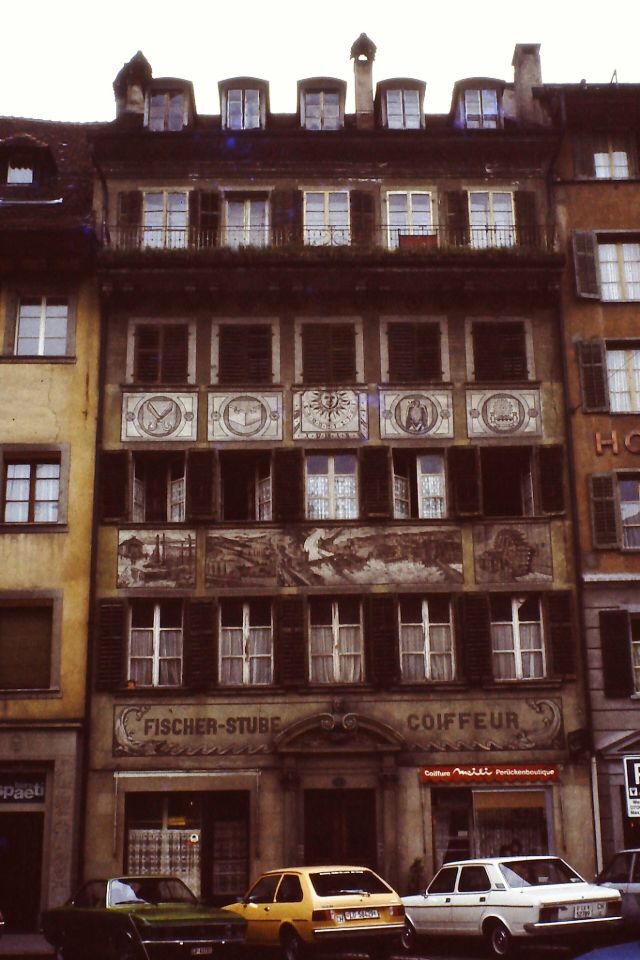
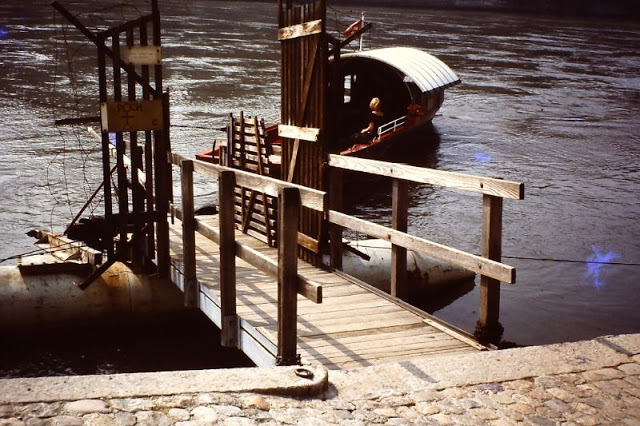
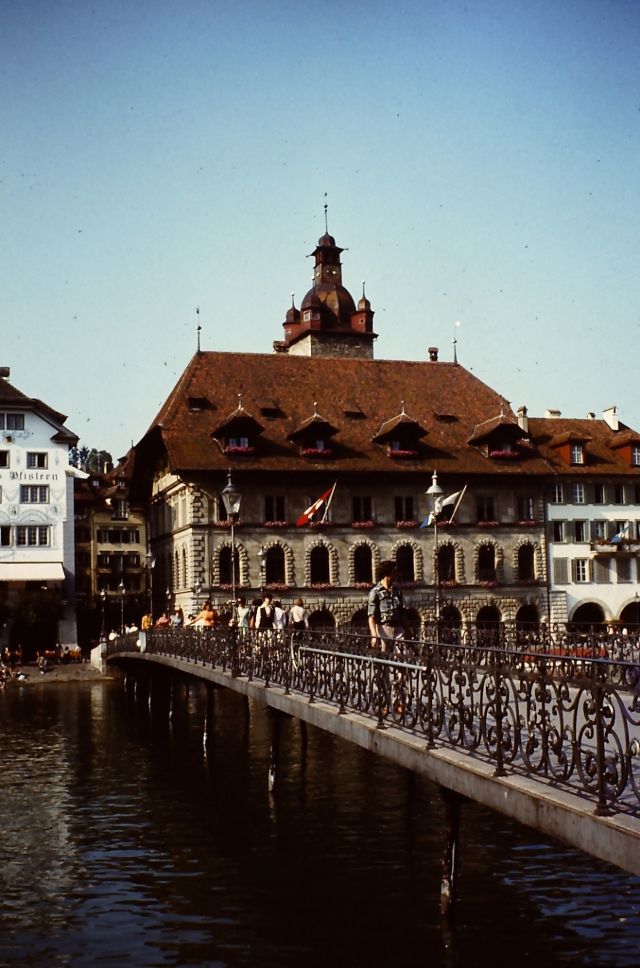
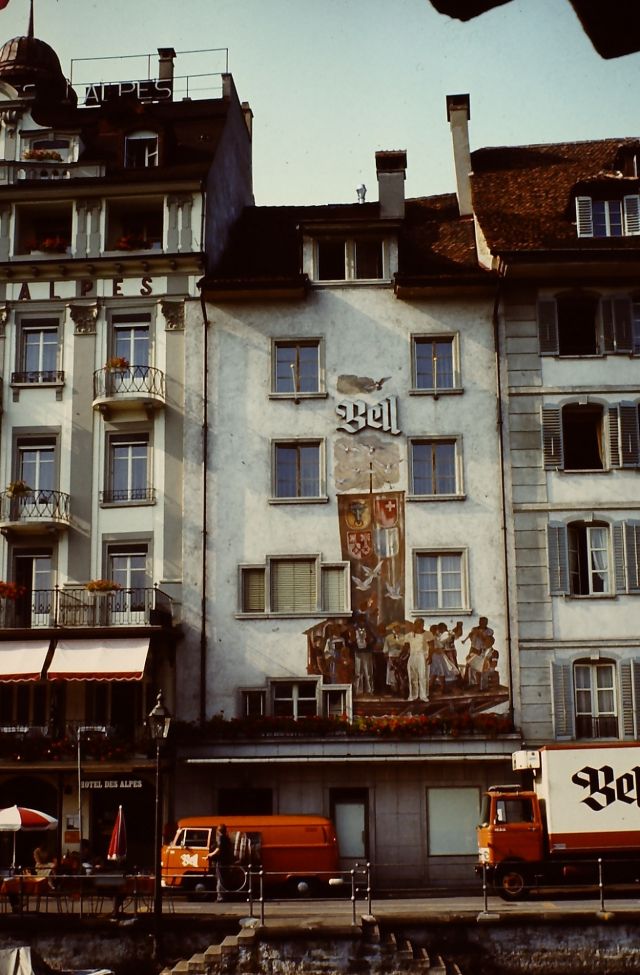
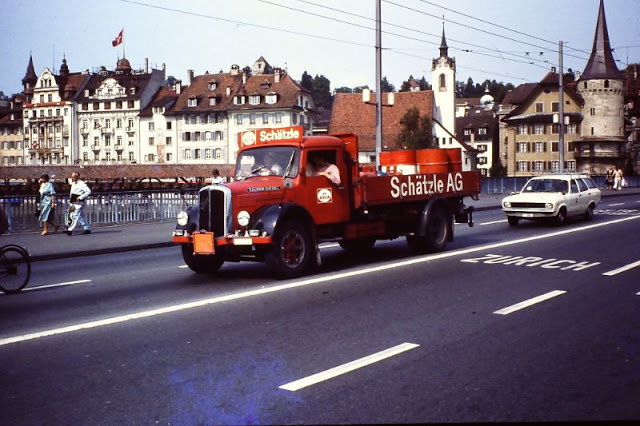
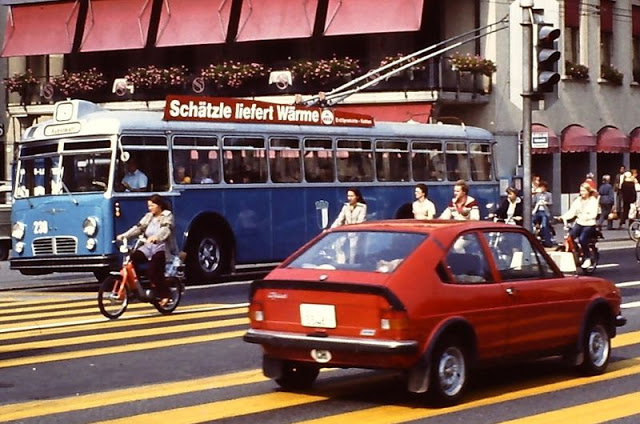
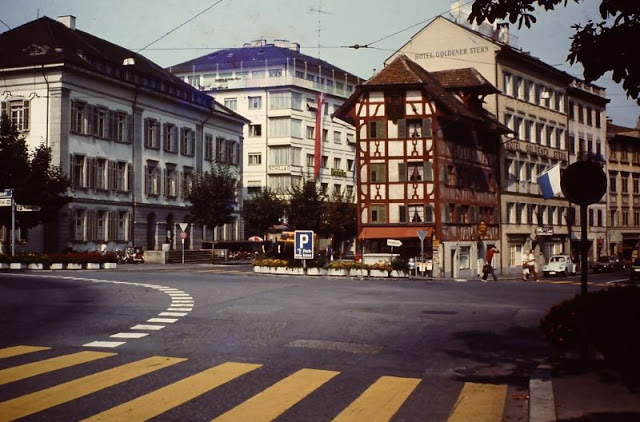
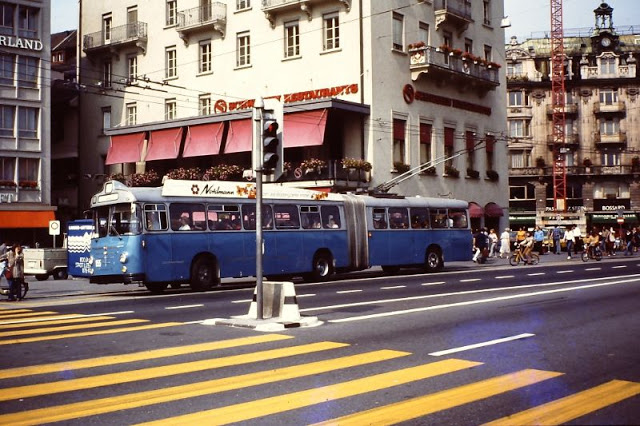
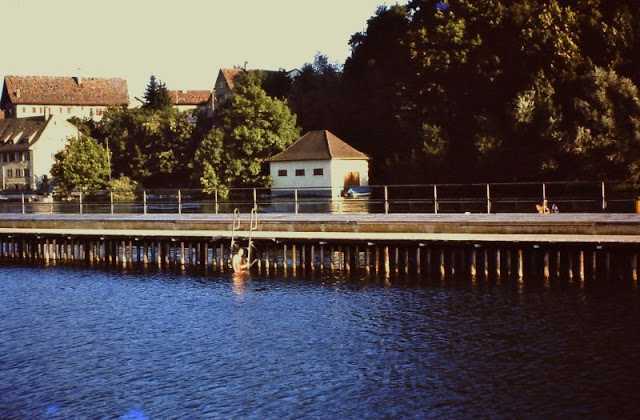
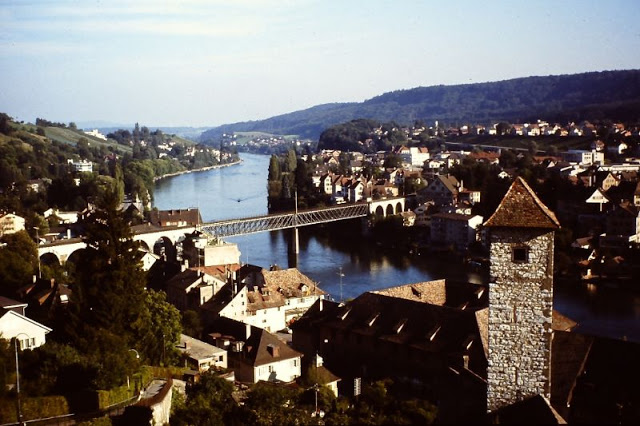
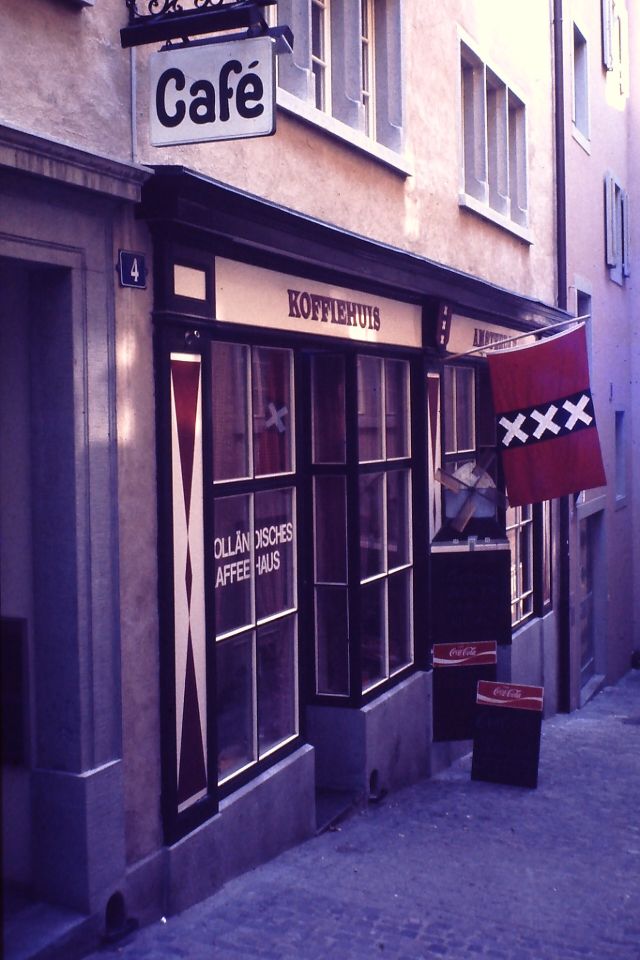
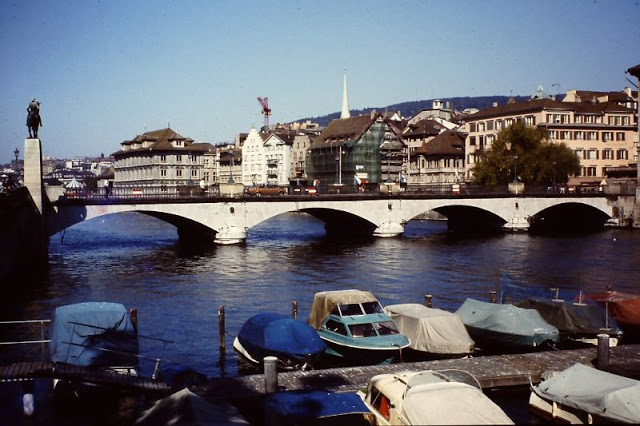
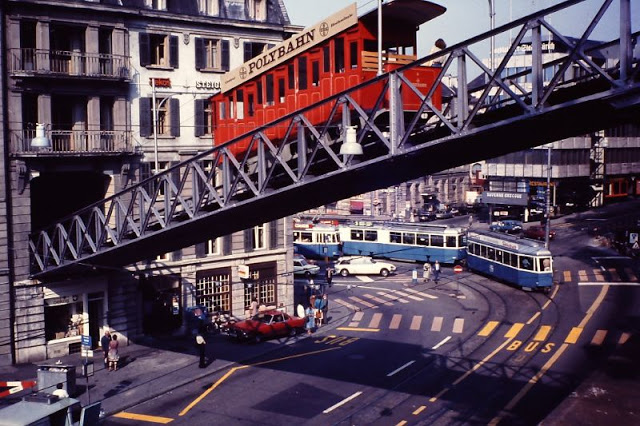
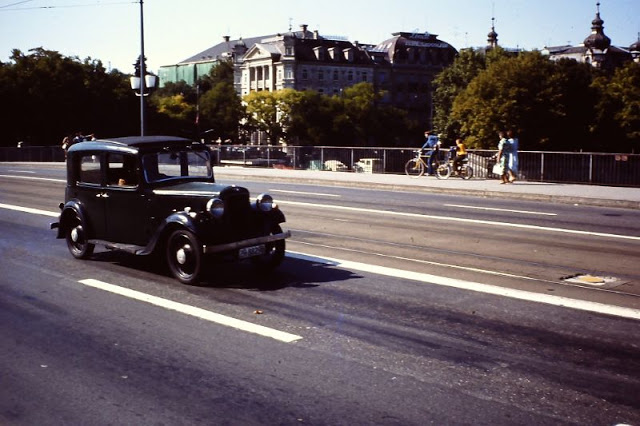
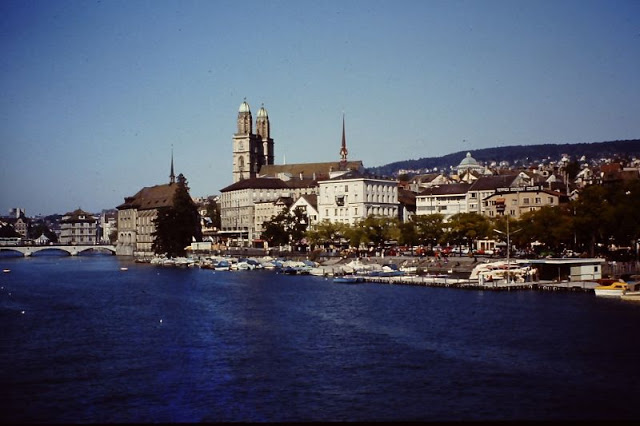
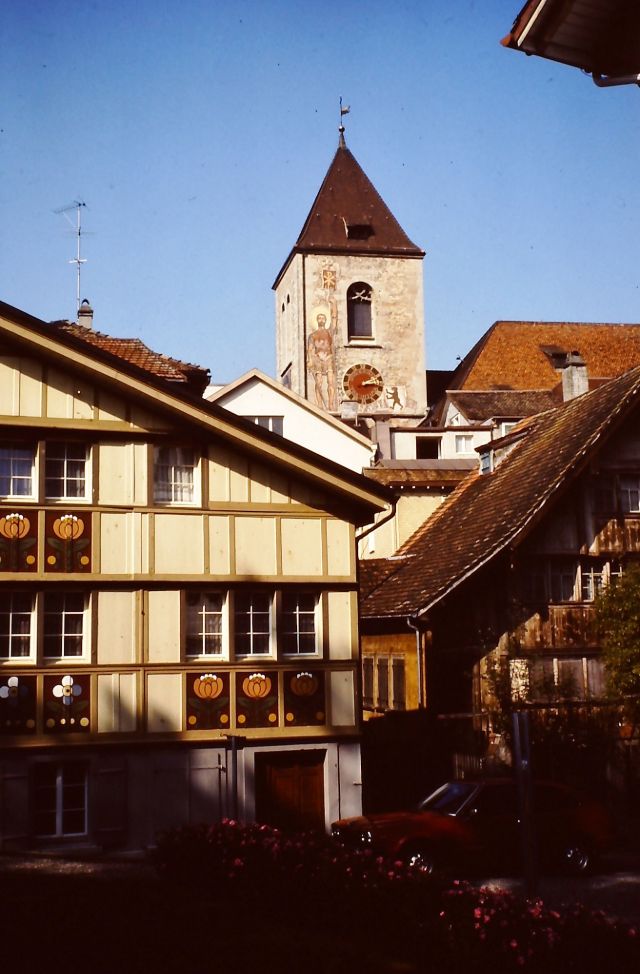
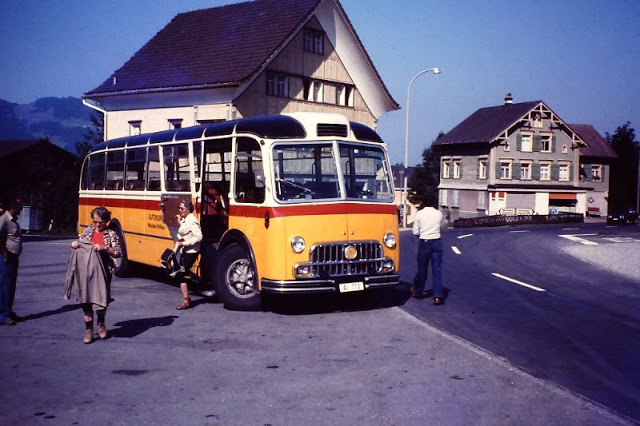
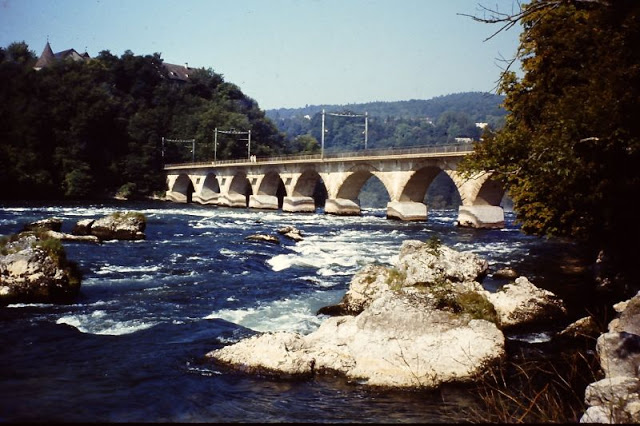
A fascinating photo set that shows street scenes of Switzerland in 1979. The cities include: Basel, Luzern, Schaffhausen, Zürich,..

50 Amazing Vintage Photos From the 1960s Volume 9

The 1960s (pronounced “nineteen-sixties”, shortened to the “’60s” or the “Sixties” ) was a decade that began on January 1, 1960, and ended on December 31, 1969.

The “cultural decade” of the 1960s is more loosely defined than the actual decade. It begins around 1963–1964 with the John F. Kennedy assassination, the Beatles’ arrival in the United States and their meeting with Bob Dylan, and ends around 1969–1970 with the Altamont Free Concert, the Beatles’ breakup and the Kent State shootings, or with the withdrawal of troops from Vietnam and the resignation of U.S. President Richard Nixon in 1974.

The term “the Sixties” is used by historians, journalists, and other academics in scholarship and popular culture to denote the complex of inter-related cultural and political trends around the globe during this era. Some use the term to describe the decade’s counterculture and revolution in social norms about clothing, music, drugs, dress, sexuality, formalities, and schooling; others use it to denounce the decade as one of irresponsible excess, flamboyance, and decay of social order. The decade was also labeled the Swinging Sixties because of the fall or relaxation of social taboos that occurred during this time, but also because of the emergence of a wide range of music; from the Beatles-inspired British Invasion and the folk music revival, to the poetic lyrics of Bob Dylan. Norms of all kinds were broken down, especially in regards to civil rights and precepts of military duty.

By the end of the 1950s, war-ravaged Europe had largely finished reconstruction and began a tremendous economic boom. World War II had brought about a huge leveling of social classes in which the remnants of the old feudal gentry disappeared. There was a major expansion of the middle class in western European countries and by the 1960s, many working-class people in Western Europe could afford a radio, television, refrigerator, and motor vehicle. Meanwhile, the East such as the Soviet Union and other Warsaw Pact countries were improving quickly after rebuilding from WWII. Real GDP growth averaged 6% a year during the second half of the decade. Thus, the overall worldwide economic trend in the 1960s was one of prosperity, expansion of the middle class, and the proliferation of new domestic technology.

The confrontation between the US and the Soviet Union dominated geopolitics during the ’60s, with the struggle expanding into developing nations in Latin America, Africa, and Asia as the Soviet Union moved from being a regional to a truly global superpower and began vying for influence in the developing world. After President Kennedy’s assassination, direct tensions between the US and Soviet Union cooled and the superpower confrontation moved into a contest for control of the Third World, a battle characterized by proxy wars, funding of insurgencies, and puppet governments.

In response to nonviolent direct action campaigns from groups like the Student Nonviolent Coordinating Committee (SNCC) and the Southern Christian Leadership Conference (SCLC), U.S. President John F. Kennedy, a Keynesian and staunch anti-communist, pushed for social reforms. Kennedy’s assassination in 1963 was a shock. Liberal reforms were finally passed under Lyndon B. Johnson including civil rights for African Americans and healthcare for the elderly and the poor. Despite his large-scale Great Society programs, Johnson was increasingly reviled by the New Left at home and abroad. The heavy-handed American role in the Vietnam War outraged student protestors around the globe. The assassination of Martin Luther King Jr. while working with underpaid Tennessee garbage collectors and the anti-Vietnam War movement, and the police response towards protesters of the 1968 Democratic National Convention, defined politics of violence in the United States.

In Western Europe and Japan, organizations such as those present at May 1968, the Red Army Faction, and the Zengakuren tested liberal democracy’s ability to satisfy its marginalized or alienated citizenry amidst post-industrial age hybrid capitalist economies. In Britain, the Labour Party gained power in 1964. In France, the protests of 1968 led to President Charles de Gaulle temporarily fleeing the country. For some, May 1968 meant the end of traditional collective action and the beginning of a new era to be dominated mainly by the so-called new social movements. Italy formed its first left-of-center government in March 1962 with a coalition of Christian Democrats, Social Democrats, and moderate Republicans. When Aldo Moro became Prime Minister in 1963, Socialists joined the ruling block too. In Brazil, João Goulart became president after Jânio Quadros resigned. In Africa the 1960s was a period of radical political change as 32 countries gained independence from their European colonial rulers. (Wikipedia)

Pell Street and Bowery, New York City, 1964.
U.K scooter girl in the 1960s.
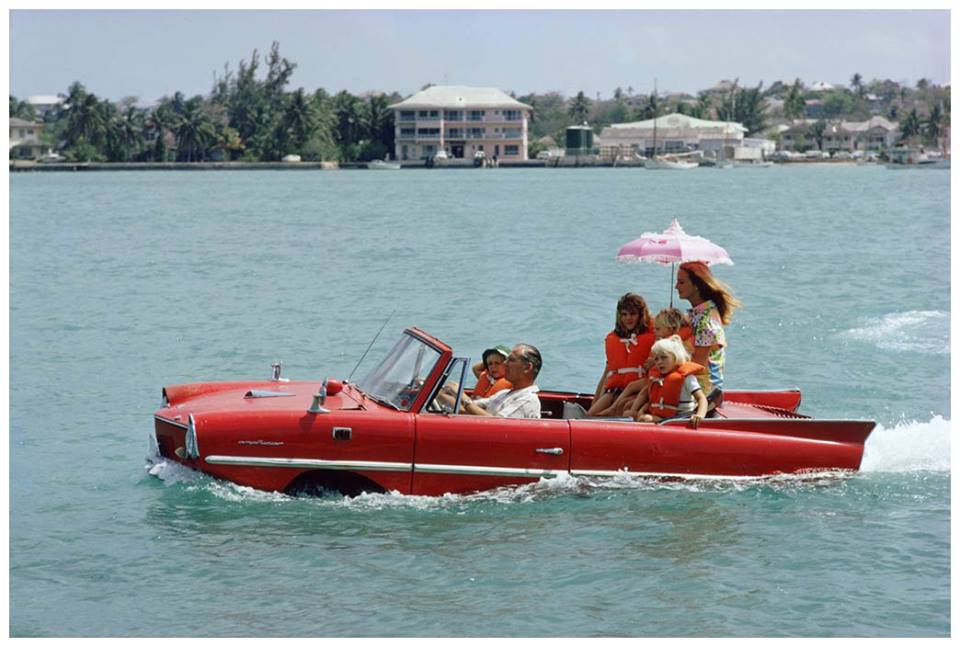
A couple driving an Amphicar at Nassau, 1967.
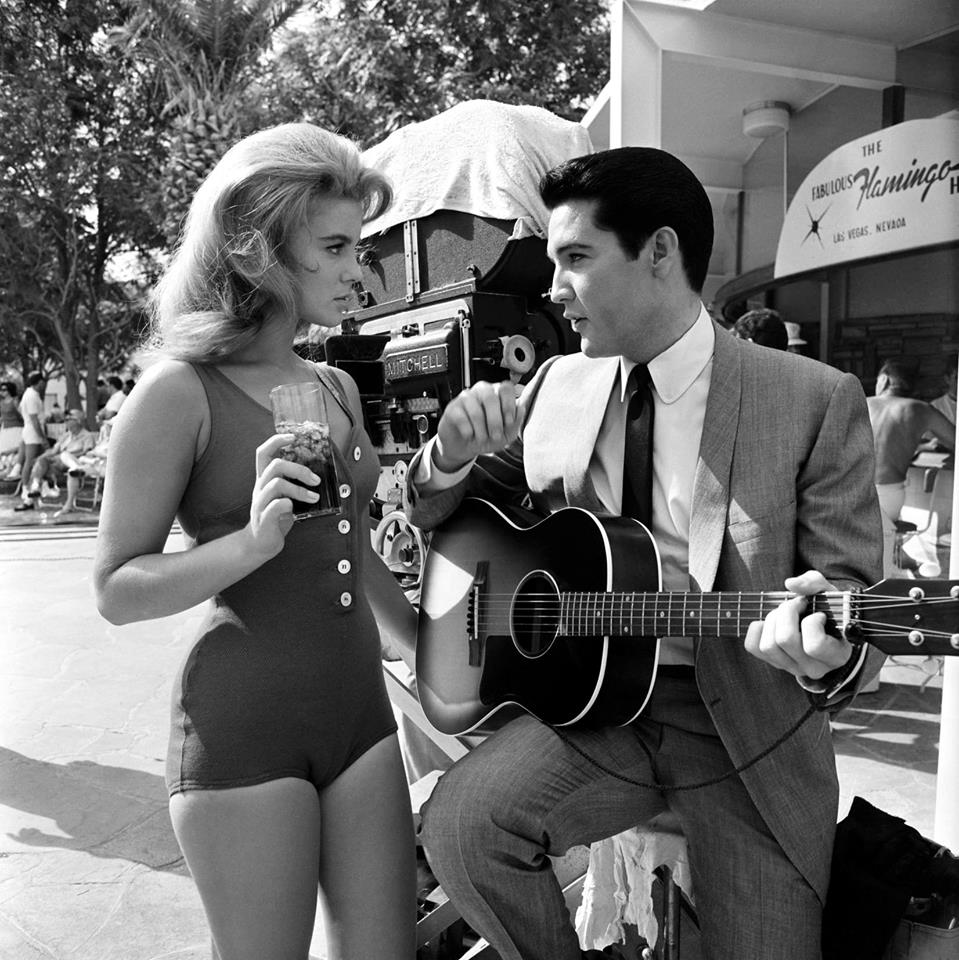
Ann-Margret and Elvis Presley on the set of “Viva Las Vegas” in 1964.
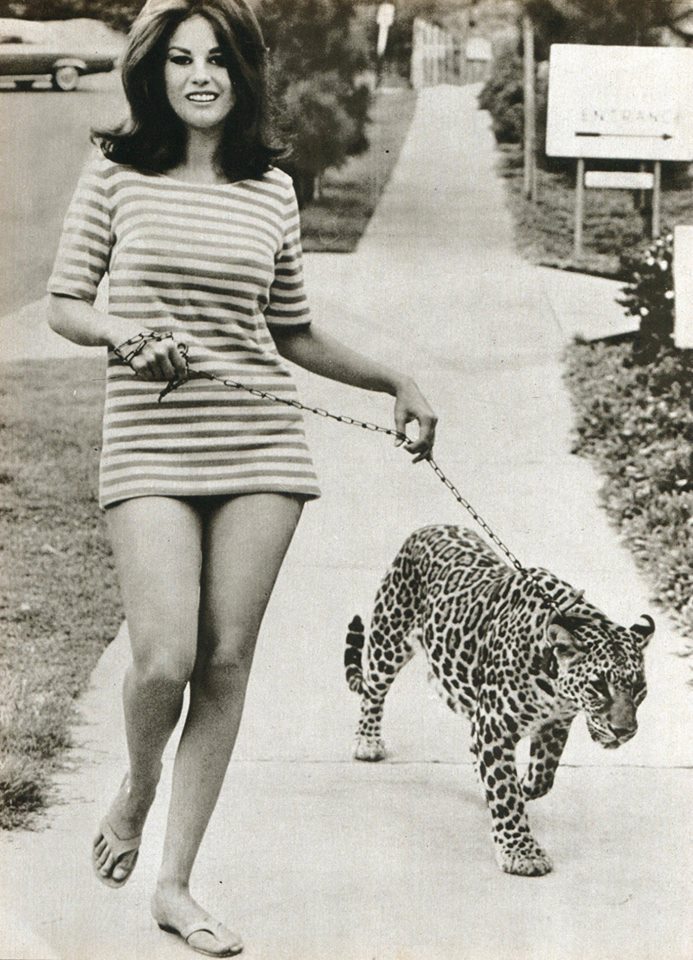
Lana Wood walks her cat, 1969.
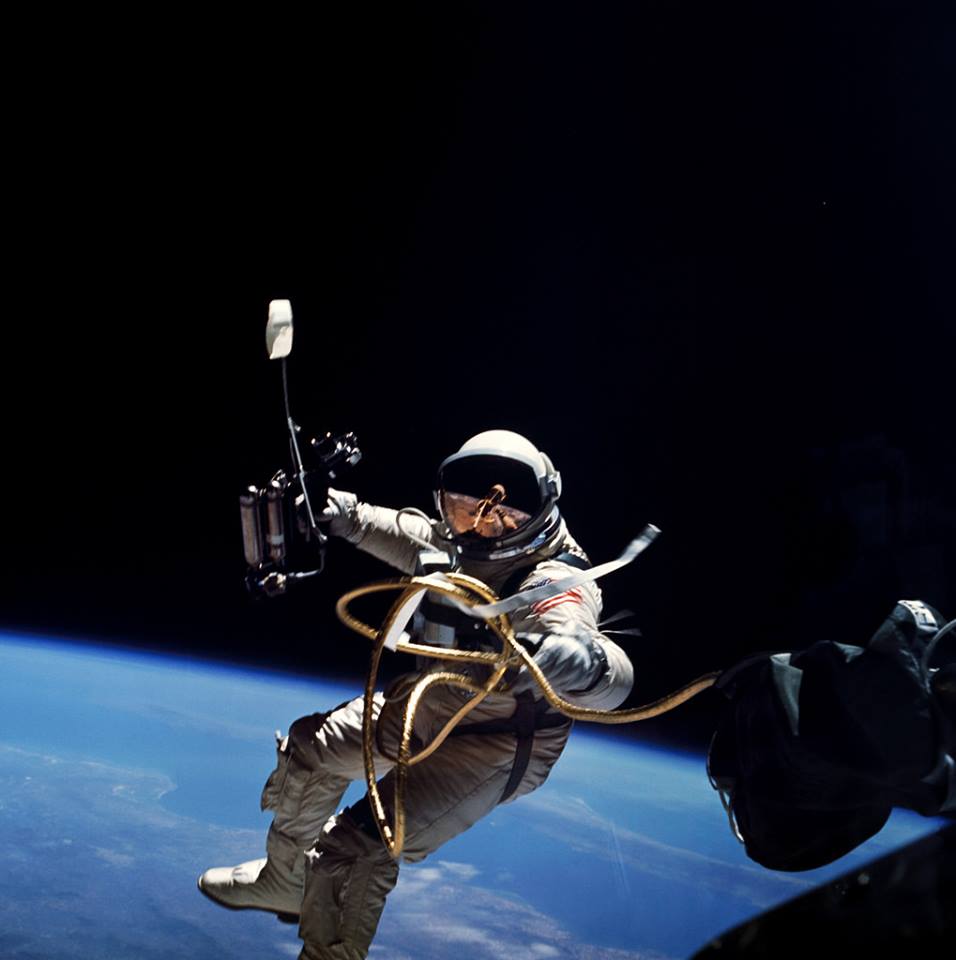
Edward Higgins White, first American spacewalker, 1965.
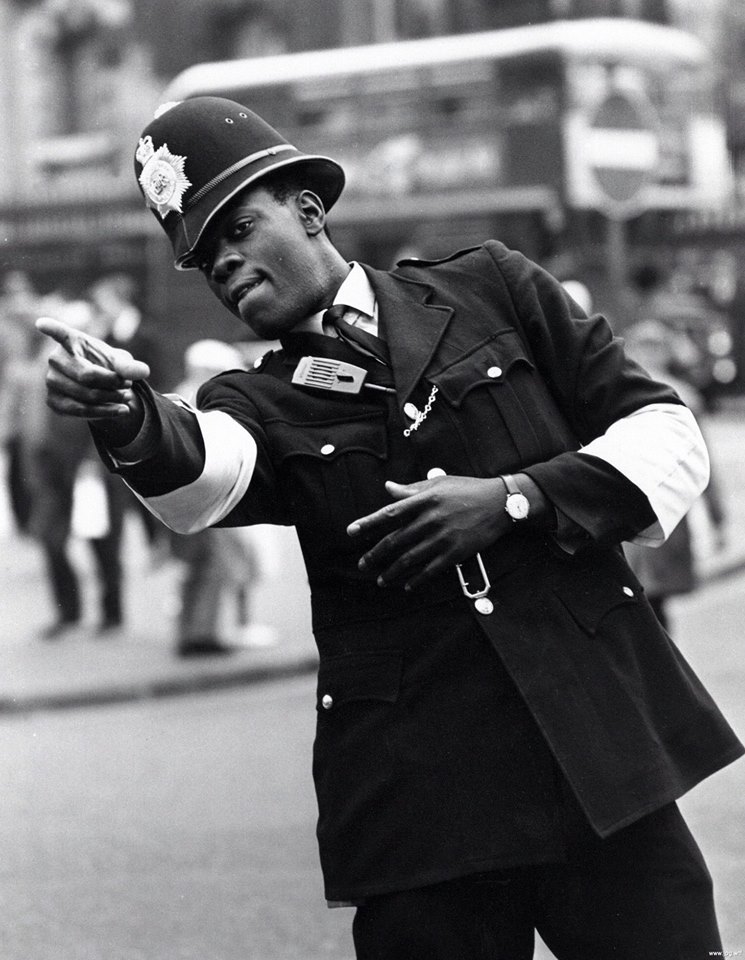
London’s first black police officer, PC Norwell Roberts, on duty in 1968.
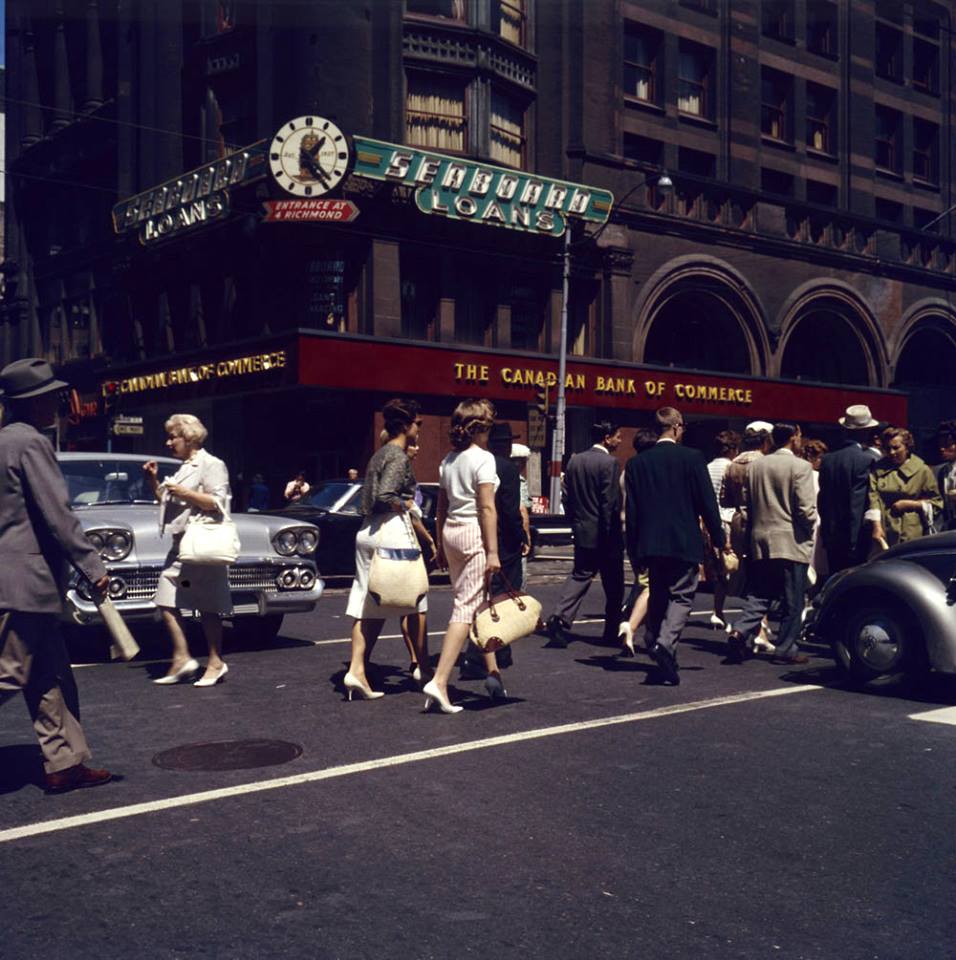
Toronto, Ontario in September 1961.
Girls in 1967.
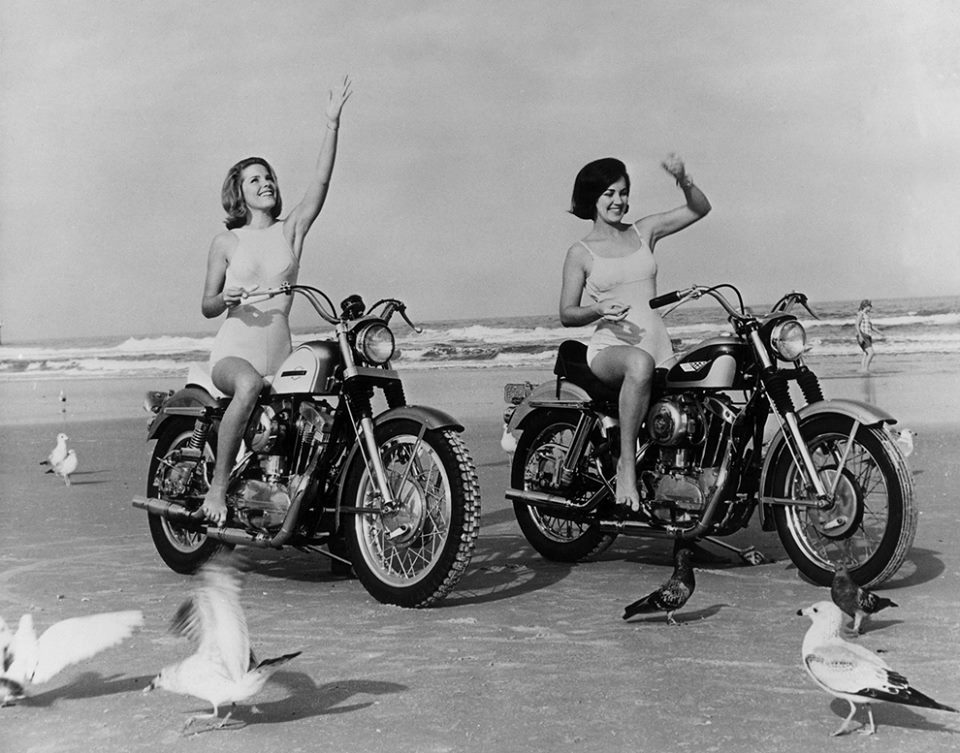
Women feeding seagulls on motorcycles in Daytona Beach, Florida, 1968.
Welcome to nowhere, Pennsylvania, 1960s.
The steps ‘Rocky’ ran up in Philly, Pennsylvania, 1969.
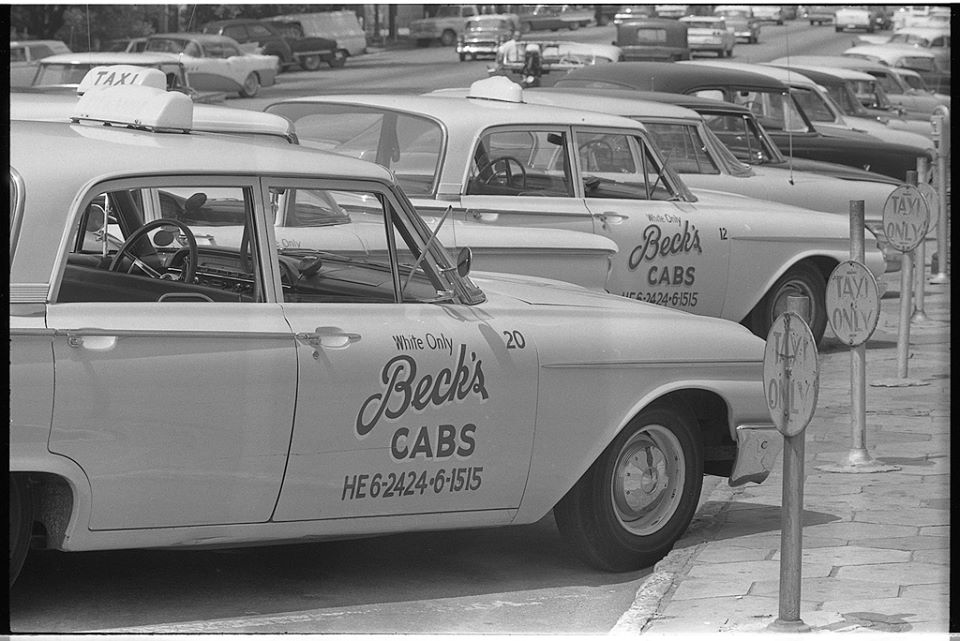
Taxi cabs with sign “White only, Becks cabs” on side, Albany, Georgia, 1962.
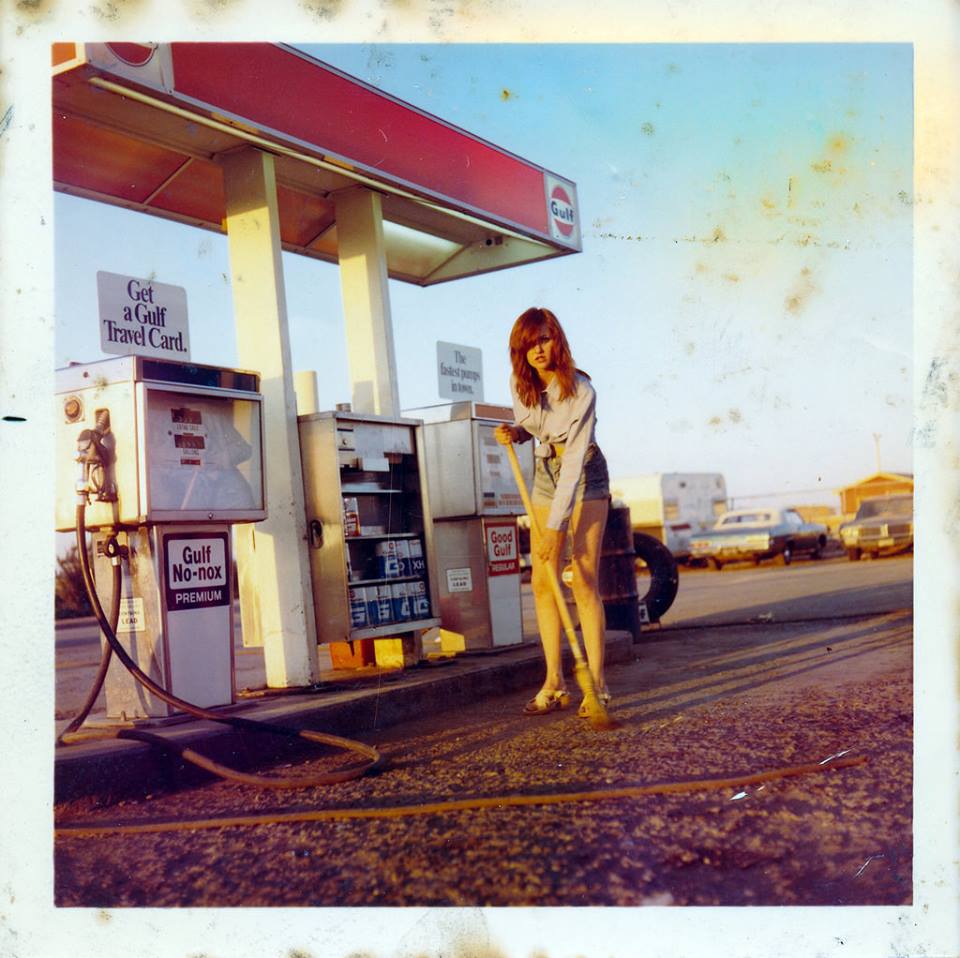
Sweeping girl at gas station in 1968.
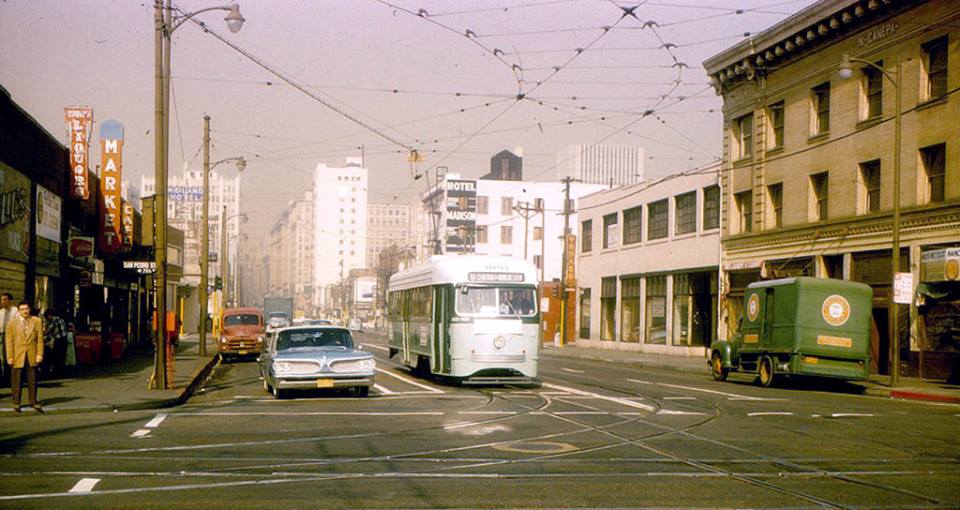
Looking west on 7th Street from San Pedro, Los Angeles, 1961.
Bob Dylan in Paris, 1966.
President John F. Kennedy smokes a cigarrillo outside photographer Howell Conant’s studio in New York City, 1963.
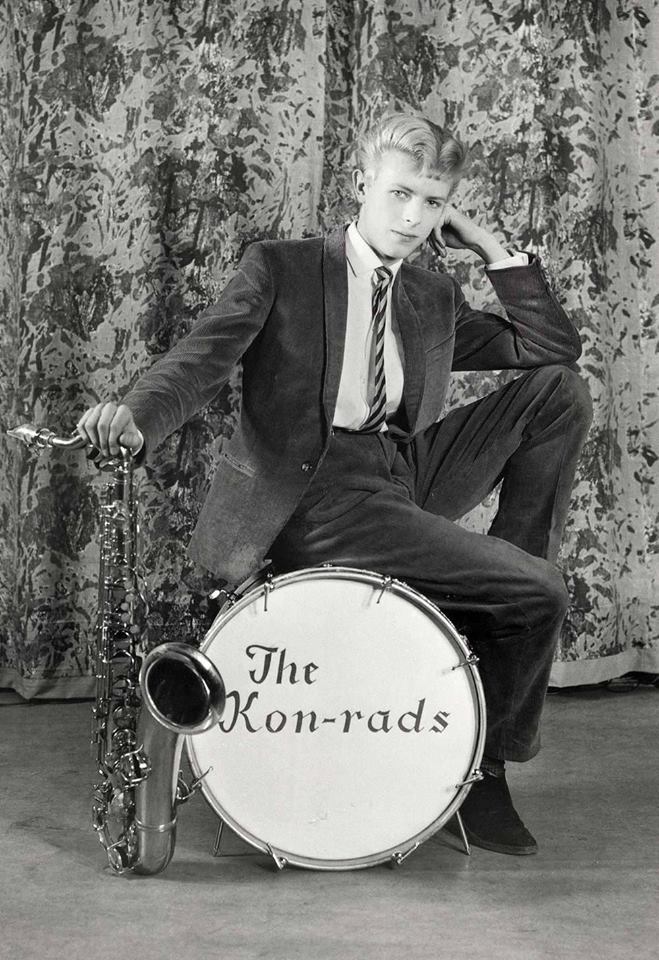
David Bowie and the Kon-rads, 1962
Main Cathedral, Quito, Ecuador, 1960.
Moscow in 1960.
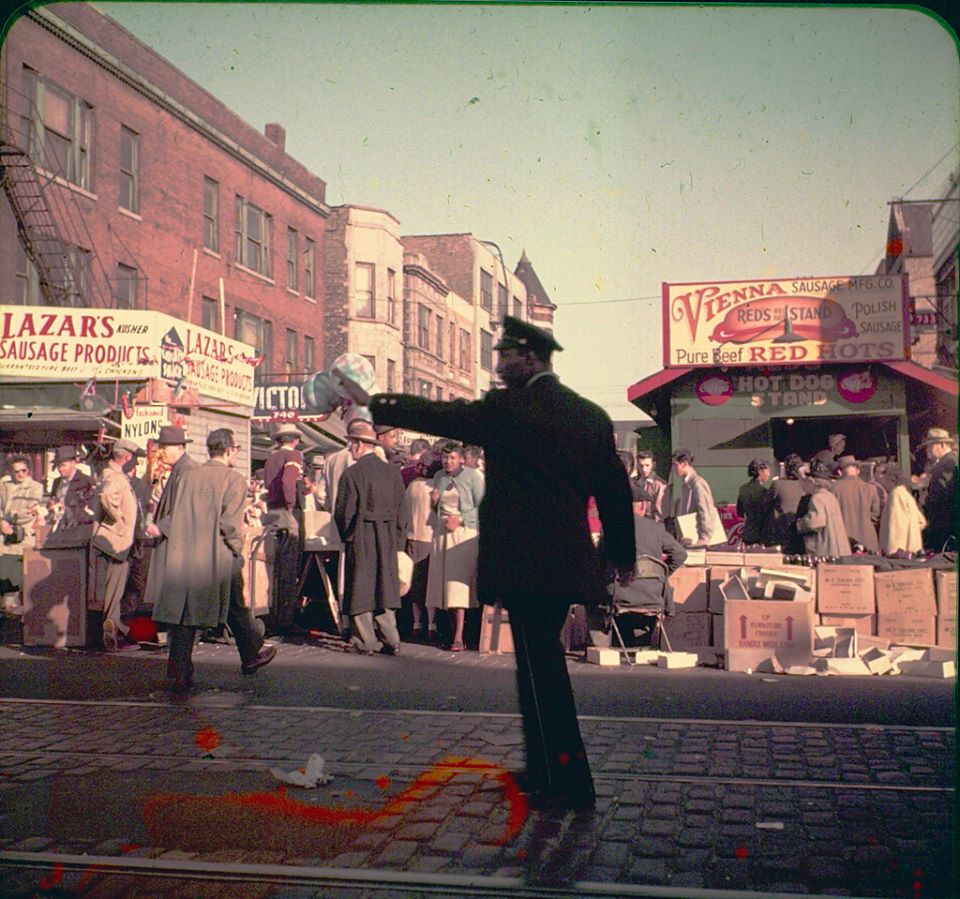
Maxwell Street Market, Chicago, early 1960s.
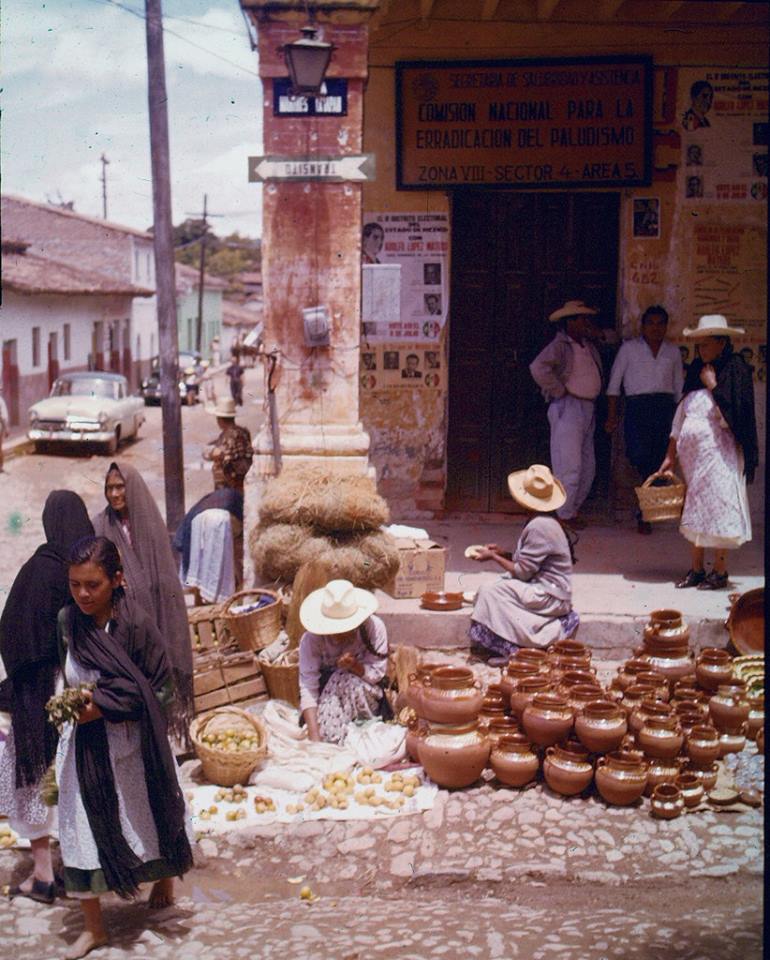
Catapano Market, Mexico, 1960.
Elvis Presley with his camera, 1960.
President Kennedy and daughter Caroline, 1962.
Prague in 1963.
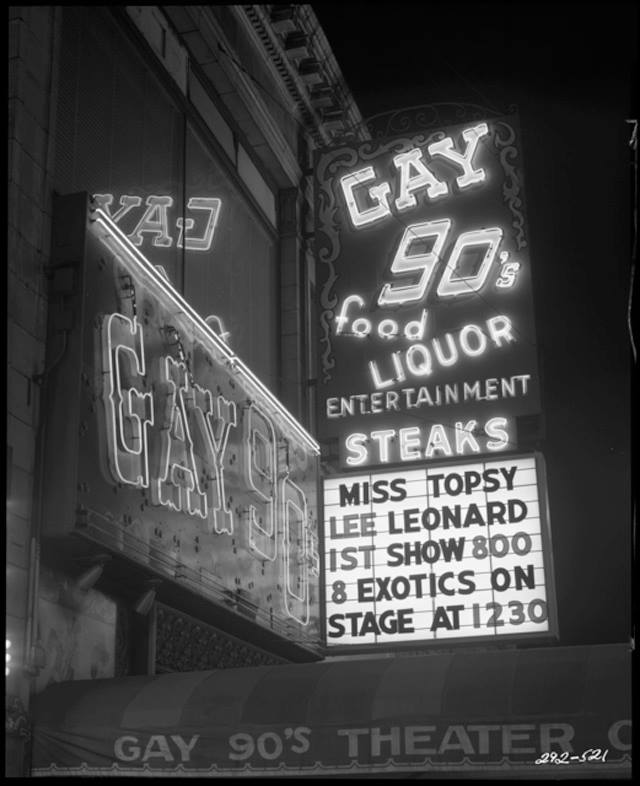
Gay 90’s Bar at 408 Hennepin, Minneapolis, Minnesota, 1964.
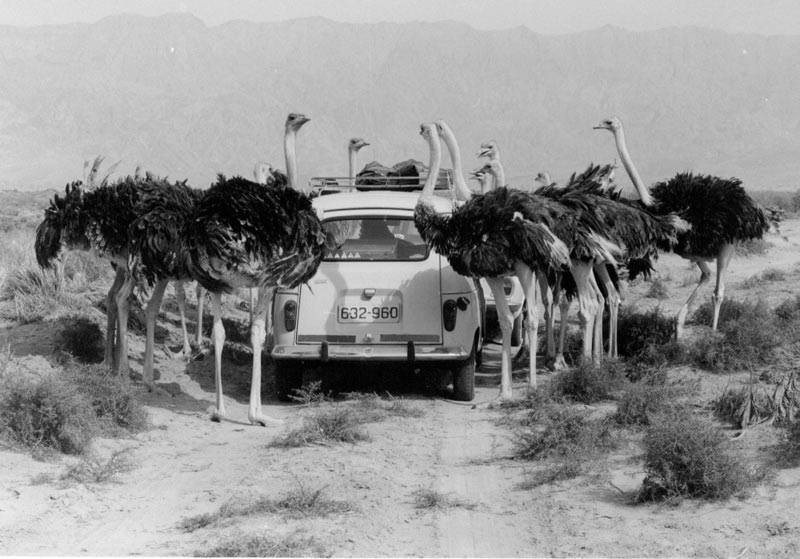
Renault 4 in Hai-bar, Israel, 1968.
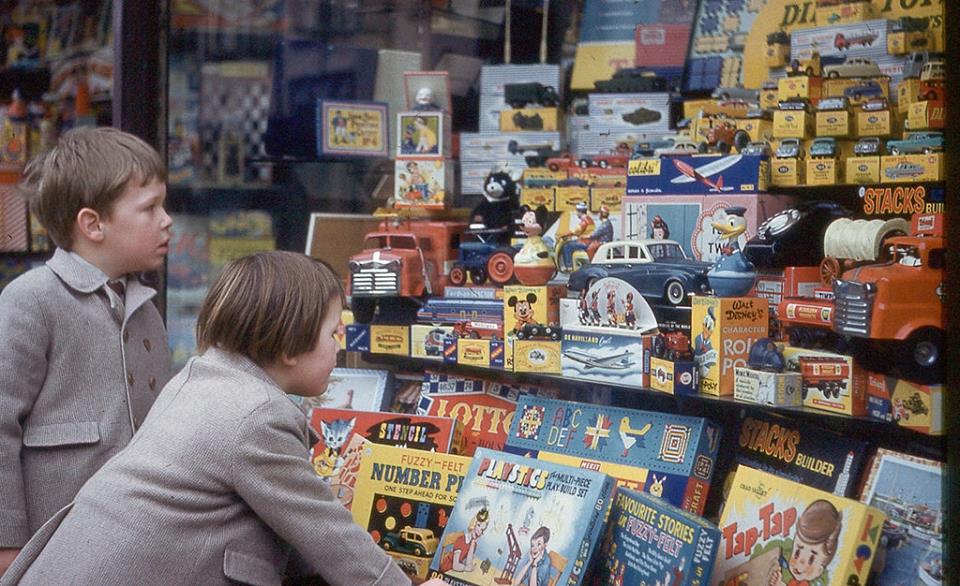
Children stare at toys of a toy shop in Henley, UK, 1960.
Rickshaw puller, Tsim Sha Tsui, Hong Kong, 1966.
Young girl at beach, 1960.
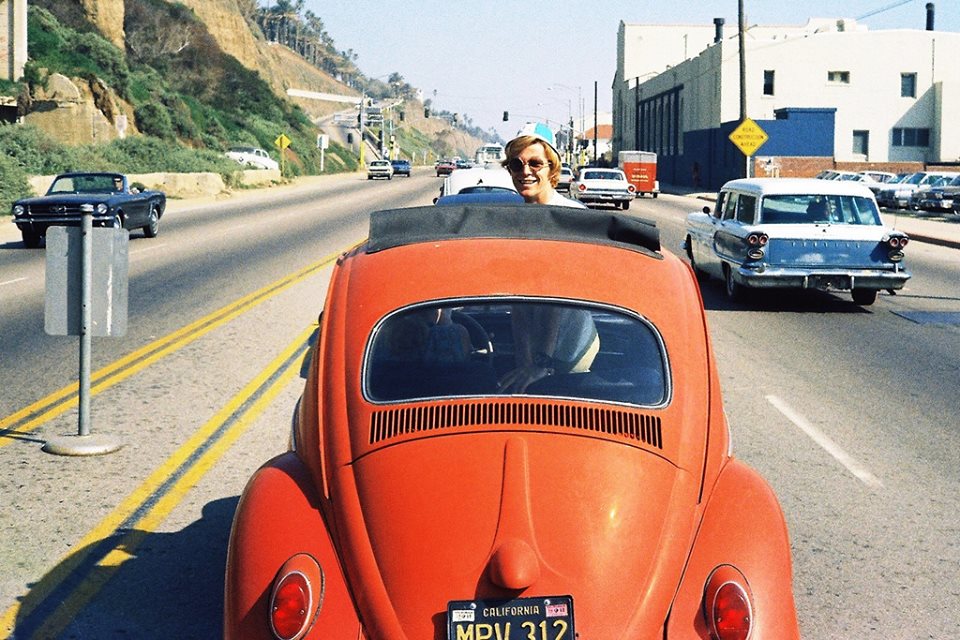
Los Angeles freeway, 1969.
Elke Sommer adjusts her stockings for her role as Lisa Baron in ‘The Money Trap’, 1965.
Sylvie Vartan at the age of 19, 1963.
Polaroid kiss, 1960s.
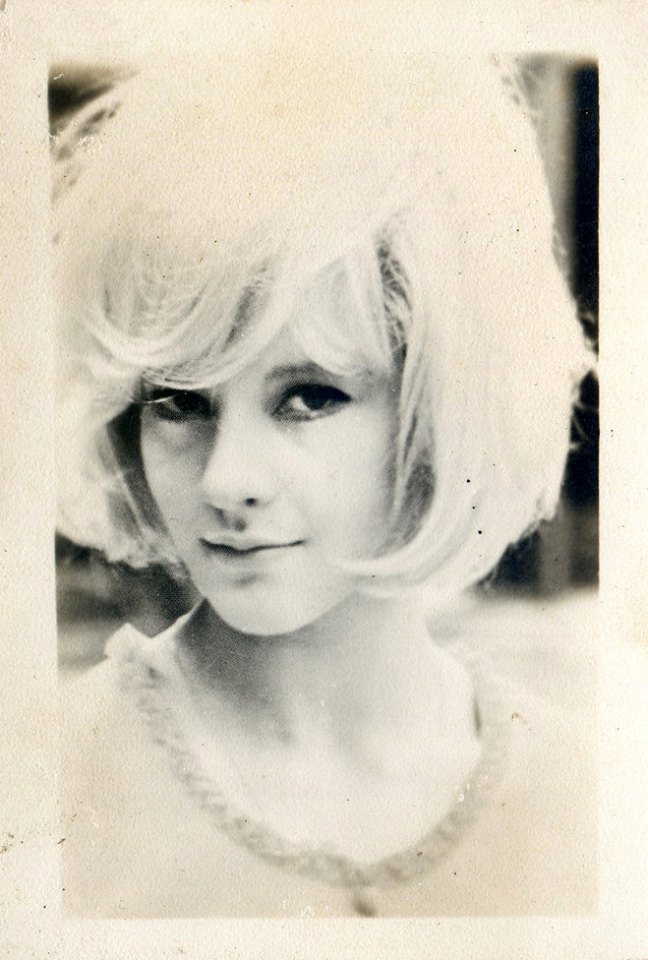
Young girl with flip hairdo, 1965.
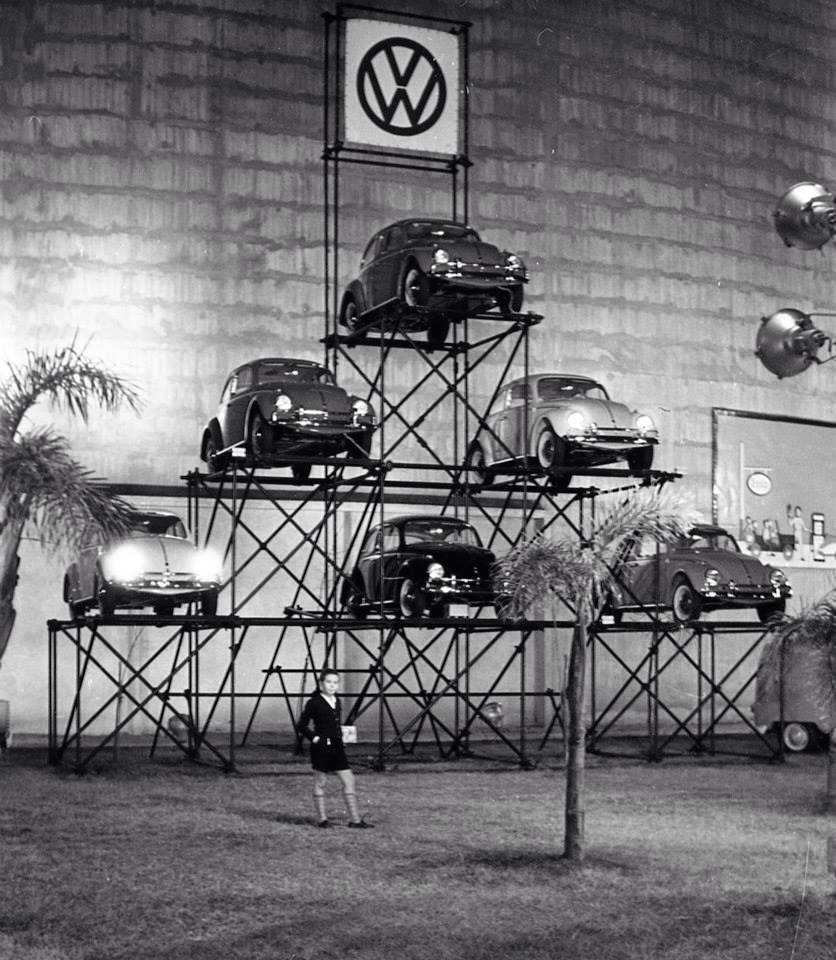
VW – Grand Motor show in Uruguay, 1962.
Three gentlemen wait in the rain on Hyde Park corner in London, 1964.
Girls reading books from mobile library in Levallois-Perret, near Paris, 1960.
Square du Vert-Galant. Paris, 1960.
Winter of 1963.
Getting what you want for Christmas, 1960s.
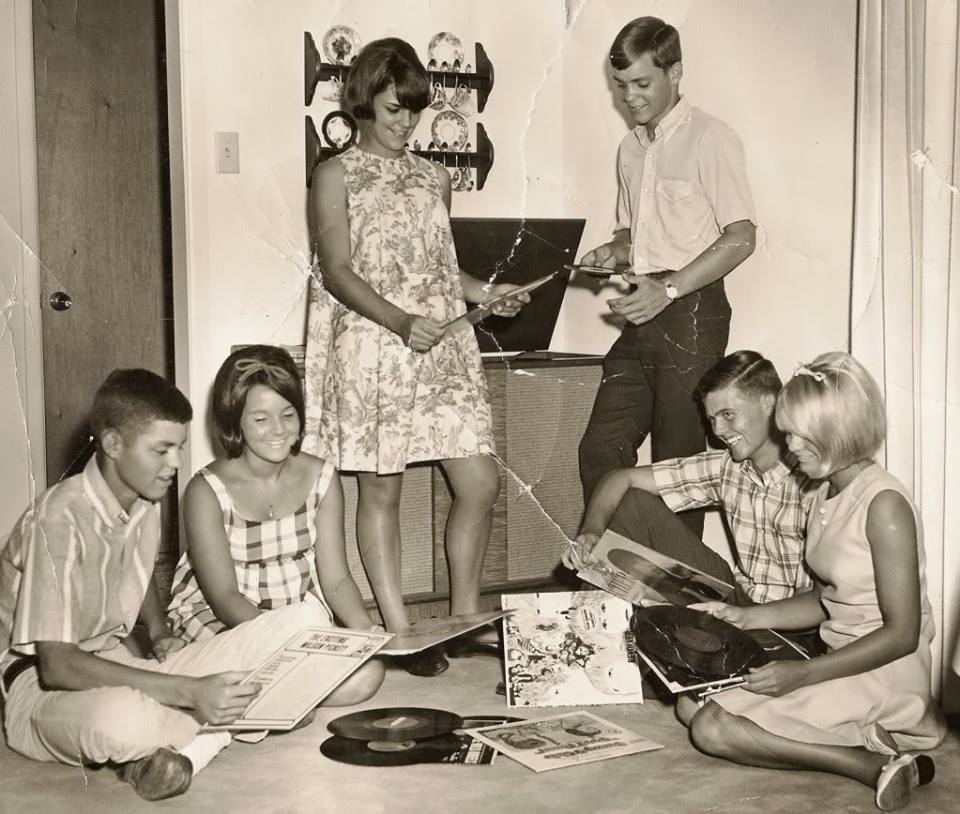
Teenagers of the 1960s.
Brigitte Bardot, 1964.
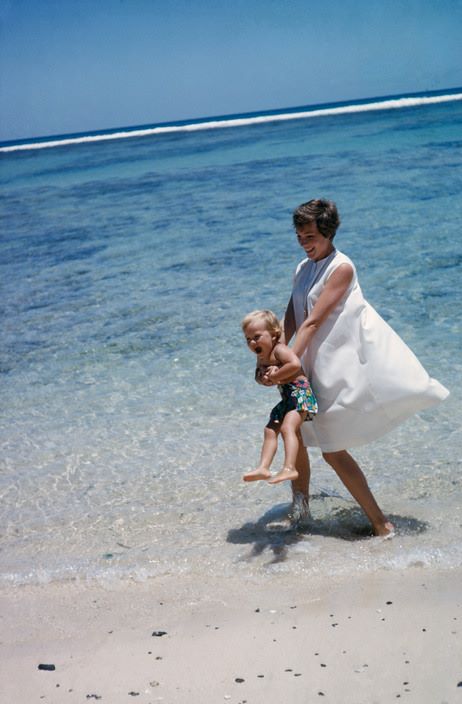
Julie Andrews with her daughter Emma, 1964.
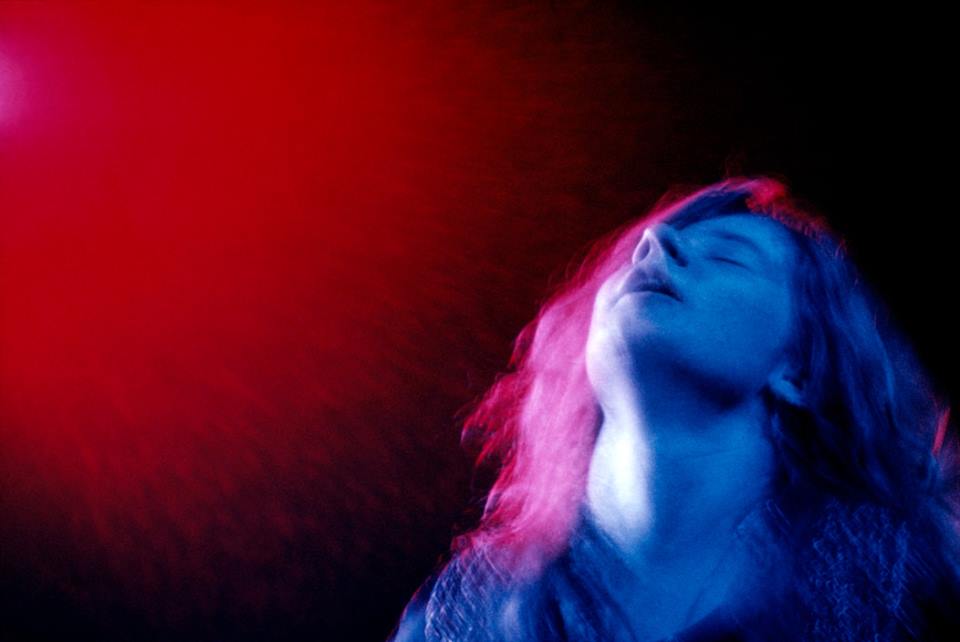
Janis Joplin performing at The Fillmore, San Francisco, 1968.
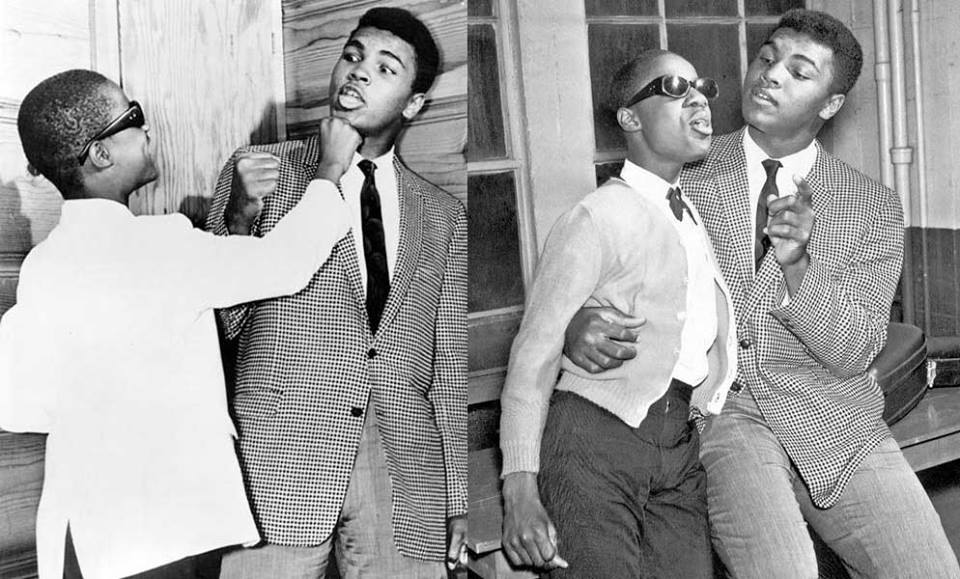
A 13 year old Stevie Wonder messing around with Muhammad Ali in 1963.
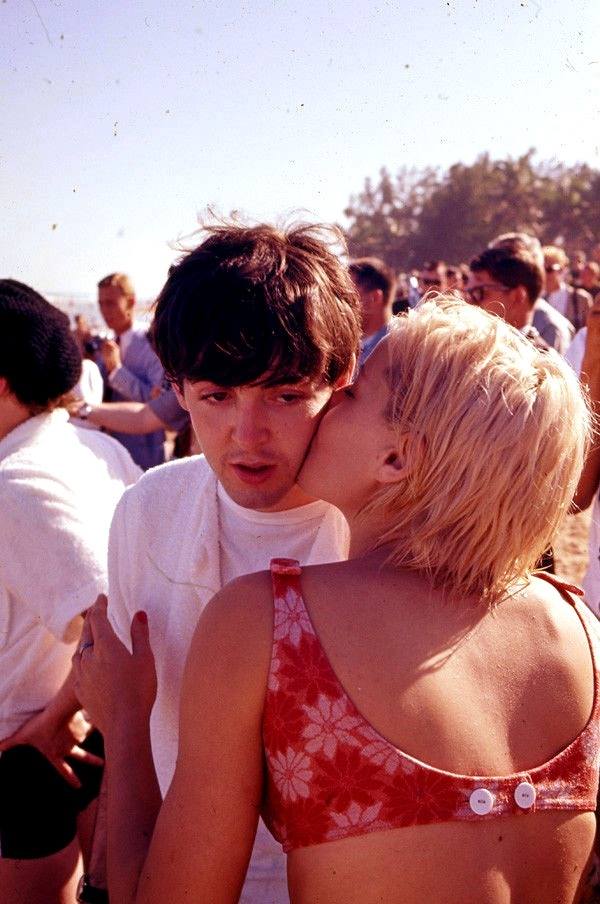
Paul McCartney in Miami, 1964.
Burt Ward, Yvonne Craig and Adam West in the 1960s Batman TV series.
Marianne Faithfull in “Girl on a Motorcycle”, 1968.
Yvonne Craig in Batgirl, 1967.

24 Vintage Photos of the World Trade Center in New York during the 1970s

The original World Trade Center (WTC) was a large complex of seven buildings in the Financial District of Lower Manhattan, New York City, United States. It opened on April 4, 1973, and was destroyed in 2001 during the September 11 attacks. At the time of their completion, the Twin Towers—the original 1 World Trade Center (the North Tower) at 1,368 feet (417 m); and 2 World Trade Center (the South Tower) at 1,362 feet (415.1 m)—were the tallest buildings in the world. Other buildings in the complex included the Marriott World Trade Center (3 WTC), 4 WTC, 5 WTC, 6 WTC, and 7 WTC. The complex contained 13,400,000 square feet (1,240,000 m2) of office space.

The core complex was built between 1966 and 1975, at a cost of $400 million (equivalent to $3.56 billion in 2022). The idea was suggested by David Rockefeller to help stimulate urban renewal in Lower Manhattan, and his brother Nelson signed the legislation to build it. The buildings at the complex were designed by Minoru Yamasaki. In 1998, the Port Authority of New York and New Jersey decided to privatize it by leasing the buildings to a private company to manage. It awarded the lease to Silverstein Properties in July 2001. During its existence, the World Trade Center symbolized globalization and the economic power of America. Although its design was initially criticized by New York citizens and professional critics, the Twin Towers became an icon of New York City. It had a major role in popular culture, and according to one estimate was depicted in 472 films. The Twin Towers were also used in Philippe Petit’s frequent tightrope-walking performance on August 7, 1974. Following the September 11 attacks, mentions of the complex in various media were altered or deleted, and several dozen “memorial films” were created.

The World Trade Center experienced several major crime and terrorist incidents, including a fire on February 13, 1975; a bombing on February 26, 1993; a bank robbery on January 14, 1998, and finally a terrorist attack on September 11, 2001. The latter began after Al-Qaeda-affiliated hijackers flew two Boeing 767 jets into the Twin Towers within minutes of each other. Between 16,400 and 18,000 people were in the Twin Towers when they were struck. The fires from the impacts were intensified by the planes’ burning jet fuel, which along with the initial damage to the buildings’ structural columns, ultimately caused both towers to collapse. The attacks in New York City killed 2,606 people in and within the vicinity of the towers, as well as all 157 on board the two aircraft. Falling debris from the towers, combined with fires that the debris initiated in several surrounding buildings, led to the partial or complete collapse of all the WTC complex’s buildings including 7 World Trade Center, and caused catastrophic damage to 10 other large structures in the surrounding area.

The cleanup and recovery process at the World Trade Center site took eight months, during which the remains of the other buildings were demolished. On May 30, 2002, the last piece of WTC steel was ceremonially removed. A new World Trade Center complex is being built with six new skyscrapers and several other buildings, many of which are complete. A memorial and museum to those killed in the attacks, a new rapid transit hub, and an elevated park have been opened. The memorial features two square reflecting pools in the center marking where the Twin Towers stood. One World Trade Center, the tallest building in the Western Hemisphere at 1,776 feet (541 m) and the lead building for the new complex, was completed in May 2013 and opened in November 2014. (Wikipedia)

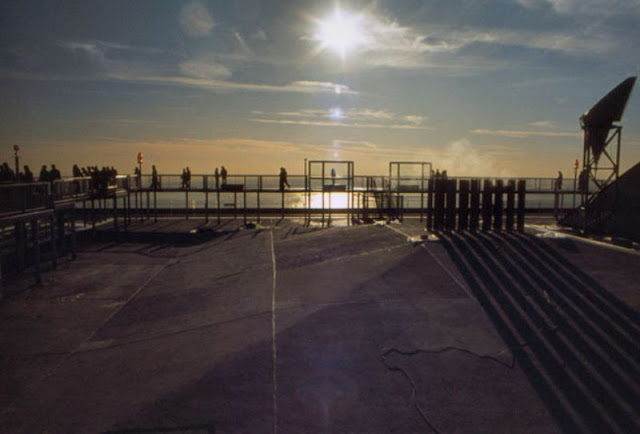
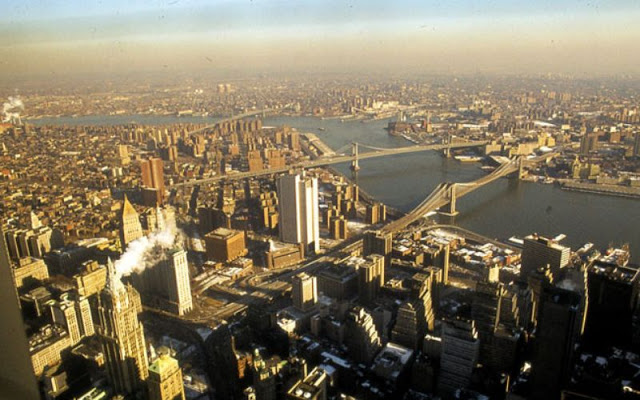
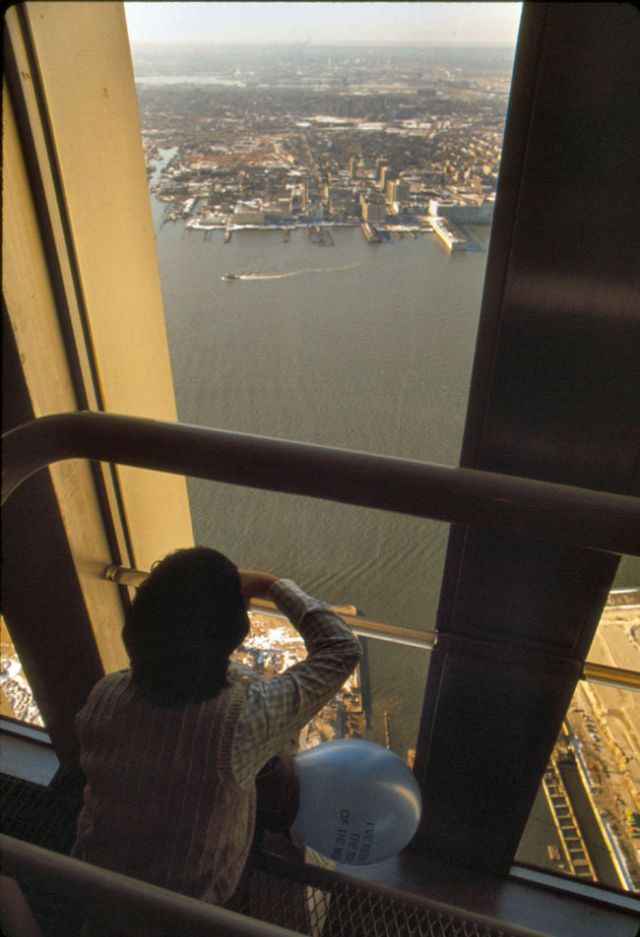
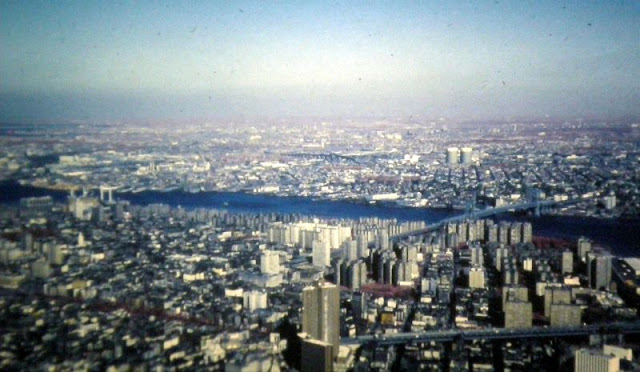
Take a look at these pictures to remember the memories of the Twin Towers and the feelings when you’ve been standing on top of them from the 1970s.

Looking east from the top of the World Trade Center, circa early 1970s
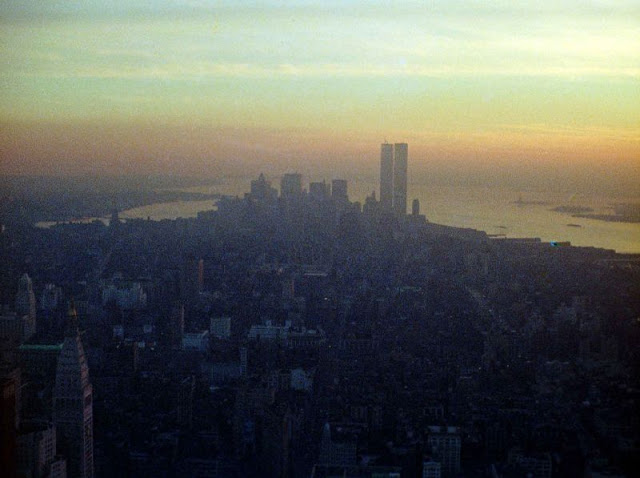
The World Trade Center and the harbor as seen from the Empire State Building, New York, 1973
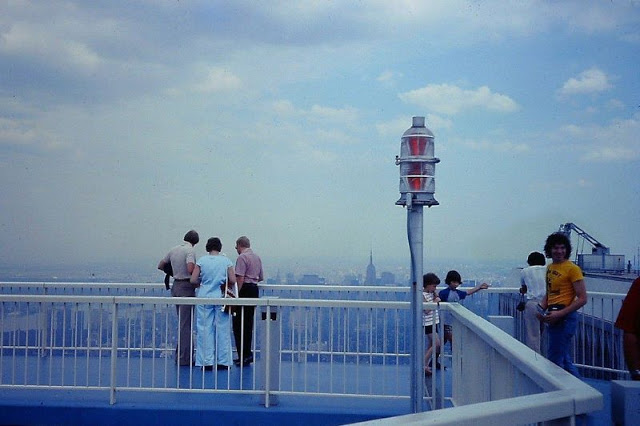
View from top of the World Trade Center, 1974
The World Trade Center as seen from an abandoned Central Railroad of NJ Terminal and railroad land, (Liberty State Park is here now), Jersey City, 1975
The World Trade Center as seen from Brooklyn promenade, 1975
Atop the World Trade Center, 1976
From the top of the World Trade Center, New York, 1976
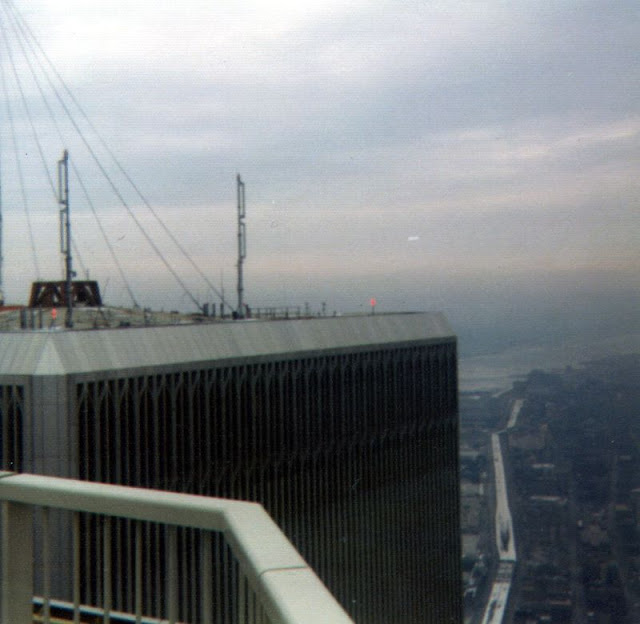
Roof of the World Trade Center, 1976
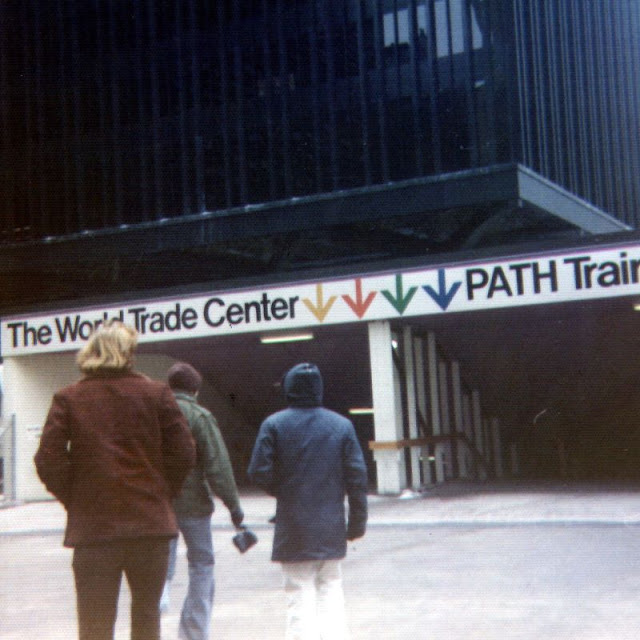
The PATH train entrance at the World Trade Center, New York, January 1976
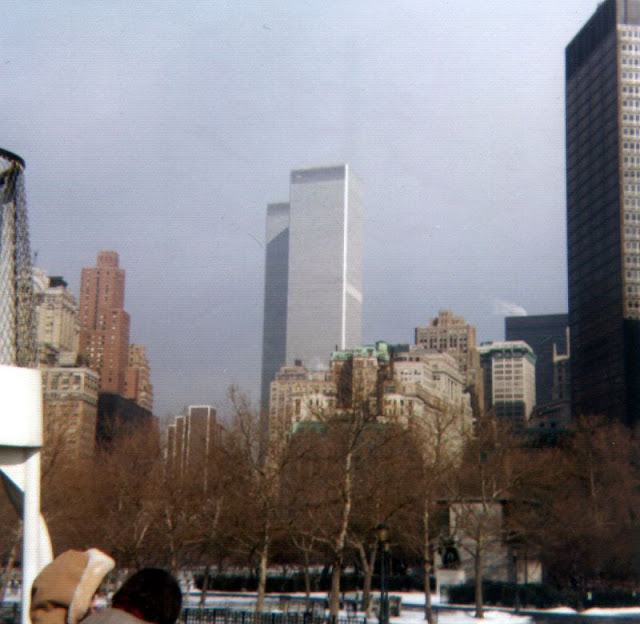
The World Trade Center as seen from a boat departing Battery Park for the Statue of Liberty, 1976
Top of the World Trade Center, view of Statue of Liberty (to the Left) and out towards New Jersey, winter of 1976
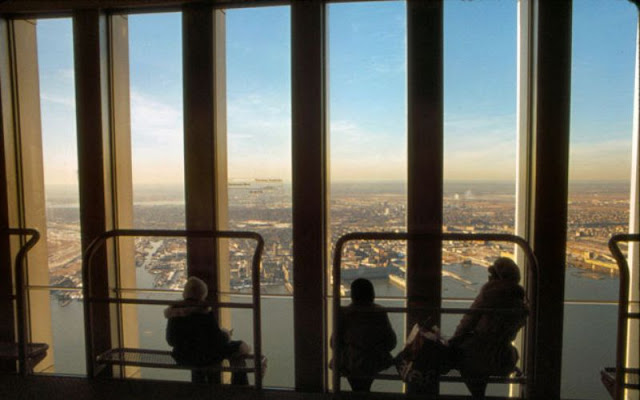
View from the observation floor of the World Trade Center, looking west, 1976
View from the top of the World Trade Center looking north, 1976
View from the top of the World Trade Center looking towards Brooklyn, 1976
View from the World Trade Center, New York, observation floor looking west, 1976
World Trade Center, boat view from the Hudson, 1976
Looking downtown from top of the World Trade Center, New York, 1977
Looking to Brooklyn and Queens from top of the World Trade Center, 1977
Looking to Queens from top of the World Trade Center, 1977
Looking uptown from from top of the World Trade Center, 1977
Skyline with the World Trade Center, 1977
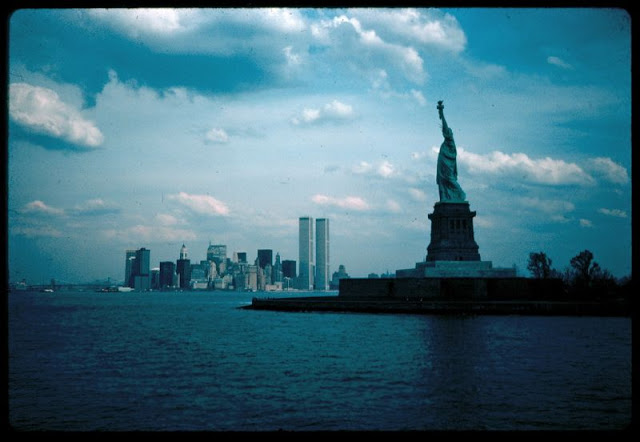
The World Trade Center and the Statue of Liberty, 1978
The World Trade Center, 1978
The World Trade Center, New York, 1978

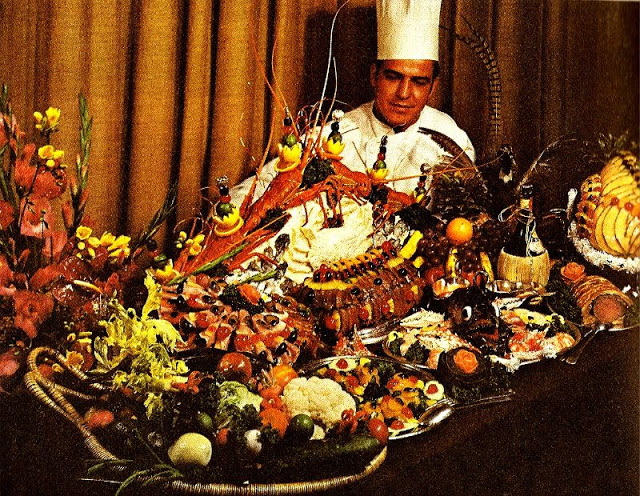
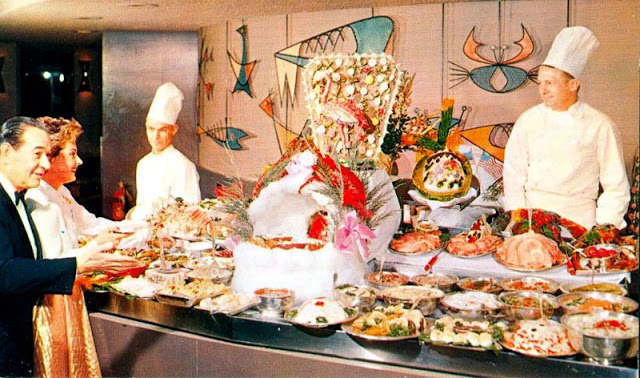
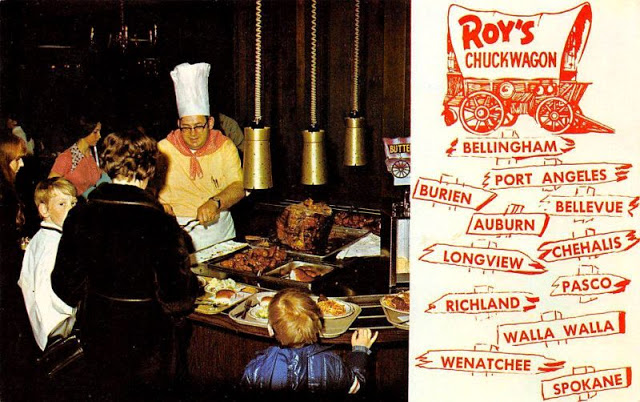
Yesterday’s Buffet: A Look at the Mid-Century Smörgåsbord

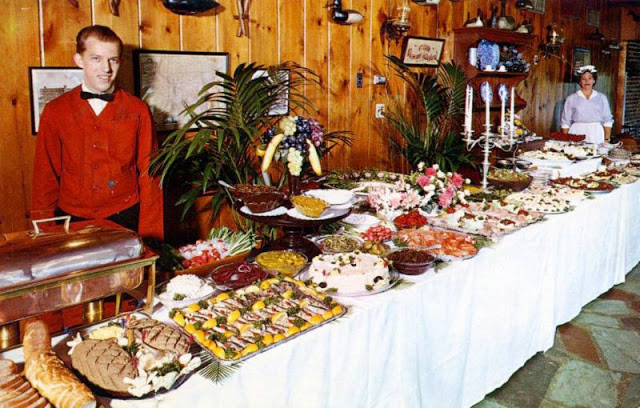
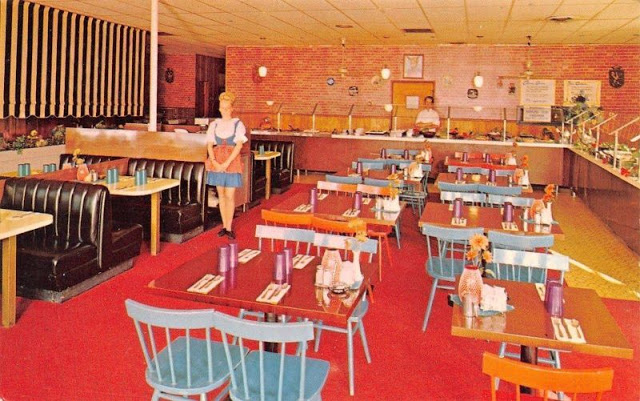
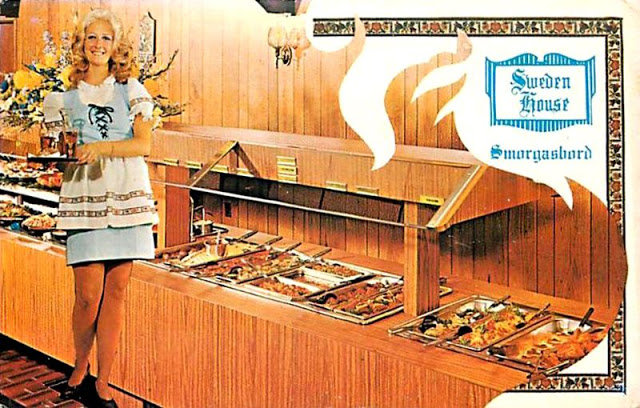
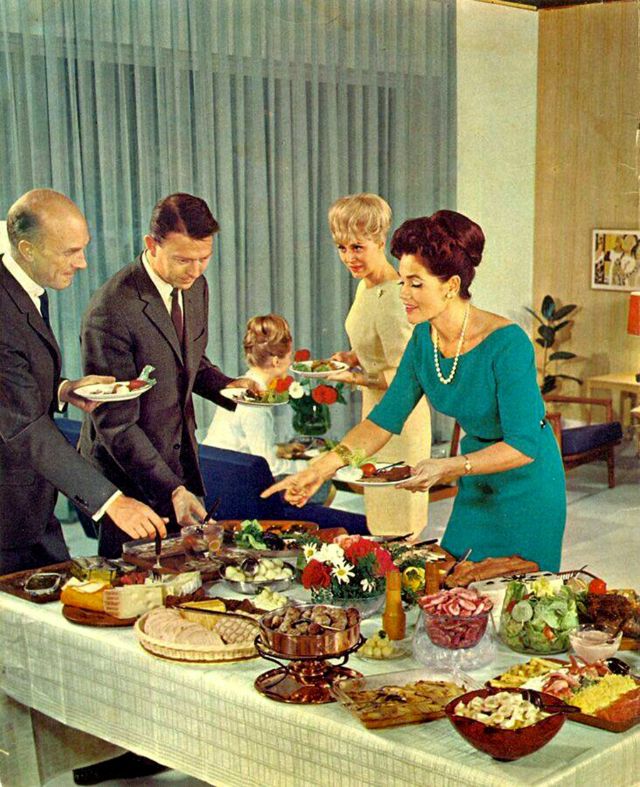
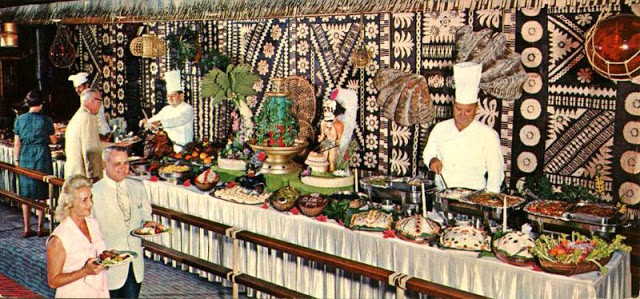
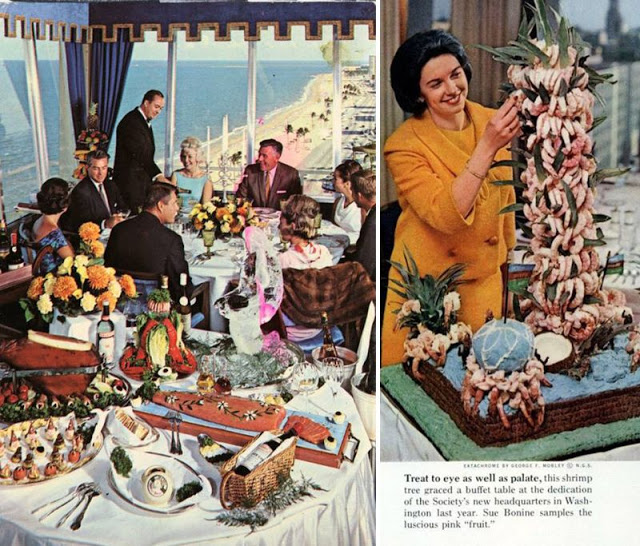
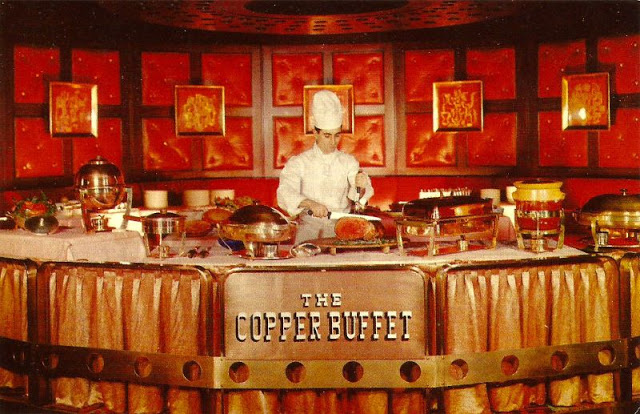
The buffet’s time had truly arrived in post-WWII America. Enjoying an unprecedented economic boom, the “table of plenty” fit perfectly within this period. Gone were the Depression-era days of meager portions, and gone were the WWII days of rationing. In Cold War America, tables bent beneath the weight of the mighty buffet.

Aside from Scandinavian immigrants, the word “smorgasbord” wasn’t a term known in the United States until the 1939 World’s Fair in New York, where it was served at the Swedish Pavilion. From there, various restaurants started touting their own versions of the Smörgåsbord; until, by the mid-sixties, the term had become generalized to mean simply “buffet”.

Let’s have a look at the 1950s-1960s buffet. So, grab a plate and get in line – and enjoy!

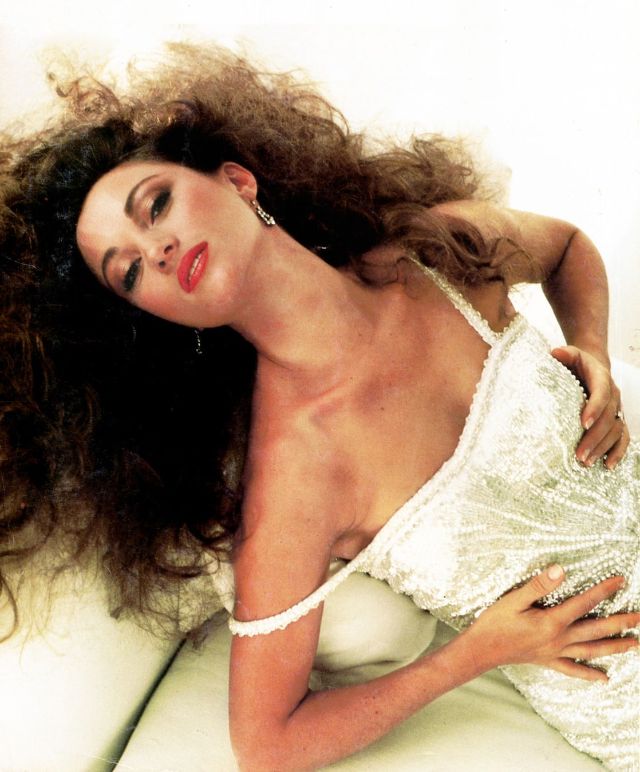
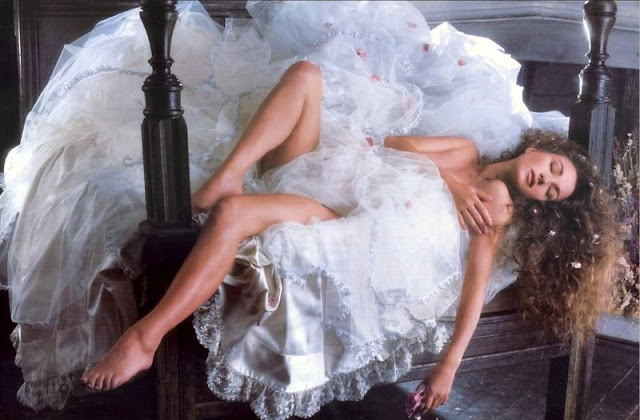
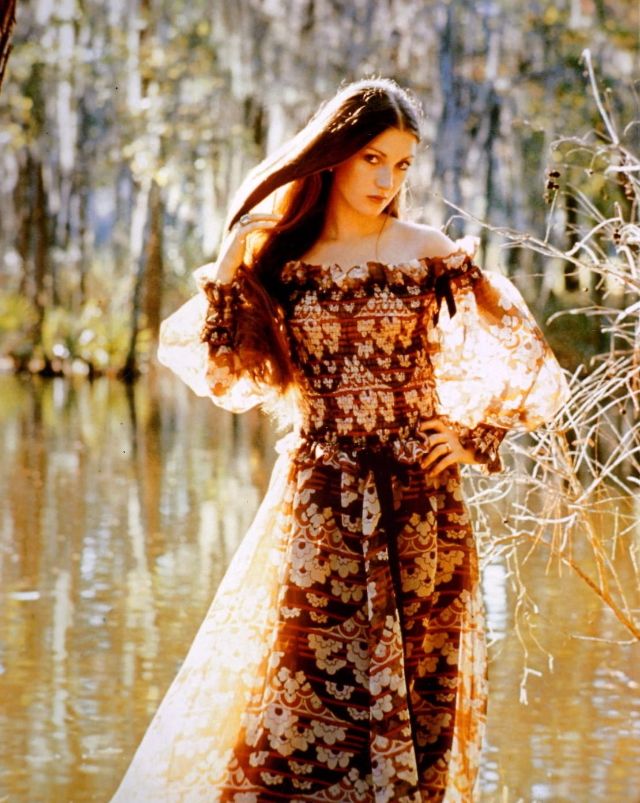
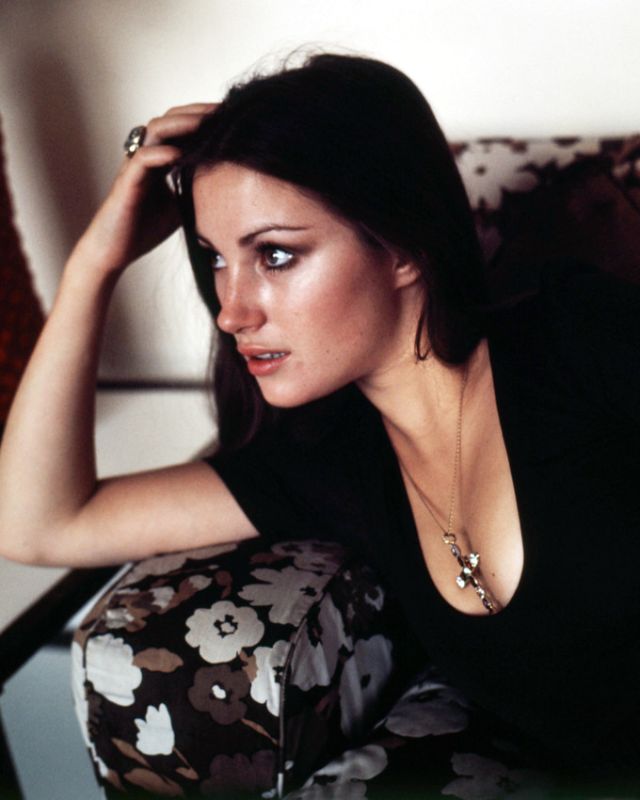
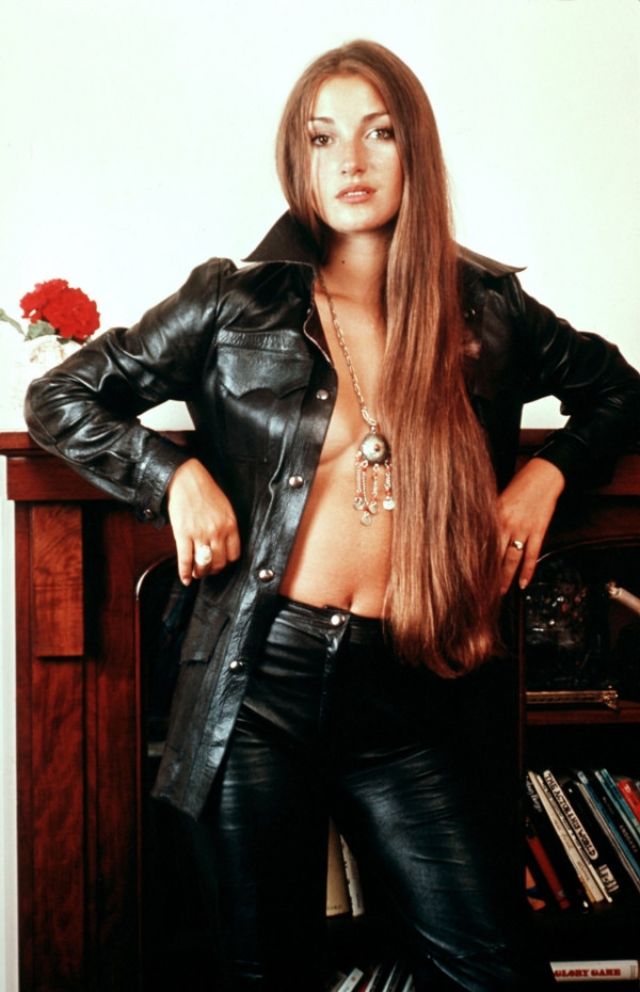
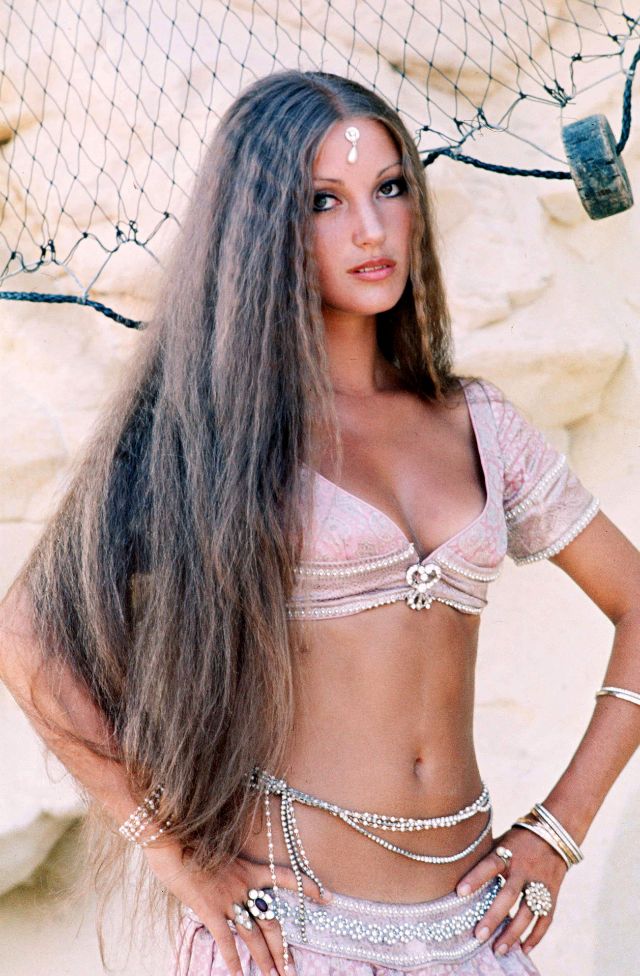
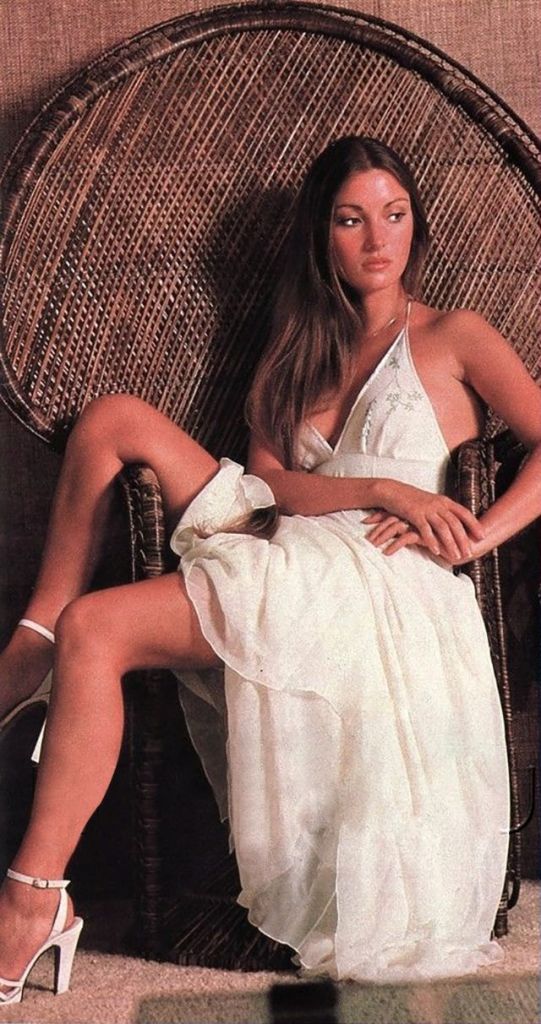
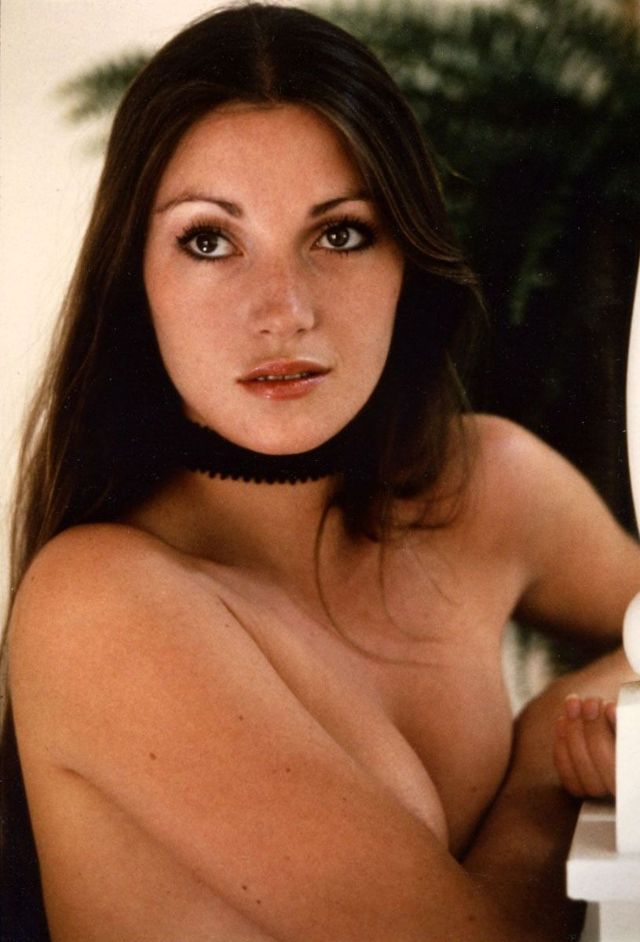
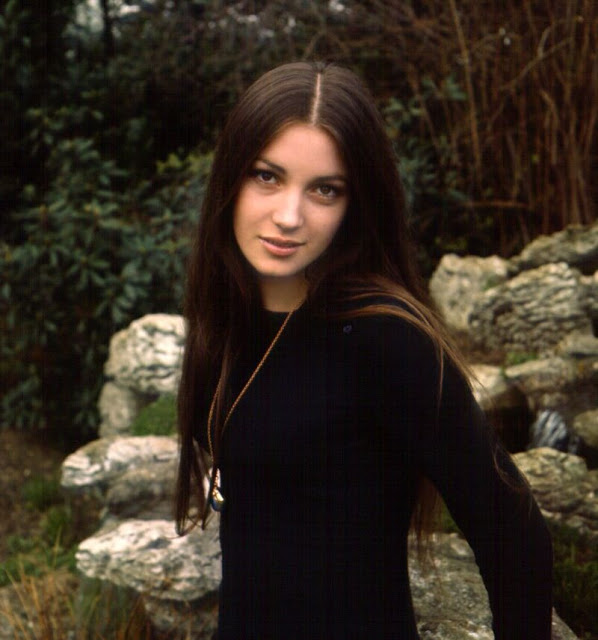
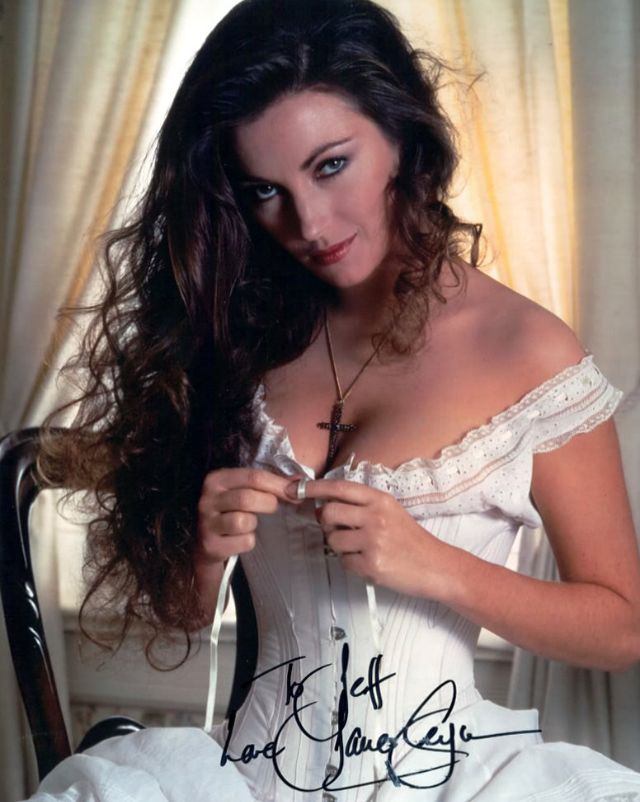
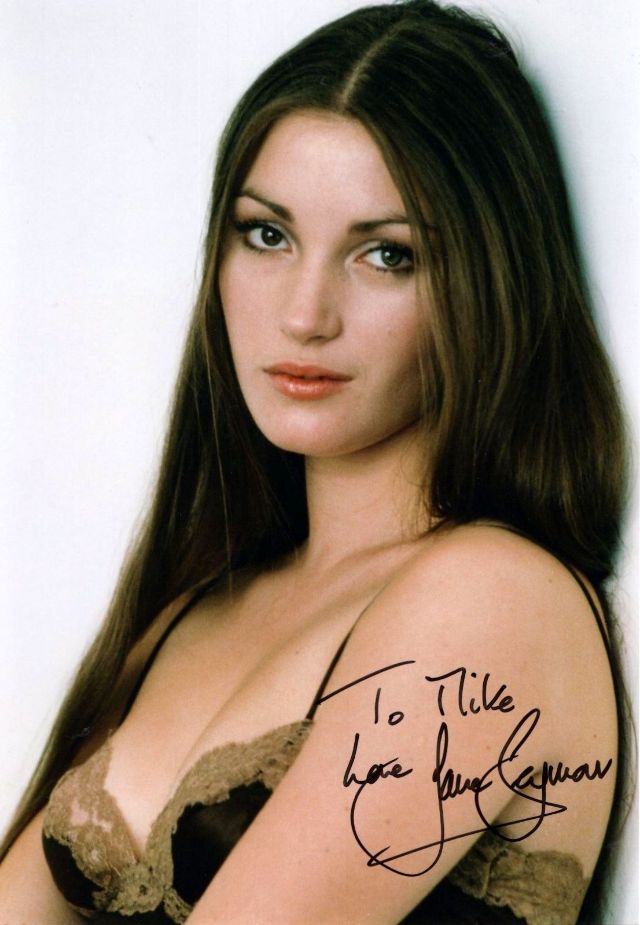
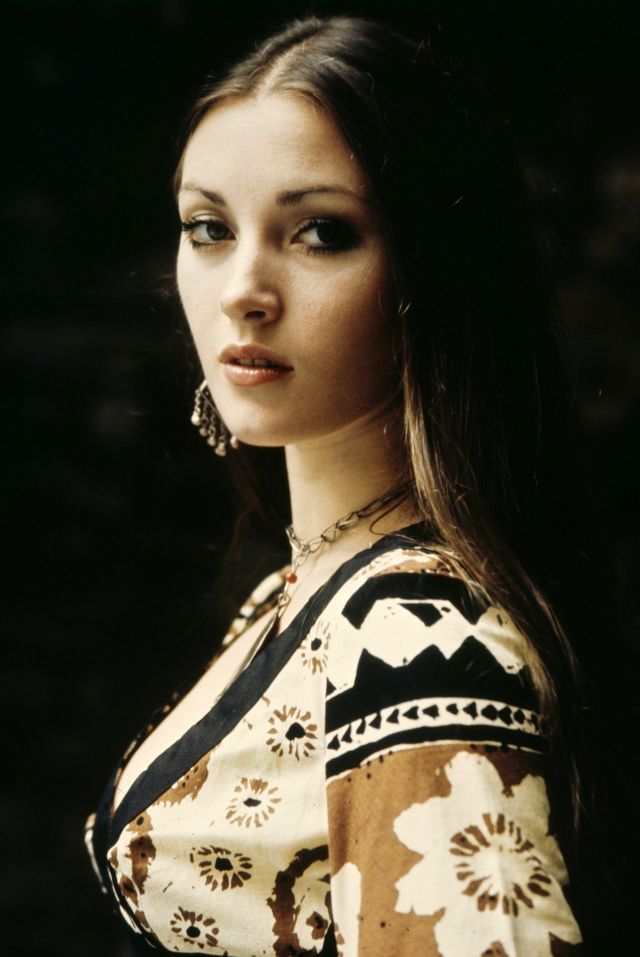
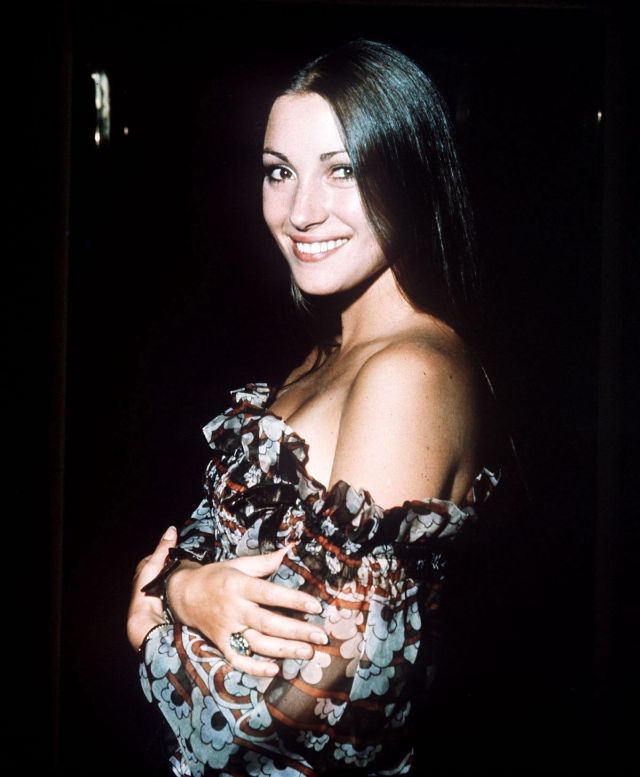
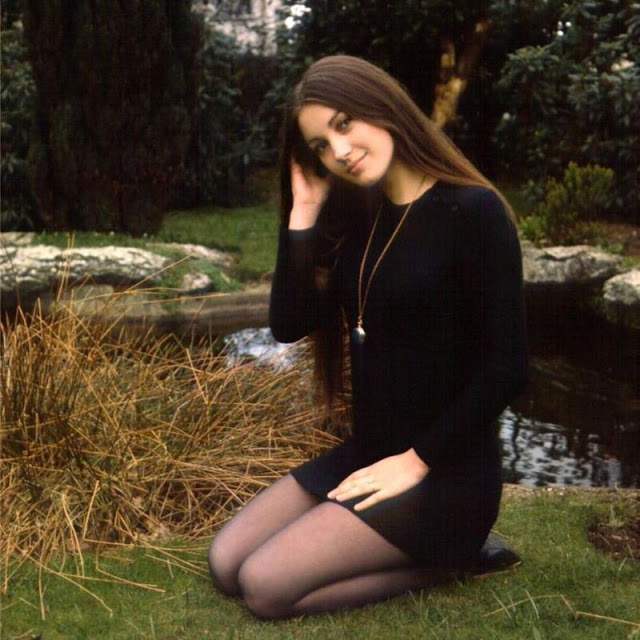
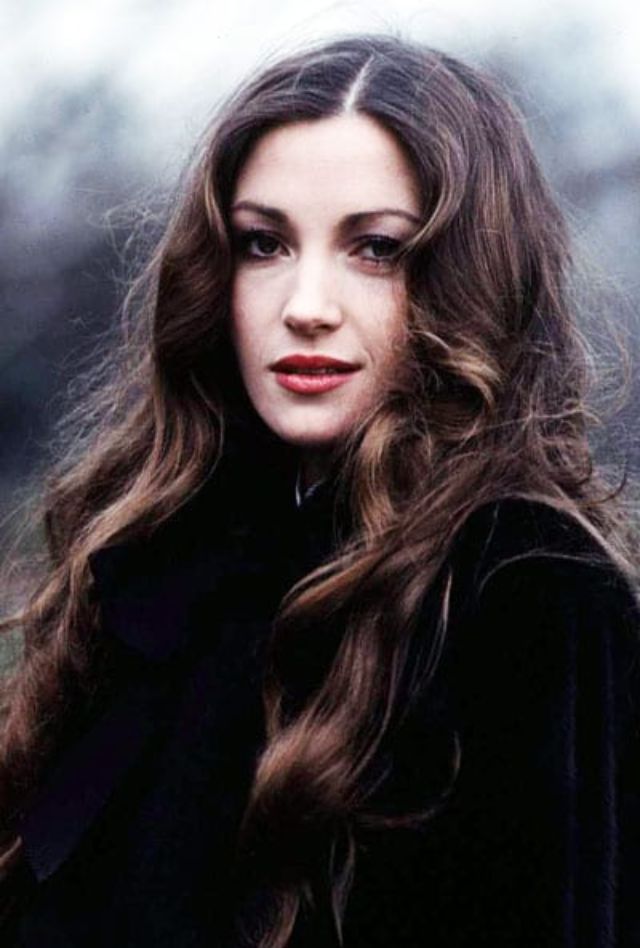
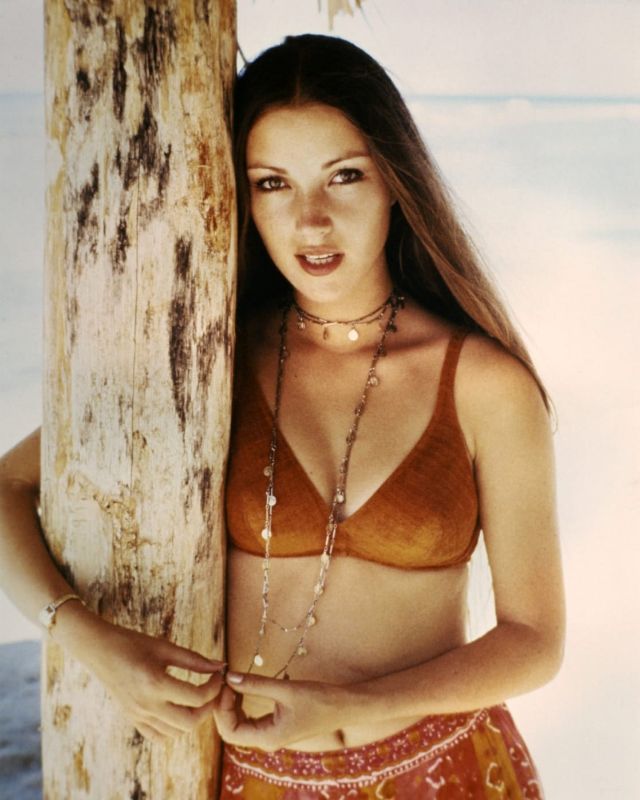
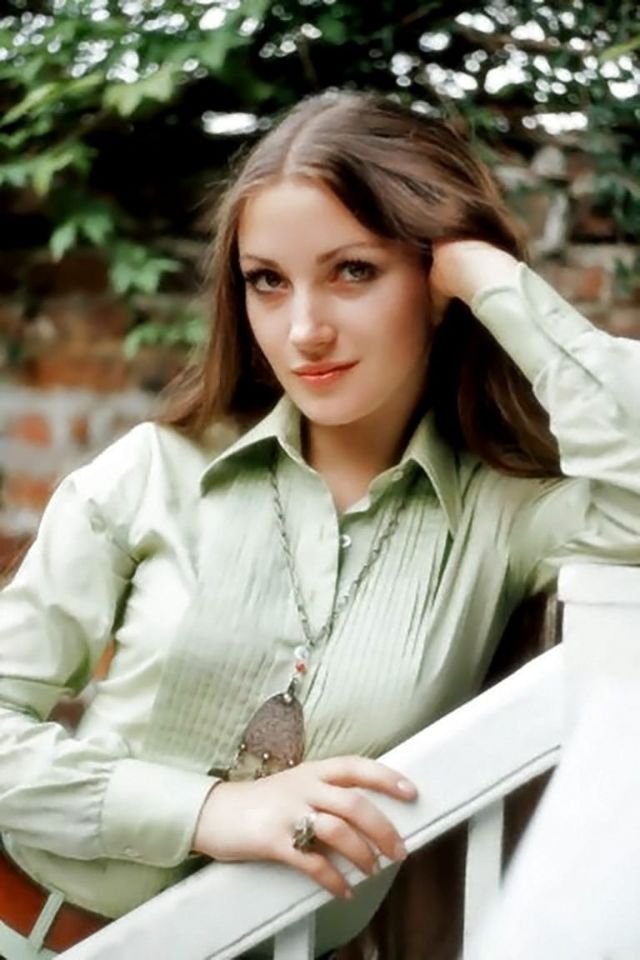
48 Stunning Photos of Actress Jane Seymour in the 1970s and Early 1980s

Jane Seymour OBE (born Joyce Penelope Wilhelmina Frankenberg; 15 February 1951) is a British-American actress, author and entrepreneur. After making her screen debut as an uncredited extra in the 1969 musical comedy Oh! What a Lovely War, Seymour quickly transitioned to leading roles in film and television, including a leading role in the television series The Onedin Line (1972-1973) and the role of psychic Bond girl Solitaire in the James Bond film Live and Let Die (1973).

Critical acclaim soon followed with a nomination for the Primetime Emmy Award for Outstanding Lead Actress in a Limited Series or Movie for Captains and the Kings (1976). In 1982, Seymour won her first Golden Globe for Best Actress in a Miniseries or Television Film for the miniseries East of Eden (1981). She received additional Golden Globe nominations in the same category for the television film The Woman He Loved (1988), in which she portrayed Wallis Simpson, and the miniseries War and Remembrance (1988-1989), for which she was nominated twice consecutively in addition to receiving another Emmy nomination. By this time, Seymour had already won a Primetime Emmy Award for Outstanding Supporting Actress in a Limited Series or Movie for Onassis: The Richest Man in the World (1988), in which she played Maria Callas. In 1993, Seymour was cast as Dr. Michaela Quinn in the television series Dr. Quinn, Medicine Woman, a medical drama set in the Wild West which ran for 6 seasons and resulted in a further two Emmy nominations and four Golden Globe nominations, including one win. Seymour was also given a star on the Hollywood Walk of Fame and, in 2000, was appointed an Officer of the Order of the British Empire.

Seymour’s other film roles include Somewhere in Time (1980), The Scarlet Pimpernel (1982), La Révolution française (1989), Wedding Crashers (2005), Love, Wedding, Marriage (2011), Little Italy (2018), The War with Grandpa (2020) and Friendsgiving (2020).

In addition to her acting career, Seymour is the founder of the Open Hearts Foundation as well as an author, having (co-)written several children’s books and self-help books. Under the Jane Seymour Designs label, she has also created jewellery, scarves, furniture, rugs, handbags, paintings and sculptures. (Wikipedia)
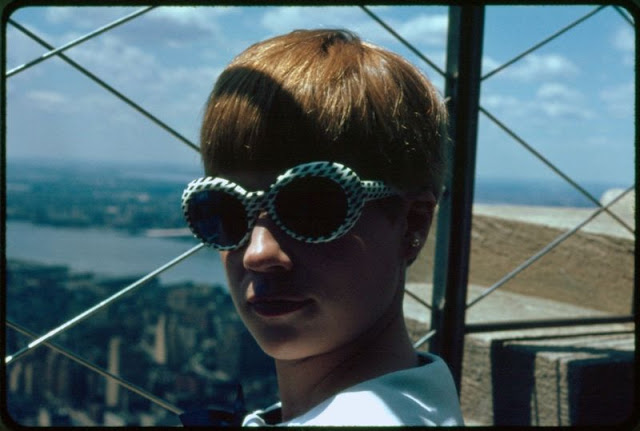
Take a look at these glamorous photos to see the beauty of young Jane Seymour in the 1970s and early 1980s.

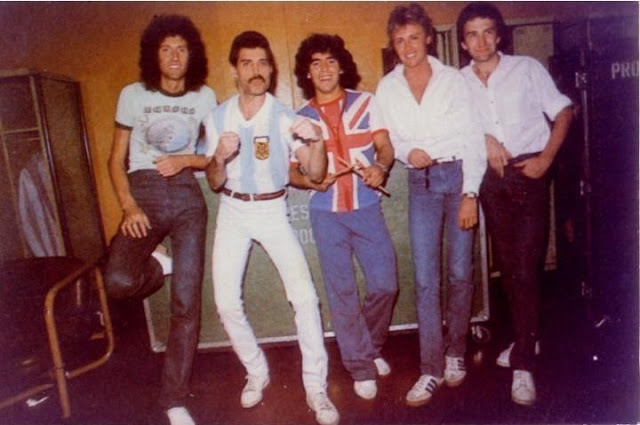
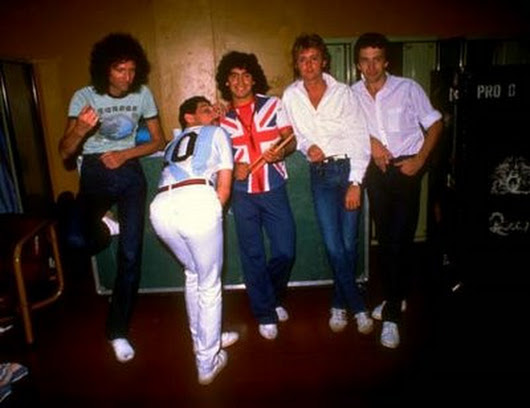
Backstage Photos of Queen and Diego Maradona in Argentina During “The Game Tour”, 1981

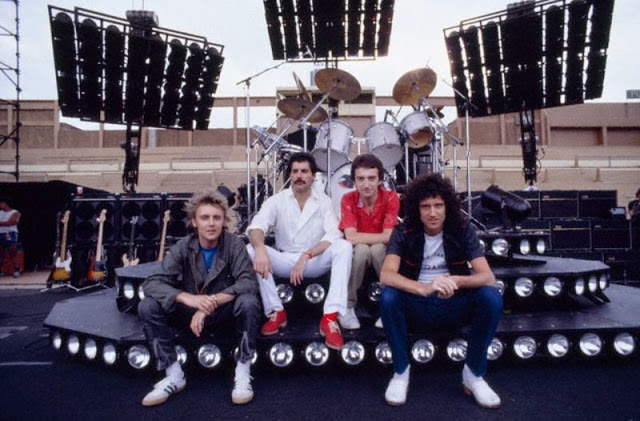
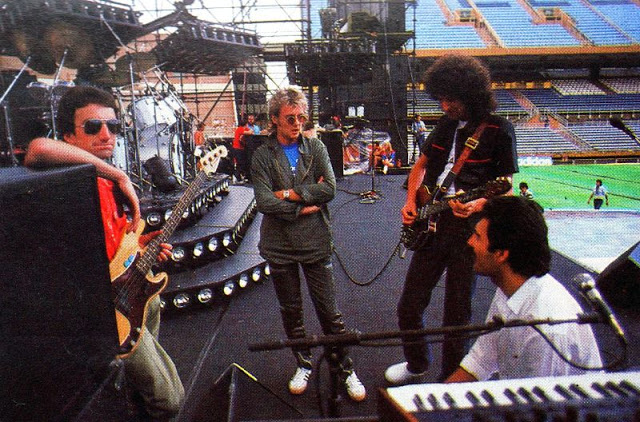
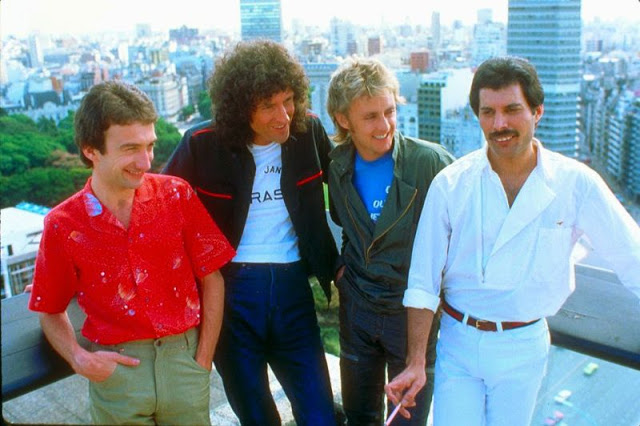
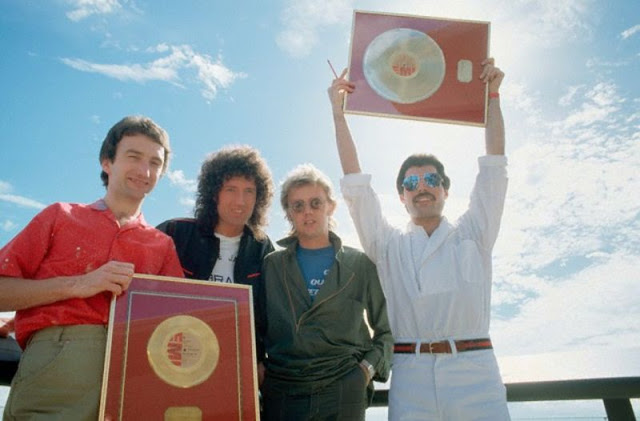
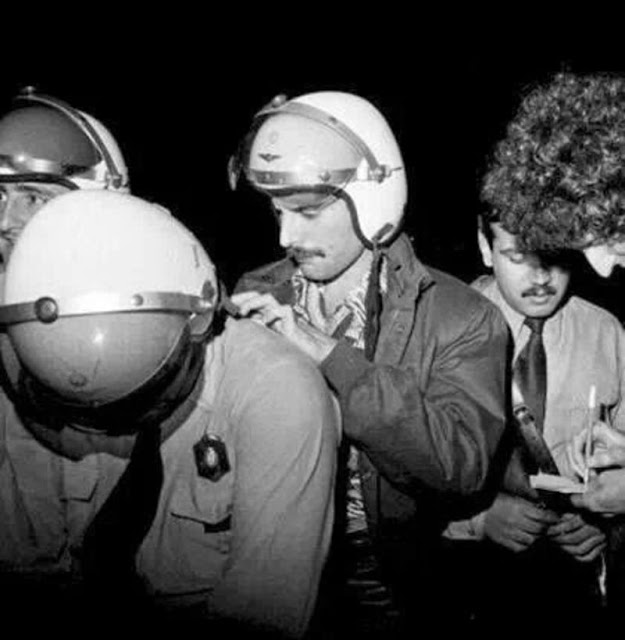
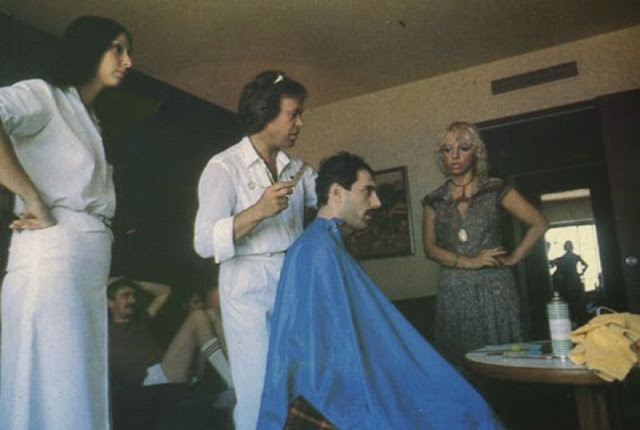
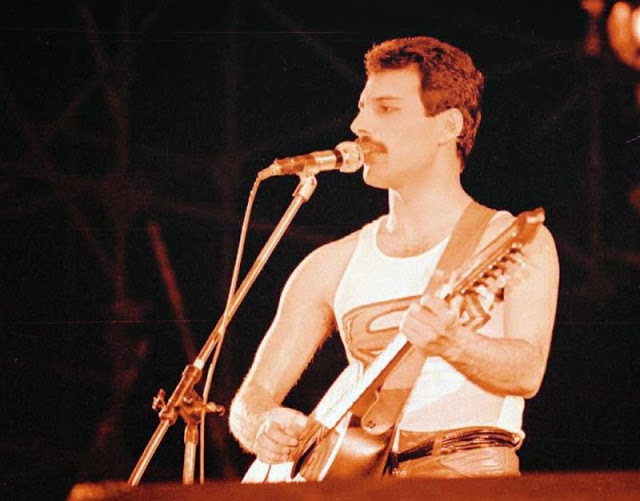
The Game Tour was a concert tour by Queen to support their successful 1980 album The Game – which includes the hits like “Another One Bites the Dust” and “Crazy Little Thing Called Love” – and their short trek has become the stuff of myths and legends. This tour saw the band being the first to play in South American stadiums in early 1981.

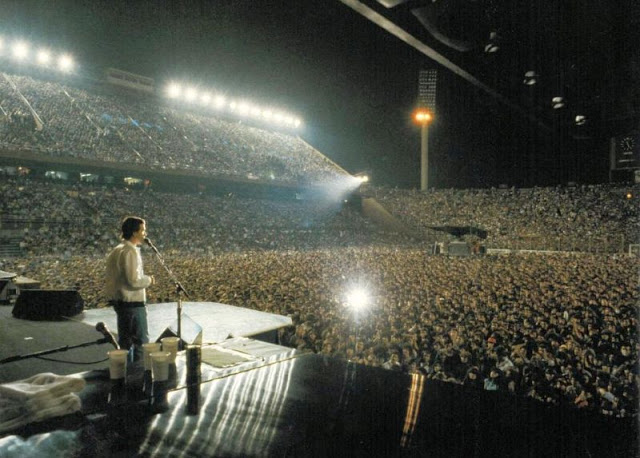
The tour began on February 28, with two consecutive nights at Estadio Velez Sarsfield in Buenos Aires, where the band drew a crowd of 300,000 people –the largest single concert crowd in Argentine history as of 1982.

Freddie Mercury first met Diego Maradona at a party in Castelar outside Buenos Aires, and invited him to appear on stage during Queen’s final Buenos Aires show. Maradona accepted readily.
“Freddie hadn’t really known who he was, as he was not what you could call a football fan,” laughed Peter Freestone. “Footballers’ thighs, maybe. Rugby players’ thighs, even better!”
Still, Freddie could not help but be amused by the young soccer star. To some extent, he could identify with him: they shared modest stature and an unquenchable thirst for success. Maradona duly appeared to ecstatic applause, whereupon the footballer peeled off his Number 10 team shirt, and swapped it for the rock star’s T-shirt. He then introduced “Another One Bites the Dust”, and retreated, as Queen tore in to one of Argentina’s all-time favorite rock numbers.

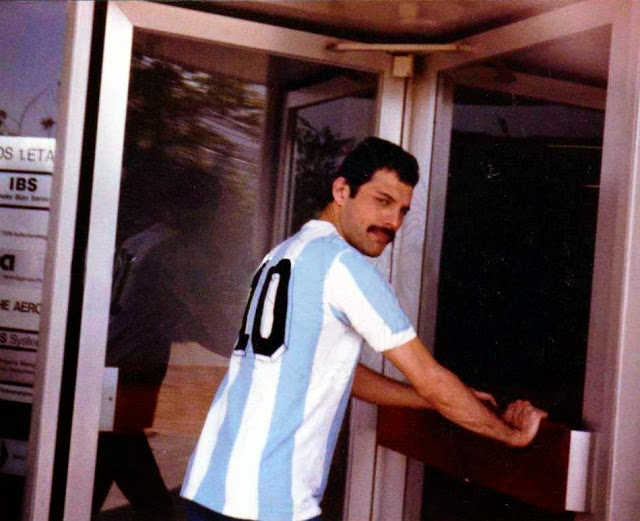
These photos were taken on March 8, 1981 backstage at the Buenos Aires stadium Estadio José Amalfitani. Maradona is wearing the British Union Jack shirt of Brian Ma, while Freddie Mercury is wearing a Diego Maradona #10 jersey from the Argentina national team.

When these photos surfaced, Maradona was heavily criticized by the Argentine people for wearing The British Union Jack considering The Falklands War “La Guerra de las Malvinas” between The United Kingdom and Argentina. He defended himself by saying that the photos were taken one full month before the conflict began and one full year before the war had even started.

Perhaps the Palo journalist was not so stupid when he quizzed Freddie at the asado. He put it to Freddie that the shirt-exchange moment with the nation’s greatest sporting idol had been a ‘demagogic act’. Freddie, incensed by the implication, denounced the suggestion as ‘ridiculous’. He declared it to have been a friendly gesture, nothing more.
“If the audience thinks it’s OK to do such a thing, and appreciates it for what it is, I don’t give a damn what the press might think,” he retorted. “I’m going to do what I like, regardless of whether the press label it ‘demagogic’ or wrong.”
The South America experience was not thrills all the way. Followed and harassed by both media and fans, who would congregate around him in a flash, Freddie spent more time legging it from madding crowds than he would have liked. Recognized wherever he went, he found peace and quiet only behind the locked doors of his hotel suite. He slept more than usual, rarely leaving his room before 2 P.M. He would occasionally ask to go for a drive around the city, but his favorite off-duty pastimes were eating and shopping. His entourage were run ragged trying to arrange a different restaurant every evening, even though Freddie ate next to nothing when he got there. At least his shopping trips were fruitful. On one excursion alone he purchased 25 pairs of socks, 10 identical T-shirts, and 20 pairs of matching trousers. His bodyguards wondered why he bought so many of each. They were surprised when he explained that, as a teenager, he never had the opportunity to just be a kid, and to wear exactly what he wanted. This, he told them, was his way of making it up to himself.

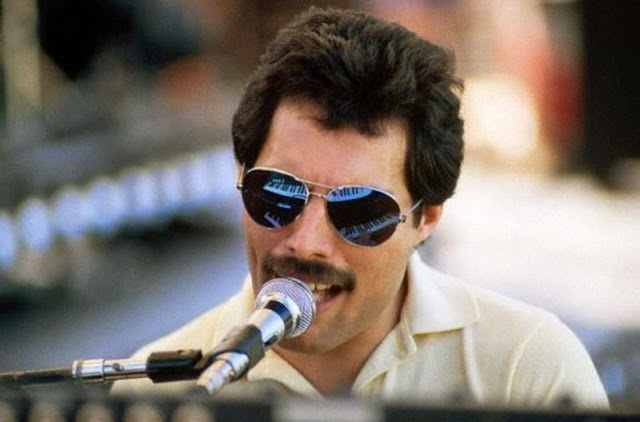
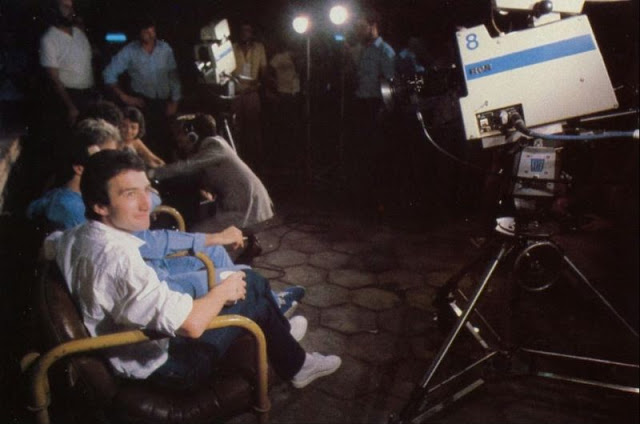
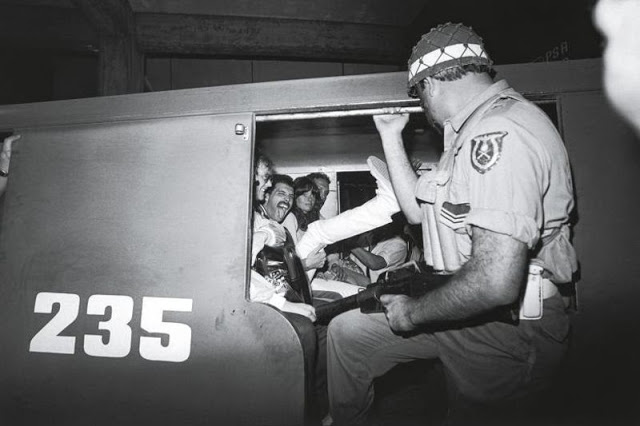
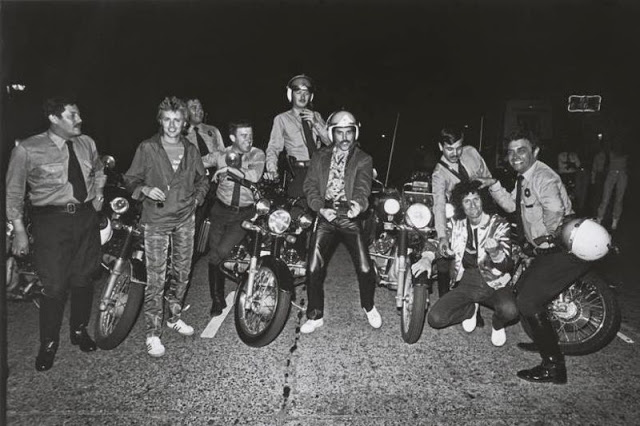
Here are some more amazing photographs of Queen during their The Game Tour in Argentina:

Yesterday Today

Bringing You the Wonder of Yesterday - Today

Skip to content ↓