Steffi Graf, byname of Stephanie Maria Graf is a German former professional tennis player who dominated women’s tennis in the late 1980s and ’90s.
Graf began playing tennis with the encouragement of her father, who became her coach. At age 13 she became the second youngest player ever to earn an international ranking. In 1987 she won her first Grand Slam event, defeating Czech-born American Martina Navratilova at the French Open. In 1988 she became the third woman to win all four Grand Slam tournaments (the Australian Open, the French Open, Wimbledon, and the U.S. Open) in one calendar year, and she won a gold medal at the Olympic Games in Seoul—an unprecedented feat that became known as the “Golden Slam.”
Graf was known for her intensity, speed, and powerful forehand, and by the 1990s she had become one of the premier players in the world, winning multiple singles titles in the French Open (1987–88, 1993, 1995–96, 1999), Australian Open (1988–90, 1994), and U.S. Open (1988–89, 1993, 1995–96). Her seven victories at Wimbledon (1988–89, 1991–93, 1995–96) were second in number to only Navratilova’s nine. Soon after losing in the finals at Wimbledon in 1999, Graf, who had been plagued by injuries, retired from the sport.
Graf’s retirement did not remove her from the public spotlight. In 2001 she married fellow tennis great Andre Agassi, and the couple was involved in various charitable causes, including Children for Tomorrow, a nonprofit organization that Graf had founded in 1998 to aid children and families affected by war and other crises. Graf was inducted into the International Tennis Hall of Fame in 2004.
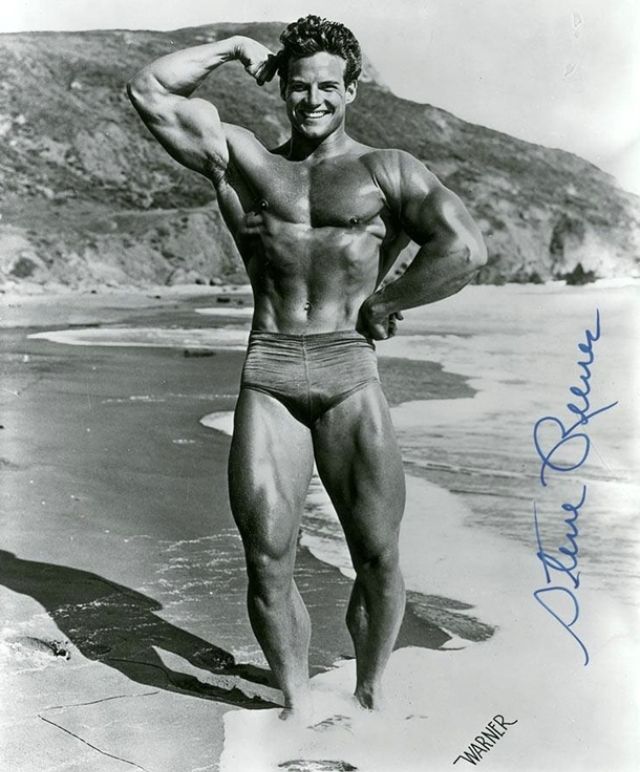
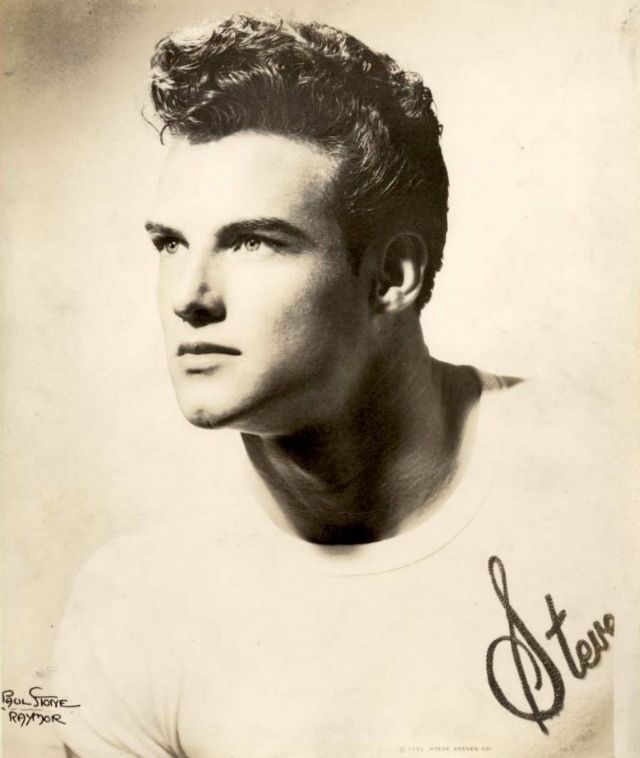
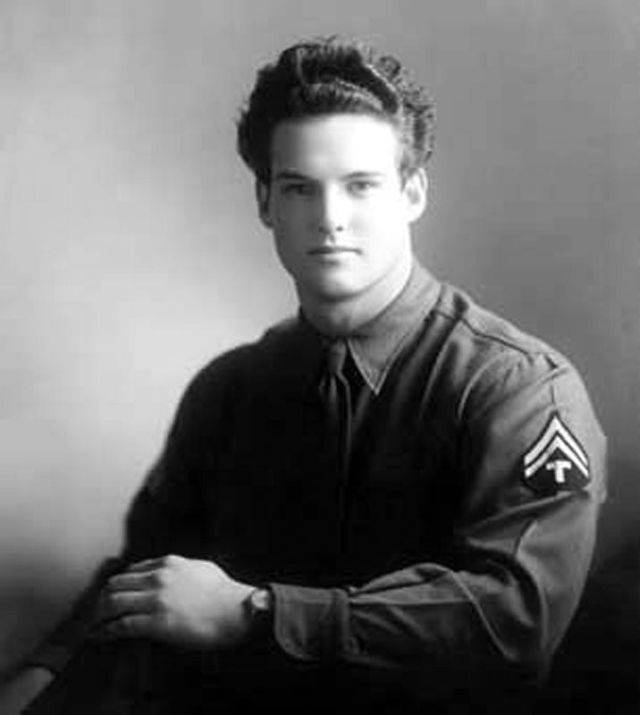
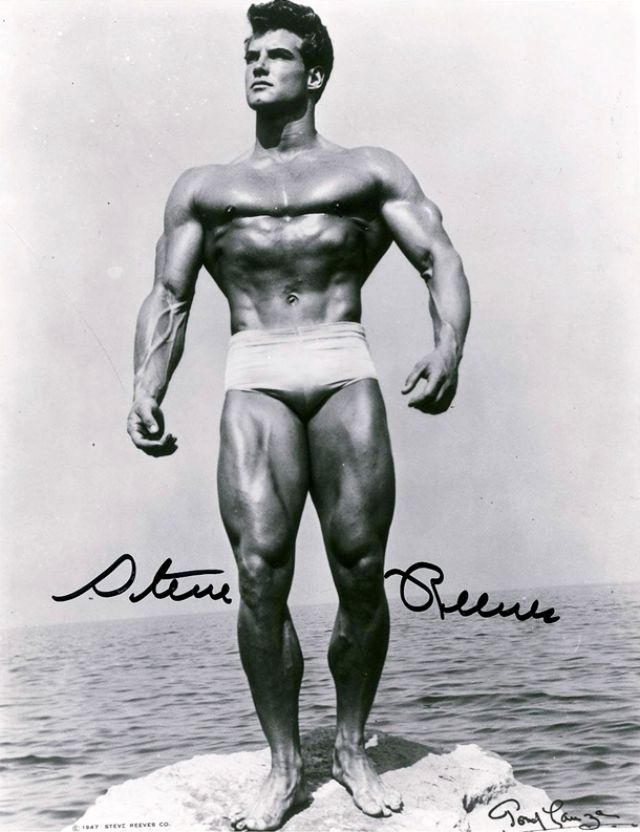
Born in Glasgow, Montana in 1926, Steve Reeves was an American professional bodybuilder, actor, and philanthropist. He moved to California at age 10, developed an interest in bodybuilding at Castlemont High School, and trained at Ed Yarick’s gym in Oakland, California. After winning the Mr America title in Chicago in 1947, he was contacted by an agent who suggested he go into acting.
Reeves was famous in the mid-1950s as a movie star in Italian-made peplum films, playing the protagonist as muscular characters such as Hercules, Goliath, and Sandokan. At the peak of his career, he was the highest-paid actor in Europe.
From 1959 through 1964, Reeves went on to appear in a string of sword and sandal movies shot on relatively small budgets and, although he is best known for his portrayal of Hercules, he played the character only twice: in the 1957 film (released in the US in 1959) and its 1959 sequel Hercules Unchained (released in the US in 1960). By 1960, Reeves was ranked as the number-one box-office draw in twenty-five countries around the world.
Reeves decided to retire for several reasons: stress, his injury, and the decline in the market for his sort of movies. He had earned enough to retire and moved to his ranch in Oregon, which he purchased from Chandler Knowles.
In 2000, Reeves died from a blood clot after having had surgery two days earlier. He died at Palomar Hospital in Escondido, California, where his second wife had also died.
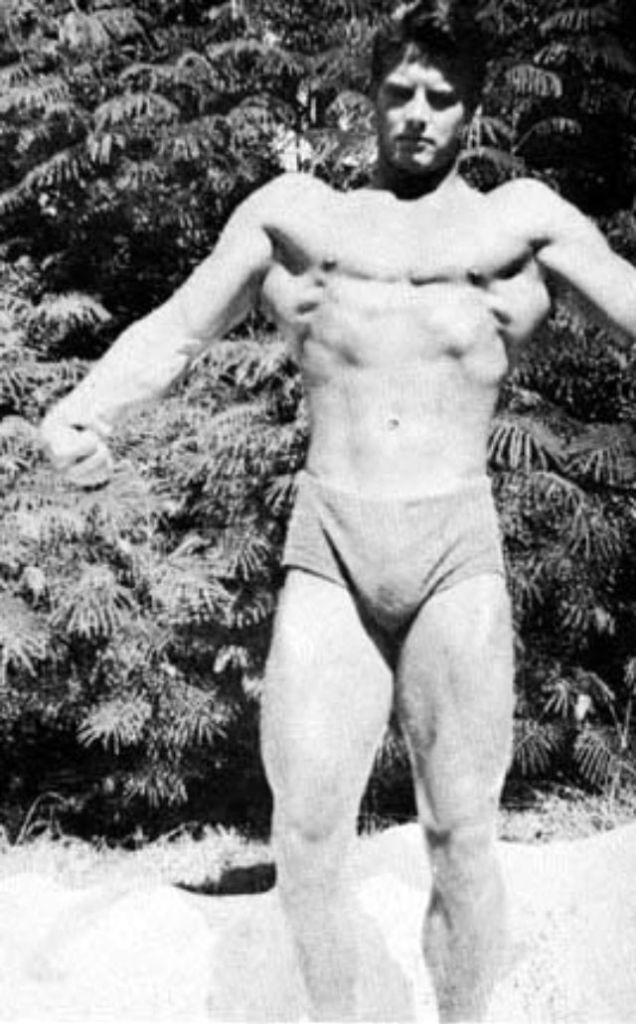
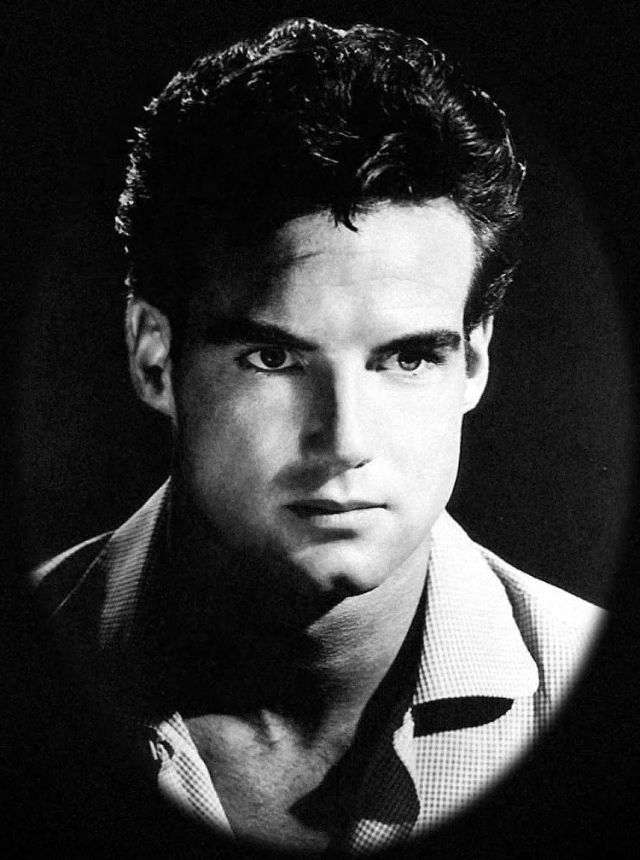
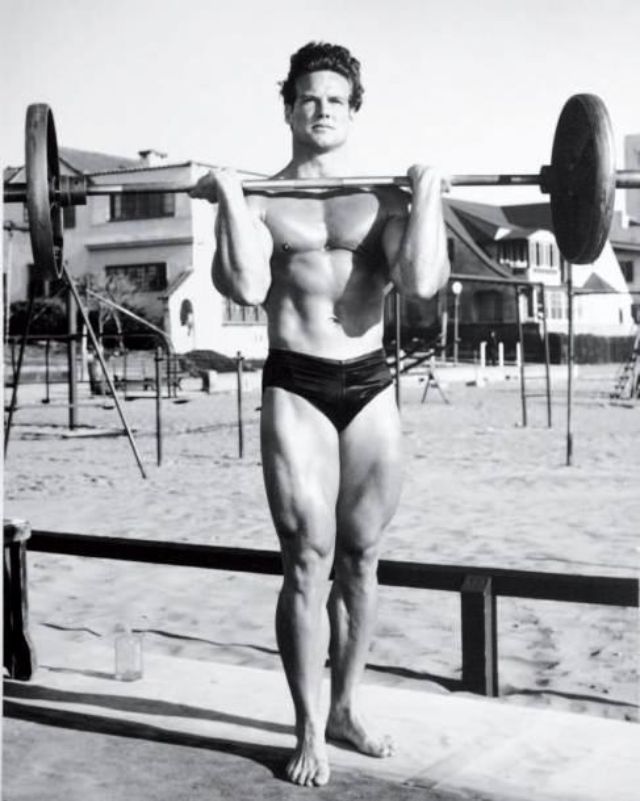
Many years before Hercules, these cool pics that captured a very young and handsome Steve Reeves in the 1940s.
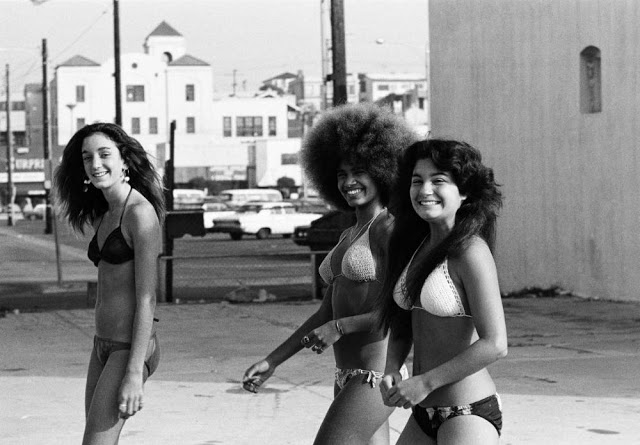
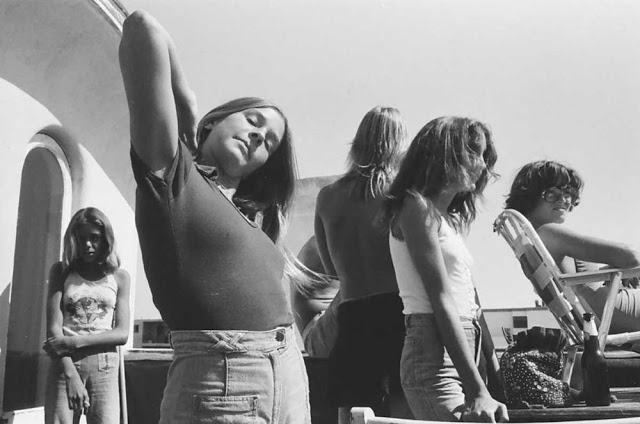
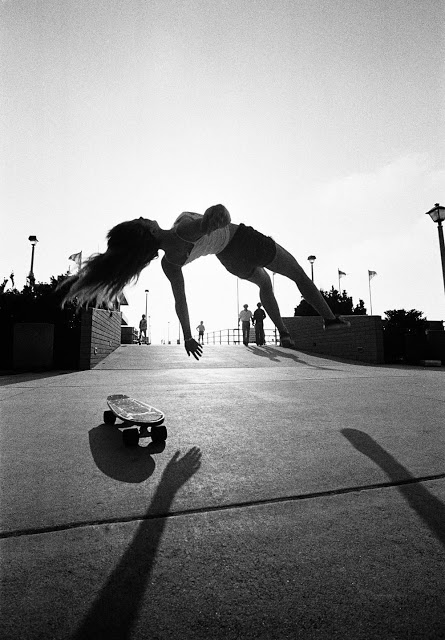
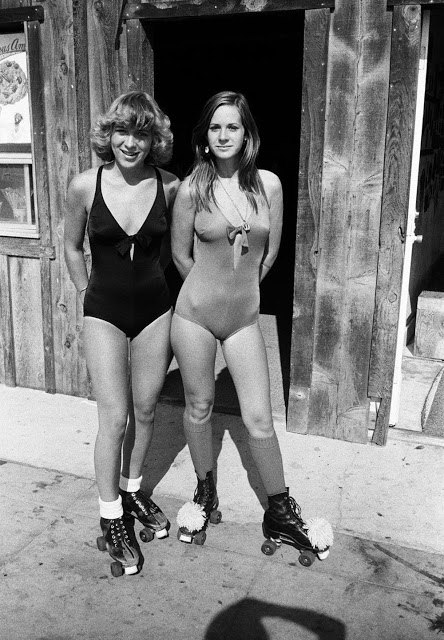
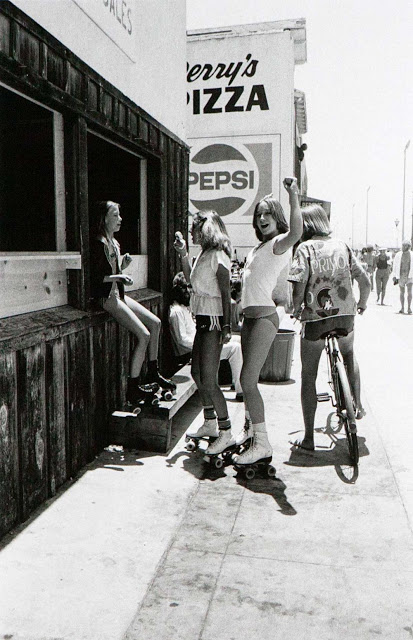
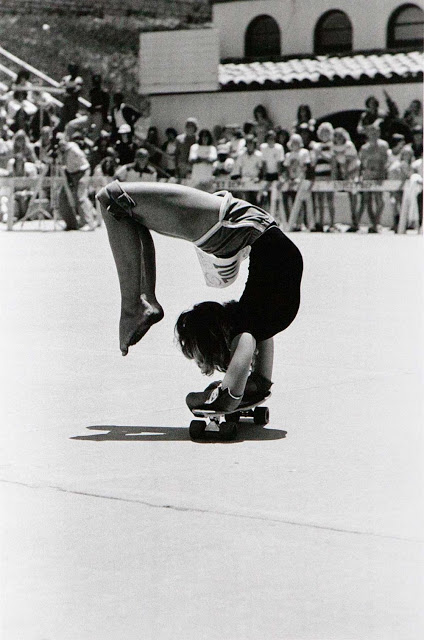
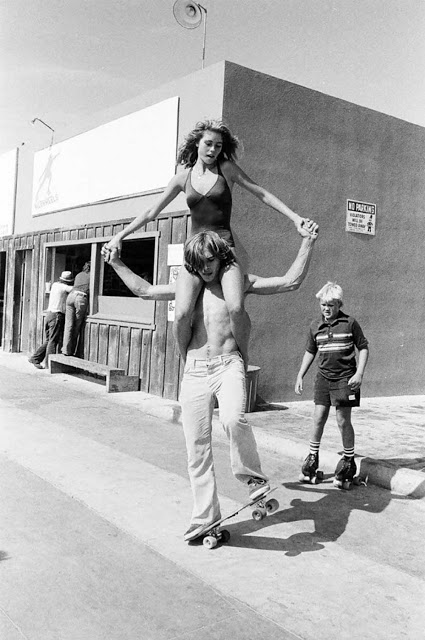
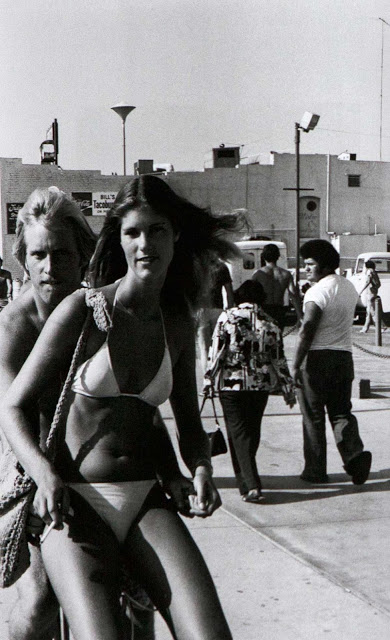
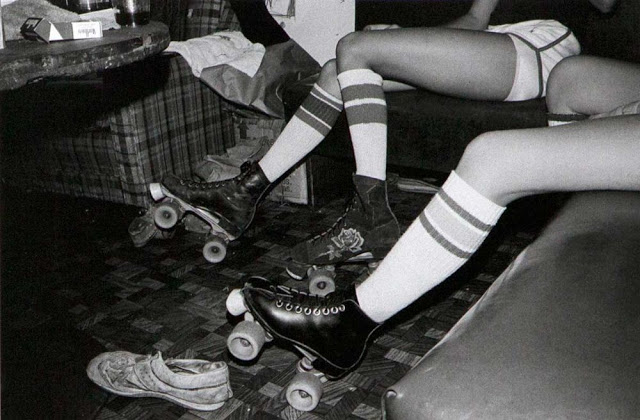
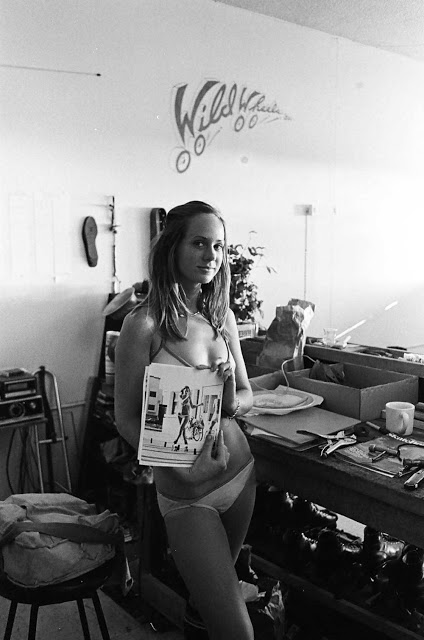
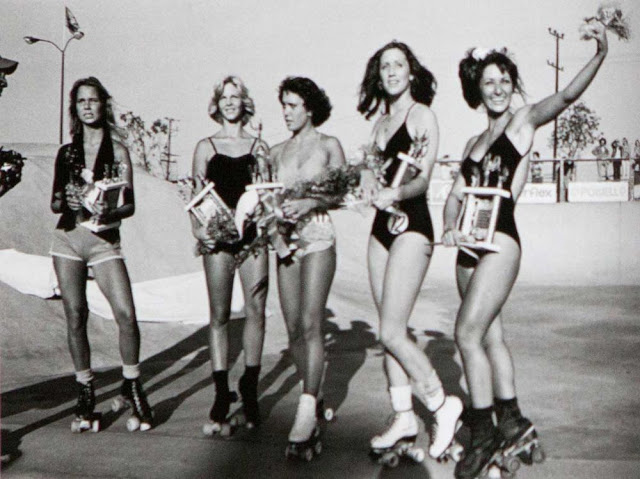
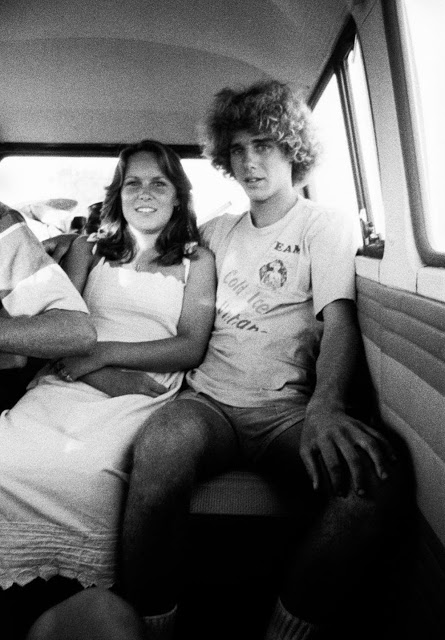
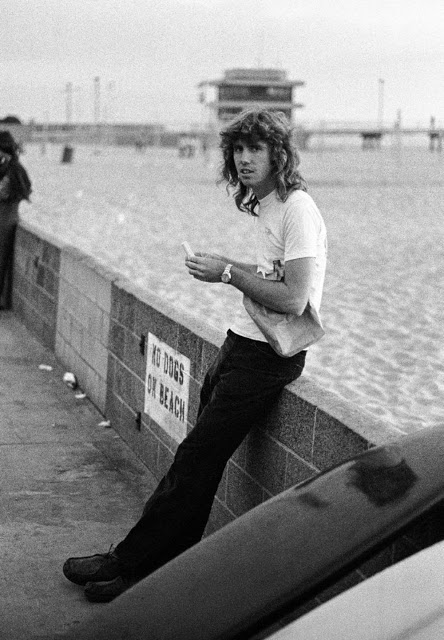
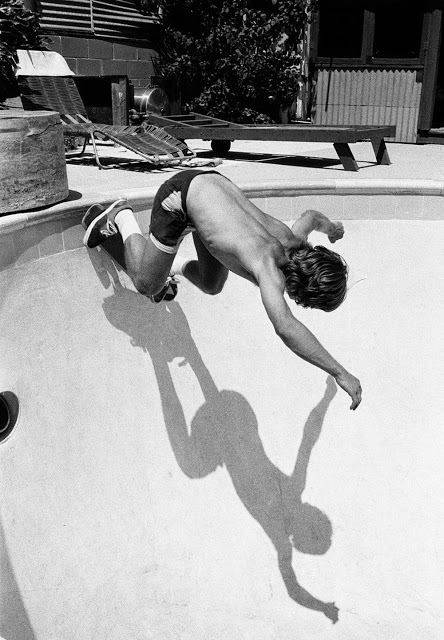
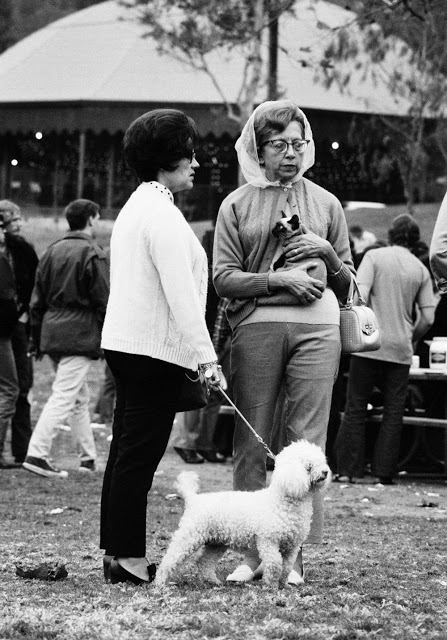
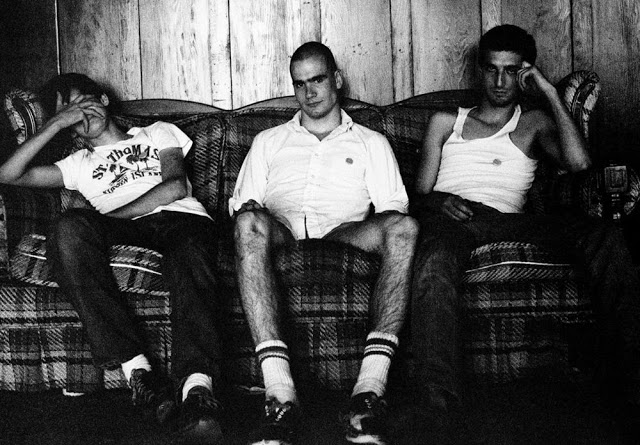
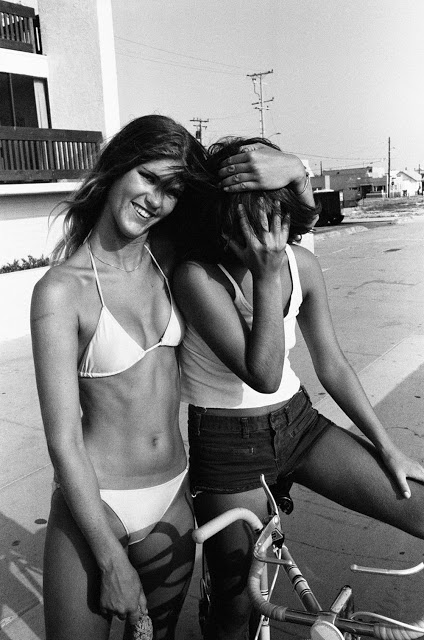
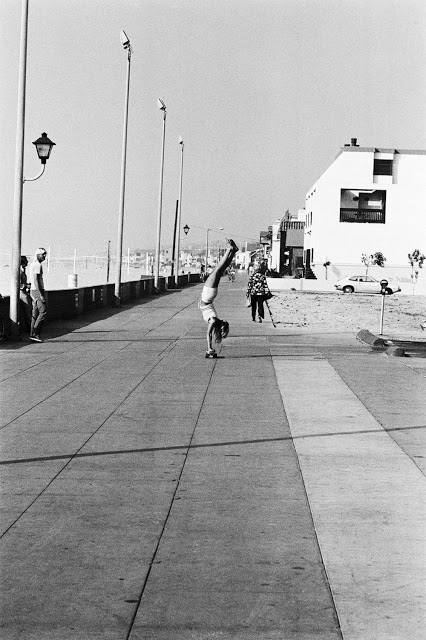
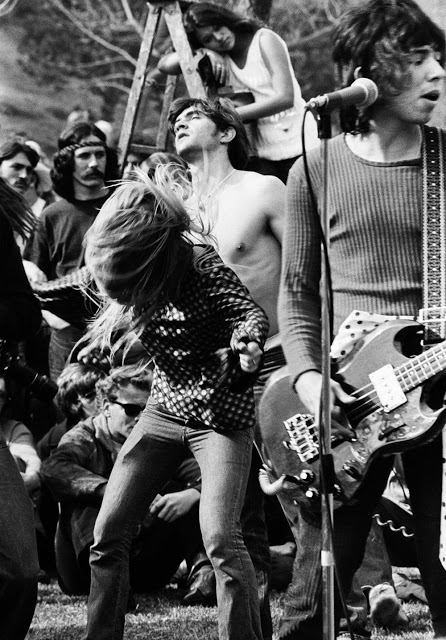
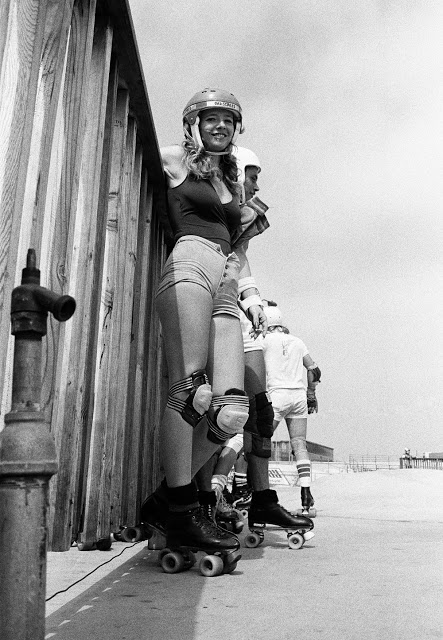
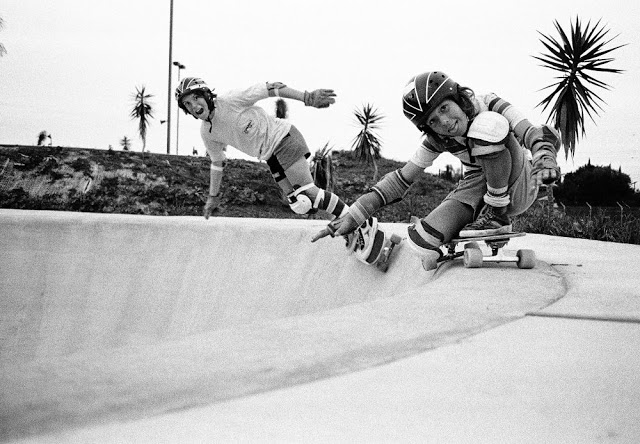
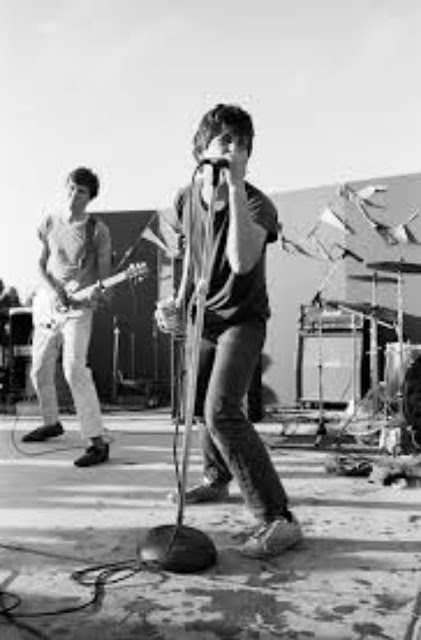
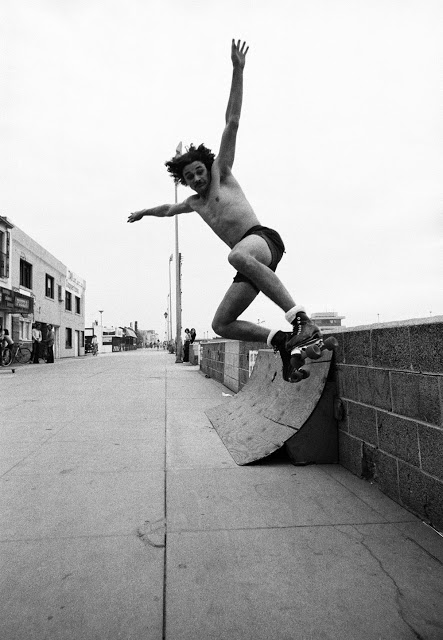
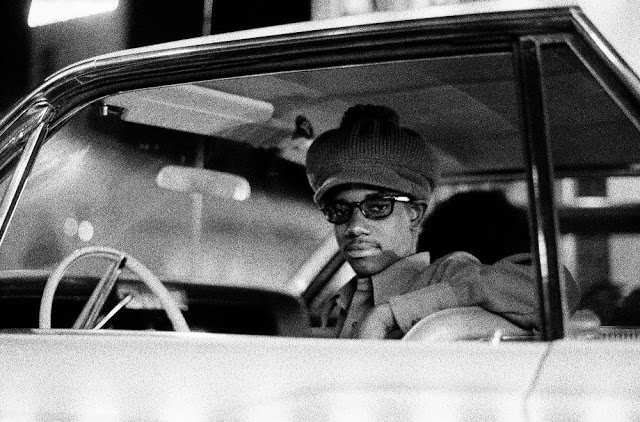
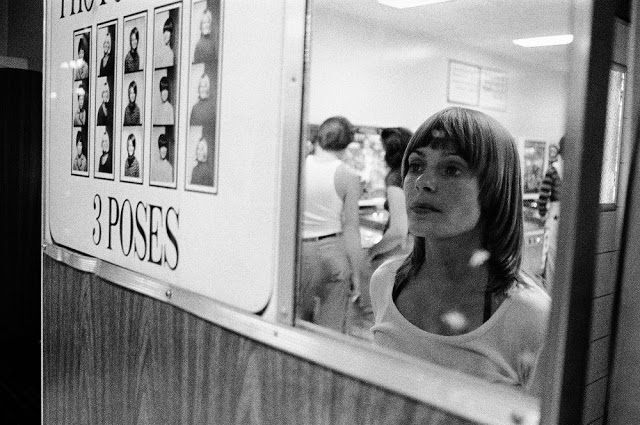
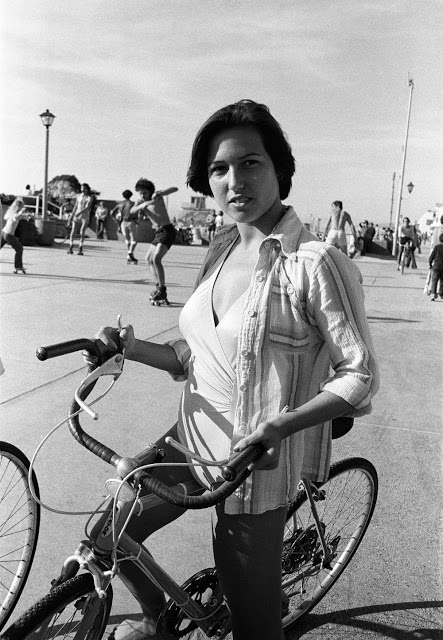
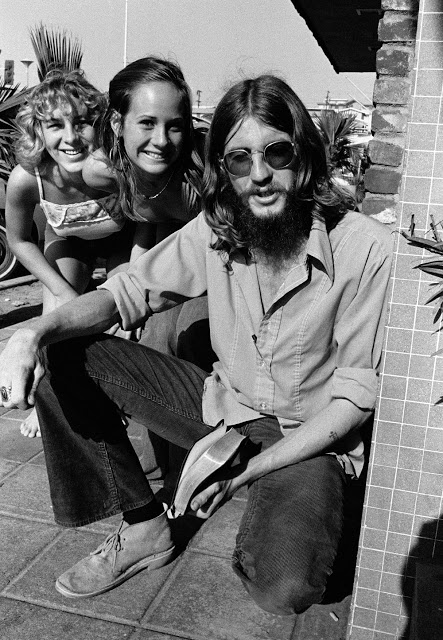
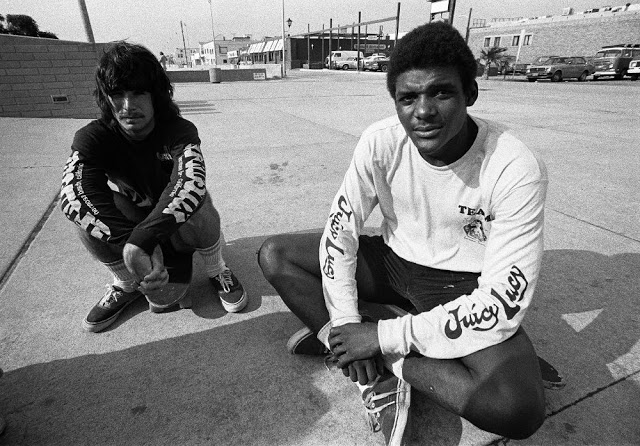
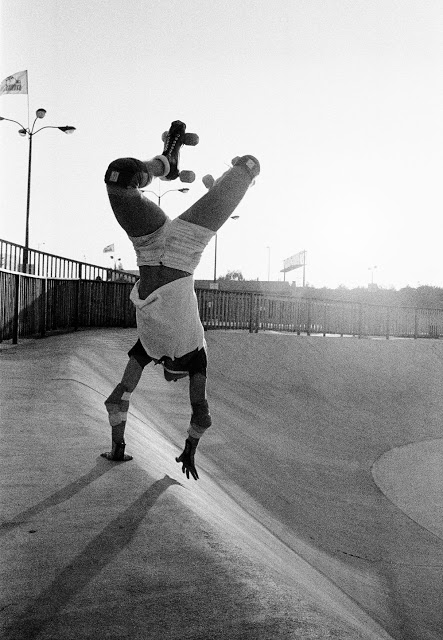
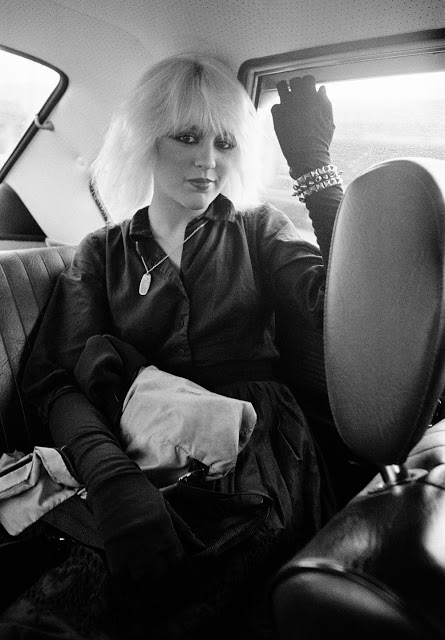
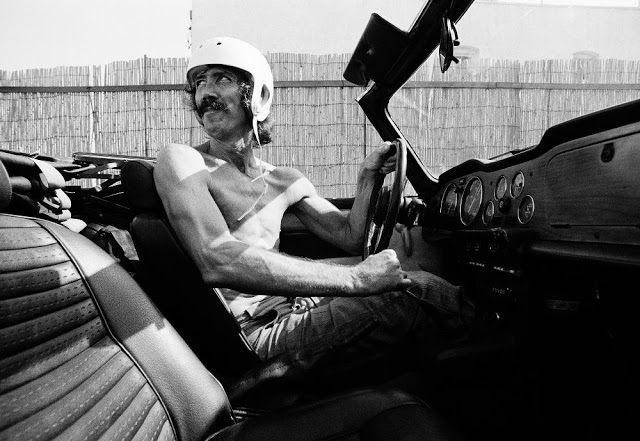
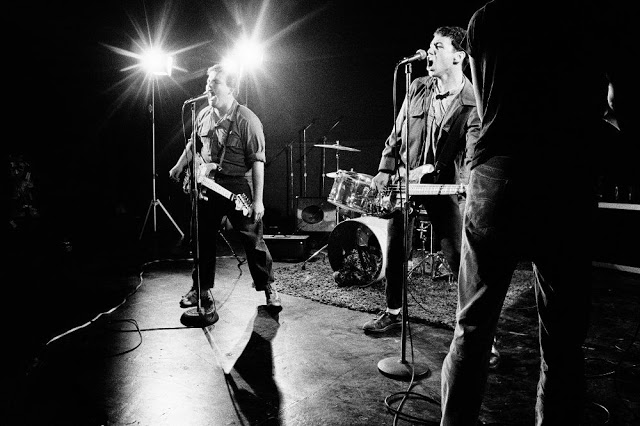
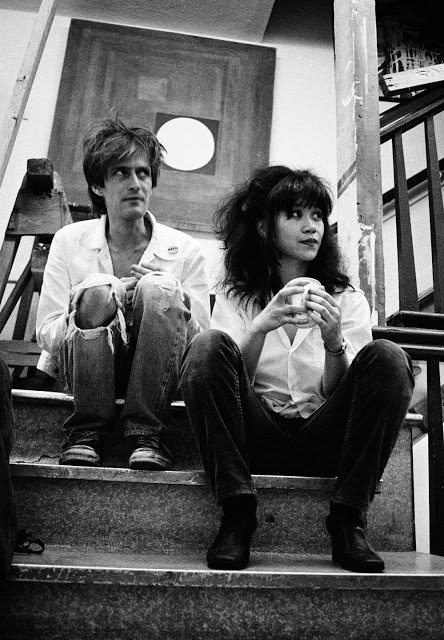
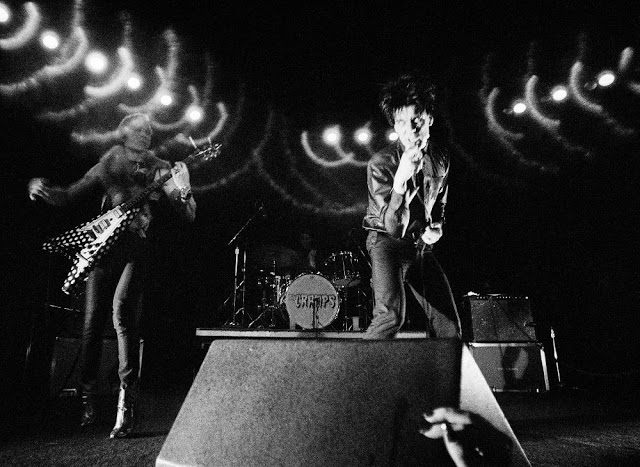
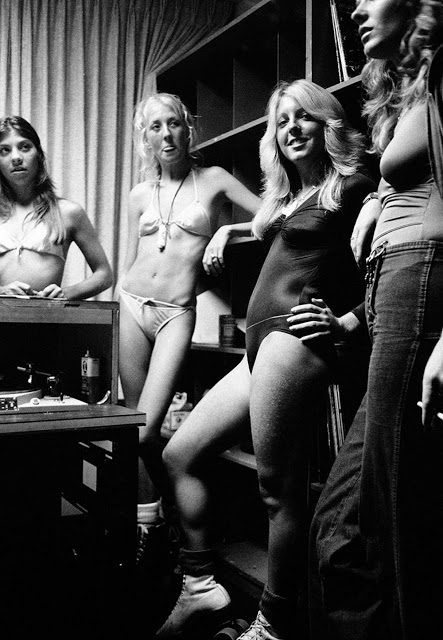
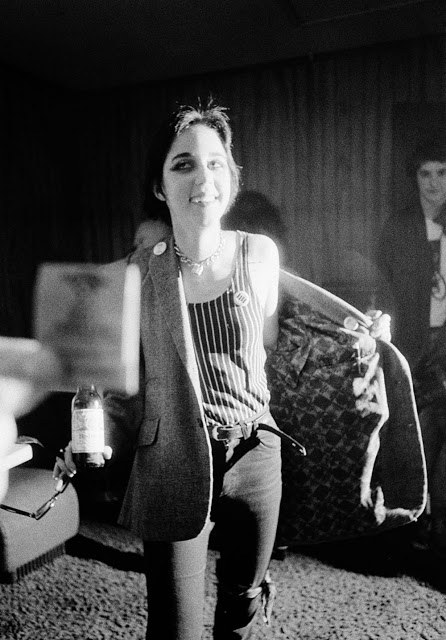
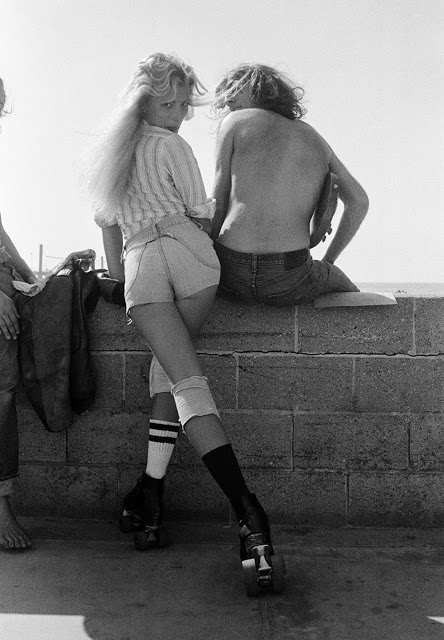
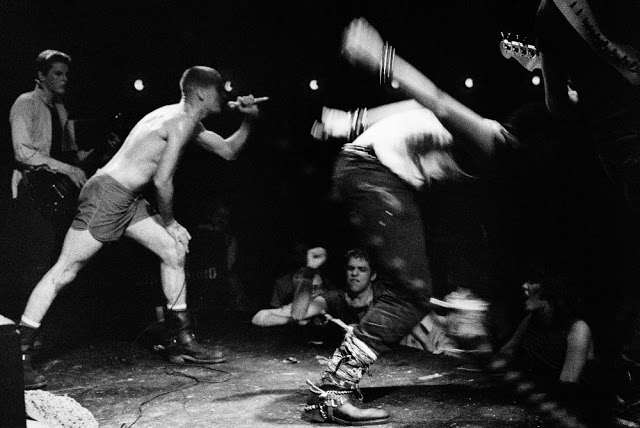
Spot is a man of many talents. Besides serving as the album producer and sound engineer for punk bands like the Misfits and Black Flag, the photographer, who goes only by Spot, also snapped a treasure trove of photos that perfectly captured SoCal beach and punk rock life during the late 1960s to the early 1980s.
He started taking photography seriously in 1969. Spot grew up with magazines like LIFE and was inspired by the black and white journalistic photos he saw, and when he got a Pentax, he was inseparable with his camera. He started writing music articles for a local newspaper, the Easy Reader, and began taking photos for the outlet as well.
In 1982, Spot lost access to the darkroom he had been using to develop his pictures, and along with being so busy recording at the time, he gave up photography.
“I started taking photos in 1969,” Spot told in an interview. “My first camera got stolen in ’72 and I didn’t get another one til ’76 when I was living in Hermosa and writing for the Easy Reader. Then it became photo-journalism. I lost my darkroom in 1981 when Media Art closed down. But all that damn musical punkin’, rockin’ and sockin’ had happened and I didn’t have time or facilities for photography anymore.”
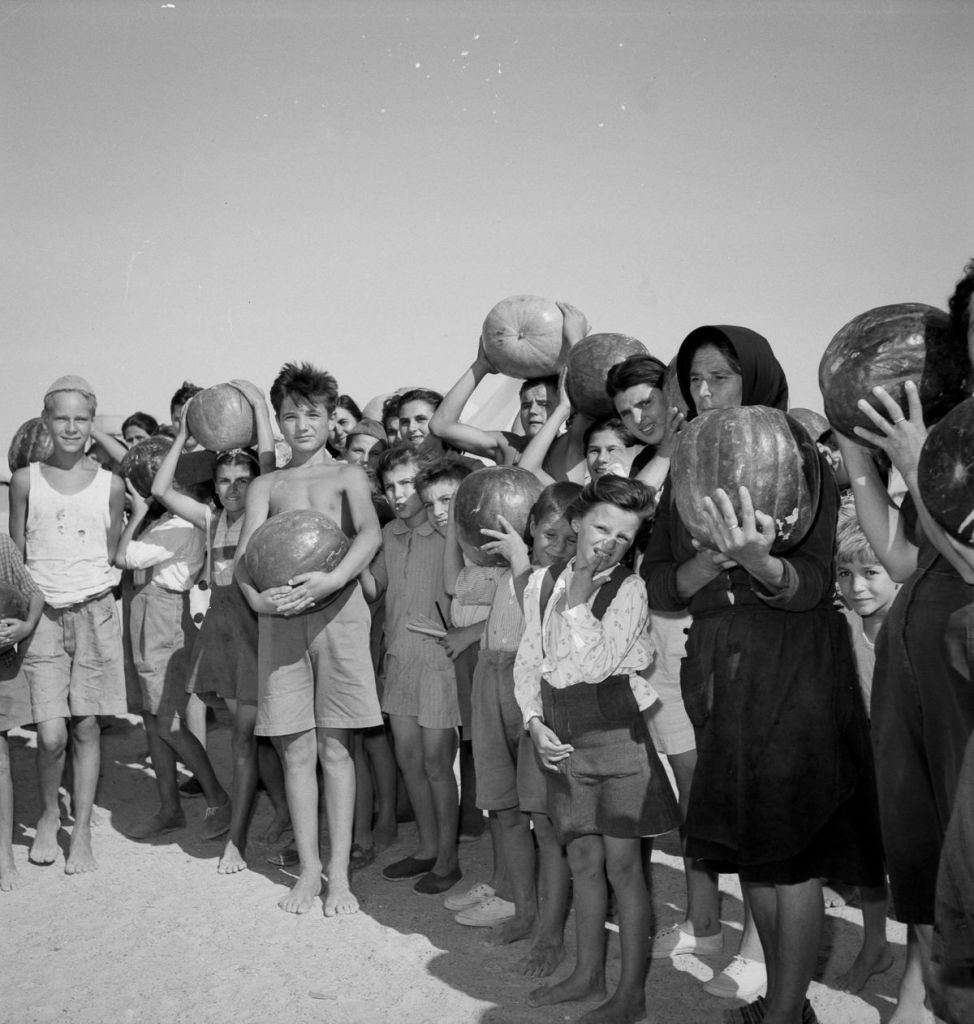
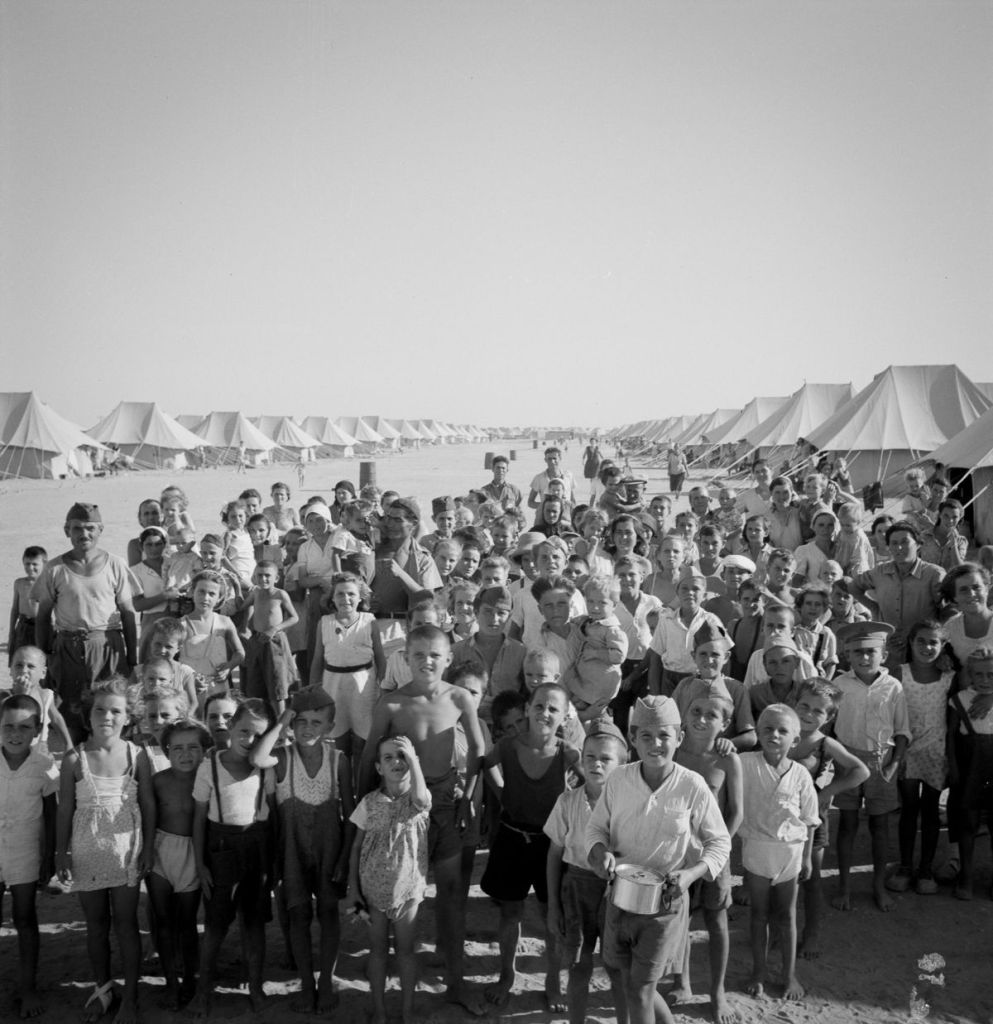
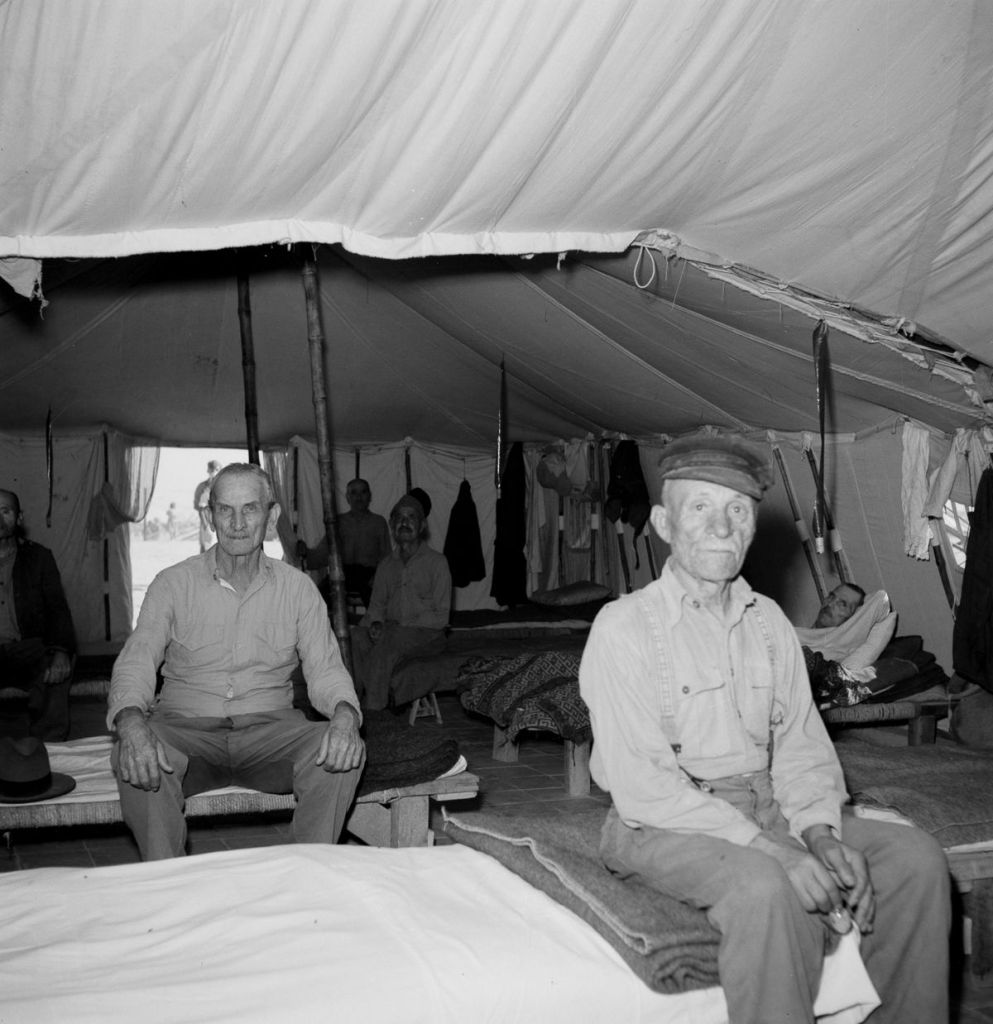
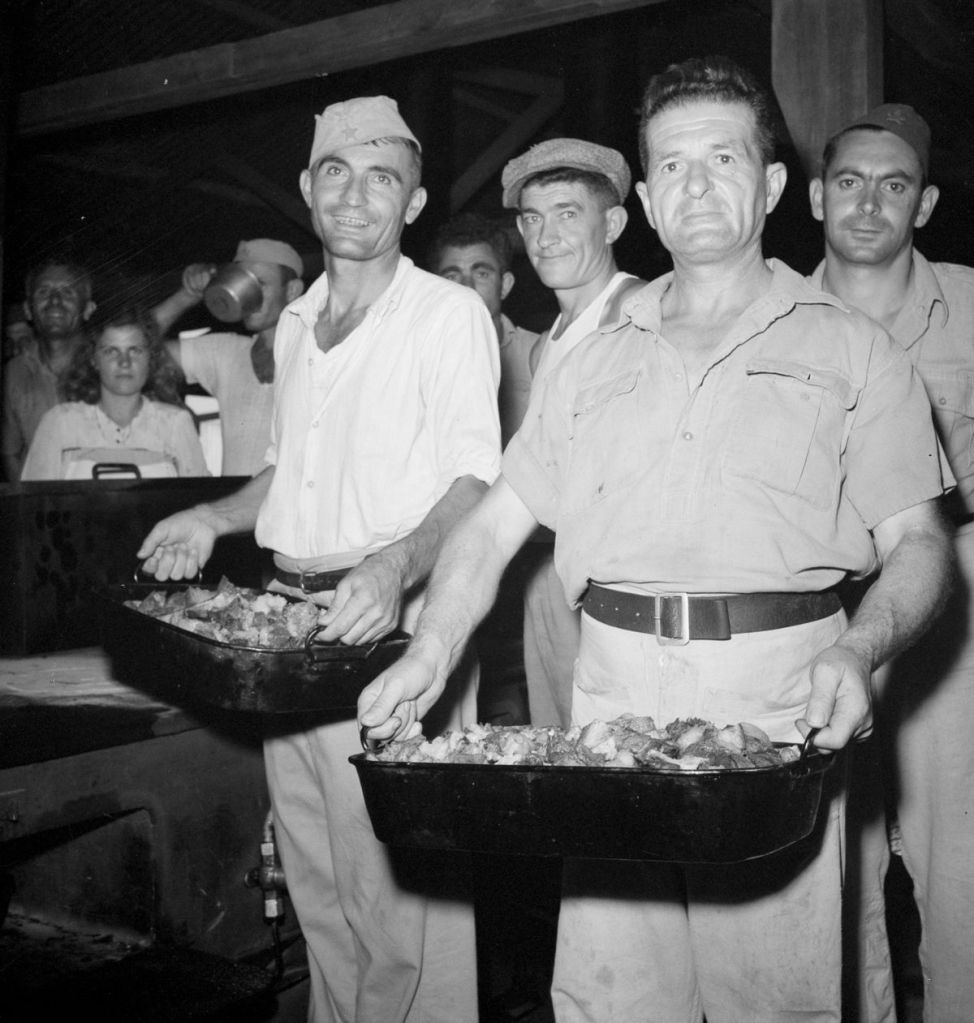
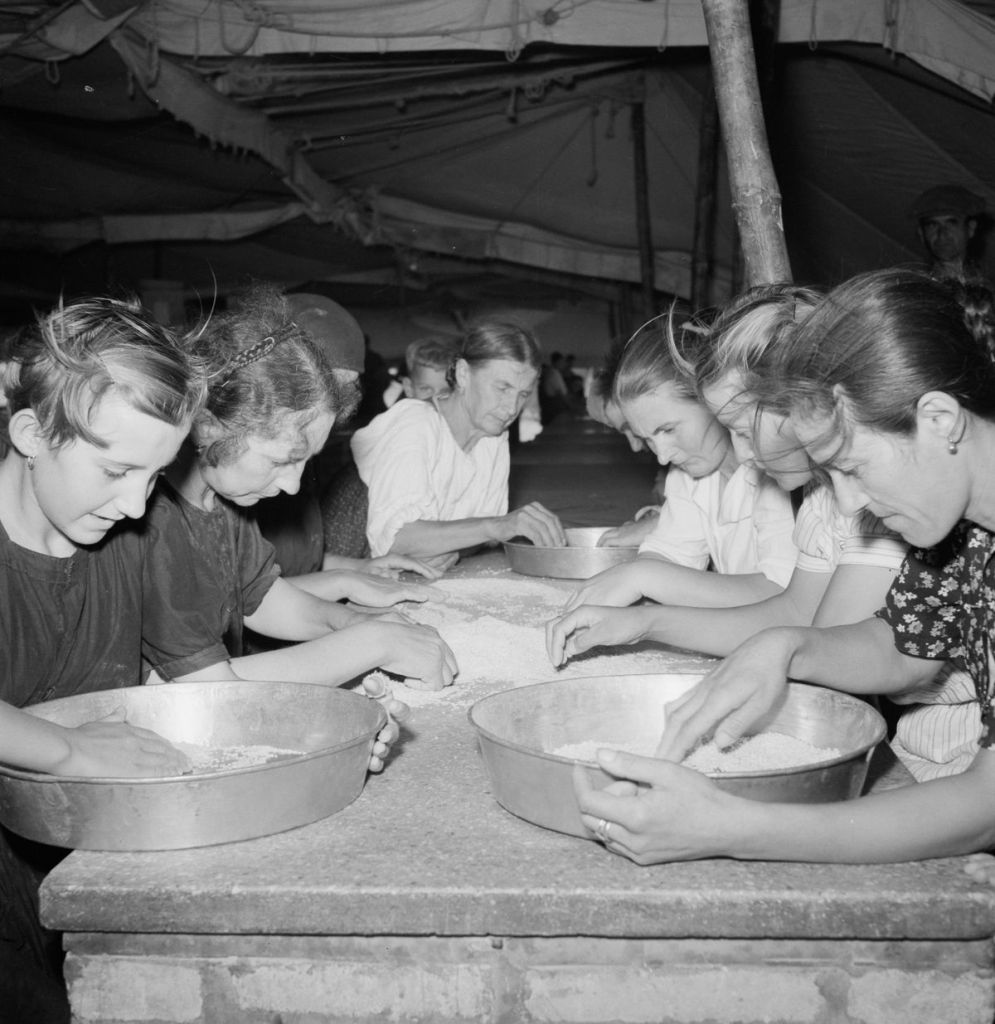
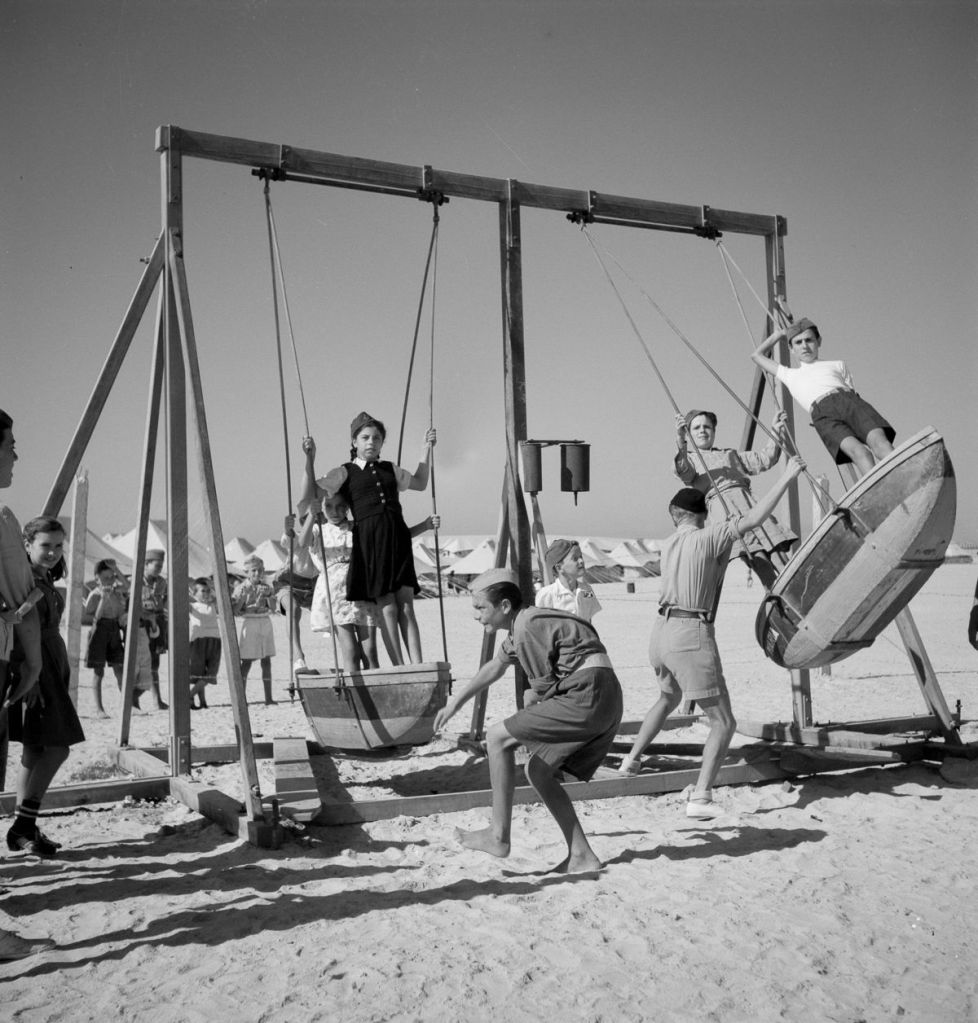
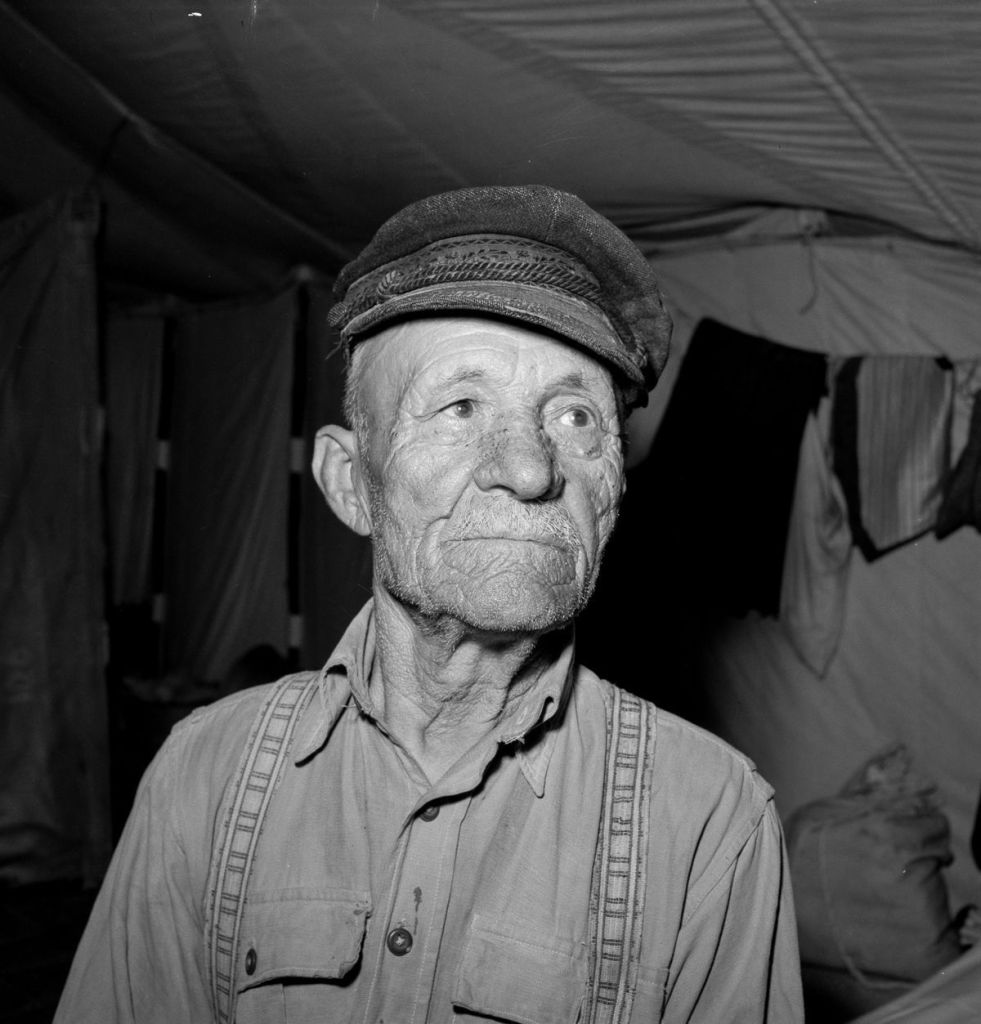
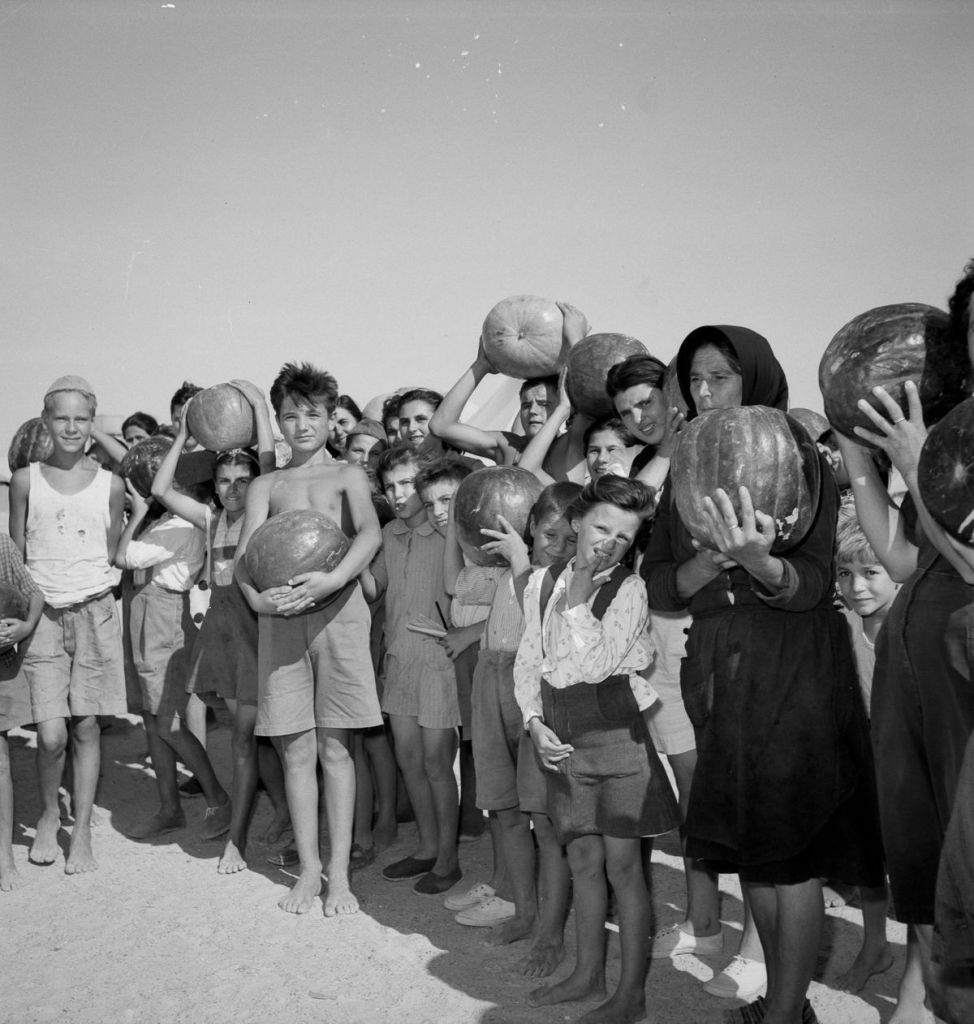
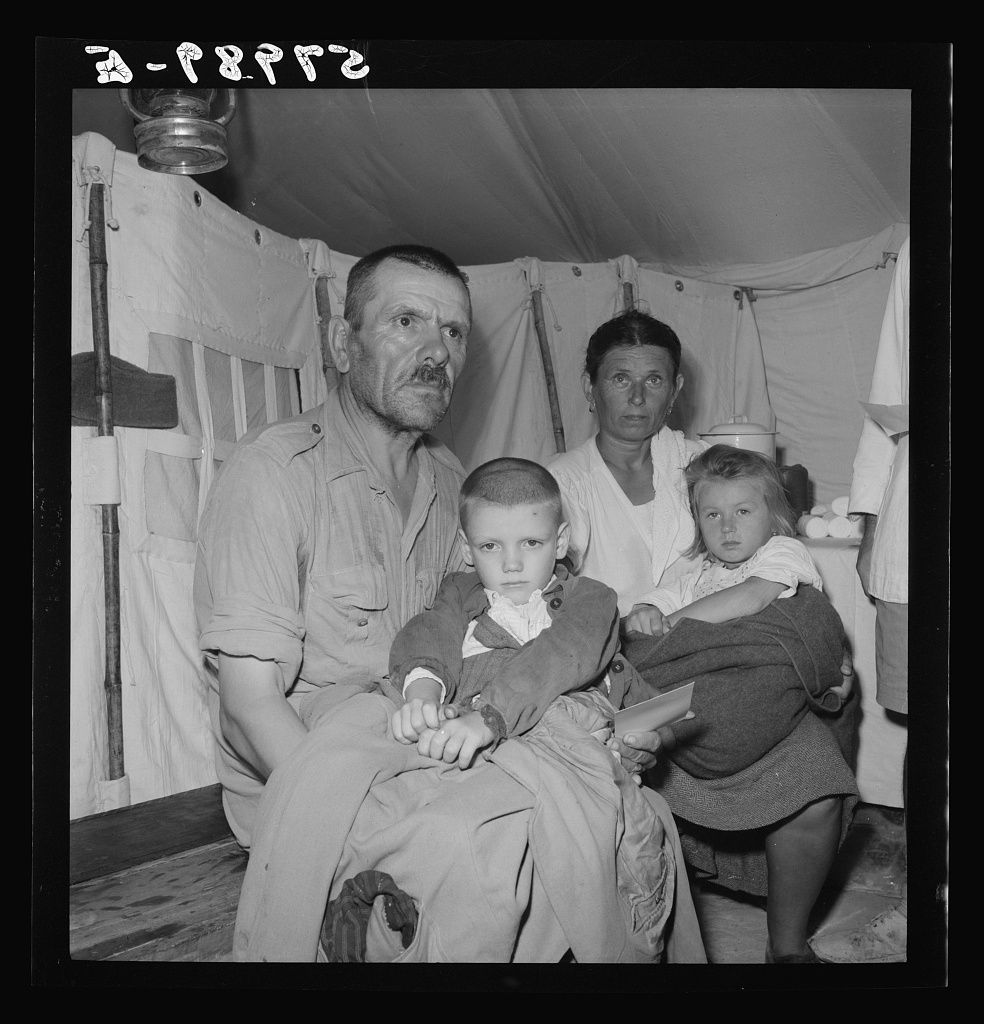
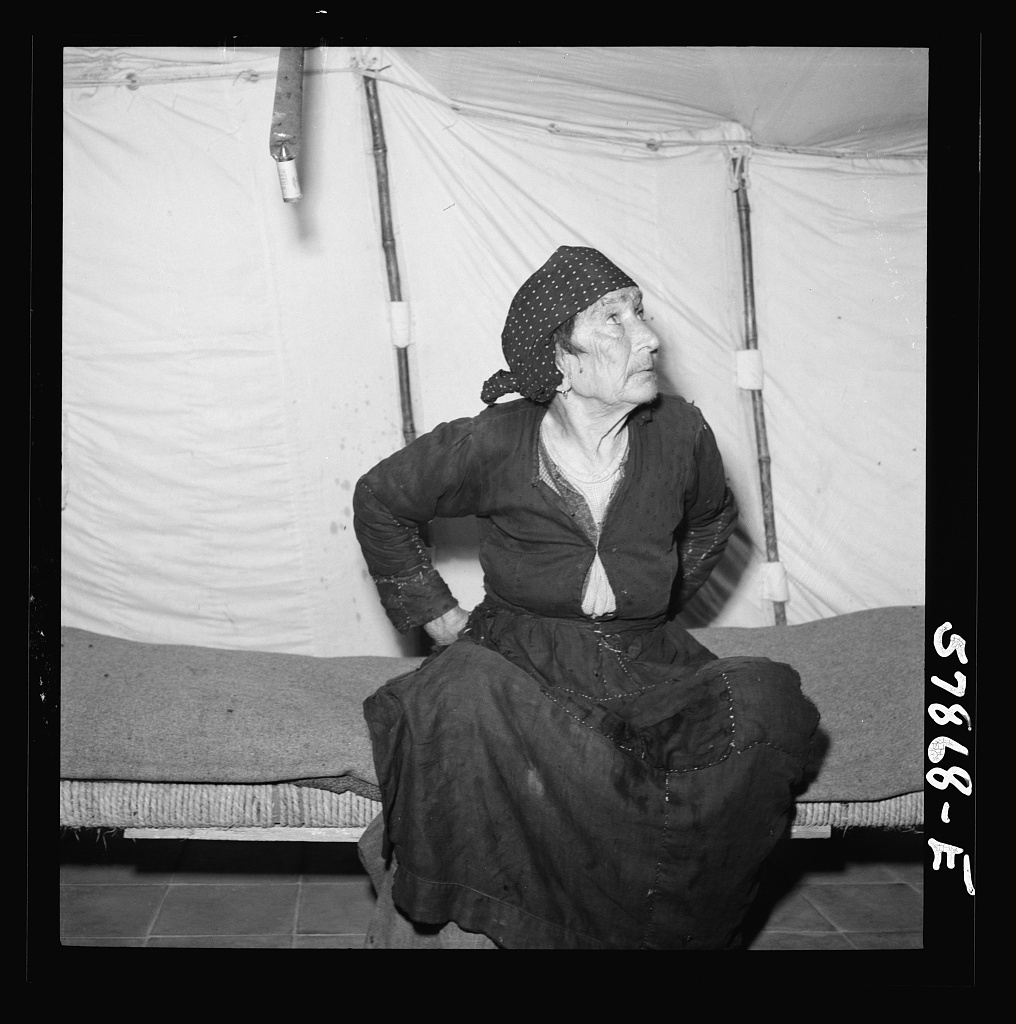
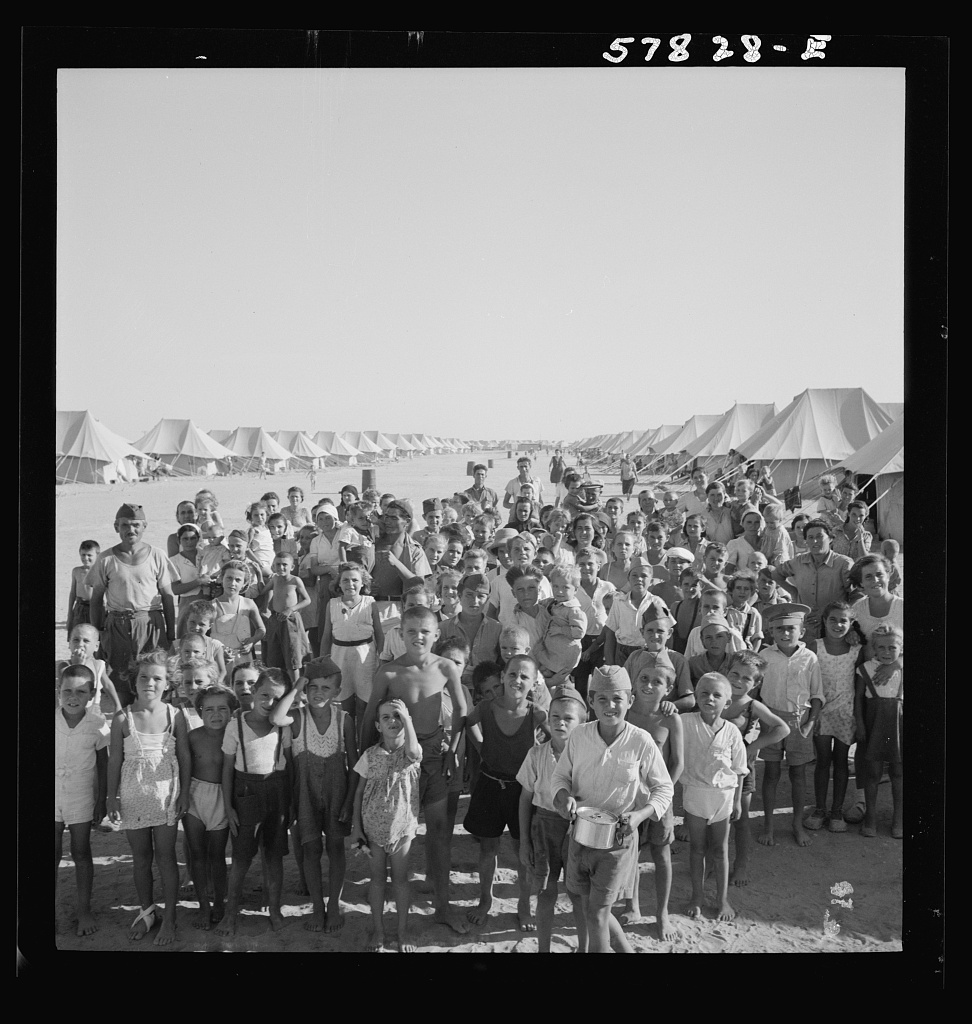
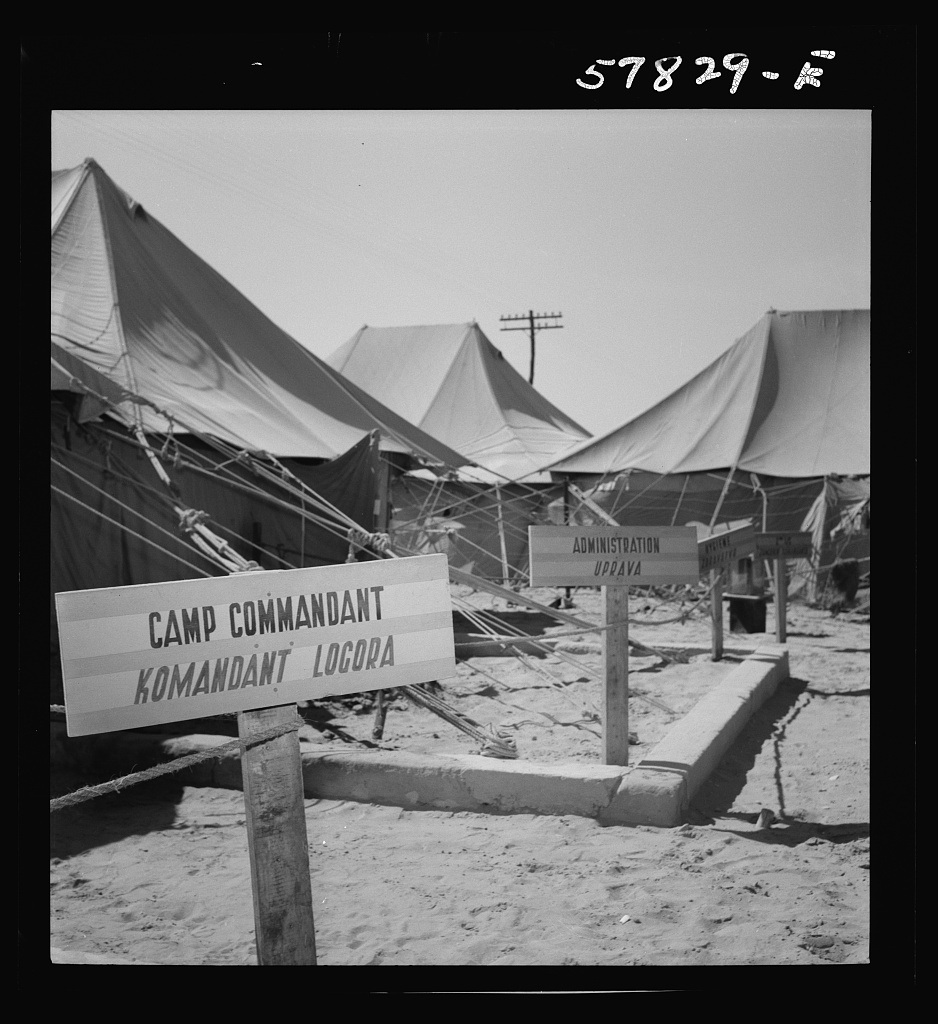
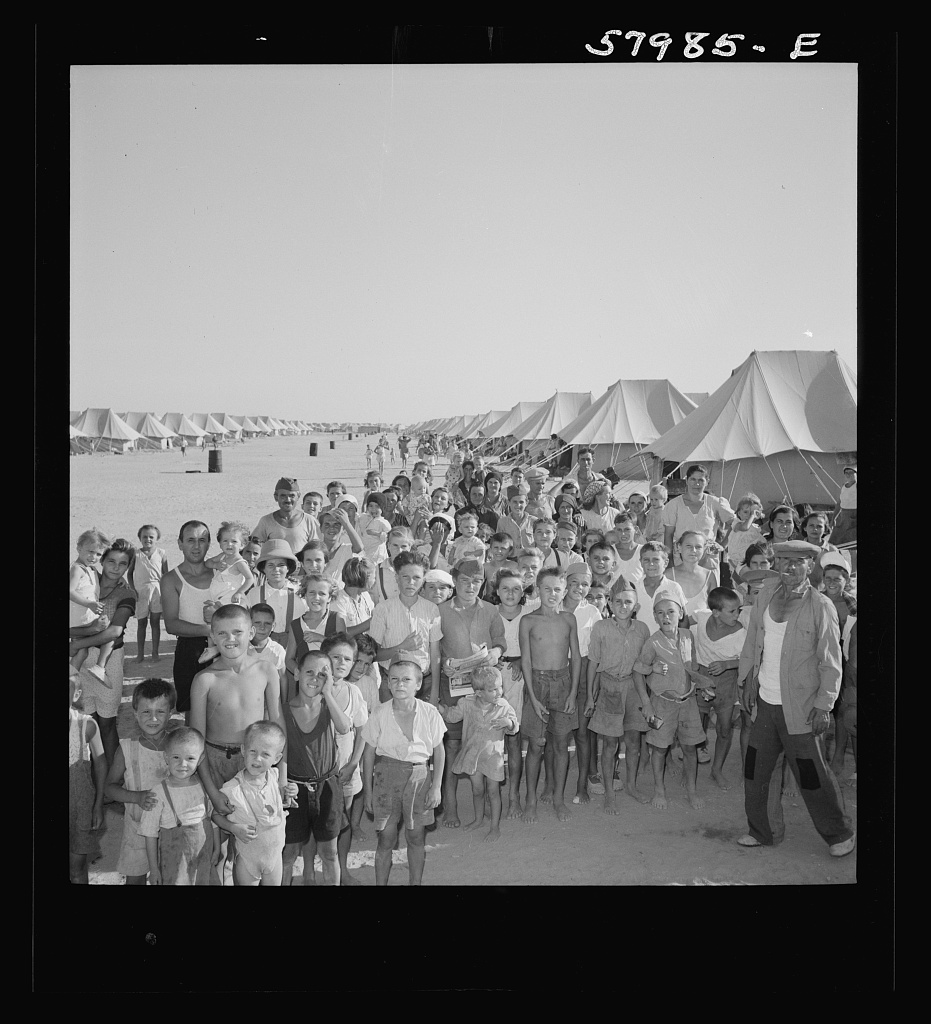
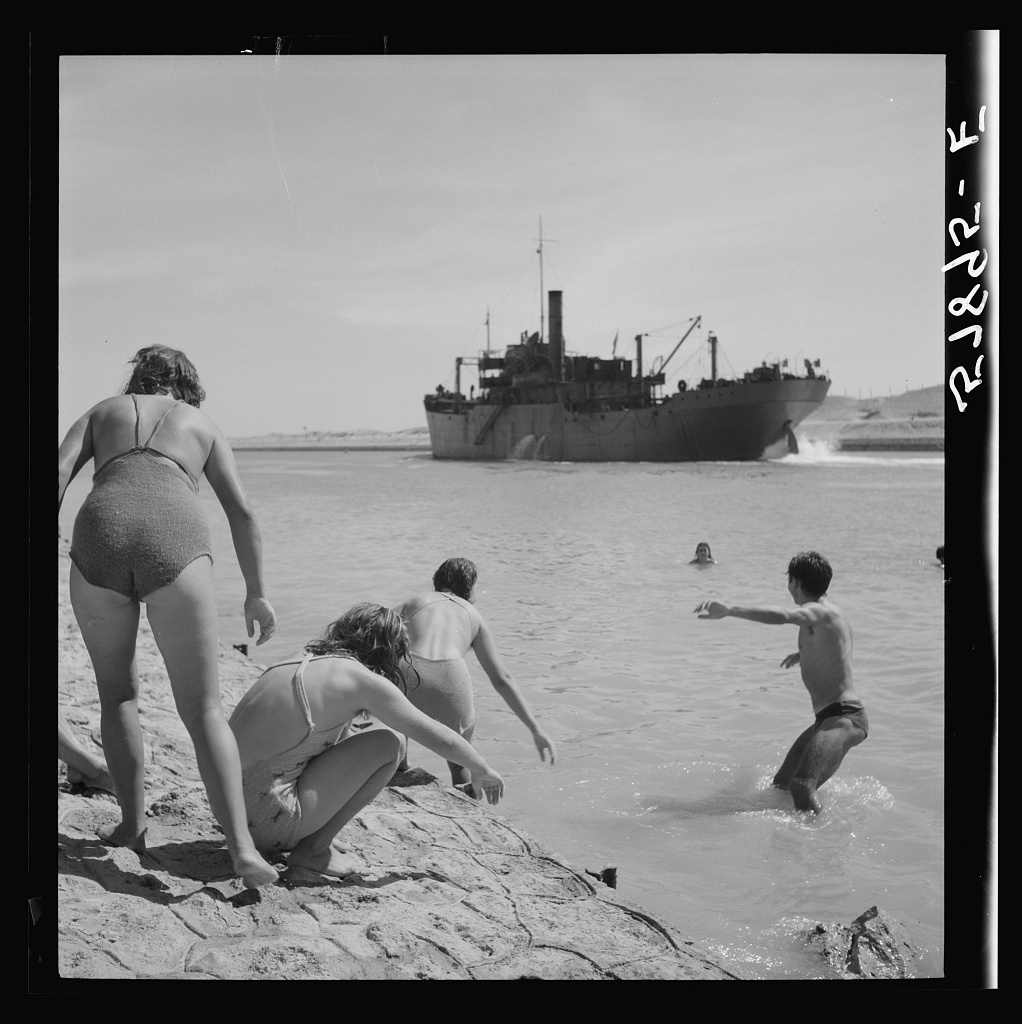
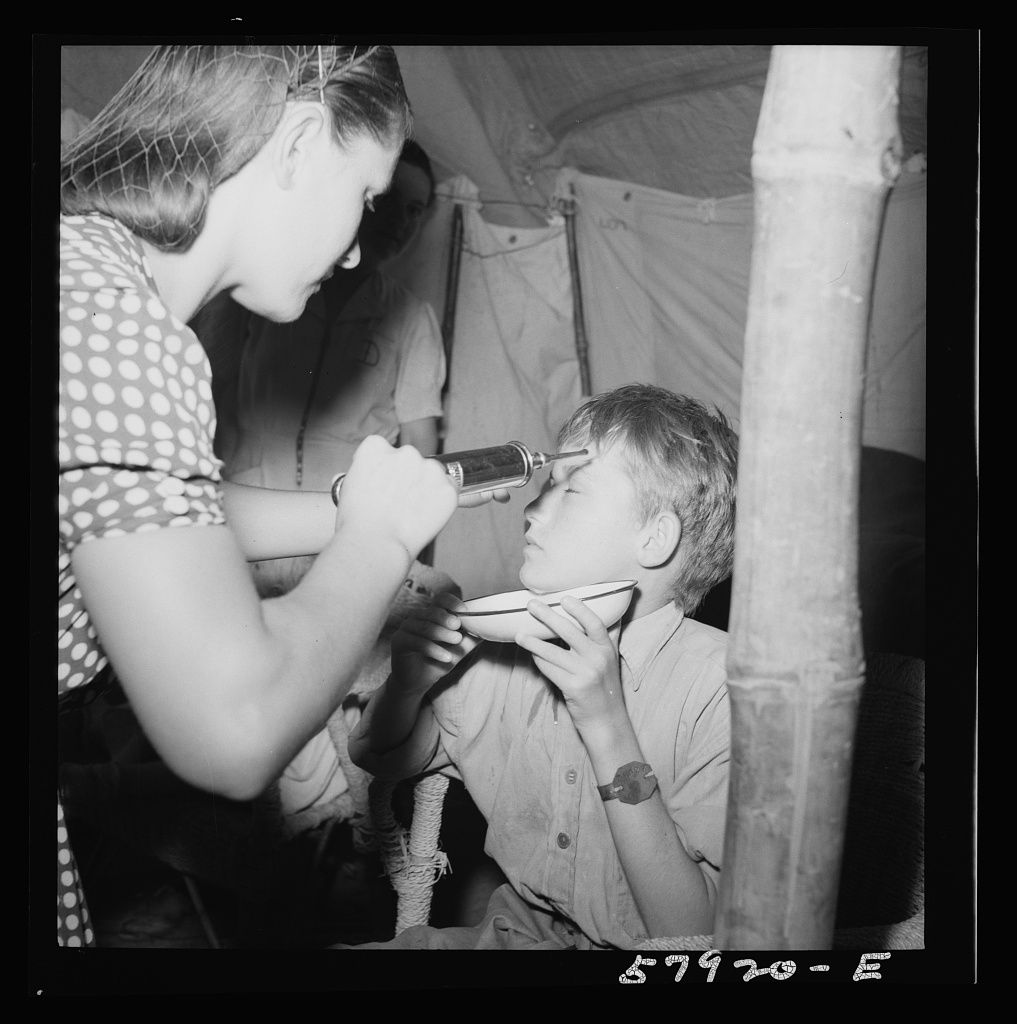
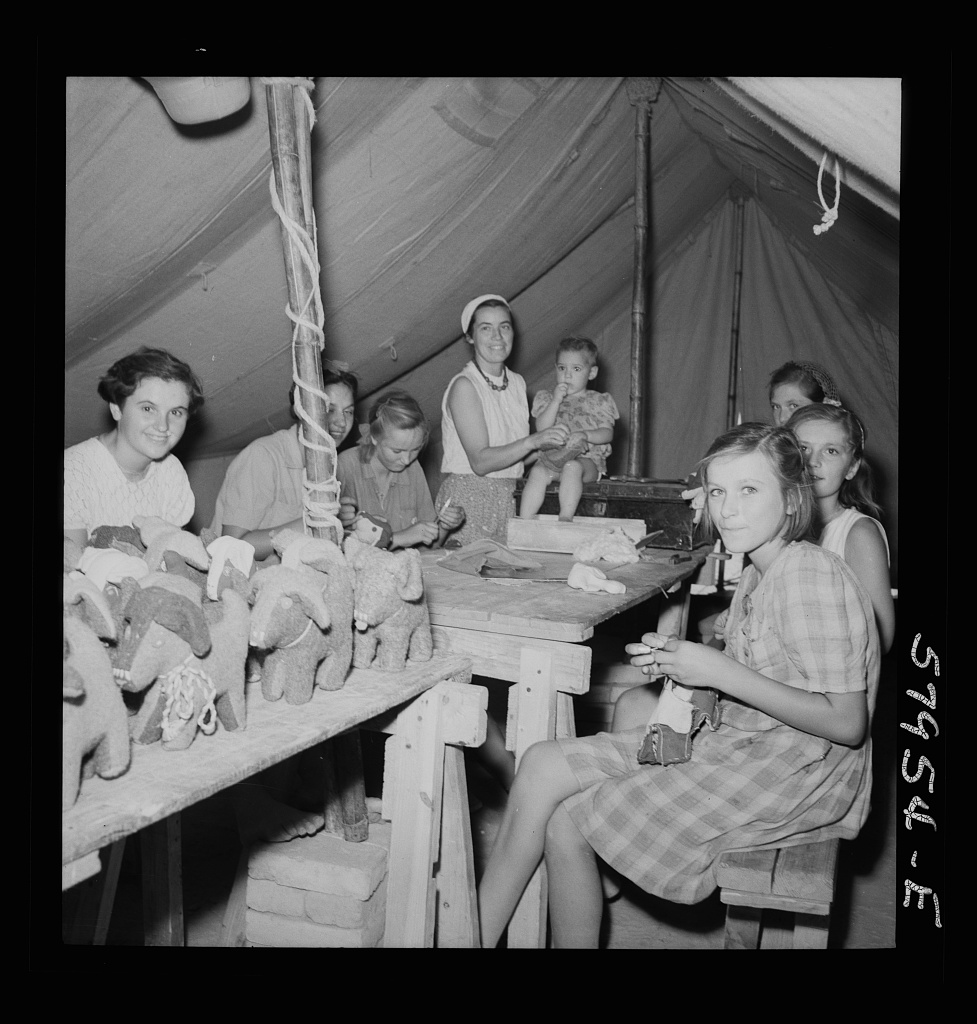
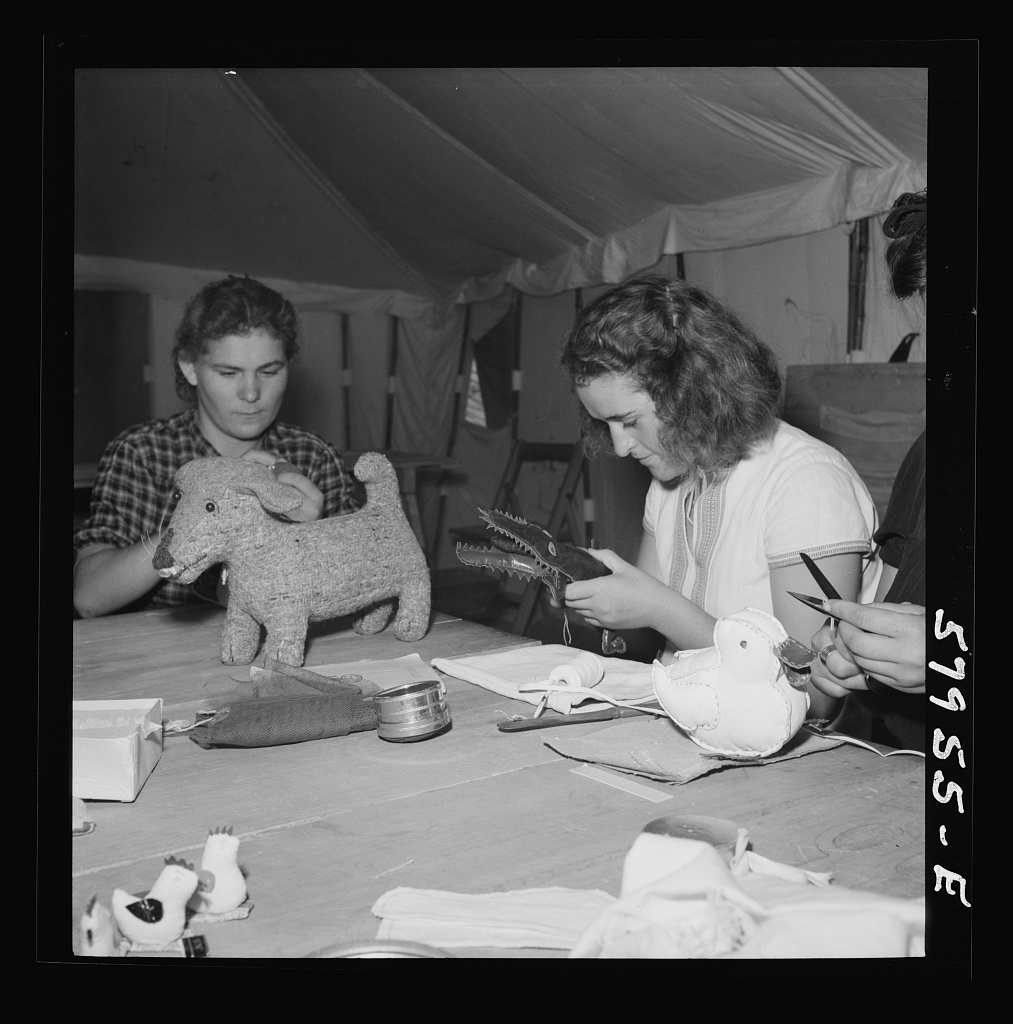
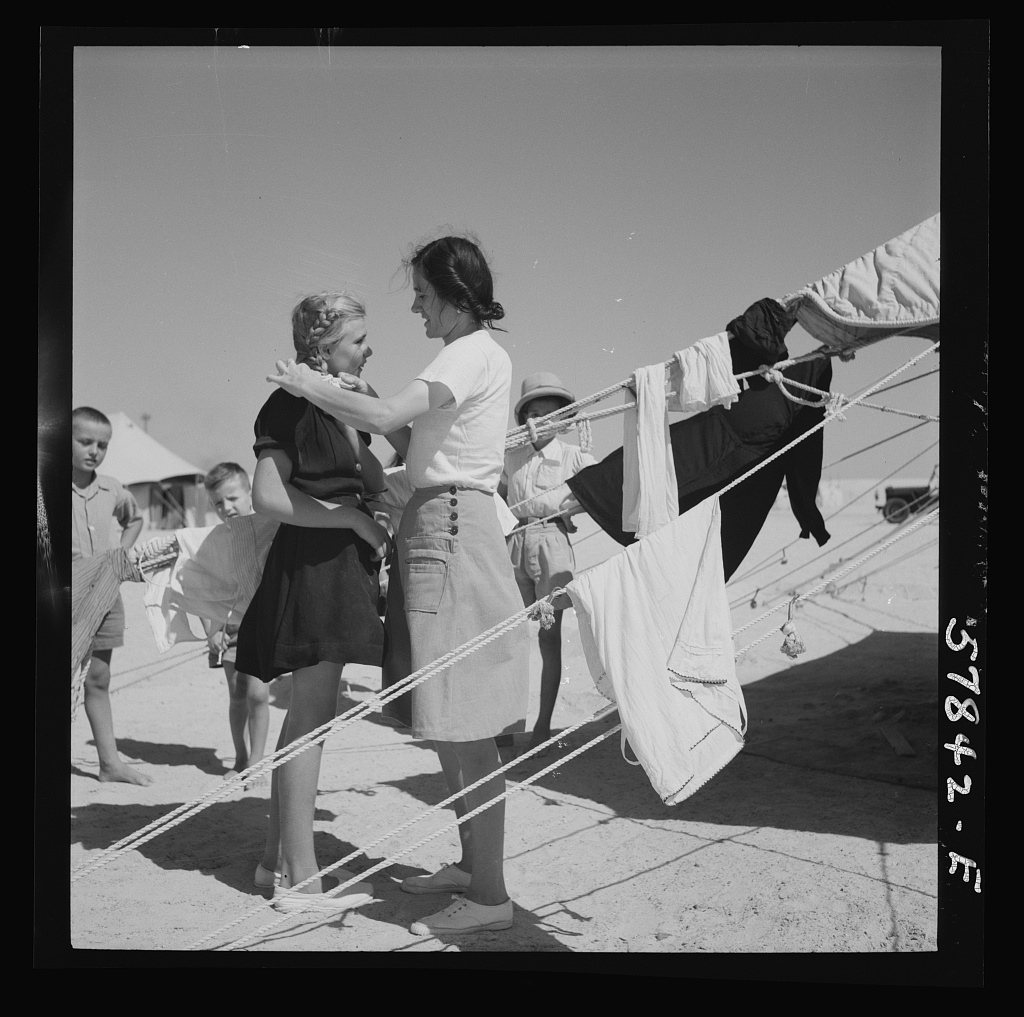
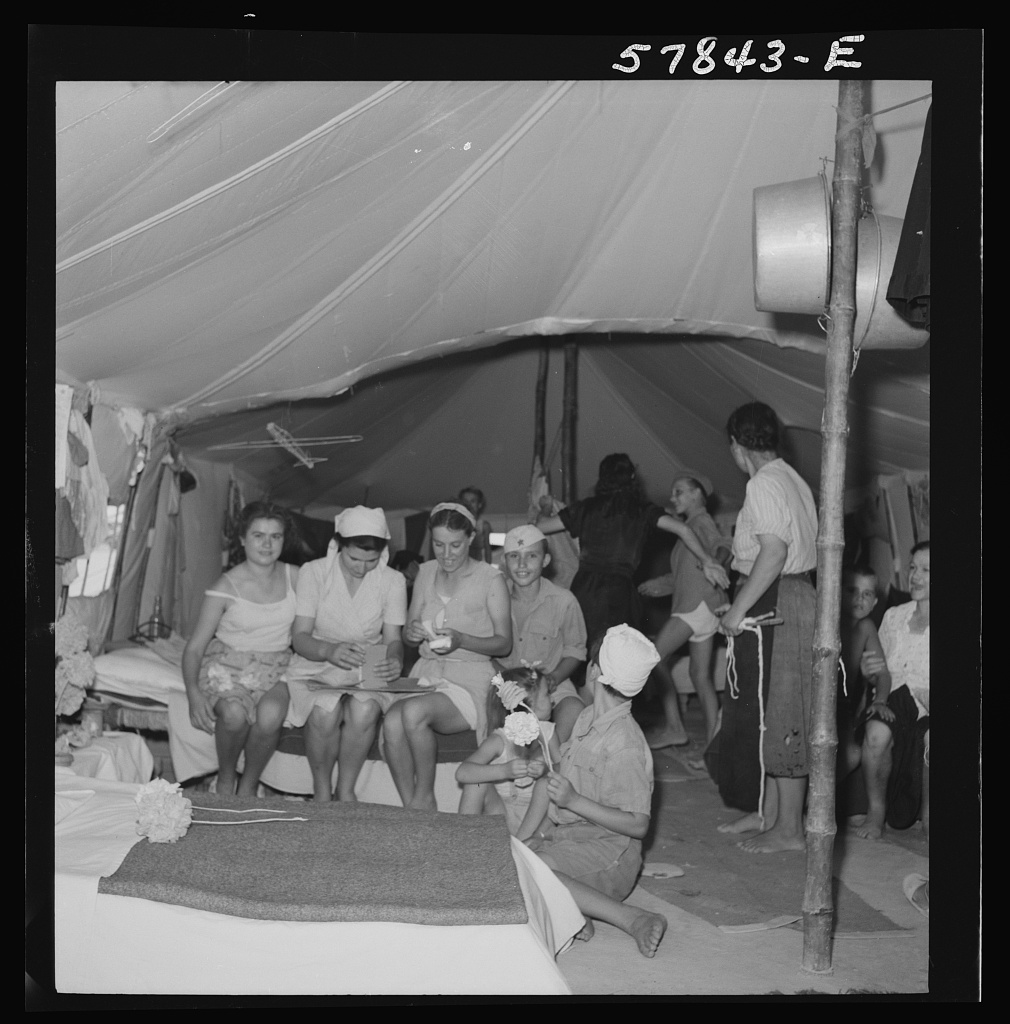
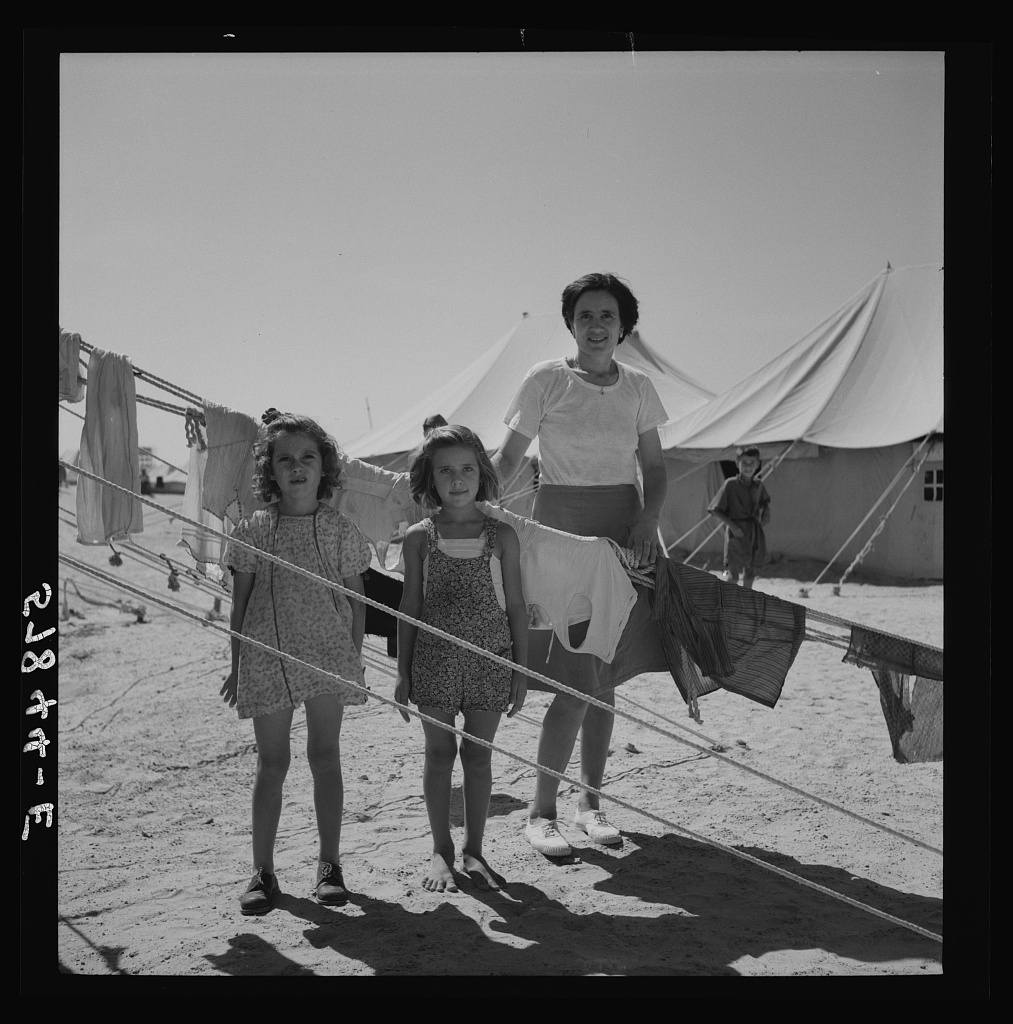
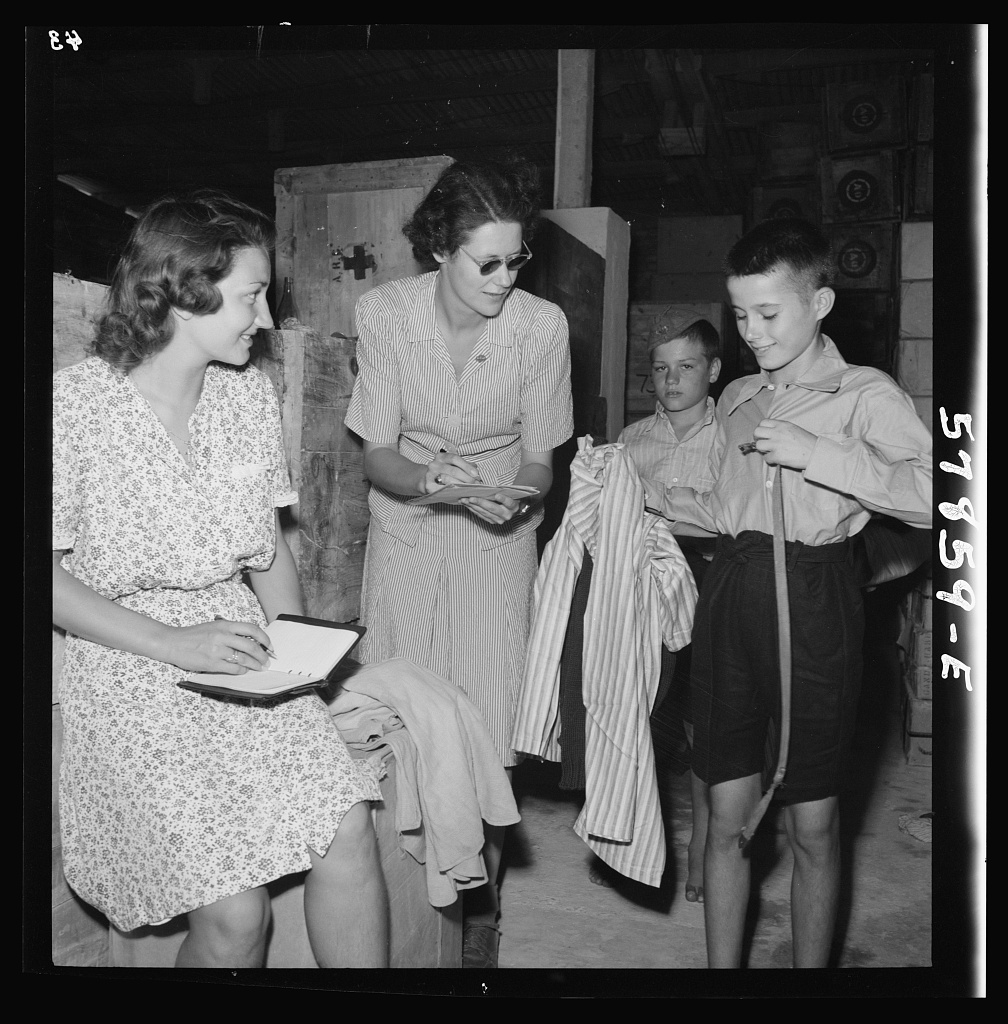
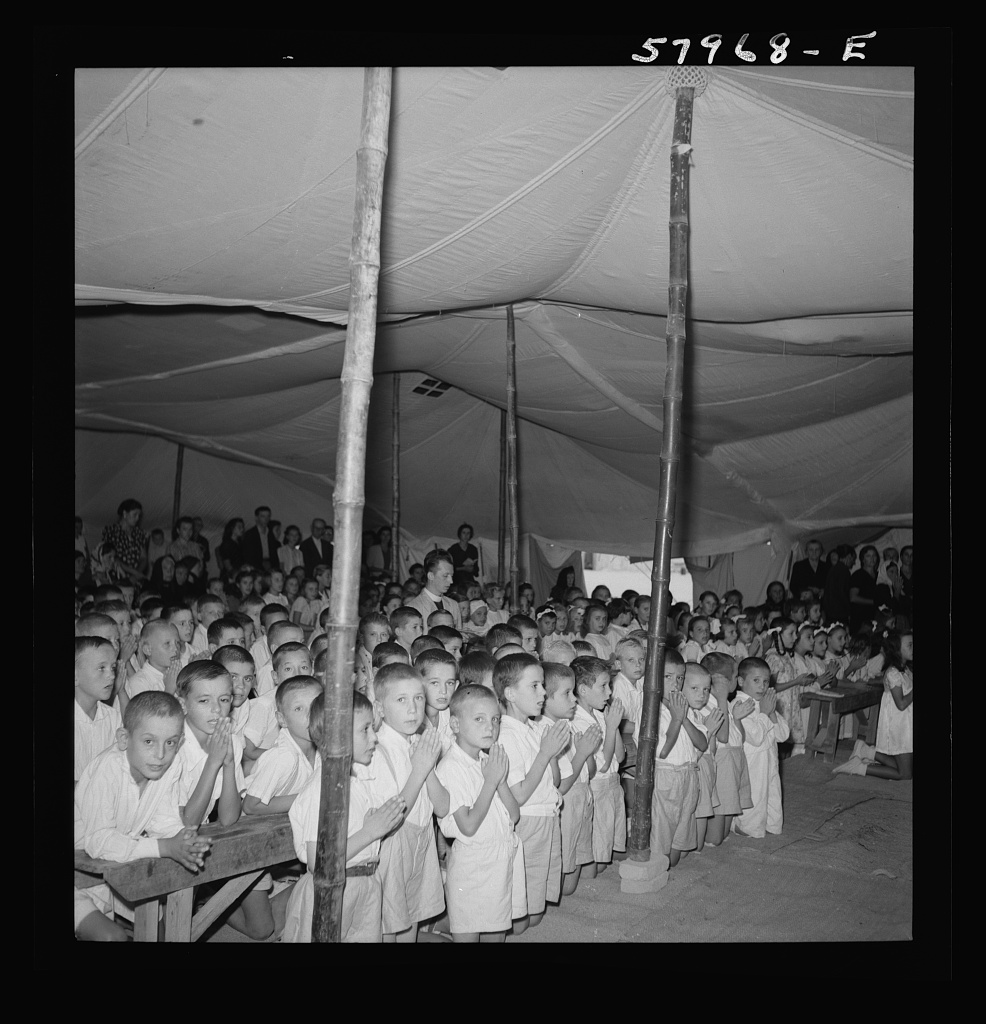
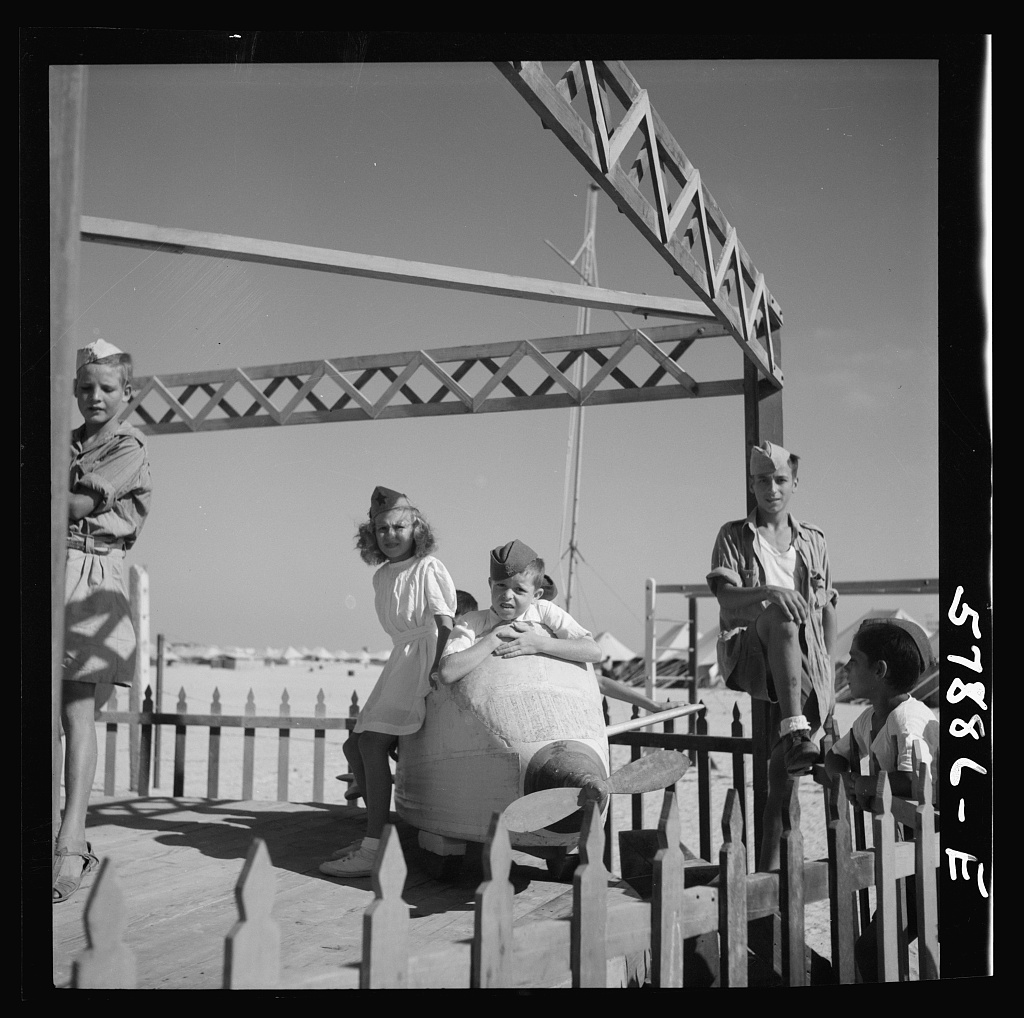
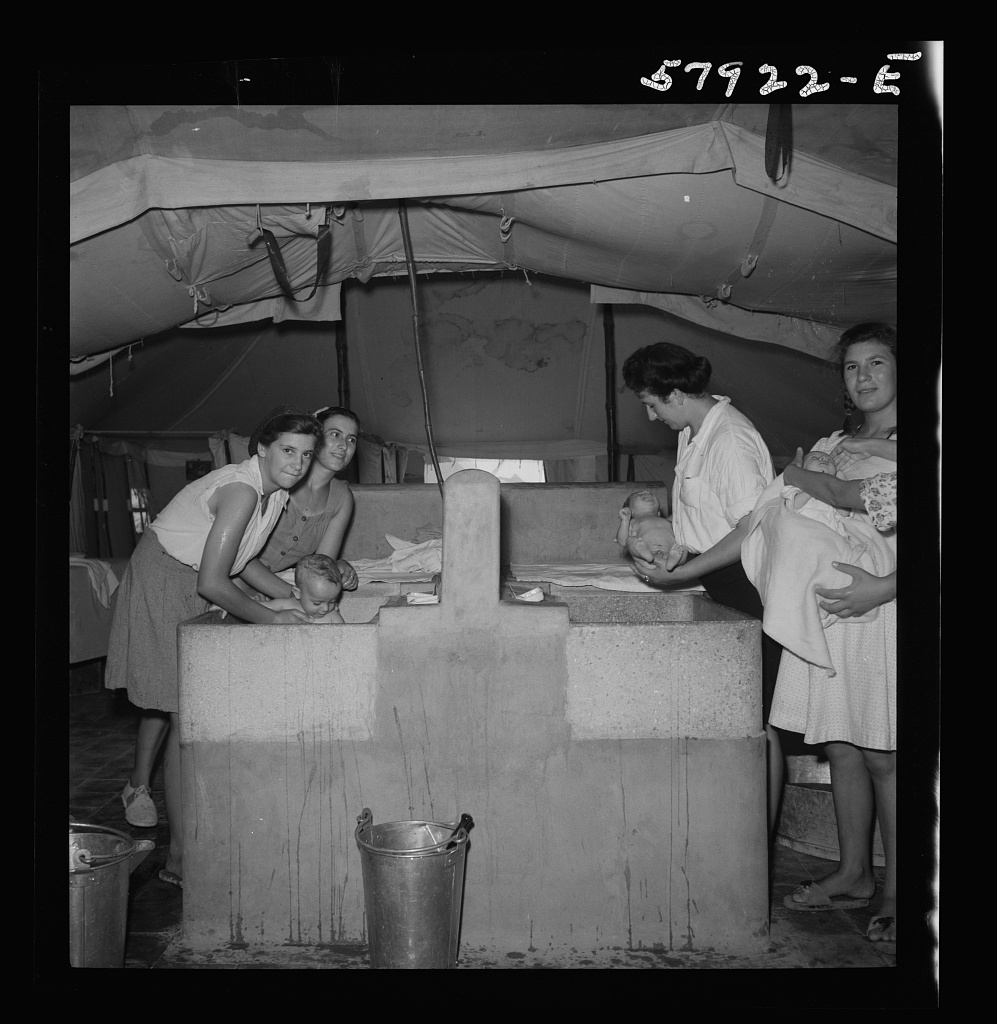
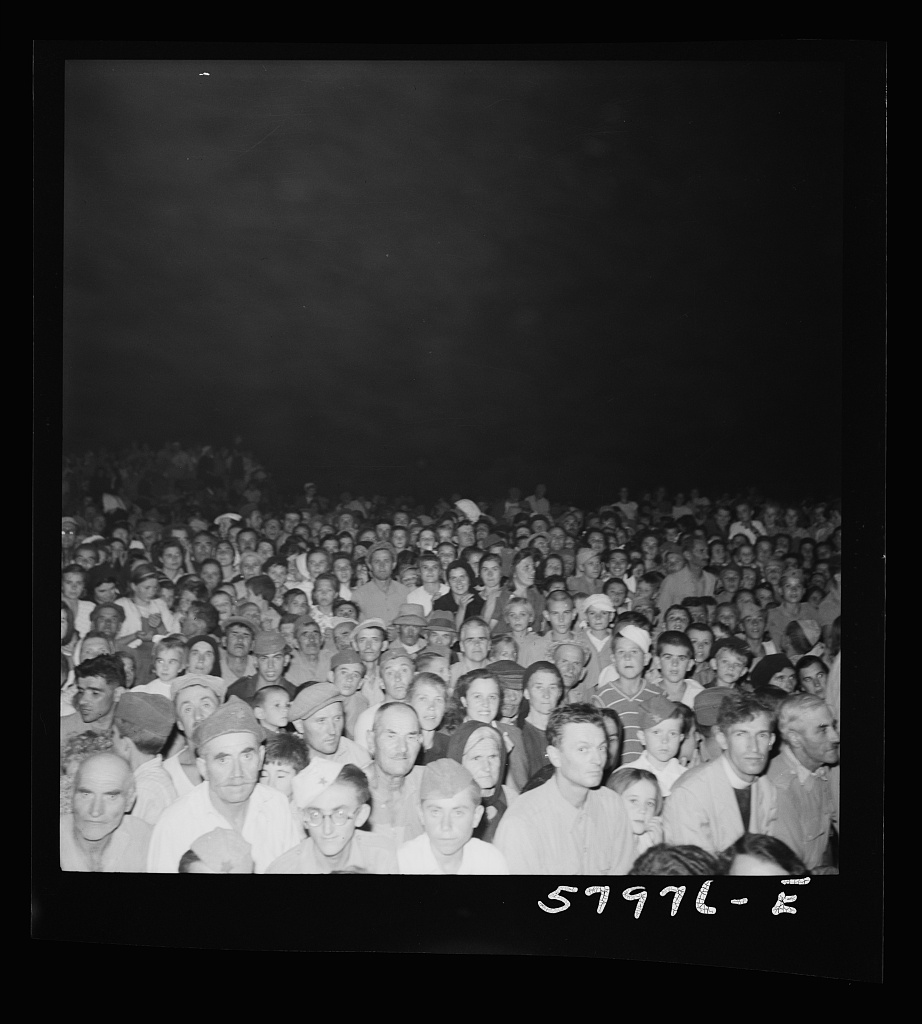
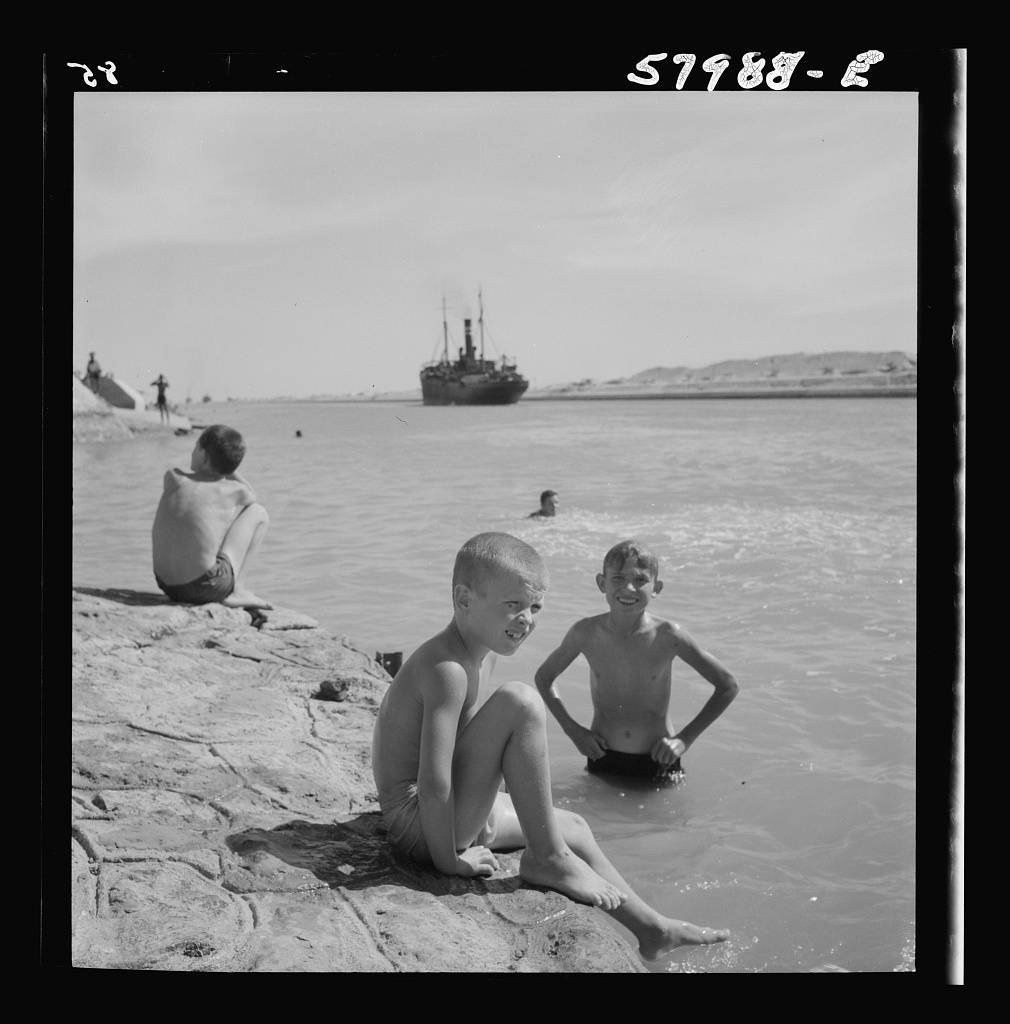
Otto Gilmore’s photographs are a “comprehensive, overall photographic study of El Shatt, the United Nations Relief and Rehabilitation Administration’s refugee camp for Yugoslavs in the Sinai, Egypt”. Gilmore was the camp in September 1944 at the behest of the US Farm Security Administration/Office of War Information.
Also there was Treva Edgerton, a worker with the United Nations Relief and Rehabilitation Administration (UNRRA), an international relief agency. His snapshots add texture to the story of Europeans who rode the Sinai Express. Croats left everything behind as the Germans approached their homes. El Shatt housed 30,000 refugees from Dalmatia. These people had been evacuated by the Allies ahead of a German invasion. Created on February 2, 1944, the camp was disbanded on March 20, 1946, after the war ended. The refugees left behind 825 graves of their comrades. An estimated 650 children were born in the camp.
Singapore, officially the Republic of Singapore, is a sovereign island city-state in maritime Southeast Asia. It lies about one degree of latitude (137 kilometres or 85 miles) north of the equator, off the southern tip of the Malay Peninsula, bordering the Strait of Malacca to the west, the Singapore Strait to the south, the South China Sea to the east and the Straits of Johor to the north. The country’s territory is composed of one main island, 63 satellite islands and islets, and one outlying islet, the combined area of which has increased by 25% since the country’s independence as a result of extensive land reclamation projects. It has the third greatest population density in the world. With a multicultural population and recognising the need to respect cultural identities of the major ethnic groups within the nation, Singapore has four official languages; English, Malay, Mandarin, and Tamil. English is the lingua franca and numerous public services are available only in English. Multiracialism is enshrined in the constitution and continues to shape national policies in education, housing, and politics.
Singapore’s history dates back at least a millennium, having been a maritime emporium known as Temasek and subsequently as a major constituent part of several successive thalassocratic empires. Its contemporary era began in 1819 when Stamford Raffles established Singapore as an entrepôt trading post of the British Empire. In 1867, the colonies in Southeast Asia were reorganised and Singapore came under the direct control of Britain as part of the Straits Settlements. During the Second World War, Singapore was occupied by Japan in 1942, and returned to British control as a separate crown colony following Japan’s surrender in 1945. Singapore gained self-governance in 1959 and in 1963 became part of the new federation of Malaysia, alongside Malaya, North Borneo, and Sarawak. Ideological differences, most notably the perceived encroachment of the egalitarian “Malaysian Malaysia” political ideology led by Lee Kuan Yew into the other constituent entities of Malaysia – at the perceived expense of the bumiputera and the policies of Ketuanan Melayu – eventually led to Singapore’s expulsion from the federation two years later; Singapore became an independent sovereign country in 1965.
After early years of turbulence whilst lacking natural resources and a hinterland, the nation rapidly developed to become one of the Four Asian Tigers based on international trade and economic globalisation, integrating itself within the world economy through free trade with minimal to no trade barriers or tariffs, export-oriented industrialisation, and the large accumulation of received foreign direct investment, foreign-exchange reserves and assets held by sovereign wealth funds. A highly developed country, it is ranked joint-eleventh on the UN Human Development Index and has the second-highest GDP per capita (PPP) in the world. Identified as a tax haven, Singapore is the only country in Asia with a AAA sovereign credit rating from all major rating agencies. It is a major financial, maritime shipping and aviation hub, and has consistently been ranked as one of the most expensive cities to live in for expatriates and foreign workers. Singapore is placed highly in key social indicators: education, healthcare, quality of life, personal safety, infrastructure and housing, with a home-ownership rate of 88 percent. Singaporeans enjoy one of the longest life expectancies, fastest Internet connection speeds, lowest infant mortality rates and lowest levels of corruption in the world. The country has a retentionist stance for capital punishment, one of four in the developed world along with Japan, the United States and Taiwan. Singapore’s use of capital punishment for drug trafficking is a source of contention with non-governmental organisations.
Singapore is a unitary parliamentary republic with a Westminster system of unicameral parliamentary government, and its legal system is based on common law. While elections are free, the government under the People’s Action Party (PAP) wields significant control and dominance over politics and society, with limits on assembly, association, expression and the press except for the Speakers’ Corner; the PAP having ruled continuously since full internal self-government was achieved in 1959, with 83 out of 104 seats in Parliament as of the 2020 election, the rest of the elected seats being held by the Workers’ Party (WP). One of the five founding members of ASEAN, Singapore is also the headquarters of the Asia-Pacific Economic Cooperation (APEC) Secretariat, the Pacific Economic Cooperation Council (PECC) Secretariat, and is the host city of many international conferences and events. Singapore is also a member of the United Nations, World Trade Organization, East Asia Summit, Non-Aligned Movement, and the Commonwealth of Nations. (Wikipedia)
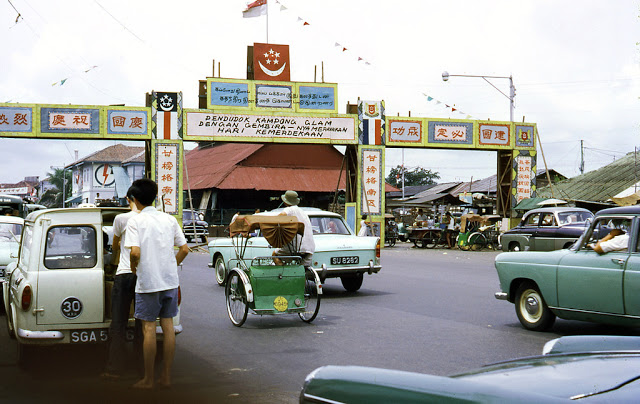
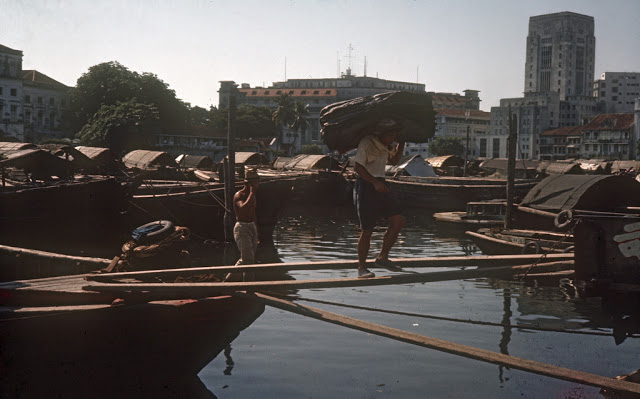
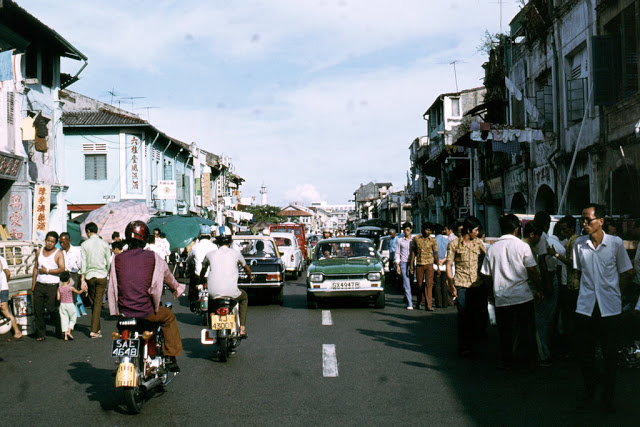
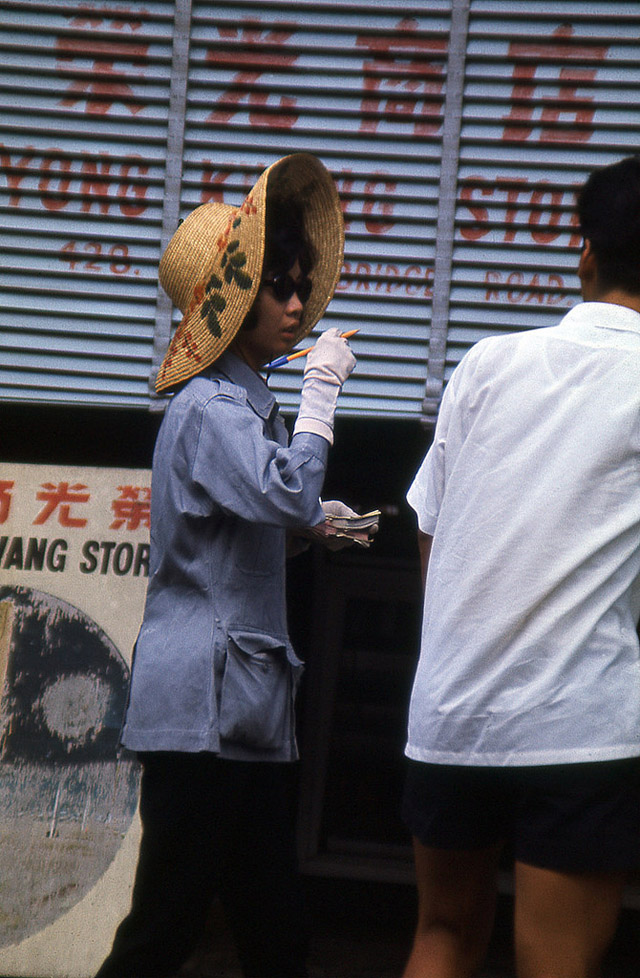
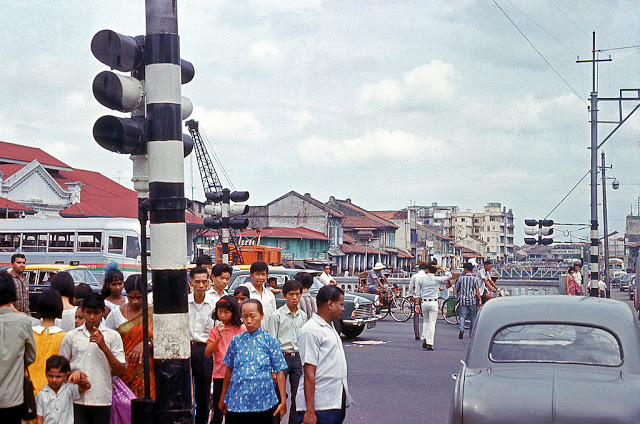
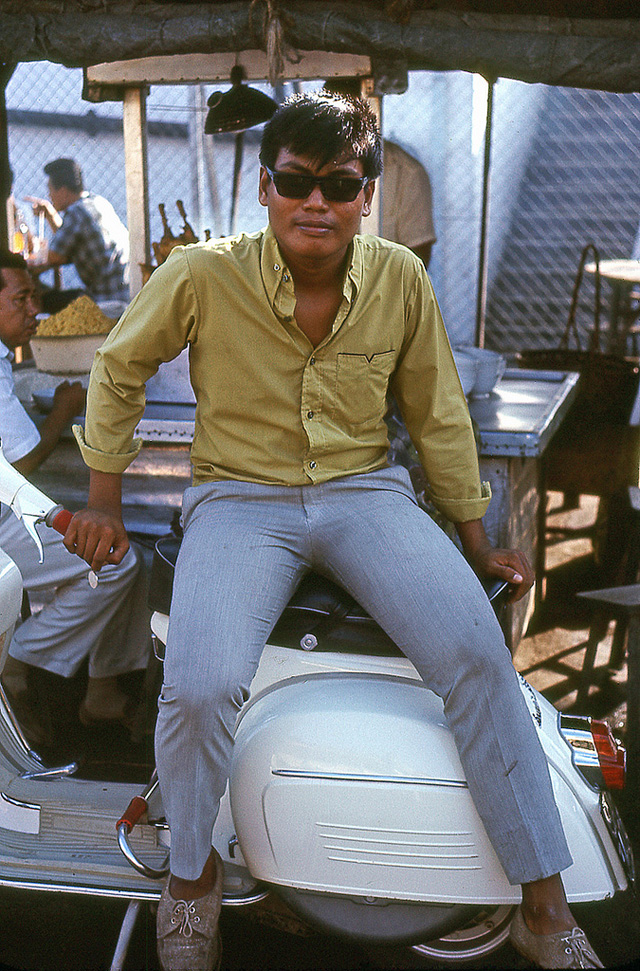
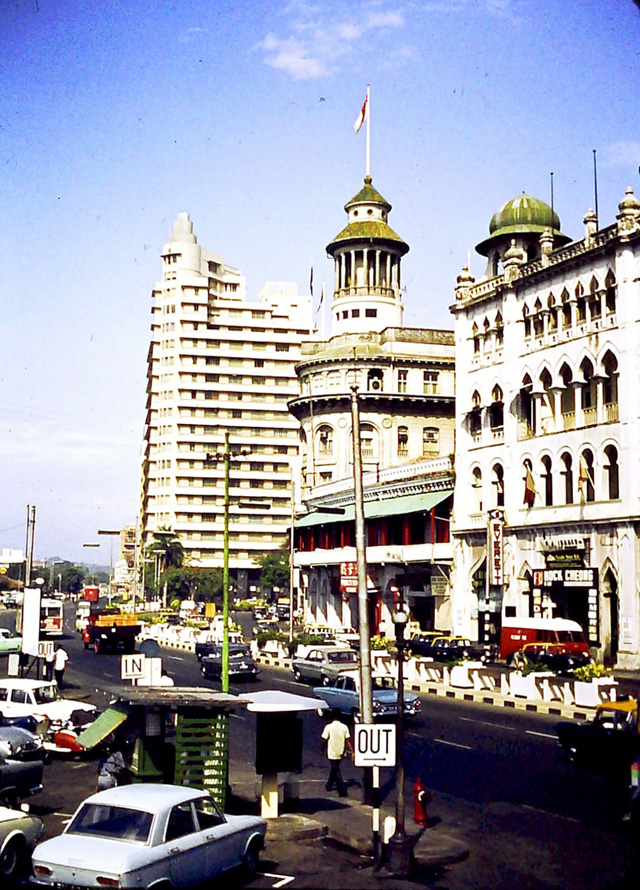
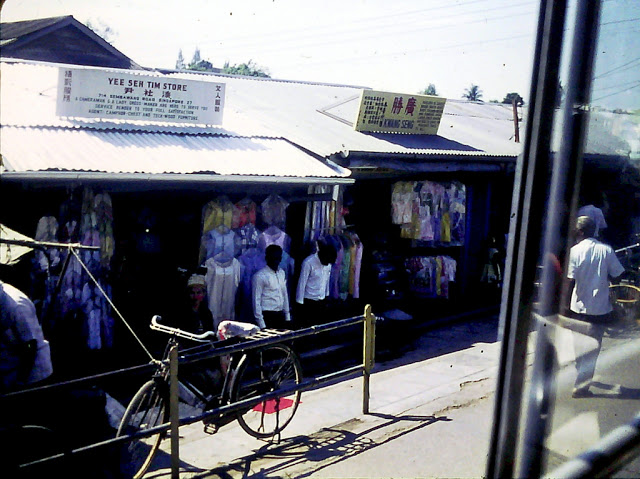
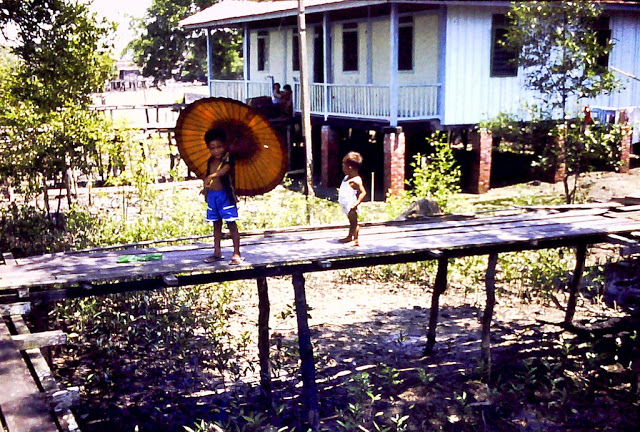
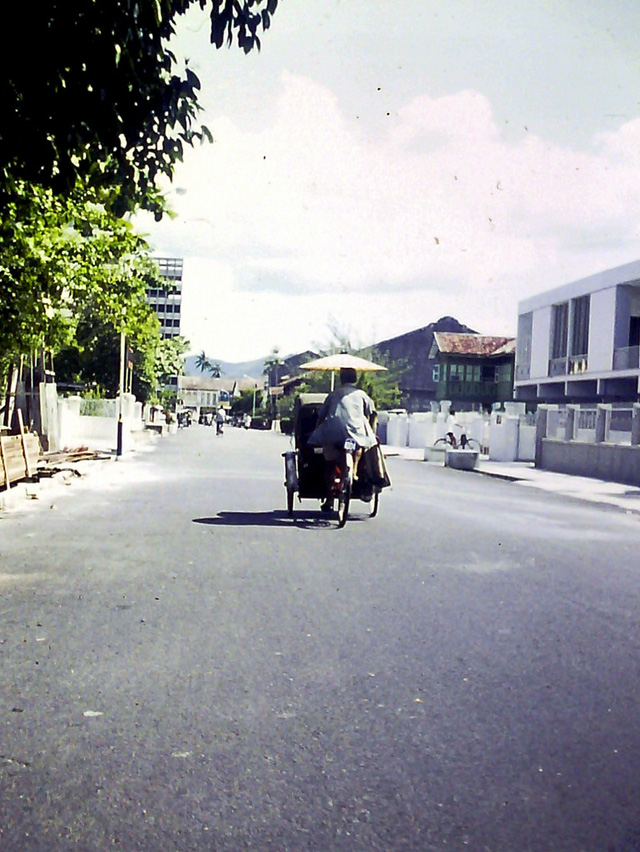
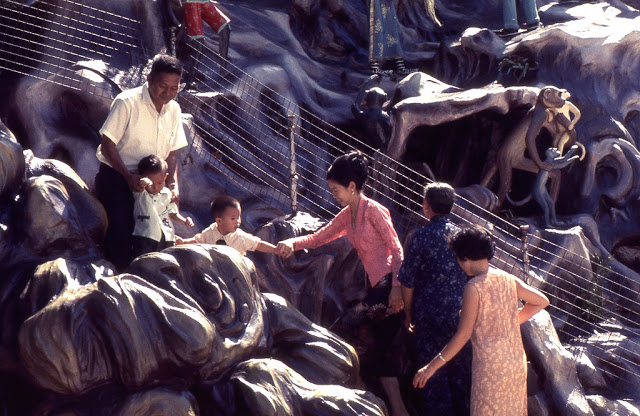
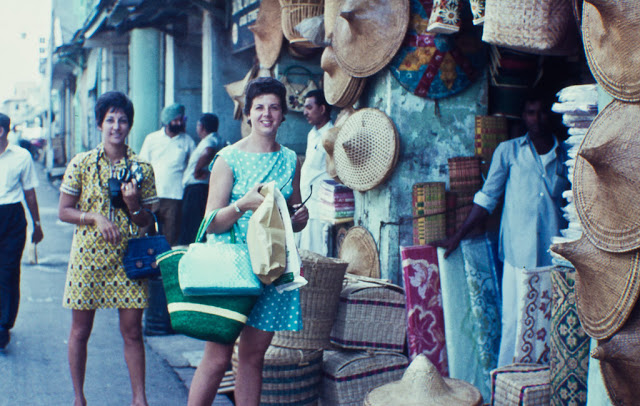
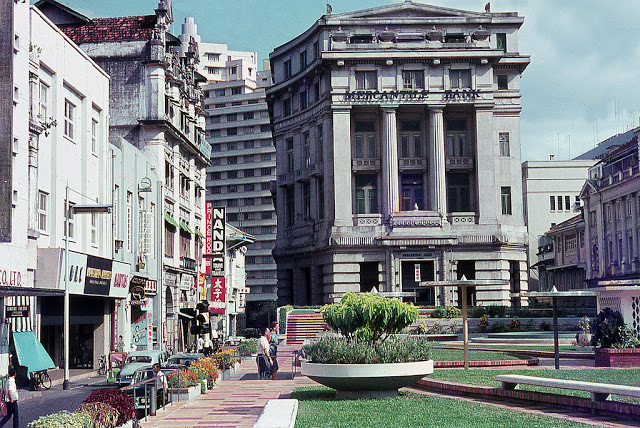
Here below is an amazing color photo collection of Singapore in the 1960s, before becoming a global commerce, finance and transport hub.
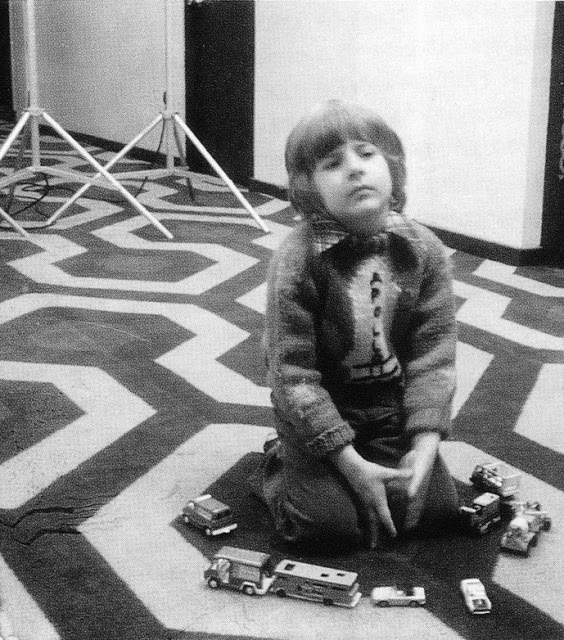
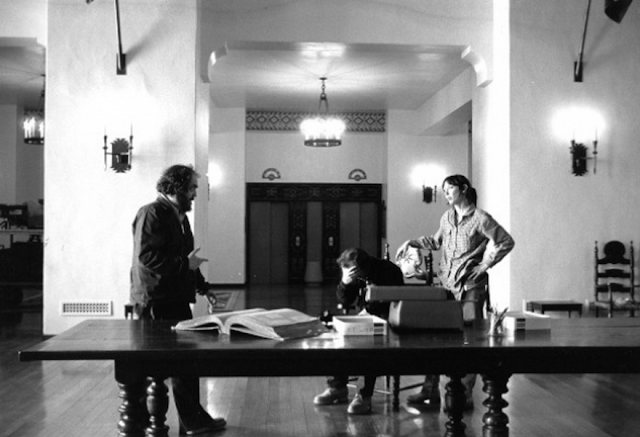
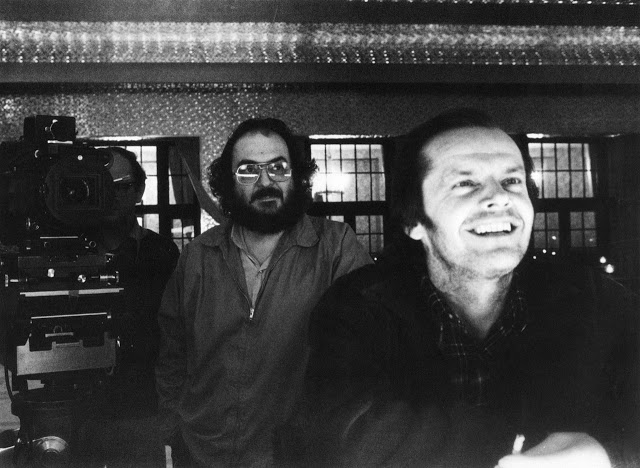
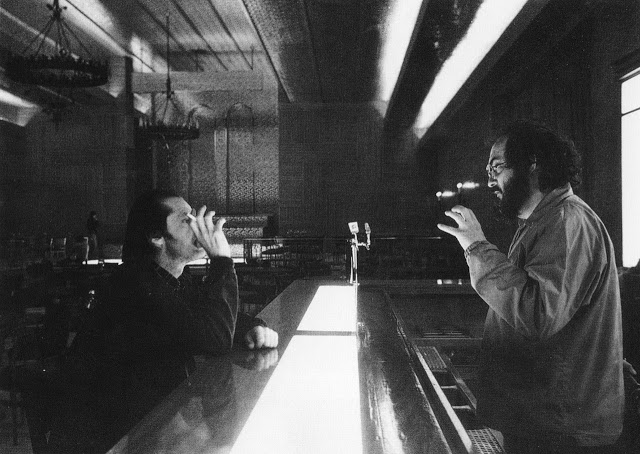
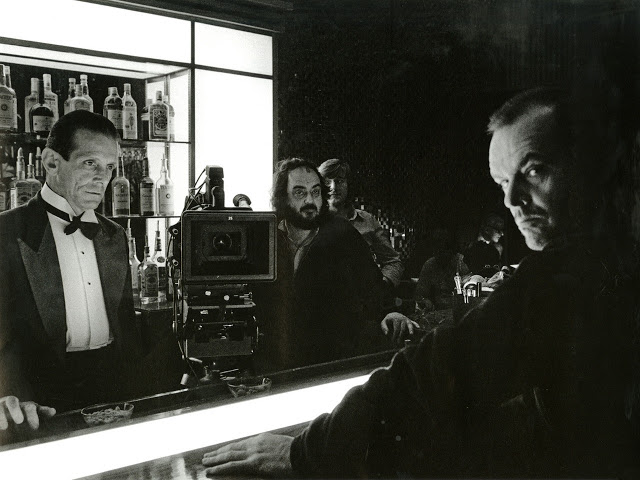
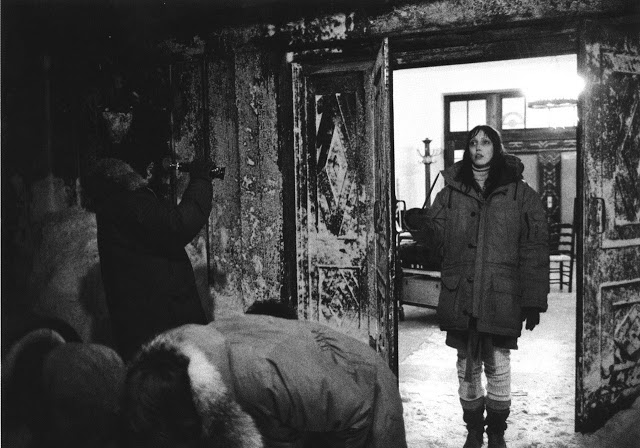
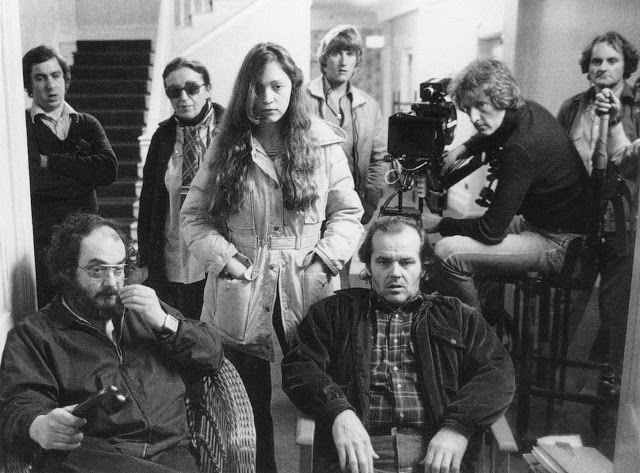
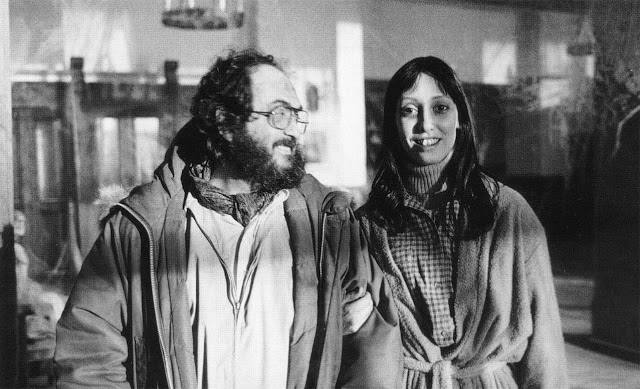
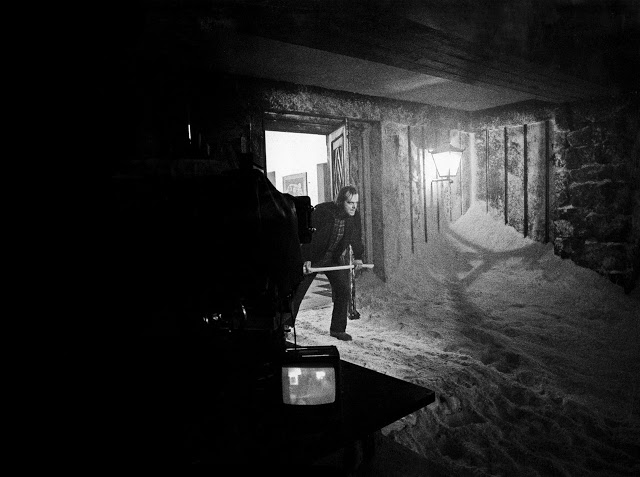
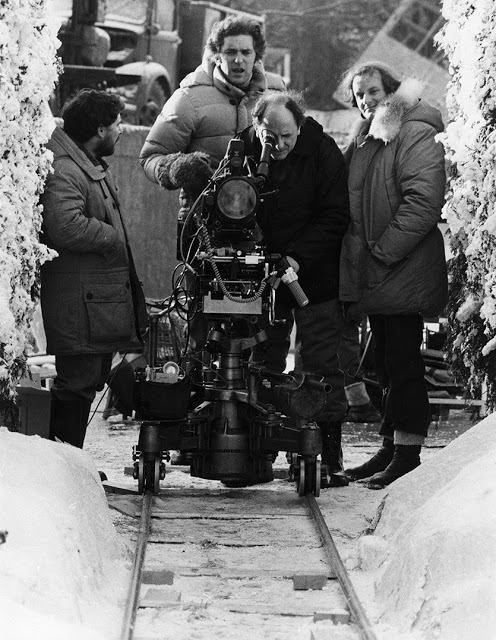
The Shining (1980) is creative director Stanley Kubrick’s intense, epic, gothic horror film and haunted house masterpiece – a beautiful, stylish work that distanced itself from the blood-letting and gore of most modern films in the horror genre. It is considered one of the greatest horror movies of all time.
The film’s source material from science-fiction/horror author Stephen King’s 1977 best-selling novel by the same name, bears little resemblance to Kubrick’s creation.
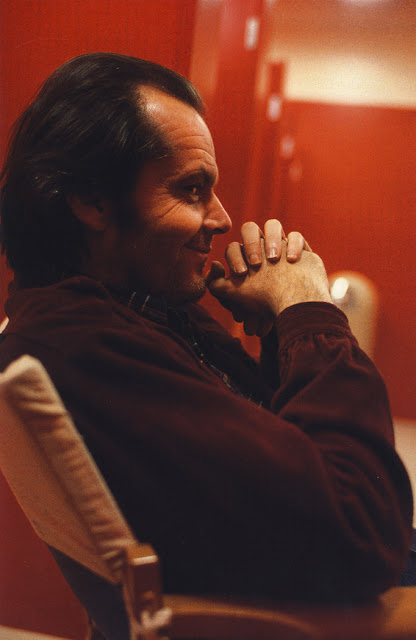
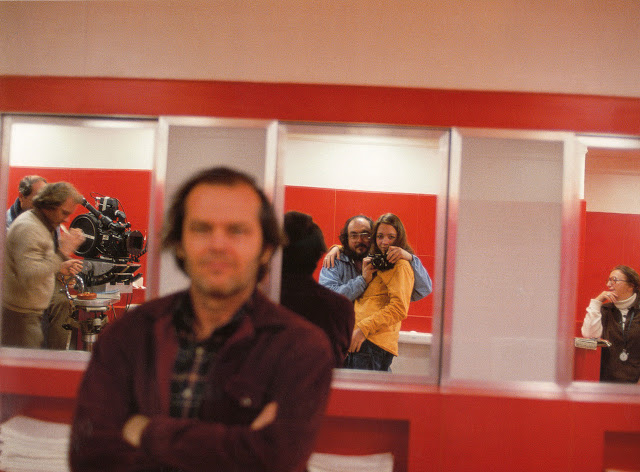
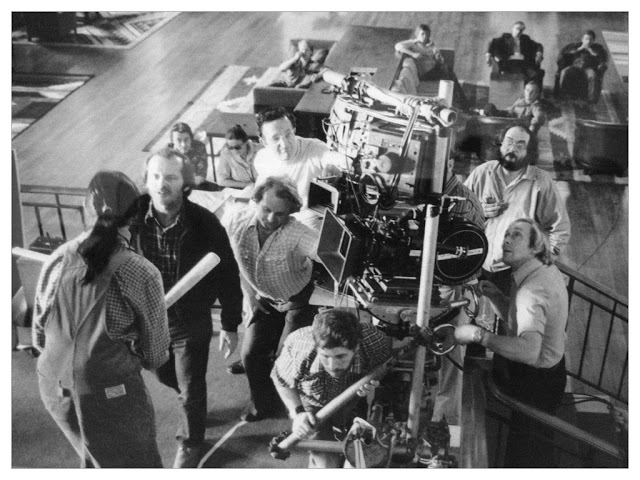
Kubrick’s quest for perfection was taken to new levels during the making of The Shining. Crew members broke down in tears and actors found themselves asked to do over 127 takes (The Guinness Book World record) for a single shot. Other stories include: Kubrick agonizing for months on the color of the titles in the opening credits; calling Stephen King obsessively at 3 AM asking him if he believed in God; frantically changing scenes at the last second; forcing Jack Nicholson to eat cheese sandwiches (which he hated) to portray disgust; and pushing actress Shelly Duvall’s sanity till her hair started falling out. Jack Nicholson was so disturbed by the way Shelly Duvall and Scatman Crothers were treated that he vowed never to work on a Kubrick film again.
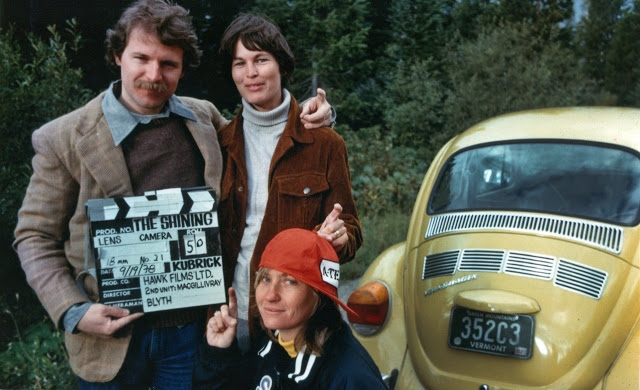
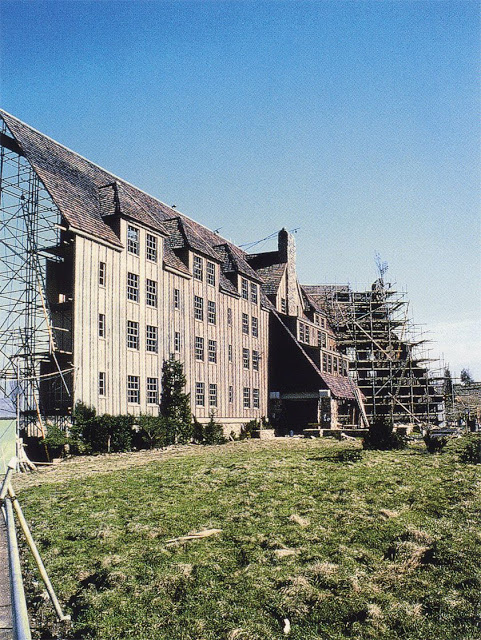
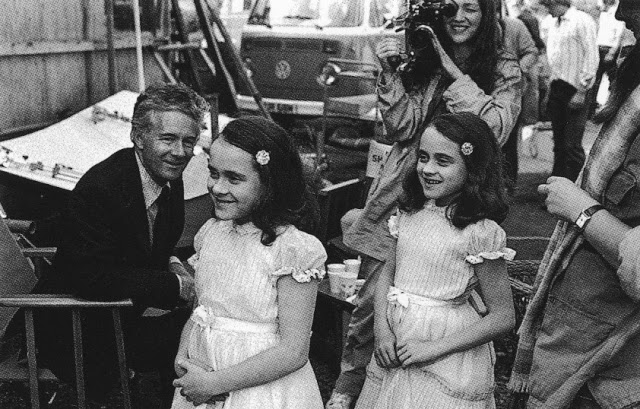
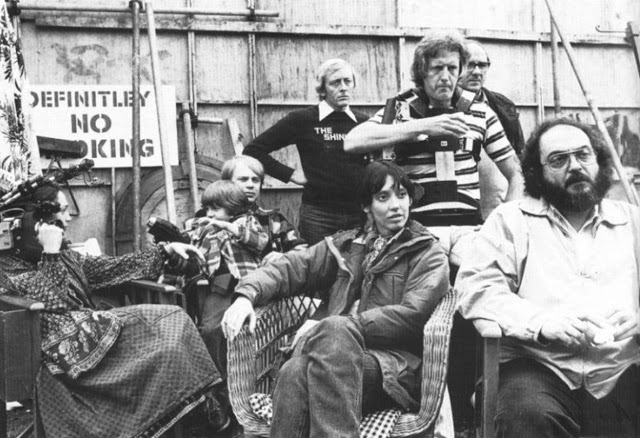
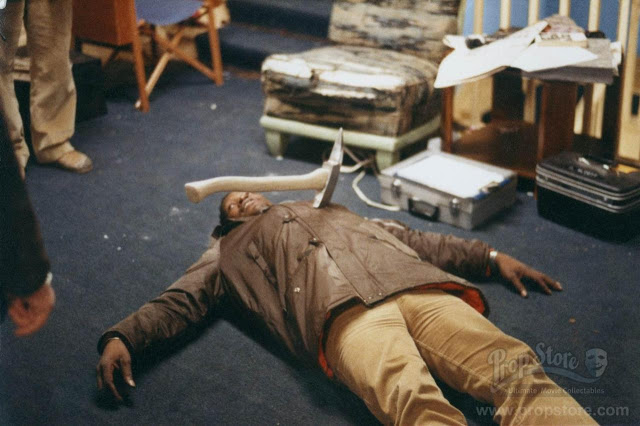
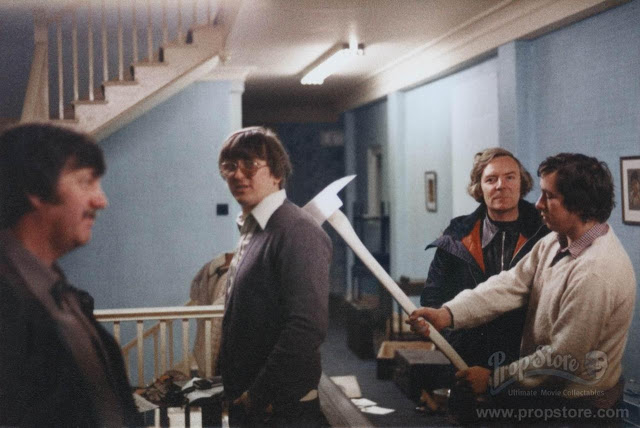
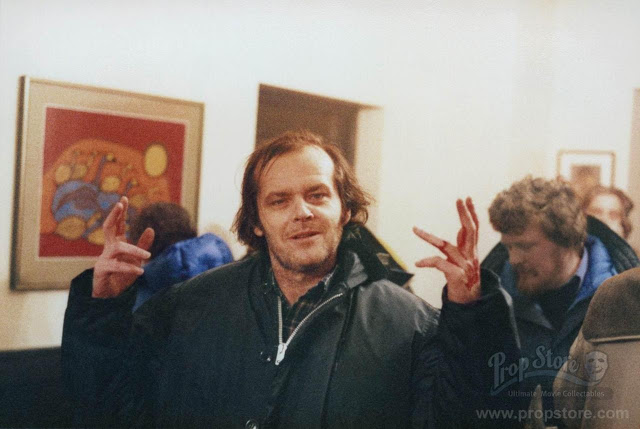
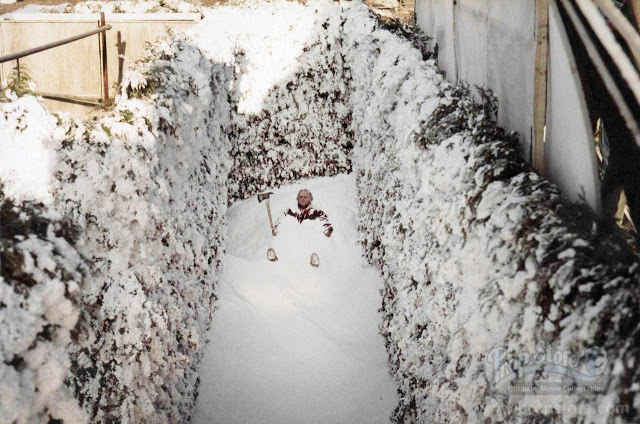
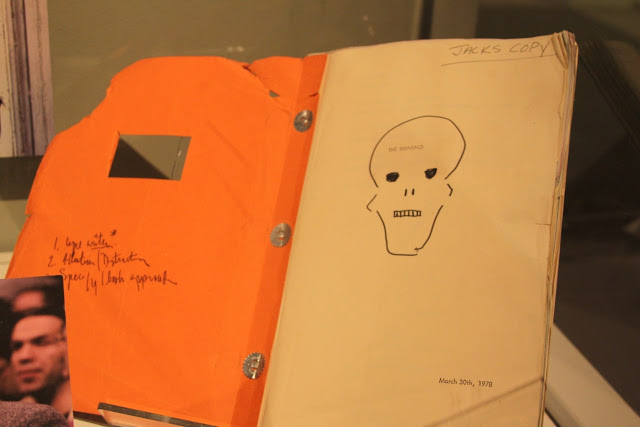
Jack Nicholson and Shelley Duvall.2nd Unit camera operator Jeff Blyth, Jeff’s wife, and their camera assistant doubling for the Torrance family in many unused shots of the car and wearing costumes from the film. Note their “Tony” finger poses.The facade of the Overlook Hotel set under construction on the backlot at EMI Elstree Studios.Lisa and Louise Burns, who portrayed the Grady Sisters, prepare for a shot on the games room set. Kelvin Pike operates the camera and Camera Assistant Peter Robinson holds the slate.Lisa and Louise Burns as the Grady Sisters.Steadicam inventor Garrett Brown takes actor Danny Lloyd for a ride on his Steadicam just outside the hedge maze set on the backlot at MGM Elstree Studios. Brown discovered that Danny was about the same weight as the camera, so he would often give the boy rides in a makeshift swing hanging from the device.Stanley Kubrick, Shelley Duvall, Danny Lloyd sits in the lap of his on-set coach and longtime Kubrick assistant Leon Vitali. To the left, Kubrick’s daughter Vivian holds the camera she used to film the Making of The Shining documentary. Behind them, Steadicam inventor Garrett Brown stands with camera operator Kelvin Pike and another unidentified crew member.Actor Danny Lloyd (Danny Torrance) on set.Fake blood splashed on the walls of the hallway set where the Grady Sisters appear.Stanley Kubrick, Jack Nicholson (Jack Torrance), and Shelley Duvall (Wendy Torrance) rehearse.Stanley Kubrick and Jack Nicholson on set.Stanley Kubrick and Jack Nicholson on set.Joe Turkel (Lloyd), Stanley Kubrick, and Jack Nicholson on set.Stanley Kubrick reviews a take with Jack Nicholson on the Gold Room set. Watching from behind are Kubrick assistant Leon Vitali, actor Joe Turkel, Camera Operator Kelvin Pike and Director of Photography John Alcott.Philip Stone (Delbert Grady) and Jack Nicholson between takes.Jack Nicholson on set.Jack Nicholson, (in reflection) Stanley Kubrick and daughter, Vivian, on set.Jack Nicholson and Stanley Kubrick on set.Shelley Duvall, Jack Nicholson, and crew on set.Stanley Kubrick and Shelley Duvall on set.Stanley Kubrick and Jack Nicholson during continuity Polaroid.A combination of real axes and axe handles with lightweight fiberglass heads was used during production.Crew member between takes.Jack Nicholson and Stanley Kubrick watching video playback.Jack Nicholson and Stanley Kubrick watching video playback.Filming Dick Hallorann’s death scene on the lobby set. Stanley Kubrick composes the insert shot of the axe striking Hallorann’s chest. A special effects artist kneeling to the right of Jack Nicholson holds a bag of fake stage blood, with tubing to deliver the blood running up the handle of the axe.Stunt Double for Scatman Crothers (Dick Hallorann).Crew between takes.Scatman Crothers on set.Jack Nicholson on set.Stanley Kubrick, Jack Nicholson, Steadicam inventor Garrett Brown, Kubrick’s daughter, Vivian, Continuity Supervisor June Randall, and others.Shelley Duvall and Danny Lloyd during continuity Polaroid.Stanley Kubrick and Shelley Duvall.Jack Nicholson on the exterior set of the Overlook Hotel at EMI Elstree Studios.Jack Nicholson on the exterior set of the Overlook Hotel at EMI Elstree Studios.Grip Dennis Lewis, Assistant Director Brian Cook, Camera Operator Kelvin Pike, and Camera Assistant Douglas Milsome set up a shot for in the exterior hedge maze set on the backlot of Elstree Studios.Jack Nicholson posing for his final moment frozen in the snow. This side angle reveals the crude bracing system of wood and styrofoam that was built to hold Nicholson as still as possible for the lengthy shot.Jack Nicholson posing for his final moment frozen in the snow.Jack Nicholson posing for his final moment frozen in the snow.Jack Nicholson’s personal working copy of the screenplay, on display at the California Museum in Sacramento, CA in 2008.
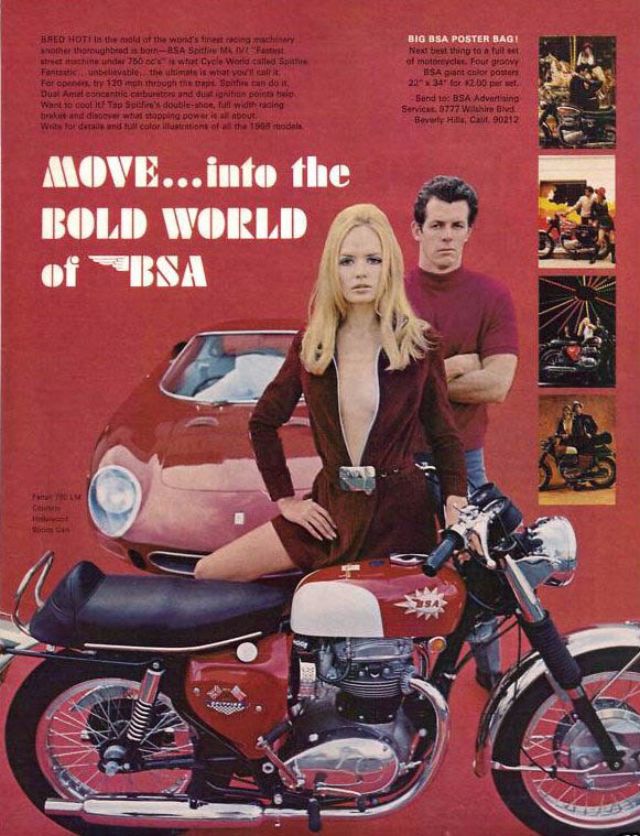
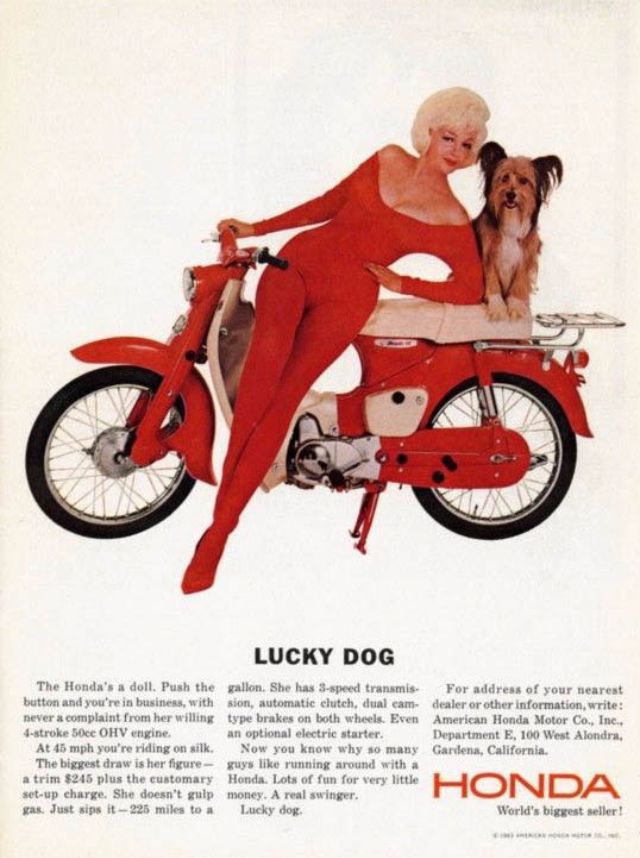
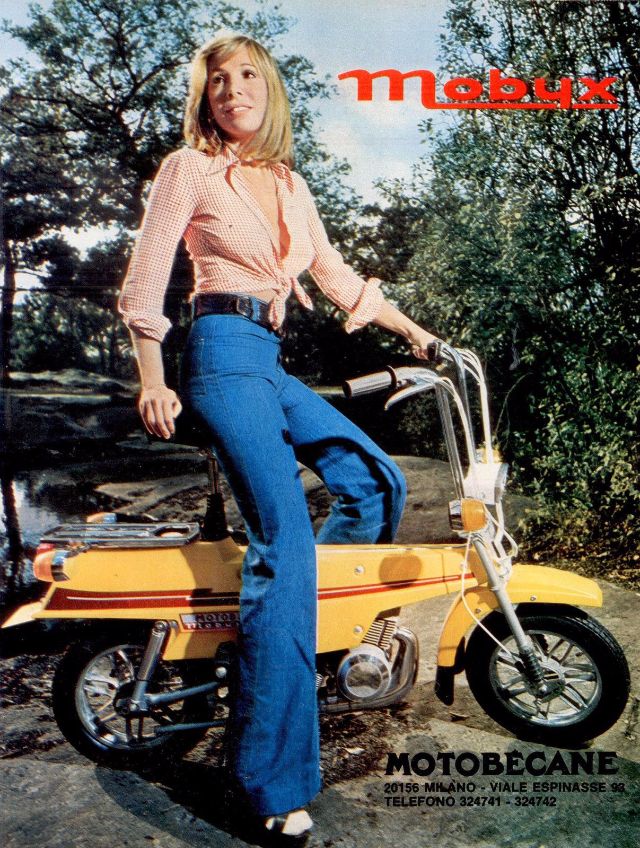
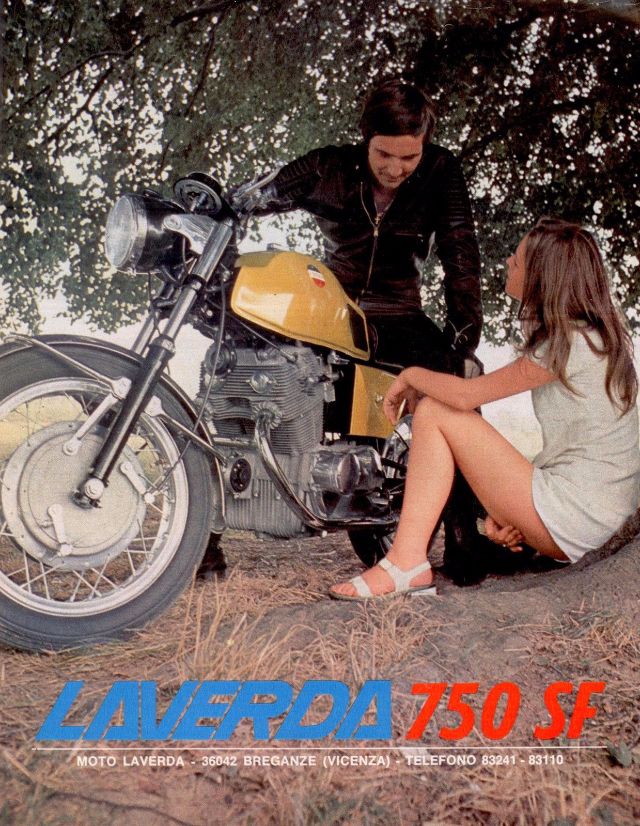
Before ‘political correctness’ was ever invented, the motorcycle industry loved to target males (sorry ladies) using some good old fashioned ‘sex sells’ tactics. They’d usually do it with headlines filled with sexual innuendo and many, many beautifully seductive women. Women that stared you in the eye and said “Purchase this fine motorbike and you will find yourself swimming in a ocean of pre-feminist, lose-moraled women in see-through clothing without any buttons.”
Here’s a collection of magazine ads from the 1960s and a few from the early ’70s that pay homage to those golden days of advertising. Enjoy…
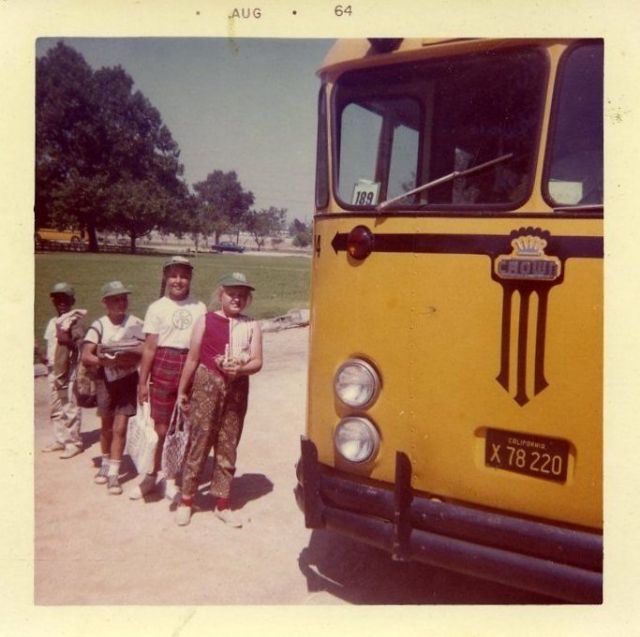
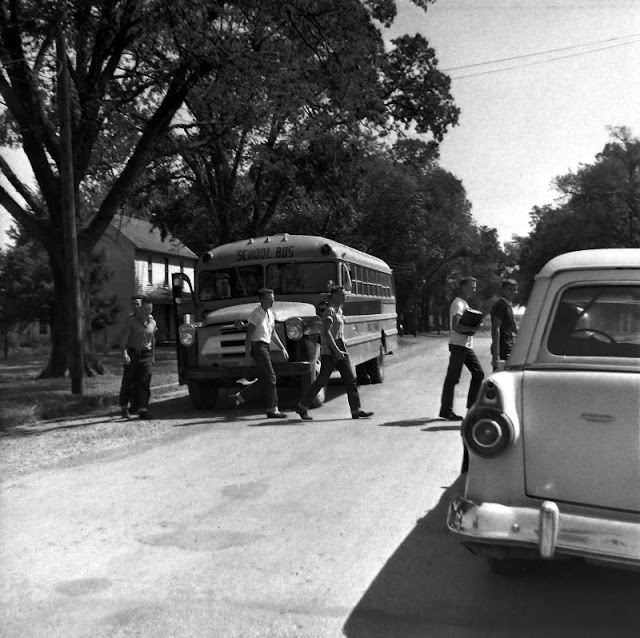
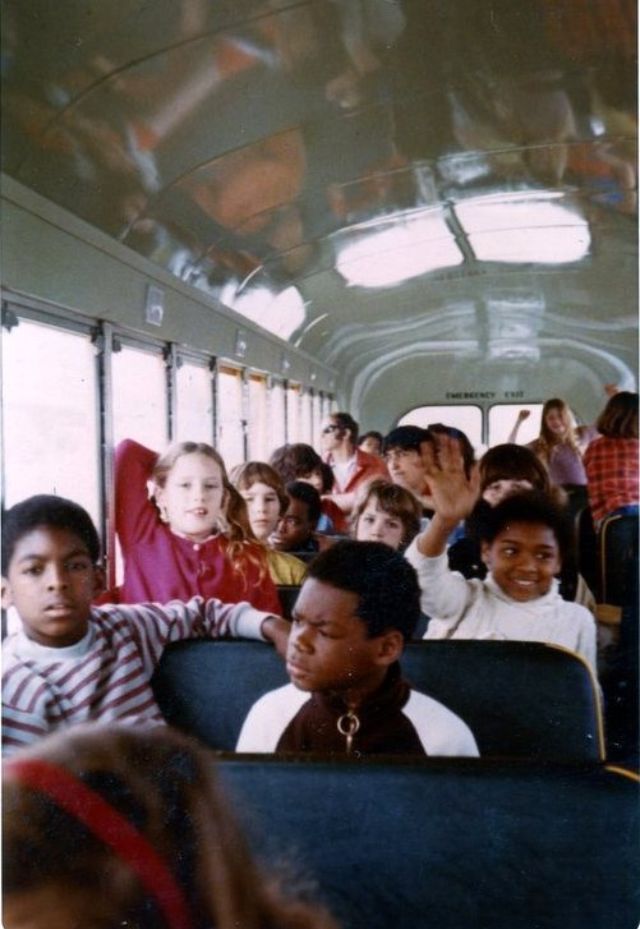
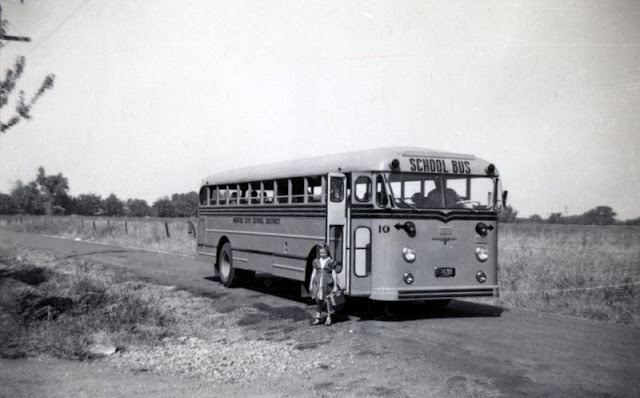
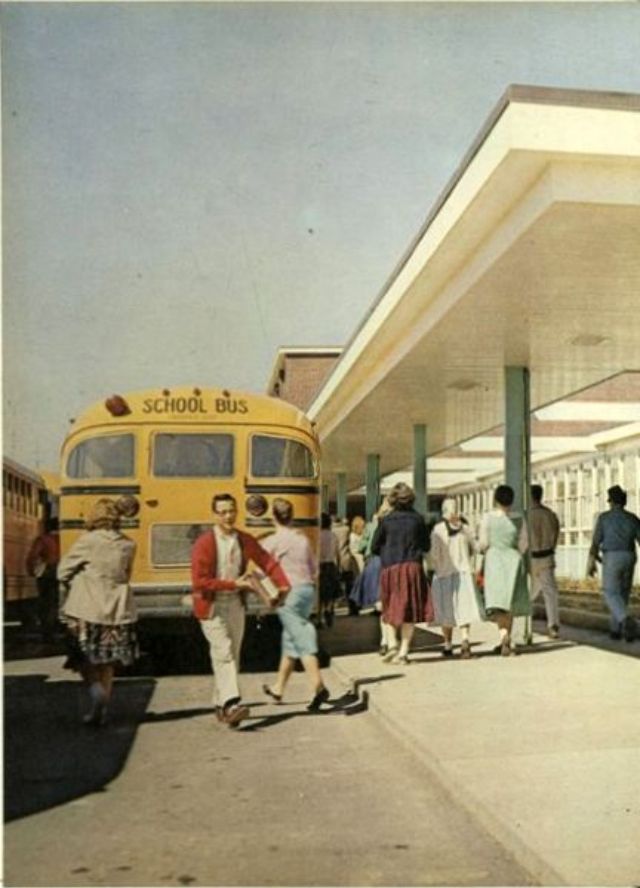
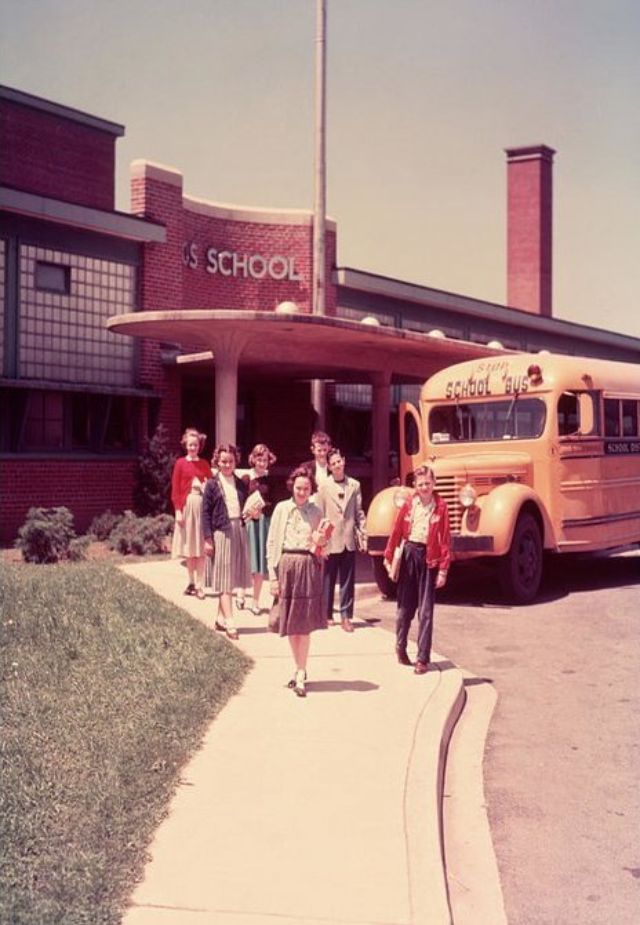
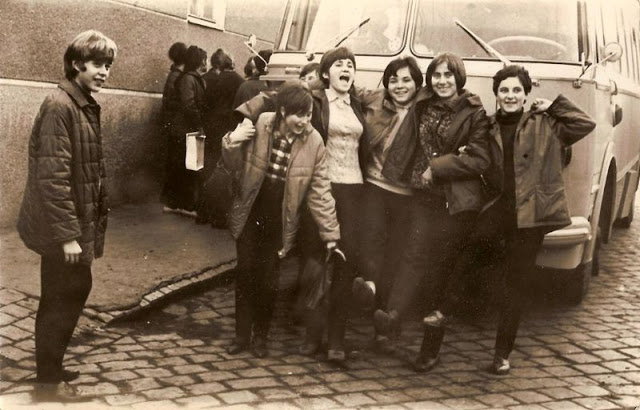
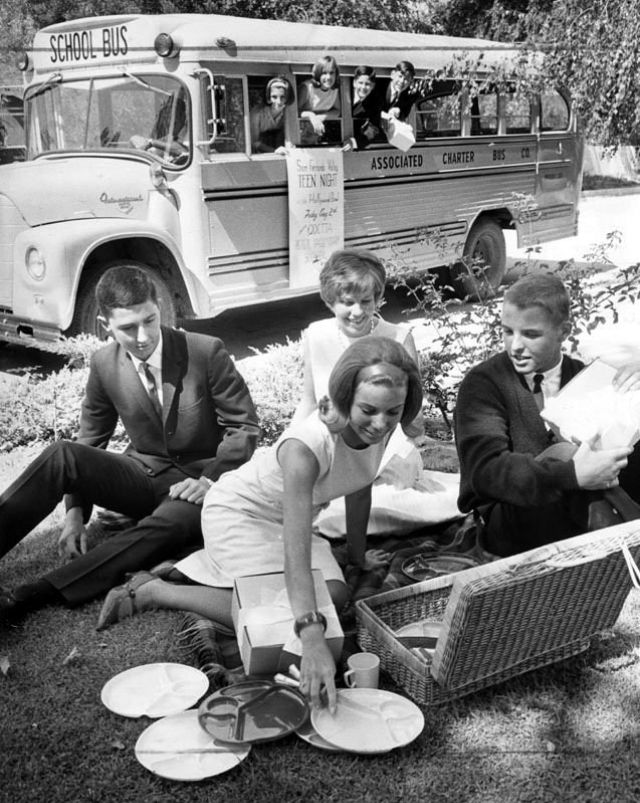
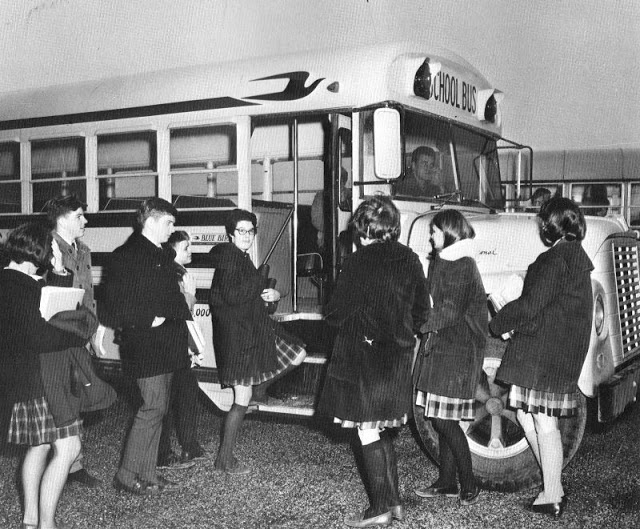
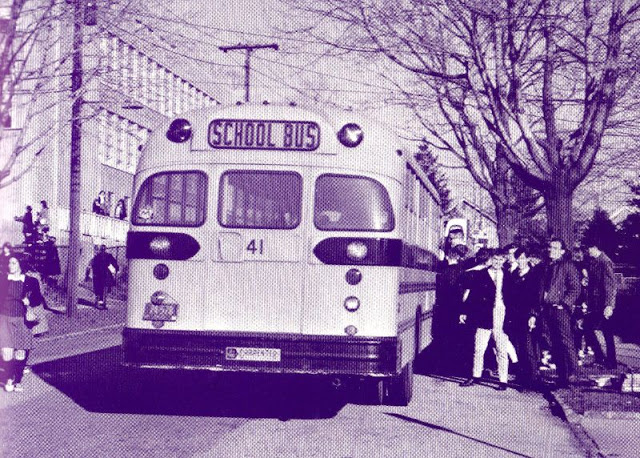
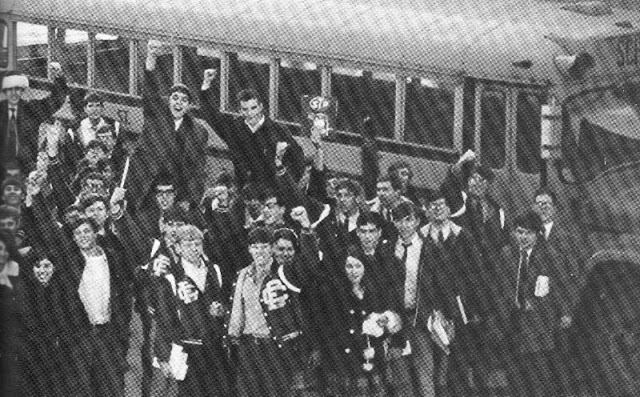
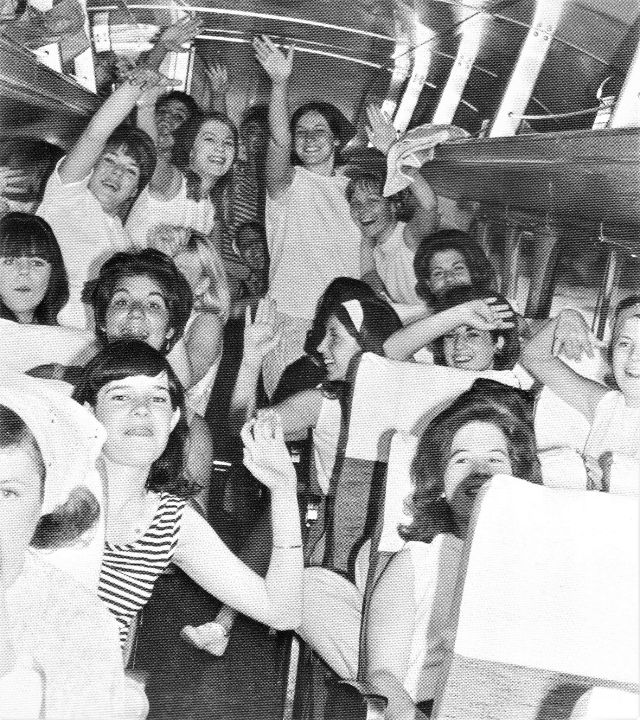
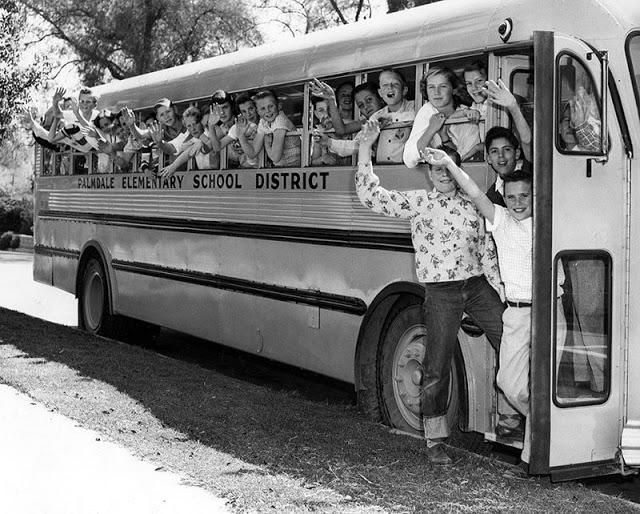
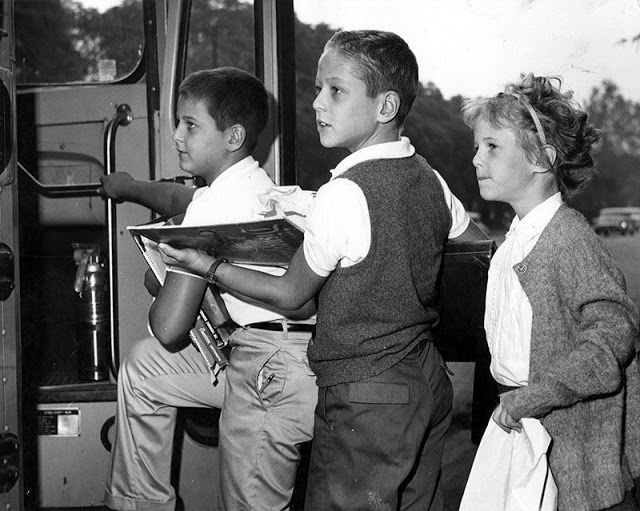
A school bus is any type of bus owned, leased, contracted to, or operated by a school or school district. The school bus can be seen in many places from a school to a parking lot. It is regularly used to transport students to and from school or school-related activities, but not including a charter bus or transit bus. Various configurations of school buses are used worldwide; the most iconic examples are the yellow school buses of the United States and Canada which are also found in other parts of the world.
In North America, school buses are purpose-built vehicles distinguished from other types of buses by design characteristics mandated by federal and state/province regulations. In addition to their distinct paint color (school bus yellow), school buses are fitted with exterior warning lights (to give them traffic priority) and multiple safety devices. (Wikipedia)
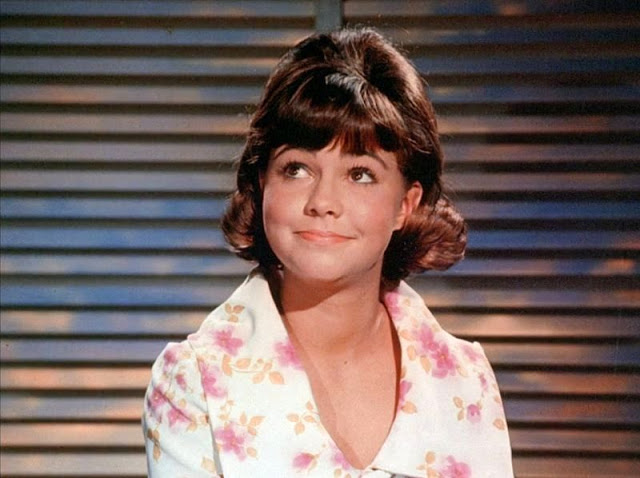
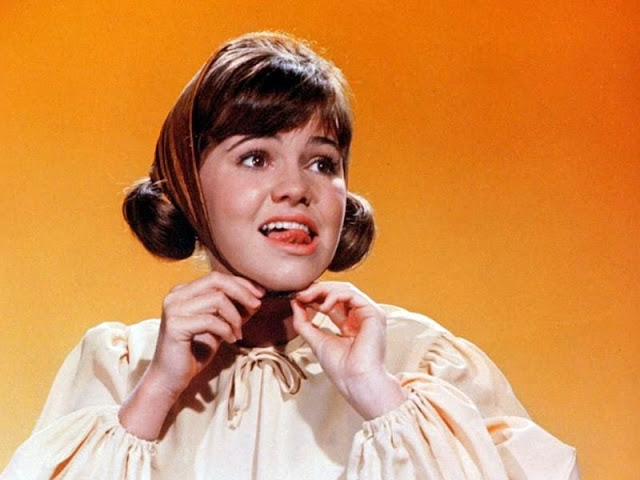
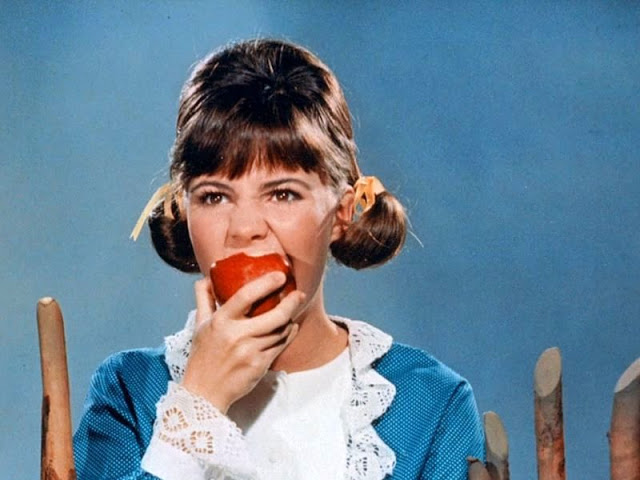
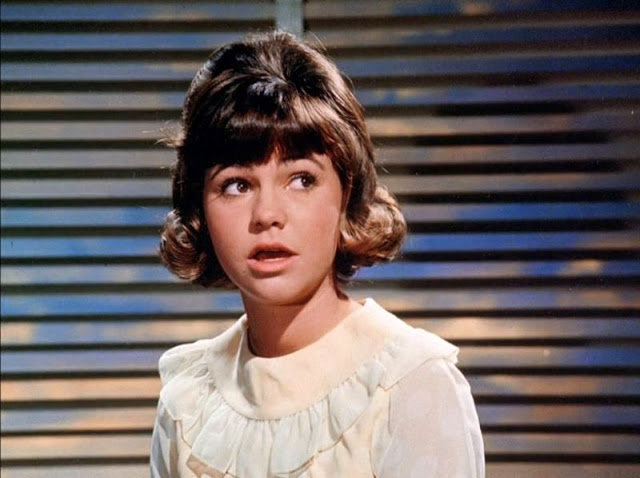
Sally Margaret Field (born November 6, 1946) is an American actress. She is the recipient of various accolades, including two Academy Awards, three Primetime Emmy Awards, two Golden Globe Awards, a Screen Actors Guild Award, a Cannes Film Festival Award for Best Actress, and nominations for a Tony Award and for two British Academy Film Awards.
Field began her career on television, starring in the comedies Gidget (1965–1966), The Flying Nun (1967–1970), and The Girl with Something Extra (1973–1974). In 1967, she was also in the western The Way West. In 1976, she garnered critical acclaim for her performance in the television film Sybil, for which she received the Primetime Emmy Award for Outstanding Lead Actress in a Limited Series or Movie. Her film debut was as an extra in Moon Pilot (1962); her film career escalated during the 1970s with starring roles in films including Stay Hungry (1976), Smokey and the Bandit (1977), Heroes (1977), The End (1978), and Hooper (1978). Her career further expanded during the 1980s, winning the Academy Award for Best Actress twice for Norma Rae (1979) and Places in the Heart (1984), and she appeared in Smokey and the Bandit II (1980), Absence of Malice (1981), Kiss Me Goodbye (1982), Murphy’s Romance (1985), Steel Magnolias (1989), Soapdish (1991), Mrs. Doubtfire (1993), and Forrest Gump (1994).
In the 2000s, Field returned to television with a recurring role on the NBC medical drama ER, for which she won the Primetime Emmy Award for Outstanding Guest Actress in a Drama Series in 2001 and the following year made her stage debut with Edward Albee’s The Goat, or Who Is Sylvia?. For her portrayal of Nora Walker in the ABC television family drama series Brothers & Sisters (2006-2011), Field won the Primetime Emmy Award for Outstanding Lead Actress in a Drama Series. She starred as Mary Todd Lincoln in Lincoln (2012), for which she was nominated for the Academy Award for Best Supporting Actress, and she portrayed Aunt May in The Amazing Spider-Man (2012) and its 2014 sequel, with the first being her highest-grossing release. In 2015, she portrayed the title character in Hello, My Name Is Doris, for which she was nominated for the Critics’ Choice Movie Award for Best Actress in a Comedy. In 2017, she returned to the stage after an absence of 15 years with the revival of Tennessee Williams’s The Glass Menagerie, for which was nominated for the Tony Award for Best Actress in a Play. In 2014, she was presented with a star on the Hollywood Walk of Fame and in 2019, she received the Kennedy Center Honor. (Wikipedia)
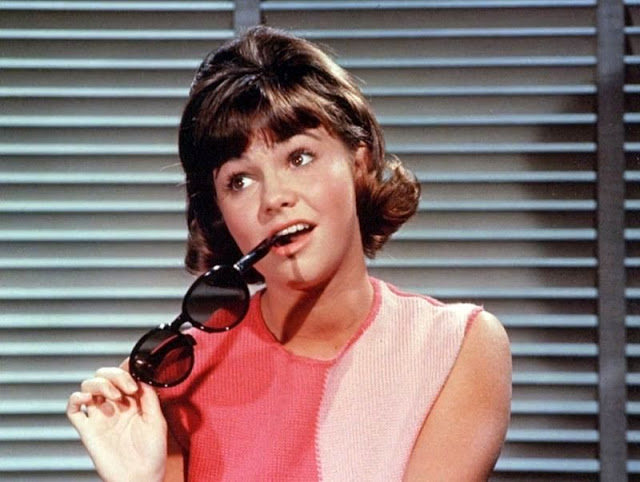
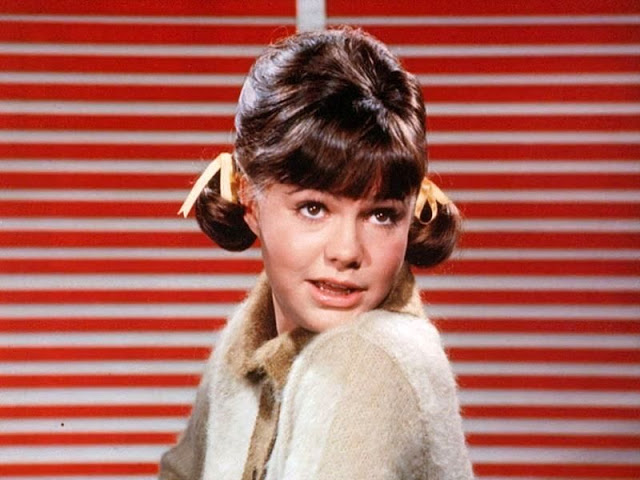
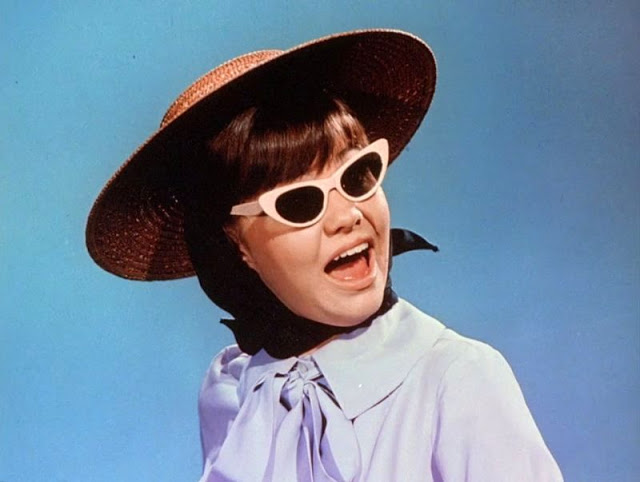
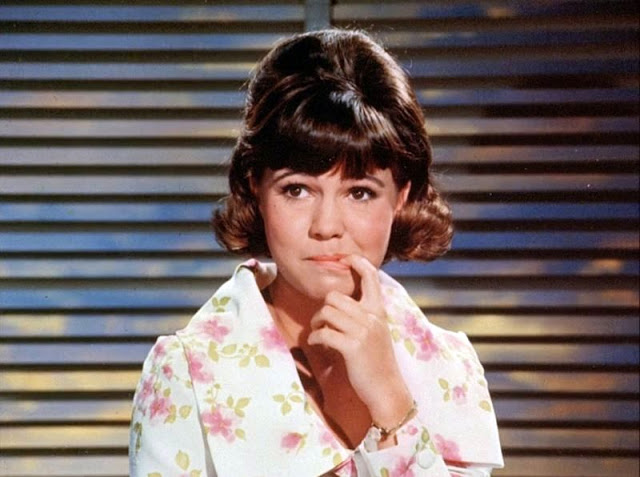
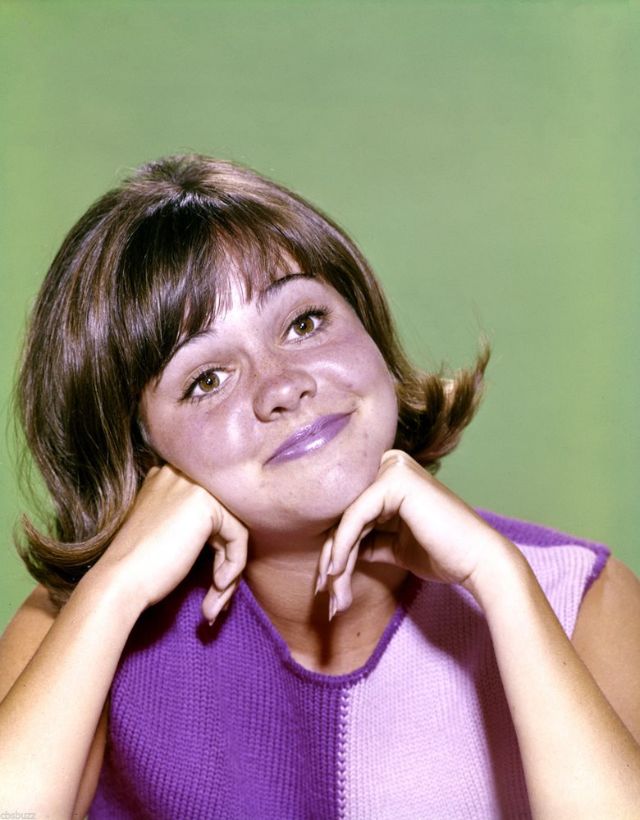
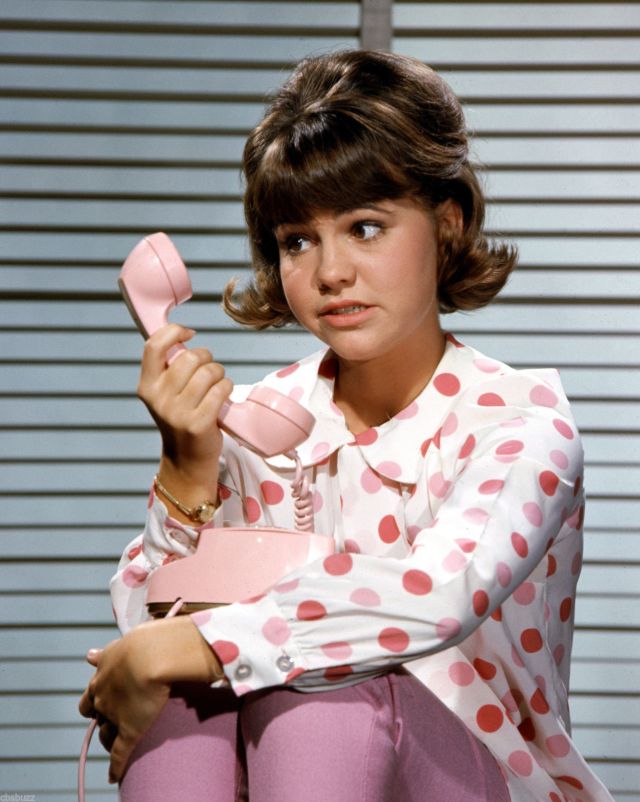
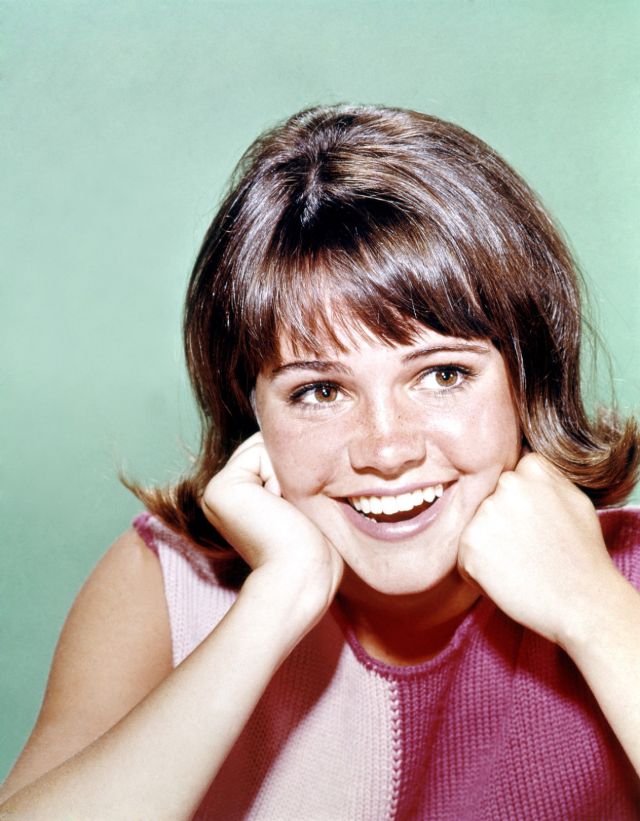
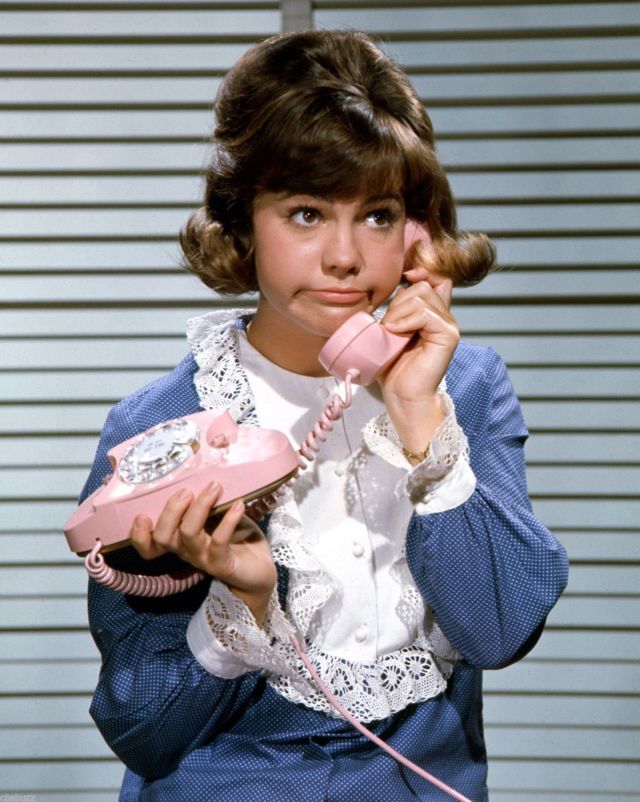
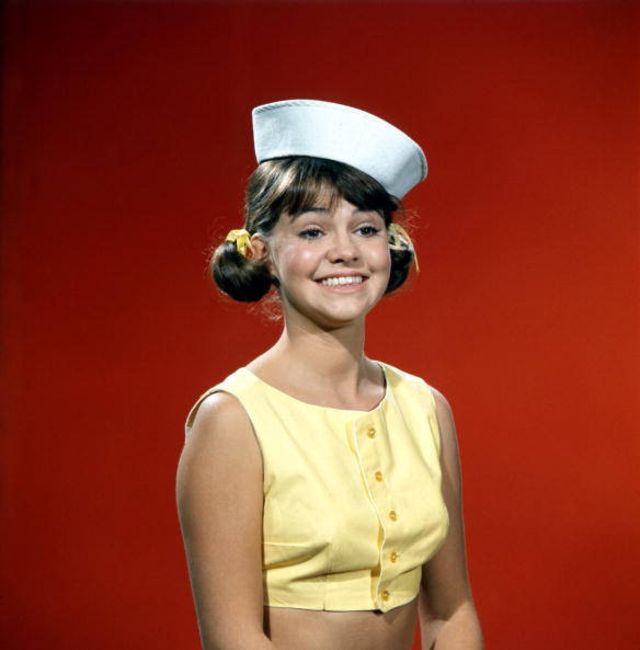
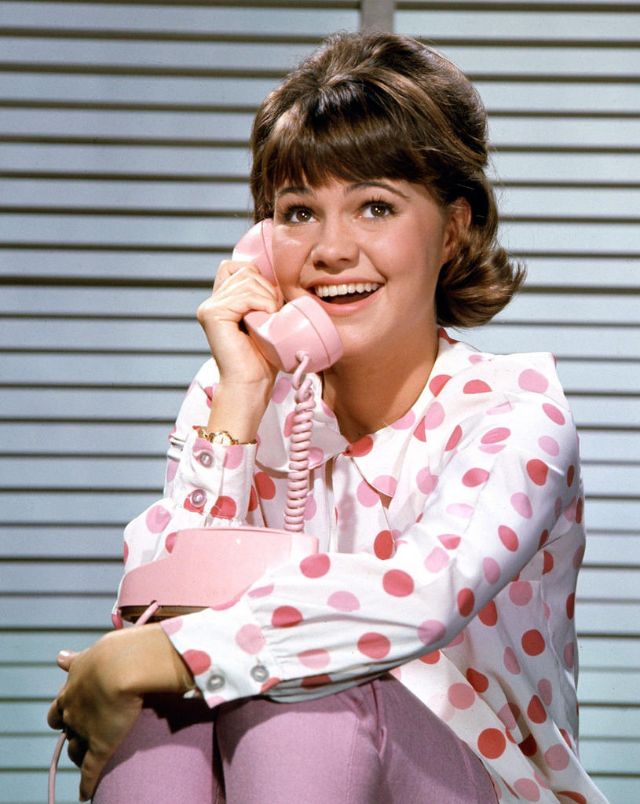
These lovely photos that captured portraits of ‘Gidget’ teen star Sally Field in 1965.
The 1920s (pronounced “nineteen-twenties,” often shortened to the “20s”) was a decade that began on January 1, 1920, and ended on December 31, 1929. In America, it is frequently referred to as the “Roaring Twenties” or the “Jazz Age”, while in Europe the period is sometimes referred to as the “Golden Twenties” because of the economic boom following World War I (1914-1918). French speakers refer to the period as the “Années folles” (“Crazy Years”), emphasizing the era’s social, artistic, and cultural dynamism.
The 1920s saw foreign oil companies begin operations in Venezuela, which became the world’s second-largest oil-producing nation. The devastating Wall Street Crash in October 1929 is generally viewed as a harbinger of the end of 1920s prosperity in North America and Europe. In the Soviet Union the New Economic Policy was created by the Bolsheviks in 1921, to be replaced by the first five-year plan in 1928. The 1920s saw the rise of radical political movements, with the Red Army triumphing against White movement forces in the Russian Civil War, and the emergence of far right political movements in Europe. In 1922, the fascist leader Benito Mussolini seized power in Italy. Economic problems contributed to the emergence of dictators in Eastern Europe to include Józef Pilsudski in Poland, and Peter and Alexander Karadordevic in Yugoslavia. First-wave feminism saw progress, with women gaining the right to vote in the United States (1920), Ireland (1921) and with suffrage being expanded in Britain to all women over 21 years old (1928).
In Turkey, nationalist forces defeated Greece, France, Armenia and Britain in the Turkish War of Independence, leading to the Treaty of Lausanne (July 1923), a treaty more favorable to Turkey than the earlier proposed Treaty of Sèvres. The war also led to the abolition of the Ottoman Caliphate. Nationalist revolts also occurred in Ireland (1919–1921) and Syria (1925–1927). Under Mussolini, Italy pursued a more aggressive foreign policy, leading to the Second Italo-Senussi War in Libya. In 1927, China erupted into a civil war between the Kuomintang (KMT)-led government of the Republic of China (ROC) and forces of the Chinese Communist Party (CCP). Civil wars also occurred in Paraguay (1922–1923), Ireland (1922–1923), Honduras (1924), Nicaragua (1926–1927), and Afghanistan (1928–1929). Saudi forces conquered Jabal Shammar and subsequently, Hejaz.
A severe famine occurred in Russia in 1921–1922 due to the combined effects of economic disturbance because of the Russian Revolution and the Russian Civil War, exacerbated by rail systems that could not distribute food efficiently, leading to 5 million deaths. Another severe famine occurred in China in 1928–1930, leading to 6 million deaths. The Spanish flu (1918–1920) and the 1918–1922 Russia typhus epidemic, which had begun in the previous decade, caused 25–50 million and 2–3 million deaths respectively. Major natural disasters of this decade include the 1920 Haiyuan earthquake (258,707~273,407 deaths), the 1922 Swatow typhoon (50,000–100,000 deaths), the 1923 Great Kanto earthquake (105,385–142,800 deaths), and the 1927 Gulang earthquake (40,912 deaths).
Silent films were popular in this decade, with the 1925 American silent epic adventure-drama film Ben-Hur: A Tale of the Christ being the highest-grossing film of this decade, grossing $9,386,000 worldwide. Other high-grossing films of this decade include The Big Parade and The Singing Fool. Sinclair Lewis was a popular author in the 1920s, with 2 of his books, Main Street and Elmer Gantry, becoming best-selling books in the United States in 1921 and 1927 respectively. Other best-selling books of this decade include All Quiet on the Western Front and The Private Life of Helen of Troy. Songs of this decade include “Are You Lonesome Tonight?” and “Stardust”. (Wikipedia)
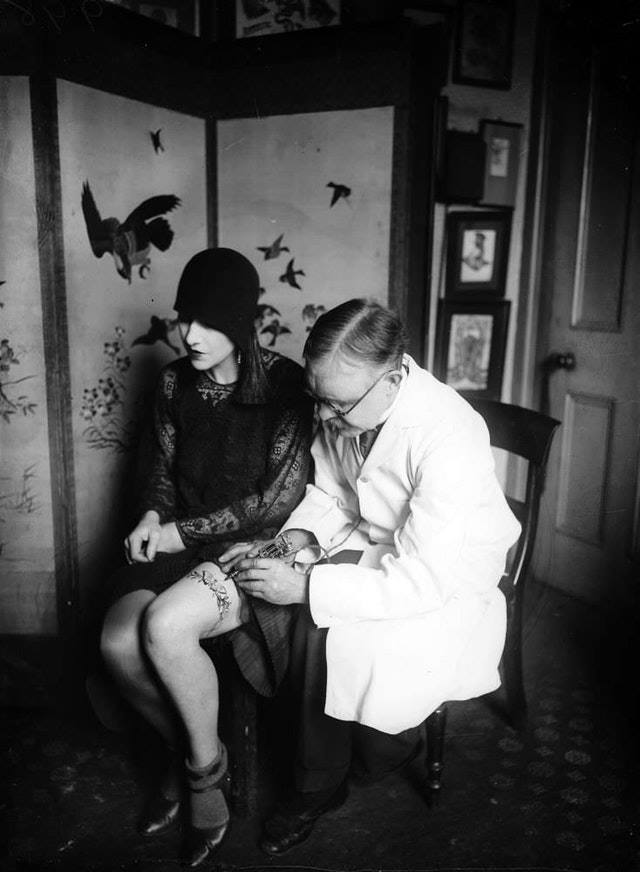
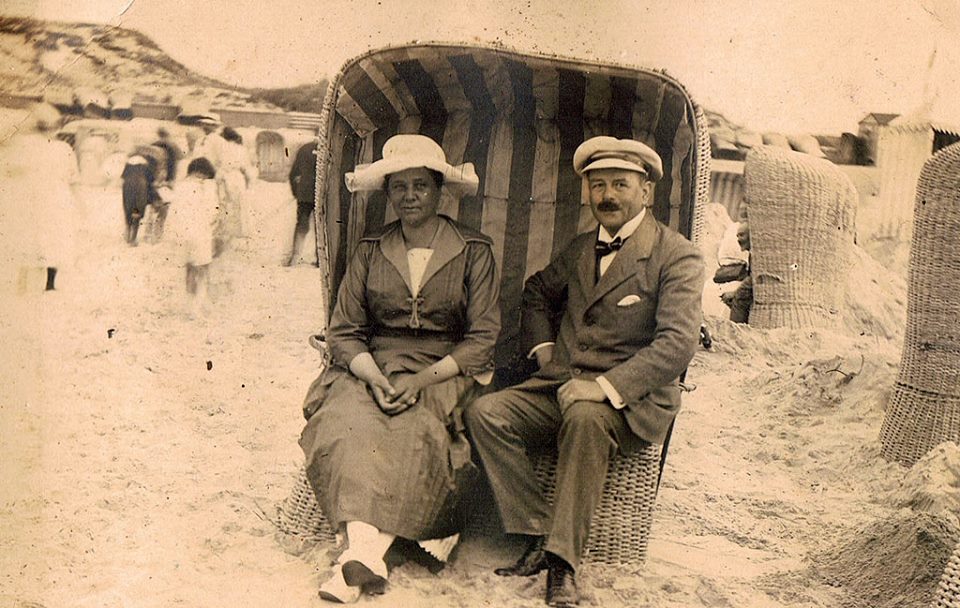
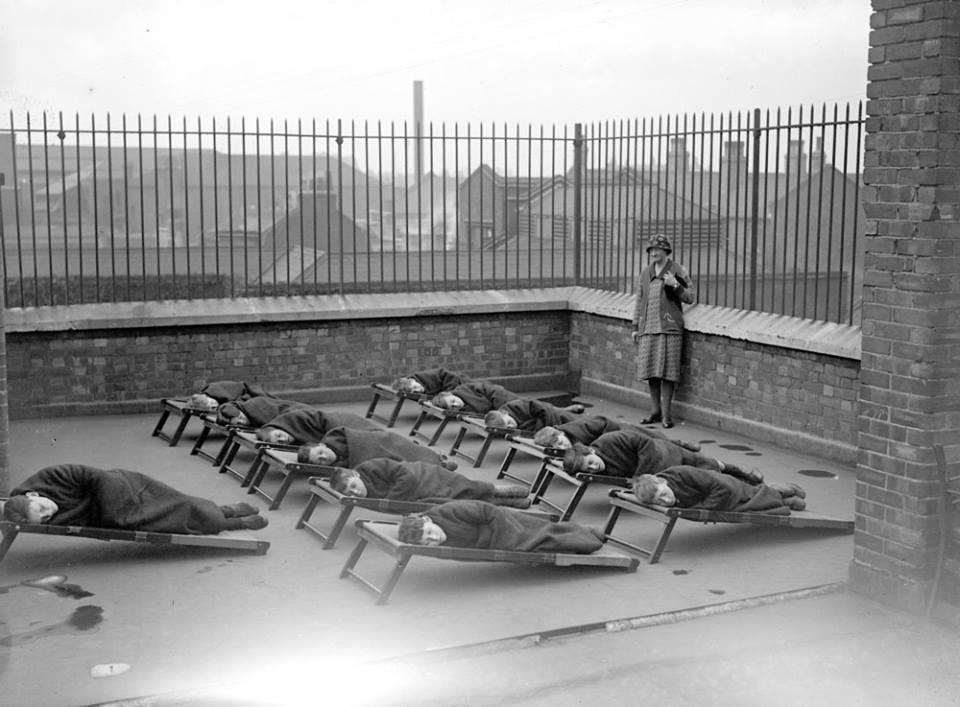
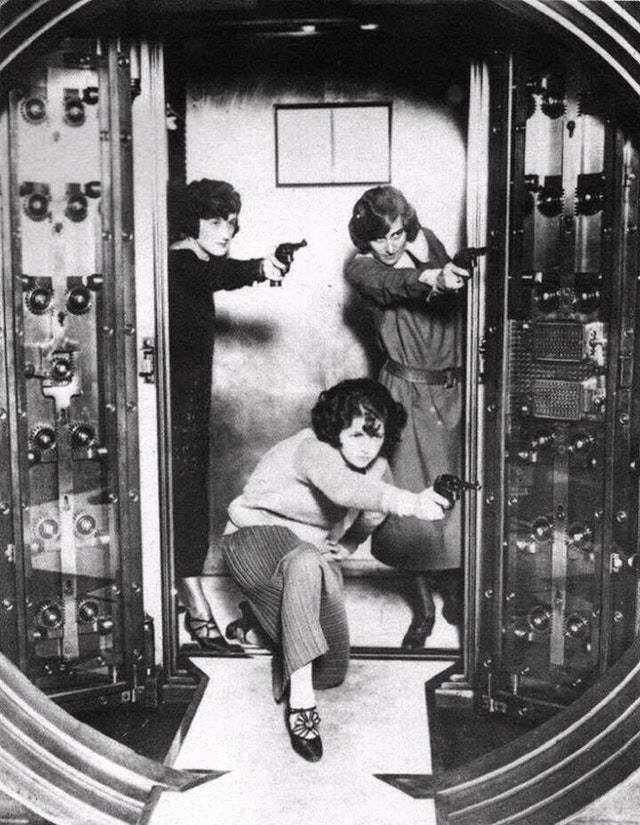
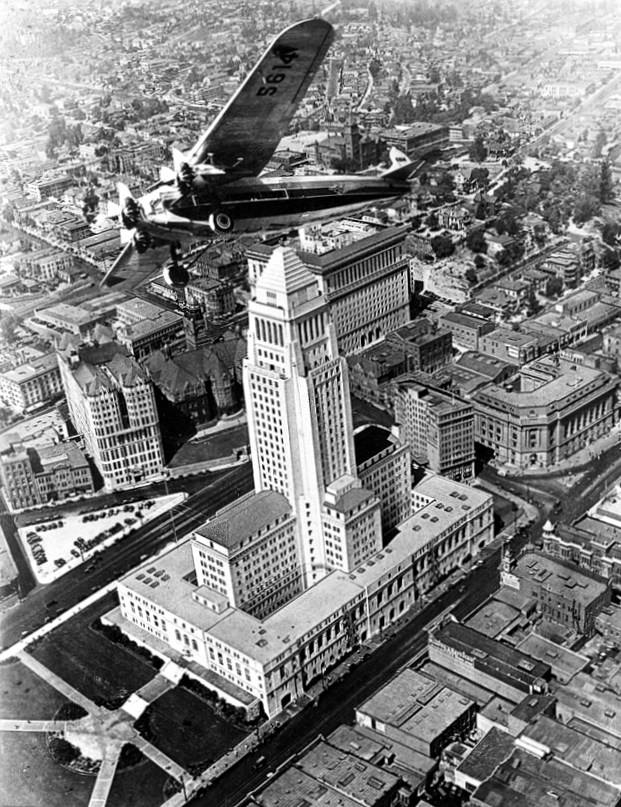
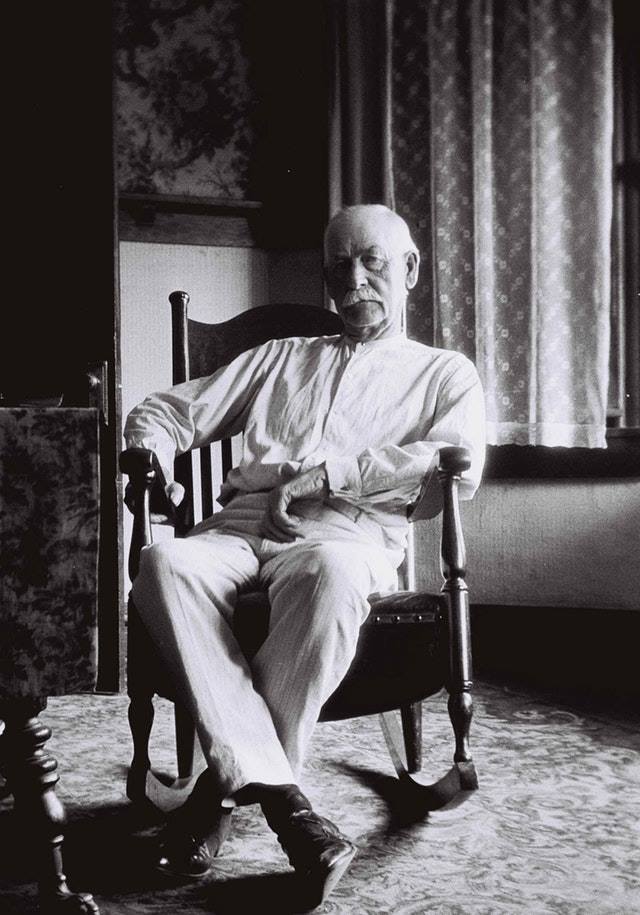
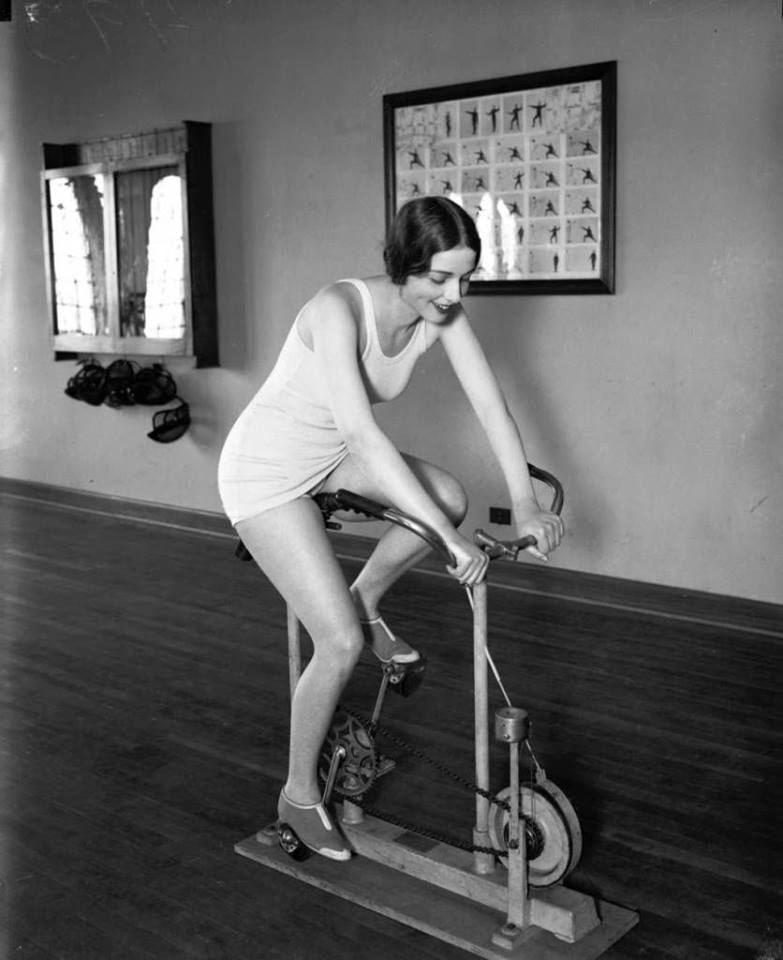
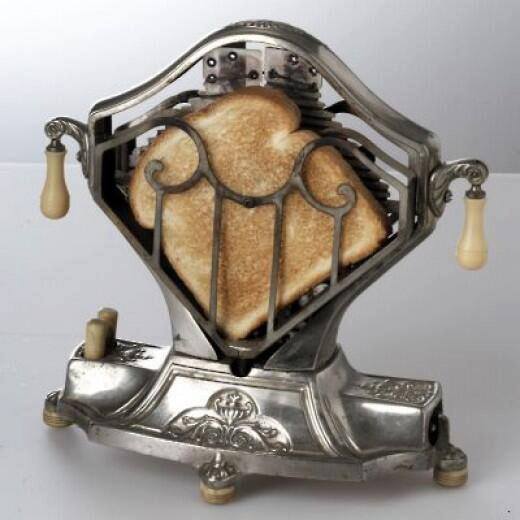
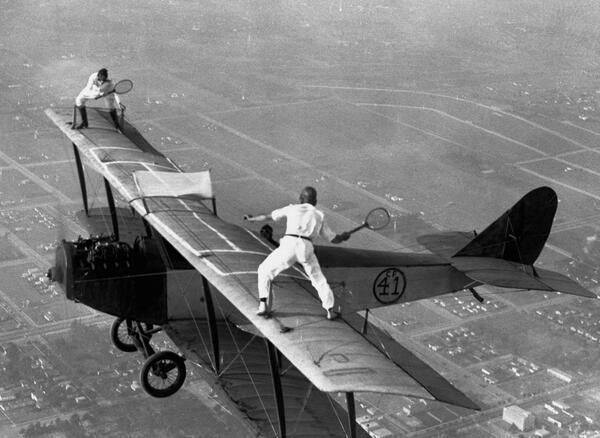
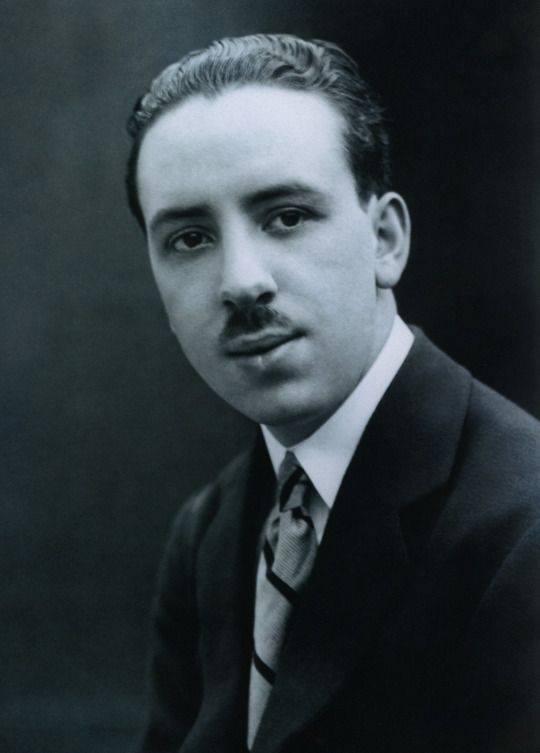
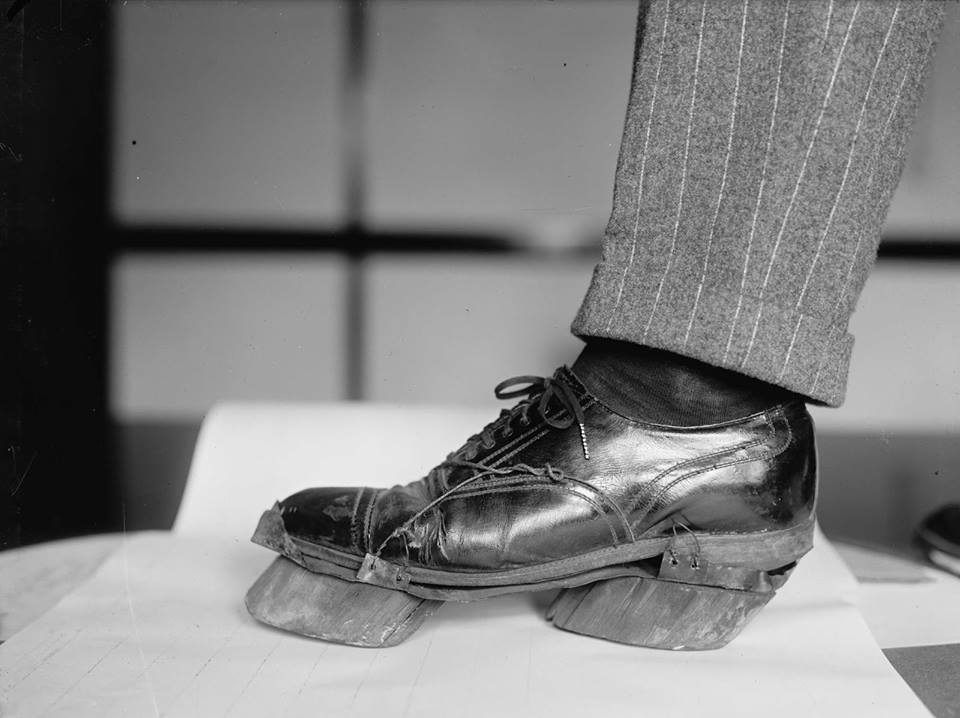
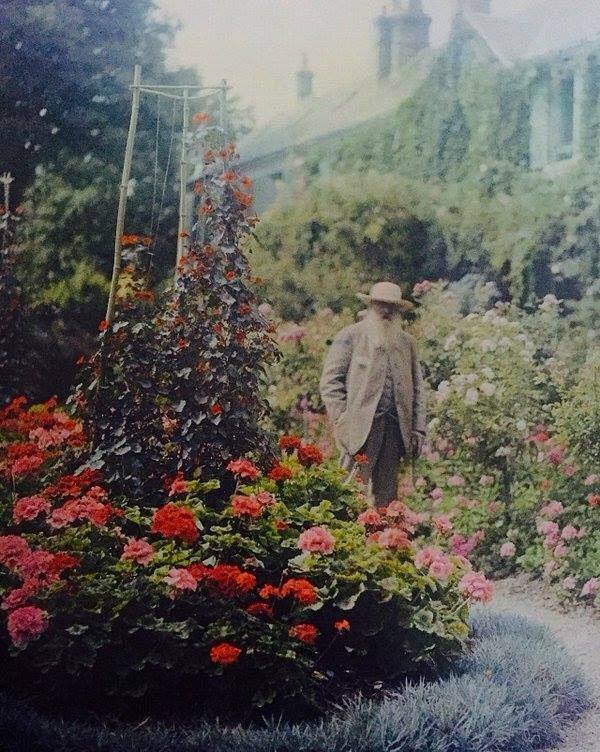
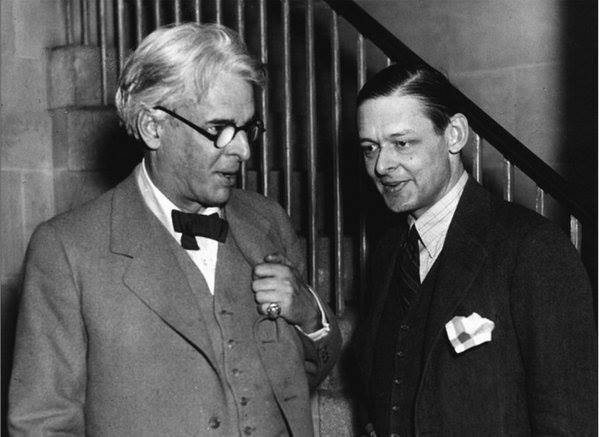
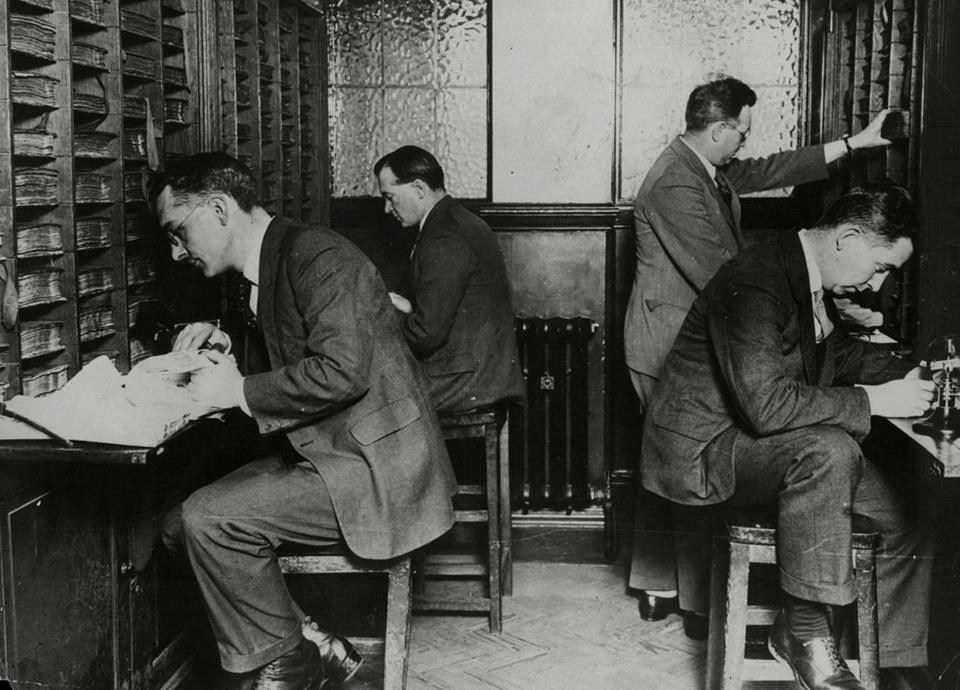
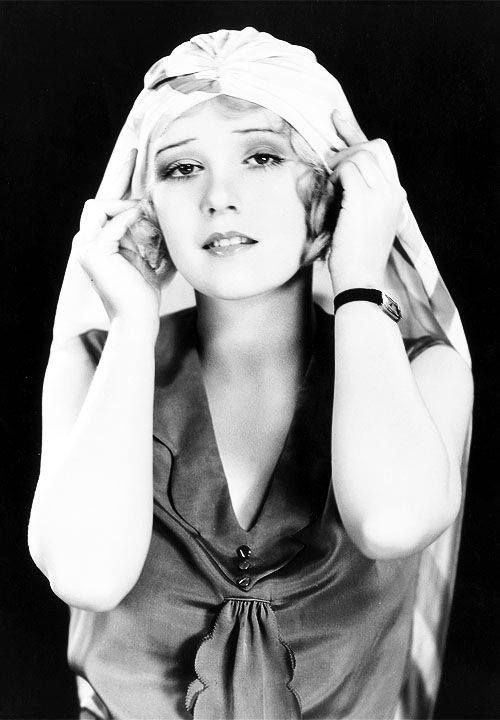
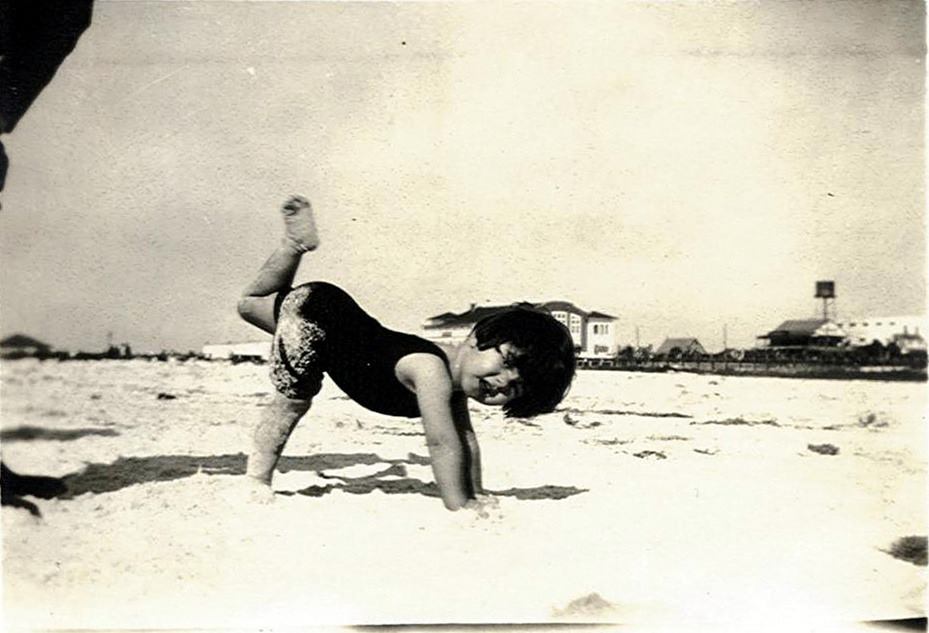
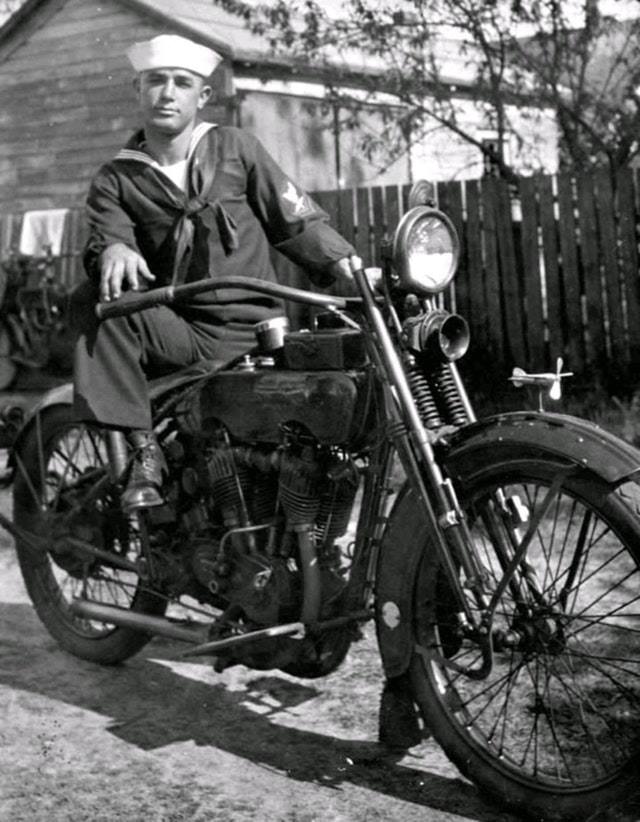
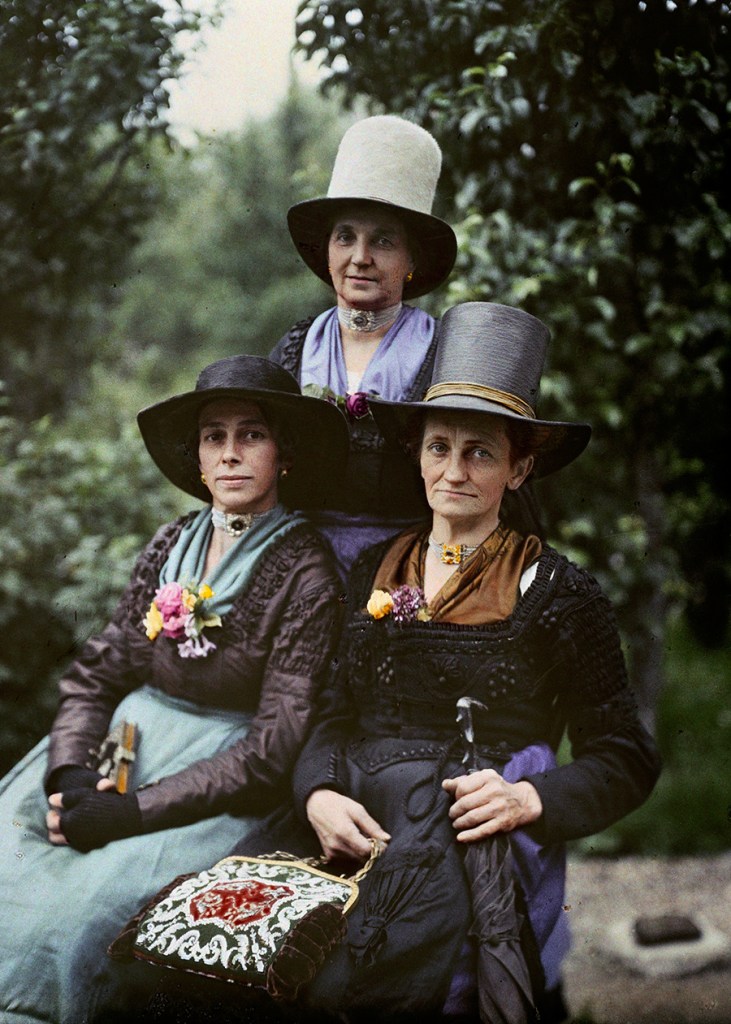
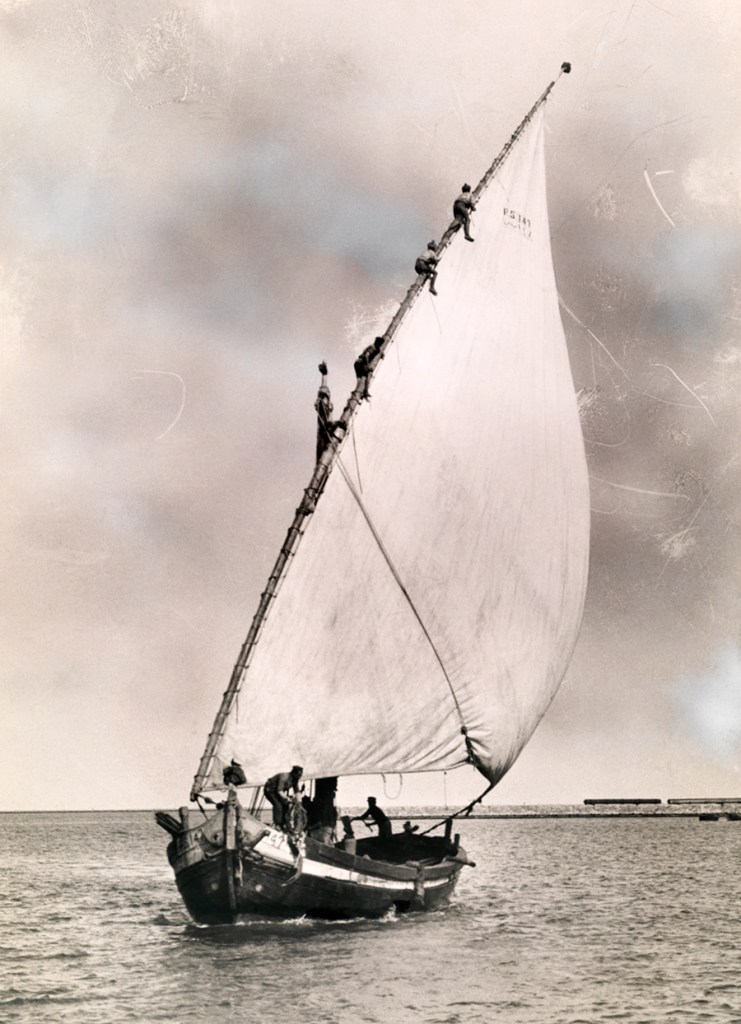
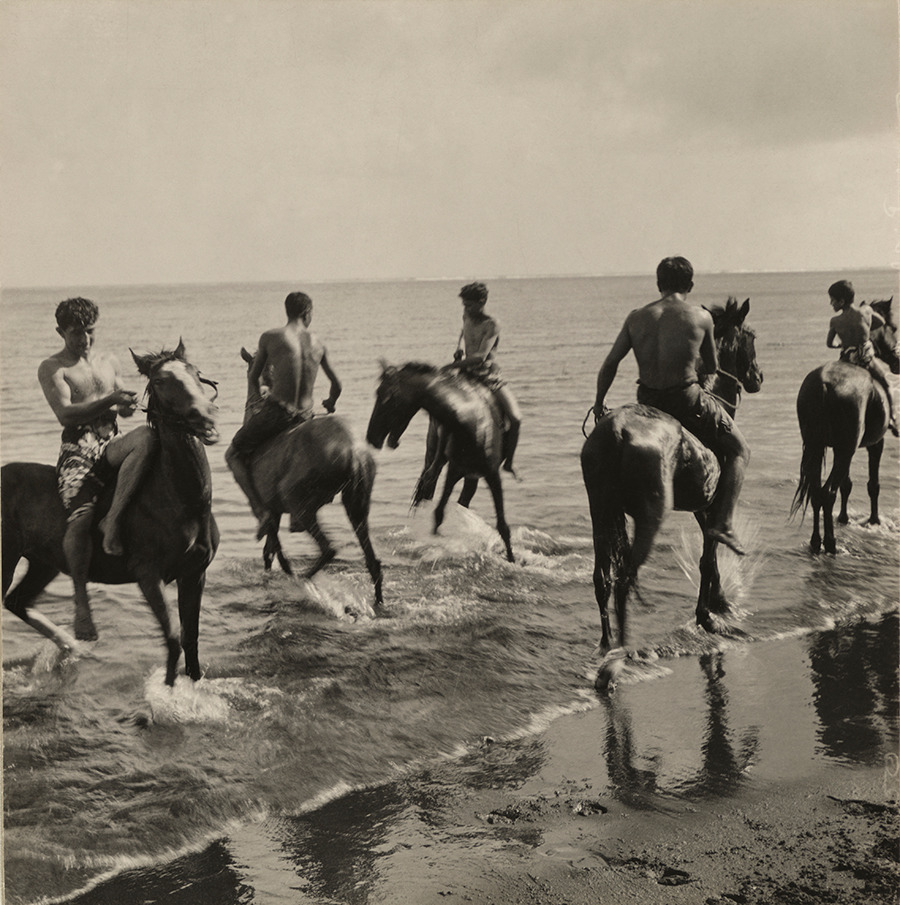
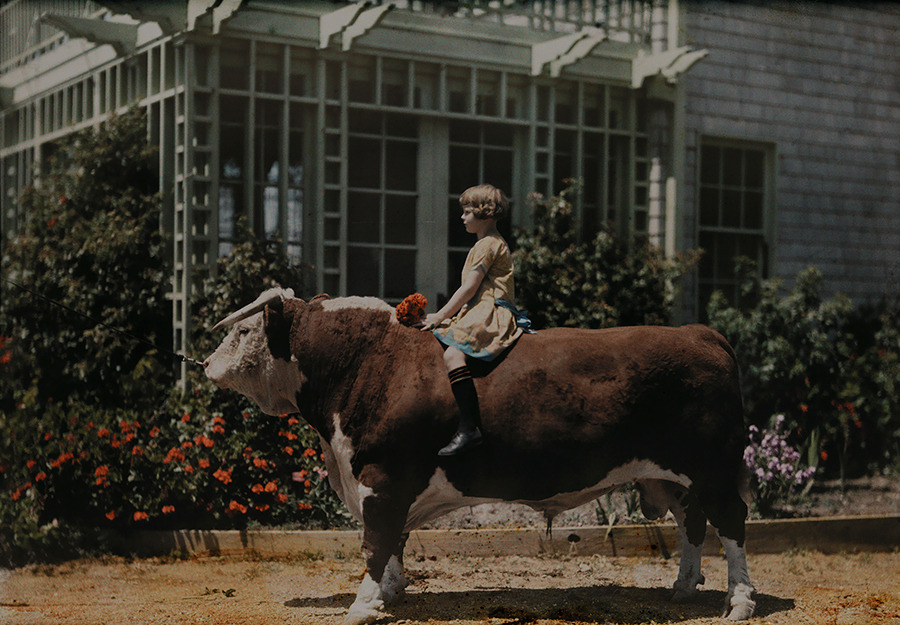
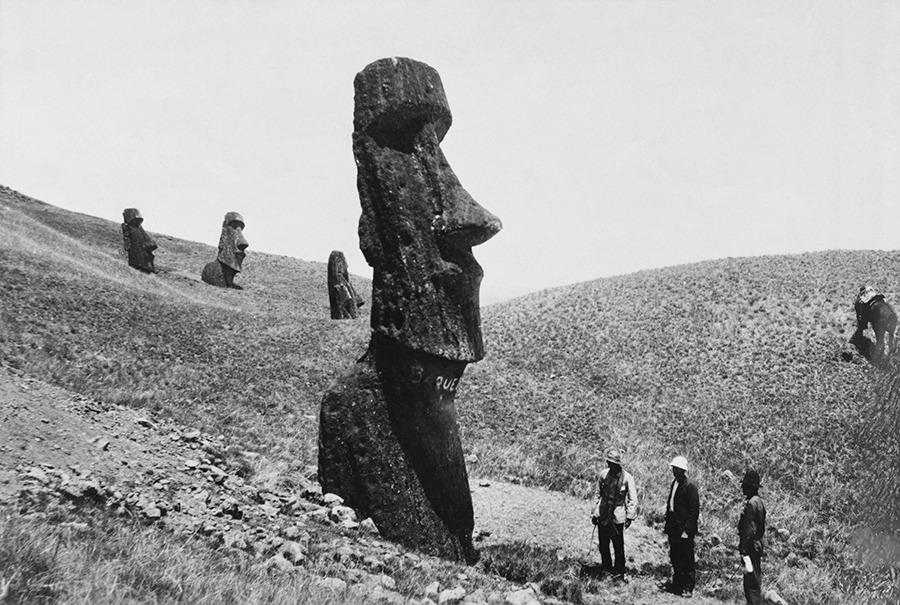
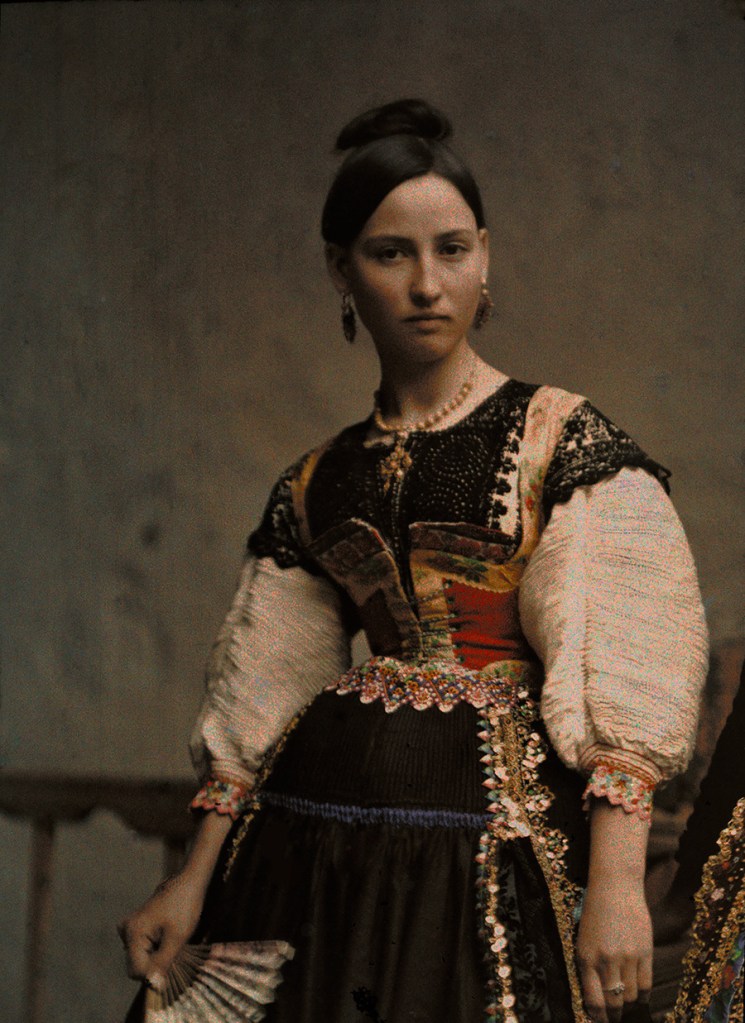
Women at Long Beach, New York, 1920s.Mary Pickford turns Hollywood Blvd into Santa Claus Lane, 1928.Girl with her doll, 1920.Couple at the beach, 1921.Children sleeping on the roof of a school, for orphans, 1920s.The winner of a beauty contest in 1922.Minneapolis women lining up to vote for the first time in a presidential election, 1920Three employees of the Cleveland Trust Company being trained to defend the main vault in the company’s office, 1924.Ford Tri-motor airplane flying over Los Angeles City Hall, 1929.City celebration, Manhattan, NYC, June 13, 1927.Clara Bow, 1927.Wyatt Earp in 1923.Edmonde Guydens dances at the Moulin Rouge, 1926.1927 – President Calvin Coolidge poses for a picture with a group of Native Americans outside the White House, three years after the 1924 Indian Citizenship Act. STUNNING images of the indigenous Native Americans have been brought back to life through vivid colourisation. The remarkable pictures show the group during the 1920s, with some of the leaders meeting with then American president, Calvin Coolidge, at the White House. Models at the 1920 Radio Worlds Fair in New York.Working out on a stationary bike in the 1920s.Art Deco toaster from the 1920s.Two daredevils play a game of tennis on a flying airplane above Los Angeles, 1925.Woman on a penny-farthing, Chicago, 1922.An unconscious Babe Ruth on the ground after running into a wall chasing a fly ball, he would regain consciousness five minutes later and get two more hits in the game. 1924Flapper getting a tattoo on her thigh in the 1920s.Alfred Hitchcock, 1923.Cow shoes used by Moonshiners in the Prohibition days used to evade police, 1924.Claude Monet in his garden, 1921.Poets W. B. Yeats and T. S. Eliot together in 1925.Rolls Royce interior, 1926.The Fingerprint department at Scotland Yard police station, 1928Bill Harley and Arthur Davidson after a day of fishing in 1924.Anita Page was known as “The Girl with the Most Beautiful Face in Hollywood,” and was one of the most popular leading ladies during the last years of the silent screen era. In 1929, she received over 10,000 fan letters a week, second only to Greta Garbo.Ruth Malcomson won the title of Miss America in 1924, at the age of 18. Malcomson, a native of Philadelphia, was the amateur winner in the 1923 contest.Hollywood film cutter Gladys Baker at the beach with her 3 year-old daughter Norma Jeane (who would later to become Marilyn Monroe).Marlene Dietrich, Anna May Wong and Leni Riefenstahl at the Pierre Ball in Berlin, 1928Little girl on beach, 1920s.Sailor on his 1925 Harley-Davidson.Woman has stockings painted on her legs in 1920.A tea party with bunnies, 1927.A woman leans on the entrance to one of Bordighera’s gardens in Italy, 1928.Women sit for a portrait in Salzburg, Austria, 1929.Men climb the mast of a fishing boat to furl the sail in Port Said, Egypt, 1924.People relax beside a swimming pool at a country estate near Phoenix, Arizona, 1928.Men on horseback run through the surf in Tahiti, 1922.A man stands dwarfed under the Ape-Ape leaves of Puohokamoa Gulch in Maui, Hawaii, 1924.A child sitting on a Hereford bull near Pleasanton, California, 1926.Visitors play shuffleboard at a recreation center near Mirror Lake in St. Petersburg, Florida, 1929.Characters in a pageant depict “Britannia” and her colonies and dependencies, 1928.Men observe the giant statues of Easter Island in Polynesia, December 1922.Portrait of a woman dressed in clothing typical of Lagartera in Toledo, Spain, August 1924.A farmer buring the hoof of a horse before shoeing it in Scotland, May 1921.A man and his dog on the Overhanging Rock in Yosemite National Park, May 1924.A group of people gather round and watch a snake charmer at work in India, 1923.