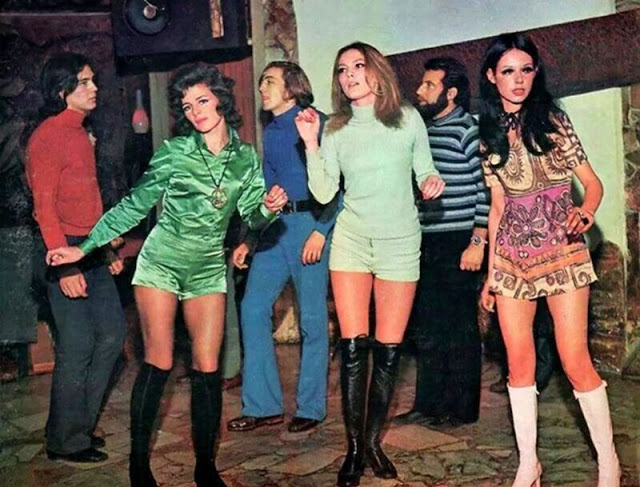
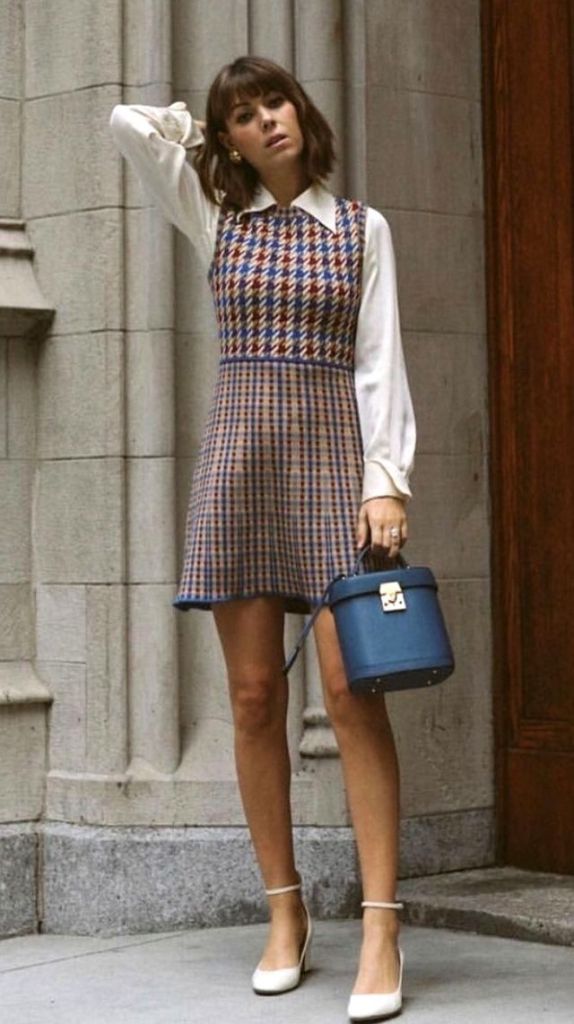
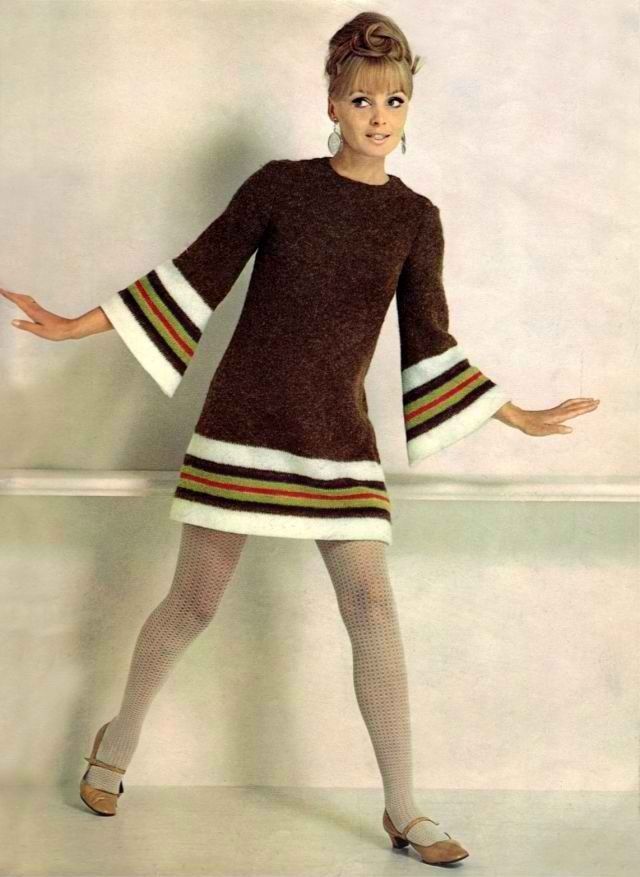
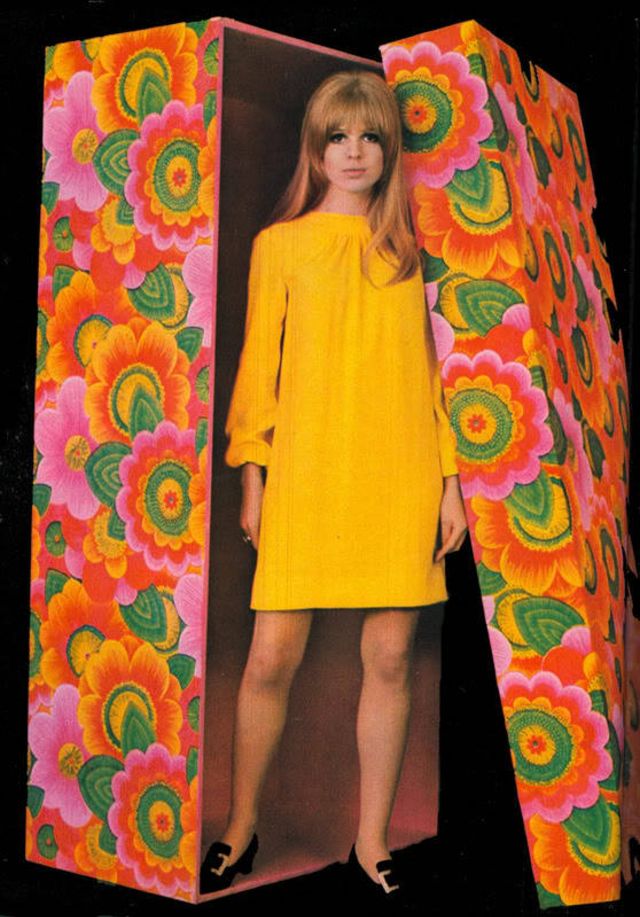
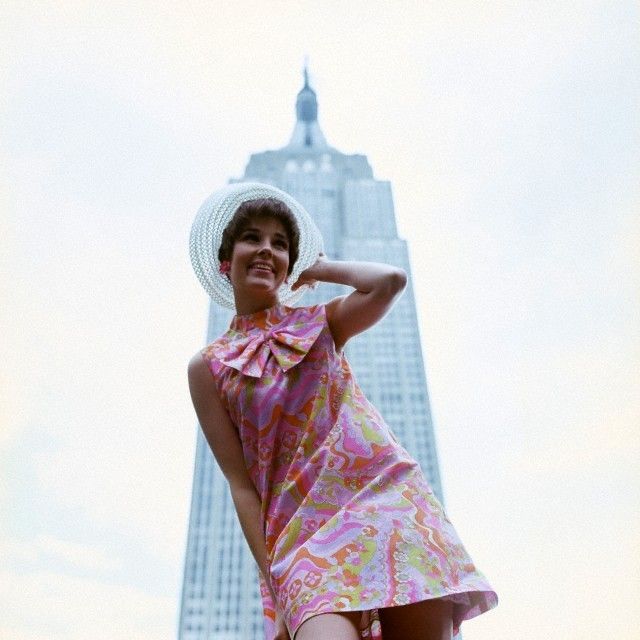
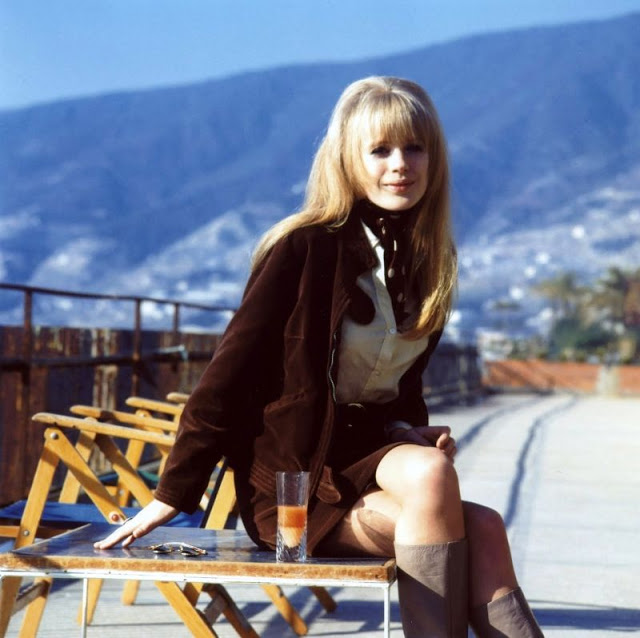
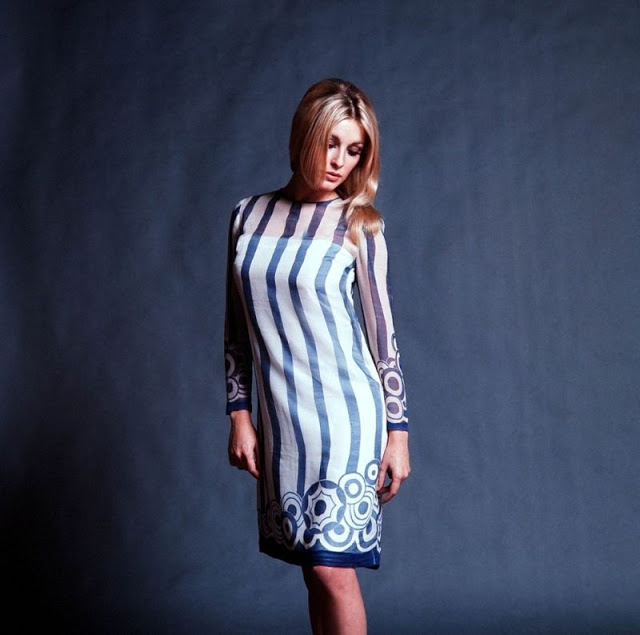
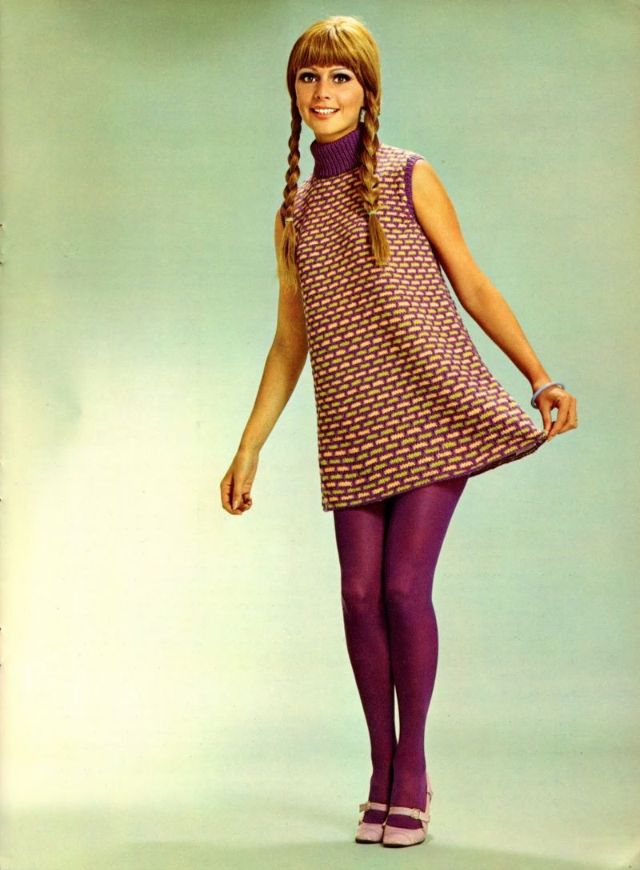
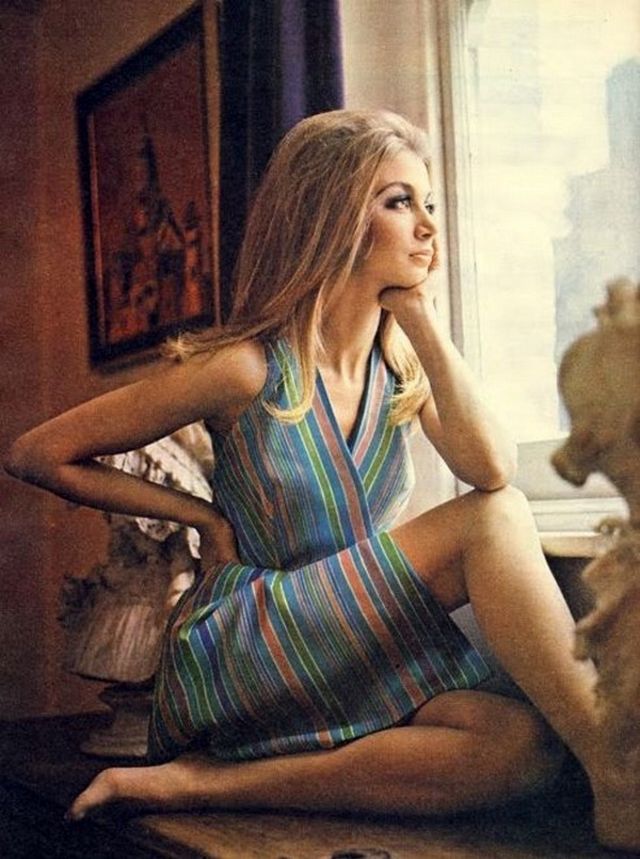
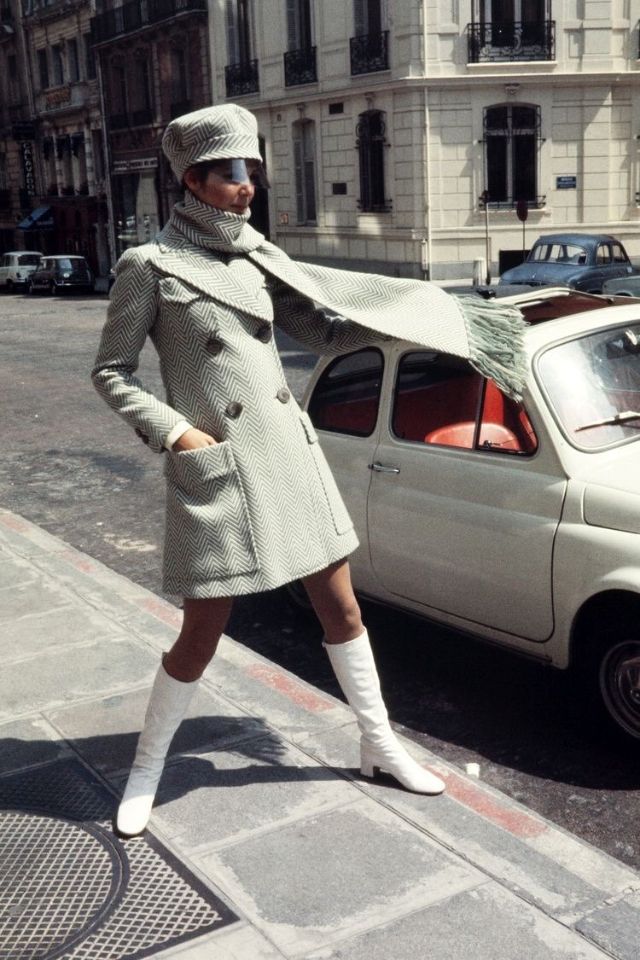
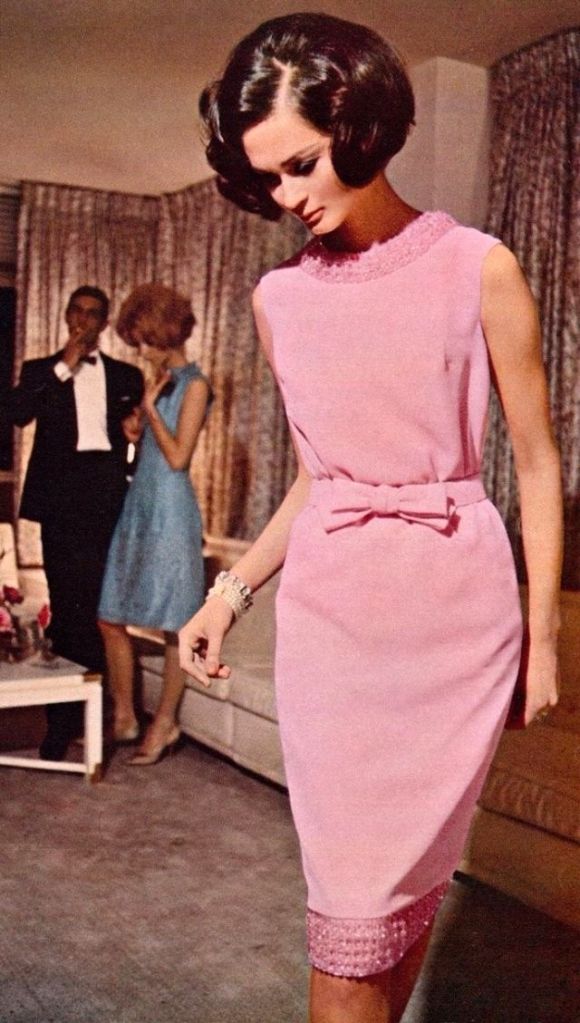
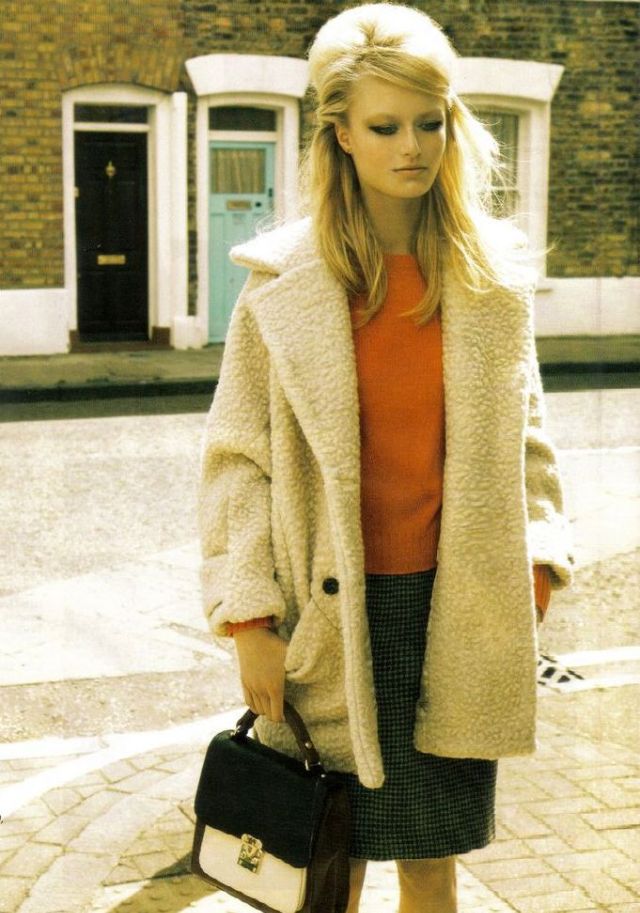
There’s no denying that the ’60s were one of the most impactful eras in fashion. Setting the tone for modern style, the decade revolutionised womenswear with bold colours, striking cuts and a rebelliously youthful attitude. So, it comes as no surprise that 50 years on, key trends from the time continue to influence designers, stylists and fashion-lovers the world over.
The swinging sixties were a time where traditions were broken, and self-expression was encouraged. Influenced by the youth of the day, the decade dished up plenty of style inspiration. Moving away from the prim and proper ’50s and into rebellious new times, ’60s fashion was revolutionary.
Key fashion styles of the decade included mod, beatnik and hippie looks, all of which captured the artful, fun and free spirit of the time.
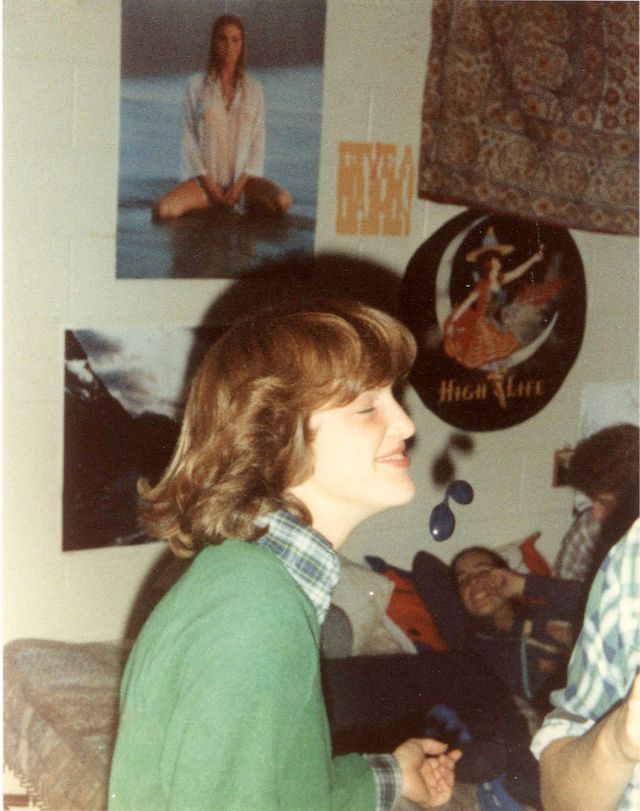
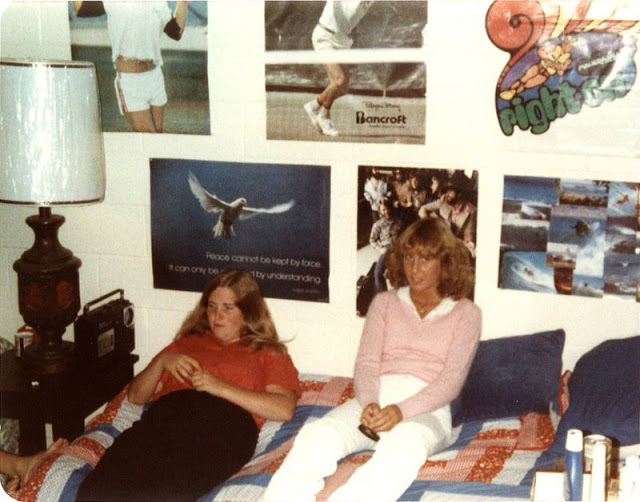
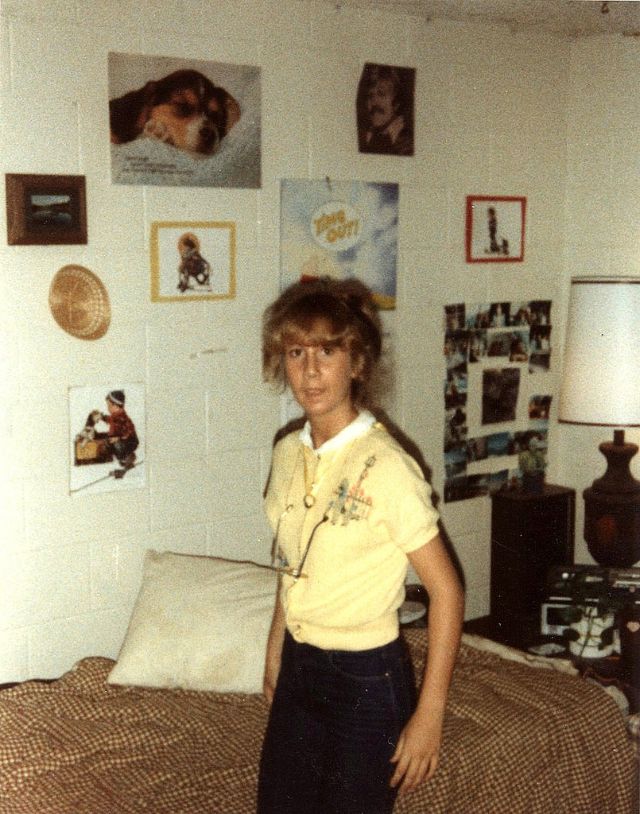
Take a look at these fabulous photos to see what fashion trends of young women looked like in the 1960s.
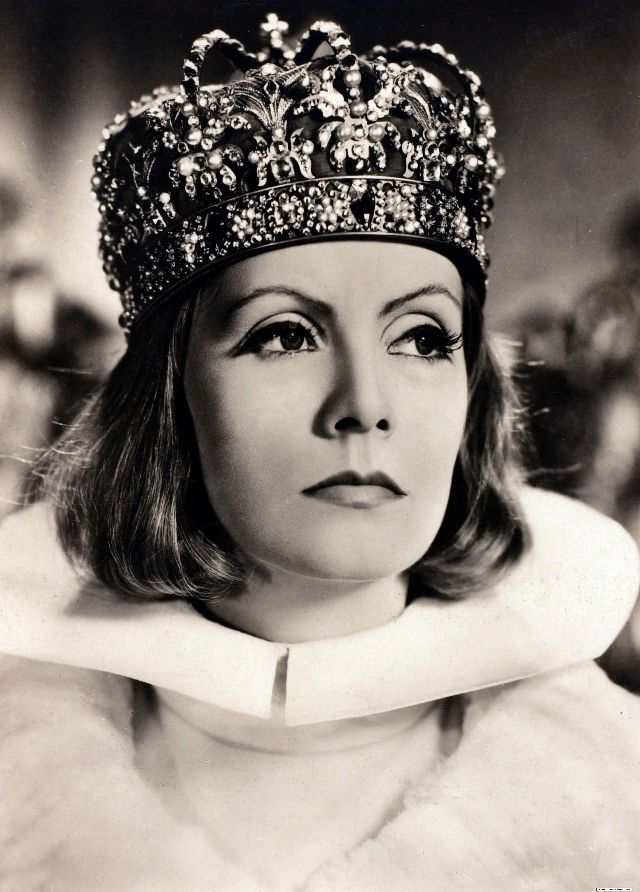
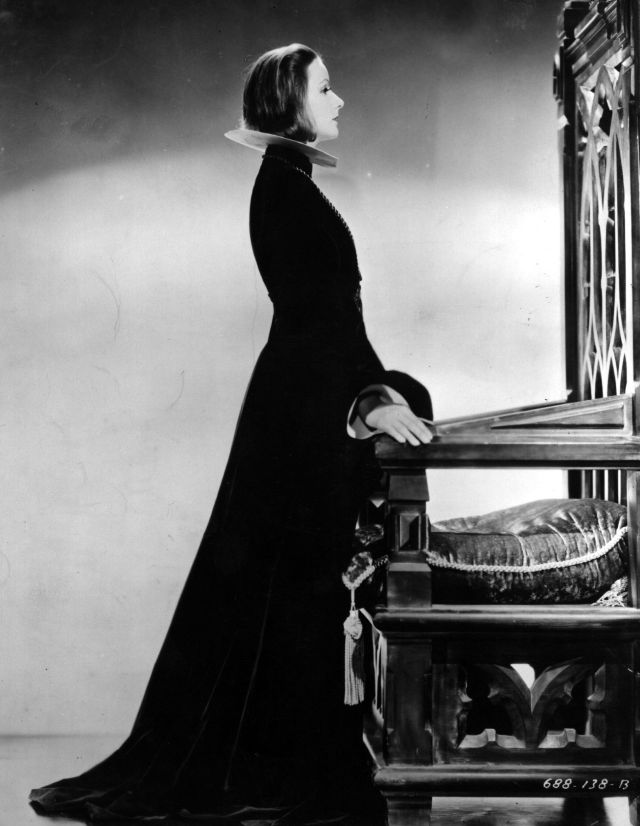
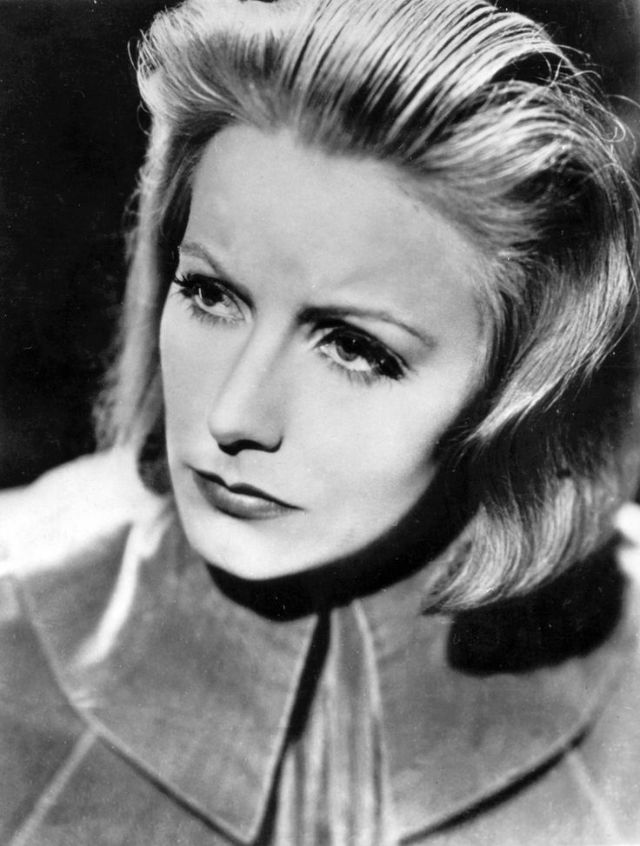
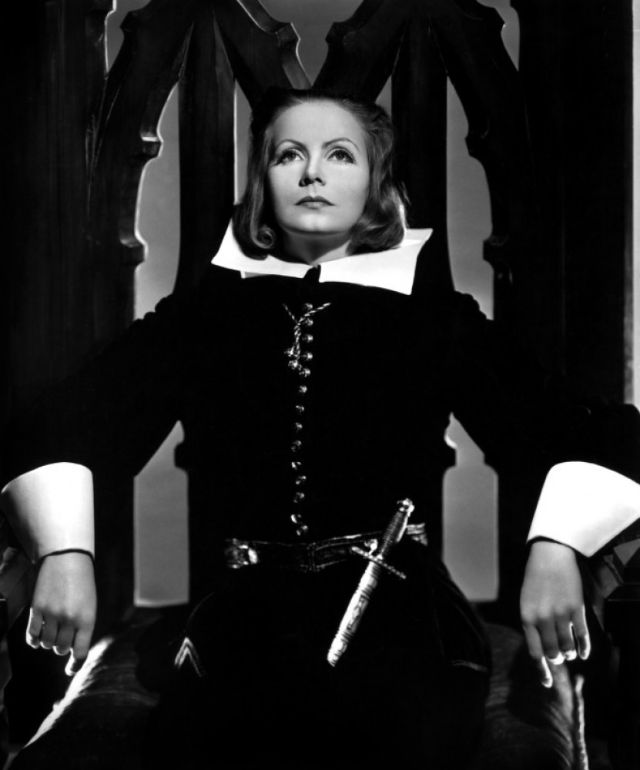
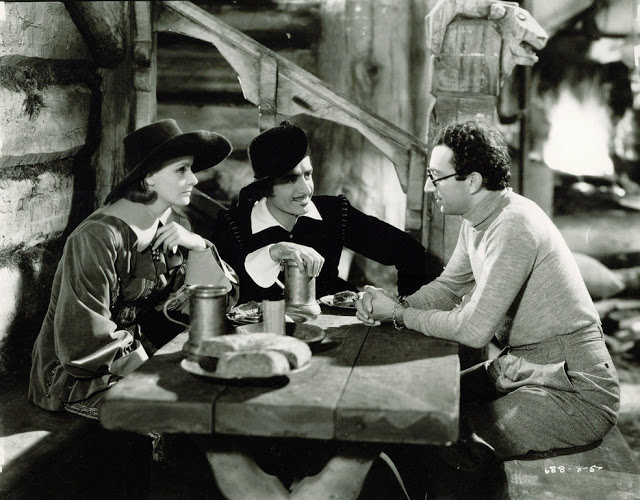
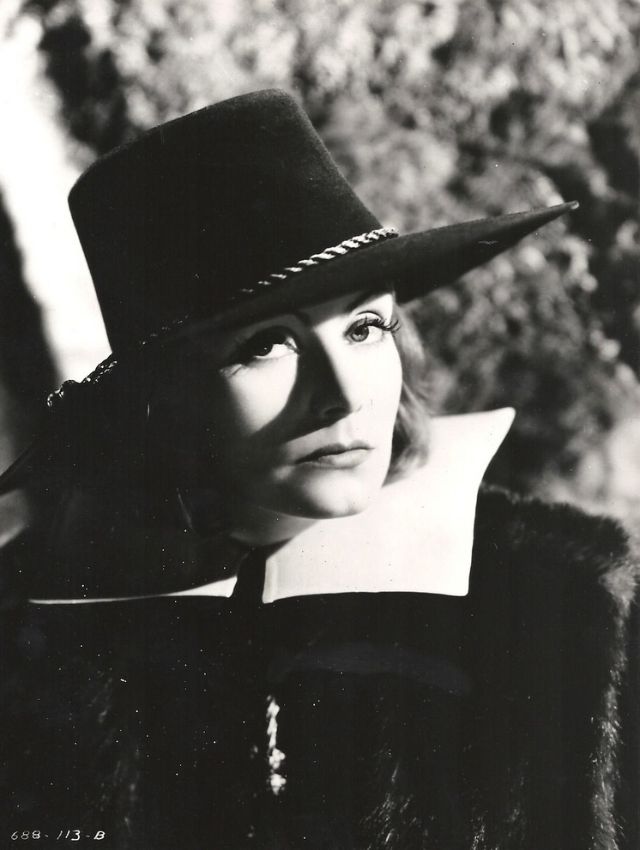
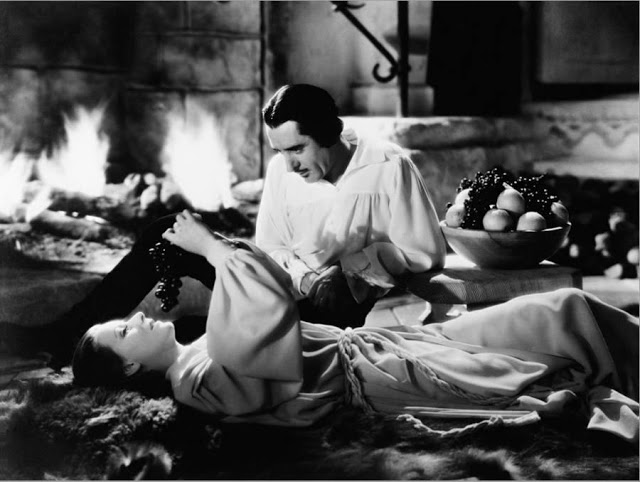
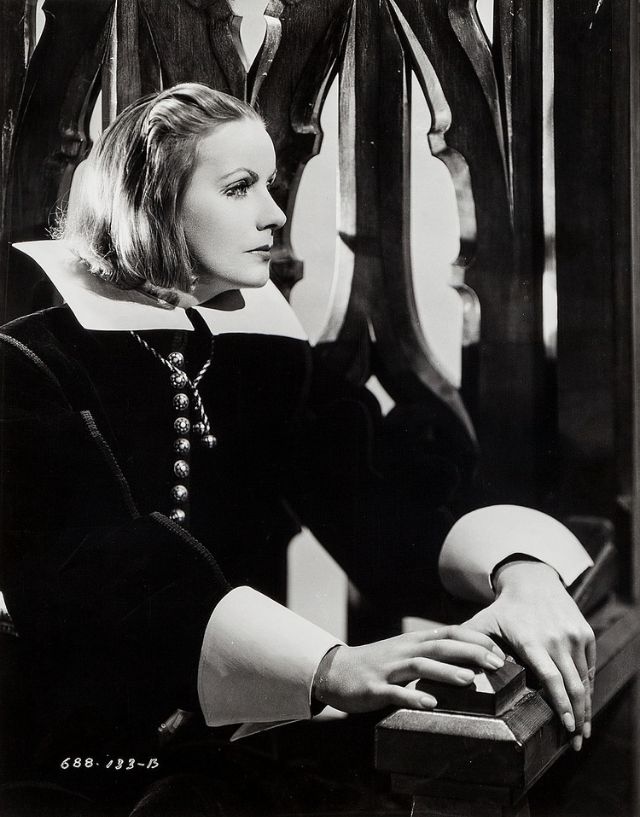
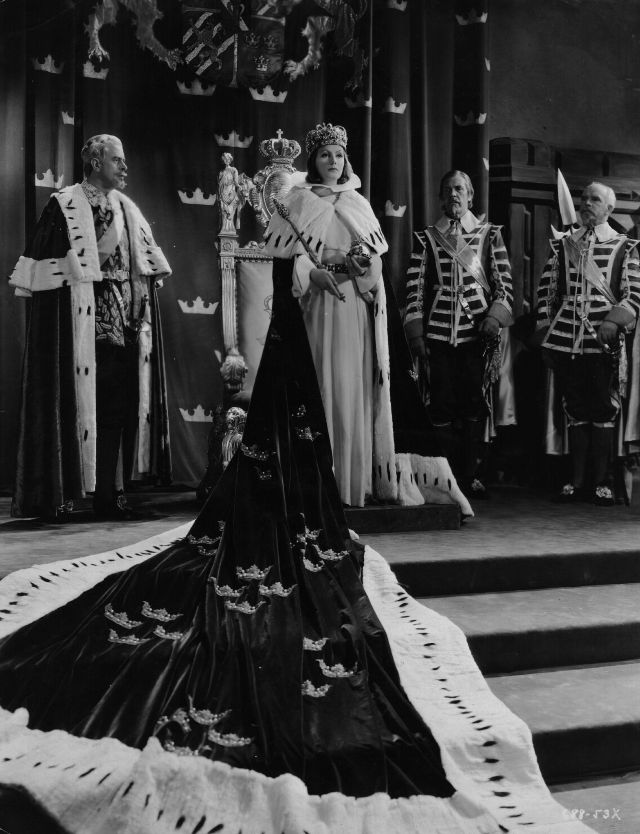
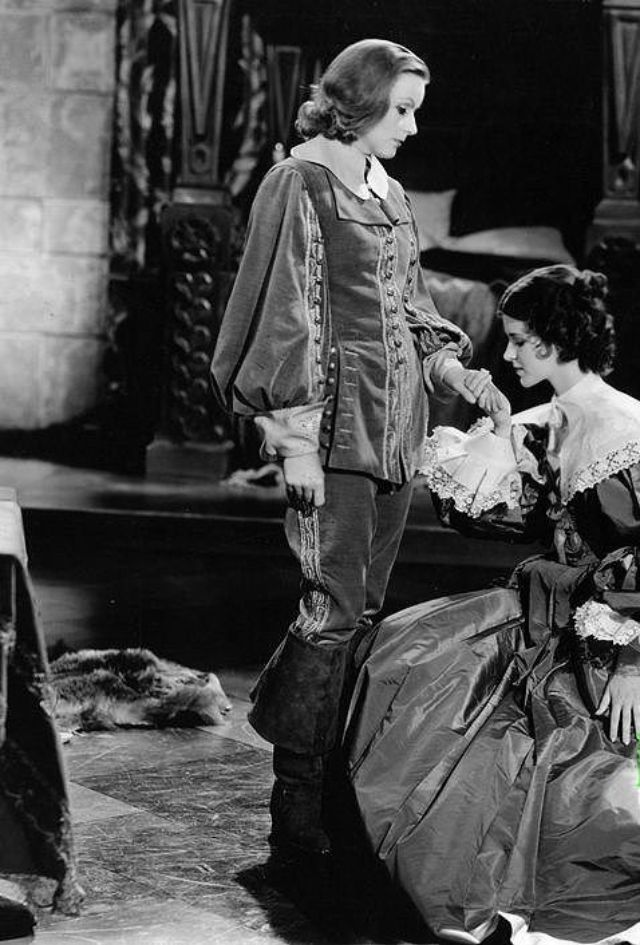
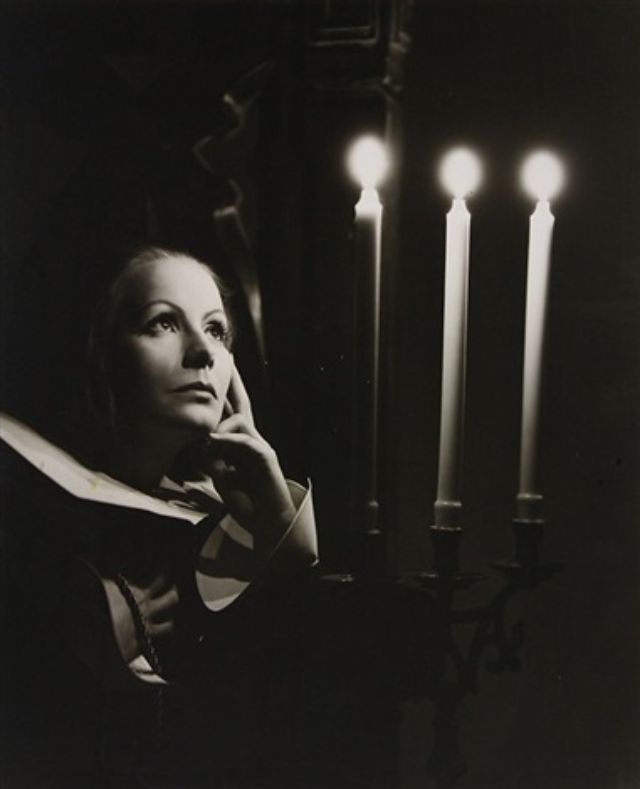
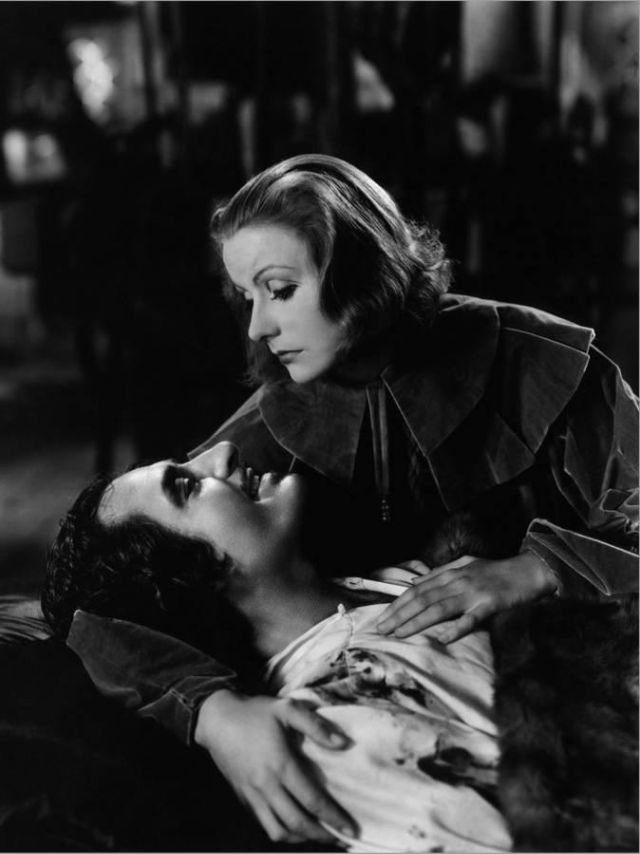
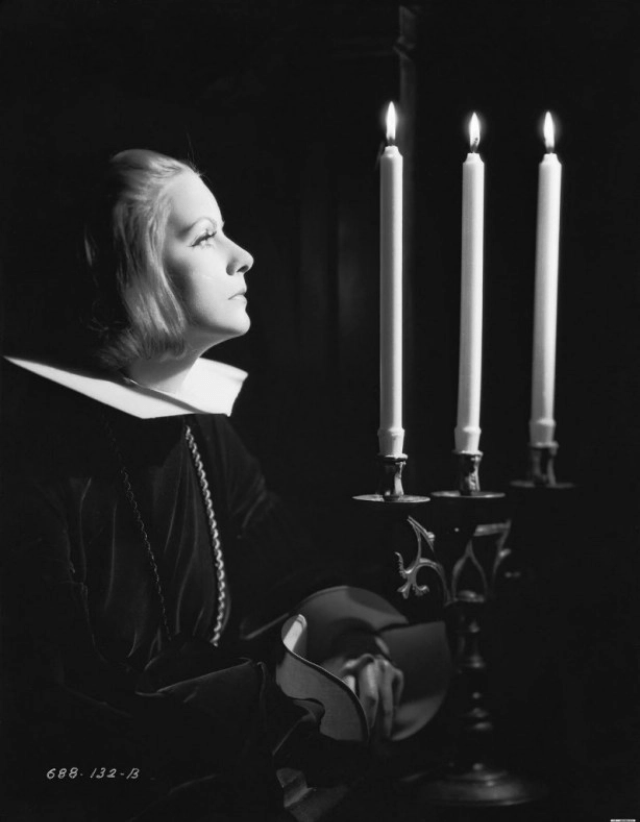
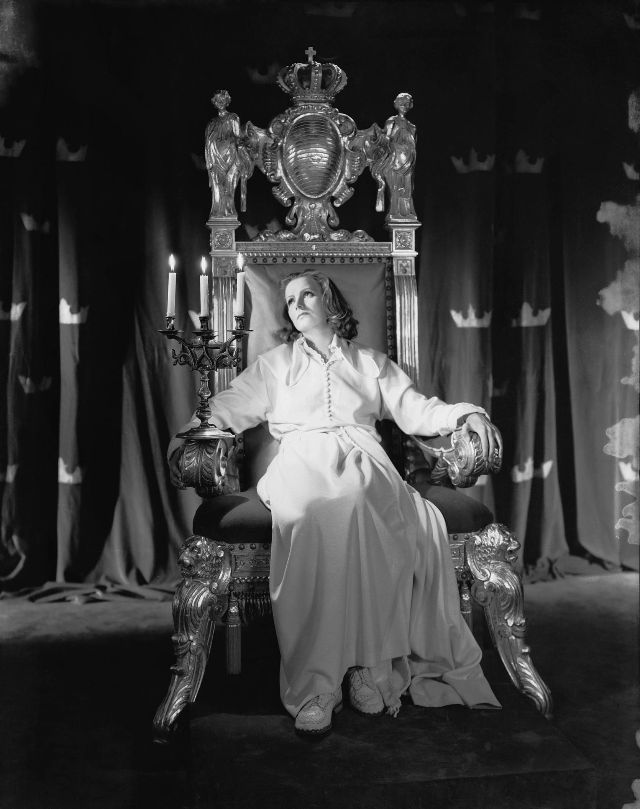
Queen Christina is a pre-Code Hollywood biographical film directed by Rouben Mamoulian, produced by Metro-Goldwyn-Mayer in 1933. It starred Greta Garbo and John Gilbert in their fourth and last film together. Upon its release, the film received numerous positive reviews. It became the box office triumph and the highest-grossing film of the year.
The film is loosely based on the life of the dominant European ruler Queen Christina of Sweden in the 17th century. As queen, she was devoted to her country and the welfare of her people. Ever since taking the throne, Christina had always rejected all sorts of serious romance and marriage. One day, when she sneaked out of town as a man in disguise to escape her royal life for a while, Christina met the Spanish envoy Antonio on his way to the capital and the two fell in love. Though able to patch up their differences after learning the true identity, their troubles kept increasing, which forced Christina to choose between her love and her duties as queen. What lay ahead of her was not a happy future.
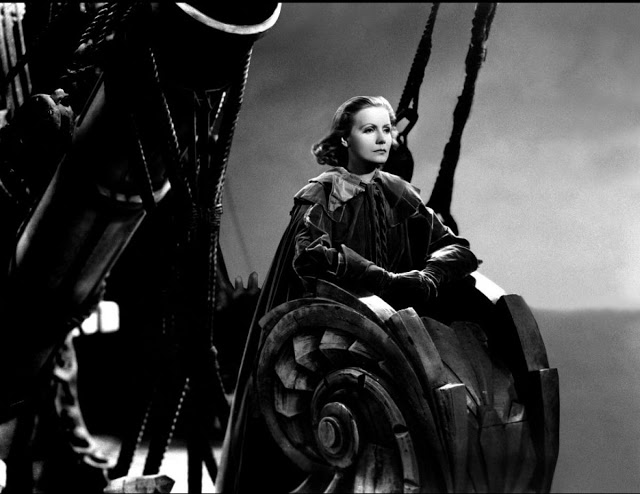
Queen Christina became one of Garbo’s most commercially successful films, recording a profit of $632,000. It is said that Garbo herself insisted on Gilbert as her co-star in order to help to re-establish his career at the rise of talkies. The film was remembered for one of the most signature scenes of Garbo, as she silently stood at the prow of the ship in the closing shot. Amusingly, this famous final close-up had the wind blowing in two opposite directions at once, one to Garbo’s hair and one to the ship’s sails. When asked of his opinion on the shot by Garbo, director Rouben Mamoulian said, “Nothing… Absolutely nothing… I want your face to be a blank sheet of paper. I want the writing to be done by everyone in the audience.”
Here, through 26 stunning photos and stills, we look at the magnificent Garbo as the daring queen of Sweden:
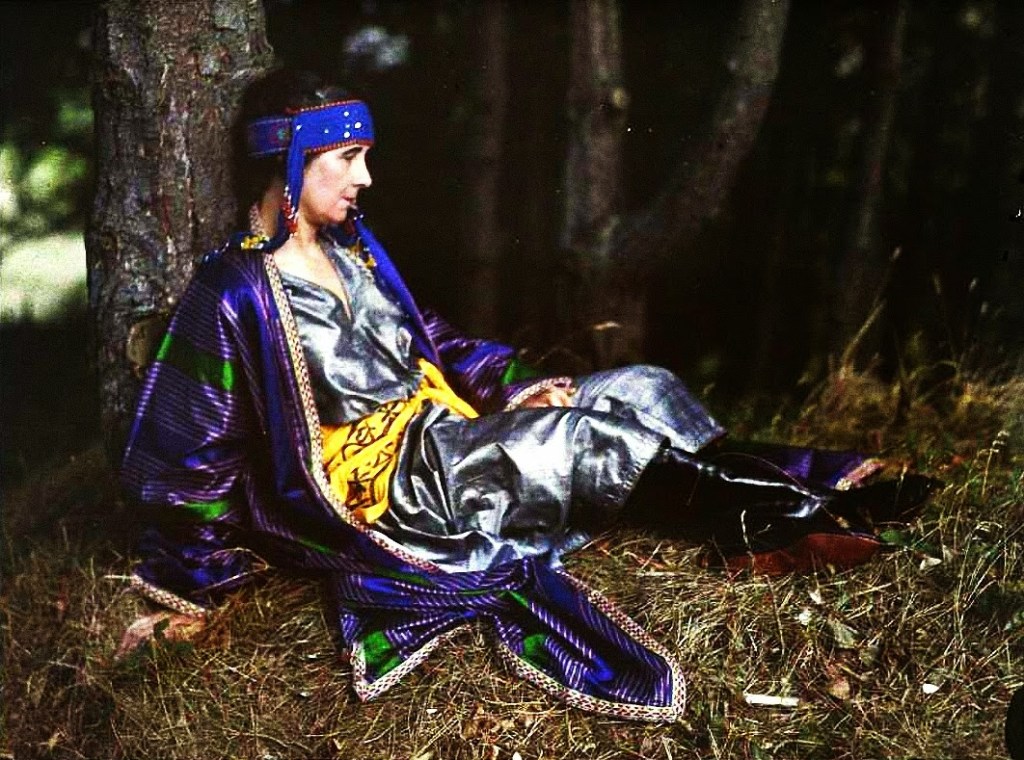
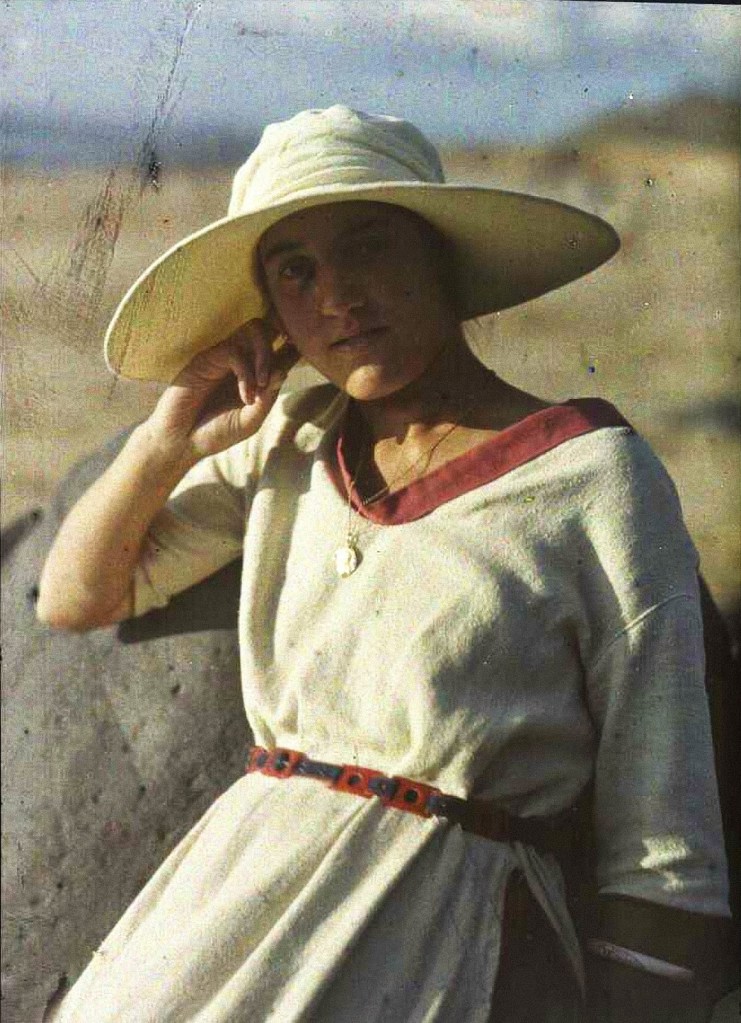
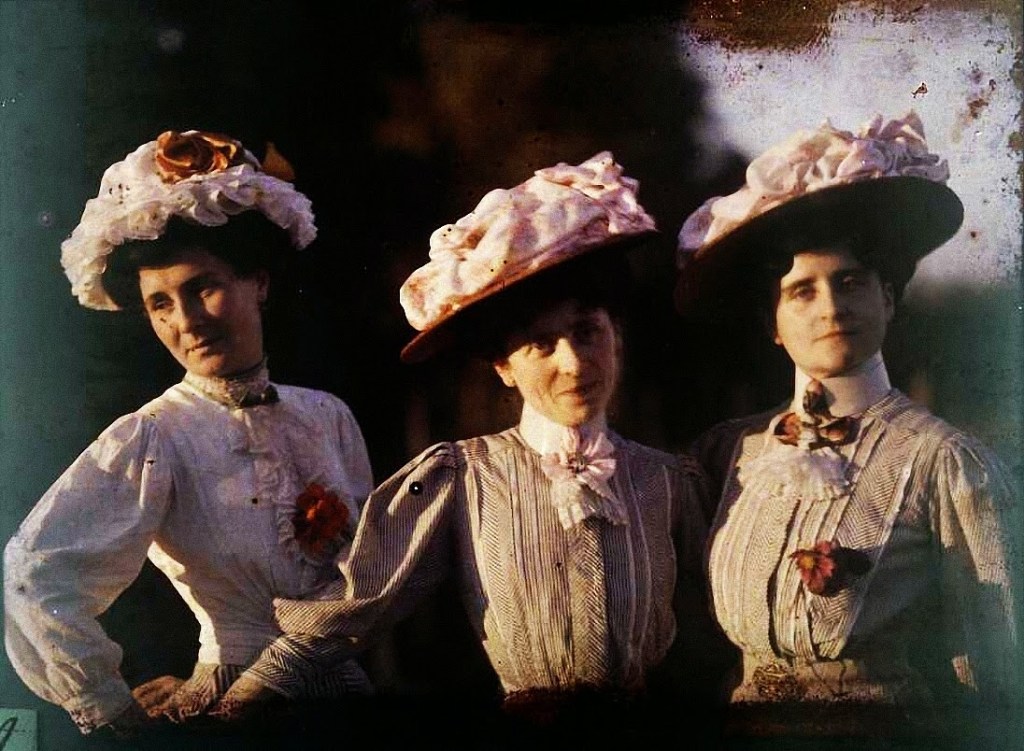
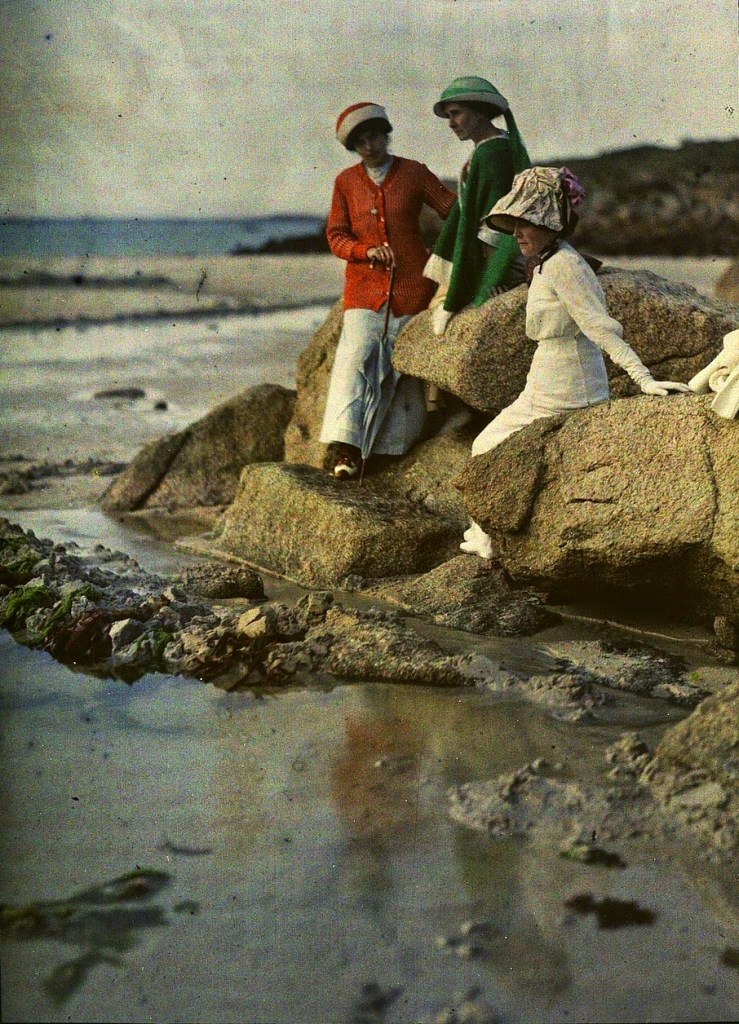
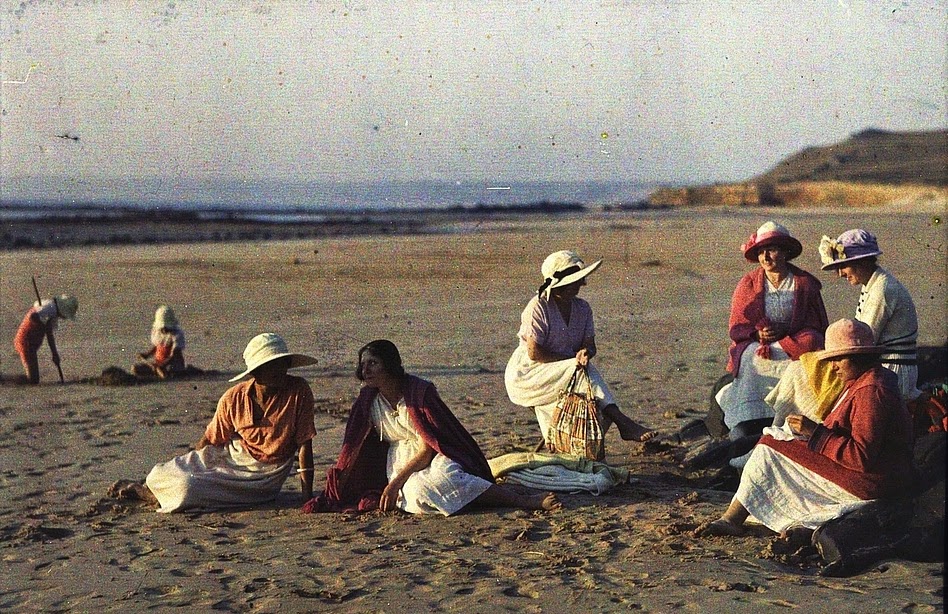
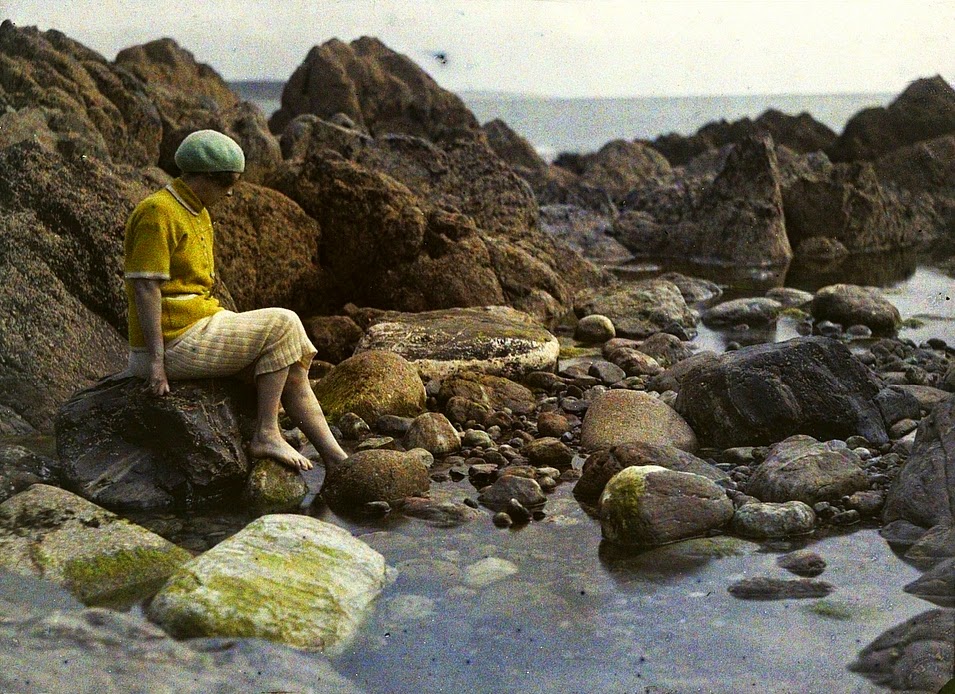
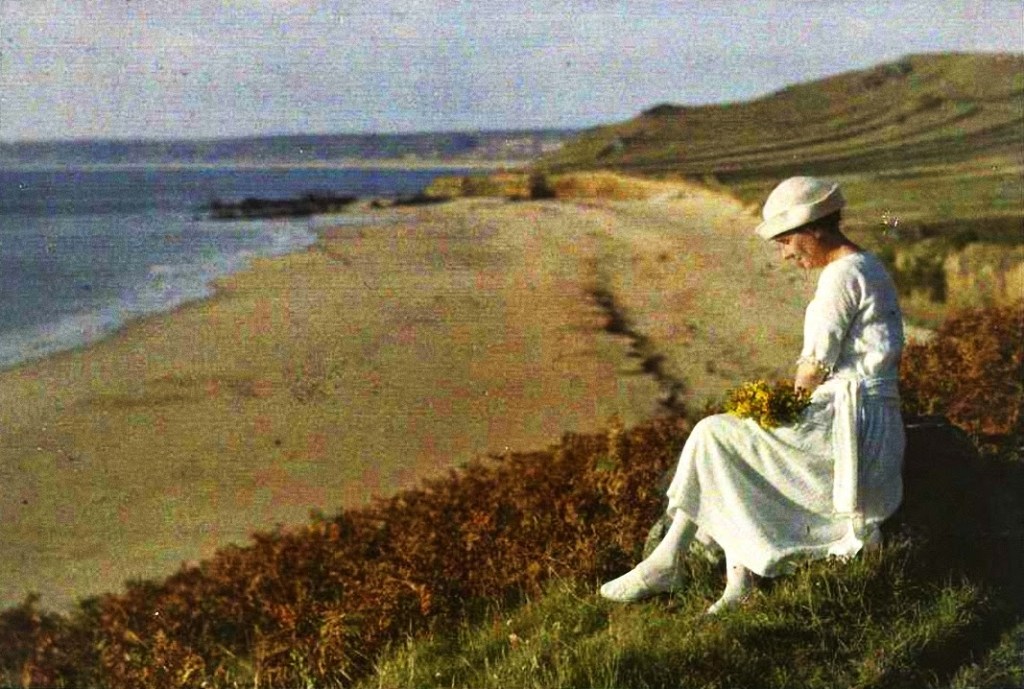
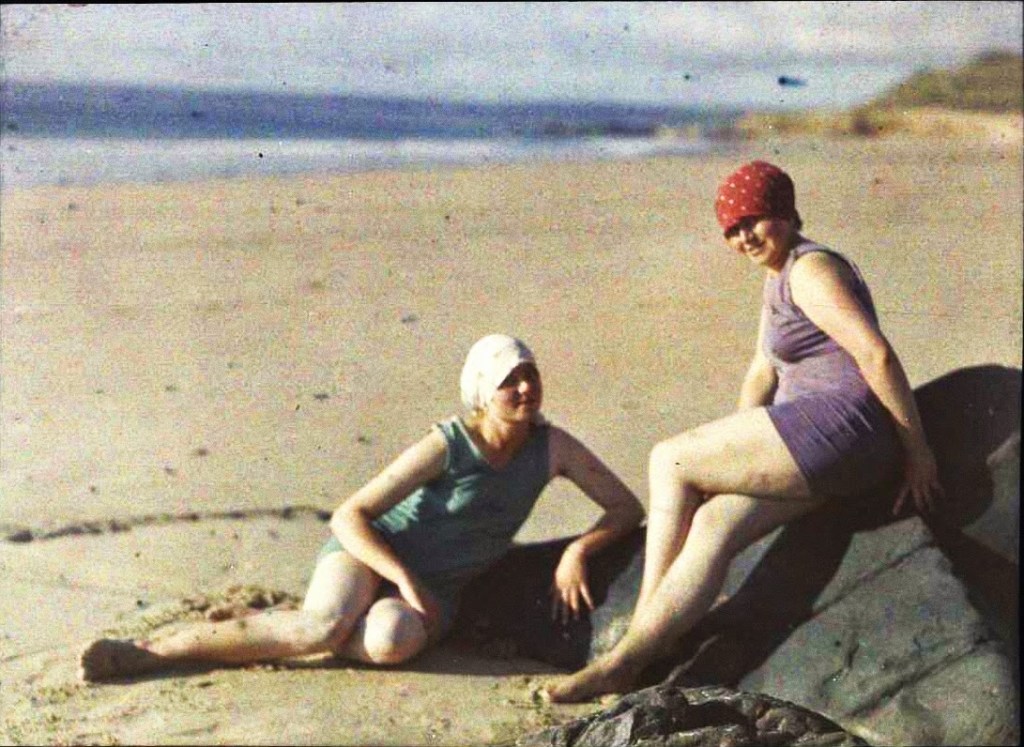
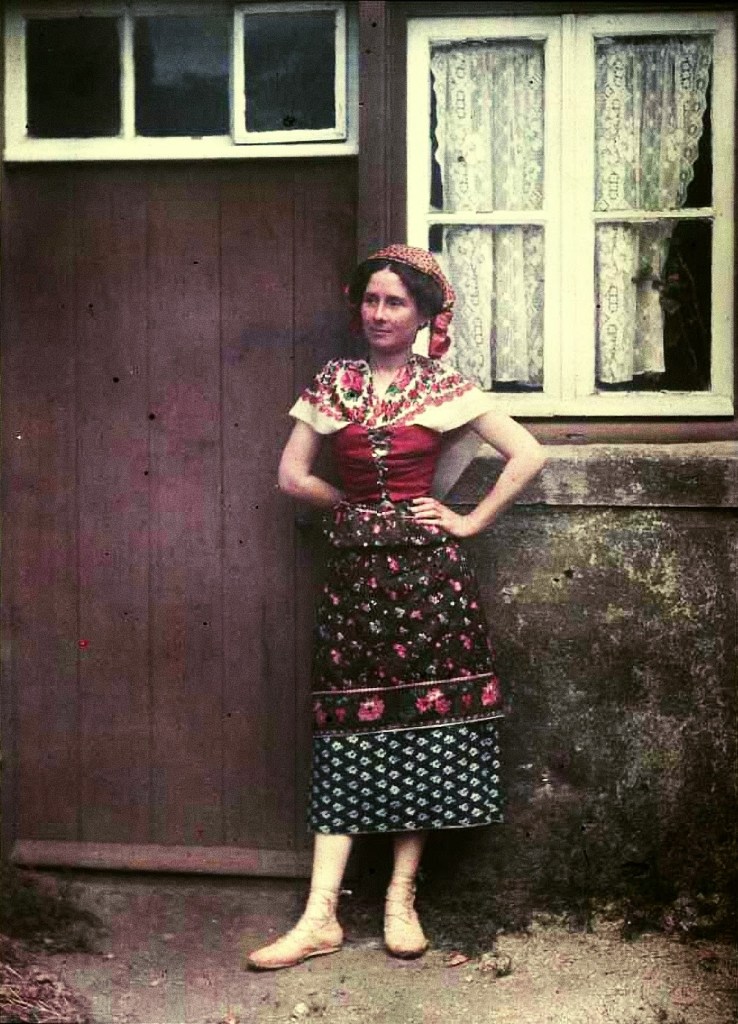
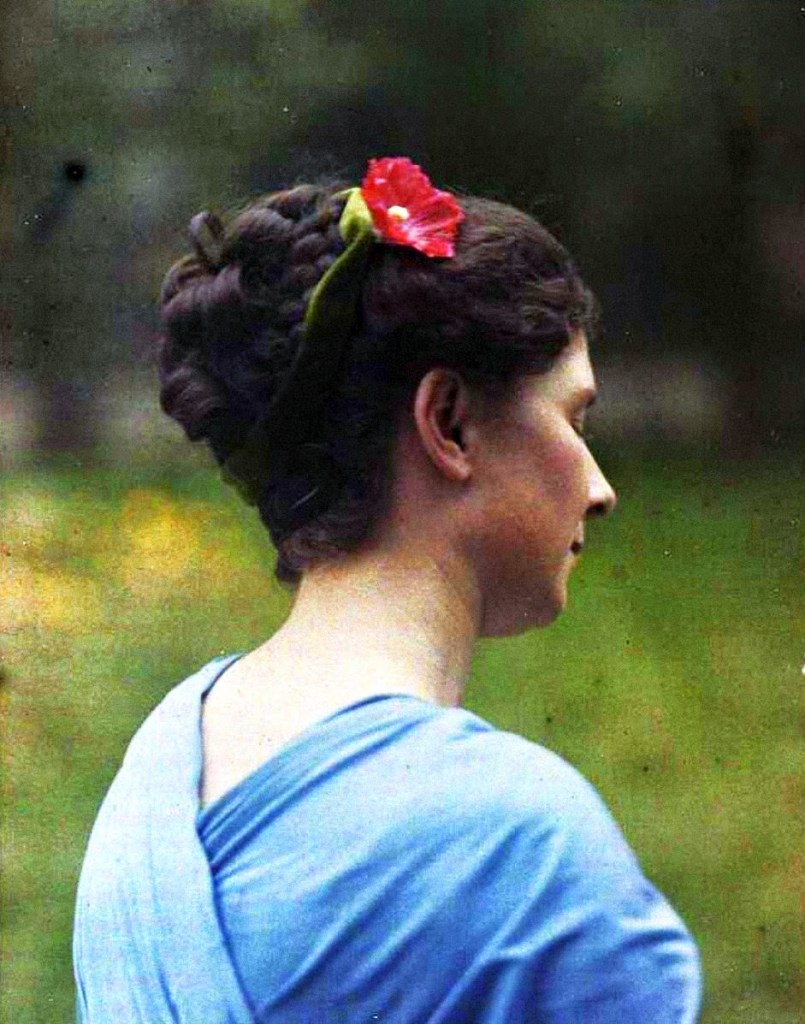
French photographer Gustave Gain (1876-1945) was born in Cherbourg, France on June 27, 1876. As a chemist he keens on photography and related technical achievements. After the invention of the Autochrome by the Lumière brothers, Gustave is actively engaged in color photograph.
Gustave Gain loves the beach. In the summer, he spent much time with his family on the coast of the English Channel in Brittany and Normandy, where he took a lot of stunning shots of his wife, Adeline and other women.
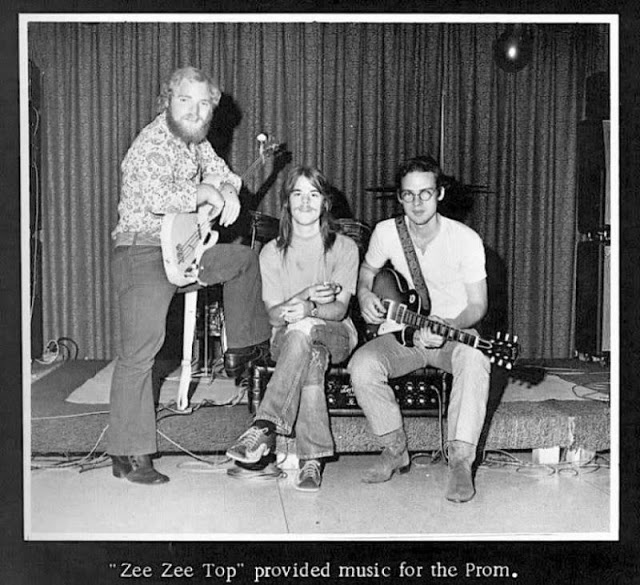
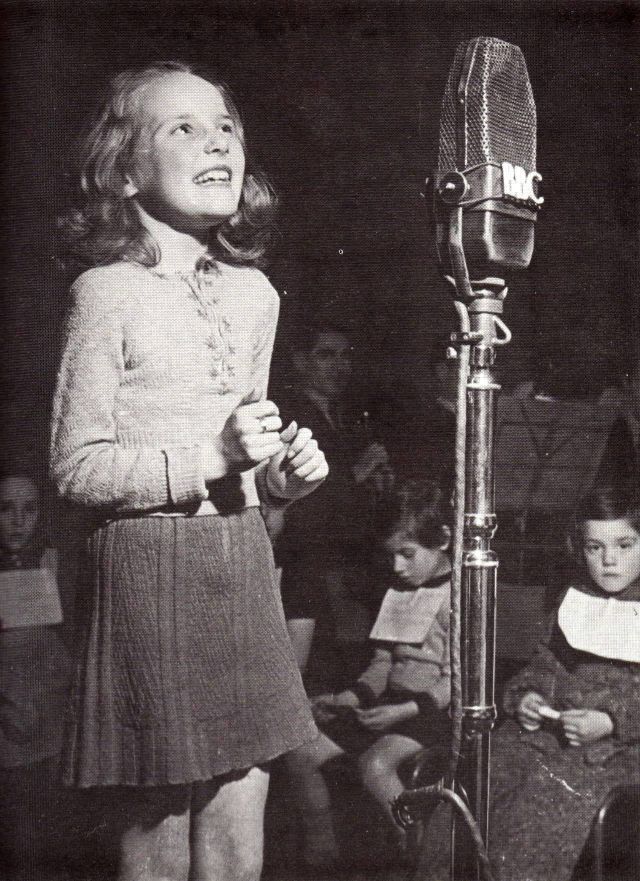
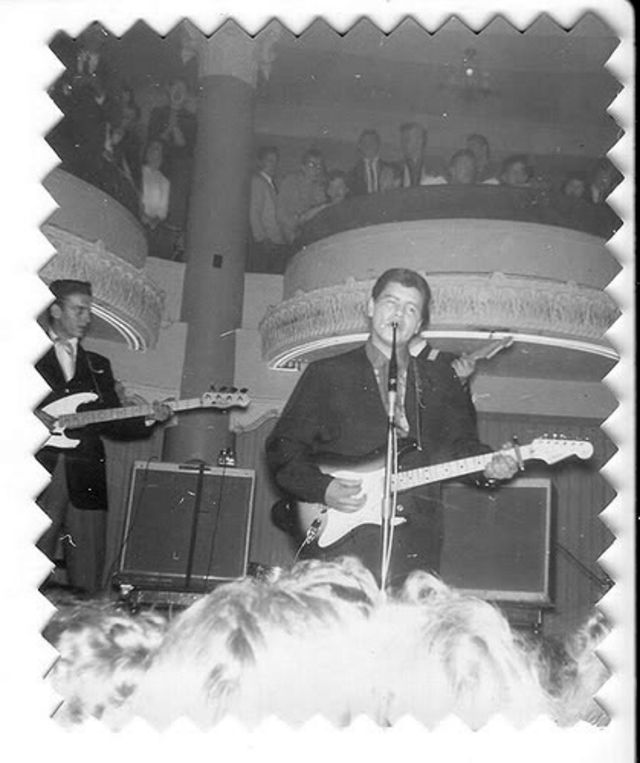
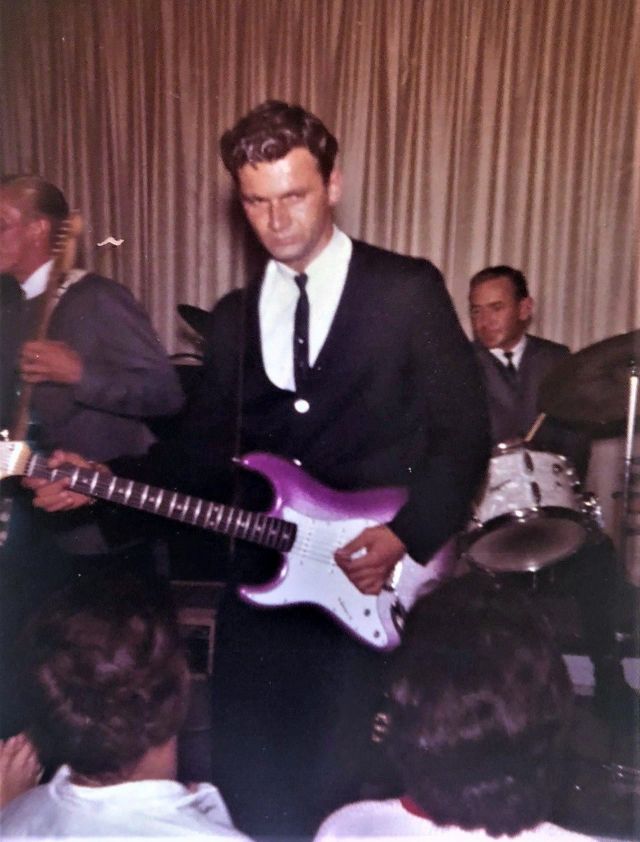
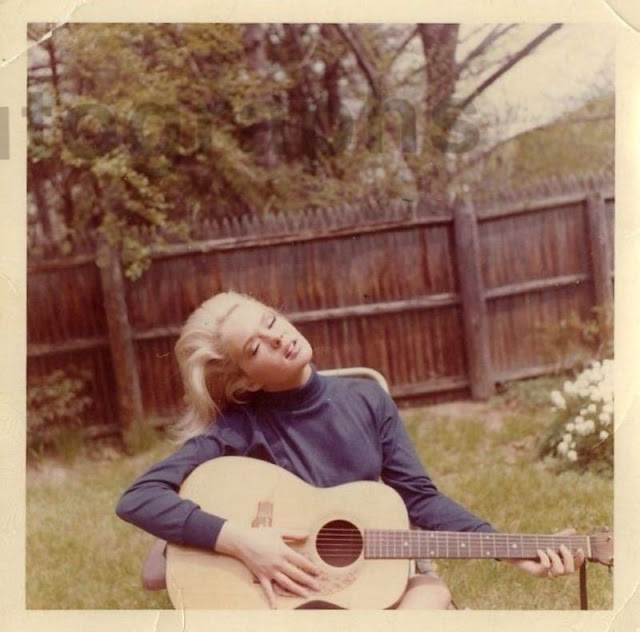
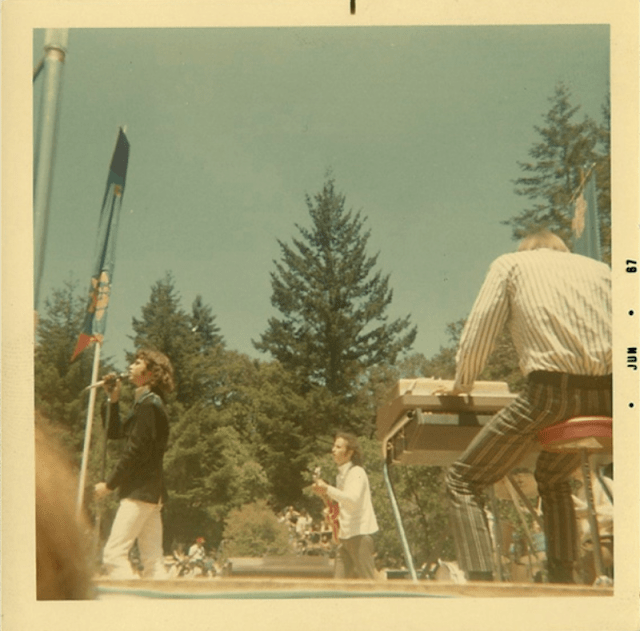
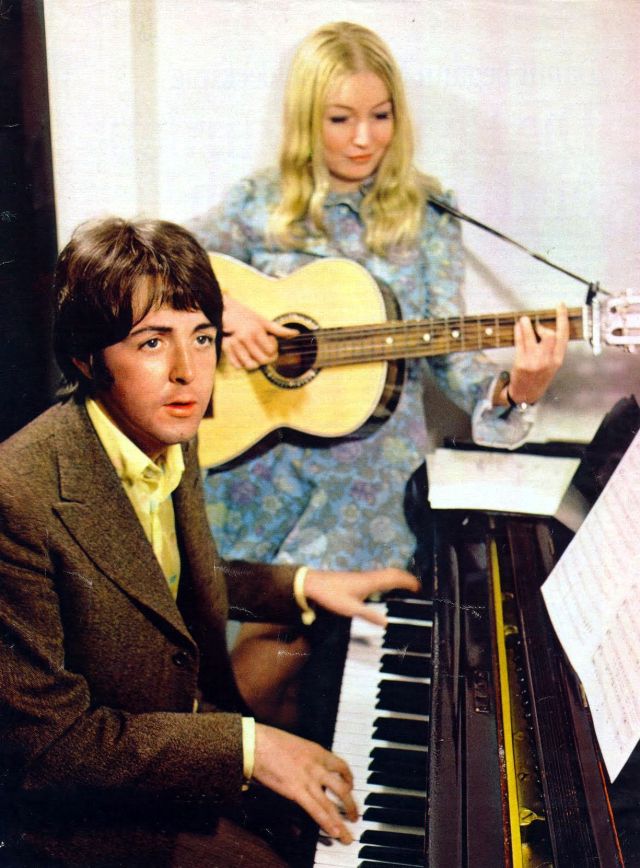
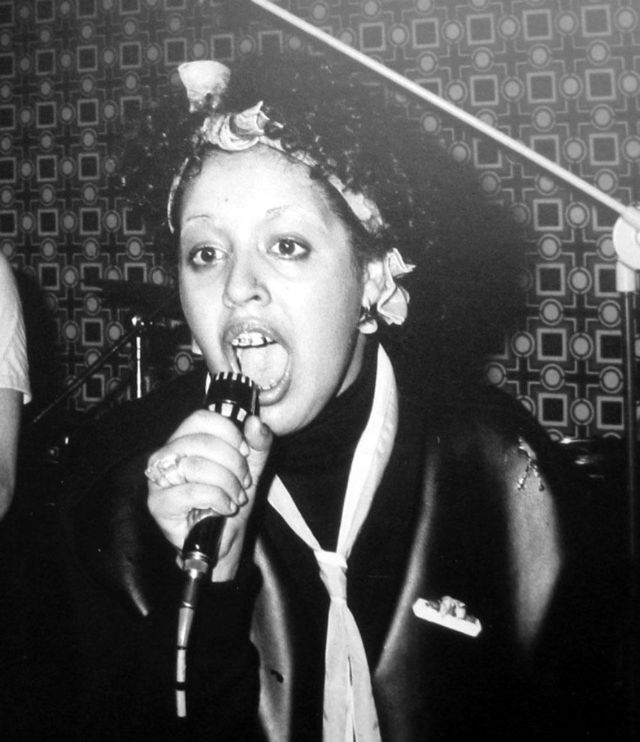
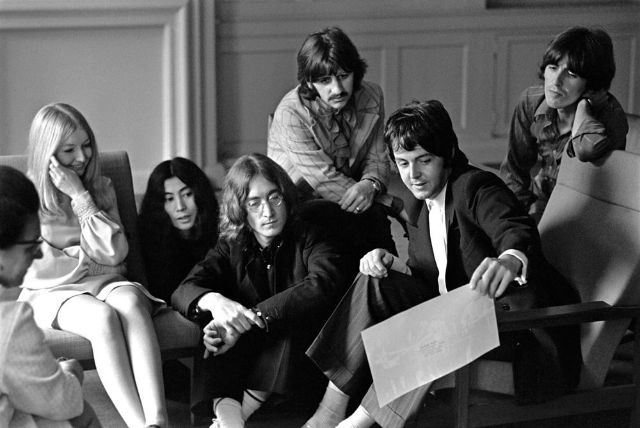
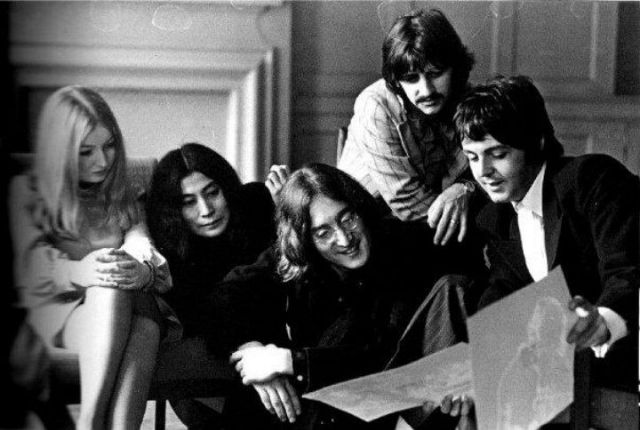
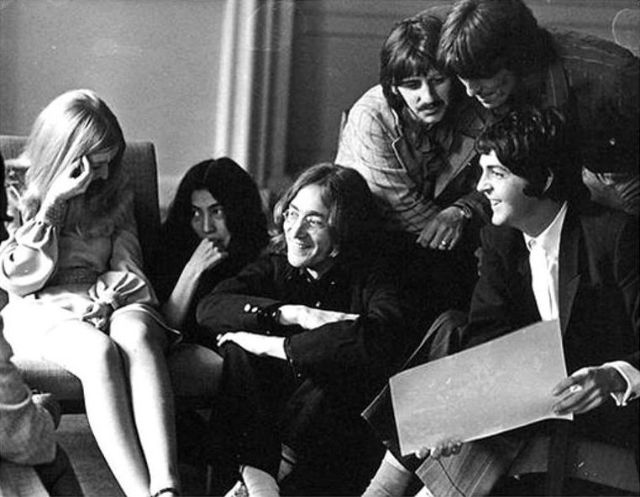
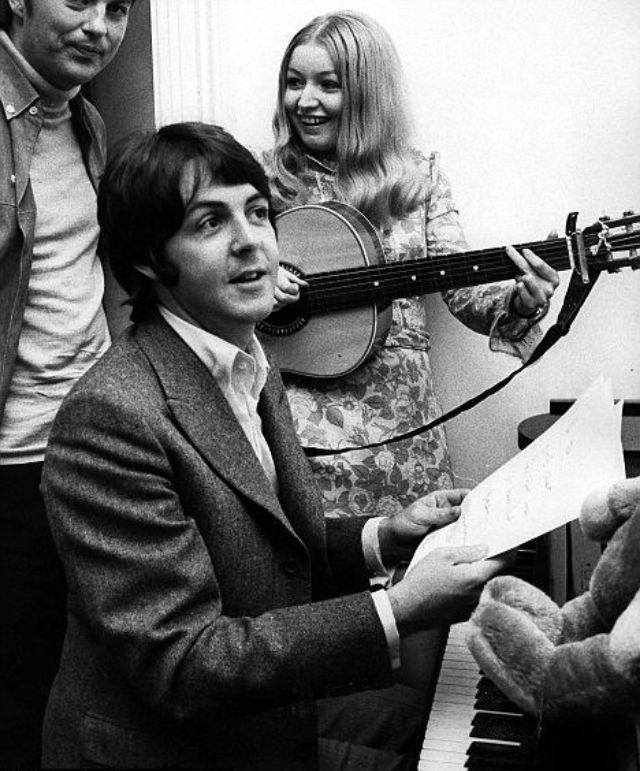
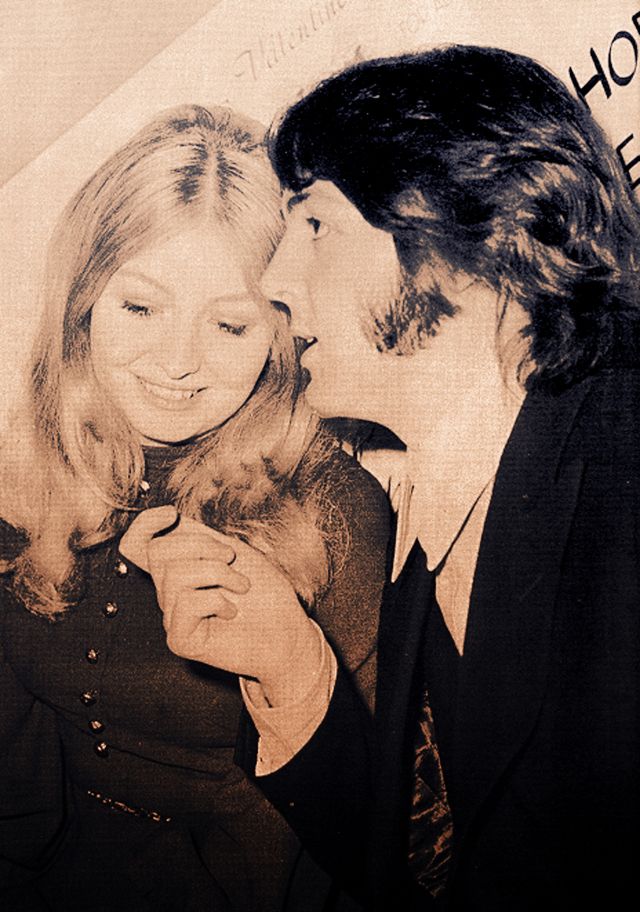
9-year-old Petula Clark attending a BBC broadcast, 1942Waylon and Ritchie Valens, circa 1957-59Connie Francis, May 1959Davy Jones, circa 1960sJimi Hendrix and The Monkees. Michael Nesmith beside him, Peter Tork across from him, photo by Micky Dolenz, late 1960sRicky Nelson, Atlantic City, July 2, 1960The Beatles members performing in their early days, circa 1960Brian May, 1963Dick Dale playing ‘The Beast’ in Burgundy-Mist, before it was re-painted in Gold-Sparkle, early 1963Joey Heatherton, 1964Joey Ramone at 15, 1966The Doors at KFRC Magic Mountain Music Festival, Mt. Tamalpais, CA, June 1967Mary Hopkin and Paul McCartney, September 1968A very young Billy Gibbons, Dusty Hill, and Frank Beard in a photo for a Texas prom round, circa 1970Poly Styrene from the X-Ray Spex at the Red Cow, London, 1977. (Photo by Jeremy Gibbs)
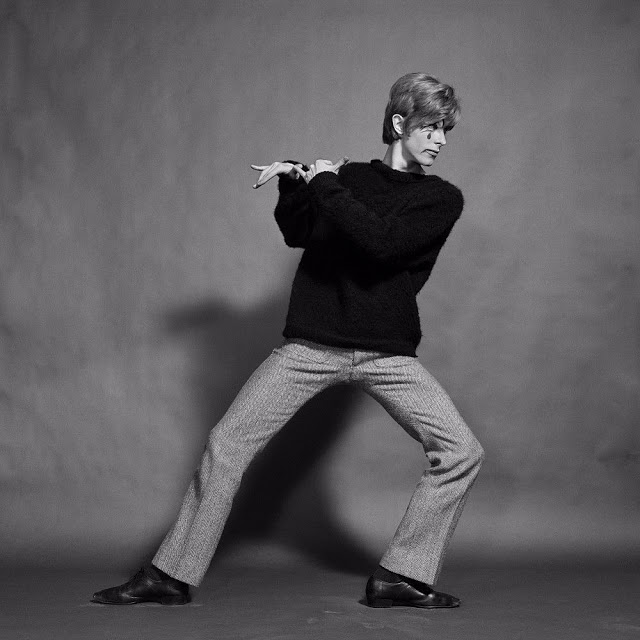
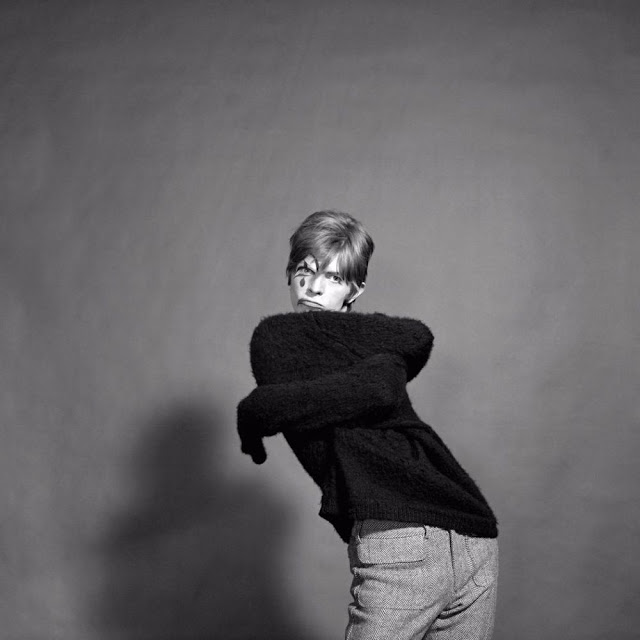
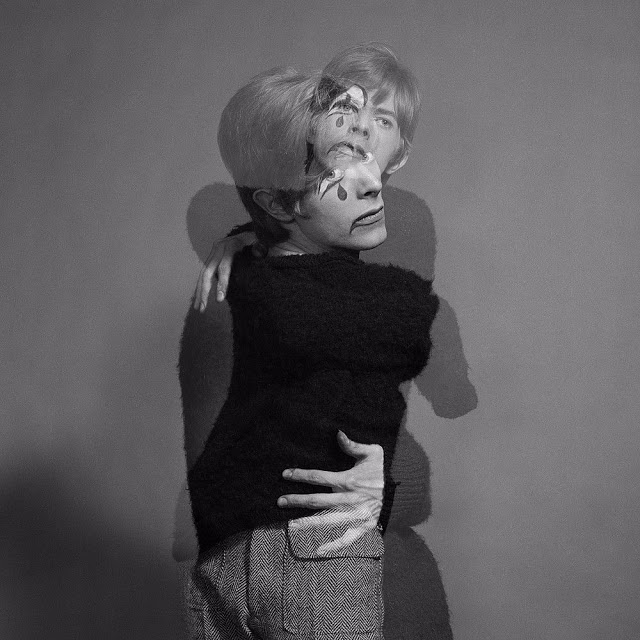
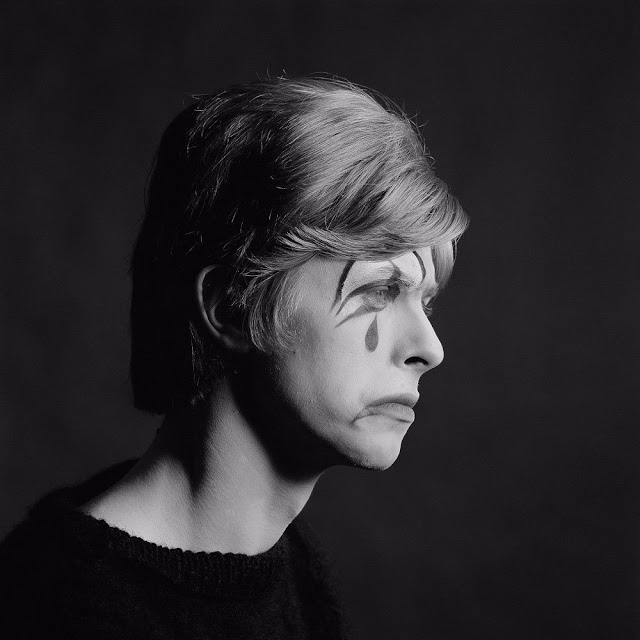
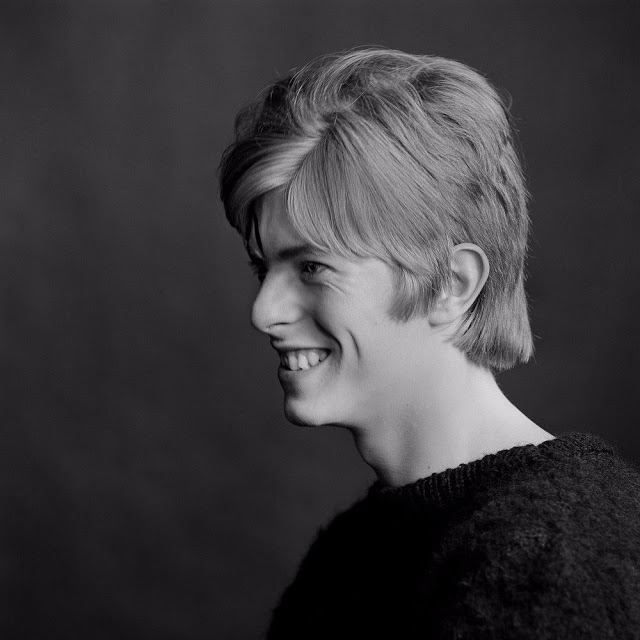
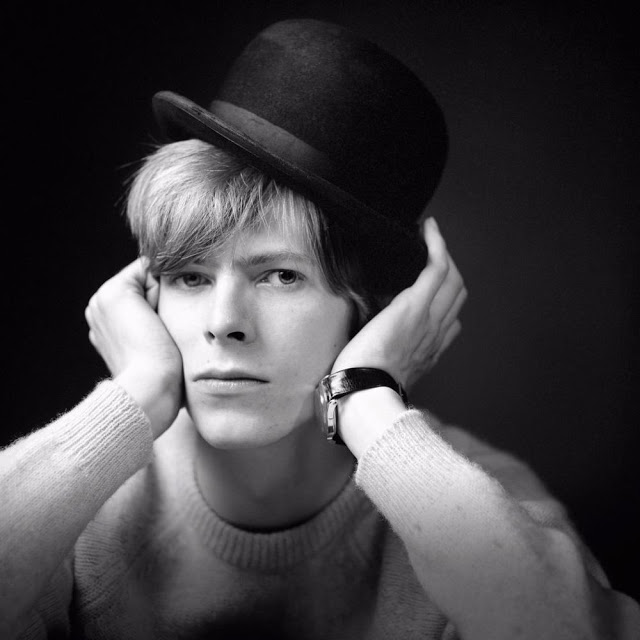
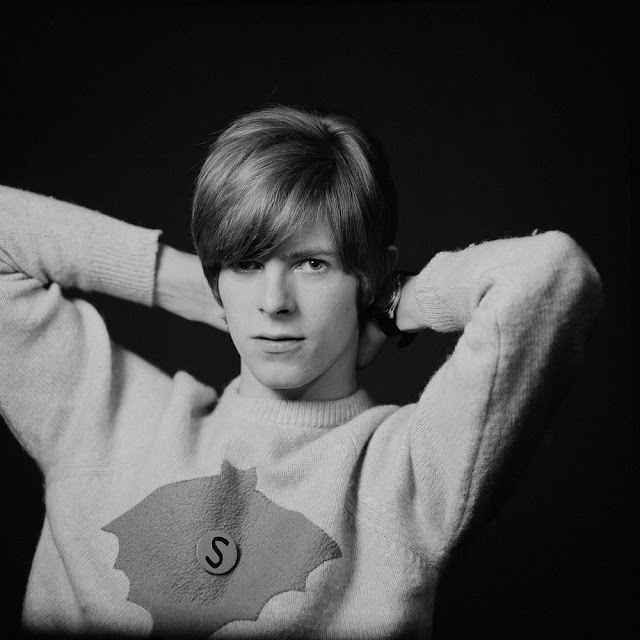
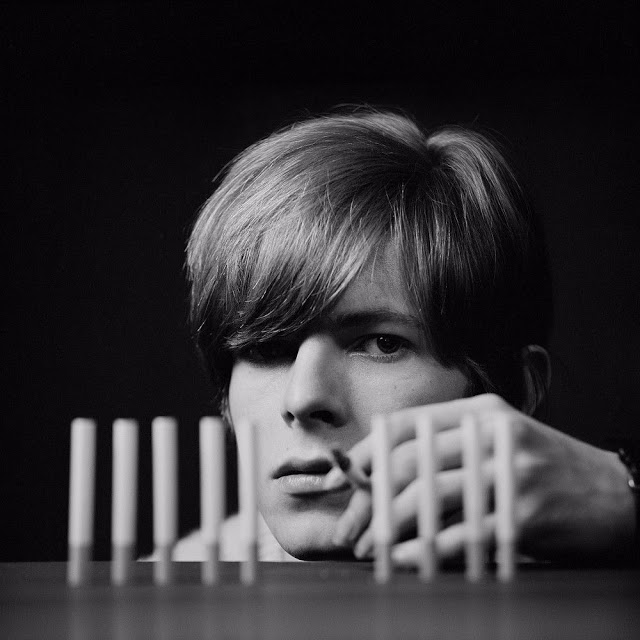
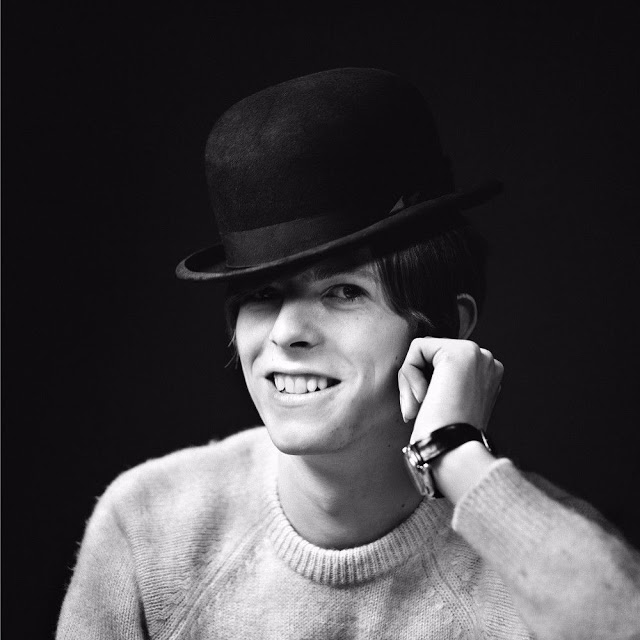
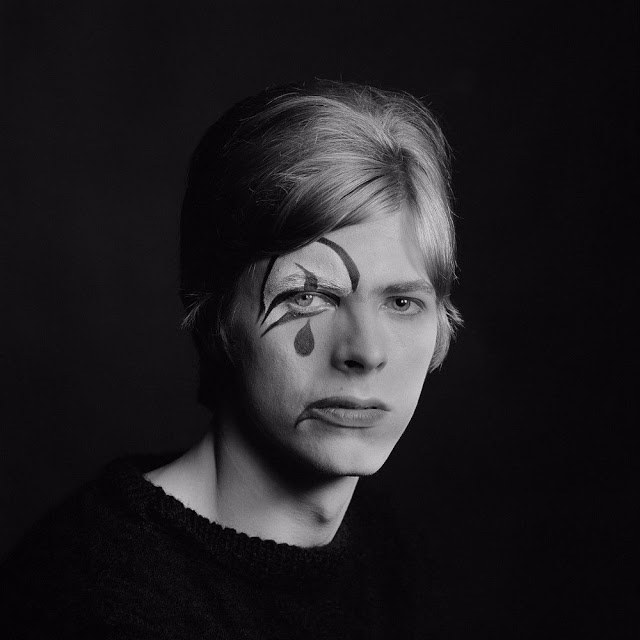
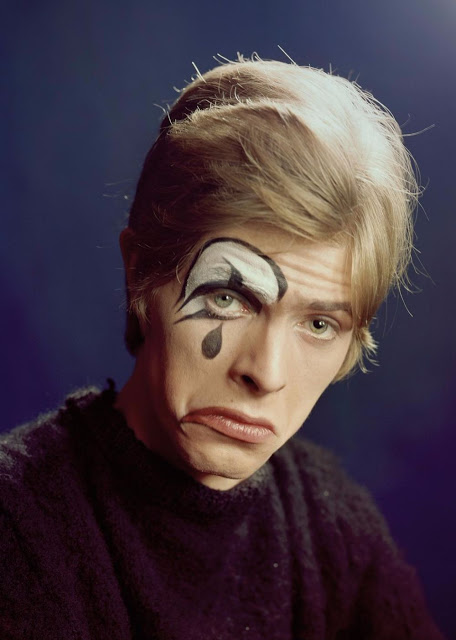
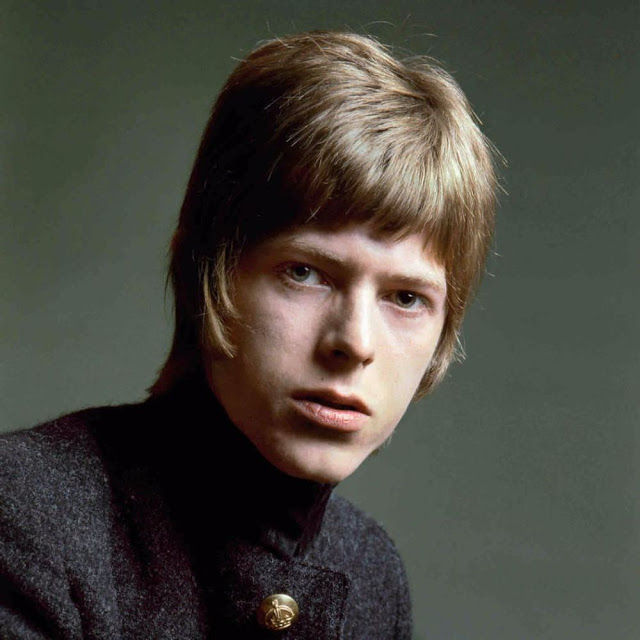
In 1967, a 20-year-old David Jones decided to change his name to avoid confusion with the lead singer of the Monkees. He decided on ‘Bowie’. By this time, Jones had been playing music for five years, appearing in and out of various bands, singing rock and roll at local youth gatherings, any pub that would have him and even a few weddings. Jones joined the band the Konrads, but then soon left them for the King Bees. After a few more stop and starts, Jones became Bowie and met Derek ‘Dek’ Fearnley.
David Bowie enlisted Fearnley to help record an album. Reportedly learning by studying the Observer Book of Music, the two young musicians practiced, wrote and hung-out at the home of Fearnley’s brother, Gerald.
“My brother always loved music” remembers Gerald Fearnley. “He’d always have people back to the house to practice or write songs. I remember waking-up in the mornings, never knowing who’d be sleeping in the front room. David was often sacked out on the couch. But he was always very polite.”
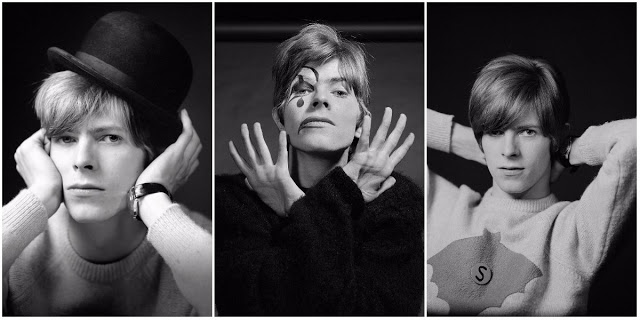
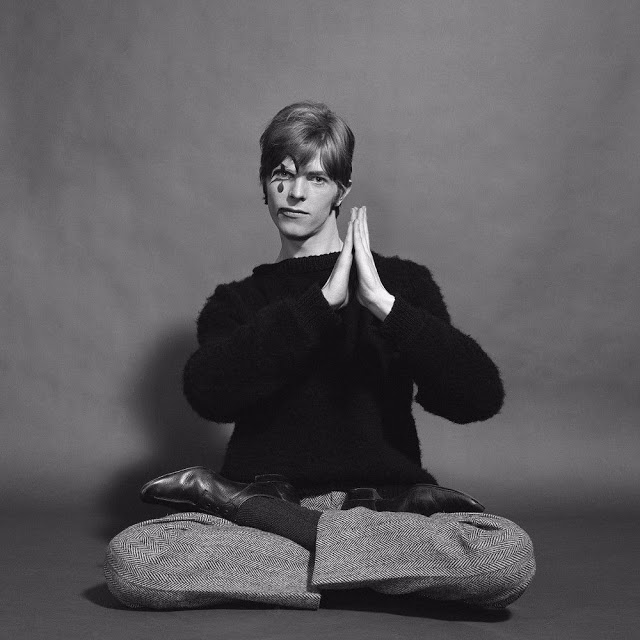
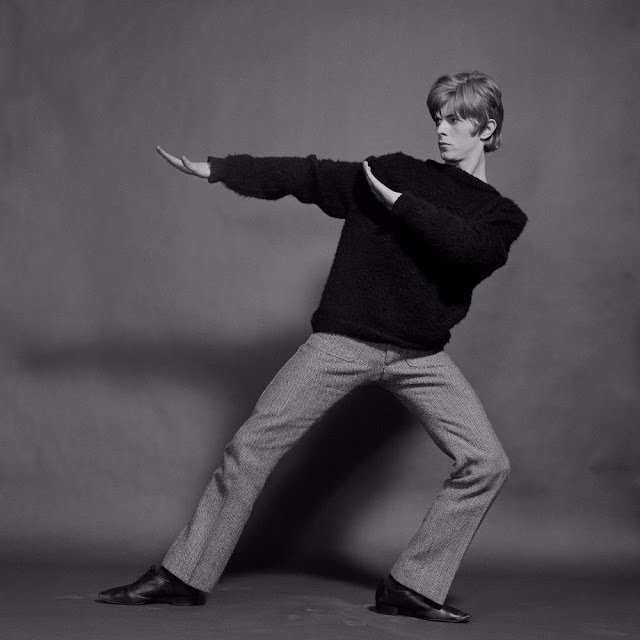
Gerald Fearnley was a working photographer in 1967. “I was a still life photographer, working on my own, in a studio right off of Oxford Street. I don’t remember how it happened, but I was enlisted to take photographs of David for the cover. I was probably the only person he knew with a studio and a camera.”
When David Bowie by David Bowie was released on June 1, 1967 – the same day as The Beatles Sgt. Pepper’s Lonely Hearts Club Band – little if anything happened. Nothing charted and the band parted ways.
Here, below is a collection of some of rare and fascinating black and white photographs from Bowie’s debut album shoot, which were released for the first time as fine art prints in 2016.
Bali is a province of Indonesia and the westernmost of the Lesser Sunda Islands. East of Java and west of Lombok, the province includes the island of Bali and a few smaller neighbouring islands, notably Nusa Penida, Nusa Lembongan, and Nusa Ceningan. The provincial capital, Denpasar, is the most populous city in the Lesser Sunda Islands and the second-largest, after Makassar, in Eastern Indonesia. The upland town of Ubud in Greater Denpasar is considered Bali’s cultural centre. The province is Indonesia’s main tourist destination, with a significant rise in tourism since the 1980s. Tourism-related business makes up 80% of its economy.
Bali is the only Hindu-majority province in Muslim-majority Indonesia, with 86.9% of the population adhering to Balinese Hinduism. It is renowned for its highly developed arts, including traditional and modern dance, sculpture, painting, leather, metalworking, and music. The Indonesian International Film Festival is held every year in Bali. Other international events held in Bali include the Miss World 2013 and 2018 Annual Meetings of the International Monetary Fund and the World Bank Group. In March 2017, TripAdvisor named Bali as the world’s top destination in its Traveller’s Choice award, which it also earned in January 2021.
Bali is part of the Coral Triangle, the area with the highest biodiversity of marine species, especially fish and turtles. In this area alone, over 500 reef-building coral species can be found. For comparison, this is about seven times as many as in the entire Caribbean. Bali is the home of the Subak irrigation system, a UNESCO World Heritage Site. It is also home to a unified confederation of kingdoms composed of 10 traditional royal Balinese houses, each house ruling a specific geographic area. The confederation is the successor of the Bali Kingdom. The royal houses are not recognised by the government of Indonesia; however, they originated before Dutch colonisation. (Wikipedia)
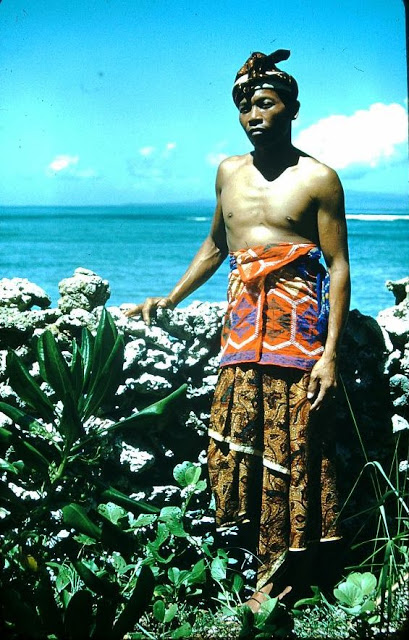
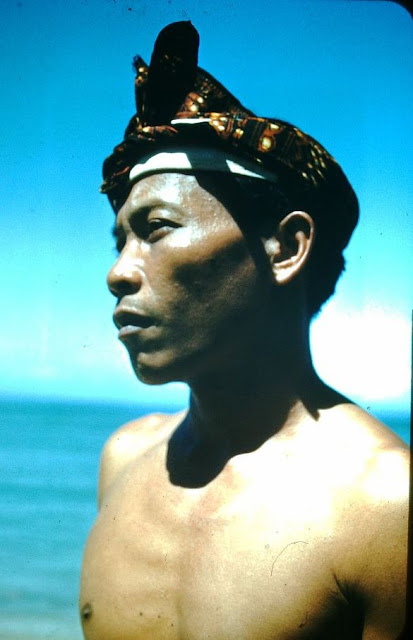
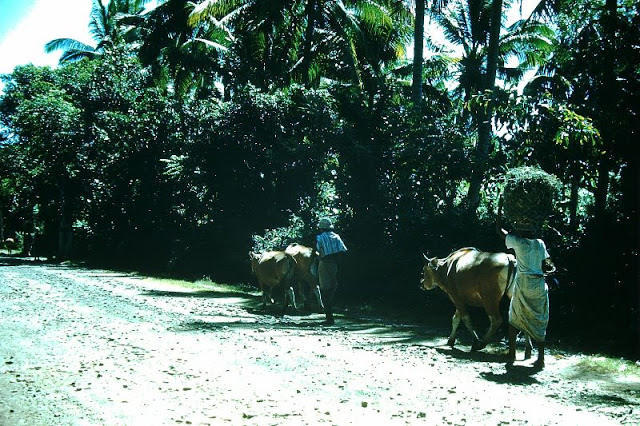
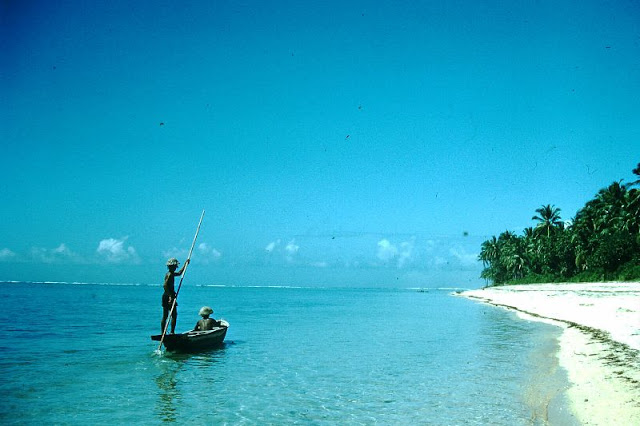
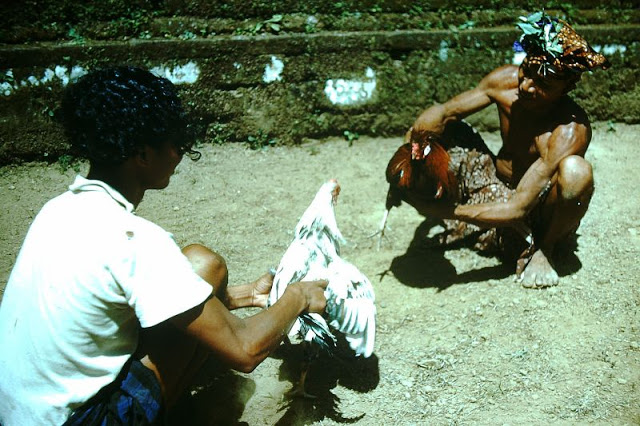
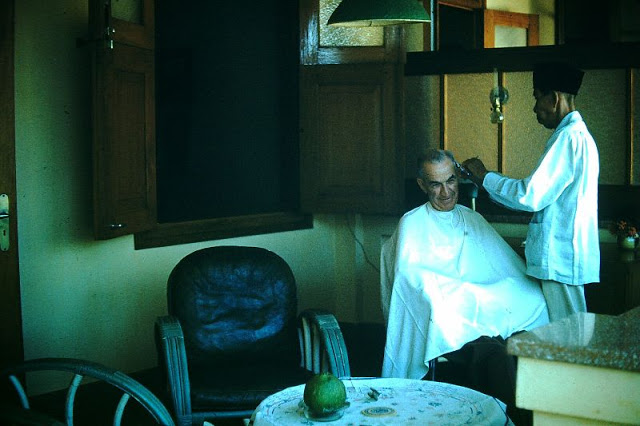
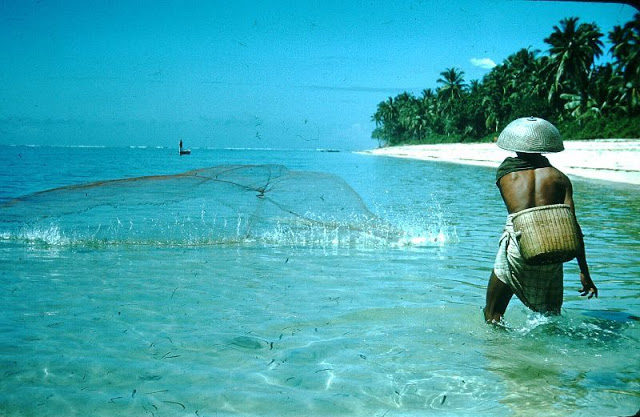
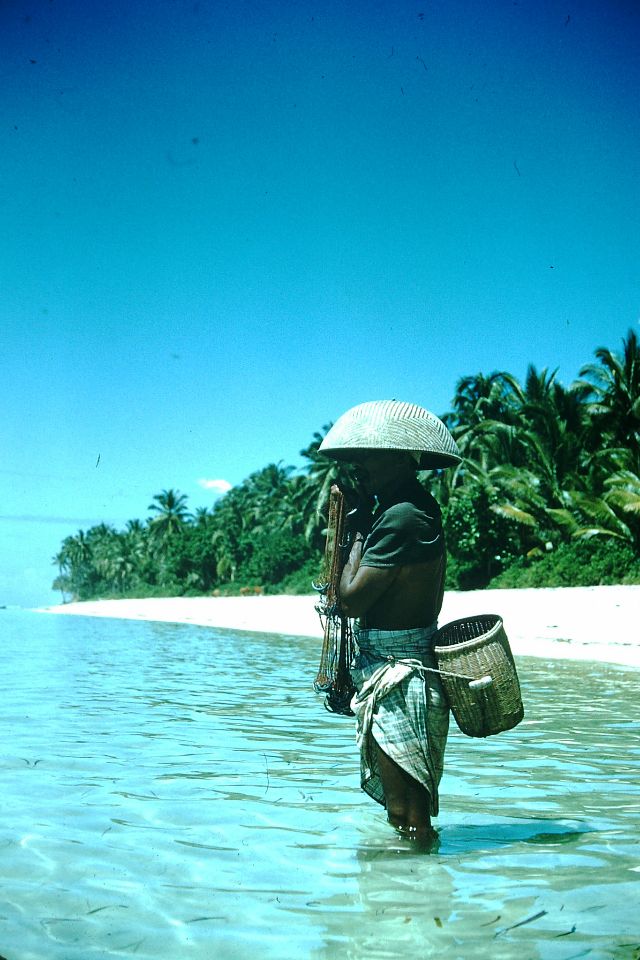
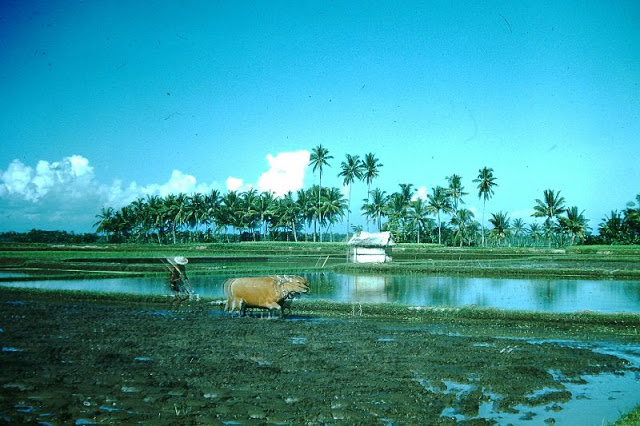
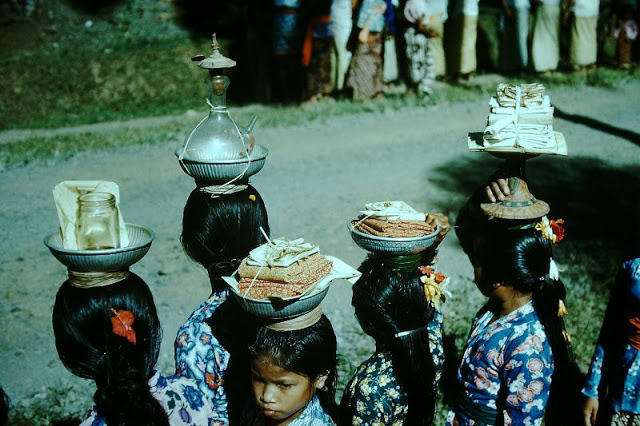
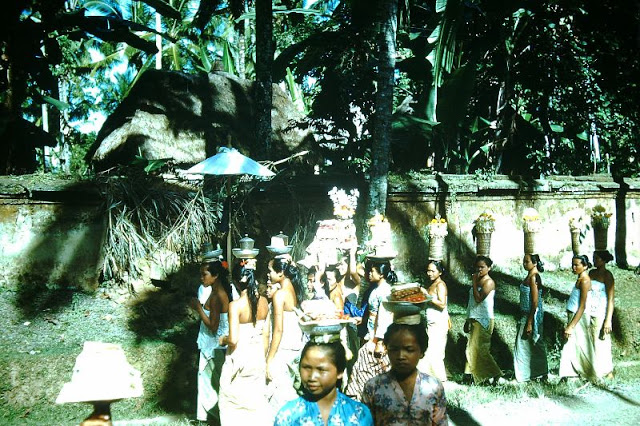
These amazing color snapshots from Found Slides that captured everyday life of Bali in 1952.
Arranging New year offerings, 1952Balinese beauty, 1952Balinese dwelling, 1952Balinese dwelling, 1952Balinese man of Sanur, 1952Balinese man of Sanur, 1952Balinese road near Sanur, 1952Barong-Si dance, 1952Boatman of Sanur, 1952Boatman of Sanur, 1952Cock fighting, 1952Coming from temple – New Year, 1952Decorations for the Balinese New Year, 1952Fisherman at Sanur, 1952Fisherman at Sanur, 1952Haircut in Denpasar, 1952Musicians for Barong, 1952Net fisherman and helpers, Sanur, 1952Net fisherman of Sanur, 1952Net fisherman of Sanur, 1952Net fisherman of Sanur, 1952New Year ferris wheel, 1952NPolak Le Mayeur, Sanur, 1952NPolak Le Mayeur, Sanur, 1952Oxen plowing, 1952Polishing wood carving, 1952Procession from temple, 1952Procession from temple, 1952Procession from temple, 1952Refreshment stand, 1952Rice farmer, 1952Temple offerings, 1952Temple offerings, 1952
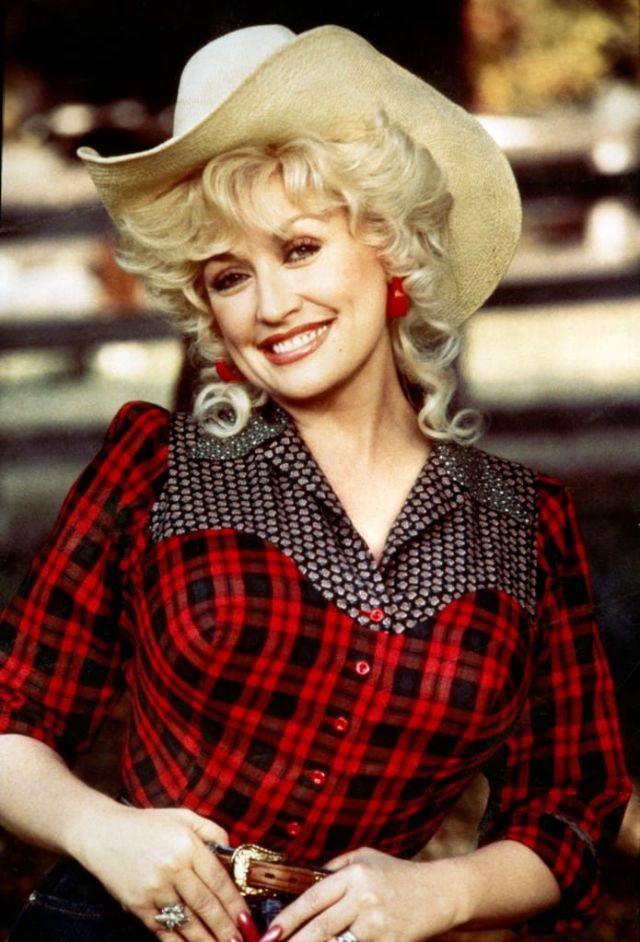
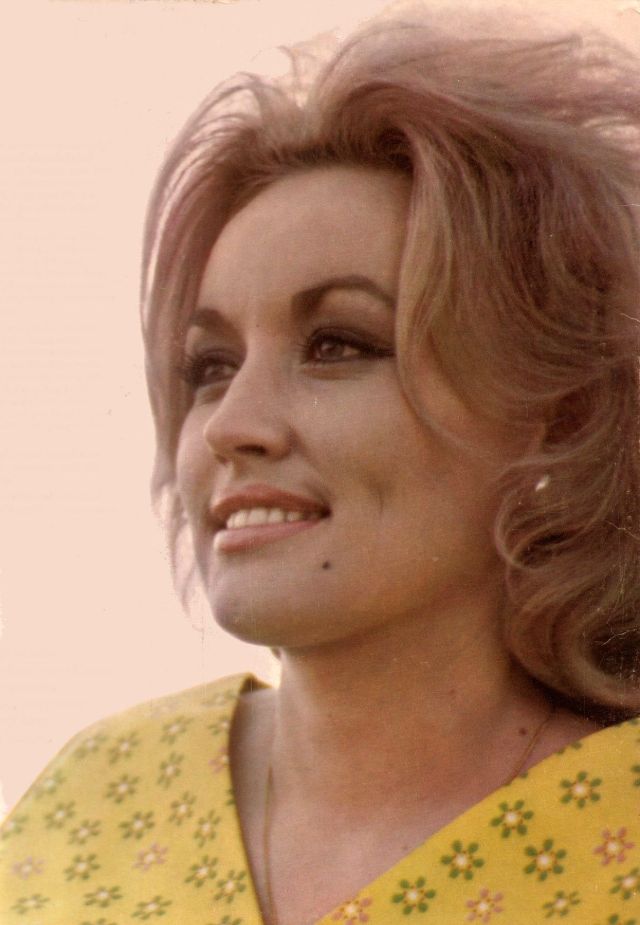
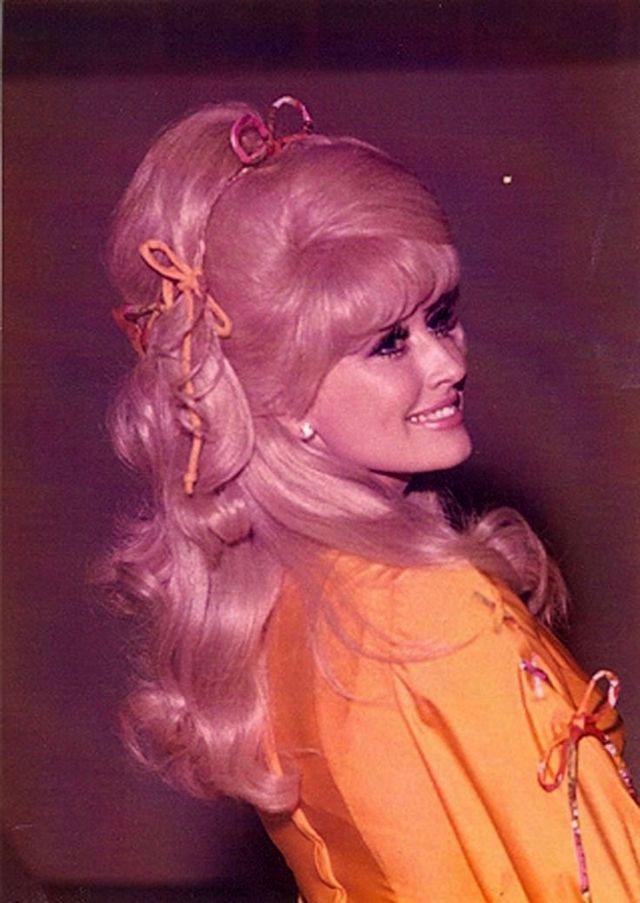
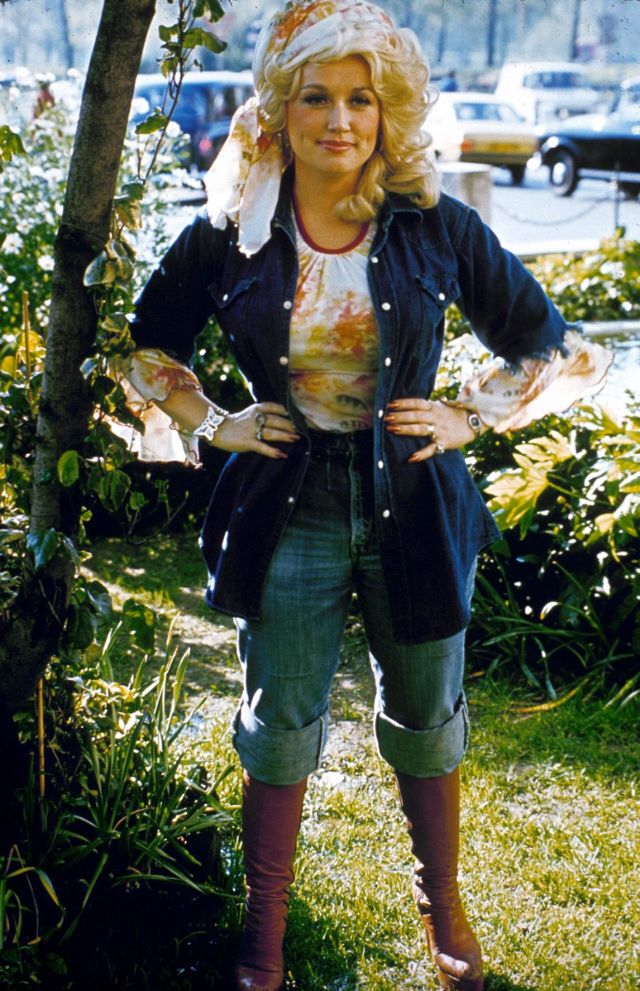
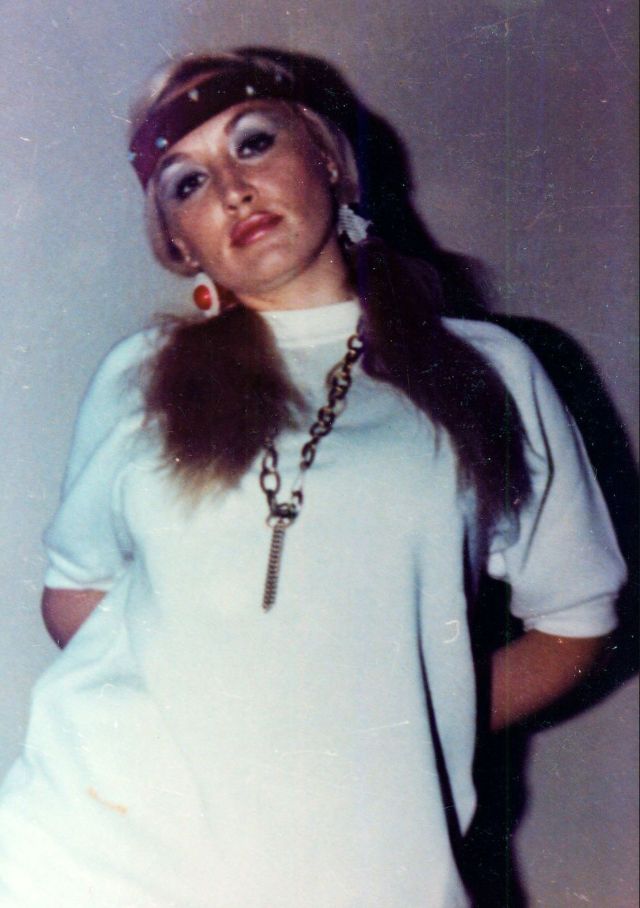
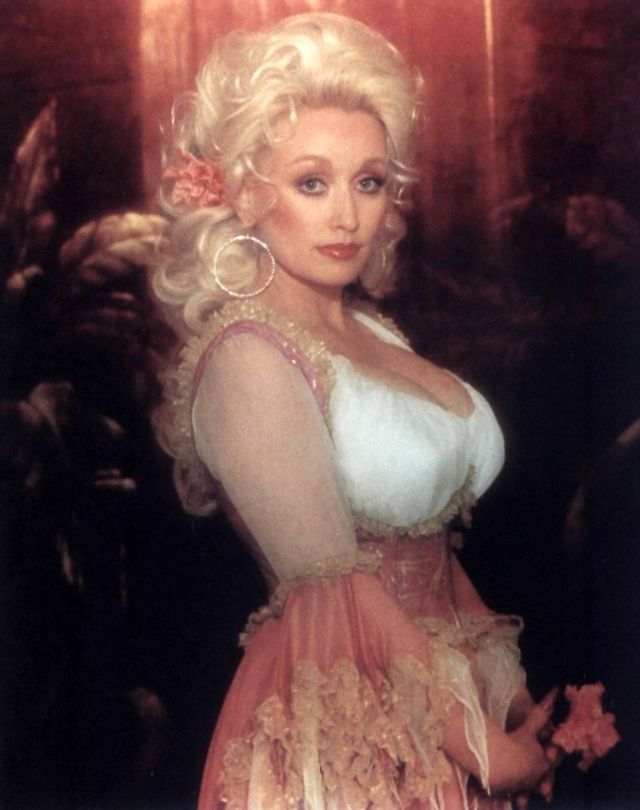
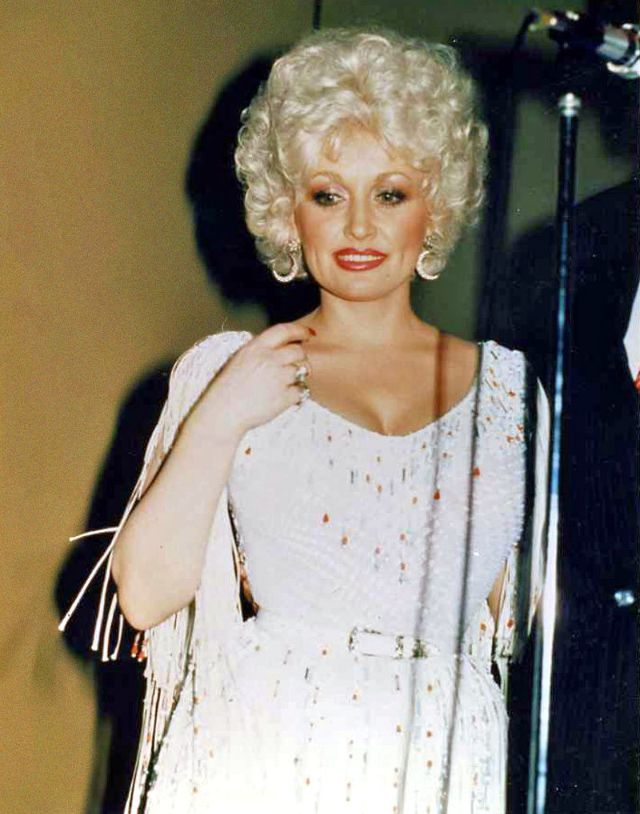
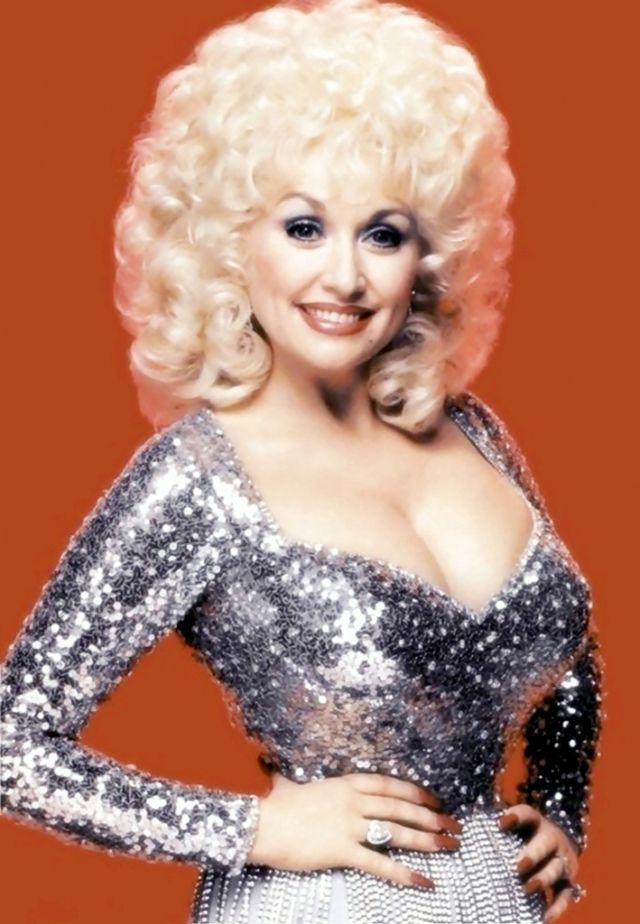
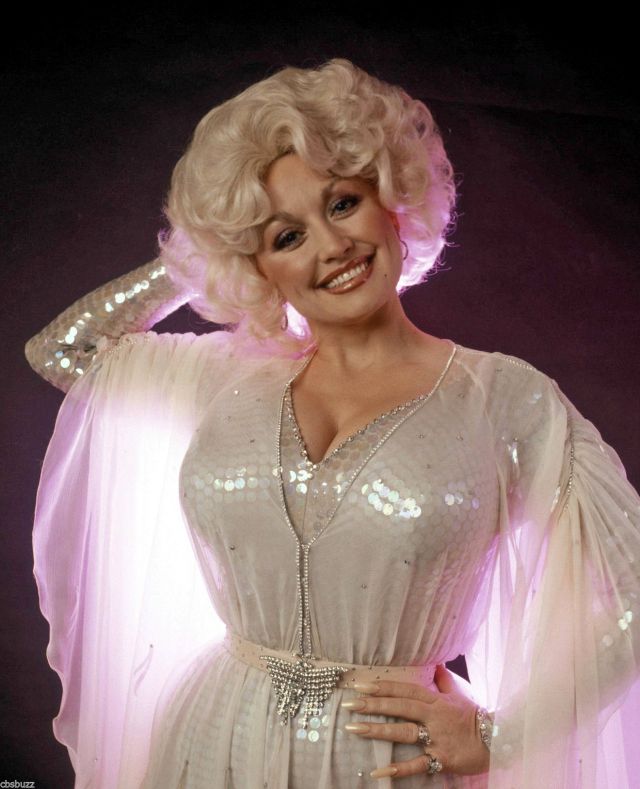
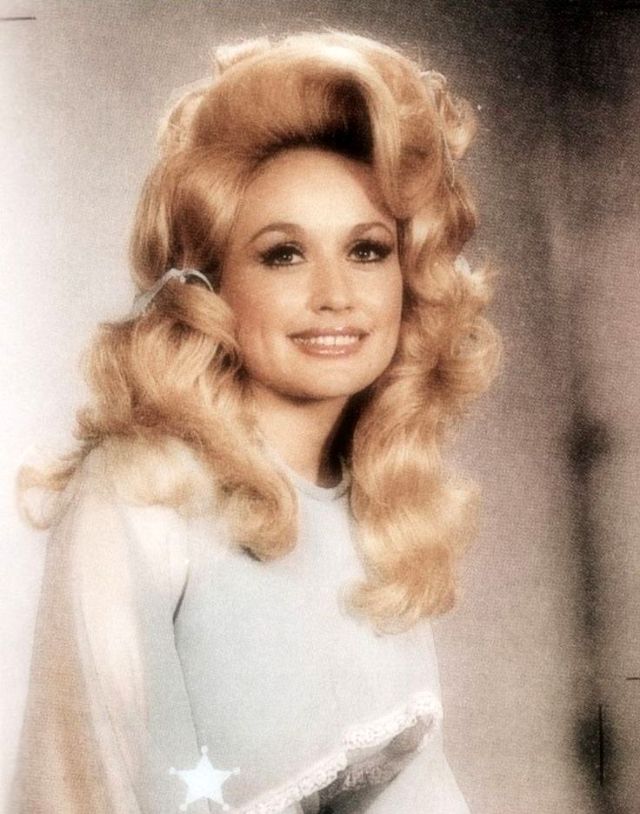
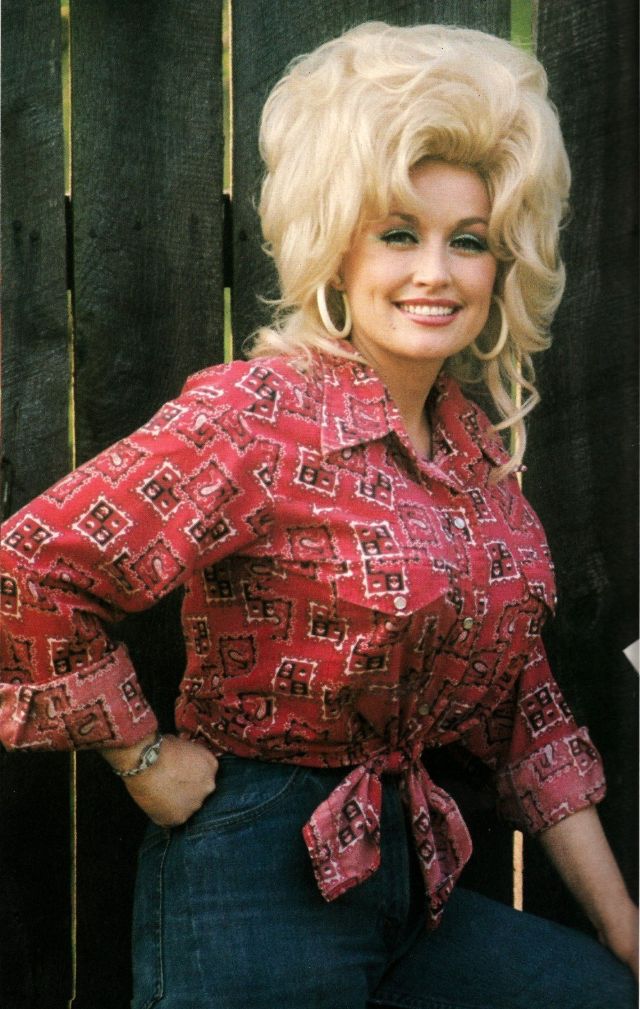
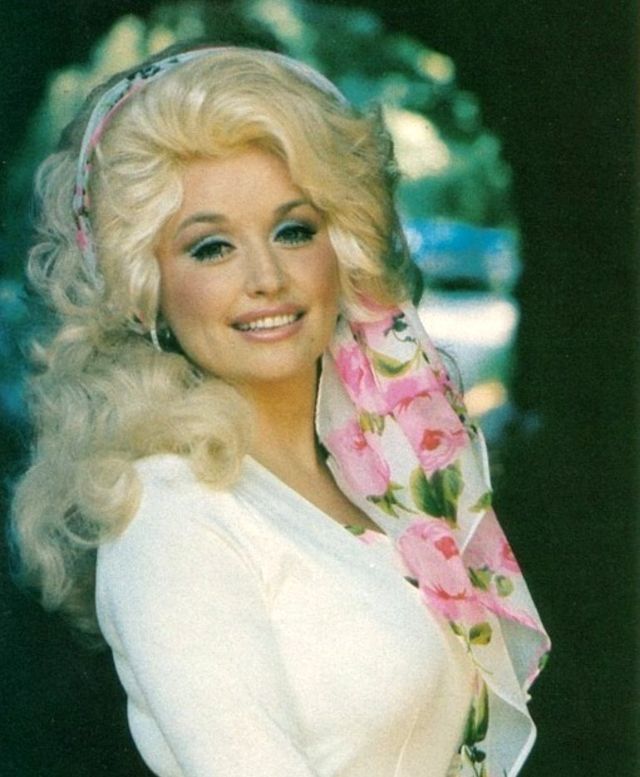
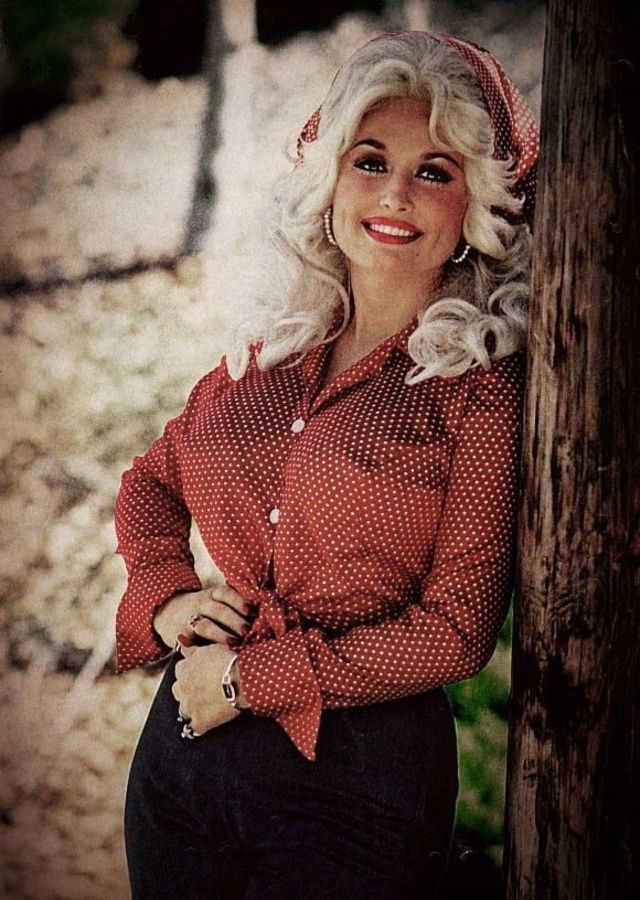
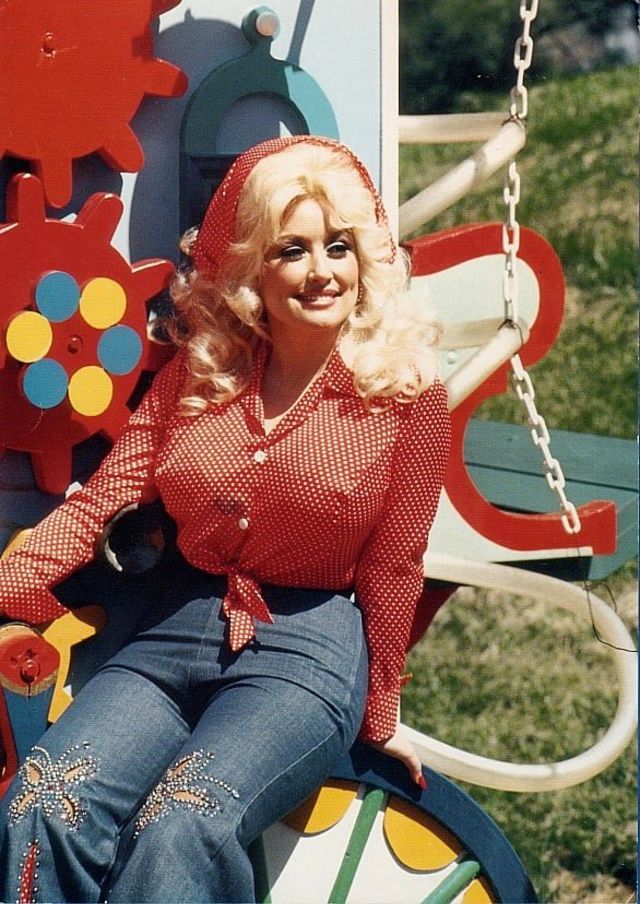
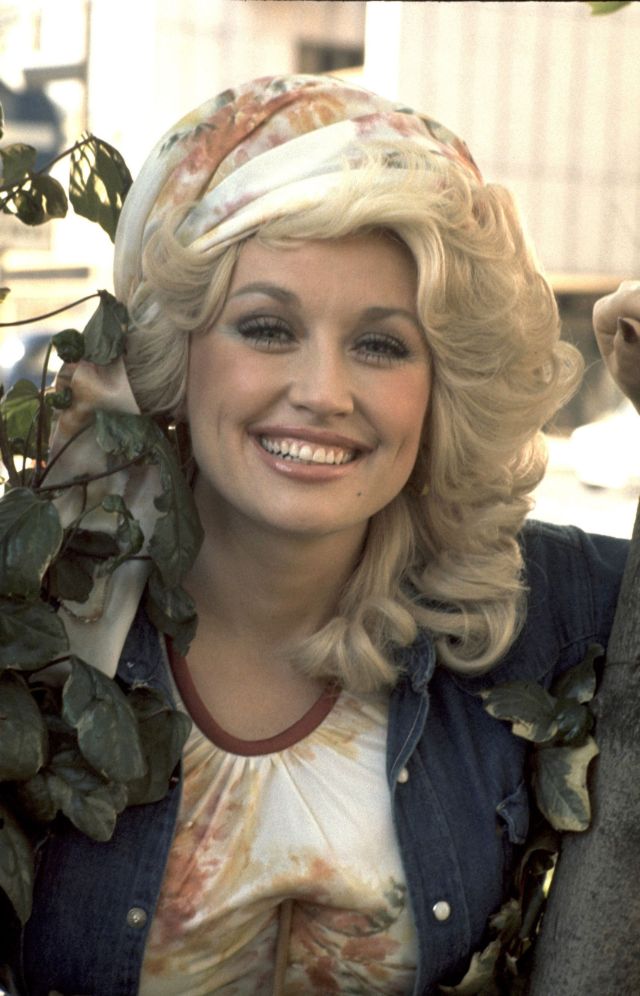
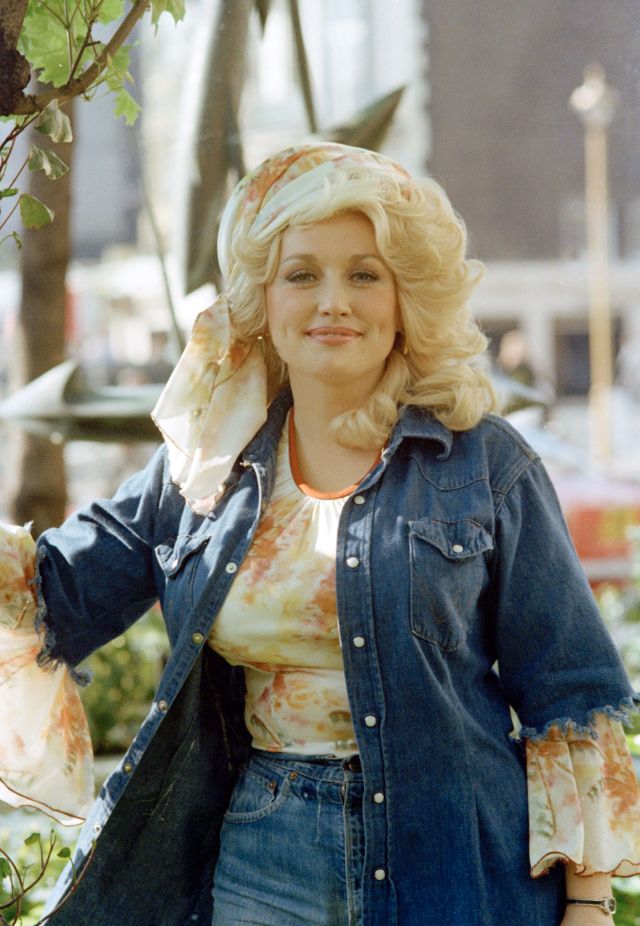
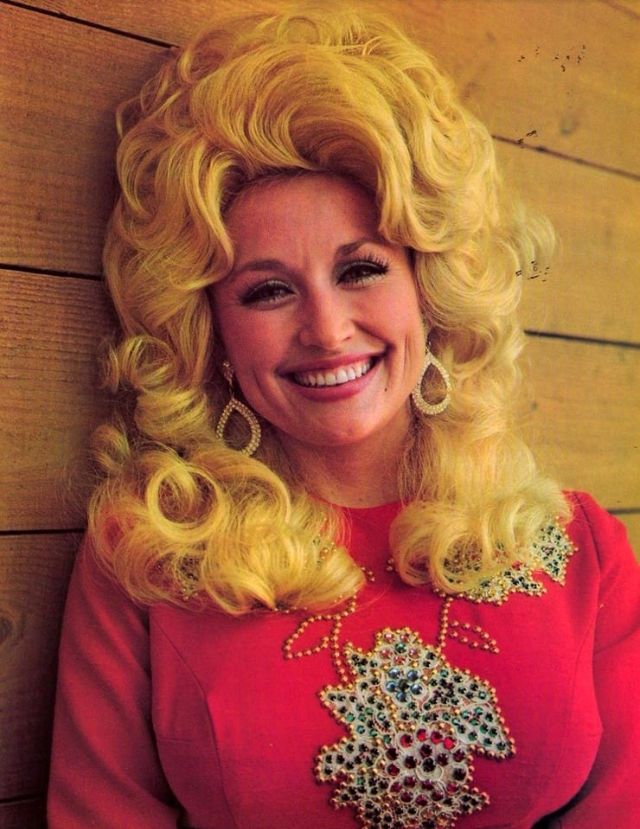
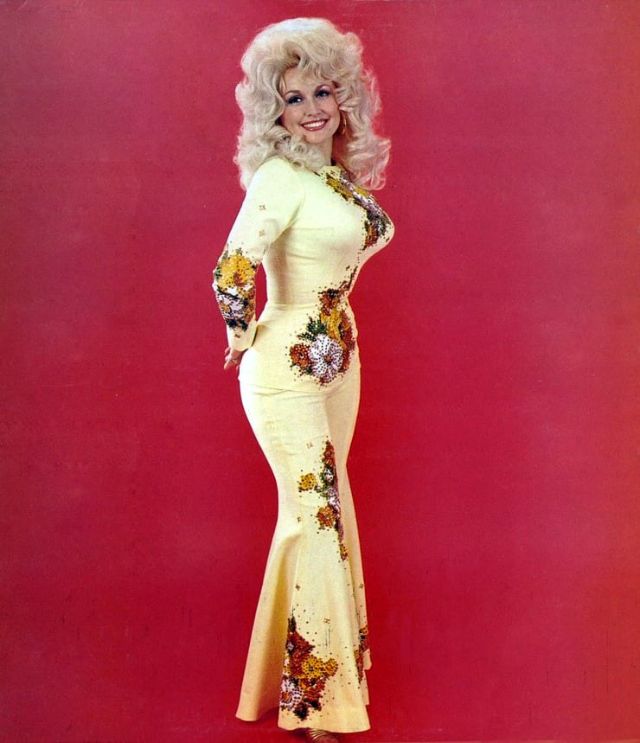
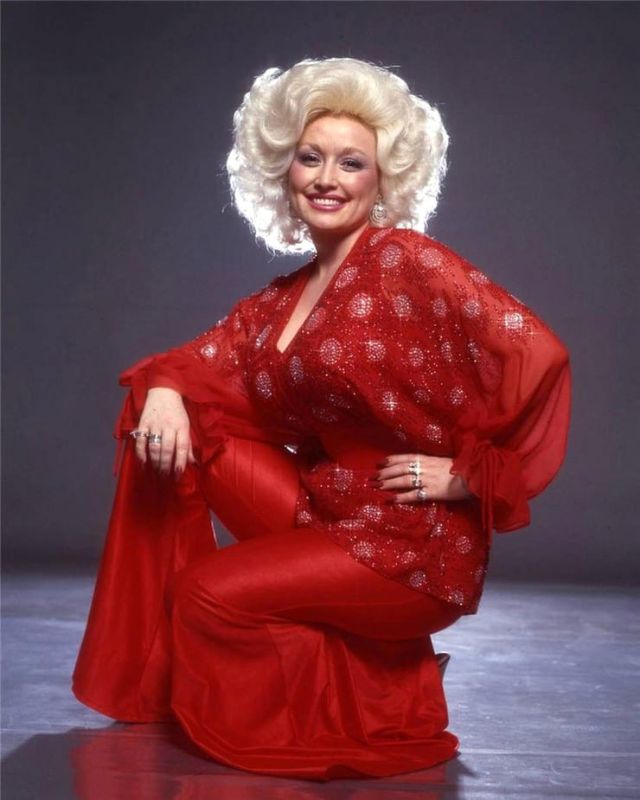
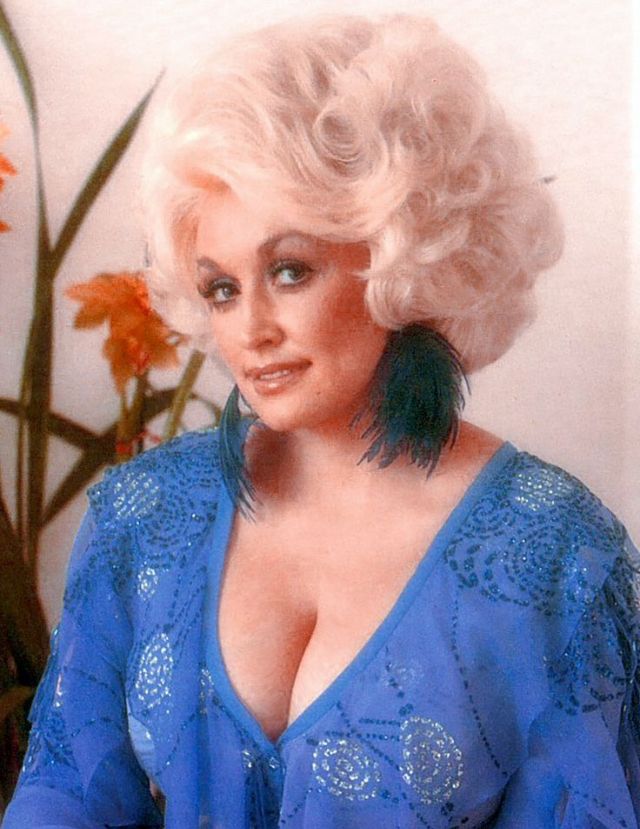
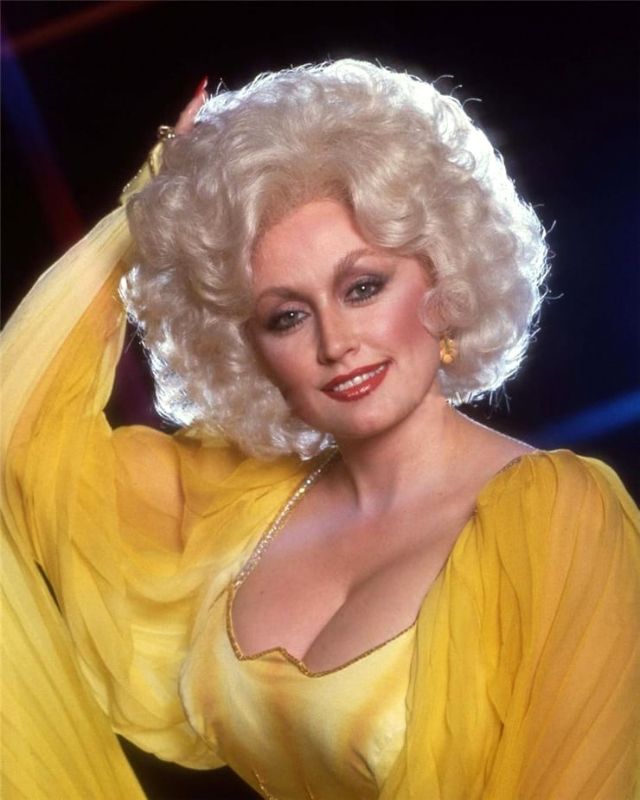
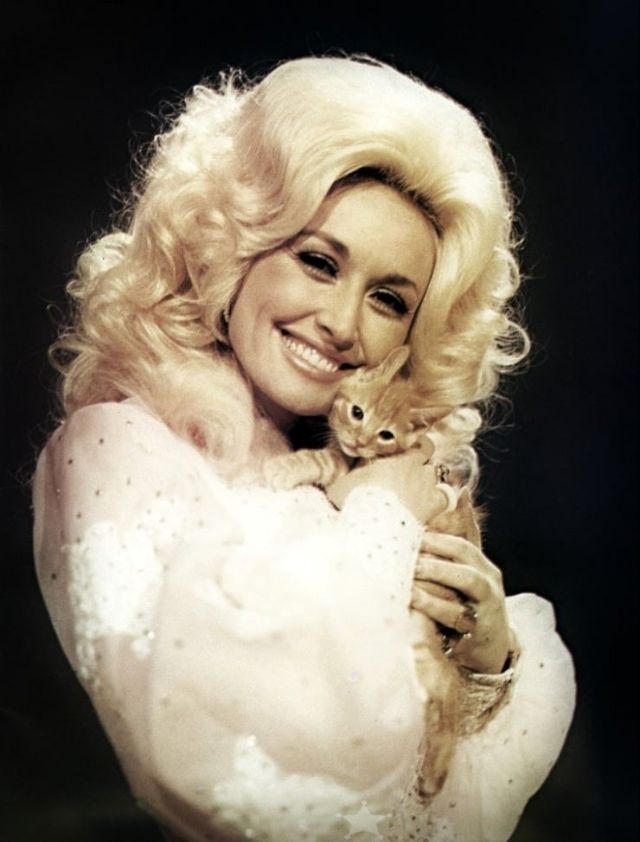
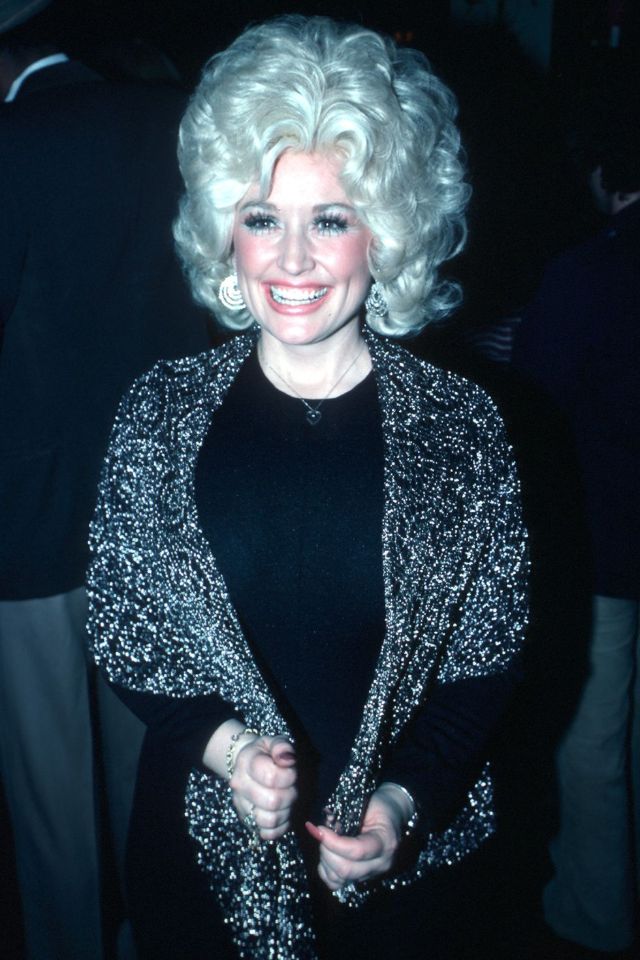
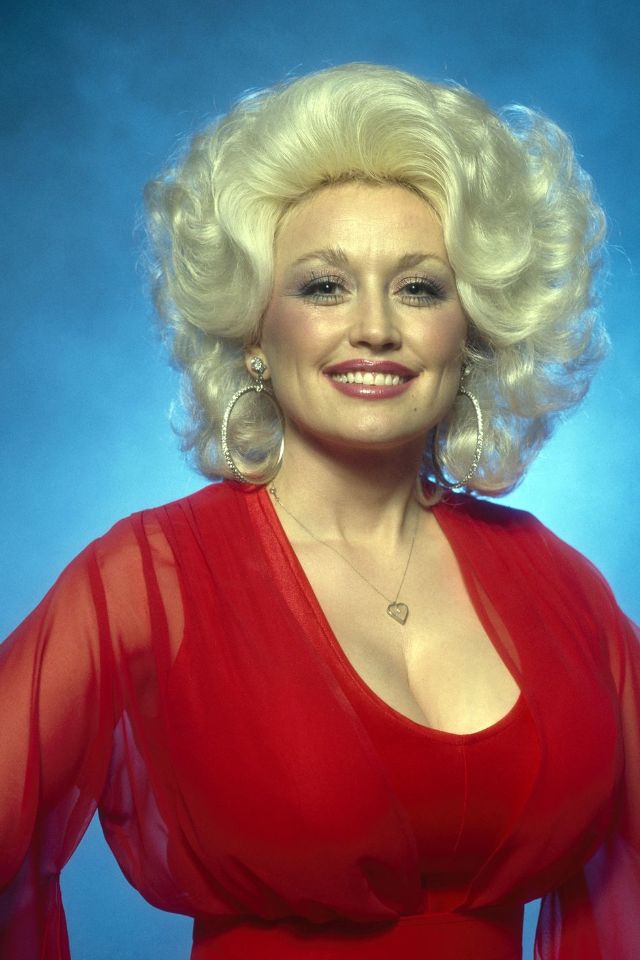
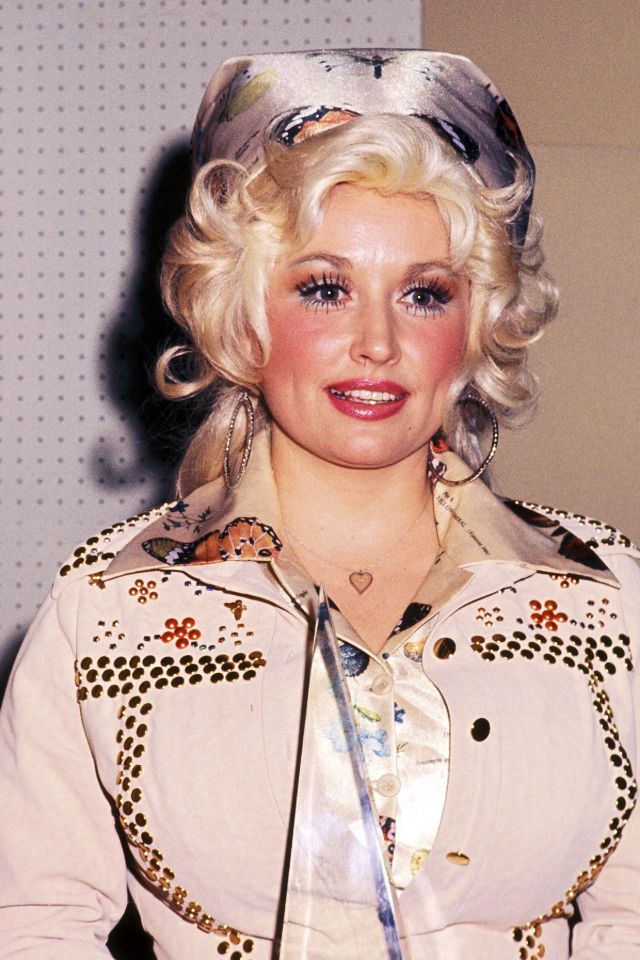
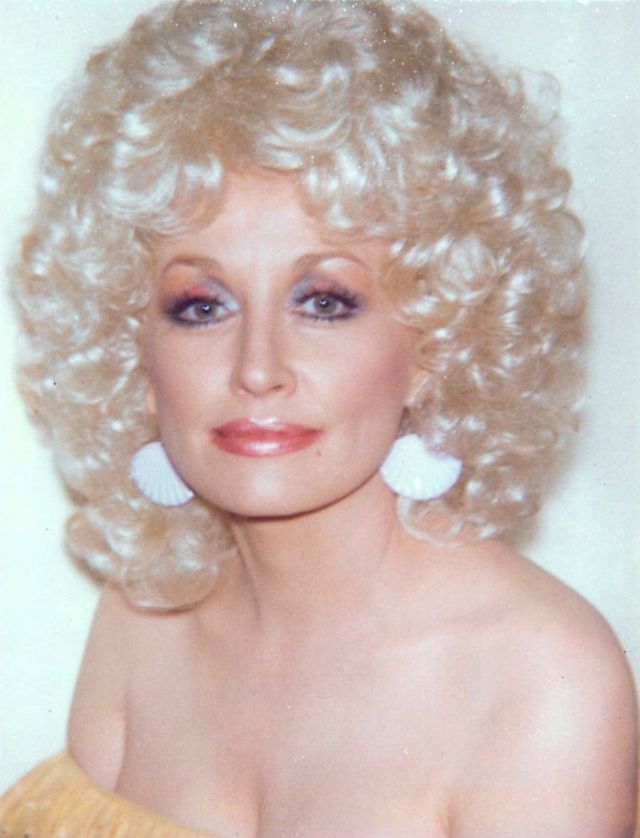
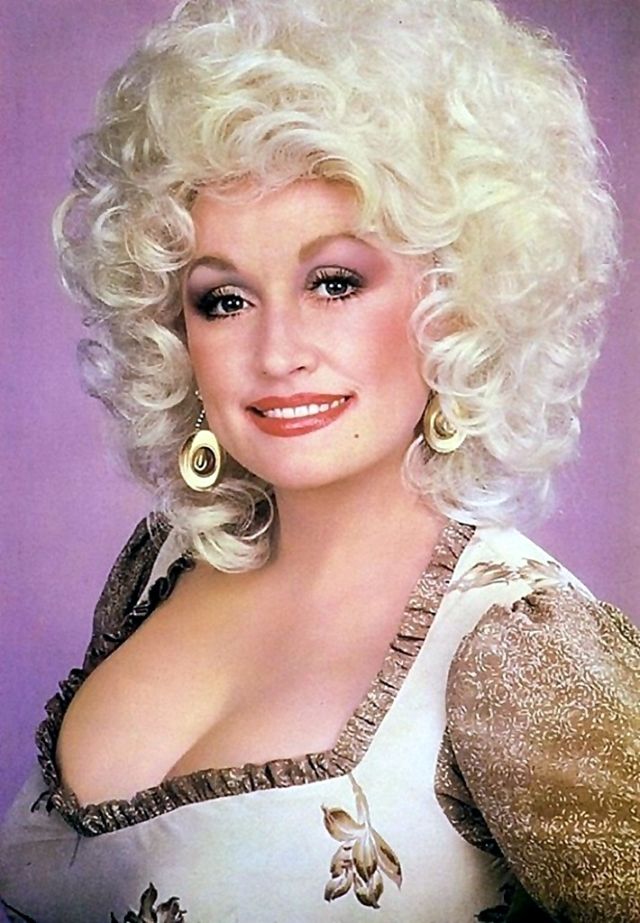
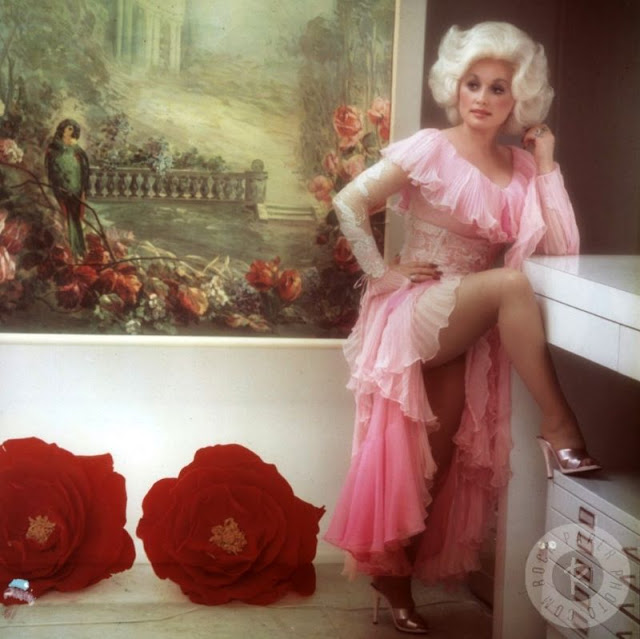
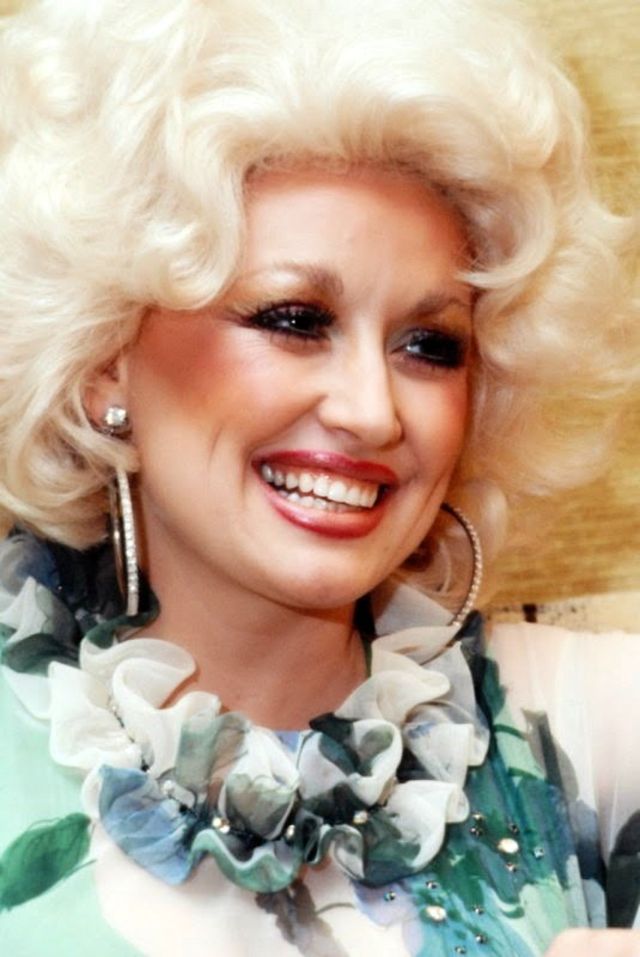
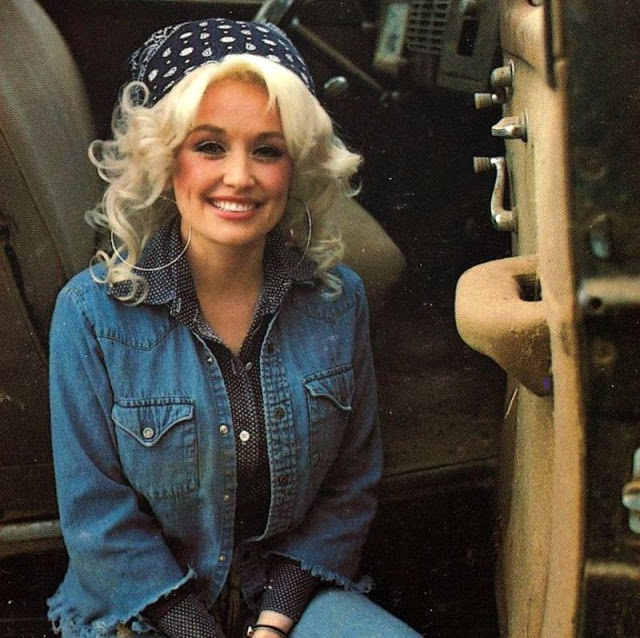
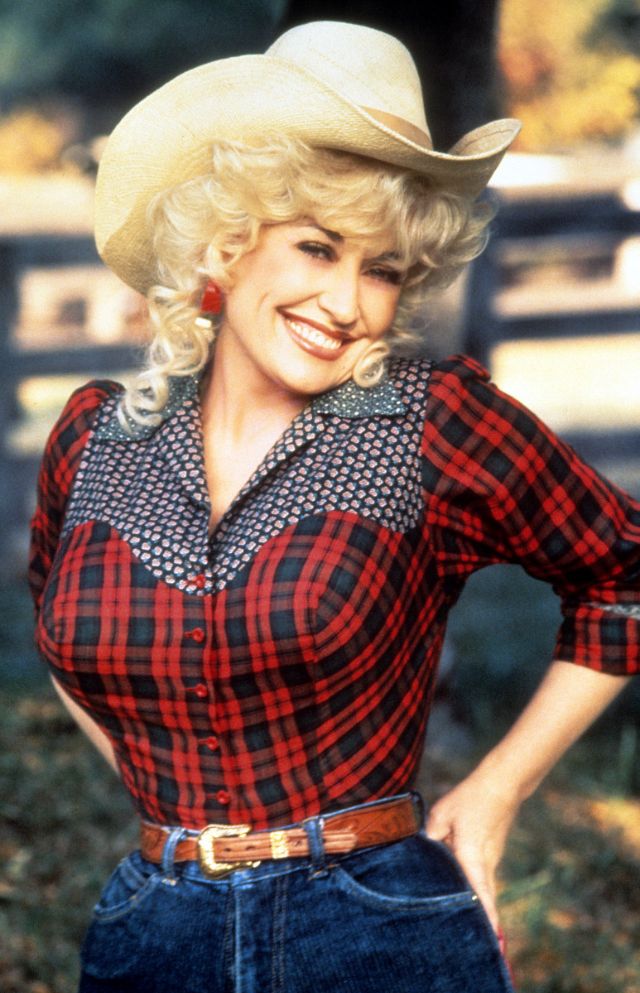
Born 1946 in Pittman Center, Tennessee, American singer, songwriter, multi-instrumentalist, record producer, actress, author, businesswoman, and philanthropist Dolly Parton is known primarily for her work in country music.
After achieving success as a songwriter for others, Parton made her album debut in 1967 with Hello, I’m Dolly. With steady success during the remainder of the 1960s (both as a solo artist and with a series of duet albums with Porter Wagoner), her sales and chart peak came during the 1970s and continued into the 1980s. Parton’s albums in the 1990s sold less well, but she achieved commercial success again in the new millennium and has released albums on various independent labels since 2000, including her own label, Dolly Records.
Parton’s music includes 25 Recording Industry Association of America (RIAA)-certified gold, platinum and multi-platinum awards. She has had 25 songs reach No. 1 on the Billboard country music charts, a record for a female artist (tied with Reba McEntire). She has 41 career top-10 country albums, a record for any artist, and she has 110 career charted singles over the past 40 years.
Parton has garnered nine Grammy Awards, two Academy Award nominations, ten Country Music Association Awards, seven Academy of Country Music Awards, three American Music Awards, and is one of only seven female artists to win the Country Music Association’s Entertainer of the Year Award. Parton has received 47 Grammy nominations.
In 1999, Parton was inducted into the Country Music Hall of Fame. She has composed over 3,000 songs, including “I Will Always Love You”, “Jolene”, “Coat of Many Colors”, and “9 to 5”. She is also one of the few to have received at least one nomination from the Academy Awards, Grammy Awards, Tony Awards, and Emmy Awards.
As an actress, she has starred in films such as 9 to 5 (1980) and The Best Little Whorehouse in Texas (1982), for which she earned Golden Globe nominations for Best Actress, as well as Rhinestone (1984), Steel Magnolias (1989), Straight Talk (1992) and Joyful Noise (2012).
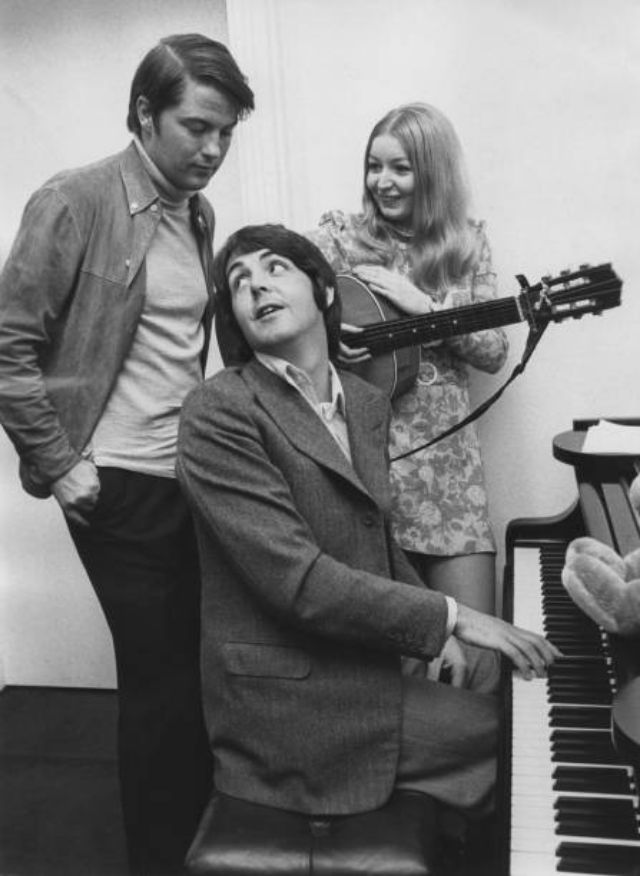
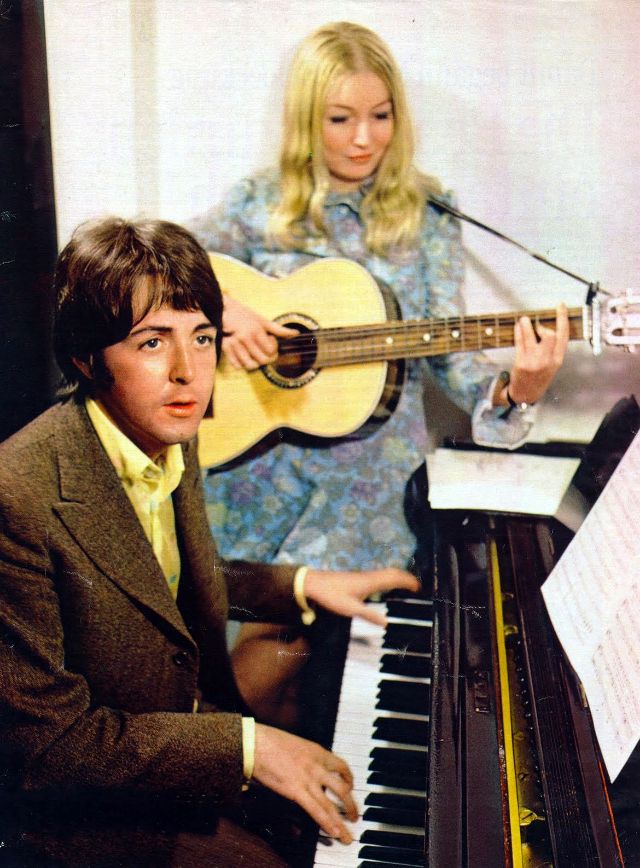
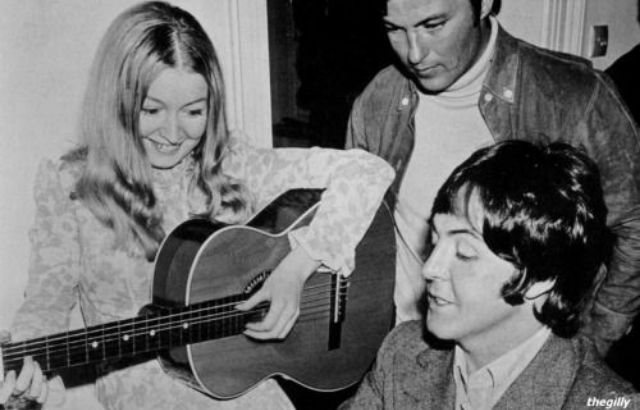
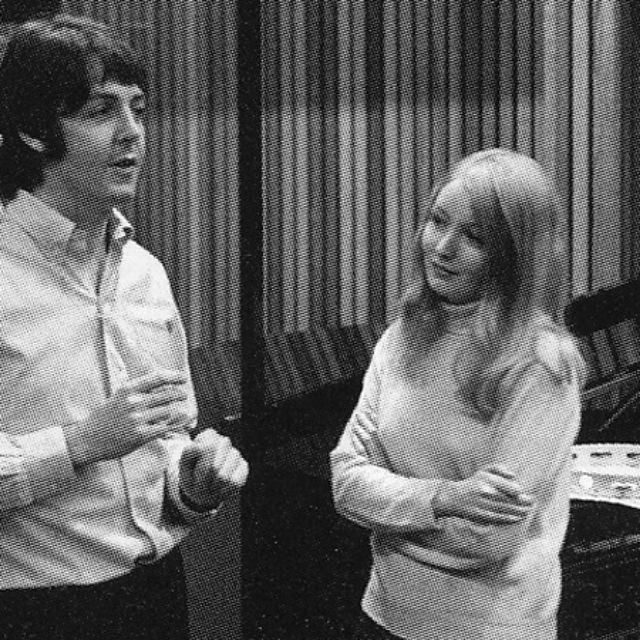
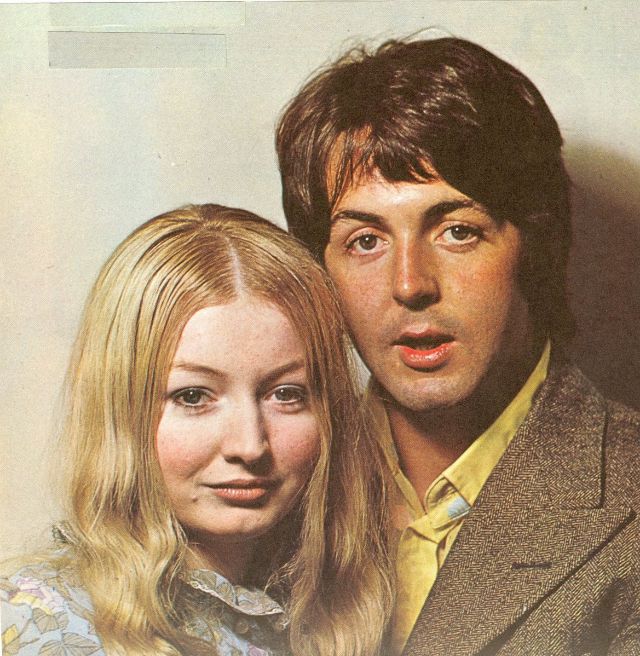
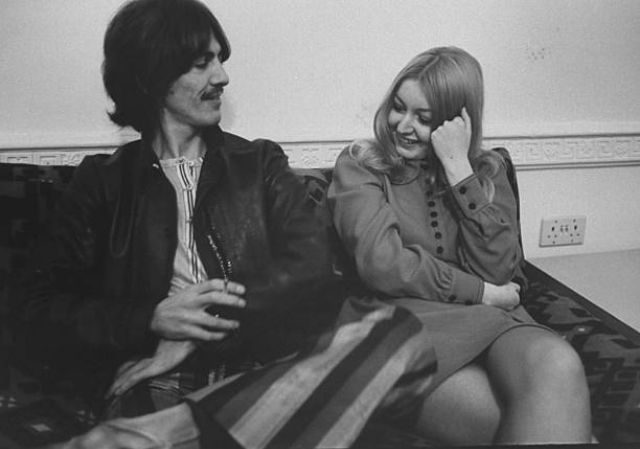
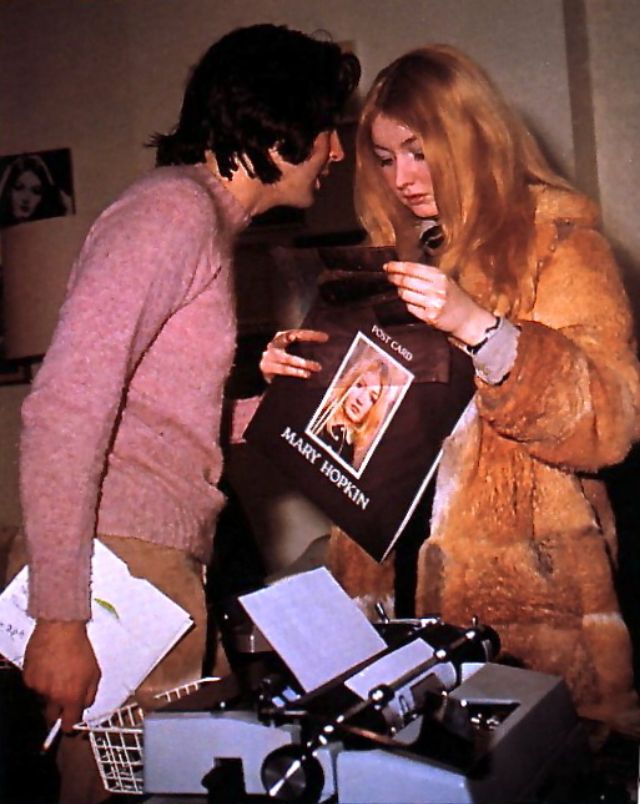
The singer Mary Hopkin’s appearance on television talent show “Opportunity Knocks” was broadcast on May 5, 1968. Her performance led to a contract with The Beatles’ Apple Records, and the multi-million selling debut single Those Were The Days.
The edition of “Opportunity Knocks” was shown just two days after Hopkin’s 18th birthday. The program showcased performances from new acts which were judged by public vote. It was recorded two days before transmission at ABC Television’s studios in Didsbury, Manchester.
The model Twiggy saw Hopkin’s performance on “Opportunity Knocks”, and suggested to Paul McCartney that the singer might be a good act for Apple to sign.
“I was a 17-year-old schoolgirl working at weekends with a group of local boys in a folk/rock band, and after about six months the group split up, so I carried on solo. Then my agent, to my absolute horror, put my name down for an audition for “Opportunity Knocks”, a good show for hopefuls in the music business but not really the sort of thing I wanted to do. But he persuaded me to go along for experience, so I went and sang a couple of songs; and the next thing I heard was that I’d been chosen for one of the programs.
“Rather reluctantly I made my appearance which, amazingly enough, Twiggy watched. She met with Paul McCartney that following weekend and when Paul was chatting to her about the new record label they were forming, Twiggy mentioned me. About two days later I got a telegram saying, ‘Ring Peter Brown at Apple Records’. It sat on the shelf for three days until my mother insisted I ring him.
“I was a great Beatles fan so I’d heard all about the Apple boutique, but I didn’t make any connection between the Beatles and this Peter Brown telegram. So I rang up and was put through to this guy with a Liverpool accent, who invited me to come up to London and sign a contract. Being a cautious young Welsh girl, I thought, “That’s a bit sudden!”, and became a bit evasive, so this guy said, “Well, go and ask your mum then!” I dragged my mother to the telephone and she proceeded to practically drop the thing because he said, “Oh, this is Paul McCartney, by the way!” I remember racing down the road to tell all my friends who I’d been talking to. The next day they sent a car for us and off I went with my mum to the big city.
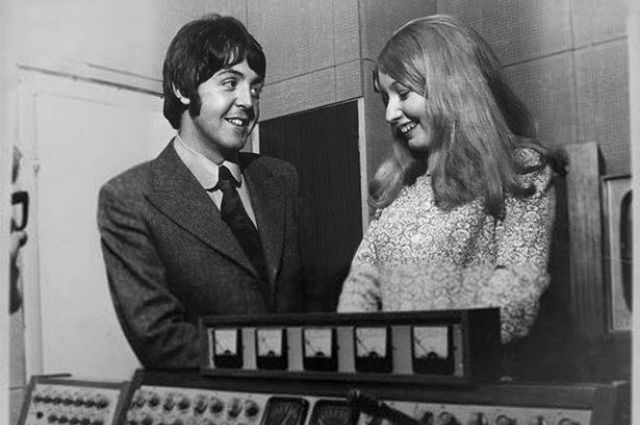
“We went to the Dick James Music studio. Paul was in the control room and I did a couple of demos for him – Joan Baez and Donovan songs – broke a guitar string and muttered some swear words into the mike. We had lunch – he took us to the Angus Steak House which we were really impressed by – and I sailed through the day in a haze, painfully shy and totally in awe of Paul. I went back home and about two days later somebody rang and said, “Yes, we’d like to sign you.” So I made another trip to London and Paul said, “I’ve got a song that might suit you. I found it years ago and gave it to Donovan and it didn’t work out, I gave it to the Moody Blues, they loved it but it didn’t happen, and I’ve been looking for the right sound for it.” Then he strummed this song called Those Were The Days. I loved it immediately, but I must say that I’d probably have liked anything he would have played me at the time! A lot of people think Paul wrote the song, but he didn’t. Anyway, we recorded it a couple of weeks later, and five weeks after the release, in September 1968, I was number one.”
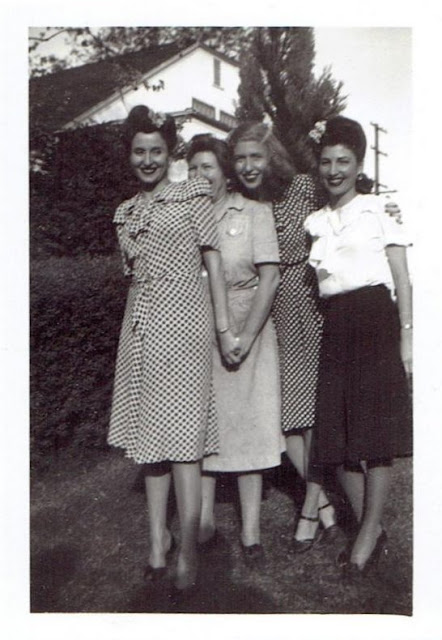
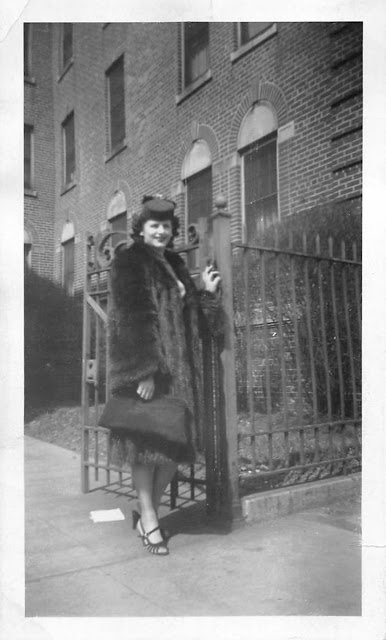
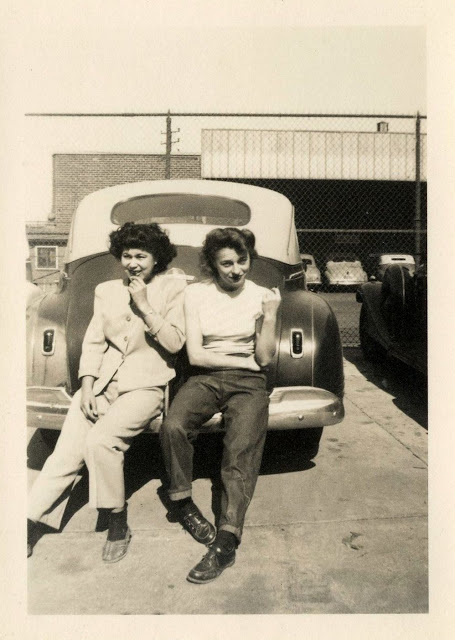
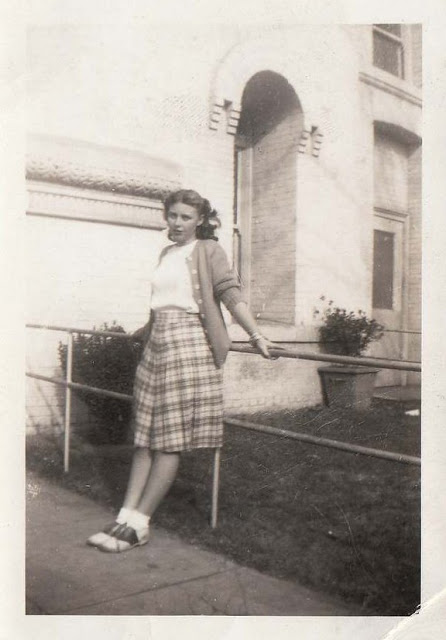
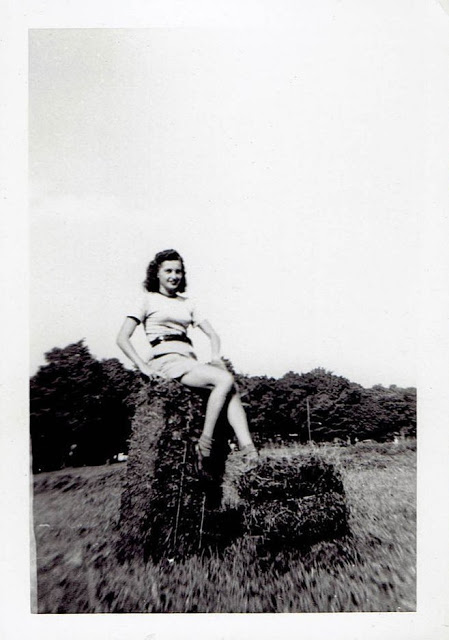
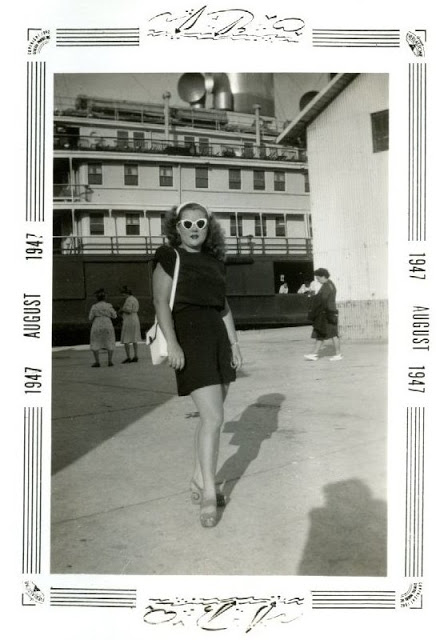
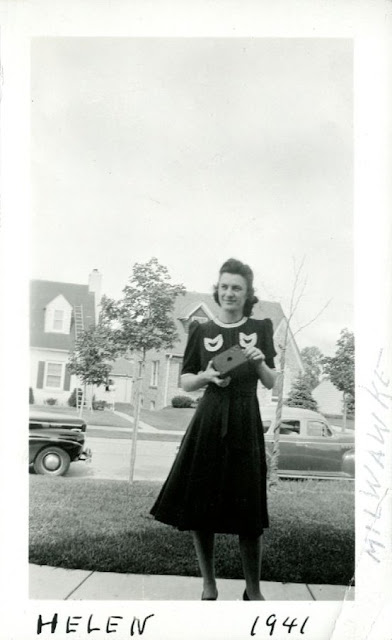
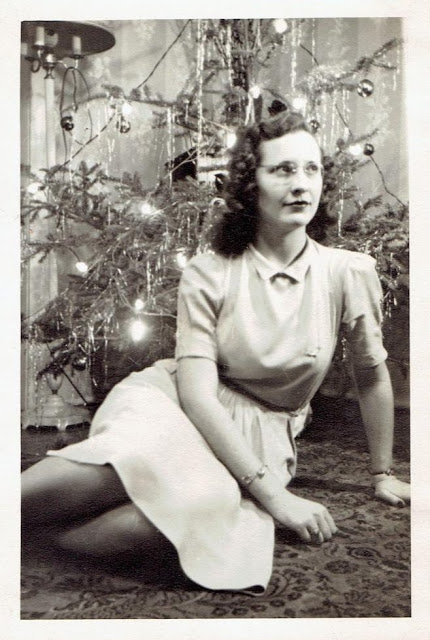
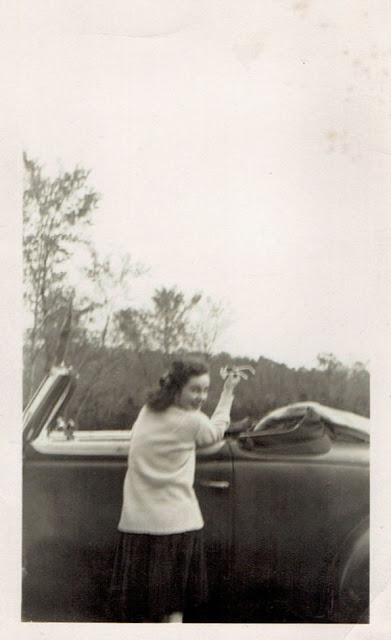
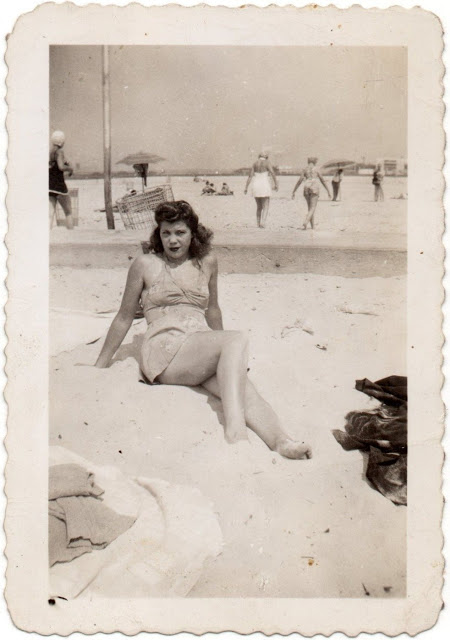
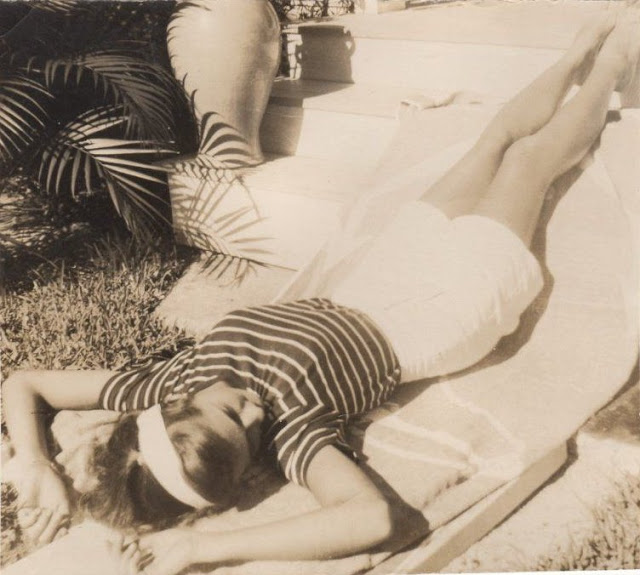
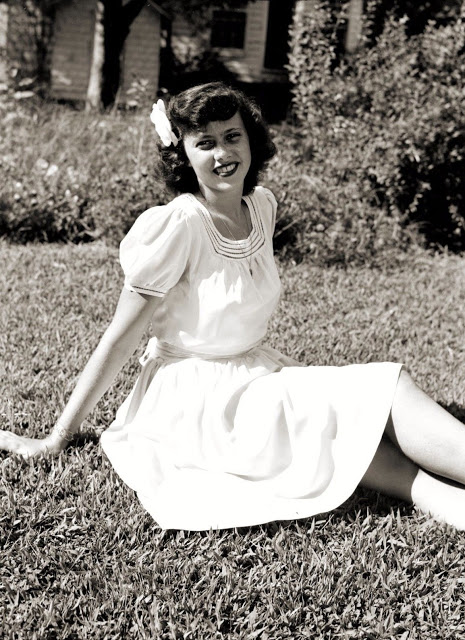
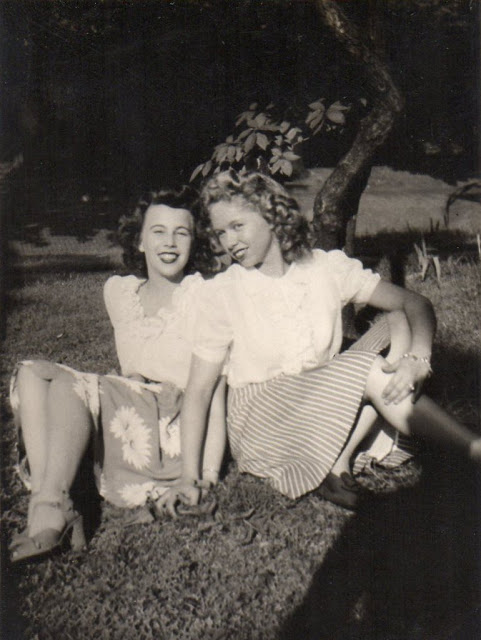
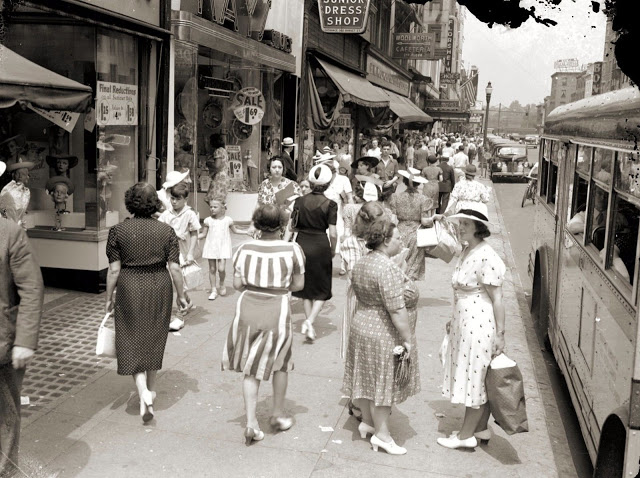
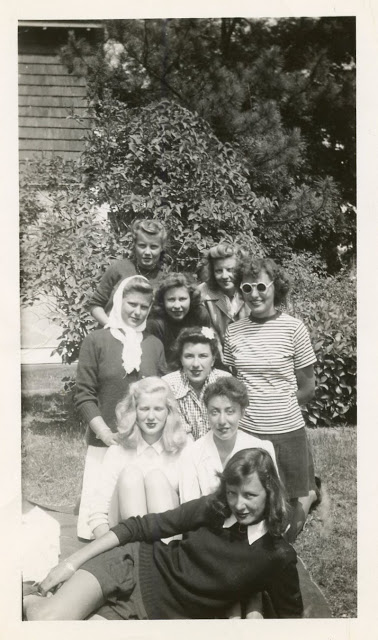
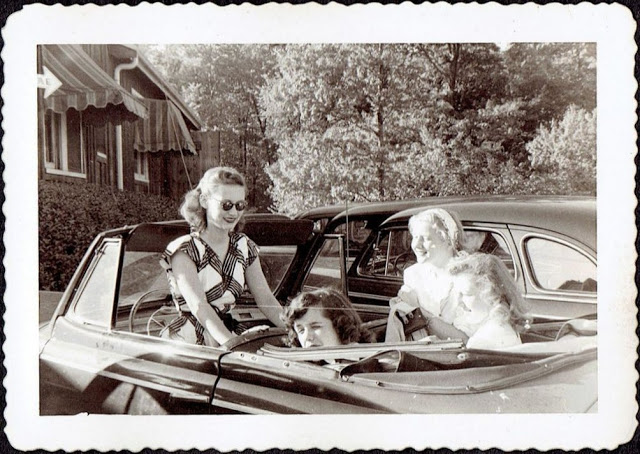
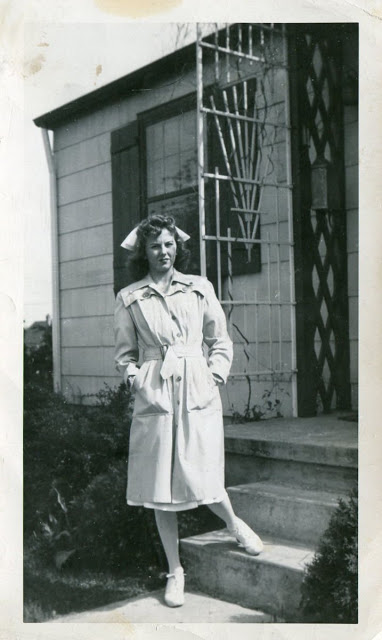
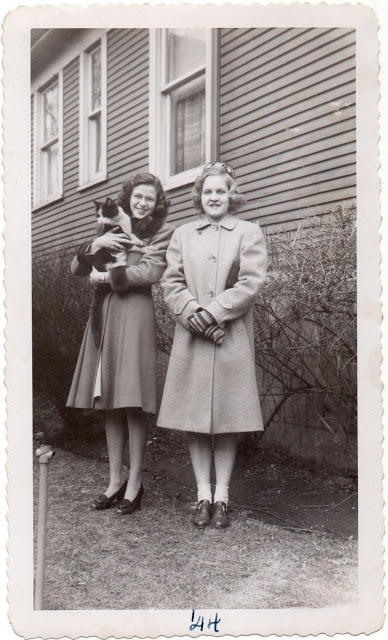
In a nutshell 1940s women’s fashion were about creating a certain silhouette. Wide padded shoulders, nipped in high waist tops, and a-line skirts that came down to the knee. This was the everyday shape for clothing from suits to dresses, even pants had a similar shape. Check out these vintage snapshots to see women’s fashion from the 1940s.