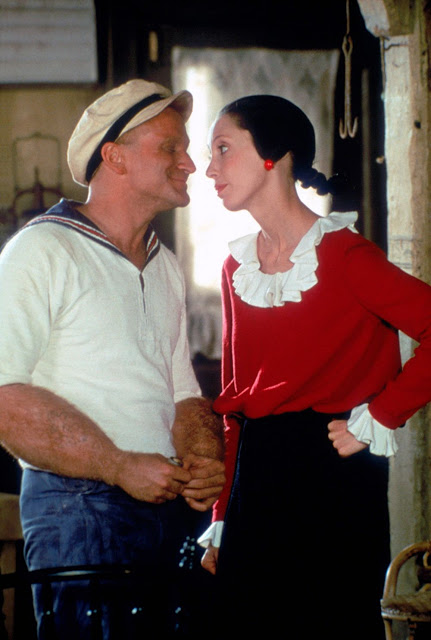
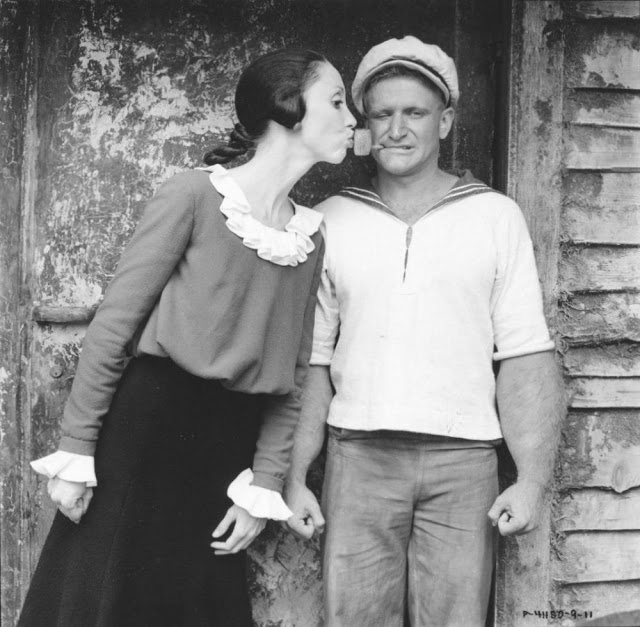
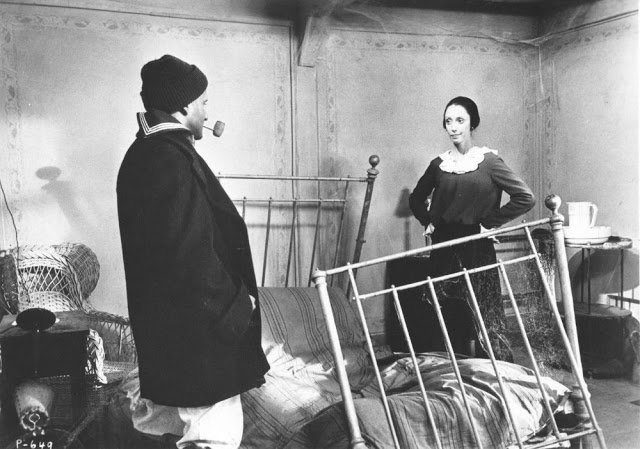
15 Hilarious Photos of Robin Williams and Shelley Duvall in Robert Altman’s Popeye (1980)

One of Robert Altman’s trademarks is the way he creates whole new worlds in his movies — worlds where we somehow don’t believe that life ends at the edge of the screen, worlds in which the main characters are surrounded by other people plunging ahead at the business of living. That gift for populating new places is one of the richest treasures in Popeye, Altman’s musical comedy. He takes one of the most artificial and limiting of art forms — the comic strip — and raises it to the level of high comedy and high spirits.

And yet Popeye nevertheless remains true to its origin on the comic page, and in those classic cartoons by Max Fleischer. A review of this film almost has to start with the work of Wolf Kroeger, the production designer, who created an astonishingly detailed and rich set on the movie’s Malta locations. Most of the action takes place in a ramshackle fishing hamlet — “Sweethaven” — where the streets run at crazy angles up the hillsides, and the rooming houses and saloons lean together dangerously.

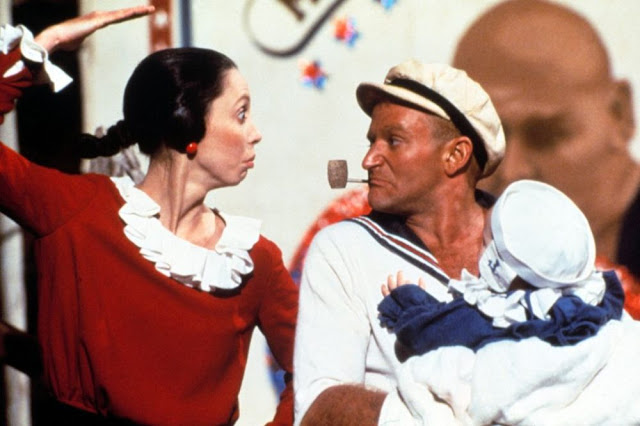
Sweethaven has been populated by actors who look, or are made to look, so much like their funny-page originals that it’s hardly even jarring that they’re not cartoons. Audiences immediately notice the immense forearms on Robin Williams, who plays Popeye; they’re big, brawny, and completely convincing. But so is Williams’s perpetual squint and his lopsided smile. Shelley Duvall, the star of so many other Altman films, is perfect here as Olive Oyl, the role she was born to play. She brings to Olive a certain … dignity, you might say. She’s not lightly scorned, and although she may tear apart a room in an unsuccessful attempt to open the curtains, she is fearless in the face of her terrifying fiancé, Bluto.

“He encouraged me to be myself on the screen, to never take acting lessons or take myself too seriously,” Shelley Duvall said of the director of Popeye. “When I play a character, at that moment nothing else exists. Certainly no theory. I try not to intellectualize. As Popeye says, I yam what I yam what I yam… and that’s ALL that I yam!”

As for her relationship with Williams, they got along great. “I had a great time on Popeye,” Duvall said. “Robin, I loved Robin. He was so much fun to work with. He came up with the best jokes outta nowhere, like off camera.”

The Sweethaven set that was built for the film still exists, and it is now a popular tourist attraction known as Popeye Village. According to Parish, Robin Williams referred to this set as “Stalag Altman”.
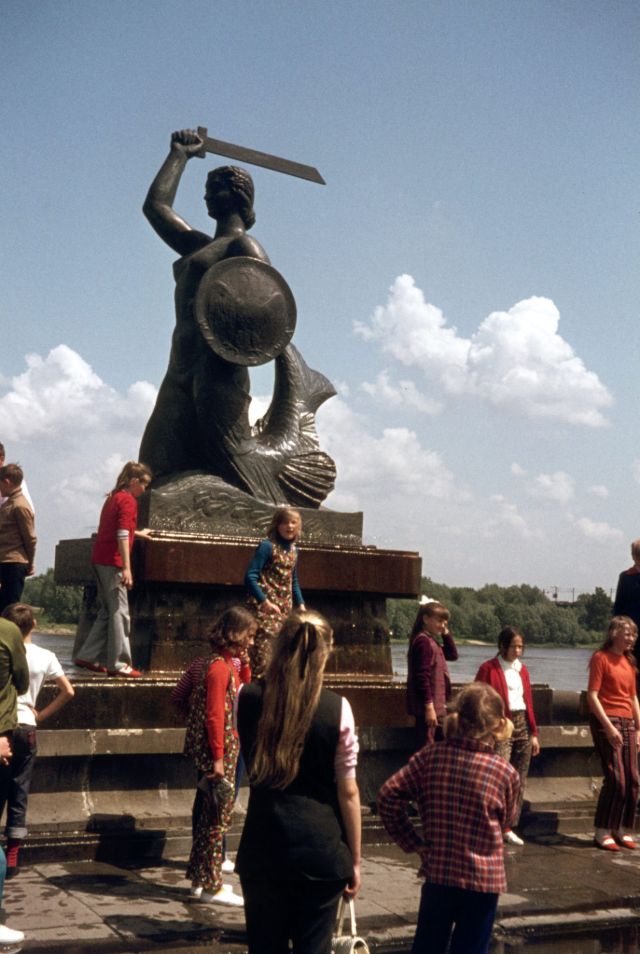
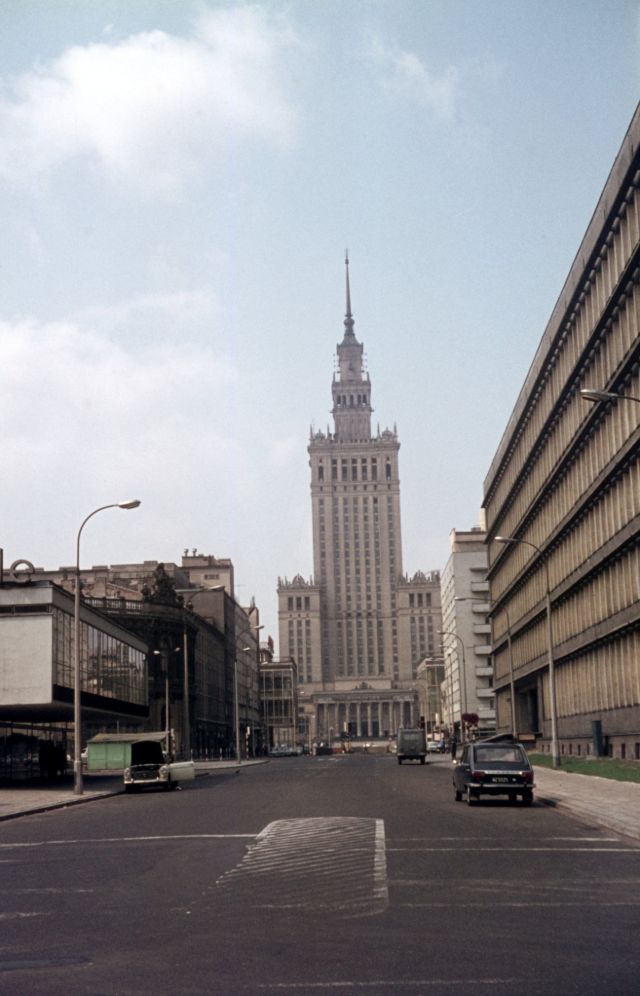
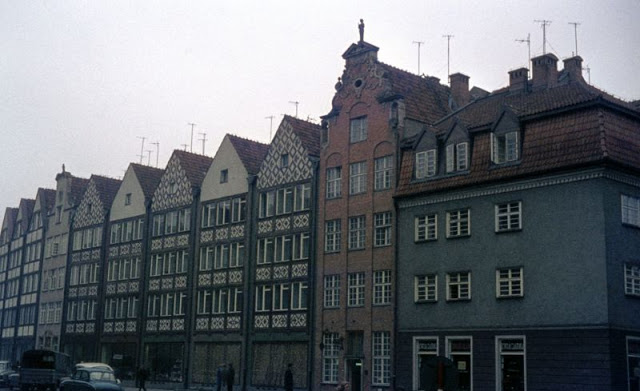
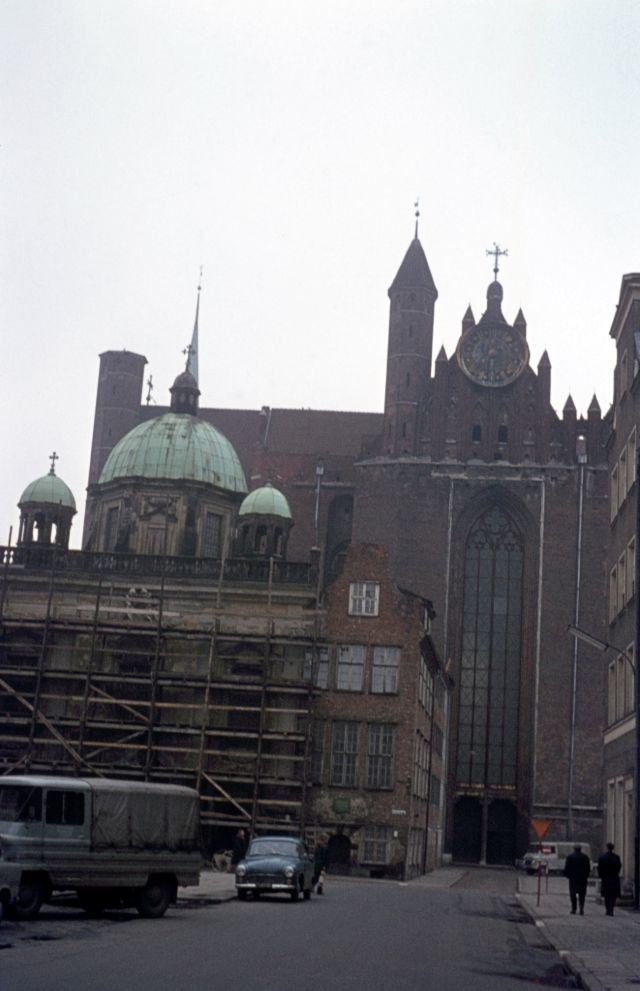
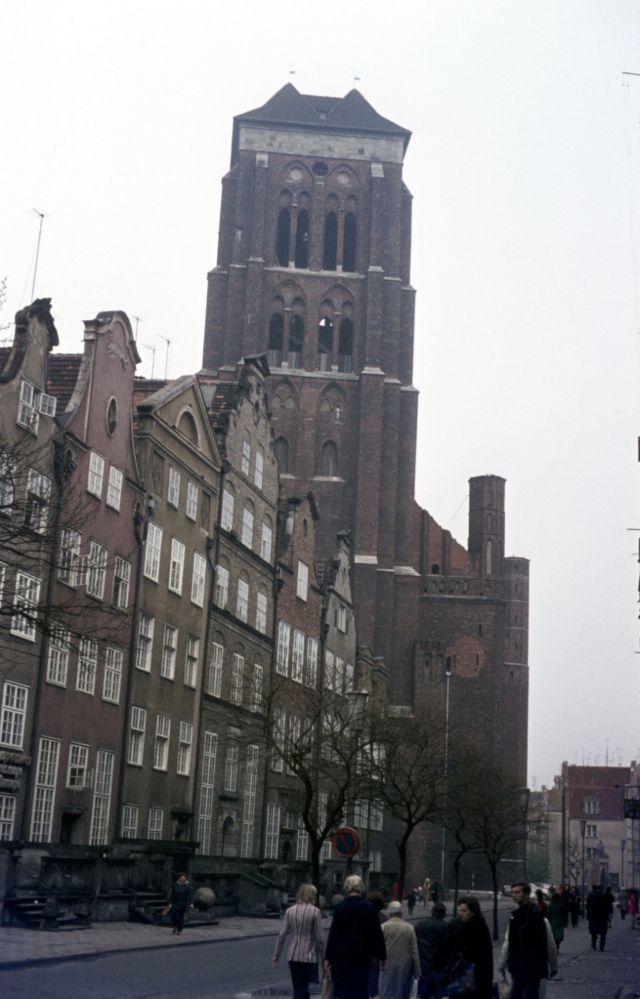
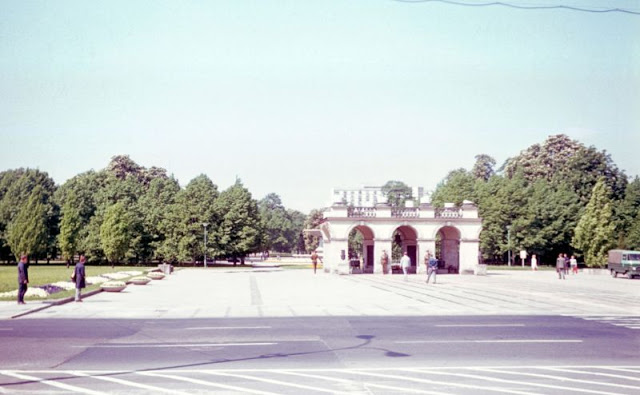
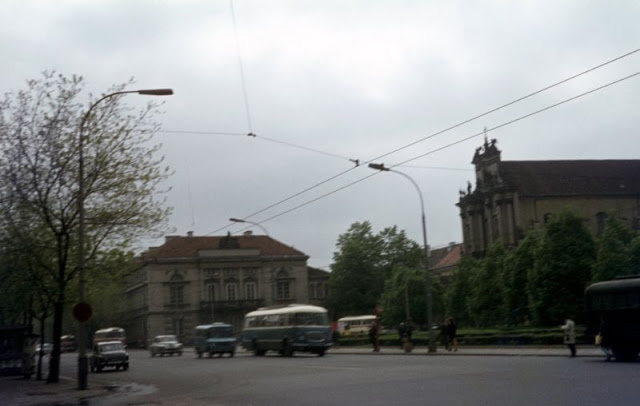
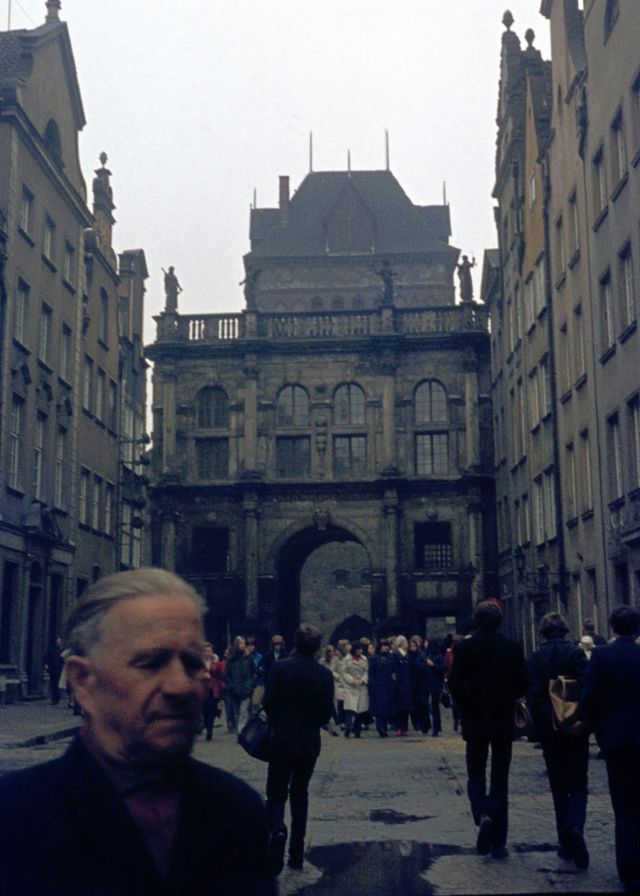
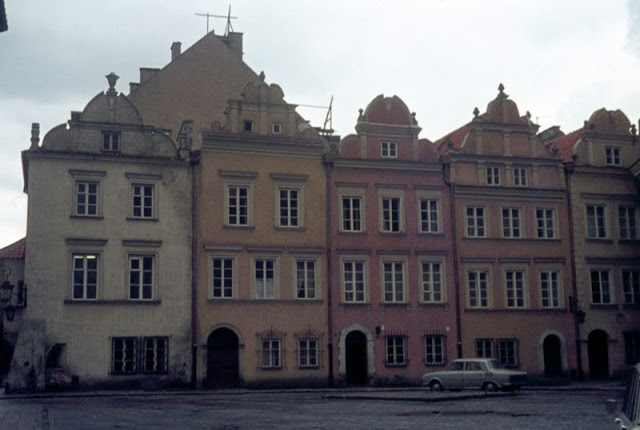
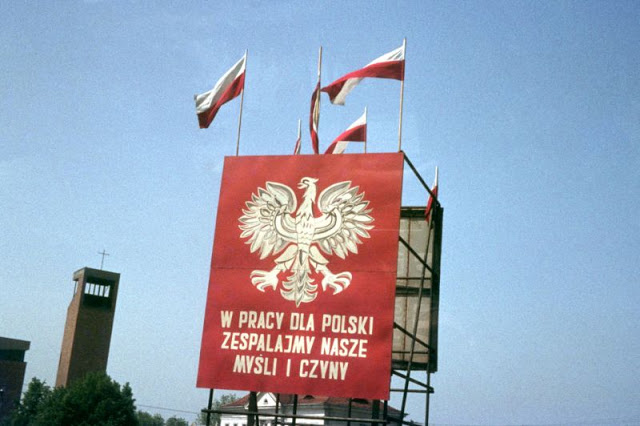
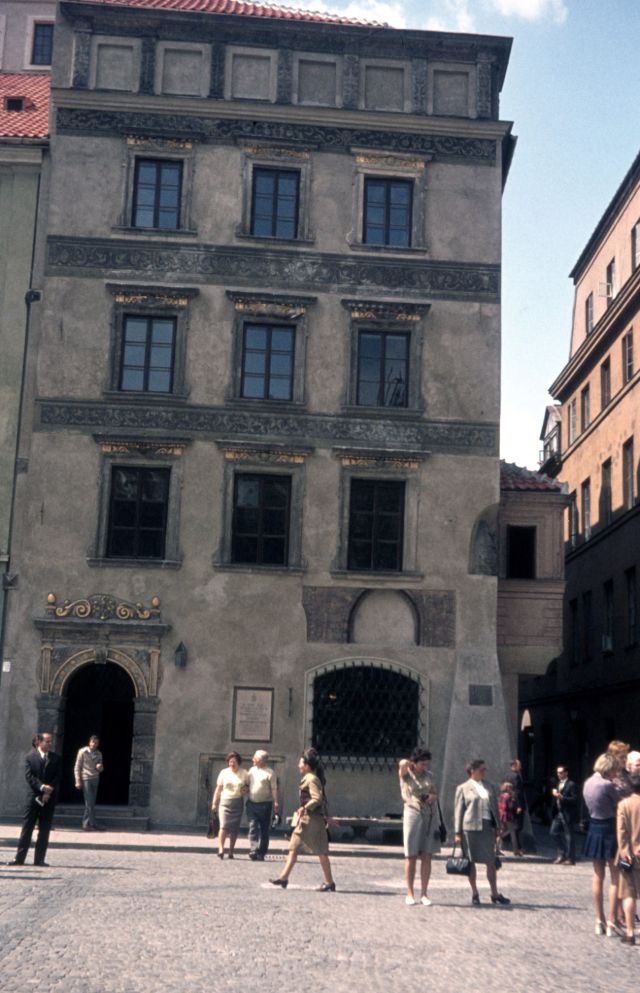
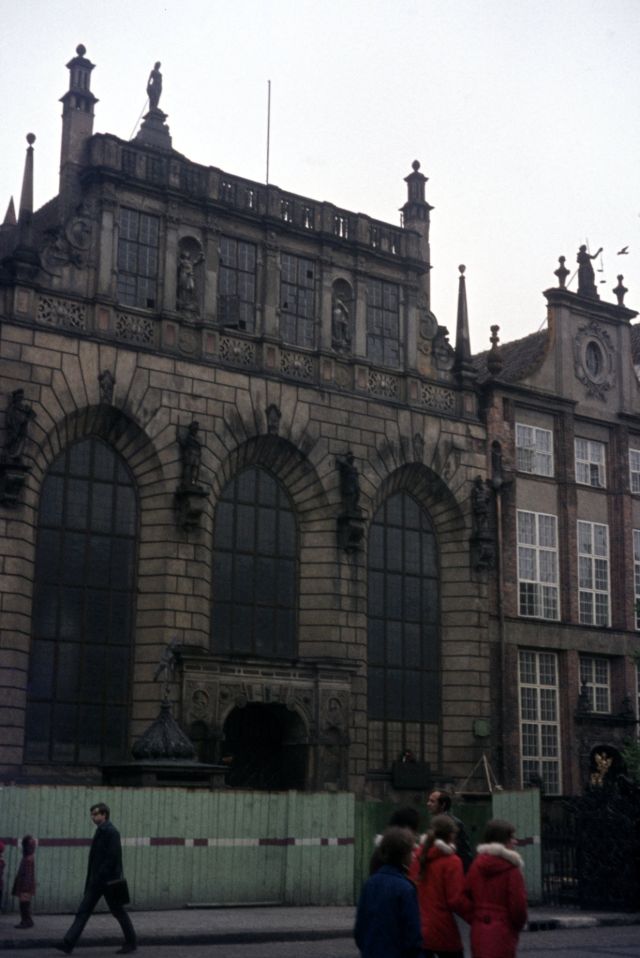
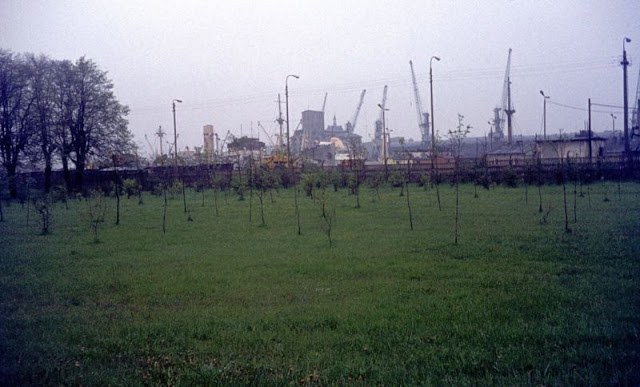
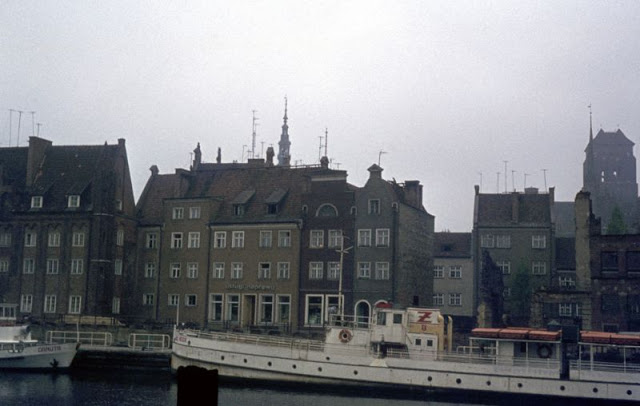
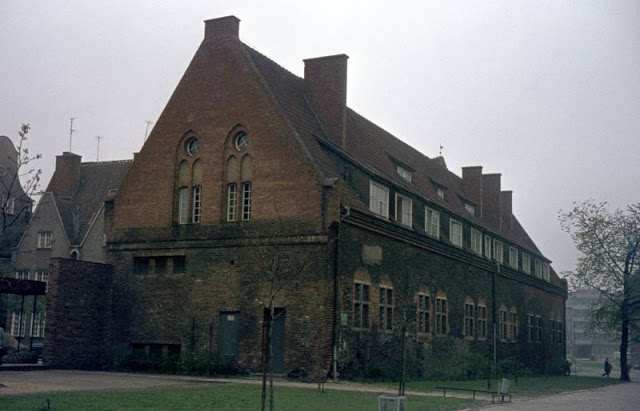
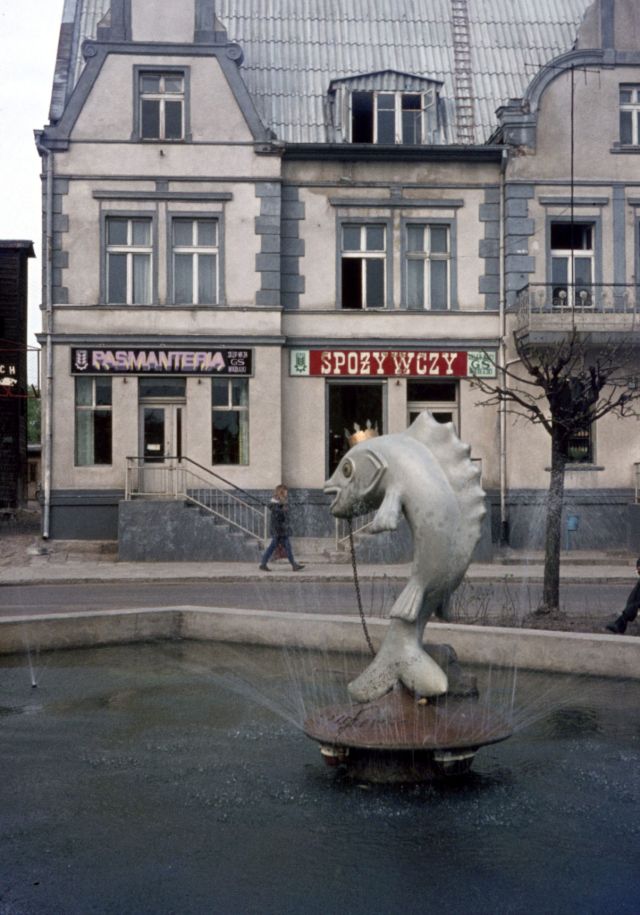
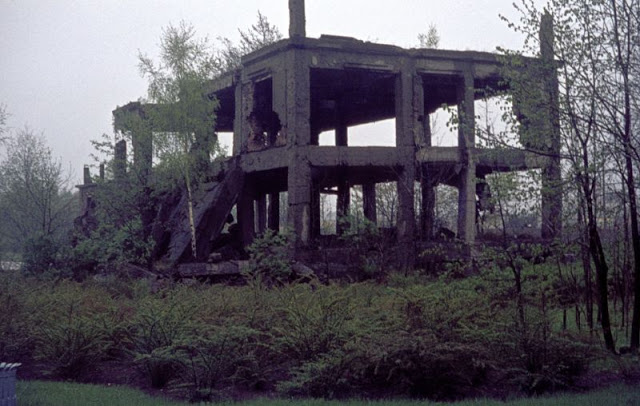
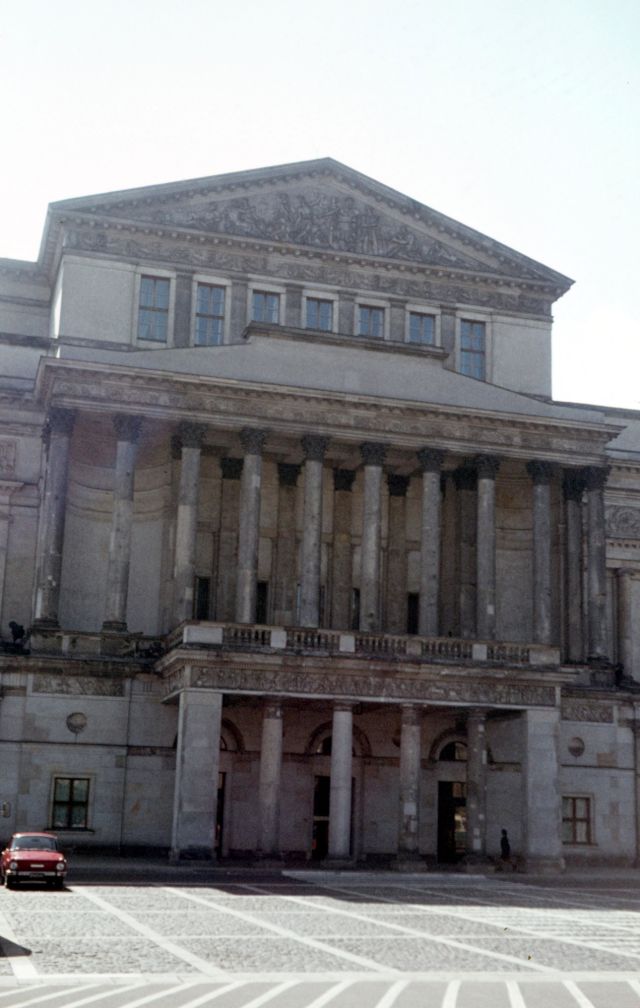
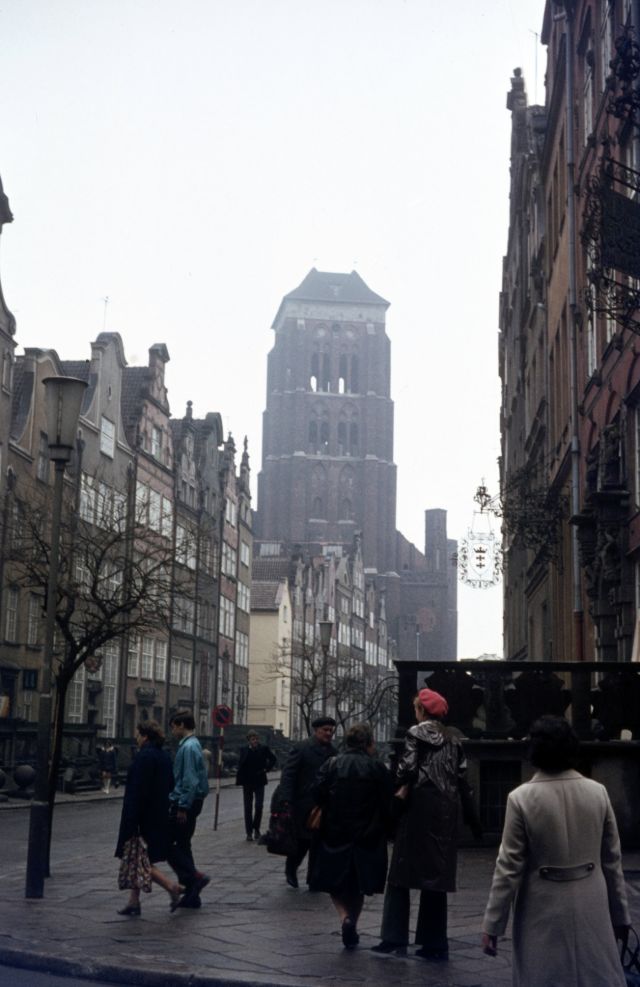
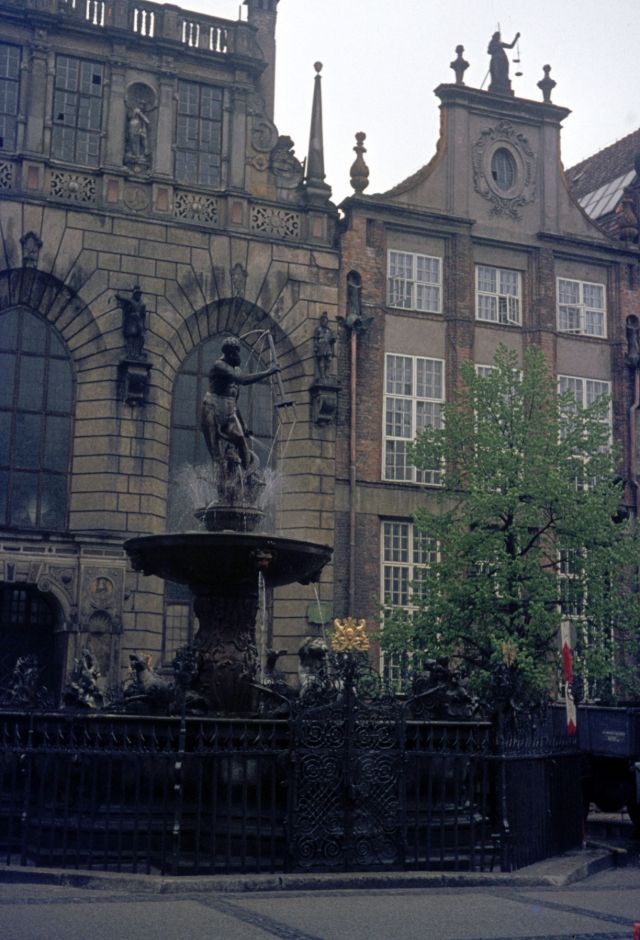
51 Wonderul Photographs Showing Everyday Life in Poland During the Early 1970s

Poland, officially the Republic of Poland, is a country in Central Europe. It is divided into 16 administrative provinces called voivodeships, covering an area of 312,696 km2 (120,733 sq mi). Poland has a population of over 38 million and is the fifth-most populous member state of the European Union. Warsaw is the nation’s capital and largest metropolis. Other major cities include Kraków, Łódź, Wrocław, Poznań, Gdańsk, and Szczecin.

Poland’s territory extends from the Baltic Sea in the north to the Sudeten and Carpathian Mountains in the south. The country is bordered by Lithuania and Russia to the northeast, Belarus and Ukraine to the east, Slovakia and the Czech Republic to the south, and Germany to the west. Poland also shares maritime boundaries with Denmark and Sweden.

The history of human activity on Polish soil spans thousands of years. Throughout the late antiquity period it became extensively diverse, with various cultures and tribes settling on the vast Central European Plain. However, it was the Polans who dominated the region and gave Poland its name. The establishment of Polish statehood can be traced to 966, when the pagan ruler of a realm coextensive with the territory of present-day Poland embraced Christianity and converted to Catholicism. The Kingdom of Poland was founded in 1025 and in 1569 cemented its longstanding political association with Lithuania by signing the Union of Lublin. The latter led to the forming of the Polish–Lithuanian Commonwealth, one of the largest and most populous nations of 16th and 17th-century Europe, with a uniquely liberal political system that adopted Europe’s first modern constitution, the Constitution of 3 May 1791.

With the end of the prosperous Polish Golden Age, the country was partitioned by neighbouring states at the end of the 18th century. It regained its independence in 1918 with the Treaty of Versailles and restored its position as a key player in European politics. In September 1939, the German-Soviet invasion of Poland marked the beginning of World War II, which resulted in the Holocaust and millions of Polish casualties. As a member of the Eastern Bloc, the Polish People’s Republic proclaimed forthwith was a chief signatory of the Warsaw Pact amidst global Cold War tensions. In the wake of the 1989 events, notably through the emergence and contributions of the Solidarity movement, the communist government was dissolved and Poland re-established itself as a democratic republic.

Poland is a developed market[19] and a middle power; it has the sixth largest economy in the European Union by nominal GDP and the fifth largest by GDP (PPP). It provides very high standards of living, safety and economic freedom, as well as free university education and a universal health care system. The country has 17 UNESCO World Heritage Sites, 15 of which are cultural. Poland is a founding member state of the United Nations, as well as a member of the World Trade Organization, NATO, and the European Union (including the Schengen Area). (Wikipedia)

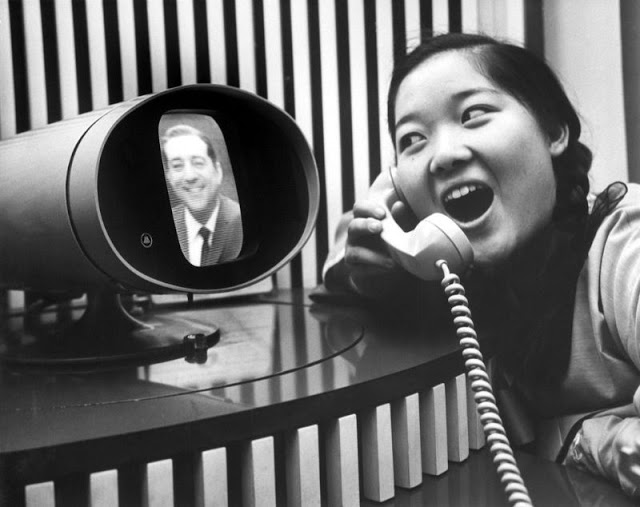
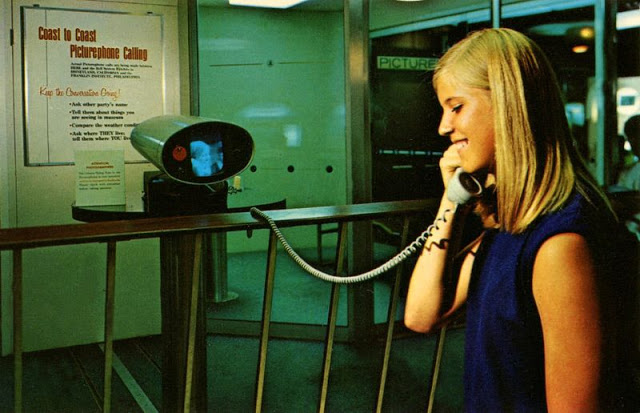
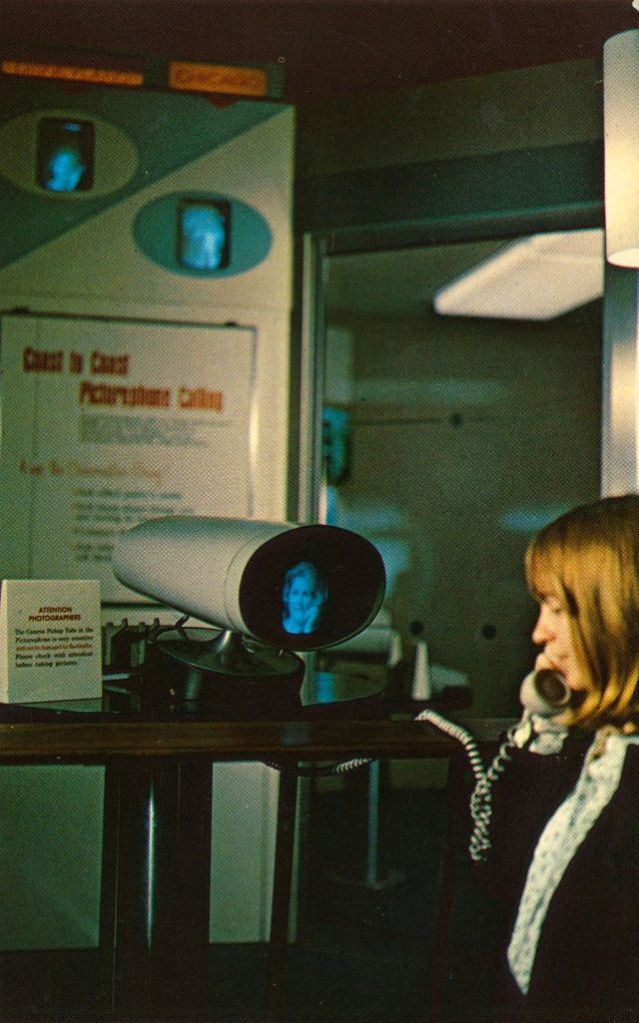
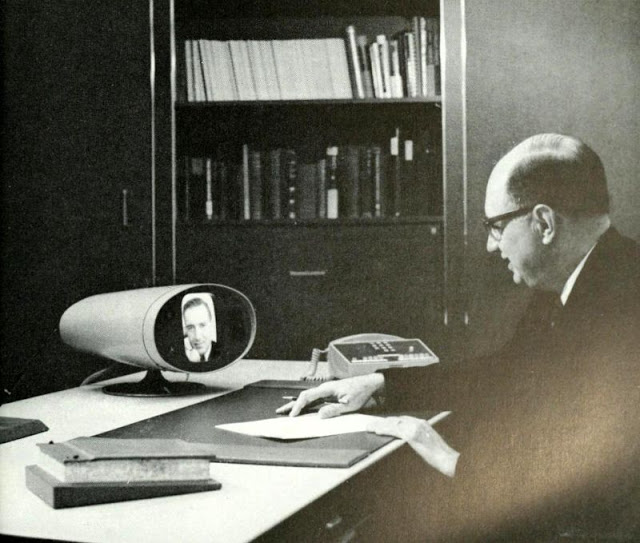
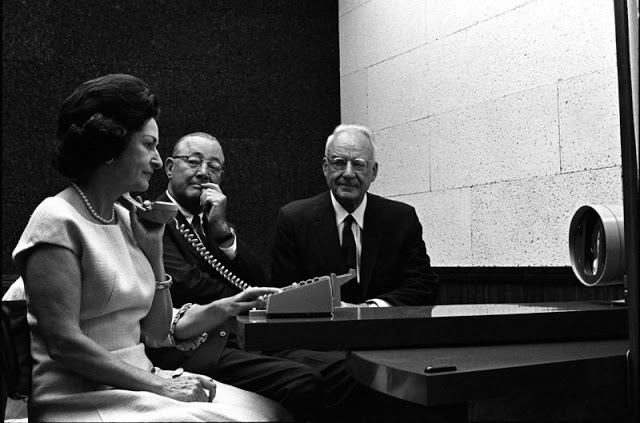
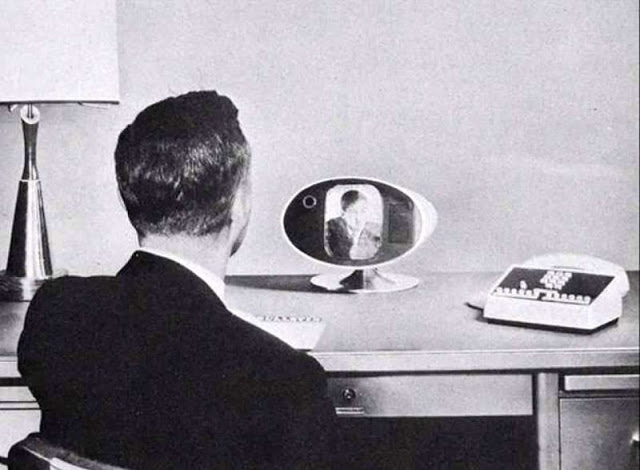
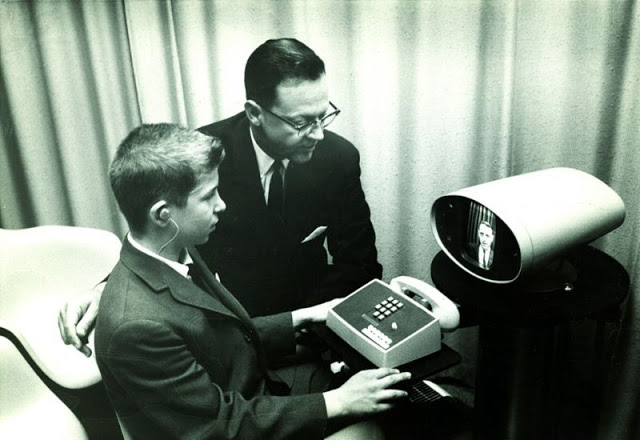
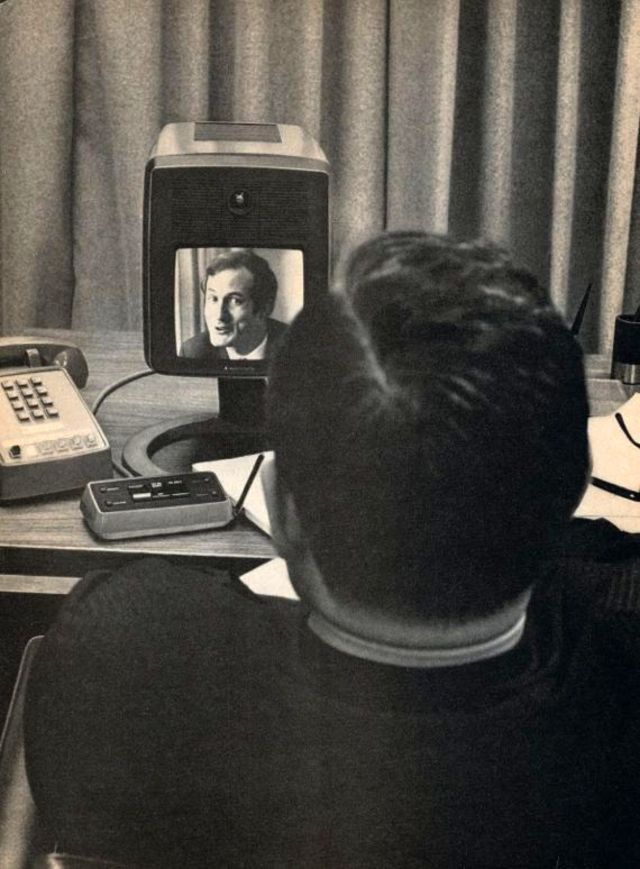
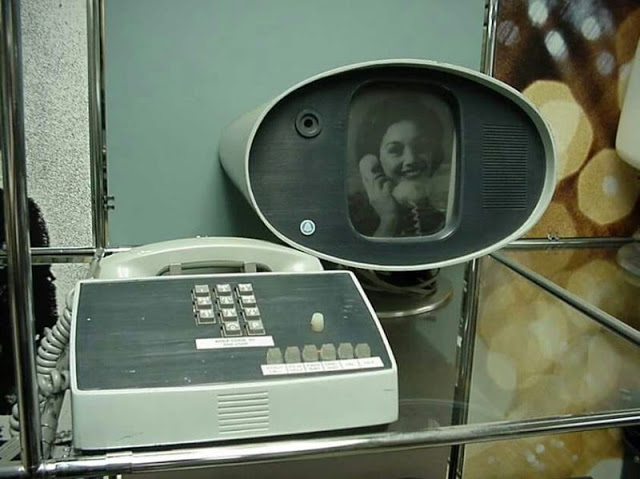
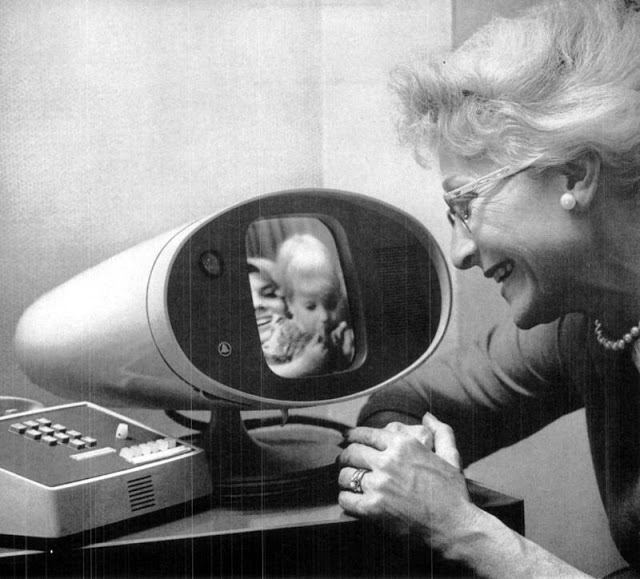
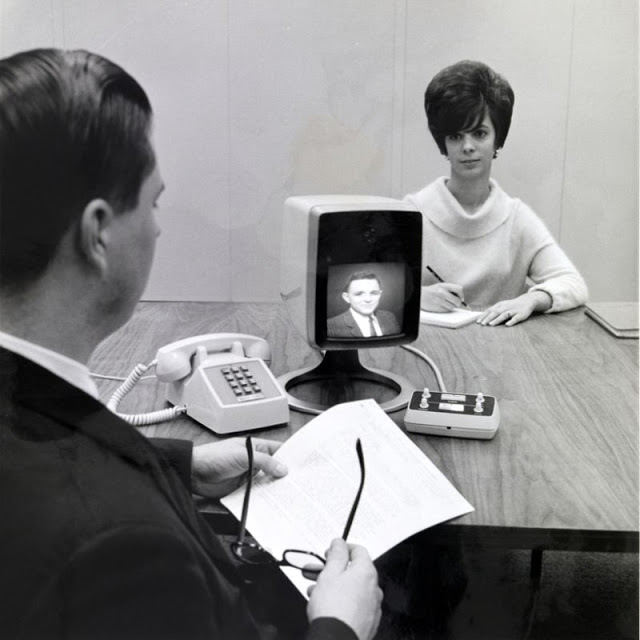
Long Before Facetime, These 22 Amazing Photos Show People Using Picturephones in the 1960s

Bell Telephone’s Picturephone went on display at the 1964 World’s Fair, and it went into actual commercial use on over 50 years ago.

From a booth set up in Grand Central Terminal, a person could talk to a friend in Chicago or Washington while also seeing them on a small video screen. The friend would also have to go to a special booth in those cities to take the call. The price for the novelty of a three-minute call was $16. That would be equivalent to $121 in today’s money.

Today, you can simply decide that you want to look at someone while talking to them on a phone — and do it for hours without needing to traipse to a special room downtown. The price: $0 using a service like FaceTime or Skype…

Take a look at these cool pics to see what picturephones looked like from the 1960s.

22 Amazing Vintage Photographs That Capture Everyday Life in the 1940s by Weegee

Weegee, born Usher Fellig on June 12, 1899 in the town of Lemburg (now in Ukraine), first worked as a photographer at age fourteen, three years after his family immigrated to the United States, where his first name was changed to the more American-sounding Arthur.

Self-taught, he held many other photography-related jobs before gaining regular employment at a photography studio in lower Manhattan in 1918. This job led him to others at a variety of newspapers until, in 1935, he became a freelance news photographer. He centered his practice around police headquarters and in 1938 obtained permission to install a police radio in his car. This allowed him to take the first and most sensational photographs of news events and offer them for sale to publications such as the Herald-Tribune, Daily News, Post, the Sun, and PM Weekly, among others.

During the 1940s, Weegee’s photographs appeared outside the mainstream press and met success there as well. New York’s Photo League held an exhibition of his work in 1941, and the Museum of Modern Art began collecting his work and exhibited it in 1943. Weegee published his photographs in several books, including Naked City (1945), Weegee’s People (1946), and Naked Hollywood (1953). After moving to Hollywood in 1947, he devoted most of his energy to making 16-millimeter films and photographs for his “Distortions” series, a project that resulted in experimental portraits of celebrities and political figures.

Weegee’s photographic oeuvre is unusual in that it was successful in the popular media and respected by the fine-art community during his lifetime. His photographs’ ability to navigate between these two realms comes from the strong emotional connection forged between the viewer and the characters in his photographs, as well as from Weegee’s skill at choosing the most telling and significant moments of the events he photographed.

A black and white photograph of children playing in the street during summer, joyfully splashing in water from a fire hydrant, while adults observe from the background.
Summer on the Lower East Side, 1937
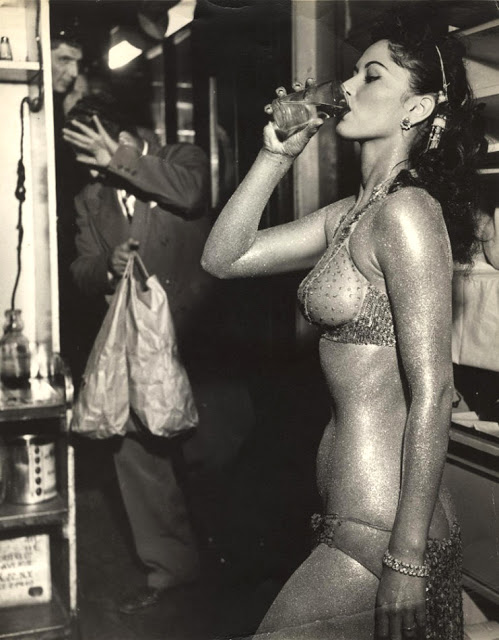
A glamorous woman in a sparkling bikini drinks from a glass, while a man in the background looks surprised or disinterested.
Gold-painted stripper

Subscribe to get access

Read more of this content when you subscribe today.

Subscribe to continue reading

Subscribe to get access to the rest of this post and other subscriber-only content.

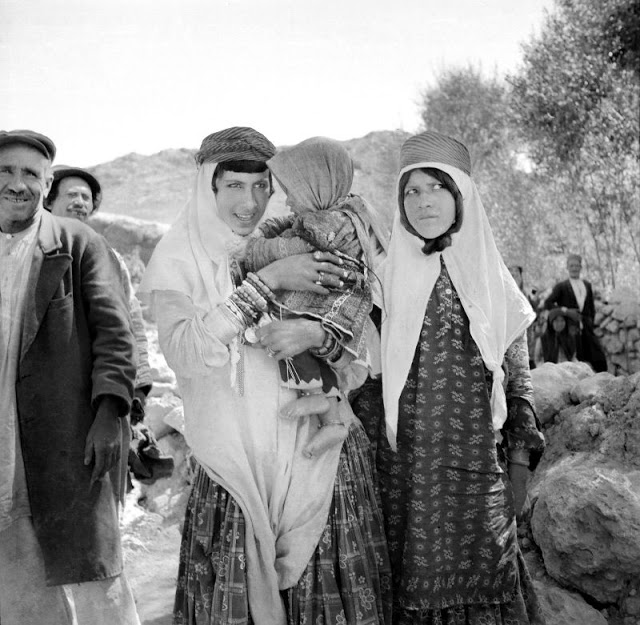
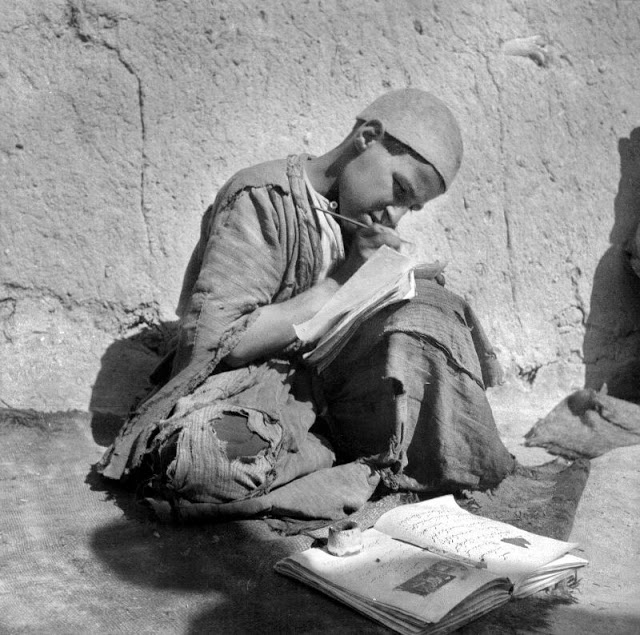
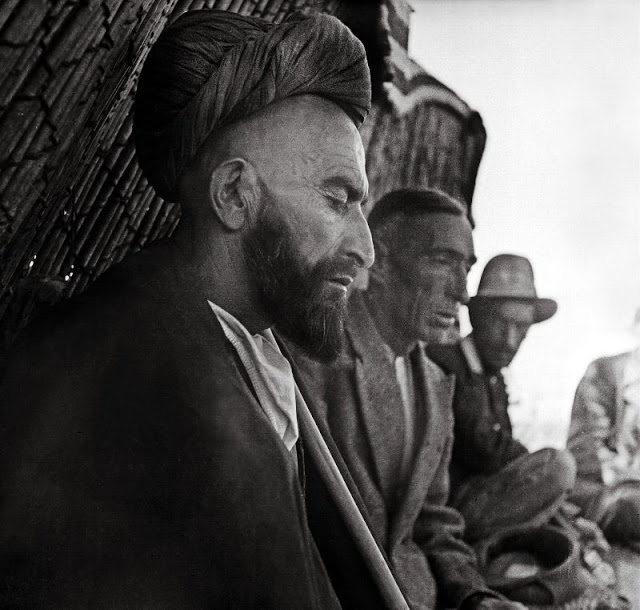
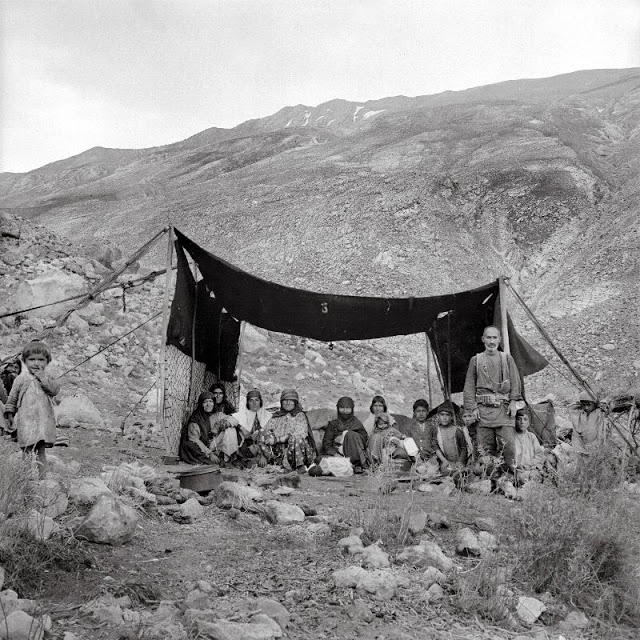
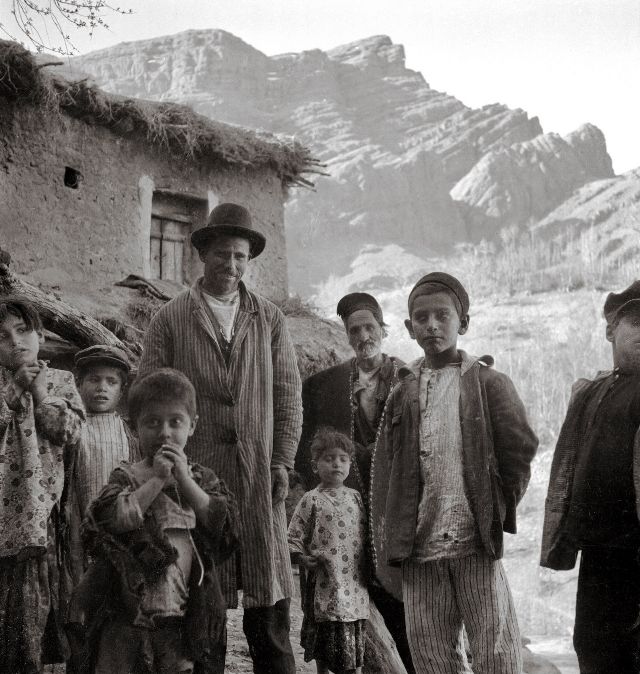
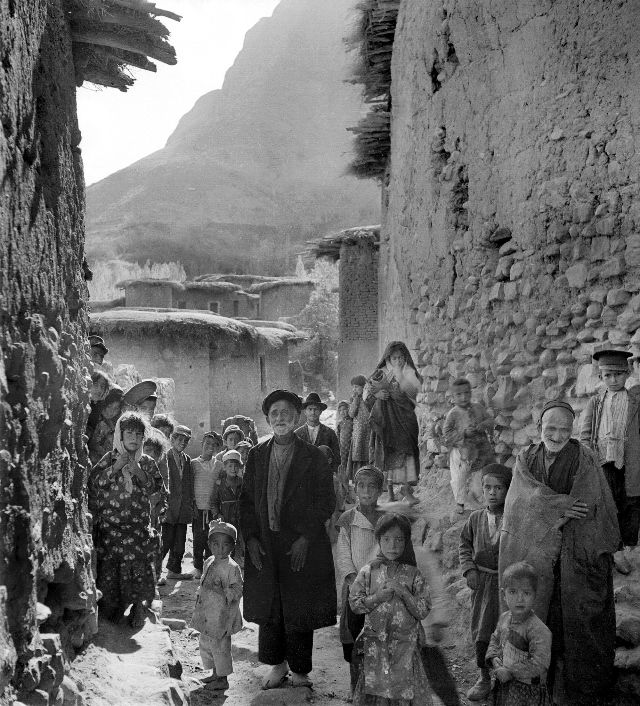
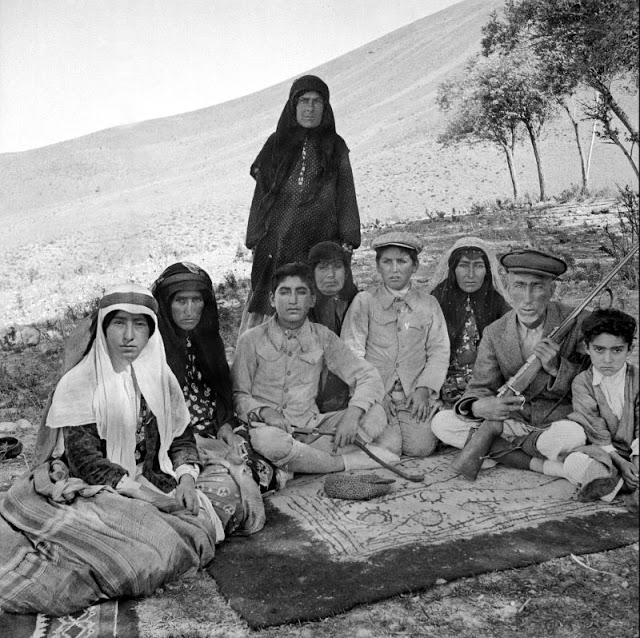
16 Interesting Vintage Photos Showing Life in Persia in 1935

Iran, also called Persia, and officially the Islamic Republic of Iran, is a country in Western Asia. It is bordered by Iraq and Turkey to the west, by Azerbaijan and Armenia to the northwest, by the Caspian Sea and Turkmenistan to the north, by Afghanistan and Pakistan to the east, and by the Gulf of Oman and the Persian Gulf to the south. It covers an area of 1,648,195 km2 (636,372 sq mi), making it the fourth-largest country entirely in Asia and the second-largest country in Western Asia behind Saudi Arabia. Iran has a population of 85 million, making it the 17th-most populous country in the world. Its capital and largest city is Tehran, followed by Mashhad, Isfahan, Karaj, Shiraz and Tabriz.

The country is home to one of the world’s oldest civilizations, beginning with the formation of the Elamite kingdoms in the fourth millennium BC. It was first unified by the Medes, an ancient Iranian people, in the seventh century BC, and reached its territorial height in the sixth century BC, when Cyrus the Great founded the Achaemenid Persian Empire, which became one of the largest empires in history and has been described as the world’s first effective superpower. The Achaemenid Empire fell to Alexander the Great in the fourth century BC and was subsequently divided into several Hellenistic states. An Iranian rebellion established the Parthian Empire in the third century BC, which was succeeded in the third century AD by the Sassanid Empire, a major world power for the next four centuries. Arab Muslims conquered the empire in the seventh century AD, which led to the Islamization of Iran. It subsequently became a major center of Islamic culture and learning, with its art, literature, philosophy, and architecture spreading across the Muslim world and beyond during the Islamic Golden Age. Over the next two centuries, a series of native Iranian Muslim dynasties emerged before the Seljuk Turks and the Mongols conquered the region. In the 15th century, the native Safavids re-established a unified Iranian state and national identity, and converted the country to Shia Islam. Under the reign of Nader Shah in the 18th century, Iran once again became a major world power, though by the 19th century, a series of conflicts with the Russian Empire led to significant territorial losses. The early 20th century saw the Persian Constitutional Revolution. Efforts to nationalize its fossil fuel supply from Western companies led to an Anglo-American coup in 1953, which resulted in greater autocratic rule under Mohammad Reza Pahlavi and growing Western political influence. He went on to launch a far-reaching series of reforms in 1963. After the Iranian Revolution, the current Islamic Republic was established in 1979 by Ruhollah Khomeini, who became the country’s first Supreme Leader.

The government of Iran is an Islamic theocracy that includes elements of a presidential democracy, with the ultimate authority vested in an autocratic “Supreme Leader”; a position held by Ali Khamenei since Khomeini’s death in 1989. The Iranian government is widely considered to be authoritarian, and has attracted widespread criticism for its significant constraints and abuses against human rights and civil liberties, including several violent suppressions of mass protests, unfair elections, and limited rights for women and for children. It is also a focal point for Shia Islam within the Middle East, countering the long-existing Arab and Sunni hegemony within the region. Since the Iranian Revolution, the country is widely considered to be the largest adversary of Israel and also of Saudi Arabia. Iran is also considered to be one of the biggest players within Middle Eastern affairs, with its government being involved both directly and indirectly in the majority of modern Middle Eastern conflicts.

Iran is a regional and middle power, with a geopolitically strategic location in the Asian continent. It is a founding member of the United Nations, the ECO, the OIC, and the OPEC. It has large reserves of fossil fuels—including the second-largest natural gas supply and the fourth-largest proven oil reserves. The country’s rich cultural legacy is reflected in part by its 26 UNESCO World Heritage Sites. Historically a multinational state, Iran remains a pluralistic society comprising numerous ethnic, linguistic, and religious groups, with the largest of these being Persians, Azeris, Kurds, Mazandaranis, and Lurs. (Wikipedia)

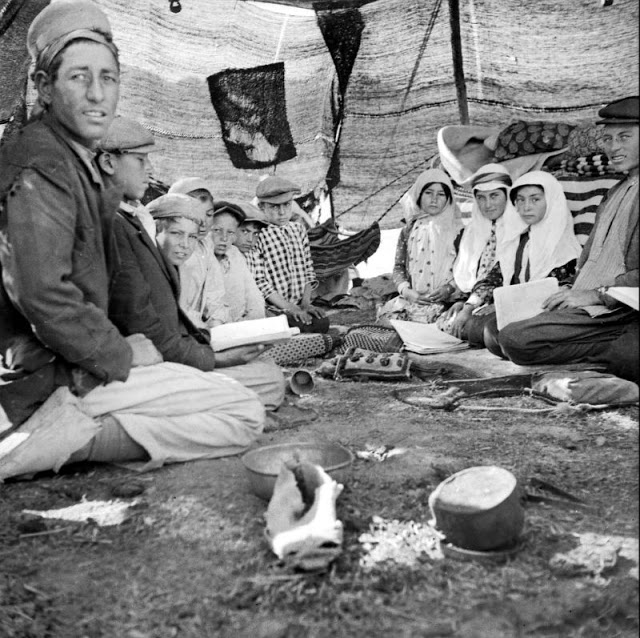
Lessons, 1935
Playing the ney, 1935
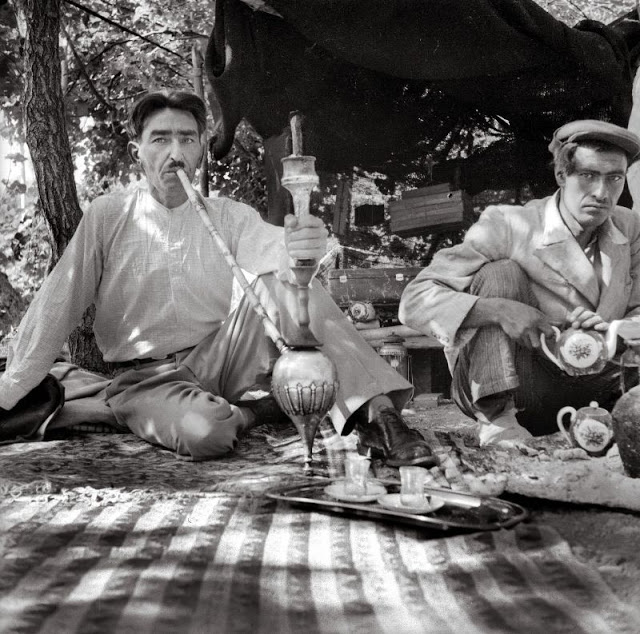
Relaxing, 1935
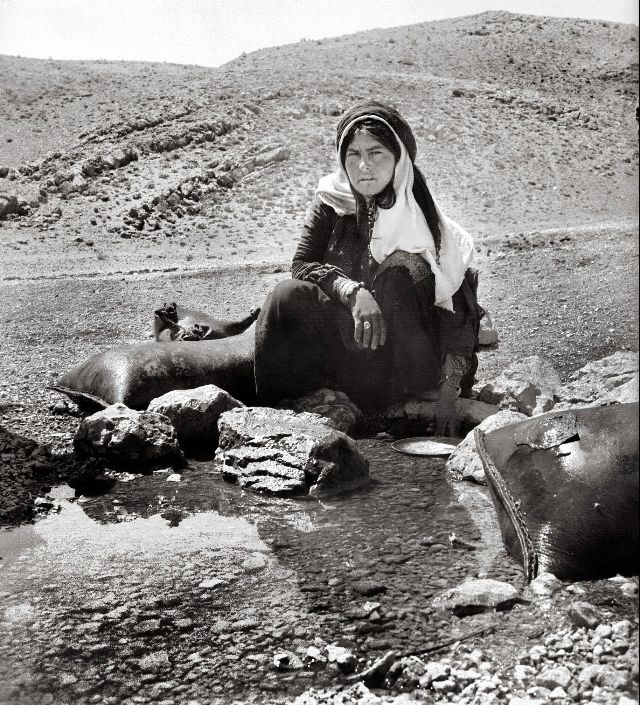
The watering hole, 1935
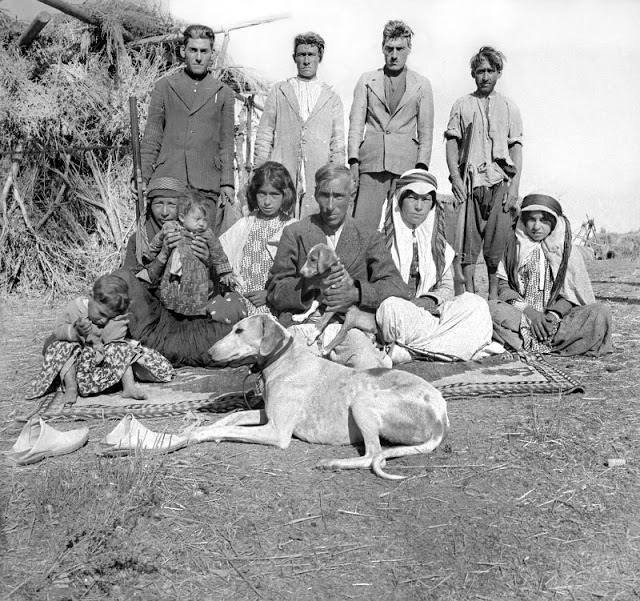
Bedouins of Iran, 1935
Boy studying, 1935
Caravanserai, 1935
Important conversations, 1935
In the mountains, 1935
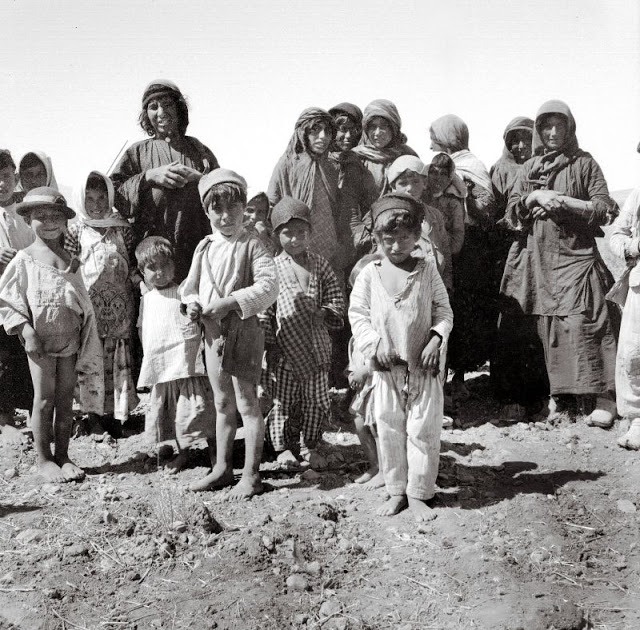
Iranian people, 1935
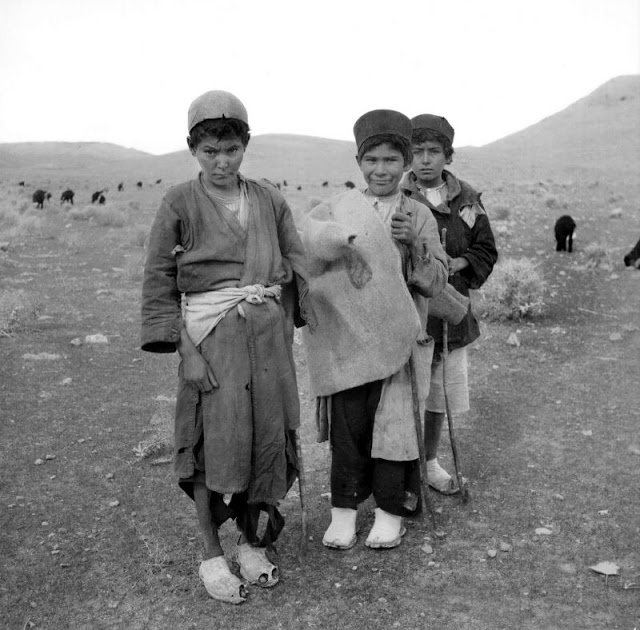
Iranian shepherd boys, 1935

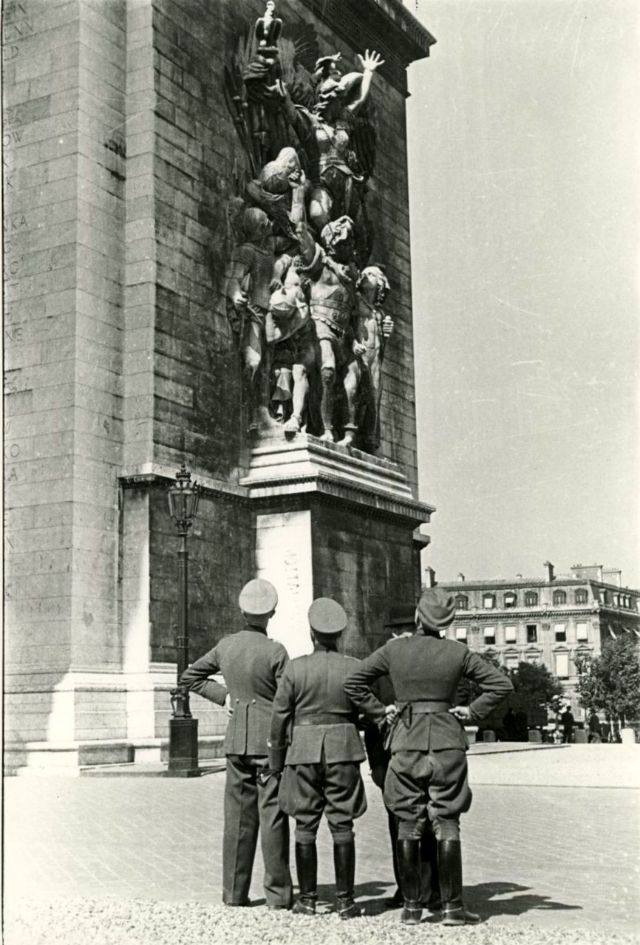
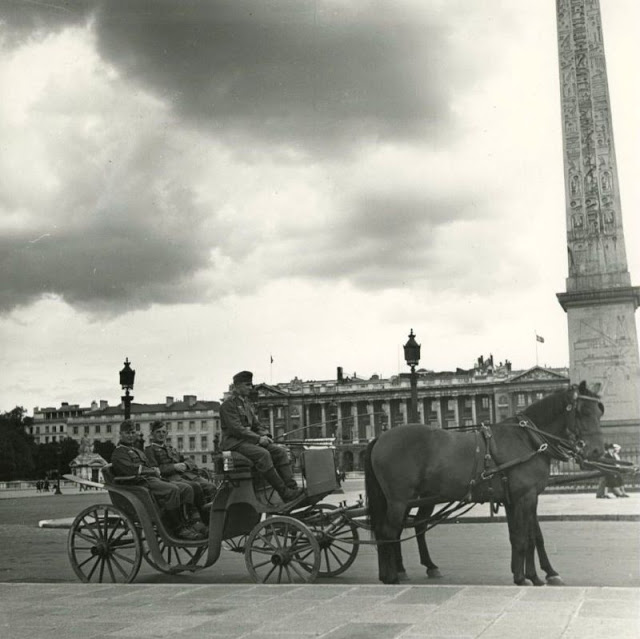
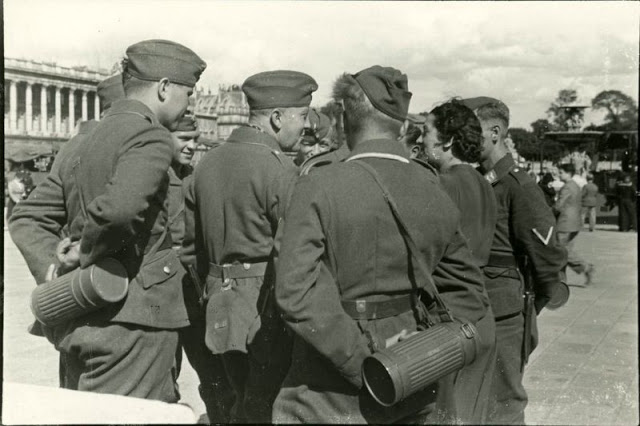
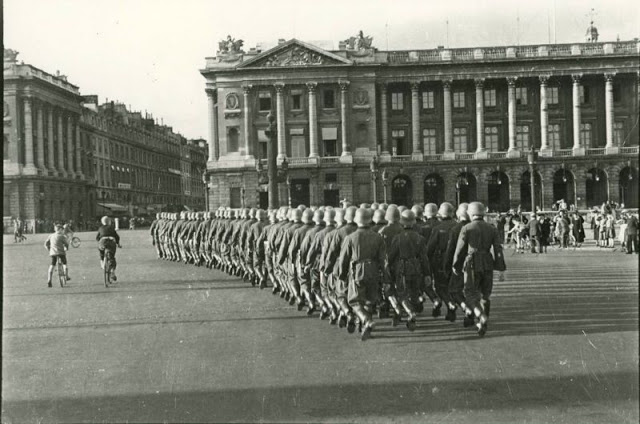
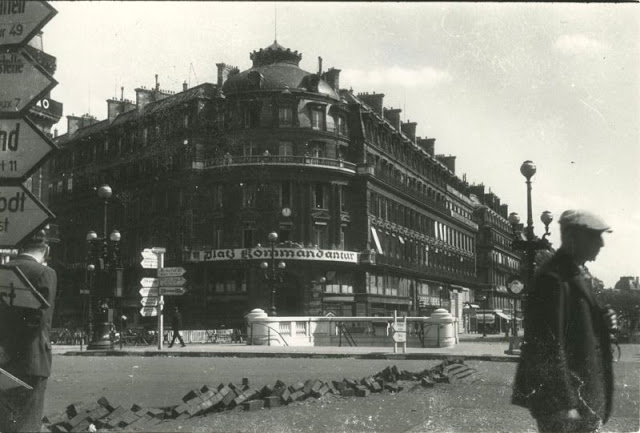
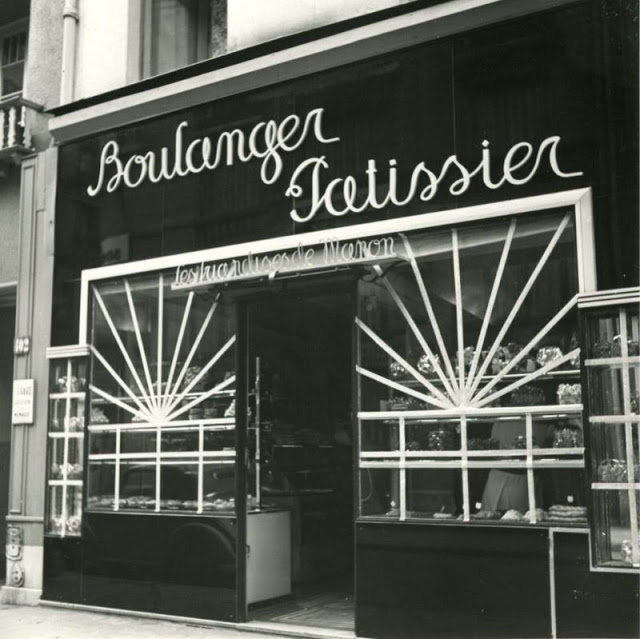
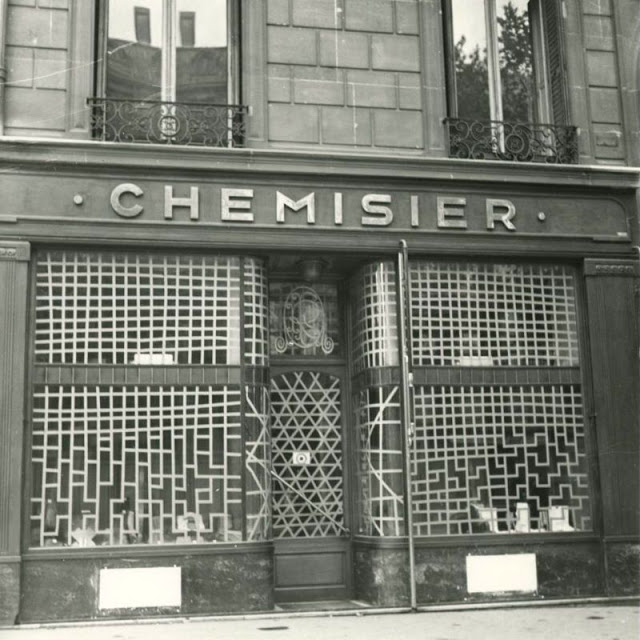
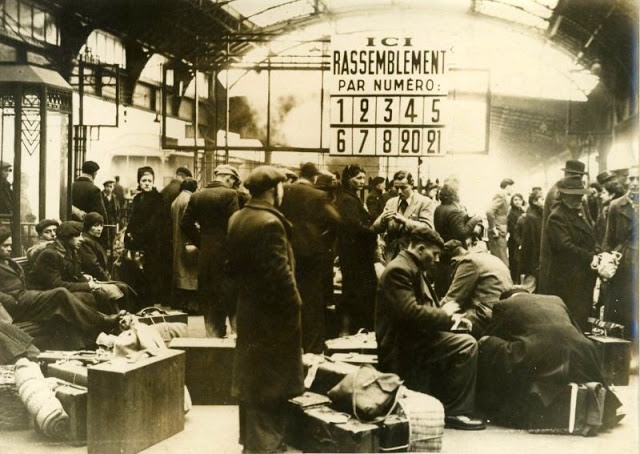
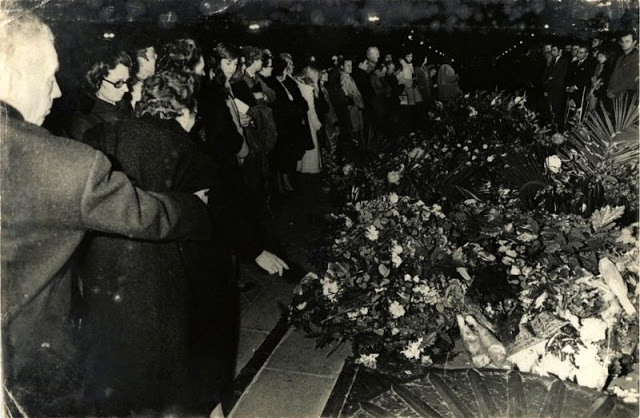
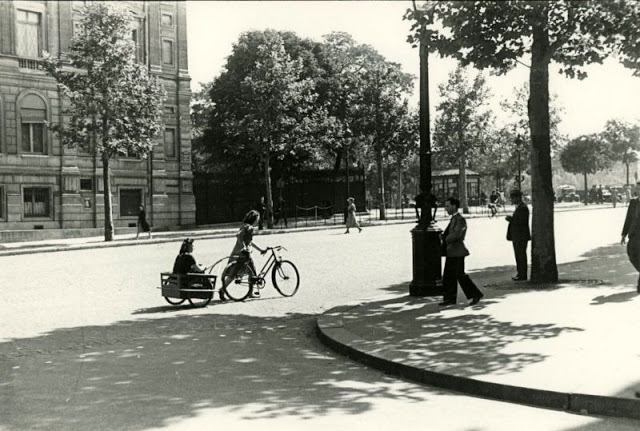
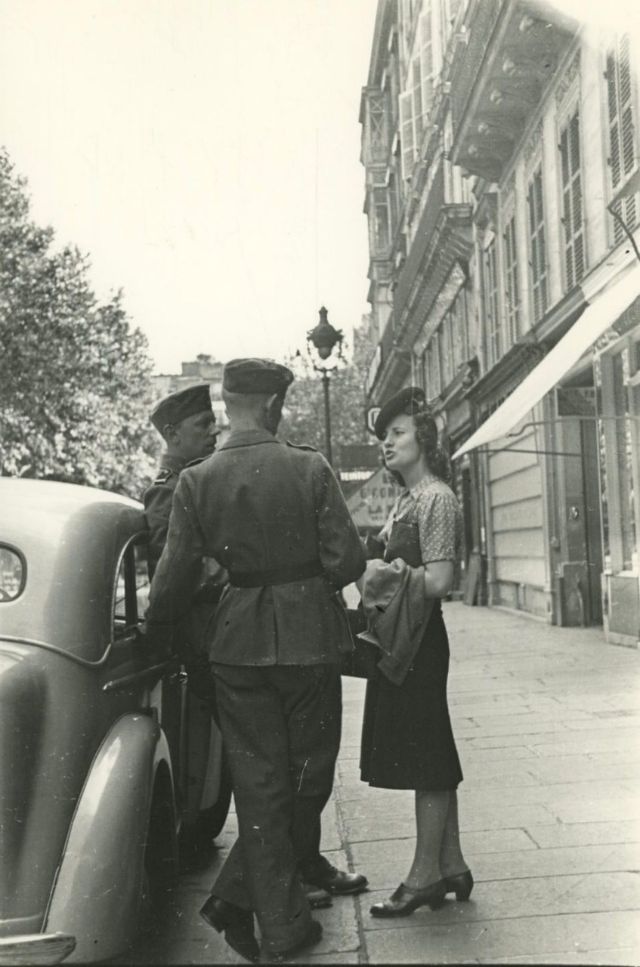
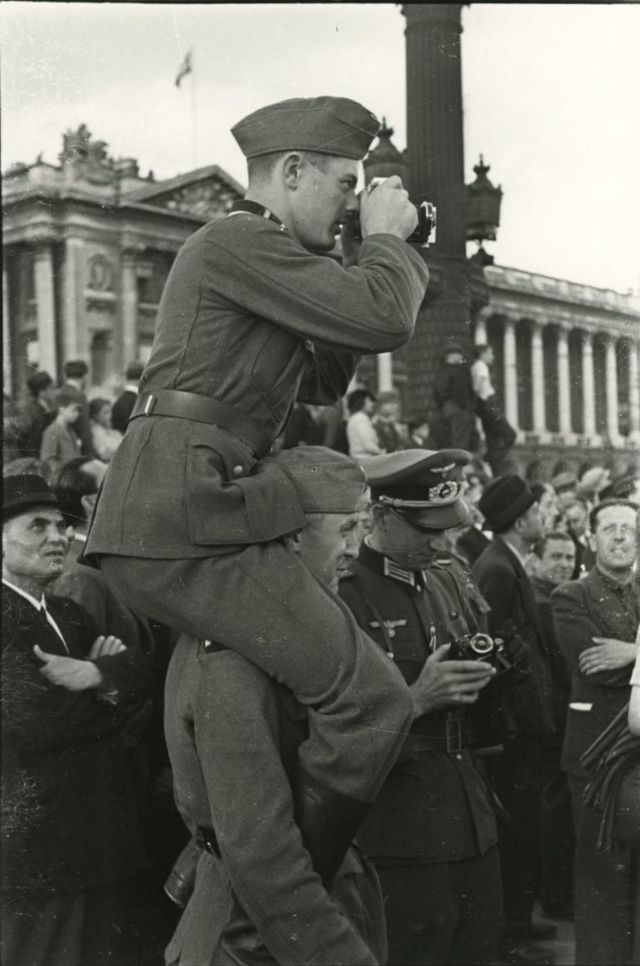
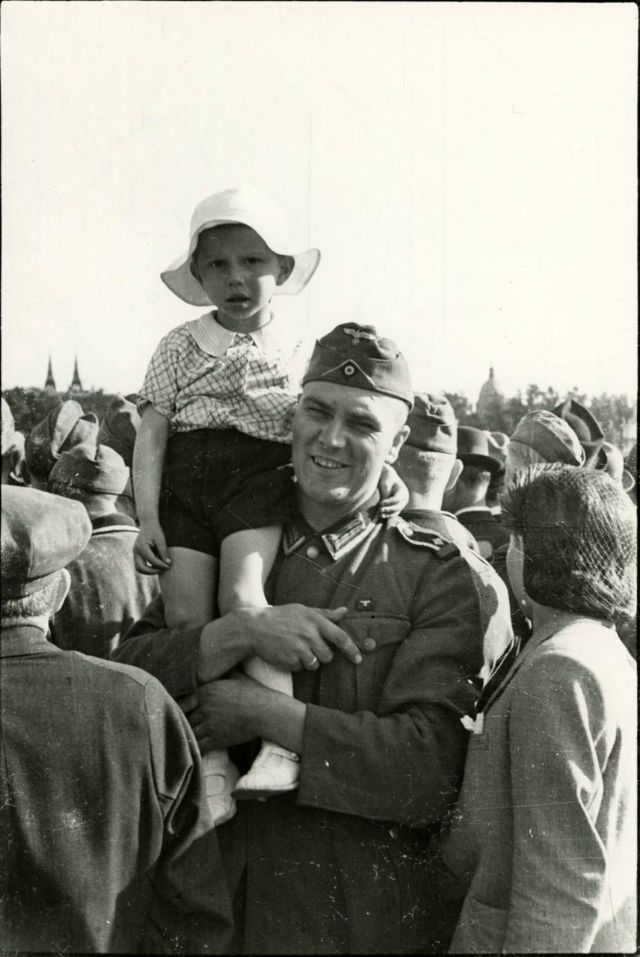
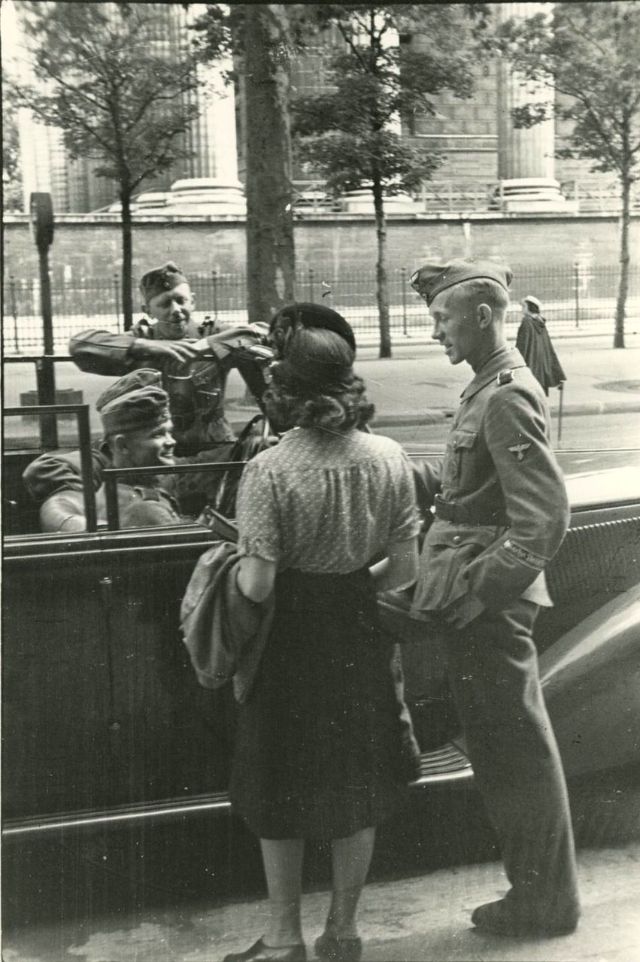
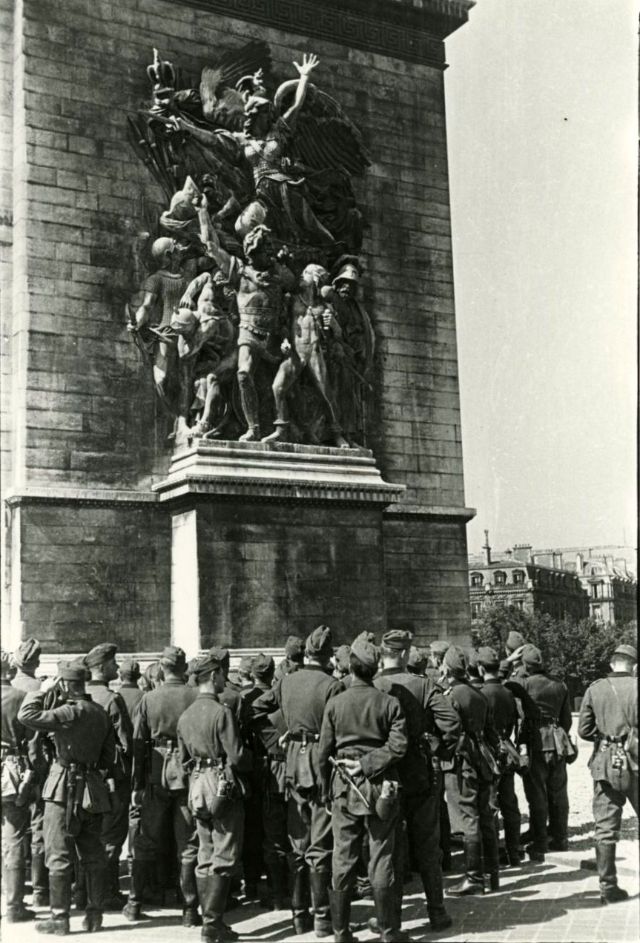
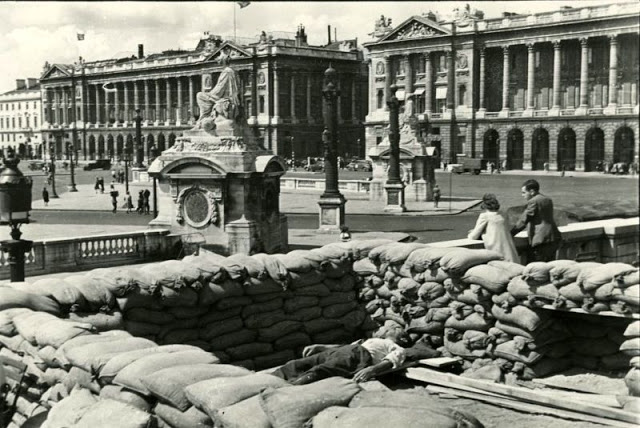
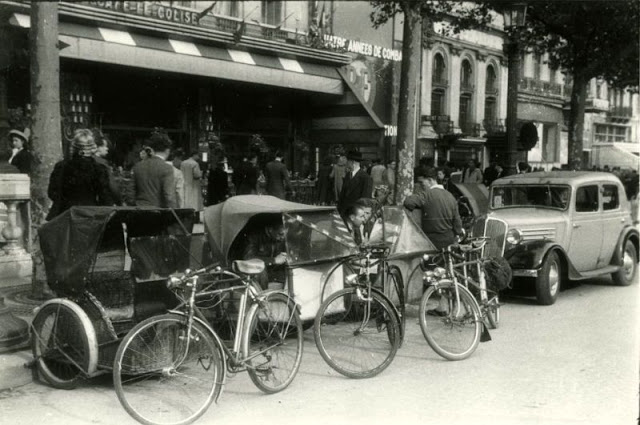
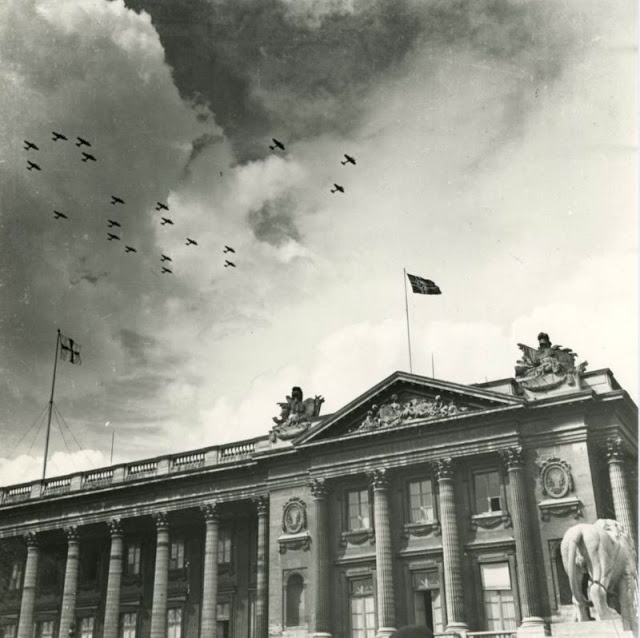
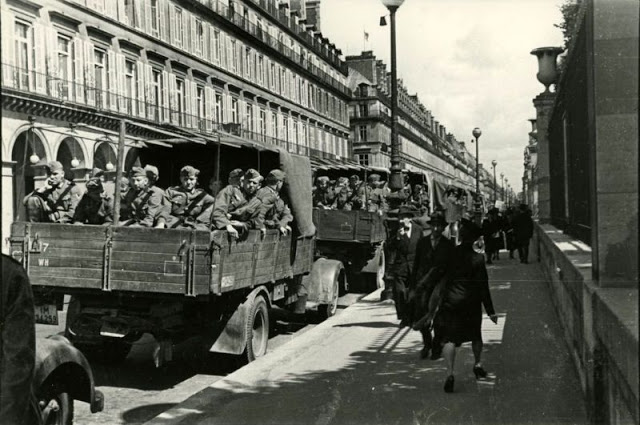
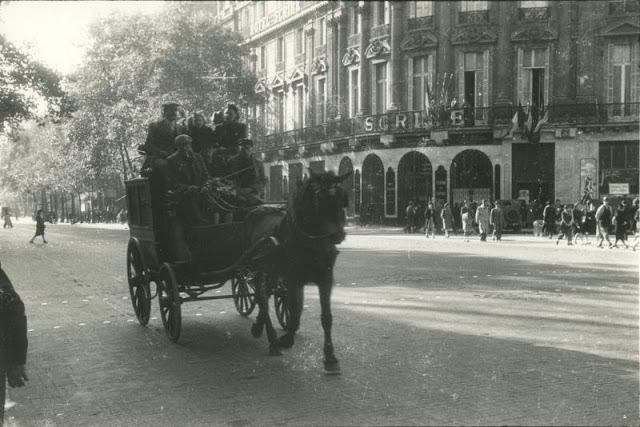
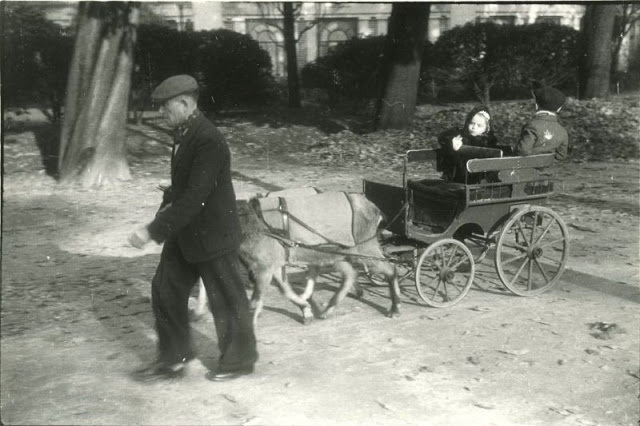
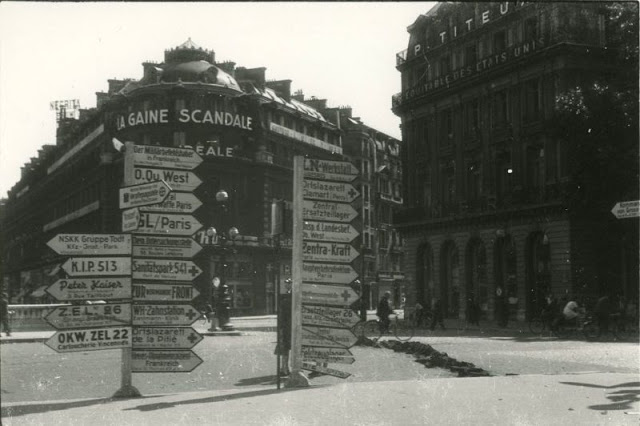
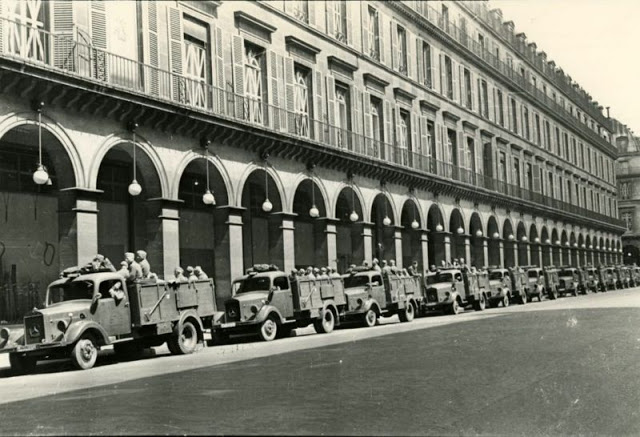
38 Amazing Photos Showing Life in Paris Under Nazi Occupation

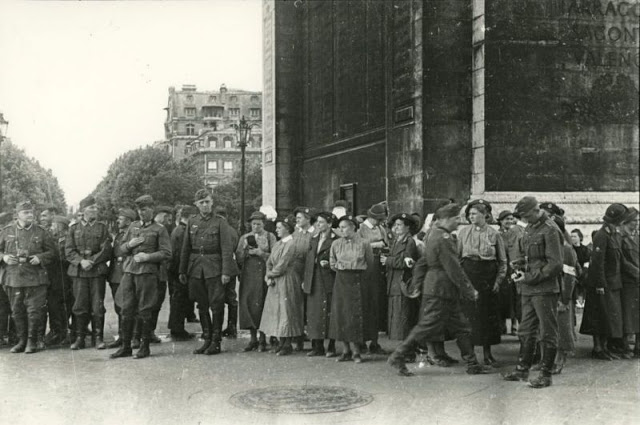
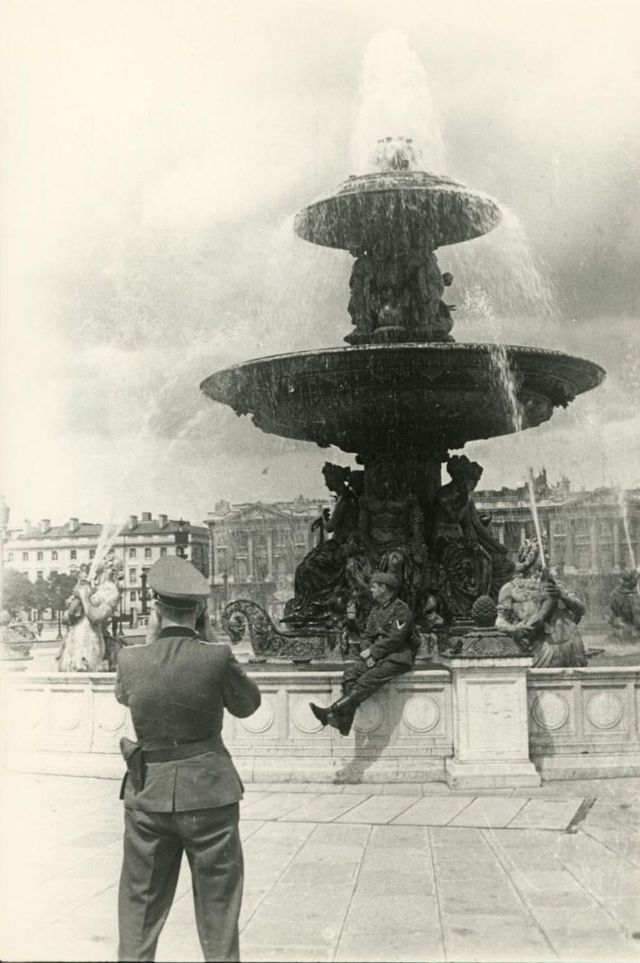
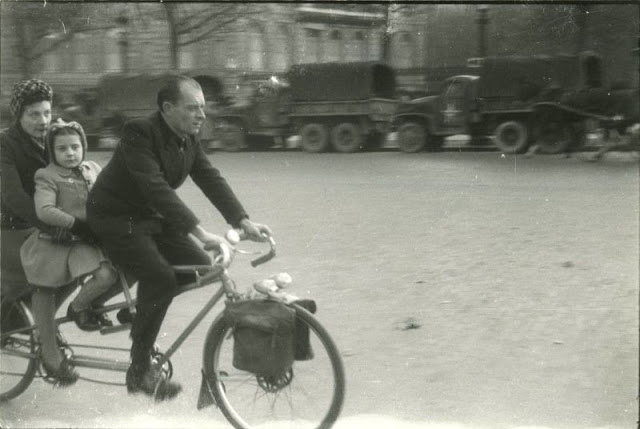
Paris started mobilizing for war in September 1939, when Nazi Germany invaded Poland, but the war seemed far away until May 10, 1940, when the Germans attacked France and quickly defeated the French army. The French government departed Paris on June 10, and the Germans occupied the city on June 14. During the Occupation, the French Government moved to Vichy, and Paris was governed by the German military and by French officials approved by the Germans.

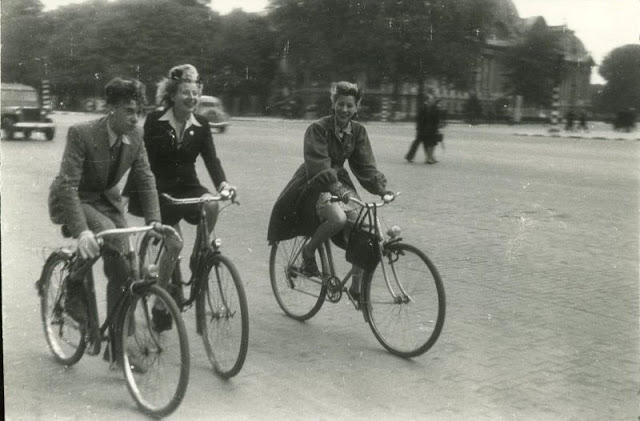
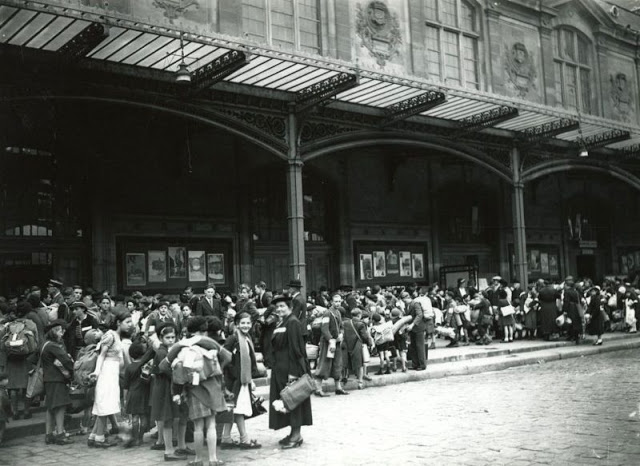
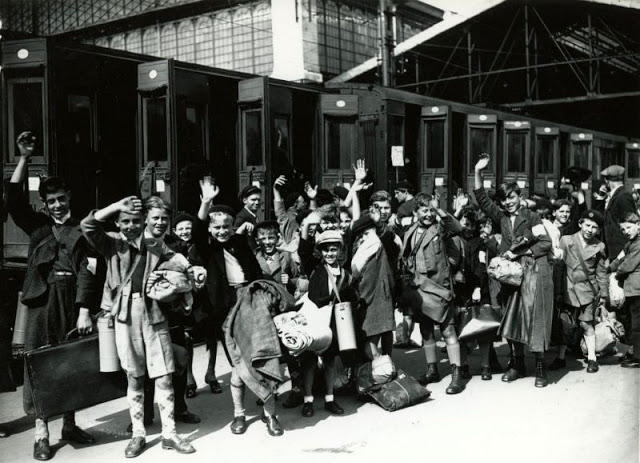
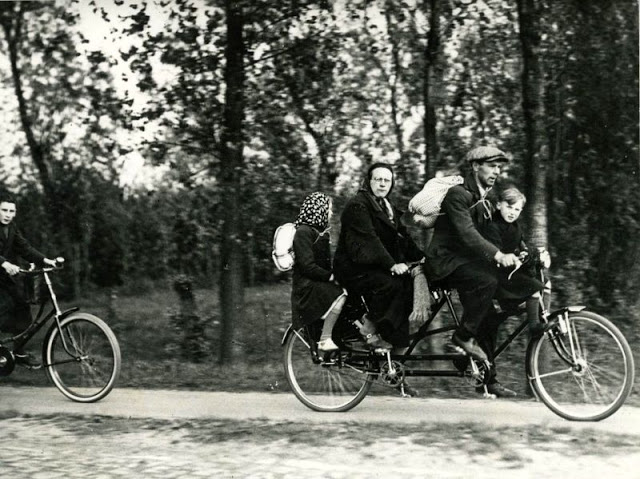
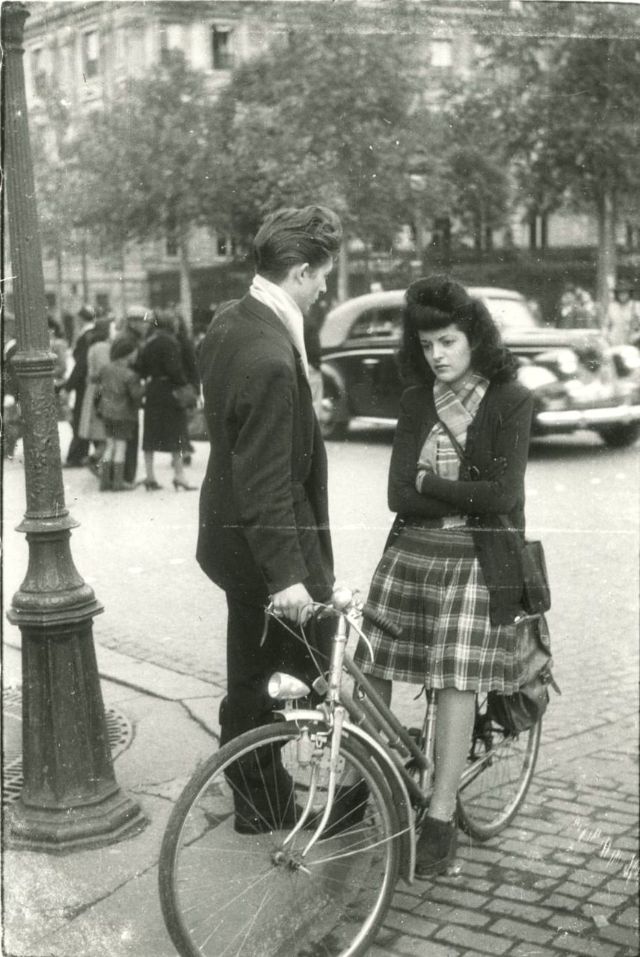
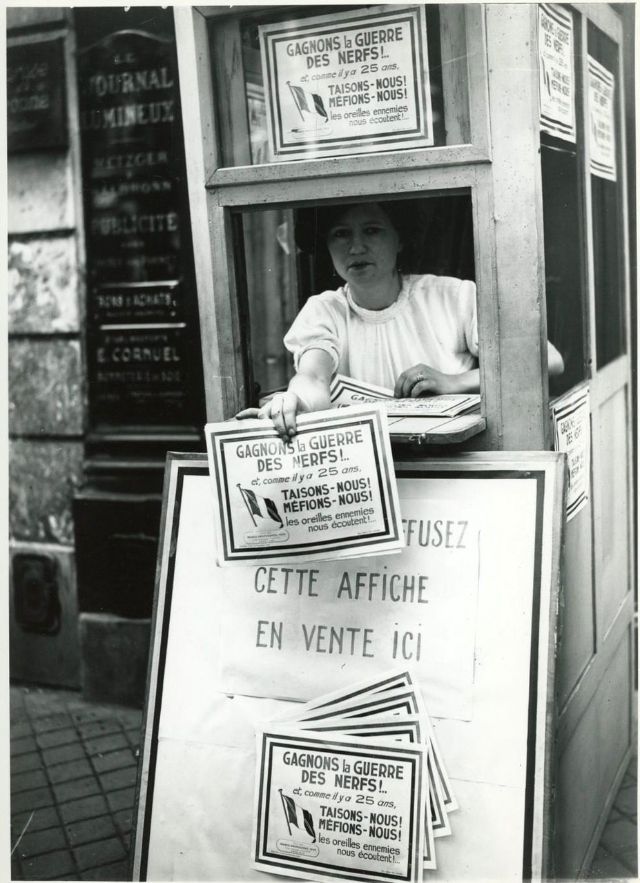
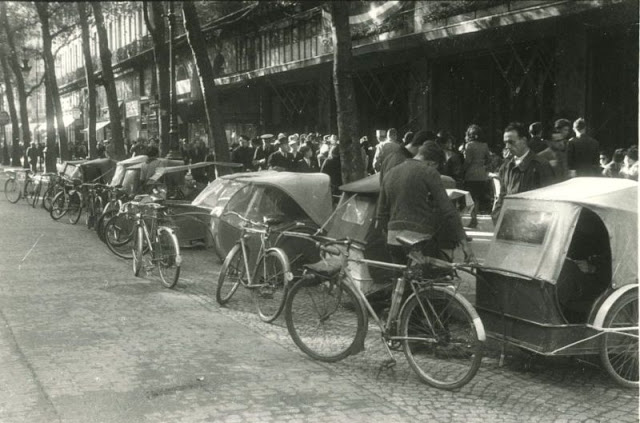
For the Parisians, the Occupation was a series of frustrations, shortages and humiliations. A curfew was in effect from nine in the evening until five in the morning; at night, the city went dark. Rationing of food, tobacco, coal and clothing was imposed from September 1940. Every year the supplies grew more scarce and the prices higher. A million Parisians left the city for the provinces, where there was more food and fewer Germans. The French press and radio contained only German propaganda.

Jews in Paris were forced to wear the yellow Star of David badge, and were barred from certain professions and public places. On 16–17 July 1942, 13,152 Jews, including 4,115 children and 5,919 women, were rounded up by the French police, on orders of the Germans, and were sent to the Auschwitz concentration camp.

The first demonstration against the Occupation, by Paris students, took place on 11 November 1940. They wrote slogans on walls, organized an underground press, and sometimes attacked German officers. Reprisals by the Germans were swift and harsh.

Following the Allied invasion of Normandy on June 6, 1944, the French Resistance in Paris launched an uprising on August 19, 1944, seizing the police headquarters and other government buildings. The city was liberated by French and American troops on August 25, and General Charles de Gaulle led a triumphant parade down the Champs-Élysées on August 26, and organized a new government.

In the following months, ten thousand Parisians who had collaborated with the Germans were arrested and tried, eight thousand convicted, and 116 executed. On 29 April and 13 May 1945, the first post-war municipal elections were held, in which French women voted for the first time.

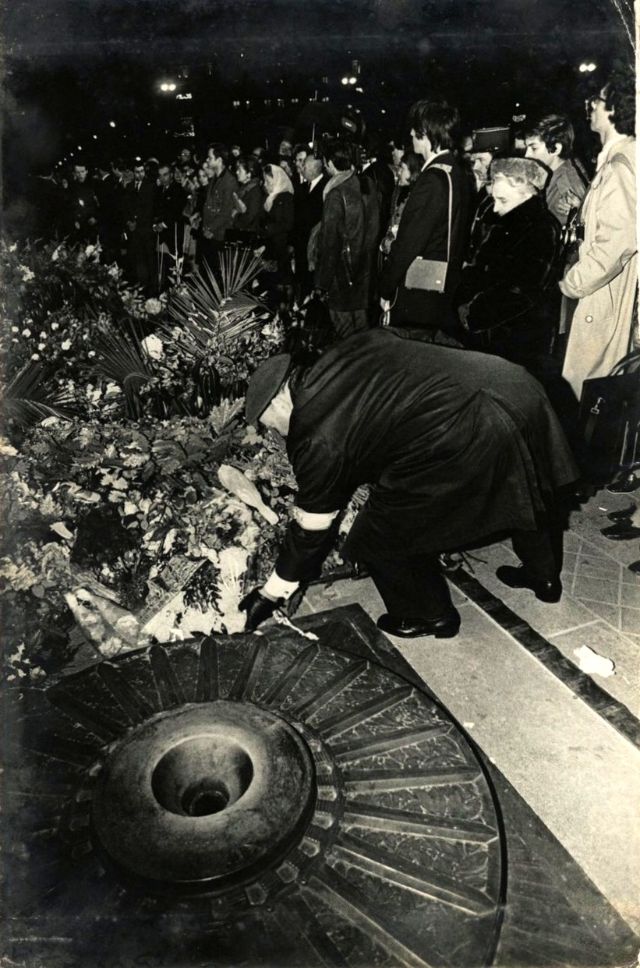
Take a look at these fascinating snapshots to see what daily life of Paris looked like during the Second World War.

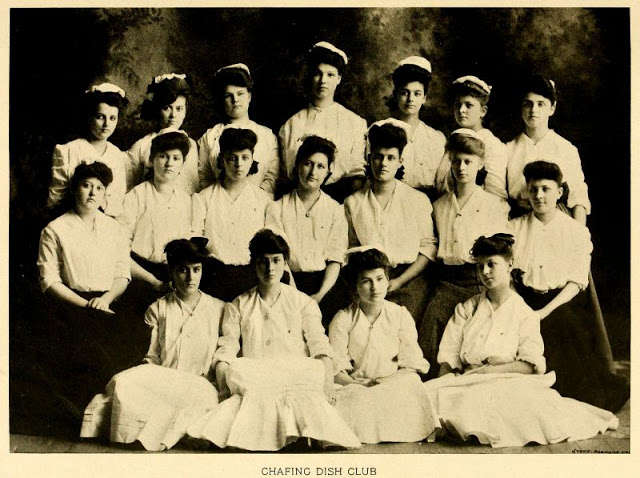
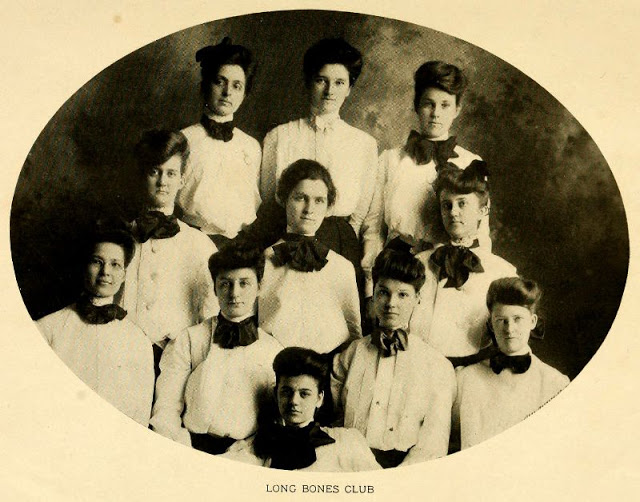
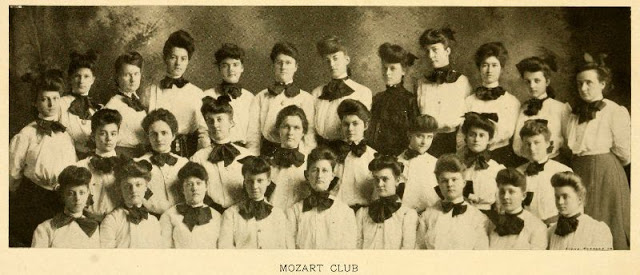
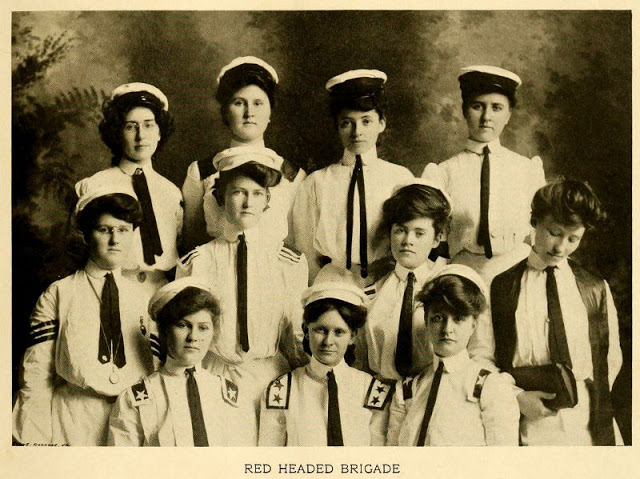
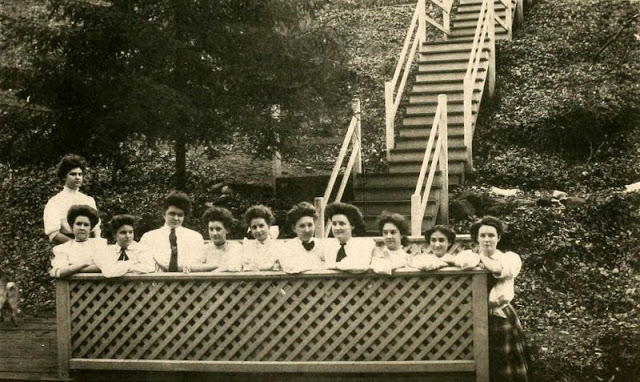
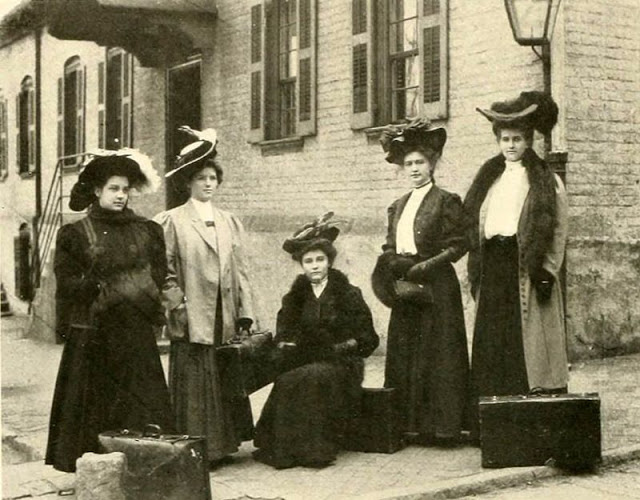
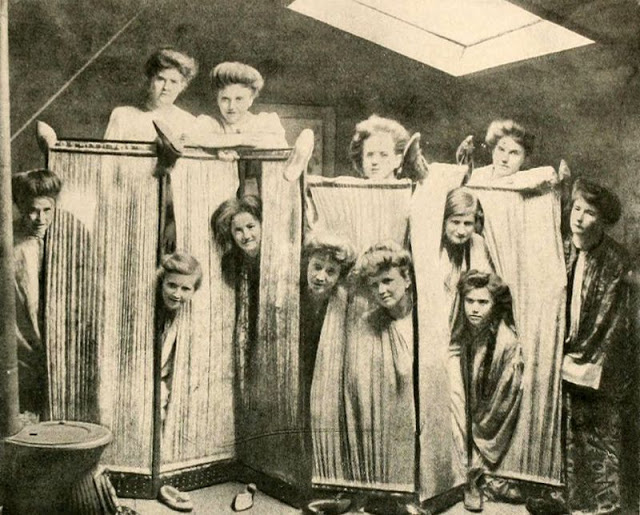
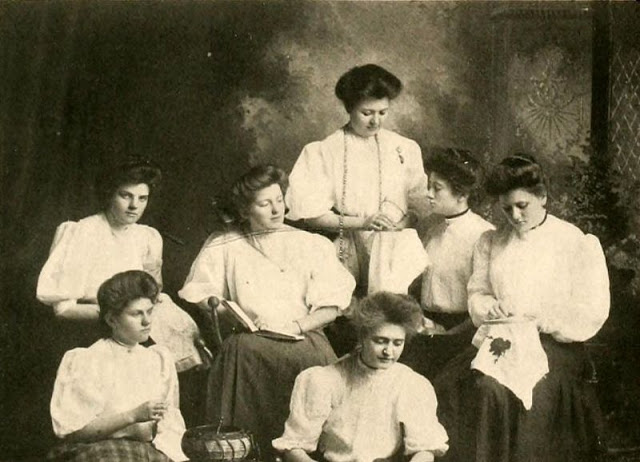
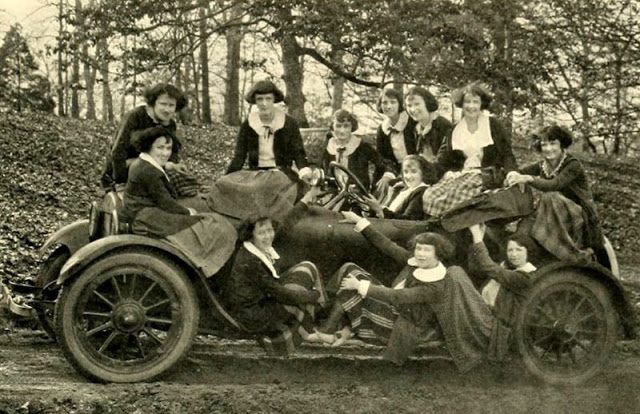
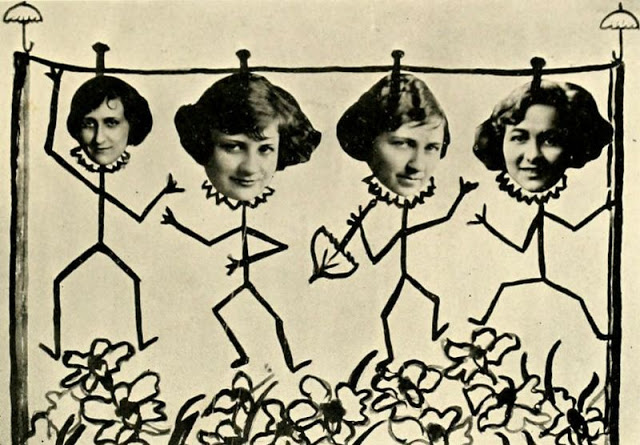
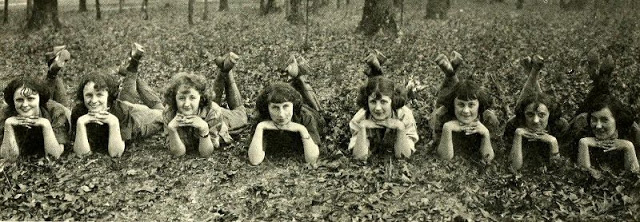
34 Vintage Photos of Clubs at North Carolina Women’s Colleges in the Early 20th Century

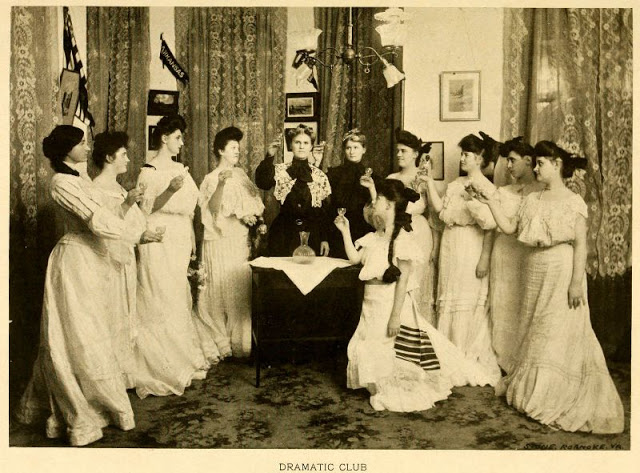
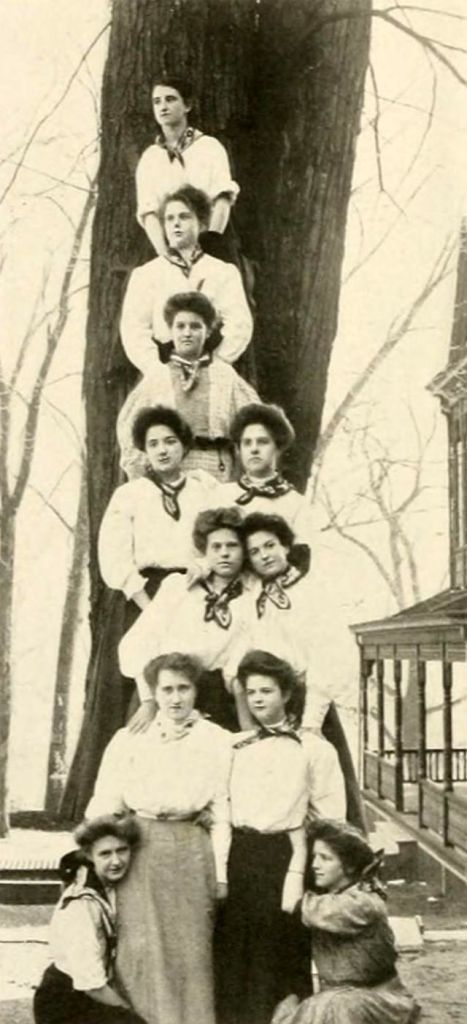
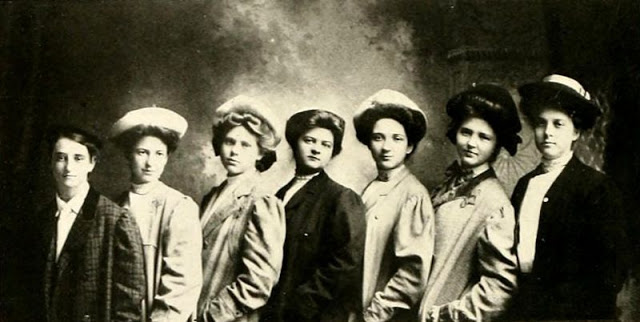
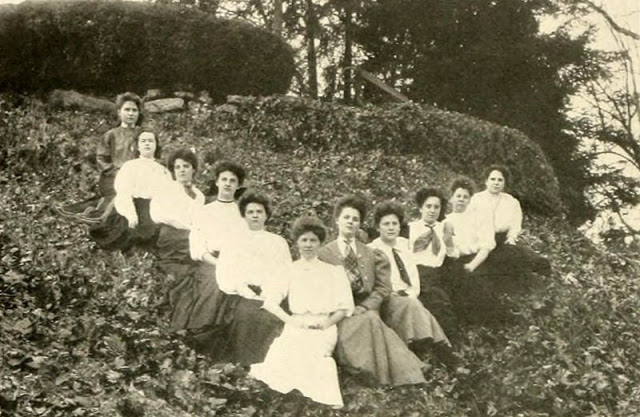
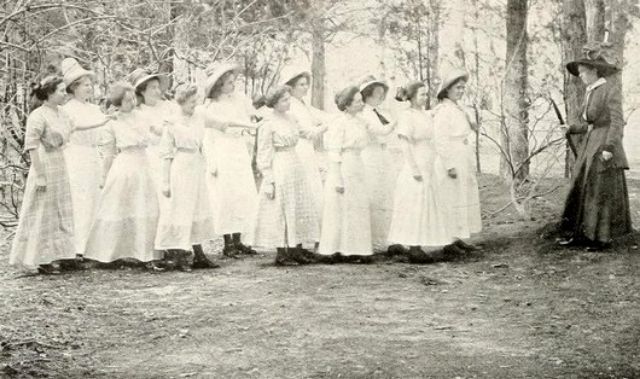
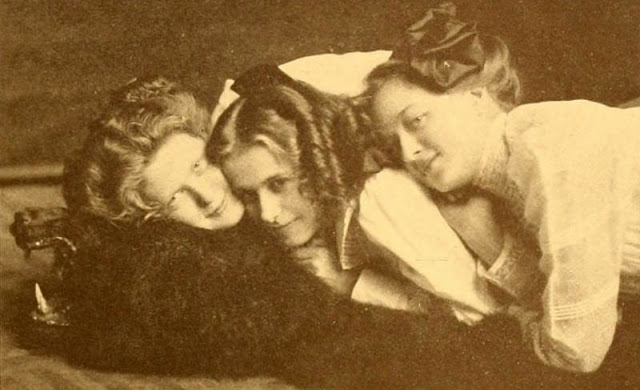
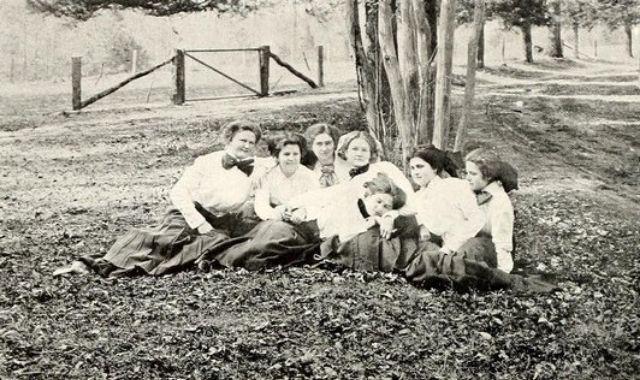
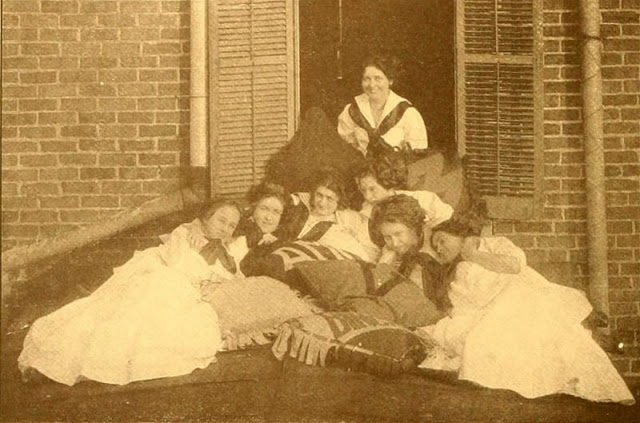
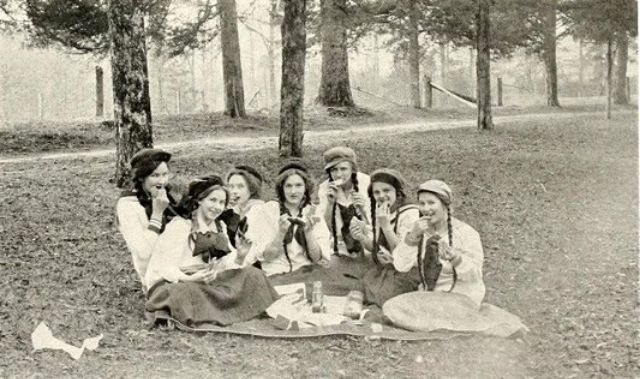
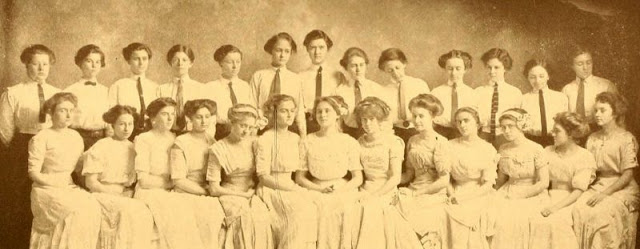
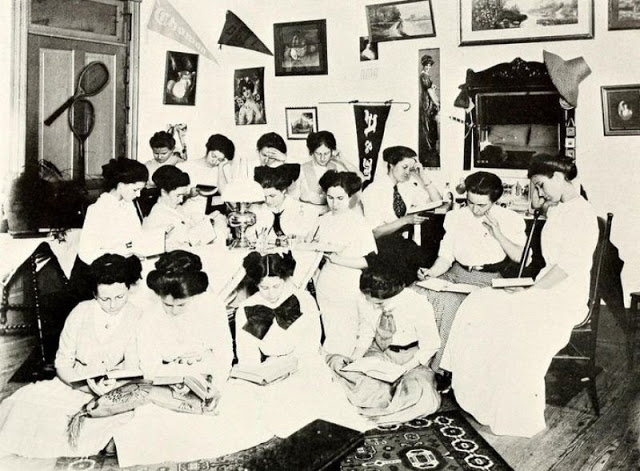
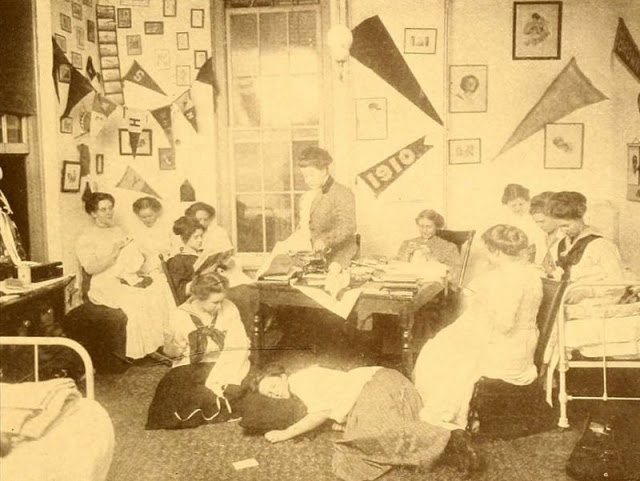
Not all clubs at women’s colleges in North Carolina were highly formal organizations. Many were formed to connect students with similar interests, to connect students from the same state, or purely in pursuit of fun.

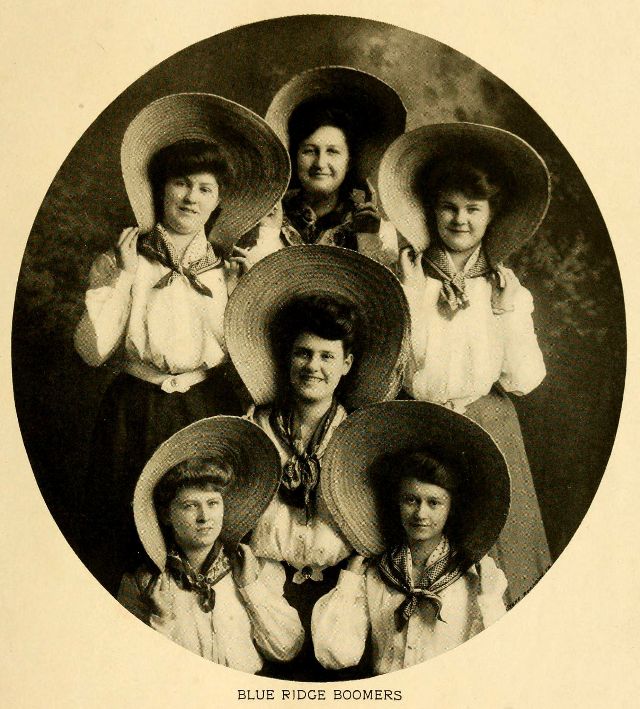
How would you like to have been a member of the Bandanna Gang at Salem College in 1907? Or the Blue Ridge Boomers at Baptist Female Seminary (now Meredith College) in 1904?

Take a look at these photos of clubs at North Carolina women’s colleges in the early 20th century from North Carolina Digital Heritage Center, and make your choice.

Dramatic Club, Baptist Female University, 1904
Blue Ridge Boomers, Baptist Female University, 1904
Chafing Dish Club, Baptist Female University, 1904
Long Bones Club, Baptist Female University, 1904
Mozart Club, Baptist Female University, 1904
Red Headed Brigade, Baptist Female University, 1904
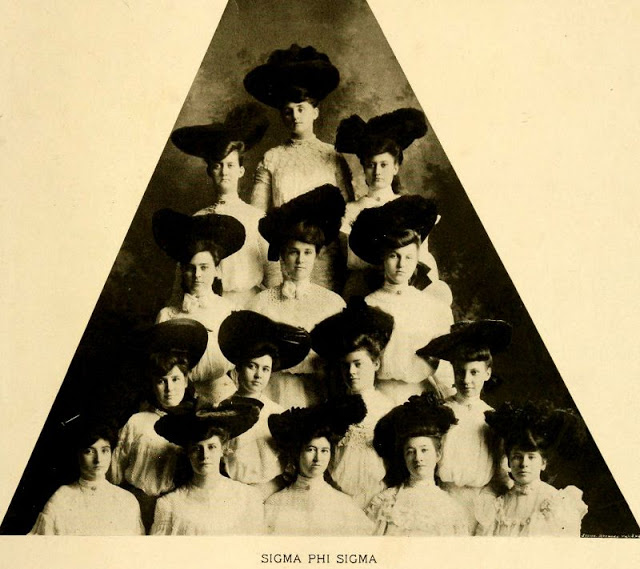
Sigma Phi Sigma, Baptist Female University, 1904
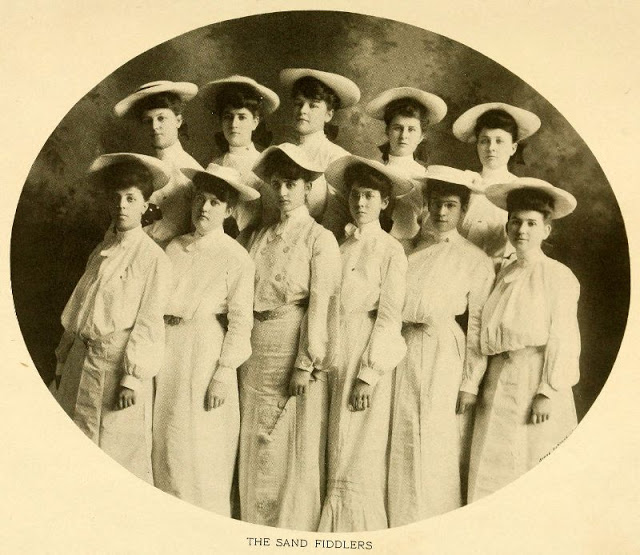
The Sand Fiddlers, Baptist Female University, 1904
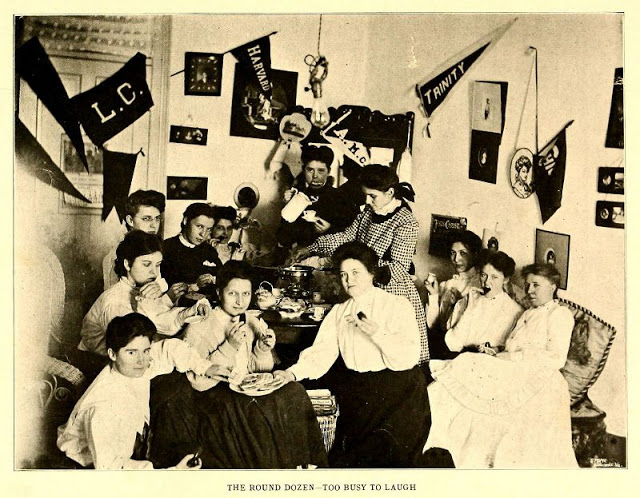
The Round Dozen, Littleton College, 1906
Florida Club, Salem College, 1907
Georgia Crackers, Salem College, 1907
Maryland Club, Salem College, 1907
Midnight Slippers, Salem College, 1907
Modern Priscillas, Salem College, 1907
The Bandanna Gang, Salem College, 1907
The Tormentors, Salem College, 1907
Virginia Club, Salem College, 1907
Adams Dramatic Club, Chowan College, 1911
Comic Supplement, Peace Institute, 1911
Midnight Dream Disturbers’ Club, Chowan College, 1911
Rollicking Room Mates, Peace Institute, 1911
The D.D.C.’s, Chowan College, 1911
The German Club, Peace Institute, 1911
The Grinders, Chowan College, 1911
The Sewing Club, Peace Institute, 1911
Virginia Club, Peace Institute, 1911
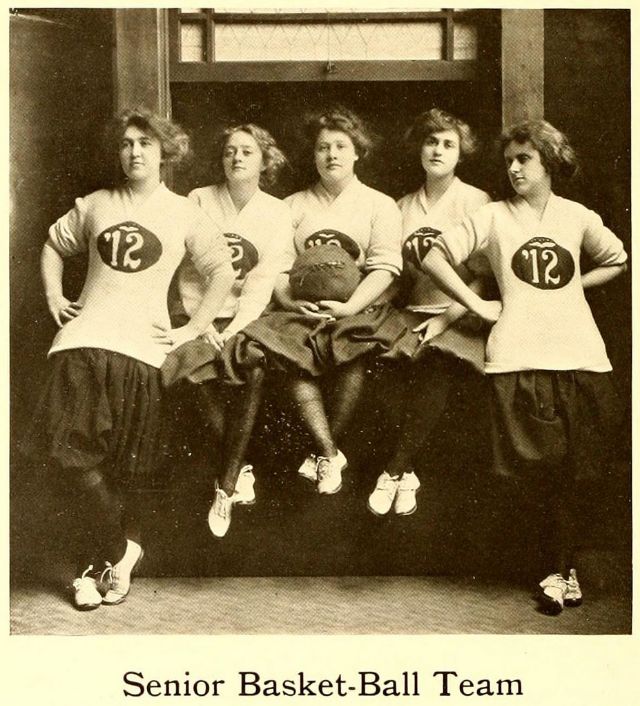
Senior Basketball Team, Peace Institute, 1912
East Carolina Teachers College, 1923
The Committee, East Carolina Teachers College, 1923
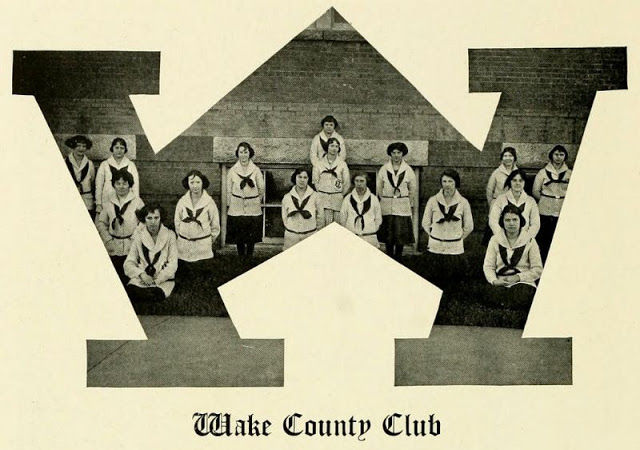
Wake County Club, East Carolina Teachers College, 1923
Z.Z.Z. Club, East Carolina Teachers College, 1923
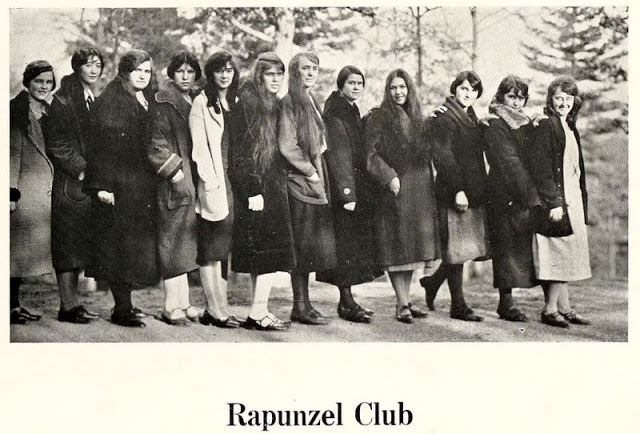
Rapunzel Club, Weaver College, 1926
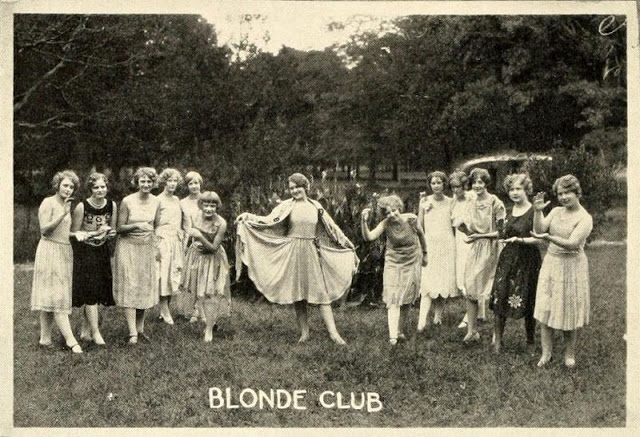
Blonde Club, Chowan College, 1928
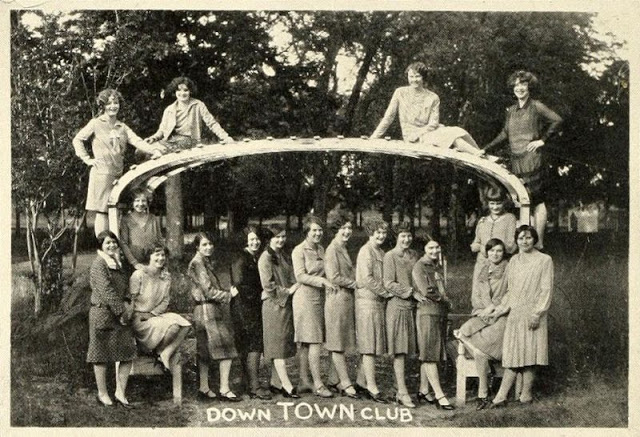
Downtown Club, Chowan College, 1928

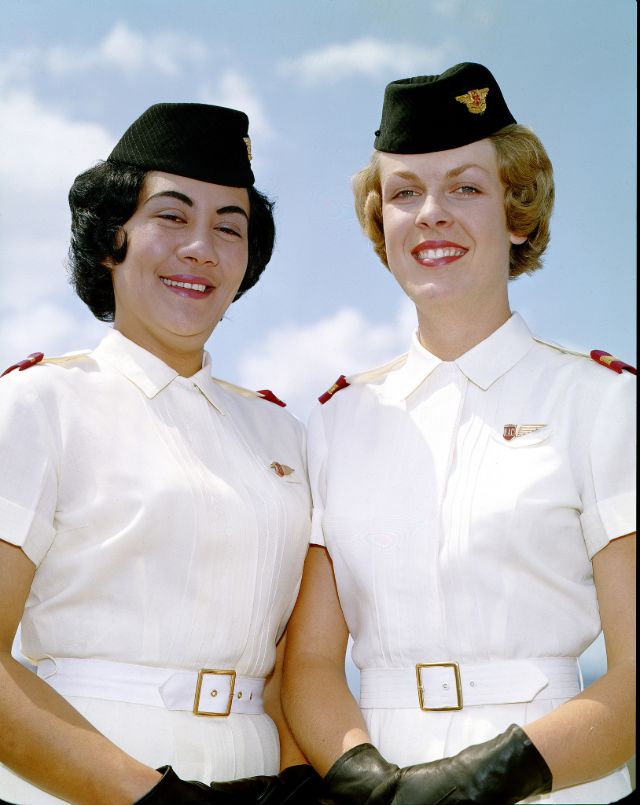
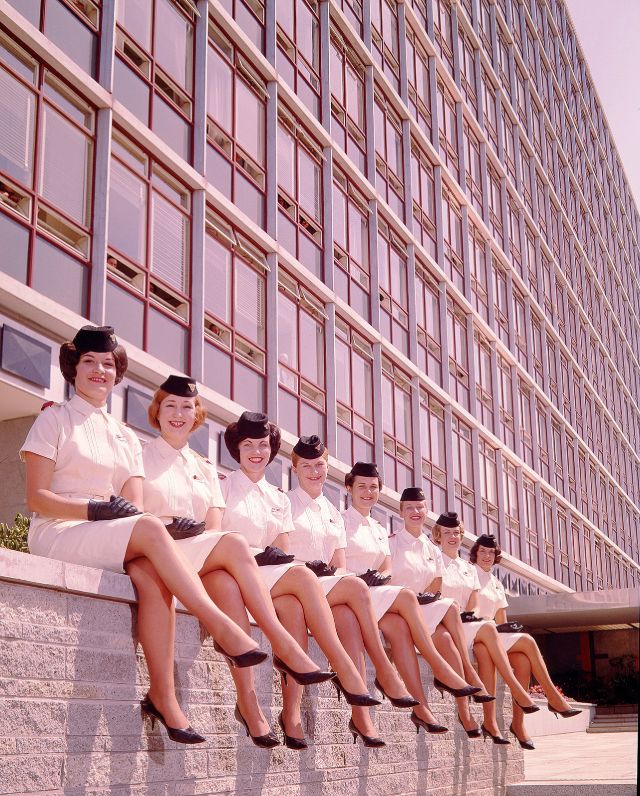
Before Merging With Air New Zealand: 25 Fabulous Photos Show the NAC Air Hostess Uniforms From the 1950s and 1970s

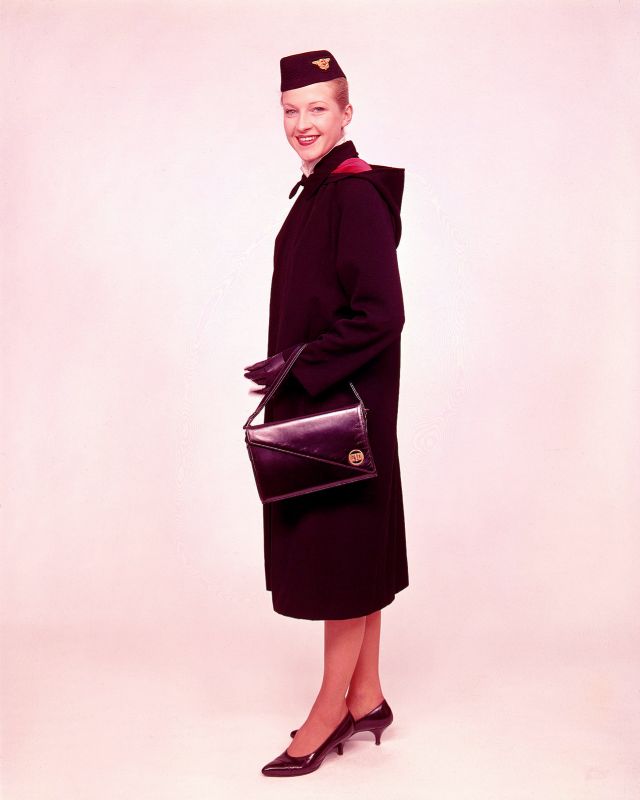
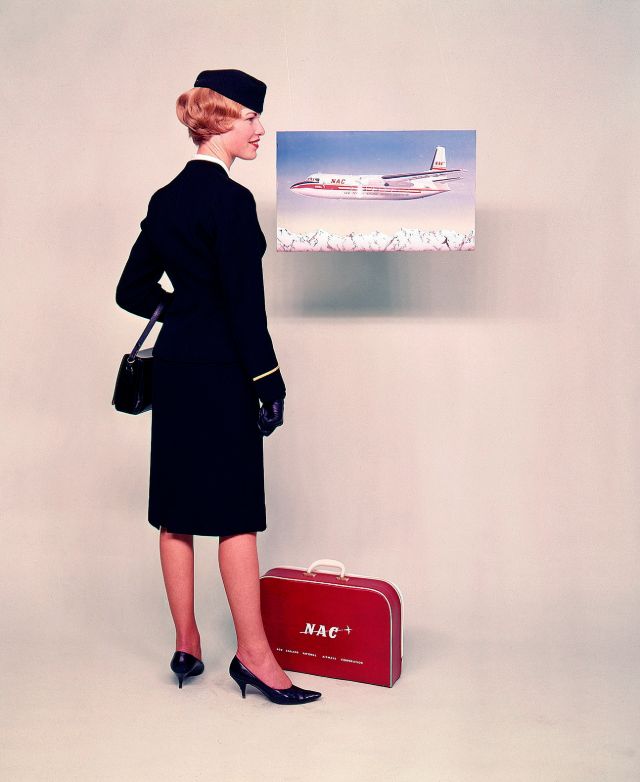
Founded 1947, New Zealand National Airways Corporation, popularly known as NAC, was the national domestic airline of New Zealand from 1947 until 1978 when it amalgamated with New Zealand’s international airline, Air New Zealand. The airline was headquartered in Wellington.

By the time of the merger with Air New Zealand, the fleet consisted of 25 aircraft comprising Boeing 737s and Fokker F27s. Engineering workshops were set up at Christchurch, Whenuapai (Auckland), Palmerston North, Gisborne and Nelson.

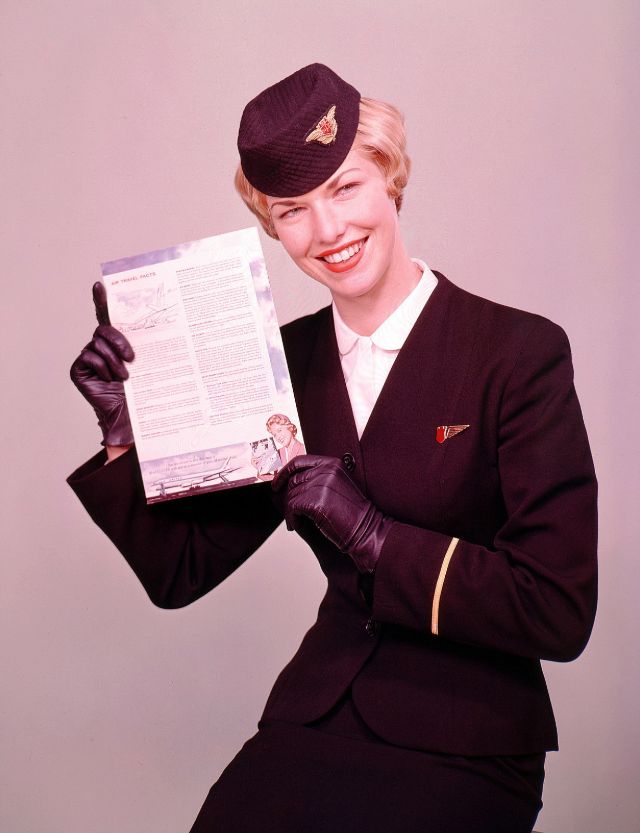
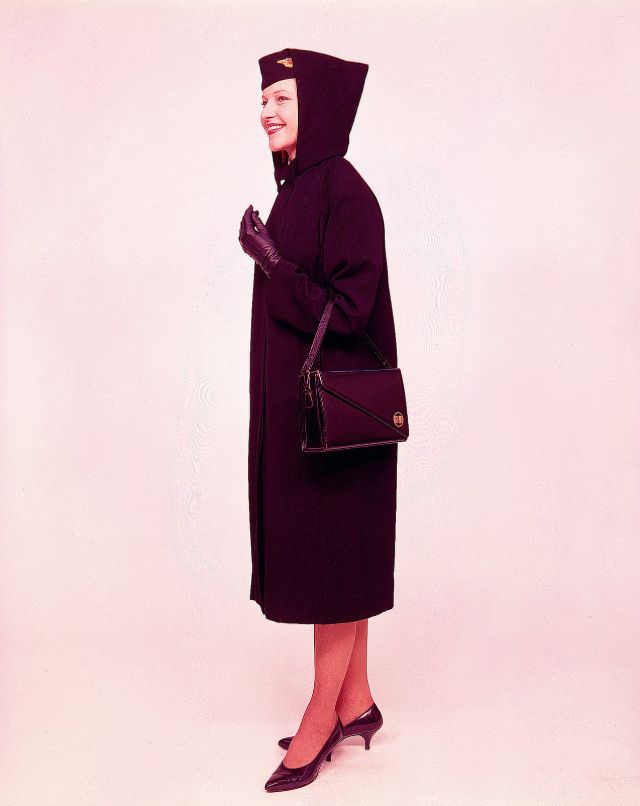
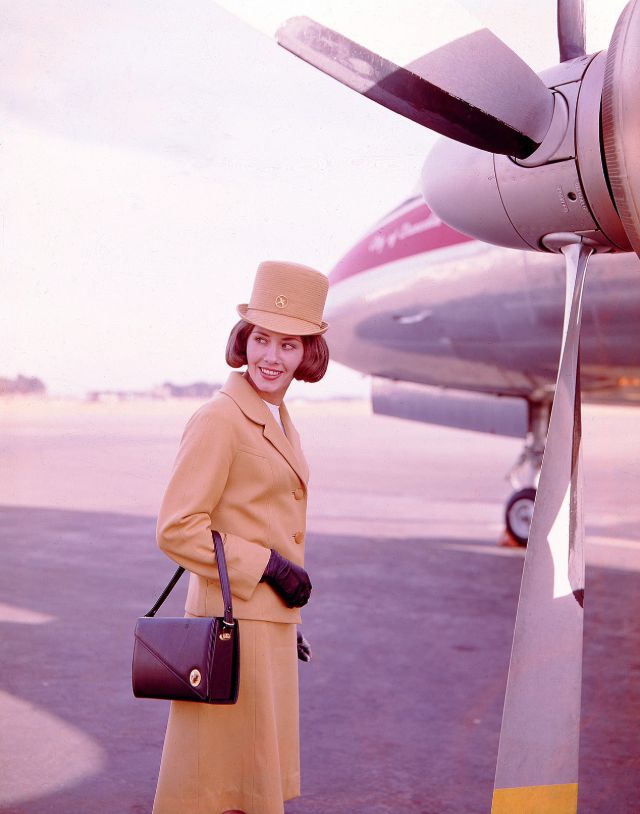
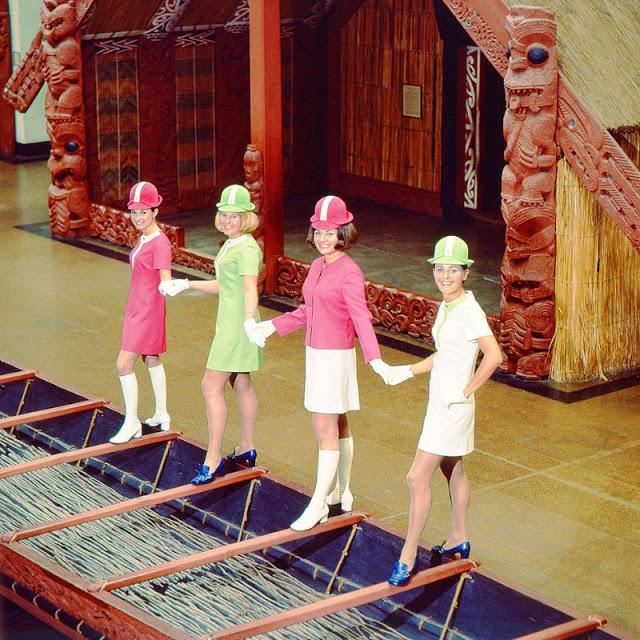
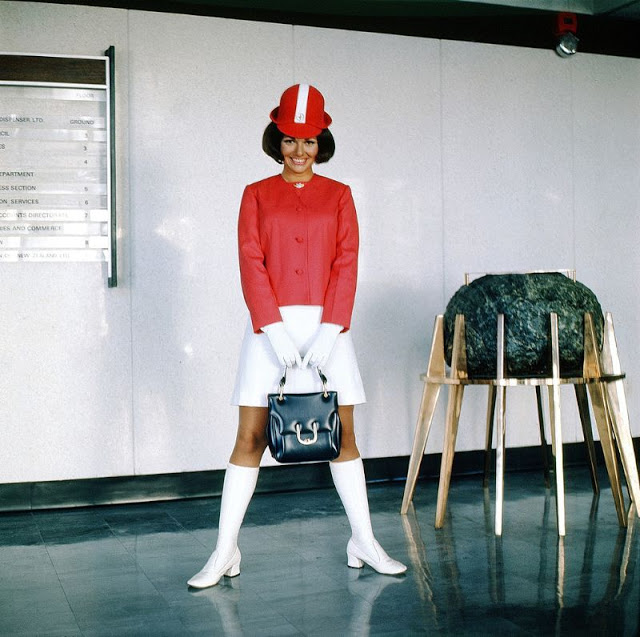
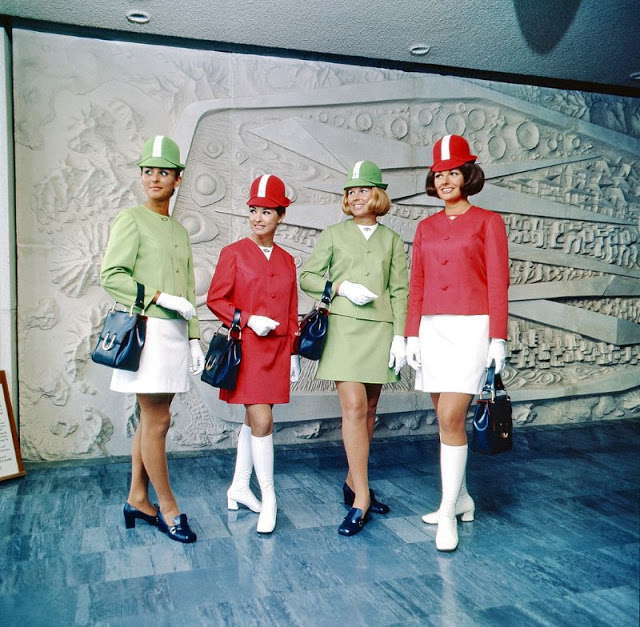
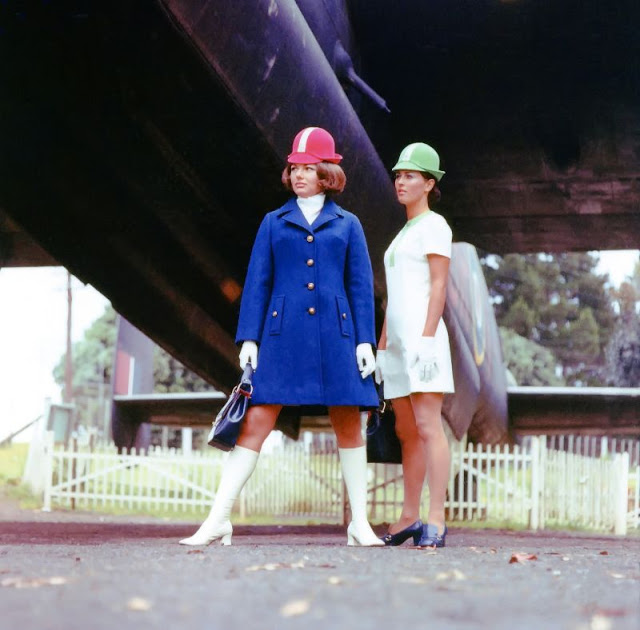
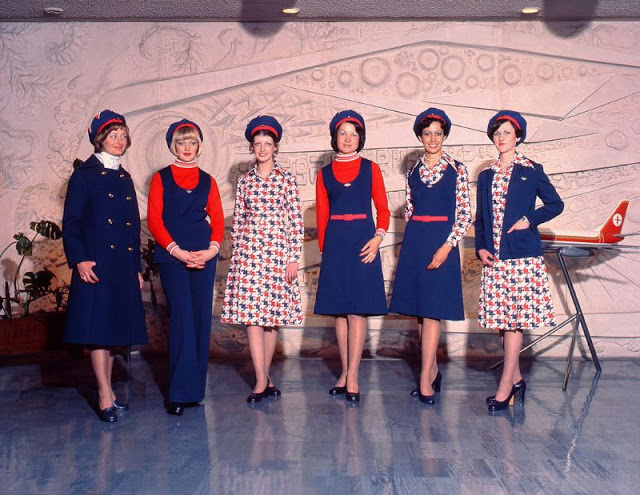
Before merging with Air New Zealand, these fabulous photos from Archives New Zealand of National Airways Corporation (NAC) air hostesses between 1959 and 1975 showing off their uniforms.

Air Hostess Uniform 1959 Summer and Winter
Air Hostess Uniform 1959 Summer
Air Hostess Uniform 1959 Winter
Air Hostess Uniform 1965 Gold
Air Hostess Uniform 1970 Lollipop
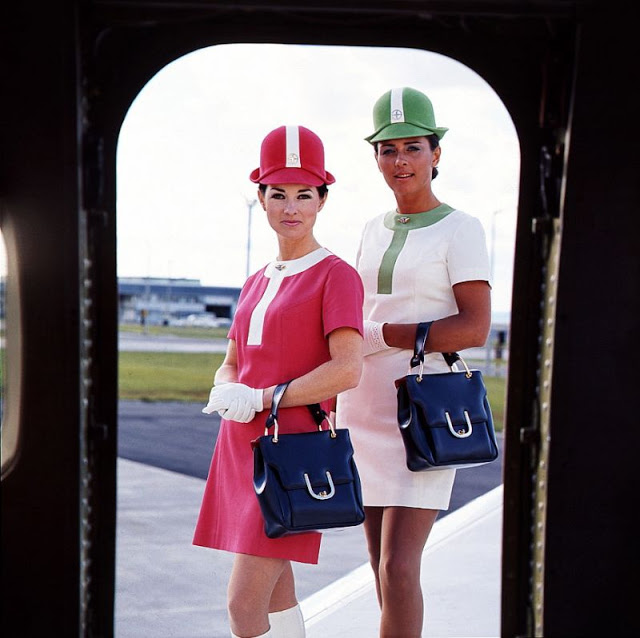
Air Hostess Uniform 1975 Red and Blue

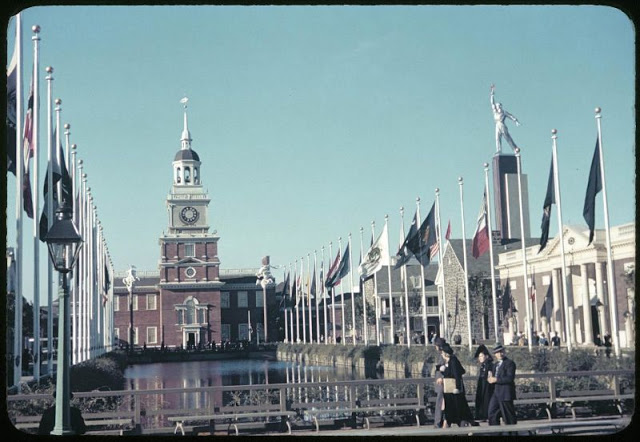
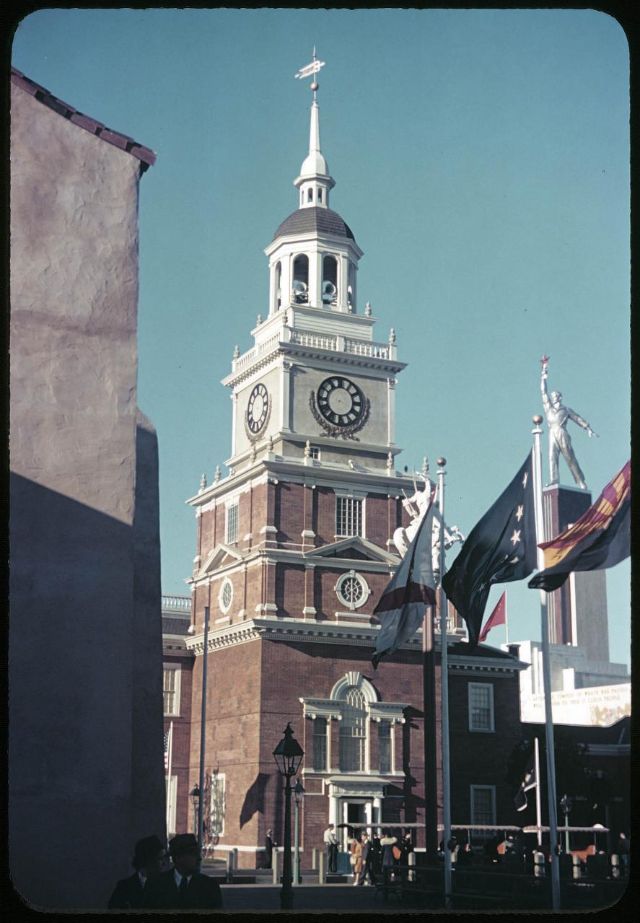
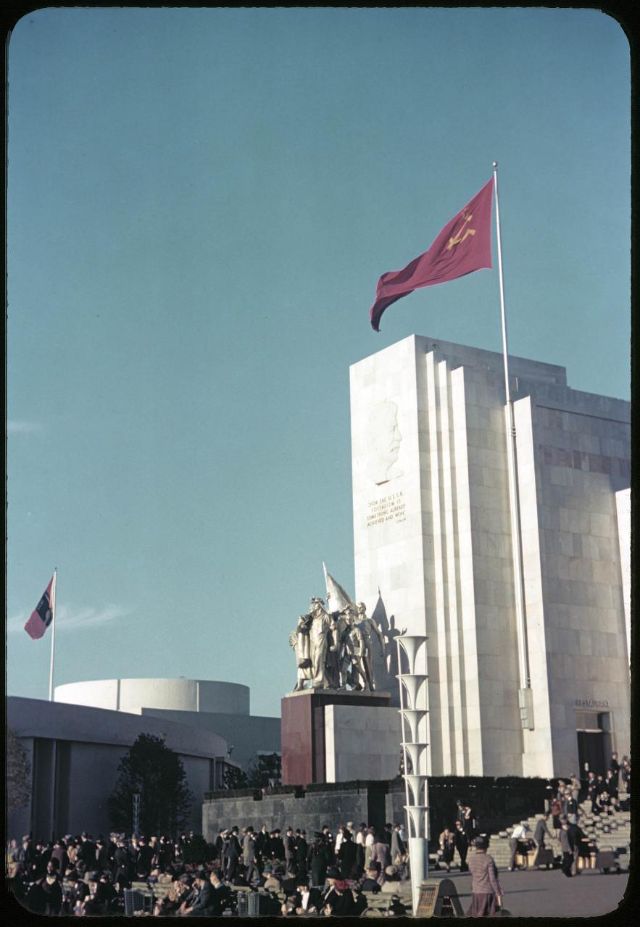
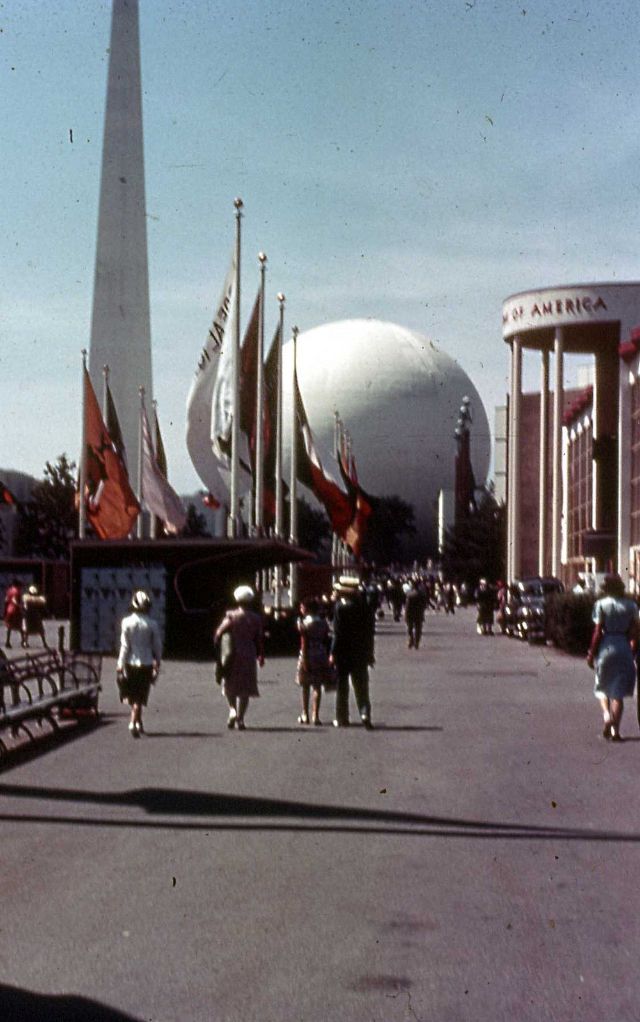
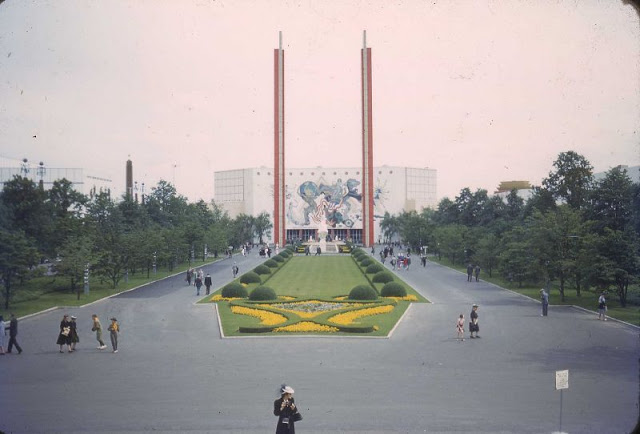
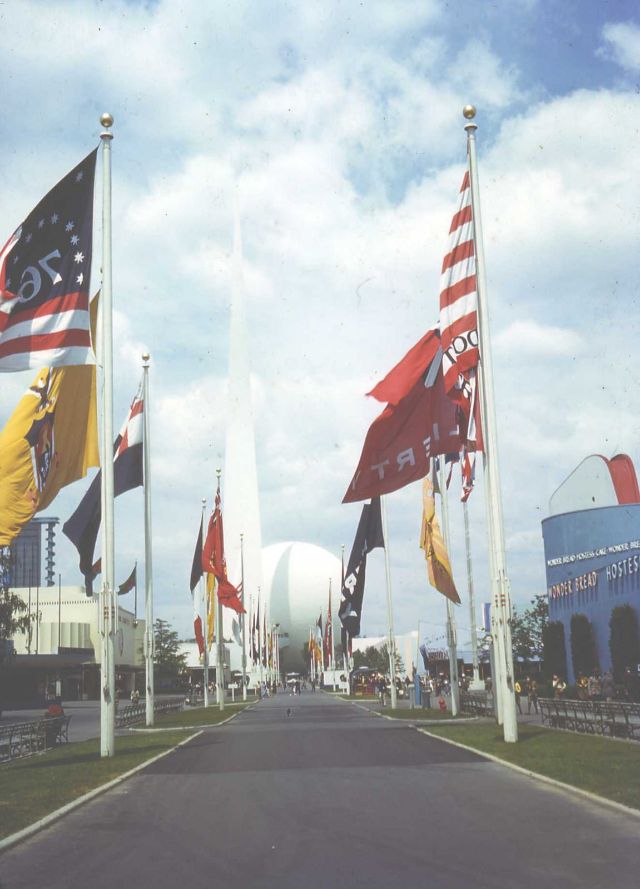
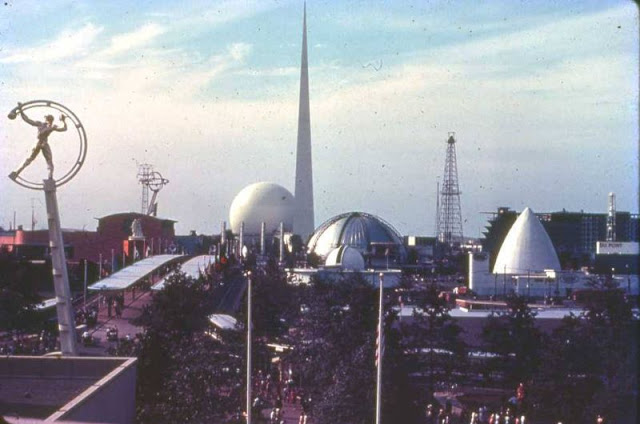
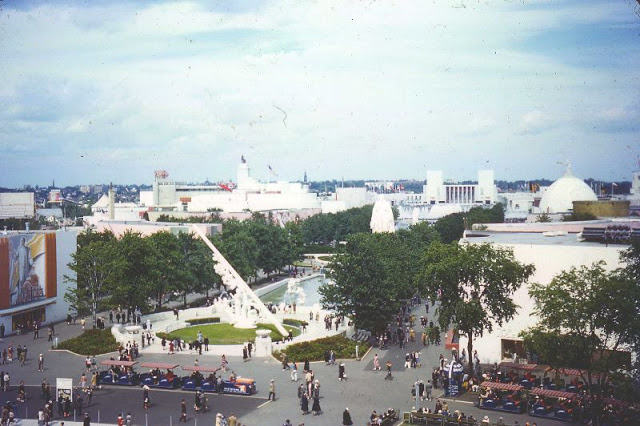
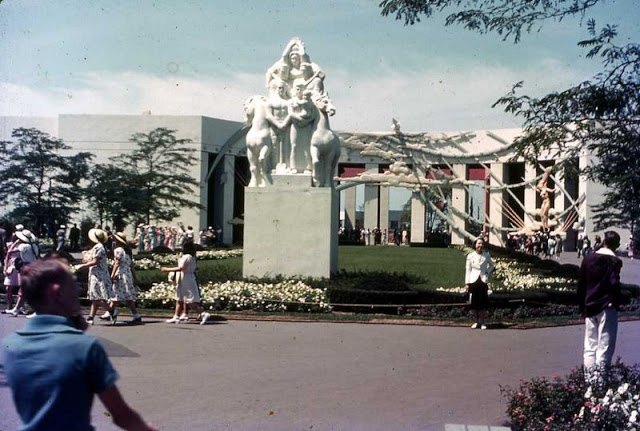
40 Vintage Photos of the 1939 New York World’s Fair

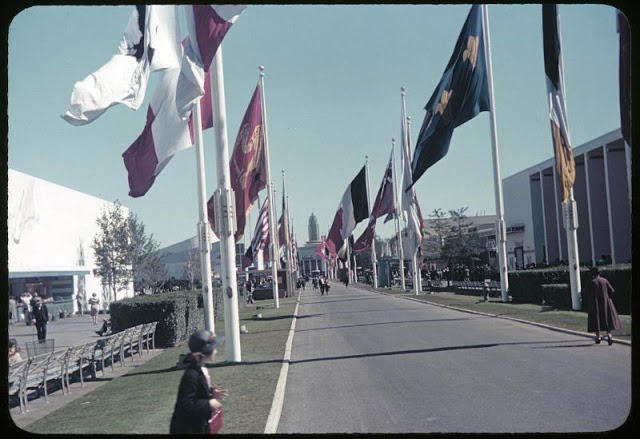
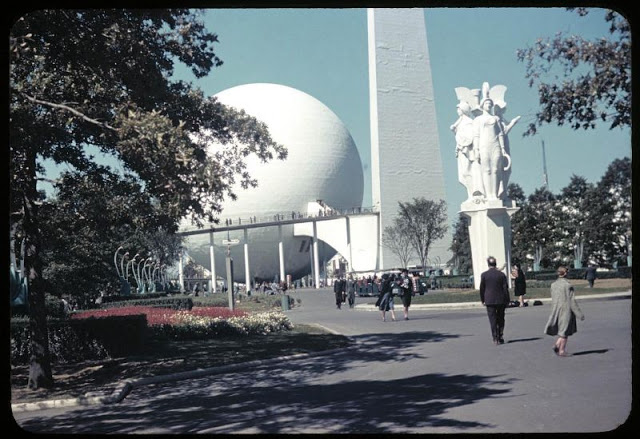
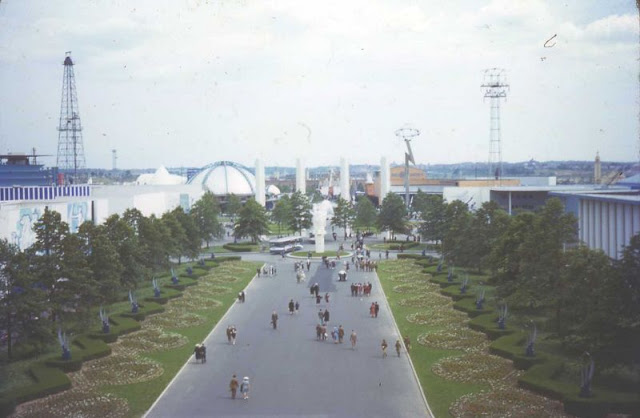
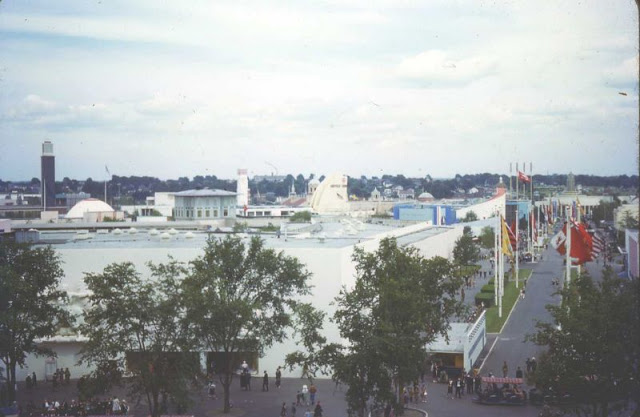
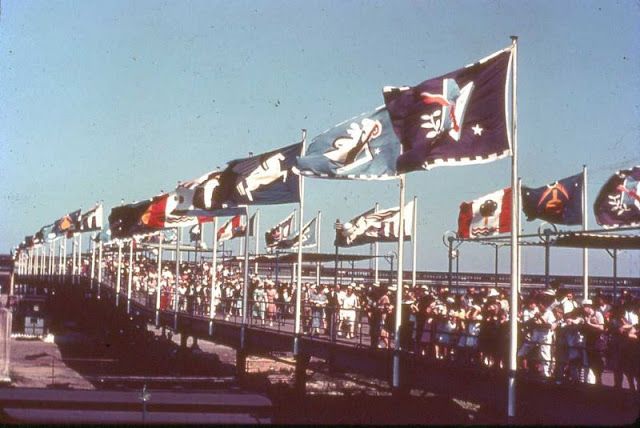
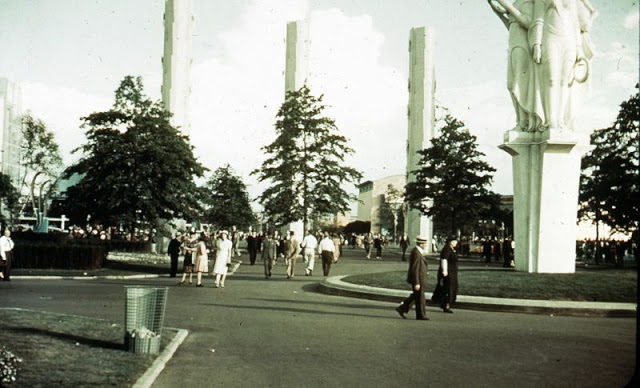
The 1939–40 New York World’s Fair was a world’s fair held at Flushing Meadows–Corona Park in Queens, New York, United States. It was the second-most expensive American world’s fair of all time, exceeded only by St. Louis’s Louisiana Purchase Exposition of 1904. Many countries around the world participated in it, and over 44 million people attended its exhibits in two seasons. It was the first exposition to be based on the future, with an opening slogan of “Dawn of a New Day”, and it allowed all visitors to take a look at “the world of tomorrow”.

When World War II began four months into the 1939 World’s Fair, many exhibits were affected, especially those on display in the pavilions of countries under Axis occupation. After the close of the fair in 1940, many exhibits were demolished or removed, though some buildings were retained for the 1964–1965 New York World’s Fair, held at the same site. (Wikipedia)
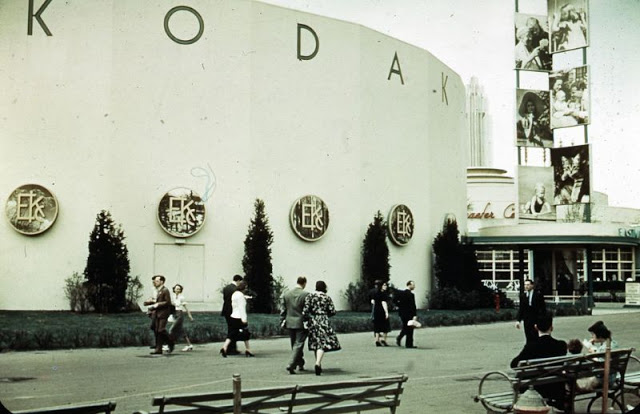
The back side of the Kodak Exhibition Building
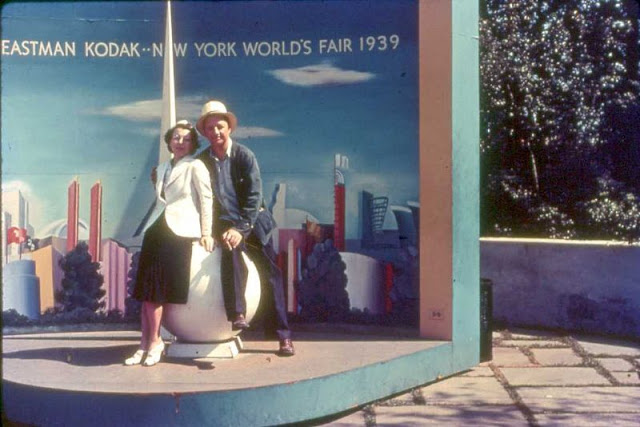
A couple poses for photographing at Eastman Kodak
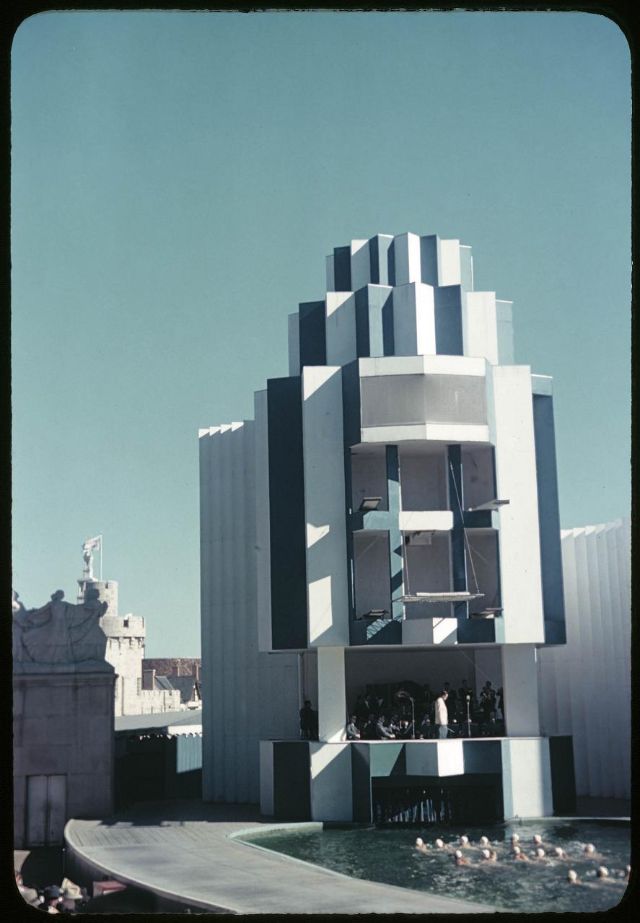
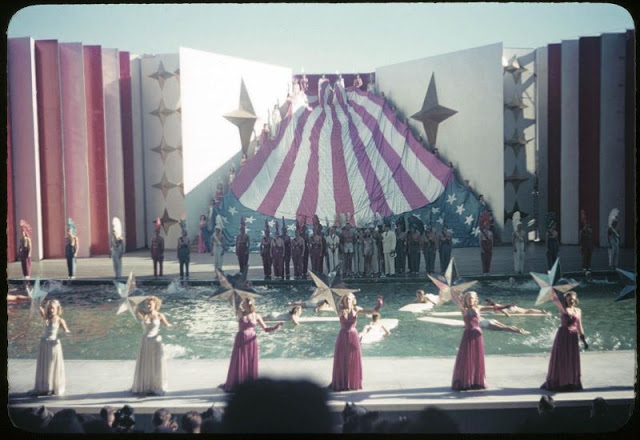
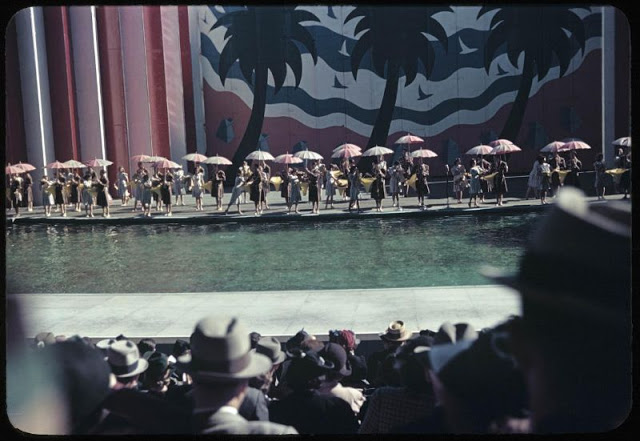
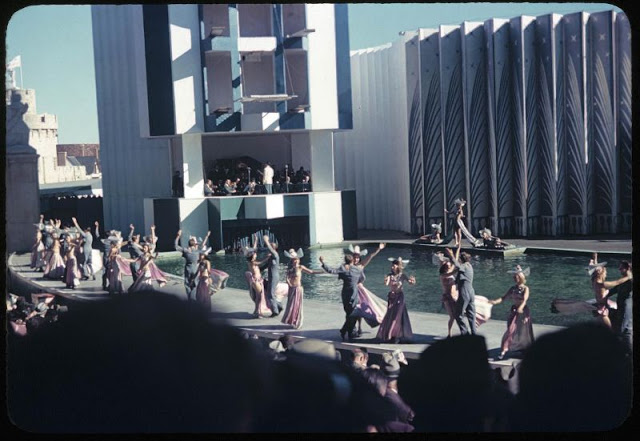
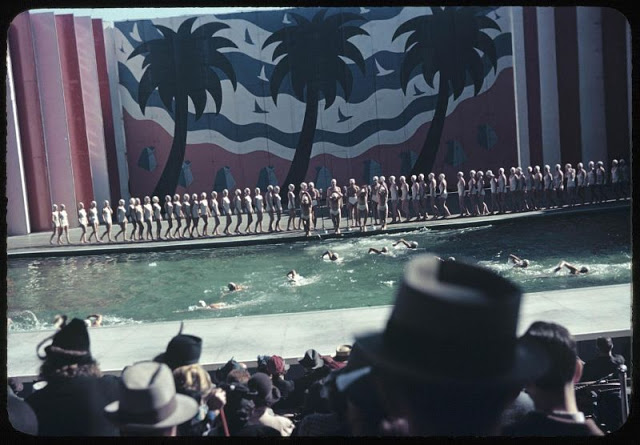
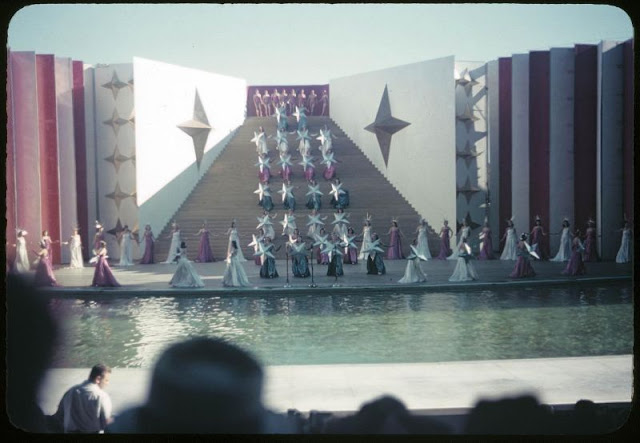
Amphitheater and Billy Rose Aquacade
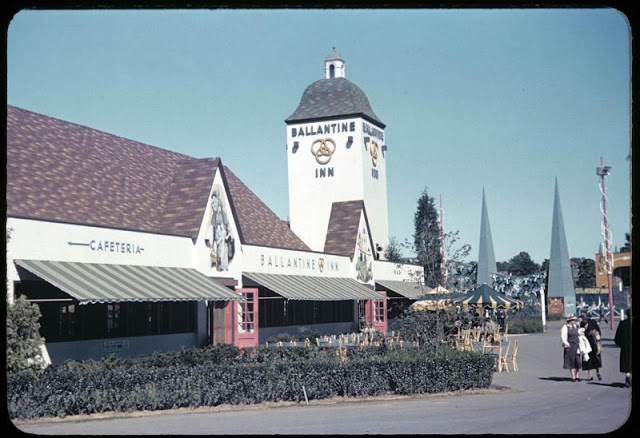
Ballantine Inn
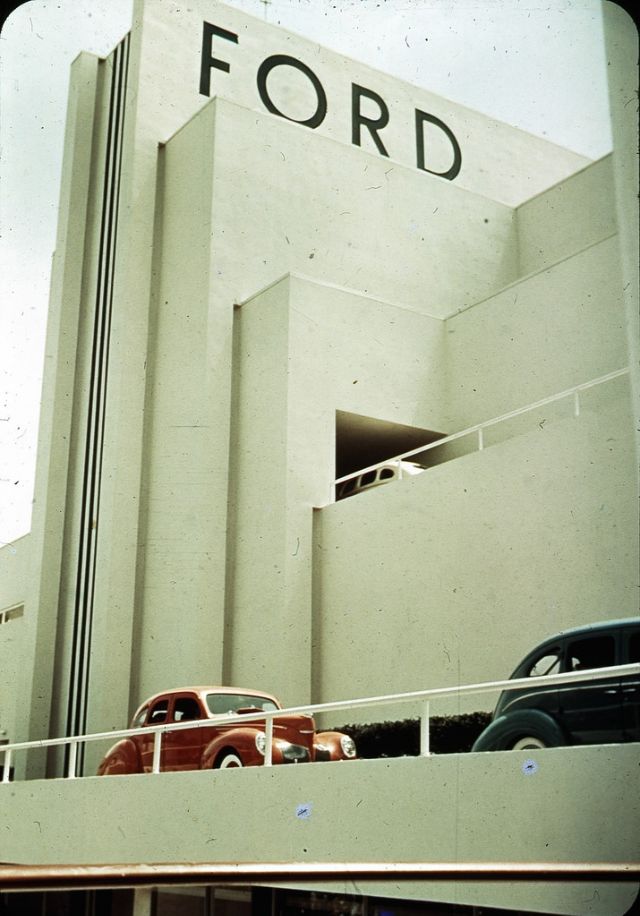
Ford Building
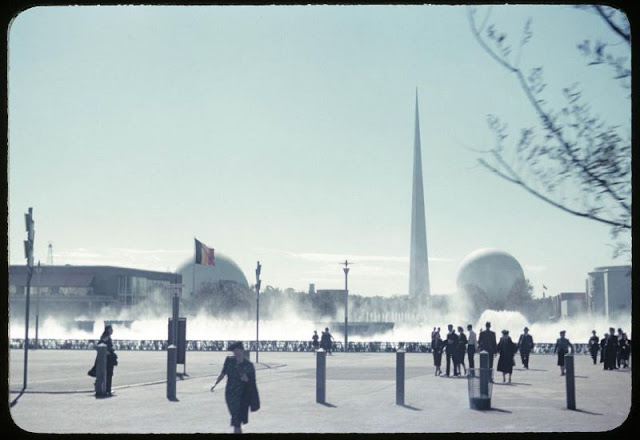
French Pavilion on the Court of Peace with Trylon and Perisphere
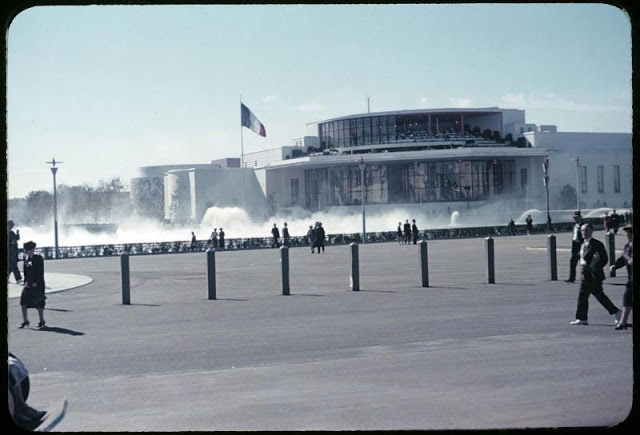
French Pavilion on the Court of Peace
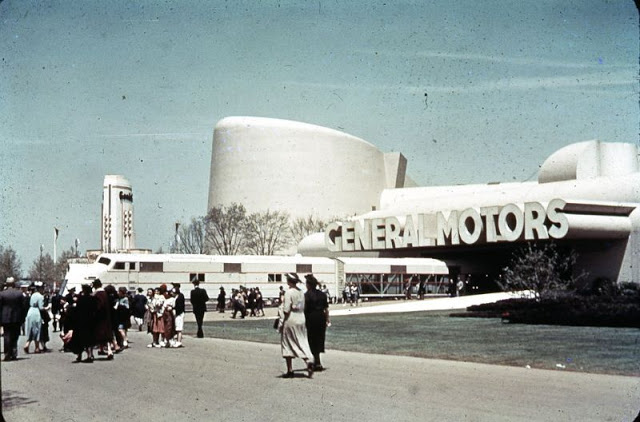
General Motors Building
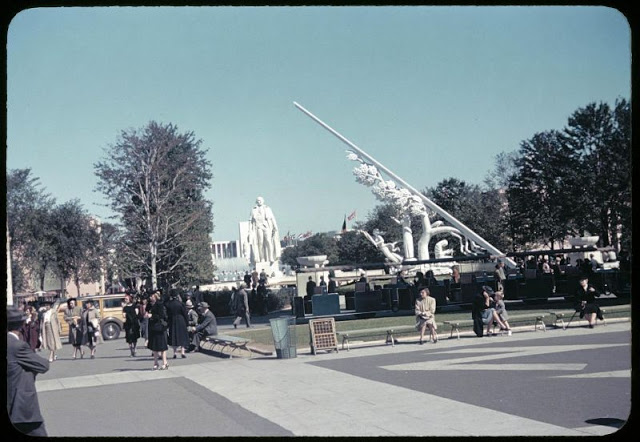
George Washington statue behind “Time and Fates of Man,” sundial, with the United States Federal Building in the background
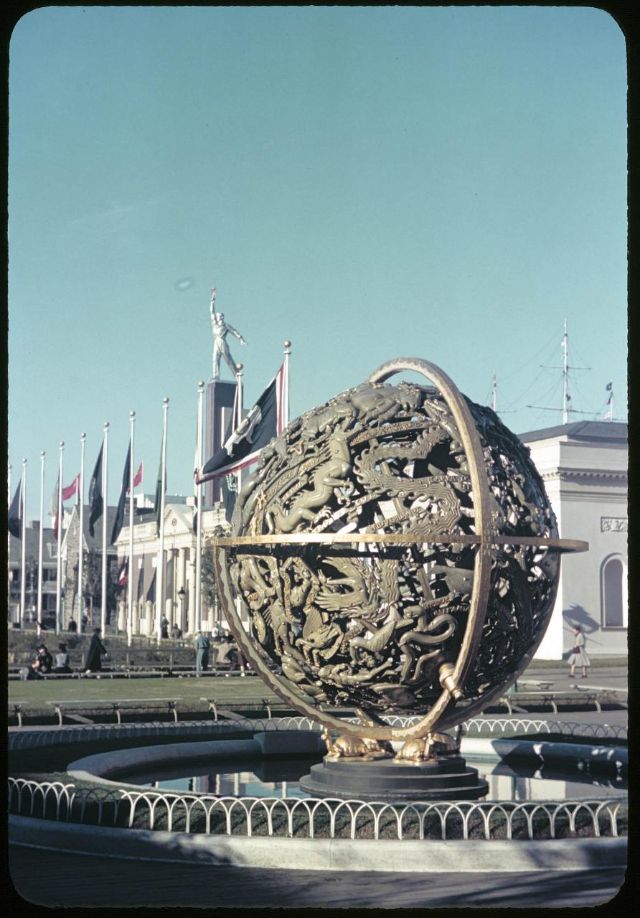
Globe along the Court of States, in front of the West Virginia and Georgia buildings with tower of the USSR (Soviet) Pavilion above
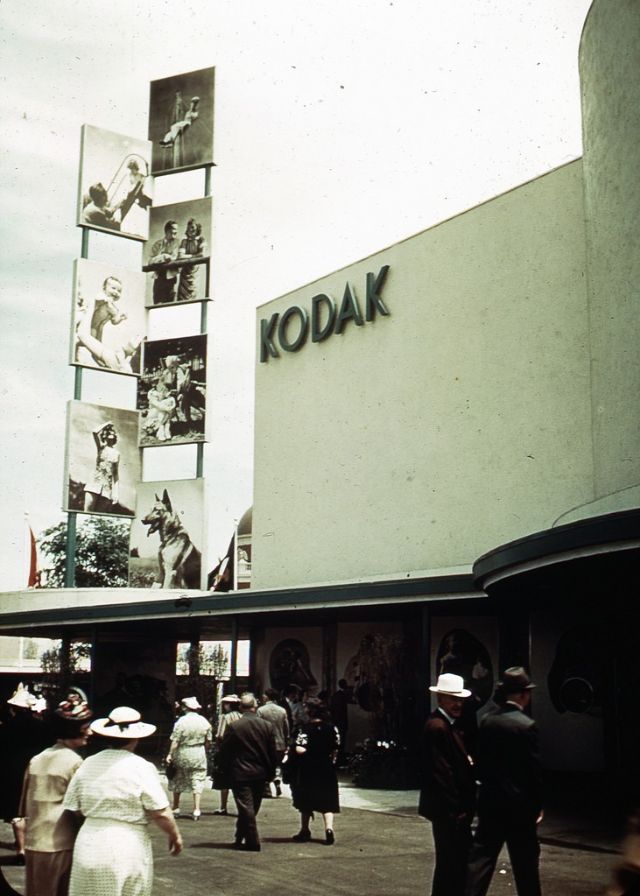
Kodak Building
Kodak Building
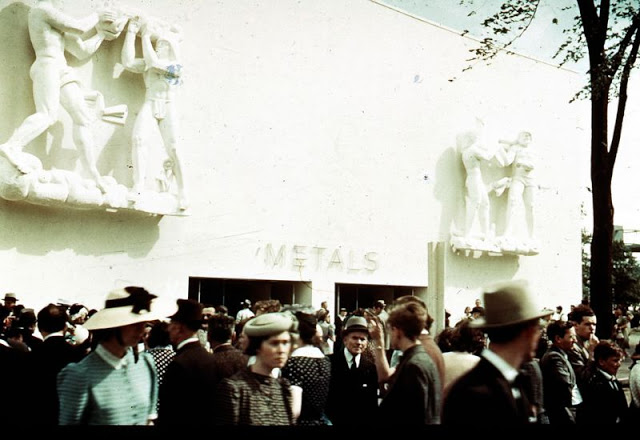
Metals Building
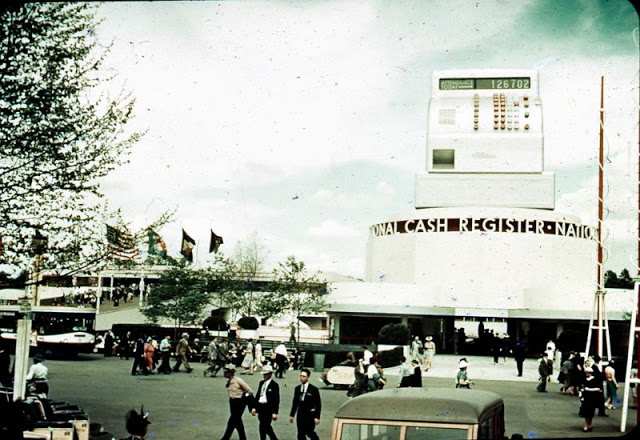
National Cash Register Building
New York City Building with Trylon and Perisphere
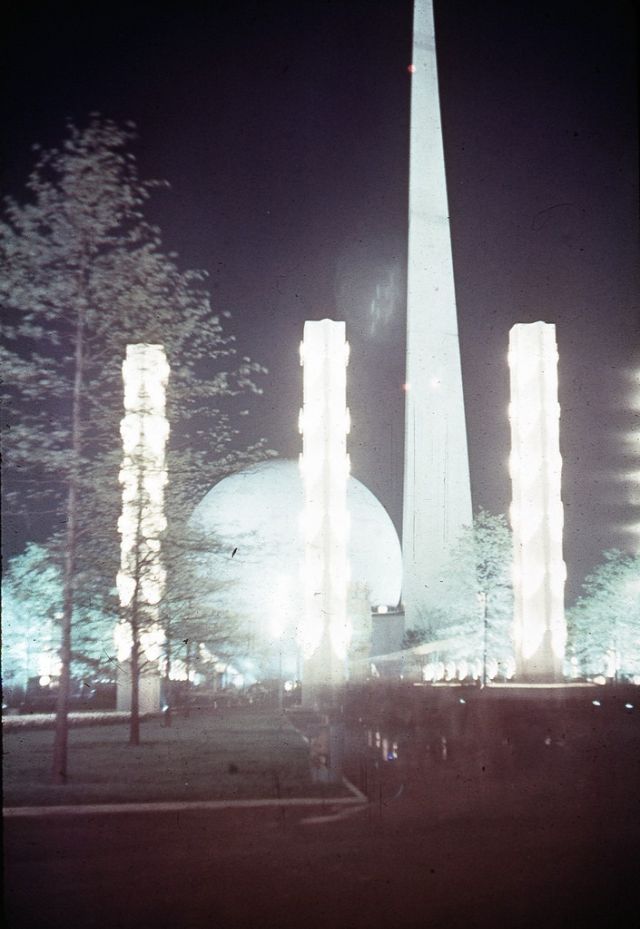
Night view of Trylon and Perisphere
The Avenue of Pioneers, looking toward the Schaefer Center
The back side of the Kodak Exhibition Building
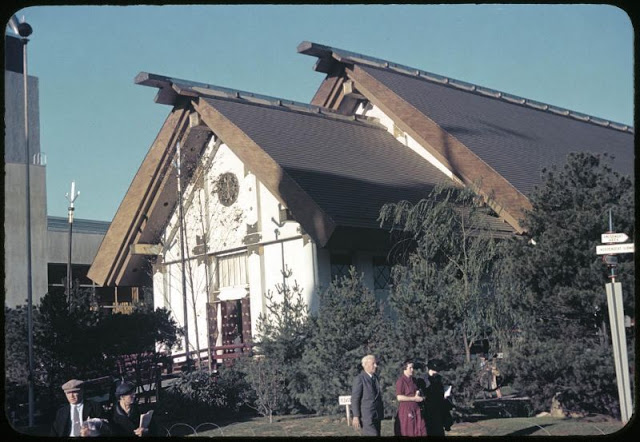
The Japan Pavilion next to the USSR (Soviet) Pavilion
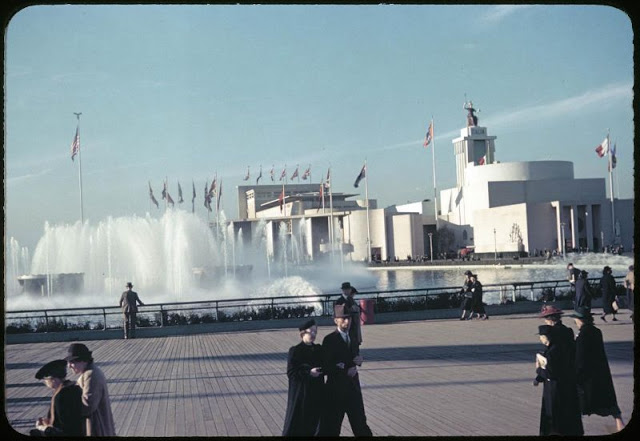
The Lagoon of Nations with the Italian Pavilion in the rear
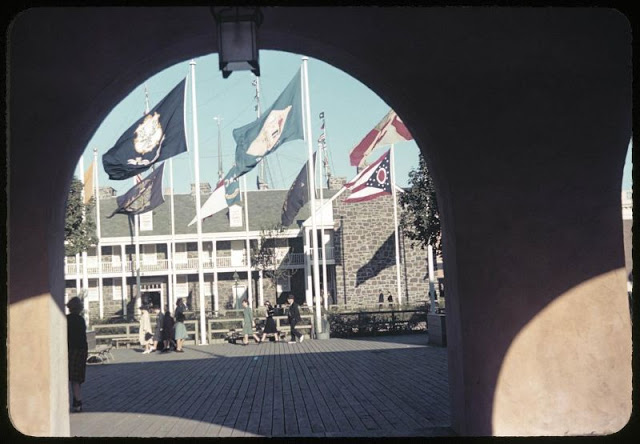
The New Jersey Building along the Court of States
The Pennsylvania Building along the Court of States with tower of the USSR (Soviet) Pavilion above.
The USSR (Soviet) Pavilion
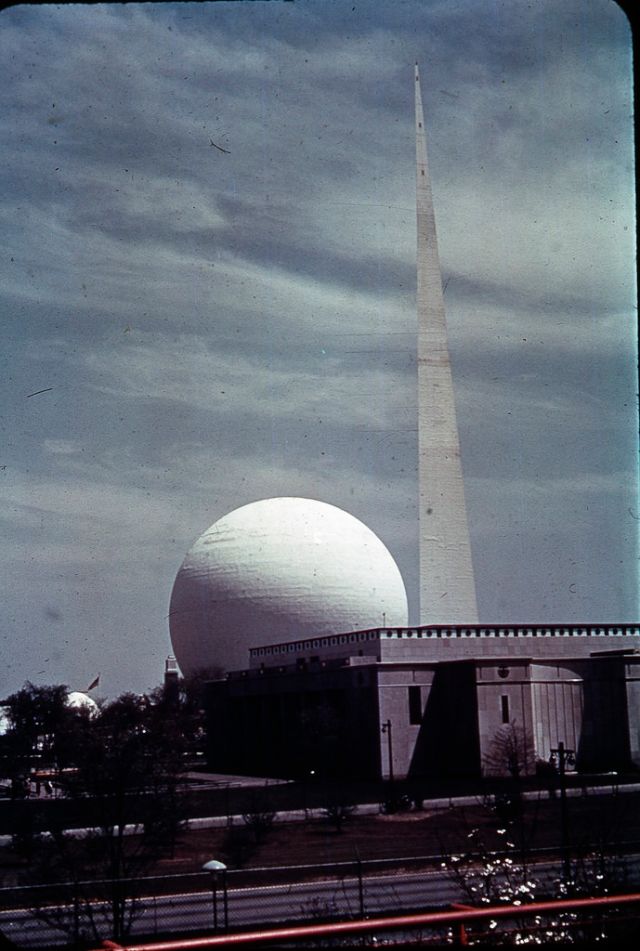
Trylon and Perisphere
Trylon, Perisphere and Helicline
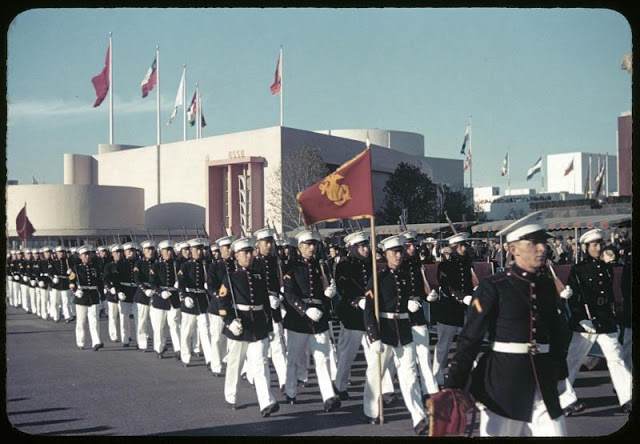
U.S. Marine Corps marching in front of the USSR (Soviet) Pavilion
1939 New York World’s Fair

Yesterday Today

Bringing You the Wonder of Yesterday - Today

Skip to content ↓