























Bringing You the Wonder of Yesterday – Today
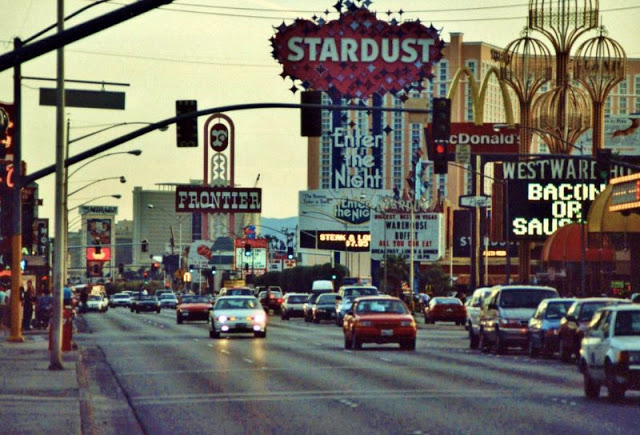
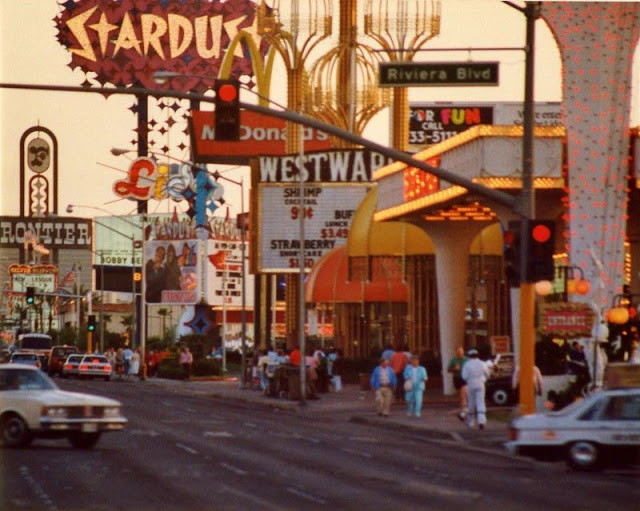
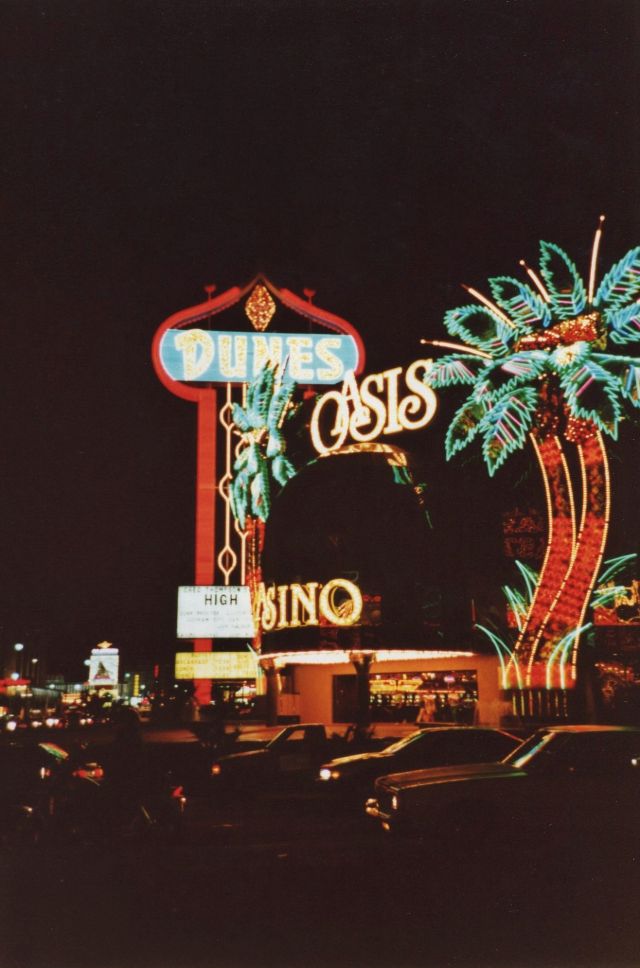
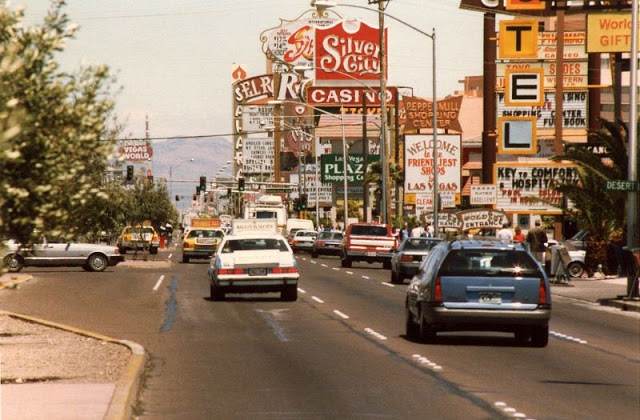
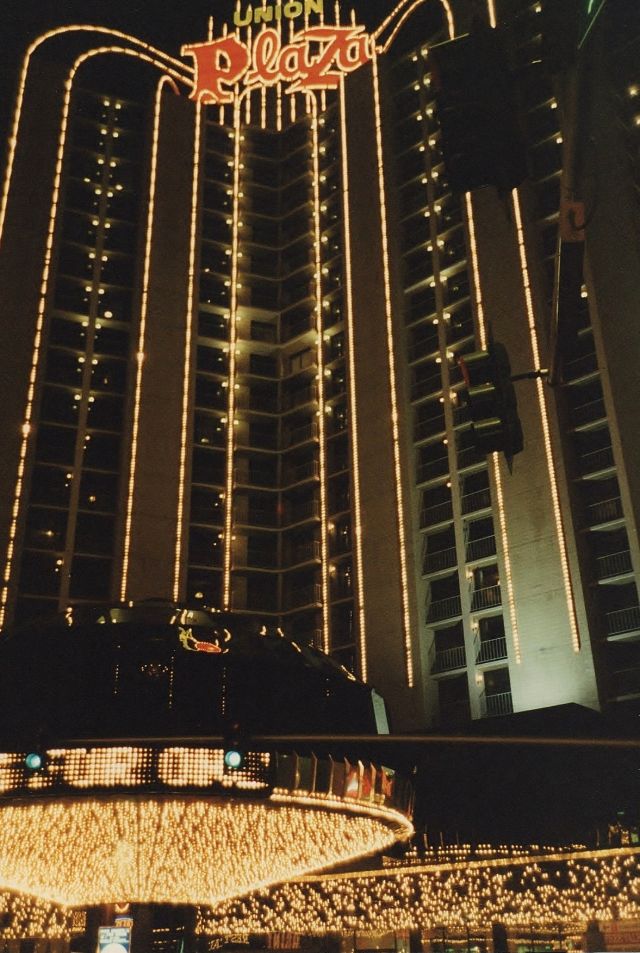
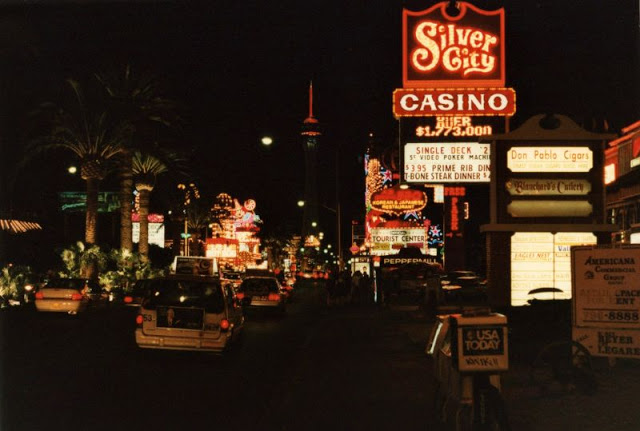
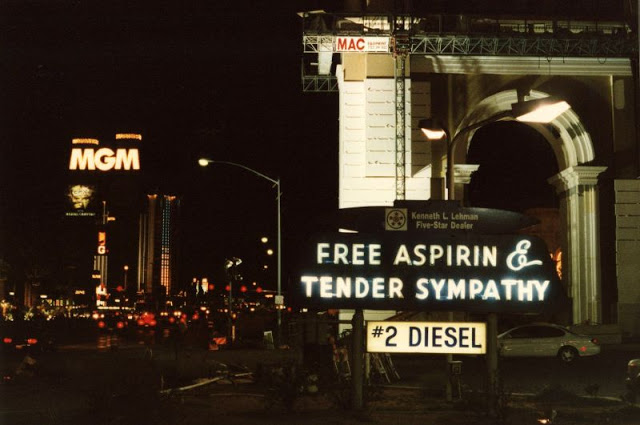
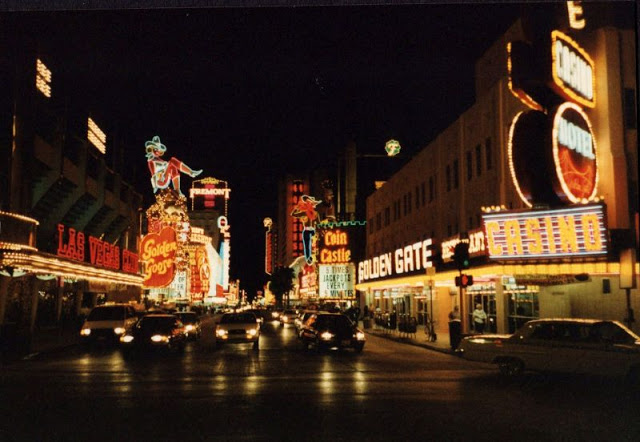
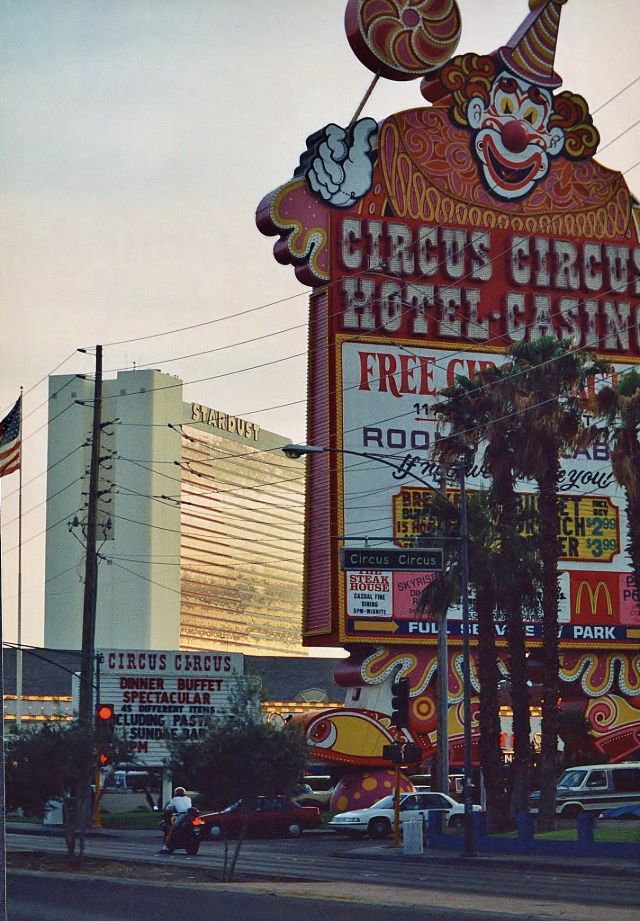
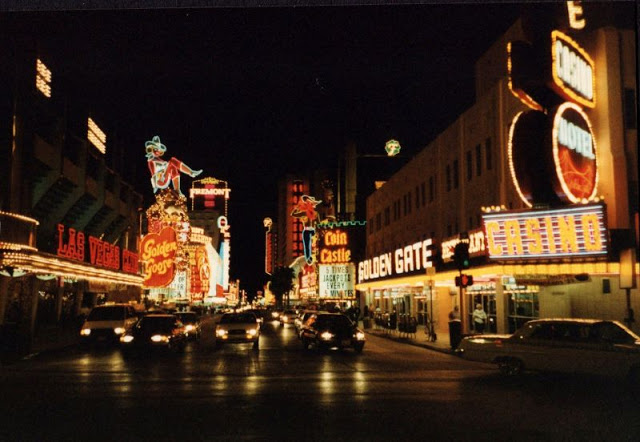
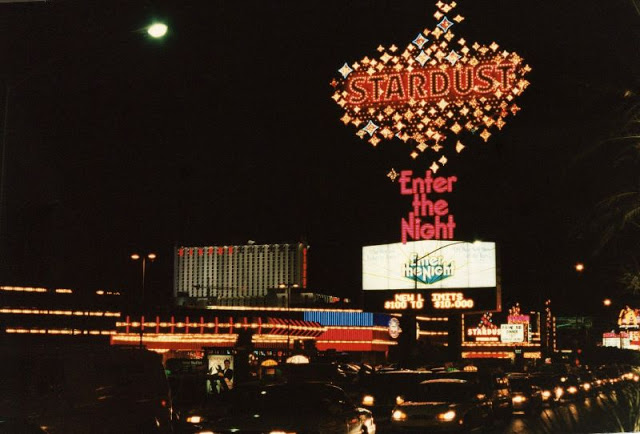
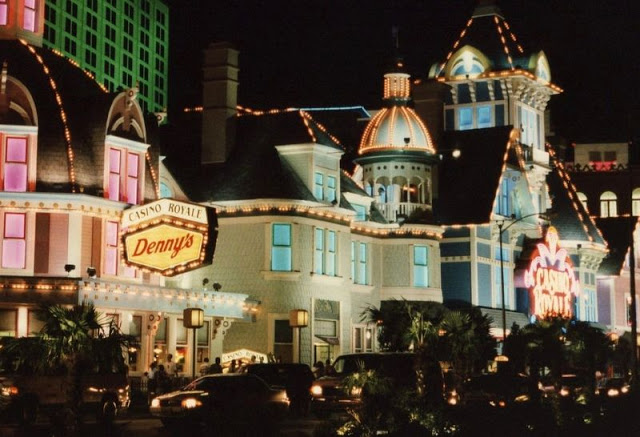
The “Mafia/Rat Pack” Las Vegas of the mid-20th century came to a gradual end in the 1980s with the aging out of the World War II generation, the decline of organized crime elements, and the rise of baby boomer entrepreneurs who began a new chapter in the city’s history, the so-called megaresort era.
Las Vegas began to become a more commercialized, family-oriented place with large corporations coming to own the hotels, casinos, and nightclubs in place of Mafia bosses.
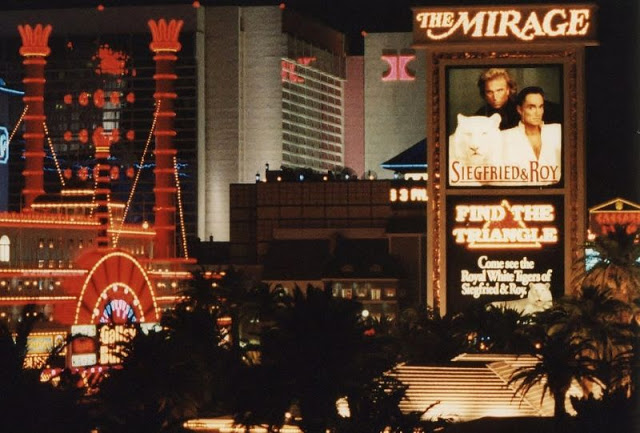
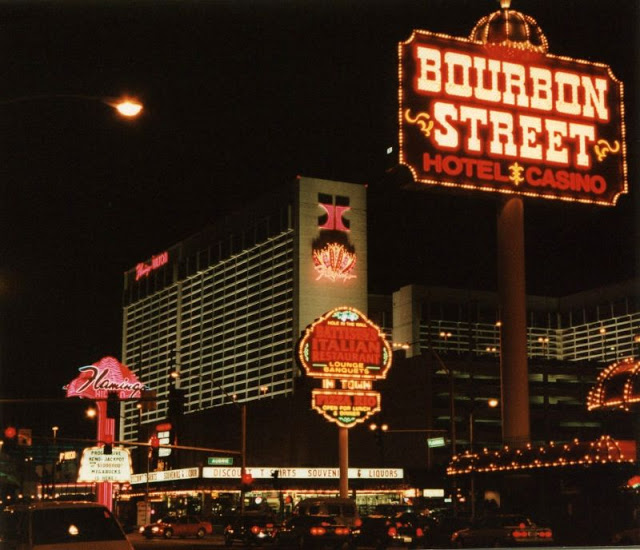
The megaresort era kicked off in 1989 with the construction of The Mirage. More landmark hotels and other structures were razed to make way for ever-larger and more opulent resorts.
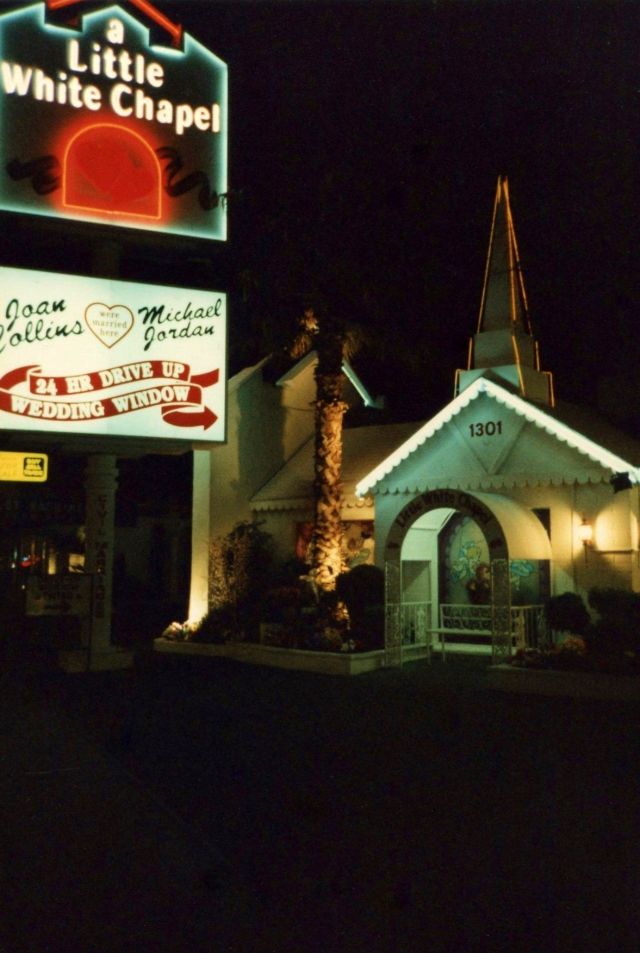
Las Vegas (Spanish for “The Meadows”), often known simply as Vegas, is the 26th-most populous city in the United States, the most populous city in the state of Nevada, and the county seat of Clark County. The city anchors the Las Vegas Valley metropolitan area and is the largest city within the greater Mojave Desert. Las Vegas is an internationally renowned major resort city, known primarily for its gambling, shopping, fine dining, entertainment, and nightlife. The Las Vegas Valley as a whole serves as the leading financial, commercial, and cultural center for Nevada.
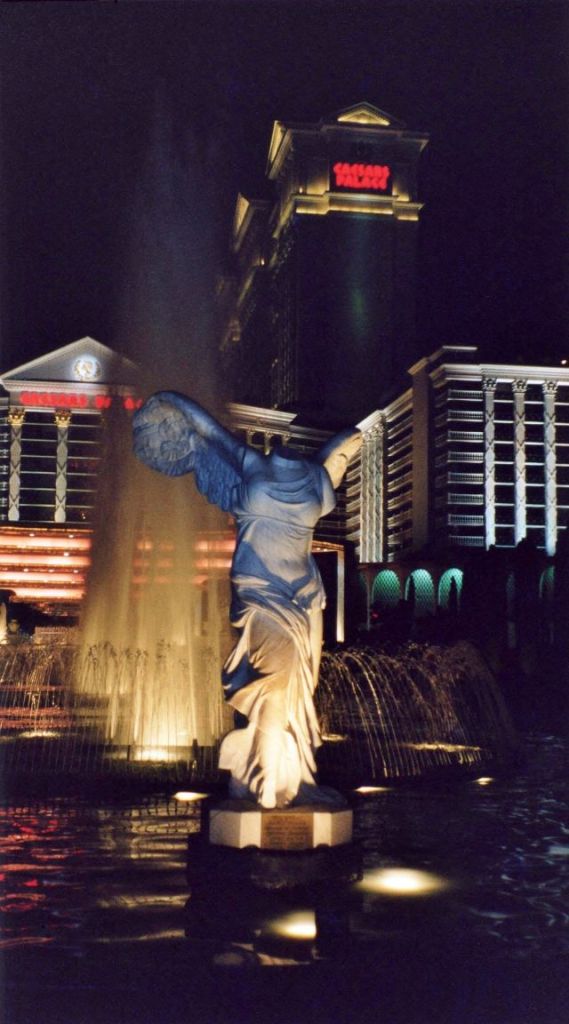
The city bills itself as The Entertainment Capital of the World, and is famous for its luxurious and extremely large casino-hotels together with their associated activities. It is a top three destination in the United States for business conventions and a global leader in the hospitality industry, claiming more AAA Five Diamond hotels than any other city in the world. Today, Las Vegas annually ranks as one of the world’s most visited tourist destinations. The city’s tolerance for numerous forms of adult entertainment earned it the title of “Sin City”, and has made Las Vegas a popular setting for literature, films, television programs, and music videos.
Las Vegas was settled in 1905 and officially incorporated in 1911. At the close of the 20th century, it was the most populated North American city founded within that century (a similar distinction was earned by Chicago in the 19th century). Population growth has accelerated since the 1960s, and between 1990 and 2000 the population nearly doubled, increasing by 85.2%. Rapid growth has continued into the 21st century, and according to the United States Census Bureau, the city had 641,903 residents in 2020,[5] with a metropolitan population of 2,227,053.
As with most major metropolitan areas, the name of the primary city (“Las Vegas” in this case) is often used to describe areas beyond official city limits. In the case of Las Vegas, this especially applies to the areas on and near the Las Vegas Strip, which are actually located within the unincorporated communities of Paradise and Winchester. Nevada is the driest state, and Las Vegas is the driest major U.S. city. Over time and influenced by climate change, droughts in Southern Nevada have been increasing in frequency and severity, putting a further strain on Las Vegas’s water security. (Wikipedia)





















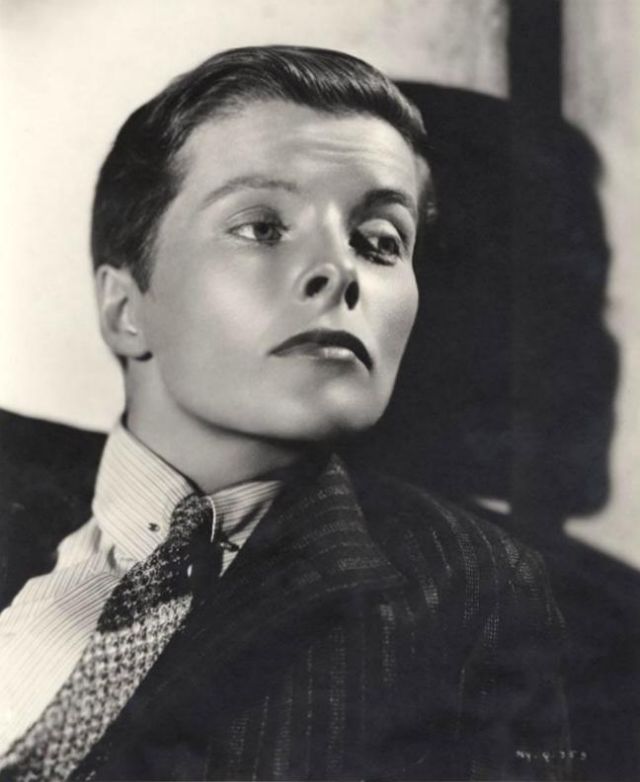
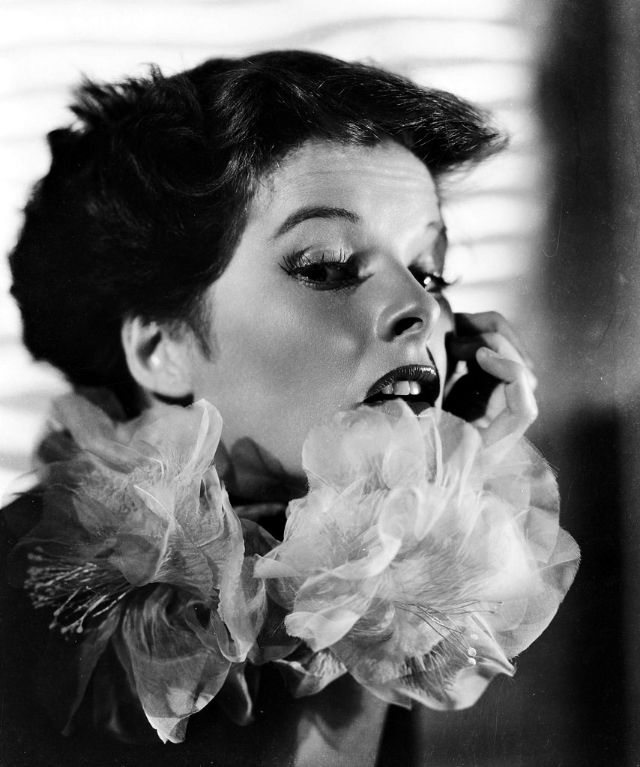
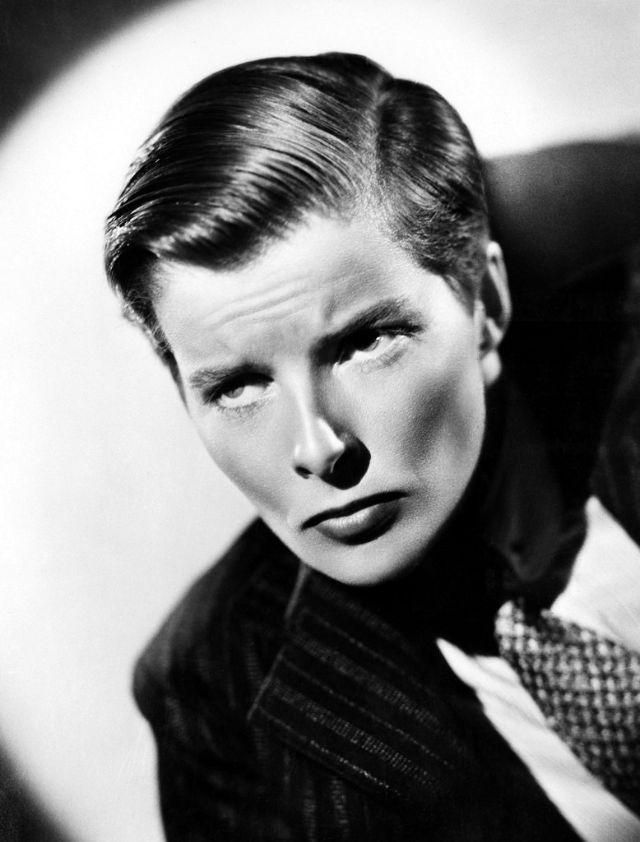
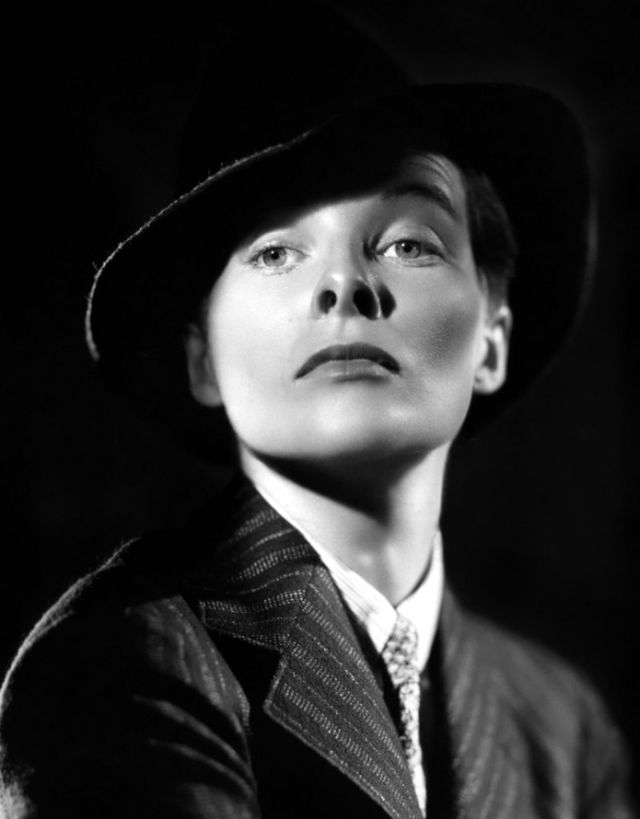
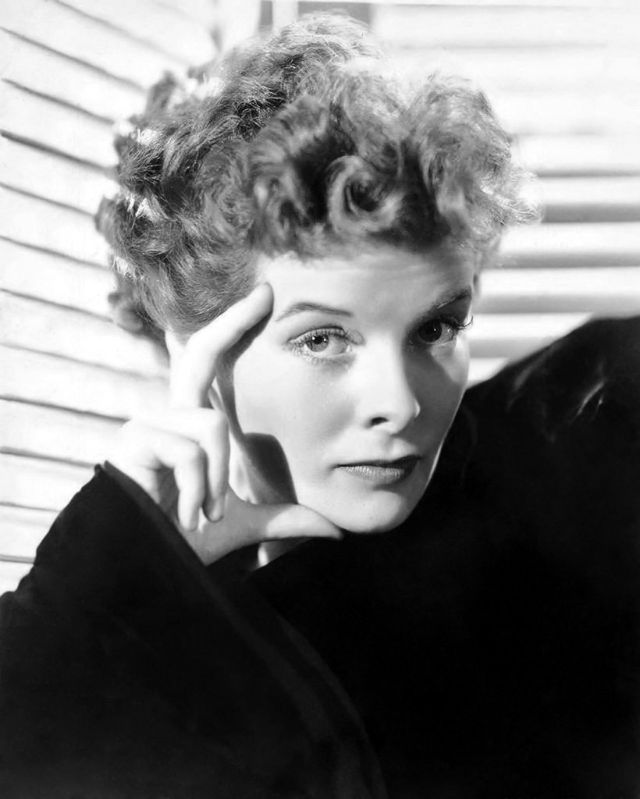
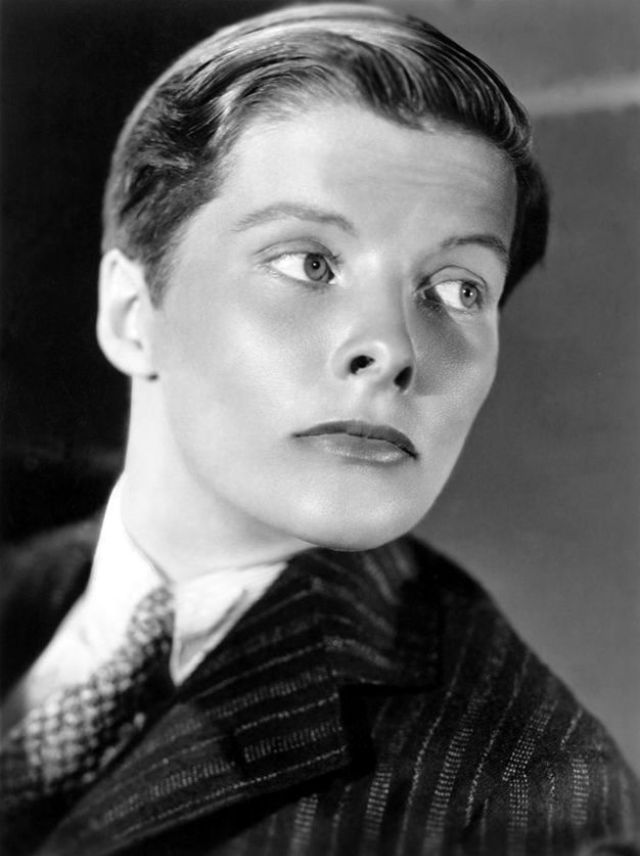
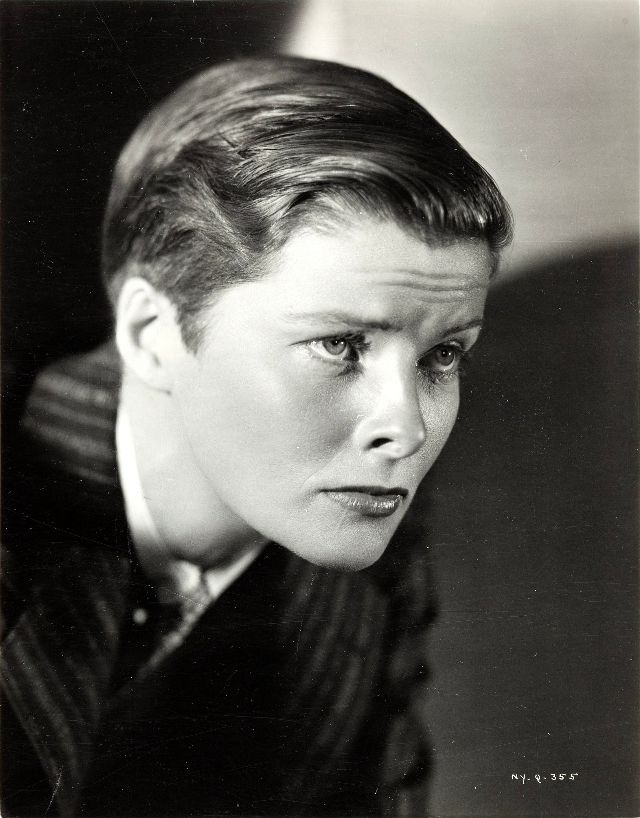
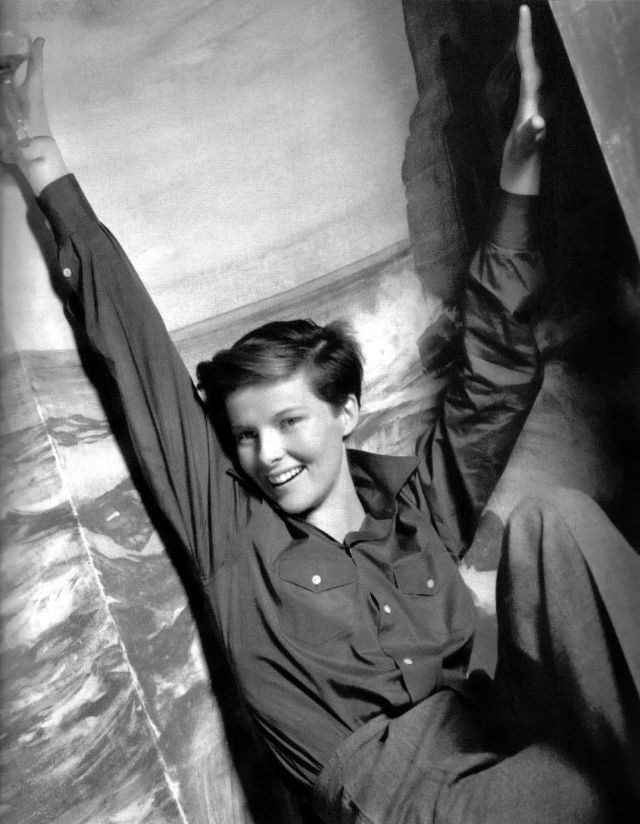
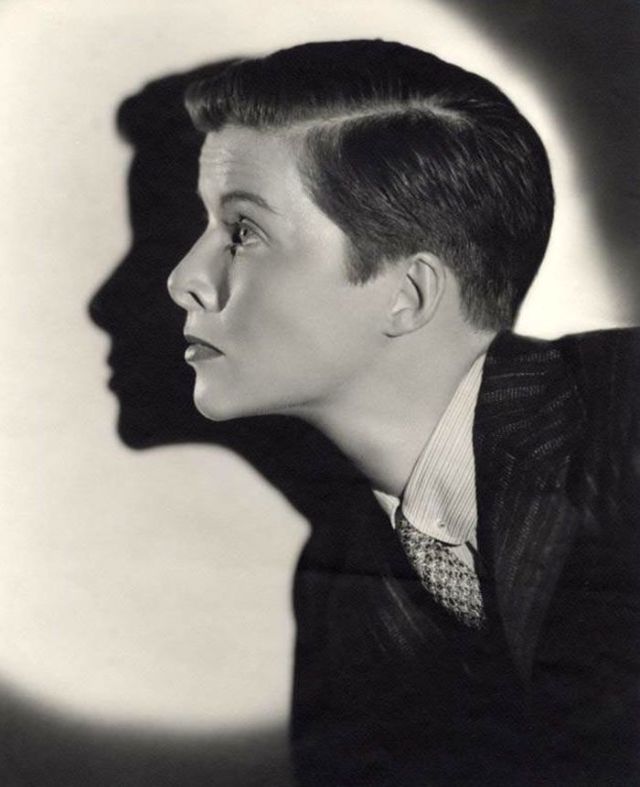
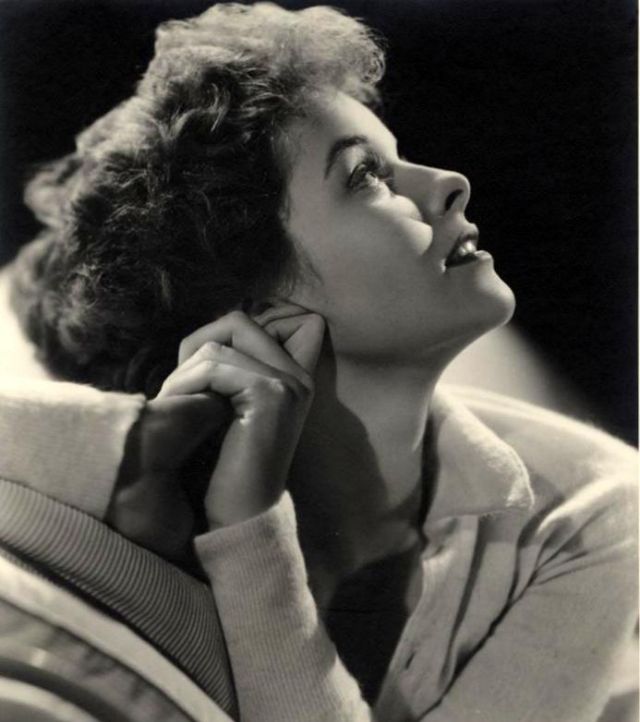
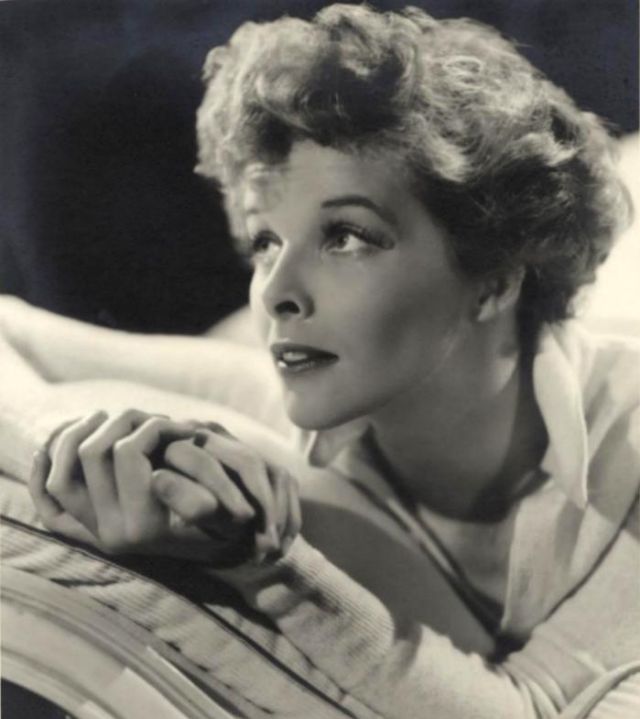
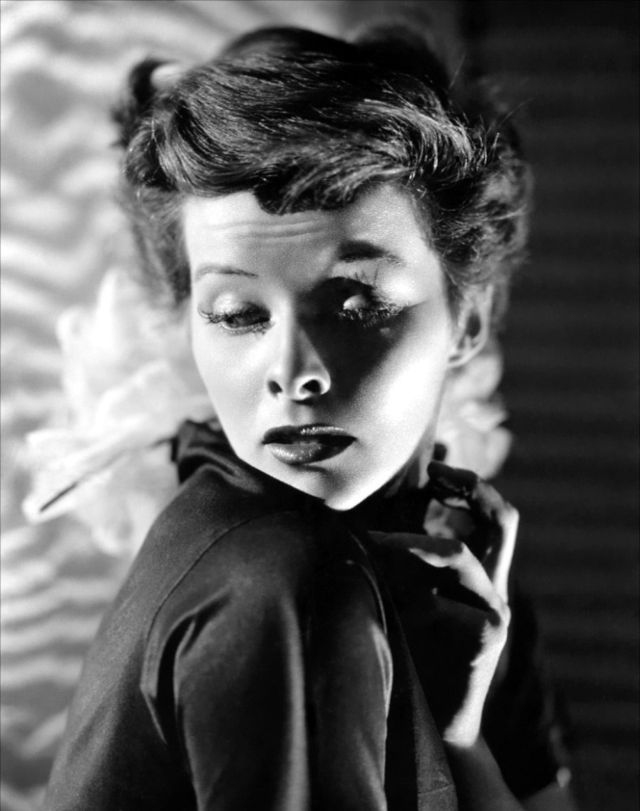
Sylvia Scarlett is a 1935 romantic comedy film starring Katharine Hepburn and Cary Grant, based on The Early Life and Adventures of Sylvia Scarlett, a novel by Compton MacKenzie. Directed by George Cukor, it was notorious as one of the most famous unsuccessful movies of the 1930s.
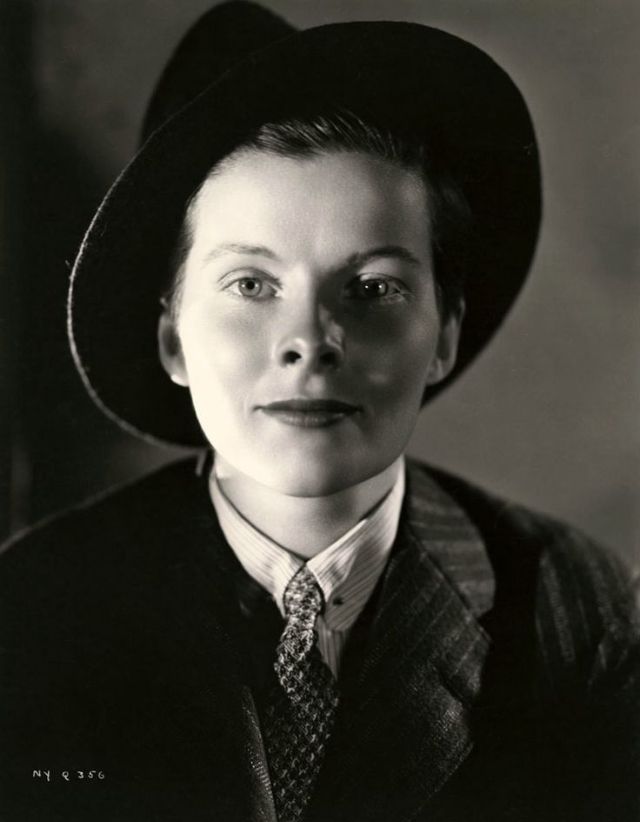
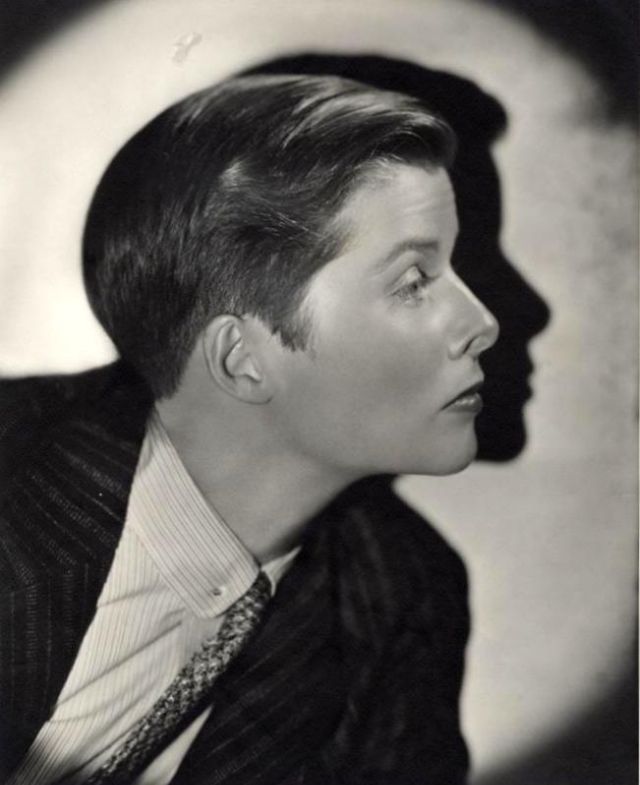
Hepburn plays the title role of Sylvia Scarlett, a female con artist masquerading as a boy to escape the police. The success of the subterfuge is in large part due to the transformation of Hepburn by RKO make-up artist Mel Berns.
Katharine Houghton Hepburn (May 12, 1907 – June 29, 2003) was an American actress of film, stage and television. Hepburn’s career as a Hollywood leading lady spanned over 60 years. She was known for her headstrong independence, spirited personality and outspokenness, cultivating a screen persona that matched this public image, and regularly playing strong-willed, sophisticated women. Her work was in a range of genres, from screwball comedy to literary drama, and earned her various accolades, including four Academy Awards for Best Actress—a record for any performer. In 1999, Hepburn was named the greatest female star of classic Hollywood cinema by the American Film Institute.
Raised in Connecticut by wealthy, progressive parents, Hepburn began to act while at Bryn Mawr College. Favorable reviews of her work on Broadway brought her to the attention of Hollywood. Her early years in film brought her international fame, including an Academy Award for Best Actress for her third picture, Morning Glory (1933), but this was followed by a series of commercial failures culminating in the critically lauded box office failure Bringing Up Baby (1938). Hepburn masterminded her own comeback, buying out her contract with RKO Radio Pictures and acquiring the film rights to The Philadelphia Story, which she sold on the condition that she be the star. That comedy film was a box office success and landed her a third Academy Award nomination. In the 1940s, she was contracted to Metro-Goldwyn-Mayer, where her career focused on an alliance with Spencer Tracy. The screen-partnership spanned 26 years, and produced nine movies.
Hepburn challenged herself in the latter half of her life, as she tackled Shakespearean stage productions and a range of literary roles. She found a niche playing middle-aged spinsters, such as in The African Queen (1951), a persona the public embraced. Hepburn earned three more Oscars for her work in Guess Who’s Coming to Dinner (1967), The Lion in Winter (1968), and On Golden Pond (1981). In the 1970s, she began appearing in television films, which later became her focus. She made her final screen appearance at the age of 87. After a period of inactivity and ill health, Hepburn died in 2003 at the age of 96.
Hepburn shunned the Hollywood publicity machine and refused to conform to society’s expectations of women, famously wearing trousers before they were fashionable for women. She was briefly married as a young woman but thereafter lived independently. With her unconventional lifestyle and the independent characters she brought to the screen, Hepburn epitomized the “modern woman” in the 20th-century United States, and is remembered as an important cultural figure. (Wikipedia)
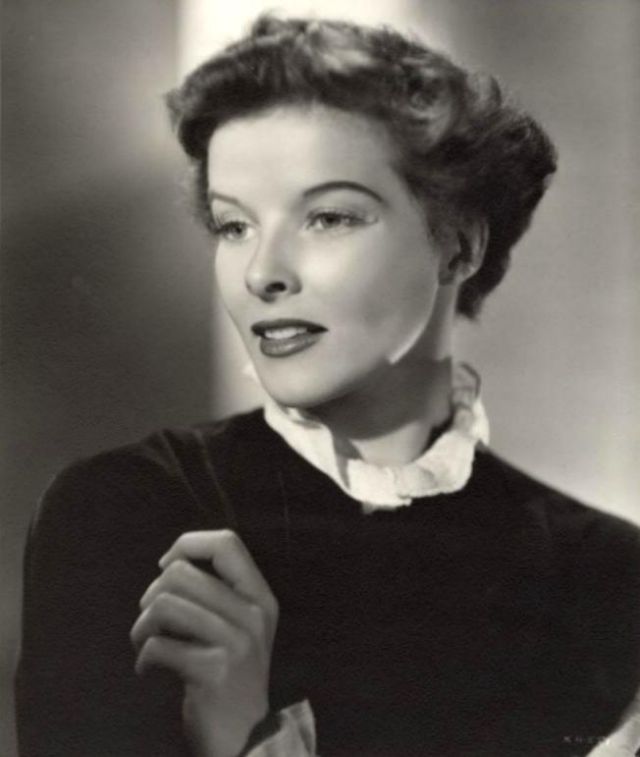
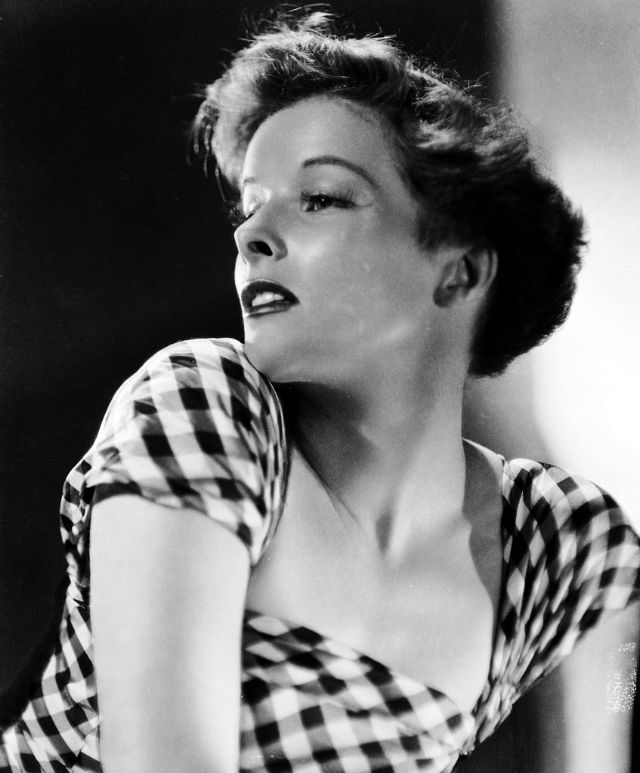
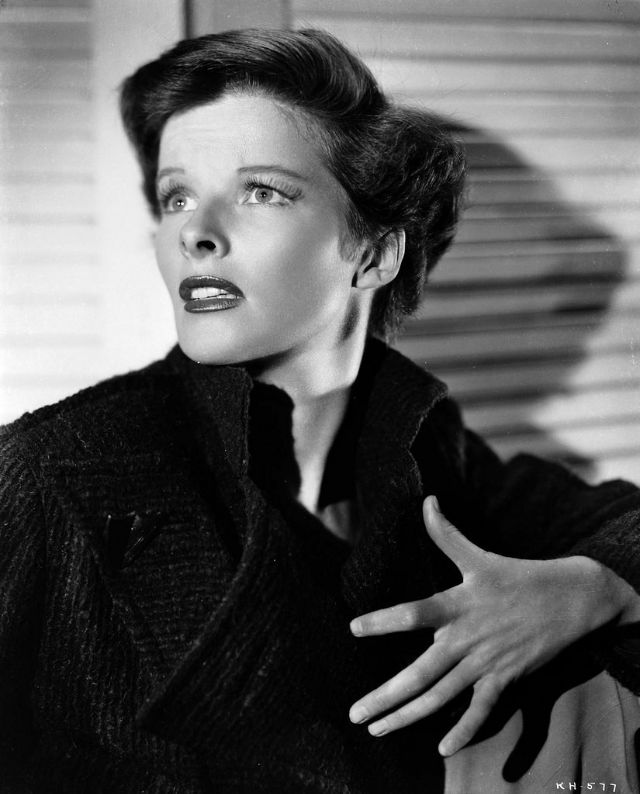
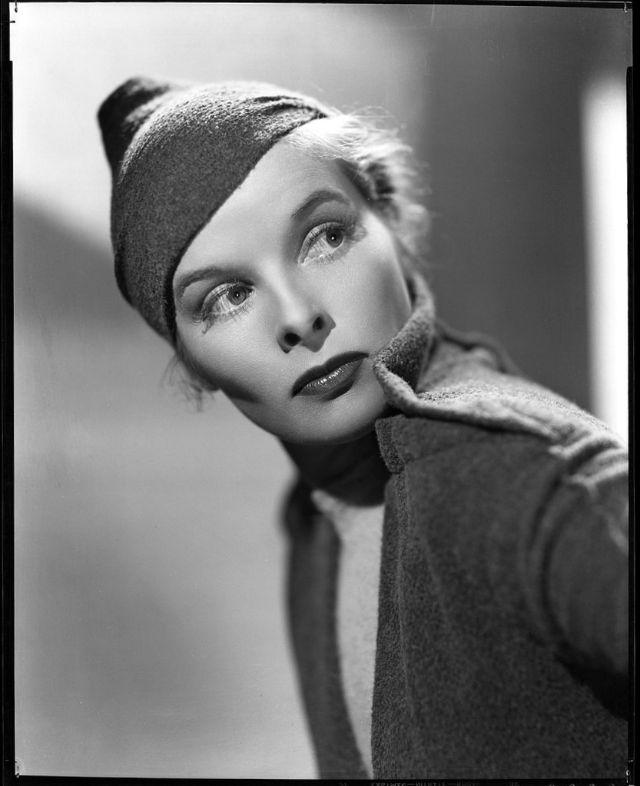
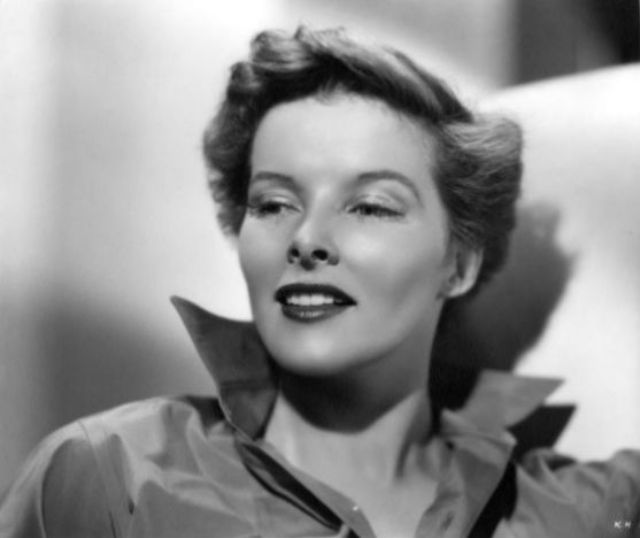
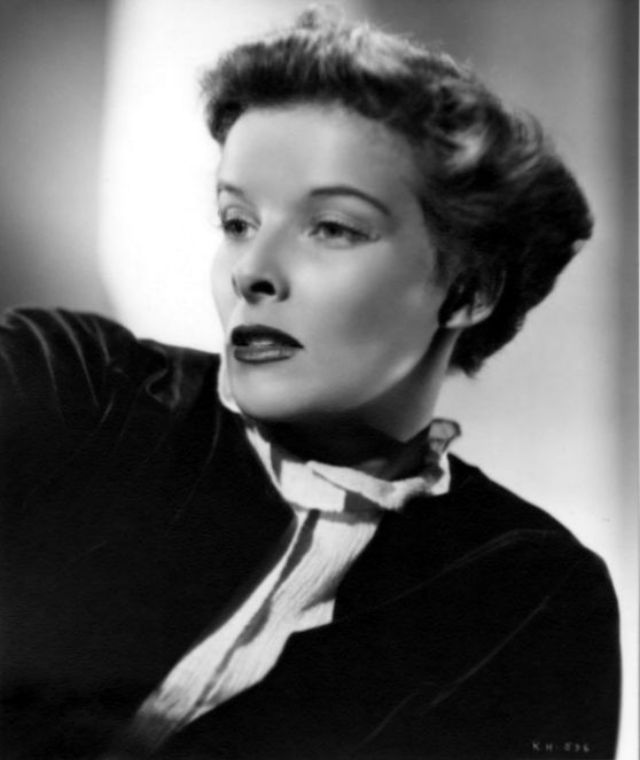
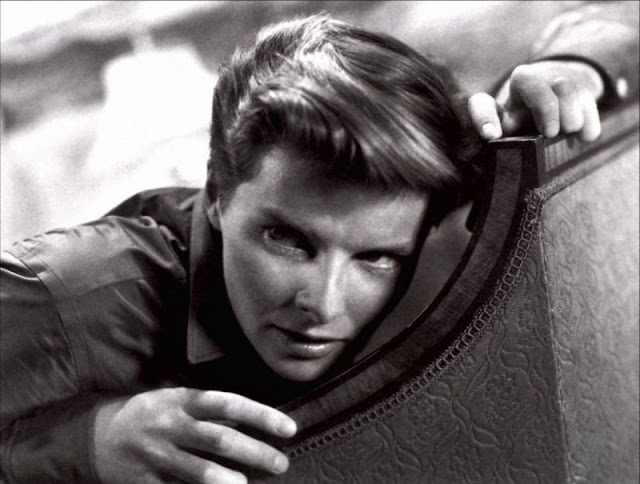
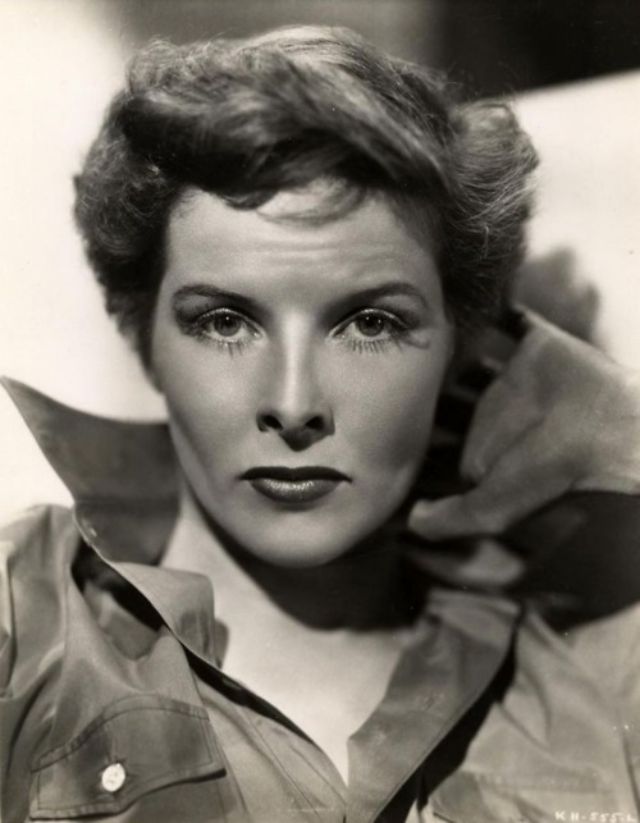
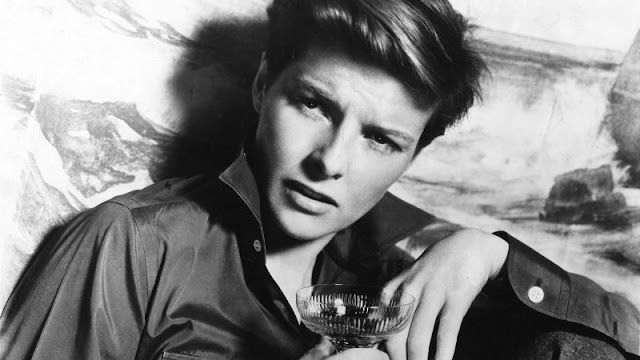
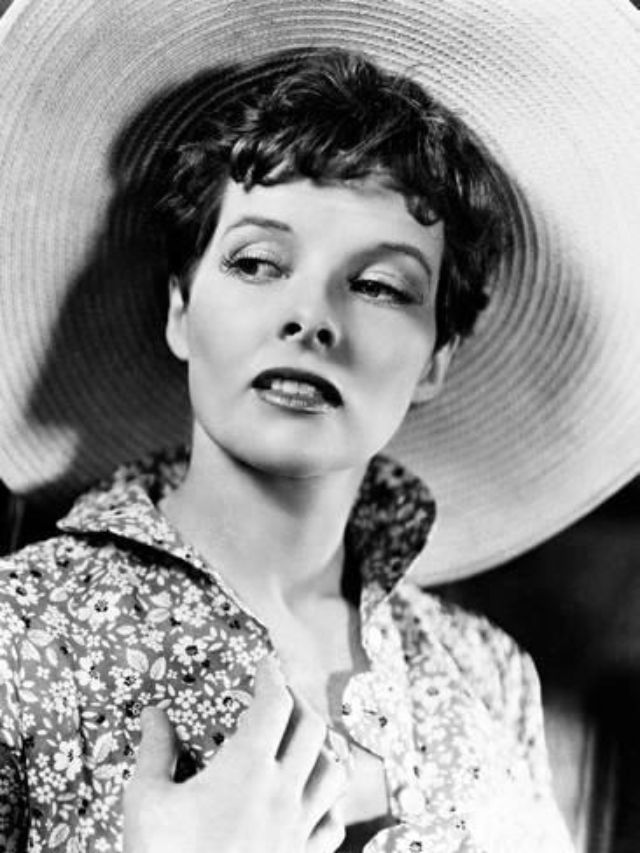
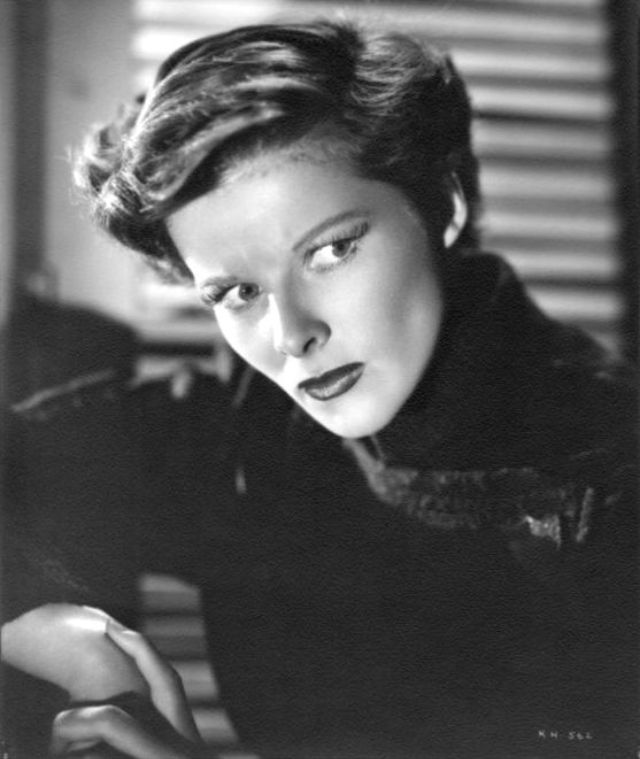
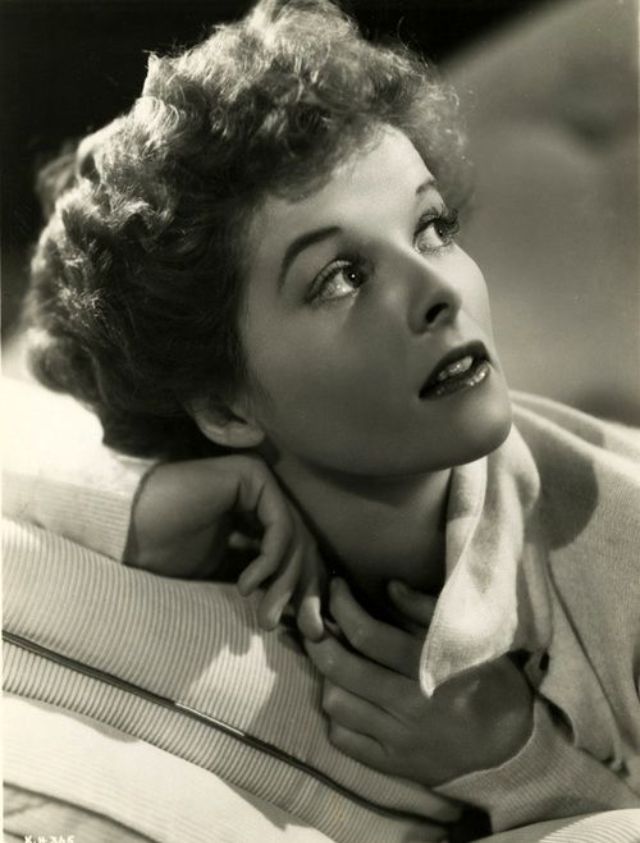
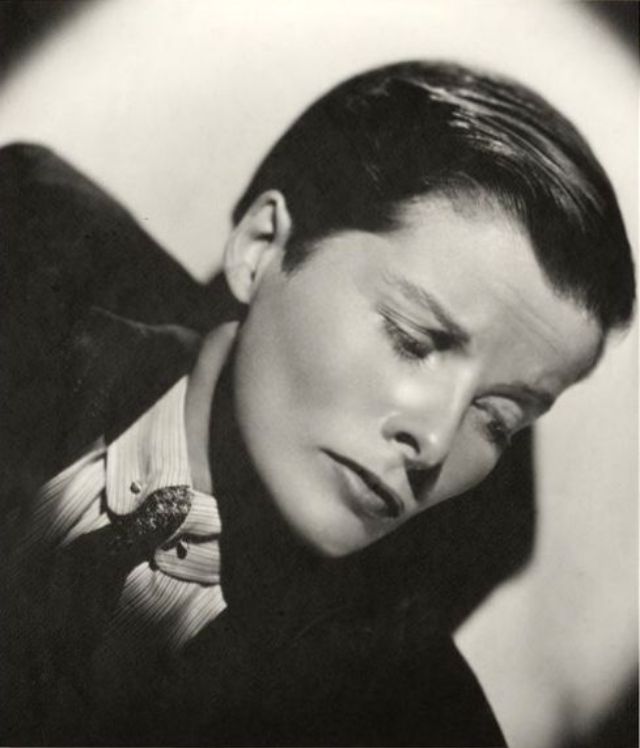
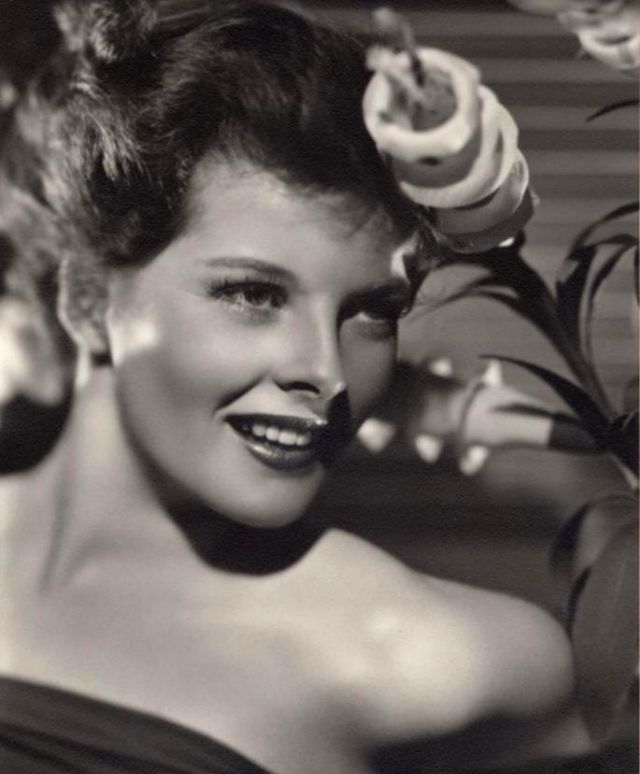
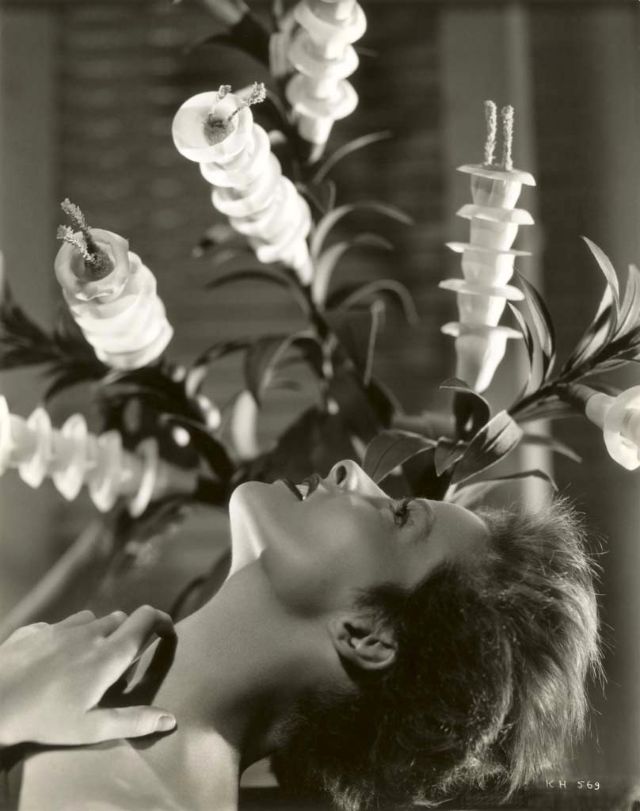
Take a look at these photos to see fabulous beauty of Katharine Hepburn with her short hairstyle in this movie.
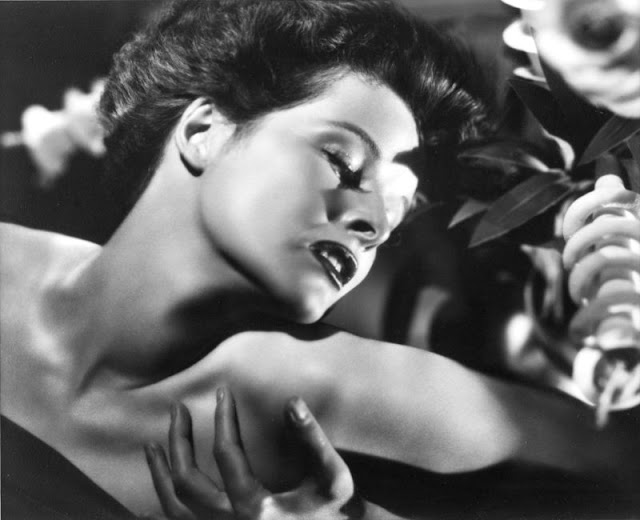
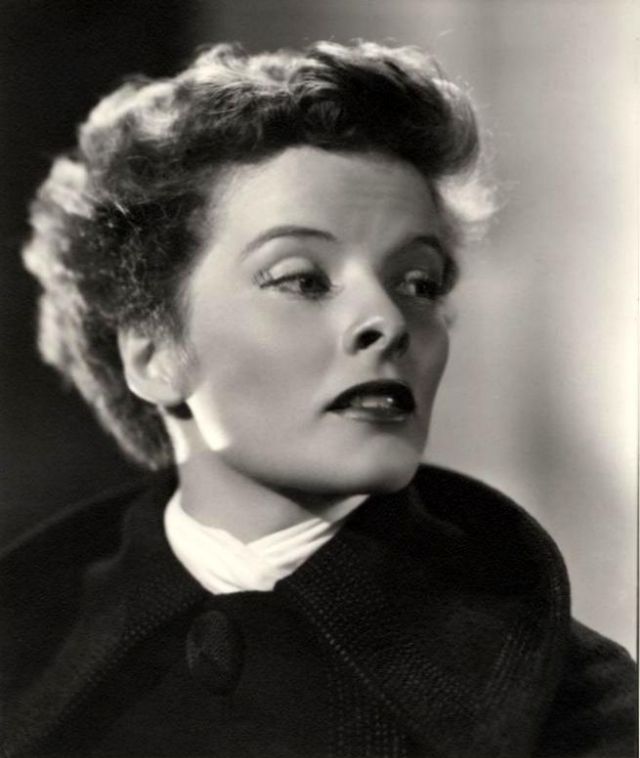



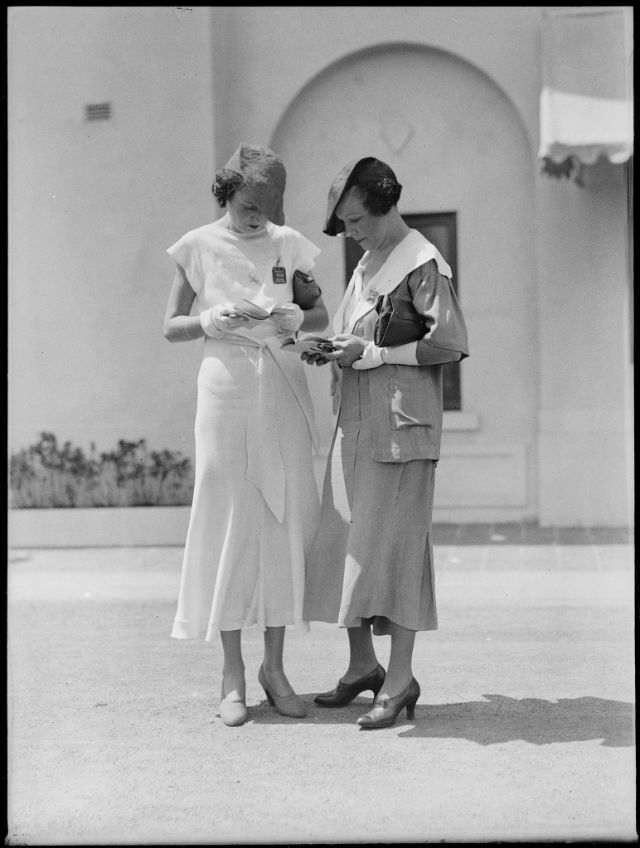
The most characteristic North American fashion trend from the 1930s to 1945 was attention at the shoulder, with butterfly sleeves and banjo sleeves, and exaggerated shoulder pads for both men and women by the 1940s. The period also saw the first widespread use of man-made fibers, especially rayon for dresses and viscose for linings and lingerie, and synthetic nylon stockings. The zipper became widely used. These essentially U.S. developments were echoed, in varying degrees, in Britain and Europe. Suntans (called at the time “sunburns”) became fashionable in the early 1930s, along with travel to the resorts along the Mediterranean, in the Bahamas, and on the east coast of Florida where one can acquire a tan, leading to new categories of clothes: white dinner jackets for men and beach pajamas, halter tops, and bare midriffs for women.
Revolutionary designer and couturier Madeleine Vionnet gained popularity for her bias-cut technique, which clung, draped, and embraced the curves of the natural female body. Fashion trendsetters in the period included The Prince of Wales (King Edward VIII from January 1936 until his abdication that December) and his companion Wallis Simpson (the Duke and Duchess of Windsor from their marriage in June 1937), socialites like Nicolas de Gunzburg, Daisy Fellowes and Mona von Bismarck, and Hollywood movie stars such as Fred Astaire, Carole Lombard, and Joan Crawford.
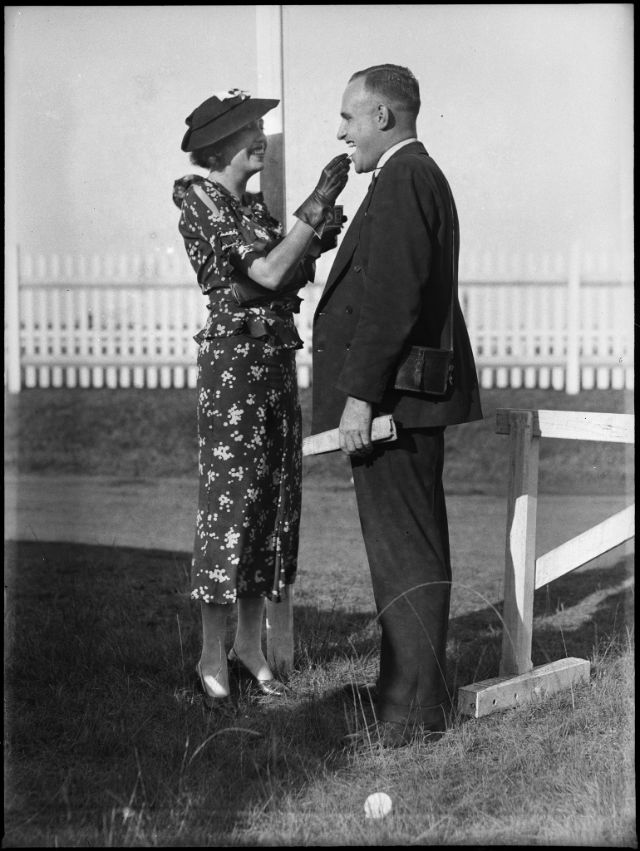
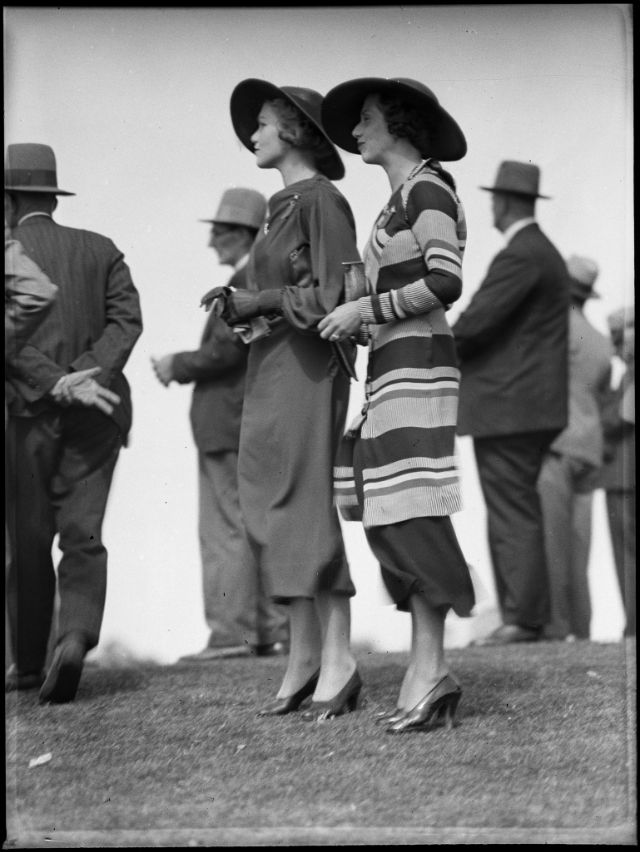
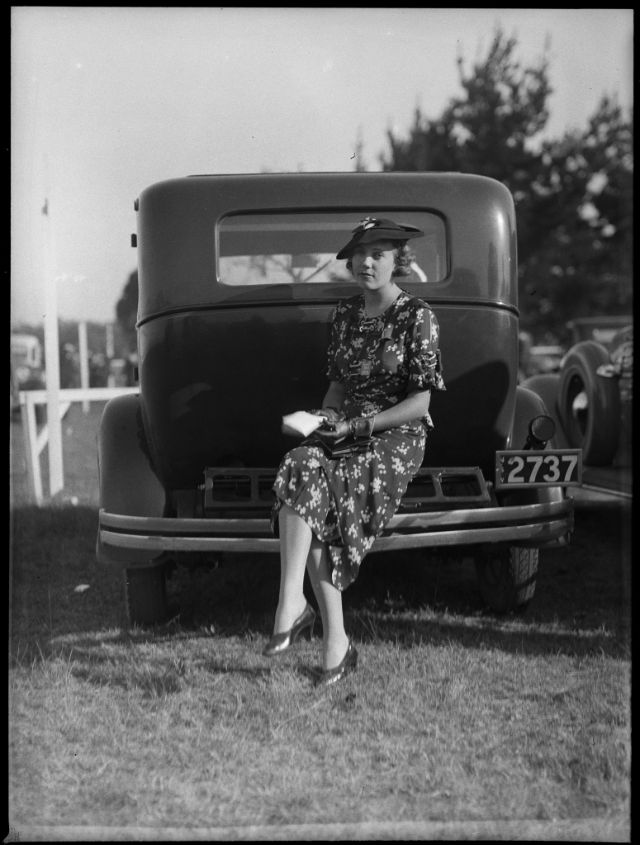
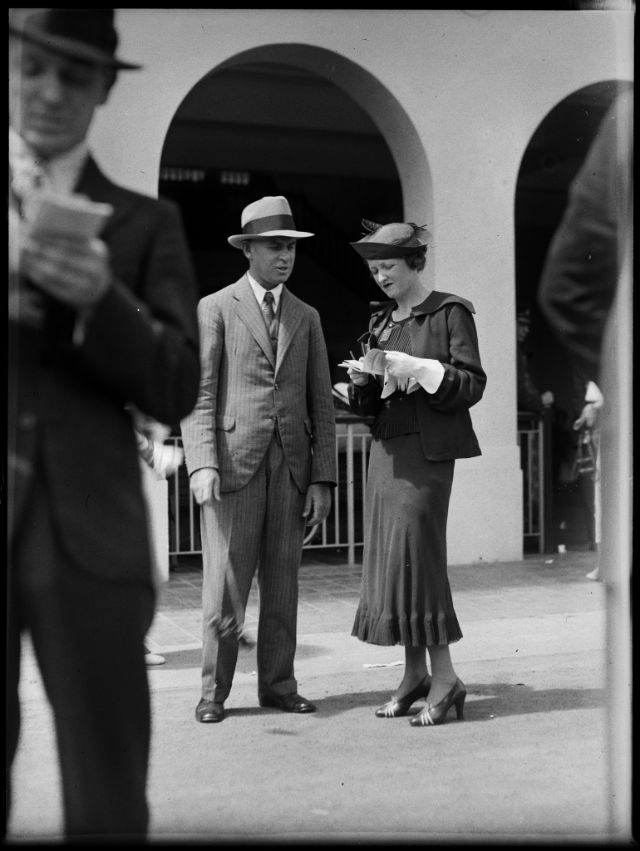
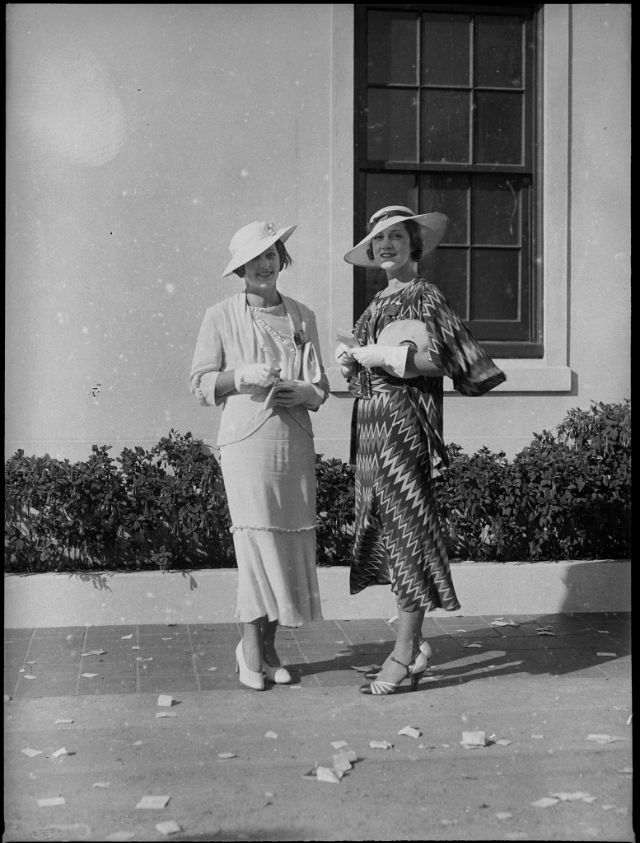
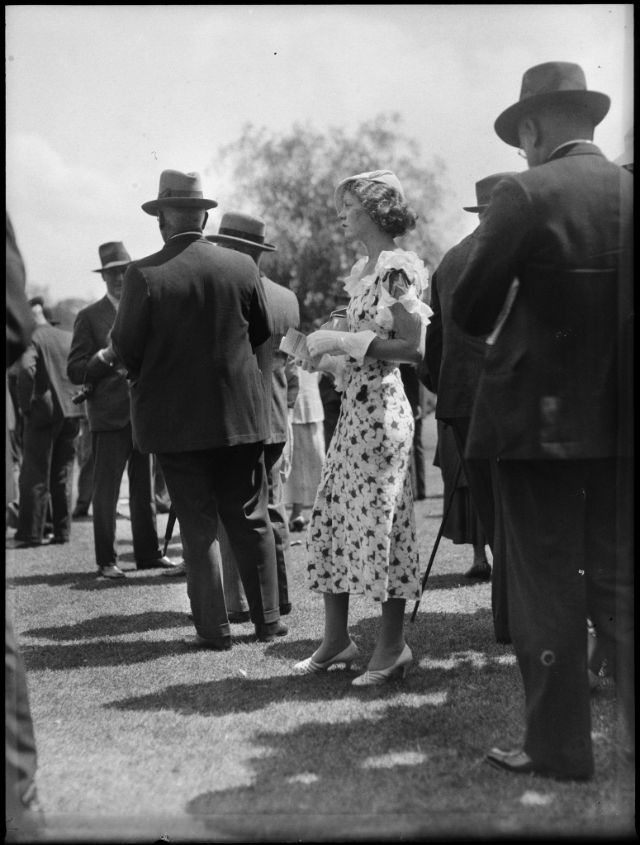
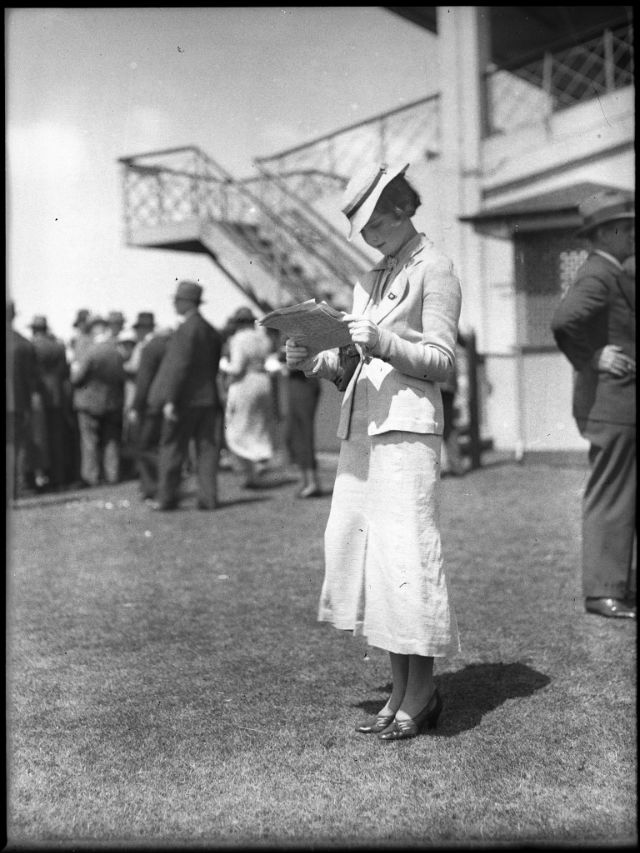
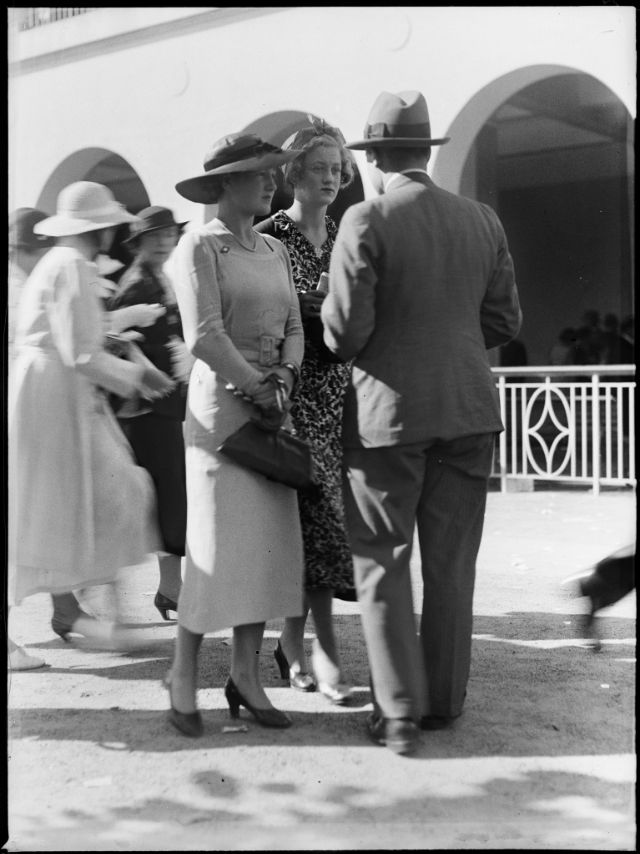
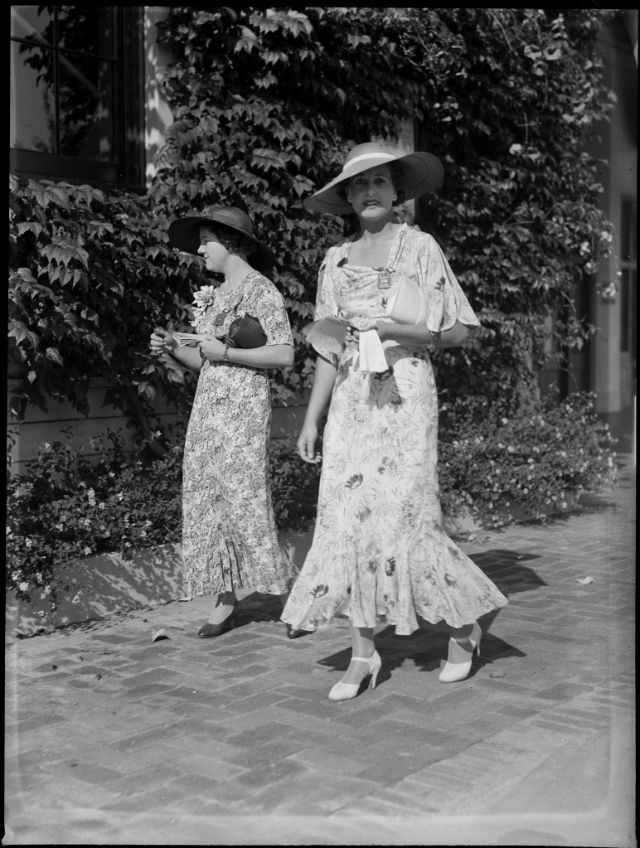
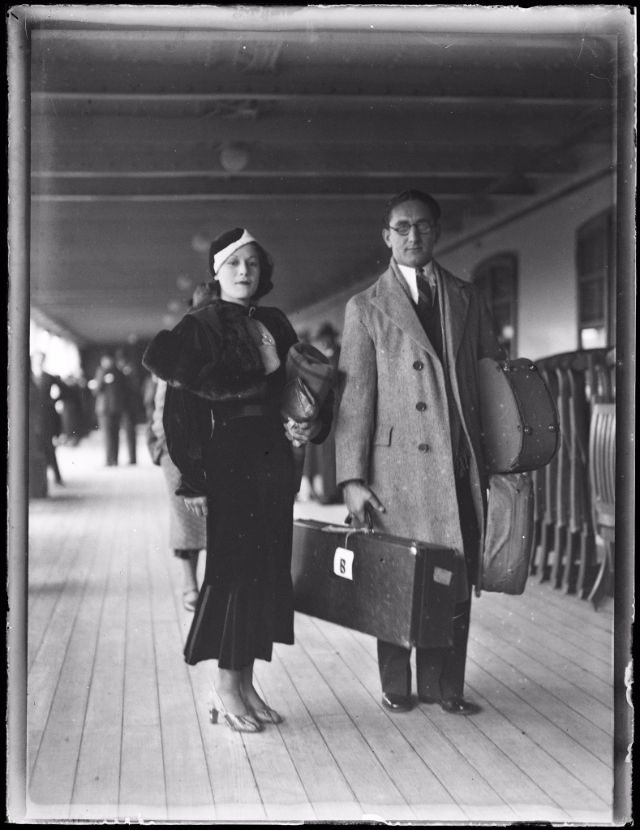
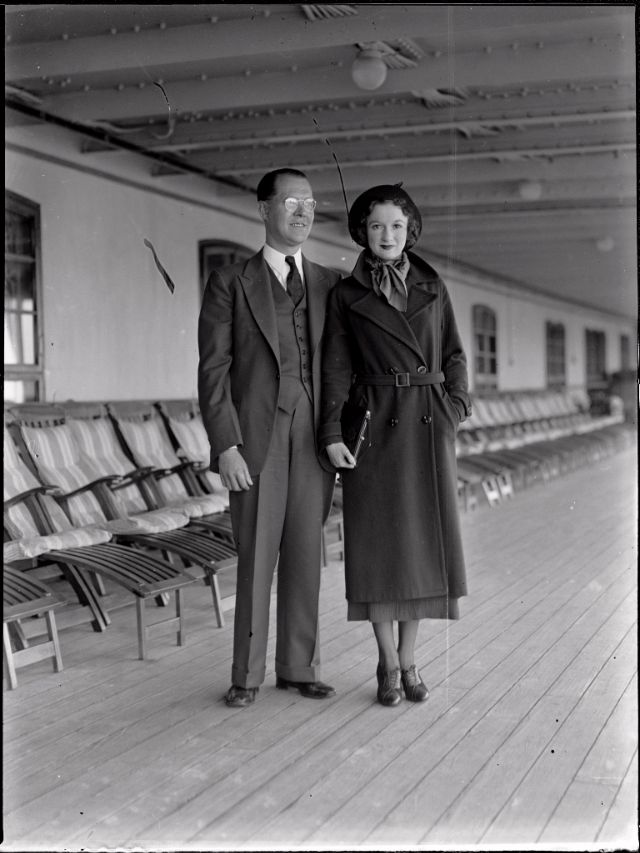
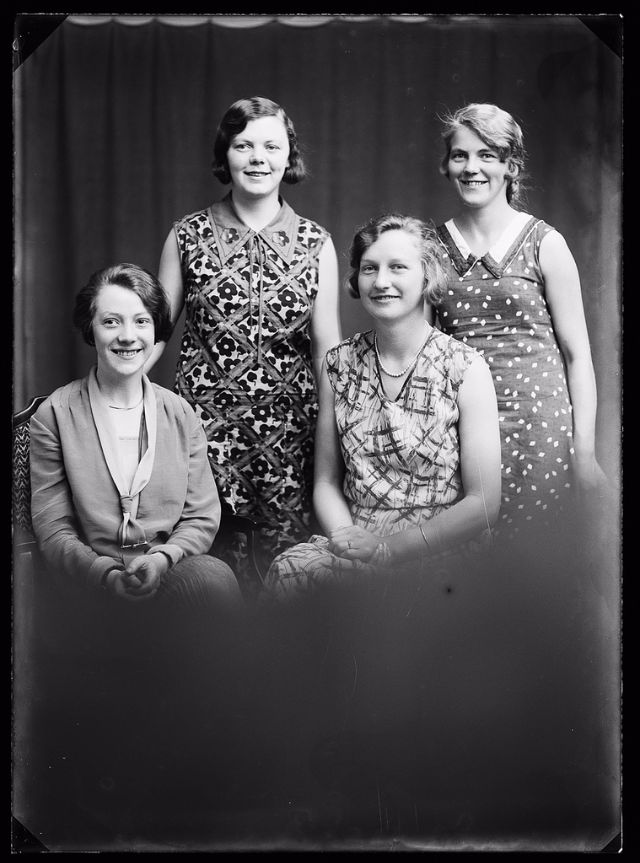
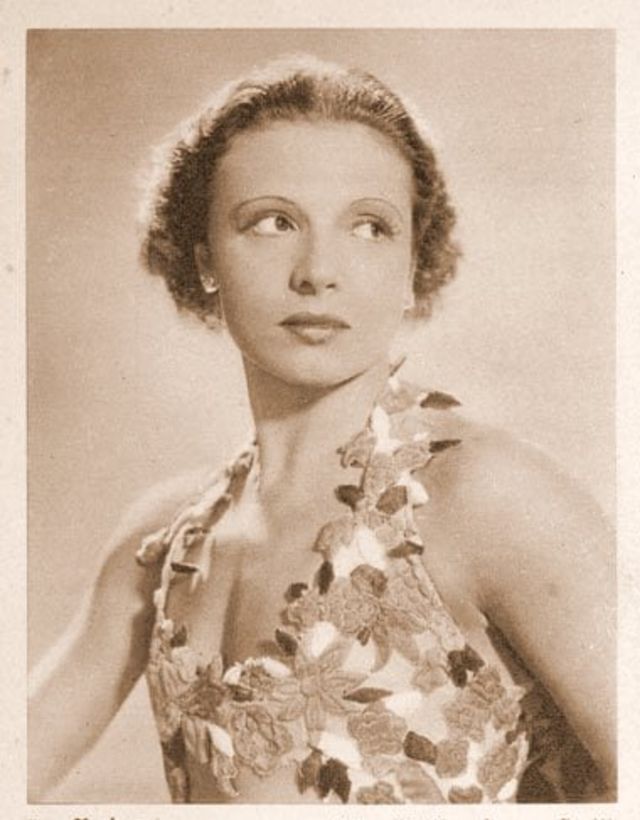
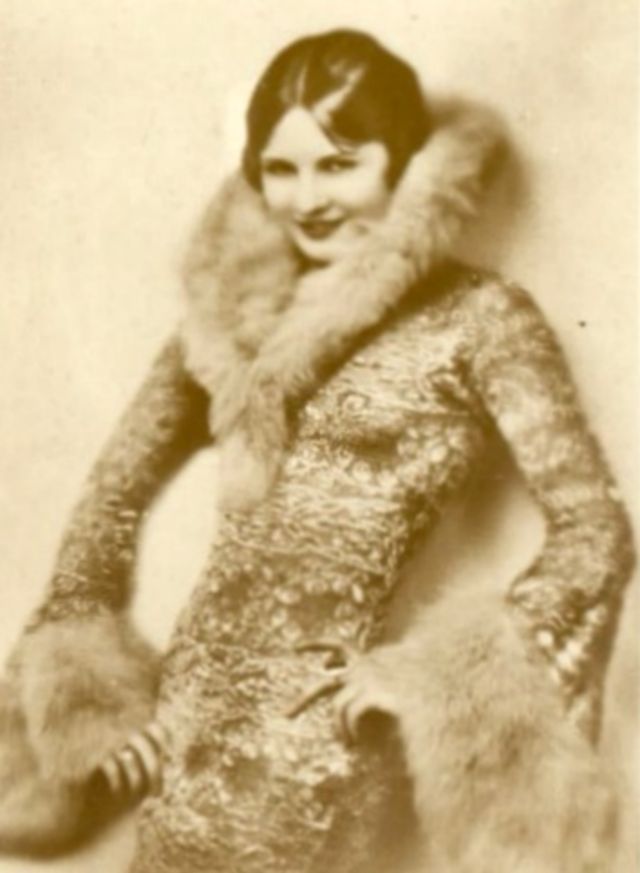
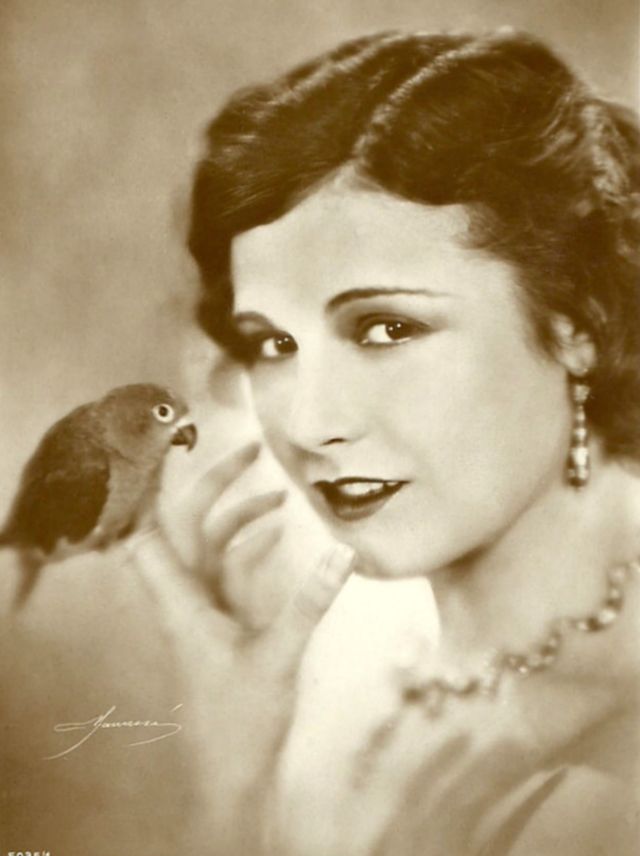
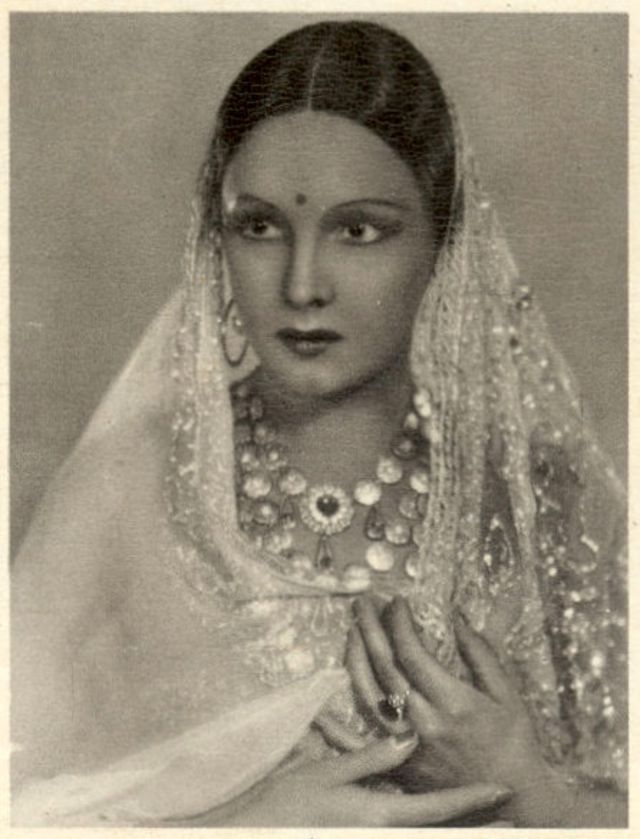
These photos that capture beautiful ladies in their dresses from the 1930s are just elegant.




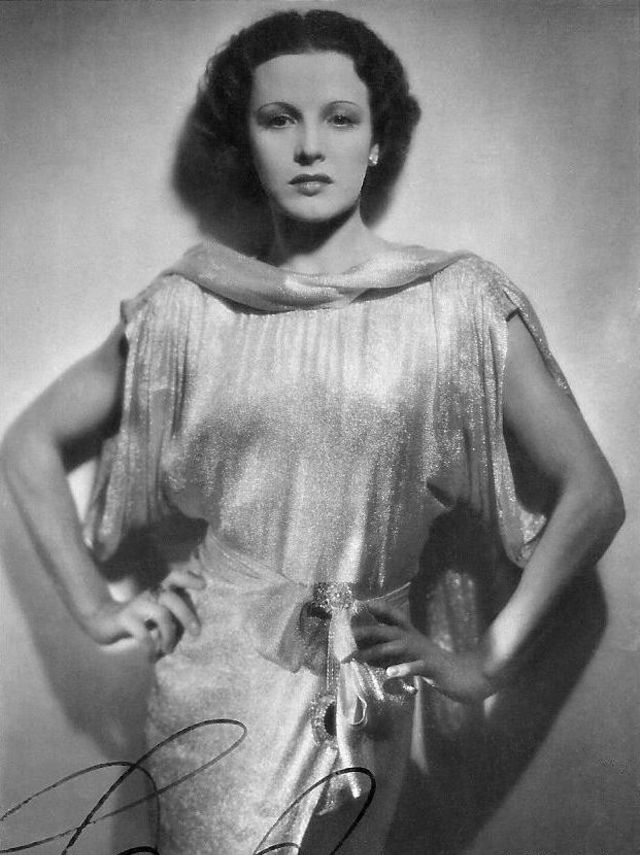
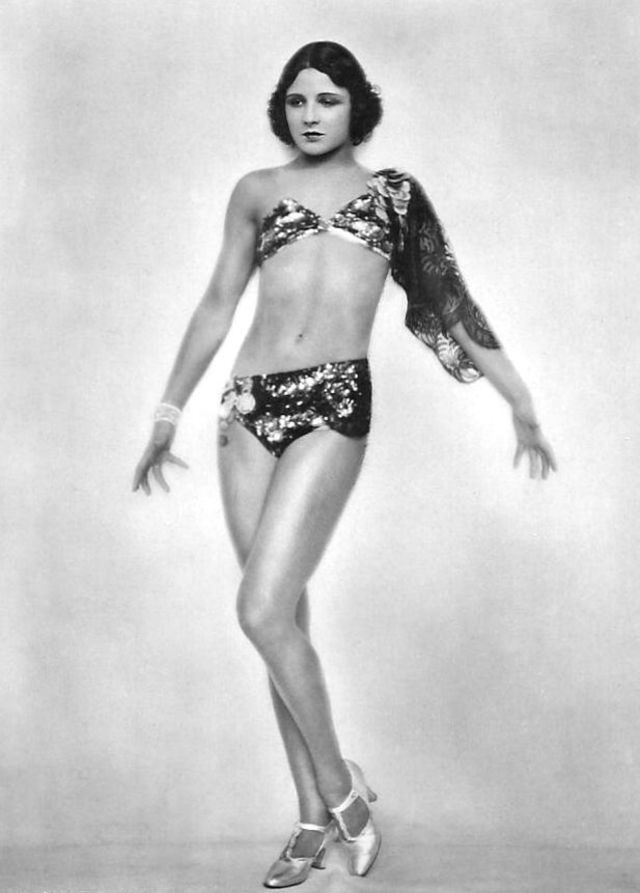
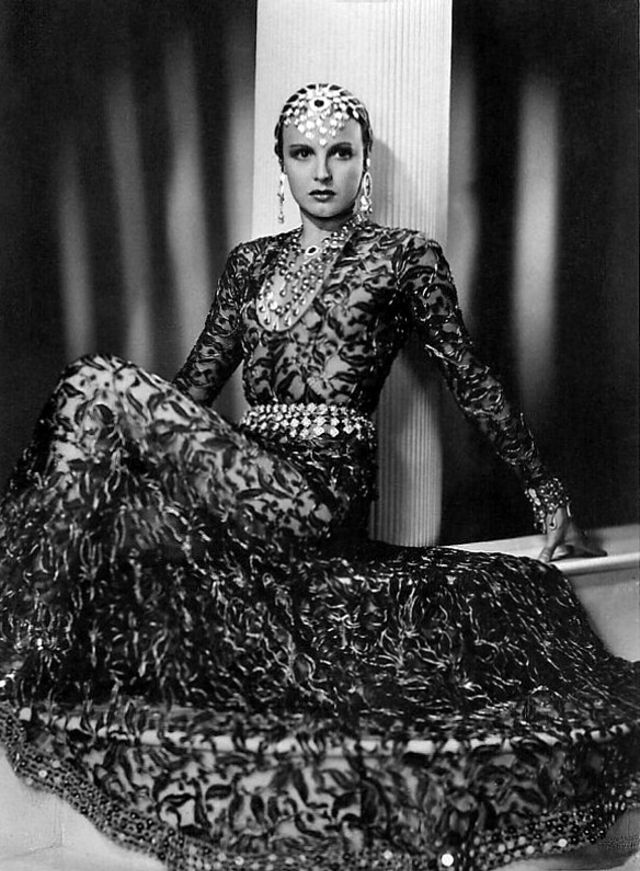
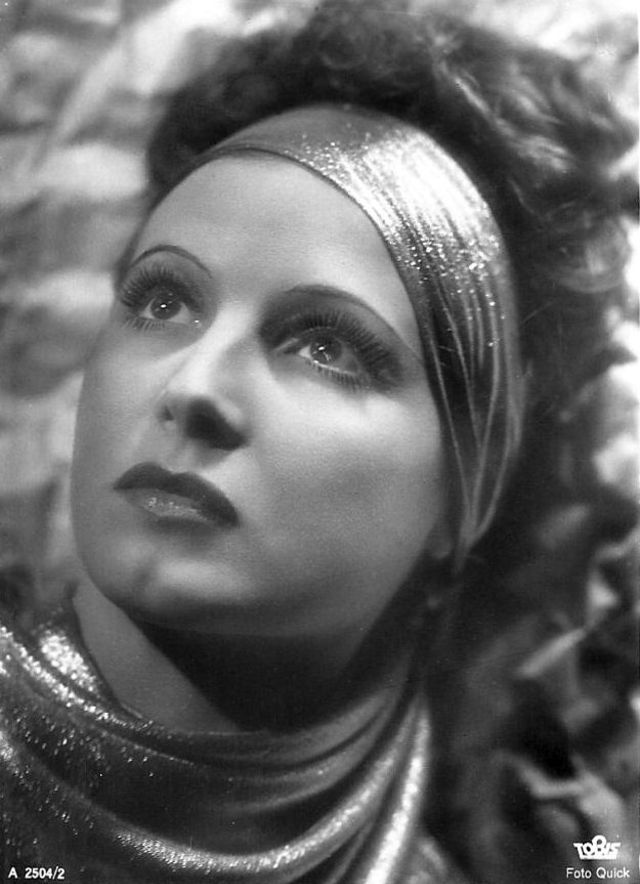
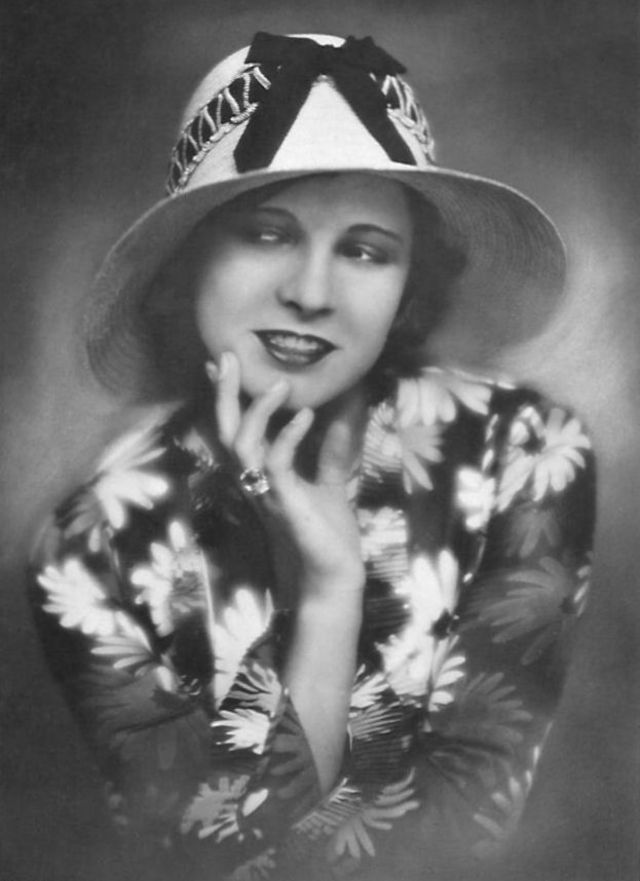
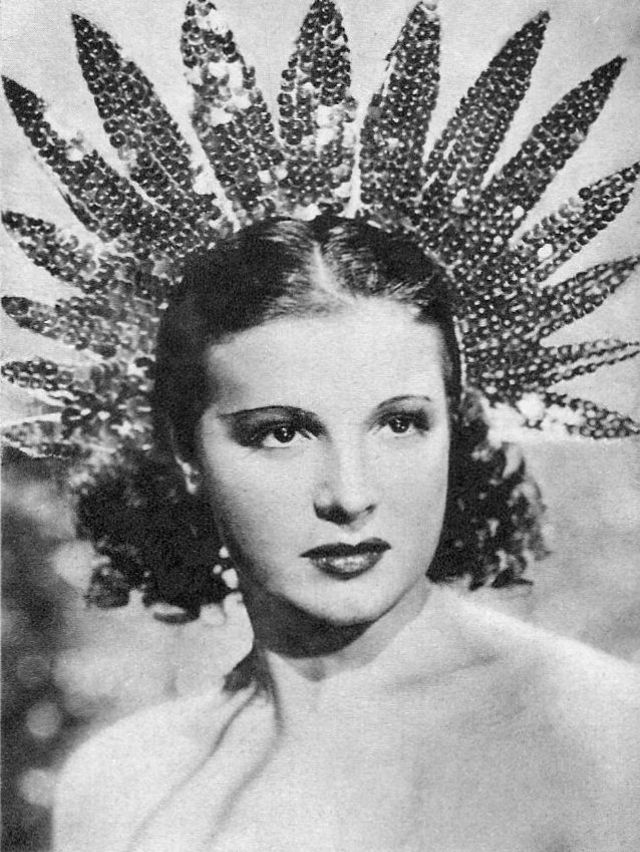
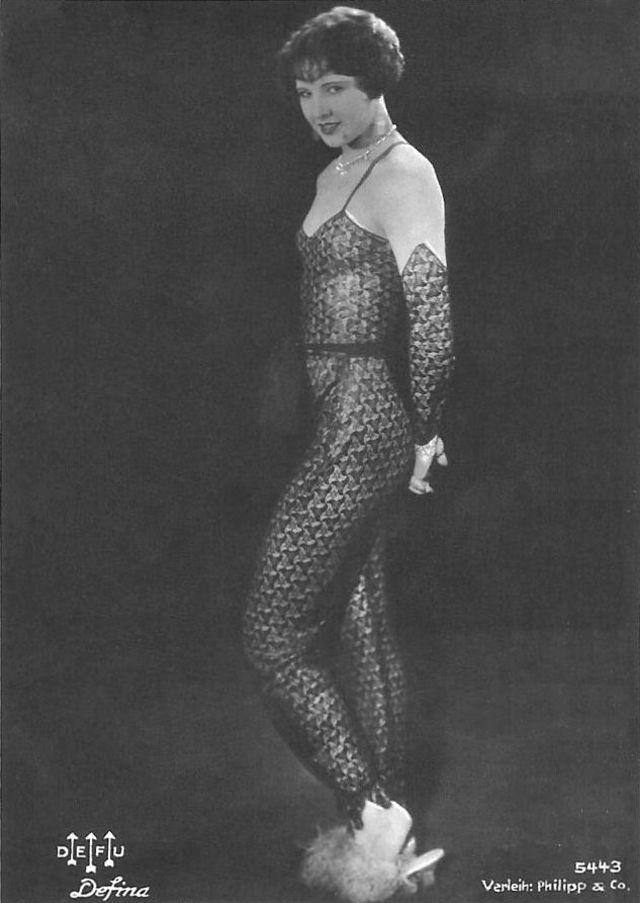
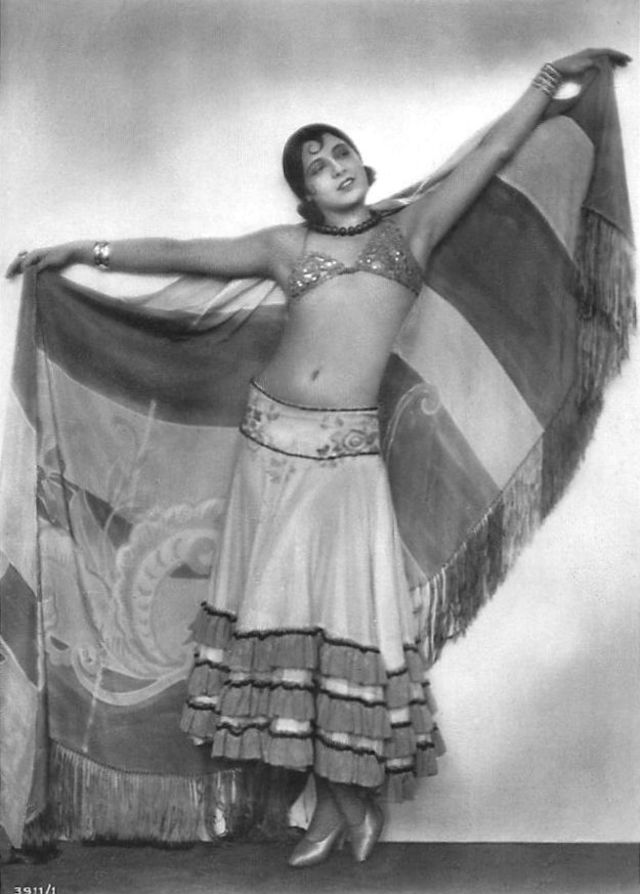
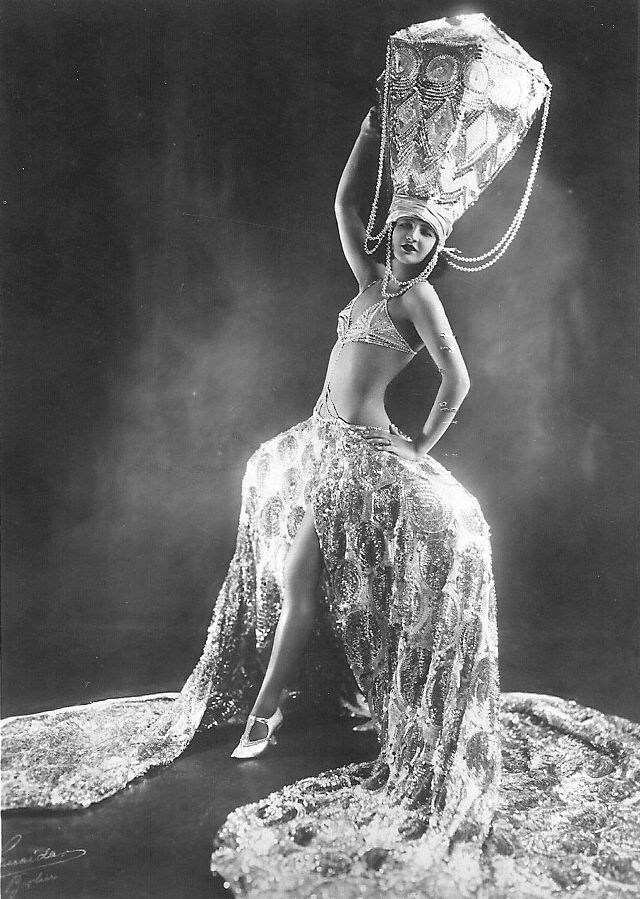
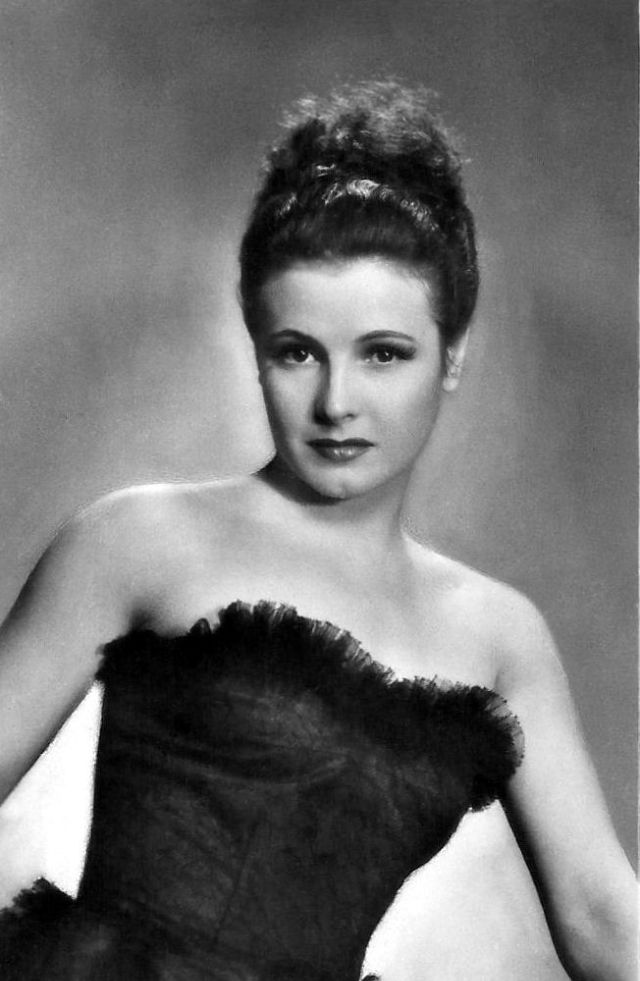
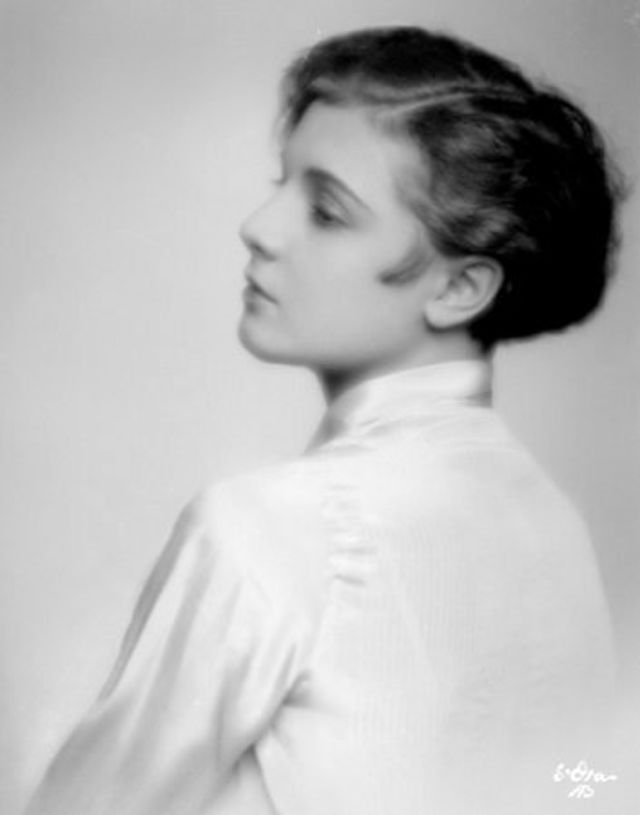
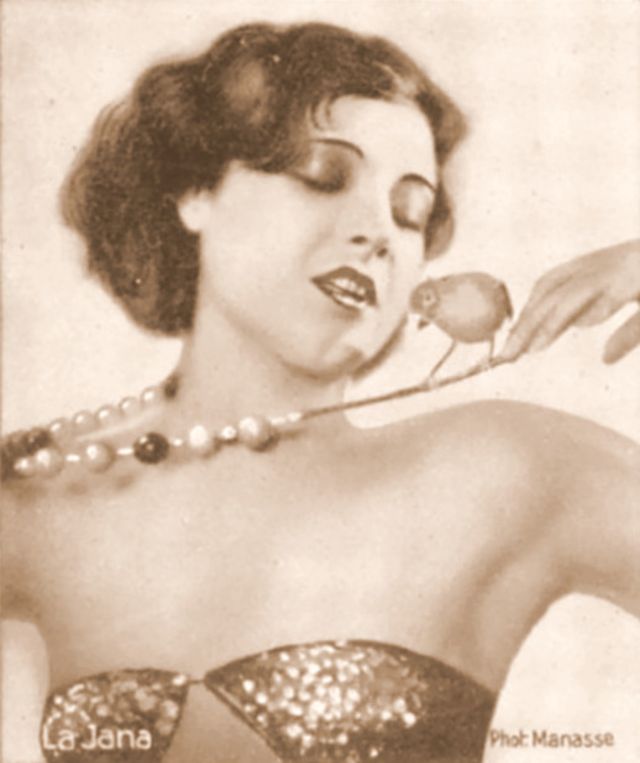
La Jana was the stage name of the brunette Viennese-born actress and exotic dancer Henriette “Henny” Hiebel. She was trained as a ballerina for ten years and first performed at the Frankfurt Kinderoper at the age of eight. Of boyishly slim build, she appeared on stage in cabaret in 1921.
La Jana received good publicity from a successful tour of Britain. The build-up continued with glamour photographs for Vogue magazine. Movies followed and La Jana hit the big time with Truxa (1937) and The Stars Shine (1938).
Propelled to instant stardom, La Jana came to represent oriental or Latin mystery and allure as the scantily-clad heroines of The Tiger of Eschnapur (1938), Das indische Grabmal (1938) and Stern von Rio (1940).
La Jana was married to the opera star Michael Bohnen and was said to have previously been romantically involved with Wilhelm, the last Crown Prince of the former German Empire.
Her life ended tragically young at the very peak of her popularity. She died of pneumonia at the age of 35. One fanciful story has it that she aided in the escape from Nazi Germany of Jewish acting colleagues and was consequently murdered by the SS.
Take a look at these glamorous photos to see the beauty of La Jana in her short life.














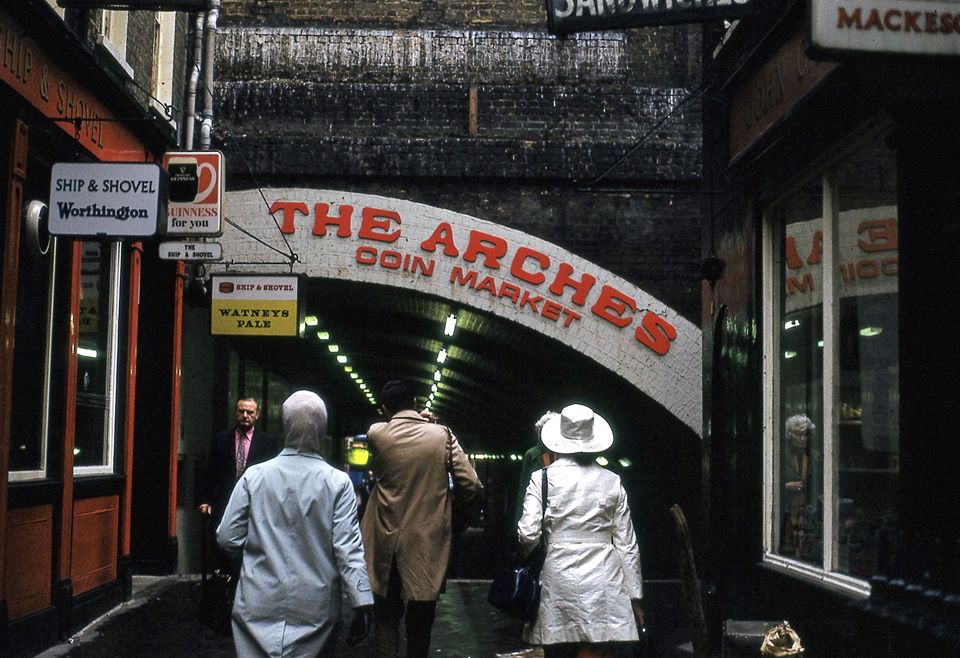
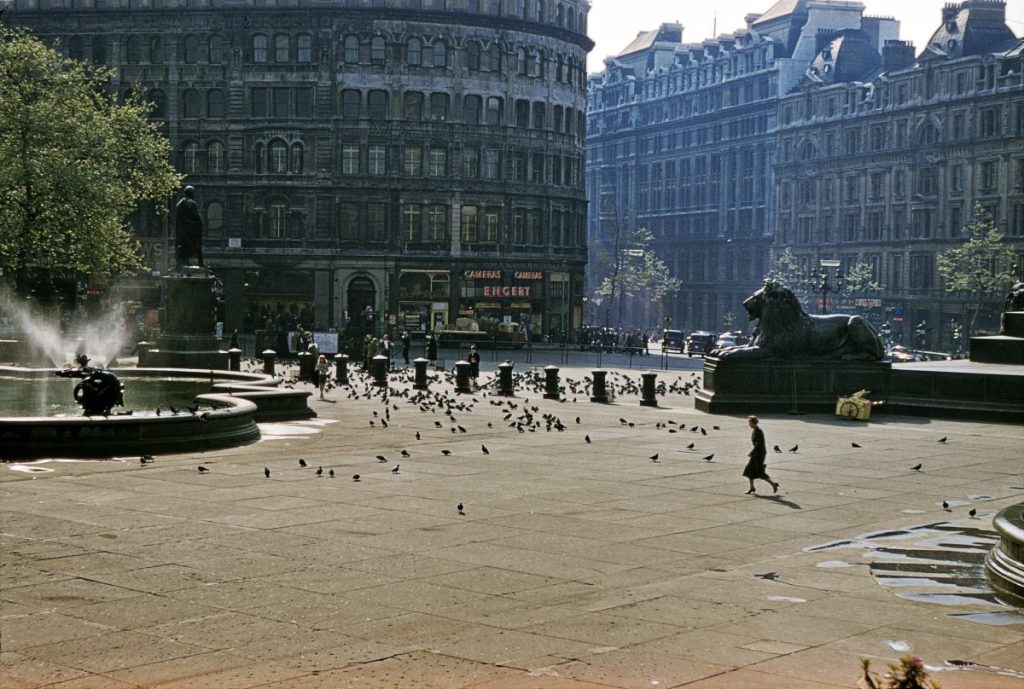
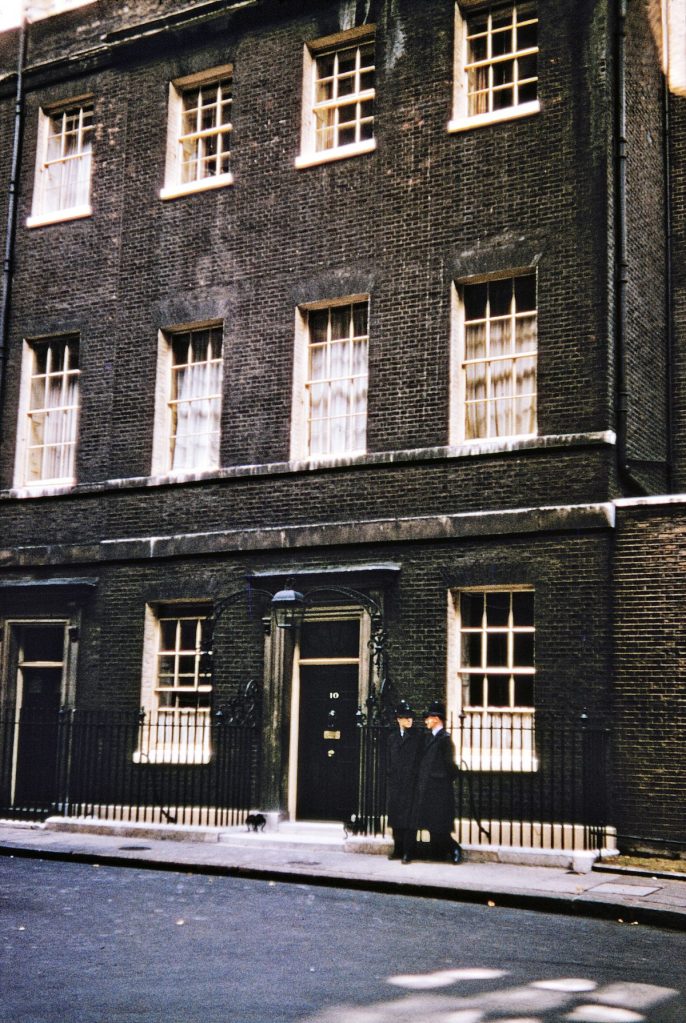
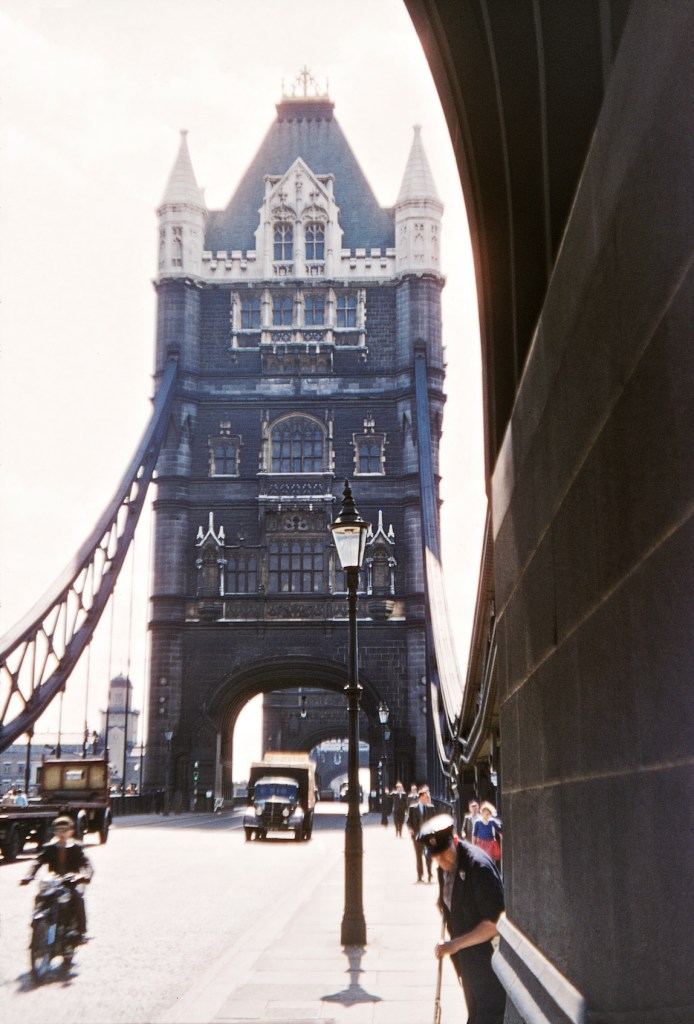
London is the capital and largest city of England and the United Kingdom with a total population of 9,002,488. It stands on the River Thames in south-east England at the head of a 50-mile (80 km) estuary down to the North Sea, and has been a major settlement for two millennia. The City of London, its ancient core and financial centre, was founded by the Romans as Londinium and retains boundaries close to its medieval ones. Since the 19th century, “London” has also referred to the metropolis around this core, historically split between the counties of Middlesex, Essex, Surrey, Kent, and Hertfordshire, which largely comprises Greater London, governed by the Greater London Authority. The City of Westminster, to the west of the City of London, has for centuries held the national government and parliament.
As one of the world’s global cities, London exerts strong influence on its arts, commerce, education, entertainment, fashion, finance, health care, media, tourism, and communications, and has sometimes been called the capital of the world. Its GDP (€801.66 billion in 2017) makes it the biggest urban economy in Europe, and it is one of the major financial centres in the world. In 2019 it had the second-highest number of ultra high-net-worth individuals in Europe after Paris and the second-highest number of billionaires in Europe after Moscow. As of 2021, London has the most millionaires of any city. With Europe’s largest concentration of higher education institutions, it includes Imperial College London in natural and applied sciences, the London School of Economics in social sciences, and the comprehensive University College London. The city is home to the most 5-star hotels of any city in the world. In 2012, London became the first city to host three Summer Olympic Games.
London’s diverse cultures encompass over 300 languages. The mid-2018 population of Greater London of about 9 million made it Europe’s third-most populous city, accounting for 13.4% of the population of the United Kingdom. Greater London Built-up Area is the fourth-most populous in Europe, after Istanbul, Moscow and Paris, with about 9.8 million inhabitants at the 2011 census. The London metropolitan area is the third-most populous in Europe after Istanbul’s and Moscow’s, with about 14 million inhabitants in 2016, granting London the status of a megacity.
London has four World Heritage Sites: the Tower of London; Kew Gardens; the combined Palace of Westminster, Westminster Abbey, and St Margaret’s Church; and also the historic settlement in Greenwich, where the Royal Observatory, Greenwich defines the Prime Meridian (0° longitude) and Greenwich Mean Time. Other landmarks include Buckingham Palace, the London Eye, Piccadilly Circus, St Paul’s Cathedral, Tower Bridge and Trafalgar Square. It has numerous museums, galleries, libraries and sporting venues, including the British Museum, National Gallery, Natural History Museum, Tate Modern, British Library and West End theatres. The London Underground is the oldest rapid transit system in the world. (Wikipedia)






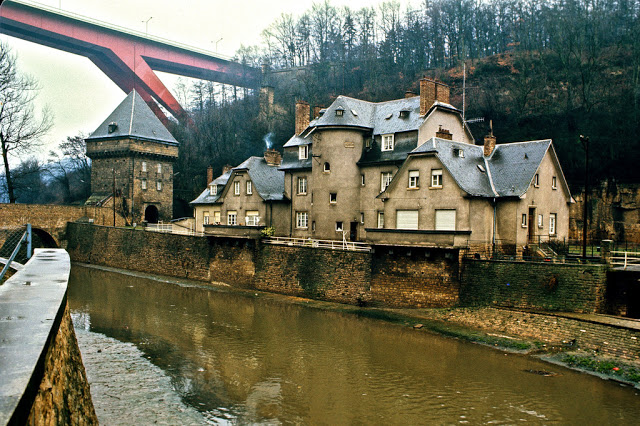
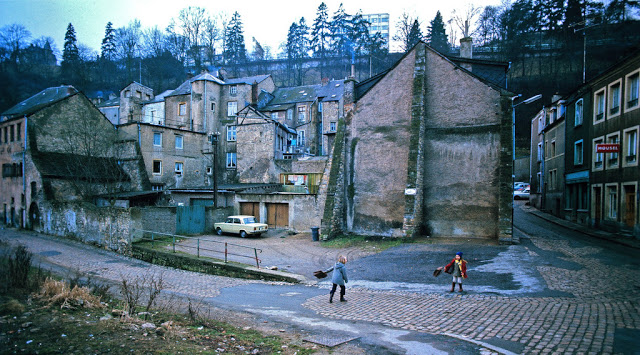
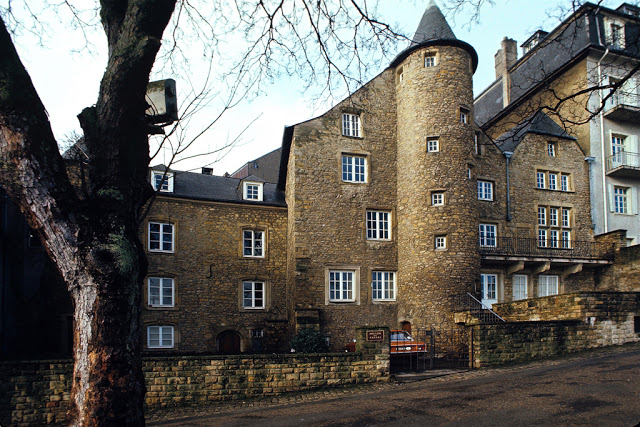
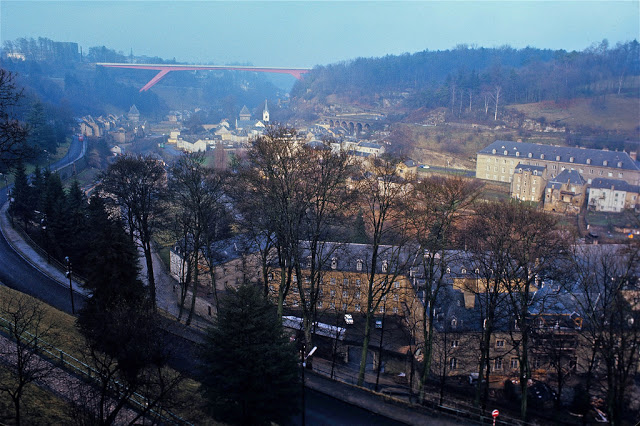
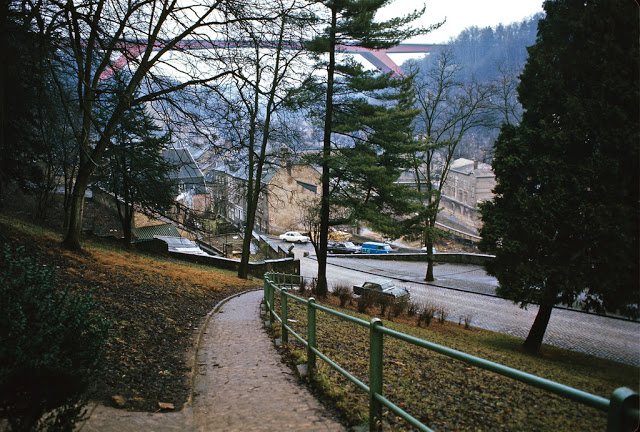
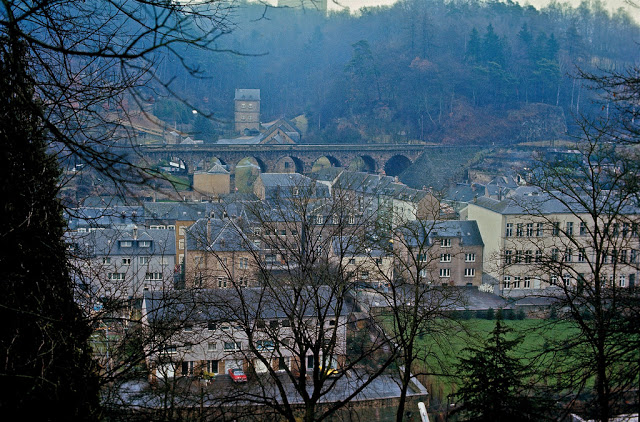
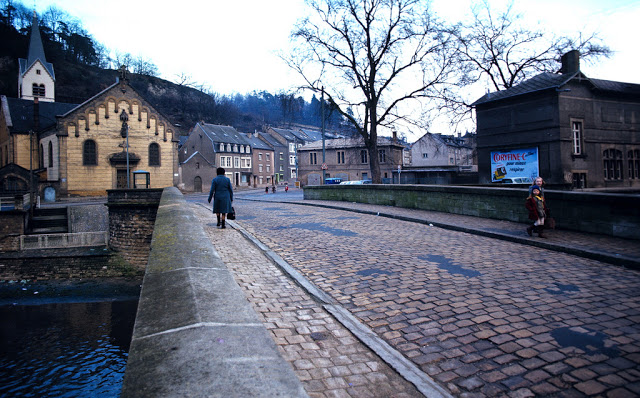
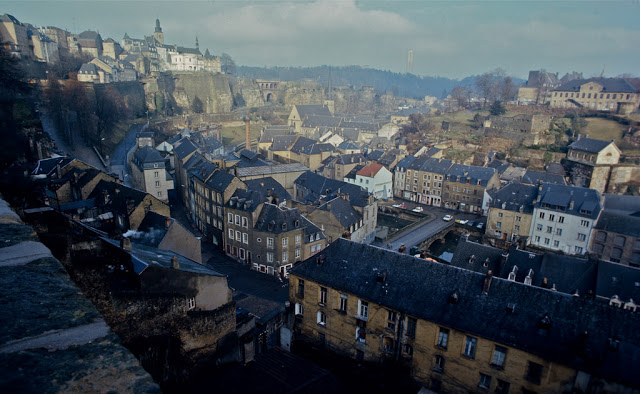
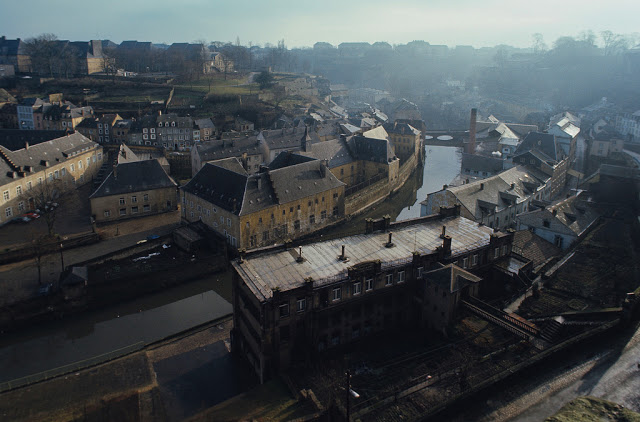
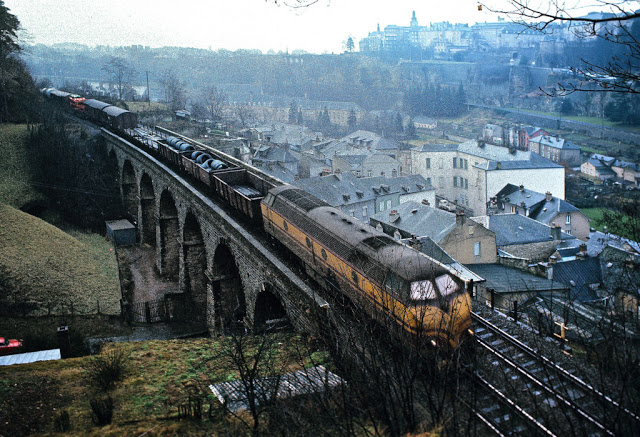
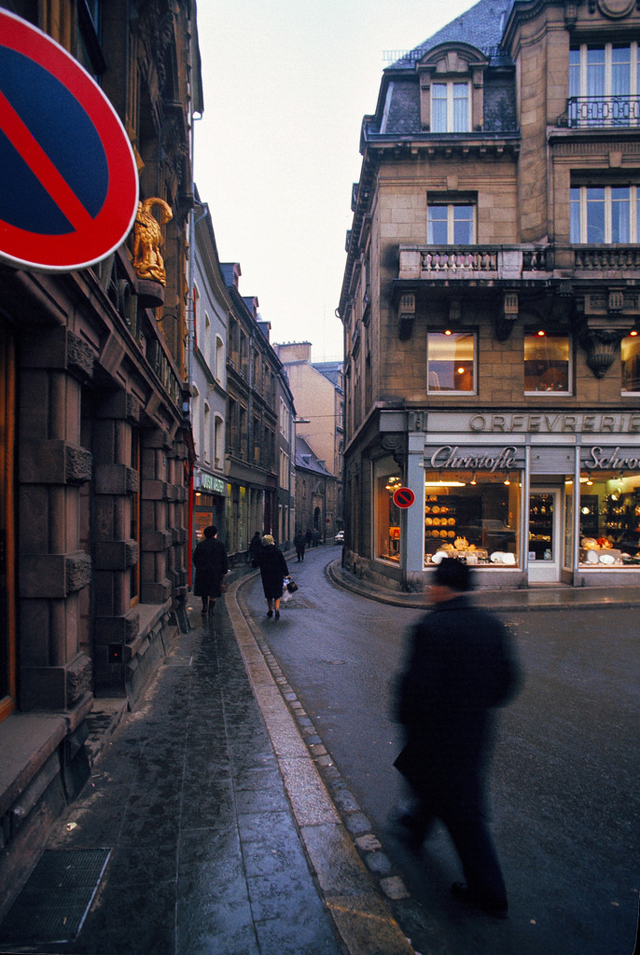
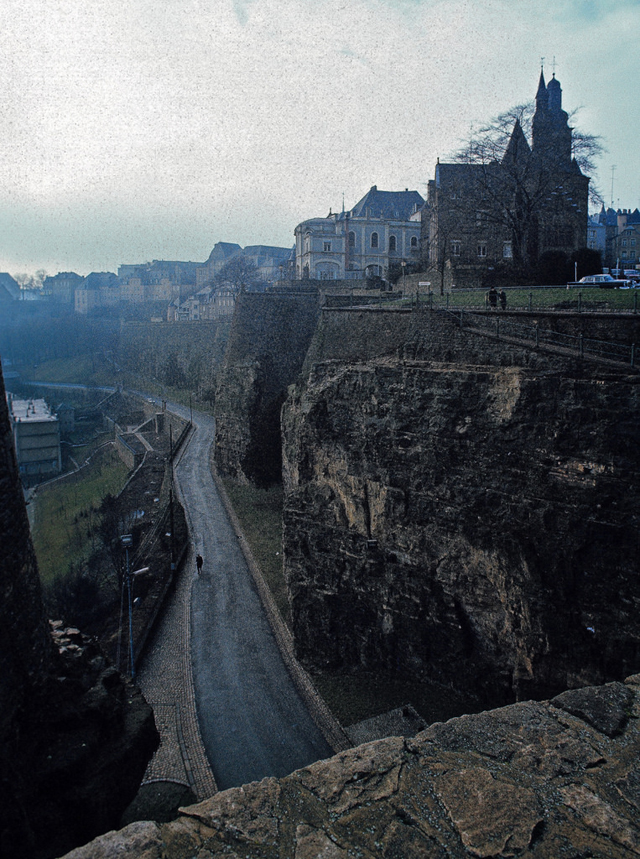
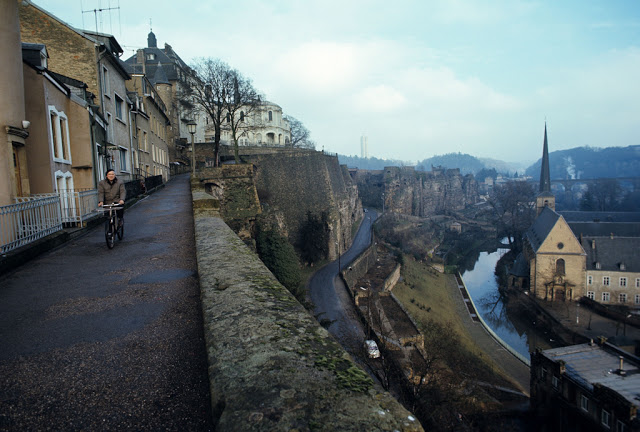
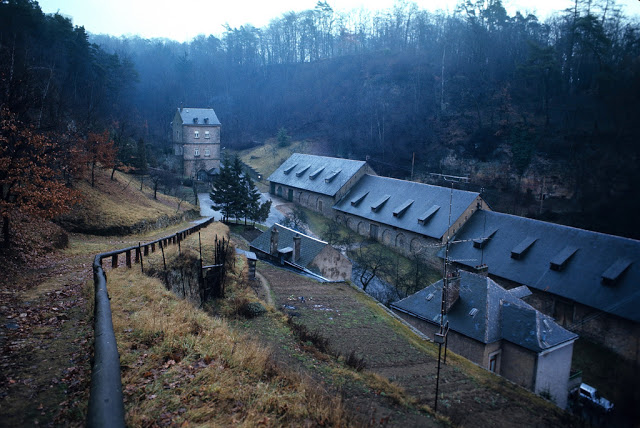
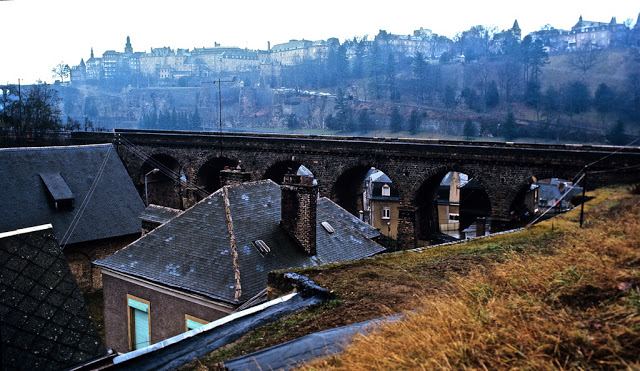
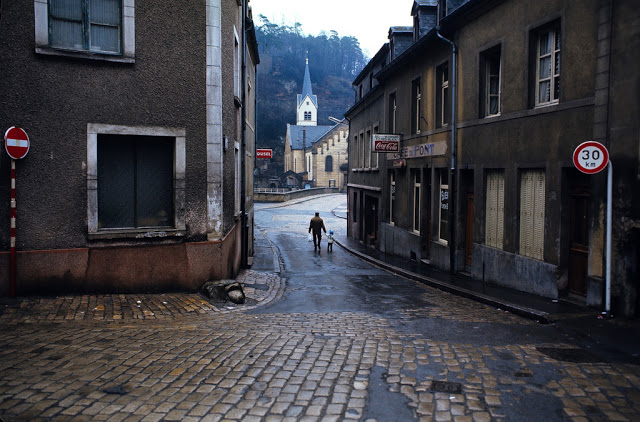
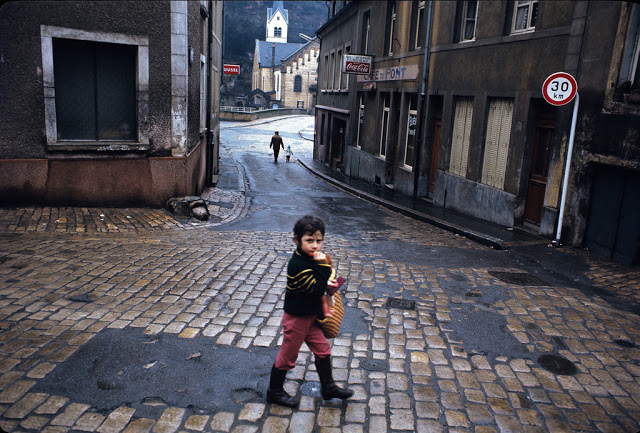
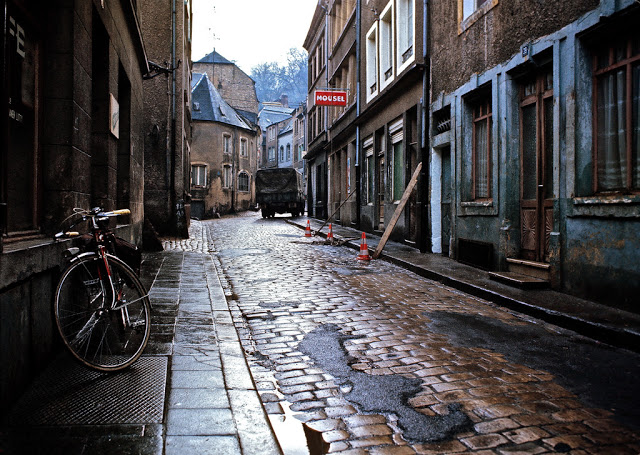
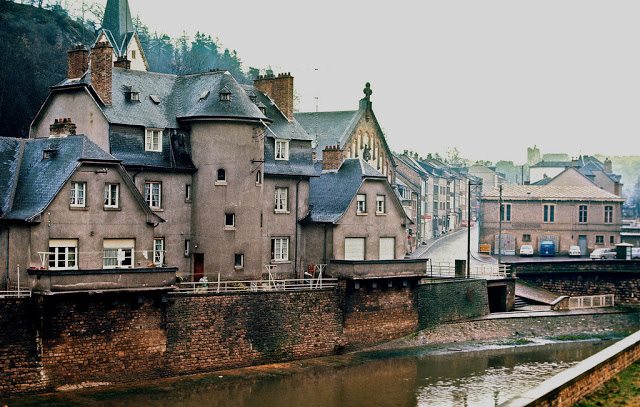
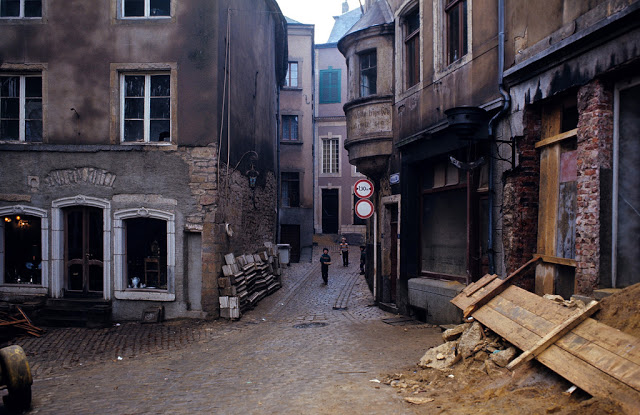
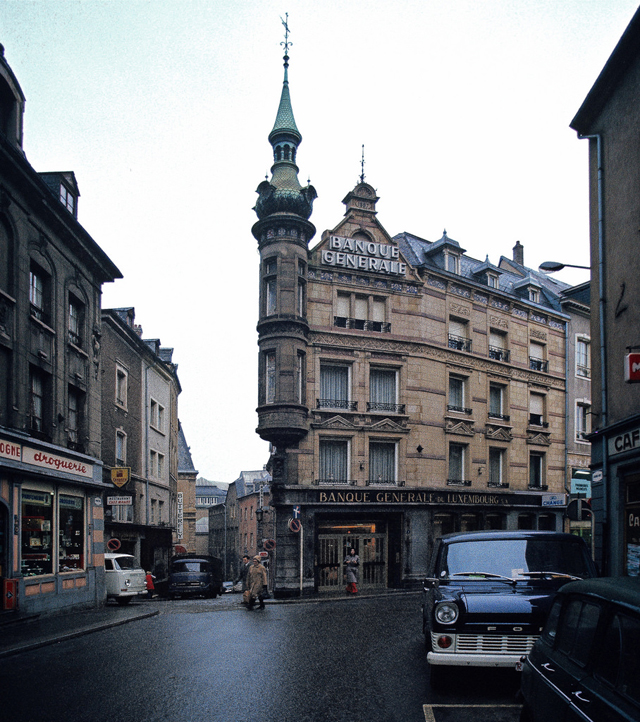
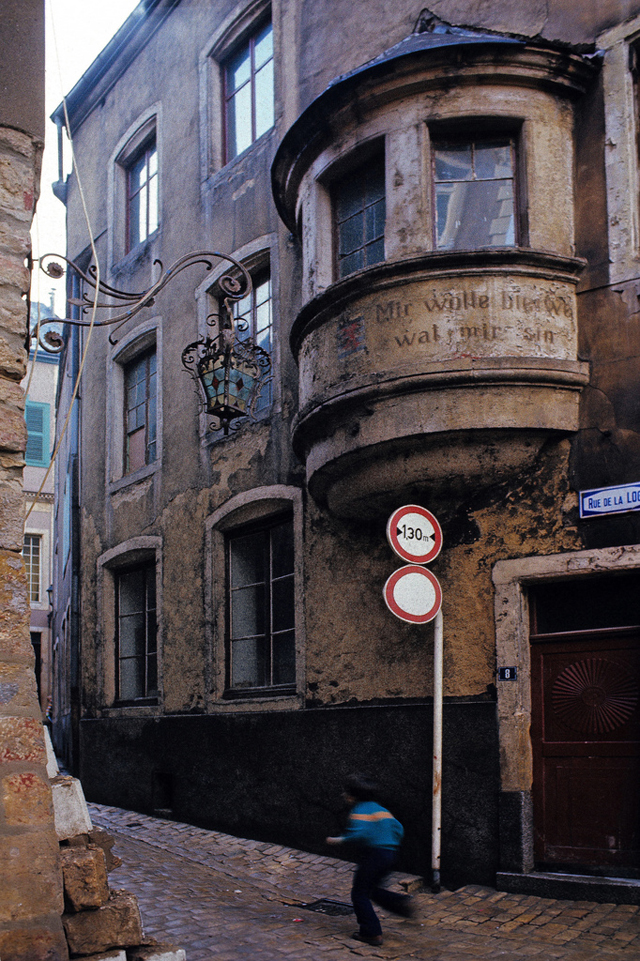
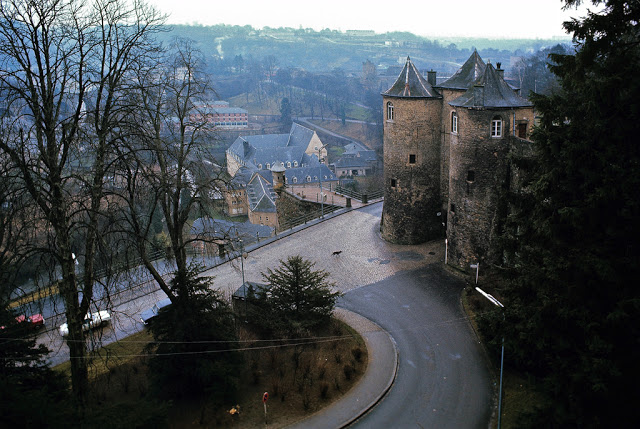
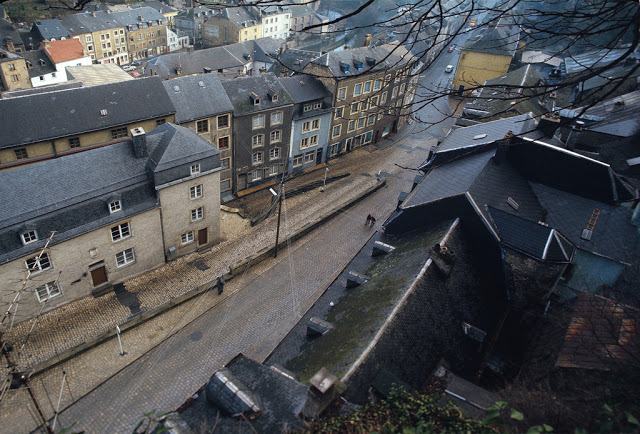
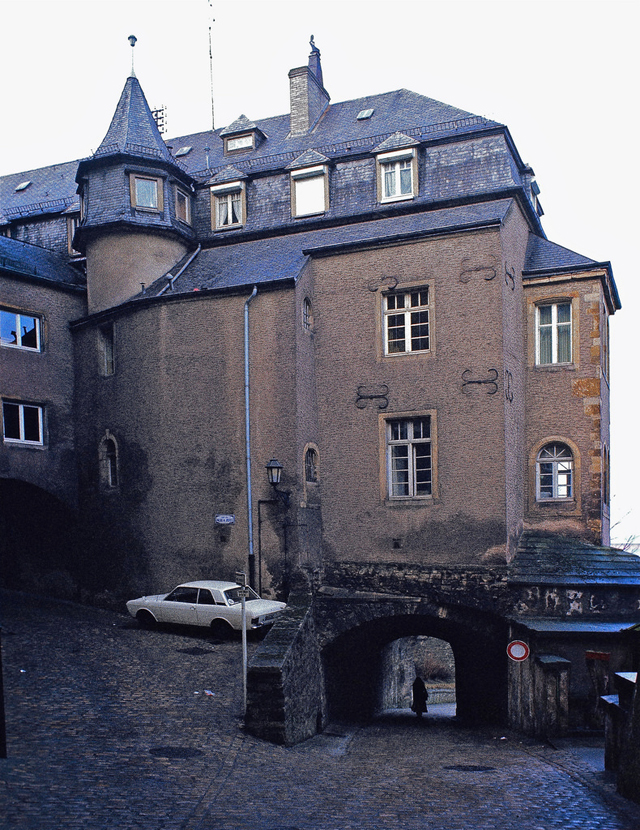
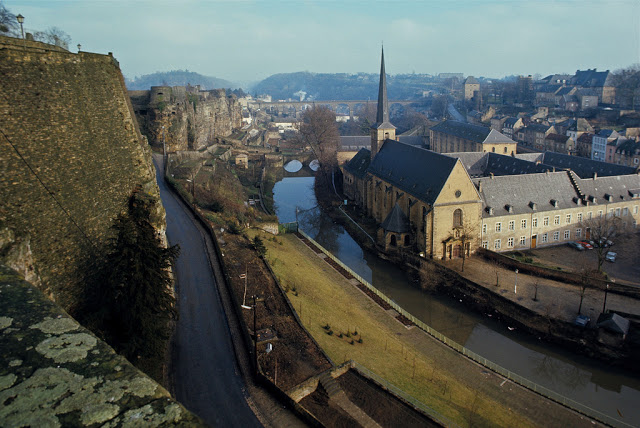
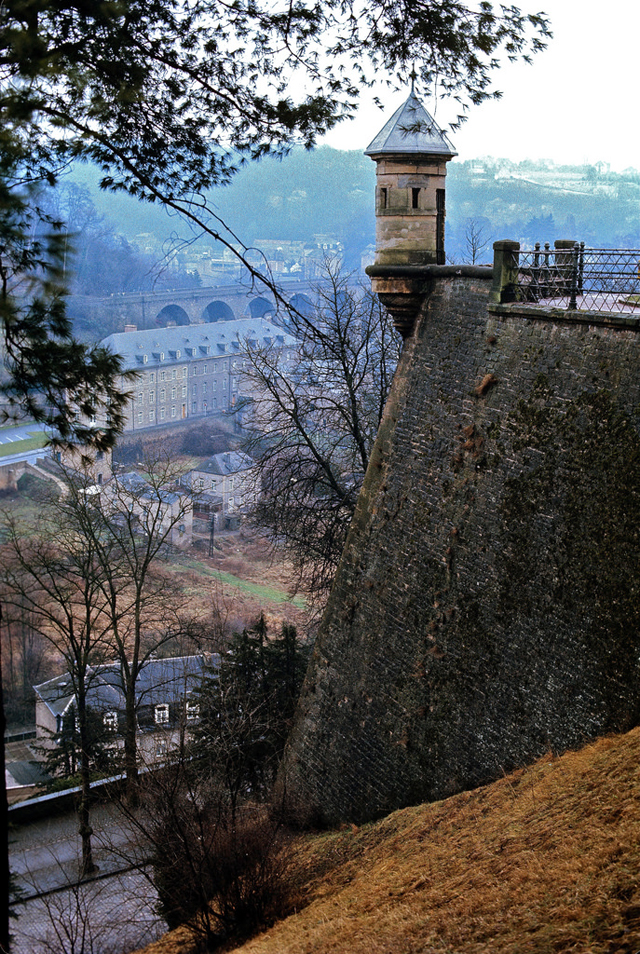
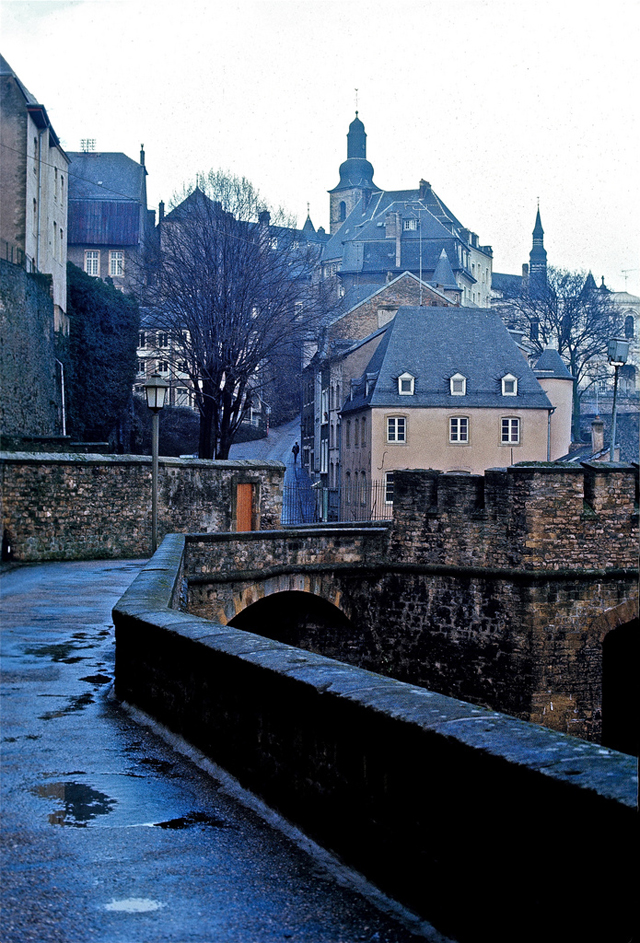
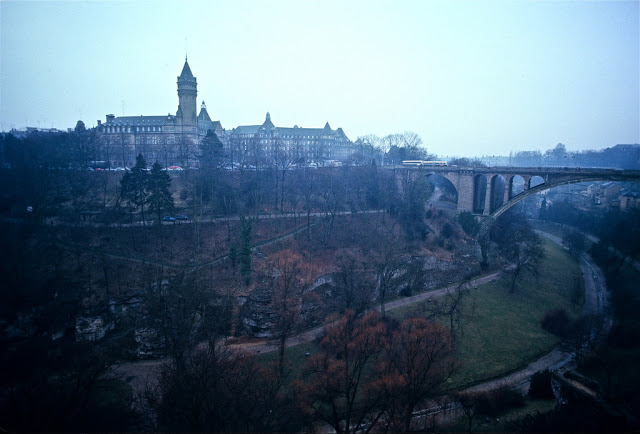
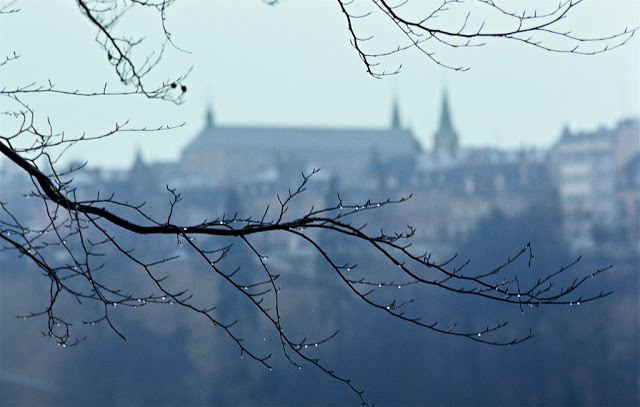
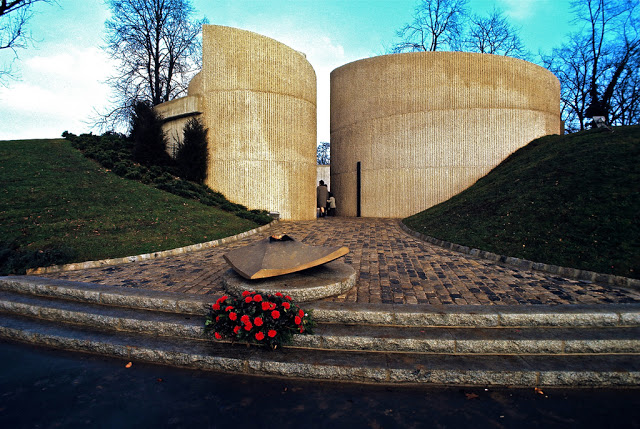
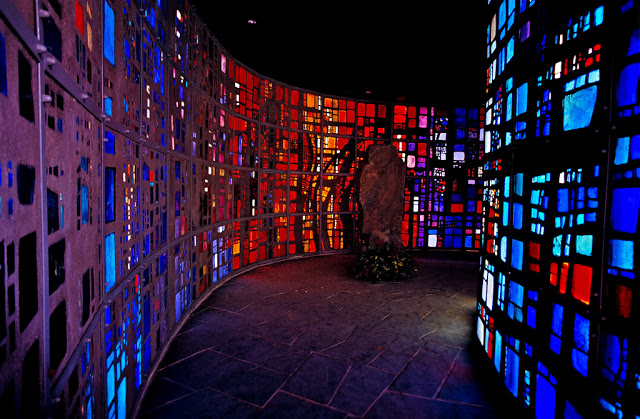
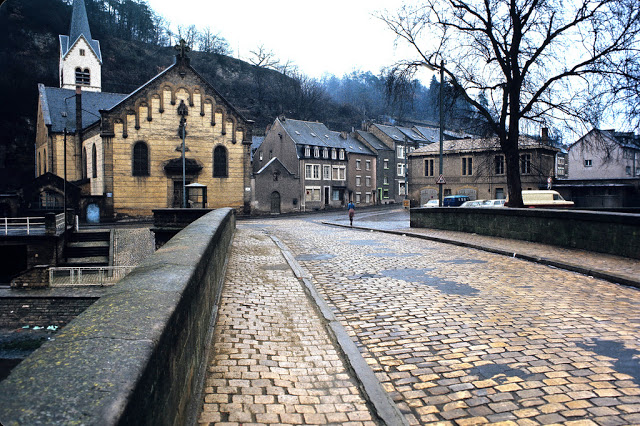
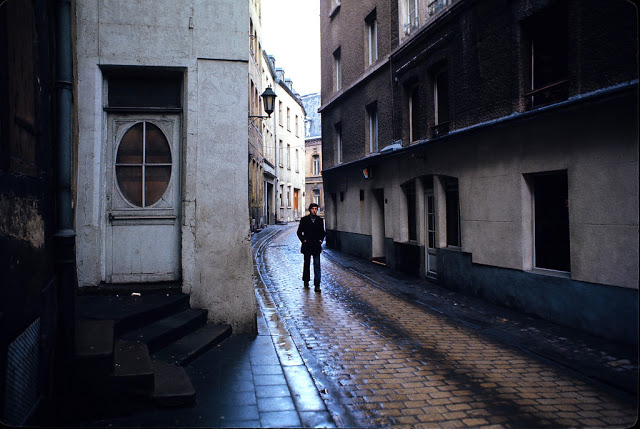
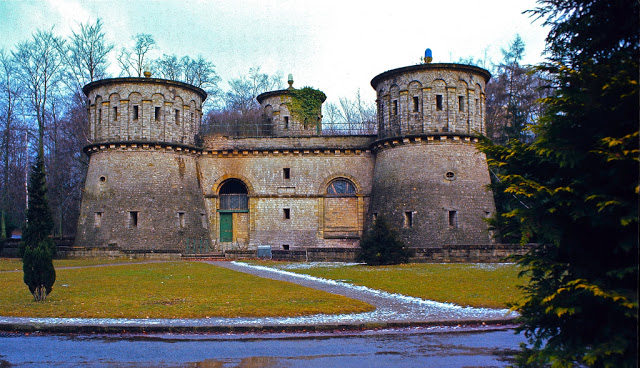
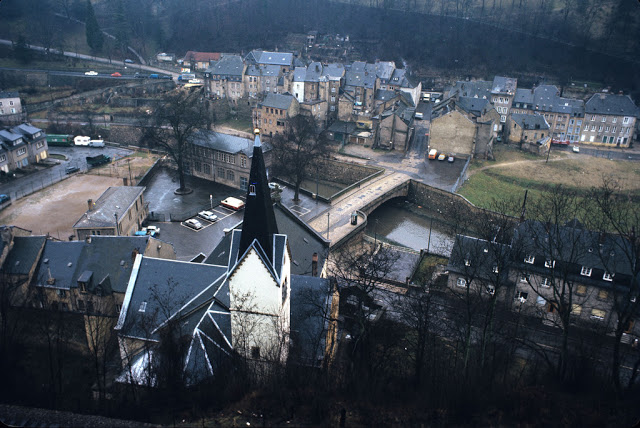
Luxembourg (Luxembourgish: Lëtzebuerg; French: Luxembourg; German: Luxemburg), also known as Luxembourg City (Luxembourgish: Stad Lëtzebuerg or d’Stad; French: Ville de Luxembourg; German: Stadt Luxemburg or Luxemburg-Stadt), is the capital city of the Grand Duchy of Luxembourg and the country’s most populous commune. Standing at the confluence of the Alzette and Pétrusse rivers in southern Luxembourg, the city lies at the heart of Western Europe, situated 213 km (132 mi) by road from Brussels, 372 km (231 mi) from Paris, and 209 km (130 mi) from Cologne. The city contains Luxembourg Castle, established by the Franks in the Early Middle Ages, around which a settlement developed.
As of 31 December 2021, Luxembourg City has a population of 128,514 inhabitants, which is more than three times the population of the country’s second most populous commune (Esch-sur-Alzette). The city’s population consists of 160 nationalities. Foreigners represent 70% of the city’s population, whilst Luxembourgers represent 30% of the population; the number of foreign-born residents in the city rises steadily each year.
In 2022, Luxembourg was ranked as having the first-highest per capita GDP in the world at $137,950(PPP), with the city having developed into a banking and administrative centre. In the 2019 Mercer worldwide survey of 231 cities, Luxembourg was placed first for personal safety, while it was ranked 18th for quality of living.
Luxembourg is one of the de facto capitals of the European Union (alongside Brussels, Frankfurt and Strasbourg), as it is the seat of several institutions, agencies and bodies, including the Court of Justice of the European Union, the European Court of Auditors, the Secretariat of the European Parliament, the European Public Prosecutor’s Office, the European Investment Bank, the European Investment Fund, the European Stability Mechanism, as well as amongst other European Commission departments and services, Eurostat. The Council of the European Union meets in the city for three months annually. (Wikipedia)





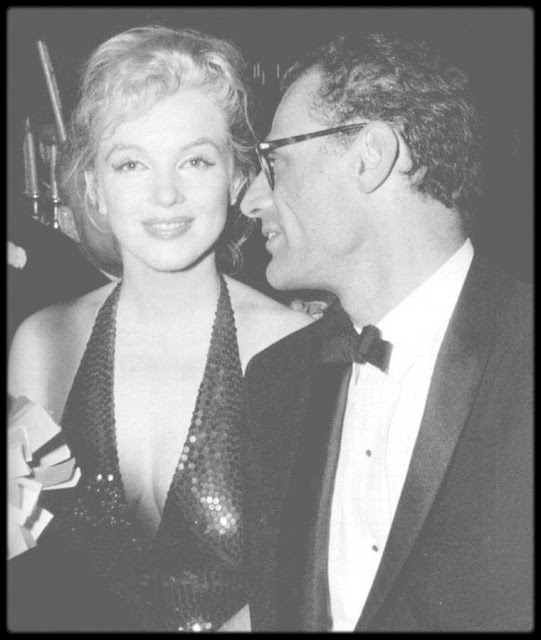
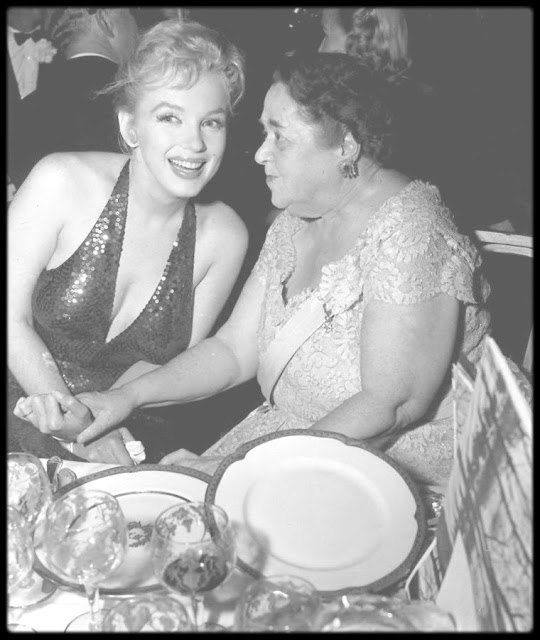
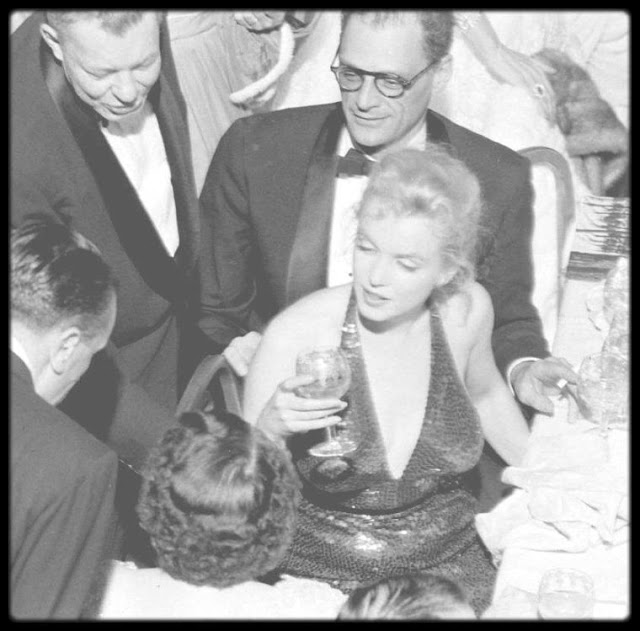
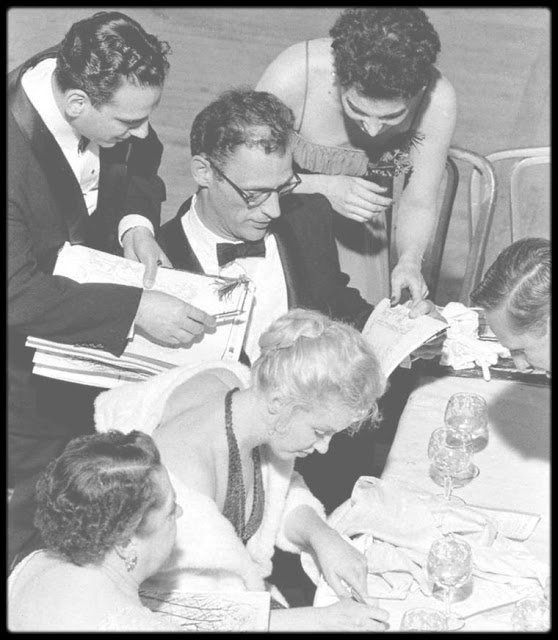
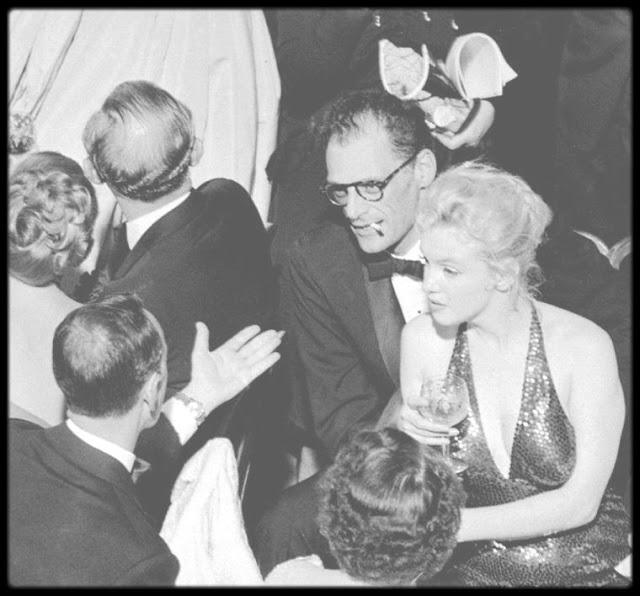
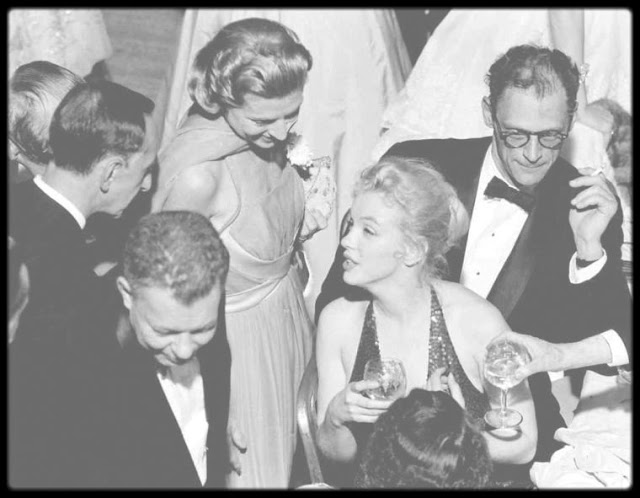
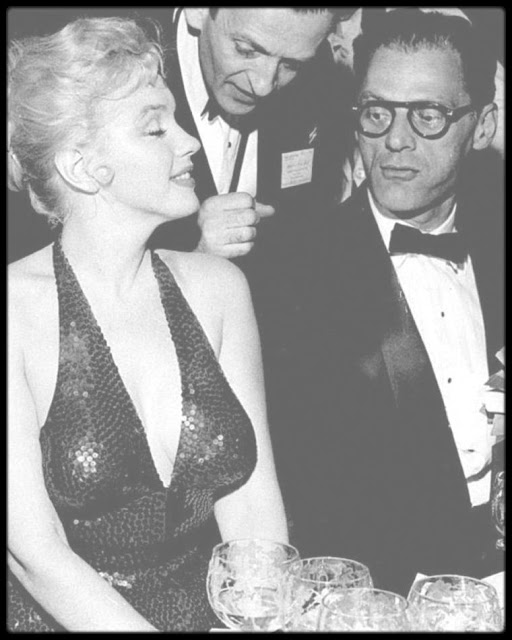
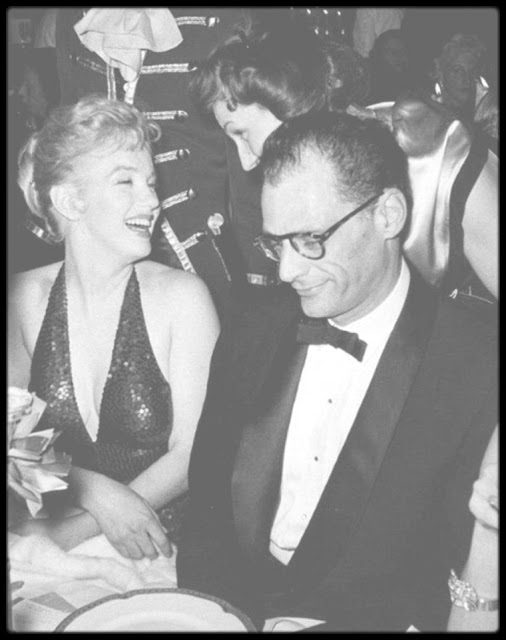
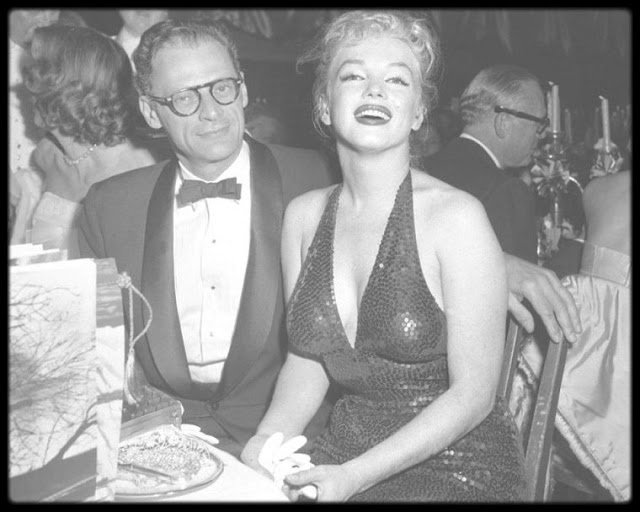
April in Paris Ball was an annual US gala event whose mission was to serve charity and Franco-American relations. Established in 1952 at the Waldorf Astoria New York in New York City, it was the idea of Claude Philippe, the hotel’s banquet manager, who enlisted Elsa Maxwell to help organize it.
The first event was a celebration of the 2,000th birthday of the city of Paris and was held in 1951. When it was decided to make the ball an annual event, the name was changed to the April in Paris Ball.
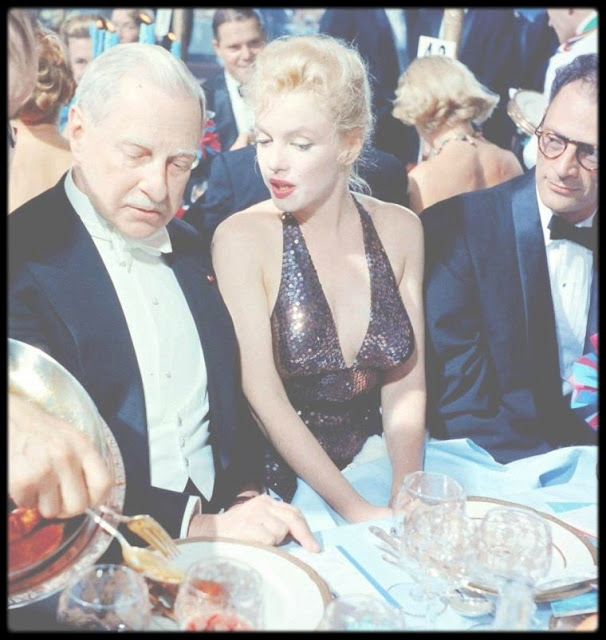
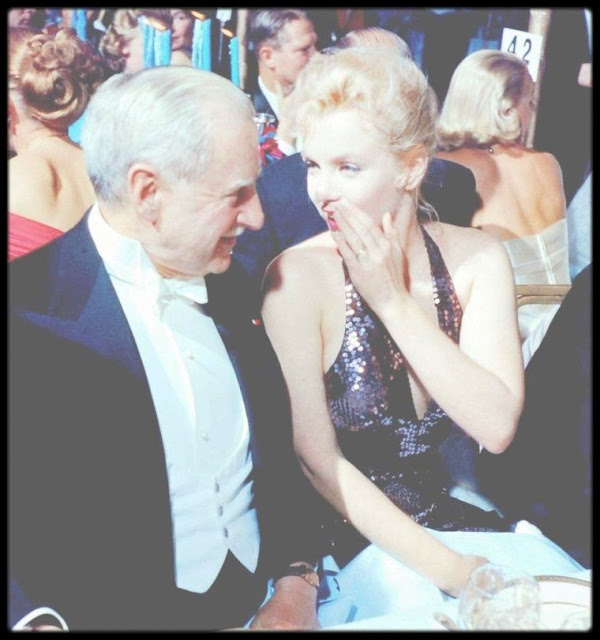
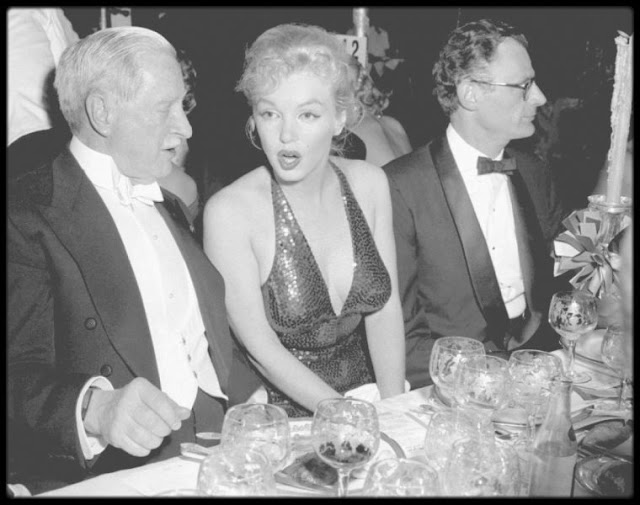
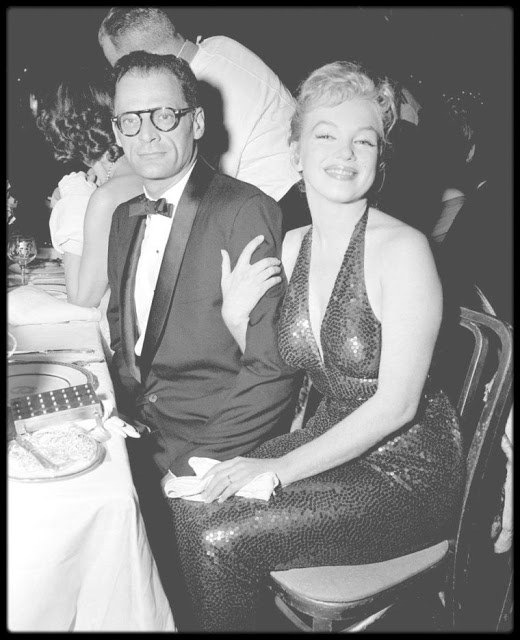
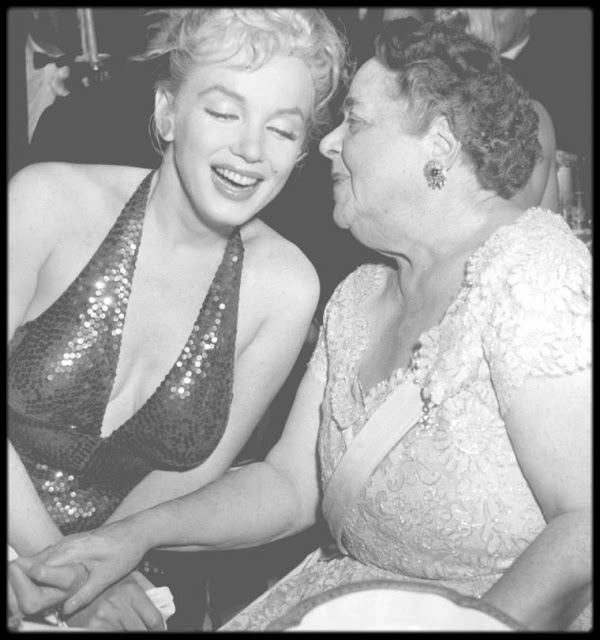
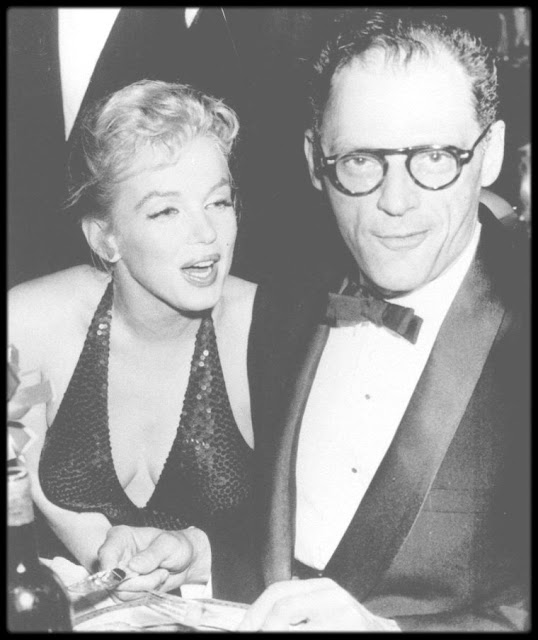
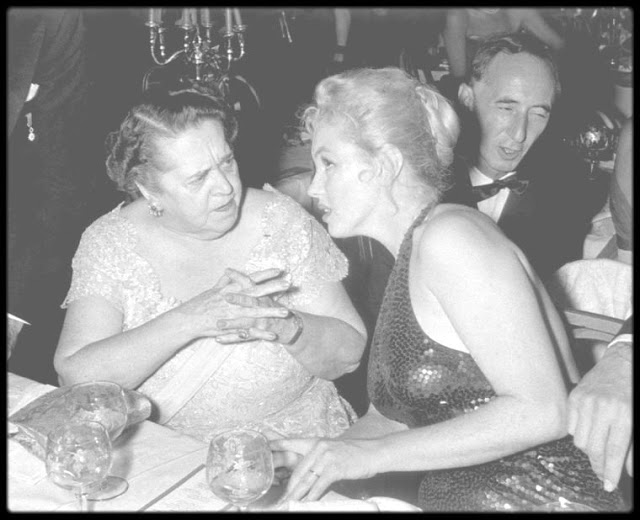
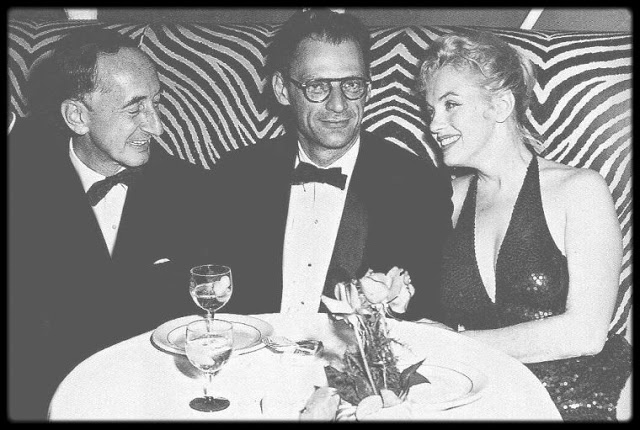
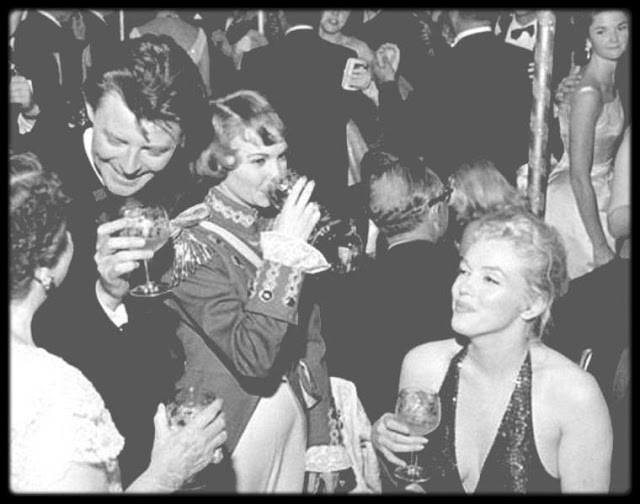
The 1957 event, attended by Marilyn Monroe and her husband Arthur Miller, Senator John F. Kennedy and his wife, Jackie, included 1300 guests, who paid $100 each and donated $130,000 to charities; the Duke and Duchess of Windsor attended as well.
The Duchess and Elsa Maxwell had reportedly had a major falling out at another ball four years earlier and sat far apart from each other and didn’t speak even when they were in the elevator together. The Duke and Duchess were the guests of honor and were seated at the most visible table in the ballroom. One article in The Times Standard even claimed that Maxwell had invited Monroe to the ball to publicly embarrass the Duchess; when Monroe arrived more than 30 photographer abandoned her to photograph Monroe. After the ball, a wealthy New York broker offered to donate $50,000 to charity if Maxwell and the Duchess would abandon their feud and shake hands in front of press photographers. Maxwell was most willing to end the quarrel in this way, but the Duchess declined the offer.








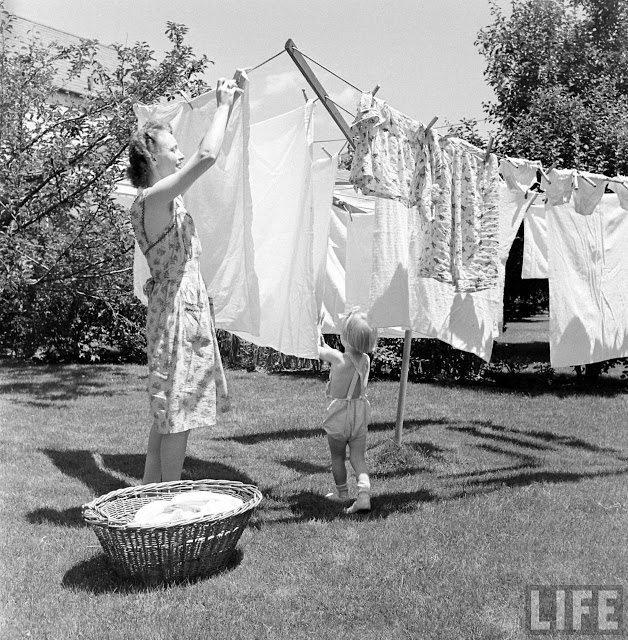
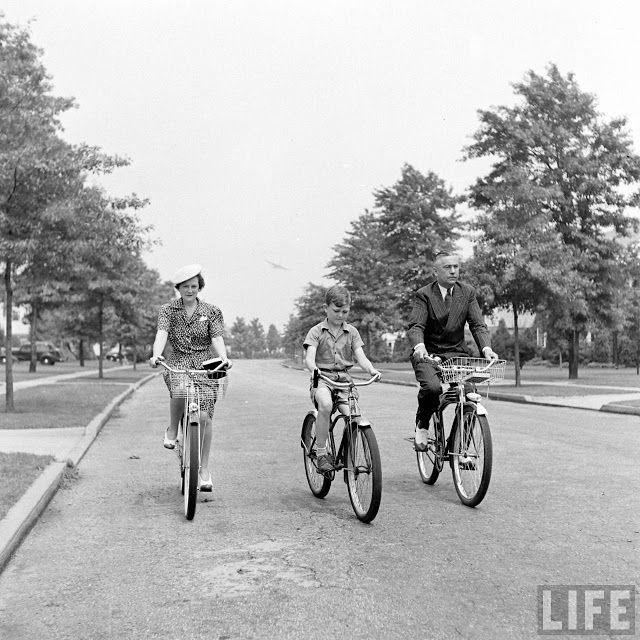
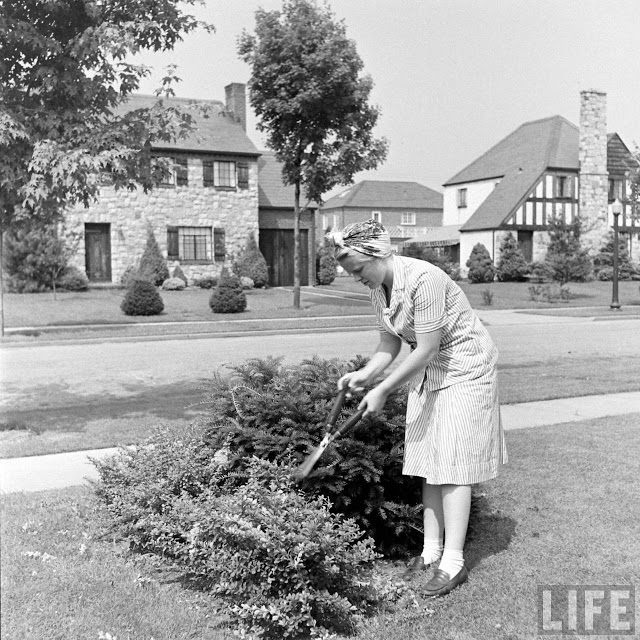
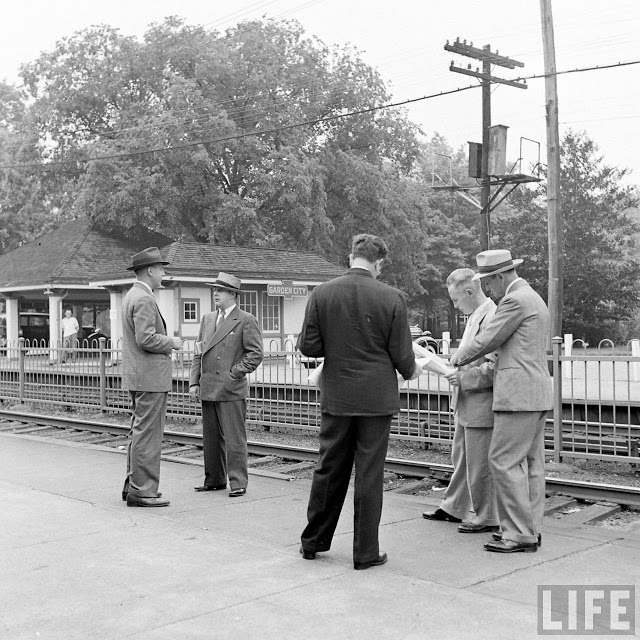
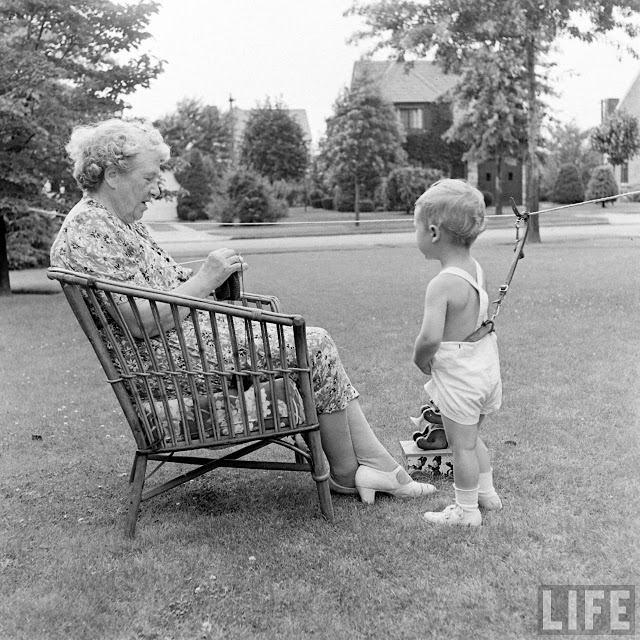
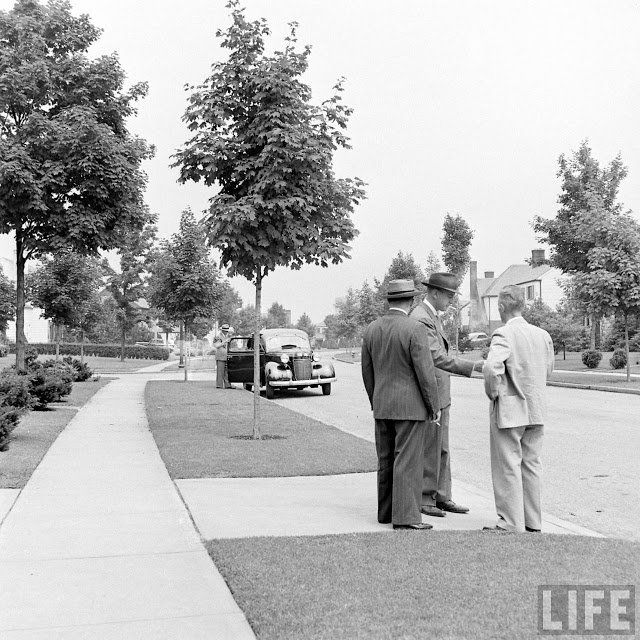
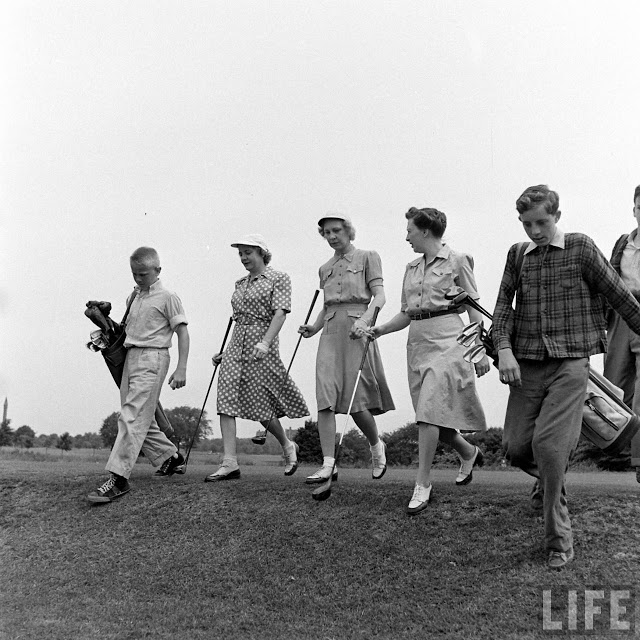
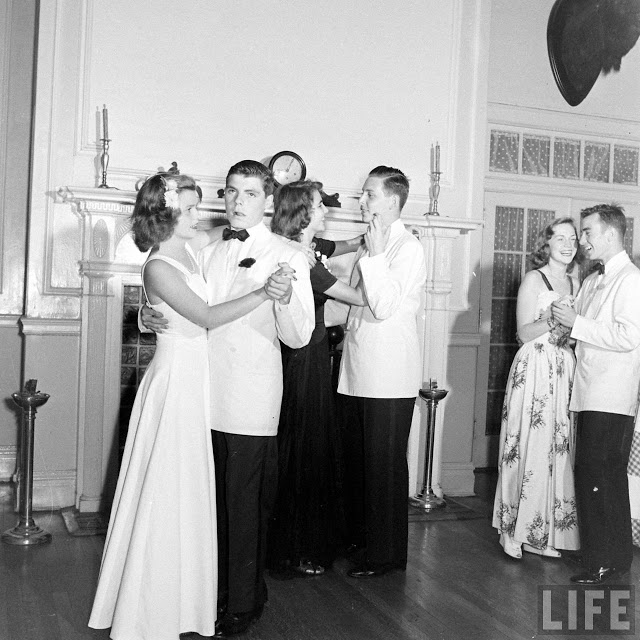
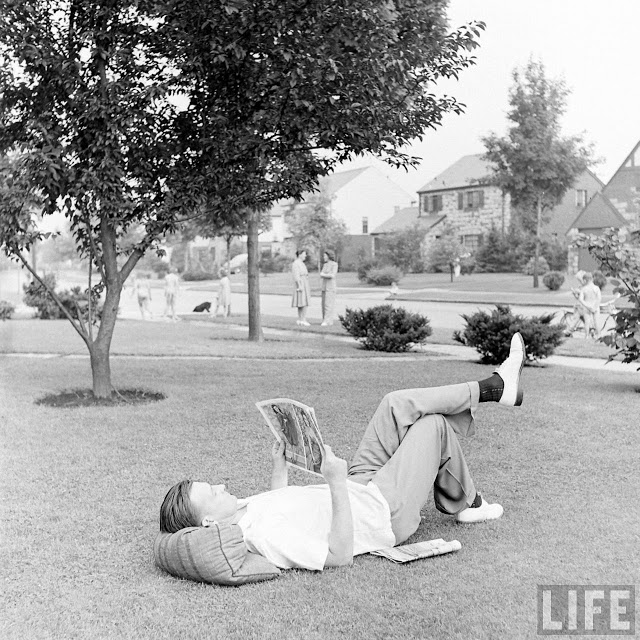
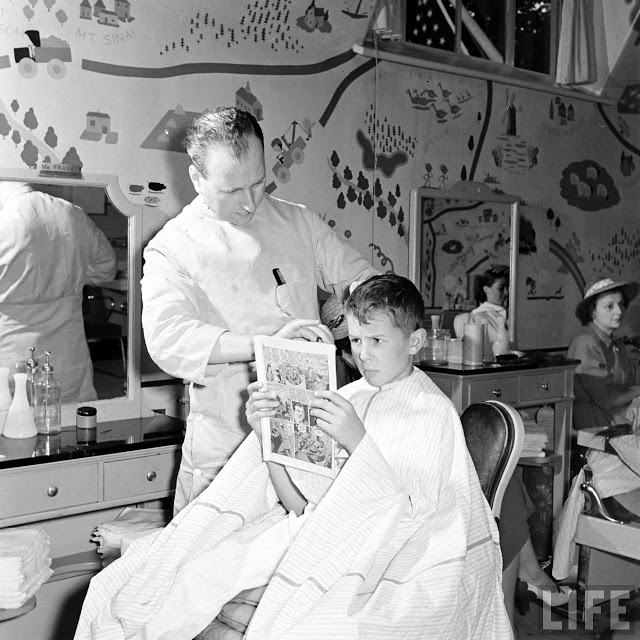
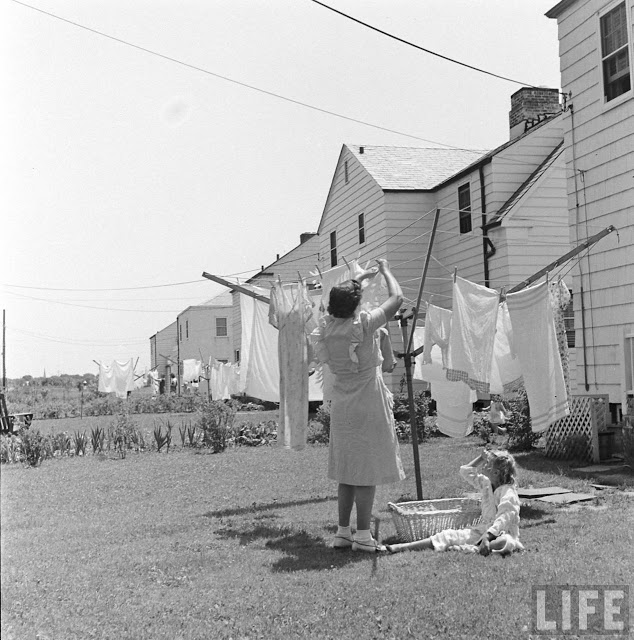
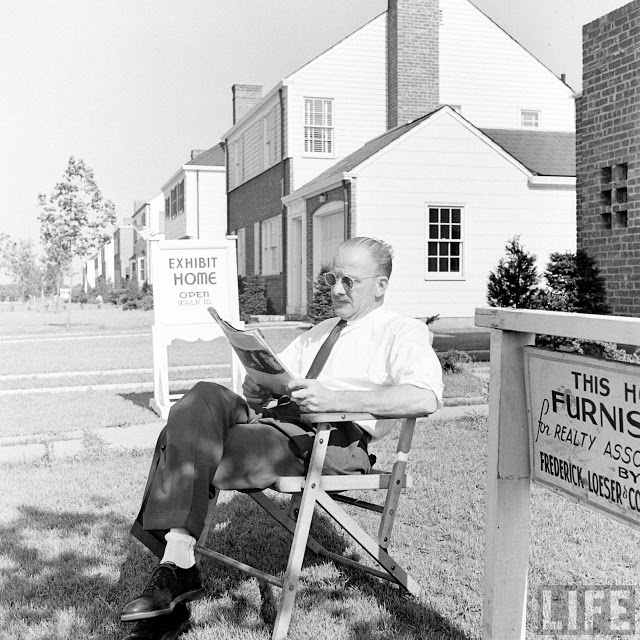
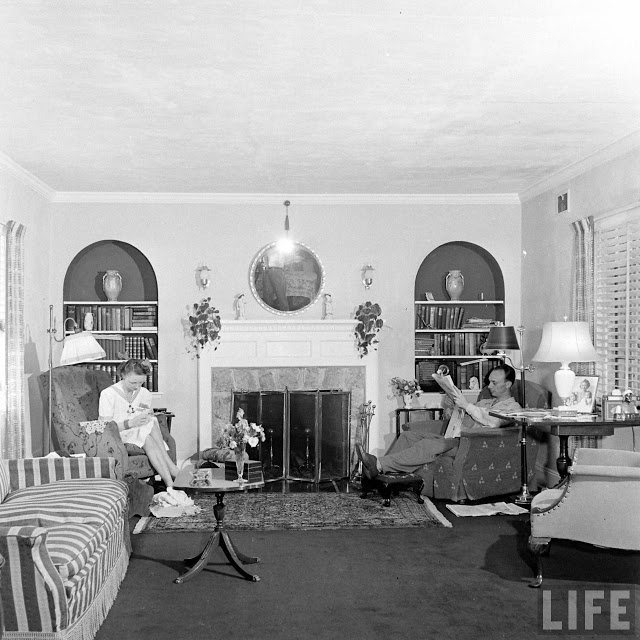
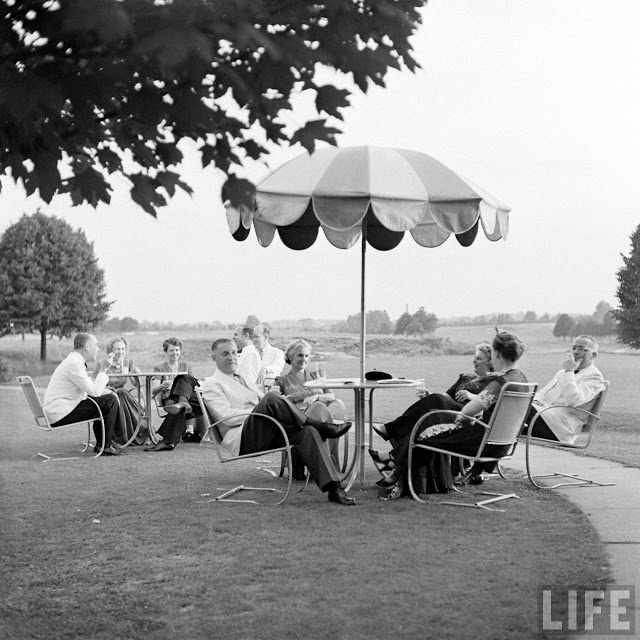
In the postwar era, many Americans moved away from cities and into suburbs, helped by GI Bill benefits that guarantied home loans. Techniques of mass production made it possible to build homes faster and cheaper than ever before.
Using an assembly-line system, the construction firm Levitt and Sons built three giant “Levittown” suburbs in New York, New Jersey, and Pennsylvania. Due to low prices and veterans’ benefits, more Americans could afford to own homes than ever before.
New York is a state in the Northeastern United States. It is sometimes called New York State to distinguish it from its largest city, New York City. With a total area of 54,556 square miles (141,300 km2), New York is the 27th largest state geographically. With 20.2 million residents, it is the fourth most populous state in the United States as of 2021, with approximately 44% living in New York City and another 14% on the remainder of Long Island. The state is bordered by New Jersey and Pennsylvania to the south, and Connecticut, Massachusetts, and Vermont to the east; it has a maritime border with Rhode Island, east of Long Island, as well as an international border with the Canadian provinces of Quebec to the north and Ontario to the northwest.
New York City (NYC) is the most populous city in the United States, and around half of the state’s population lives in the New York metropolitan area. NYC is home to the United Nations headquarters, and has been described as the cultural, financial, and media capital of the world, as well as the world’s most economically powerful city. The next five most populous cities in the state are Buffalo, Yonkers, Rochester, Syracuse, and the state capital of Albany.
New York has a diverse geography. The southeastern part of the state, the area known as Downstate, is in the Atlantic coastal plain and includes Long Island and several smaller associated islands, as well as New York City and the lower Hudson River Valley. The much larger Upstate New York area spreads from the Great Lakes to Lake Champlain and the border of Pennsylvania, and includes a diverse topography and range of regions including the Adirondack Mountains in the northeastern lobe of the state. New York also includes several ranges of the wider Appalachian Mountains. The east–west Mohawk River Valley is the primary river valley bisecting more mountainous regions, and connects into the North-South Hudson River valley in the Capital Region of New York. Western New York is part of the Great Lakes region and borders on the Great Lakes of Lake Ontario and Lake Erie, as well as Niagara Falls. Between the central part of the state and Western part of the state, New York is dominated by the Finger Lakes, a popular vacation and tourist destination.
New York was one of the original thirteen colonies forming the United States. The area of present-day New York had been inhabited by tribes of the Algonquians and the Iroquois confederacy Native Americans for several hundred years by the time the earliest Europeans arrived. French colonists and Jesuit missionaries arrived southward from Montreal for trade and proselytizing. In 1609, the region was visited by Henry Hudson sailing for the Dutch East India Company. The Dutch built Fort Nassau in 1614 at the confluence of the Hudson and Mohawk rivers, where the present-day capital of Albany later developed. The Dutch soon also settled New Amsterdam and parts of the Hudson Valley, establishing the multiethnic colony of New Netherland, a center of trade and immigration. England seized the colony from the Dutch in 1664, with the Dutch recapturing their colony in 1673 before definitively ceding it to the English as a part of the Treaty of Westminster the following year. During the American Revolutionary War (1775–1783), a group of colonists of the Province of New York attempted to take control of the British colony and eventually succeeded in establishing independence. In the early 19th century, New York’s development of its interior, beginning with the Erie Canal, gave it incomparable advantages over other regions of the east coast and built its political and cultural ascendancy.
Many landmarks in New York are well known, including four of the world’s ten most-visited tourist attractions in 2013: Times Square, Central Park, Niagara Falls, and Grand Central Terminal. New York is also home to the Statue of Liberty. In the 21st century, New York has emerged as a global node of creativity and entrepreneurship, social tolerance, and environmental sustainability. New York has approximately 200 colleges and universities, including the State University of New York. Several universities in New York have been ranked among the top 100 in the nation and world. (Wikipedia)





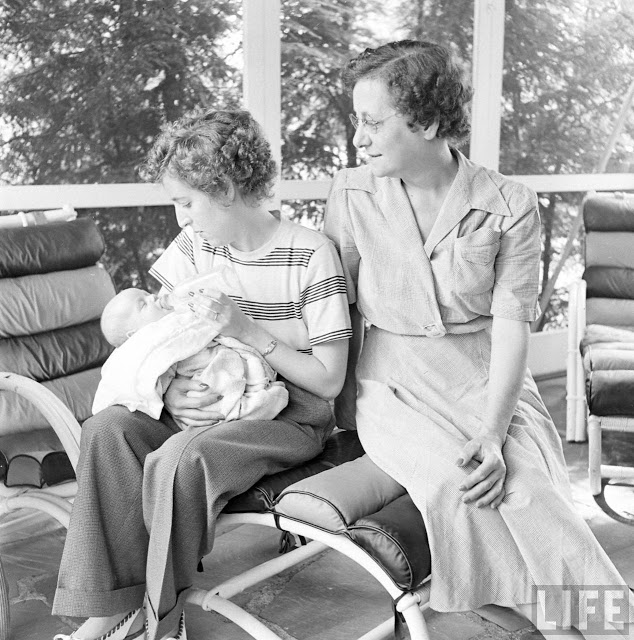

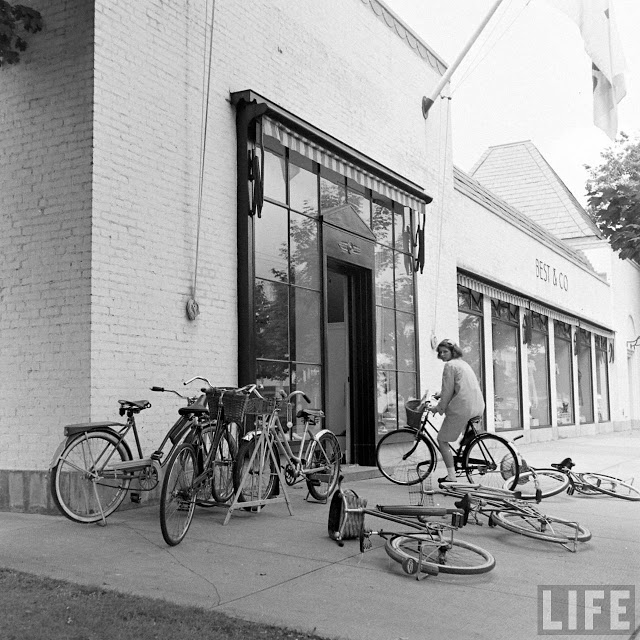


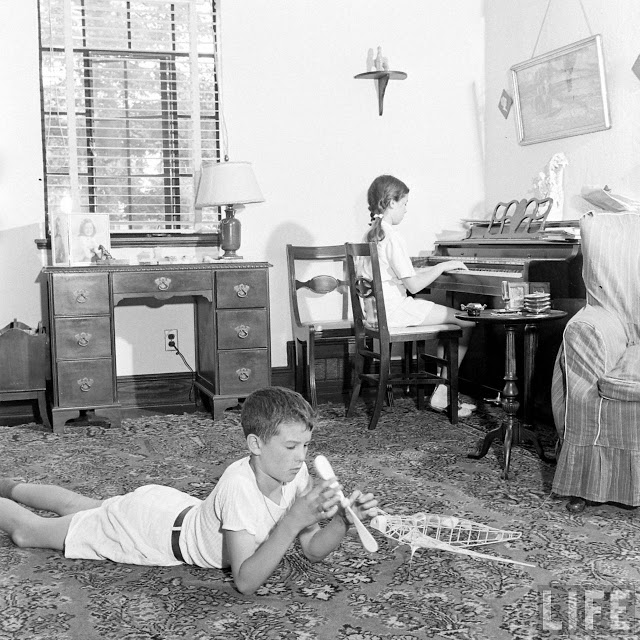
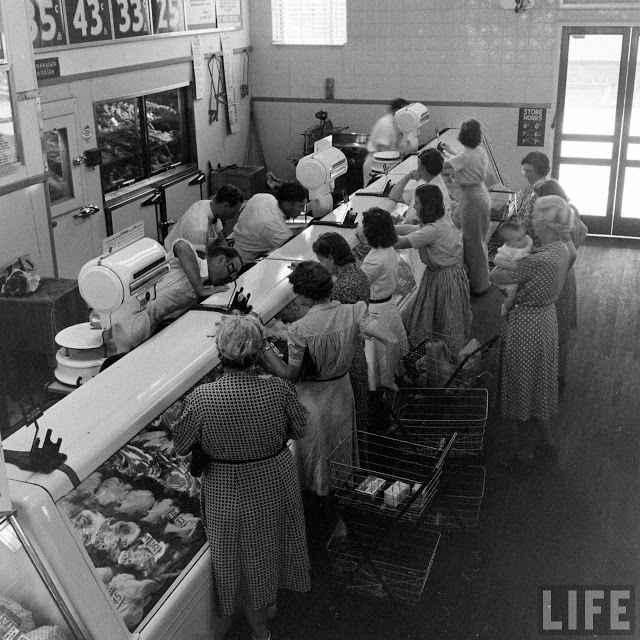














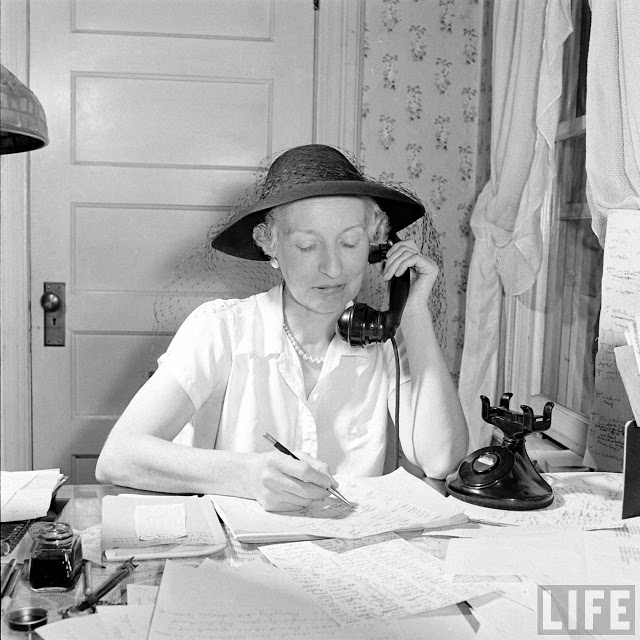
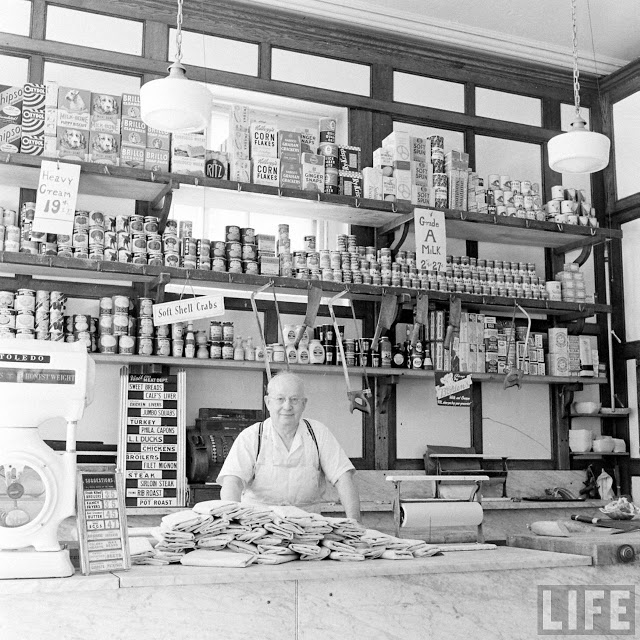


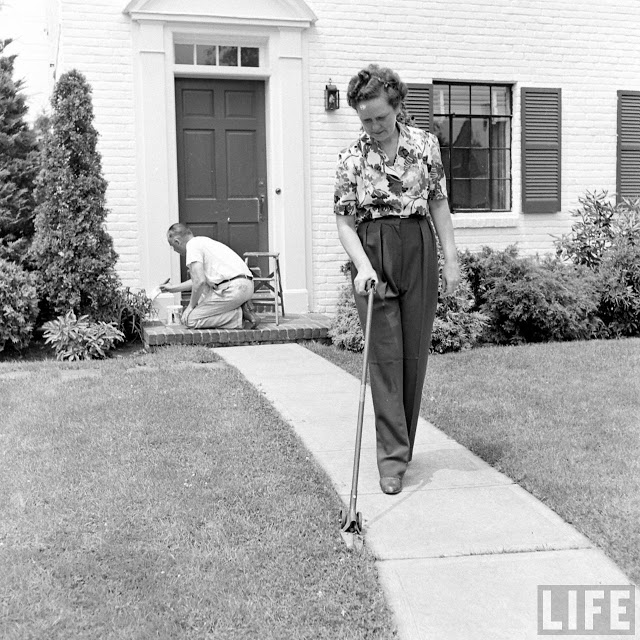
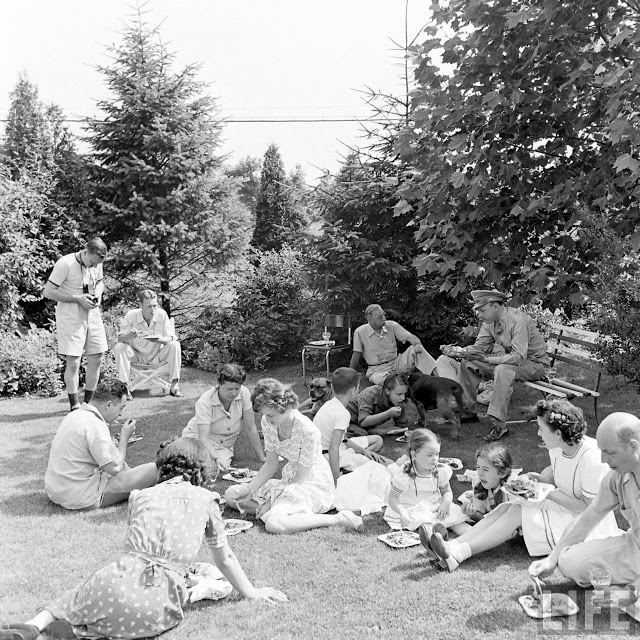

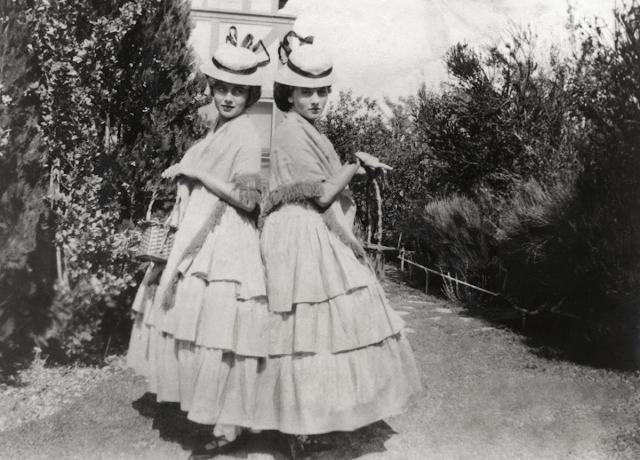
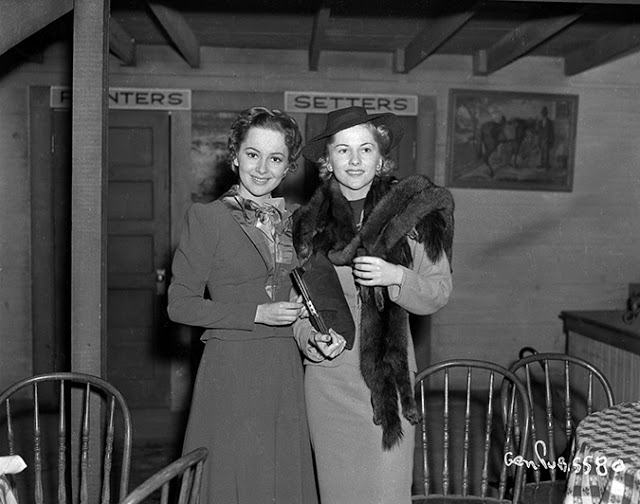
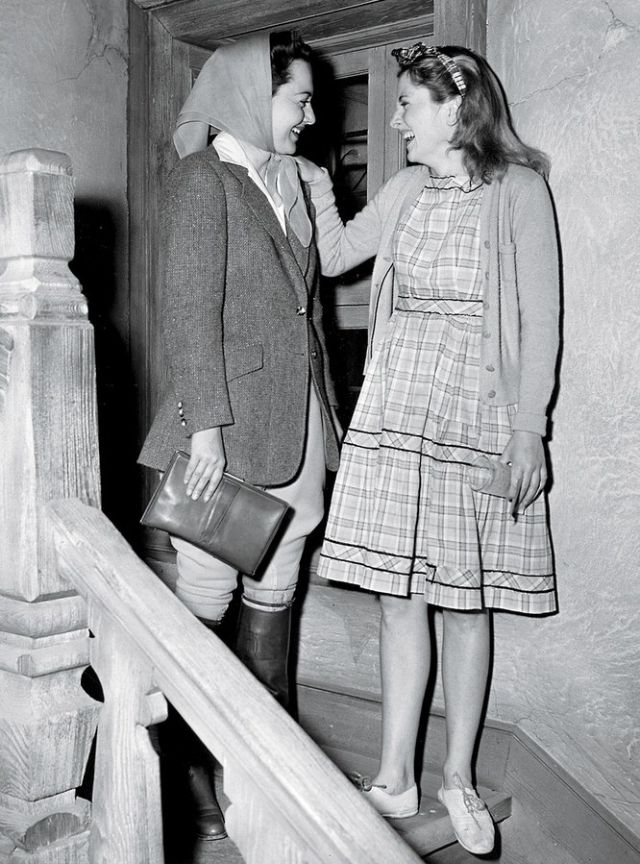
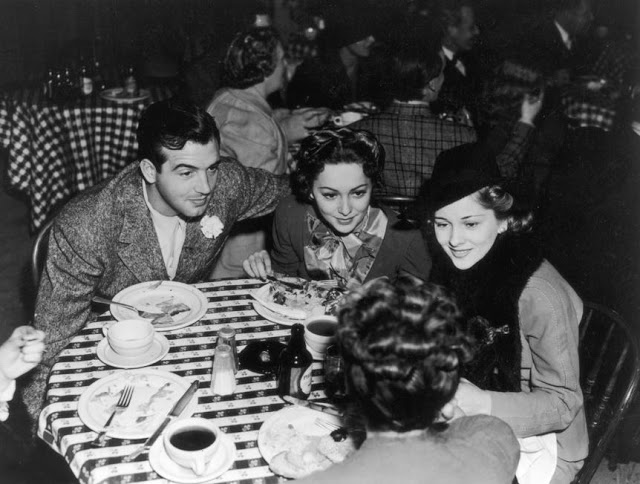
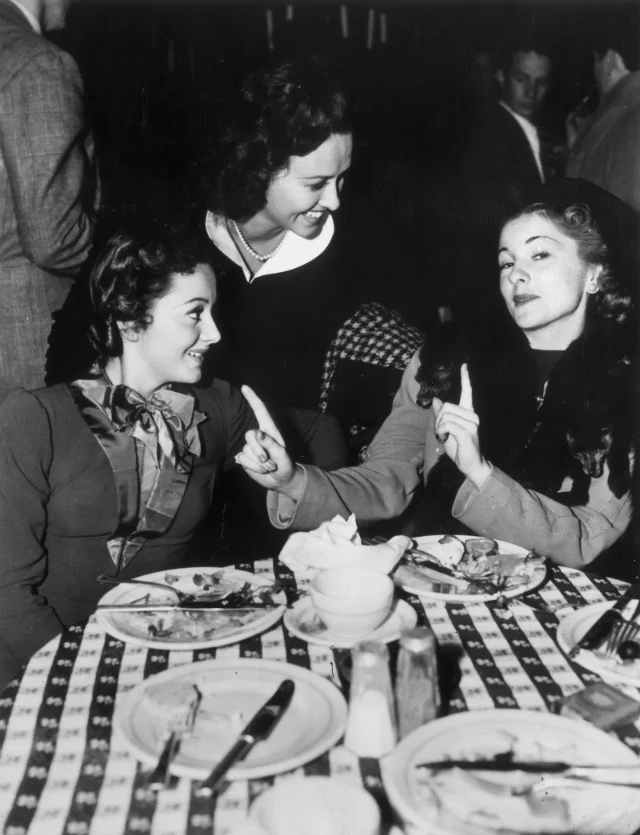
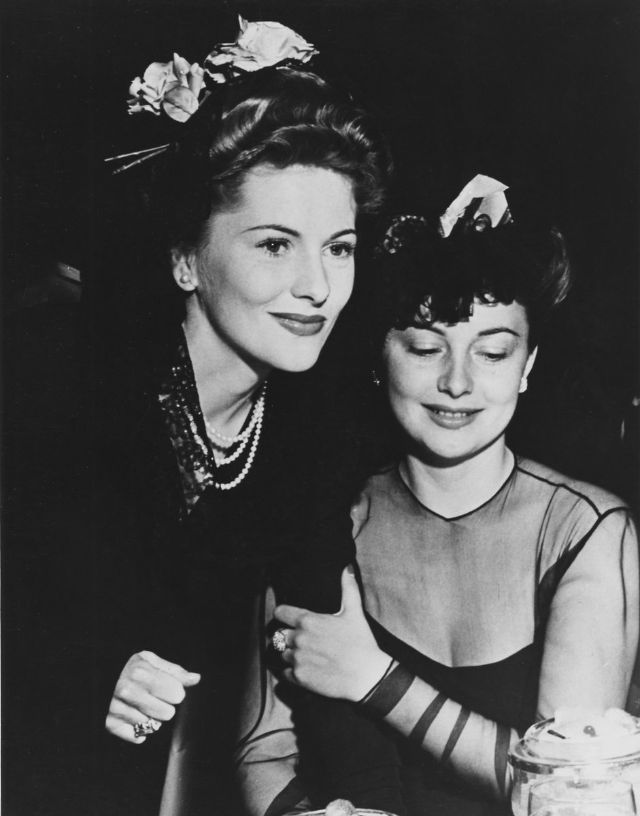
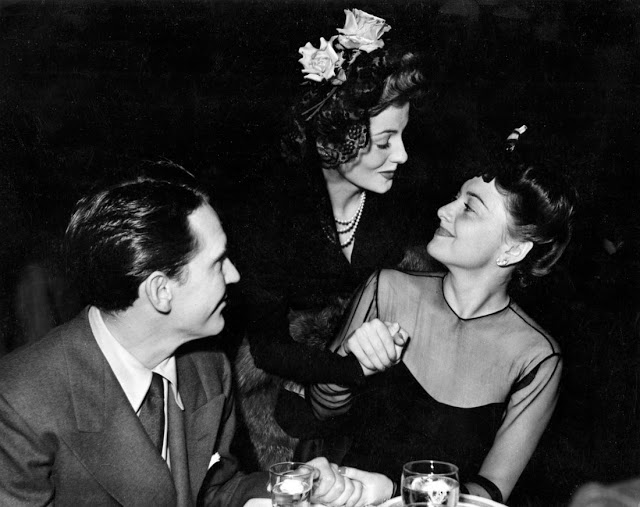
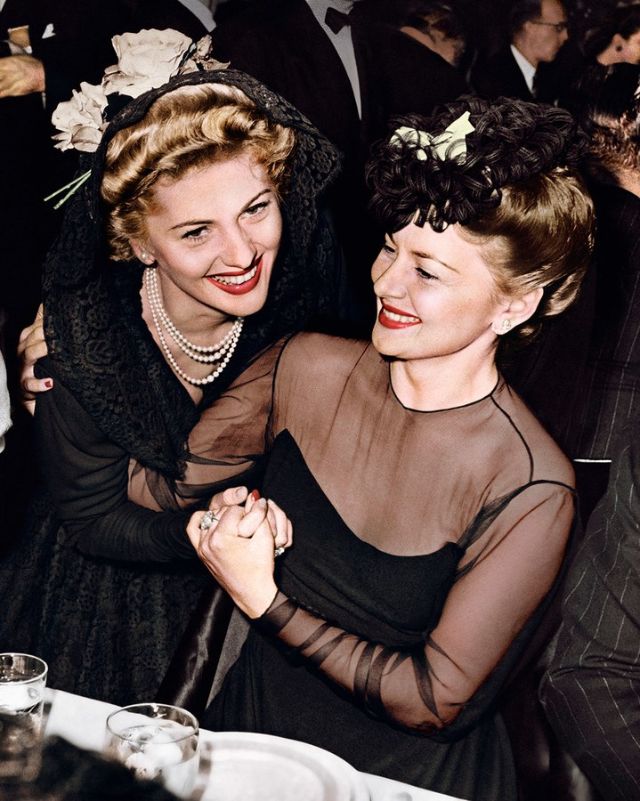
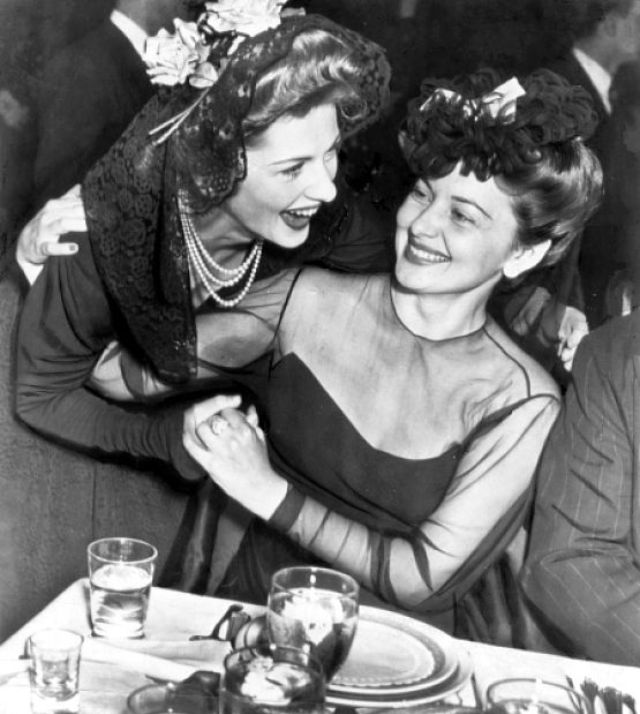
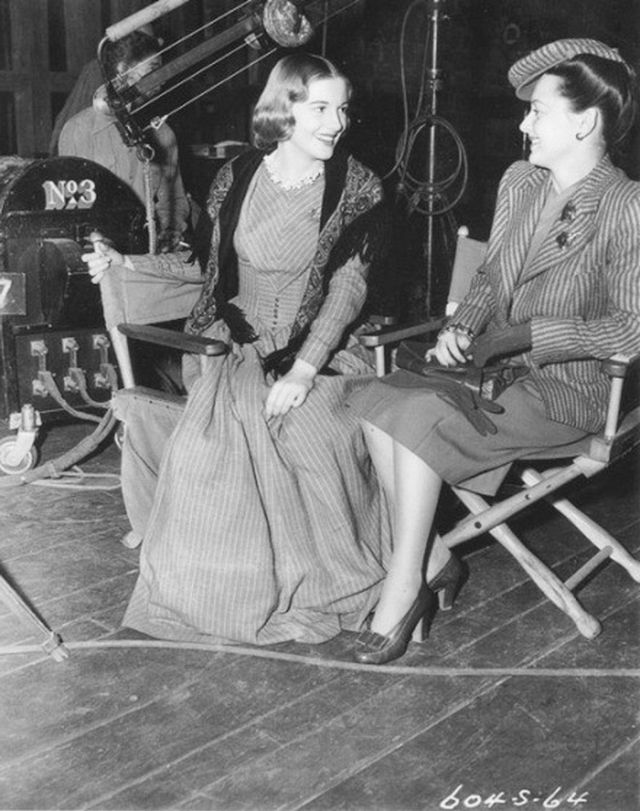
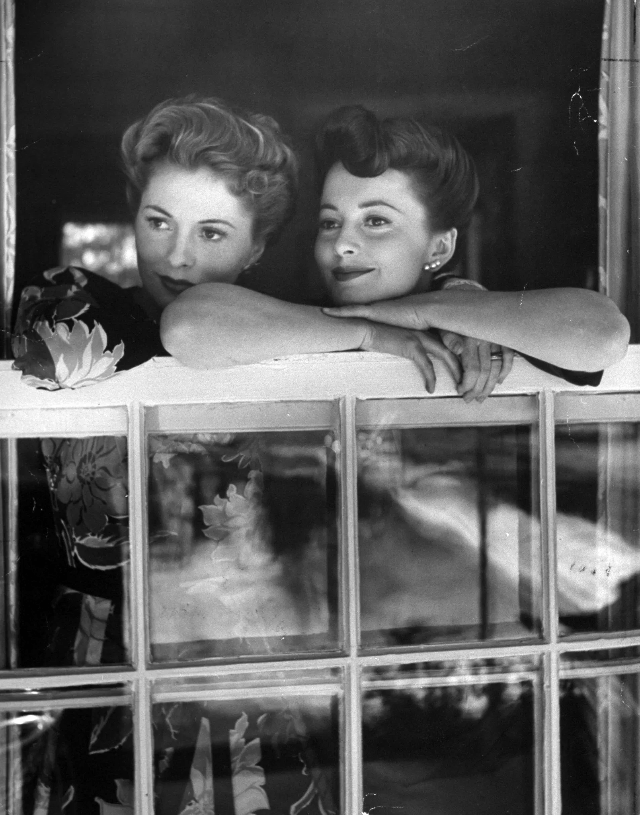
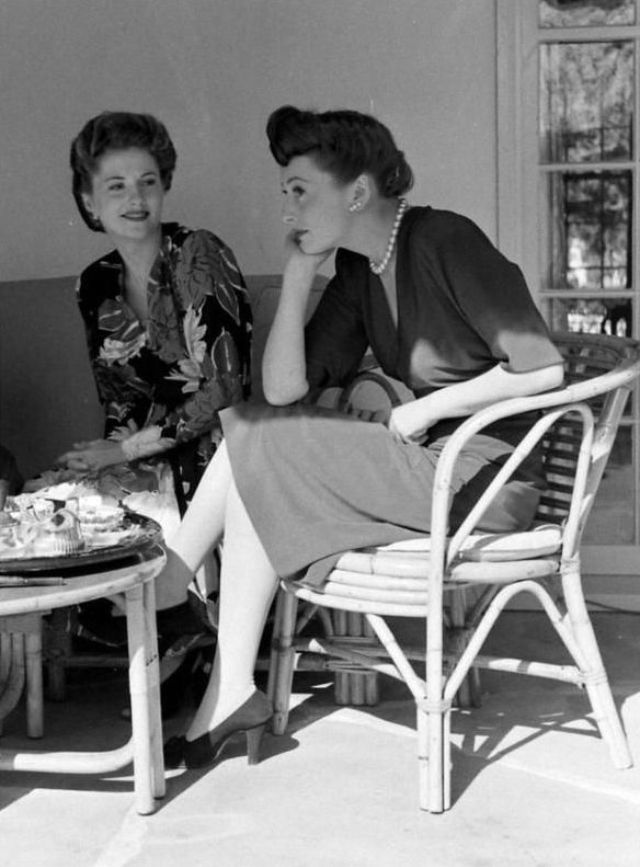
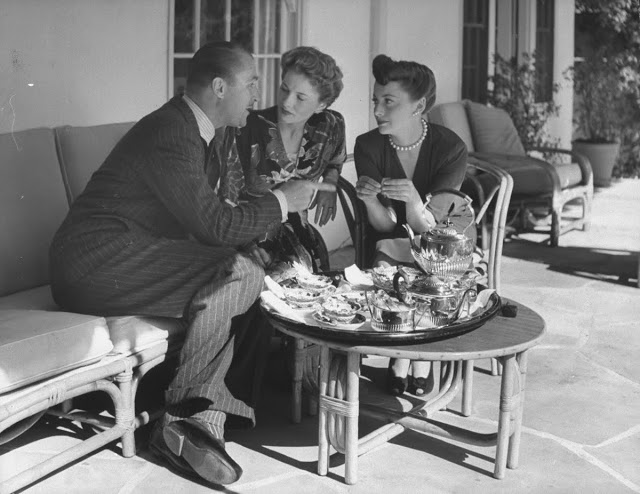
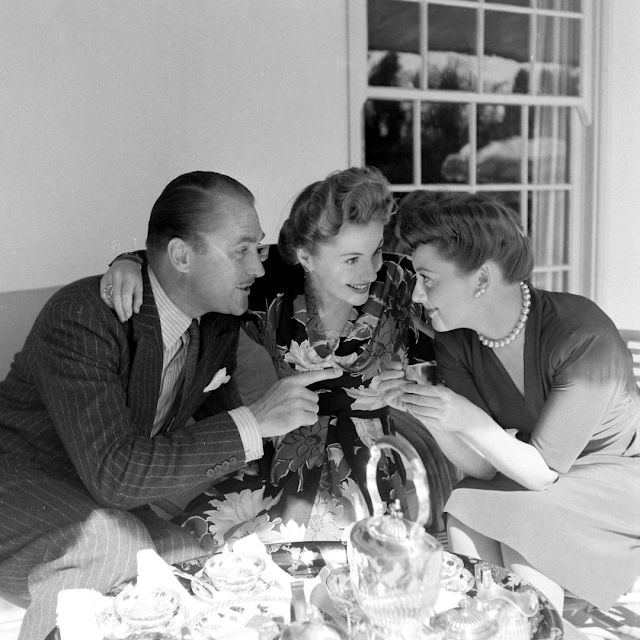
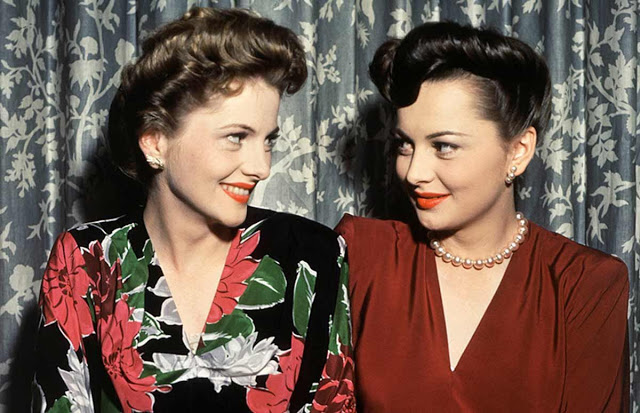
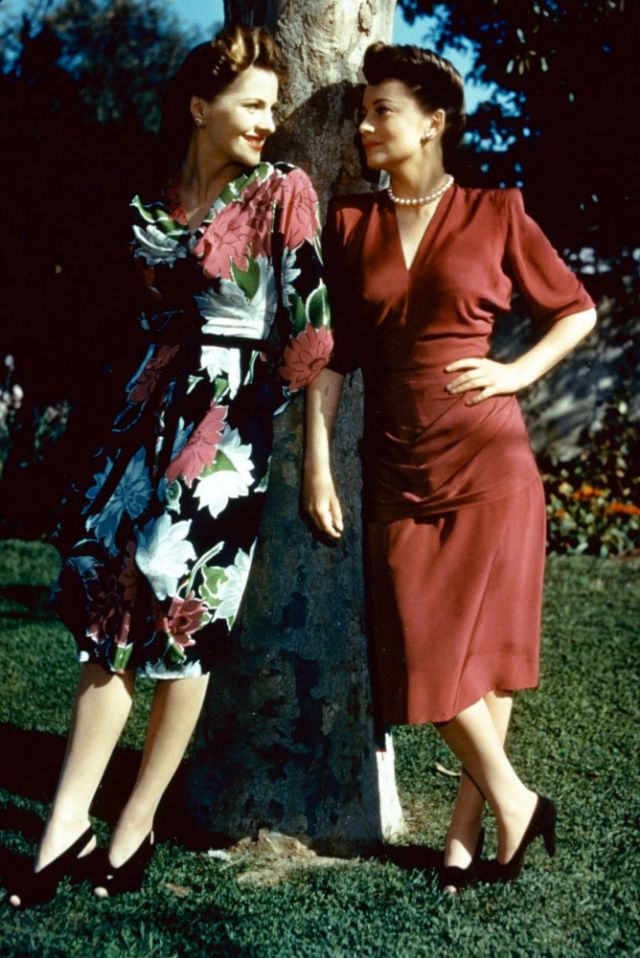
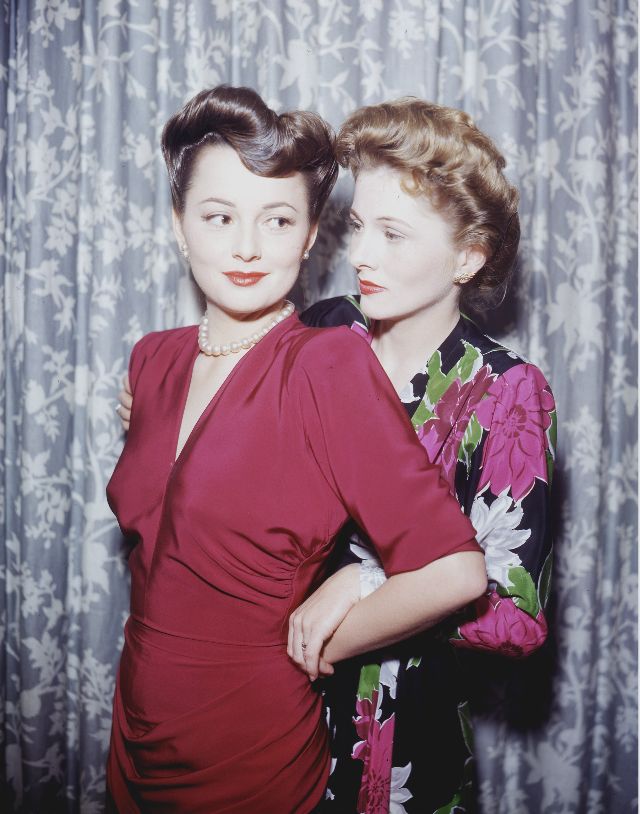
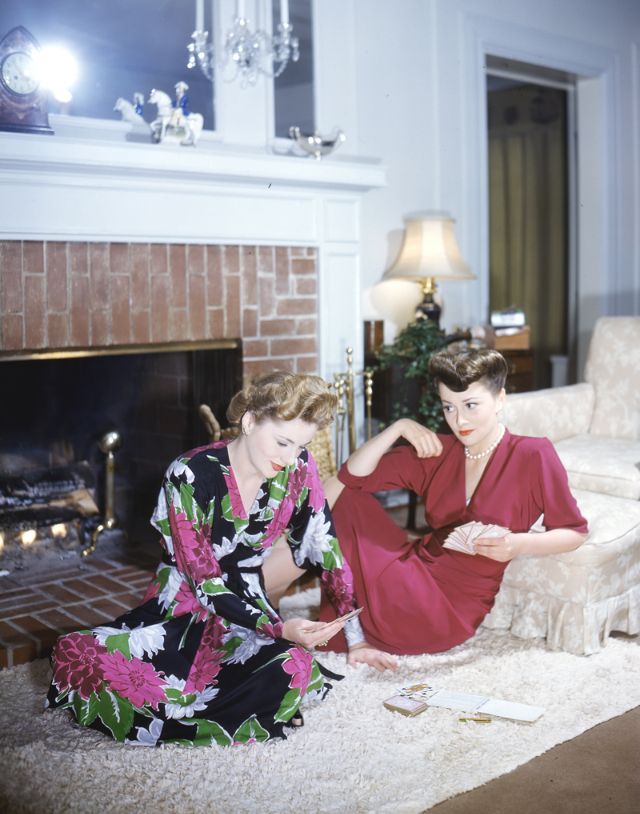
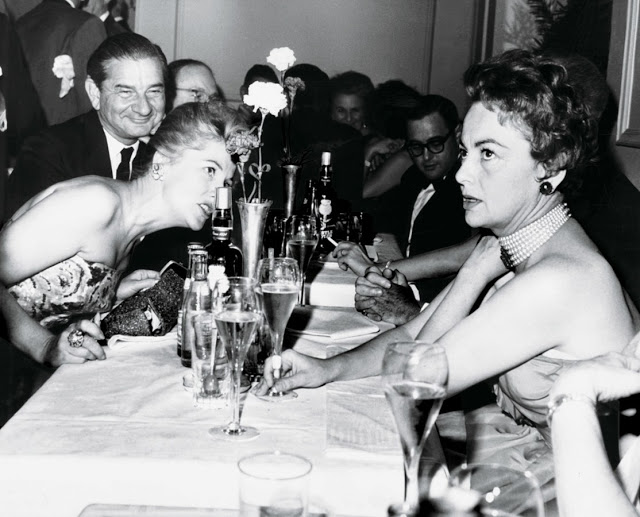
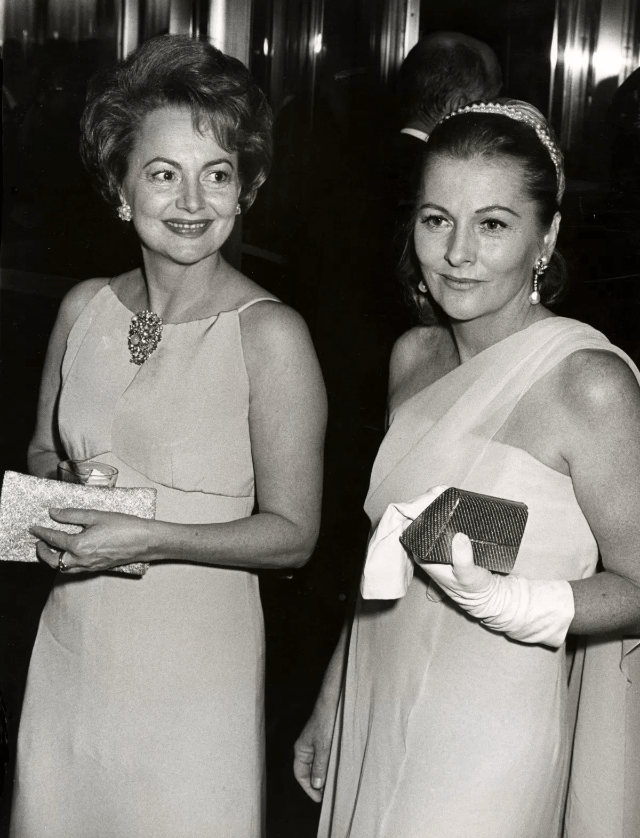
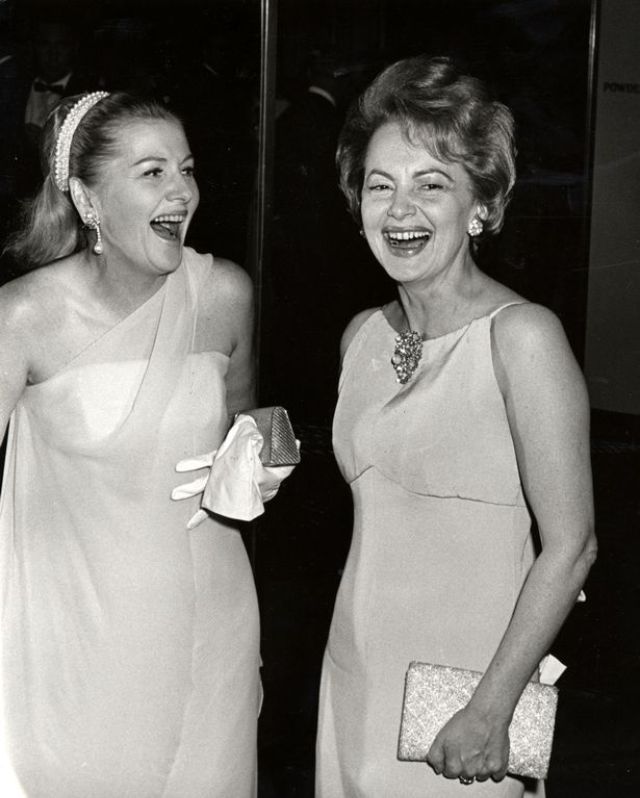
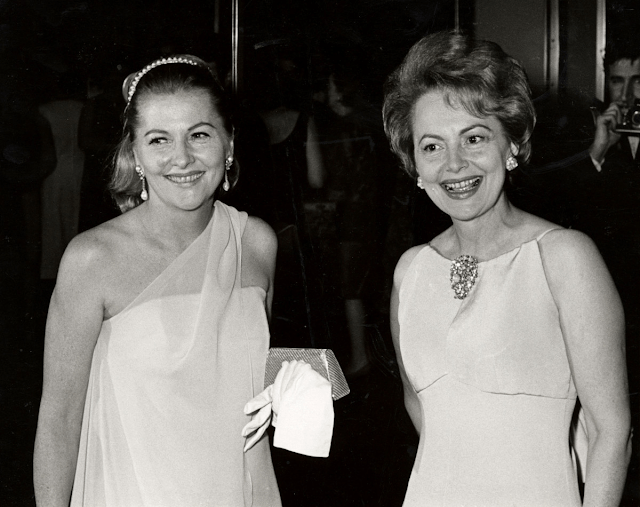
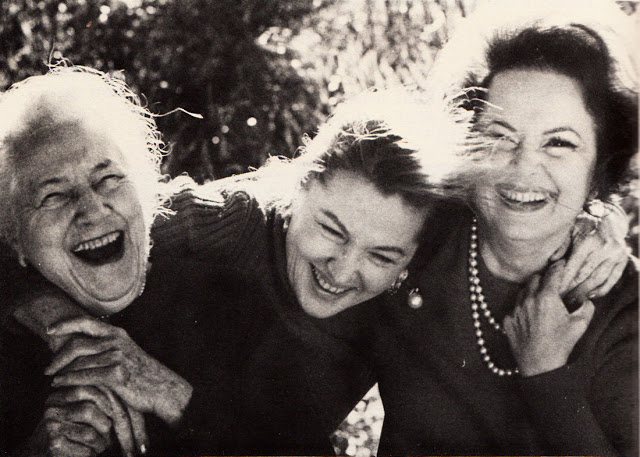
Perhaps Hollywood’s most famous sibling rivalry was the supposed one between the two sisters Olivia de Havilland and Joan Fontaine, which became the stuff for the media for decades. 15 months separated in age, the sisters pursued the same career choice, competed for the same Oscar category, even attained some of the same love interests. However, it was these similarities that further inflamed their feud from childhood to a lifetime.
As children, the sisters didn’t get along. In her 1978 autobiography No Bed of Roses, Joan indicated that part of their problems came from Olivia’s resentment at having to share the attention with a younger sibling. As they lived in the same room, their collisions frequently happened, from when Joan was still in the crib to their teenage years. The supposed bullying started with Olivia’s picking on Joan, then escalated to hair-pulling, clothes-tearing and even downright fighting, with an incident caused by Olivia that led to Joan’s collarbone fractured. Afterwards, the mistreatment turned more mental, with Olivia reportedly publishing a fake will that read “I bequeath to my sister the ability to win boy’s hearts, which she does not have at present,” as she was the editor of their high school newspaper.
In order to introduce her daughters to great works of art, the well-versed mother taught the sisters diction and elocution at a young age, which led to both of the sisters developing an interest in the arts and particularly in acting. But it was Olivia to enter the film career in Hollywood first, after fortunately getting the spotlight in the Max Reinhardt’s Hollywood Bowl production of A Midsummer Night’s Dream. She later became a marquee attraction by co-starring opposite Errol Flynn in a series of eight films for over six years – most noteworthy The Adventures of Robin Hood in 1938. Meanwhile, Joan was told by her mother to not pursue work at Warner Bros. since that was “Olivia’s studio” and forced to change her stage name to Fontaine, her stepfather’s name, because “two de Havillands on the marquee would be too many.”

Their feud reached new heights at the events of the 1939 classic Gone With the Wind, when Joan recalled that she was turned down for the role Melanie for being “too stylish,” then generously suggested her sister to George Cukor. Olivia earned her first Oscar nomination for the part and made no mention of this. The year after Gone With the Wind won the Best Picture Oscar, the statuette went to Rebecca, and Joan was nominated for Best Actress for the first time.
Their climactic showdown of a lifetime was brought out for the whole Hollywood to see in 1942, when Olivia and Joan were both nominated for Best Actress at the 14th Academy Awards, making them the first pair of siblings to compete for the same Oscar category. When the announcement of Joan’s winning for Suspicion was made, the attendees found themselves surprised at the scene of Olivia seizing Joan’s hand and crowing, “We’ve got it!”, for they had hopefully expected that the losing sister would fly into rage or burst into tears. Olivia’s night of triumph came in 1947, as she won the Best Actress Oscar for To Each His Own. However, when Joan advanced towards her sister to congratulate, Olivia shied away from her, leaving the other sister with a bewildered expression.
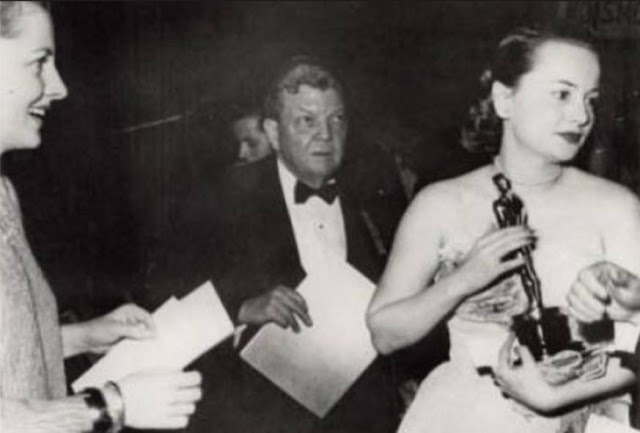
Joan made quite a famous quip to People while she was promoting her autobiography in 1978, that “Olivia has always said I was first at everything – I got married first, got an Academy Award first, had a child first. If I die, she’ll be furious, because again I’ll have got there first!” Back in the day, a woman getting married was seen as a huge step on completing life, therefore Joan tying the knot before her older sister was considered to be something of an accomplishment – ironically, with the actor Brian Aherne, whom Olivia once dated. Their relationship became further complicated, even resulted in a years-long cold war following Joan’s mean remark upon Olivia’s newlywed husband Marcus Goodrich, that “he has had four wives and written one book. Too bad it’s not the other way around.”
Over the years, theirs seemed to be a hot and cold relationship, such as when the sisters spent Christmas together at Joan’s New York apartment in 1961, or attended a party of Marlene Dietrich in 1967. Things suddenly became much worse after the passing of their mother in 1975. Joan accused her sister of not informing her when she was out of the country, and only received an invitation to the memorial service after threatened to give the press the whole story. Joan described the occasion to People, “She scattered a handful of ashes over the grave site and then silently passed the container to me. Not one word was exchanged. I think it is so ironic that the death of this marvelous woman was responsible for our final schism.”
The nature of the talented sisters’ relationship has been reported for decades by the media that it has become firmly established in Hollywood legends. However, when Scott Feinberg from The Hollywood Reporter interviewed both of them, Joan furiously denied the rivalry. “This ‘Olivia feud’ has always irritated me because it has no basis. To this day it has no basis!” She told him. “Olivia and I have never had a quarrel. We have never had any dissatisfaction. We have never had hard words.” Whether their feud was fact, fiction or something in between, people who were not in charges will never know for sure.