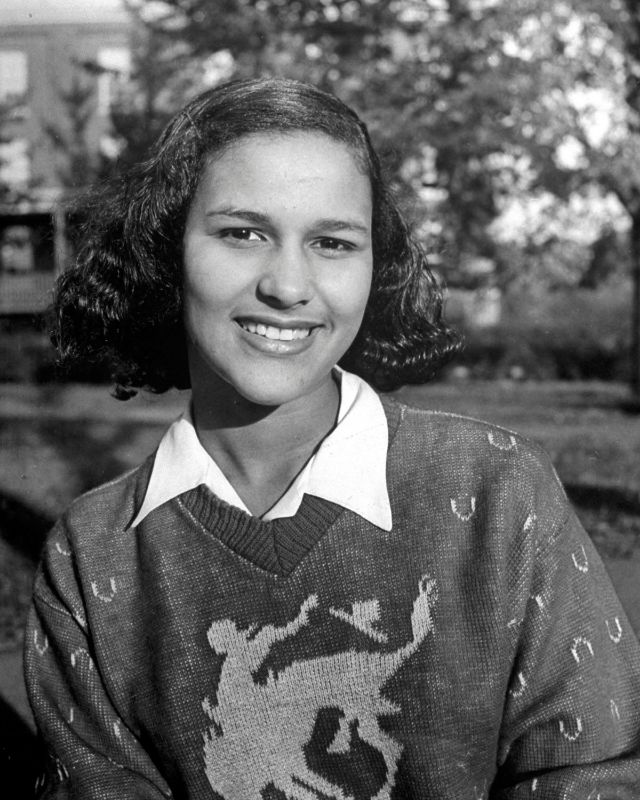
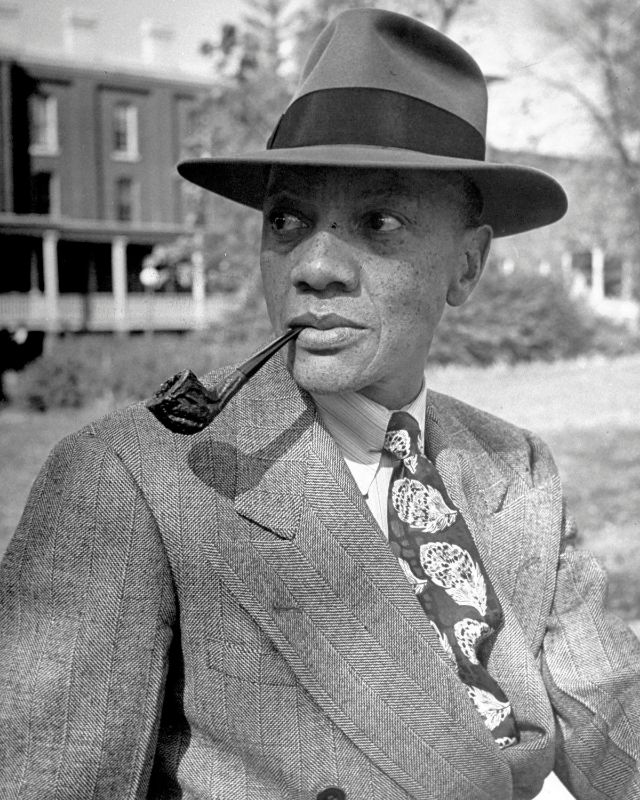
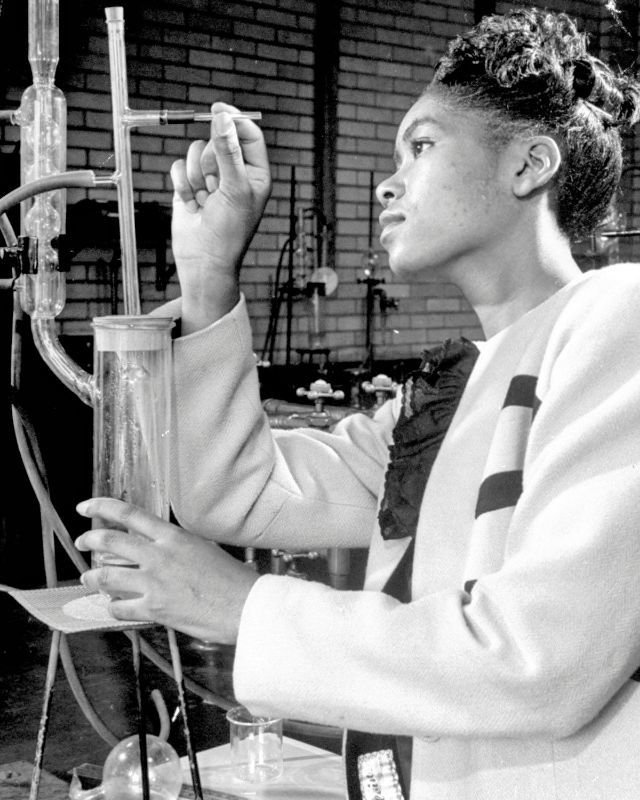
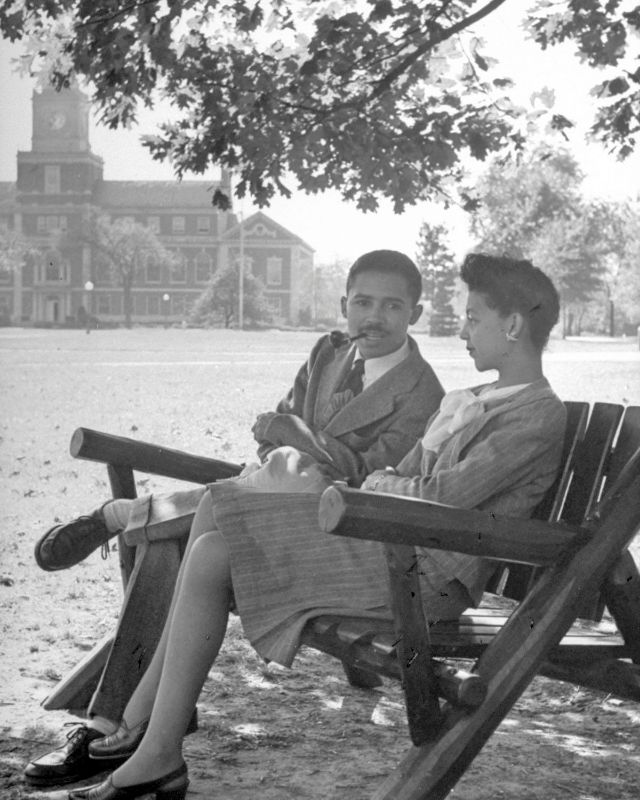
Portraits of Students and Teachers at Howard University in 1946

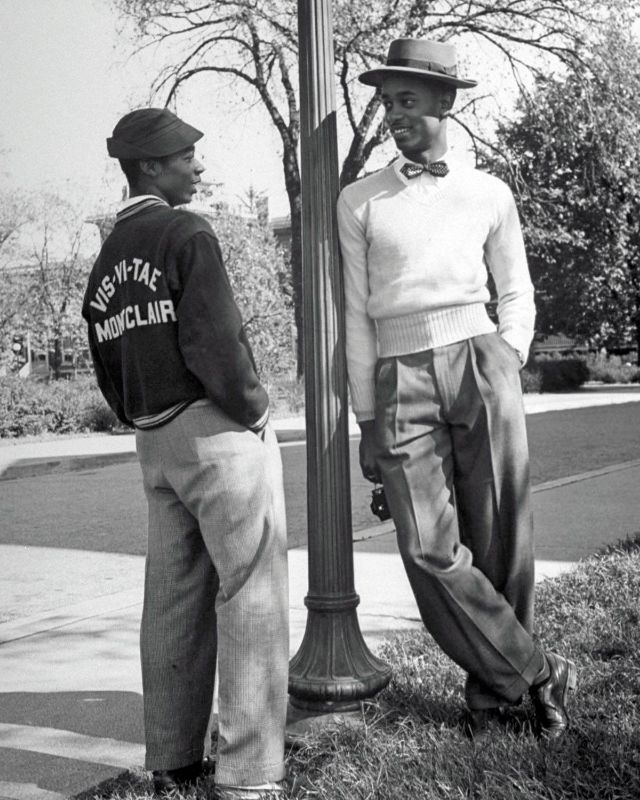
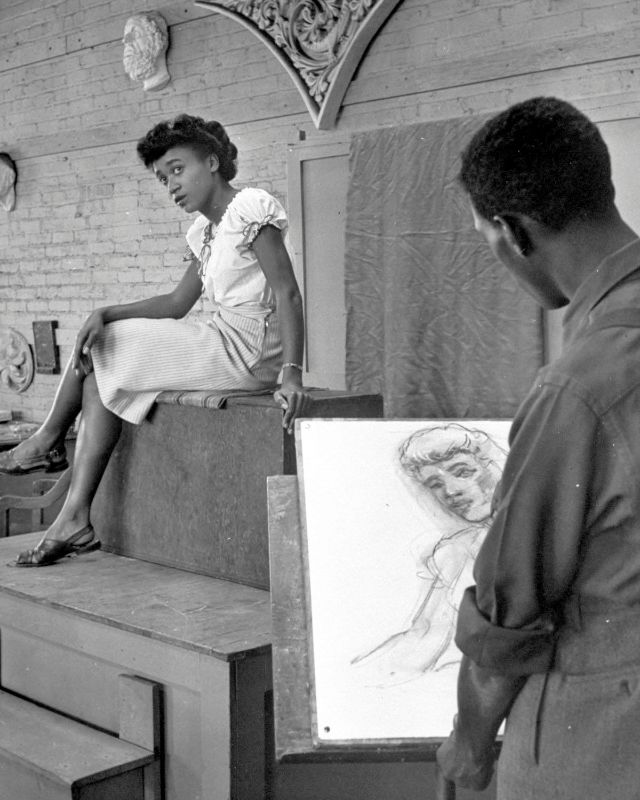
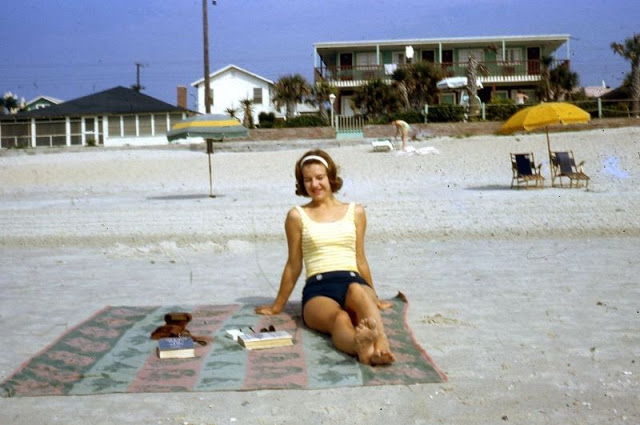
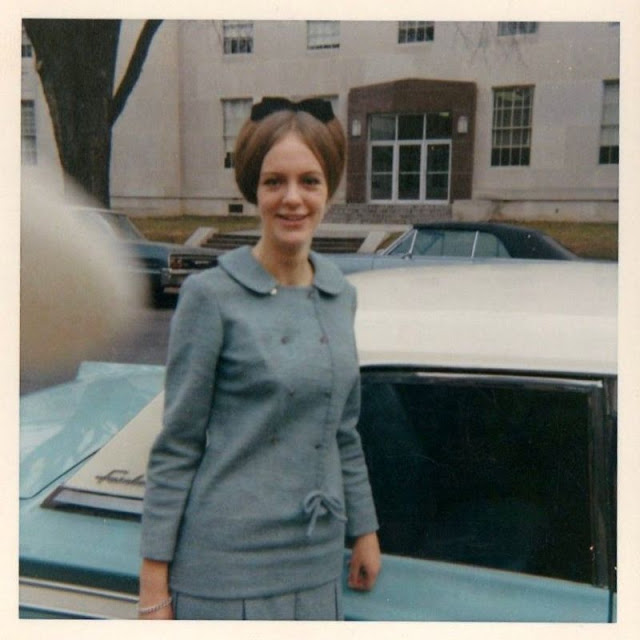
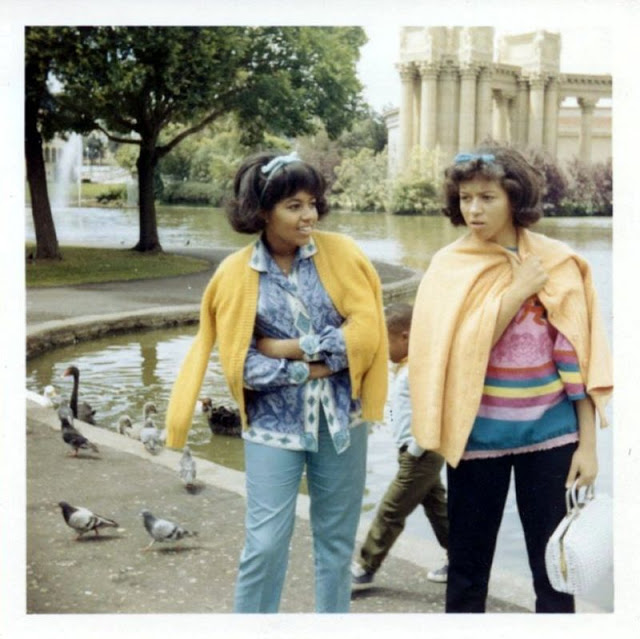
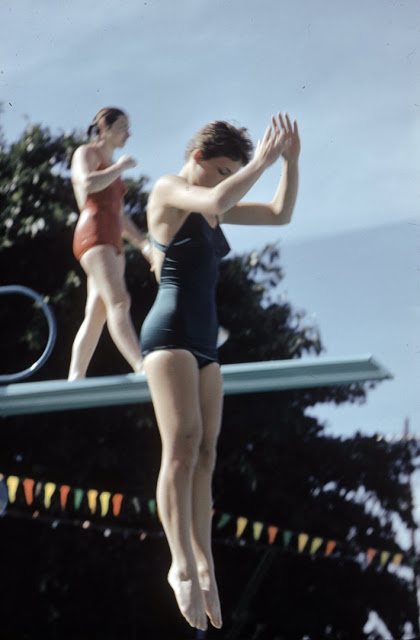
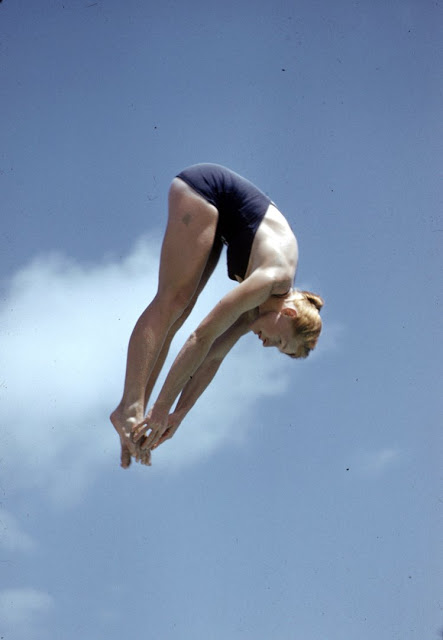
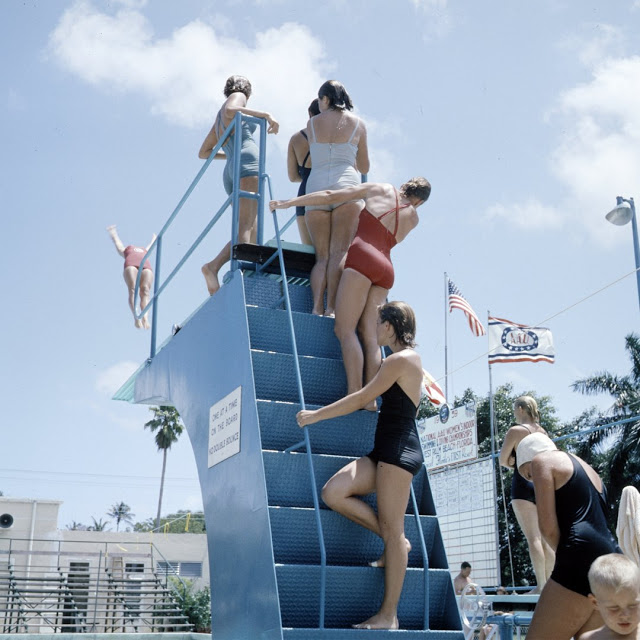
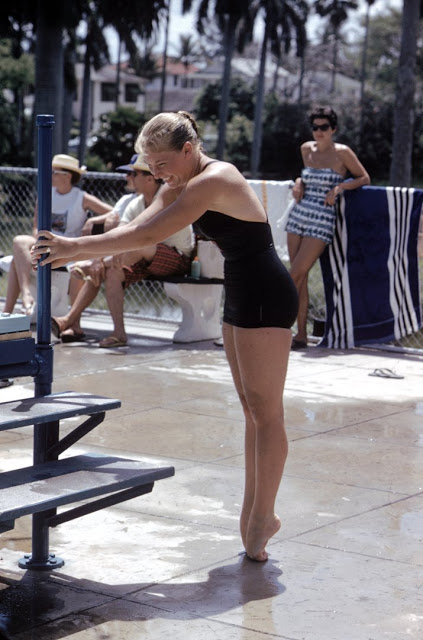
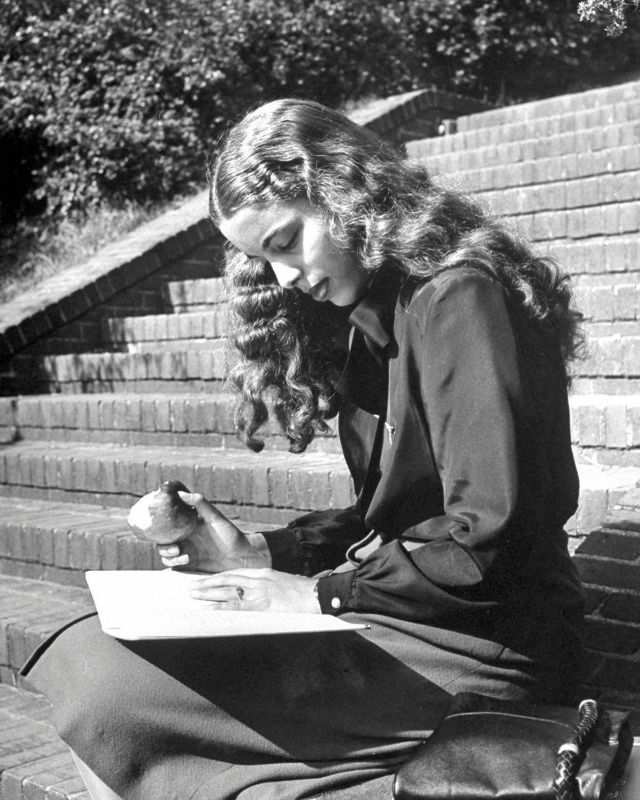
These pictures of students and teachers at Howard University in Washington, D.C. were taken for LIFE magazine by Alfred Eisenstaedt in 1946.

Two years before Eisenstaedt took the pictures, the university’s administration had asked its students to cease a campaign of protests and sit-ins against Washington diners and stores that refused to serve them.

Howard University (Howard or simply HU) is a private federally chartered historically black research university in Washington, D.C. It is classified among “R2: Doctoral Universities – High research activity” and accredited by the Middle States Commission on Higher Education.

Tracing its history to 1867, from its outset Howard has been nonsectarian and open to people of all sexes and races. It offers undergraduate, graduate and professional degrees in more than 120 programs, more than any other historically black college and university (HBCU) in the nation.

19th century
Shortly after the end of the American Civil War, members of the First Congregational Society of Washington considered establishing a theological seminary for the education of black clergymen. Within a few weeks, the project expanded to include a provision for establishing a university. Within two years, the university consisted of the colleges of liberal arts and medicine. The new institution was named for General Oliver Otis Howard, a Civil War hero who was both the founder of the university and, at the time, commissioner of the Freedmen’s Bureau. Howard later served as president of the university from 1869 to 1874.

The U.S. Congress chartered Howard on March 2, 1867 and much of its early funding came from endowment, private benefaction and tuition. (In the 20th and 21st centuries, an annual congressional appropriation, administered by the U.S. Department of Education, funds Howard University and Howard University Hospital). In its first five years of operation, Howard University educated over 150,000 freed slaves.

Many improvements were made on campus. Howard Hall was renovated and made a dormitory for women.

20th century
In 1912, during his historic journey to the west, Bahá’í Faith leader ‘Abdu’l‑Bahá addressed an integrated gathering in Rankin Chapel at Howard University in which he declared the oneness of all people, the elimitation of racial prejudice and segregation and the urgent need for race amity.

From 1926 to 1960, Dr. Mordecai Wyatt Johnson, Sr., was Howard University’s first African-American president.

The Great Depression years of the 1930s brought hardship to campus. Despite appeals from Eleanor Roosevelt, Howard saw its budget cut below Hoover administration levels during the presidency of Franklin D. Roosevelt.

In the 1930s, Howard University still had segregated student housing.

Howard University played an important role in the Civil Rights Movement on a number of occasions. The Bahá’í and philosopher Alain Locke, chair of the Department of Philosophy and first African American Rhodes Scholar, authored The New Negro, which helped to usher in the Harlem Renaissance. Ralph Bunche, the first Nobel Peace Prize winner of African descent, served as chair of the Department of Political Science. Beginning in 1942, Howard University students pioneered the “stool-sitting” technique of occupying stools at a local cafeteria which denied service to African Americans, blocking other customers waiting for service. This tactic was to play a prominent role in the later Civil Rights Movement. By January 1943, students had begun to organize regular sit-ins and pickets around Washington, D.C. at cigar stores and cafeterias which refused to serve them because of their race. These protests continued until the fall of 1944.

Stokely Carmichael, also known as Kwame Toure, a student in the Department of Philosophy and the Howard University School of Divinity, coined the term “Black Power” and worked in Lowndes County, Alabama as a voting rights activist. Historian Rayford Logan served as chair of the Department of History. E. Franklin Frazier served as chair of the Department of Sociology. Sterling Allen Brown served as chair of the Department of English.

Presidents of Howard University
1867 Charles B. Boynton
1867–1869 Byron Sunderland
1869–1874 Oliver Otis Howard
1875–1876 Edward P. Smith
1877–1889 William W. Patton
1890–1903 Jeremiah Rankin
1903–1906 John Gordon
1906–1912 Wilbur P. Thirkield
1912–1918 Stephen M. Newman
1918–1926 J. Stanley Durkee
1926–1960 Mordecai Wyatt Johnson
1960–1969 James Nabrit Jr.
1969–1989 James E. Cheek
1990–1994 Franklyn Jenifer
1995–2008 H. Patrick Swygert
2008–2013 Sidney A. Ribeau
2013–present Wayne A. I. Frederick
The first sitting president to speak at Howard was Calvin Coolidge in 1924. His graduation speech was entitled, “The Progress of a People”, and highlighted the accomplishments to date of African-Americans since the Civil War. His concluding thought was, “We can not go out from this place and occasion without refreshment of faith and renewal of confidence that in every exigency our Negro fellow citizens will render the best and fullest measure of service whereof they are capable.”

The Lower Quadrangle behind Founders Library; also known as “The Valley”
In 1965, President Lyndon B. Johnson delivered a speech to the graduating class at Howard, where he outlined his plans for civil rights legislation and endorsed aggressive affirmative action to combat the effects of years of segregation of blacks from the nation’s economic opportunities. At the time, the voting rights bill was still pending in the House of Representatives.

In 1975 the historic Freedman’s Hospital closed after 112 years of use as Howard University College of Medicine’s primary teaching hospital. Howard University Hospital opened that same year and continues to be used as HUCM’s primary teaching hospital, with service to the surrounding community.

Also in 1975, Jeanne Sinkford became the first female dean of any American dental school when she was appointed as the dean of Howard University’s school of dentistry.

In 1989, Howard gained national attention when students rose up in protest against the appointment of then-Republican National Committee Chairman Lee Atwater as a new member of the university’s board of trustees. Student activists disrupted Howard’s 122nd-anniversary celebrations, and eventually occupied the university’s administration building.[28] Within days, both Atwater and Howard’s President, James E. Cheek, resigned.

21st century
In April 2007, the head of the faculty senate called for the ouster of Howard University President H. Patrick Swygert, saying the school was in a state of crisis, and it was time to end “an intolerable condition of incompetence and dysfunction at the highest level.” This came on the heels of several criticisms of Howard University and its management. The following month, Swygert announced he would retire in June 2008. The university announced in May 2008 that Sidney Ribeau of Bowling Green State University would succeed Swygert as president. Ribeau appointed a Presidential Commission on Academic Renewal to conduct a year-long self-evaluation that resulted in reducing or closing 20 out of 171 academic programs. For example, they proposed closing the undergraduate philosophy major and African studies major.

Six years later, in 2013, university insiders again alleged the university was in crisis. In April, the vice chairwoman of the university’s board of trustees wrote a letter to her colleagues harshly criticizing the university’s president and calling for a vote of no confidence; her letter was subsequently obtained by the media where it drew national headline. Two months later, the university’s Council of Deans alleged “fiscal mismanagement is doing irreparable harm,” blaming the university’s senior vice president for administration, chief financial officer and treasurer and asking for his dismissal. In October, the faculty voted no confidence in the university’s board of trustees executive committee, two weeks after university president Sidney A. Ribeau announced he would retire at the end of the year. On October 1, the Board of Trustees named Wayne A. I. Frederick Interim President. In July 2014 Howard’s Board of Trustees named Frederick as the school’s 17th president.

In May 2016, President Barack Obama delivered a commencement address at Howard University encouraging the graduates to become advocates for racial change and to prepare for future challenges.

In 2018, nearly 1,000 students held a sit-in demanding injunction over the administration’s use of funding. After the student protest ended, faculty voted “no confidence” in the university president, chief operating officer, provost, and board of trustees.[40] The nine-day protest ended with university officials promising to meet most of their demands.

In July 2020, philanthropist MacKenzie Scott donated $40 million to Howard. Her single donation is the largest in Howard’s history and one of the largest ever to an HBCU.

In May 2021, the university announced that the newly re-established college of fine arts, led by Dean Phylicia Rashad, will be named the Chadwick A. Boseman College of Fine Arts for the late actor and distinguished alum.

In October 2021, a group of students protested the mold, mice, and substandard conditions in campus residential buildings in the Blackburn Takeover, demanding an improvement in the living situation and representation on the board of trustees. (Wikipedia)

Today, while Howard is open to all students, more than 90% of Howard students are African-American.
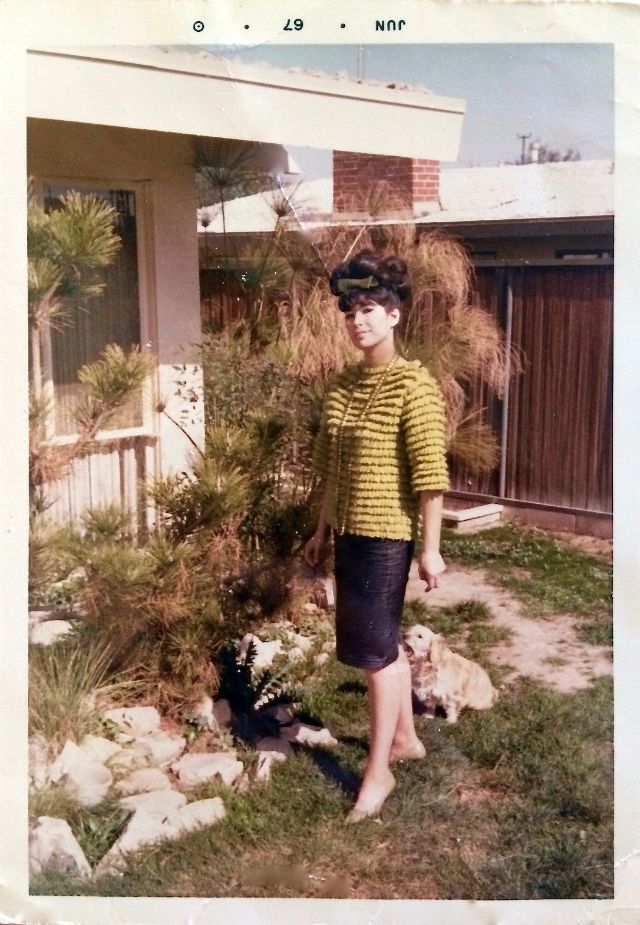
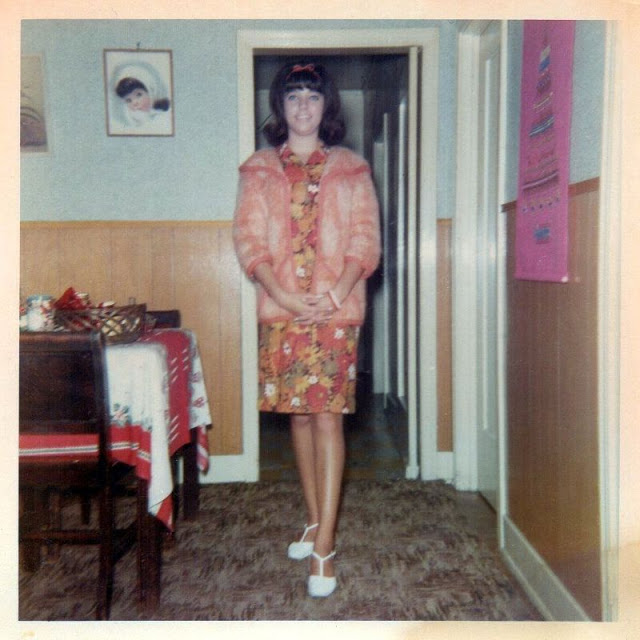
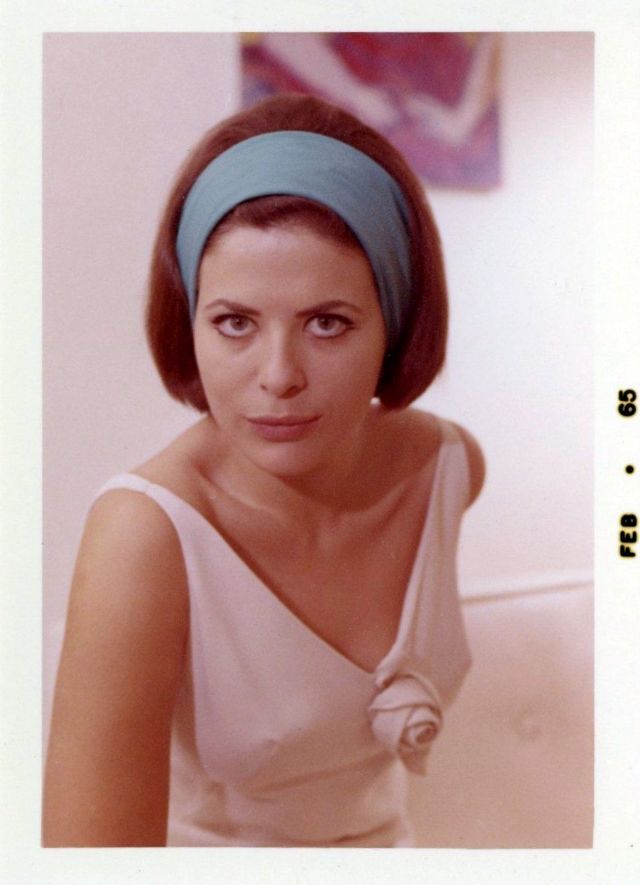
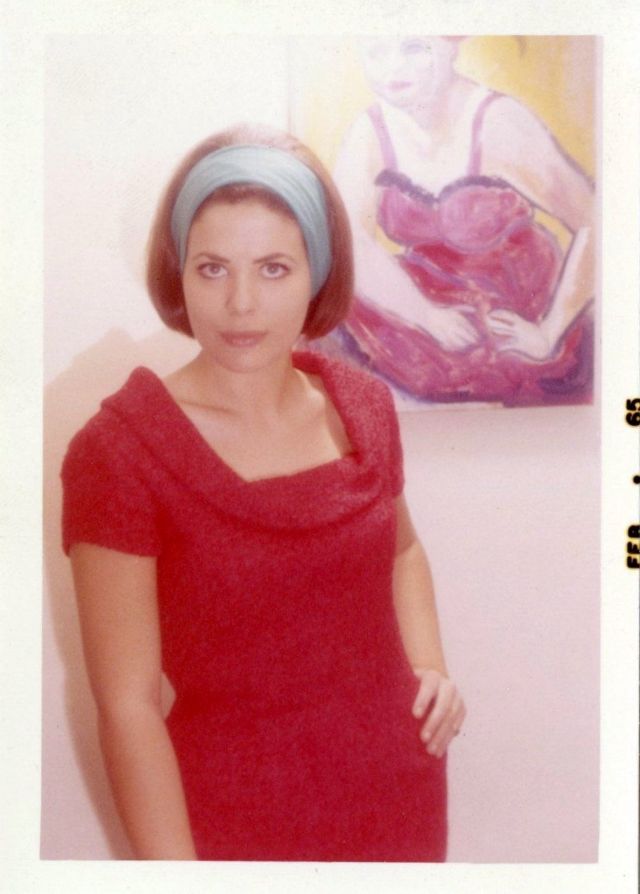
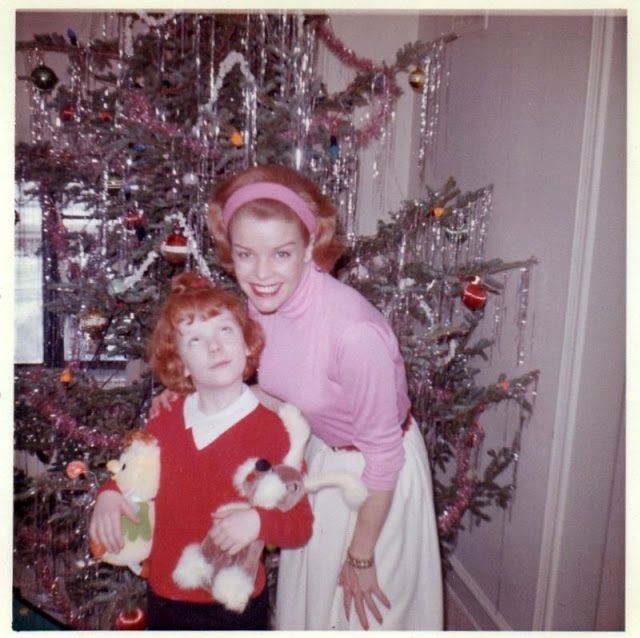
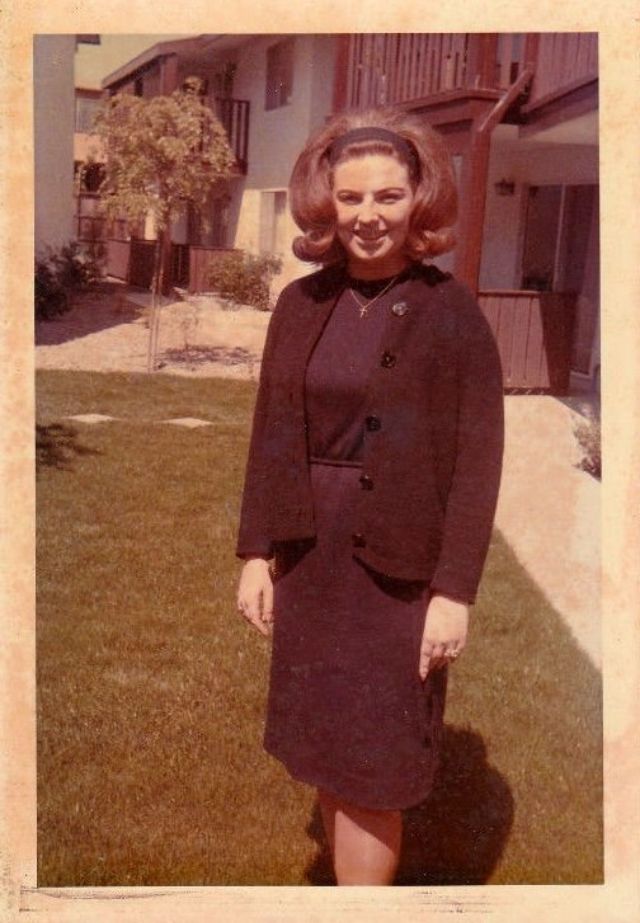
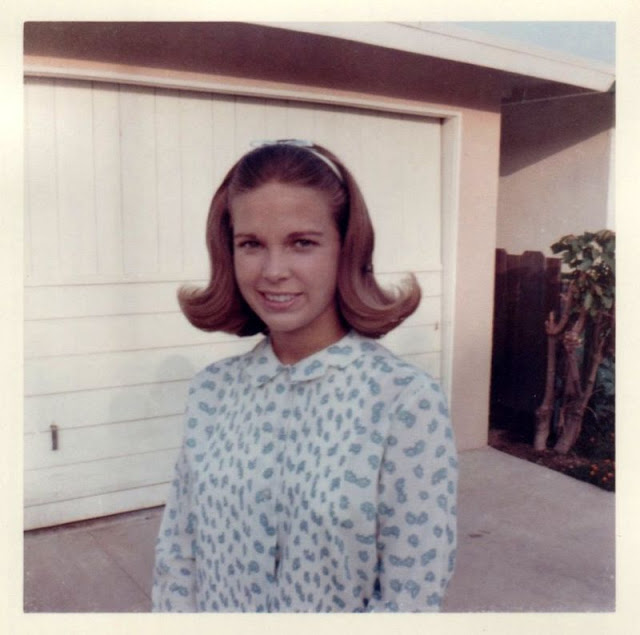
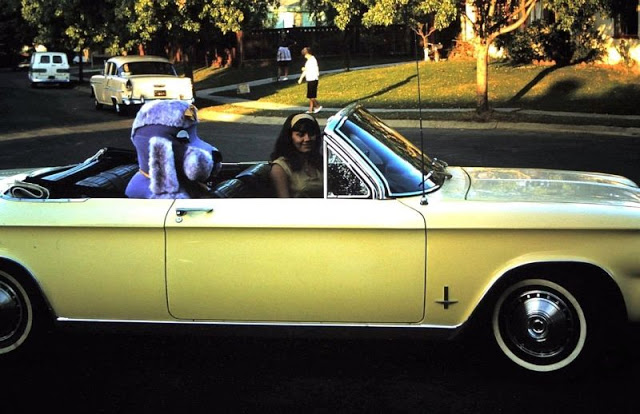
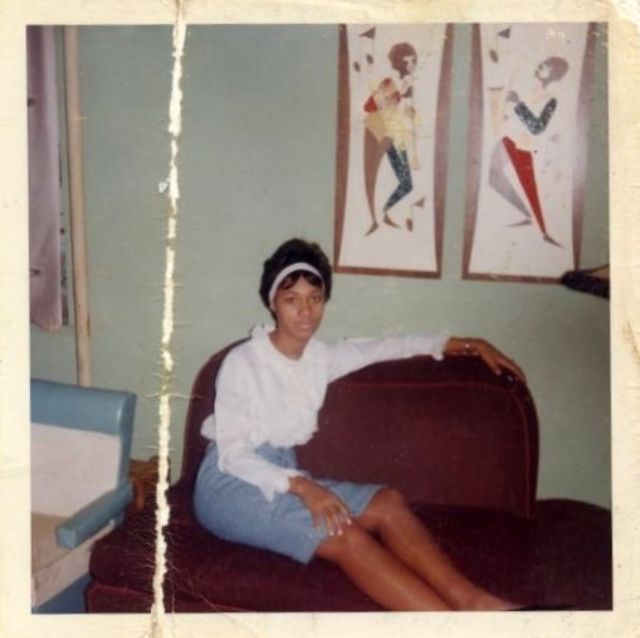
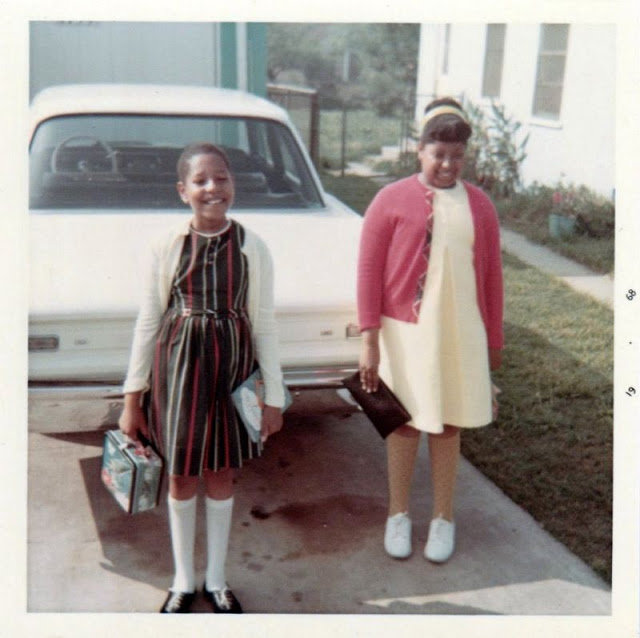
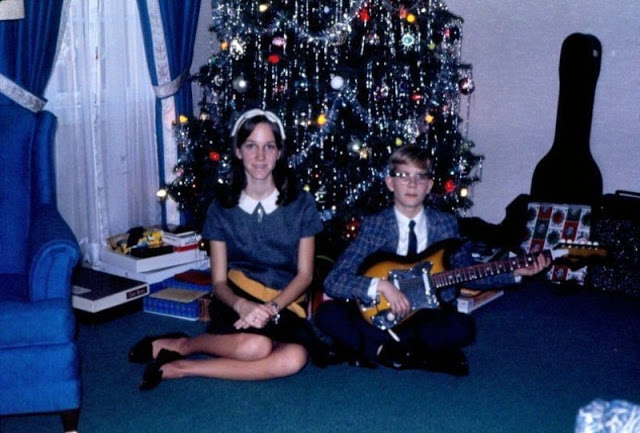
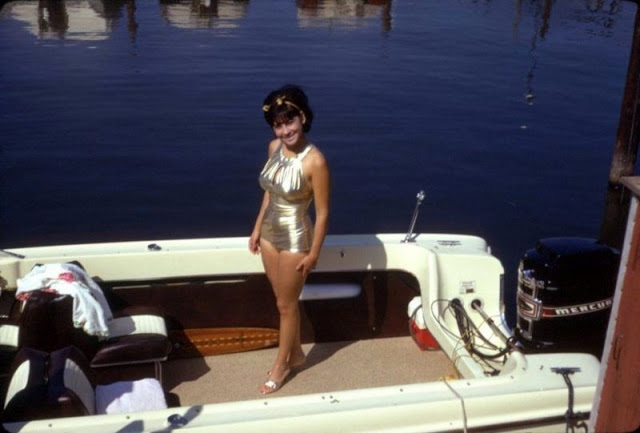
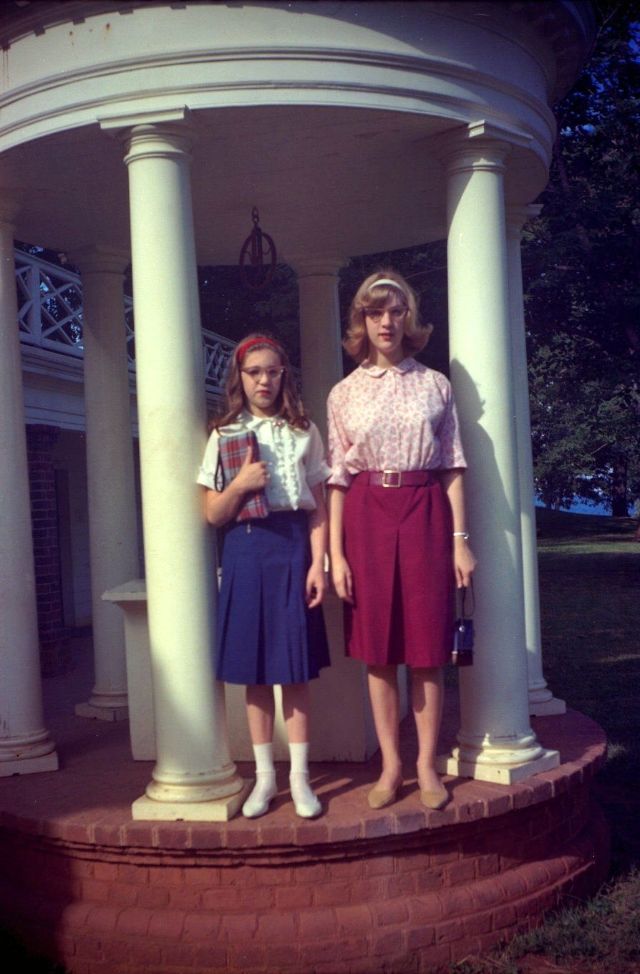
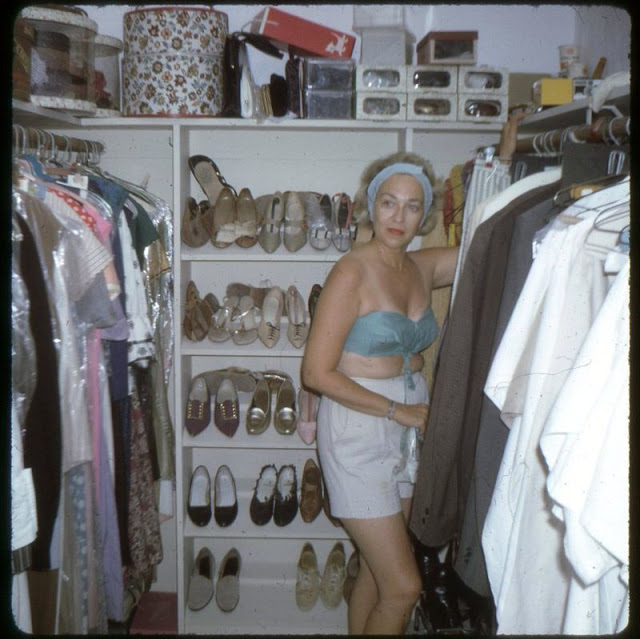
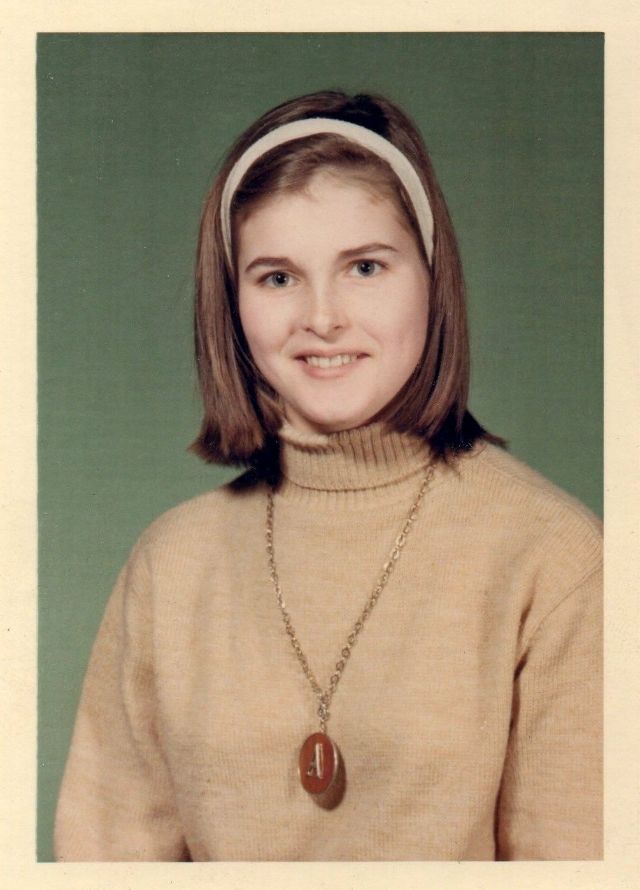
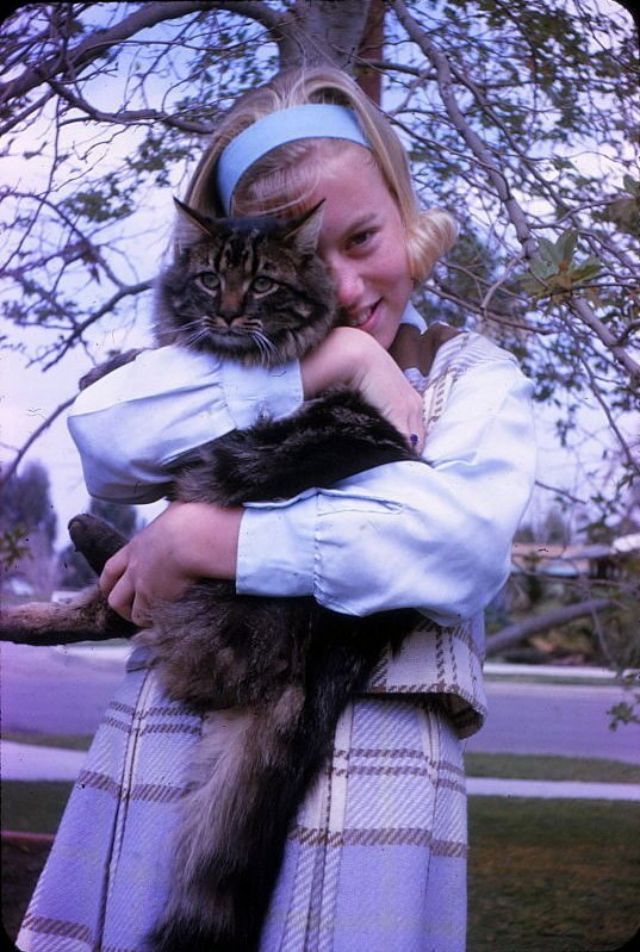
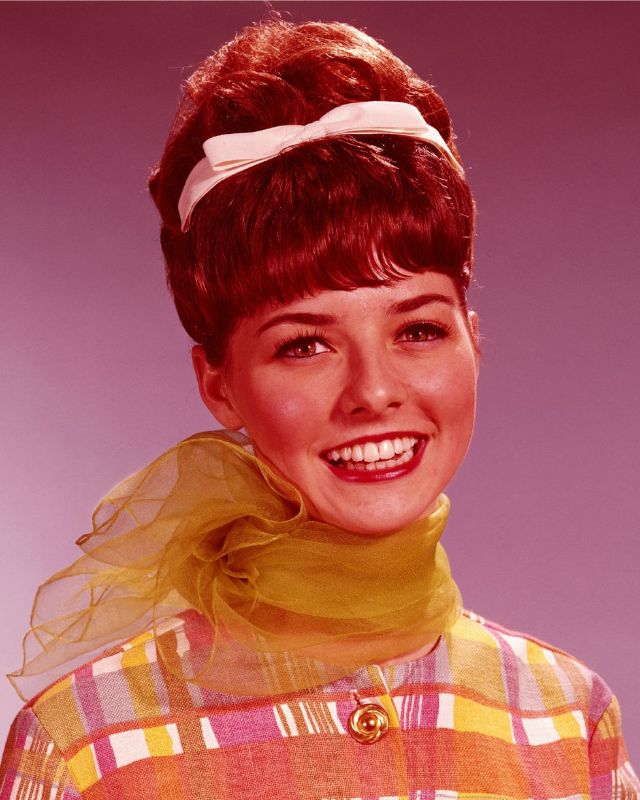
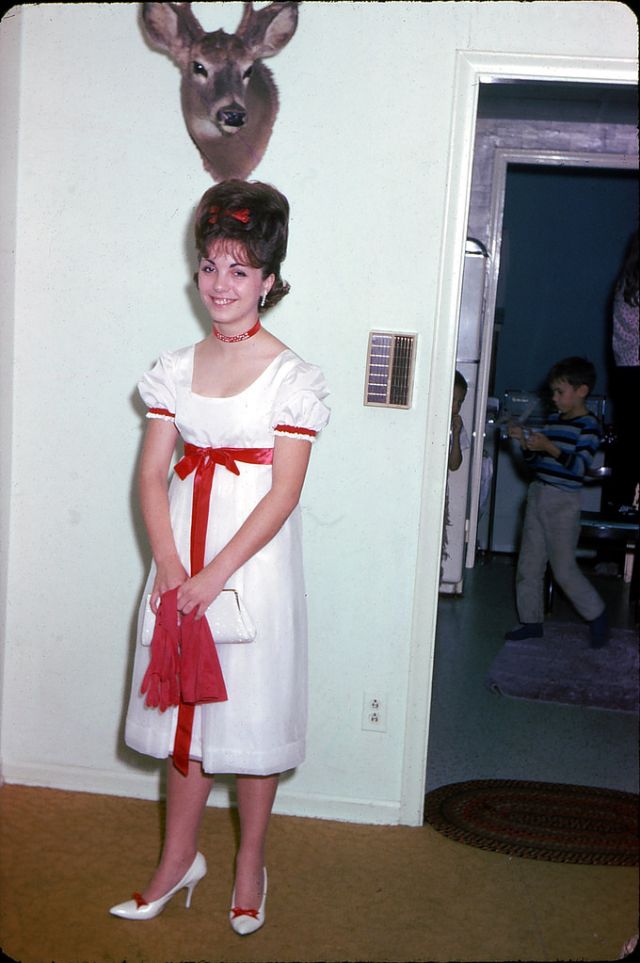
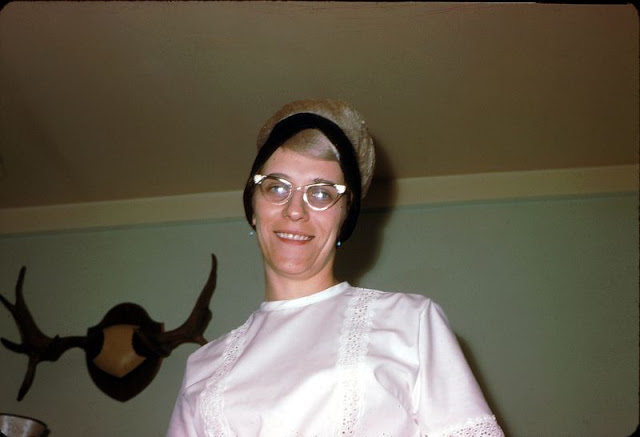
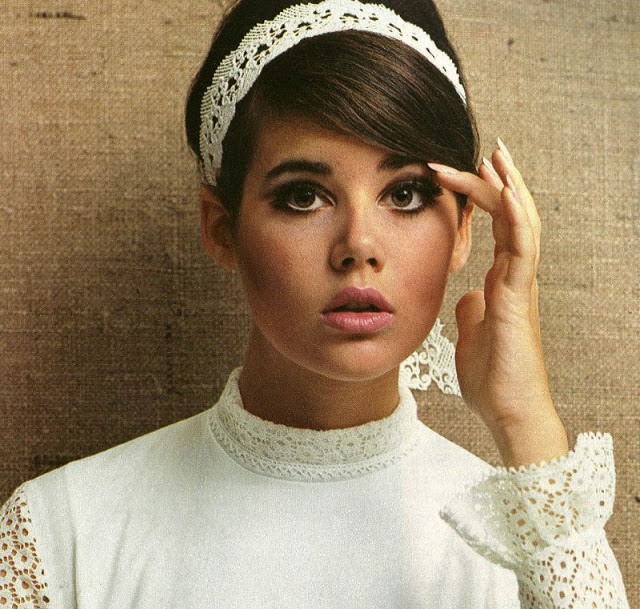
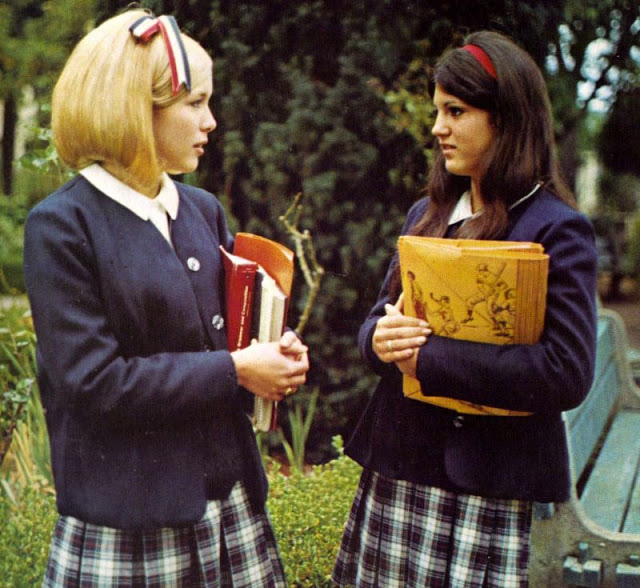
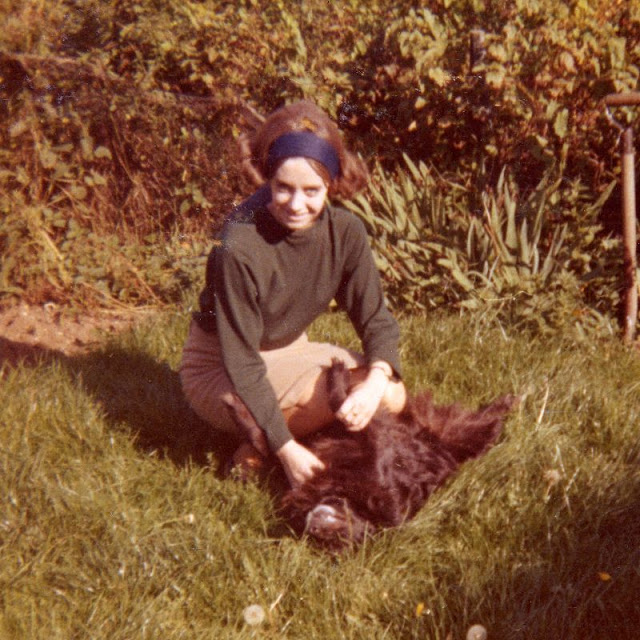
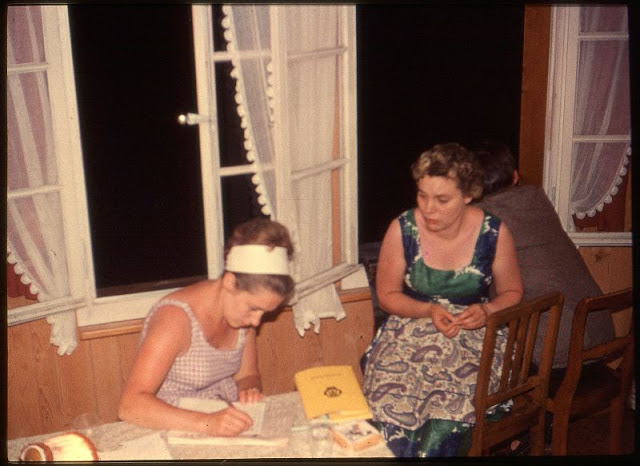
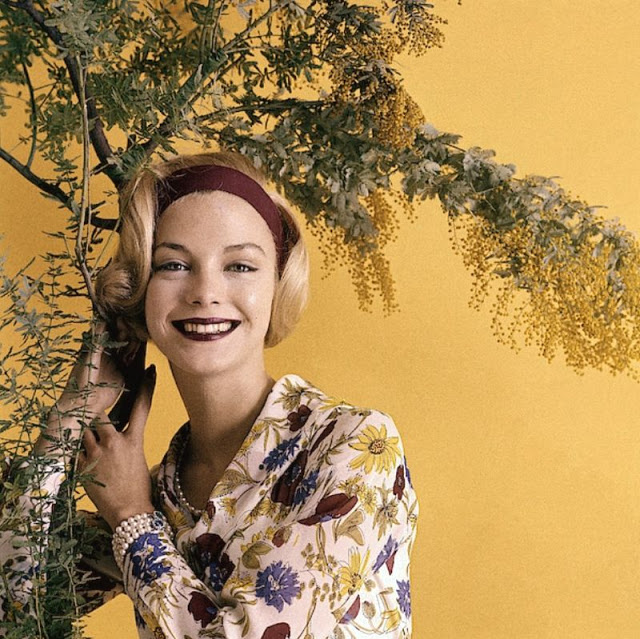
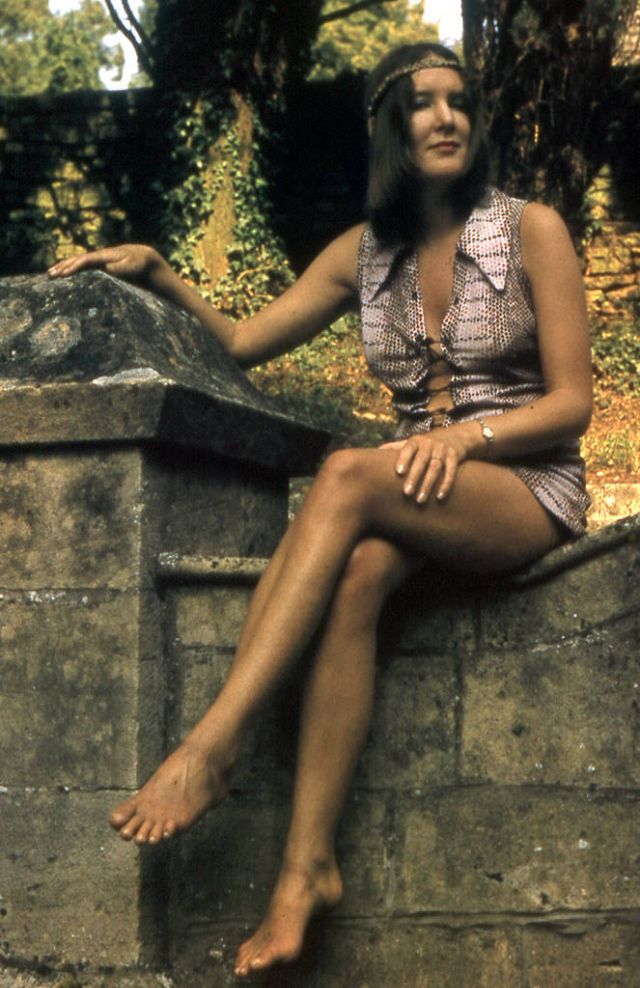
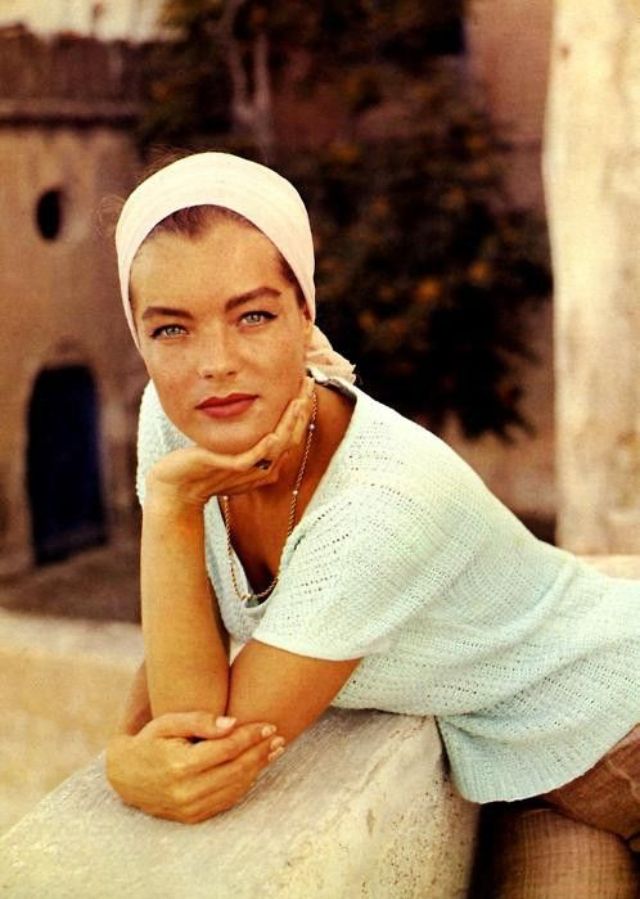
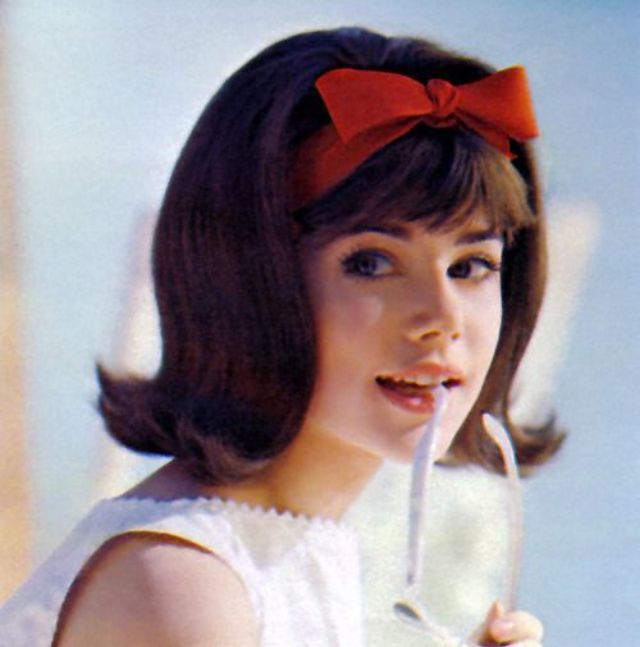
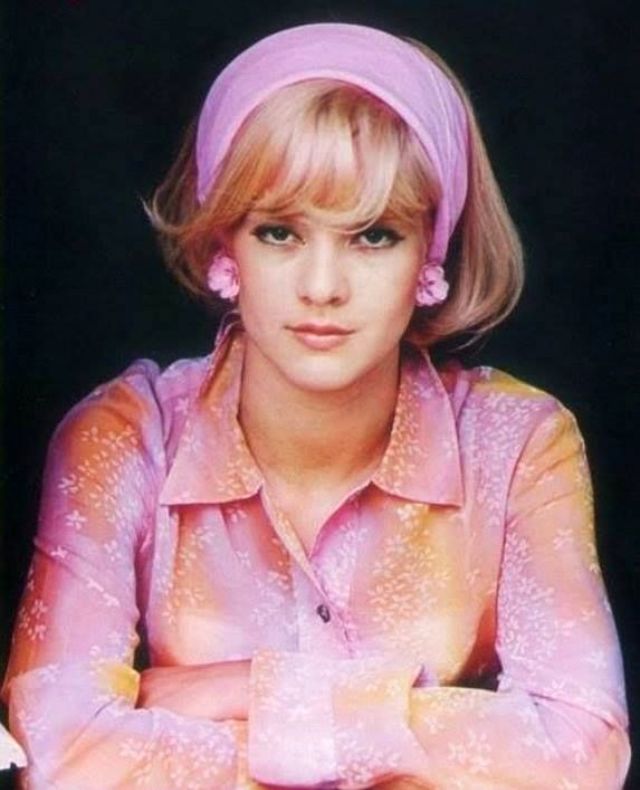
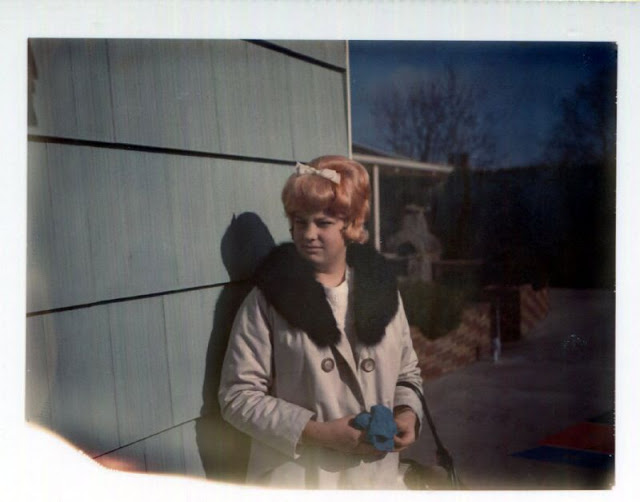
43 Vintage Photos Showing Headband Styles That Women Often Wore in the 1960s

A headband is a clothing accessory worn in the hair or around the forehead, usually to hold hair away from the face or eyes. Headbands generally consist of a loop of elastic material or a horseshoe-shaped piece of flexible plastic or metal. They come in assorted shapes and sizes and are used for both fashion and practical or utilitarian purposes.

During 1960s, many women in Britain and the US wore plastic headbands with the beehive hairstyle, or silk veils when driving. At the same time, working class women wrapped strips of cloth around their hair as protection from the industrial smog and dirty rain. They all later became an indispensable fashion thing for women in this period.

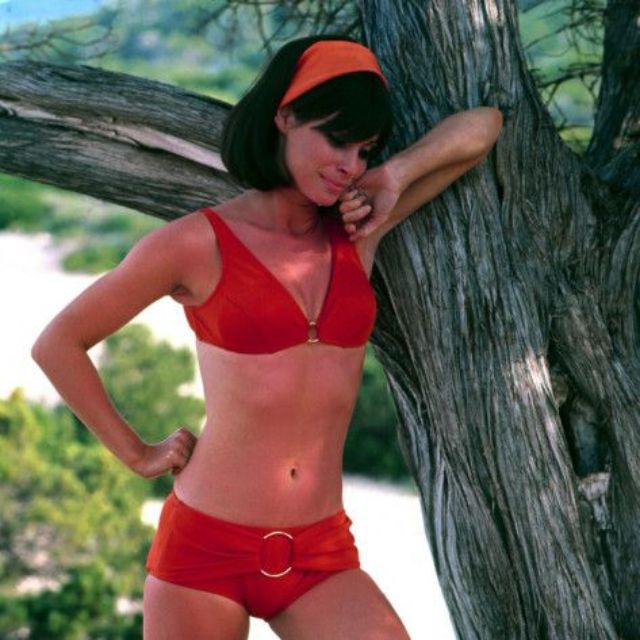
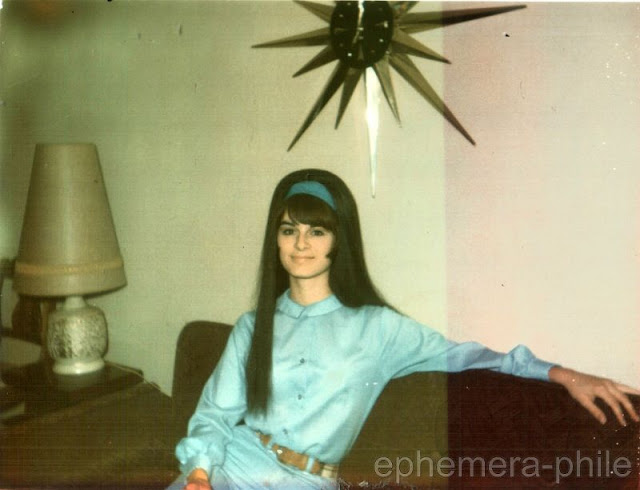
Take a look at these cool pics to see which headband styles that women often wore in the 1960s.

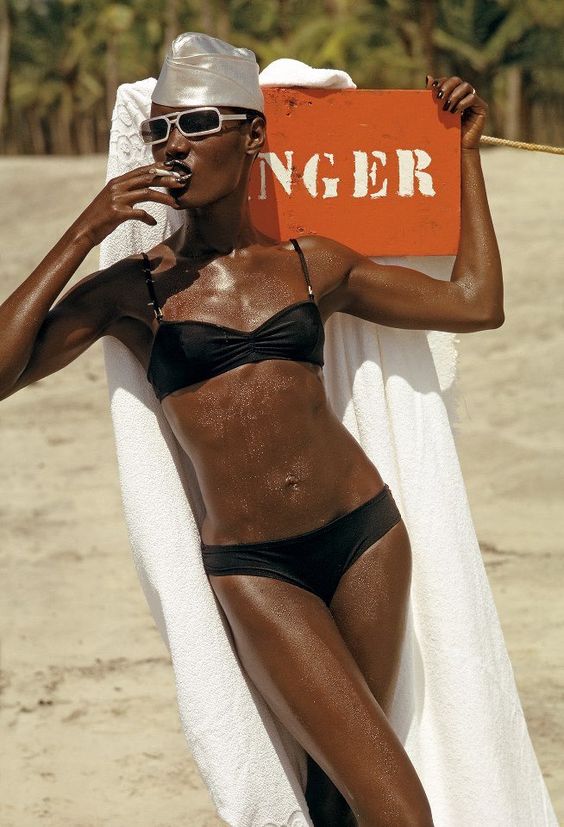
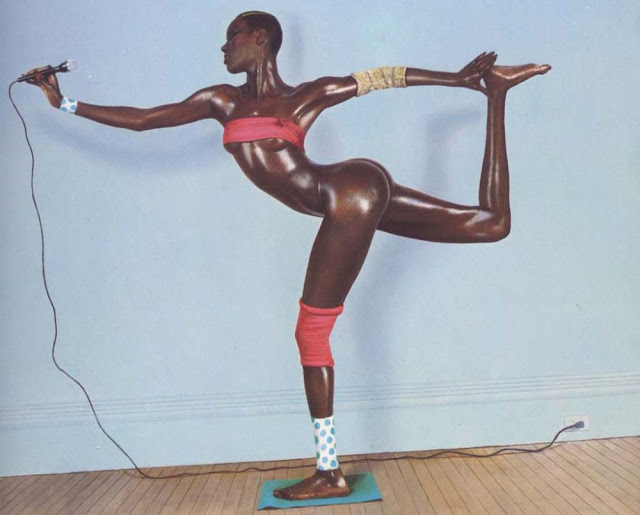
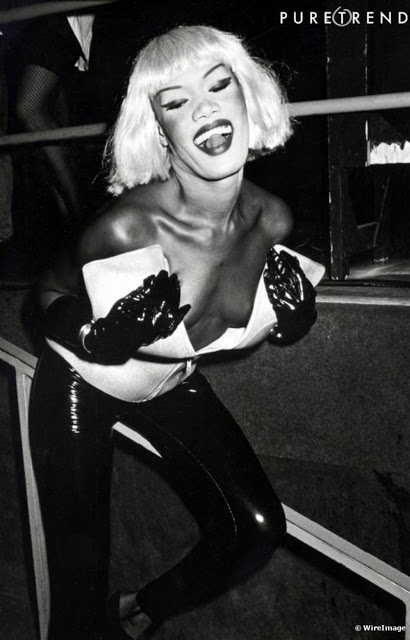
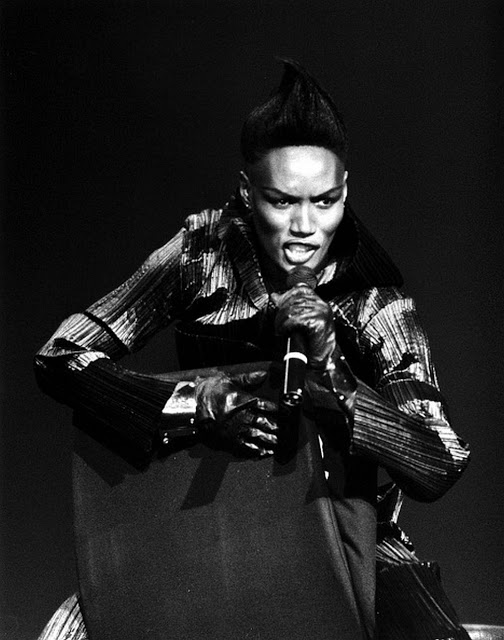
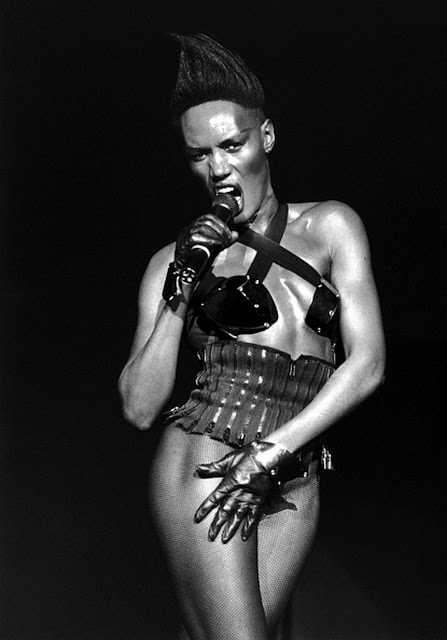
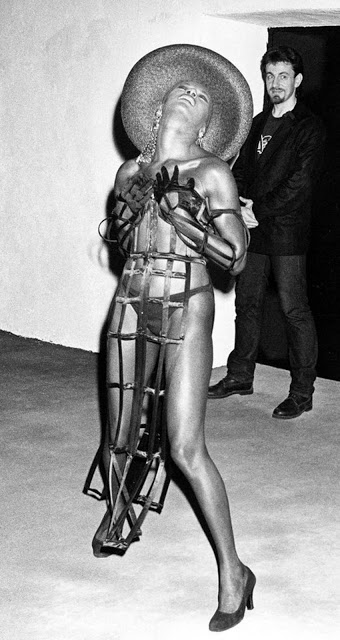
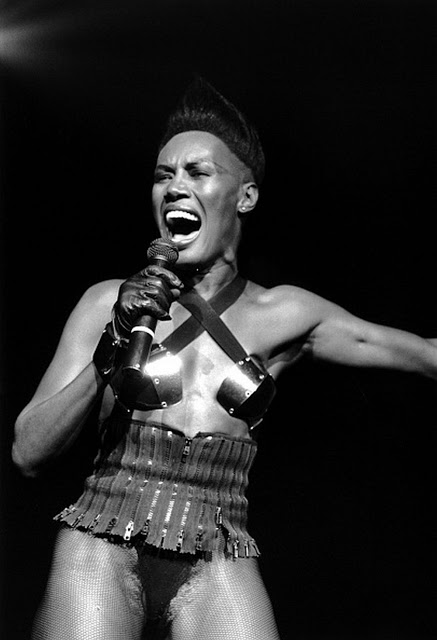
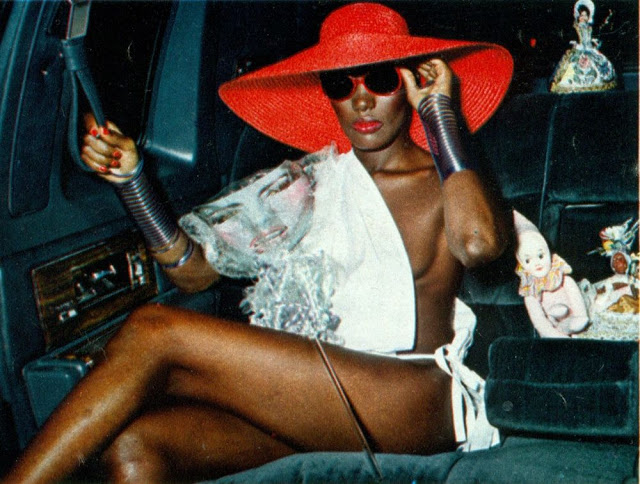
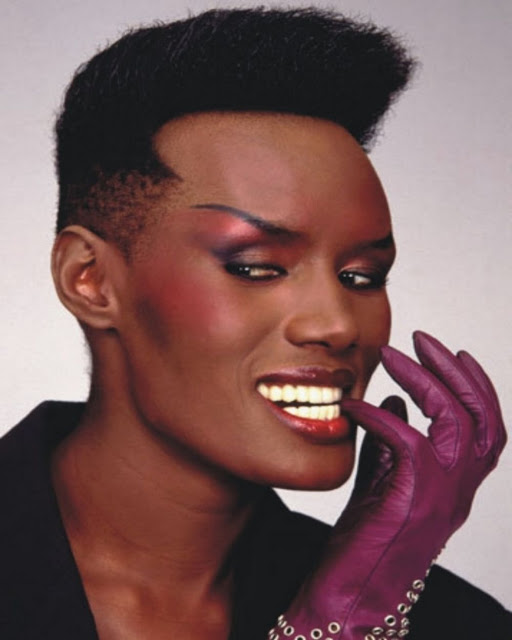
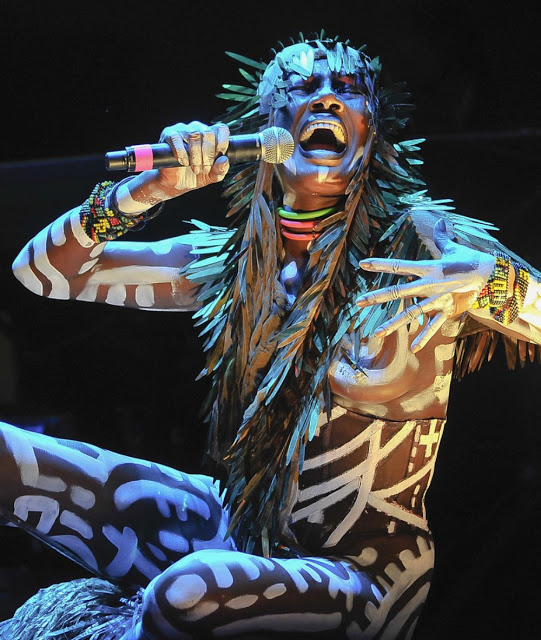
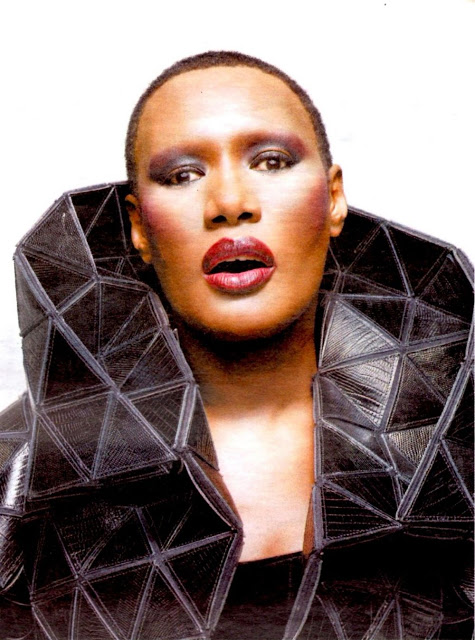
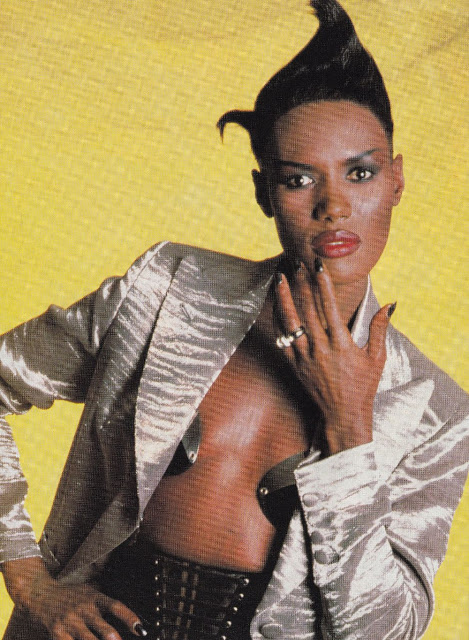
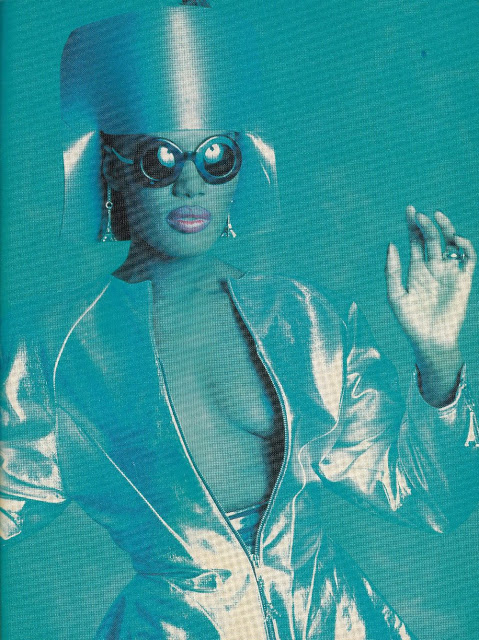
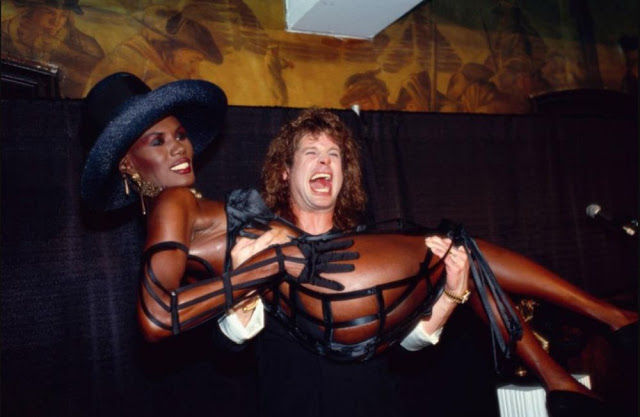
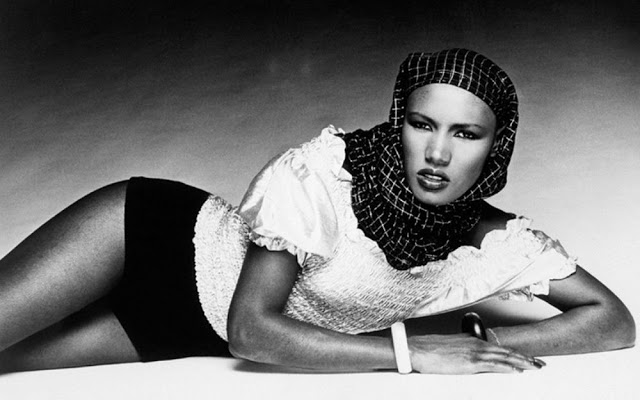
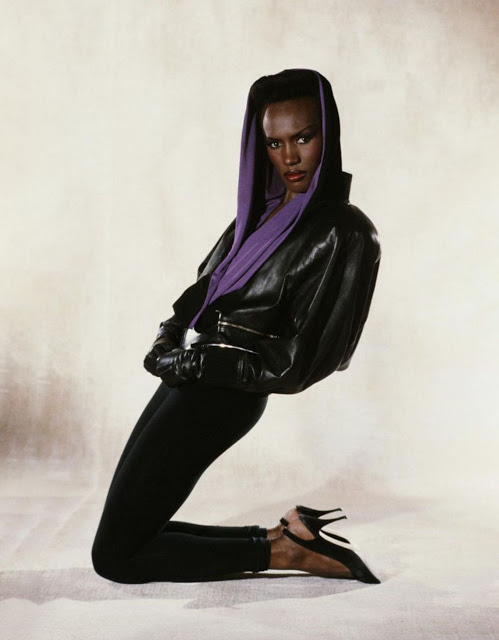
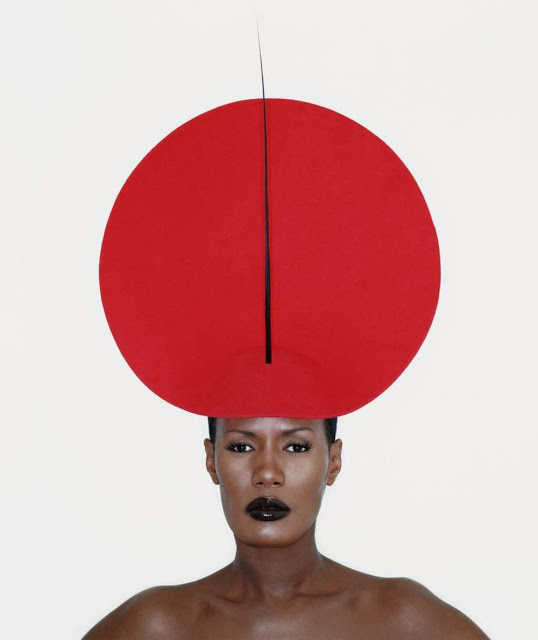
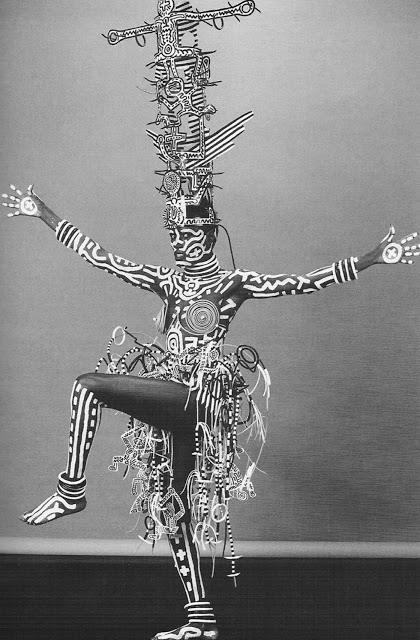
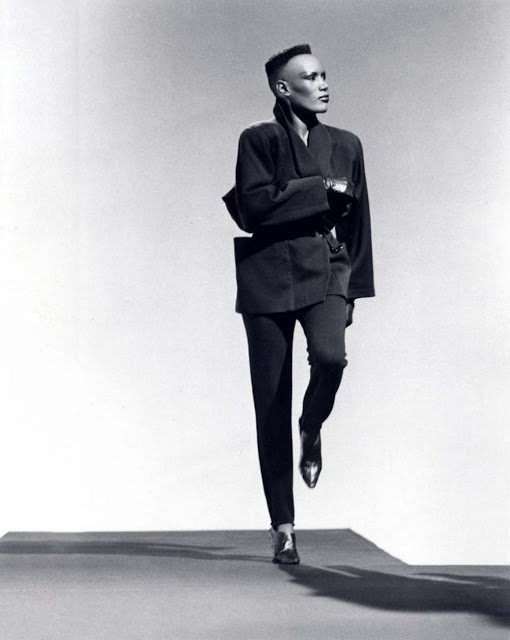
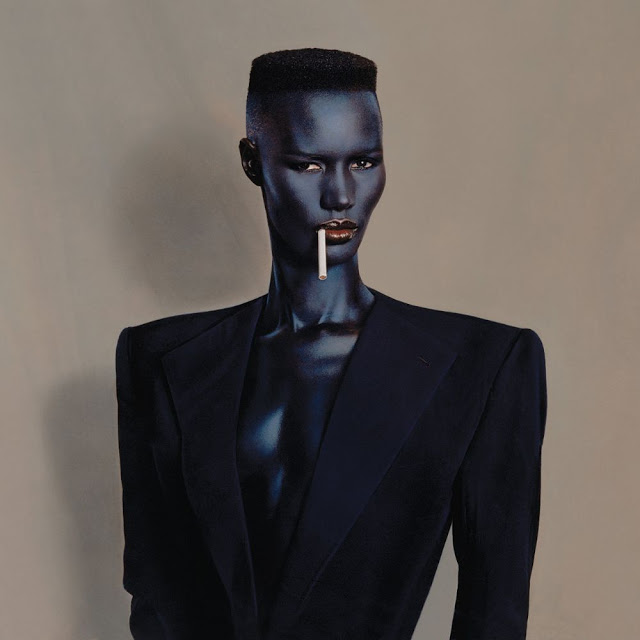
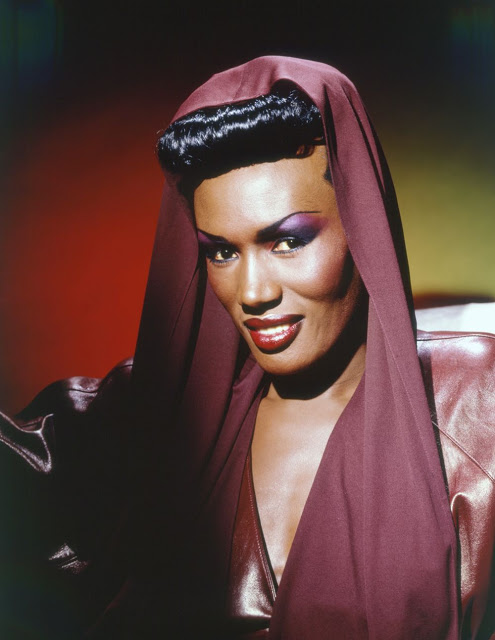
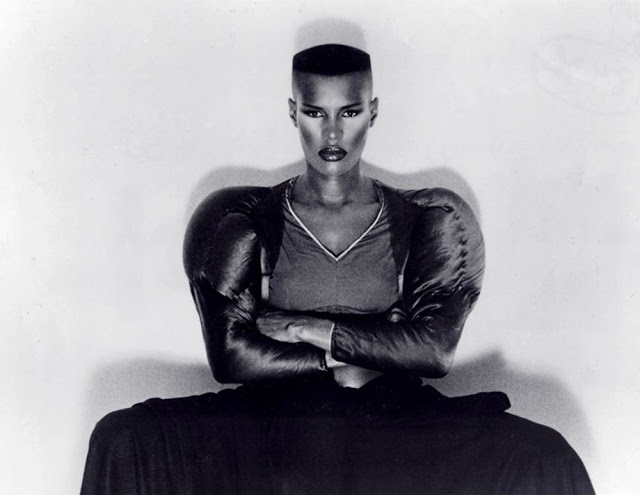
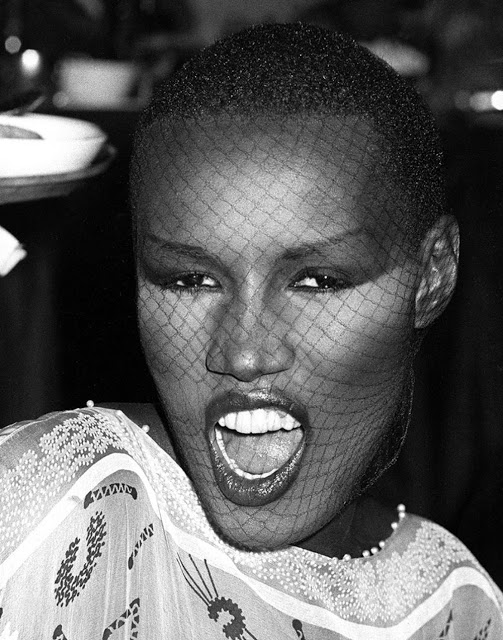
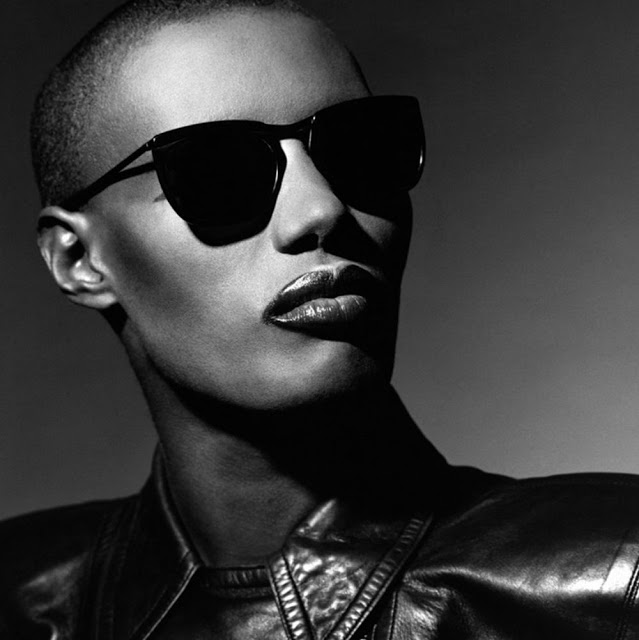
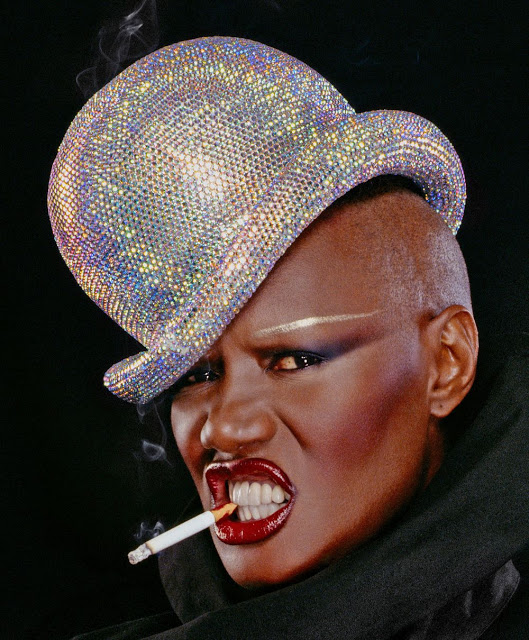
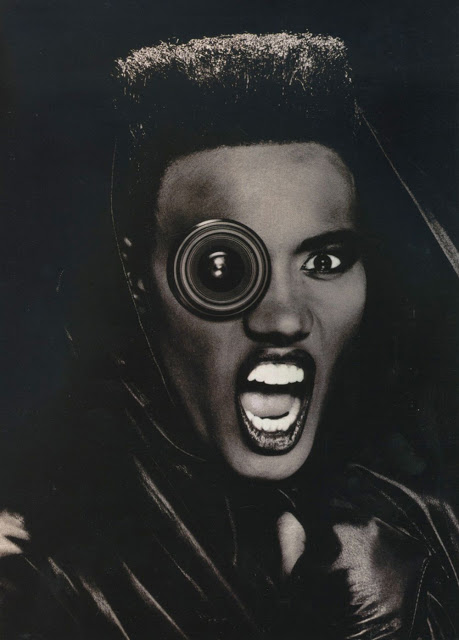
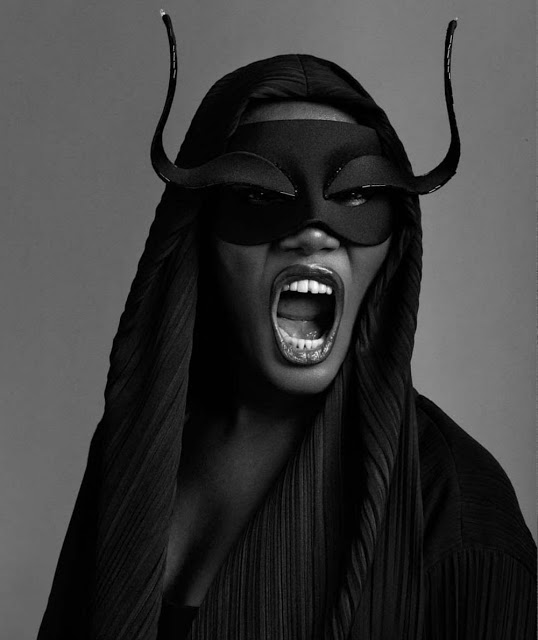
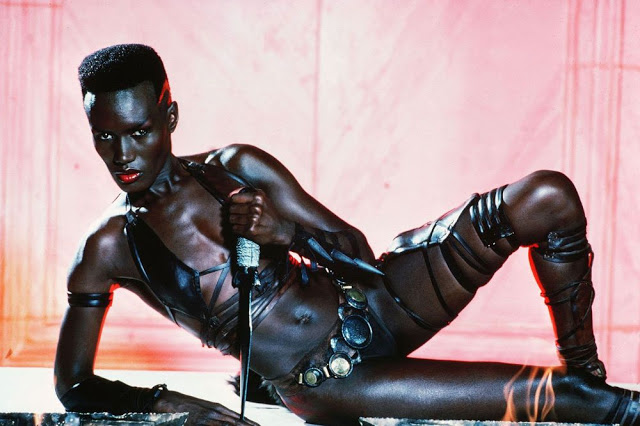
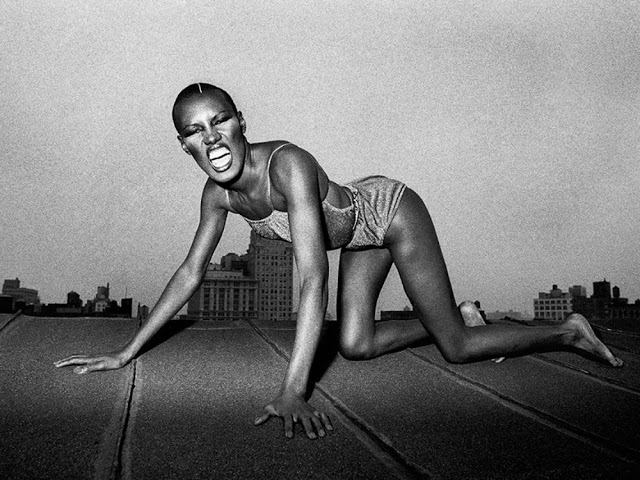
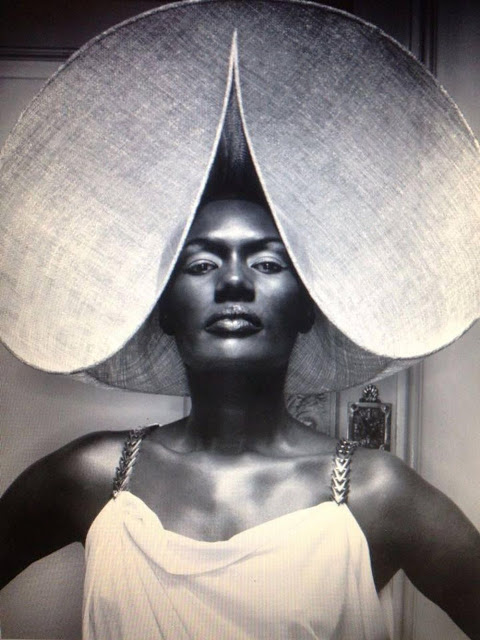
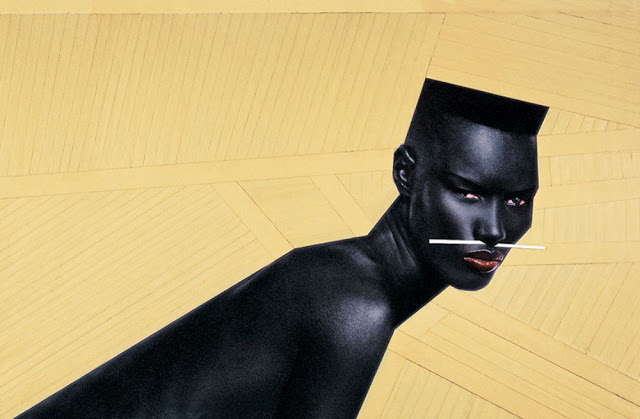
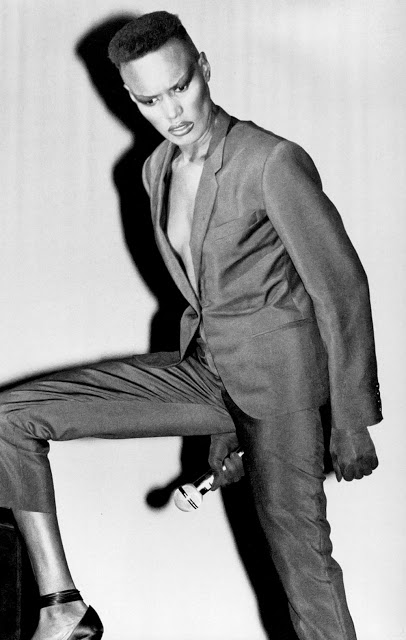
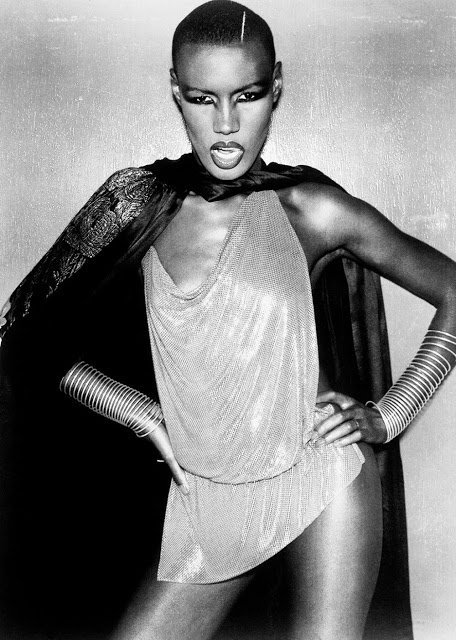
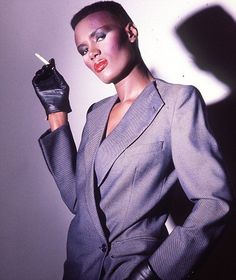
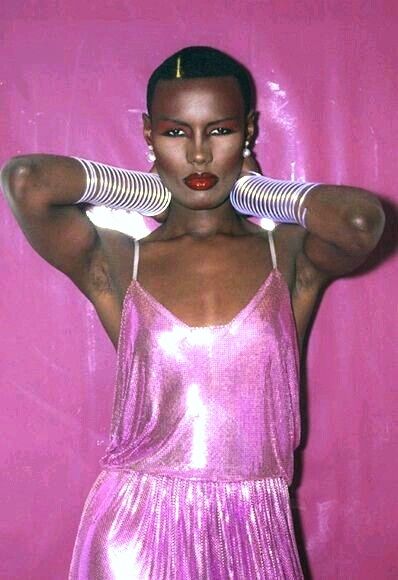
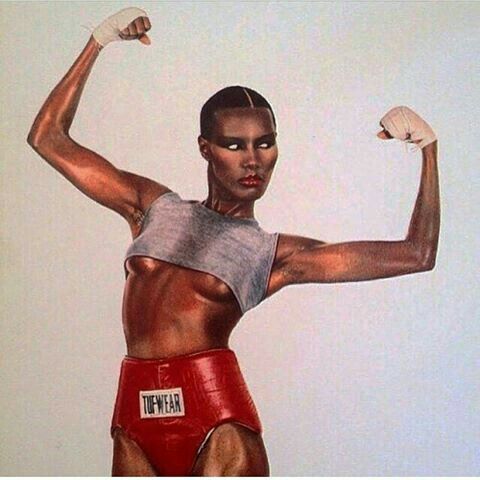
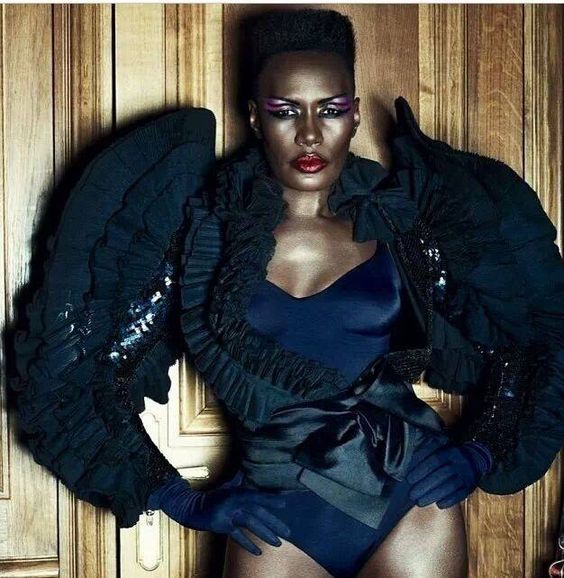
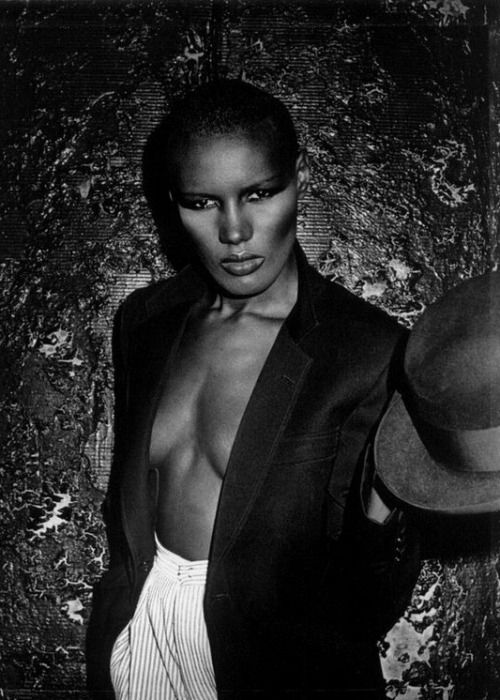
40 Amazing Photographs of Grace Jones in the 1980s

Grace Beverly Jones OJ (born 19 May 1948) is a Jamaican model, singer and actress. In 1999, she ranked 82nd on VH1’s 100 Greatest Women of Rock and Roll, and in 2008, she was honored with a Q Idol Award. Jones influenced the cross-dressing movement of the 1980s and has been an inspiration for artists including Annie Lennox, Lady Gaga, Rihanna, Solange, Lorde, Róisín Murphy, Brazilian Girls, Nile Rodgers, Santigold, and Basement Jaxx. In 2016, Billboard magazine ranked her as the 40th greatest dance club artist of all time.

Born in Jamaica, she and her family moved to Syracuse, New York, when she was 13. Jones began her modelling career in New York state, then in Paris, working for fashion houses such as Yves St. Laurent and Kenzo, and appearing on the covers of Elle and Vogue. She worked with photographers such as Jean-Paul Goude, Helmut Newton, Guy Bourdin, and Hans Feurer, and became known for her distinctive androgynous appearance and bold features.

Beginning in 1977, Jones embarked on a music career, securing a record deal with Island Records and initially becoming a star of New York City’s Studio 54-centered disco scene. In the early 1980s, she moved toward a new wave style that drew on reggae, funk, post-punk, and pop music, frequently collaborating with both the graphic designer Jean-Paul Goude and the musical duo Sly & Robbie. Her most popular albums include Warm Leatherette (1980), Nightclubbing (1981), and Slave to the Rhythm (1985). She scored Top 40 entries on the UK Singles Chart with “Pull Up to the Bumper”, “I’ve Seen That Face Before”, “Private Life”, and “Slave to the Rhythm”. In 1982, she released the music video collection A One Man Show, directed by Goude.

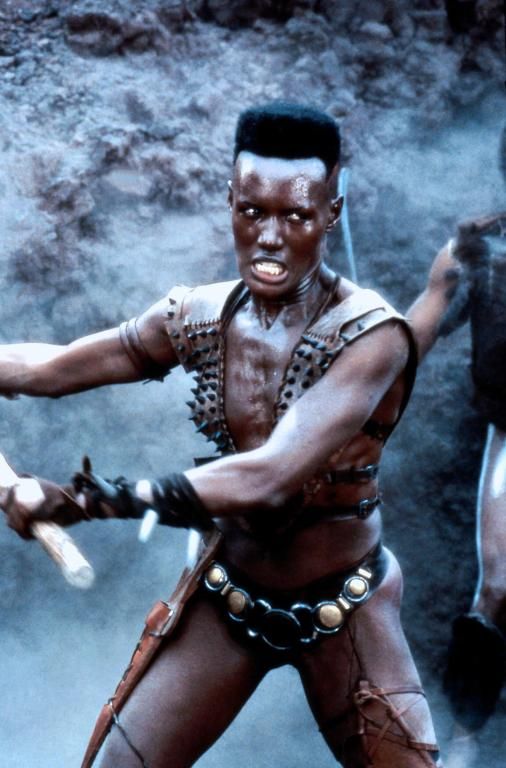
Jones appeared in some low-budget films in the US during the 1970s and early 1980s. In 1984, she made her first mainstream appearance as Zula in the fantasy-action film Conan the Destroyer alongside Arnold Schwarzenegger and Sarah Douglas, and subsequently appeared in the 1985 James Bond movie A View to a Kill as May Day. In 1986, she played a vampire in Vamp, and acted in and contributed a song to the 1992 Eddie Murphy film Boomerang. She appeared alongside Tim Curry in the 2001 film Wolf Girl. For her work in Conan the Destroyer, A View to a Kill, and Vamp, she was nominated for Saturn Awards for Best Supporting Actress. (Wikipedia)

35 Wonderful Photos Showing Life of Glasgow, Scotland in the 1960s

Glasgow is the most populous city in Scotland and the fourth-most populous city in the United Kingdom, as well as being the 27th largest city by population in Europe. In 2020, it had an estimated population of 635,640. Straddling the border between historic Lanarkshire and Renfrewshire, the city now forms the Glasgow City Council area, one of the 32 council areas of Scotland, and is governed by Glasgow City Council. It is situated on the River Clyde in the country’s West Central Lowlands.

Glasgow grew from a small rural settlement on the River Clyde to become the largest seaport in Scotland, and tenth largest by tonnage in Britain. Expanding from the medieval bishopric and royal burgh, and the later establishment of the University of Glasgow in the 15th century, it became a major centre of the Scottish Enlightenment in the 18th century. From the 18th century onwards, the city also grew as one of Britain’s main hubs of transatlantic trade with North America and the West Indies. With the onset of the Industrial Revolution, the population and economy of Glasgow and the surrounding region expanded rapidly to become one of the world’s pre-eminent centres of chemicals, textiles and engineering; most notably in the shipbuilding and marine engineering industry, which produced many innovative and famous vessels. Glasgow was the “Second City of the British Empire” for much of the Victorian and Edwardian eras.

In the late 19th and early 20th centuries, Glasgow’s population grew rapidly, reaching a peak of 1,127,825 people in 1938. The population was greatly reduced following comprehensive urban renewal projects in the 1960s which resulted in large-scale relocation of people to designated new towns, such as Cumbernauld, Livingston, East Kilbride and peripheral suburbs, followed by successive boundary changes. Over 985,200 people live in the Greater Glasgow contiguous urban area, while the wider Glasgow City Region is home to over 1,800,000 people, equating to around 33% of Scotland’s population. The city has one of the highest densities of any locality in Scotland at 4,023/km2. Natives or inhabitants are known as Glaswegians, and are well known for their distinctive dialect and accent.

Glasgow has the largest economy in Scotland and the third-highest GDP per capita of any city in the UK. Glasgow’s major cultural institutions – the Burrell Collection, Kelvingrove Art Gallery and Museum, the Royal Scottish National Orchestra, Scottish Ballet and Scottish Opera – enjoy international reputations. The city was the European Capital of Culture in 1990 and is notable for its architecture, culture, media, music scene, sports clubs and transport connections. It is the fifth-most visited city in the United Kingdom. The city hosted the 2021 United Nations Climate Change Conference (COP26) at its main events venue, the SEC Centre. Glasgow hosted the 2014 Commonwealth Games and the first European Championships in 2018, and was one of the host cities for UEFA Euro 2020. The city is also well known in the sporting world for football, particularly the Old Firm rivalry between Celtic and Rangers. (Wikipedia)

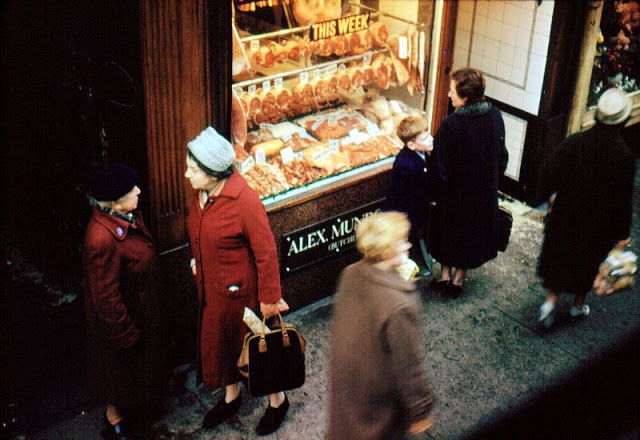
Alex Munro (Butchers), possibly Westmuir Street, Glasgow, 1961
Boots store, junction of Jamaica Street and Argyle Street, Glasgow, 1961
Bowling Green, Kelvingrove Art Gallery & The University, Glasgow, 1961
Cathedral interior, Glasgow, 1961
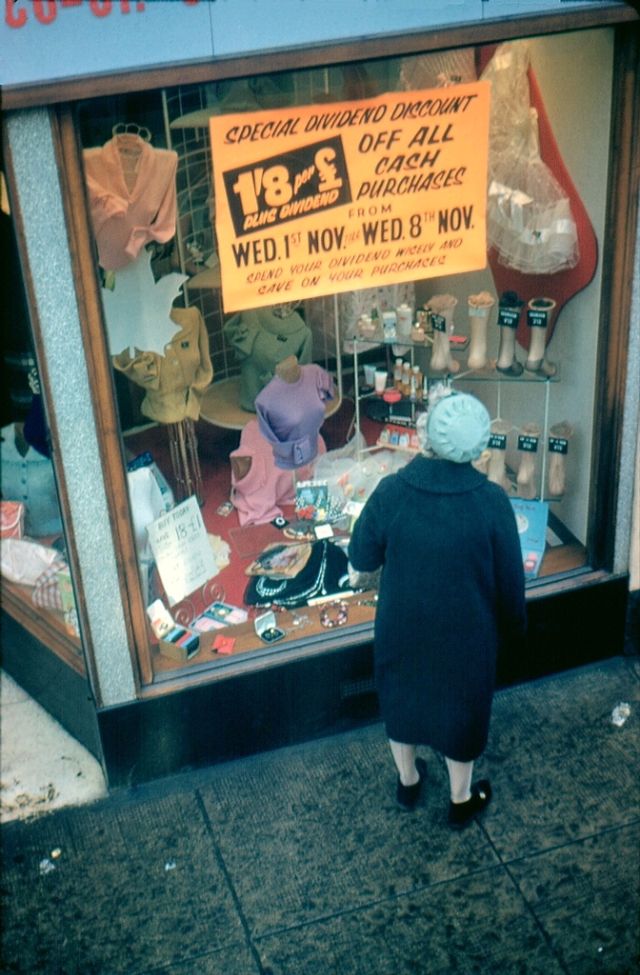
Co-operative shop, possibly Westmuir Street, Glasgow, 1961
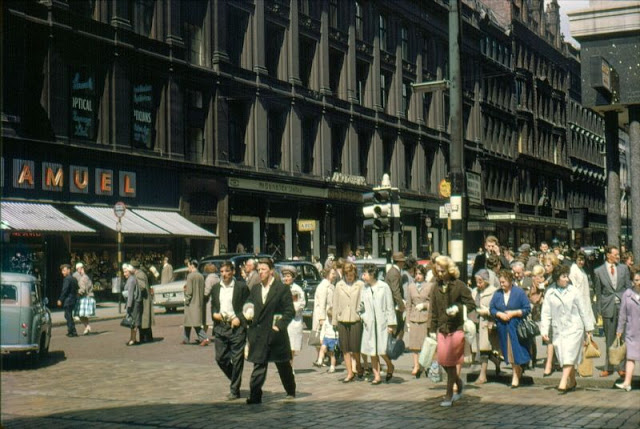
Crossing Argyle Street at junction with Buchanan Street, Glasgow, 1961
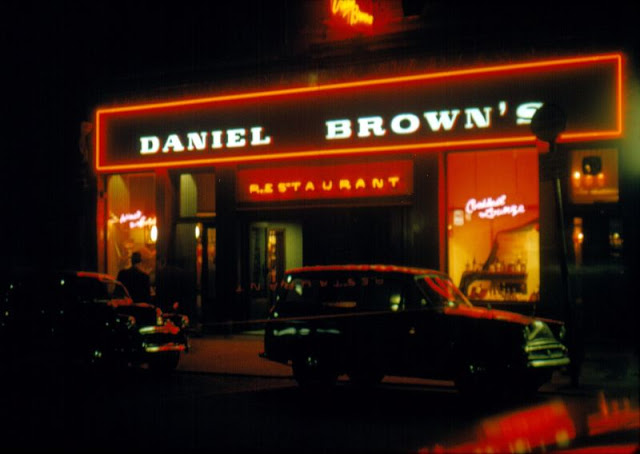
Daniel Brown’s Restaurant, 79 St. Vincent Street, Glasgow, 1961
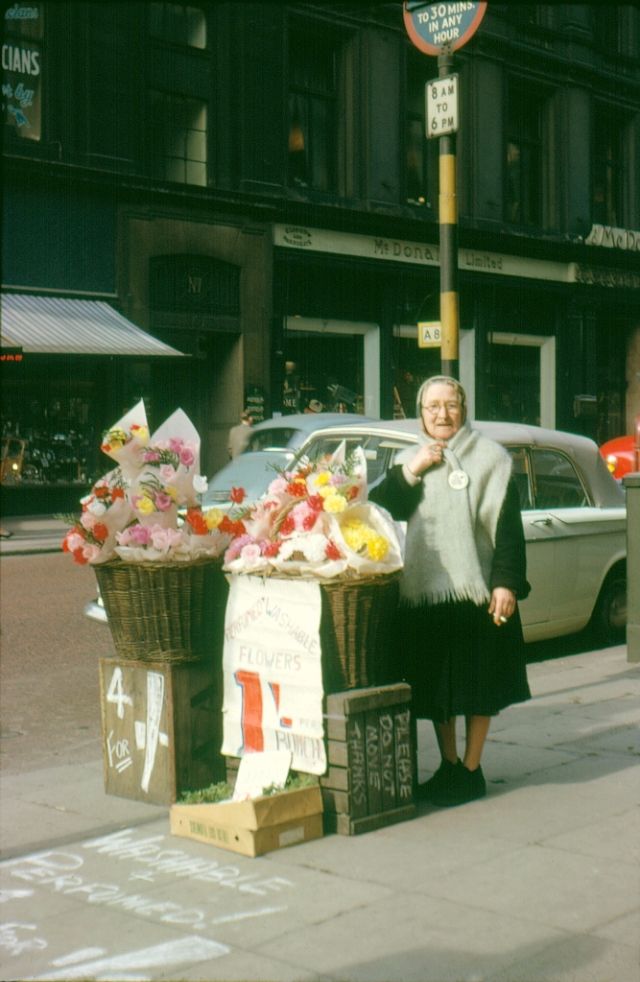
Flower seller, Buchanan Street, Glasgow, 1961
Gardens, Kelvingrove Park, Glasgow, 1961
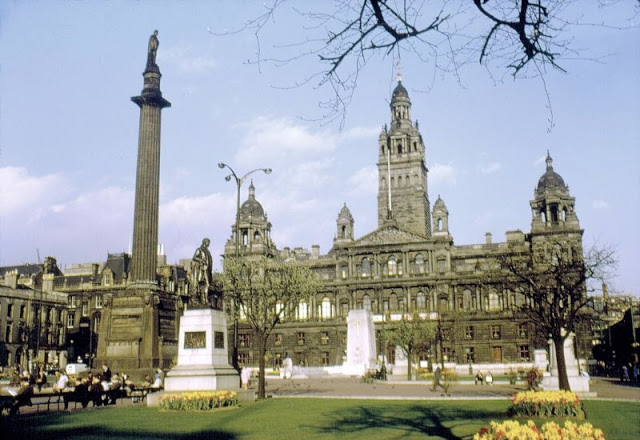
George Square and City Chambers, Glasgow, 1961
George Square, Glasgow, 1961
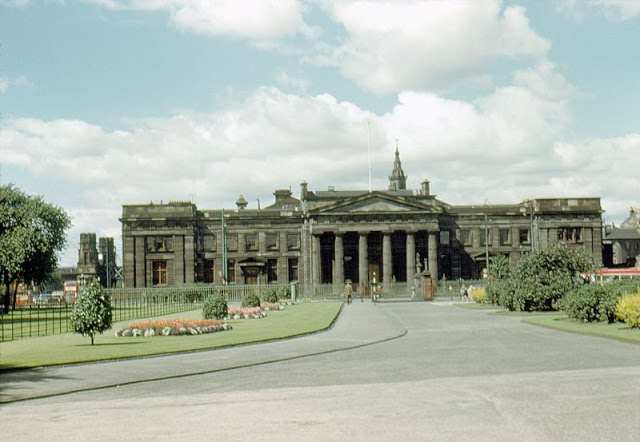
High Court of Justiciary from Glasgow Green, Glasgow, 1961
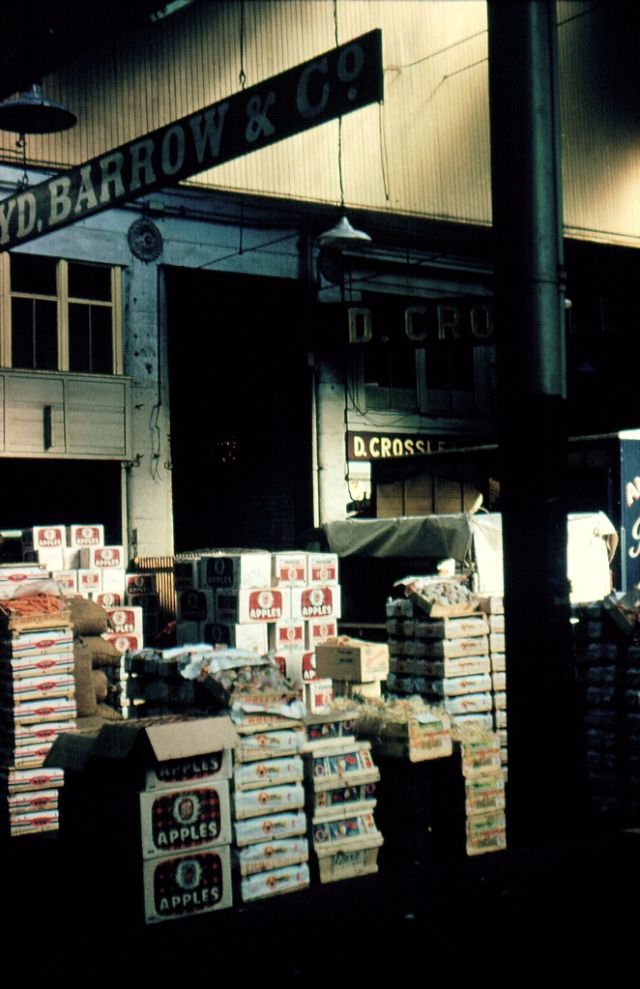
Interior of a fruit market in Glasgow, 1961
Kelvingrove Art Gallery and Museum, Glasgow, 1961
McIvers Street Market, Kent Street, Glasgow, 1961
Morris-Commercial Royal Mail Van, Sauchiehall Street, Glasgow, May 1961
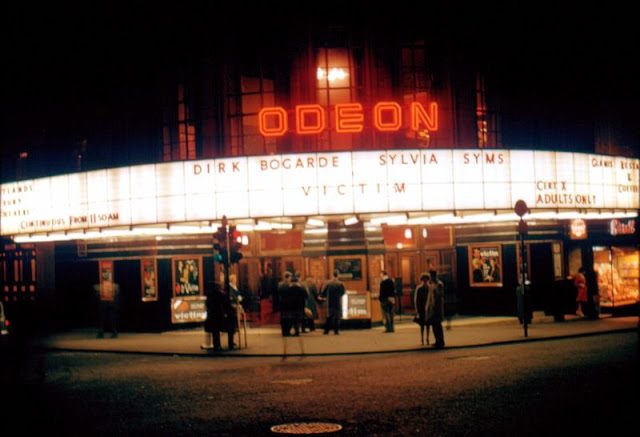
Odeon Cinema, 52-62 Renfield Street, Glasgow, 1961
Offices, The ‘Evening Citizen’, Albion Street, Glasgow, 1961
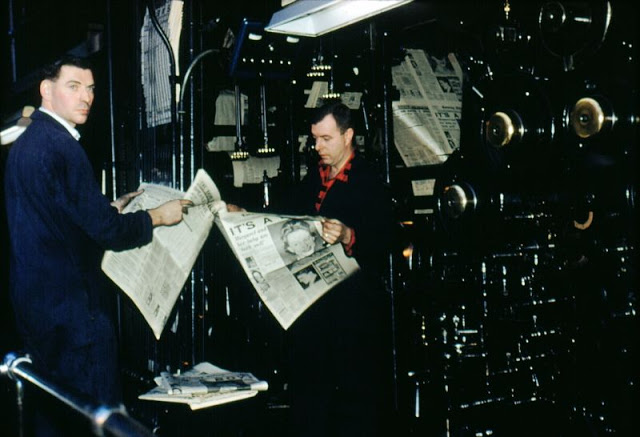
Presses, The ‘Evening Citizen’, Albion Street, Glasgow, 1961
Queen Victoria Fountain (The Doulton Fountain), People’s Palace, Glasgow Green, Glasgow, 1961
Sunset over Clydebank, Glasgow, 1961
The Ingram Bar, 136 Queen Street, Glasgow, 1961
The University, Glasgow, 1961
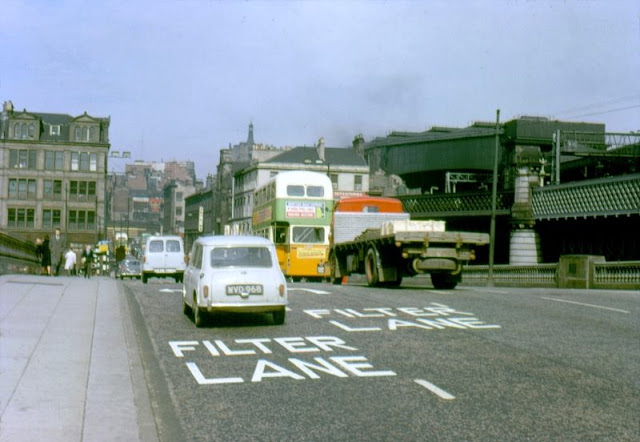
Traffic on King George V Bridge, Glasgow, 1961
Bowling, Dunbartonshire, River Clyde near Glasgow, April 1962
Girls on the hill, Glasgow, April 1962
Interior of John Dalglish & Sons Limited Company, Glasgow, 1962
John Dalglish & Sons Limited, machinery manufacturer, Glasgow, April 1962
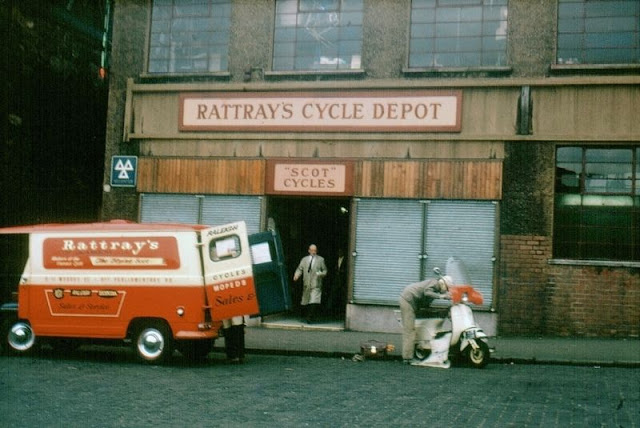
Rattray’s Cycle Depot, 7-11 Murray Street, Glasgow, September 1966
George Square, Glasgow, July 1967
Kelvingrove Art Gallery gardens, Glasgow, July 1967
The Provand’s Lordship, Glasgow, July 1967
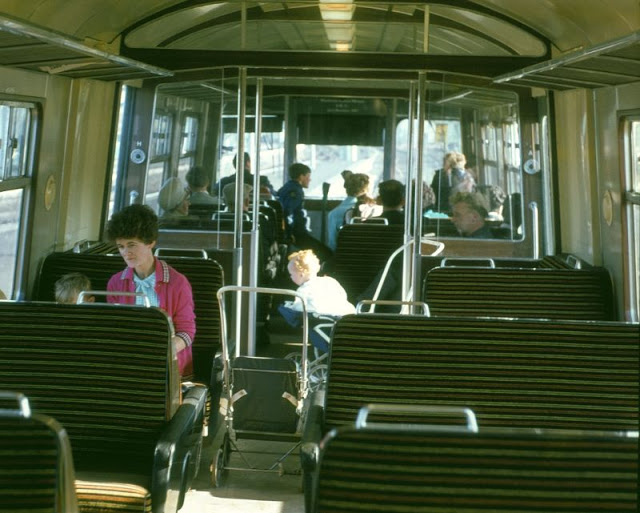
On the ‘Blue Train’, Glasgow, 1968
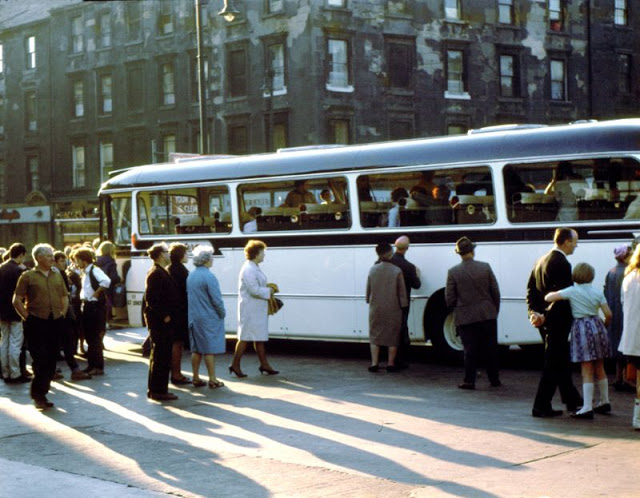
Western SMT Bristol bus, Killermont Street, Glasgow, 1968

40 Beautiful Portrait Postcards Showing Women of the German Cinema Between 1918 and 1933

The Cinema of Germany refers to the film industry based in Germany and can be traced back to the late 19th century. German cinema has made major technical and artistic contributions to film during the period from 1918-1933.

Germany witnessed major changes to its identity during the 20th and 21st century. Those changes determined the periodisation of national cinema into a succession of distinct eras and movements.

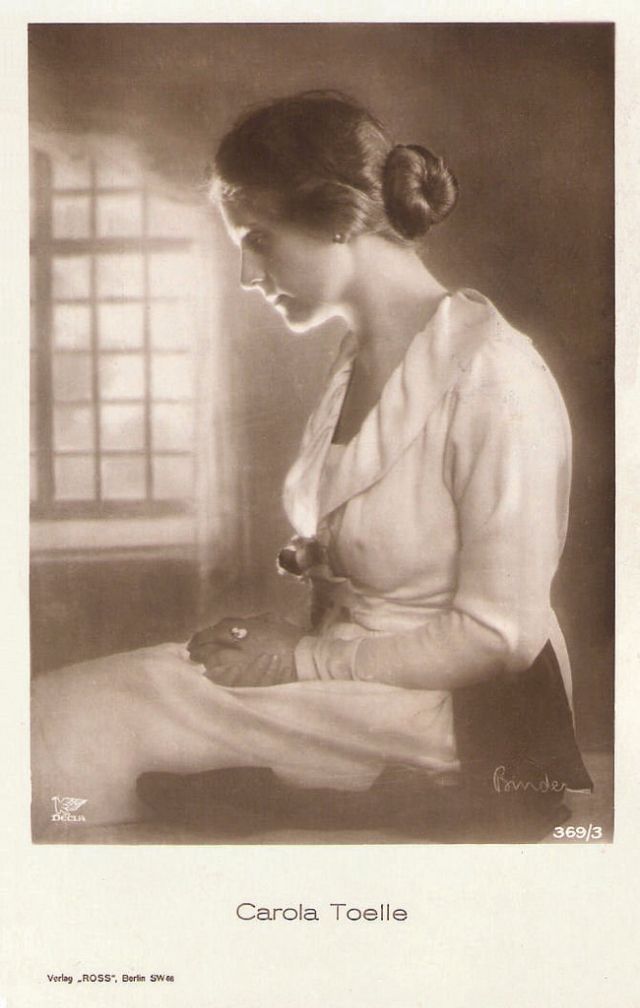
  1. Carola Toelle

Carola Toelle (1893-1958) was a German actress, in particular in German silent cinema of the late 1910s and early 1920s.

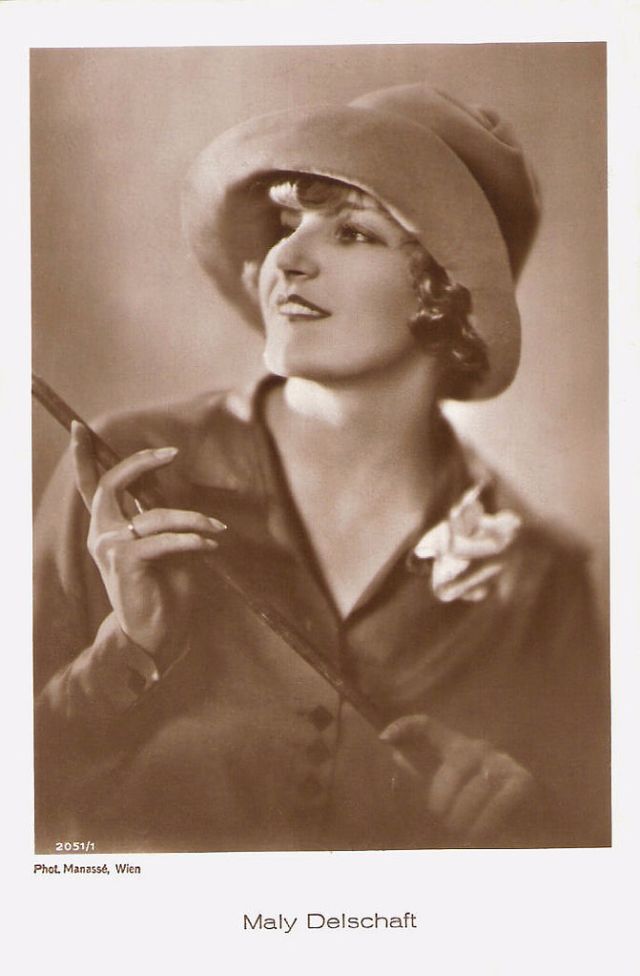
  1. Maly Delschaft

Forgotten diva Maly Delschaft (1898-1995) began her career in the theatre and then became a star in the German silent cinema. During the Nazi era, she appeared mainly in supporting roles. After the Second World War, she worked in East Germany for the state-controlled DEFA studio.

  1. Lotte Lorring

German actress and singer Lotte Lorring (1893-1939) started as an operetta singer in provincial theatres. Between 1920 and 1935, she played both in support and leading roles in German silent and sound films. Incidentally she appeared in international productions.

  1. Olga Tschechowa

Dignified German-Russian actress Olga Tschechowa (1897-1980) was one of the most popular stars of the silent film era. She remained a mysterious person throughout her life, and was reportedly a Russian agent in Nazi Germany.

  1. Brigitte Helm

Brigitte Helm (1906-1997) was not even 18 when she was discovered by Fritz Lang for the lead in his film Metropolis. Helm played the double role of the noble and chaste Maria and her evil and sensual twin, a robot created to urge the workers in revolting and destroying their own city. Helm was subsequently often cast as the evil but oh so seductive ice queen, as in the two versions of Alraune; Marcel L’Herbier’s late silent film L’Argent; and the multilinguals The Mistress of Atlantis by G.W. Pabst, and Gold, by Karl Hartl.

Helm proved, though, to be able to perform also more restrained and emotionally expressive characters such as in Die Liebe der Jeanne Ney, her first film directed by Pabst, and Abwege, a late silent film by the same Pabst. In the latter she resents her neglecting and older husband but hesitates to fall for her cousin, enamoured with her and of her own age.

In real life, Helm was a timid, modest and not very ambitious personality. After a short but prolific career of some 32 films, she resented the German film business, controlled by the nazi’s. In 1935 she married, moved to Switzerland and withdrew radically from her film career, refusing any interviews. Till this day, however, she still has fans everywhere. In particular the bad Maria won’t be forgotten. For her the Mae West line is very apt: “When I am good, I am very good; but when I am bad, I am better.”

  1. Dorothea Wieck

Swiss actress Dorothea Wieck (1908-1986) became a major star and a lesbian idol with her role as the adored teacher Fräulein von Bernburg in the German classic Mädchen in Uniform (Leontine Sagan, 1931). She made more than fifty films, but she was also a prominent stage actress of the Deutsche Theater, the Schillertheater and other main theatres in Berlin.

  1. Xenia Desni

Ukrainian actress Xenia Desni (1894-1954) was a star of the German silent cinema.

  1. Hilda Rosch

German actress Hilda Rosch only appeared in eight films between 1928 and 1931.

Hilda Rosch must have been quite a popular film star as several postcards were produced with the beautiful actress. Why she appeared in just eight films is quite a mystery. Her first film was Die Zirkusprinzessin/ The Circus Princess (1928, Victor Janson) with Harry Liedtke and Cilly Feindt. In the same year she appeared in Der Unüberwindliche/The Invincible (1928, Max Obal), and Tempo! Tempo! (1929, Max Obal) with Italian strong man Luciano Albertini. In Das Spiel mit der Liebe/The Game of Love (1928, Victor Janson) she starred again opposite Harry Liedtke.

Then Hilda Rosch appeared in the short Max Hansen: Jetzt geht’s der Dolly gut (1929, Max Reichmann) opposite Max Hansen. In Die Warschauer Zitadelle/The Citadel of Warsaw (1930, Jacob Fleck, Luise Fleck) she appeared with the legendary La Jana. Her last two films were Ihr Junge/Her Boy (1931, Friedrich Feher) with Feher’s wife Magda Sonja and son Hans Feher in the leading parts, and Der Bebende Berg (1931, Hanns Beck-Gaden, Luitpold Nusser) in which she starred with director Hanns Beck-Gaden. Then her film career ended abruptly. Because of the sound film? Because of the rise of the Nazis? Sadly, more information about Hilda Rosch was not to be found on the internet.

  1. Ursula Grabley

1930’s ‘Girl of Today’ Ursula Grabley (1908-1977) was a German actress appeared in more than 60 films and TV productions. In 1939 her film career was interrupted by a dispute with Joseph Goebbels.

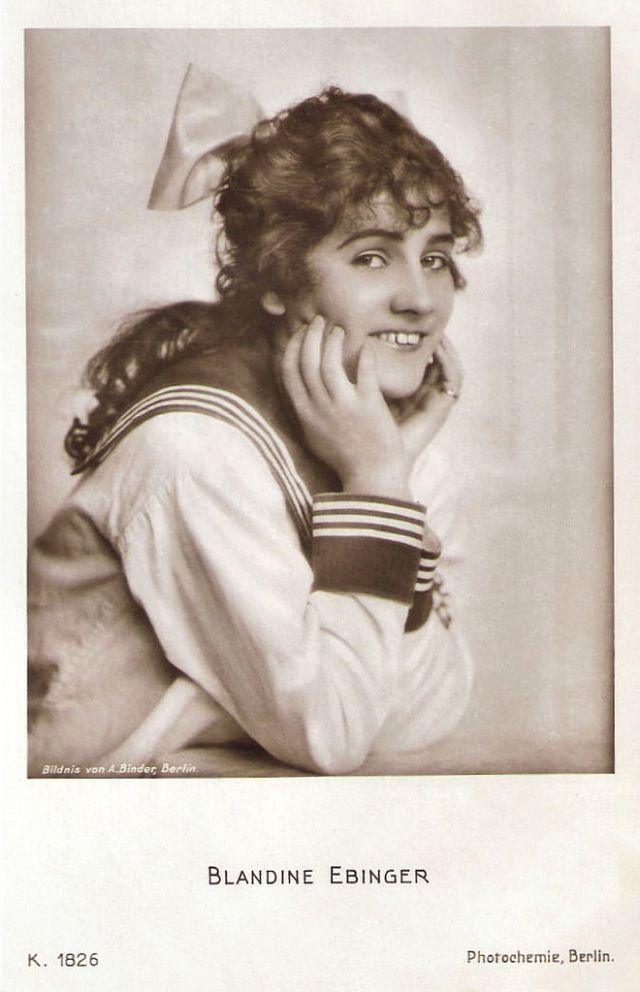
  1. Blandine Ebinger

Blandine Ebinger (1899-1993) was a German cabaret singer and actress. Author Erich Kästner described her as “This lisping, scrawny person with the big, severe eyes is a master of the tragic-grotesque.” Her cinema career continued for seventy (70!) years. Her more than 90 film roles were once bigger, once smaller, but all her characters distinguished through her impressive acting.

  1. Valerie Boothby

German actress Valerie Boothby (1906-1982) was a popular star of the Weimar cinema in the late 1920s and early 1930s.

Valerie Boothby entered the film business in 1925 during the heydays of the German silent cinema. Her film debut was Der krasse Fuchs (1925, Conrad Wiene). In the next years she made many other silent films and her popularity increased. Among her films were Die Frau mit dem Weltrekord (1927, Erich Waschneck), Das letzte Souper (1928, Mario Bonnard), Angst – Die schwache Stunde einer Frau (1928, Hans Steinhoff) in which she co-starred with Gustav Fröhlich, Der Monte Christo von Prag (1929, Hans Otto), Frauen am Abgrund (1929, Georg Jacoby) and Mädchen am Kreuz (1929, Jacob & Luise Fleck). During the early sound period Valerie – or Valery – Boothby made her last films, including In einer kleinen Konditorei (1930, Robert Wohlmuth), Er oder ich (1930, Harry Piel) and Der Herr Finanzdirektor (1931, Fritz Friedmann-Frederich).

  1. Henny Porten

Frieda Ulricke “Henny” Porten (1890-1960) was a German actress and film producer of the silent era, and Germany’s first major film star. She appeared in more than 170 films between 1906 and 1955.

She was one of the few German actress of the era to enter film without having stage experience. Many of her earlier films were directed by her husband Curt A. Stark, who died during World War I in Transylvania on the Eastern Front in 1916. Her father, Franz Porten, was also an actor and film director.

In 1921, she remarried, to Wilhelm von Kaufmann. When the Nazis took power and she refused to divorce her Jewish husband, she found that her career, while doing twelve films a year, dissolved immediately. When she resolved on emigration, she was denied an exit visa to prevent a negative impression. She made ten films during the Nazi era. Her placid and reassuring persona helped calm audiences confronted with Allied bombardment. In 1944, after an aerial mine destroyed her home, she and her husband were out on the streets, as it was forbidden to shelter a full Jew.

  1. Maria Solveg

German film and screenwriter Maria Solveg or Maria Matray (1907–1993) was a star of the late Weimar cinema. When Hitler came to power, the Jewish actress went in exile and had a new career in the US as a choreographer and writer.

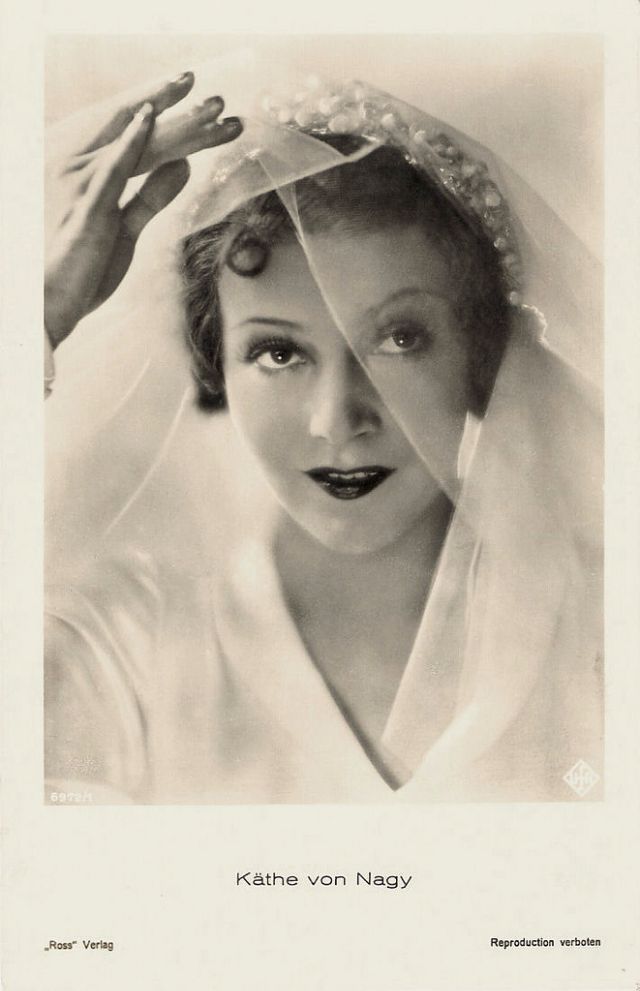
  1. Käthe von Nagy

Hungarian actress Käthe von Nagy (1904-1973) started as the ‘Backfish’ of German films of the late 1920s. In the early 1930s she became a fashionable and charming star of the German and French cinema.

  1. Mary Kid

Mary Kid (1901-1988) was a popular actress of the Austrian and German silent cinema. She also played in two early sound films in Italy.

  1. Ria Jende

German-Belgian actress Ria Jende (1898-?) was a star and producer of the silent German cinema. She appeared in 40 films, before she married and retired.

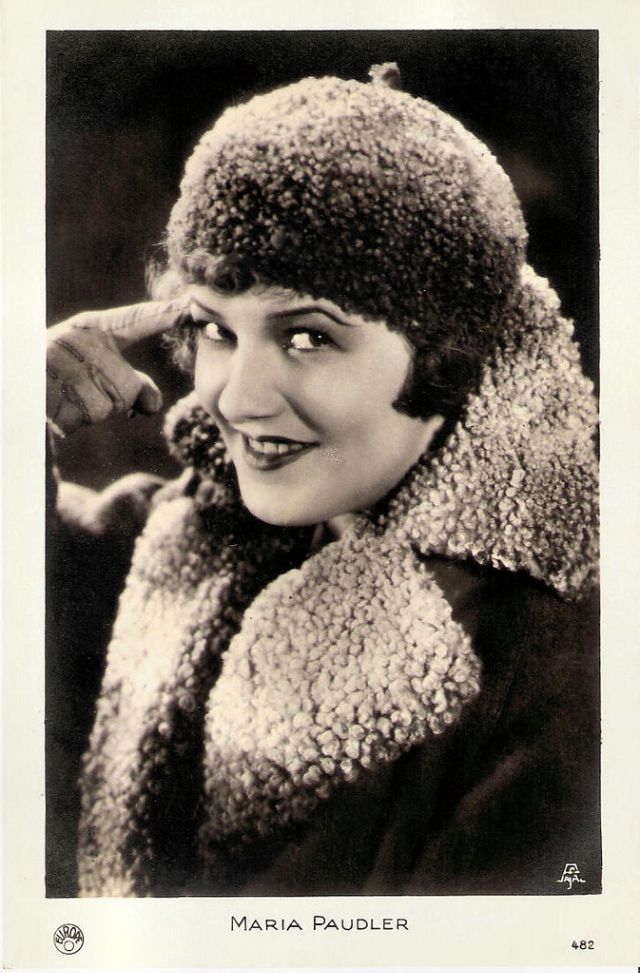
  1. Maria Paudler

German actress Maria Paudler (1903-1990) was a popular star of the late silent German cinema. She also played the leading role in the first German TV-film.

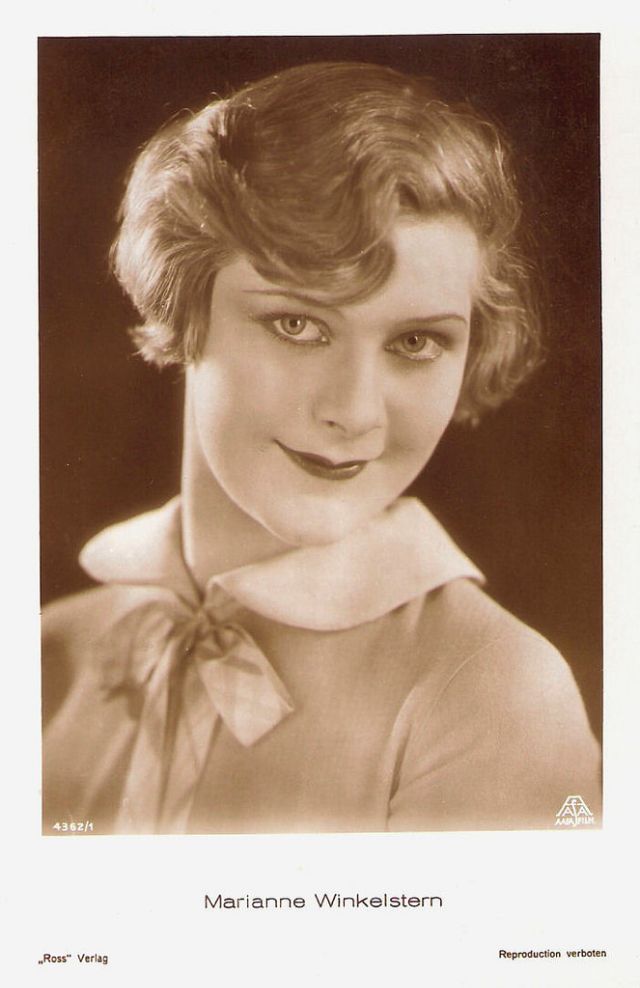
  1. Marianne Winkelstern

German actress Marianne Winkelstern (1910-1966) became well known as a ballerina in Germany and England. In Germany she appeared in some silent films and early sound films.

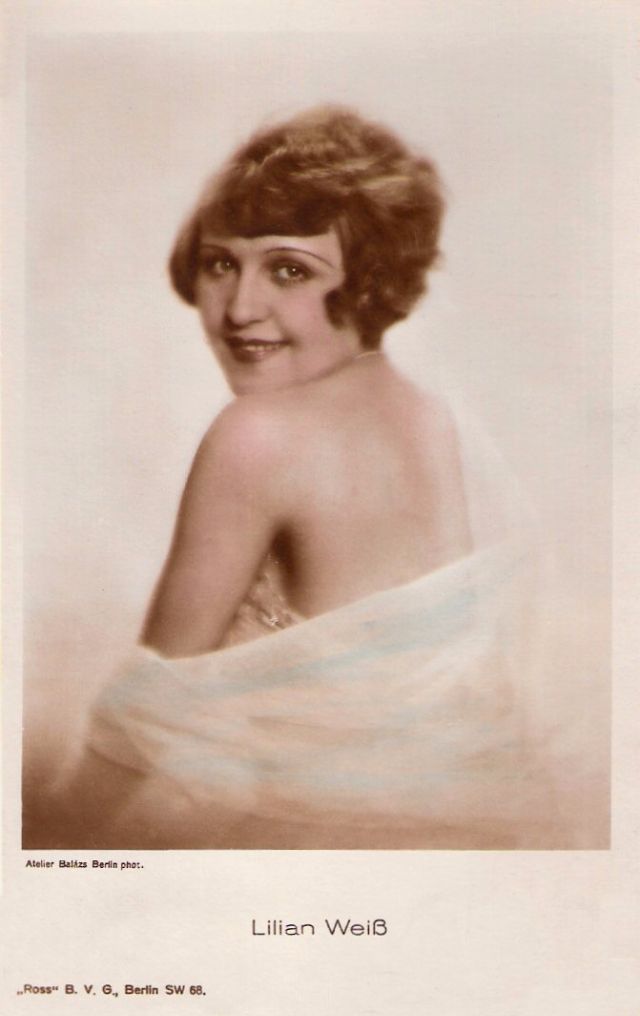
  1. Lilian Weiss

Pretty film actress Lilian Weiss appeared in a dozen silent German films of the 1920’s. The introduction of the sound film probably ended her film career.

On cute film actress Lilian Weiss there’s no more information to be found on the internet than the films in which she appeared. The most complete list is offered by the German Filmportal.de, which offers 11 silent films. But also this well informed site does not give any personal information about the actress. Lilian’s career was short, it spans only five years.

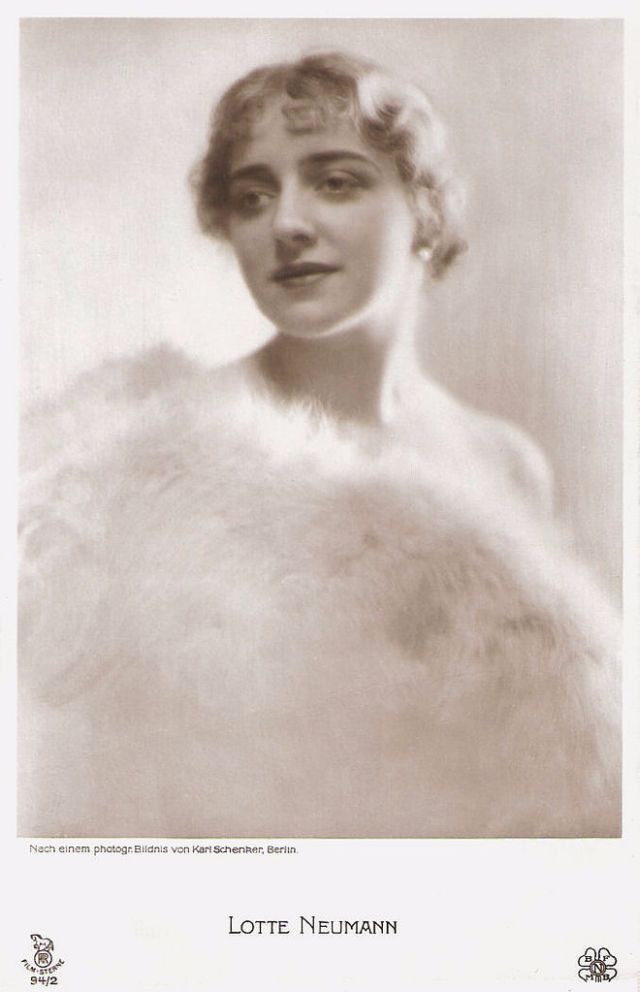
  1. Lotte Neumann

Lotte Neumann (1896-1977) was one of the most successful actresses in the early days of the German silent cinema. She also worked as a screenwriter and a producer.

  1. Anny Ondra

Anny Ondra (1903 – 1987) was a Polish-Czech-Austrian-German-French singer, film and stage actress. During the 1920s and 1930s she was a popular actress in Czech, Austrian and German comedies, and she was Alfred Hitchcock’s first ‘Blonde’.

  1. Lil Dagover

German, but Dutch born film actress Lil Dagover (1887-1980) was a exotic, dark beauty, who featured prominently during the golden age of the German silent cinema. She had her breakthrough as the prey of Dr. Caligari’s monster in the classic expressionist film Das Cabinet des Dr. Caligari (1920) but gradually her fine and evanescent beauty changed and she turned into a ´Salondame´, a lady of the screen. Her career would span nearly six decades.

  1. Hertha Thiele

For a brief period during the Weimar Republic, Hertha Thiele (1908-1984) appeared in several controversial stage plays and films. She is best known for playing a 14 year old schoolgirl in love with her female teacher in the ground-breaking Mädchen in Uniform/Girls in Uniform (1931). She received thousands of fan letters – mostly from women. Decades later, Thiele became a well known film and television actress in East Germany.

  1. Mady Christians

Austrian-born stage actress Mady Christians (1892-1951) was also a star of the German silent cinema and appeared in Austrian, French, British and Hollywood films too.

Mady Christians was the daughter of opera singer Bertha Klein and actor Rudolph Christians. When her father took over a German-speaking theater in New York in 1912, the whole family went to the USA, where Mady made her film debut in Audrey (1916, Robert G. Vignola).

Because of World War I she returned with her mother to Berlin, where she studied with Max Reinhardt. She worked as a stage actress, but soon she was monopolized by the new cinema world. She played leads in silent films like Nachtschatten (1918, Frederic Zelnik/Friedrich Zelnik), Die Nacht des Grauens (1919, Fred Sauer) and Die Gesunkenen (1919, Fred Sauer). Her breakthrough was her part in the serial Der Mann ohne Namen (1921, Georg Jacoby) with Harry Liedtke. In the following years she appeared in such classics as Das Weib des Pharao (1922, Ernst Lubitsch), Ein Glas Wasser (1923, Ludwig Berger), Die Finanzen des Großherzogs (1924, F.W. Murnau), Michael (1924, Carl Theodor Dreyer), Ein Walzertraum (1925, Ludwig Berger) and in the two-part costume drama Königin Luise (1927-1928, Karl Grune).

  1. Gerda Maurus

Austrian actress Gerda Maurus (1903-1968) was a star of the silent screen. With her protruded cheek bones and her forceful look she bewitched many men, including her director Fritz Lang and Nazi Minister Josef Goebbels.

  1. Fern Andra

‘Modern’ American actress Fern Andra (1893-1974) became one of the most popular film stars of the German cinema in the 1910s and early 1920s. In her films she mastered tightroping, riding horse without a saddle, driving cars and motorcycles, bobsleighing, and even boxing.

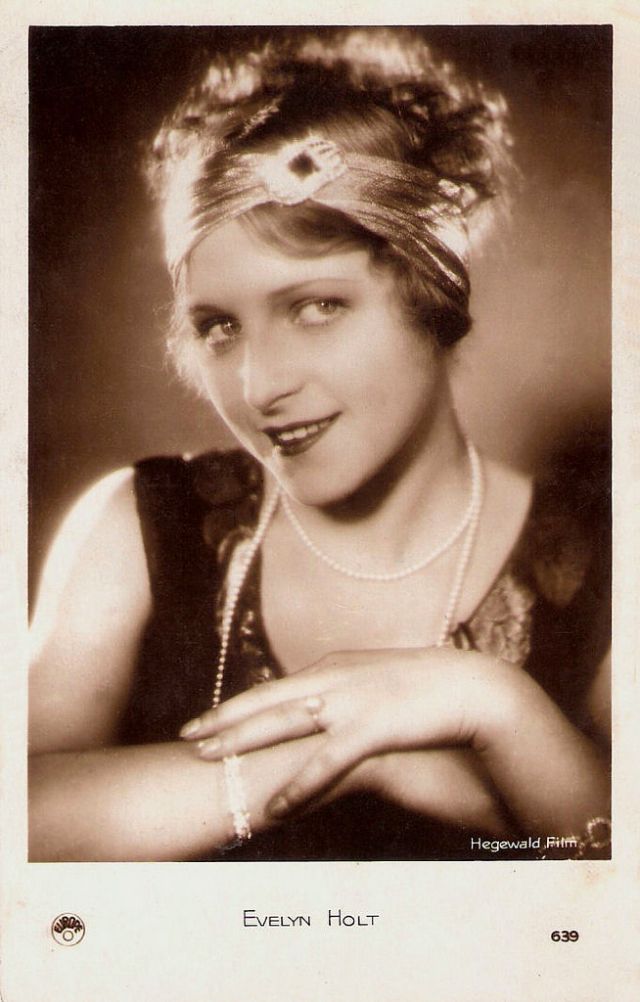
  1. Evelyn Holt

Evelyn Holt (1908-2001) was a highly popular German film actress in the late silent and the early sound era.

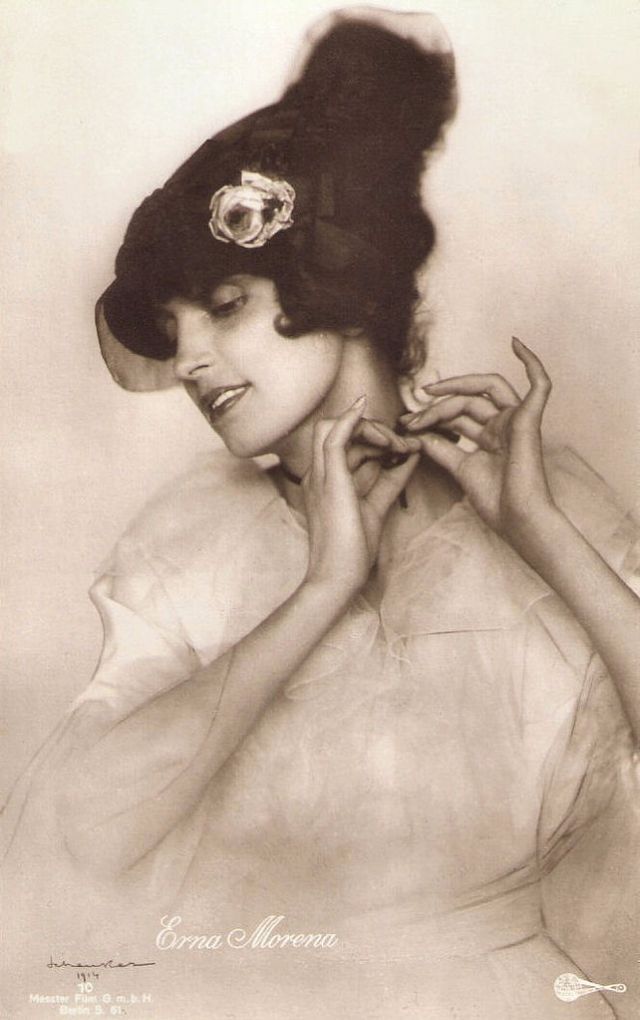
  1. Erna Morena

Erna Morena (1885-1962), born Ernestine Maria Fuchs, had an enormous career in German silent cinema in the 1910s and 1920s, and until the mid-1930s she was regularly performing in German sound films.

After several jobs such as a nurse, Morena started at Max Reinhardt’s theater school in 1910/1911 and swiftly got an engagement at the Deutsches Theater. Morena started in film in 1913, playing in several dramas by Eugen Illés for the Duskes company. She move to the Messter company, where she was given her own Erna Morena series, rivalling those of Asta Nielsen and Henny Porten. Around 1917 she moved to PAGU, where she starred in Paul Leni’s Prima Vera, based on Dumas’ Camille/La dame aux camélias. Critics were bewildered by her subtle performance. From 1915 to 1921 she was married to editor and stage author Wilhelm Herzog, who also invented her stage name Erna Morena. Morena founded her own company but because of the economic crisis after the November revolution, she had to stop it after a few months.

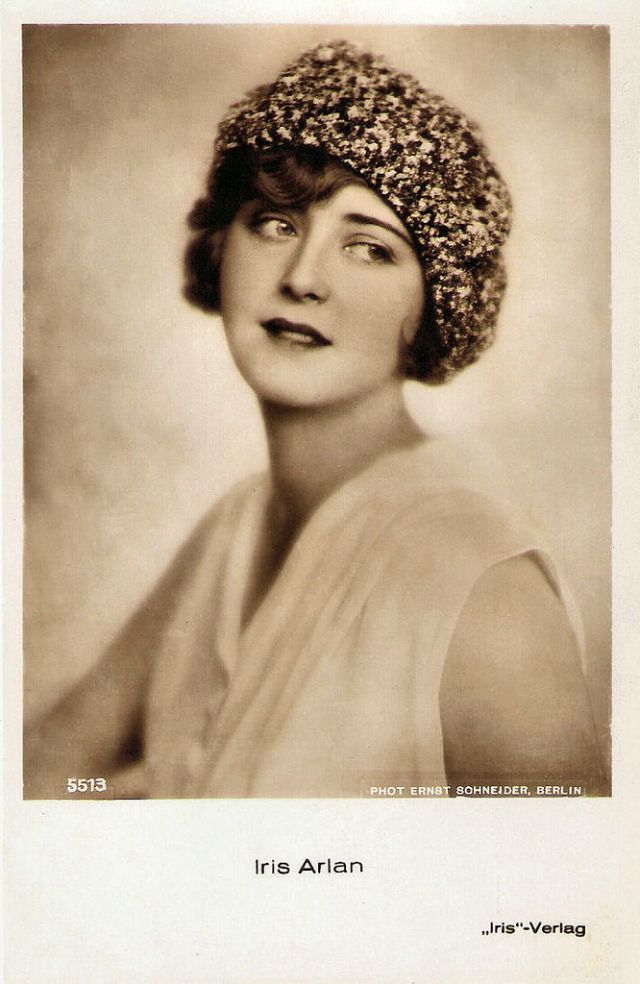
  1. Iris Arlan

Beautiful actress Iris Arlan (? – ?) worked for Max Reinhardt’s theatre company and appeared in several German and Austrian silent films. Around 1936, after roles in a handful of sound films, she disappeared into oblivion.

  1. Lucy Doraine

In spite of her French name, Lucy Doraine (1898–1989) was a major Hungarian actress in the Austrian and German cinema in the 1920’s. When she moved to Hollywood, the revolution of the sound film finished her career.

  1. Aud Egede Nissen

Norwegian film actress Aud Egede Nissen (1893-1974) was a star of the German silent cinema. In the 1910s, she produced dozens of her own films. In the 1930s she returned to Norway, where she appeared in some films but mainly acted on stage.

  1. Lotte Neumann

Lotte Neumann (1896-1977) was one of the most successful actresses in the early days of the German silent cinema. She also worked as a screenwriter and a producer.

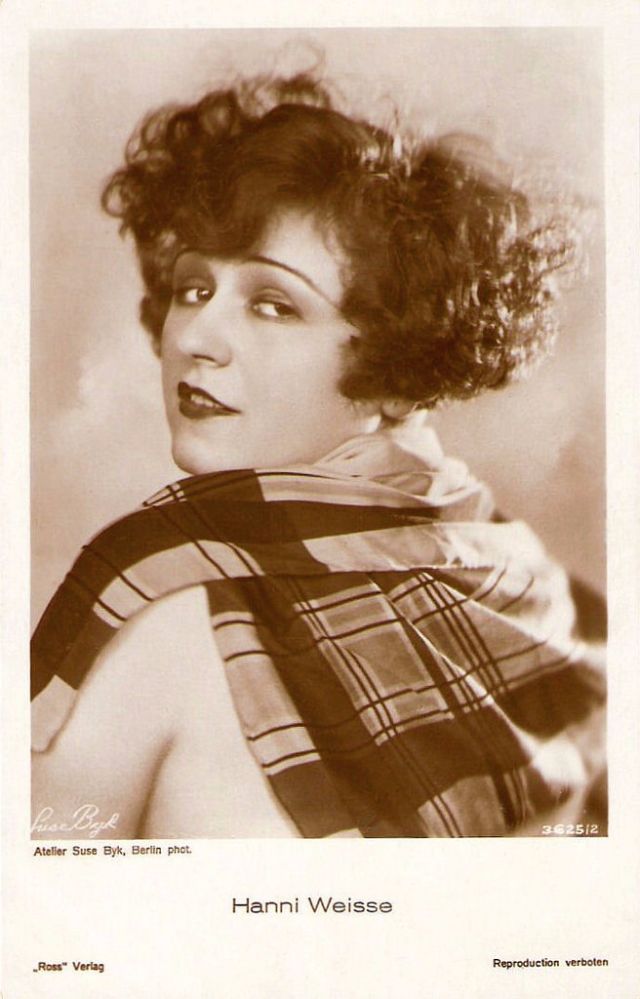
  1. Hanni Weisse

German actress Hanni Weisse (1892-1967) belonged to the great film divas of the early German silent film. She was able to maintain her stardom till the 1920s. First she worked at the Berliner Luisentheater, but soon the cinema came into her life. Film director Max Mack engaged her for production company Vitascope. She made her film debut in his short Der Zigeunerin (1912, Max Mack). One of her first successes was Der Andere (1913, Max Mack), which according to the critics belonged to the first artistic movies.

In the following years she appeared in many great productions like Das Eiserne Kreuz (1914, Richard Oswald), Das dunkle Schloß (1915, Willy Zeyn), and Alkohol (1920, E.A. Dupont, Alfred Lind). Among them were also the very popular movies about detective Sherlock Holmes such as Der Hund von Baskerville (1914, Rudolf Meinert).

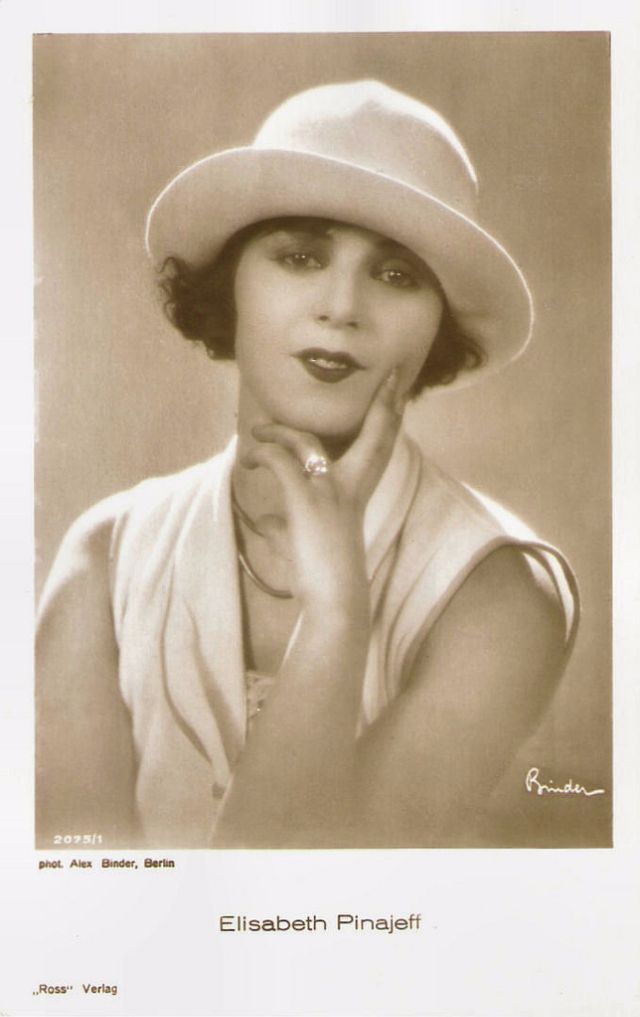
  1. Elisabeth Pinajeff

Elisabeth Pinajeff (1900-1995) was a Russian-Lithuanian actress who starred in German and French cinema in the 1920s and 1930s. In the 1950s she was also involved in the notorious scandal of the Ballets roses.

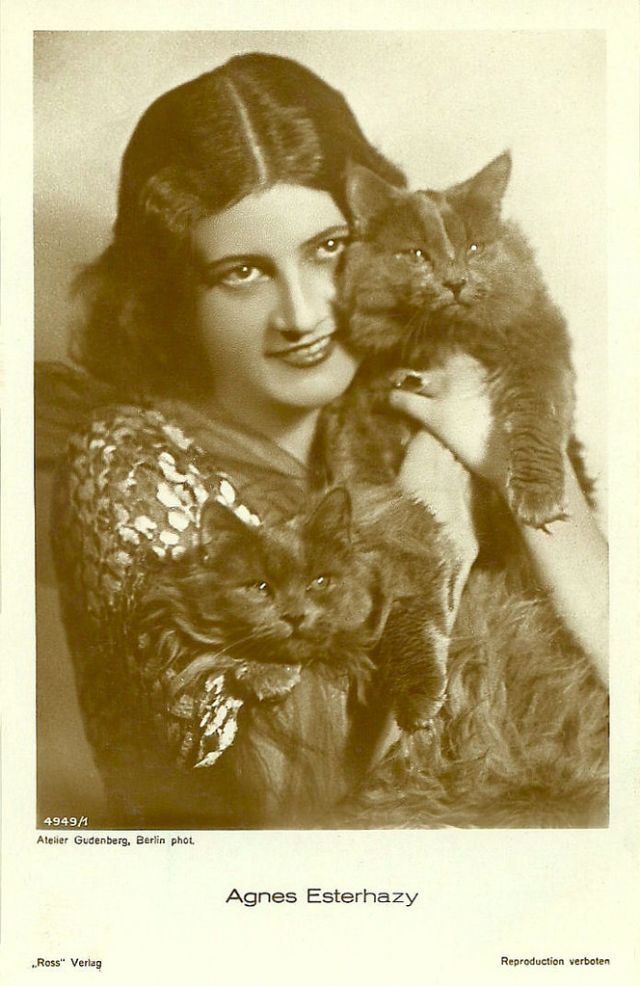
  1. Agnes Esterhazy

Hungarian film actress Agnes Esterhazy (1891-1956) worked mainly in the silent cinema of Austria and Germany. The countess appeared in more than 30 films between 1920 and 1943.

  1. Lya Mara

Lya Mara (1897 – 1960?) was one of the biggest stars of the German silent cinema. Her stardom was even the subject of a novel, which was published in 100 episodes between 1927 and 1928. Her career virtually ended after the arrival of sound film.

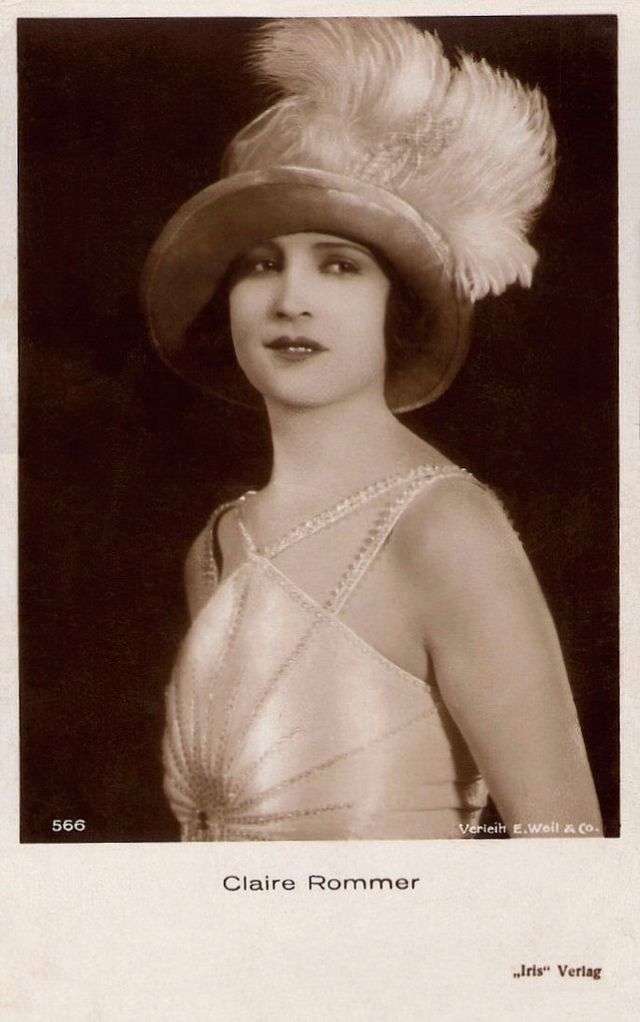
  1. Claire Rommer

Elegant German actress Claire Rommer (1904-1996) appeared in about 50 German film productions during the 1920s and the early 1930s. Her successful career suddenly ended with the seizure of power by the Nazis.

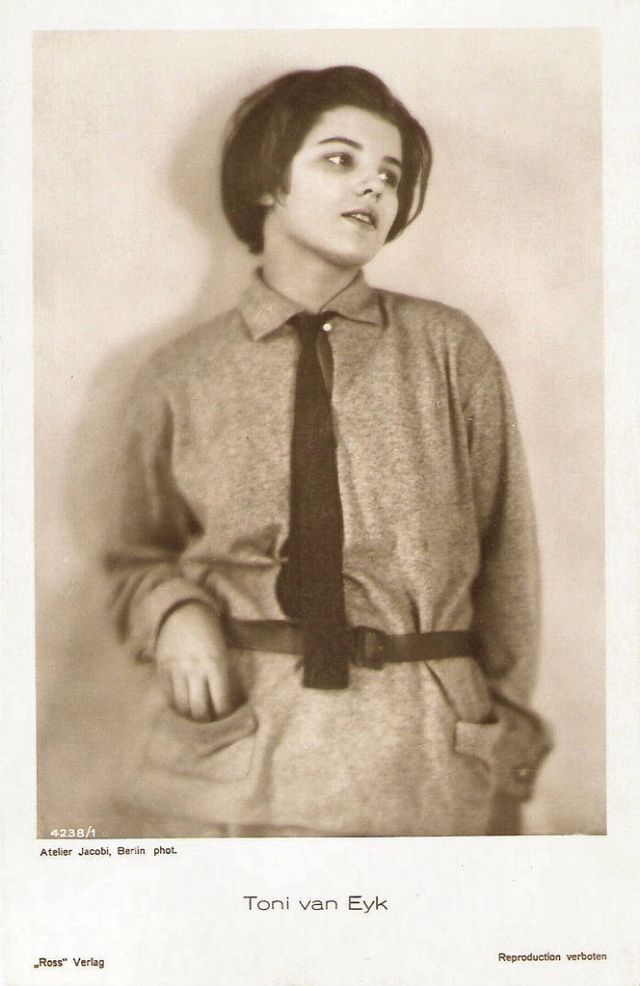
  1. Toni van Eyck

German actress Toni van Eyck (1910-1988) became a star playing a rape victim in the Aufklärungsfilm Gefahren der Liebe/Hazards of Love (1931). Despite this film success she stayed primarily a stage actress.

Toni (also Tony) van Eyck was born Gertrud Johanna Antonie Eick in 1910 in Koblenz, Germany. She took acting lessons at the Max-Reinhardt-Seminar in Wien (Vienna) and at the Otto-Falkenberg-Schule in München (Munich). At the age of 15 she already played at various Berlin stages, and convinced the critics with her performances. She was discovered for the film in 1928 and appeared in the silent short Ins Blaue hinein/Into the Blue (1929, Eugen Schüfftan) with Theo Lingen. After a few more silent films, she became known with her leading role in the early Aufklärungsfilm (education film) Gefahren der Liebe/ A Woman Branded (1931, Eugen Thiele) opposite Hans Stüwe. She played a rape victim, who finally becomes a murderess.

In the following years she appeared in such films as Kitty schwindelt sich ins Glück/Kitty is giddy to happiness (1932, Herbert Juttke), Strich durch die Rechnung / Spoiling the Game (1932, Alfred Zeisler) costarring with Heinz Rühmann, Was wissen denn Männer/What Do Men know (1933, Gerhard Lamprecht), and Herthas Erwachen/Hertha’s Awakening (1933, Gerhard Lamprecht) opposite Hans Brausewetter.

Despite these successful roles in the early 1930s, Toni van Eyck would stay a theatre actress primarily. From 1938 to 1942 she was part of the ensemble of the famous Burgtheater in Vienna. After the war she acted at the Salzburger Landestheater (Salzburg State Theater). In 1950 she made her last film. She played a small part in the crime drama Ruf aus dem Äther/ Appeal from the Ether (1951, Georg C. Klaren, Georg Wilhelm Pabst) starring Oskar Werner. Later she worked as a playwright for stage and radio. In 1955 she published her novel, Ein Mann namens Miller (A Man Named Miller). Toni van Eyck also continued to appear on stage in guest appearances for a long time. She died in 1988.

  1. Ruth Weyher

Ruth Weyher (1901-1983) was a beautiful and passionate actress of the German silent cinema. She appeared in 48 films between 1920 and 1930. Among her best known films are the expressionist classic Schatten/Warning Shadows (1923) and G.W. Pabst’s Freudian Geheimnisse einer Seele/Secrets of a Soul (1926).

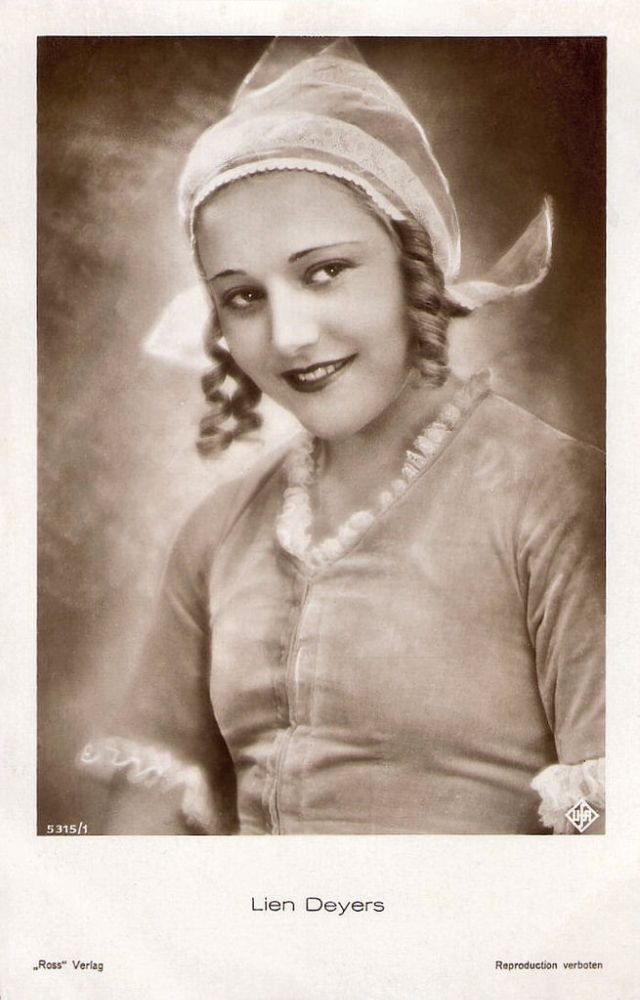
  1. Lien Deijers

Dutch actress Lien Deijers (1910-1965) – also known as Lien Deyers and Lien Dyers – was discovered by famous director Fritz Lang who gave her a part in Spione (1928). She acted in a stream of late silent and early sound films. After 1935 her star faded rapidly and her life ended in tragedy.

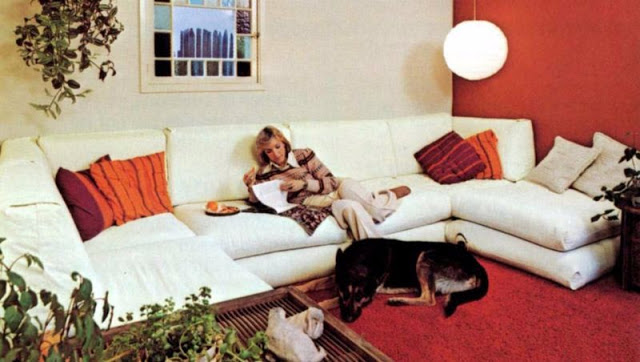
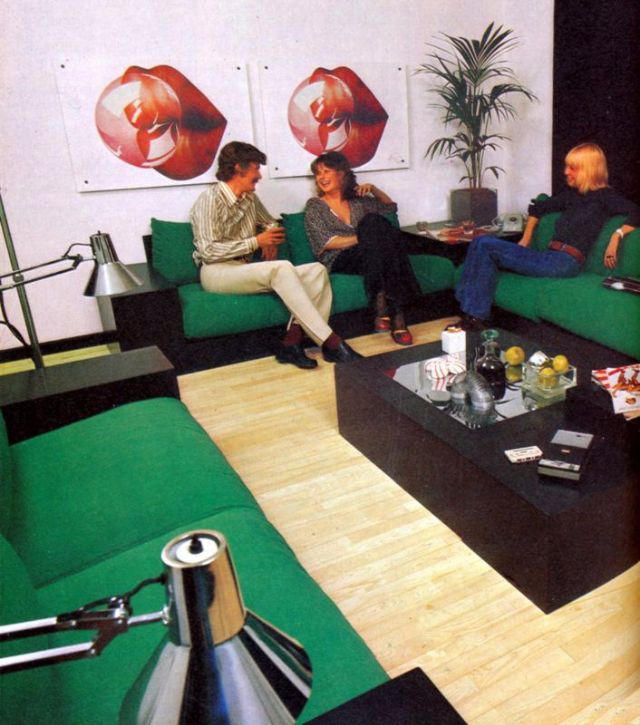
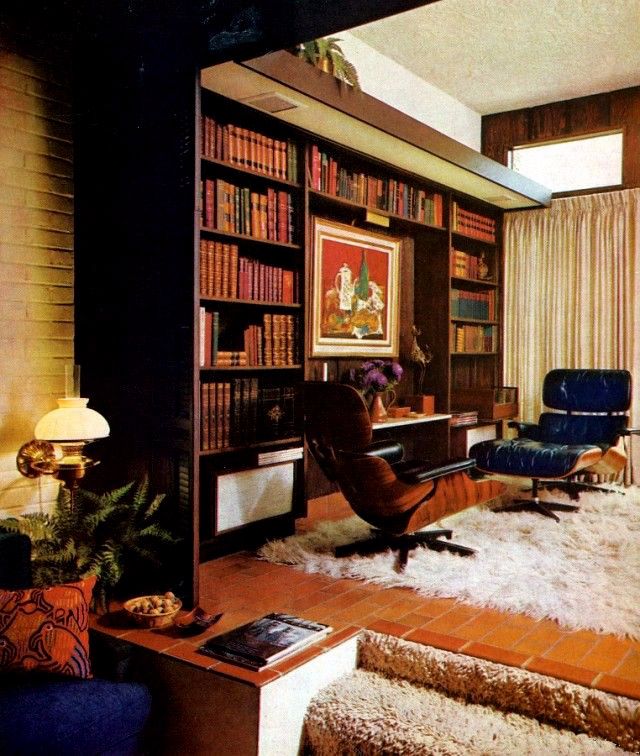
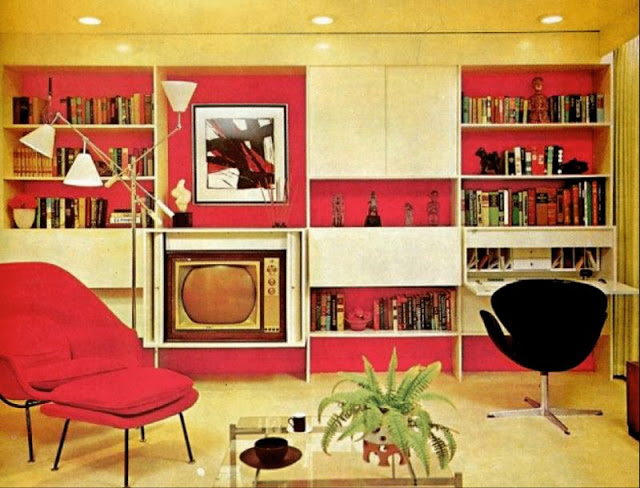
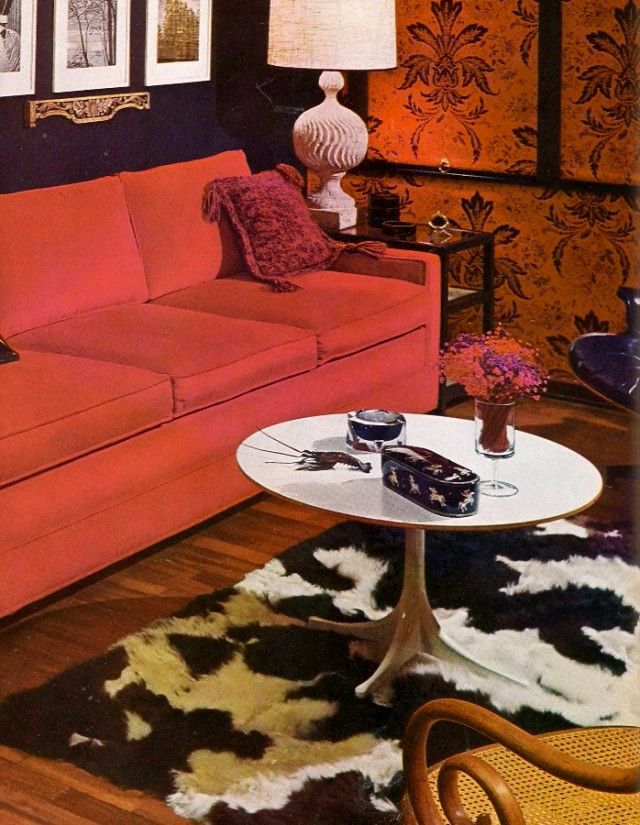
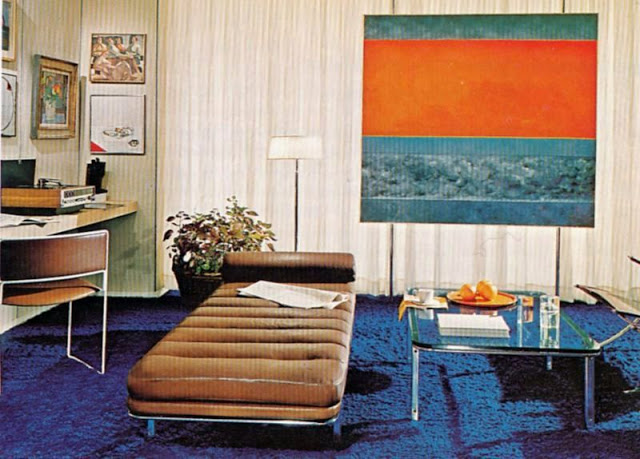
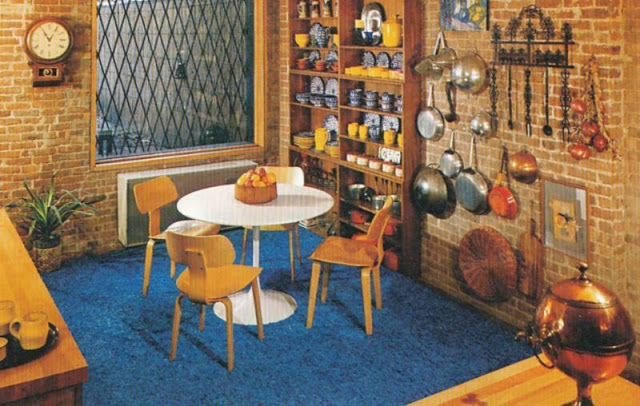
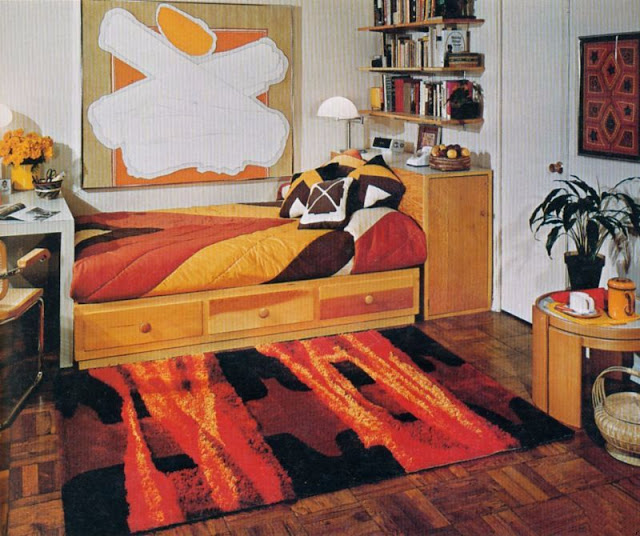
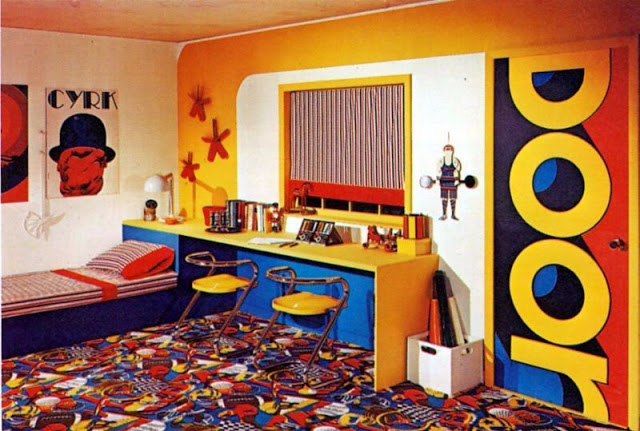
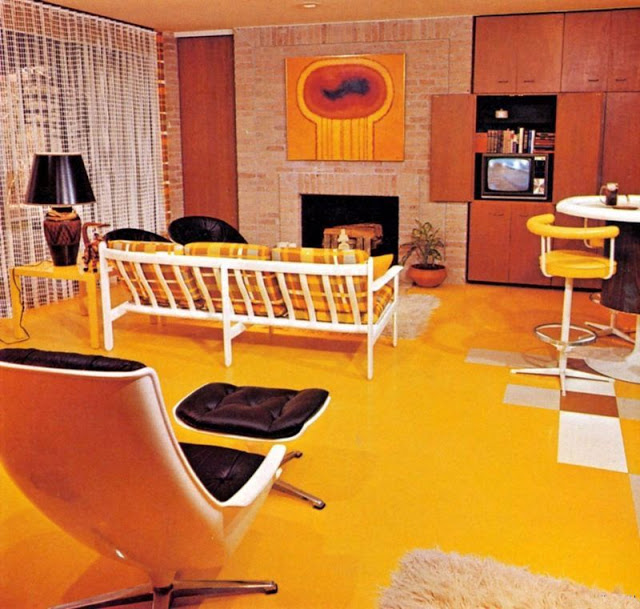
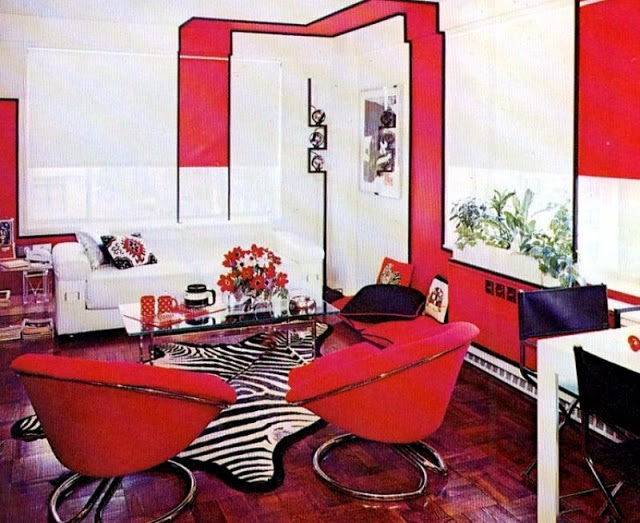
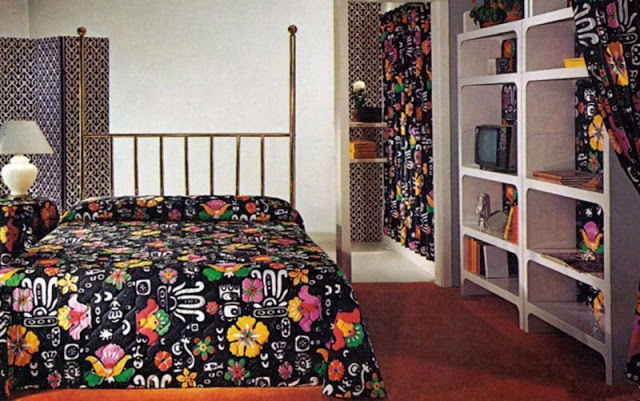
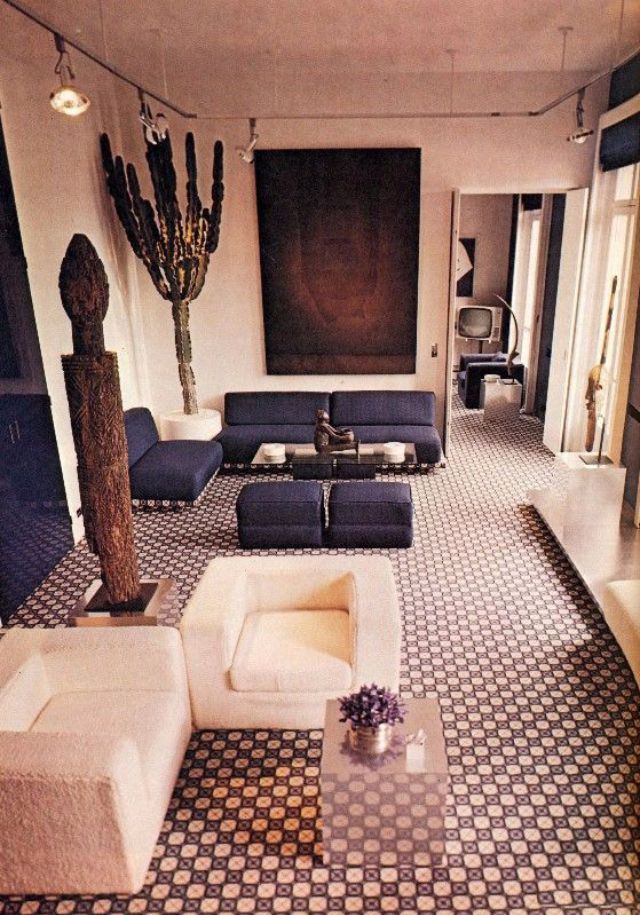
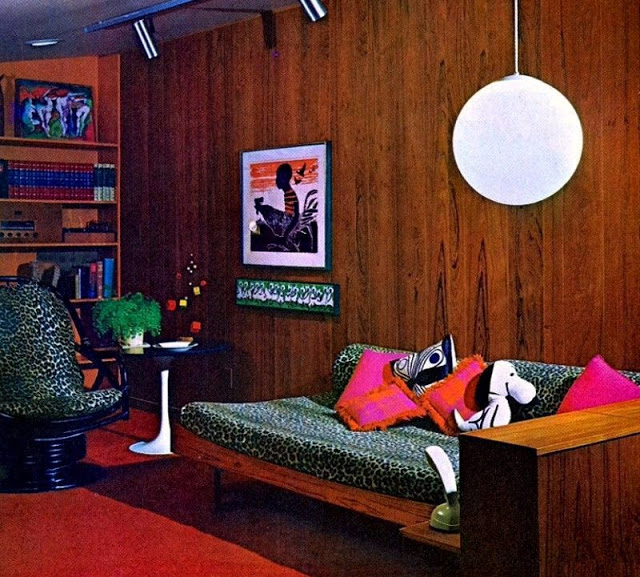
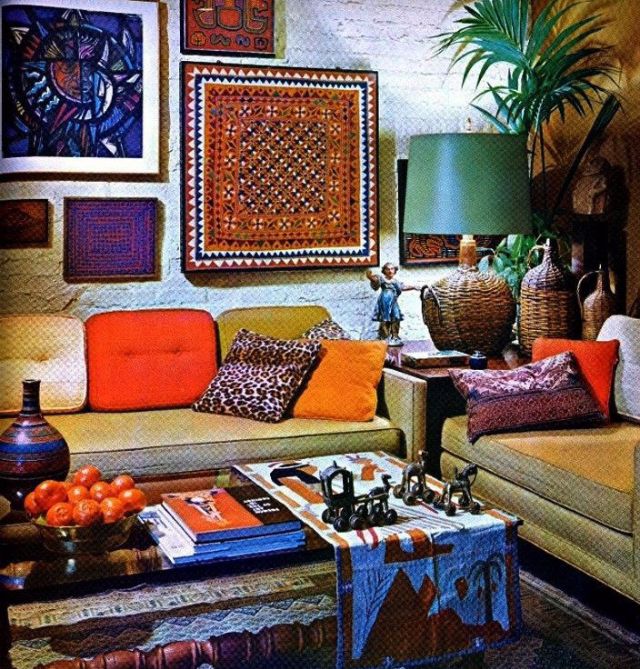
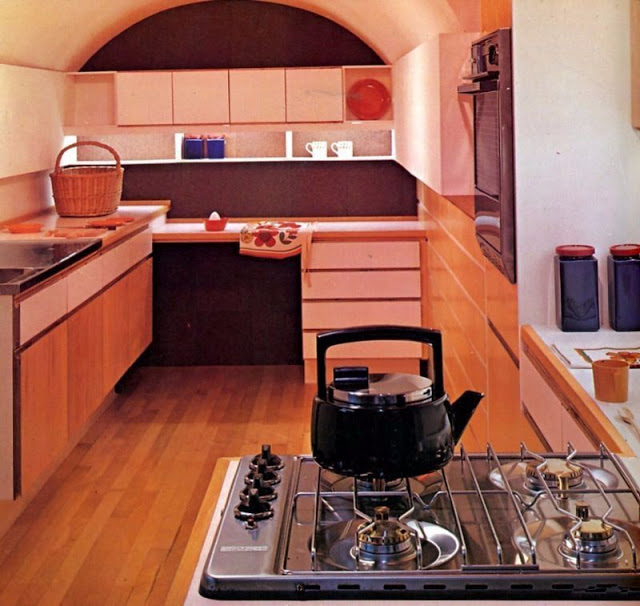
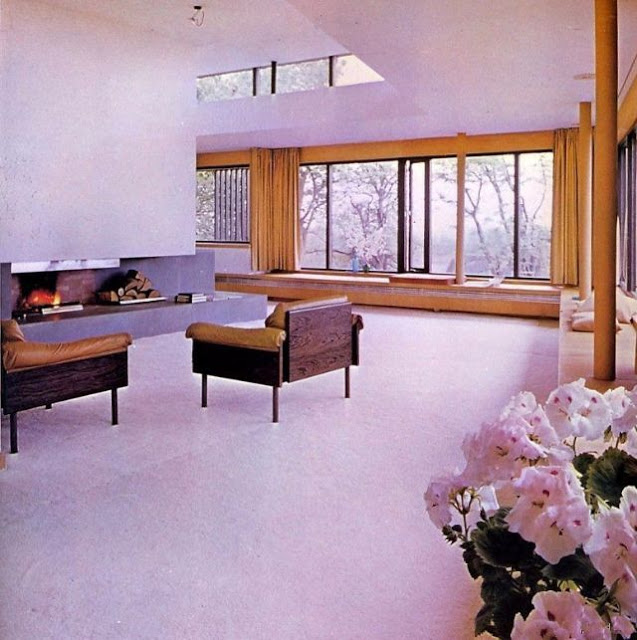
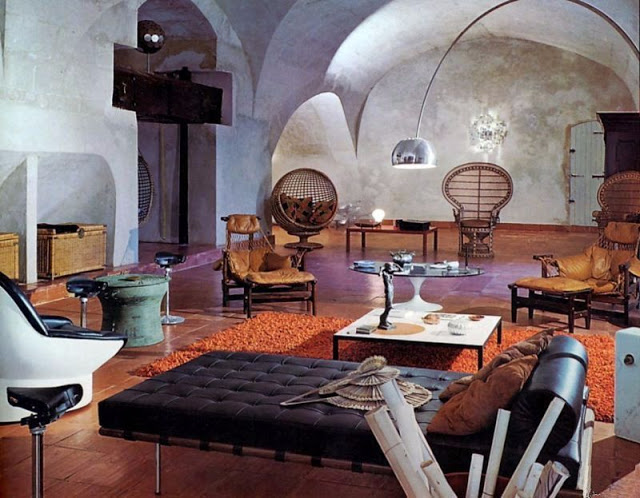
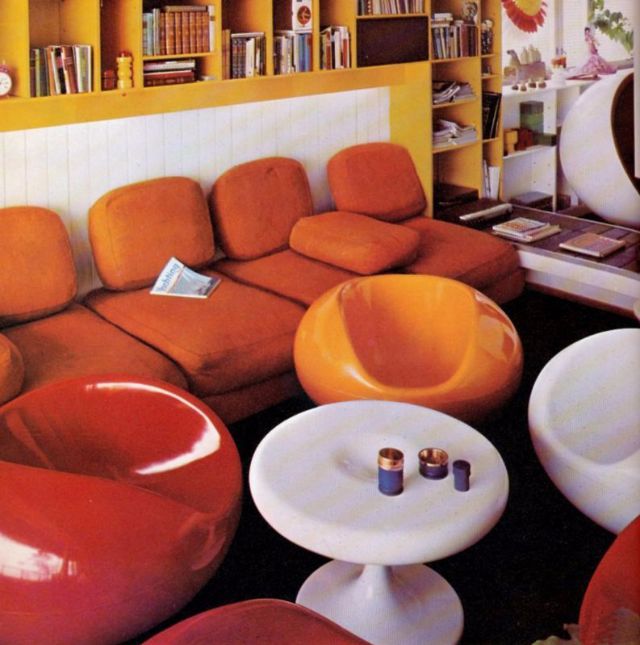
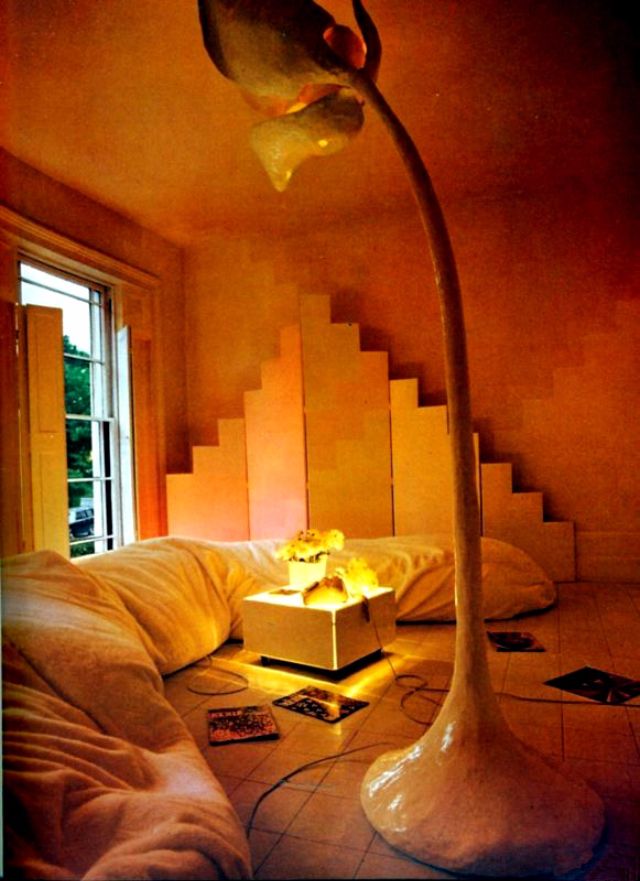
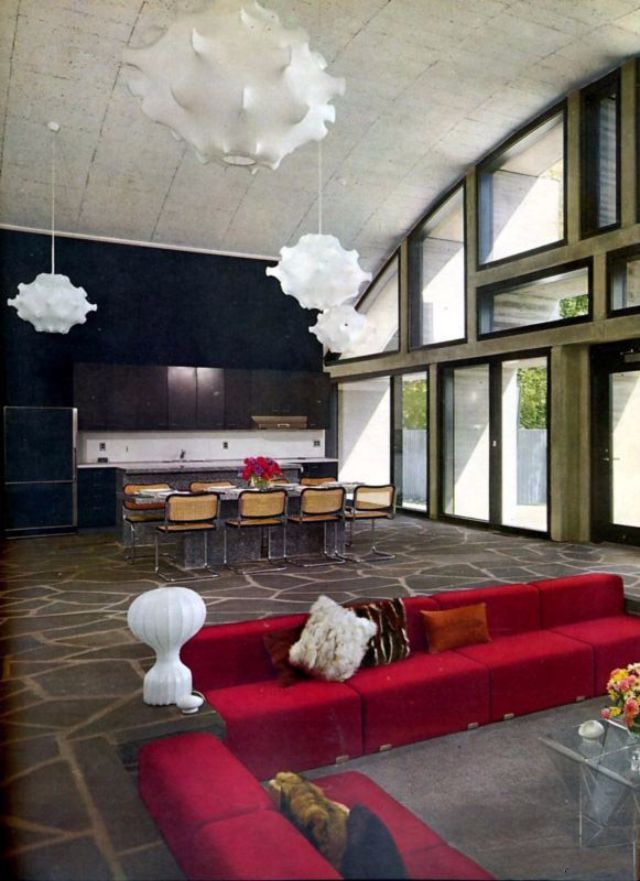
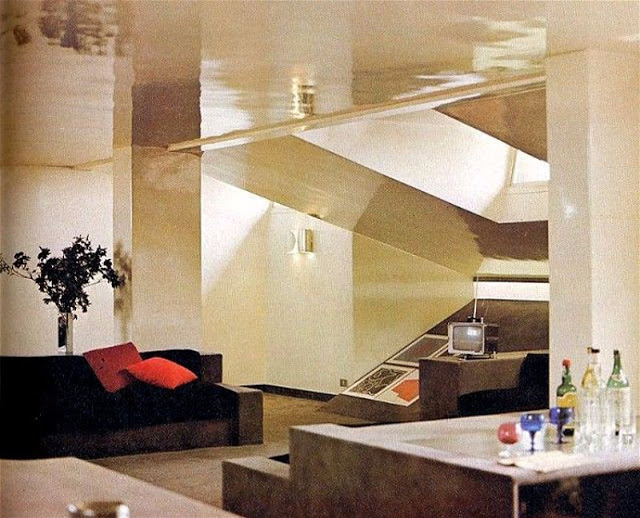
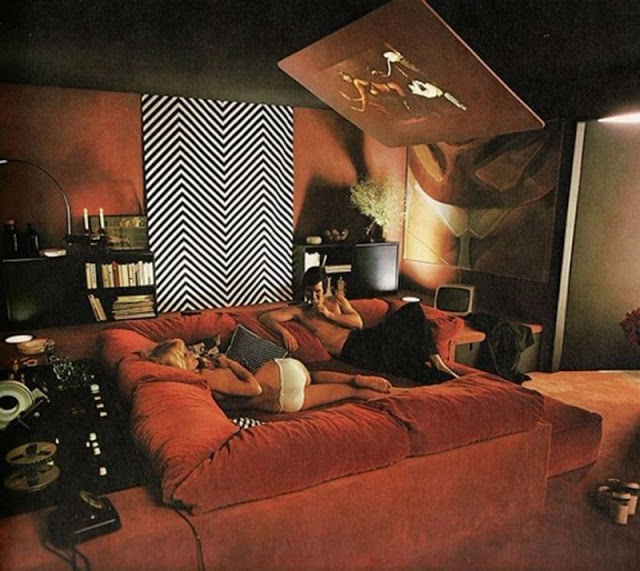
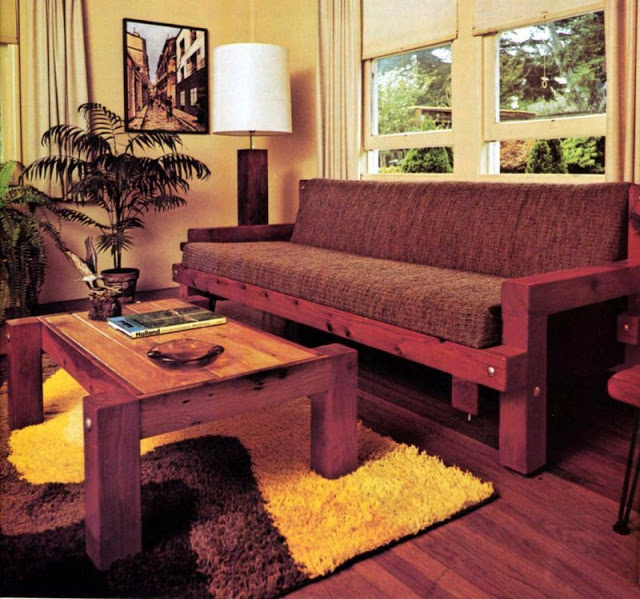
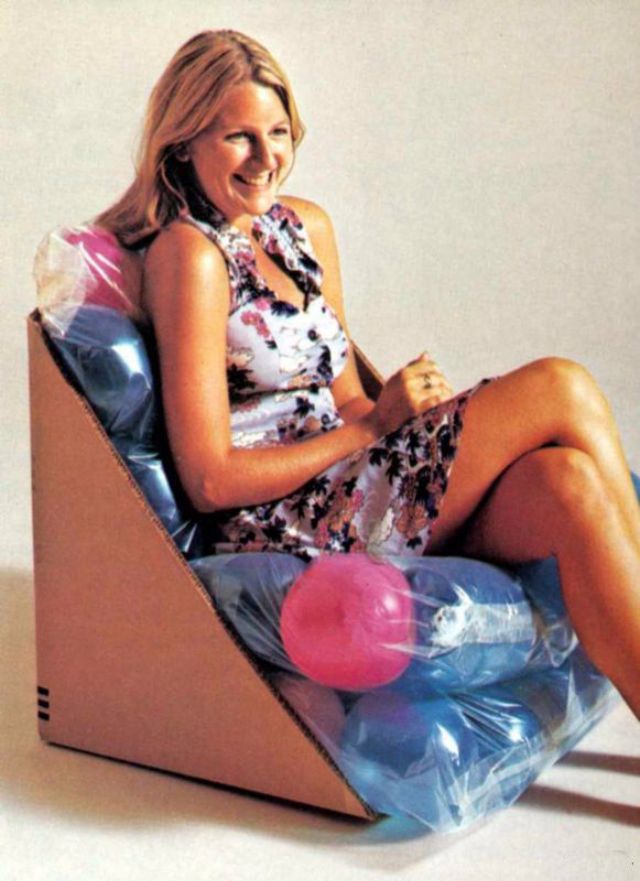
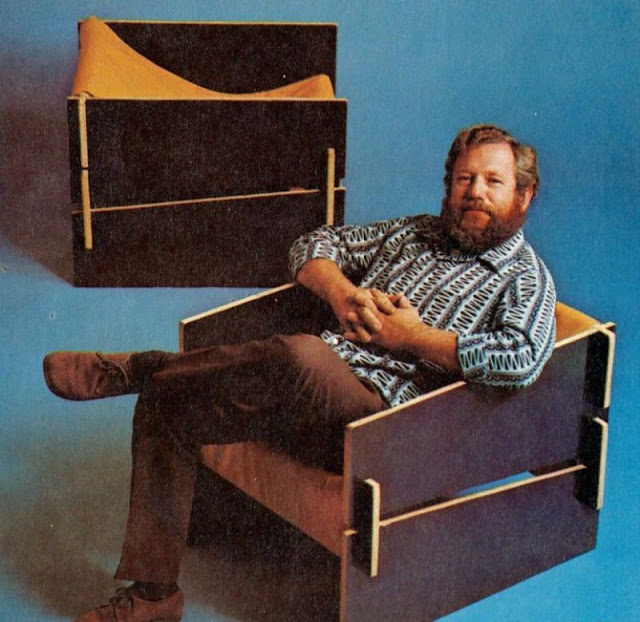
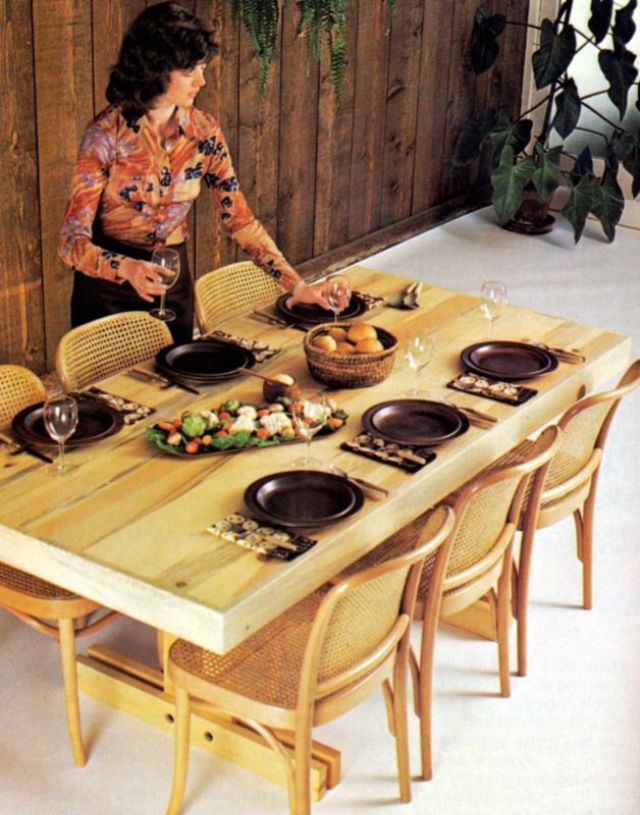
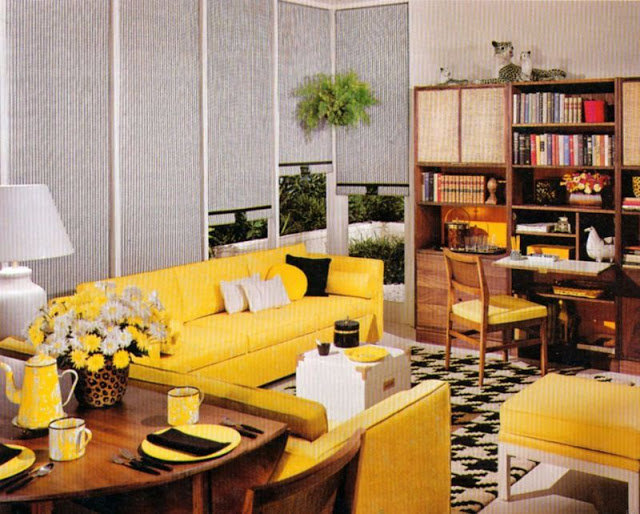
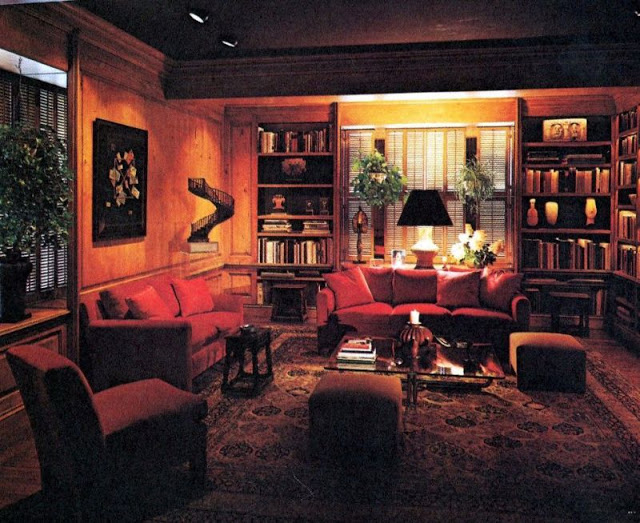
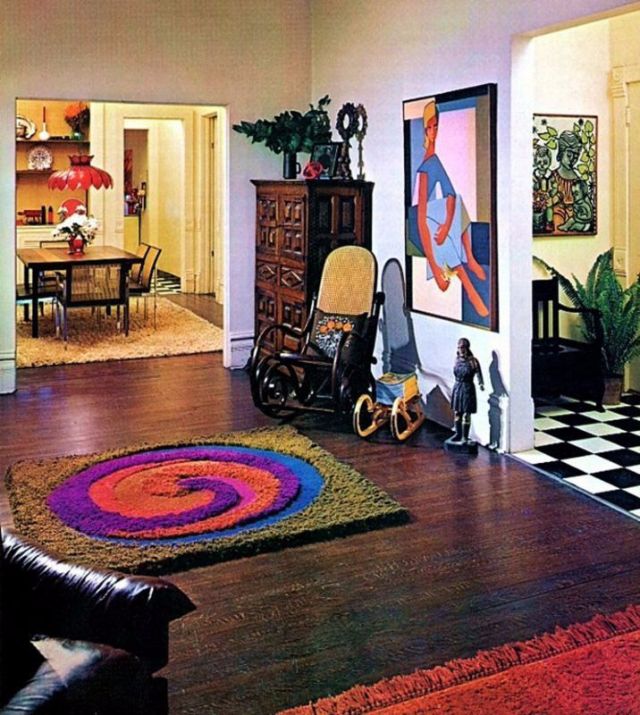
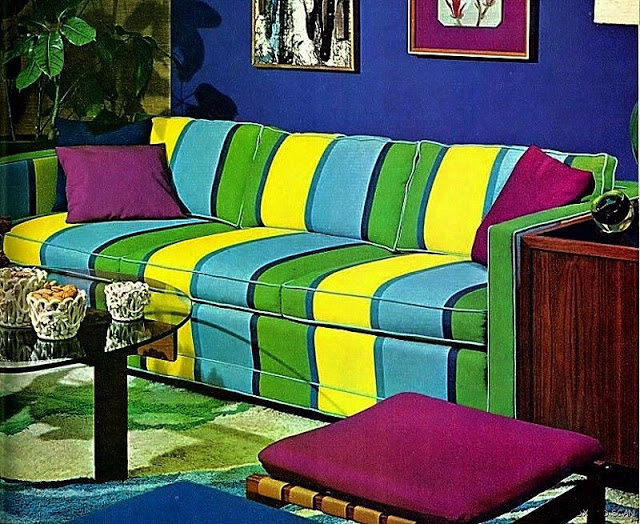
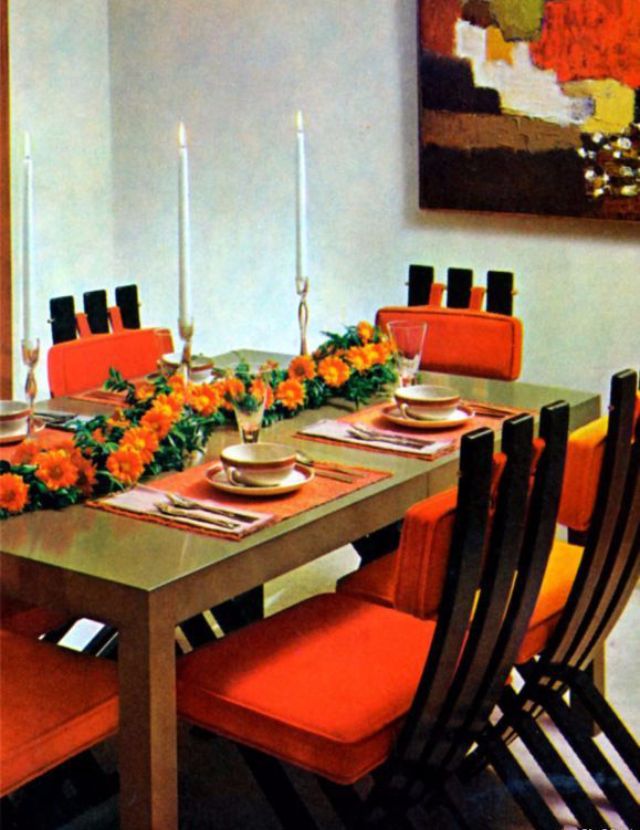
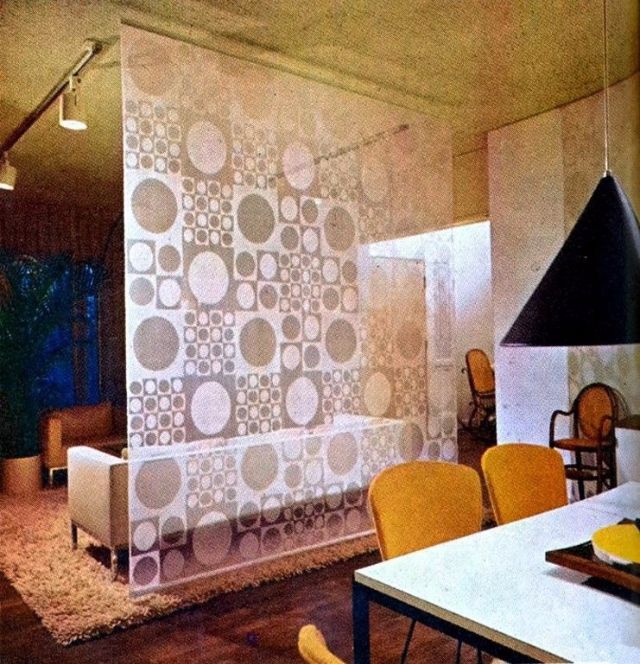
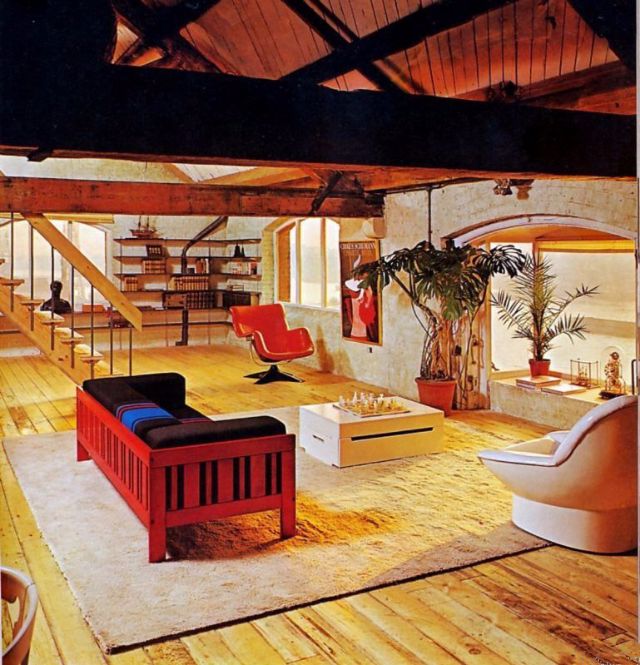
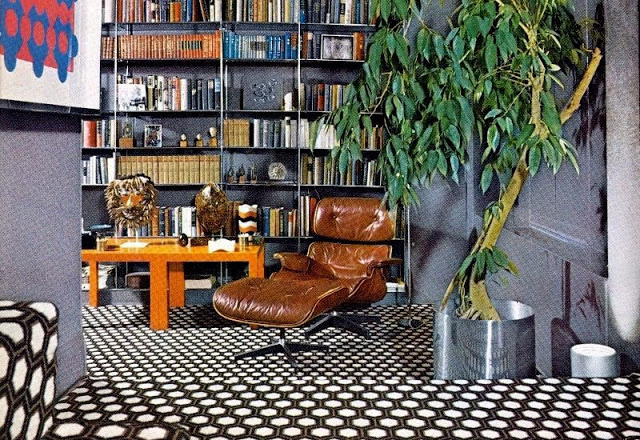
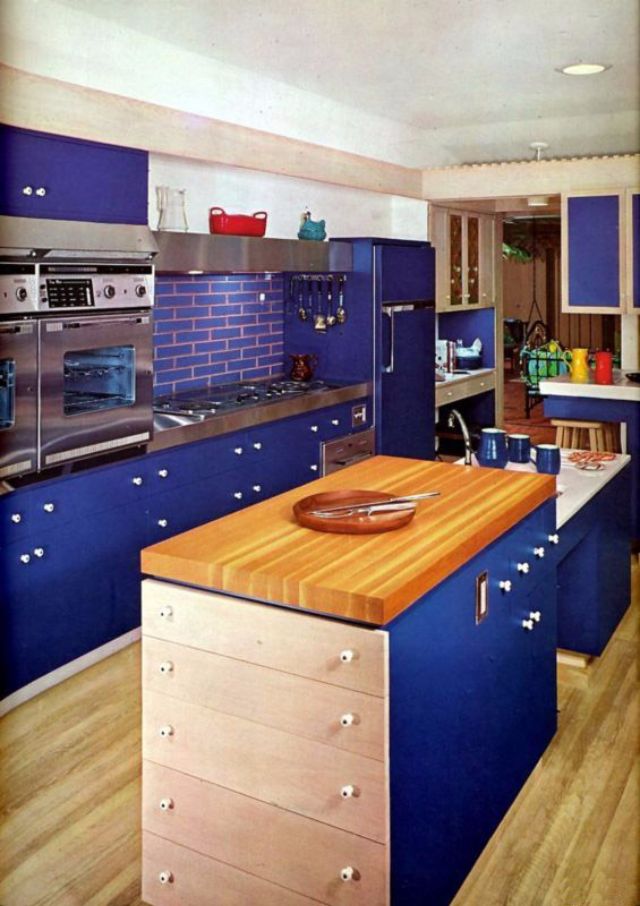
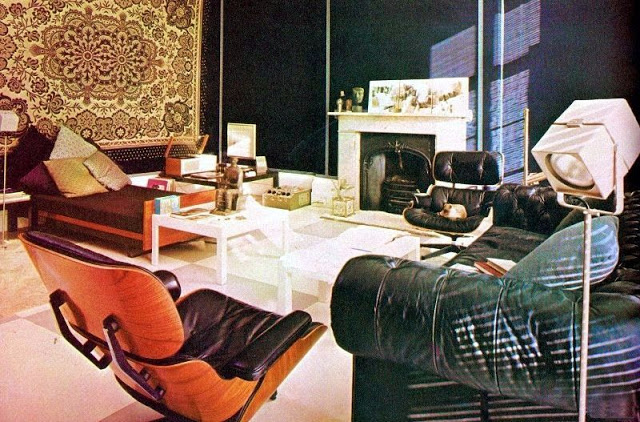
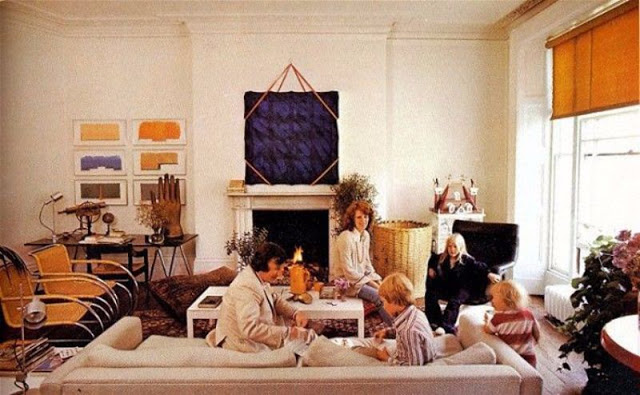
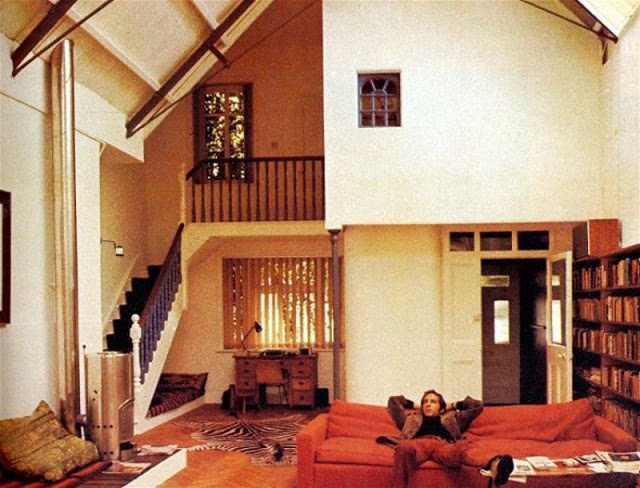
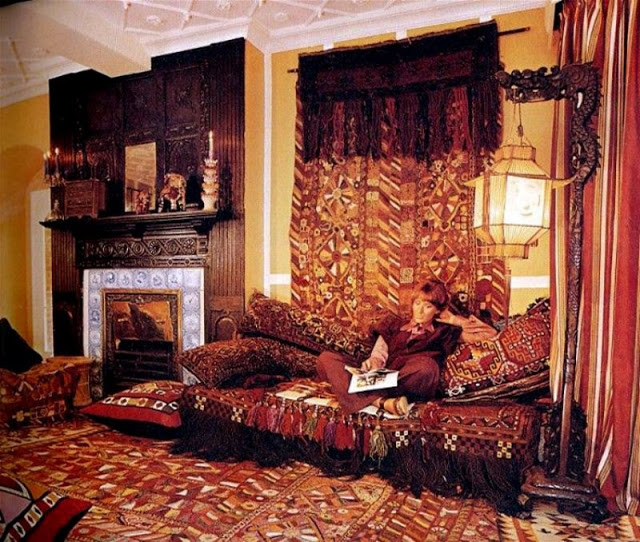
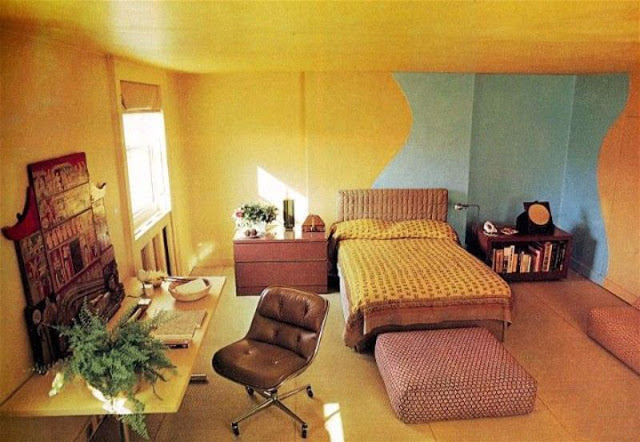
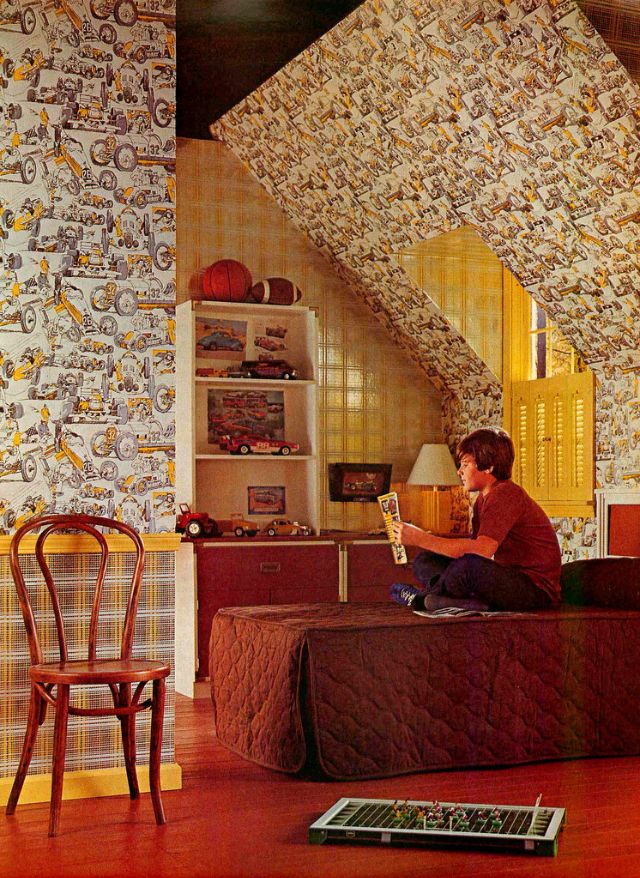
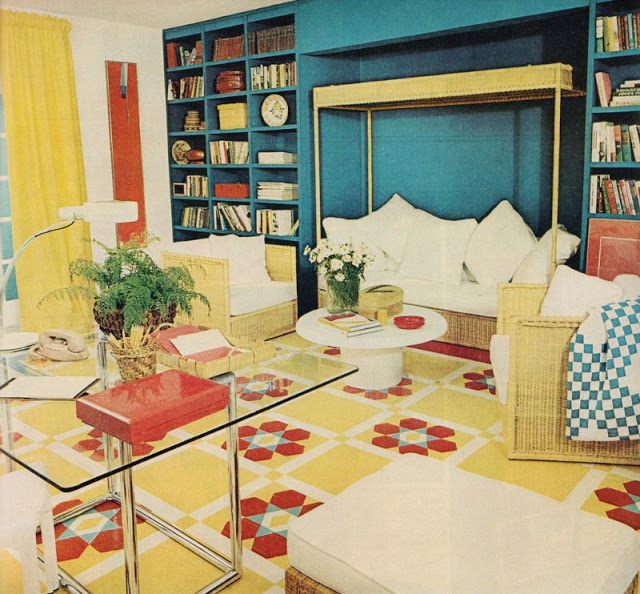
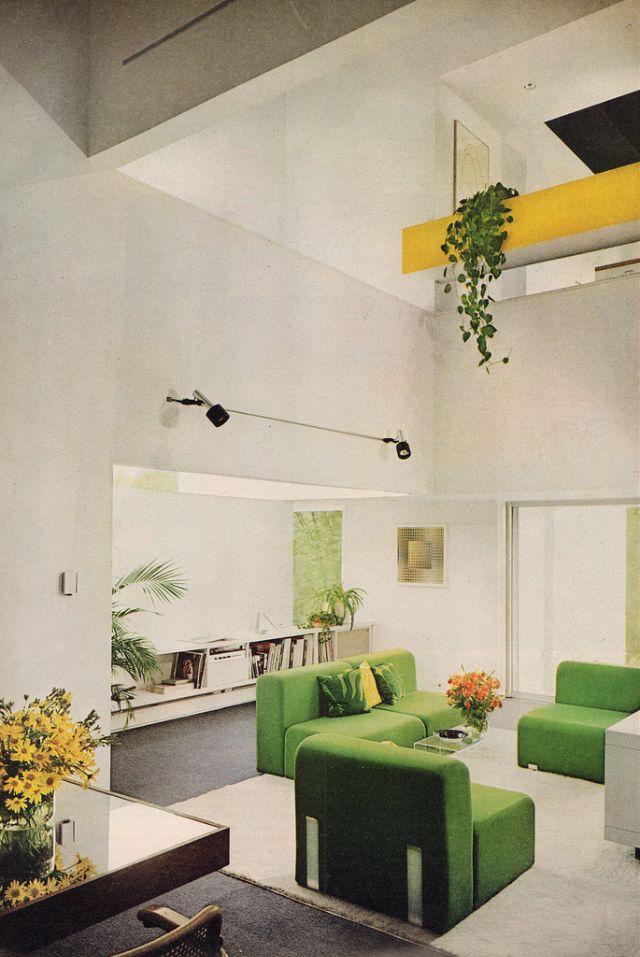
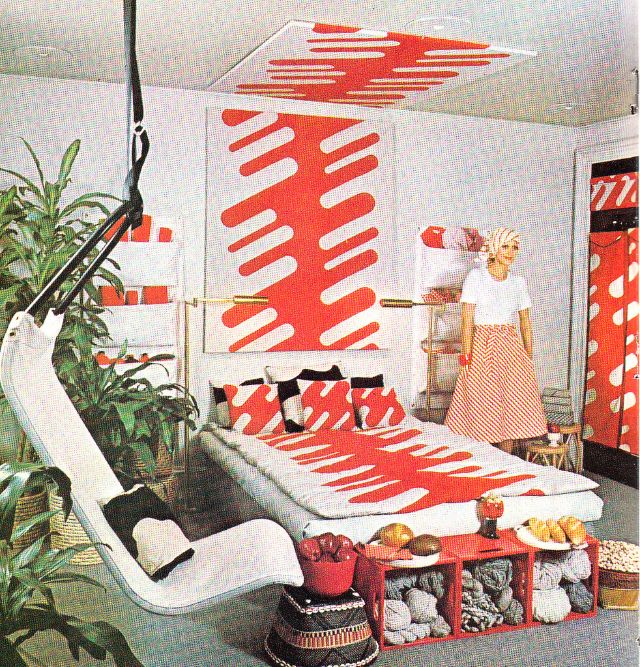
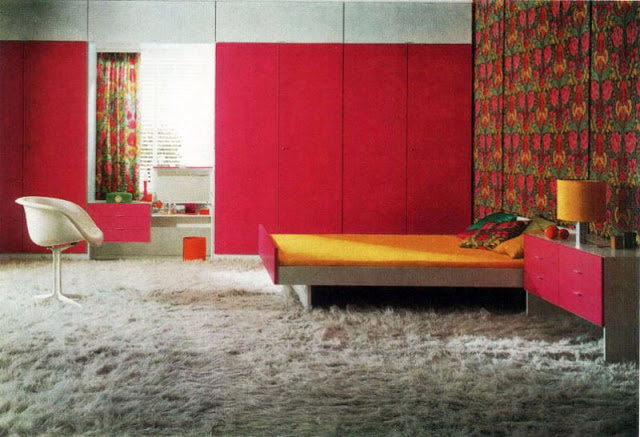
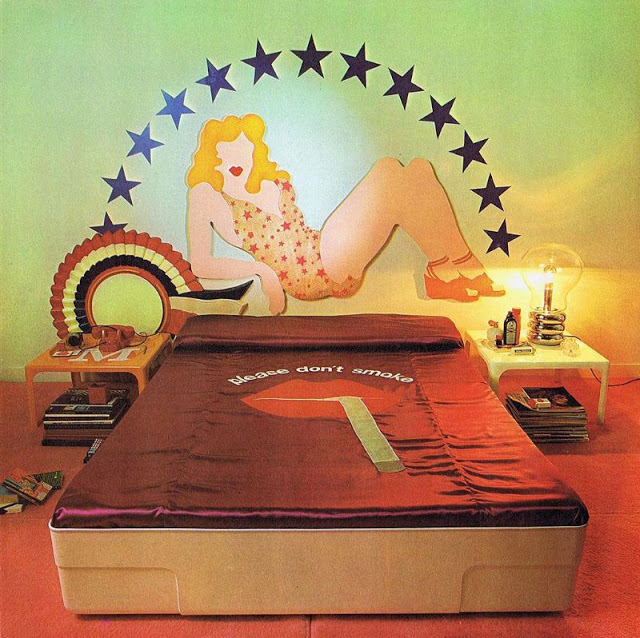
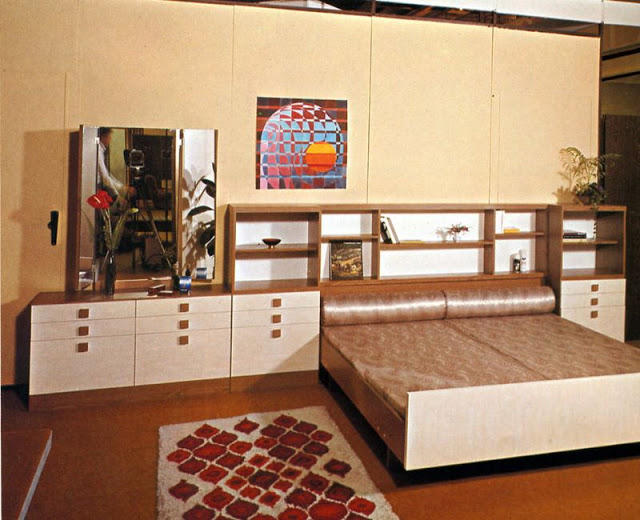
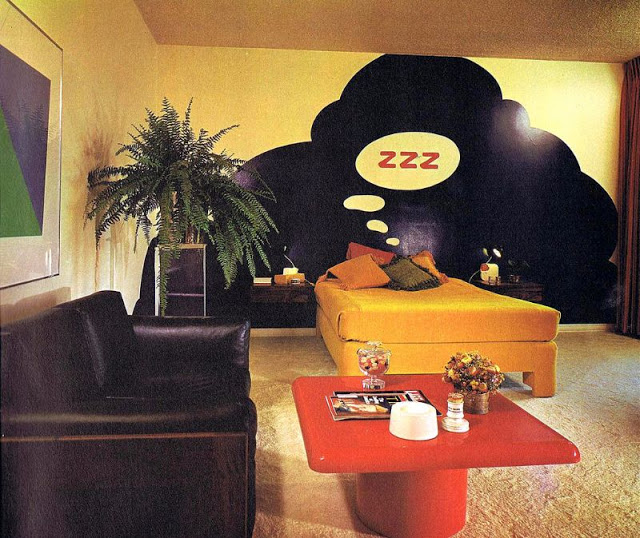
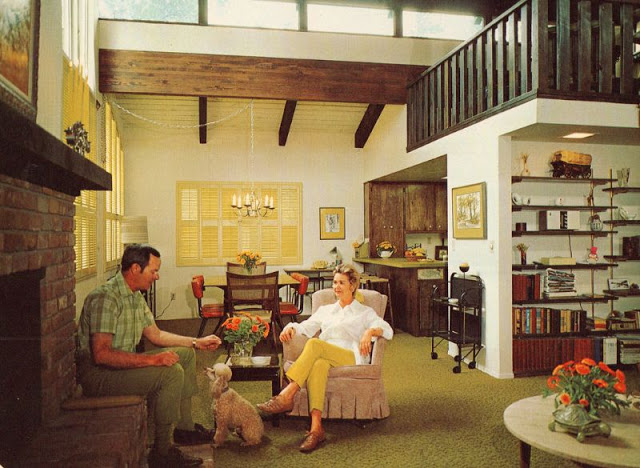
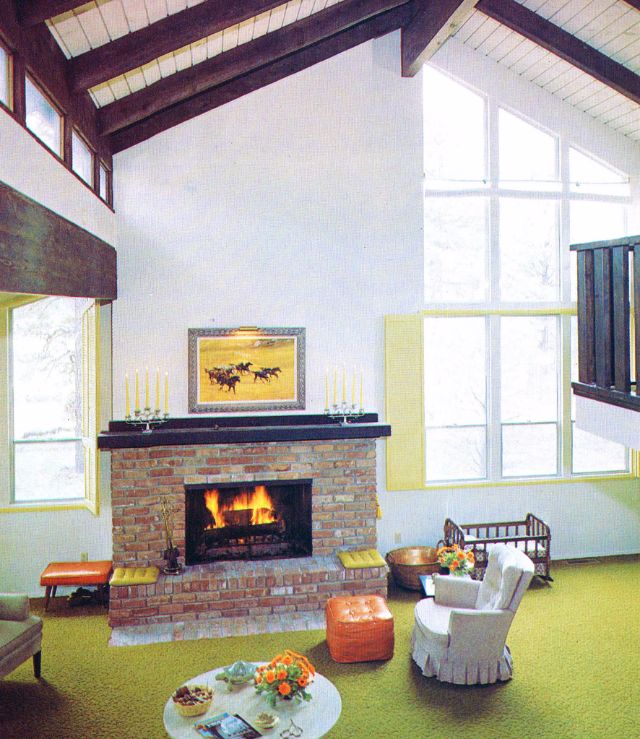
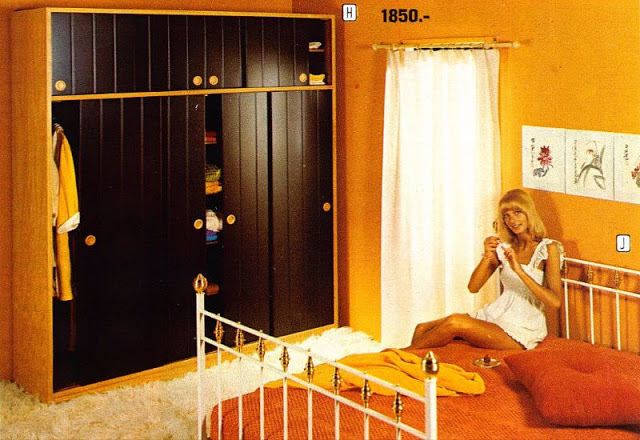
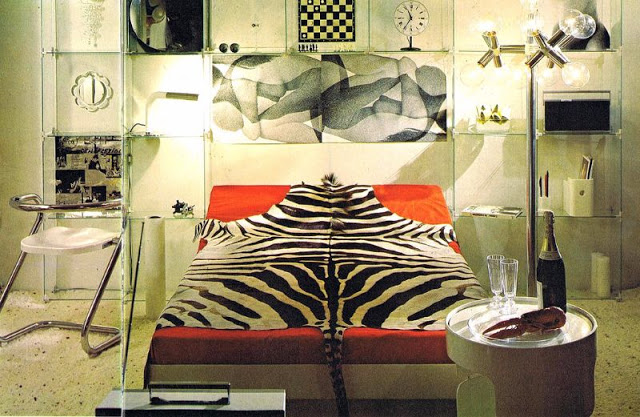
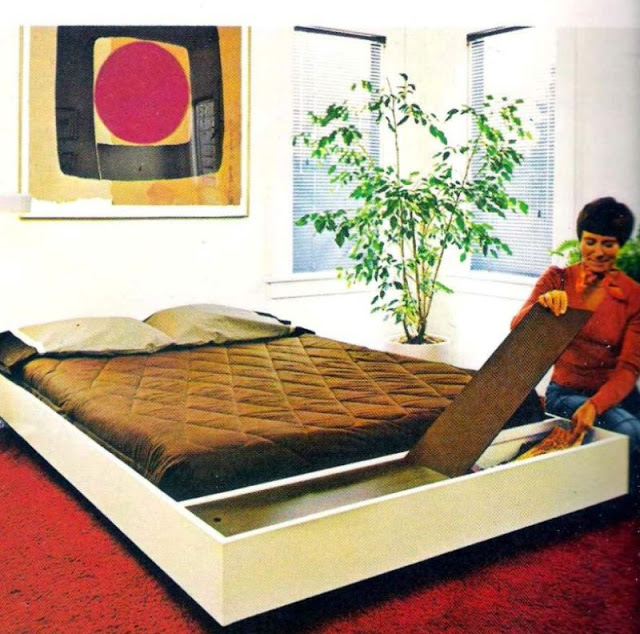
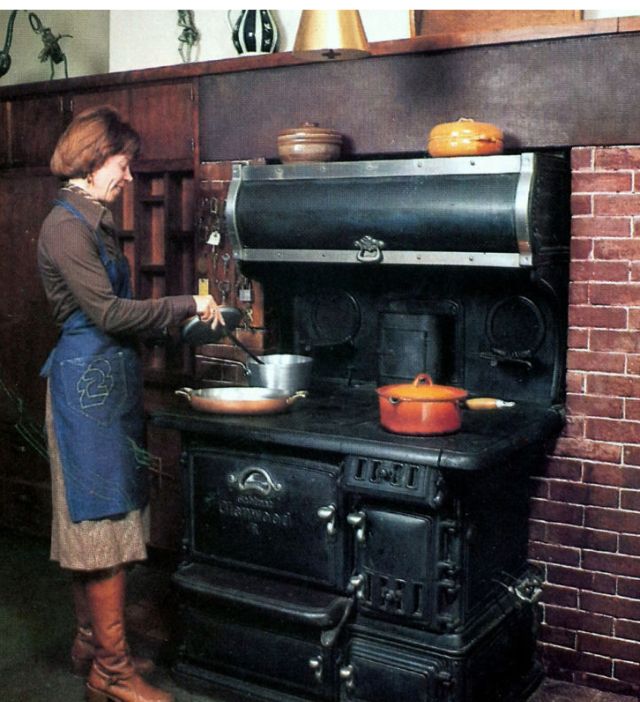
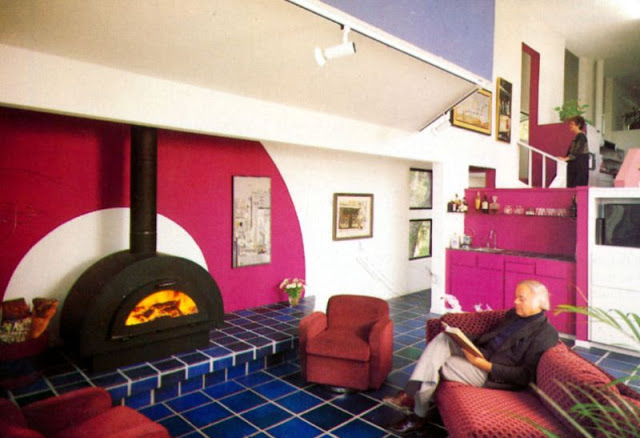
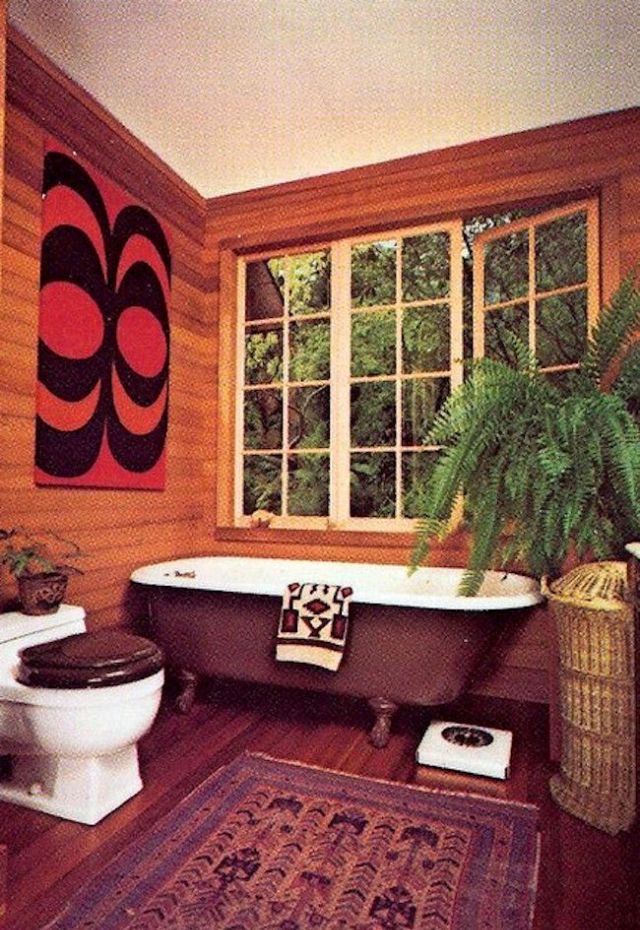
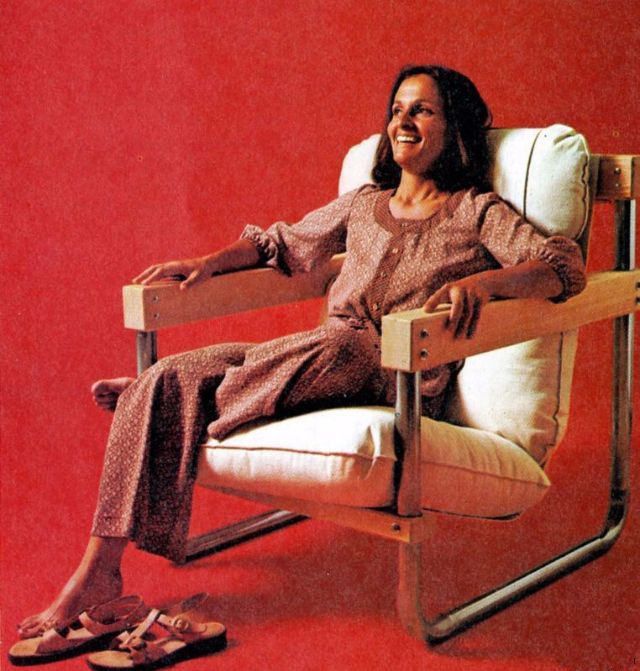
71 Vintage Photos Showing Furniture From the 1970s

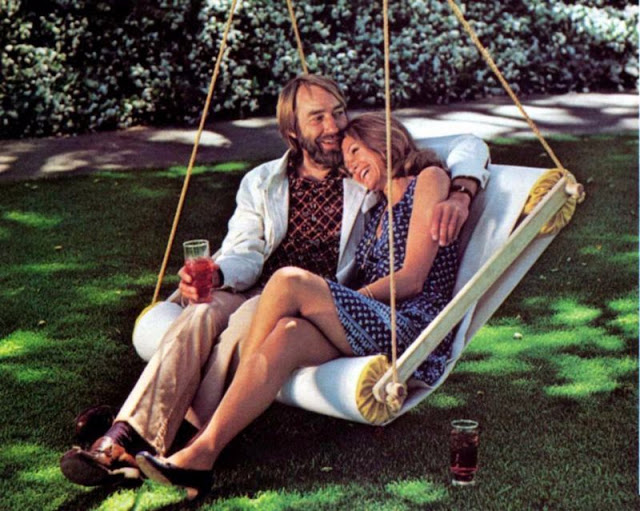
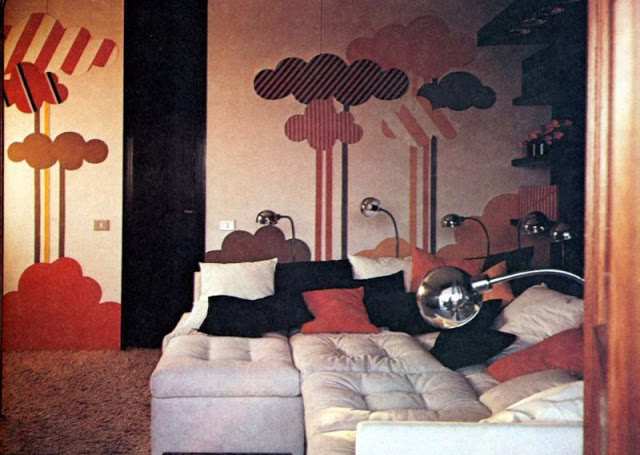
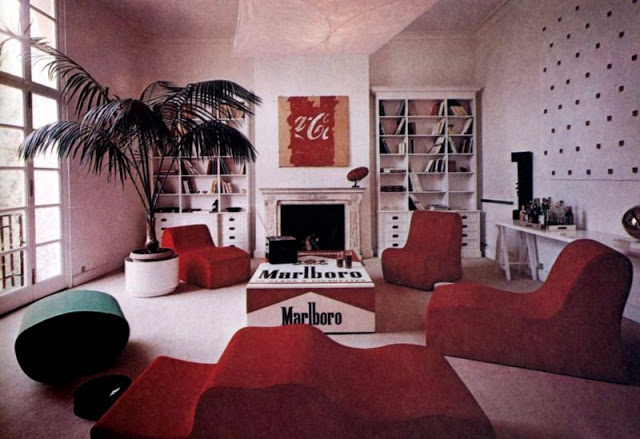
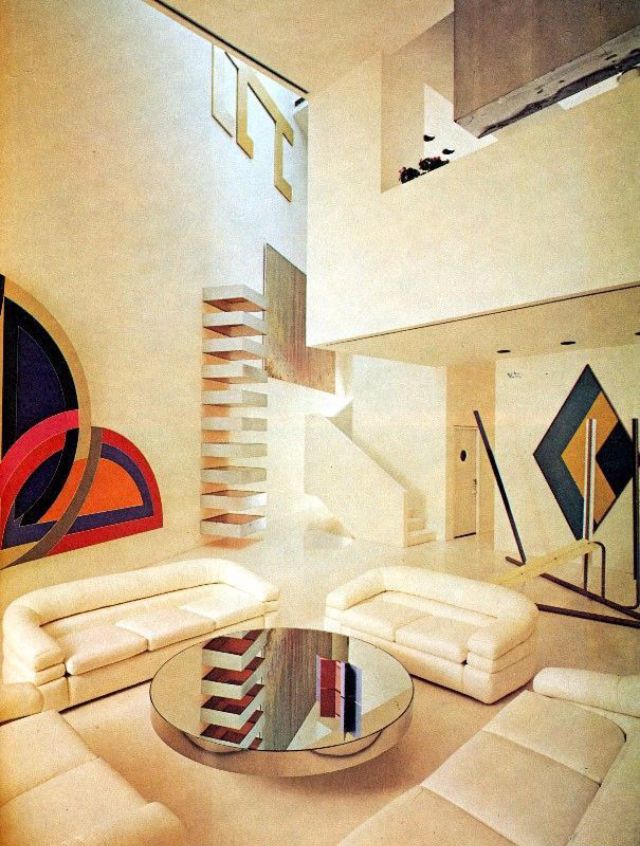
Furniture of the 1970s was full of bright colors, lava lamps, flares and flower power. Patterned prints including geometric shapes and stripes were common in most family homes. Vibrancy was key in this era. Curvy and bold designs were popular, including tub chairs and metallic bar stools were heavily featured in living rooms across the country. And don’t forget shaggy rugs.

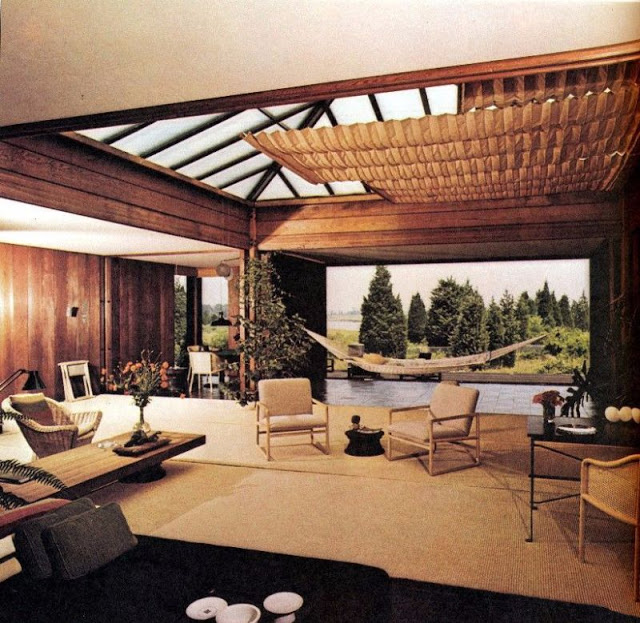
Another major aspect of 1970s furniture is the use of teak wood. The use of teak in fashionable furniture and panelling regained popularity in the 1960s and items became chunkier as it progressed into the 1970s. Because of the popularity of wood in homes, dark color palettes also became more widely used as the 1970s progressed. In the mid-to-late 1970s, pine wood began to replace teak wood, and color palettes became even darker.

These colorful pictures show what furniture in the 1970s looked like.

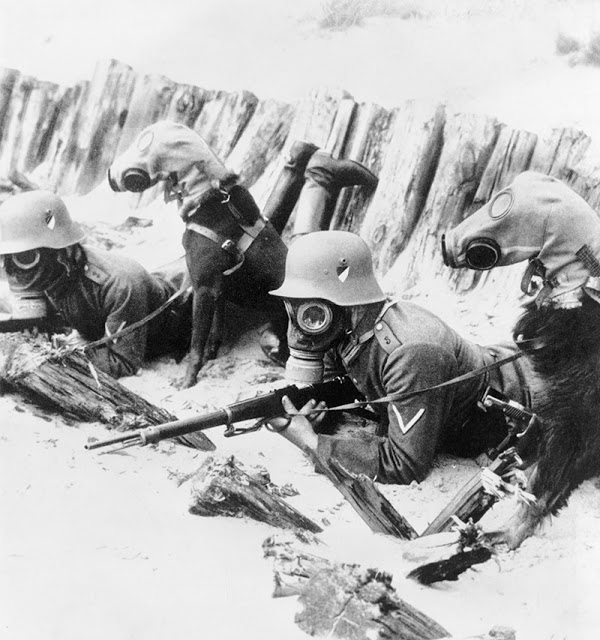
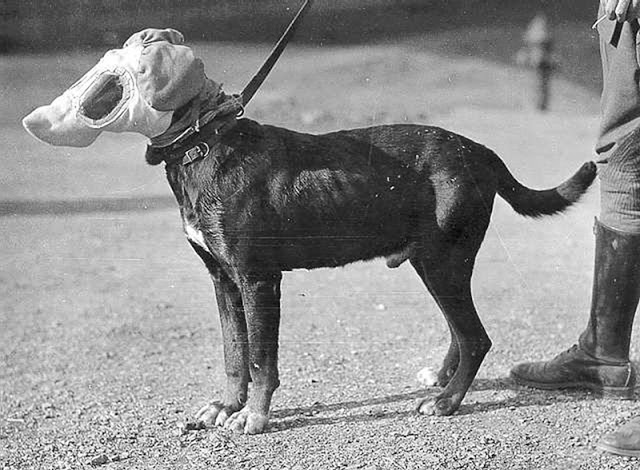
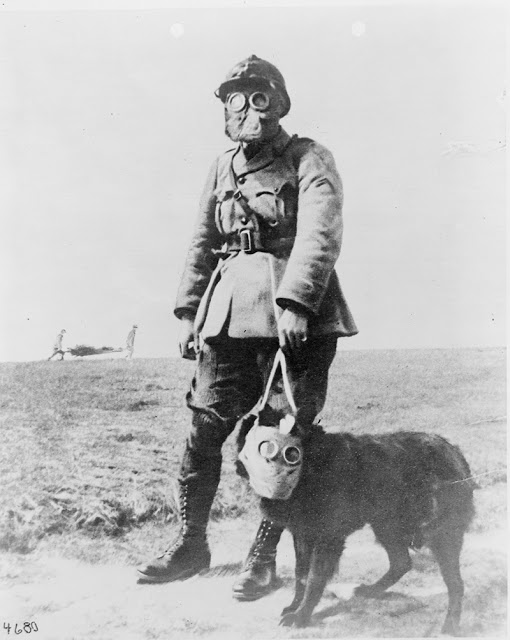
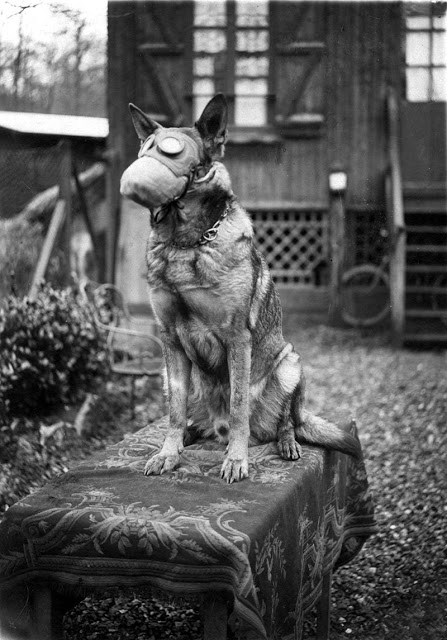
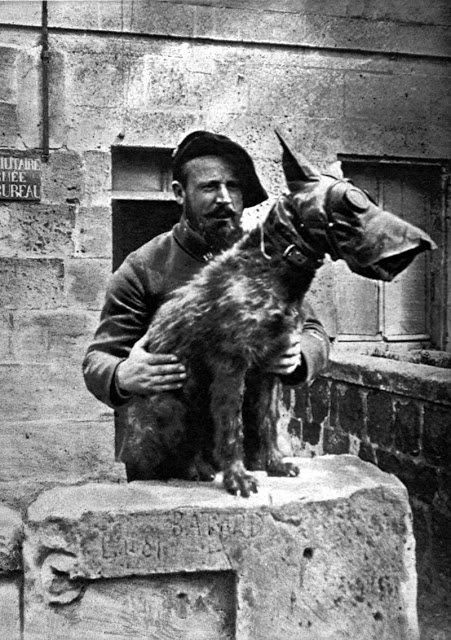
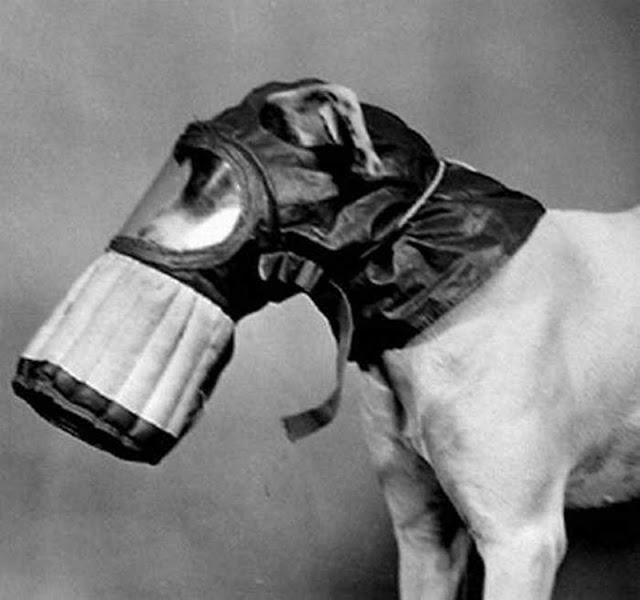
15 Vintage Photos of Dogs Wearing Gas Masks During the Two World Wars

ca. 1916-1918 — Gas masks worn by German soldiers and their dogs while on maneuvers in Northern Germany during World War I. | Location: Northern Germany.
German messenger dog wearing doggy gas mask during WWI.
A French sergeant and a dog, both wearing gas masks, on their way to the front line in World War I, France, circa 1915.
French Red Cross dog with gas mask, 1917.
France, 1918, World War I, Health dog wearing a gas mask to protect it from gas fumes.
Parisians walk their gas mask-equipped dogs, 1939.
Two Airedale terriers at Lt. Colonel E. H. Richardson’s canine training camp in Woking, Surrey, during World War II, 16th October 1939. One dog wears a special gas mask and the other carries rations for a wounded soldier.
1939: Three Airedale dogs wearing their special gas masks at a Surrey kennel. They are being trained by Lt Col E. H. Richardson.
German soldiers and scouting dogs training during a gas drill in the Second World War, circa 1939-1945.
(GERMANY OUT) Rescue services Air-raid warden with his dog, both are wearing gas masks 1940
Dog warrior
A soldier and his German Shepherd wear gas masks to protect themselves from chemical warfare.
Dogs in gas masks during WWII
Dog in gas masks during WWII

16 Wonderful Photos From the 1959 A.A.U Swimming and Diving Championships in Palm Beach, Florida

The Amateur Athletic Union (AAU) is an amateur sports organization based in the United States. A multi-sport organization, the AAU is dedicated exclusively to the promotion and development of amateur sports and physical fitness programs. It claims to have over 670,000 participants and over 100,000 volunteers.

The AAU was founded in 1888 by William Buckingham Curtis to establish standards and uniformity in amateur sport. During its early years the AAU served as a leader in international sport representing the United States in the international sports federations. The AAU worked closely with the Olympic movement to prepare athletes for the Olympic Games.

After the Amateur Sports Act of 1978 broke up the AAU’s responsibility as the national Olympic sports governing body, the AAU focused on providing sports programs for all participants of all ages beginning at the local and regional levels. The philosophy of the AAU is “Sports for All, Forever.” The AAU is divided into 56 distinct district associations, which annually sanction 34 sports programs, 250 national championships, and over 30,000 age division events. The AAU events have over 500,000 participants and over 50,000 volunteers.

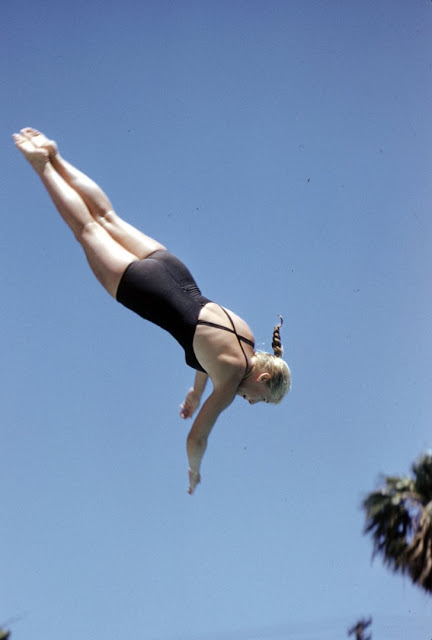
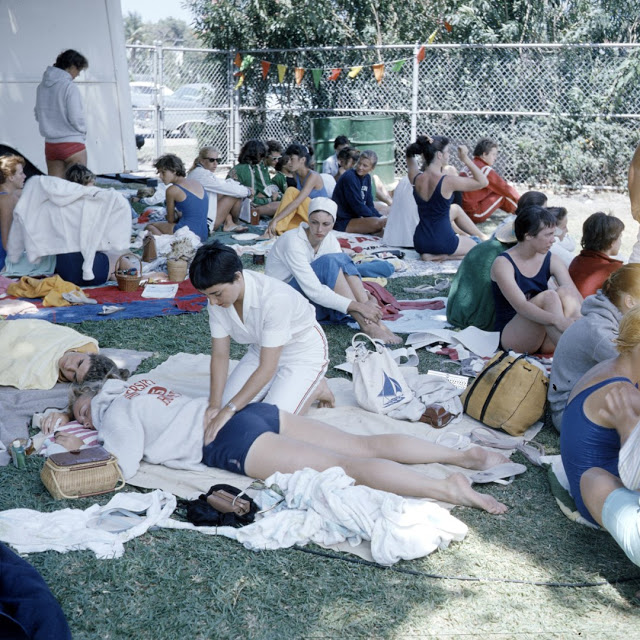
These wonderful color photographs were taken by Peter Stackpole at the 1959 swimming and diving championships of the Amateur Athletic Union, which were held in Palm Beach, Florida.

Women’s SR. National AAU Indoor Swimming & Diving

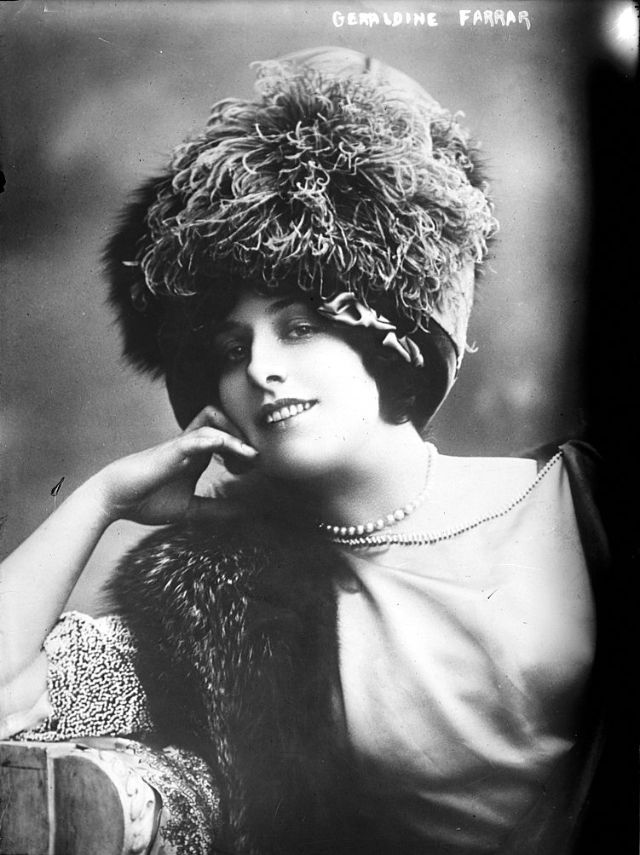
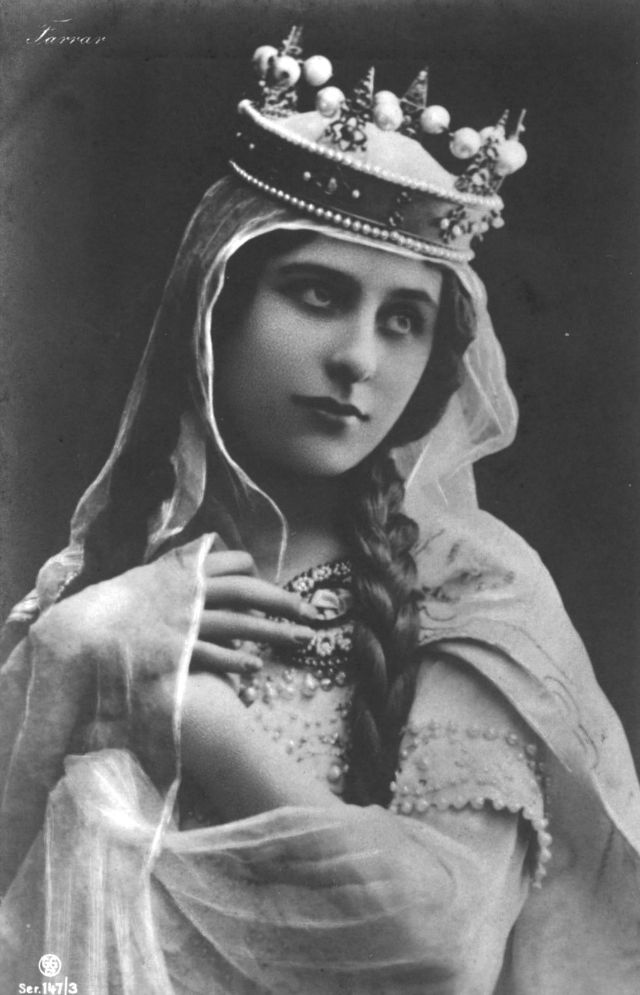
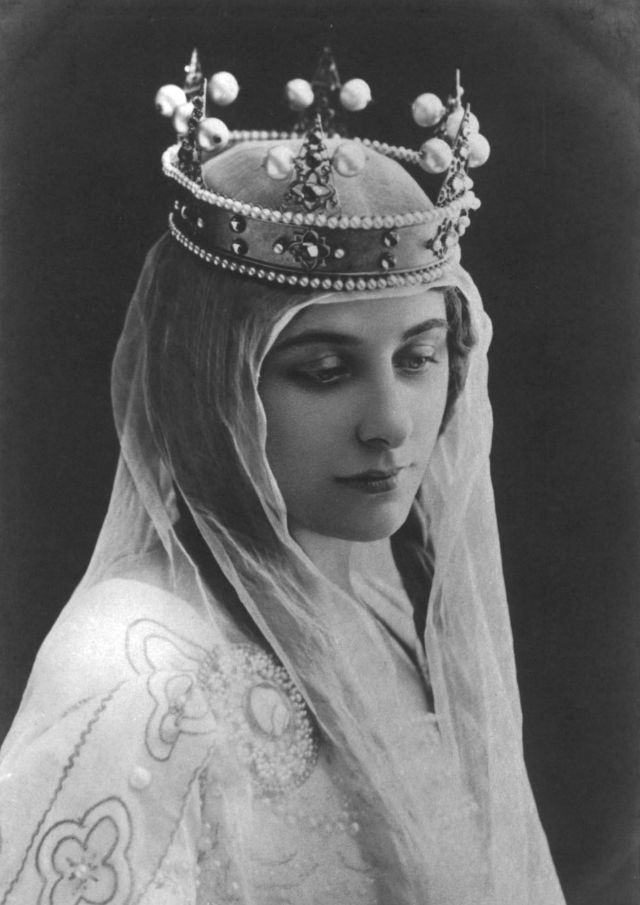
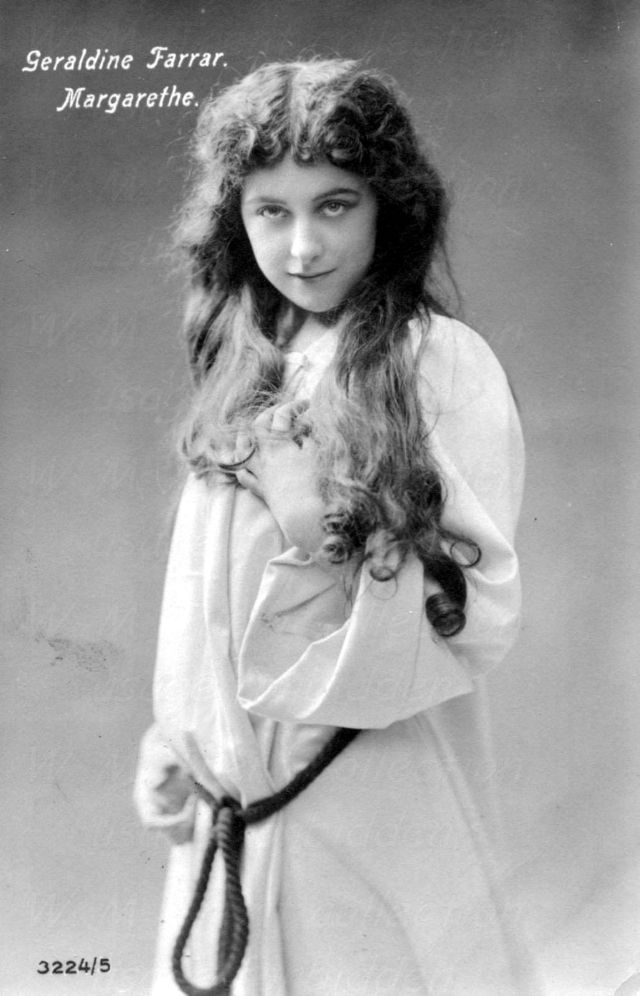
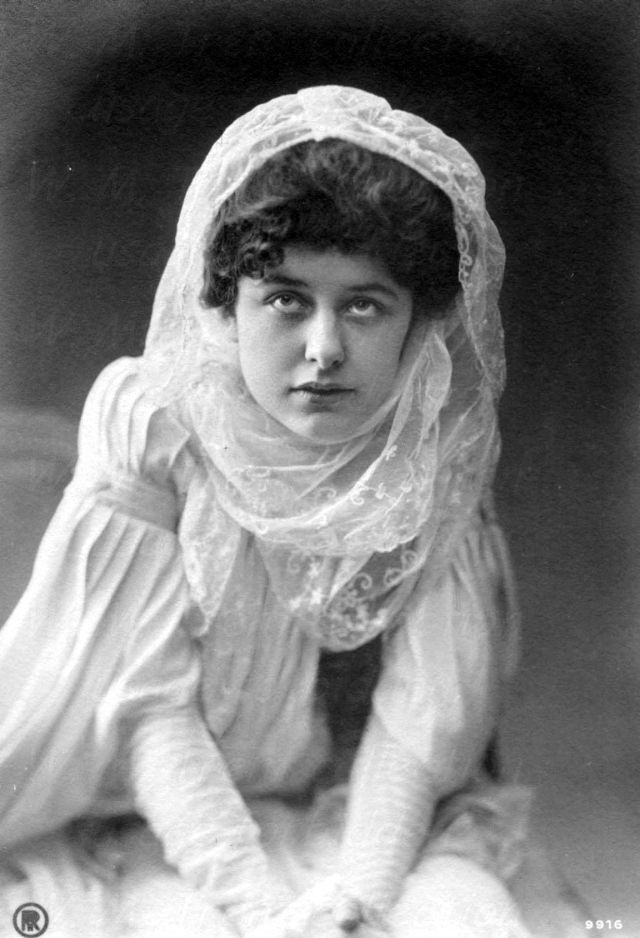
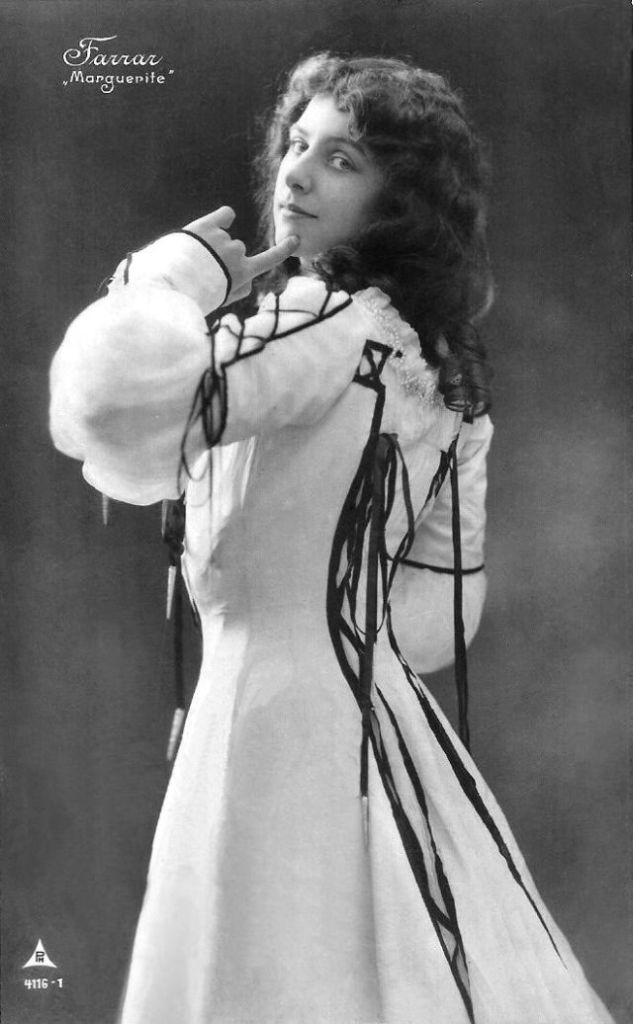
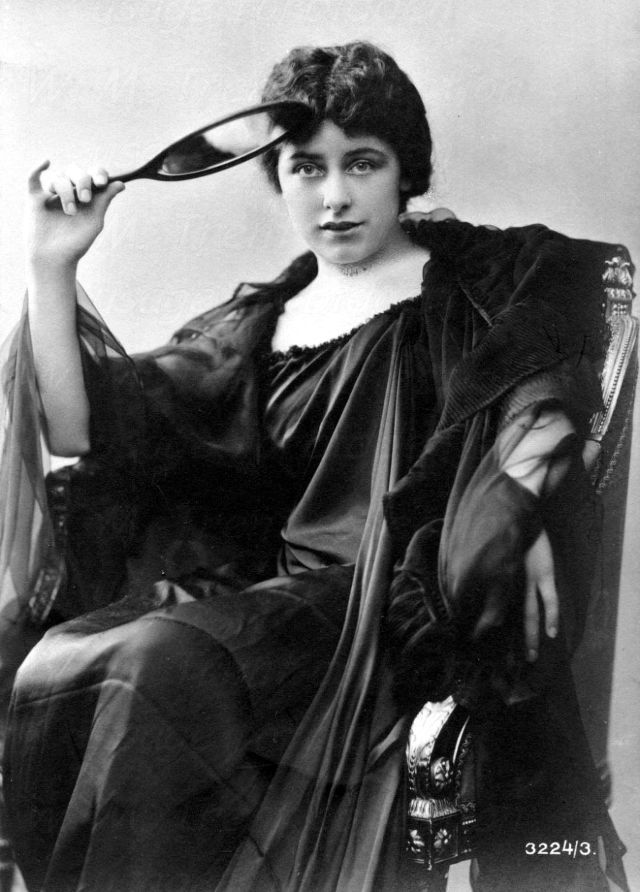
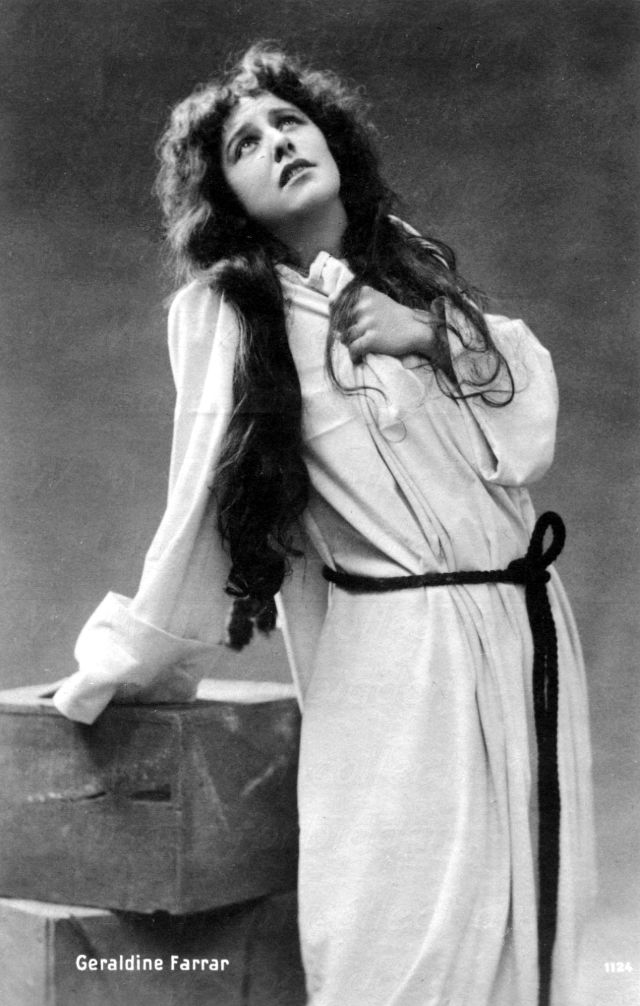
50 Beautiful Photos of Singer & Actress Geraldine Farrar in the Early 20th Century

Alice Geraldine Farrar (February 28, 1882 – March 11, 1967) was an American soprano opera singer and film actress, noted for her beauty, acting ability, and “the intimate timbre of her voice.” She had a large following among young women, who were nicknamed “Gerry-flappers”.

Farrar was born in Melrose, Massachusetts, the daughter of baseball player Sidney Farrar, and his wife Henrietta Barnes. At age five, she began studying music in Boston and by 14 was giving recitals. Later she studied voice with the American soprano Emma Thursby in New York City, in Paris, and finally with the Italian baritone Francesco Graziani in Berlin. Farrar created a sensation at the Berlin Hofoper with her debut as Marguerite in Charles Gounod’s Faust in 1901 and remained with the company for three years, during which time she continued her studies with famed German soprano Lilli Lehmann. (She had been recommended to Lehmann by another famous soprano of the previous generation, Lillian Nordica.) She appeared in the title roles of Ambroise Thomas’ Mignon and Jules Massenet’s Manon, as well as Juliette in Gounod’s Roméo et Juliette. Her admirers in Berlin included Crown Prince Wilhelm of Germany, with whom she is believed to have had a relationship beginning in 1903.

After three years with the Monte Carlo Opera, Farrar made her debut at the New York Metropolitan Opera in Romeo et Juliette on November 26, 1906. She appeared in the first Met performance of Giacomo Puccini’s Madama Butterfly in 1907 and remained a member of the company until her retirement in 1922, singing 29 roles there in 672 performances. She developed a great popular following, especially among New York’s young female opera-goers, who were known as “Gerry-flappers”. Farrar created the title roles in Pietro Mascagni’s Amica (Monte Carlo, 1905), Puccini’s Suor Angelica (New York City, 1918), Umberto Giordano’s Madame Sans-Gêne (New York, 1915), as well as the Goosegirl in Engelbert Humperdinck’s Königskinder (New York, 1910), for which Farrar trained her own flock of geese. According to a review in the New York Tribune of the first performance, “at the close of the opera Miss Farrar caused ‘much amusement’ by appearing before the curtain with a live goose under her arm.”

Farrar recorded extensively for the Victor Talking Machine Company and was often featured prominently in that firm’s advertisements. She also appeared in silent films, which were produced between opera seasons. Farrar starred in more than a dozen films from 1915 to 1920, including Cecil B. De Mille’s 1915 adaptation of Georges Bizet’s opera Carmen, for which she was extensively praised. “The resolution of Geraldine Farrar, the beautiful and gifted star, to employ her talents in the attaining of success in the films is one of the greatest steps in advancing the dignity of the motion pictures. Miss Farrar’s ‘Carmen’ in the films is the greatest triumph the motion picture has yet achieved over the speaking stage,” claimed the San Francisco Call & Post. For her performance, she came in fourth place in the 1916 “Screen Masterpiece” contest held by Motion Picture Magazine. Theda Bara’s performance of the same role received 9,150 votes. One of her other notable screen roles was as Joan of Arc in the 1917 film Joan the Woman. In June 1931, Farrar made her debut radio broadcast over the National Broadcasting Company’s nationwide “Red” network.
According to her biographer:

“Unlike most of the famous bel canto singers of the past who sacrificed dramatic action to tonal perfection, she was more interested in the emotional than in the purely lyrical aspects of her roles. According to Miss Farrar, until prime donne can combine the arts of Sarah Bernhardt and Nellie Melba, dramatic ability is more essential than perfect singing in opera.”

— Elizabeth Nash
In 1960, Farrar was awarded two stars on the Hollywood Walk of Fame, in the music and film categories, located at 1620 and 1709 Vine Street.

Personal life

Farrar and husband, actor Lou Tellegen in 1916.
Beginning in 1908, Farrar had a seven-year love affair with the Italian conductor Arturo Toscanini. Her ultimatum, that he leave his wife and children and marry her, resulted in Toscanini’s abrupt resignation as principal conductor of the Metropolitan Opera in 1915. Farrar was a close friend to the Met’s star tenor Enrico Caruso and there has been speculation that they too had a love affair. It is said that Caruso coined her motto: Farrar farà (“Farrar will do it”).

Her marriage to actor Lou Tellegen on February 8, 1916 was the source of considerable scandal. The marriage ended, as a result of her husband’s numerous affairs, in a very public divorce in 1923. The circumstances of the divorce were brought again to public recollection by Tellegen’s bizarre 1934 suicide in Hollywood. Farrar reportedly said “Why should that interest me?” when told of Tellegen’s death.

Farrar retired from opera in 1922 at the age of 40. Her final performance was as Leoncavallo’s Zazà. By this stage, her voice was in premature decline due to overwork. According to the American music critic Henry Pleasants, the author of The Great Singers from the Dawn of Opera to Our Own Time (first published 1967), she gave between 25 and 35 performances each season at the Met alone. They included 95 appearances as Madama Butterfly and 58 as Carmen in 16 seasons. The title role in Puccini’s Tosca, which she had added to her repertoire in 1909, was another one of her favourite Met parts.

Farrar quickly transitioned into concert recitals, and was signed (within several weeks of announcing her opera retirement) to an appearance at Hershey Park on Memorial Day 1922.[13] She continued to make recordings and give recitals throughout the 1920s and was briefly the intermission commentator for the Metropolitan Opera radio broadcasts during the 1934–35 season. Her unusual autobiography, Such Sweet Compulsion, published in 1938, was written in alternating chapters purporting to be her own words and those of her deceased mother, with Mrs. Farrar rather floridly recounting her daughter’s many accomplishments.
In 1967, Farrar died in Ridgefield, Connecticut of heart disease aged 85, and was buried in Kensico Cemetery in Valhalla, New York. She had no children. (Wikipedia)
Take a look at these vintage photos to see the glamorous beauty of Geraldine Farrar in the 1900s and 1910s.

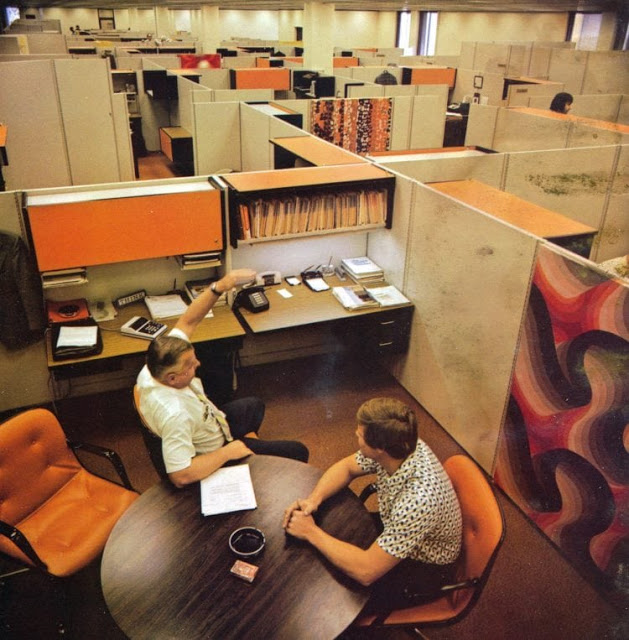
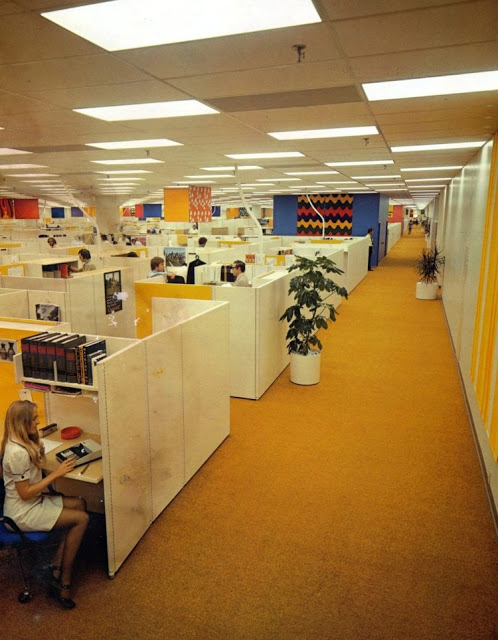
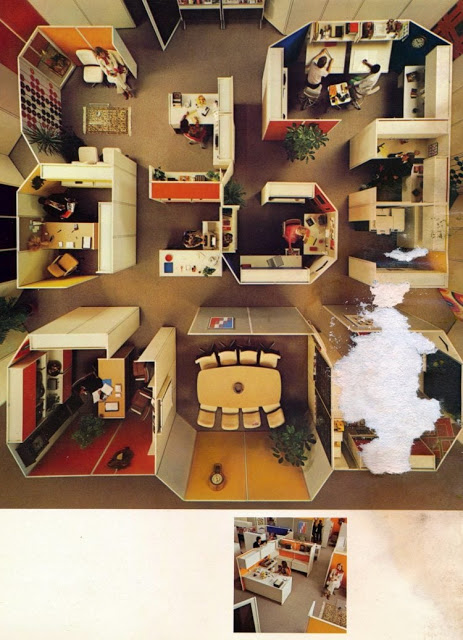
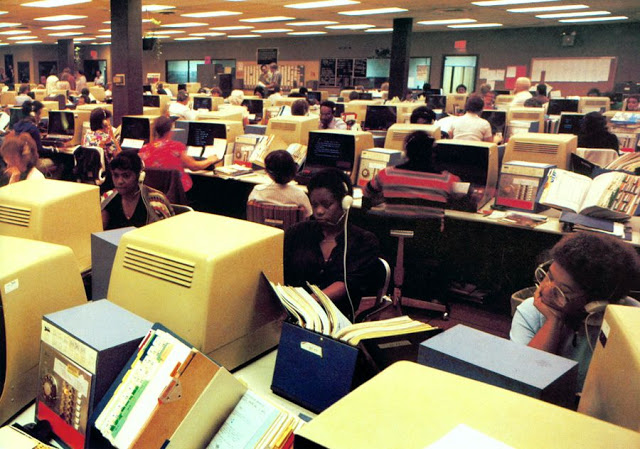
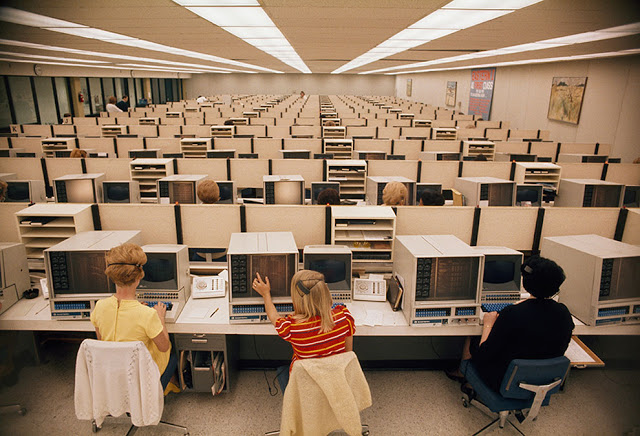
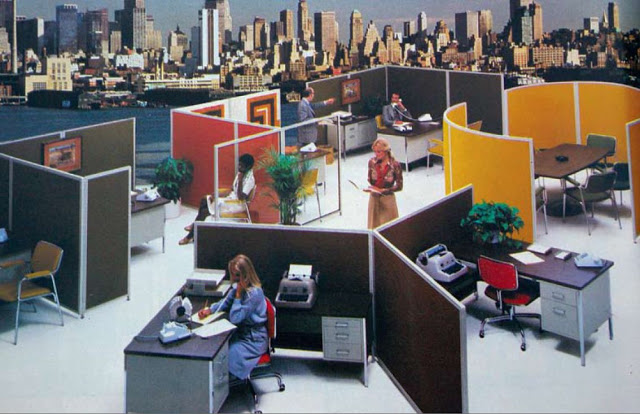
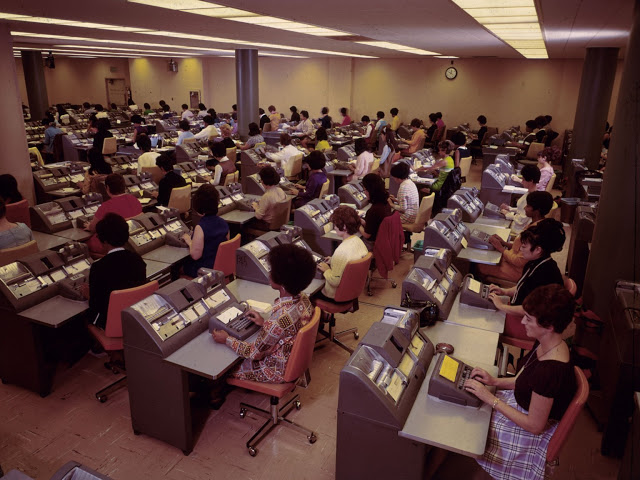
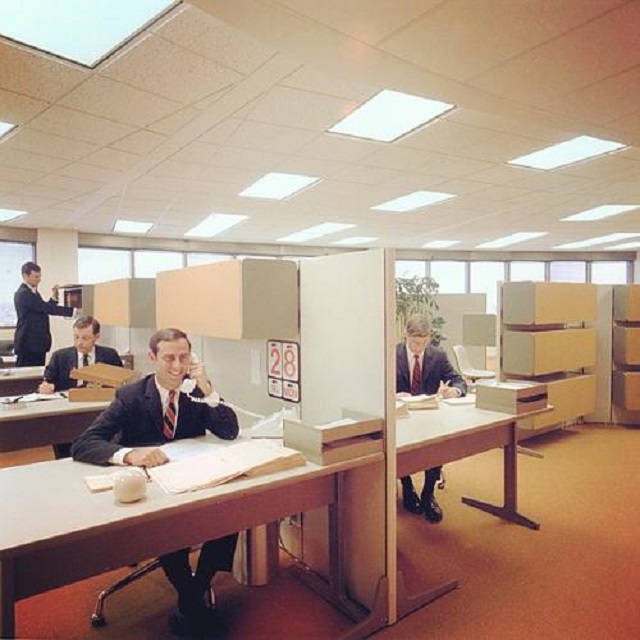
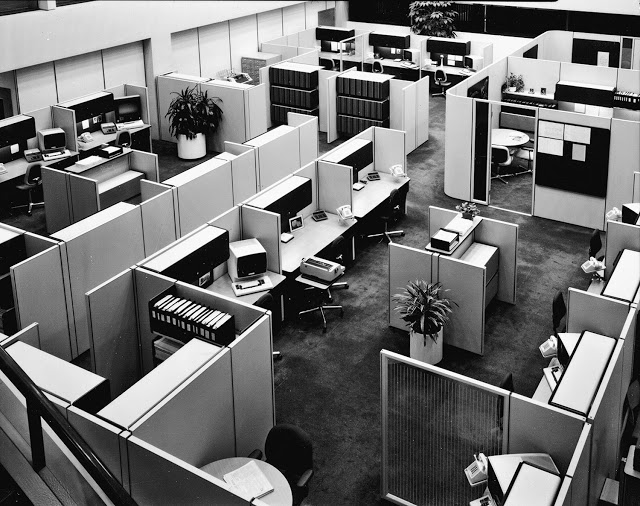
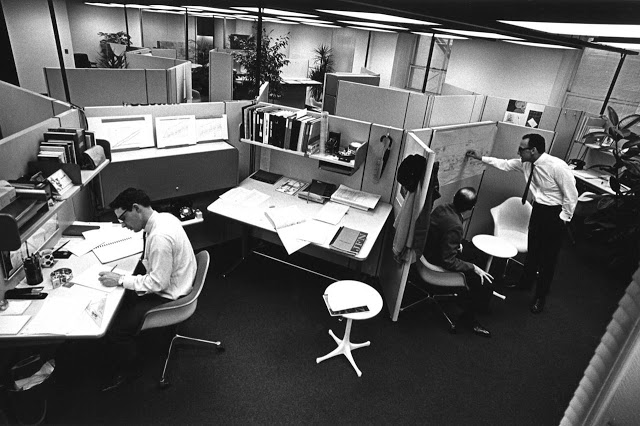
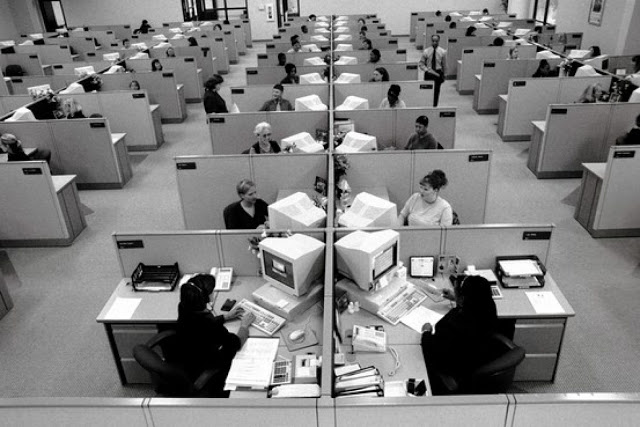
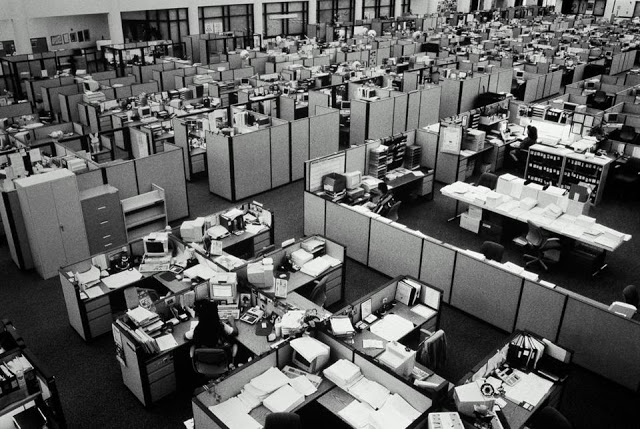
18 Interesting Vintage Photos Showing Office Cubicles of the 1970s-1990s

Cubicles first entered our lives in 1968, when they were invented by Robert Propst, who wanted to improve upon the typical open bullpen office. He thought cubicles would increase productivity and give workers privacy.

At first, cubicles flopped. But when companies realized that using cubicles would increase the number of people that could be crammed into a space, they really took off. The 1980s and ’90s were a booming time for cubicles.

Now, many offices have abandoned them in favor of the original open office space.

Herman Miller, Inc. introduced the “action office” in 1968. The modular system could be easily adapted to a number of work environments and styles. Businesses quickly used the concept to build cubicles. Today, some companies are moving away from this venerable office furniture style in favor of more open, collaborative spaces and sleek interior design.

Yesterday Today

Bringing You the Wonder of Yesterday - Today

Skip to content ↓