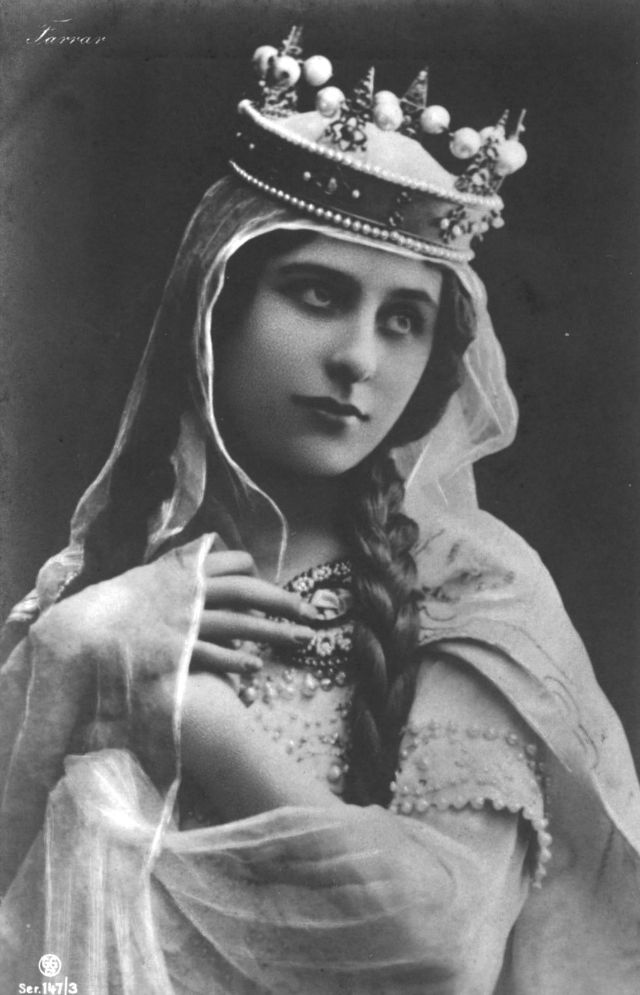
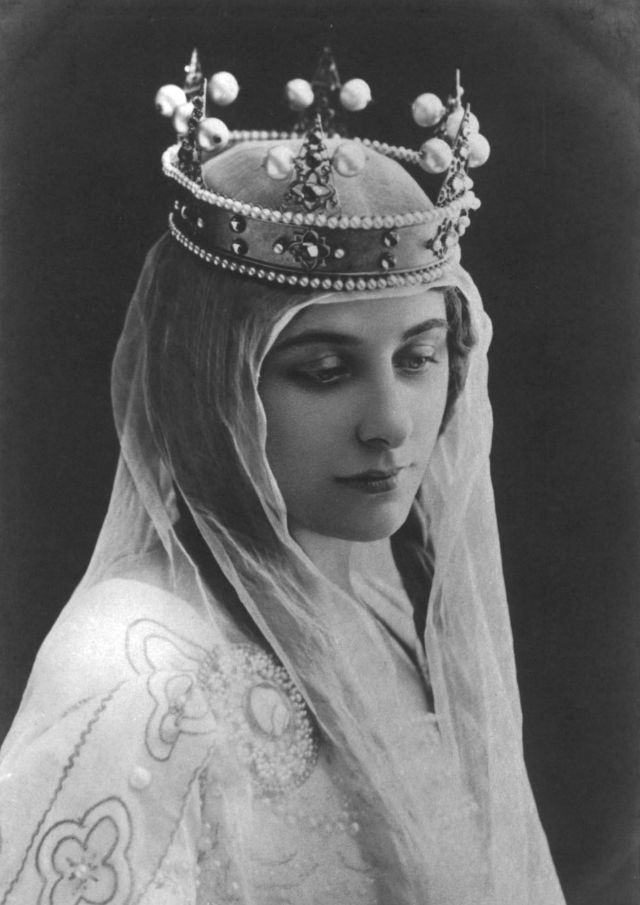
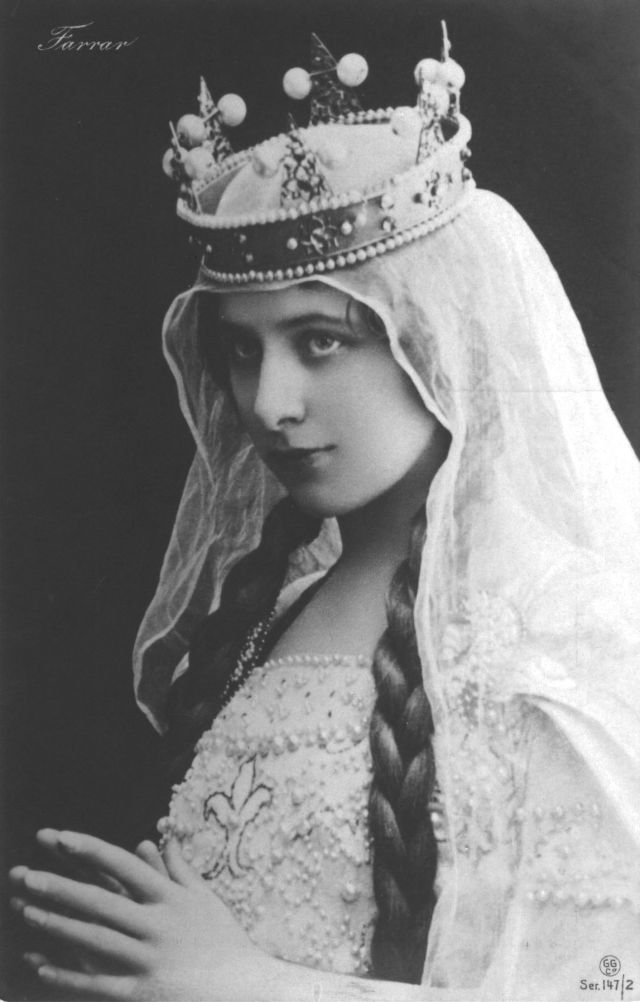
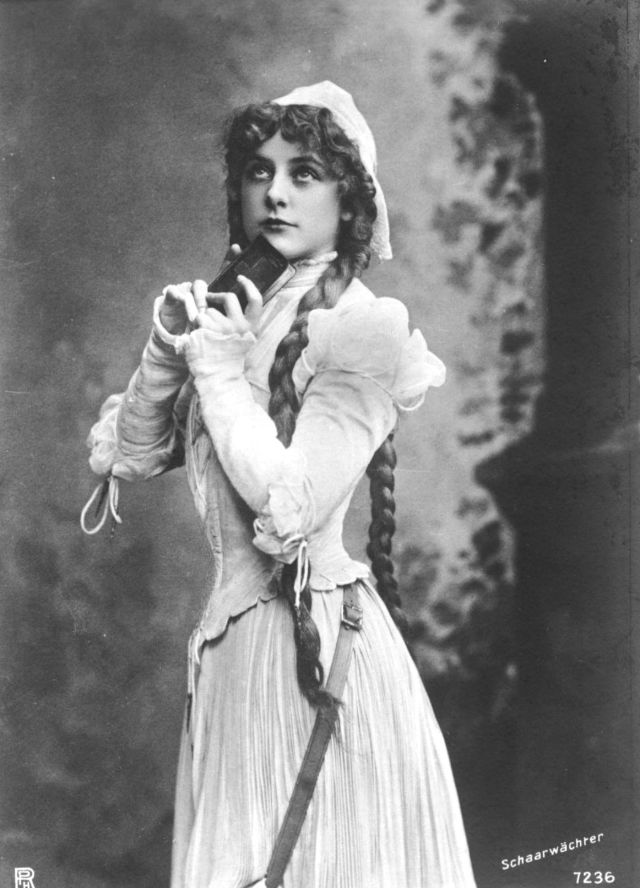
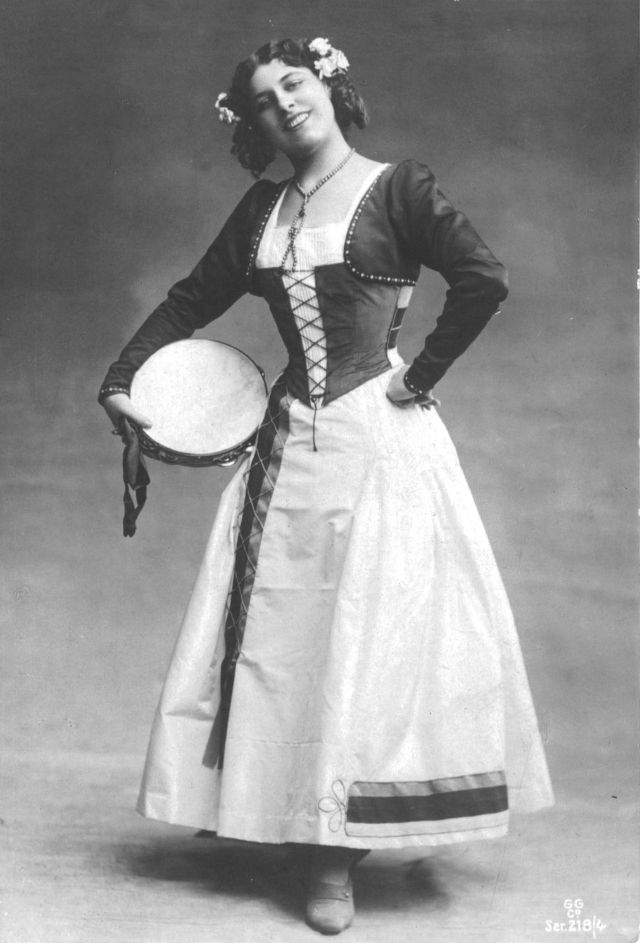
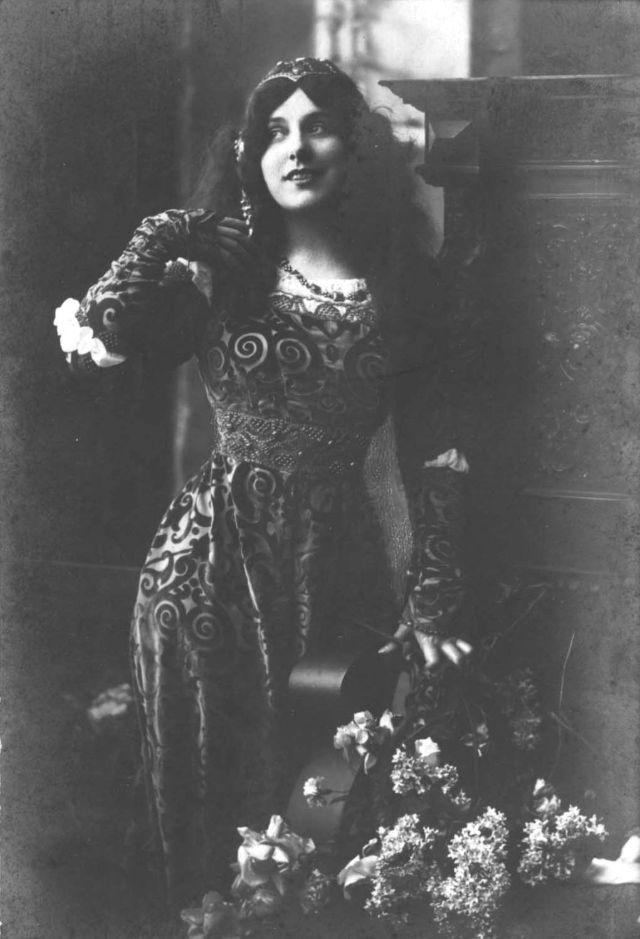
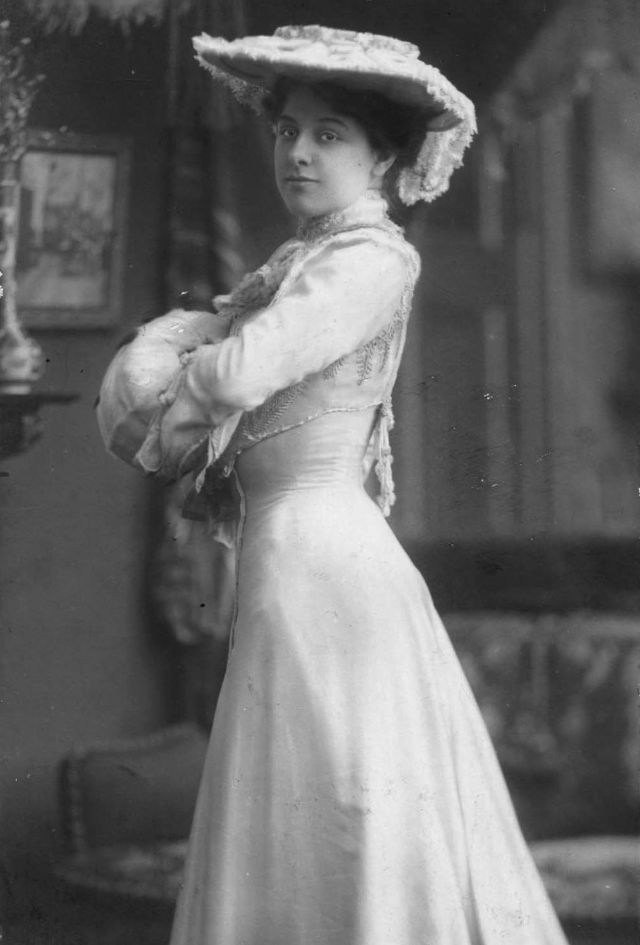
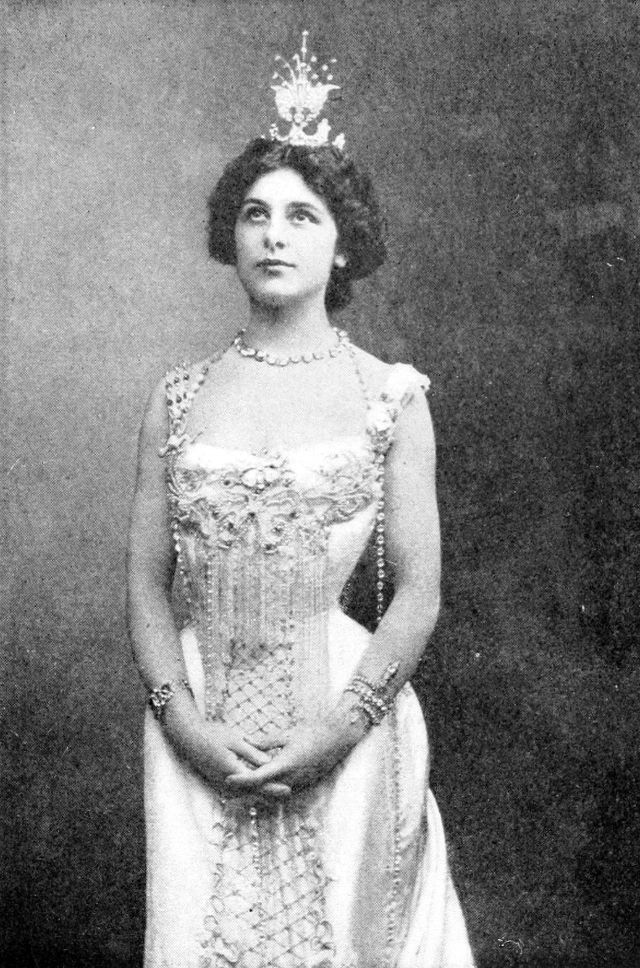
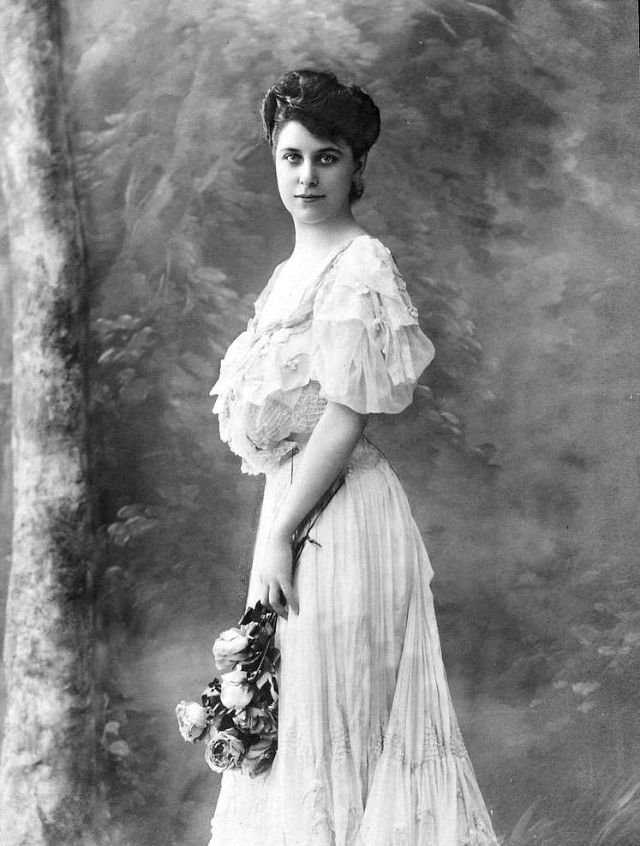
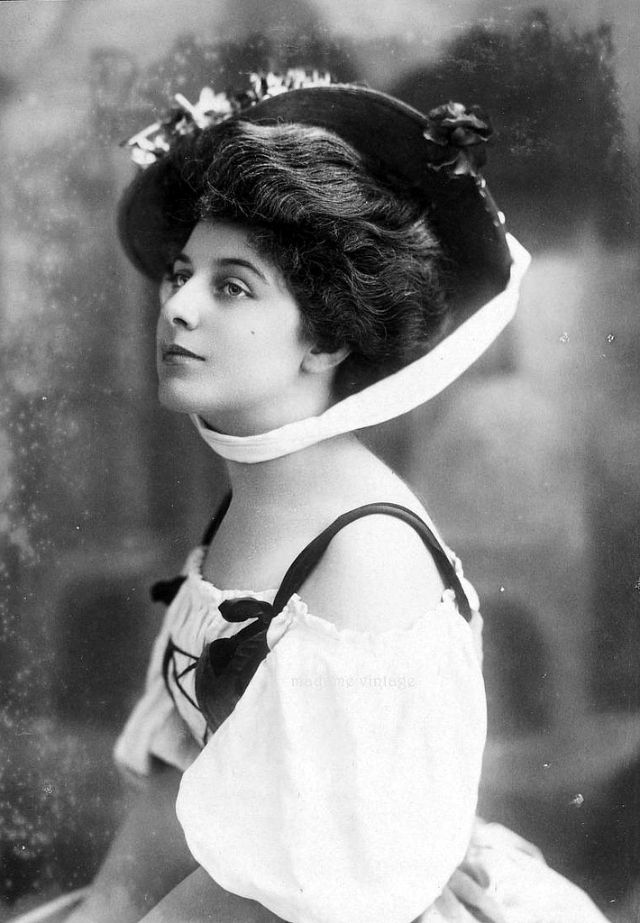
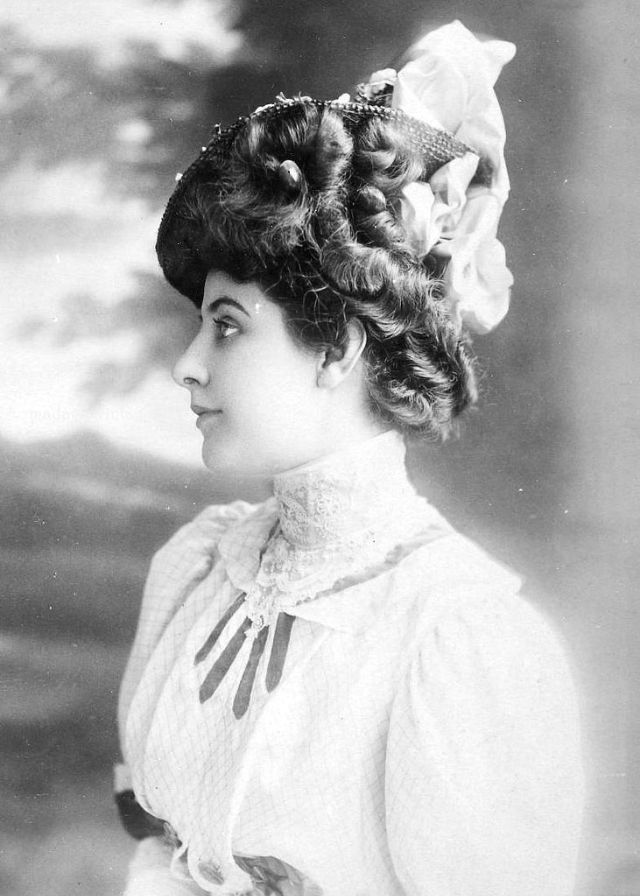
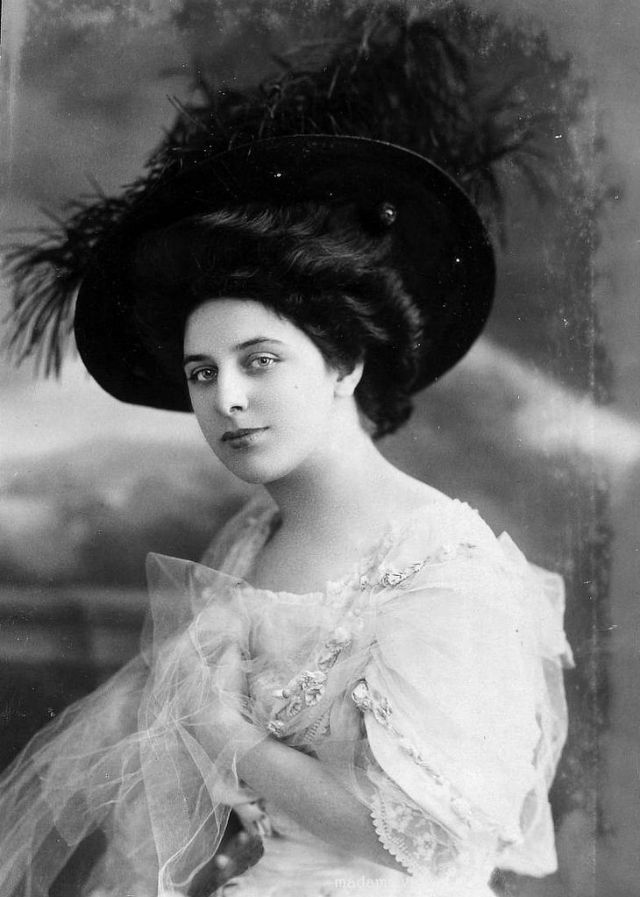
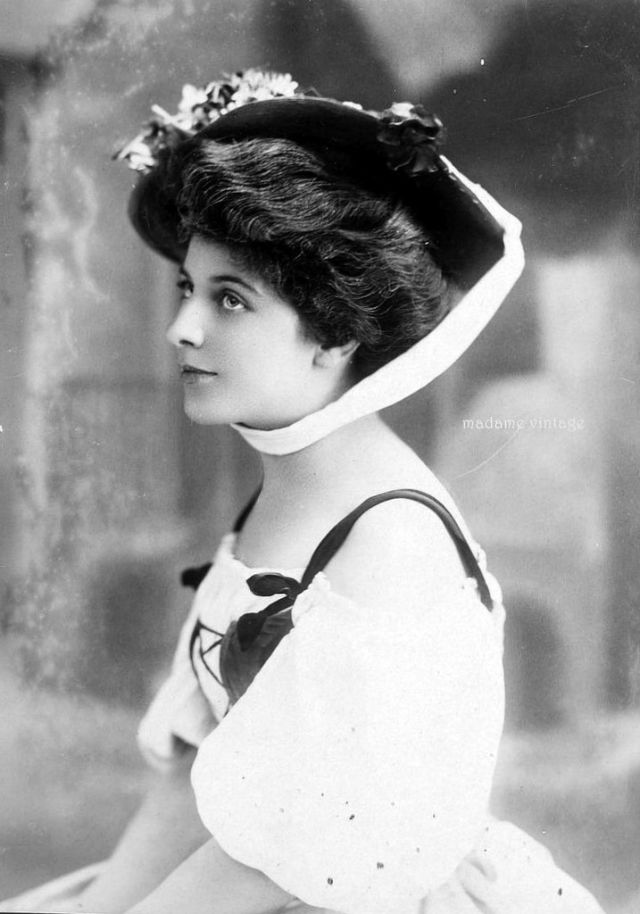
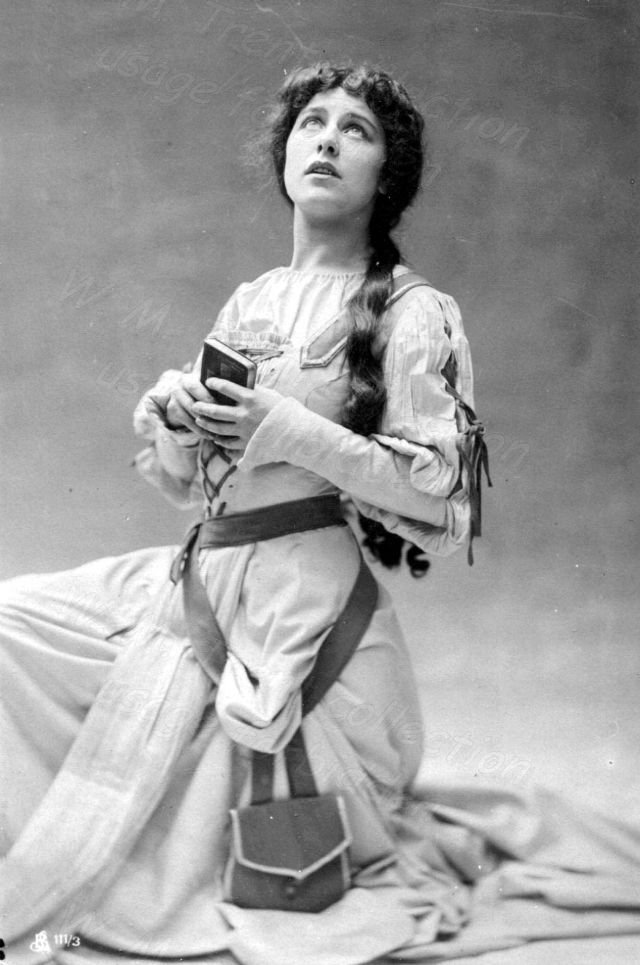
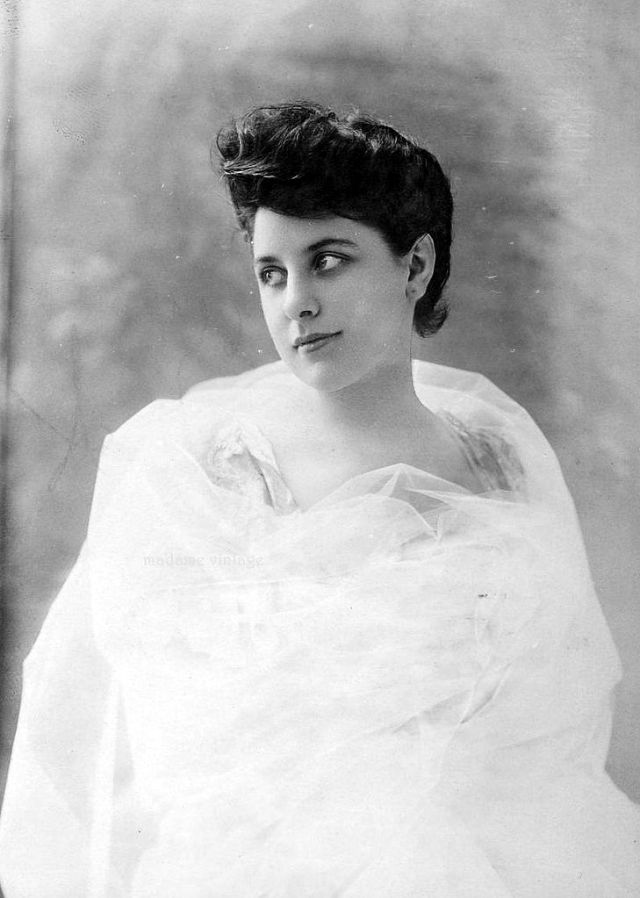
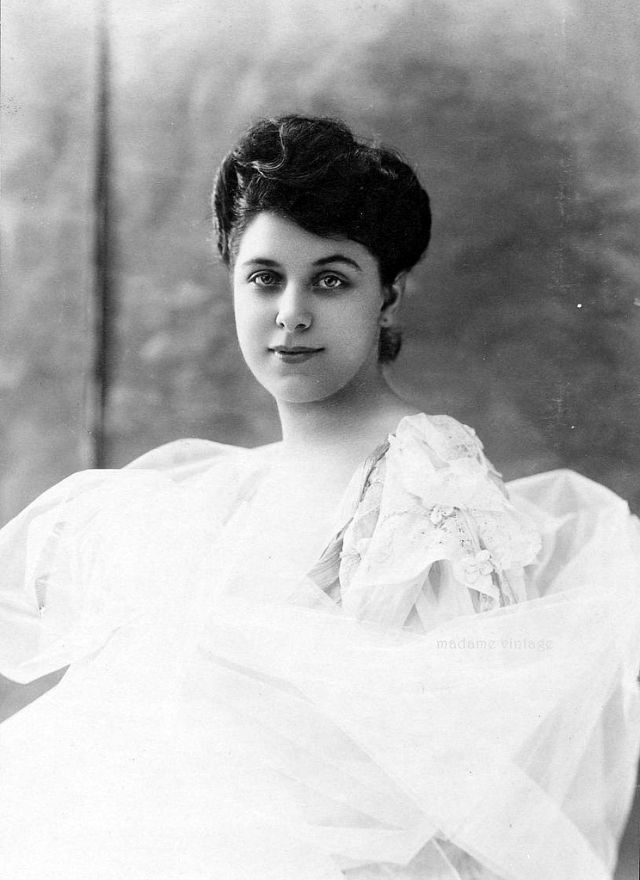
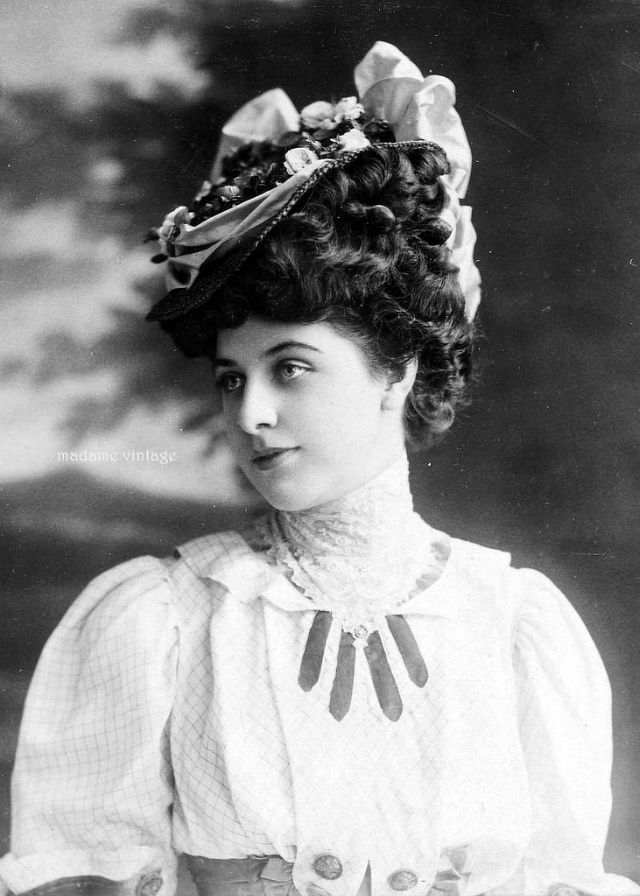
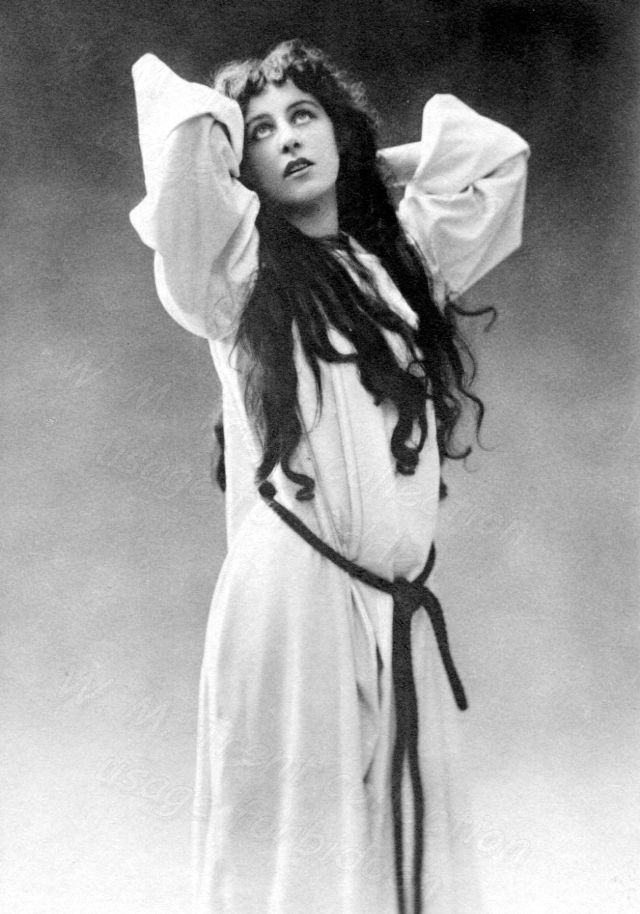
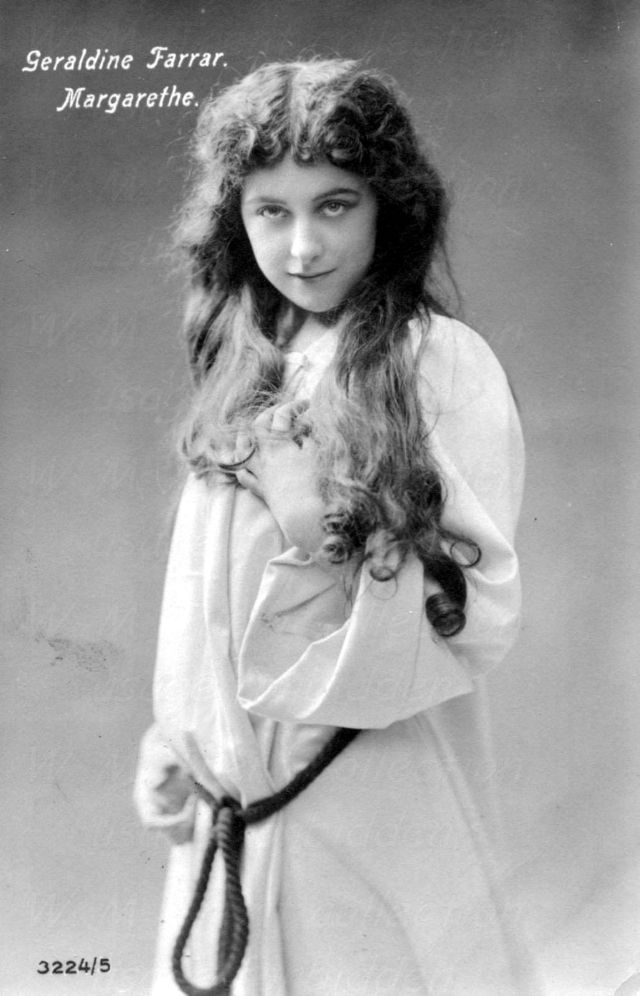
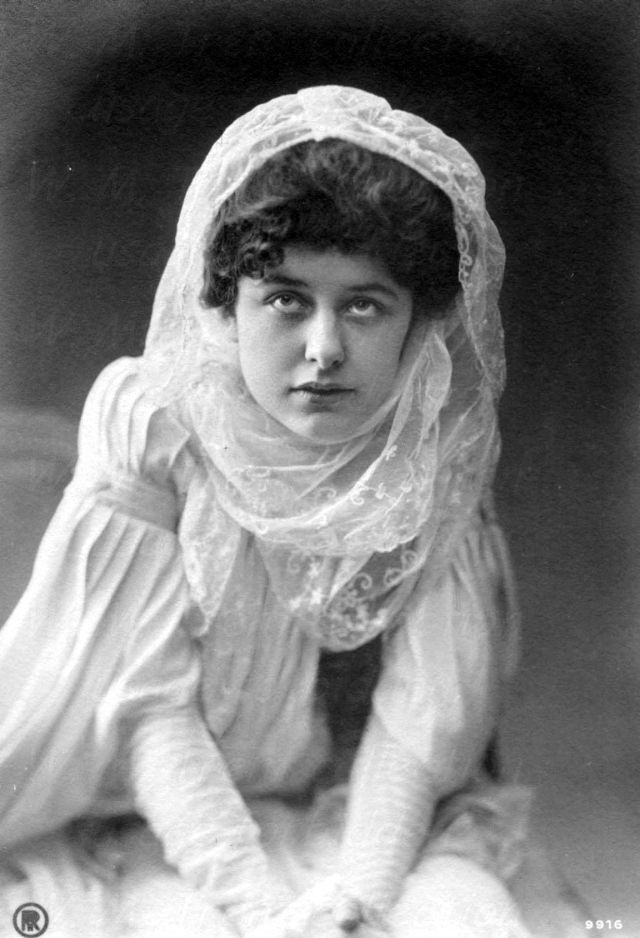
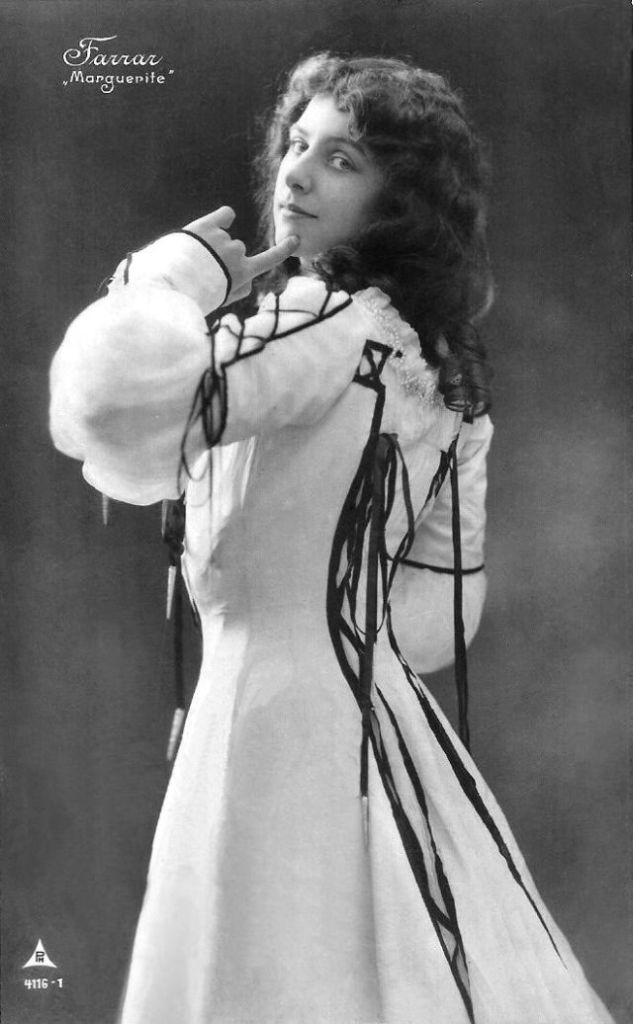
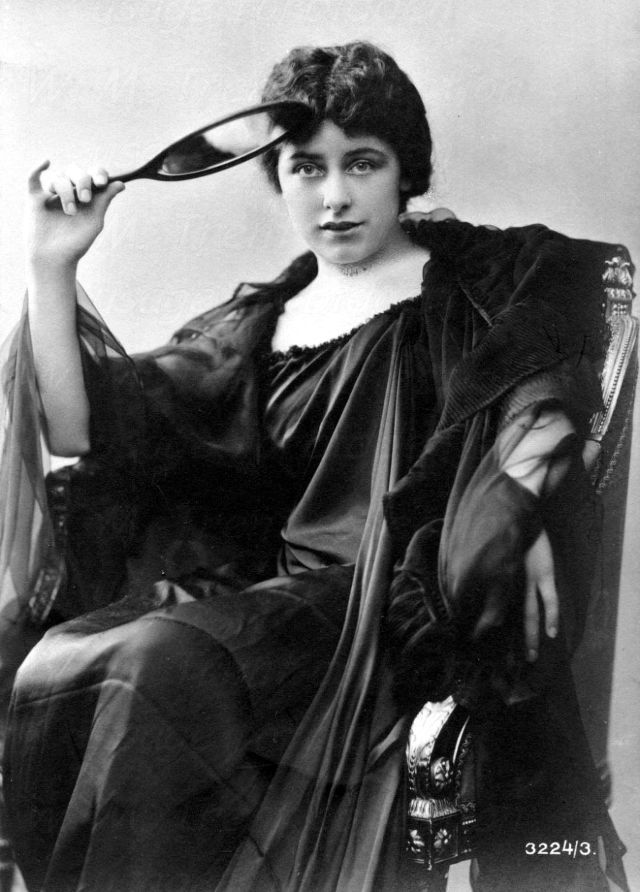
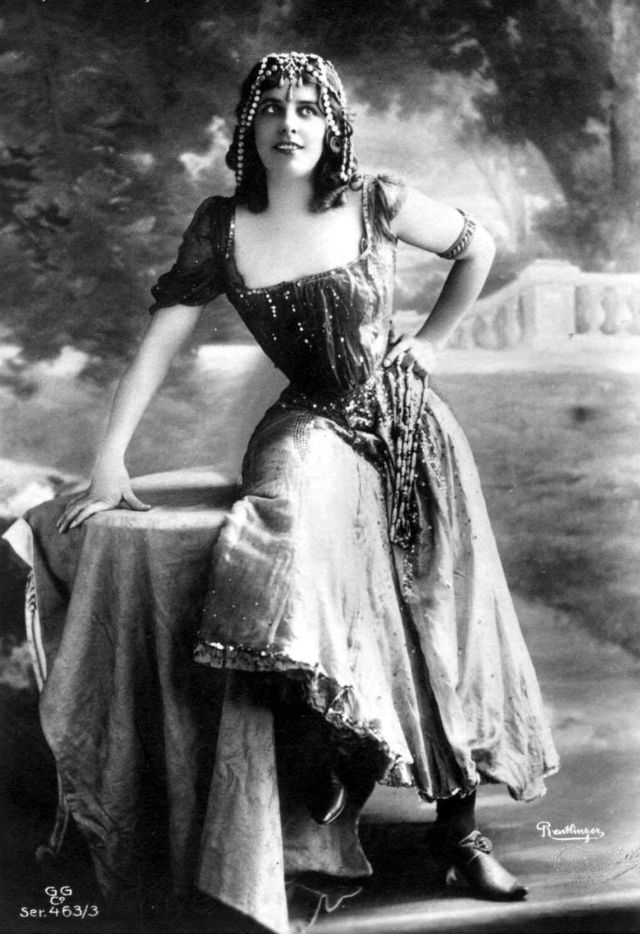
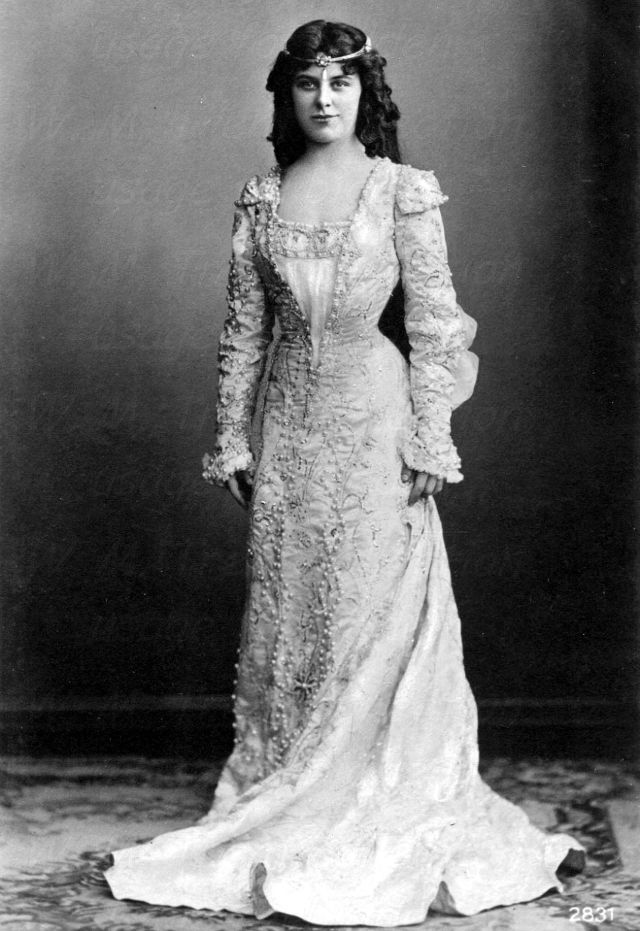
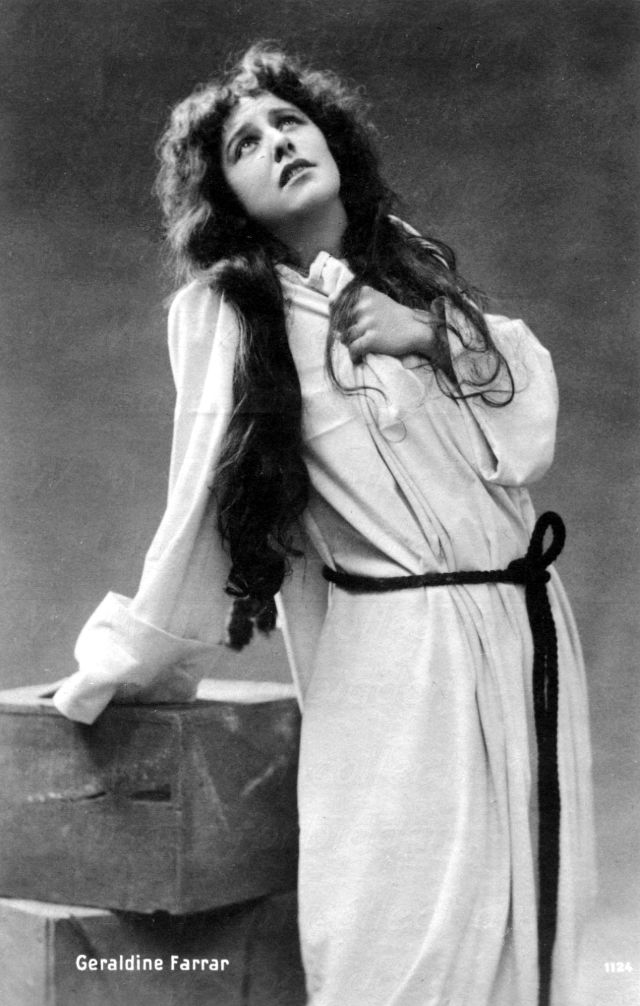
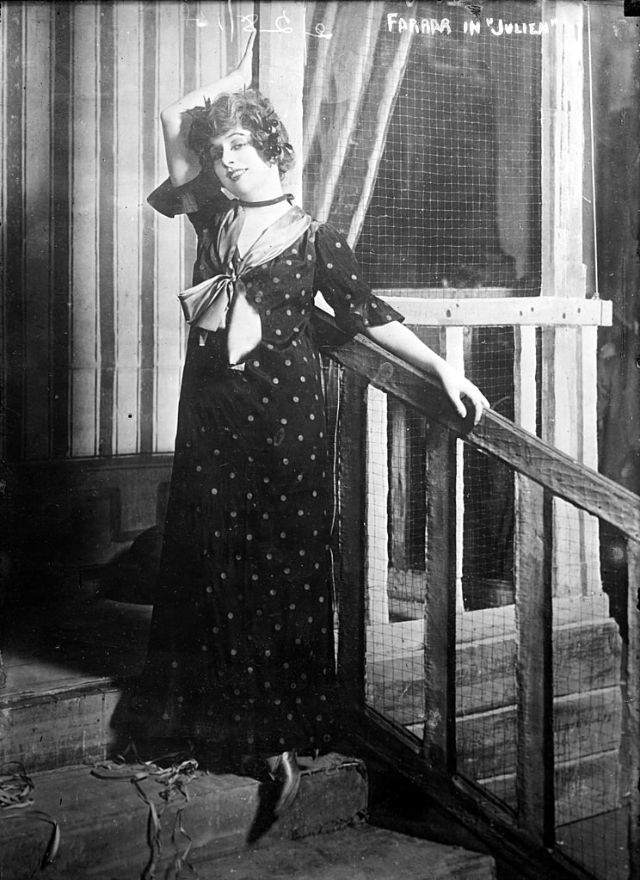
50 Beautiful Photos of Singer & Actress Geraldine Farrar in the Early 20th Century

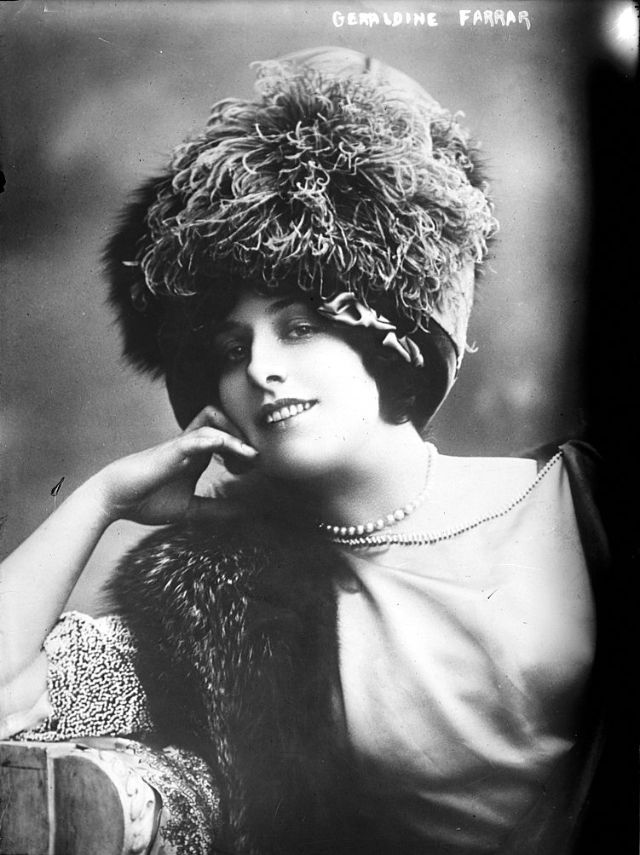
Alice Geraldine Farrar (February 28, 1882 – March 11, 1967) was an American soprano opera singer and film actress, noted for her beauty, acting ability, and “the intimate timbre of her voice.” She had a large following among young women, who were nicknamed “Gerry-flappers”.

Farrar was born in Melrose, Massachusetts, the daughter of baseball player Sidney Farrar, and his wife Henrietta Barnes. At age five, she began studying music in Boston and by 14 was giving recitals. Later she studied voice with the American soprano Emma Thursby in New York City, in Paris, and finally with the Italian baritone Francesco Graziani in Berlin. Farrar created a sensation at the Berlin Hofoper with her debut as Marguerite in Charles Gounod’s Faust in 1901 and remained with the company for three years, during which time she continued her studies with famed German soprano Lilli Lehmann. (She had been recommended to Lehmann by another famous soprano of the previous generation, Lillian Nordica.) She appeared in the title roles of Ambroise Thomas’ Mignon and Jules Massenet’s Manon, as well as Juliette in Gounod’s Roméo et Juliette. Her admirers in Berlin included Crown Prince Wilhelm of Germany, with whom she is believed to have had a relationship beginning in 1903.

After three years with the Monte Carlo Opera, Farrar made her debut at the New York Metropolitan Opera in Romeo et Juliette on November 26, 1906. She appeared in the first Met performance of Giacomo Puccini’s Madama Butterfly in 1907 and remained a member of the company until her retirement in 1922, singing 29 roles there in 672 performances. She developed a great popular following, especially among New York’s young female opera-goers, who were known as “Gerry-flappers”. Farrar created the title roles in Pietro Mascagni’s Amica (Monte Carlo, 1905), Puccini’s Suor Angelica (New York City, 1918), Umberto Giordano’s Madame Sans-Gêne (New York, 1915), as well as the Goosegirl in Engelbert Humperdinck’s Königskinder (New York, 1910), for which Farrar trained her own flock of geese. According to a review in the New York Tribune of the first performance, “at the close of the opera Miss Farrar caused ‘much amusement’ by appearing before the curtain with a live goose under her arm.”

Farrar recorded extensively for the Victor Talking Machine Company and was often featured prominently in that firm’s advertisements. She also appeared in silent films, which were produced between opera seasons. Farrar starred in more than a dozen films from 1915 to 1920, including Cecil B. De Mille’s 1915 adaptation of Georges Bizet’s opera Carmen, for which she was extensively praised. “The resolution of Geraldine Farrar, the beautiful and gifted star, to employ her talents in the attaining of success in the films is one of the greatest steps in advancing the dignity of the motion pictures. Miss Farrar’s ‘Carmen’ in the films is the greatest triumph the motion picture has yet achieved over the speaking stage,” claimed the San Francisco Call & Post. For her performance, she came in fourth place in the 1916 “Screen Masterpiece” contest held by Motion Picture Magazine. Theda Bara’s performance of the same role received 9,150 votes. One of her other notable screen roles was as Joan of Arc in the 1917 film Joan the Woman. In June 1931, Farrar made her debut radio broadcast over the National Broadcasting Company’s nationwide “Red” network.

According to her biographer:

“Unlike most of the famous bel canto singers of the past who sacrificed dramatic action to tonal perfection, she was more interested in the emotional than in the purely lyrical aspects of her roles. According to Miss Farrar, until prime donne can combine the arts of Sarah Bernhardt and Nellie Melba, dramatic ability is more essential than perfect singing in opera.”

— Elizabeth Nash
In 1960, Farrar was awarded two stars on the Hollywood Walk of Fame, in the music and film categories, located at 1620 and 1709 Vine Street.

Personal life

Farrar and husband, actor Lou Tellegen in 1916.
Beginning in 1908, Farrar had a seven-year love affair with the Italian conductor Arturo Toscanini. Her ultimatum, that he leave his wife and children and marry her, resulted in Toscanini’s abrupt resignation as principal conductor of the Metropolitan Opera in 1915. Farrar was a close friend to the Met’s star tenor Enrico Caruso and there has been speculation that they too had a love affair. It is said that Caruso coined her motto: Farrar farà (“Farrar will do it”).

Her marriage to actor Lou Tellegen on February 8, 1916 was the source of considerable scandal. The marriage ended, as a result of her husband’s numerous affairs, in a very public divorce in 1923. The circumstances of the divorce were brought again to public recollection by Tellegen’s bizarre 1934 suicide in Hollywood. Farrar reportedly said “Why should that interest me?” when told of Tellegen’s death.

Farrar retired from opera in 1922 at the age of 40. Her final performance was as Leoncavallo’s Zazà. By this stage, her voice was in premature decline due to overwork. According to the American music critic Henry Pleasants, the author of The Great Singers from the Dawn of Opera to Our Own Time (first published 1967), she gave between 25 and 35 performances each season at the Met alone. They included 95 appearances as Madama Butterfly and 58 as Carmen in 16 seasons. The title role in Puccini’s Tosca, which she had added to her repertoire in 1909, was another one of her favourite Met parts.

Farrar quickly transitioned into concert recitals, and was signed (within several weeks of announcing her opera retirement) to an appearance at Hershey Park on Memorial Day 1922.[13] She continued to make recordings and give recitals throughout the 1920s and was briefly the intermission commentator for the Metropolitan Opera radio broadcasts during the 1934–35 season. Her unusual autobiography, Such Sweet Compulsion, published in 1938, was written in alternating chapters purporting to be her own words and those of her deceased mother, with Mrs. Farrar rather floridly recounting her daughter’s many accomplishments.

In 1967, Farrar died in Ridgefield, Connecticut of heart disease aged 85, and was buried in Kensico Cemetery in Valhalla, New York. She had no children. (Wikipedia)

Take a look at these vintage photos to see the glamorous beauty of Geraldine Farrar in the 1900s and 1910s.
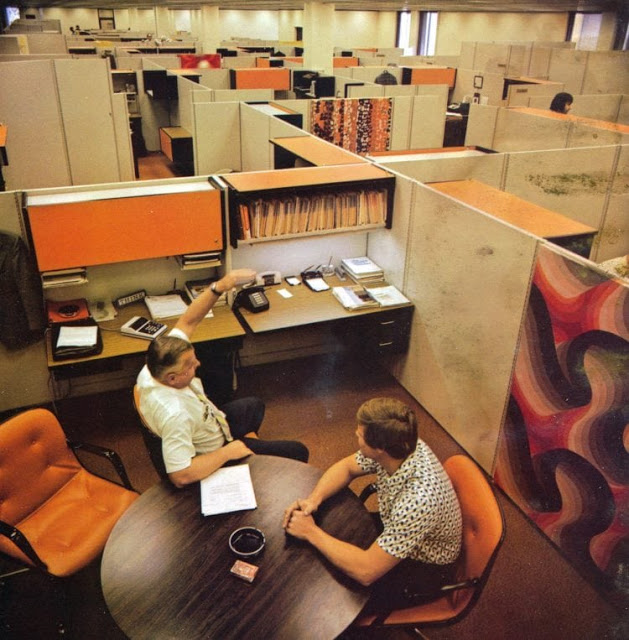
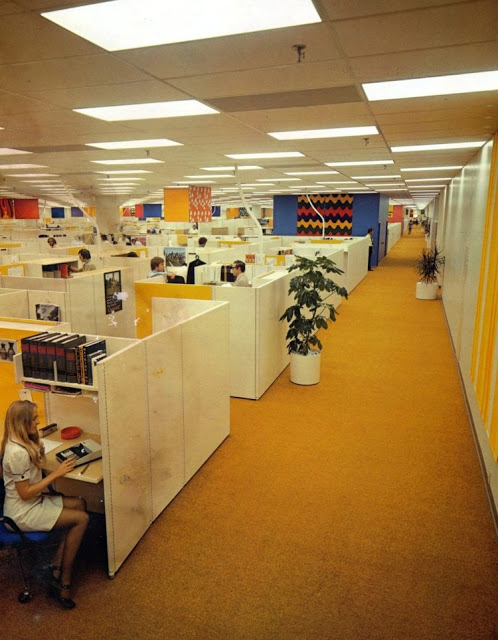
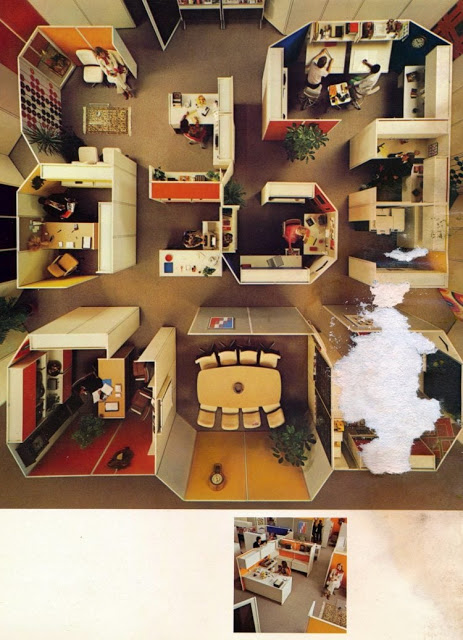
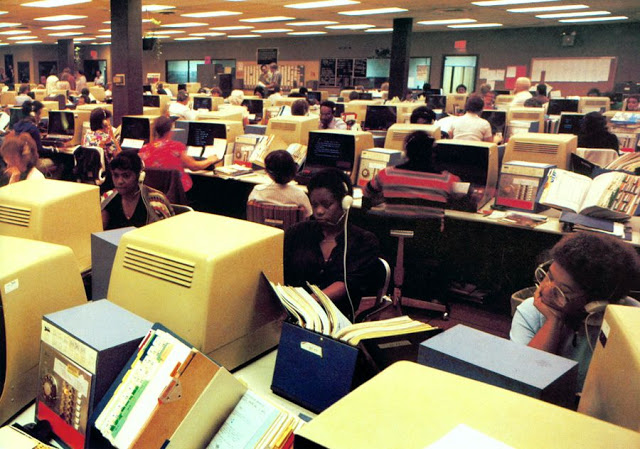
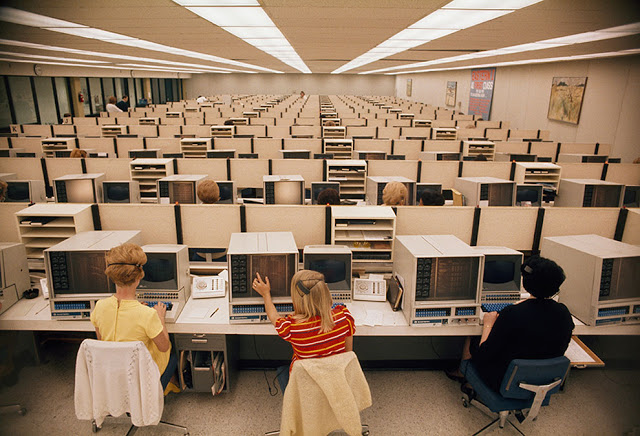
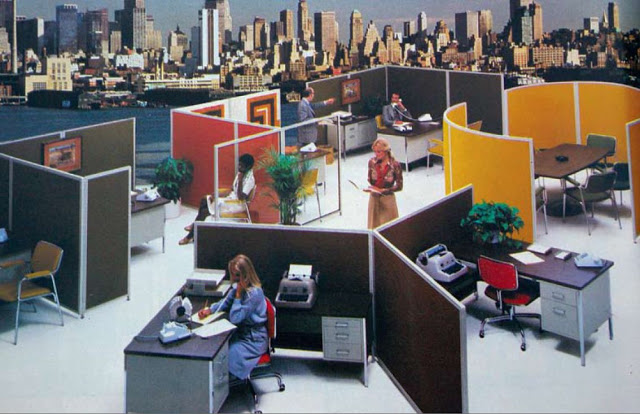
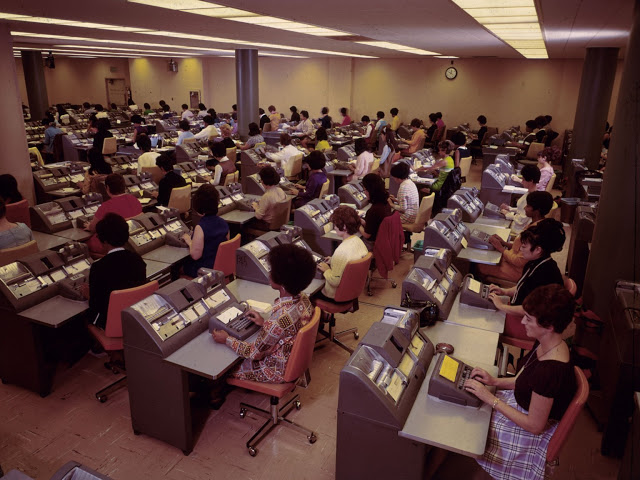
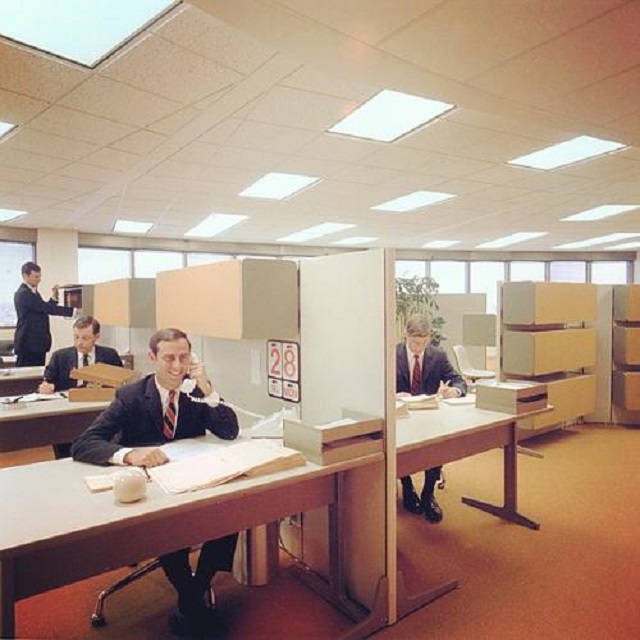
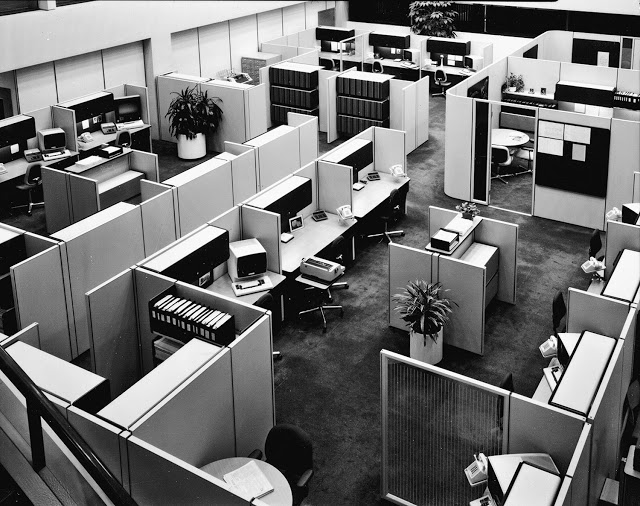
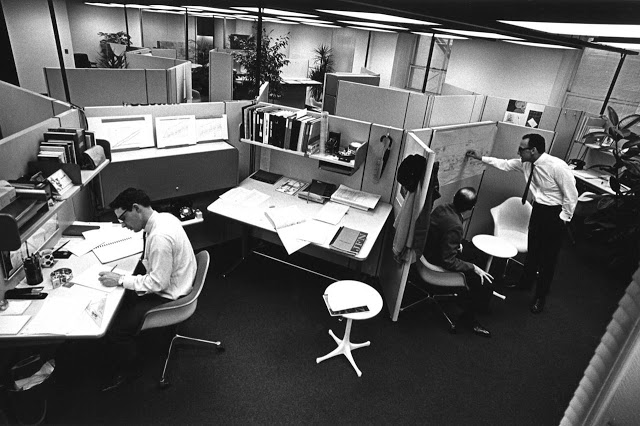
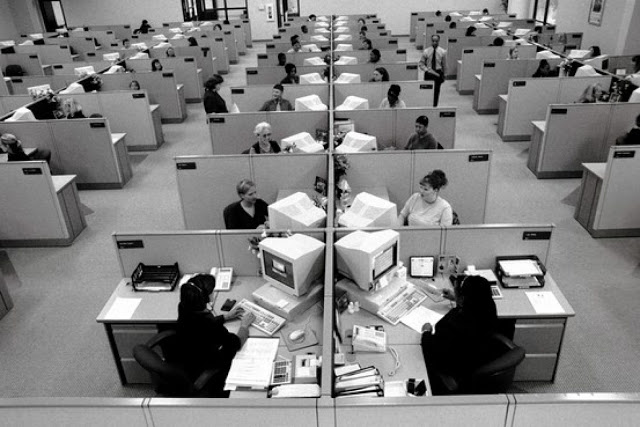
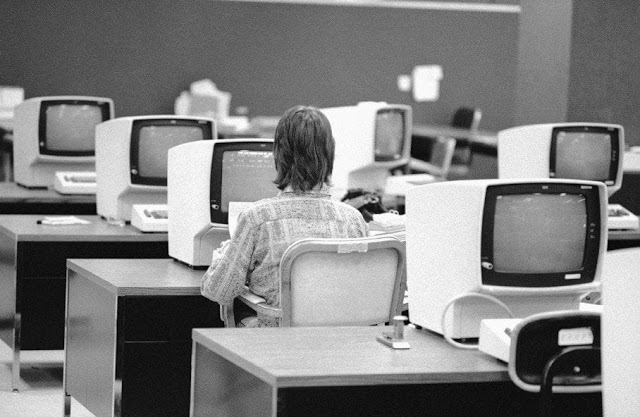
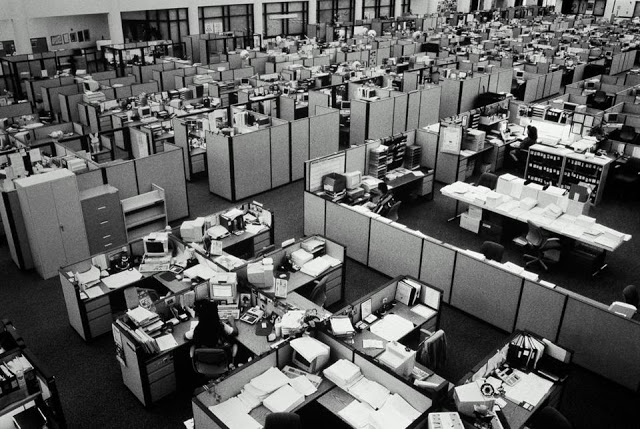
18 Interesting Vintage Photos Showing Office Cubicles of the 1970s-1990s

Cubicles first entered our lives in 1968, when they were invented by Robert Propst, who wanted to improve upon the typical open bullpen office. He thought cubicles would increase productivity and give workers privacy.

At first, cubicles flopped. But when companies realized that using cubicles would increase the number of people that could be crammed into a space, they really took off. The 1980s and ’90s were a booming time for cubicles.

Now, many offices have abandoned them in favor of the original open office space.

Herman Miller, Inc. introduced the “action office” in 1968. The modular system could be easily adapted to a number of work environments and styles. Businesses quickly used the concept to build cubicles. Today, some companies are moving away from this venerable office furniture style in favor of more open, collaborative spaces and sleek interior design.
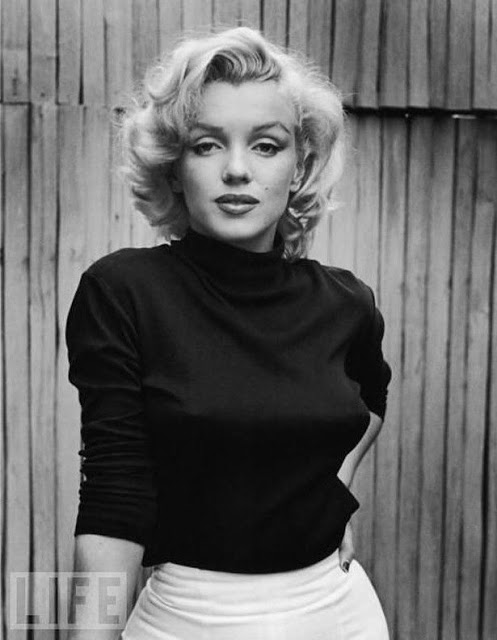
50 Classic LIFE Magazine Celebrity Photos

Subscribe to get access

Read more of this content when you subscribe today.

Life was an American magazine published weekly from 1883 to 1972, as an intermittent “special” until 1978, and as a monthly from 1978 until 2000. During its golden age from 1936 to 1972, Life was a wide-ranging weekly general-interest magazine known for the quality of its photography.

Life was independently published for its first 53 years until 1936 as a general-interest and light entertainment magazine, heavy on illustrations, jokes, and social commentary. It featured some of the most notable writers, editors, illustrators and cartoonists of its time: Charles Dana Gibson, Norman Rockwell and Jacob Hartman Jr. Gibson became the editor and owner of the magazine after John Ames Mitchell died in 1918. During its later years, the magazine offered brief capsule reviews (similar to those in The New Yorker) of plays and movies currently running in New York City, but with the innovative touch of a colored typographic bullet resembling a traffic light, appended to each review: green for a positive review, red for a negative one, and amber for mixed notices.

In 1936, Time publisher Henry Luce bought Life, only wanting its title: he greatly re-made the publication. Life became the first all-photographic American news magazine, and it dominated the market for several decades. The magazine sold more than 13.5 million copies a week at one point. Possibly the best-known photograph published in the magazine was Alfred Eisenstaedt’s photograph of a nurse in a sailor’s arms, taken on August 14, 1945, as they celebrated Victory over Japan Day in New York City. The magazine’s role in the history of photojournalism is considered its most important contribution to publishing. Life’s profile was such that the memoirs of President Harry S. Truman, Prime Minister Winston Churchill and General Douglas MacArthur were all serialized in its pages.

After 2000, Time Inc. continued to use the Life brand for special and commemorative issues. Life returned to regularly scheduled issues when it became a weekly newspaper supplement from 2004 to 2007. The website life.com, originally one of the channels on Time Inc.’s Pathfinder service, was for a time in the late 2000s managed as a joint venture with Getty Images under the name See Your World, LLC. On January 30, 2012, the Life.com URL became a photo channel on Time.com. (Wikipedia)

Subscribe to continue reading

Become a paid subscriber to get access to the rest of this post and other exclusive content.

35 Amazing Colorized Historical Photos

Fanny Brice 1915
Coventry, England during the Blitz, 1940.
Milkman, Fred Morley, 1940.
9-year-old Johnnie and the shucking-boss, in Dunbar, Louisiana, March 1911
Michael McNelis, age 8, a newsboy, 1910
Hyman Alpert, age 12, a newsboy, 1909, in New Haven, Connecticut
Suffragette Mabel Capper was arrested in Bow Street in 1912. She wears the colours of the WSPU, with a purple, white and green medal ribbon
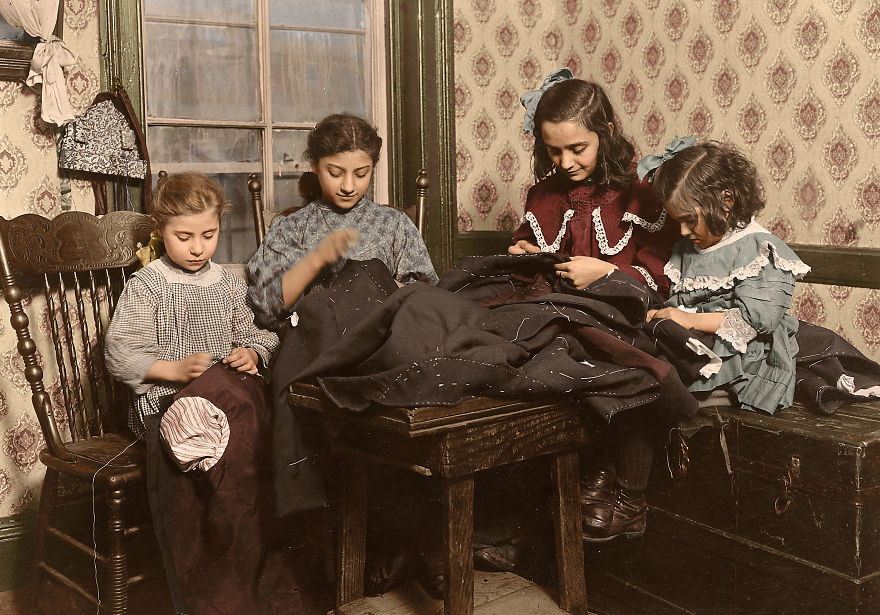
This photo show garment workers Katrina De Cato (6), Franco Brezoo (11) Maria Attreo (12) and her sister Mattie Attreo (5) at 4pm, 26th January 1910 in New York City
A female munitions worker in a British factory during World War One
One of the underprivileged, Hull House, Chicago 1910
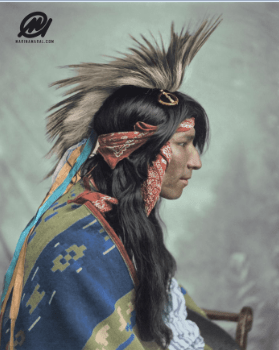
Cree Man, Maple Creek, Saskatchewan, Canada, 1903
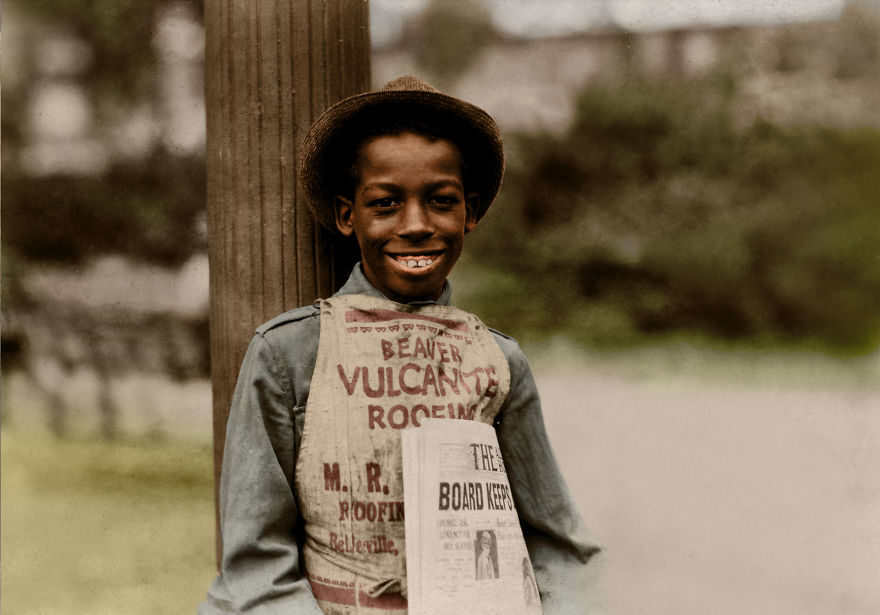
Roland, an 11 year old newsboy from Newark, New Jersey, 1910
Three newsie’s, St. Louis, Missouri US, 1910
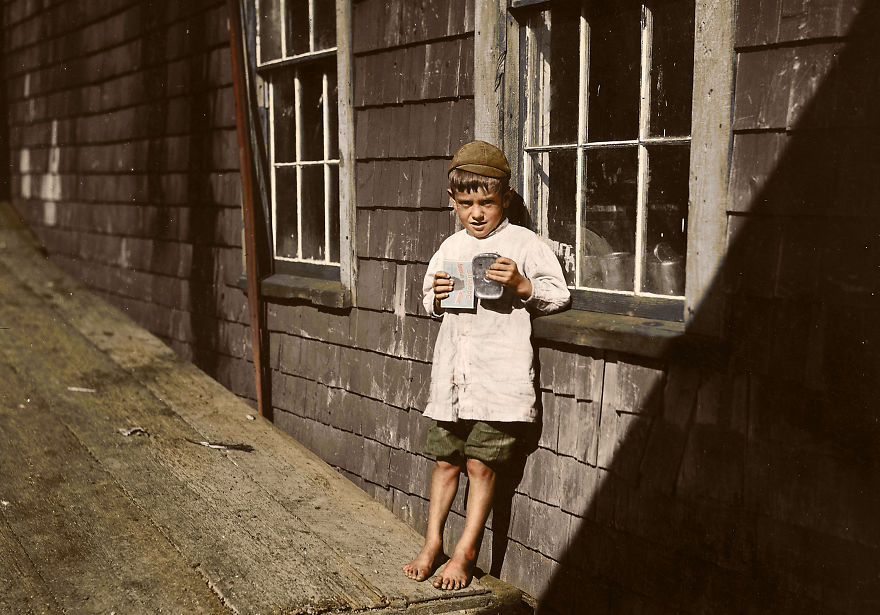
5 year old Preston, a young cartooner in Eastport, Maine, 17th August 1911
Lewis Powell. He Was A Conspirator With John Wilkes Booth, Who Assassinated President Abraham Lincoln
Marie Sklodowska Curie
Child labor, Finland 1943
A young driver in the Brown Mine, West Virginia, in September of 1908
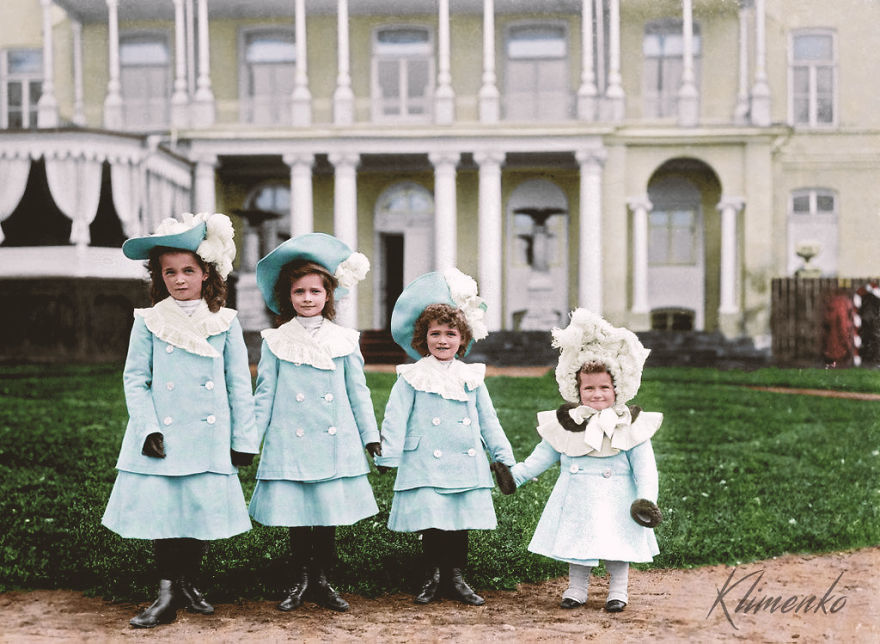
Grand Duchess’ Olga, Tatiana, Maria and Anastasia Nikolaevna Romanov of Russia in Darmstadt, Hesse, 1903
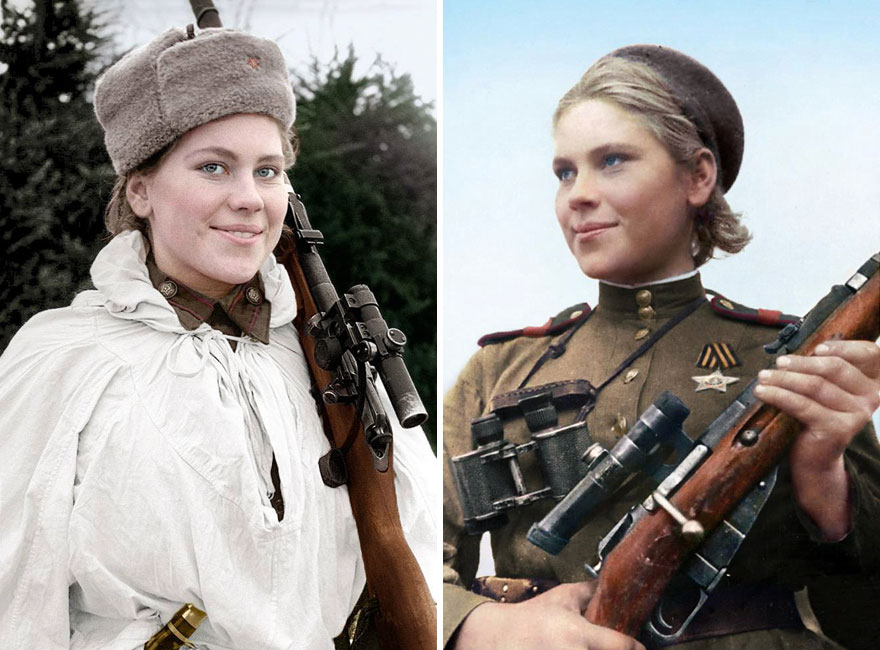
Russian sniper Lyudmila Pavlichenko, also known as Lady Death, reportedly killed over 300 Nazi soldiers in less than a year of combat
Roza Shanina, her comrade, killed a total of 59 Nazis at the tender age of 16, and was dubbed “the unseen terror of East Prussia”
Union soldiers from the color guard of the 7th Illinois Volunteer Infantry Regiment, posing with their flags and Henry repeating rifles. 1862
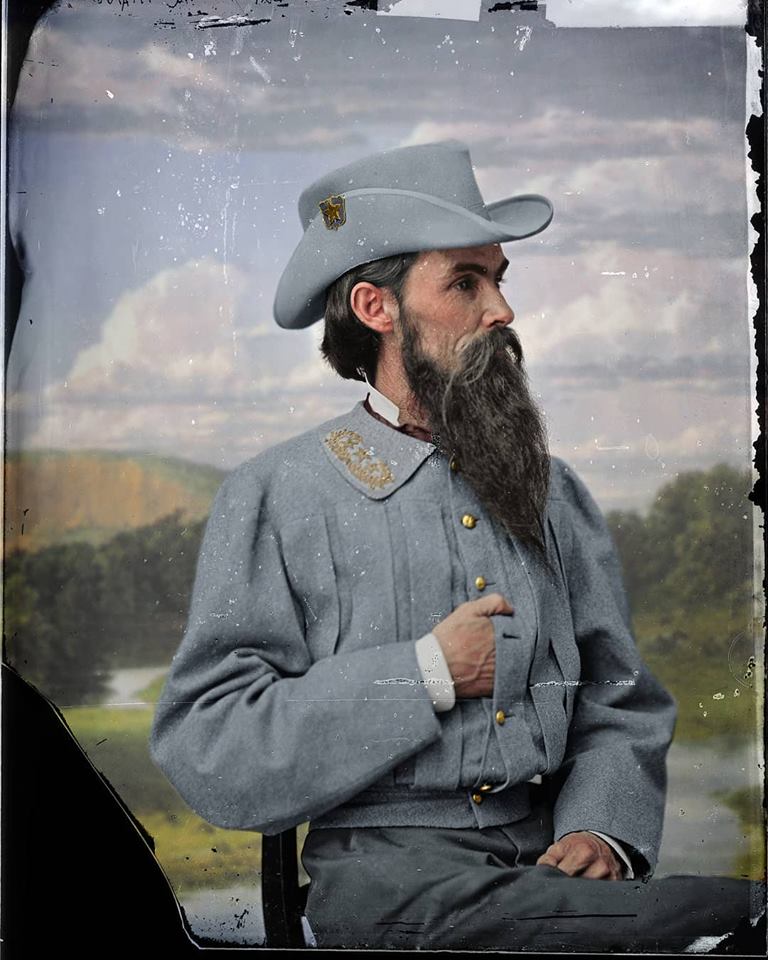
Major General William Mahone, 1863
Brevet Major General George Armstrong Custer, 1865
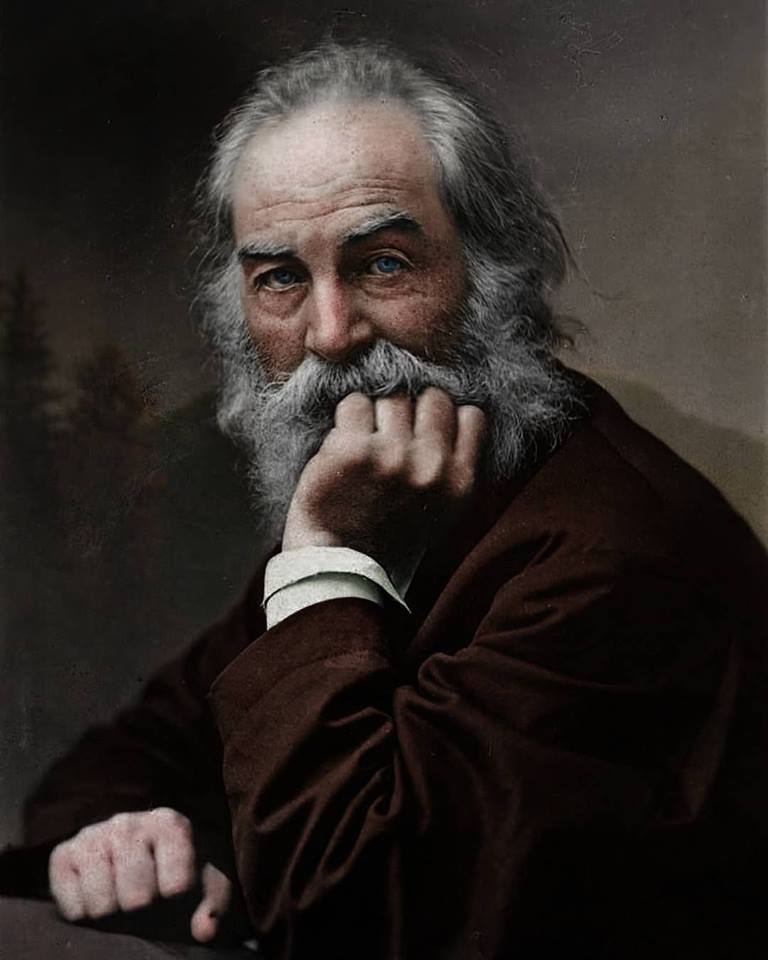
American poet, essayist, and journalist Walt Whitman in 1869.
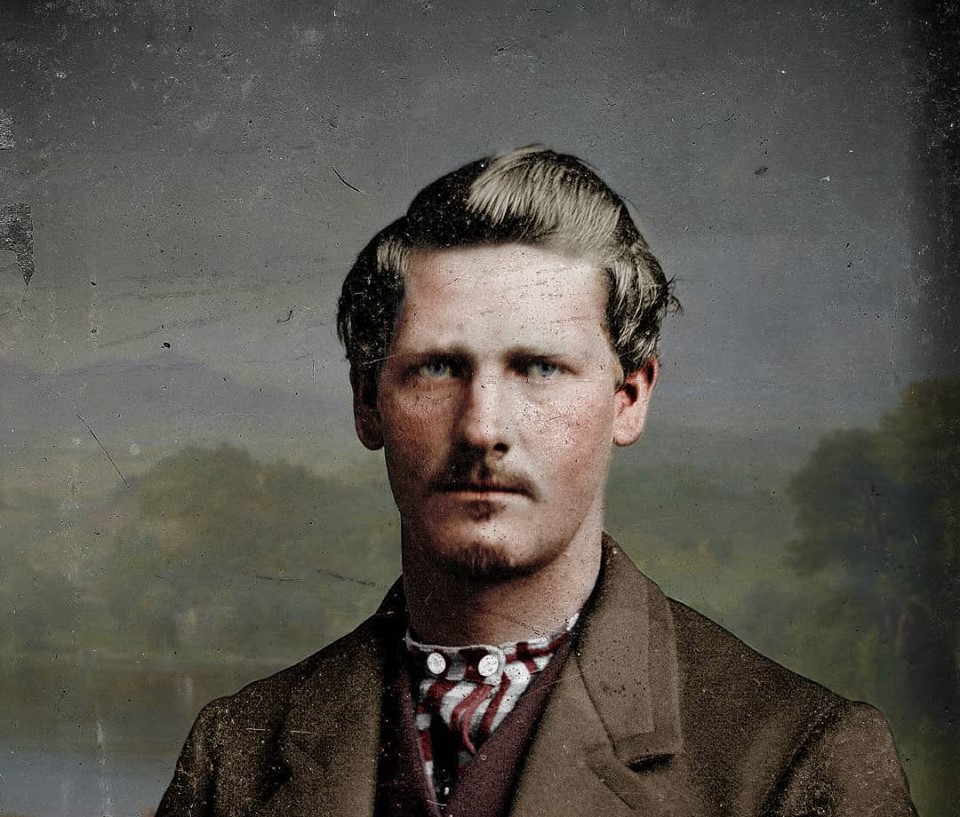
Wyatt Earp at age 21 in 1869
The infamous gangsters Ronnie and Reggie Kray, 1969
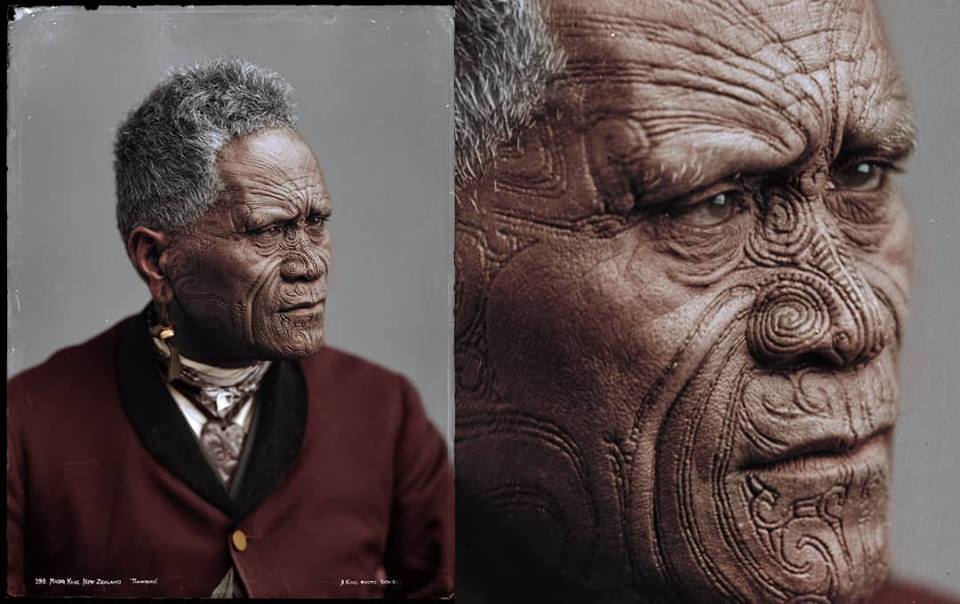
A leader and a visionary, the New Zealand Maori King Tawhiao photographed in 1884.
Silent film star Jacqueline Medura Logan in 1924.
Lauren Bacall
Dorothy Sebastian & Joan Crawford 1927.
Queen Victoria with Tsar Nicholas II of Russia. Seated on the left is Tsarina Alexandra holding her baby daughter Grand Duchess Olga. (Balmoral Castle, 1896).
A U.S. Marine reaches through the barbed wire of a civilian containment area to give a young Japanese boy candy during the Battle of Tinian. 1944
Photograph of Queen Victoria (1819-1901) seated with her two Indian servants Mustafa (fl. 1890) and Chidda (fl. 1890) standing behind her in full uniform with medals. 1897
Pte. T.W. Holmes, V.C. (centre), 4th Canadian Mounted Regiment, 21 Jan 1918

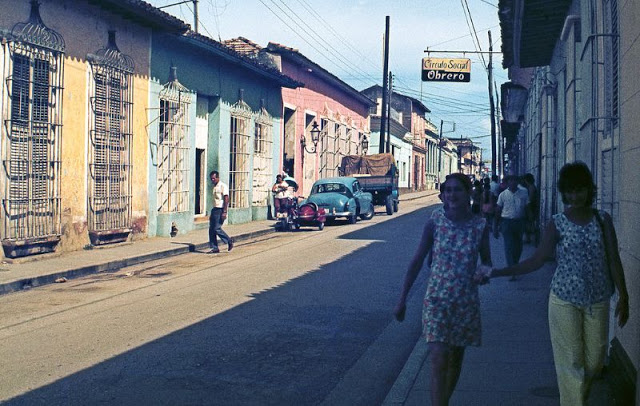
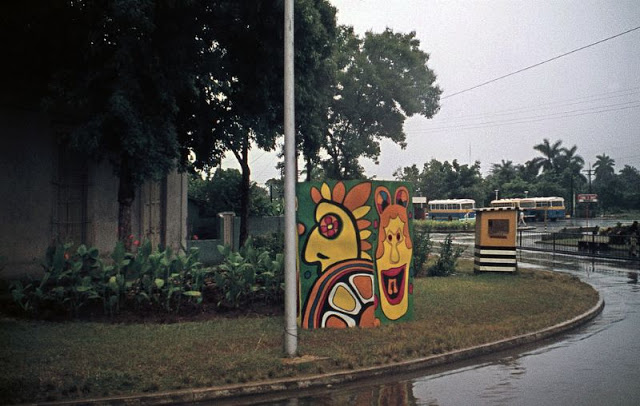
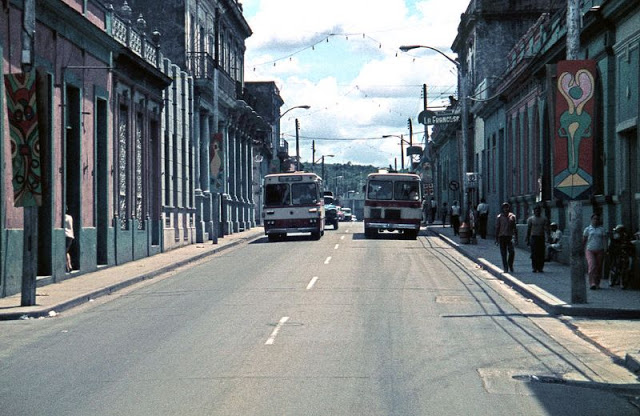
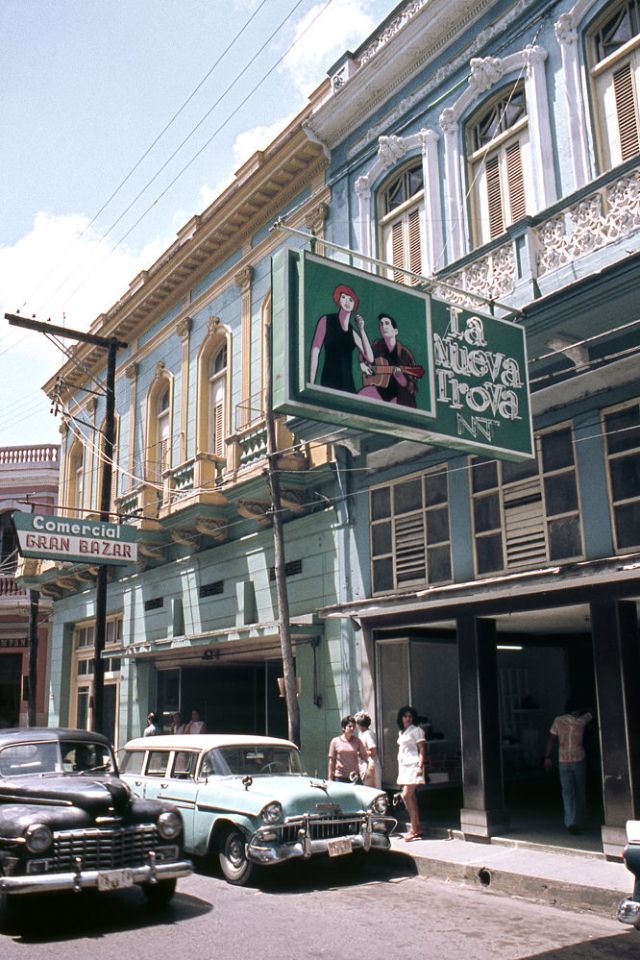
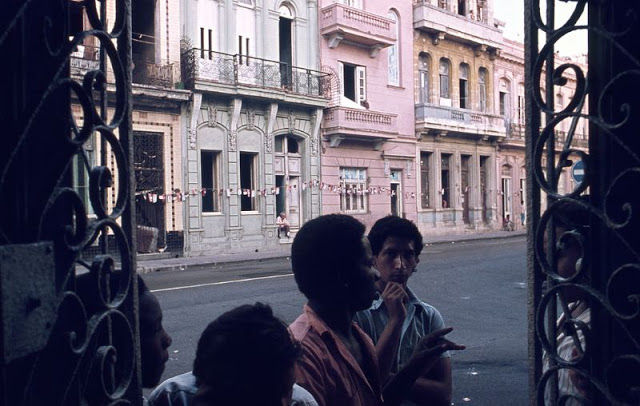
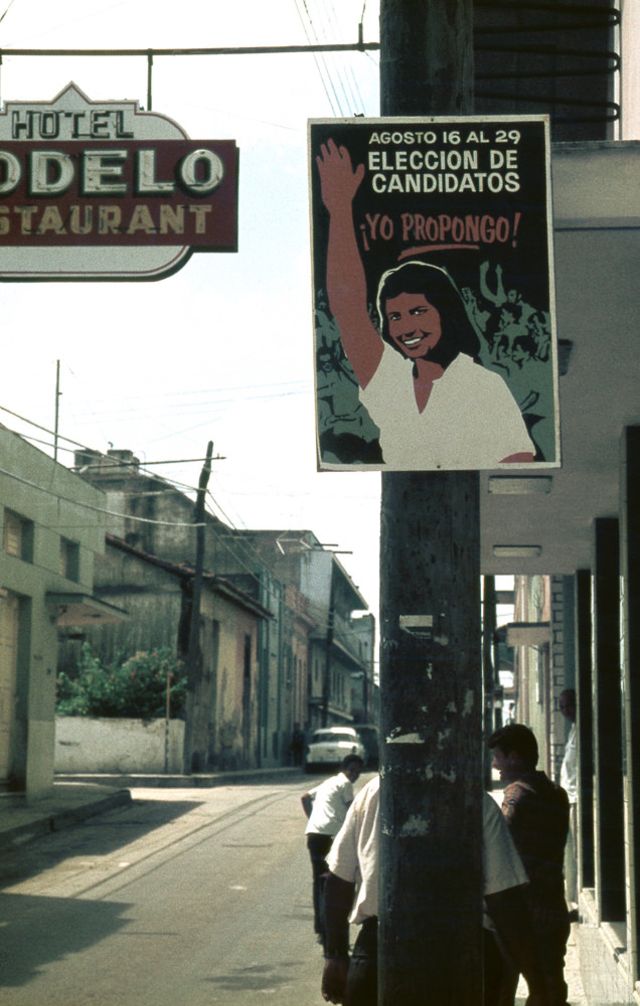
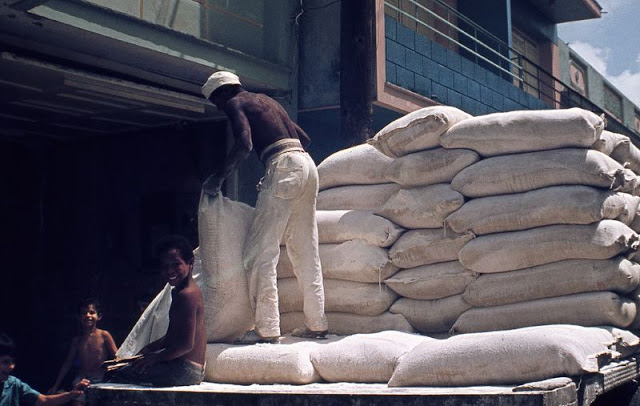
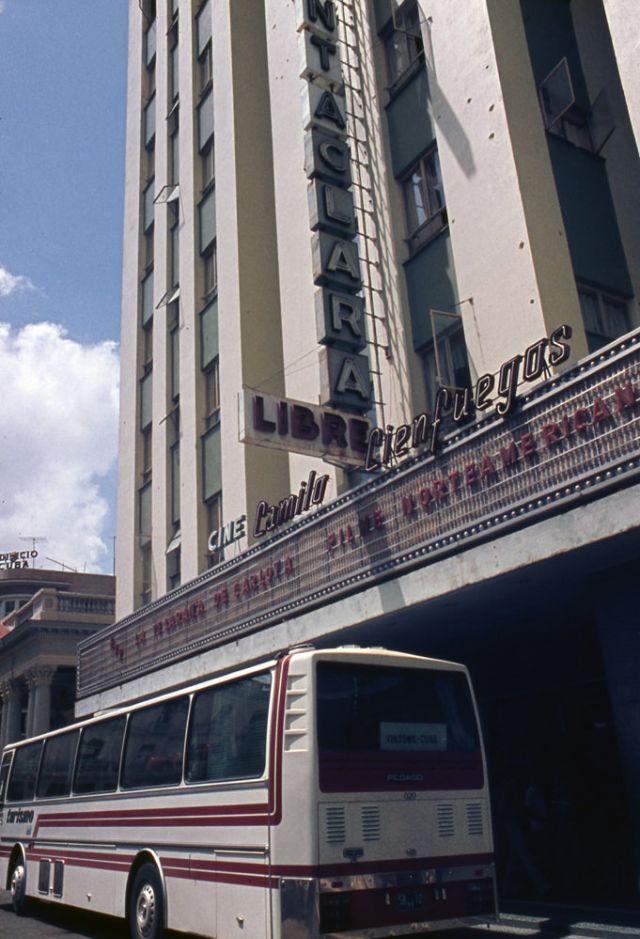
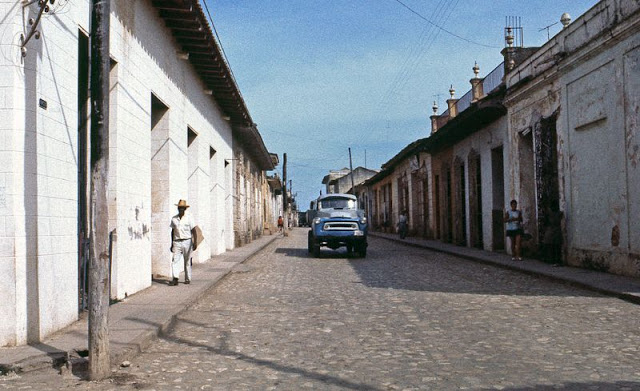
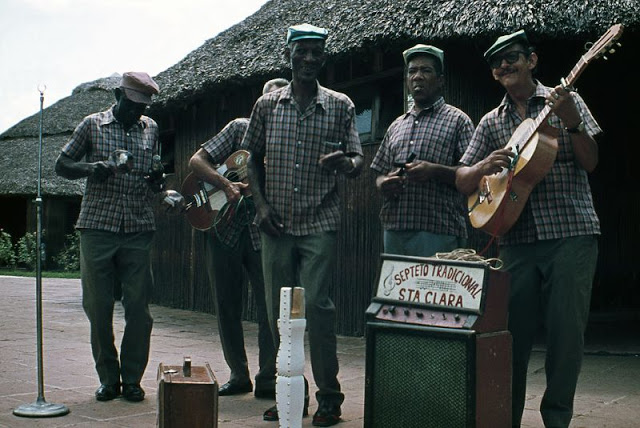
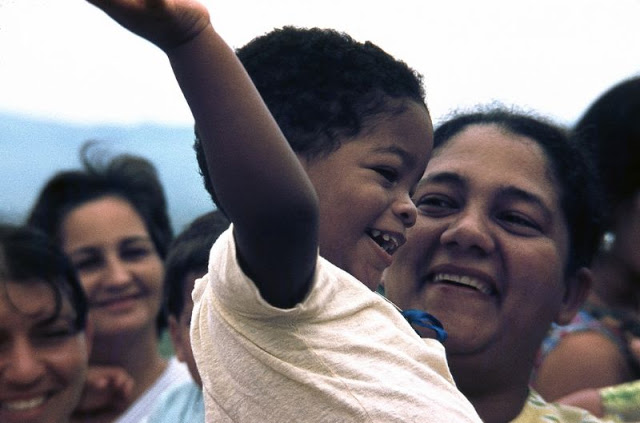
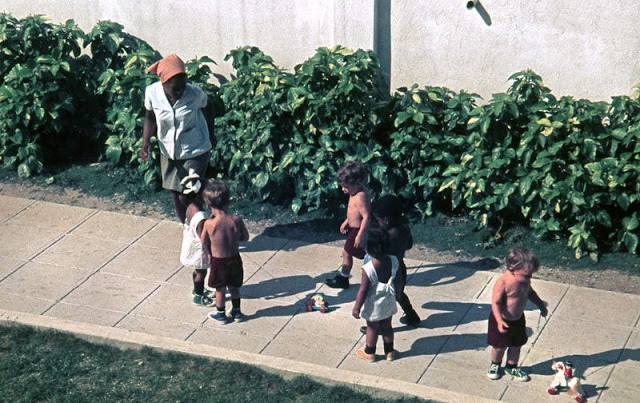
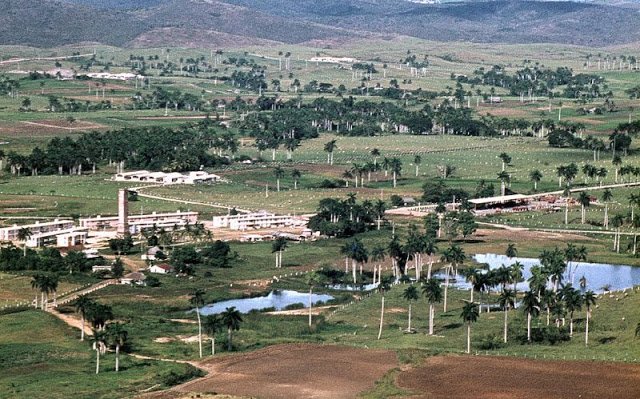
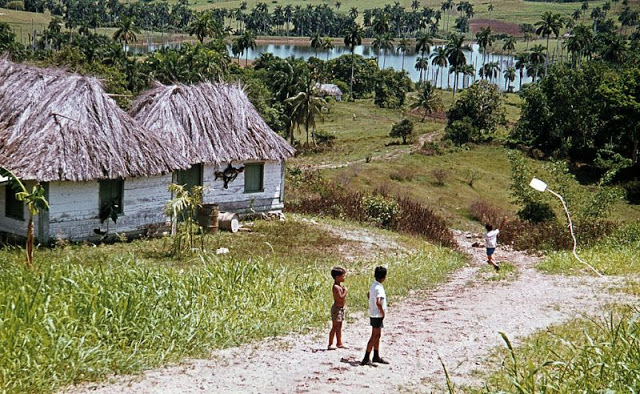
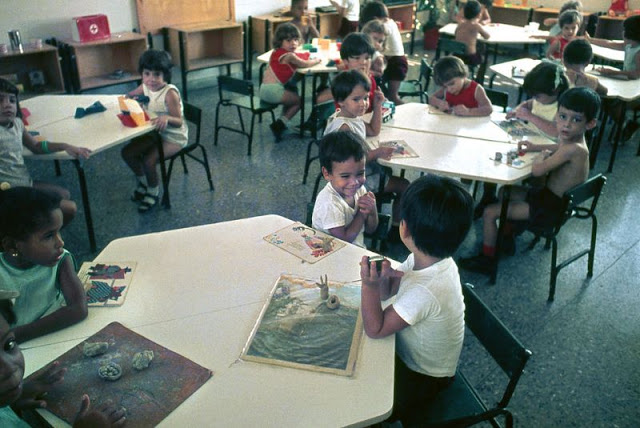
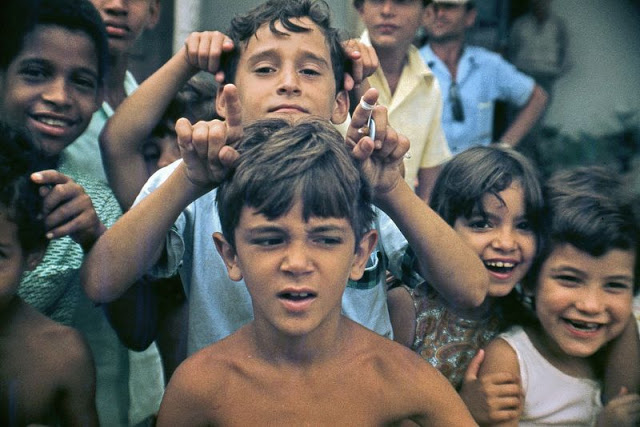
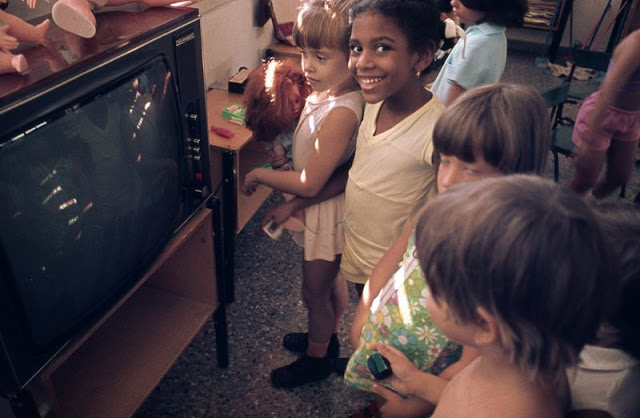
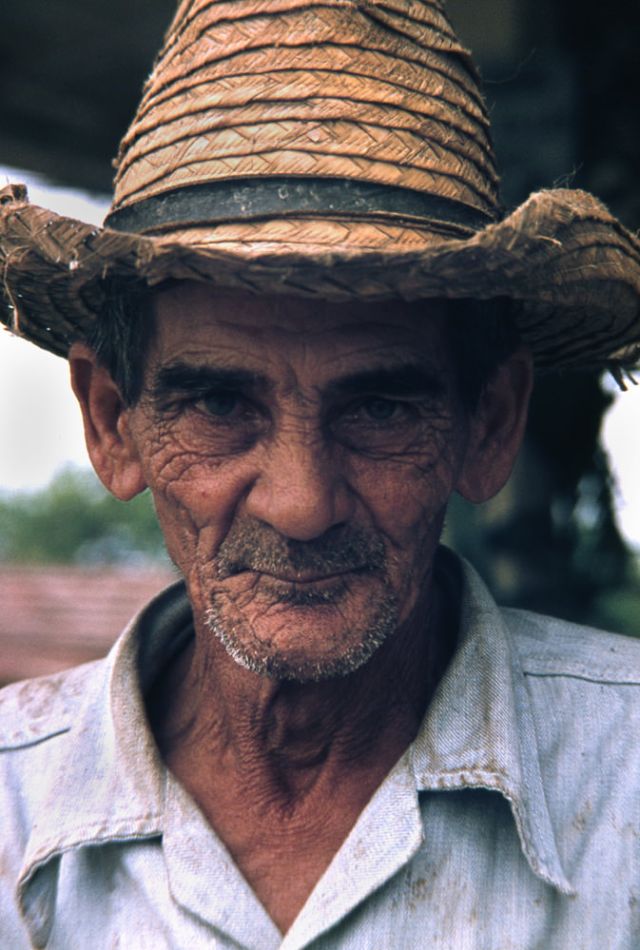
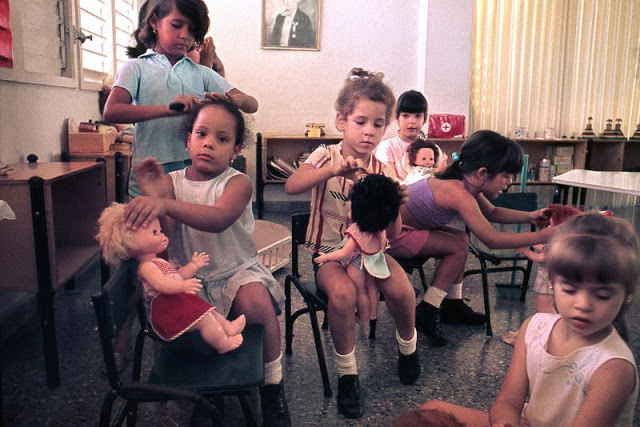
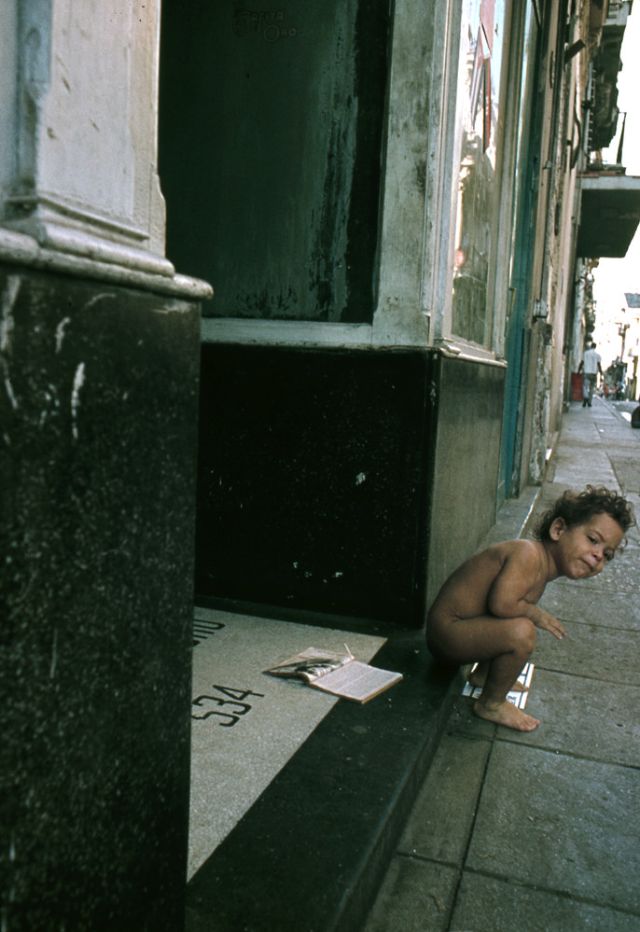
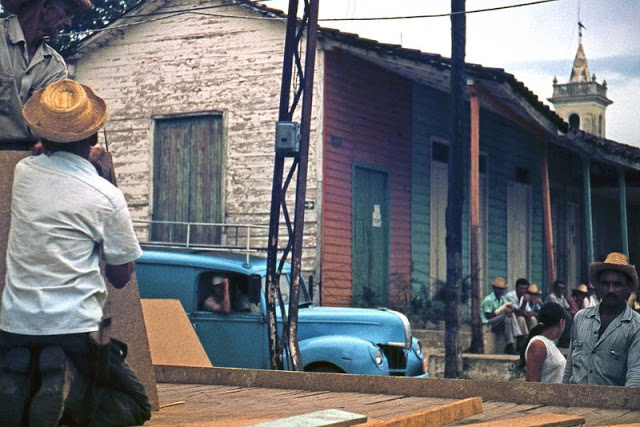
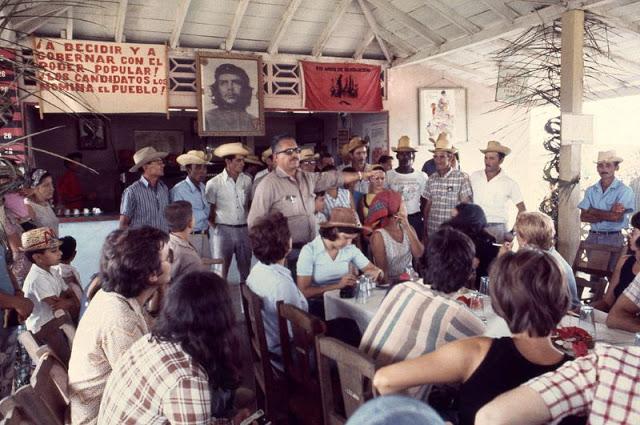
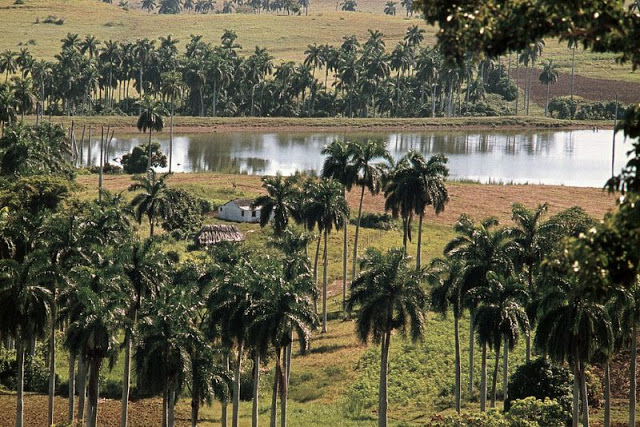
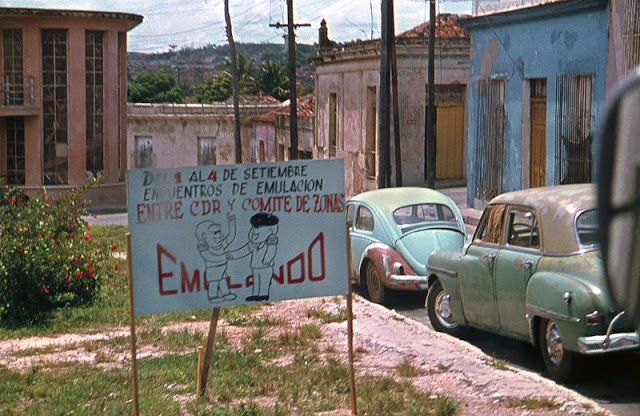
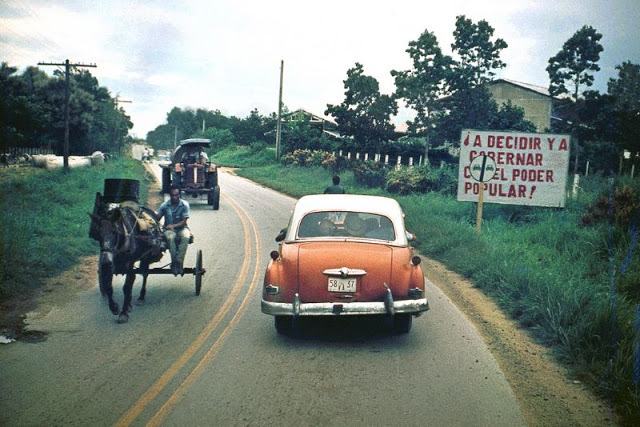
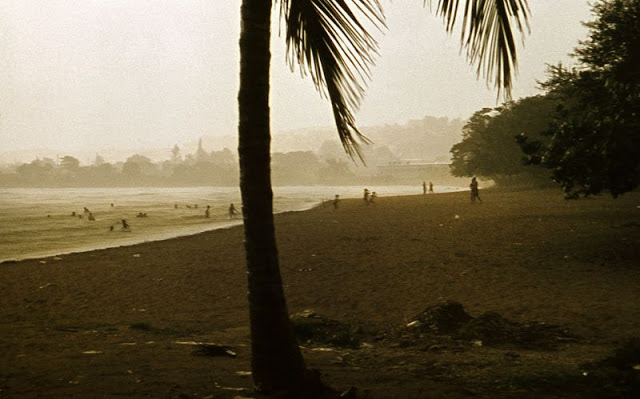
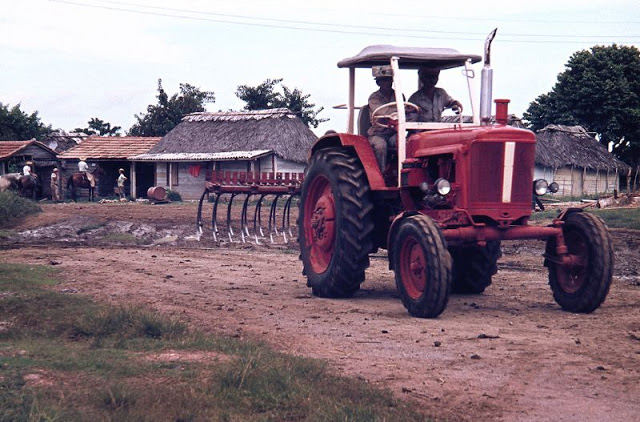
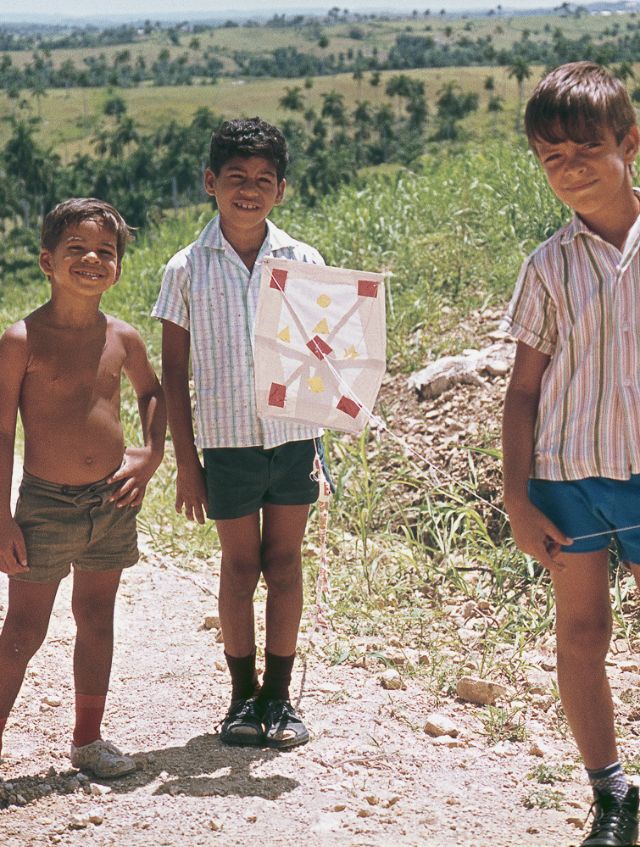
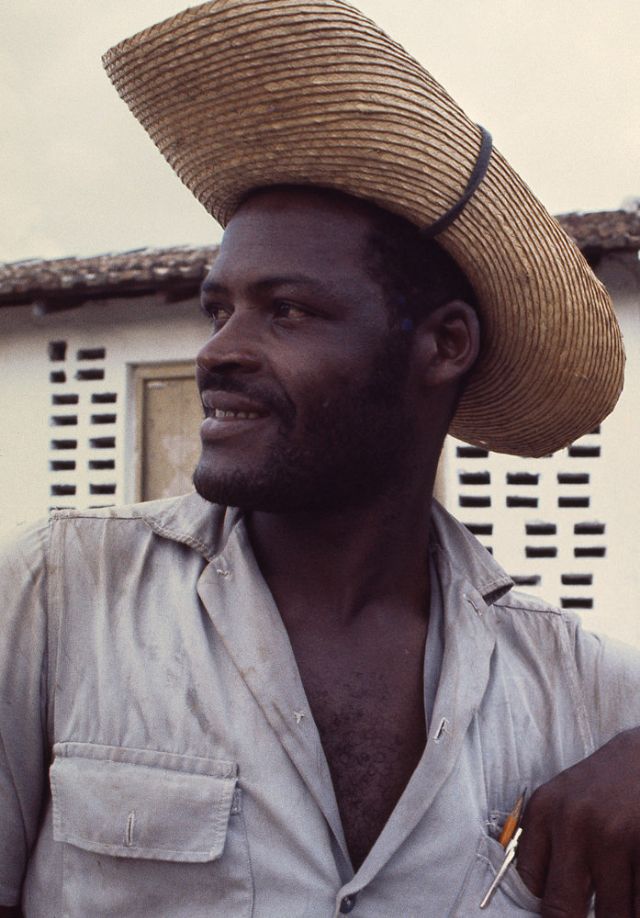
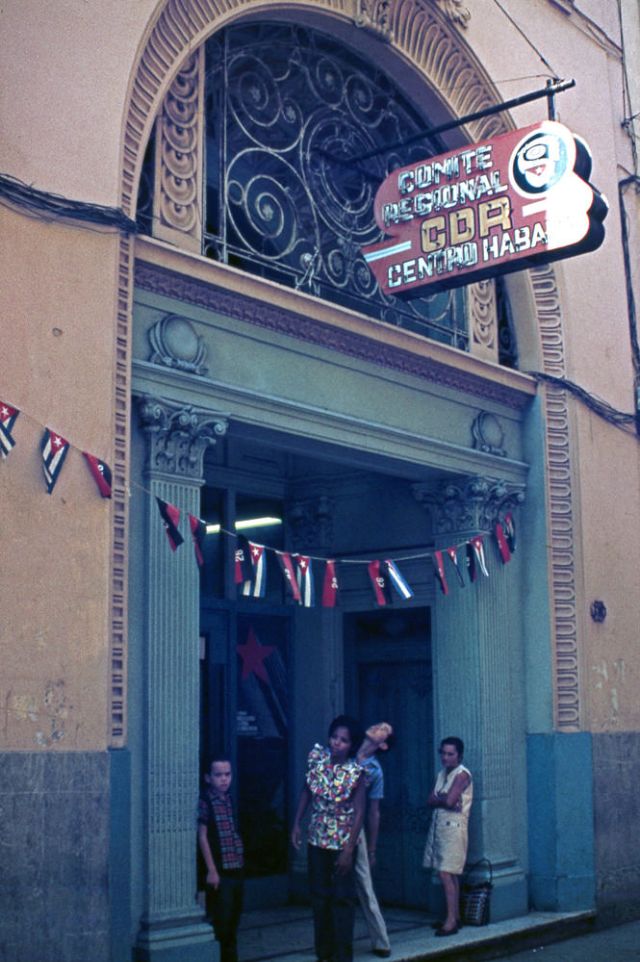
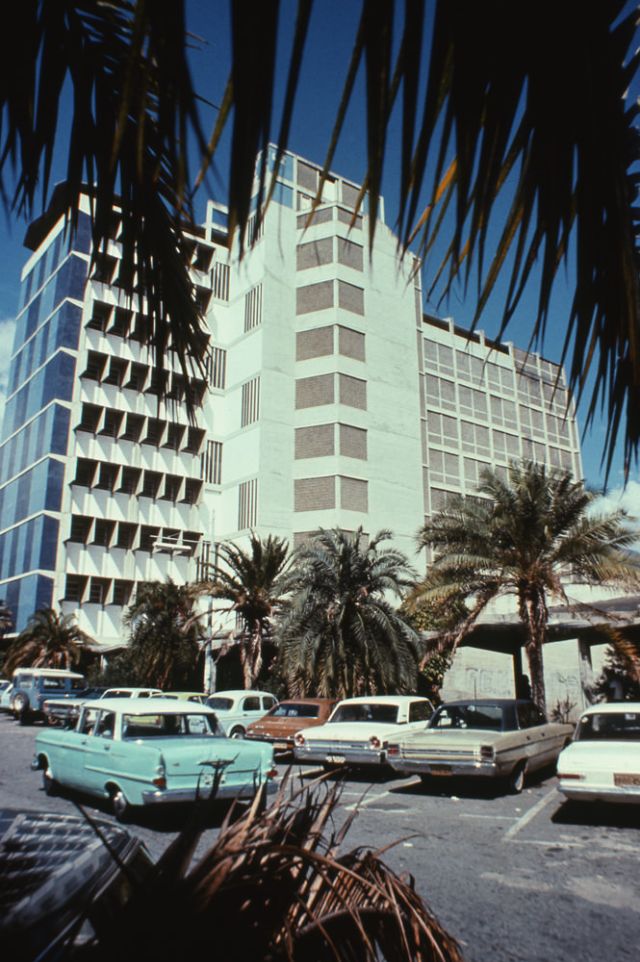
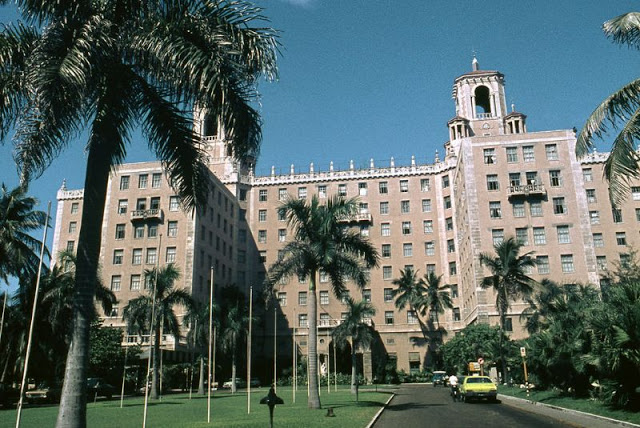
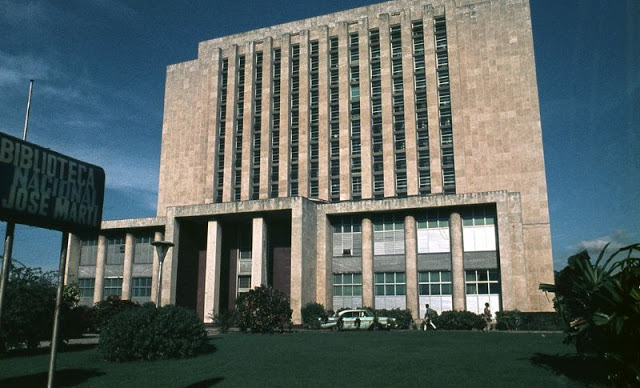
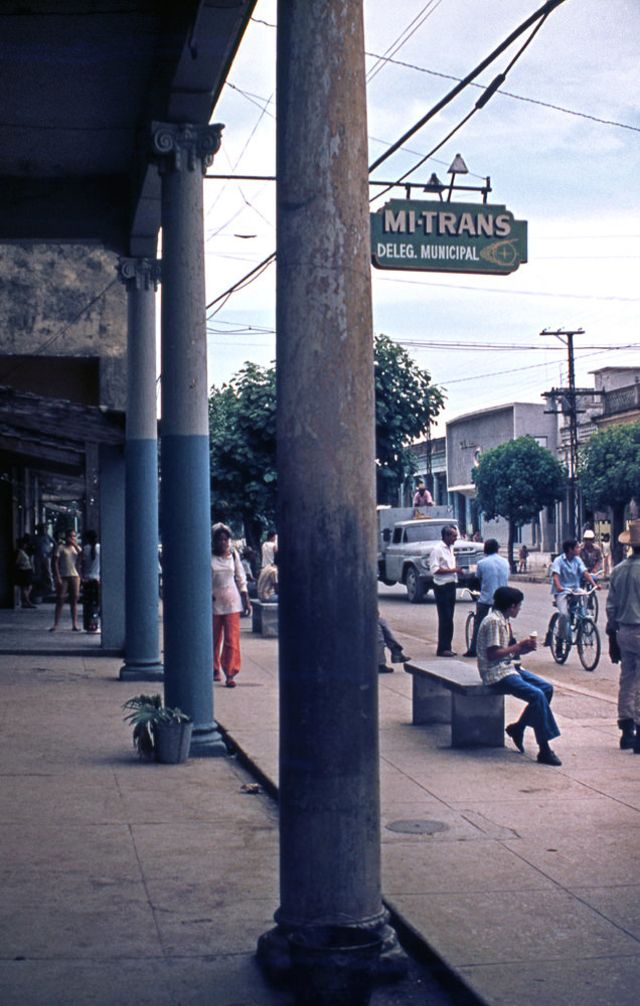
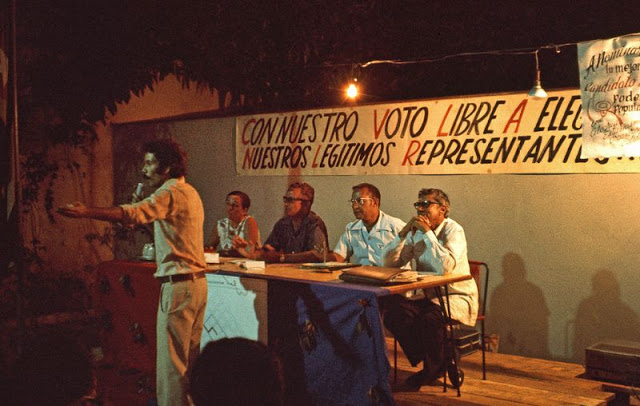
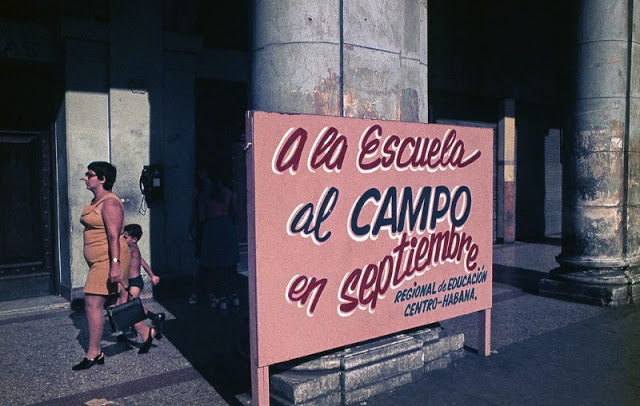
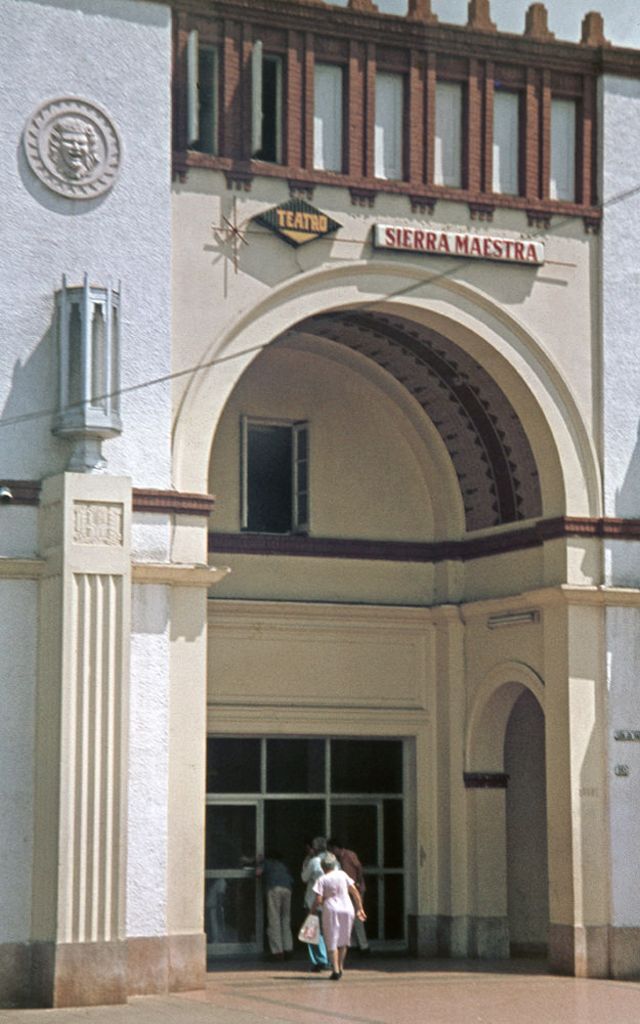
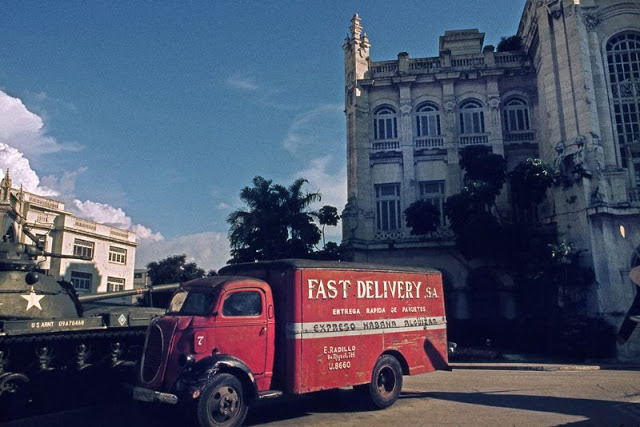
59 Interesting Photos Showing Life in Cuba in 1976

Cuba, officially the Republic of Cuba, is a country comprising the island of Cuba, as well as Isla de la Juventud and several minor archipelagos. Cuba is located where the northern Caribbean Sea, Gulf of Mexico, and Atlantic Ocean meet. Cuba is located at the east of the Yucatán Peninsula (Mexico), south of both the American state of Florida and the Bahamas, west of Hispaniola (Haiti/Dominican Republic), and north of both Jamaica and the Cayman Islands. Havana is the largest city and capital; other major cities include Santiago de Cuba and Camagüey. The official area of the Republic of Cuba is 109,884 km2 (42,426 sq mi) (without the territorial waters). The main island of Cuba is the largest island in Cuba and in the Caribbean, with an area of 104,556 km2 (40,369 sq mi). Cuba is the second-most populous country in the Caribbean after Haiti, with over 11 million inhabitants.

The territory that is now Cuba was inhabited by the Ciboney Taíno people from the 4th millennium BC until Spanish colonization in the 15th century. From the 15th century, it was a colony of Spain until the Spanish–American War of 1898, when Cuba was occupied by the United States and gained nominal independence as a de facto United States protectorate in 1902. As a fragile republic, in 1940 Cuba attempted to strengthen its democratic system, but mounting political radicalization and social strife culminated in a coup and subsequent dictatorship under Fulgencio Batista in 1952. Open corruption and oppression under Batista’s rule led to his ousting in January 1959 by the 26th of July Movement, which afterwards established communist rule under the leadership of Fidel Castro. Since 1965, the state has been governed by the Communist Party of Cuba. The country was a point of contention during the Cold War between the Soviet Union and the United States, and a nuclear war nearly broke out during the Cuban Missile Crisis of 1962. Cuba is one of a few extant Marxist–Leninist socialist states, where the role of the vanguard Communist Party is enshrined in the Constitution. Under Castro, Cuba was involved in a broad range of military and humanitarian activities throughout both Africa and Asia.

Culturally, Cuba is considered part of Latin America. It is a multiethnic country whose people, culture and customs derive from diverse origins, including the Taíno Ciboney peoples, the long period of Spanish colonialism, the introduction of enslaved Africans and a close relationship with the Soviet Union in the Cold War.

Cuba is a founding member of the United Nations, the G77, the Non-Aligned Movement, the Organisation of African, Caribbean and Pacific States, ALBA and the Organization of American States. It has currently one of the world’s only planned economies, and its economy is dominated by the tourism industry and the exports of skilled labor, sugar, tobacco, and coffee. Cuba has historically—both before and during Communist rule—performed better than other countries in the region on several socioeconomic indicators, such as literacy, infant mortality and life expectancy.

Cuba has a single-party authoritarian regime where political opposition is not permitted. There are elections in Cuba, but they are not considered democratic. Censorship of information (including limits to internet access) is extensive, and independent journalism is repressed in Cuba; Reporters Without Borders has characterized Cuba as one of the worst countries in the world for press freedom. (Wikipedia)

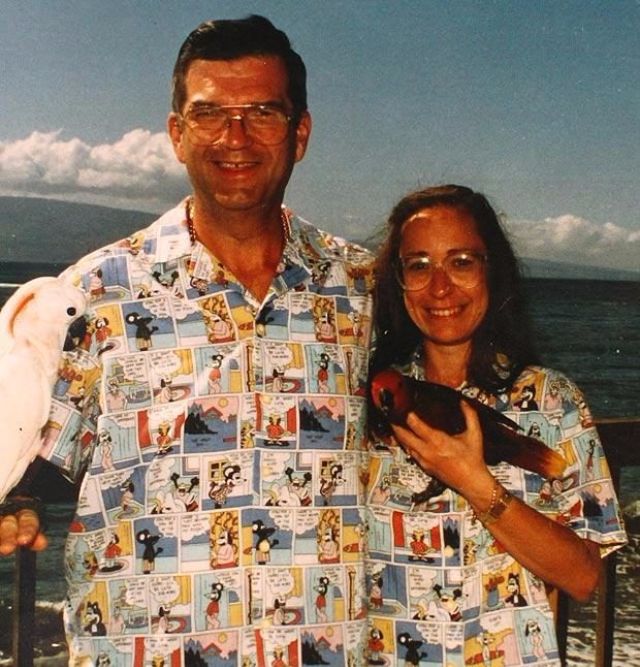
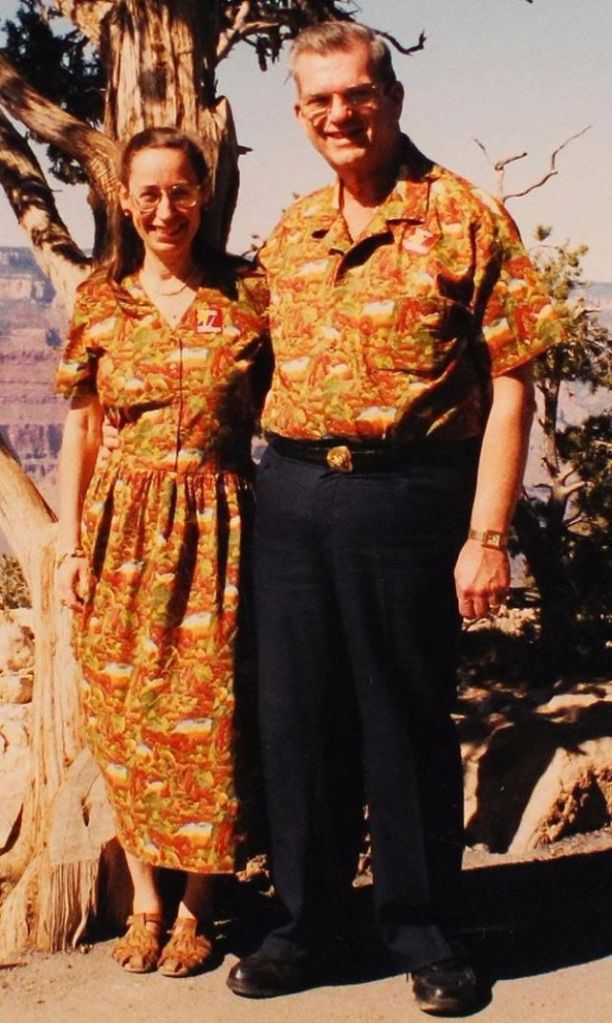
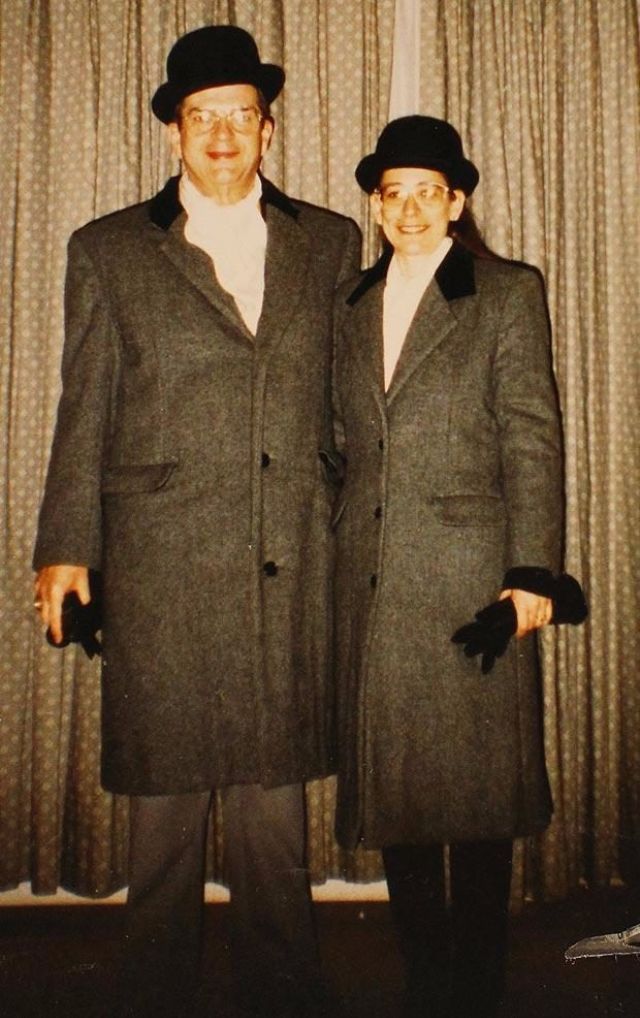
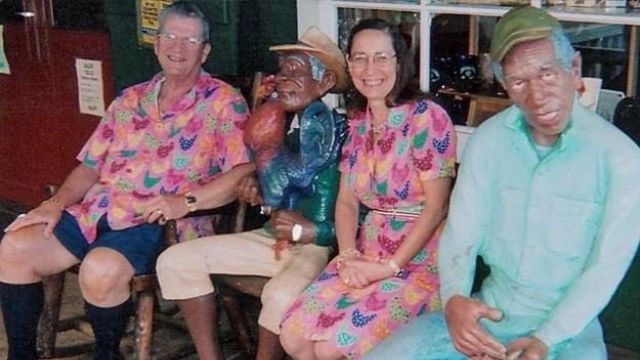
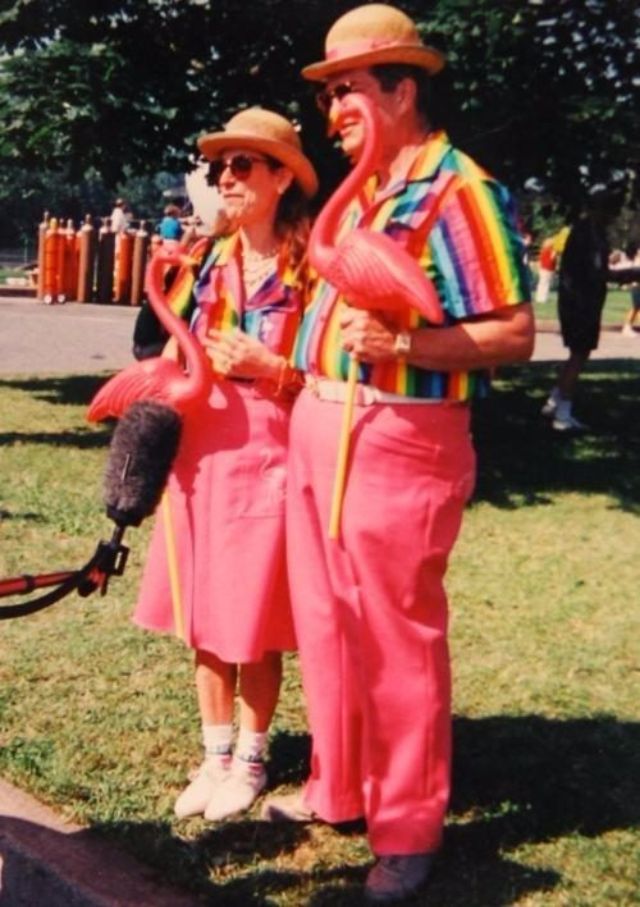
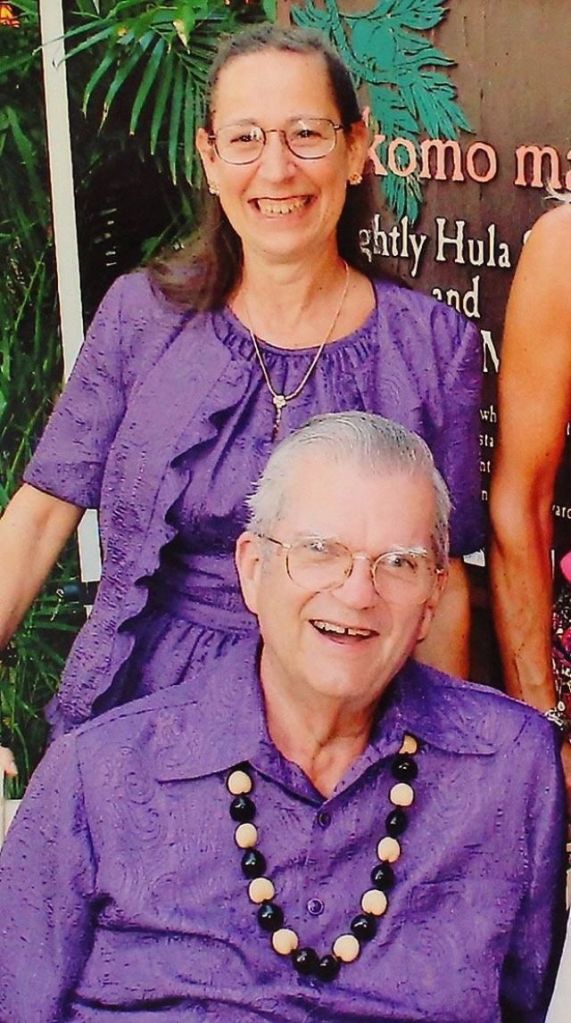
20 Lovely Photos of a Couple That Dressed in Matching Outfits Every Day for 35 Years

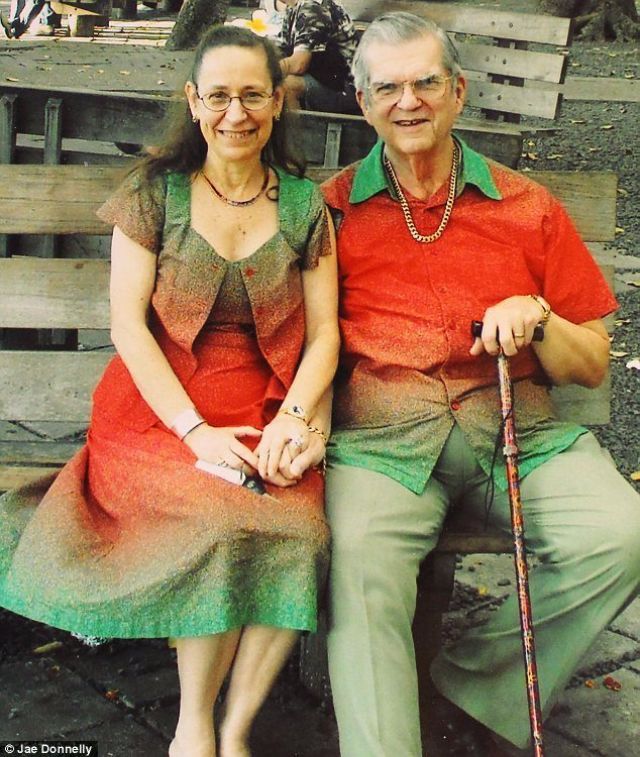
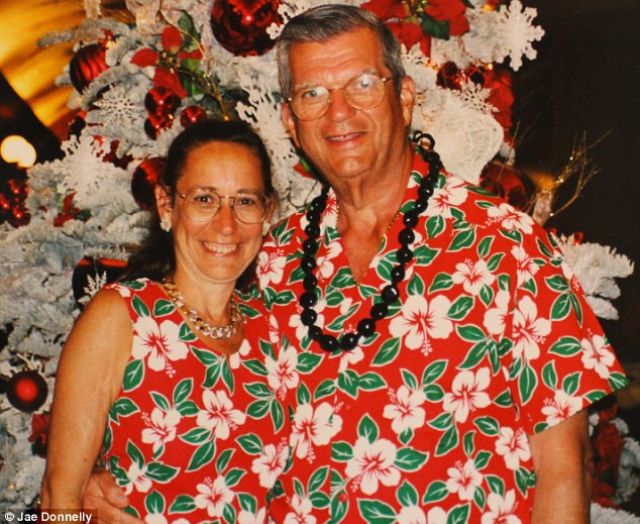
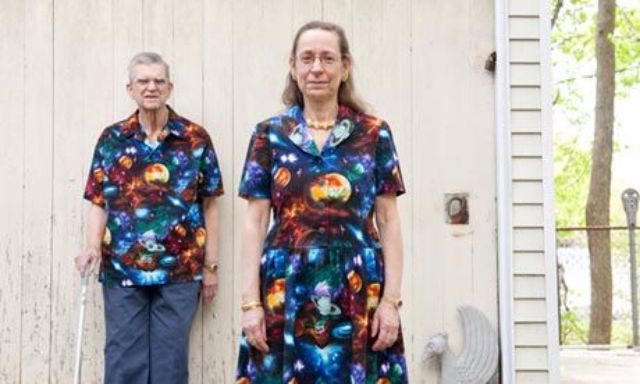
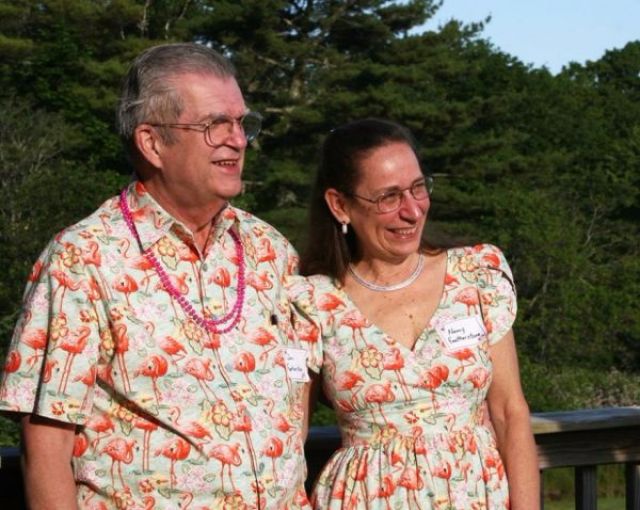
A married couple who have dressed alike every day for 35 years say it is the clearest way of showing that ‘we’re together.’

Donald Featherstone, who made a fortune from inventing the plastic pink flamingo lawn ornament in the late Fifties, and his wife Nancy, told The Sun that they even phone each other when they are not together to ensure that their style is in sync.

Luckily the large Victorian home that they share in Fitchburg, Massachusetts, has enough closet space to house their unique fashion collection which includes 600 custom-made outfits and dozens of identical his and hers accessories.

Recalling the first time they experimented with the look-alike concept, Mrs Featherstone told Daily Mail: ‘I made Don the same shirt I was wearing. We’ve dressed alike ever since. We love it.’

The couple’s love story started in August 1975 when they met at a hardware convention in Chicago. That day Mr Featherstone made up his mind that ‘someday’ he would marry Nancy – and a year later, on July 23, he did.

Mrs Featherstone said that when she met her husband he was ‘very prim and proper’ and would only wear long-sleeved shirts, a tie and a suit. But following her mother’s advice, she started jazzing up his style by making him more colorful outfits.

She first had the idea to make duplicate garments after she remembered a tradition at Jennings Junior High School in Missouri, where couples wore matching shirts to the end-of-year dance.

It was in 1977 that the Featherstones first slipped into the same looks – a pair of polyester ‘play shirts’. Then on Easter Sunday of the same year Mr Featherstone stepped out in slacks, a sport coat and pink silky shirt while his wife donned a pink, silky dress.

Their dressing-up habit soon became a full-blown obsession and in 1980 they went full-time.

In 1997, when the New York Times asked Nancy why her and Don dress like they do, she replied: ‘First and foremost, it’s fun! We like it! But it’s also the clearest sign we can give that we’re together. For Donald and me, that’s our deal.’

On June 22, 2015, Donald Featherstone died from Lewy body dementia at the age of 79.

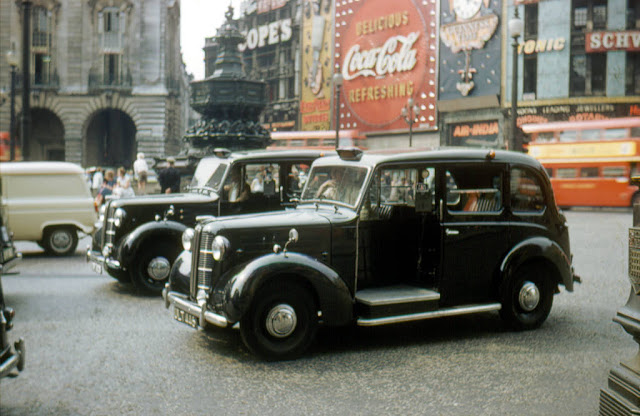
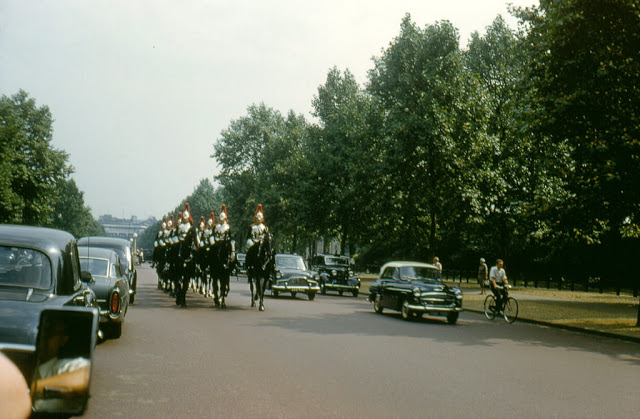
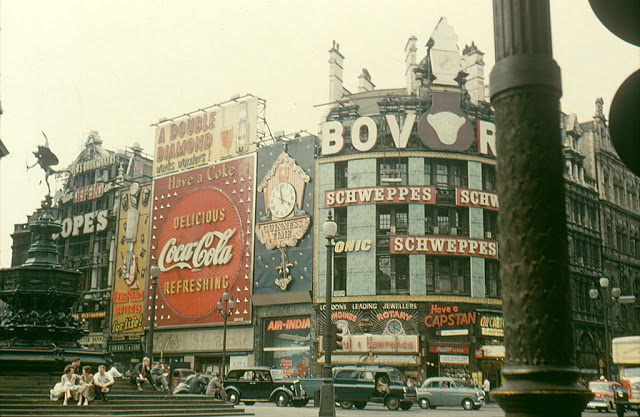
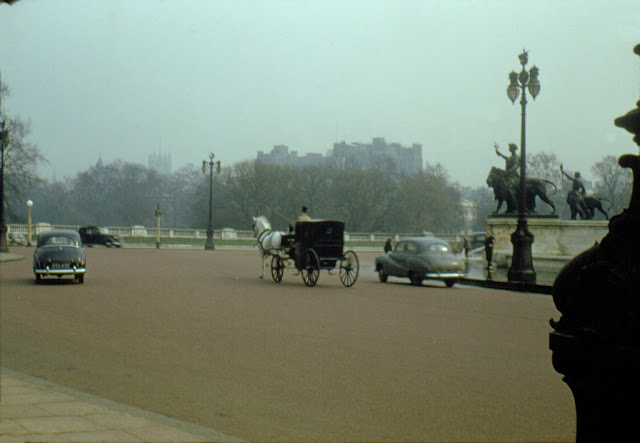
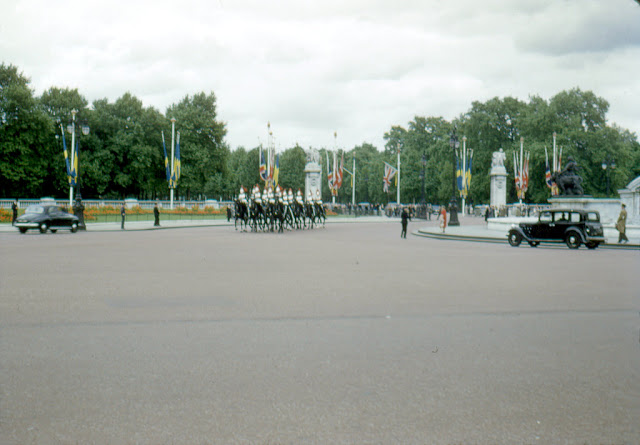
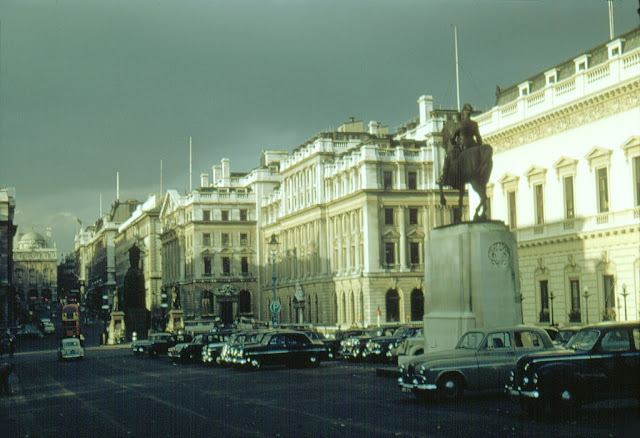
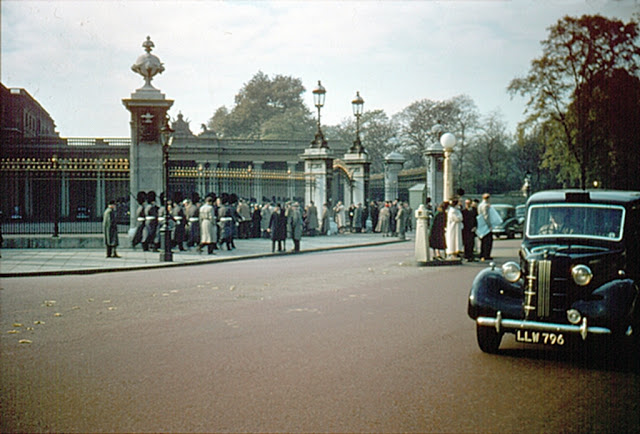
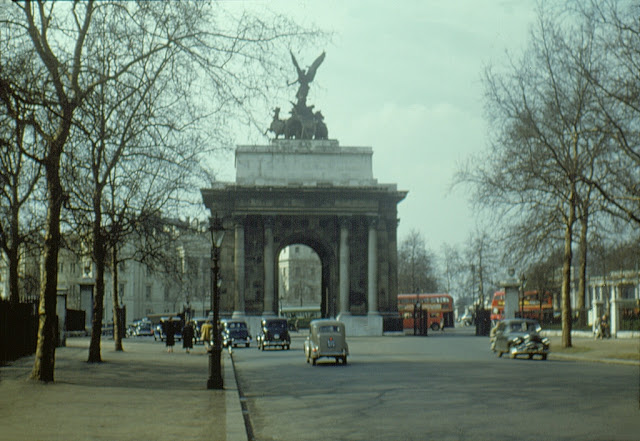
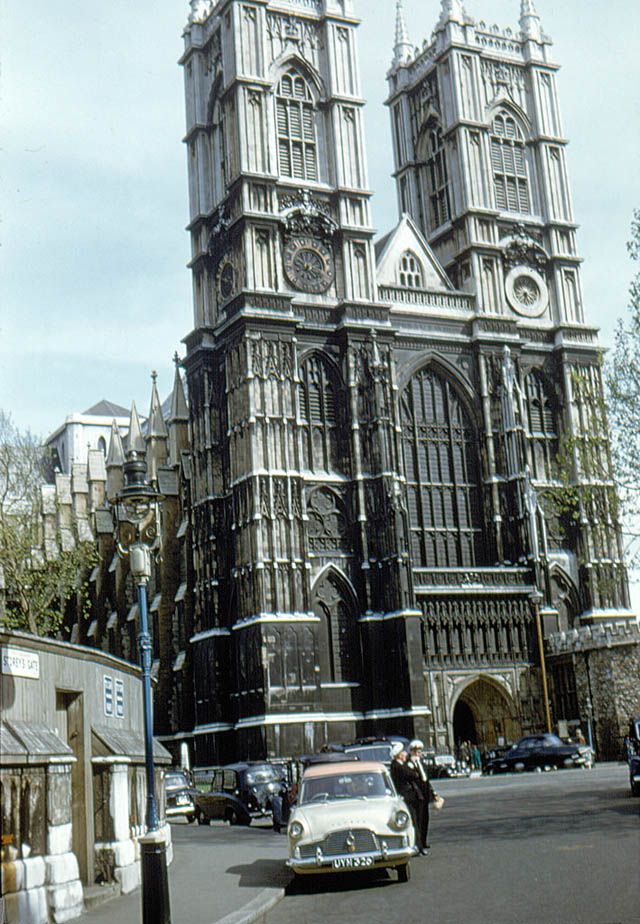
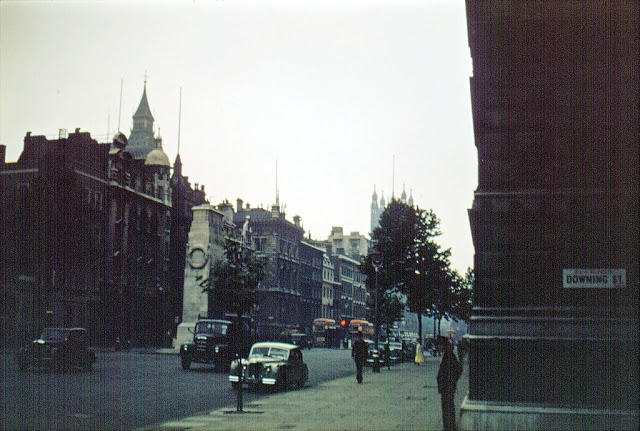
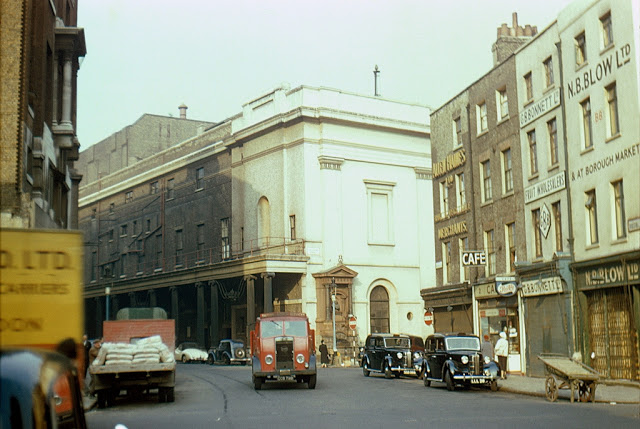
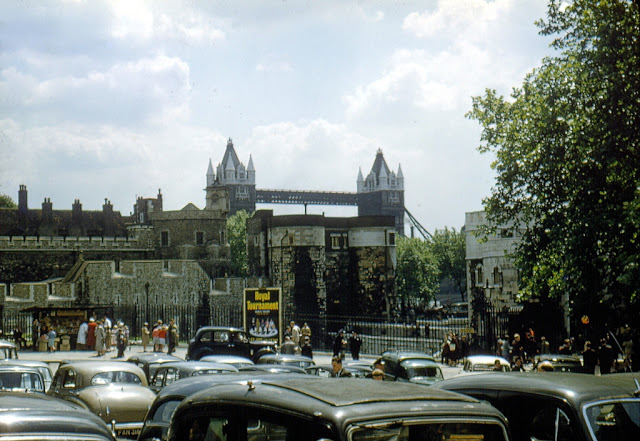
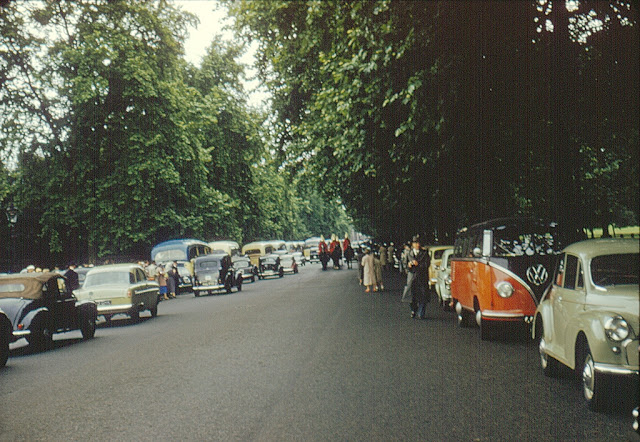
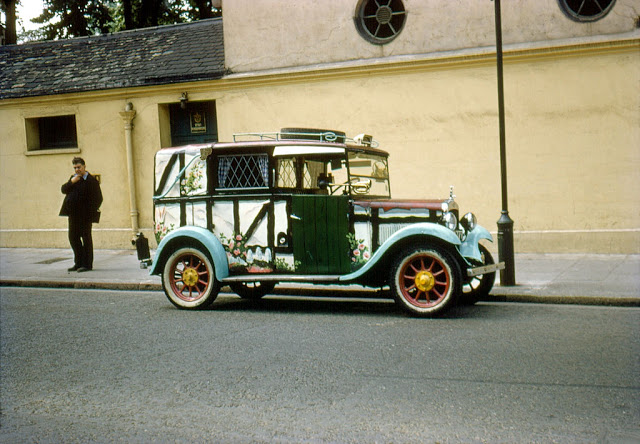
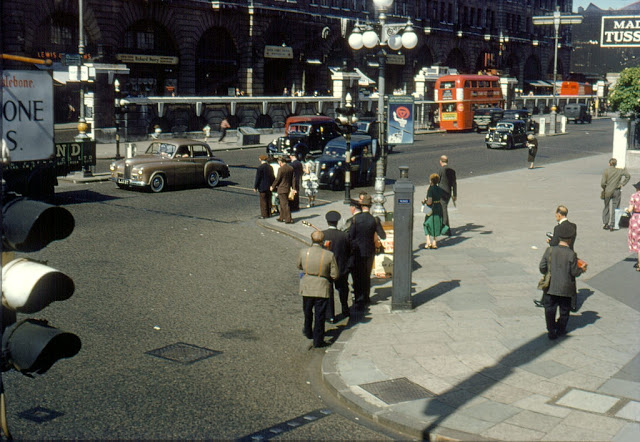
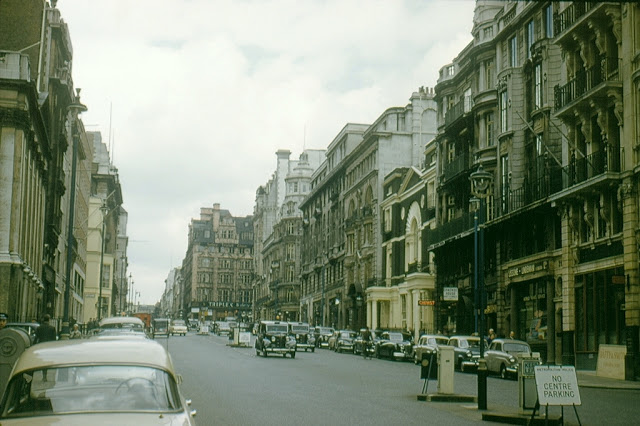
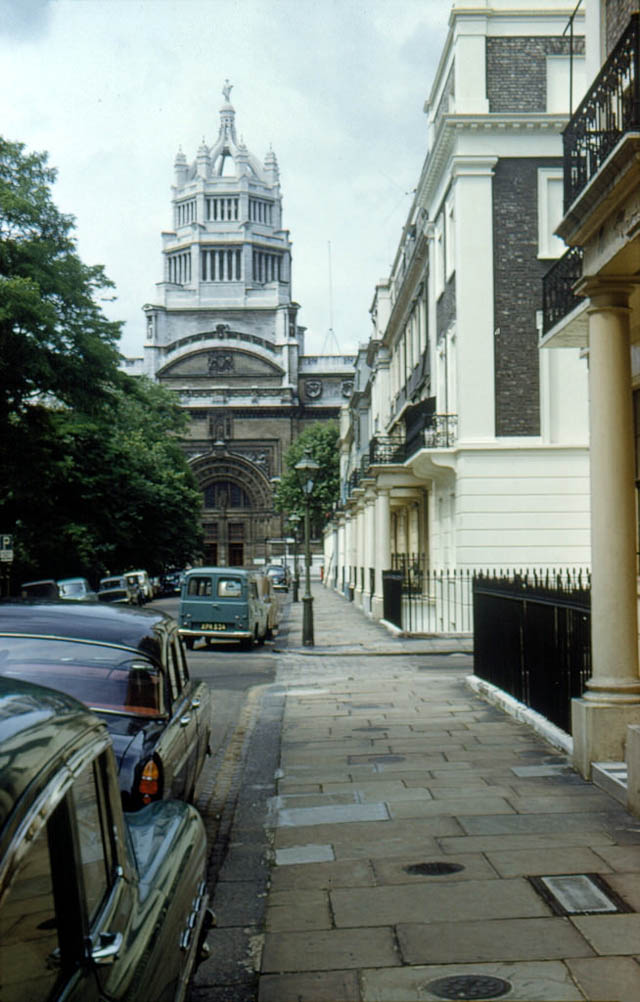
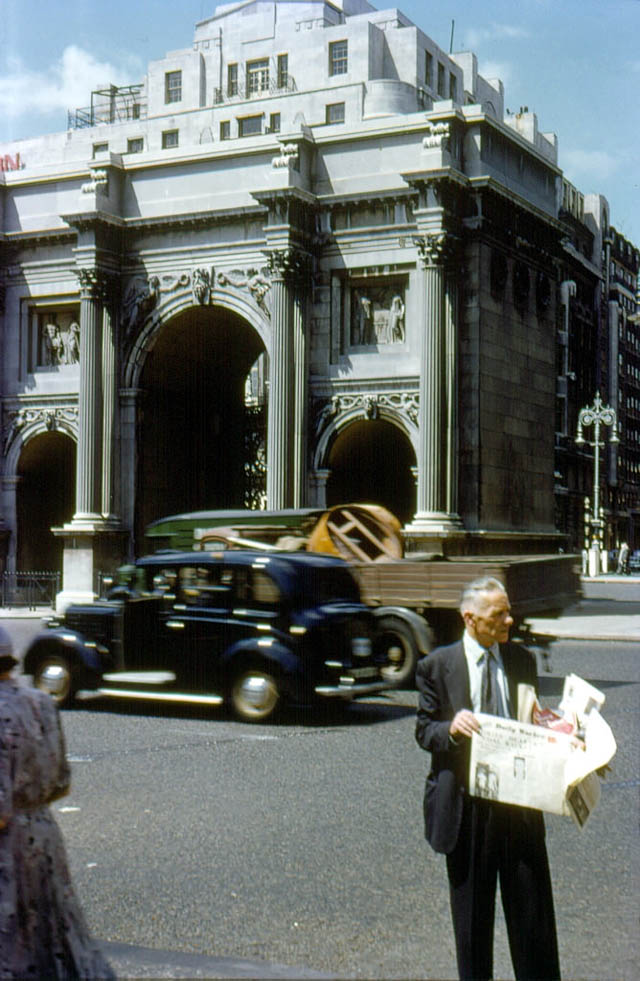
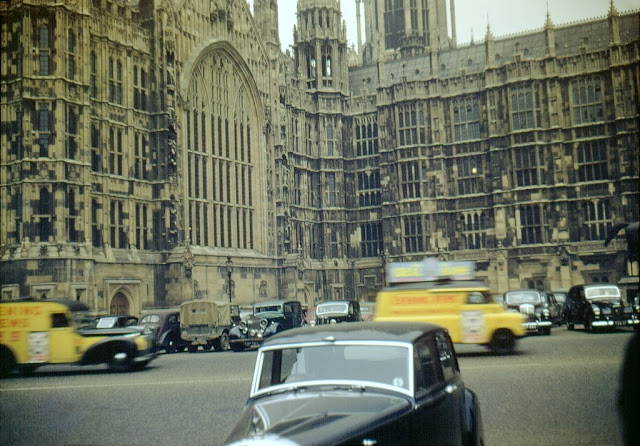
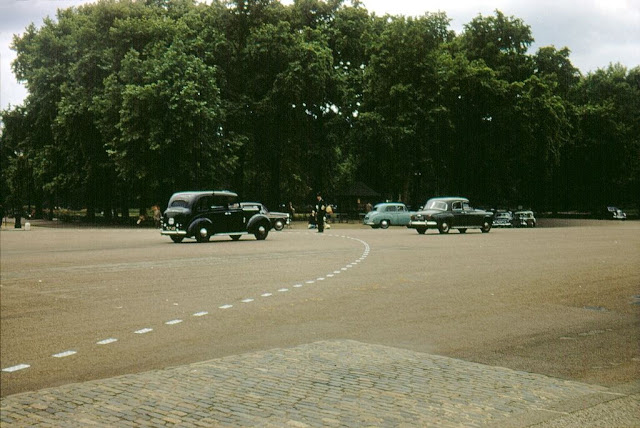
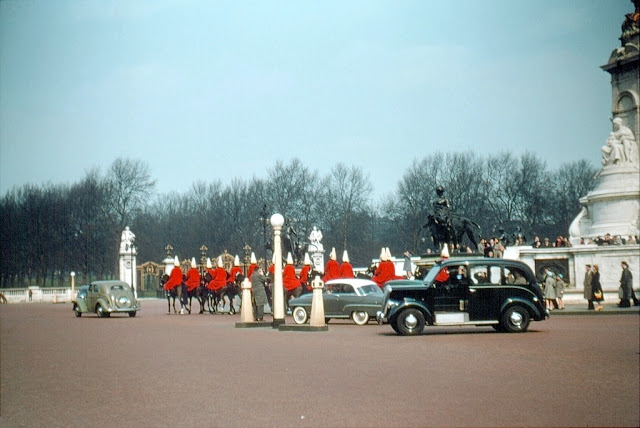
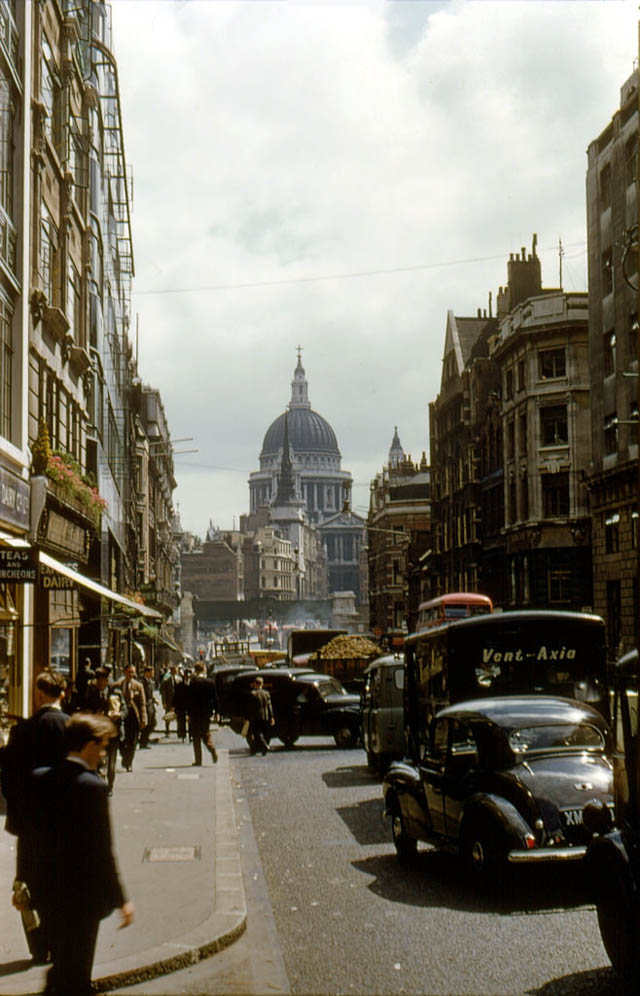
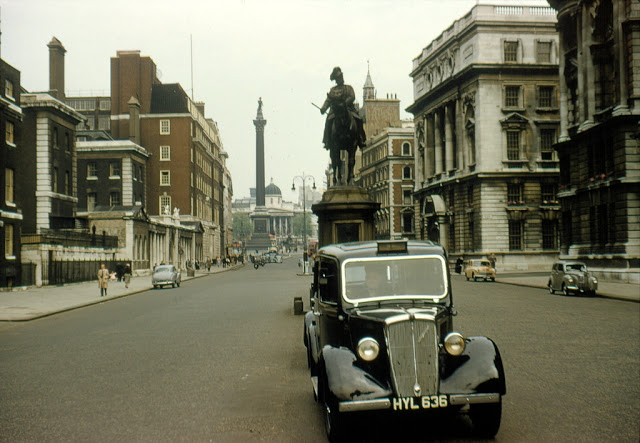
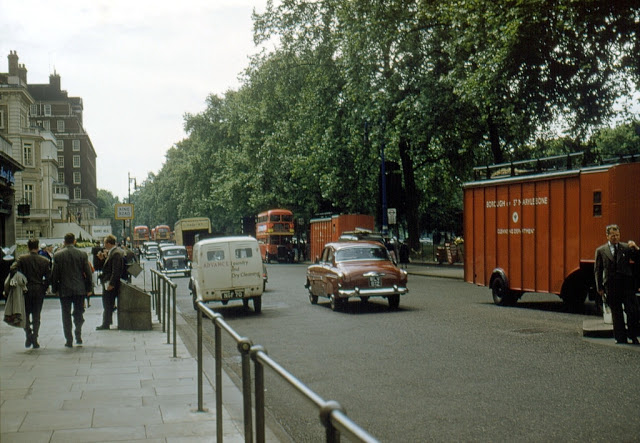
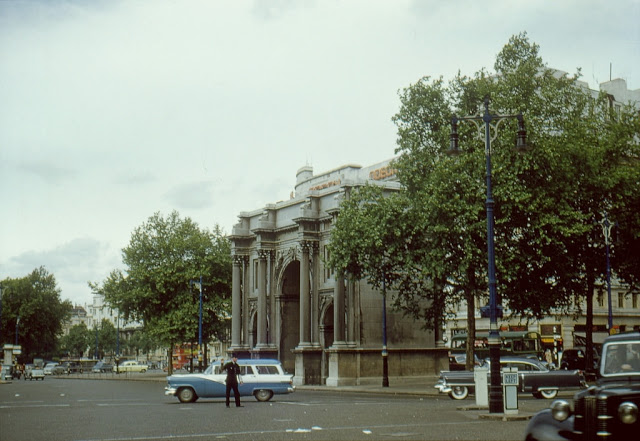
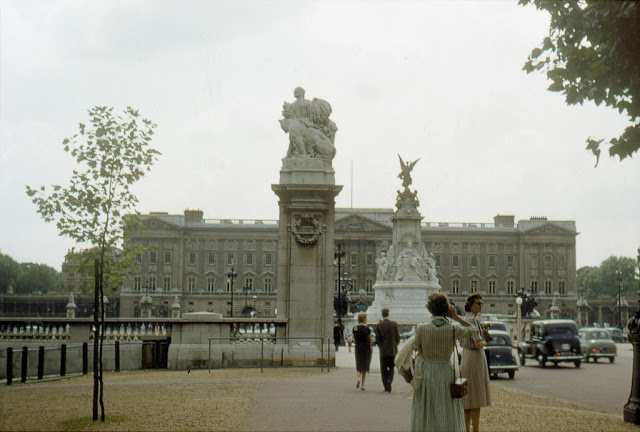
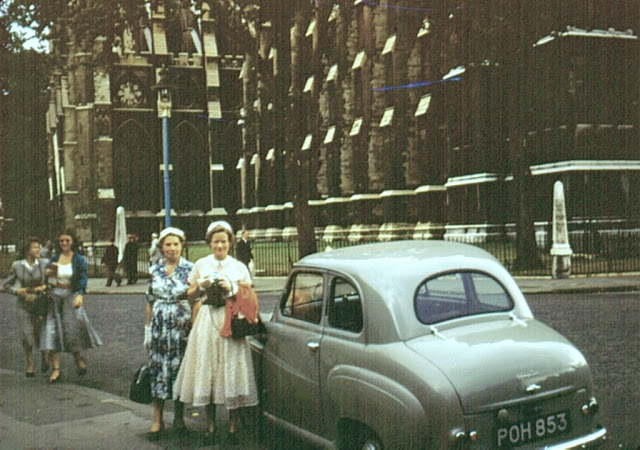
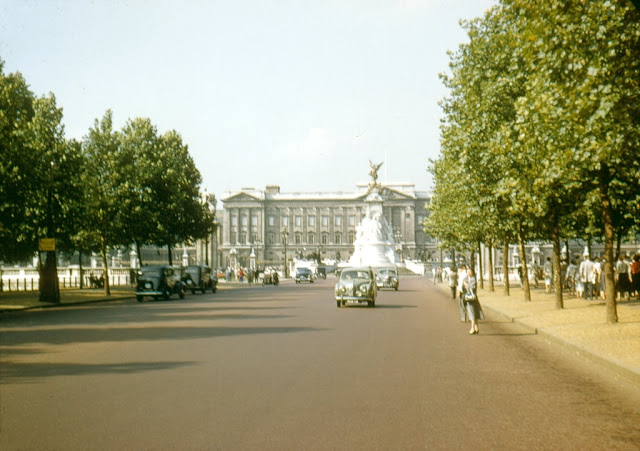
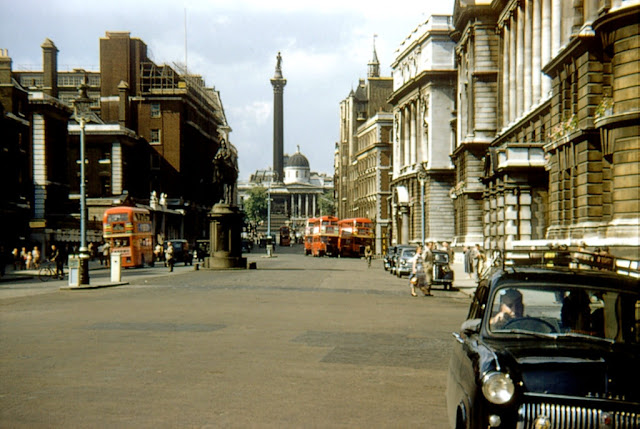
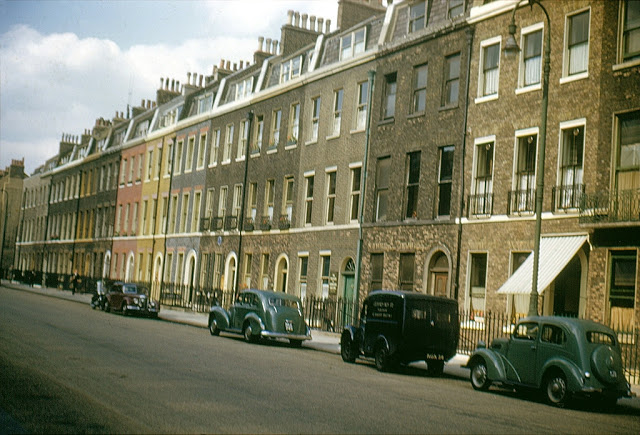
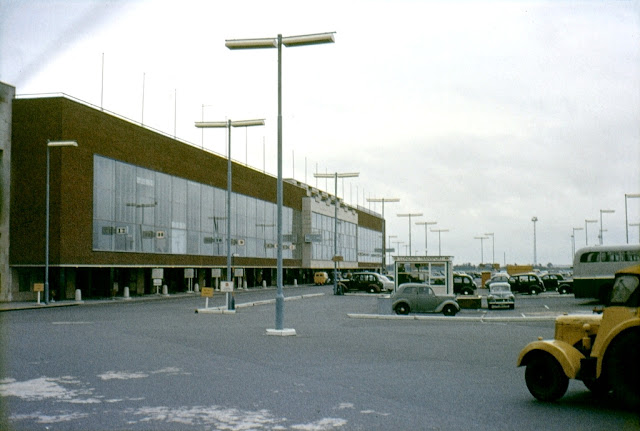
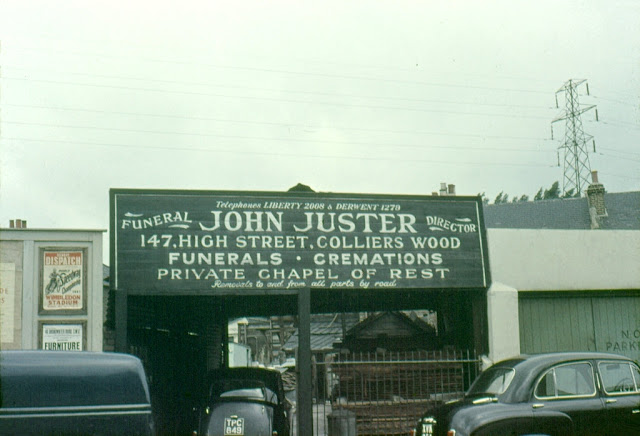
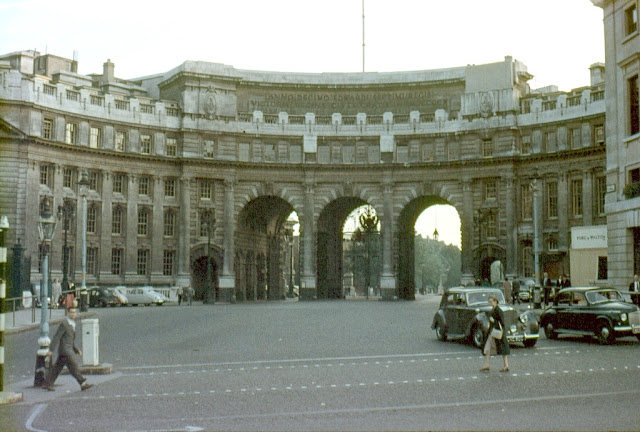
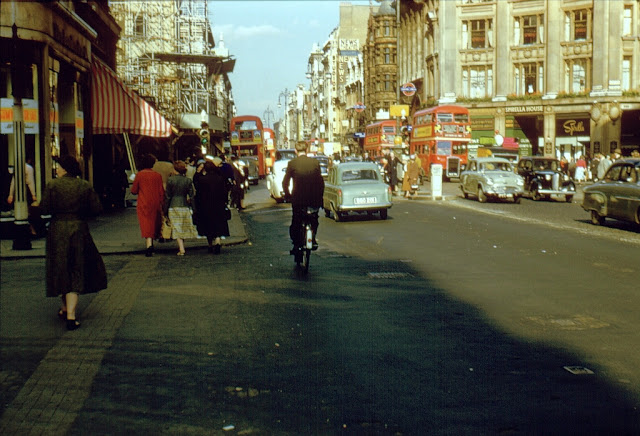
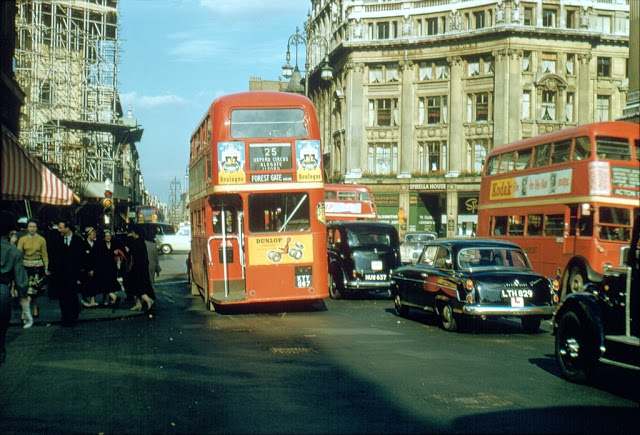
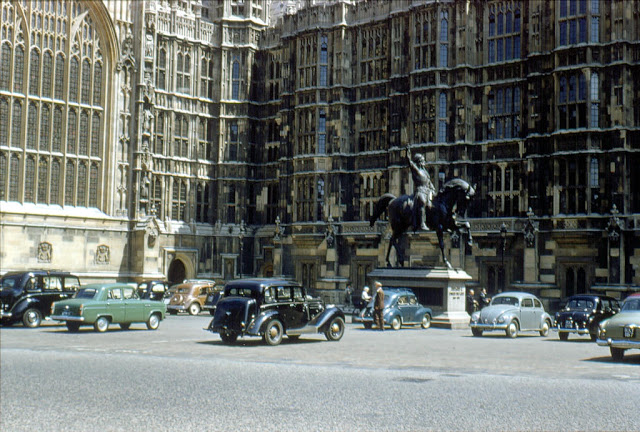
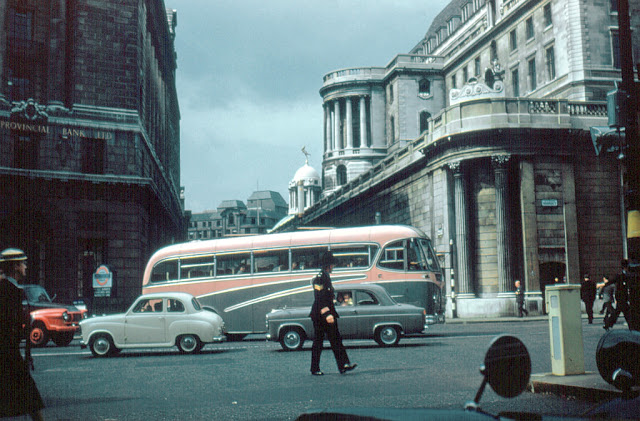
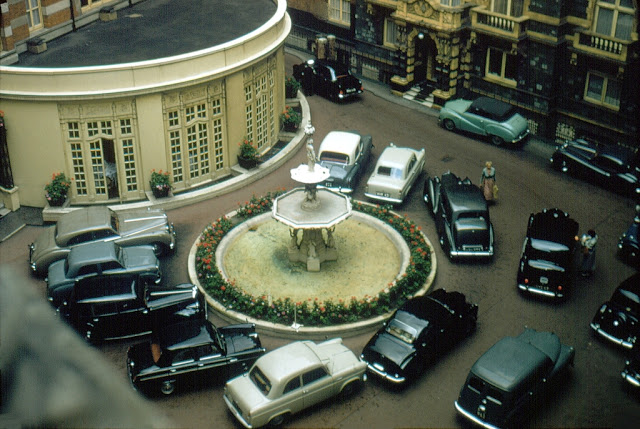
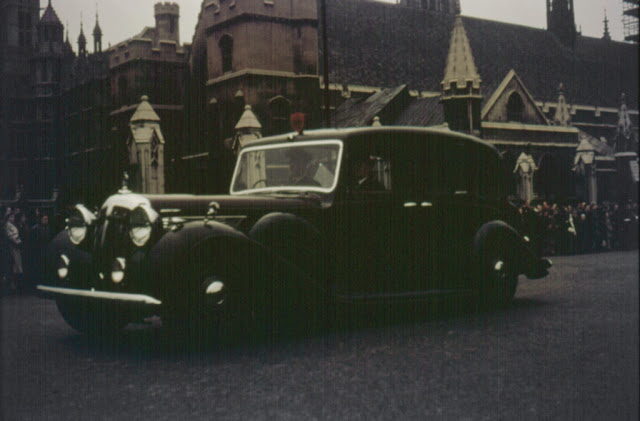
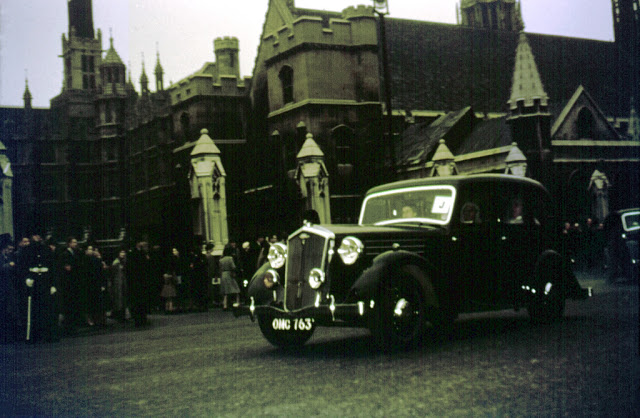
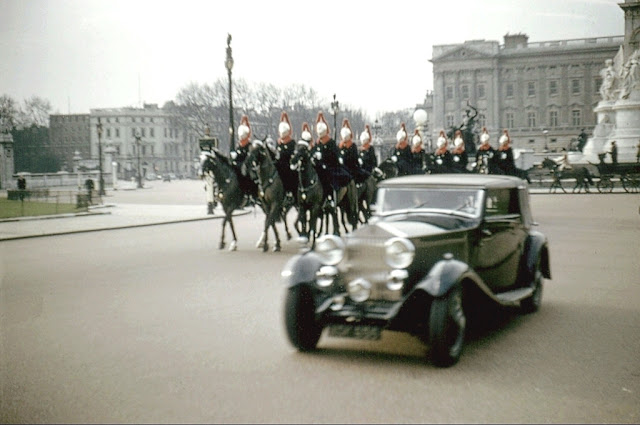
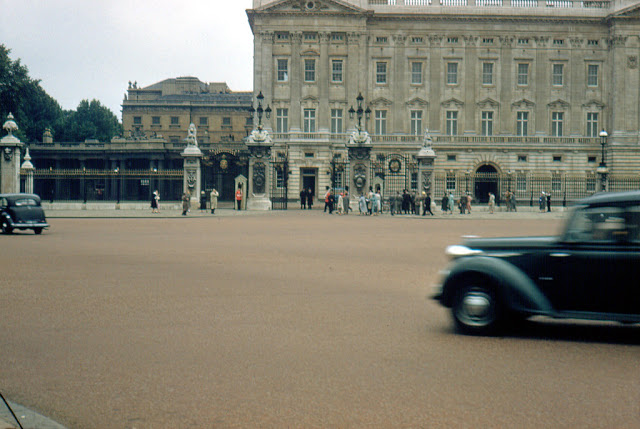
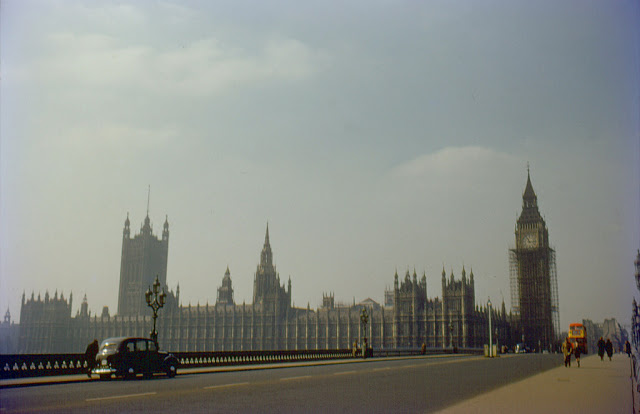
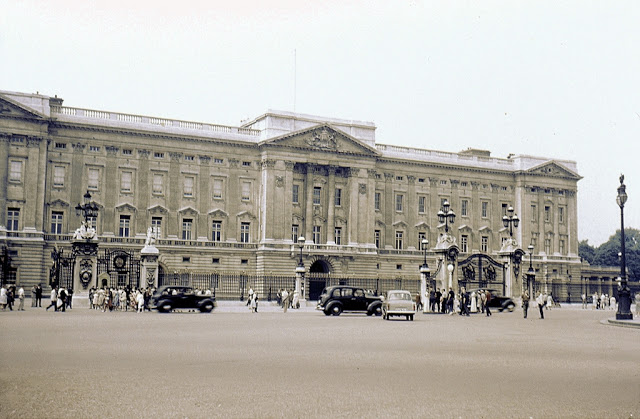
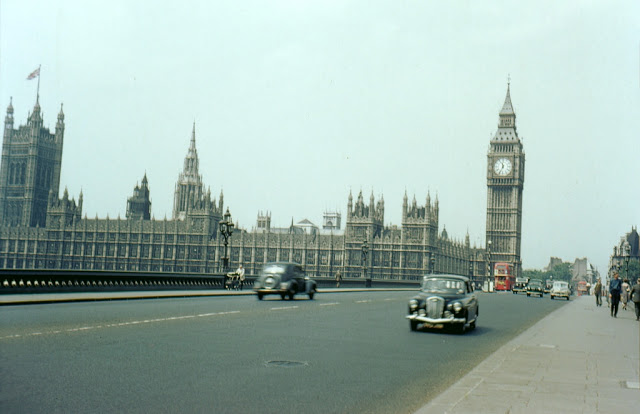
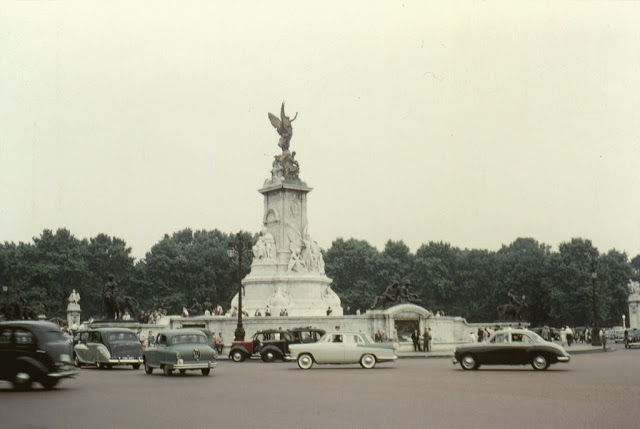
47 Color Photos Show Classic Cars on London Streets during the 1950s

London is the capital and largest city of England and the United Kingdom with a total population of 9,002,488. It stands on the River Thames in south-east England at the head of a 50-mile (80 km) estuary down to the North Sea, and has been a major settlement for two millennia. The City of London, its ancient core and financial centre, was founded by the Romans as Londinium and retains boundaries close to its medieval ones. Since the 19th century, “London” has also referred to the metropolis around this core, historically split between the counties of Middlesex, Essex, Surrey, Kent, and Hertfordshire, which largely comprises Greater London, governed by the Greater London Authority. The City of Westminster, to the west of the City of London, has for centuries held the national government and parliament.

As one of the world’s global cities, London exerts strong influence on its arts, commerce, education, entertainment, fashion, finance, health care, media, tourism, and communications, and has sometimes been called the capital of the world. Its GDP (€801.66 billion in 2017) makes it the biggest urban economy in Europe, and it is one of the major financial centres in the world. In 2019 it had the second-highest number of ultra high-net-worth individuals in Europe after Paris and the second-highest number of billionaires in Europe after Moscow. As of 2021, London has the most millionaires of any city. With Europe’s largest concentration of higher education institutions, it includes Imperial College London in natural and applied sciences, the London School of Economics in social sciences, and the comprehensive University College London. The city is home to the most 5-star hotels of any city in the world. In 2012, London became the first city to host three Summer Olympic Games.

London’s diverse cultures encompass over 300 languages. The mid-2018 population of Greater London of about 9 million made it Europe’s third-most populous city, accounting for 13.4% of the population of the United Kingdom. Greater London Built-up Area is the fourth-most populous in Europe, after Istanbul, Moscow and Paris, with about 9.8 million inhabitants at the 2011 census. The London metropolitan area is the third-most populous in Europe after Istanbul’s and Moscow’s, with about 14 million inhabitants in 2016, granting London the status of a megacity.

London has four World Heritage Sites: the Tower of London; Kew Gardens; the combined Palace of Westminster, Westminster Abbey, and St Margaret’s Church; and also the historic settlement in Greenwich, where the Royal Observatory, Greenwich defines the Prime Meridian (0° longitude) and Greenwich Mean Time. Other landmarks include Buckingham Palace, the London Eye, Piccadilly Circus, St Paul’s Cathedral, Tower Bridge and Trafalgar Square. It has numerous museums, galleries, libraries and sporting venues, including the British Museum, National Gallery, Natural History Museum, Tate Modern, British Library and West End theatres. The London Underground is the oldest rapid transit system in the world. (Wikipedia)

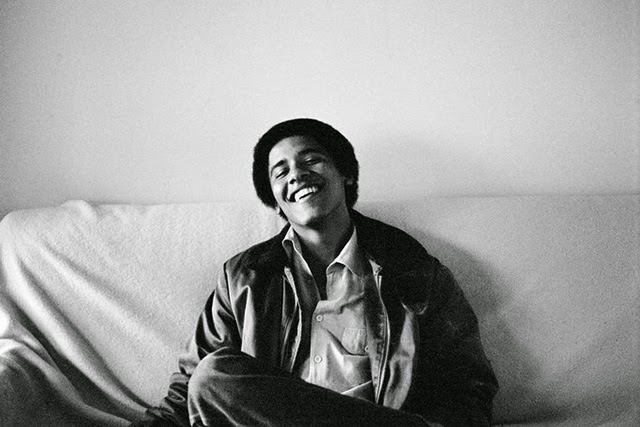
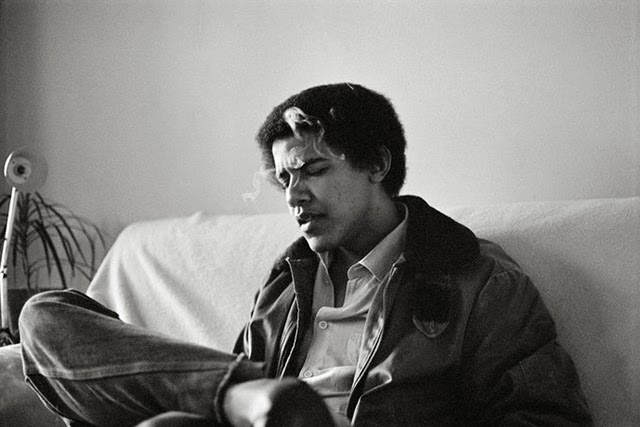
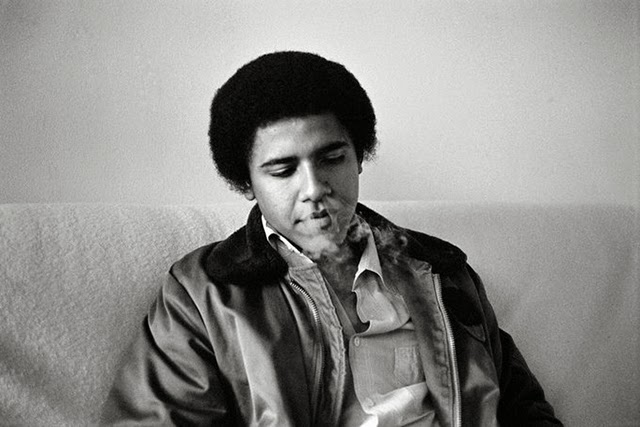
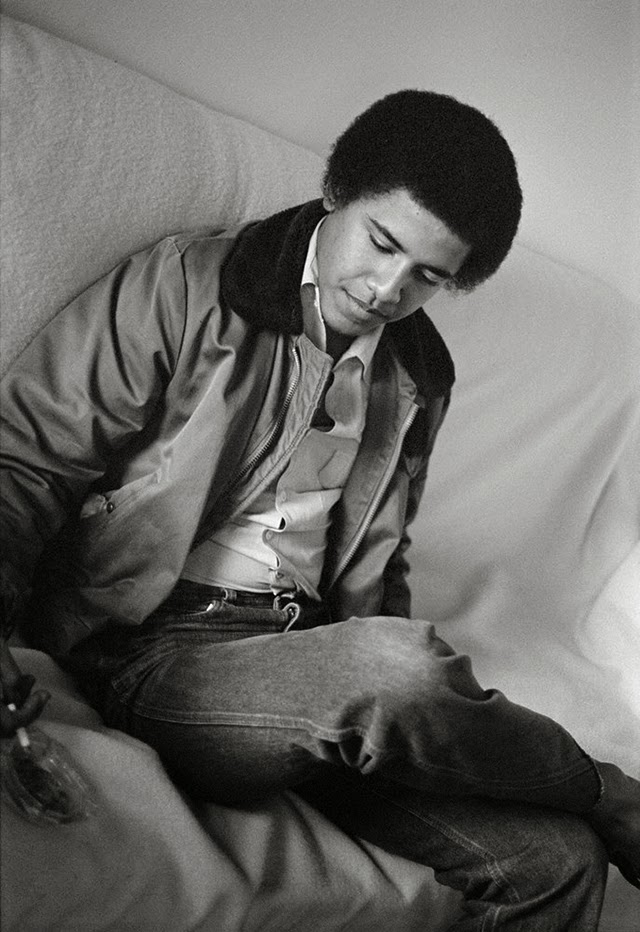
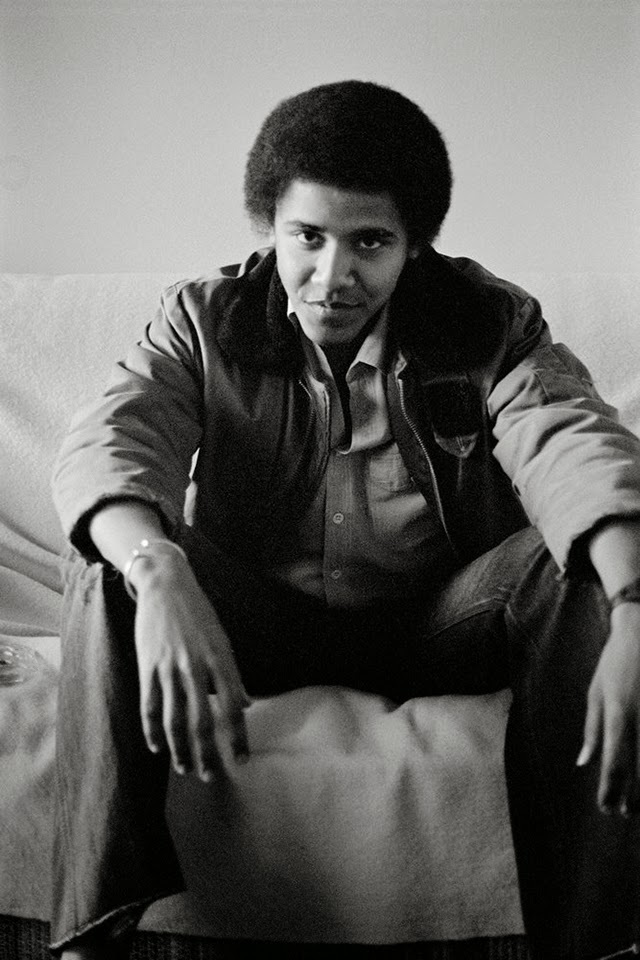
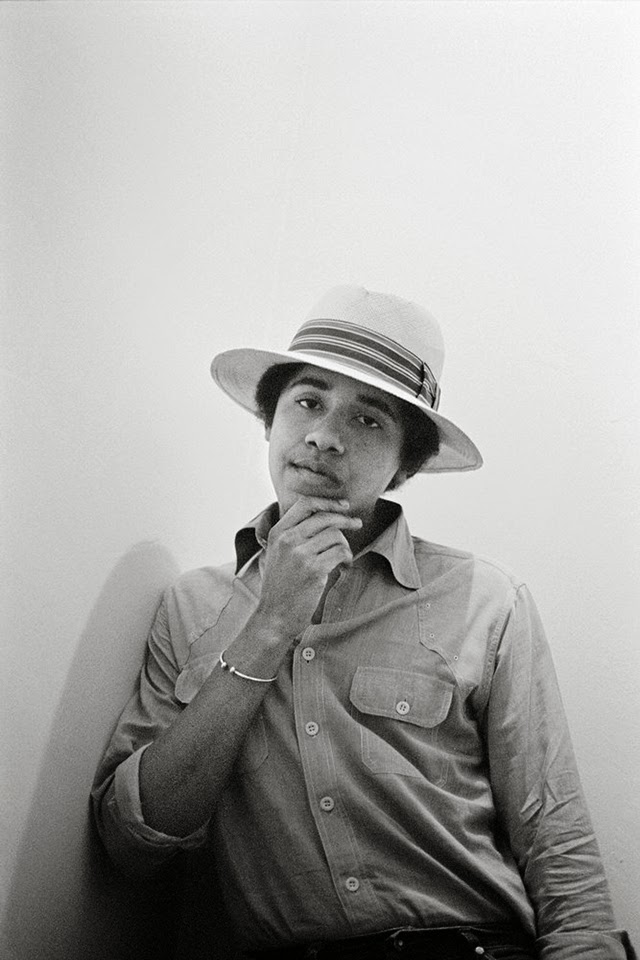
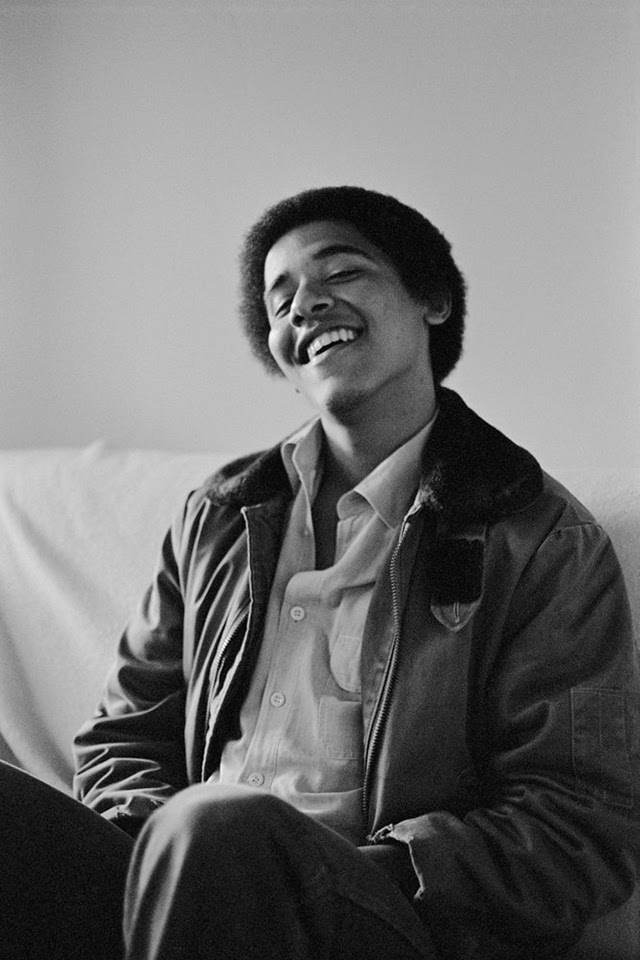
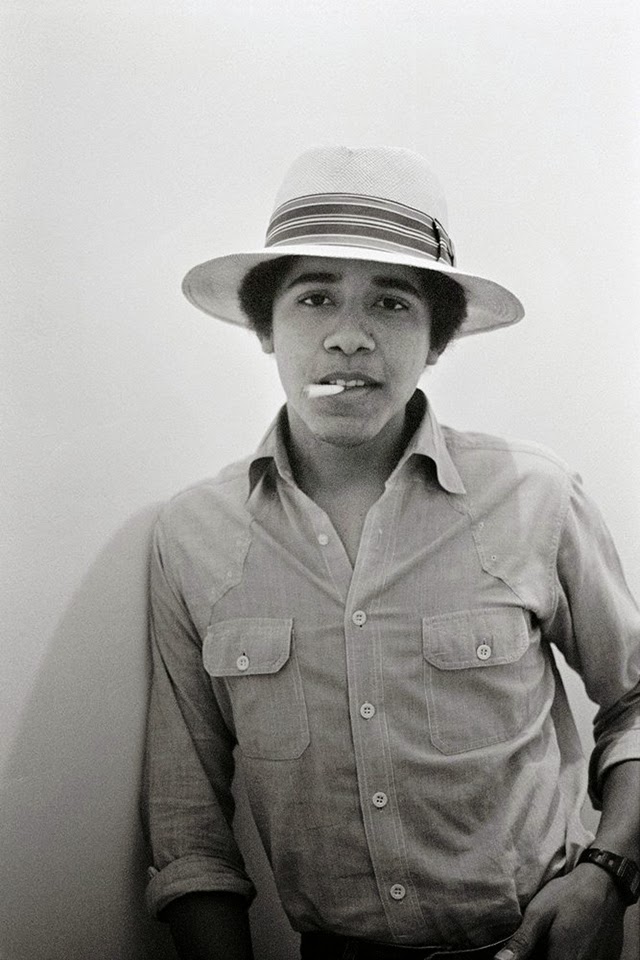
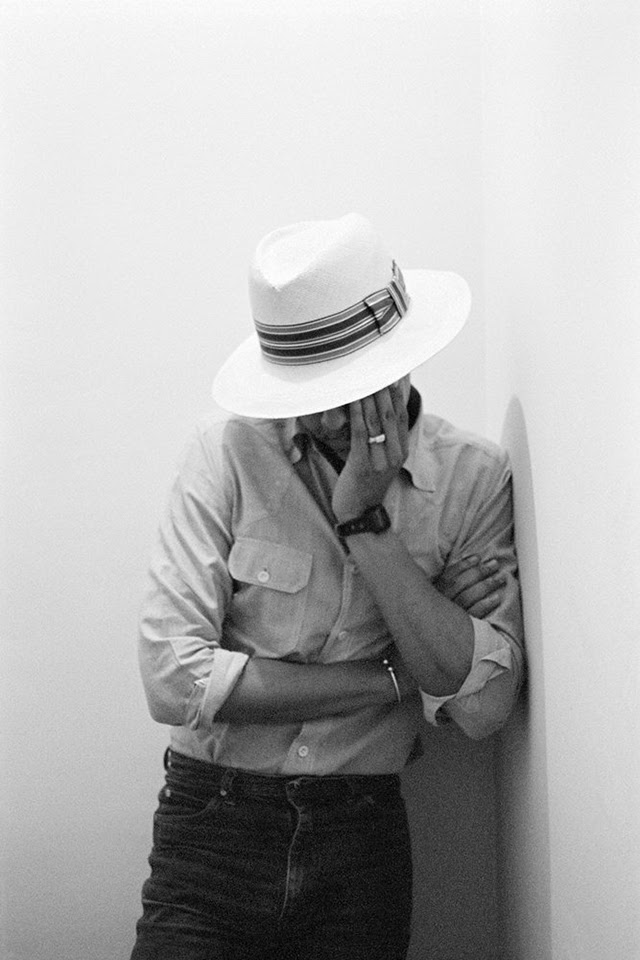
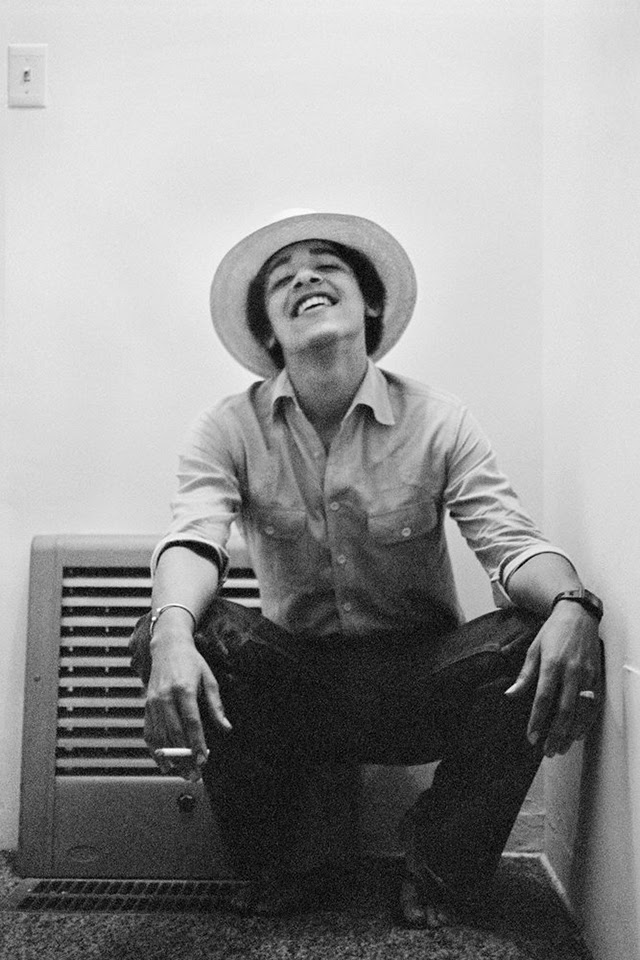
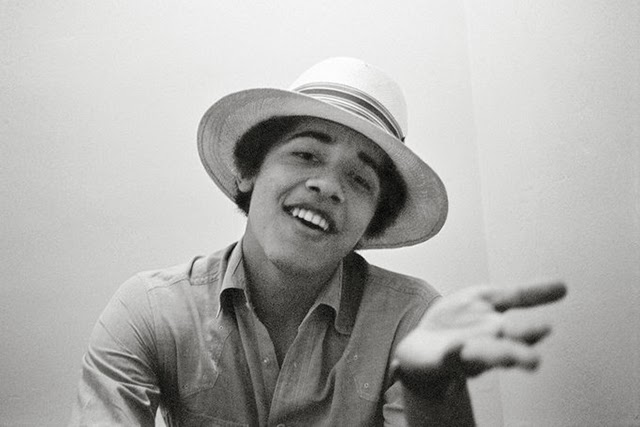
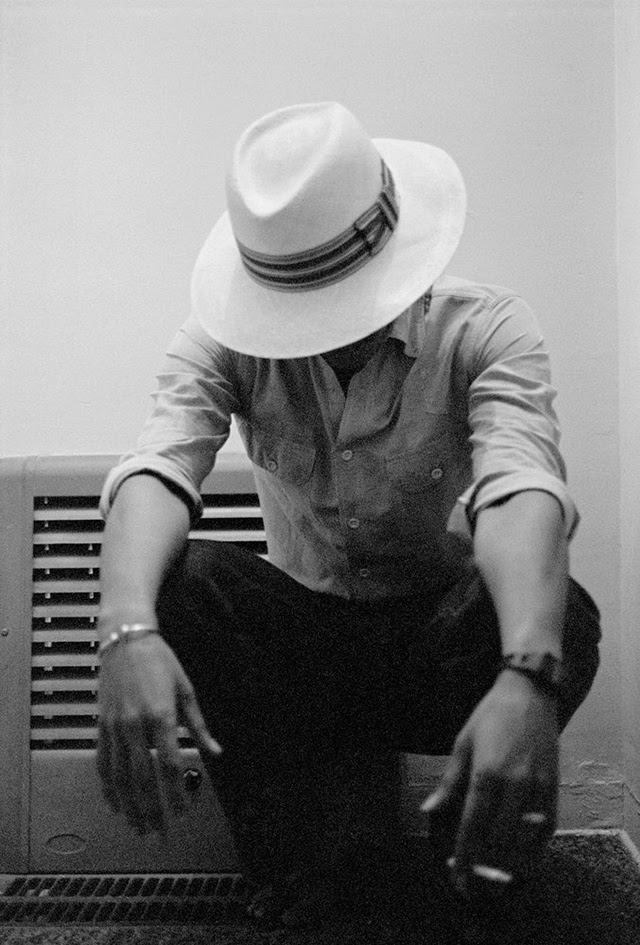
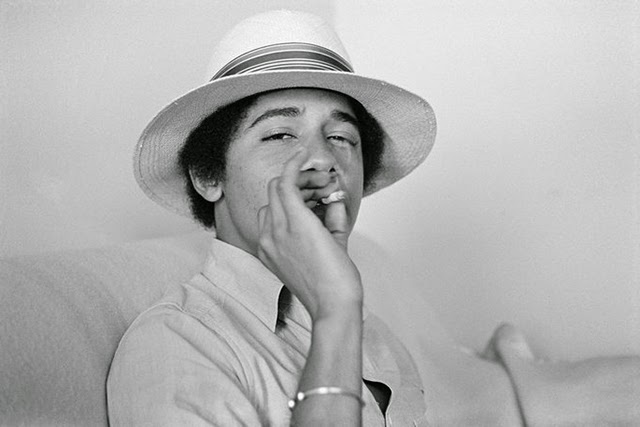
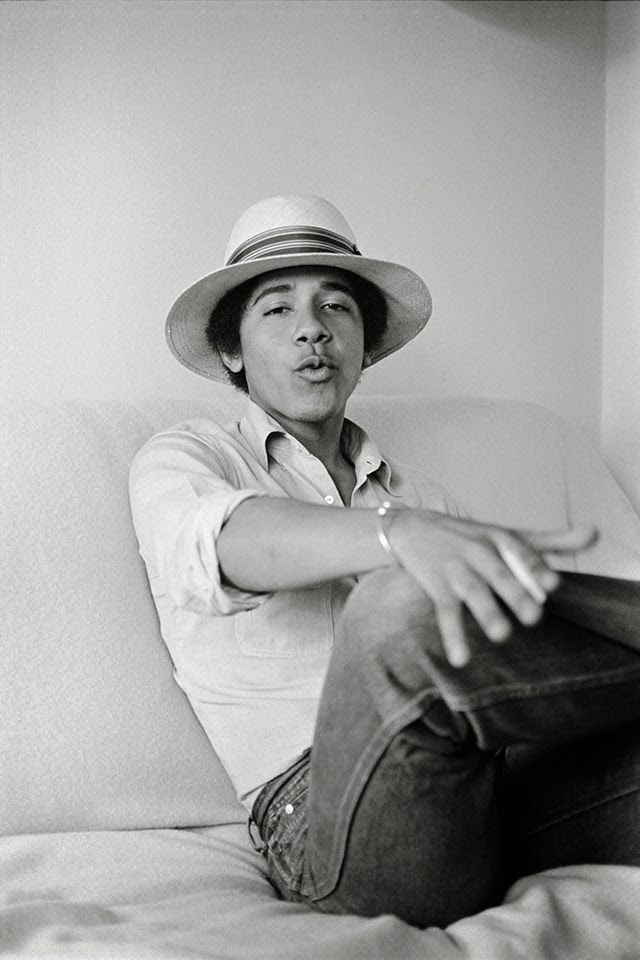
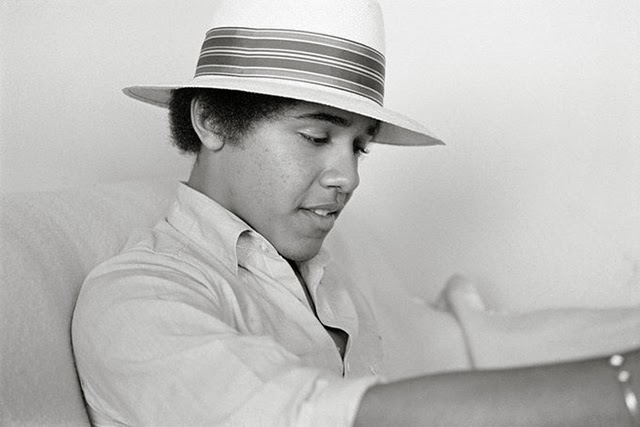
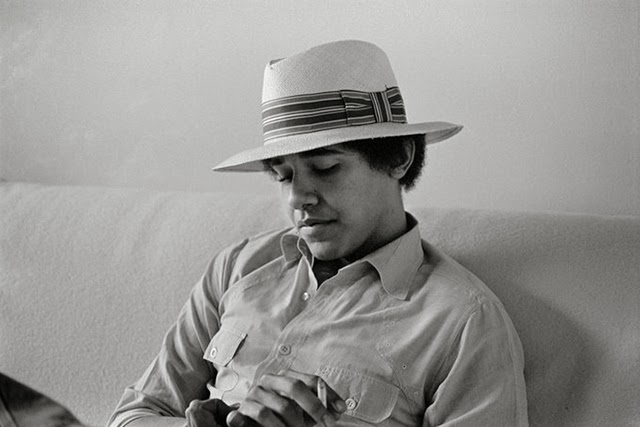
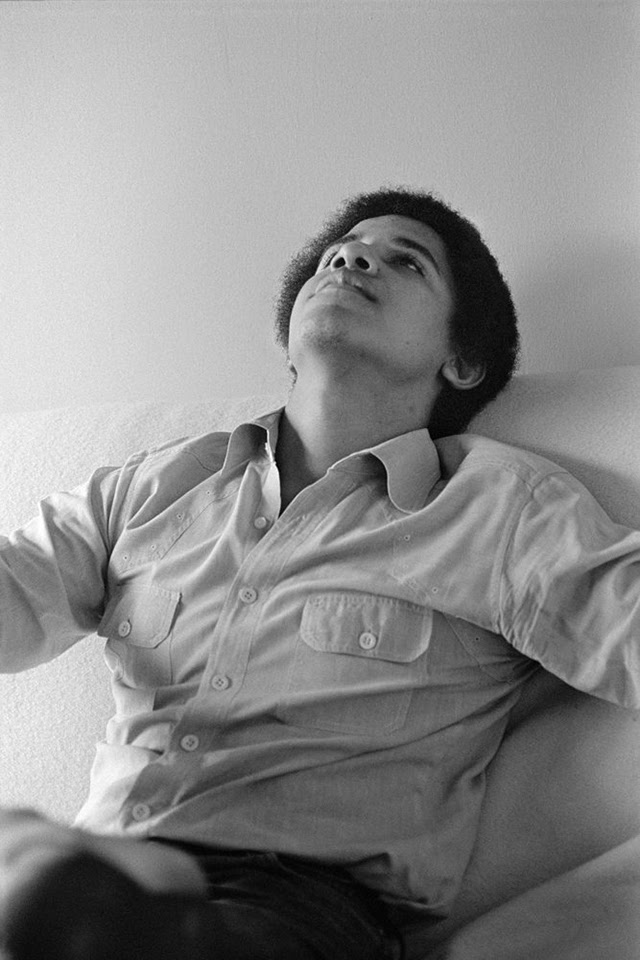
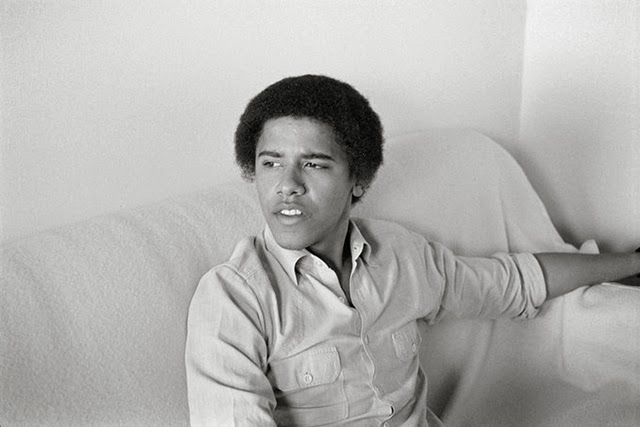
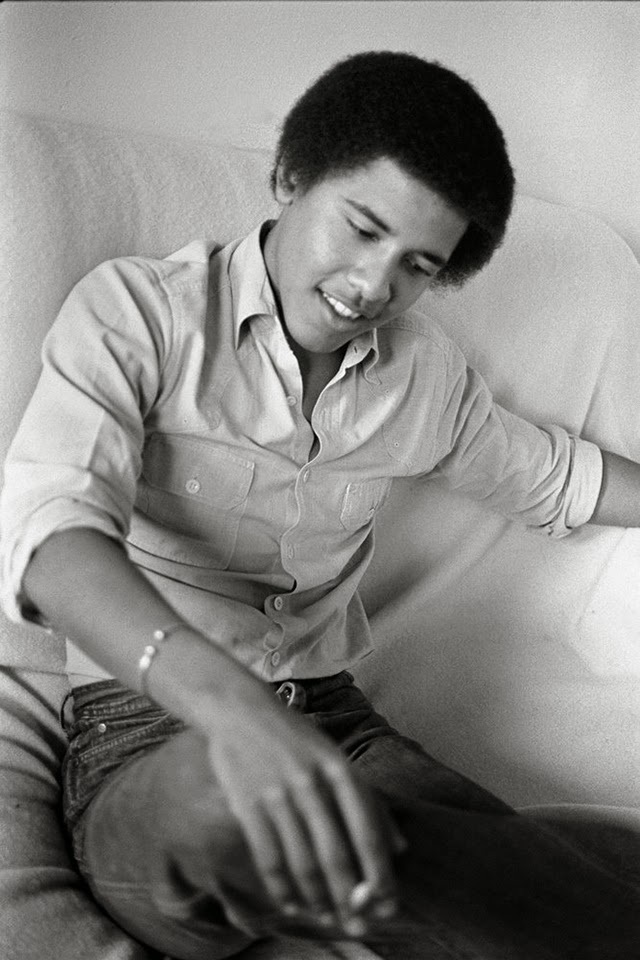
20 Wonderful Photographs of Barack Obama as a Freshman in 1980

Barack Hussein Obama II (born August 4, 1961) is an American politician who served as the 44th president of the United States from 2009 to 2017. A member of the Democratic Party, Obama was the first African-American president of the United States. He previously served as a U.S. senator from Illinois from 2005 to 2008 and as an Illinois state senator from 1997 to 2004.

Obama was born in Honolulu, Hawaii. After graduating from Columbia University in 1983, he worked as a community organizer in Chicago. In 1988, he enrolled in Harvard Law School, where he was the first black president of the Harvard Law Review. After graduating, he became a civil rights attorney and an academic, teaching constitutional law at the University of Chicago Law School from 1992 to 2004. Turning to elective politics, he represented the 13th district in the Illinois Senate from 1997 until 2004, when he ran for the U.S. Senate. Obama received national attention in 2004 with his March Senate primary win, his well-received July Democratic National Convention keynote address, and his landslide November election to the Senate. In 2008, a year after beginning his campaign, and after a close primary campaign against Hillary Clinton, he was nominated by the Democratic Party for president. Obama was elected over Republican nominee John McCain in the general election and was inaugurated alongside his running mate Joe Biden, on January 20, 2009. Nine months later, he was named the 2009 Nobel Peace Prize laureate, a decision that drew a mixture of praise and criticism.

Obama signed many landmark bills into law during his first two years in office. The main reforms include: the Affordable Care Act (ACA or “Obamacare”), although without a public health insurance option; the Dodd–Frank Wall Street Reform and Consumer Protection Act; and the Don’t Ask, Don’t Tell Repeal Act of 2010. The American Recovery and Reinvestment Act and Tax Relief, Unemployment Insurance Reauthorization, and Job Creation Act served as economic stimuli amidst the Great Recession. After a lengthy debate over the national debt limit, he signed the Budget Control and the American Taxpayer Relief Acts. In foreign policy, he increased U.S. troop levels in Afghanistan, reduced nuclear weapons with the United States–Russia New START treaty, and ended military involvement in the Iraq War. In 2011, Obama ordered the drone-strike killing of Anwar al-Awlaki, a US citizen and suspected al-Qaeda operative, leading to controversy. He ordered military involvement in Libya for the implementation of the UN Security Council Resolution 1973, contributing to the overthrow of Muammar Gaddafi. He also ordered the military operation that resulted in the death of Osama bin Laden.

After winning re-election by defeating Republican opponent Mitt Romney, Obama was sworn in for a second term on January 20, 2013. During this term, he promoted inclusion for LGBT Americans. His administration filed briefs that urged the Supreme Court to strike down same-sex marriage bans as unconstitutional (United States v. Windsor and Obergefell v. Hodges); same-sex marriage was legalized nationwide in 2015 after the Court ruled so in Obergefell. He advocated for gun control in response to the Sandy Hook Elementary School shooting, indicating support for a ban on assault weapons, and issued wide-ranging executive actions concerning global warming and immigration. In foreign policy, he ordered military interventions in Iraq and Syria in response to gains made by ISIL after the 2011 withdrawal from Iraq, promoted discussions that led to the 2015 Paris Agreement on global climate change, oversaw and ultimately apologized for the deadly Kunduz hospital airstrike, withdrew U.S. troops in Afghanistan in 2016, initiated sanctions against Russia following the Annexation of Crimea and again after interference in the 2016 U.S. elections, brokered the Joint Comprehensive Plan of Action nuclear deal with Iran, and normalized U.S. relations with Cuba. Obama nominated three justices to the Supreme Court: Sonia Sotomayor and Elena Kagan were confirmed as justices, while Merrick Garland was denied hearings or a vote from the Republican-majority Senate. Obama left office on January 20, 2017, and continues to reside in Washington, D.C.

During Obama’s terms as president, the United States’ reputation abroad, as well as the American economy, significantly improved. Scholars and historians rank him among the upper to mid tier of American presidents. Since leaving office, Obama has remained active in Democratic politics, including campaigning for candidates in the 2018 midterm elections, appearing at the 2020 Democratic National Convention and campaigning for Biden during the 2020 presidential election. Outside of politics, Obama has published three bestselling books: Dreams from My Father (1995), The Audacity of Hope (2006) and A Promised Land (2020). (Wikipedia)

Yesterday Today

Bringing You the Wonder of Yesterday - Today

Skip to content ↓