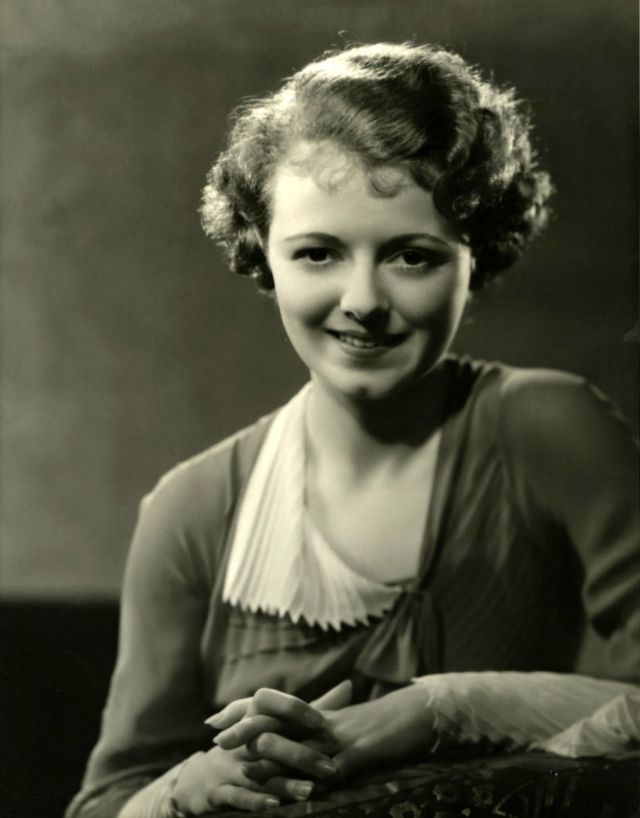
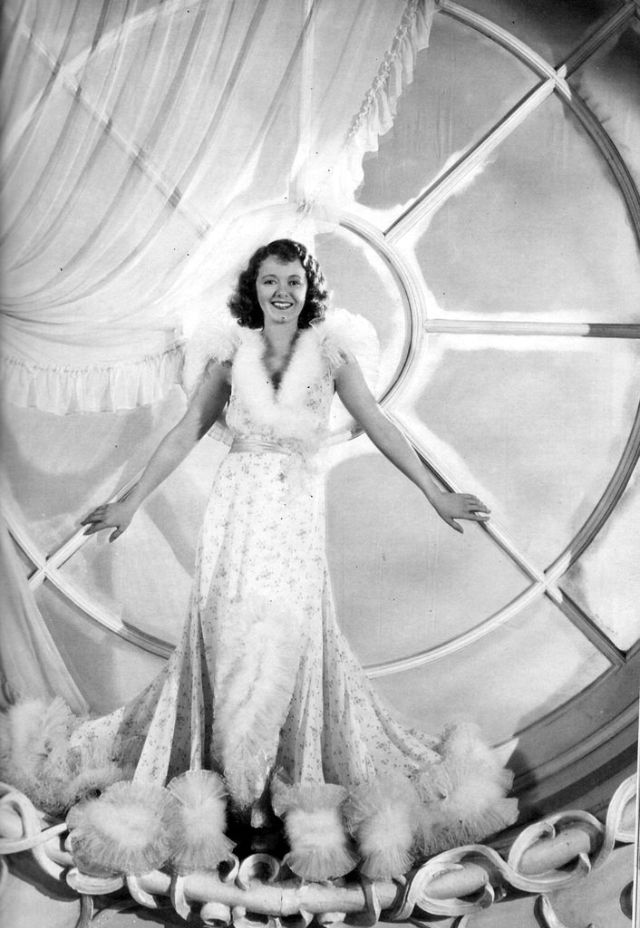
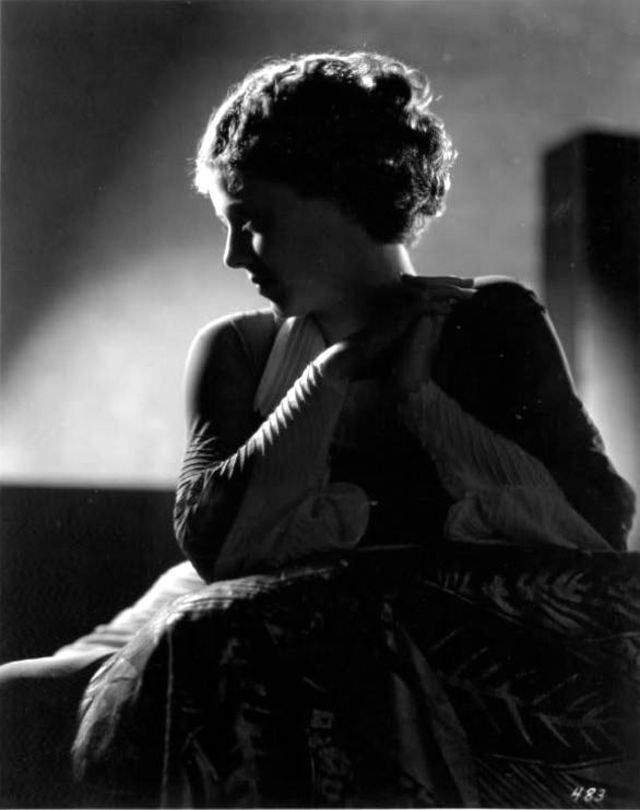
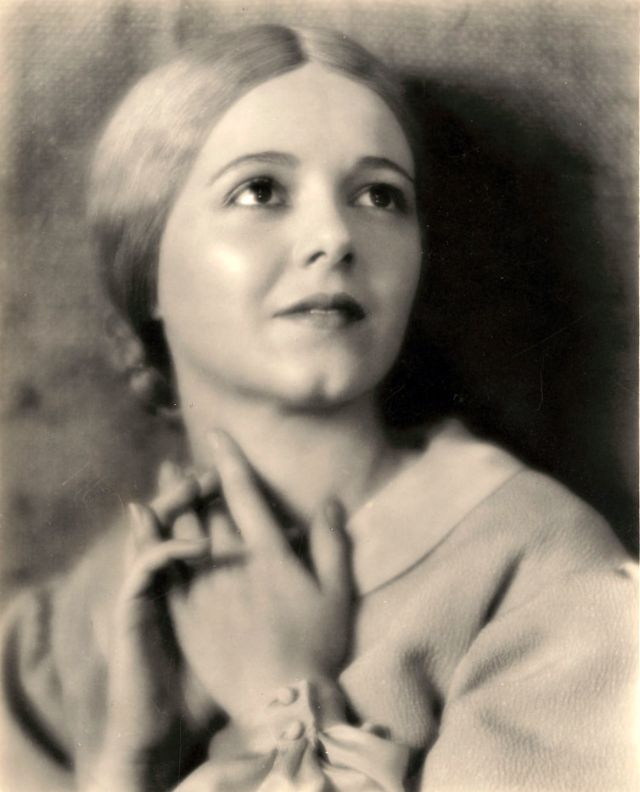
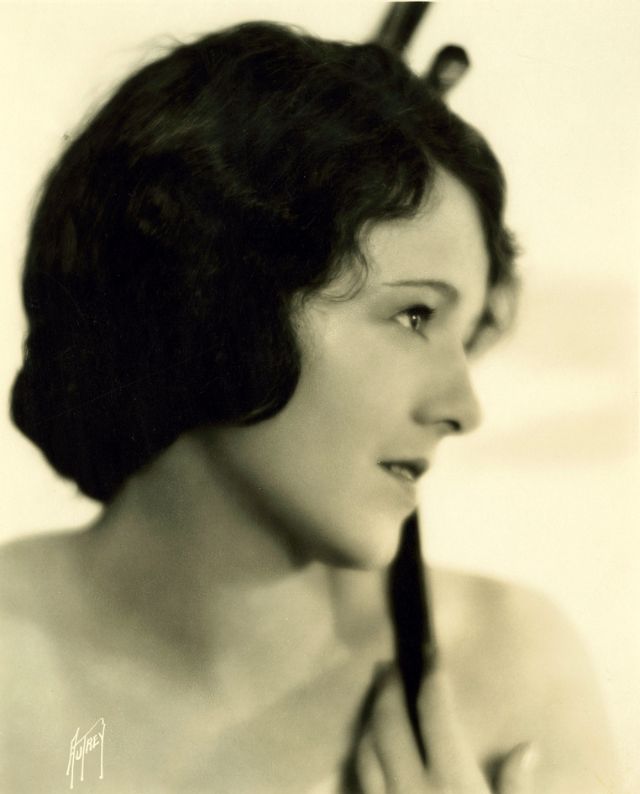
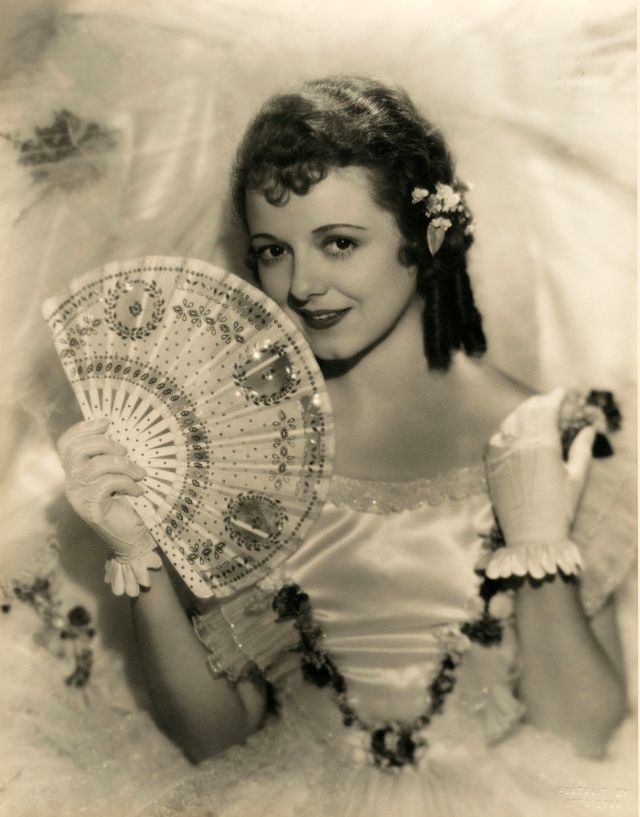
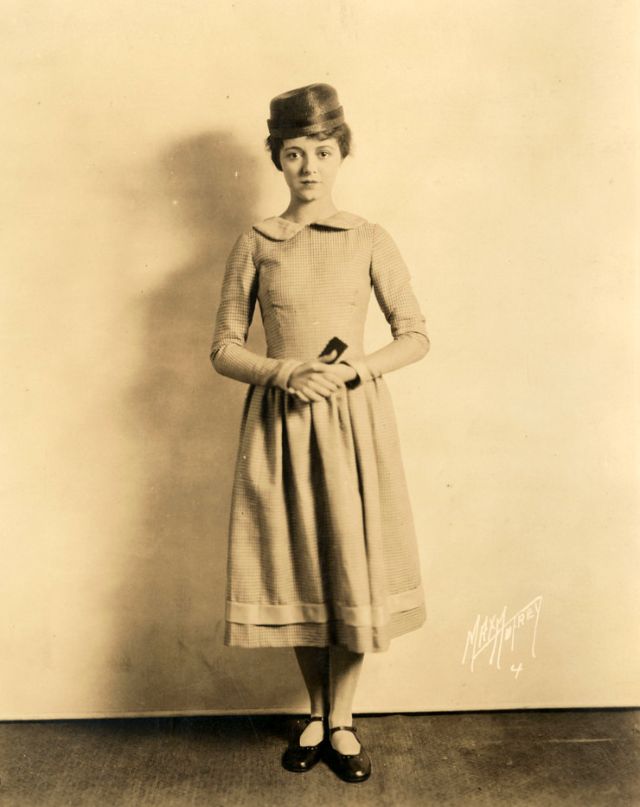
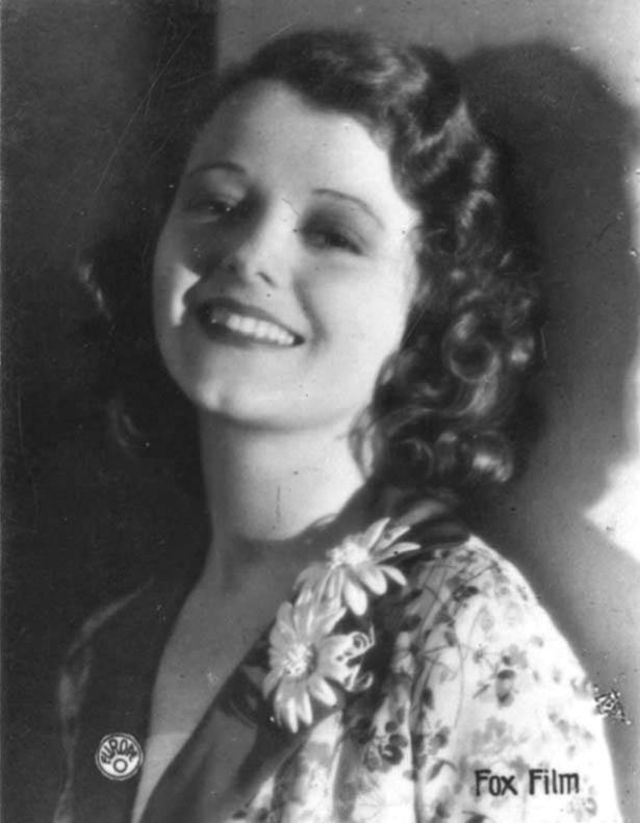
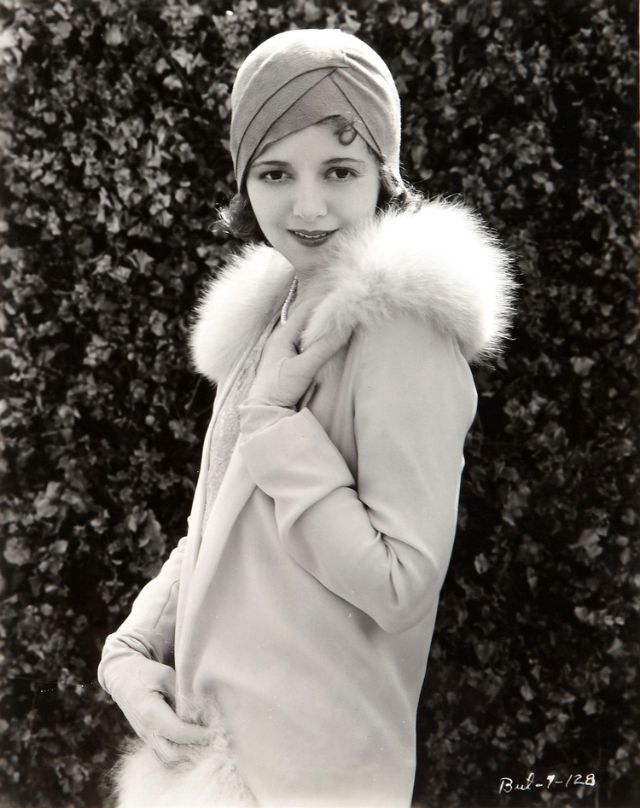
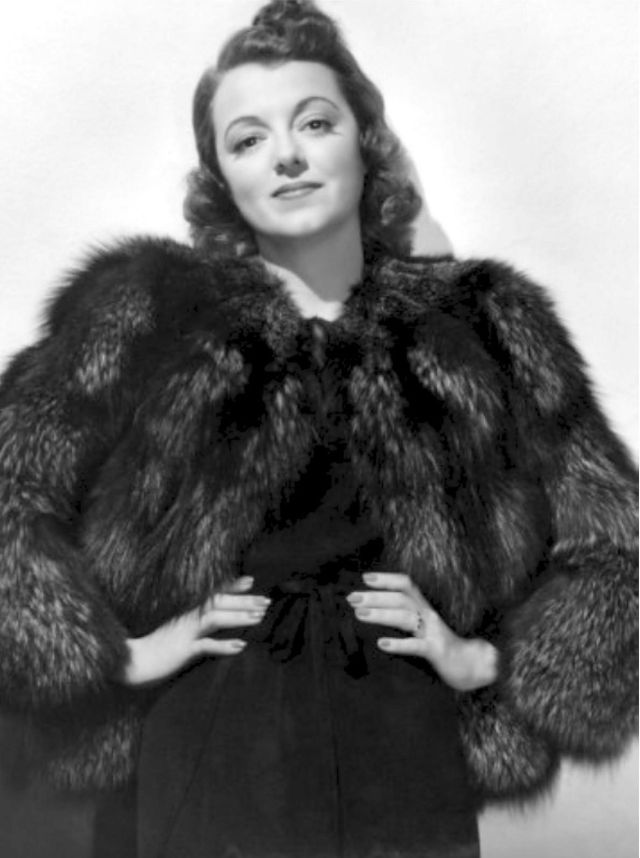
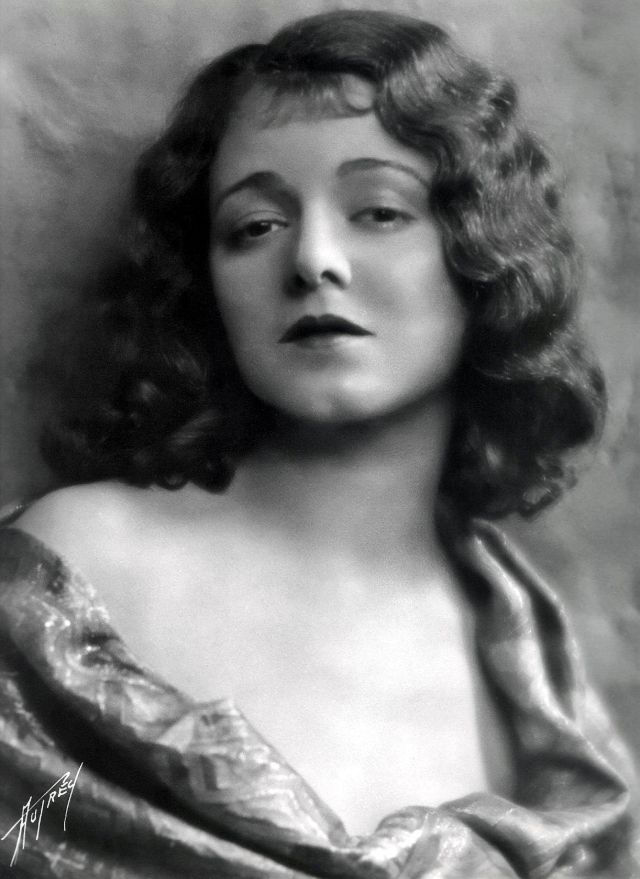
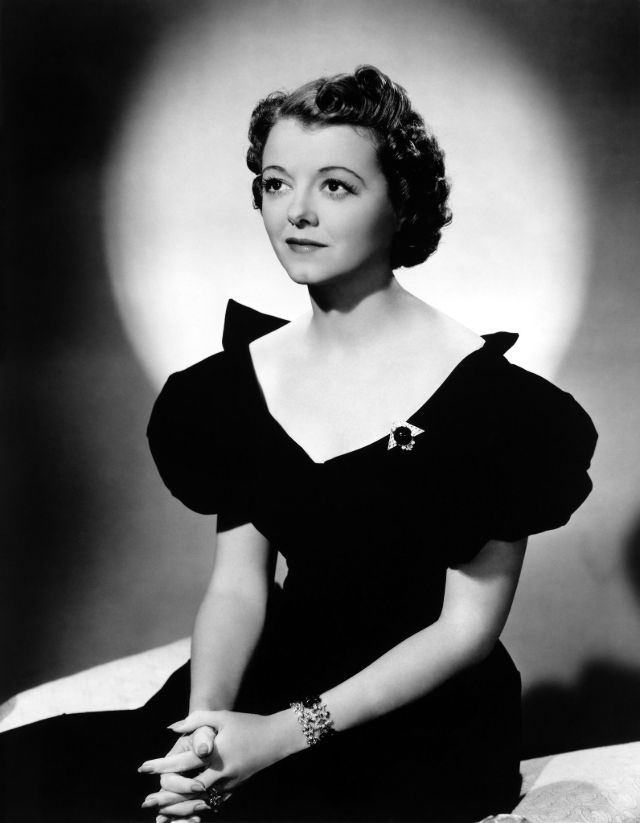
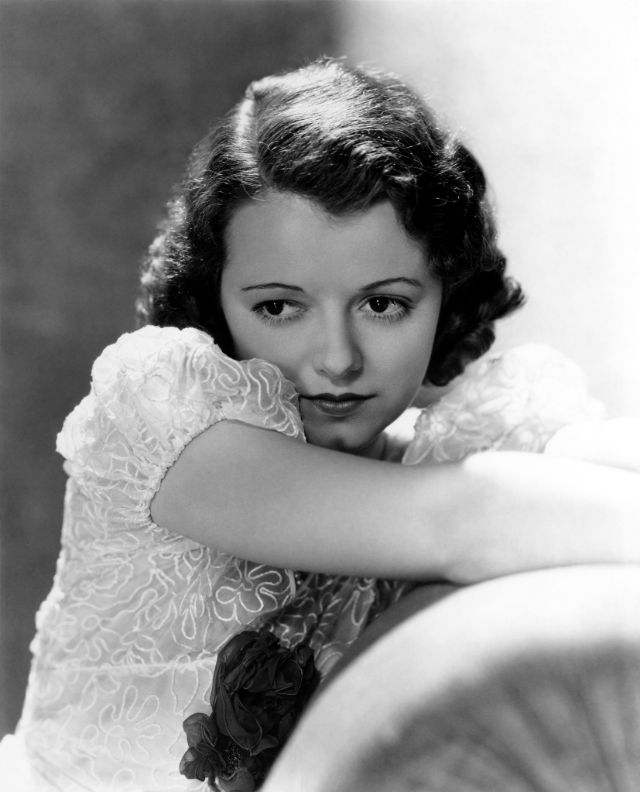
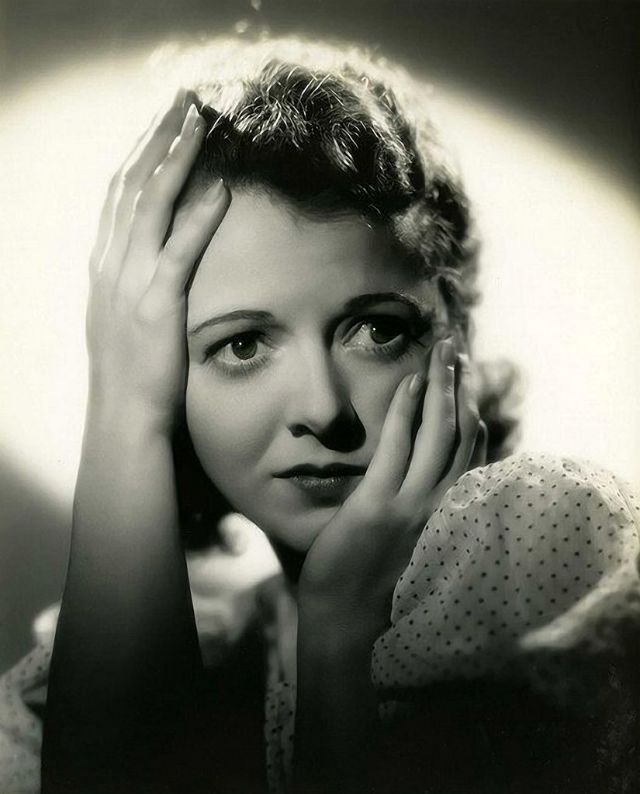
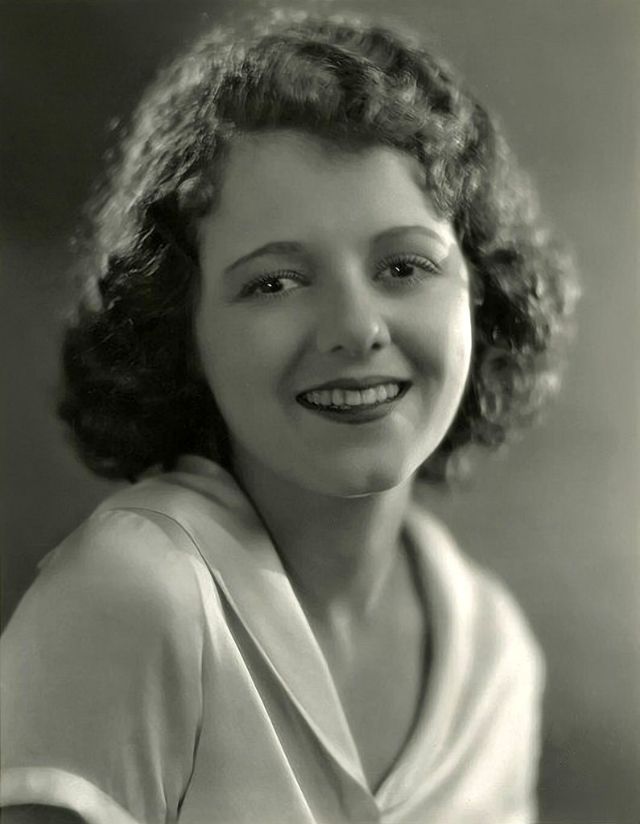
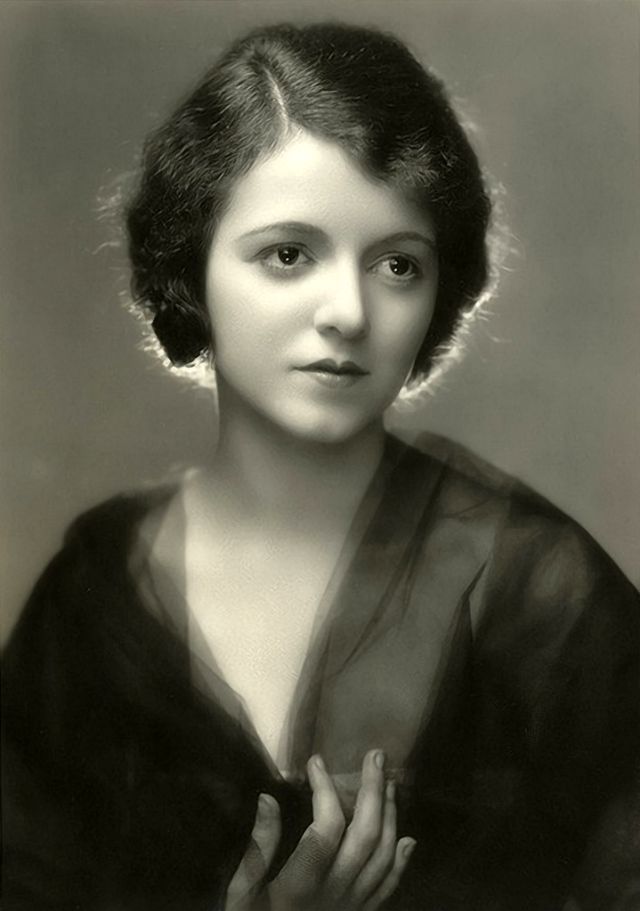
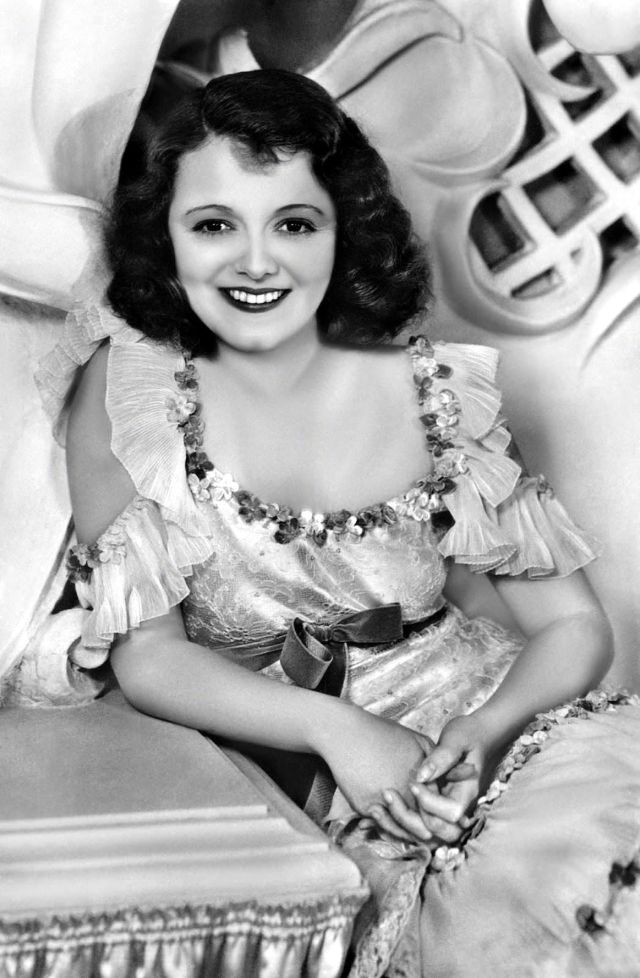
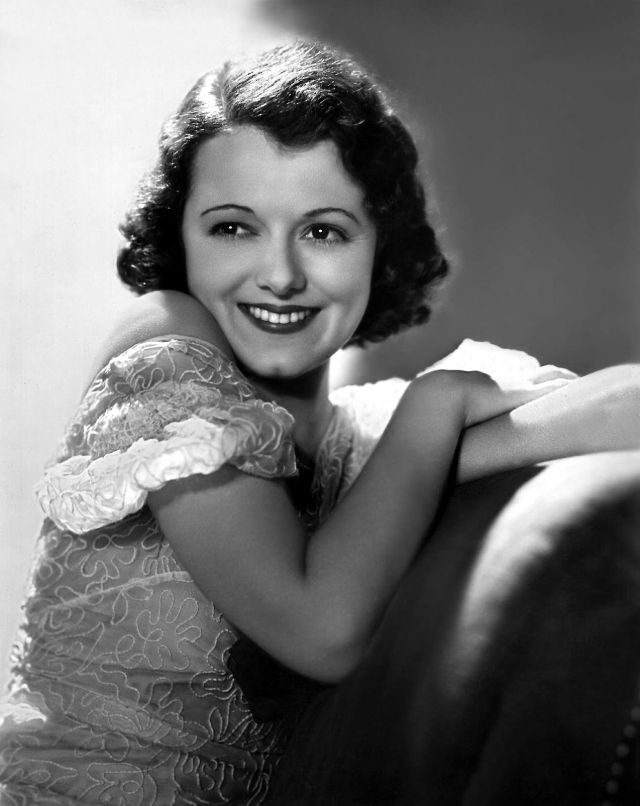
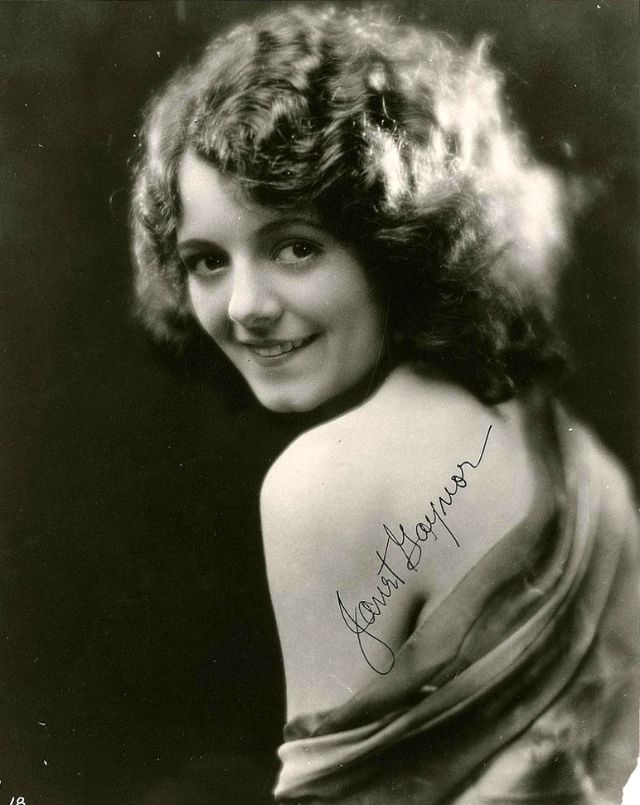
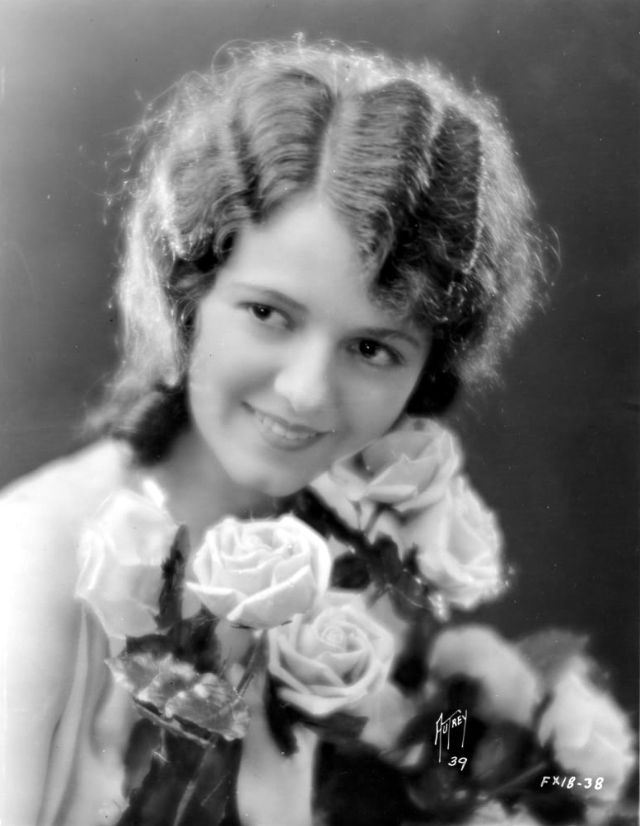
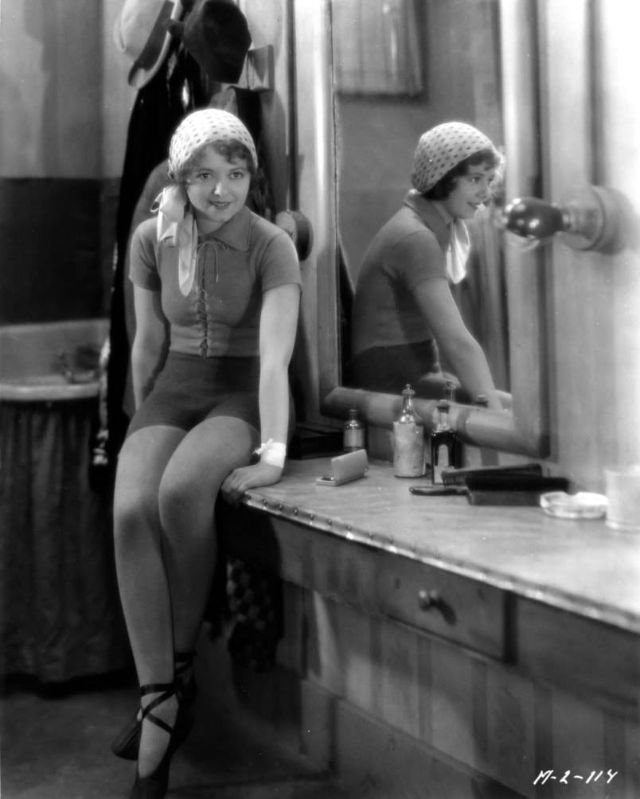
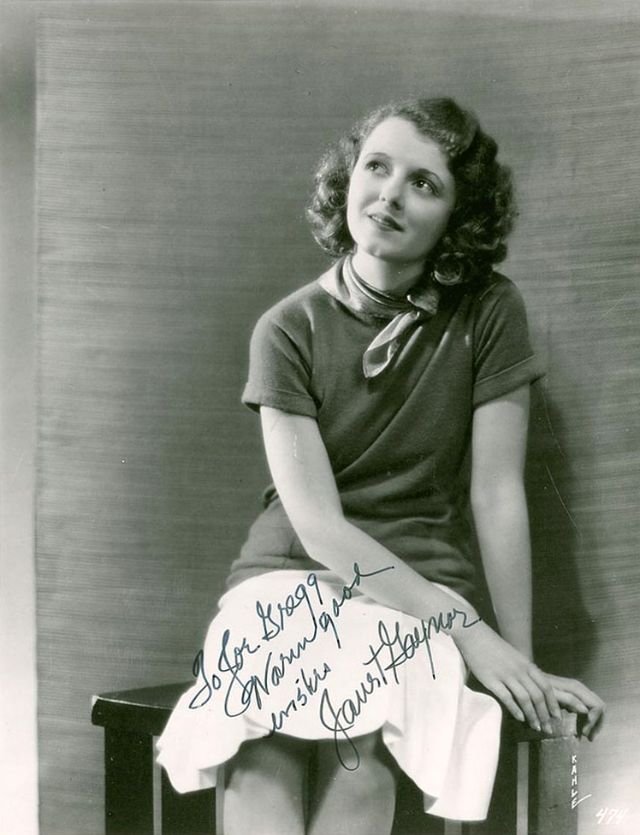
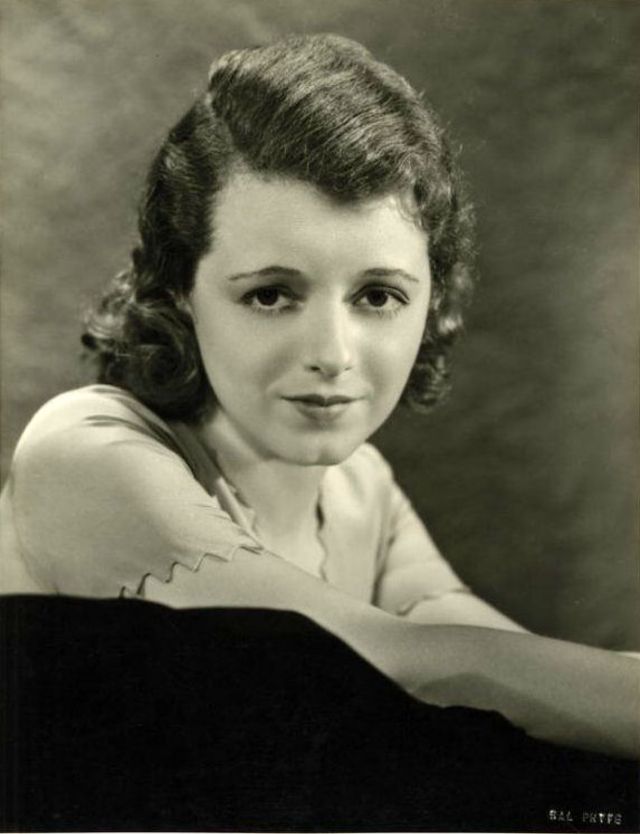
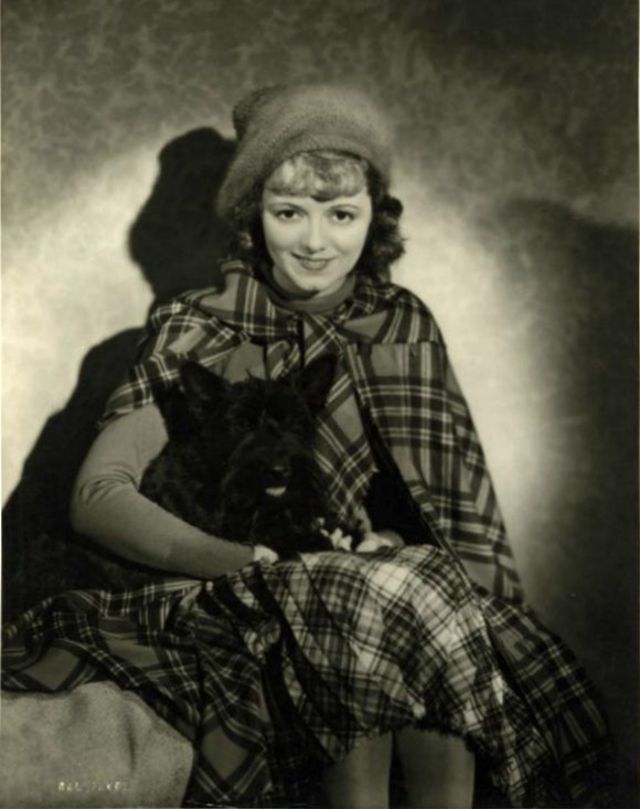
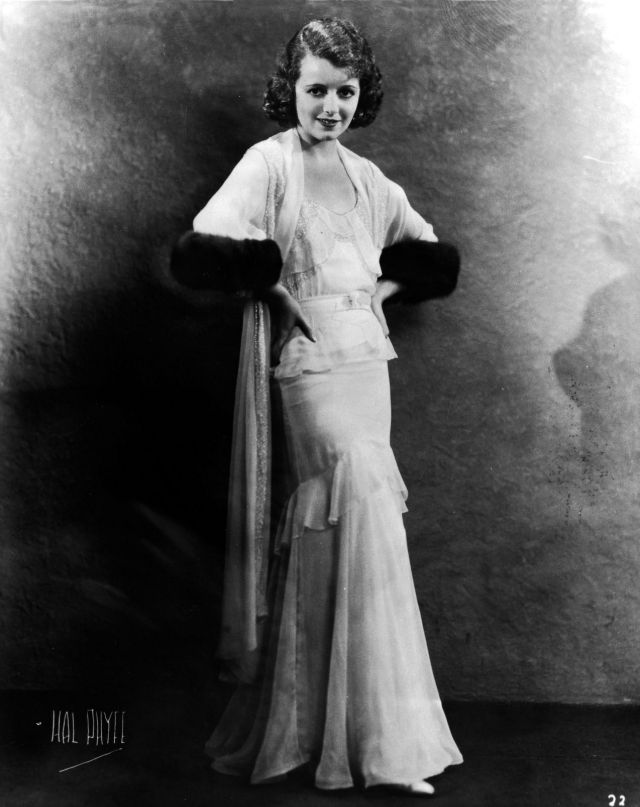
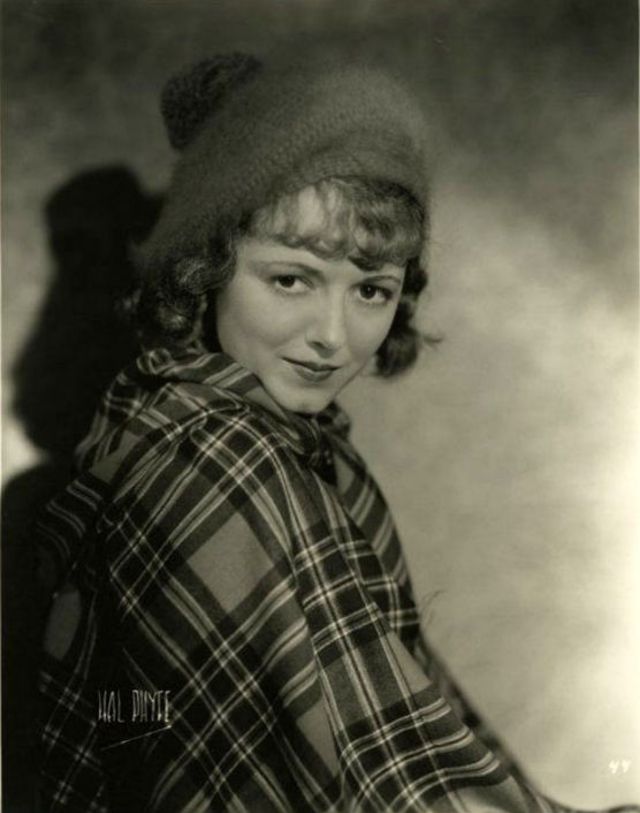
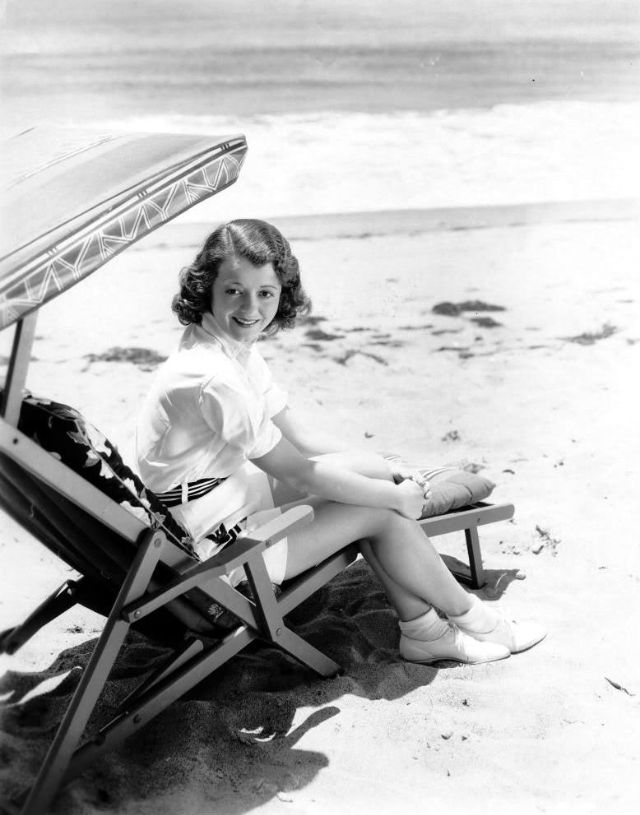
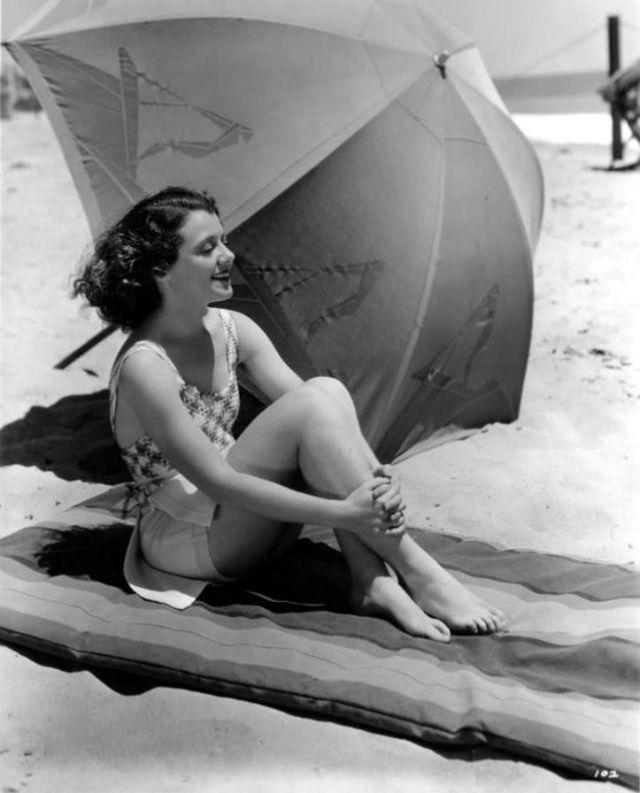
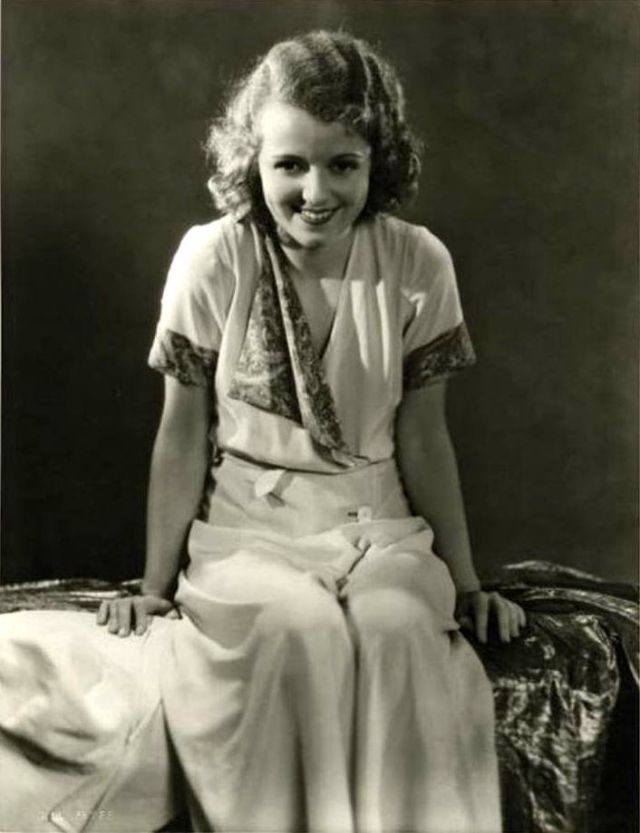
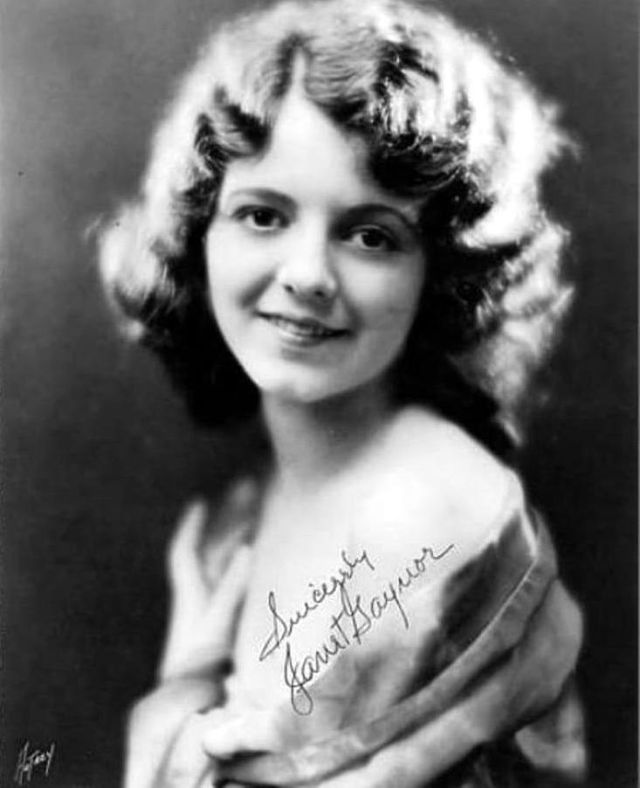
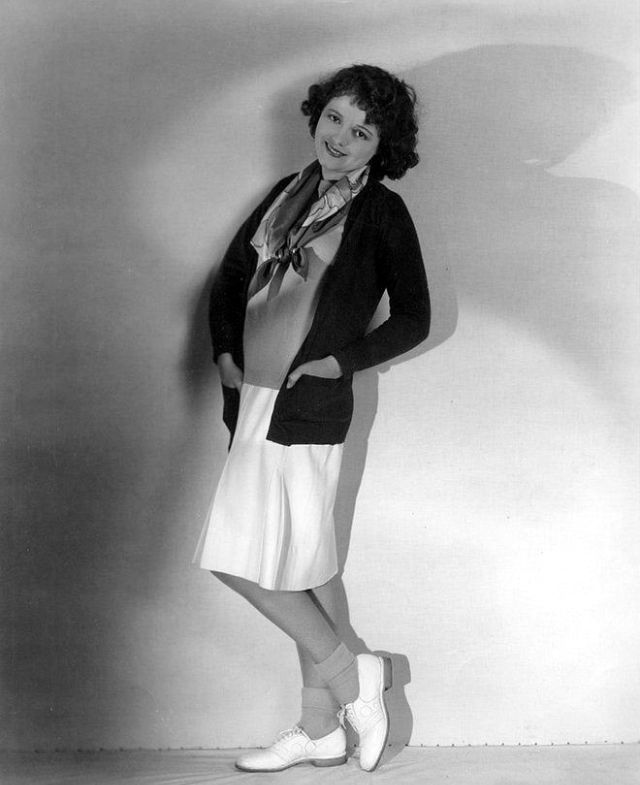
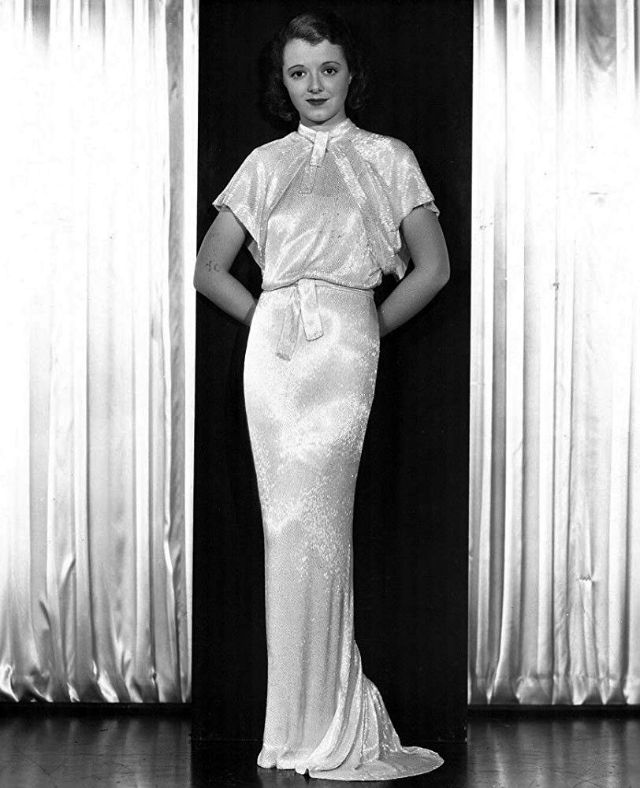
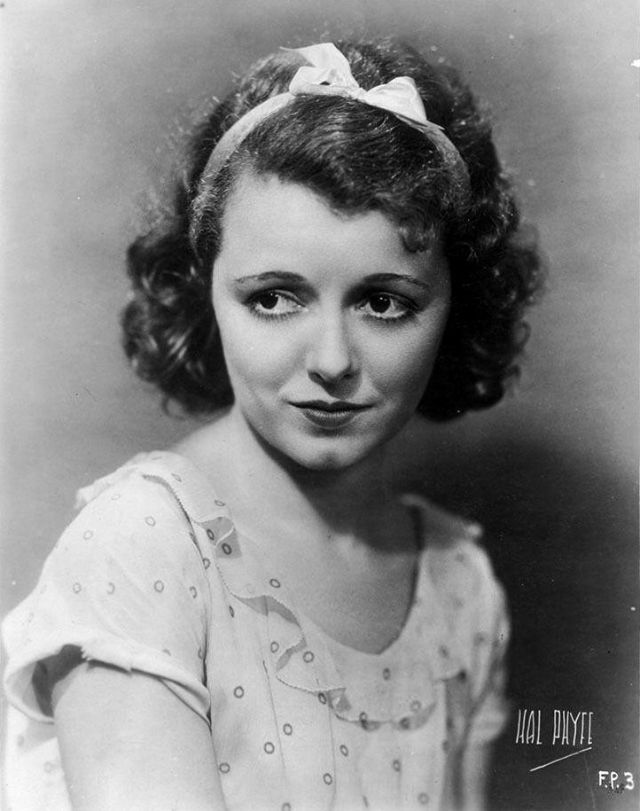
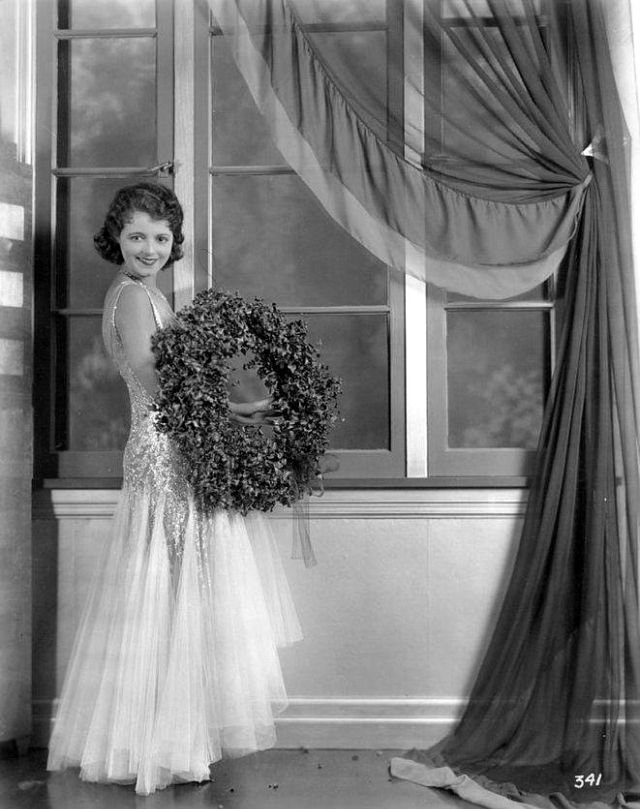
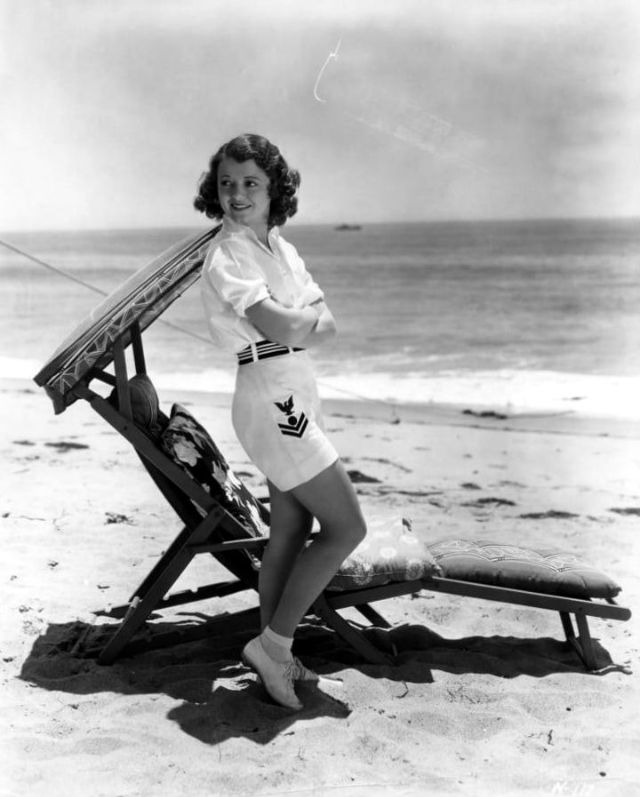
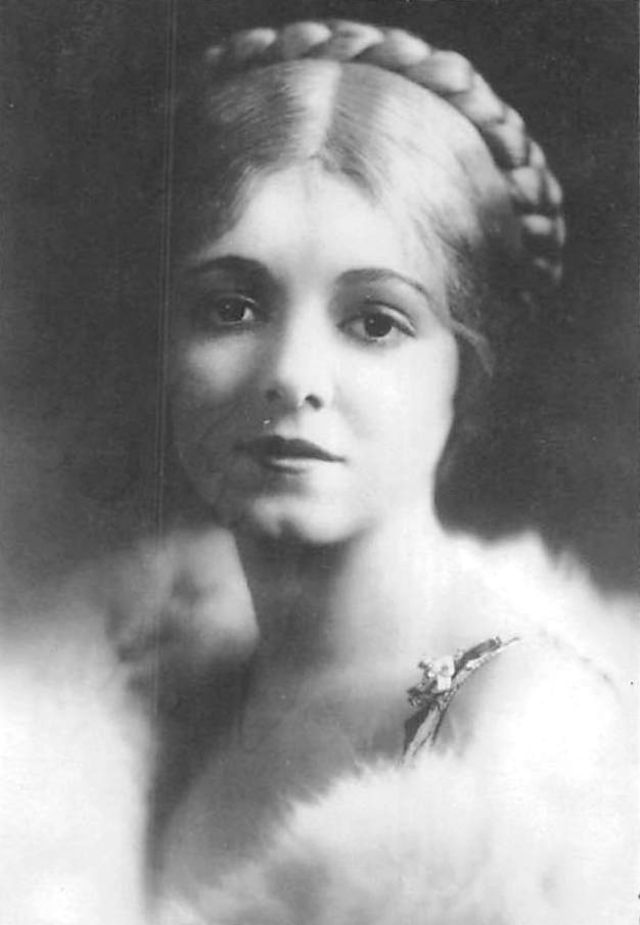
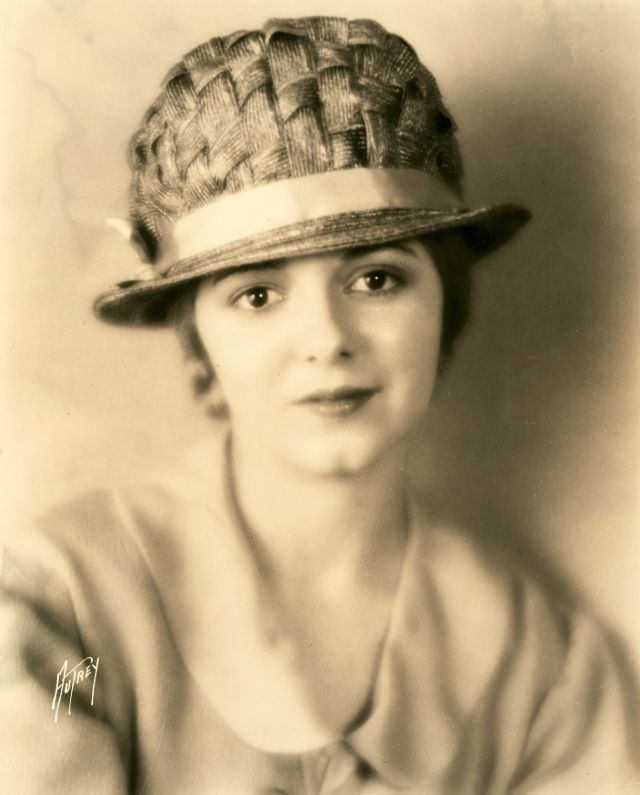
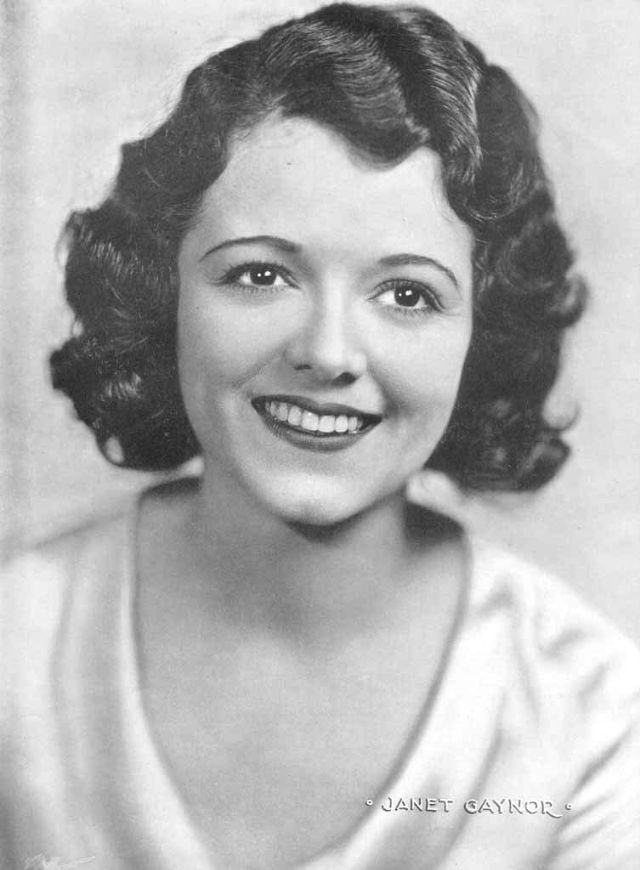
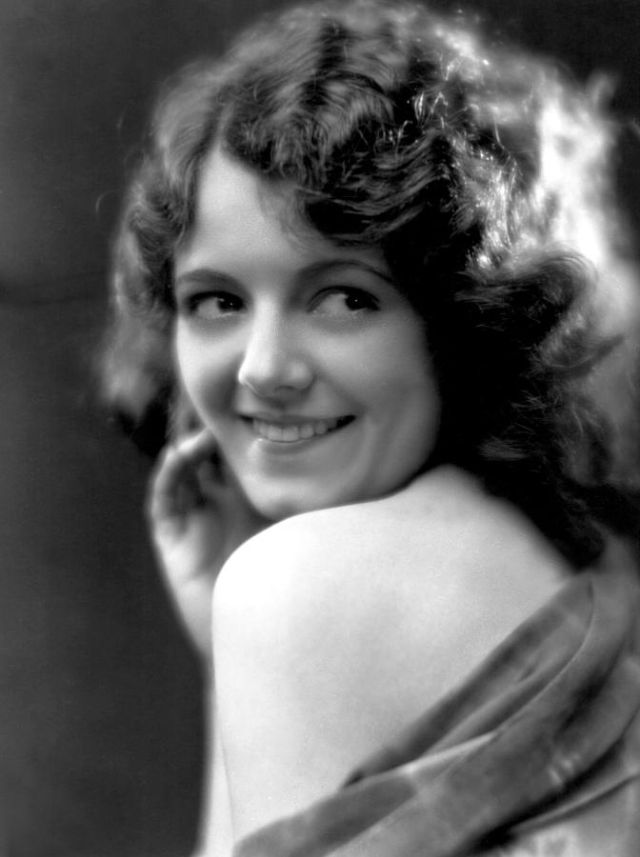
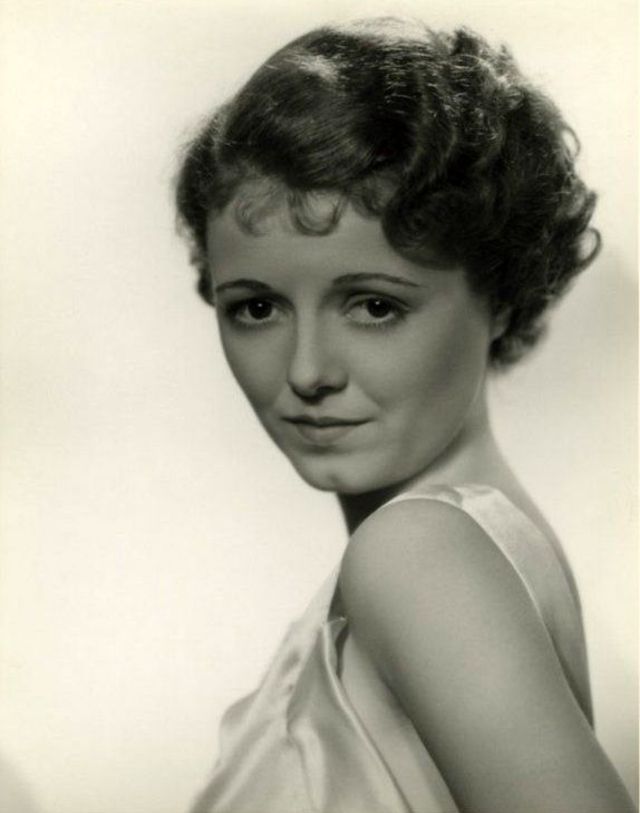
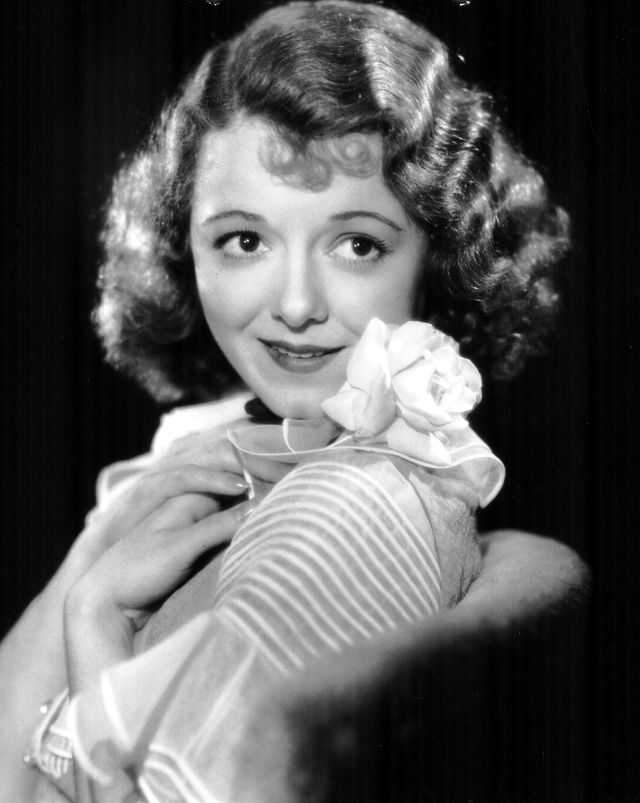
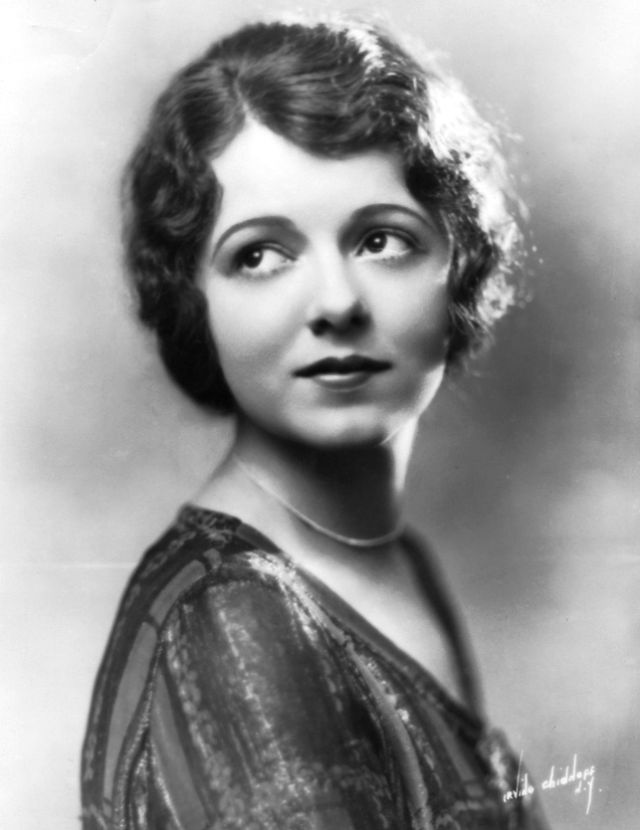
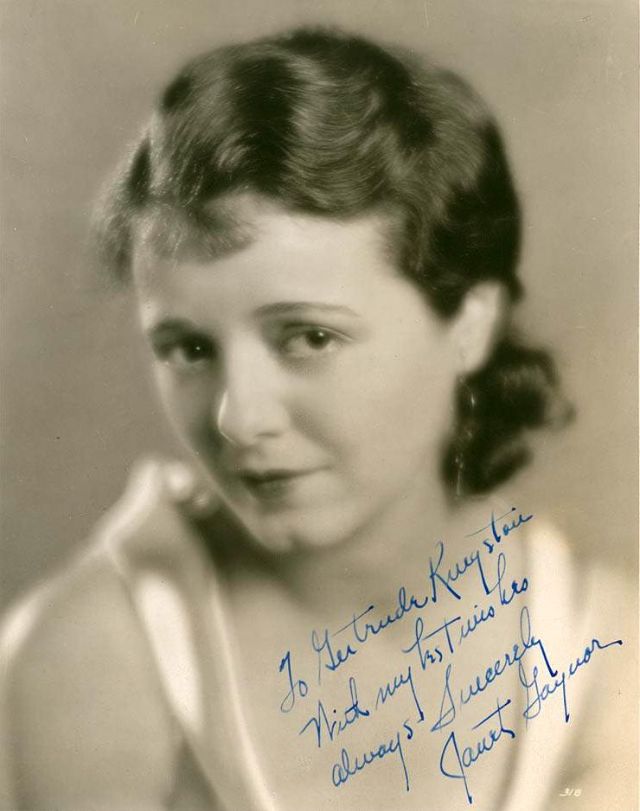
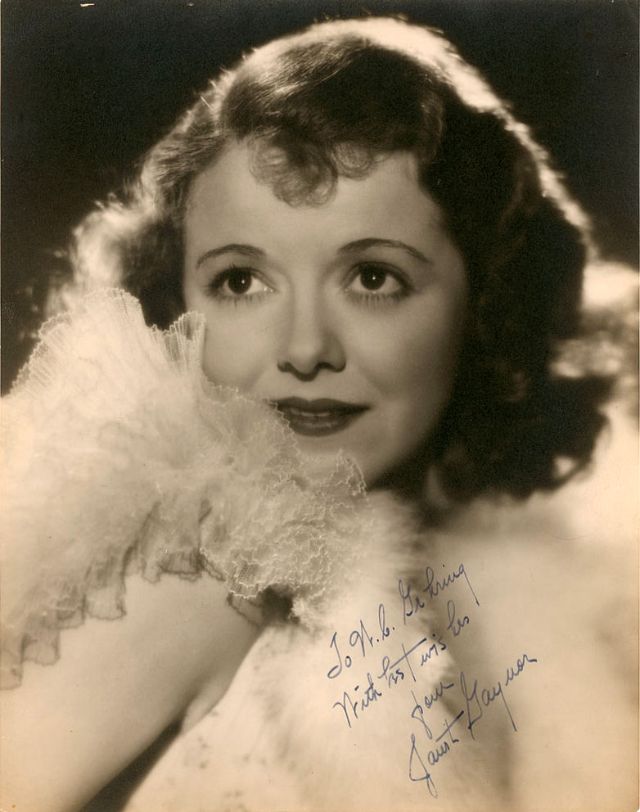
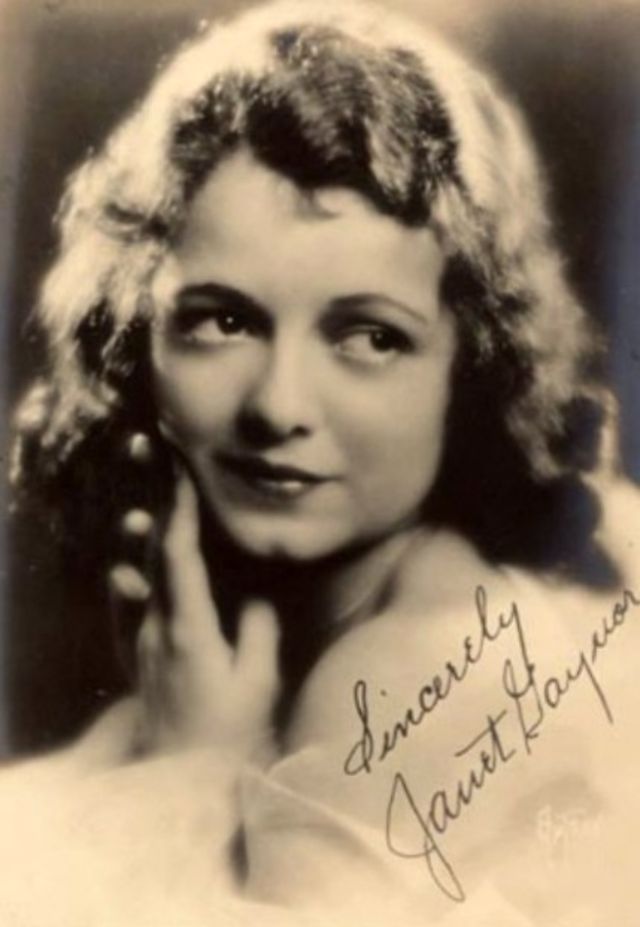
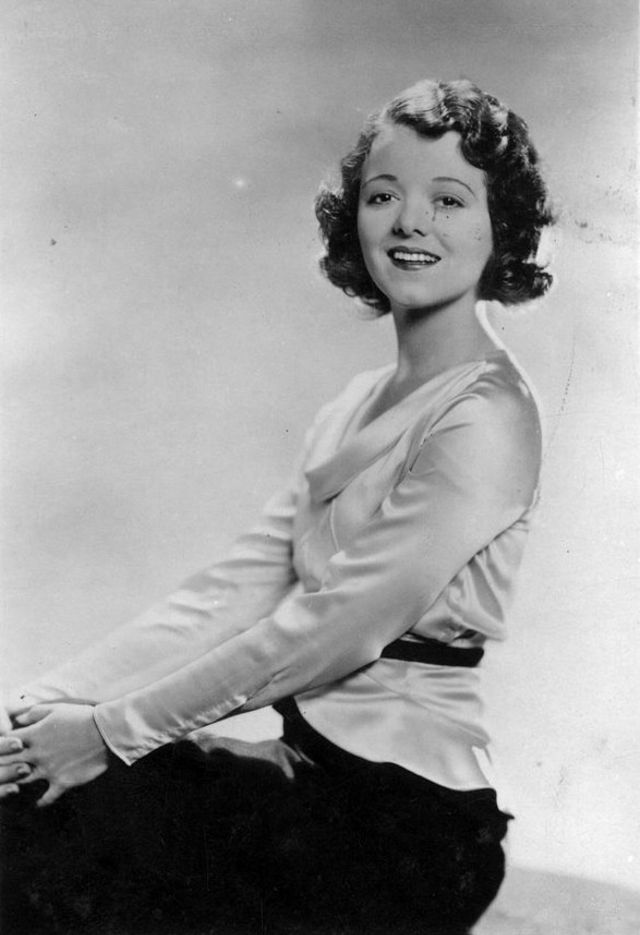
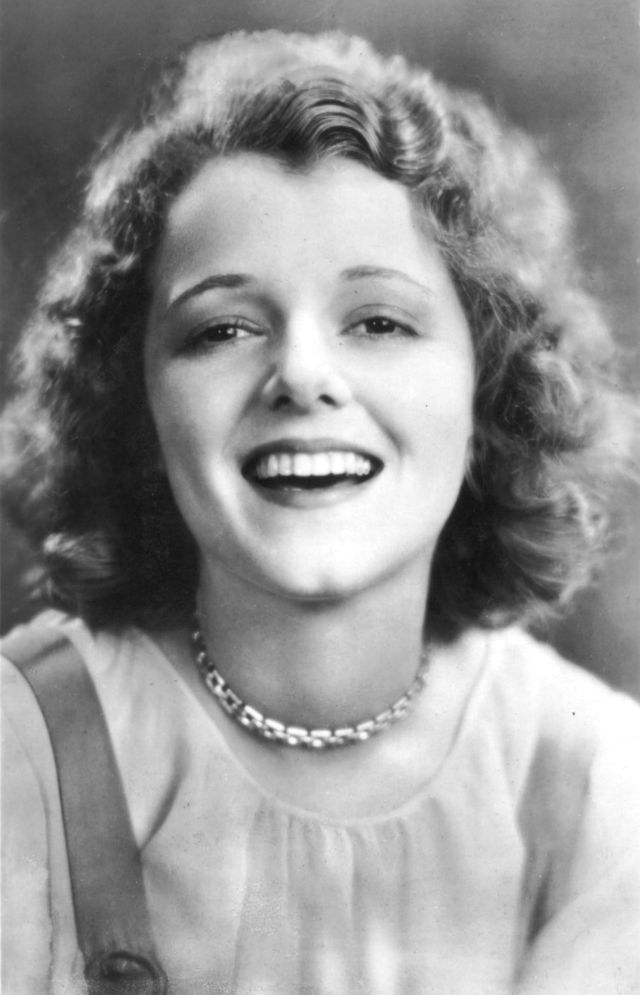
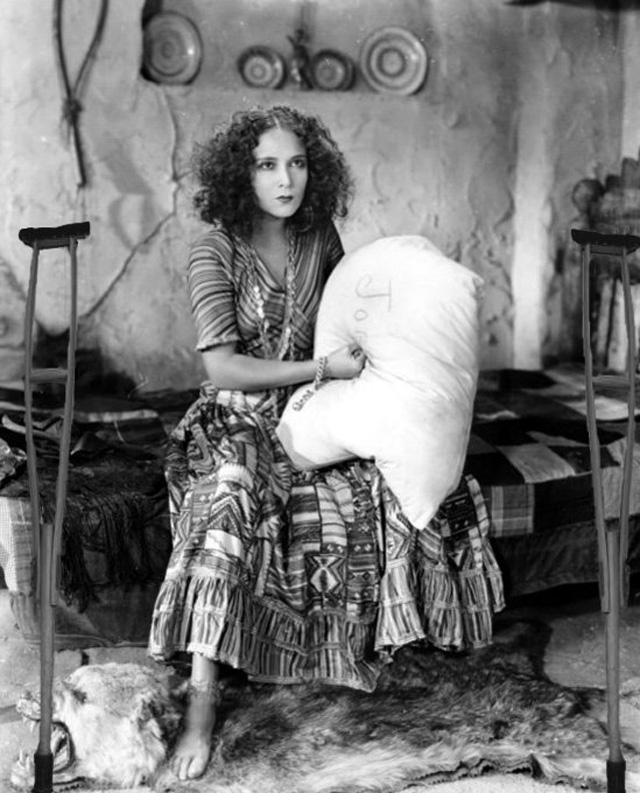
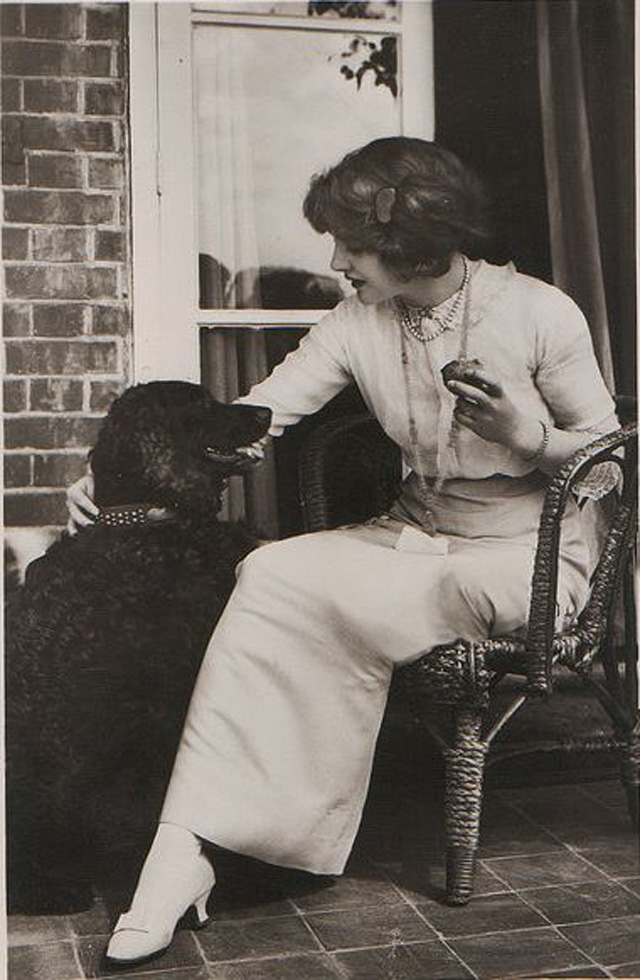
Born 1906 as Laura Augusta Gainor in Germantown, Philadelphia, American actress and painter Janet Gaynor began her career as an extra in shorts and silent films. After signing with Fox Film Corporation (later 20th Century-Fox) in 1926, she rose to fame and became one of the biggest box office draws of the era.
In 1929, Gaynor was the first winner of the Academy Award for Best Actress for her performances in three films: 7th Heaven (1927), Sunrise: A Song of Two Humans (1927), and Street Angel (1928). This was the only occasion on which an actress has won one Oscar for multiple film roles.
Gaynor’s career success continued into the sound film era, and she achieved a notable success in the original version of A Star Is Born (1937), for which she received a second Best Actress Academy Award nomination.
Gaynor retired from acting in 1939, and briefly returned to acting in films and television in the 1950s, and later became an accomplished oil painter.
In 1980, Gaynor made her Broadway debut in the stage adaptation of the 1971 film Harold and Maude and appeared in the touring theatrical production of On Golden Pond in February 1982.
In September 1982, she sustained multiple injuries when the taxicab in which she and others were passengers was struck by a drunken driver. These injuries eventually caused her death in September 1984.
Take a look at these glamorous photos to see the beauty of Janet Gaynor in the 1920s and 1930s.
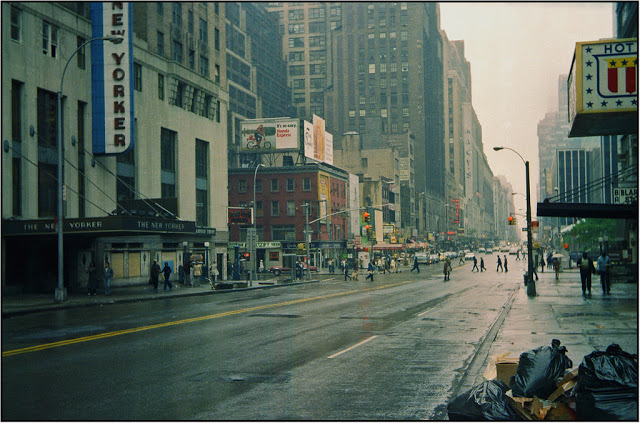
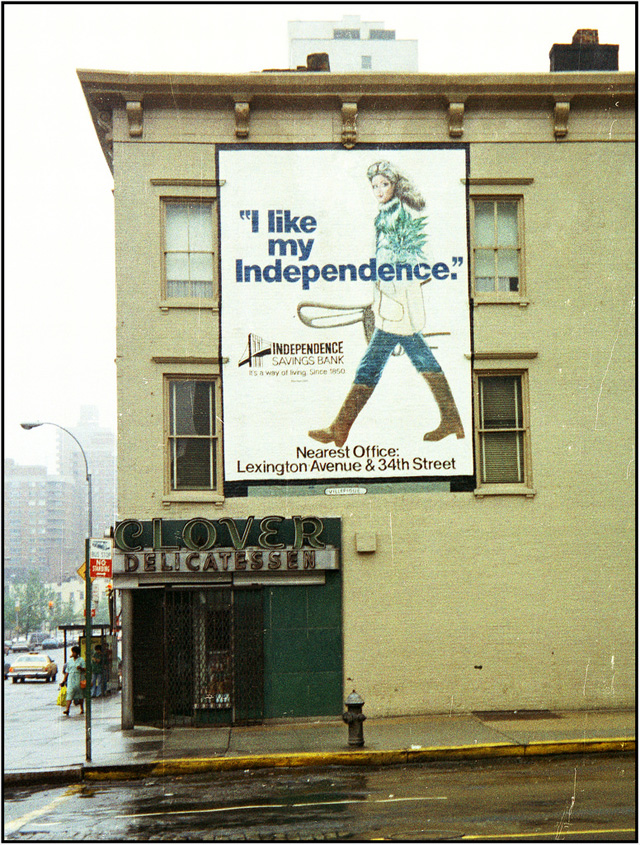
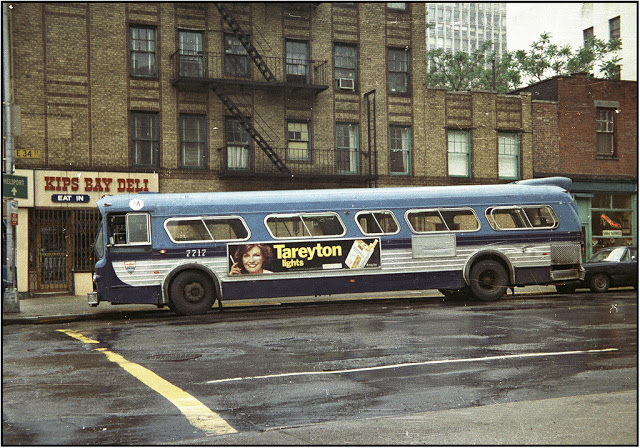
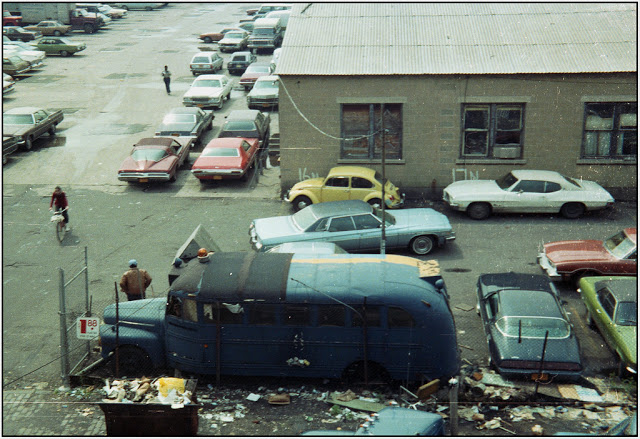
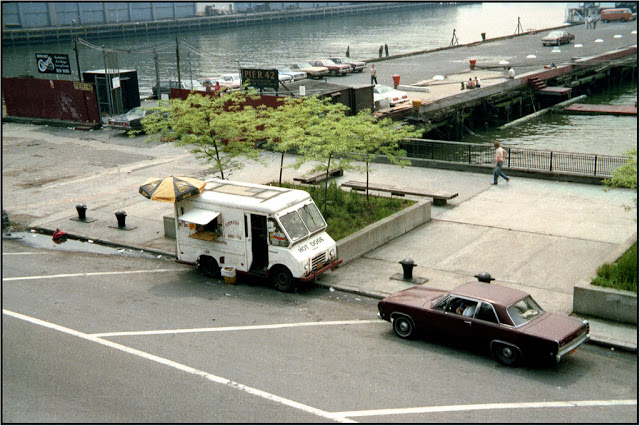
There is a strong current of nostalgia for the late ’70s, even among those who never lived through it — the era when the city was edgy and dangerous, when women carried Mace in their purses, when even men asked the taxi driver to wait until they’d crossed the 15 feet to the front door of their building, when a blackout plunged whole neighborhoods into frantic looting, when subway cars were covered with graffiti, when Balanchine was at the height of his powers and the New York State Theater was New York’s intellectual salon…
New York, often called New York City (NYC) to distinguish it from the state of New York, is the most populous city in the United States. With a 2020 population of 8,804,190 distributed over 300.46 square miles (778.2 km2), New York City is also the most densely populated major city in the United States. Located at the southern tip of the state of New York, the city is the center of the New York metropolitan area, the largest metropolitan area in the world by urban area. With over 20.1 million people in its metropolitan statistical area and 23.5 million in its combined statistical area as of 2020, New York is one of the world’s most populous megacities. New York City has been described as the cultural, financial, and media capital of the world, and is a significant influence on commerce, entertainment, research, technology, education, politics, tourism, dining, art, fashion, and sports. It is the most photographed city in the world. Home to the headquarters of the United Nations, New York is an important center for international diplomacy, and has sometimes been called the capital of the world.
Situated on one of the world’s largest natural harbors, New York City is composed of five boroughs, each of which is coextensive with a respective county of the state of New York. The five boroughs—Brooklyn (Kings County), Queens (Queens County), Manhattan (New York County), the Bronx (Bronx County), and Staten Island (Richmond County)—were created when local governments were consolidated into a single municipal entity in 1898. The city and its metropolitan area constitute the premier gateway for legal immigration to the United States. As many as 800 languages are spoken in New York, making it the most linguistically diverse city in the world. New York is home to more than 3.2 million residents born outside the United States, the largest foreign-born population of any city in the world as of 2016. As of 2018, the New York metropolitan area is estimated to produce a gross metropolitan product (GMP) of nearly $1.8 trillion, ranking it first in the United States. If the New York metropolitan area were a sovereign state, it would have the eighth-largest economy in the world. New York is home to the second highest number of billionaires of any city in the world.
New York City traces its origins to a trading post founded on the southern tip of Manhattan Island by Dutch colonists in approximately 1624. The settlement was named New Amsterdam (Dutch: Nieuw Amsterdam) in 1626 and was chartered as a city in 1653. The city came under English control in 1664 and was renamed New York after King Charles II of England granted the lands to his brother, the Duke of York. The city was regained by the Dutch in July 1673 and was renamed New Orange for one year and three months; the city has been continuously named New York since November 1674. New York City was the capital of the United States from 1785 until 1790, and has been the largest U.S. city since 1790. The Statue of Liberty greeted millions of immigrants as they came to the U.S. by ship in the late 19th and early 20th centuries, and is a symbol of the U.S. and its ideals of liberty and peace. In the 21st century, New York has emerged as a global node of creativity, entrepreneurship, and environmental sustainability, and as a symbol of freedom and cultural diversity. In 2019, New York was voted the greatest city in the world per a survey of over 30,000 people from 48 cities worldwide, citing its cultural diversity.
Many districts and monuments in New York City are major landmarks, including three of the world’s ten most visited tourist attractions in 2013. A record 66.6 million tourists visited New York City in 2019. Times Square is the brightly illuminated hub of the Broadway Theater District, one of the world’s busiest pedestrian intersections, and a major center of the world’s entertainment industry. Many of the city’s landmarks, skyscrapers, and parks are known around the world, as is the city’s fast pace, spawning the term New York minute. The Empire State Building has become the global standard of reference to describe the height and length of other structures. Manhattan’s real estate market is among the most expensive in the world. Providing continuous 24/7 service and contributing to the nickname The City That Never Sleeps, the New York City Subway is the largest single-operator rapid transit system worldwide, with 472 rail stations. The city has over 120 colleges and universities, including Columbia University, New York University, Rockefeller University, and the City University of New York system, which is the largest urban public university system in the United States. Anchored by Wall Street in the Financial District of Lower Manhattan, New York City has been called both the world’s leading financial center and the most financially powerful city in the world, and is home to the world’s two largest stock exchanges by total market capitalization, the New York Stock Exchange and Nasdaq. (Wikipedia)
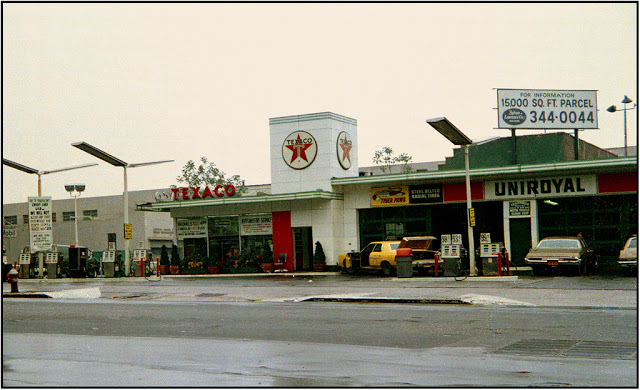
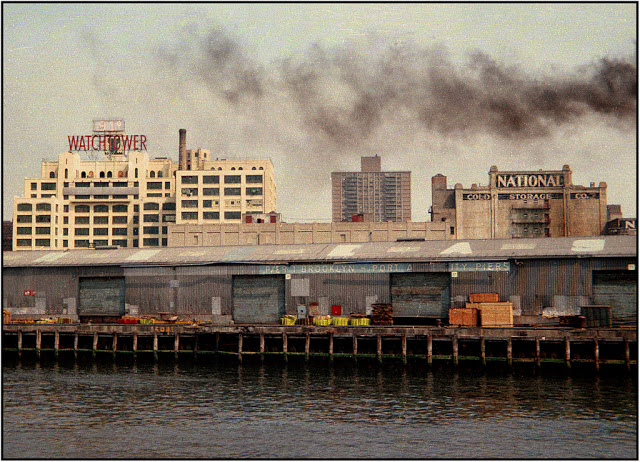
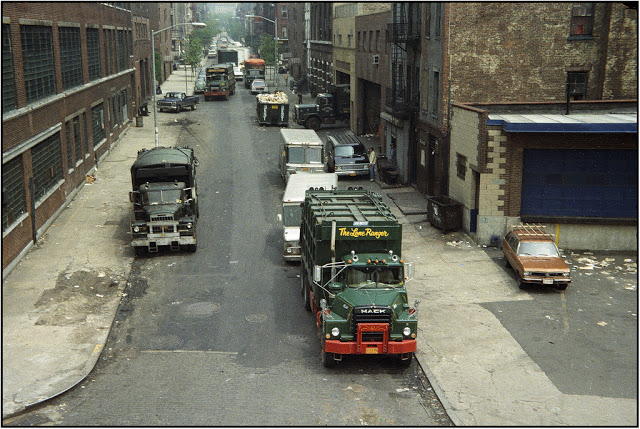
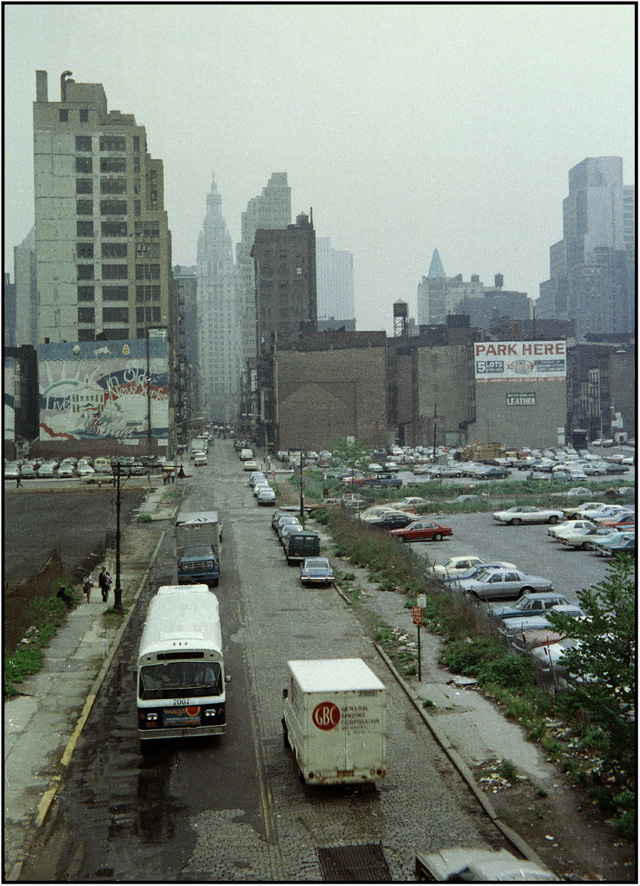
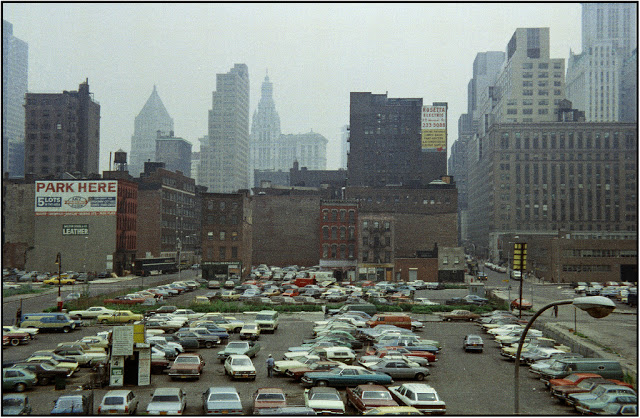
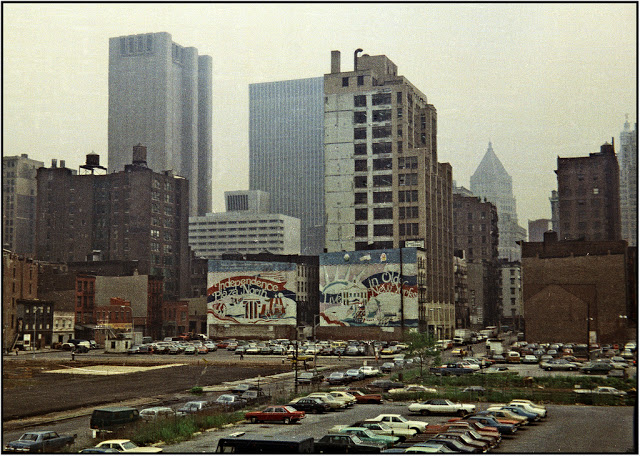
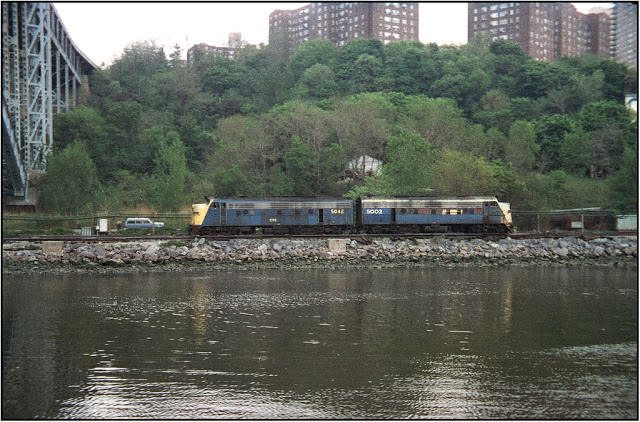
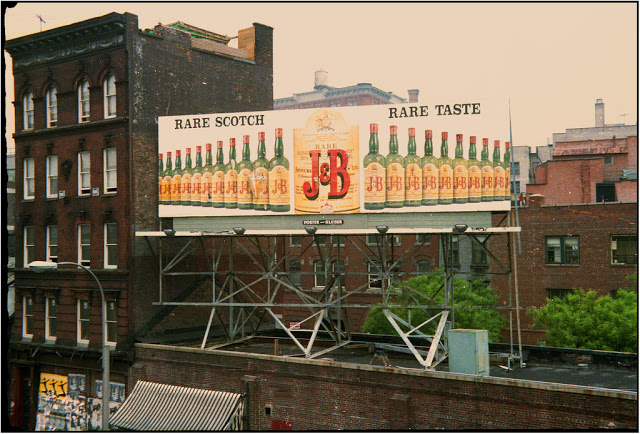
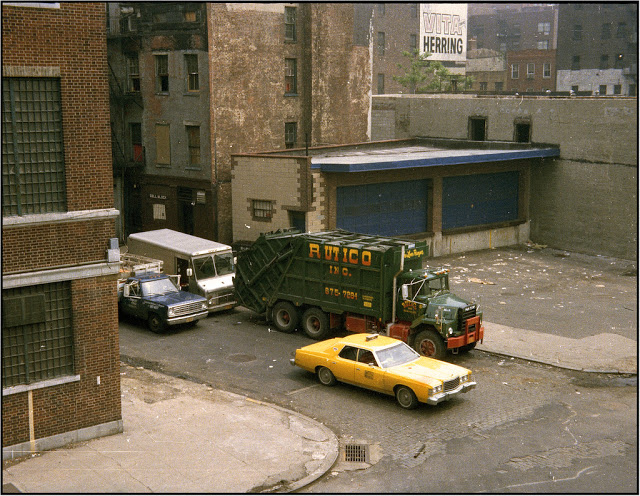
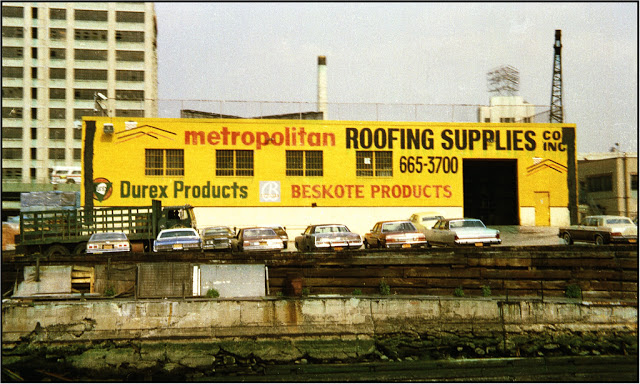
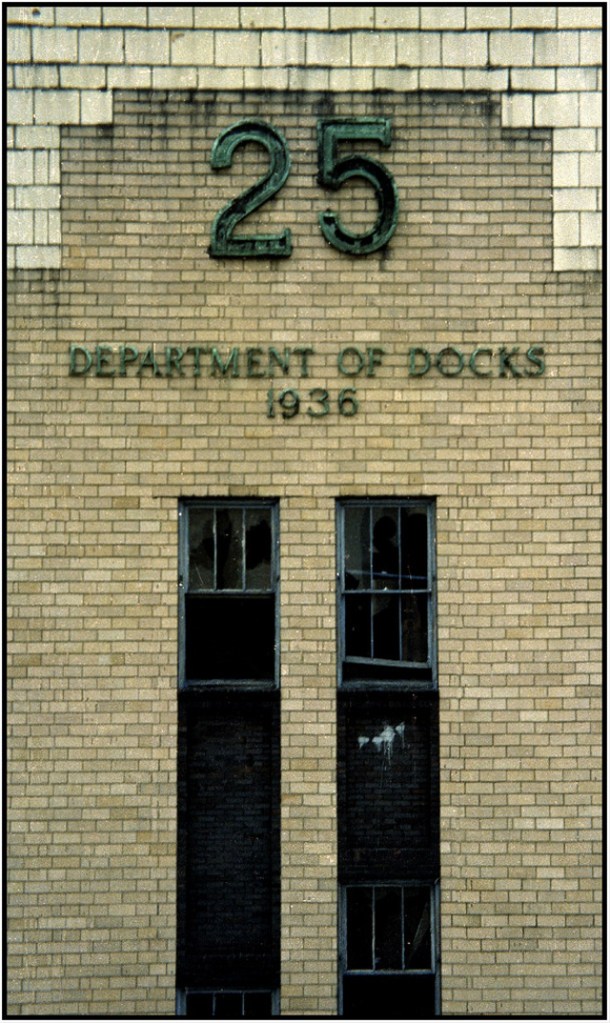
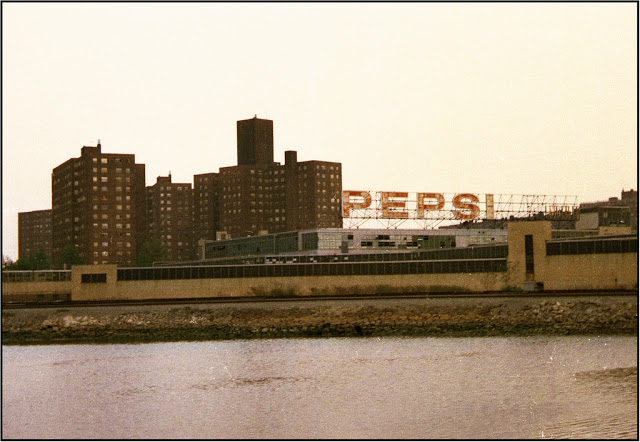
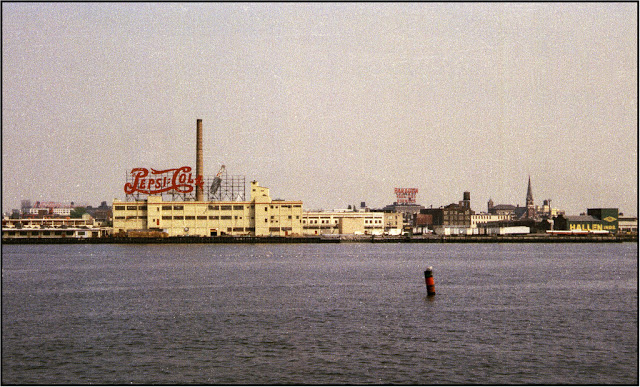
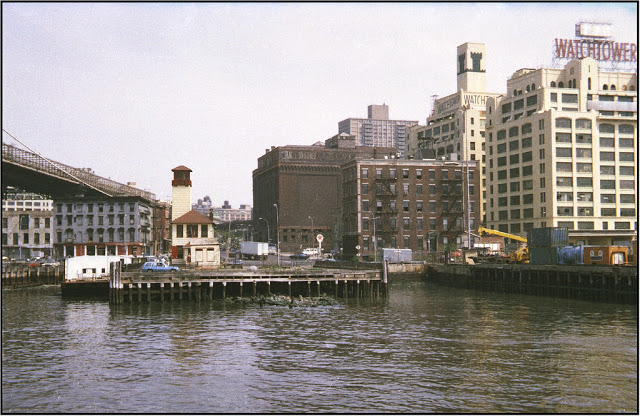
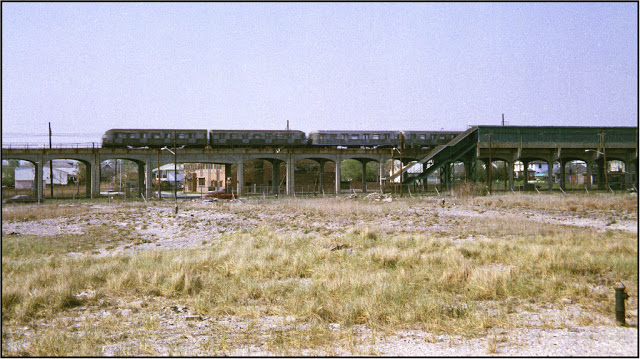
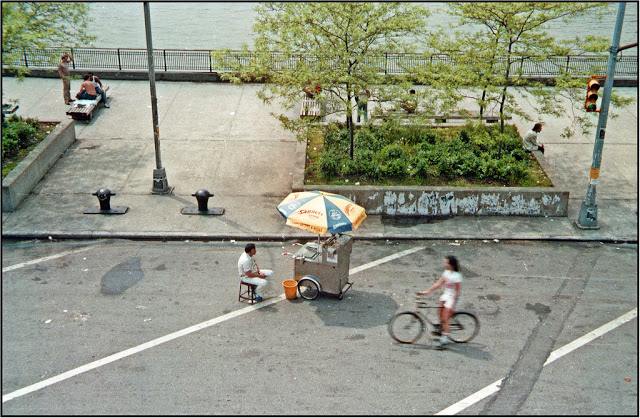
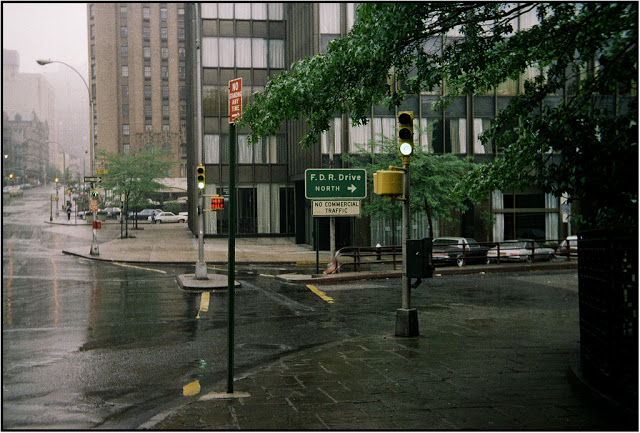
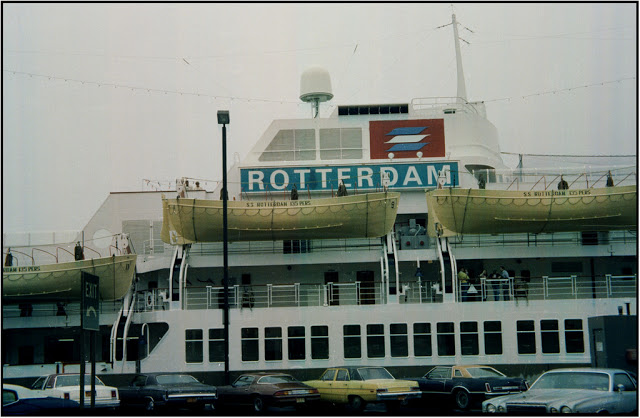
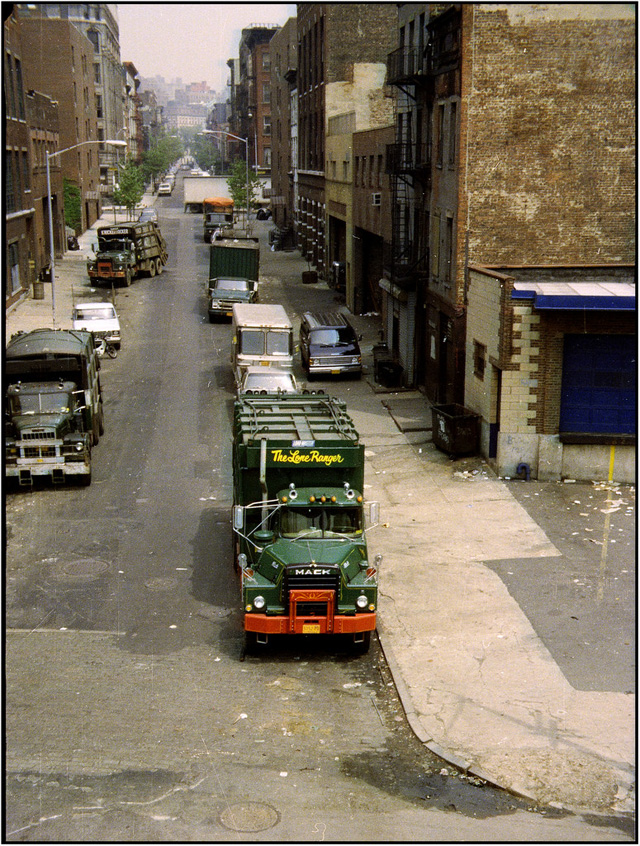
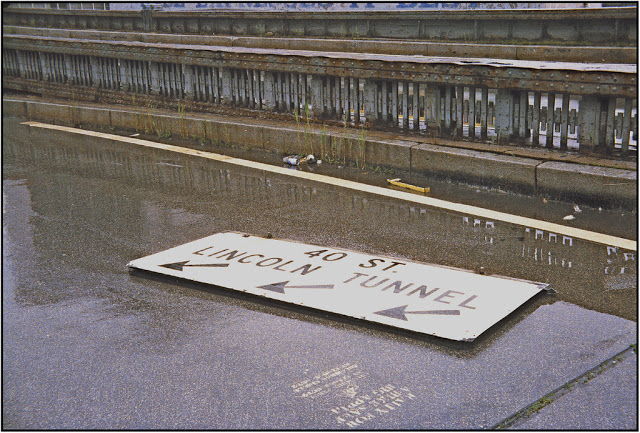
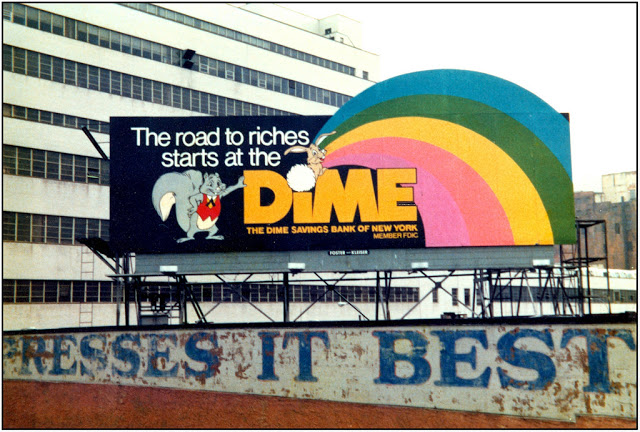
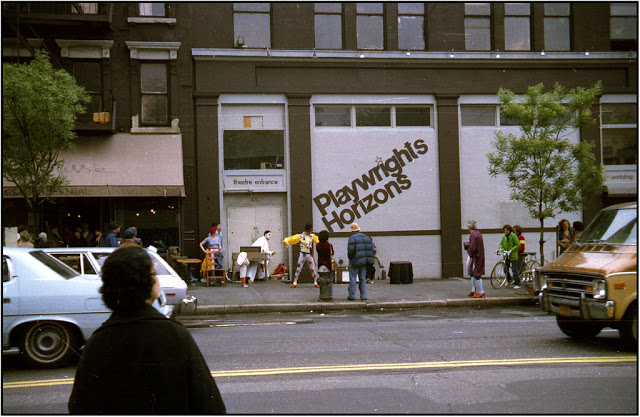
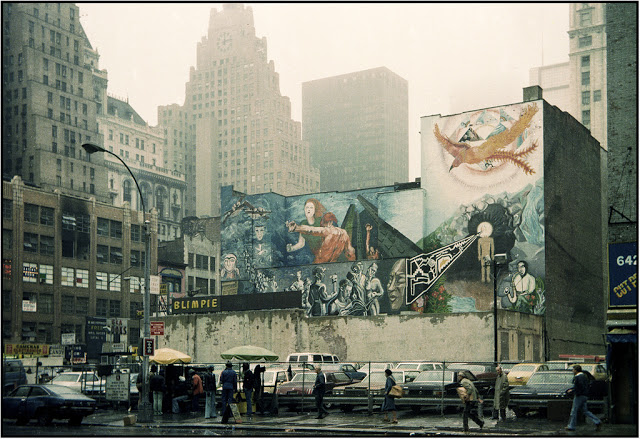
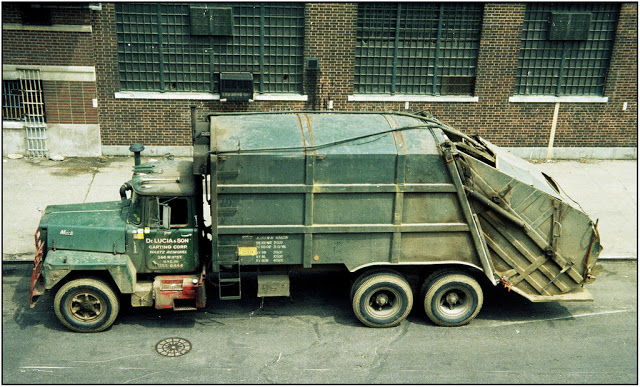
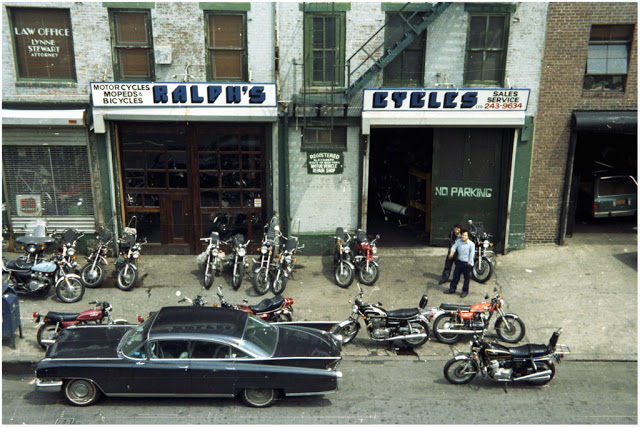
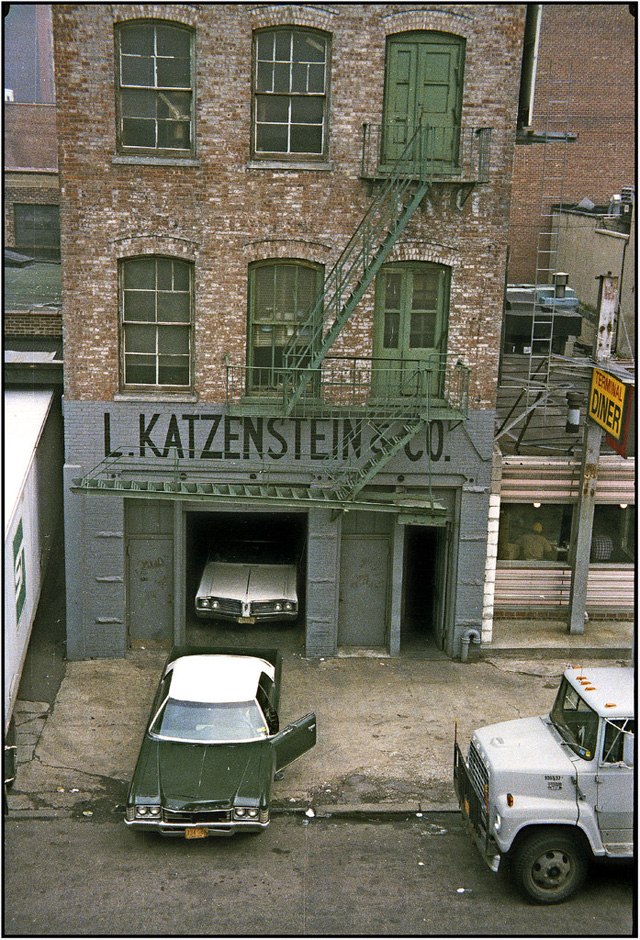
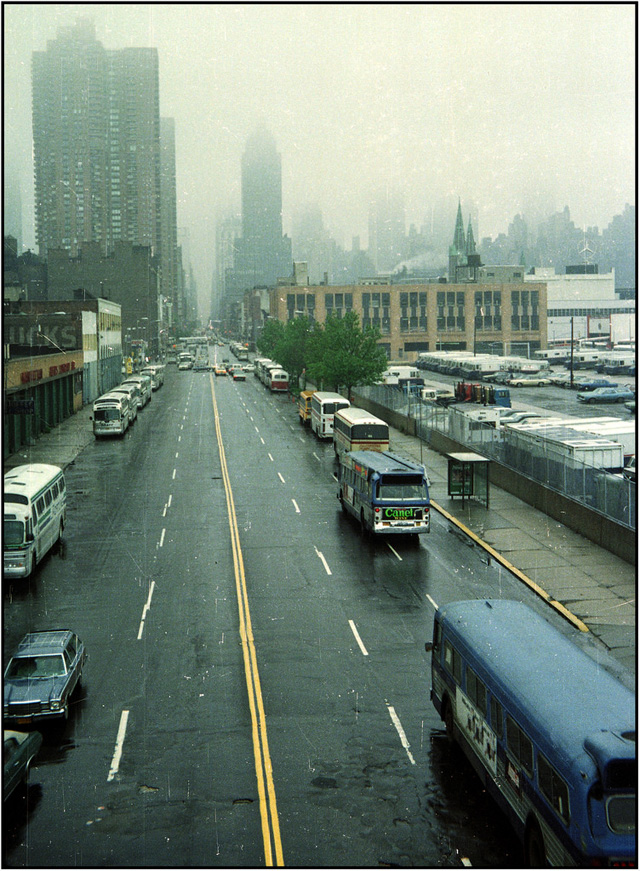
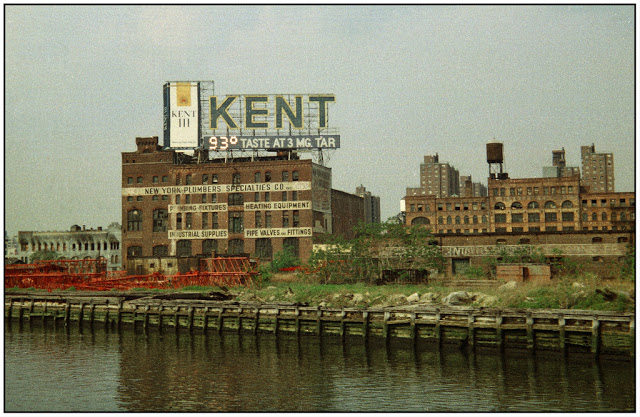
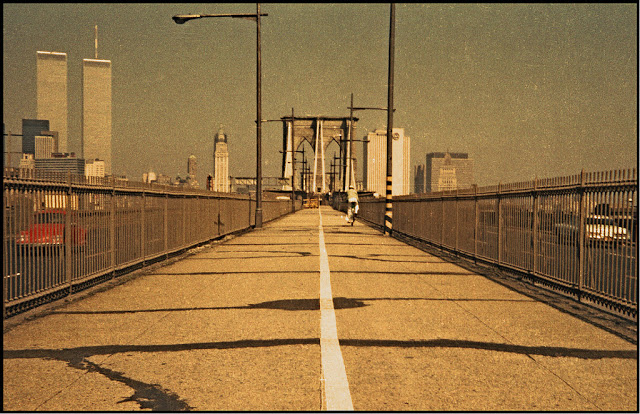
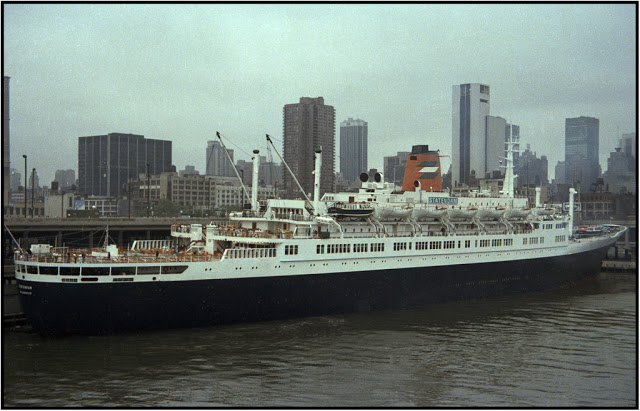
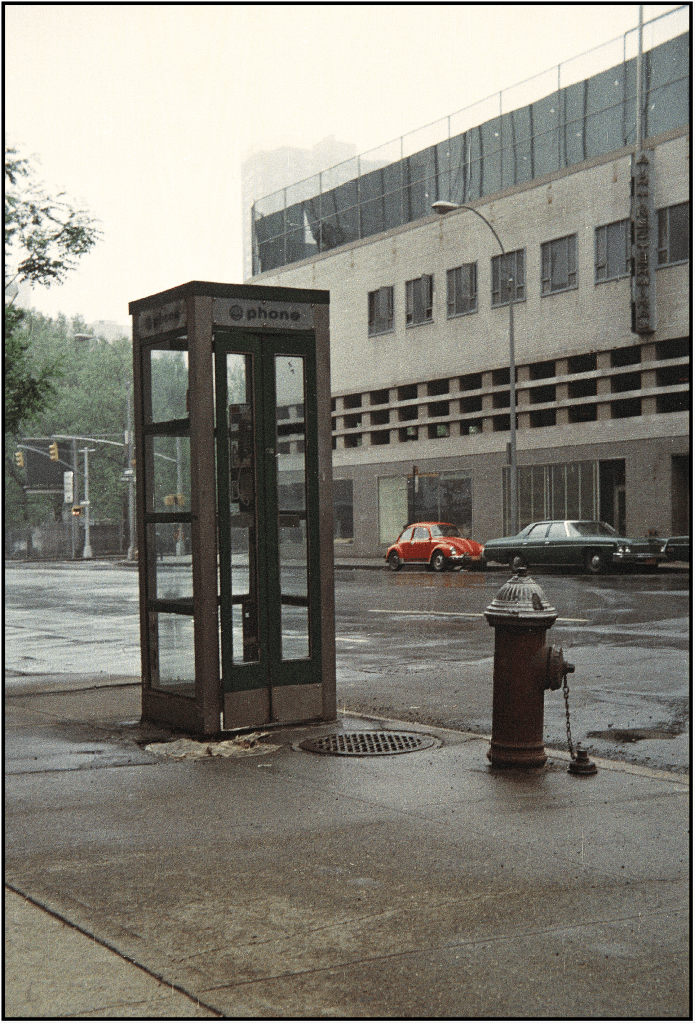
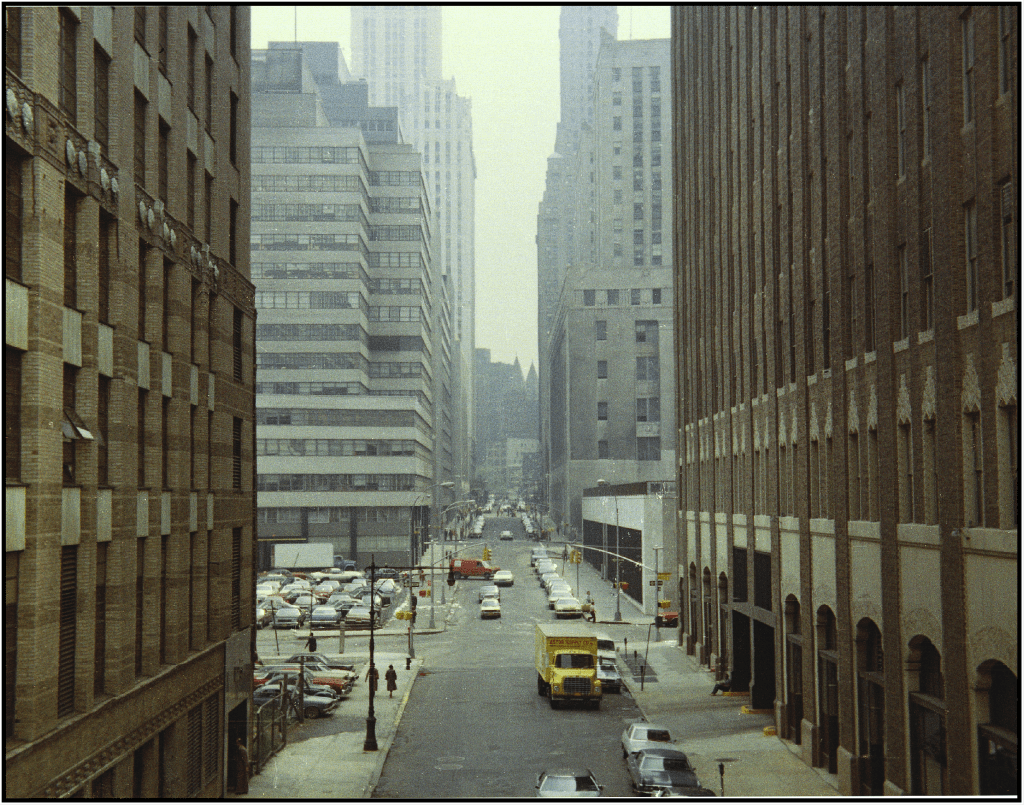
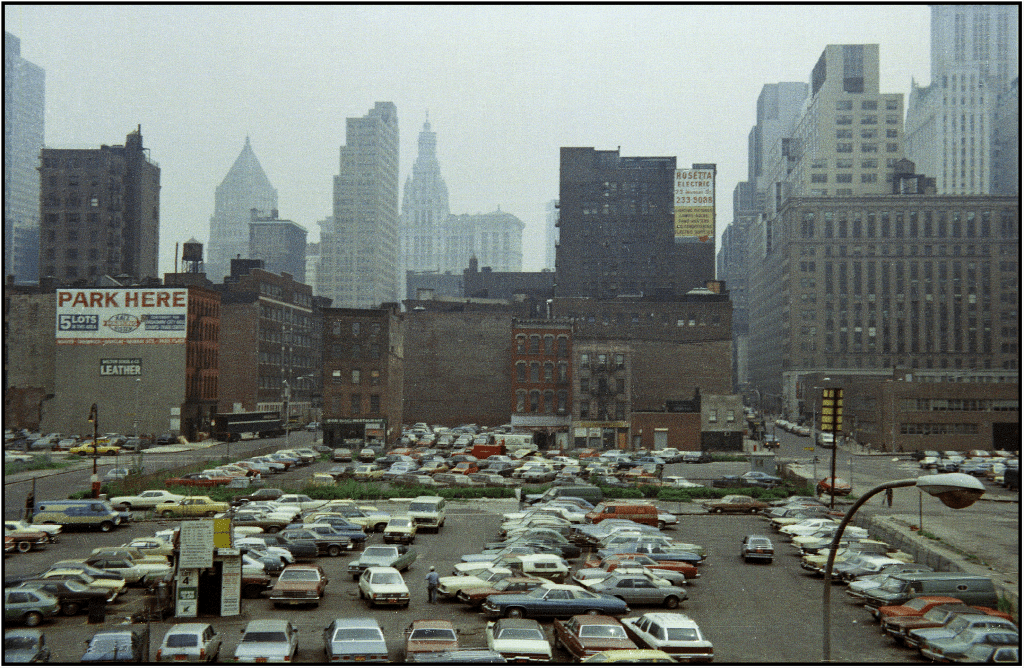
Below is a collection of 73 snapshots of New York City in May 1979.
By the Act of March 1, 1872, Congress established Yellowstone National Park in the Territories of Montana and Wyoming “as a public park or pleasuring-ground for the benefit and enjoyment of the people” and placed it “under exclusive control of the Secretary of the Interior.” The founding of Yellowstone National Park began a worldwide national park movement.
In the years following the establishment of Yellowstone, the United States authorized additional national parks and monuments, many of them carved from the federal lands of the West. All of them managed by either the Department of the Interior, War Department or Forest Service.
To organize the protection and preservation of these spaces for generations to come, on August 25, 1916, President Woodrow Wilson signed the act creating the National Park Service, a new federal bureau in the Department of the Interior responsible for protecting the 35 national parks and monuments then managed by the department and those yet to be established.
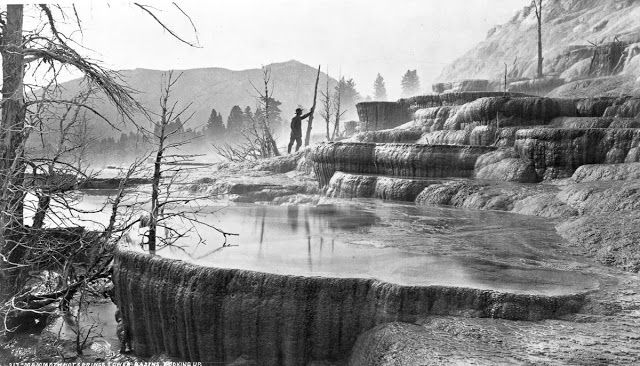
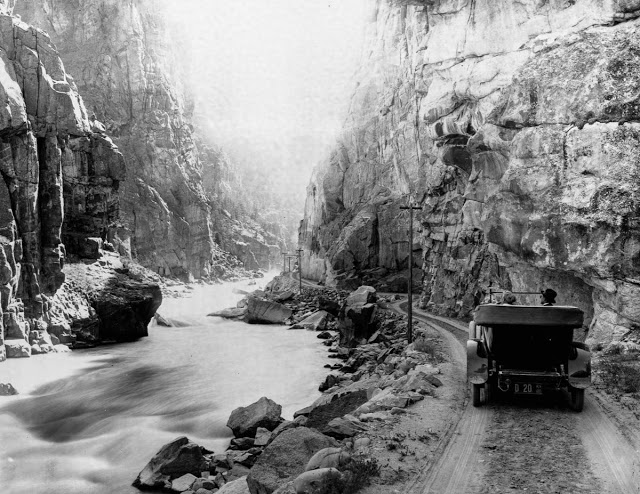
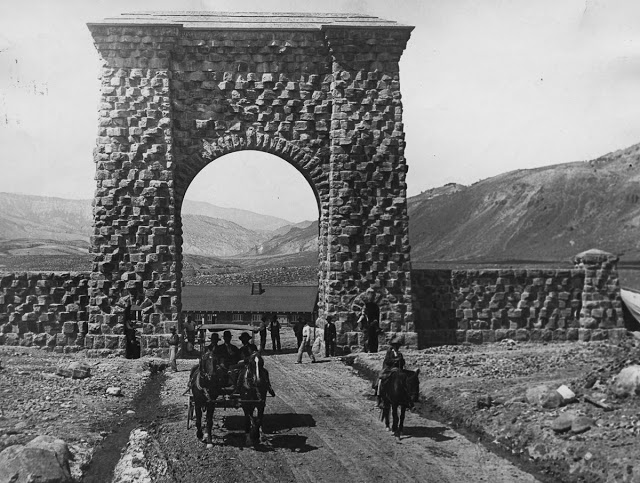
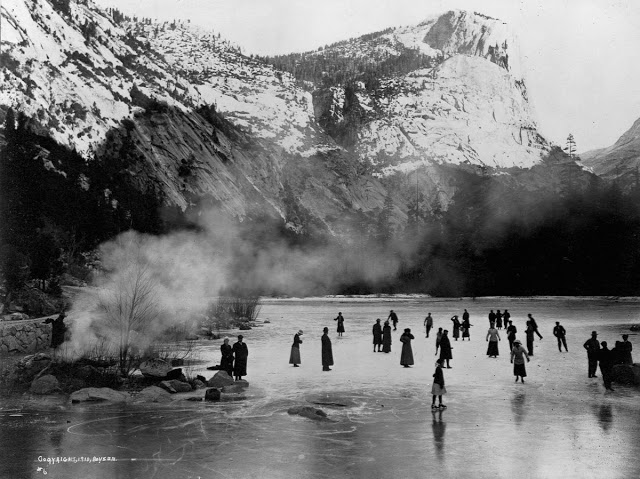
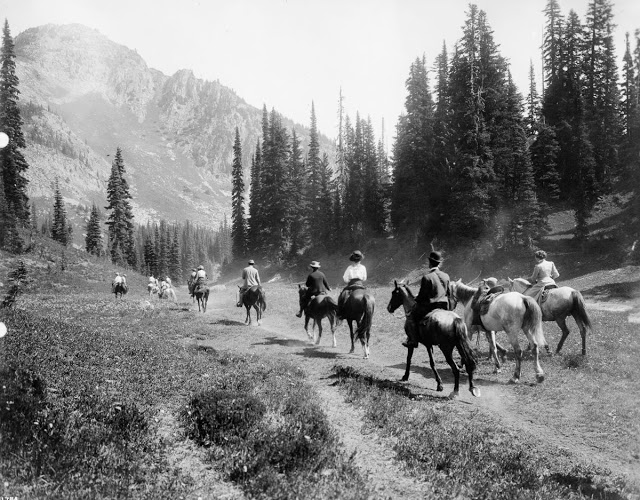
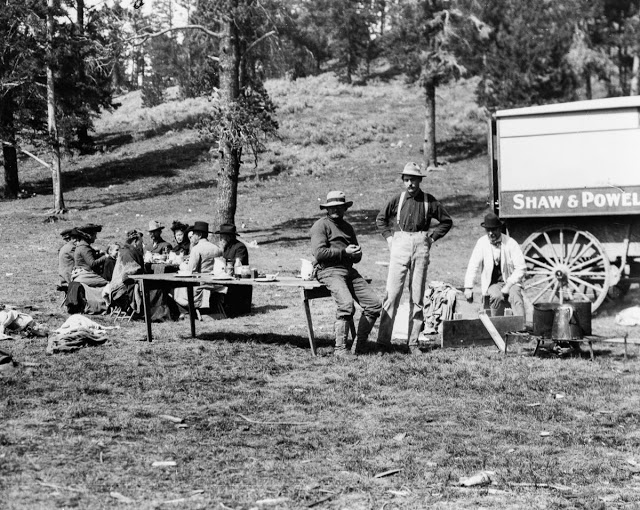
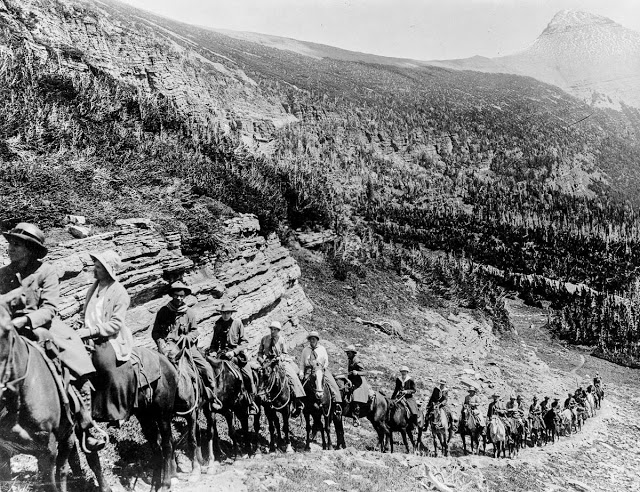
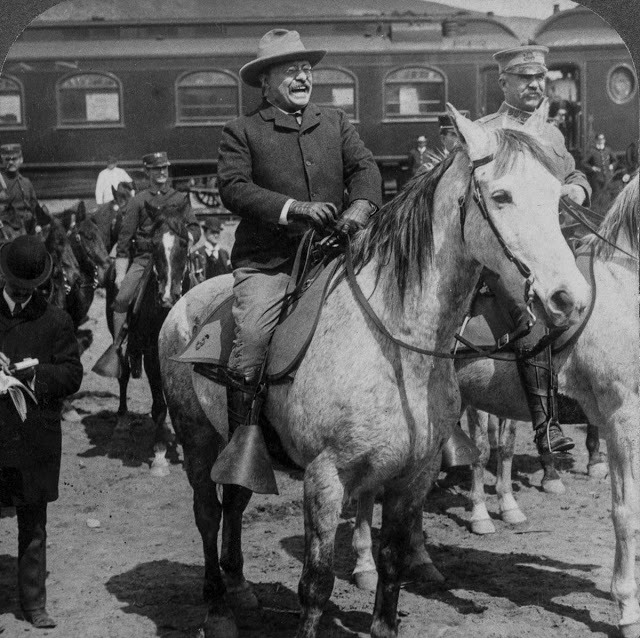
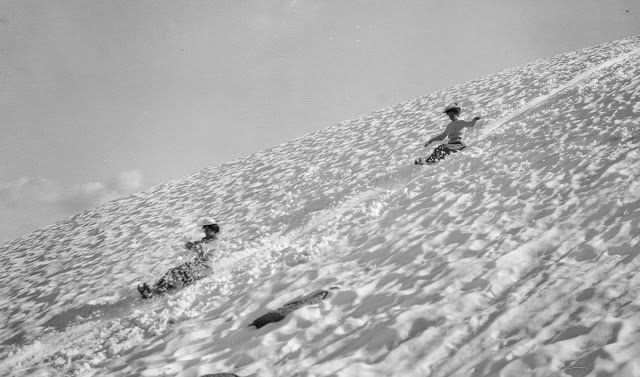
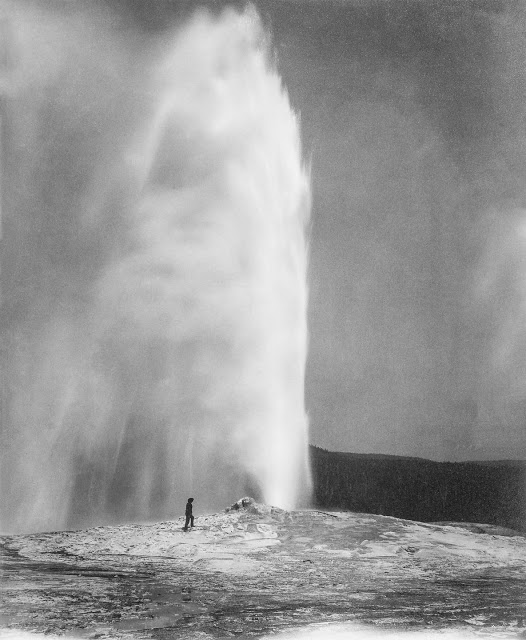
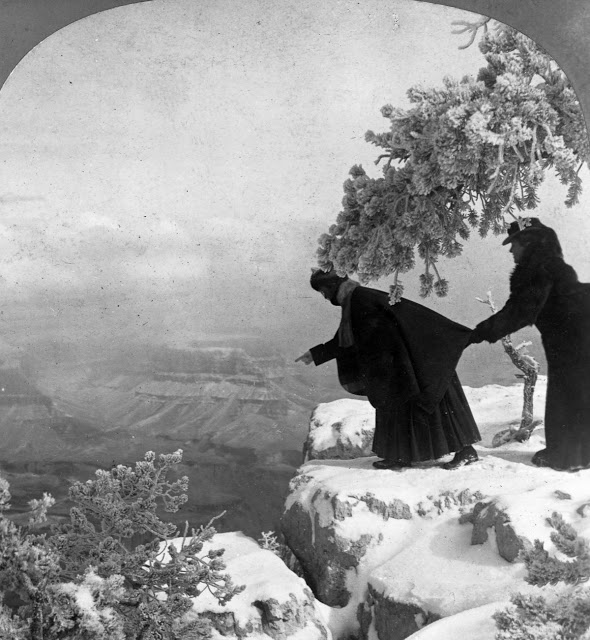
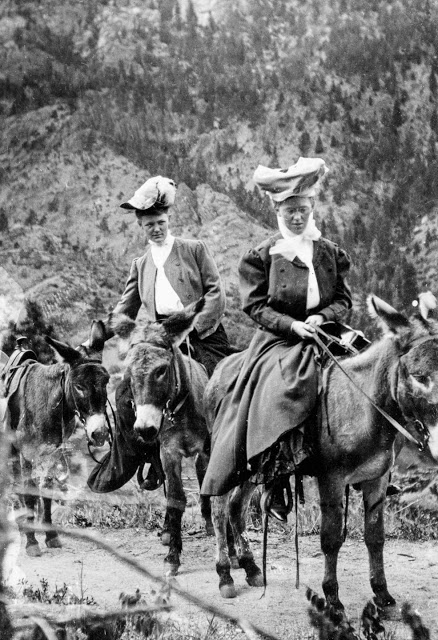
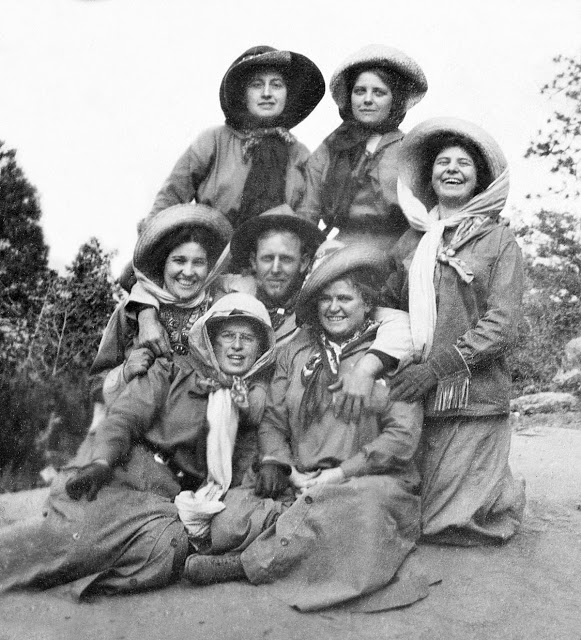
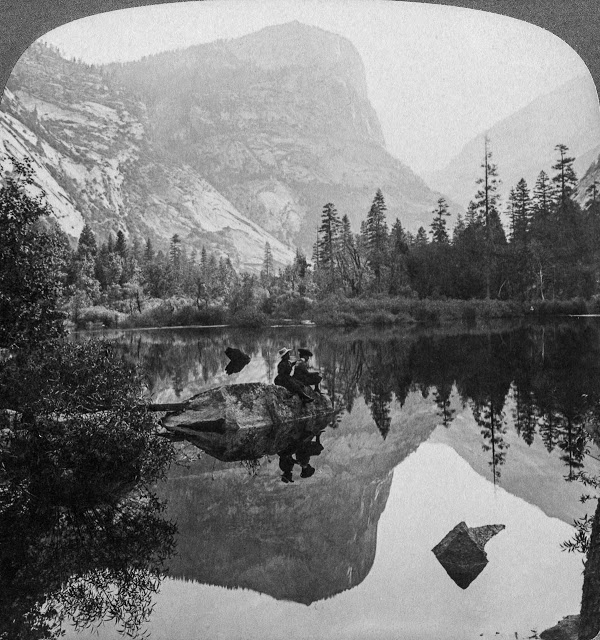
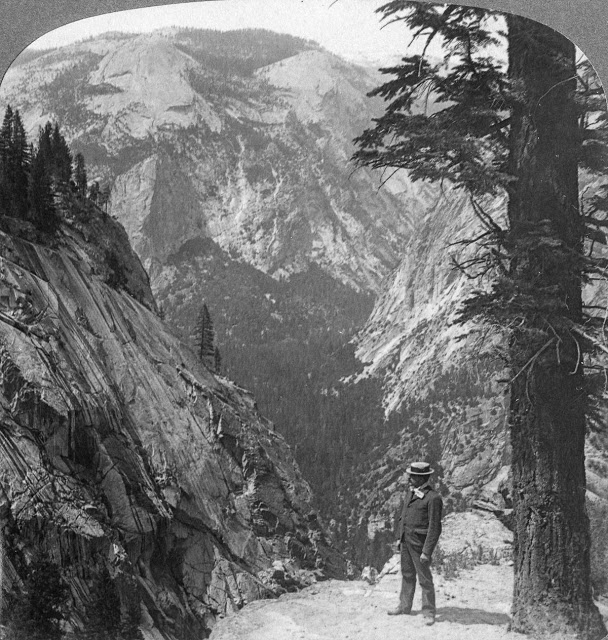
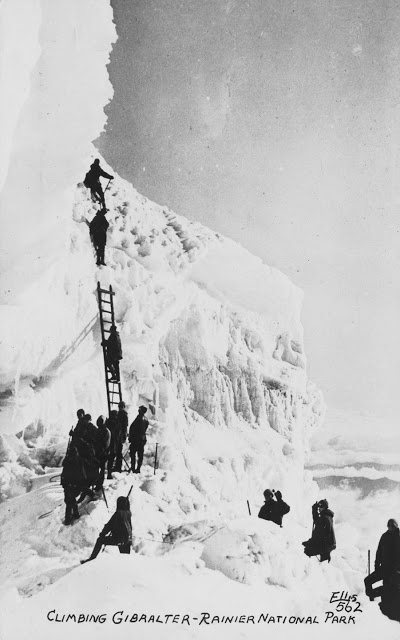
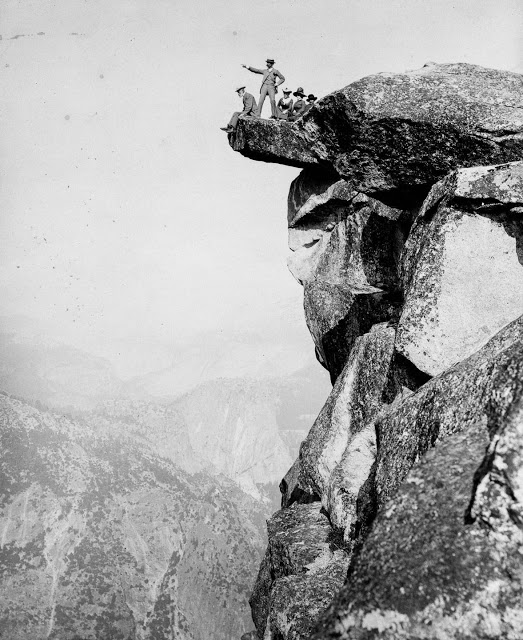
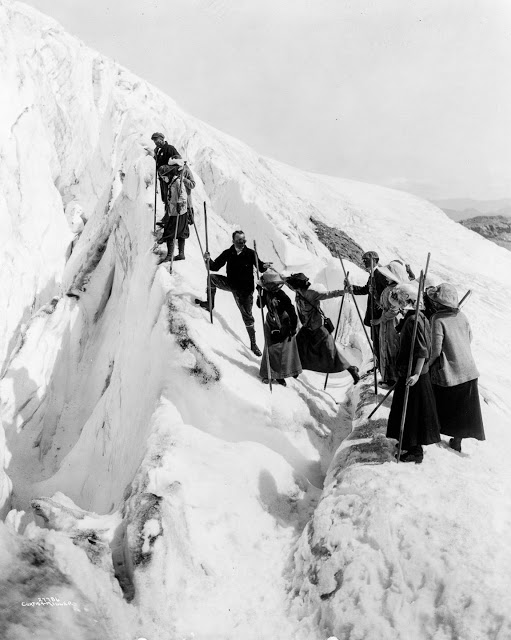
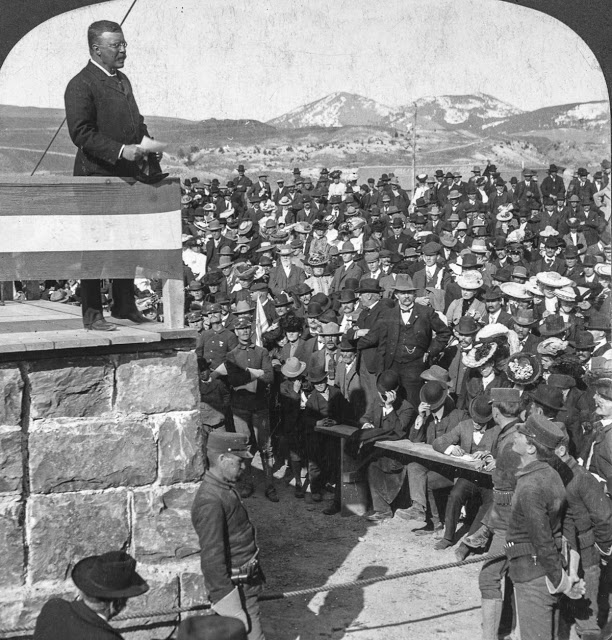
A geological surveyor explores the lower basin of Mammoth Hot Springs in Yellowstone, c.1870.The Annie, reportedly the first boat ever launched on Yellowstone Lake, 1871.Tourists drive their car on a dirt road along Yellowstone River 1899.Tourists look out over the Grand Canyon, c.1900.The Geyser Basins at Yellowstone, c.1900.The gateway arch at Yellowstone, c.1900Tourists skate on a frozen lake in Yosemite, c.1910.A party of tourists in Mt. Rainier National Park, 1911.Tourists ride through Mt. Rainier National Park 1909.Tourists and guides picnic in Yellowstone, 1903.Tourists ride up a trail in Rocky Mountain National Park, 1909.Tourists boat across Crater Lake, 1912.Tourists watch the scalding water from the Excelsior Geyser flow into the Firehole River in Yellowstone, 1917.President Theodore Roosevelt pays a visit to Yellowstone, 1903.Tourists slide down a slope in Yosemite, 1903.A member of a government geological survey stands next to Old Faithful in Yellowstone, two years before its designation as a National Park, 1870.Tourists peer over a cliff into the Grand Canyon, 1880Kitty Tatch and friend dance on the overhanging rock at Glacier Point in Yosemite, c.1890.Tourists ride through Yosemite, c.1900.Tourists pose for a picture in front of Yosemite Falls, c.1900.A group of Yosemite tourists and their guide, c.1900.Tourists ride the Glacier Point trail in Yosemite, 1901.Tourists at Old Faithful in Yellowstone, 1901.The view of Yosemite Valley from Inspiration Point, 1902.Tourists look from Clouds Rest over the Little Yosemite Valley to Mount Clark, 1902.Tourists on Clouds Rest in Yosemite, 1902.Tourists at Mirror Lake in Yosemite, 1902.A tourist looks out over the Yosemite Valley, 1902.A tourist stands on Glacier Point with Yosemite Falls in the background, 1902.Climbers scale Mt. Rainier, 1910.Tourists pose on Glacier Point above the Yosemite Valley, 1887.Tourists climb Paradise Glacier in Mt. Rainier National Park, 1911.A man stands behind the “Pulpit Terrace” formation at the Mammoth Hot Springs in Yellowstone, 1904.A rider on a trail at Glacier National Park, 1916.President Theodore Roosevelt addresses a crowd at the entrance to Yellowstone National Park, 1903.
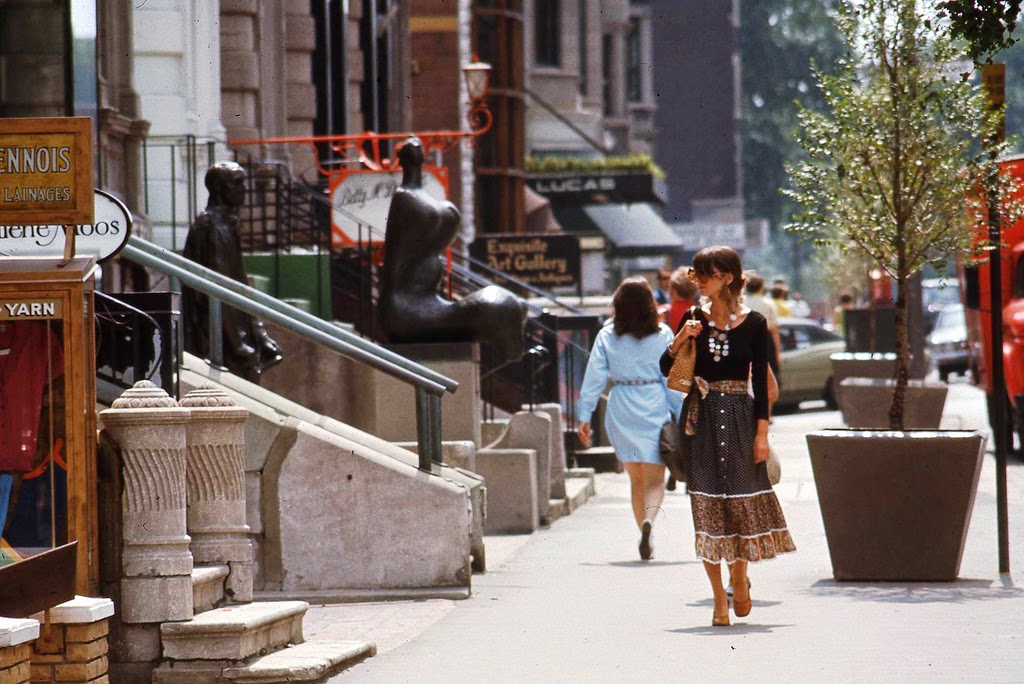
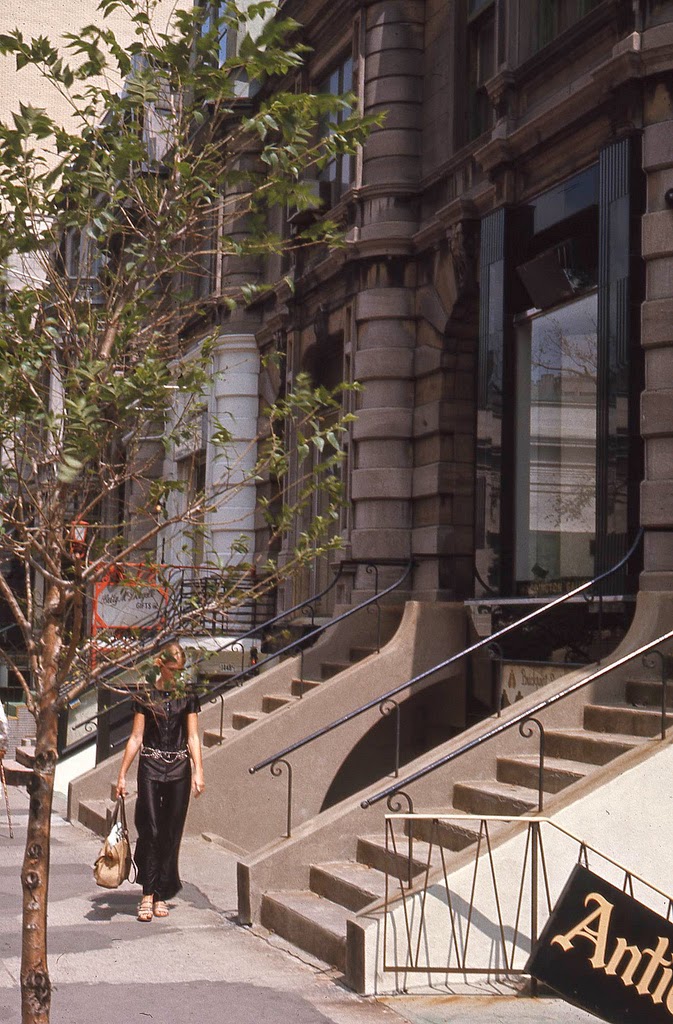
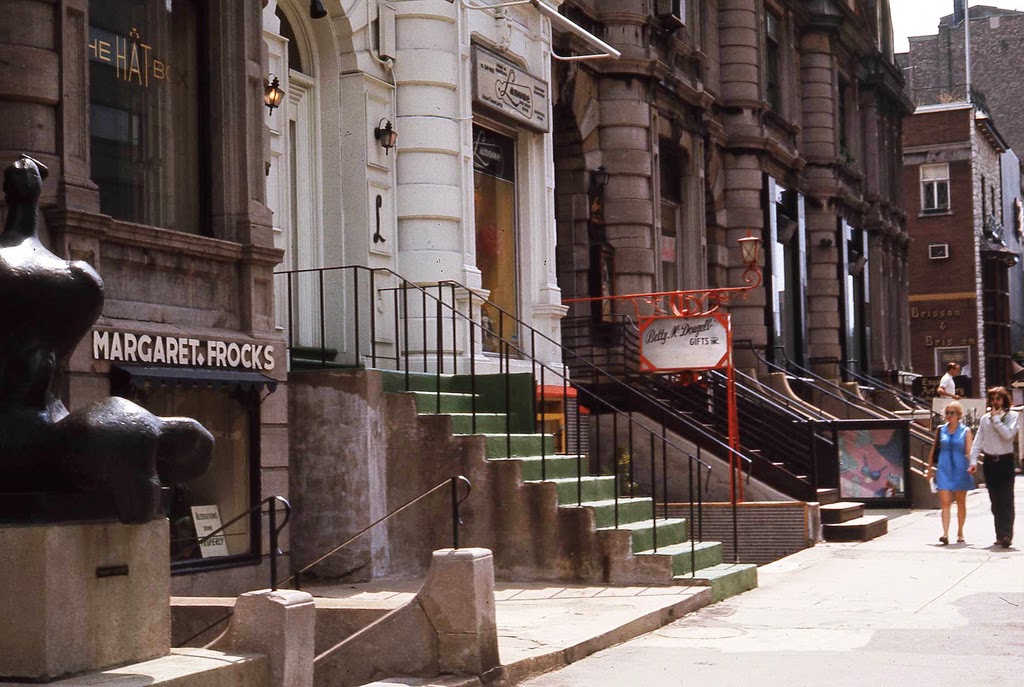
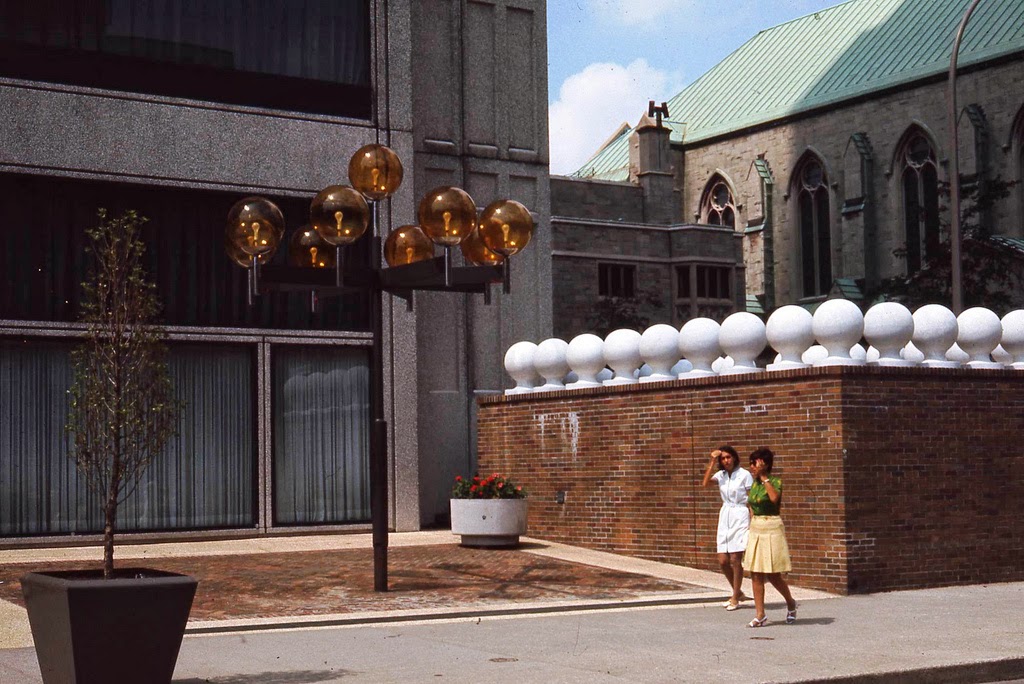
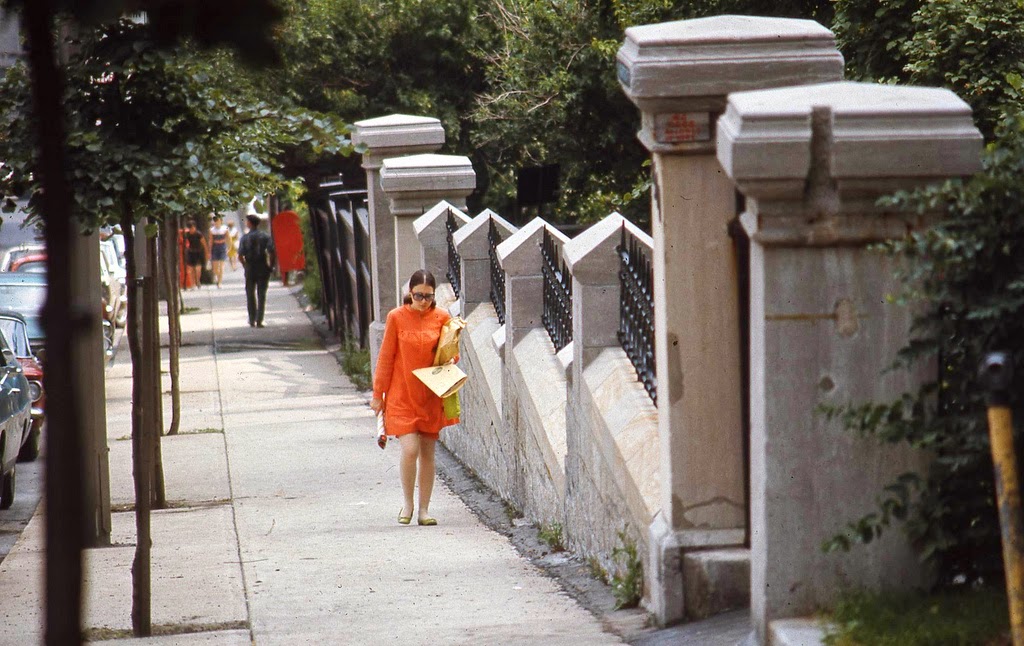
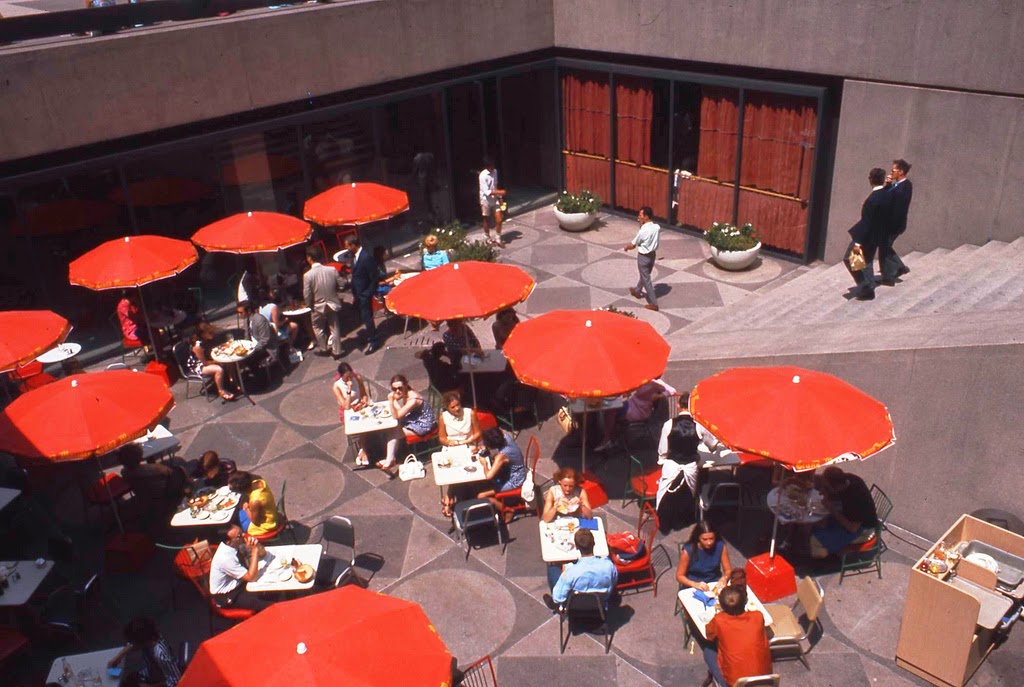
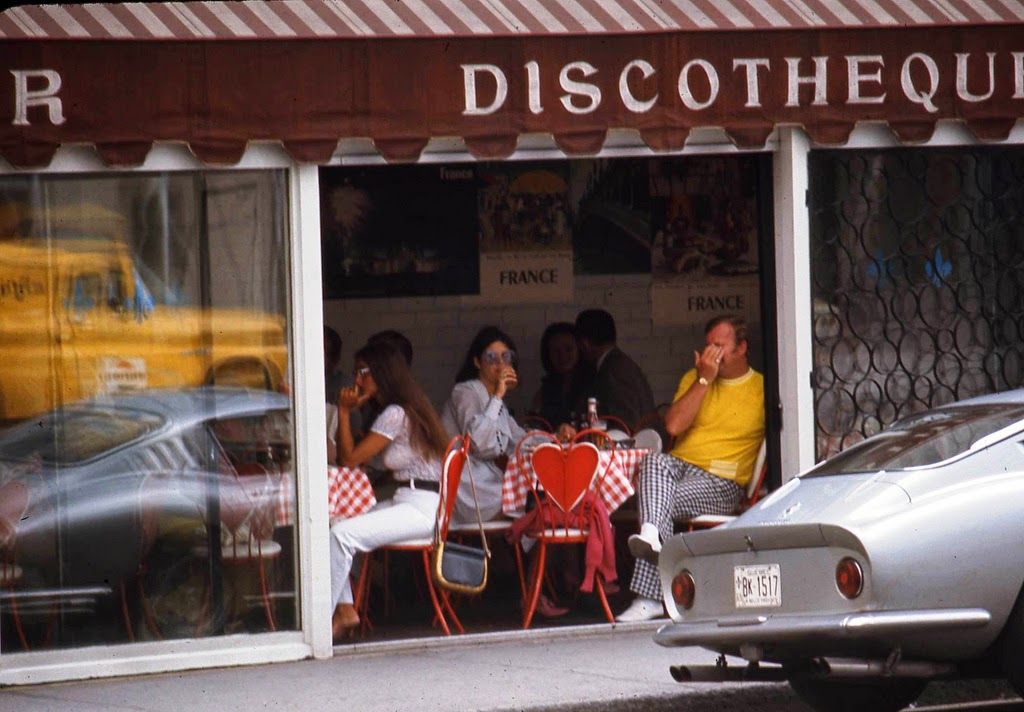
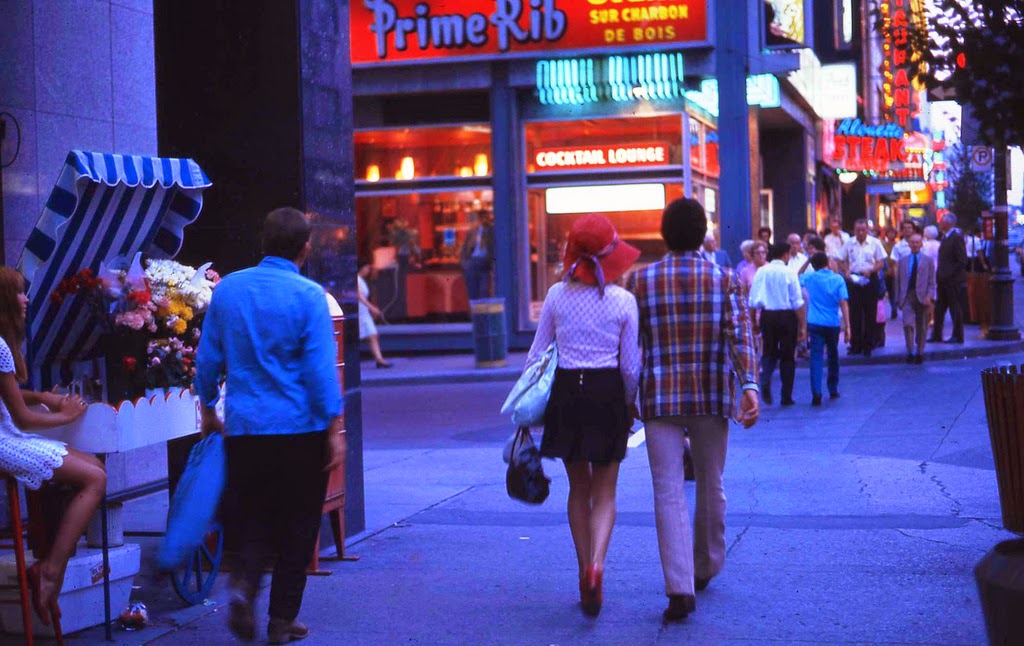
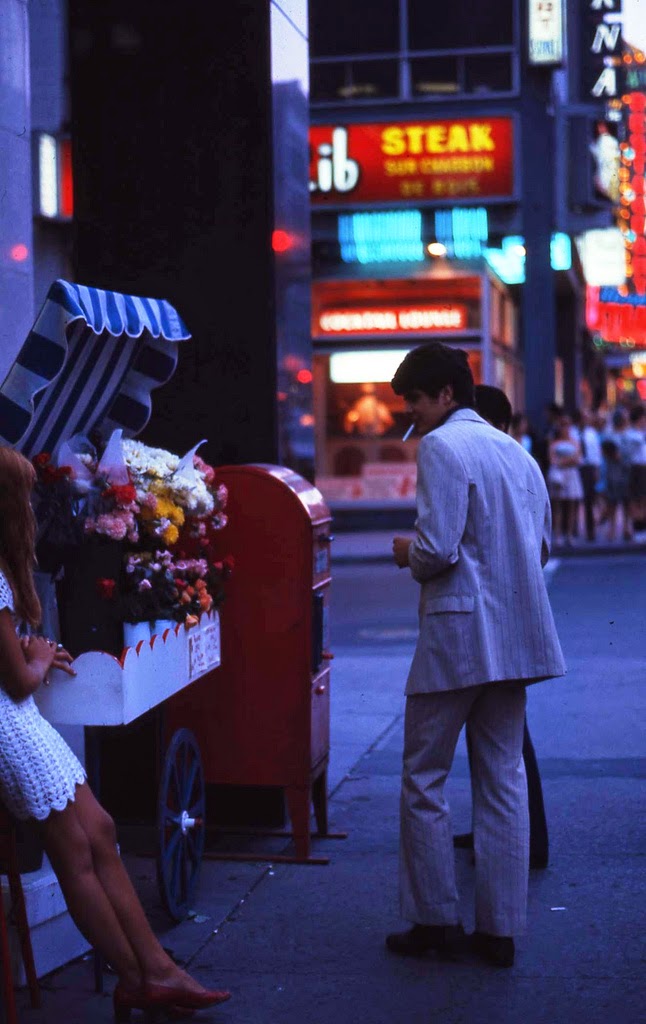
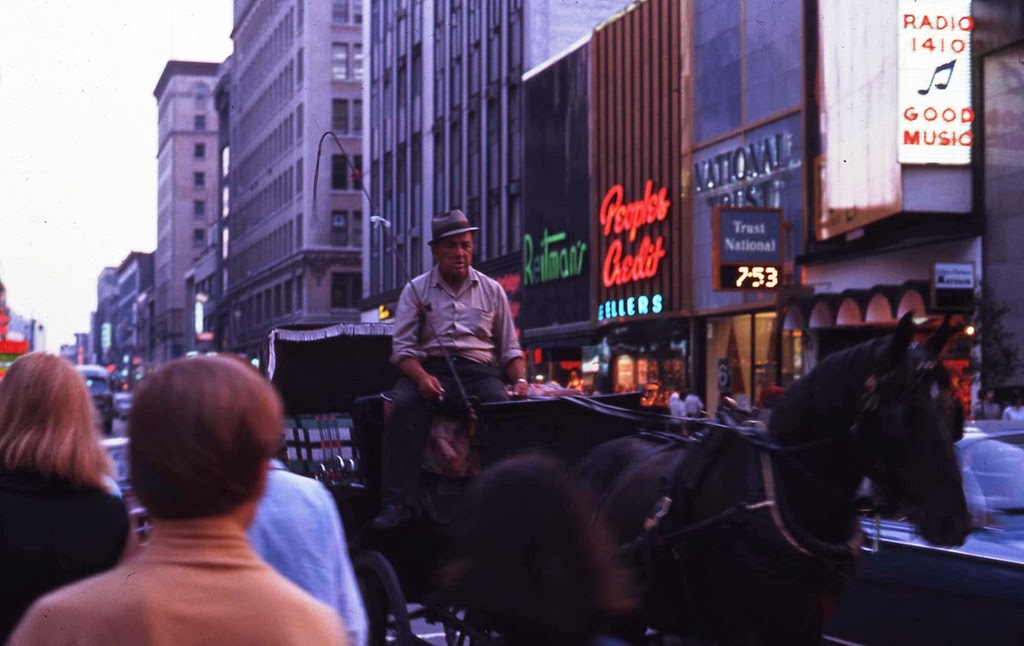
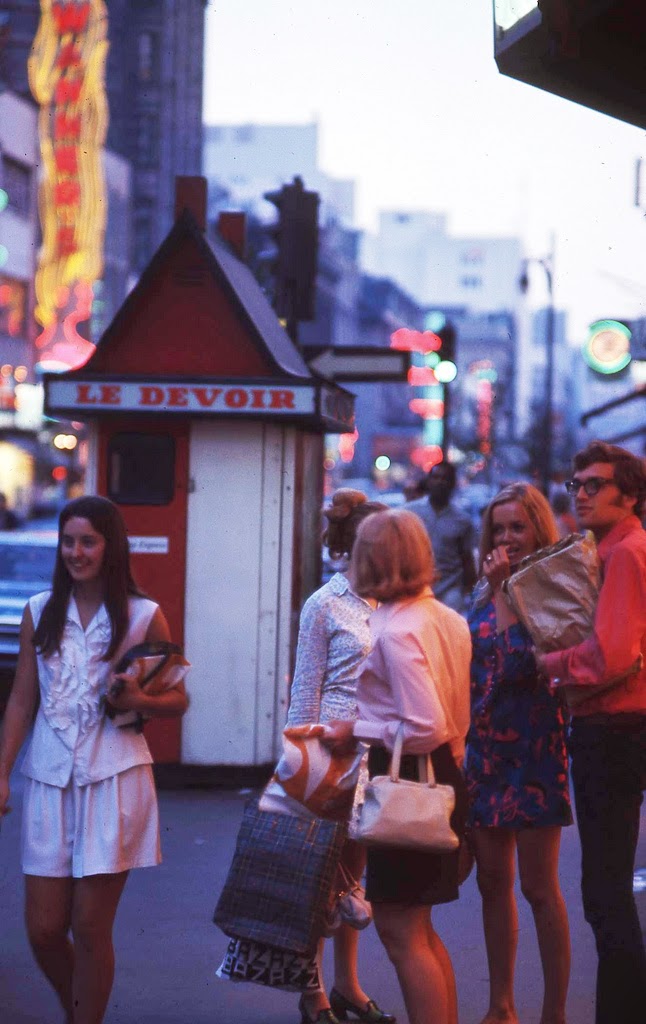
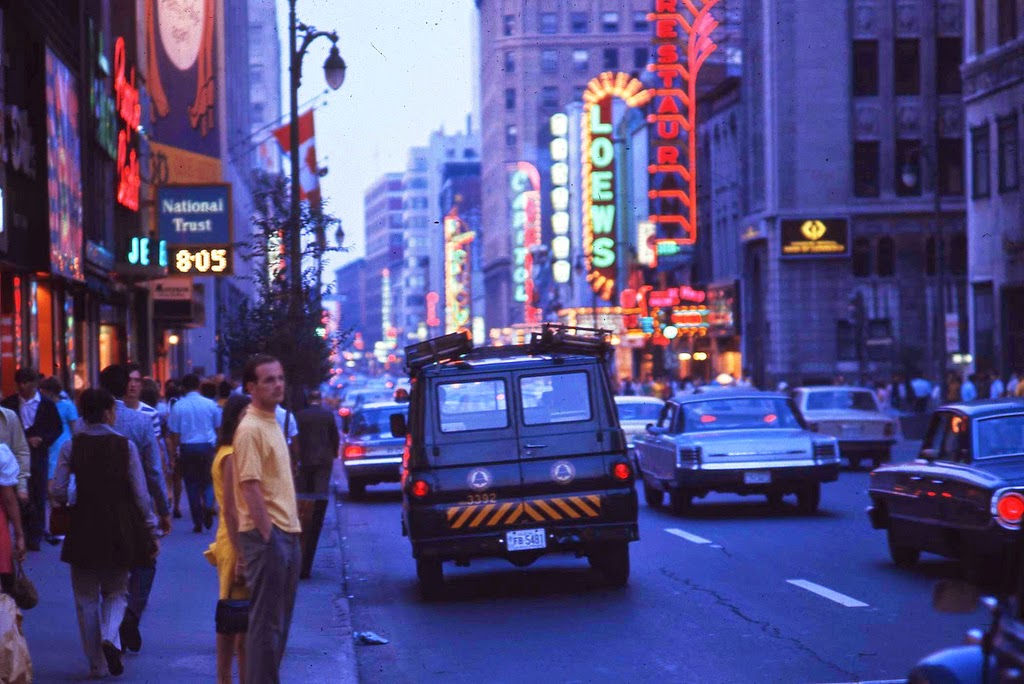
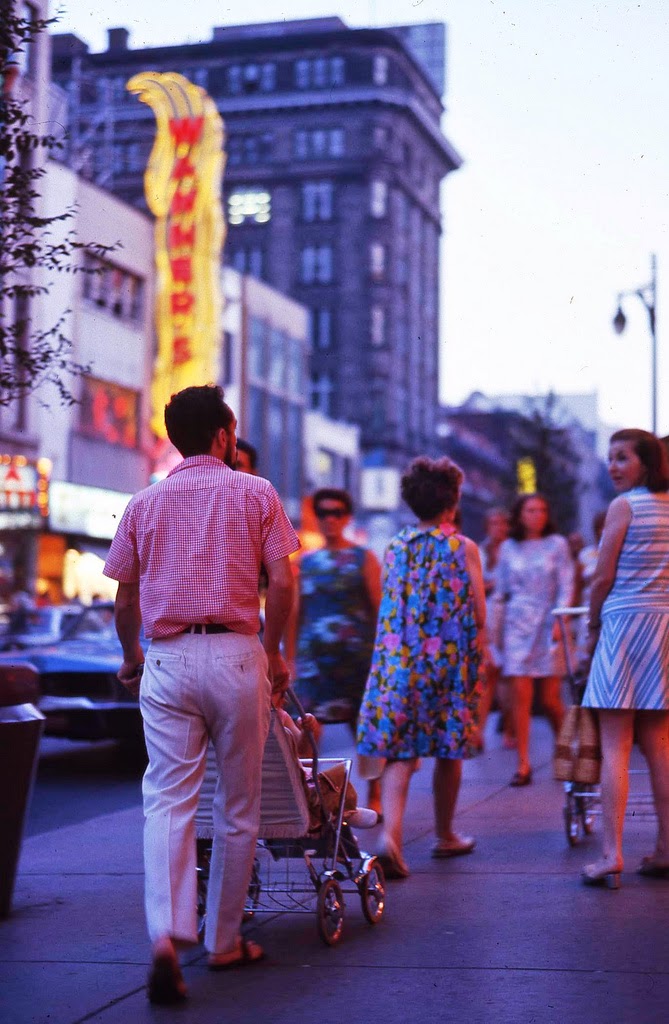
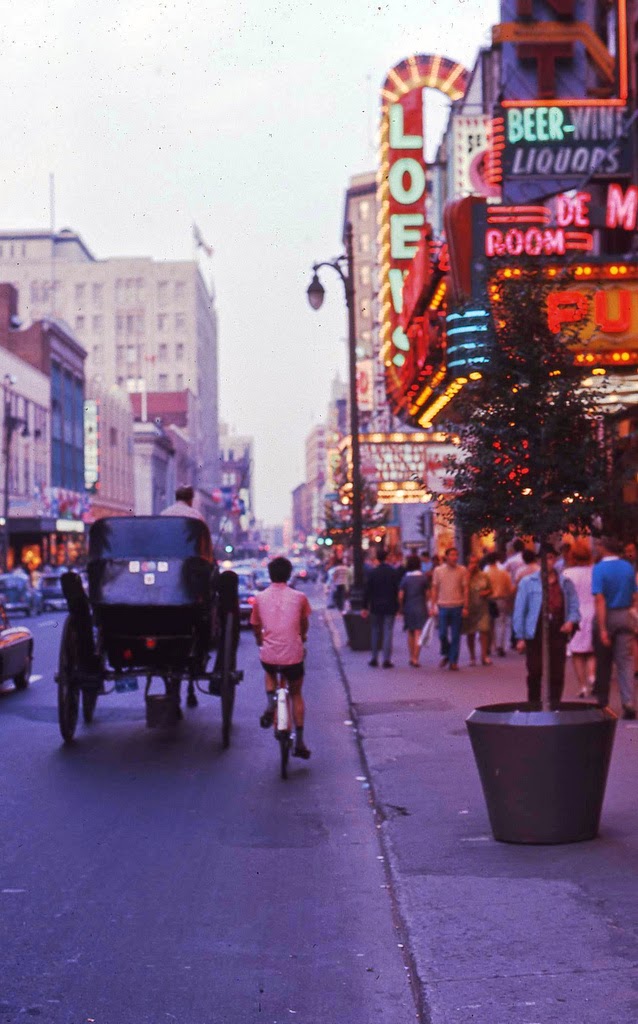
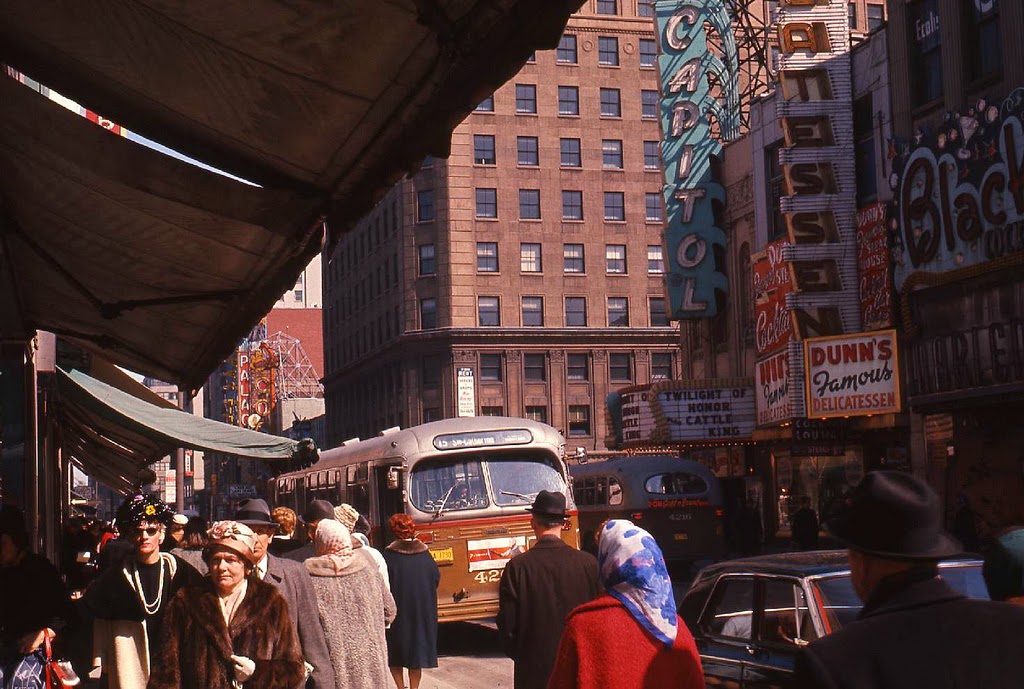
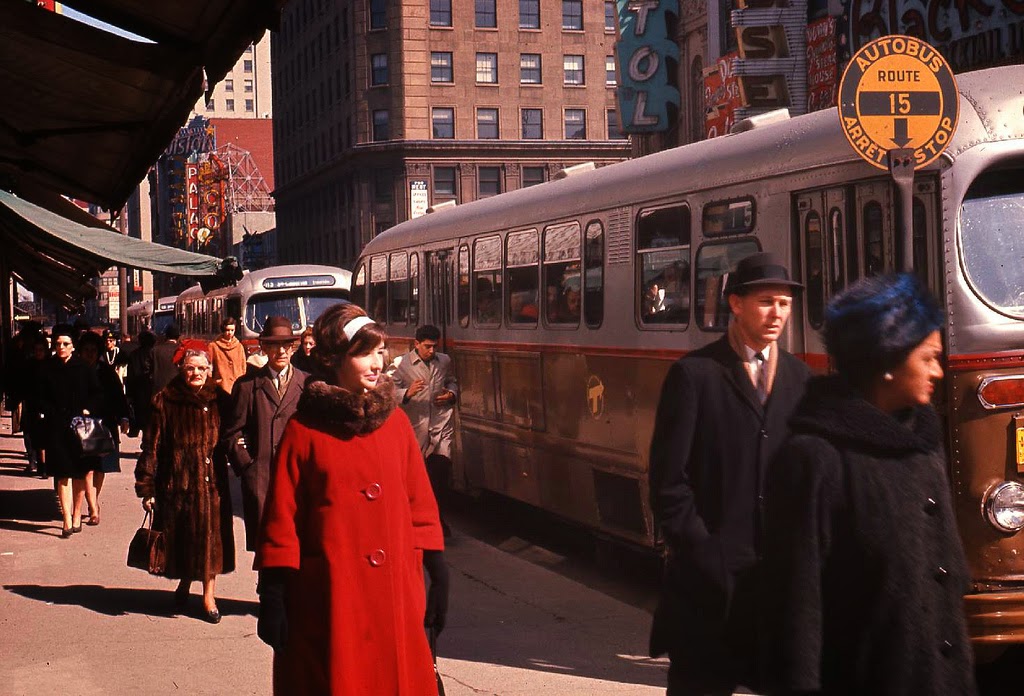
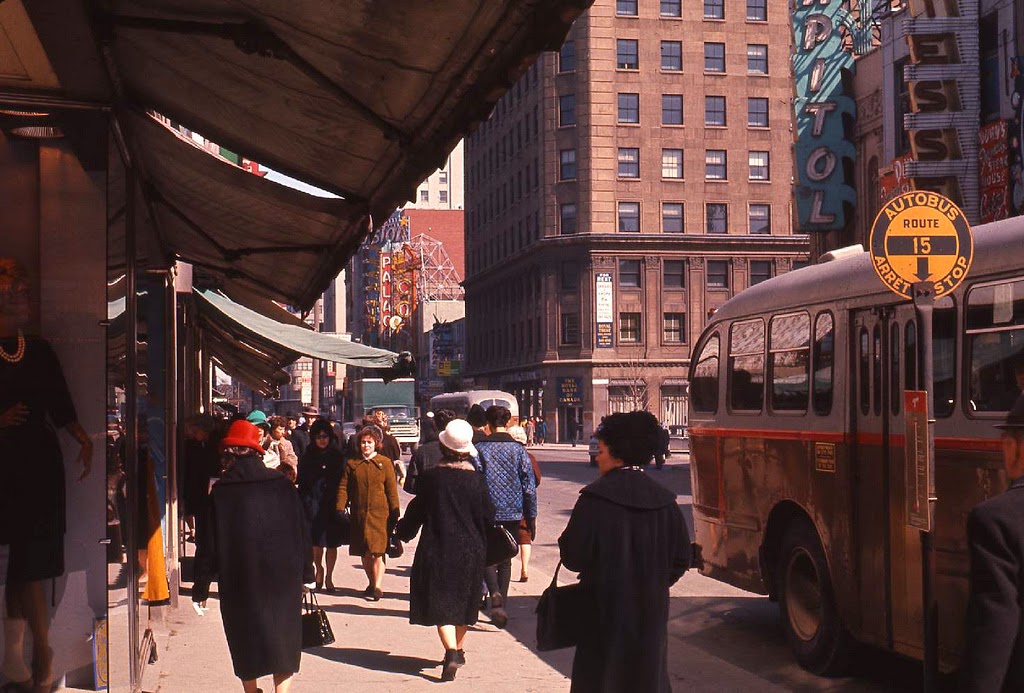
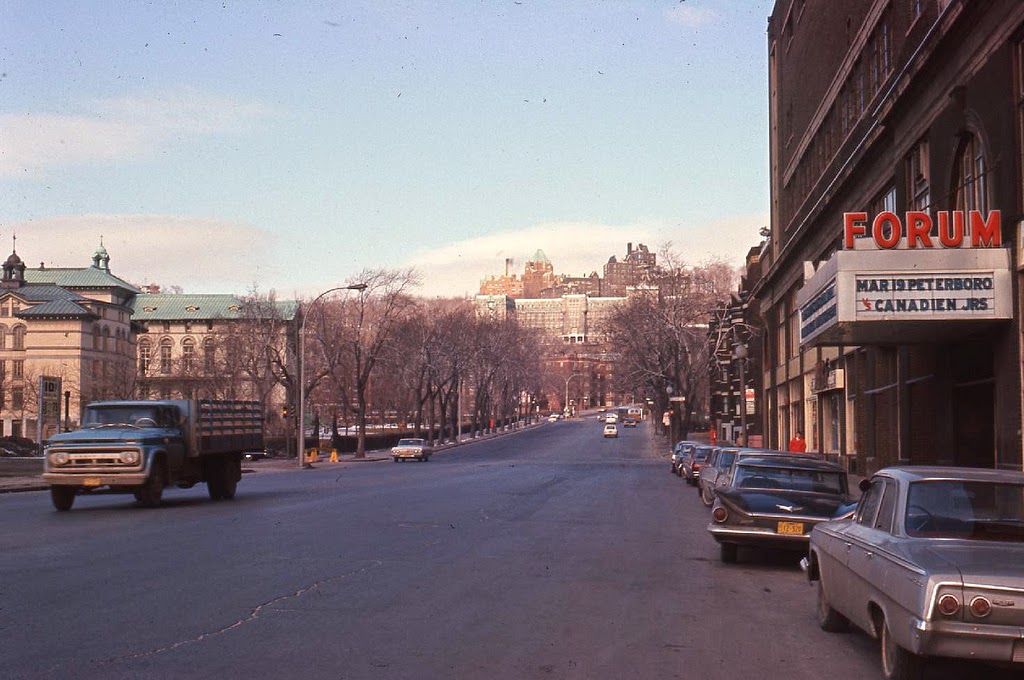
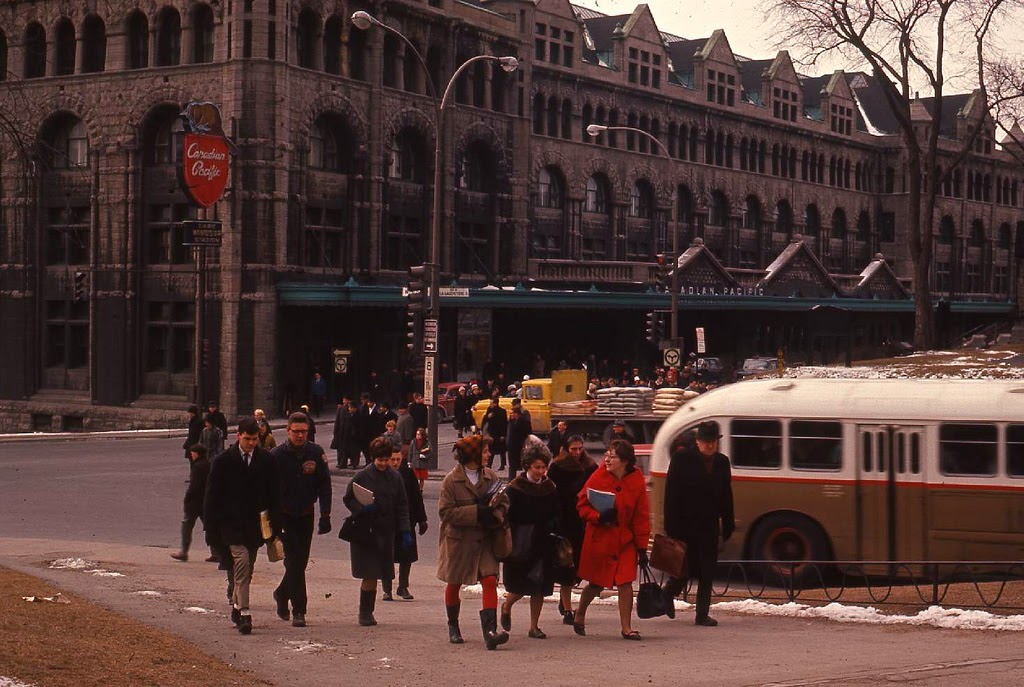
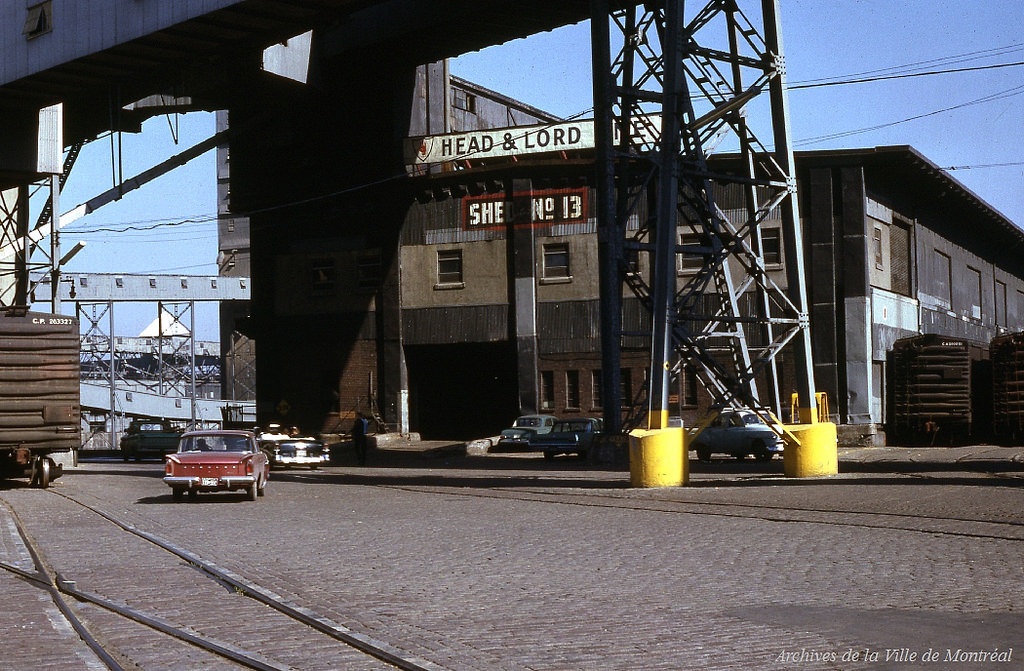
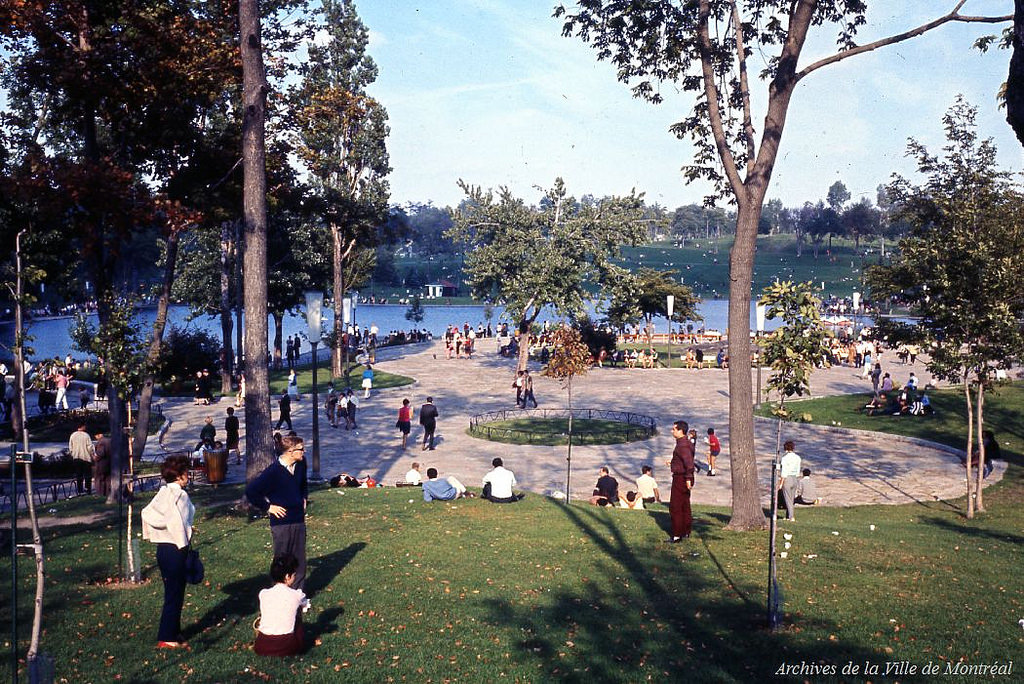
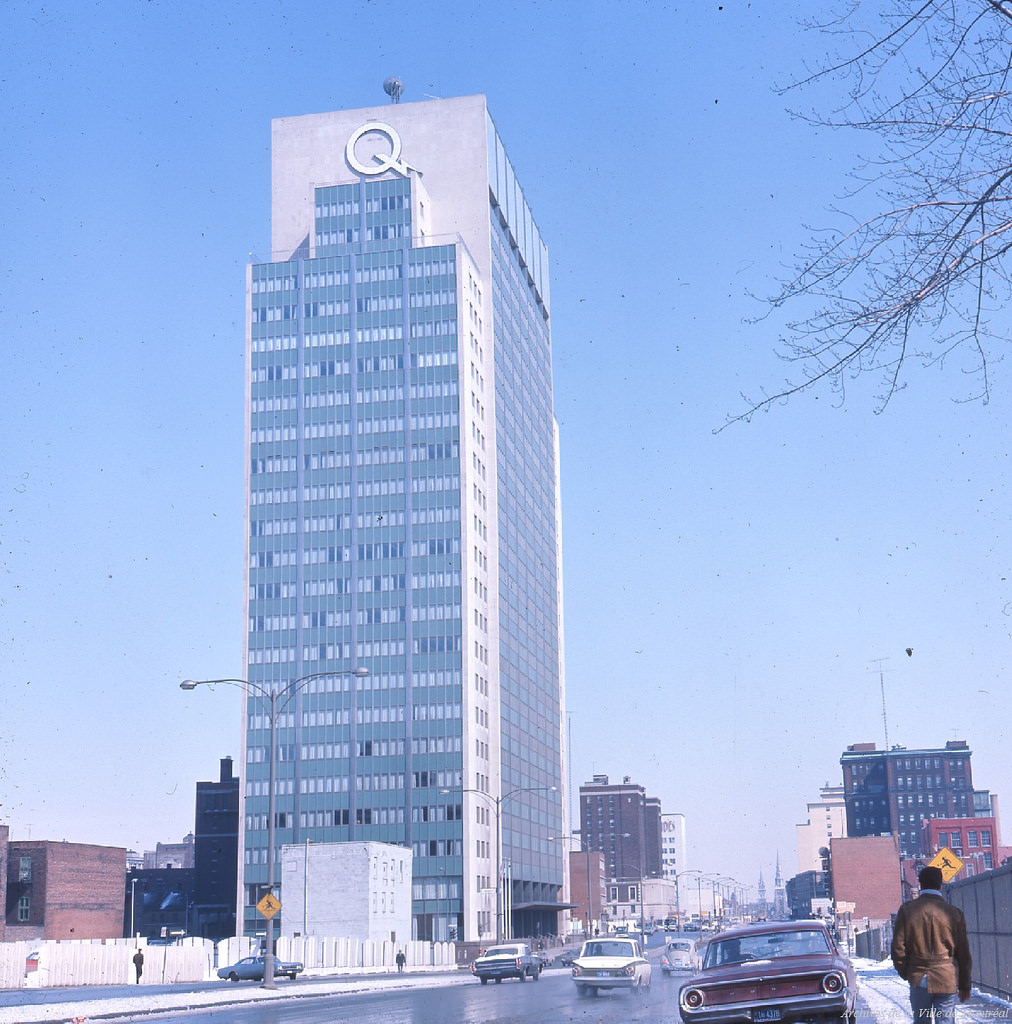
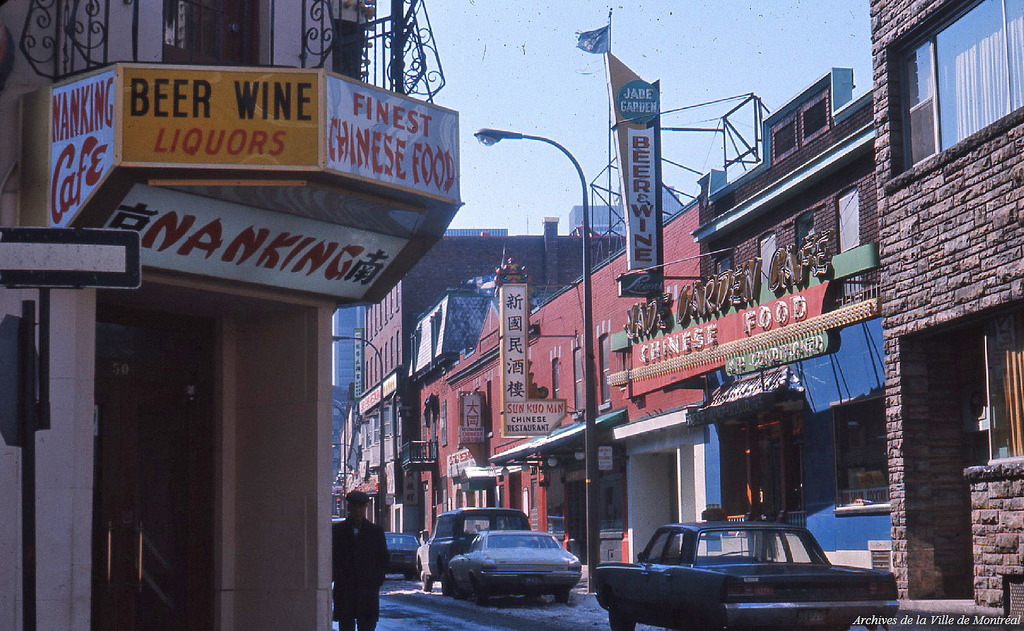
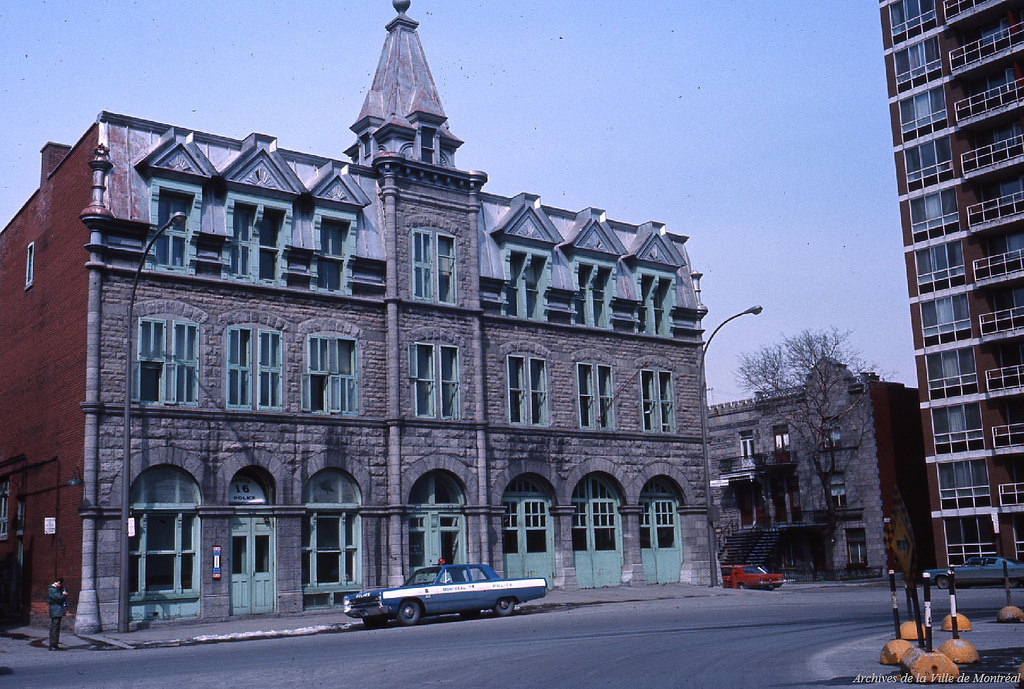
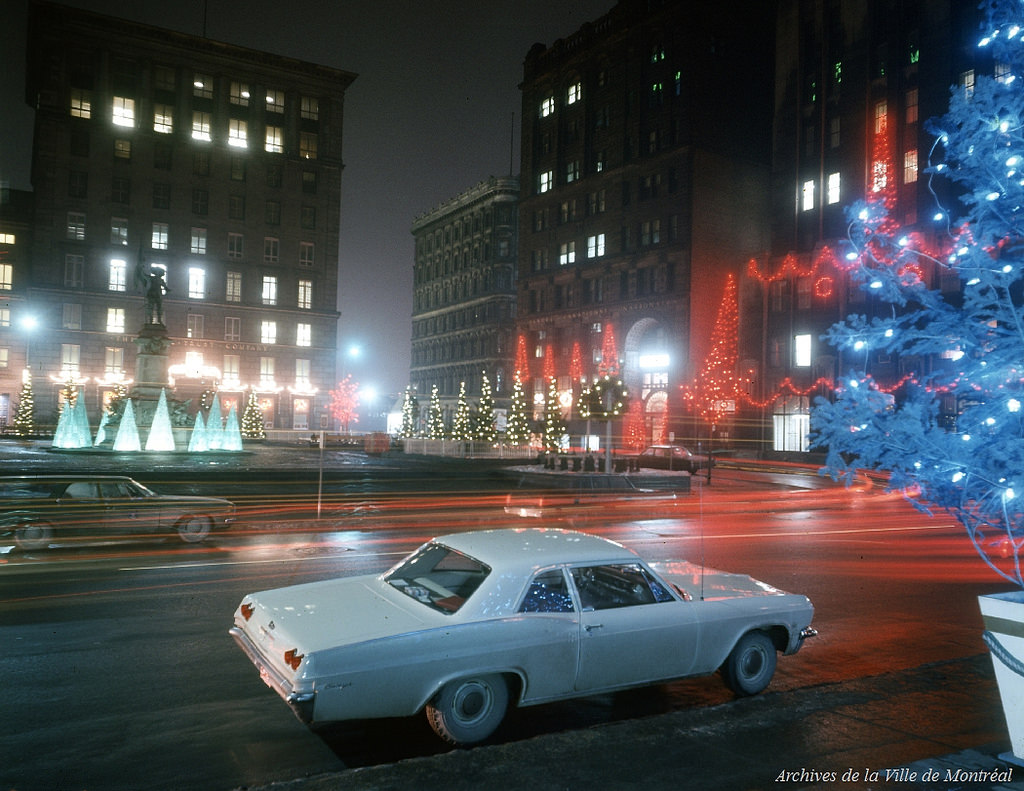
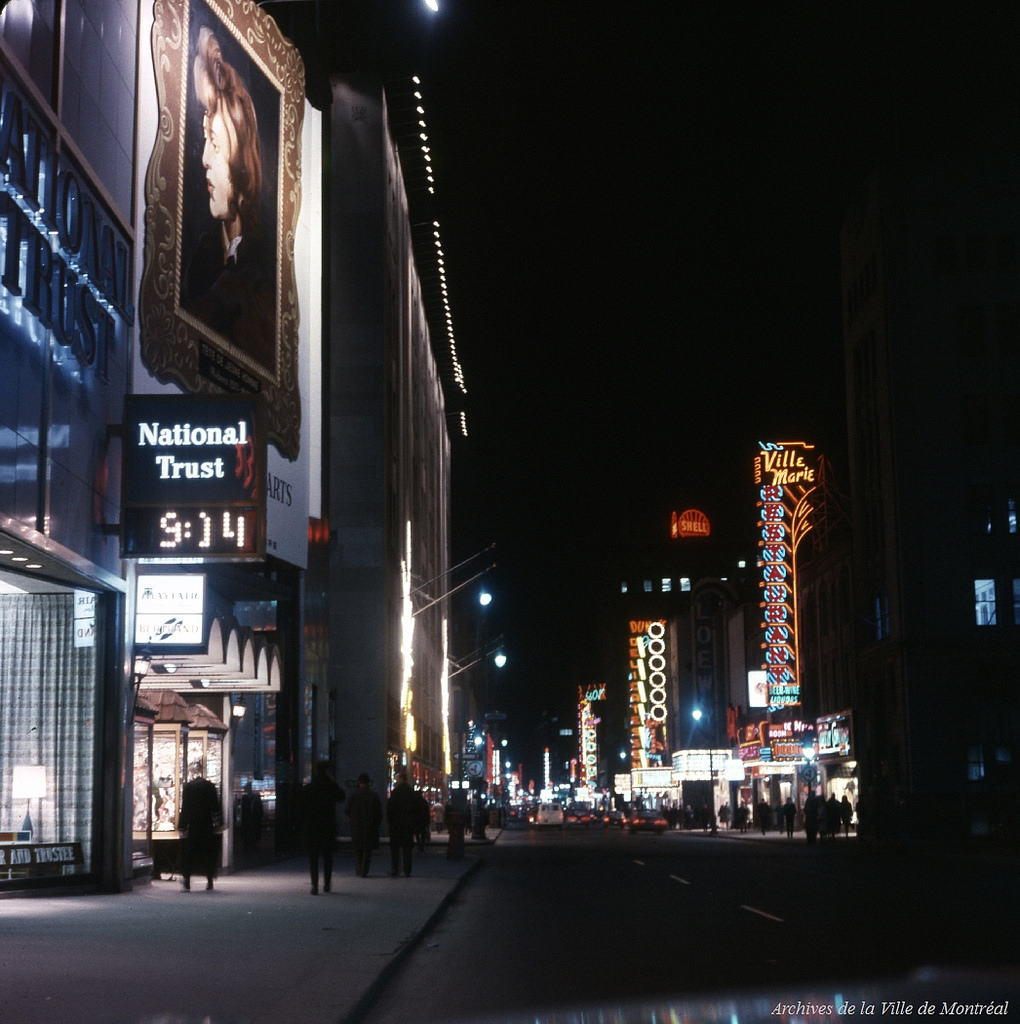
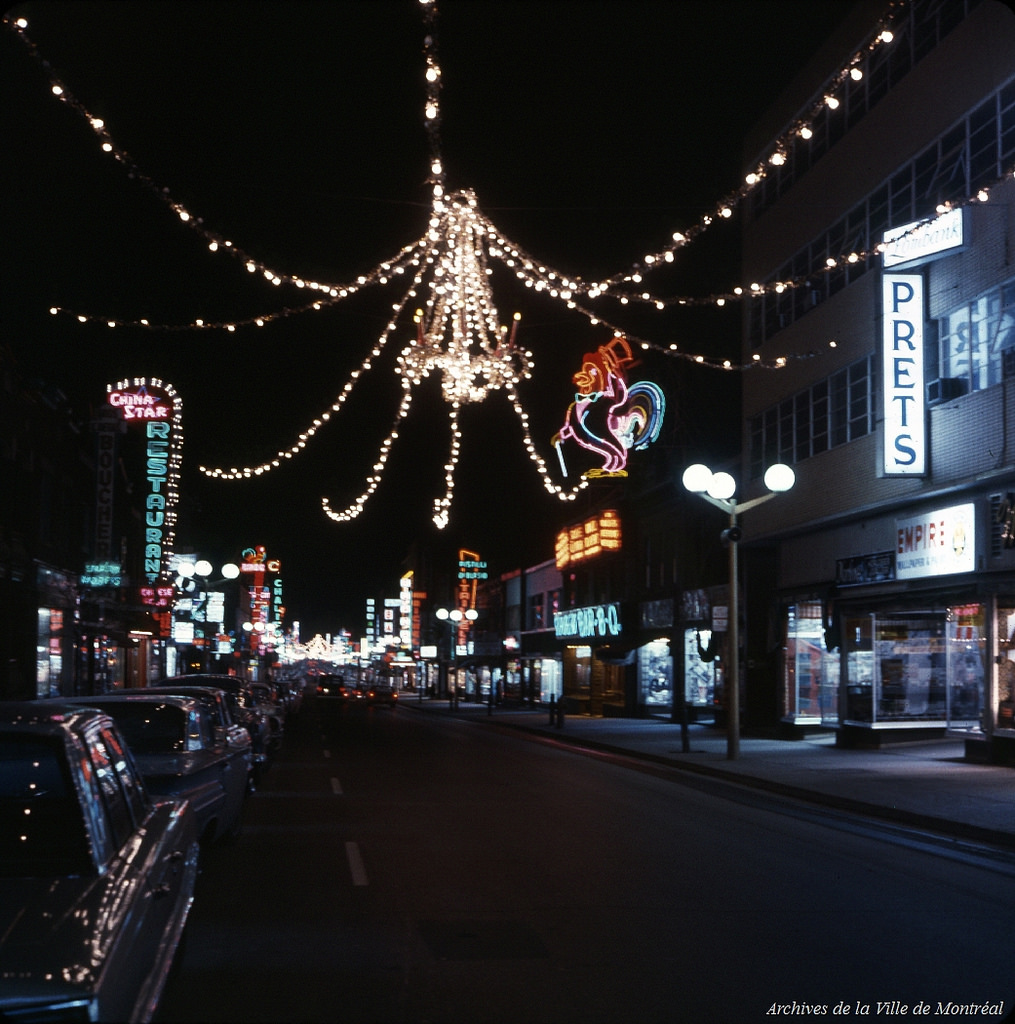
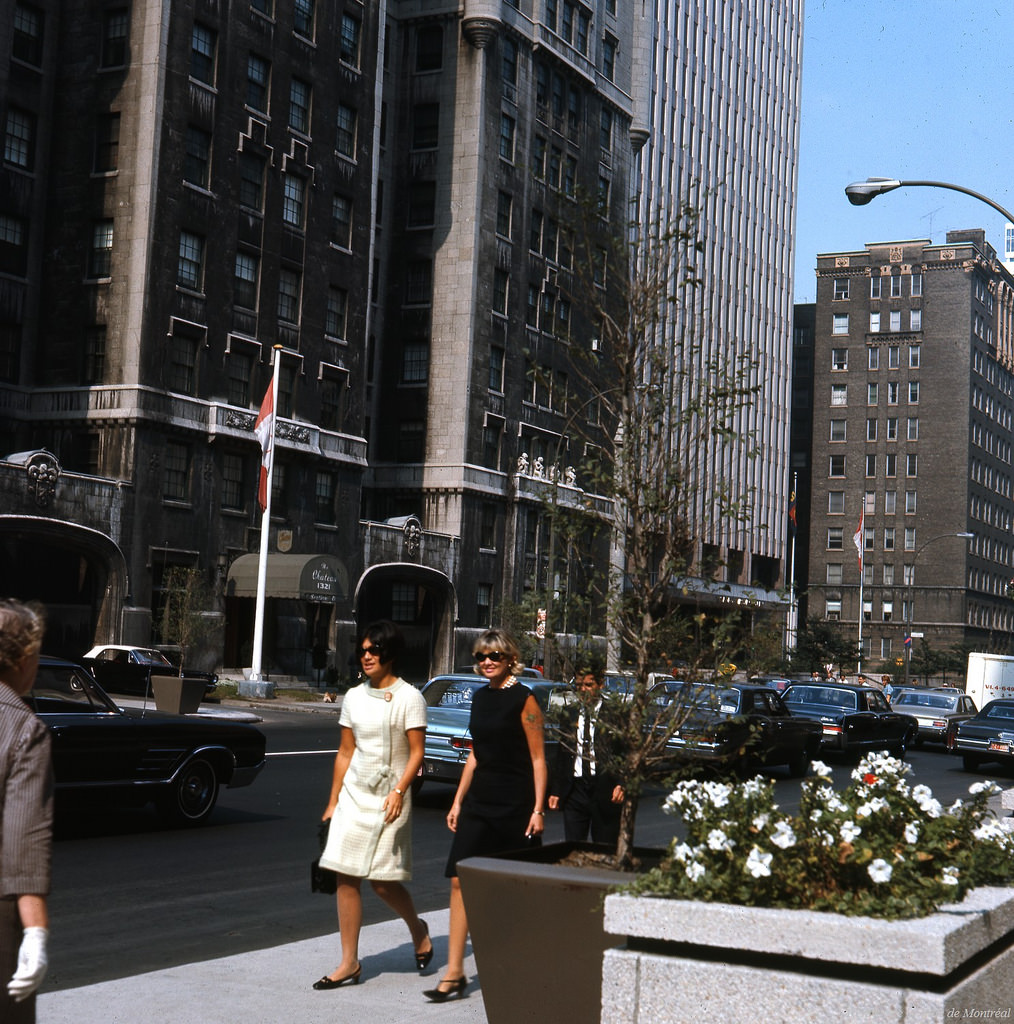
Montreal is the second-most populous city in Canada and most populous city in the Canadian province of Quebec. Founded in 1642 as Ville-Marie, or “City of Mary”, it is named after Mount Royal, the triple-peaked hill around which the early city of Ville-Marie is built. The city is centred on the Island of Montreal, which obtained its name from the same origin as the city, and a few much smaller peripheral islands, the largest of which is Île Bizard. The city is situated 196 km (122 mi) east of the national capital Ottawa, and 258 km (160 mi) southwest of the provincial capital, Quebec City.
As of 2021, the city had a population of 1,762,949, and a metropolitan population of 4,291,732, making it the second-largest city, and second-largest metropolitan area in Canada. French is the city’s official language and in 2016 was the only home language of 53.7% of the population, while 18.2% spoke only English and 18.7% spoke neither French nor English at home. 9.4% spoke a mix of French, English and a foreign language at home. In the larger Montreal Census Metropolitan Area, 71.2% of the population spoke at least French at home, compared to 19.0% who spoke English. Still in 2016, 87.4% of the population of the city of Montreal considered themselves fluent in French while 91.4% could speak it in the metropolitan area. Montreal is one of the most bilingual cities in Quebec and Canada, with 57.4% of the population able to speak both English and French. Montreal is the second-largest primarily French-speaking city in the developed world, after Paris.
Historically the commercial capital of Canada, Montreal was surpassed in population and in economic strength by Toronto in the 1970s. It remains an important centre of commerce, aerospace, transport, finance, pharmaceuticals, technology, design, education, art, culture, tourism, food, fashion, video game development, film, and world affairs. Montreal has the second-highest number of consulates in North America, serves as the location of the headquarters of the International Civil Aviation Organization, and was named a UNESCO City of Design in 2006. In 2017, Montreal was ranked the 12th-most liveable city in the world by the Economist Intelligence Unit in its annual Global Liveability Ranking, although it slipped to rank 40 in the 2021 index, primarily due to stress on the healthcare system from the COVID-19 pandemic. It is regularly ranked as a top ten city in the world to be a university student in the QS World University Rankings.
Montreal has hosted multiple international conferences and events, including the 1967 International and Universal Exposition and the 1976 Summer Olympics. It is the only Canadian city to have held the Summer Olympics. In 2018, Montreal was ranked as a global city. The city hosts the Canadian Grand Prix of Formula One since 1978, as well as the Montreal International Jazz Festival, the largest jazz festival in the world, the Just for Laughs festival, the largest comedy festival in the world, and Les Francos de Montréal, which is the largest event devoted exclusively to French-language music anywhere in the world. It is also home to ice hockey team Montreal Canadiens, the franchise with the most Stanley Cup wins. (Wikipedia)
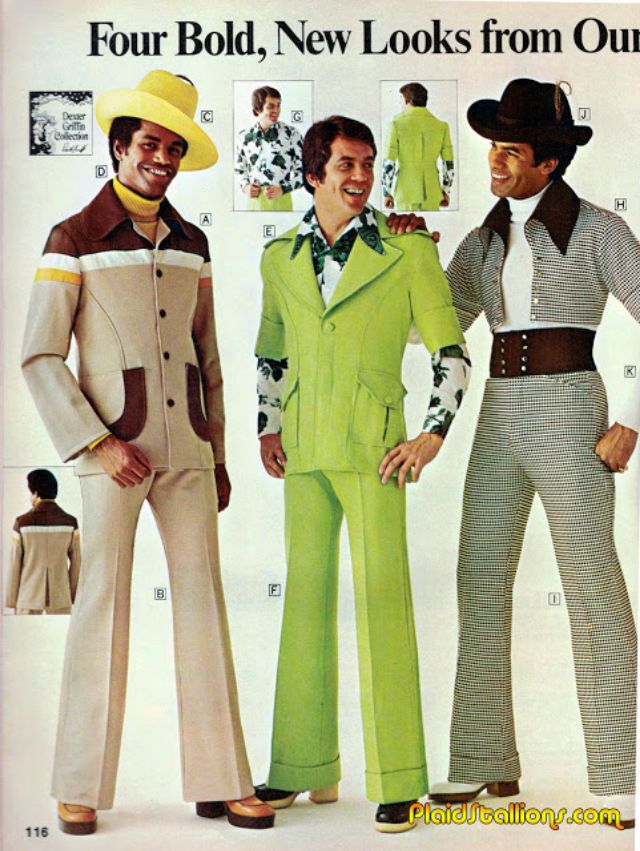
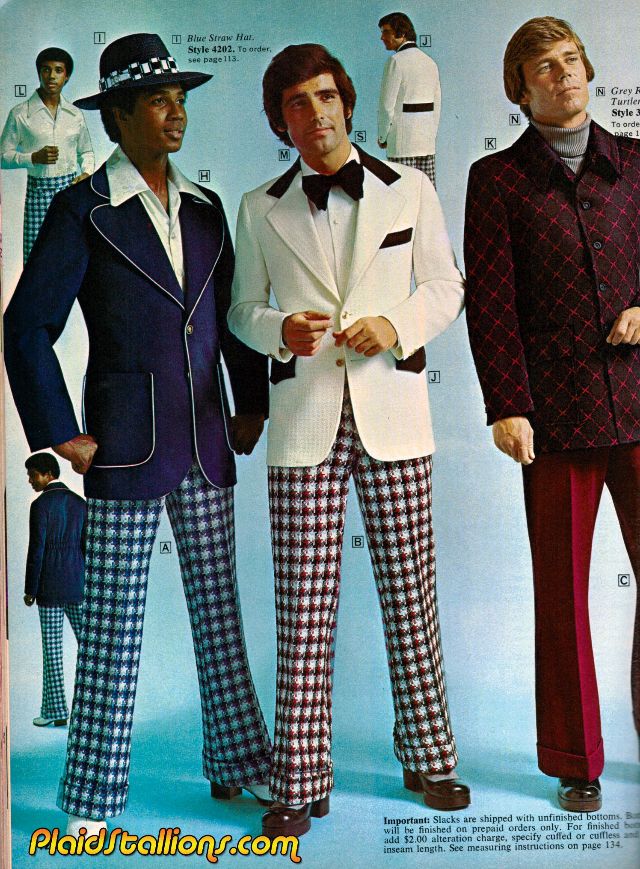
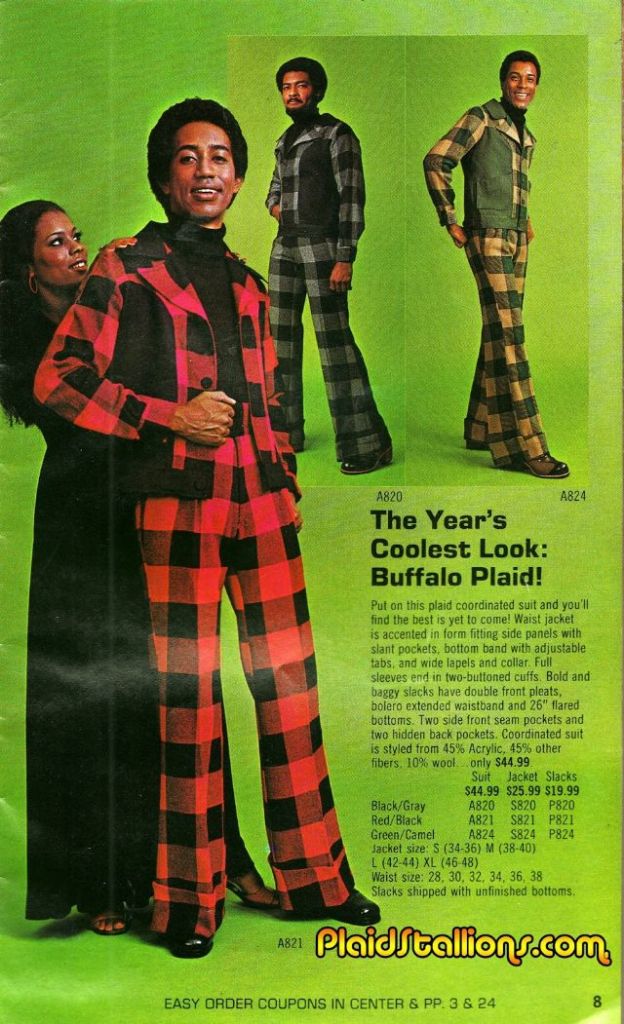
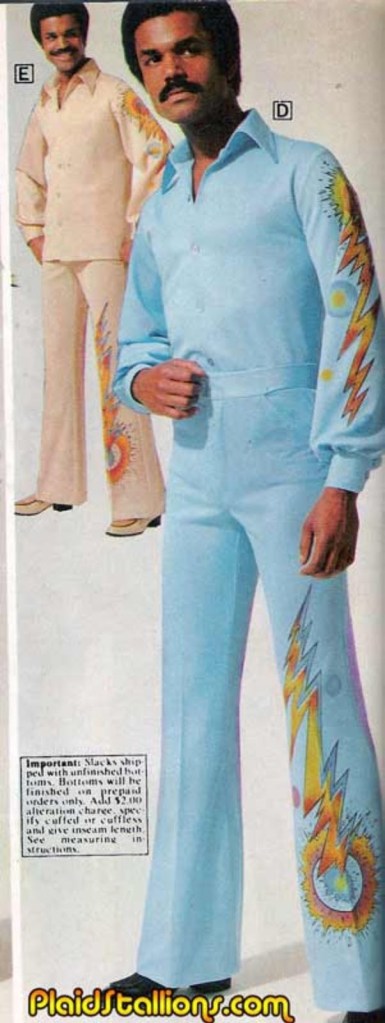
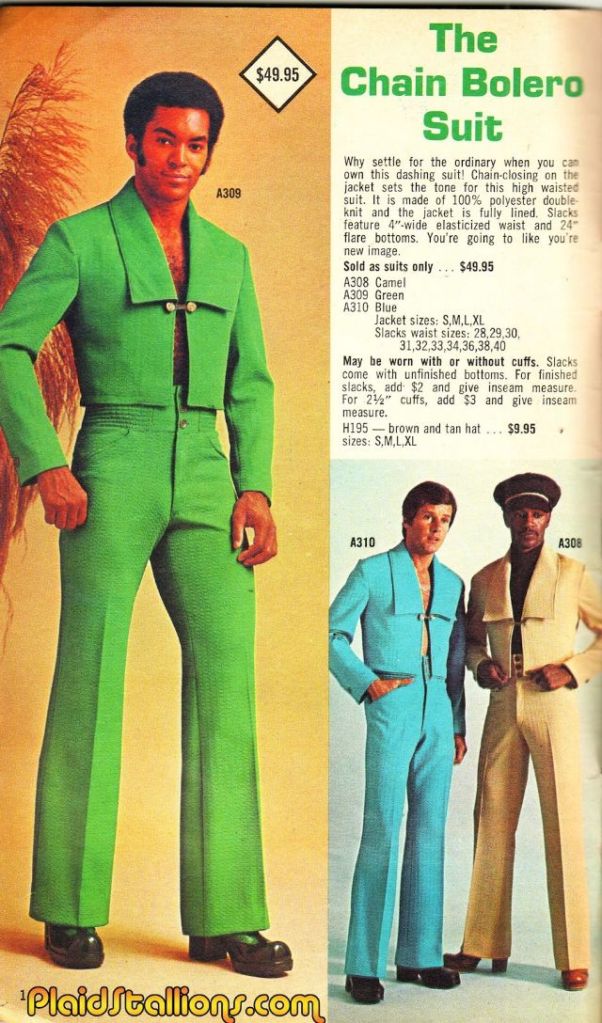
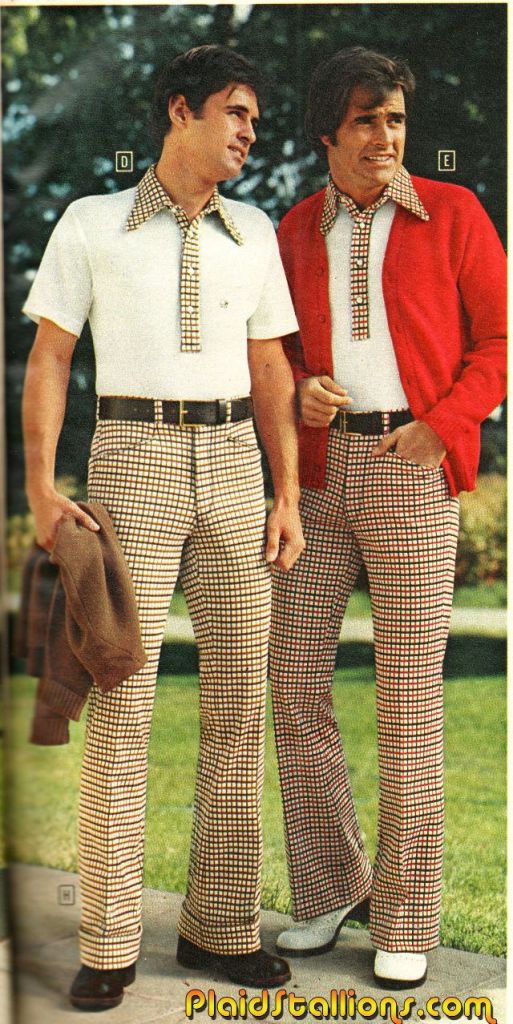
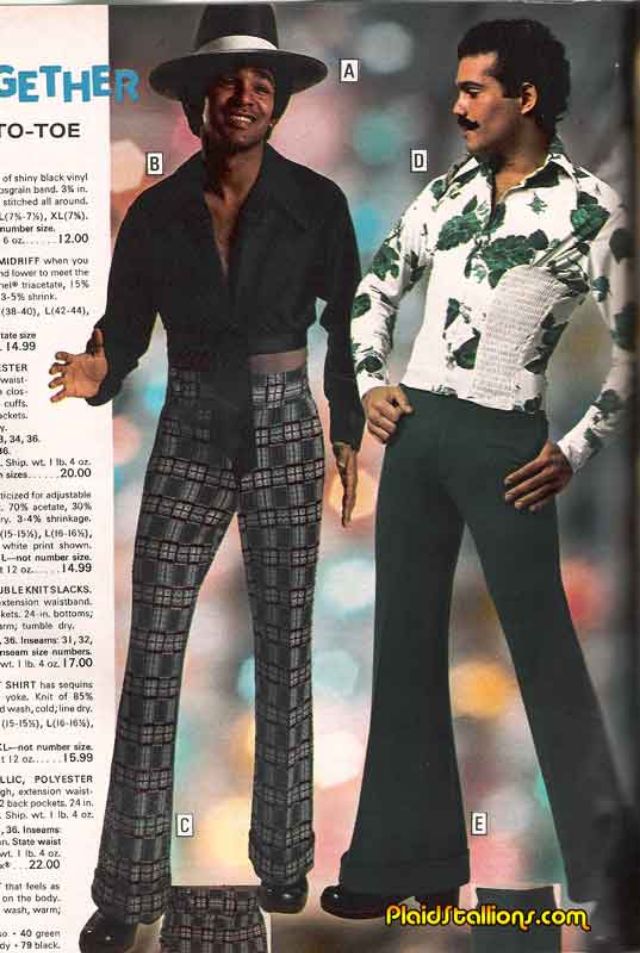
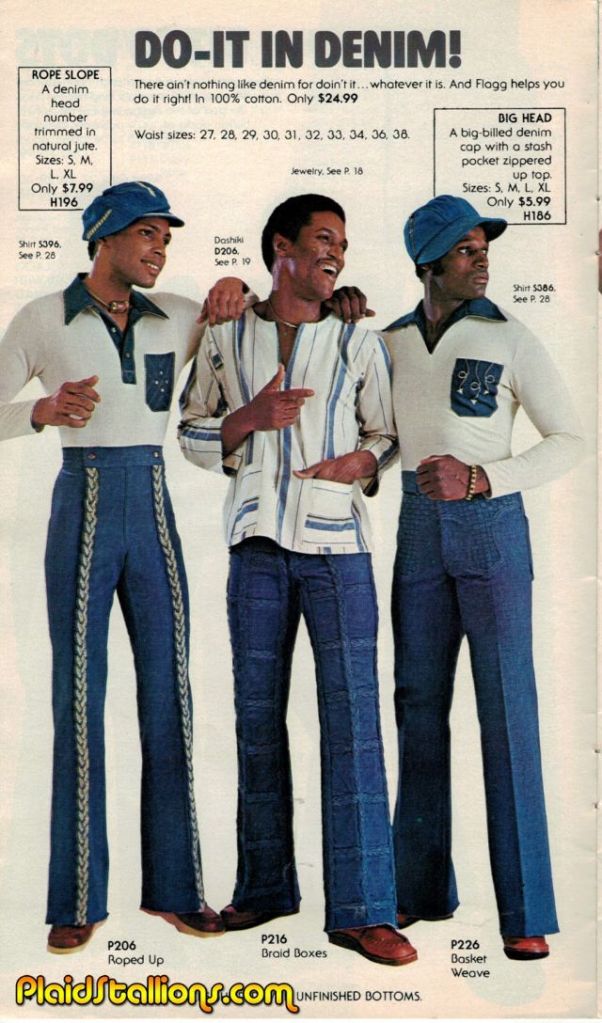
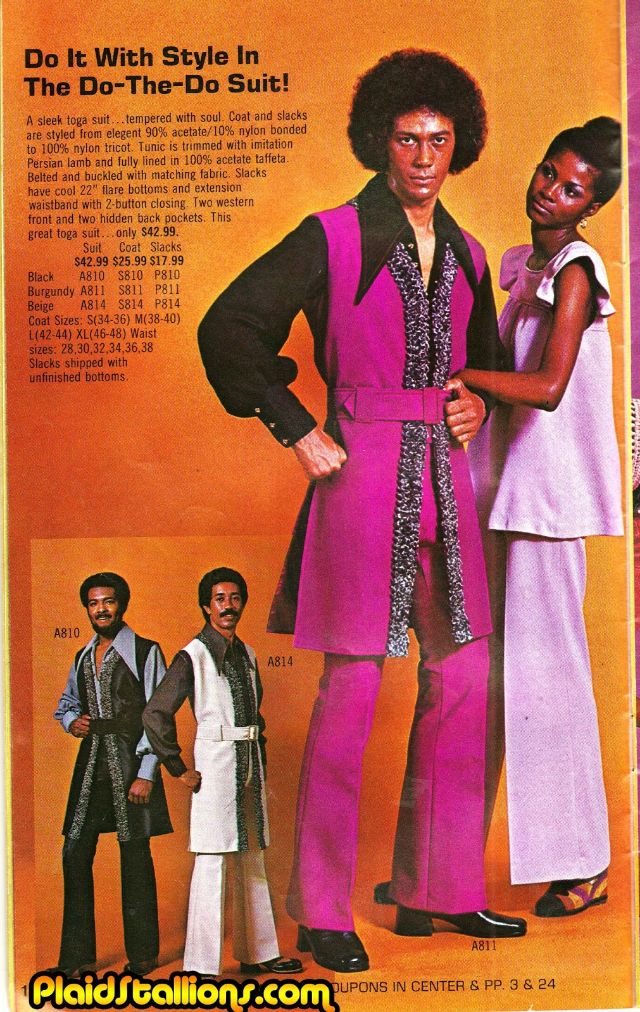
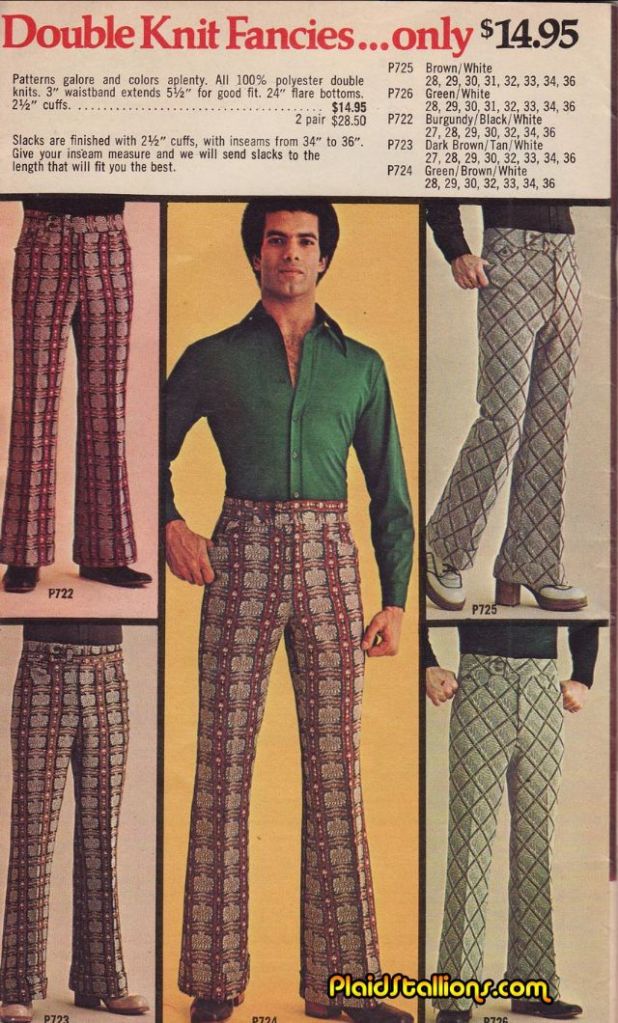
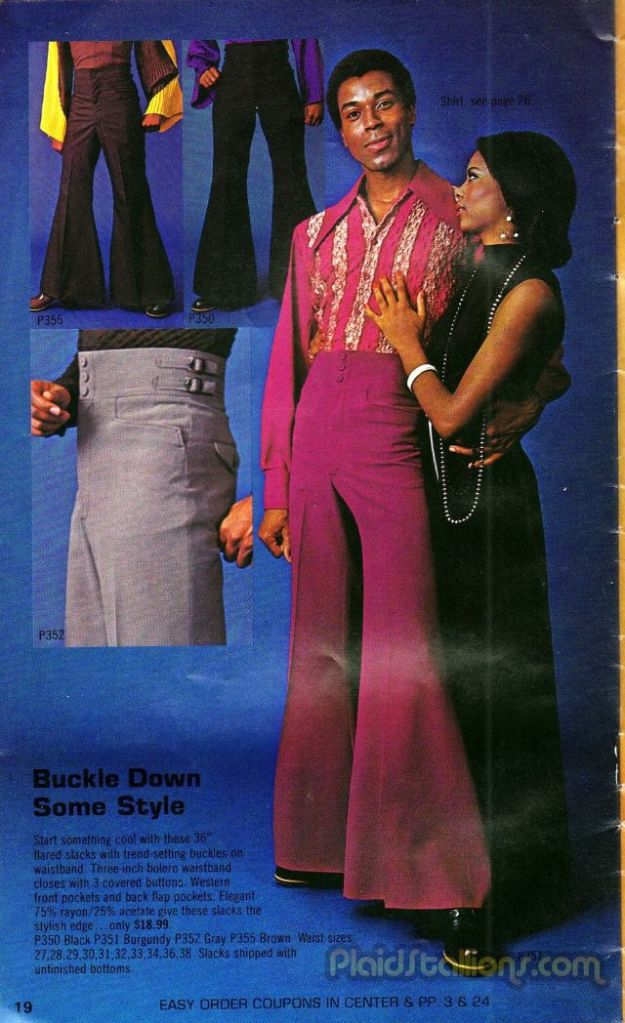
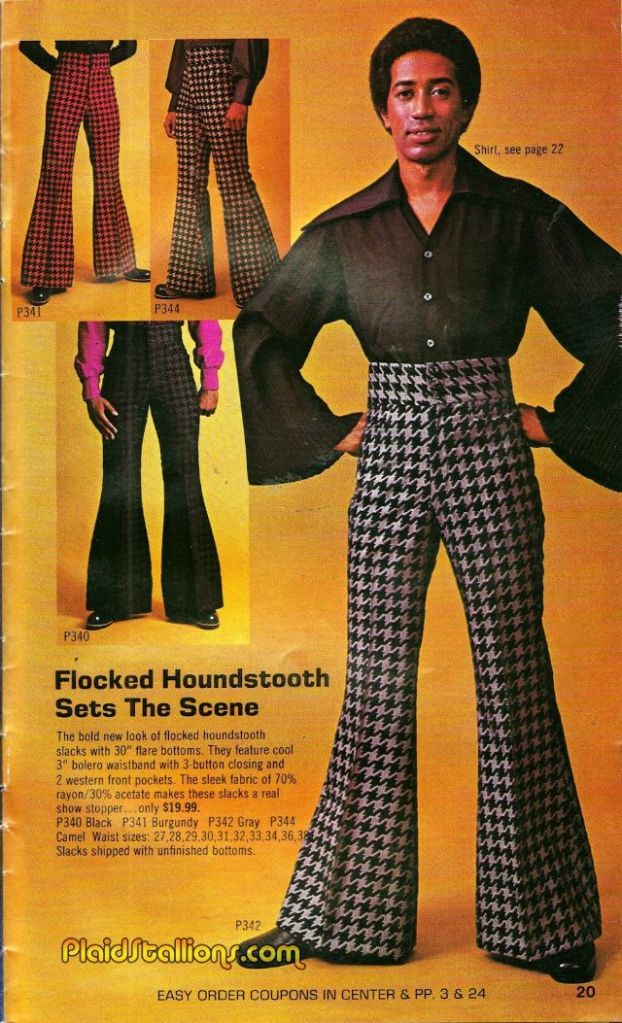
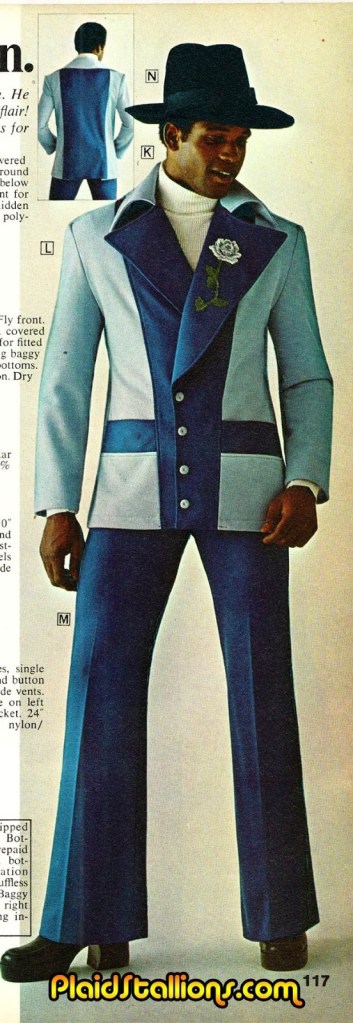
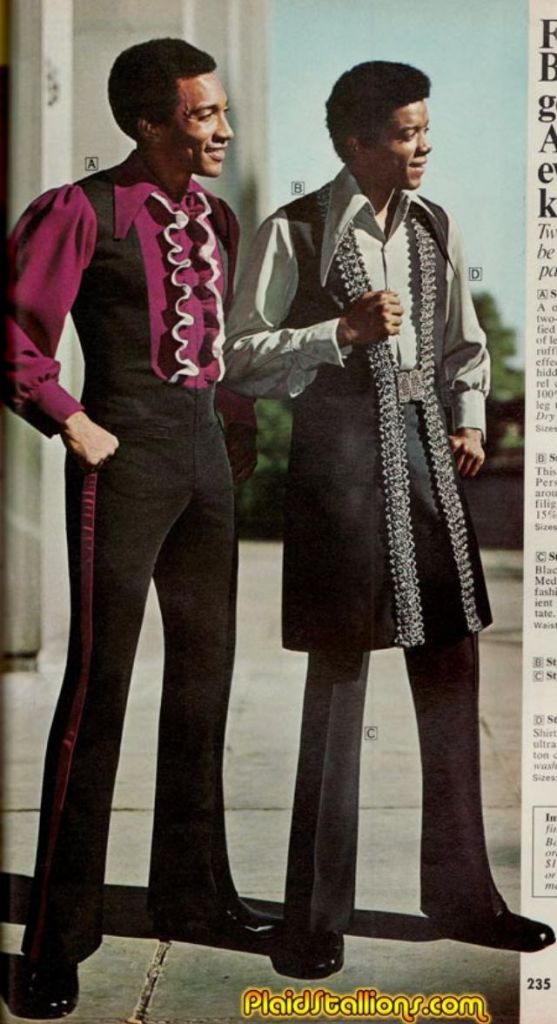
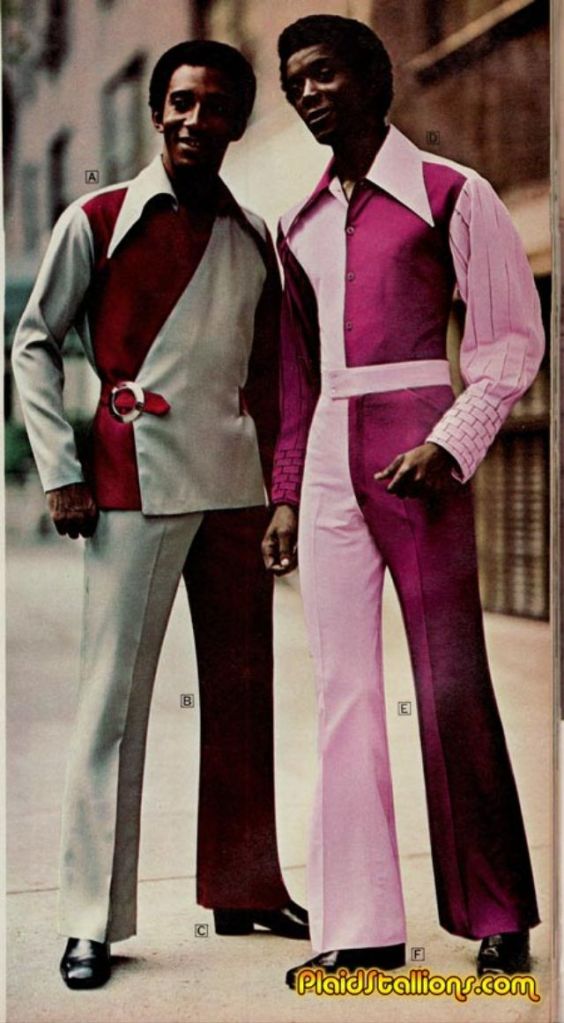
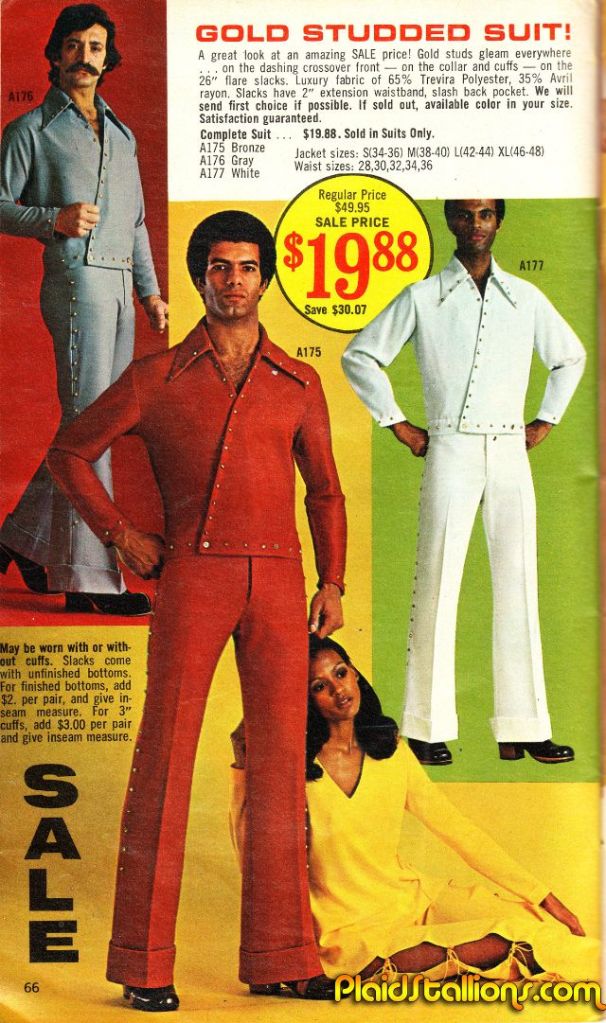
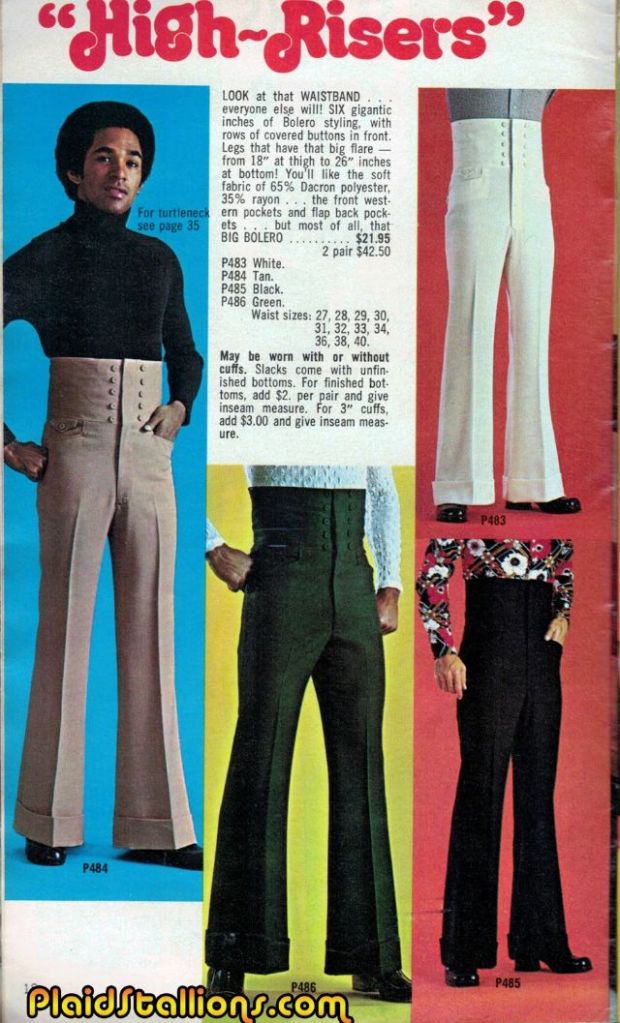
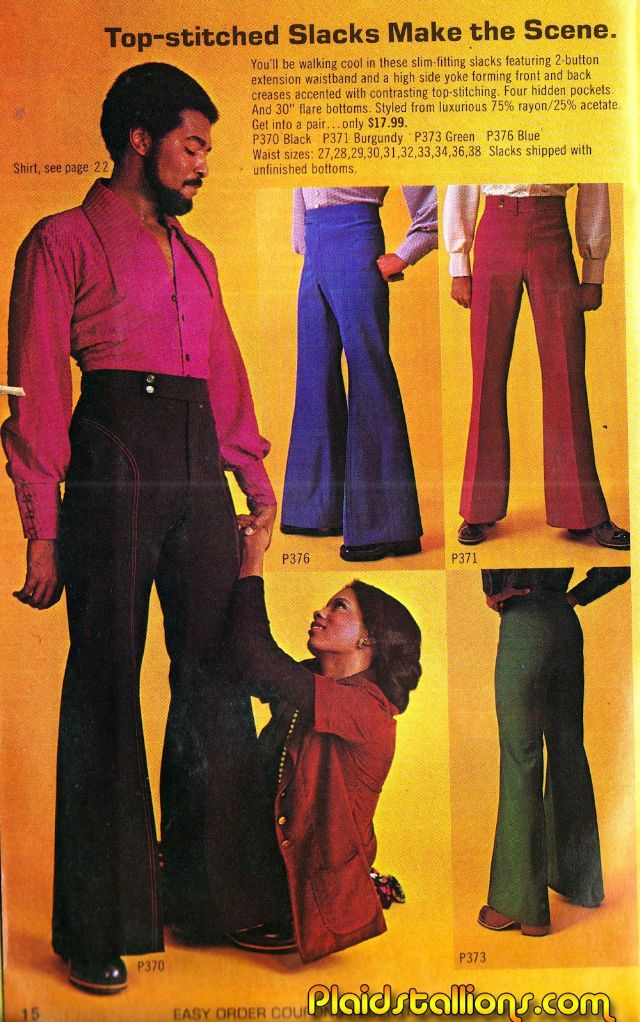
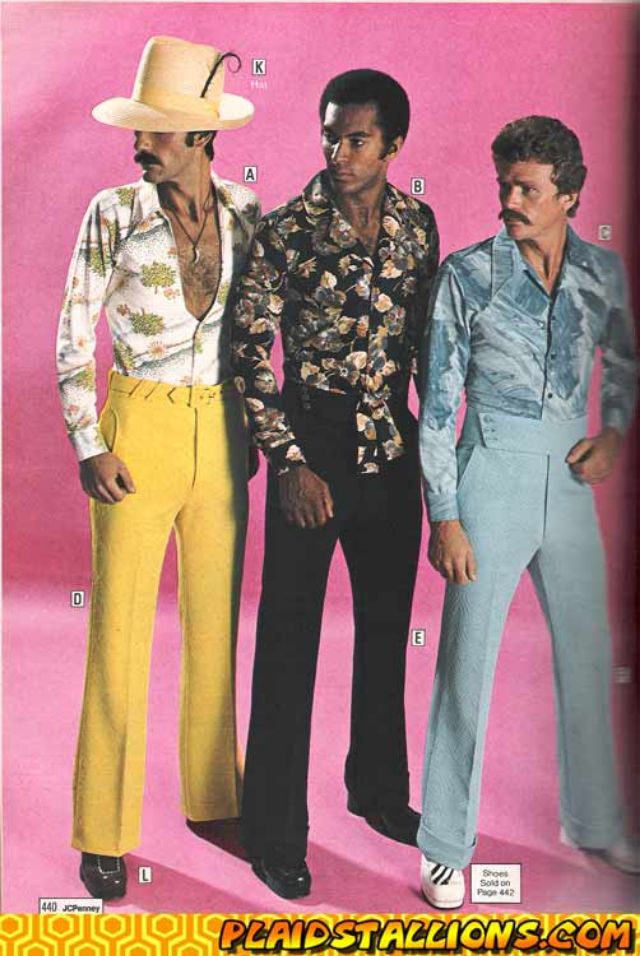
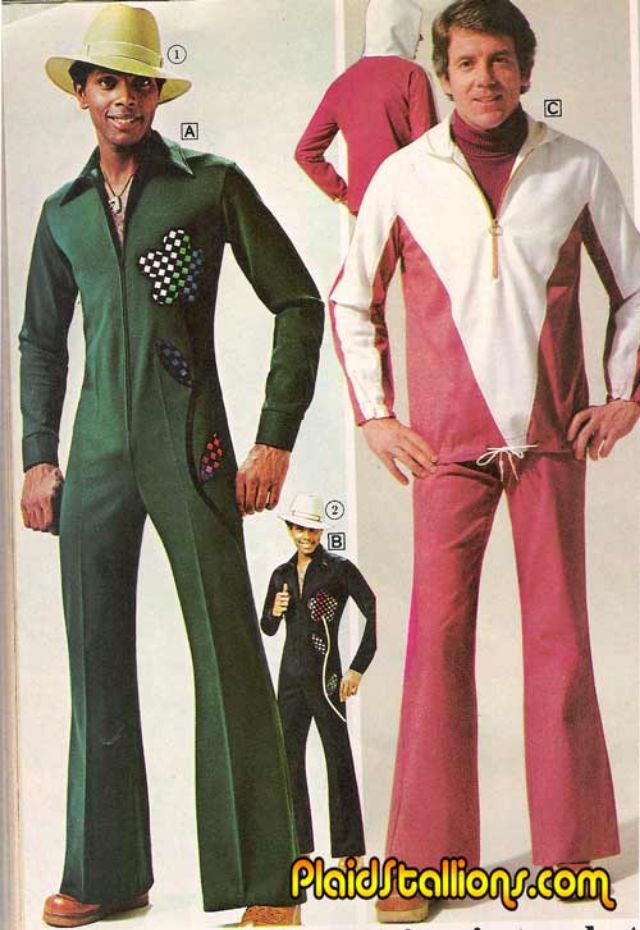
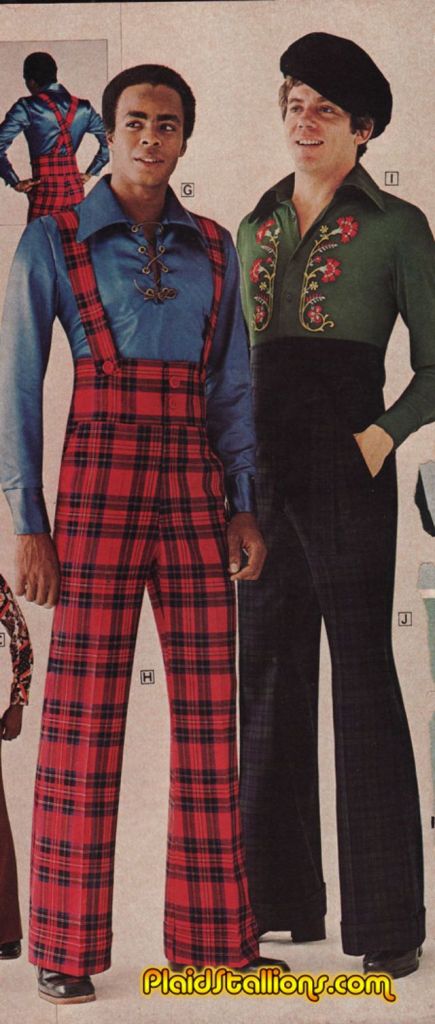
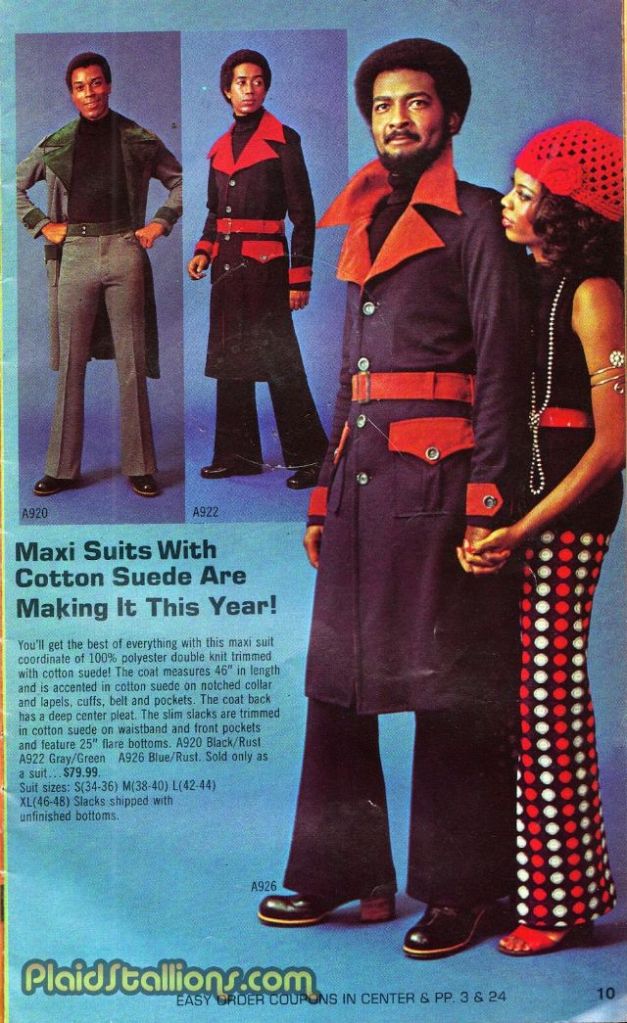
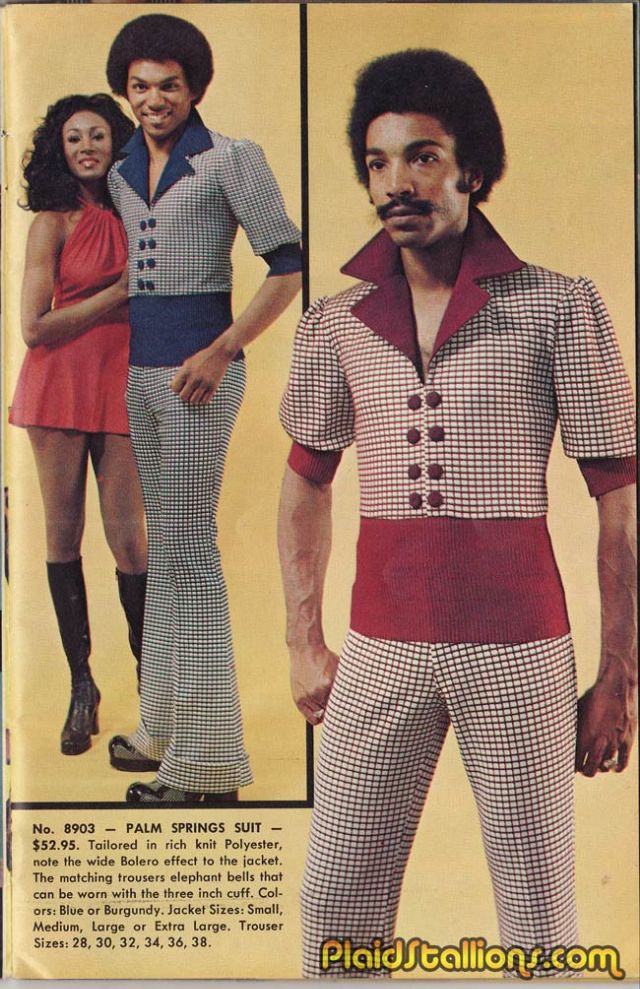
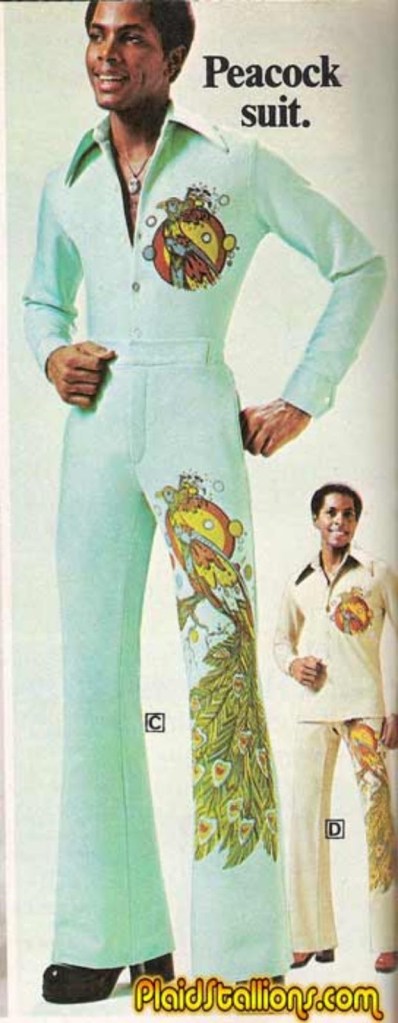
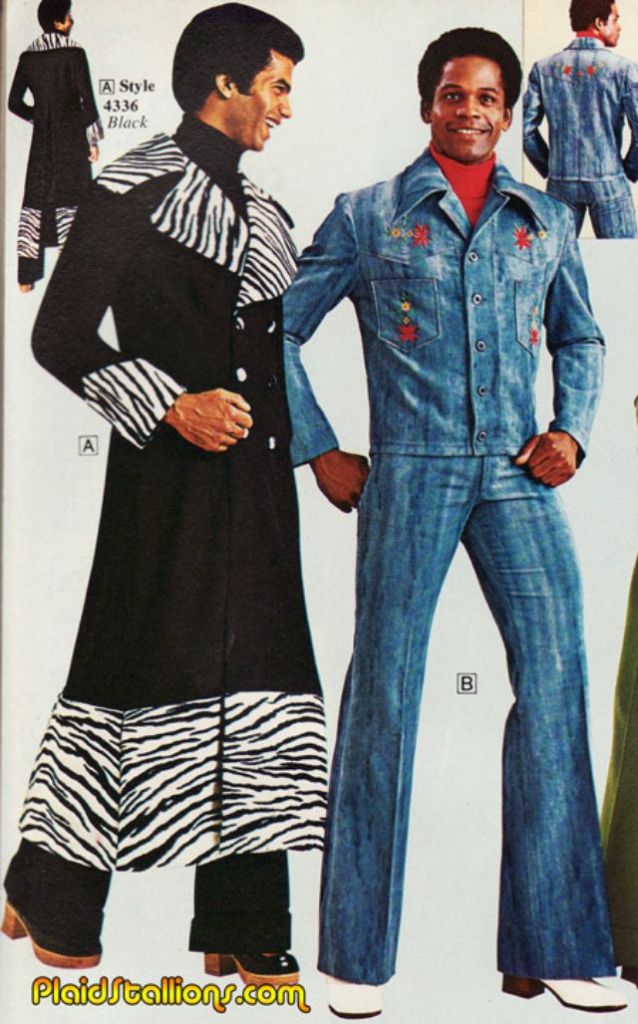
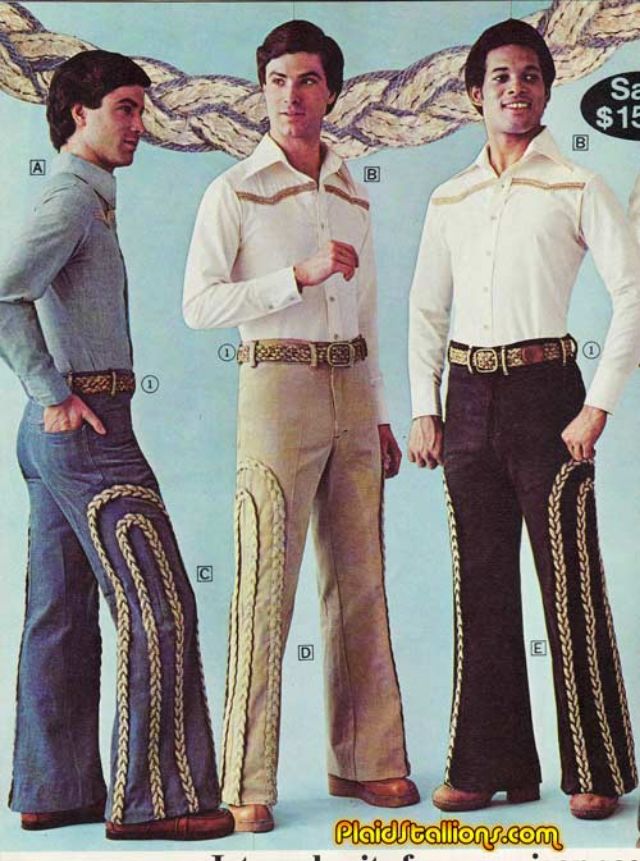
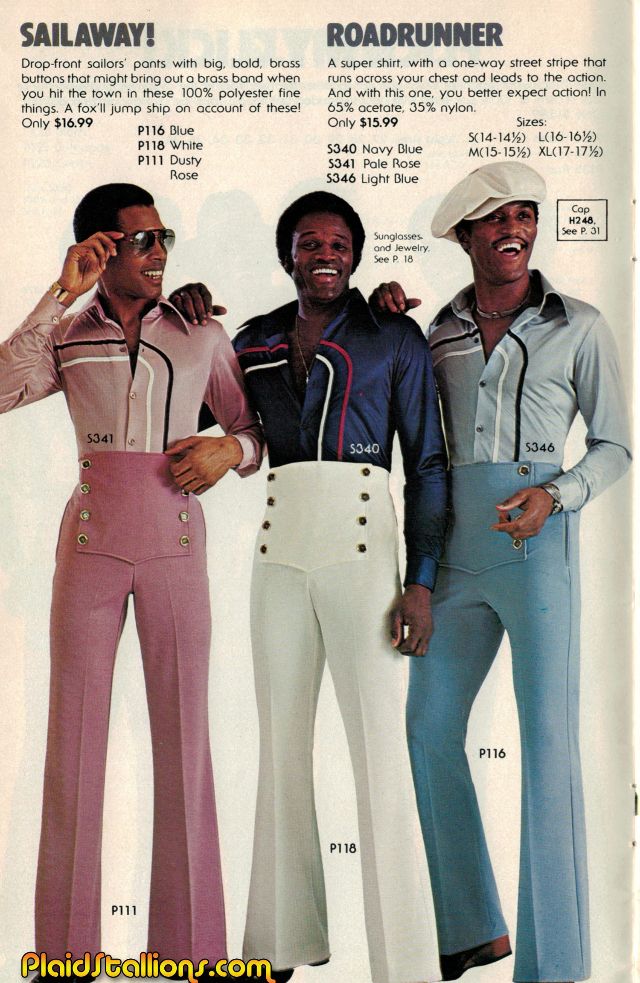
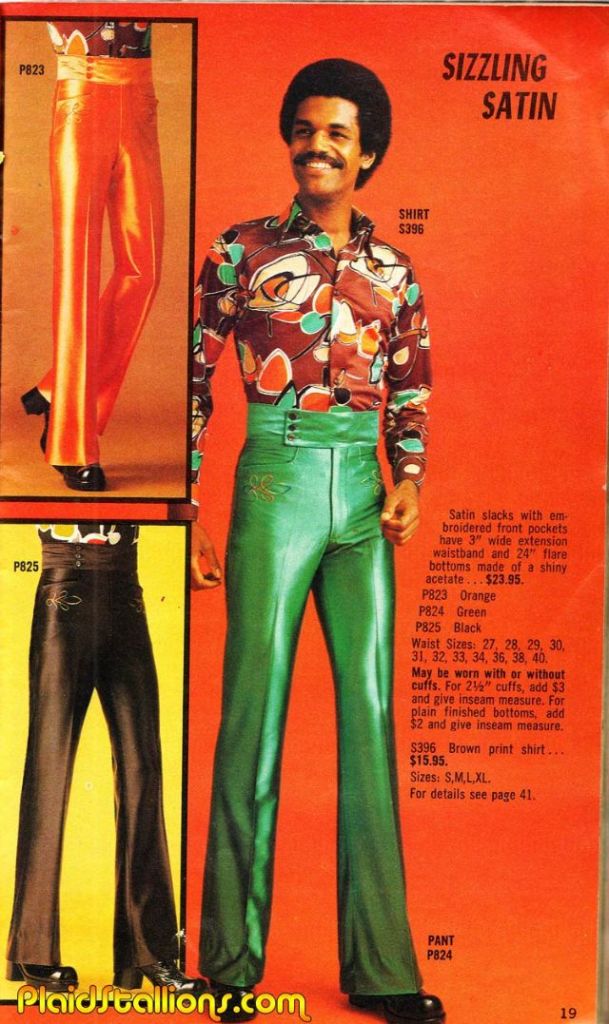
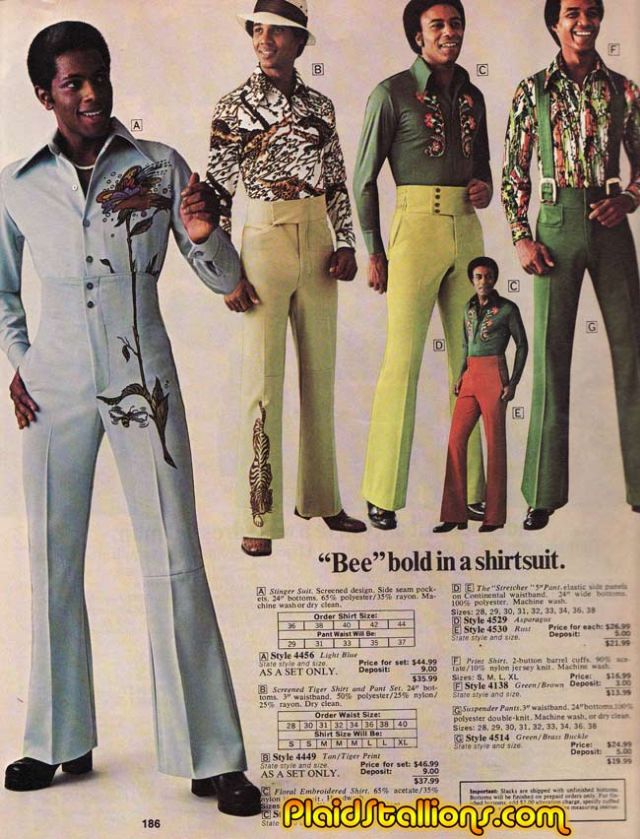
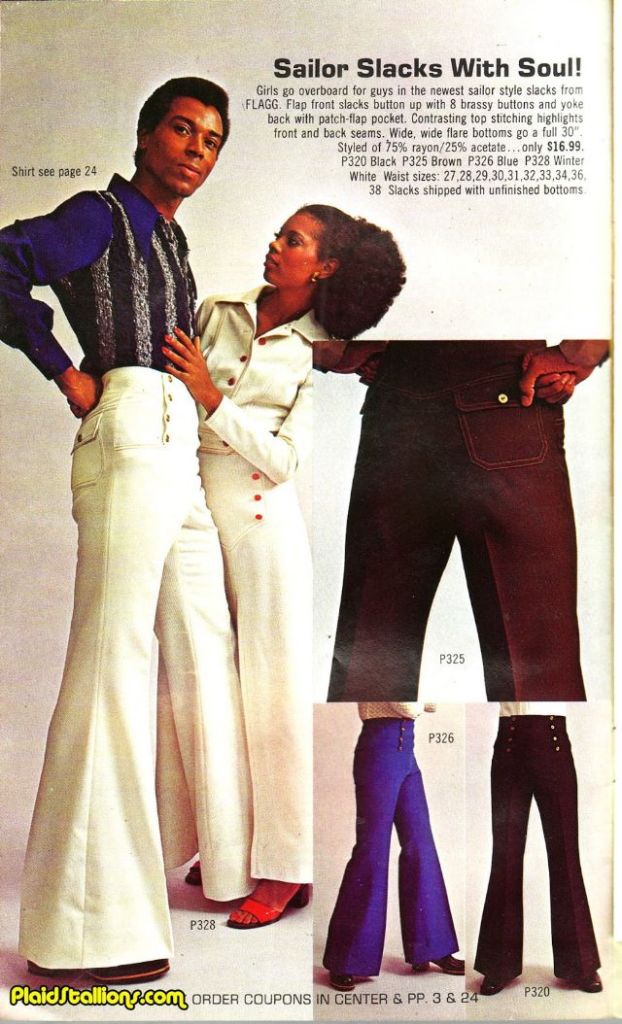
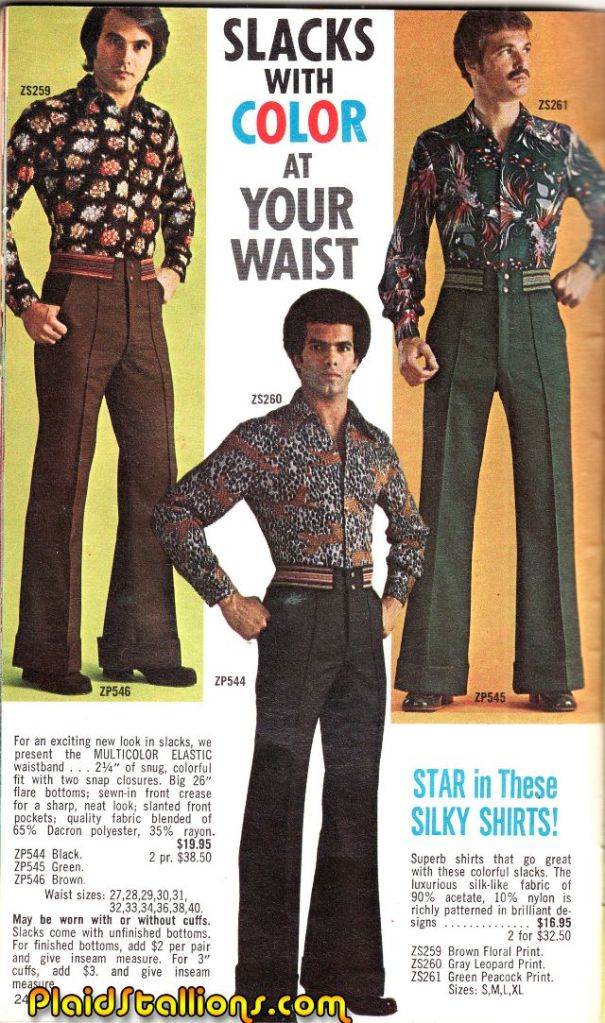
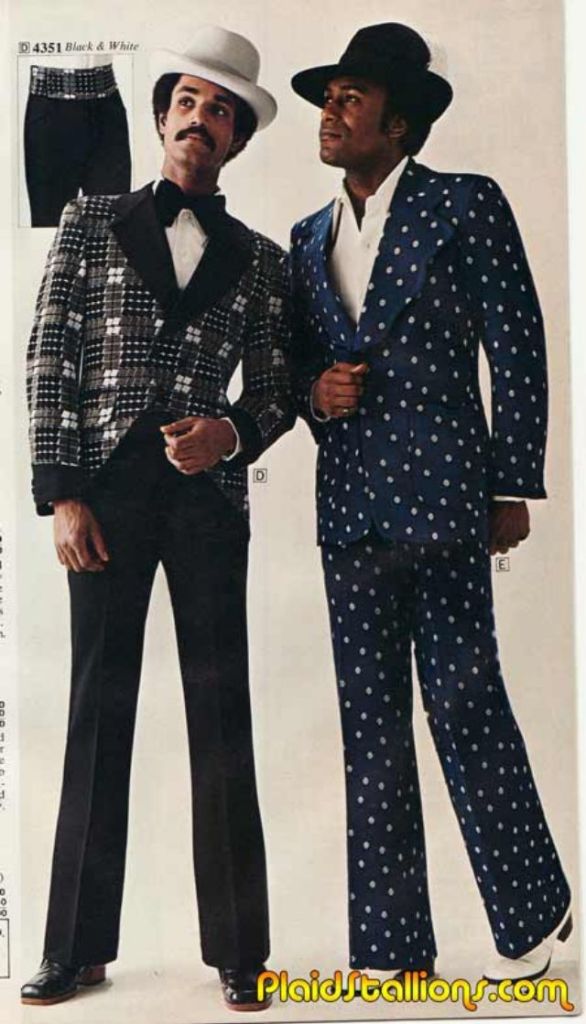
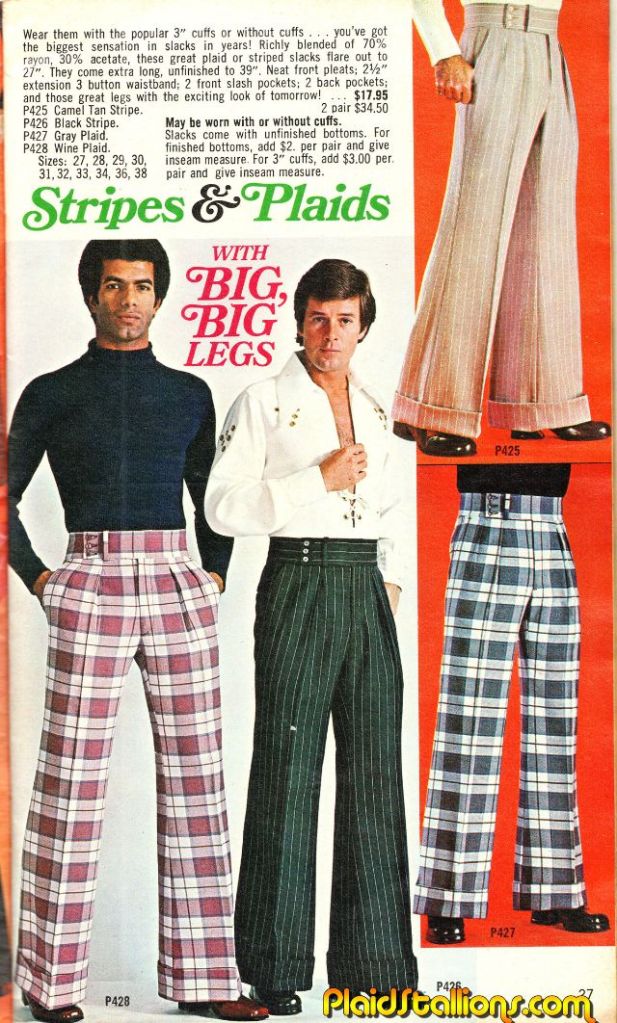
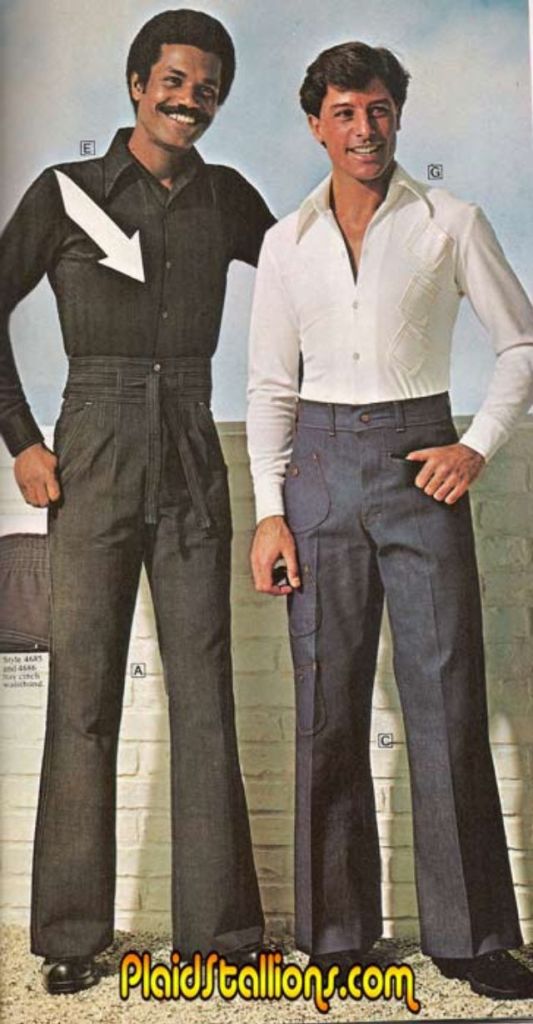
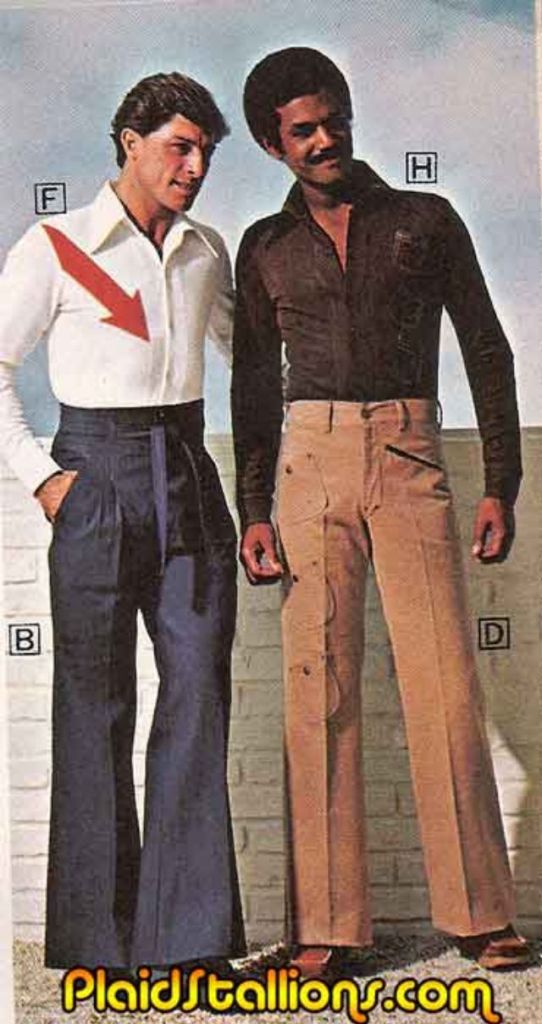
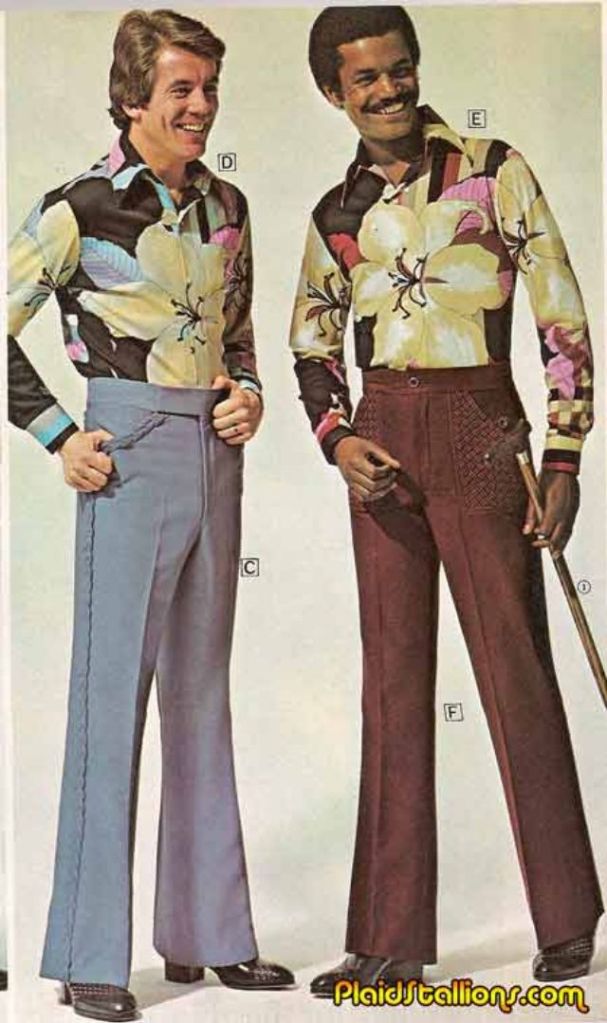
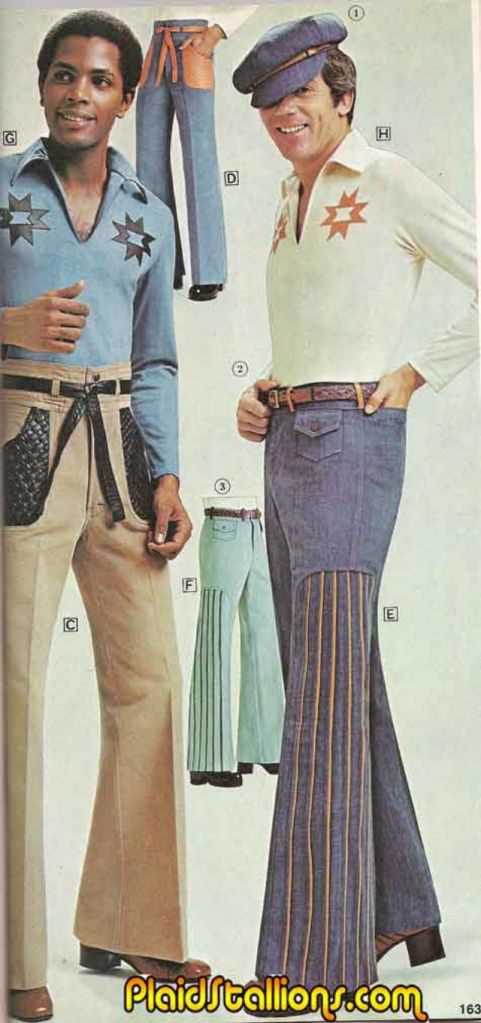
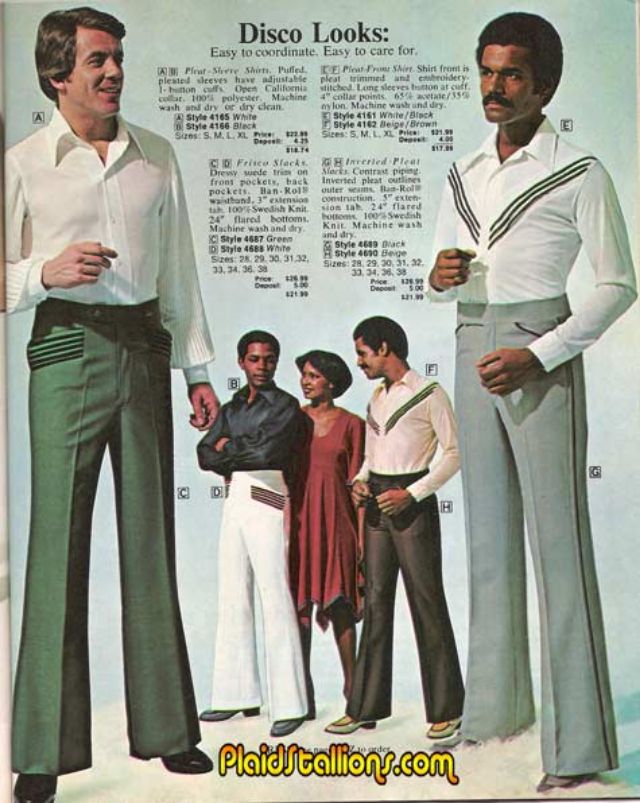
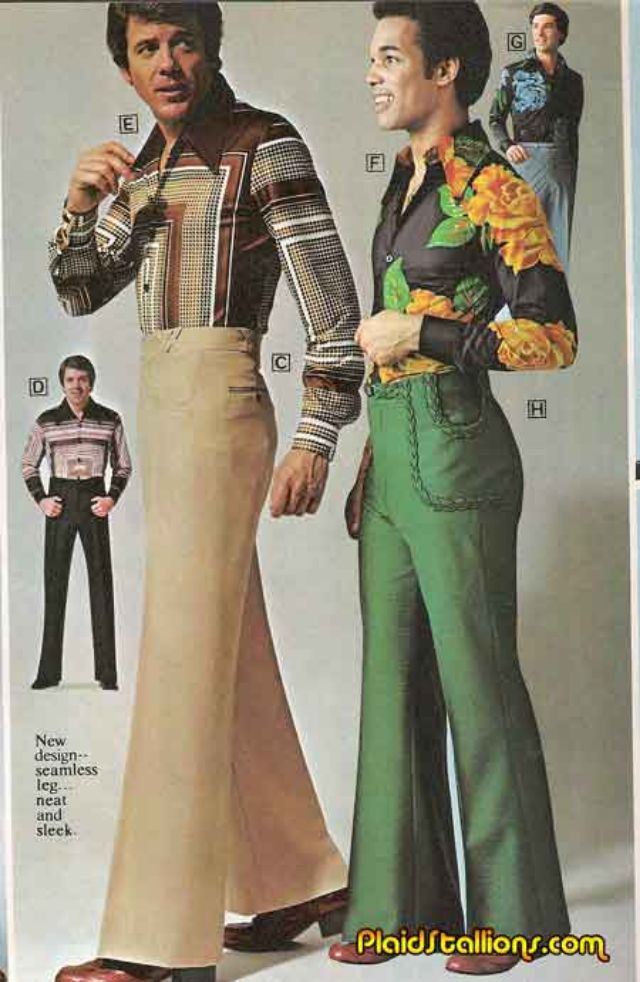
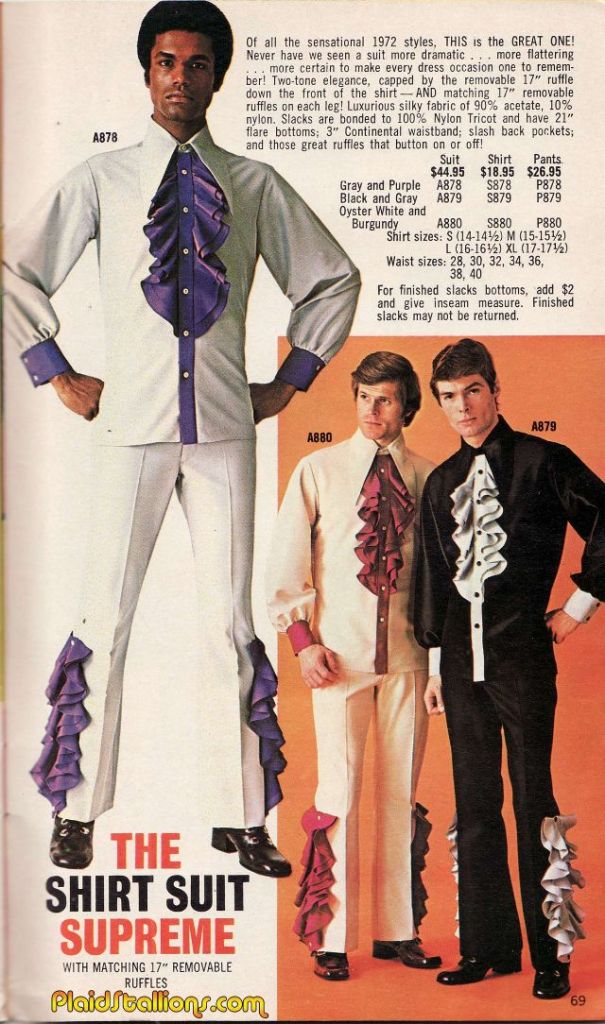
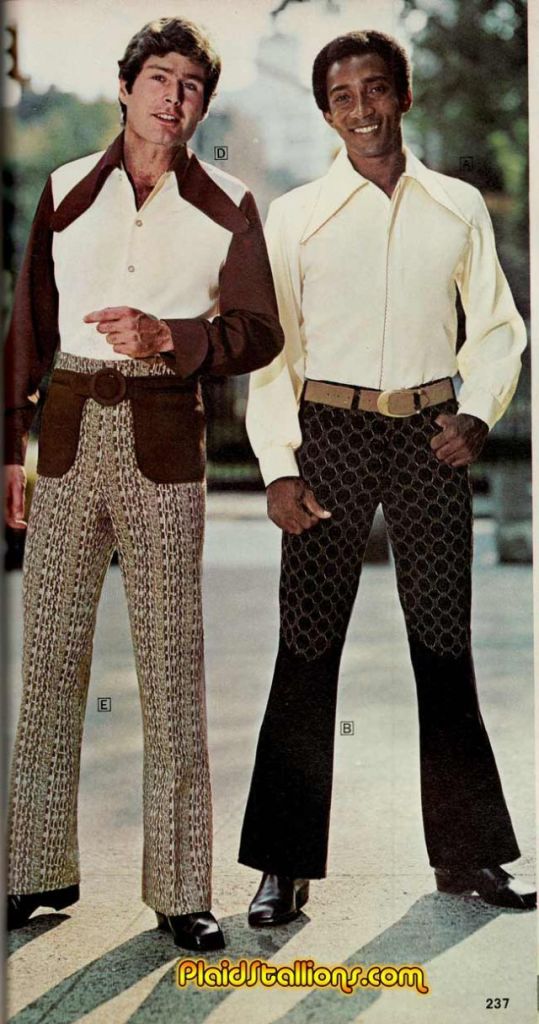
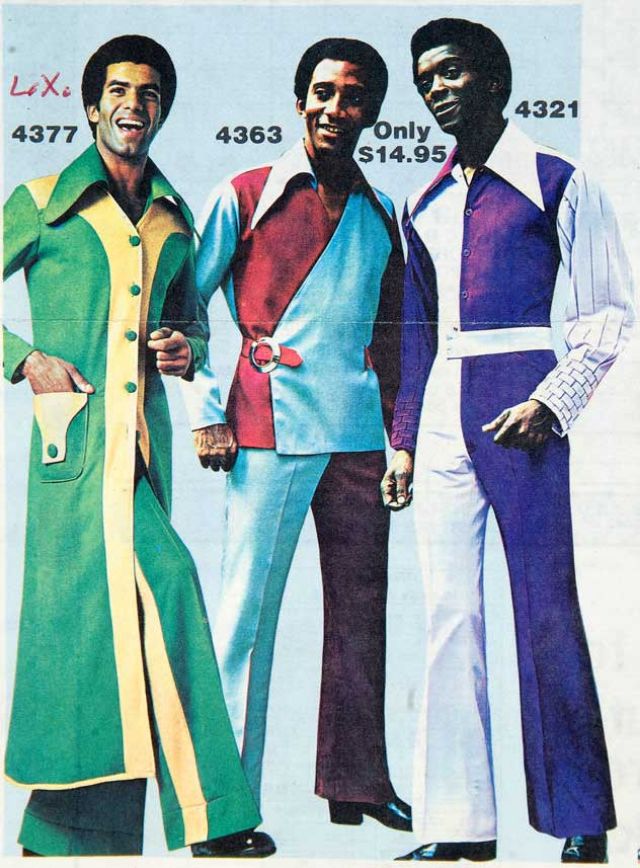
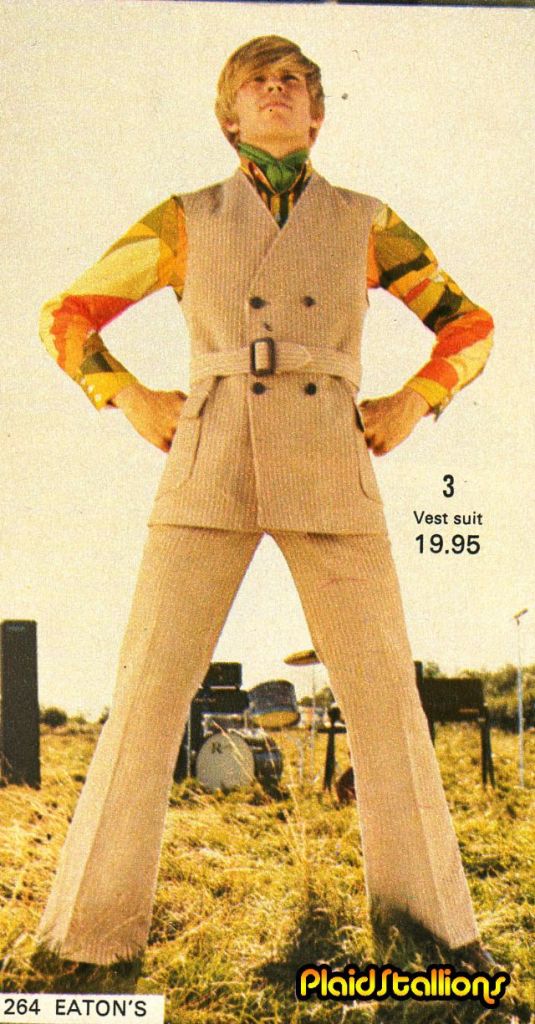
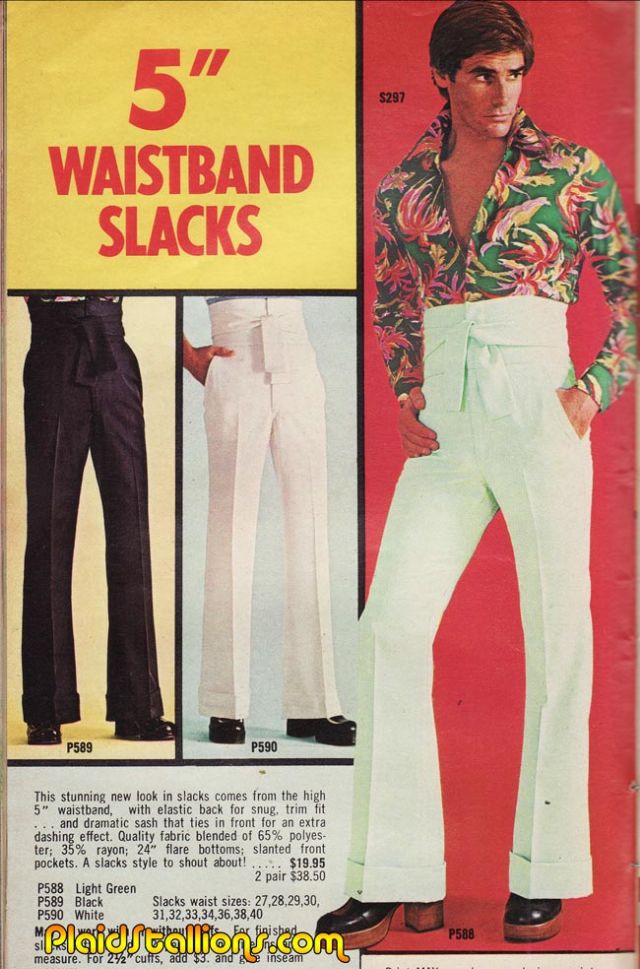
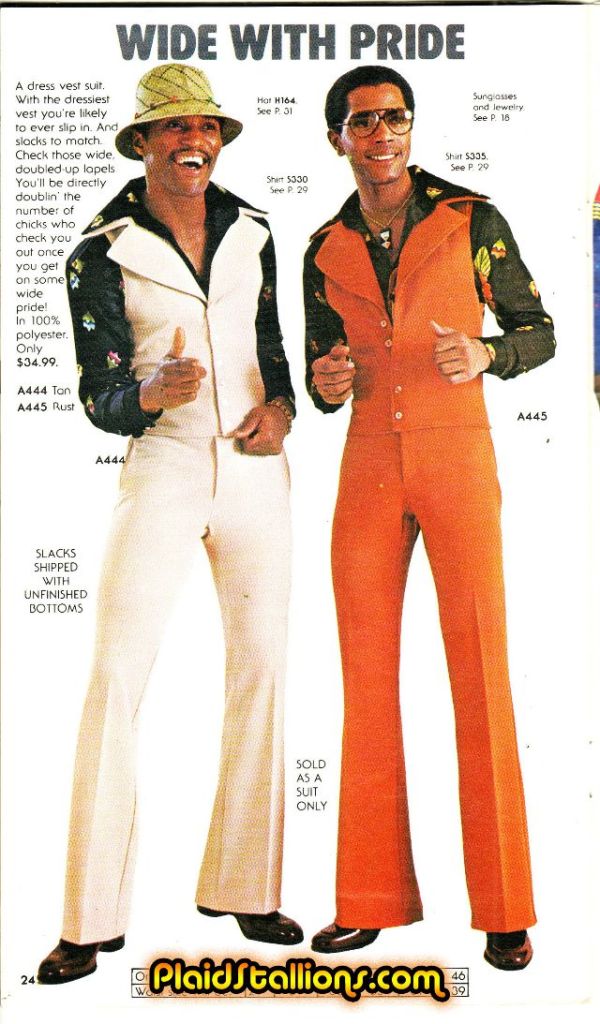
The bell bottom pants became popular in the late 1960s and continued to widen into the ’70s as they gained in popularity. This was a time where polyester became a popular fabric to use in clothing. Also bold colors and prints became part of men’s fashion for the first time.
Early 1970s fashion was a fun era. It culminated some of the best elements of the ’60s and perfected and/or exaggerated them. Some of the best clothing produced in the 1970s perfectly blended the mods with the hippies.
Just when it seemed pants couldn’t flare any more, the flare was almost gone. By the late 1970s the pant suit, leisure suit and track suit was what the average person was sporting. Every man had a few striped v-neck velour shirts.
Massachusetts, officially the Commonwealth of Massachusetts, is the most populous state in the New England region of the United States. It borders on the Atlantic Ocean and Gulf of Maine to the east, Connecticut to the southwest and Rhode Island to the southeast, New Hampshire to the northeast, Vermont to the northwest, and New York to the west. The capital of Massachusetts is Boston, which is also the most populous city in New England. It is home to the Greater Boston metropolitan area, a region influential upon American history, academia, and industry. Originally dependent on agriculture, fishing and trade, Massachusetts was transformed into a manufacturing center during the Industrial Revolution. During the 20th century, Massachusetts’s economy shifted from manufacturing to services. Modern Massachusetts is a global leader in biotechnology, engineering, higher education, finance, and maritime trade.
Massachusetts was a site of early English colonization: the Plymouth Colony was founded in 1620 by the Pilgrims of the Mayflower, and in 1630 the Massachusetts Bay Colony, taking its name from the indigenous Massachusett people, established settlements in Boston and Salem. In 1692, the town of Salem and surrounding areas experienced one of America’s most infamous cases of mass hysteria, the Salem witch trials. In 1777, General Henry Knox founded the Springfield Armory, which, during the Industrial Revolution, catalyzed numerous important technological advances, including interchangeable parts. In 1786, Shays’ Rebellion, a populist revolt led by disaffected American Revolutionary War veterans, influenced the United States Constitutional Convention. In the 18th century, the Protestant First Great Awakening, which swept Britain and the Thirteen Colonies, originated from the pulpit of Northampton preacher Jonathan Edwards. In the late 18th century, Boston became known as the “Cradle of Liberty” for the agitation there that later led to the American Revolution.
The entire Commonwealth of Massachusetts has played a powerful scientific, commercial, and cultural role in the history of the United States. Before the American Civil War, Massachusetts was a center for the abolitionist, temperance, and transcendentalist movements. In the late 19th century, the sports of basketball and volleyball were invented in the western Massachusetts cities of Springfield and Holyoke, respectively. In 2004, Massachusetts became the first U.S. state to legally recognize same-sex marriage as a result of the Massachusetts Supreme Judicial Court’s decision in Goodridge v. Department of Public Health. Many prominent American political dynasties have hailed from the state, including the Adams and Kennedy families. Harvard University in Cambridge is the oldest institution of higher learning in the United States, with the largest financial endowment of any university, and Harvard Law School has educated a contemporaneous majority of Justices of the Supreme Court of the United States. Kendall Square in Cambridge has been called “the most innovative square mile on the planet”, in reference to the high concentration of entrepreneurial start-ups and quality of innovation which have emerged in the vicinity of the square since 2010. Both Harvard and MIT, also in Cambridge, are perennially ranked as either the most or among the most highly regarded academic institutions in the world. Massachusetts residents have been described by the World Population Review as having the highest average IQ of all U.S. states, exceeding 104, and the state’s public-school students place among the top tier in the world in academic performance. The state has been ranked as one of the top states in the United States for citizens to live in, as well as one of the most expensive. (Wikipedia)
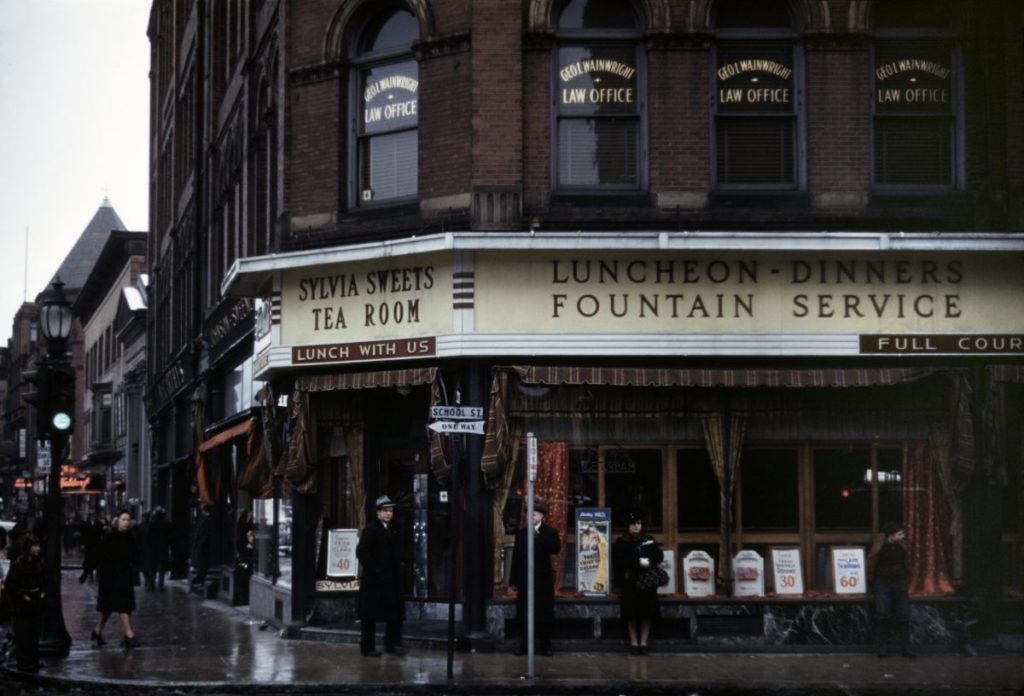
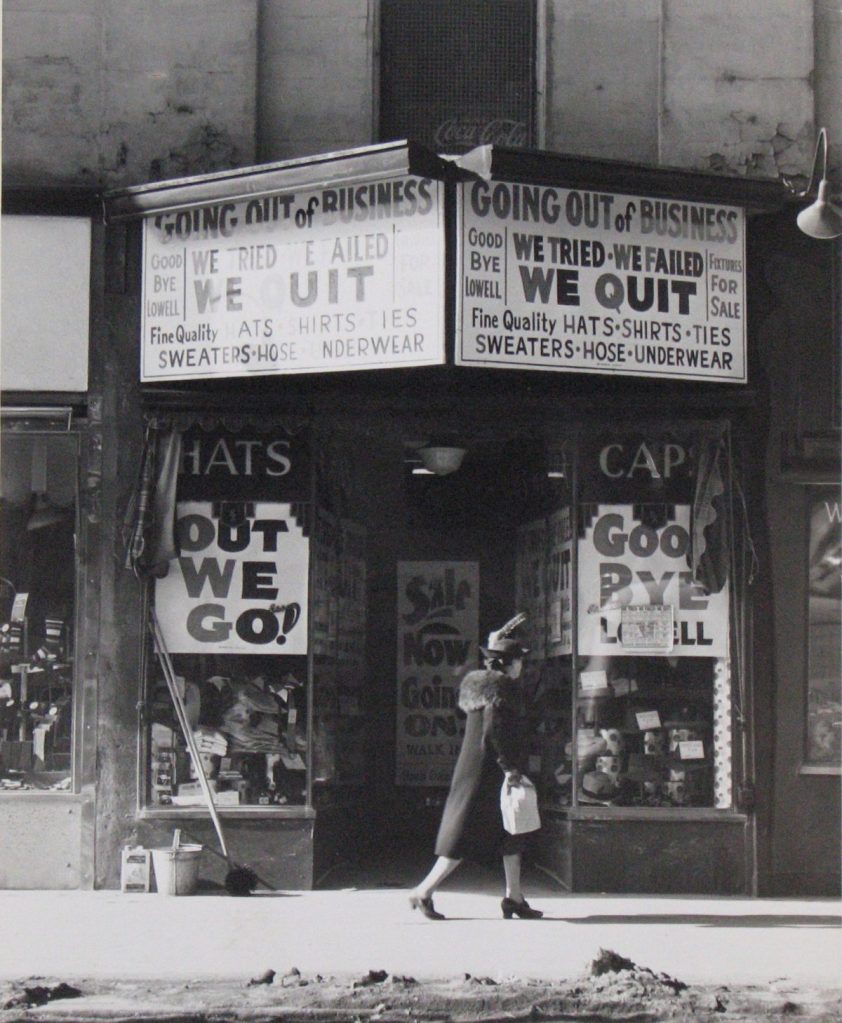
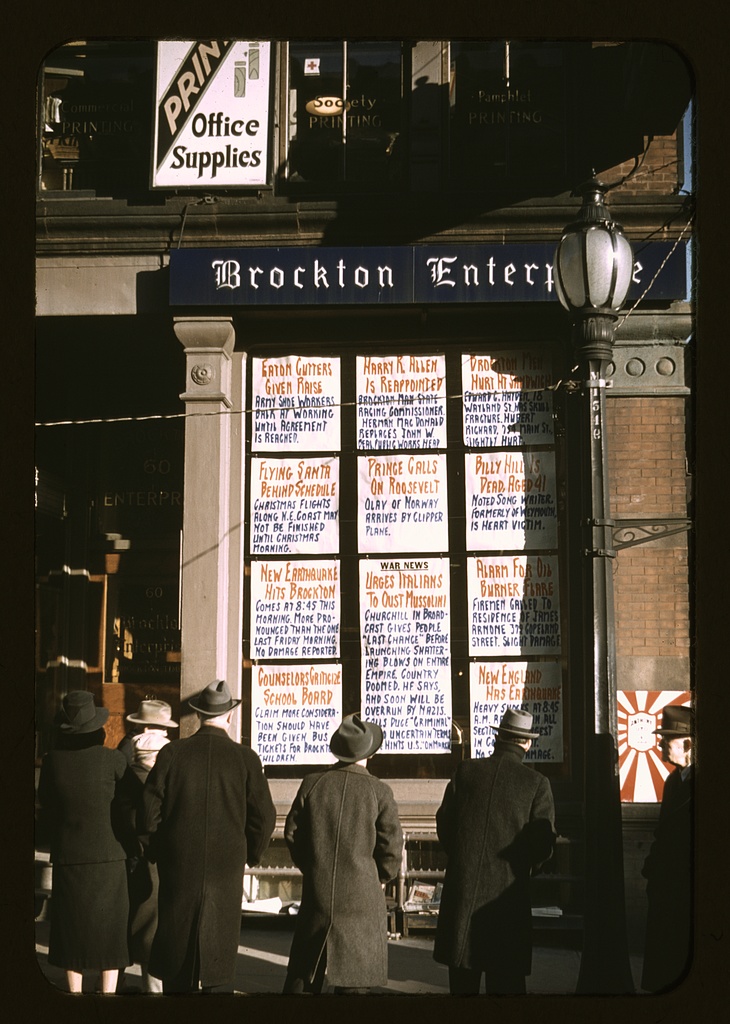
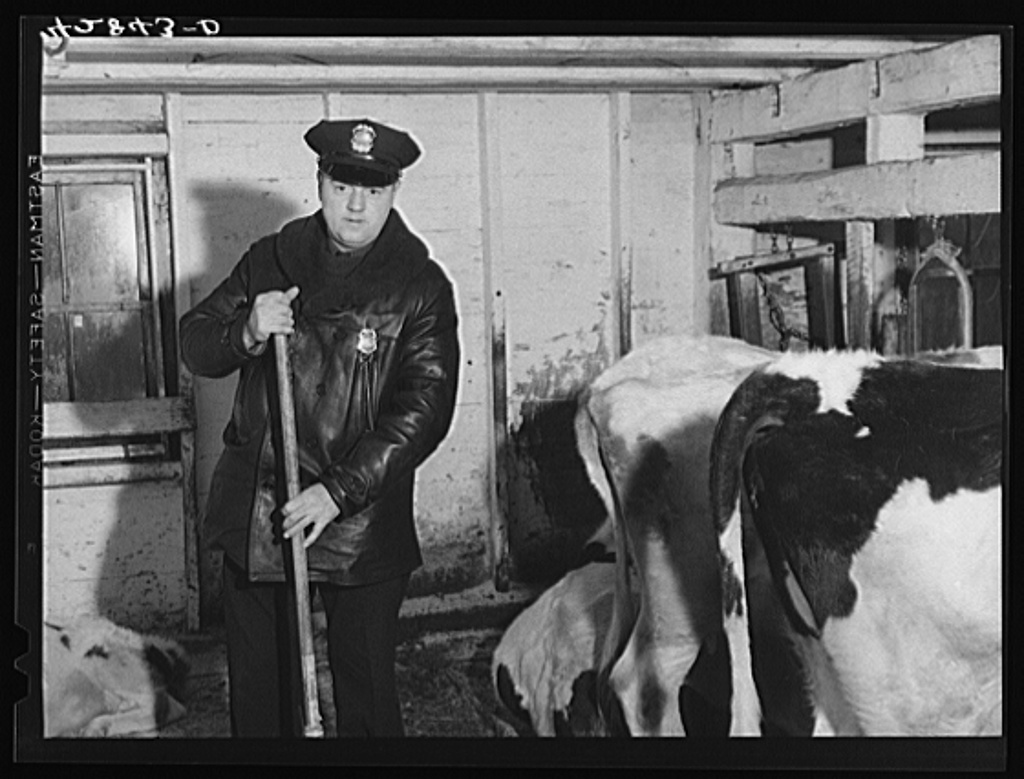
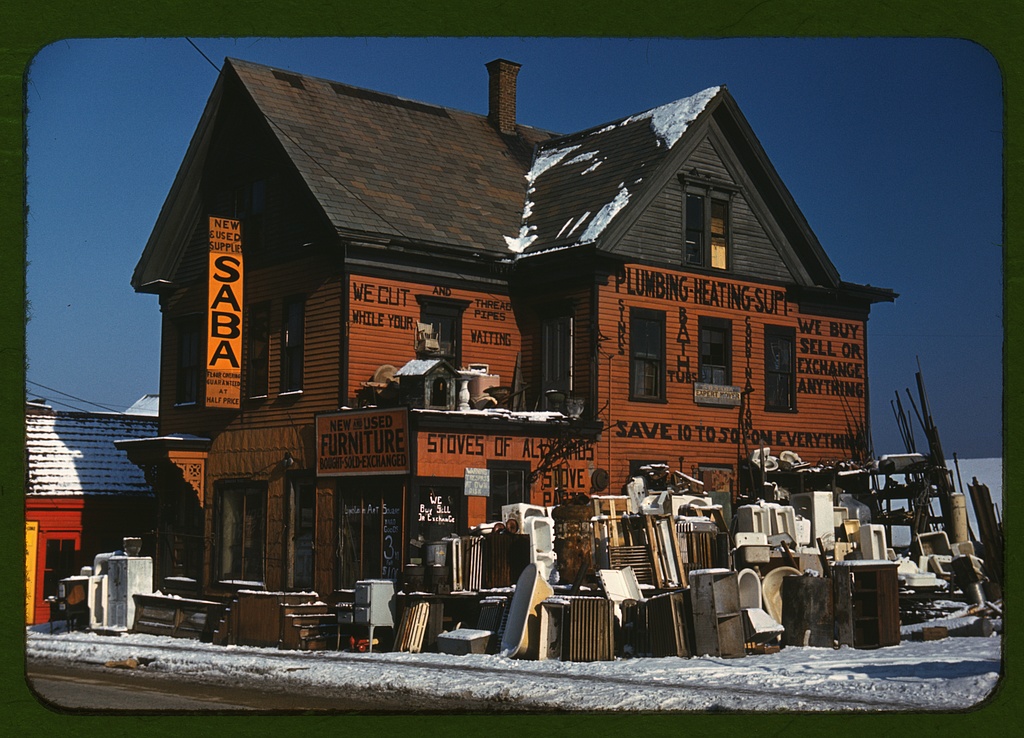
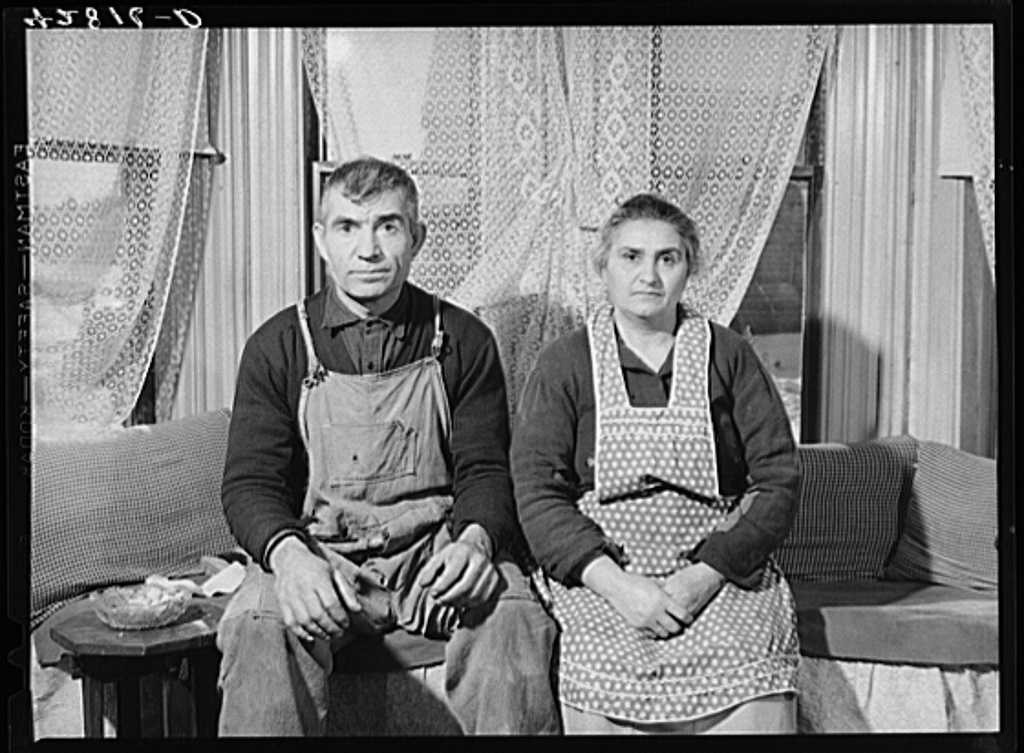
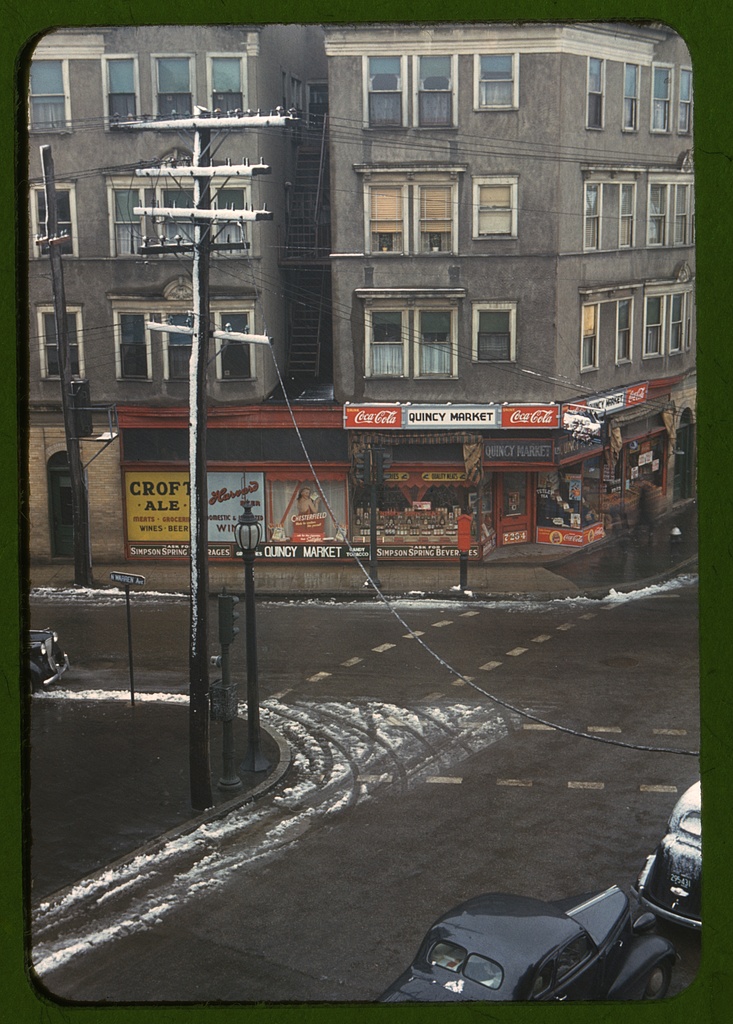
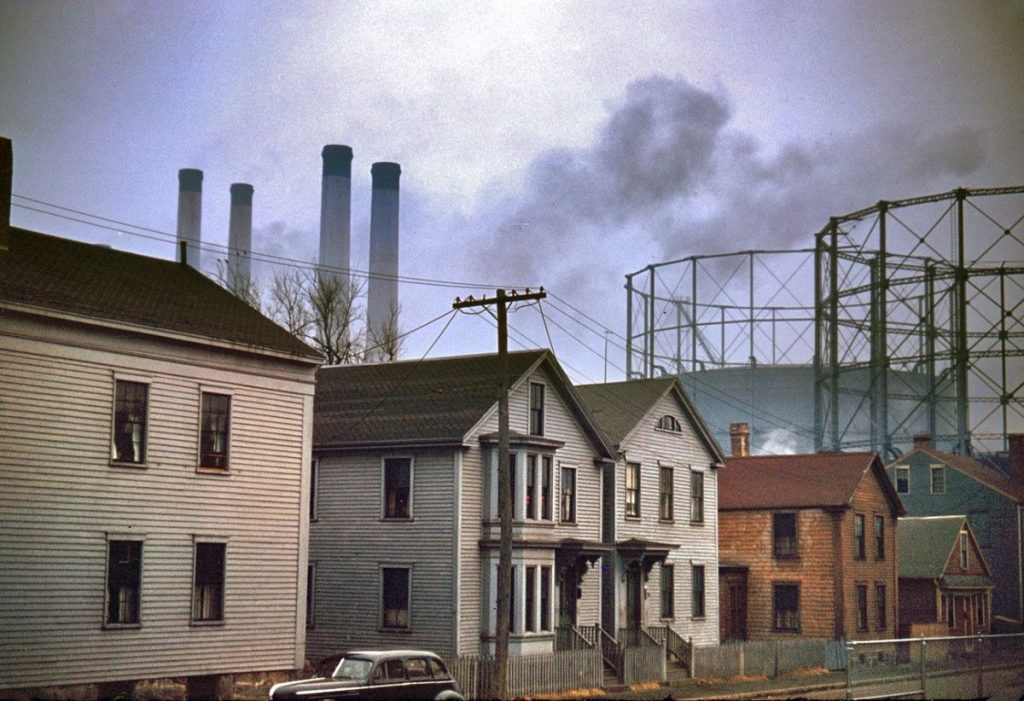
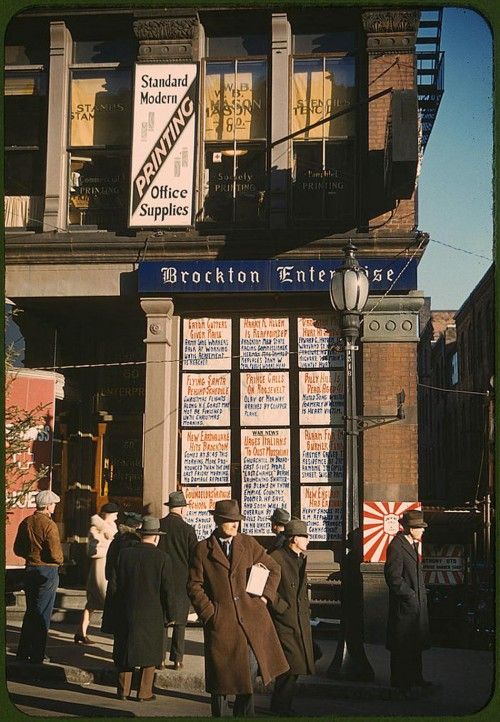
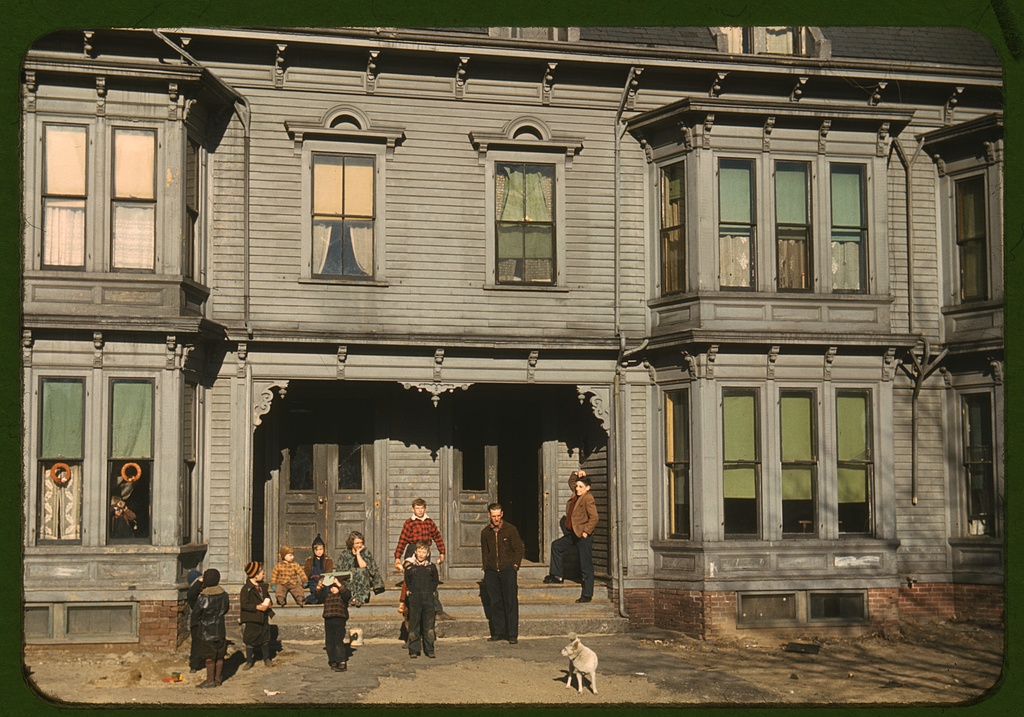
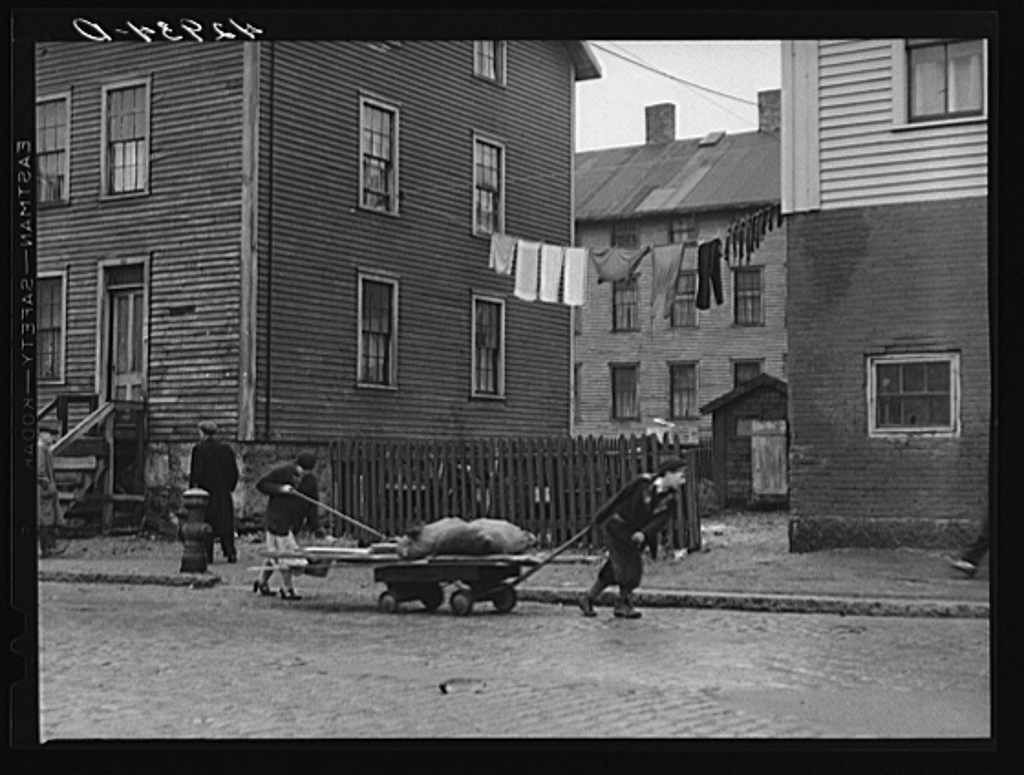
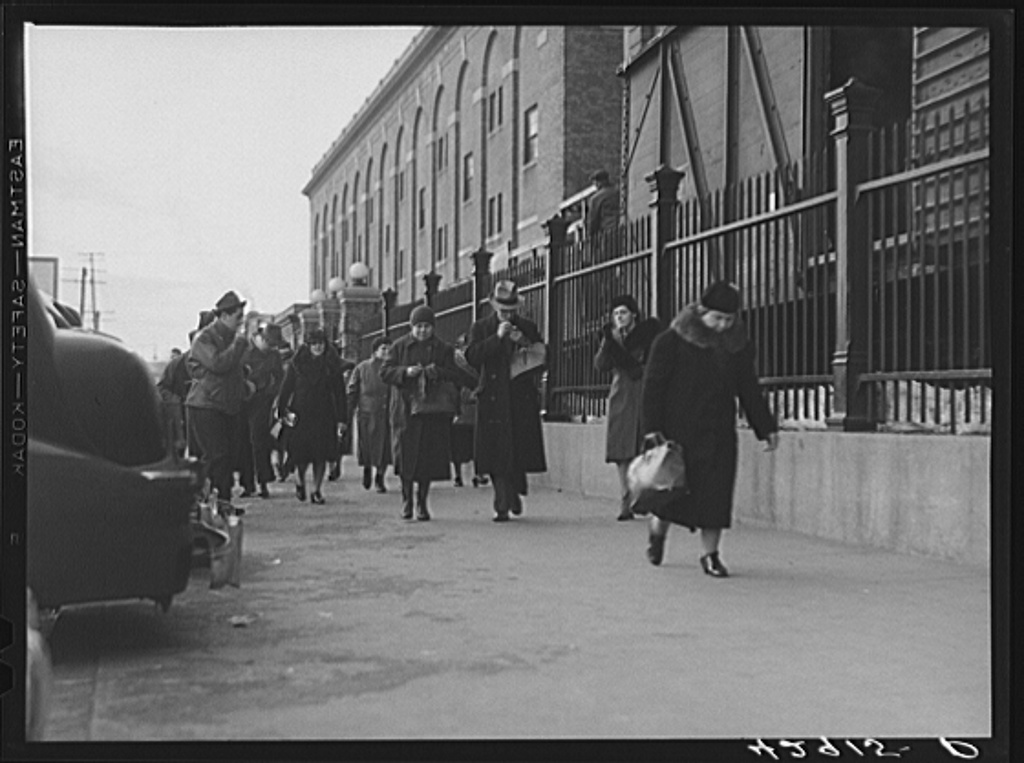
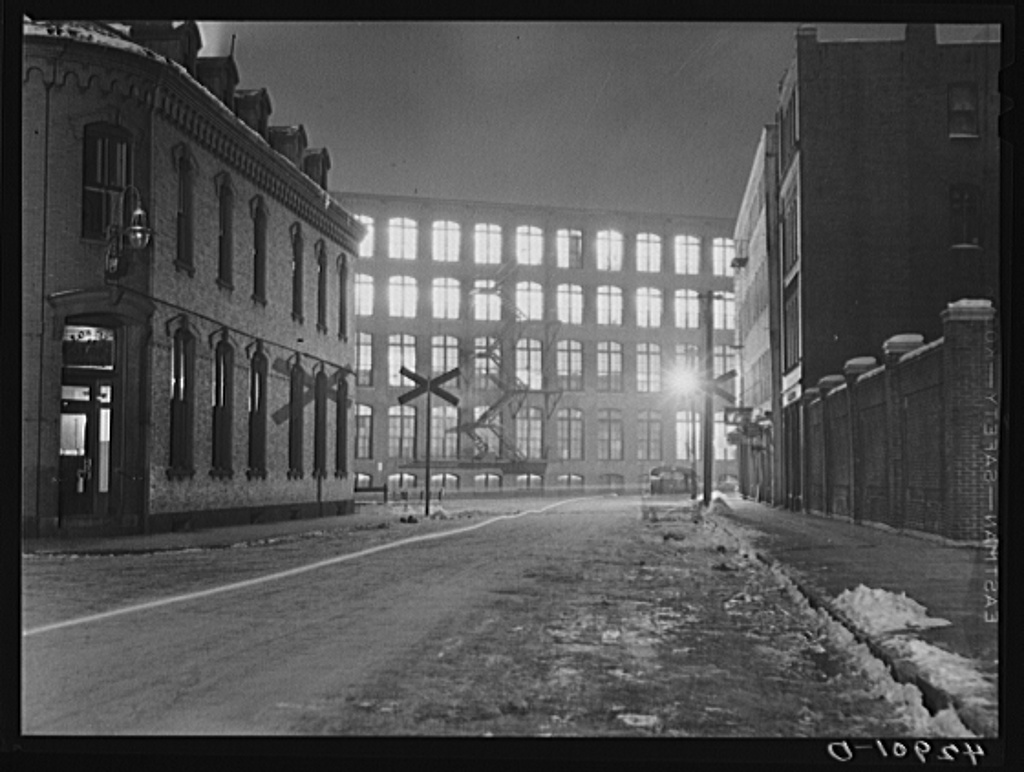
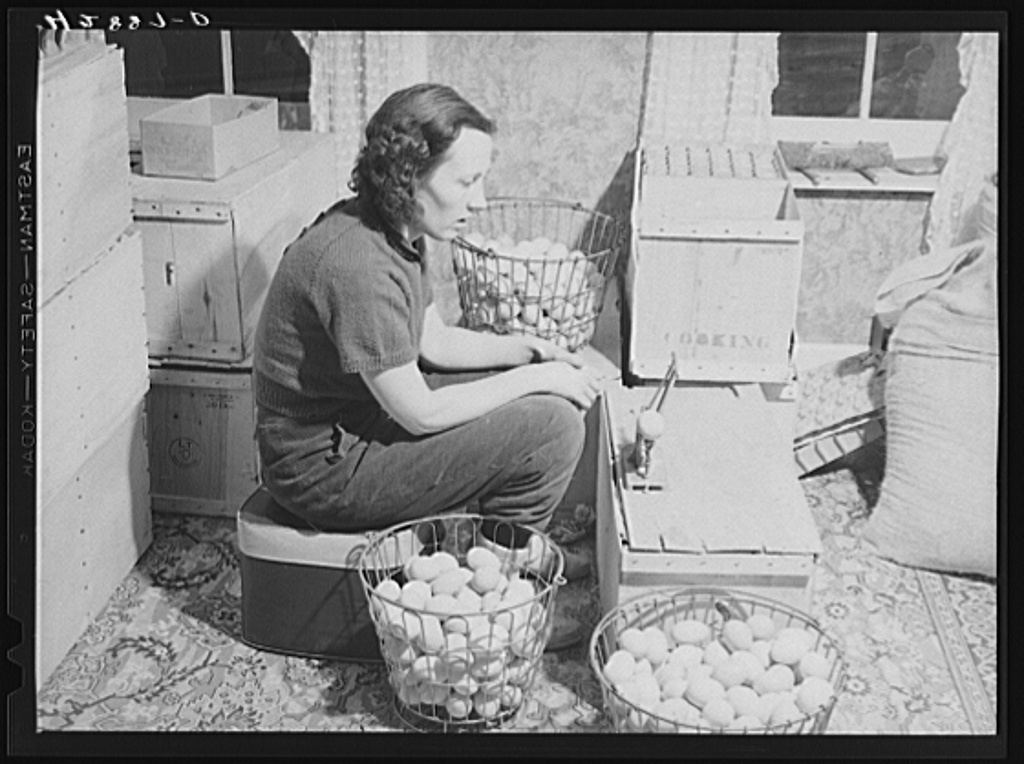
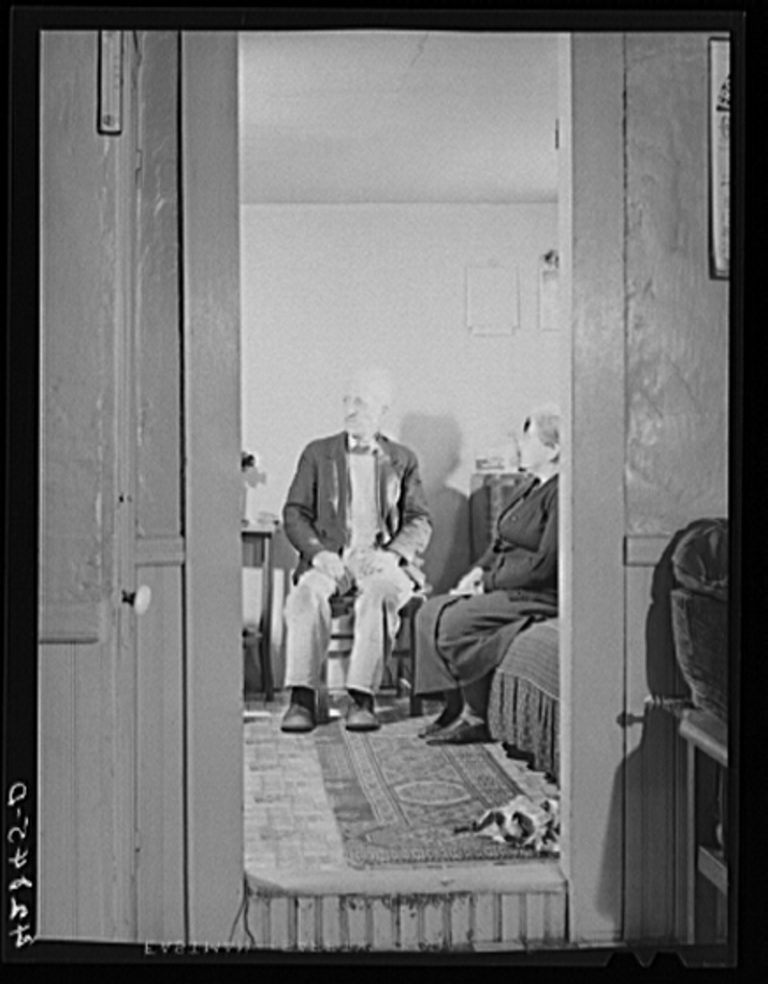
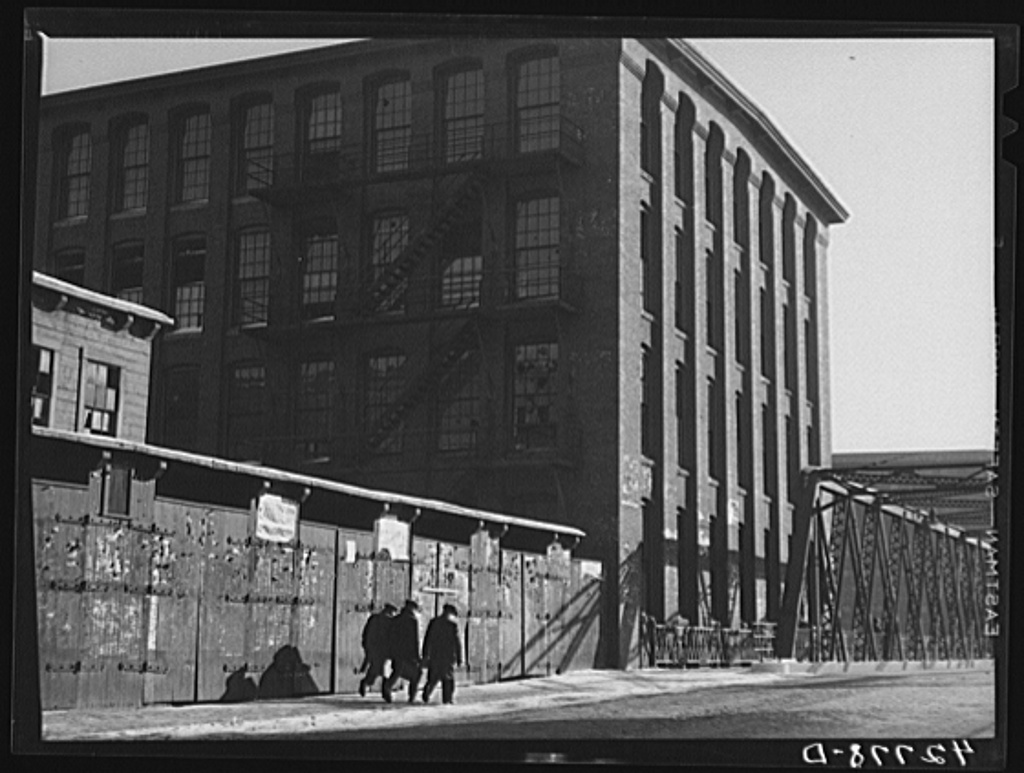
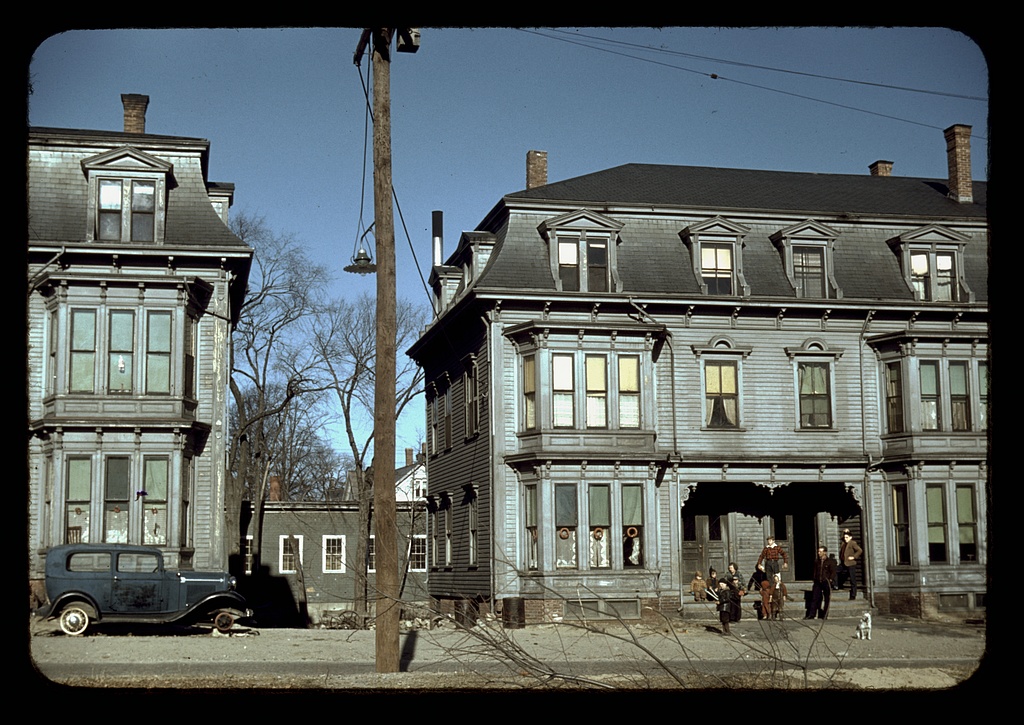
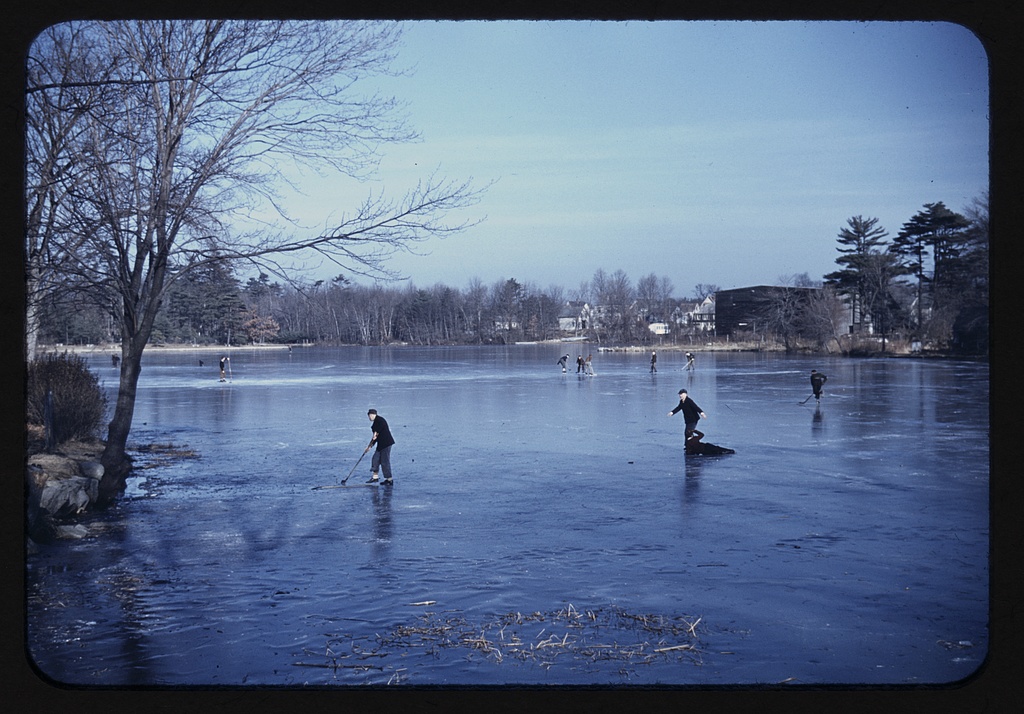
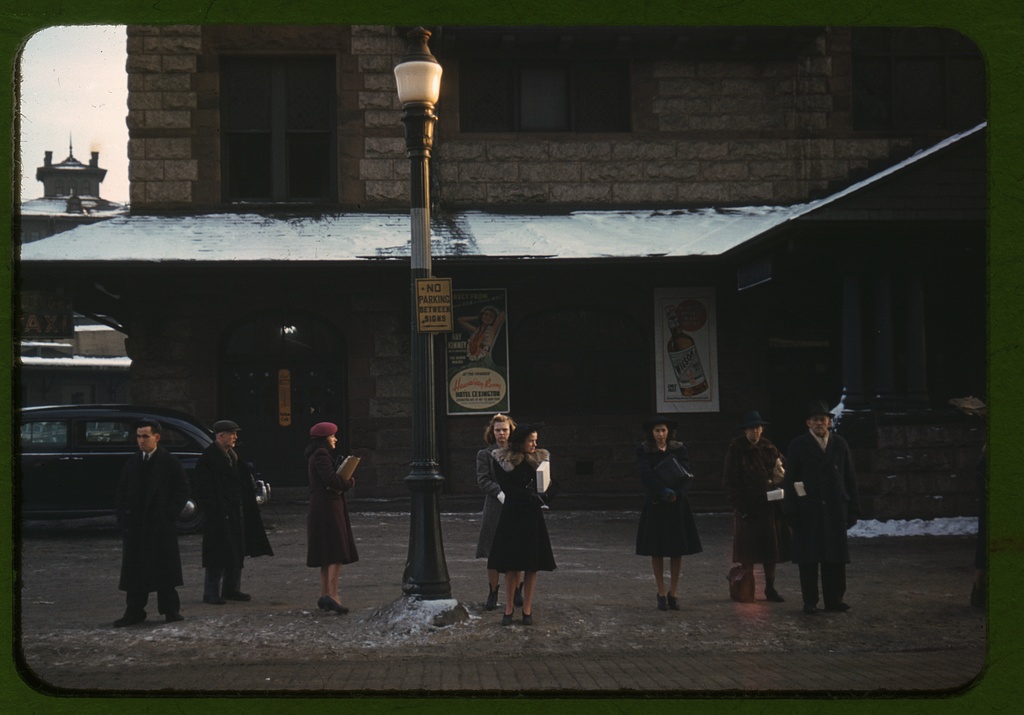
Sylvia Sweets Tea Room, Brockton, ca. 1941Store going out of business. Lowell, Massachusetts Jan 1941Men and a woman reading headlines posted in street-corner window of Brockton Enterprise newspaper office on Christmas Eve, Brockton, Mass. Dec 24 1940William Green, Raynham, Massachusetts. He lives on a farm with his mother, who has fifteen cows and ten acres of land. Mr. Green has six children and works as a policeman at nearby Camp Edwards Jan 1941Brockton, Mass., Dec. 1940, second-hand plumbing storeMr. and Mrs. Ovgen Arakelian, Armenian vegetable farmers in West Andover, Massachusetts. They have an eleven-acre farm and a son works in a blanket factory in Lowell to help support the family Jan 1941Street corner, Brockton, Mass. Jan 1941The home of Mr. and Mrs. Ovegen Arakelian, Armenian family in West Andover, Massachusetts Jan 1941Near the waterfront, New Bedford, MassachusettsMadonna in front of church on a street in New Bedford, Massachusetts Jan 1941Children in the tenement district, Brockton, December 1940Employees entering textile mill in New Bedford, Jan 1941Bringing home some salvaged firewood in slum area in New Bedford, Massachusetts Jan 1941Employees leaving Ayer Mills (textile). Lawrence, Jan 1941Textile mill working all night in Lowell, Massachusetts Jan 1941Mrs. Richard Carter, poultry farmer of Middleboro, Massachusetts. She runs the poultry business of one thousand while her husband drives a bulldozer at an Army camp nearby Dec 1940Mr. and Mrs. Melkon Loosigian, Armenians. Run a fourteen-acre vegetable farm. Son works in Arlington mill in Lawrence, Massachusetts, to help support family. West Andover, Massachusetts Jan 1941New Bedford, Massachusetts. Foggy night October 1940Men going to work at the mill. Lawrence, Massachusetts Jan 1941Children in the tenement district, Brockton, Mass. Dec 1940Skating, vicinity of Brockton, Mass. Jan 1940Commuters, who have just come off the train, waiting for the bus to go home, Lowell, Mass. Jan 1941
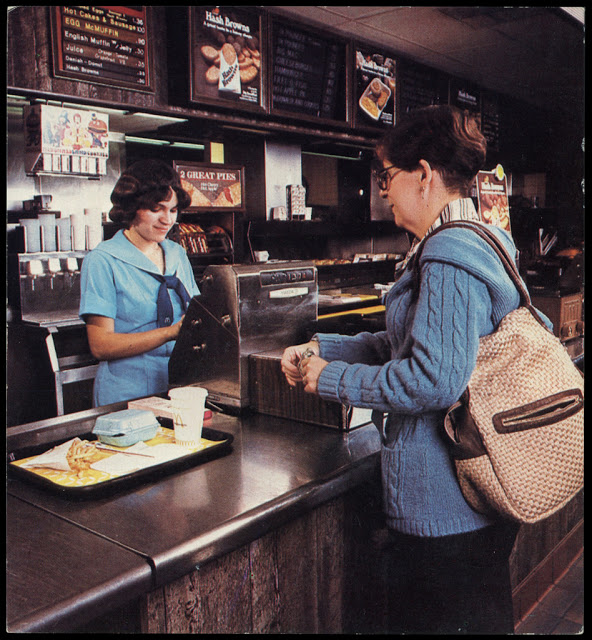
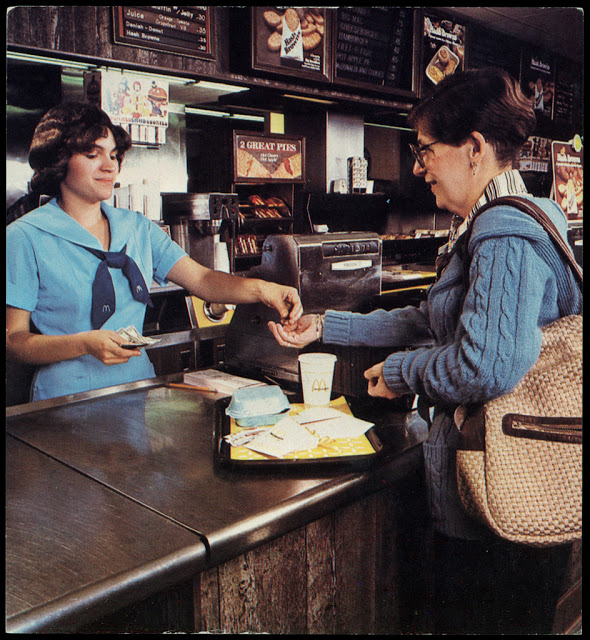
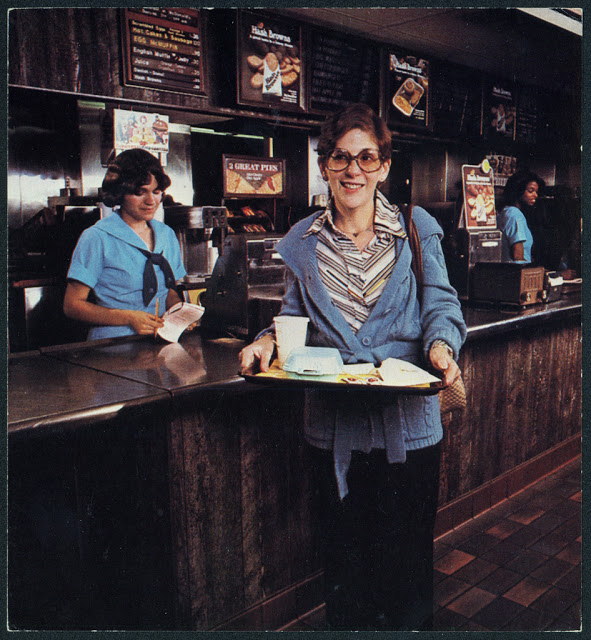
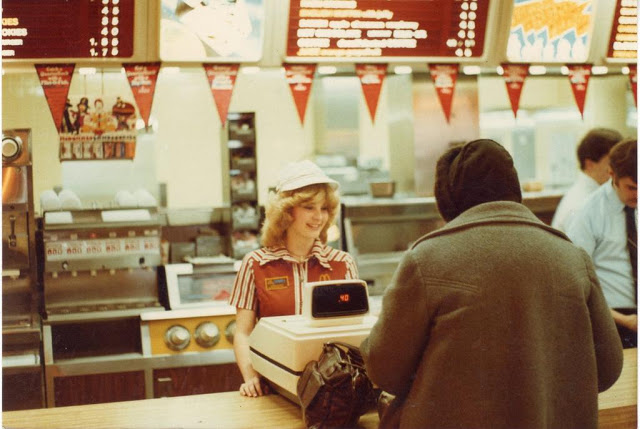
McDonald’s Corporation is an American multinational fast food corporation, founded in 1940 as a restaurant operated by Richard and Maurice McDonald, in San Bernardino, California, United States. They rechristened their business as a hamburger stand, and later turned the company into a franchise, with the Golden Arches logo being introduced in 1953 at a location in Phoenix, Arizona. In 1955, Ray Kroc, a businessman, joined the company as a franchise agent and proceeded to purchase the chain from the McDonald brothers. McDonald’s had its previous headquarters in Oak Brook, Illinois, but moved its global headquarters to Chicago in June 2018.
McDonald’s is the world’s largest restaurant chain by revenue, serving over 69 million customers daily in over 100 countries across 37,855 outlets as of 2018. Although McDonald’s is best known for its hamburgers, cheeseburgers and french fries, they feature chicken products, breakfast items, soft drinks, milkshakes, wraps, and desserts. The company also added salads, fish, smoothies, and fruit in response to changing consumer tastes and a negative backlash because of the unhealthiness of their food. The McDonald’s Corporation revenues come from the rent, royalties, and fees paid by the franchisees, as well as sales in company-operated restaurants. According to two reports published in 2018, McDonald’s is the world’s second-largest private employer with 1.7 million employees (behind Walmart with 2.3 million employees). As of 2020, McDonald’s has the ninth-highest global brand valuation. (Wikipedia)
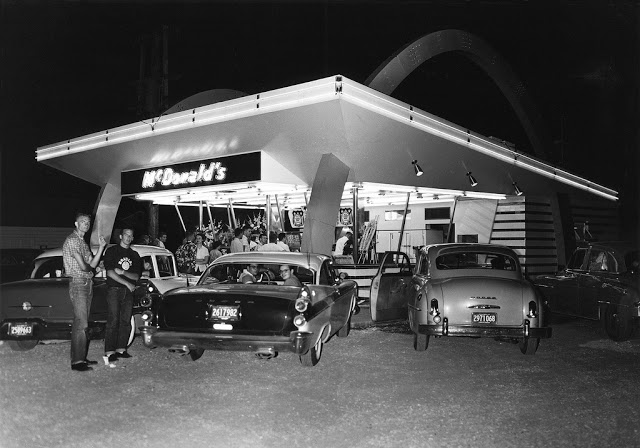
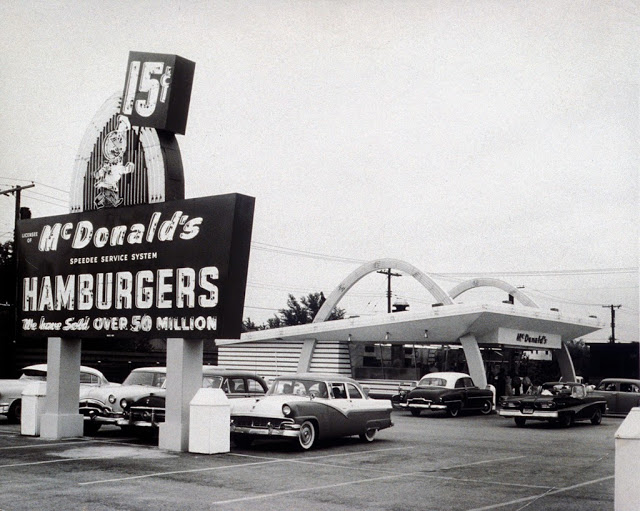
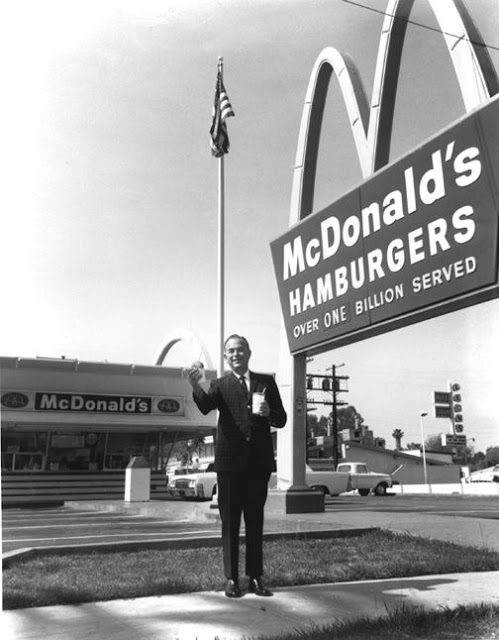
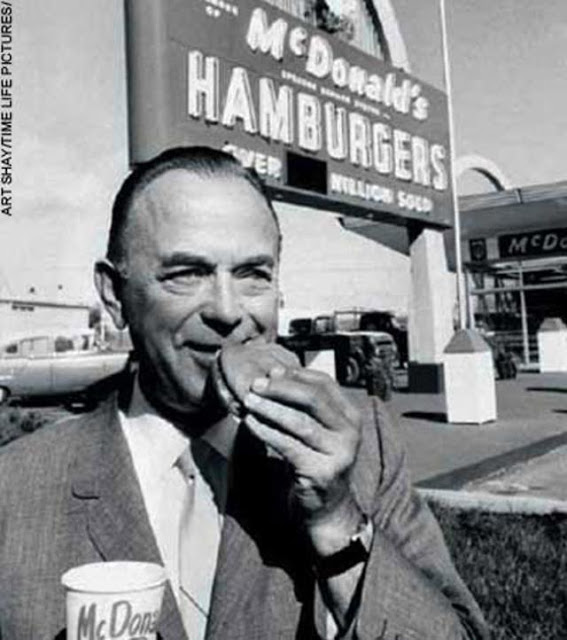
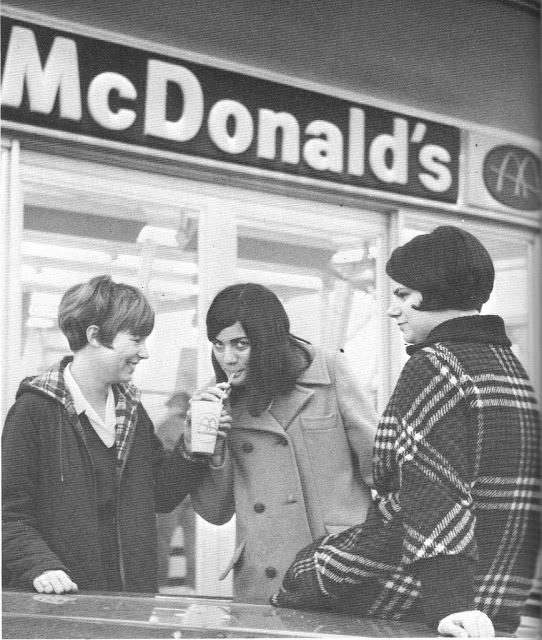
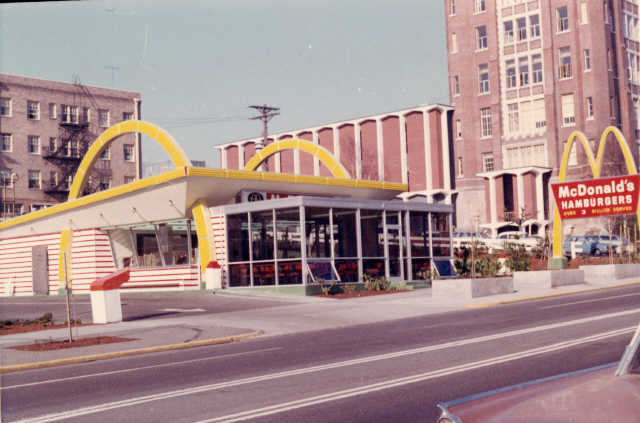
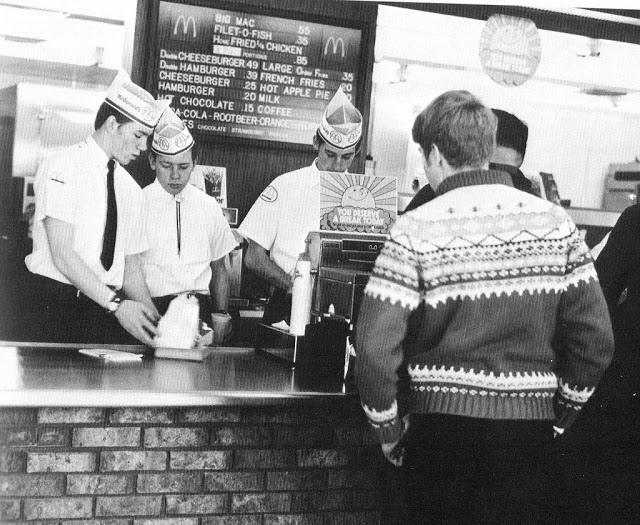
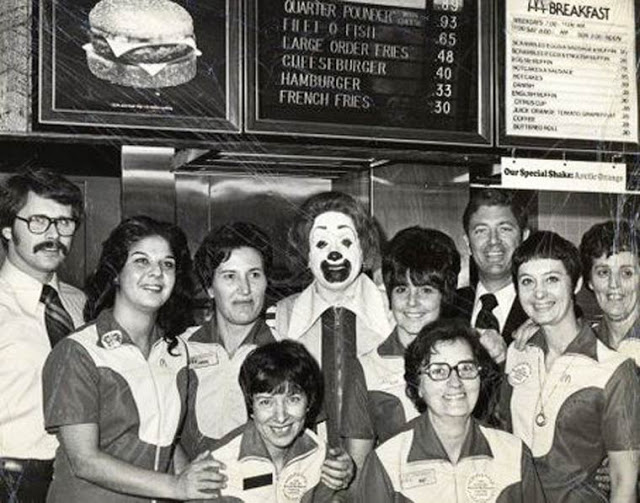
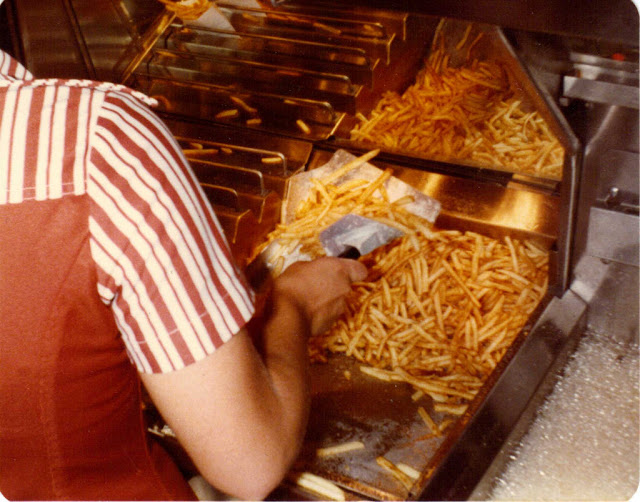
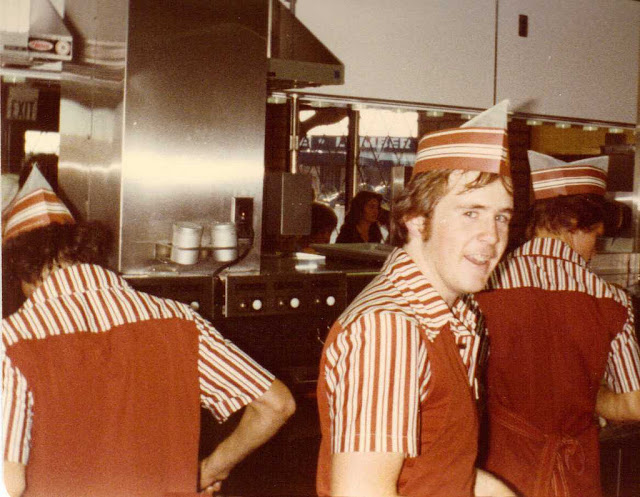
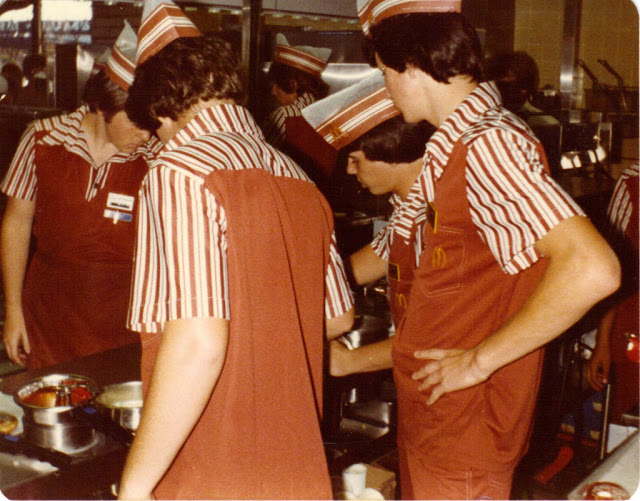
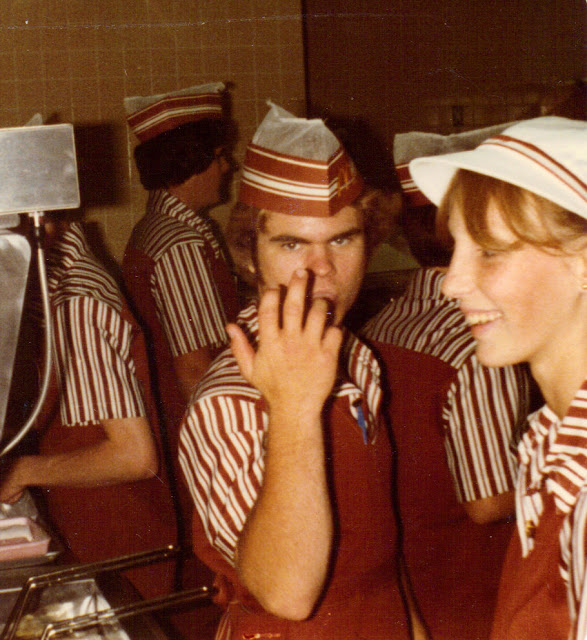
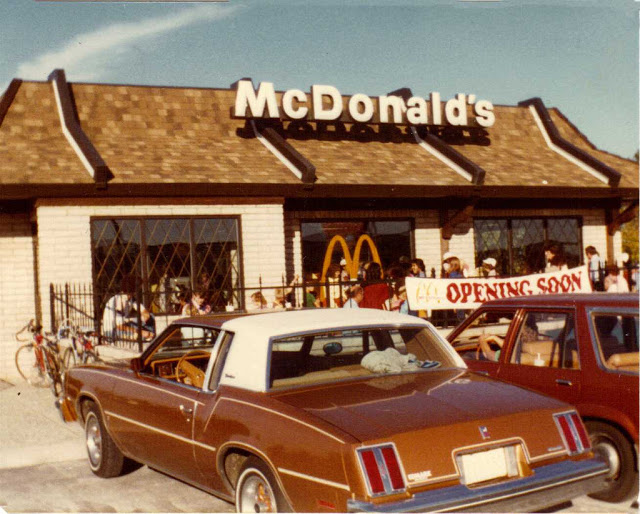
And here are vintage photos of McDonald’s since it was established till the 1980s.
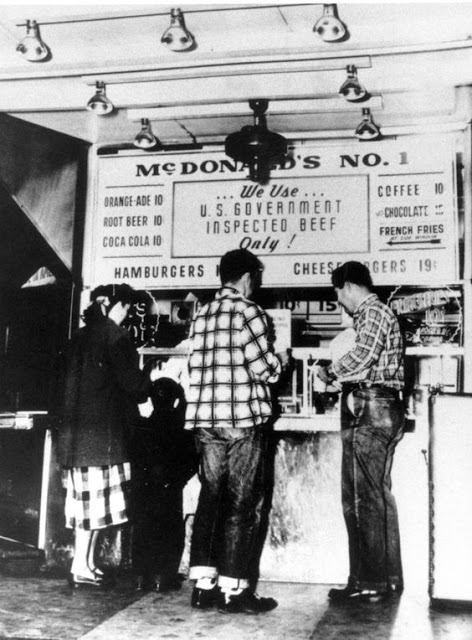
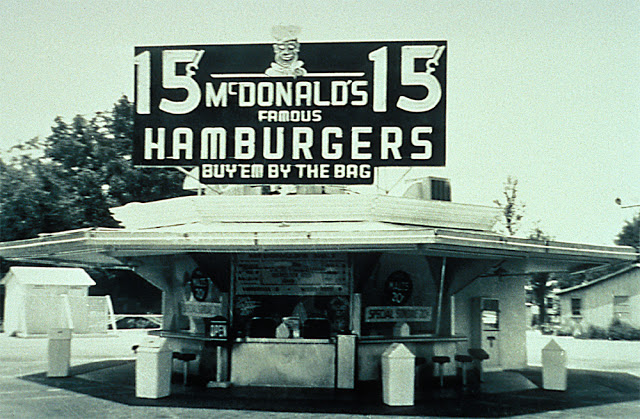
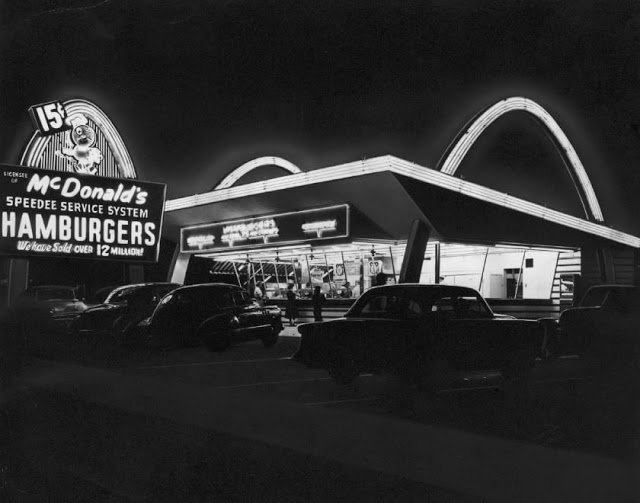
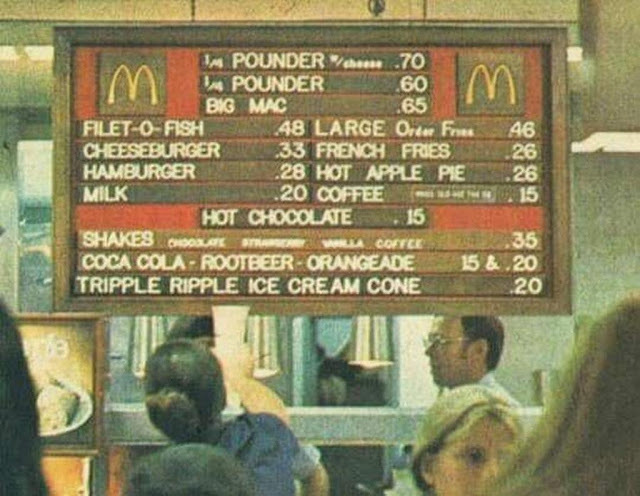
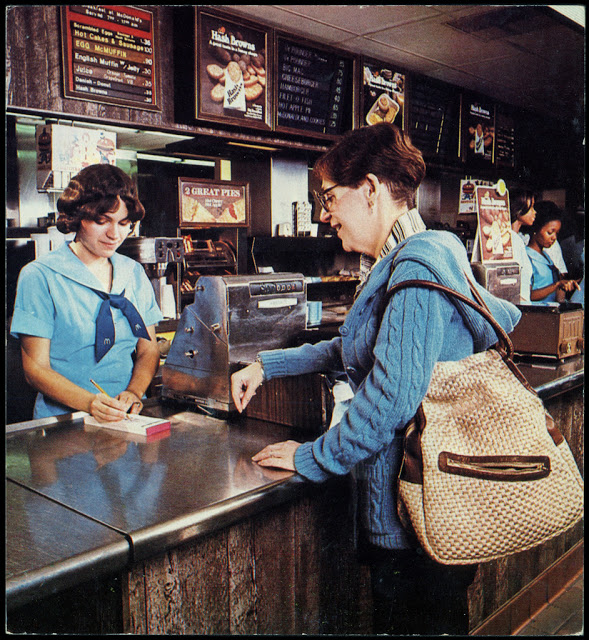
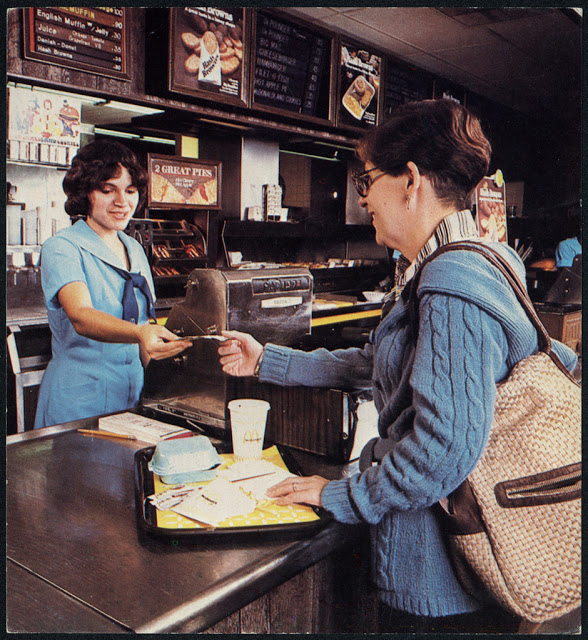
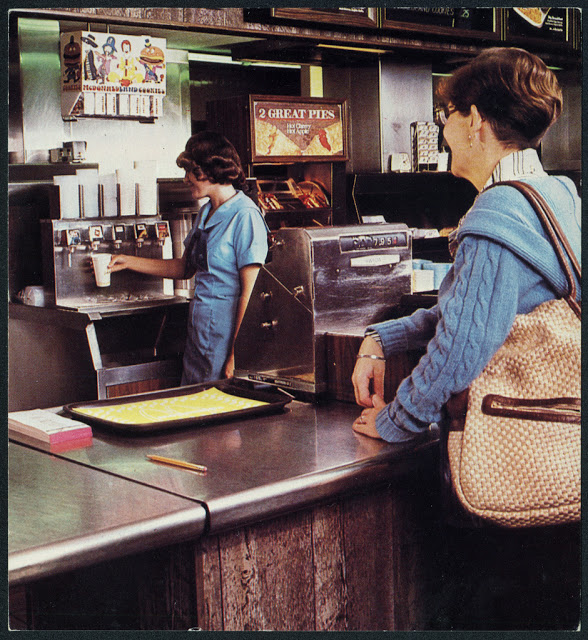
On May 15, 1940, McDonald’s opens its first restaurant in San Bernardino, CaliforniaFirst McDonald’s burger stand, San Bernardino, California, 1940McDonald Brother’s store in San Bernadino, California, 1953The first McDonald’s fast food restaurant with its neon arches illuminated at night, Des Plaines, Illinois, 1955McDonald’s in the 1950sMcDonald’s, ca. 1950sRay Kroc outside the Des Plaines, Illinois restaurant, ca. 1950sRay Kroc and his McDonald’s beginning, ca. 1950sMcDonald’s in Troy, New York, 1967McDonald’s in Tacoma, WA, 1967McDonald’s crew, 1969McDonald’s crew in the early 1970sMcDonald’s menu during 1973McDonald’s store, 1978McDonald’s store, 1978McDonald’s store, 1978McDonald’s store, 1978McDonald’s store, 1978At a McDonald’s store in the 1980sMcDonald’s golden French fries, Caldwell, Idaho, 1980McDonald’s grill crew, Caldwell, Idaho, 1980McDonald’s grill crew, Caldwell, Idaho, 1980McDonald’s uniforms in Caldwell, Idaho, 1981New McDonald’s store in Caldwell, Idaho, Sept. 1980
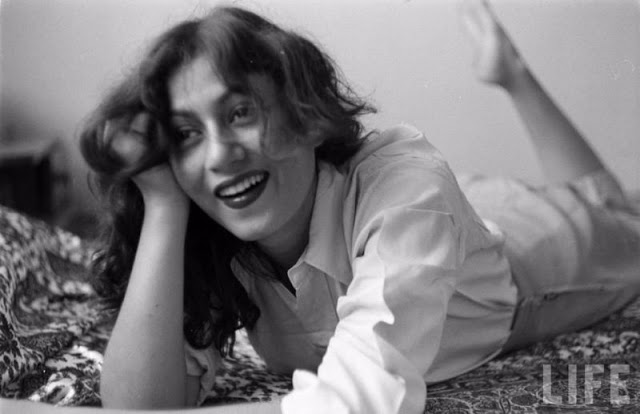
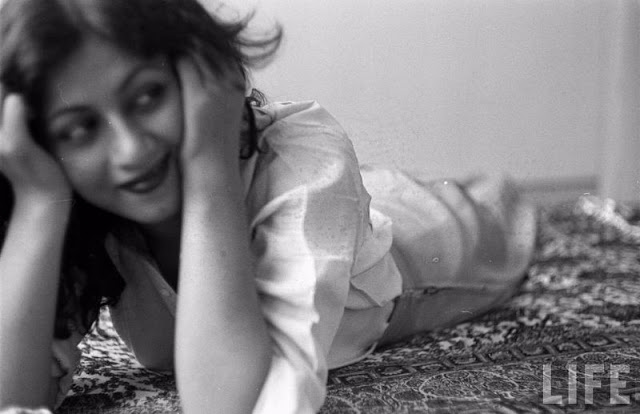
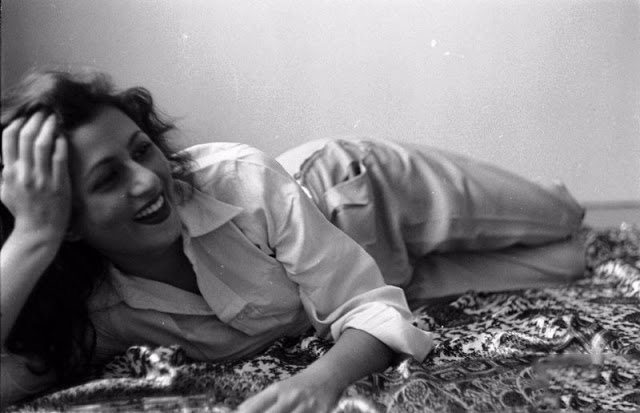
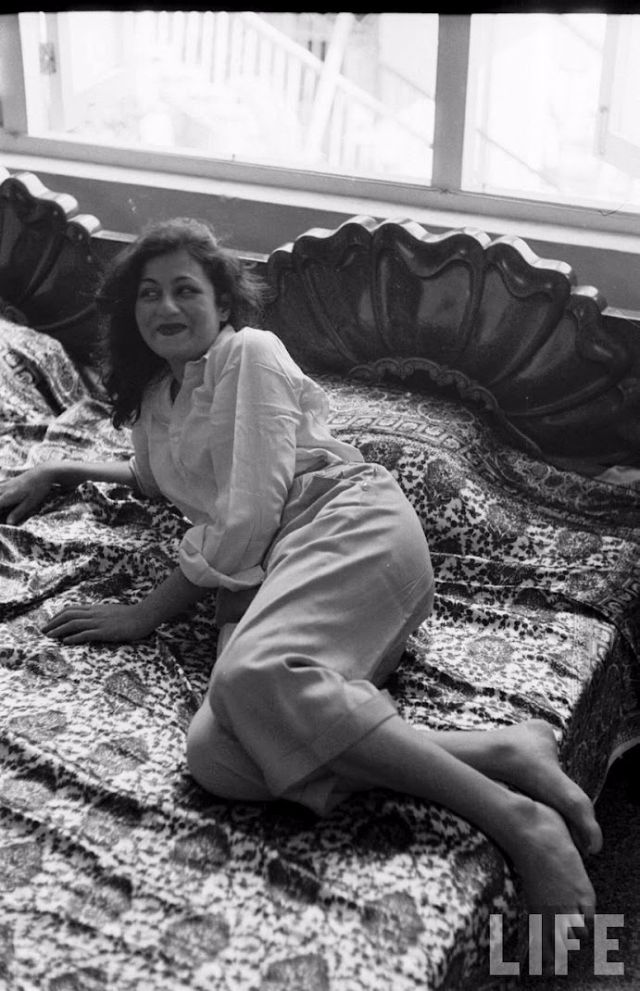
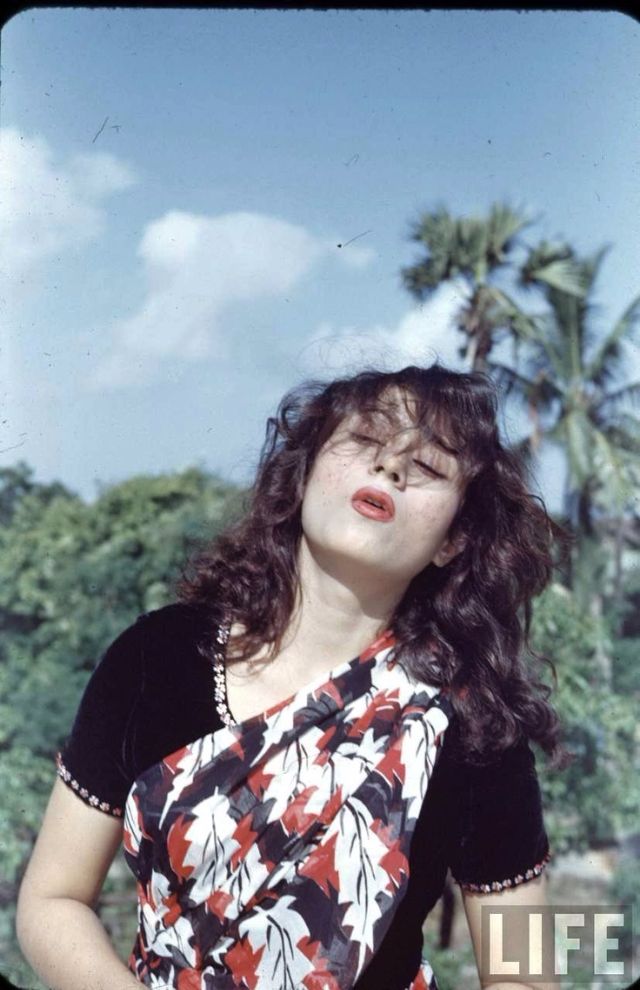
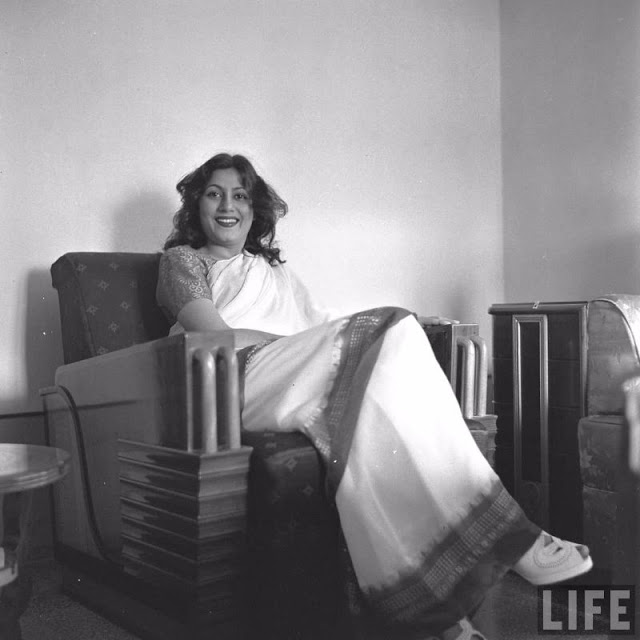
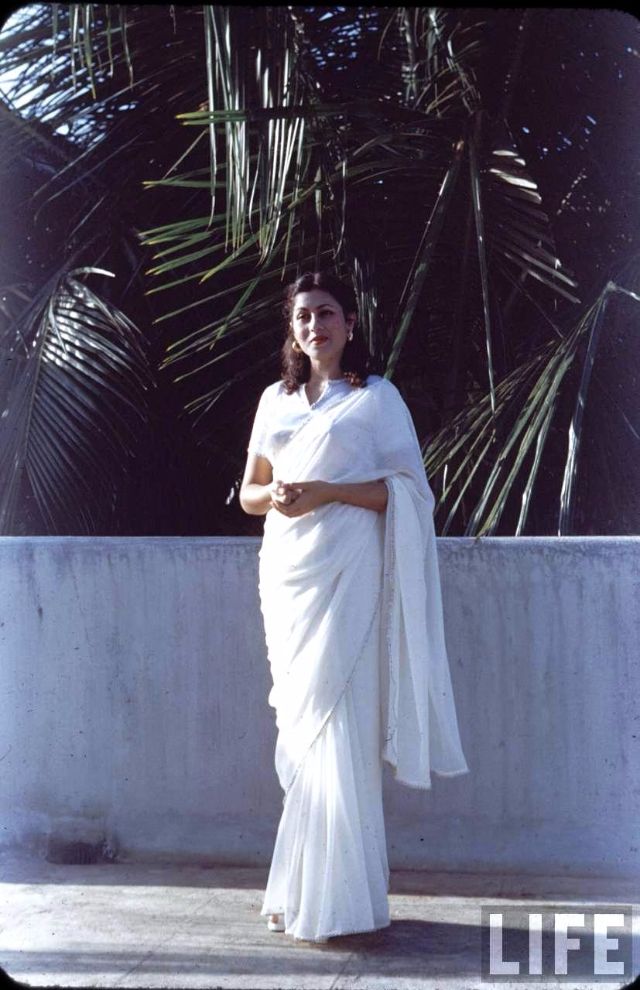
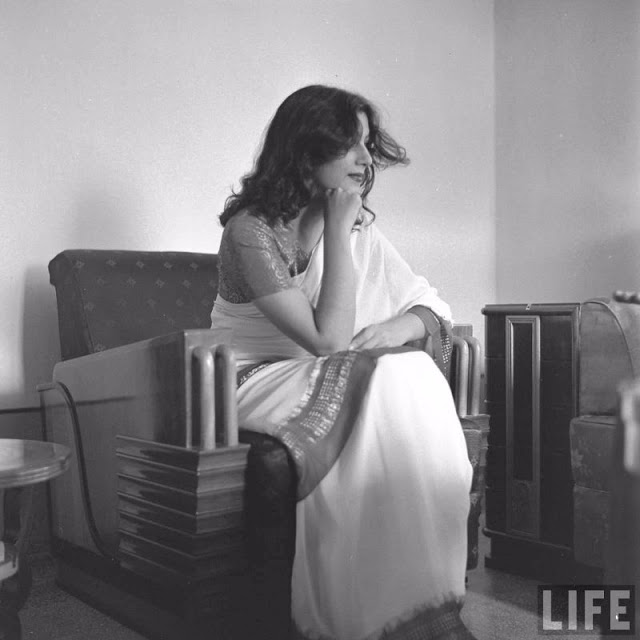
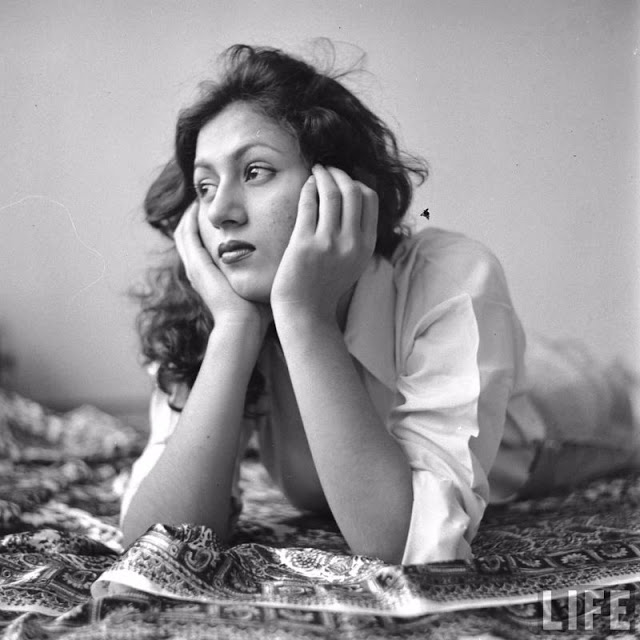
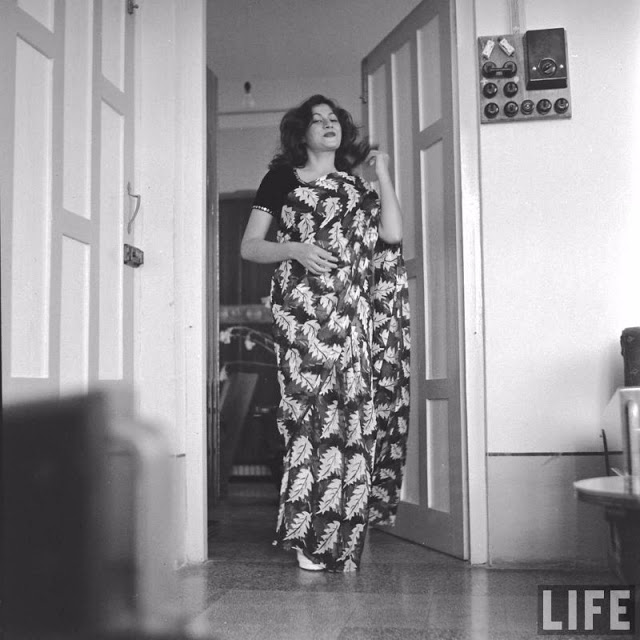
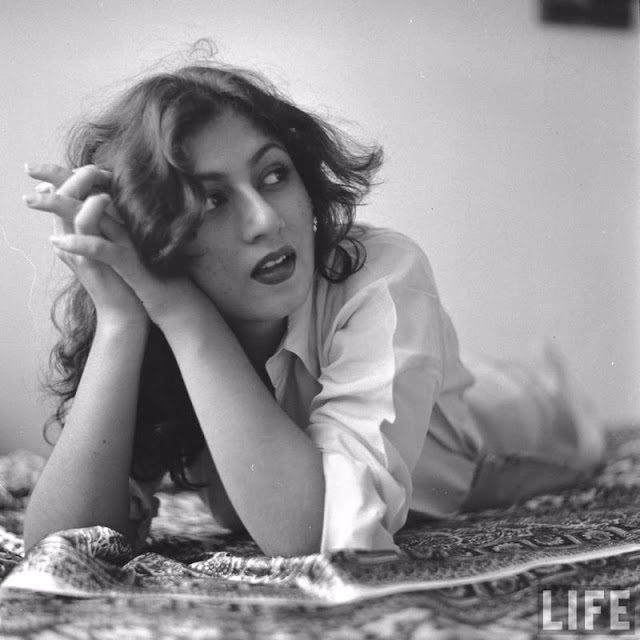
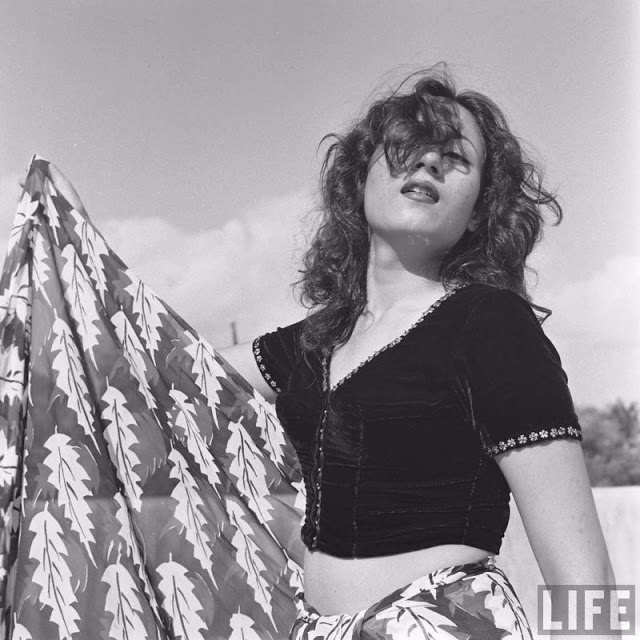
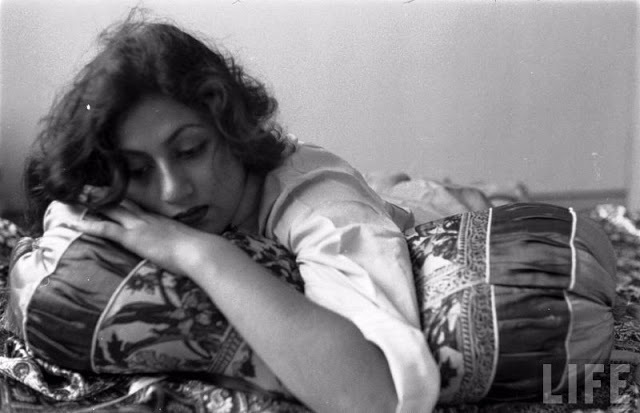
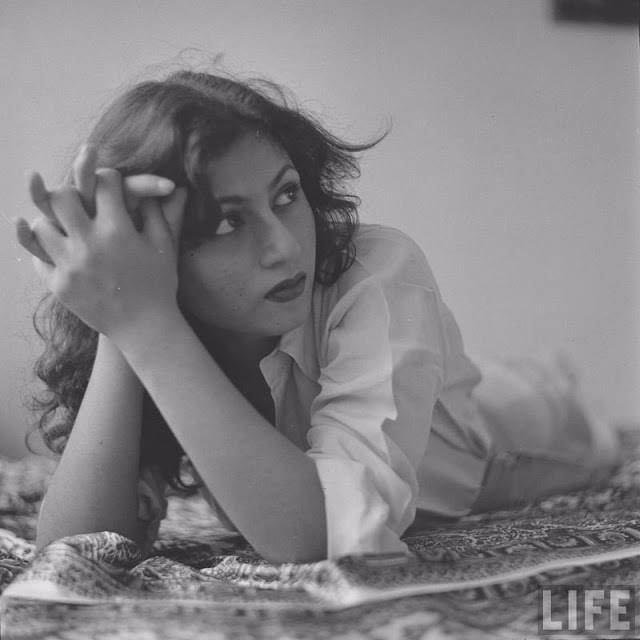
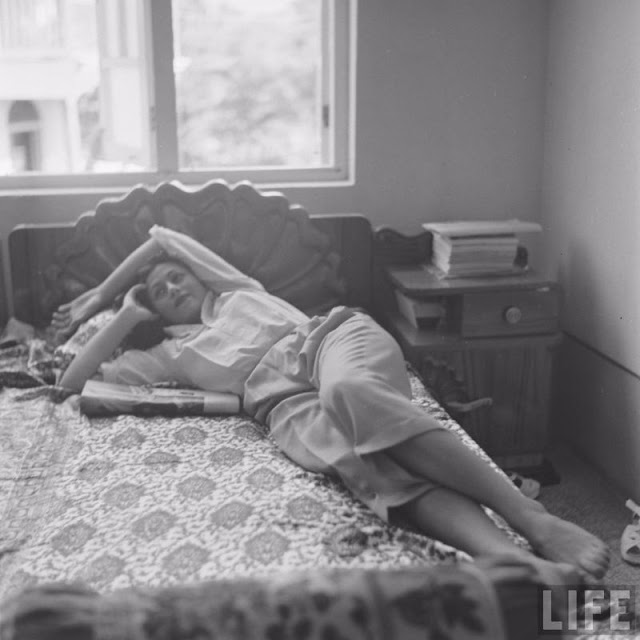
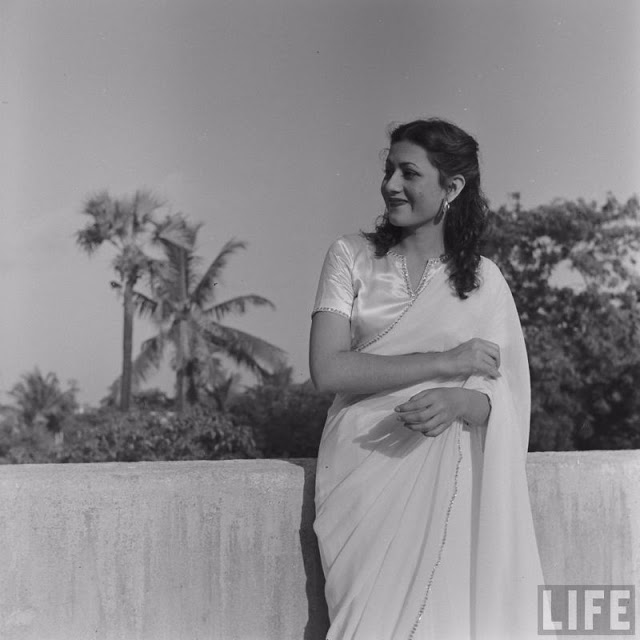
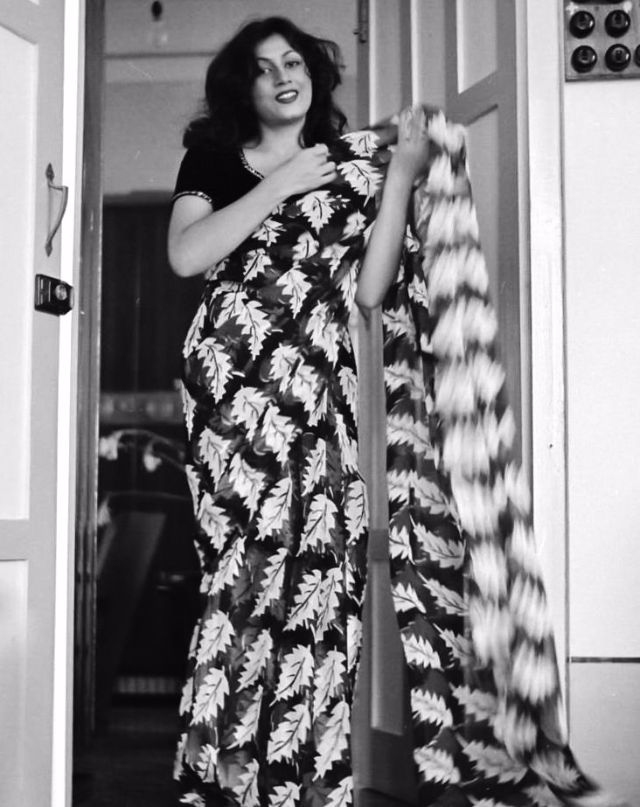
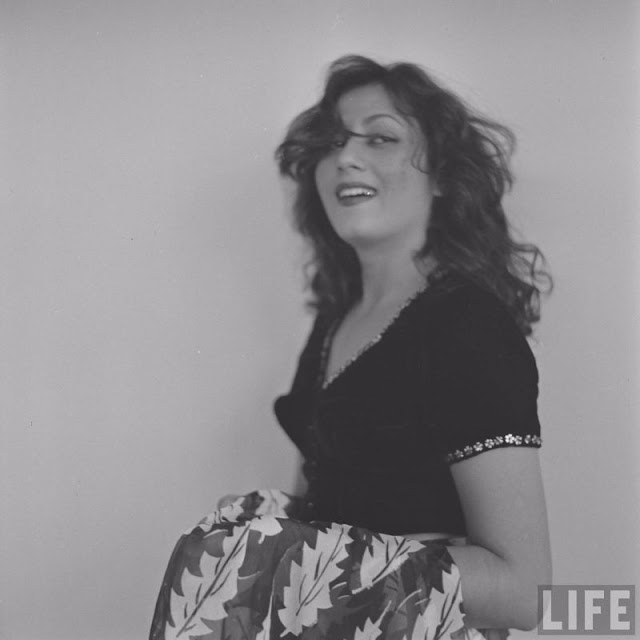
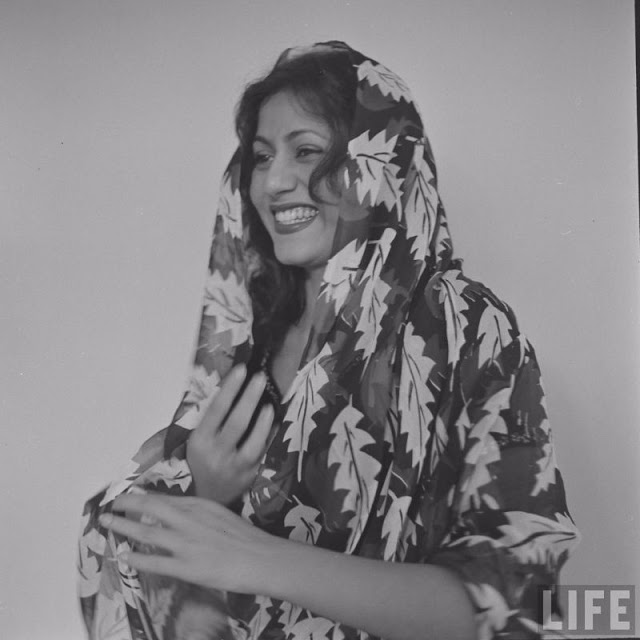
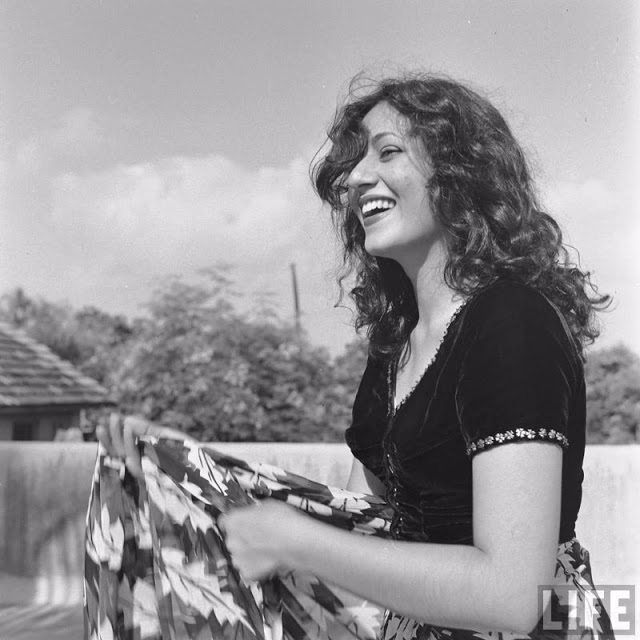
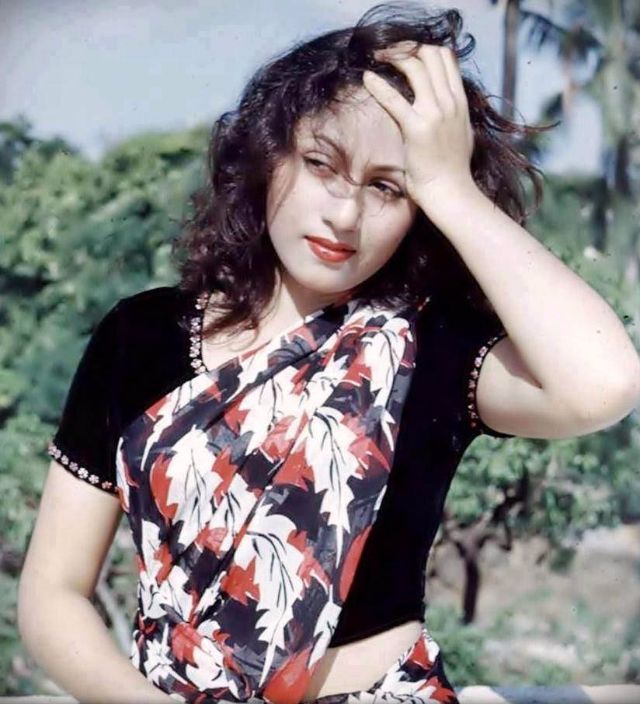
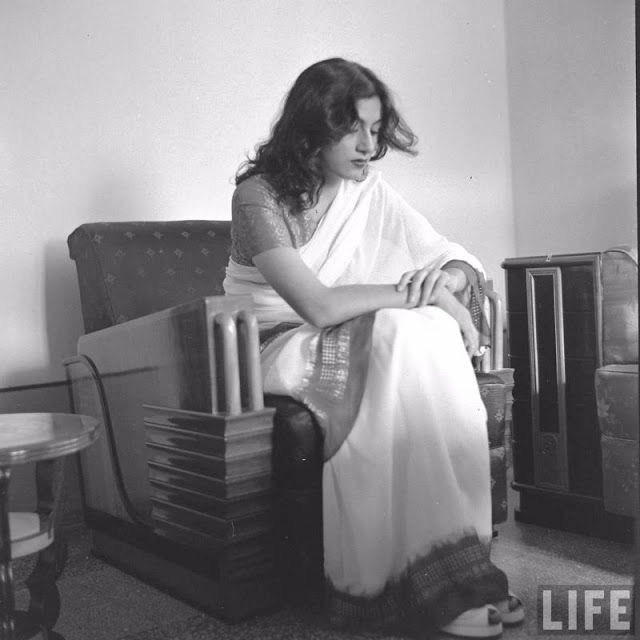
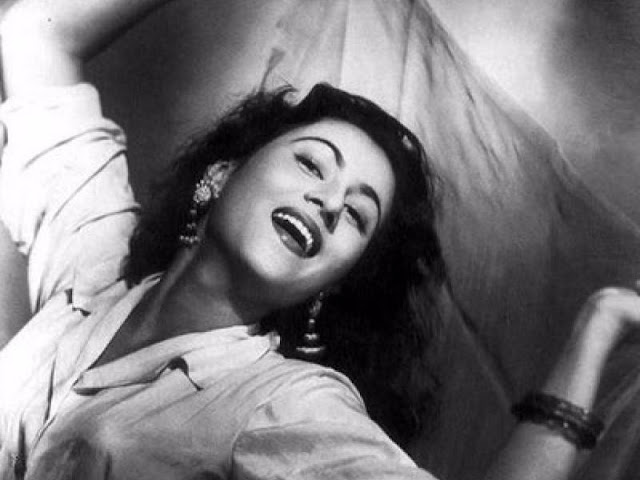
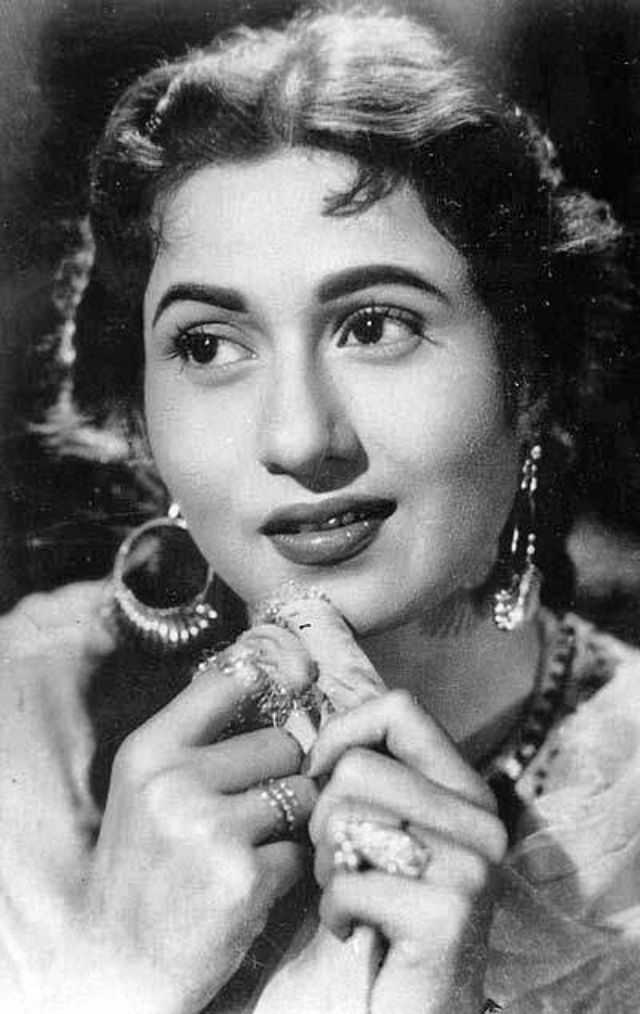
Madhubala (born Mumtaz Jehan Begum Dehlavi; 14 February 1933 – 23 February 1969) was an Indian actress and producer who worked in Hindi cinema. In a career spanning more than 20 years, she was predominantly active for a decade only but had appeared in over 60 films by the time of her death in 1969.
Born and raised in Delhi, Madhubala relocated to Bombay with her family when she was 8 years old and shortly after appeared in minor roles in a number of films. She soon progressed to leading roles in late 1940s, and earned success with the dramas Neel Kamal (1947) and Amar (1954), the horror film Mahal (1949), and the romantic films Badal (1951) and Tarana (1951). Following a brief setback, Madhubala rose to international prominence with her roles in the comedies Mr. & Mrs. ’55 (1955), Chalti Ka Naam Gaadi (1958) and Half Ticket (1962), the crime films Howrah Bridge and Kala Pani (both 1958), and the musical Barsaat Ki Raat (1960).
Madhubala’s portrayal of Anarkali in the historical epic drama Mughal-e-Azam (1960)—the highest-grossing film in India at that point of time—earned her widespread acclaim and a nomination for a Filmfare award in Best Actress category; her performance has since been described by critics as one of the finest in Indian cinematic history. She worked sporadically in film in the 1960s, making her final appearance in the drama Sharabi (1964). Additionally, she produced three films under her production house Madhubala Private Ltd., which was co-founded by her in 1953.
Despite maintaining strong privacy, Madhubala earned significant media coverage for performing actively in charity, and for her relationships with actor Dilip Kumar, which lasted seven years, and with actor-singer Kishore Kumar, whom she eventually married in 1960. Since the beginning of her thirties, she suffered from recurring bouts of breathlessness and hemoptysis caused by a ventricular septal defect, ultimately leading to her premature death in 1969. (Wikipedia)
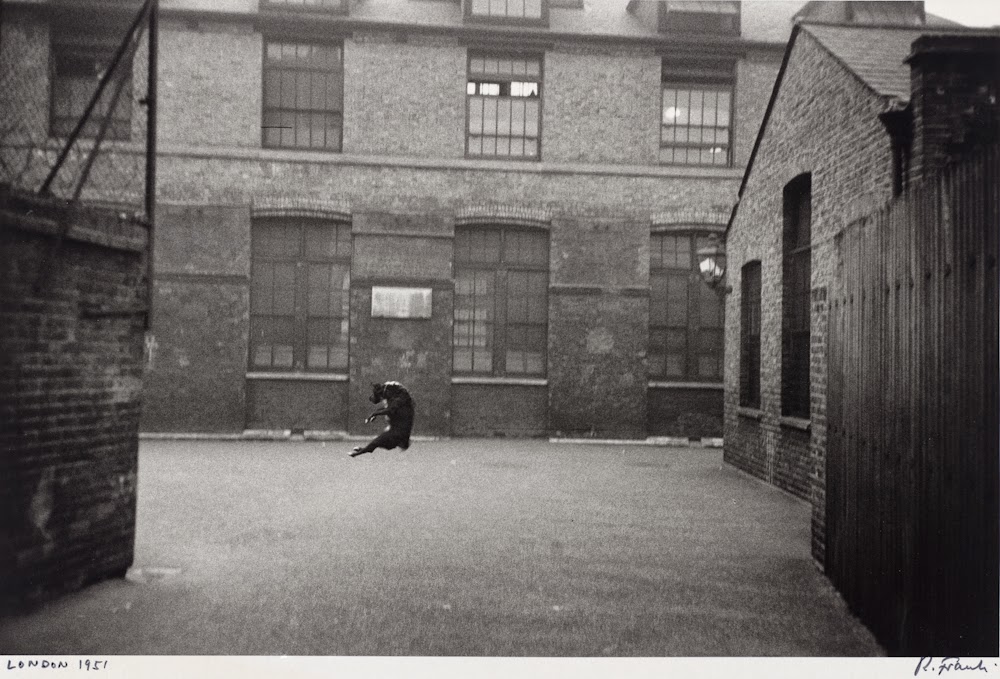
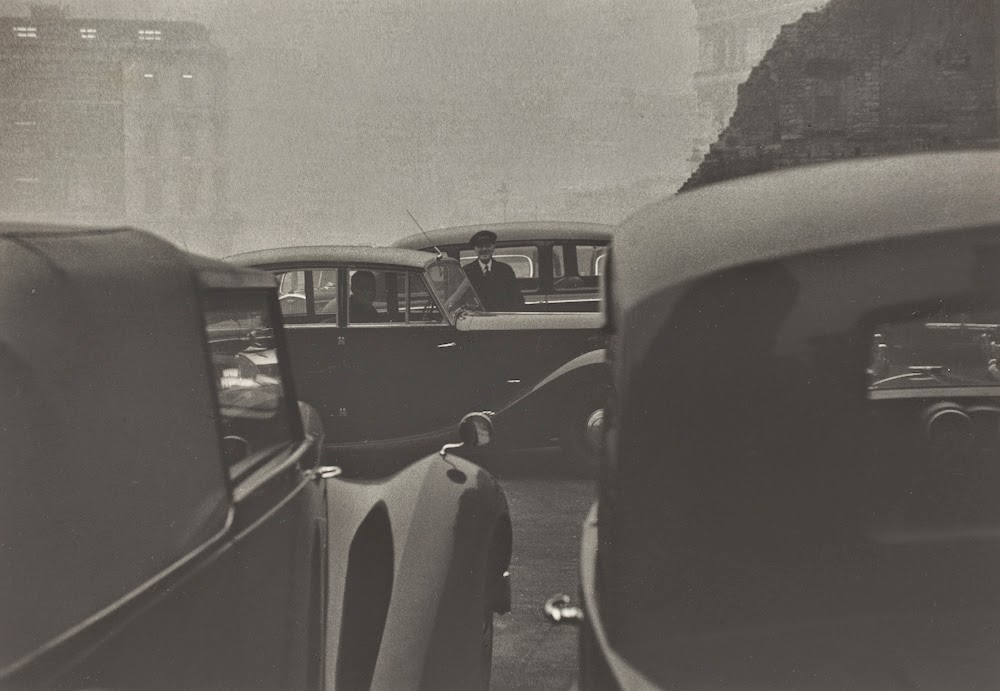
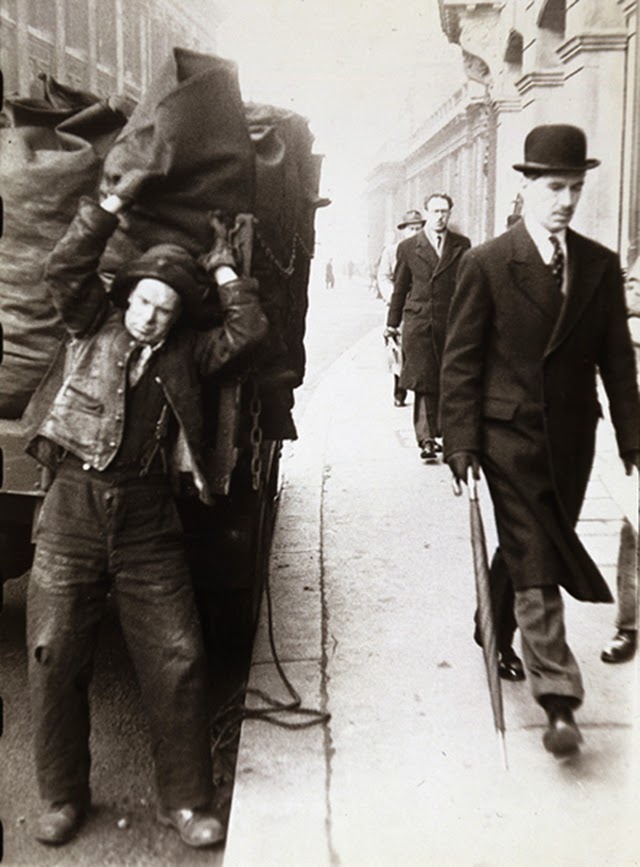
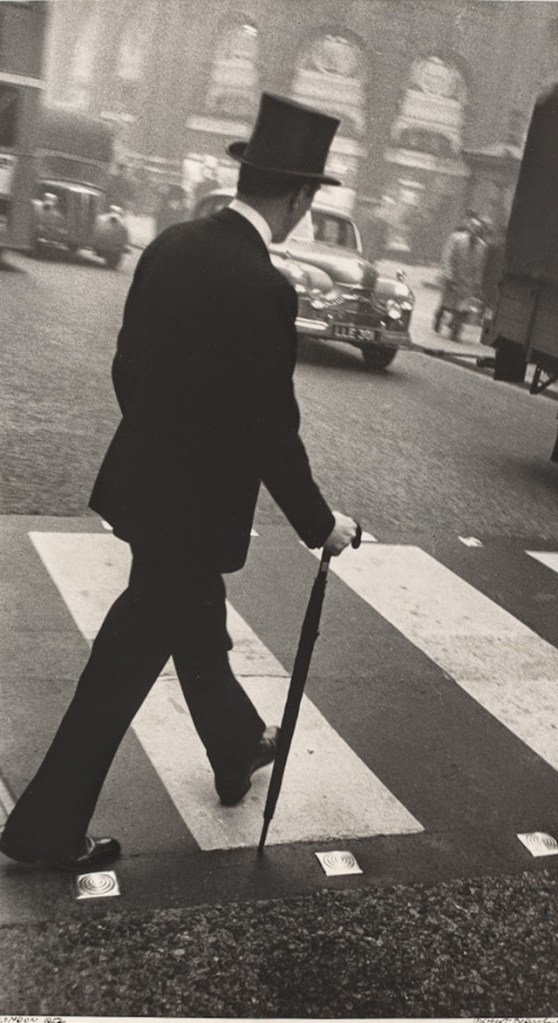
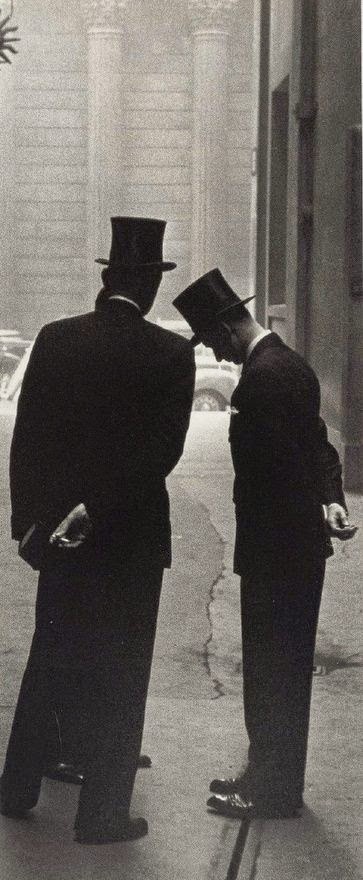
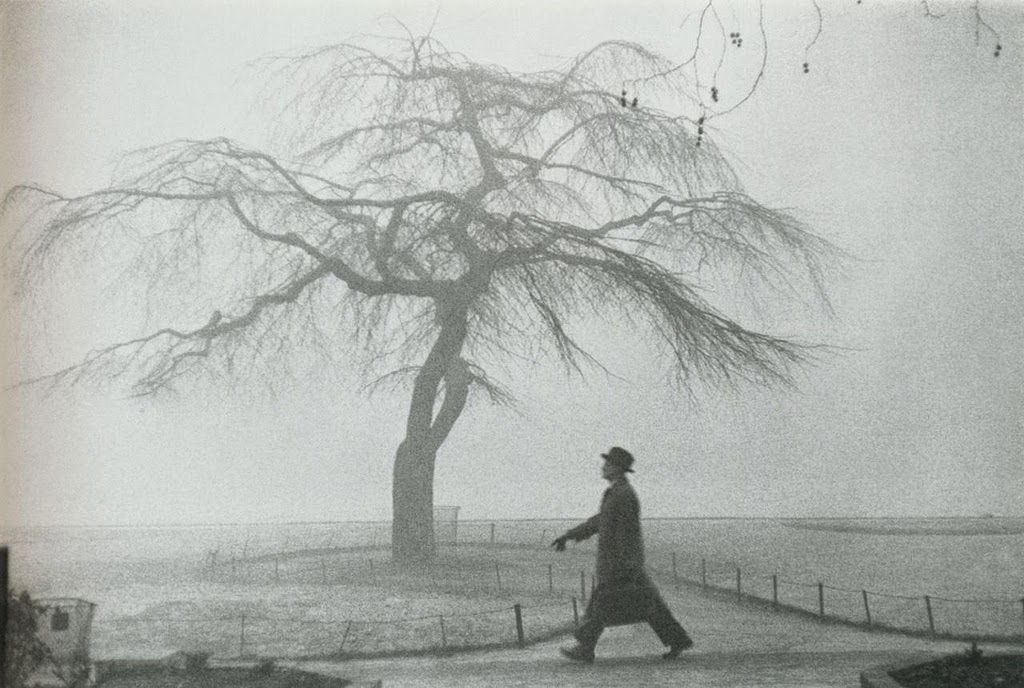
Between 1949 and 1953, Robert Frank continually returned to Europe from his new home in New York to take photographs in France, Switzerland, Spain, and Great Britain, photographs that show the development of his uniquely humanist, poetic, and realist eye.
In 1951 and early 1952, Frank visited London-“I liked the light, I liked the fog.”- and set out to photograph the unique atmosphere of the city. He followed British financiers around the City, capturing them in their traditional top hats and long coats, creating images that depict them in a poetic dance with their fog-shrouded environment. He shot pictures of workers, men delivering coal, children playing on the streets, people waiting or relaxing in the parks, and images of poverty.
In these photographs he juxtaposed money and work, wealth and poverty, creating a dynamic photographic project that has never been shown before in its entirety.
London is the capital and largest city of England and the United Kingdom with a total population of 9,002,488. It stands on the River Thames in south-east England at the head of a 50-mile (80 km) estuary down to the North Sea, and has been a major settlement for two millennia. The City of London, its ancient core and financial centre, was founded by the Romans as Londinium and retains boundaries close to its medieval ones. Since the 19th century, “London” has also referred to the metropolis around this core, historically split between the counties of Middlesex, Essex, Surrey, Kent, and Hertfordshire, which largely comprises Greater London, governed by the Greater London Authority. The City of Westminster, to the west of the City of London, has for centuries held the national government and parliament.
As one of the world’s global cities, London exerts strong influence on its arts, commerce, education, entertainment, fashion, finance, health care, media, tourism, and communications, and has sometimes been called the capital of the world. Its GDP (€801.66 billion in 2017) makes it the biggest urban economy in Europe, and it is one of the major financial centres in the world. In 2019 it had the second-highest number of ultra high-net-worth individuals in Europe after Paris and the second-highest number of billionaires in Europe after Moscow. As of 2021, London has the most millionaires of any city. With Europe’s largest concentration of higher education institutions, it includes Imperial College London in natural and applied sciences, the London School of Economics in social sciences, and the comprehensive University College London. The city is home to the most 5-star hotels of any city in the world. In 2012, London became the first city to host three Summer Olympic Games.
London’s diverse cultures encompass over 300 languages. The mid-2018 population of Greater London of about 9 million made it Europe’s third-most populous city, accounting for 13.4% of the population of the United Kingdom. Greater London Built-up Area is the fourth-most populous in Europe, after Istanbul, Moscow and Paris, with about 9.8 million inhabitants at the 2011 census. The London metropolitan area is the third-most populous in Europe after Istanbul’s and Moscow’s, with about 14 million inhabitants in 2016, granting London the status of a megacity.
London has four World Heritage Sites: the Tower of London; Kew Gardens; the combined Palace of Westminster, Westminster Abbey, and St Margaret’s Church; and also the historic settlement in Greenwich, where the Royal Observatory, Greenwich defines the Prime Meridian (0° longitude) and Greenwich Mean Time. Other landmarks include Buckingham Palace, the London Eye, Piccadilly Circus, St Paul’s Cathedral, Tower Bridge and Trafalgar Square. It has numerous museums, galleries, libraries and sporting venues, including the British Museum, National Gallery, Natural History Museum, Tate Modern, British Library and West End theatres. The London Underground is the oldest rapid transit system in the world. (Wikipedia)