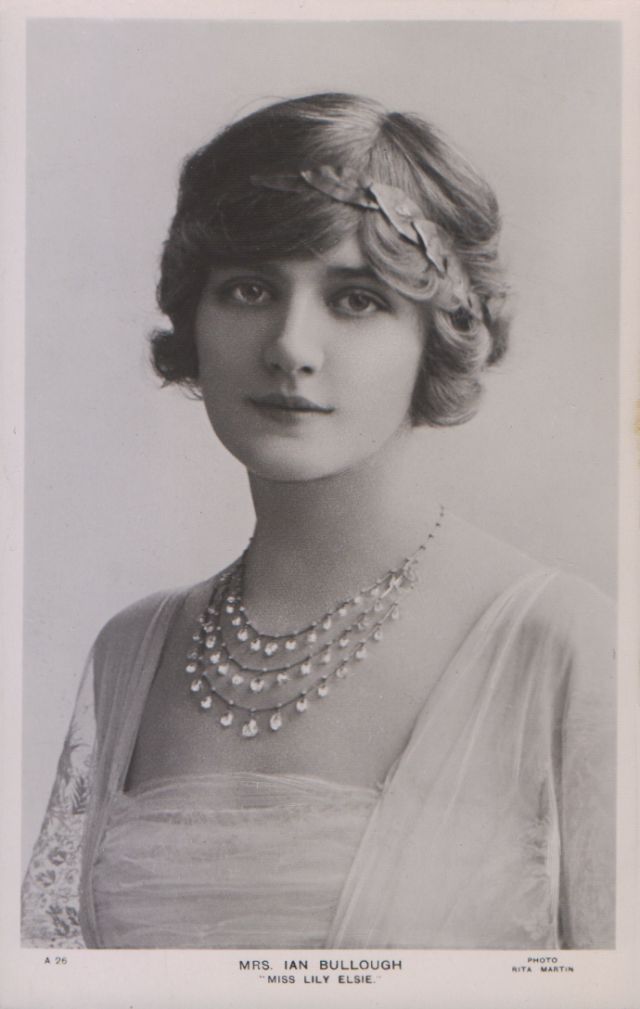
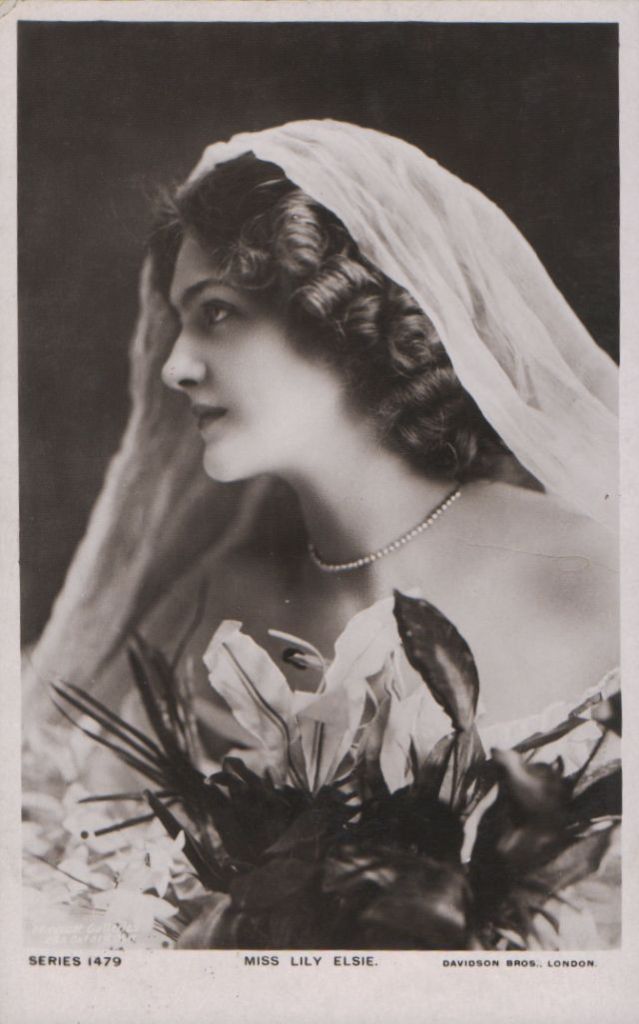
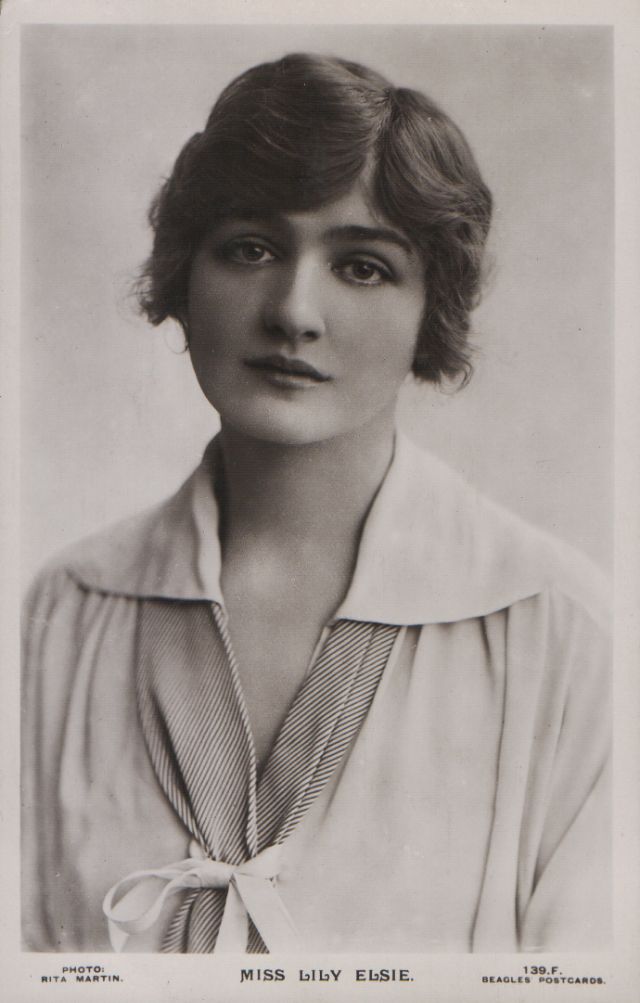
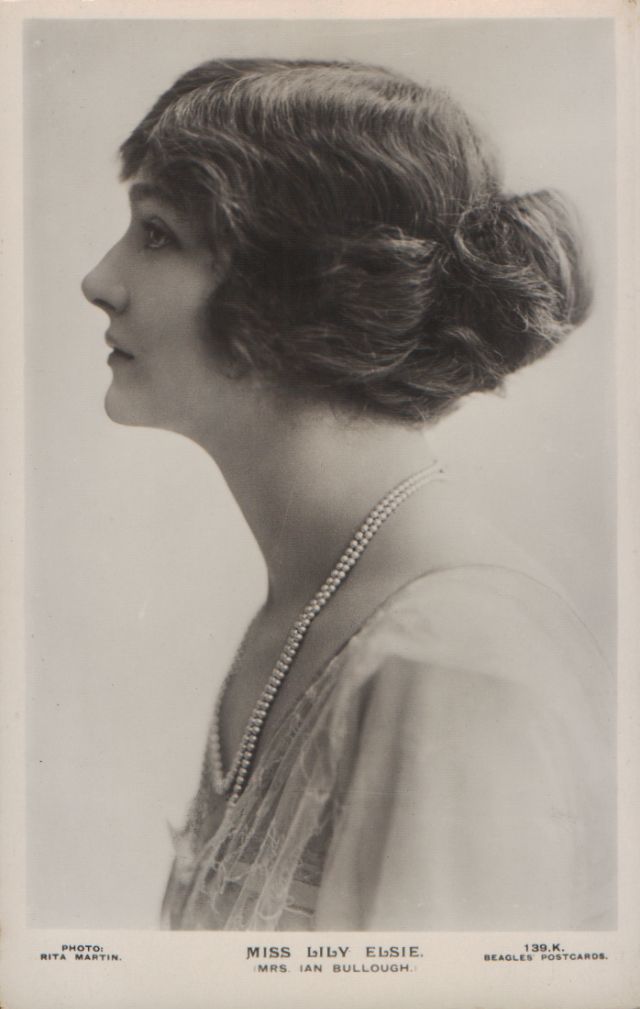
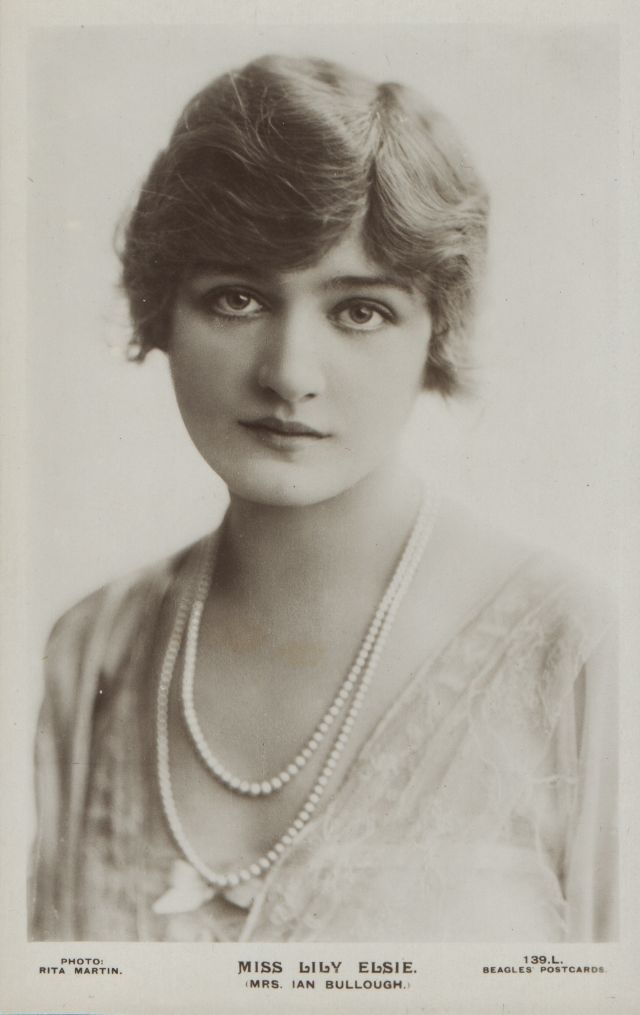
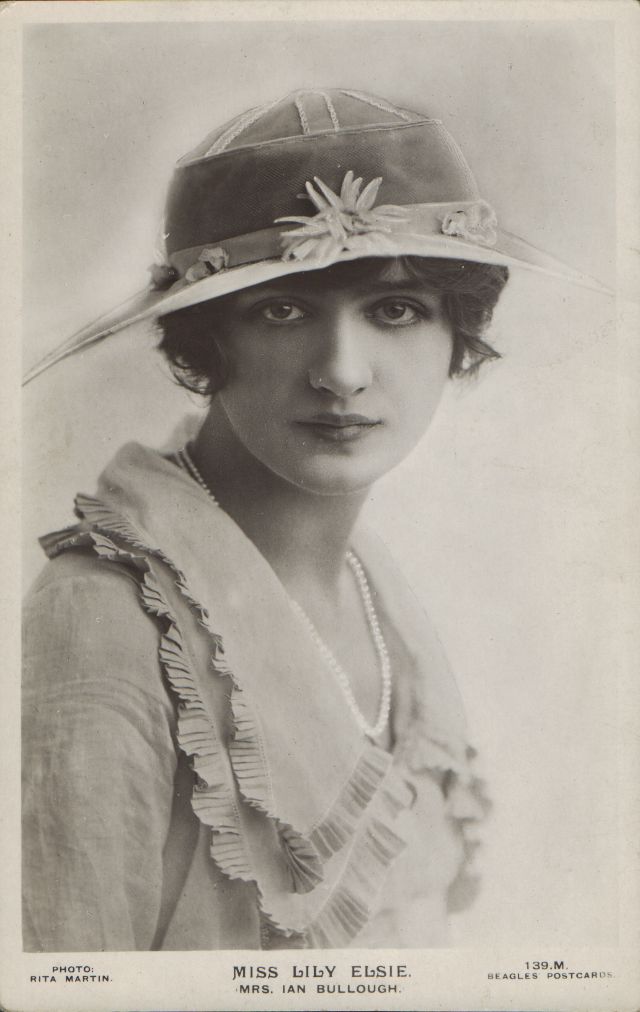
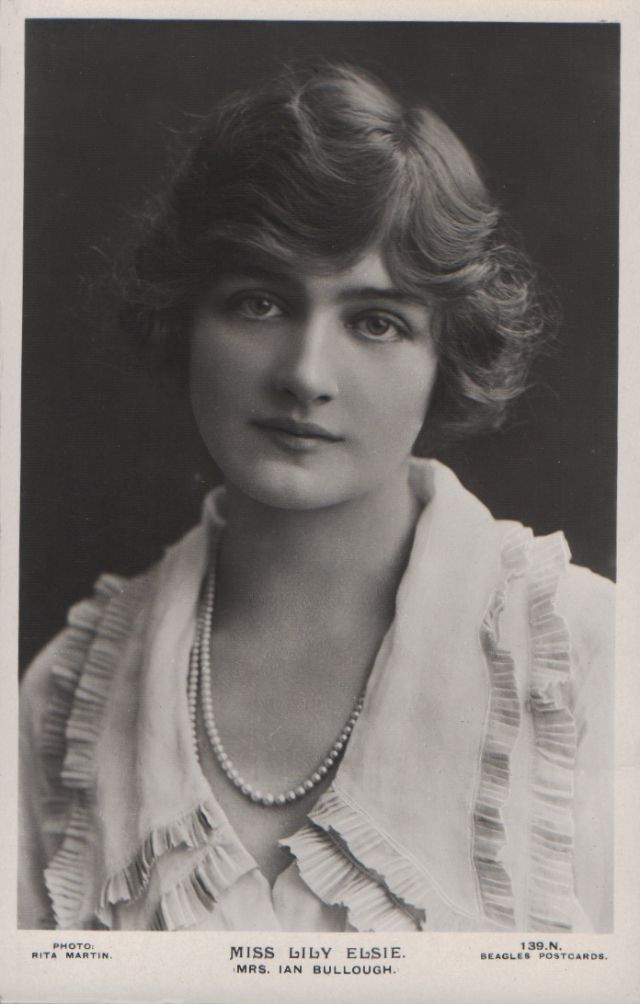
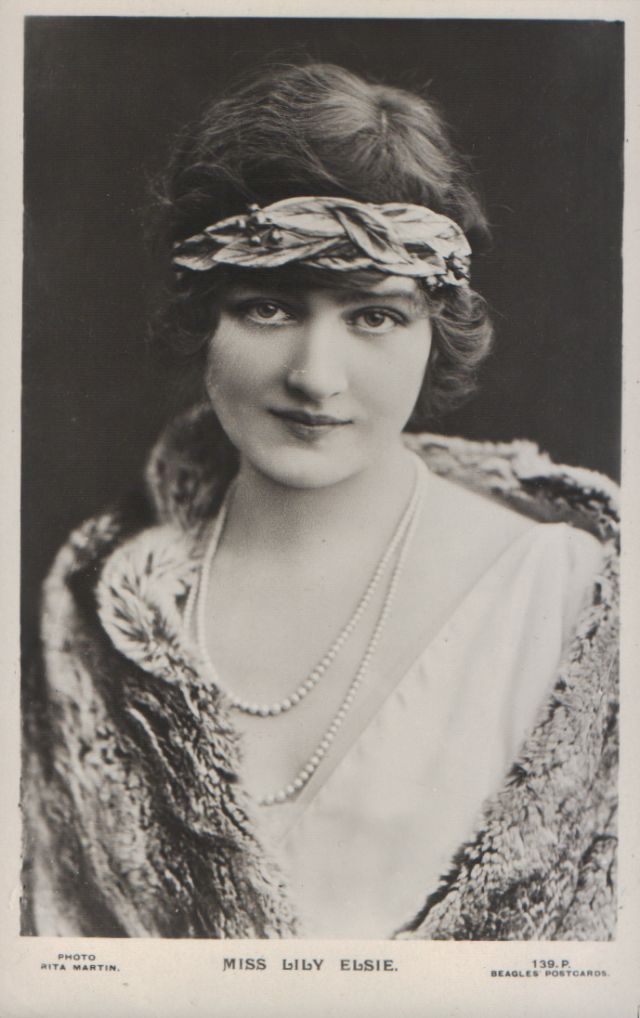
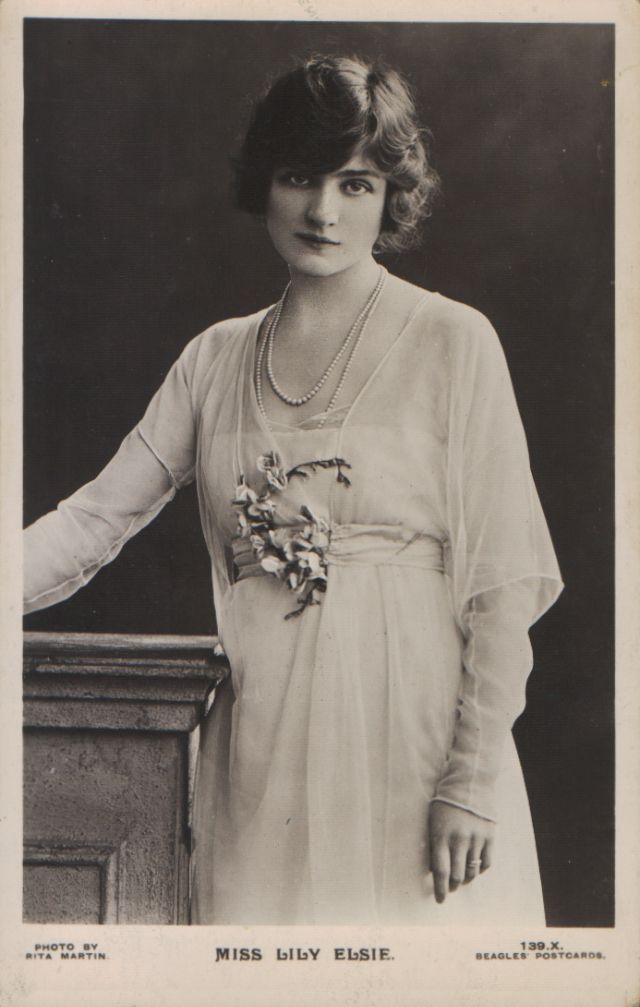
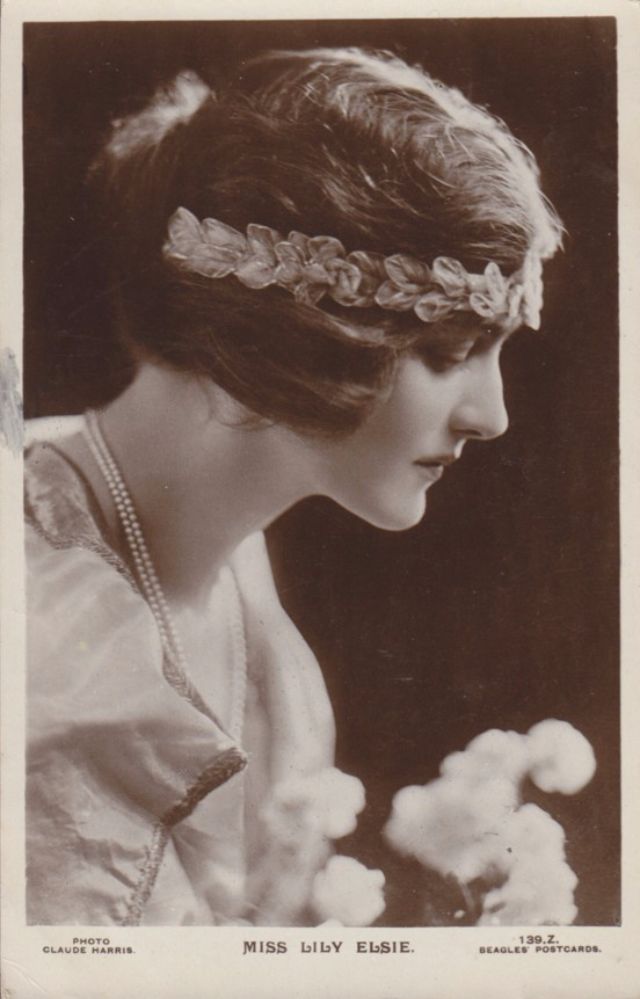
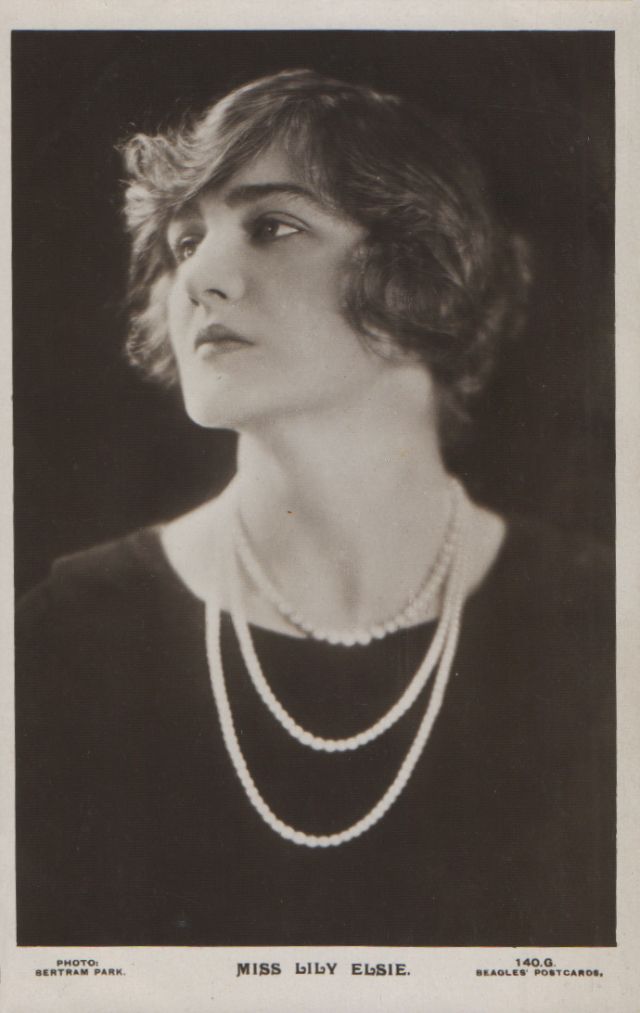
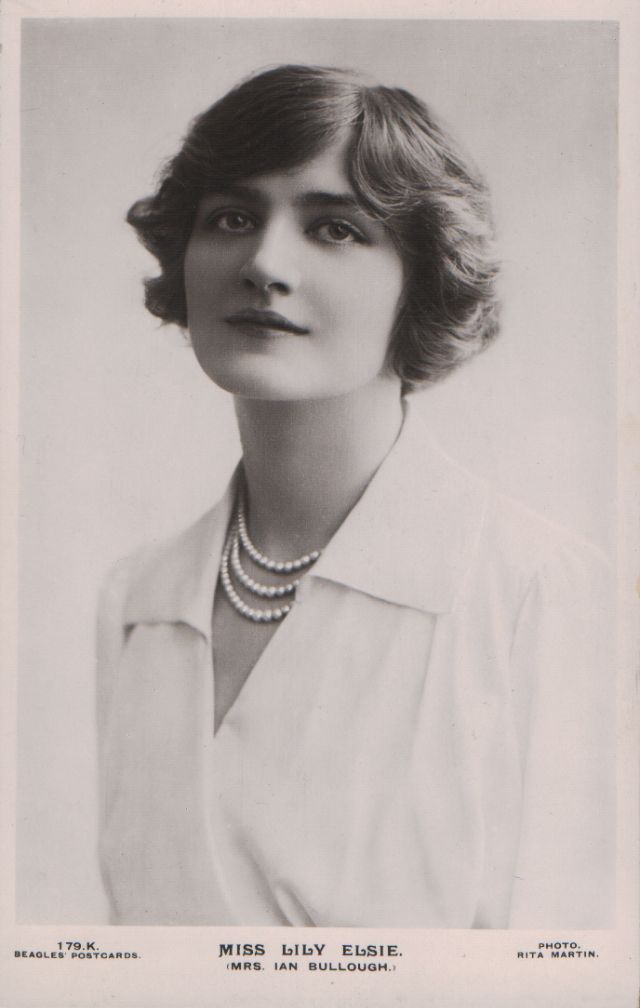
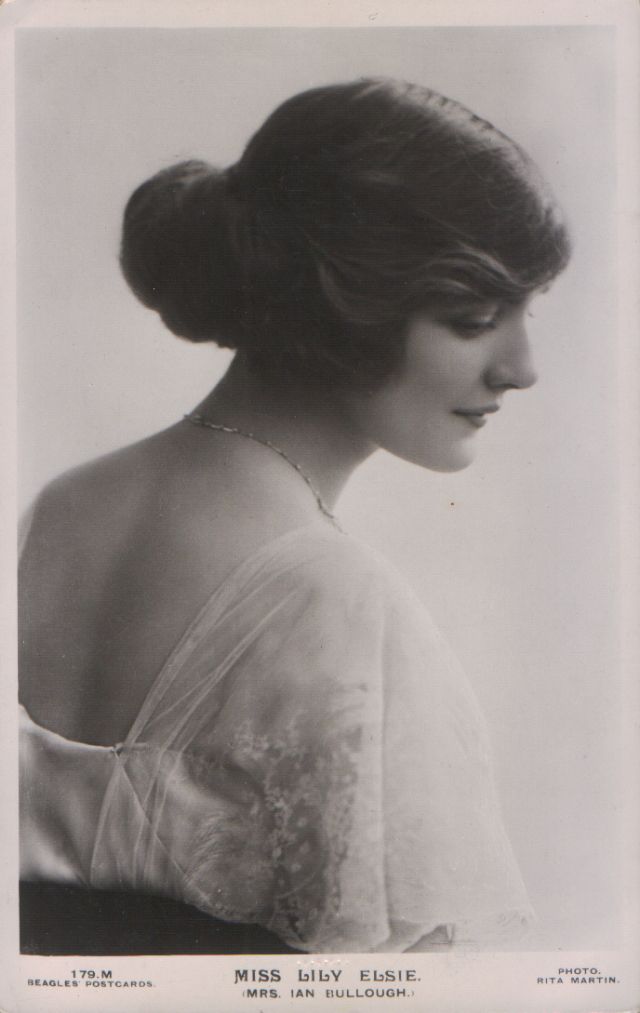
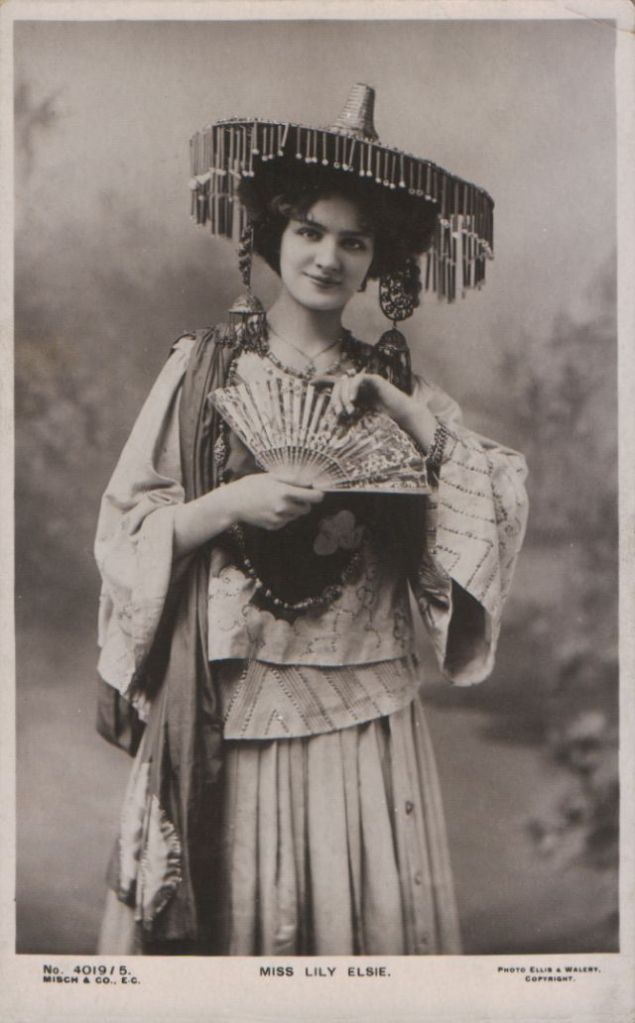
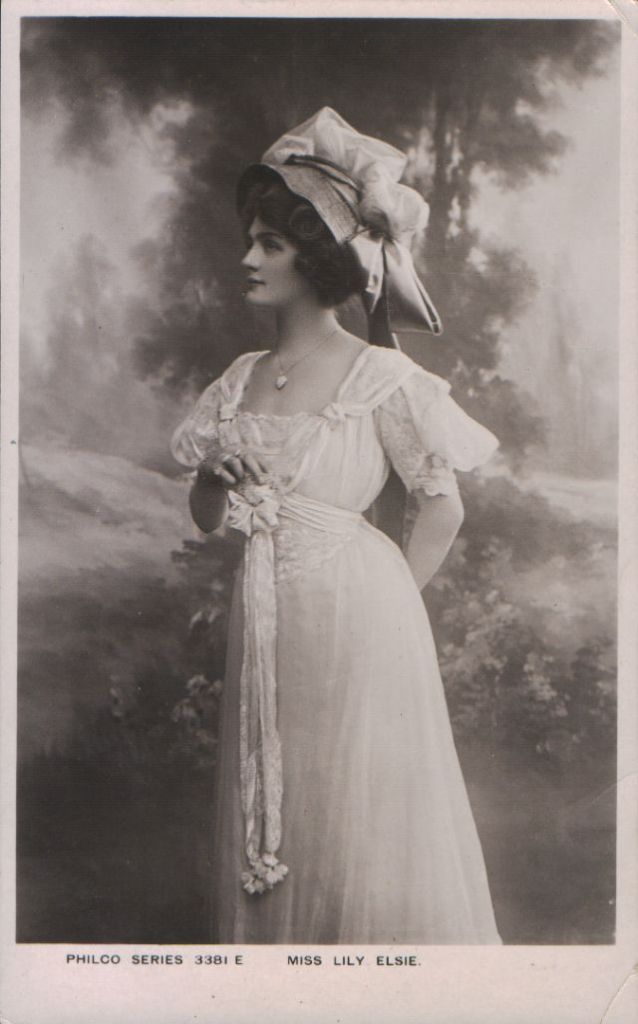
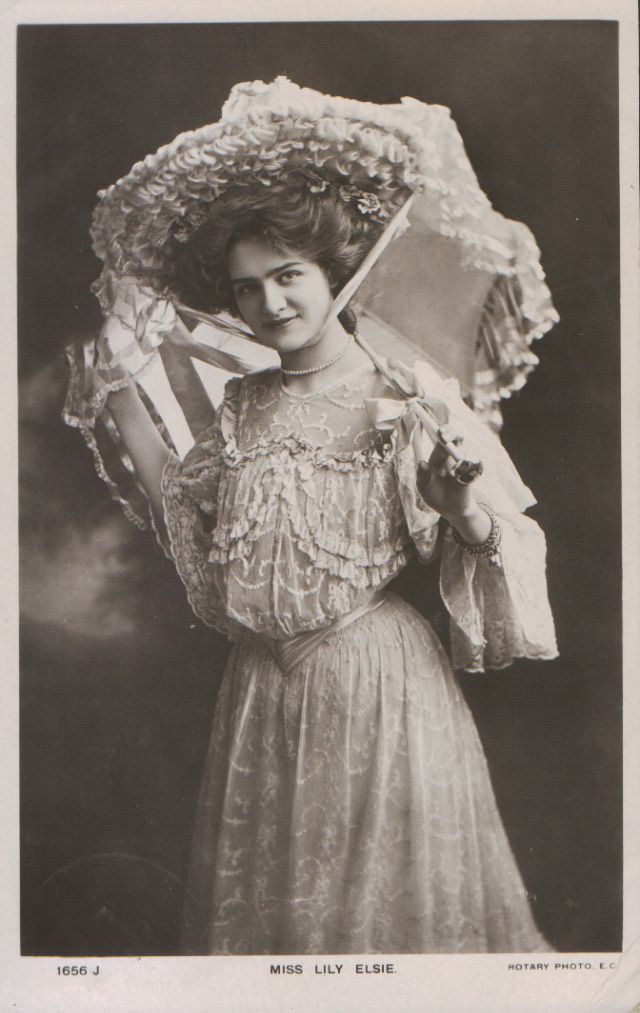
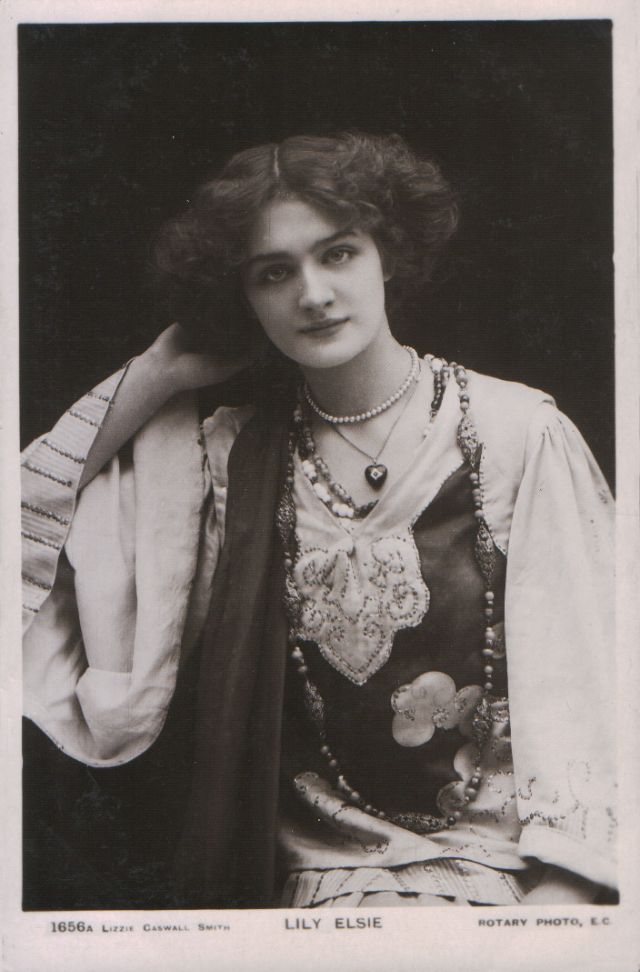
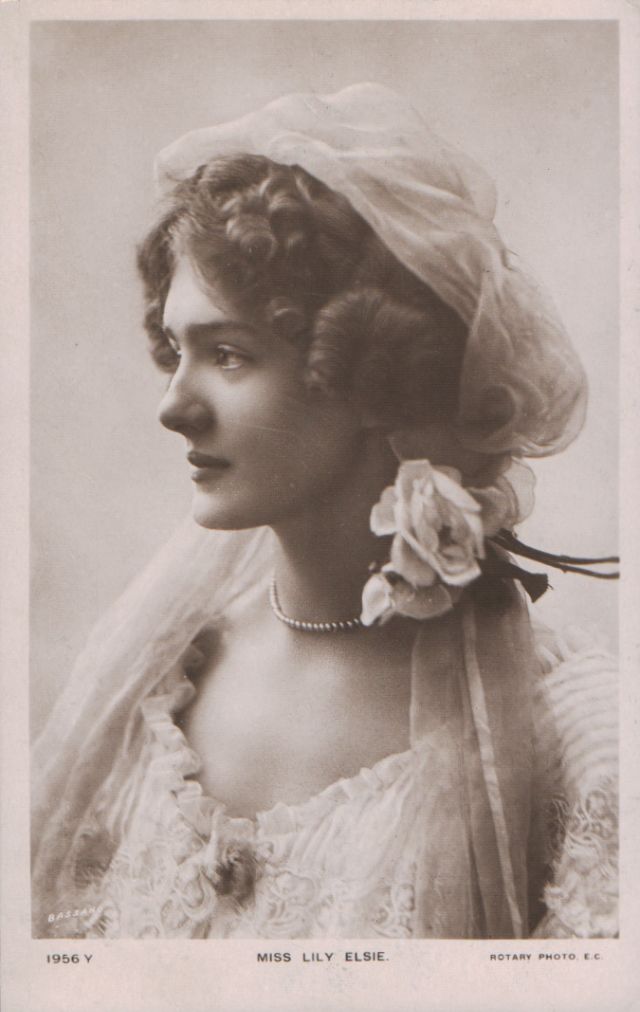
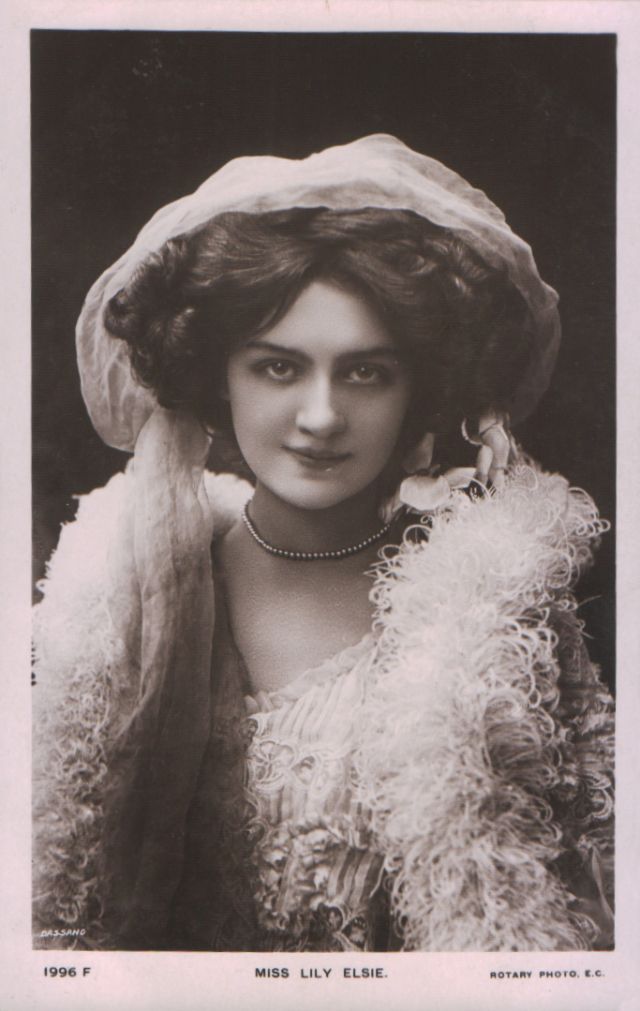
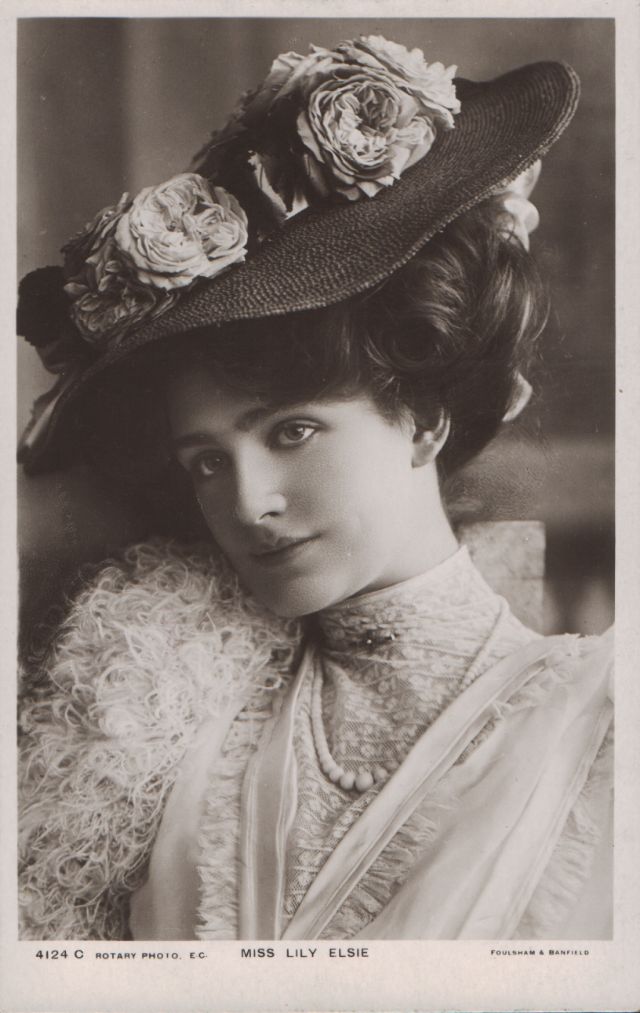
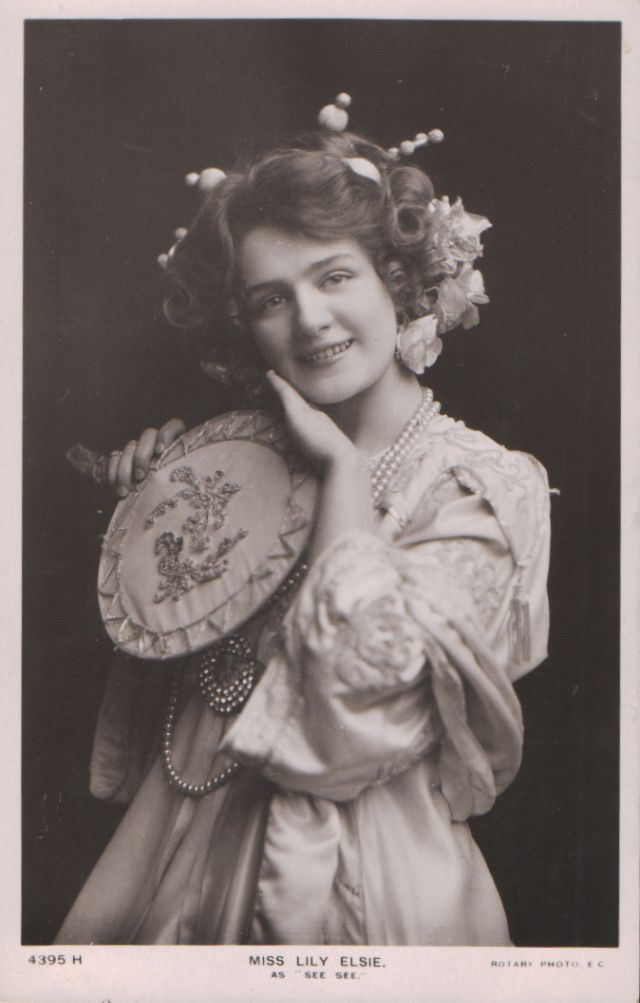
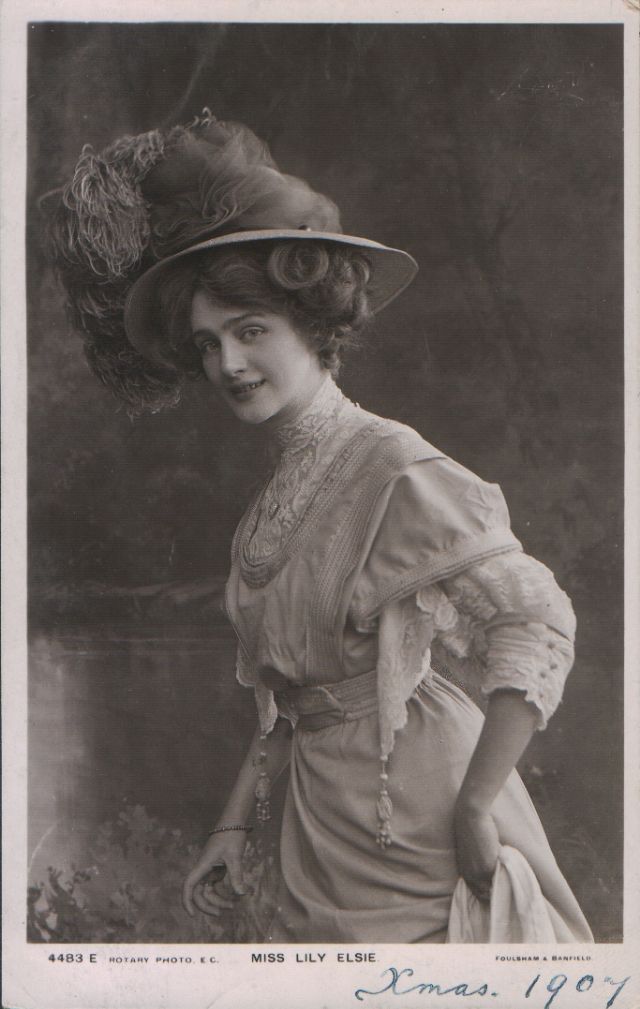
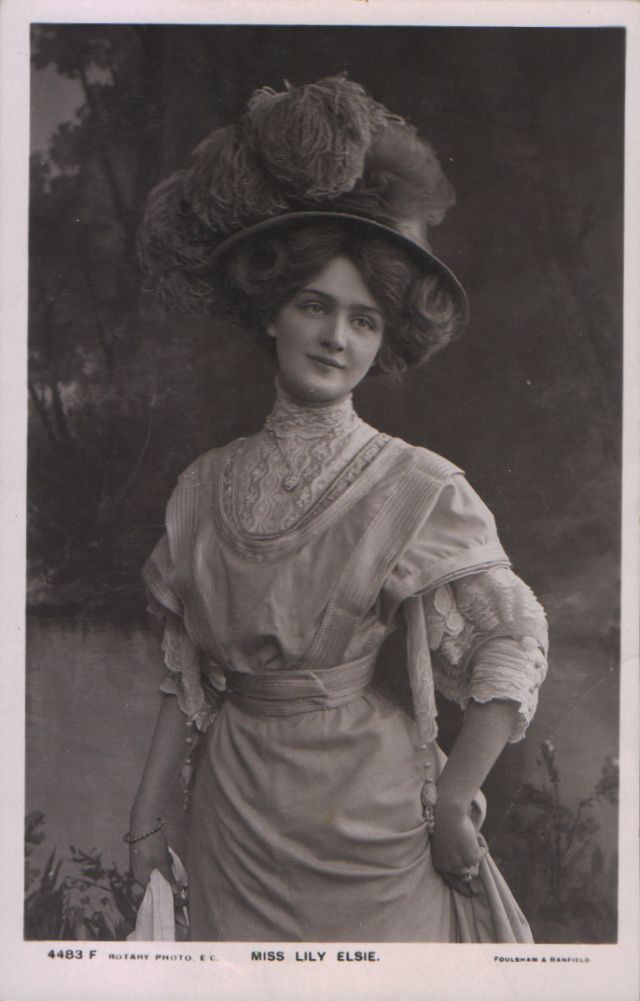
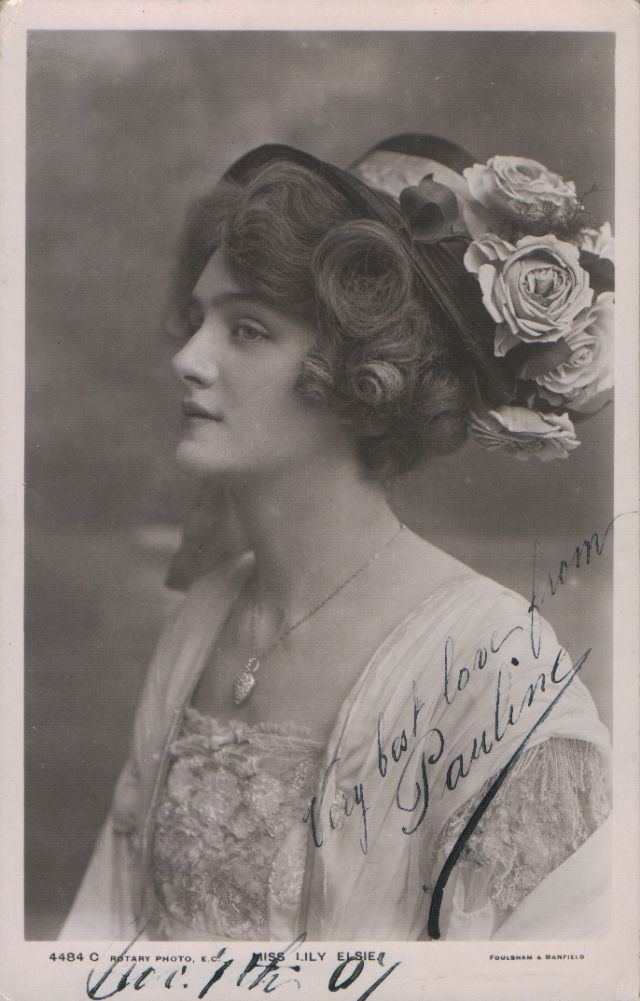
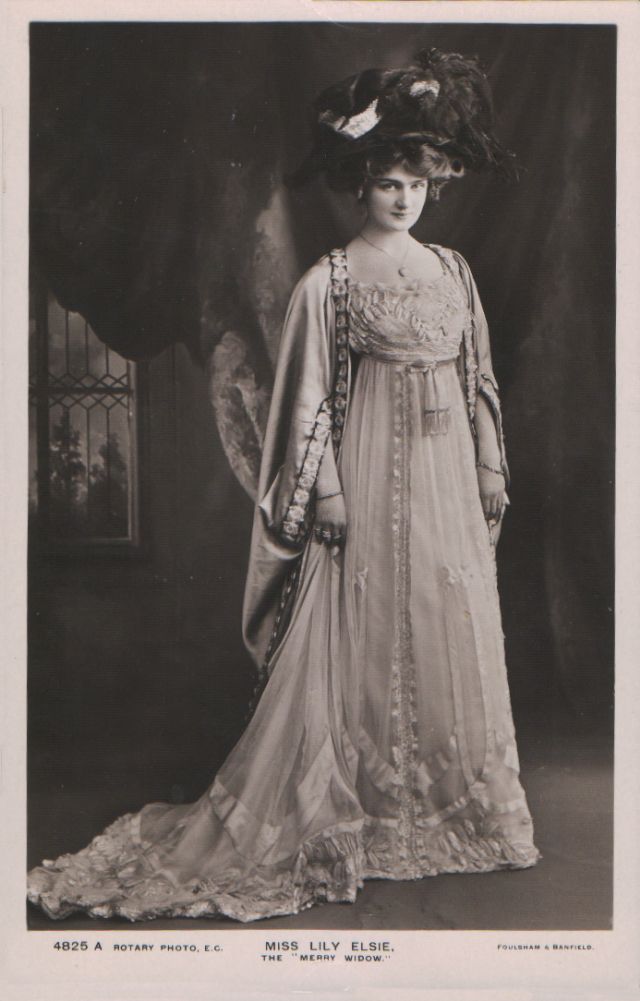
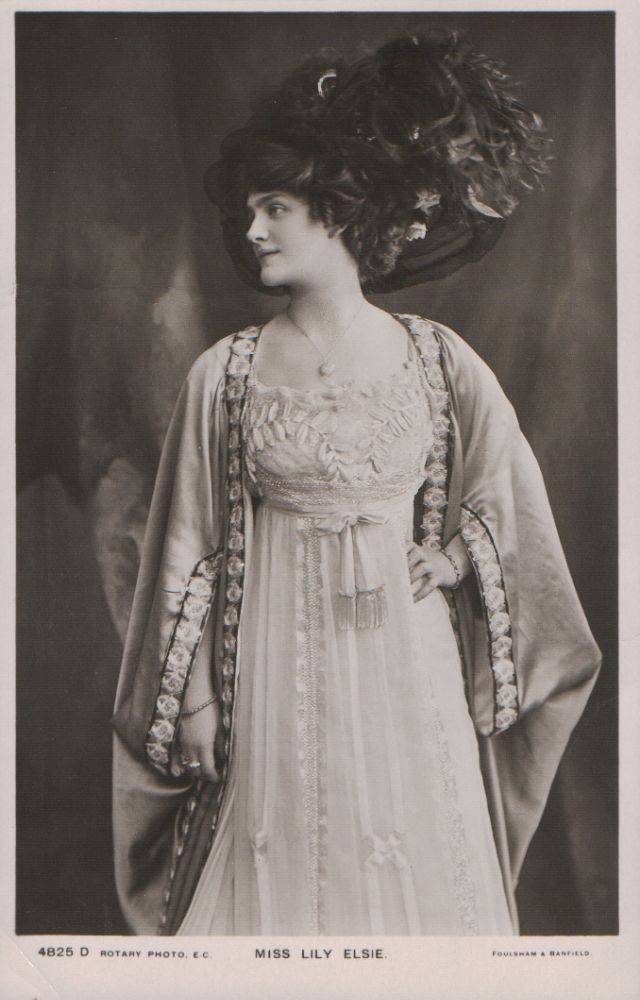
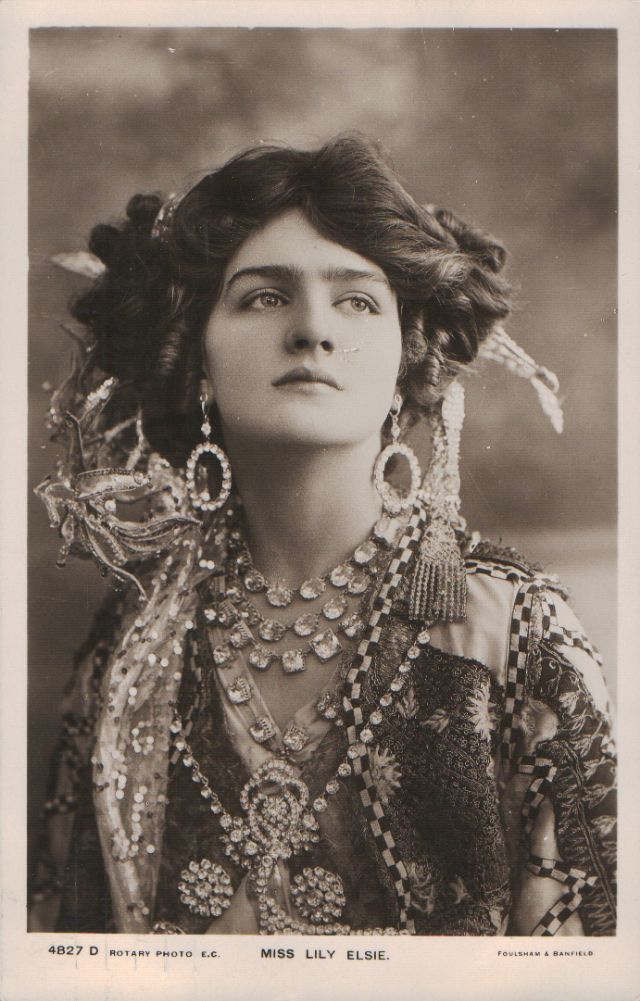
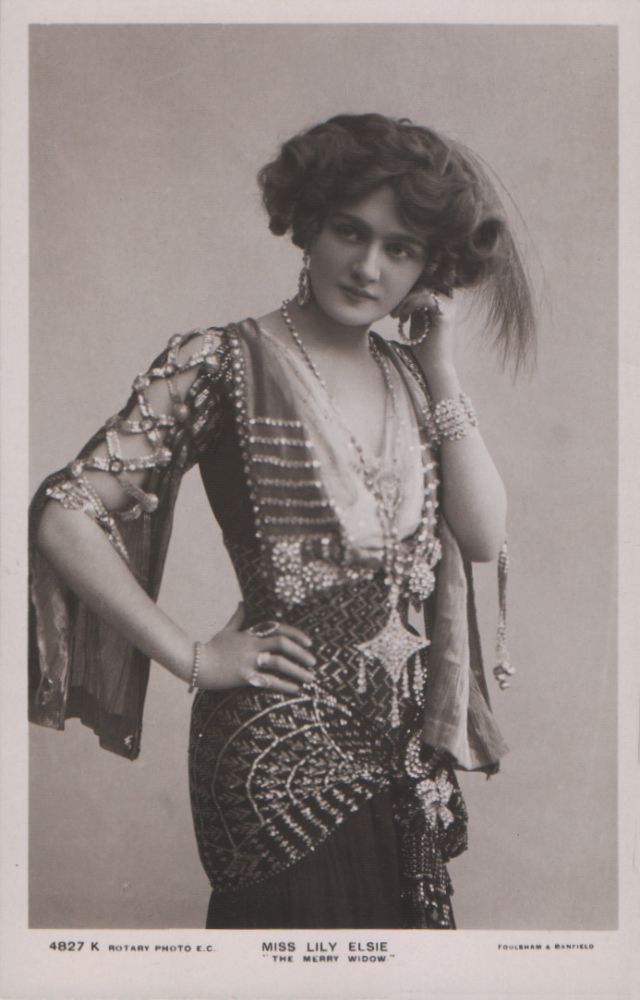
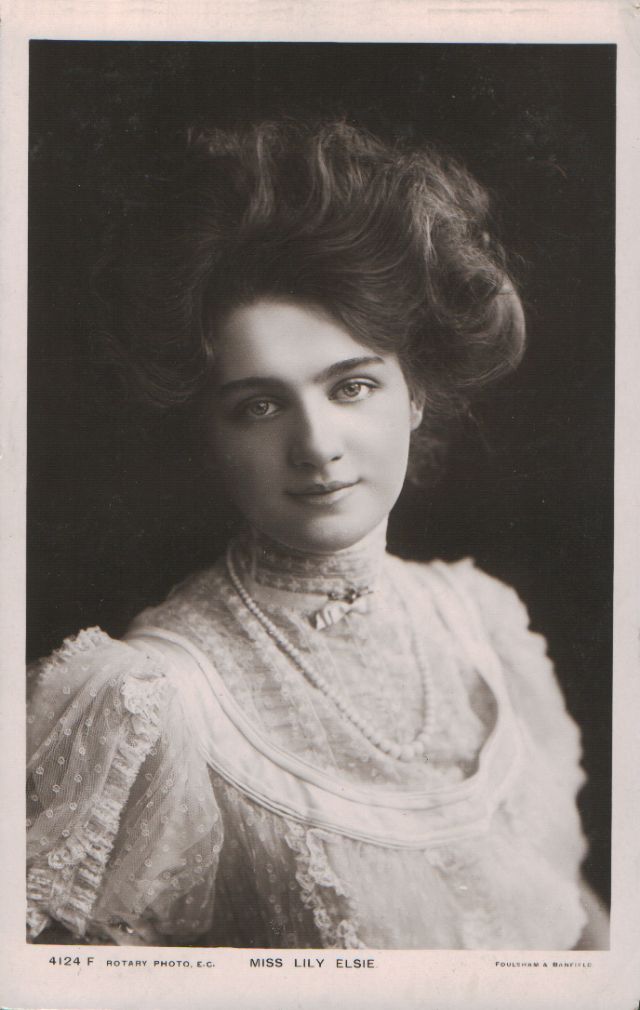
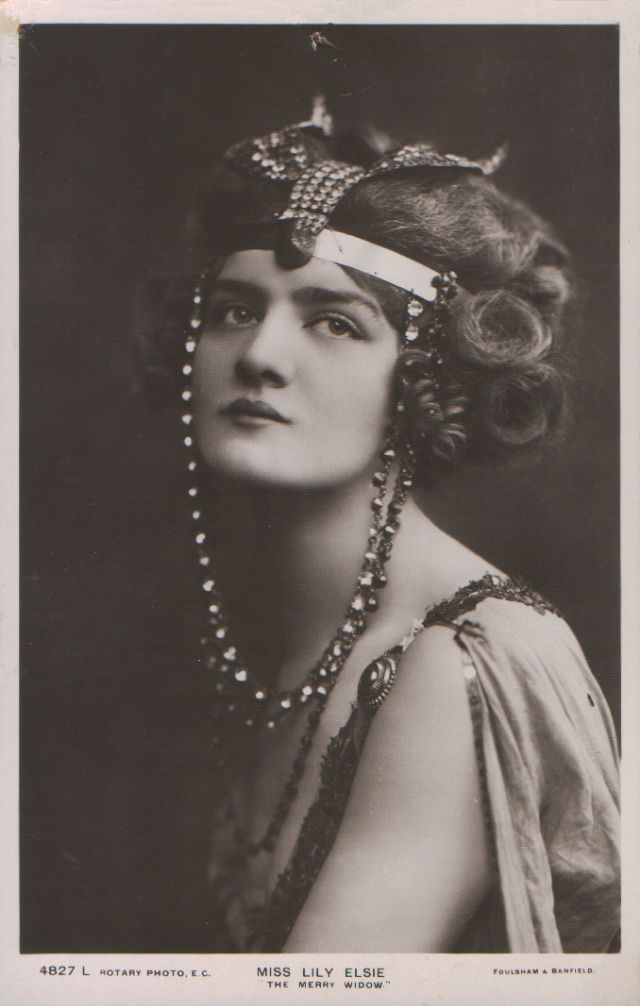
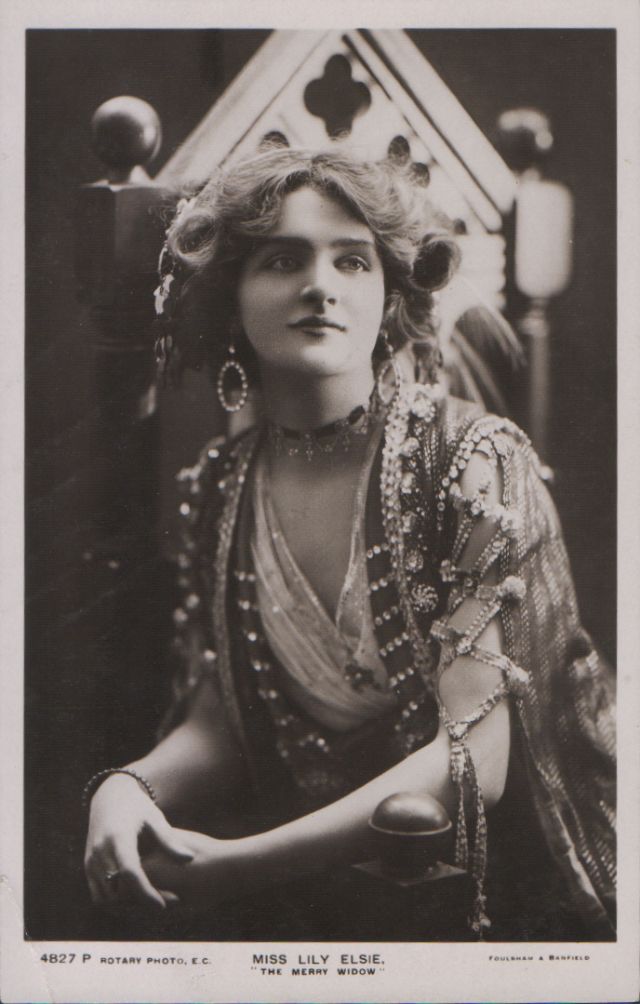
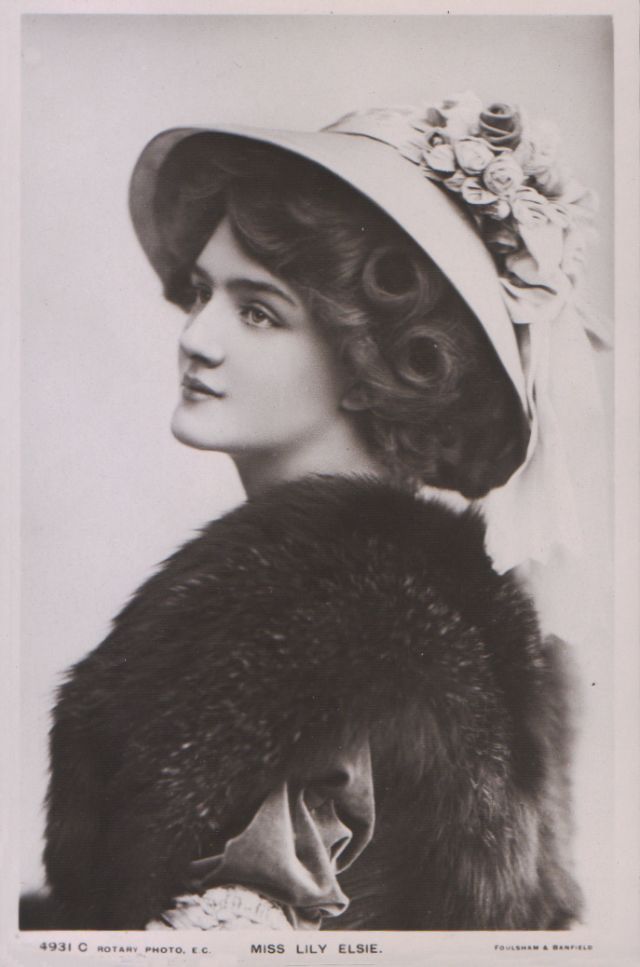
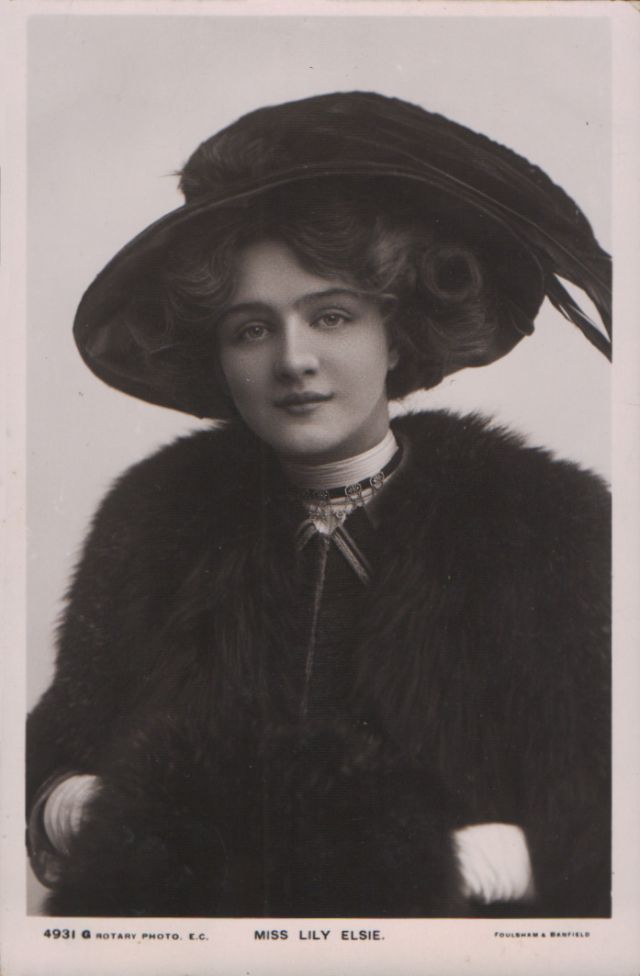
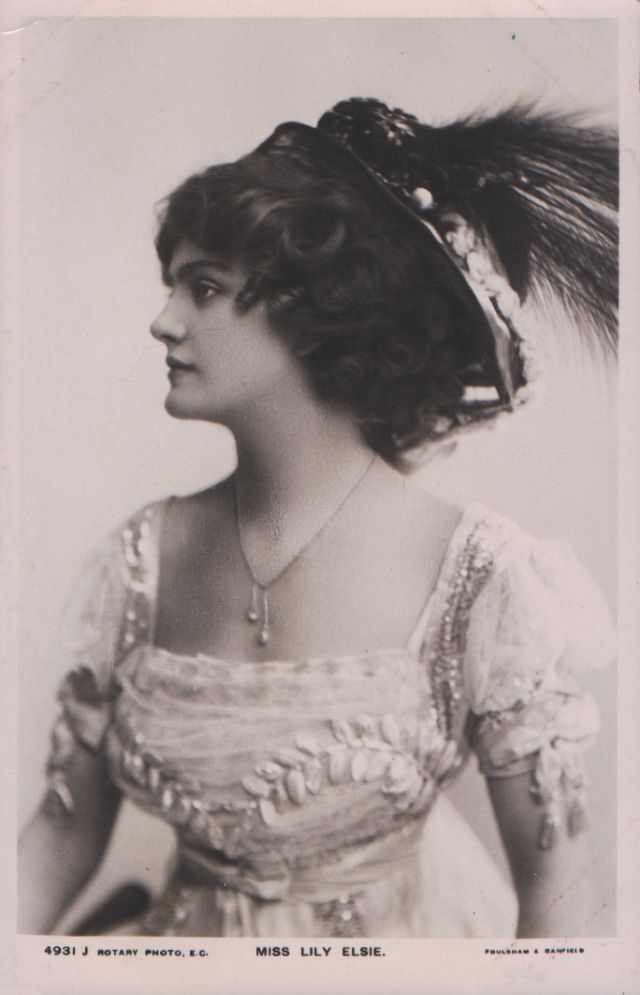
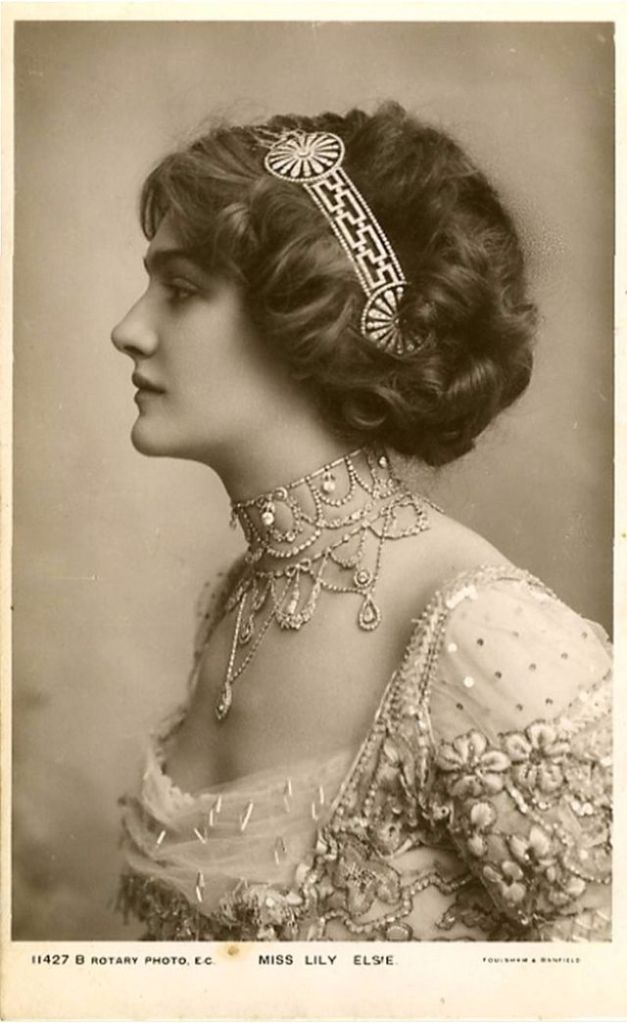
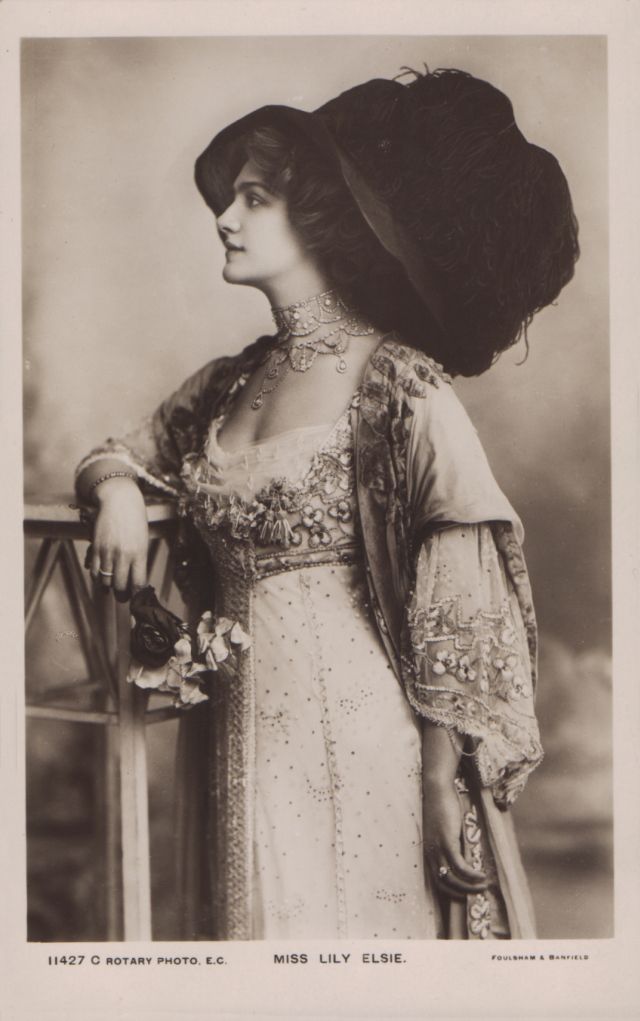
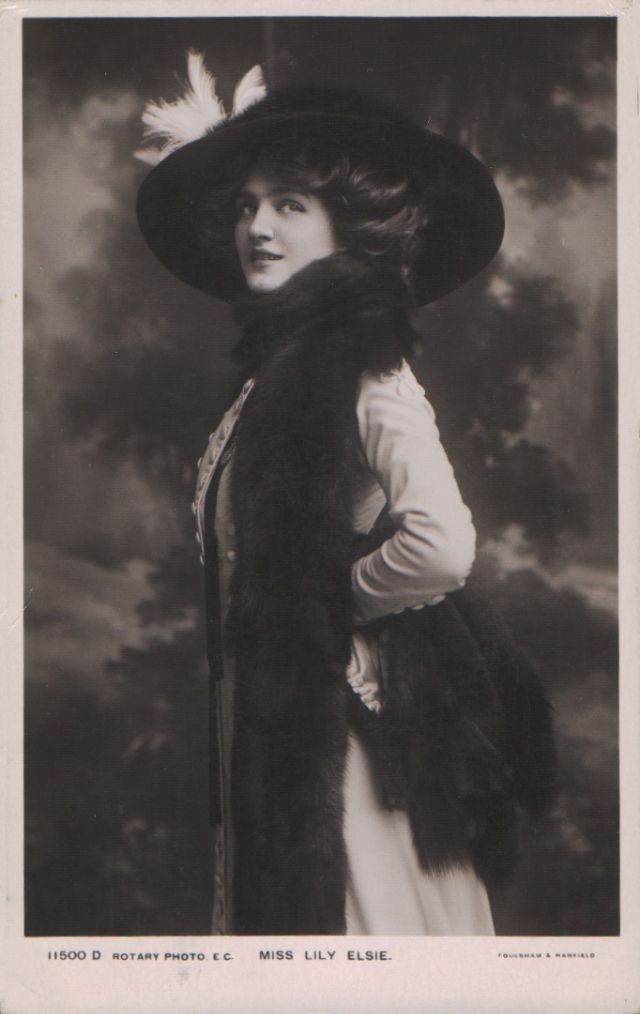
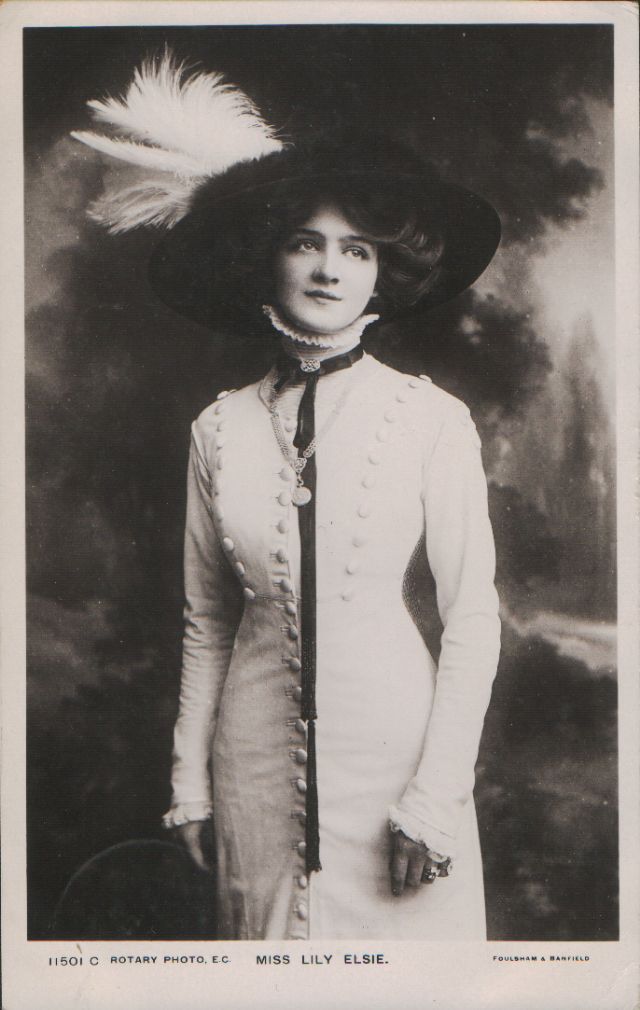
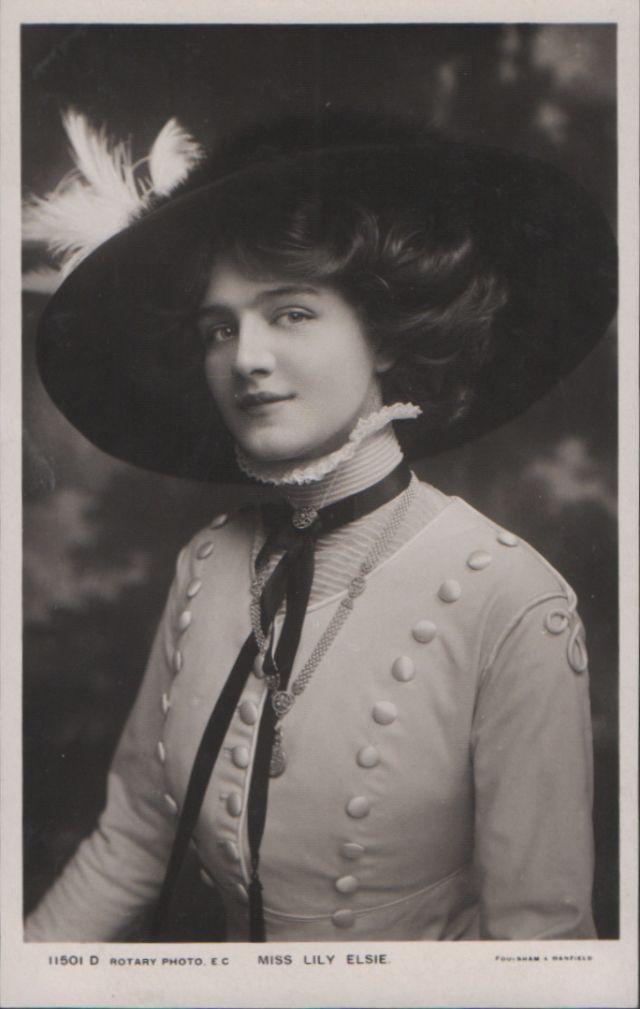
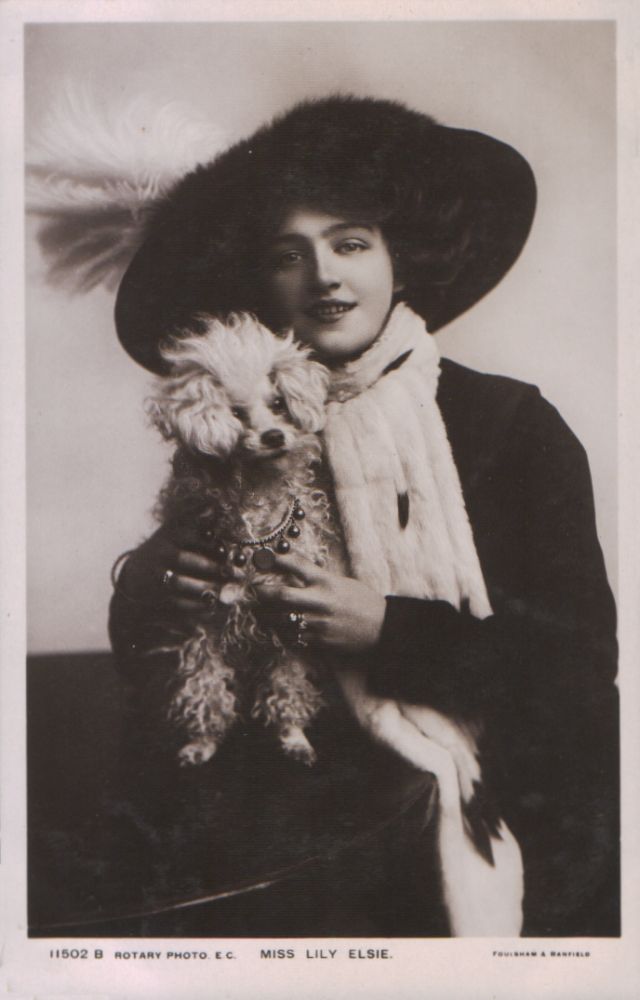
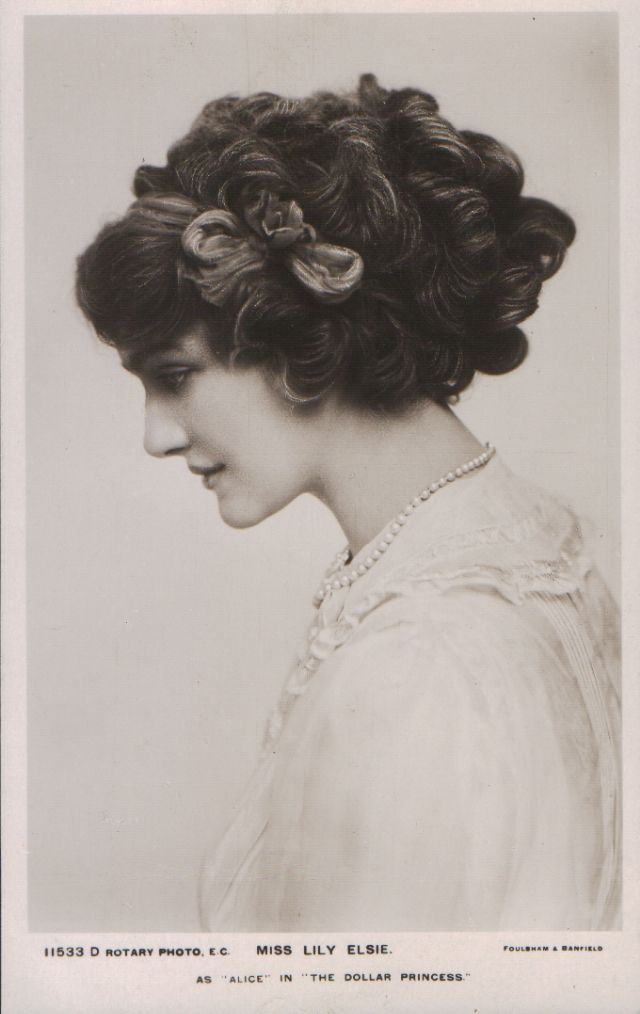
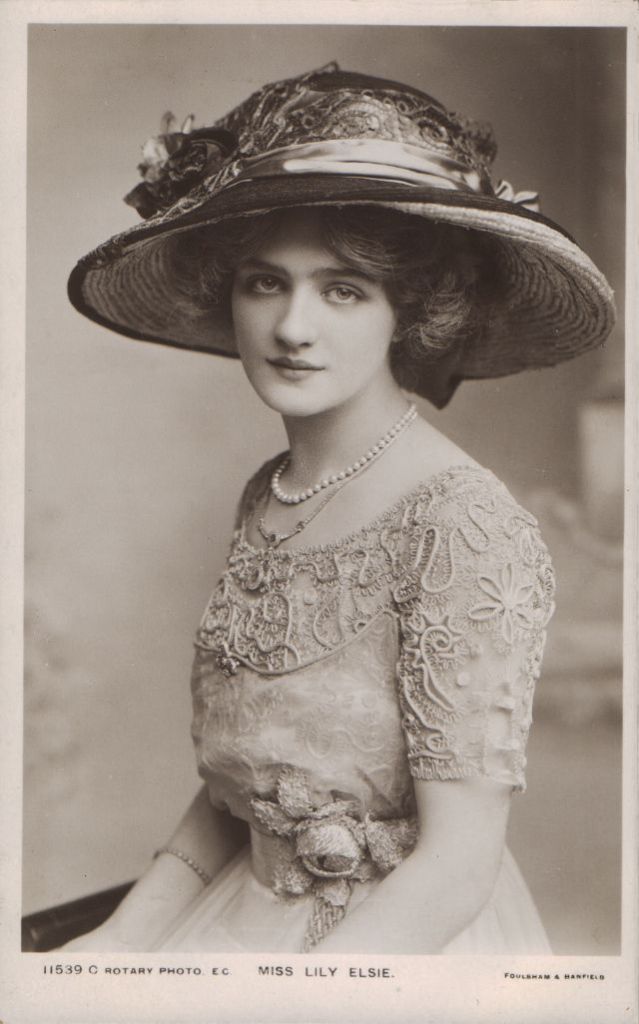
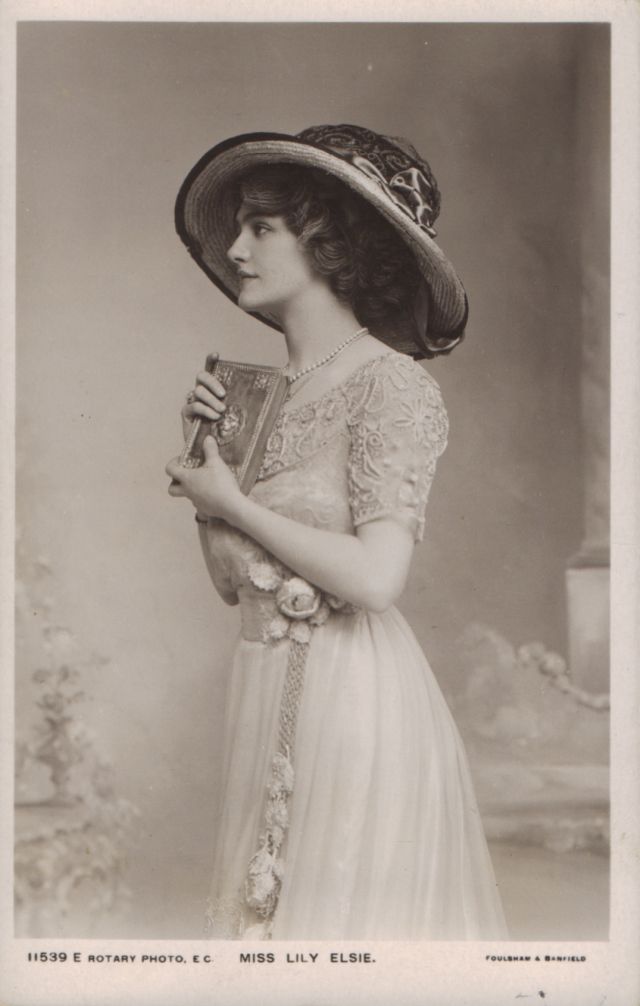
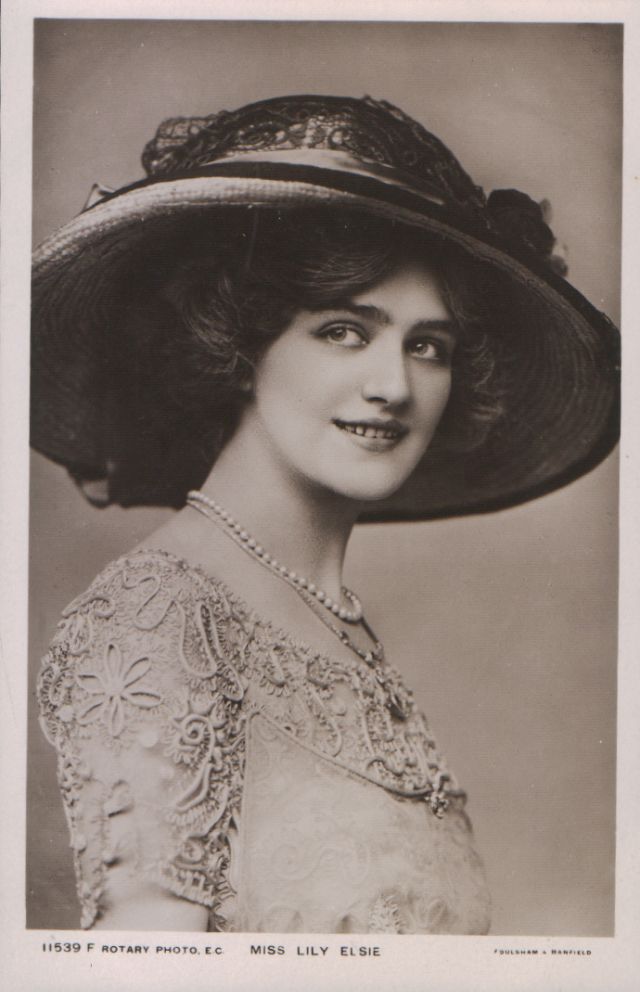
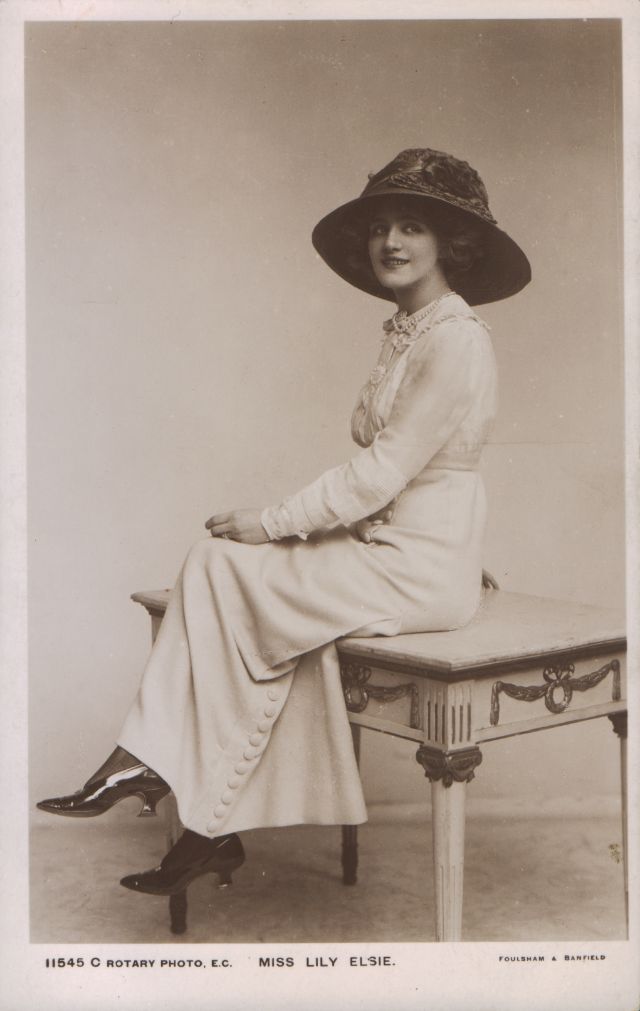
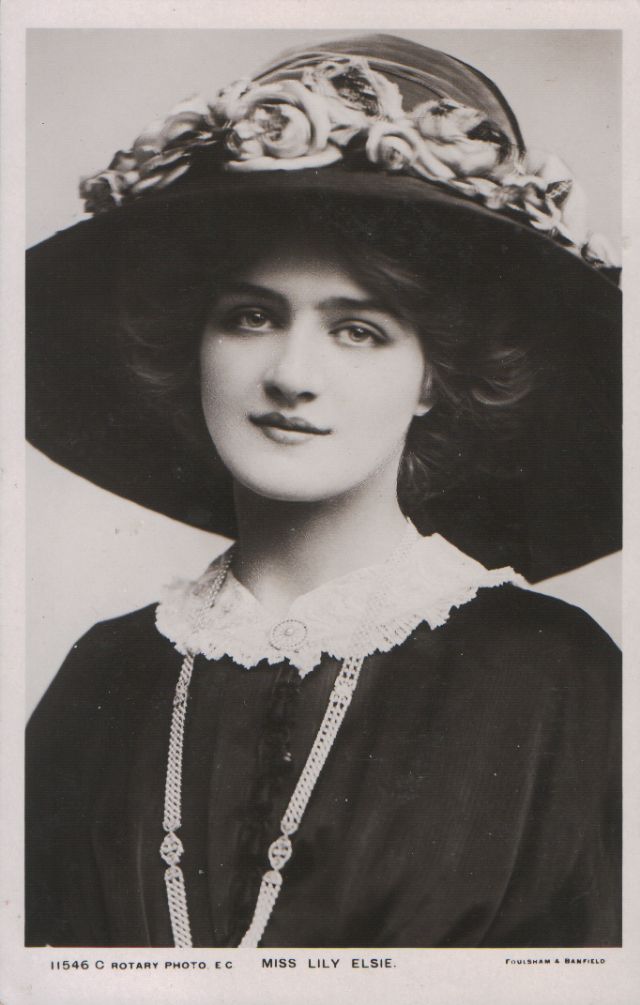
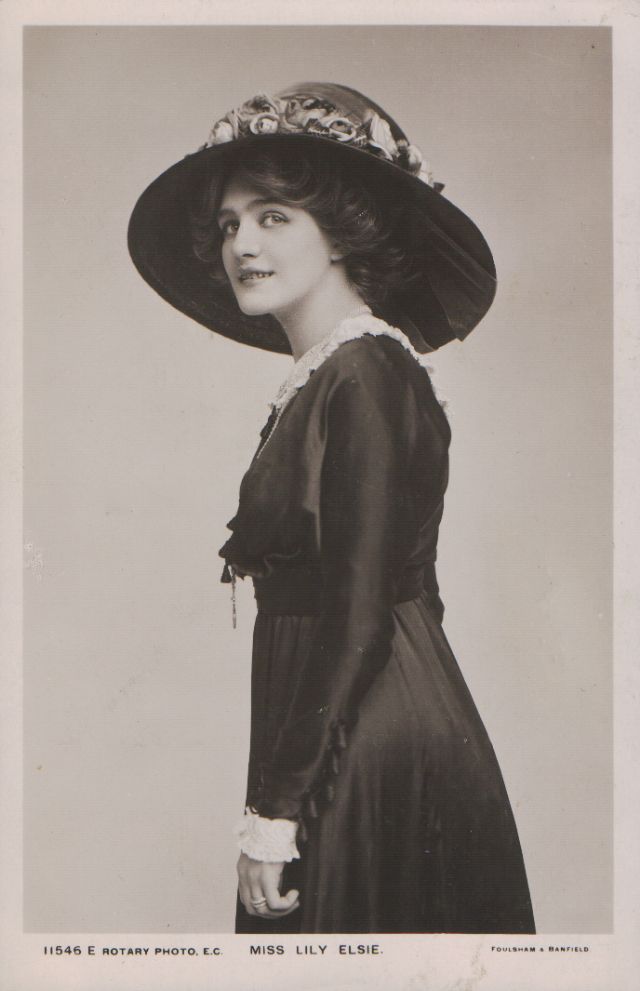
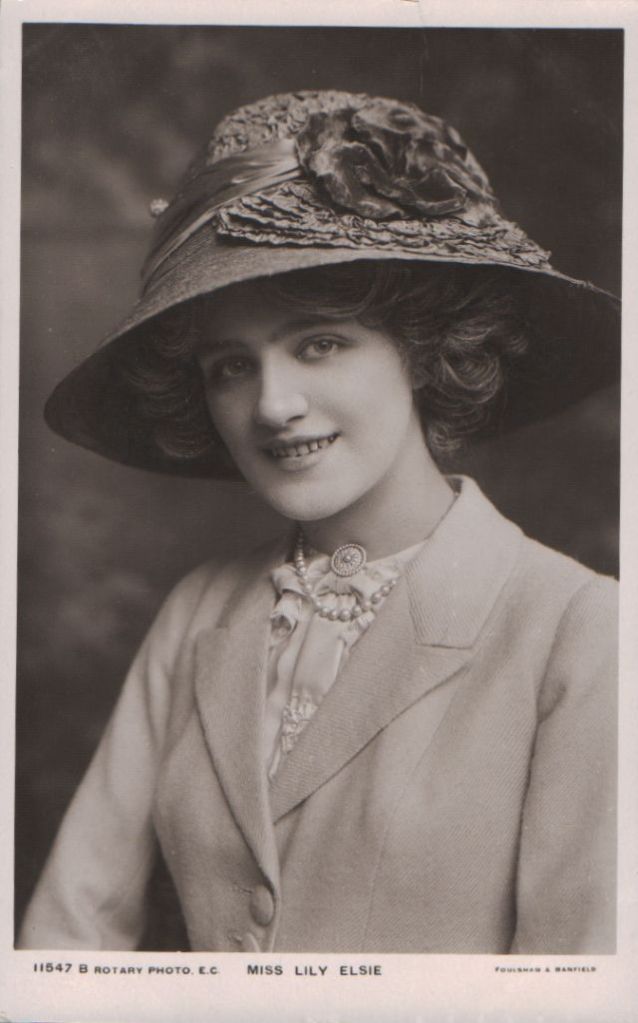
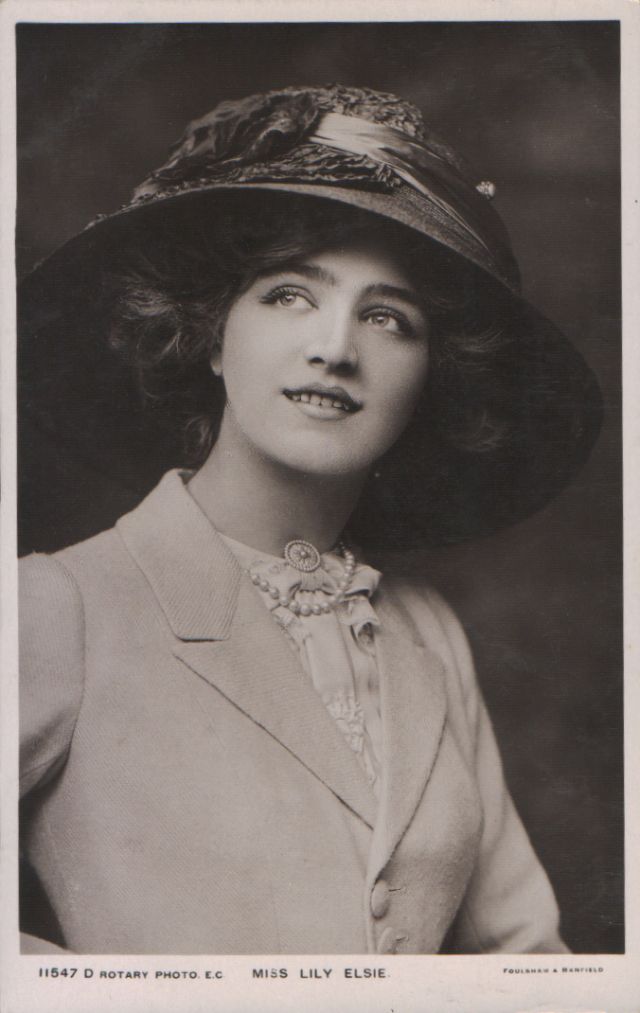
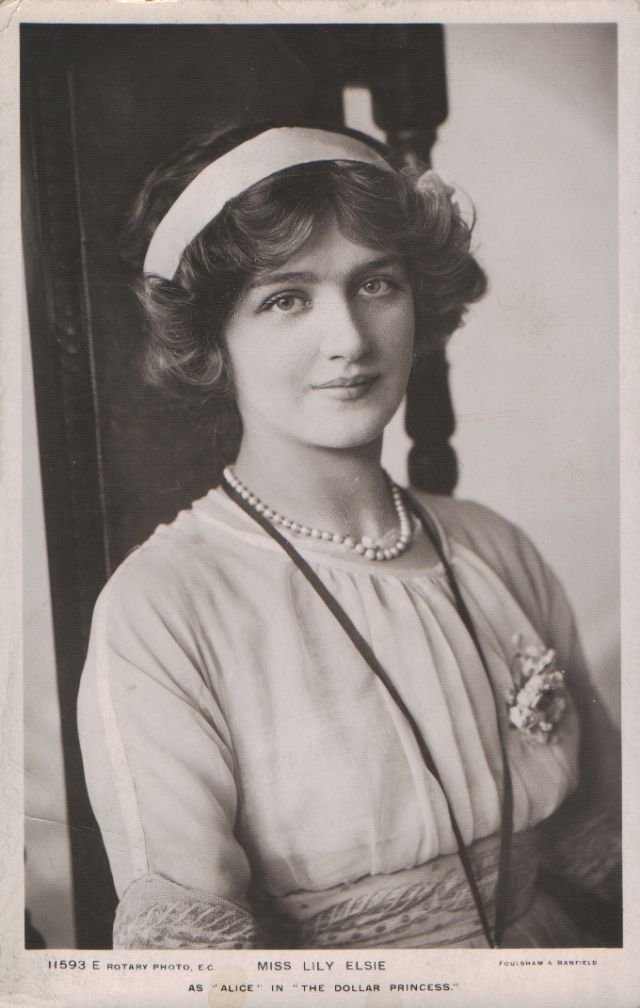
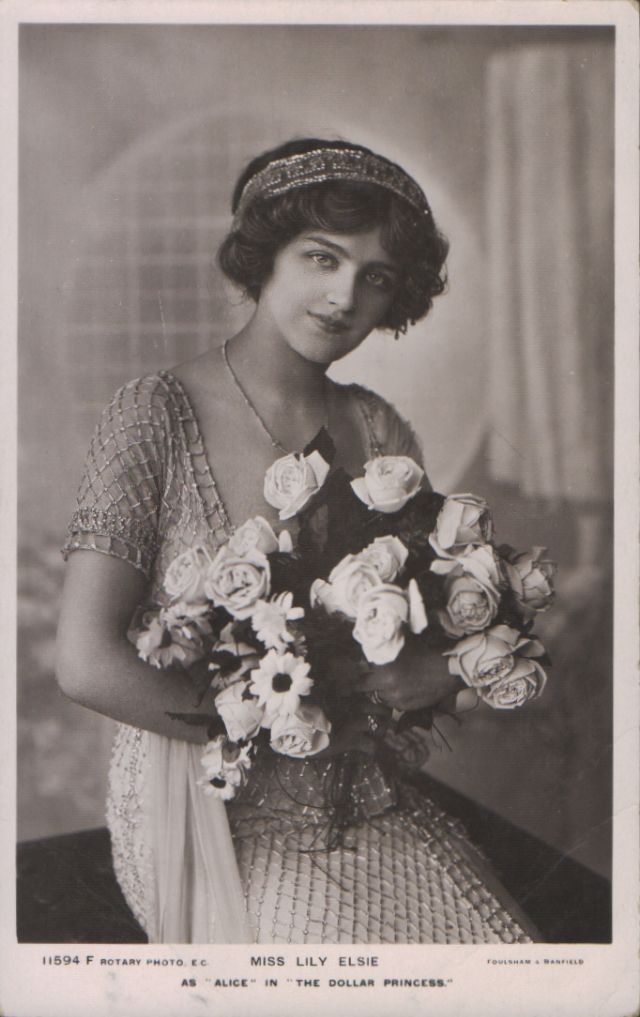
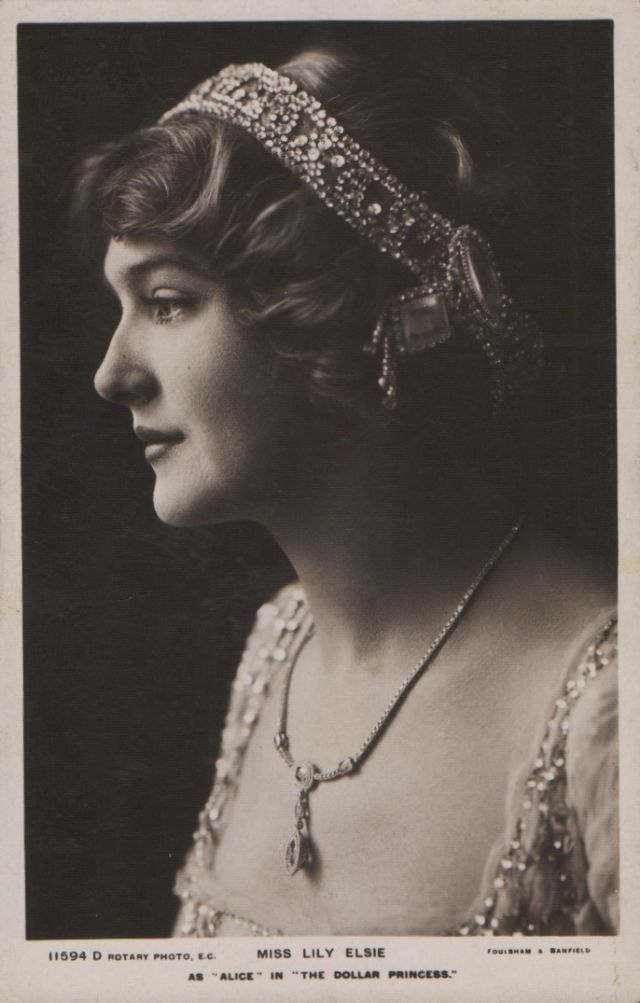
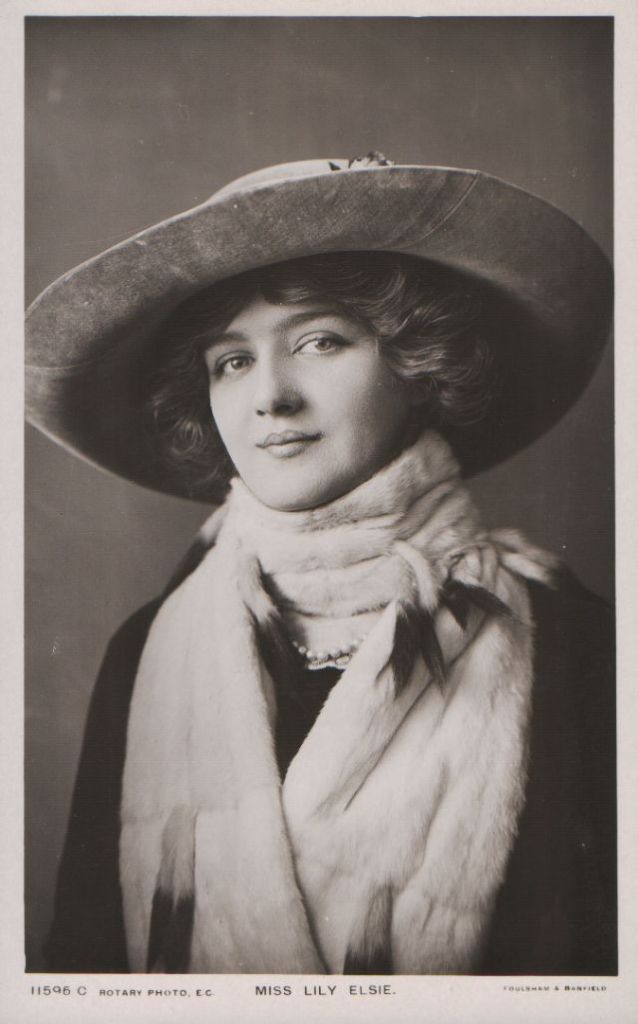
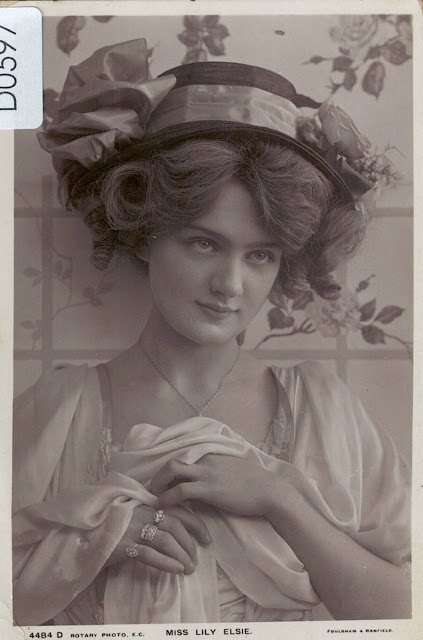
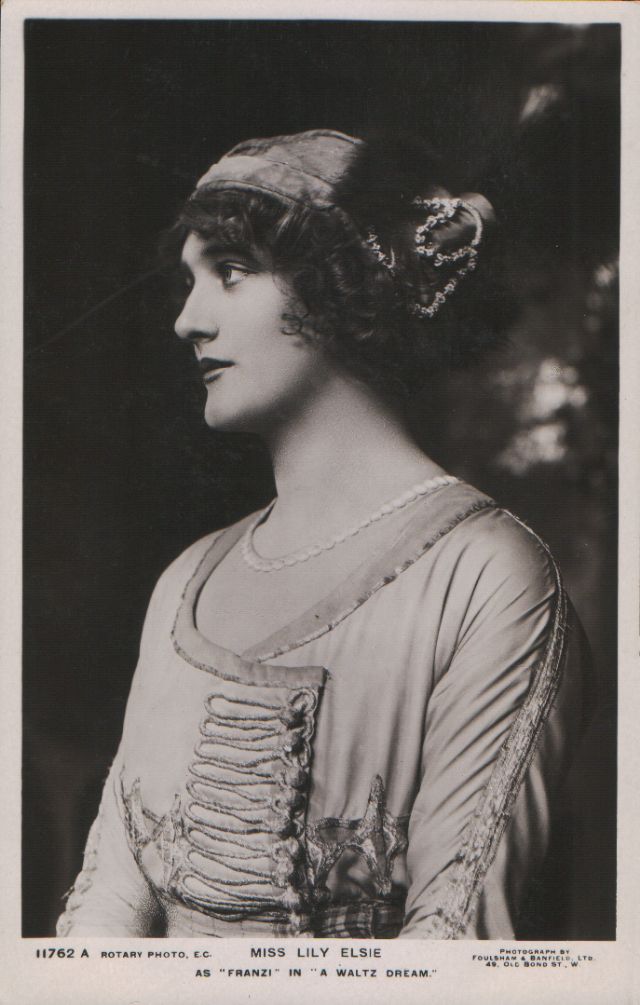
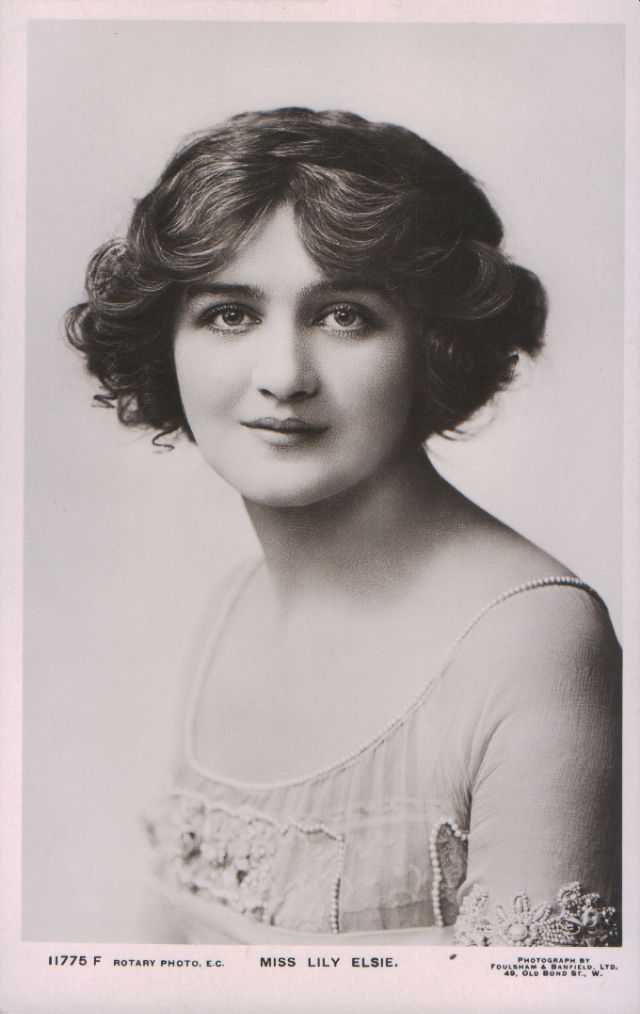
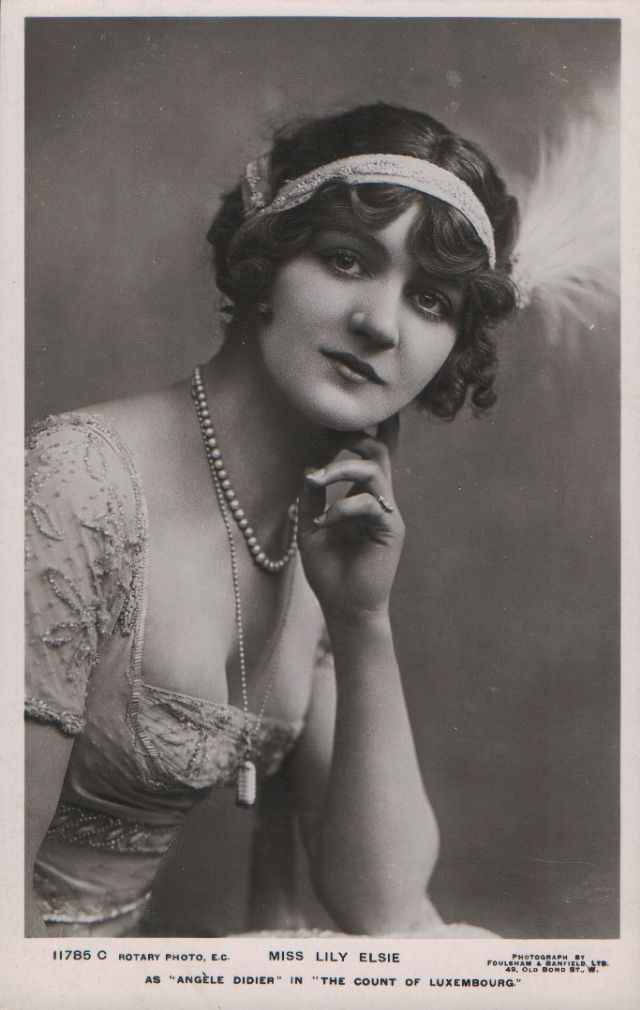
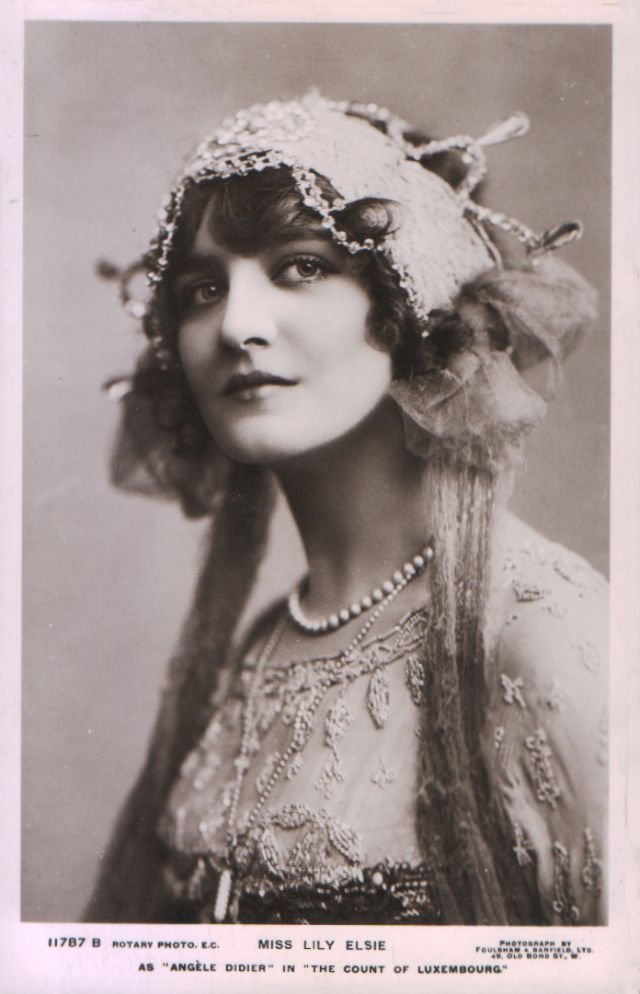
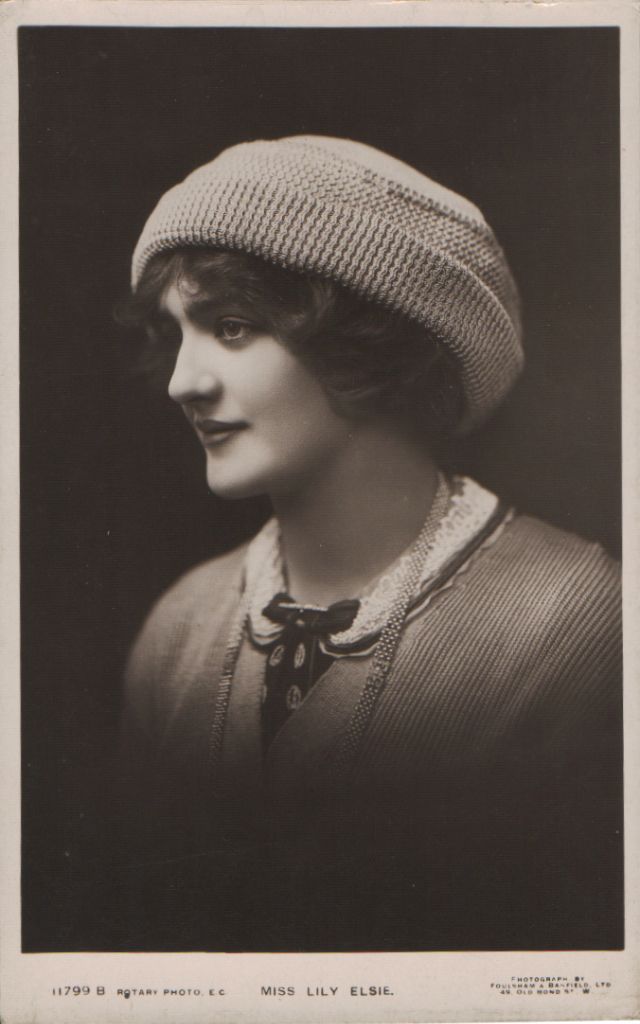
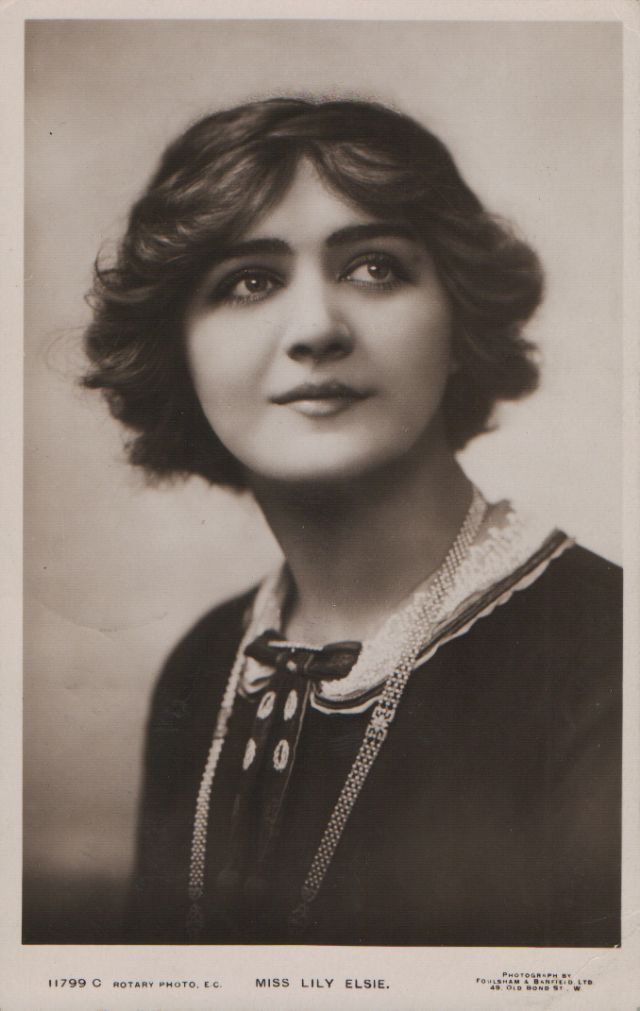
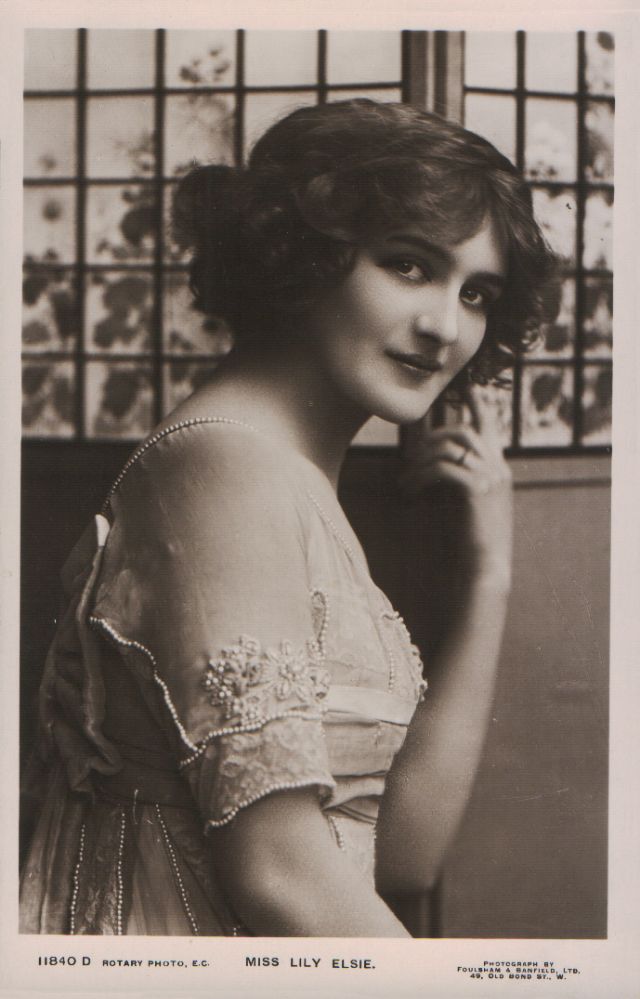
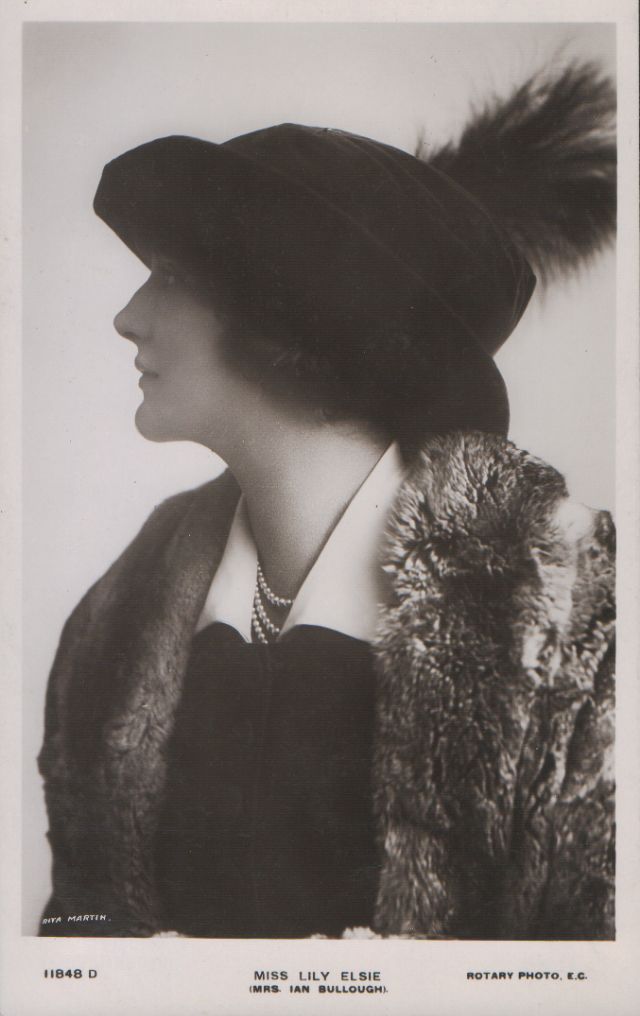
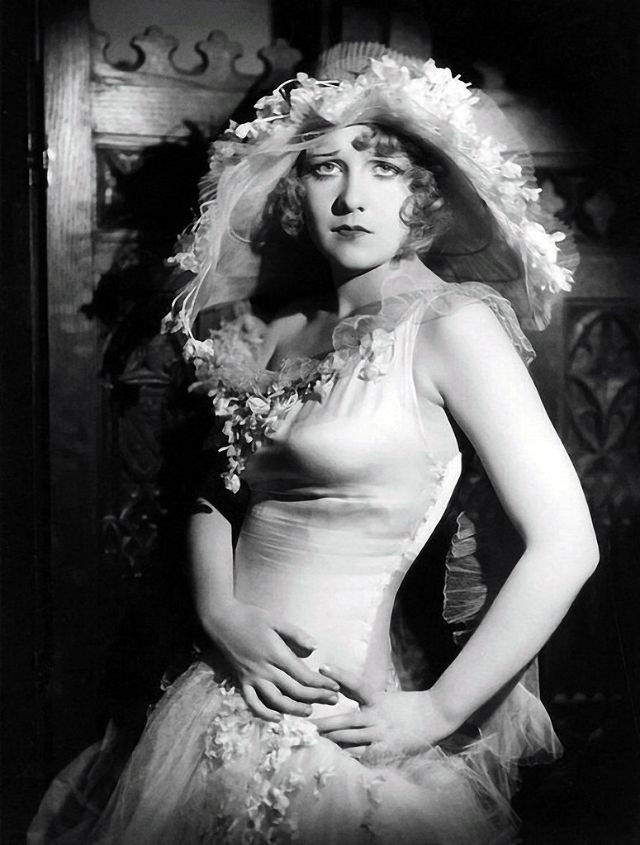
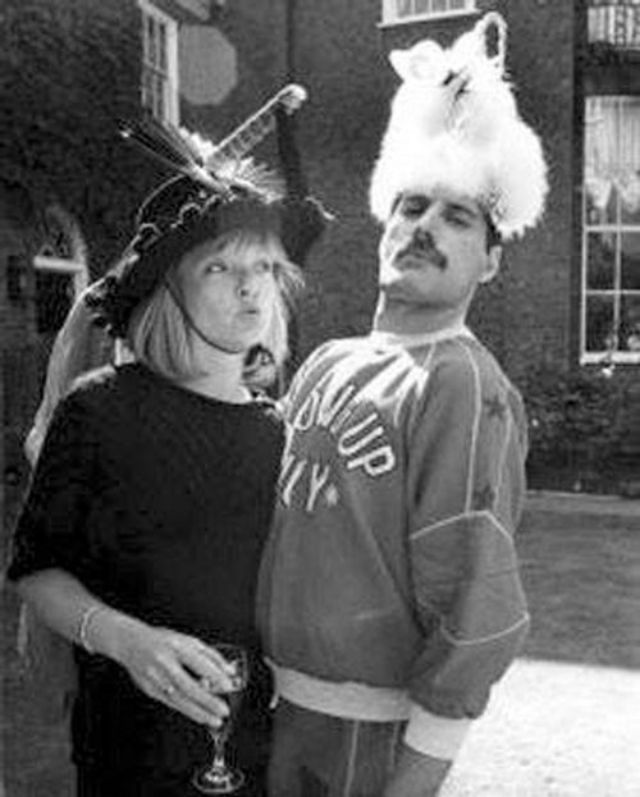
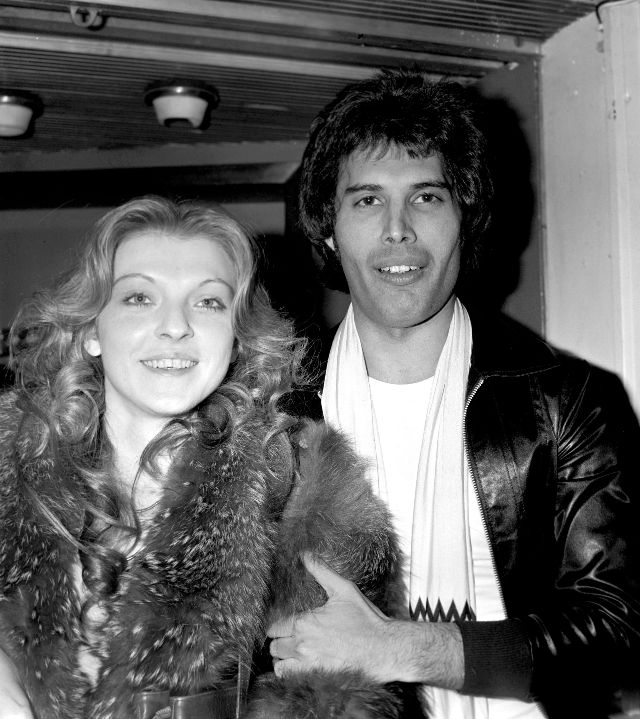
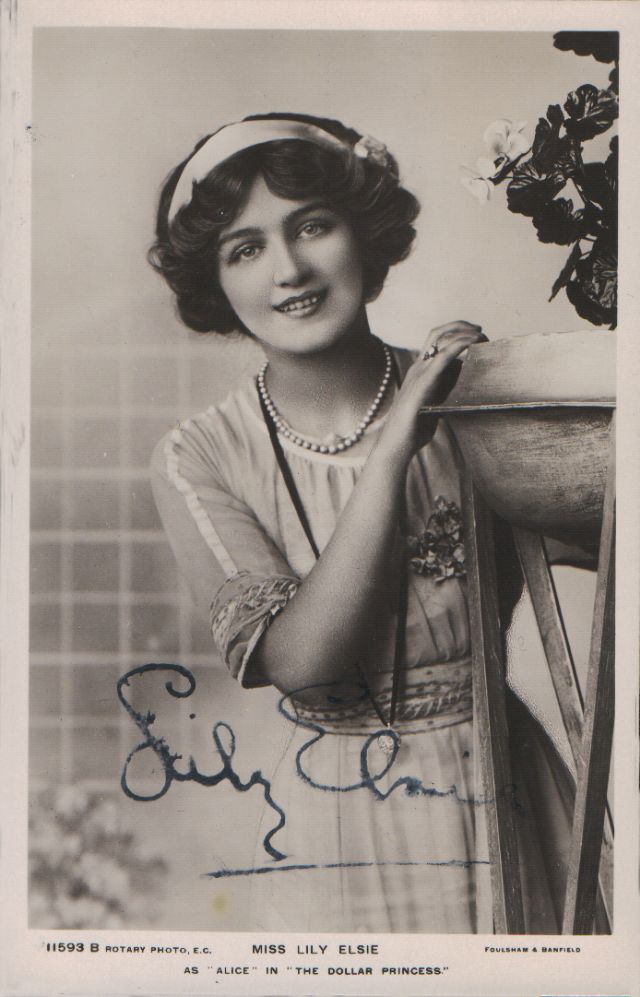
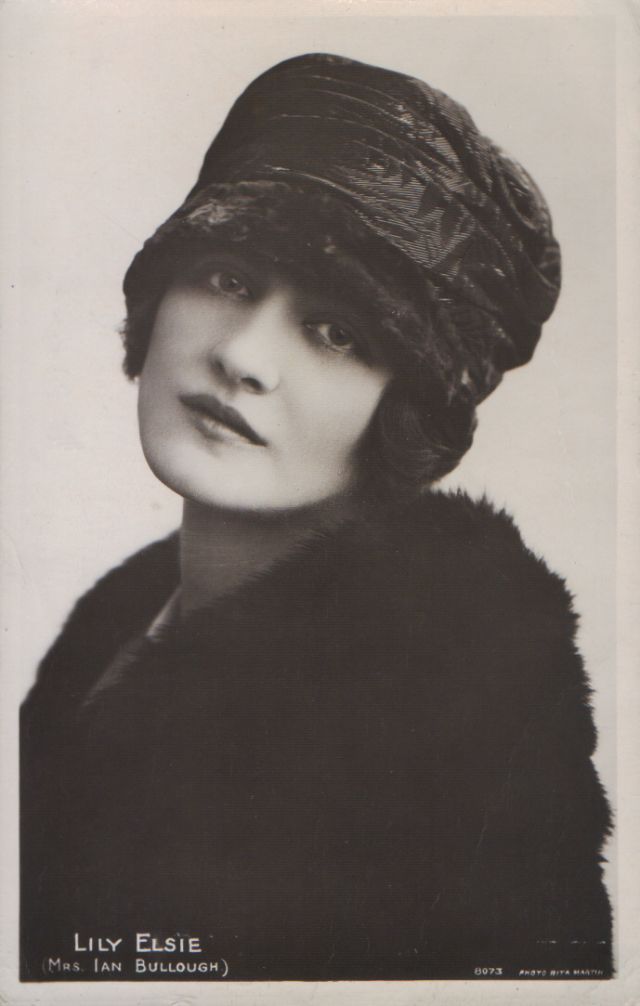
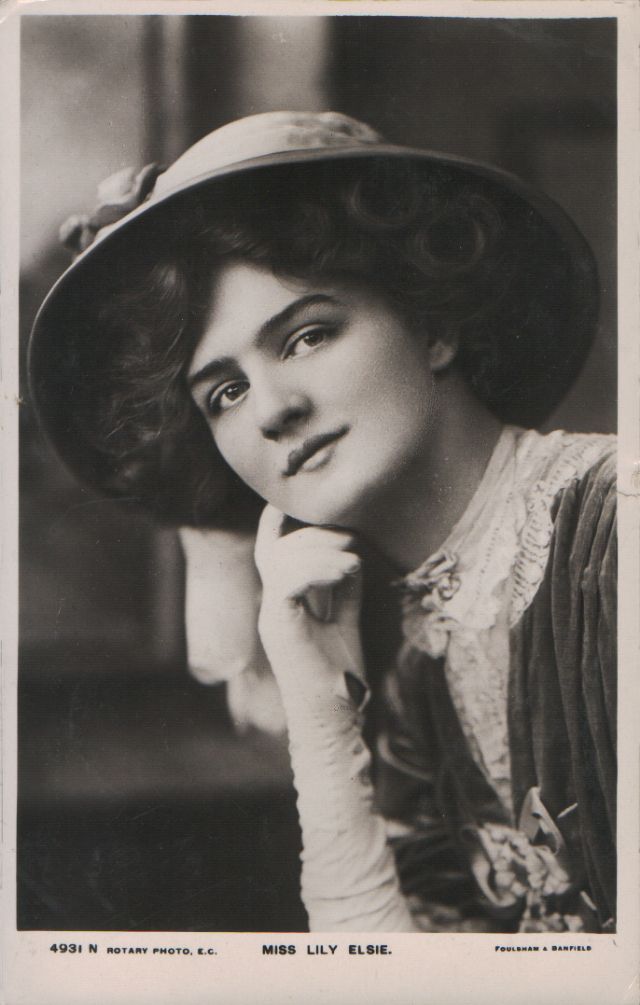
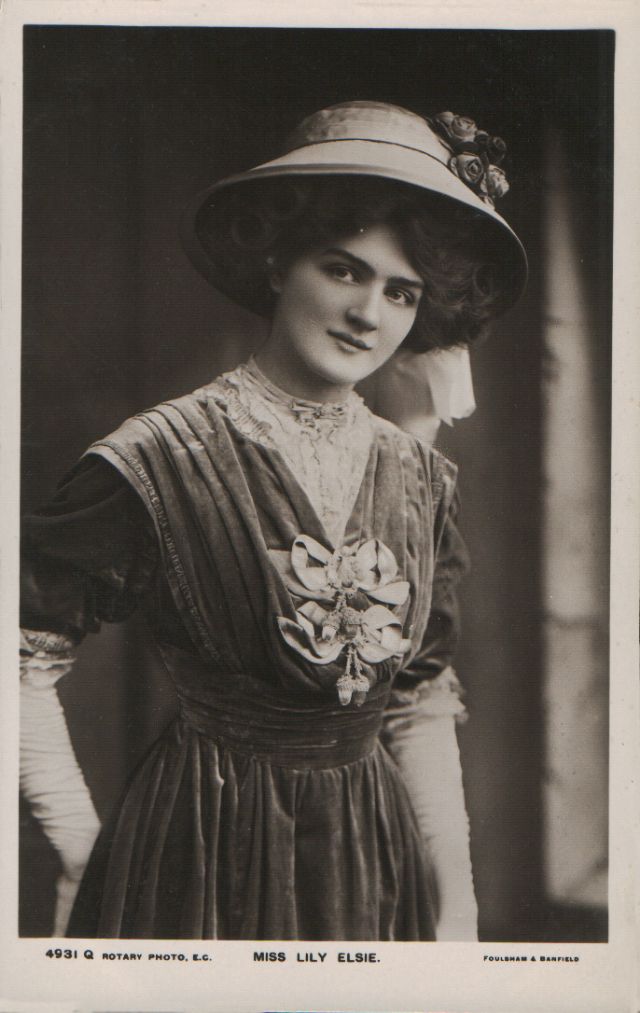
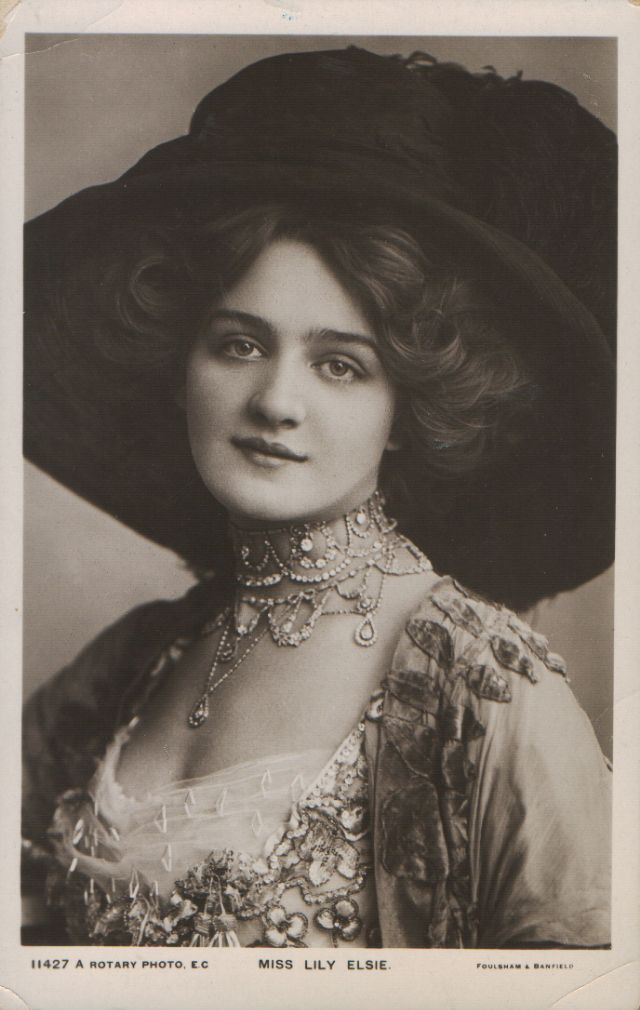
70 Stunning Vintage Photos of Edwardian Actress Lily Elsie From the 1900s and 1910s

Elsie Cotton (née Hodder, 8 April 1886 – 16 December 1962), known professionally as Lily Elsie, was an English actress and singer during the Edwardian era. She was best known for her starring role in the London premiere of Franz Lehár’s operetta The Merry Widow.

Beginning as a child star in the 1890s, Elsie built her reputation in several successful Edwardian musical comedies before her great success in The Merry Widow, opening in 1907. Afterwards, she starred in several more successful operettas and musicals, including The Dollar Princess (1909), A Waltz Dream (1911) and The Count of Luxembourg (1911). Admired for her beauty and charm on stage, Elsie became one of the most photographed women of Edwardian times.

Overnight she had the town at her feet. On the stage Elsie seemed mysteriously beautiful with her perfect Grecian profile, enormous blue eyes, and hauntingly sad smile. Tall, cool, and lily-like, she moved with lyrical gestures in a slow-motion grace.

She was a true ‘star’ of Edwardian times, although the word was yet to be used in that context. Magazines produced special supplements about her, adverts featured her picture.

In 1920, Elsie moved with her husband to the Gloucestershire village of Redmarley D’Abitot. She spent ten years away from the stage during this time, enjoying social events and fox hunting. She returned to performing, first touring and then appearing at the Prince of Wales’s Theatre in London in 1927 as Eileen Mayne in The Blue Train, the English language adaptation of Robert Stolz’s German musical comedy Mädi. Her last show before retiring was Ivor Novello’s successful The Truth Game back at Daly’s Theatre in 1928–1929.

Finally, in 1930, Elsie’s unhappy marriage ended in divorce as her health deteriorated further and she became subject to fits of ill temper.[citation needed] She spent much time in nursing homes and Swiss sanatoria. She was diagnosed as having serious psychological ailments and underwent brain surgery that reportedly resulted in an improvement in her health. Her last years were spent at St. Andrew’s Hospital in London.

Elsie died at St. Andrew’s Hospital (demolished in 1973), Cricklewood, London, aged 76, and was cremated at Golders Green Crematorium.

Admired for her beauty and charm on stage, Elsie became one of the most photographed women of Edwardian times. She did however leave us with hundreds of pictures, a few gramophone discs, and two films, to remember her by.
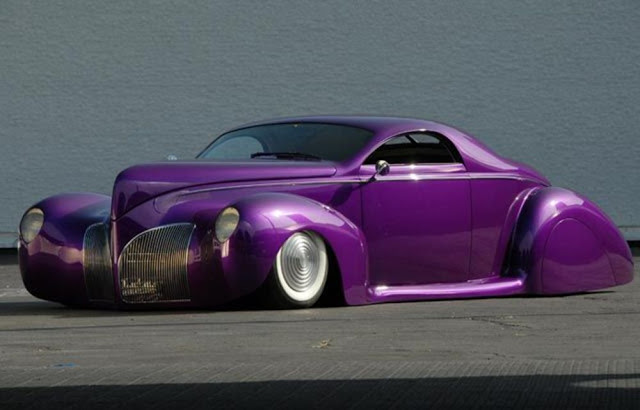
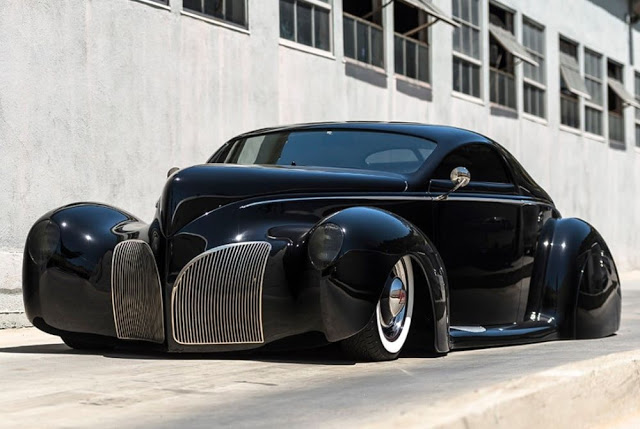
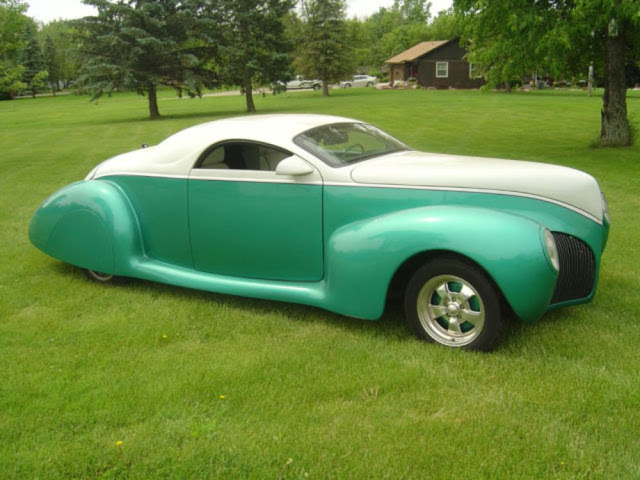
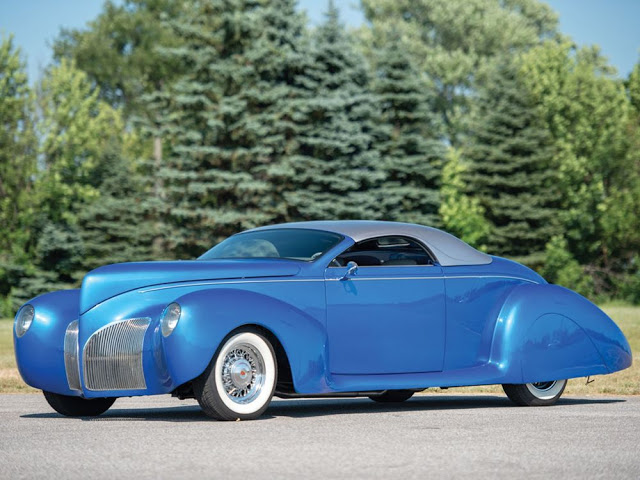
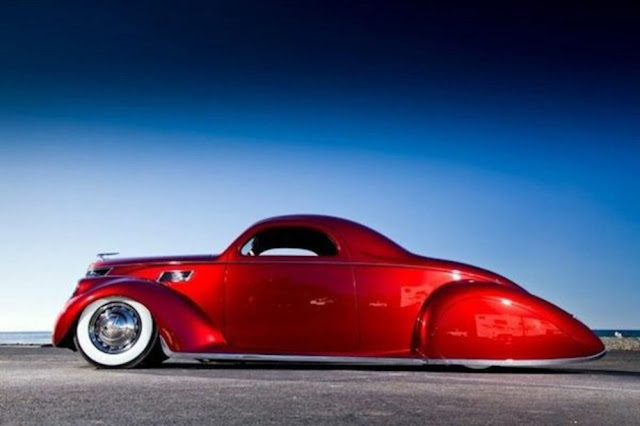
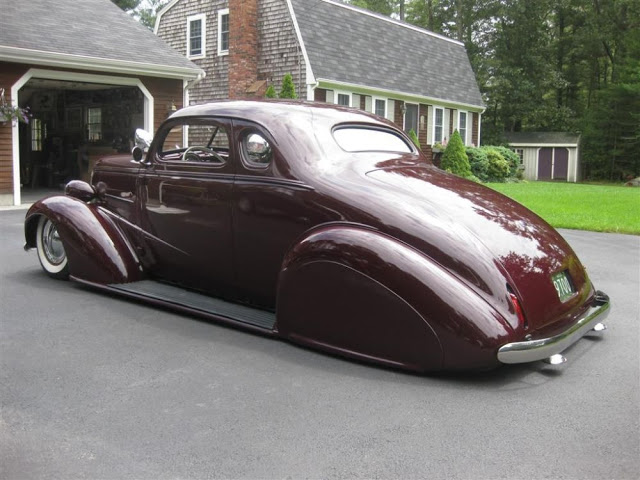
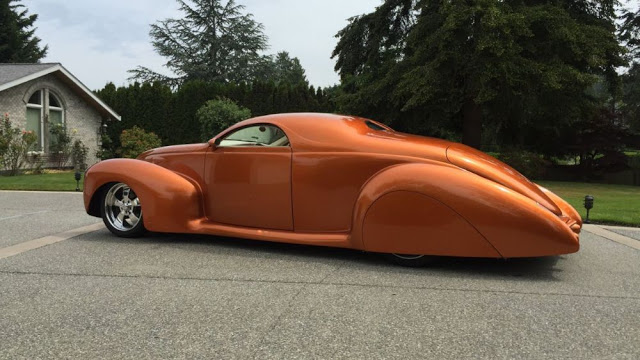
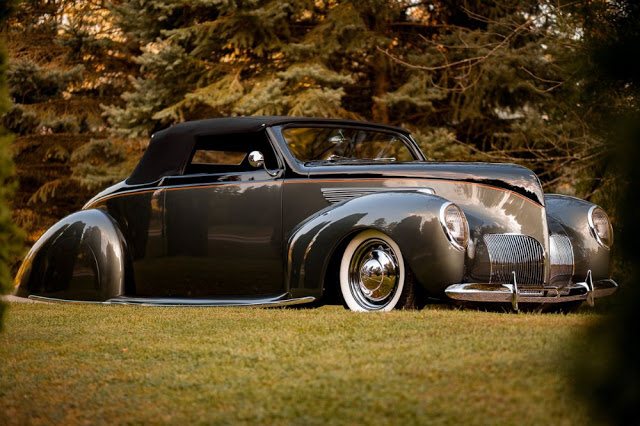
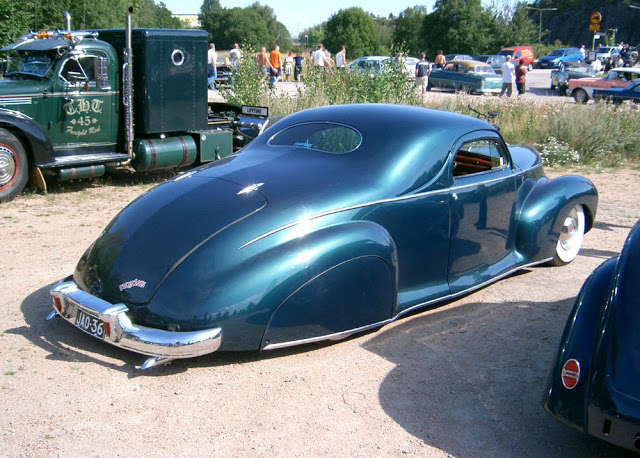
A Collection of 12 Amazing Photos of Lincoln-Zephyr Hot Rod

The marque Lincoln-Zephyr was used by Lincoln for their lower-priced line of mid-size luxury cards in 1936–1940. The Lincoln-Zephyr was extensively utilized by mid-century hot rod enthusiasts who lived in an era when used Lincoln-Zephyrs were affordable cars that didn’t break the bank. The Lincoln-Zephyr was also ideal for many kinds of modifications aimed to increase drag race speed.

Today, Lincoln-Zephyr cars are rare and pricey, and quite a few of the cars on our roads that look like Lincoln-Zephyrs or modified Lincoln-Zephyrs are actually lower-priced replicas rather than the real deal.

Designed by Eugene Turenne Gregorie, the Lincoln-Zephyr was hailed as an extremely modern car when it was first unveiled in November 1935. The overall exterior was streamlined to decrease air resistance. The windscreen was low raked, the fenders were integrated, and the front was inspired by the prow of a ship rather than the front of traditional 1930s cars. By using a compact vale-in-block flathead engine, the designers could give the Lincoln-Zephyr a low hood. The streamlined design was the inspiration for the name Zephyr. In Greek mythology, Zephyrus is the god of the west wind.

Gregorie in part based his design on Briggs Dream Car, a rear-engined concept car developed for the Ford Motor Company by John Tjaarda (Joop Tjaarda van Sterkenburg) for the Century of Progress Exhibition 1933–1934.

Back in the 1935, cars with a low coefficient of drag were still rare, and Chrysler Airflow (launched in 1934) had been a market failure. So, by lauching the Lincoln-Zephyr – a car with an even lower coefficient of drag than the Chrysler Airflow – Ford was going out on a limb. This gamble, however, proved to be a success. During the first year, 80% of Lincoln’s total sales consisted of Lincoln-Zephyr cars.

Consumer interest in the Lincoln-Zephyr was so huge that from the 1941 model year, all Lincolns were Zephyr-based. This is why the marque Lincoln-Zephyr was eventually discontinued. There was no longer any point in distinguishing the Zephyr from other Lincoln-cars. When the United States entered World War II, resources were diverted to the war effort and the production of all U.S. cars, including the Lincoln’s, were halted. The last pre-war Lincoln-Zephyr was produced in February 1942. When production was restarted again after the war, the name of the Lincoln-Zephyr was changed to simply Lincoln.

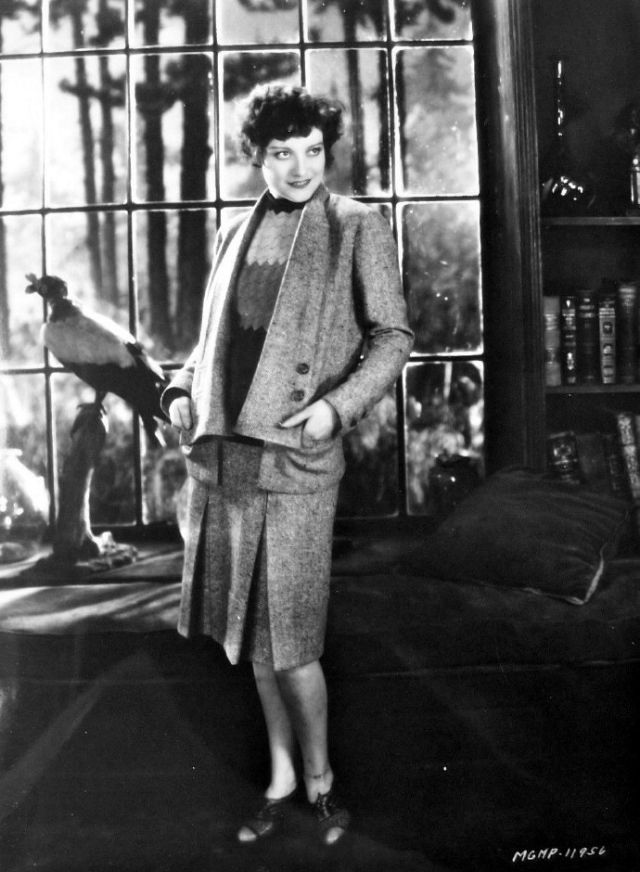
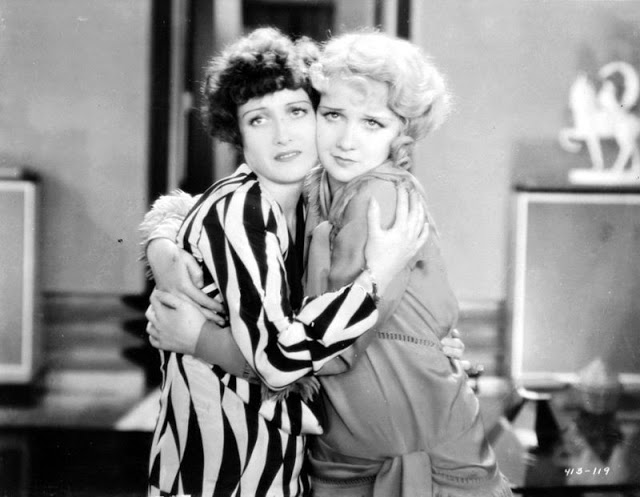
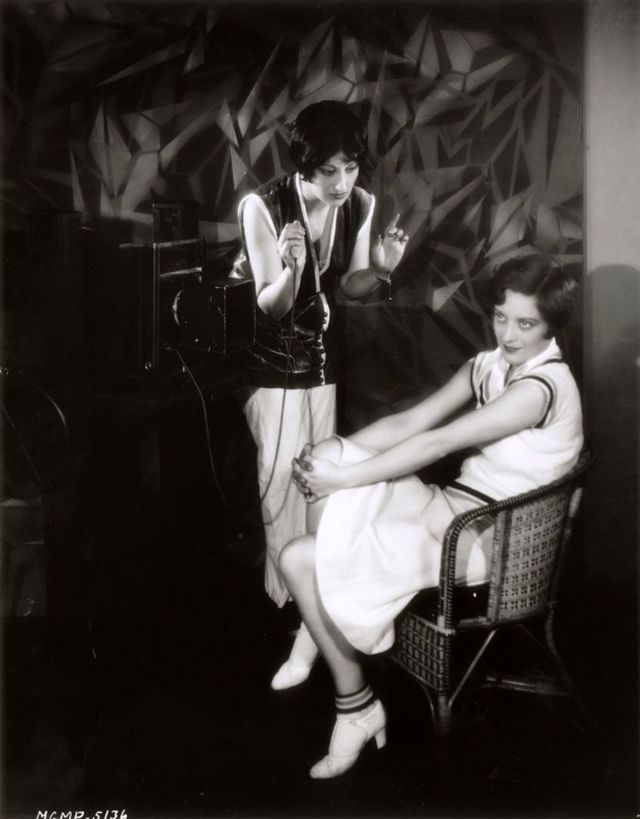
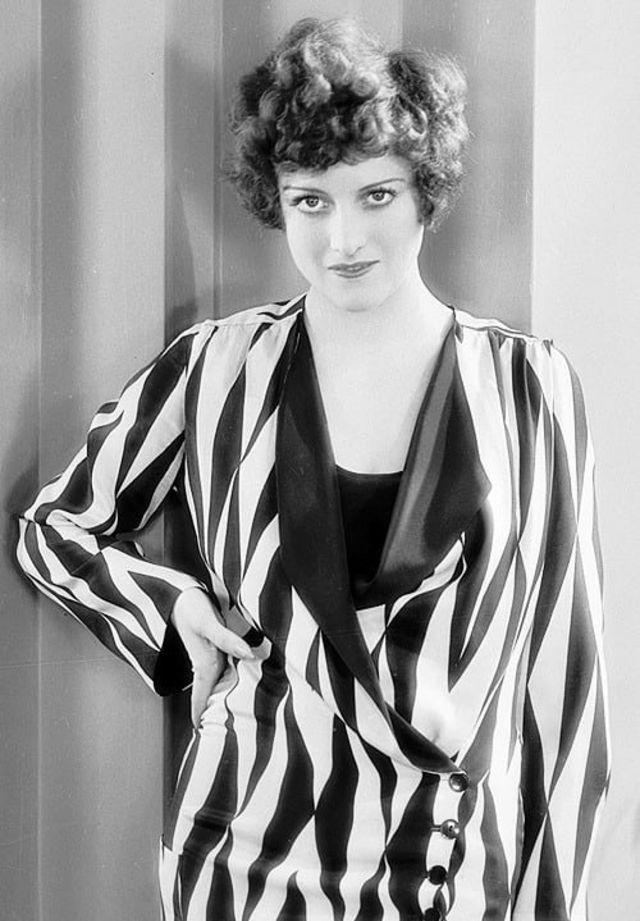
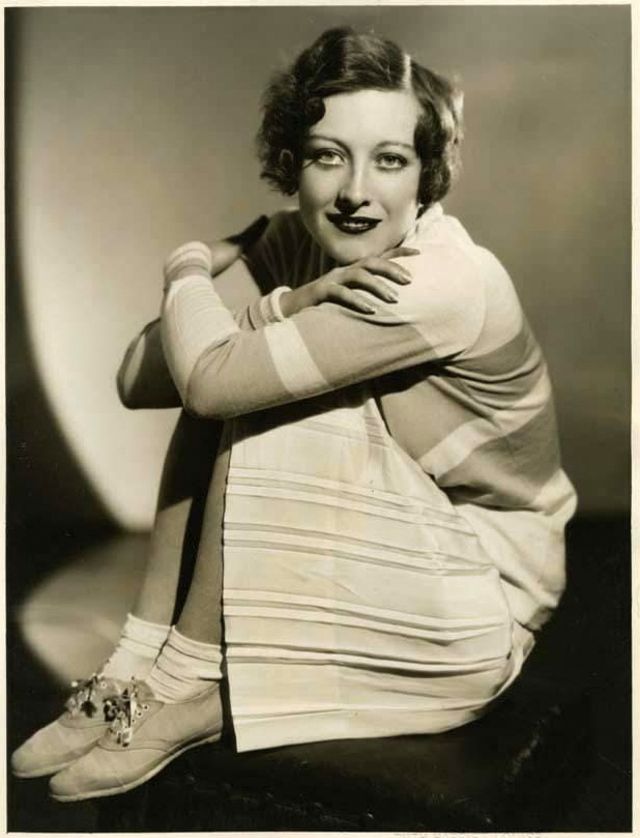
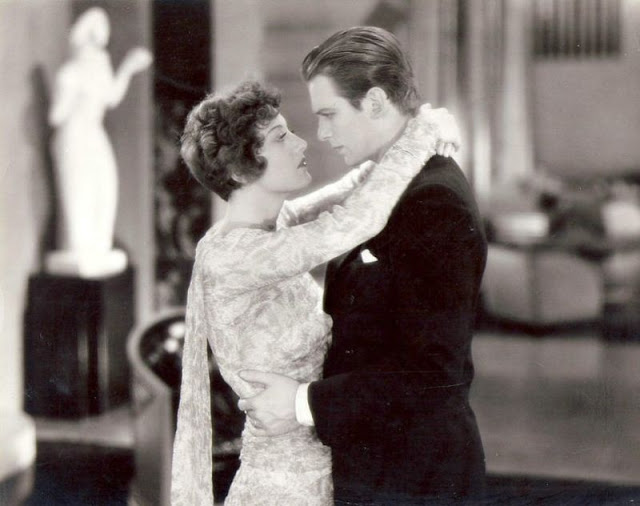
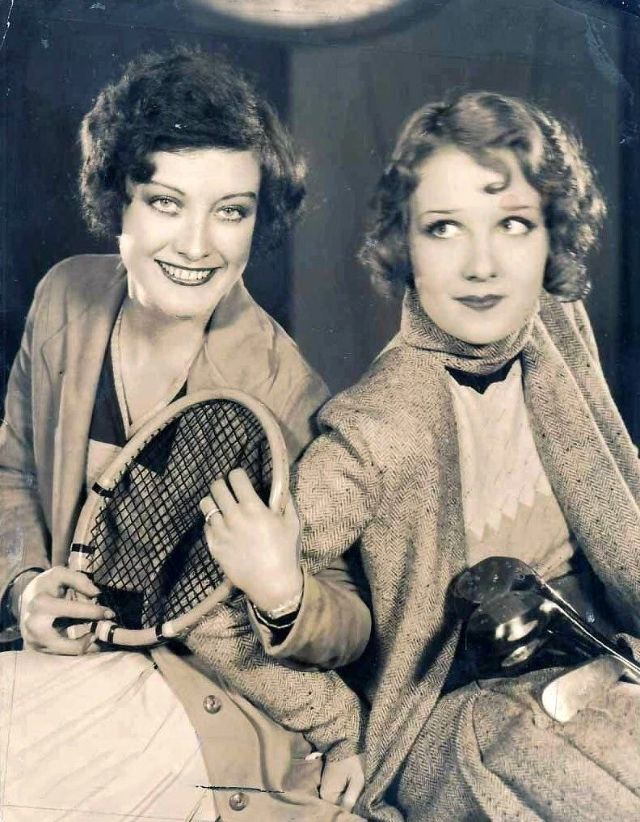
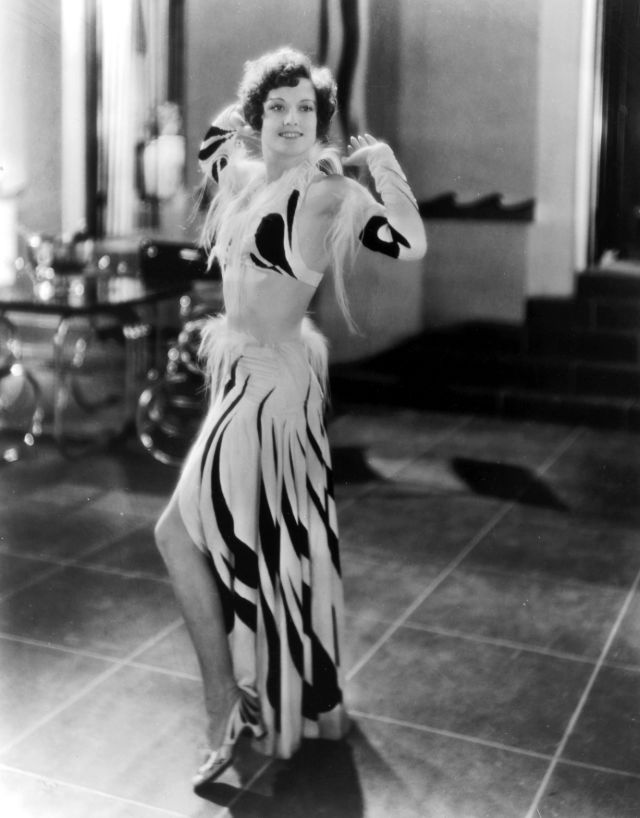
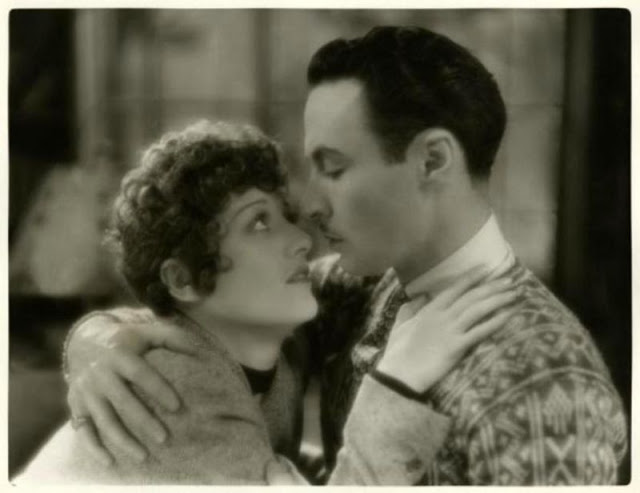
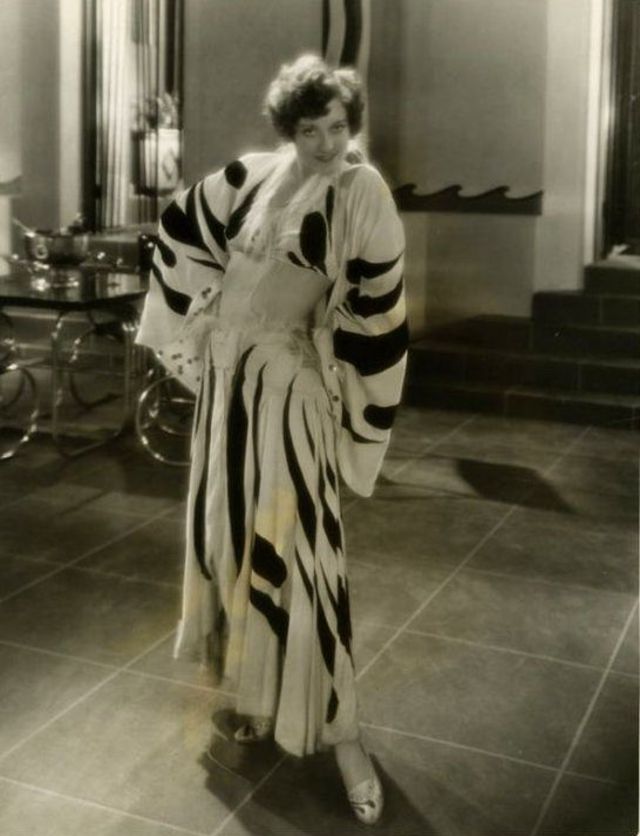
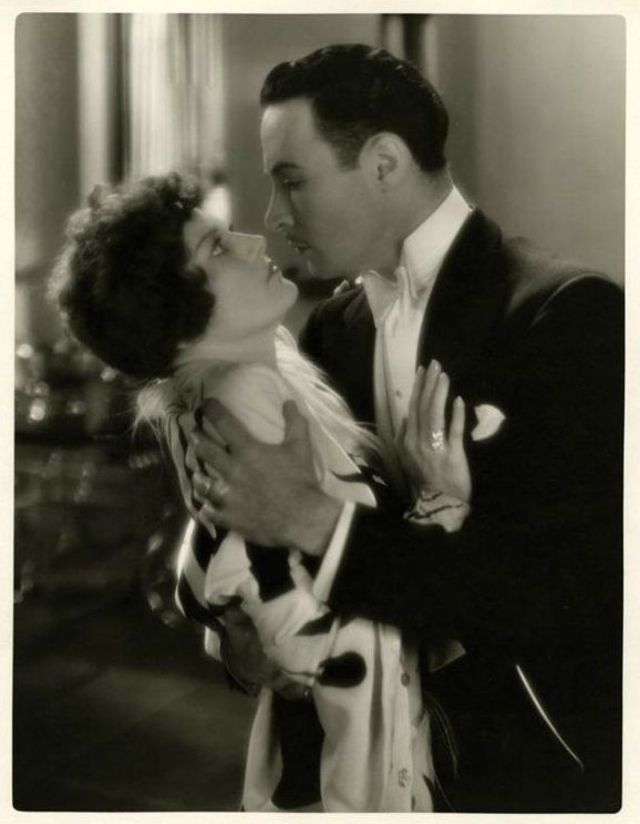
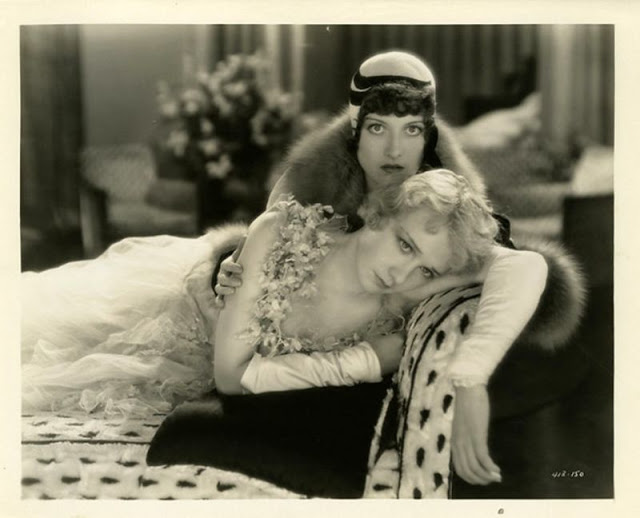
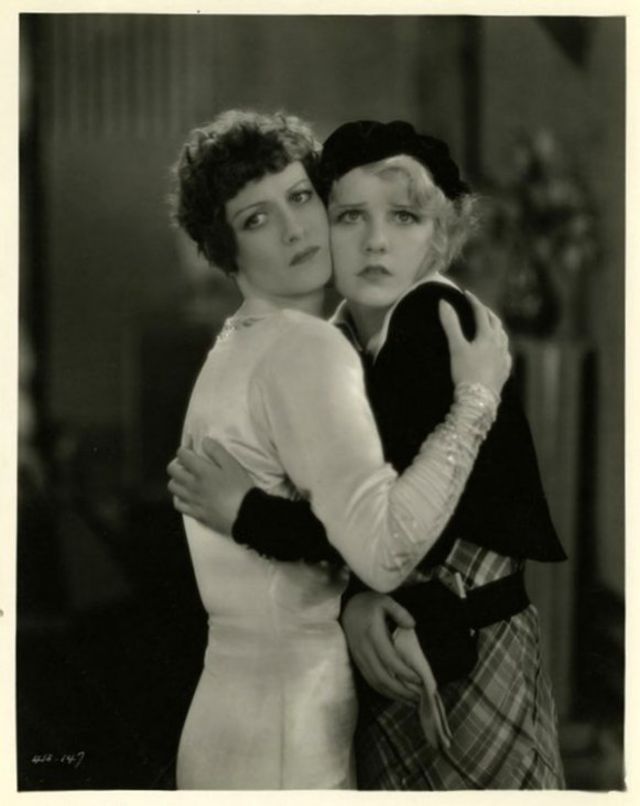
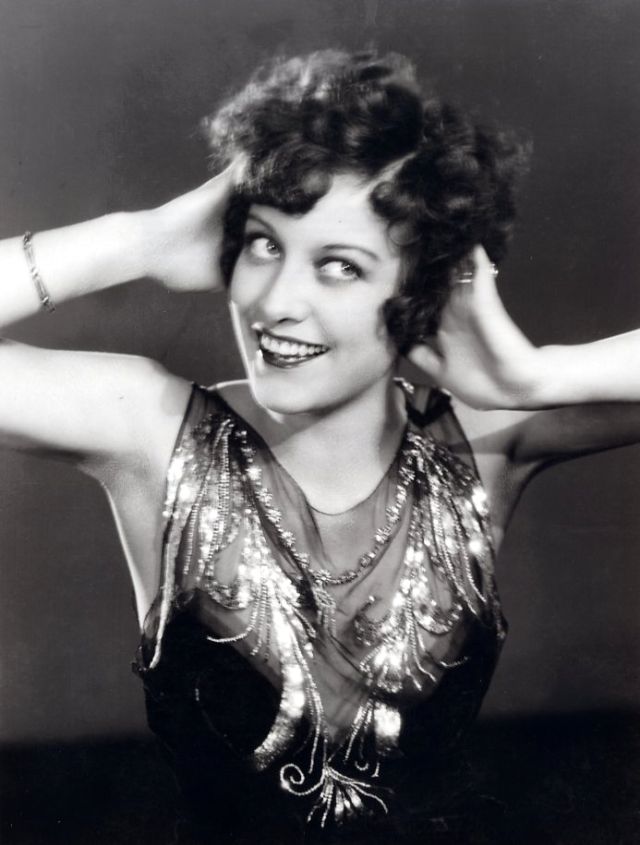
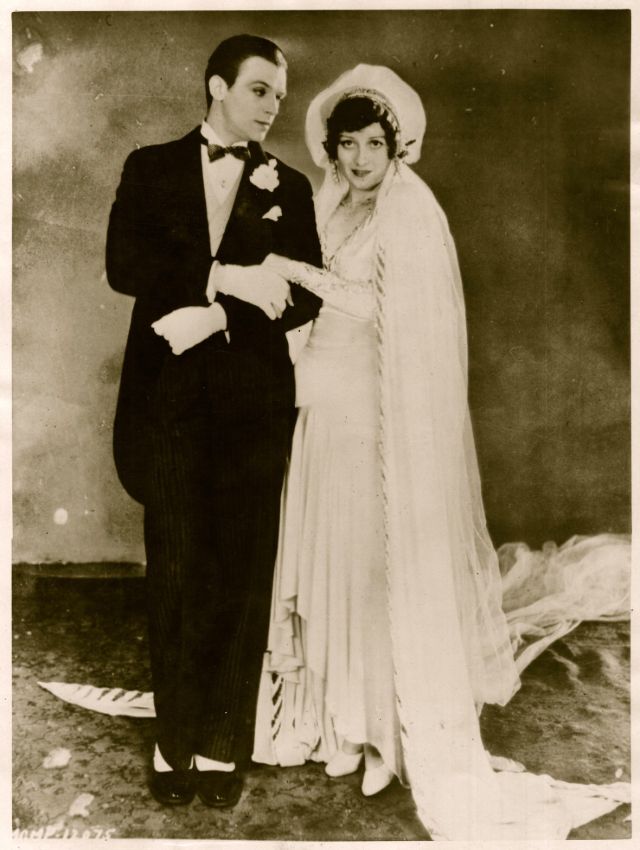
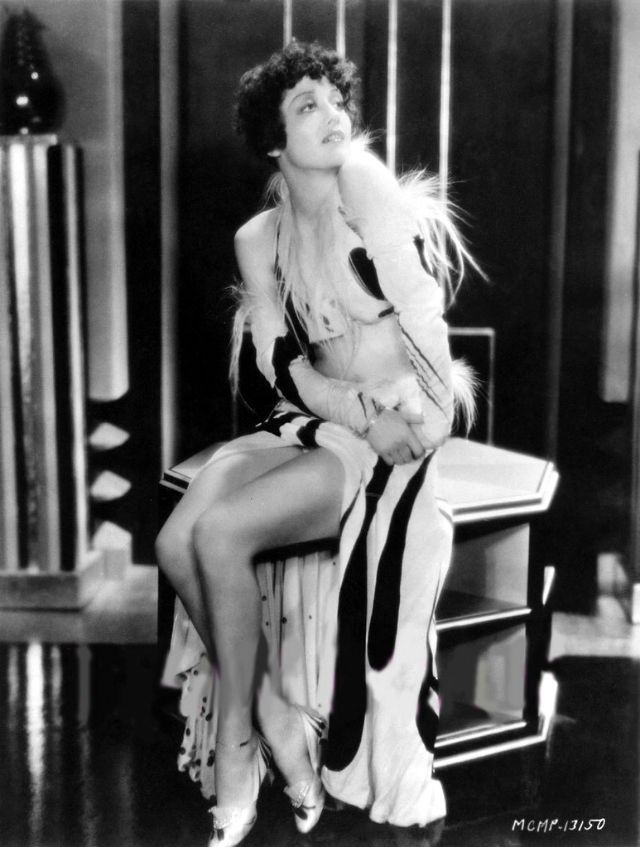
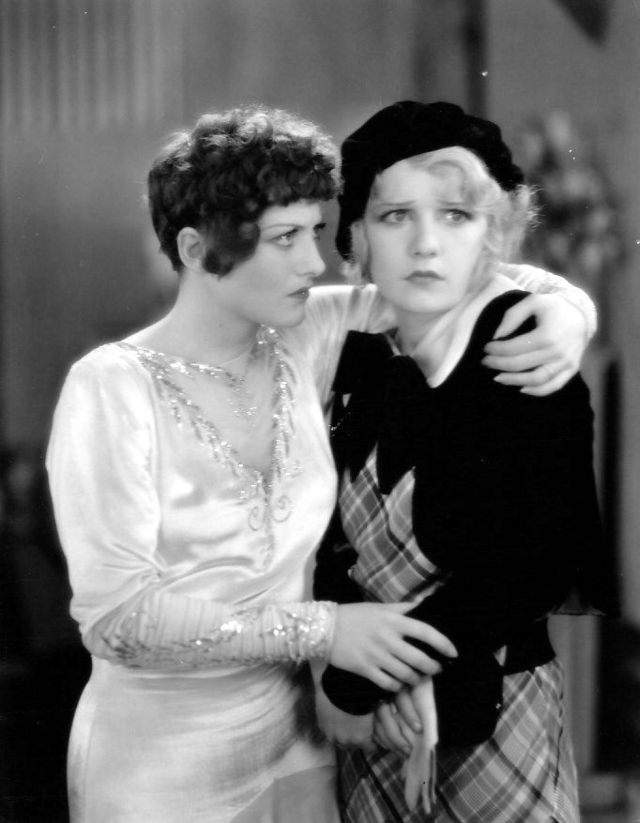
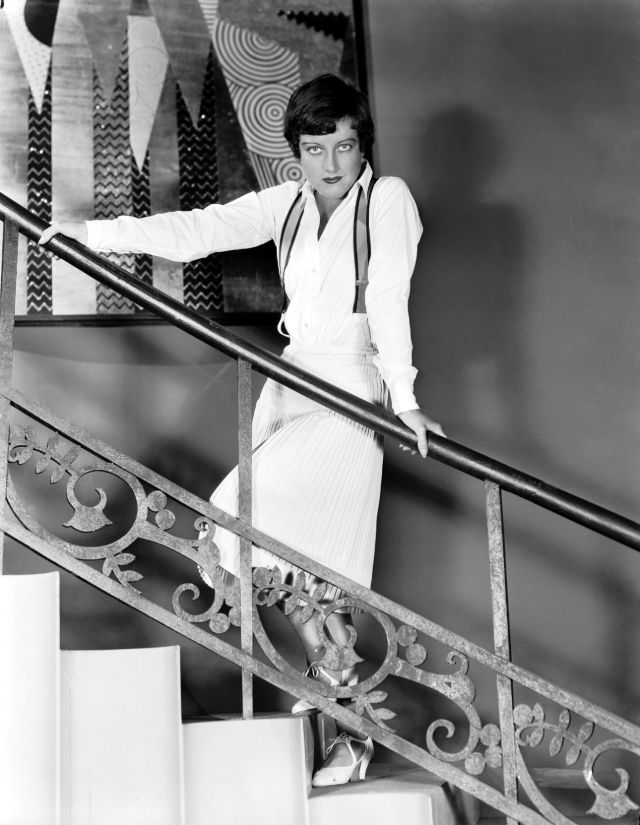
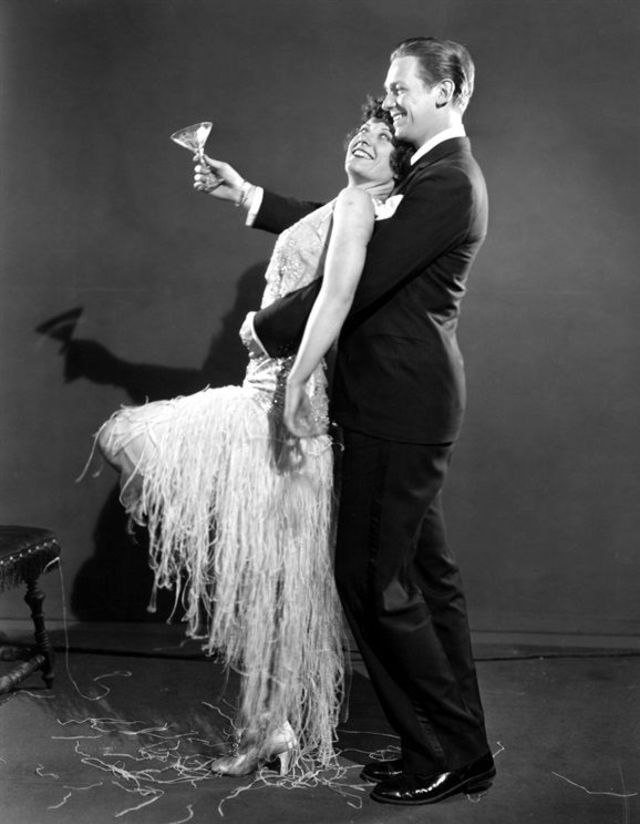
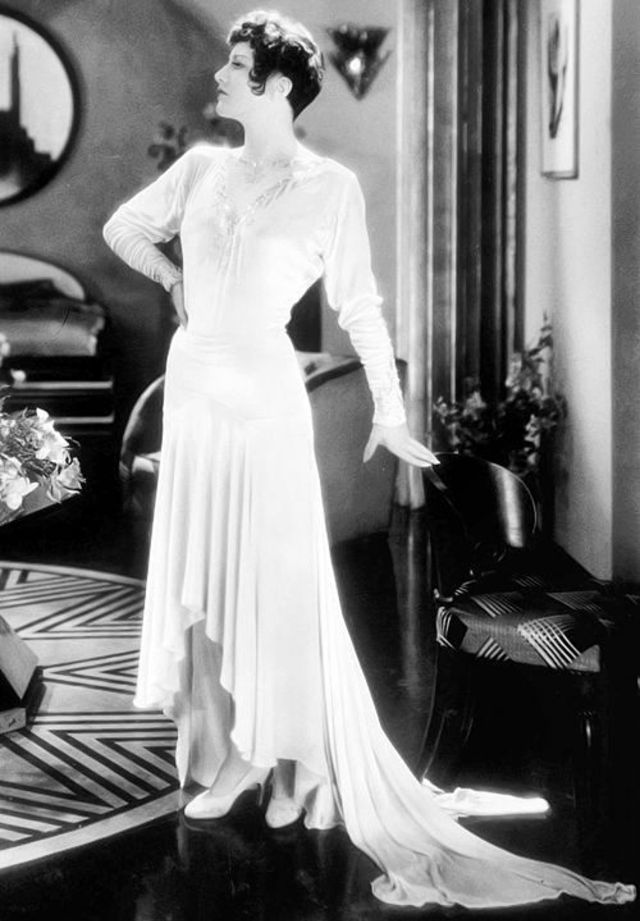
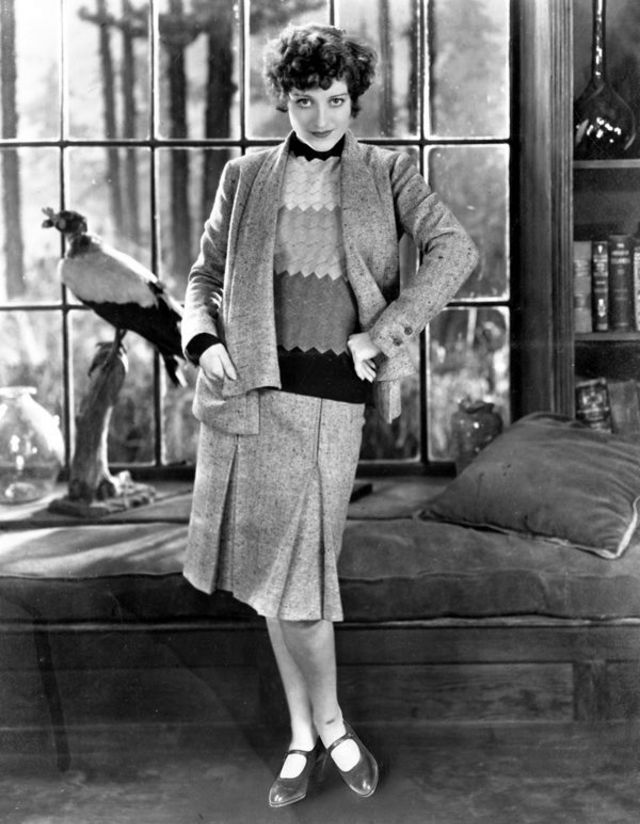
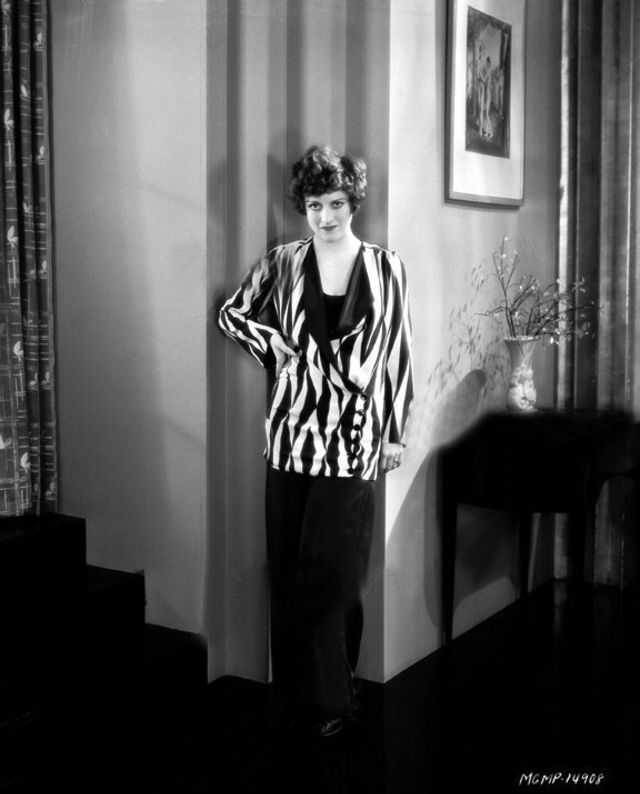
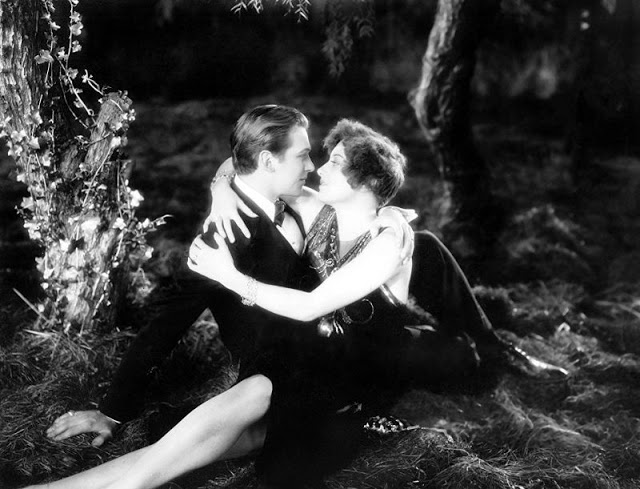
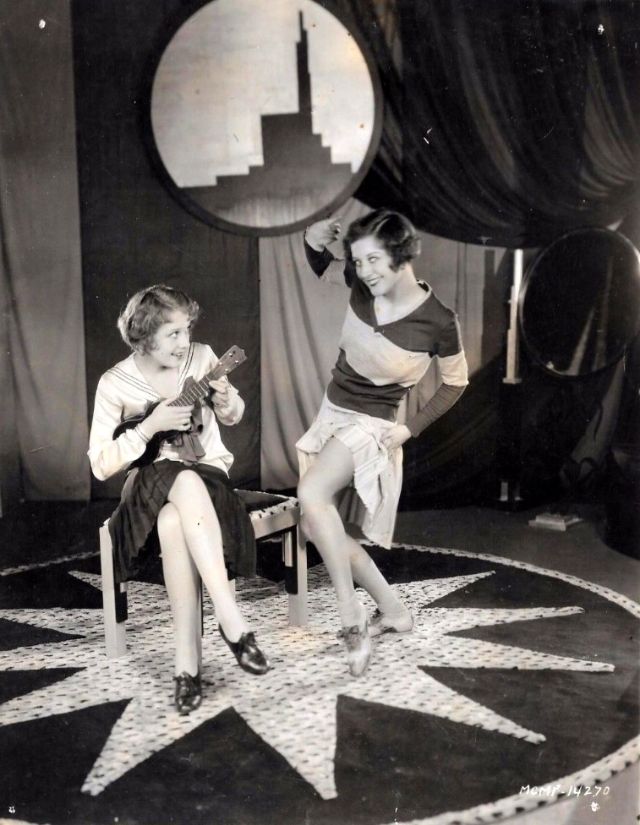
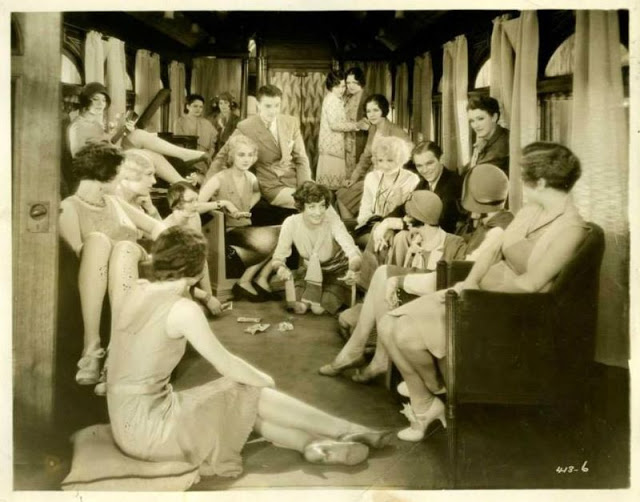
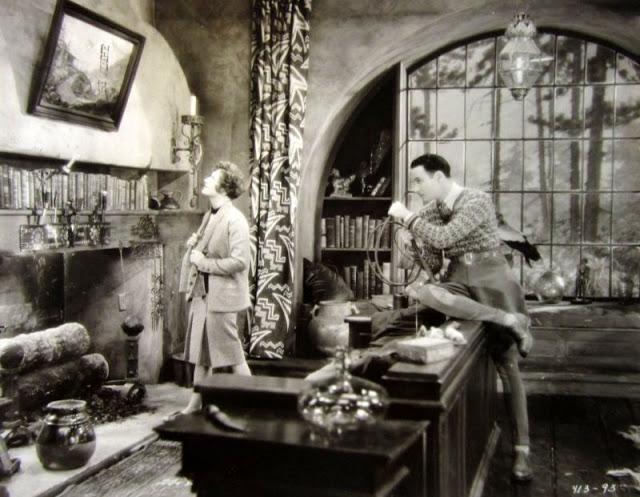
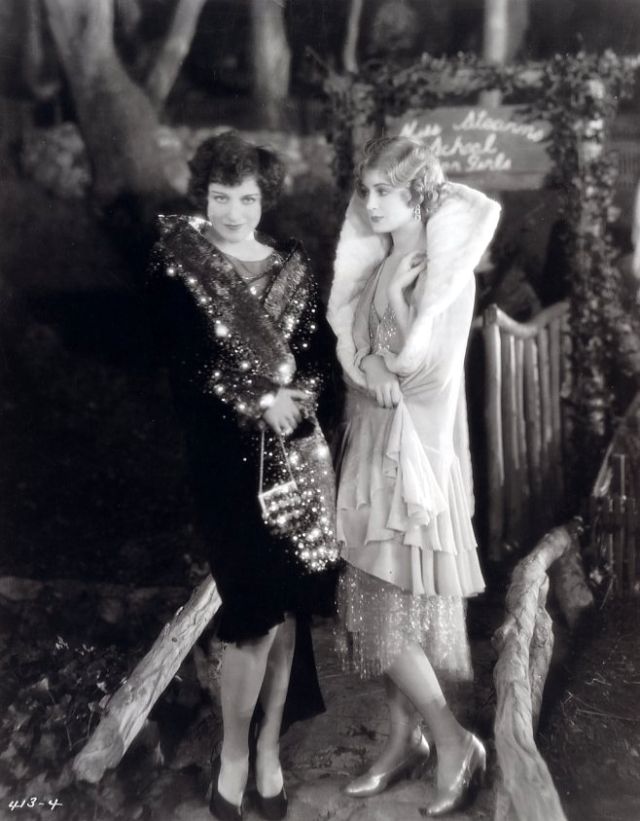
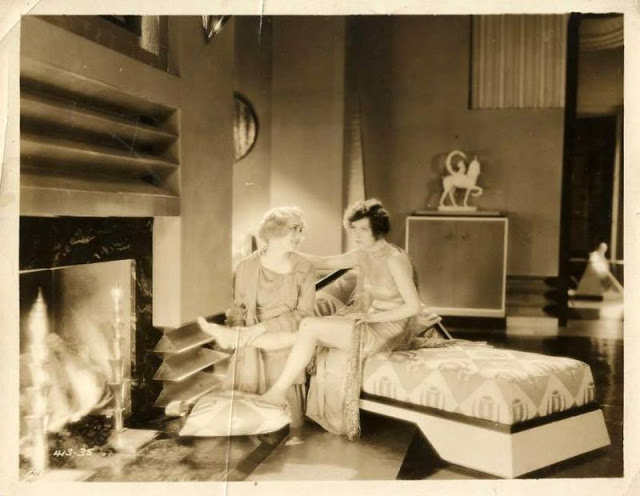
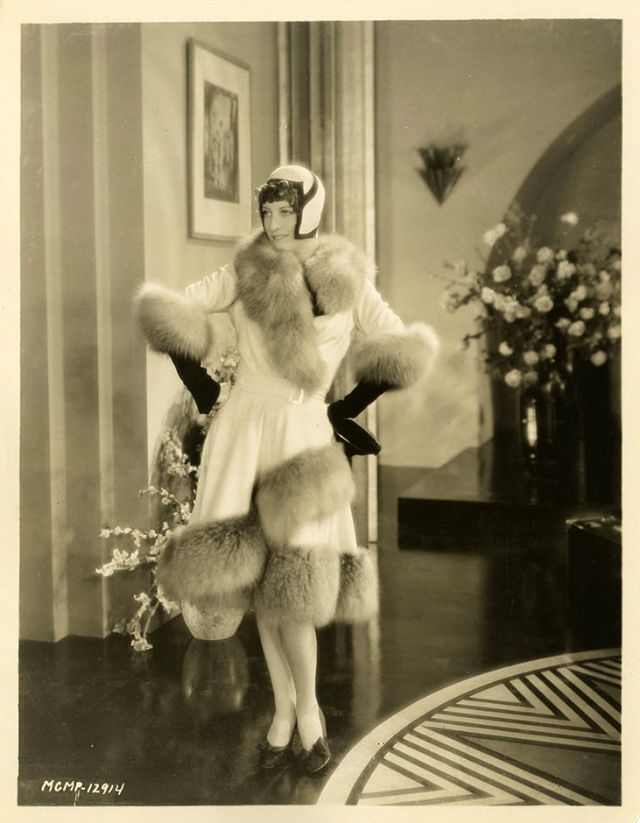
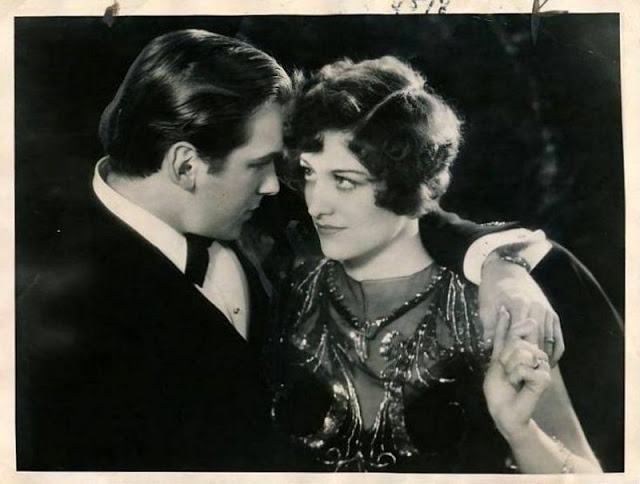
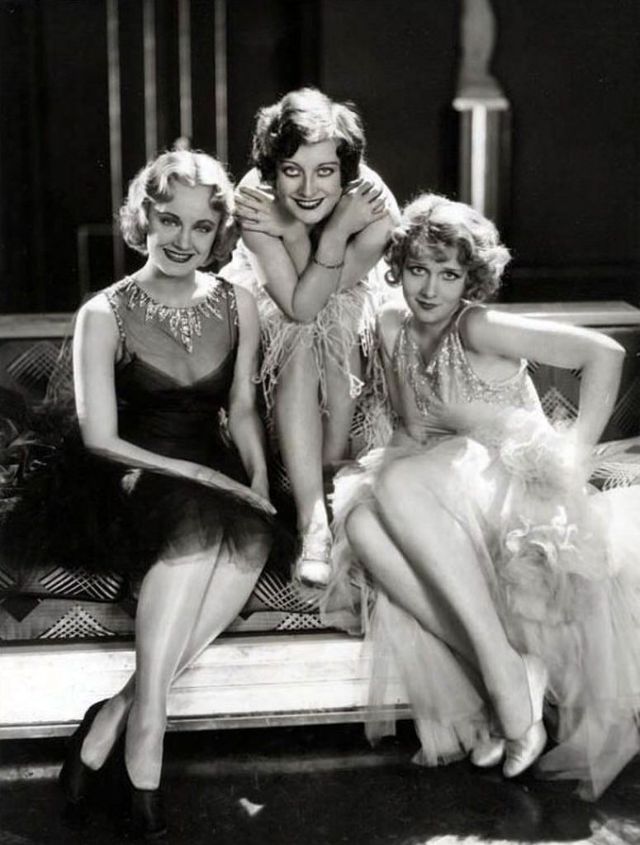
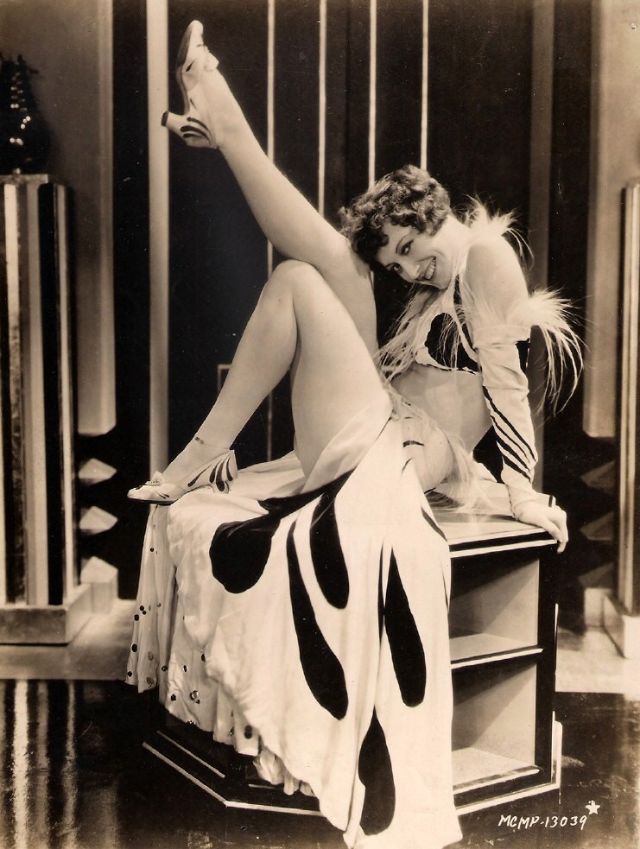
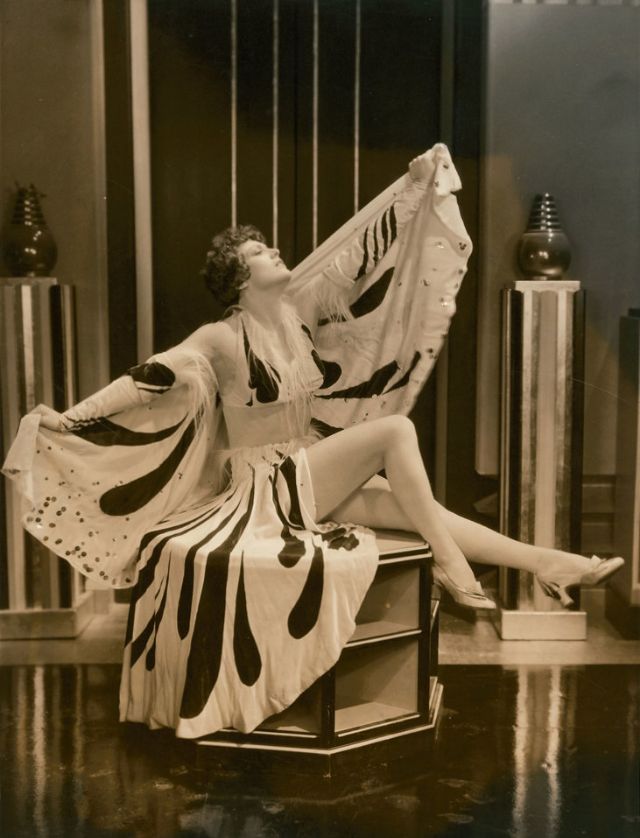
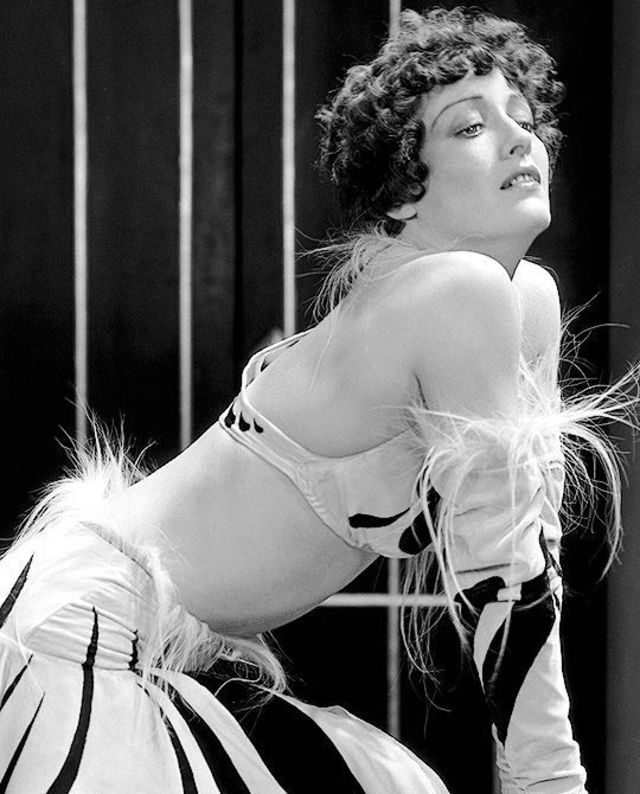
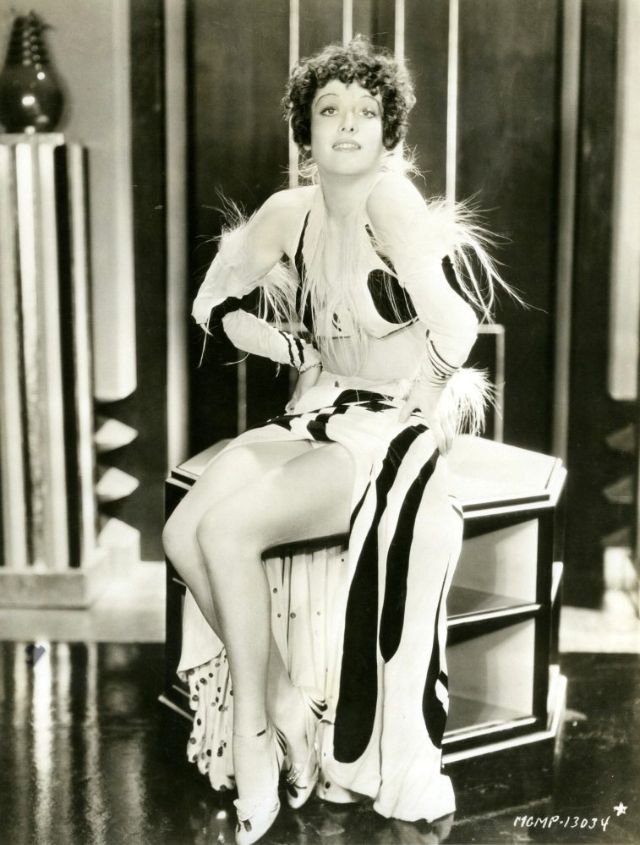
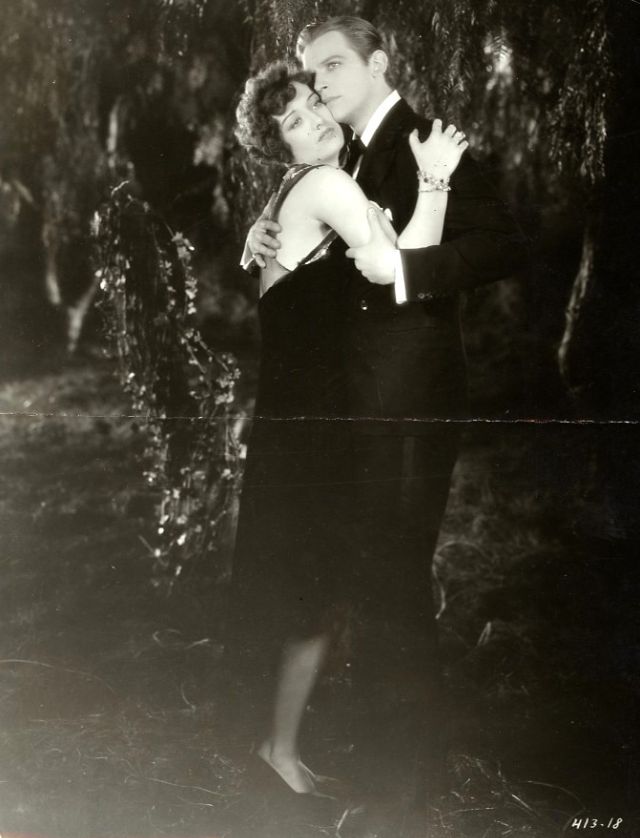
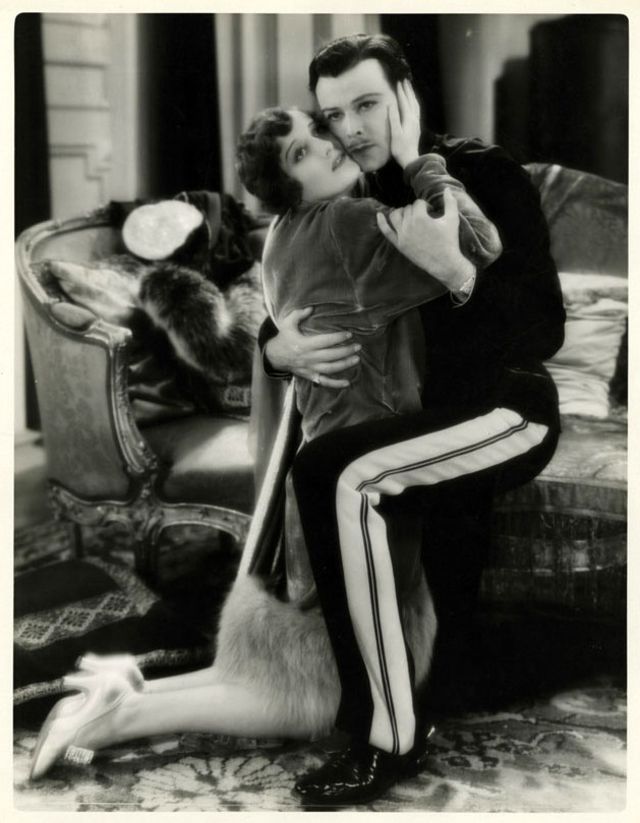
39 Beautiful Photos of Joan Crawford in Her Last Silent Film ‘Our Modern Maidens’ in 1929

Our Modern Maidens is a 1929 American silent drama film directed by Jack Conway. Starring Joan Crawford in her last silent film role, the film also stars Rod La Rocque, Douglas Fairbanks Jr., and Anita Page.

Our Modern Maidens has no audible dialog, but features a synchronized soundtrack and sound effects. According to MGM records the film earned $675,000 in the US and Canada and $182,000 elsewhere resulting in a profit of $248,000.

Joan Crawford (born Lucille Fay LeSueur; March 23, c. 1904–1908 – May 10, 1977) was an American actress. Starting as a dancer in traveling theatrical companies before debuting on Broadway, Crawford was signed to a motion picture contract by Metro-Goldwyn-Mayer in 1925. Initially frustrated by the size and quality of her parts, Crawford began a campaign of self-publicity and became nationally known as a flapper by the end of the 1920s. In the 1930s, Crawford’s fame rivaled MGM colleagues Norma Shearer and Greta Garbo. Crawford often played hardworking young women who find romance and financial success. These “rags-to-riches” stories were well received by Depression-era audiences and were popular with women. Crawford became one of Hollywood’s most prominent movie stars and one of the highest paid women in the United States, but her films began losing money and by the end of the 1930s she was labeled “box office poison”.

After an absence of nearly two years from the screen, Crawford staged a comeback by starring in Mildred Pierce (1945), for which she won the Academy Award for Best Actress. In 1955, she became involved with the Pepsi-Cola Company, through her marriage to company president Alfred Steele. After his death in 1959, Crawford was elected to fill his vacancy on the board of directors but was forcibly retired in 1973. She continued acting in film and television regularly through the 1960s, when her performances became fewer; after the release of the horror film Trog in 1970, Crawford retired from the screen. Following a public appearance in 1974, after which unflattering photographs were published, Crawford withdrew from public life. She became more and more reclusive until her death in 1977.

Crawford married four times. Her first three marriages ended in divorce; the last ended with the death of husband Al Steele. She adopted five children, one of whom was reclaimed by his birth mother. Crawford’s relationships with her two older children, Christina and Christopher, were acrimonious. Crawford disinherited the two and, after Crawford’s death, Christina wrote a “tell-all” memoir called Mommie Dearest. (Wikipedia)

These beautiful photos that show portrait of Joan Crawford in her last silent film Our Modern Maidens in 1929.

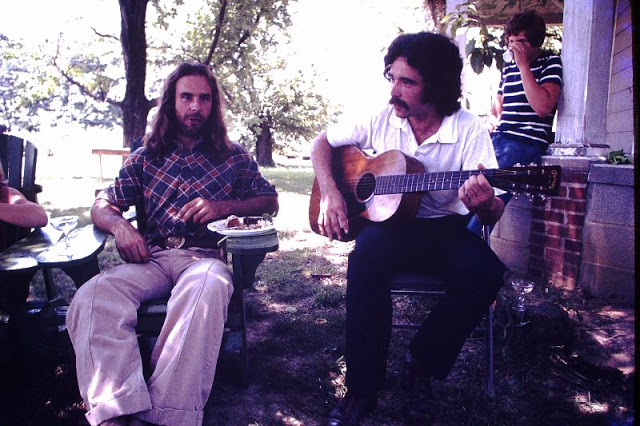
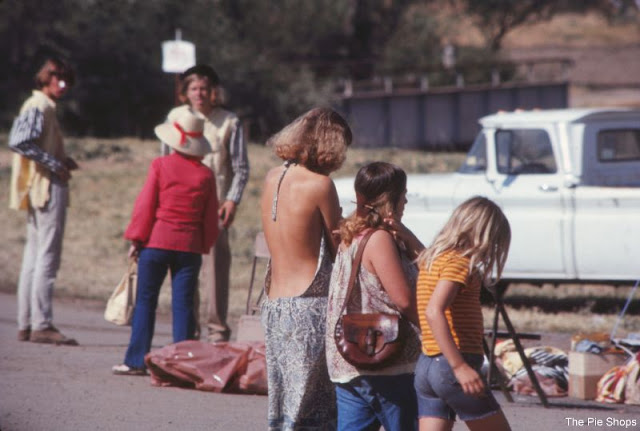
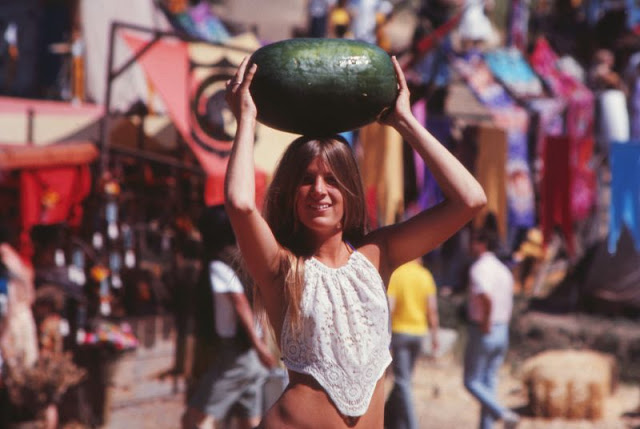
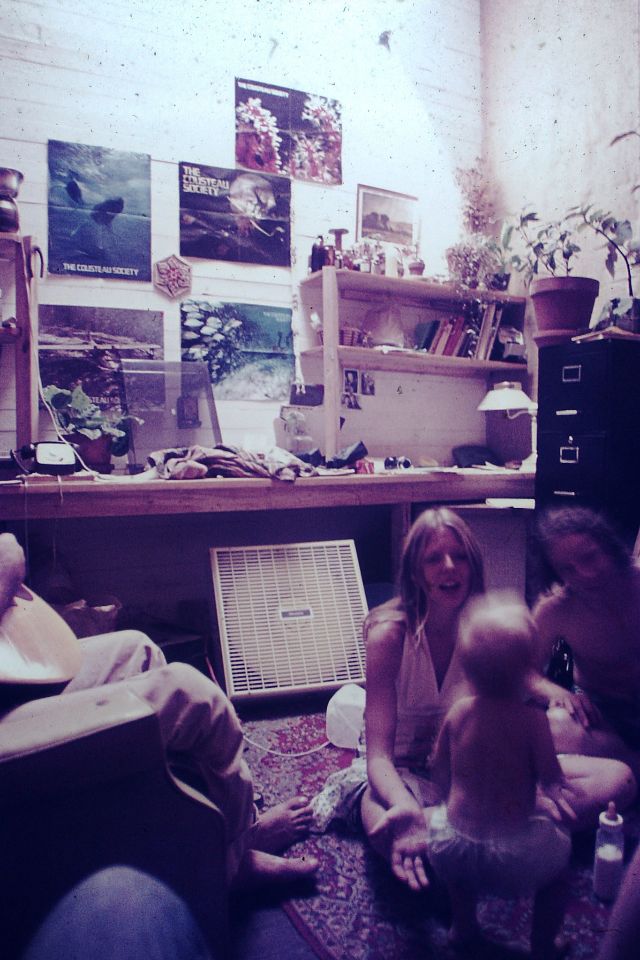
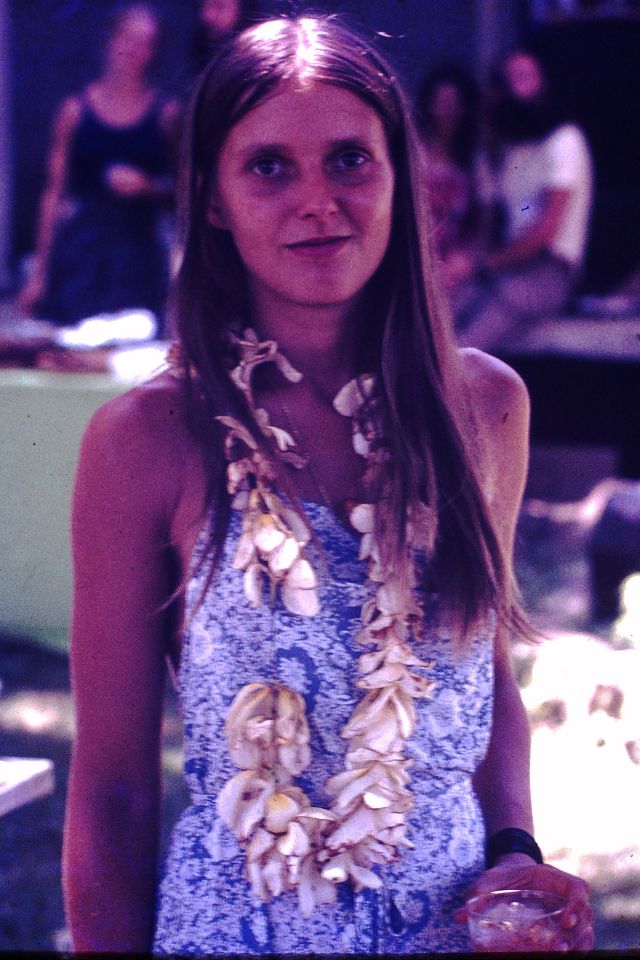
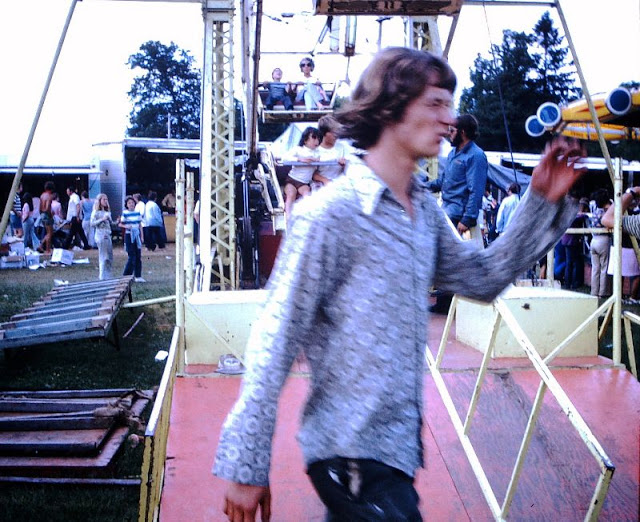
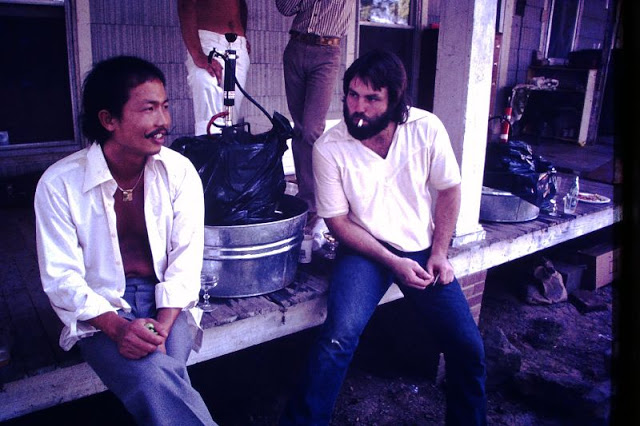
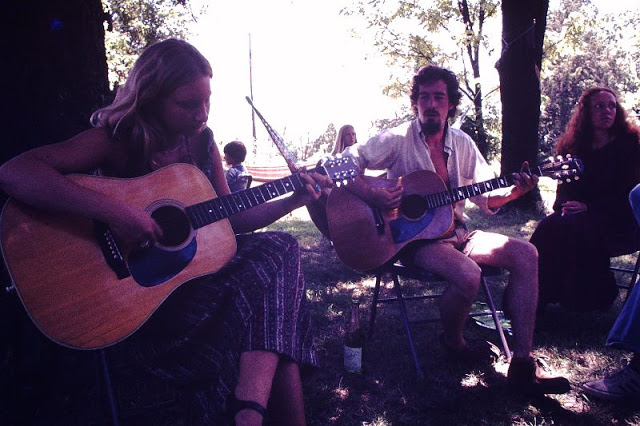
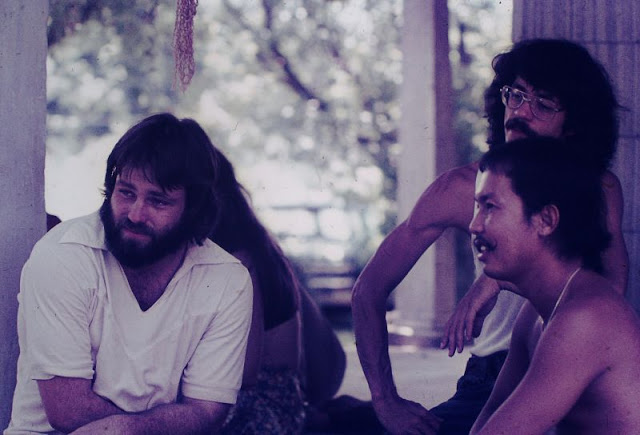
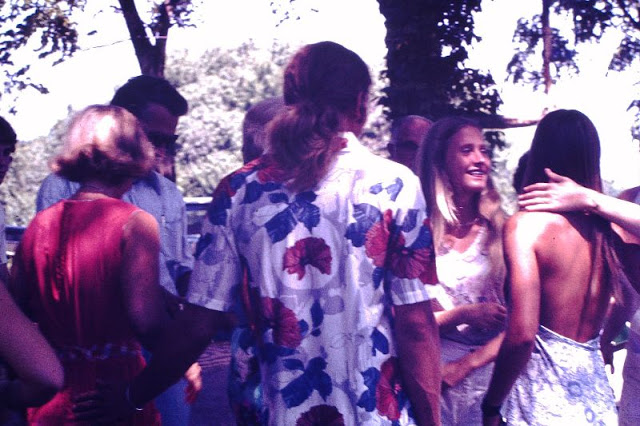
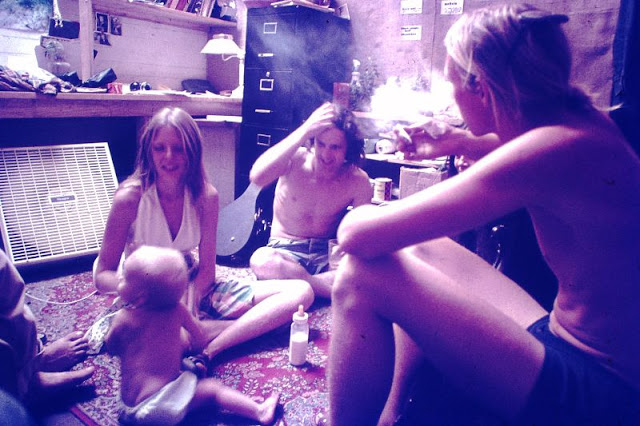
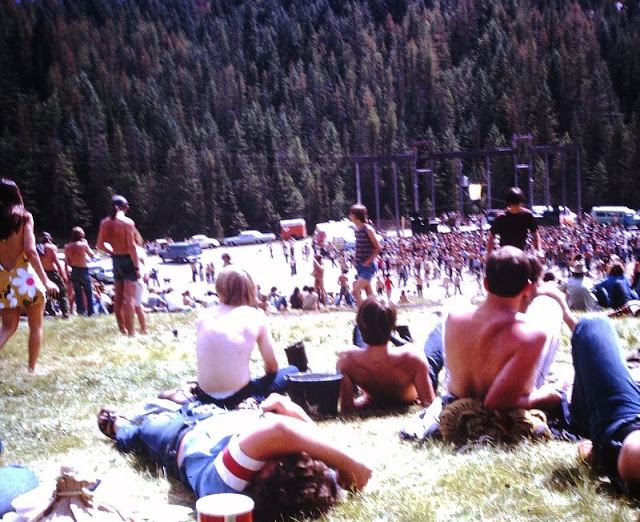
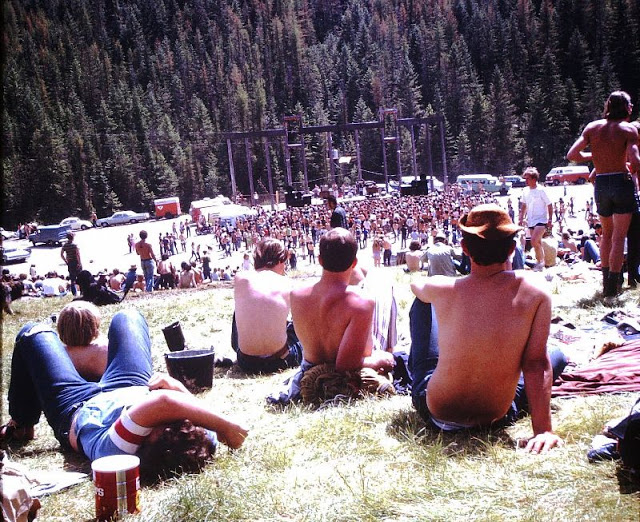
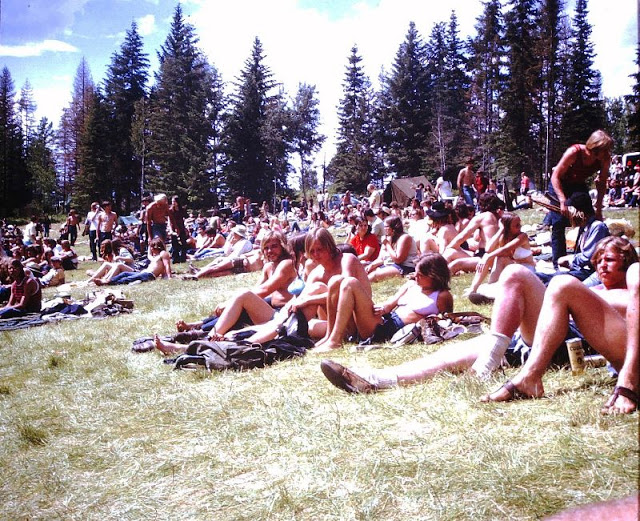
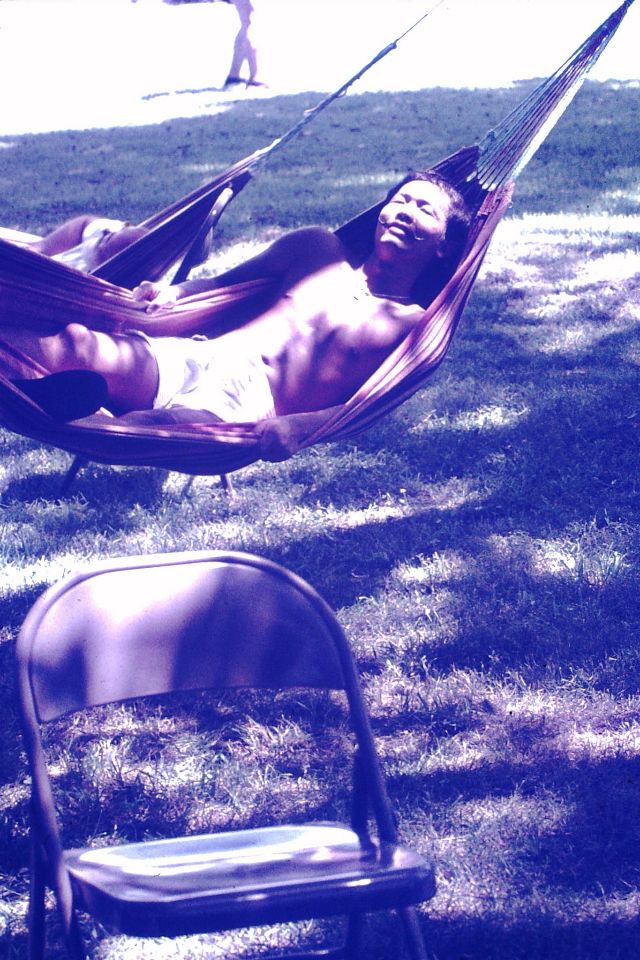
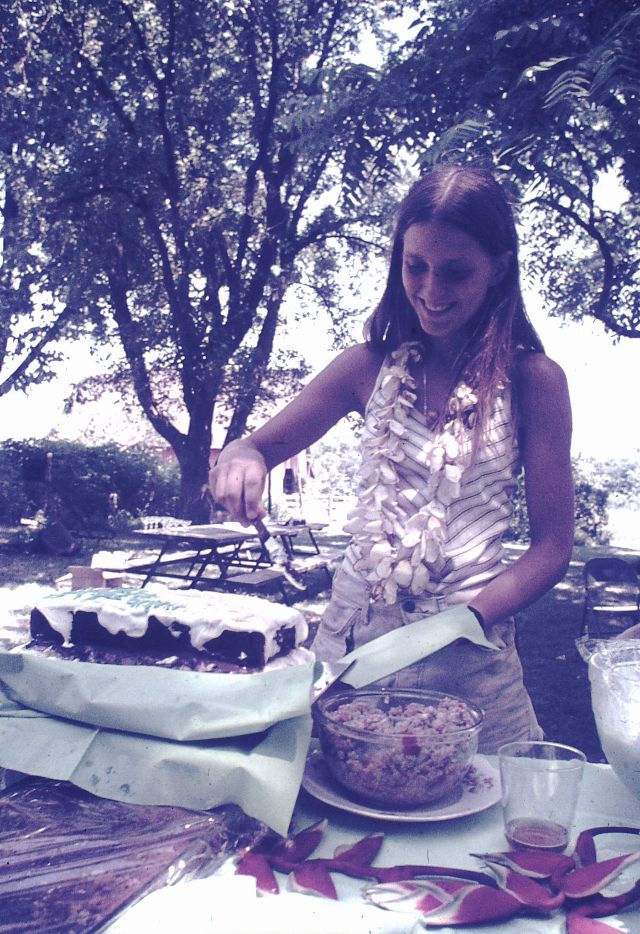
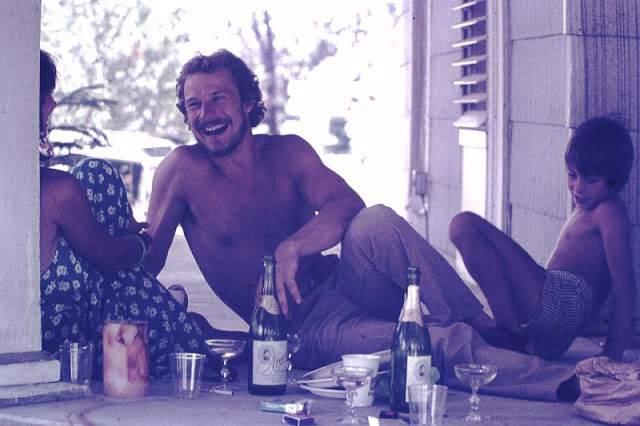
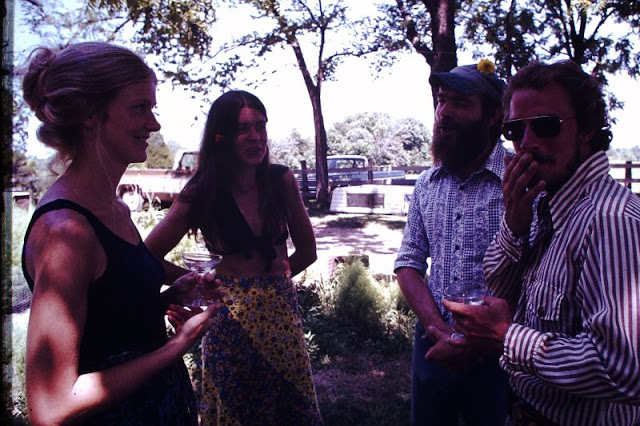
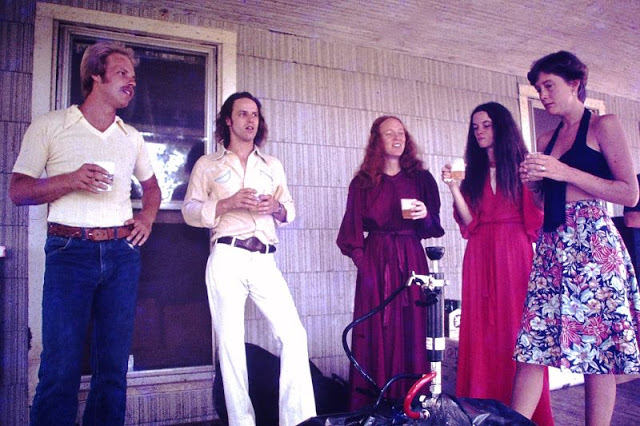
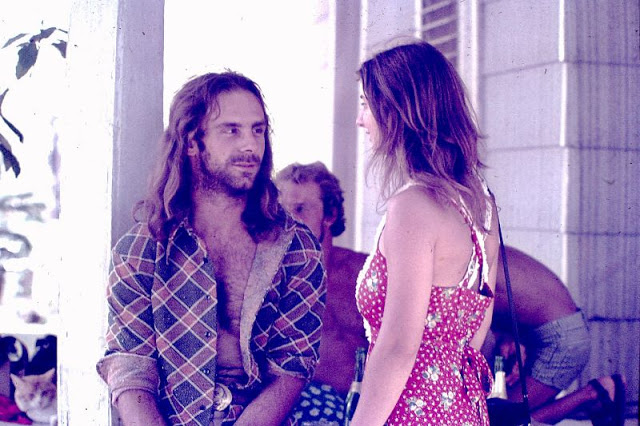
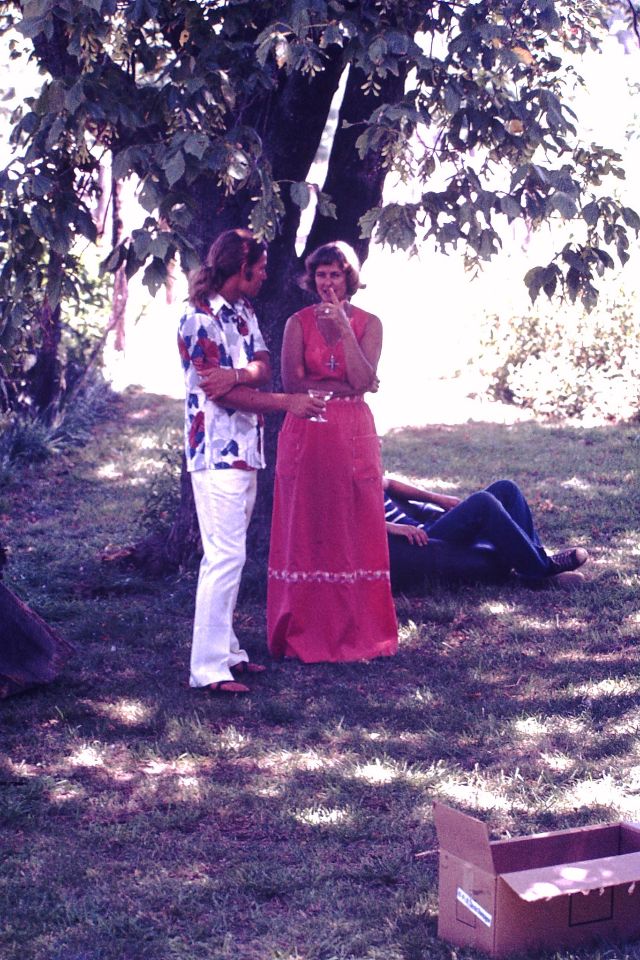
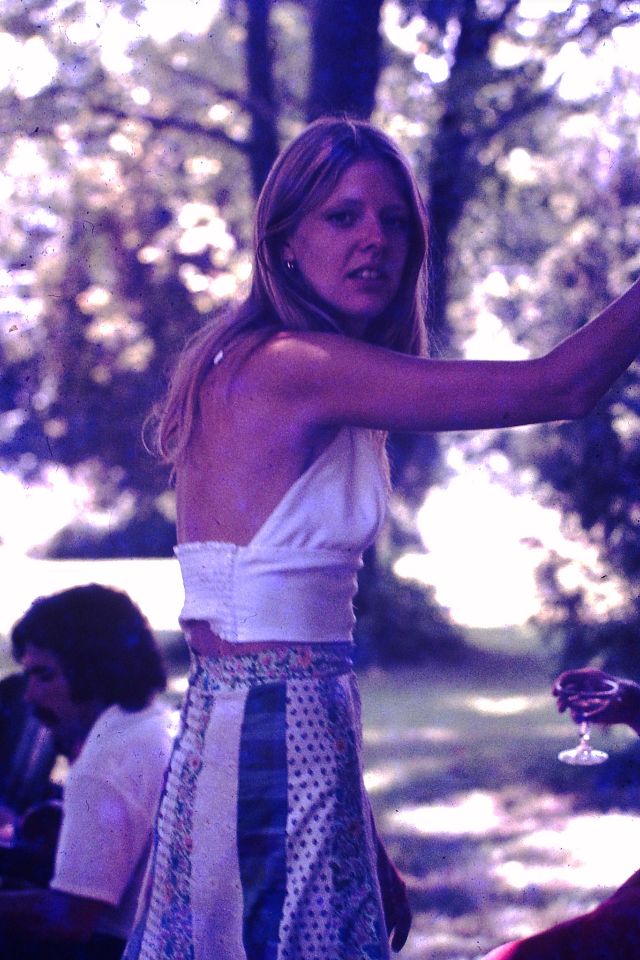
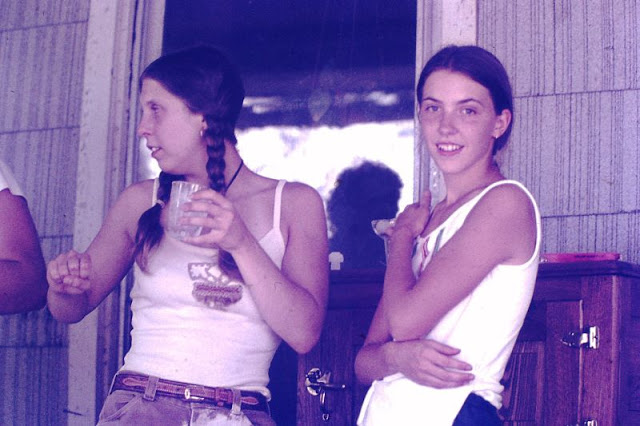
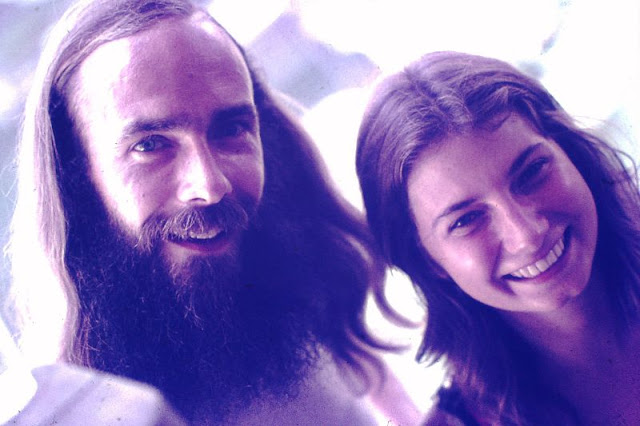
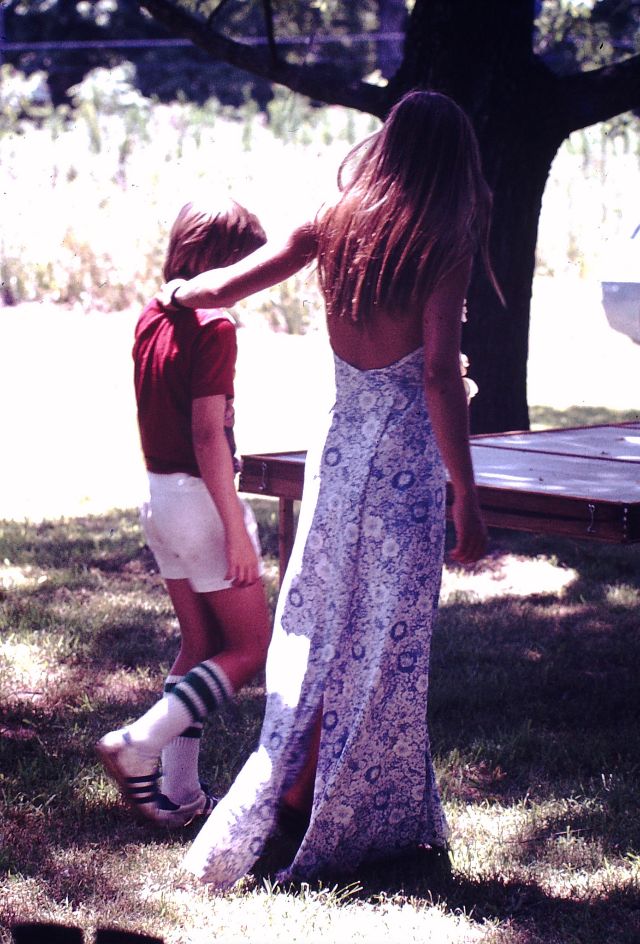
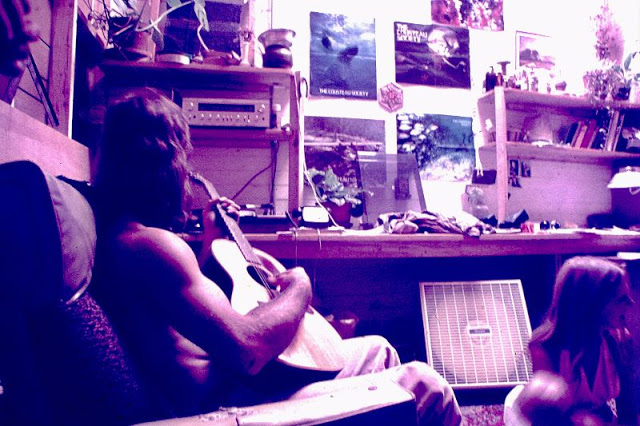
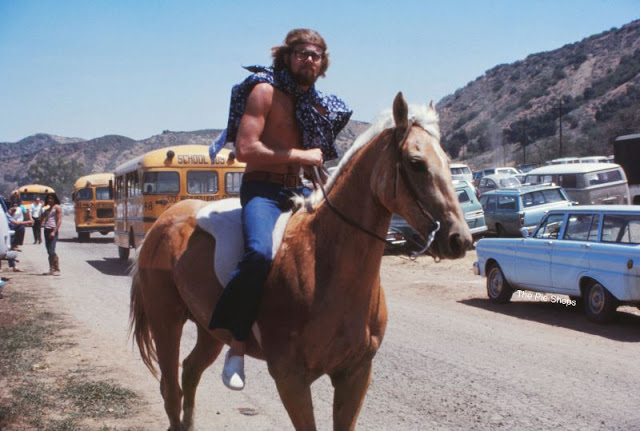
Hippie Life: 27 Vintage Photos Showing American Youth’s Lifestyle in the 1970s

A hippie, also spelled hippy, especially in UK English, is a member of the counterculture of the 1960s, originally a youth movement that began in the United States during the mid-1960s and spread to other countries around the world. The word hippie came from hipster and was used to describe beatniks who moved into New York City’s Greenwich Village, San Francisco’s Haight-Ashbury district, and Chicago’s Old Town community. The term hippie was used in print by San Francisco writer Michael Fallon, helping popularize use of the term in the media, although the tag was seen elsewhere earlier.

The origins of the terms hip and hep are uncertain. By the 1940s, both had become part of African American jive slang and meant “sophisticated; currently fashionable; fully up-to-date”. The Beats adopted the term hip, and early hippies inherited the language and countercultural values of the Beat Generation. Hippies created their own communities, listened to psychedelic music, embraced the sexual revolution, and many used drugs such as marijuana and LSD to explore altered states of consciousness.

In 1967, the Human Be-In in Golden Gate Park, San Francisco, and Monterey Pop Festival popularized hippie culture, leading to the Summer of Love on the West Coast of the United States, and the 1969 Woodstock Festival on the East Coast. Hippies in Mexico, known as jipitecas, formed La Onda and gathered at Avándaro, while in New Zealand, nomadic housetruckers practiced alternative lifestyles and promoted sustainable energy at Nambassa. In the United Kingdom in 1970, many gathered at the gigantic third Isle of Wight Festival with a crowd of around 400,000 people. In later years, mobile “peace convoys” of New Age travellers made summer pilgrimages to free music festivals at Stonehenge and elsewhere. In Australia, hippies gathered at Nimbin for the 1973 Aquarius Festival and the annual Cannabis Law Reform Rally or MardiGrass. “Piedra Roja Festival”, a major hippie event in Chile, was held in 1970. Hippie and psychedelic culture influenced 1960s and early 1970s youth culture in Iron Curtain countries in Eastern Europe (see Mánička).

Hippie fashion and values had a major effect on culture, influencing popular music, television, film, literature, and the arts. Since the 1960s, mainstream society has assimilated many aspects of hippie culture. The religious and cultural diversity the hippies espoused has gained widespread acceptance, and their pop versions of Eastern philosophy and Asian spiritual concepts have reached a larger group.

The vast majority of people who had participated in the golden age of the hippie movement were those born during the 1940s as well as the early 1950s. These included the oldest of the Baby Boomers as well as the youngest of the Silent Generation; the latter who were the actual leaders of the movement as well as the pioneers of Rock music. (Wikipedia)

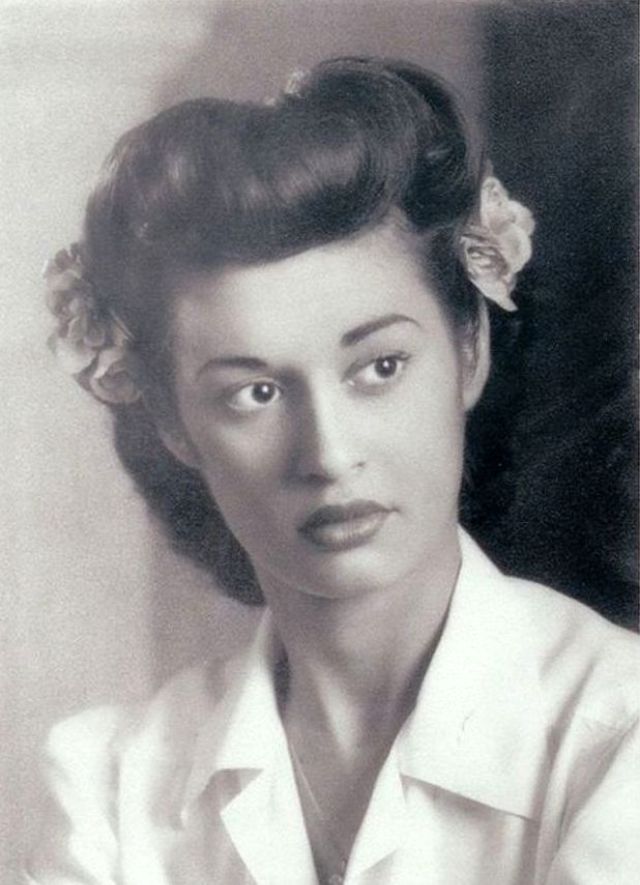
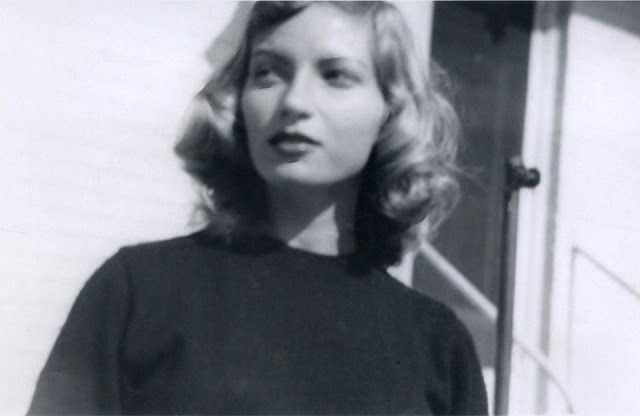
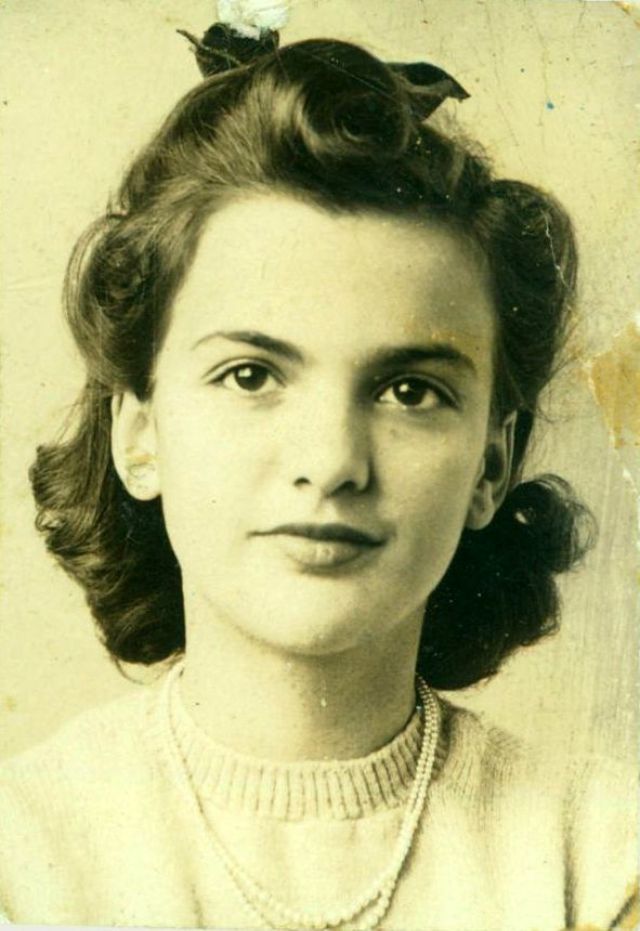
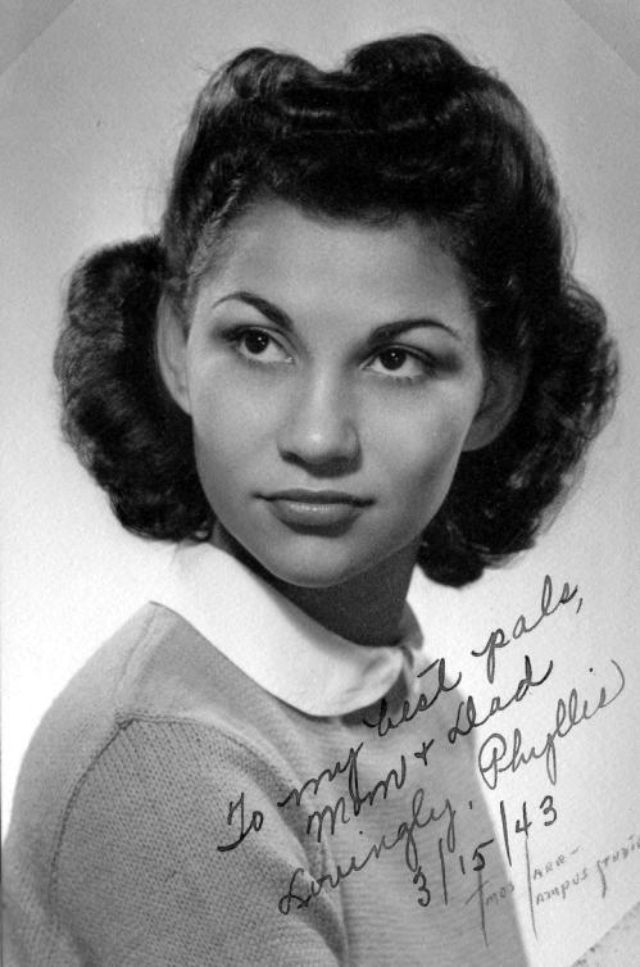
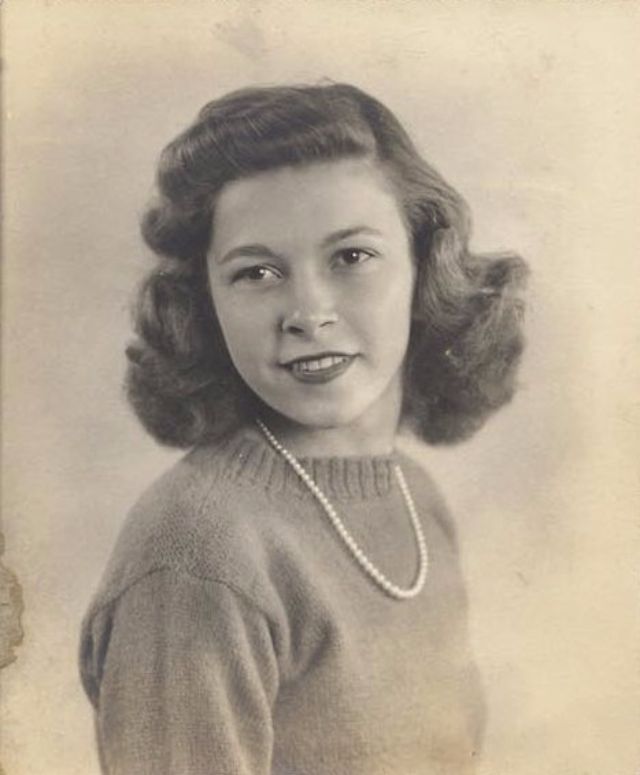
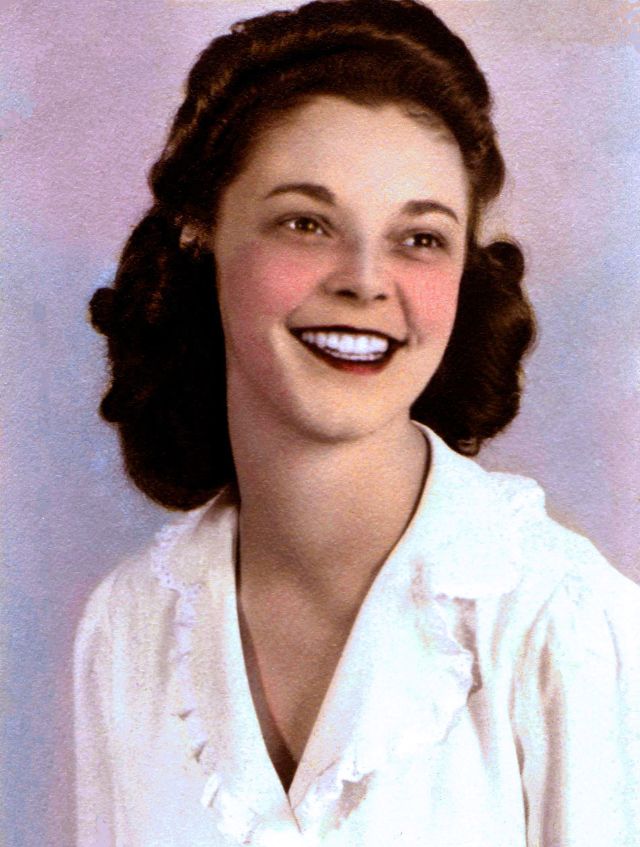
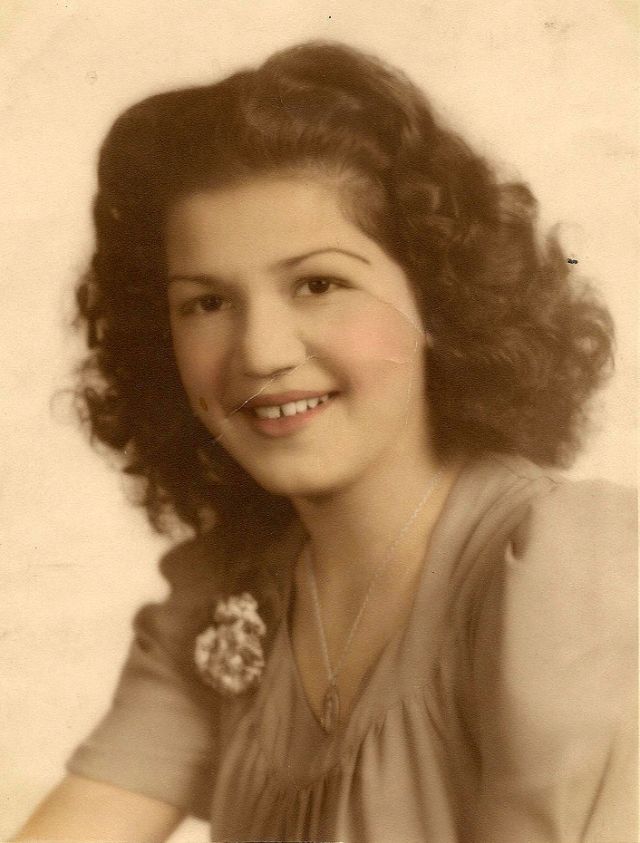
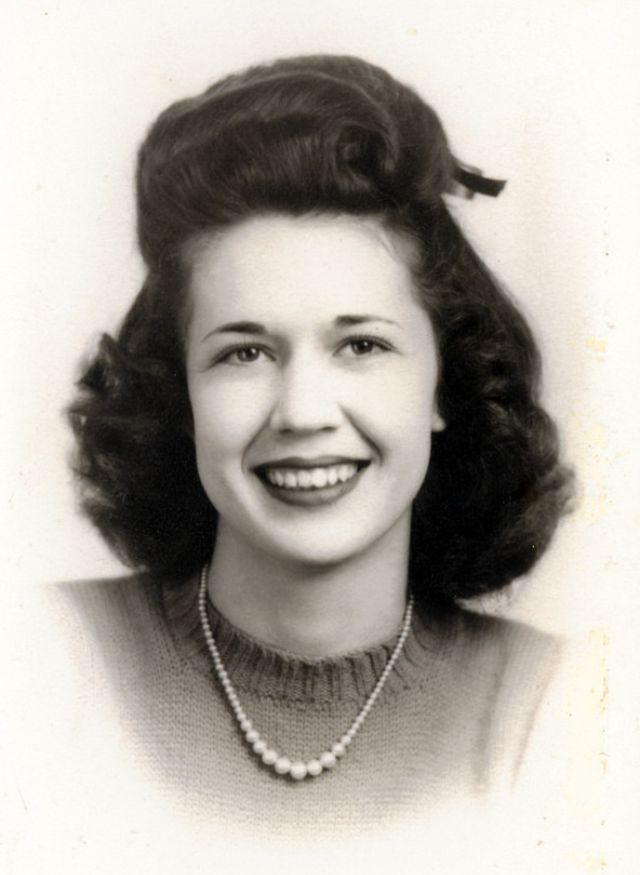
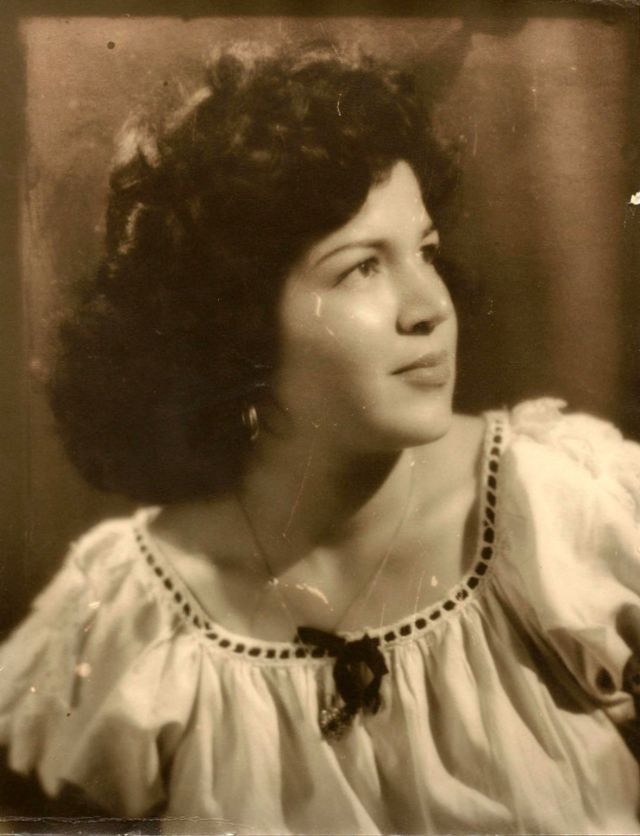
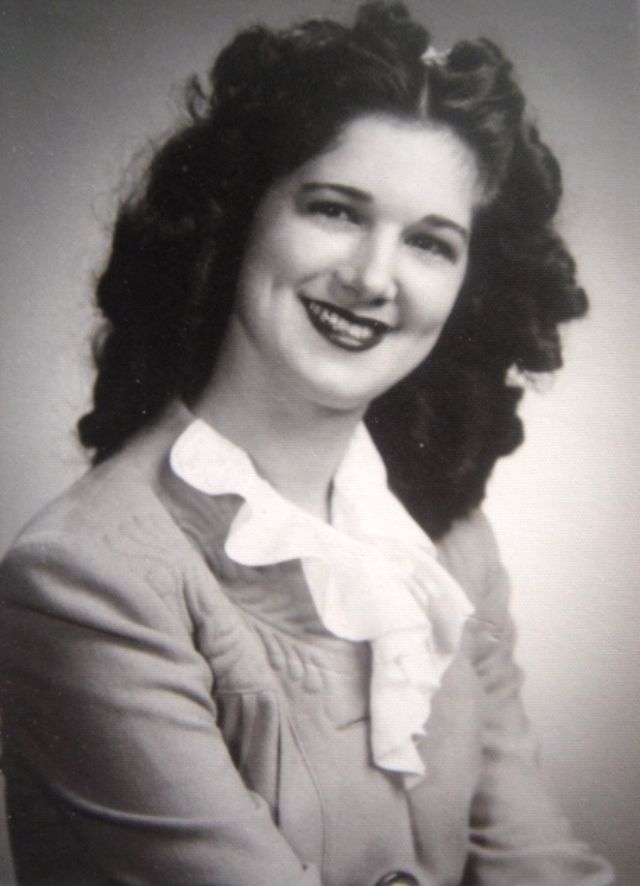
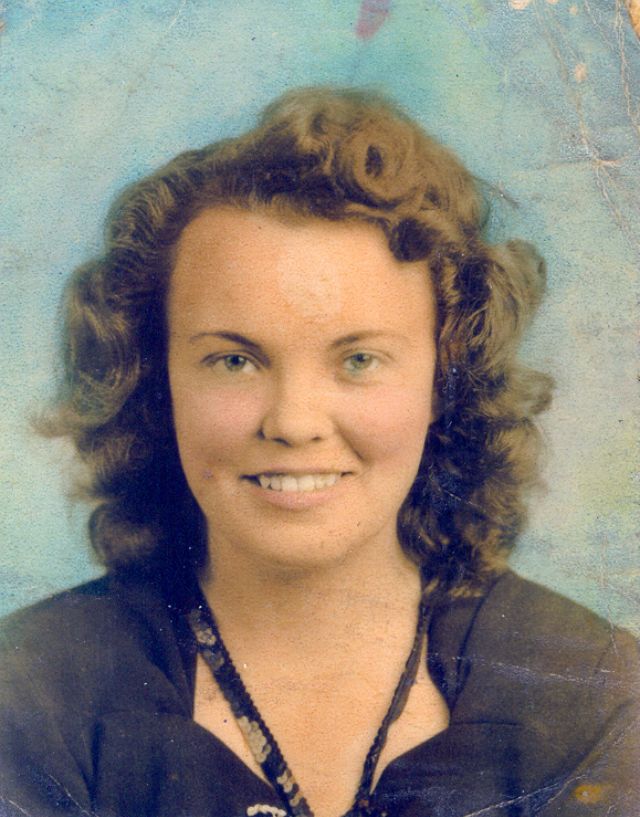
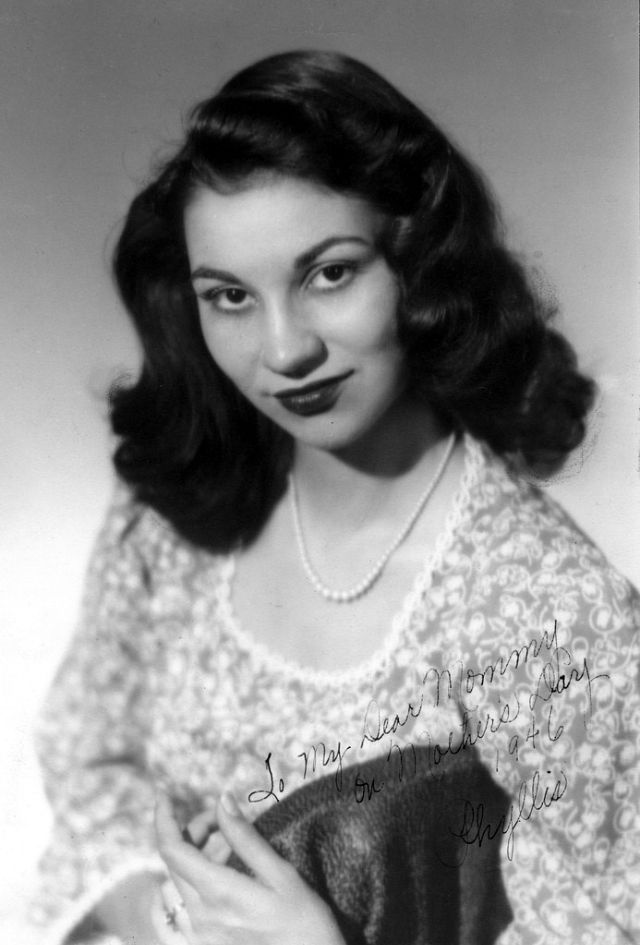
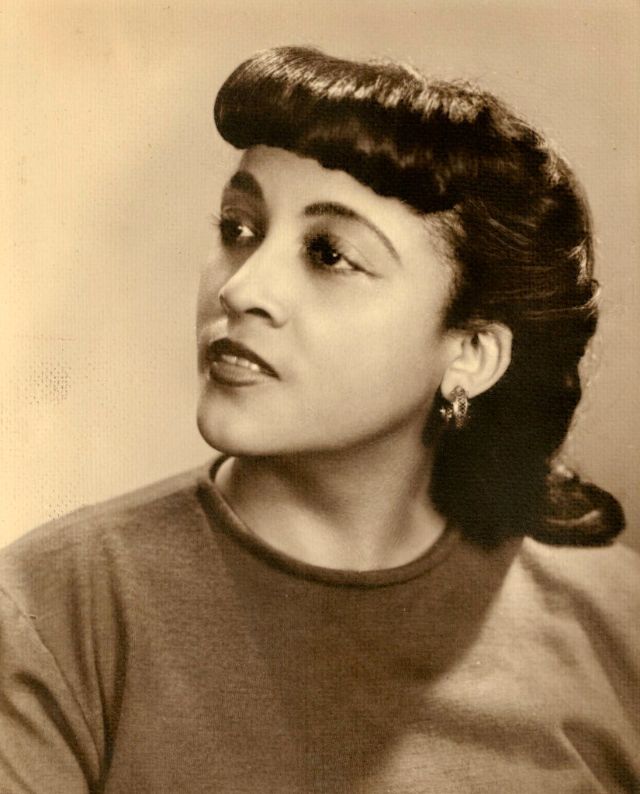
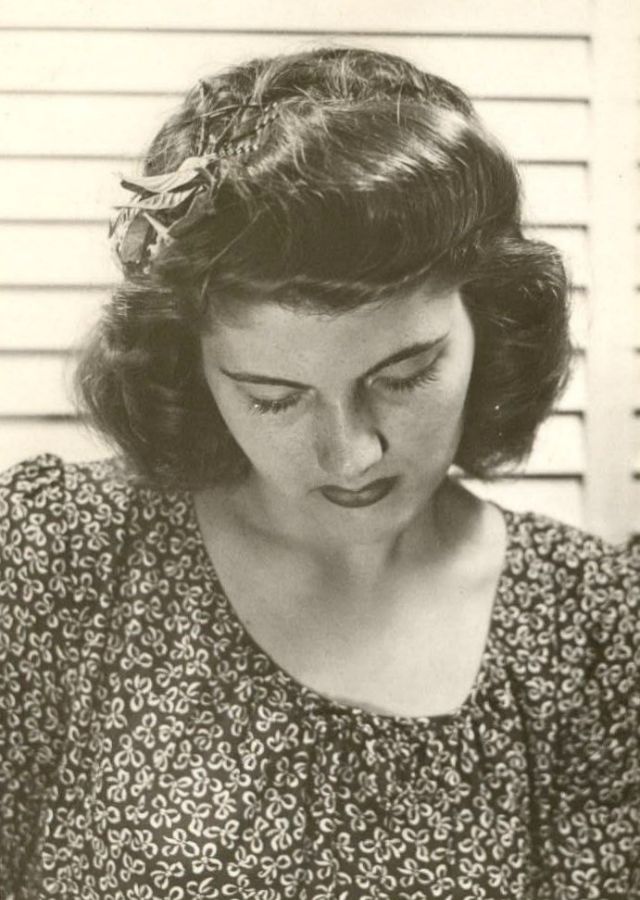
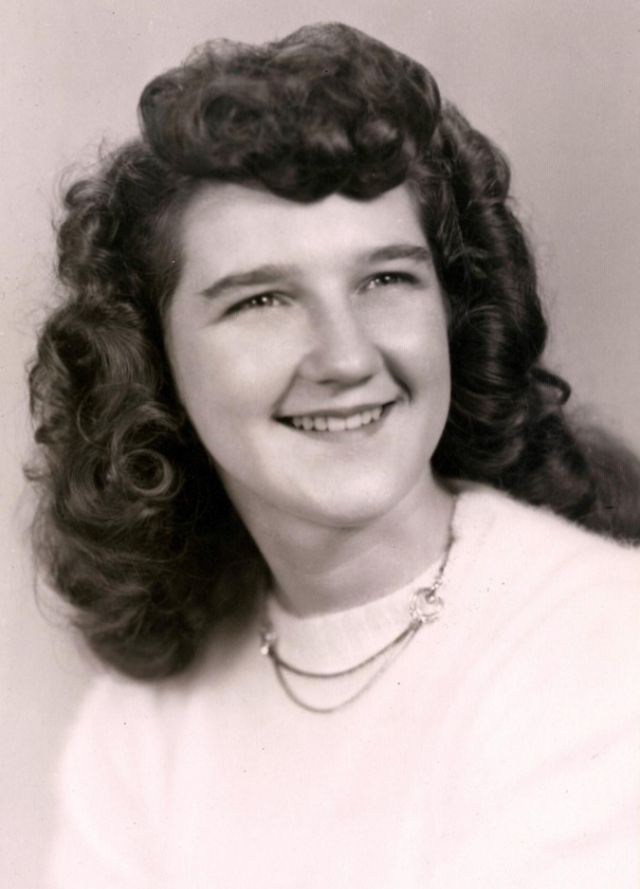
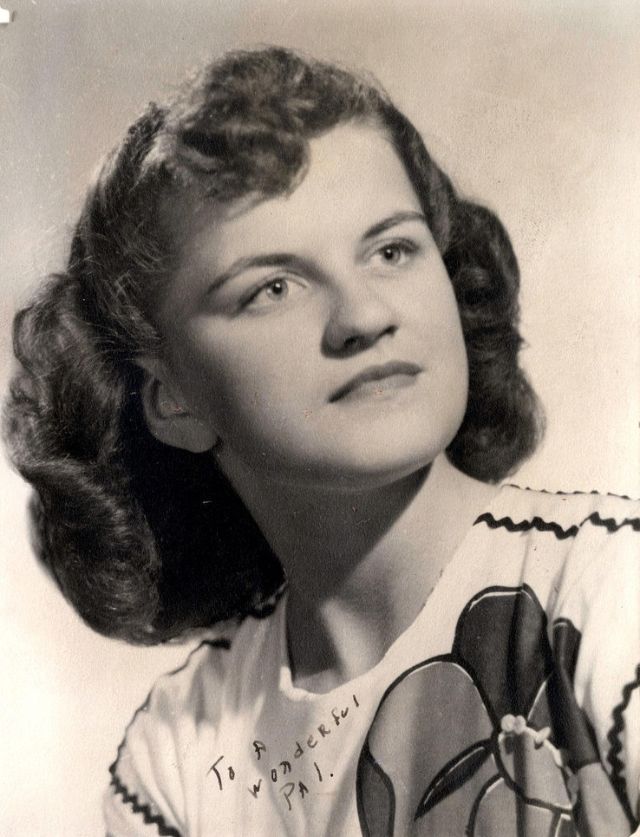
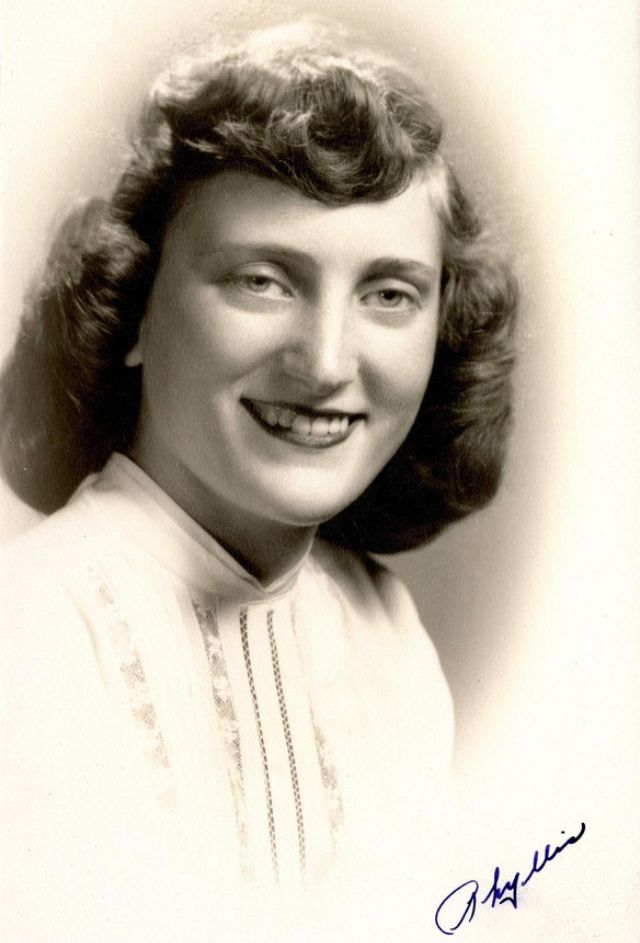
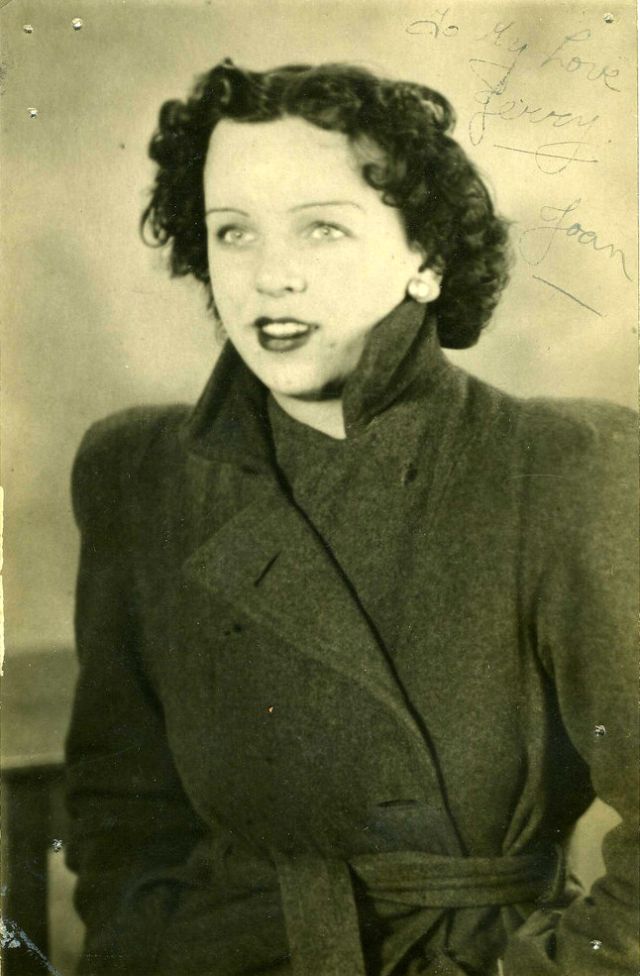
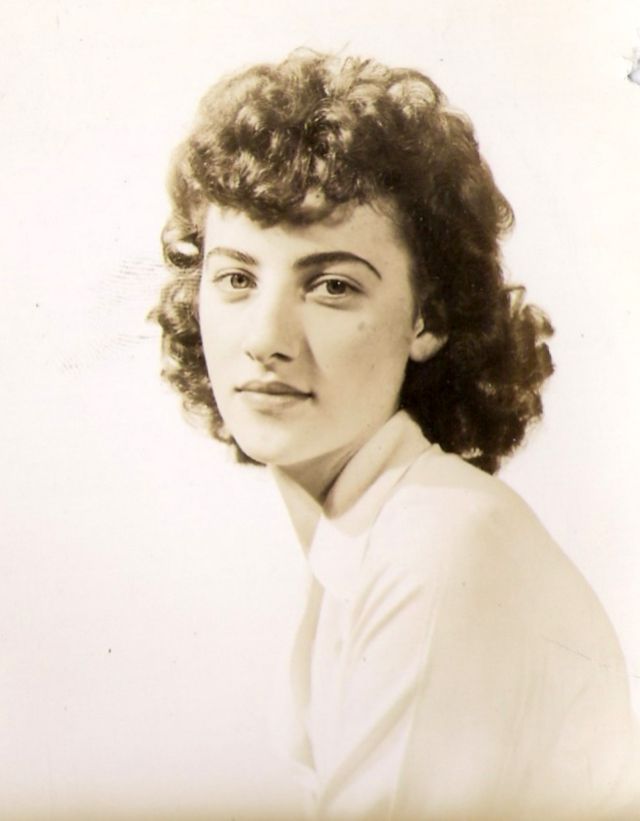
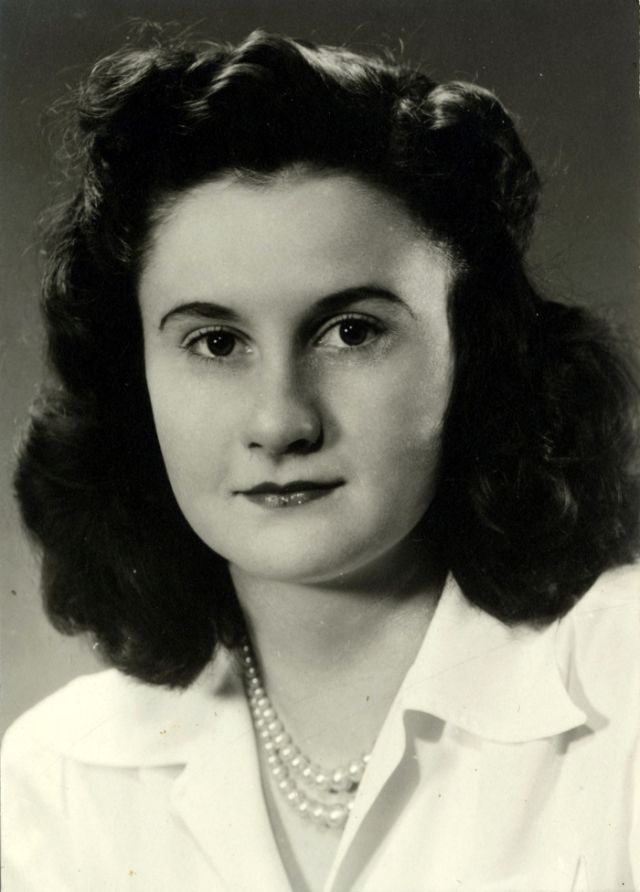
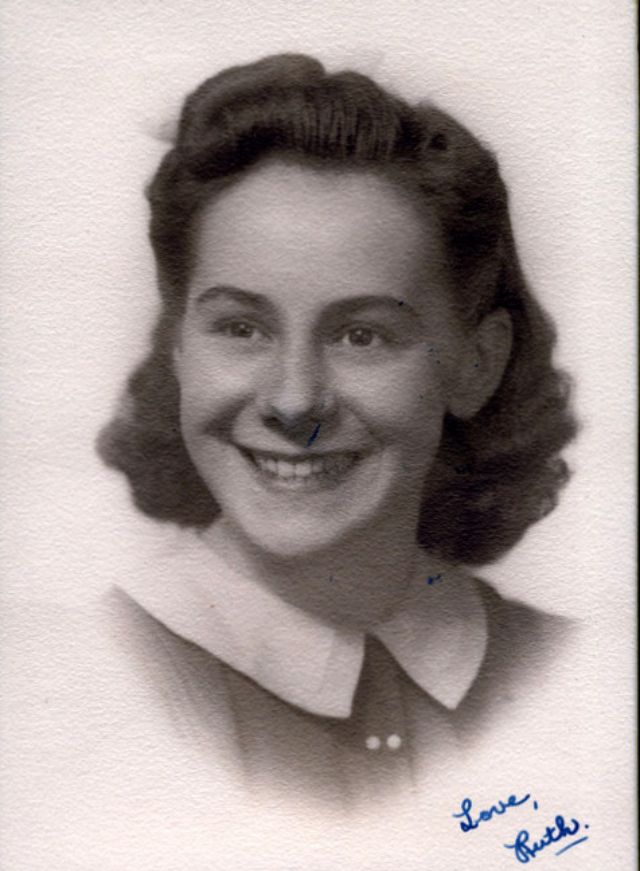
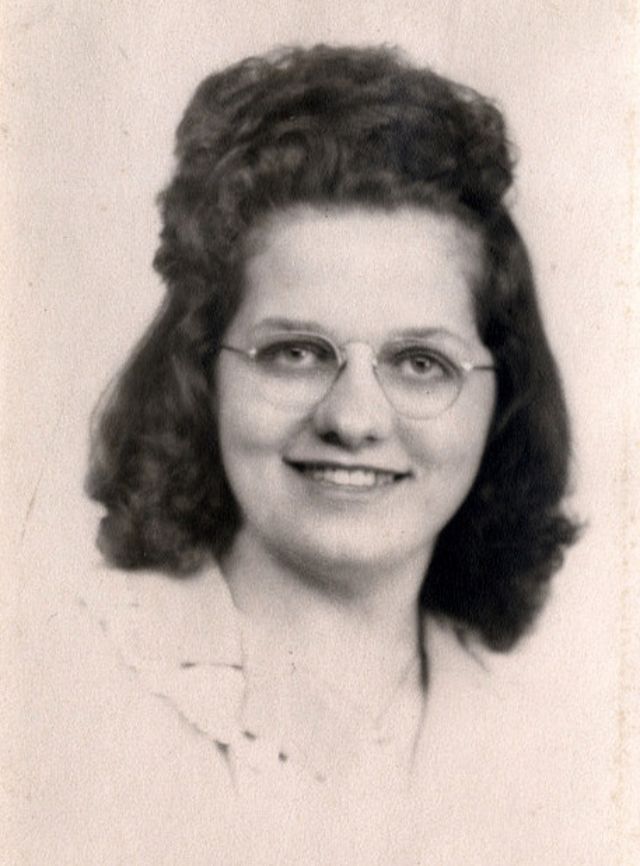
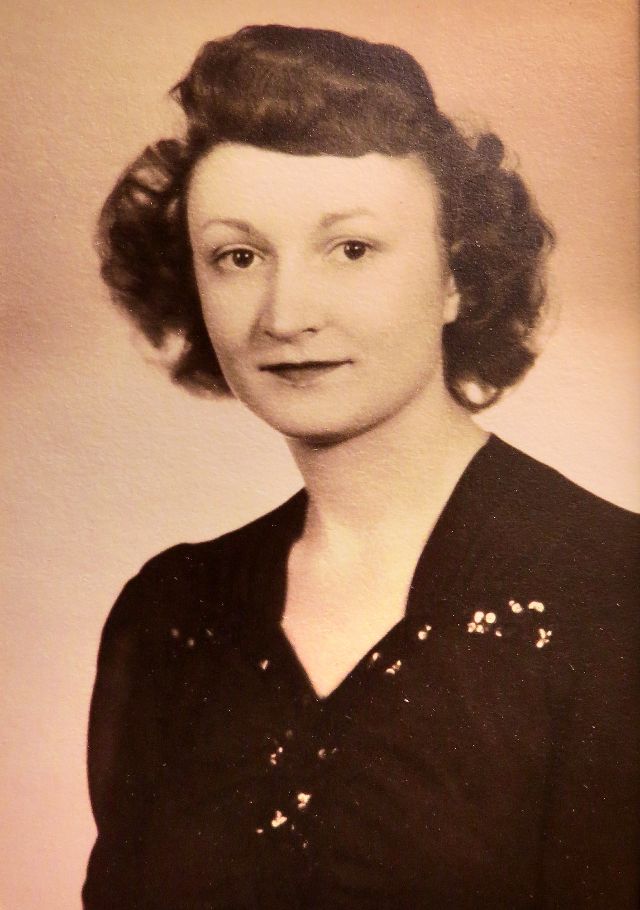
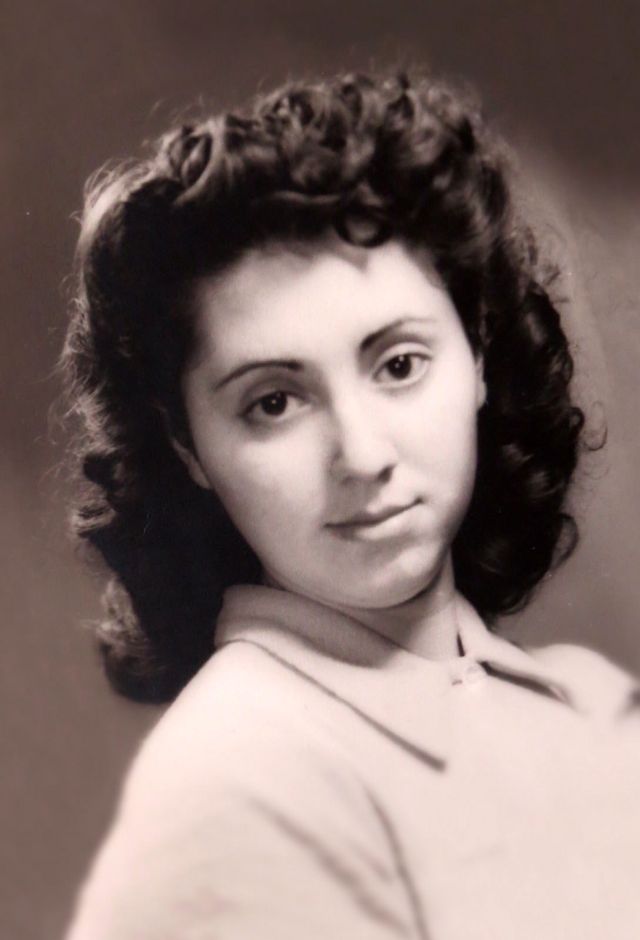
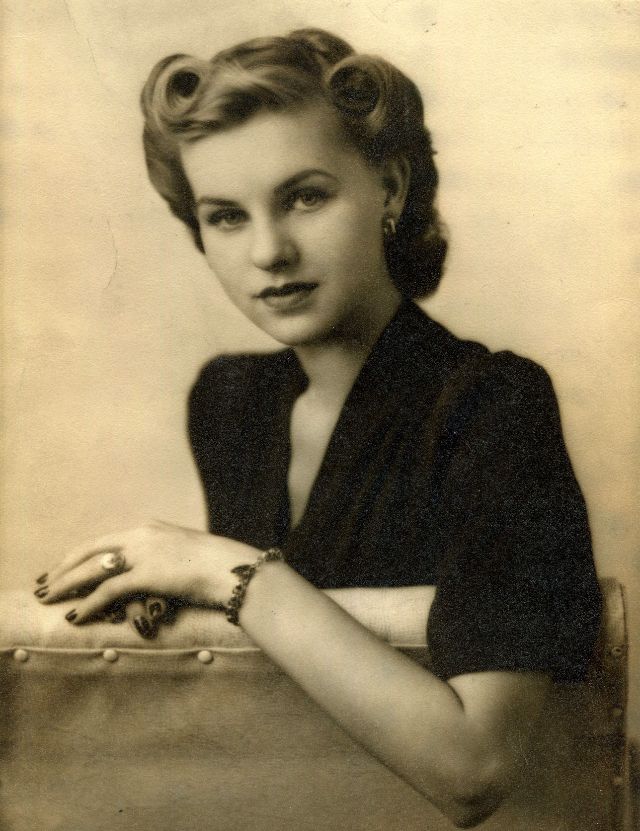
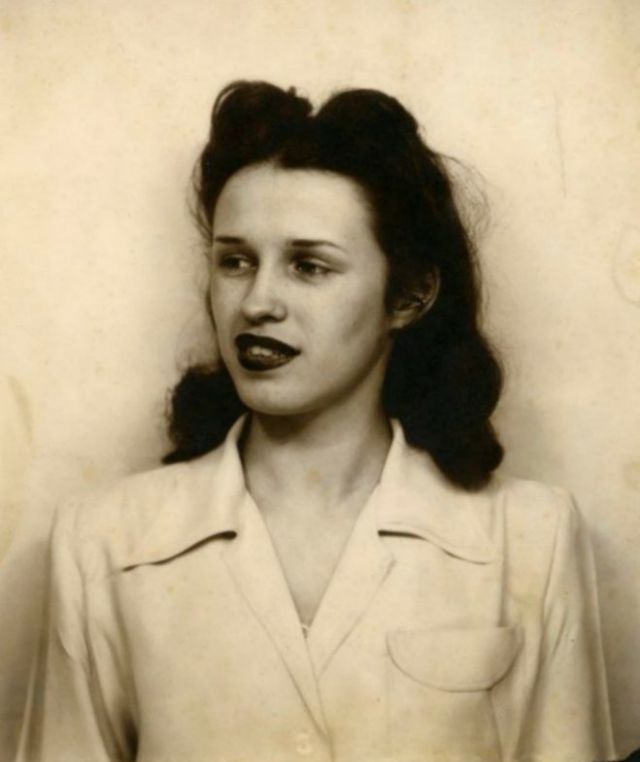
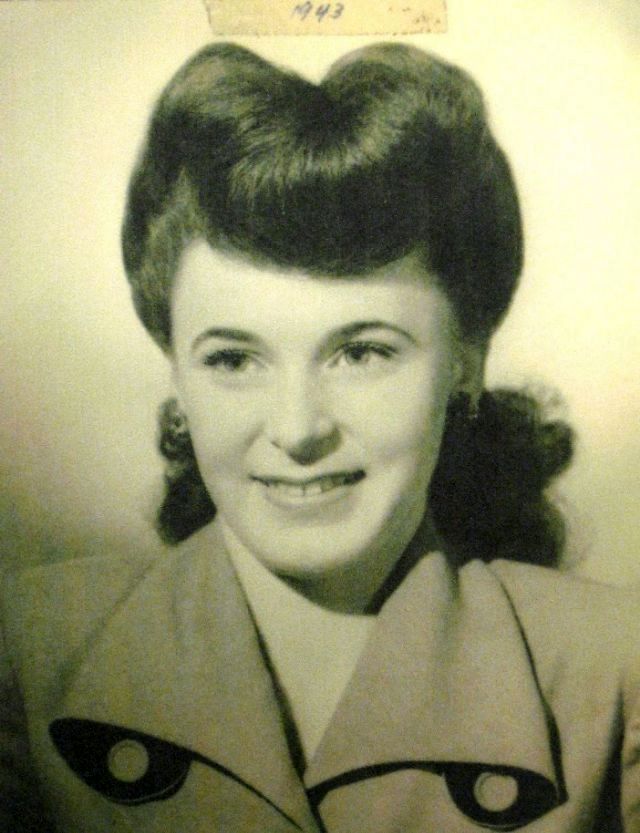
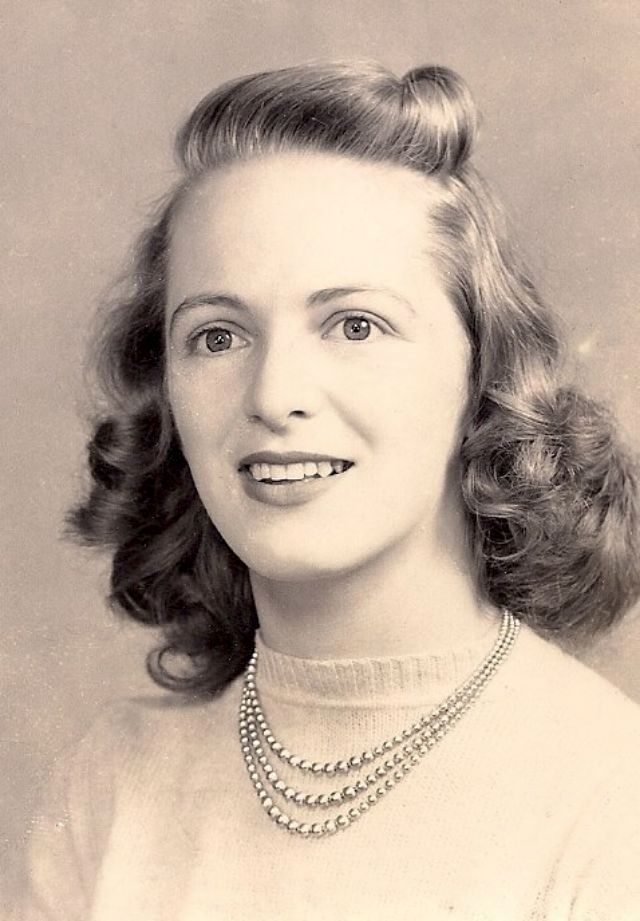
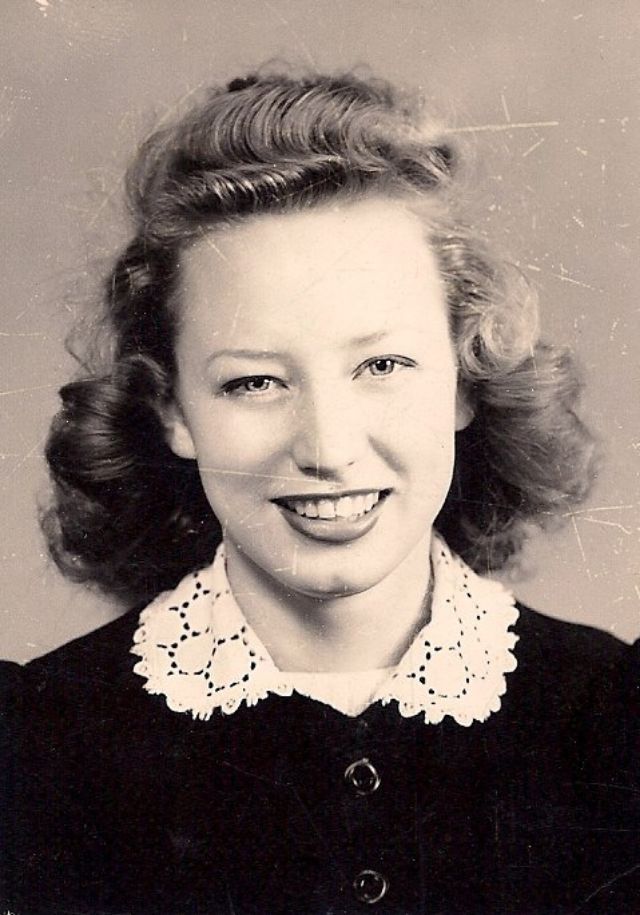
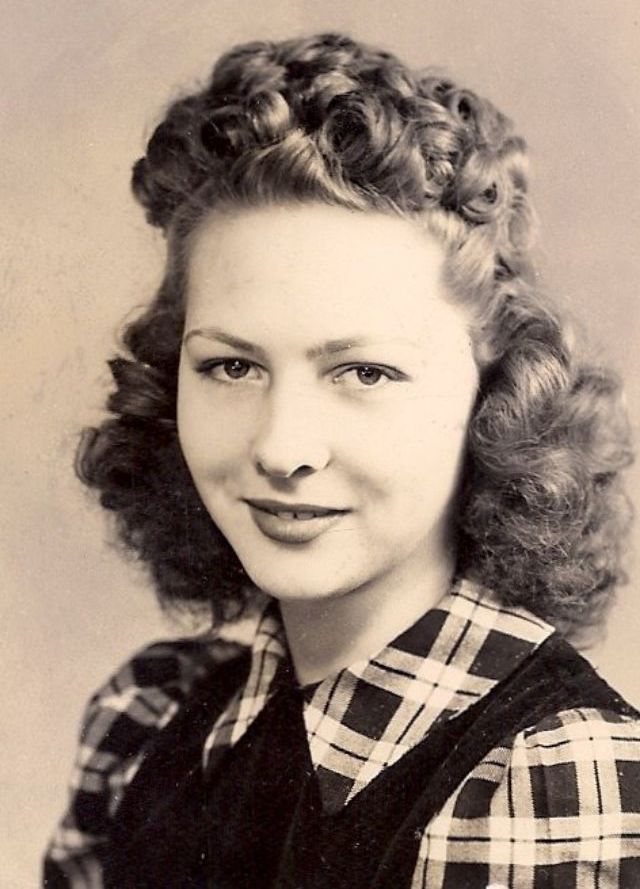
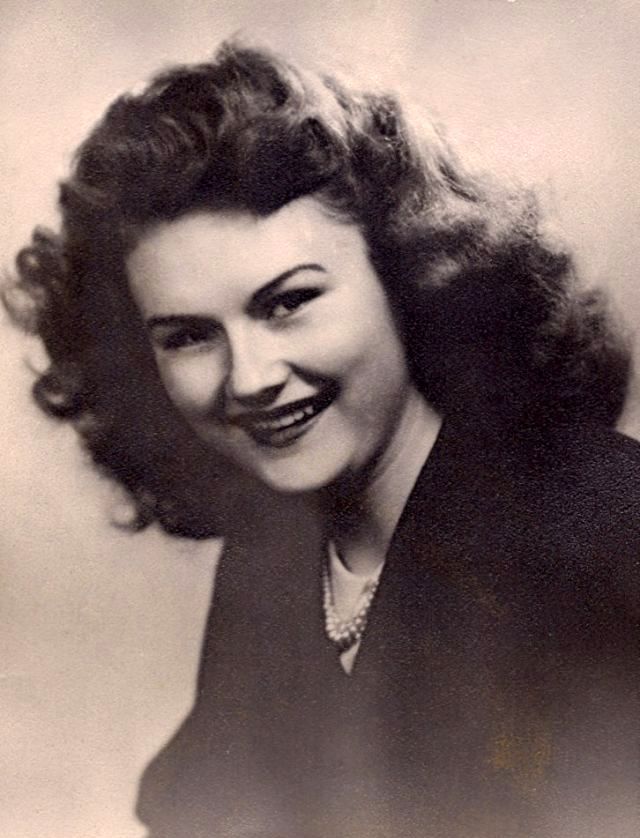
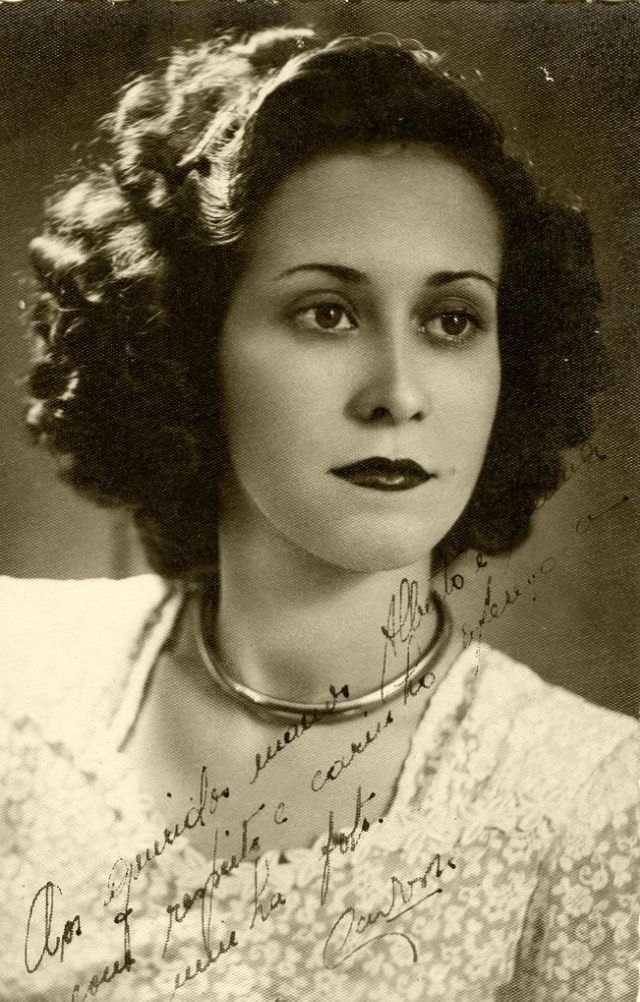
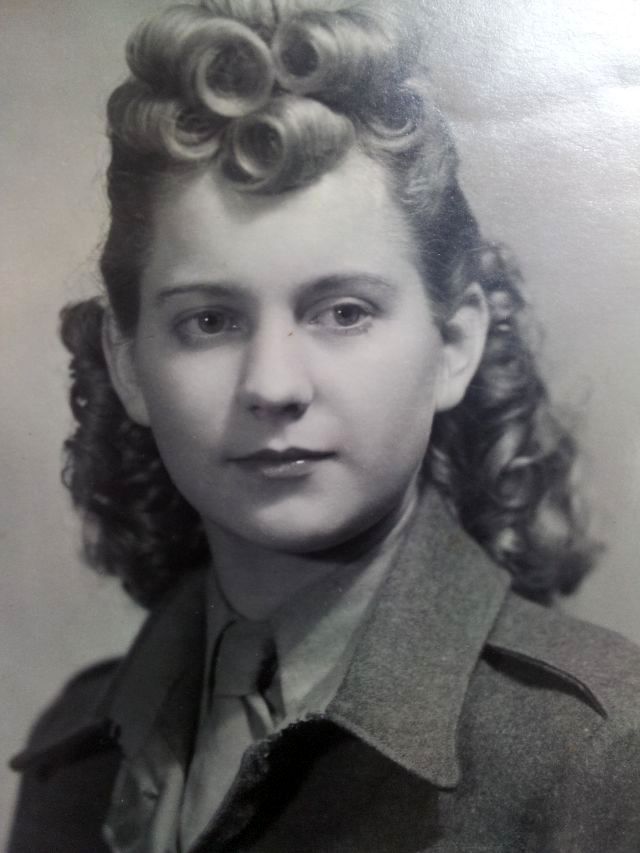
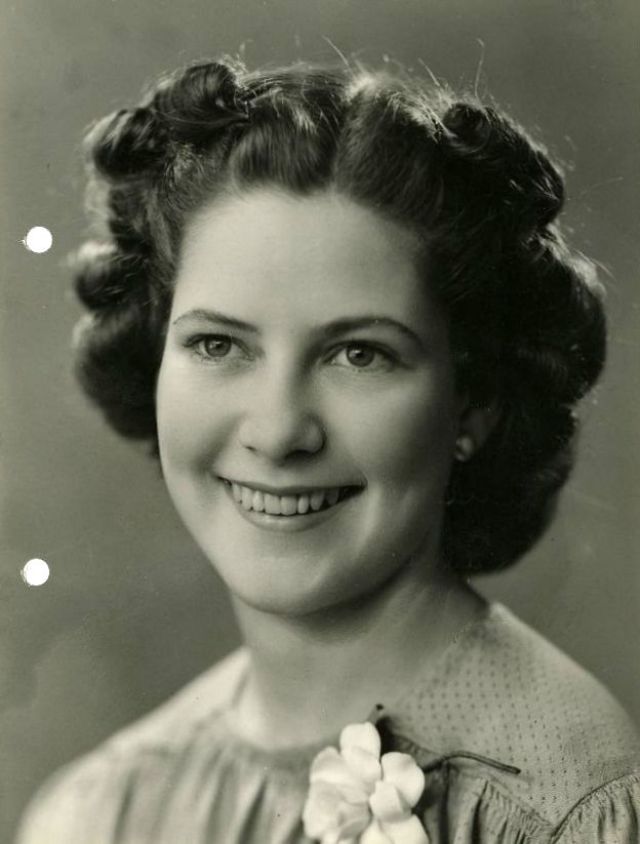
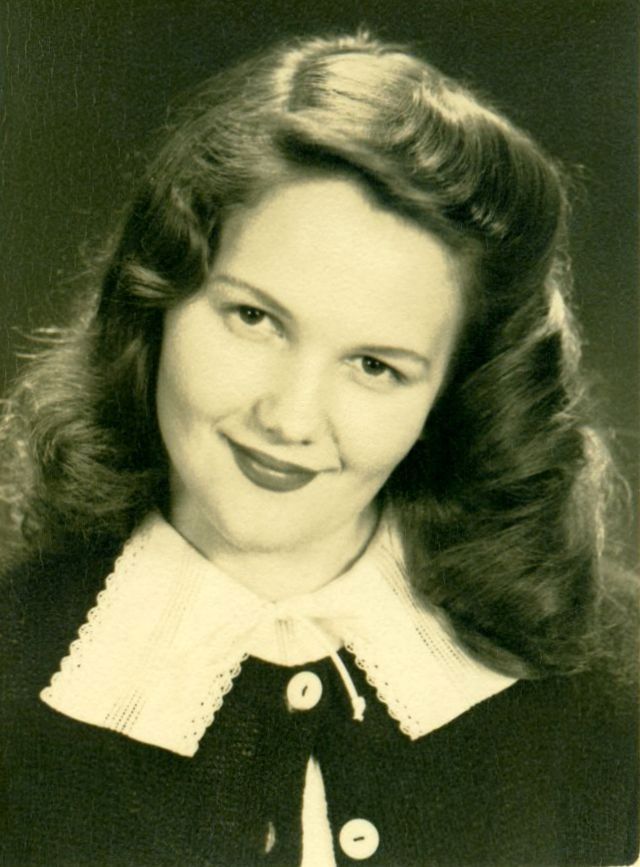
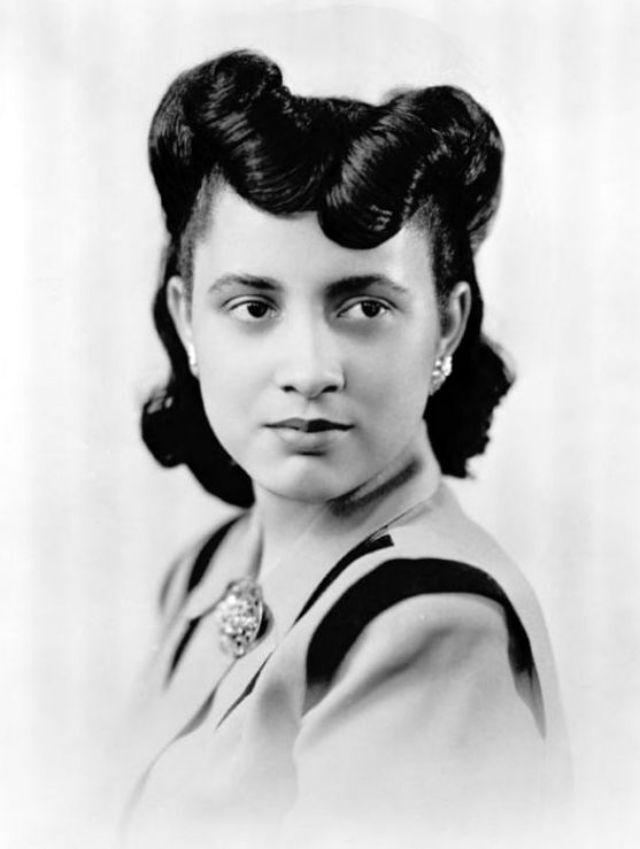
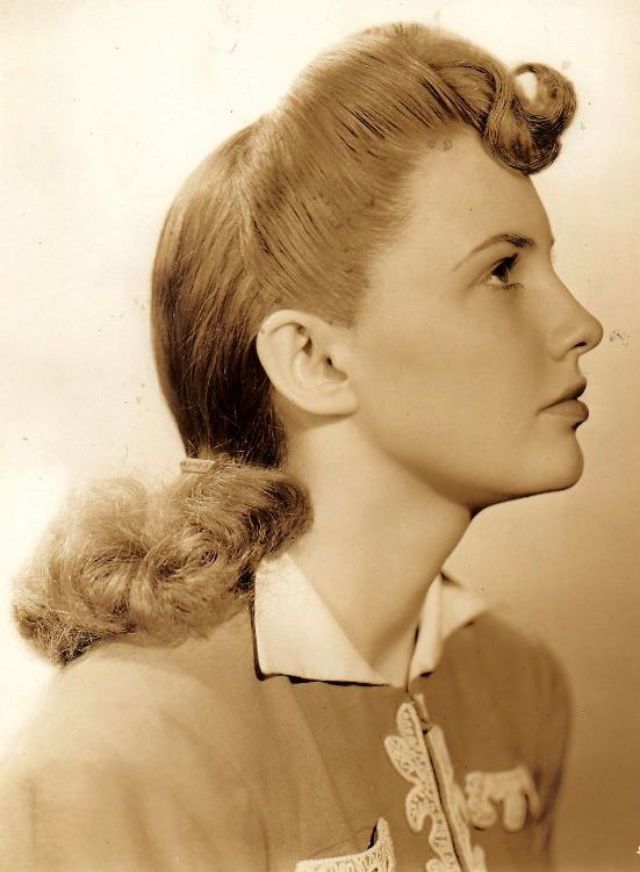
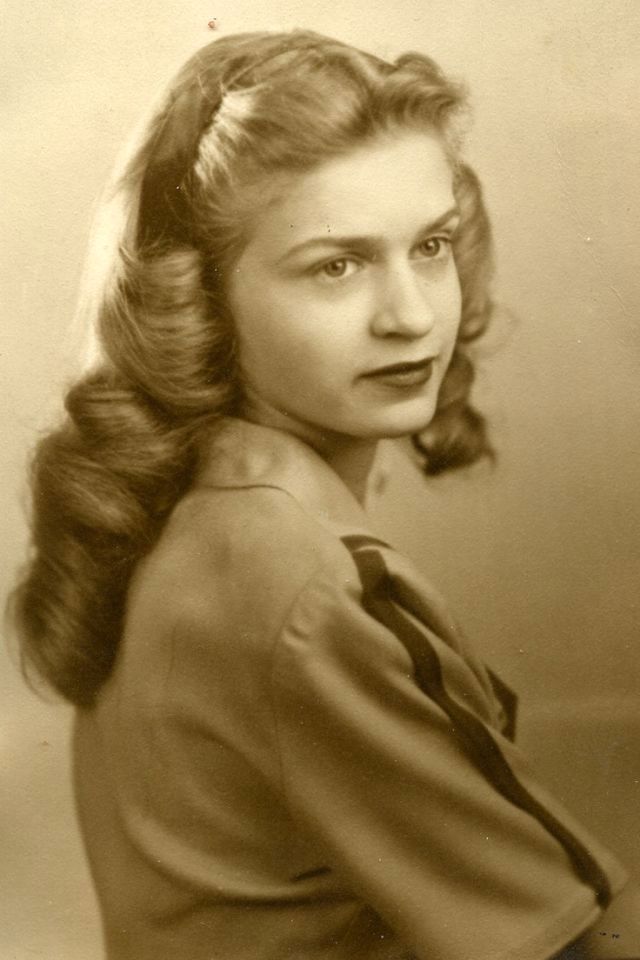
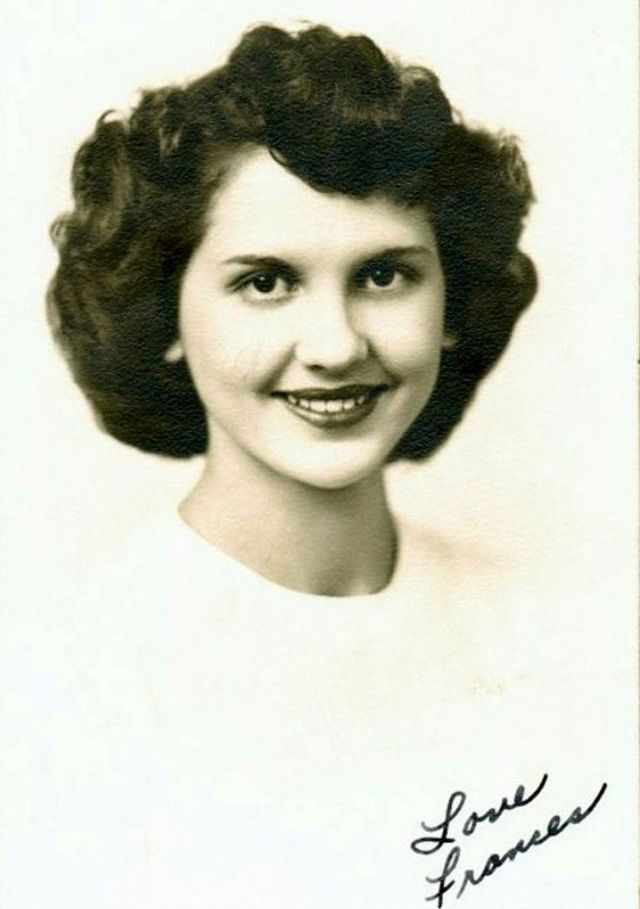
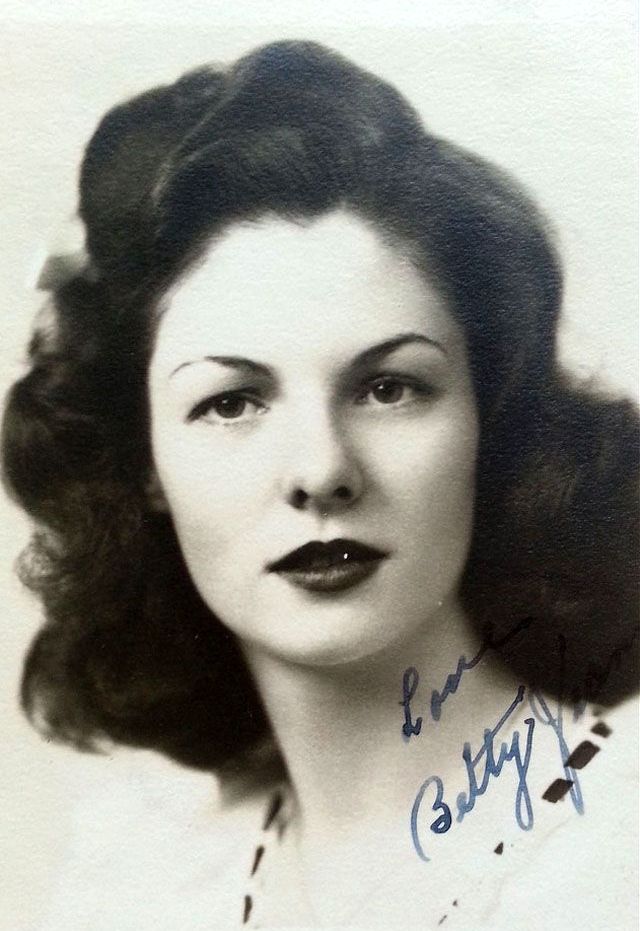
44 Vintage Photos of 1940s Hairstyles

In the 1940s, women were encouraged to use their hair to ‘fix’ any flaws in their face.

If she had perfect, shiny hair with a good color, she should use it to frame her face. If she had a full face, she should use a 1940s hairstyle that piled hair on top of her head to distract from it. If a thin face was her problem, her hairstyle should be down and over her ears to make it look wider.

All of these suggestions contributed to a variety to hairstyles in the 1940s.

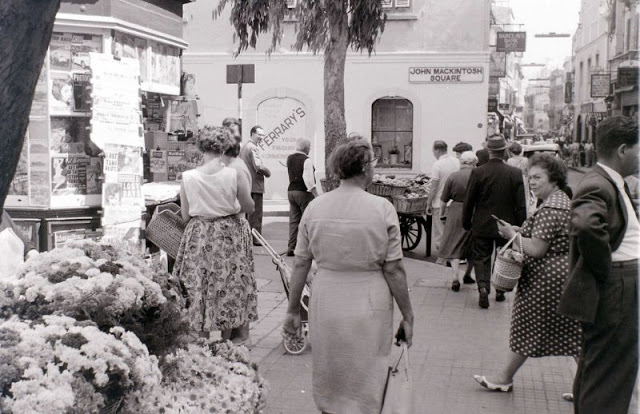
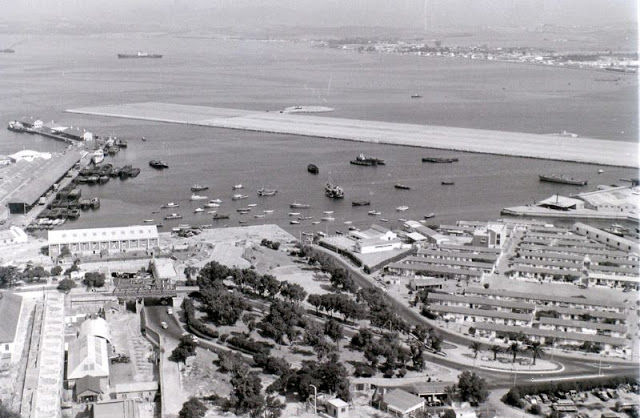
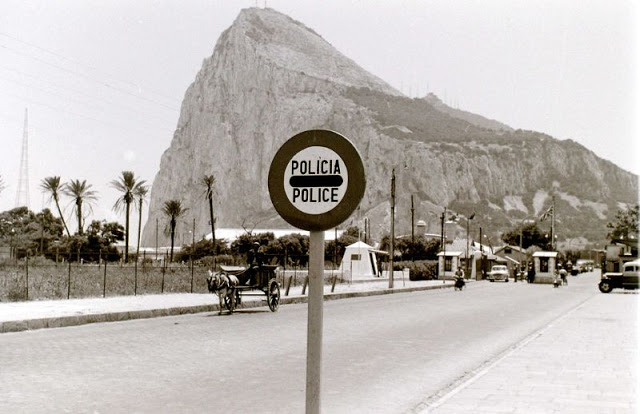
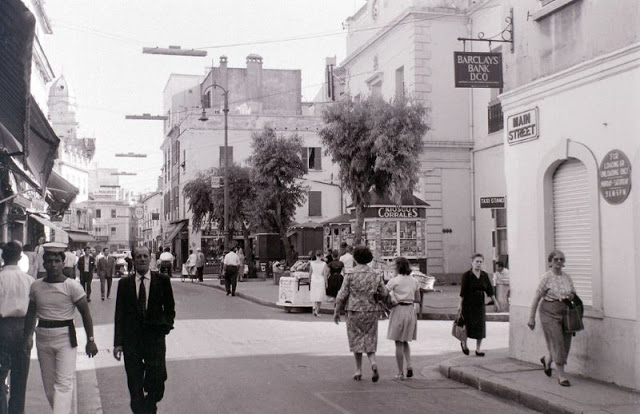
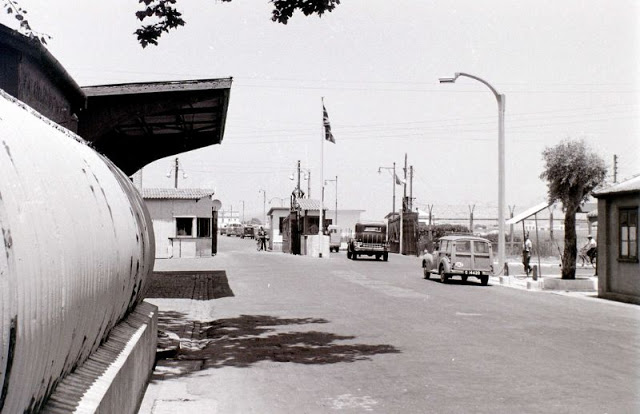
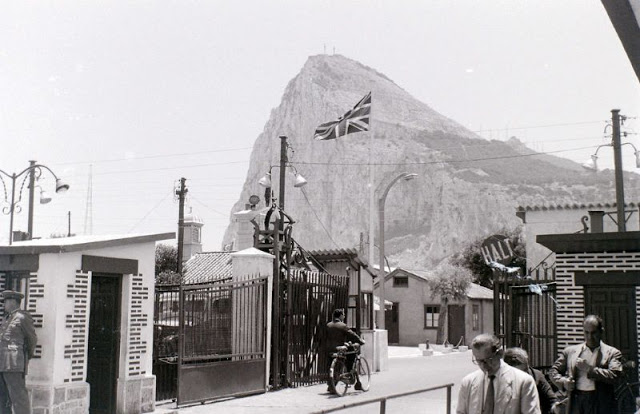
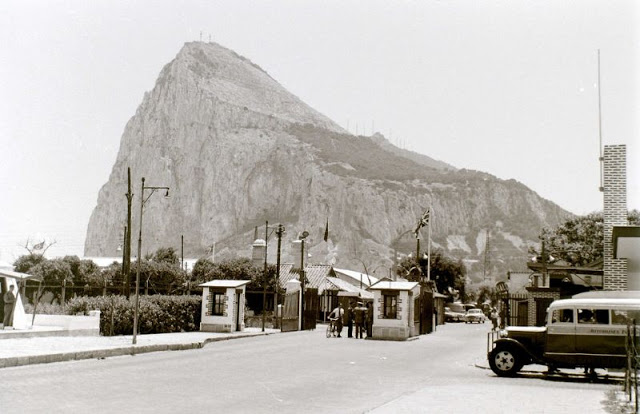
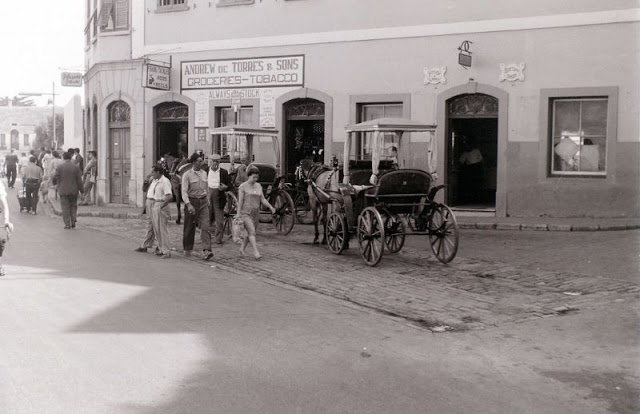
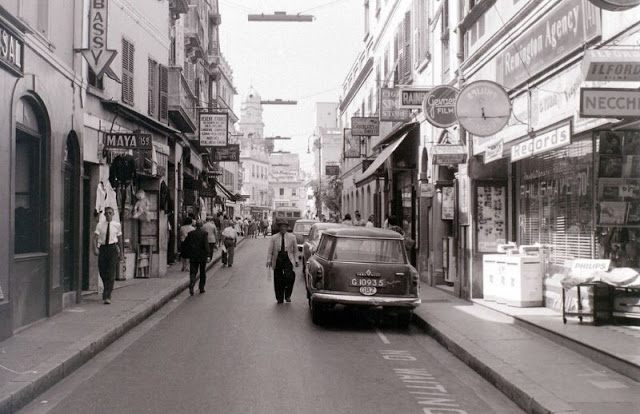
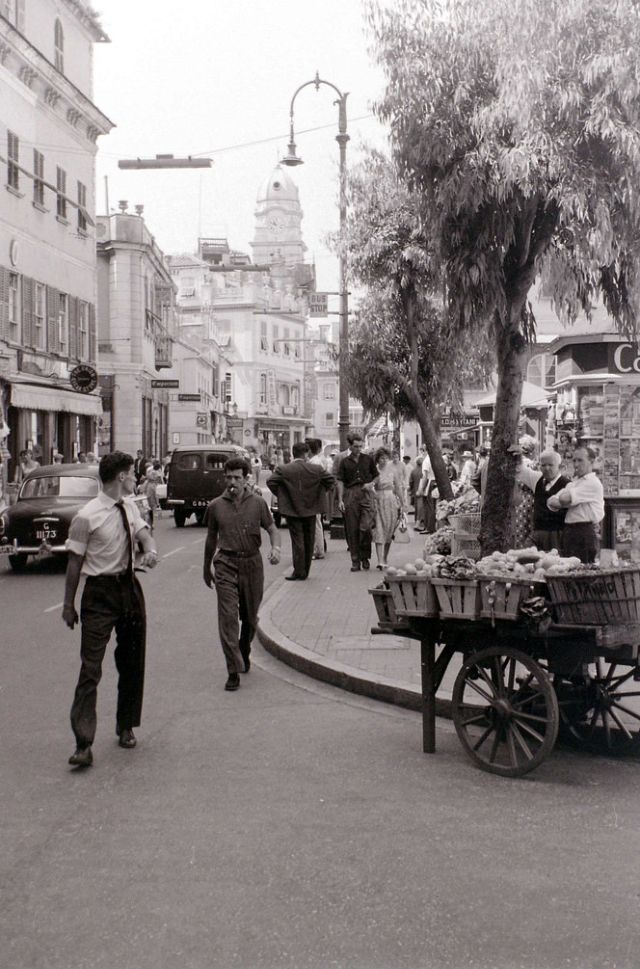
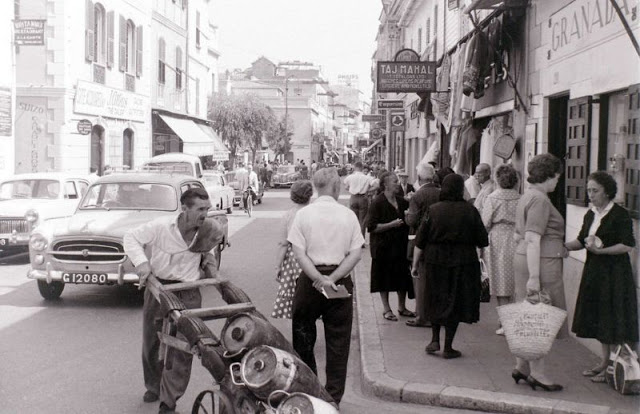
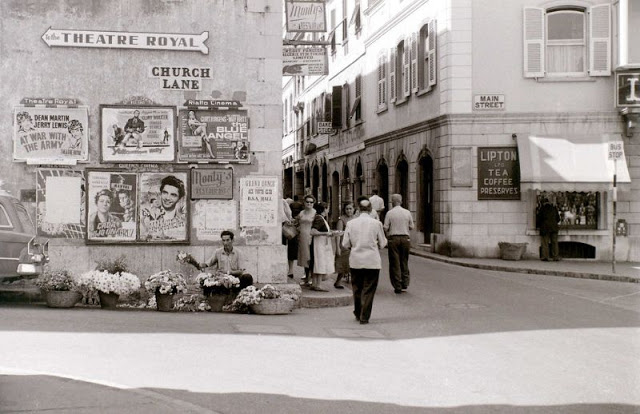
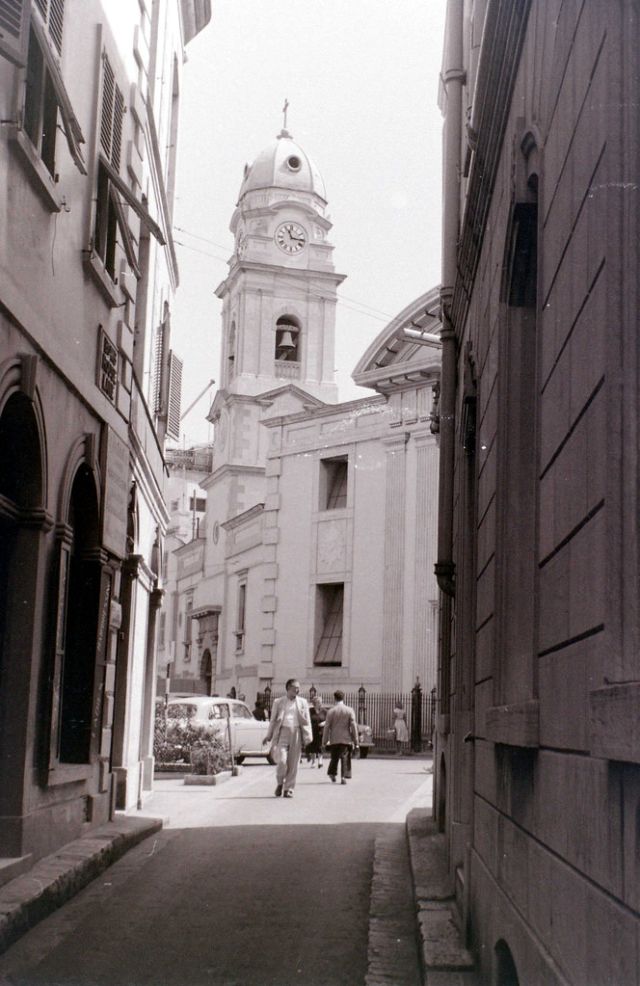
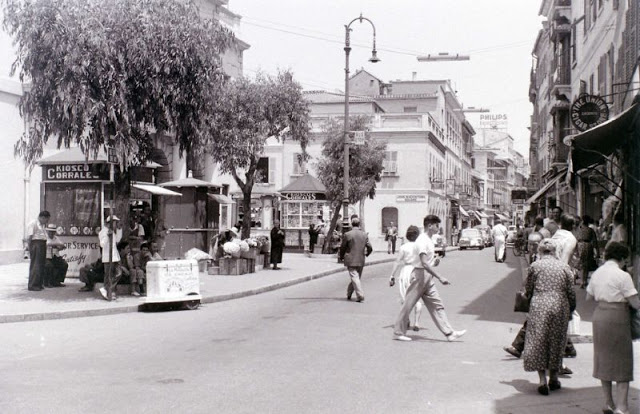
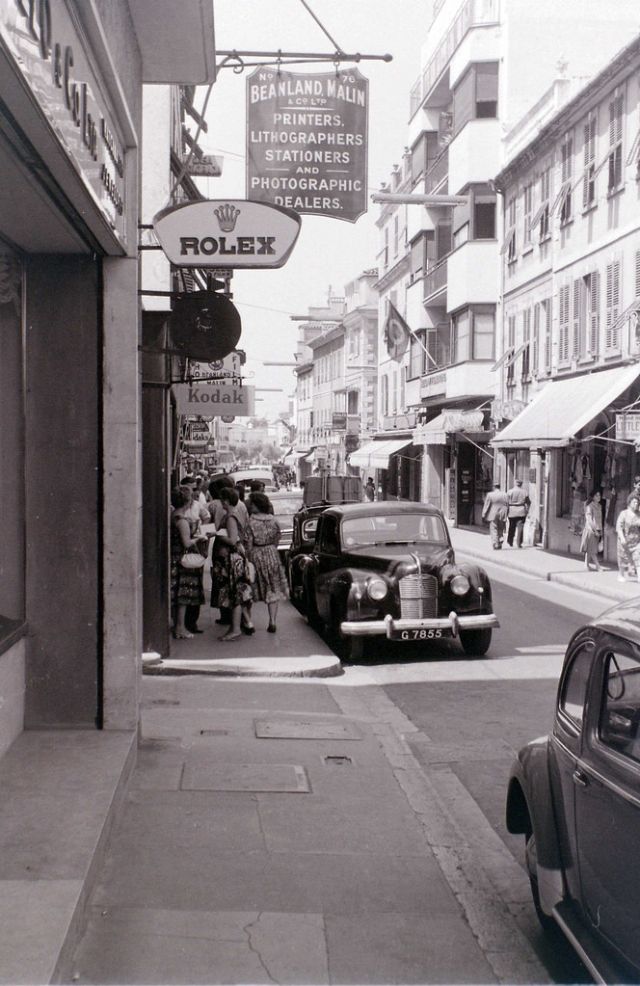
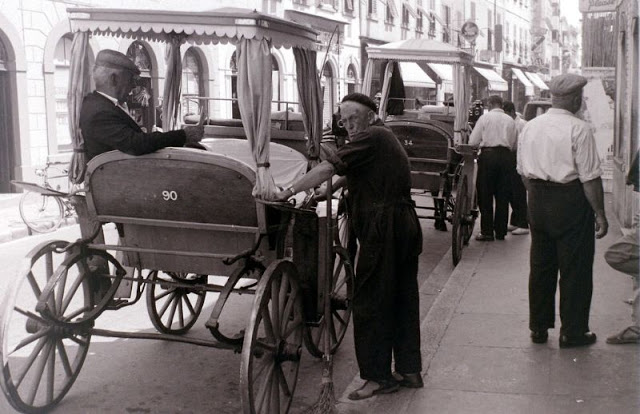
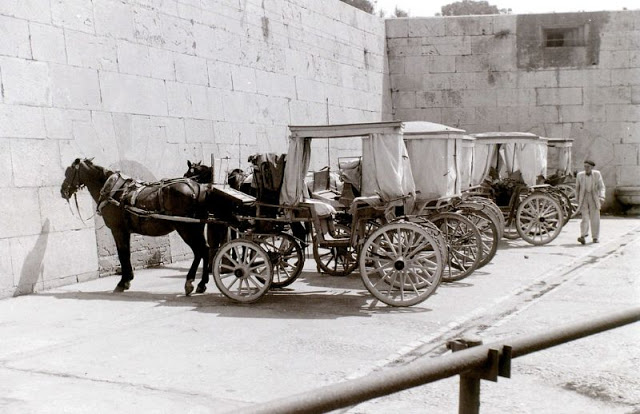
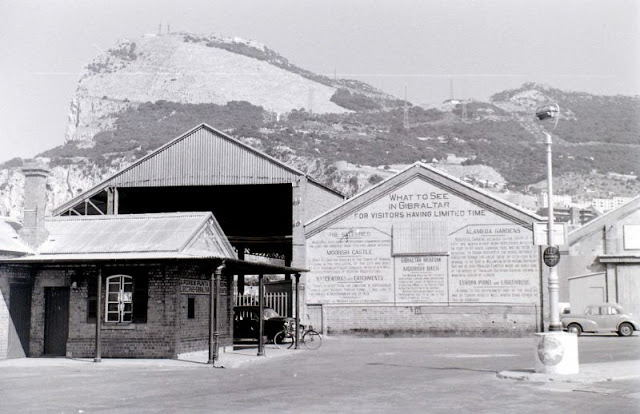
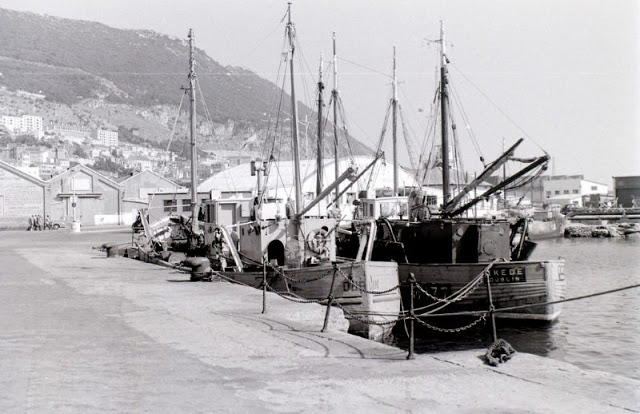
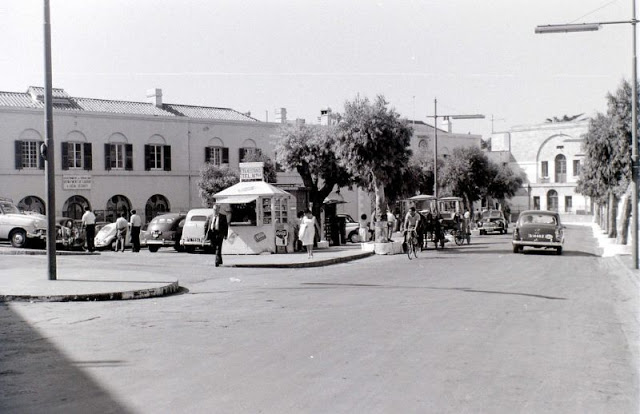
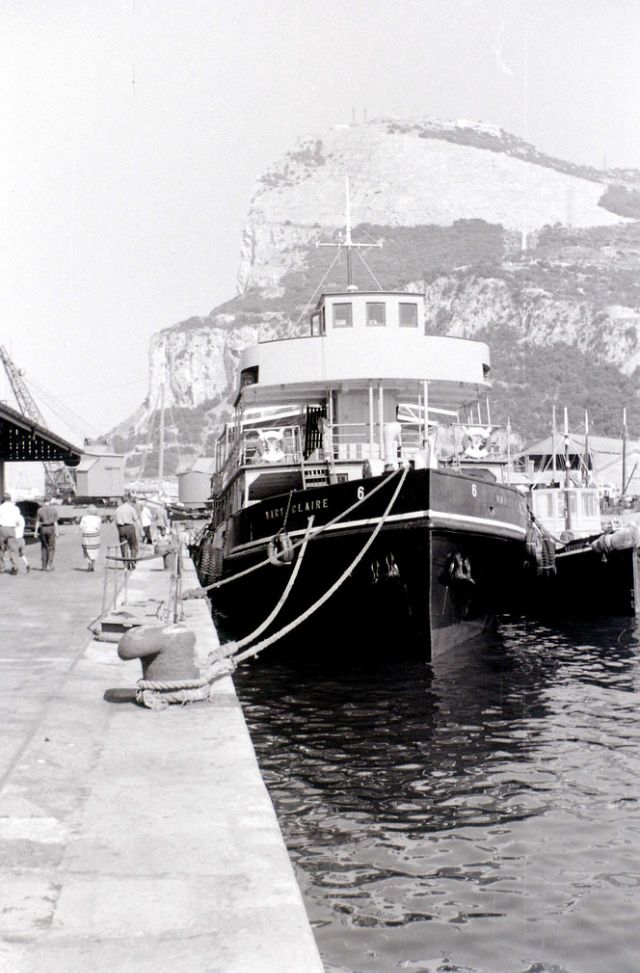
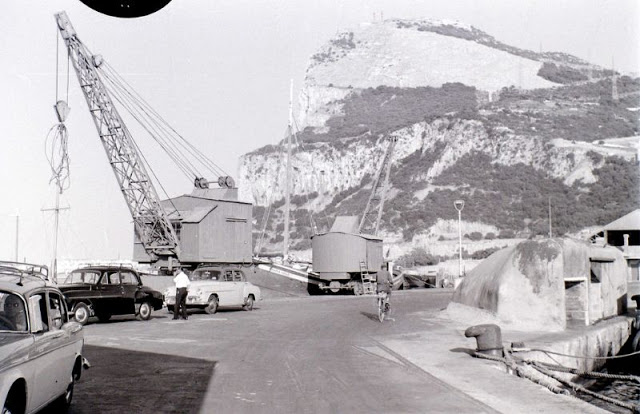
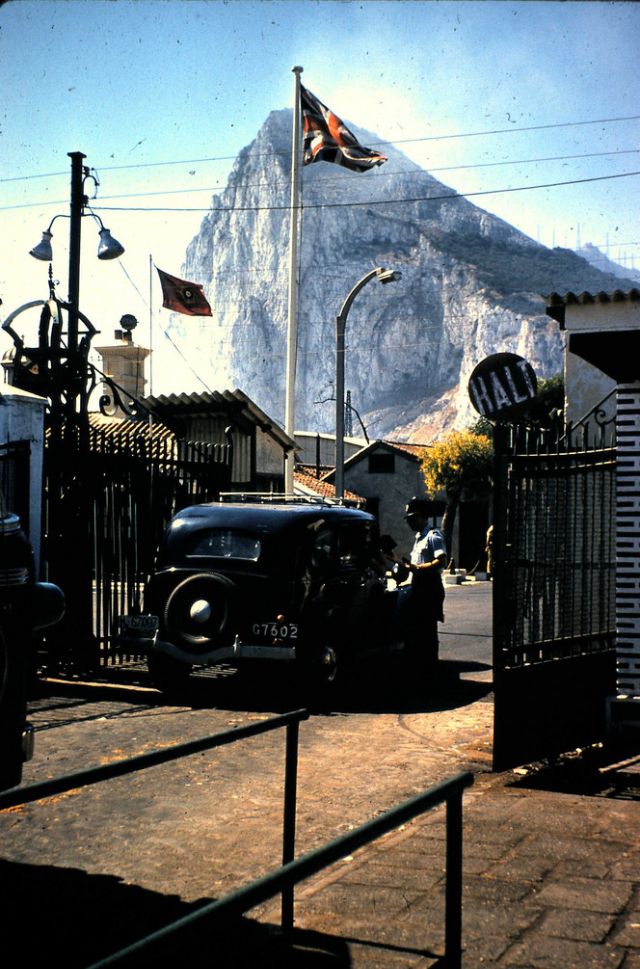
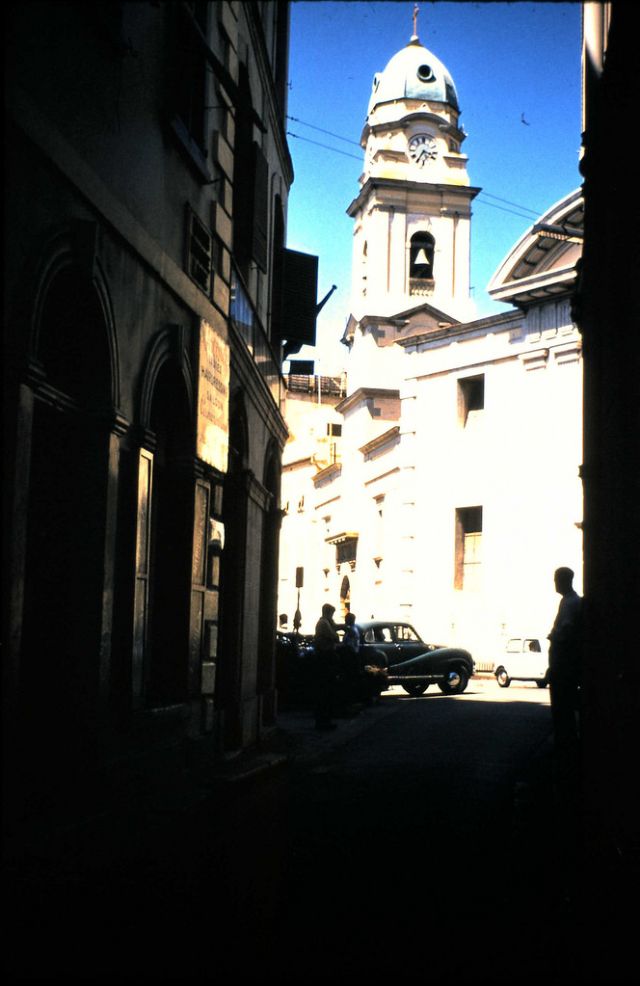
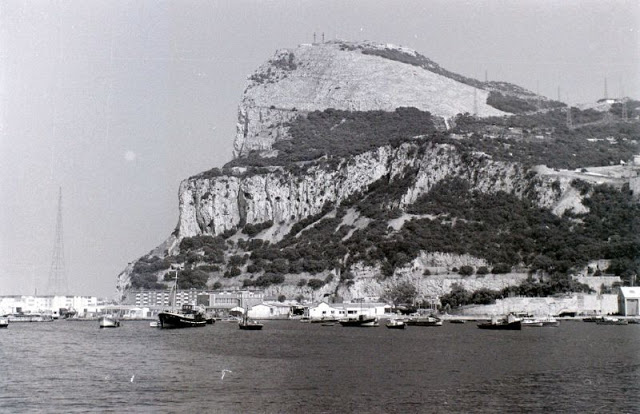
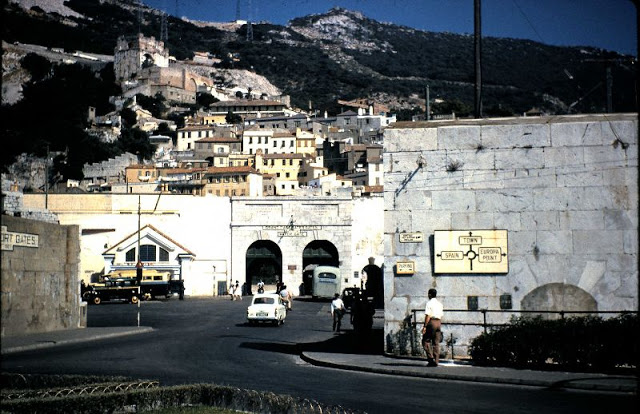
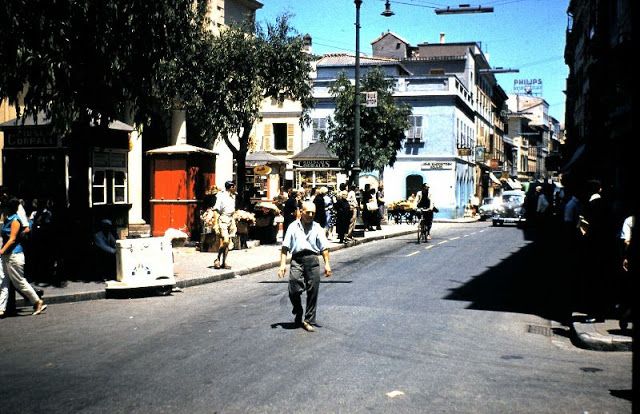
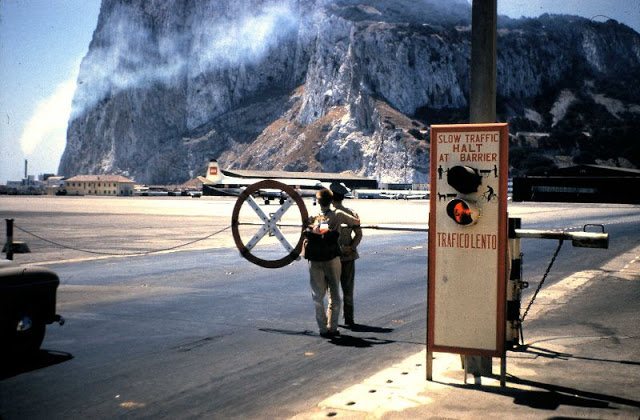
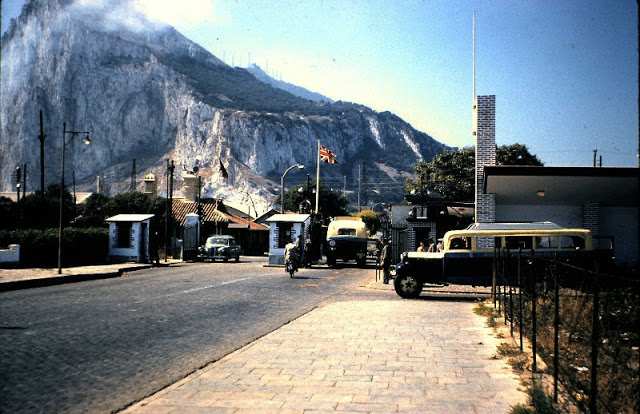
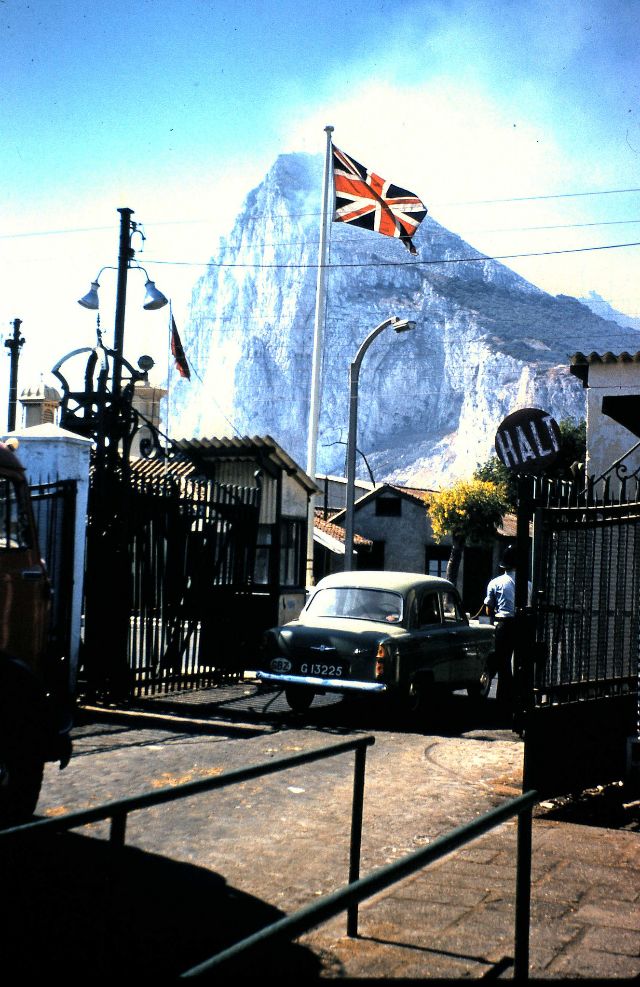
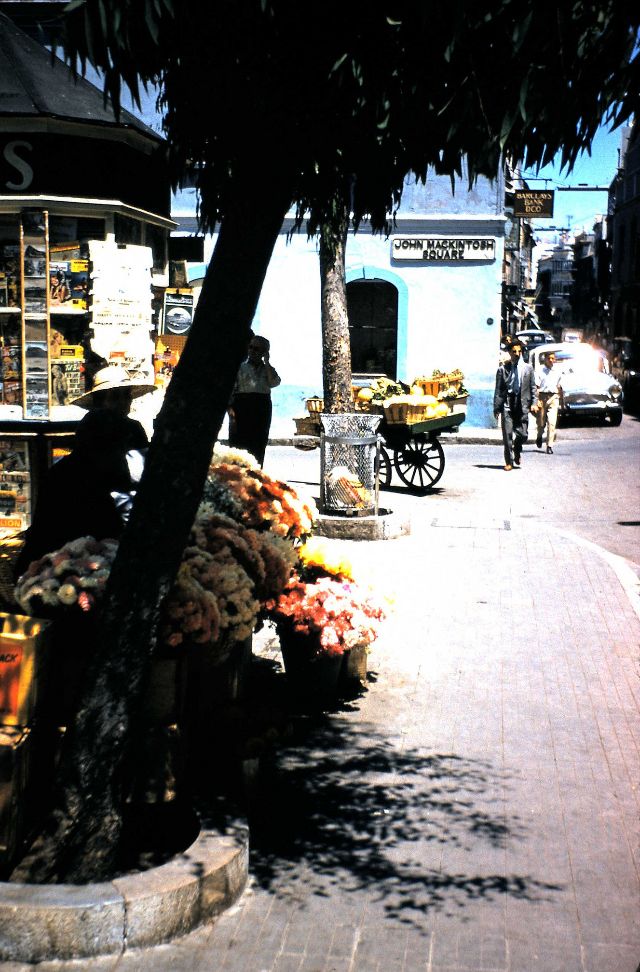
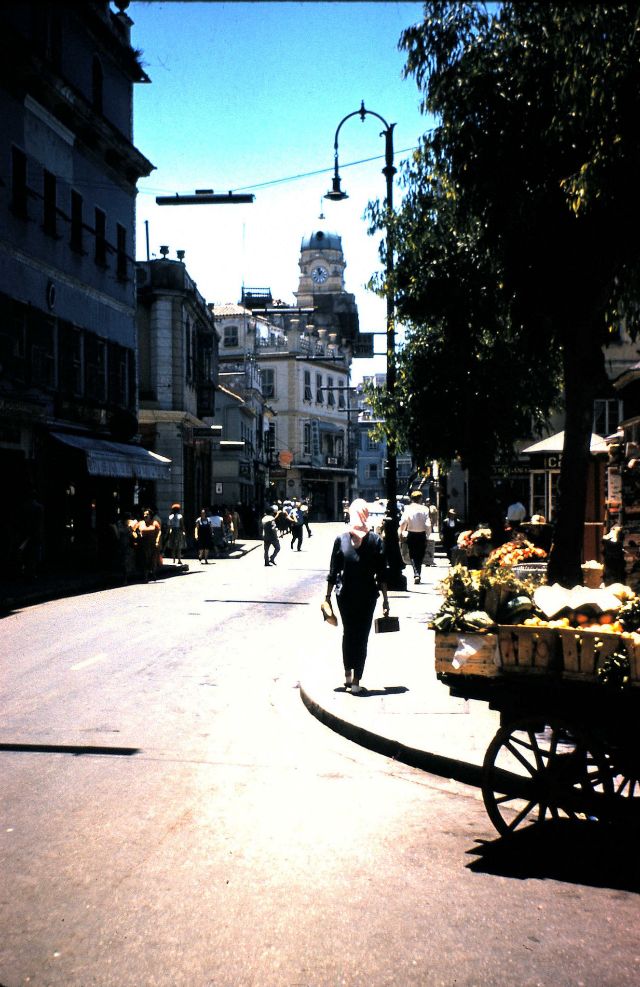
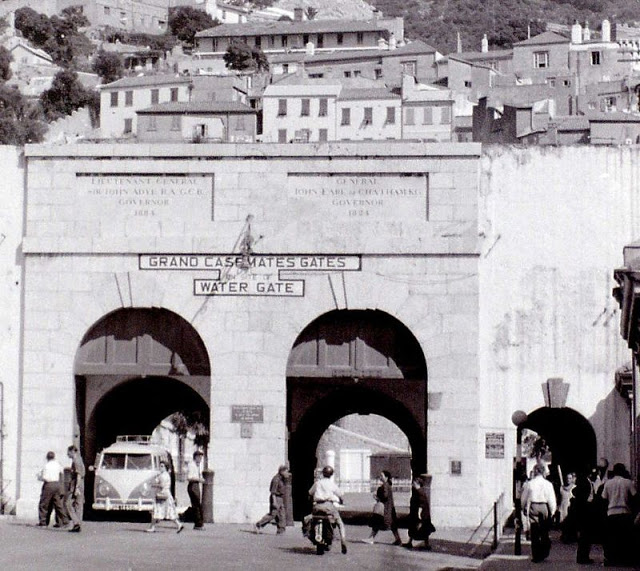
34 Wonderful Photos Showing Gibraltar in 1960

Gibraltar is a British Overseas Territory located at the southern tip of the Iberian Peninsula. It has an area of 6.7 km2 (2.6 sq mi) and is bordered to the north by Spain. The landscape is dominated by the Rock of Gibraltar, at the foot of which is a densely populated town area, home to over 32,000 people, primarily Gibraltarians.

In 1704, Anglo-Dutch forces captured Gibraltar from Spain during the War of the Spanish Succession. The territory was ceded to Great Britain in perpetuity under the Treaty of Utrecht in 1713. It became an important base for the Royal Navy, particularly during the Napoleonic Wars and World War II, as it controlled the narrow entrance and exit to the Mediterranean Sea, the Strait of Gibraltar, which is only 14.3 km (8.9 mi) wide. This choke point remains strategically important, with half the world’s seaborne trade passing through it. Gibraltar’s economy is based largely on tourism, online gambling, financial services, and bunkering.

The sovereignty of Gibraltar is a point of contention in Anglo-Spanish relations, as Spain asserts a claim to the territory. Gibraltarians overwhelmingly rejected proposals for Spanish sovereignty in a 1967 referendum, and for shared sovereignty in a 2002 referendum. Nevertheless, Gibraltar maintains close economic and cultural links with Spain, with many Gibraltarians speaking Spanish as well as a local dialect known as Llanito.

On 31 January 2020, the UK and Gibraltar left the European Union. In December 2020, the UK and Spain agreed in principle to a basis on which the UK and the EU might negotiate terms for Gibraltar to participate in aspects of the Schengen Agreement. (Wikipedia)

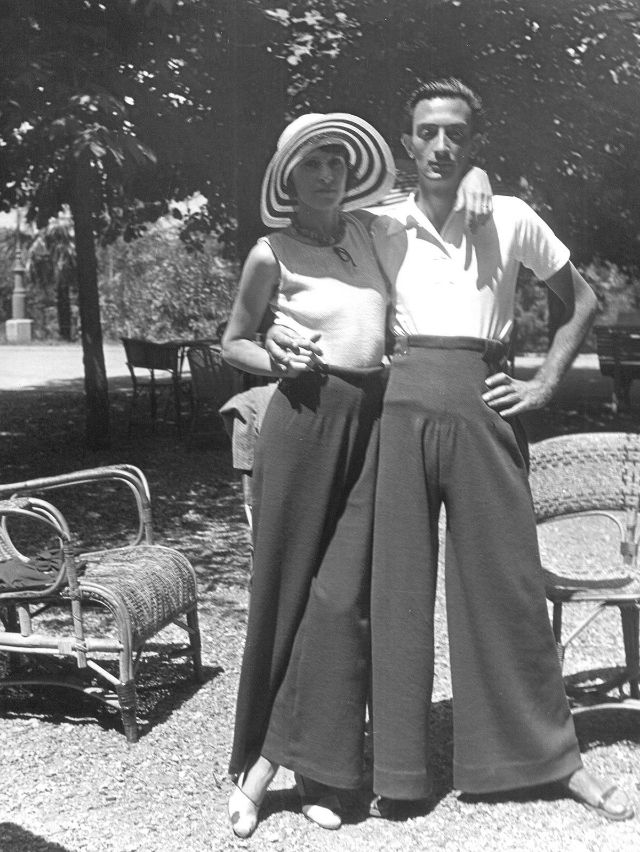
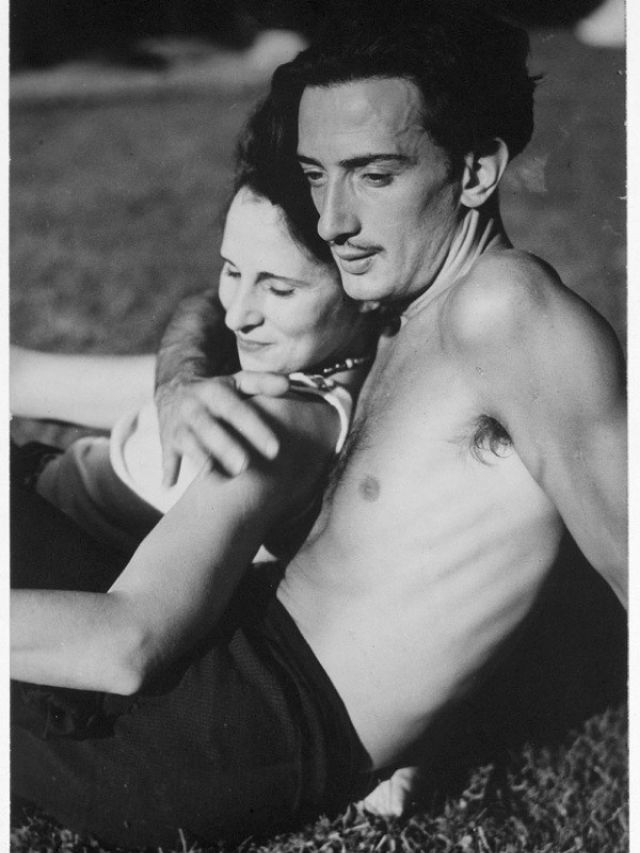
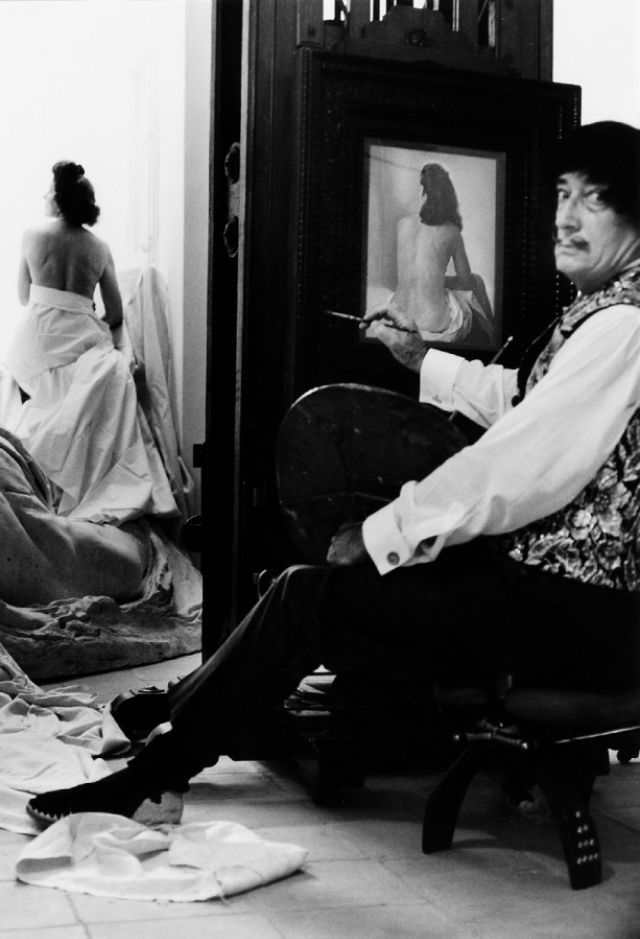
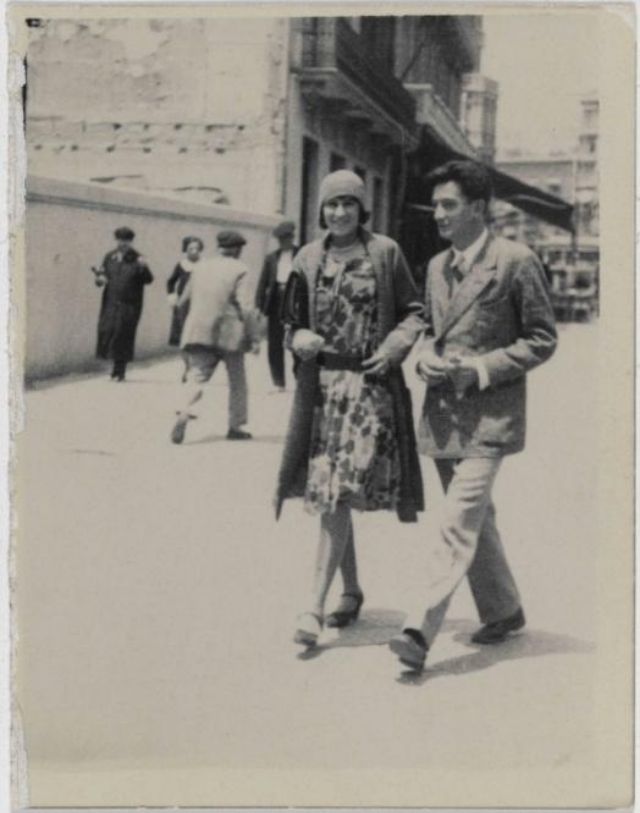
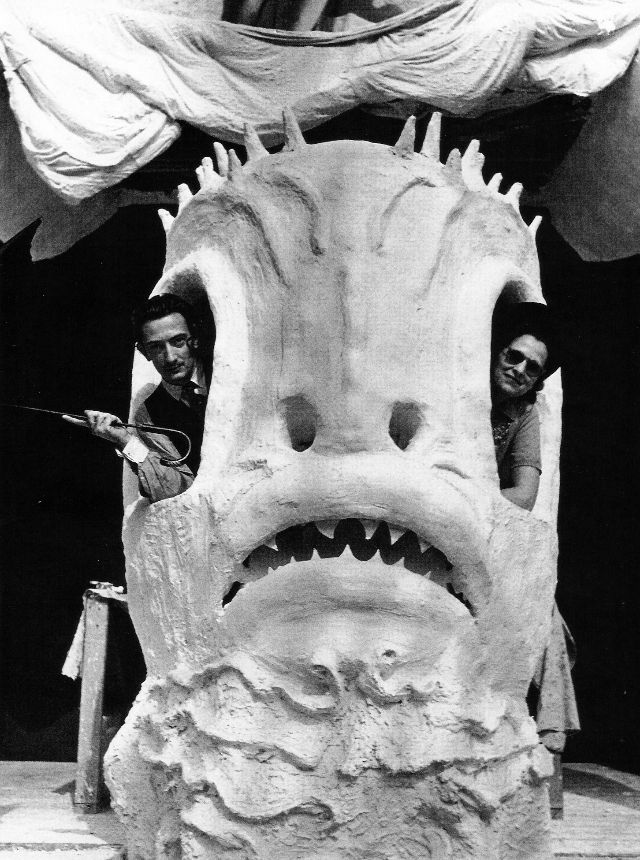
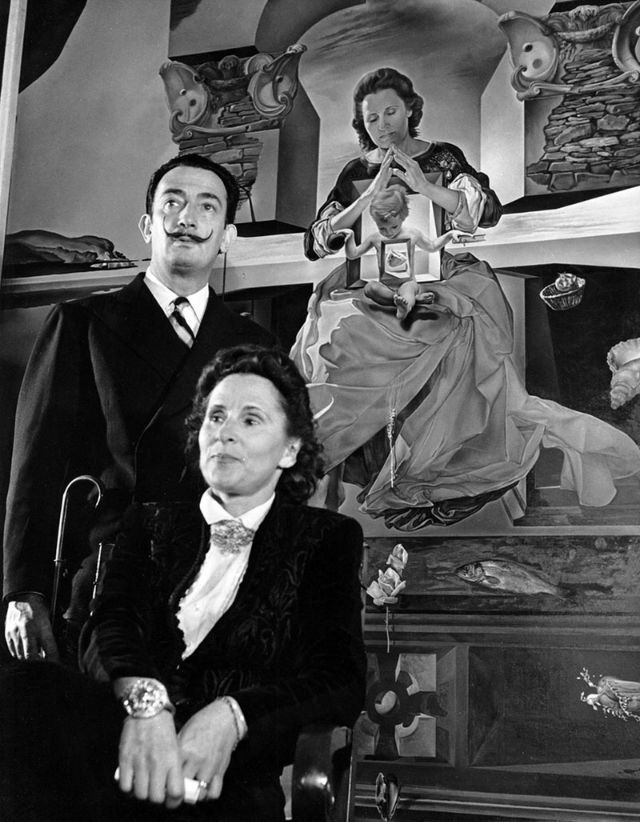
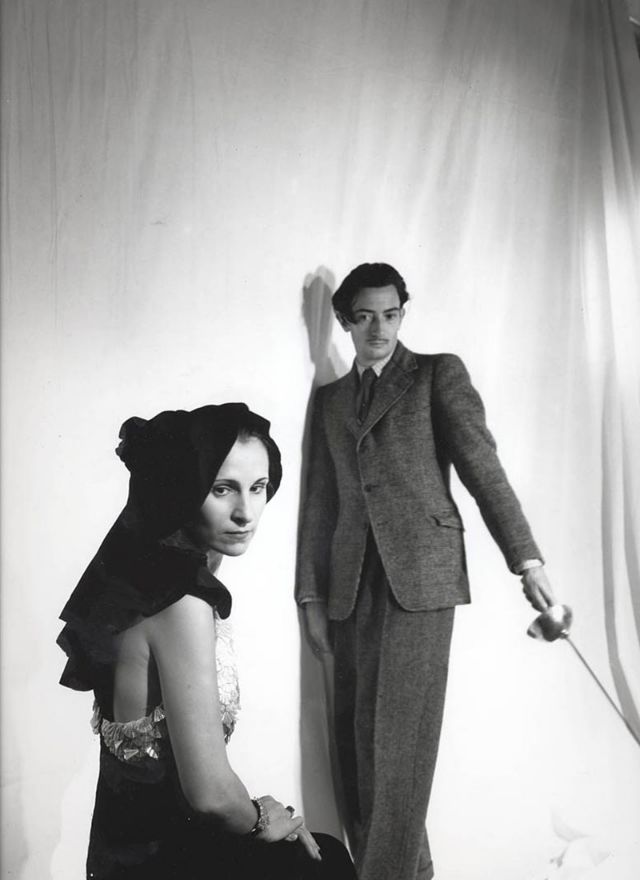
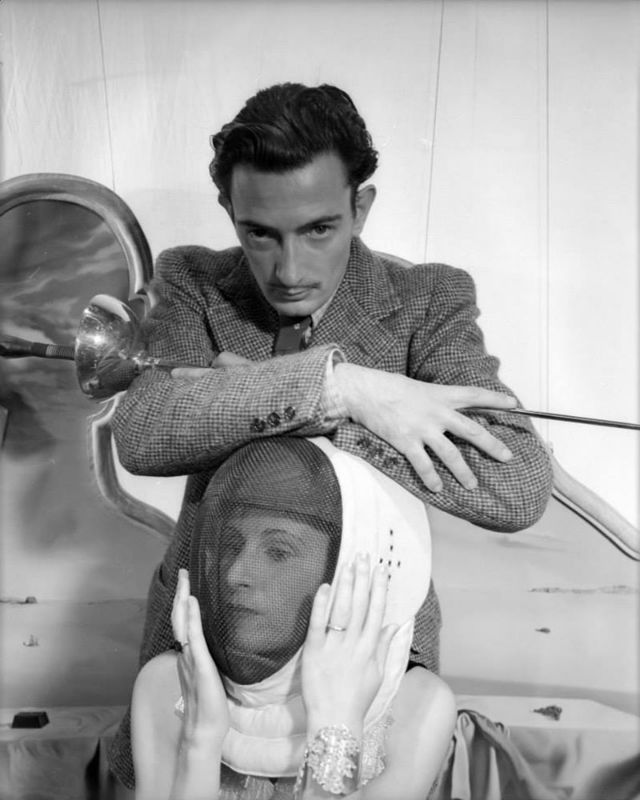
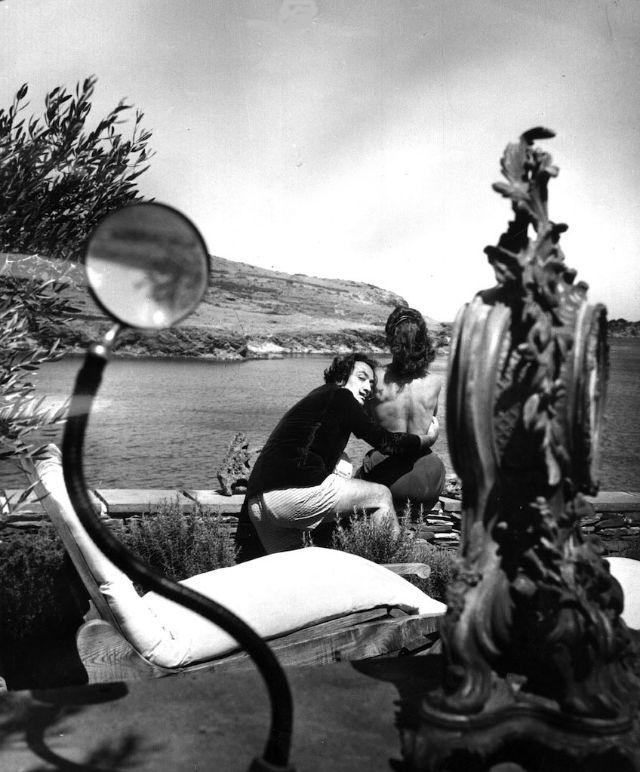
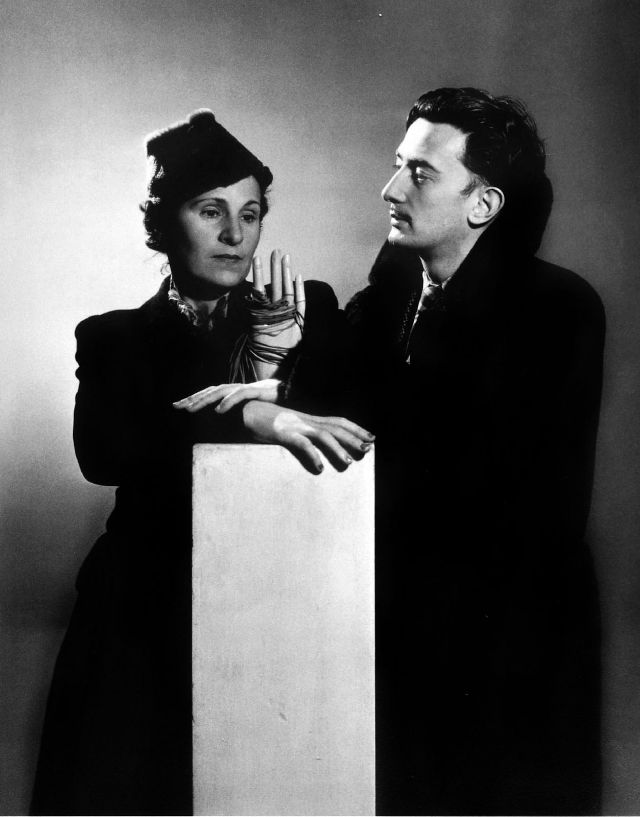
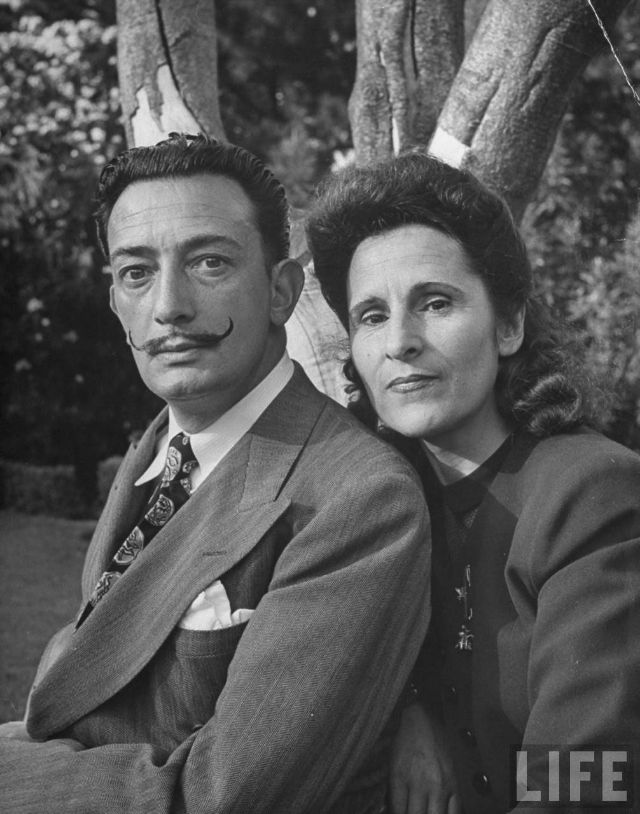
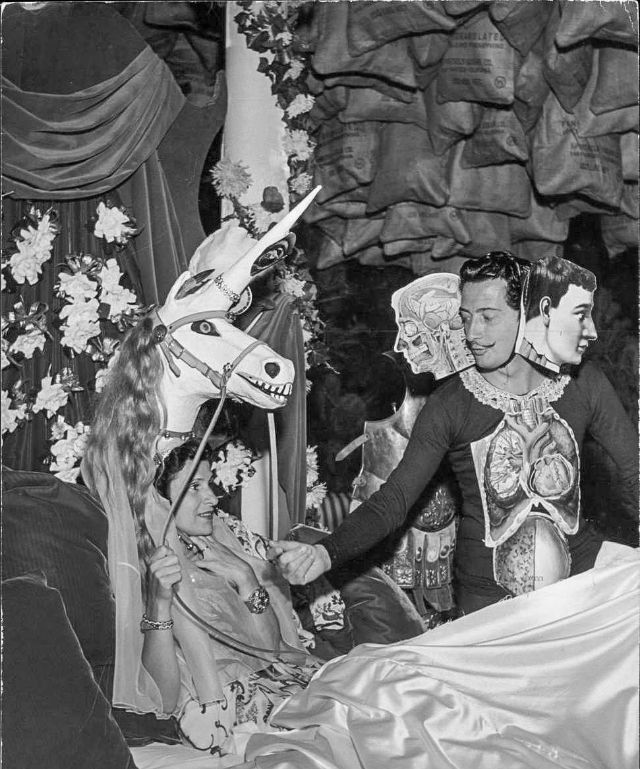
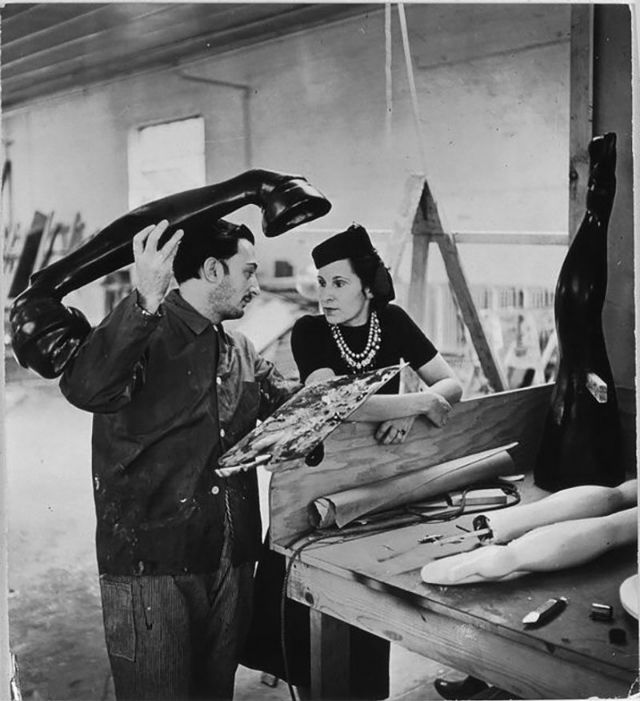
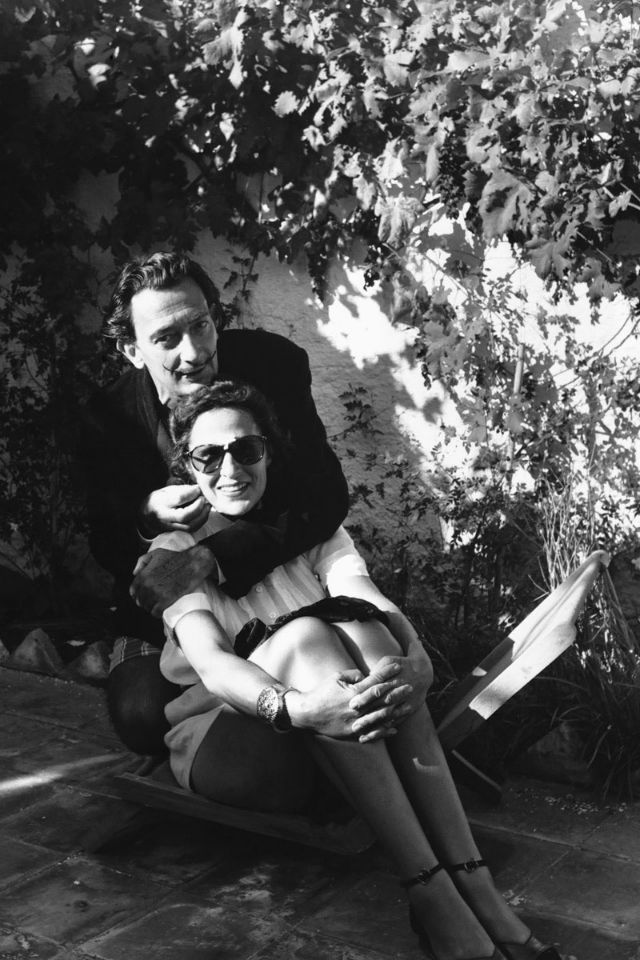
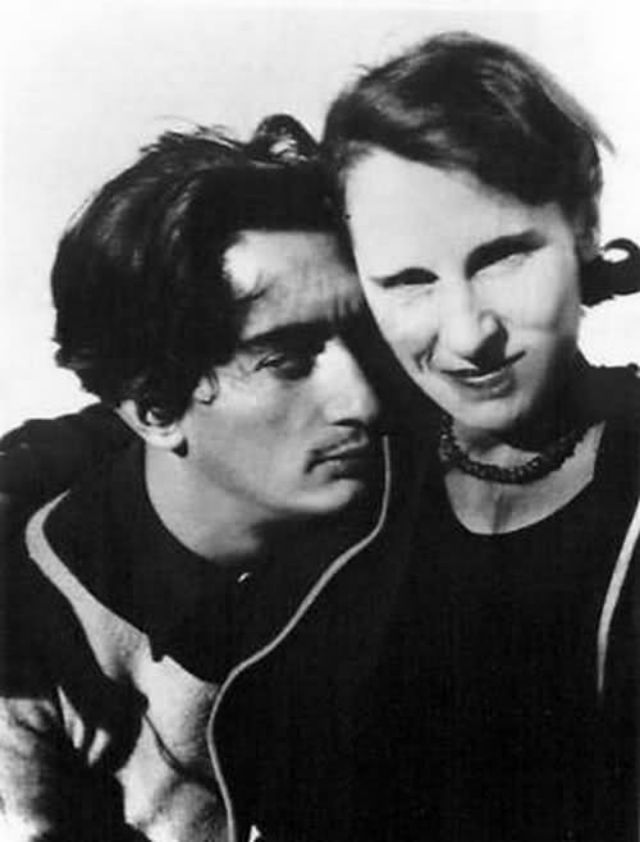
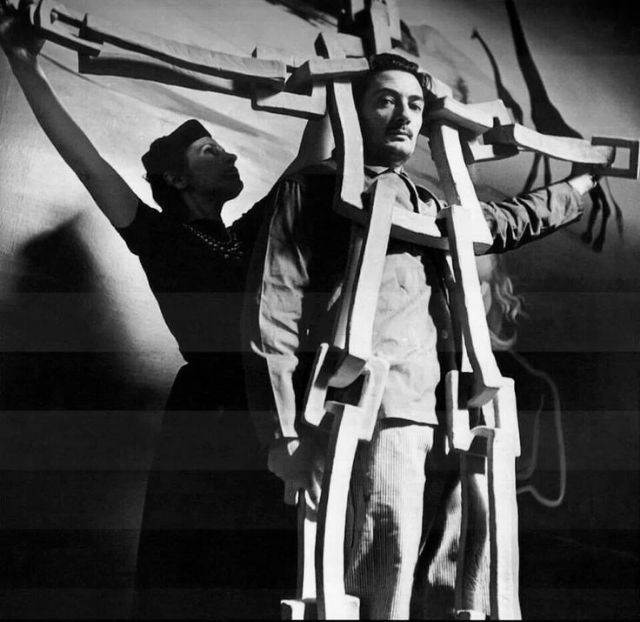
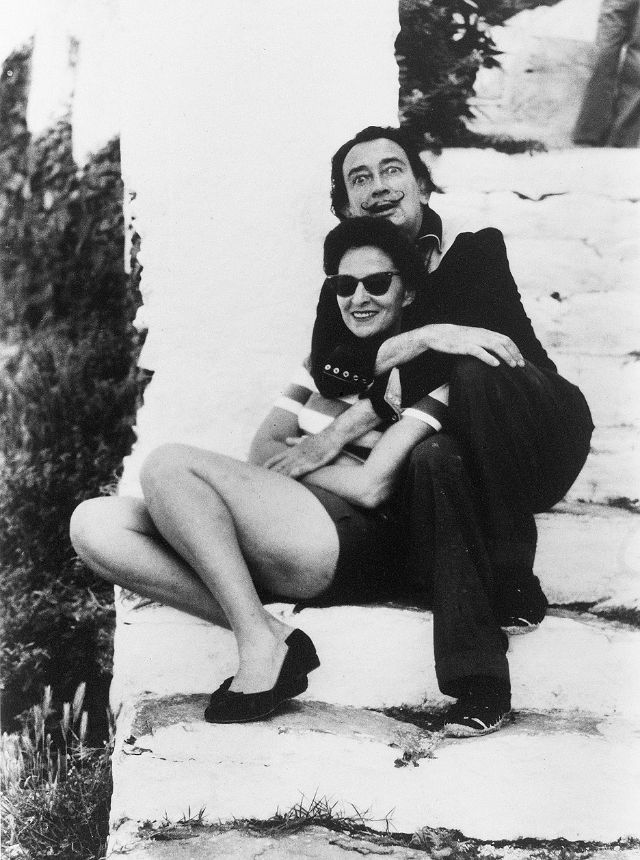
30 Wonderful Photographs of Gala and Salvador Dalí From the 1930s to the 1960s

“I love her more than my mother, more than my father, more than Picasso, and even more than money.” – Salvador Dali
There has always been a great woman behind every great man. For a Spanish painter Salvador Dali that strong woman was Gala, a Russian lady, idolized by Dali. All the female characters on his pictures are drawn from Gala.

Elena Dyakonova, or Gala, was a mysterious and controversial figure, but she was a great friend and devoted assistant. When they met first, Gala was married. She was 36, Dali was 25, but it was like a lightning stroke for the artist: her appearance coincided with the image of an unknown Russian girl, whom Dali used to see in his dreams quite often. And additionally Salvador invented the ideal look of an elegant woman, which he was always looking for. So that all was in Gala, and he decided that Gala was totally his.

Gala recognized a talented artist in Dali by her devilish intuition, and her main aim became making a famous painter of him.

After they got married, the artist started to sign his pictures as ‘Gala-Salvador Dali’ as if they were one and the same person. Their marriage became a new surge of inspiration for Dali, moreover Gala displayed her great organizing skills and helped him a lot. She became one of the most famous model for painting and photographing: her body was not less famous than the body of Aphrodite of Milos.

But nothing in this world lasts forever. In the end of the sixties their relationships started to fade away, and the rest of their life it was just smoldering pieces of their bygone passion.

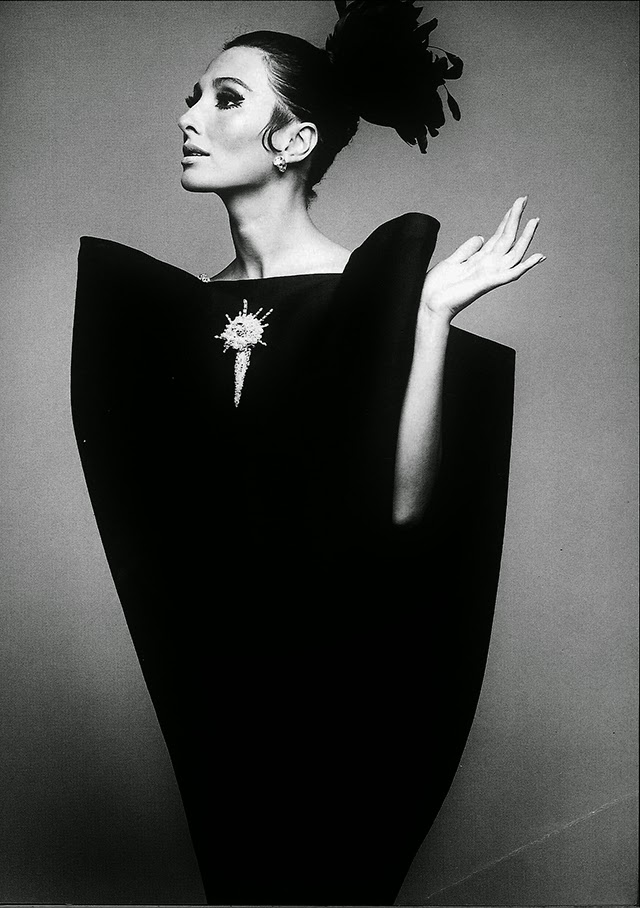
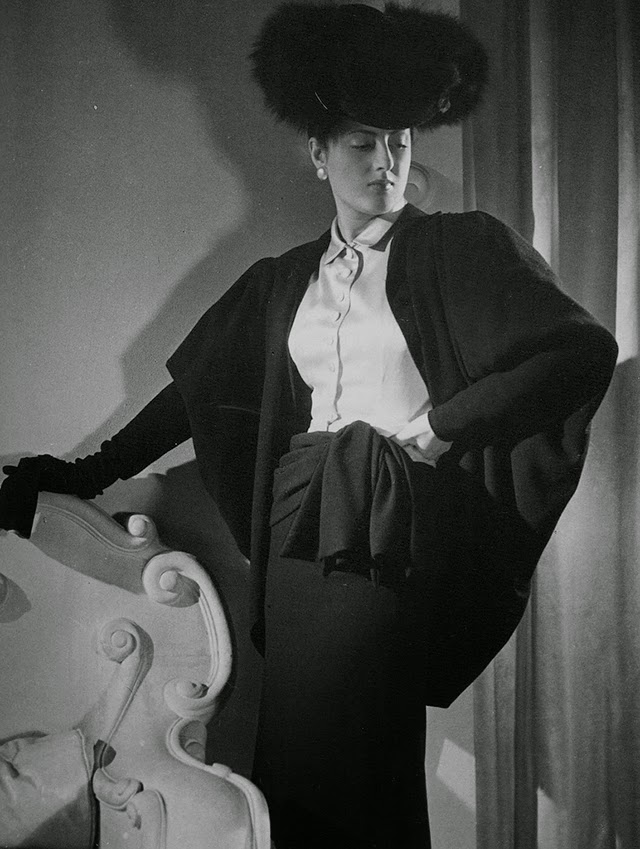
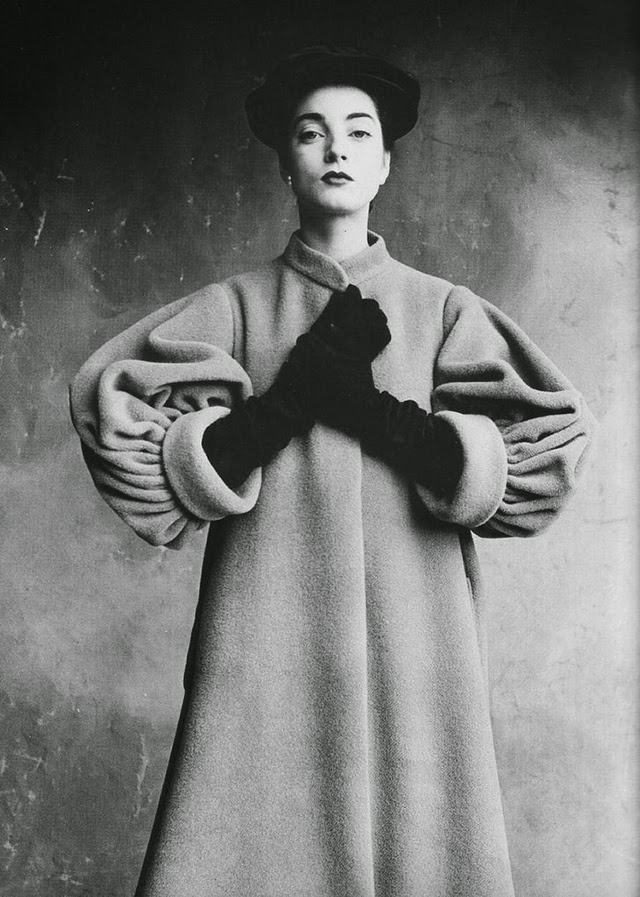
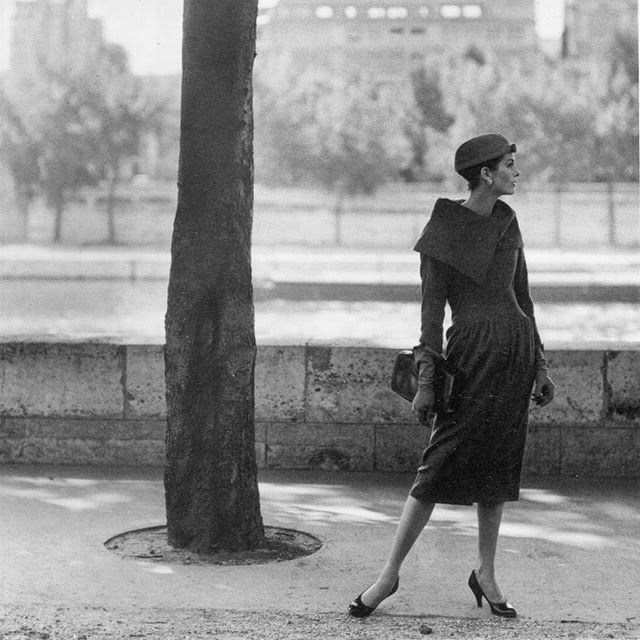
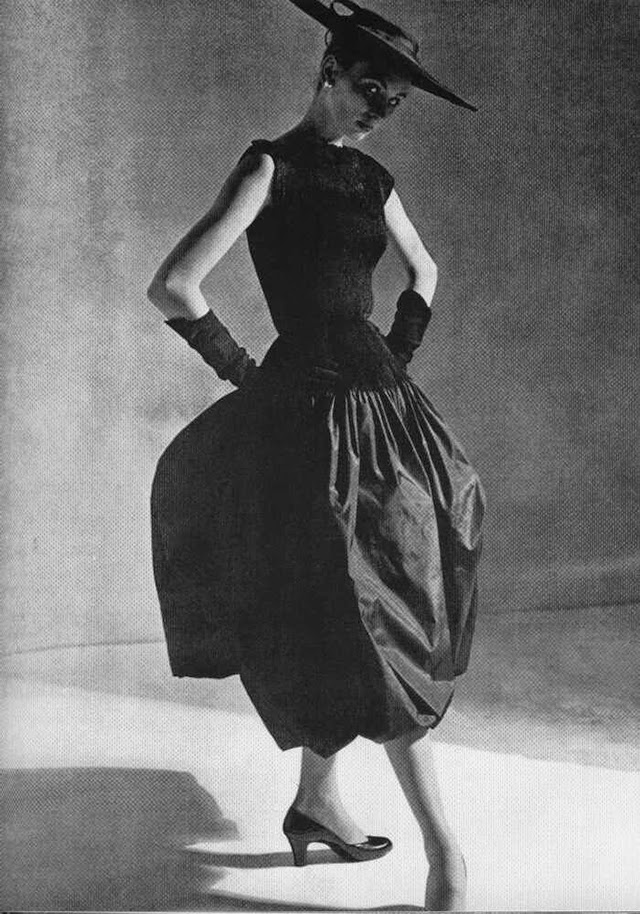
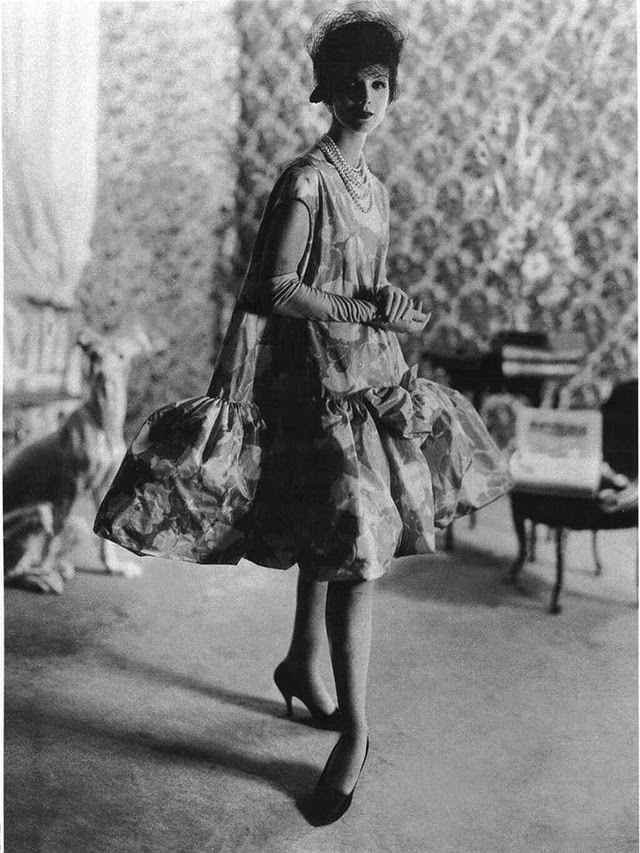
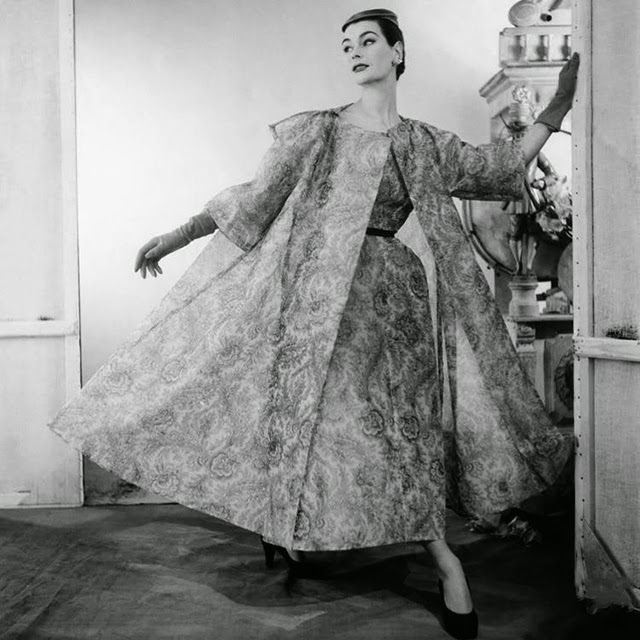
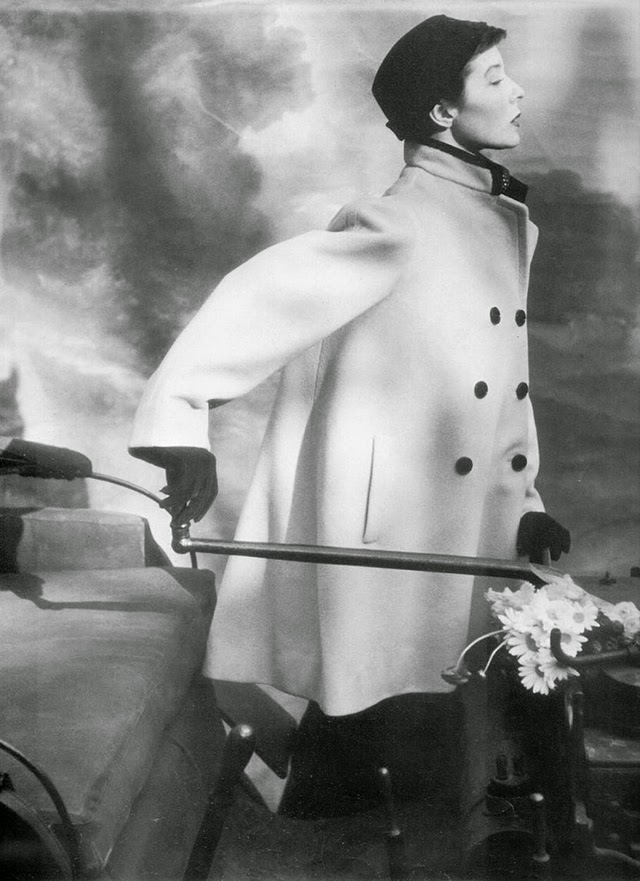
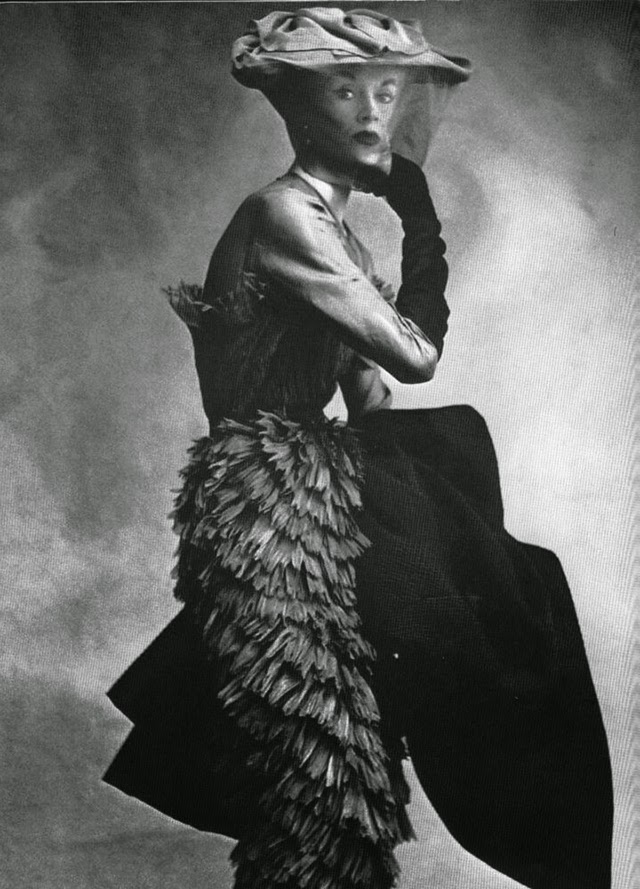
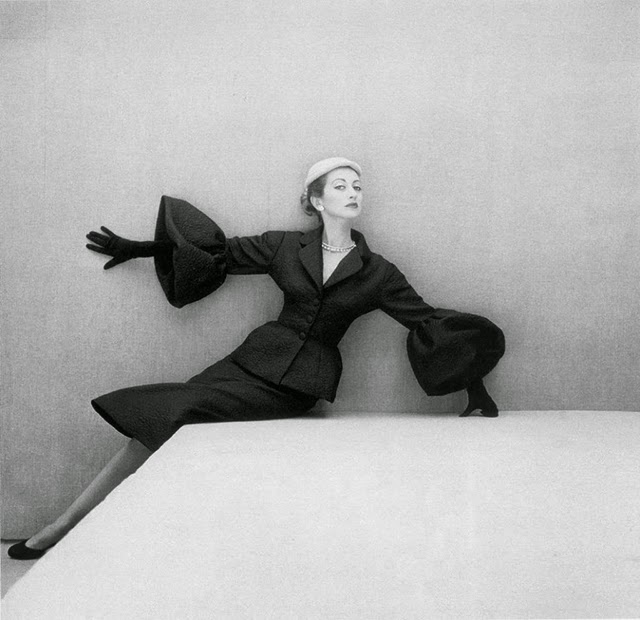
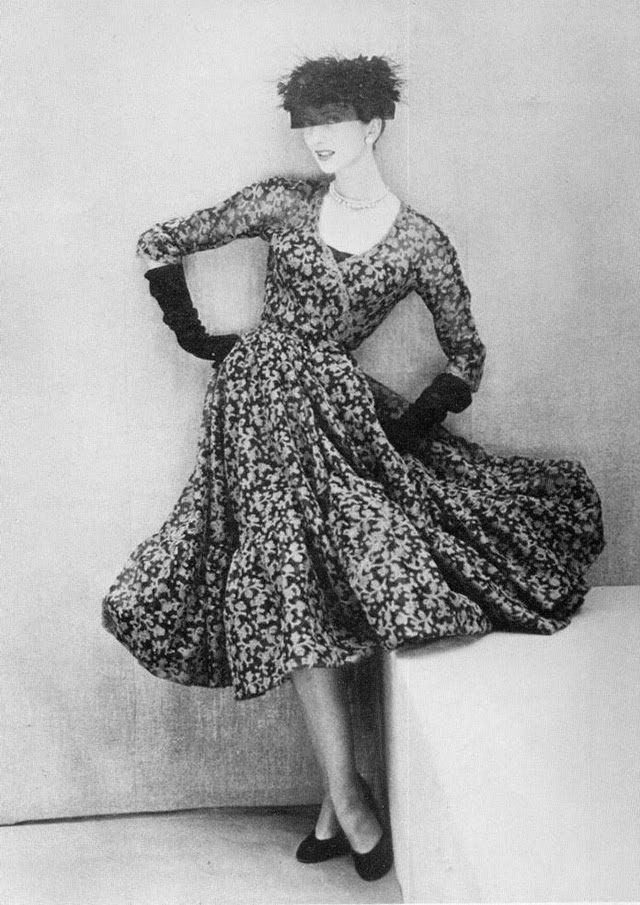
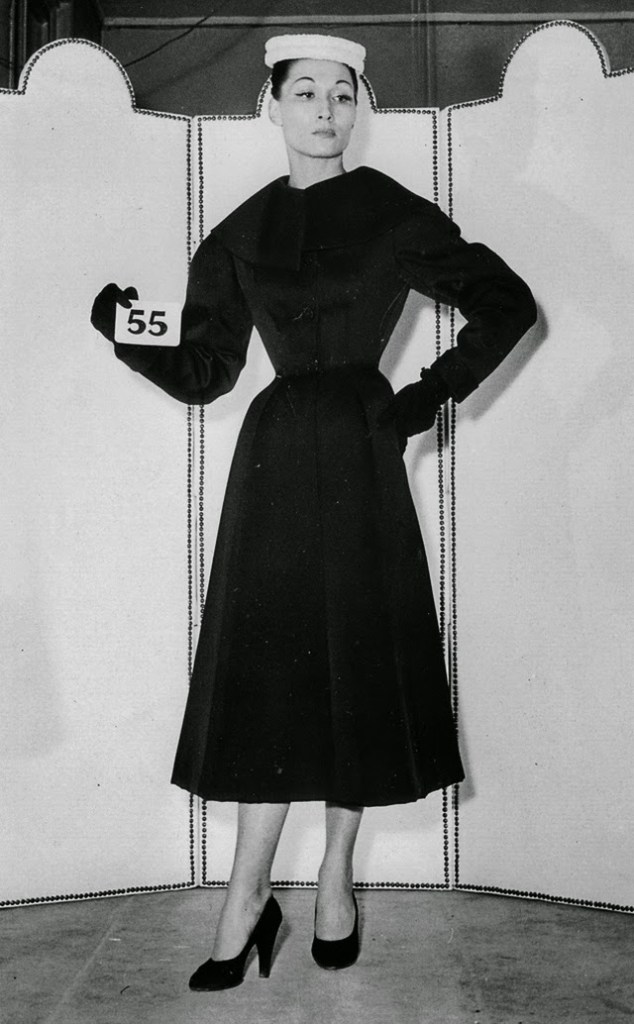
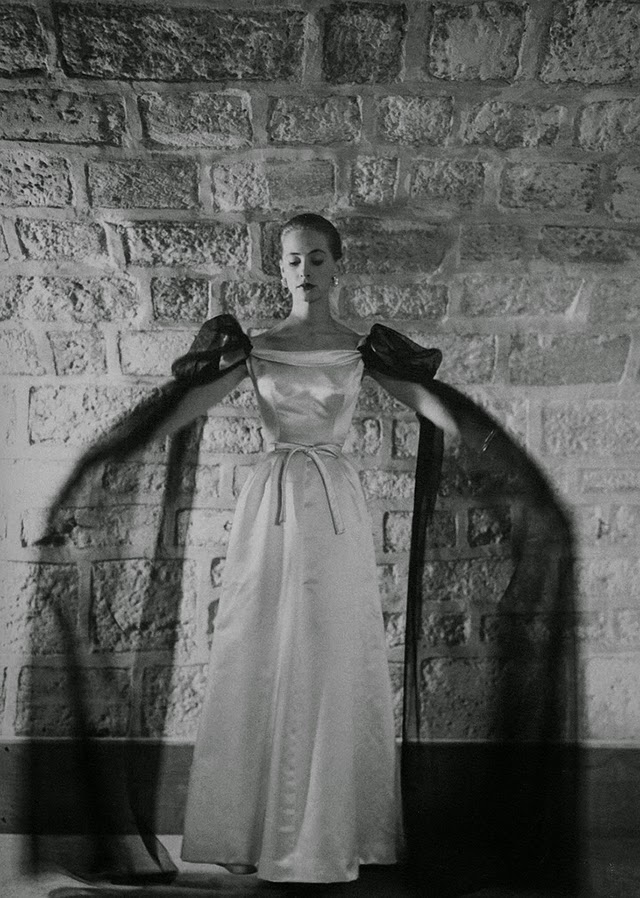
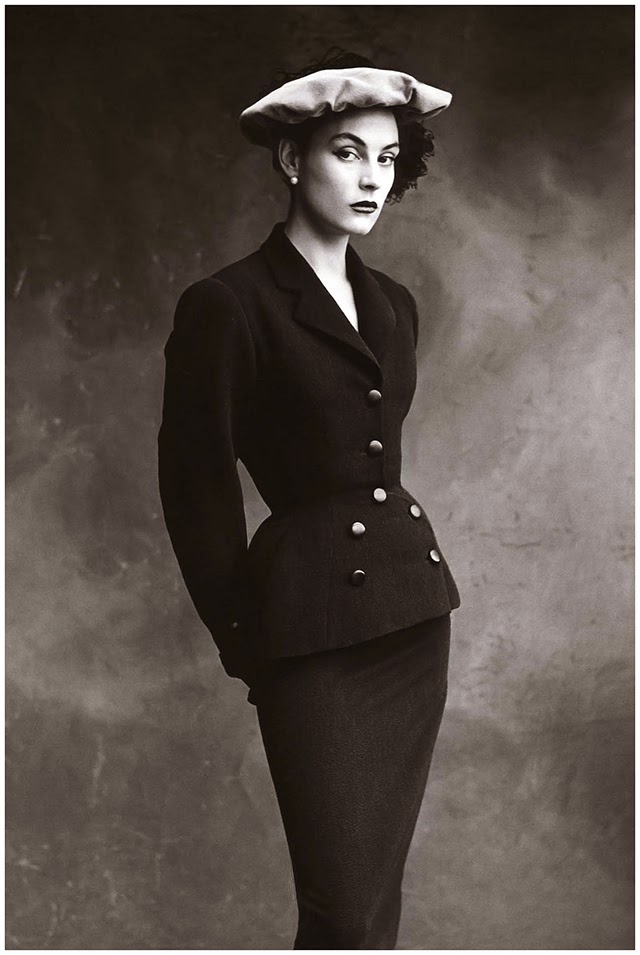
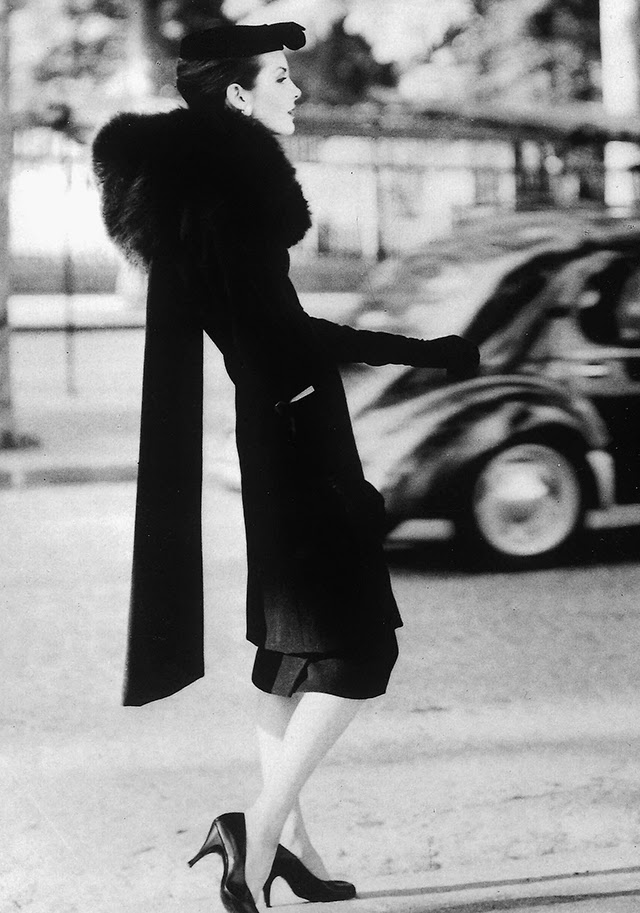
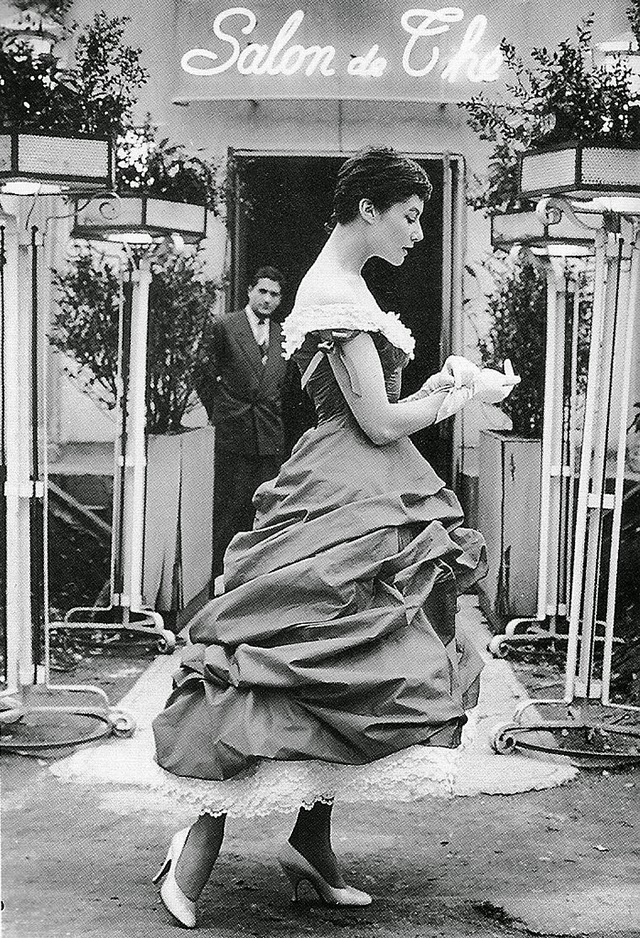
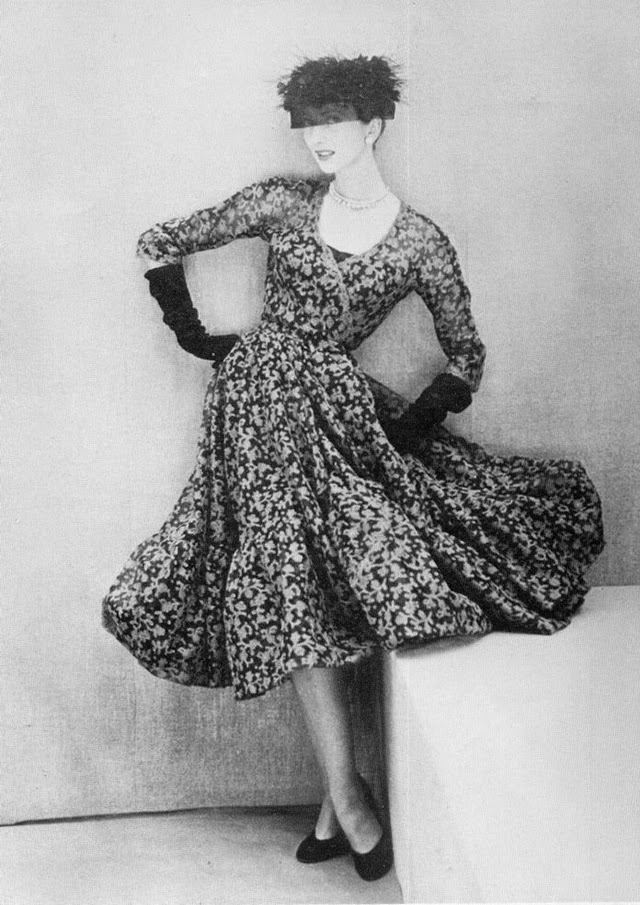
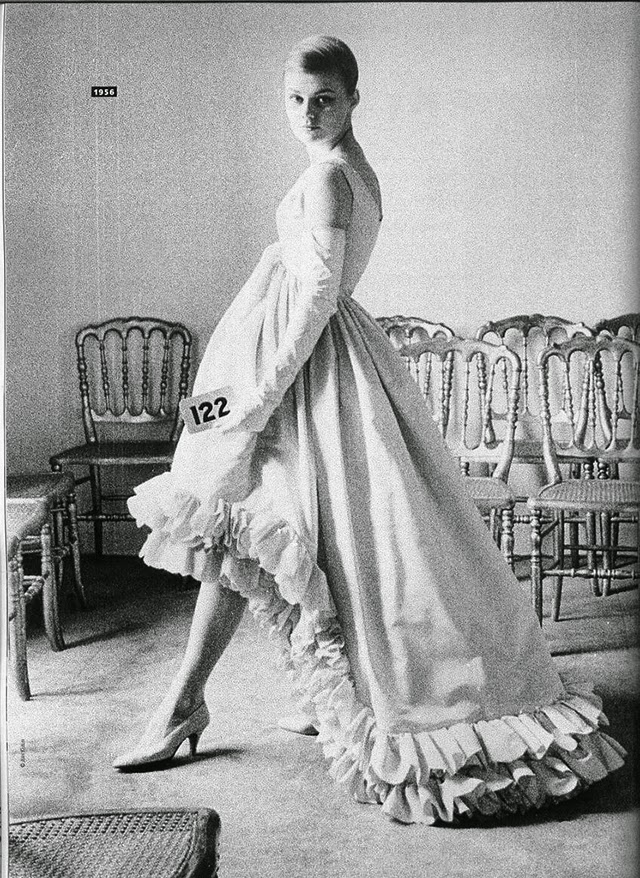
30 Wonderful Fashions From the 1940s and 1950s by Designer Cristóbal Balenciaga

Cristóbal Balenciaga (1895-1972) was a Spanish Basque fashion designer and the founder of the Balenciaga fashion house. His impact on fashion has been profound. Yet to the world at large he remains an enigma. He is not associated with a signature outfit, like Coco Chanel, nor with a pivotal moment, like Christian Dior and the New Look of 1947, nor a cultural phenomenon like Vivienne Westwood and punk.

From the moment he opened his Paris house, his clothes struck a note of simplicity that at times had a regal presence, at others a graphic grace. He reshaped women’s silhouette in the 1950s, so that clothes we think of as typical of that decade are mostly dilutions of his work.

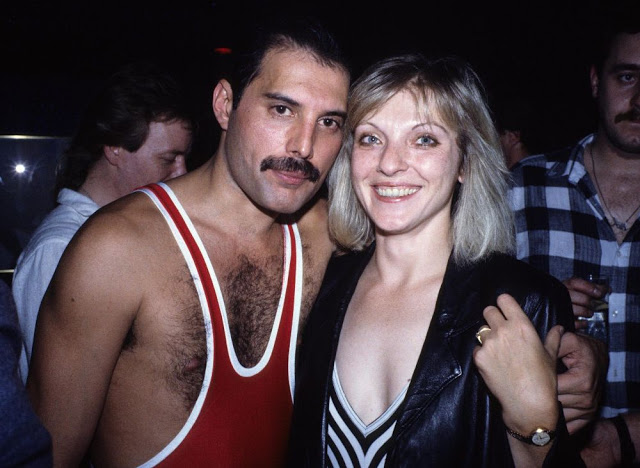
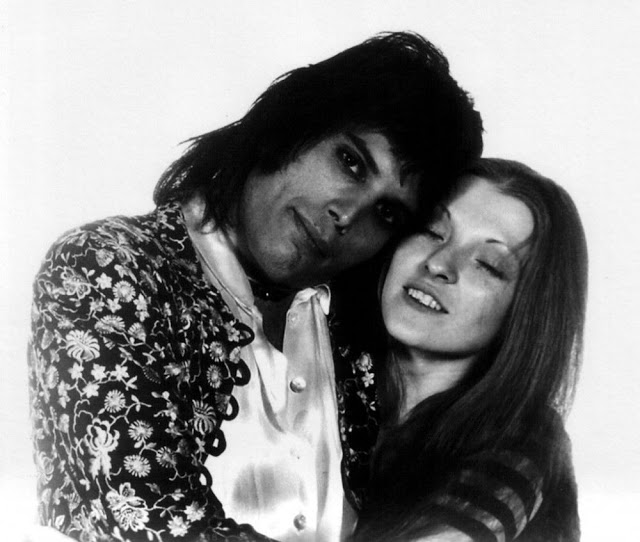
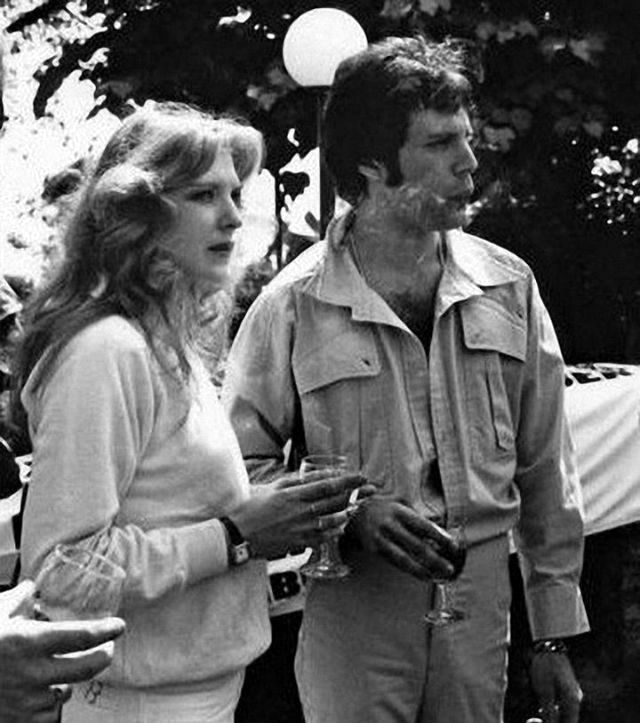
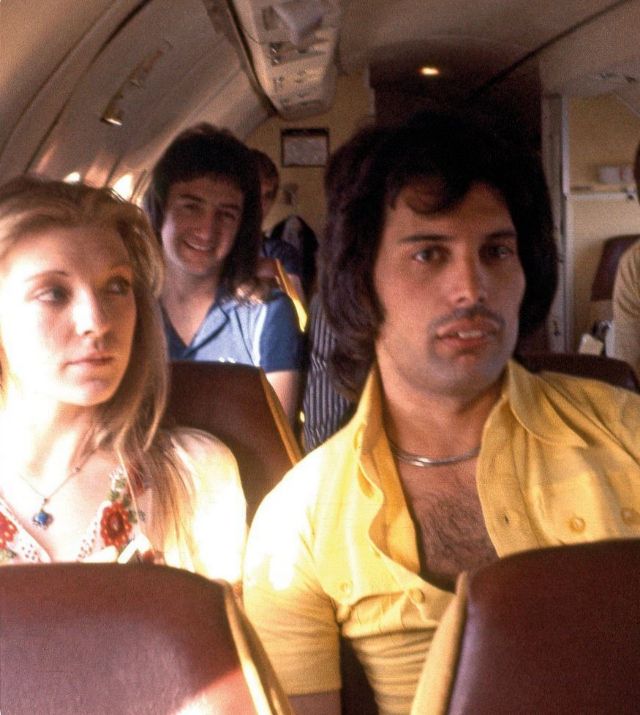
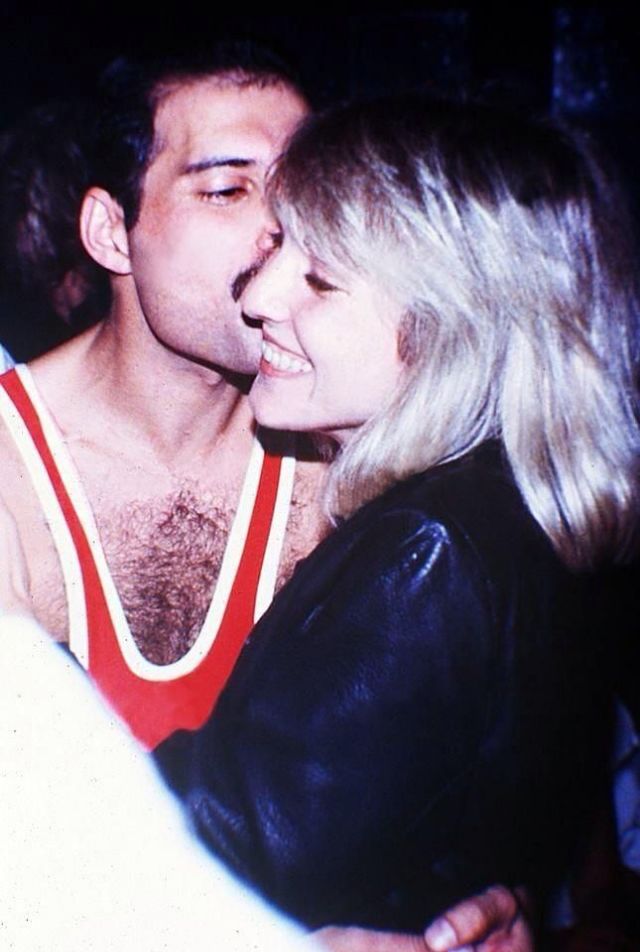
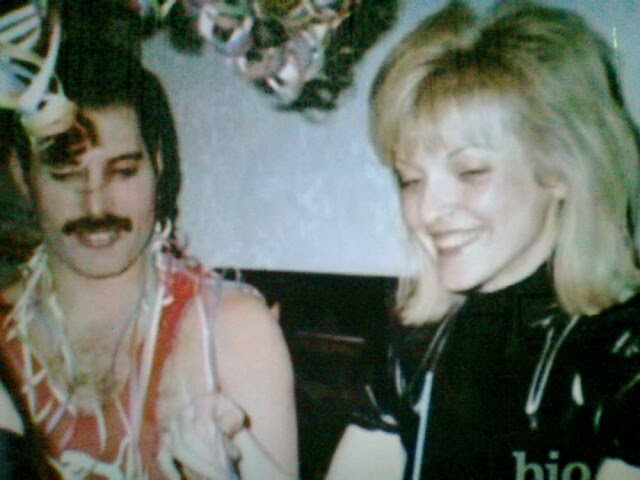
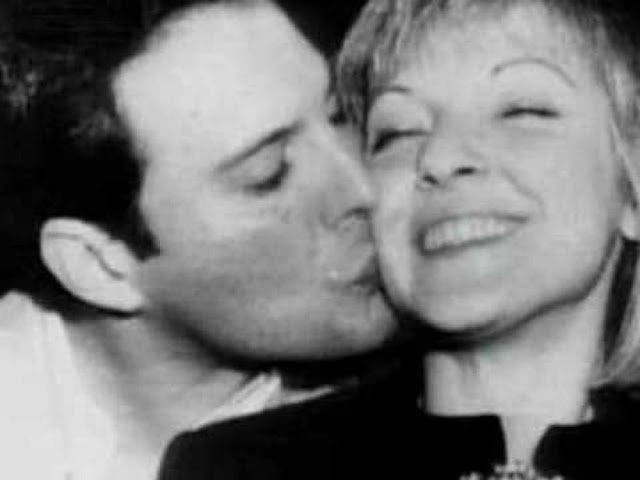
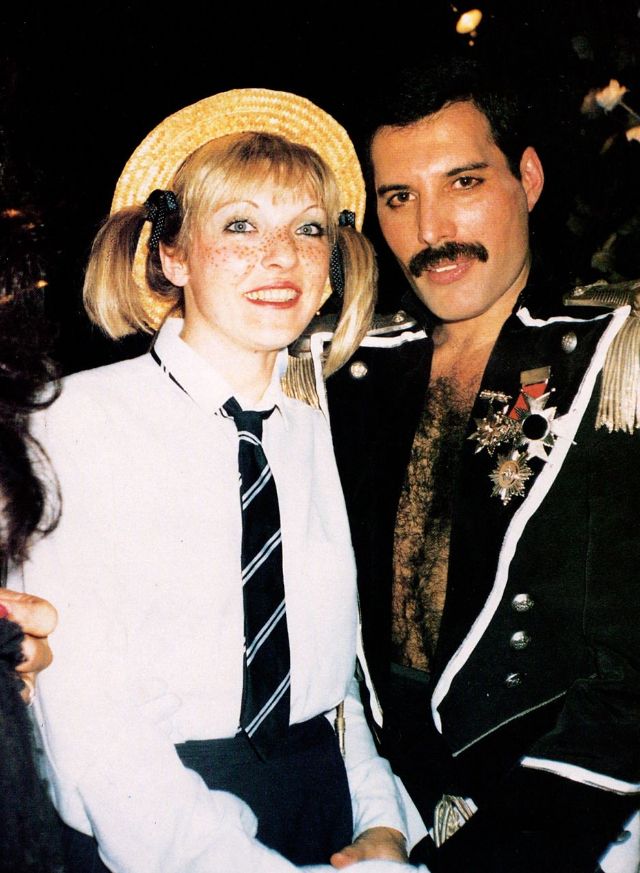
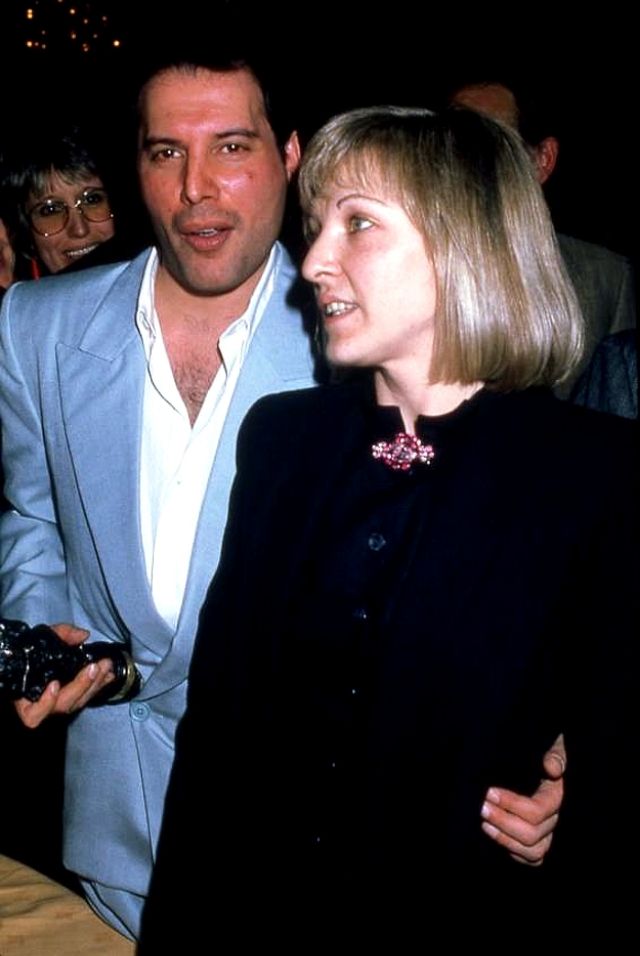
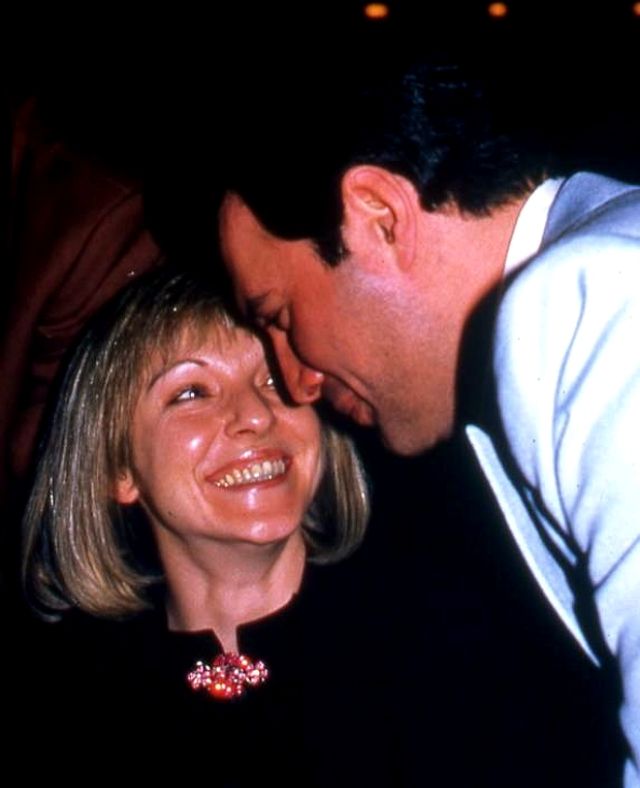
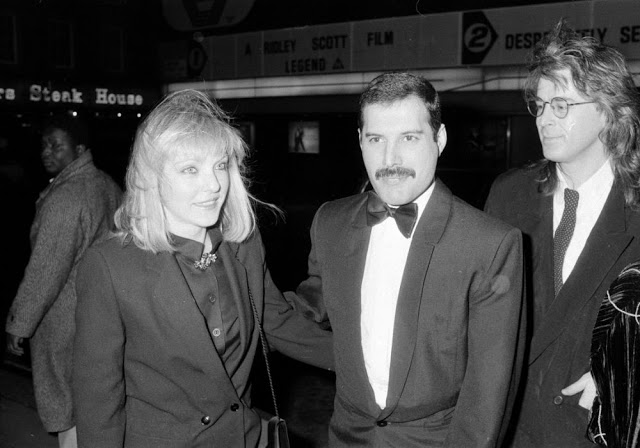
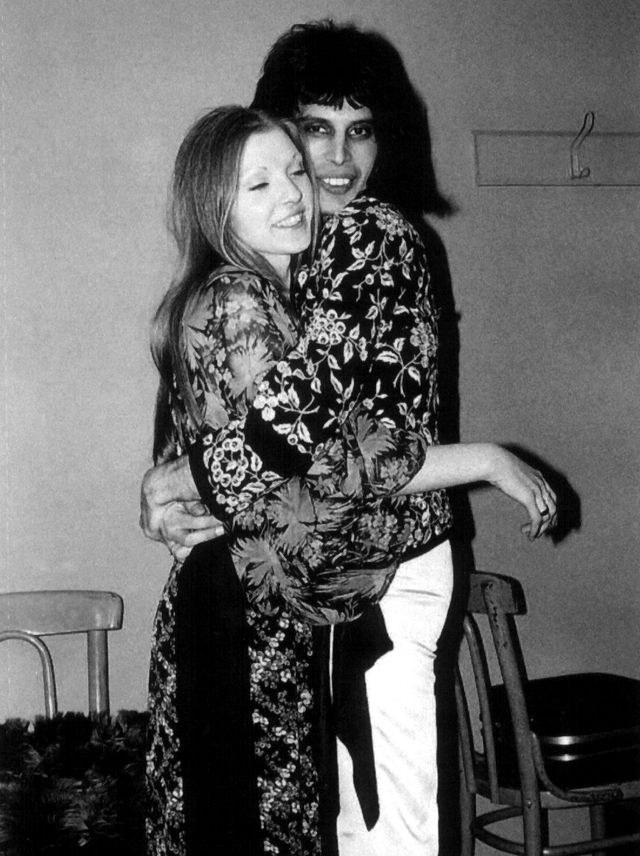
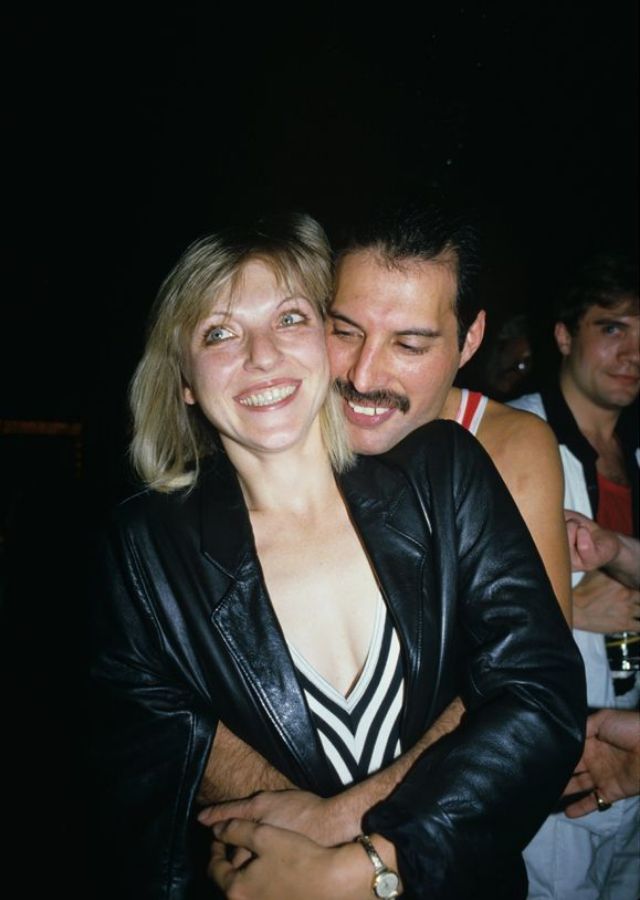
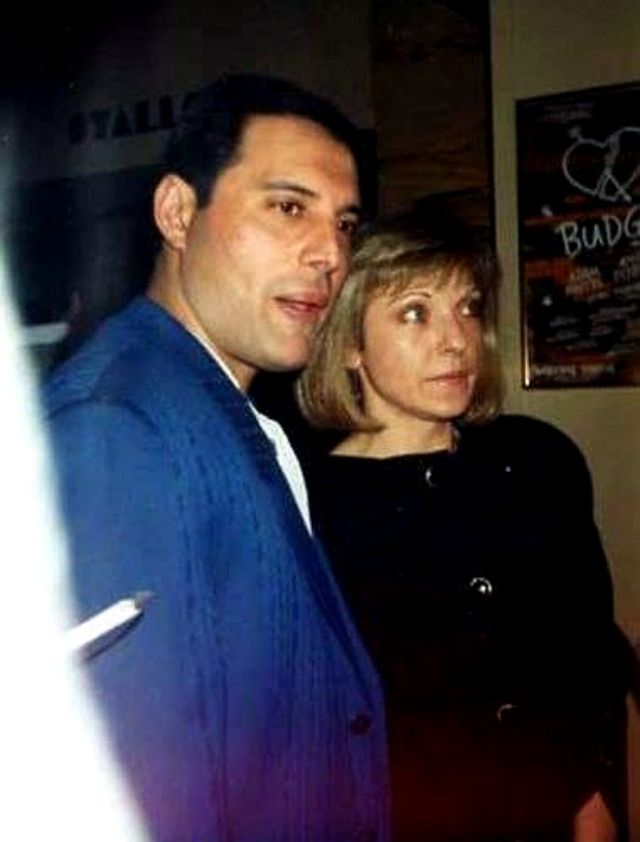
25 Wonderful Photos of Freddie Mercury With Mary Austin, the Woman Who Stole His Heart

Freddie Mercury’s love life sadly always had been in the focus of the press and public eye. There had been and still are lots of rumors and lies about this delicate and private topic. Furthermore, the press seems to forget that Mercury had the most attaching relationships with women, of which the most endurable and emotional was with Mary Austin, the love of his life, who was an inspiration for the ballad “Love of My Life” from Queen’s 1975 album A Night at the Opera.

In 1969, Austin was a 19-year-old employee at an English boutique called Biba when she met the 24-year-old Mercury. At the time, he was an aspiring singer, but hadn’t yet become one of the biggest rock stars on the planet. Still, Austin was intrigued by the “wild-looking artistic musician.”
“He was like no one I had ever met before,” she said. “He was very confident, and I have never been confident. We grew together. I liked him – and it went on from there.”
By the mid-1970s, Freddie Mercury had begun an affair with a male American record executive at Elektra Records, and in December 1976, Mercury told Austin of his sexuality, which ended their romantic relationship. Mercury moved out of the flat they shared, into 12 Stafford Terrace in Kensington and bought Austin a place of her own nearby. They remained close friends through the years, with Mercury often referring to her as his only true friend.
In a 1985 interview, Mercury said of Austin, “All my lovers asked me why they couldn’t replace Mary [Austin], but it’s simply impossible. The only friend I’ve got is Mary, and I don’t want anybody else. To me, she was my common-law wife. To me, it was a marriage. We believe in each other, that’s enough for me.”

Austin, who later married and had two children, tended to Mercury after his AIDS diagnosis. When the singer died in 1991, he entrusted much of his estate and his London mansion, Garden Lodge, to her rather than his partner Jim Hutton. “If things had been different,” saying in his will, “you would have been my wife, and this would have been yours anyway.”

The most important and definitive statement of Freddie Mercury speaking about his love life is perhaps: “I couldn’t fall in love with a man the way I could with a girl. Love is the hardest thing to achieve and the one thing in this business that can let you down the most. I have built up an immense bond with Mary. She has gone through just about everything and always been there for me.”
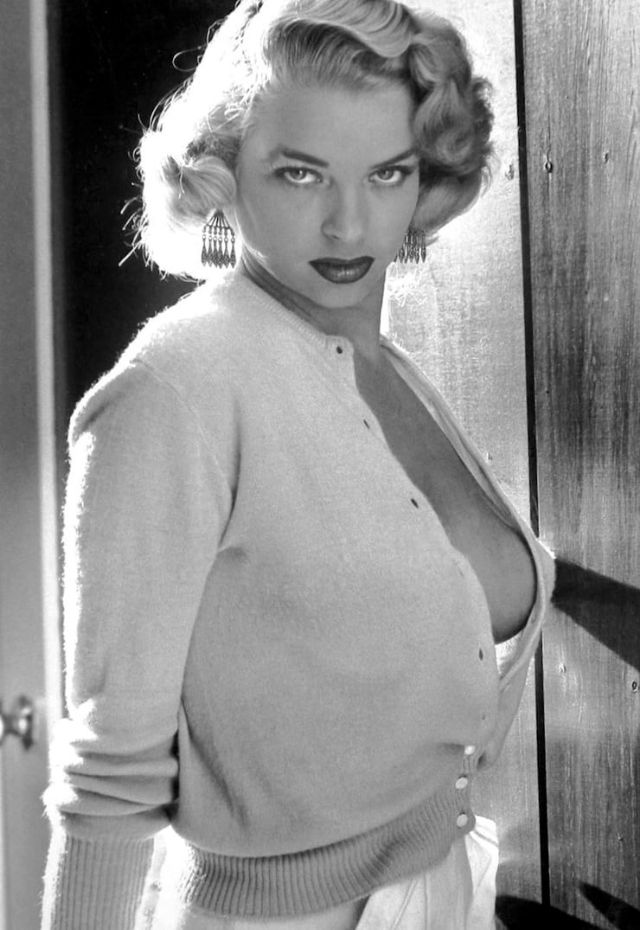
48 Stunning Photos of Actress & Model Eve Meyer During the 1950s & 1960s

Born as Evelyn Eugene Turner in 1928, American pin-up model, motion picture actress, and film producer Eve Meyer was a high-profile pin-up model in the 1950s and was Playboy magazine’s Playmate of the Month in June 1955. Her unbilled film debut was in Artists and Models (1955).
Meyer worked frequently as a photographic model for Russ Meyer after their marriage, appeared in the film Operation Dames (1959), and took a lead role in Meyer’s 1960 exploitation film Eve and the Handyman.

Eve Meyer served as producer, or associate or executive producer, on Meyer’s 1960s and early 1970s films, including Beyond the Valley of the Dolls (1970).

On March 27, 1977 at Los Rodeos Airport in the Canary Islands, Meyer, onboard Pan Am Flight 1736 from New York, was one of 335 passengers killed when KLM Flight 4805 collided with the Pan Am aircraft during take-off. The disaster is the deadliest in aviation history, with 583 total fatalities.

Take a look at these stunning photos to see glamorous beauty of young Eve Meyer in the 1950s.

Subscribe to get access

Read more of this content when you subscribe today.
Subscribe to continue reading

Become a paid subscriber to get access to the rest of this post and other exclusive content.
Yesterday Today

Bringing You the Wonder of Yesterday - Today

Skip to content ↓