Bringing You the Wonder of Yesterday – Today

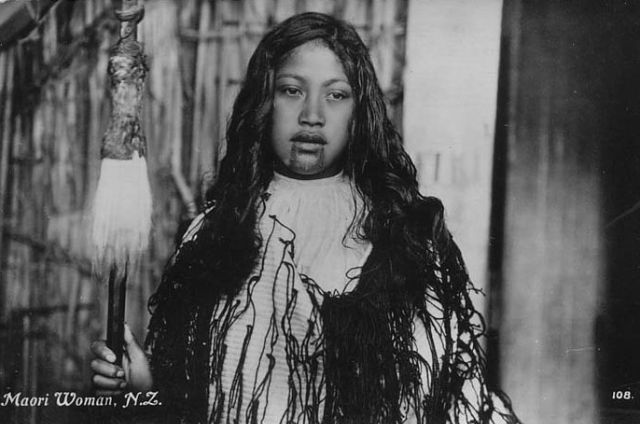
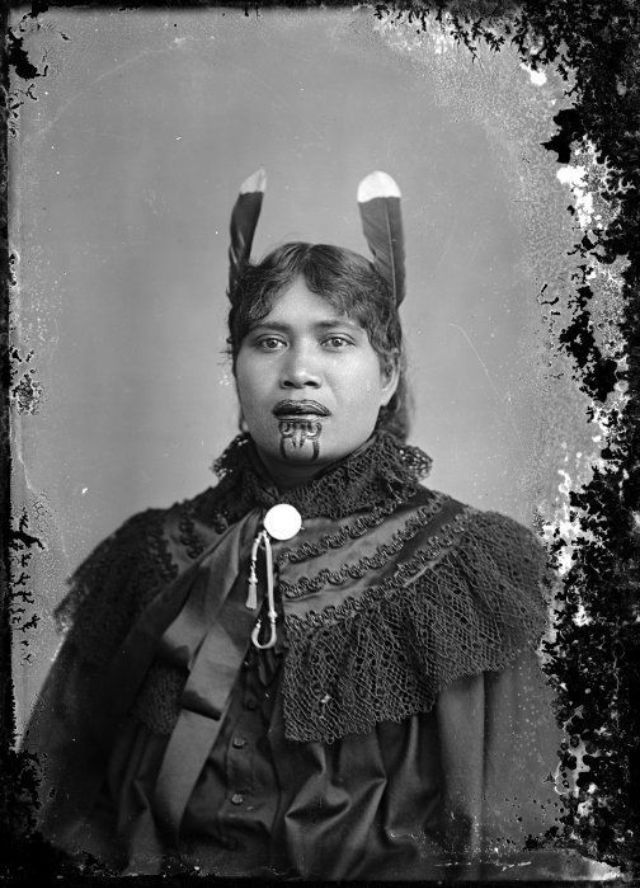
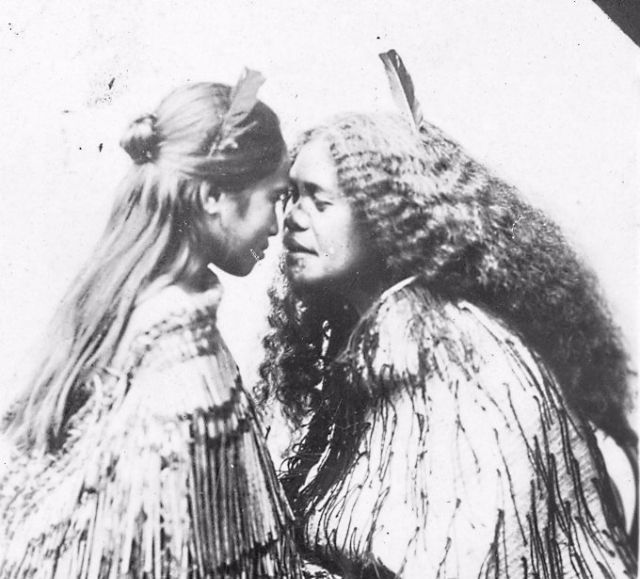
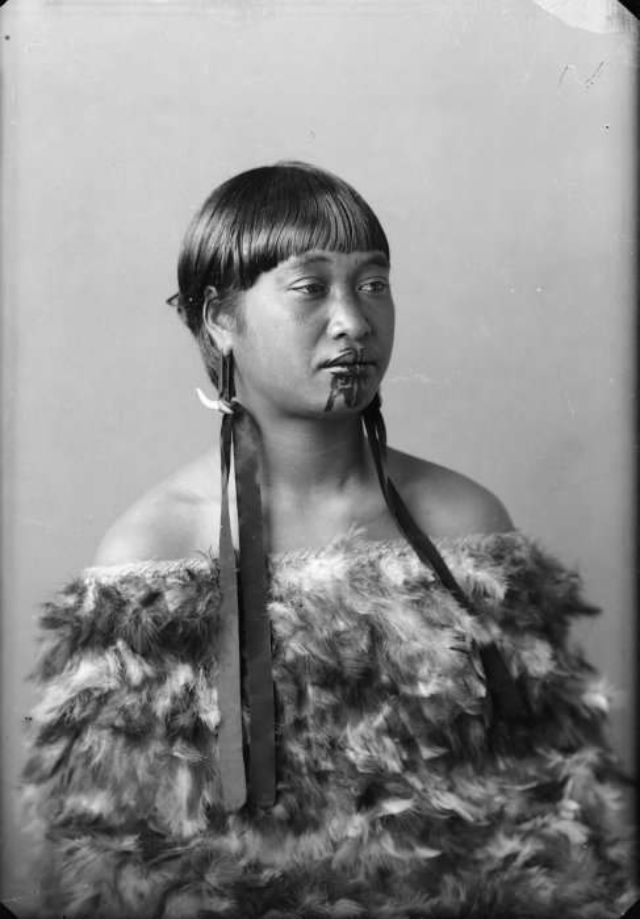
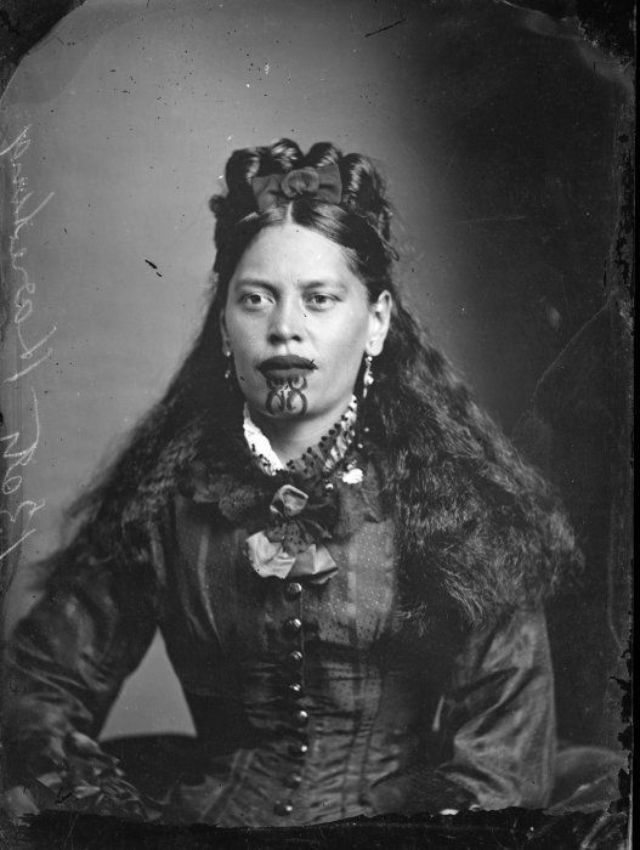
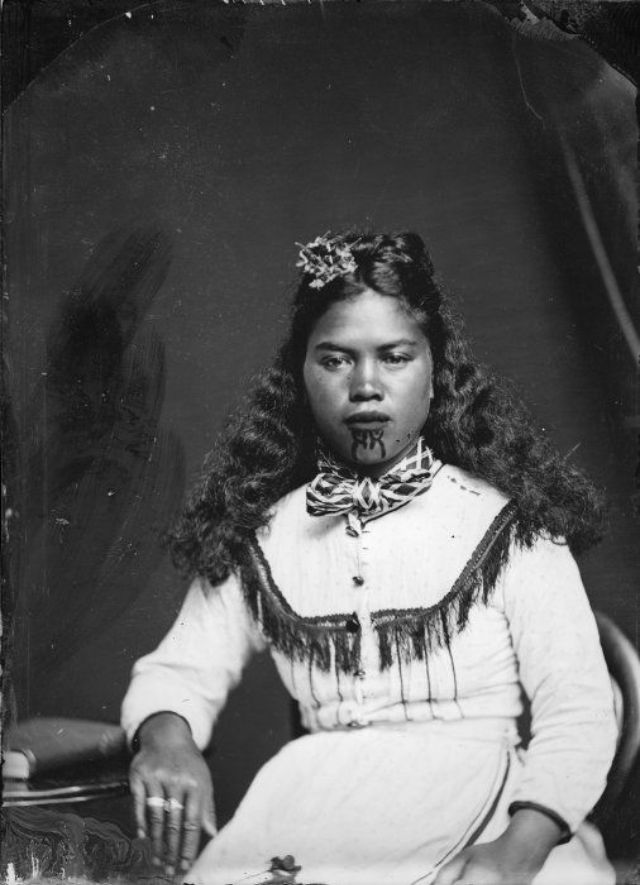
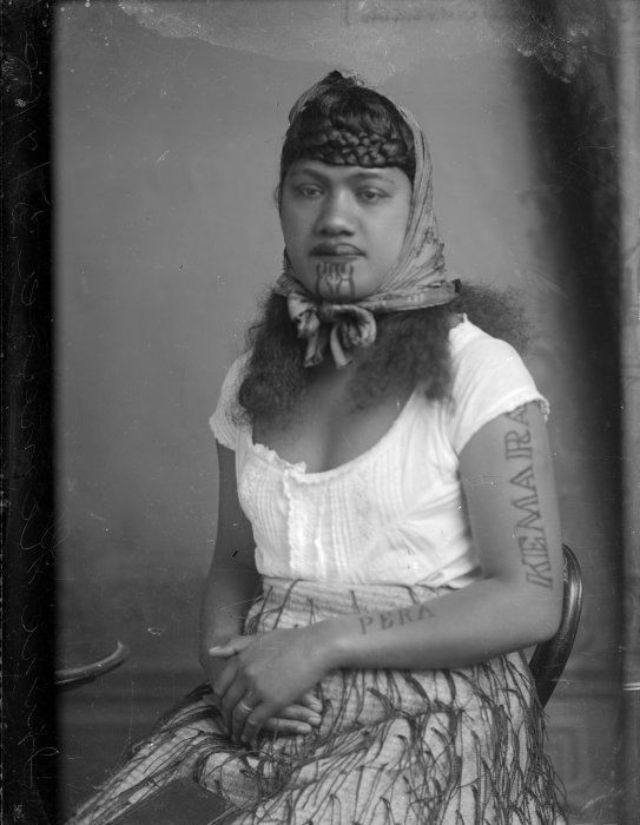
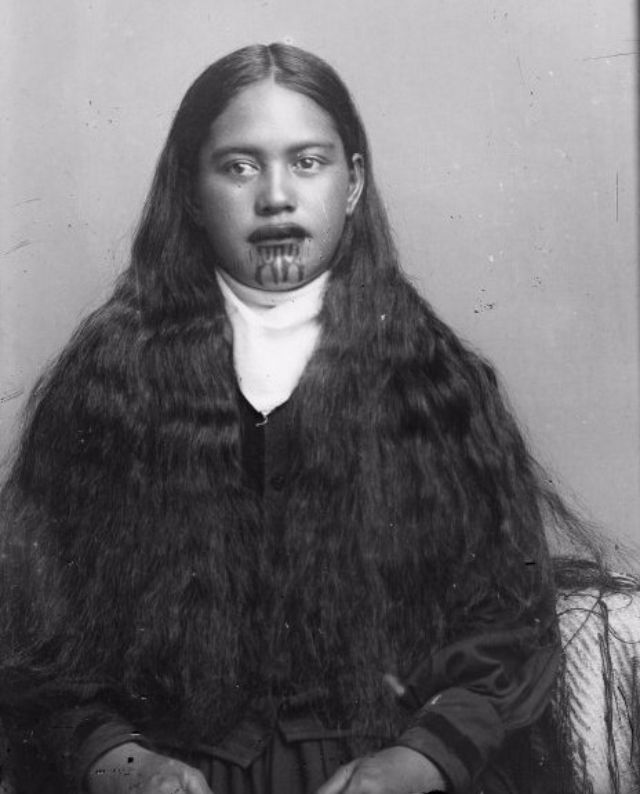
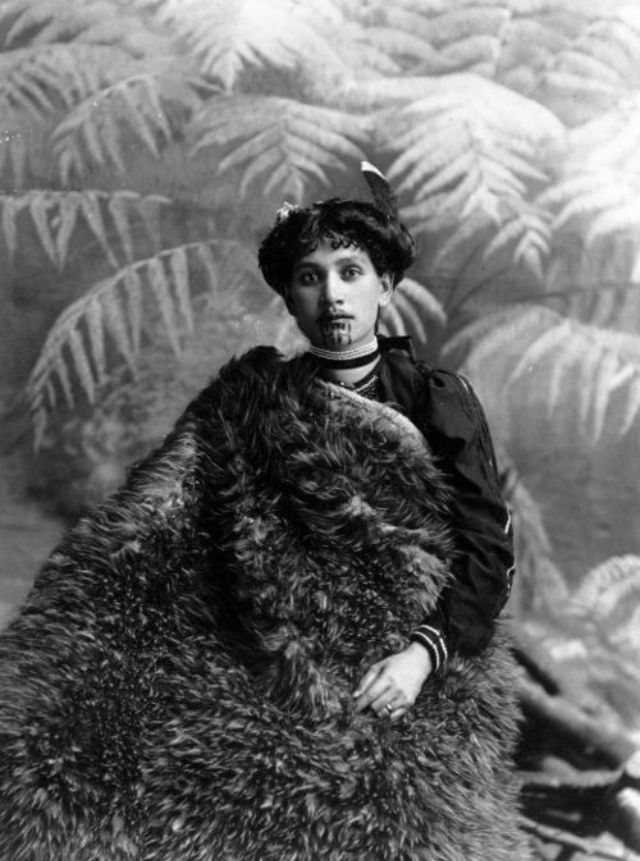
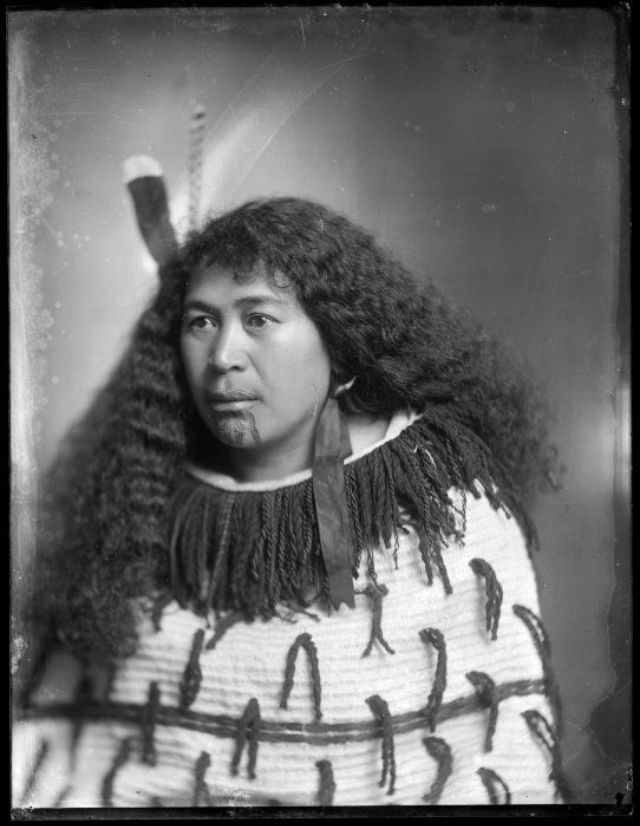
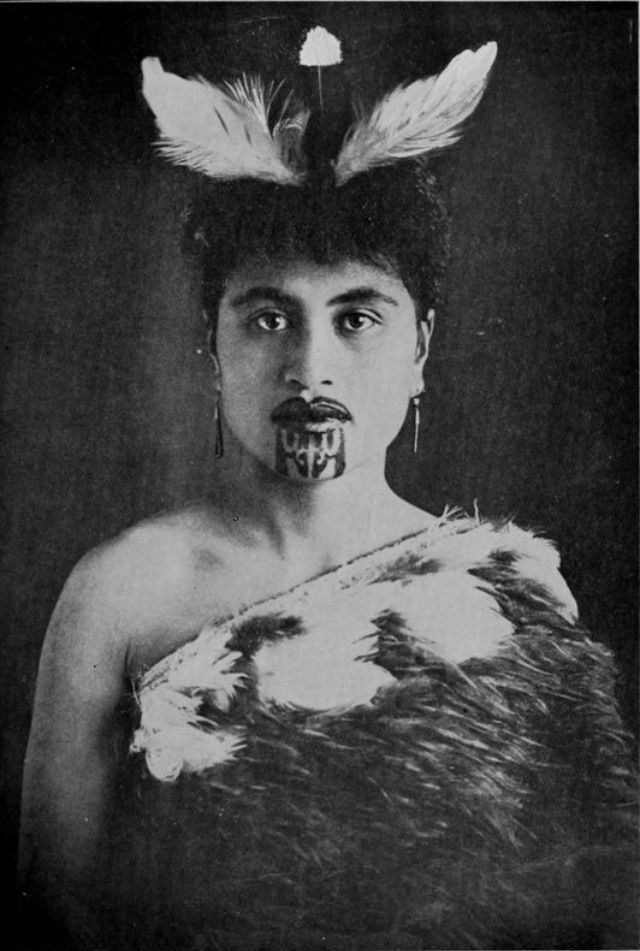
For New Zealand Maori women, the moko kauae, or traditional female chin tattoo, is considered a physical manifestation of their true identity. It is believed every Maori woman wears a moko on the inside, close to their heart; when they are ready, the tattoo artist simply brings it out to the surface.
The Maori are indigenous people that originated in New Zealand. They have a form of body art, known as moko but more commonly referred to as Maori tattooing. The art form was brought to the Maori from Polynesia and is considered highly sacred.
Since the Maori people consider the head to be the most sacred part of the body, the most popular kind of Maori tattoo was the facial tattoo, which was composed of curved shapes and spiral like patterns. Often this tattoo covered the whole face and was a symbol of rank, social status, power and prestige.
For Maori, tattooing was (and for some, still is) a rite of passage, which meant it was highly revered and ritualised. The tattooing would begin usually during adolescence.
The great thing about Maori tattoos is that to this day, no two tattoos are alike. Maori tattoos are one of a kind. They are always highly intricate and detailed and display the craftsmanship and artistry of not only the artist but of the Maori culture.













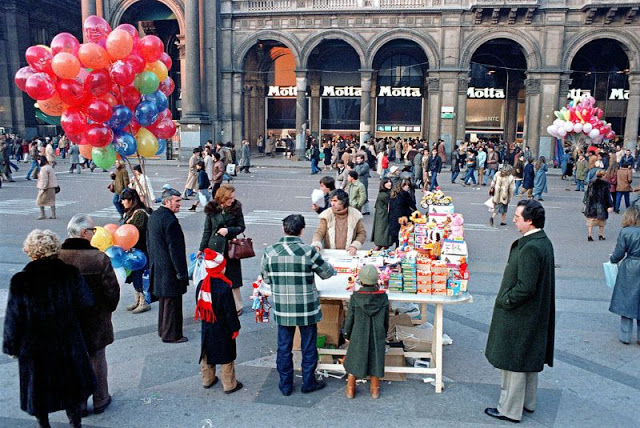
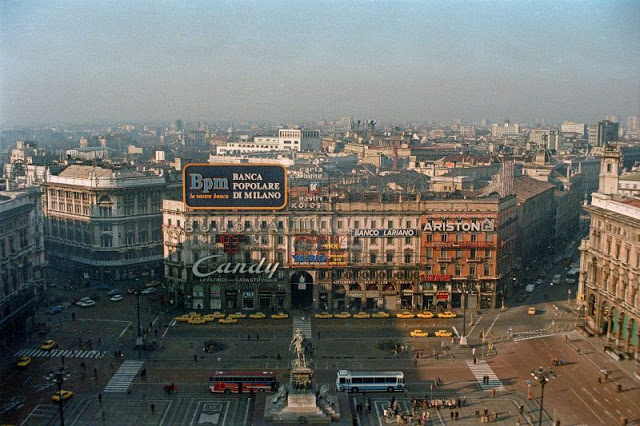
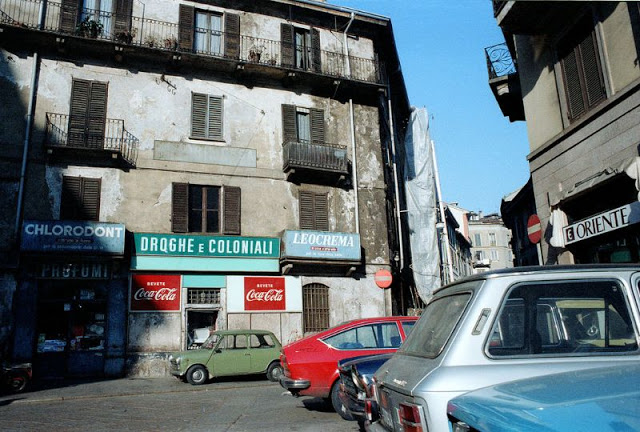
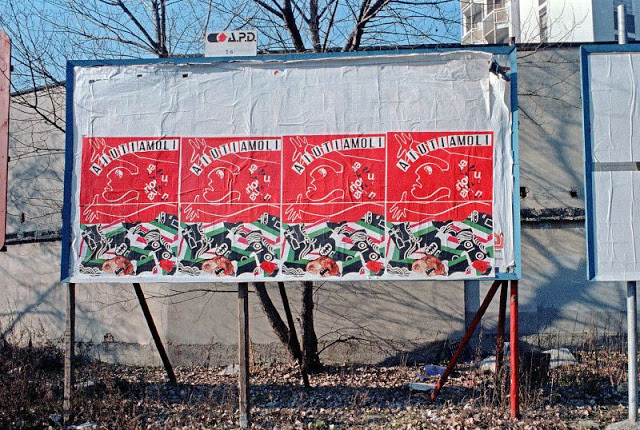
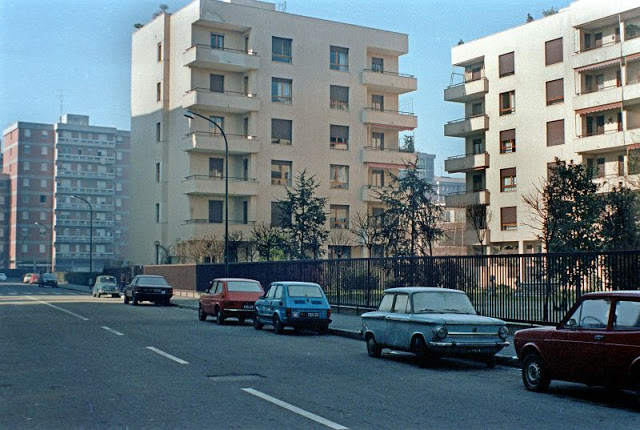
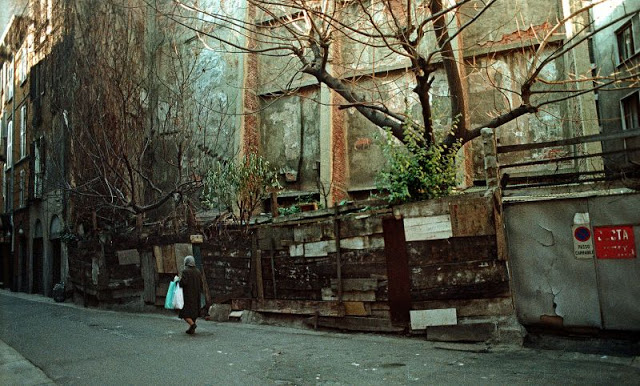
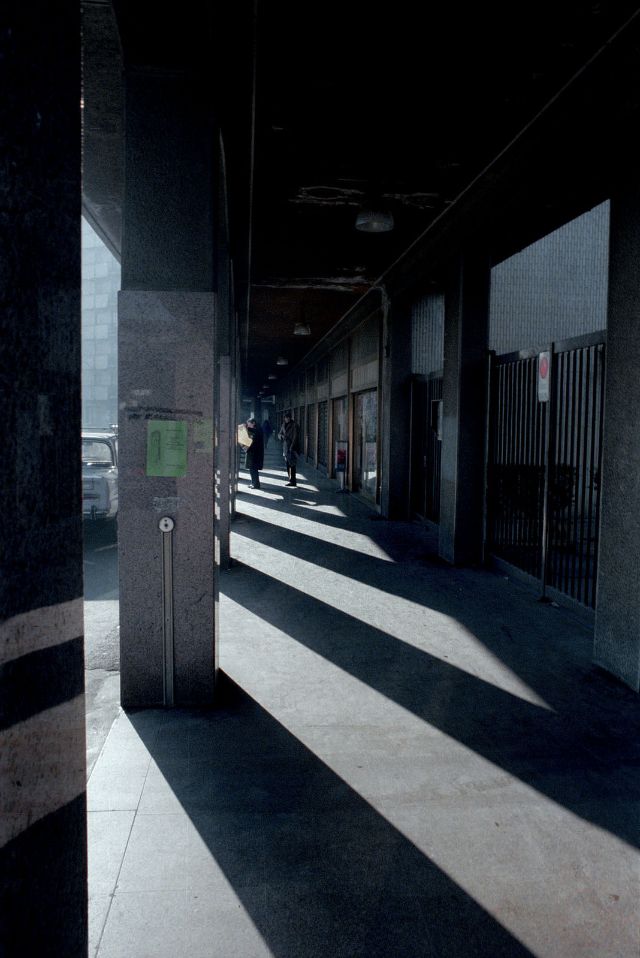
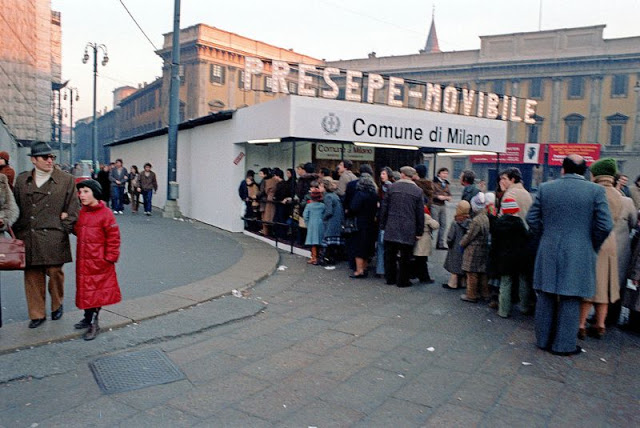
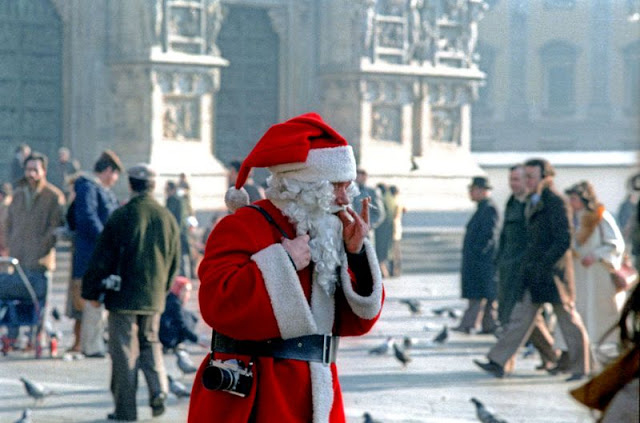
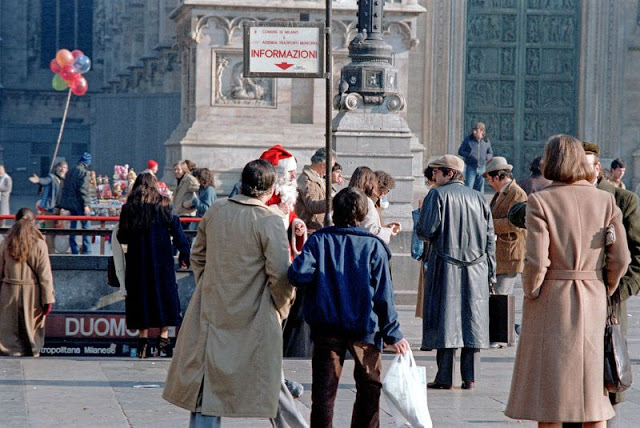
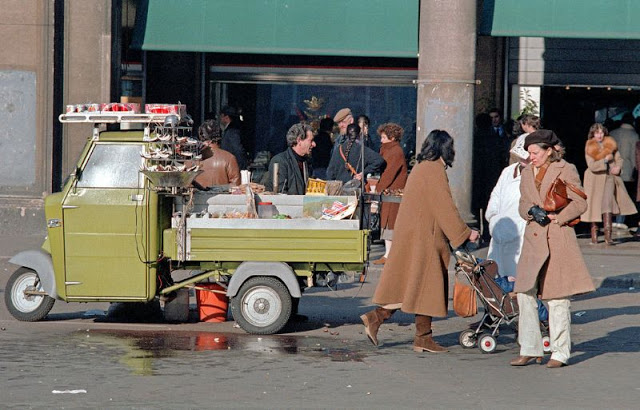
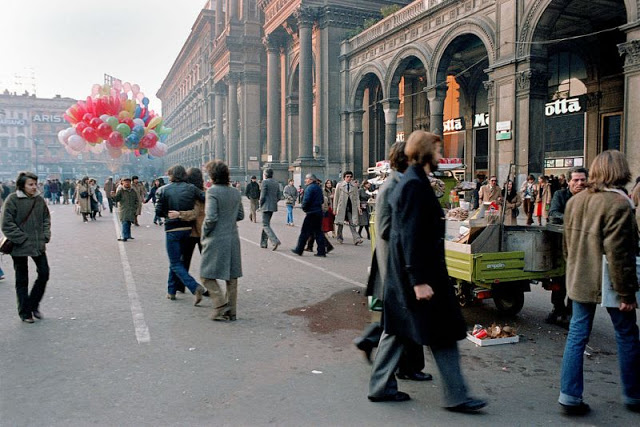
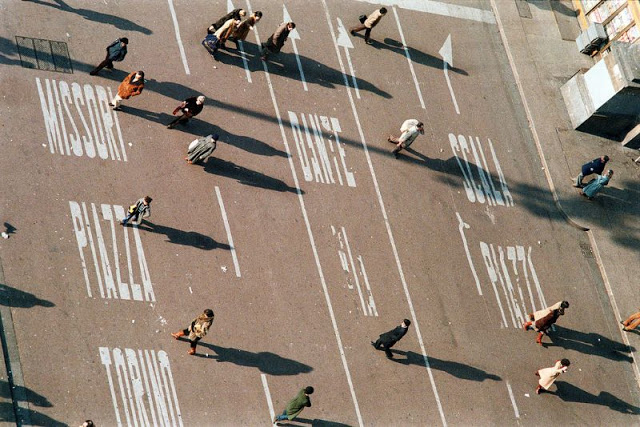
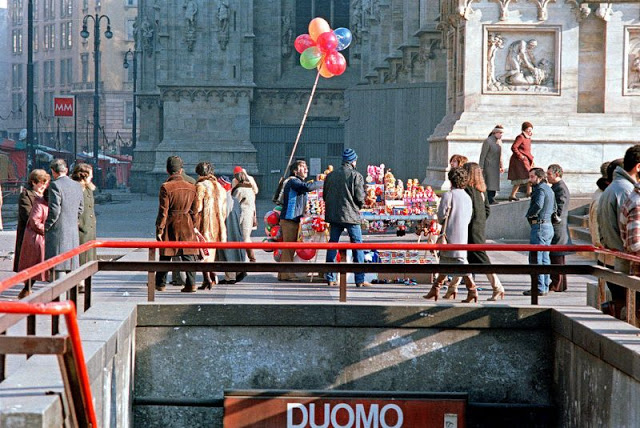
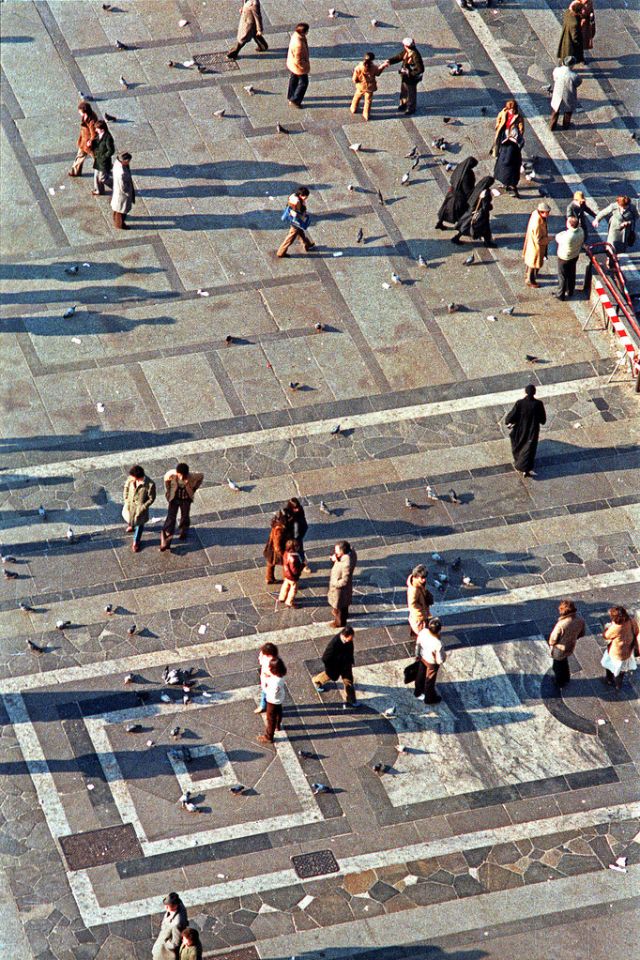
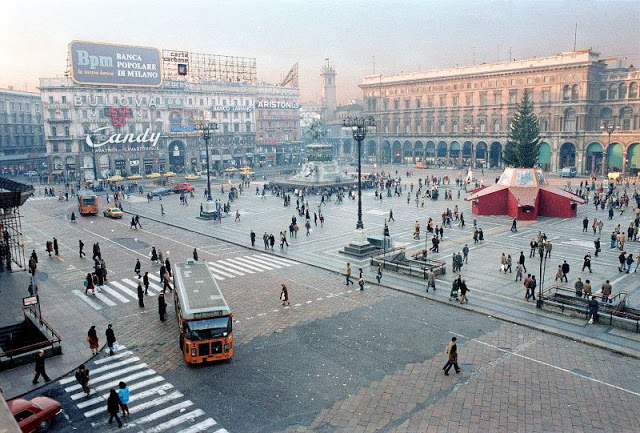
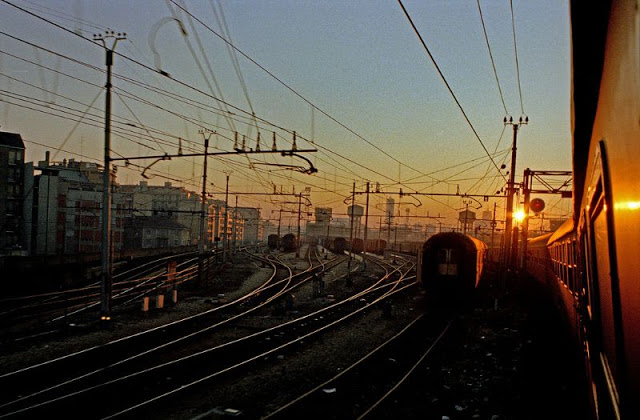
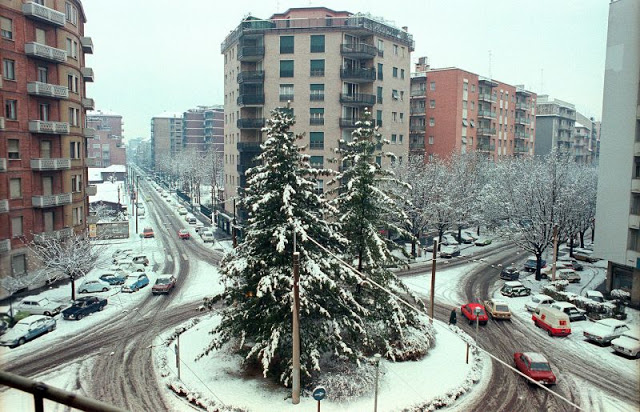
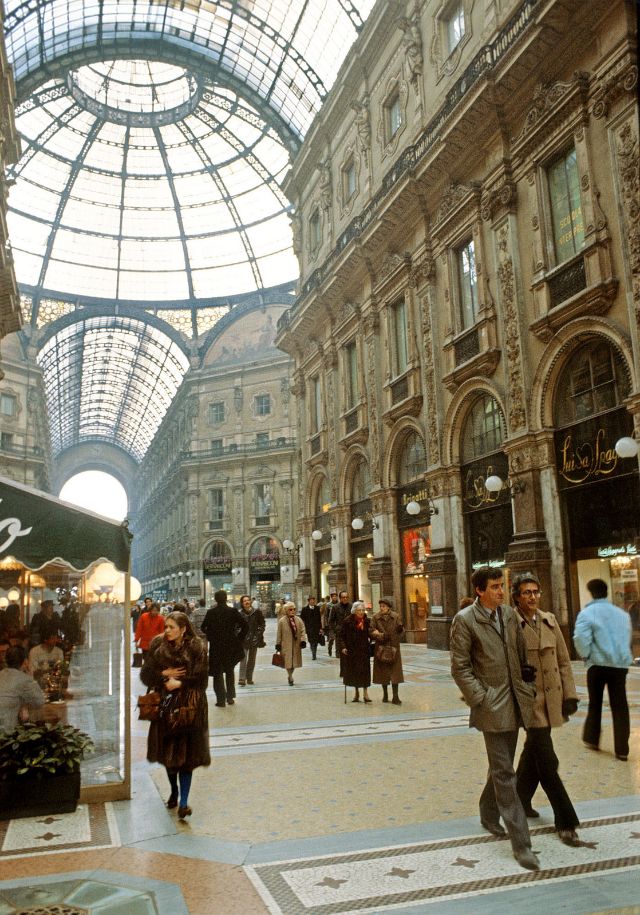
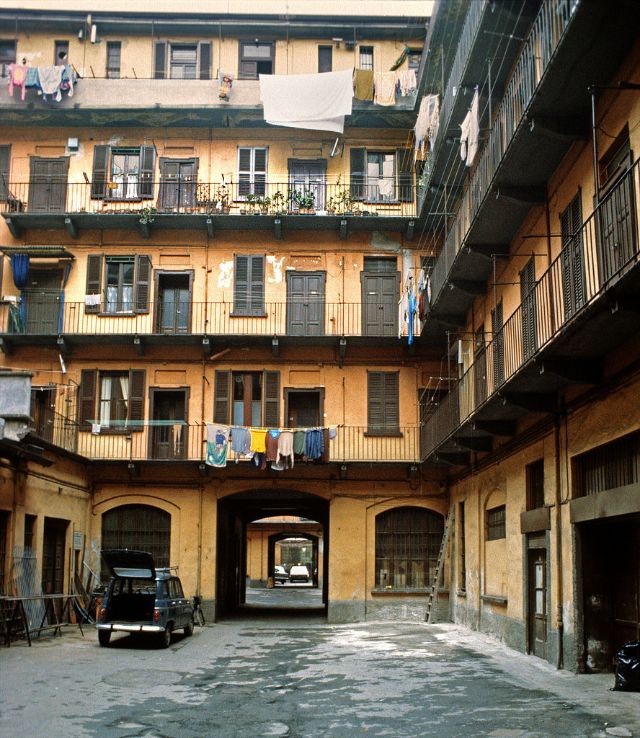
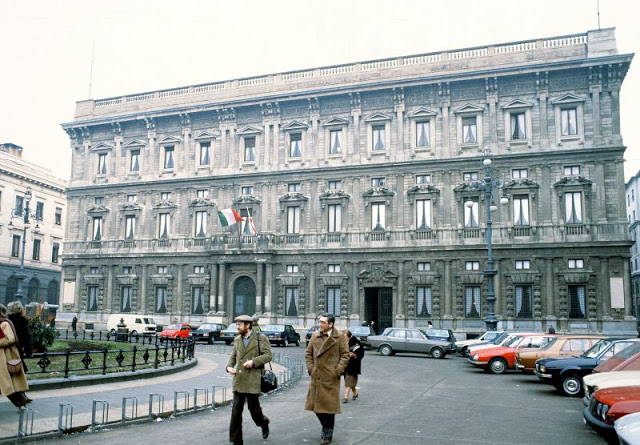
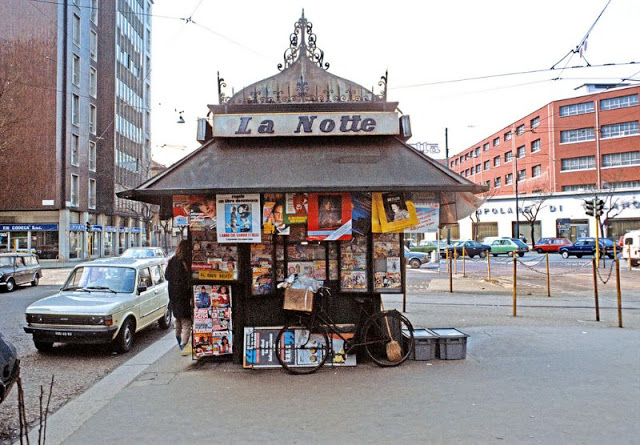
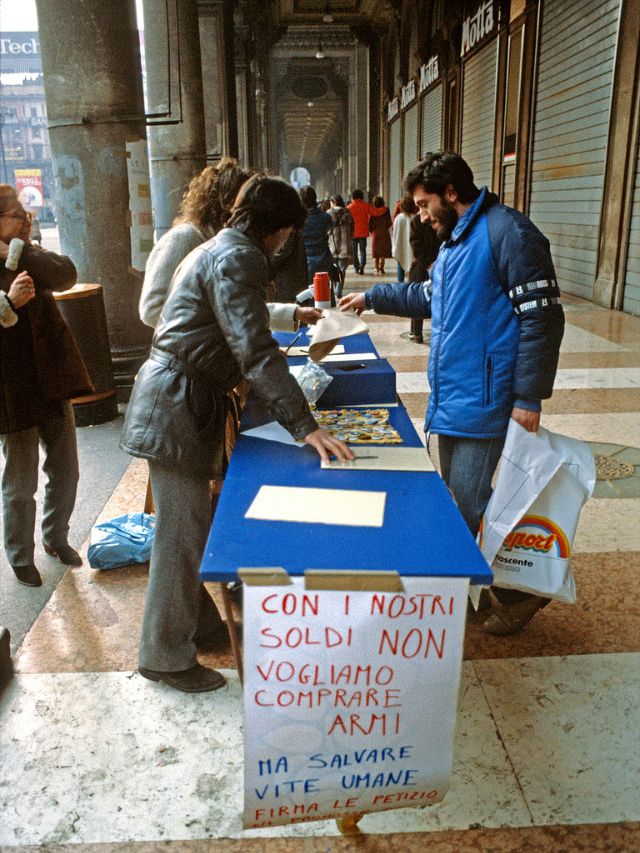
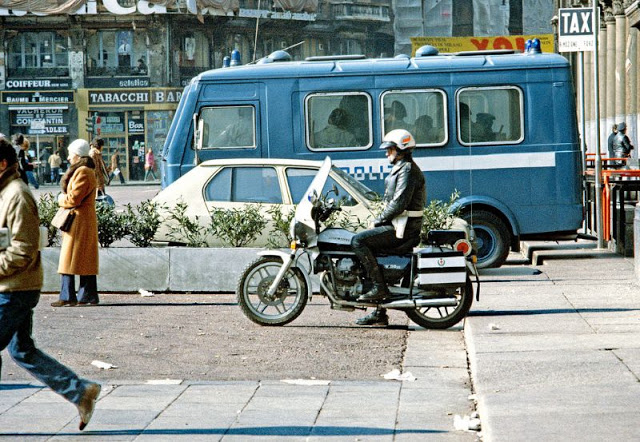
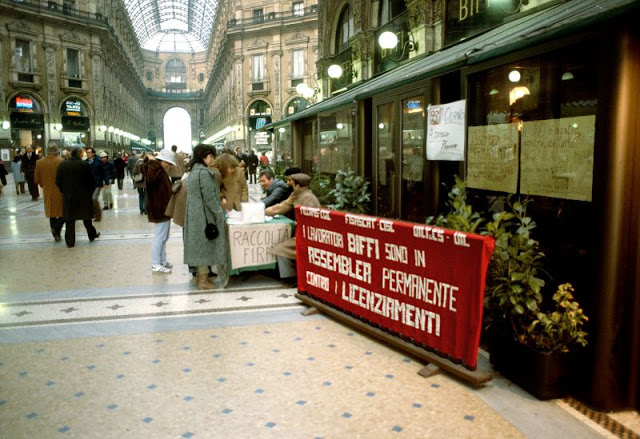
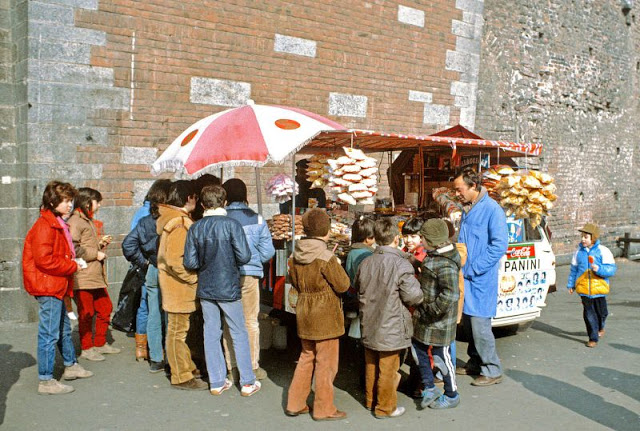
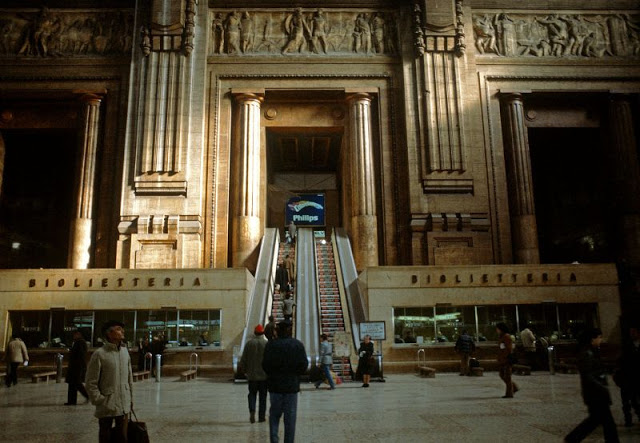
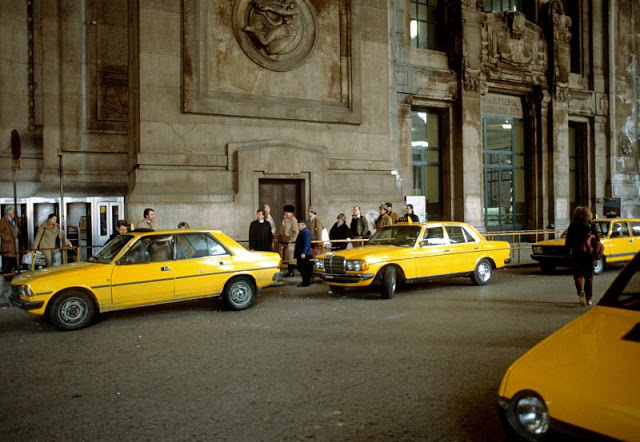
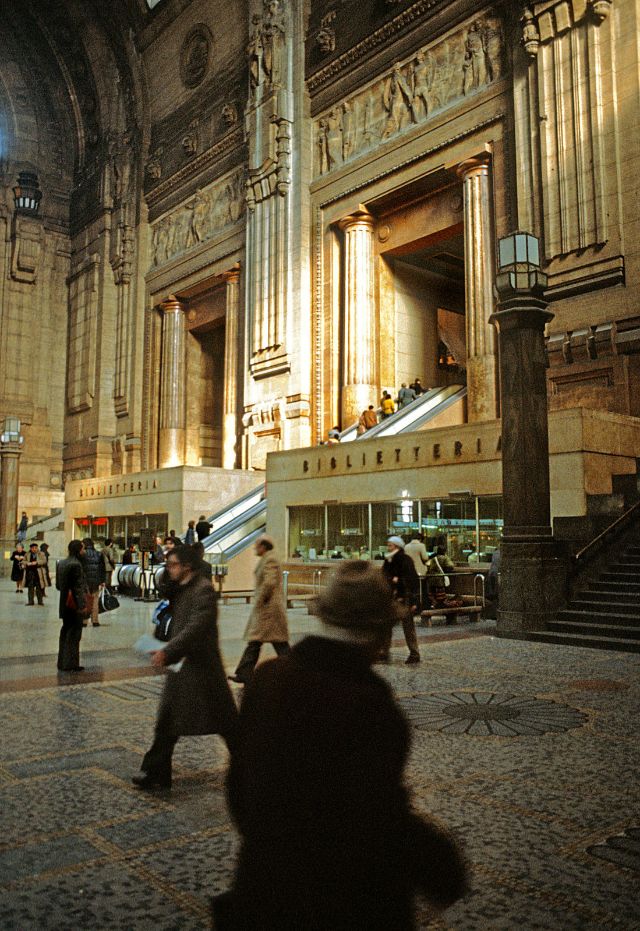
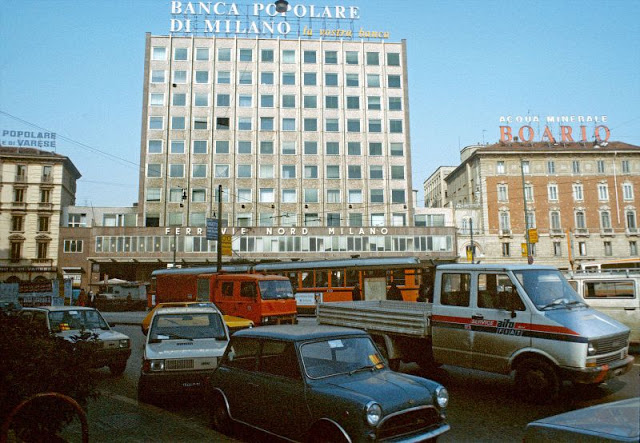
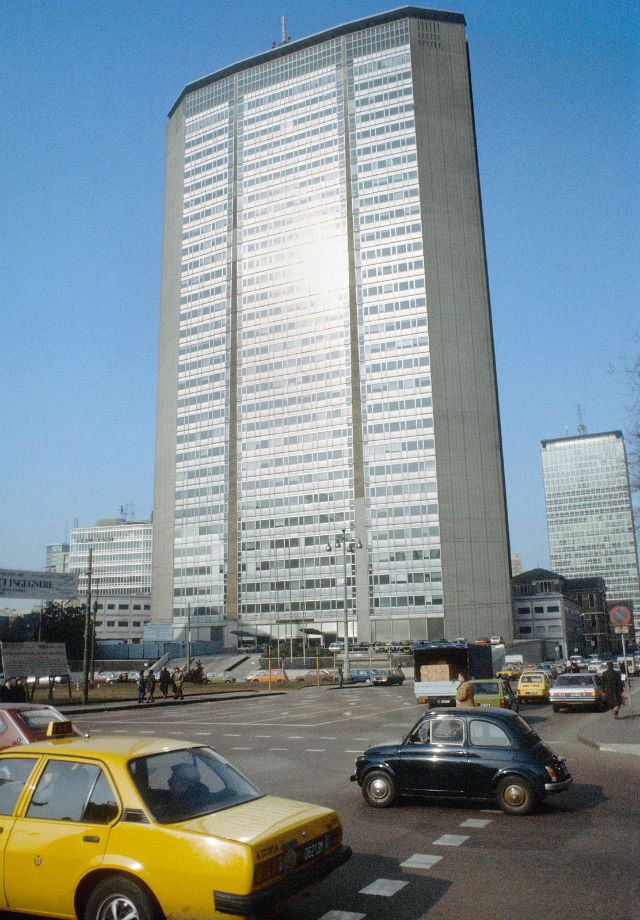
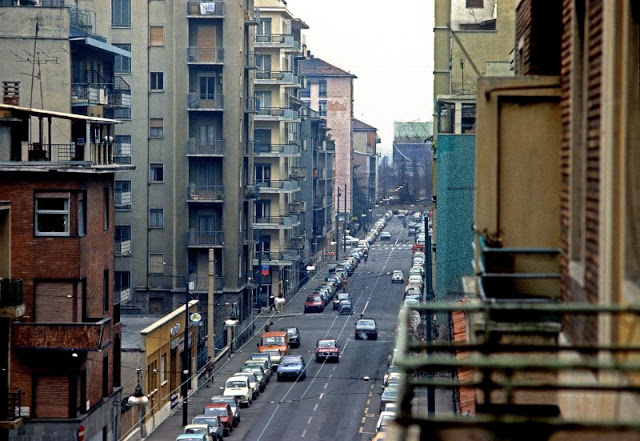
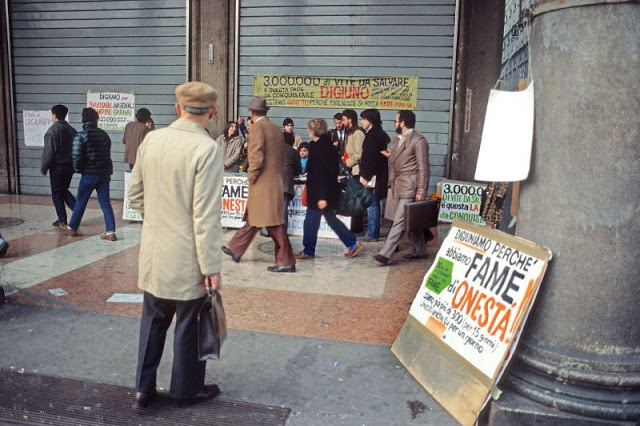
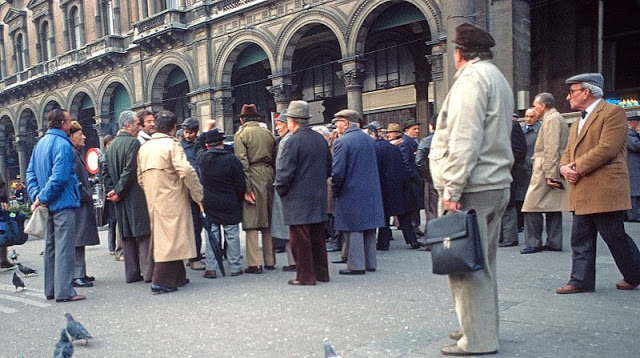
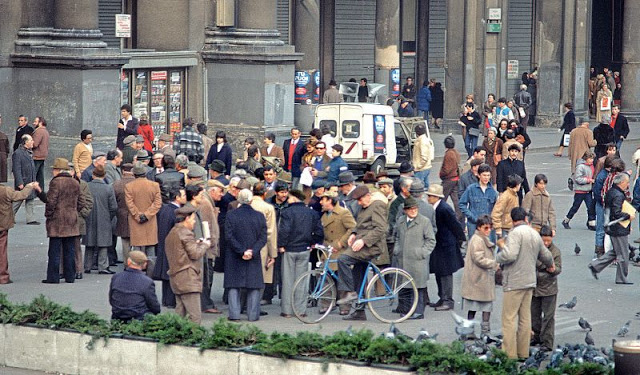
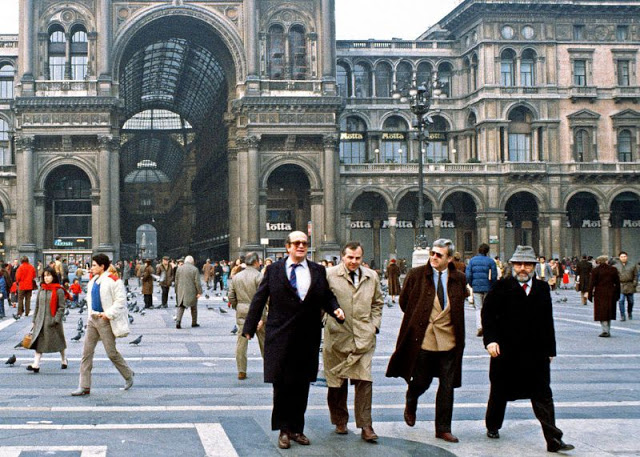
Milan is a city in northern Italy, capital of Lombardy, and the second-most populous city proper in Italy after Rome. The city proper has a population of about 1.4 million, while its metropolitan city has 3.26 million inhabitants. Its continuously built-up urban area, that stretches well beyond the boundaries of the administrative metropolitan city and into Switzerland, is the fourth largest in the EU with 5.27 million inhabitants. According to national sources, the population within the wider Milan metropolitan area (also known as Greater Milan), is estimated between 8.2 million and 12.5 million making it by far the largest metropolitan area in Italy and one of the largest in the EU.
Milan is considered a leading alpha global city, with strengths in the fields of art, commerce, design, education, entertainment, fashion, finance, healthcare, media, services, research and tourism. Its business district hosts Italy’s stock exchange (Italian: Borsa Italiana), and the headquarters of national and international banks and companies. In terms of GDP, Milan is the wealthiest city in Italy, has the third-largest economy among EU cities after Paris and Madrid, and is the wealthiest among EU non-capital cities. Milan is viewed along with Turin as the southernmost part of the Blue Banana urban development corridor (also known as the “European Megalopolis”), and one of the Four Motors for Europe.
The city’s role as a major political centre dates back to the late antiquity, when it served as the capital of the Western Roman Empire, while from the 12th century until the 16th century, Milan was one of the largest European cities, and a major trade and commercial centre, consequently becoming the capital of the Duchy of Milan, which was one of the greatest political, artistic and fashion forces in the Renaissance. Despite losing much of its political and cultural importance in the early modern period, the city regained its status as a major economic and political centre, being considered today as the industrial and financial capital of Italy.
The city has been recognized as one of the world’s four fashion capitals (the others being London, New York, and Paris) thanks to several international events and fairs, including Milan Fashion Week and the Milan Furniture Fair, which are among the world’s biggest in terms of revenue, visitors and growth. It hosted the Universal Exposition in 1906 and 2015. The city hosts numerous cultural institutions, academies and universities, with 11% of the national total of enrolled students. Milan received 10 million visitors in 2018, with the largest numbers of foreign visitors coming from China, United States, France and Germany. The tourists are attracted by Milan’s museums and art galleries that include some of the most important collections in the world, including major works by Leonardo da Vinci. The city is served by many luxury hotels and is the fifth-most starred in the world by Michelin Guide. Milan is also home to two of Europe’s most successful football teams, A.C. Milan and Inter Milan, and one of Europe’s main basketball teams, Olimpia Milano. Milan will host the Olympic and Paralympic games for the first time in 2026, together with Cortina d’Ampezzo. (Wikipedia)
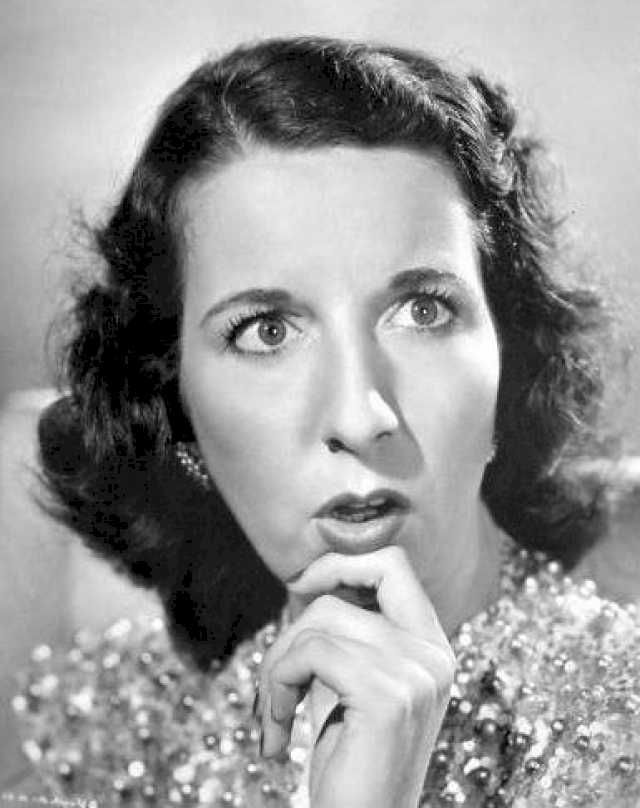
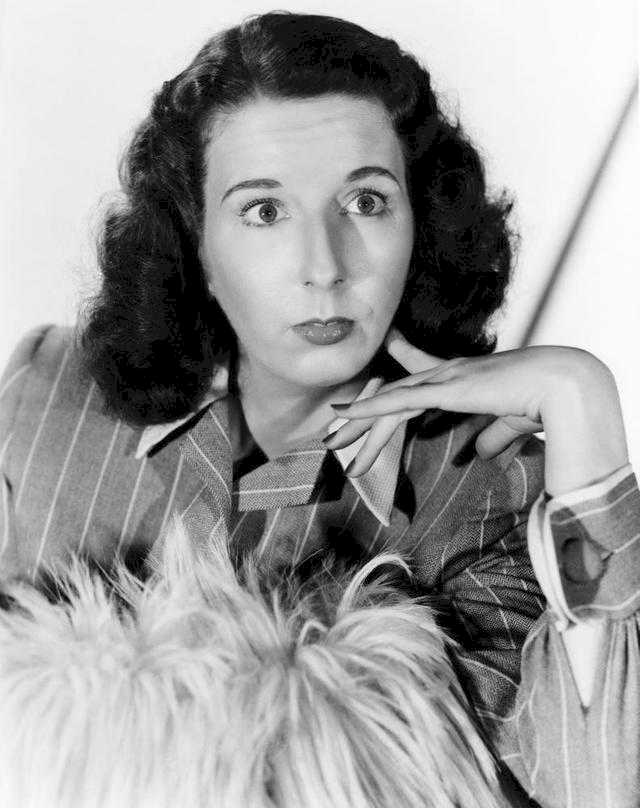
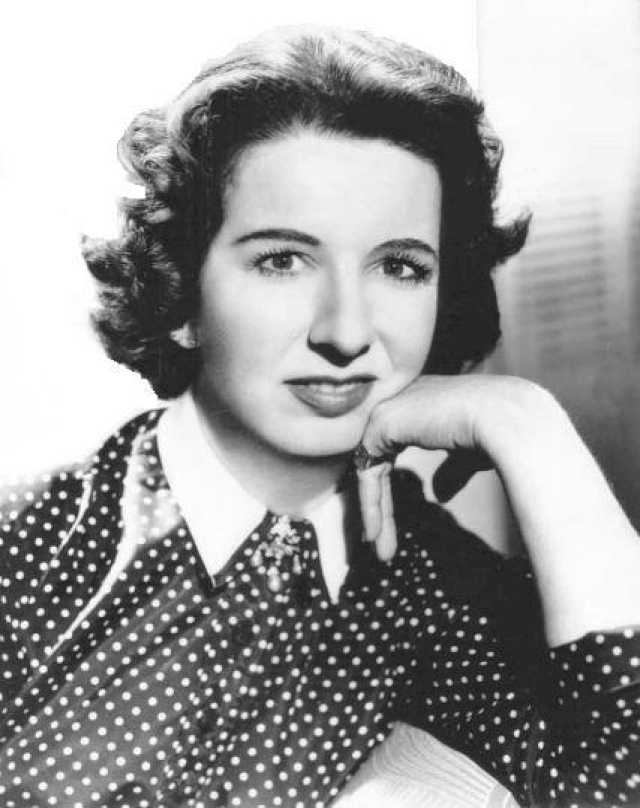
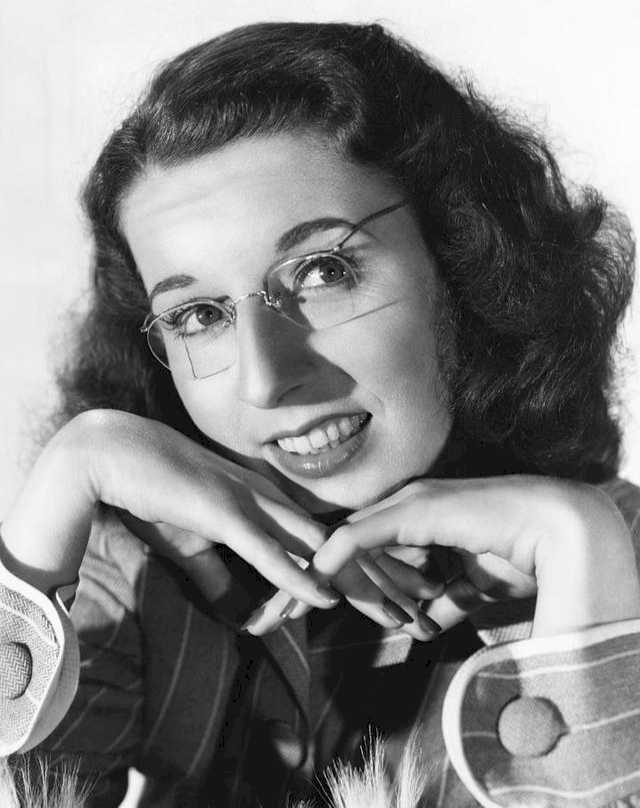
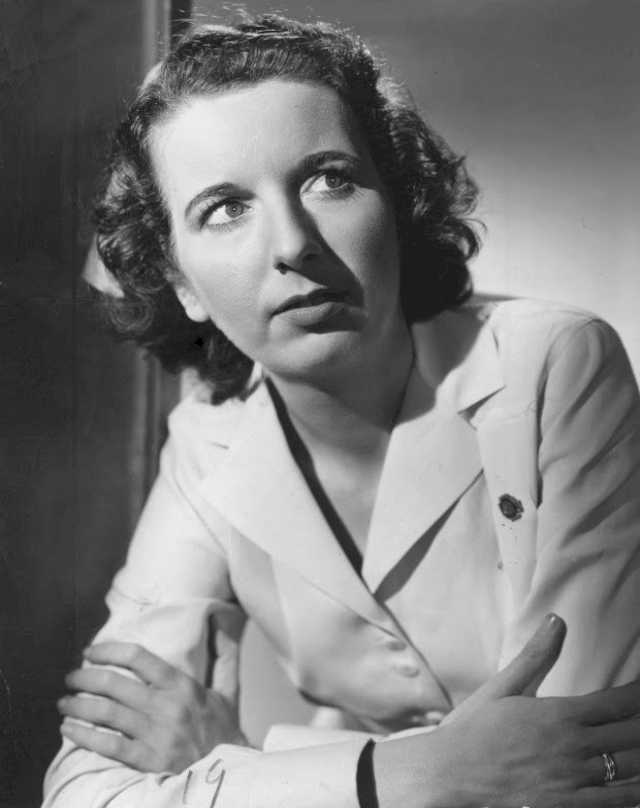
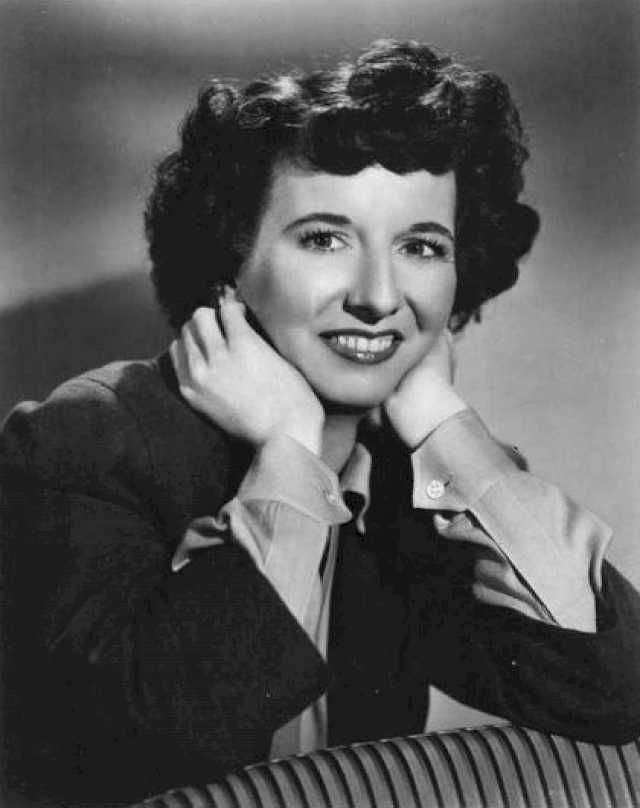
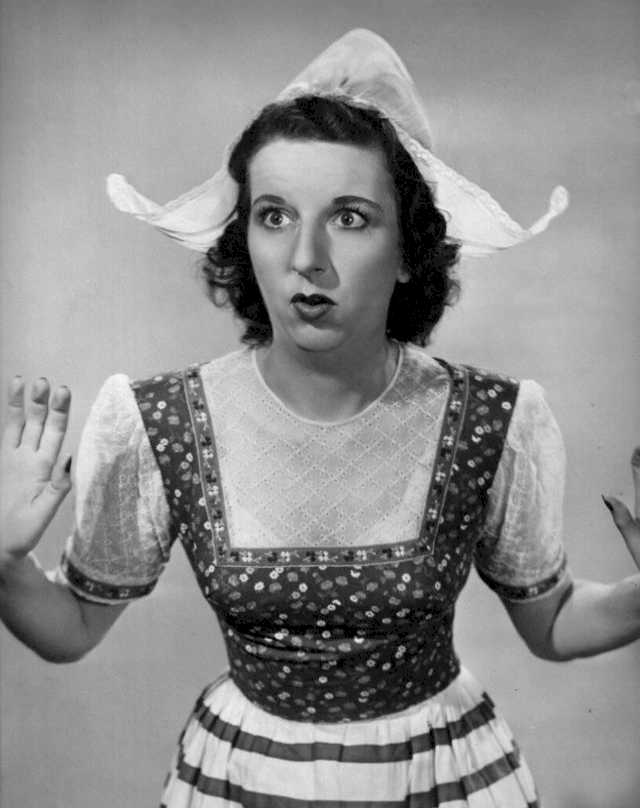
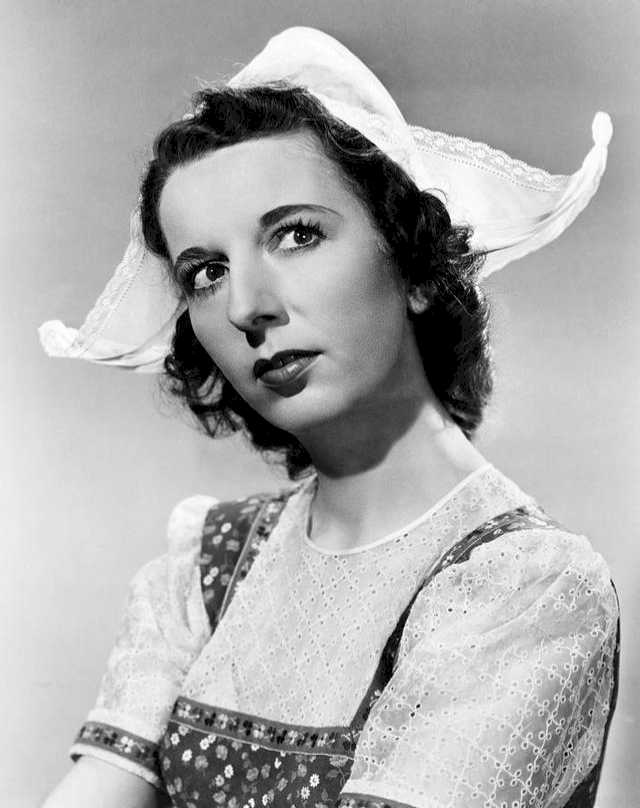
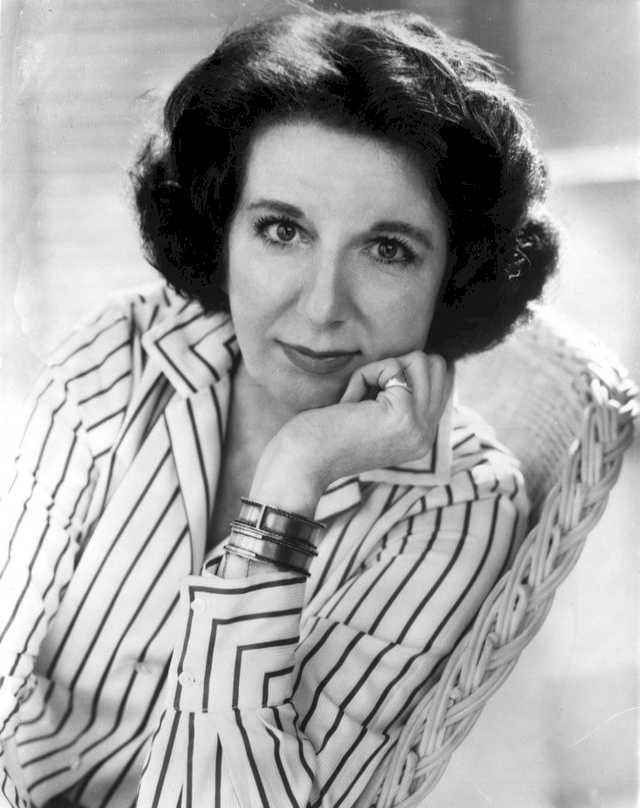
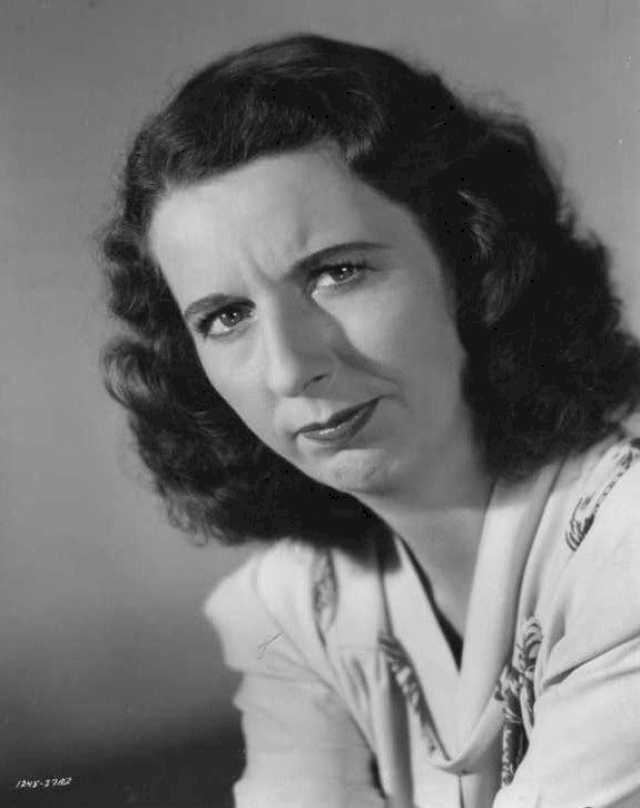
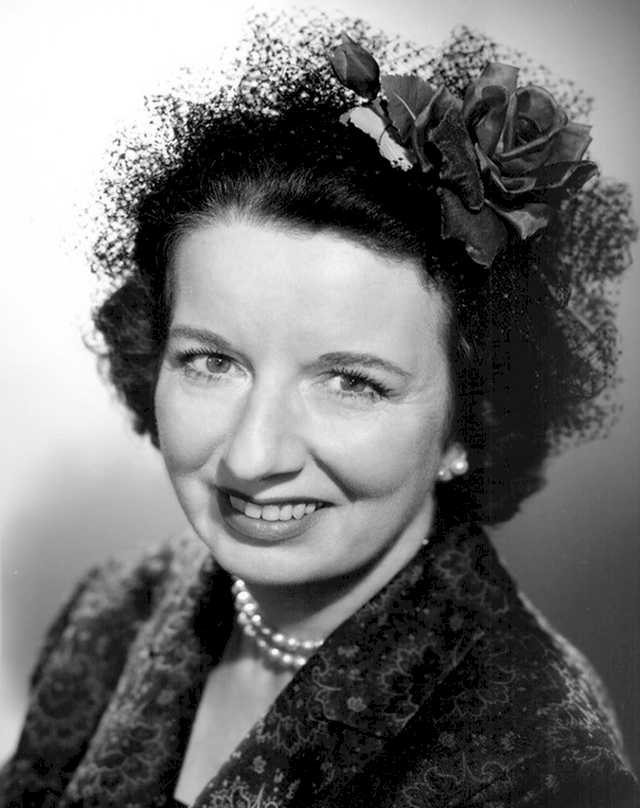
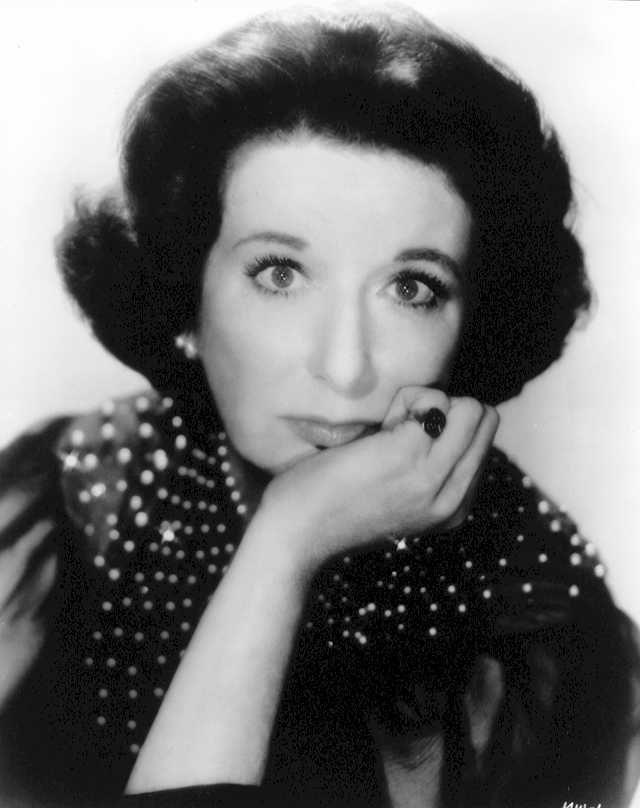
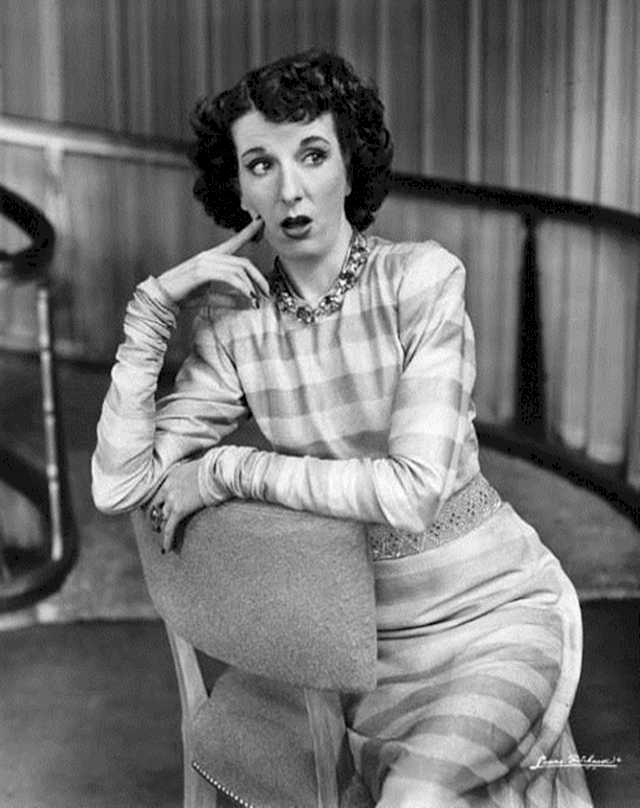
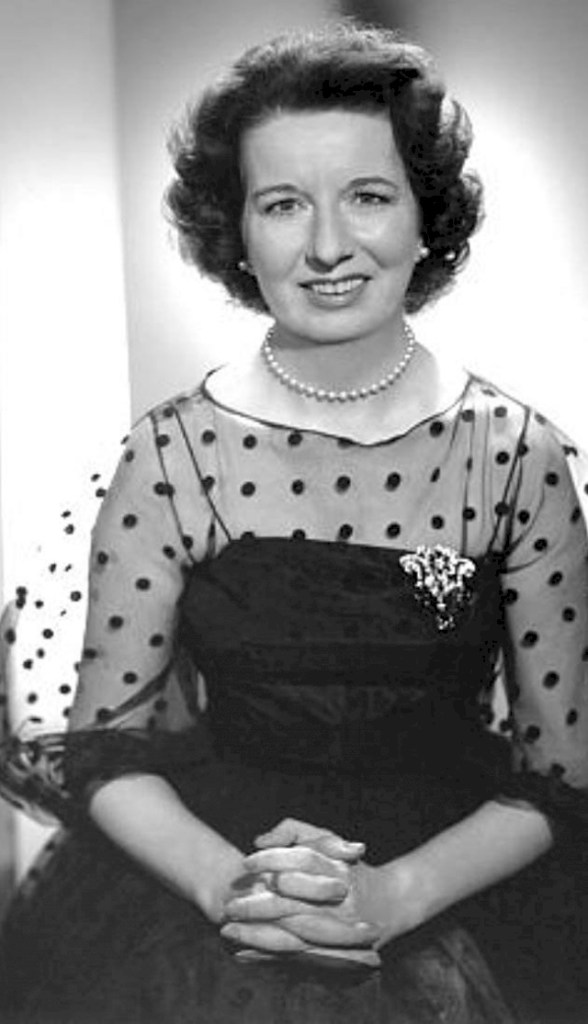
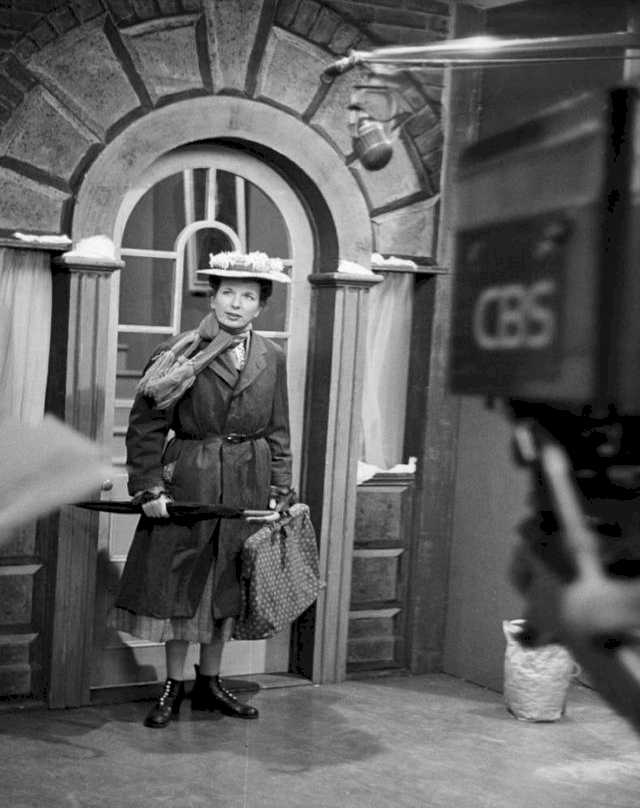
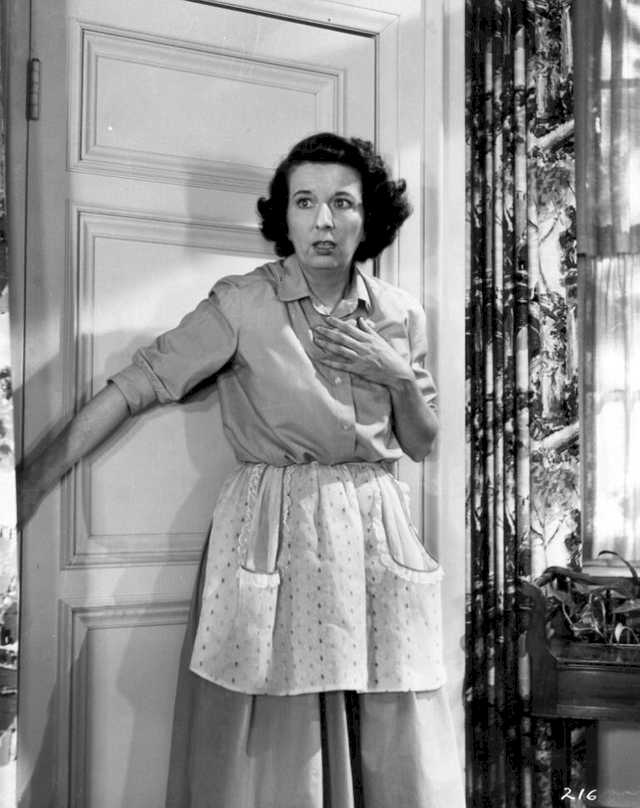
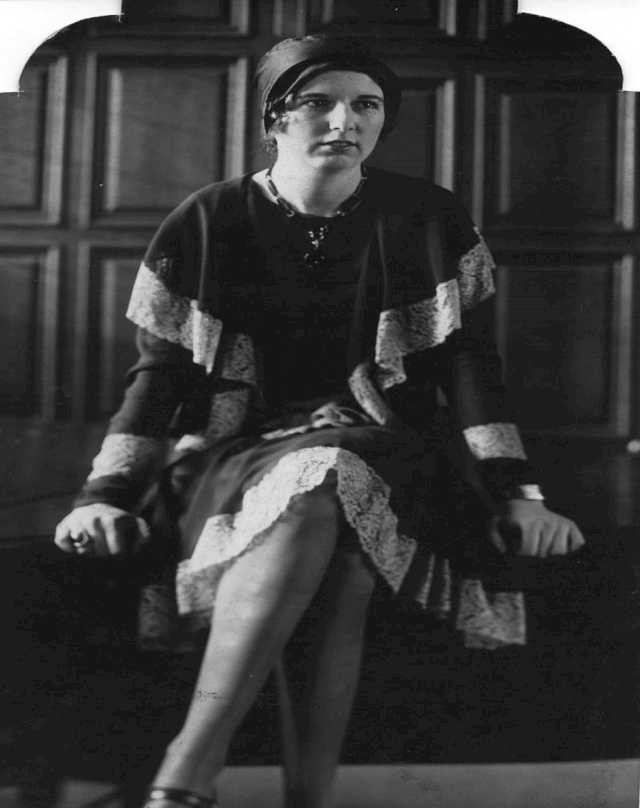
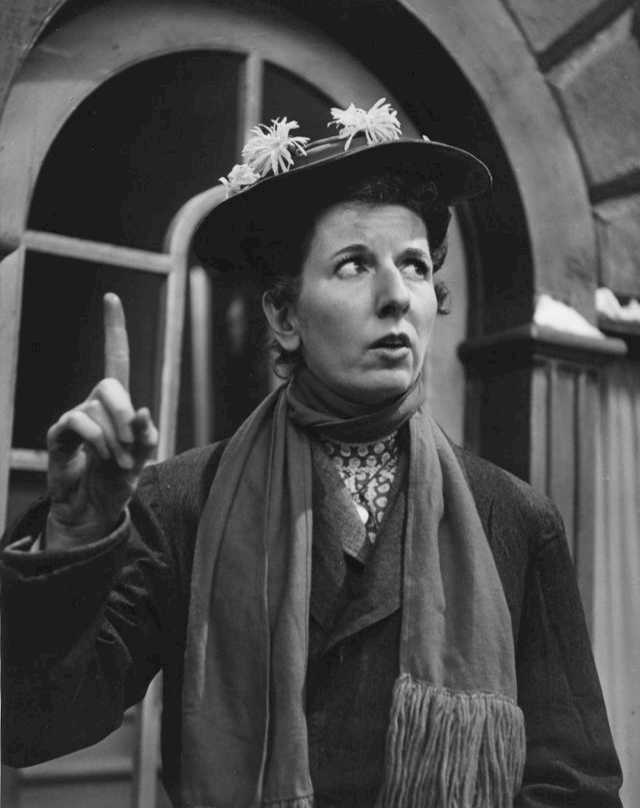
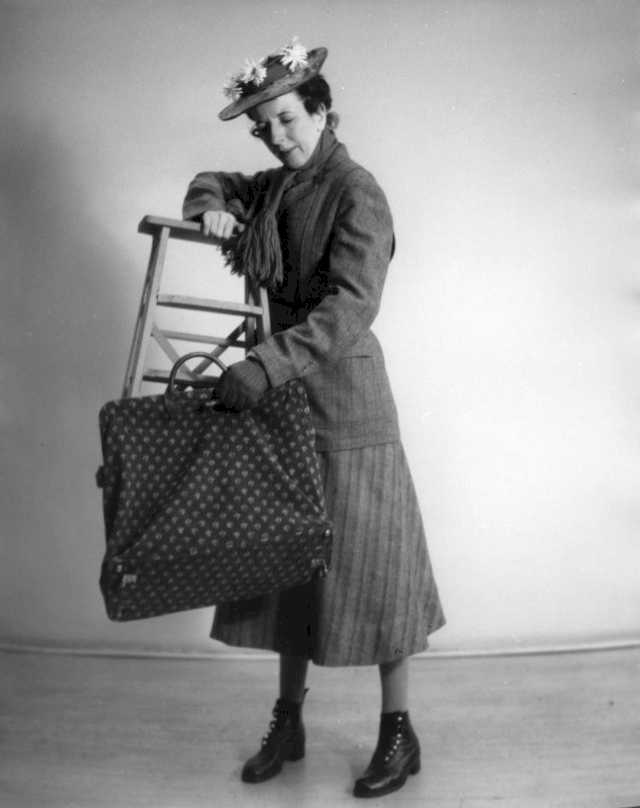
Mary Wickes was born Mary Isabella Wickenhauser in St. Louis, Missouri on June 13, 1910. She received her Bachelor of Arts degree from Washington University in St. Louis in 1930. She received the Distinguished Alumni Citation from Washington University in 1955. Later she was awarded an Honorary Doctor of Arts Degree from Washington University in 1969.
A tall, lanky character actress, Wickes was a durable and invaluable comedy player of innumerable housekeepers, nurses and nuns. With her gawky frame, deliciously angular features and famous recessed chin, she wisecracked, busybodied and nosed her way through almost 20 Broadway plays, hundreds of stock productions, ten TV series, countless small-screen guest spots and nearly 50 feature films.
Wickes began on stage in the early 1930s and acted in five plays either written or directed by George S. Kaufman. Her breakthrough came when she hilariously played Miss Preen, the endlessly harassed nurse to the vituperative Sheridan Whiteside (Monty Woolley) in Kaufman and Hart’s The Man Who Came to Dinner (1939–40). Wickes later recreated her most famous role as her film debut in 1941, in a radio production starring Fred Allen and in a 1972 TV version with Orson Welles.
Wickes never got married and she never had any children. She put all her money and estate in the establishment of ‘The Isabella and Frank Wickenhauser Memorial Library Fund for Television, Film and Theatre Arts’ at Washington University in St. Louis.
During the last years of her life, Mary suffered from several ailments and health issues. She had a kidney failure, low blood pressure, anaemia, respiratory problems, an unknown stage of breast cancer, gastrointestinal bleeding etc. While in the hospital, Mary also suffered from a broken hip due to an accidental fall.
On October 22, 1995, Wickens took her last breath. She was 85 years old. Mary Wickens rests peacefully at the Shilloh Valley Cemetery in Shilloh, Illinois. She was interred beside her parents.





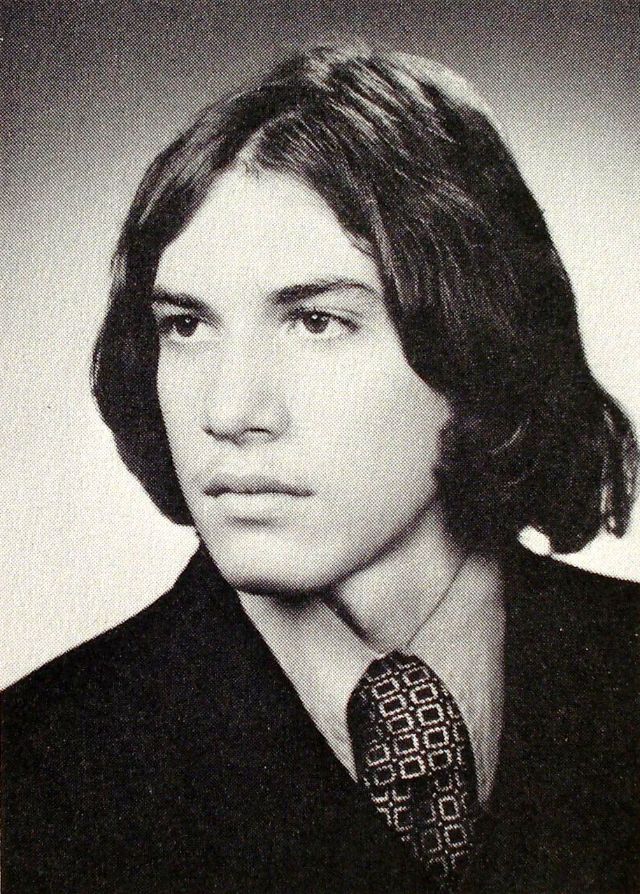
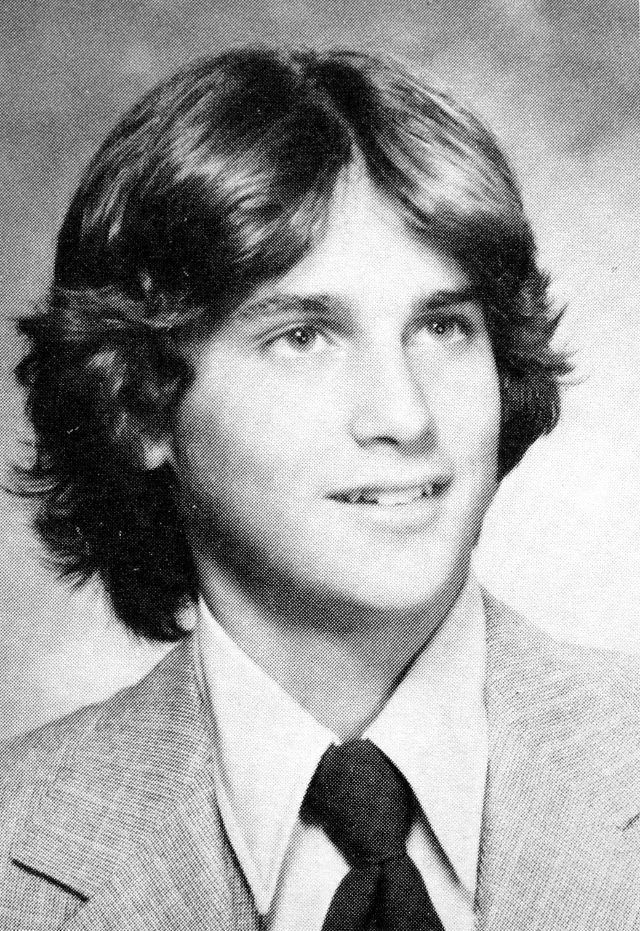
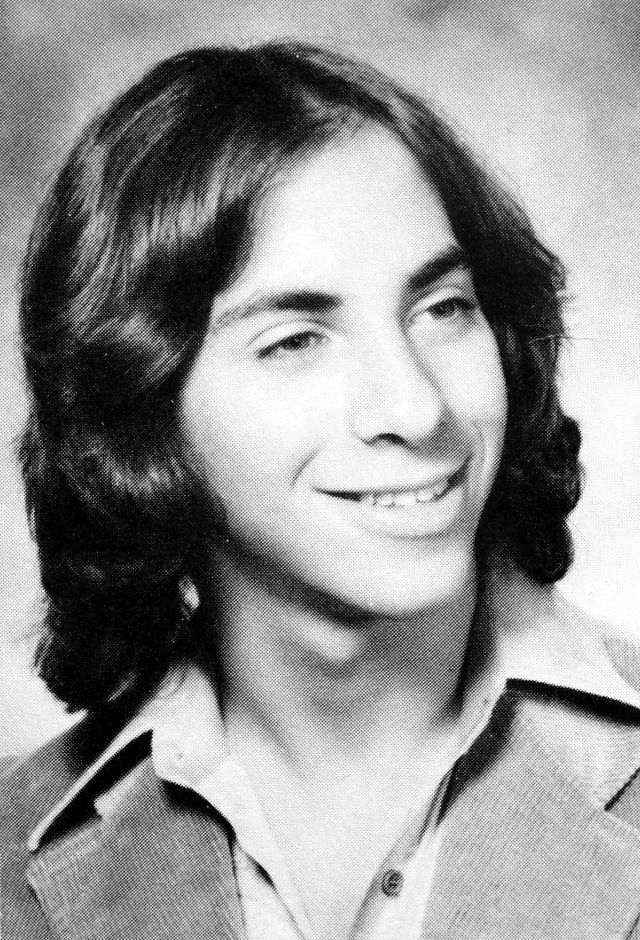
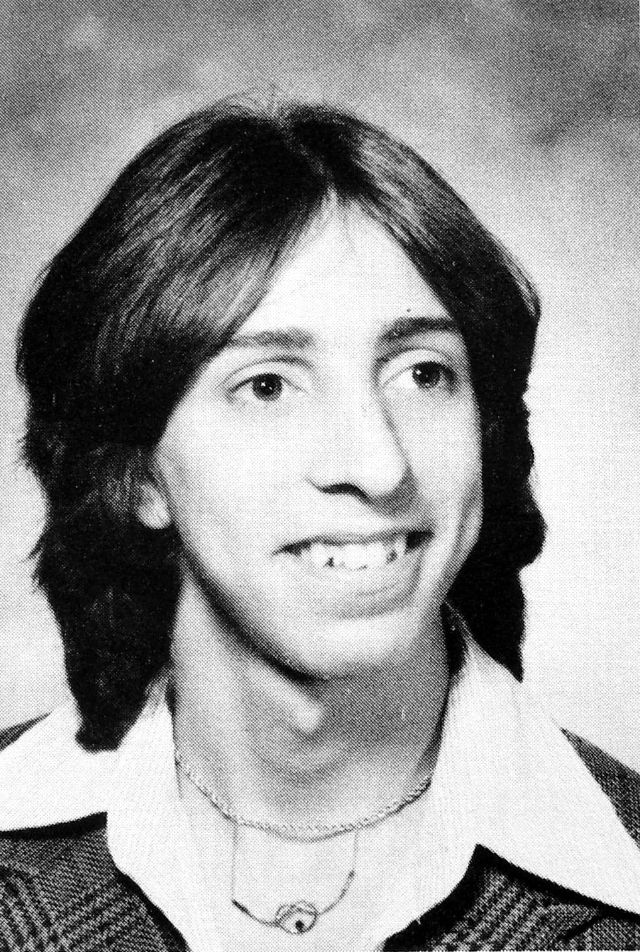
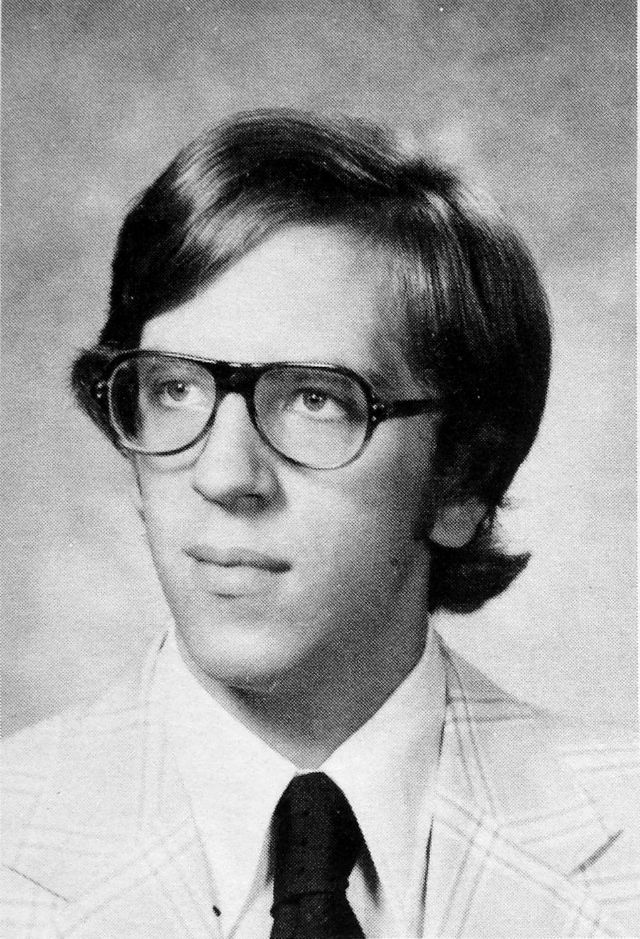
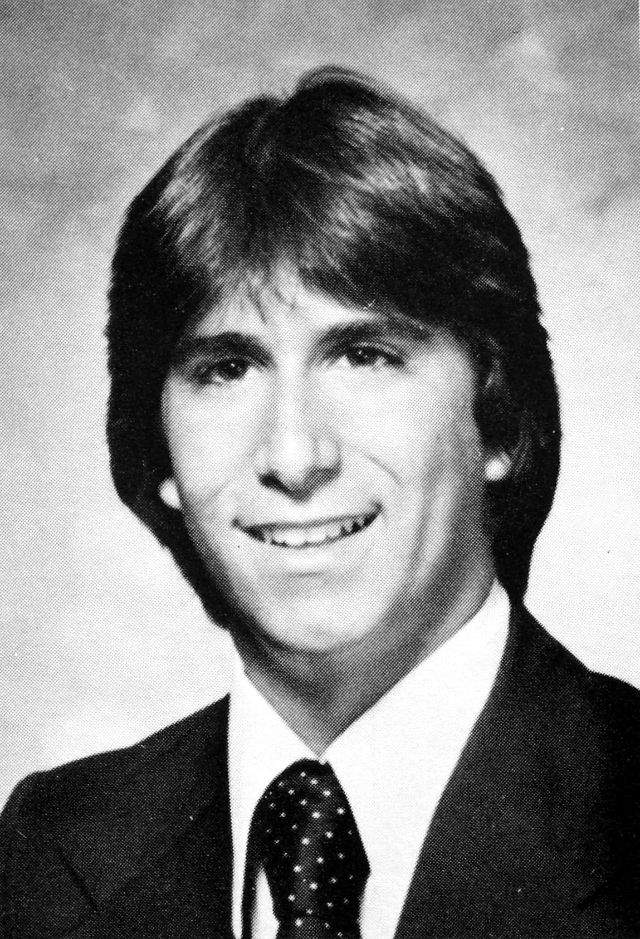
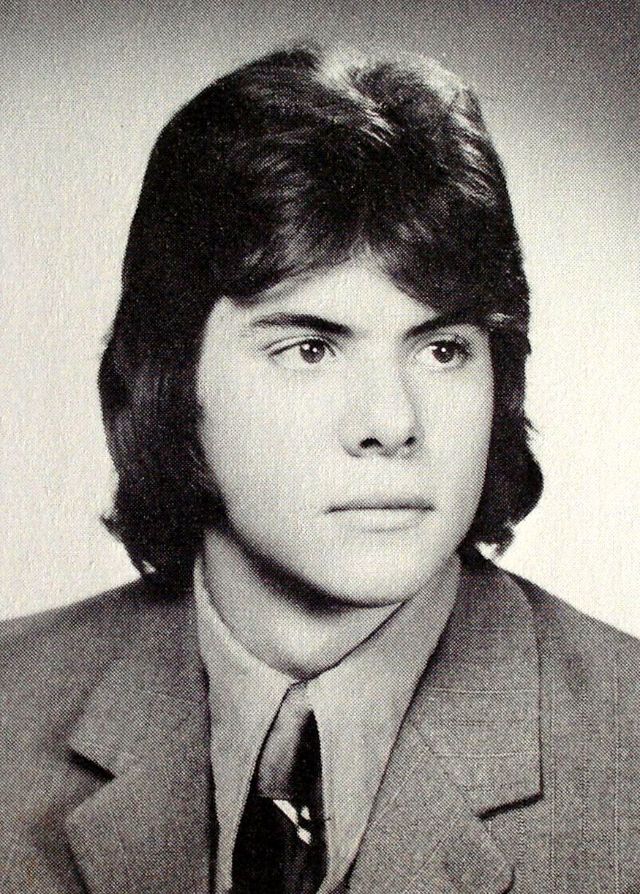
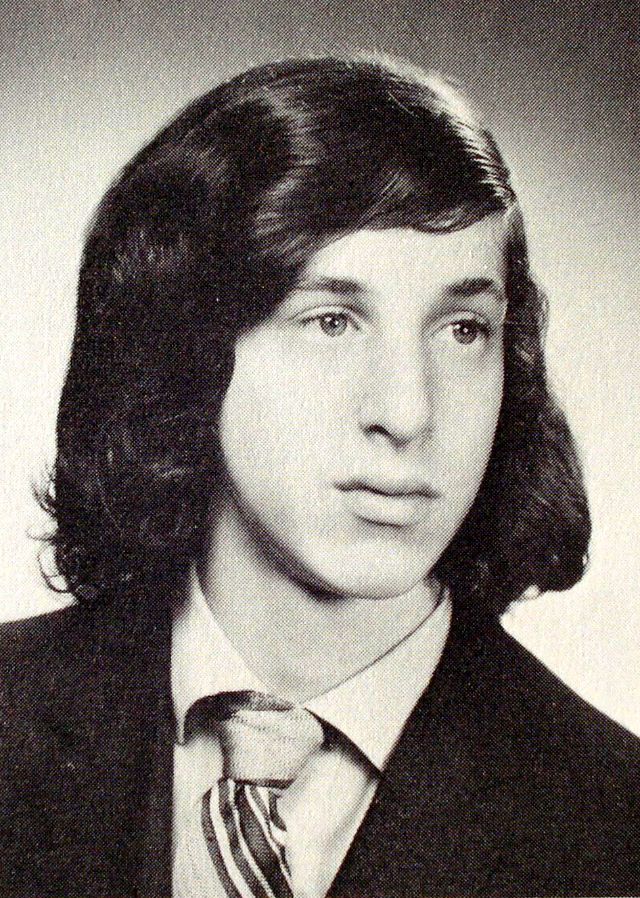
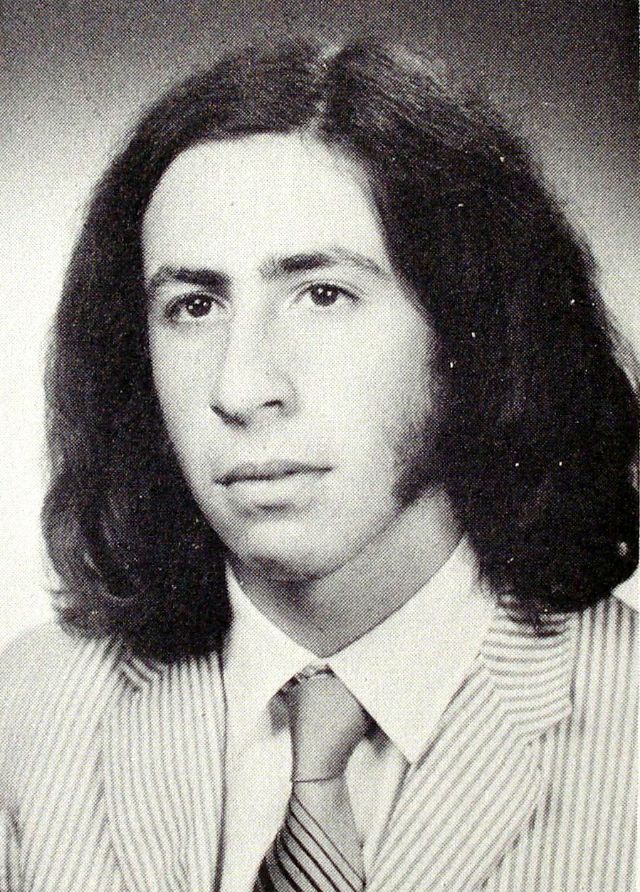
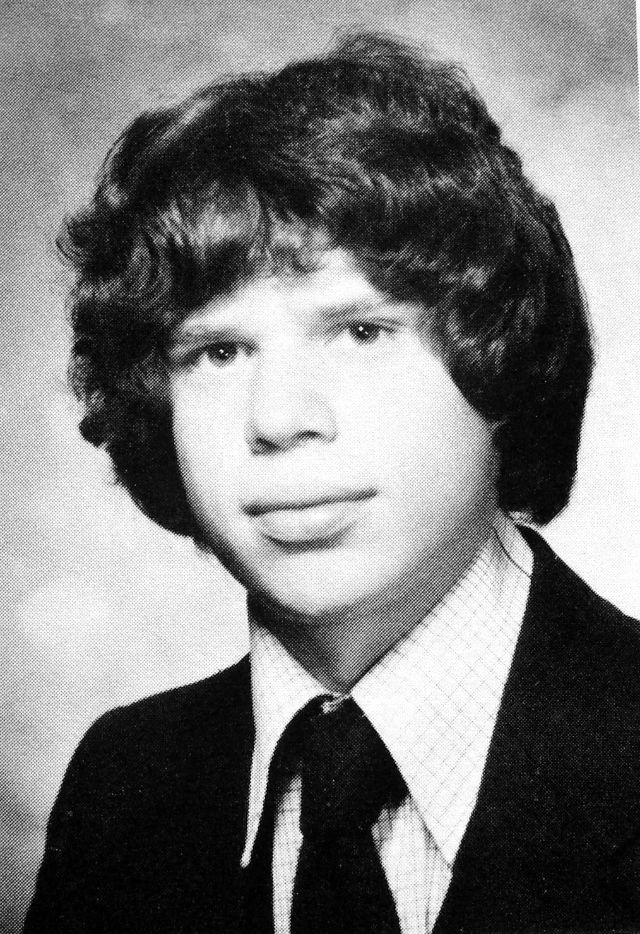
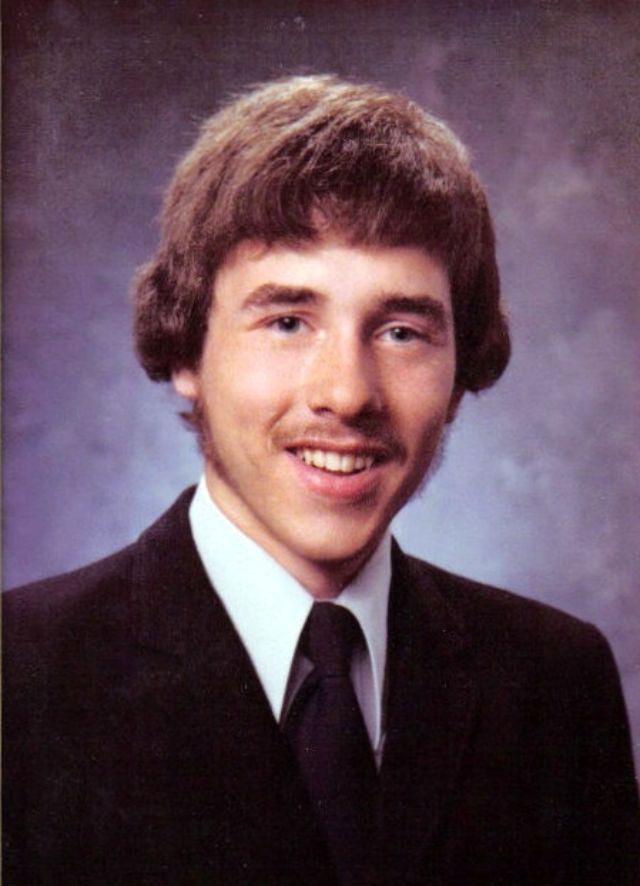
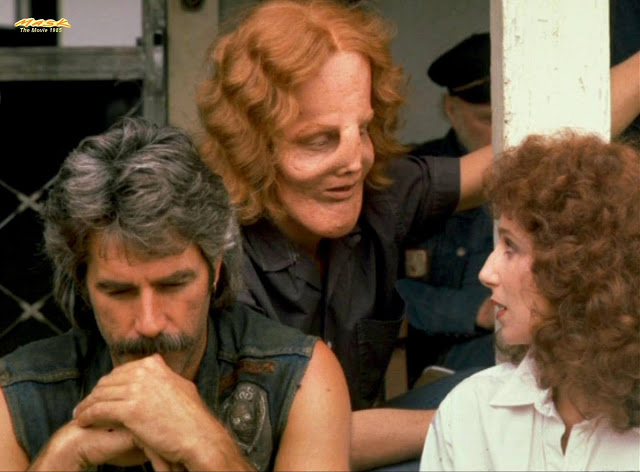
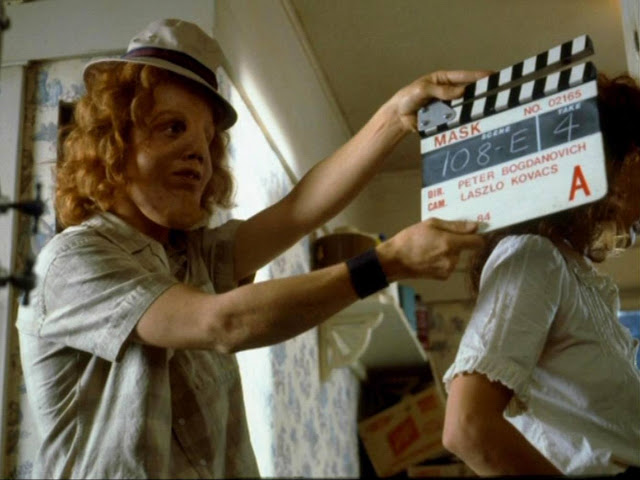
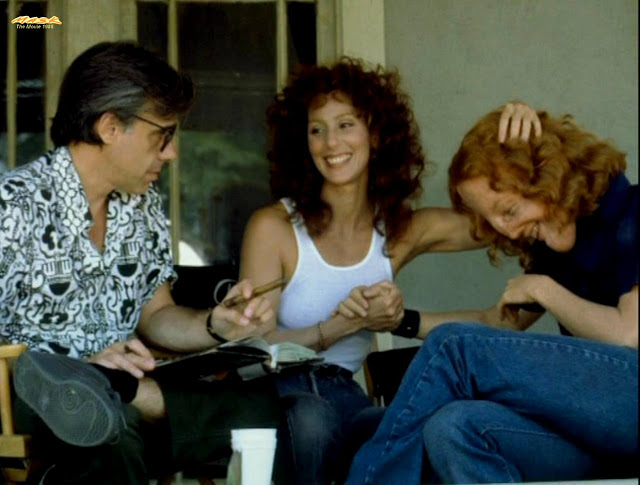
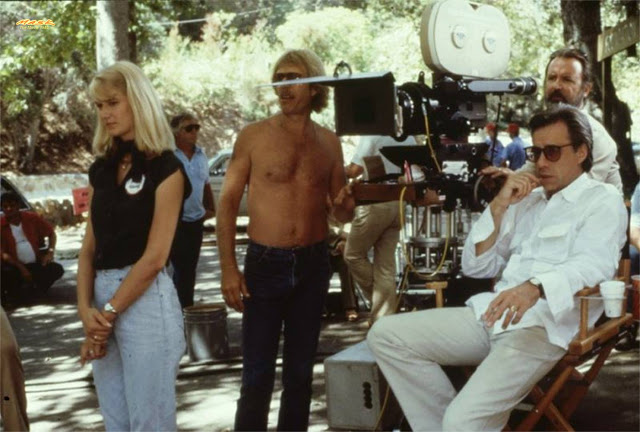
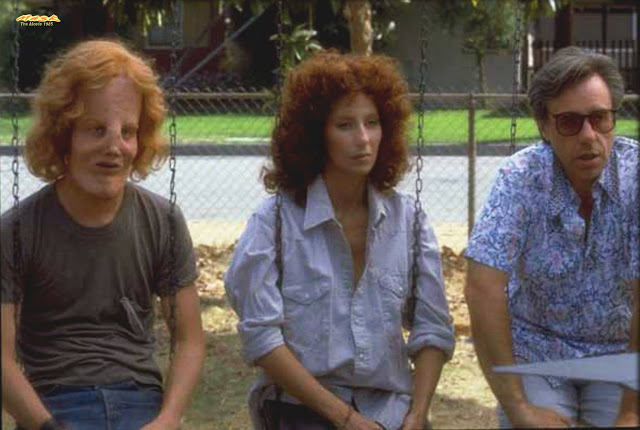
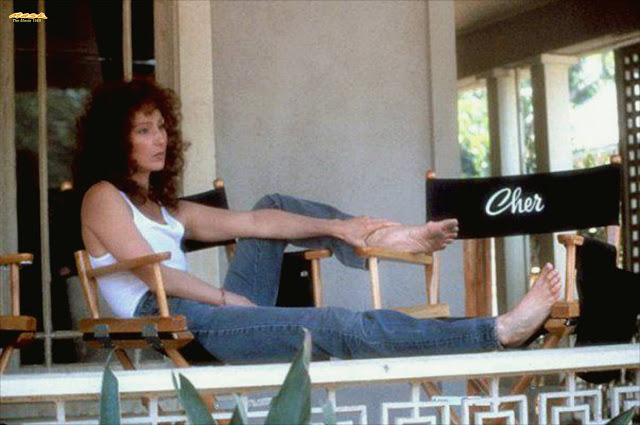
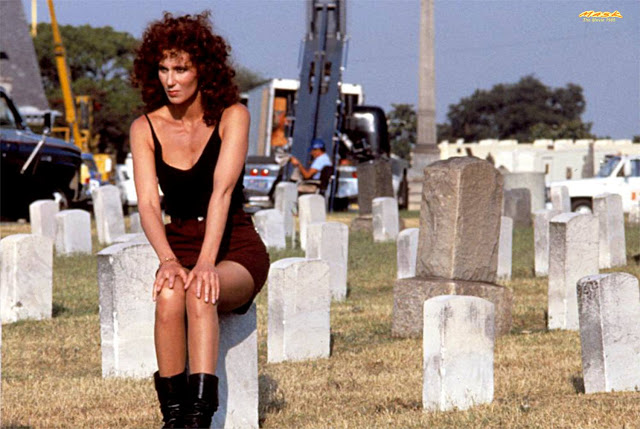
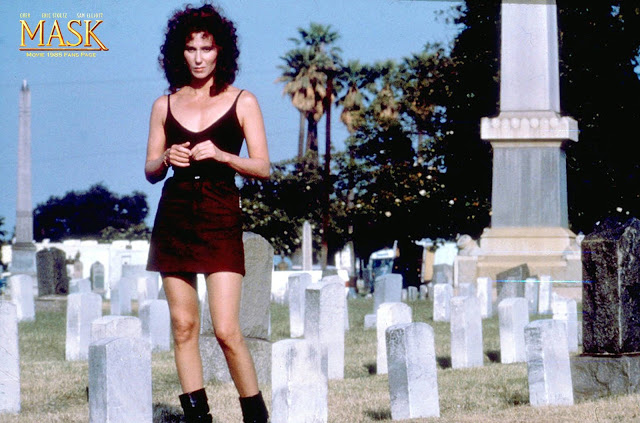
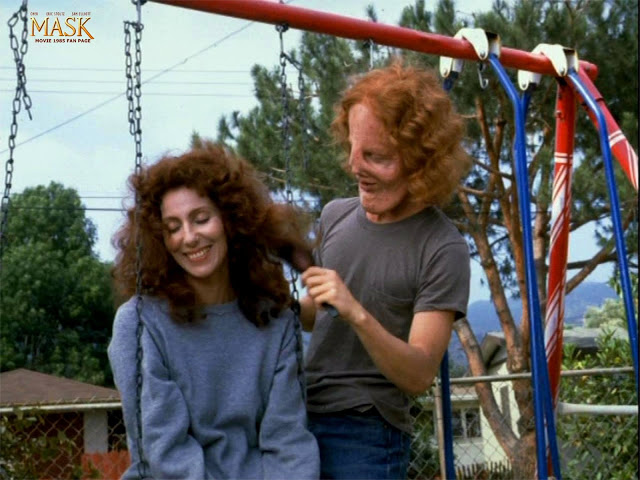
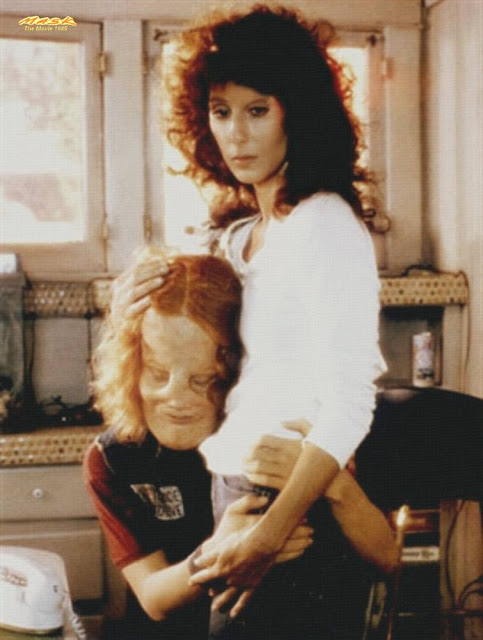
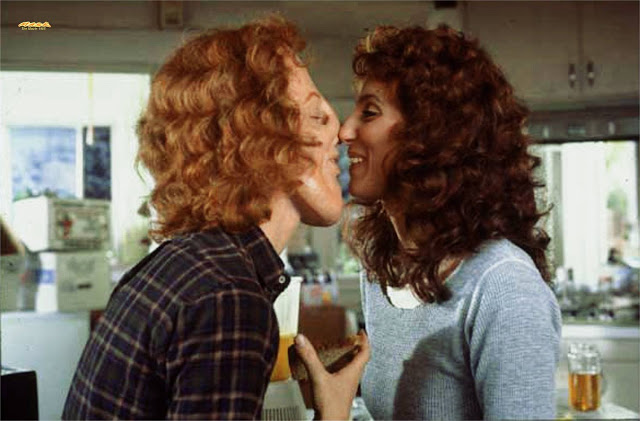
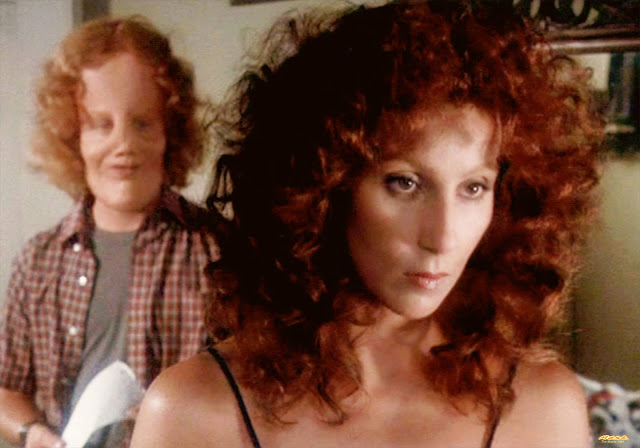
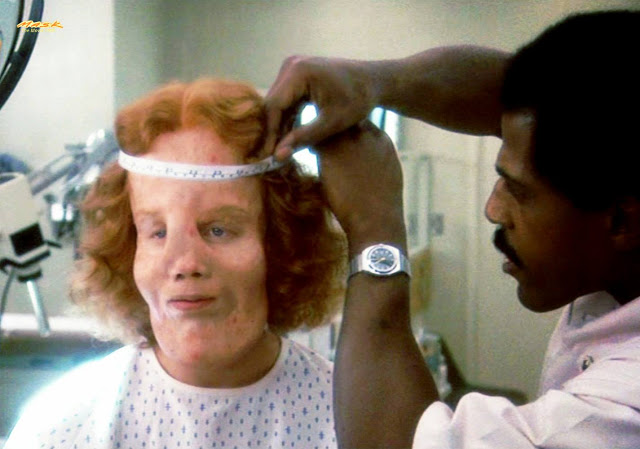
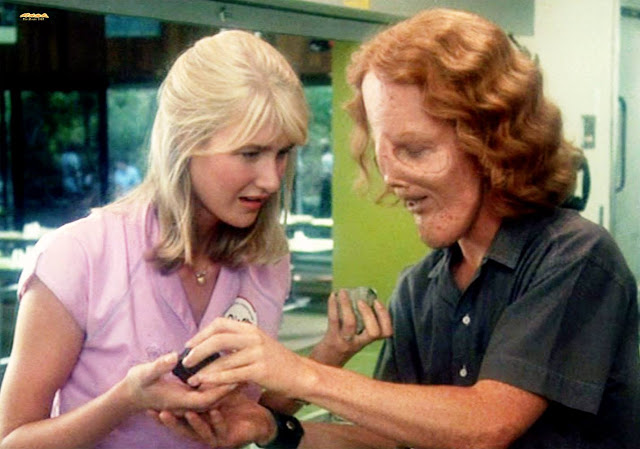
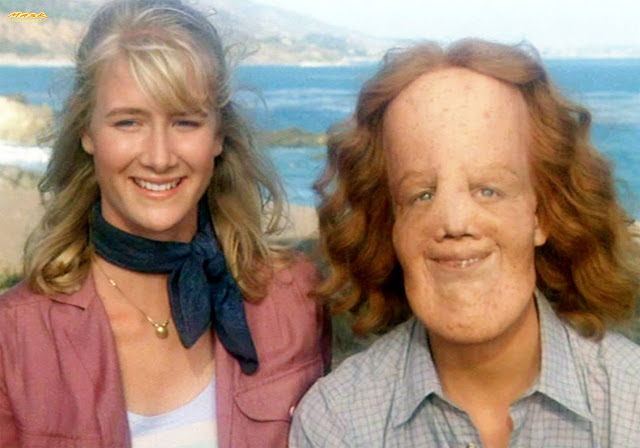
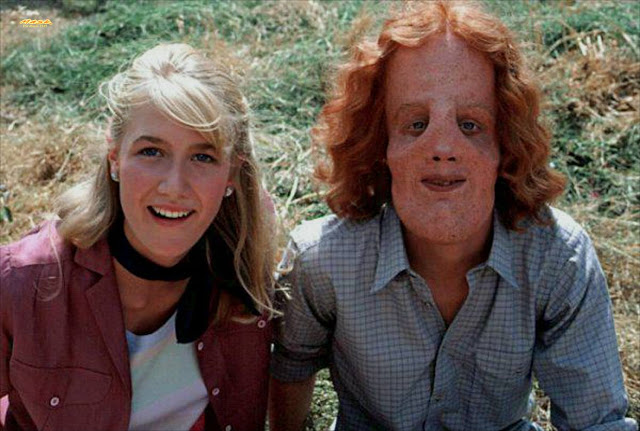
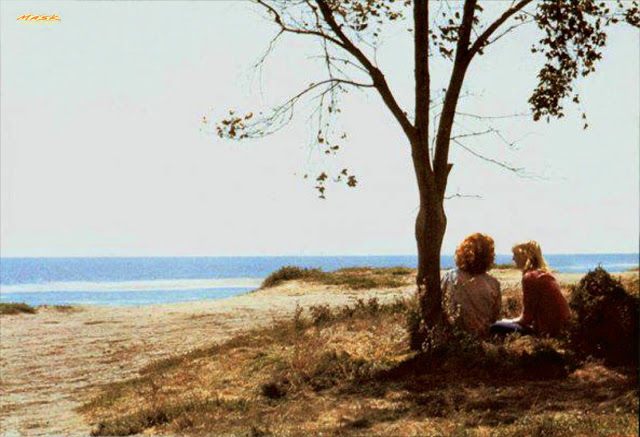
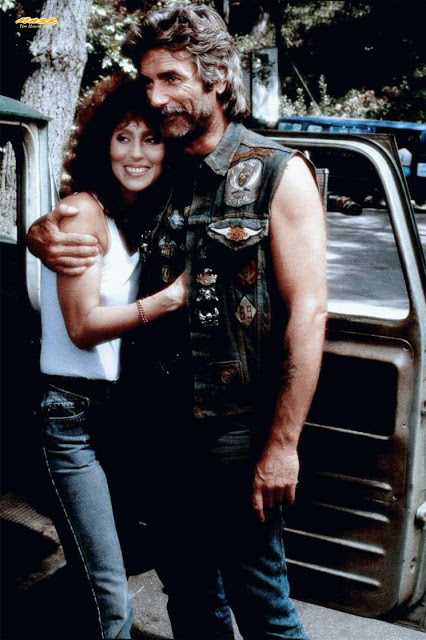
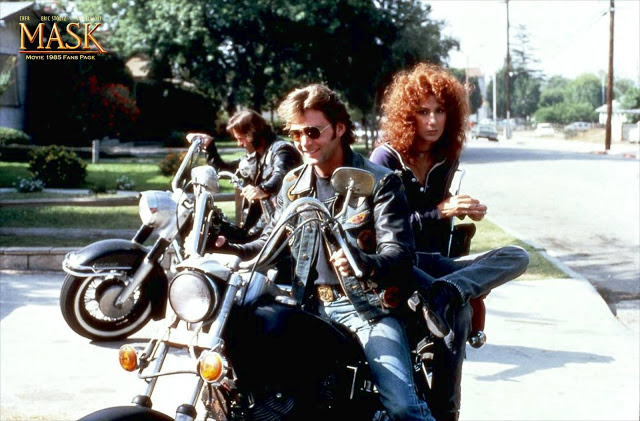
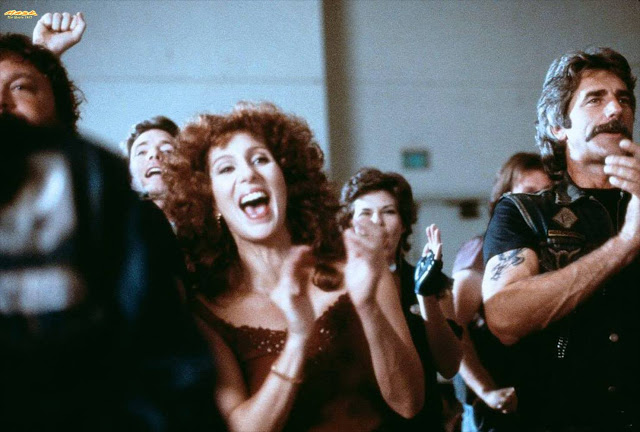
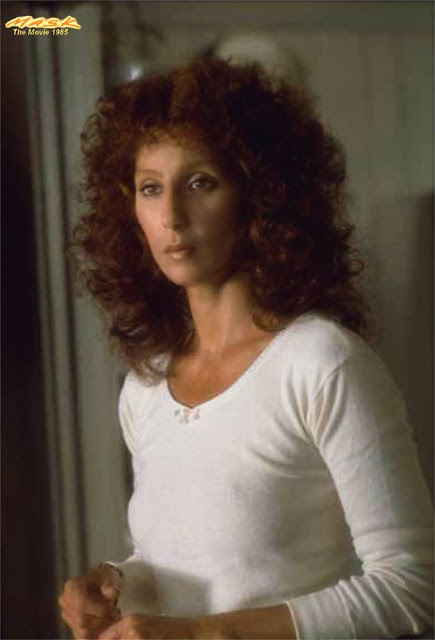
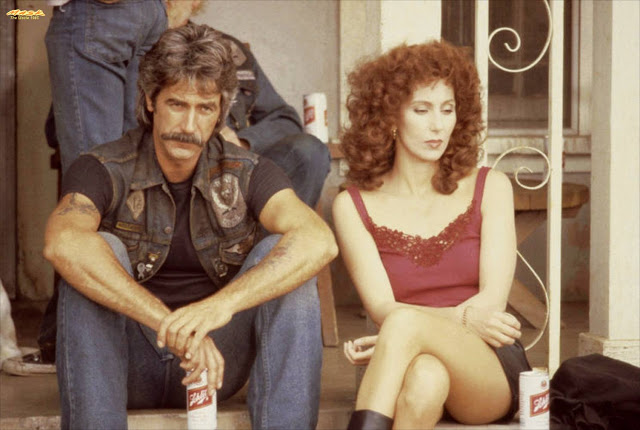
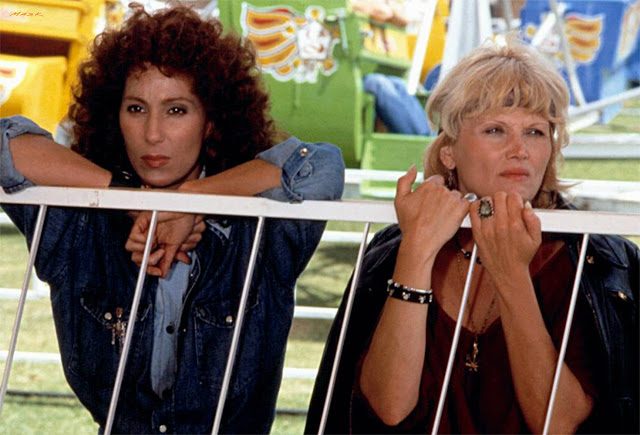
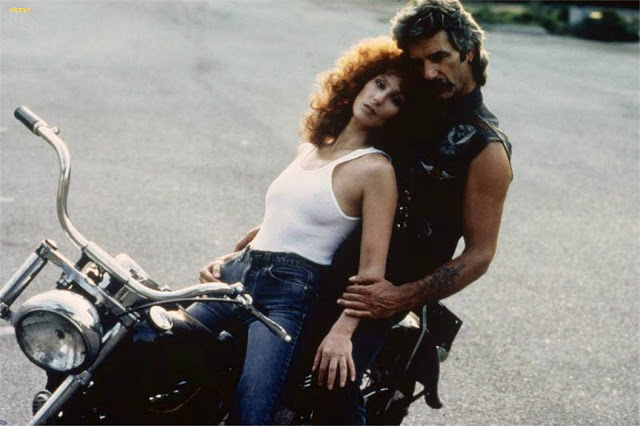
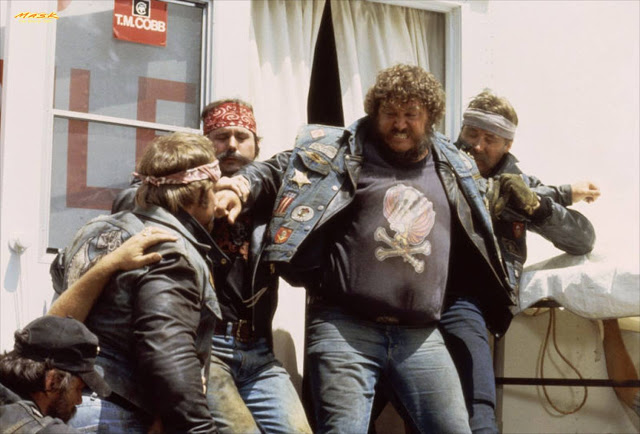
Movies don’t often grab us as quickly as Mask does. Mask is a 1985 American biographical drama film directed by Peter Bogdanovich, starring Cher, Sam Elliott, and Eric Stoltz with supporting roles played by Dennis Burkley, Laura Dern, Estelle Getty, and Richard Dysart.
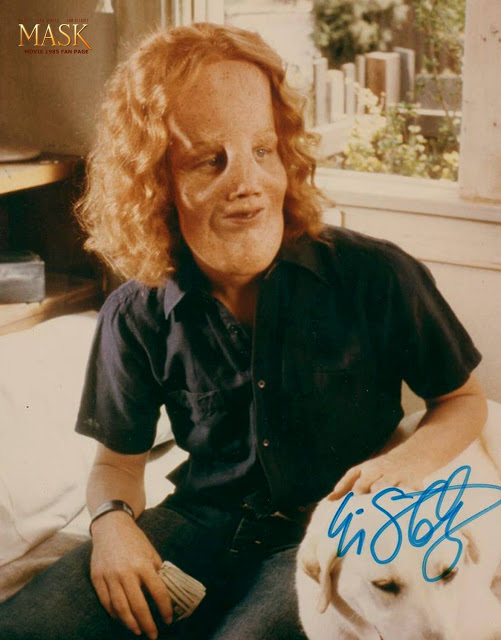
The film is based on the life and early death of Roy L. “Rocky” Dennis, a boy who had craniodiaphyseal dysplasia, an extremely rare disorder known commonly as lionitis due to the disfiguring cranial enlargements that it causes.
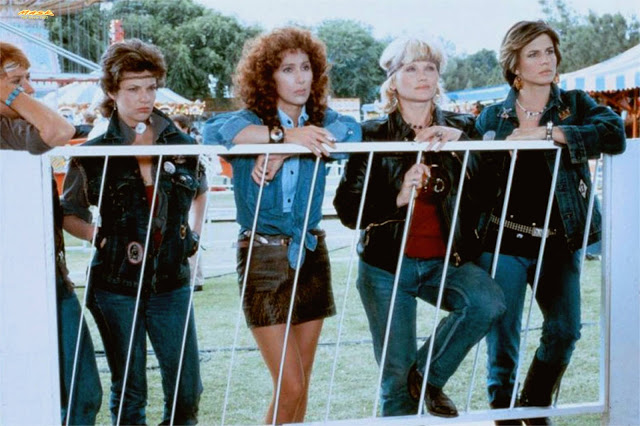
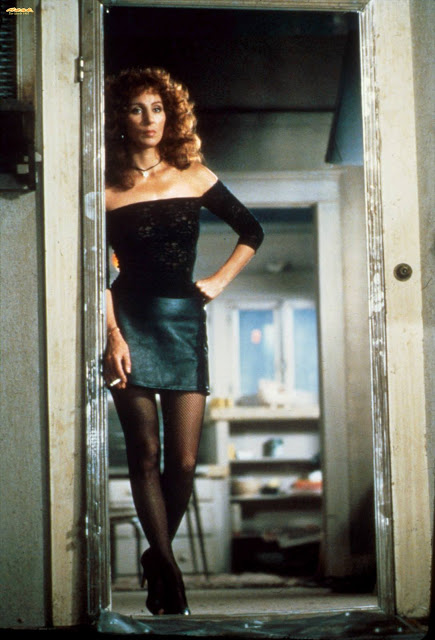
And the most extraordinary person in the movie, surprisingly, is not Rocky, but his mother, Rusty. She is not your normal mom, either. She rides with a motorcycle gang, abuses drugs, shacks up with gang members, and has no visible means of employment. But within about, 10 minutes, we know that she is the ideal mom for Rocky.
Rusty Dennis is played by Cher as a complicated, angry, high-energy woman with a great capacity to love her son and encourage him to live as fully as he can. Rocky is a great kid, but because he succeeds so well at being a teenager, he is not a special case like, say, the Elephant Man. He is a kid with a handicap. It is a tribute to Eric Stoltz, who plays the role beneath the completely convincing makeup of Michael Westmore, that we accept him on his own terms.
Cher received the 1985 Cannes Film Festival award for Best Actress. Mask won the Academy Award for Best Makeup while Cher and Stoltz received Golden Globe Award nominations for their performances.






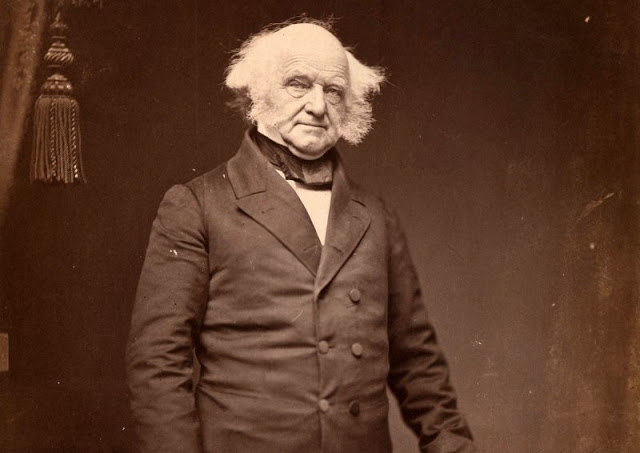
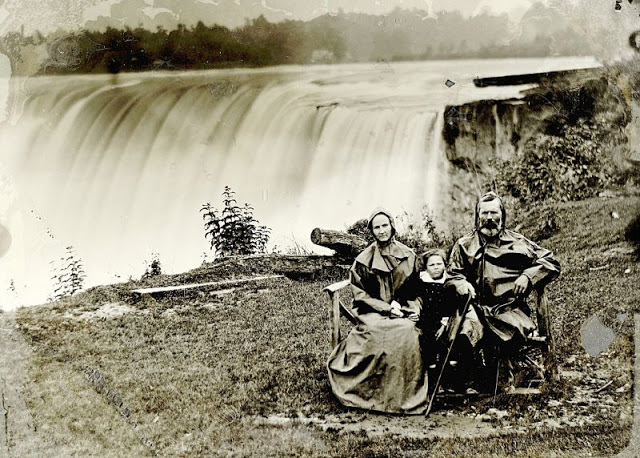
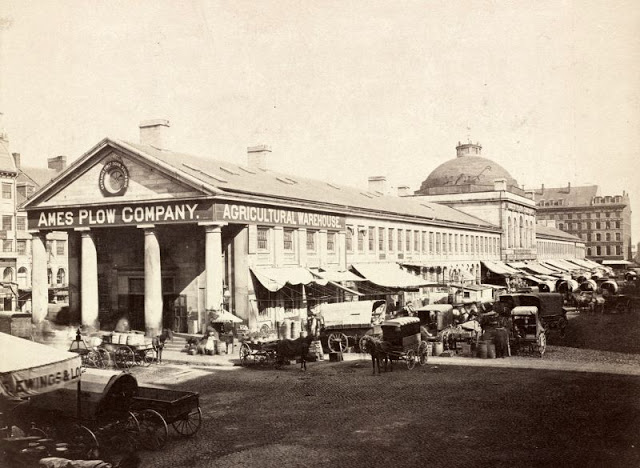
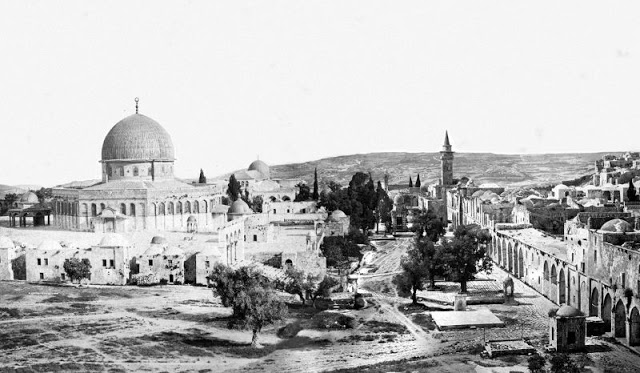
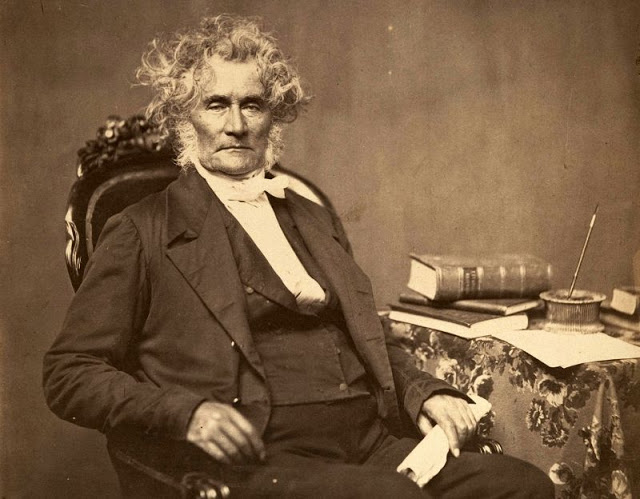
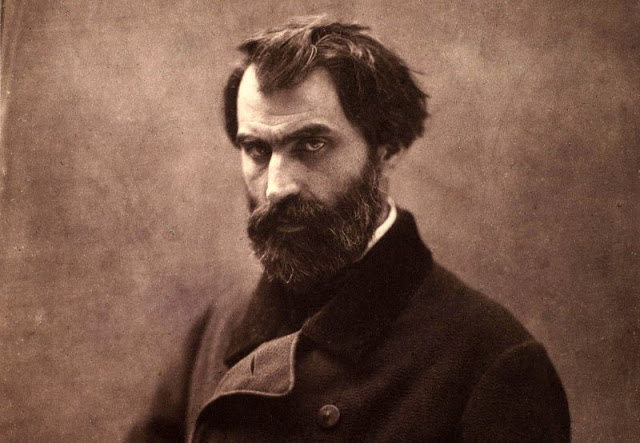
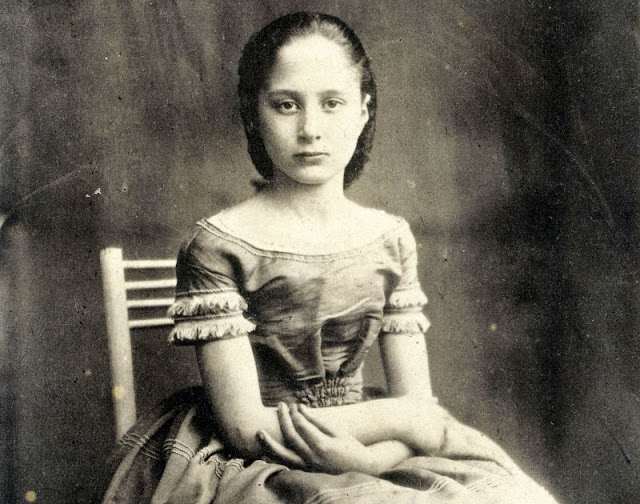
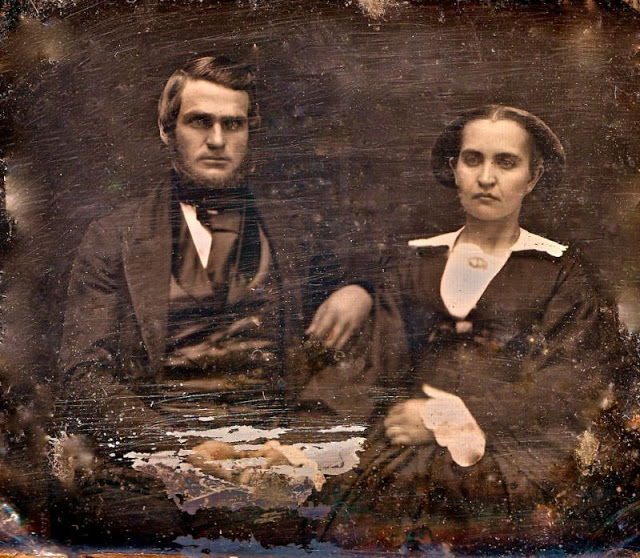


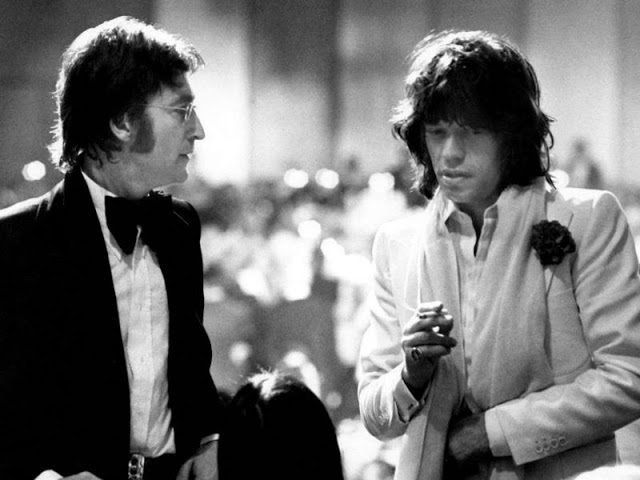
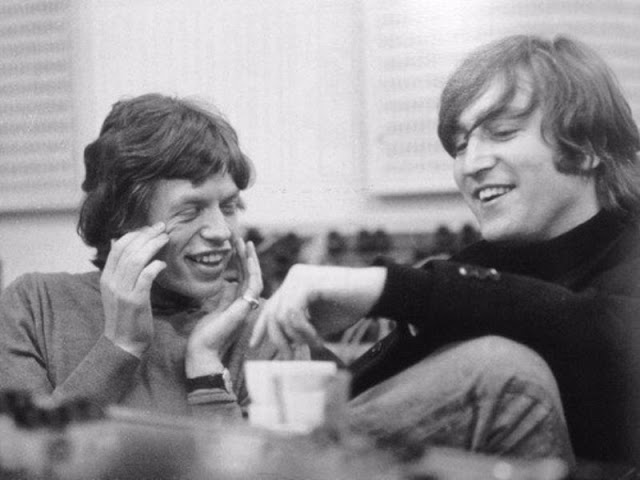
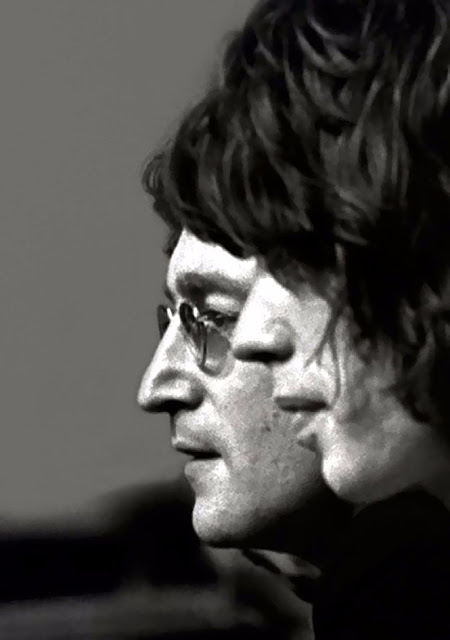
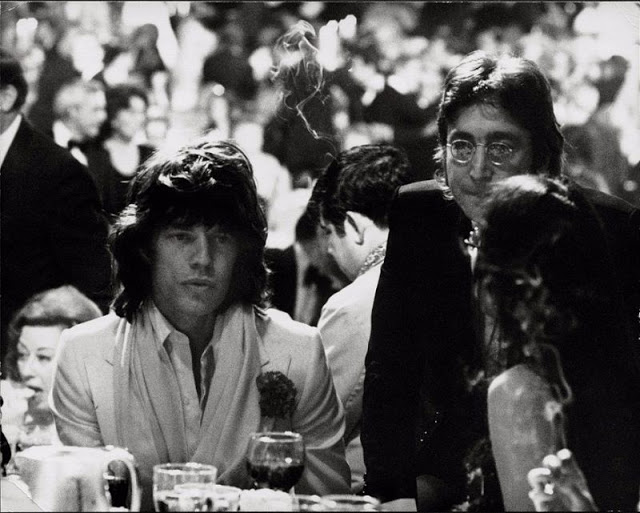
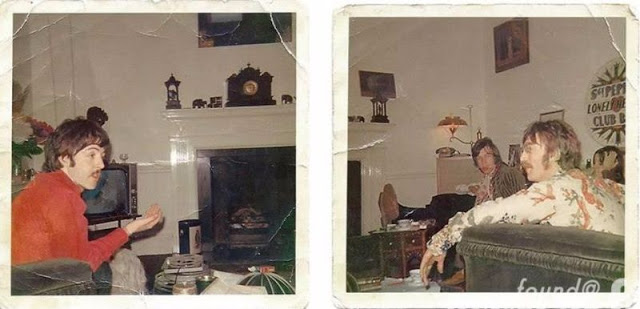
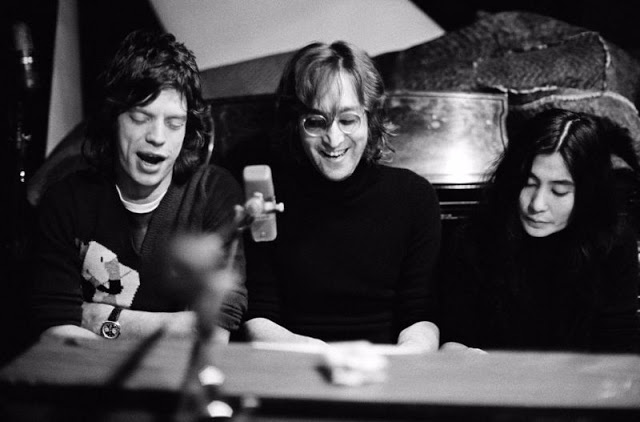
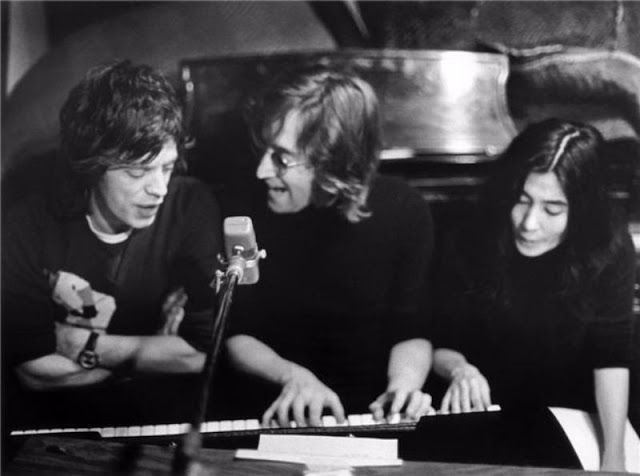
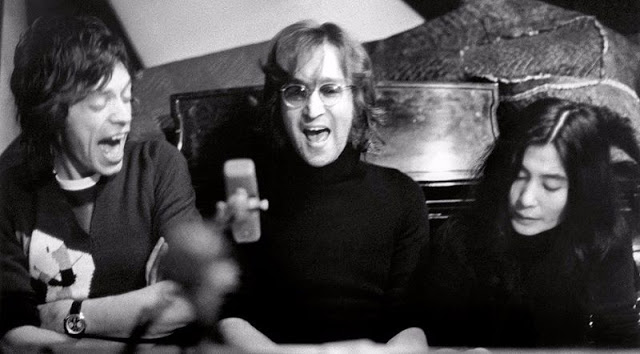
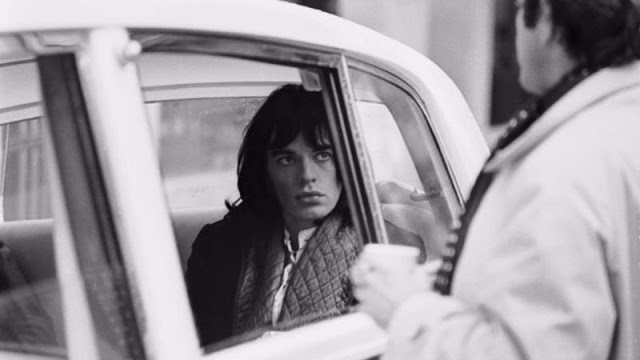
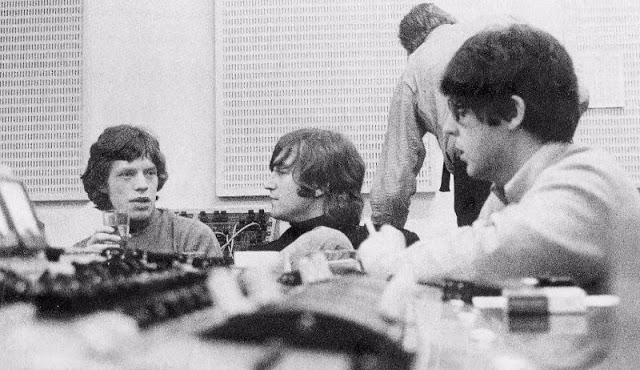
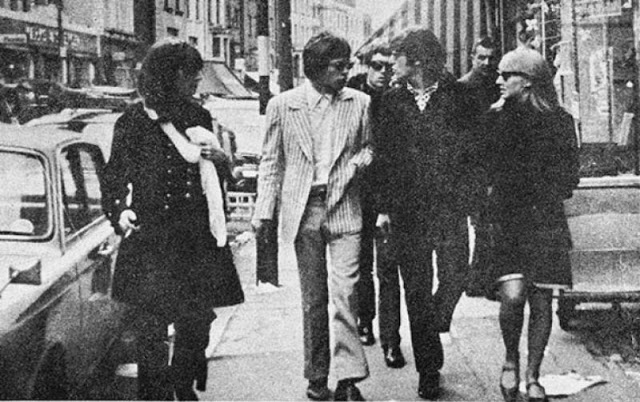
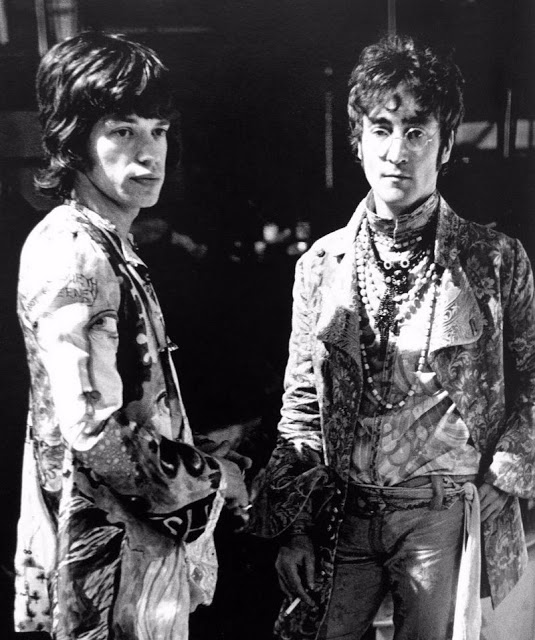
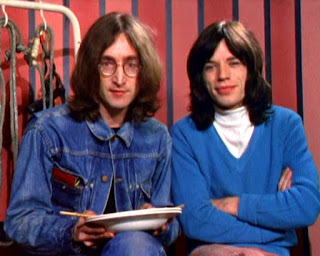
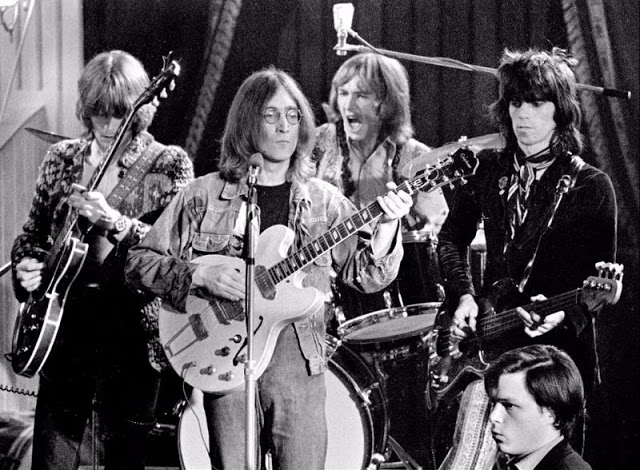
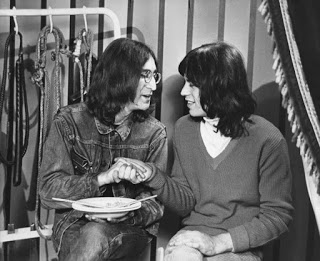
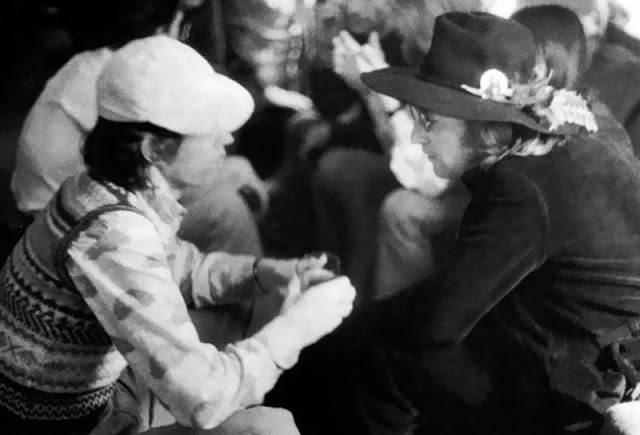
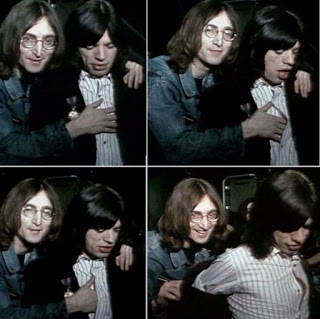
The Beatles and The Rolling Stones, are arguably the two most profound British Rock & Roll bands to come to the U.S. as part of the 1960s British Invasion. John Lennon was arguably the leader of the Beatles as was Mick Jagger with The Rolling Stones. This assortment of historical images of John Lennon and Mick Jagger really show you just how close their friendship was.

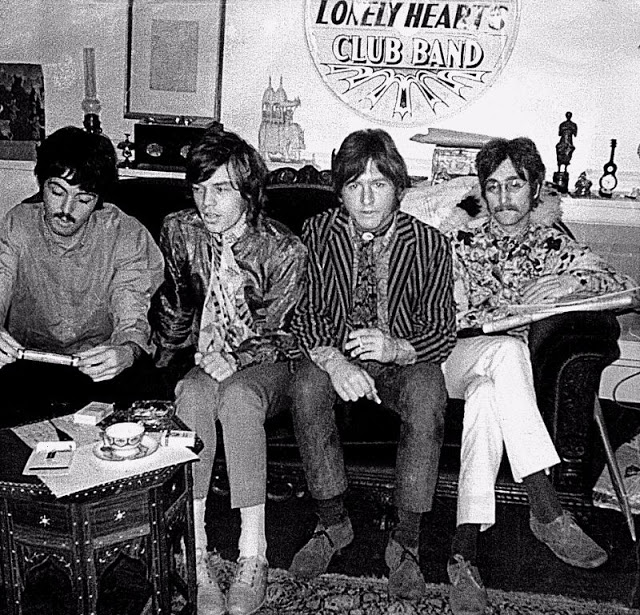
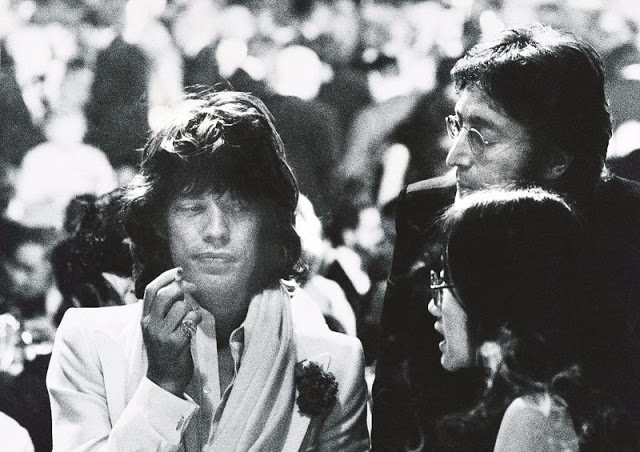
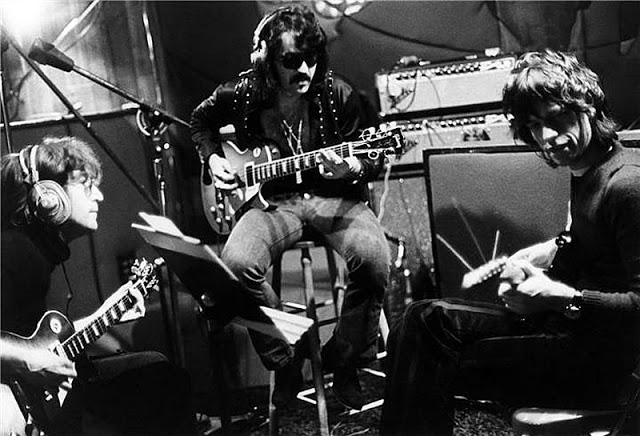
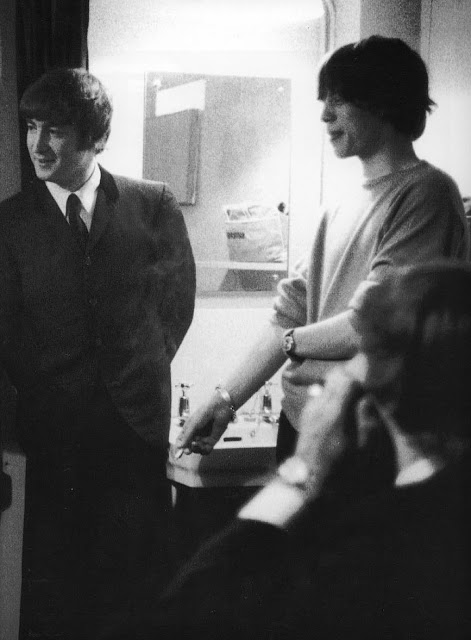
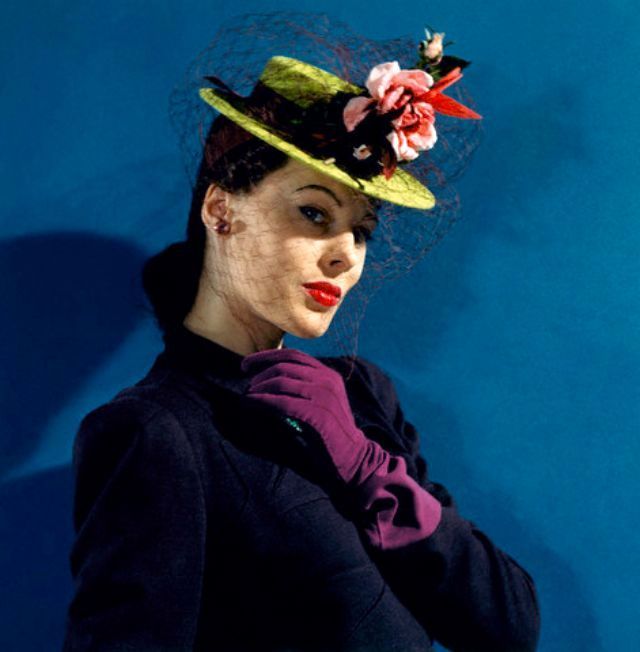
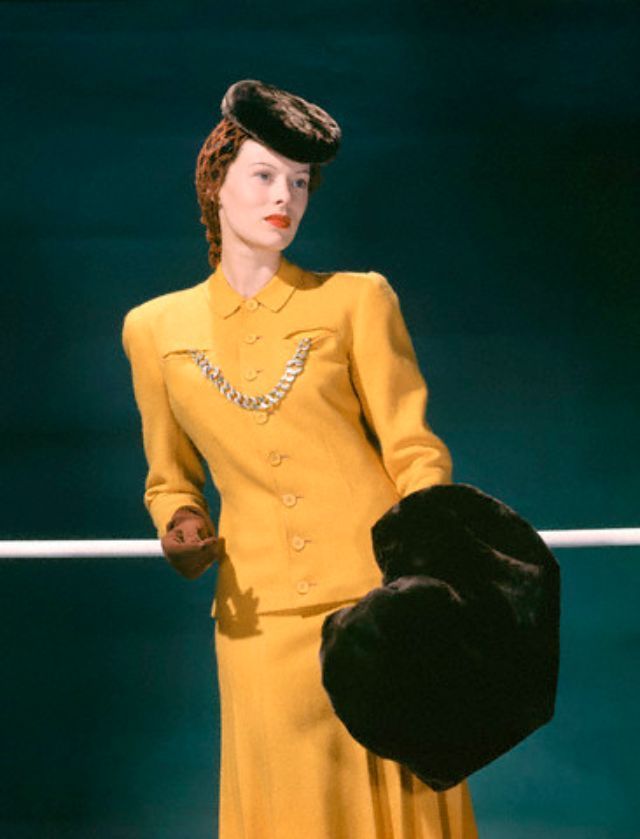
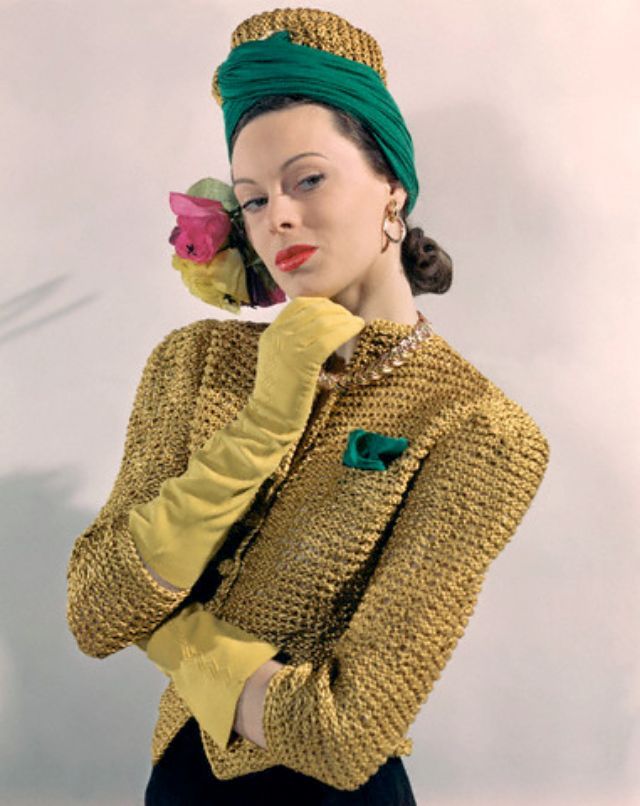
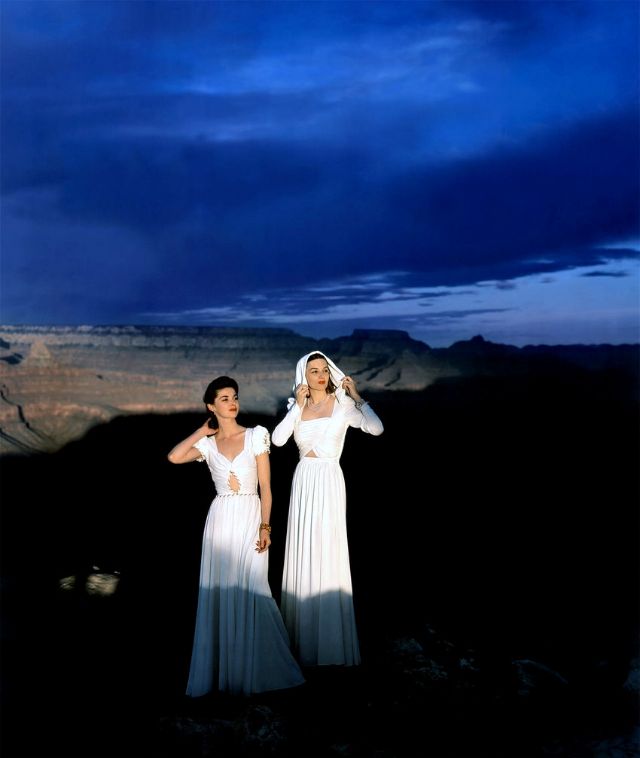
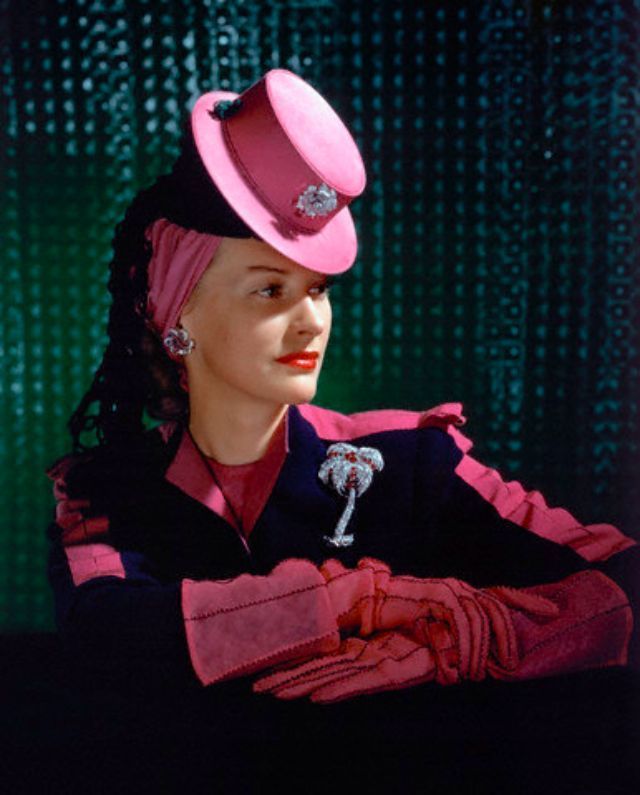
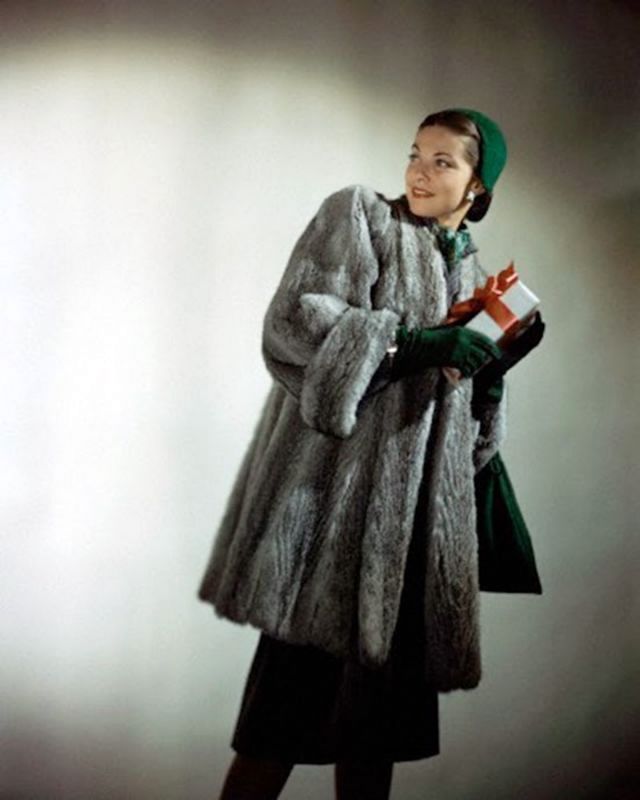
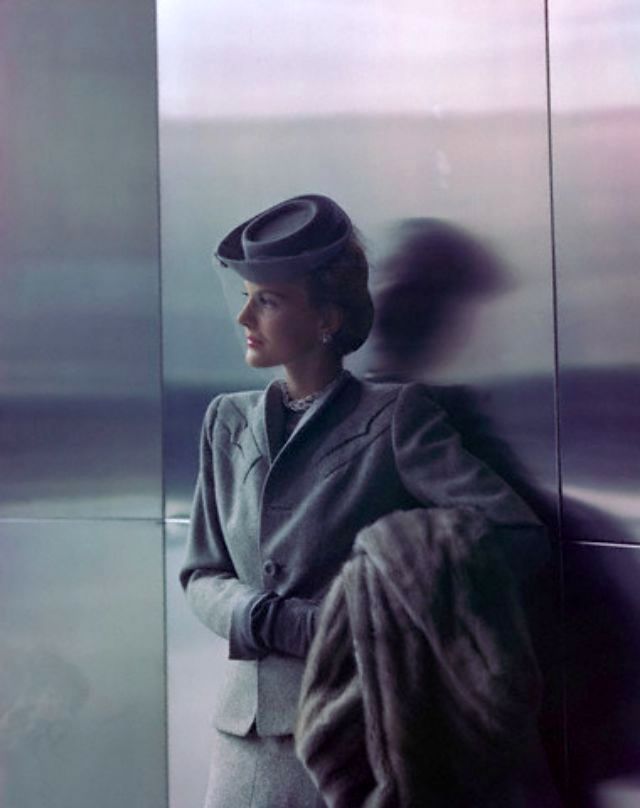
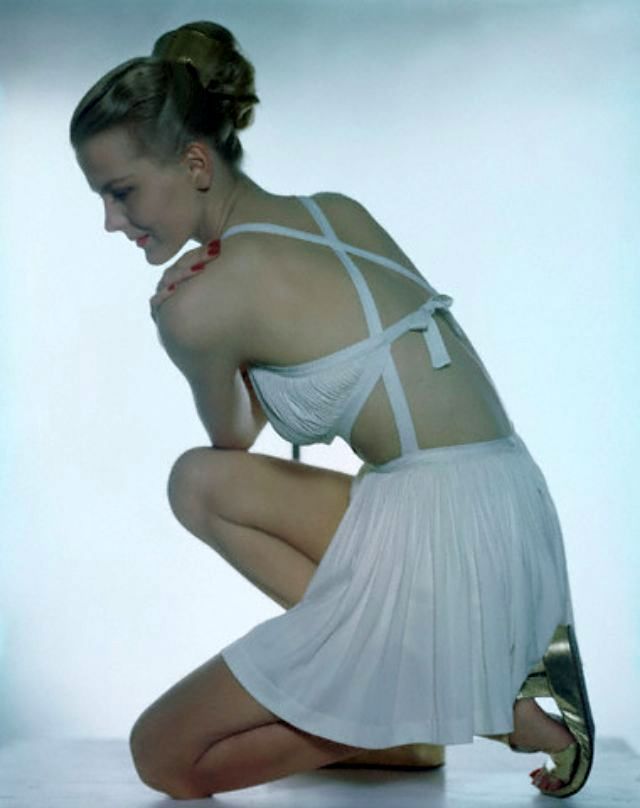
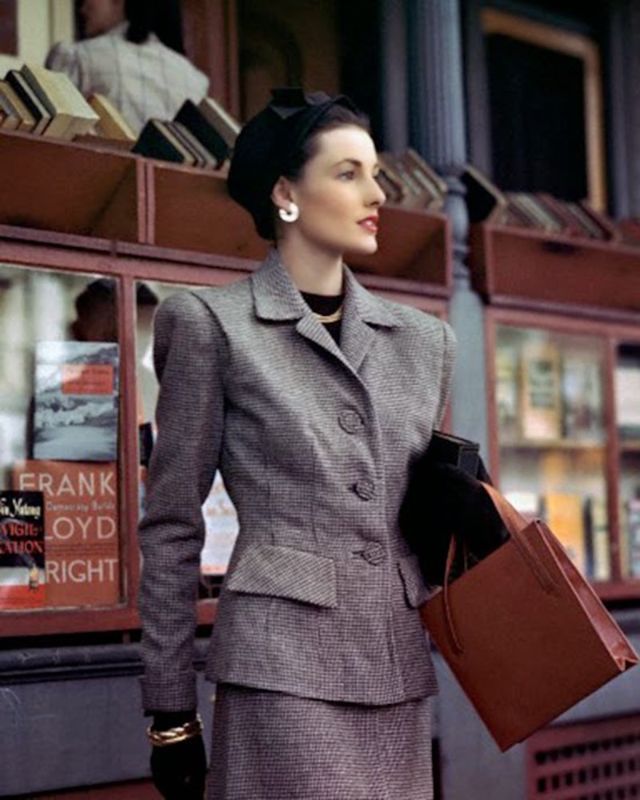
It is worthless to discuss fashion of the forties without first understanding the tremendous impact World War II had on everyday life during the early part of the decade. Social trends dictated fashion, World War II changed the world of fashion forever.
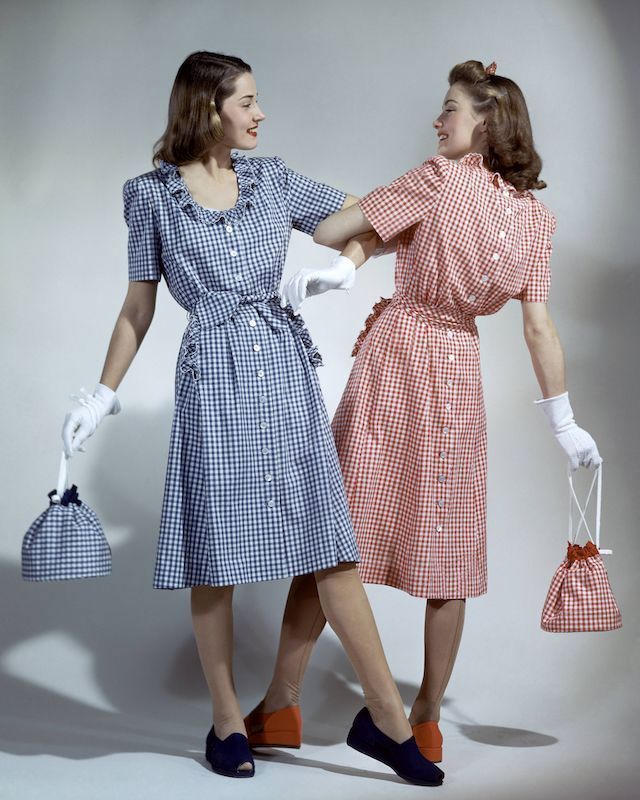
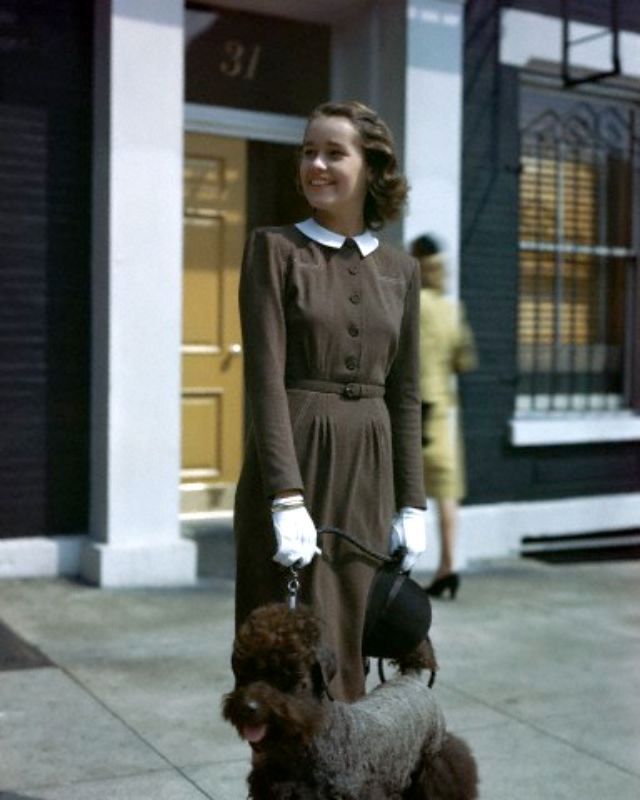
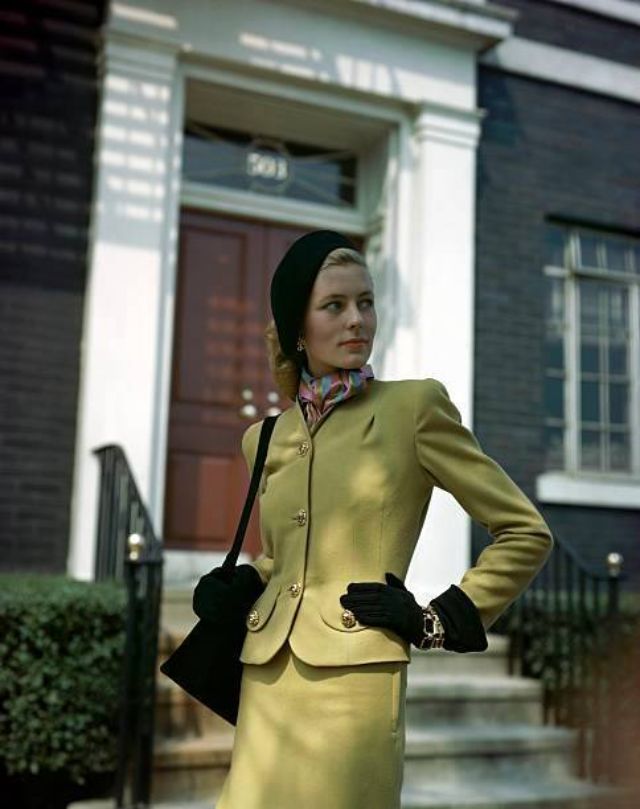
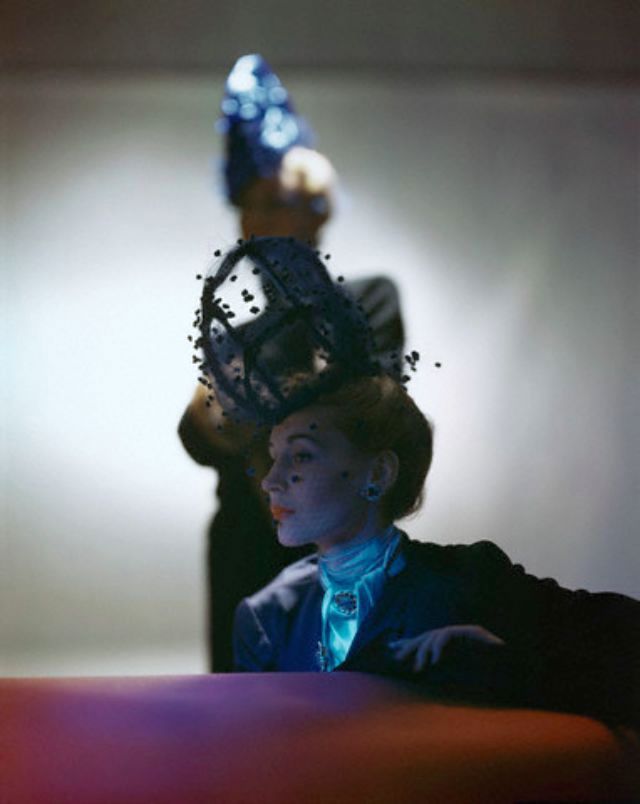
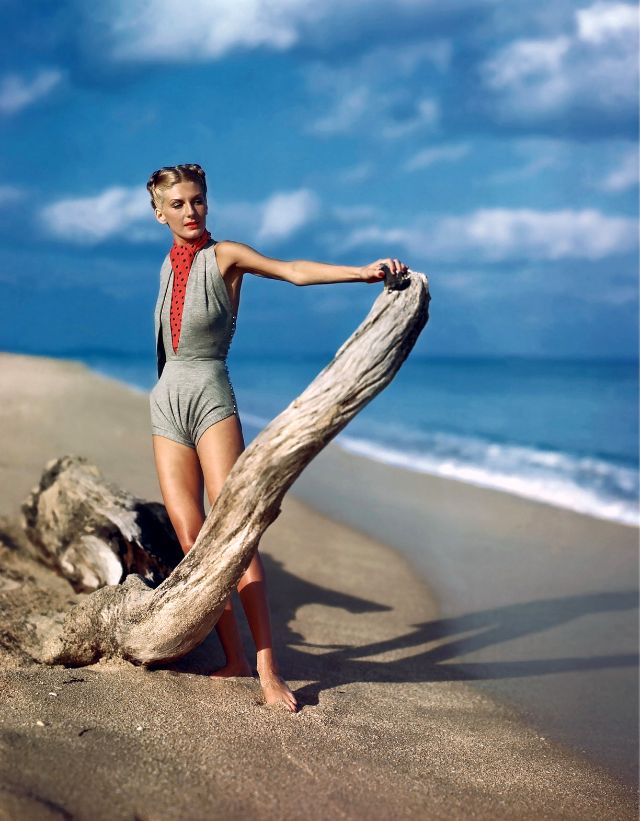
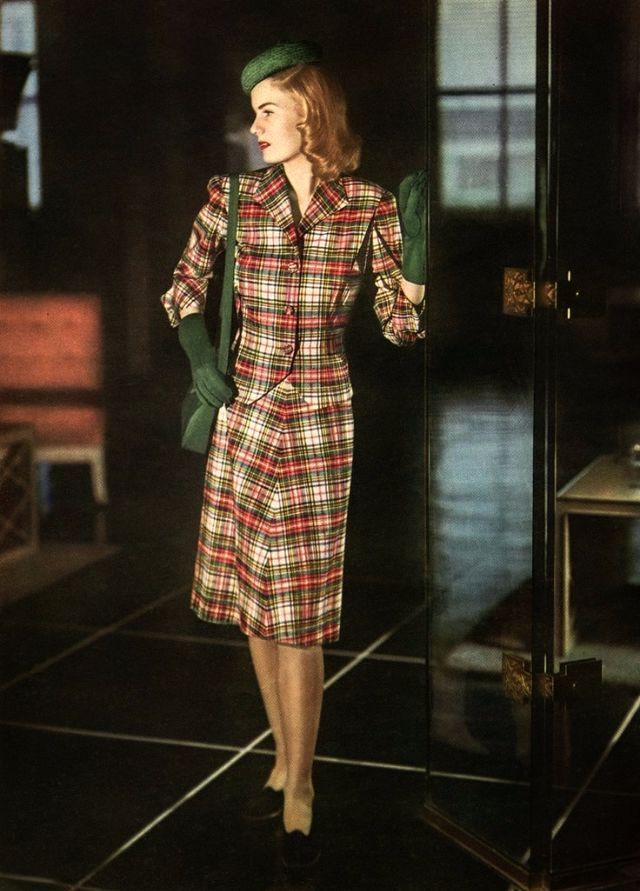
The true hallmarks of fashion in the early 1940s included an austere silhouette with narrow hips, padded shoulders, and all manner of hats. The working-class look of icons such as Rosie the Riveter became chic, as women of all social standings joined the war effort. They kept things going at home, taking over the jobs – and the closets – of husbands and other male relatives. Class barriers fell and people dressed down. It was considered gauche to be showy during a time of shortage.
Many varieties of peplums were in vogue: butterfly, bustle and gathered peplums were a few. Ruffles found their way to skirt hems, necklines and waists. Gored, gathered and A-line skirts were topped with soft, feminine blouses. Blouses donned bows at the center-front neckline and might sport full or puffy sleeves. Collars were cut generously full, in peter pan and traditional pointed shirt-collar designs. Lace also accentuated blouses around the neckline.
Take a look at these glamorous photos to see what women’s fashion trends in the early 1940s looked like.










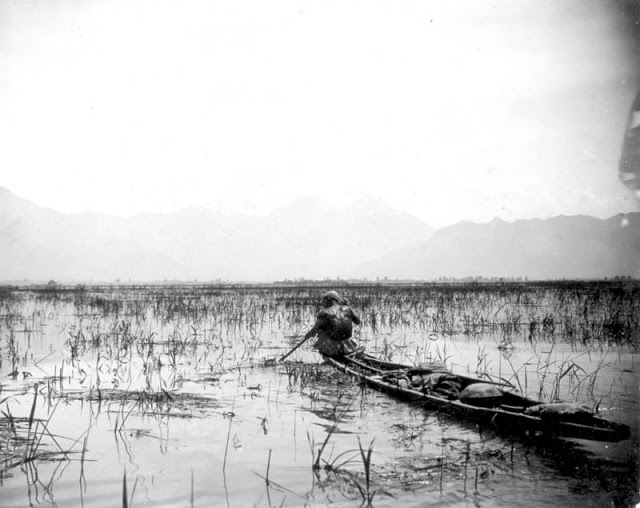
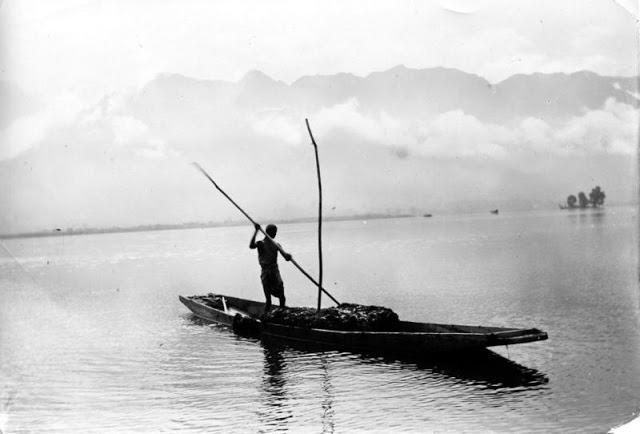
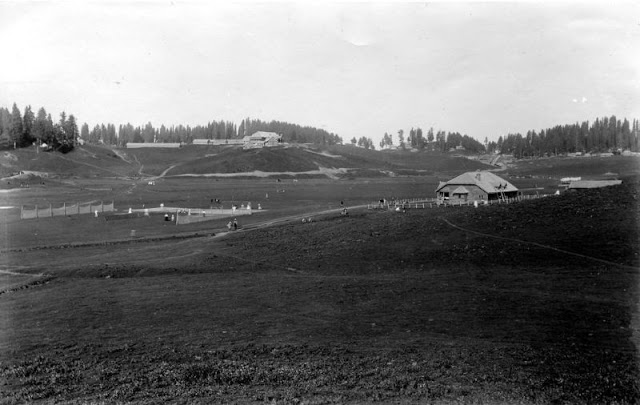
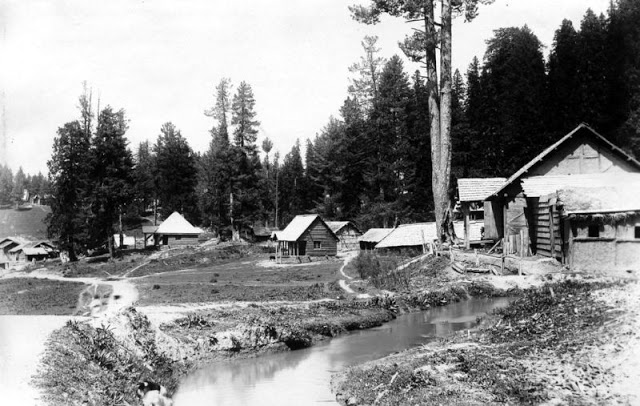
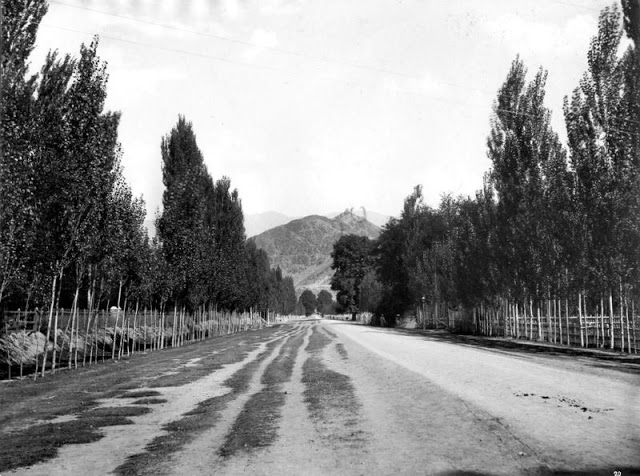
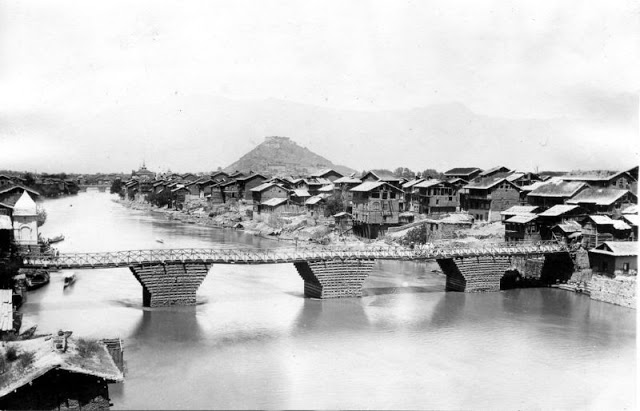
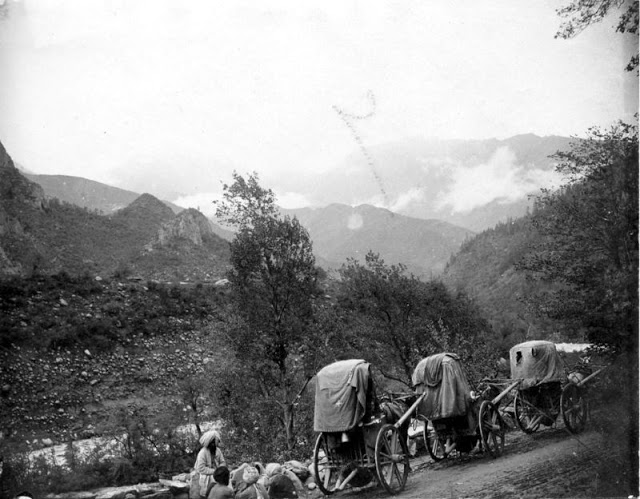
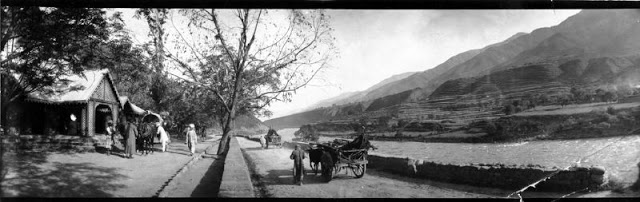
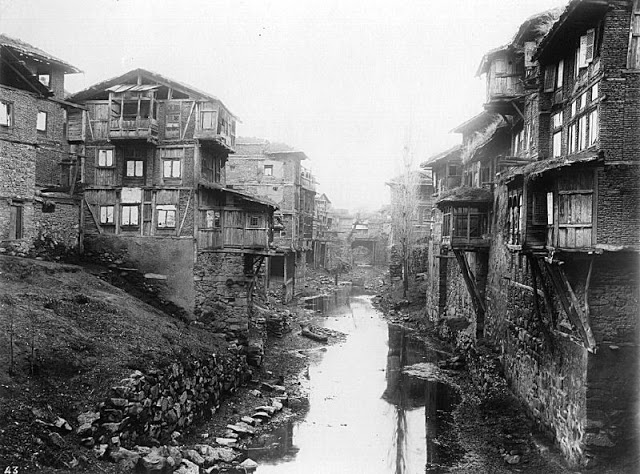
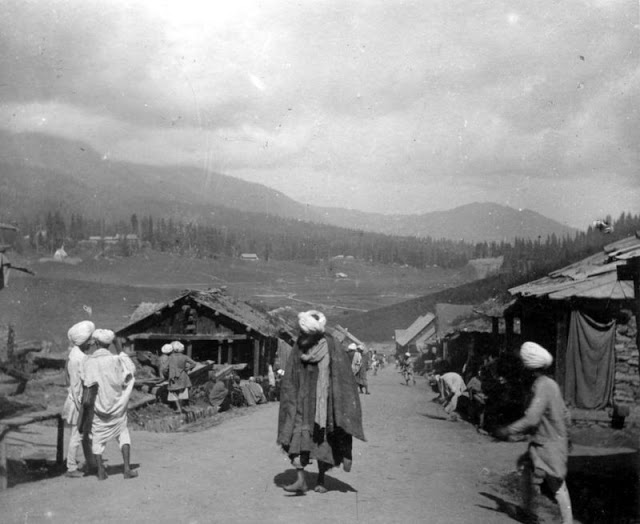
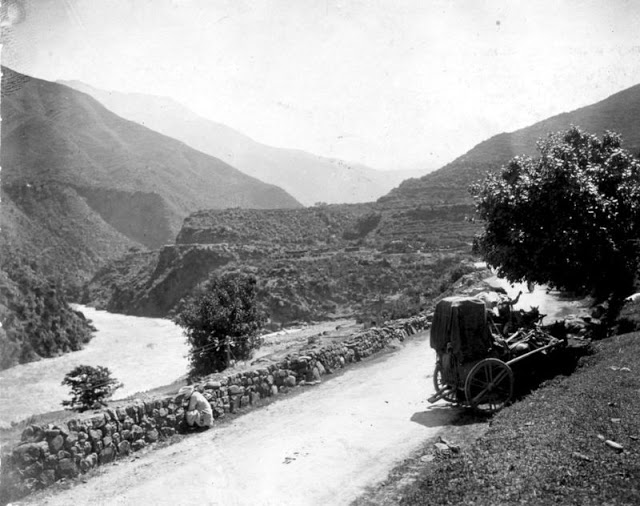
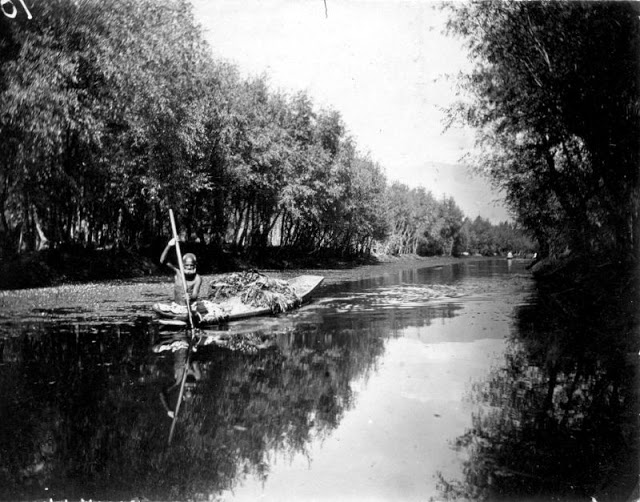
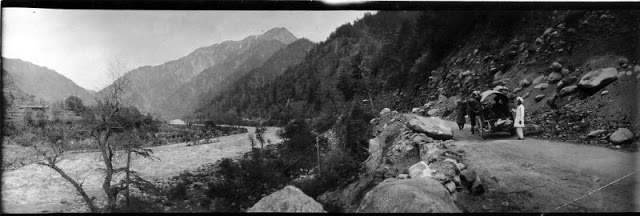
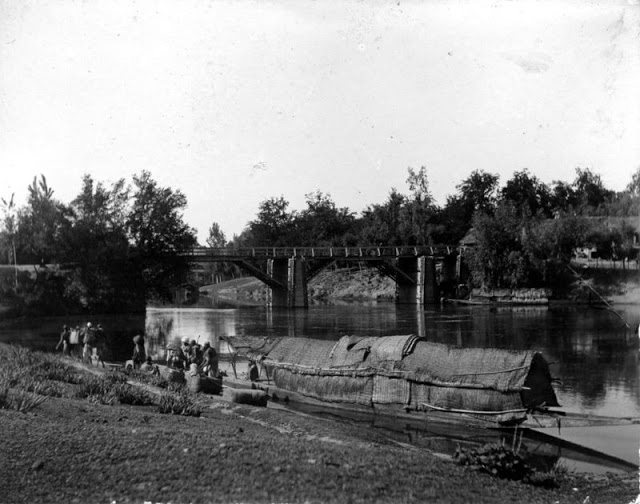
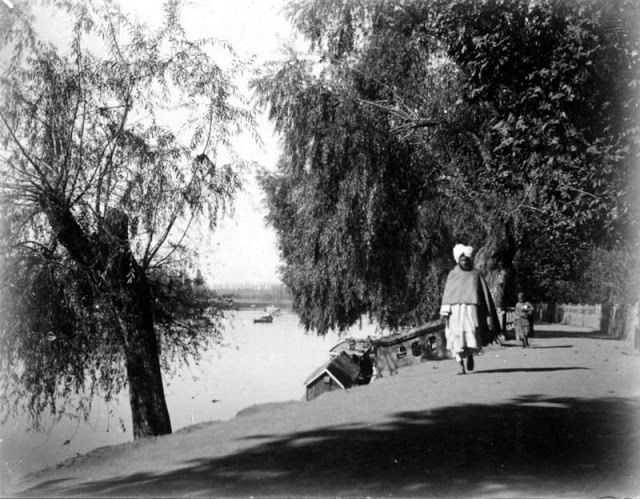
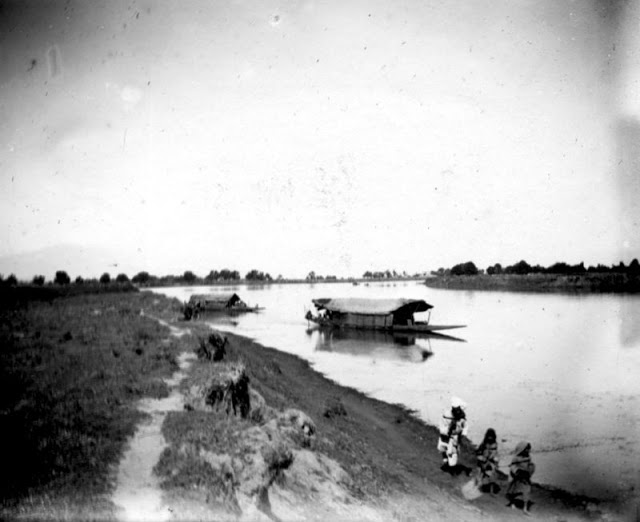
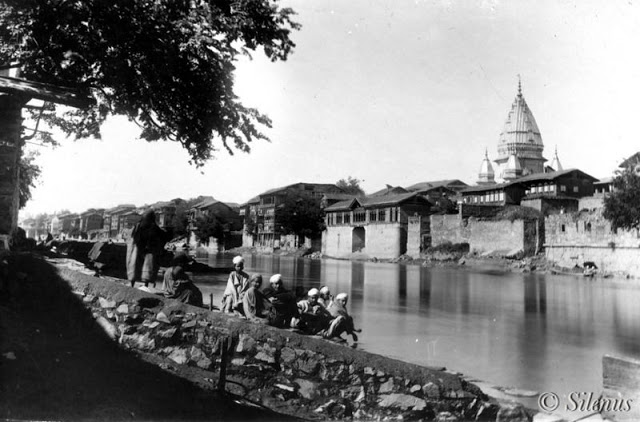
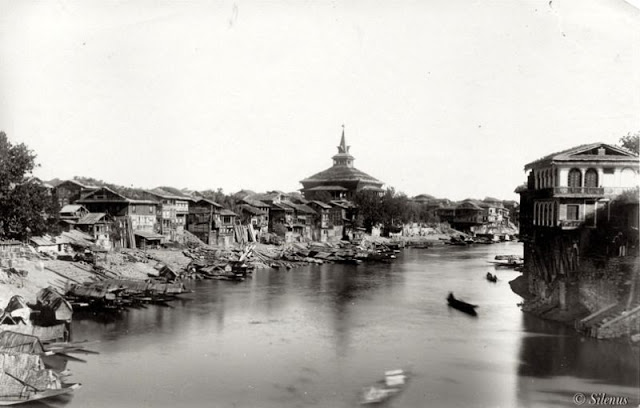
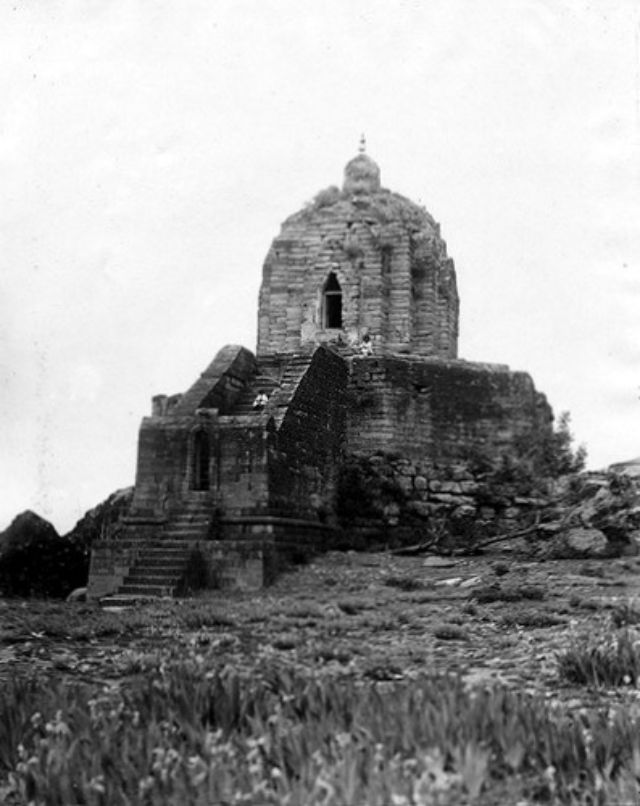
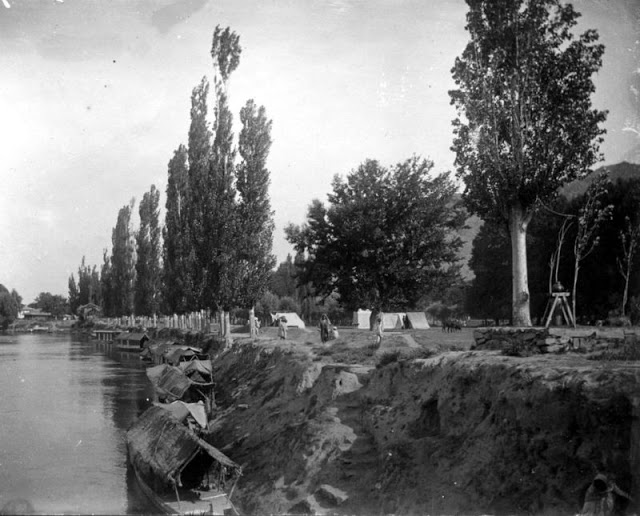
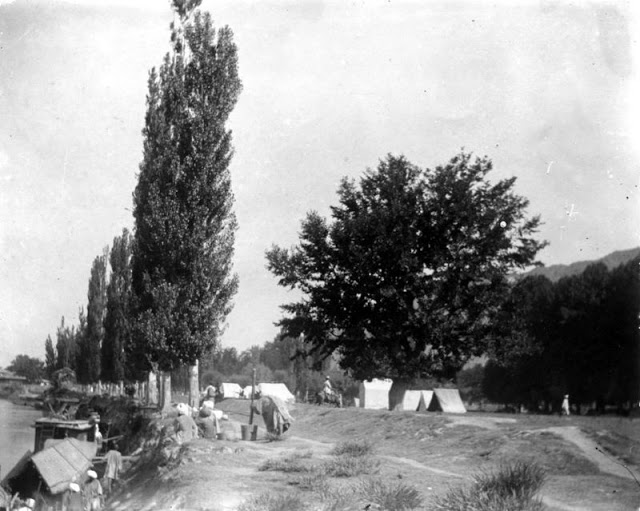
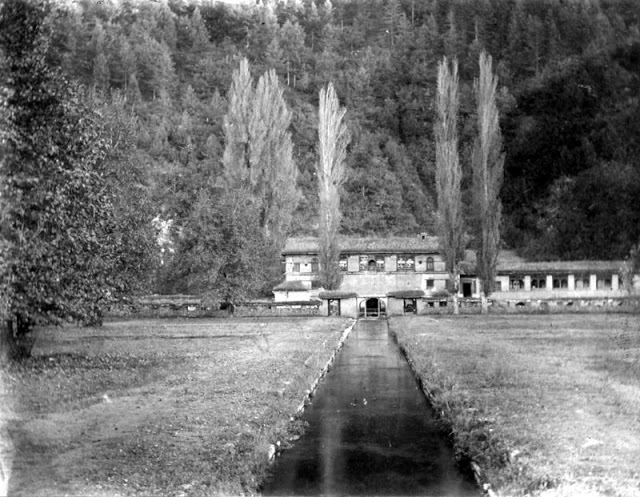
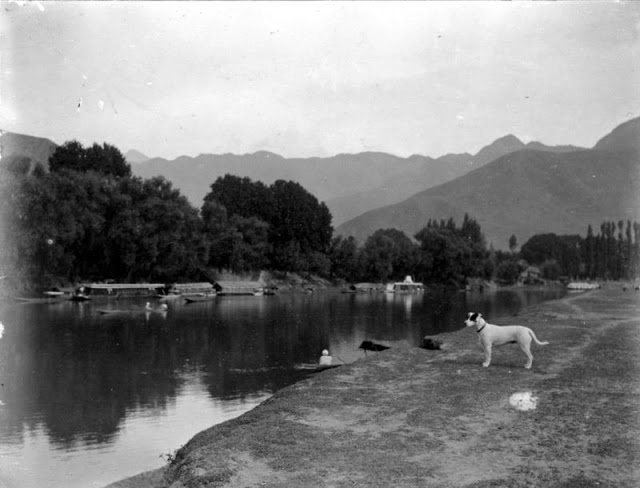
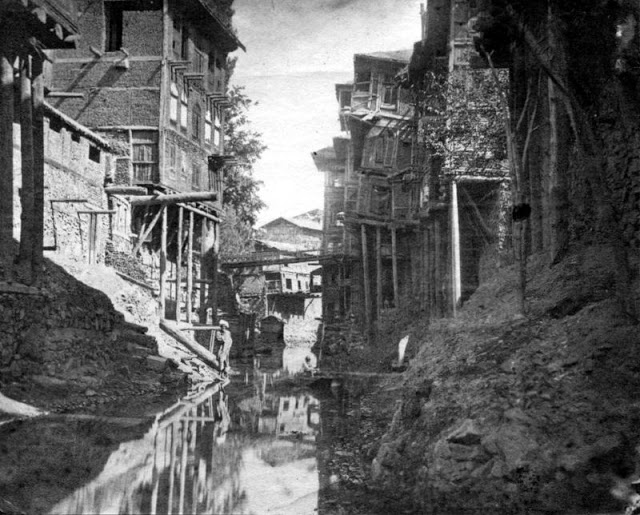
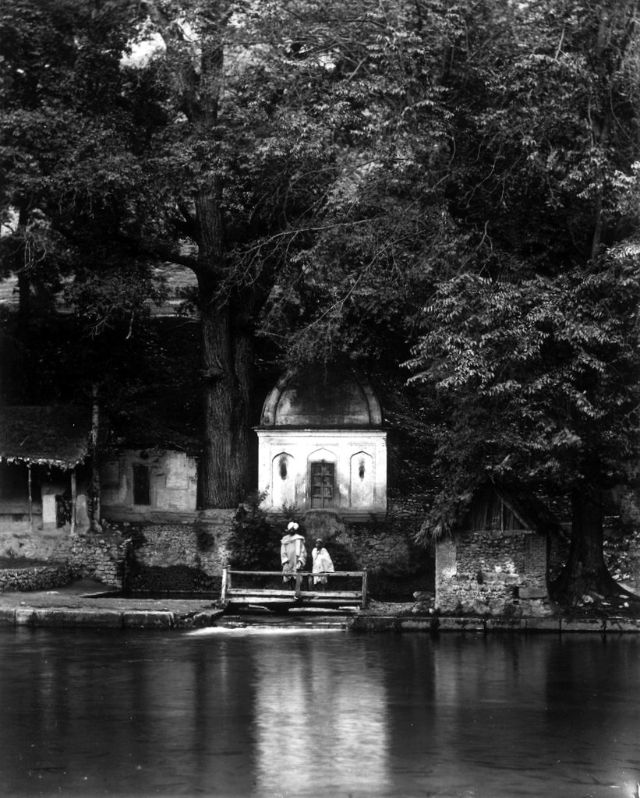
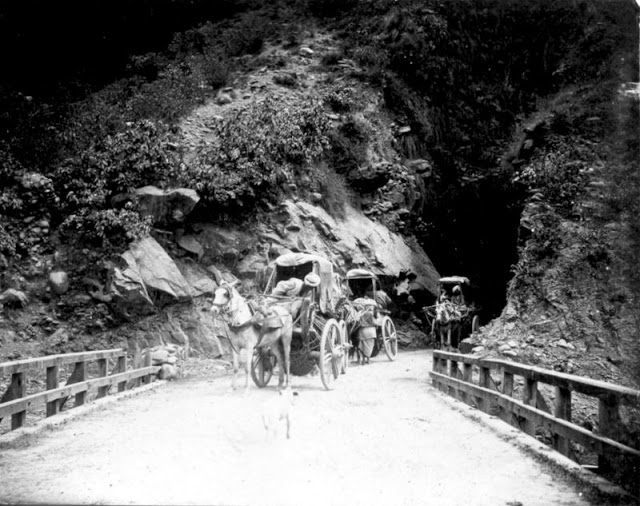
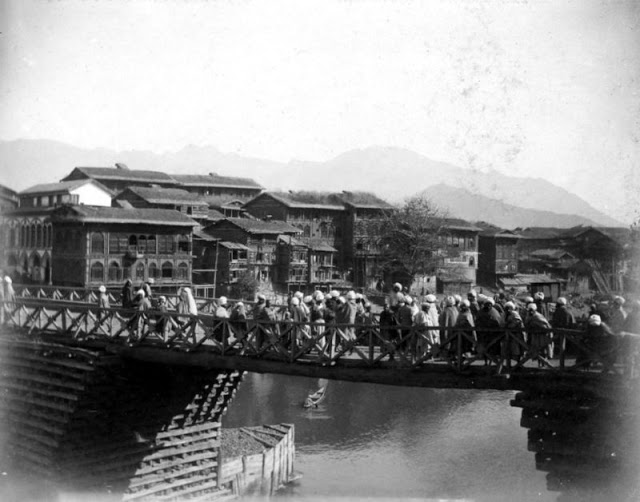
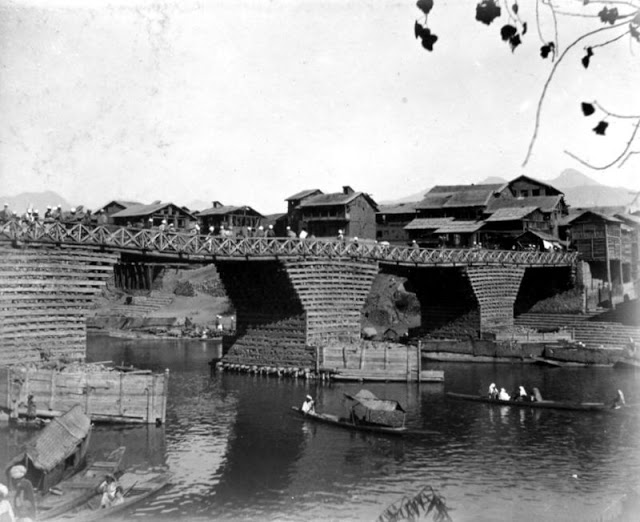
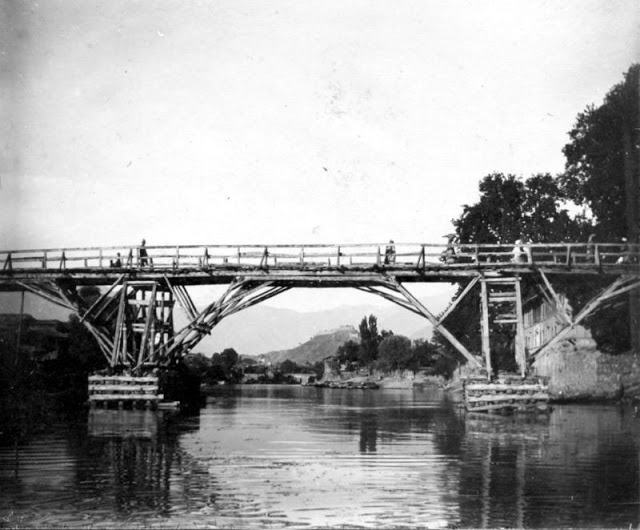
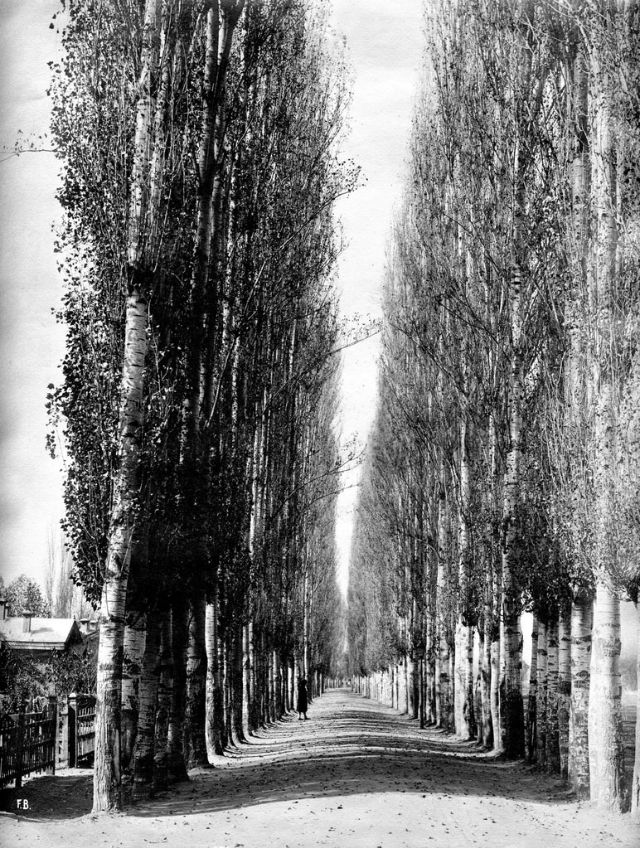
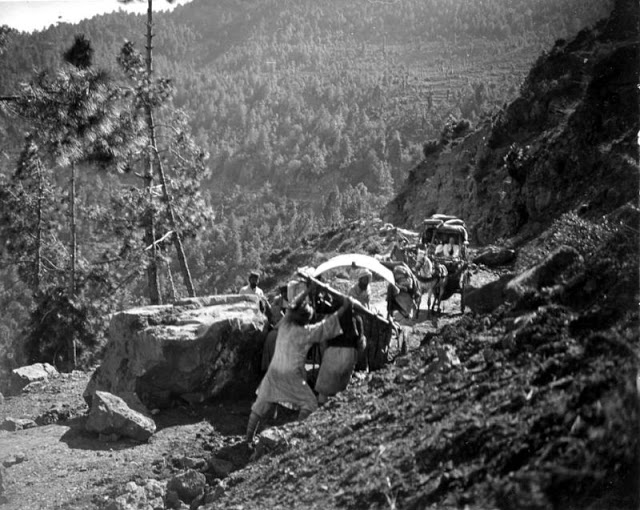
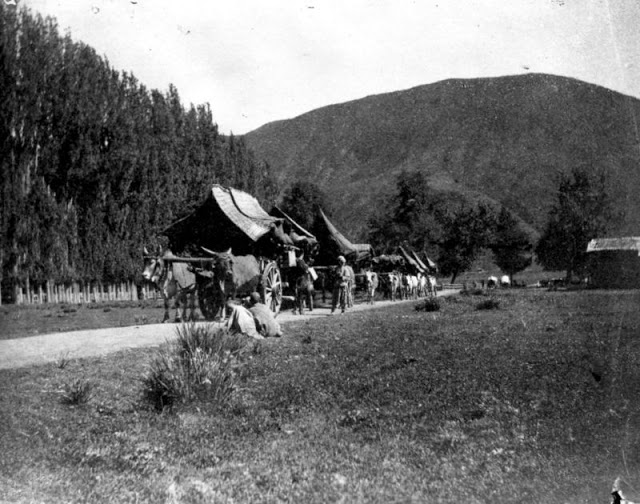
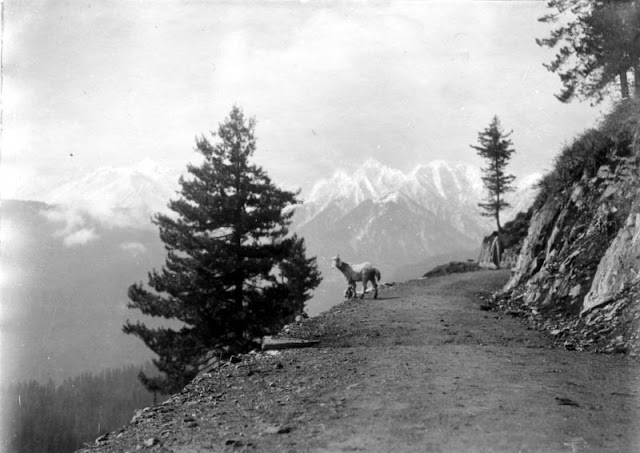
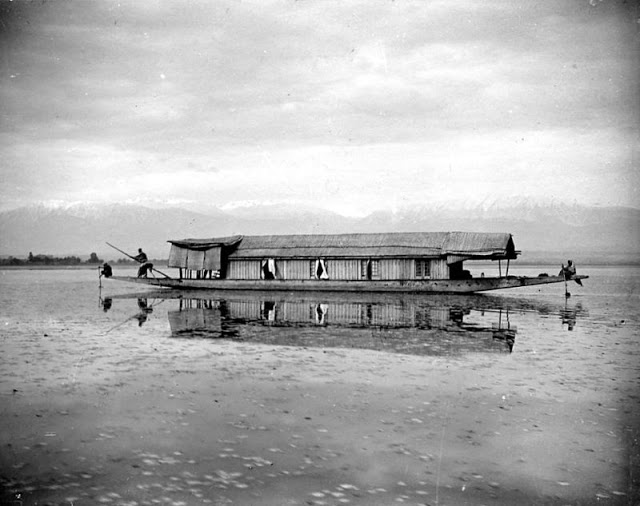
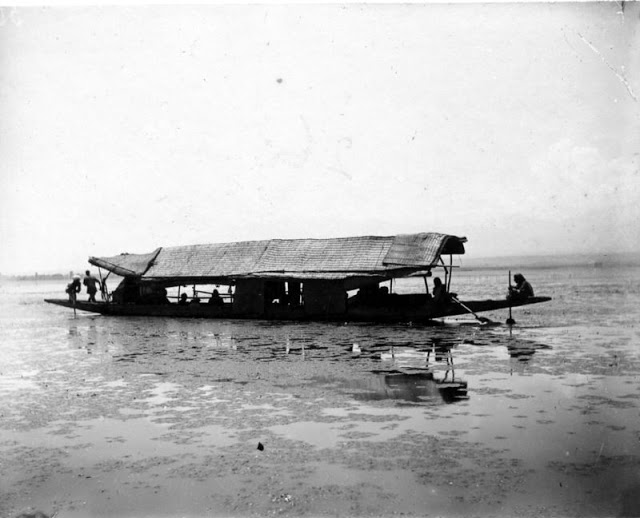
Kashmir is the northernmost geographical region of the Indian subcontinent. Until the mid-19th century, the term “Kashmir” denoted only the Kashmir Valley between the Great Himalayas and the Pir Panjal Range. Today, the term encompasses a larger area that includes the Indian-administered territories of Jammu and Kashmir and Ladakh, the Pakistani-administered territories of Azad Kashmir and Gilgit-Baltistan, and the Chinese-administered territories of Aksai Chin and the Trans-Karakoram Tract.
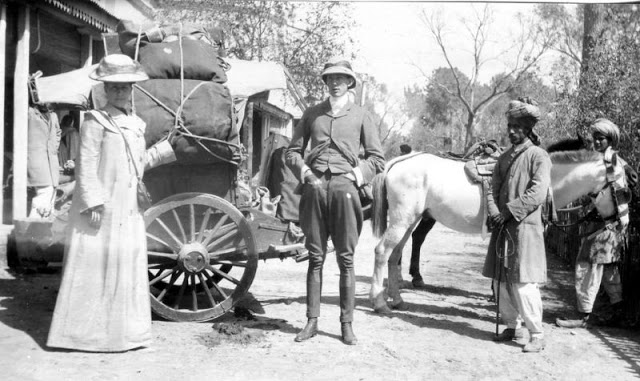
In the first half of the first millennium, the Kashmir region became an important centre of Hinduism and later of Buddhism; later still, in the ninth century, Kashmir Shaivism arose. In 1339, Shah Mir became the first Muslim ruler of Kashmir, inaugurating the Salatin-i-Kashmir or Shah Mir dynasty. The region was part of the Mughal Empire from 1586 to 1751, and thereafter, until 1820, of the Afghan Durrani Empire. That year, the Sikh Empire, under Ranjit Singh, annexed Kashmir. In 1846, after the Sikh defeat in the First Anglo-Sikh War, and upon the purchase of the region from the British under the Treaty of Amritsar, the Raja of Jammu, Gulab Singh, became the new ruler of Kashmir. The rule of his descendants, under the paramountcy (or tutelage) of the British Crown, lasted until the Partition of India in 1947, when the former princely state of the British Indian Empire became a disputed territory, now administered by three countries: India, Pakistan, and China. (Wikipedia)