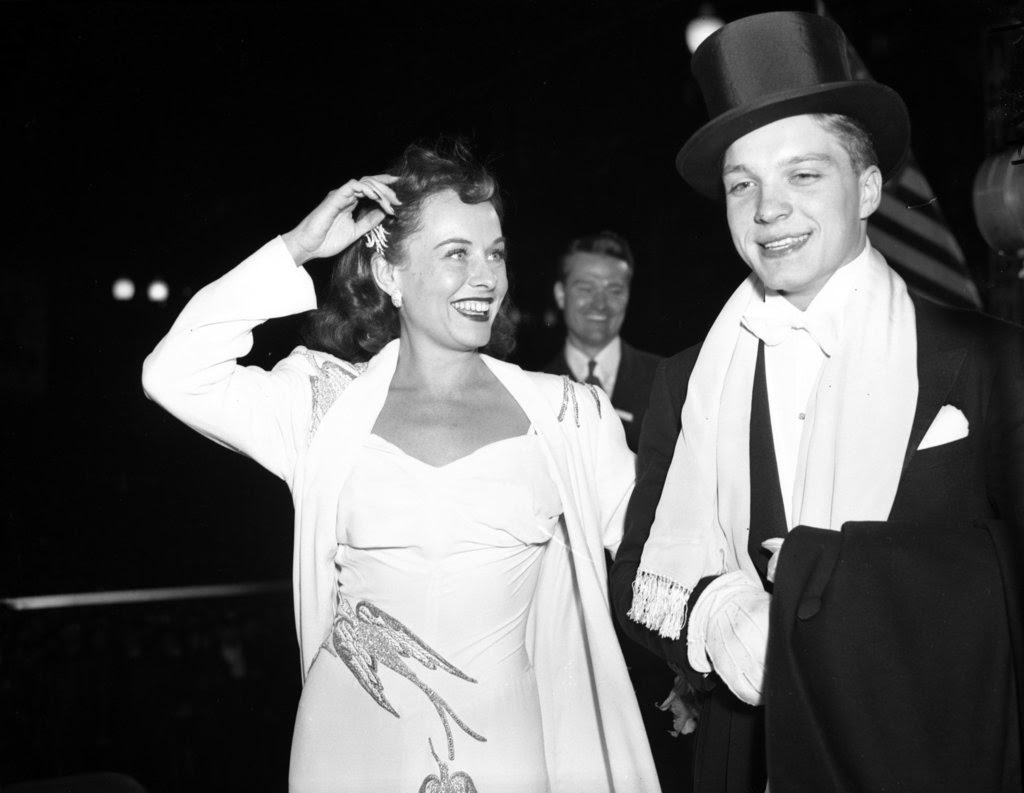
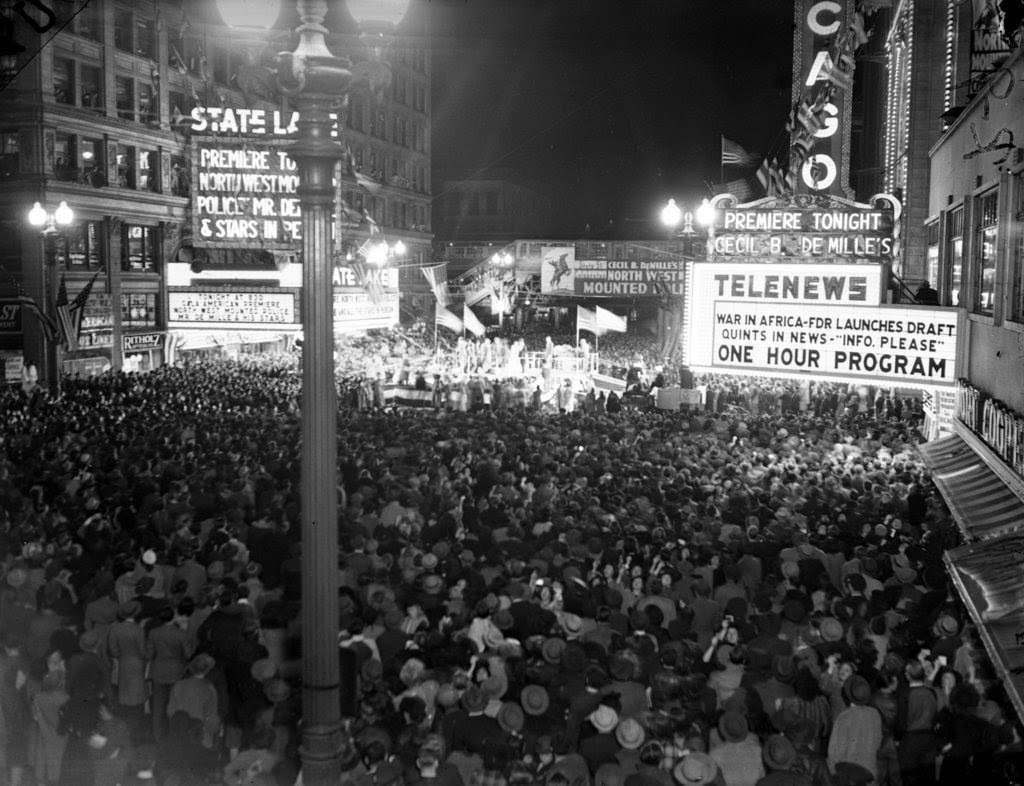
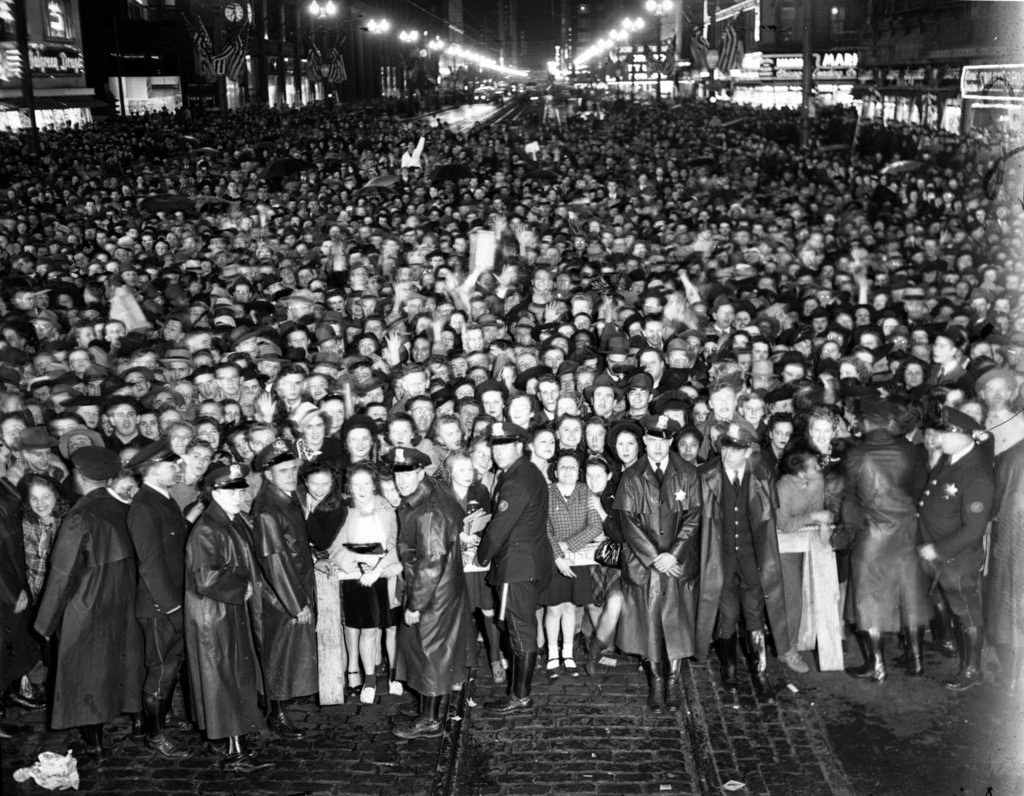
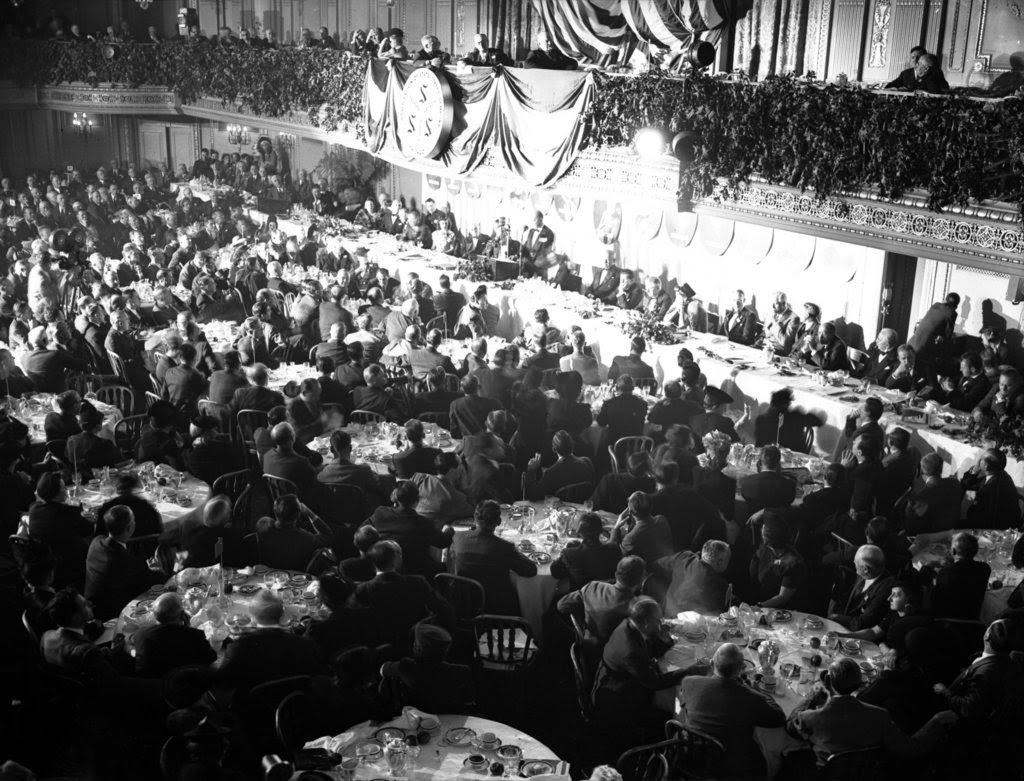
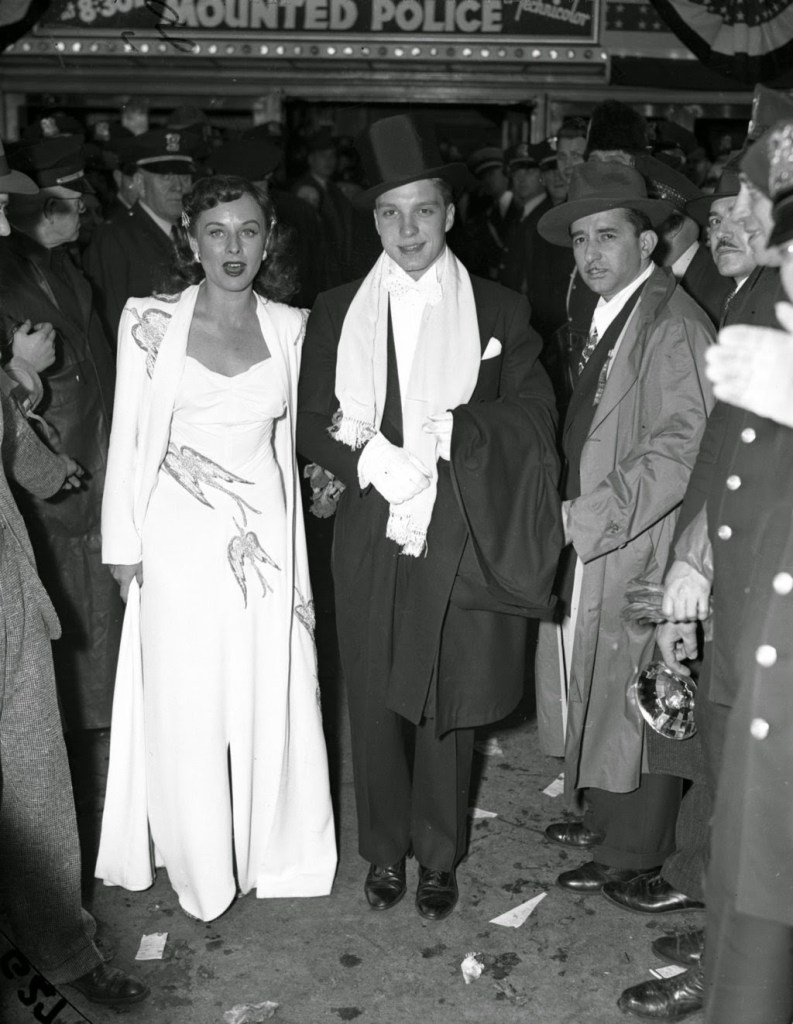
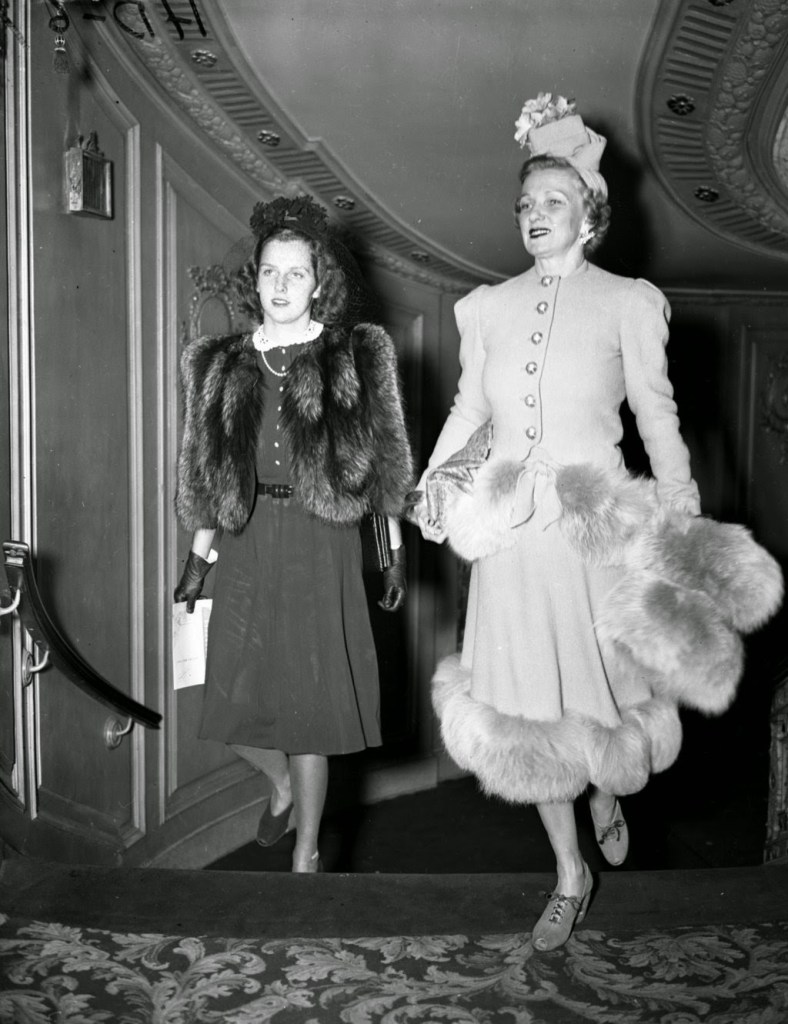
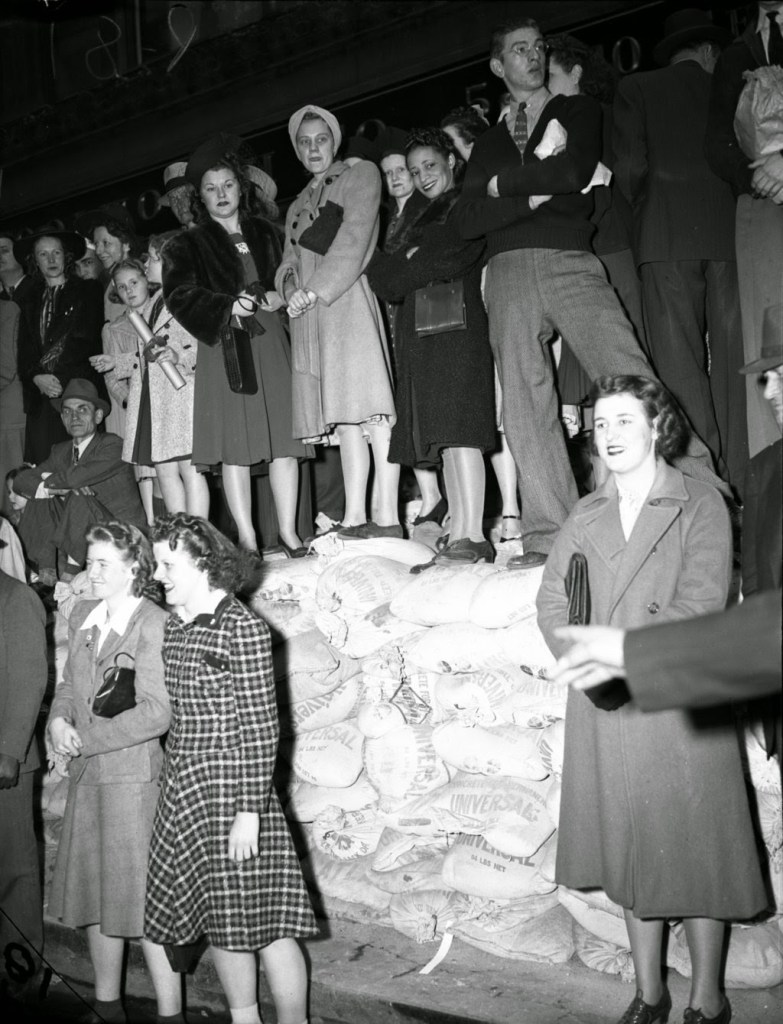
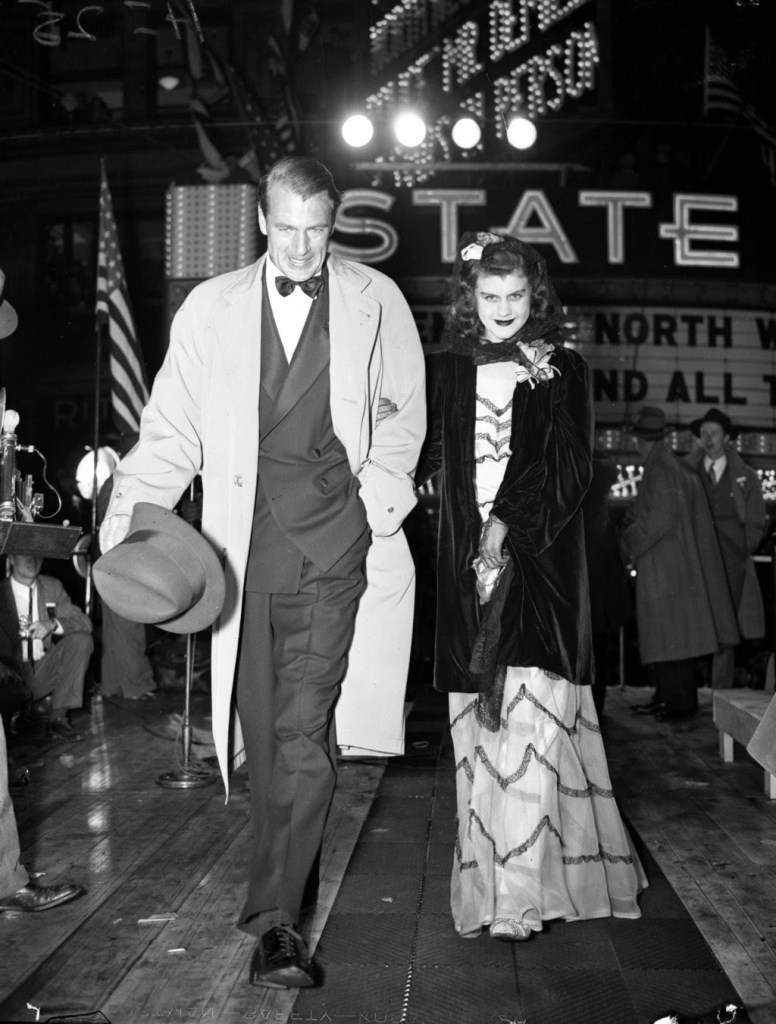
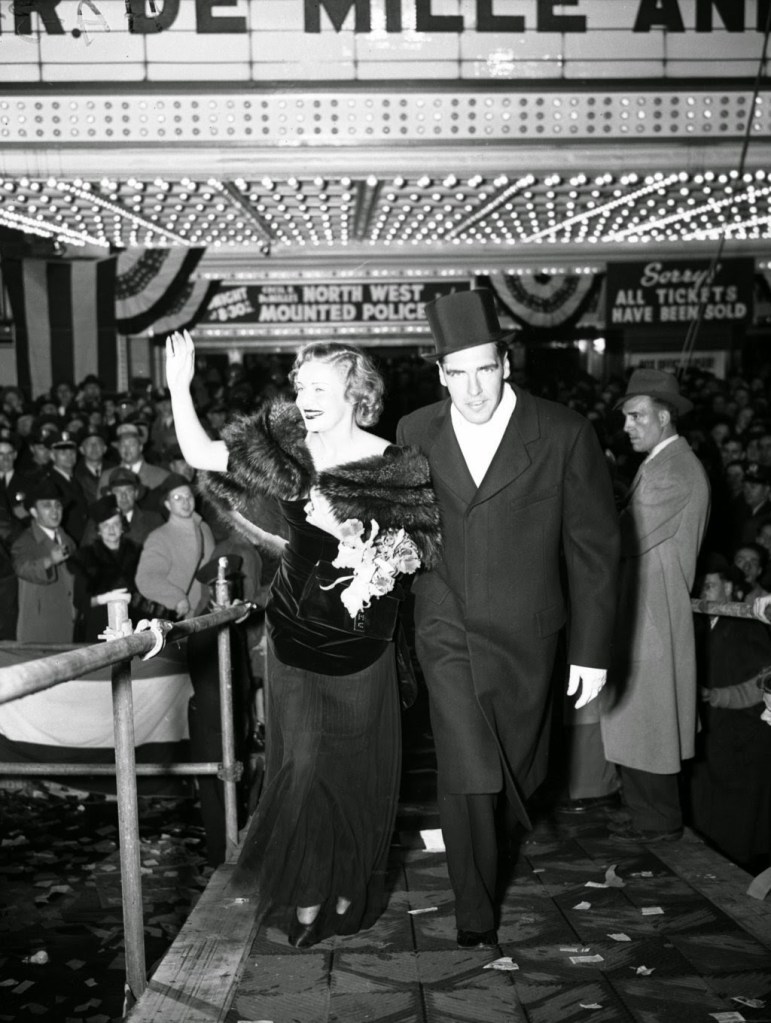
Rain did not prevent thousands of Chicagoans from gathering on State Street on the night of Oct. 24, 1940, to catch a glimpse of Hollywood movie stars as they arrived for the premiere of Cecil B. DeMille’s film, North West Mounted Police. It was Chicago’s first Hollywood premiere and was held at both the Chicago Theatre and the State-Lake Theater, one right across the street from the other.
Thousands of fans gather in the rain to catch a glimpse of the Hollywood movie stars attending the premiere of the film “North West Mounted Police” on Oct. 24, 1940. The Tribune reported, “Five hundred policeman…battled to hold back the waves of people.”A woman is carried out by police as thousands of fans wait in the rain to catch a glimpse of the Hollywood movie stars attending the premiere of the film “North West Mounted Police” at the Chicago Theatre and the State-Lake Theater on State Street in Chicago on Oct. 24, 1940.Hollywood star Paulette Goddard attends the premiere of the film “North West Mounted Police” on Oct. 24, 1940. Goddard played Louvette Corbeau in the film.Thousands of fans gather to catch a glimpse of the Hollywood movie stars attending the premiere of “North West Mounted Police” at the Chicago Theatre, right, and the State-Lake Theater, left, on State Street on Oct. 24, 1940.Thousands of rain-soaked fans wait for the Hollywood stars of the movie “North West Mounted Police”.Hollywood movie stars and Chicago society mix at the premiere of the Cecil B. DeMille film “North West Mounted Police”, shown both at the Chicago Theatre and the State-Lake Theater on Oct. 24, 1940.Cecil B. DeMille, center, is surrounded by the Hollywood actors starring in his film “North West Mounted Police” during the film’s premiere at the Chicago Theatre and the State-Lake Theater in Chicago on Oct. 24, 1940. Madeleine Carroll, second from left, and Gary Cooper, third from left, play the lead roles in the film. Paulette Goddard, third from right, and Robert Preston, second from right, co-star in the film. Actor Lynne Overman is on the far left.Thousands wait in the rain on State Street to catch a glimpse of the Hollywood movie stars as they walked across the “Bridge of Stars.”Hollywood star Paulette Goddard attends the premiere of the film “North West Mounted Police” at the Chicago Theatre and the State-Lake Theater on State Street in Chicago on Oct. 24, 1940. Goddard played Louvette Corbeau in the film by Cecil B. DeMille.Chicago society attends the premiere of “North West Mounted Police” at the Chicago Theatre on Oct. 24, 1940.Thousands of fans wait outside the Chicago Theatre and the State-Lake Theater to catch a glimpse of the Hollywood movie stars attending the premiere of “North West Mounted Police” on Oct. 24, 1940.Hollywood movie star Gary Cooper attends the premiere of “North West Mounted Police” at the Chicago Theatre and the State-Lake Theater on State Street in Chicago on Oct. 24, 1940. Cooper played the lead role of Texas Ranger Dusty Rivers in the film directed by Cecil B. DeMille.A woman is carried out of the crowd by police as thousands of fans gather in the rain to catch a glimpse of the Hollywood movie stars attending the premiere of the film “North West Mounted Police” at the Chicago Theatre and the State-Lake Theater on State Street in Chicago on Oct. 24, 1940.Hollywood star Madeleine Carroll attends the premiere of “North West Mounted Police” at the Chicago Theatre and the State-Lake Theater on Oct. 24, 1940. Carroll played the lead role of April Logan in the film directed by Cecil B. DeMille.Hollywood actor Preston Foster, right, attends the premiere of “North West Mounted Police” on Oct. 24, 1940. Foster co-starred in the Cecil B. DeMille film.
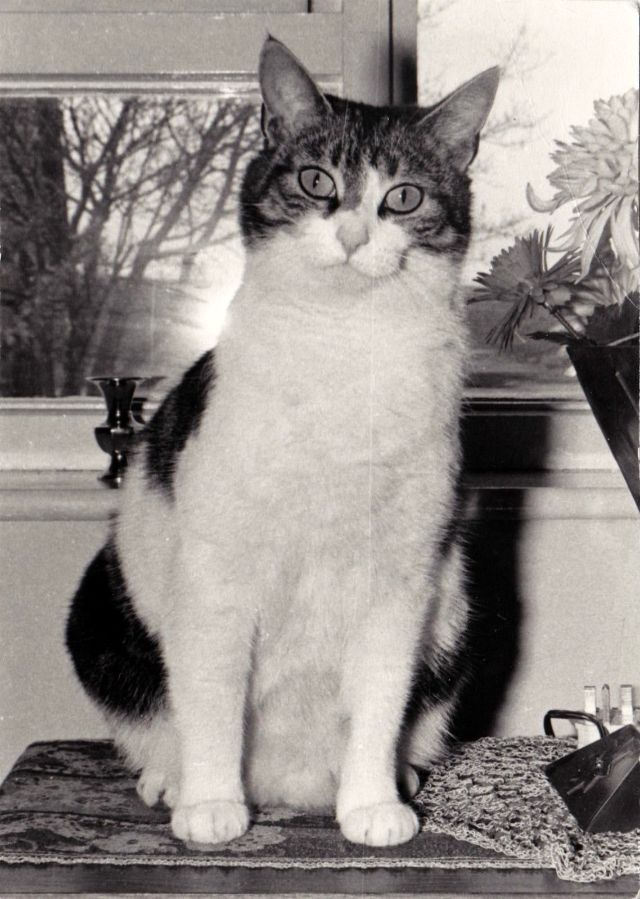
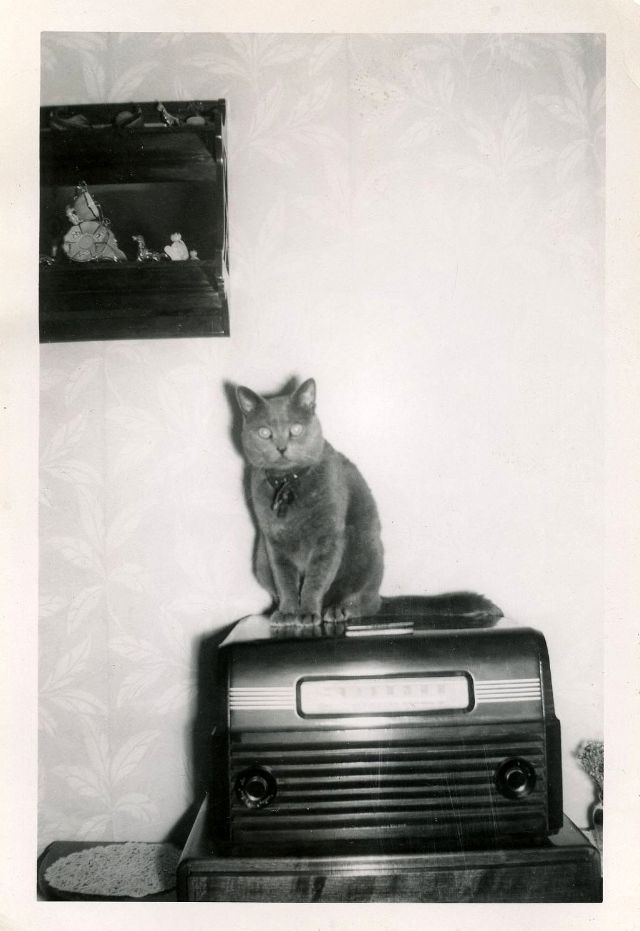
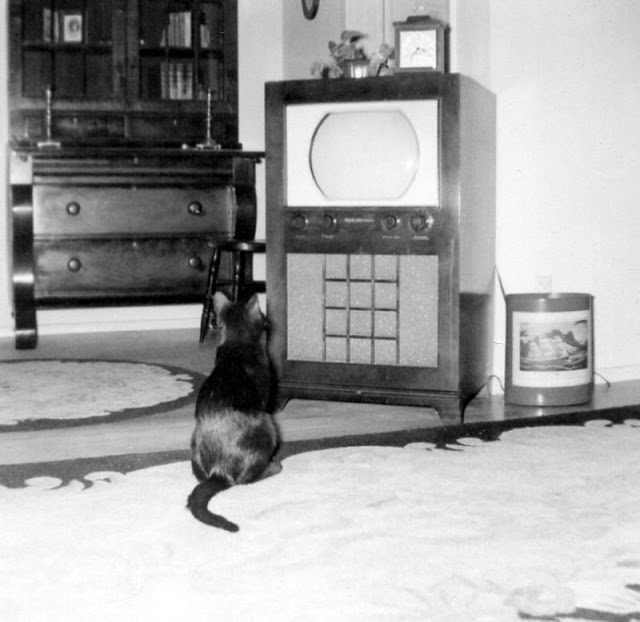
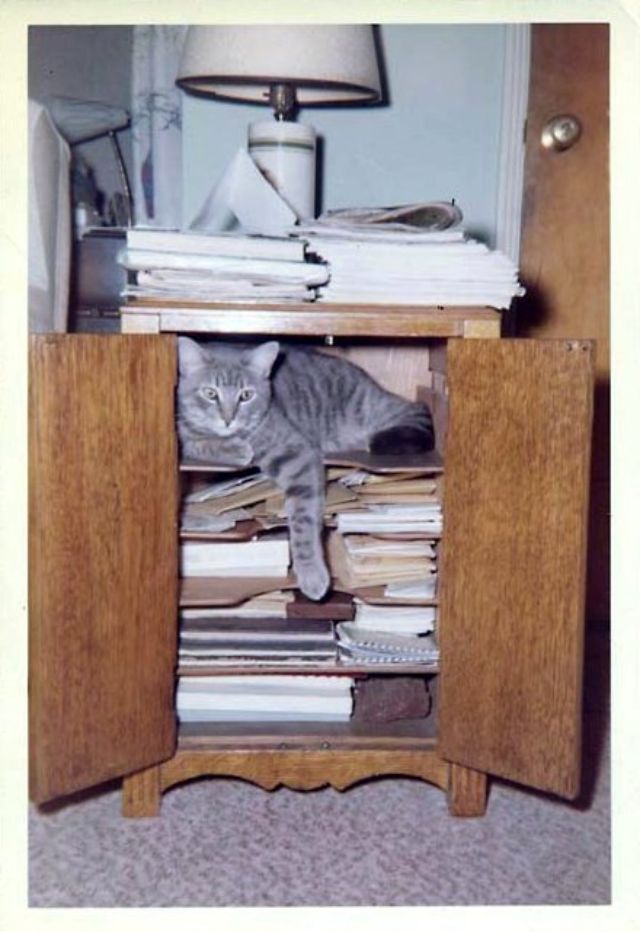
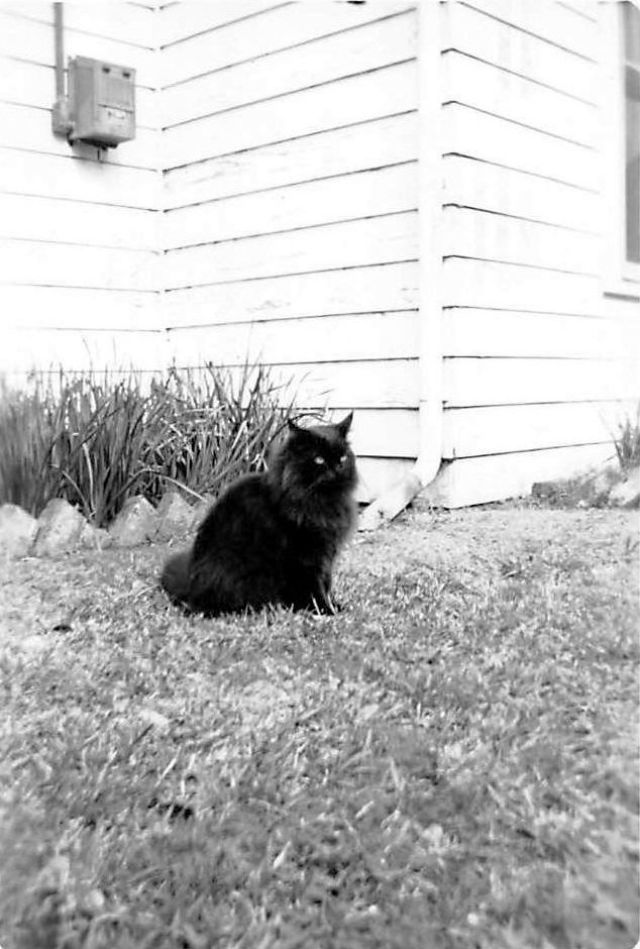
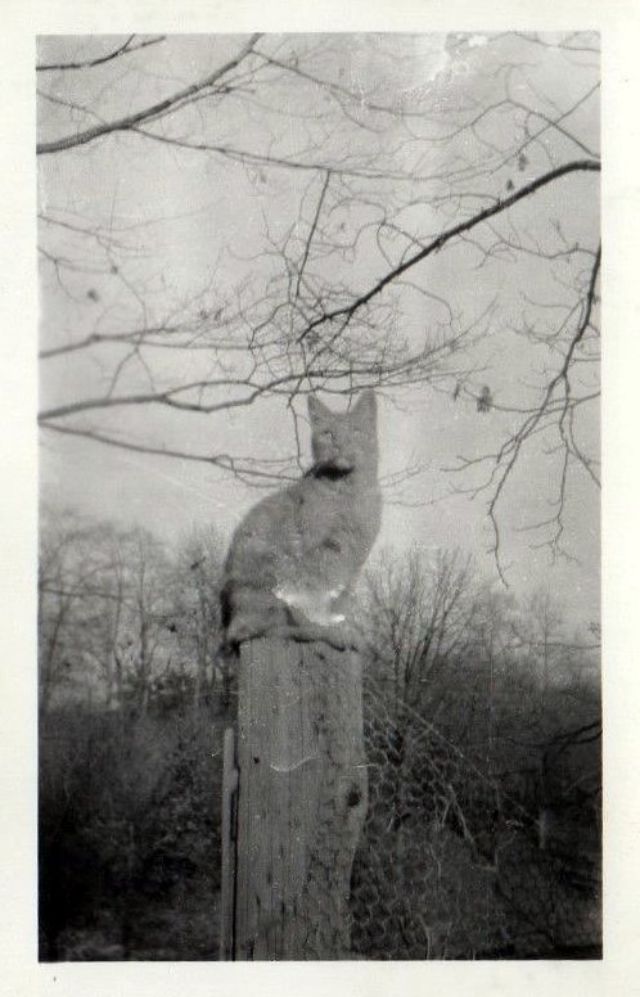
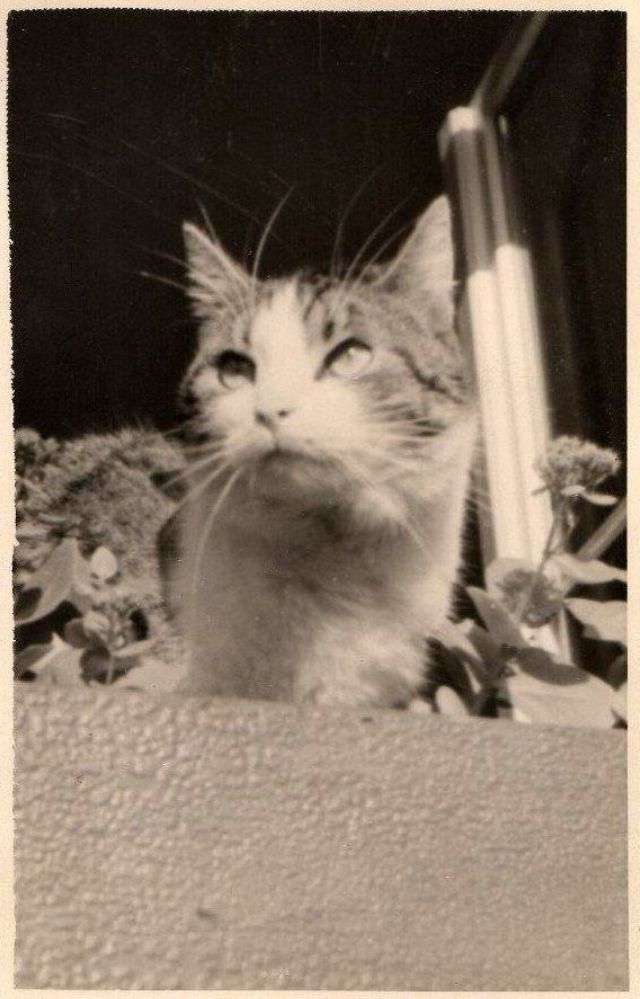
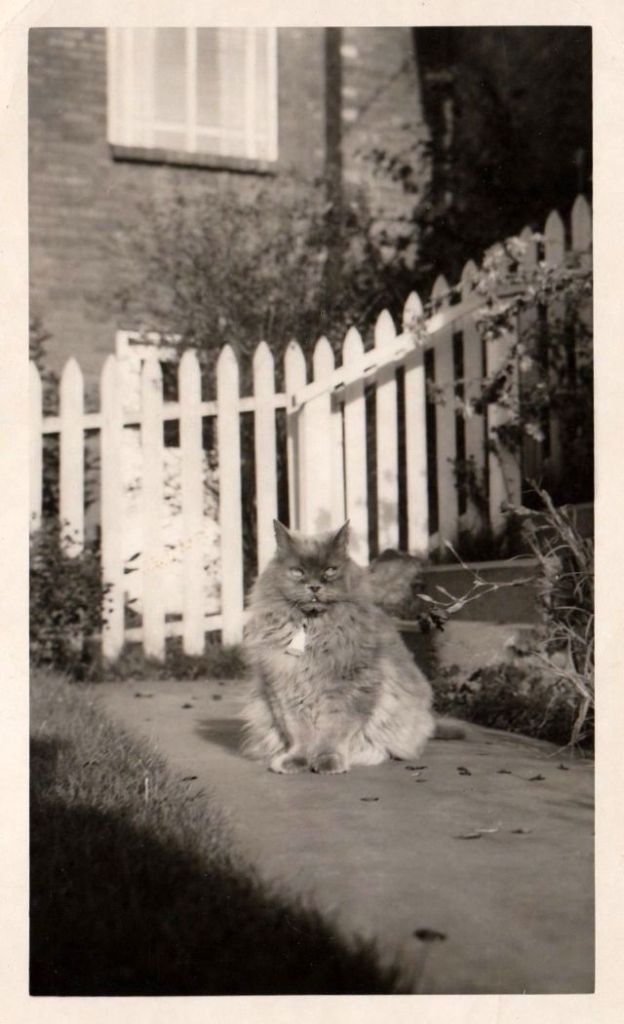
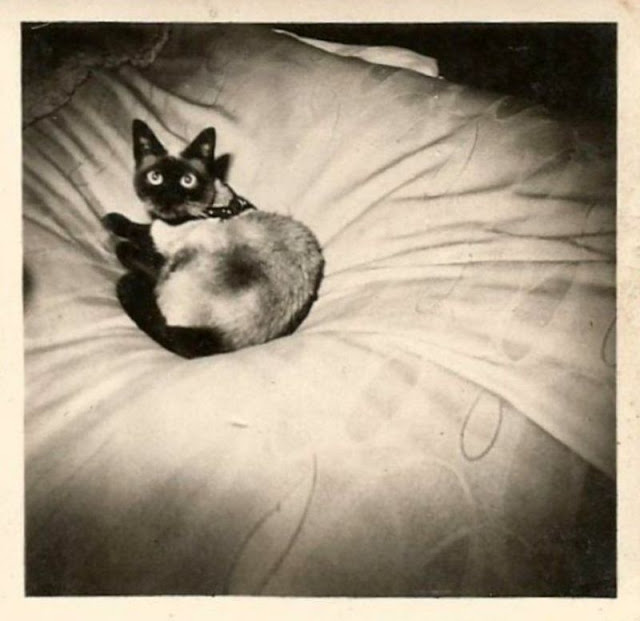
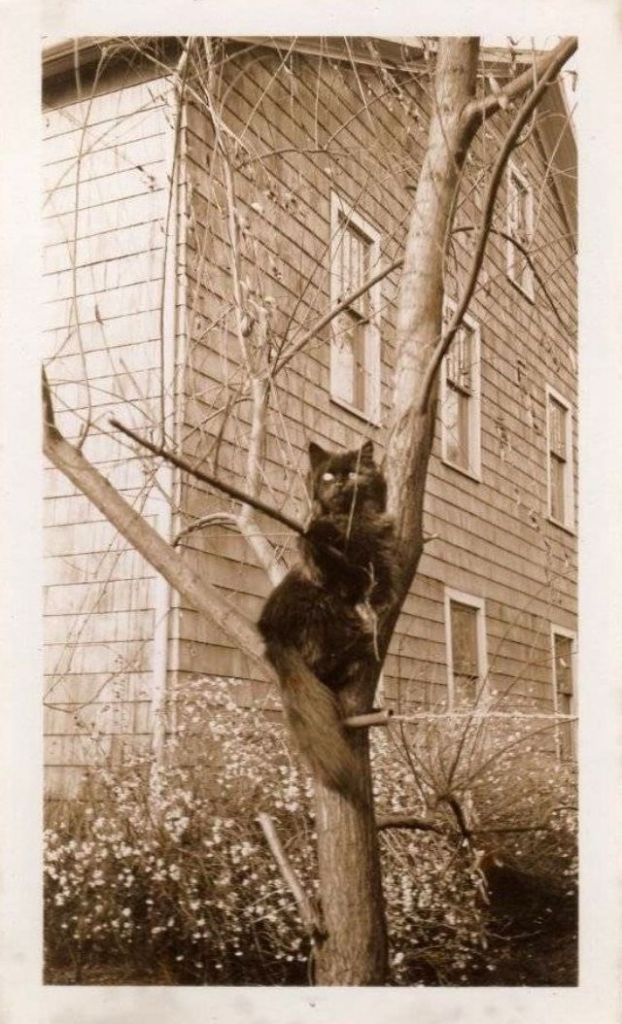
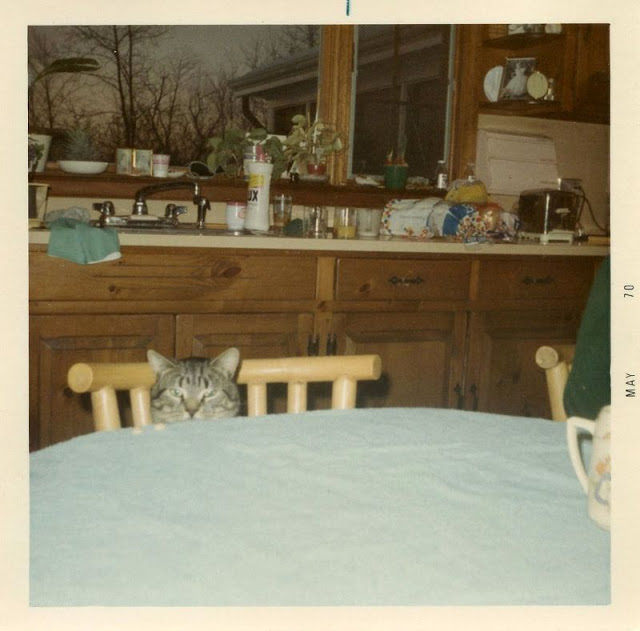
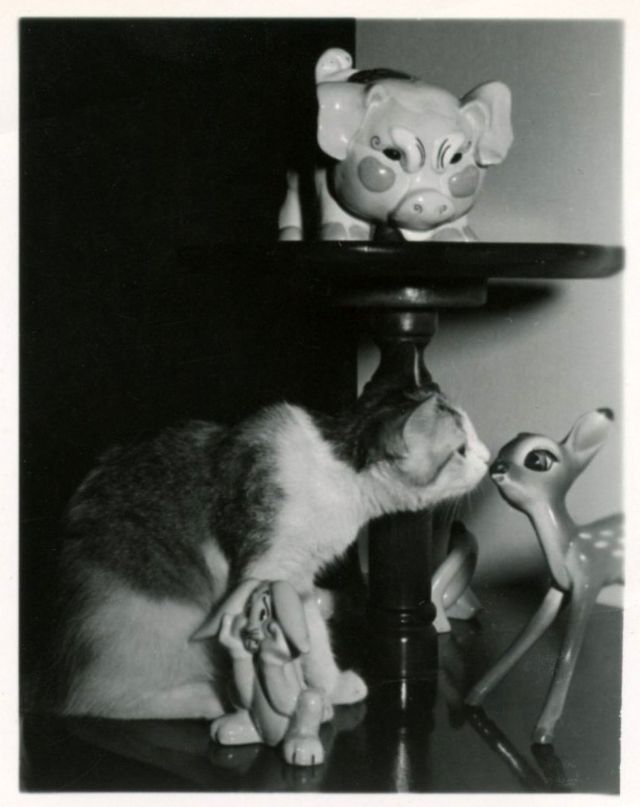
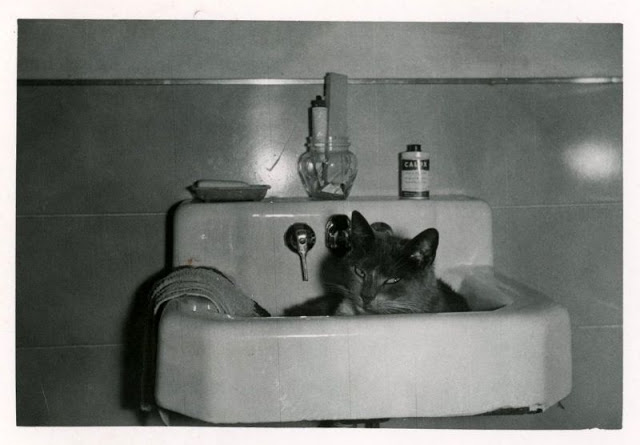
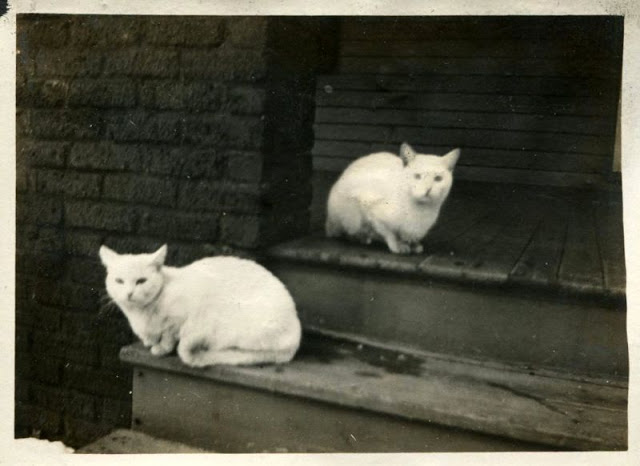
The cat (Felis catus) is a domestic species of small carnivorous mammal. It is the only domesticated species in the family Felidae and is often referred to as the domestic cat to distinguish it from the wild members of the family. A cat can either be a house cat, a farm cat or a feral cat; the latter ranges freely and avoids human contact. Domestic cats are valued by humans for companionship and their ability to kill rodents. About 60 cat breeds are recognized by various cat registries.
The cat is similar in anatomy to the other felid species: it has a strong flexible body, quick reflexes, sharp teeth and retractable claws adapted to killing small prey. Its night vision and sense of smell are well developed. Cat communication includes vocalizations like meowing, purring, trilling, hissing, growling and grunting as well as cat-specific body language. A predator that is most active at dawn and dusk (crepuscular), the cat is a solitary hunter but a social species. It can hear sounds too faint or too high in frequency for human ears, such as those made by mice and other small mammals. Cats also secrete and perceive pheromones.
Female domestic cats can have kittens from spring to late autumn, with litter sizes often ranging from two to five kittens. Domestic cats are bred and shown at events as registered pedigreed cats, a hobby known as cat fancy. Population control of cats may be effected by spaying and neutering, but their proliferation and the abandonment of pets has resulted in large numbers of feral cats worldwide, contributing to the extinction of entire bird, mammal, and reptile species.
Cats were first domesticated in the Near East around 7500 BC. It was long thought that cat domestication began in ancient Egypt, where cats were venerated from around 3100 BC. As of 2021, there were an estimated 220 million owned and 480 million stray cats in the world. As of 2017, the domestic cat was the second-most popular pet in the United States, with 95.6 million cats owned and around 42 million households own at least one cat. In the United Kingdom, 26% of adults have a cat with an estimated population of 10.9 million pet cats as of 2020. (Wikipedia)
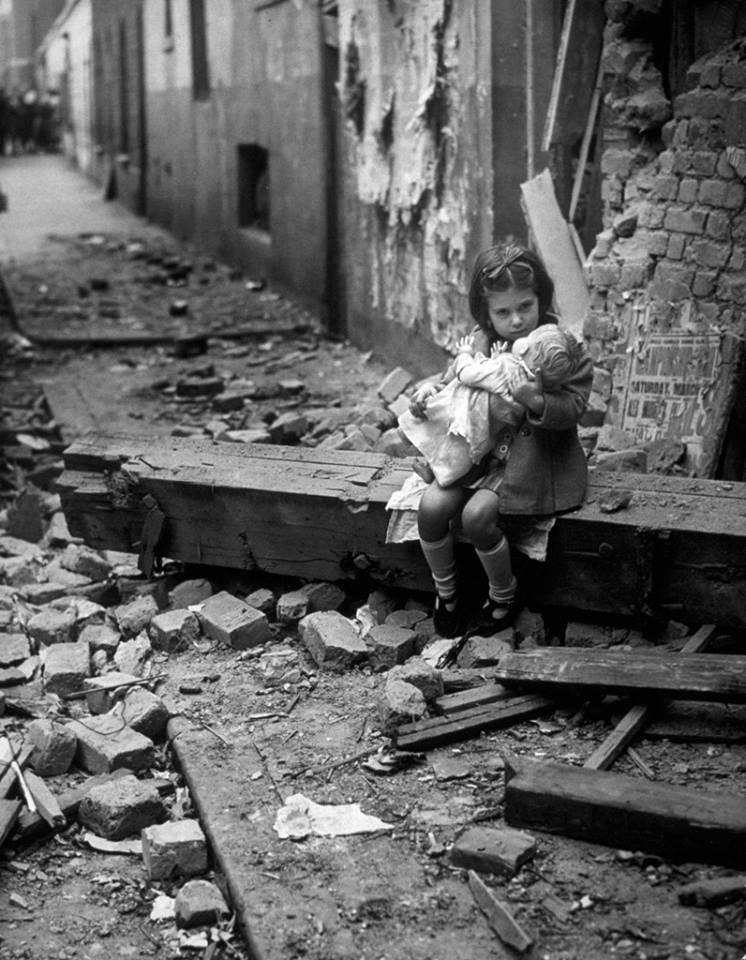
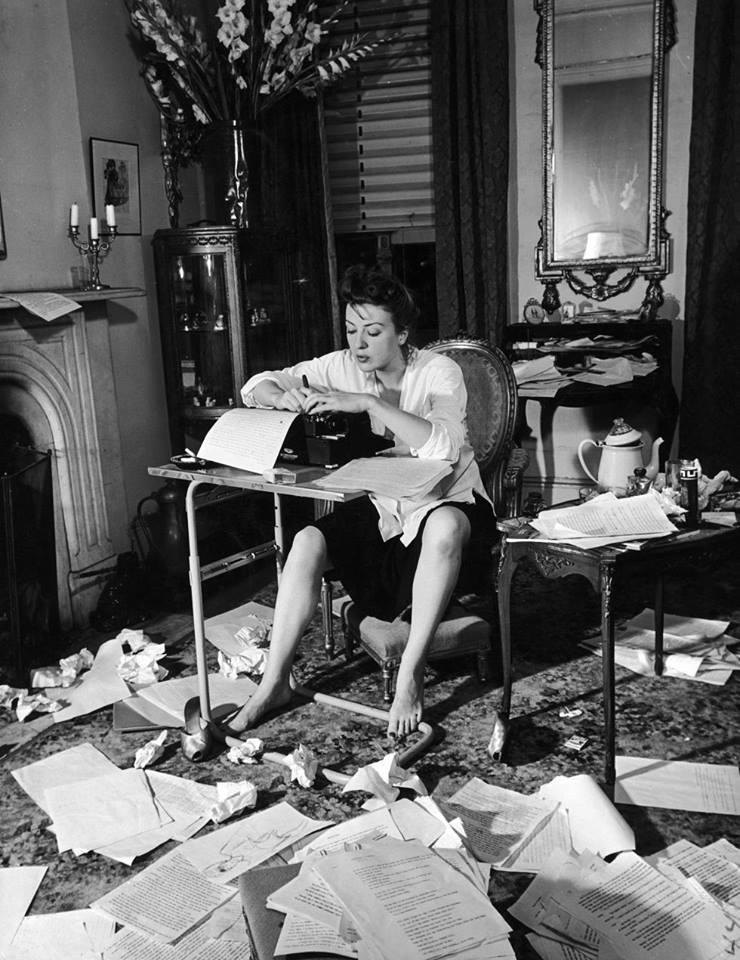
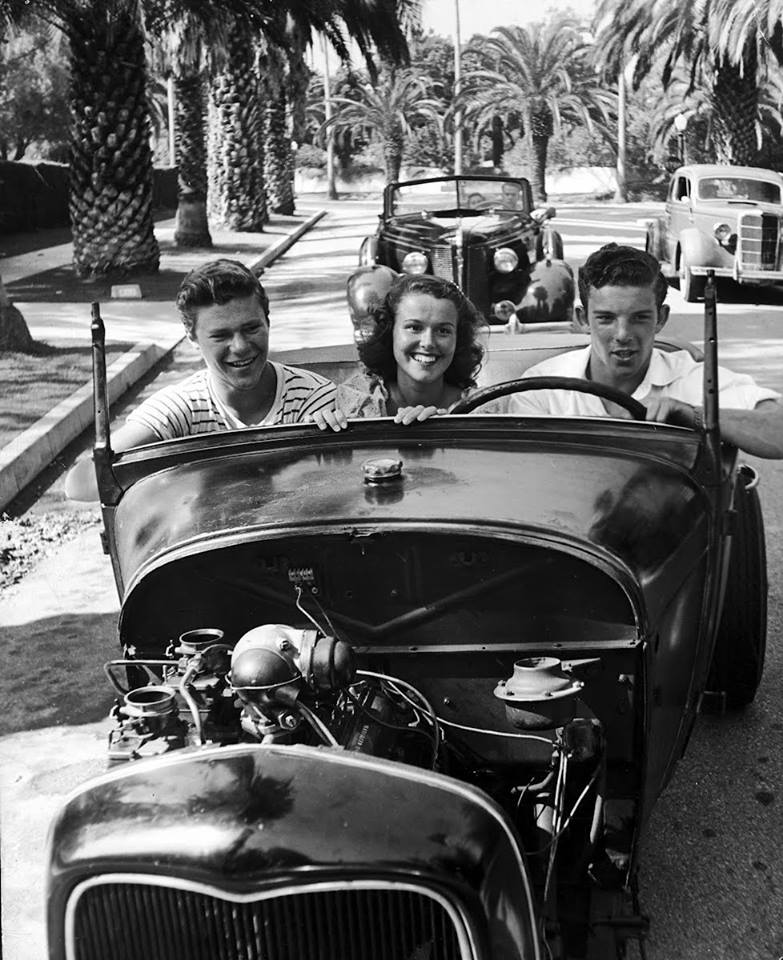
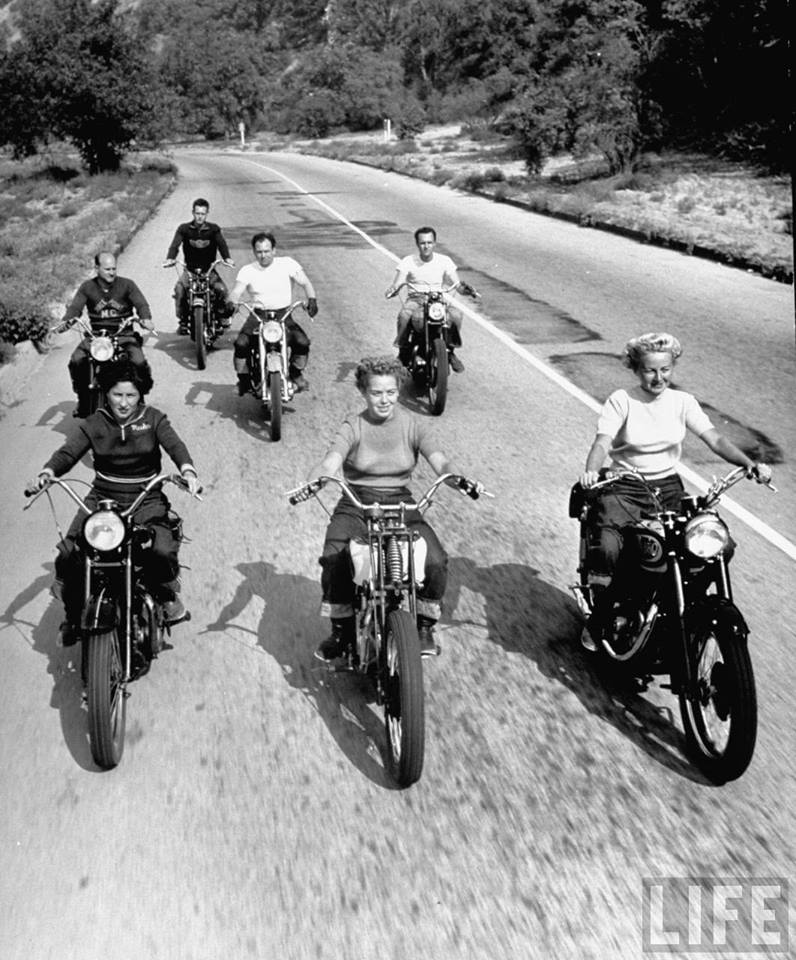
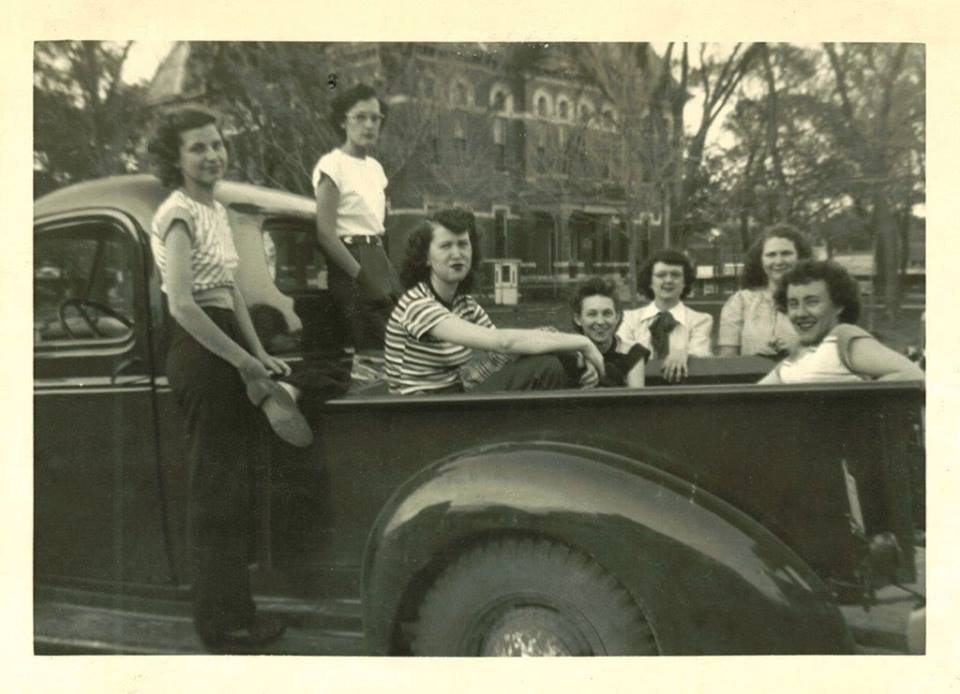
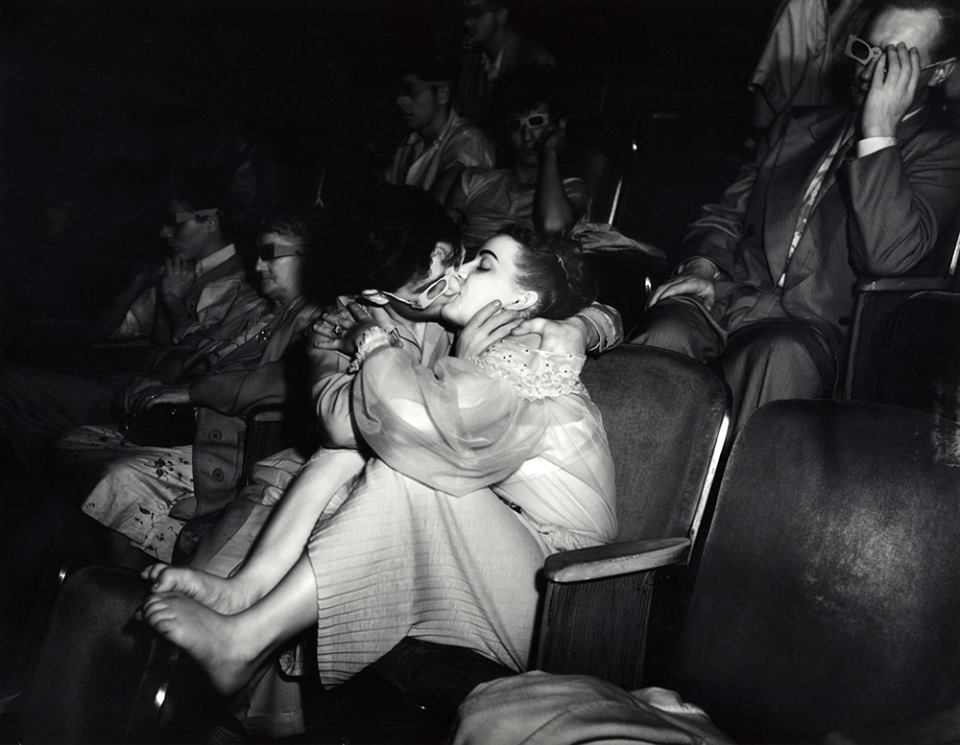
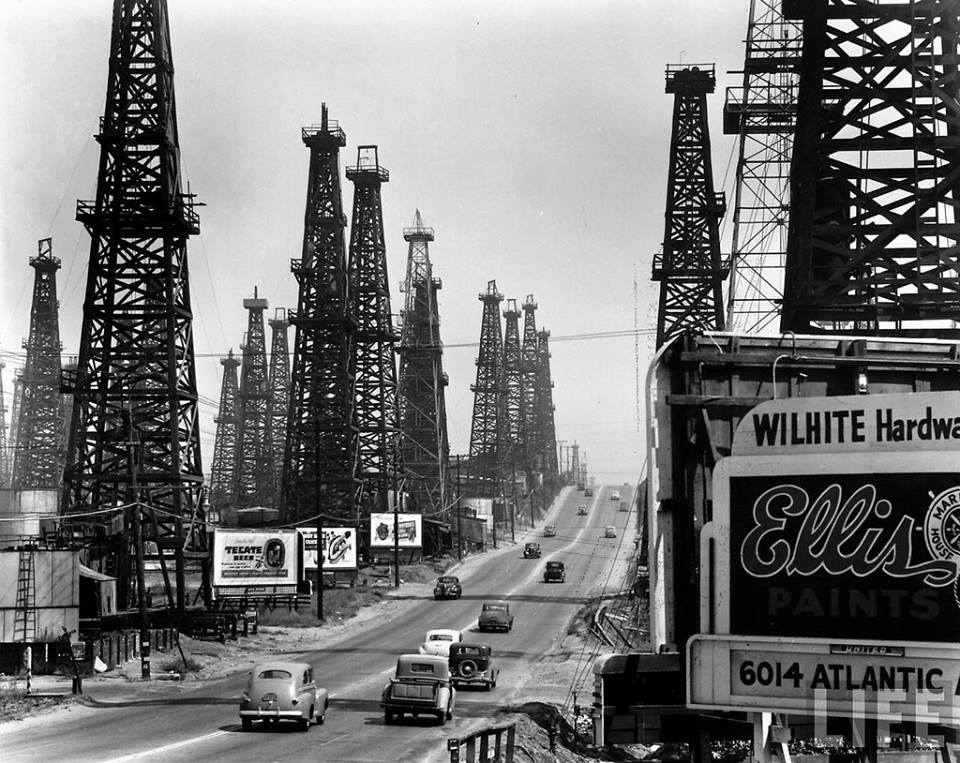
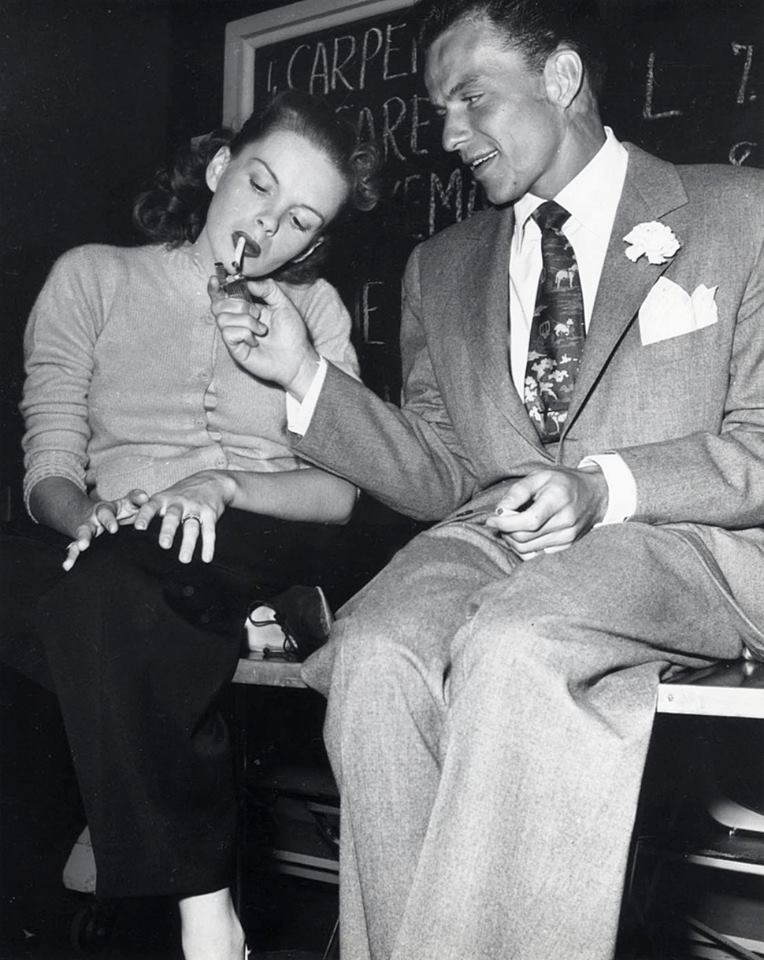
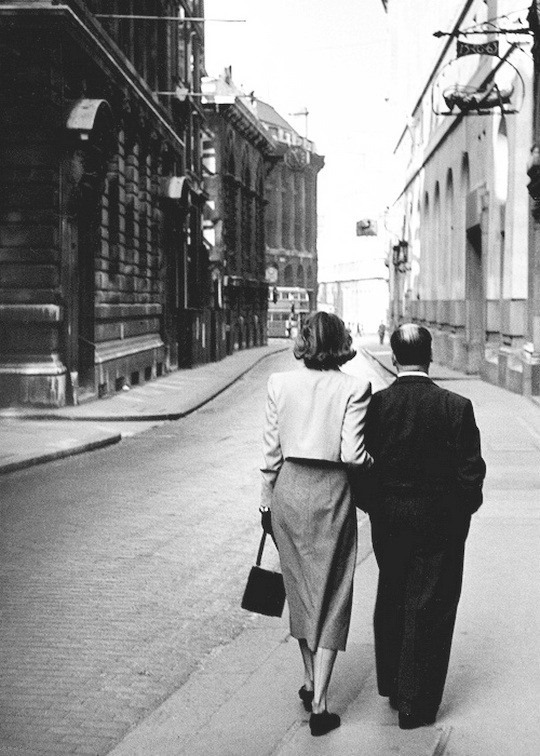
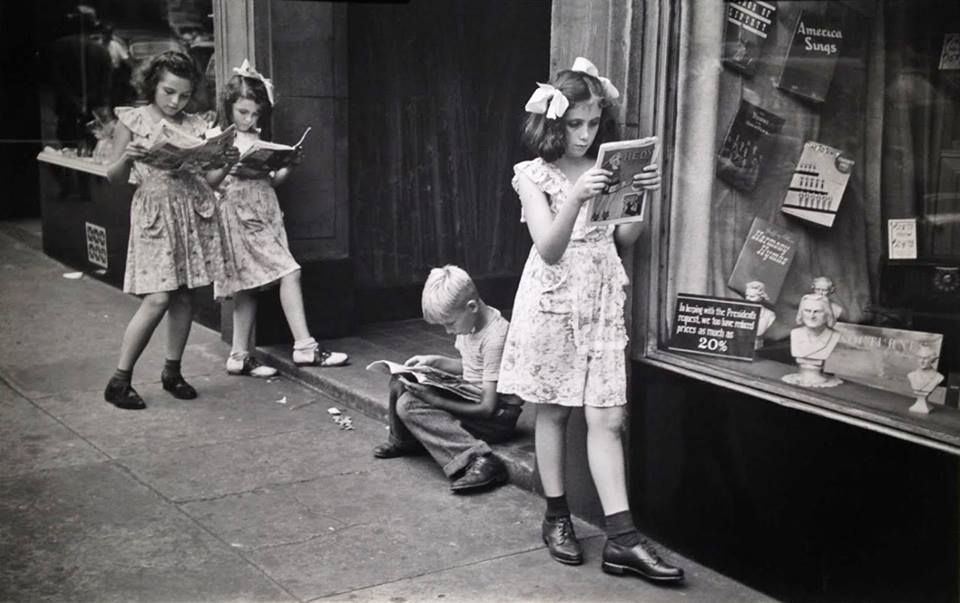
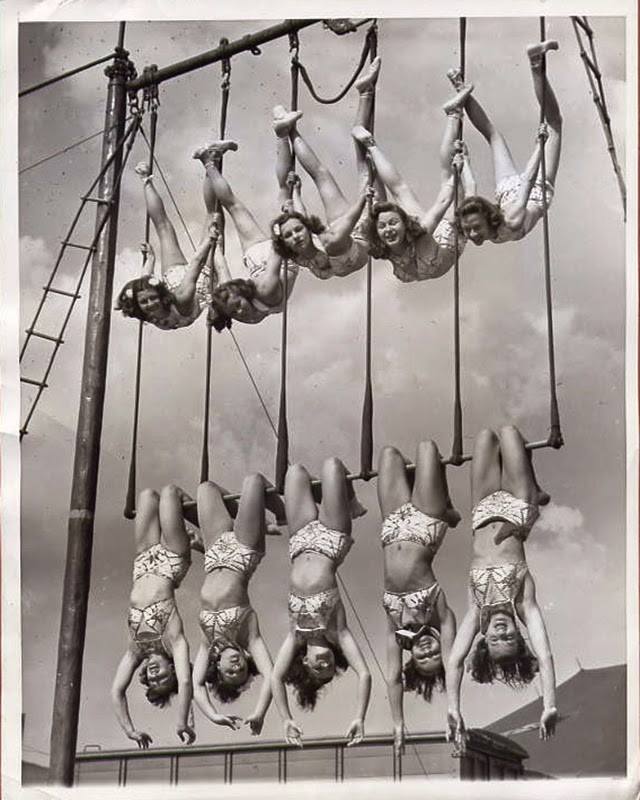
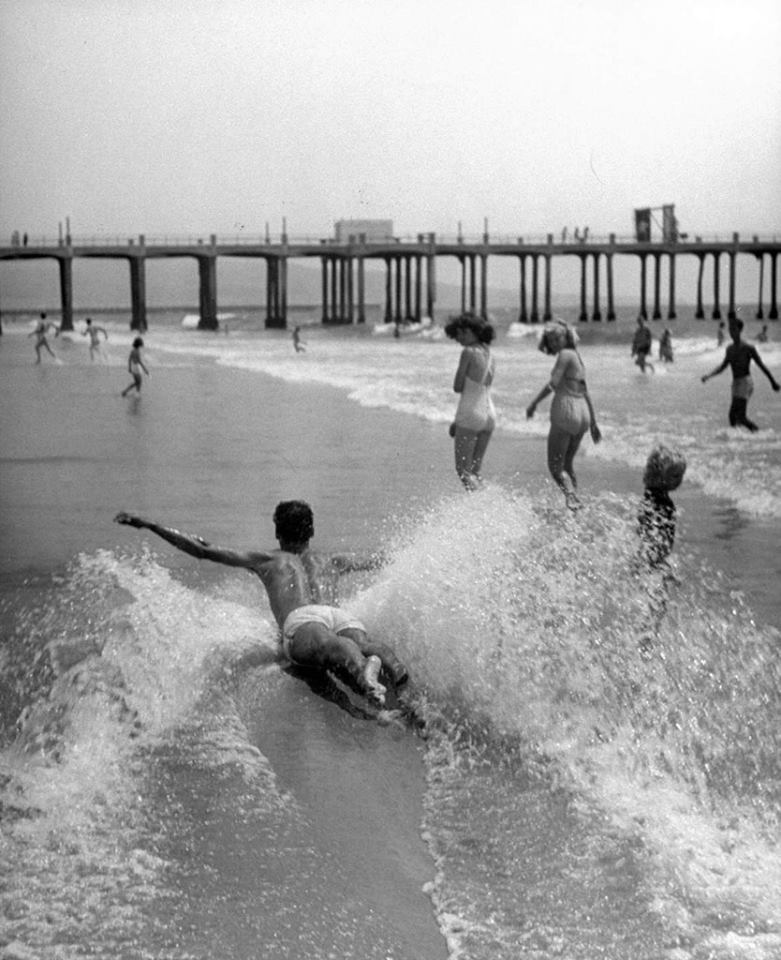
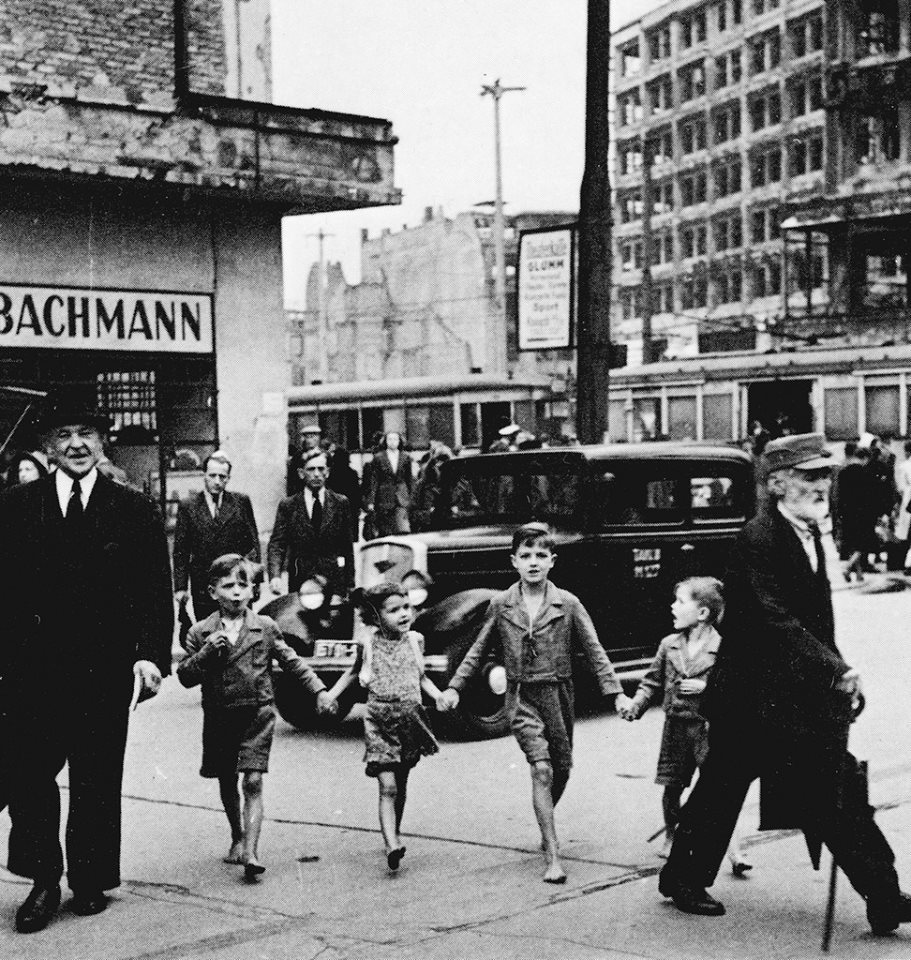
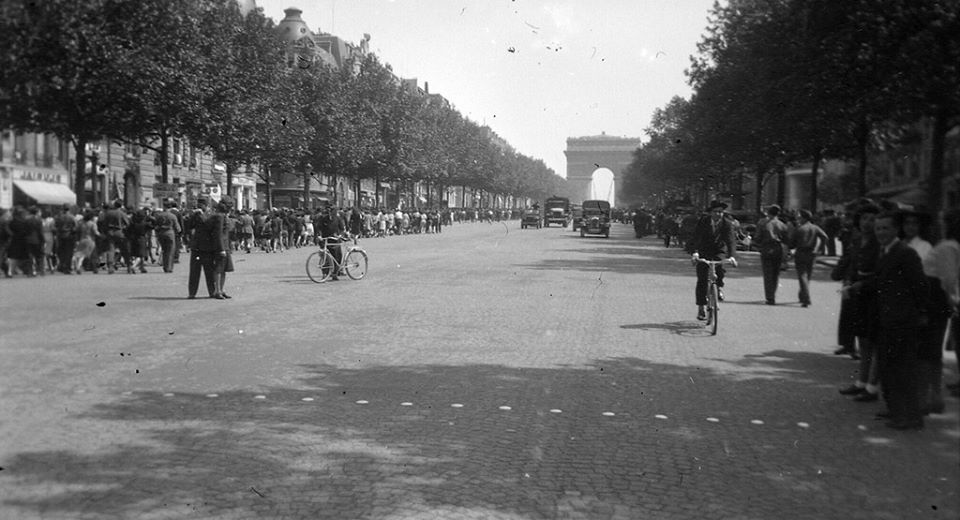
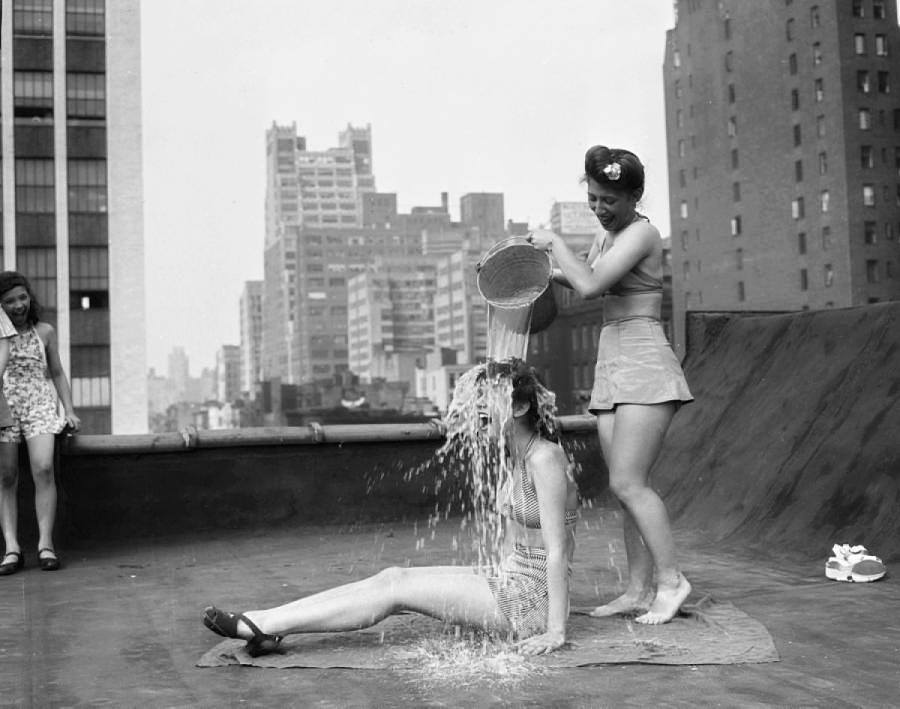
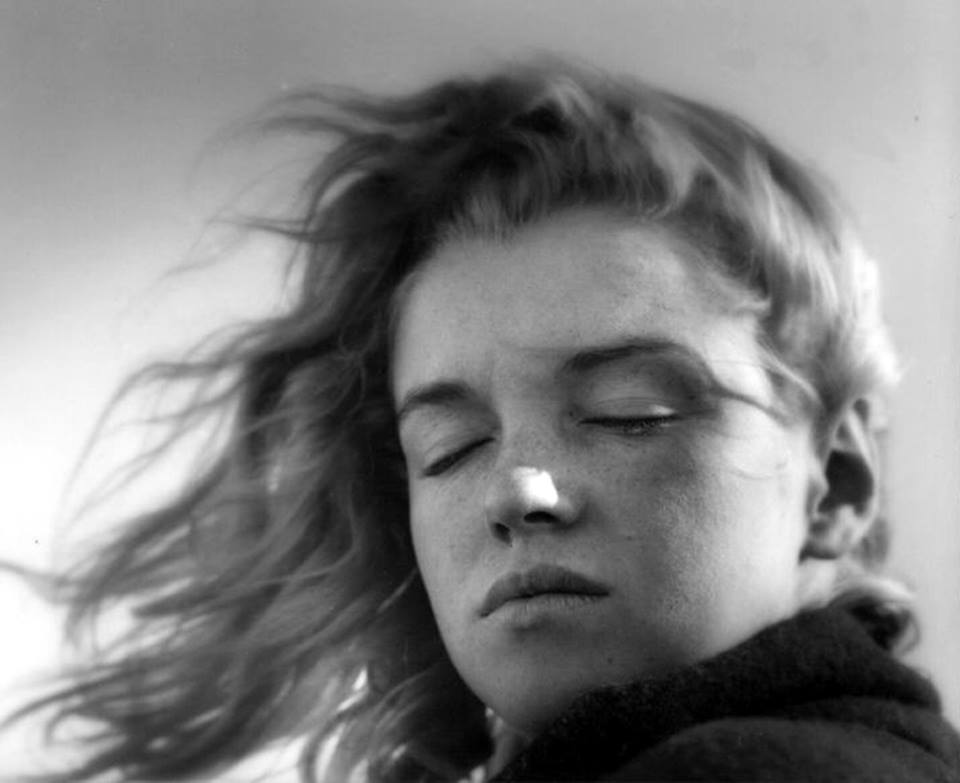
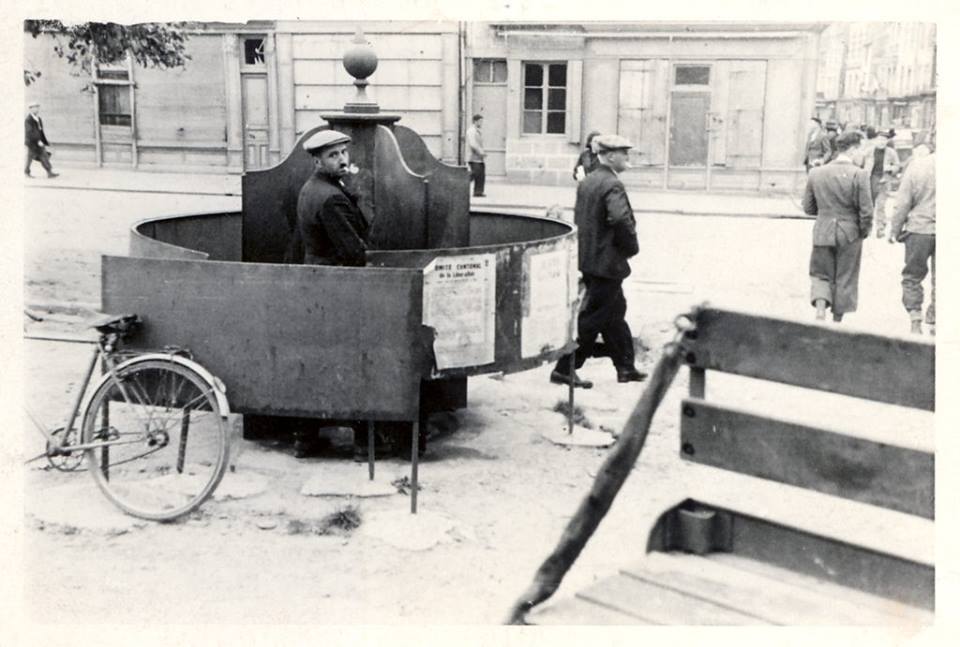
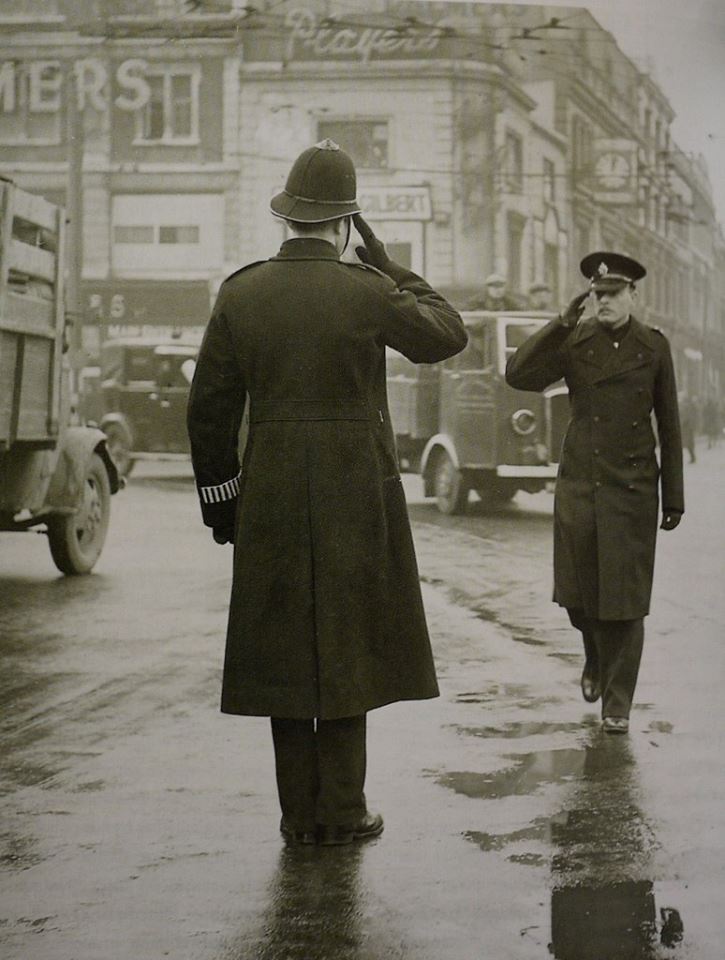
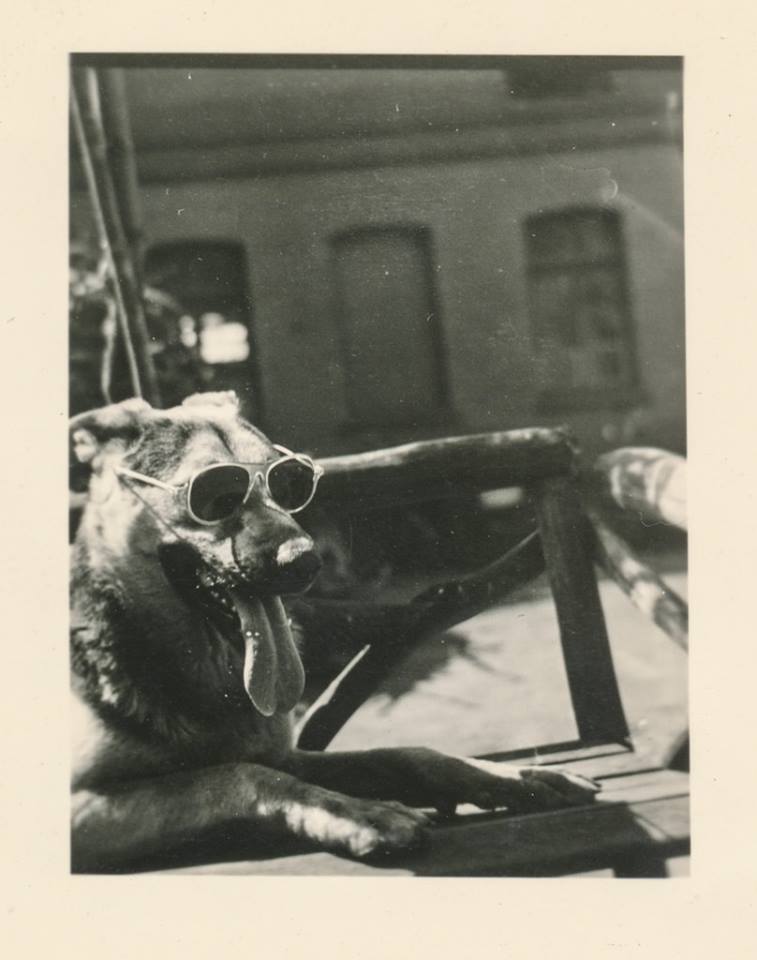
Gypsy Rose Lee working on her mystery novel “The G-String Murders” in 1941.California youth in their “hopped-up” car, 1945Riders enjoying a Sunday afternoon jaunt in Griffith Park, Los Angeles, 1949.British officers and children sit on a bridge in the town of Henley on Thames, 1944Air raid practice, Melbourne, 1942Sixteen-year old Jacqueline Bouvier vamps for the camera at a Newport tennis court, July 1945.Lingerie model smoking in an office, Chicago, 1949Linotype operators of the Chicago Defender, 1941Dad showing off his skill to the surprise of his little daughter in Melbourne, Australia, 1940sSeven gals and a pickup truck, 1940s.Lovers with 3-D glasses at the Palace Theater, London, 1943Oil field near Long Beach, California, 1948Naples Municipal Pier, Florida, 1947Times Square, New York, 1949Girls of different ages holding book, 1945.Judy Garland and Frank Sinatra, 1944.Ingrid Bergman and Alfred Hitchcock strolling through London, 1948Comic book readers, New York City, 1947.Line of Russians along street in front of the Kremlin, 1941.Aerial ballet, 1948.Telephone booth inside the Hurricane Ballroom, New York, 1940.Six year-old Werfel, living in an orphanage in Austria, hugs a new pair of shoes given to him by the American Red Cross, 1946.Passing notes in class, 1944.French troops heading back to France from Italy, 1944.Actress Sheila Guyse in the 1940sBelly sliding at Hermosa Beach, California, 1948.Berlin in 1945.Jack’s Sandwich Shop, San Francisco, 1941.Santa Monica Beach, California, 1949.Three happy girls in 1943.A little English girl comforts her doll in the rubble of her bomb damaged home in 1940.Rita Hayworth, 1940.Ava Gardner stretching on Will Rogers State Beach, Los Angeles, California, 1945.Marilyn Monroe, 1946.Pin-up artist Zoë Mozert paints Jane Russell in pastels for Howard Hughes’ The Outlaw, 1943.A woman in postwar Denmark walking through an open air market.Paris during World War II.Two Jewish women kiss through a fence in the Lodz Ghetto, Poland, ca. 1940s.Elm Street, Dallas, 1945.Boys on bicycle hitching ride on Pontiac Woody, 1940s.The original Ice Bucket Challenge, NYC, 1943.Hollywood canteen convoy car, California, 1943.Portrait of 19-year-old Norma Jean, later known as Marilyn Monroe in 1945.Wahines in the 1940s.Public bathroom, somewhere in Europe, 1940s.Traffic officer saluting inspector, London, 1948.Women waiting for their trains at the Pennsylvania railroad station, New York City, 1942.Cool dog wearing sun glasses, 1940s.Bookstore in London ruined by an air raid, 1940.Kid and his dog, 1949.
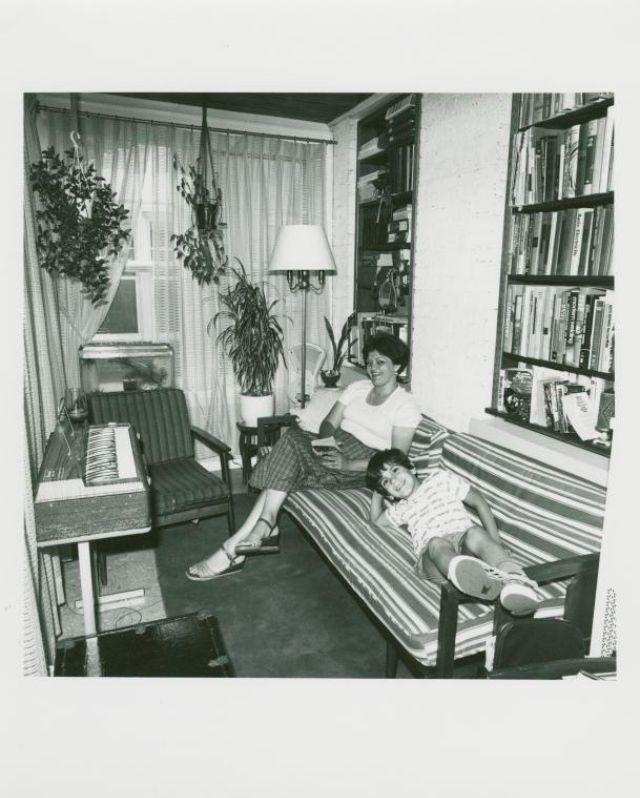
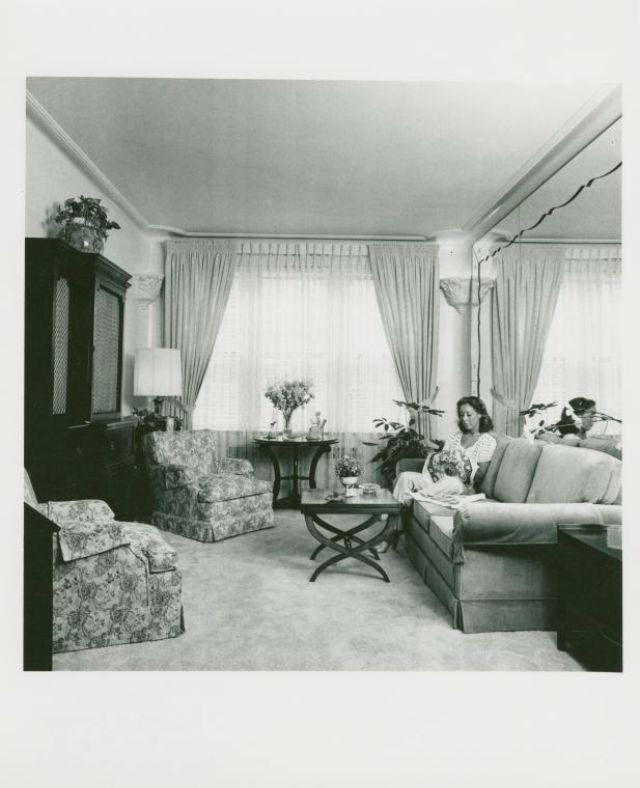
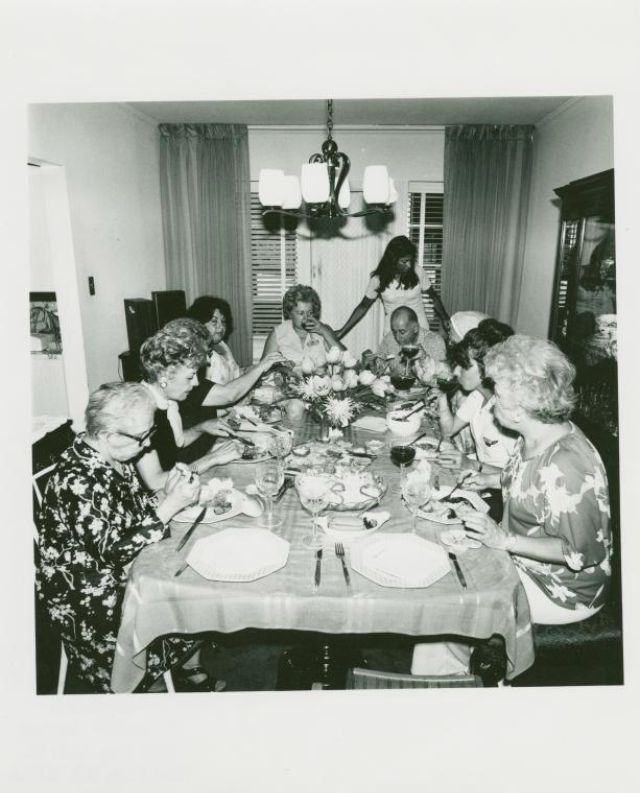
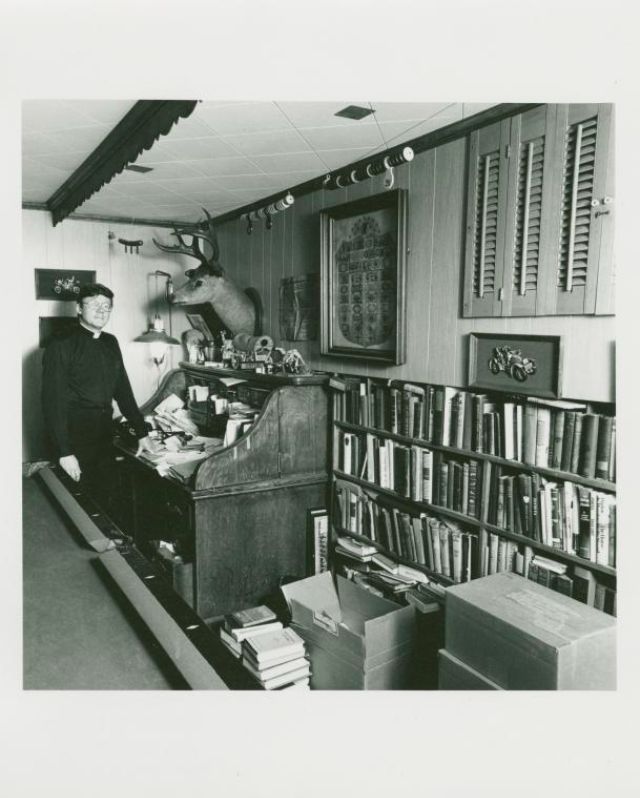
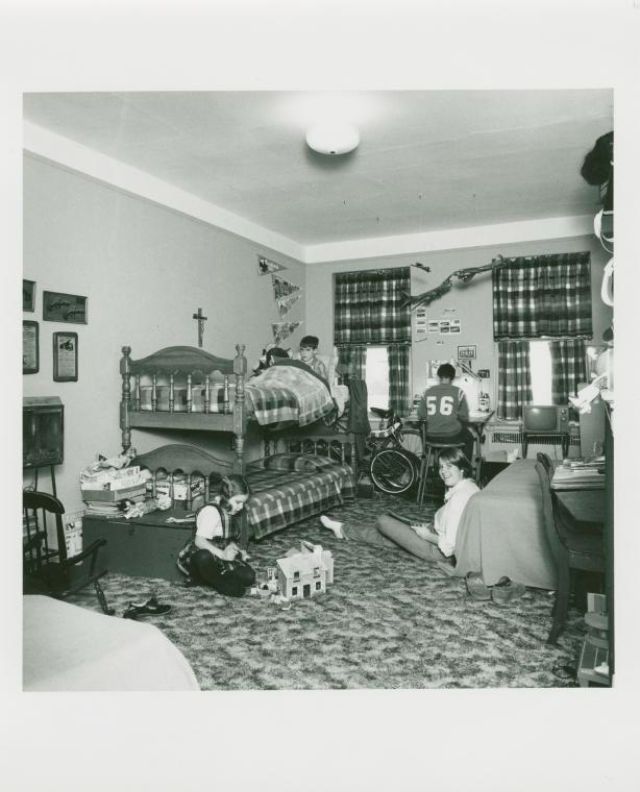
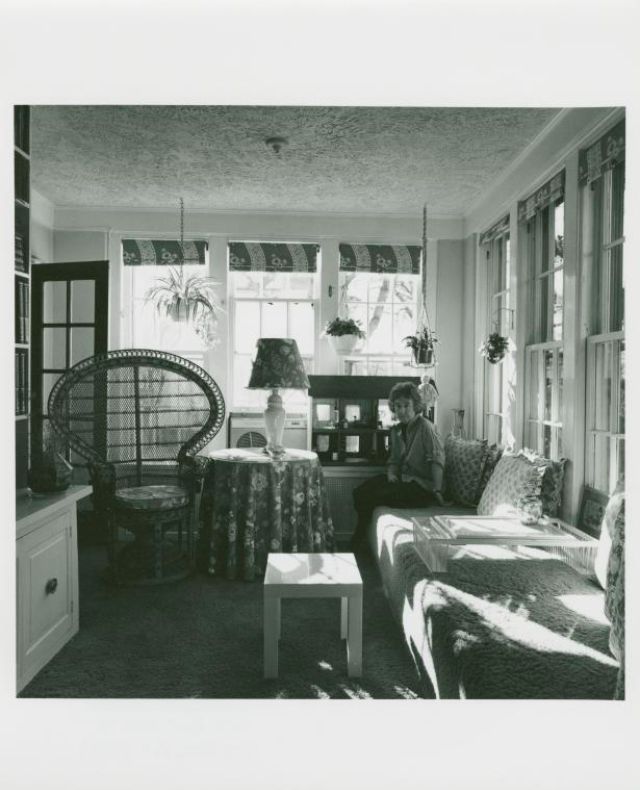
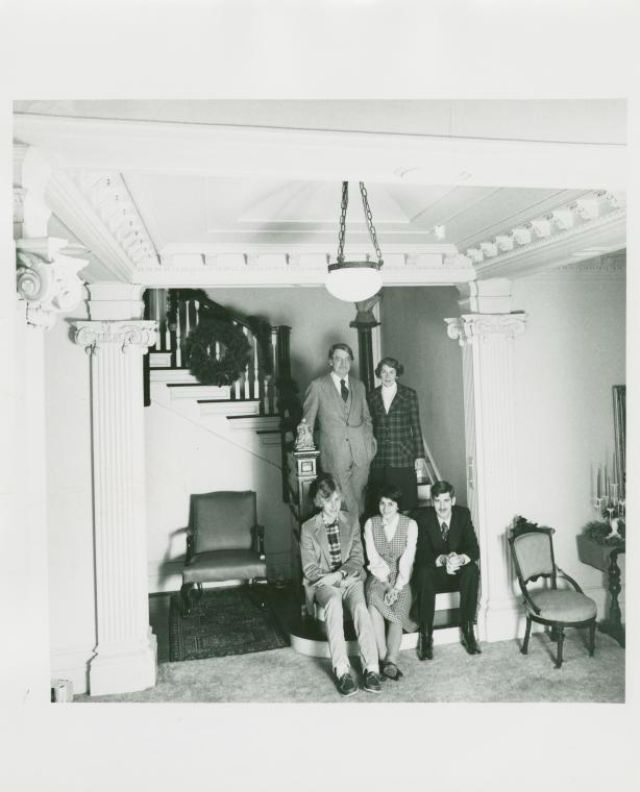
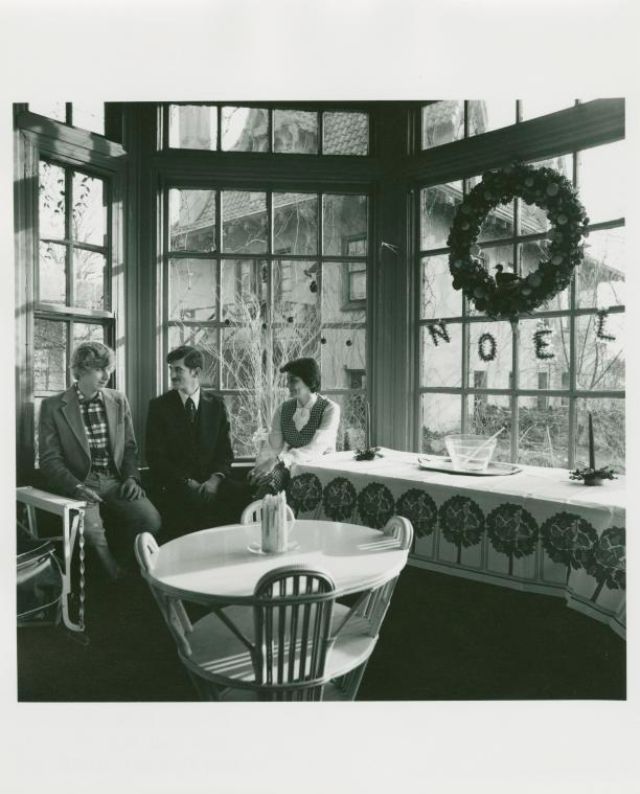
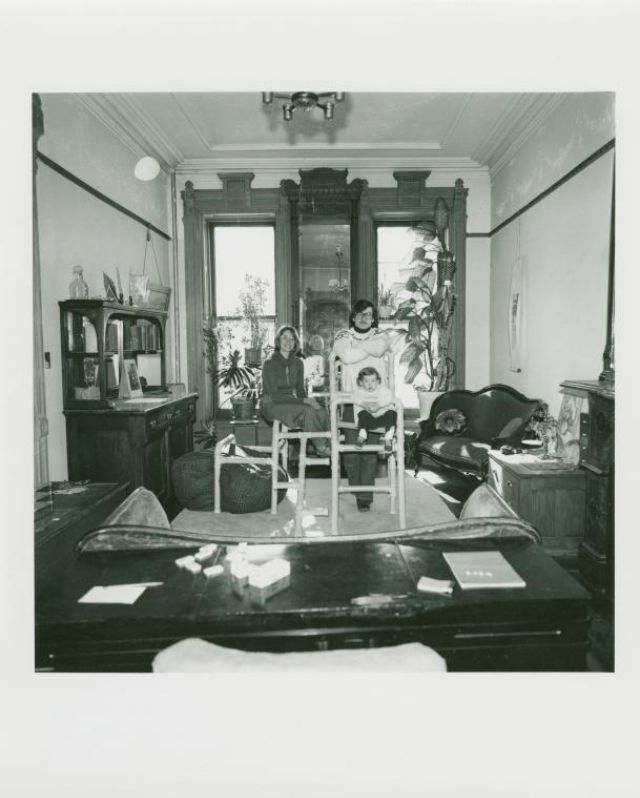
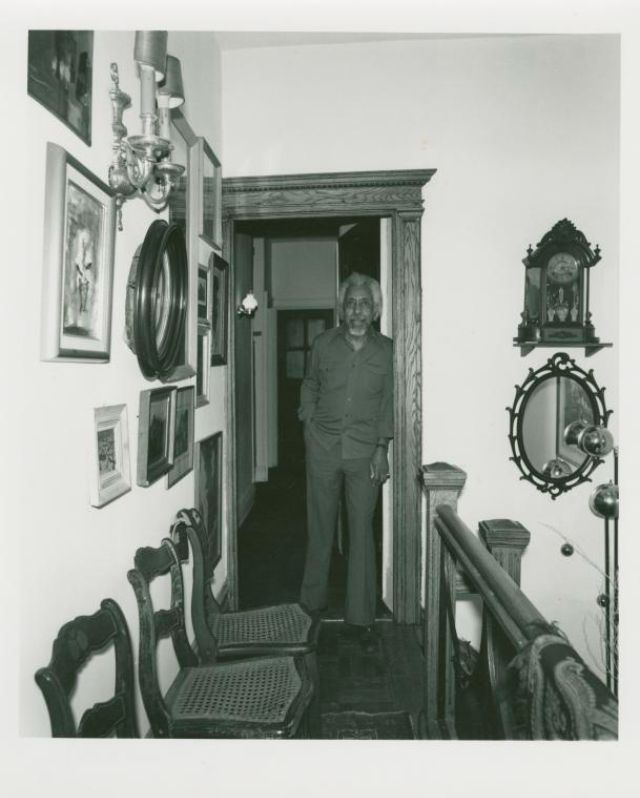
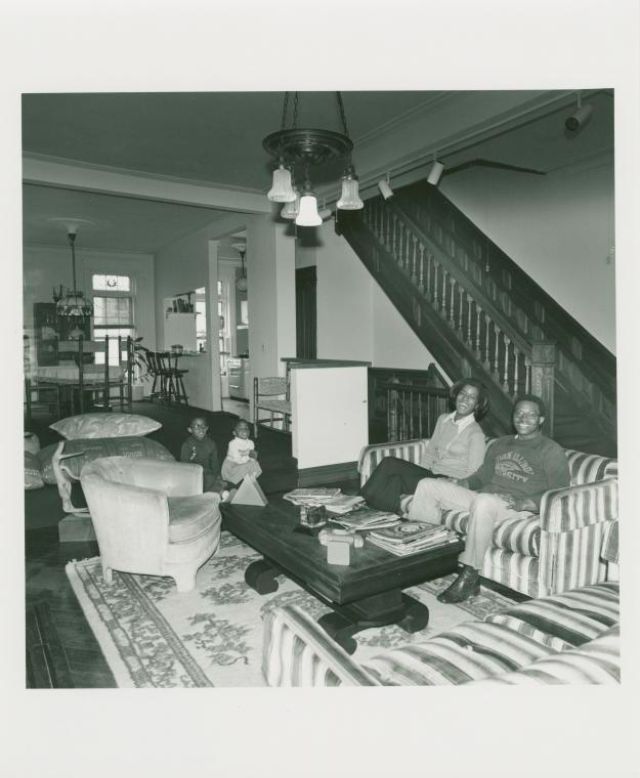
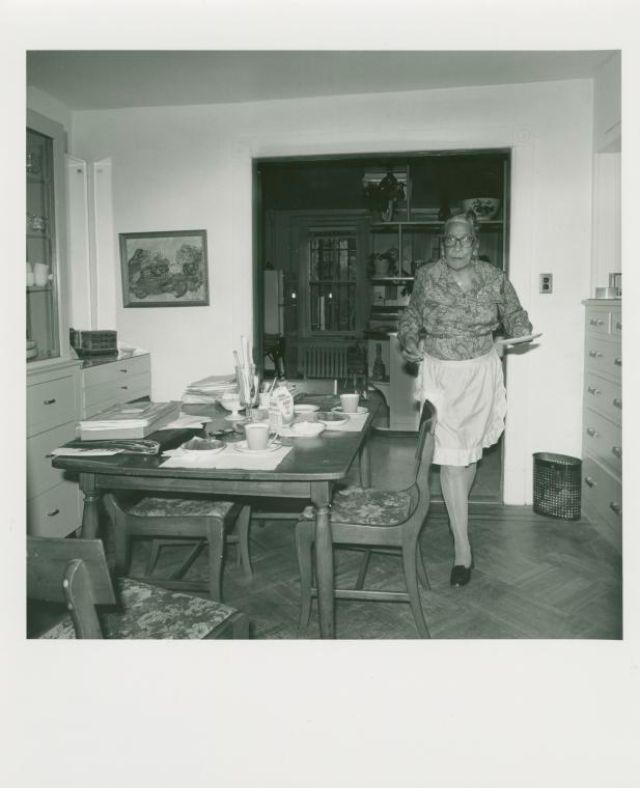
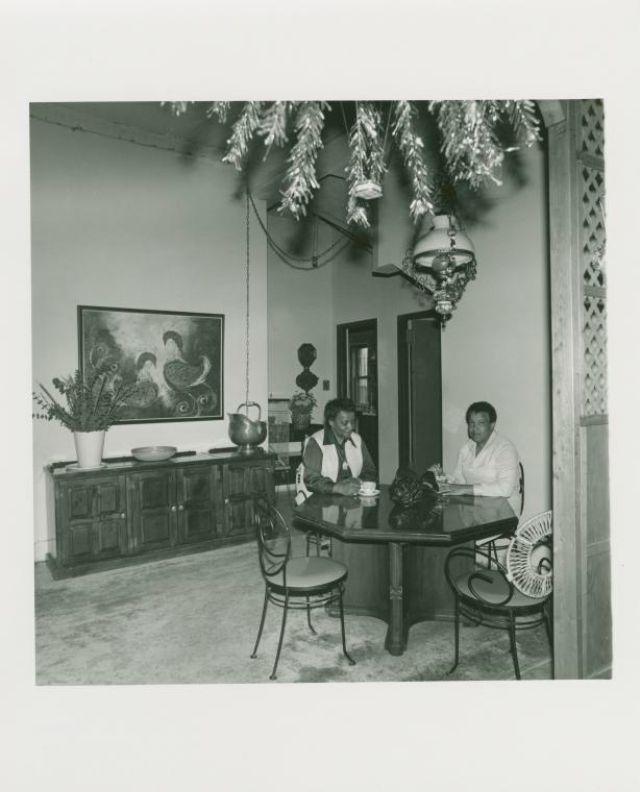
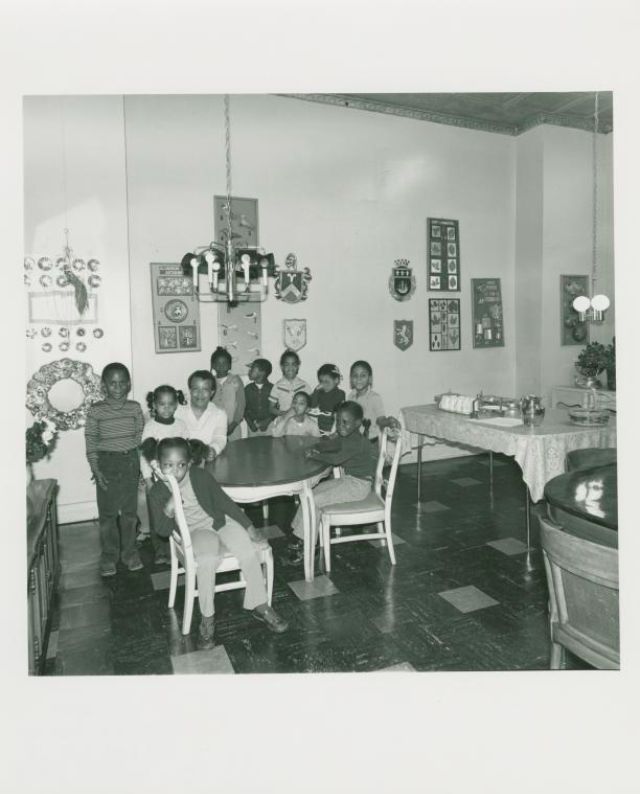
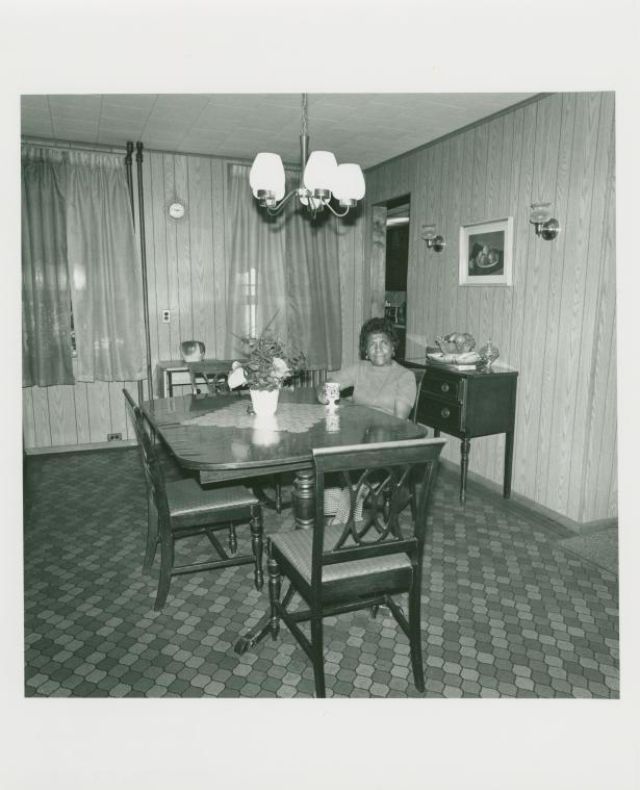
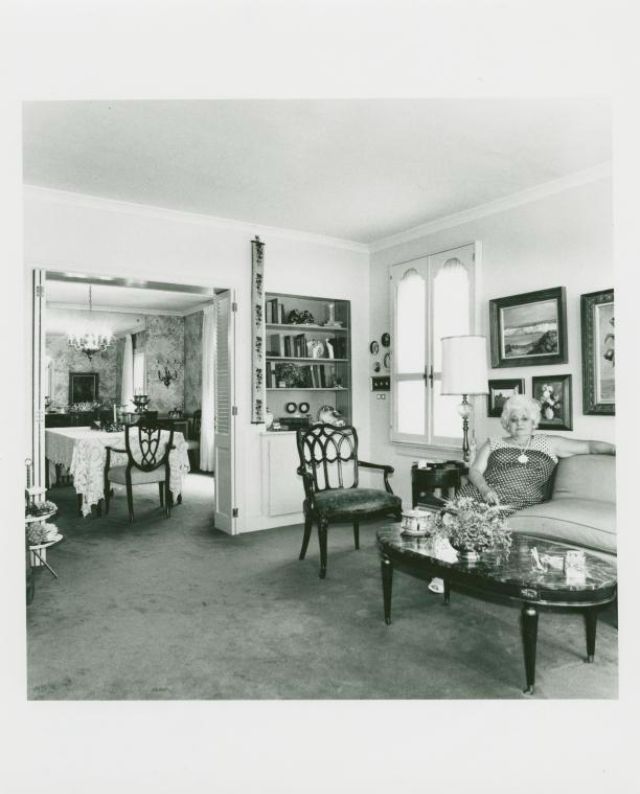
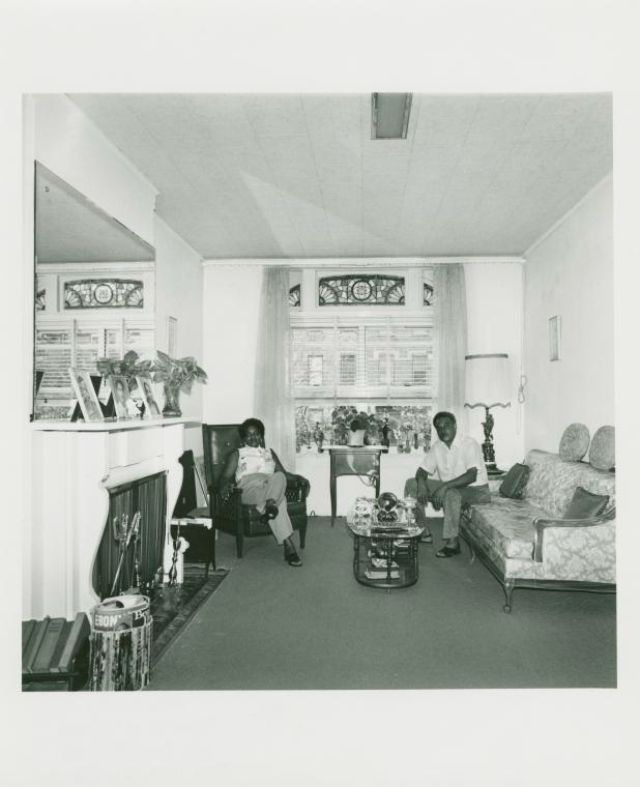
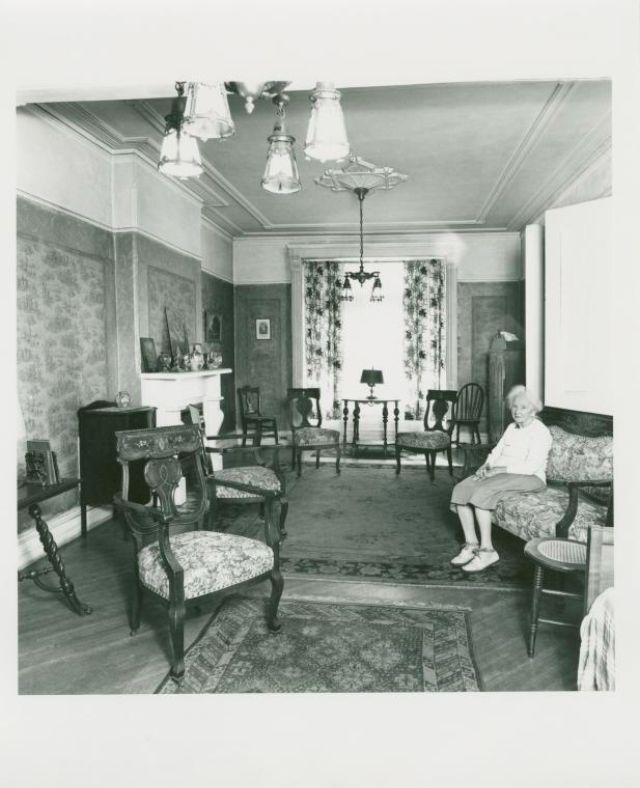
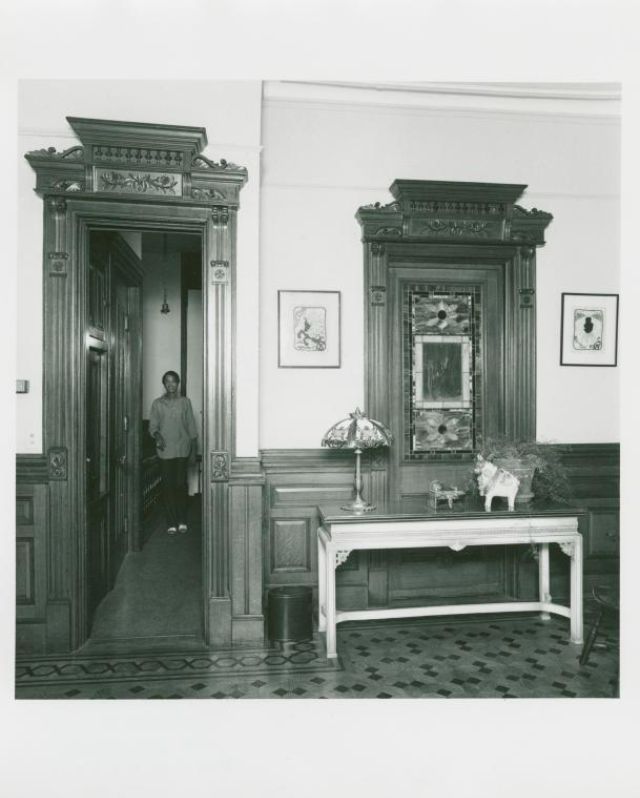
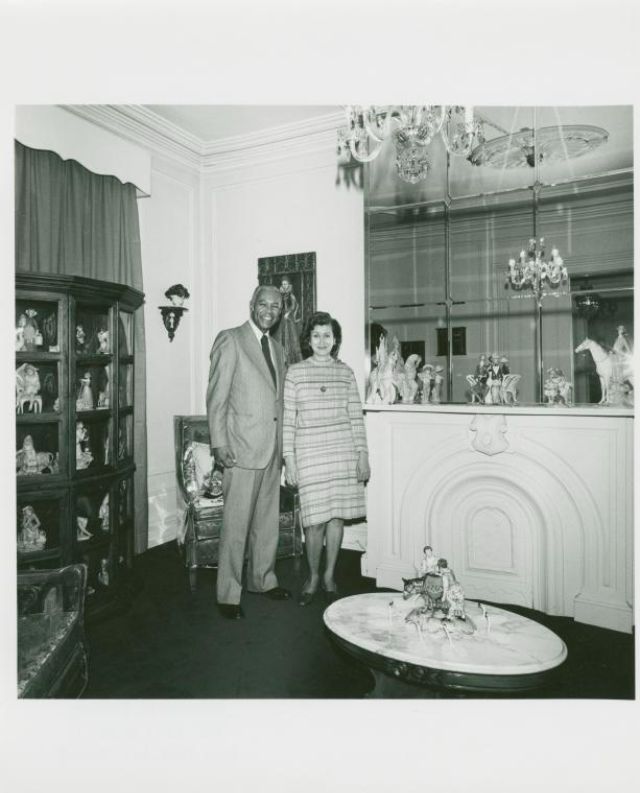
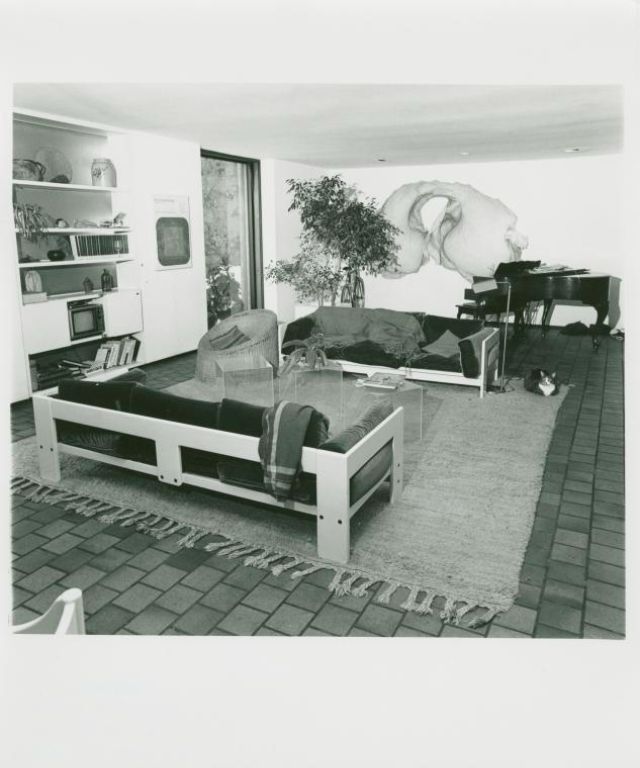
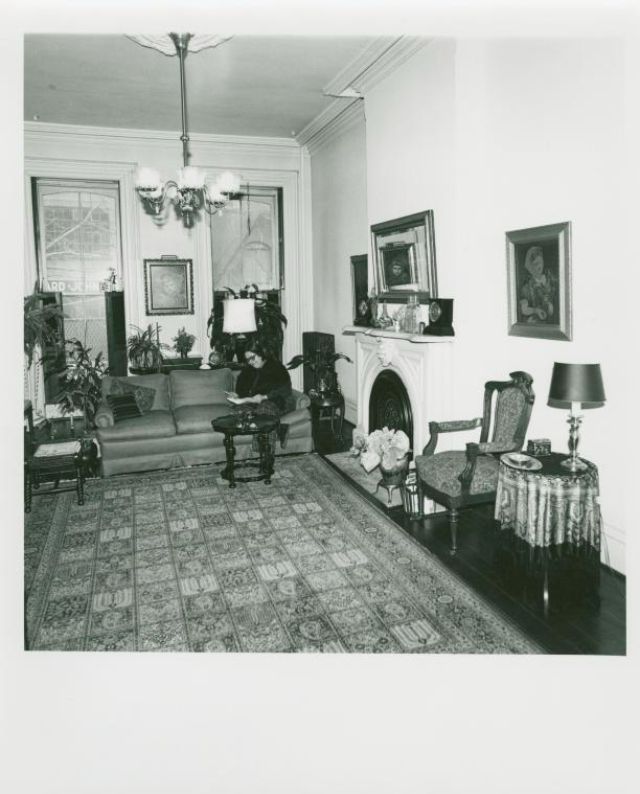
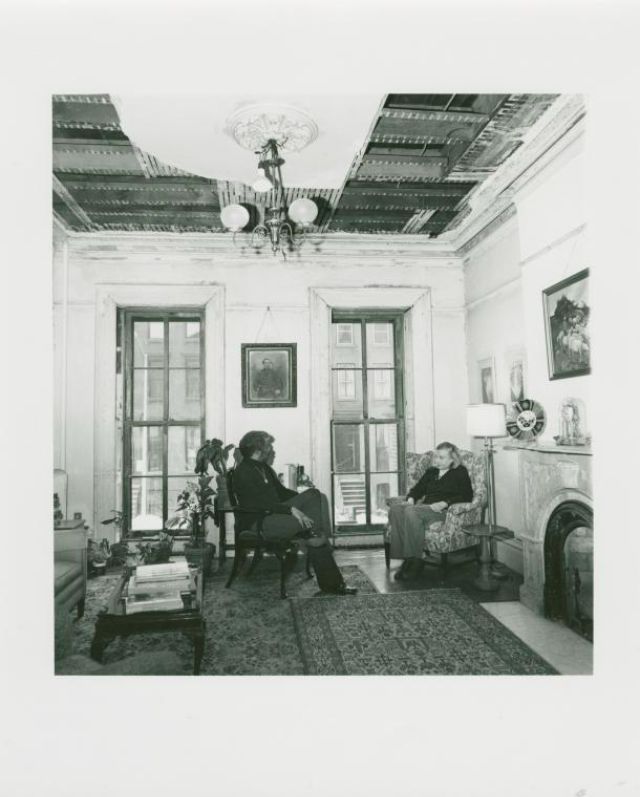
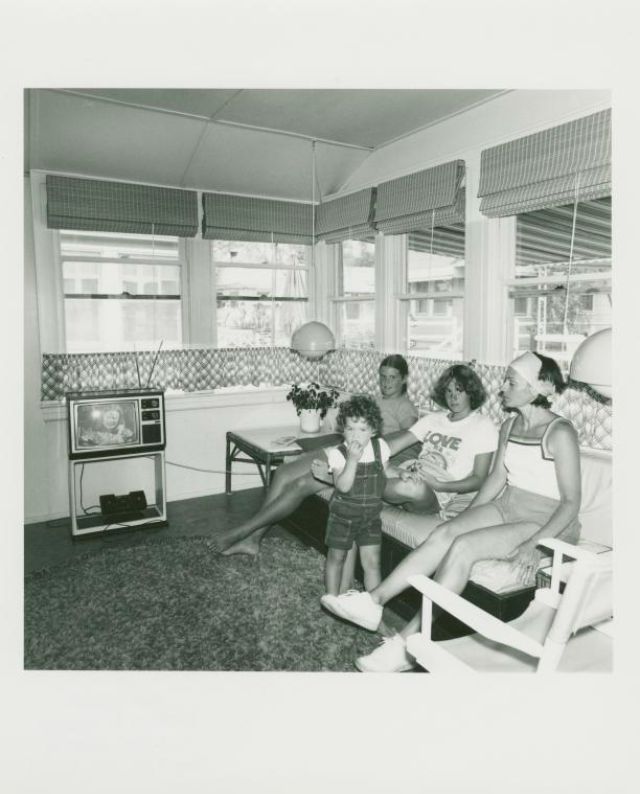
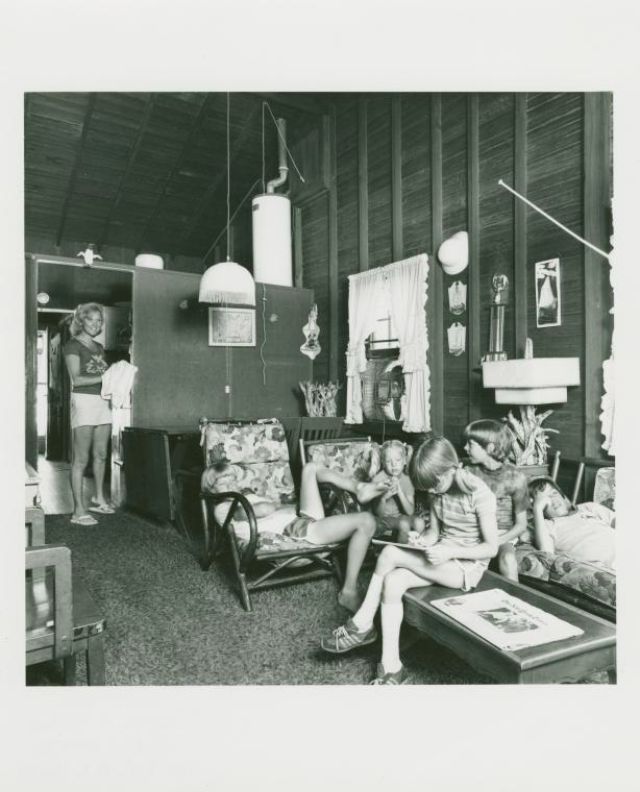
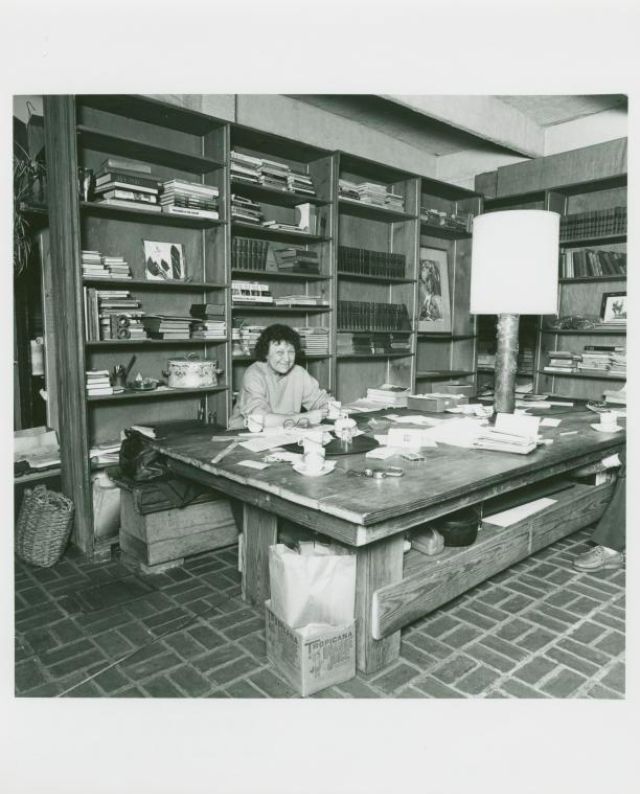
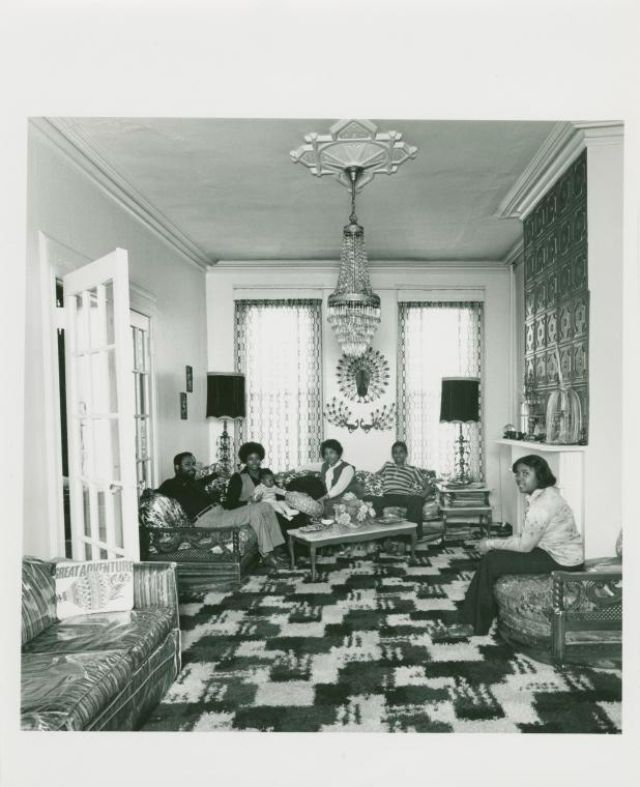
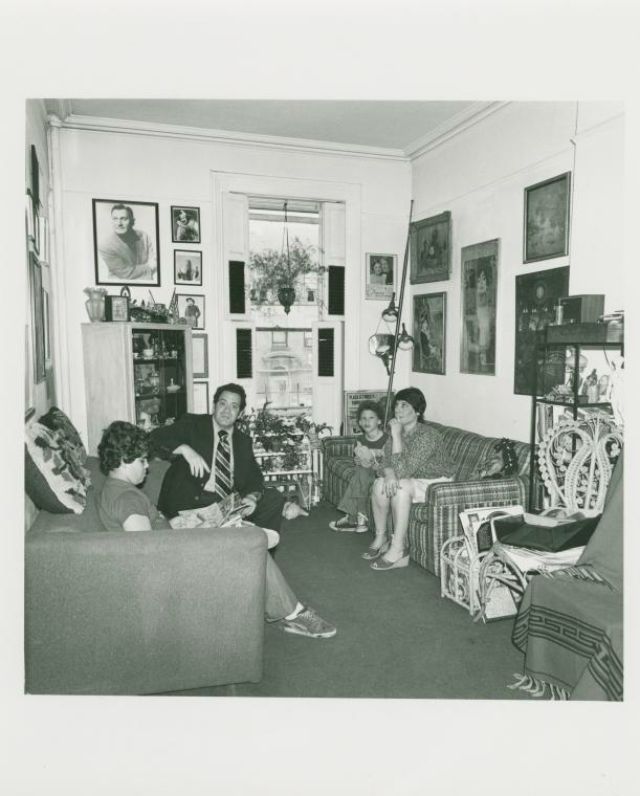
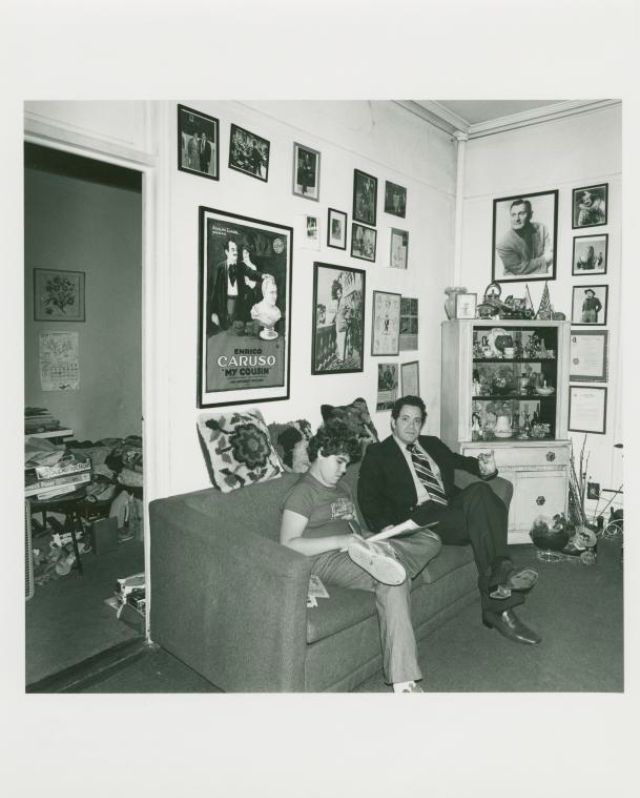
From January of 1978 to April of 1979, photographer Dinanda Nooney photographed around 200 homes, coming out with nearly 2000 photos of Brooklynites in their natural habitats.
These photographs – the people, the architecture, the decor, the crazy ’70s outfits – are hands-down-amazing, and hammer home the point that there have been cool people living in Brooklyn long before you. From Bushwick to Bed-Stuy to Park Slope to Boerum Hill, here we selected 30 of the photographs she took:
(Images via New York Public Library Digital Archives)
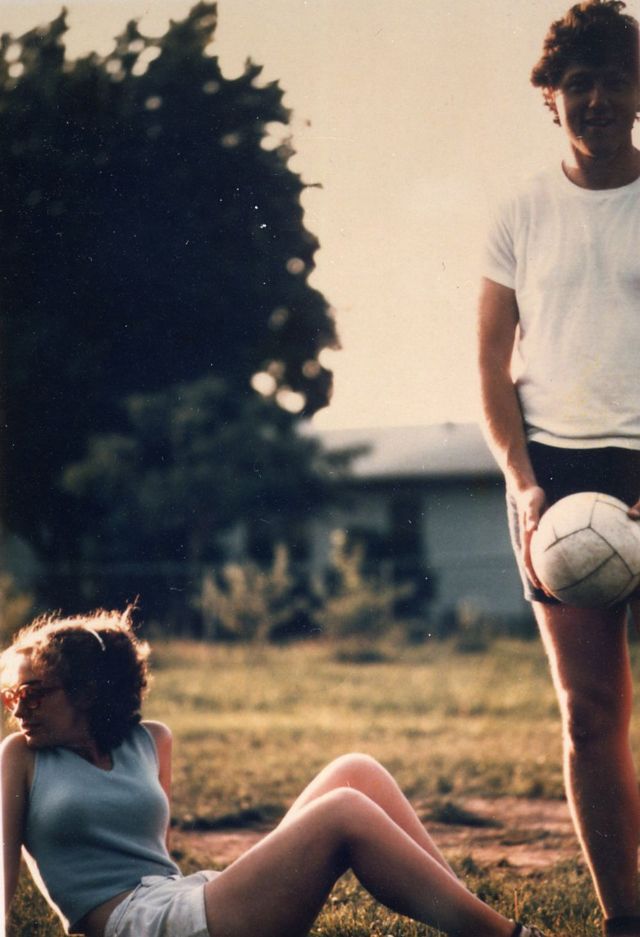
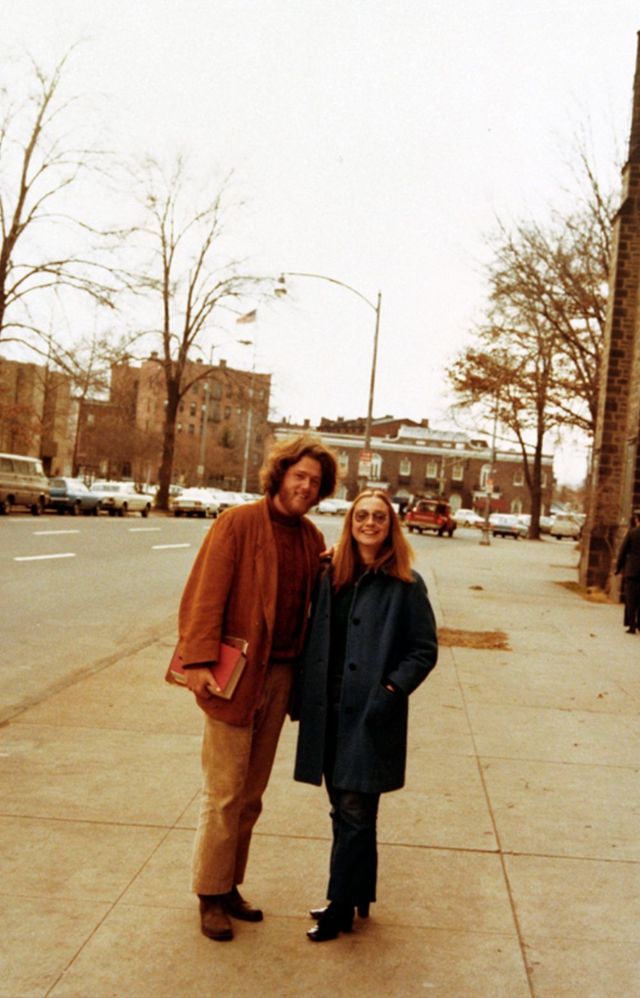
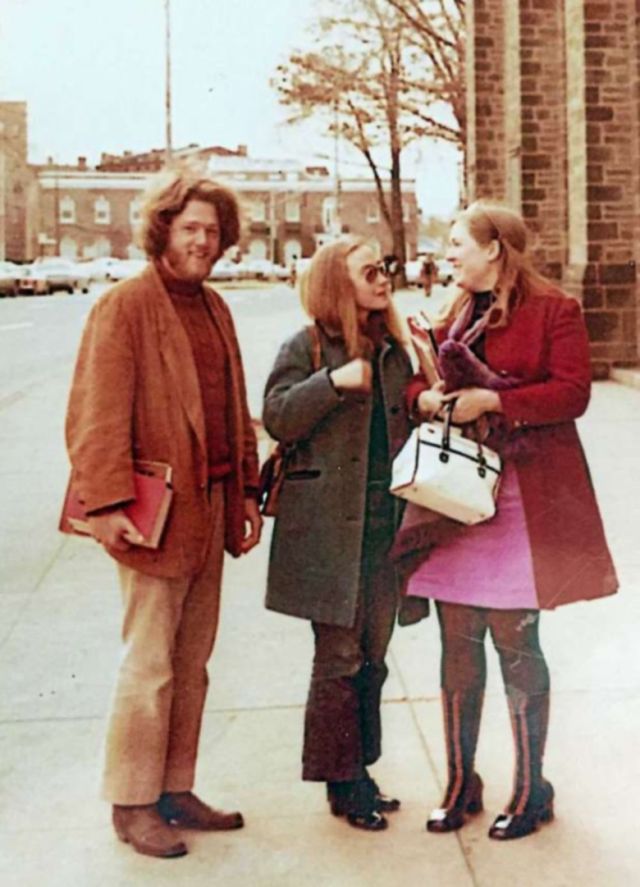
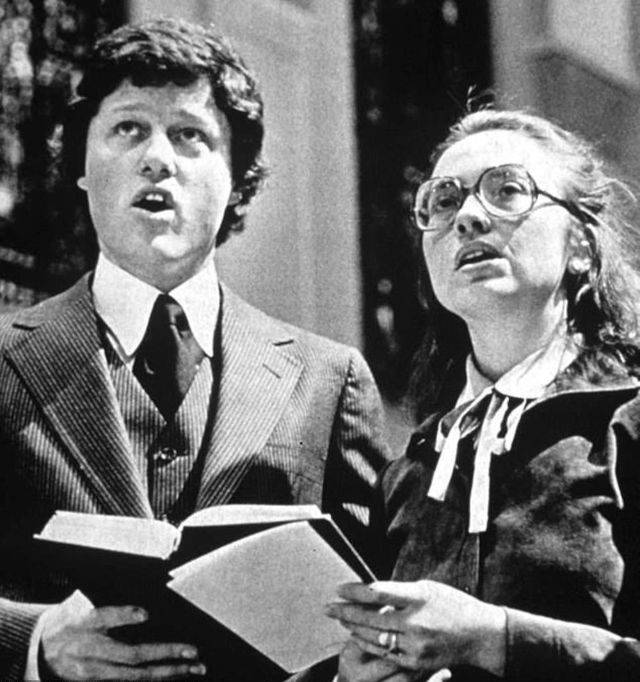
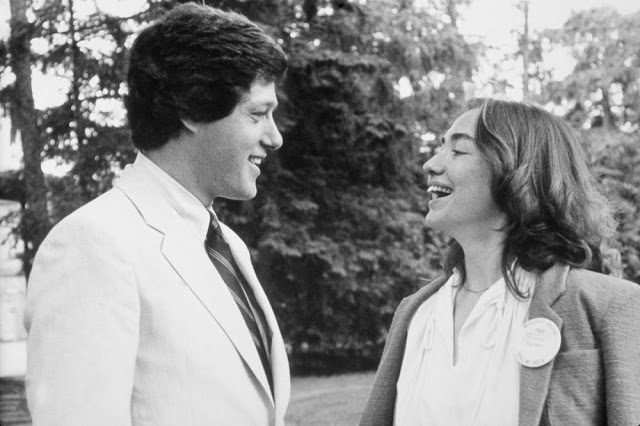
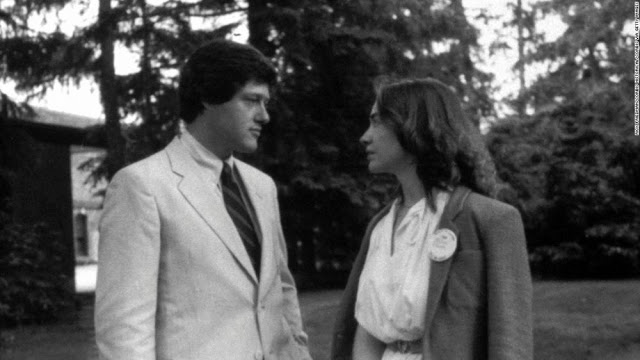
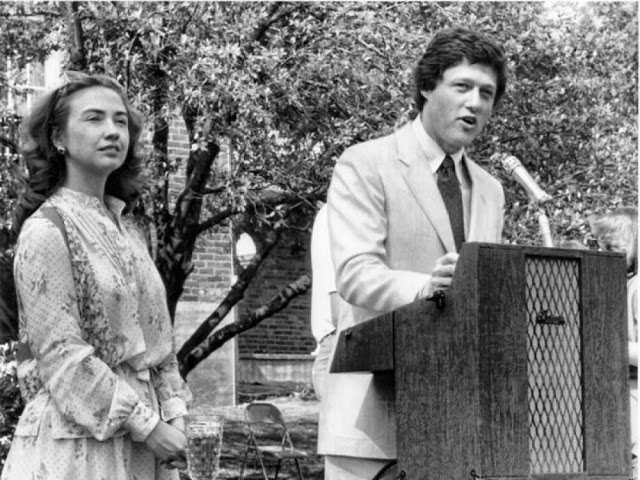
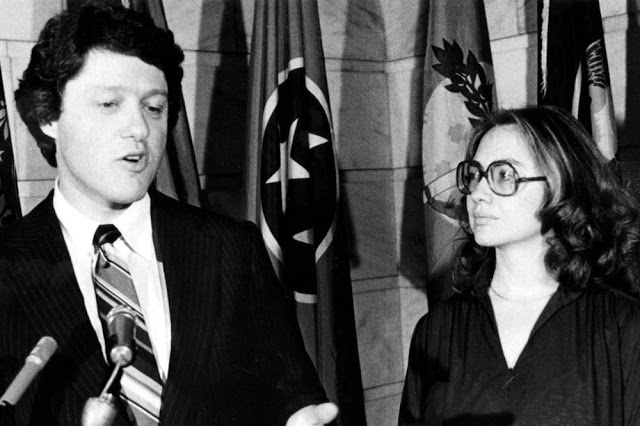
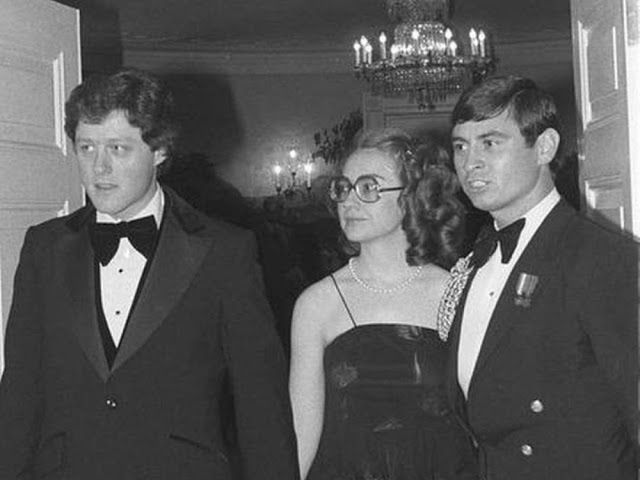
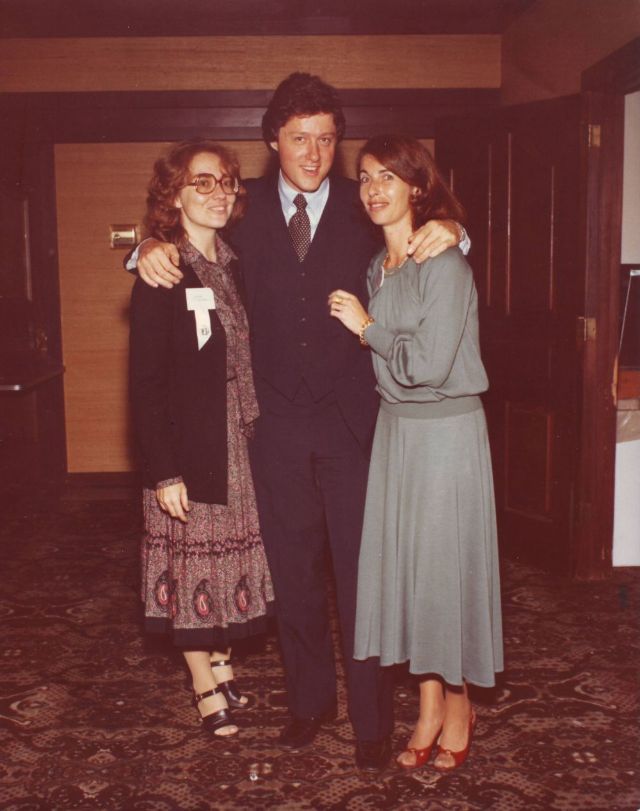
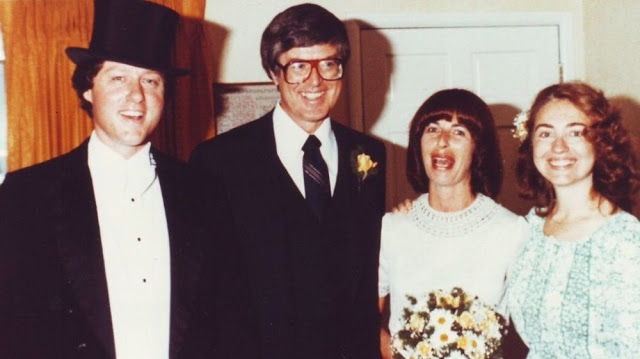
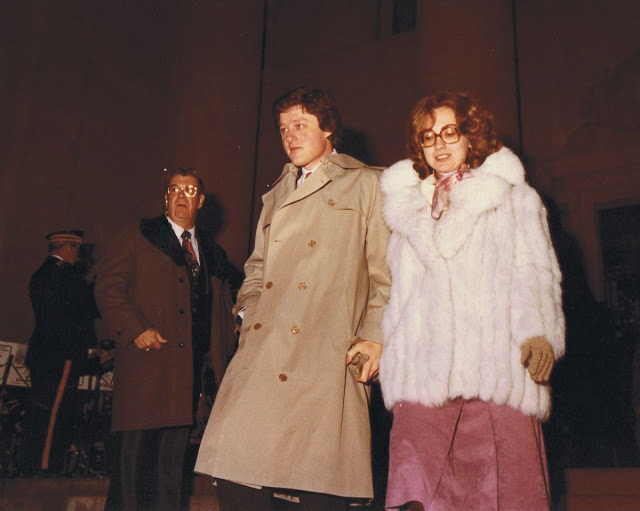
Before becoming President and First Lady of the United States of America, Bill and Hillary were just two hopelessly devoted, liberal lovebirds.
After first locking eyes at Yale Law School back in 1971, a young Hillary Rodham, pre-presidential candidate days, approached Bill Clinton outside of their school library with a confidence that has followed her throughout her career.
“I was studying in the library, and Bill was standing out in the hall talking to another student — I noticed that he kept looking over at me. He had been doing a lot of that. So I stood up from the desk, walked over to him and said, ‘If you’re going to keep looking at me, and I’m going to keep looking back, we might as well be introduced. I’m Hillary Rodham.’ That was it,” Hillary stated on her website.
From that moment forward, Hillary and Bill became the powerful duo that they are today!
Who knew that it took Bill three times to ask his, now-wife, Hillary, to marry him before she said ‘yes!’ “I actually turned him down twice when he asked me to marry him. He asked me in England on a trip after law school graduation. I said, you know, I can’t say yes. I feel too badly. And then about a year later he asked me again, and I said no. He said I’m not going to ask you again until you’re ready to say yes,” Hillary remarked about her numerous proposals. Looks like she finally did!
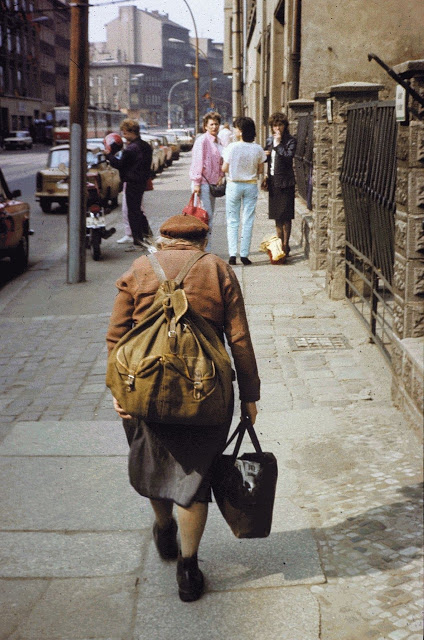
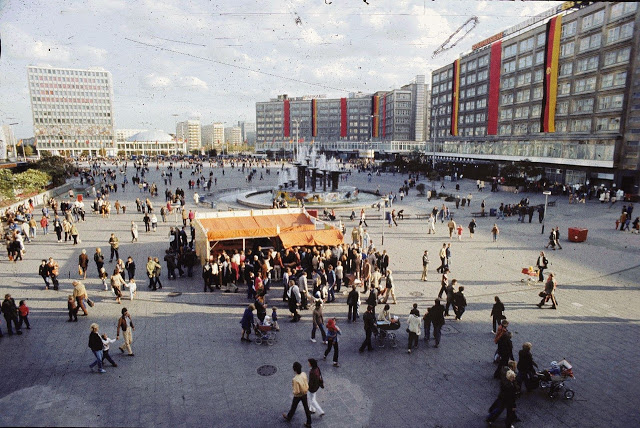
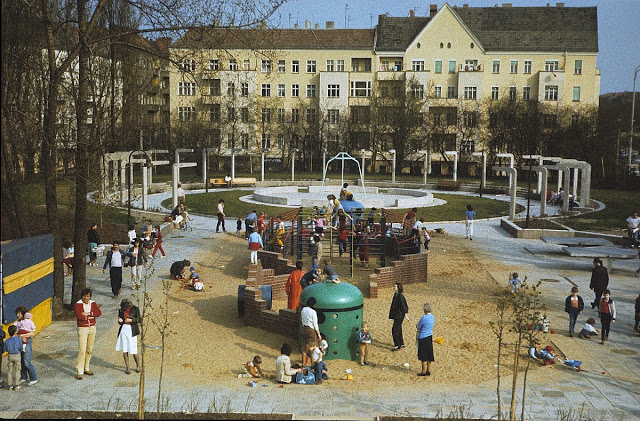
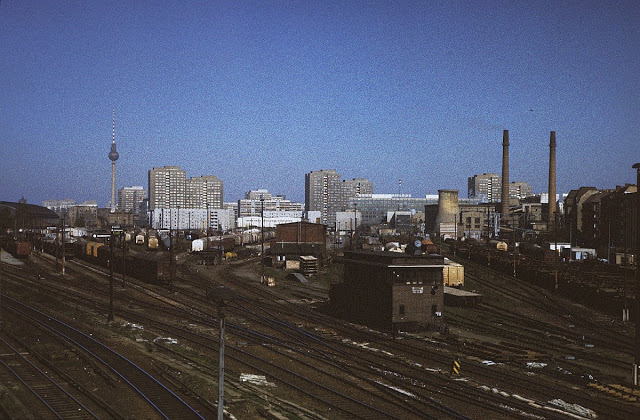
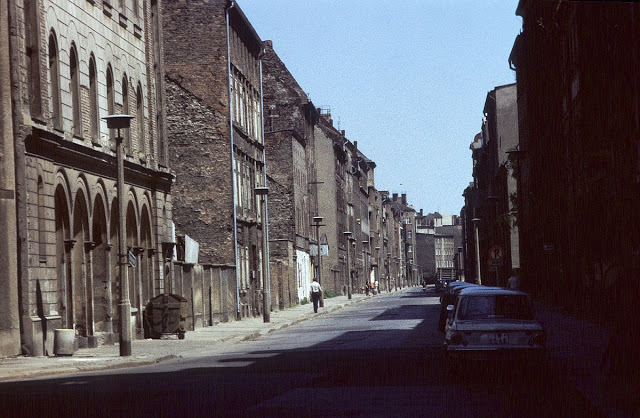
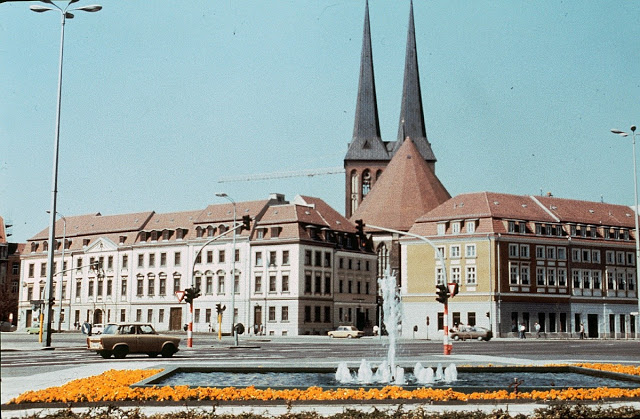
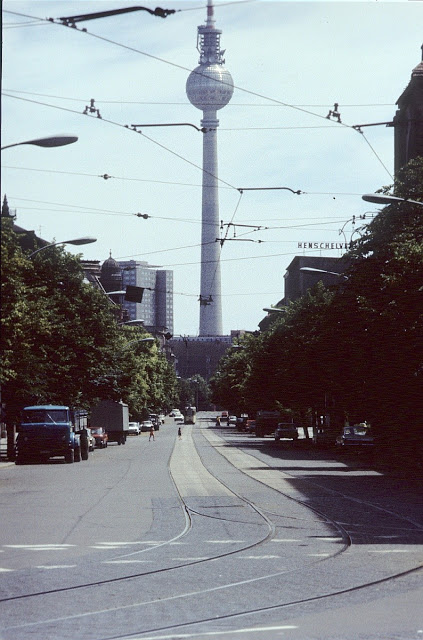
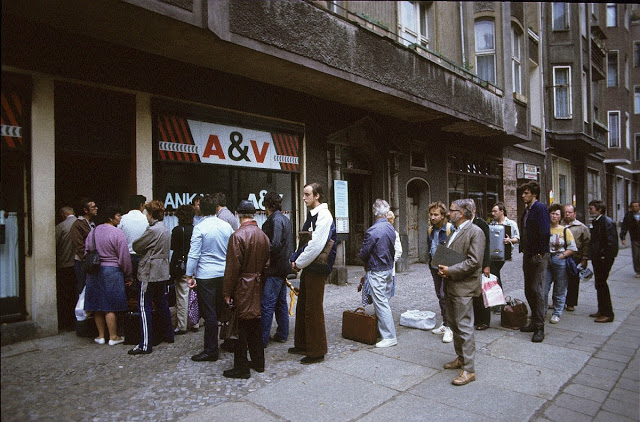
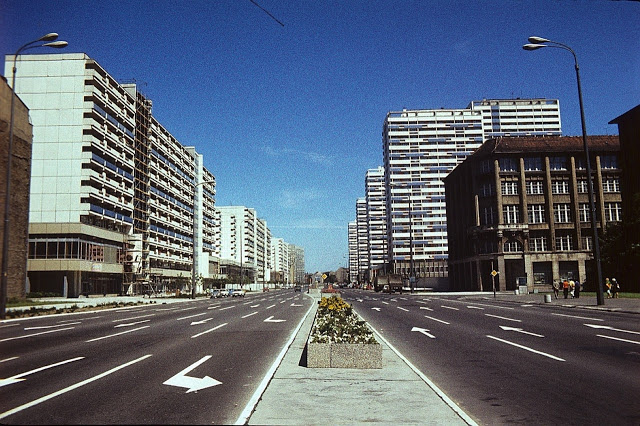
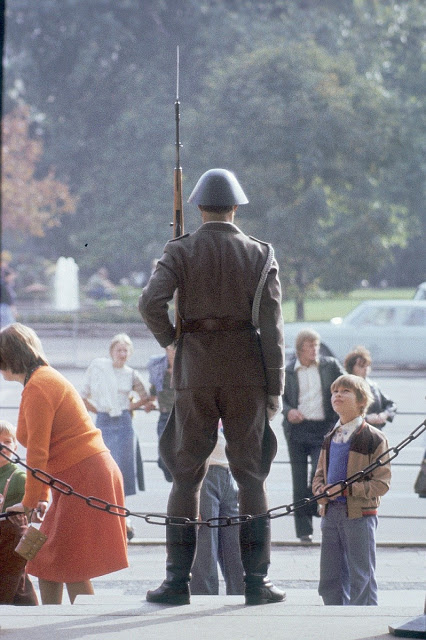
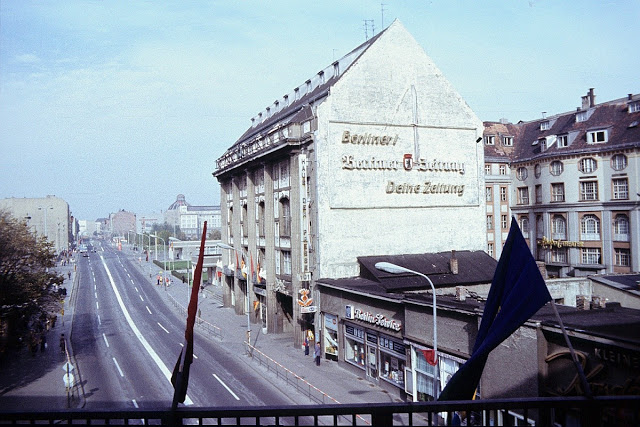
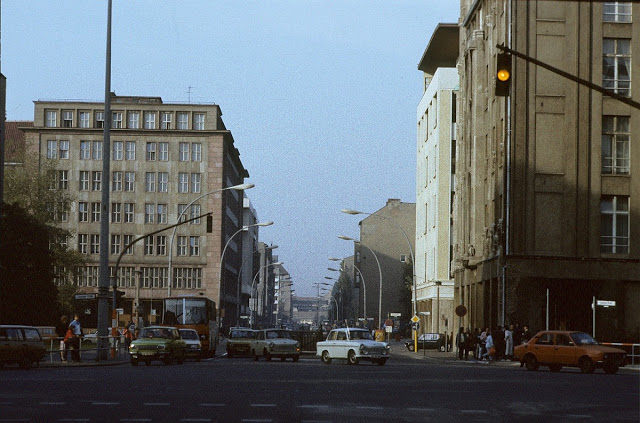
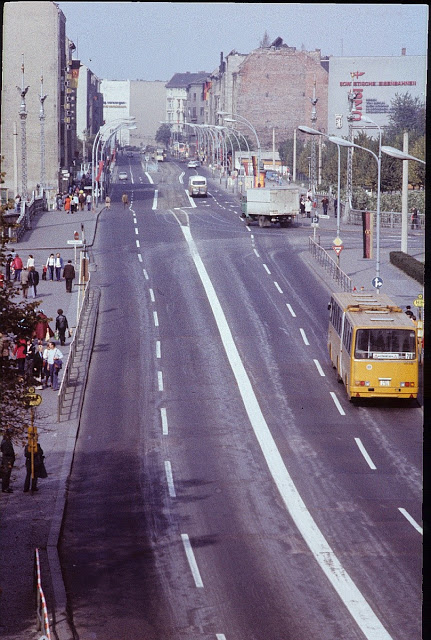
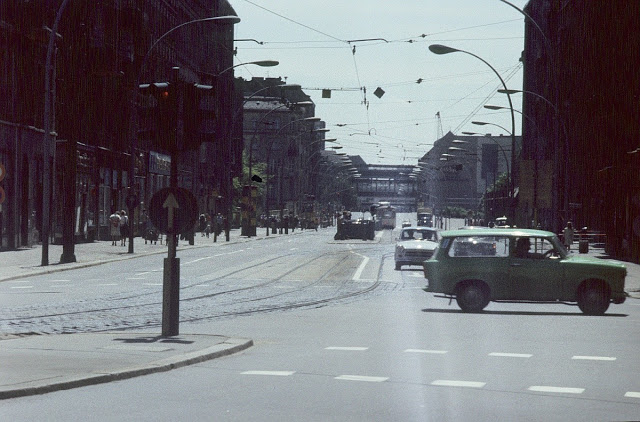
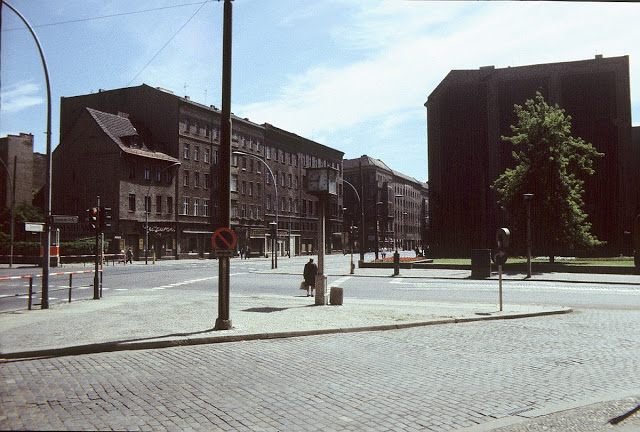
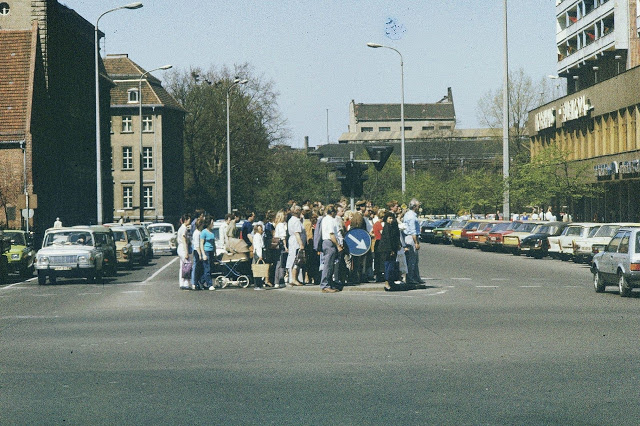
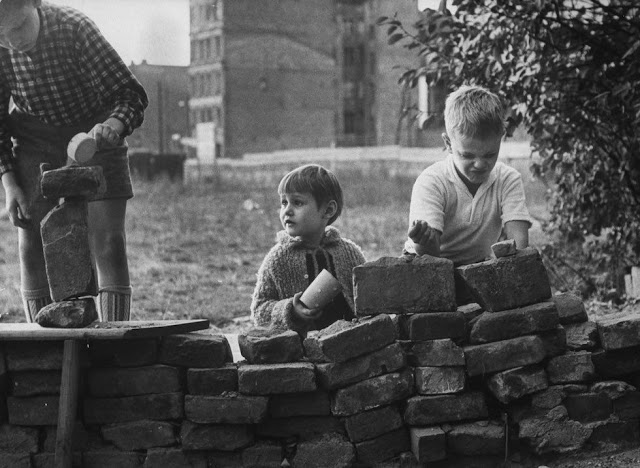
Between 1961 and 1989, the Berlin Wall divided East and West Germany and prevented the mass defection that took place after World War II. It also acted as a symbolic partition between democracy and Communism during the Cold War period. The wall was erected in the middle of the night, but it was torn down just as quickly 28 years later, leading to Germany’s reunification.
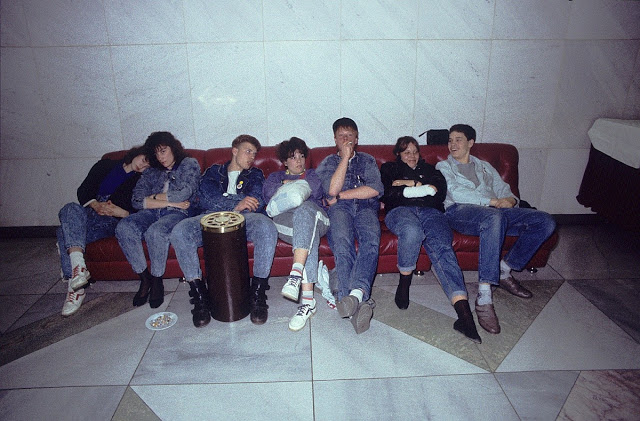
In January 1988, Erich Honecker paid a state visit to France. By all indications, the long stretch of international isolation appeared to have been successfully overcome. The GDR finally seemed to be taking its long-sought place among the international community of nations. In the minds of the GDR’s old-guard communists, the long-awaited international political recognition was seen as a favorable omen that seemed to coincide symbolically with the fortieth anniversary of the East German state.
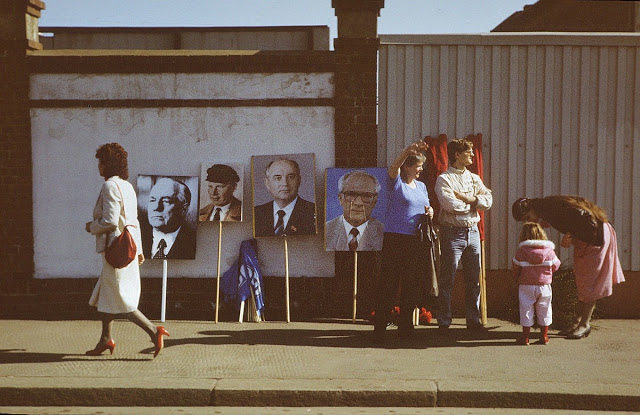
In spite of Honecker’s declaration as late as January 1989 that “The Wall will still stand in fifty and also in a hundred years,” the effects of glasnost and perestroika had begun to be evident in the Soviet Union and throughout Eastern Europe. Although the GDR leadership tried to deny the reality of these developments, for most East Germans the reforms of Soviet leader Gorbachev were symbols of a new era that would inevitably also reach the GDR. The GDR leadership’s frantic attempts to block the news coming out of the Soviet Union by preventing the distribution of Russian newsmagazines only strengthened growing protest within the population.
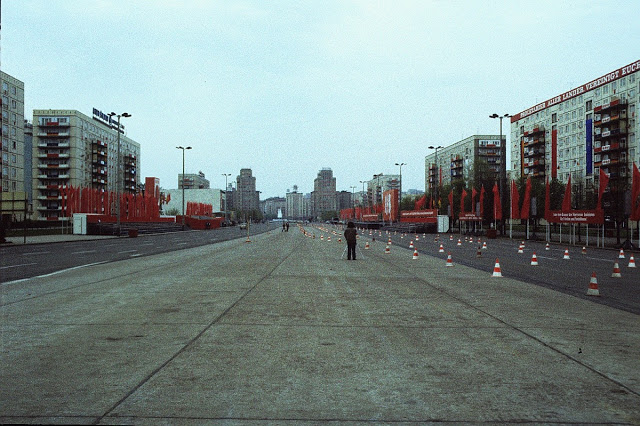
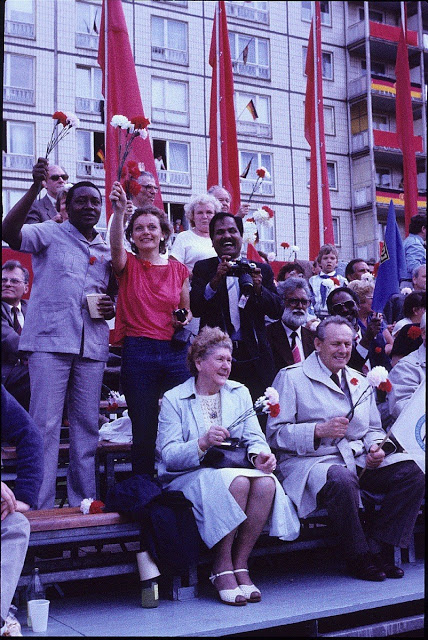
In Berlin, on October 7, the GDR leadership celebrated the fortieth anniversary of the foundation of the East German state. In his address, Honecker sharply condemned the FRG for interfering in the GDR’s internal affairs and for encouraging protesters. Still convinced of his mission to secure the survival of the GDR as a state, he proclaimed: “Socialism will be halted in its course neither by ox, nor ass.” The prophetic retort by Gorbachev, honored guest at the celebrations, as quoted to the international press, more accurately reflected imminent realities: “He who comes too late will suffer the consequences of history.”
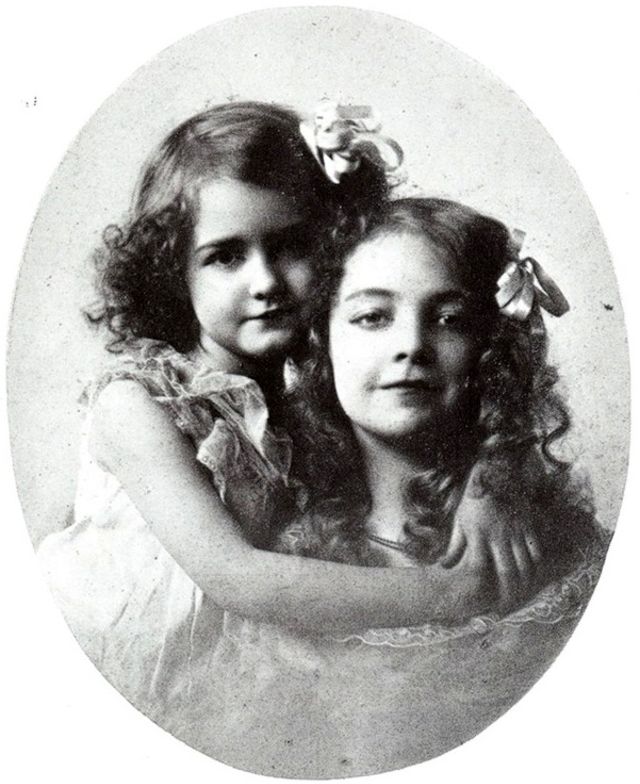
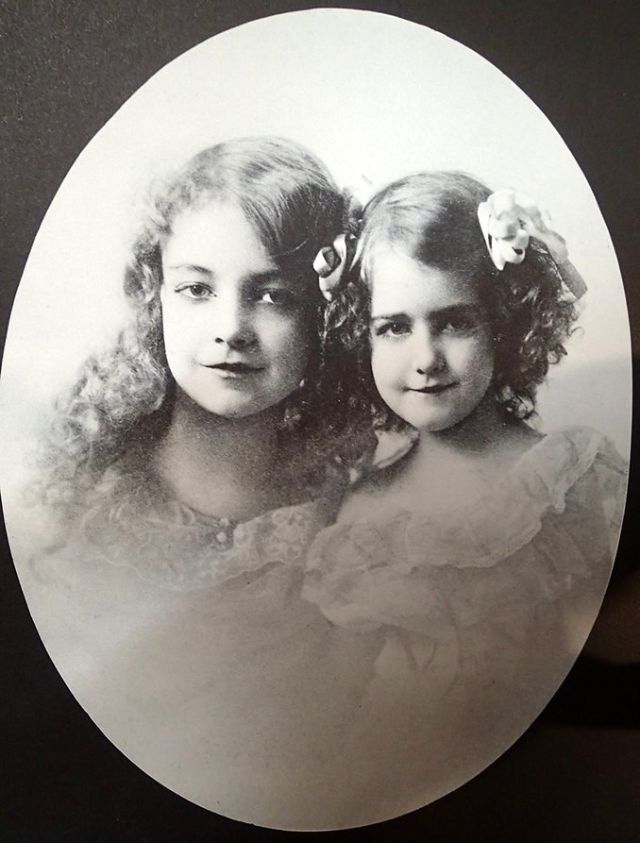
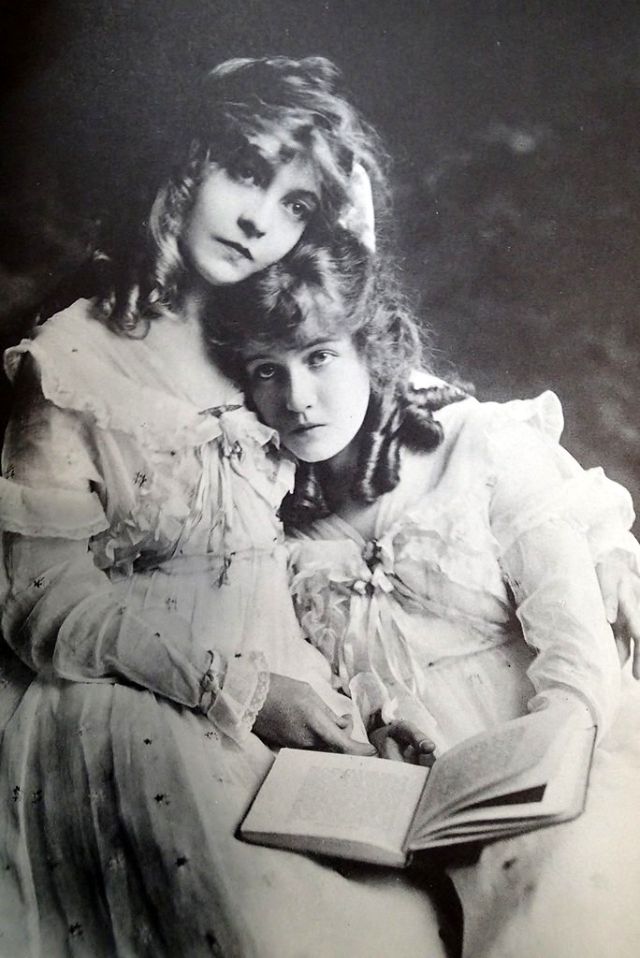
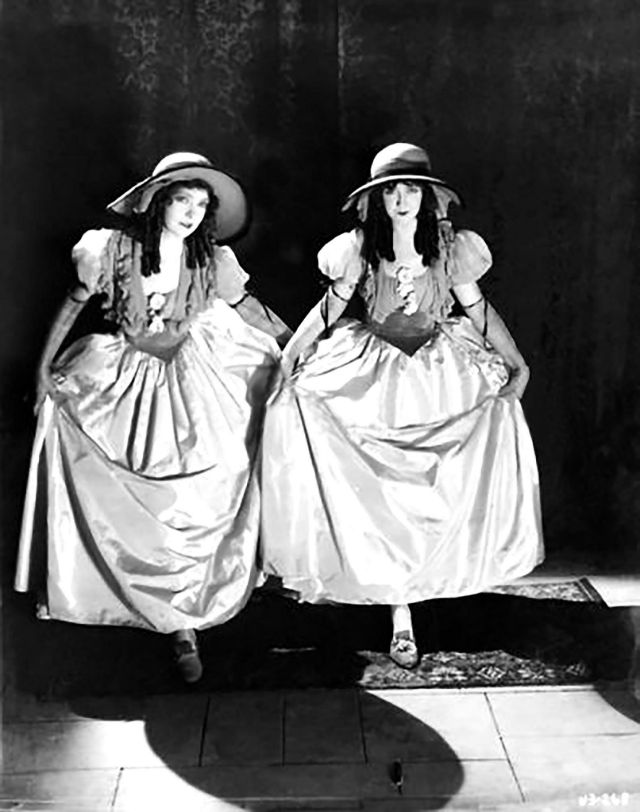
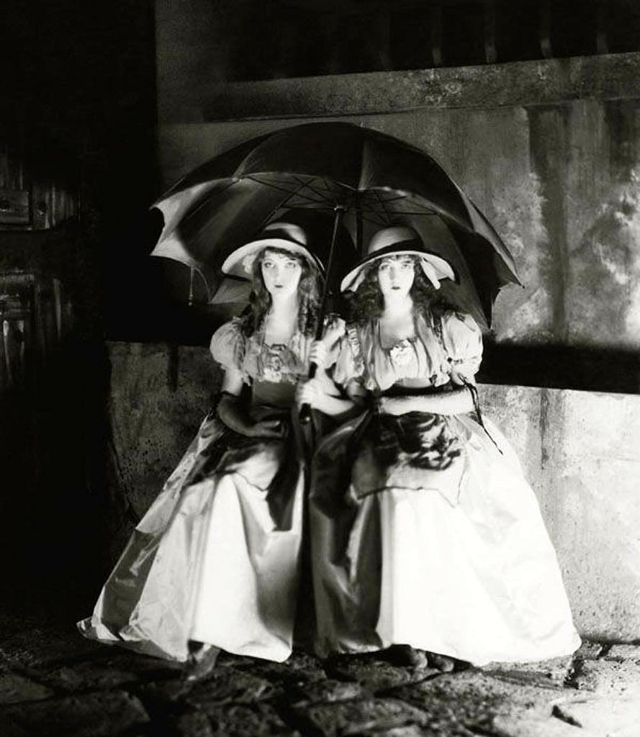
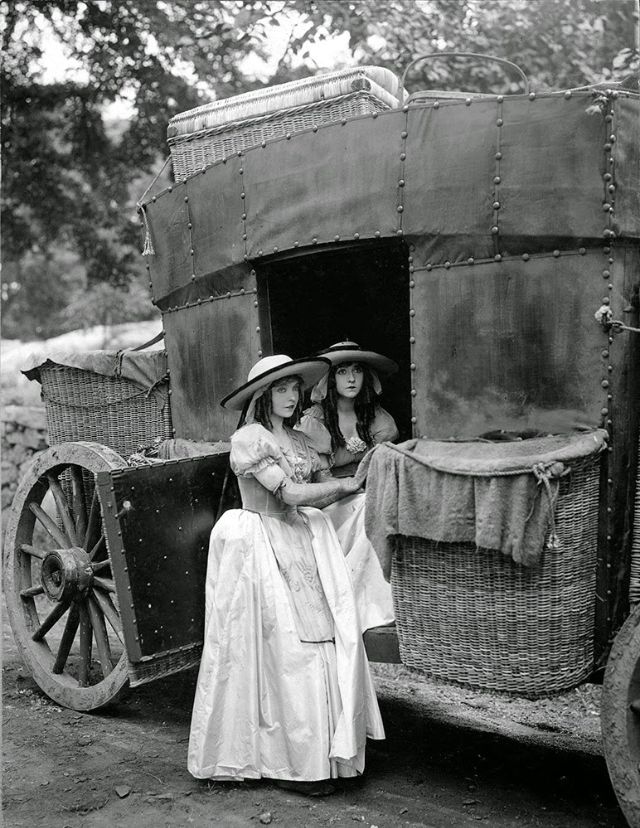
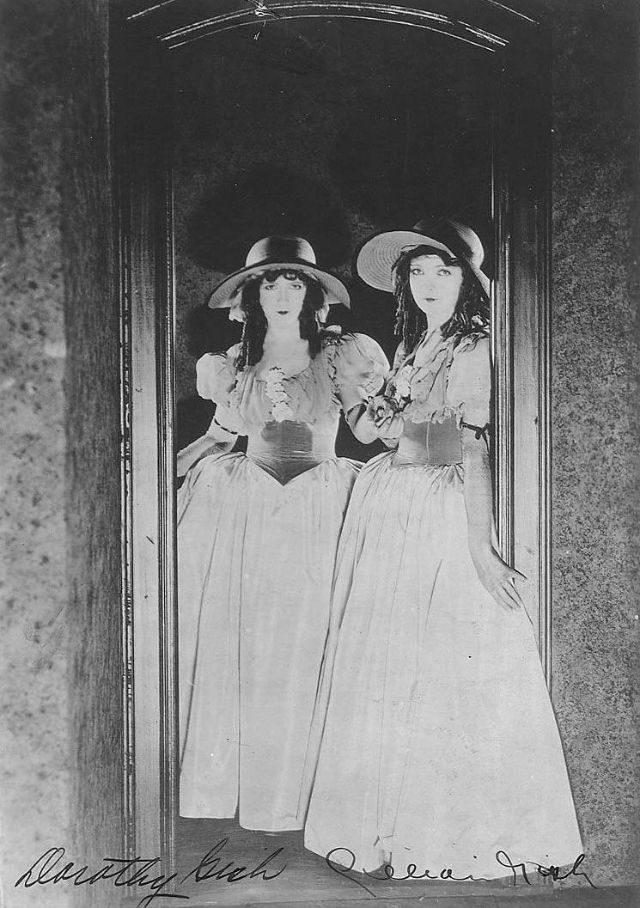
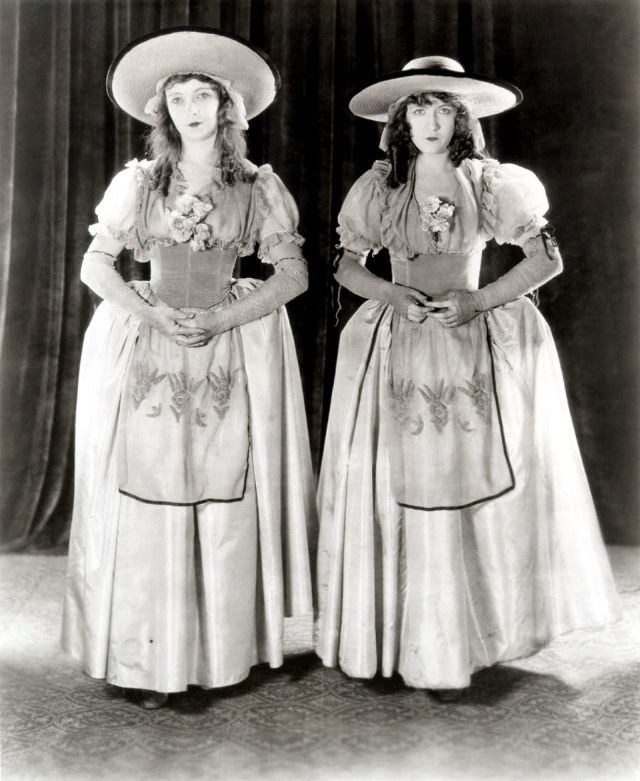
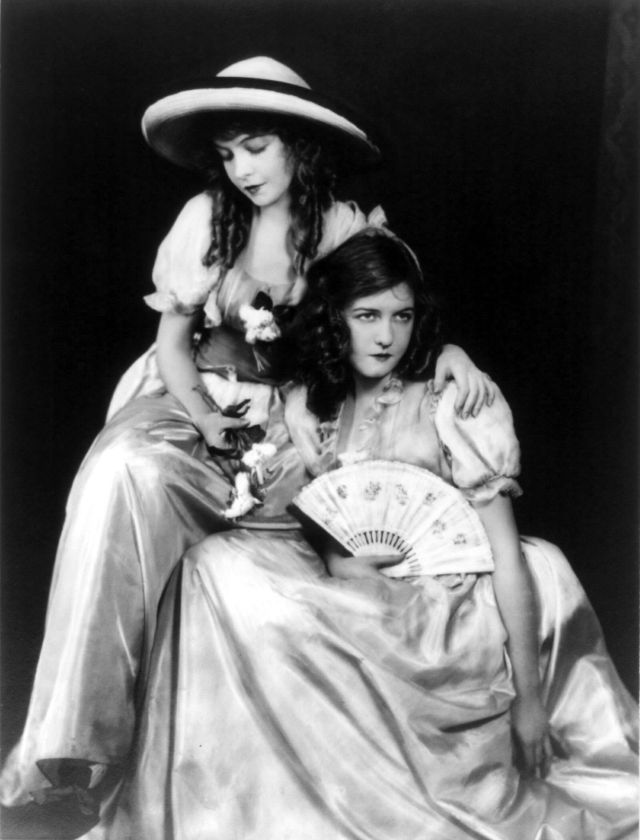
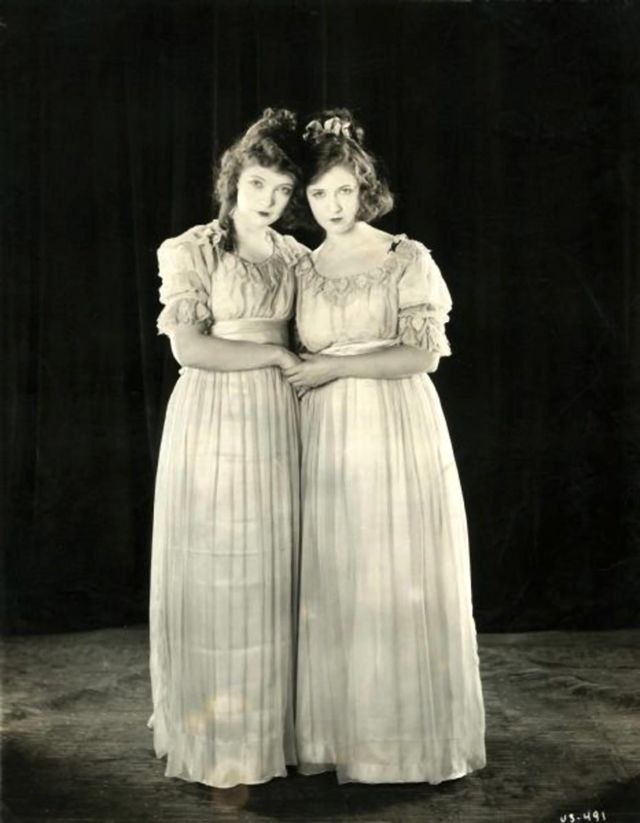
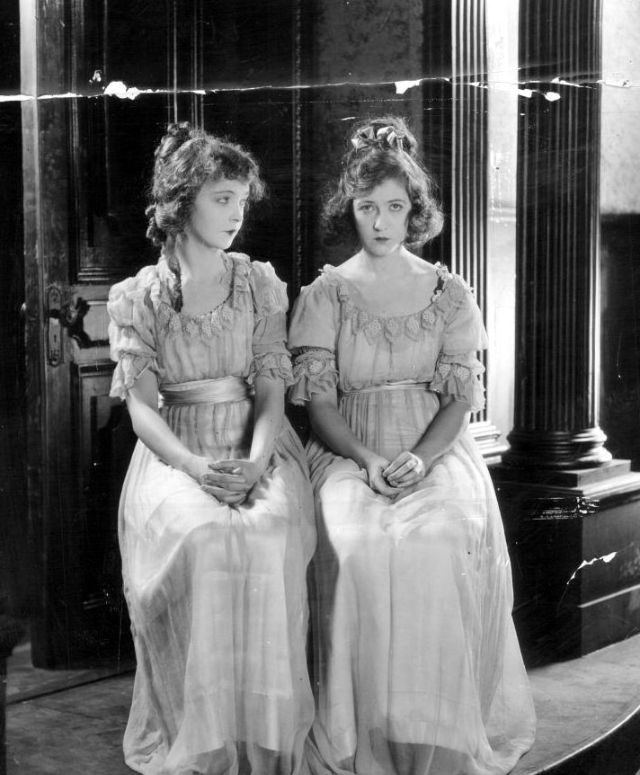
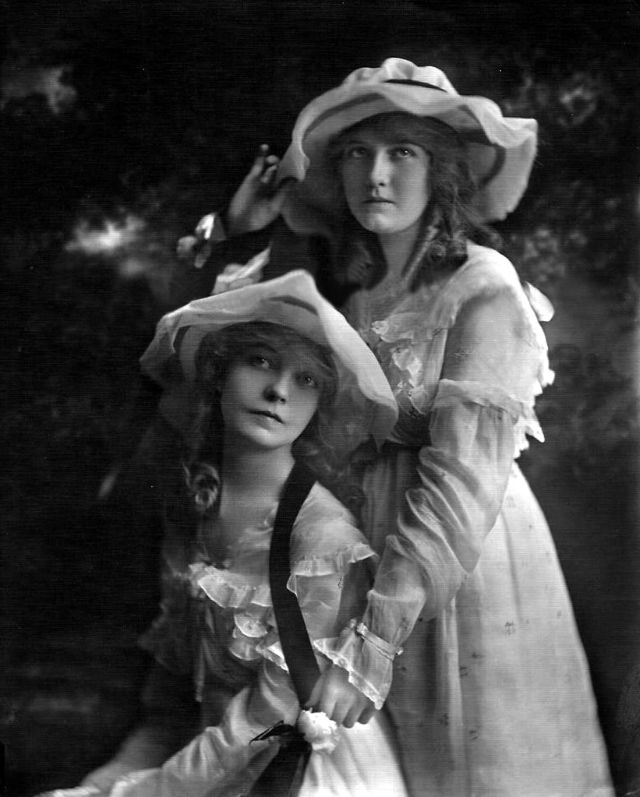
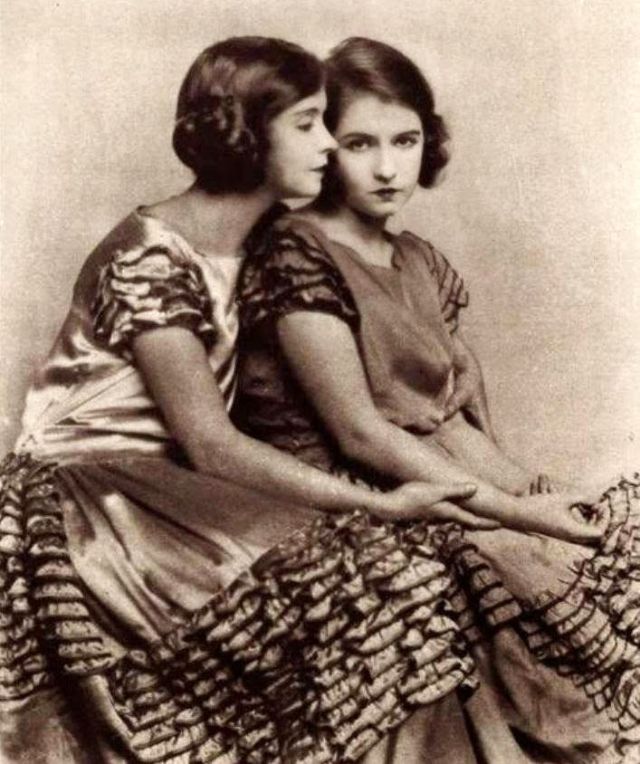
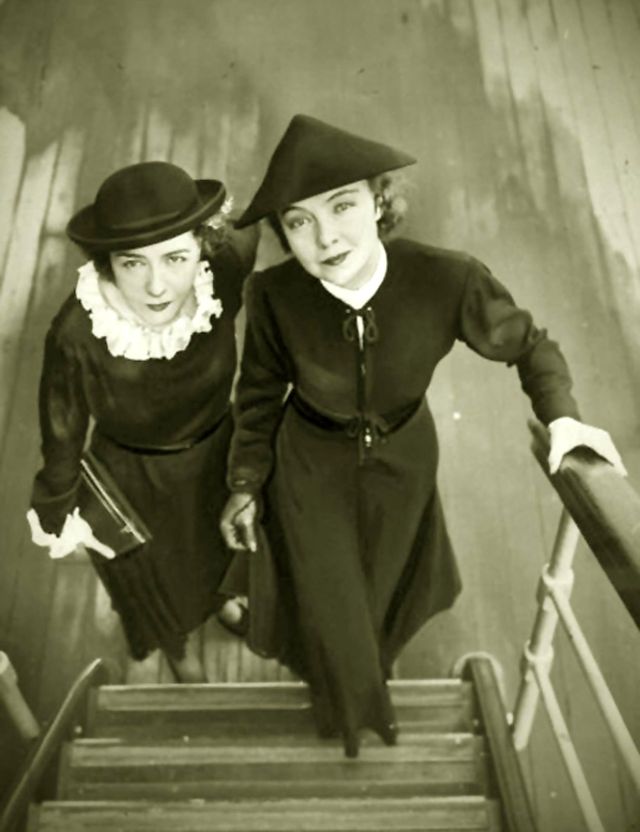
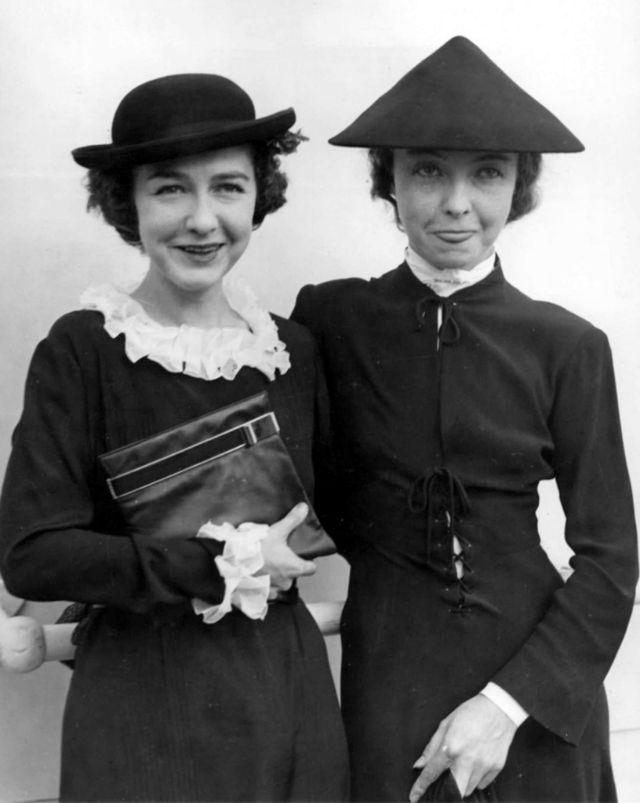
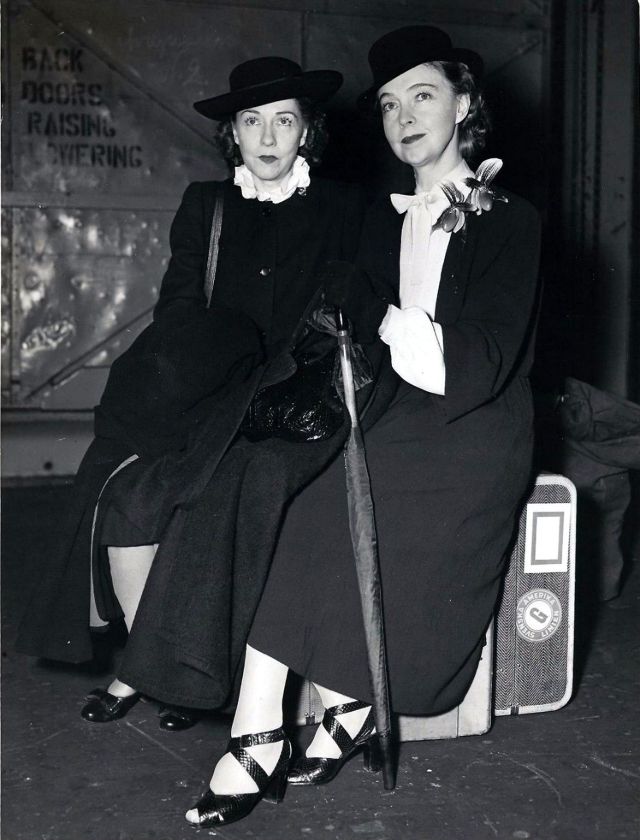
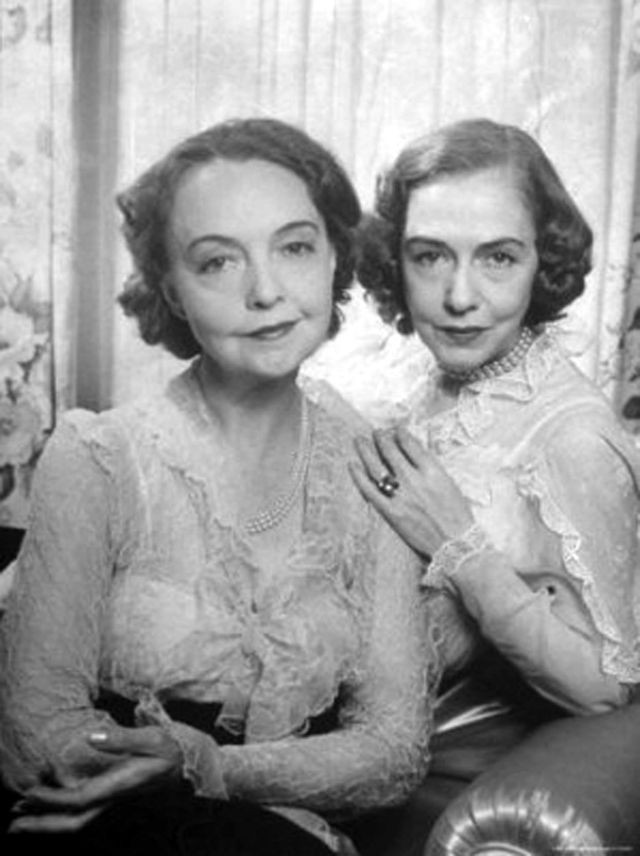
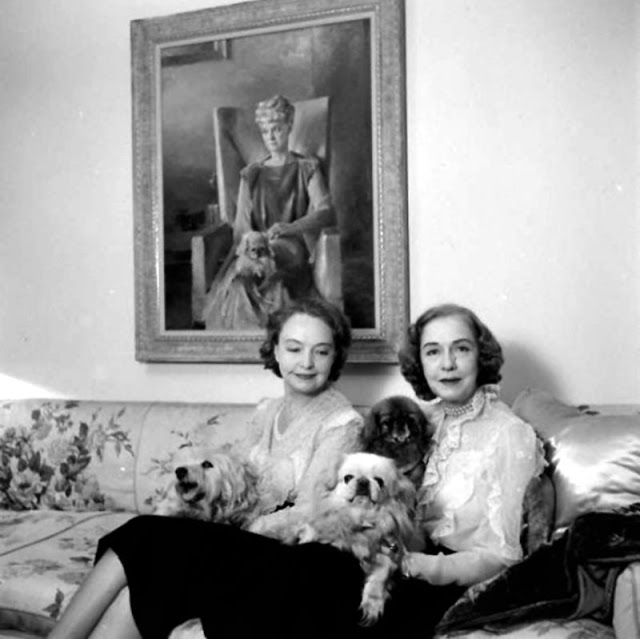
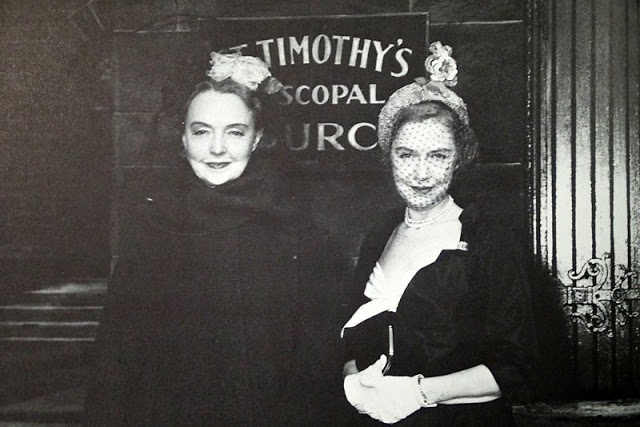
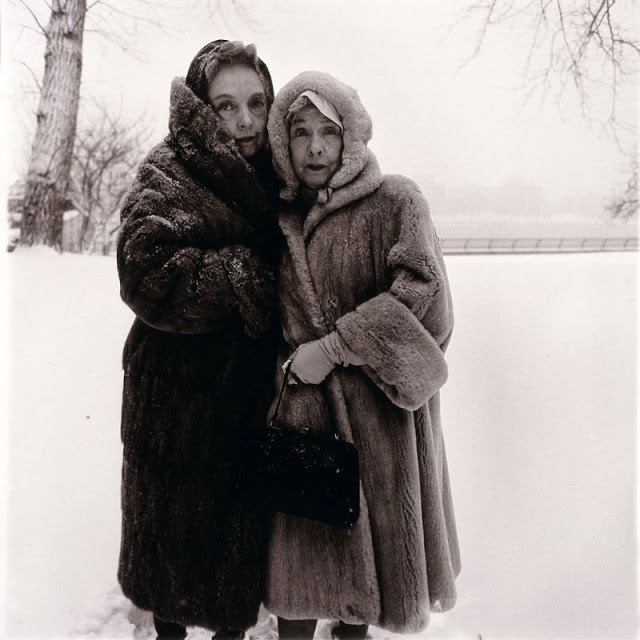
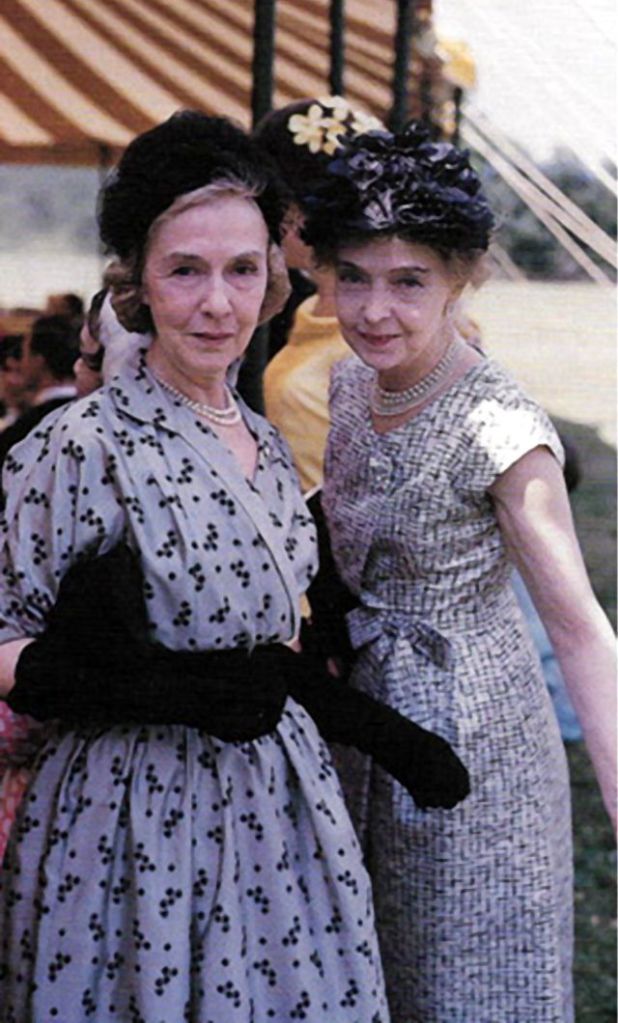
Lillian and Dorothy Gish were film legends in their own time; actresses who changed the perception of what screen acting could be at a time when films were thought to be “low art” at best. Though the sisters achieved global stardom on the silver screen, they never forgot their Ohio roots.
Dorothy was married to James Rennie, a Canadian-born actor who was her co-star in Remodeling Her Husband (filmed in 1920, it was directed by Dorothy’s older sister, Lillian, in her only directorial outing). They were married in 1920 in a double ceremony with actress Constance Talmadge and businessman John Pialoglou. They divorced in 1935; Dorothy never remarried.
Dorothy died in 1968 from bronchial pneumonia at the age of 70 at a clinic in Rapallo, Italy, where she had been a patient for two years, with sister Lillian at her side.
Lillian died peacefully in her sleep of heart failure in 1993, aged 99. Her body was interred beside that of her sister Dorothy at Saint Bartholomew’s Episcopal Church in New York City. Her estate was valued at several million dollars, the bulk of which went toward the creation of the Dorothy and Lillian Gish Prize Trust.
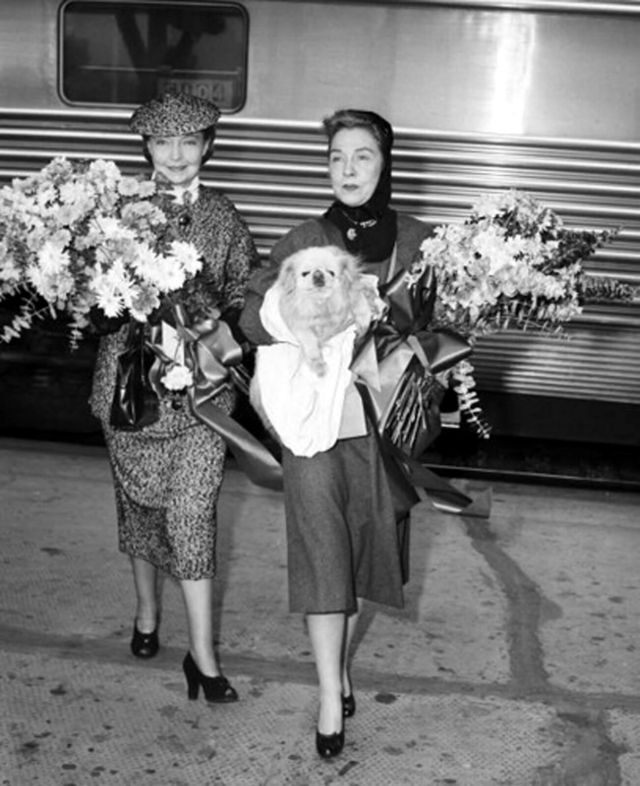
These glamorous photos show portraits of this beautiful sisters together during their life.
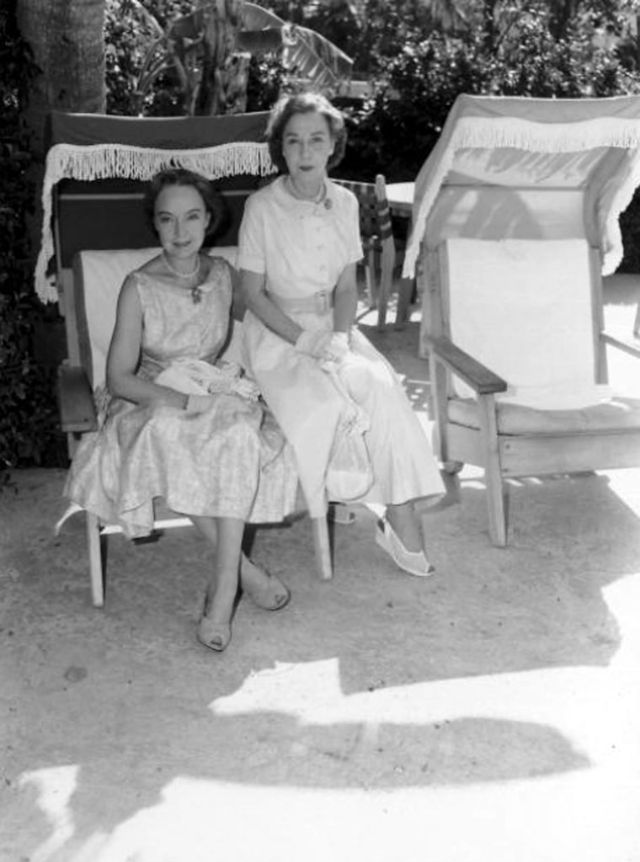
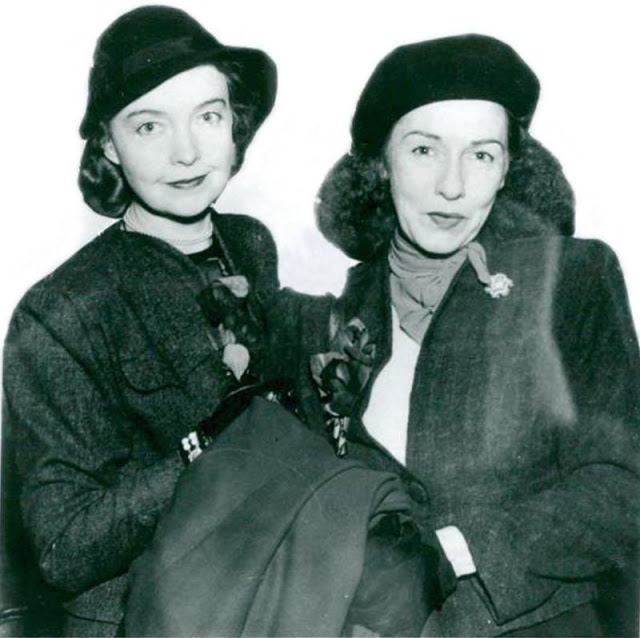
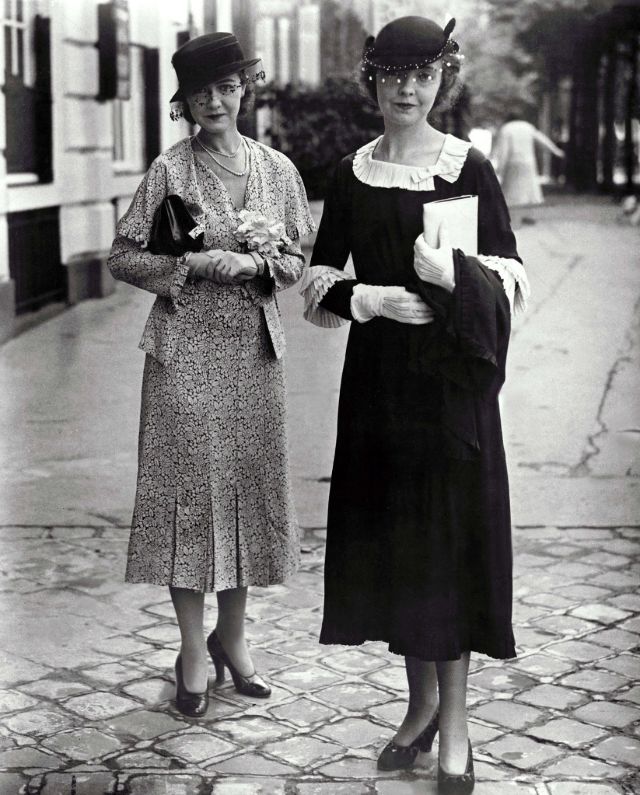
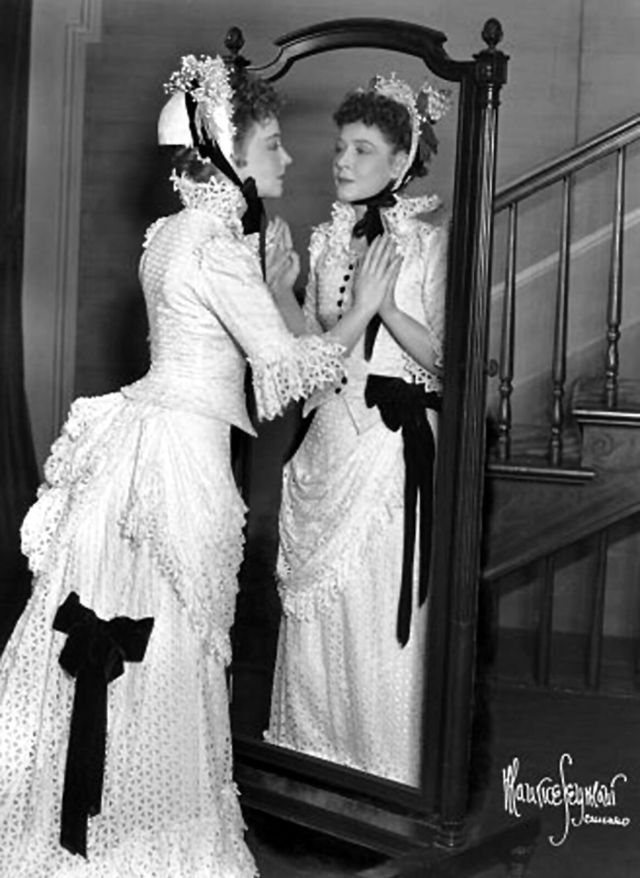
Dorothy and Lillian Gish, circa 1899Dorothy and Lillian Gish, circa 1903Dorothy and Lillian Gish, circa 1903Dorothy and Lillian Gish, circa 1903Dorothy and Lillian Gish, circa 1910s1918 photo Lillian Gish, Richard Barthelmess, and Dorothy Gish seated on tableDorothy and Lillian Gish, circa 1920sThe Gish Sisters, circa 1920sDorothy and Lillian Gish in ‘Orphans of the Storm’, 1921Dorothy and Lillian Gish in ‘Orphans of the Storm’, 1921Dorothy and Lillian Gish in ‘Orphans of the Storm’, 1921Dorothy and Lillian Gish in ‘Orphans of the Storm’, 1921Dorothy and Lillian Gish in ‘Orphans of the Storm’, 1921Dorothy and Lillian Gish in ‘Orphans of the Storm’, 1921Dorothy and Lillian Gish in ‘Orphans of the Storm’, 1921Dorothy and Lillian Gish in ‘Orphans of the Storm’, 1921Lillian Gish, in costume as Henriette Girard, and Dorothy Gish, as Louise Girard, in a publicity photograph for D.W. Griffith’s 1921 production ‘Orphans of the Storm’Lillian Gish, in costume as Henriette Girard, and Dorothy Gish, as Louise Girard, in a publicity photograph for D.W. Griffith’s 1921 production ‘Orphans of the Storm’The Gish Sisters, circa 1921The Gish Sisters, circa 1923Lillian and Dorothy Gish, 1924. Publicity photo for ‘Romola’The Gish Sisters, circa 1924The Gish Sisters in the 1930sLillian Gish with her sister Dorothy, 1934Lillian Gish and Dorothy Gish, 1935Lillian Gish and Dorothy Gish, 1935Lillian Gish and Dorothy Gish, 1935The Gish Sisters, circa 1940sLillian and Dorothy, 1943Dorothy, right, and Lillian Gish share a patio chair, Palm Beach, Florida, circa 1945Lillian & Dorothy Gish arrive at Bromma Airport, Stockholm, circa 1946Lillian & Dorothy Gish arrive at Bromma Airport, Stockholm, circa 1946Dorothy and Lillian Gish in Paris, circa 1950Lillian Gish with sister Dorothy Gish ‘Life With Father’, circa 1950Lillian Gish with sister Dorothy Gish ‘Life With Father’, circa 1950Lillian And Dorothy Gish, photographed by Nina Leen, 1951Lillian And Dorothy Gish, photographed by Nina Leen, 1951Lillian Gish and Dorothy Gish, New York, 1951Lillian Gish and Dorothy Gish, New York, 1951Dorothy and Lillian Gish are greeted at a train station with large bouquets of flowers, circa 1950sThe Gish Sisters, circa 1950sThe Gish Sisters, circa 1950sThe Gish Sisters, circa 1950sThe Gish Sisters, circa 1950sLillian and Dorothy Gish, 1962Lillian and Dorothy Gish in Central Park, New York City, 1964. (Photo by Diane Arbus)Lillian and Dorothy Gish in Central Park, New York City, 1964. (Photo by Diane Arbus)Dorothy and Lillian in the Sixties
Around 2.7 million people left the GDR and East Berlin between 1949 and 1961, causing increasing difficulties for the leadership of the East German communist party, the SED. Around half of this steady stream of refugees were young people under the age of 25. Roughly half a million people crossed the sector borders in Berlin each day in both directions, enabling them to compare living conditions on both sides. In 1960 alone, around 200,000 people made a permanent move to the West. The GDR was on the brink of social and economic collapse.
As late as 15 June 1961, GDR head of state Walter Ulbricht declared that no one had any intention of building a wall. On 12 August 1961, the GDR Council of Ministers announced that “in order to put a stop to the hostile activity of West Germany’s and West Berlin’s revanchist and militaristic forces, border controls of the kind generally found in every sovereign state will be set up at the border of the German Democratic Republic, including the border to the western sectors of Greater Berlin.” What the Council did not say was that this measure was directed primarily against the GDR’s own population, which would no longer be permitted to cross the border.
In the early morning hours of 13 August 1961, temporary barriers were put up at the border separating the Soviet sector from West Berlin, and the asphalt and cobblestones on the connecting roads were ripped up. Police and transport police units, along with members of “workers’ militias,” stood guard and turned away all traffic at the sector boundaries. The SED leadership’s choice of a Sunday during the summer holiday season for its operation was probably no coincidence.
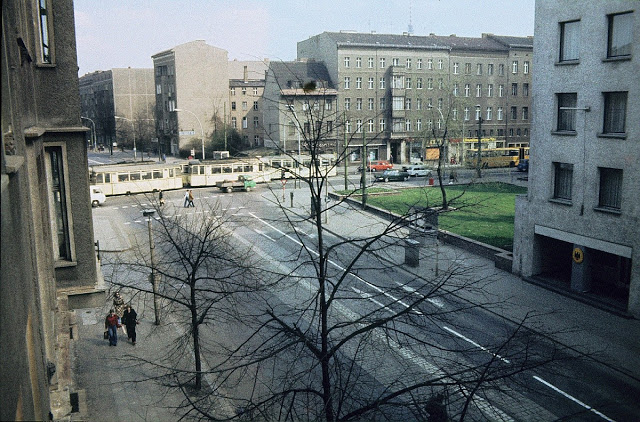
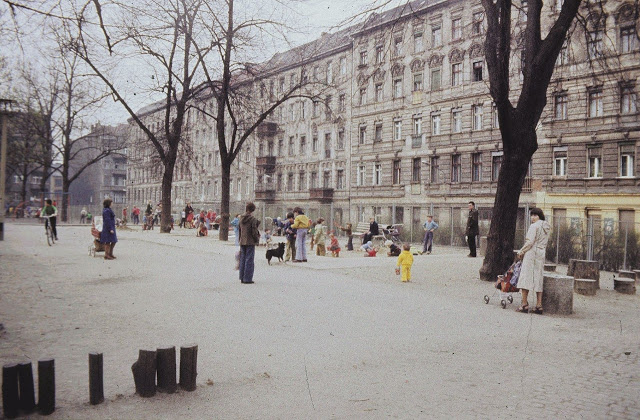
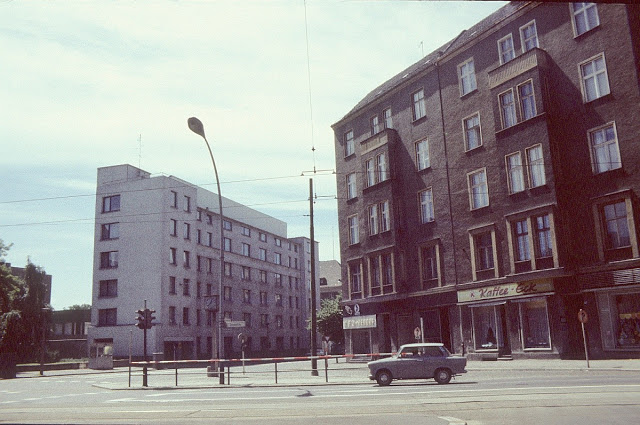
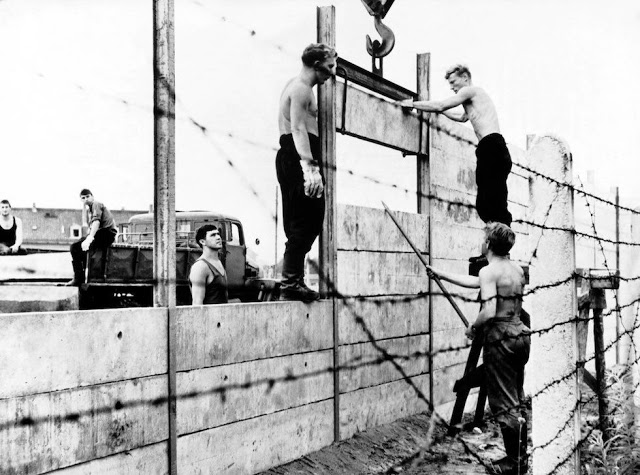
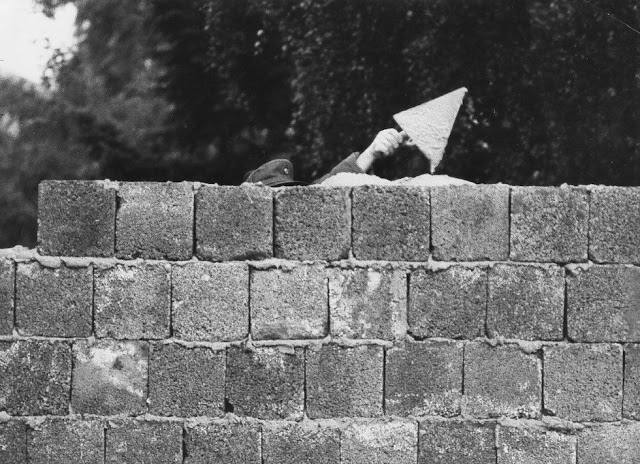
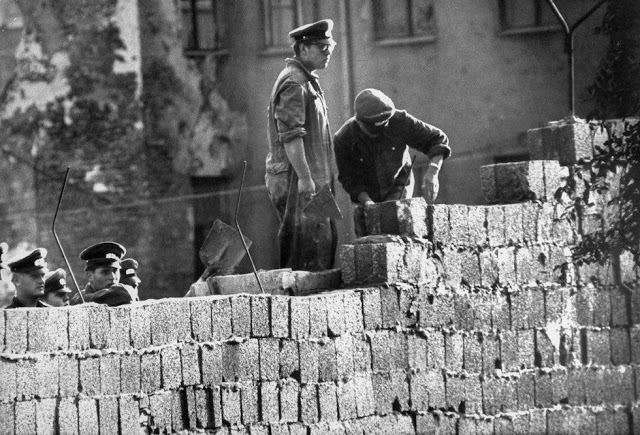
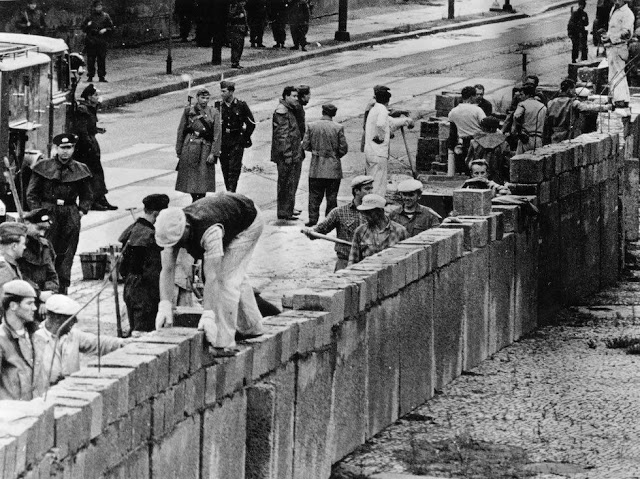
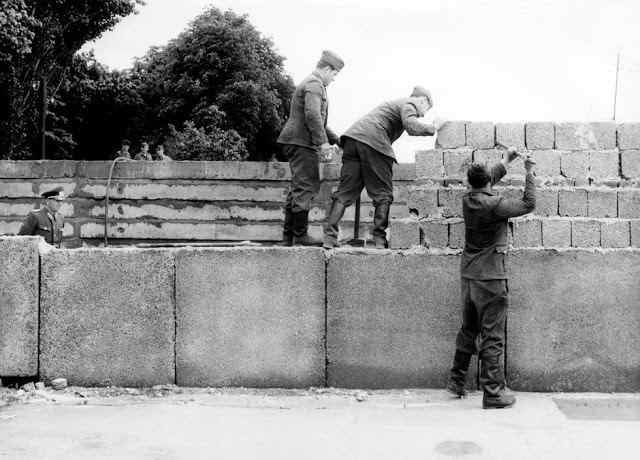
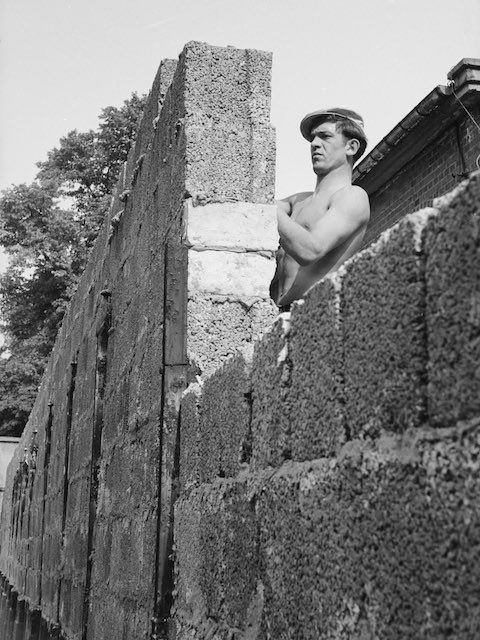
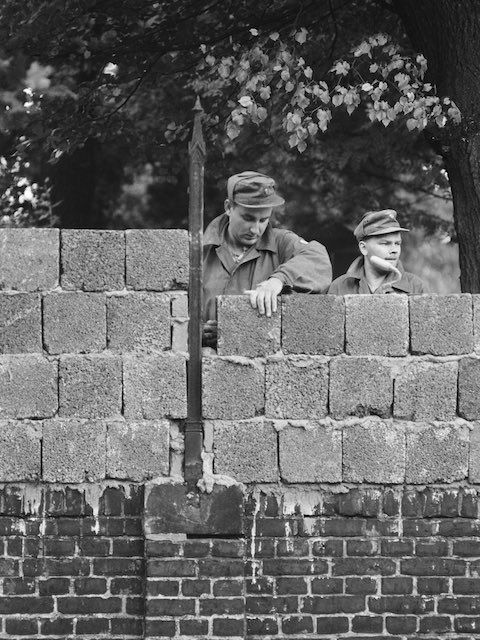
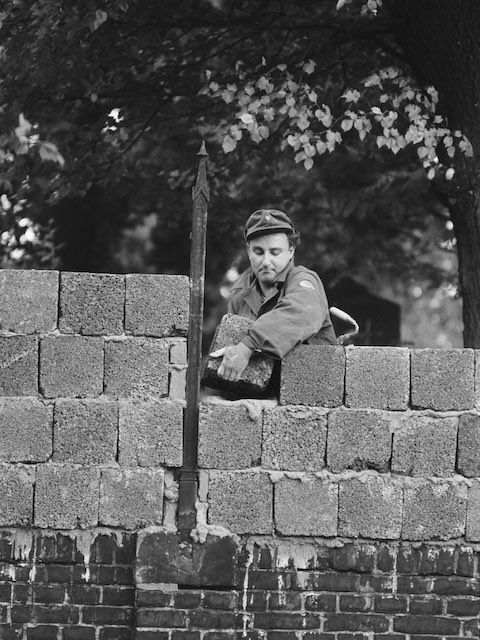
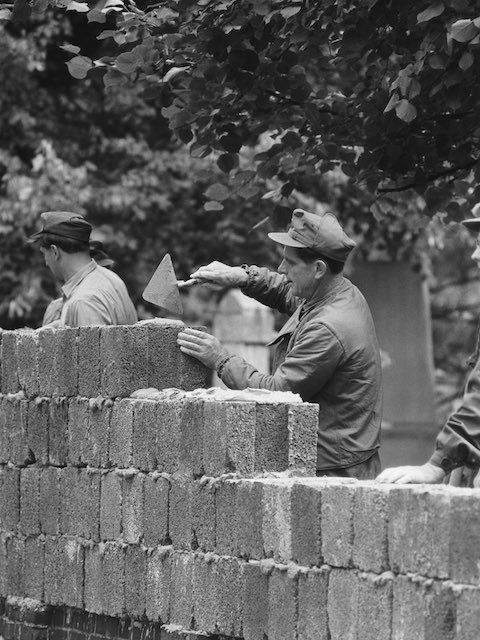
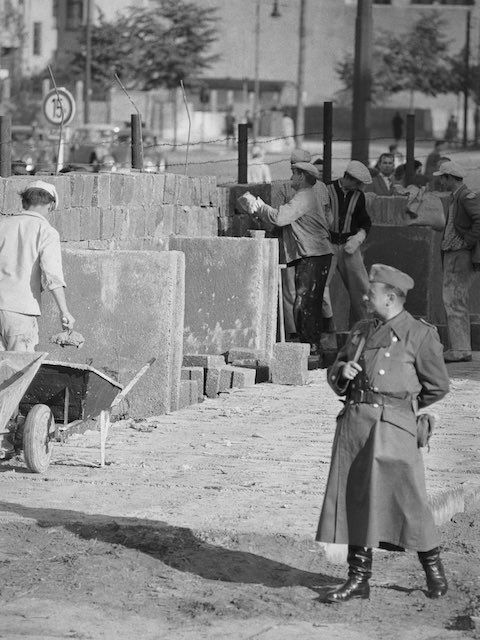
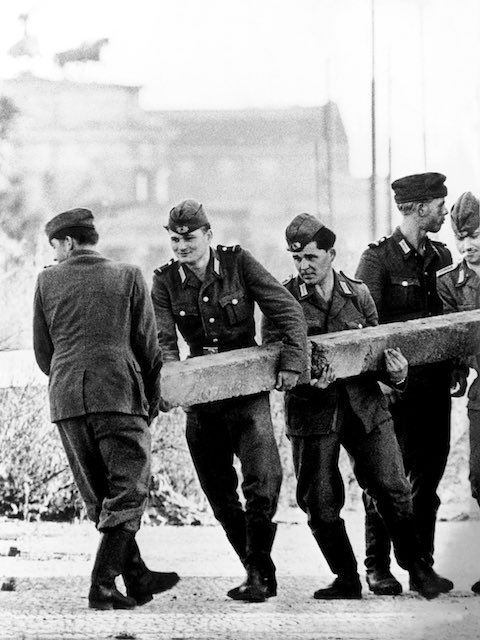
Over the next few days and weeks, the coils of barbed wire strung along the border to West Berlin were replaced by a wall of concrete slabs and hollow blocks. This was built by East Berlin construction workers under the close scrutiny of GDR border guards. Houses on, for instance, Bernauer Strasse, where the sidewalks belonged to the Wedding borough (West Berlin) and the southern row of houses to Mitte (East Berlin), were quickly integrated into the border fortifications: the GDR government had the front entrances and ground floor windows bricked up. Residents could get to their apartments only via the courtyard, which was in East Berlin. Many people were evicted from their homes already in 1961 – not only in Bernauer Strasse, but also in other border areas.
From one day to the next, the Wall separated streets, squares, and neighborhoods from each other and severed public transportation links. On the evening of August 13, Governing Mayor Willy Brandt said in a speech to the House of Representatives: “The Berlin Senate publicly condemns the illegal and inhuman measures being taken by those who are dividing Germany, oppressing East Berlin, and threatening West Berlin….”
On 25 October 1961, American and Soviet tanks faced off against each other at the Friedrichstrasse border crossing used by foreign nationals (Checkpoint Charlie), because GDR border guards had attempted to check the identification of representatives of the Western Allies as they entered the Soviet sector. In the American view, the Allied right to move freely throughout all of Berlin had been violated. For sixteen hours, the two nuclear powers confronted each other from a distance of just a few meters, and the people of that era felt the imminent threat of war. The next day, both sides withdrew. Thanks to a diplomatic initiative by America’s President Kennedy, the head of the Soviet government and communist party, Nikita Khrushchev, had confirmed the four-power status of all of Berlin, at least for now.
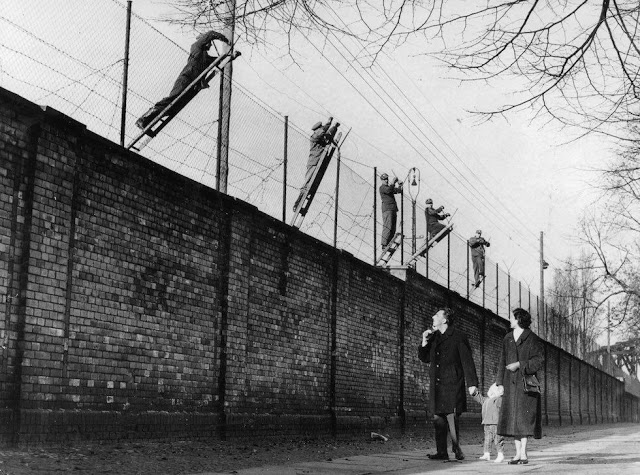
In the years to come, the barriers were modified, reinforced, and further expanded, and the system of controls at the border was perfected. The Wall running through the city center, which separated East and West Berlin from one another, was 43.1 kilometers long. The border fortifications separating West Berlin from the rest of the GDR were 111.9 kilometers long. Well over 100,000 citizens of the GDR tried to escape across the inner-German border or the Berlin Wall between 1961 and 1988. More than 600 of them were shot and killed by GDR border guards or died in other ways during their escape attempt. At least 140 people died at the Berlin Wall alone between 1961 and 1989.
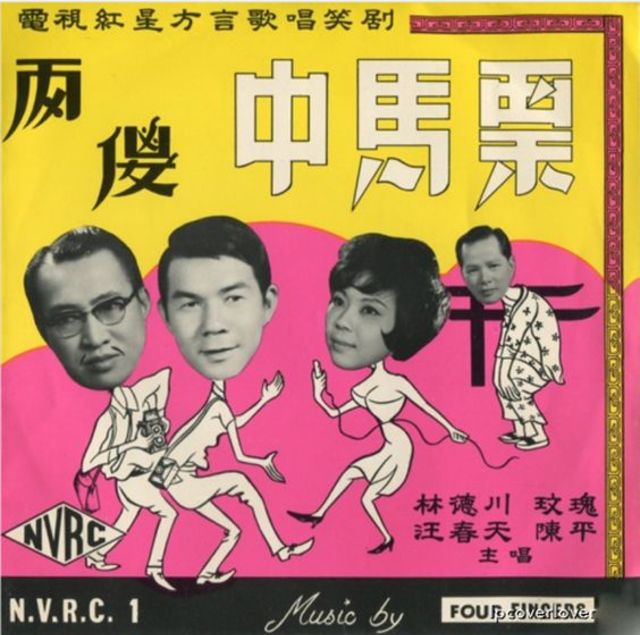
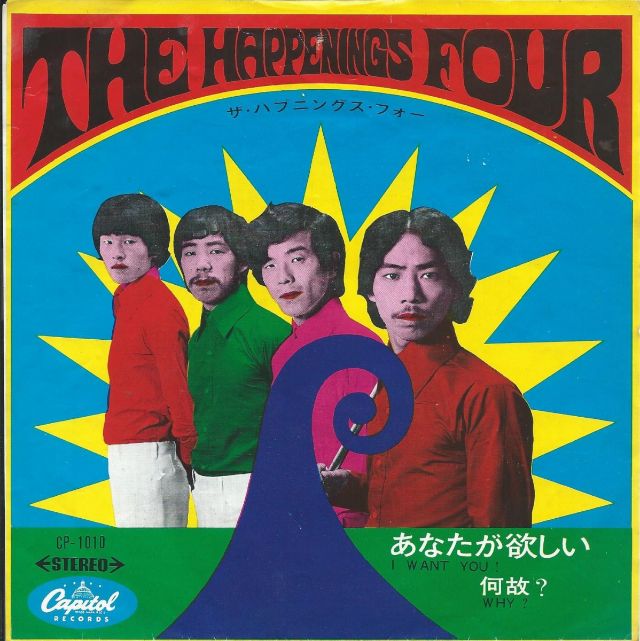
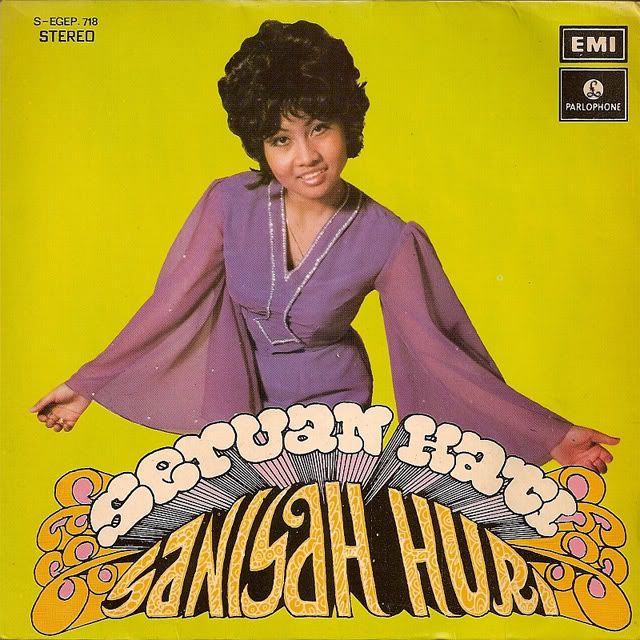
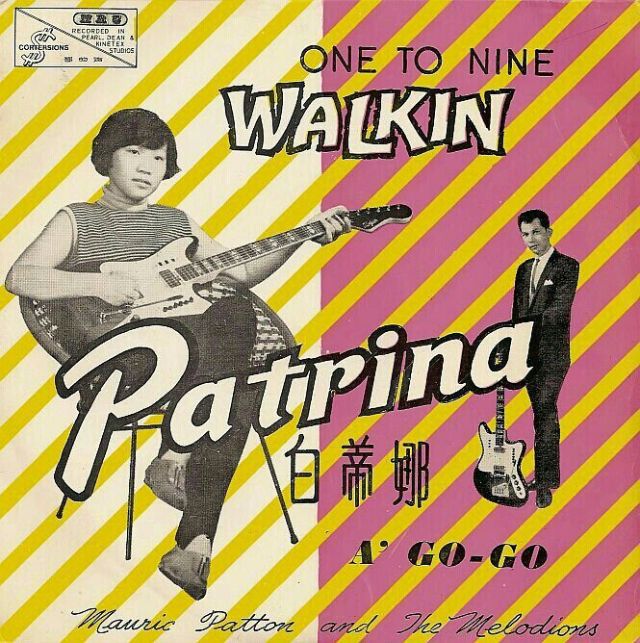
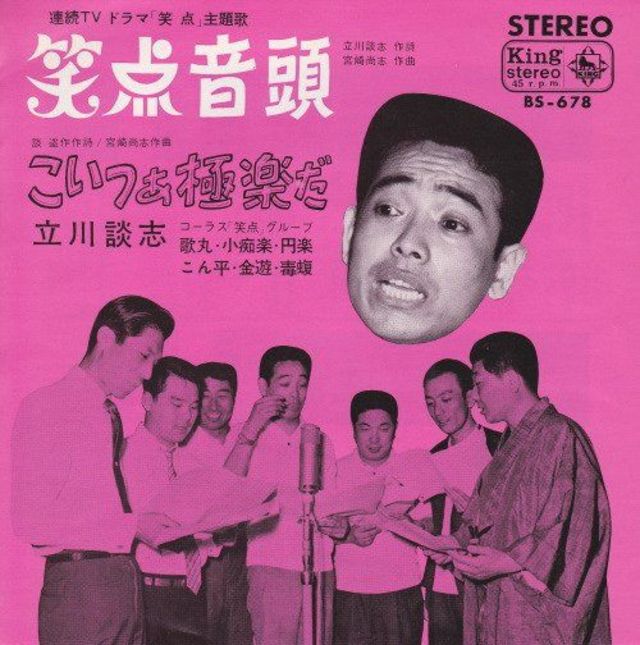
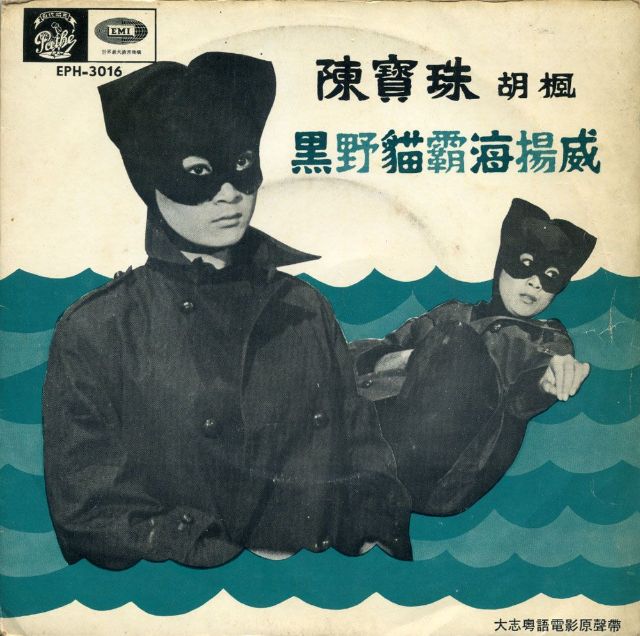
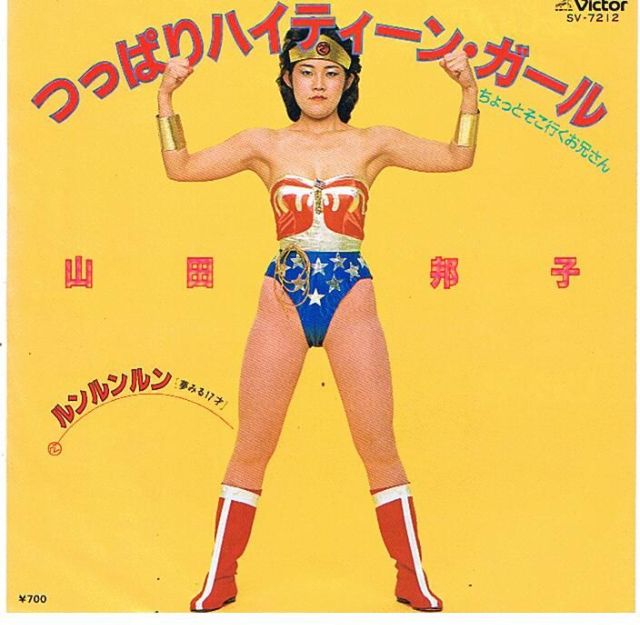
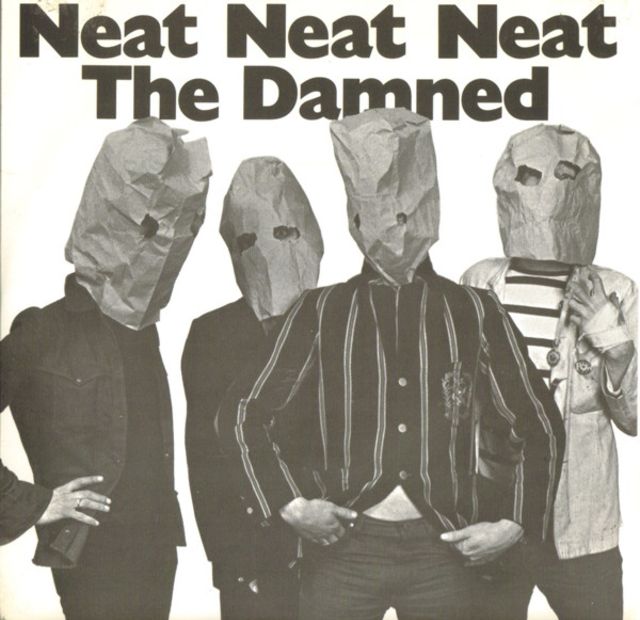
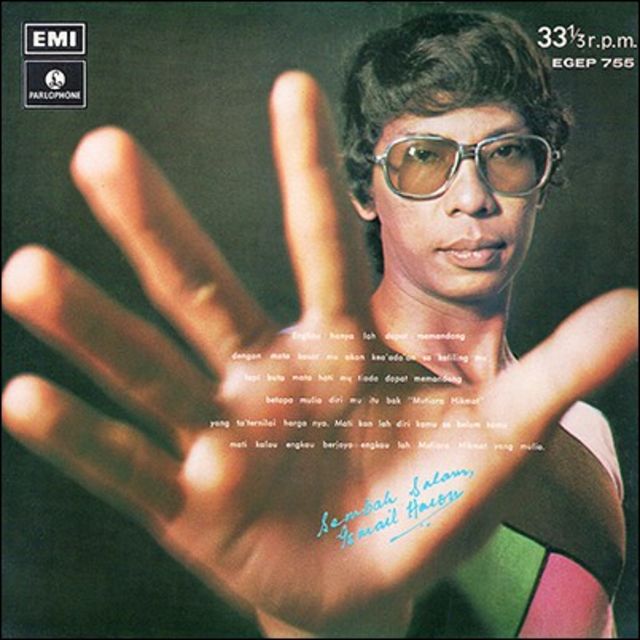
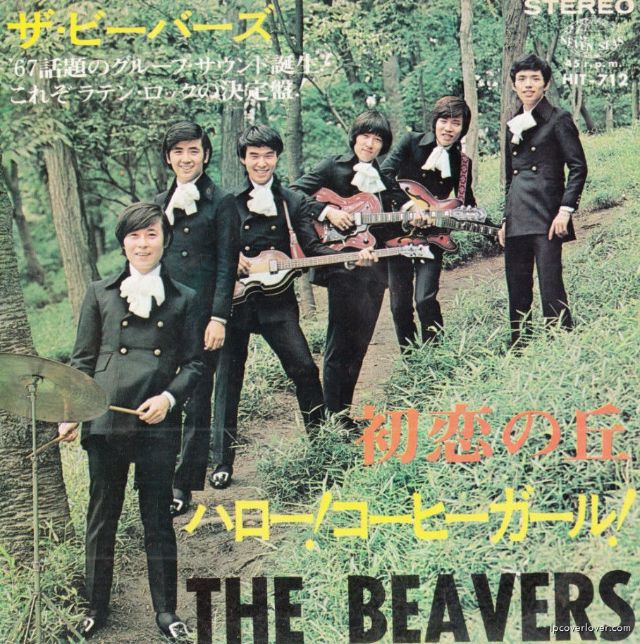
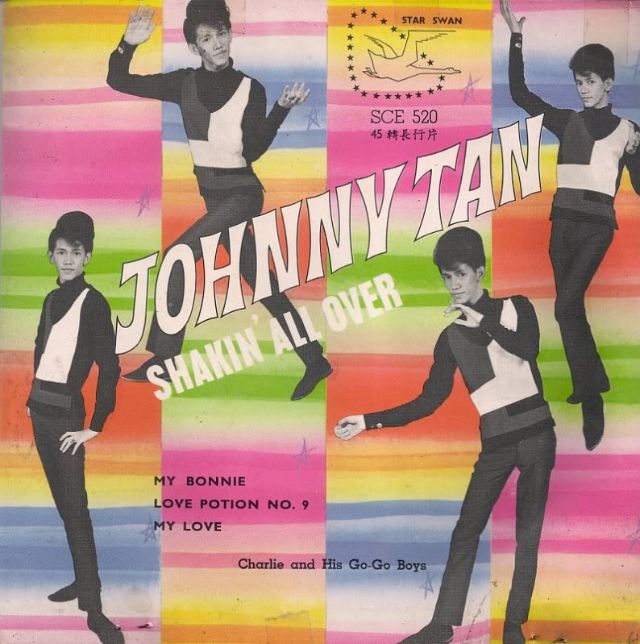
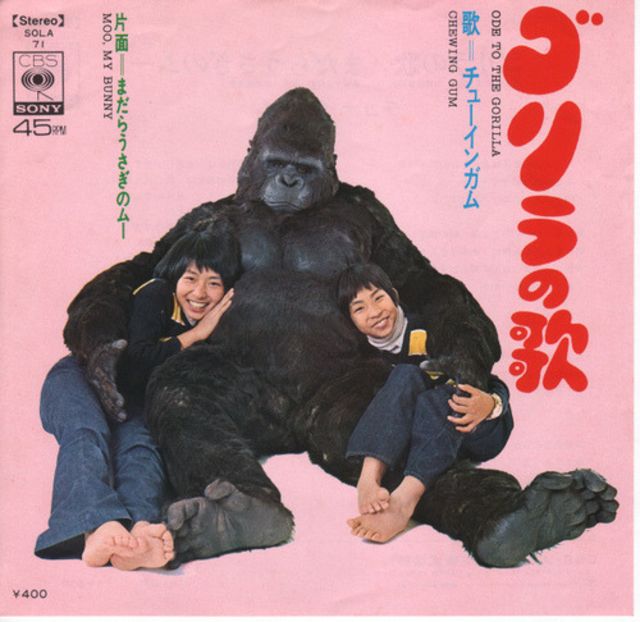
Art is a strange creature. Ever mutating, evolving, and forever changing. Often the most obvious is overlooked. Often the over-looked is the most obvious in how we view the world around us. Often that which is overlooked is over shadowed by a more imposing medium. We identify so much with what we listen to and define parts of who we are by the sounds resting within the sleeves protecting the disc. We listen to the music and often take in the art with great interest but in many ways do not relate the image as art the way we do when we look at a painting or a photograph.
The art of album covers is a wild and wonderful genera of art that really has an upper hand in defining the culture that embraces the music it caresses. An honesty on a very temporal and primal level is recognized in the way this art is interpreted and rendered with these pieces.
These are gems that are the “less seen” visions and through them we can revisit the worlds that these artists and musicians lived in. Through them hopefully we can get a fresher glimpse of our own lives in the moment we live in.
Some of the images are disturbing and strange. Some are very revealing and serious commentary of the way we are as a community of humans. Others are humorous and delightful, poking fun at the world we live in. Mostly they are reflections of who we are and where we, where we have been, and where we are going to.
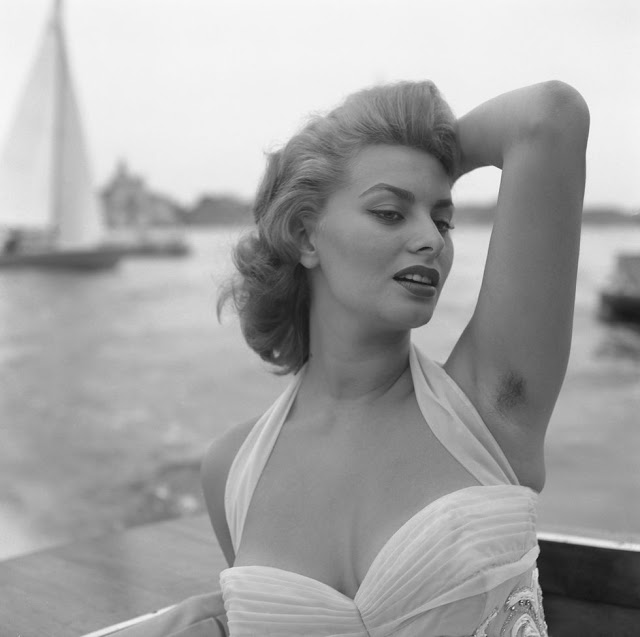
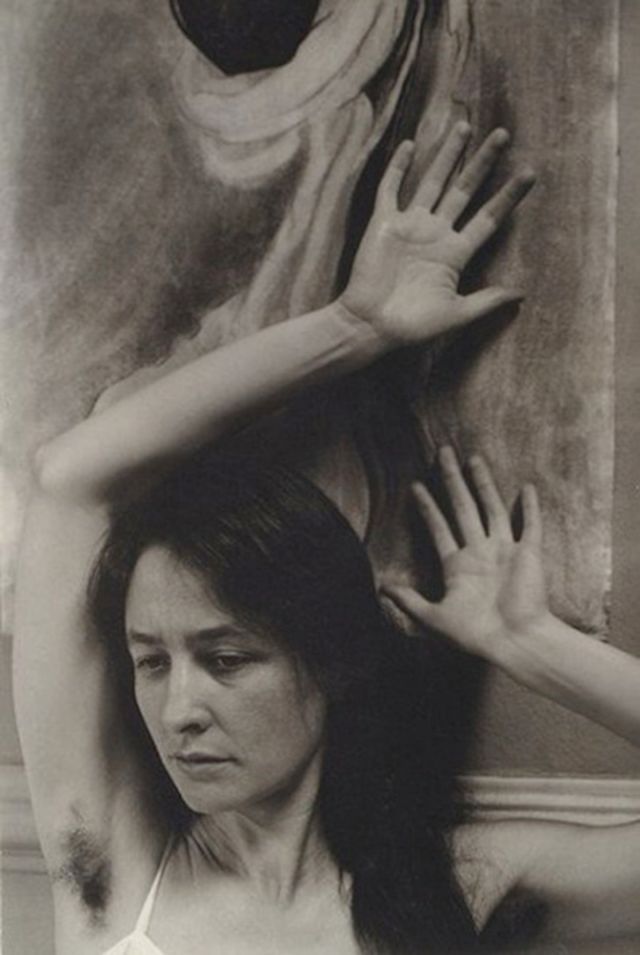
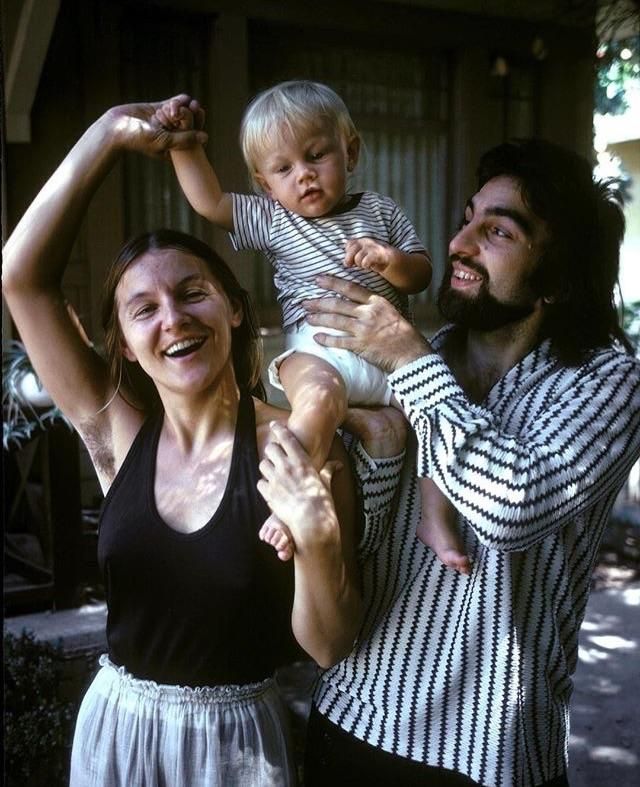
To shave or not to shave? Most – if not all – women ask themselves this on a regular basis. While many girls opt for the former because of gender norms and there are also those who say ‘screw it’ while simultaneously tossing their razor blades out the bathroom window. Yes, even celebrities. Here are 12 celebs who aren’t afraid to show off their armpit hair.
Georgia O’Keeffe, 1918.Italian actress Sophia Loren, 1955Barbra Streisand, 1962.Grace JonesLeonardo DiCaprio and his parents, 1976.Patti Smith, 1977.Madonna in New York, 1984.Lisa Bonet, 1990Ani DiFranco performs at Wetlands in New York City in 1994.Drew Barrymore, 1996.Portrait of 22 years old Portuguese actress Dalila Carmo in New York, 1996.Julia Roberts at Notting Hill’s 1999 Premiere.