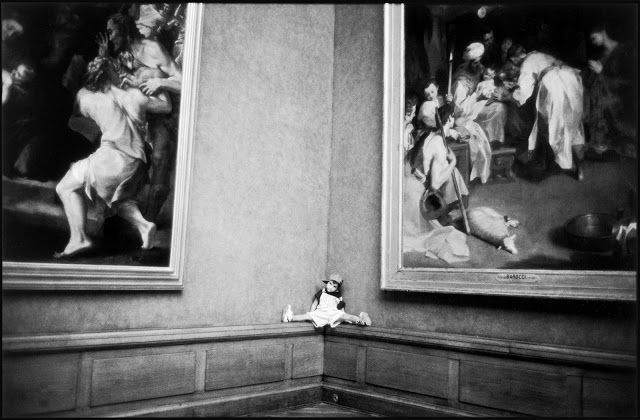
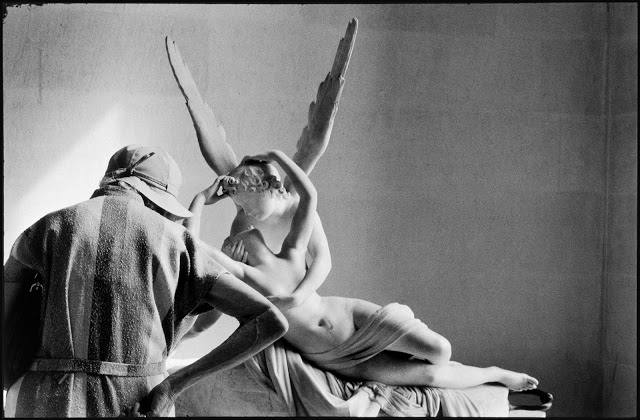
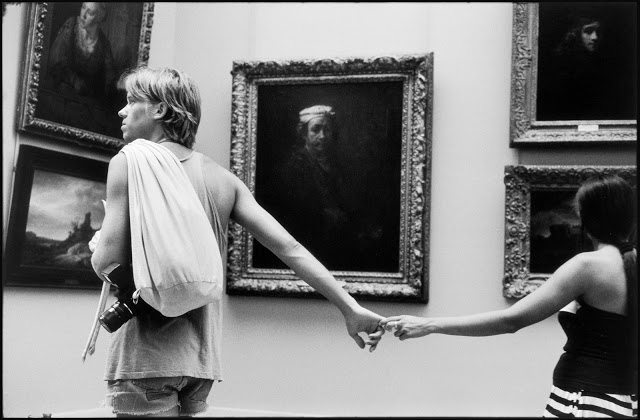
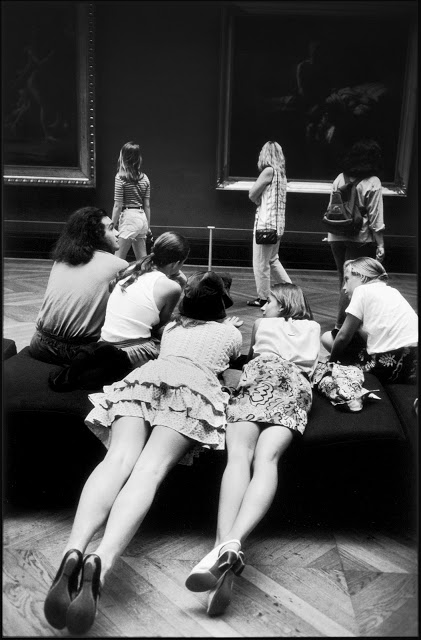
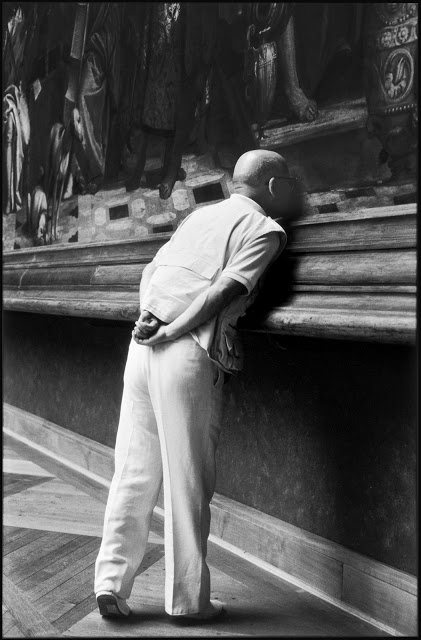
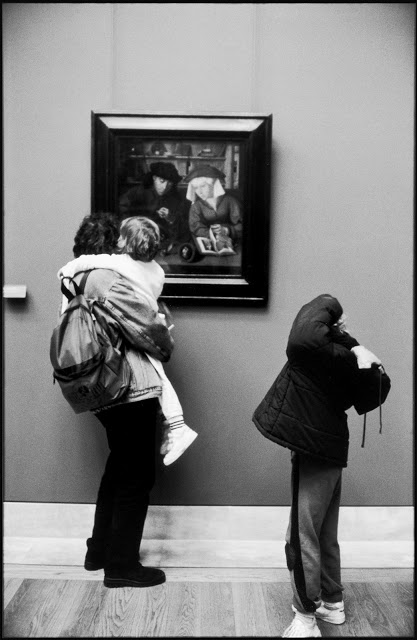
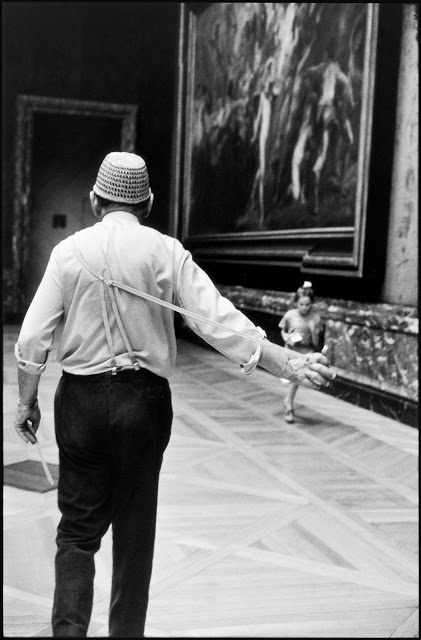
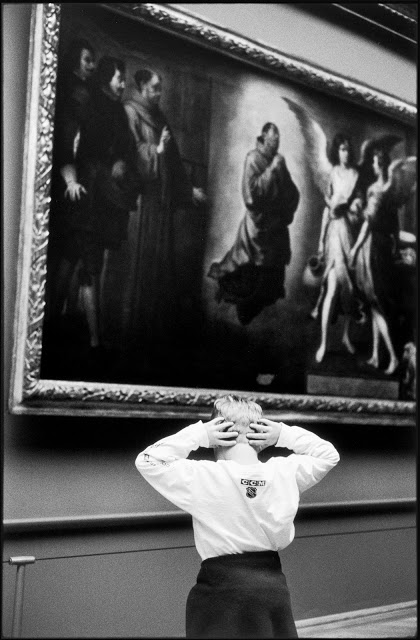
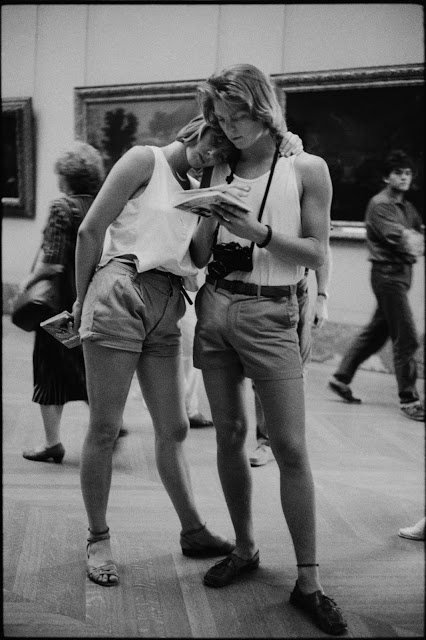
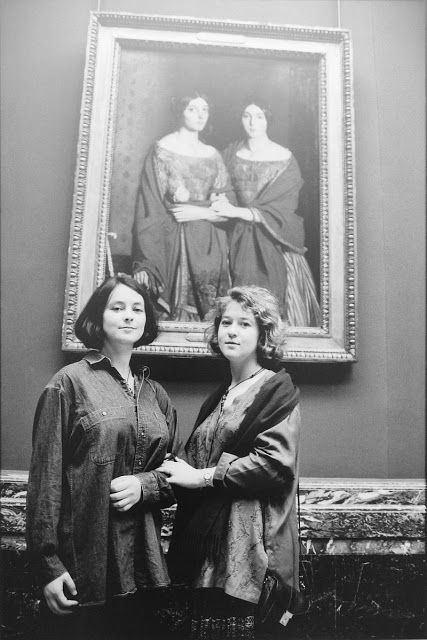
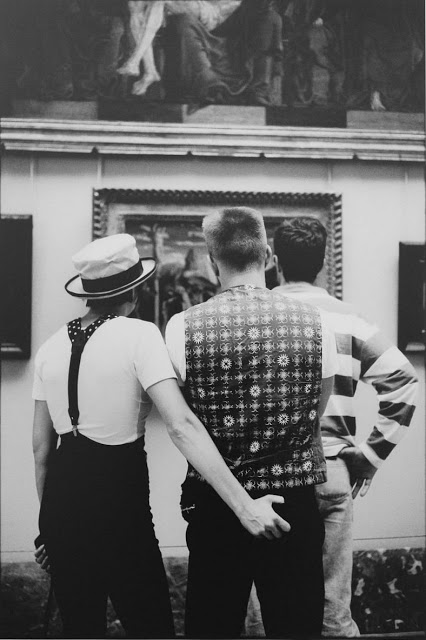
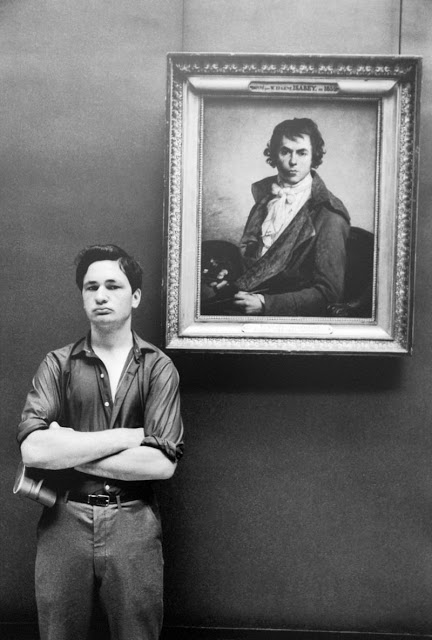
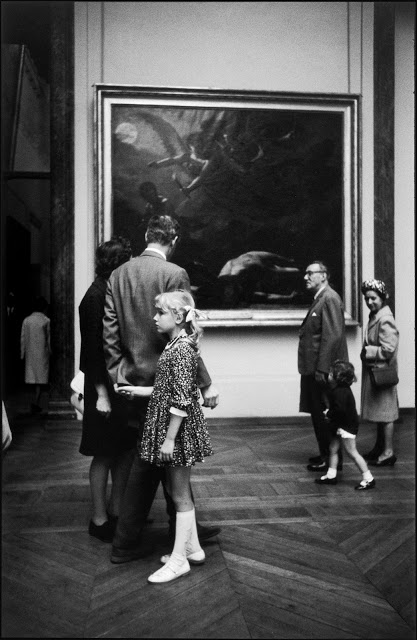
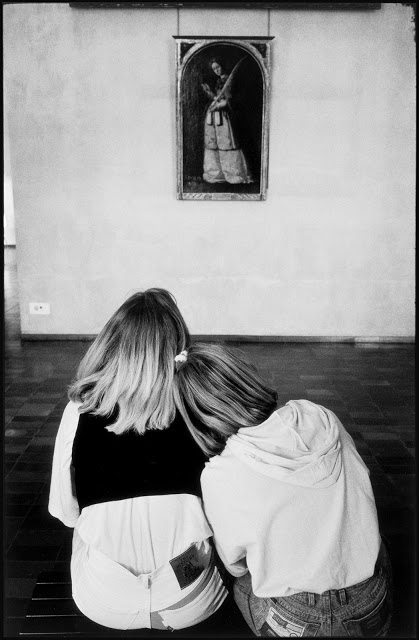
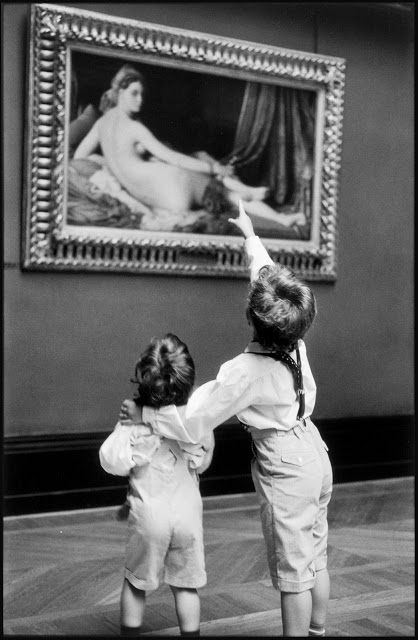
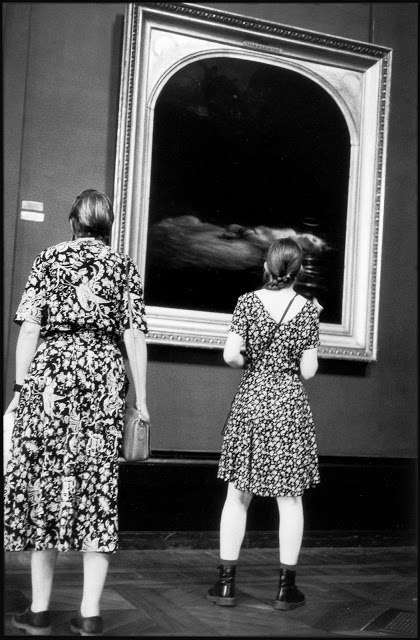
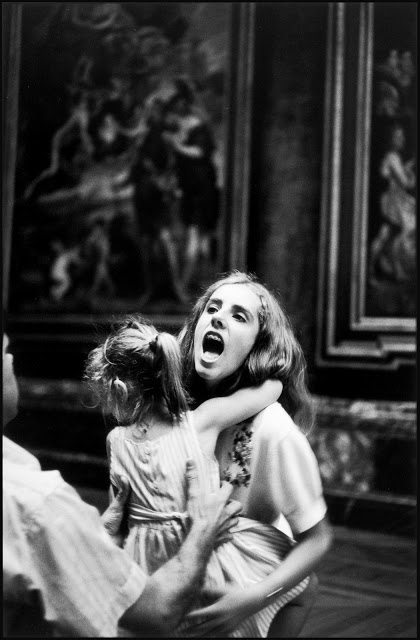
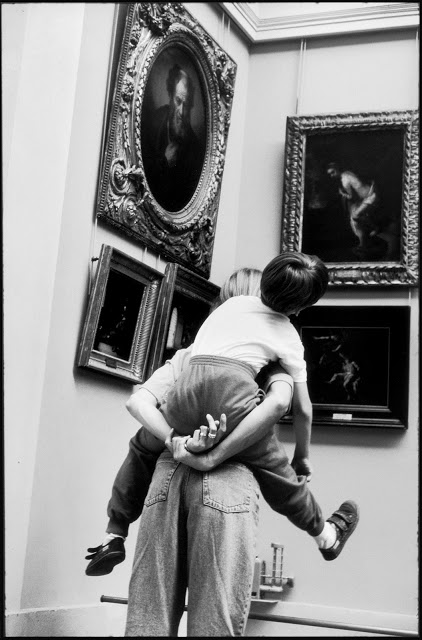
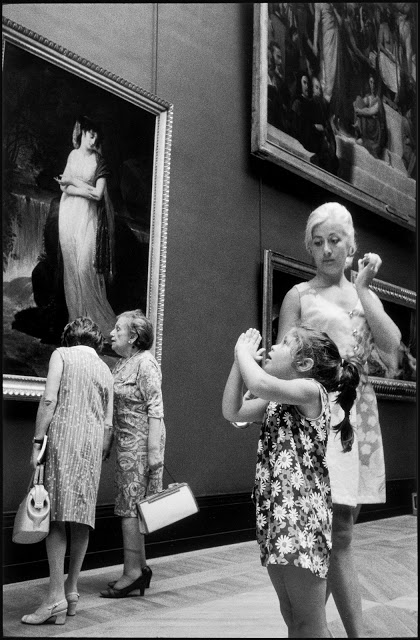
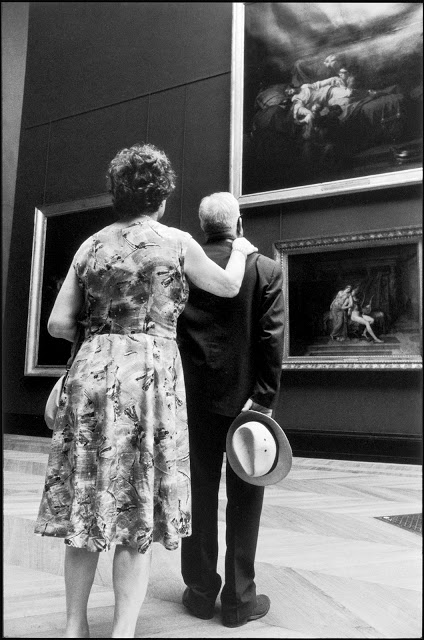
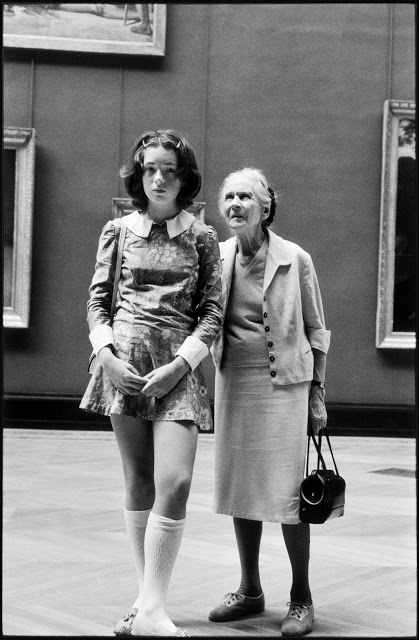
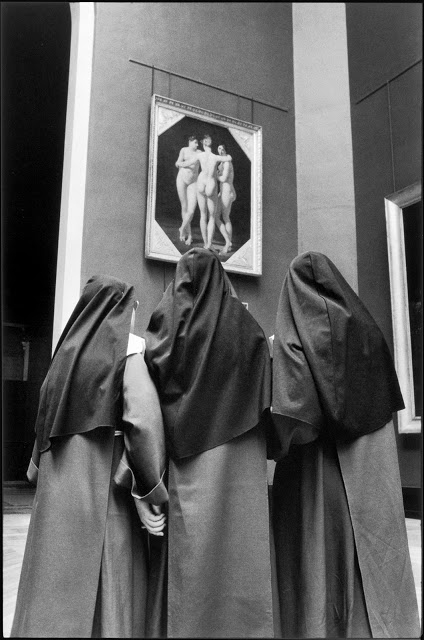
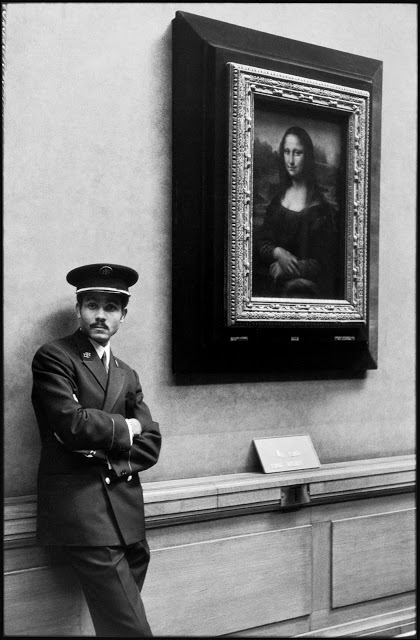
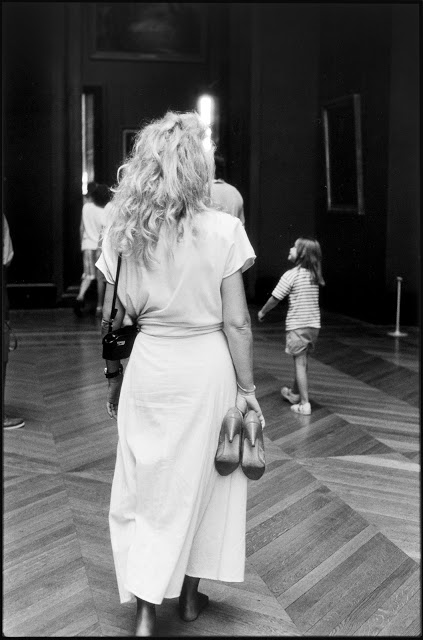
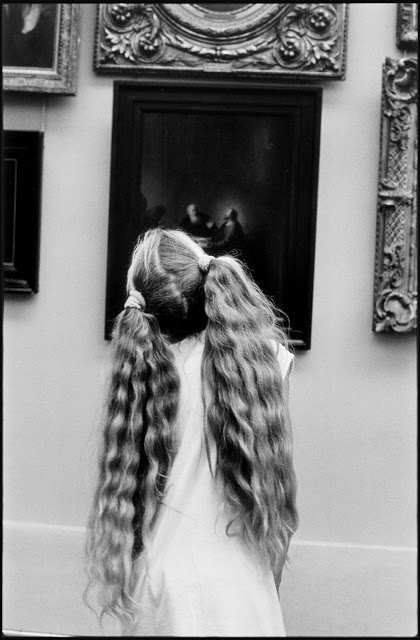
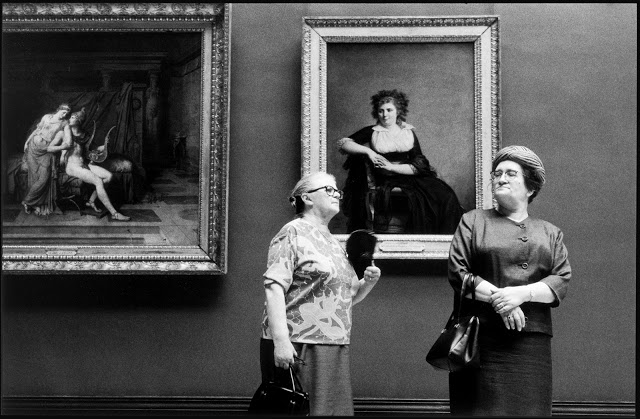
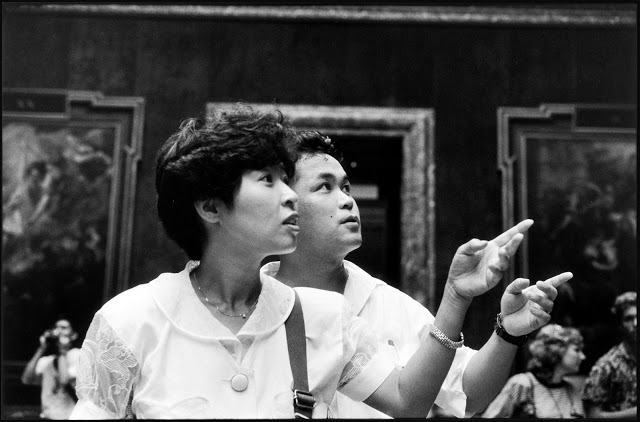
Very patiently with a camera in his hand the Brazilian photographer Alecio de Andrade manages to capture incredible pictures of the visitors of the Louvre. He has been making these pictures for almost four decades.
What is the relation between these three scenes? All three of them are moments captured in the halls of the most famous museum in the world – the Louvre. Moments, which the photographer Alecio de Andrade has been patiently waiting for 39 whole years.
“To me the roots of the photography are in the spontaneousness. This is the only way to reveal one of the faces of the world.” – said the poet and photographer with many awards who died in 2003, at the age of 65.
De Andrade was an associate in the Magnum agency and his pictures have been published in magazines published in big circulations like Madame Figaro, Elle, Goe, Le Nouvel Ovservateur, Marie Claire, Fortune and Newsweek.
The pictures in the Louvre look like theatrical scenes where the visitors, who have no idea that their pictures have been taken, are the ones staring in the lead roles. Filled with a lot of sense of humor, emotionality, curiosity and spontaneousness, the pictures are giving us the chance to find out what are the reactions of the visitors of the museum to the masterworks which some of these people have traveled for thousands of kilometers to see.
Madrid is the capital and most populous city of Spain. The city has almost 3.4 million inhabitants and a metropolitan area population of approximately 6.7 million. It is the second-largest city in the European Union (EU), surpassed only by Berlin in its administrative limits, and its monocentric metropolitan area is the second-largest in the EU, surpassed only by Paris. The municipality covers 604.3 km2 (233.3 sq mi) geographical area.
Madrid lies on the River Manzanares in the central part of the Iberian Peninsula. Capital city of both Spain (almost without interruption since 1561) and the surrounding autonomous community of Madrid (since 1983), it is also the political, economic and cultural centre of the country. The city is situated on an elevated plain about 300 kilometres (190 mi) from the closest seaside location. Seasonal differences are large by Iberian standards with hot summers and cool winters. The mayor is José Luis Martínez-Almeida from the People’s Party.
The Madrid urban agglomeration has the second-largest GDP in the European Union and its influence in politics, education, entertainment, environment, media, fashion, science, culture, and the arts all contribute to its status as one of the world’s major global cities. Due to its economic output, high standard of living, and market size, Madrid is considered the major financial centre and the leading economic hub of the Iberian Peninsula and of Southern Europe. The metropolitan area hosts major Spanish companies such as Telefónica, Iberia, BBVA and FCC. It concentrates the bulk of banking operations in the country and it is the Spanish-speaking city generating the largest amount of webpages.
Madrid houses the headquarters of the UN’s World Tourism Organization (UNWTO), the Ibero-American General Secretariat (SEGIB), the Organization of Ibero-American States (OEI), and the Public Interest Oversight Board (PIOB). It also hosts major international regulators and promoters of the Spanish language: the Standing Committee of the Association of Spanish Language Academies, headquarters of the Royal Spanish Academy (RAE), the Instituto Cervantes and the Foundation of Emerging Spanish (FundéuRAE). Madrid organises fairs such as FITUR, ARCO, SIMO TCI and the Madrid Fashion Week. Madrid is home to two world-famous football clubs, Real Madrid and Atlético Madrid.
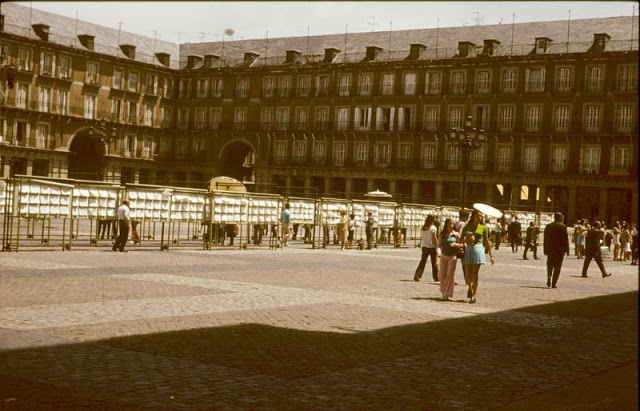
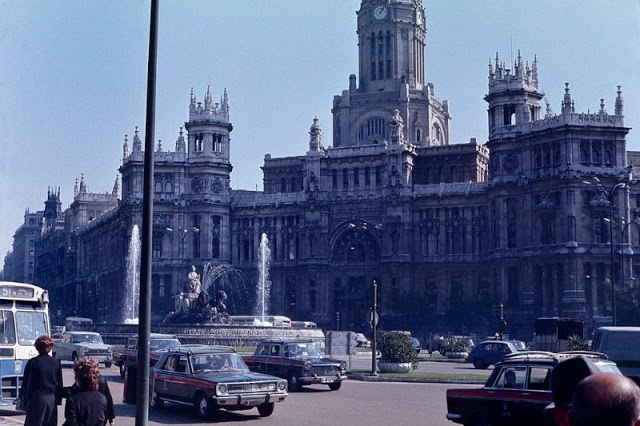
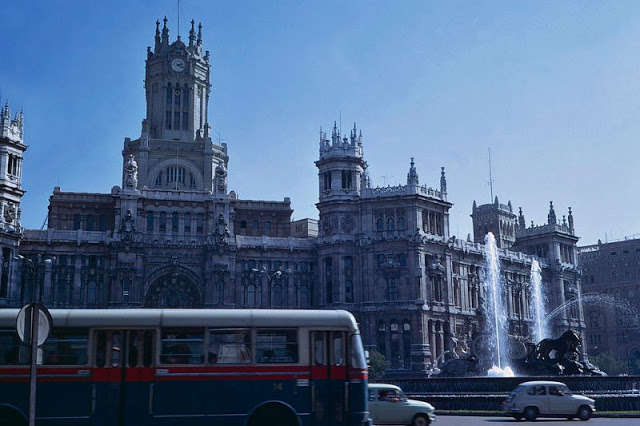
While Madrid possesses modern infrastructure, it has preserved the look and feel of many of its historic neighbourhoods and streets. Its landmarks include the Plaza Mayor, the Royal Palace of Madrid; the Royal Theatre with its restored 1850 Opera House; the Buen Retiro Park, founded in 1631; the 19th-century National Library building (founded in 1712) containing some of Spain’s historical archives; many national museums, and the Golden Triangle of Art, located along the Paseo del Prado and comprising three art museums: Prado Museum, the Reina Sofía Museum, a museum of modern art, and the Thyssen-Bornemisza Museum, which complements the holdings of the other two museums. Cibeles Palace and Fountain has become one of the monument symbols of the city. (Wikipedia)
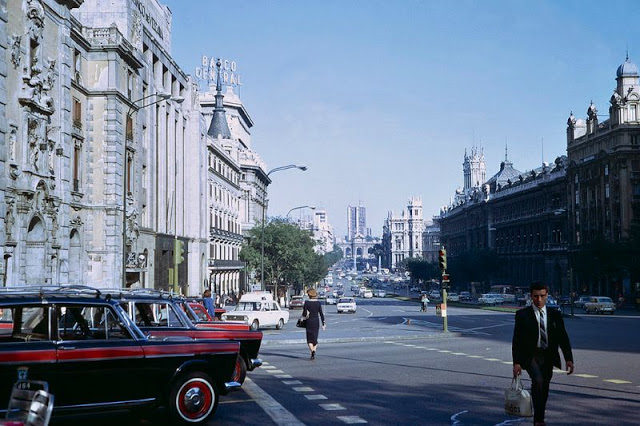
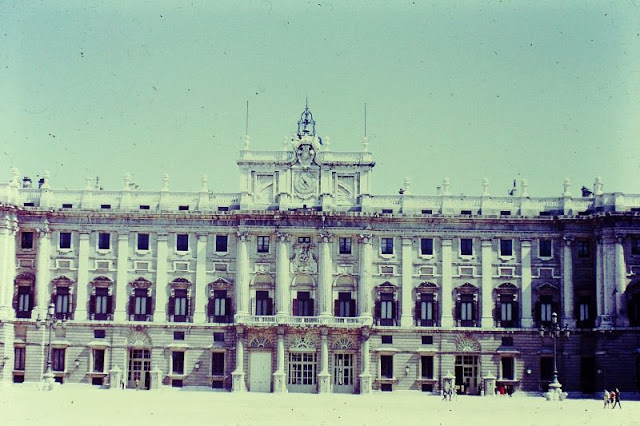
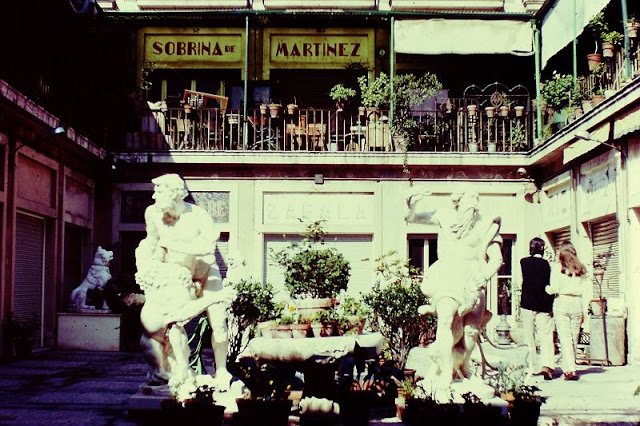
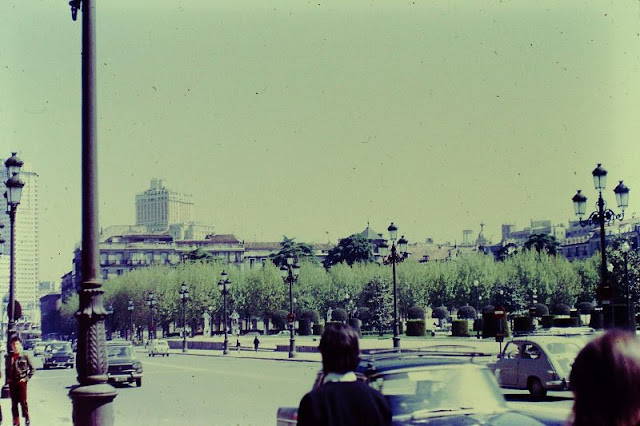
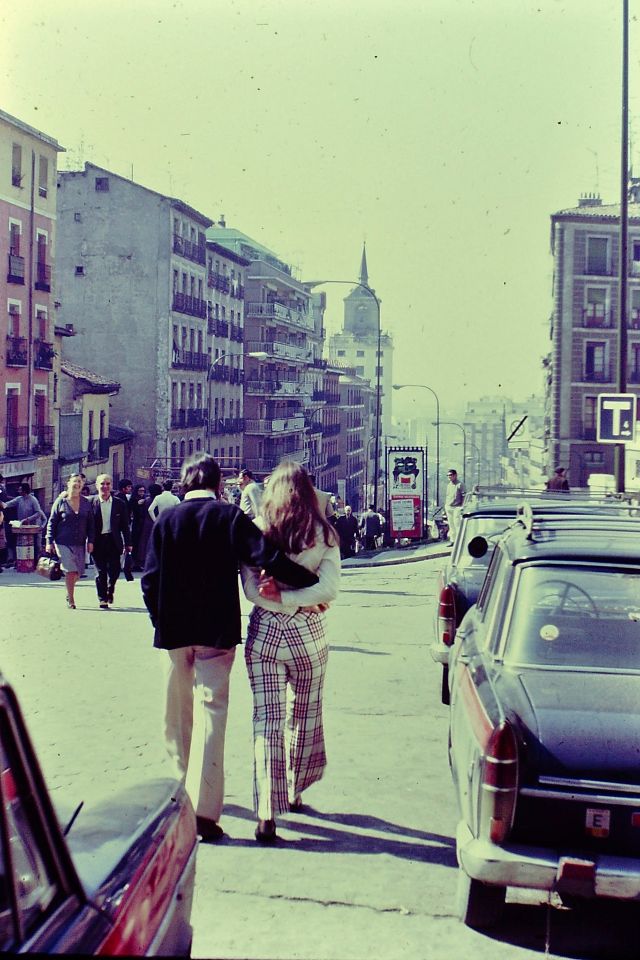
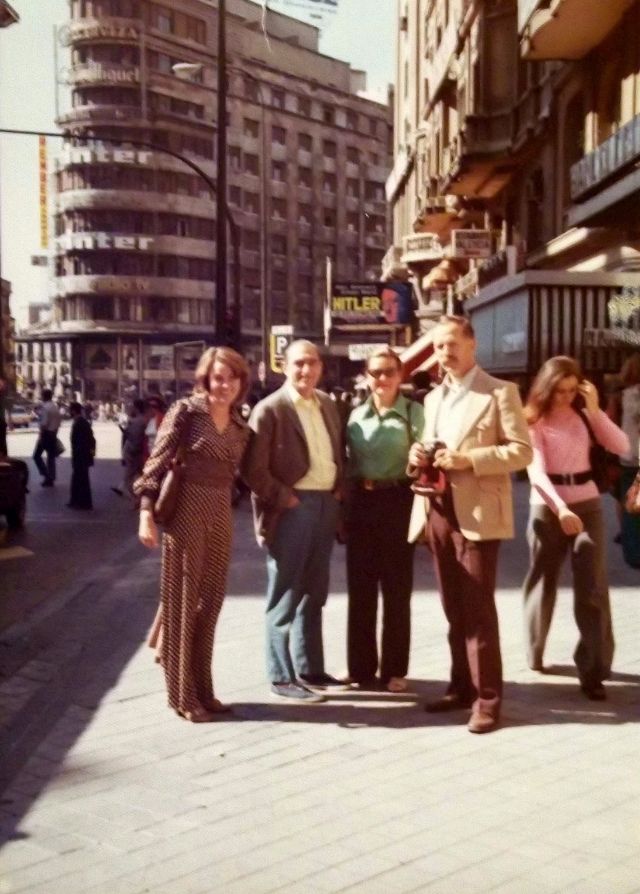
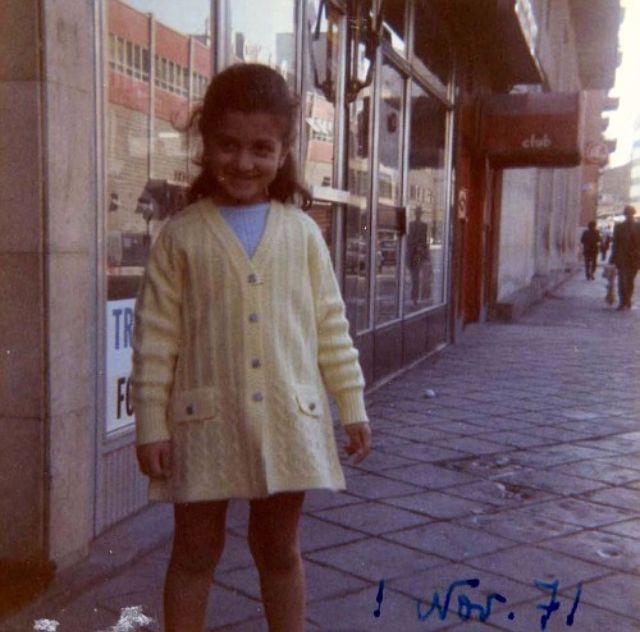
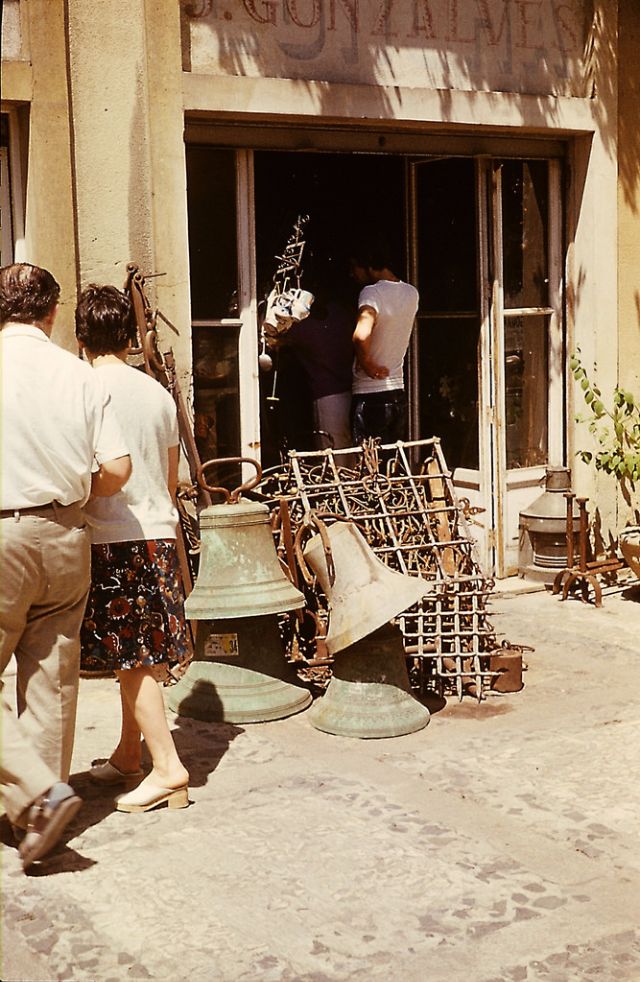
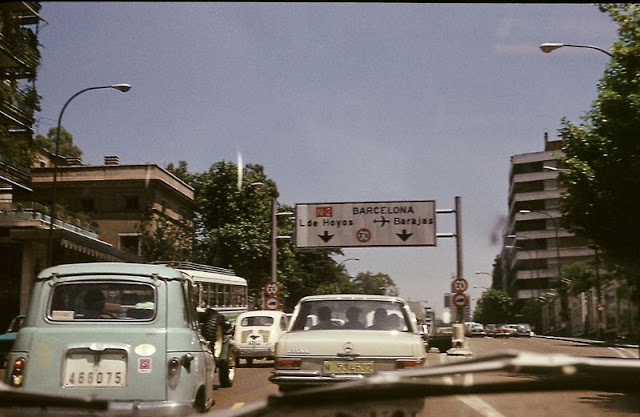
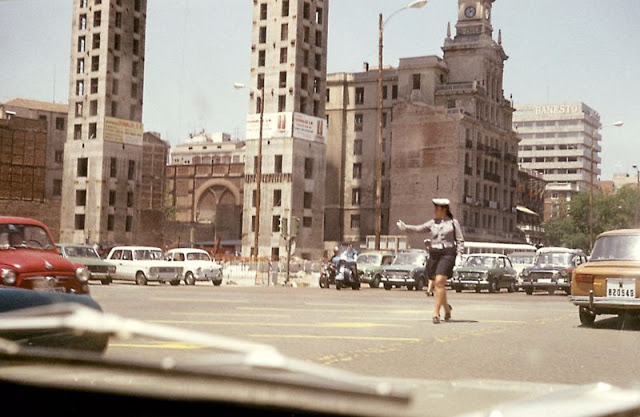
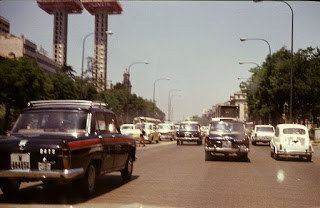
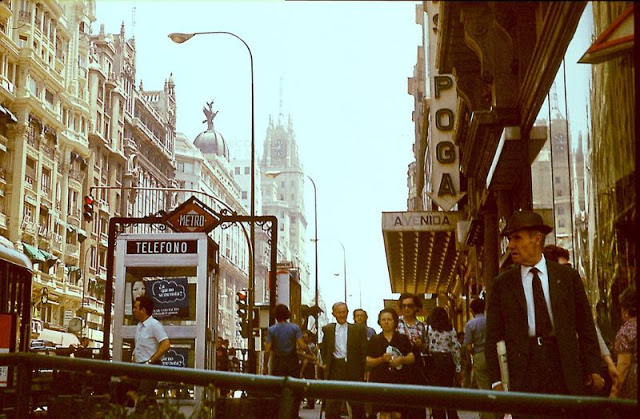
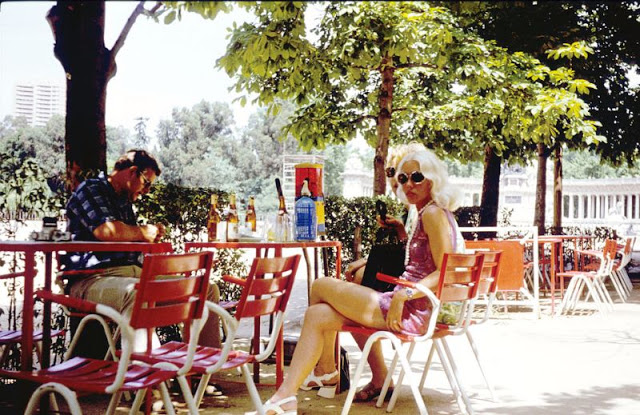
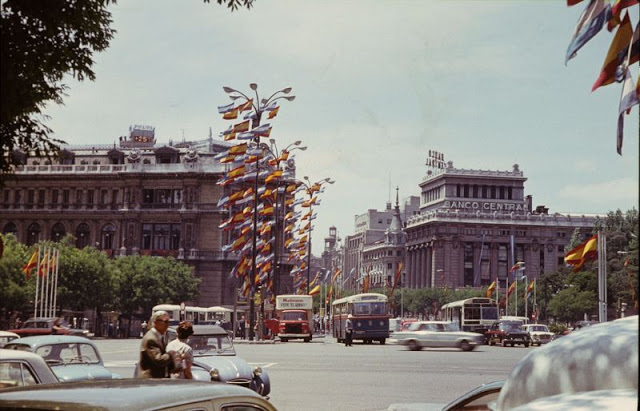
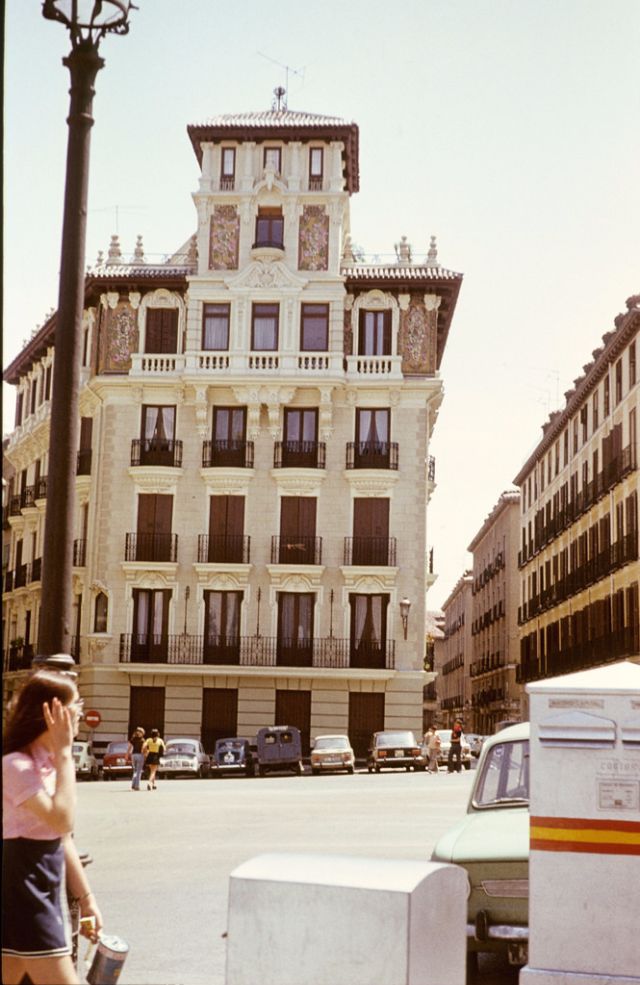
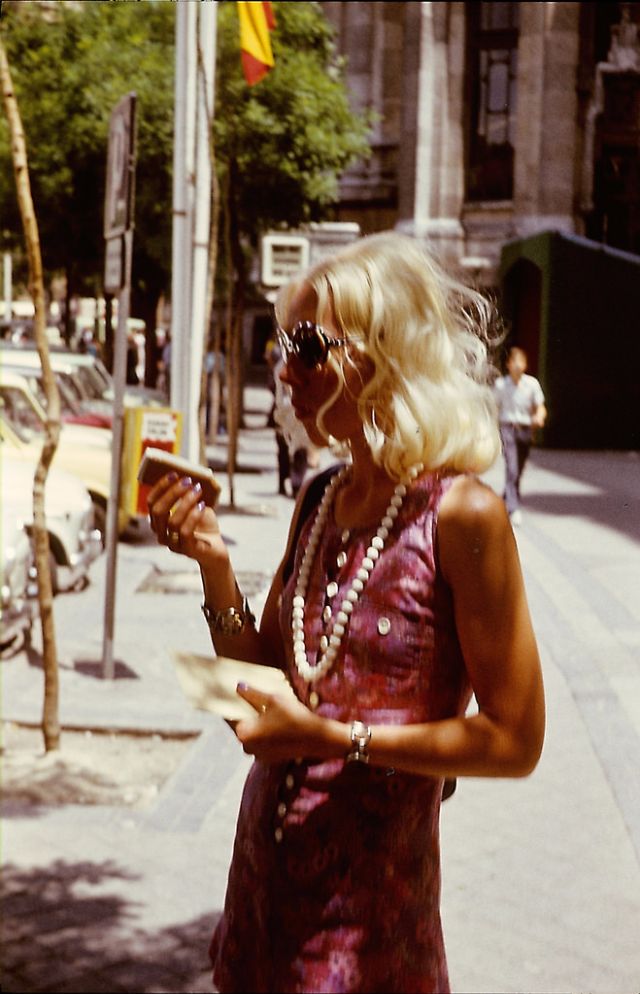
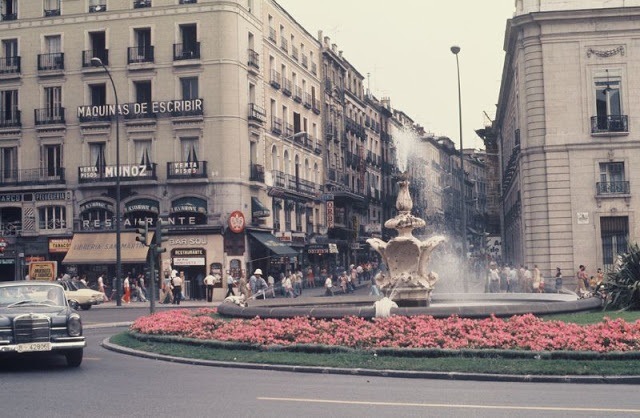
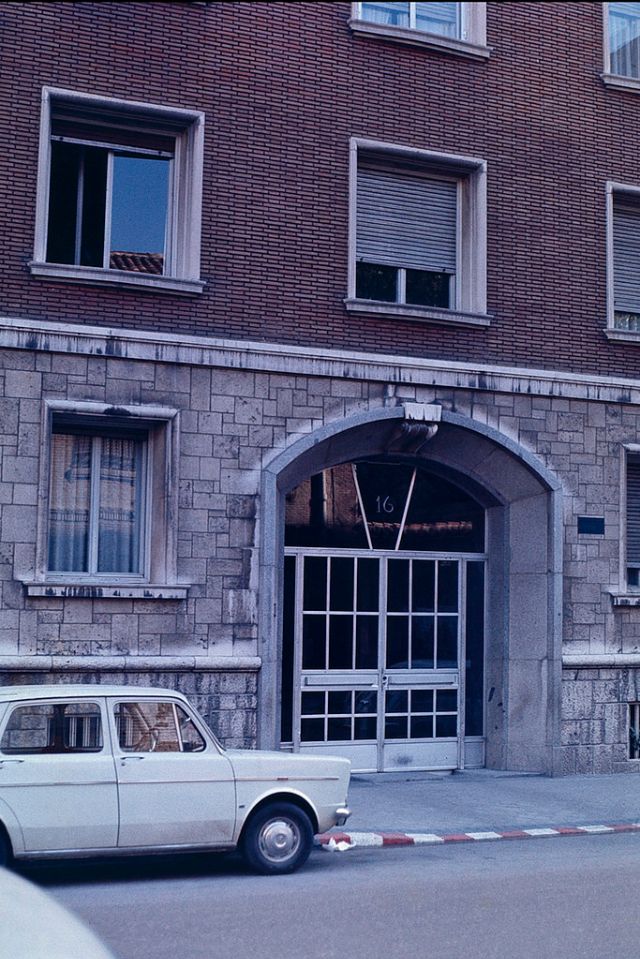
Here is a collection of fascinating color snapshots that shows street scenes of Madrid in the early 1970s.
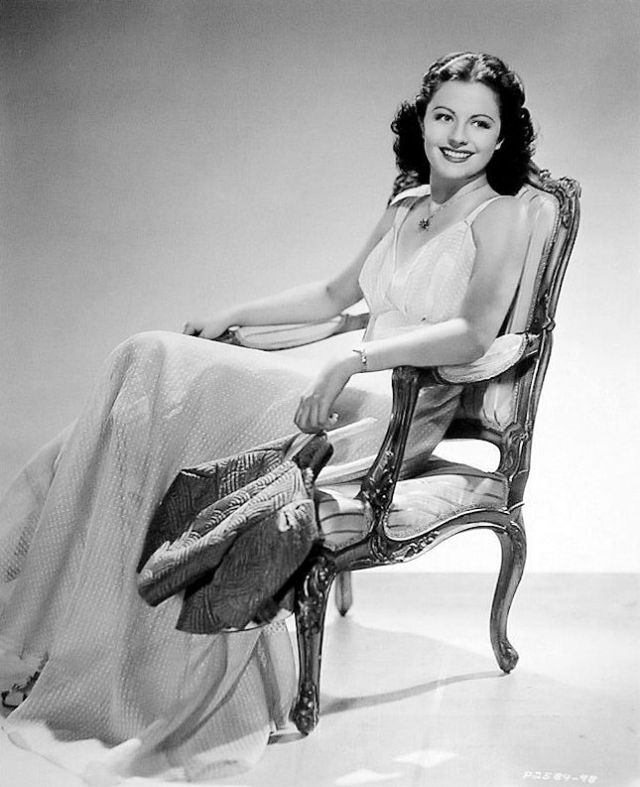
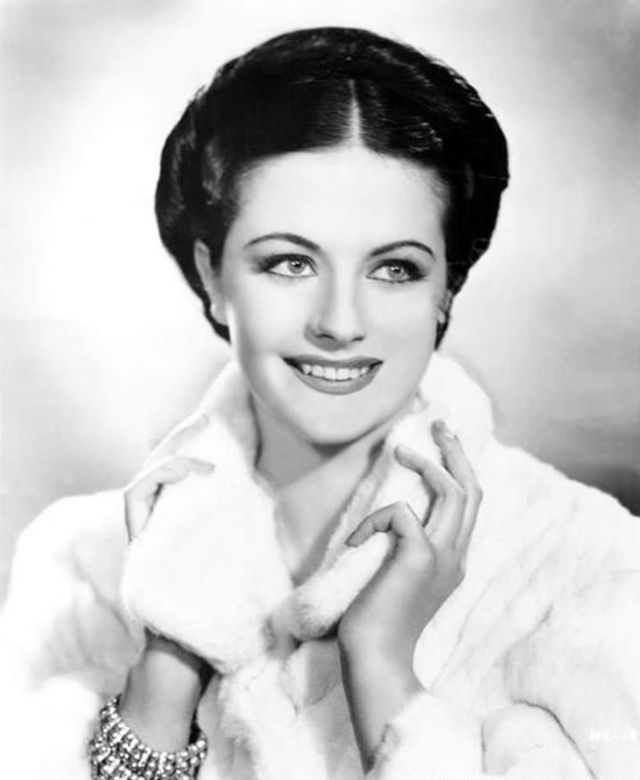
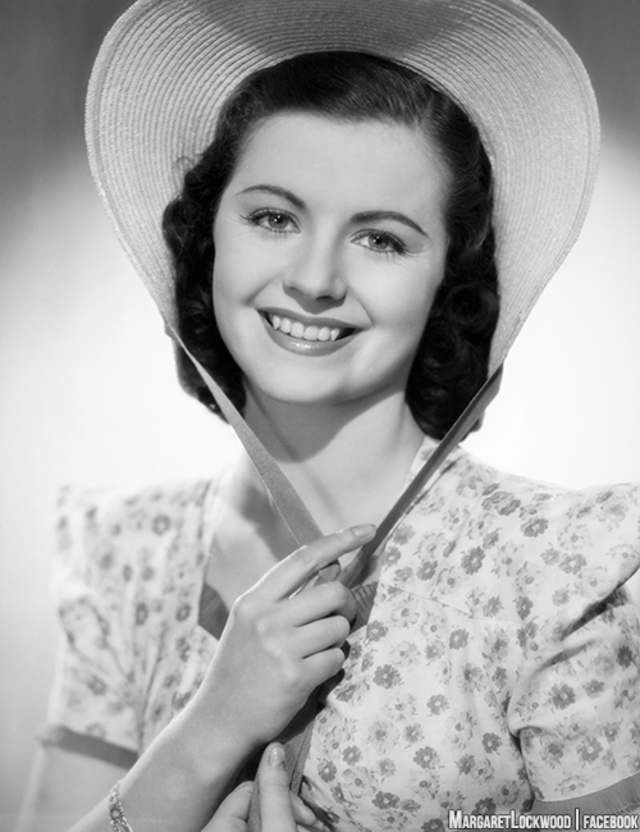
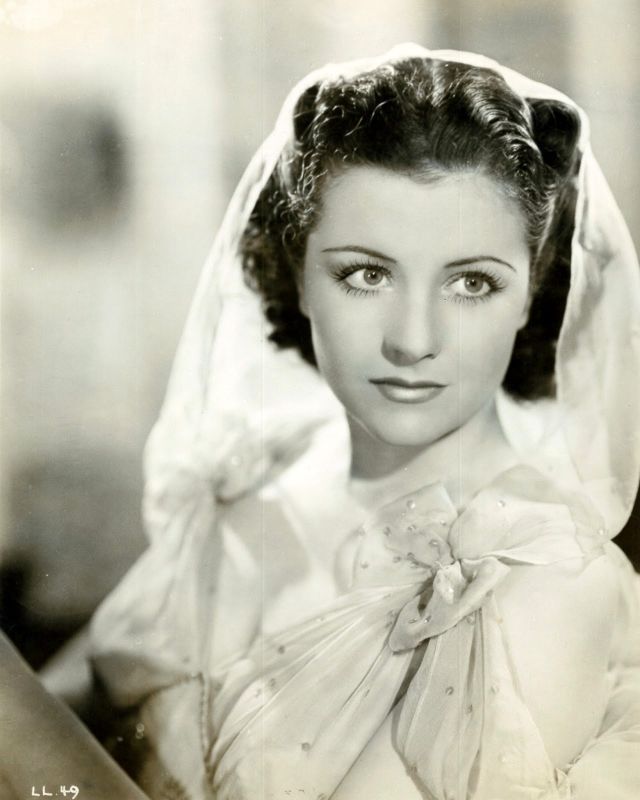
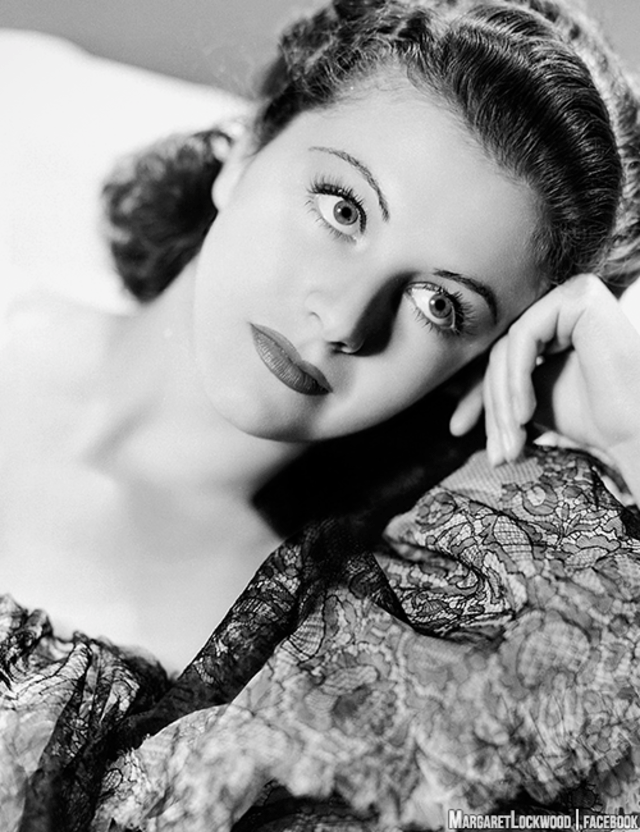
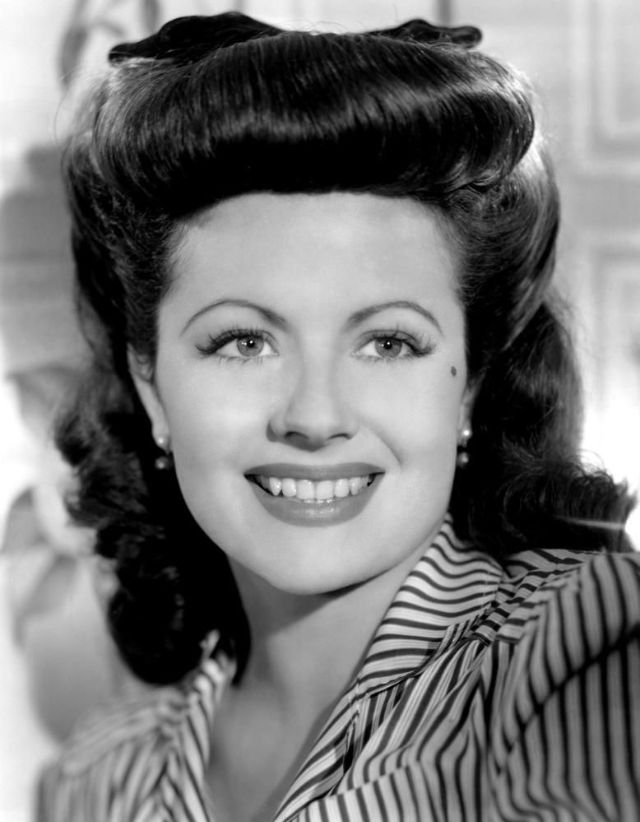
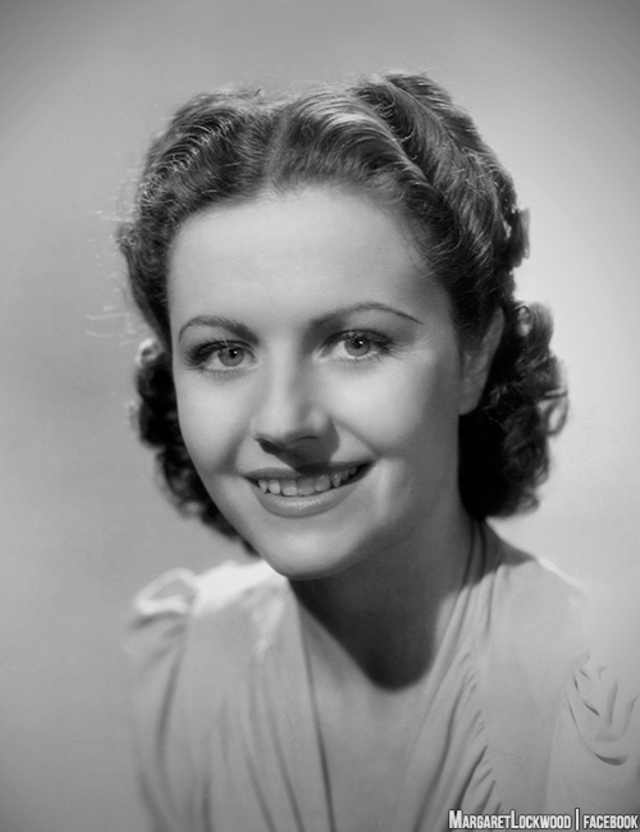
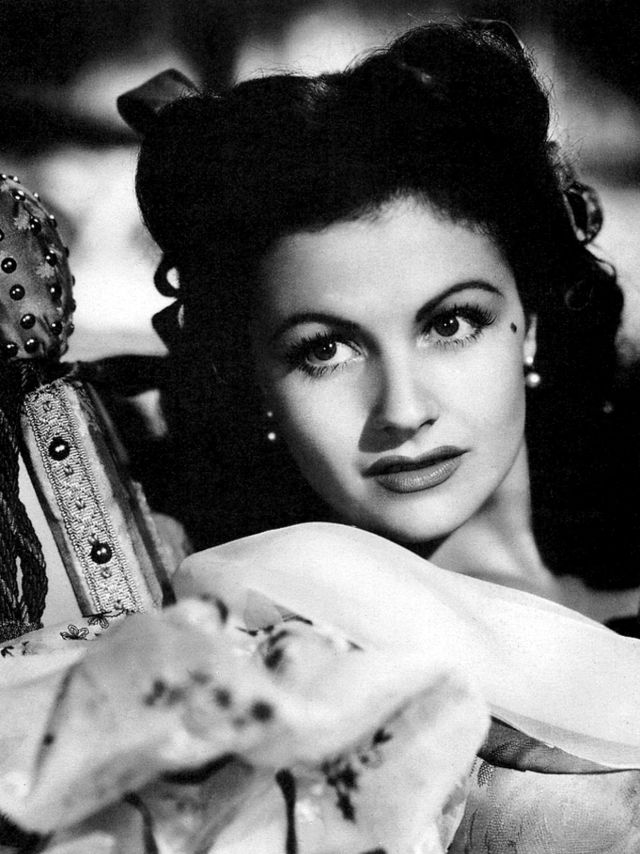
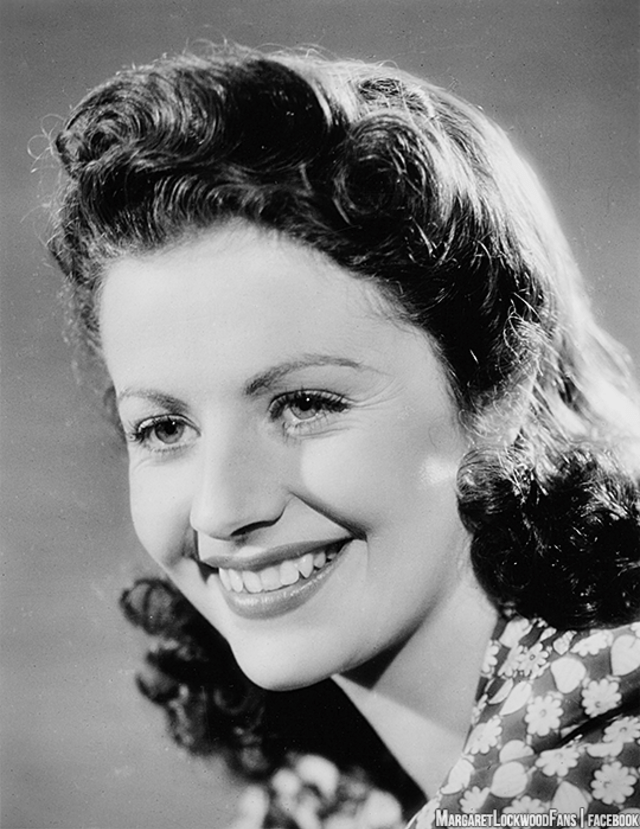
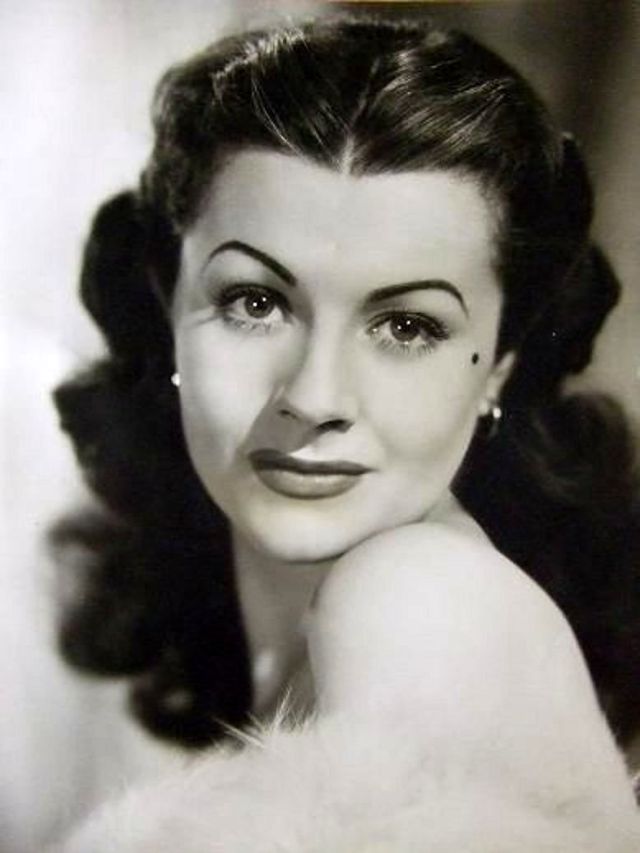
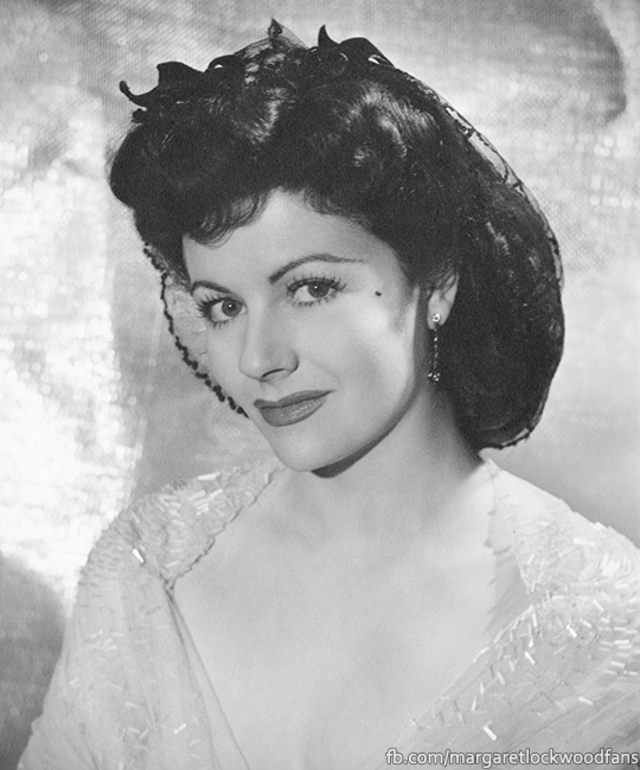
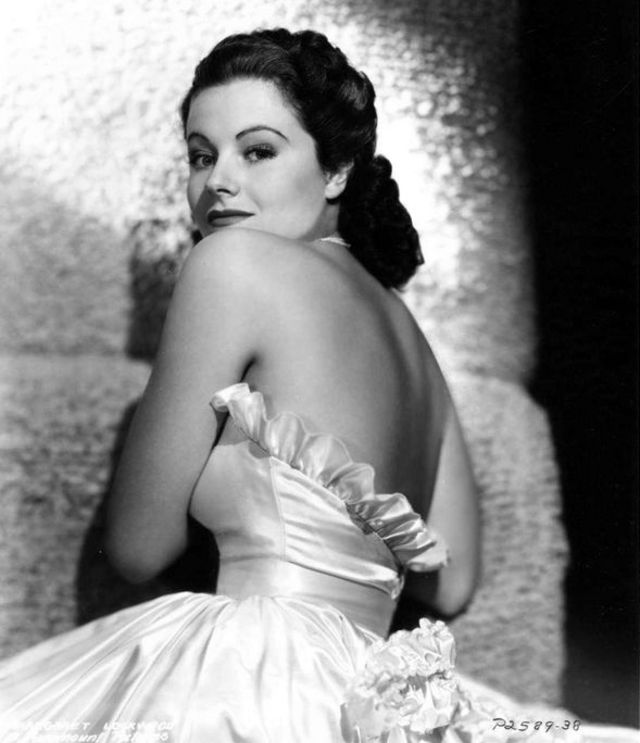
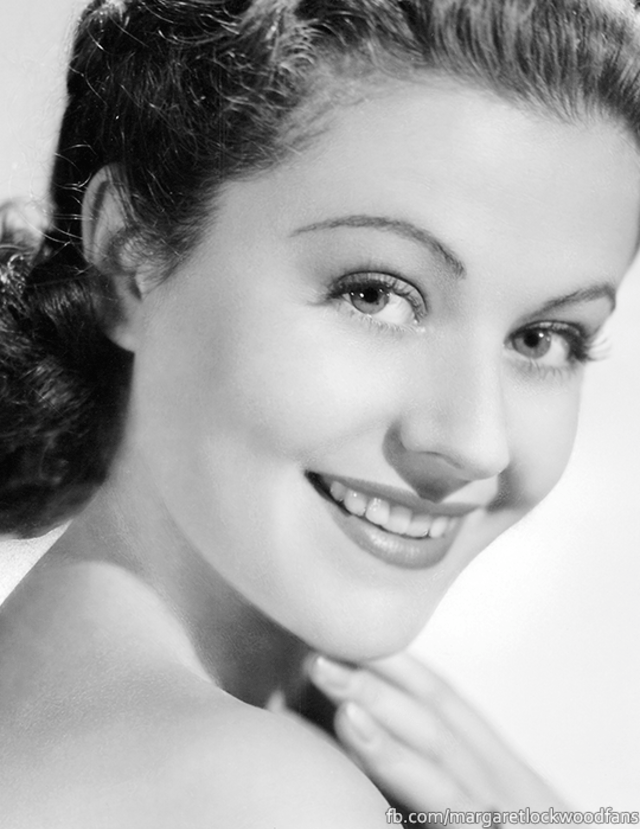
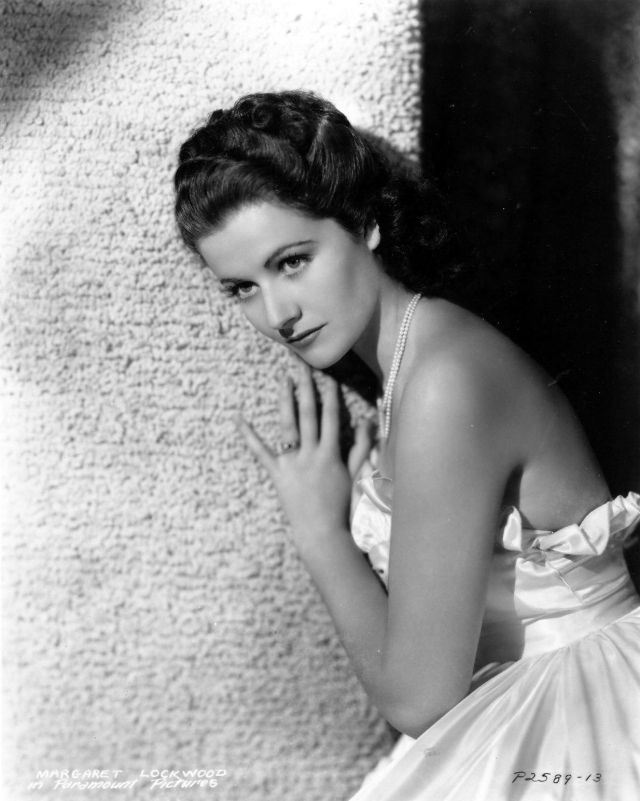
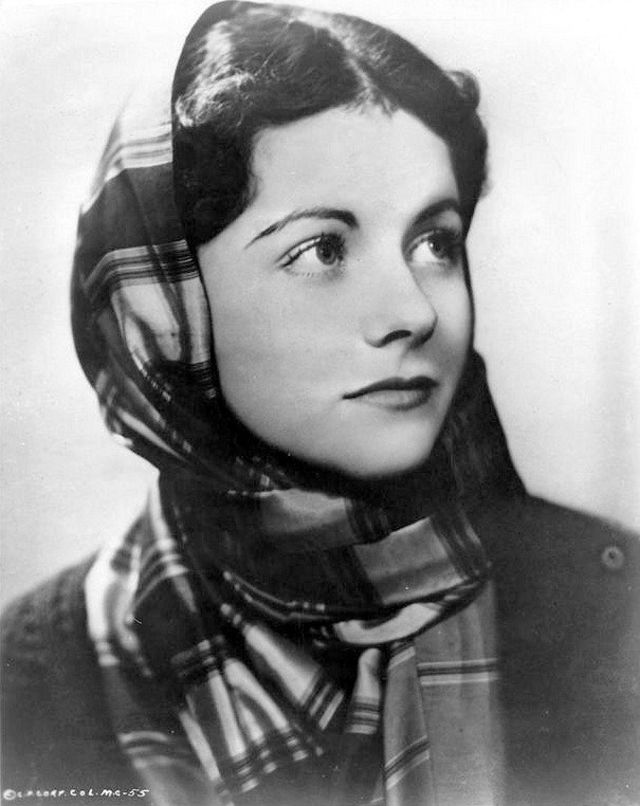
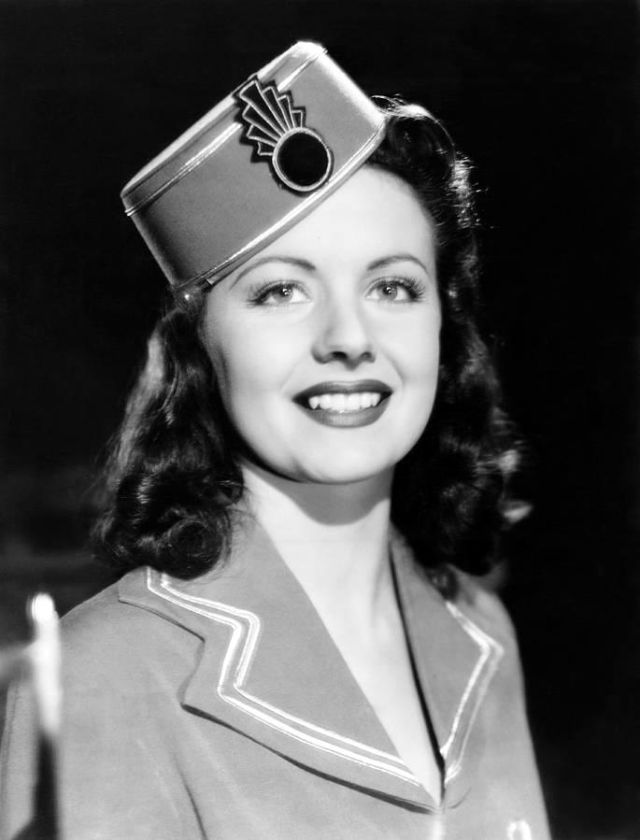
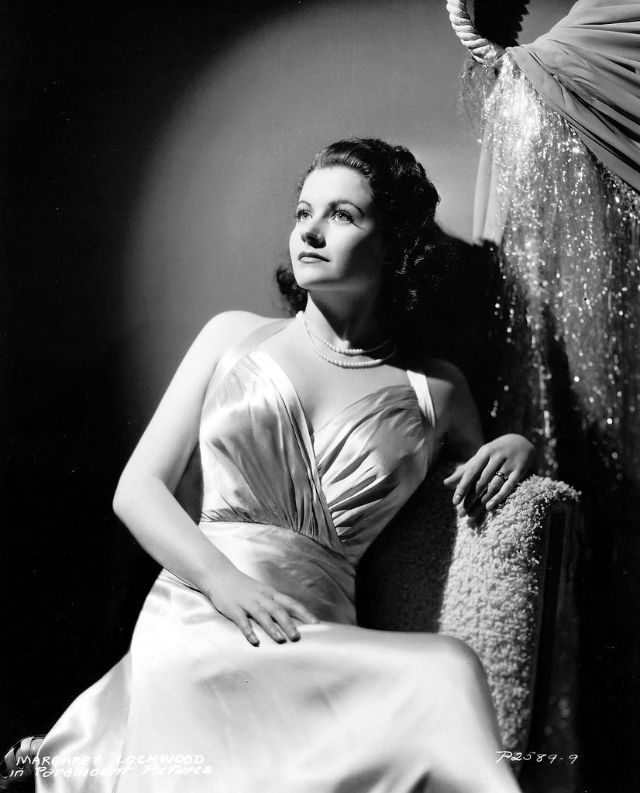
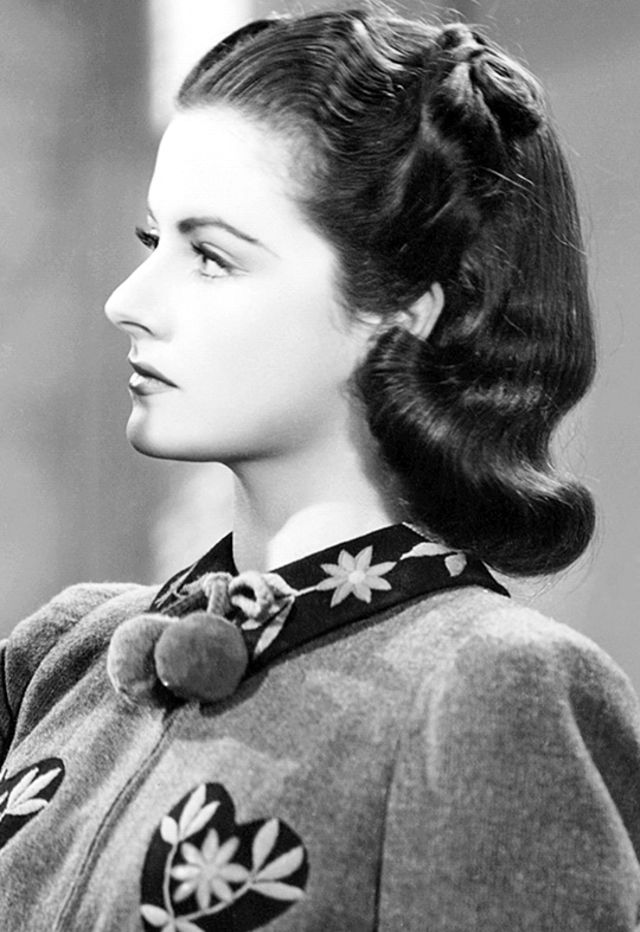
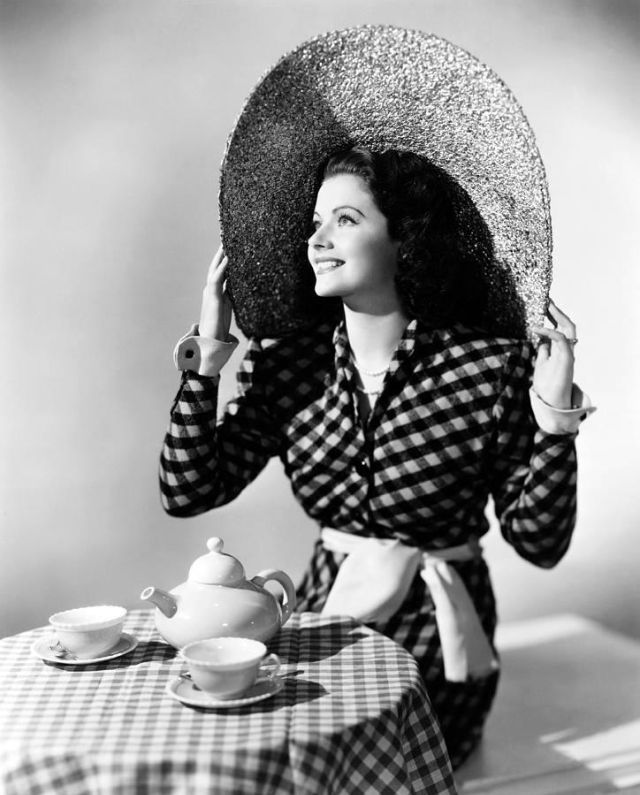
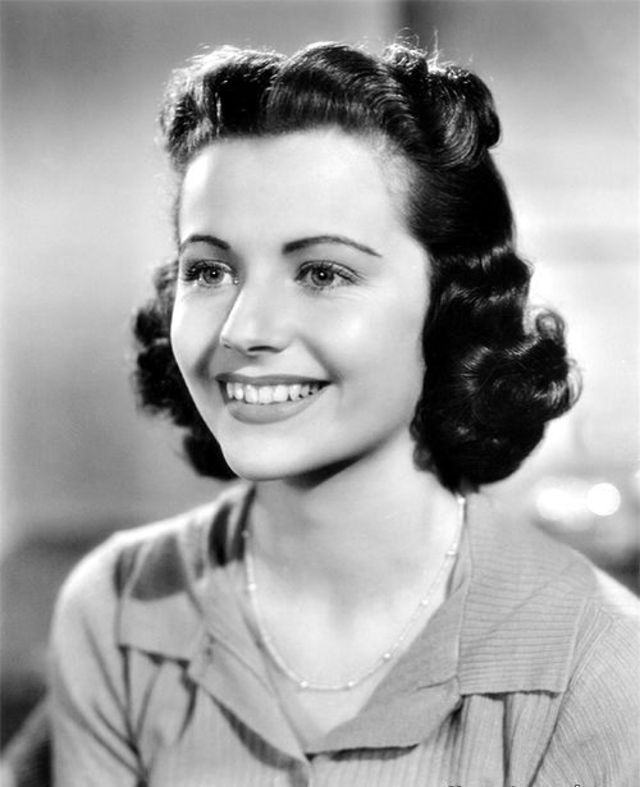
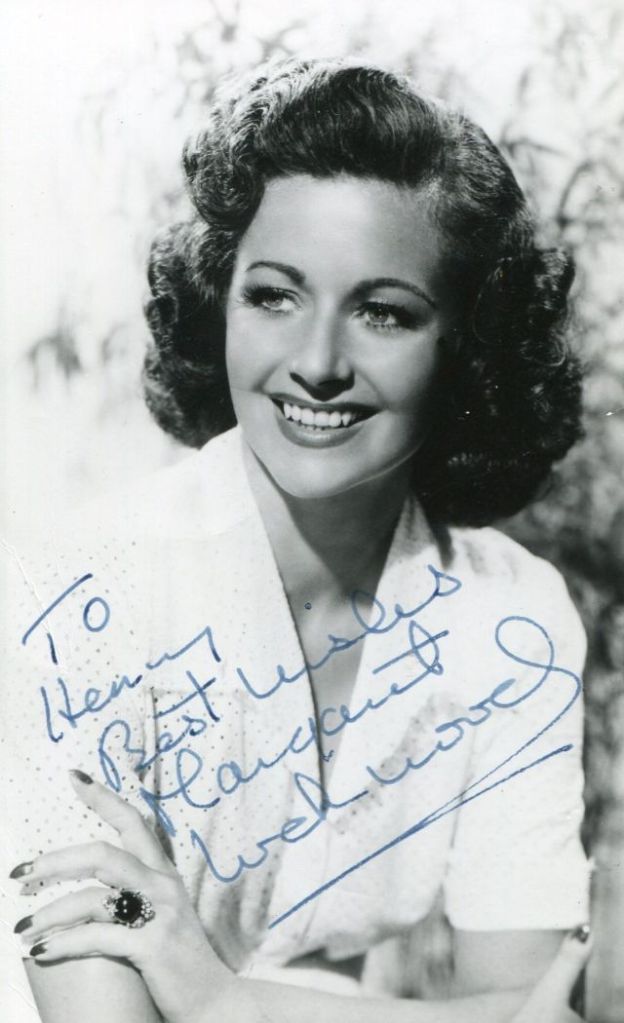
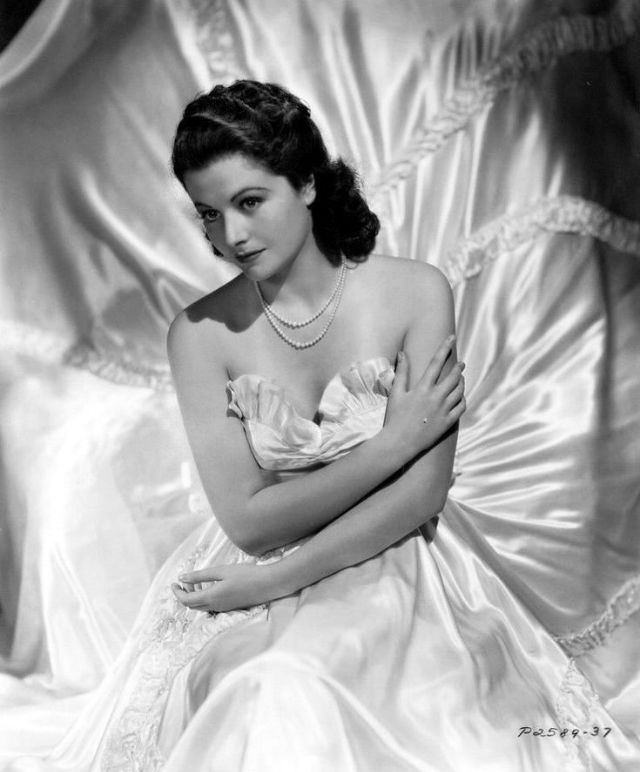
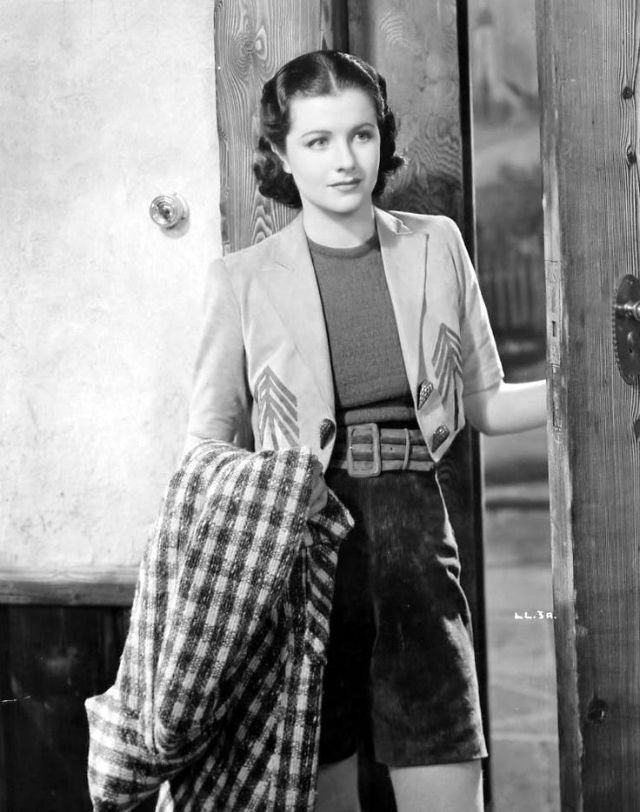
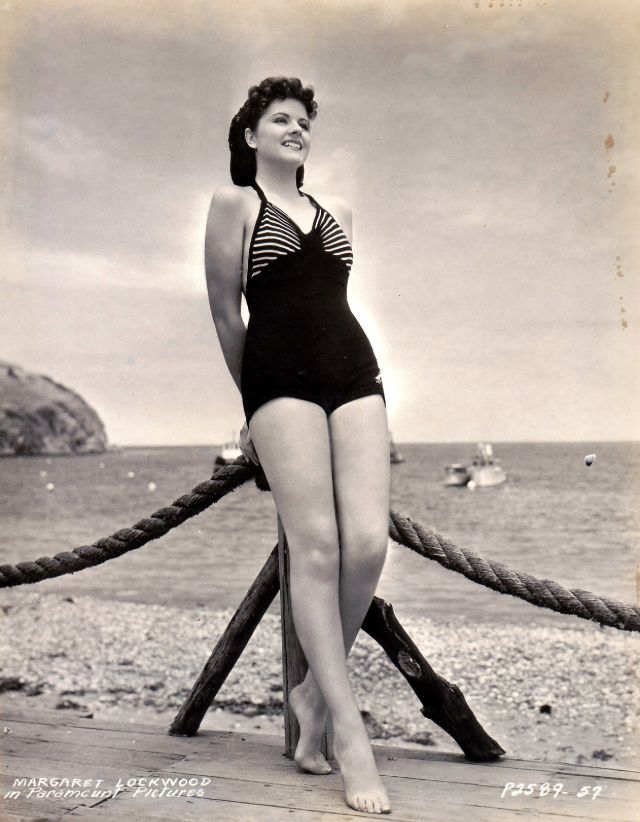
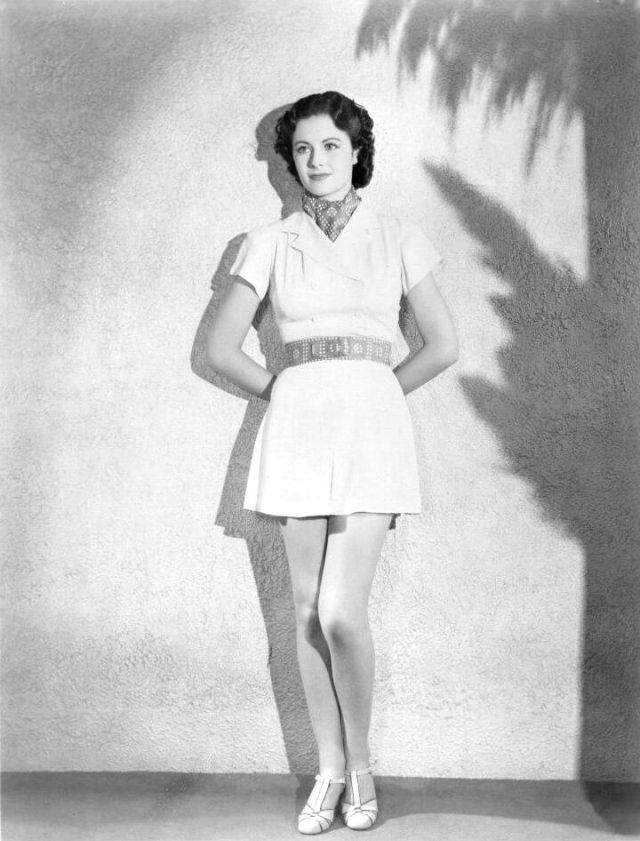
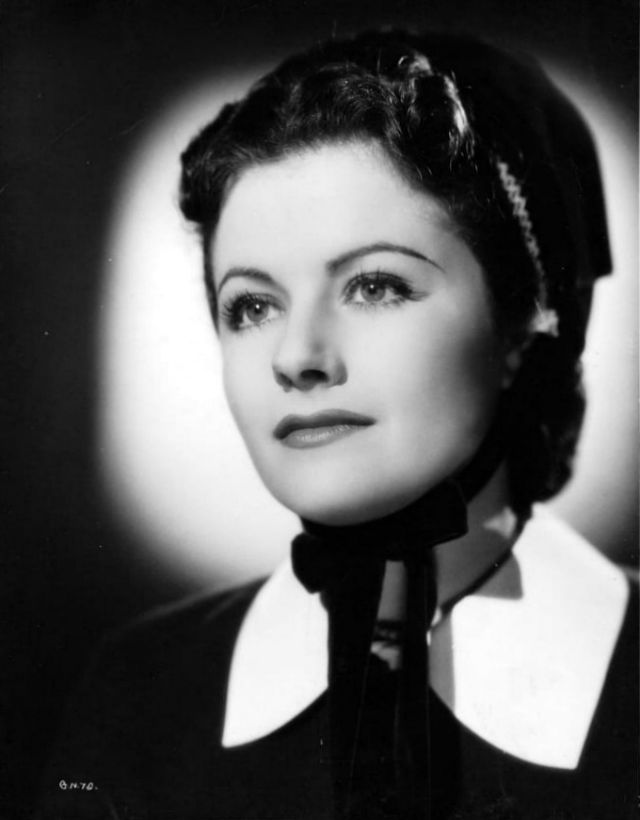
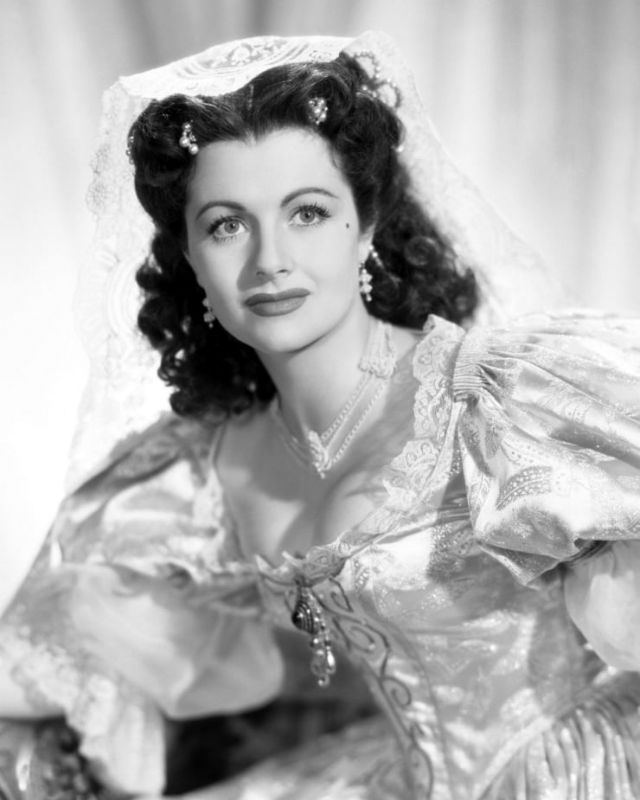
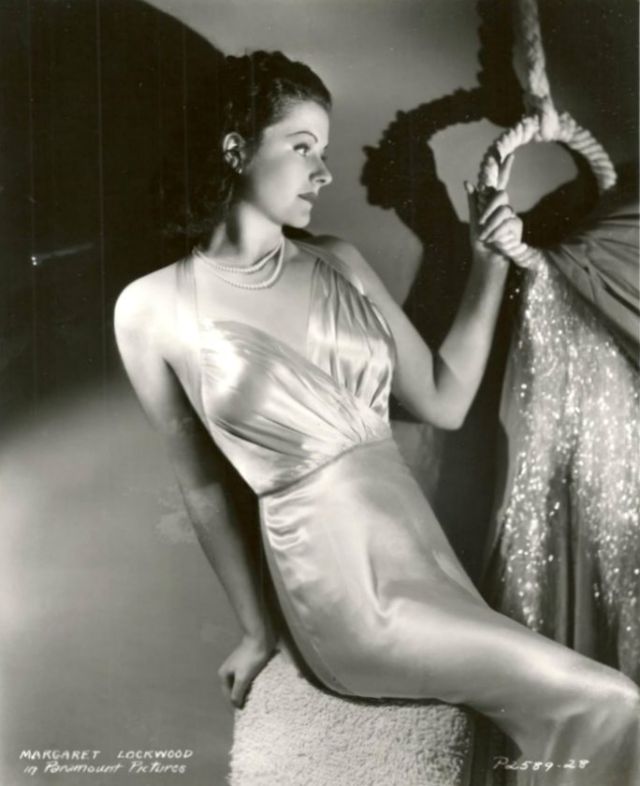
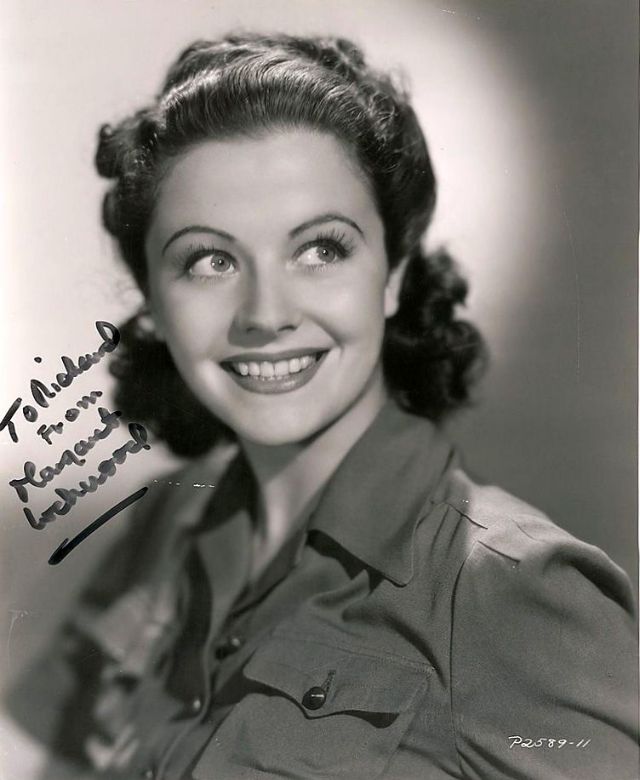
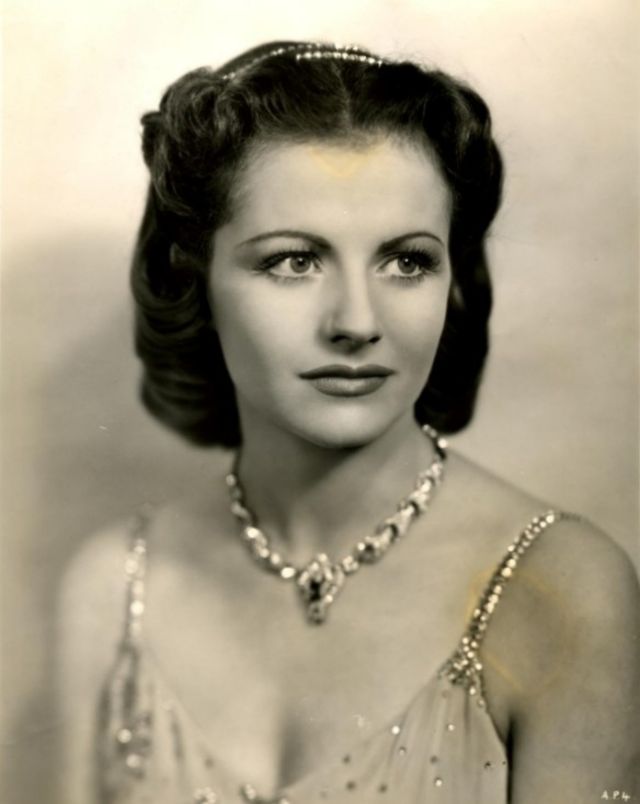
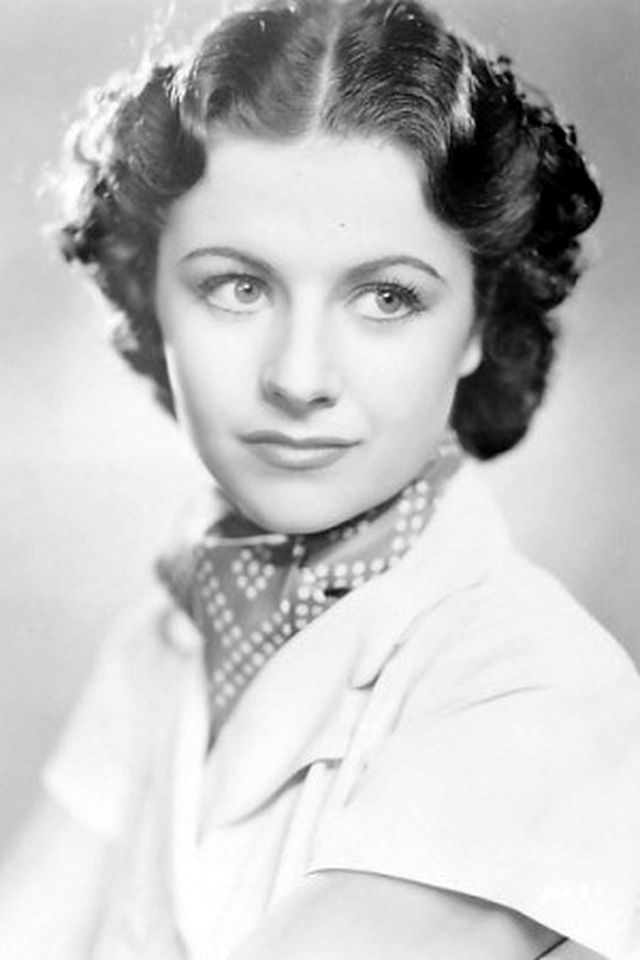
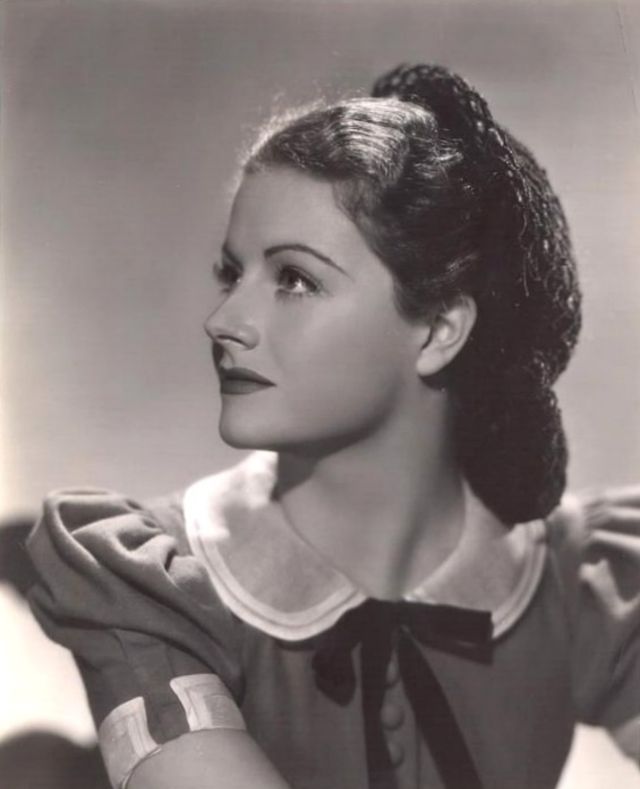
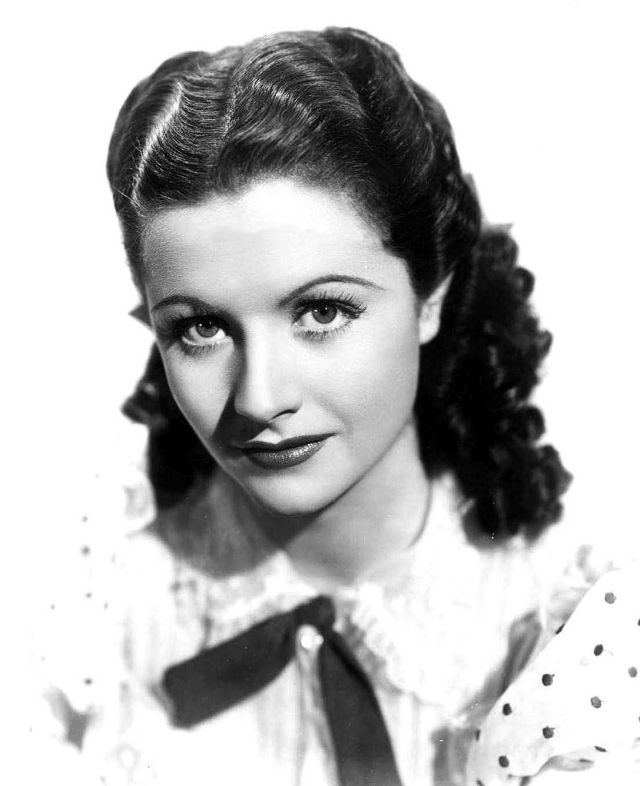
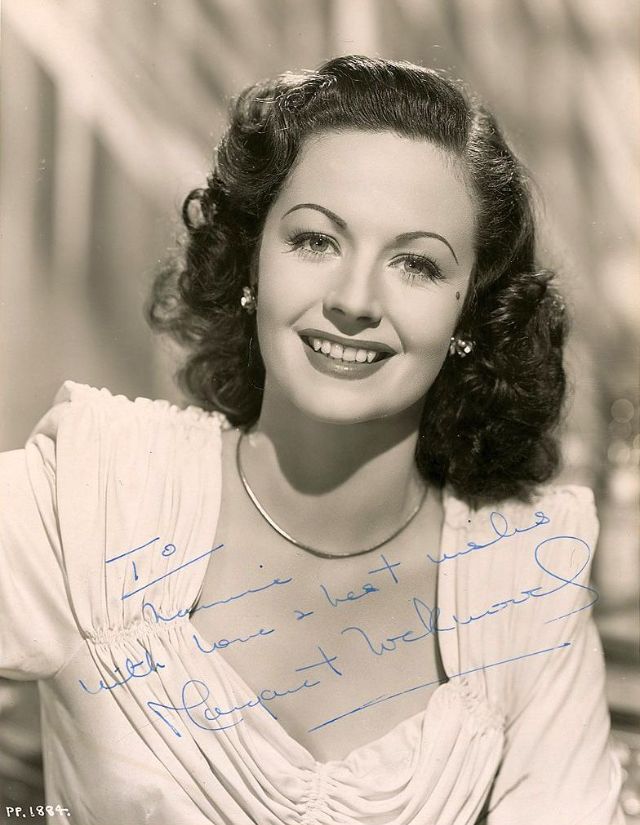
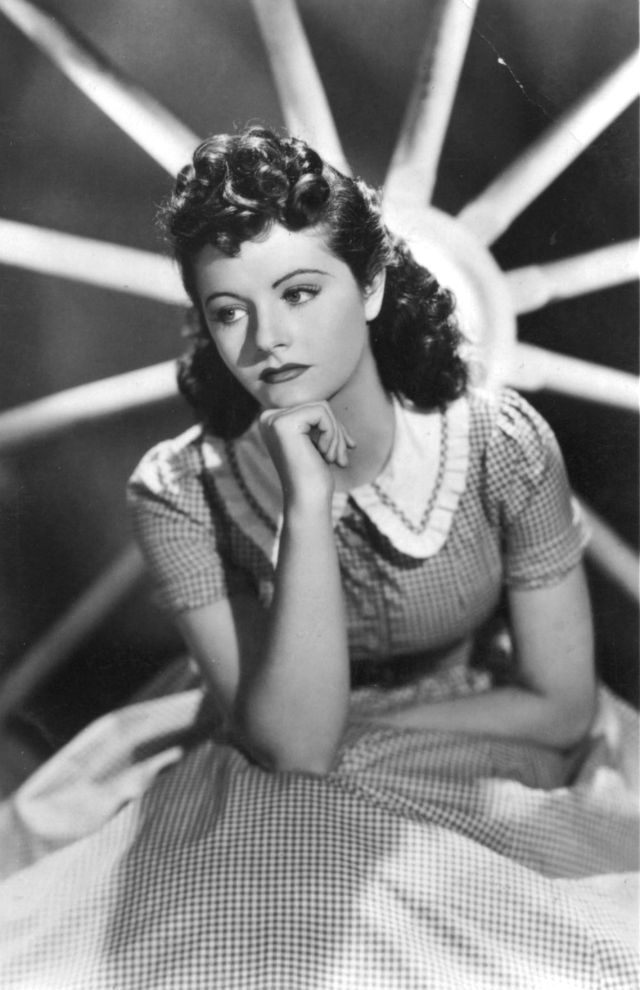
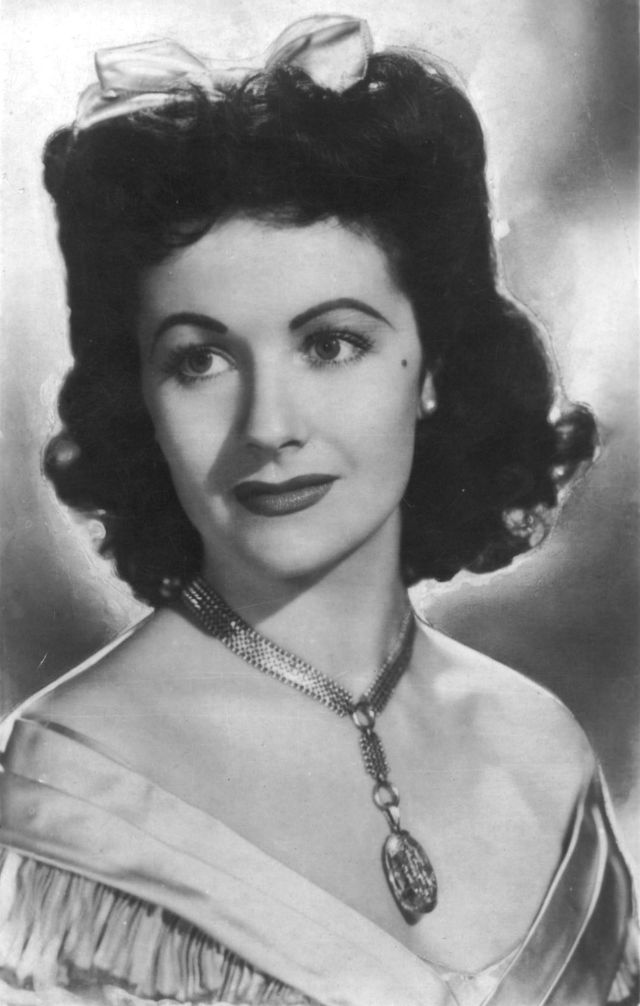
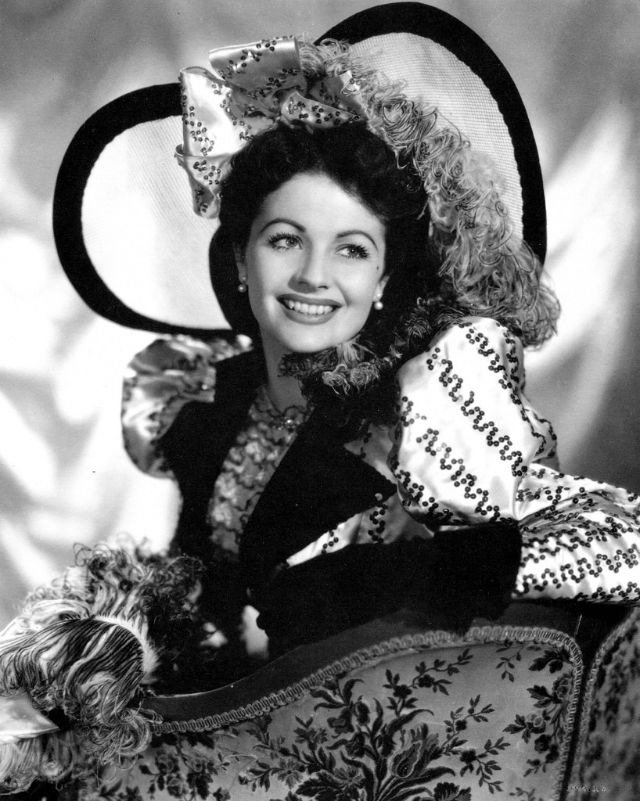
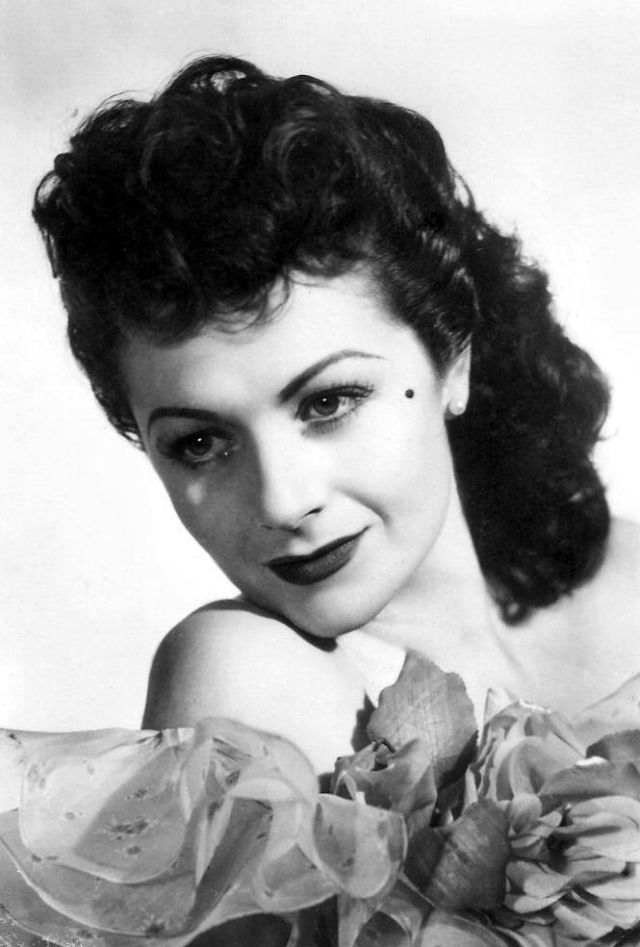
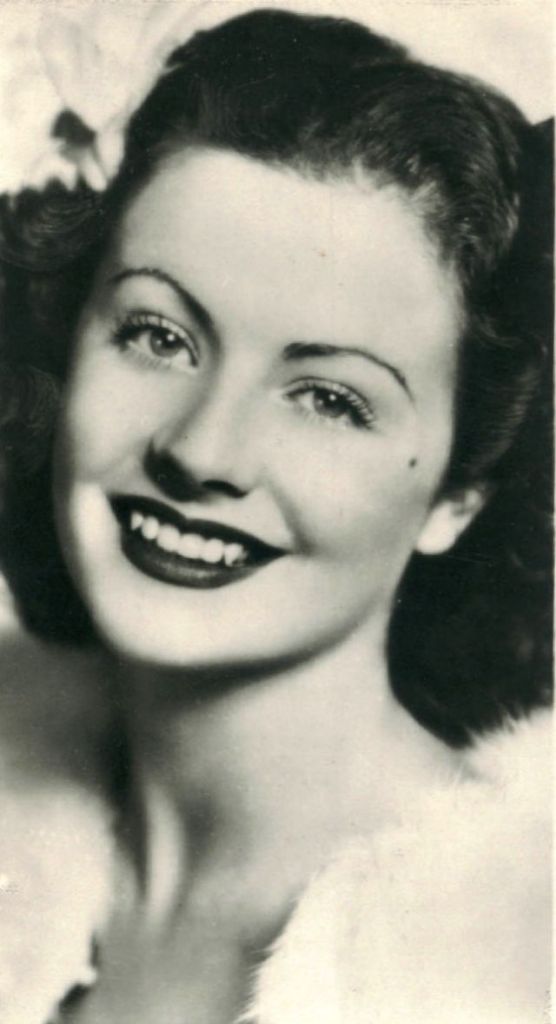
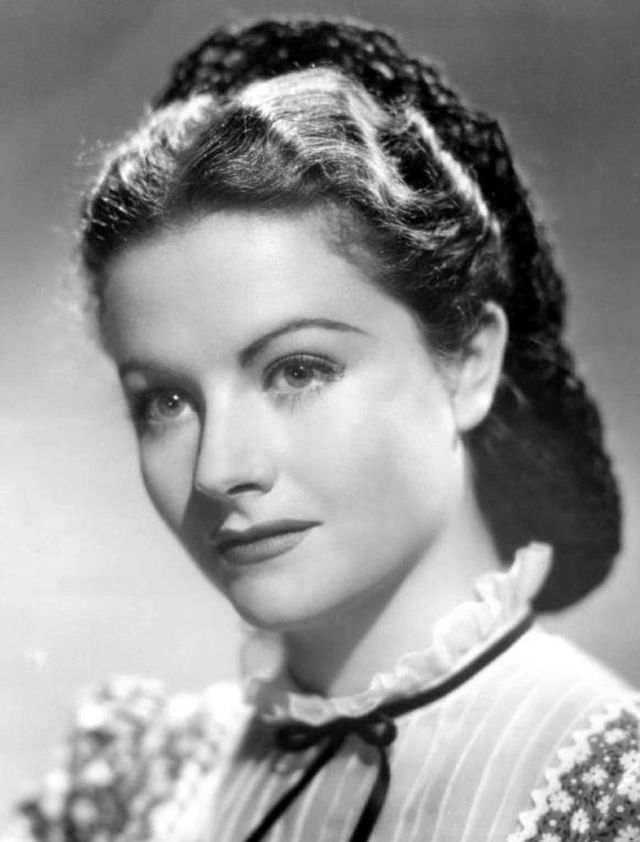
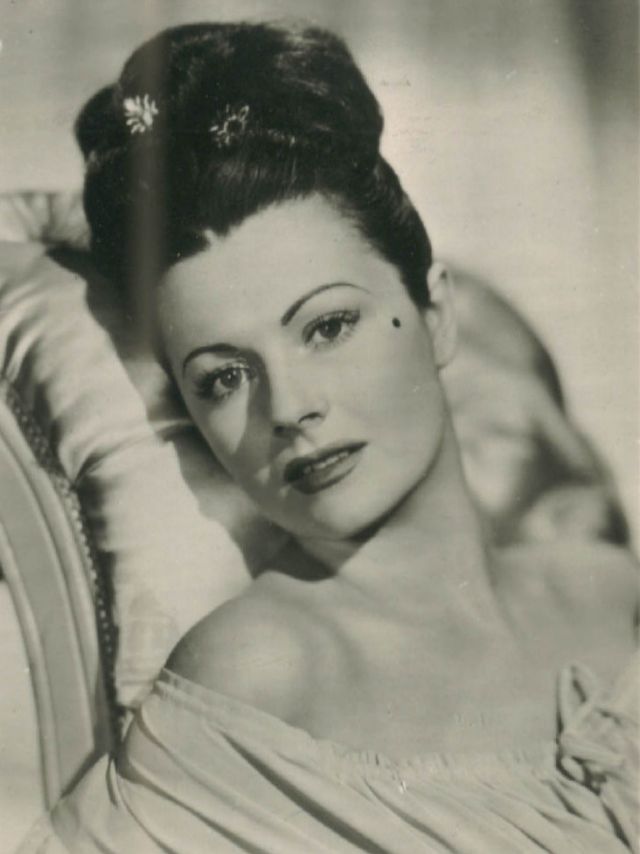
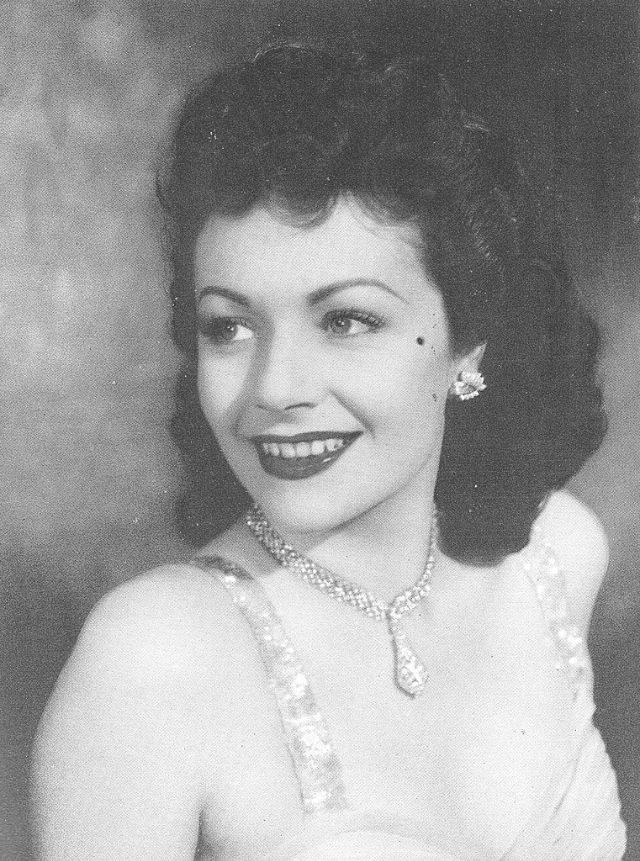
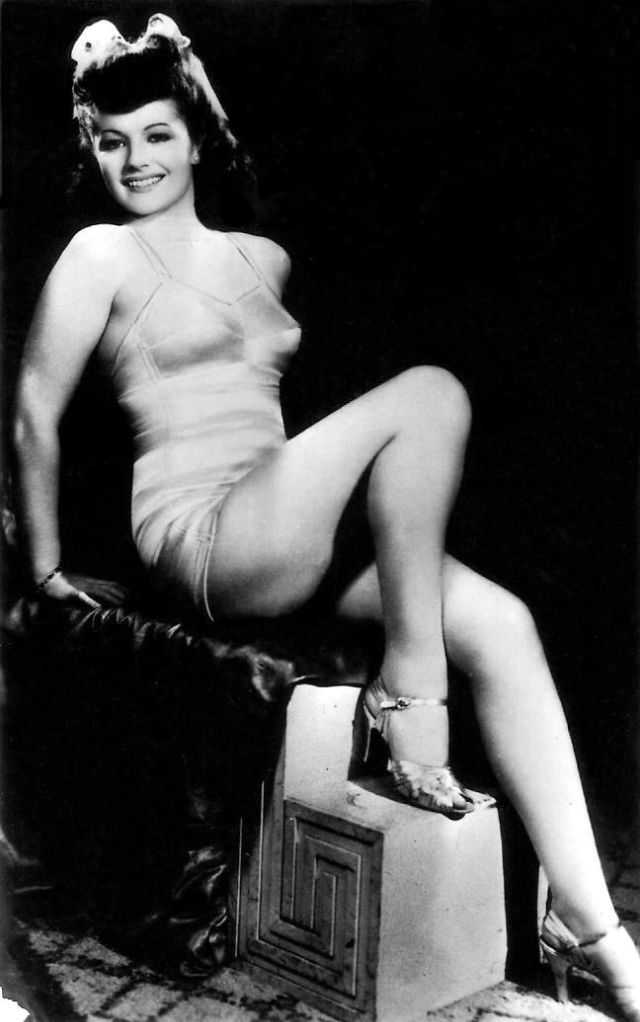
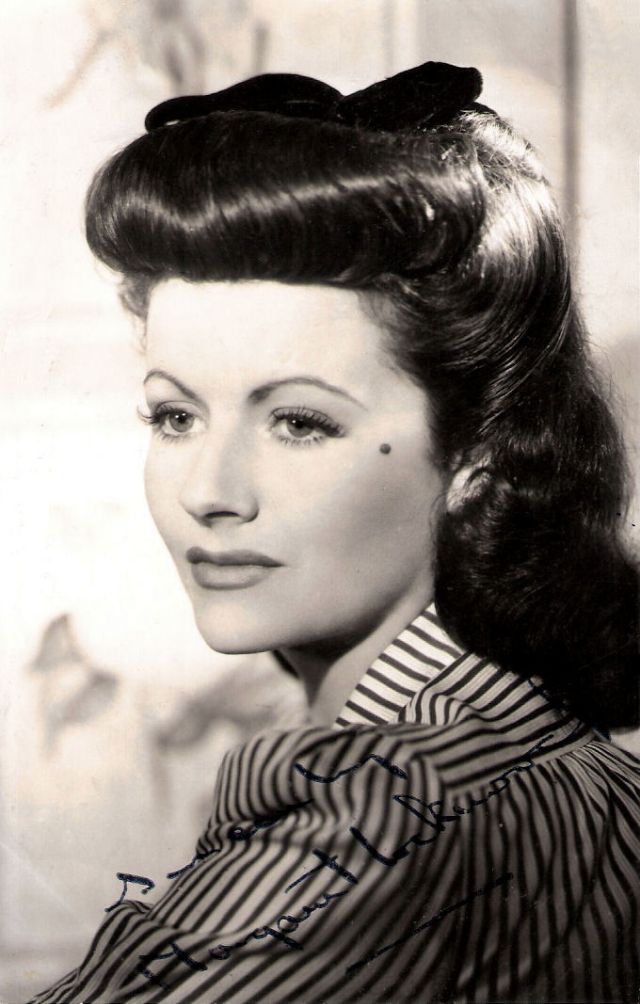
Born 1916 in Karachi, British India, English actress Margaret Lockwood began studying for the stage at an early age at the Italia Conti, and made her debut in 1928, at the age of 12, at the Holborn Empire where she played a fairy in A Midsummer Night’s Dream. In December of the following year, she appeared at the Scala Theatre in the pantomime The Babes in the Wood. In 1932, she appeared at the Theatre Royal, Drury Lane in Cavalcade.
Lockwood entered films in 1934, and in 1935, she appeared in the film version of Lorna Doone. For British Lion, she was in The Case of Gabriel Perry (1935), then was in Honours Easy (1935) and Man of the Moment (1935). She was the female love interest in Midshipman Easy (1935), and had the lead in Someday (1935).
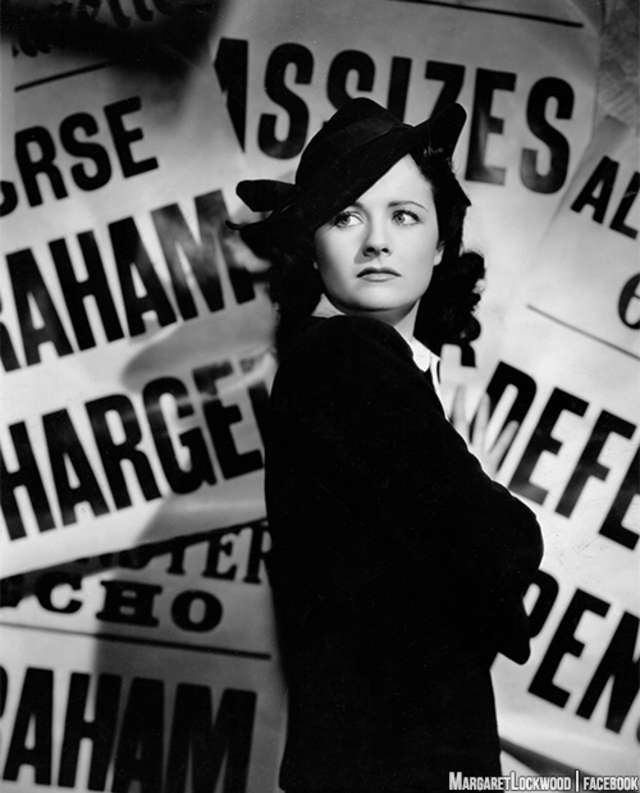
Her film appearances also included The Lady Vanishes (1938), Night Train to Munich (1940), The Man in Grey (1943), and The Wicked Lady (1945). Lockwood was considered one of Britain’s most popular film stars of the 1930s and 1940s. She was nominated for the BAFTA Award for Best British Actress for the 1955 film Cast a Dark Shadow.
The actress died at the Cromwell Hospital, Kensington, London, from cirrhosis of the liver in 1990, aged 73.
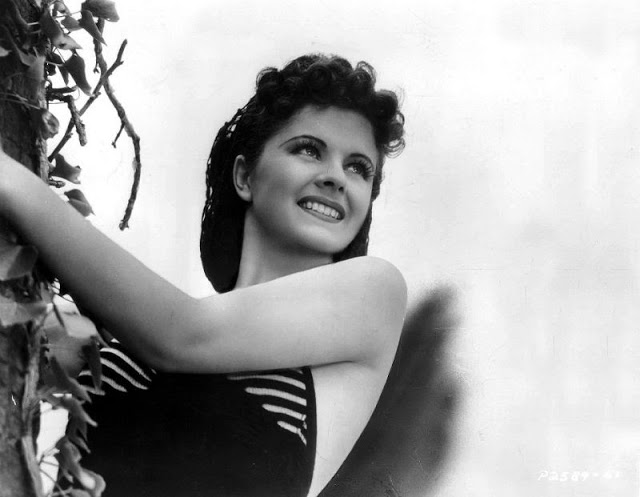
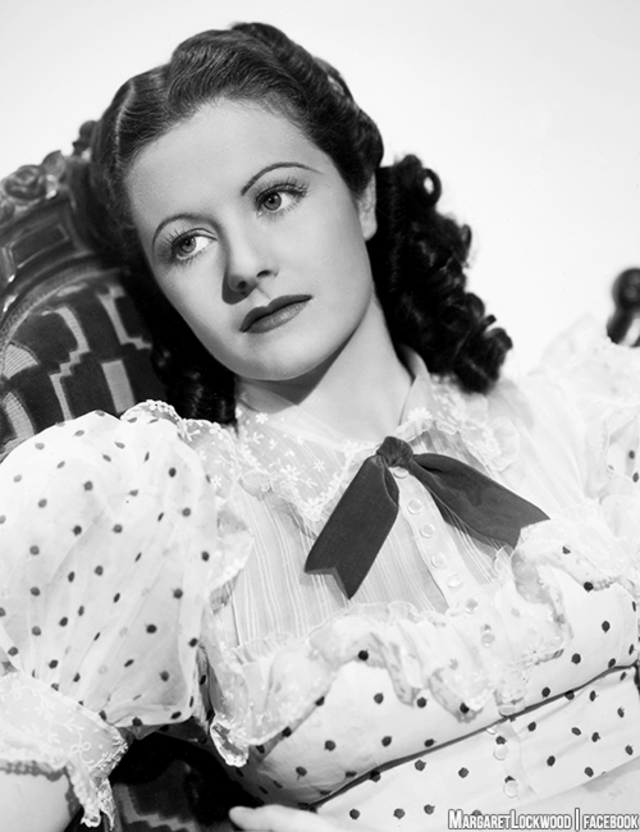
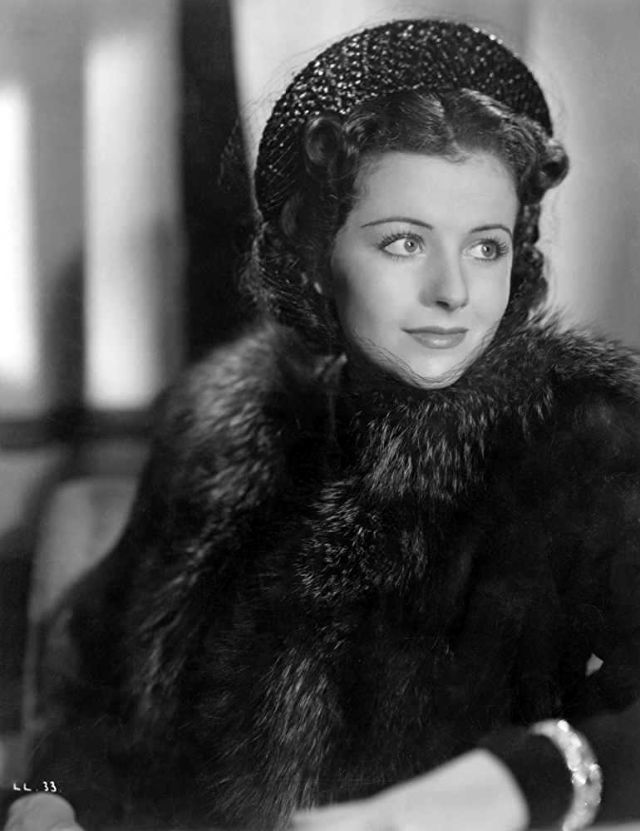
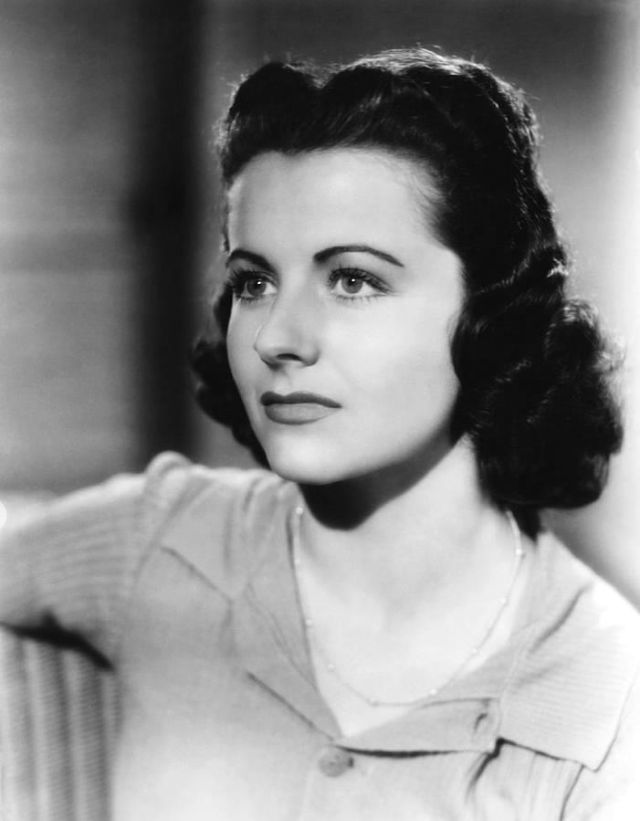
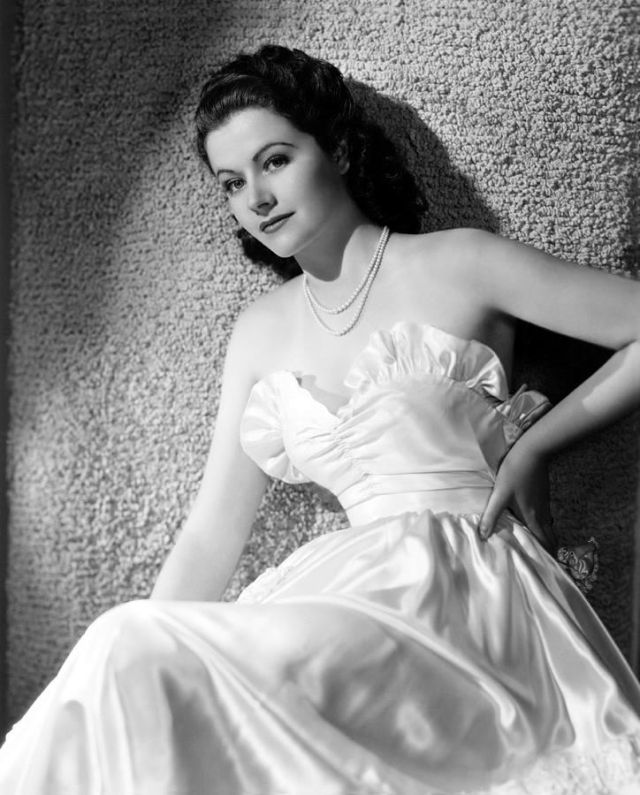
Take a look at these photos to see glamorous beauty of Margaret Lockwood in the mid-1930s and 1940s.
Mexico, officially the United Mexican States, is a country in the southern portion of North America. It is bordered to the north by the United States; to the south and west by the Pacific Ocean; to the southeast by Guatemala, Belize, and the Caribbean Sea; and to the east by the Gulf of Mexico. Mexico covers 1,972,550 square kilometers (761,610 sq mi), making it the world’s 13th-largest country by area; with approximately 126,014,024 inhabitants, it is the 10th-most-populous country and has the most Spanish-speakers. Mexico is organized as a federation comprising 31 states and Mexico City, its capital and largest metropolis. Other major urban areas include Guadalajara, Monterrey, Puebla, Toluca, Tijuana, Ciudad Juárez, and León.
Pre-Columbian Mexico traces its origins to 8,000 BCE and is identified as one of the six cradles of civilization; it was home to many advanced Mesoamerican civilizations, most notably the Maya and the Aztecs. Over two years of warfare (1519-1521), Hernán Cortés and thousands of indigenous allies conquered the Aztec Empire. Cortés founded Mexico City on the ruins of the Aztec capital of Tenochtitlan, establishing the Kingdom of New Spain within the Spanish Empire. The Catholic Church played an important role in spreading Christianity and the Spanish language, while also preserving some indigenous elements. Native populations were subjugated and heavily exploited to mine rich deposits of precious metals, which contributed to Spain’s status as a major world power for the next three centuries, and to a massive influx of wealth and a price revolution in Western Europe. Over time, a distinct Mexican identity formed, based on a fusion of European and indigenous customs; this contributed to the successful Mexican War of Independence against Spain between 1810 and 1821.
Mexico’s early history as an independent nation state was marked by political and socioeconomic upheaval, with liberal and conservative factions constantly changing the form of government. The country was invaded by two foreign powers during the 19th century: first, after the Texas Revolution by American settlers, which led to the Mexican–American War and huge territorial losses to the United States in 1848. Liberal reforms were enshrined in the Constitution of 1857, which sought to integrate indigenous communities and curtail the power of the military and the church, granting religious freedom for the first time. This triggered an internal war of Reform and intervention by France, during which conservatives installed Maximilian Habsburg as emperor against the Republican resistance led by Benito Juárez. The last decades of the 19th century were marked by the dictatorship of President Porfirio Díaz, who sought to modernize Mexico and restore order. The Porfiriato era ended in 1910 with the decade-long Mexican civil war (Mexican Revolution), which killed approximately 10% of the population and after which the victorious Constitutionalist faction drafted an even more socially-oriented 1917 Constitution, which remains in effect to this day. The revolutionary generals ruled as a succession of presidents until the assassination of Alvaro Obregón in 1928. This led to the formation of the Institutional Revolutionary Party the following year, which pseudo-democratically governed Mexico until 2000; first under a paternalistic center-left model of considerable economic success, which transitioned into a more US-aligned neoliberal model since the 1980s.
Mexico is a developing country, ranking 74th on the Human Development Index, but has the world’s 15th-largest economy by nominal GDP and the 11th-largest by PPP, with the United States being its largest economic partner. Its large economy and population, global cultural influence, and steady democratization make Mexico a regional and middle power; it is often identified as an emerging power but is considered a newly industrialized state by several analysts. However, the country continues to struggle with social inequality, poverty and extensive crime. It ranks poorly on the Global Peace Index, due in large part to ongoing conflict between the government and drug trafficking syndicates, violently competing for the US market and trade routes. This “drug war” has led to over 120,000 deaths since 2006.
Mexico ranks first in the Americas and seventh in the world for the number of UNESCO World Heritage Sites. It is also one of the world’s 17 megadiverse countries, ranking fifth in natural biodiversity. Mexico’s rich cultural and biological heritage, as well as varied climate and geography, makes it a major tourist destination: as of 2018, it was the sixth most-visited country in the world, with 39 million international arrivals. Mexico is a member of United Nations, the G20, the Organisation for Economic Co-operation and Development (OECD), the World Trade Organization (WTO), the Asia-Pacific Economic Cooperation forum, the Organization of American States, Community of Latin American and Caribbean States, and the Organization of Ibero-American States. (Wikipedia)
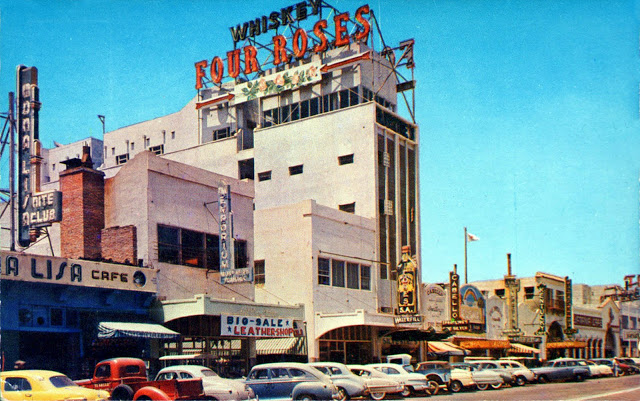
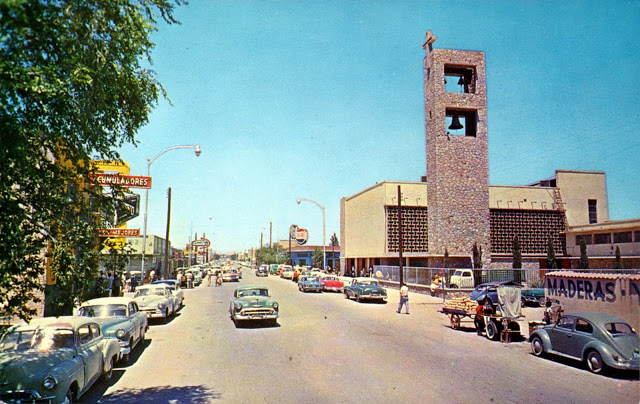
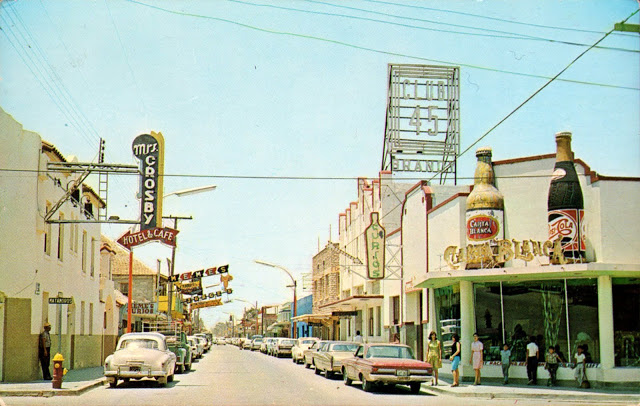
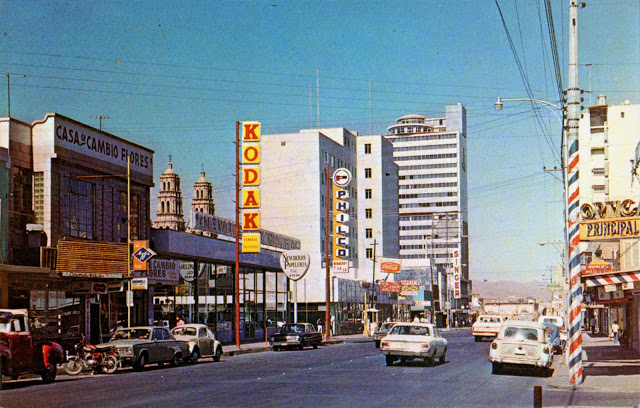
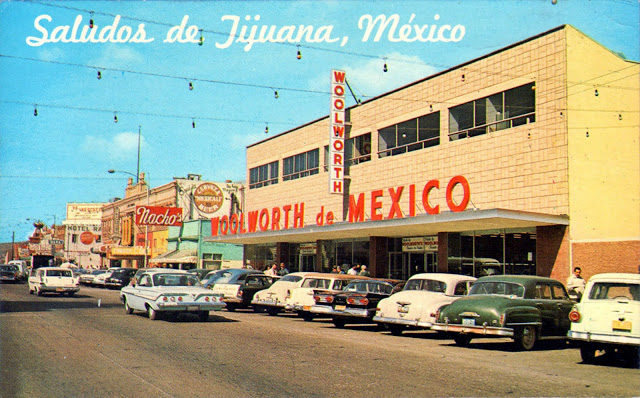
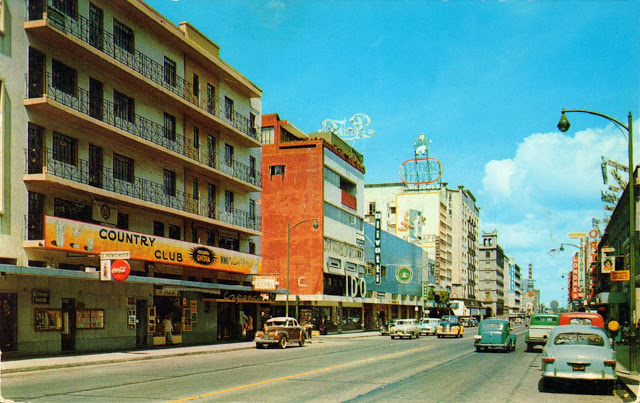
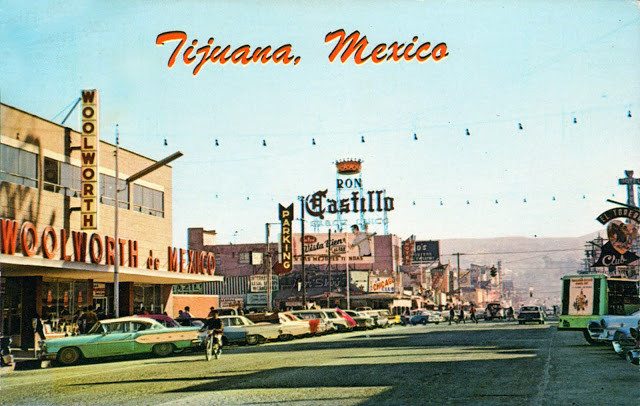
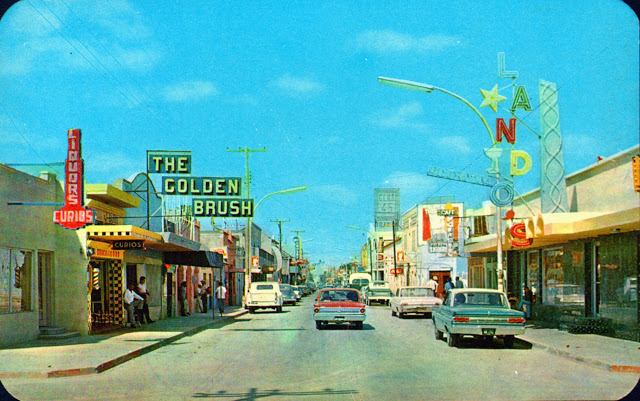
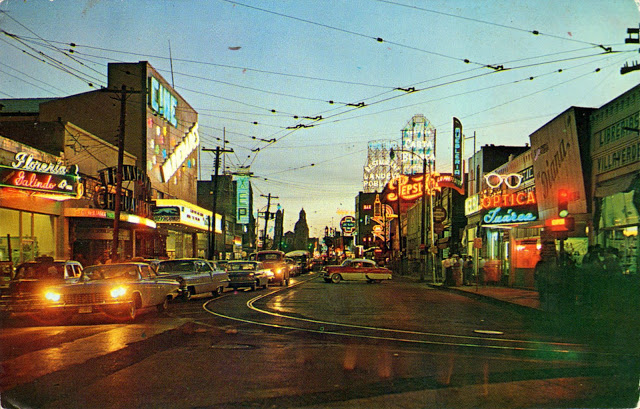
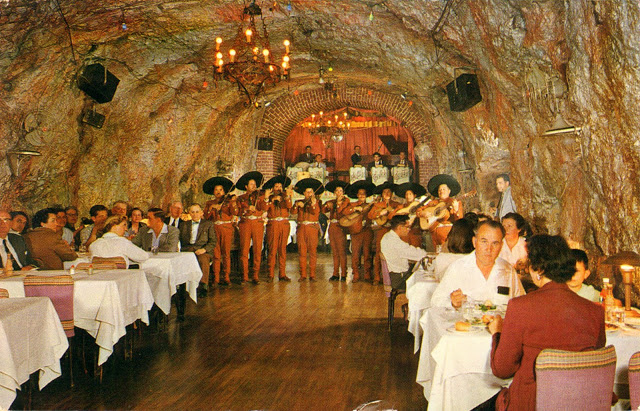
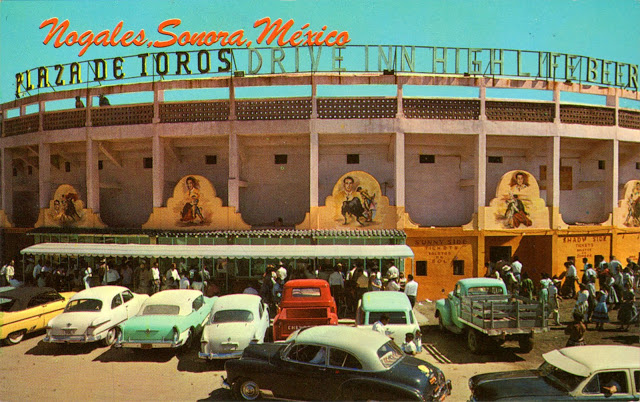
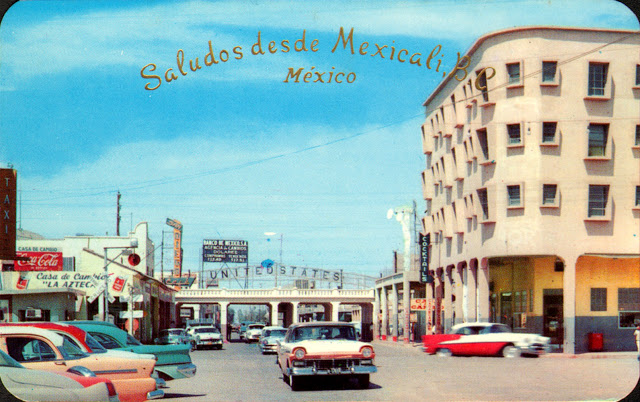
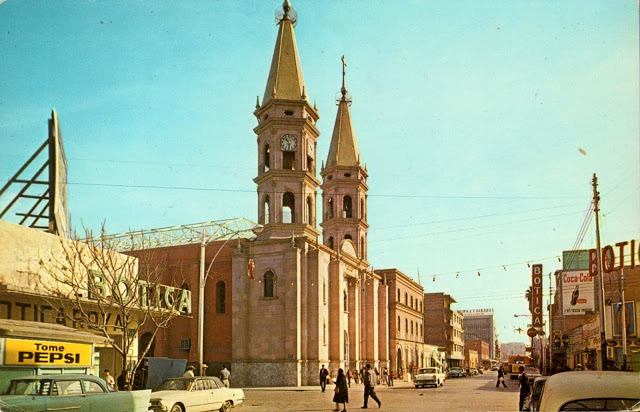
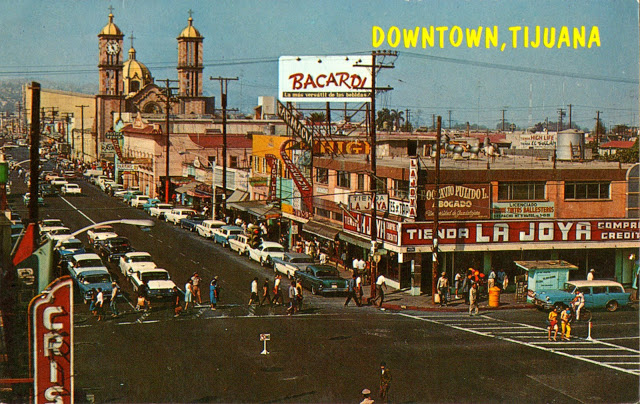
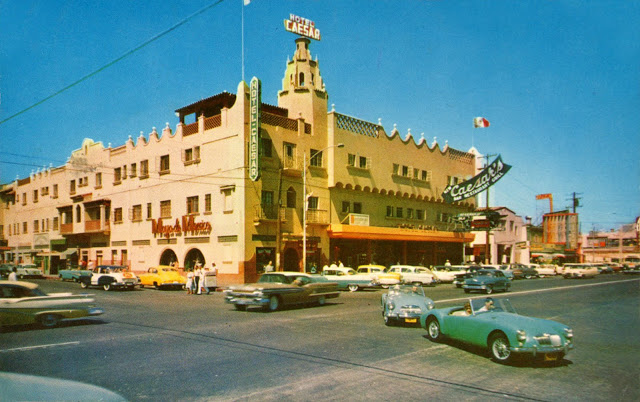
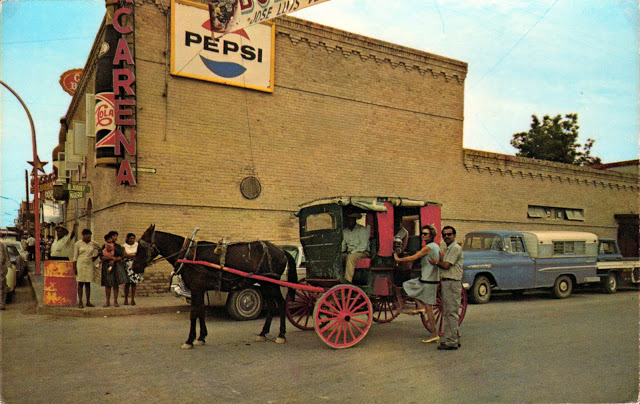
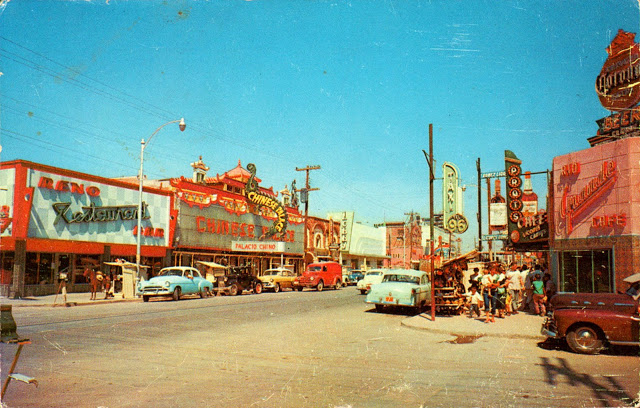
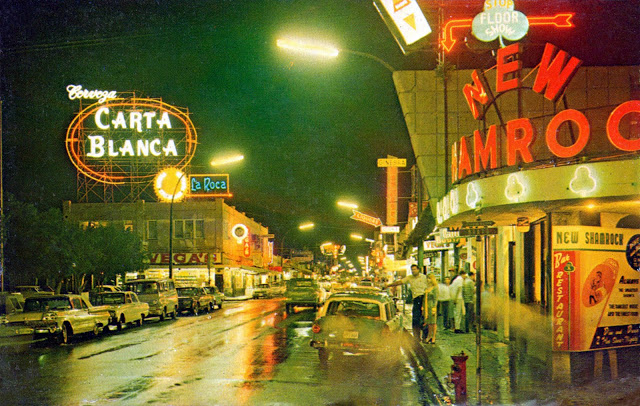
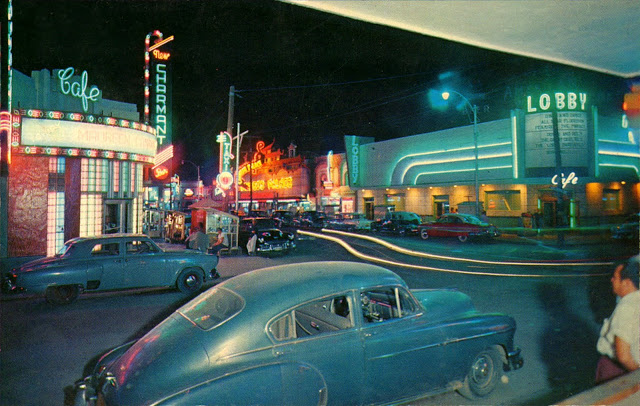
Below are some rare and fascinating color photographs that capture street scenes of Mexico from between the 1950s and 1960s.
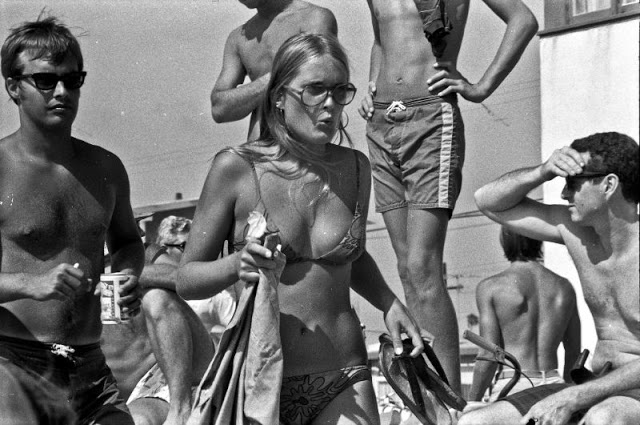
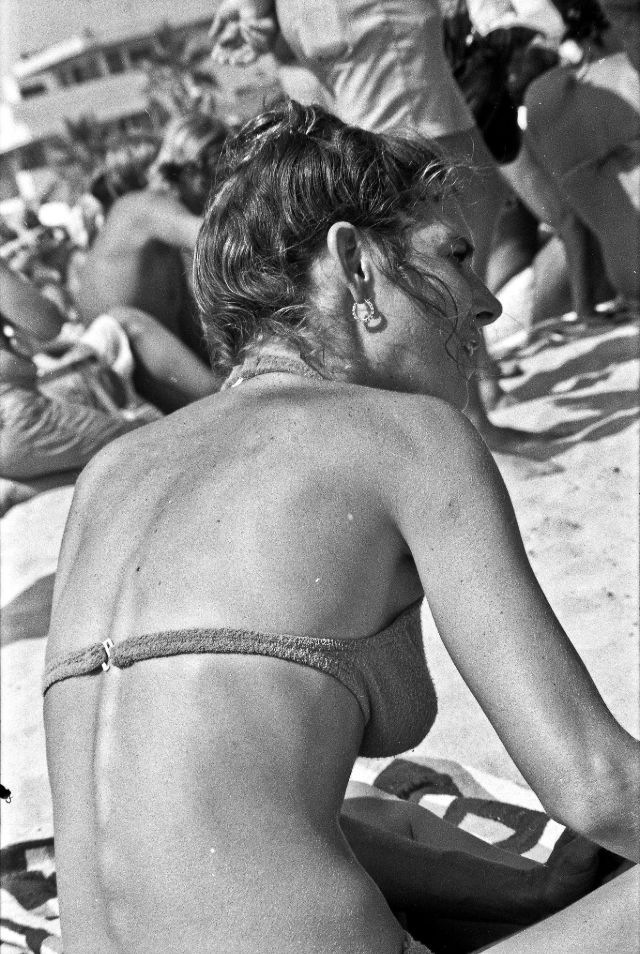
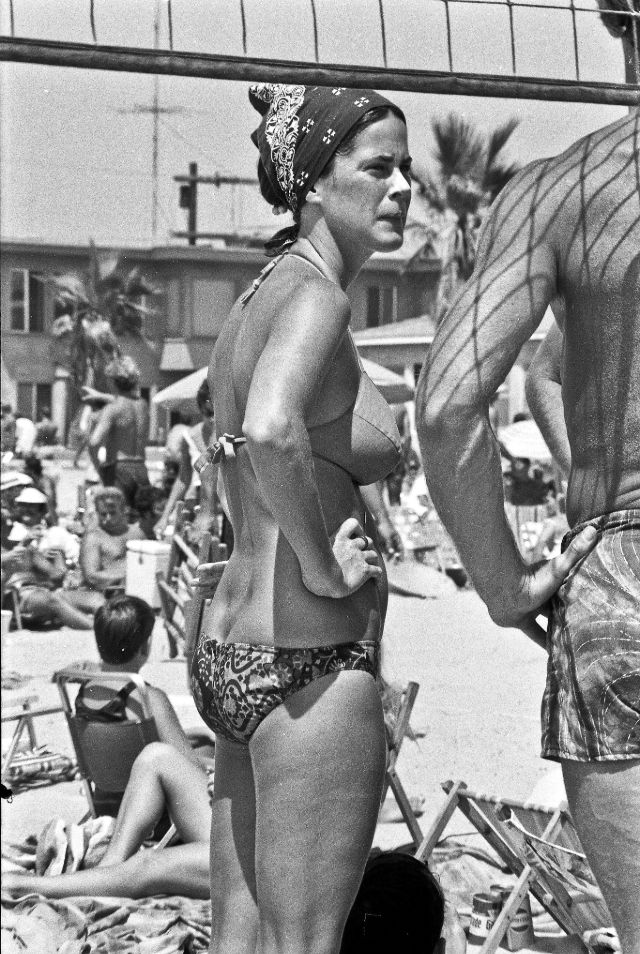
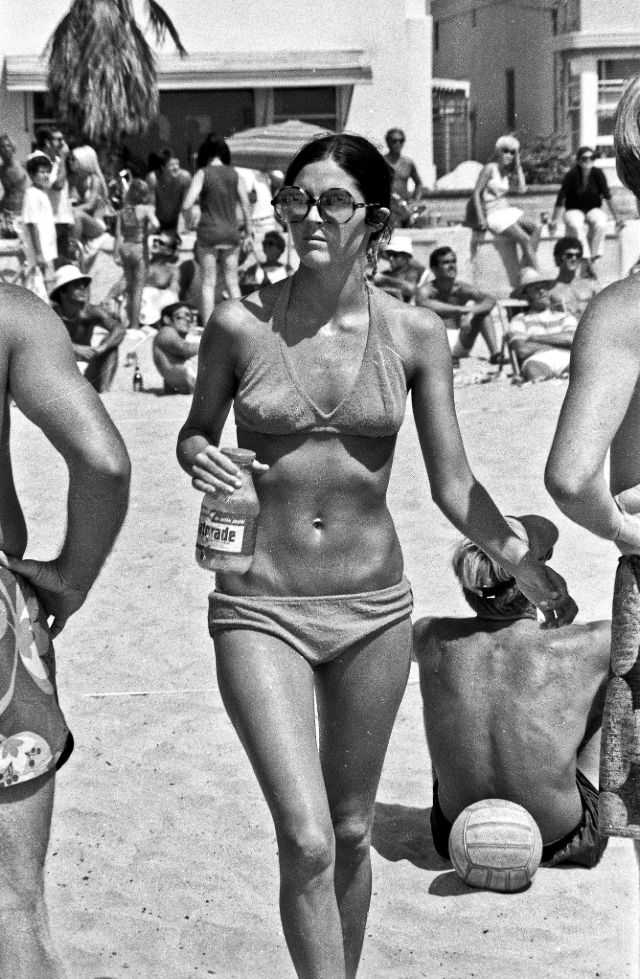
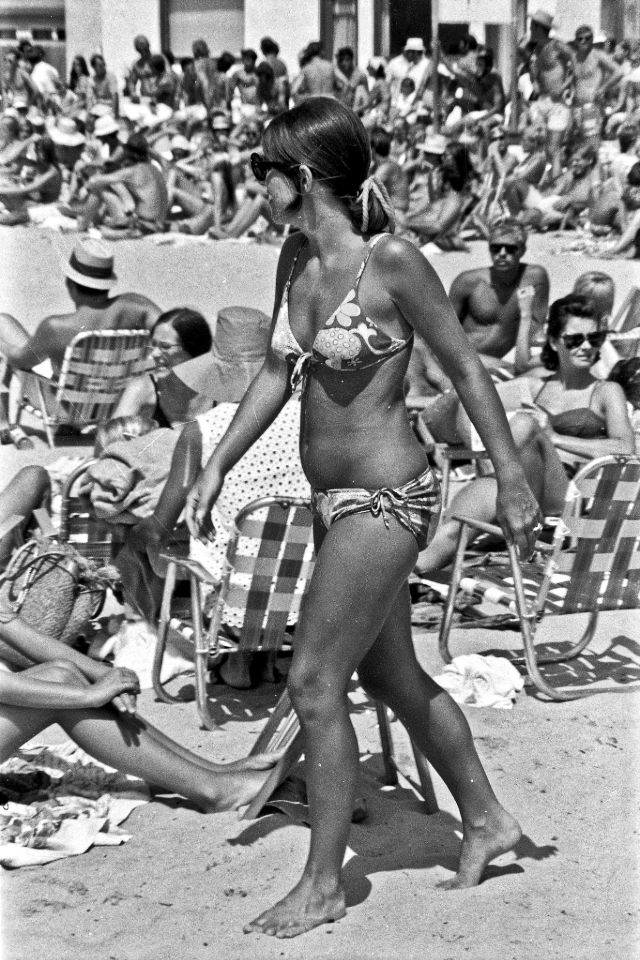
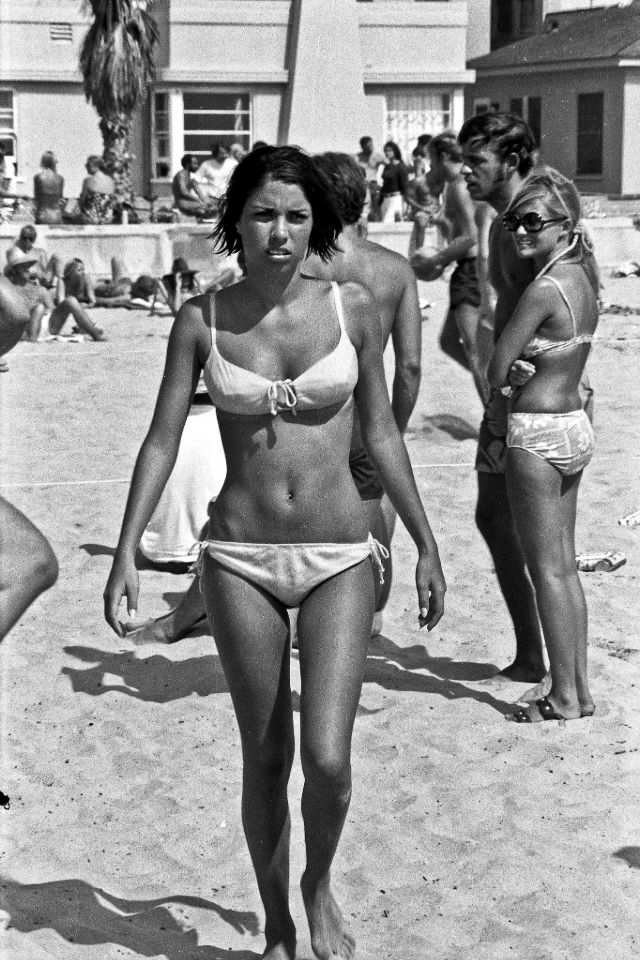
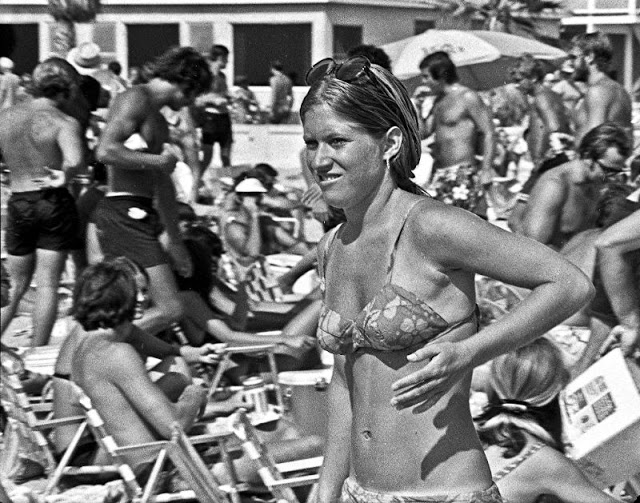
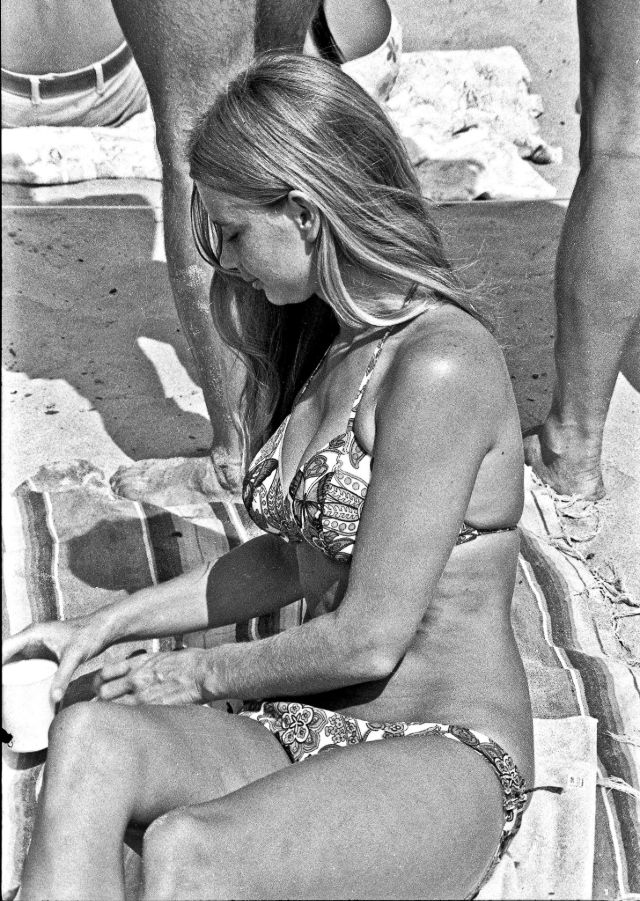
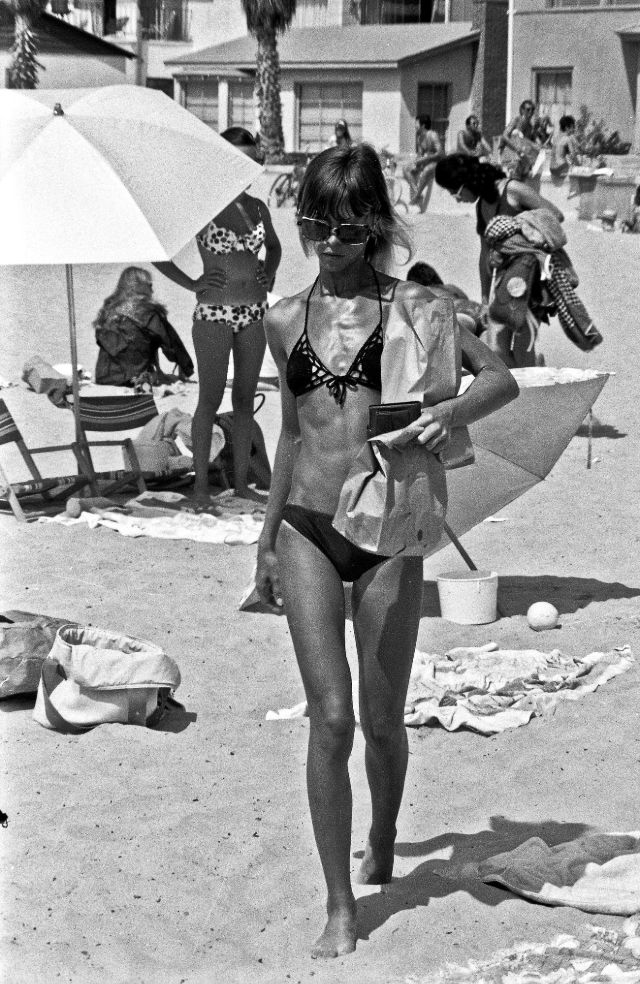
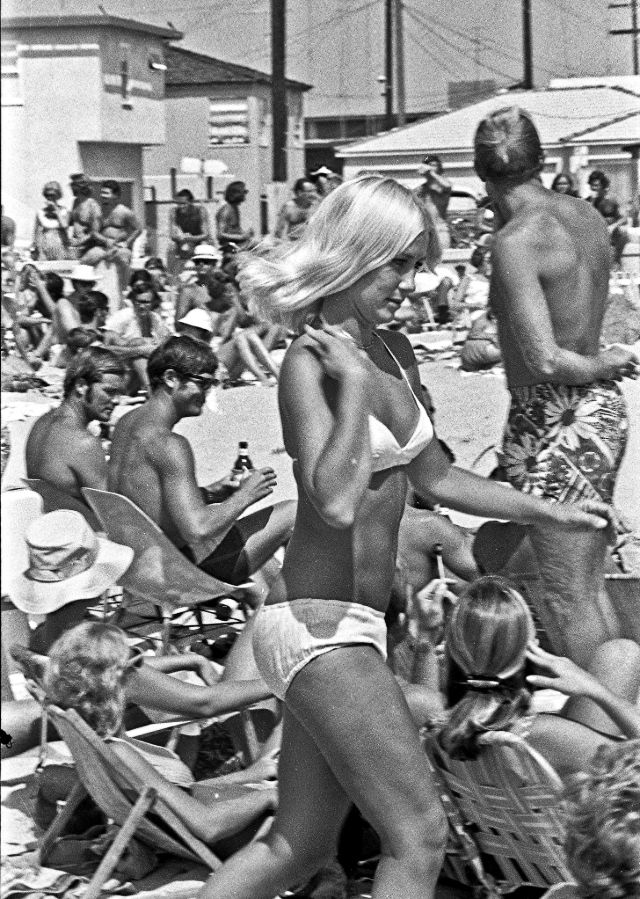
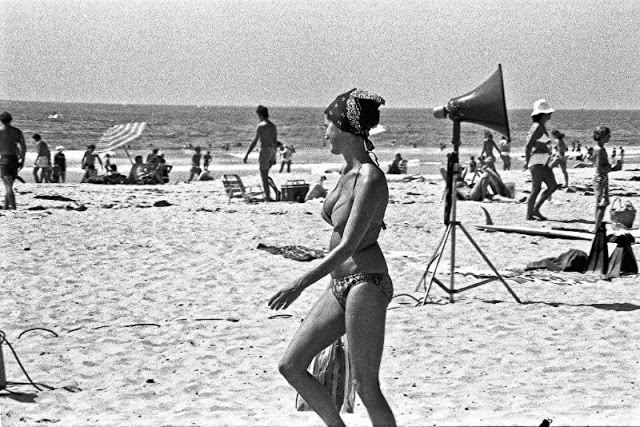
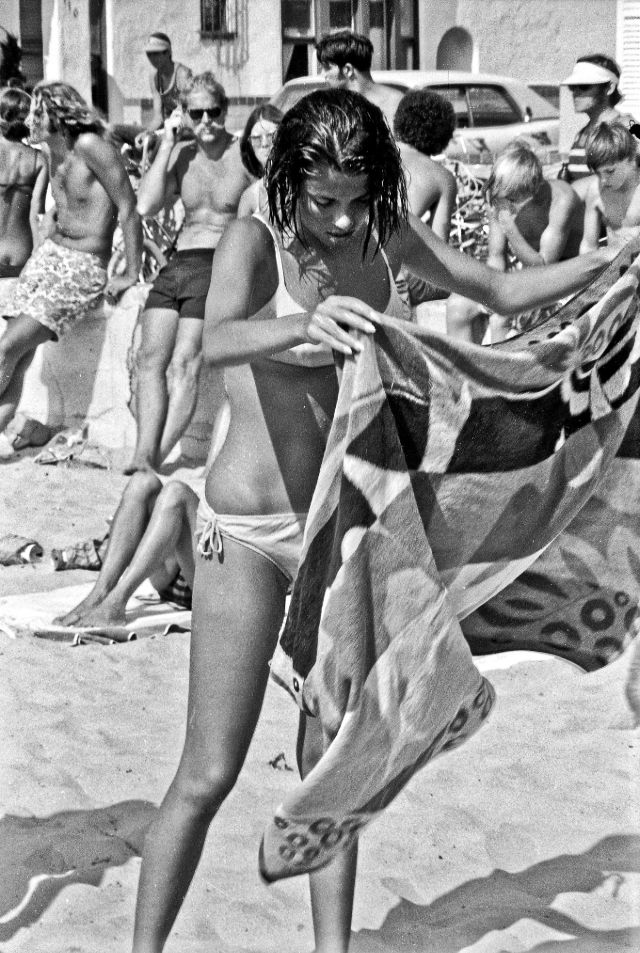
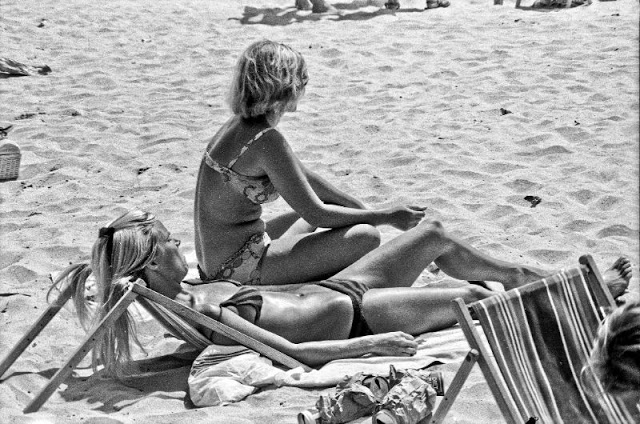
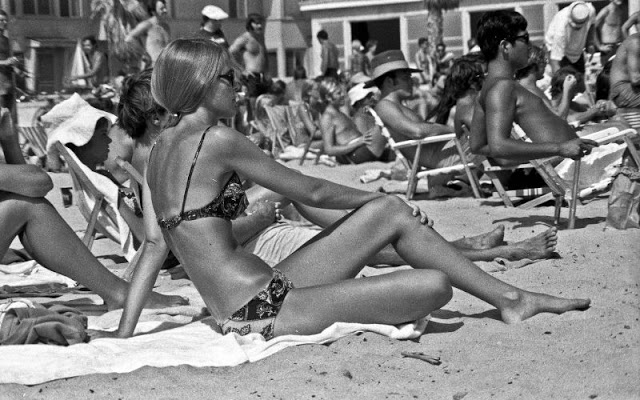
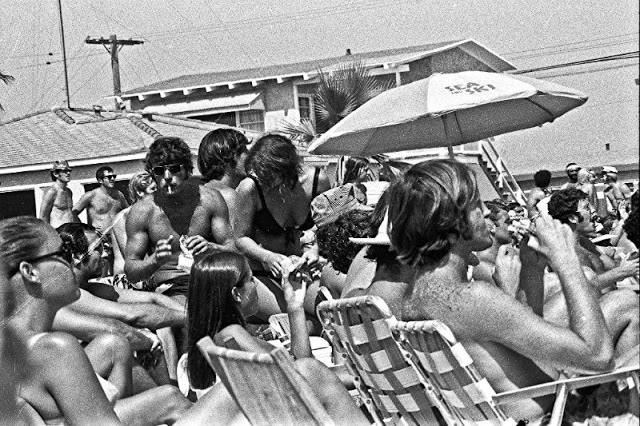
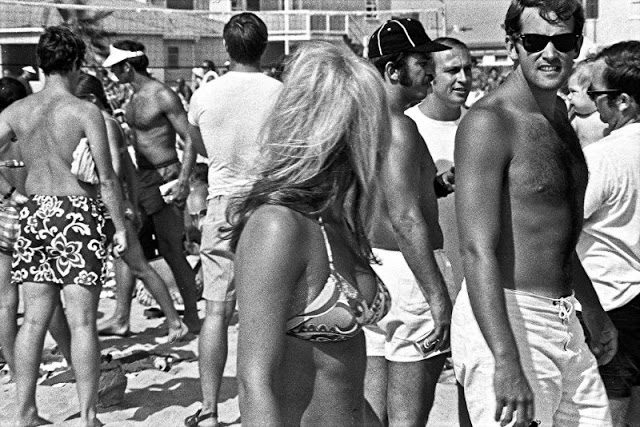
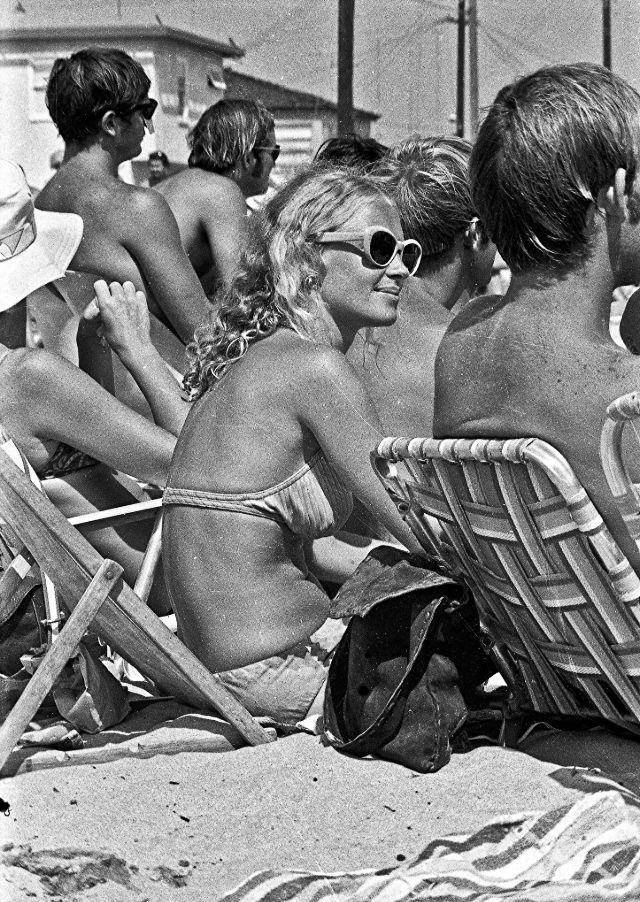
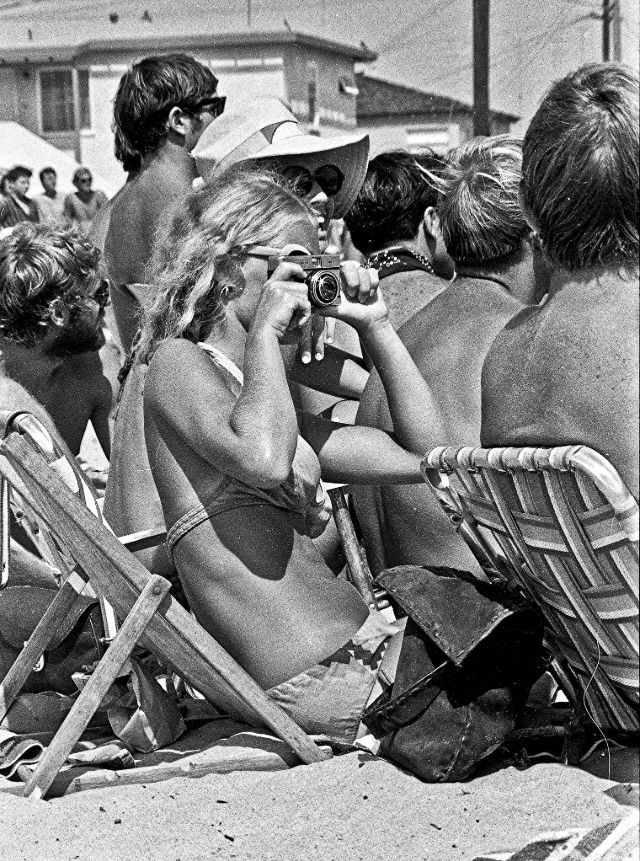
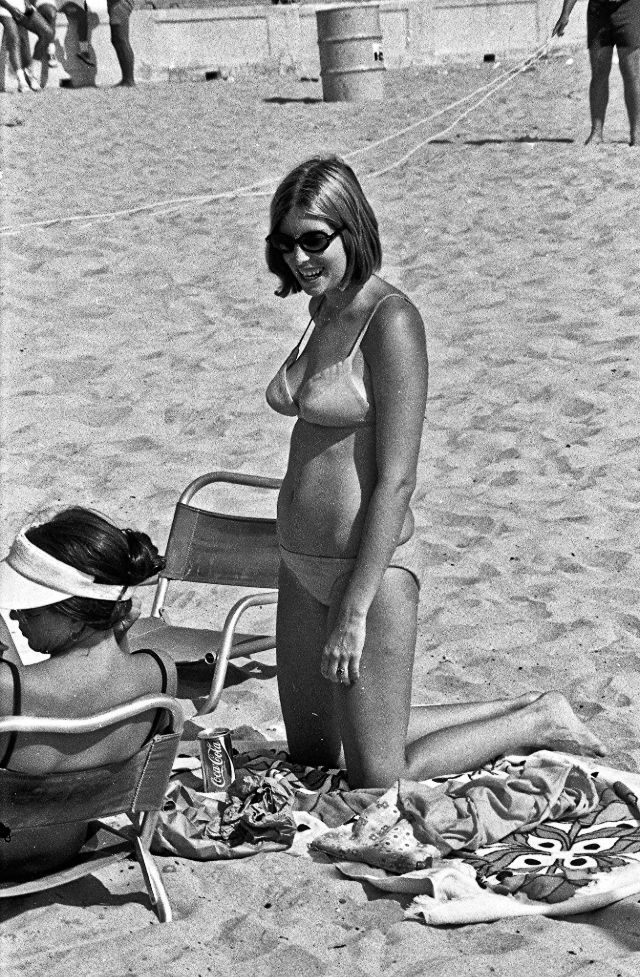
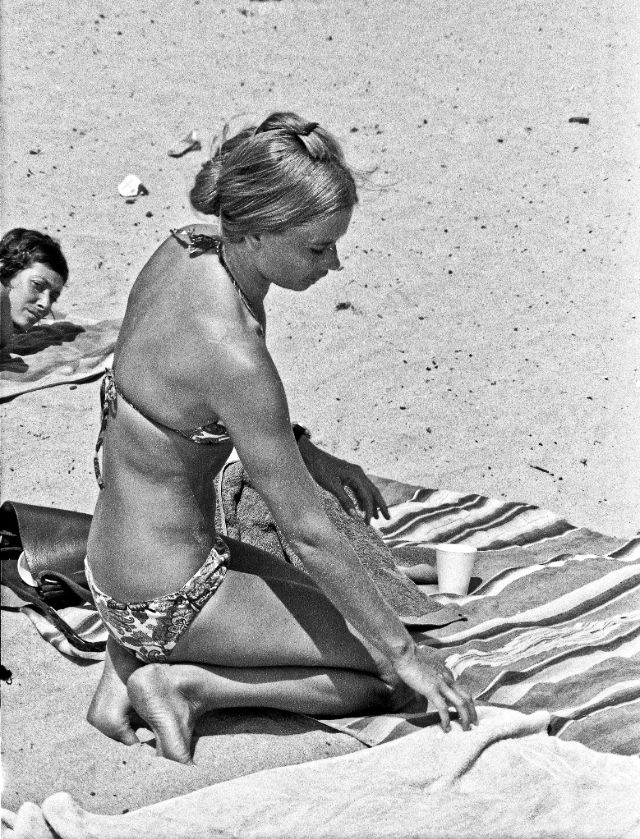
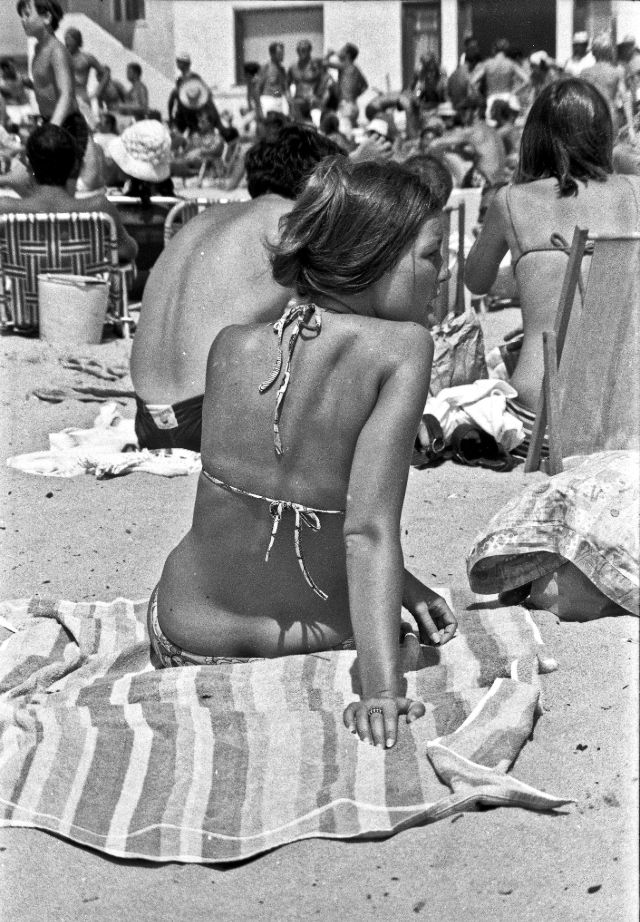
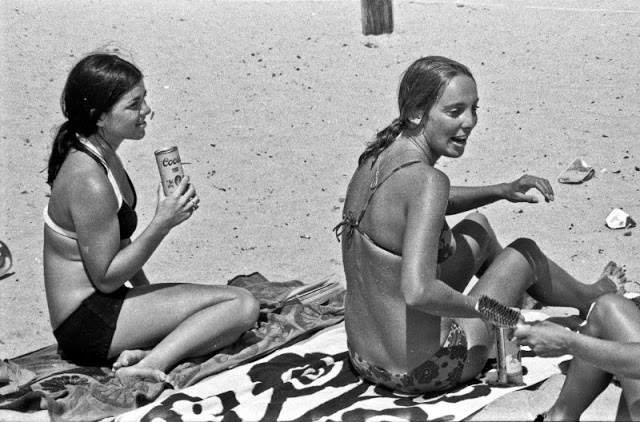
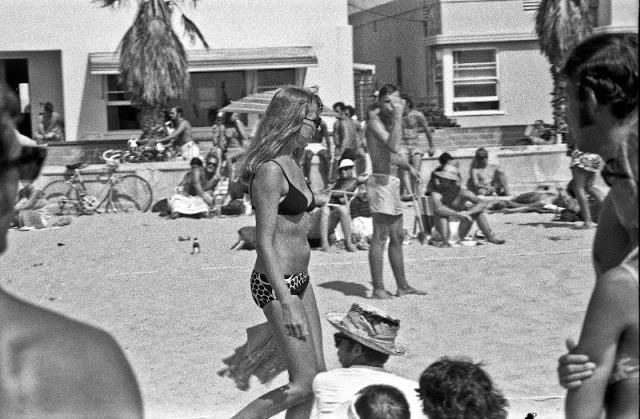
Mission Beach is a community built on a sandbar between the Pacific Ocean and Mission Bay. It is part of the city of San Diego, California.
Mission Beach spans nearly two miles of ocean front. It is bounded by the San Diego River estuary on the south, Mission Bay Park on the east, and the community of Pacific Beach on the north. A boardwalk runs along the beaches on both the ocean and bay sides of the community. The main artery through Mission Beach is Mission Boulevard. The community is divided into South Mission, a peninsula, and North Mission. At the south end of the beach a jetty, with grass, parking and a walk, extends into the ocean.
Many residential structures in Mission Beach were built in the 1930s and ’40s as summer cottages and some date as early as the 1920s. The rare airplane bungalow on Manhattan Court was built in 1924. Because of problems to work out with developing on sand, Mission Beach developed later than the neighboring communities of Ocean Beach to the south and Pacific Beach to the north. As a result of a new official subdivision in 1914, encouraged by land sales in those next-door communities and a new wooden bridge linking Mission Beach with Ocean Beach, John D. Spreckels offered small lots for sale. As a result, Mission Beach is the most densely developed residential community in San Diego with a land use designation across the majority of its land area of 36 dwelling units per acre. It also has the smallest lots in the city, ranging from 1,250 square feet (116 m2) to 2,400 square feet (220 m2). Few have been consolidated to form larger lots. Many of the structures within the community have been redeveloped into two-story homes. The wooden bridge to Ocean Beach was closed to traffic in 1950 and demolished in 1951.
Attractions near Mission Beach include SeaWorld in Mission Bay Park and the historic amusement park Belmont Park in South Mission Beach. Belmont Park was originally built as the Mission Beach Amusement Center by John D. Spreckels in 1925 to stimulate real estate sales and to promote his electric railway. Belmont Park now features the original wooden Giant Dipper Roller Coaster as well as newer rides such as the FlowRider at Wave House, Vertical Plunge, Krazy Kars, Tilt-a-Whirl, Liberty Carousel, Crazy Submarine, The Beach Blaster, and The Chaos.
Designed by architect Frank Walter Stevenson, The Mission Beach Plunge in Belmont Park, a 60-foot (18 m)-by-175-foot (53 m) saltwater swimming pool, opened in May 1925 as the Natatorium. The Plunge building enclosing the pool was styled after the Spanish Renaissance architecture of San Diego’s Balboa Park structures. The changing rooms appear in the Tom Cruise film Top Gun. Celebrities who once swam at the Plunge include Esther Williams and Johnny Weissmuller. The roof of the building rolled open to make it both an indoor and outdoor pool. The Mission Beach Plunge (now using fresh water) and the Giant Dipper are the only remaining attractions left from Spreckels’ original park; the other structures were razed in the late 1980s. The Plunge has been closed since 2014 due to disrepair. Plans to demolish and rebuild the Plunge were approved in January 2016. (Wikipedia)
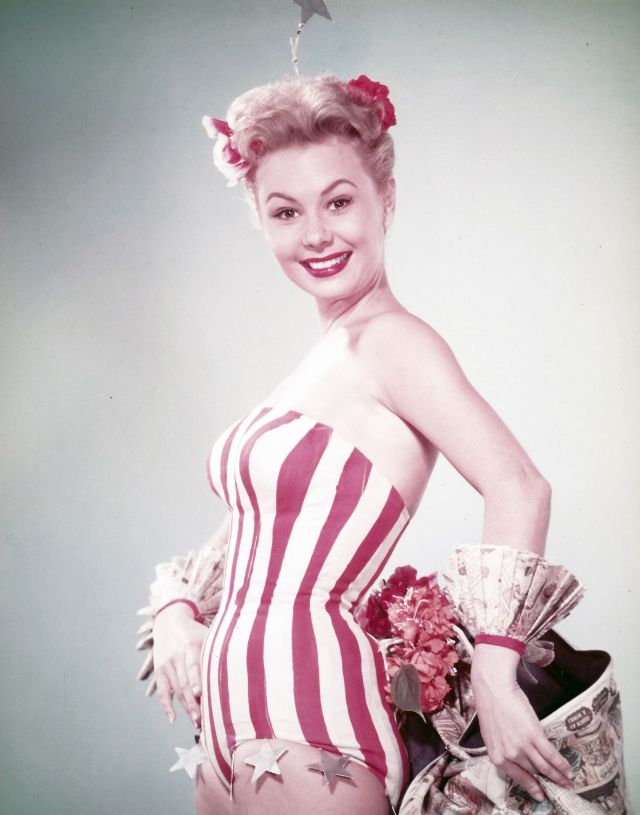
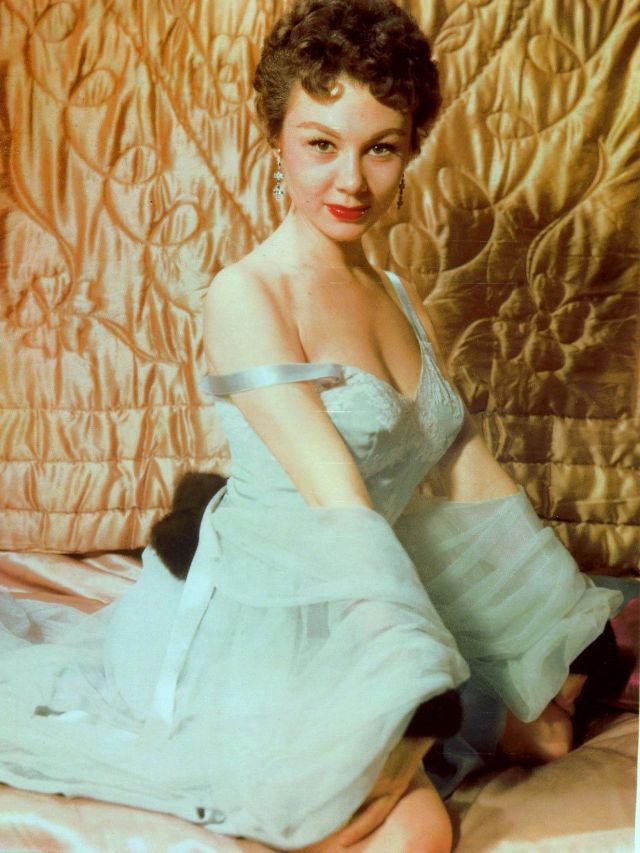
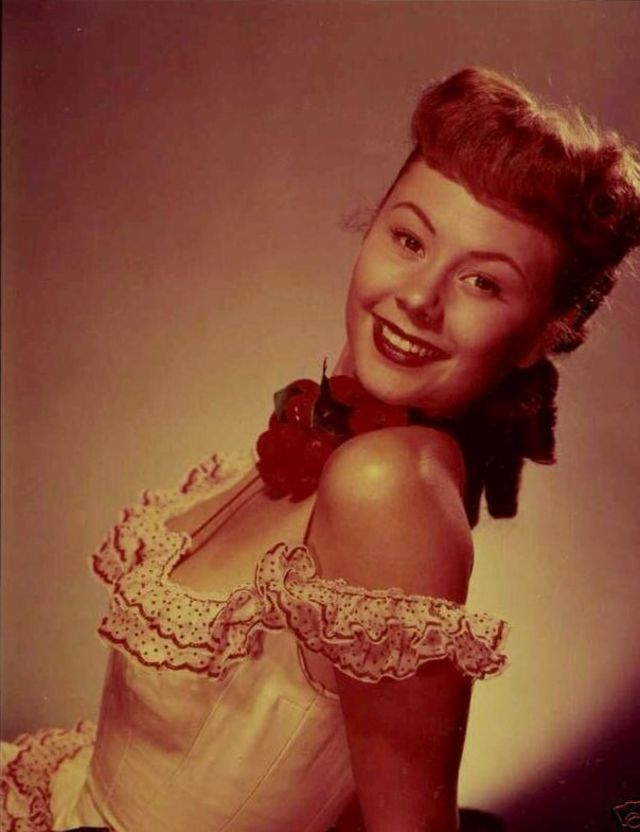
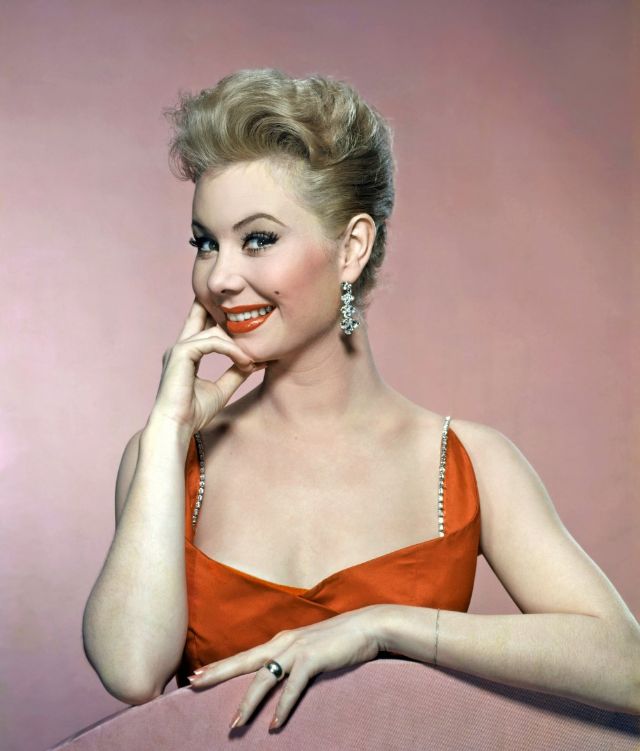
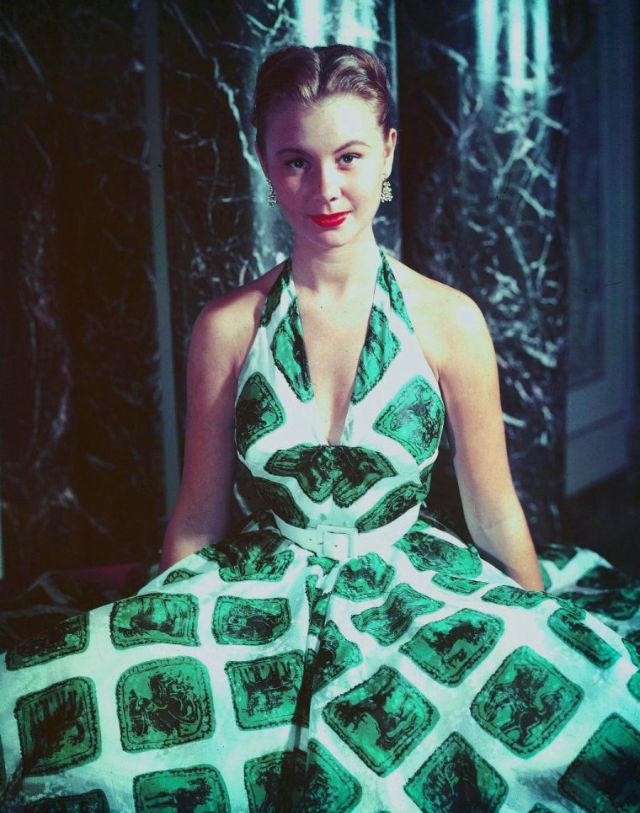
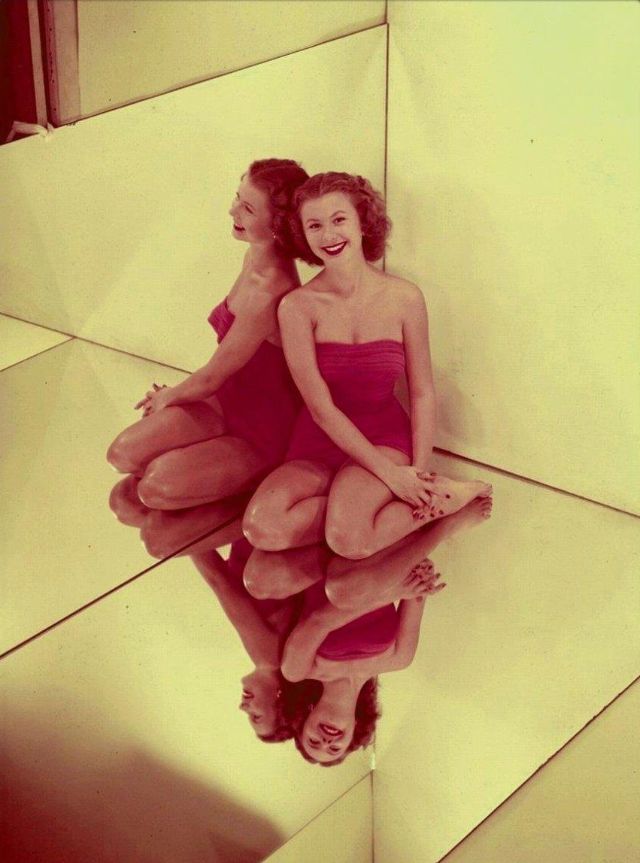
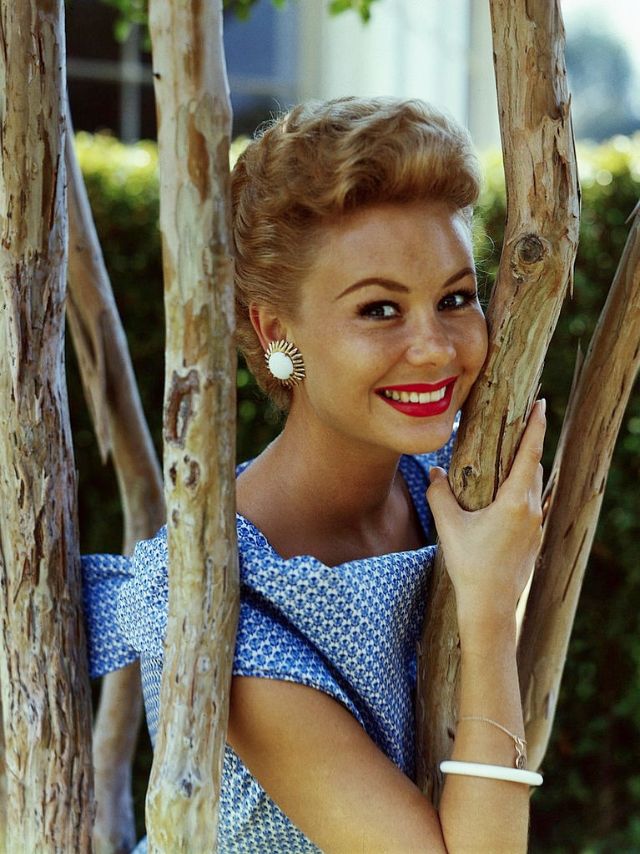
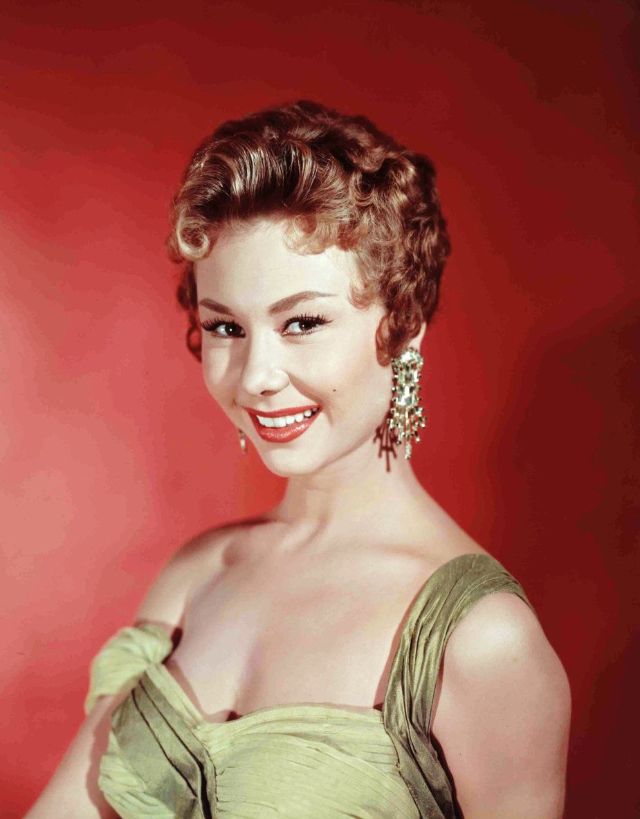
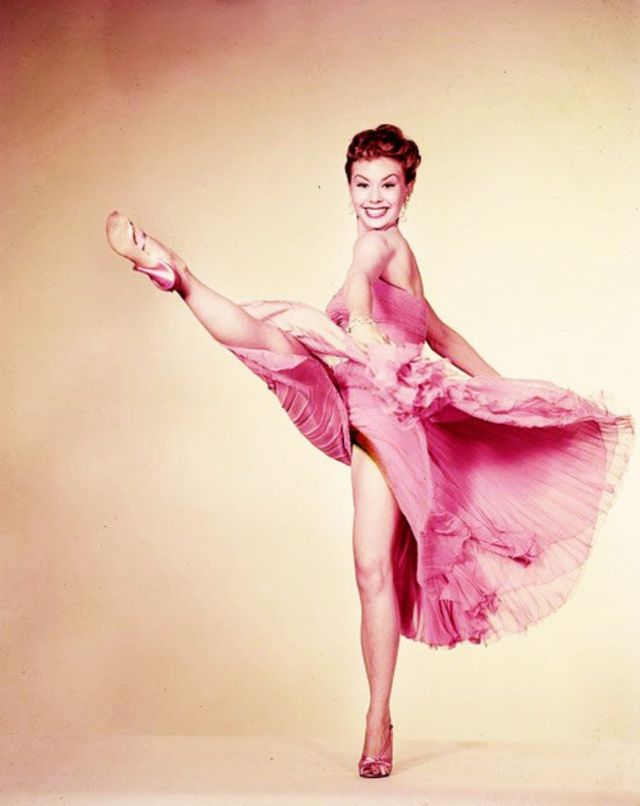
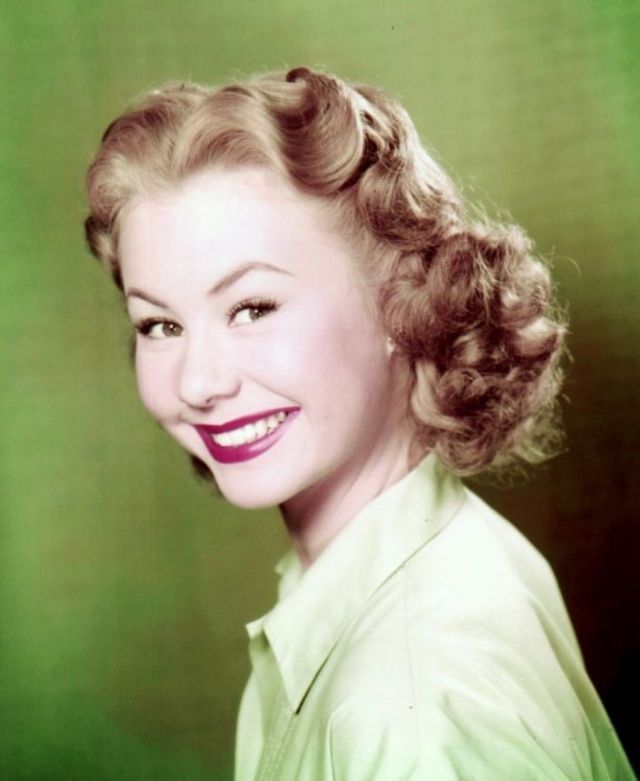
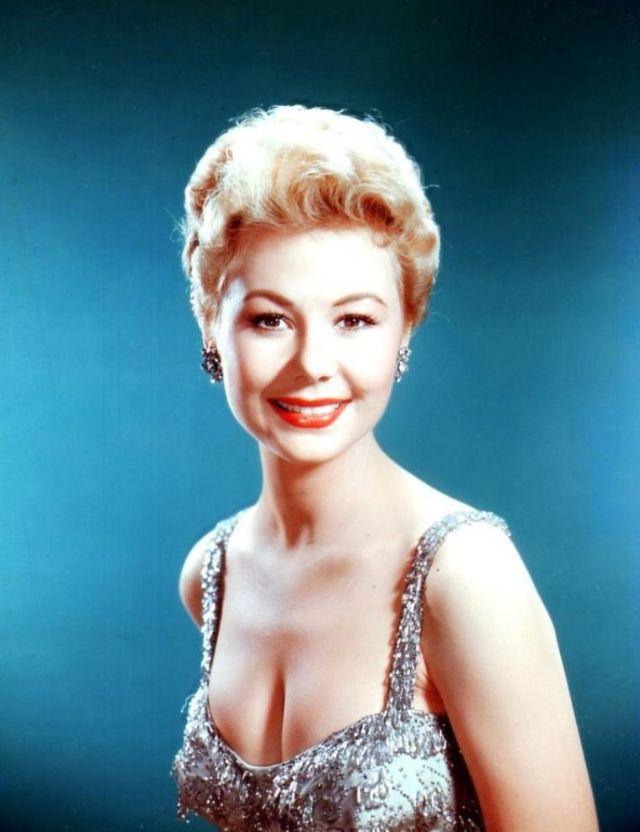
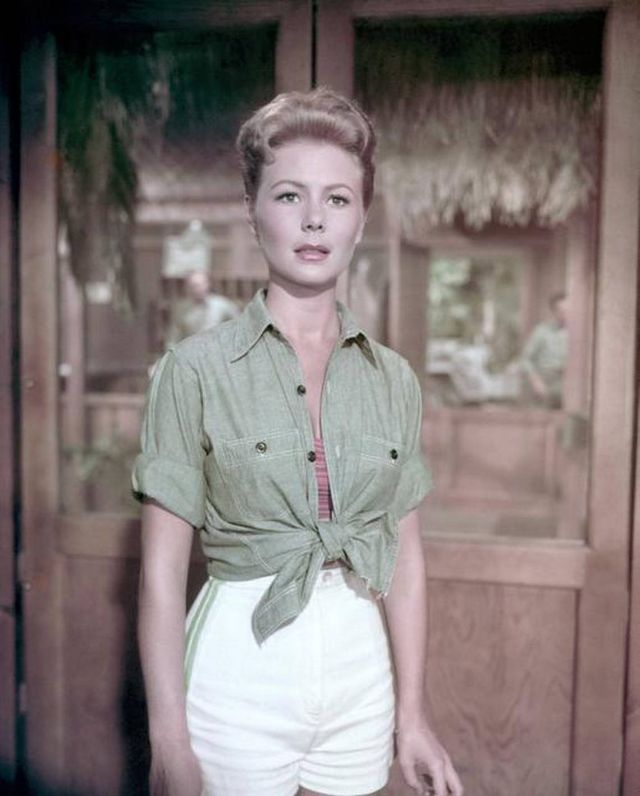
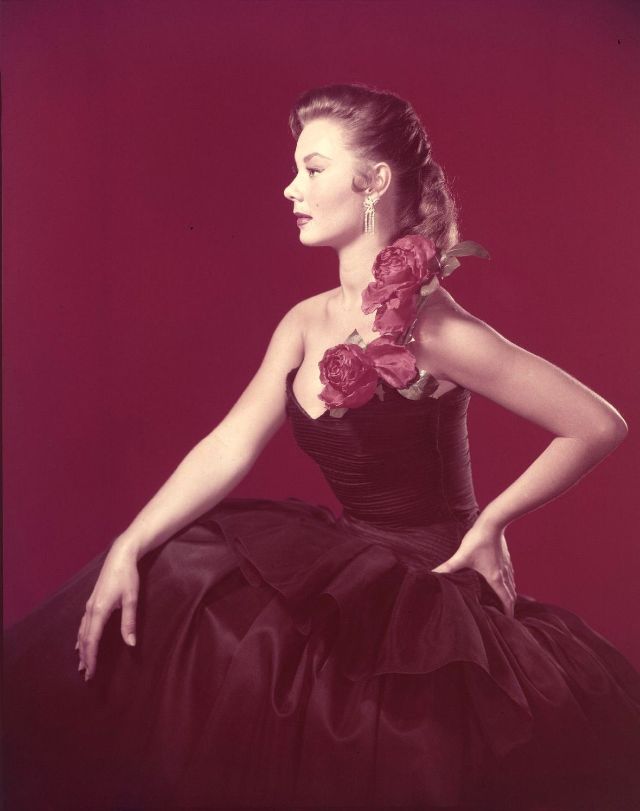
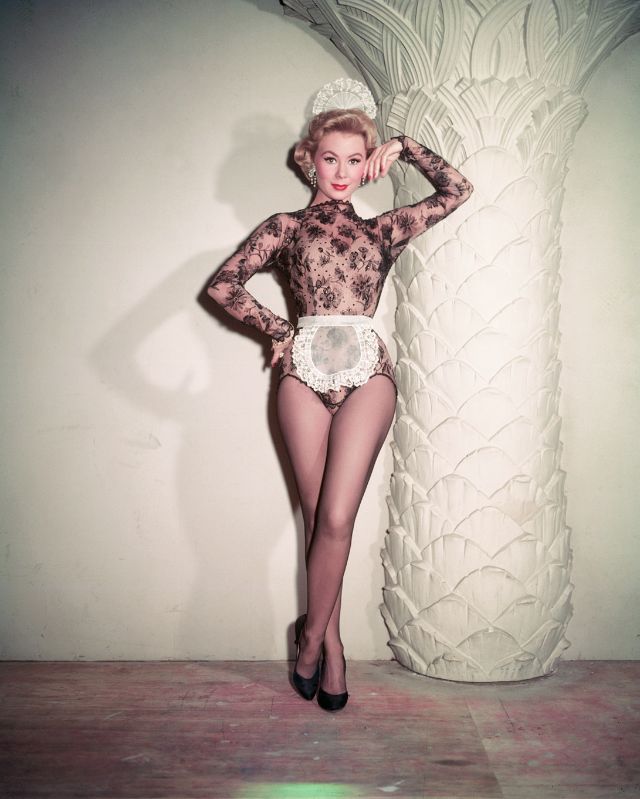
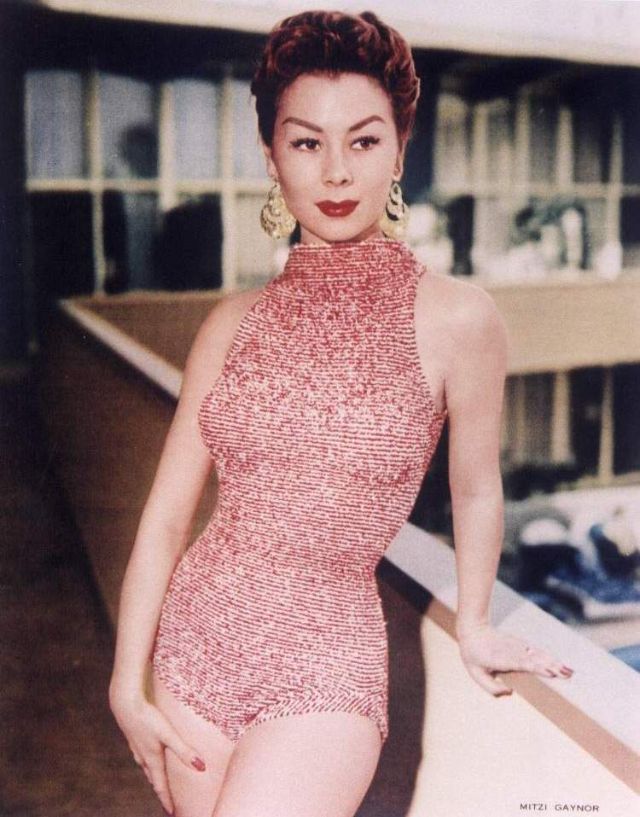
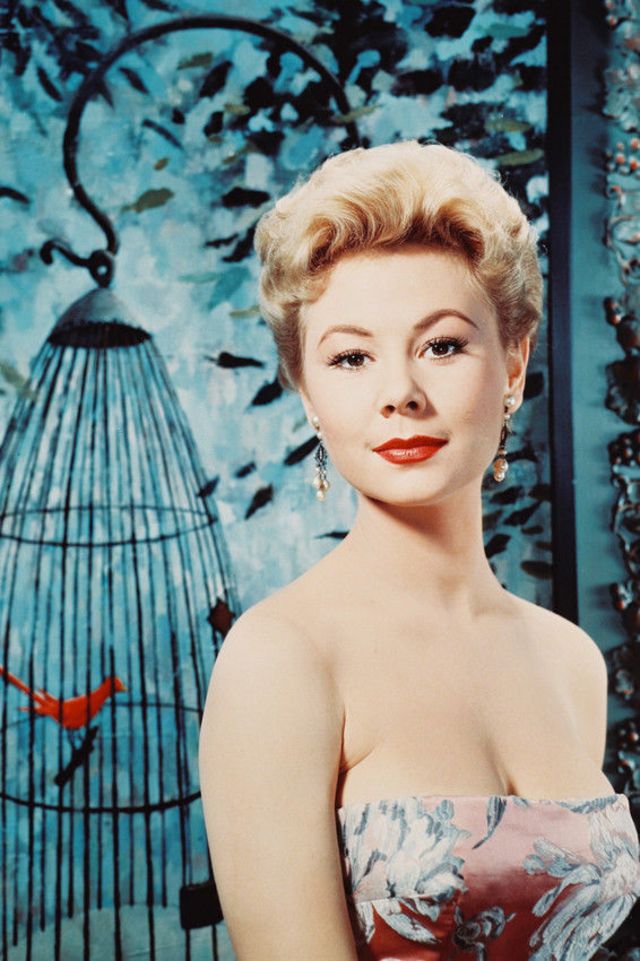
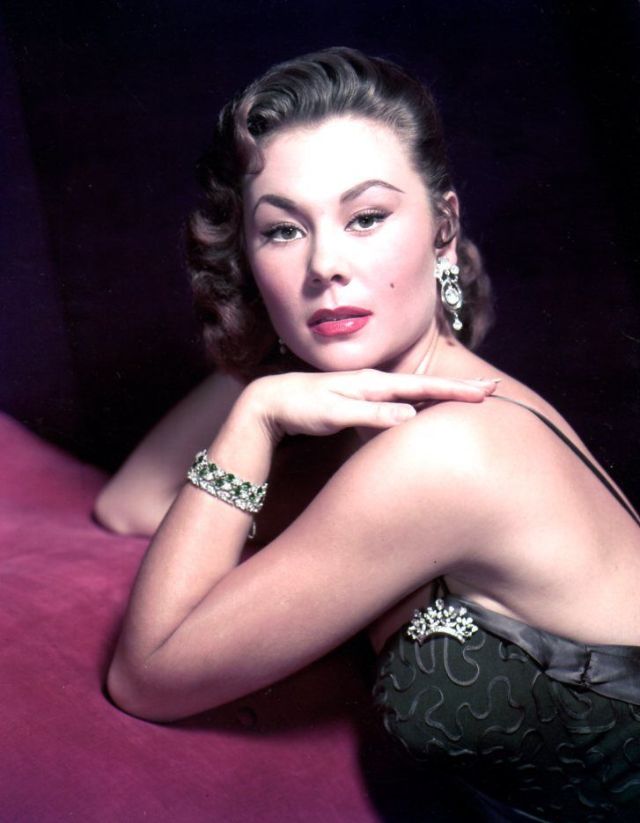
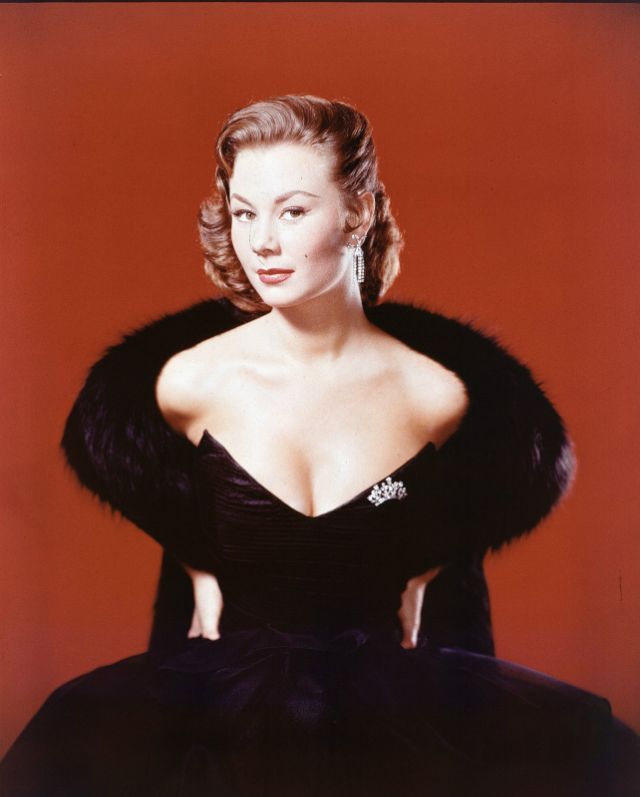
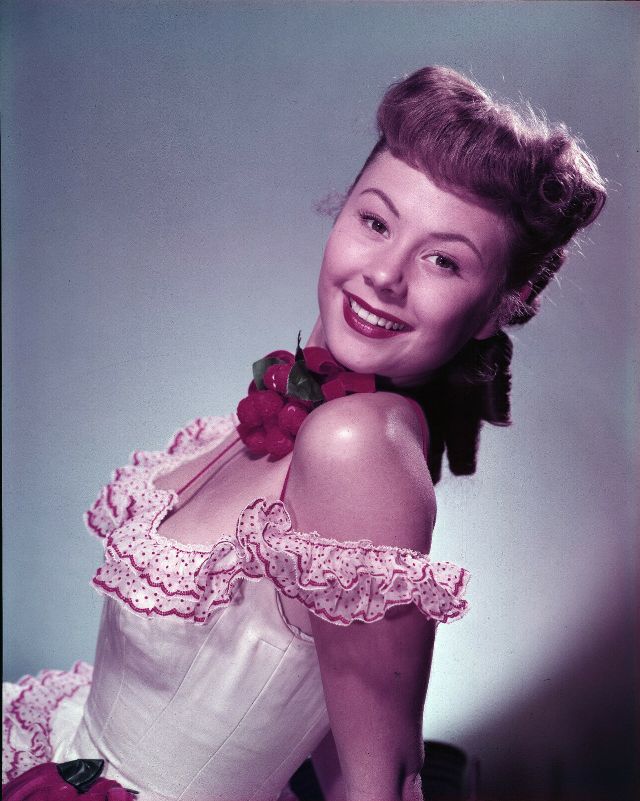
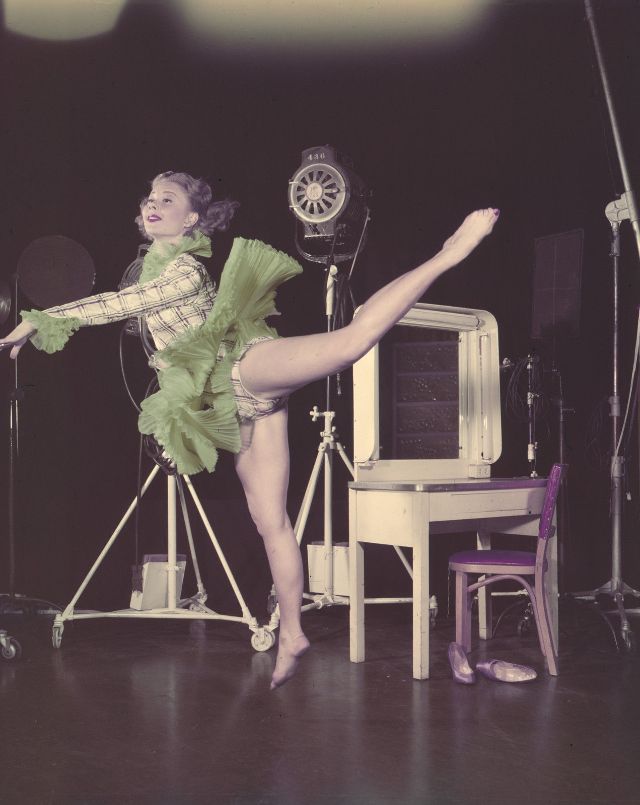
Born Franceska Mitzi Gerber, on September 4, 1931, in Chicago, Illinois, the daughter of a ballerina and professional musician, Mitzi Gaynor developed a penchant for the arts at an early age. When her family moved to Los Angeles, she caught the attention of legendary theatrical producer Edwin Lester. Under the tutelage of Lester, Gaynor became a member of the corps de ballet of the Los Angeles City Opera, professionally debuting as a dancer in a 1942 production of Song Without Words.
Noted for her effervescent performances and electric stage presence, Gaynor signed with 20th Century Fox and made her cinematic debut in My Blue Heaven (1950), a musical comedy that starred Betty Grable and Dan Daily. After a few mediocre projects, including Golden Girl (1951) and Bloodhounds of Broadway (1952), she left Fox and signed with Paramount Studios.
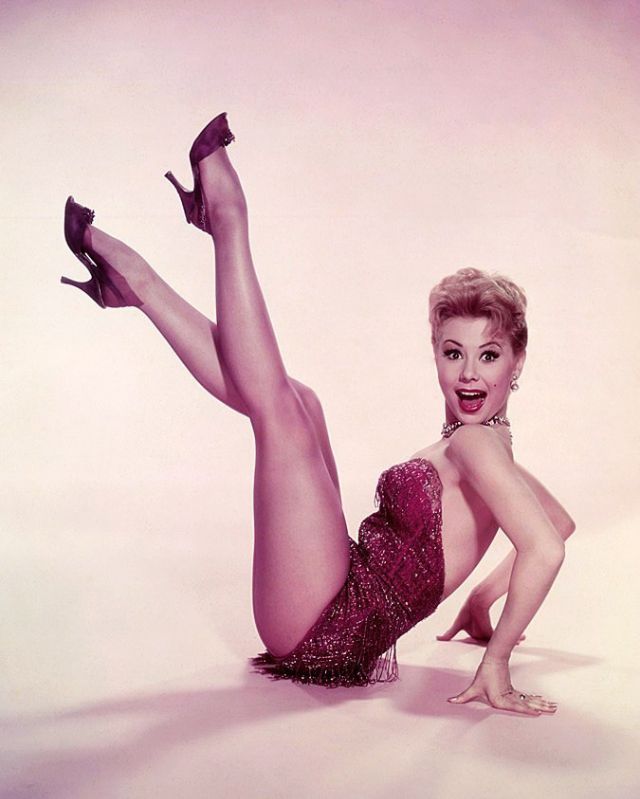
Gaynor married celebrity agent Jack Bean in 1954, at which time he began to manage her career. During the late 1950s, she landed a slew of sought-after roles that paired her with Hollywood’s leading men, including Bing Crosby and Donald O’Connor in Anything Goes (1956), Gene Kelly in Les Girls (1957), and Frank Sinatra in The Joker is Wild (both 1957).
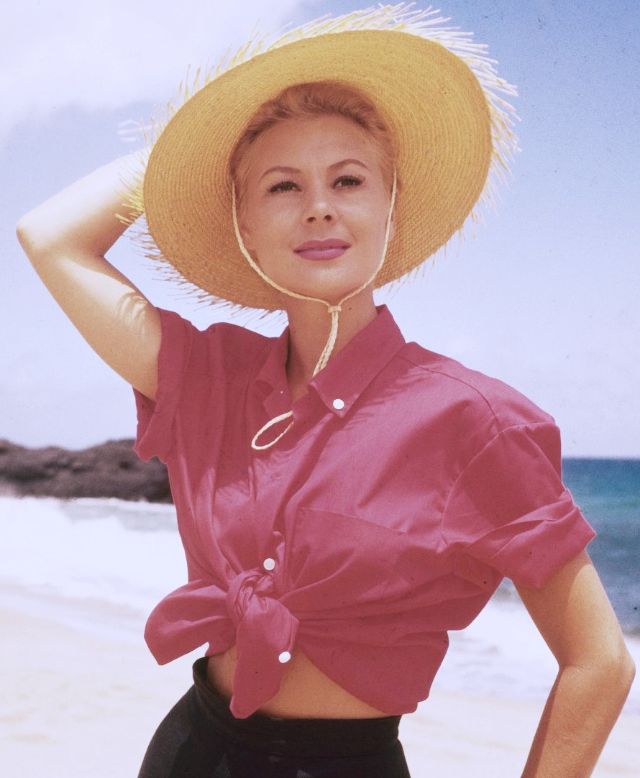
In 1958, Gaynor won the plum role of Nellie Forbush in the eagerly anticipated film version of the Rodgers and Hammerstein musical South Pacific. However, the feature failed to meet expectations and disappointed critics. Following notable turns in the comedies Happy Anniversary (1959), Surprise Package (1960), and For Love or Money (1963), Gaynor shelved her film career.
In the mid-1960s, Gaynor began to concentrate on live performances, eventually becoming a major attraction in the Las Vegas nightclub circuit. She regularly appeared on a number of television variety programs in the 1970s, including the eponymous annual musical special Mitzi.
In 1989, reprising her 1956 role, the 59-year-old Gaynor embarked on an 11-month tour with a production of Anything Goes. An indefatigable performer, she continues to maintain a large fan base and draw crowds in cities across America.
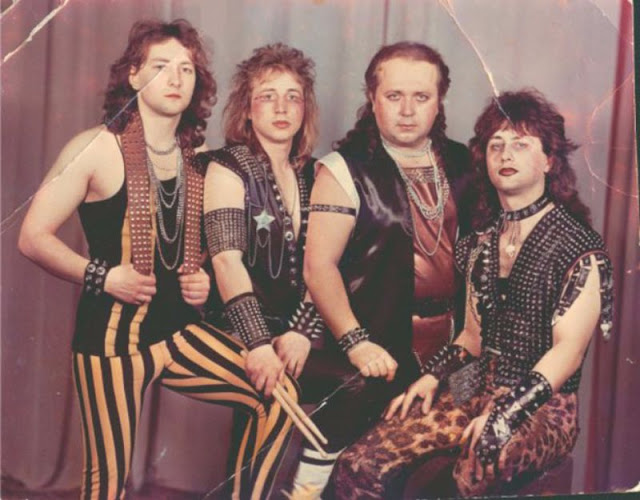
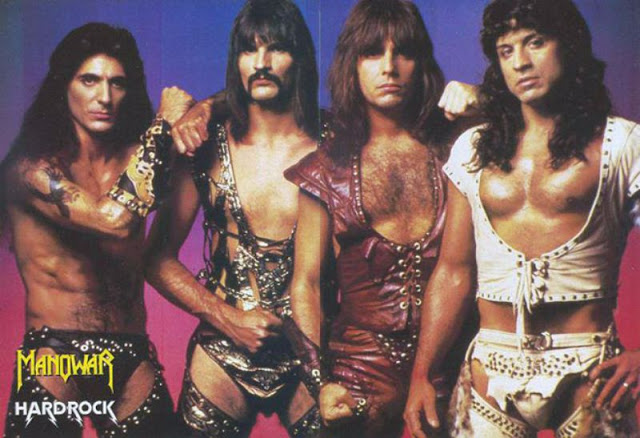
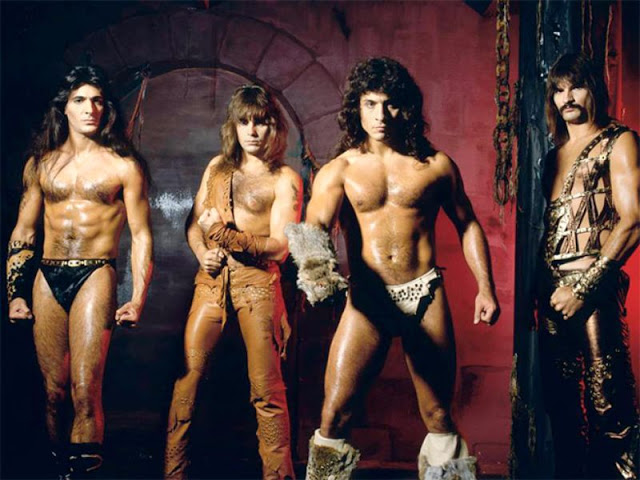
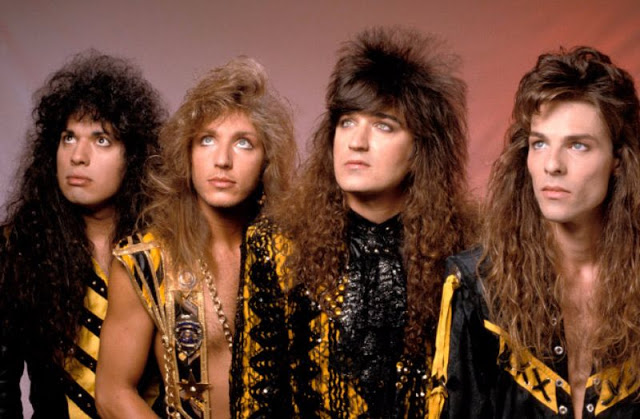
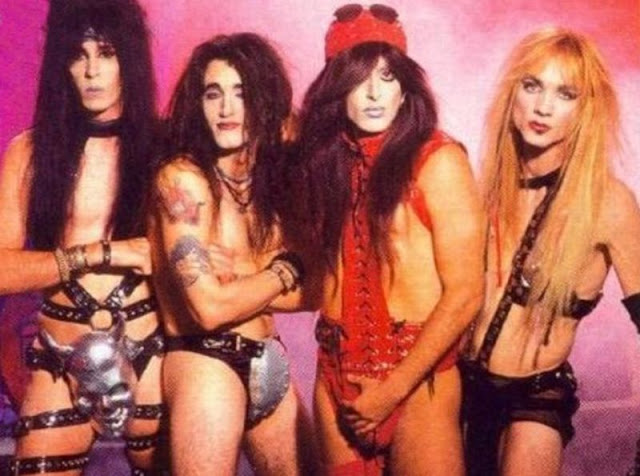
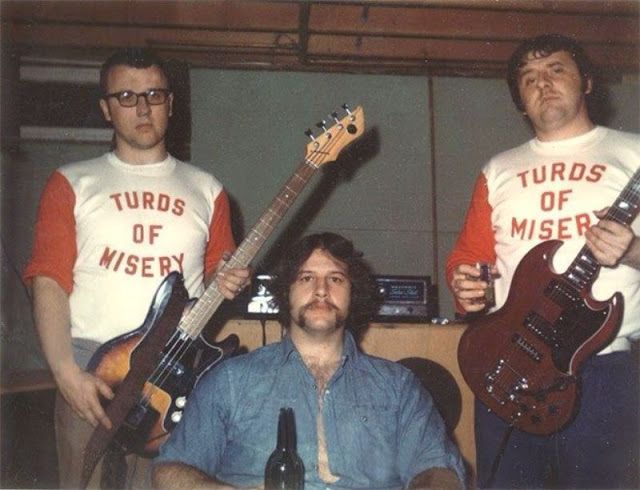
Rock stars are supposed to be charismatic. The gig requires being able to get up in front of people and perform convincingly, create compelling songs that evoke emotions, have a sense of style your fans would want to emulate, and, of course, be sexy. That’s a lot of requirements, and some bands understandably fall a bit short.
A motorcycle, often called a motorbike, bike, cycle, or (if three-wheeled) trike, is a two- or three-wheeled motor vehicle. Motorcycle design varies greatly to suit a range of different purposes: long-distance travel, commuting, cruising, sport (including racing), and off-road riding. Motorcycling is riding a motorcycle and being involved in other related social activity such as joining a motorcycle club and attending motorcycle rallies.
The 1885 Daimler Reitwagen made by Gottlieb Daimler and Wilhelm Maybach in Germany was the first internal combustion, petroleum-fueled motorcycle. In 1894, Hildebrand & Wolfmüller became the first series production motorcycle.
In 2014, the three top motorcycle producers globally by volume were Honda (28%), Yamaha (17%) (both from Japan), and Hero MotoCorp (India). In developing countries, motorcycles are considered utilitarian due to lower prices and greater fuel economy. Of all the motorcycles in the world, 58% are in the Asia-Pacific and Southern and Eastern Asia regions, excluding car-centric Japan.
According to the US Department of Transportation, the number of fatalities per vehicle mile traveled was 37 times higher for motorcycles than for cars. (Wikipedia)
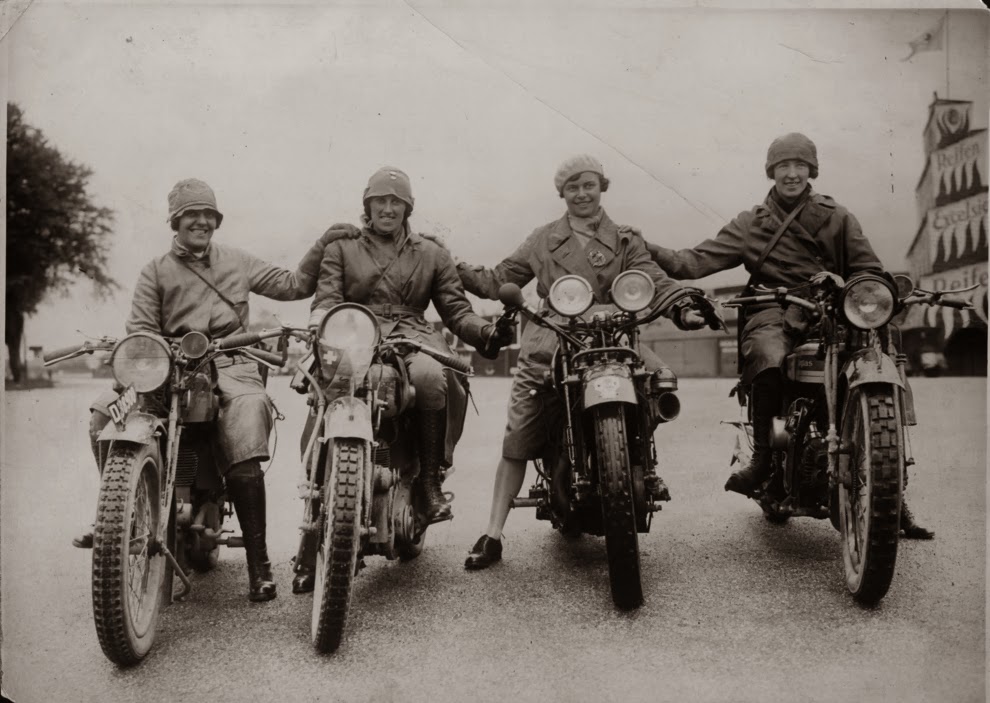
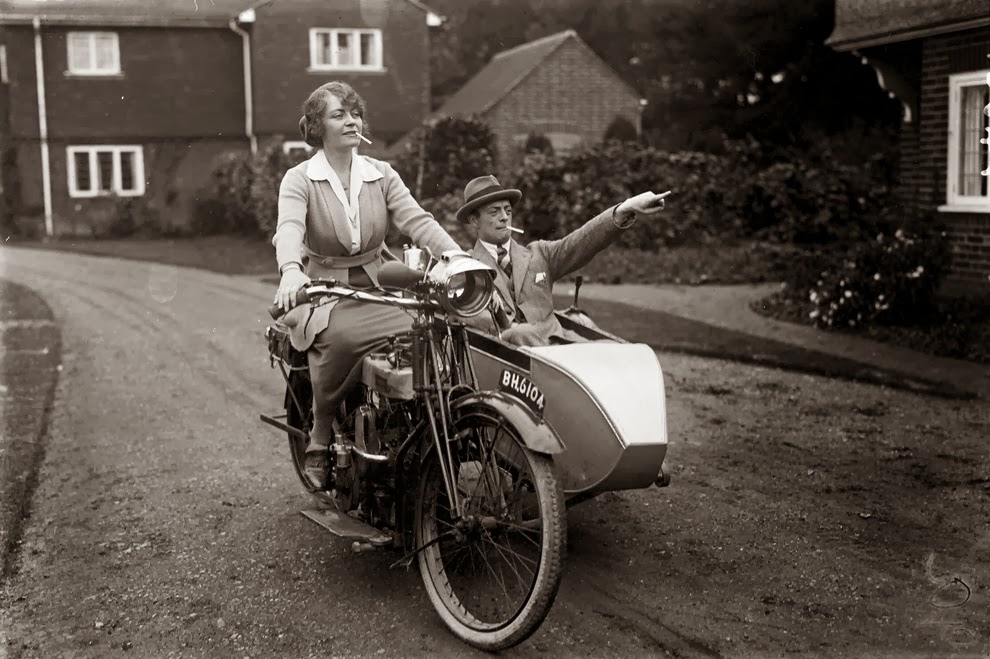
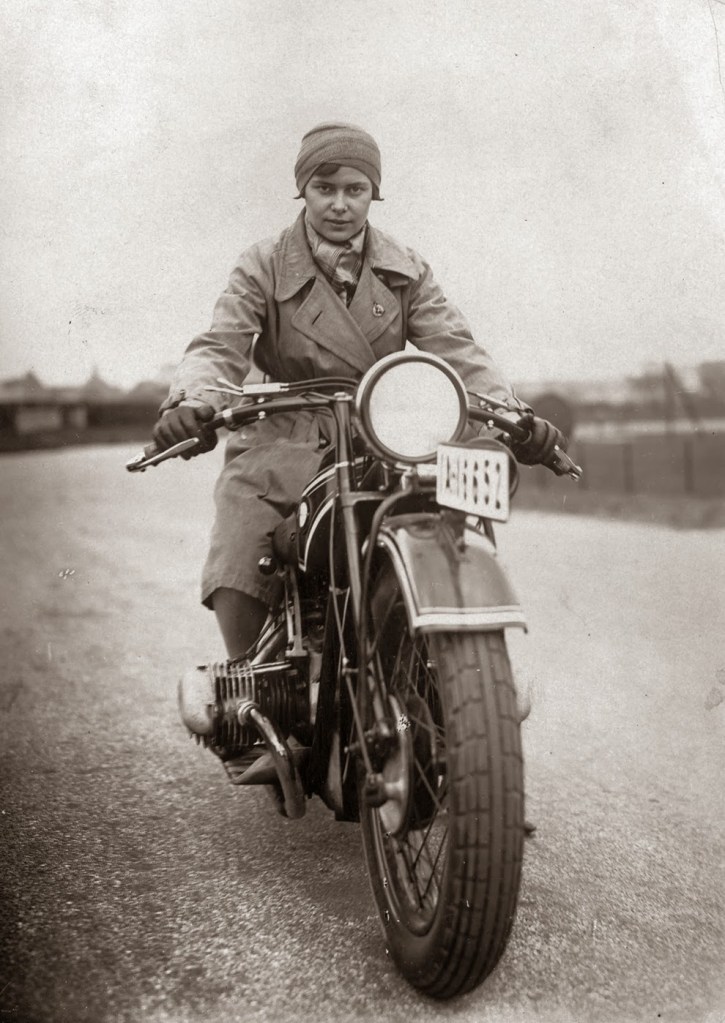
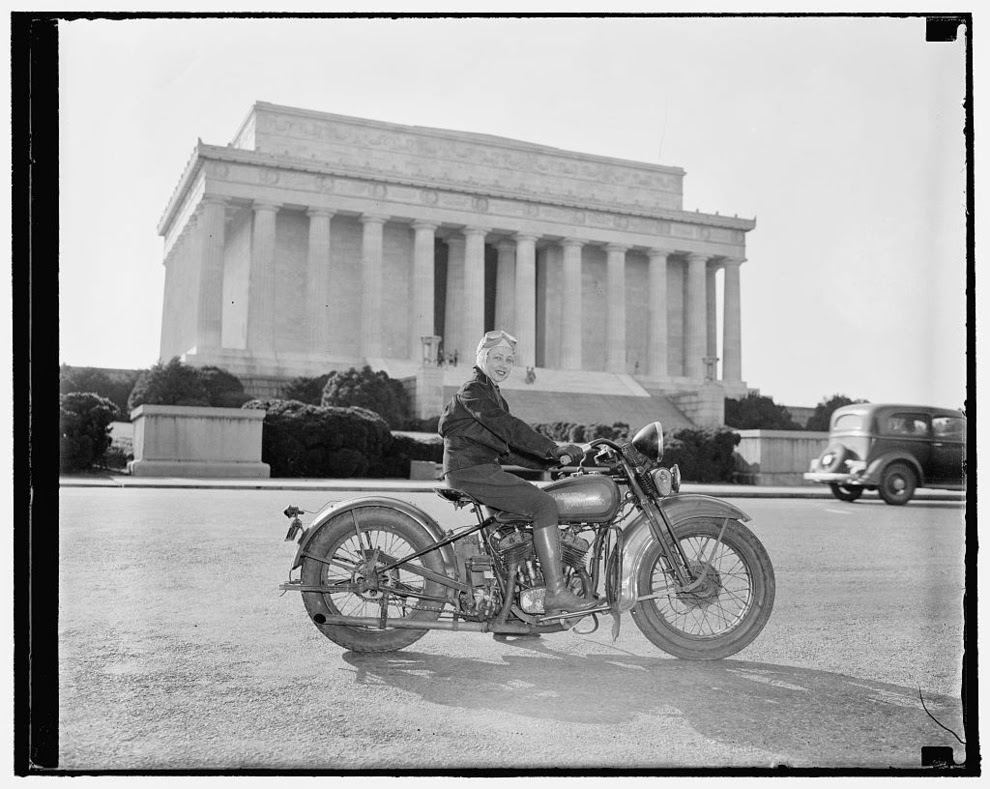
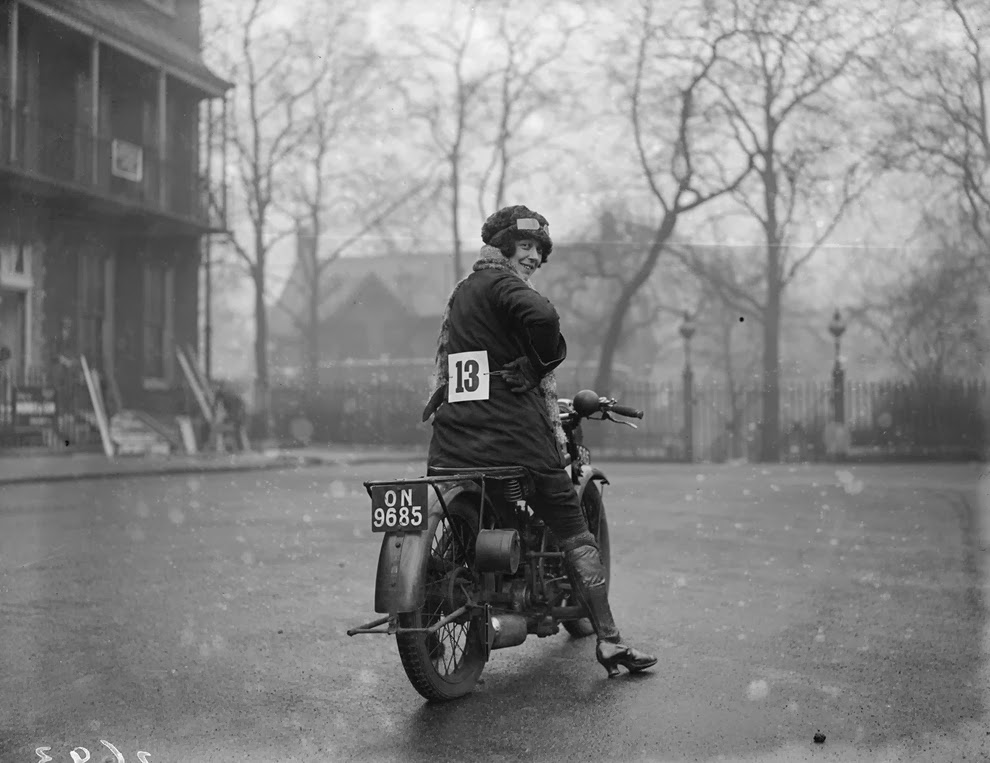
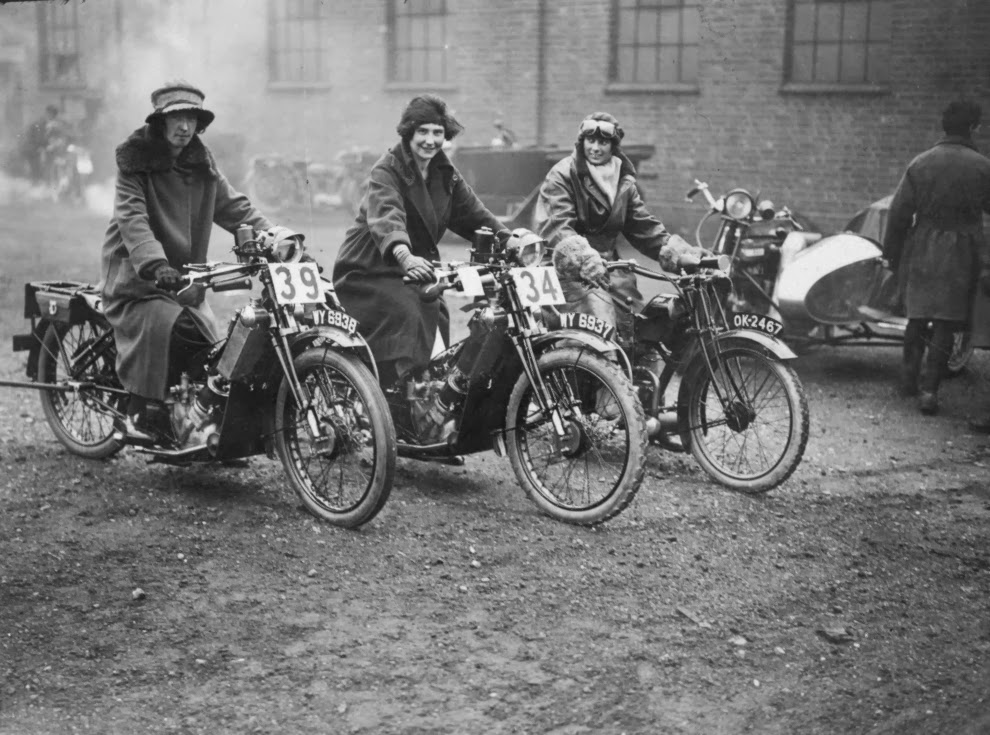
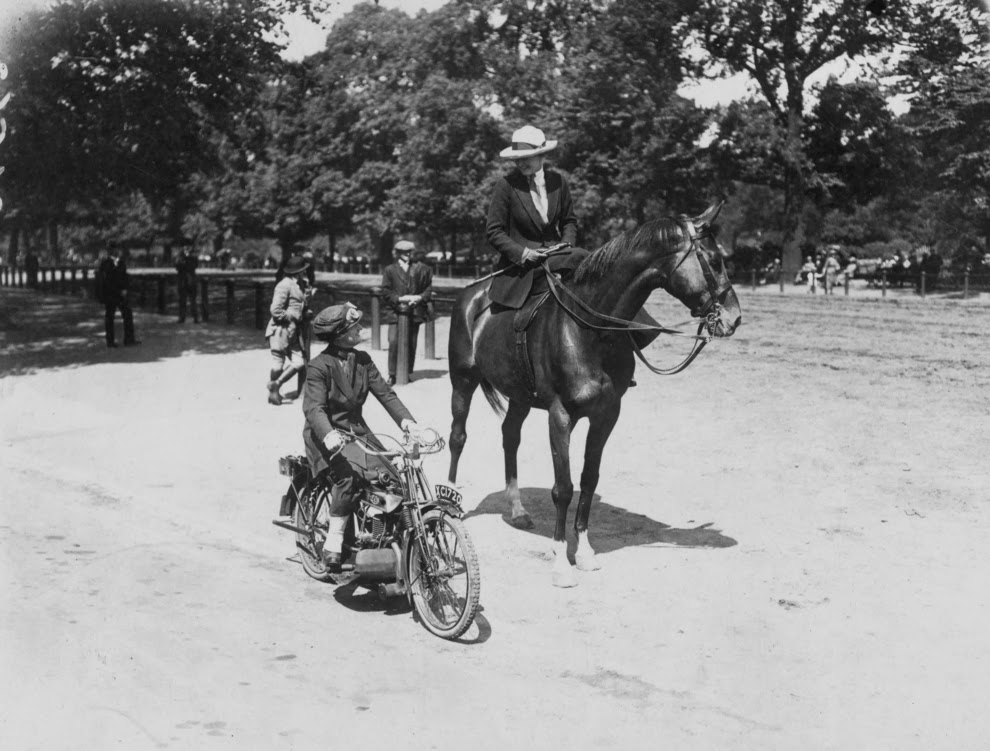
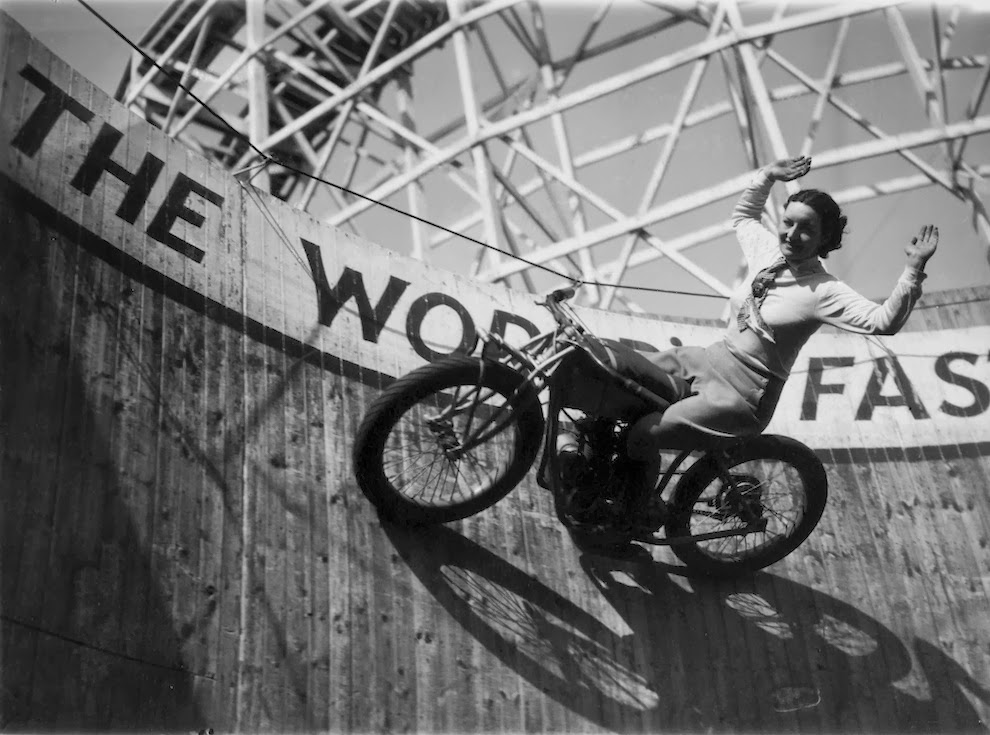
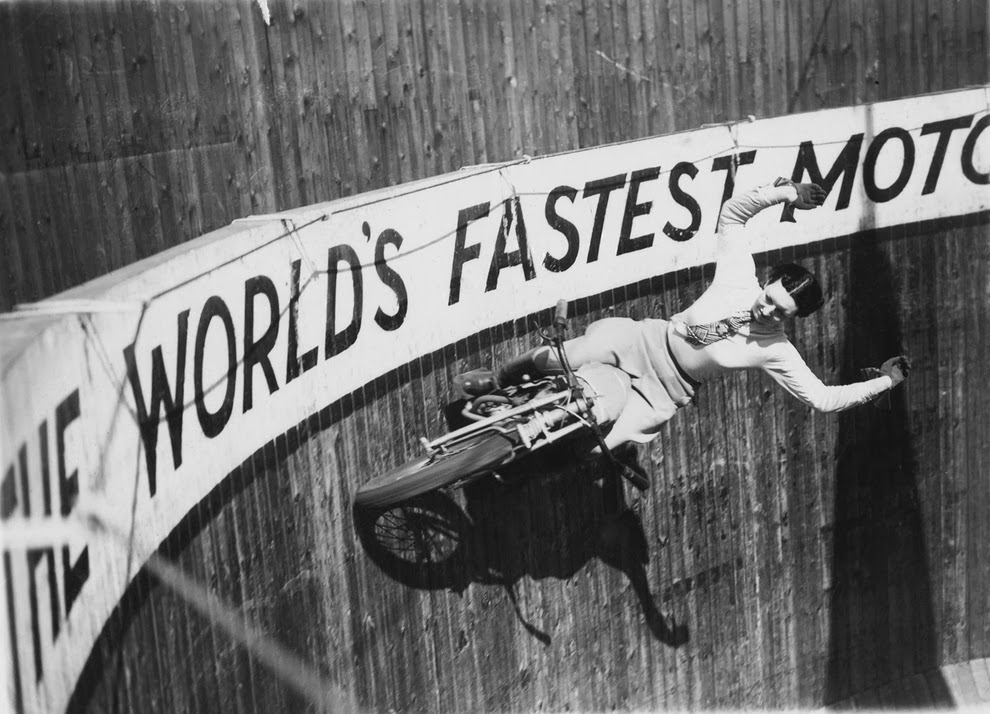
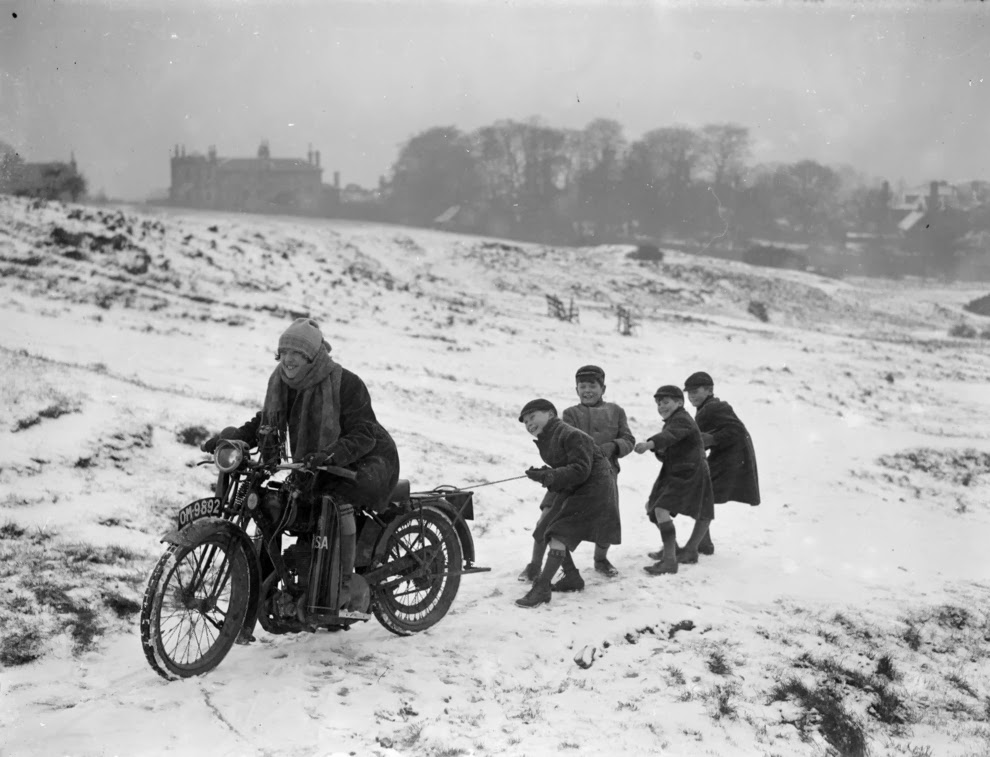
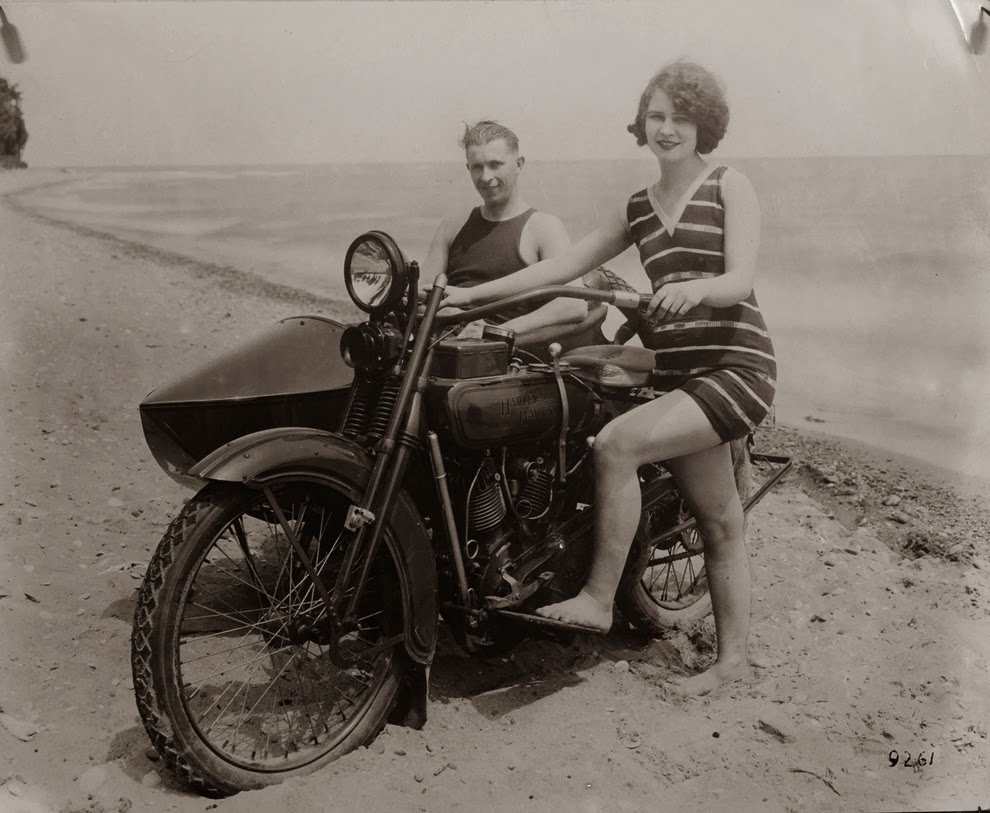
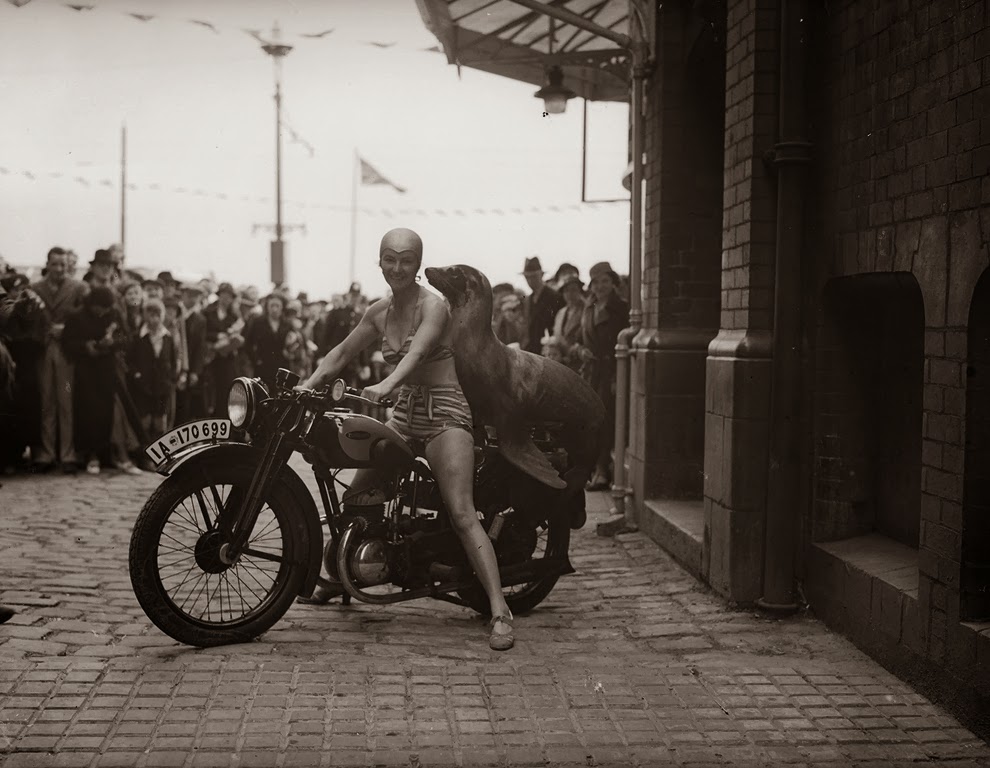
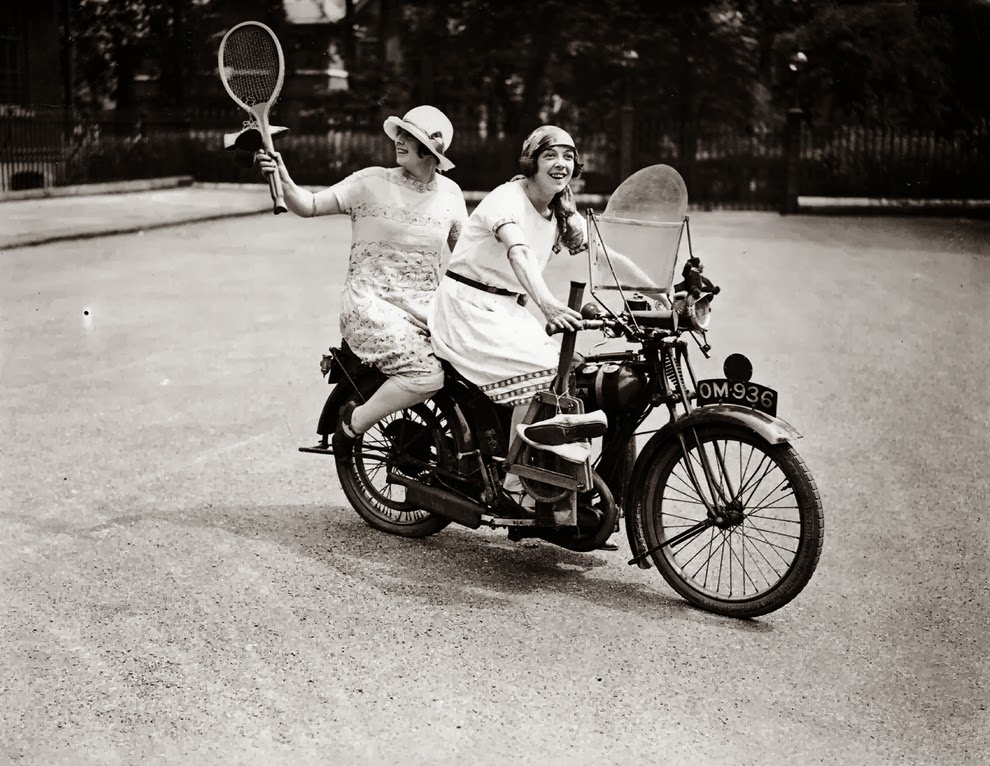
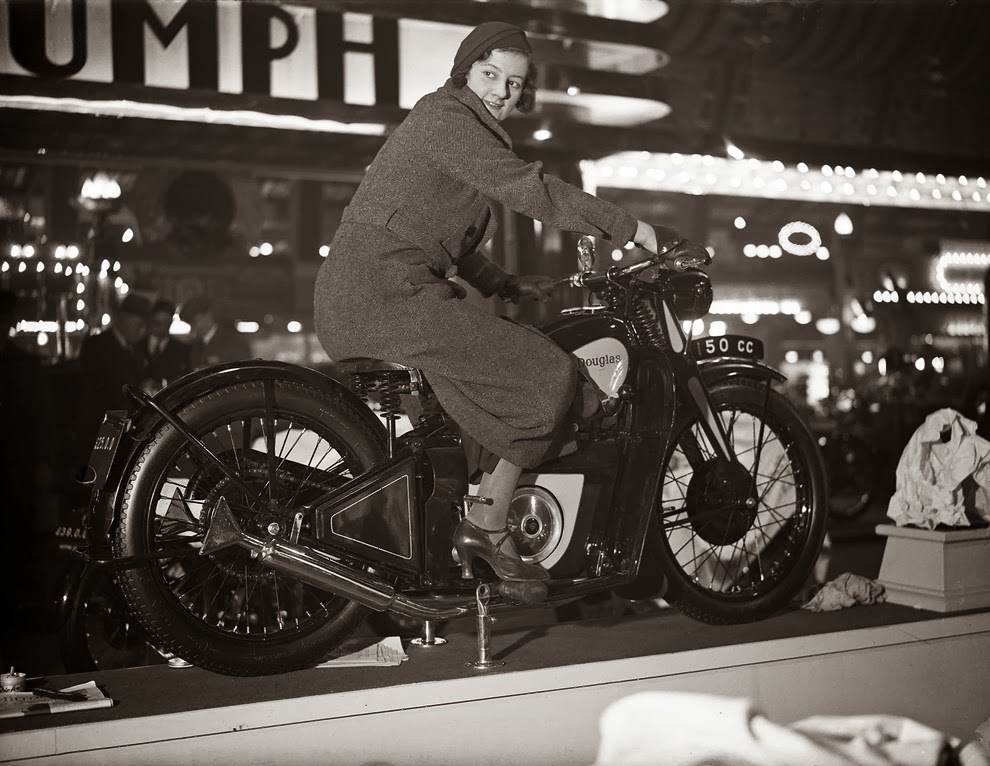
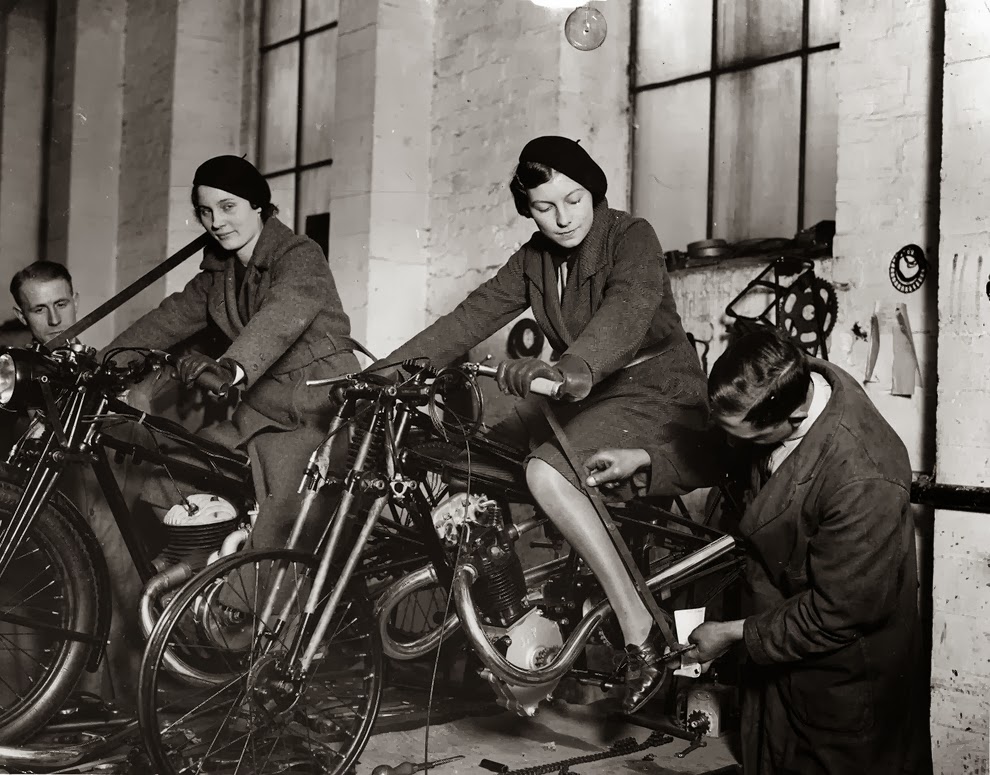
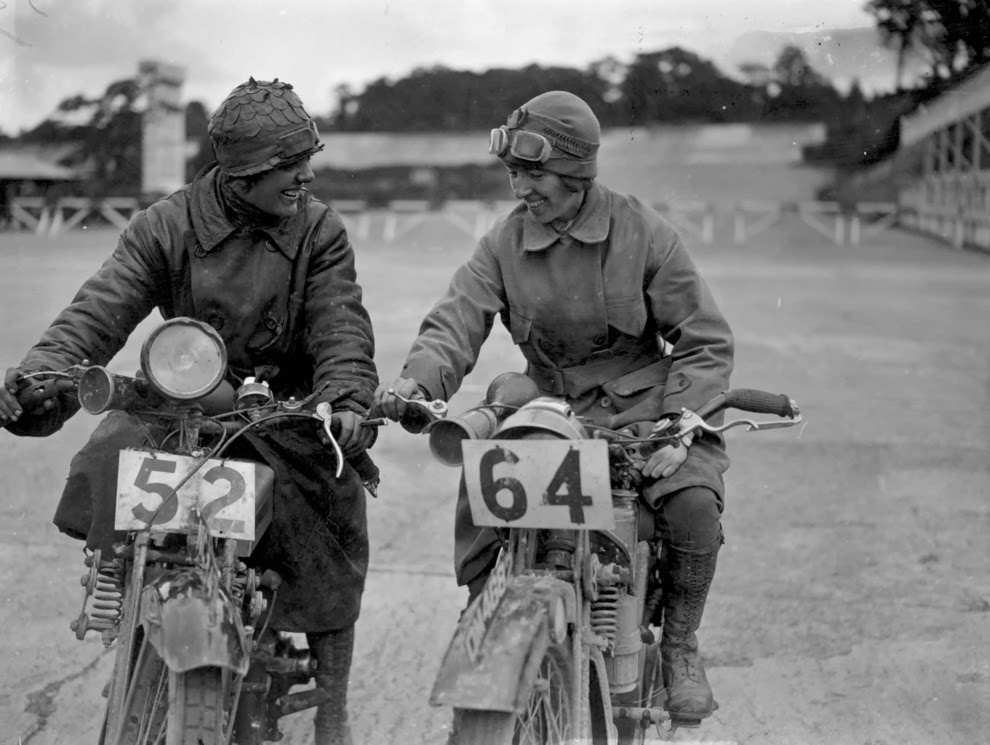
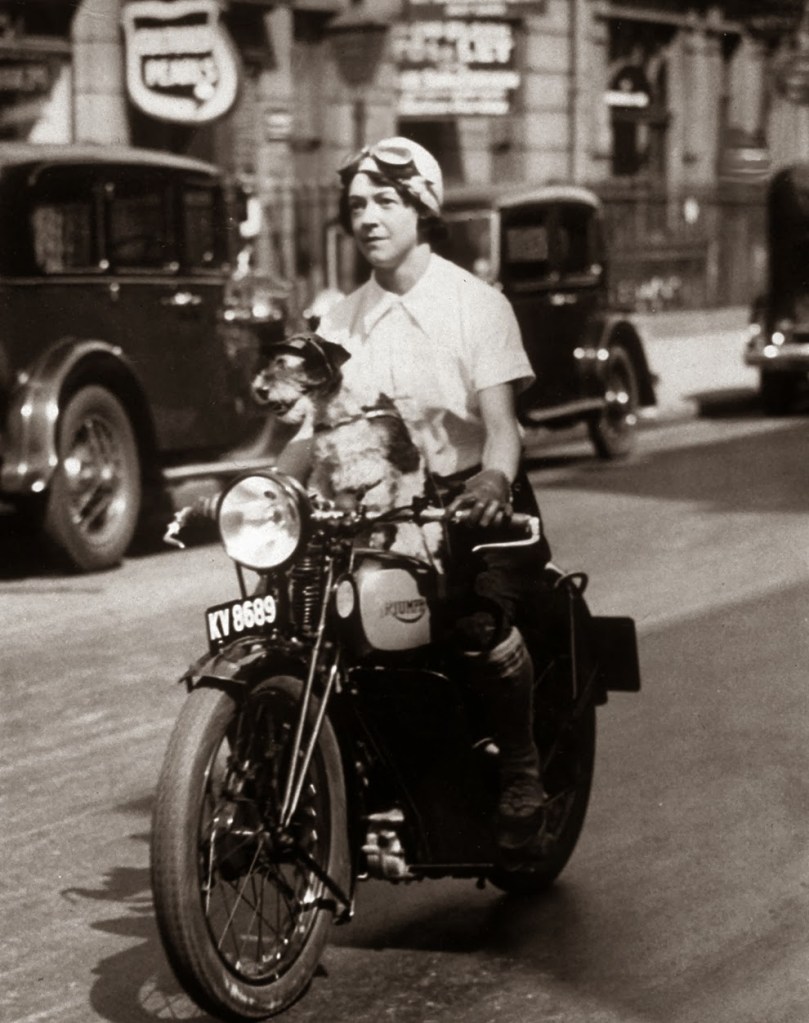
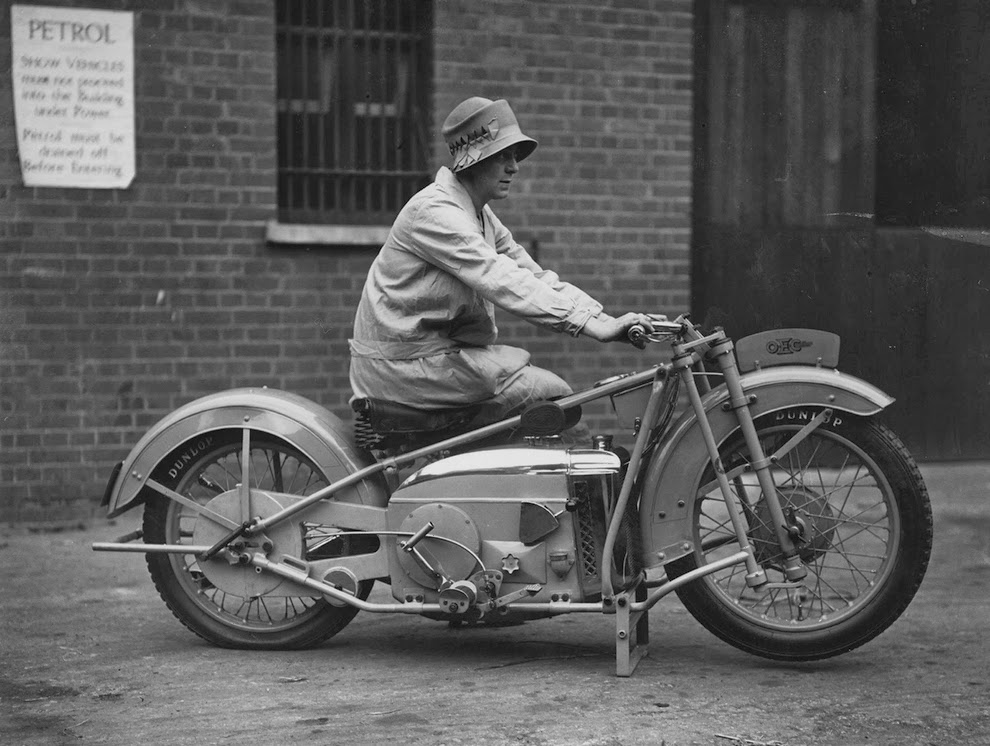
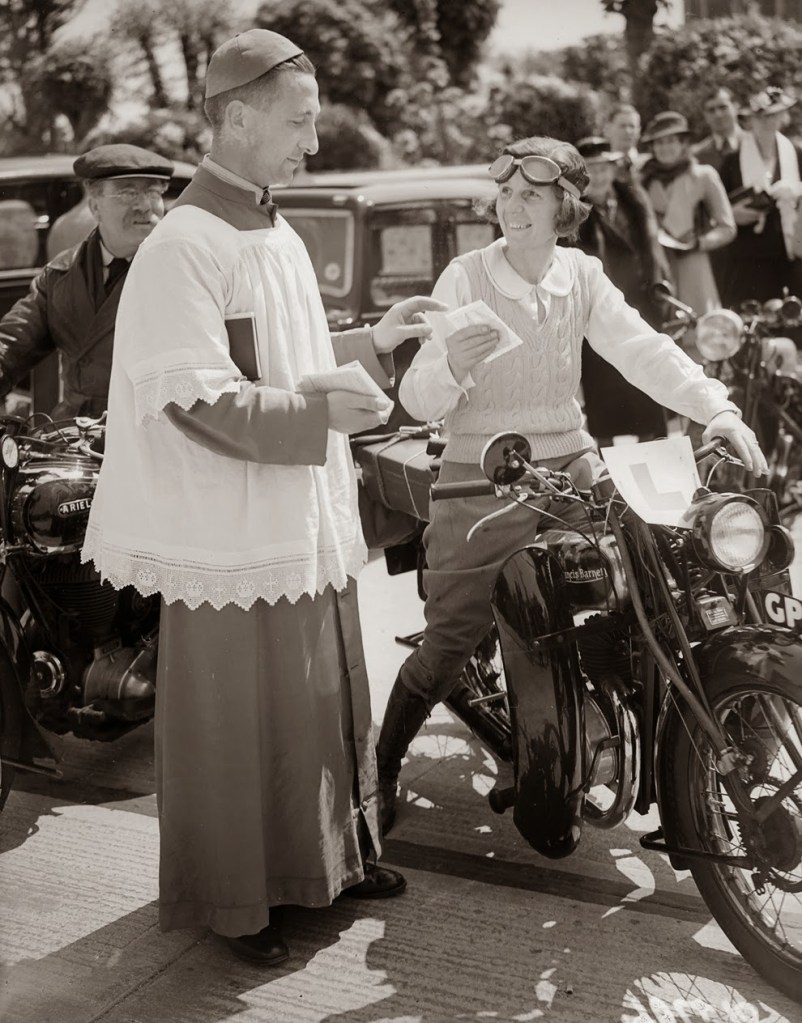
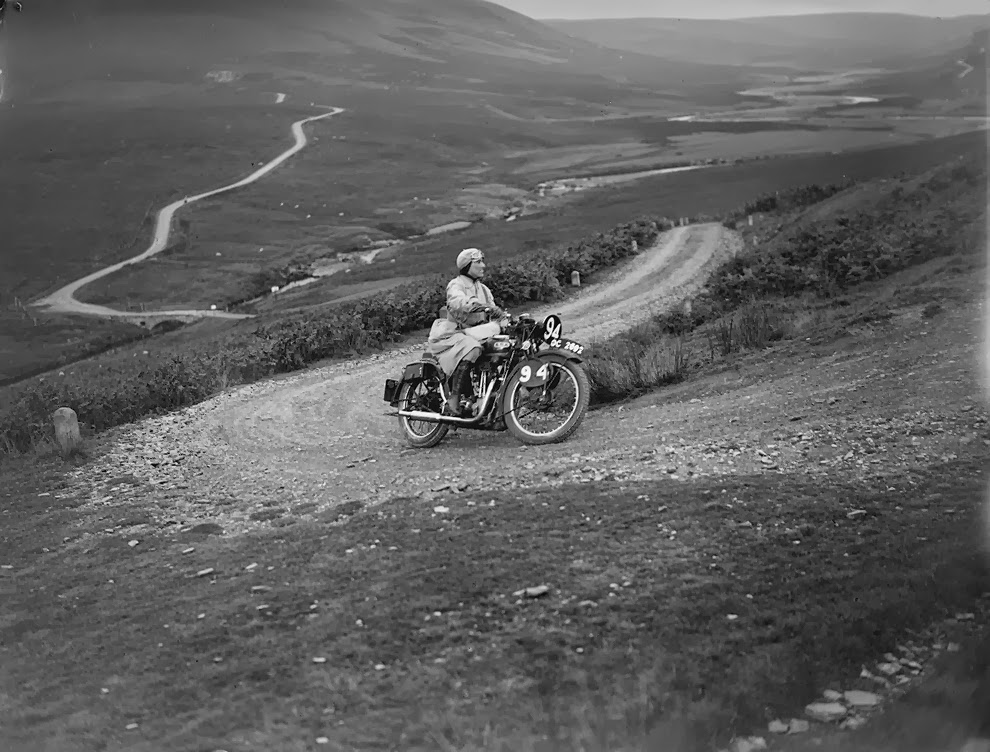
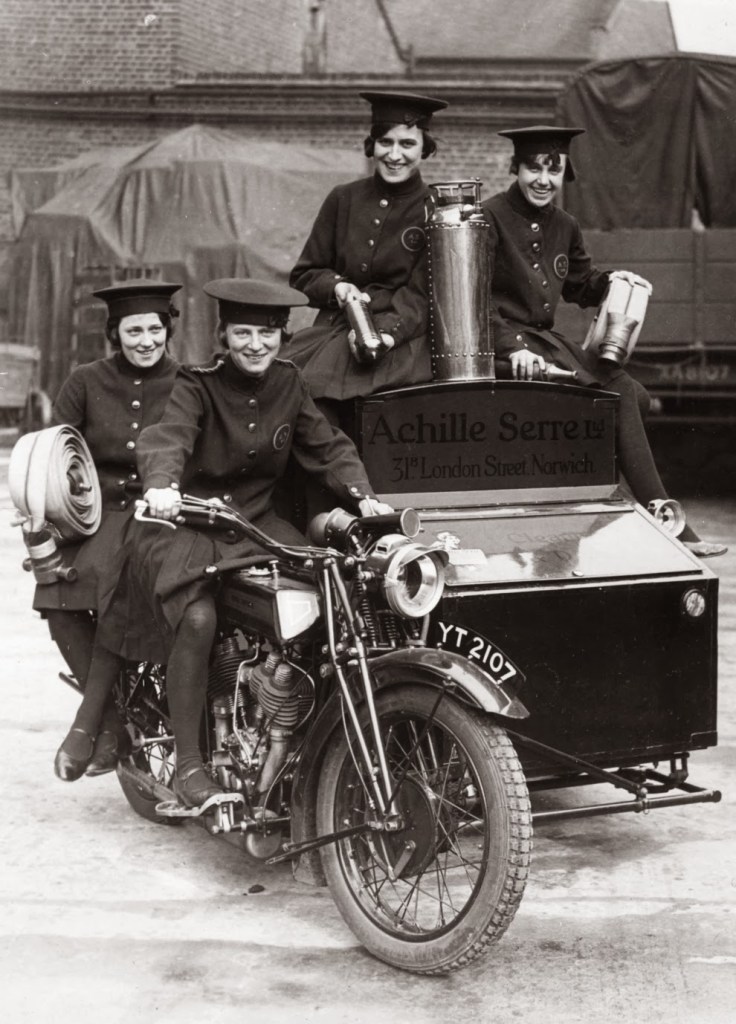
Marjorie Cottle (second from left), a famous motorcyclist, and friends in Germany, 1920.Madge Saunders and her husband, British comic actor Leslie Henson, 1920.A woman on her BMW motorcycle, 1935.Sally Halterman, the first woman to be granted a license to operate a motorcycle in the District of Columbia, 1937.An entrant in a ladies-only reliability trial in London, England, 1927.Three women riding motorbikes at the ACU Trials in Birmingham, England, 1923.A woman riding a motorcycle alongside a woman on a horse in London, 1921.Nancy and Betty Debenham, well-known motorcyclists, riding BSA bikes with their dog, 1925.Marjorie Dare (Doris Smith) riding hands free around “The Wall of Death” sideshow at the Kursaal amusement park in Essex, England, 1938.Marjorie Dare performing, 1938.Children being pulled along by a woman on a motorbike in London, 1926.A woman alongside her Harley-Davidson in California, 1925.A woman and a performing seal at a circus, 1935.Two women ready to play tennis on a BSA motorbike, 1925.A woman trying out a Douglas motorcycle on display at the 18th Cycle and Motorcycle Show in London, 1933.Workers measuring the positions of footrests and controls on partially finished motorcycles, 1933.Miss E. Foley and Miss L. Ball, entrants in the International Six Days Reliability Trials, at Brooklands race track in England, 1925.Nancy setting off for a motorcycle rally in England, 1934.A woman on a 500 OEC Tinkler All-Weather Model designed for use on rough roads and cross-country, 1928.A reverend blesses the motorcycle of a woman who is learning to drive, 1938.A woman rider in the Six Days Motorcycle Trial, in which competitors have to cover 200 miles a day over rough terrain, 1933.Women of Achille Serre Ltd’s Private Fire Brigade setting off on their motorcycle and sidecar to compete in the London Private Fire Brigades’ Tournament, 1925.
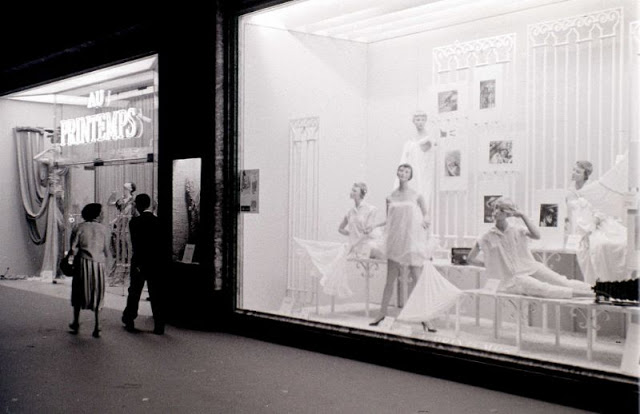
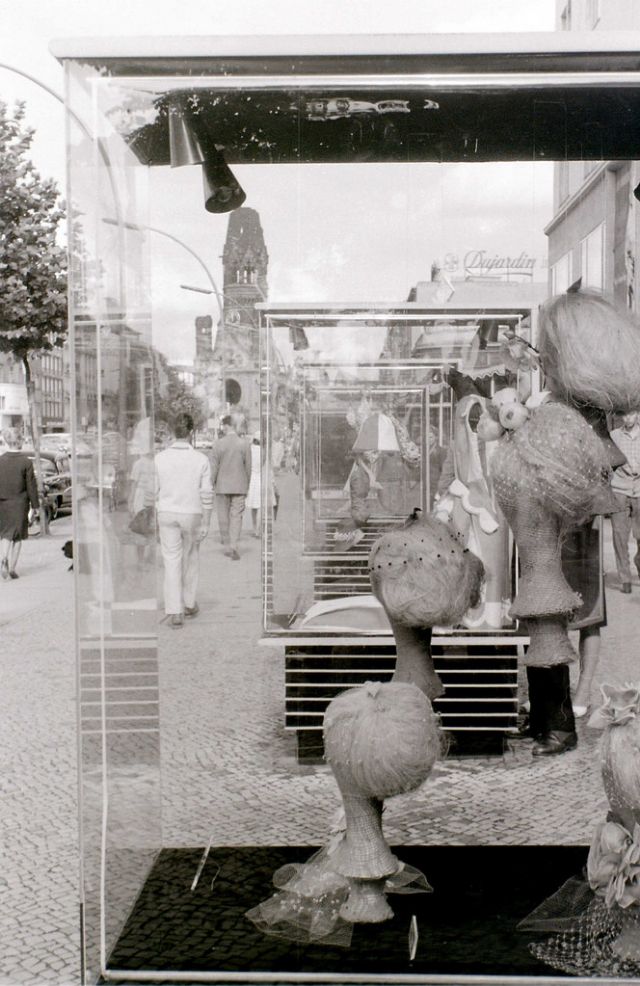
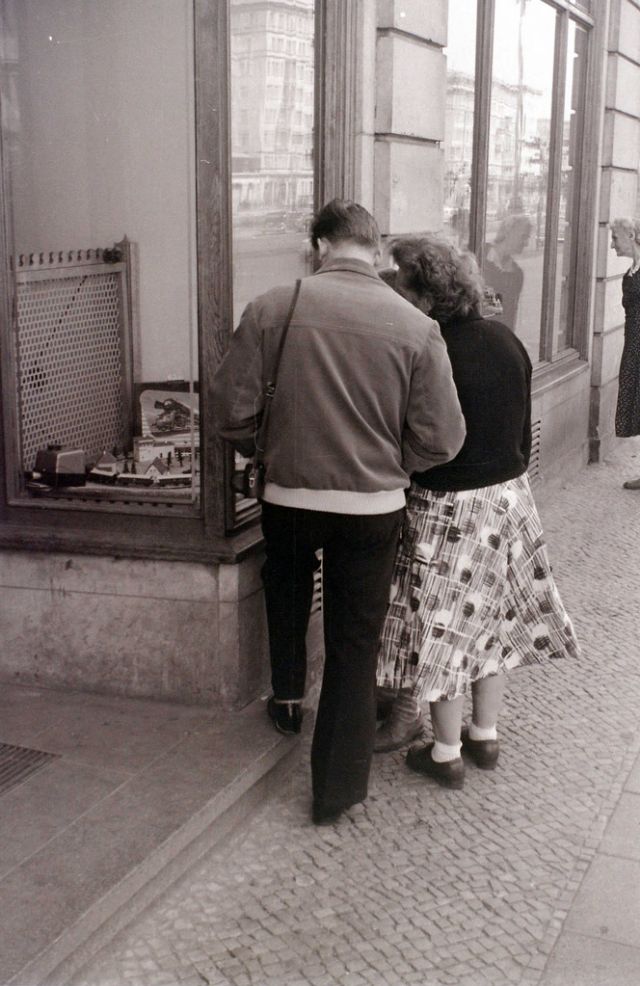
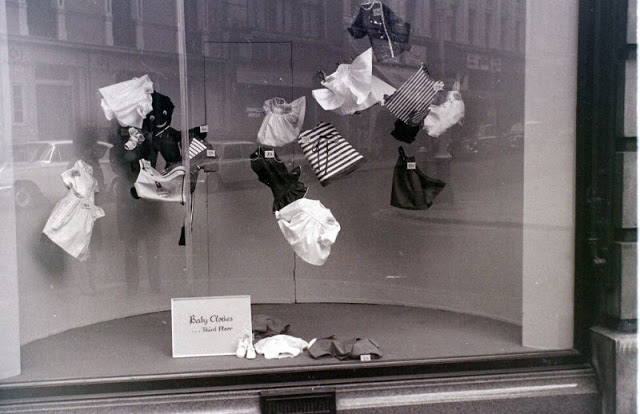
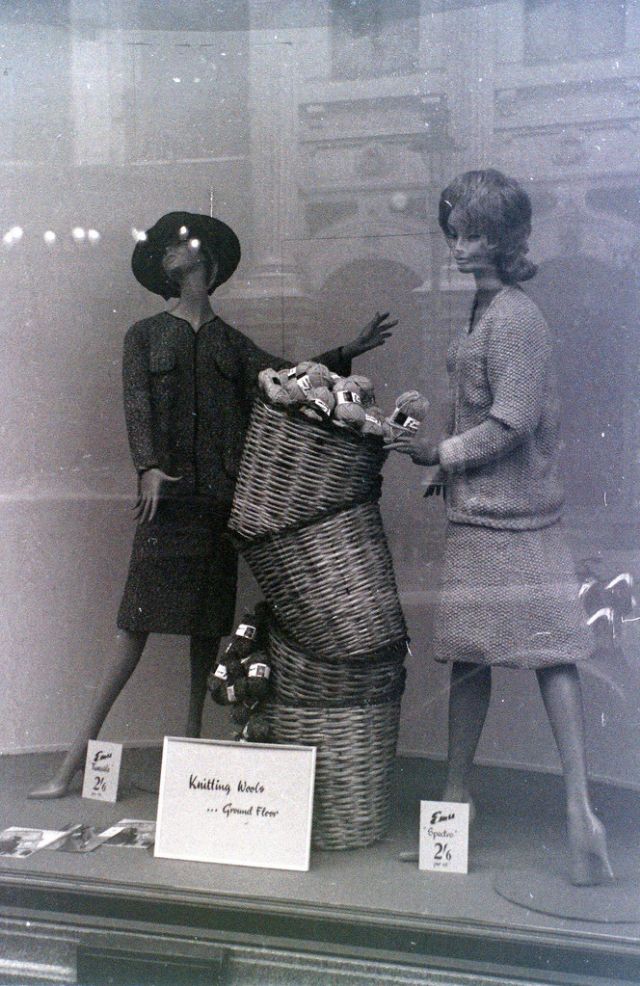
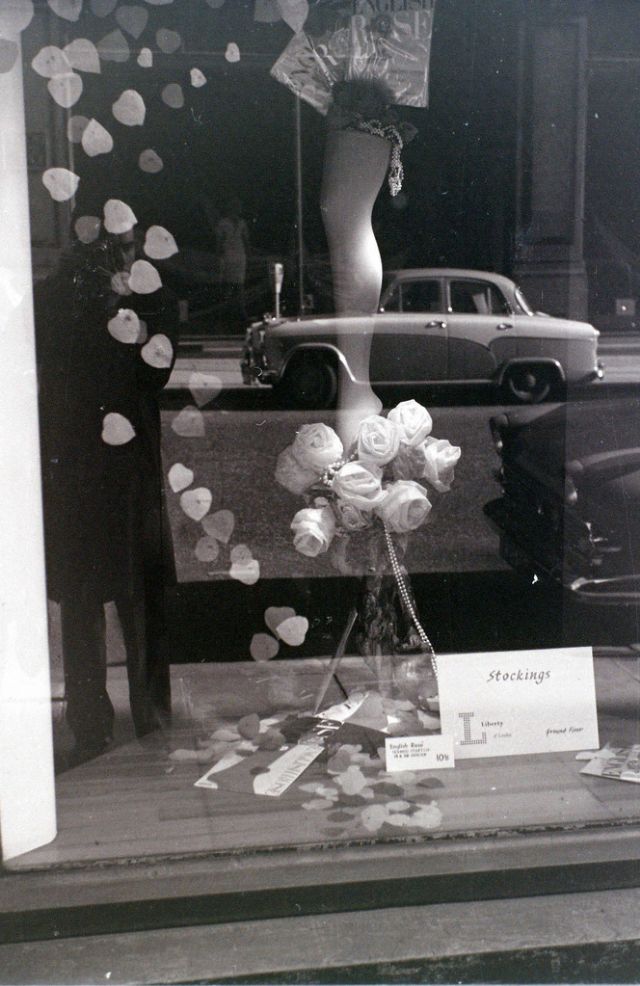
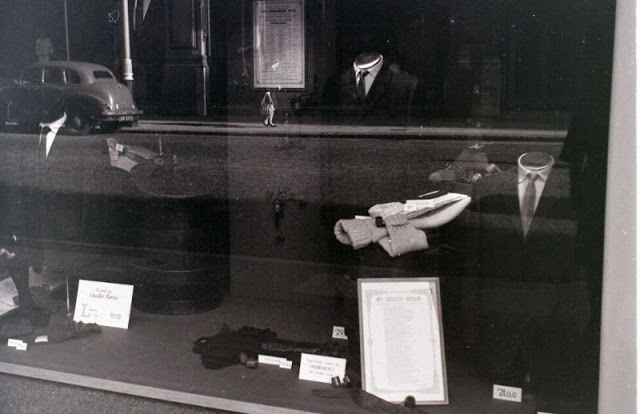
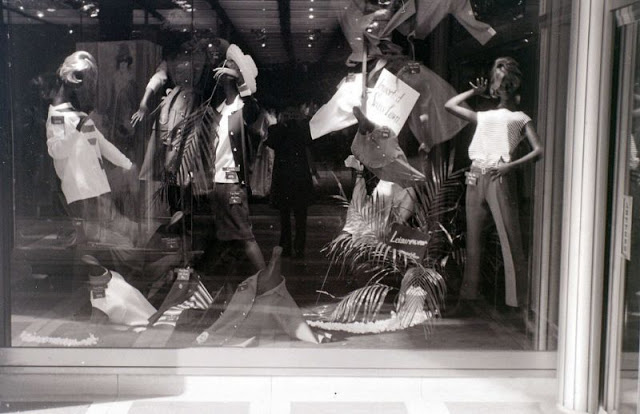
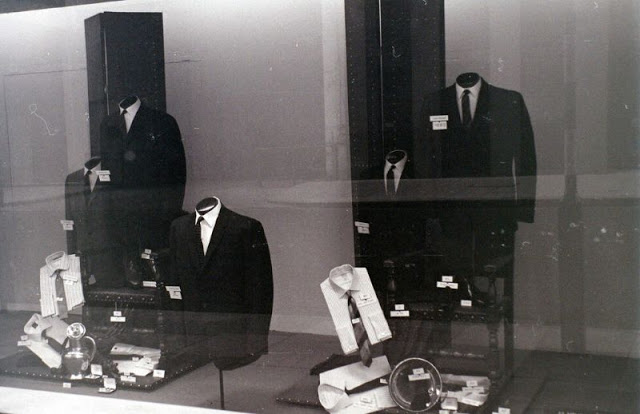
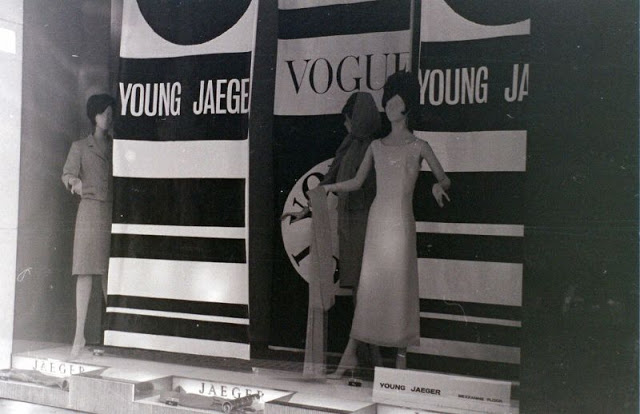
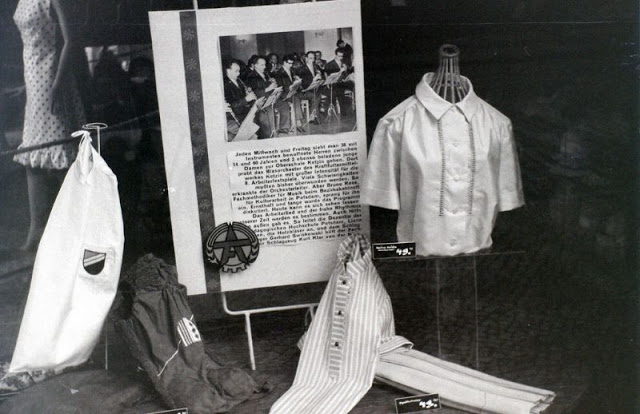
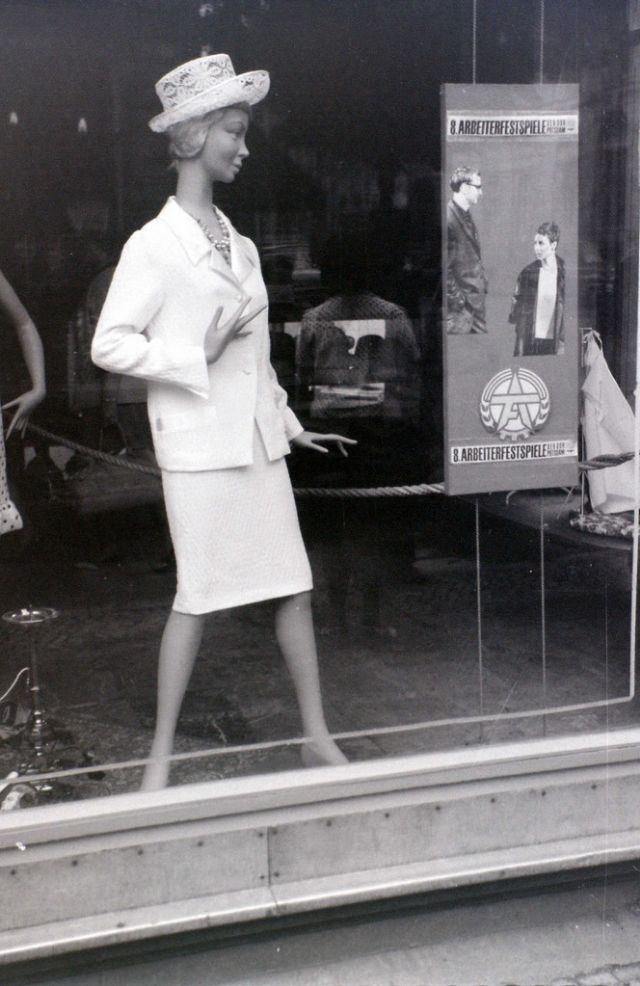
Au Printemps department store, Boulevard Haussman, Paris, 29 July 1955In Rue Auber, Paris, 26 July 1955Paris, 27 July 1955Shopfront at 73 Mason Road, Erdington, Birmingham, 30 May 1955Upper Precinct, Coventry, October 1955Window display, Brussels, 6 August 1959In Kurfuerstendamm, West Berlin, 31 July 1960In Kurfuerstendamm, West Berlin, 31 July 1960Window-shopping on Stalinallee, East Berlin, 31 July 1960Brussels window display, 21 August 1962Liberty’s department store, London, December 1962Liberty’s department store, London, December 1962Liberty’s department store, London, December 1962Liberty’s department store, London, December 1962Liberty’s department store, London, December 1962Liberty’s department store, London, December 1962Liberty’s department store, London, December 1962Liberty’s department store, London, December 1962Liberty’s department store, London, December 1962Peter Robinson store, Strand, London, December 1962Window display, London, December 1962Window display, London, December 1962Window display, London, December 1962Window display, London, December 1962Window display, London, December 1962Window display, Regent Street, London, December 1962Window-shopping, Kurfuerstendamm, West Berlin, 26 August 1962Potsdam, East Germany, 7 June 1966Potsdam, East Germany, 7 June 1966Potsdam, East Germany, 7 June 1966
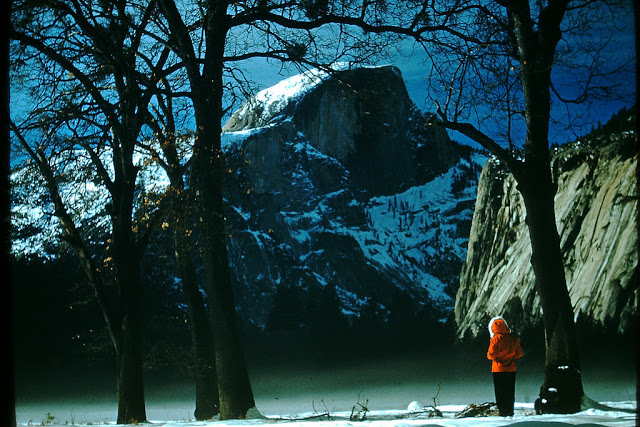
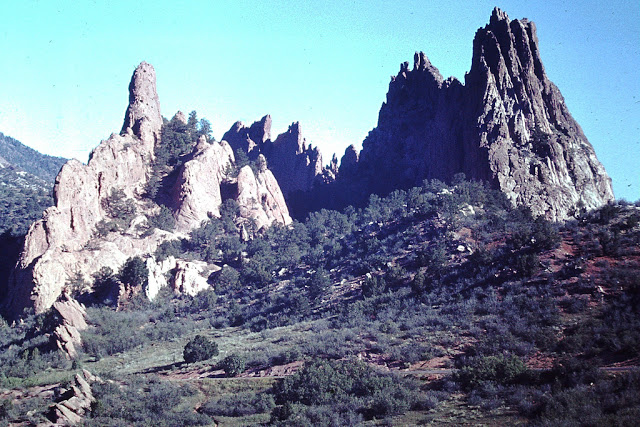
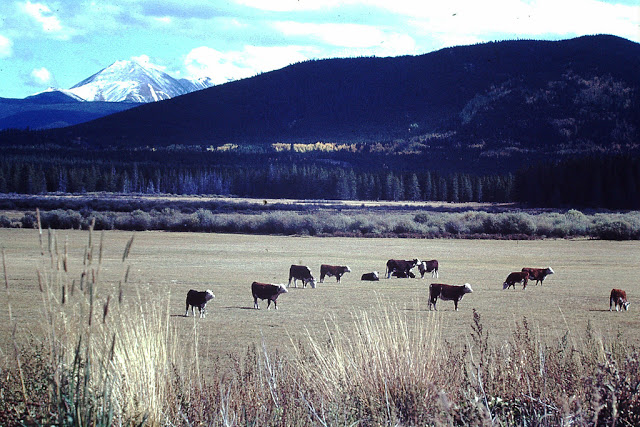
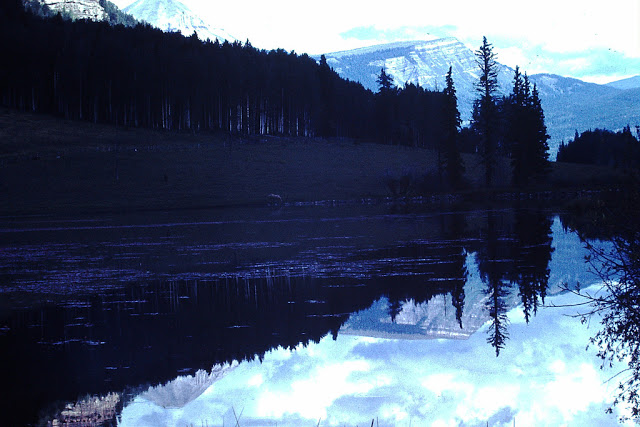
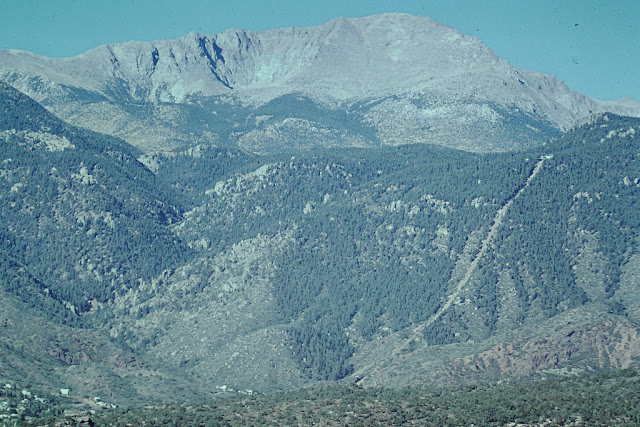
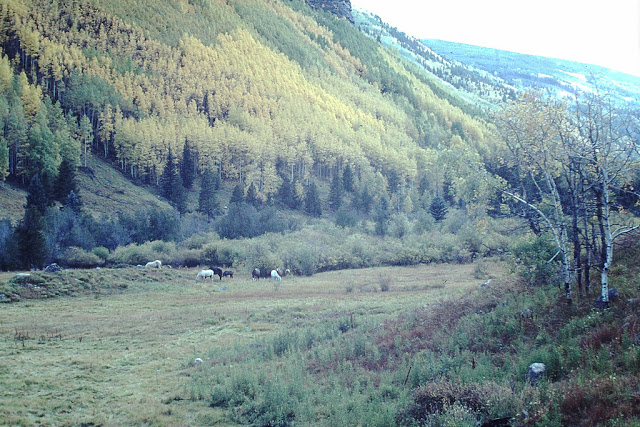
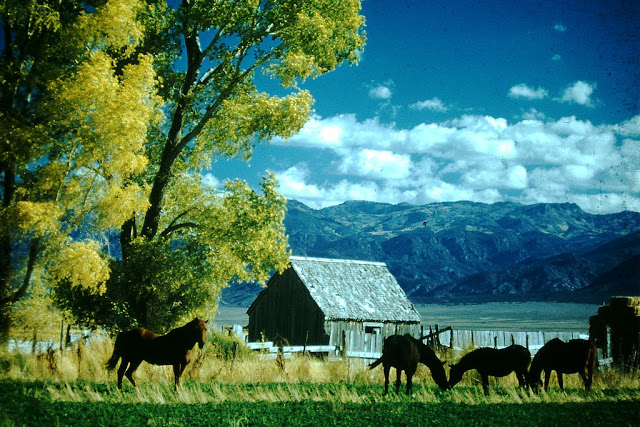
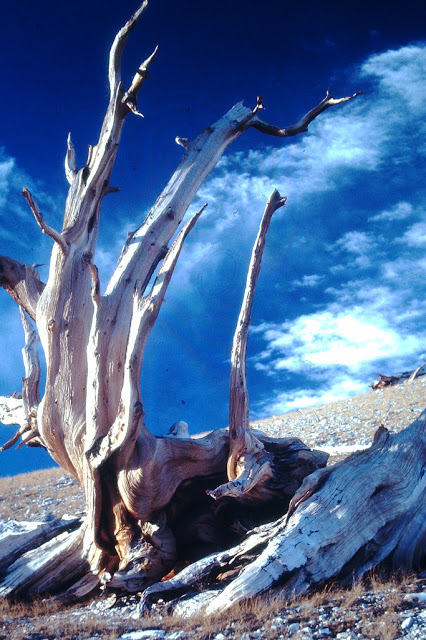
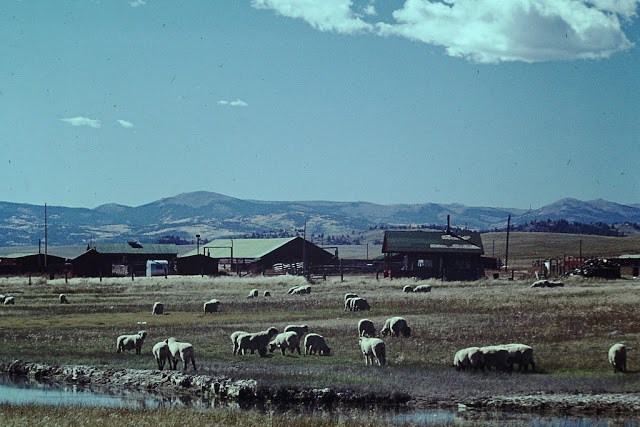
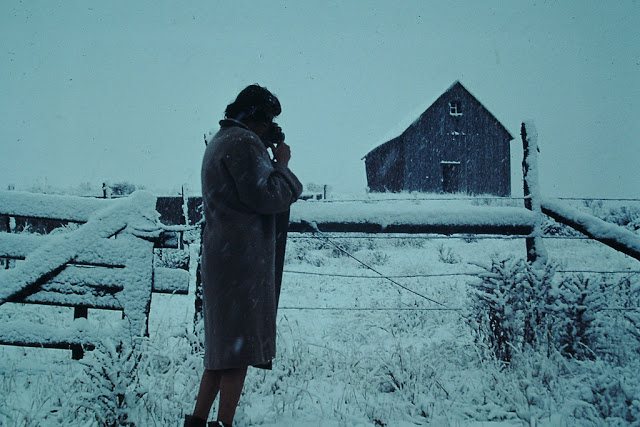
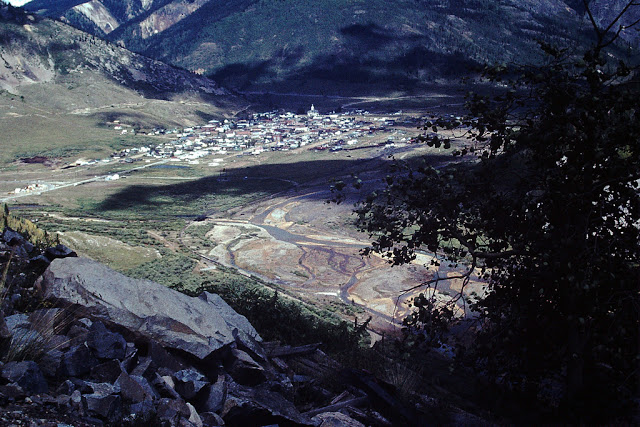
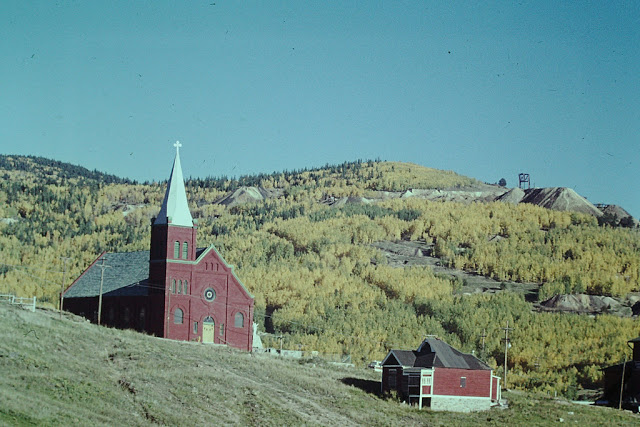
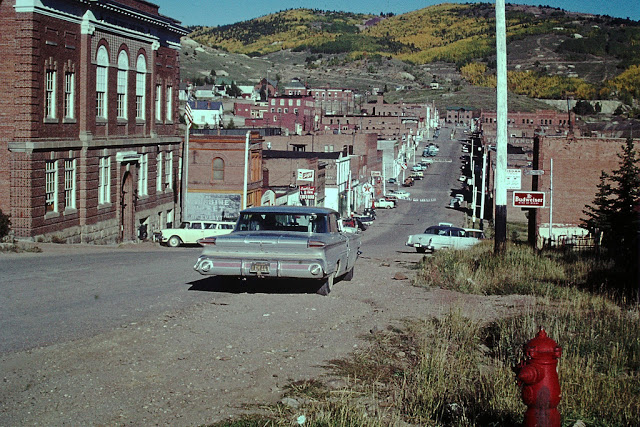
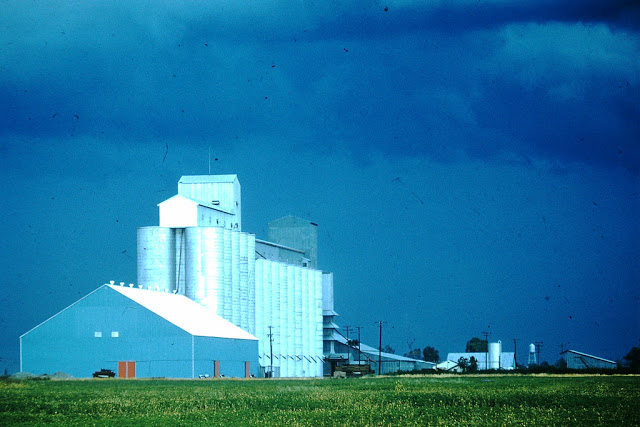
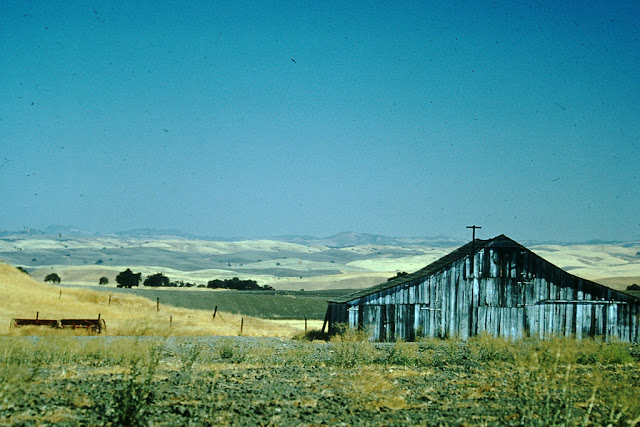
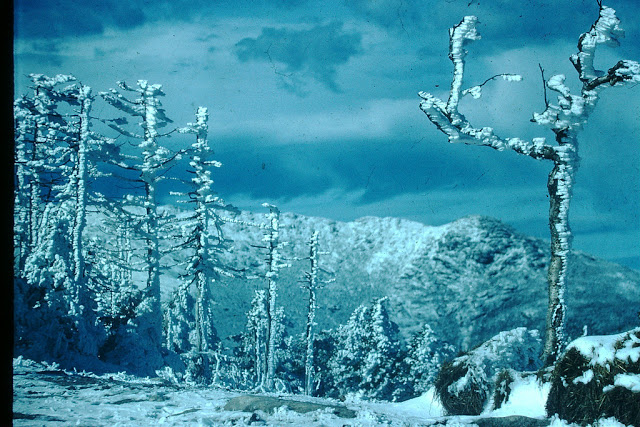
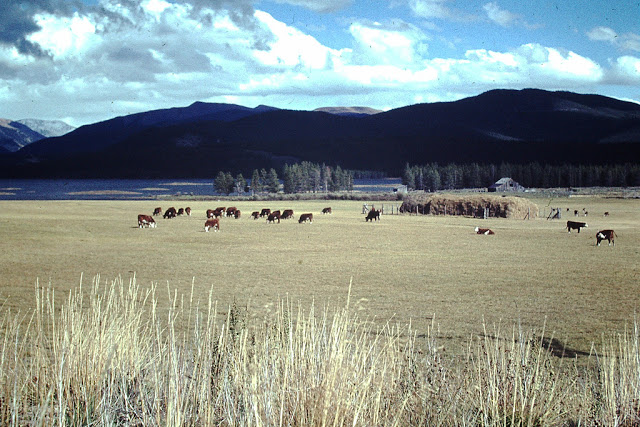
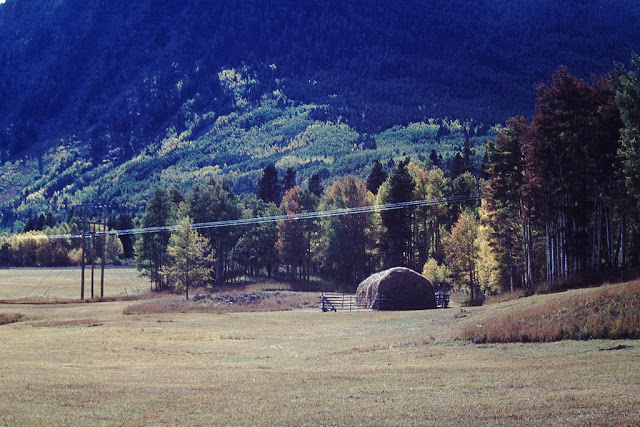
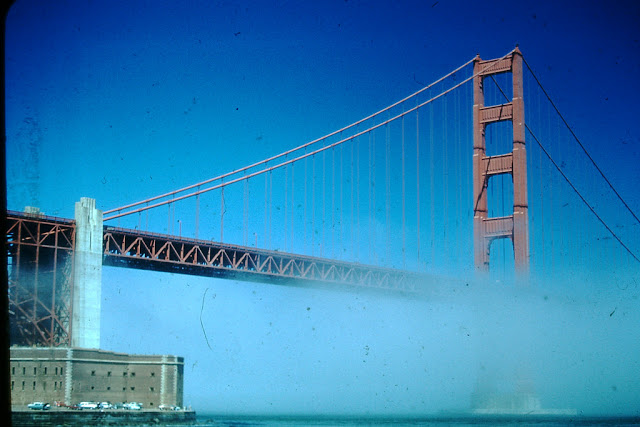
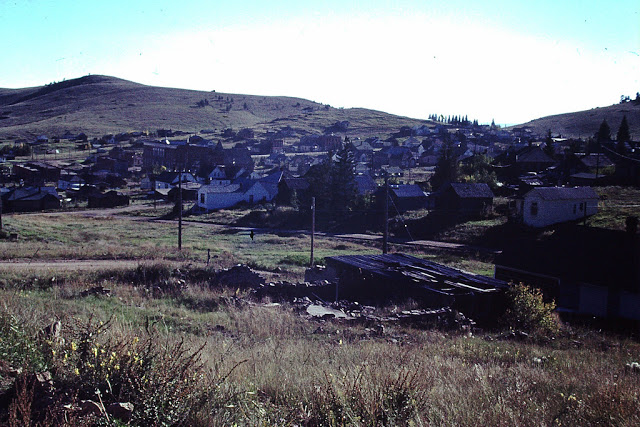
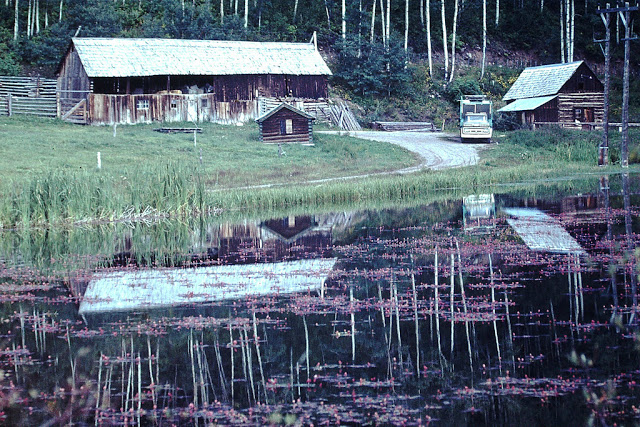
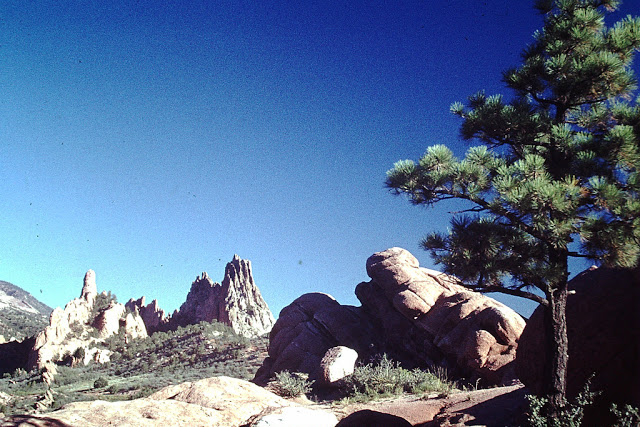
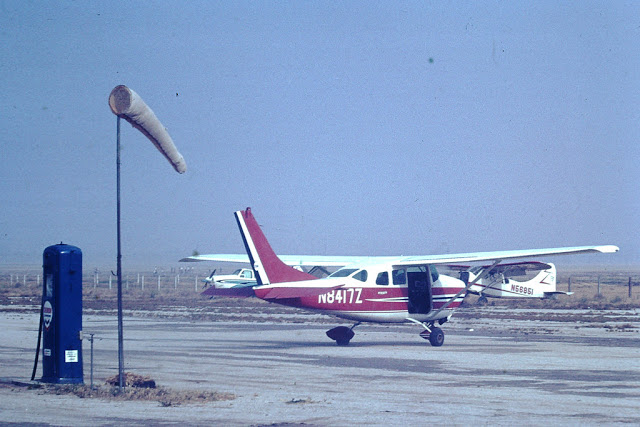
The Western United States (also called the American West, the Far West, and the West) is the region comprising the westernmost states of the United States. As American settlement in the U.S. expanded westward, the meaning of the term the West changed. Before about 1800, the crest of the Appalachian Mountains was seen as the western frontier. The frontier moved westward and eventually the lands west of the Mississippi River were considered the West.
The U.S. Census Bureau’s definition of the 13 westernmost states includes the Rocky Mountains and the Great Basin to the Pacific Coast, and the mid-Pacific islands state, Hawaii. To the east of the Western United States is the Midwestern United States and the Southern United States, with Canada to the north, and Mexico to the south.
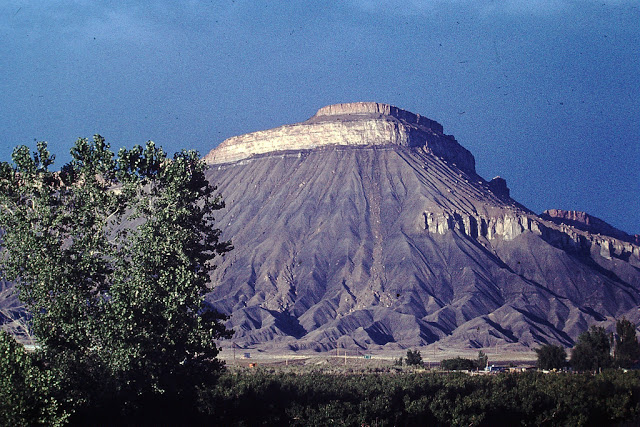
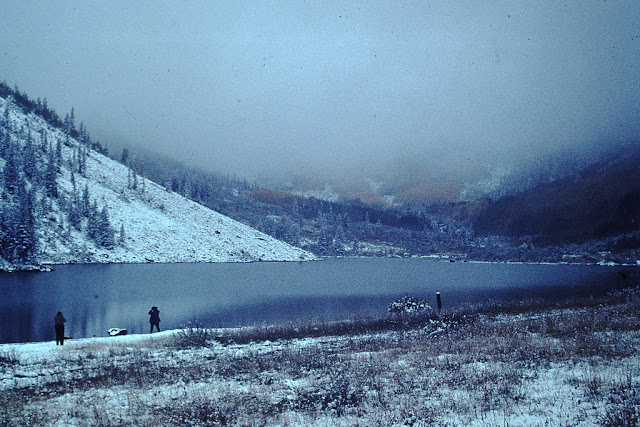
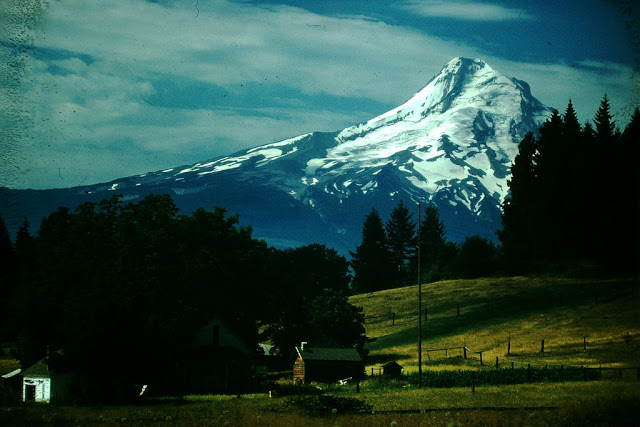
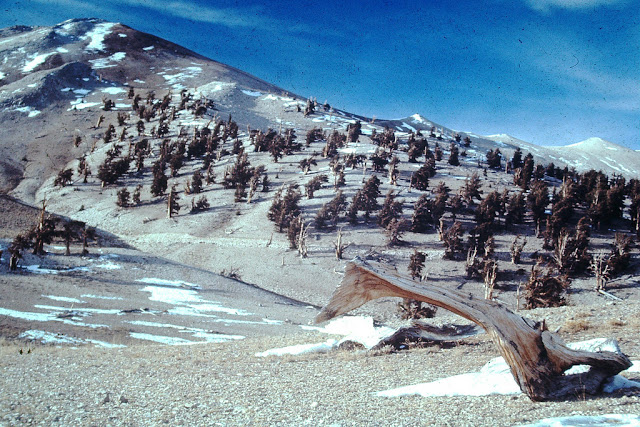
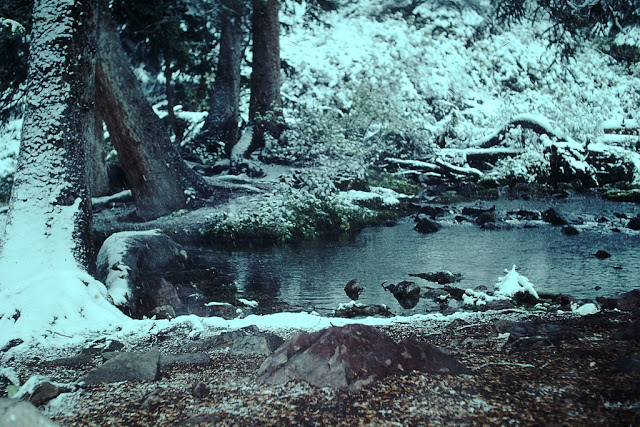
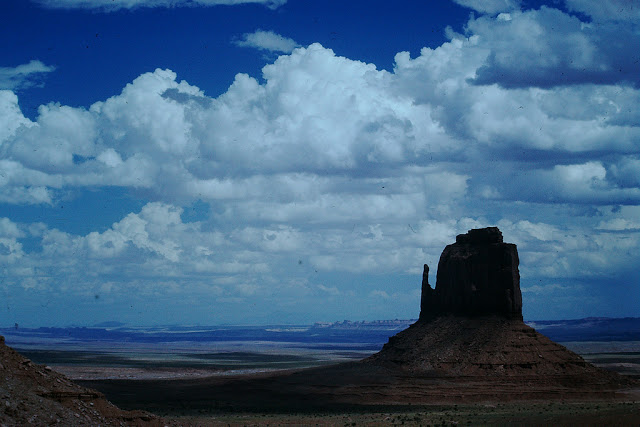
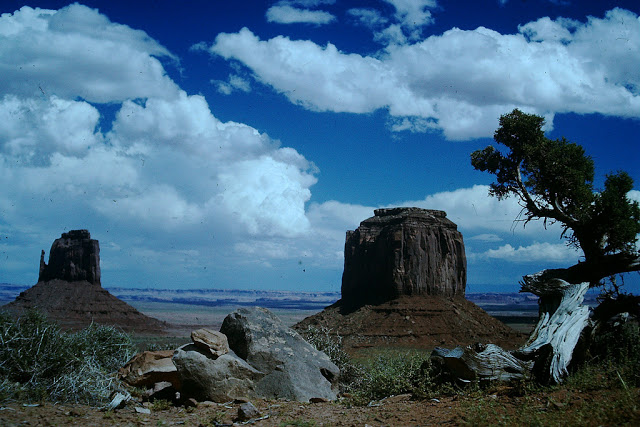
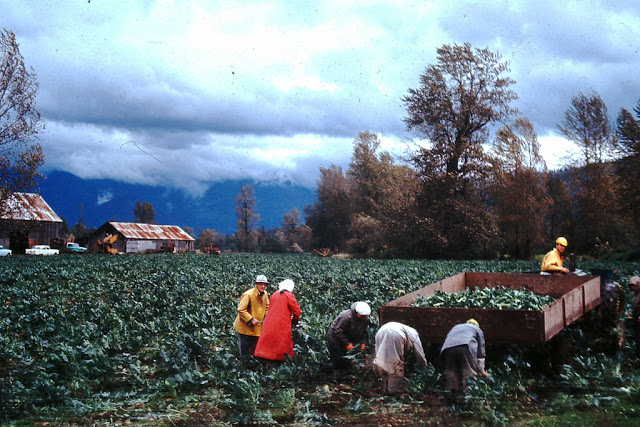
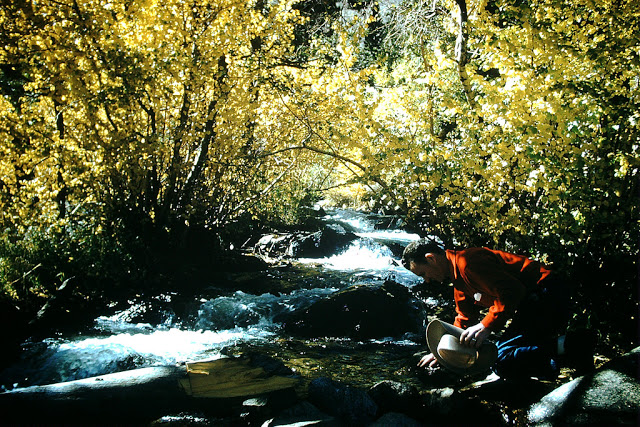
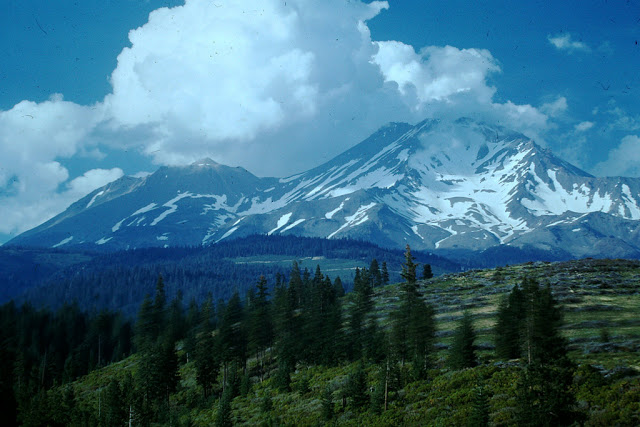
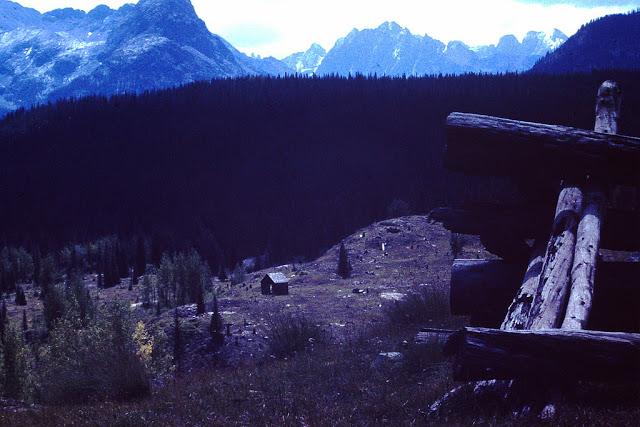
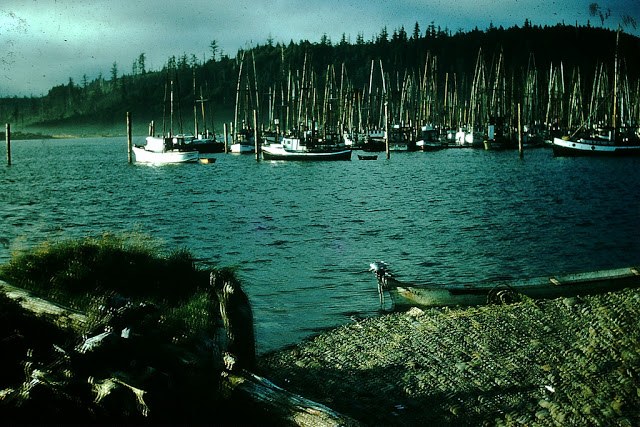
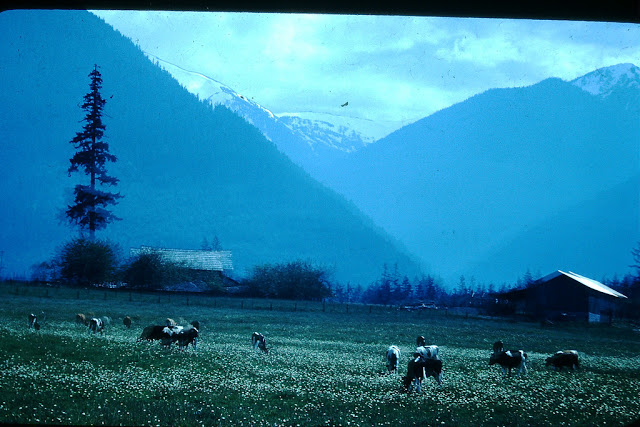
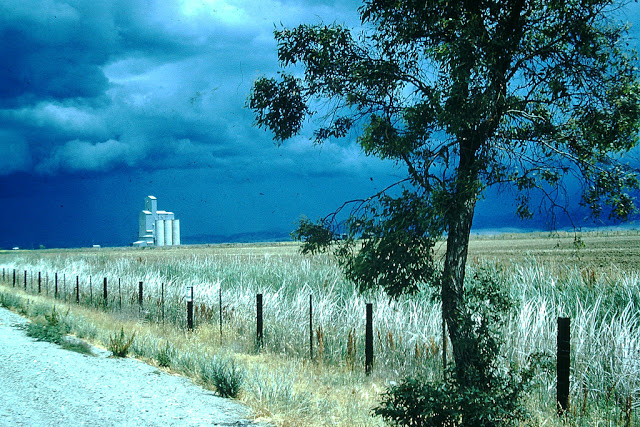
The West contains several major biomes, including arid and semi-arid plateaus and plains, particularly in the American Southwest; forested mountains, including three major ranges, the Sierra Nevada, the Cascades, and Rocky Mountains; the long coastal shoreline of the American Pacific Coast; and the rainforests of the Pacific Northwest.
Defining The West
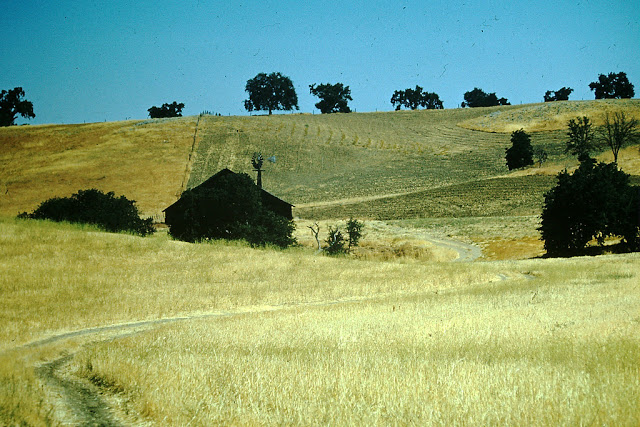
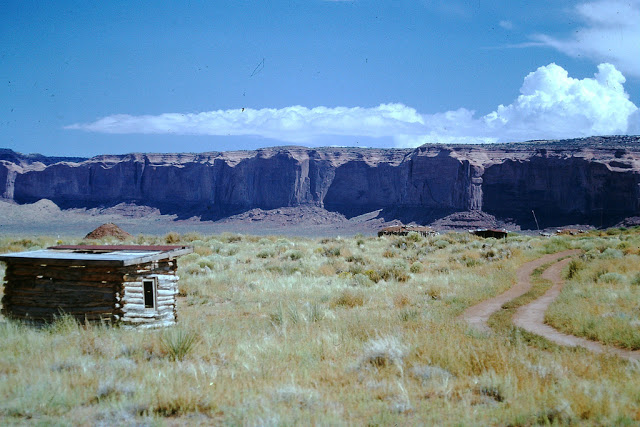
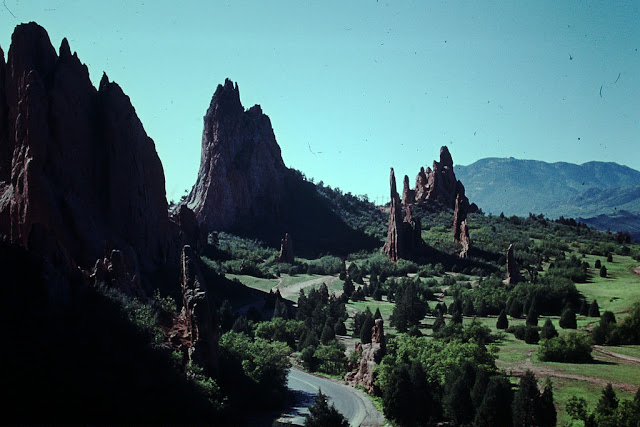
The Western U.S. is the largest region of the country, covering nearly half the land area of the contiguous United States. It is also the most geographically diverse, incorporating geographic regions such as the temperate rainforests of the Northwest, the highest mountain ranges (including the Rocky Mountains, the Sierra Nevada, and the Cascade Range), numerous glaciers, and the western edge of the Great Plains. It also contains the majority of the desert areas located in the United States. The Mojave and Great Basin deserts lie entirely within the Western region, along with parts of the Sonoran and Chihuahuan deserts (the latter extends significantly into Texas). Given this expansive and diverse geography it is no wonder the region is difficult to specifically define. Sensing a possible shift in the popular understanding of the West as a region in the early 1990s, historian Walter Nugent conducted a survey of three groups of professionals with ties to the region: a large group of Western historians (187 respondents), and two smaller groups, 25 journalists and publishers and 39 Western authors.[6] A majority of the historian respondents placed the eastern boundary of the West east of the Census definition out on the eastern edge of the Great Plains or on the Mississippi River. The survey respondents as a whole showed just how little agreement there was on the boundaries of the West. (Wikipedia)