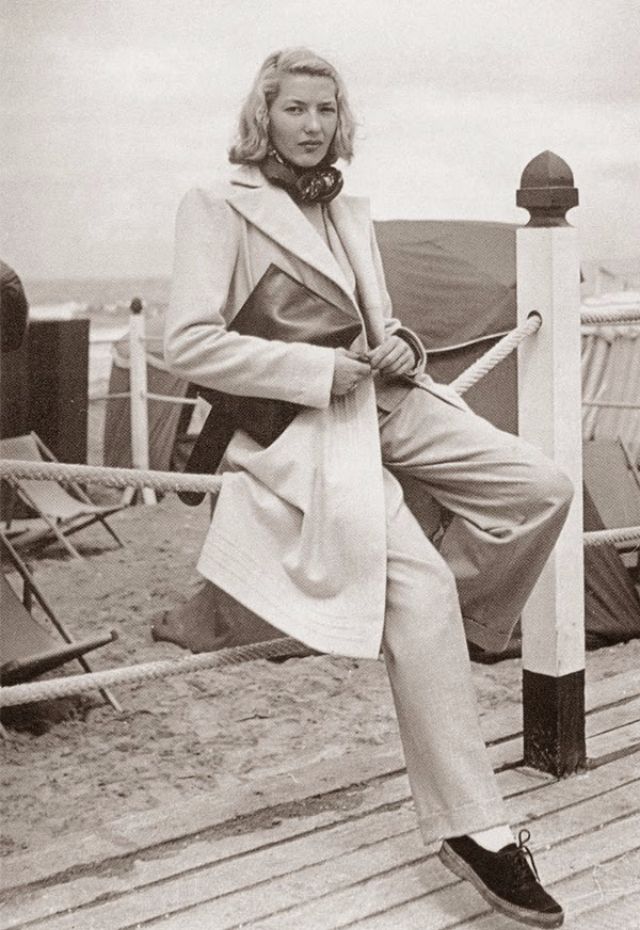
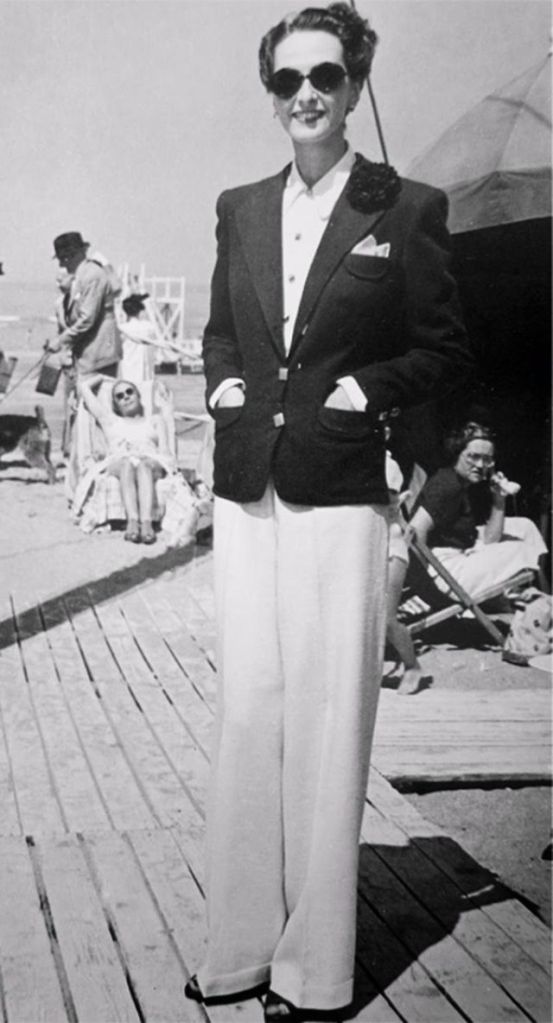
Marlene Dietrich certainly started something when she appeared at the opening of The Sign of the Cross, wearing a masculine tuxedo, wing collar, soft felt hat, mannish topcoat, and a pair of mannish patent leather shoes!
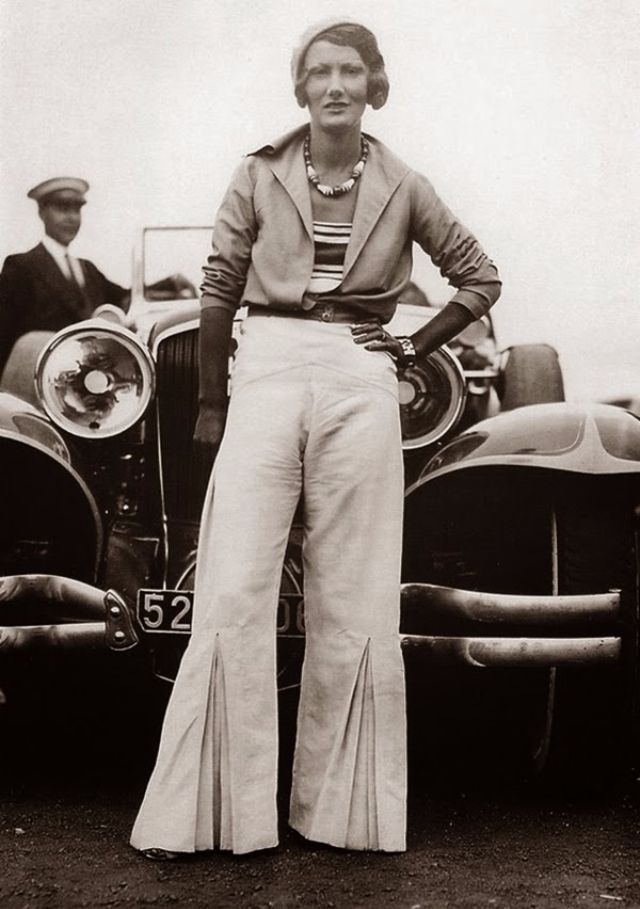
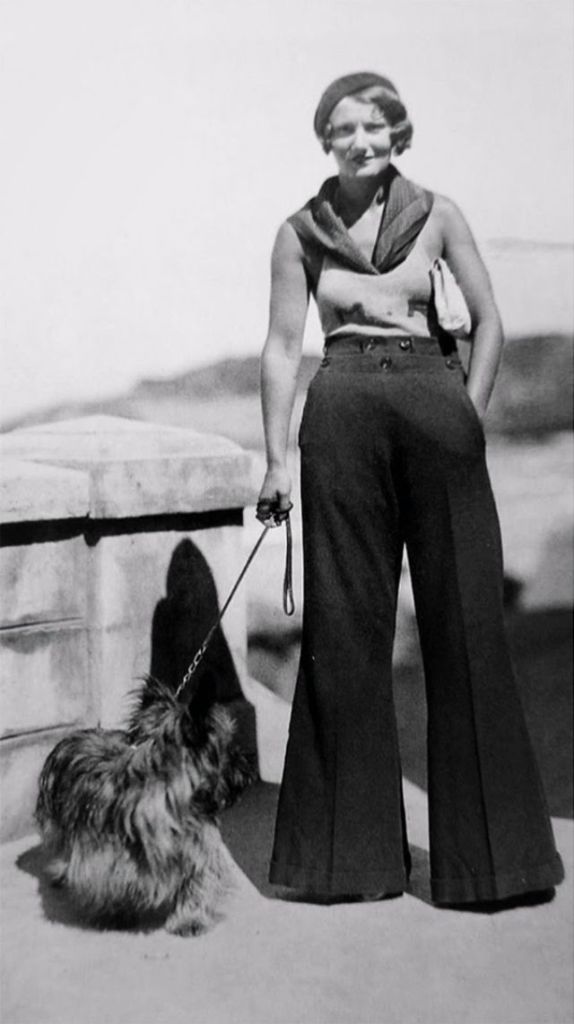
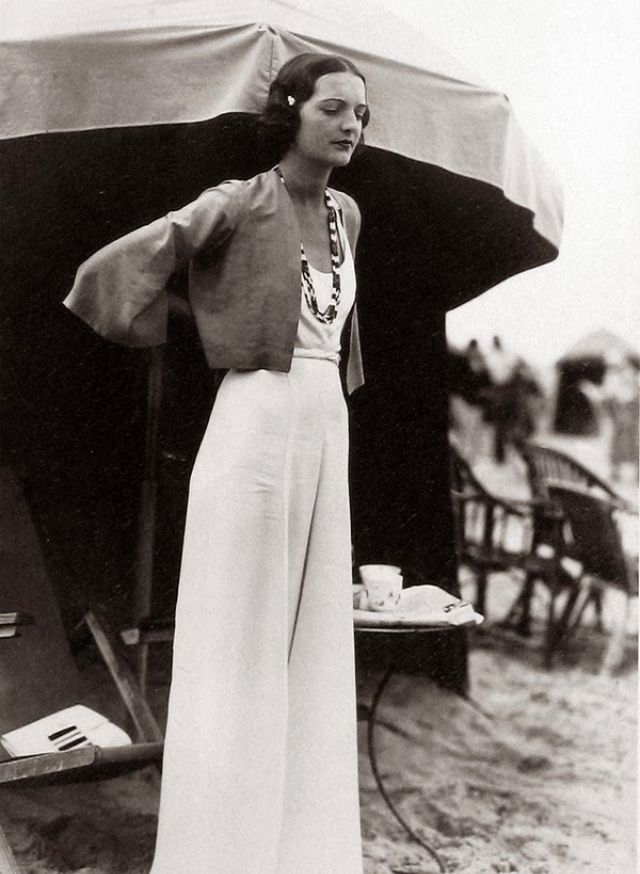
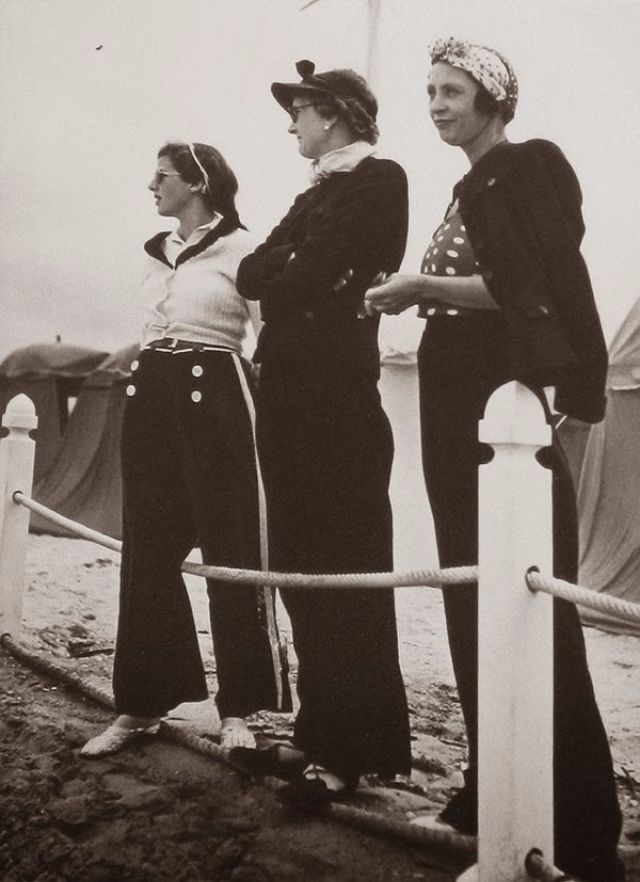
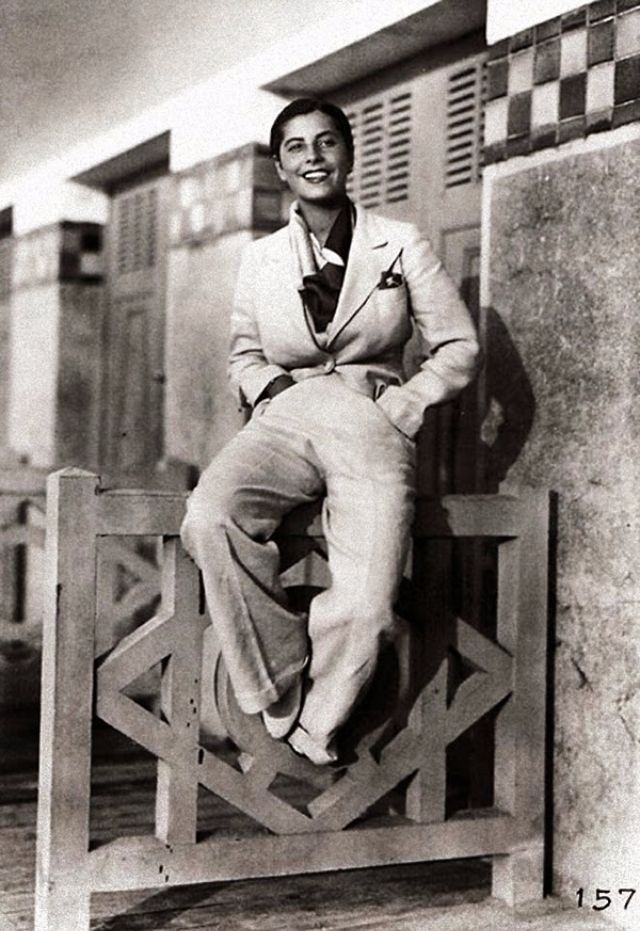
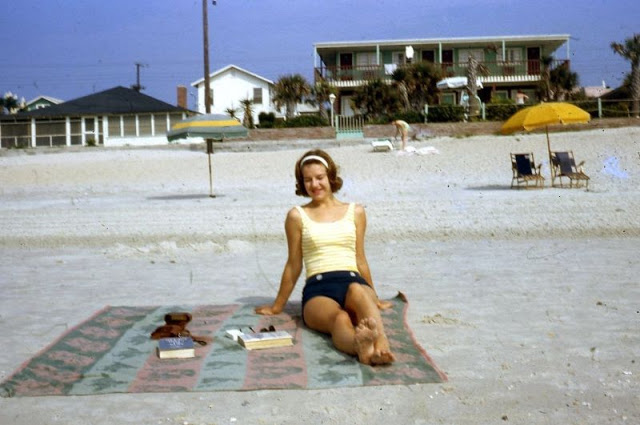
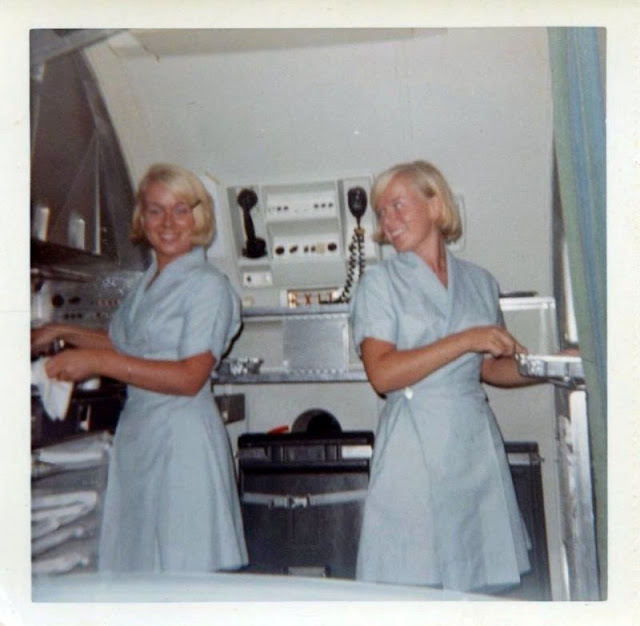
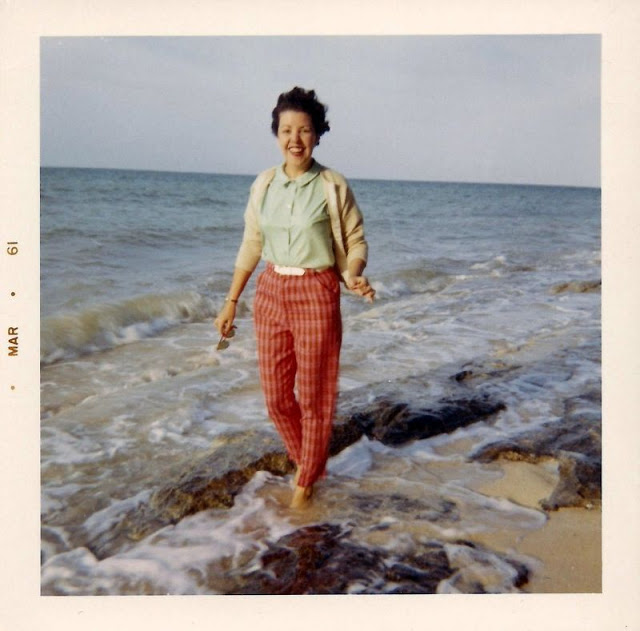
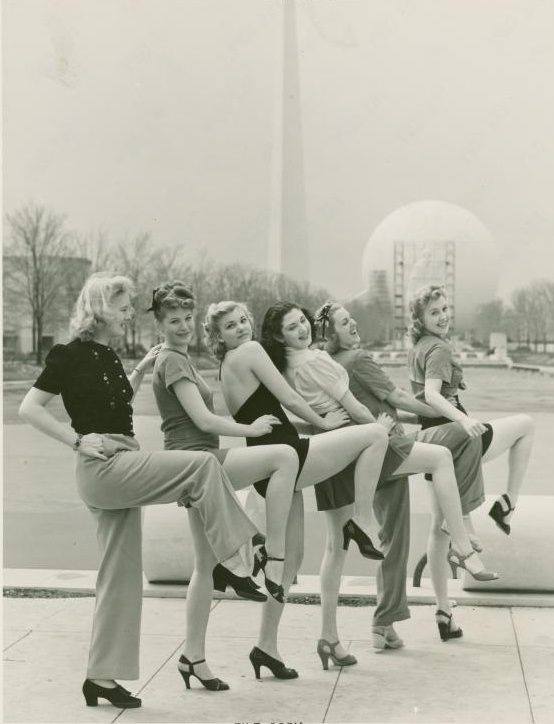
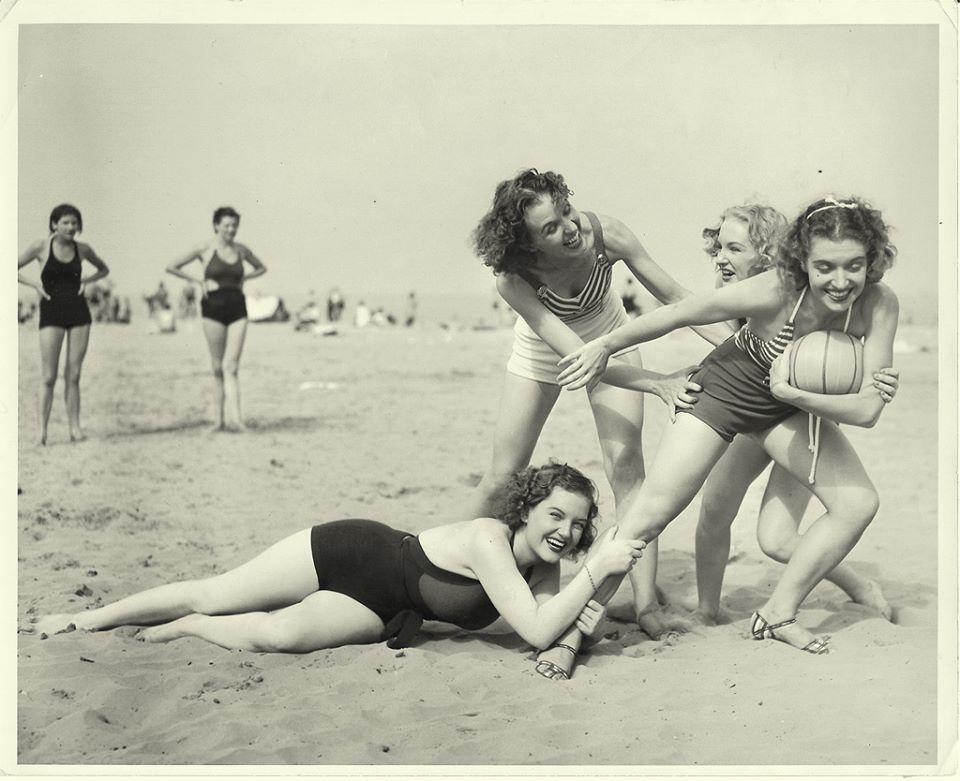
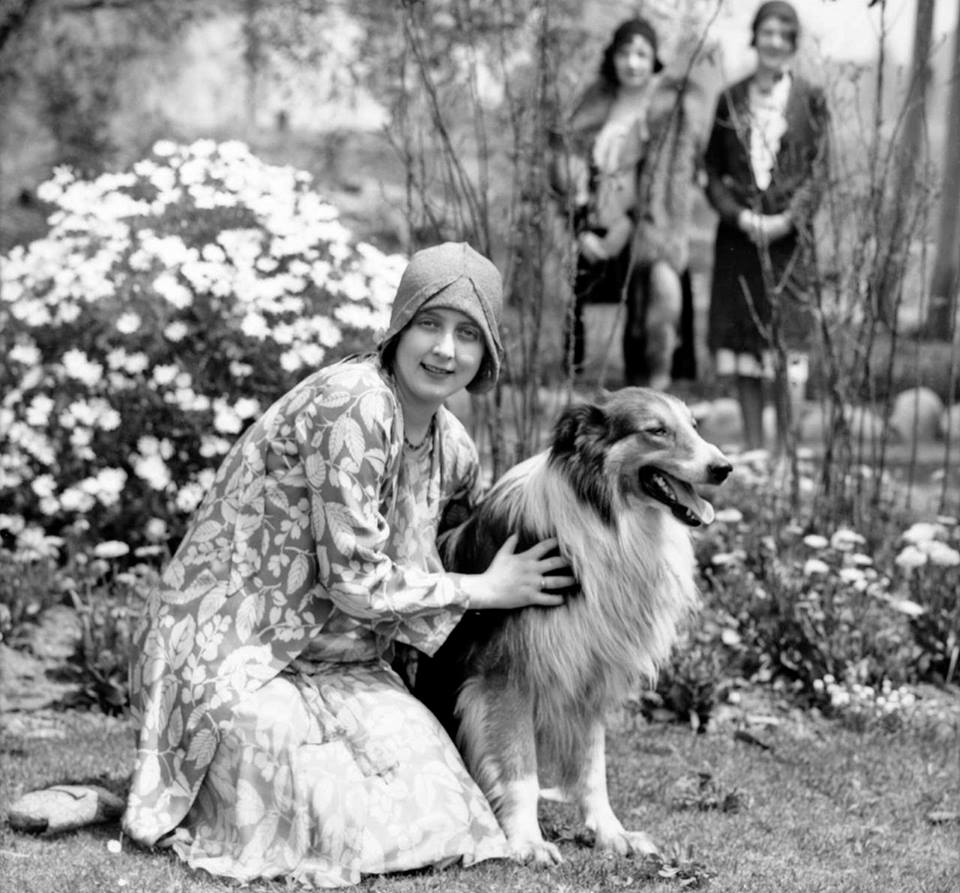
In the 1930s women didn’t wear pants too often but for summer days at the beach or playing a sport pants were not only acceptable but highly fashionable!
For day wear a pair of white or navy blue high waist, wide legs pants with a nautical or sailor look were trendy.
On the beach women wore soft, flowing, very wide leg Beach Pajamas or palazzo pants. They were soft pastel colors or big geometric prints such as stripes and checks. Many had attached overall straps or were a full jumpsuit.
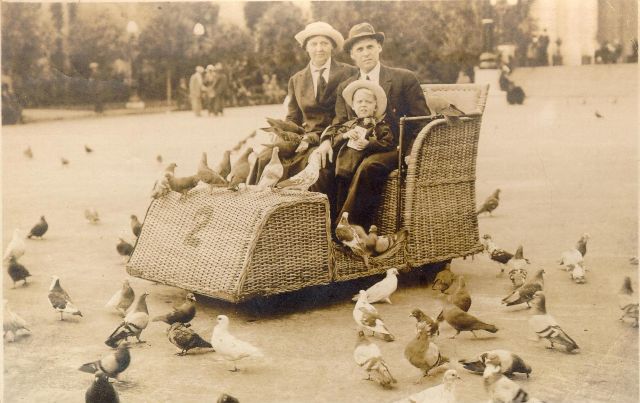
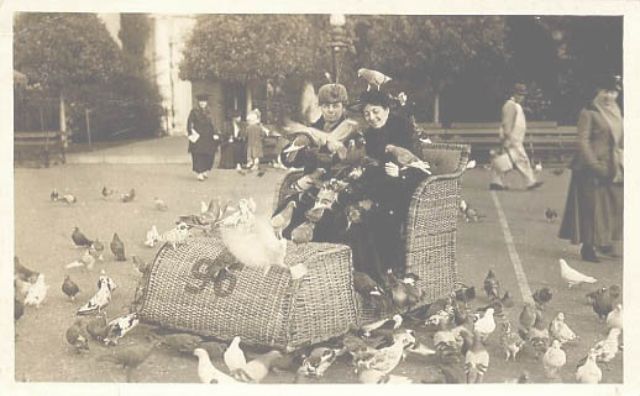
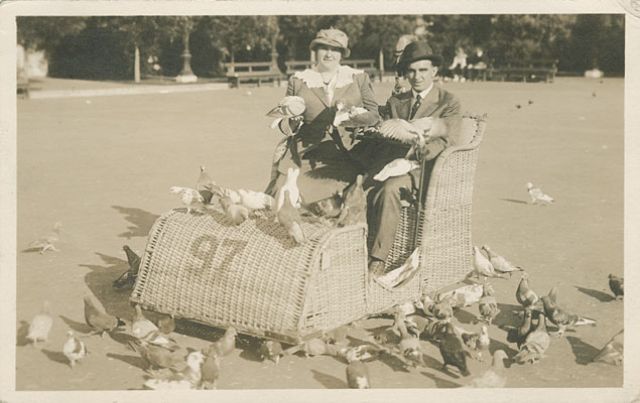
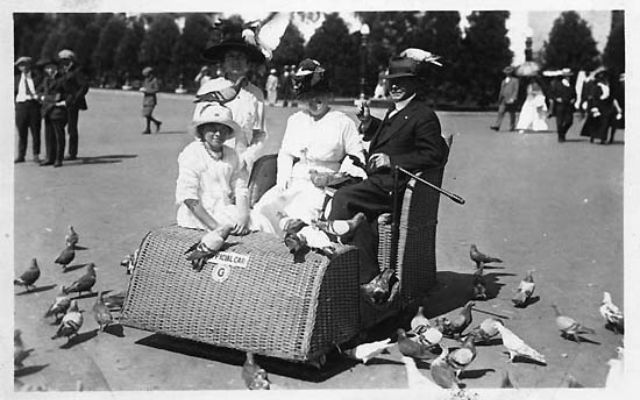
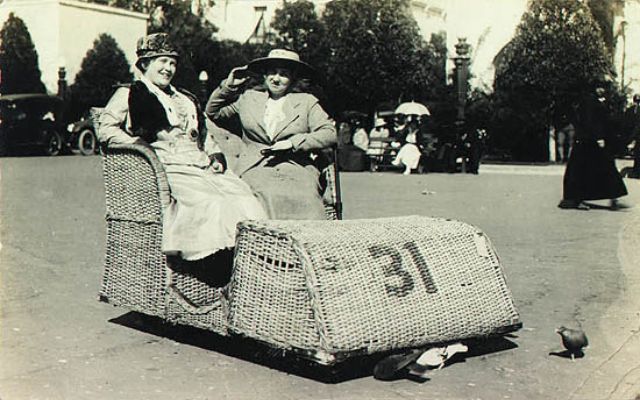
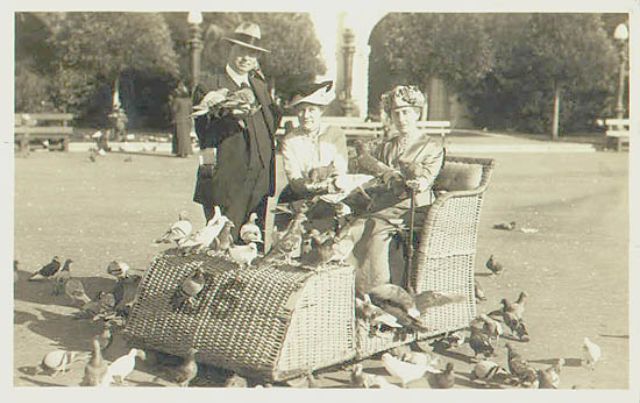
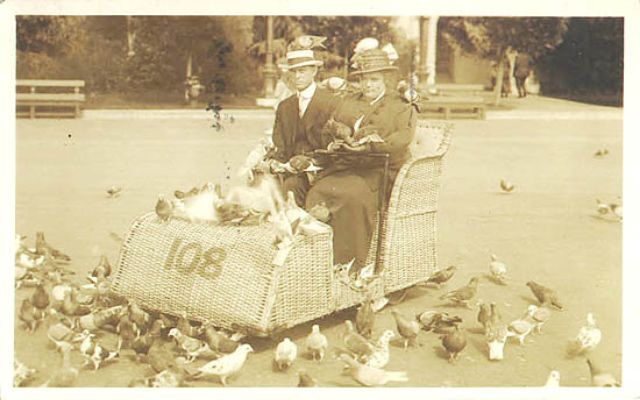
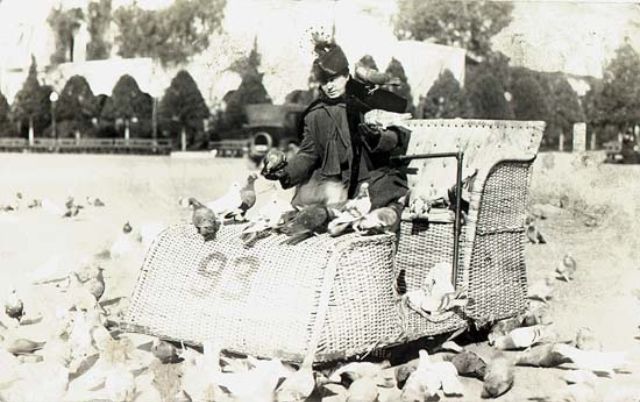
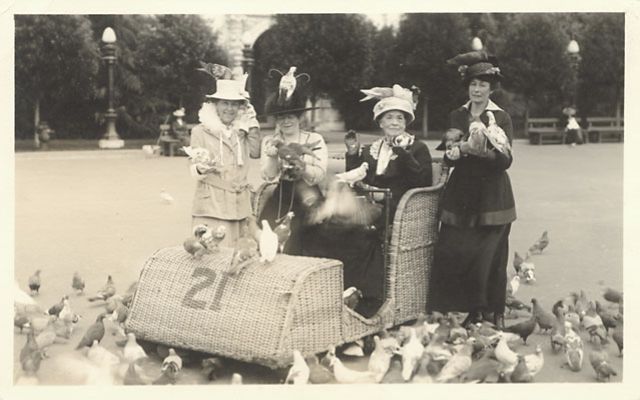
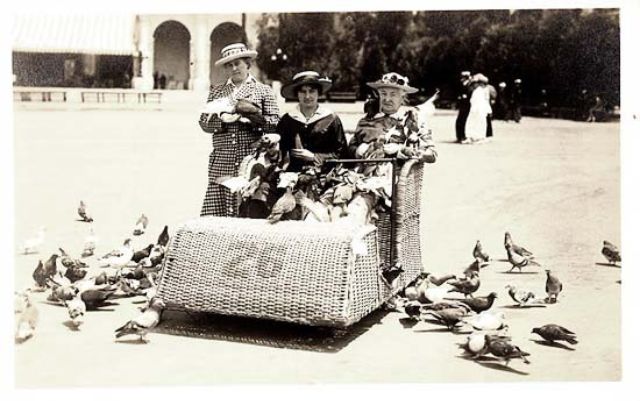
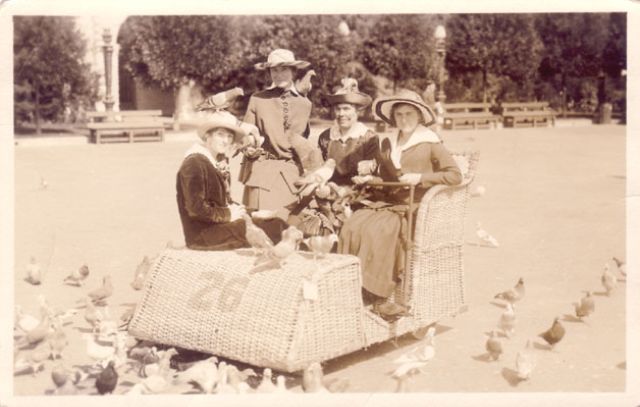
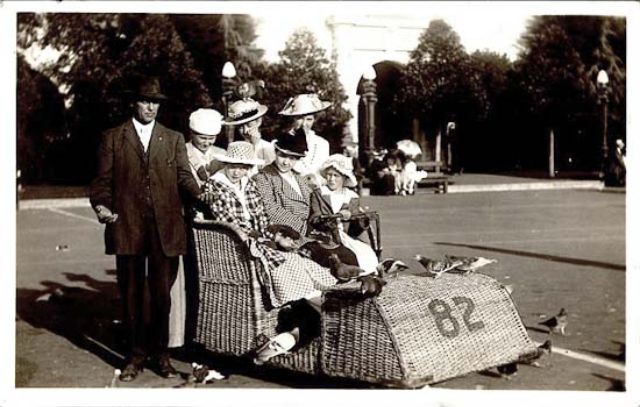
ens of thousands of people from around the world came to the Exposition from 1915-1916 and rode around Balboa Park in one of Clyde Osborn’s Electriquettes.
Clyde Osborn will never be listed among the titans of the automobile industry. Rather, he is one of the countless indefatigable American optimists who had a dream to build an automobile and then acted upon it.
His dream was the Electriquette, a two-passenger, battery-run electric car that was built for the event. With a body entirely made of wicker, it looked like a lounge chair on wheels. Rides cost a dollar apiece, and the battery ran eight hours before needing a boost.
A San Diego attorney who owned the Fritchie electric car dealership in town, Osborn produced about 200 Electriquettes that did everything that was asked of them. After the event he abandoned electric car manufacturing and returning to lawyering.
However, the Electriquettes were not forgotten. They were even featured in a silent film from the Keystone Film Company, starring Fatty Arbuckle.
They were one of the most popular attractions of the Panama-California Exposition in Balboa Park but after the event ended they disappeared. No one knows what happened to them.
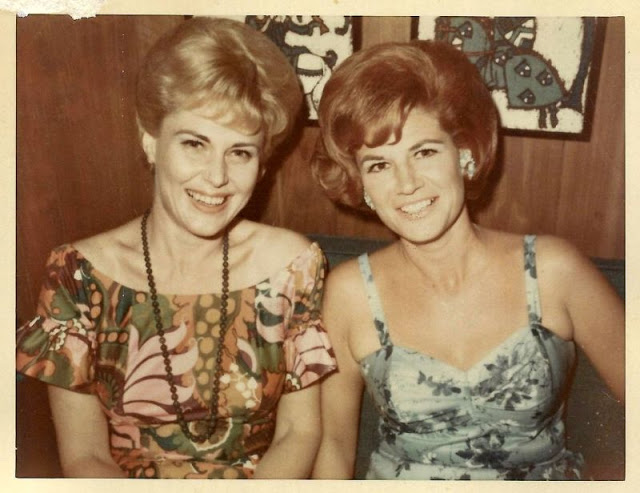
A smile is formed primarily by flexing the muscles at the sides of the mouth. Some smiles include a contraction of the muscles at the corner of the eyes, an action known as a Duchenne smile. Among humans, a smile expresses delight, sociability, happiness, joy or amusement. It is distinct from a similar but usually involuntary expression of anxiety known as a grimace. Although cross-cultural studies have shown that smiling is a means of communication throughout the world, there are large differences among different cultures, religions and societies, with some using smiles to convey confusion or embarrassment.
San Francisco (Spanish for “Saint Francis”) (officially the City and County of San Francisco) is a cultural, commercial, and financial center in the U.S. state of California. Located in Northern California, San Francisco is the 17th most populous city proper in the United States, and the fourth most populous in California, with 873,965 residents as of 2020. It covers an area of about 46.9 square miles (121 square kilometers), mostly at the north end of the San Francisco Peninsula in the San Francisco Bay Area, making it the second most densely populated large U.S. city, and the fifth most densely populated U.S. county, behind only four of the five New York City boroughs. San Francisco is the 12th-largest metropolitan statistical area in the United States with 4.7 million residents, and the fourth-largest by economic output, with a GDP of $592 billion in 2019. With San Jose, it forms the San Jose–San Francisco–Oakland, CA Combined Statistical Area, the fifth most populous combined statistical area in the United States, with 9.6 million residents as of 2019. Colloquial nicknames for San Francisco include SF, San Fran, The City, and Frisco.
In 2019, San Francisco was the county with the seventh-highest income in the United States, with a per capita income of $139,405. In the same year, San Francisco proper had a GDP of $203.5 billion, and a GDP per capita of $230,829. The San Jose–San Francisco–Oakland, CA Combined Statistical Area, with a GDP of $1.09 trillion as of 2019, is the country’s third-largest economy. Of the 105 primary statistical areas in the U.S. with over 500,000 residents, this CSA had the highest GDP per capita in 2019, at $112,348. San Francisco was ranked 5th in the world and second in the United States on the Global Financial Centres Index as of September 2021.
San Francisco was founded on June 29, 1776, when colonists from Spain established the Presidio of San Francisco at the Golden Gate and Mission San Francisco de Asís a few miles away, both named for Francis of Assisi.[3] The California Gold Rush of 1849 brought rapid growth, making it the largest city on the West Coast at the time; between 1870 and 1900, approximately one quarter of California’s population resided in the city proper. In 1856, San Francisco became a consolidated city-county. After three-quarters of the city was destroyed by the 1906 earthquake and fire, it was quickly rebuilt, hosting the Panama-Pacific International Exposition nine years later. In World War II, it was a major port of embarkation for service members shipping out to the Pacific Theater. It then became the birthplace of the United Nations in 1945. After the war, the confluence of returning servicemen, significant immigration, liberalizing attitudes, the rise of the “beatnik” and “hippie” countercultures, the Sexual Revolution, the Peace Movement growing from opposition to United States involvement in the Vietnam War, and other factors led to the Summer of Love and the gay rights movement, cementing San Francisco as a center of liberal activism in the United States. Politically, the city votes strongly along liberal Democratic Party lines.
A popular tourist destination, San Francisco is known for its cool summers, fog, steep rolling hills, eclectic mix of architecture, and landmarks, including the Golden Gate Bridge, cable cars, the former Alcatraz Federal Penitentiary, Fisherman’s Wharf, and its Chinatown district. San Francisco is also the headquarters of companies such as Wells Fargo, Twitter, Block, Airbnb, Levi Strauss & Co., Gap Inc., Salesforce, Dropbox, Pacific Gas and Electric Company, Uber, and Lyft. The city, and the surrounding Bay Area, is a global center of the sciences and arts and is home to a number of educational and cultural institutions, such as the University of California, San Francisco (UCSF), the University of San Francisco (USF), San Francisco State University (SFSU), the de Young Museum, the San Francisco Museum of Modern Art, the SFJAZZ Center, the San Francisco Symphony and the California Academy of Sciences. More recently, statewide droughts in California have strained the city’s water security. (Wikipedia)
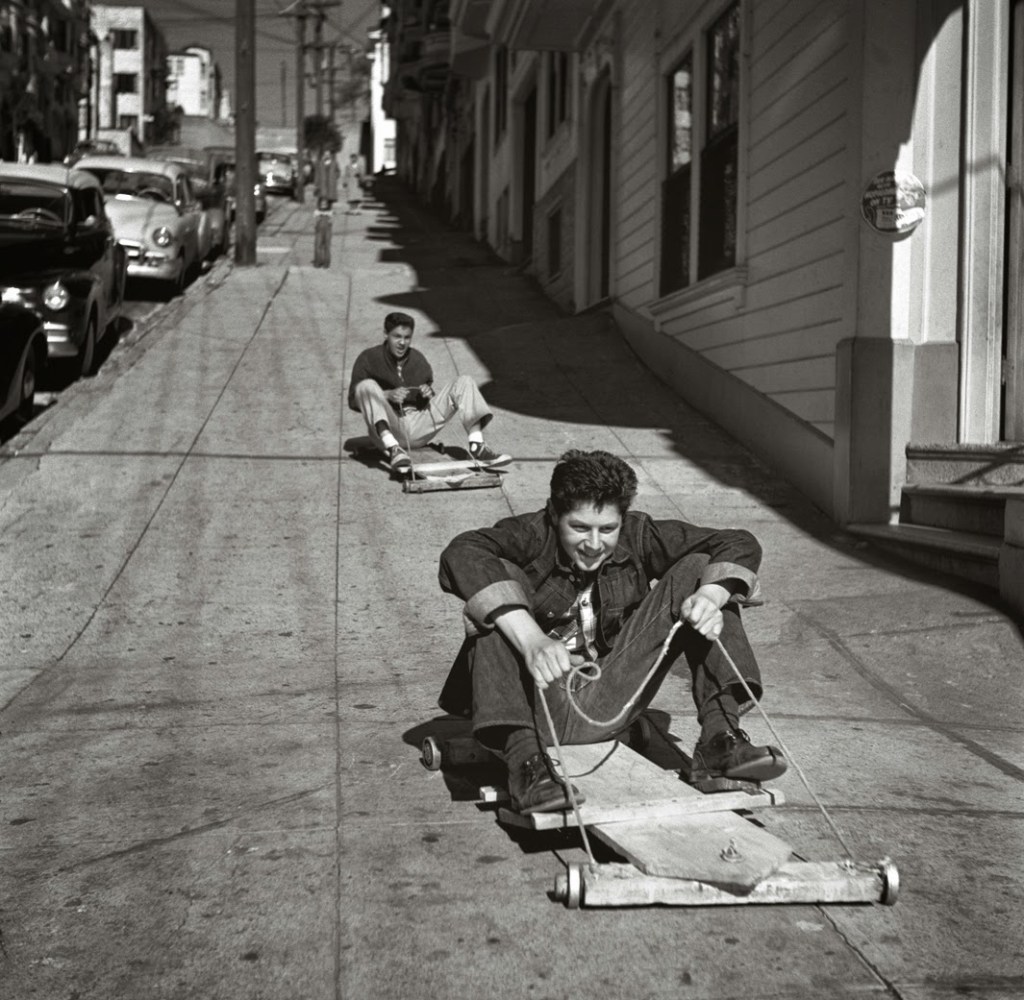
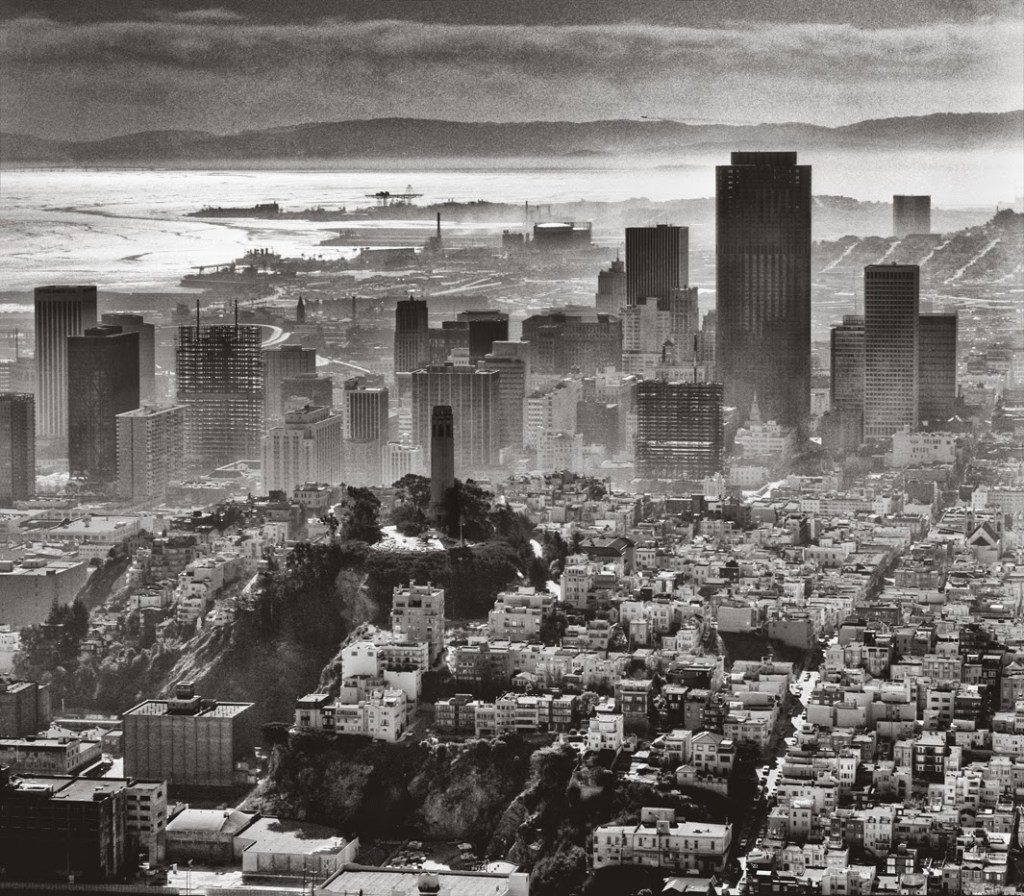
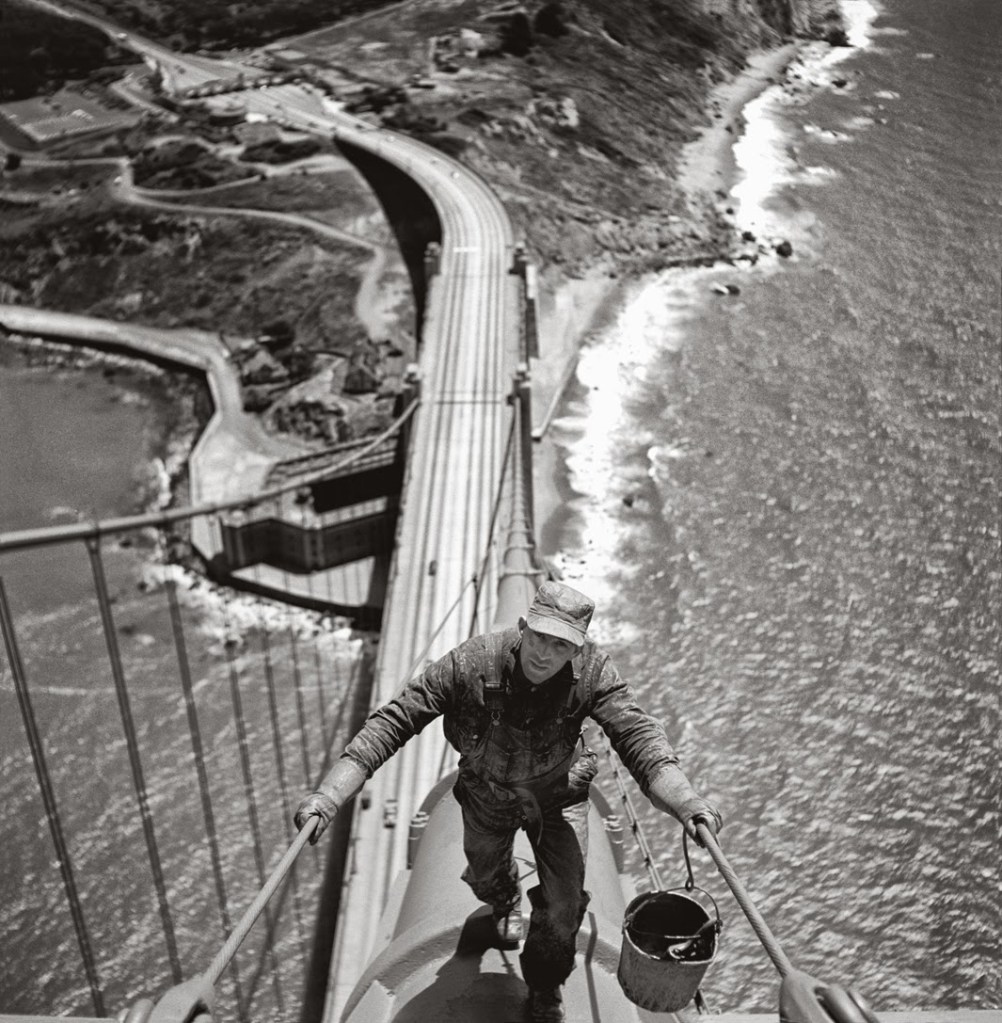
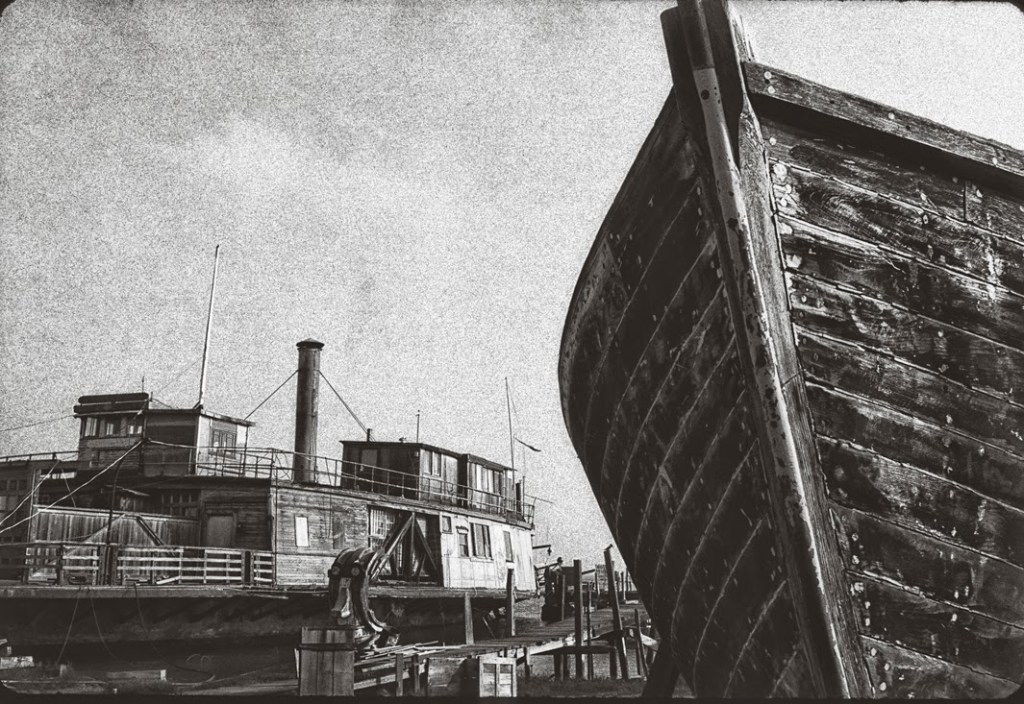
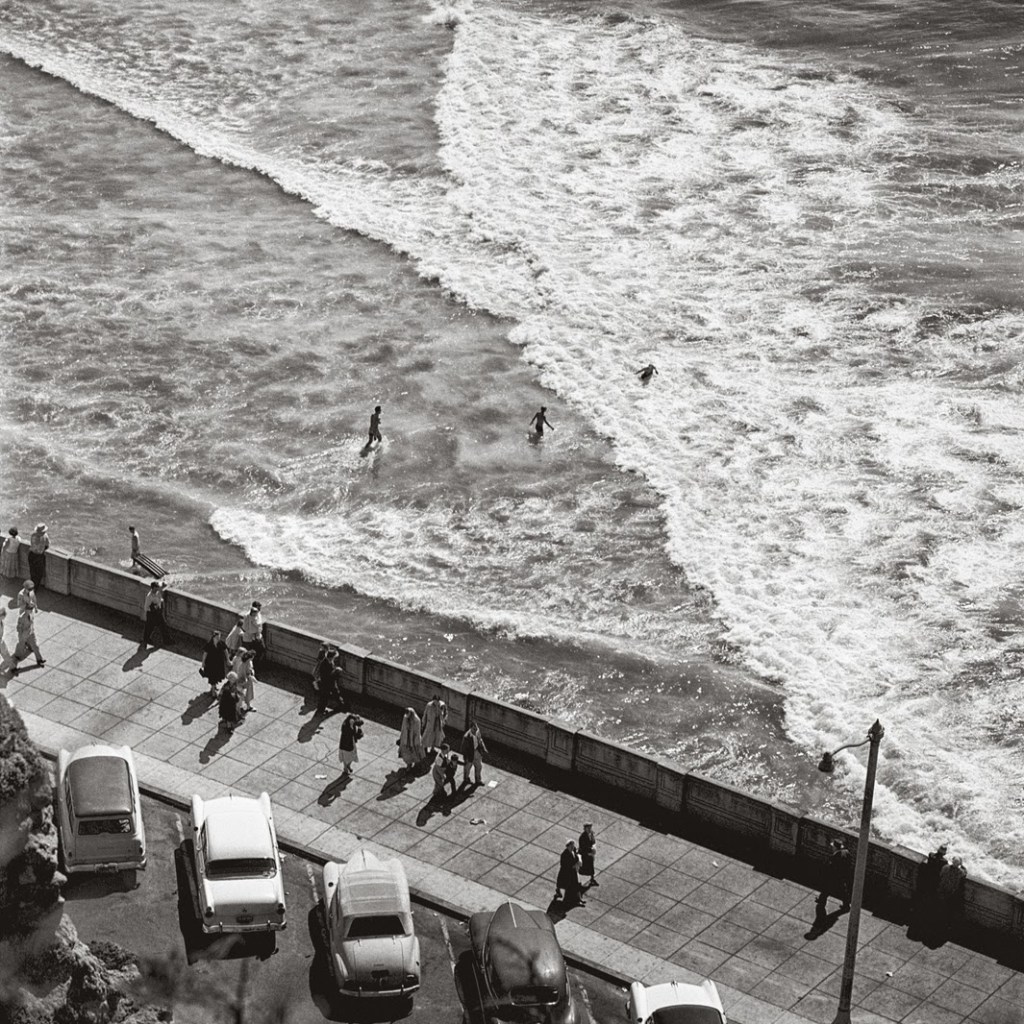
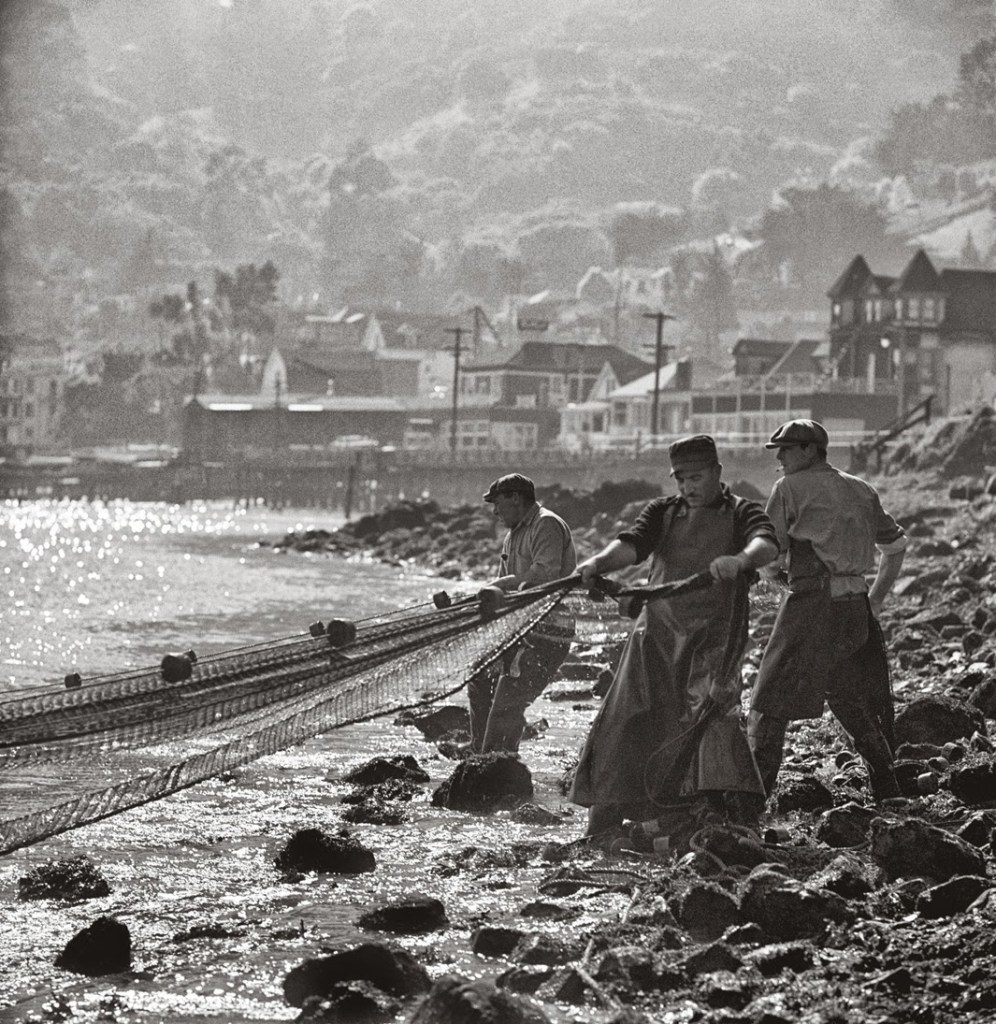
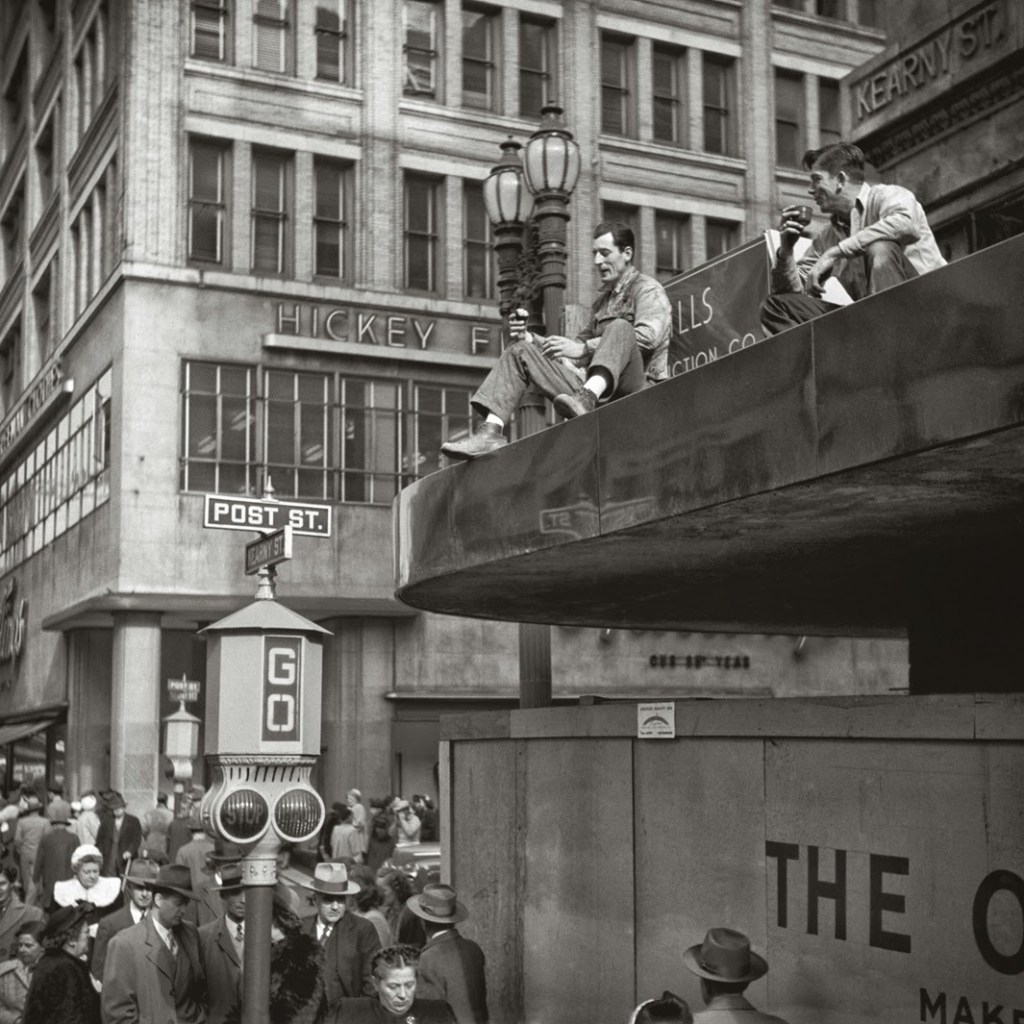
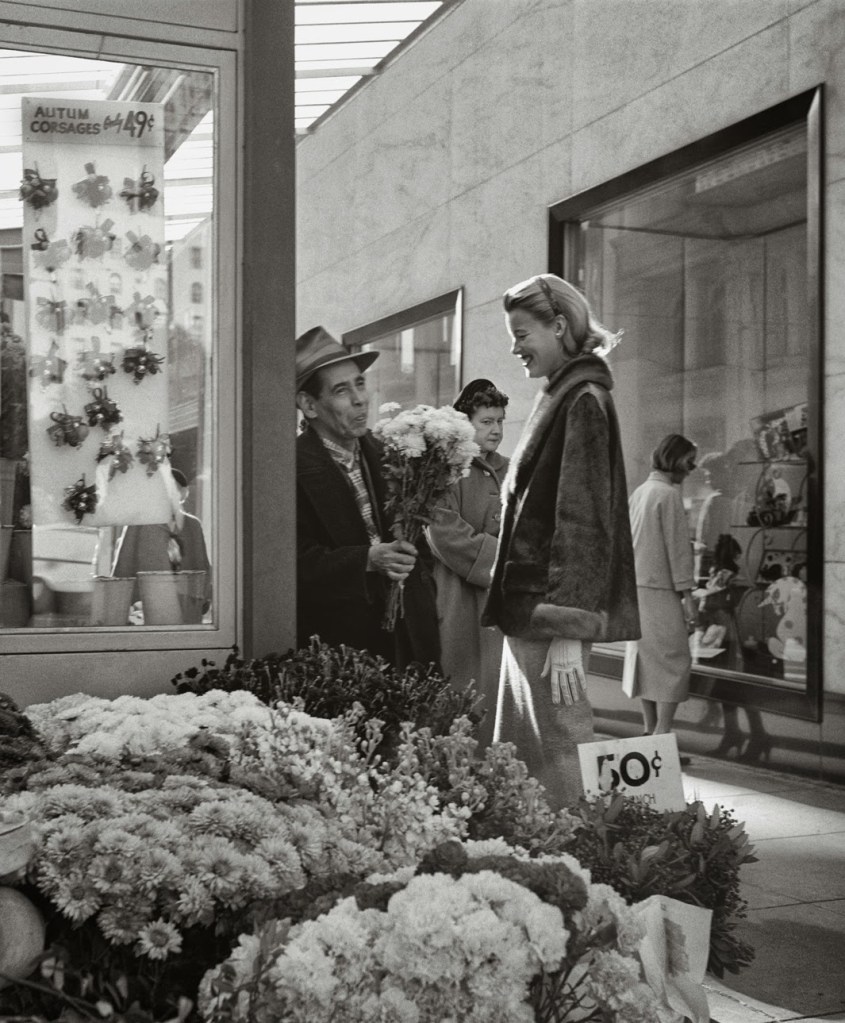
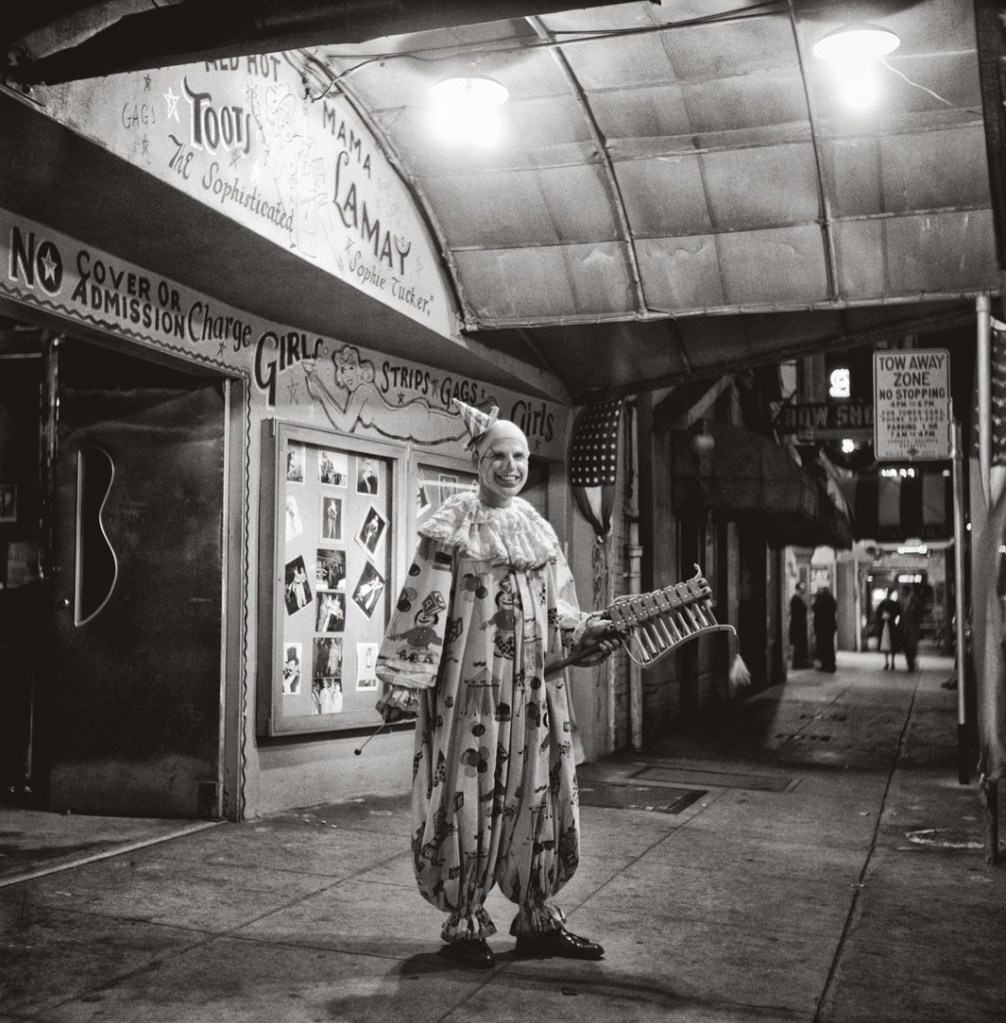
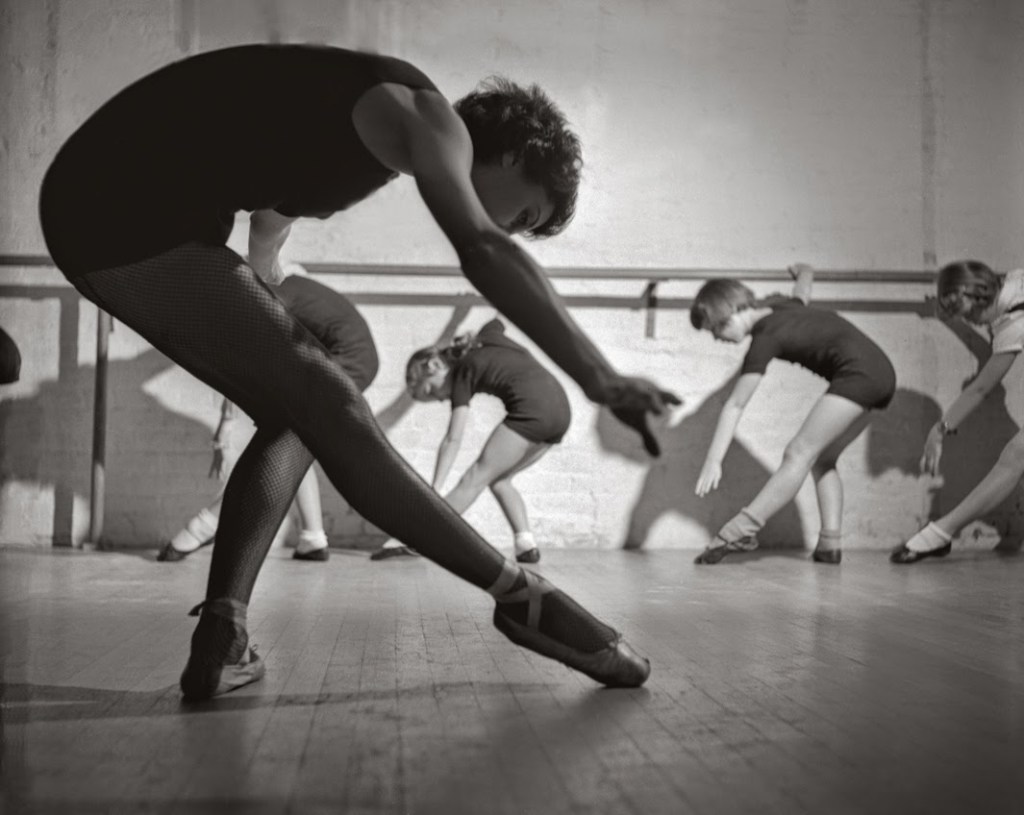
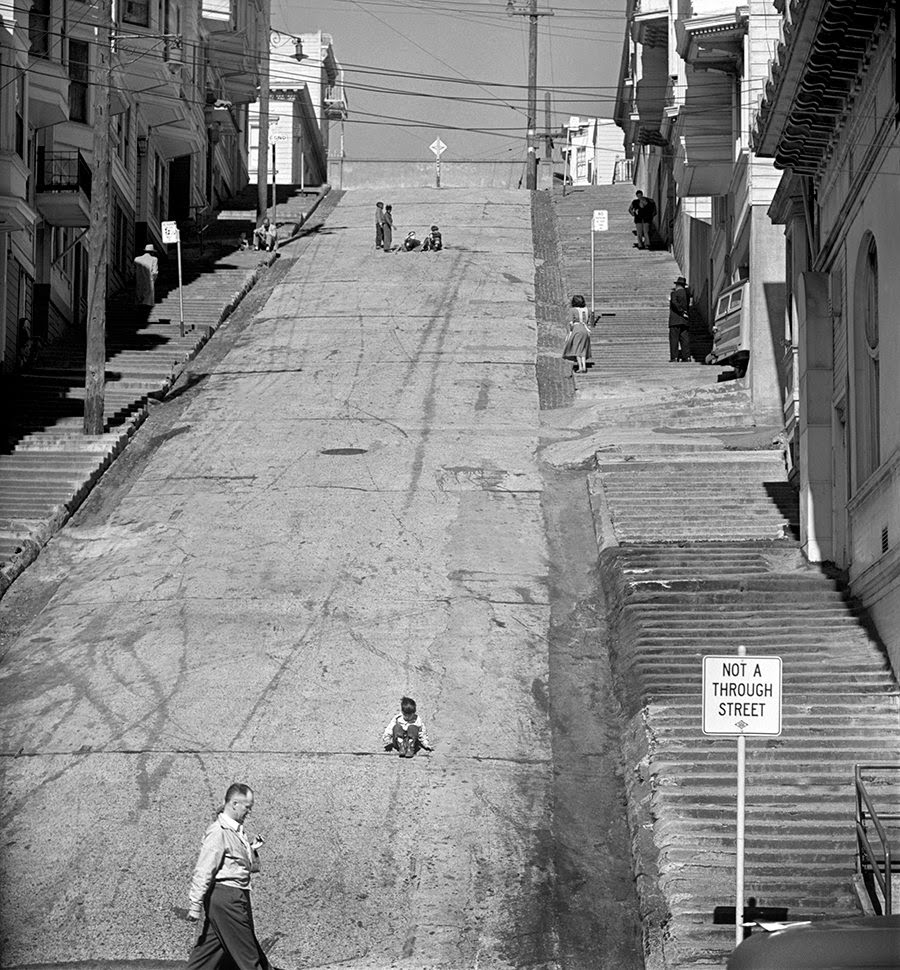
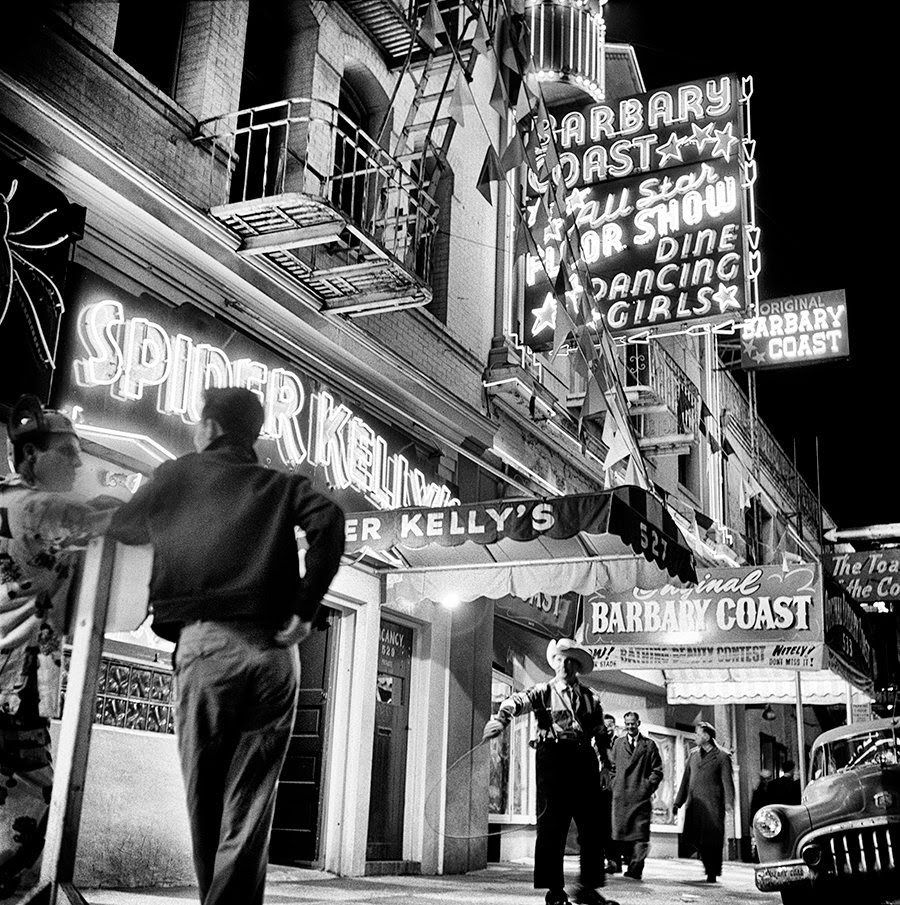
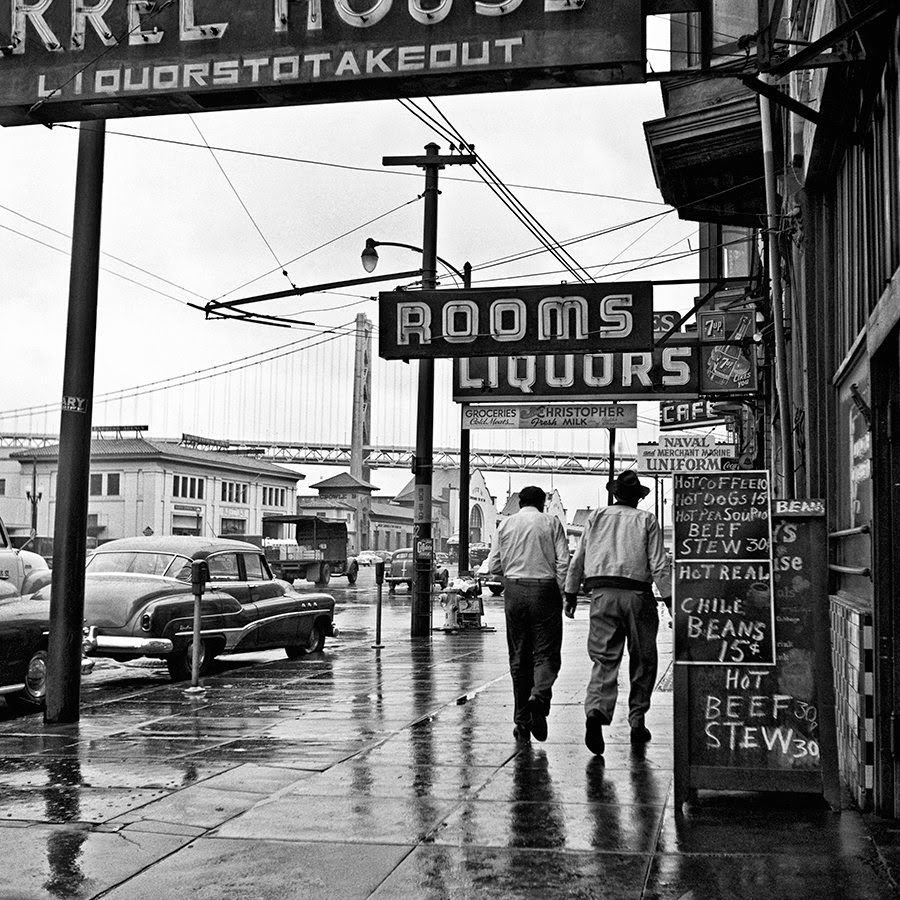
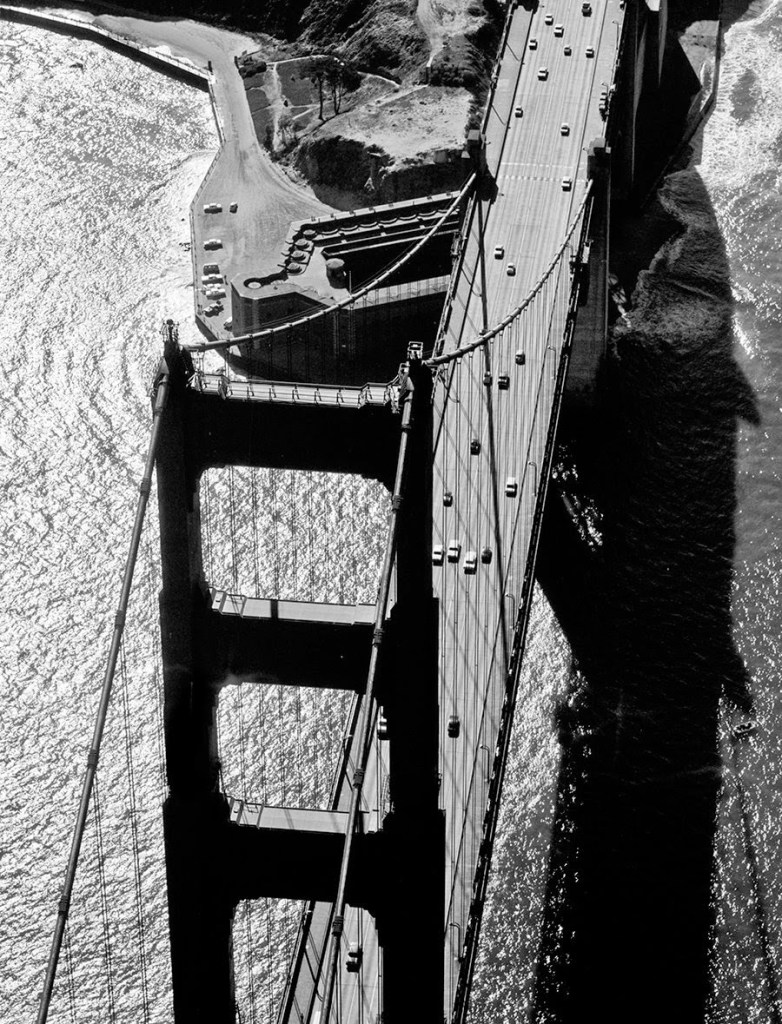
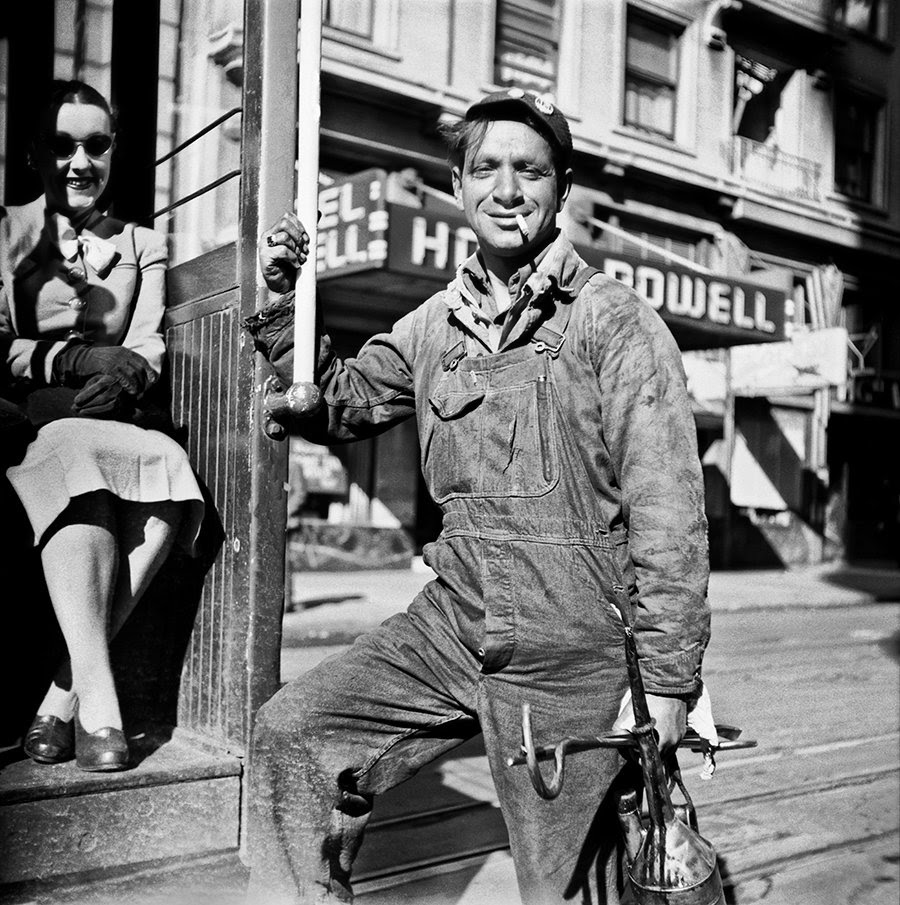
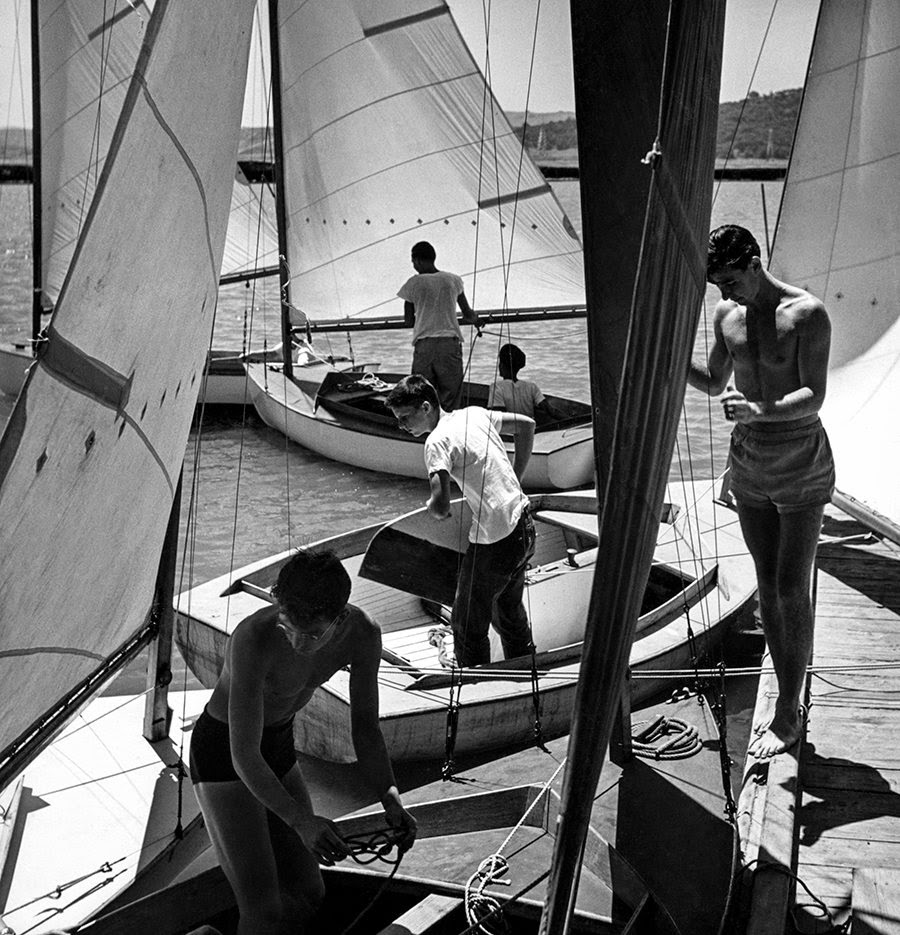
Photographer Fred Lyon has been photographing San Francisco for 70 years and his obsession with the city teeming with creative types and innovators began at a young age. In San Francisco, Portrait of a City 1940–1960, Fred Lyon captures the iconic landscapes and one-of-a-kind personalities that transformed the city by the bay into a legend. Here are some of stunning black and white photographs from San Francisco in the 1940s up until 1960 offer a glimpse of the California city as it was washed over by rush of optimism and opportunity after the destitution after World war II began to subside.
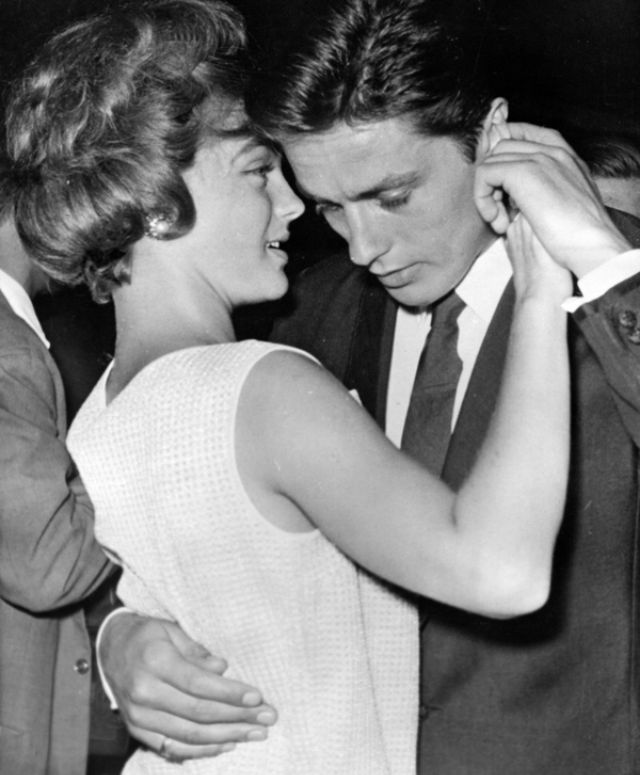
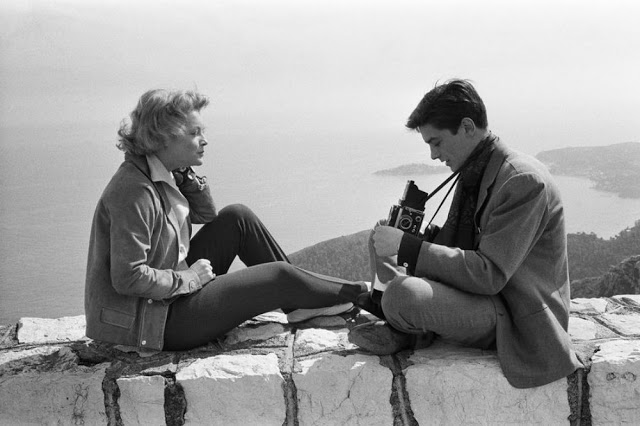
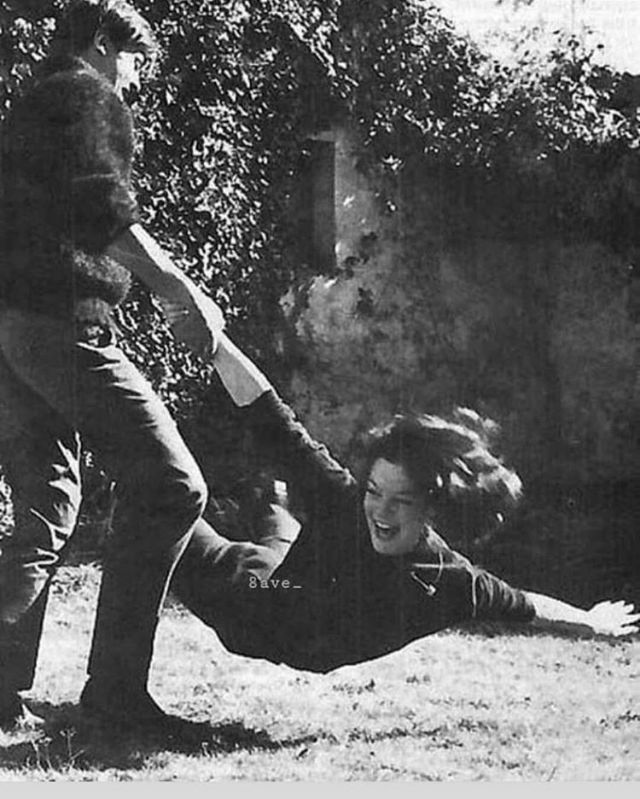
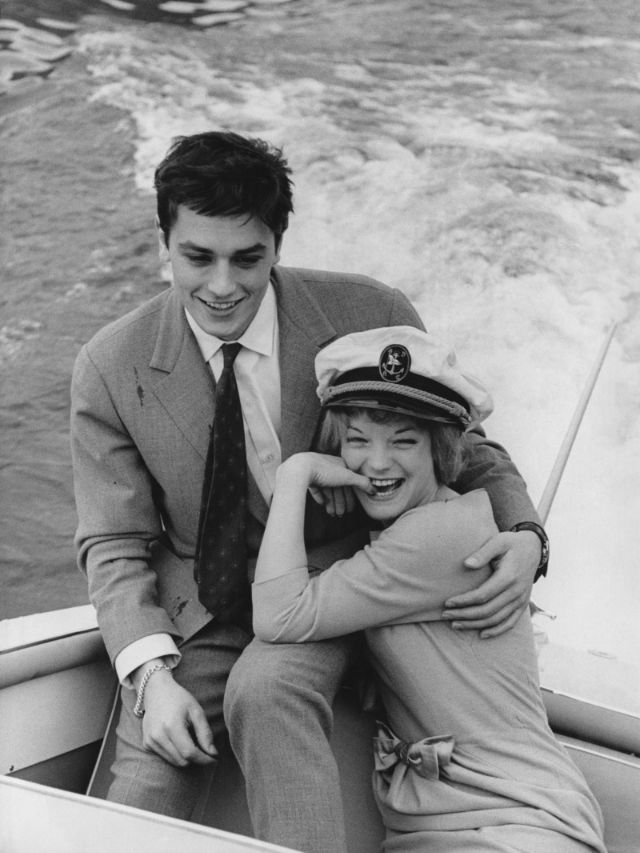
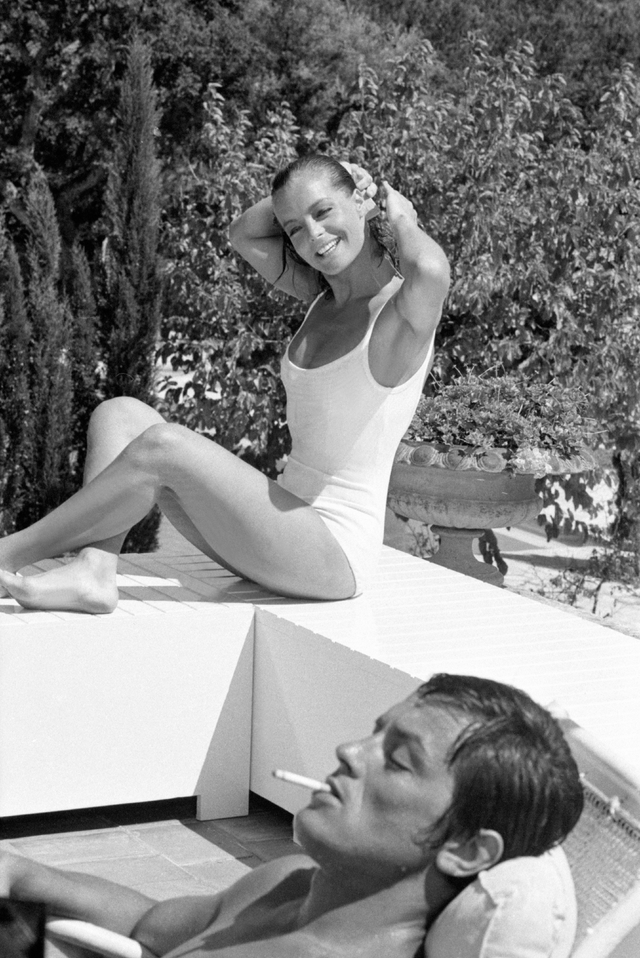
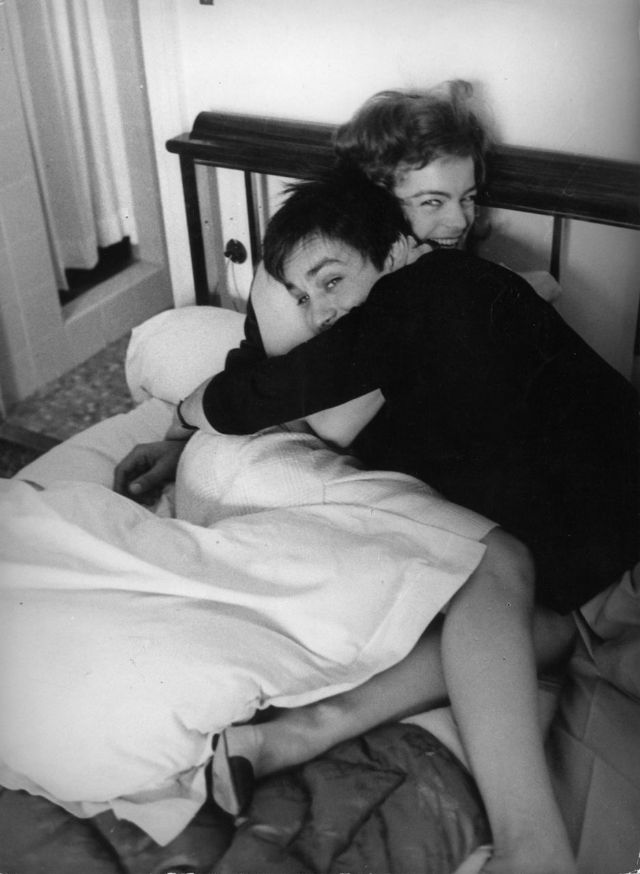
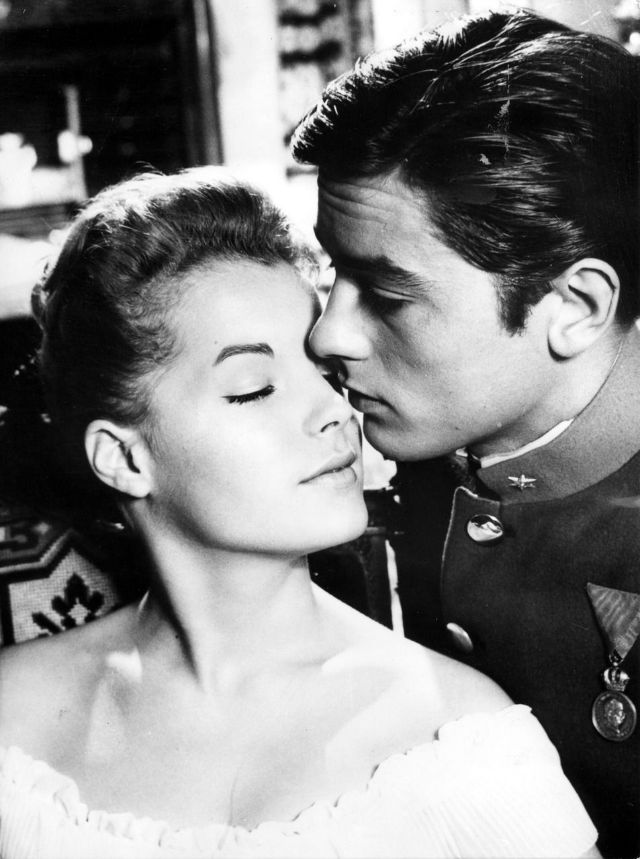
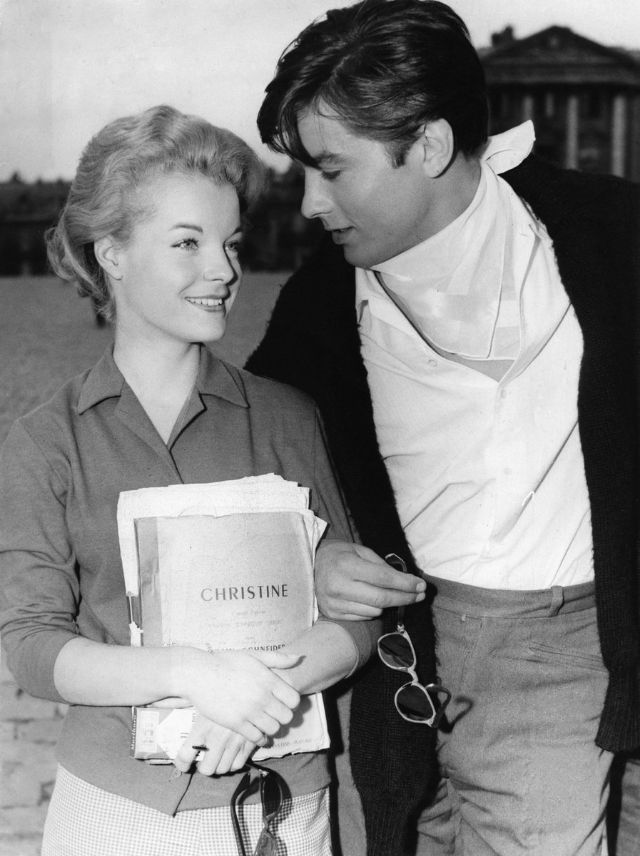
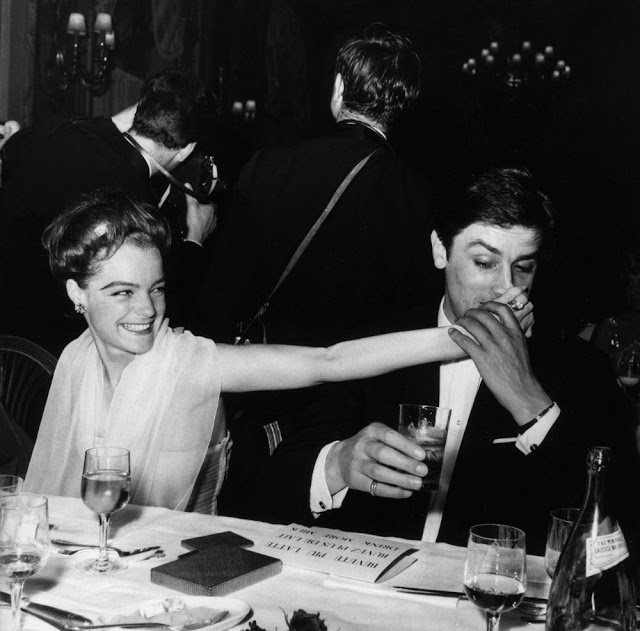
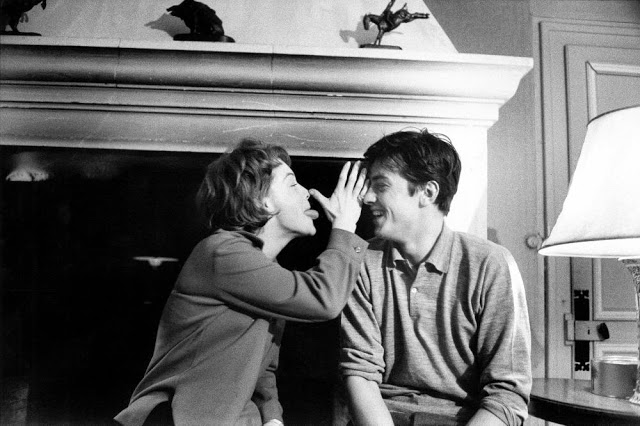
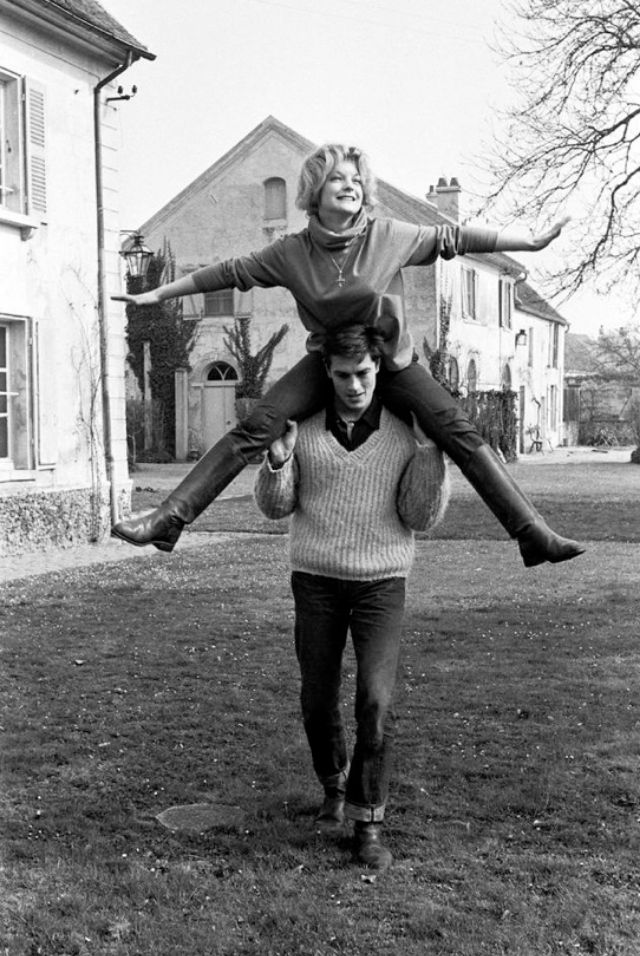
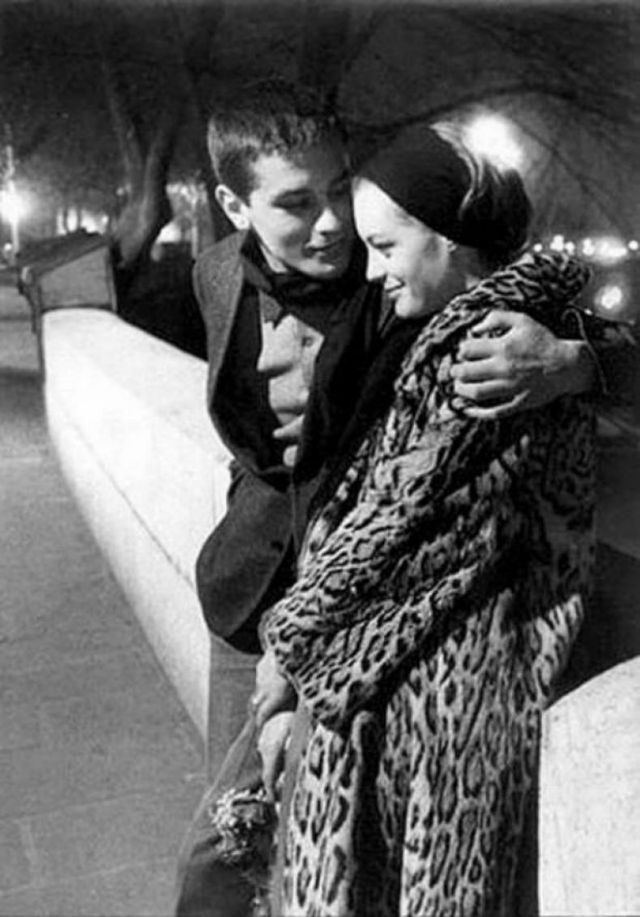
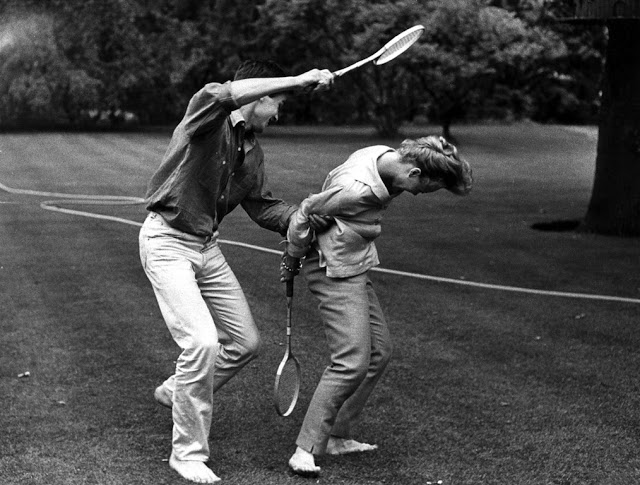
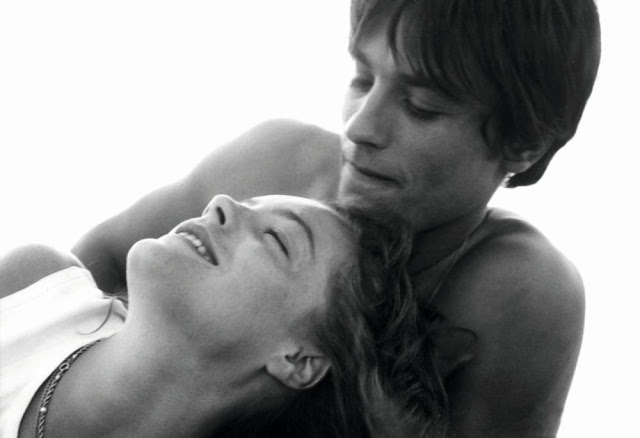
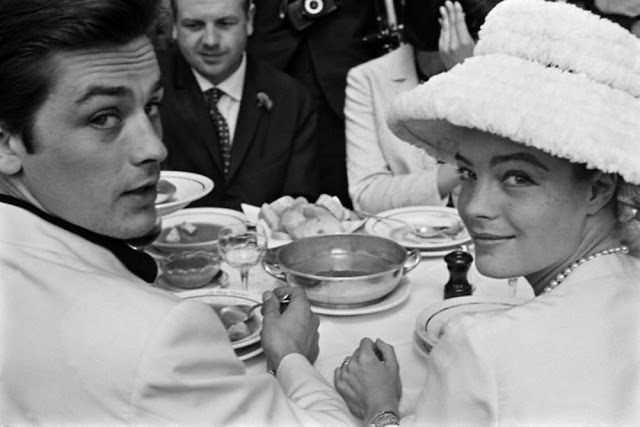
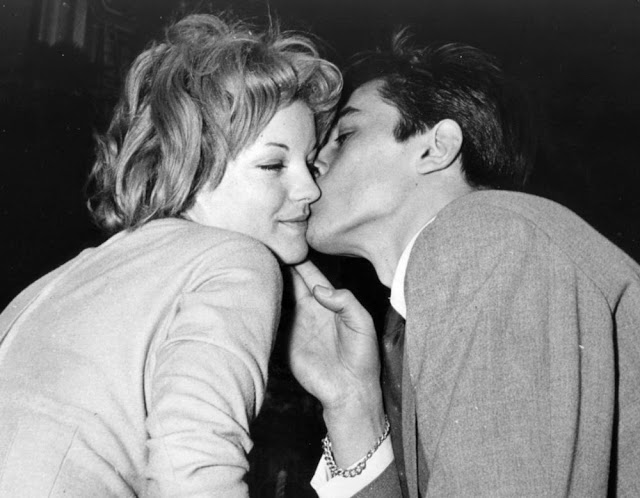
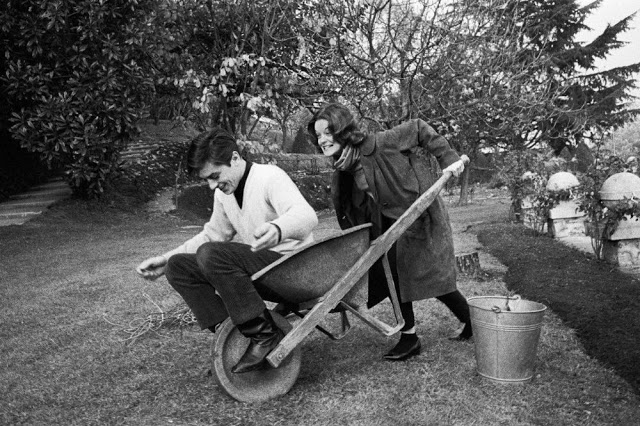
Celebrities always draw attention of the public. And when they exit the stage, they are quickly forgotten. Who recalls celebrity couple of the 1960s, Schneider and Delon? They were the most beautiful couple of the time…
Romy Schneider (1938–1982) was a film actress born in Vienna who held German and French citizenship. She was only 17 when she played the title role in Sissi, a romantic movie about the young Bavarian princess that became the empress of Austria. The film was Schneider’s breakthrough, it turned the Austrian-born actress into an instant 1950s film diva.
Romy Schneider and Alain Delon first got together in 1958, while she was filming Christine in France and the next four years of their lives cemented a relationship that was to last for decades, long after her death in 1982.
Alain Delon was 23 at the time and relatively unknown in the movie circles, but after handing her a bouquet of roses, Schneider was quite interested. At first, she found him offensive and even ill-mannered. However, playing his on-screen lover softened her up in no time.
Soon after, the couple took a train ride to a new film festival in Brussels and love took hold of them. Delon invited Schneider to come stay with him in Paris. However, her mother was against the idea. Eventually, she demanded Delon make a legal commitment to Schneider before they leave for Paris.
While Delon enjoyed his status as a French sex symbol, Schneider was frustrated with rumors of his affairs. Magda Schneider in particular was worried about the mental and physical health of her daughter who suffered abuse from Delon on a regular basis.
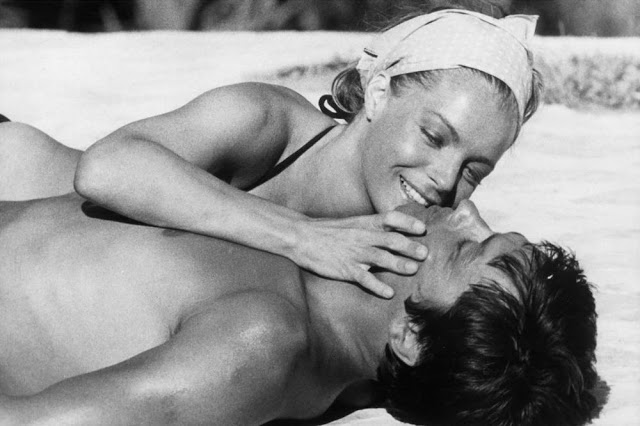
By 1963, the star-crossed relationship ended. On returning to Paris after shooting The Process in Hollywood, Schneider found their apartment empty with a bouquet of black roses and a stark note from Delon as a welcoming present. “Reason obliges me to say goodbye, we have lived our marriage before we get married, our work would take away any chance of survival … Do not be mistaken about the color of these flowers: they are not black roses. My heart,” he would write Paris Match. They continued to work together in such films as La Piscine (The Swimming Pool, 1968), which revitalized her career, and The Assassination of Trotsky (1972).
In an interview with Vanity Fair in 2017, Delon said that Romy Schneider was the greatest love of his life, “the first, the strongest, the most surprising, but also the saddest.” According to the magazine, he always keeps a picture of the actress on her deathbed inside the pocket of his jacket.
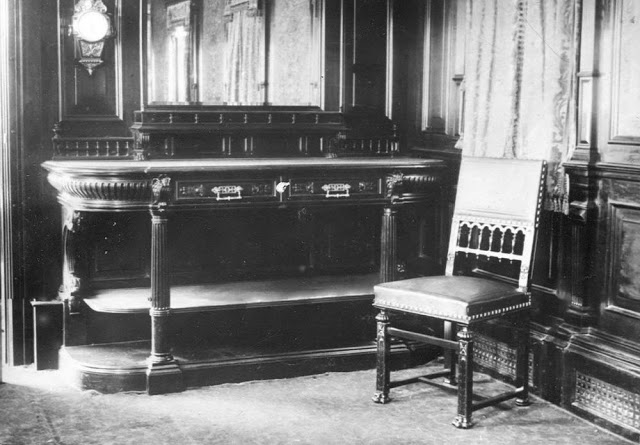
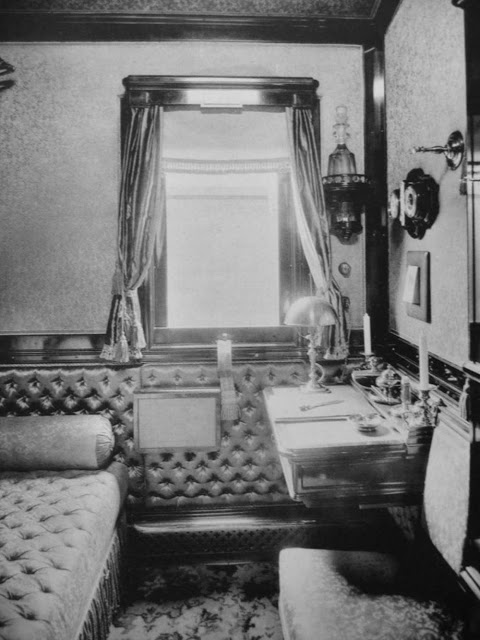
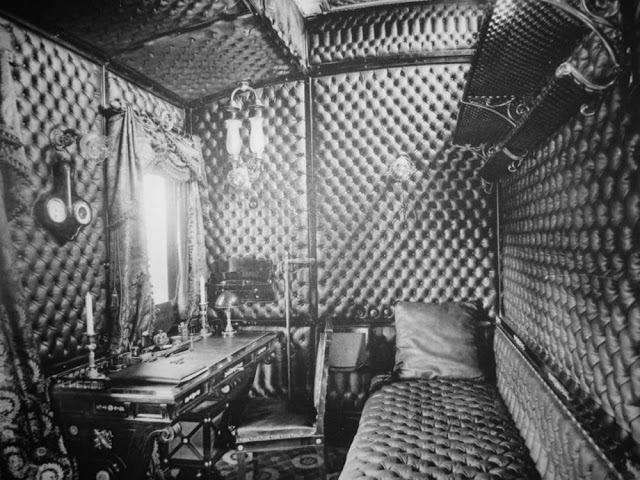
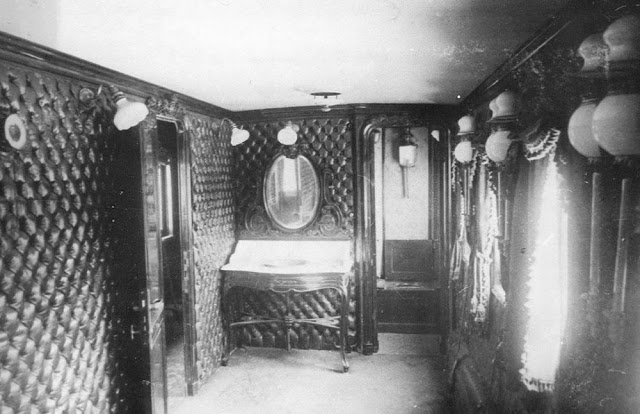
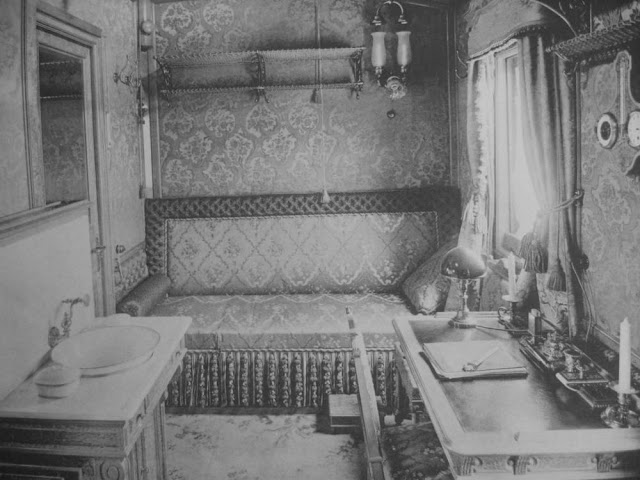
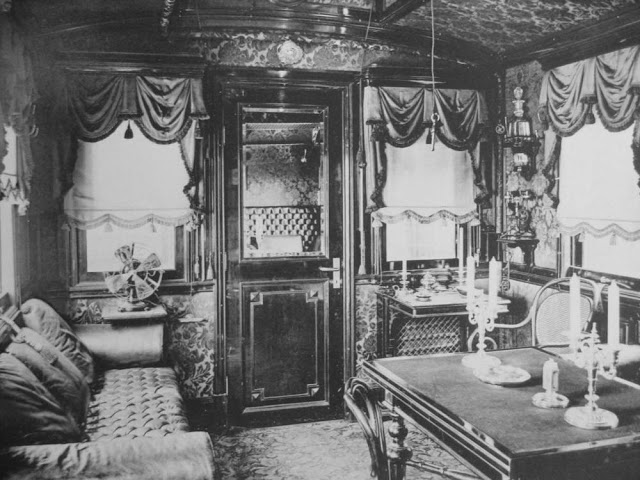
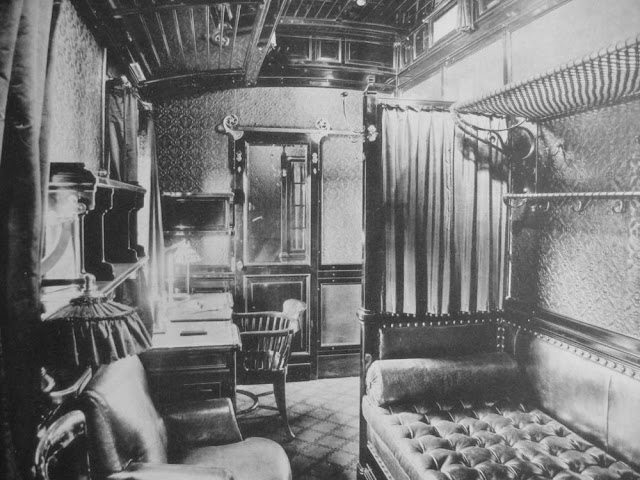
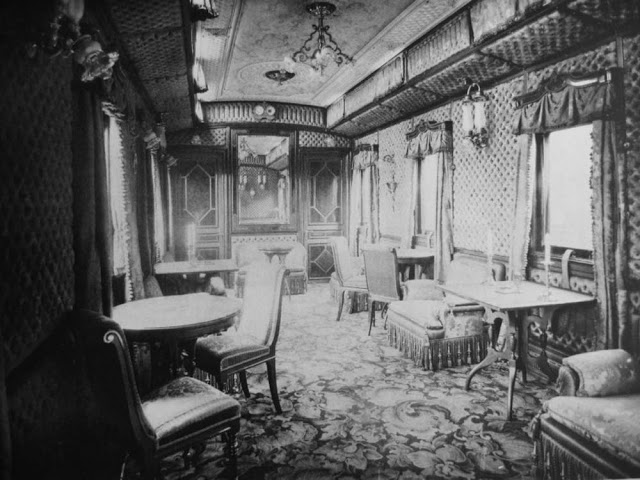
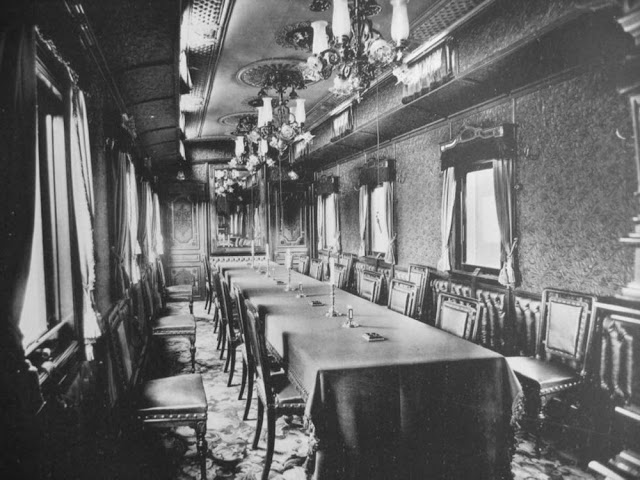
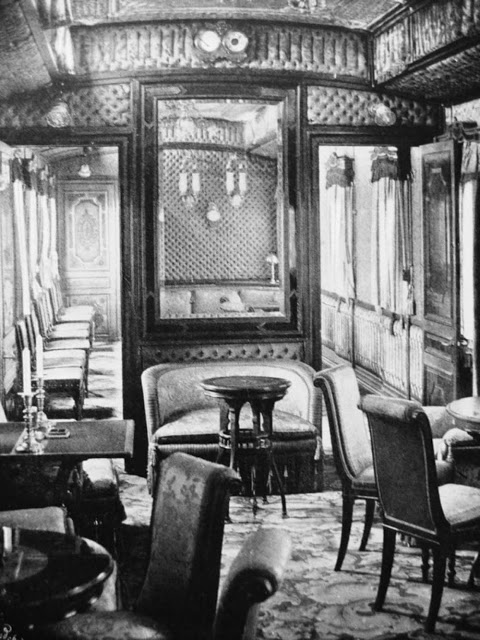
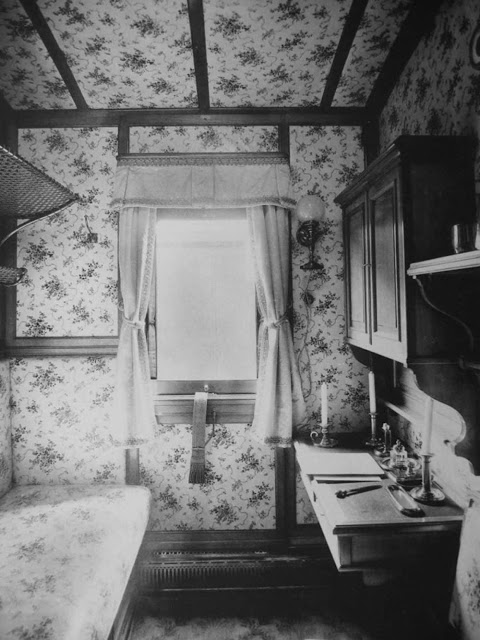
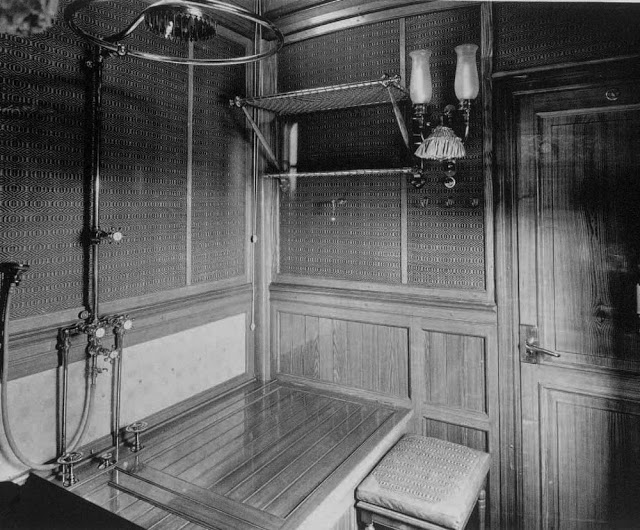
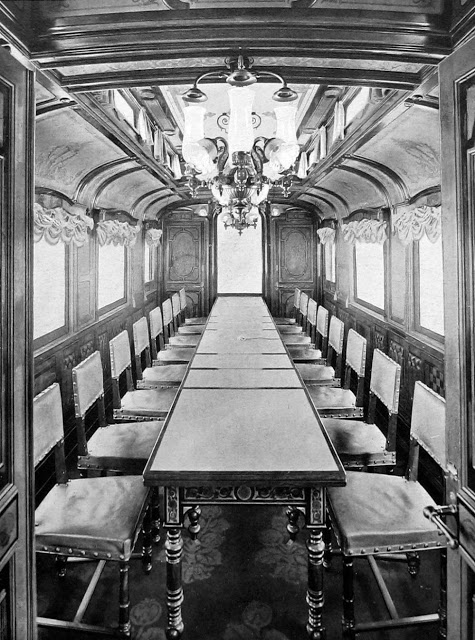
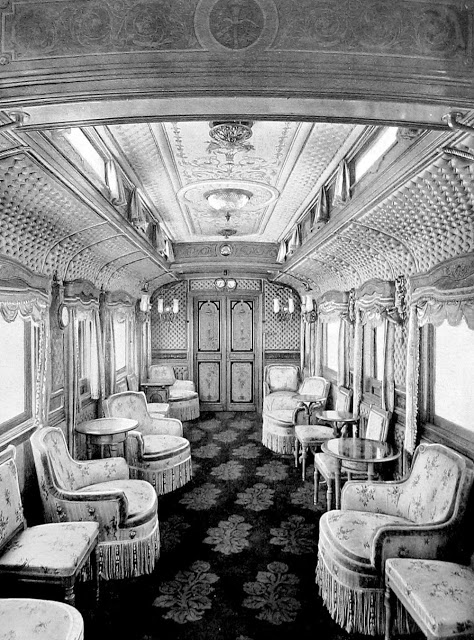
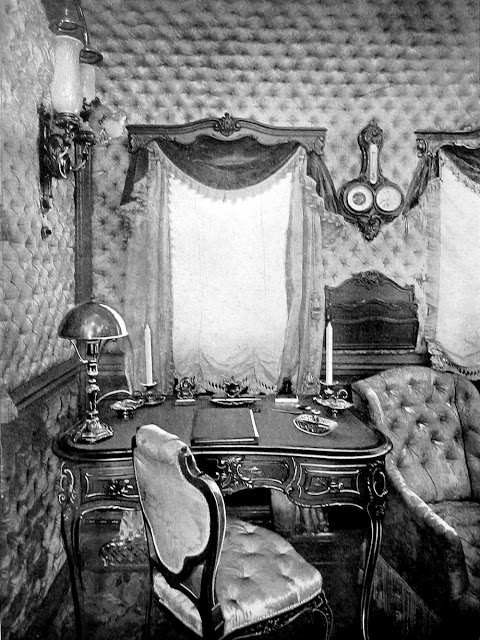
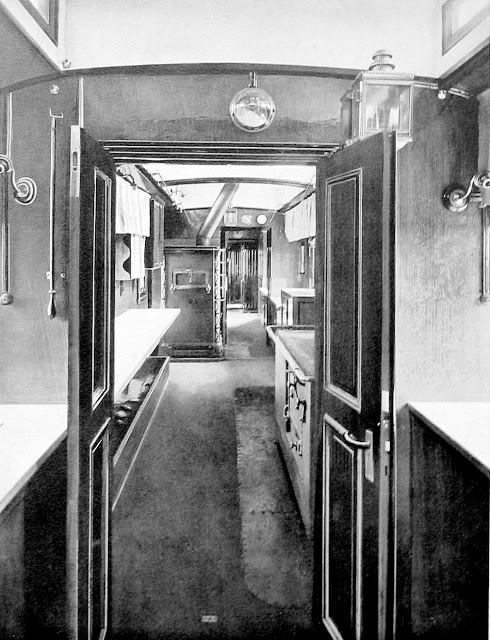
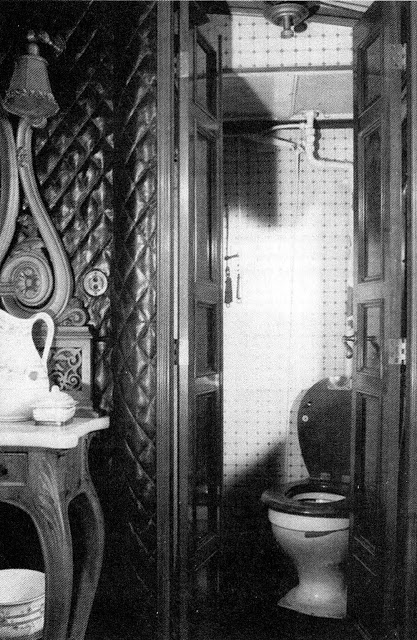
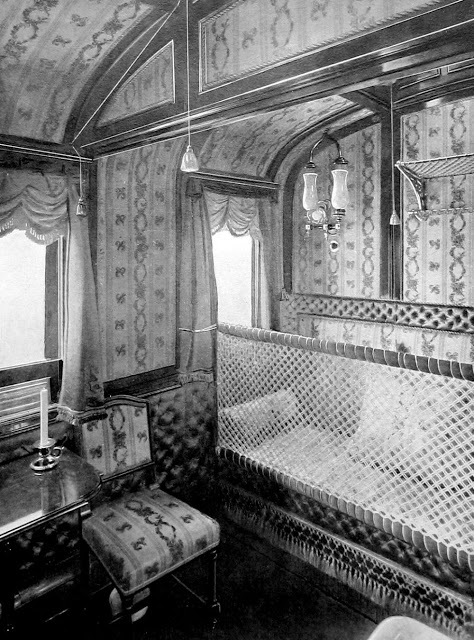
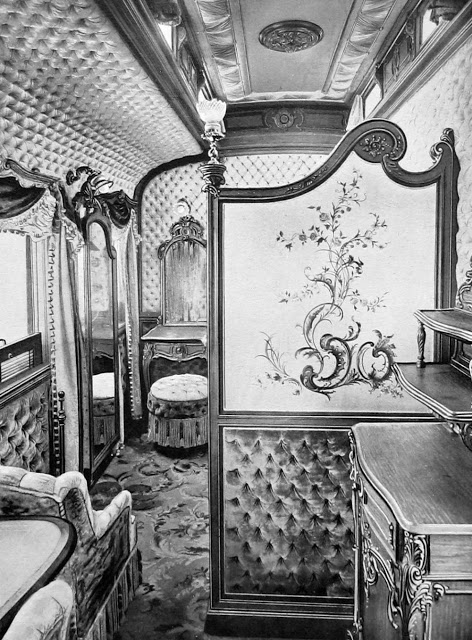
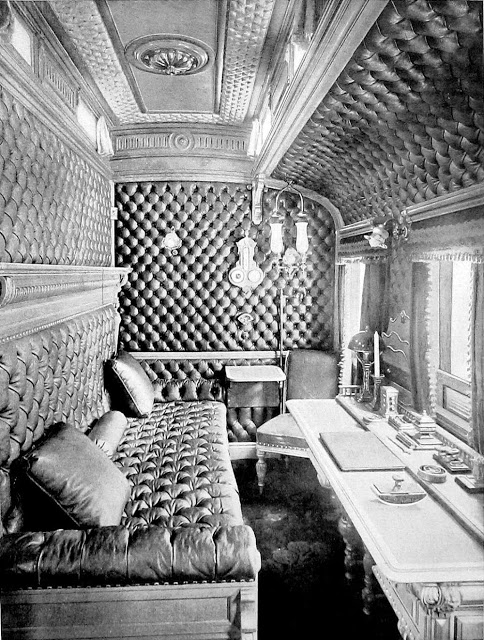
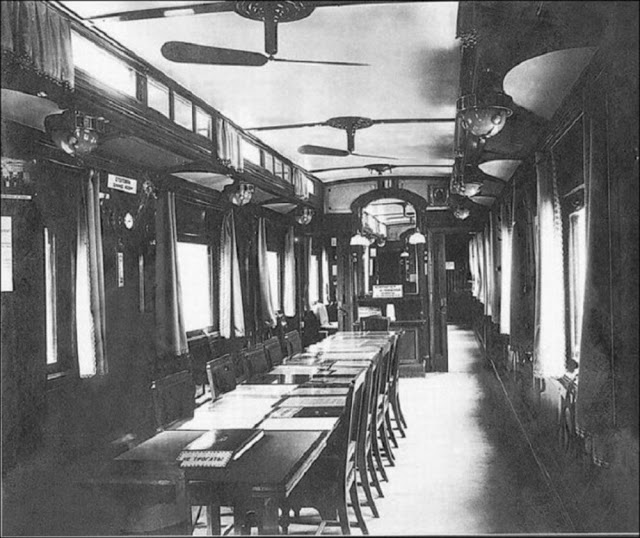
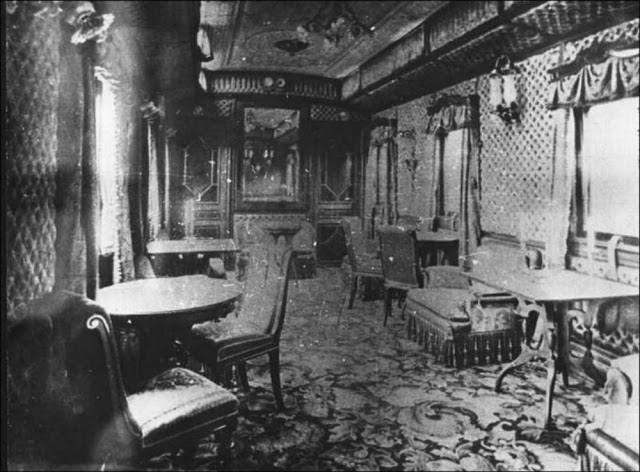
The Domestic Imperial Train of Nicholas II (there was also an Imperial train exclusively for international travel) was built between 1894-96 in the main Car Workshops of the Nikolaevsky Railway Company. The train was adapted and expanded throughout his reign as the family grew and needs increased.
By 1902, the train consisted of ten carriages: a sleeping-car for the Emperor and Empress, a saloon car, a kitchen, a dining car, carriages intended for the grand dukes and other family, the children’s car, cars for the Emperor’s retinue, as well as cars for railway servicemen, servants, luggage and workshops. The final and eleventh car, a fully dedicated chapel, was consecrated in 1899. “On the train. Got up at 9 o’cl. in the morning. Had tea in the dining room. Had breakfast alone with Mama and Aleksei. Had breakfast, dinner and tea all together… After tea sat at Mama’s for a little while, then at Isa’s and Nastenka’s, and worked. After dinner Papa received the nobility at the station while we watched from the train window…” – From the diary of Tatiana Romanov In fact, trains intended as palaces on wheels. They, along with the luxury and amenities for travelers provided a smooth ride and a proper level of security. Meanwhile, to determine the number of people accompanying the Emperor in his trips abroad, security compiled a list of passengers. As a result, the composition of the royal train included 11-12 cars, weighing about 400 tons.
As for Nicholas II, until 1905 he used trains, built on the orders of his father – Alexander III. But as Nicholas II often traveled around the country, then gradually each rail formed his royal train. By 1903, the park of the imperial train had five compositions.
First, for Dowager Empress Maria Feodorovna with cars on four-carts. The composition included 10 cars.
Second, “His Imperial Majesty” for long-distance travel in Russia, commissioned in 1897, at the four-carts.
Third, the Imperial train “for foreign track”, which appeared in 1894, consisted of 11 cars on the four-carts.
Fourth, the “Imperial shuttle train” with the three-axle wagons to travel in the vicinity of St. Petersburg, which included 13 cars.
Fifth, the Imperial train of Kursk railway for “foreign and local nobility” of the 16 three-axle wagons.
Most often Nicholas II used the Imperial train during the First World War. The Imperial train was small. The bedroom and the office of the Emperor were side by side, on the one hand – the suite, on the other – the car-dining room. Then came the kitchen with pantry, the car with the military camp office and the last car, which housed railroad engineer and head of the road on which the train followed.
Coming to the front headquarters, the Emperor stayed in his train. When in the summer of 1915, Nicholas II was assumed the duties of the Supreme Commander, and most of the time he began to spend in Mogilev, then there he was often visited by the Empress and daughters. “It was so cozy to sleep on the train for 2 nights, and especially this one, right here at the station, and not at home I was able to fall asleep before the stop. From Chudov to Novgorod, where we are changing the route to a new one. And the train is moving very quietly the whole time.” – From the diary of Olga Romanov In fact, in the years 1915-1917 the imperial train was one of the permanent residence of the last Russian emperor. The train and the car was part of area in which the March 2, 1917 Nicholas II signed his abdication.
The fate of all the royal luxury cars was sad. Most of them were lost in the fire of the Civil War. The surviving cars were destroyed in 1941, and today in Russia none of the original imperial trains survive.
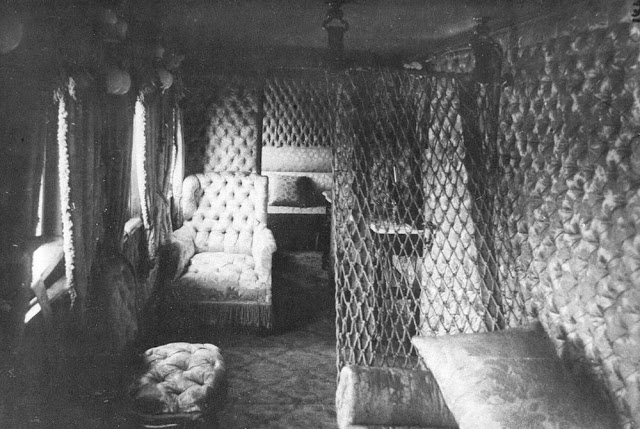
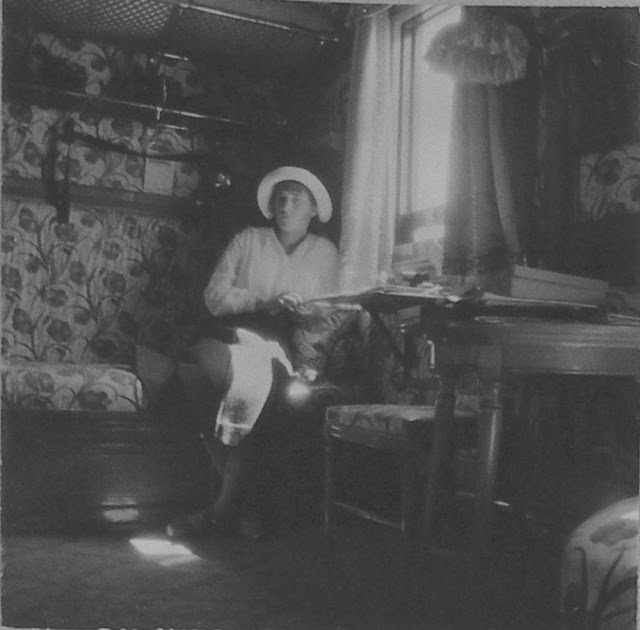
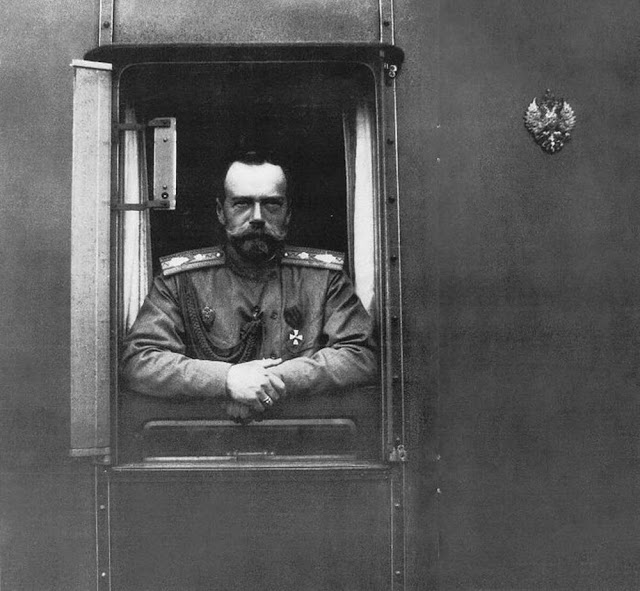
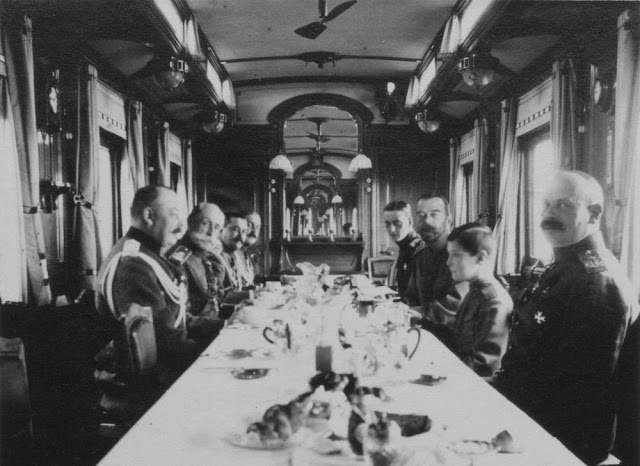
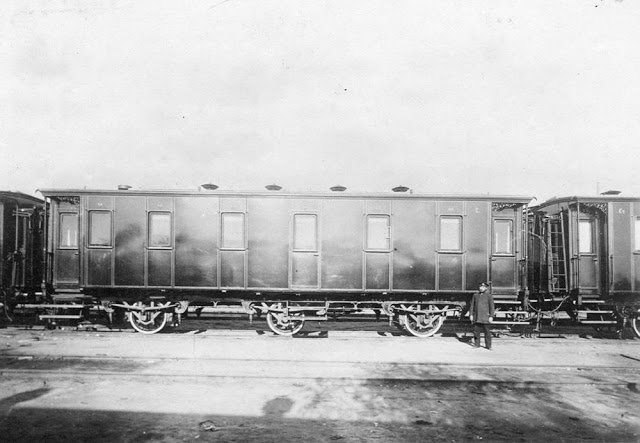
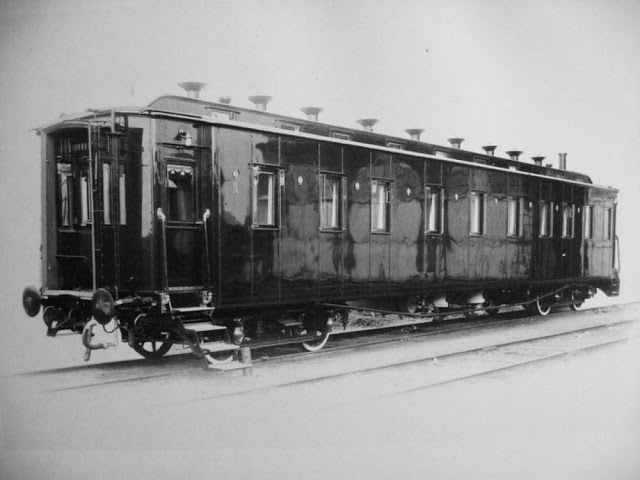
Interior view of one of the carriages.The walls and furnishings were upholstered, mainly in English cretonne with plant ornaments.Part of the dining room on the train.Ladies suite.Ladies suite.Interior view of one of the carriages.Ladies suite, maybe for the princesses.The panels, ceilings and furniture, made of polished oak, walnut, white and gray beech, maple and Karelian birch, were covered with linoleum and carpets.Interior.The saloon had soft mahogany furniture in the Art Nouveau style. The walls, sofas, armchairs and chairs were lined in striped pistachio curtains; a plush carpet on the floor had a checked design.The dining-car on the Imperial train.Inside the Romanov family train.Office for the maid of honor.BathroomThe dining-car.A living room.The compartment of Nicholas II.Interior.Restroom.Interior.The cars painted in dark blue and decorated with gilding looked beautiful. Detail of interior of the Imperial train.Interior.A dining room in the restaurant car.A dining room in the restaurant car.Grand Duchess Anastasia inside the Imperial train in 1916.Empress Alexandra, Tsar Nicholas II and Tsarevich Alexei on the train.Tsar Nicholas II looking out of the window of the Imperial train.Tsar Nicholas II hosting a dinner with his generals on the Imperial train.The train was built between 1894-96 in the main Car Workshops of the Nikolaevsky Railway Company.The train on Russian railway.
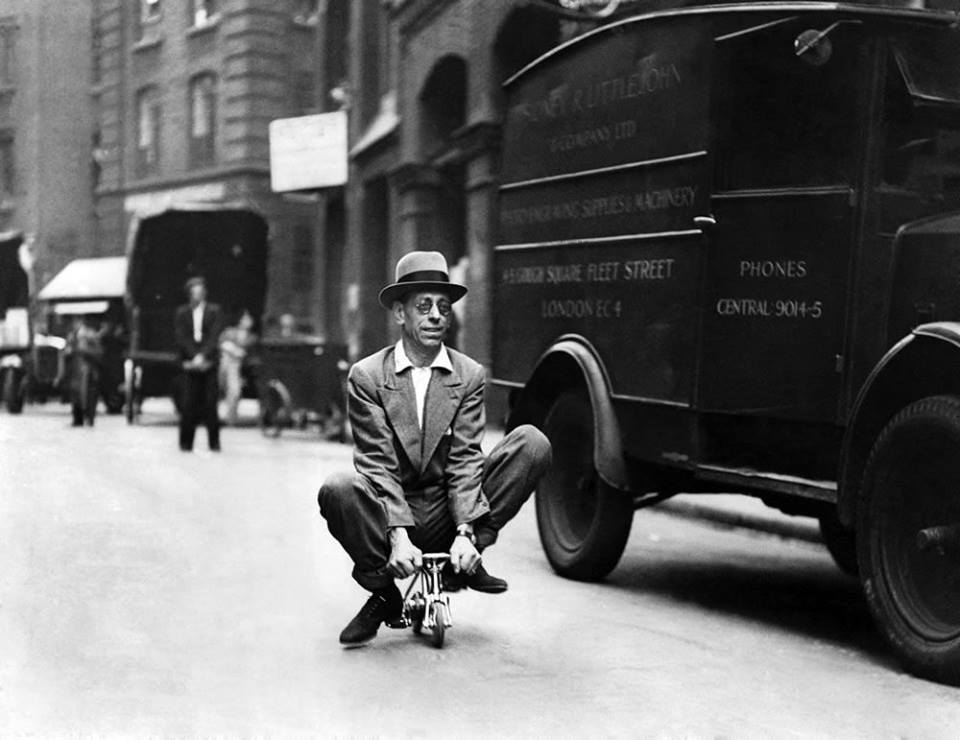
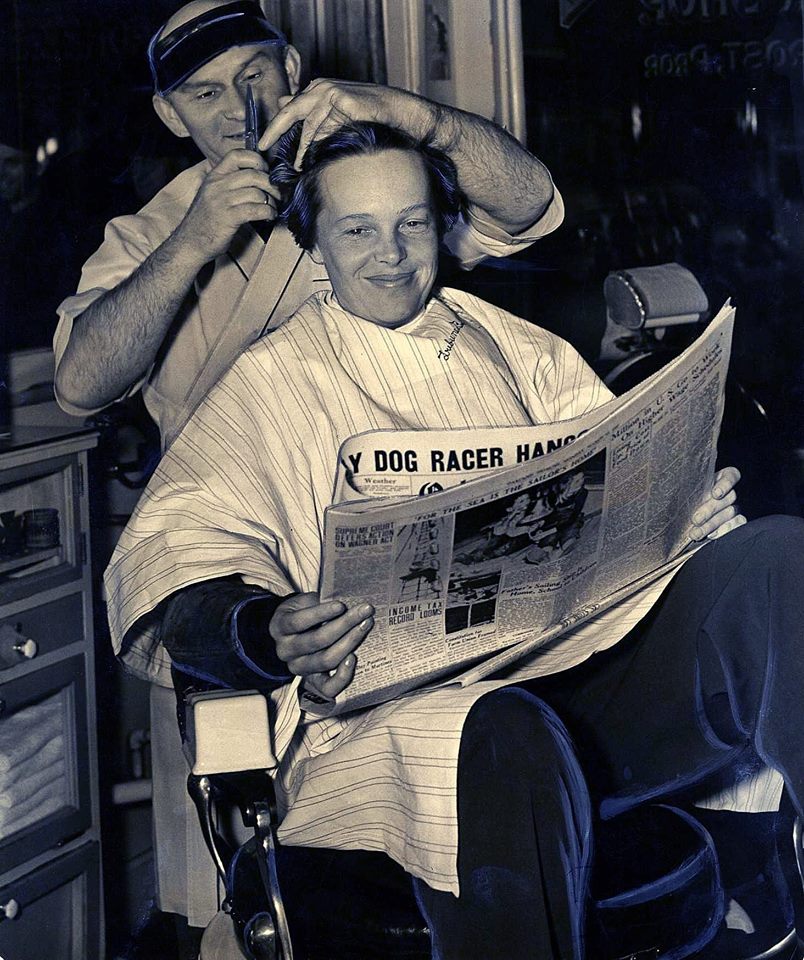
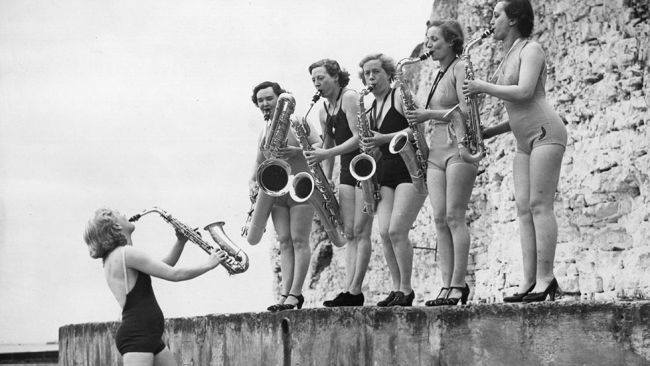
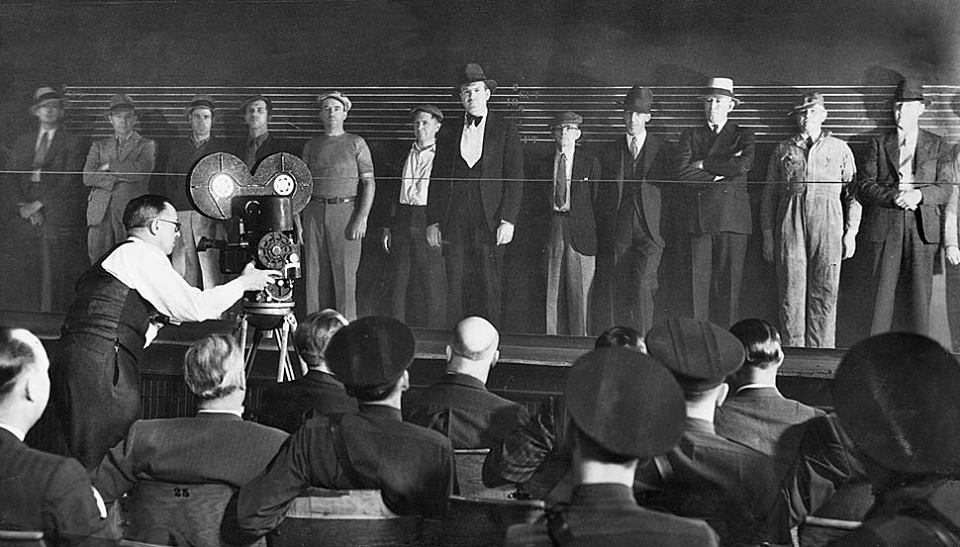
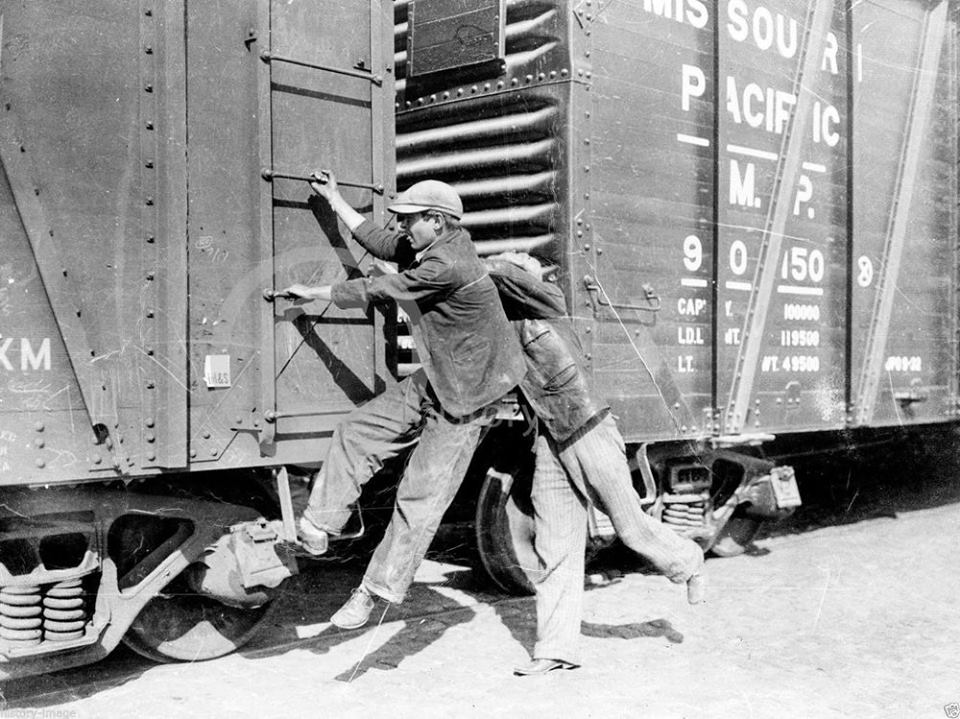
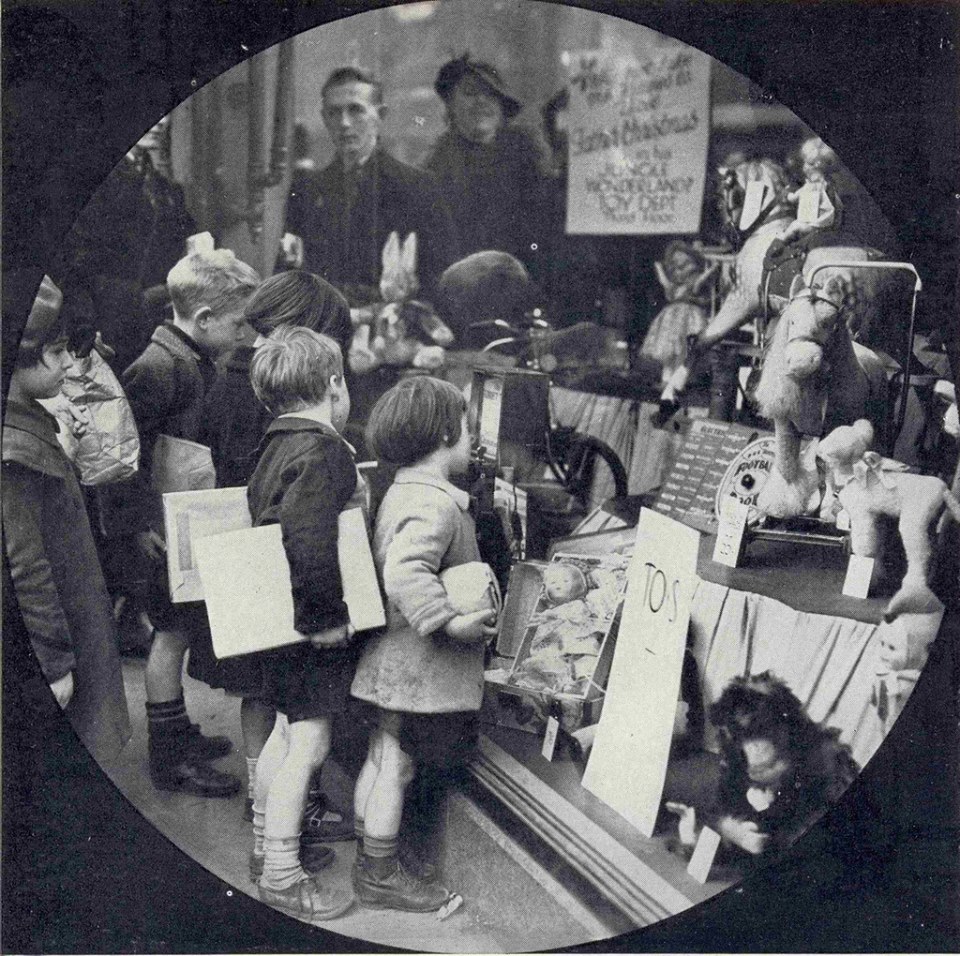
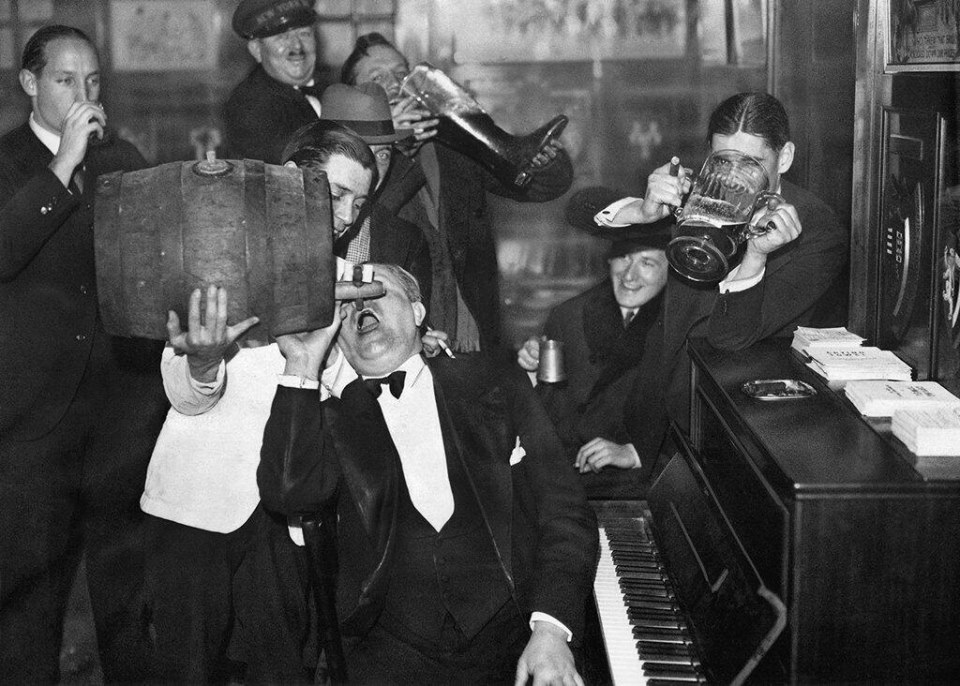
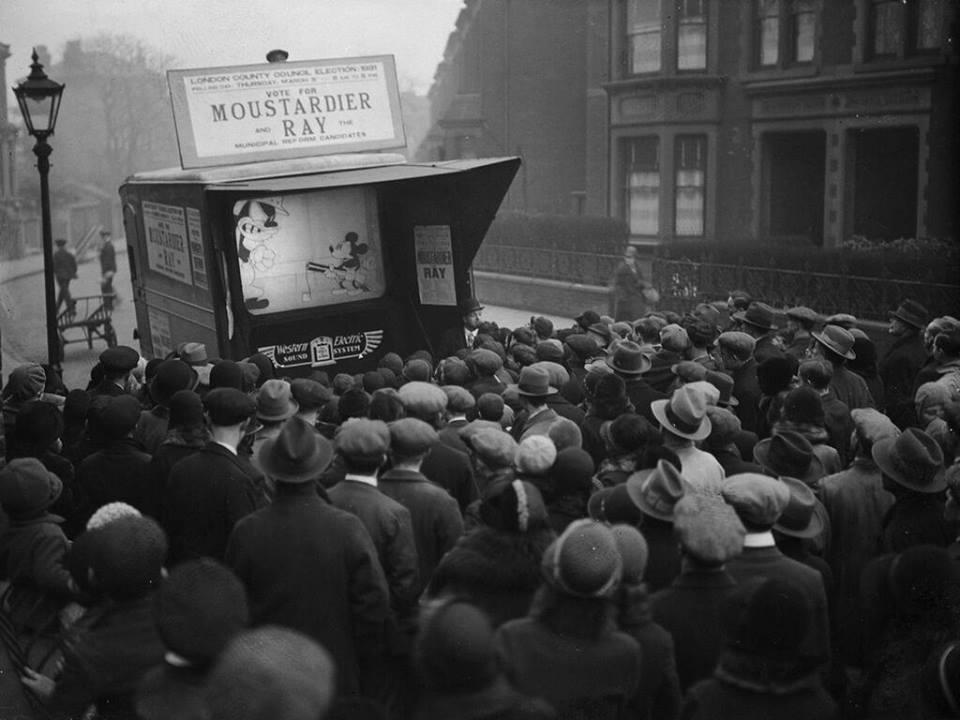
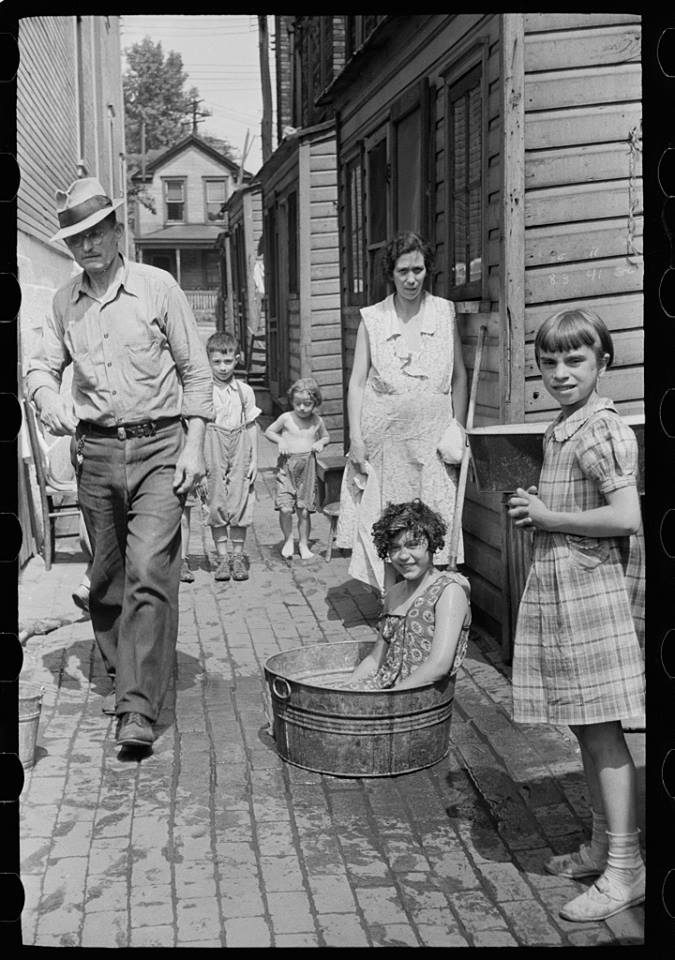
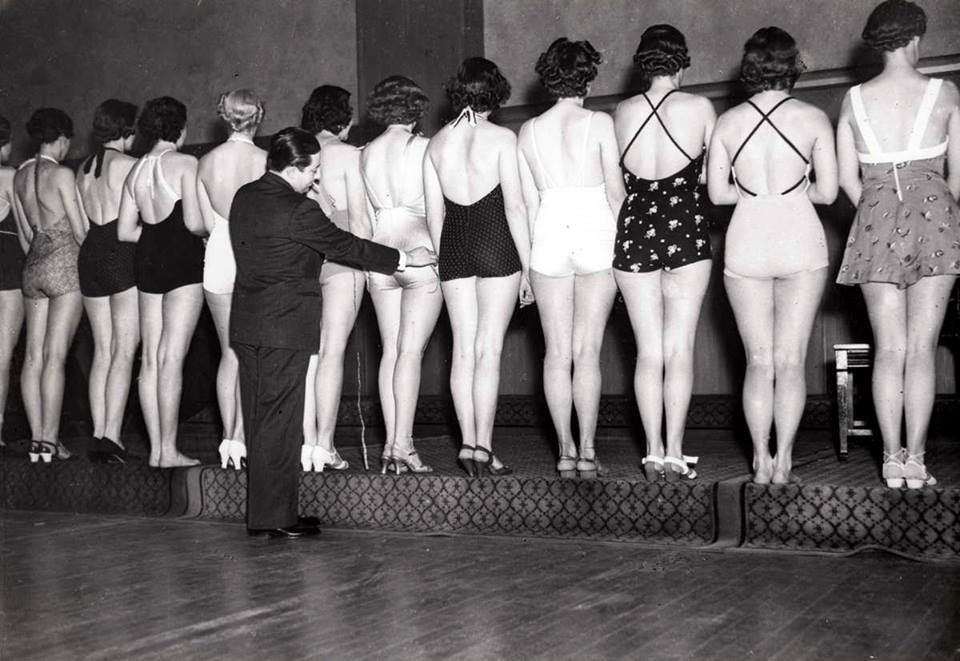
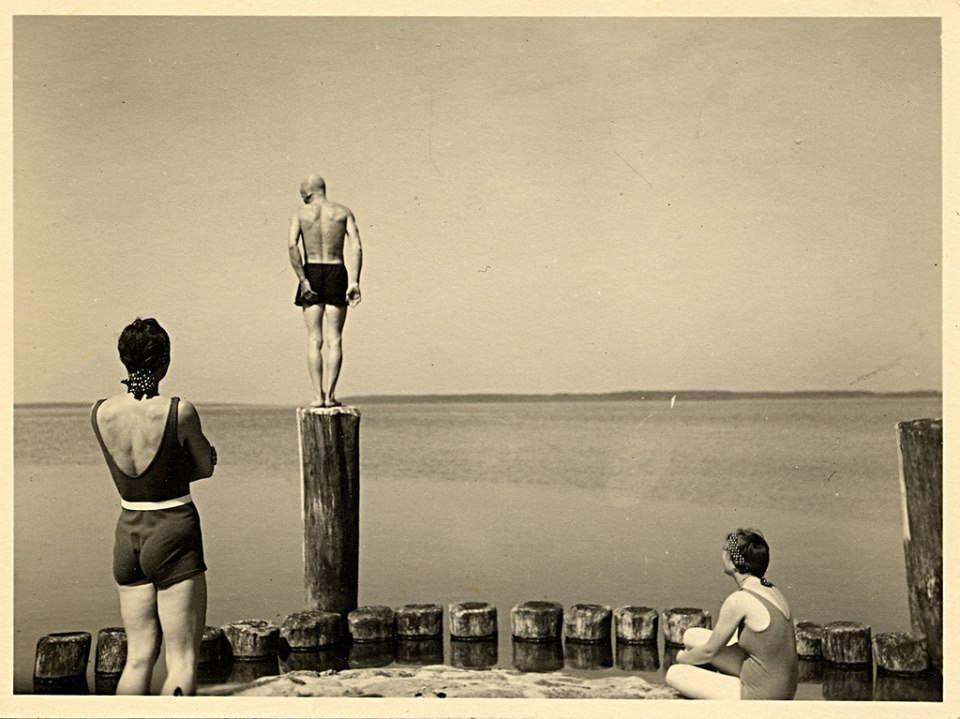
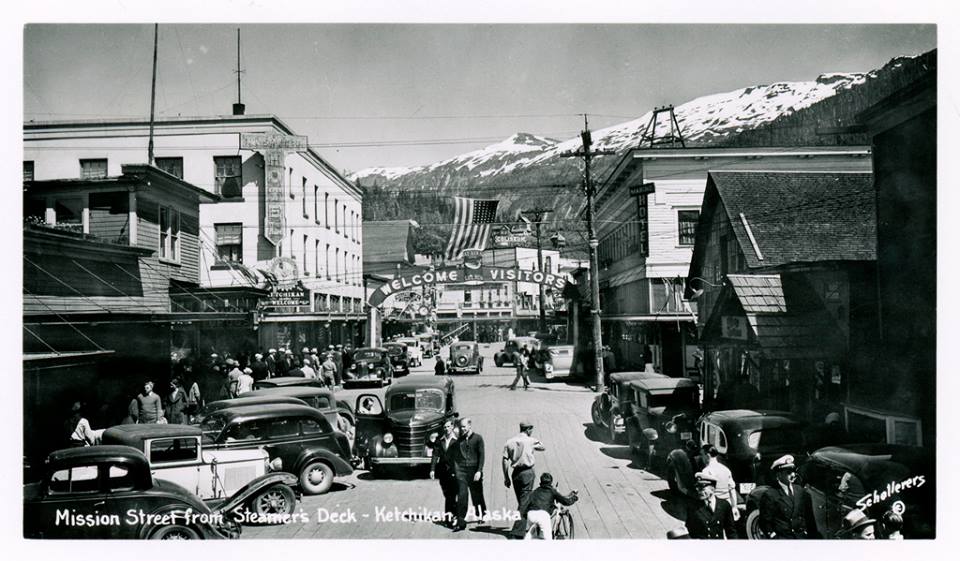
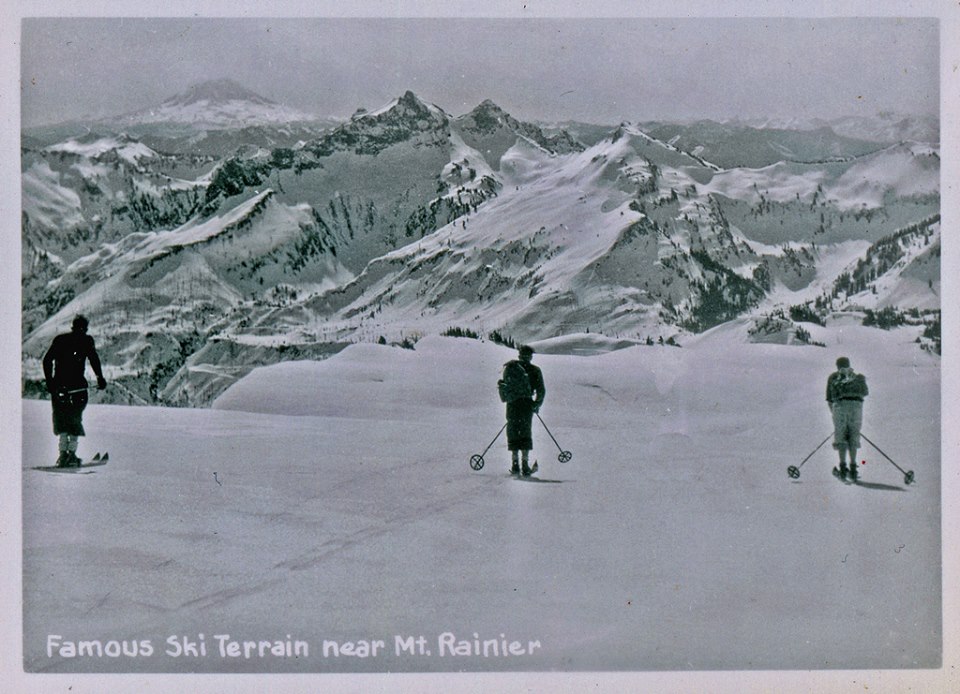
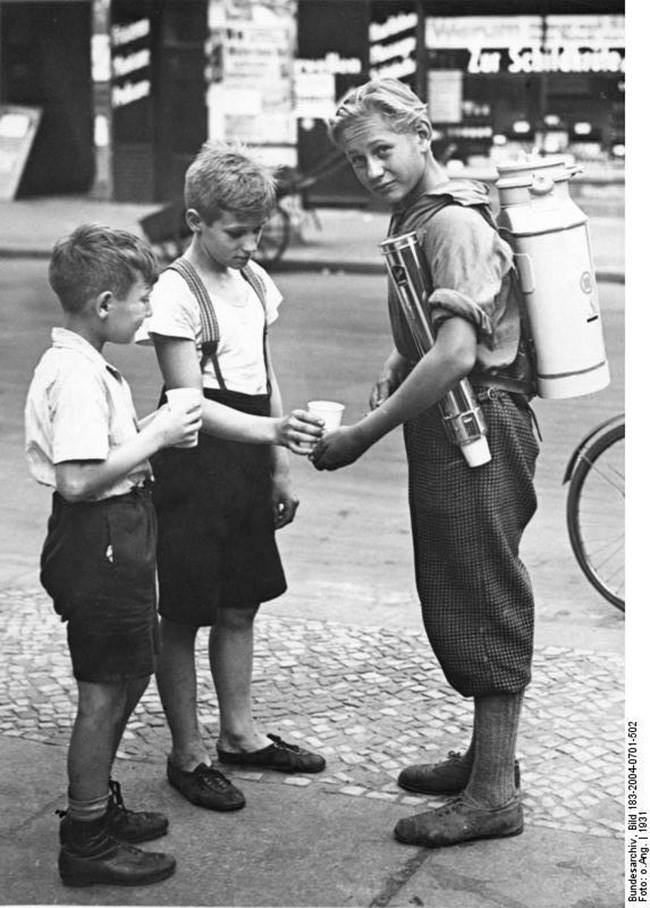
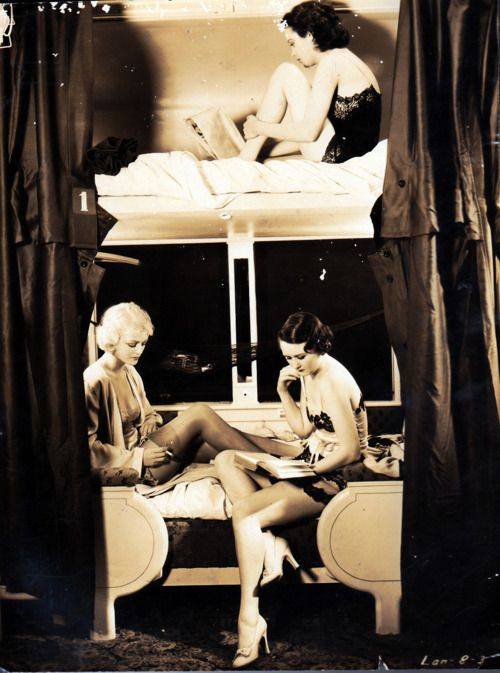
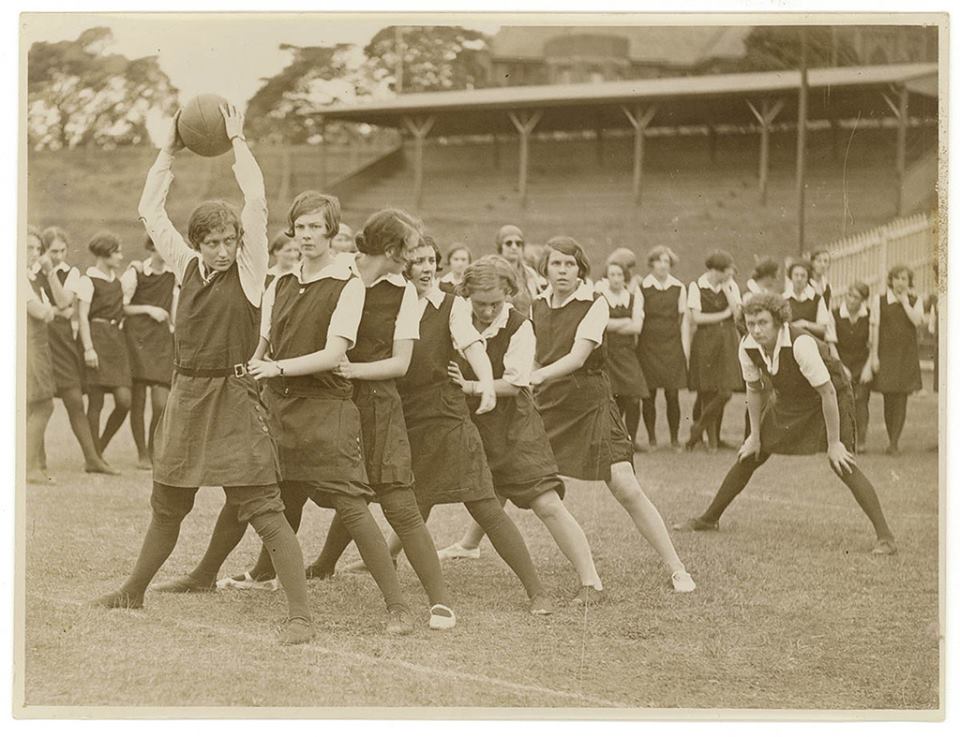
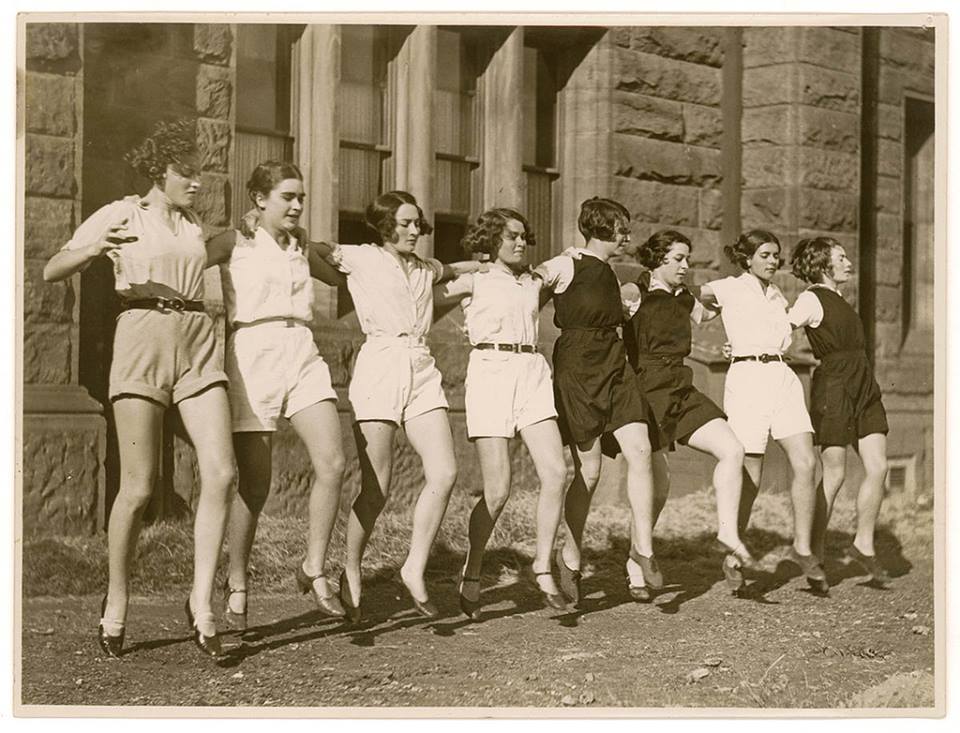
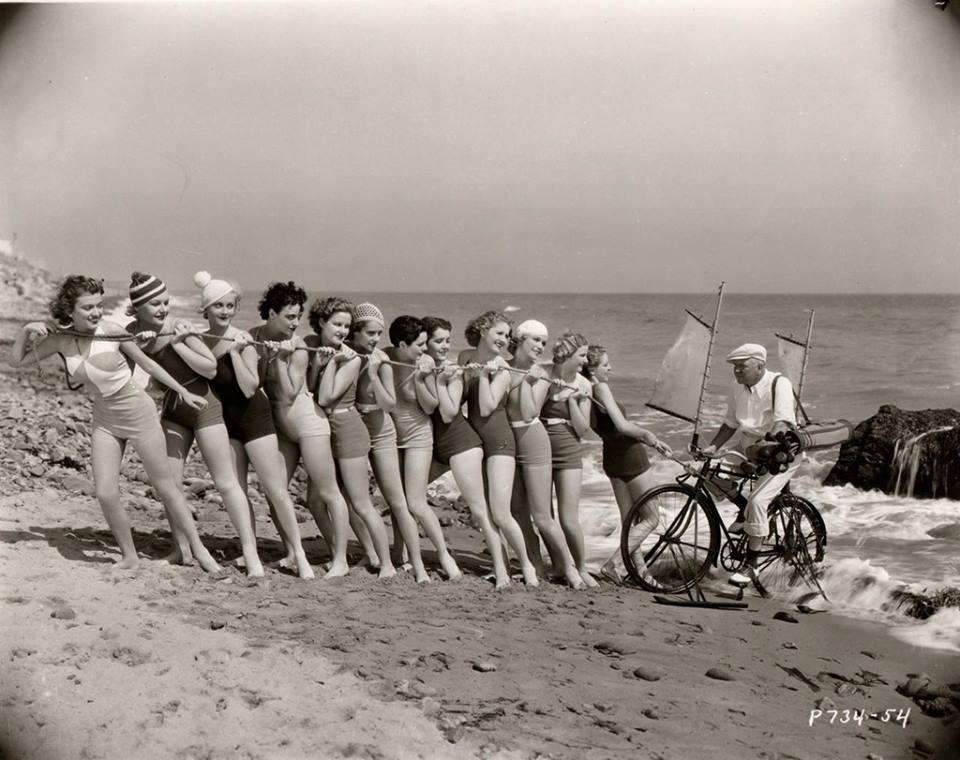
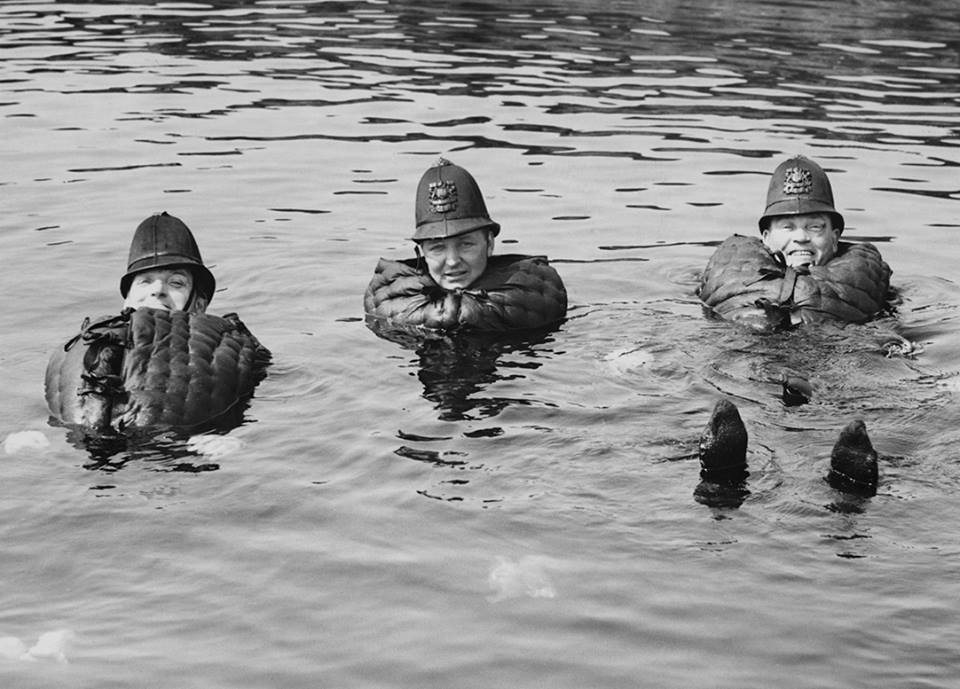
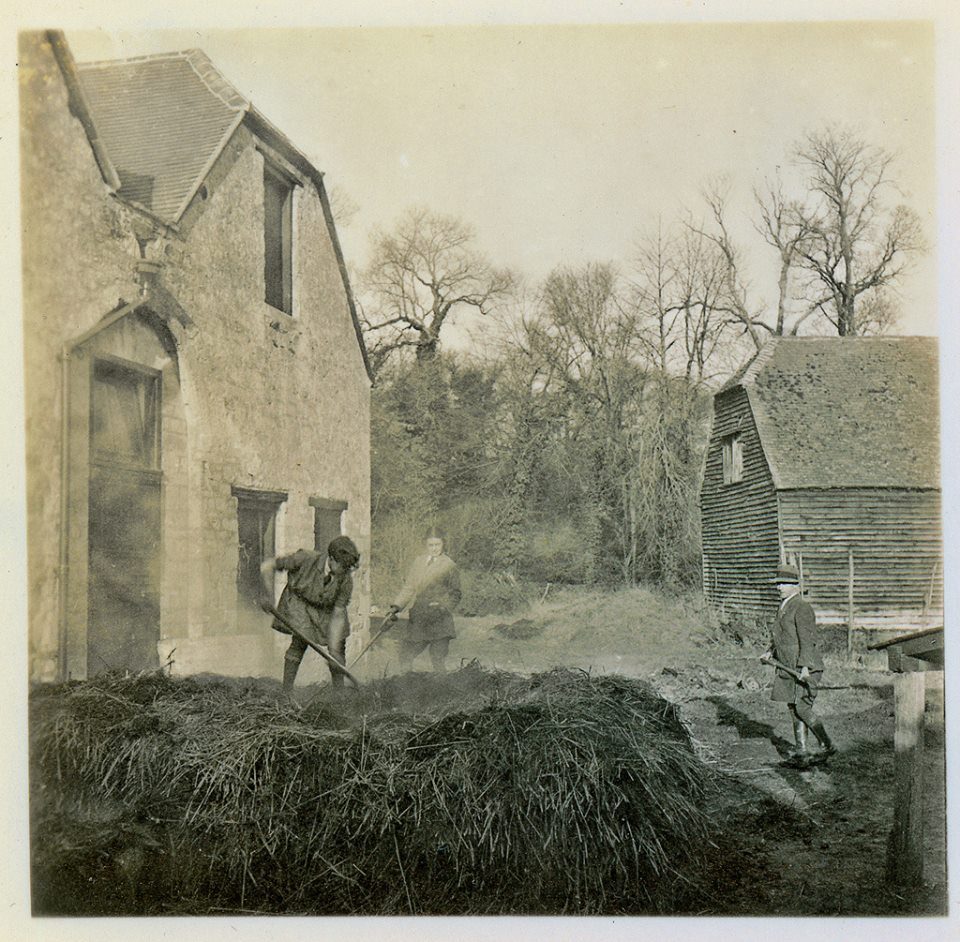
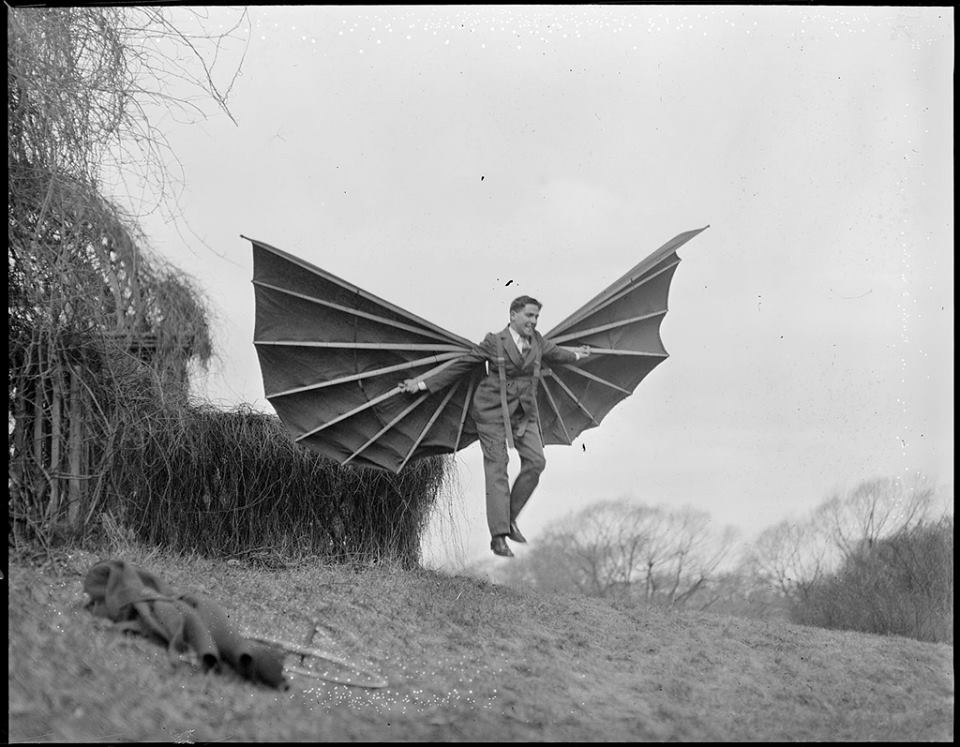
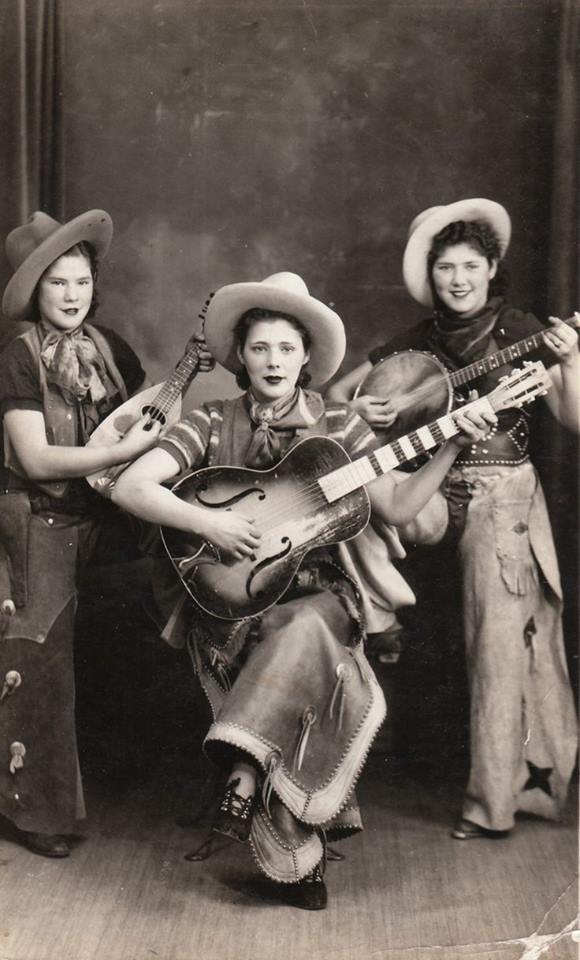
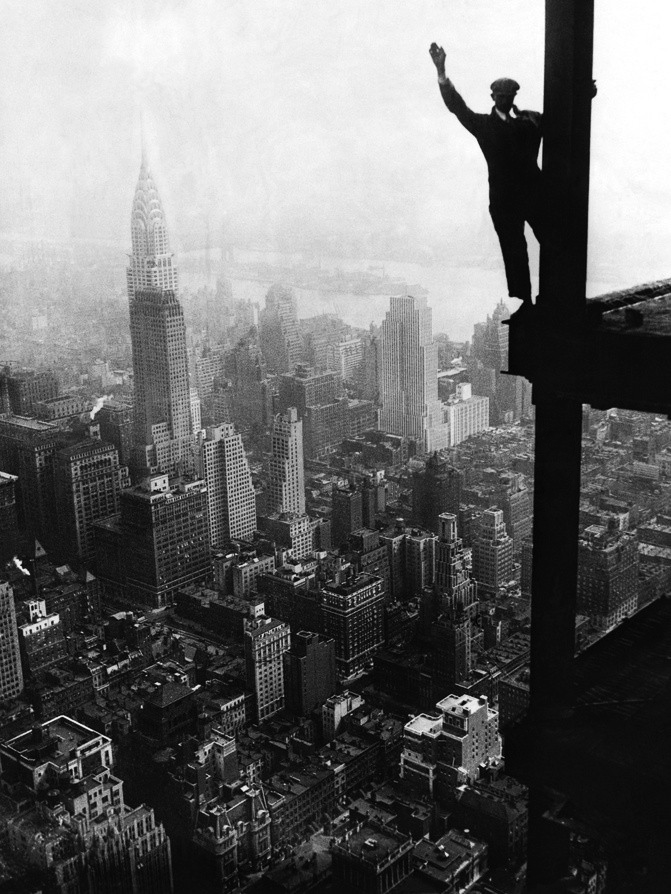
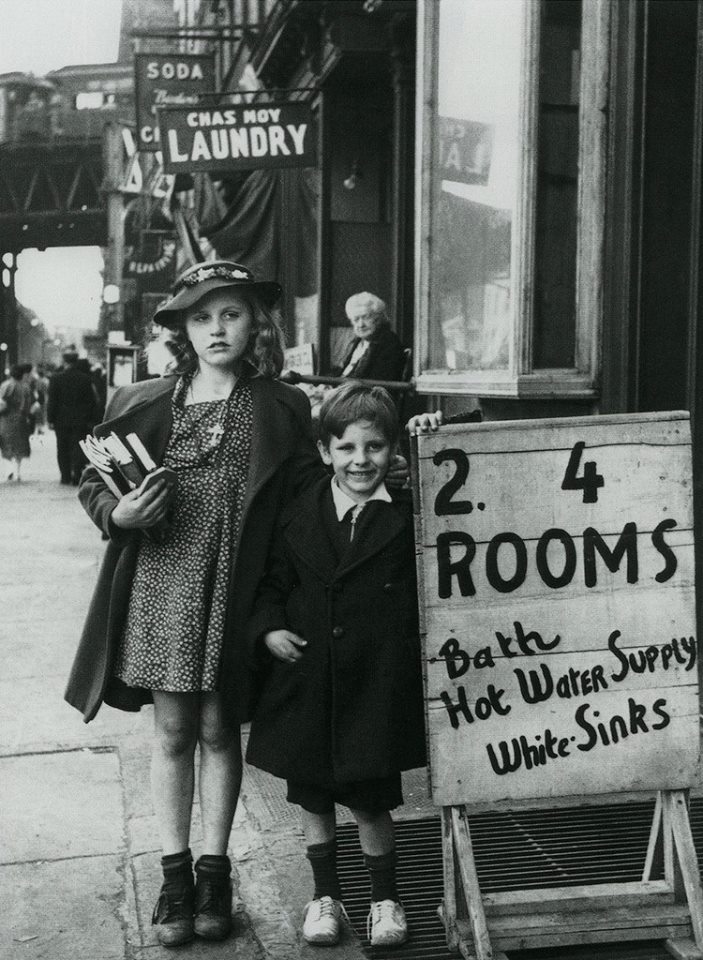
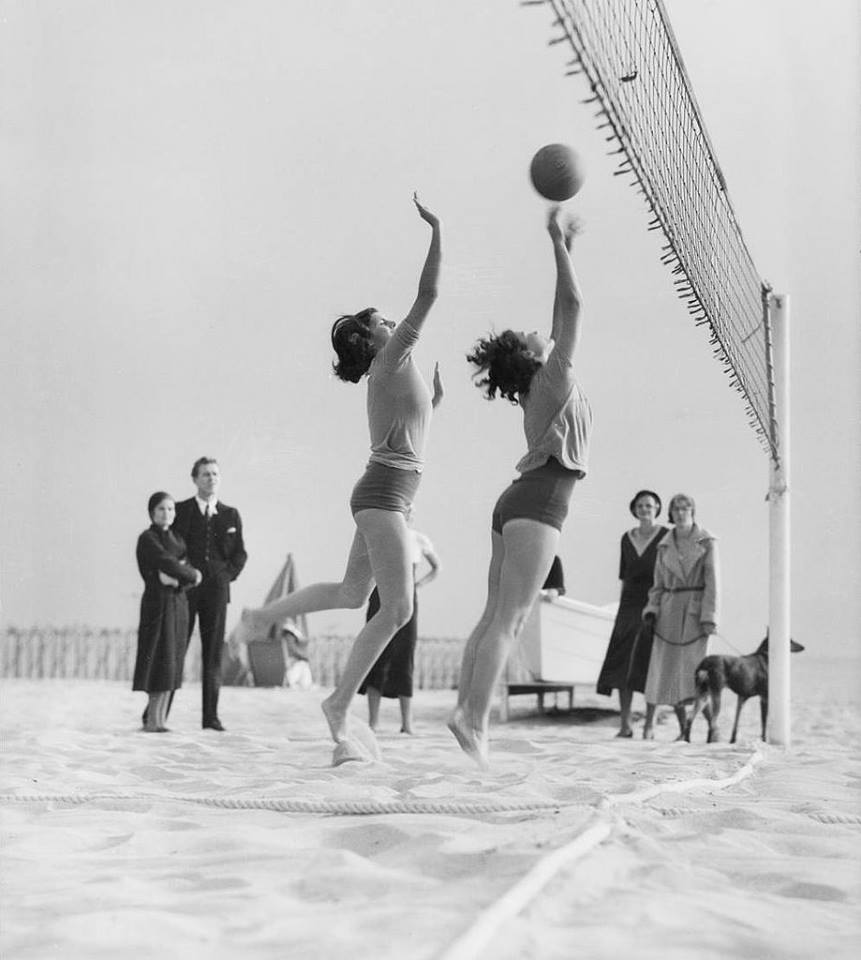
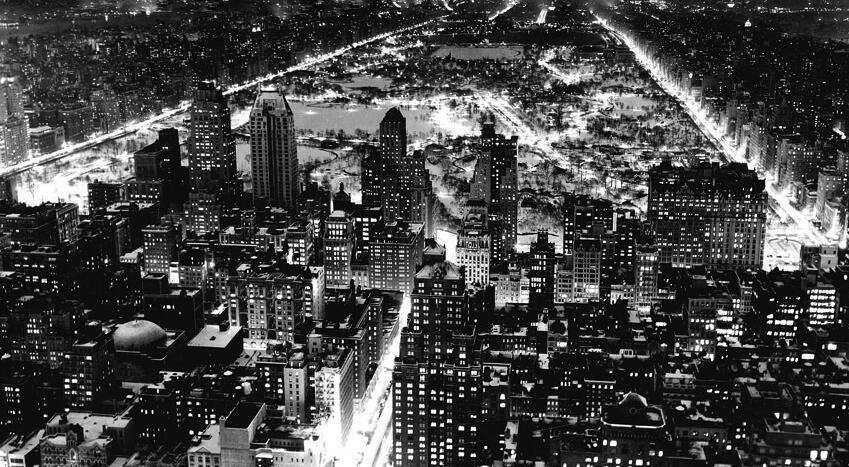
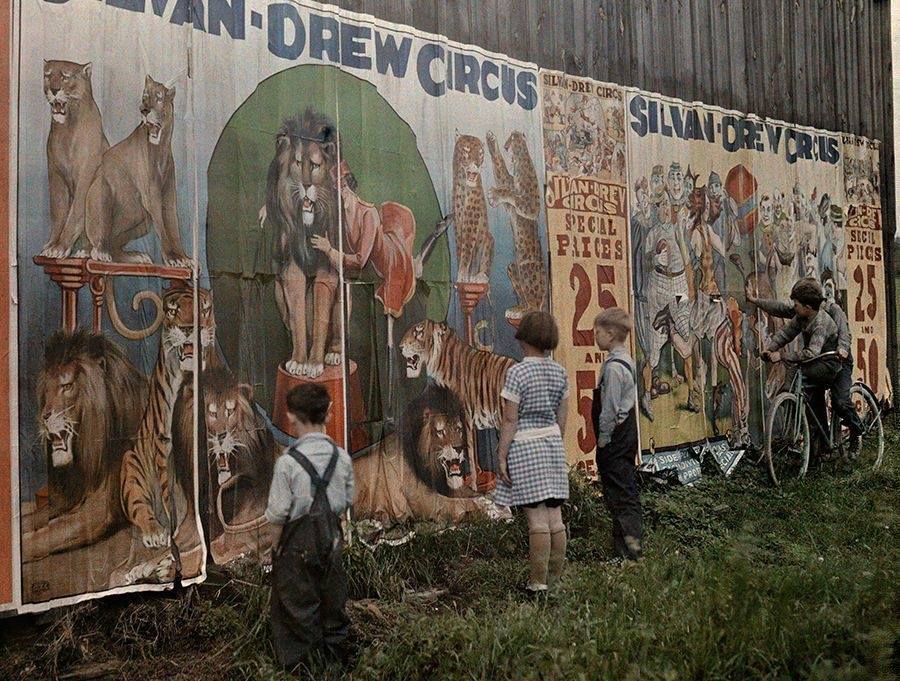
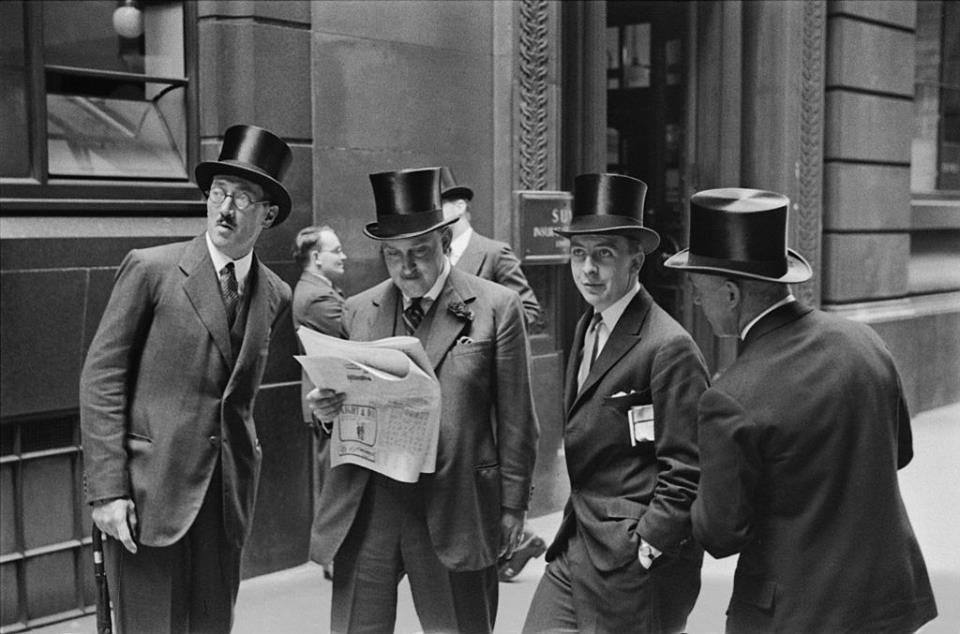
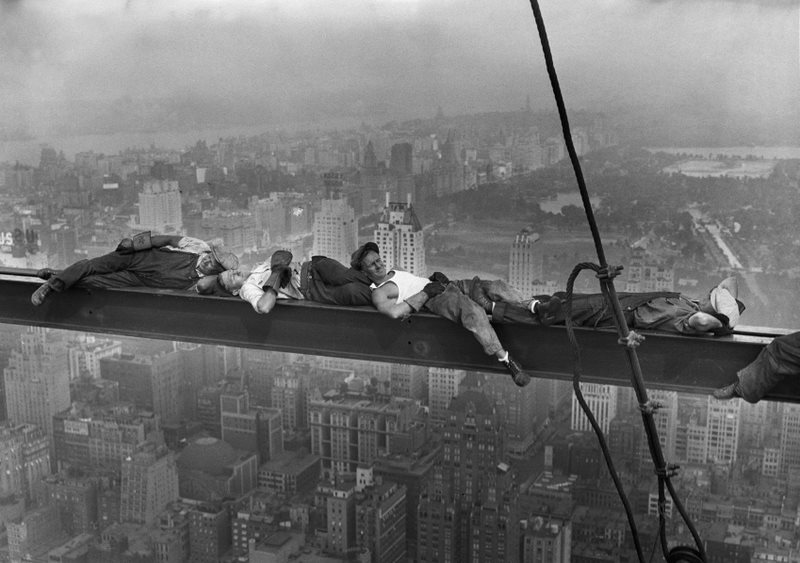
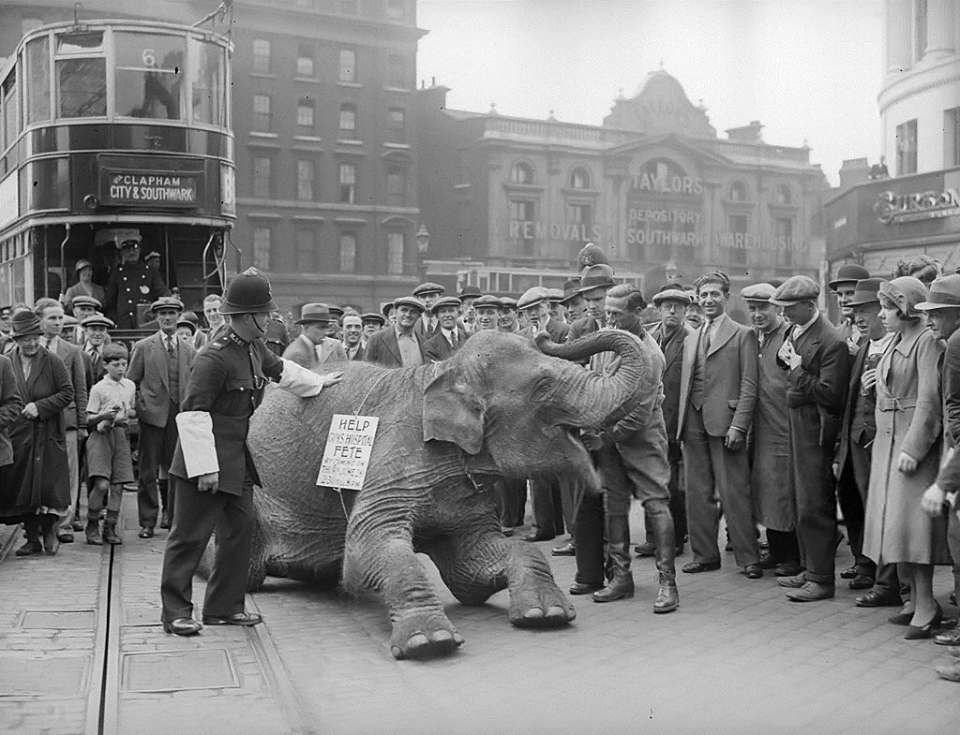
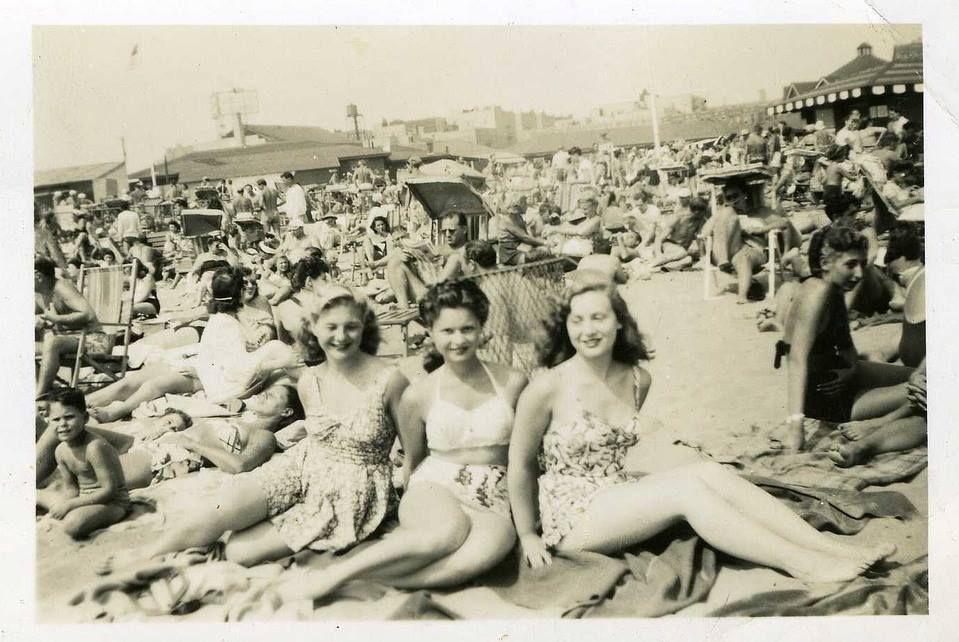
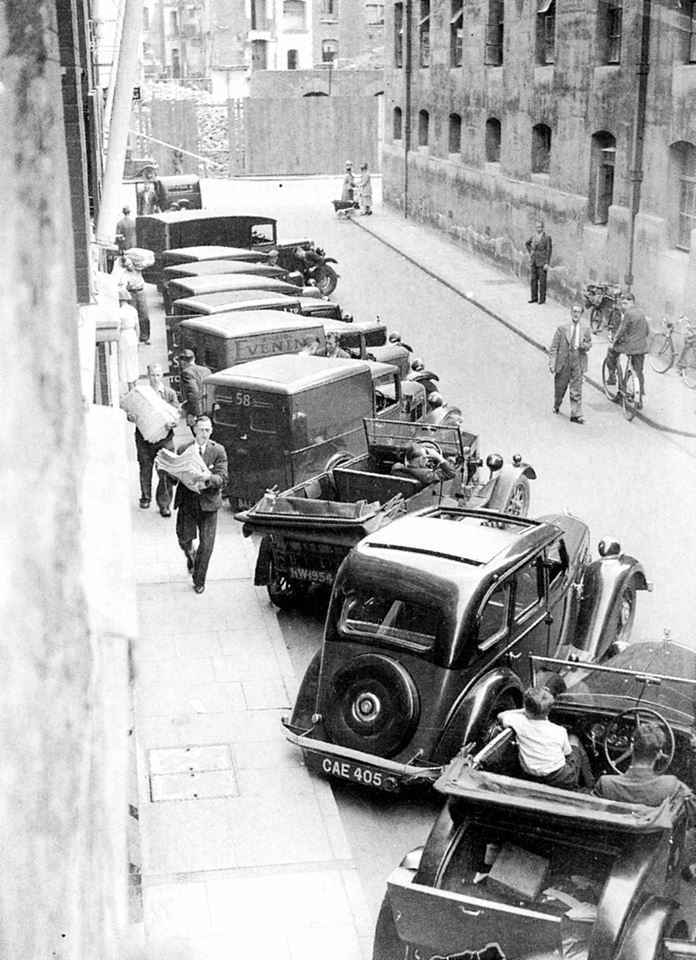
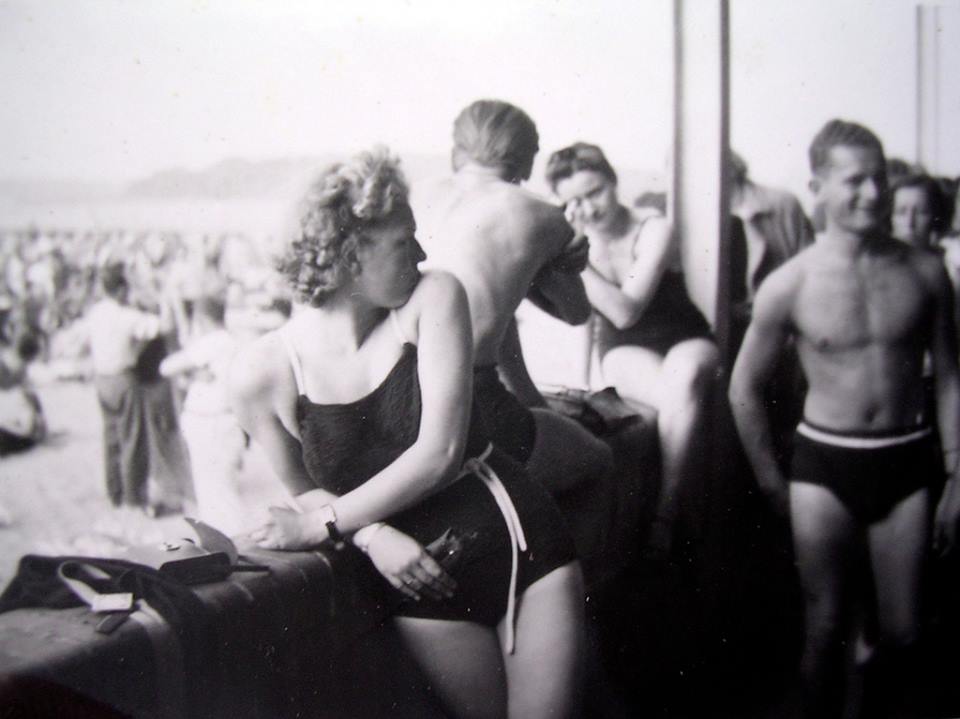
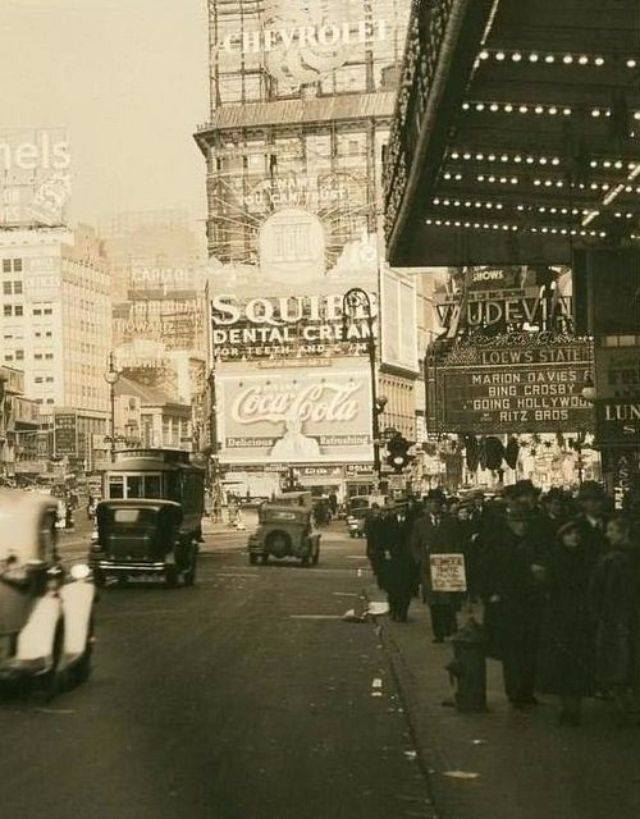
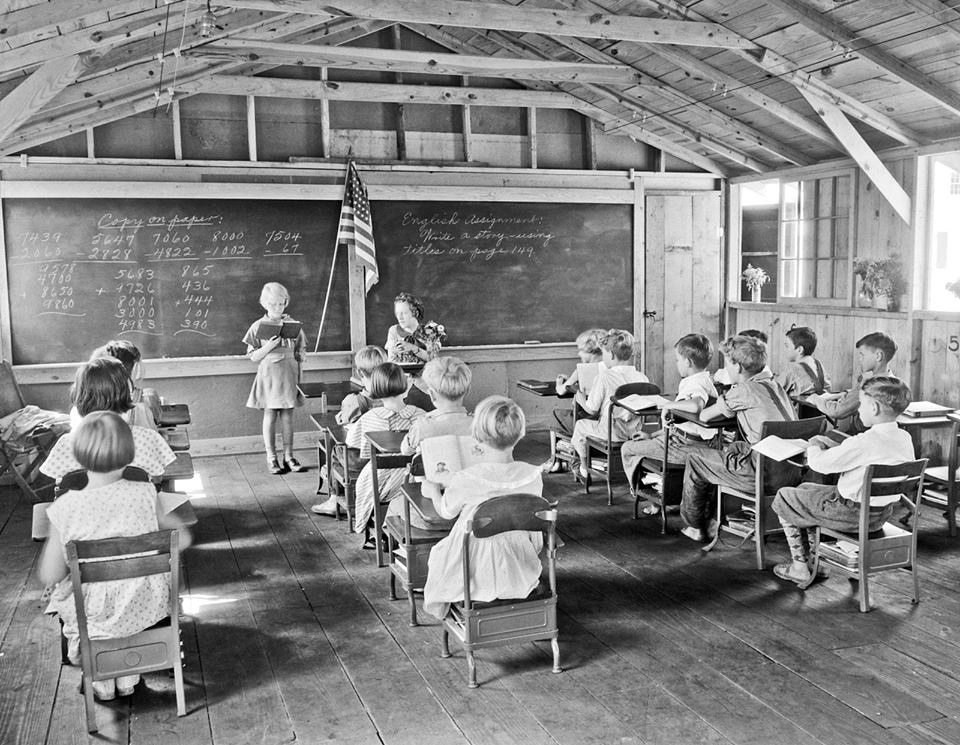
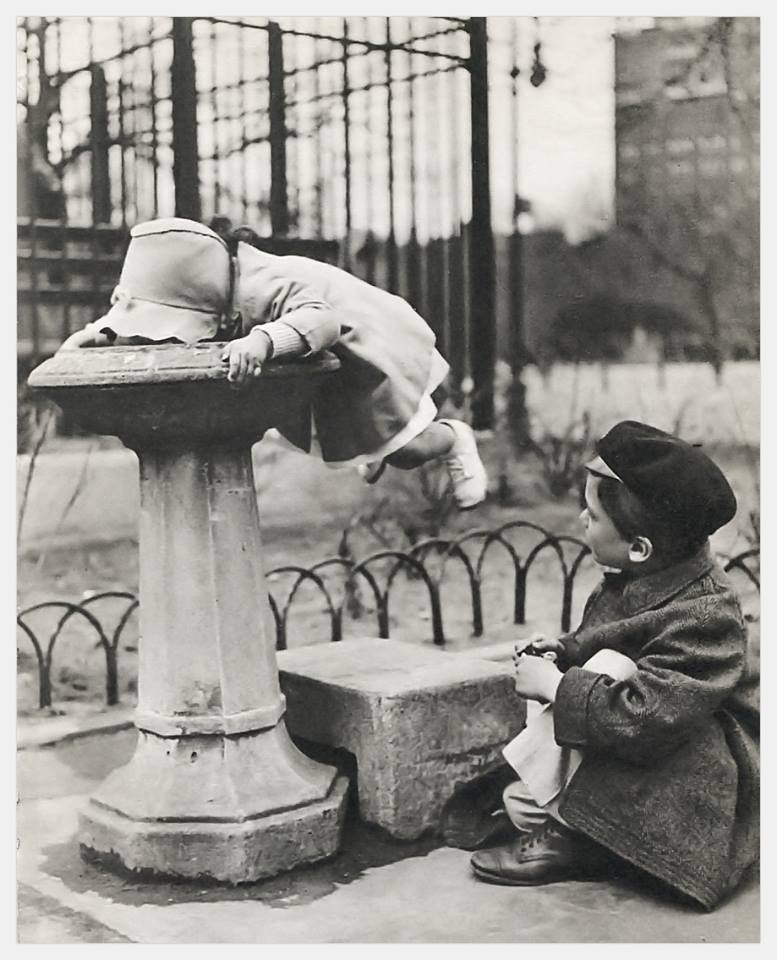
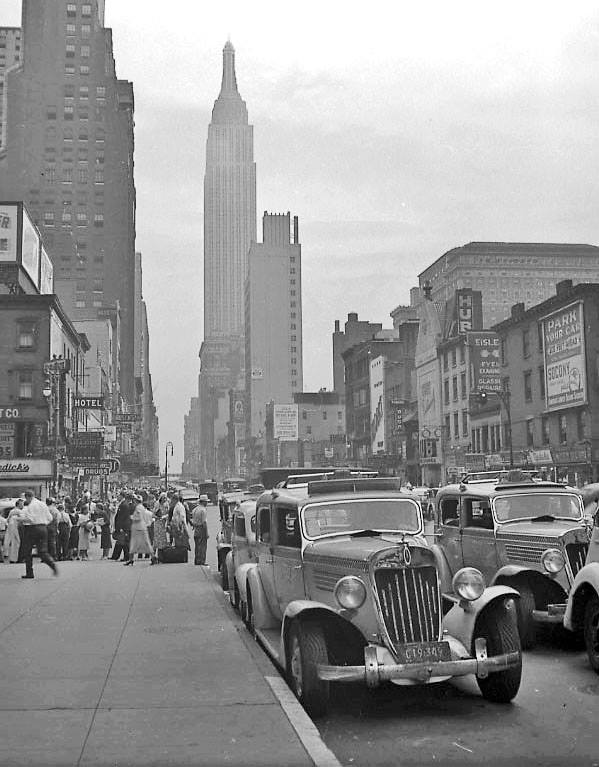
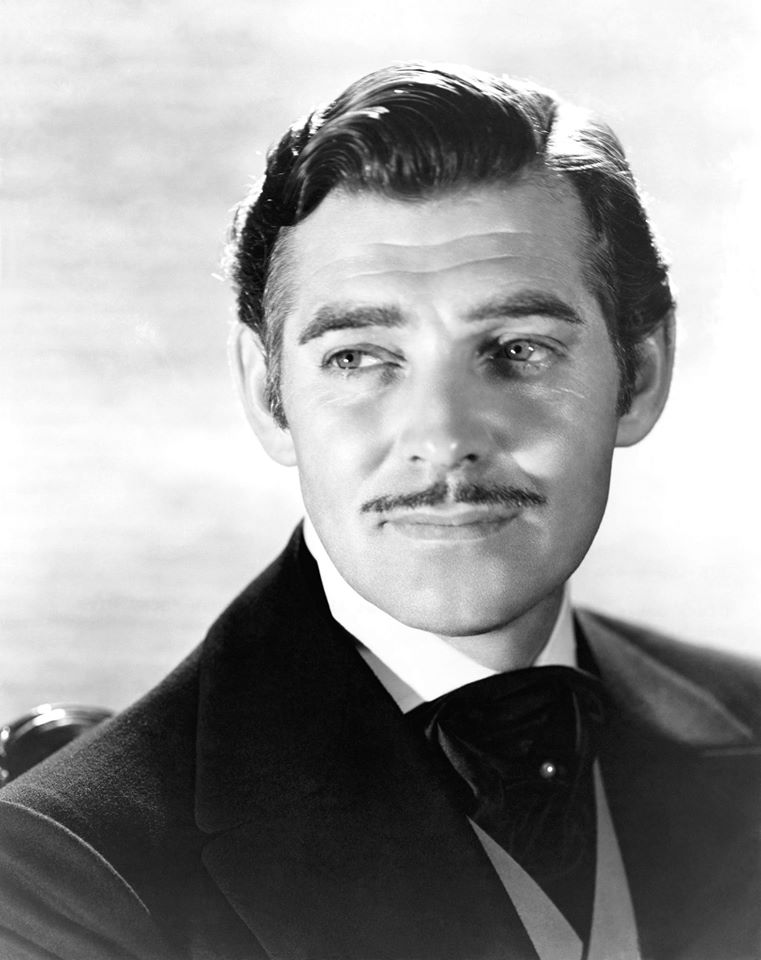
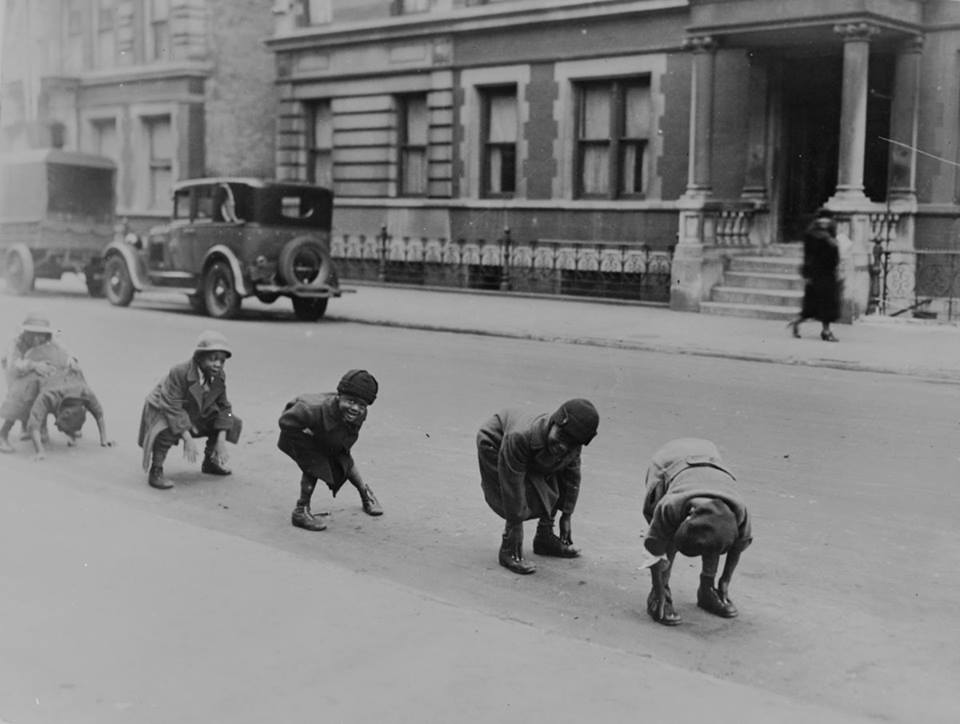
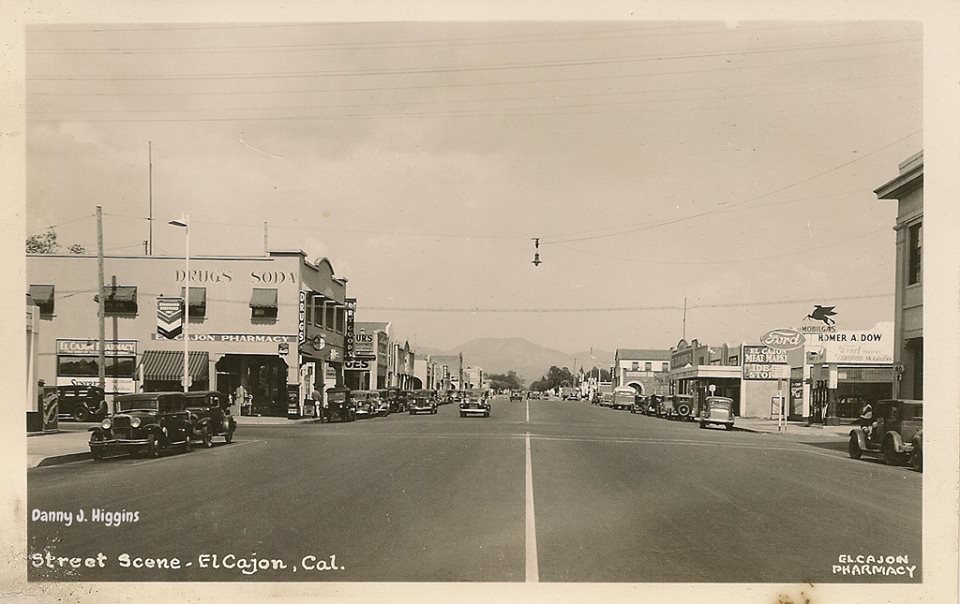
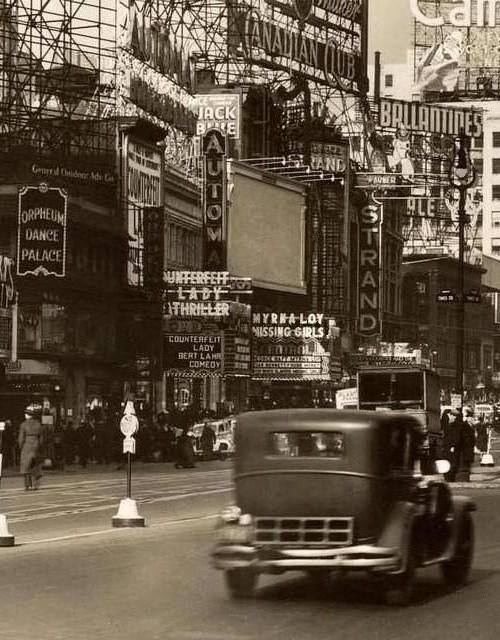
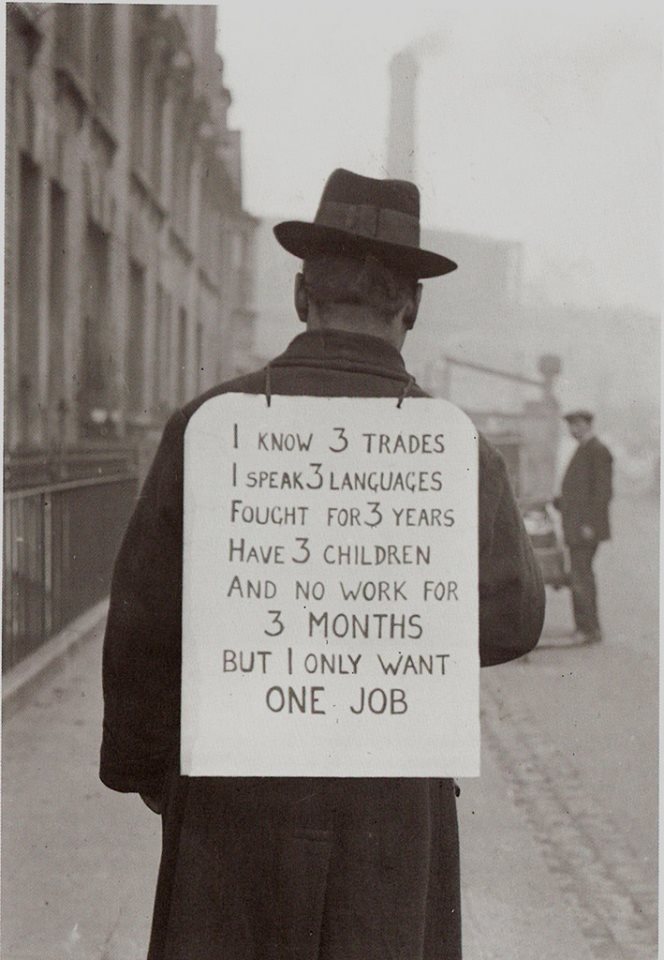
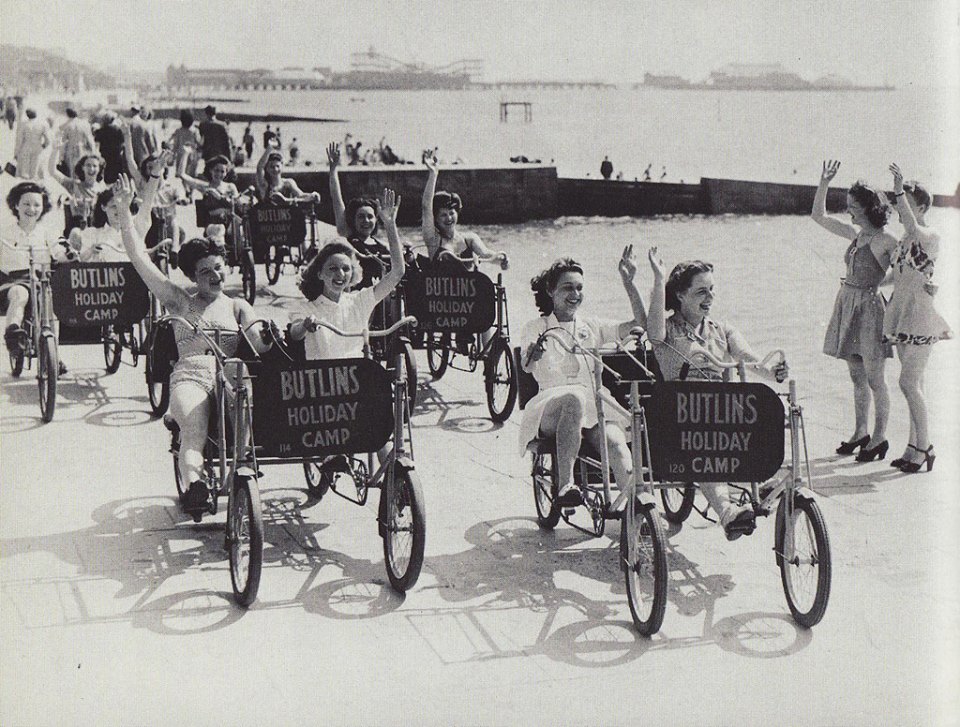
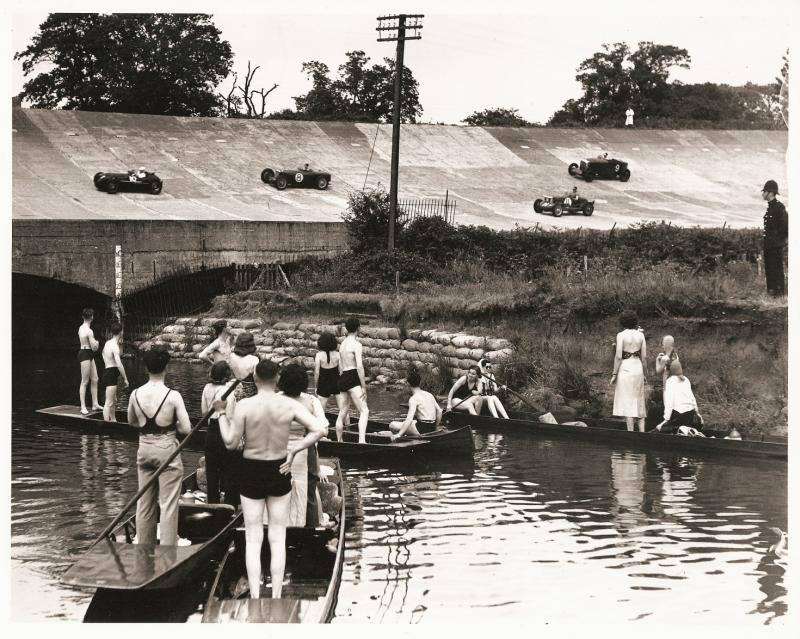
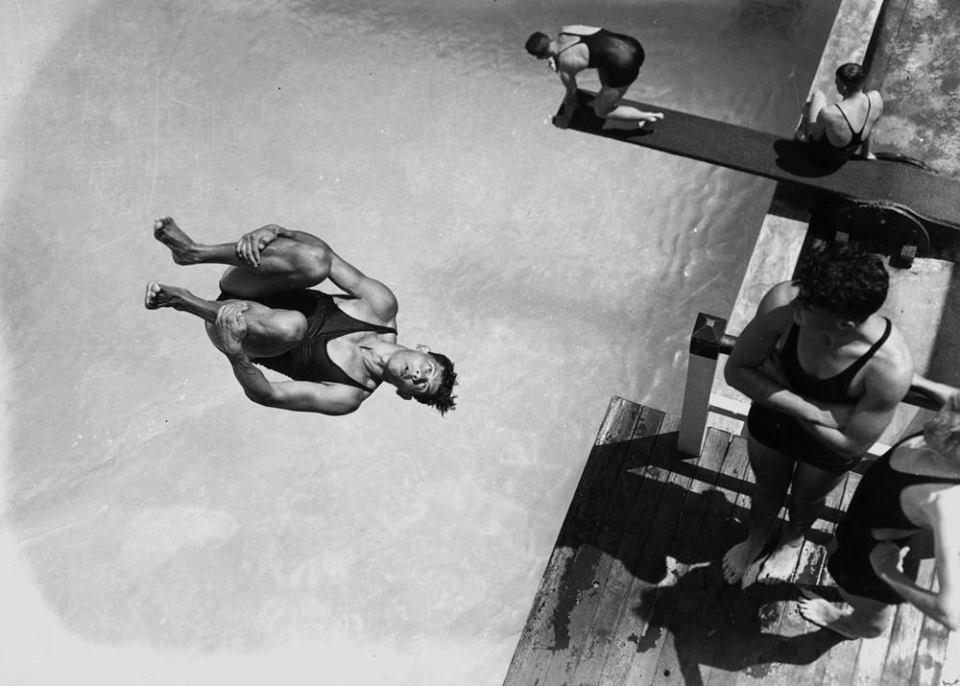
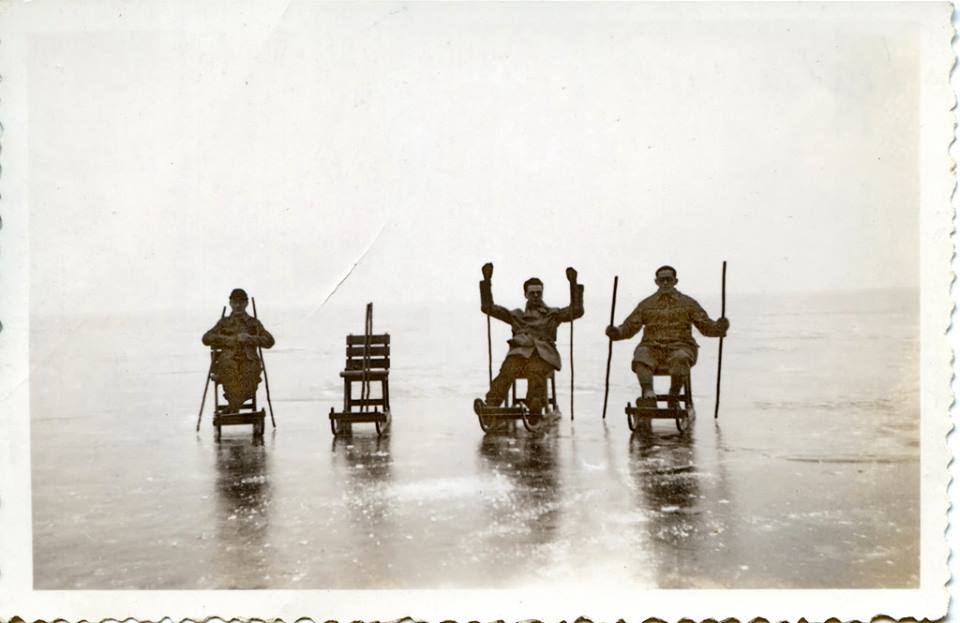
Amelia Earhart receives what proved to be her last haircut in 1937.A female saxophone band known as ‘The Silver Sax Six’ rehearsing at a South Coast resort, California, 1938Police lineup, Los Angeles, California, 1936Teenagers hopping on a freight train during the Great Depression, 1930s.Young Londoners gaze in ecstasy at the array of toys in an Oxford Street store, 1936Celebrating the end of prohibition, 1933Mickey Mouse is shown on a small screen to attract voters during a election campaign, London, 1931Scene in the alley on the east side of town, Ambridge, Pennsylvania, 1938.Test of dancing girls for a spot in a theater revue on Broadway, 1937.Watching for the big jump, 1930sMission Street in Ketchikan, Alaska, 1930sSkiers on Paradise Glacier near Mt.Rainier, Washington, 1930sA boy selling lemonade with a portable lemonade dispenser, Berlin, 1931.Show girls on a train in the 1930sSchool tunnel ball, Sydney University, 1930.Girls dancing, 1930s.W. C. Fields rides a bike… out of the sea, with the help of a dozen bathing beauties, 1932.Three Port of London Authority policemen enjoying their duty of testing life saving jackets on a hot summer’s day in the West India Dock, 1937.People working at a hay barn in a hot bed garden, England, late 1930sDemonstration with Mme. Alberti’s flying contraption, 1931.Women musicians of the Wild West, 1935.Man waving from Empire State building construction site, 1930sNew York, 1930s.Fashionable ladies at the 1939 World’s Fair in New YorkGirls playing volleyball at the beach, Pacific Palisades, Santa Monica, 1931Central Park in Manhattan at night, 1937Children fascinated by a circus billboard, 1930sMen of the London Stock Exchange, 1937.Girls playing with ball at the beach in the 1930sConstruction workers resting on a steel beam above Manhattan, 1932An elephant stops traffic at London’s Elephant and Castle by lying down in the middle of the road and refusing to move, 1934.Cycle engineer riding the world’s smallest bicycle through the city, London, August 1937.At the beach of Coney Island, New York City, 1938Delivery men rush to get papers on the streets of Bristol former Evening Post building Silver Street, 1930s.At Strandbad Wannsee, Berlin, 1939New York City street scene, 1934.Schoolhouse in Red House, West Virginia, 1935.Two children at a water fountain in New York City, 1930s.Checker Taxicabs on 34th Street, New York, 1938Clark Gable in the 1939 movie “Gone With The Wind.”Children playing leapfrog, New York, 1930.Street scene in El Cajon, California, 1930sNew York City, 1937Two young girls reaching for a toy sailboat, Seattle, Washington, 1930sLinda Vista, San Diego, 1930.Job hunting on England street in the 1930sAn invasion from Butlin’s holiday camp going along the Marine Parade in Clacton on sea, 1930sBrooklands racing circuit in 1937Diving at the Valley Baths, Brisbane, Queensland, 1938Ice sledding on the frozen Lake Balaton, Hungary, 1934
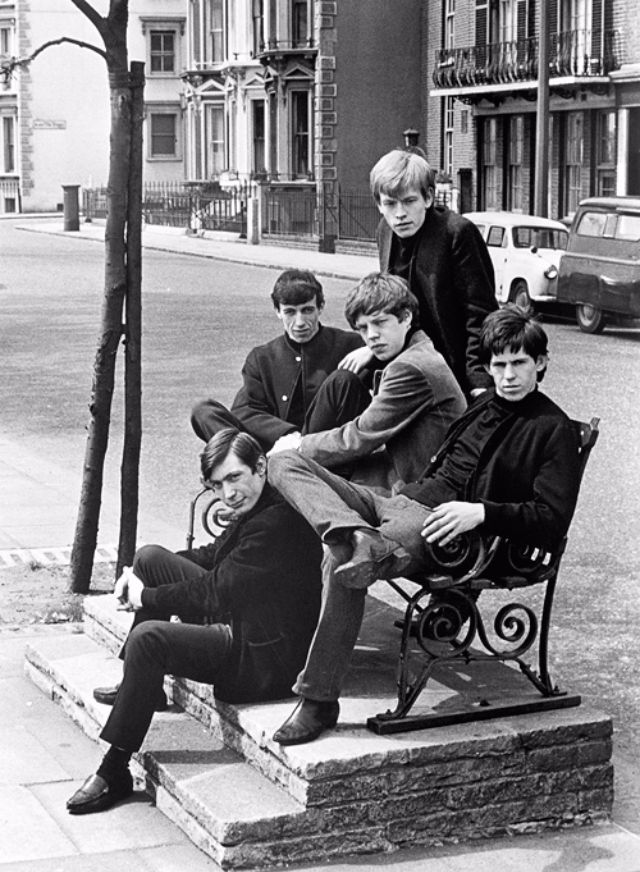
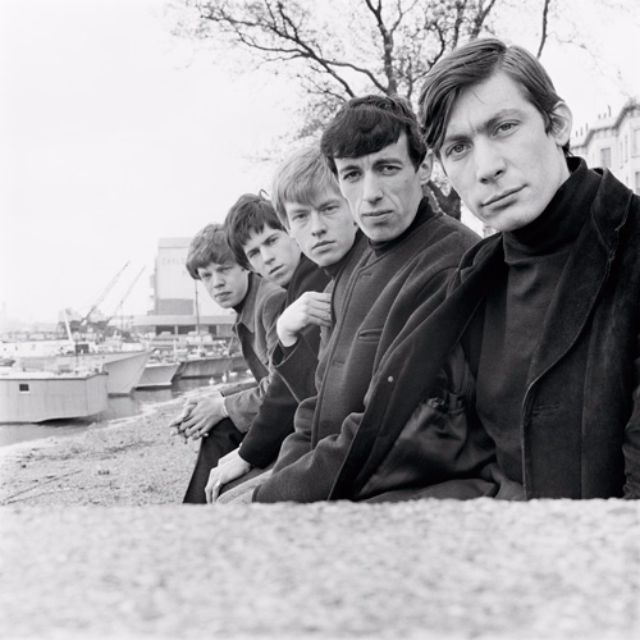
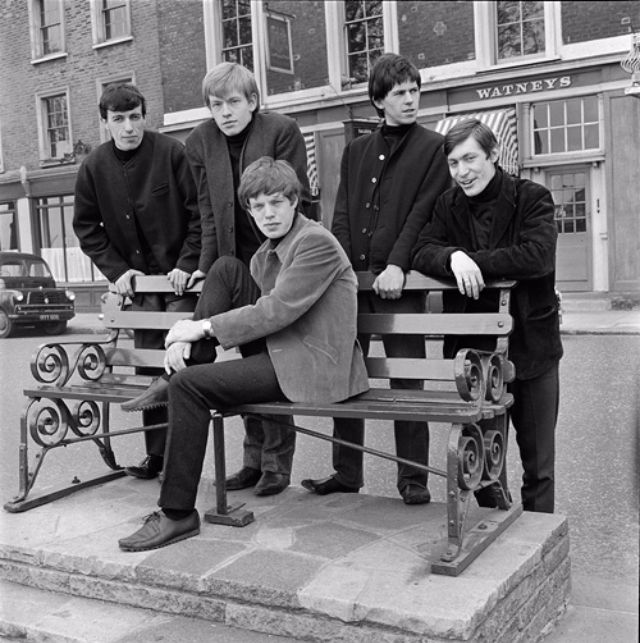
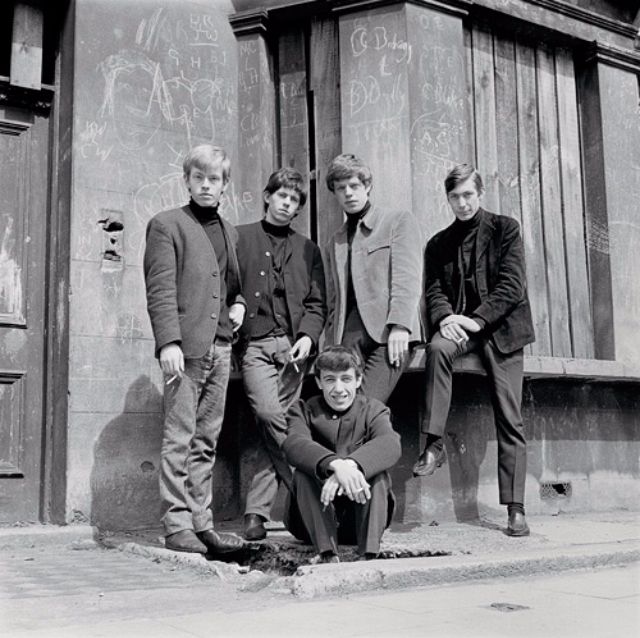
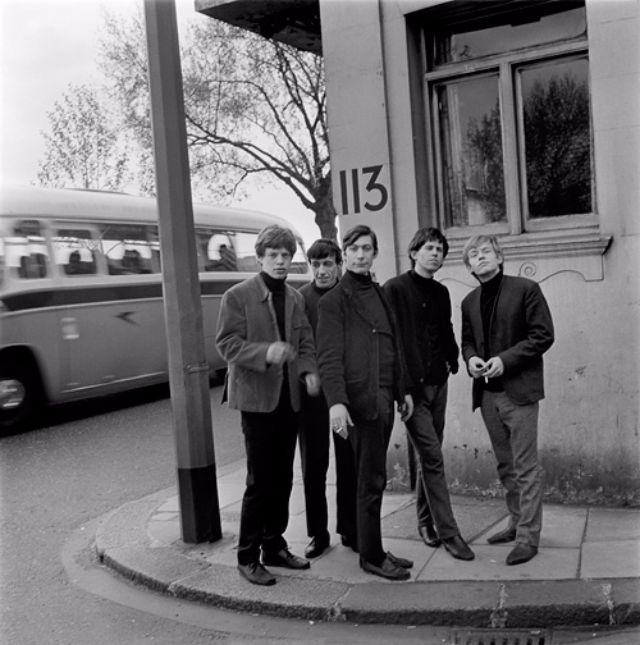
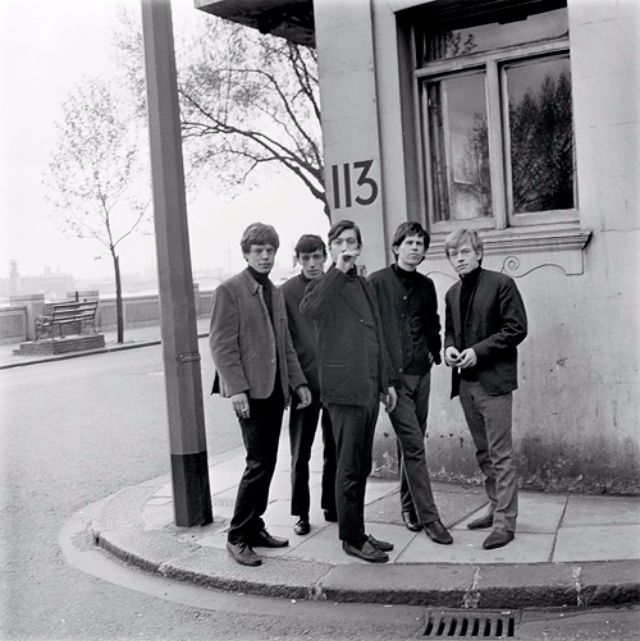
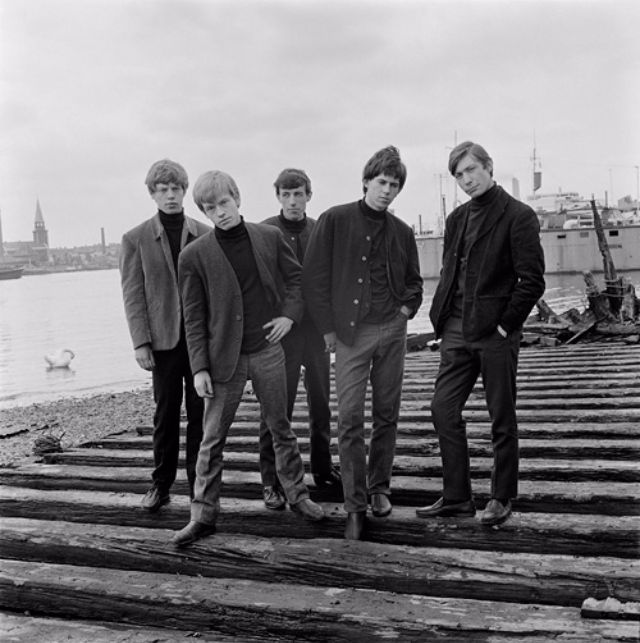
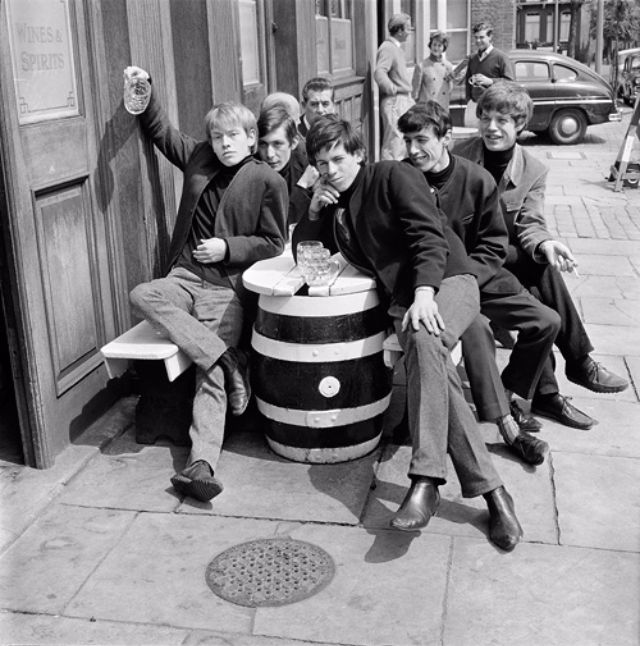
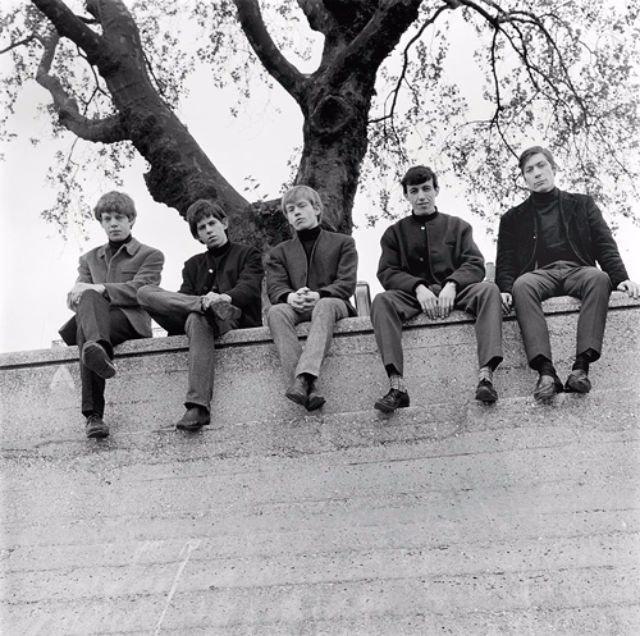
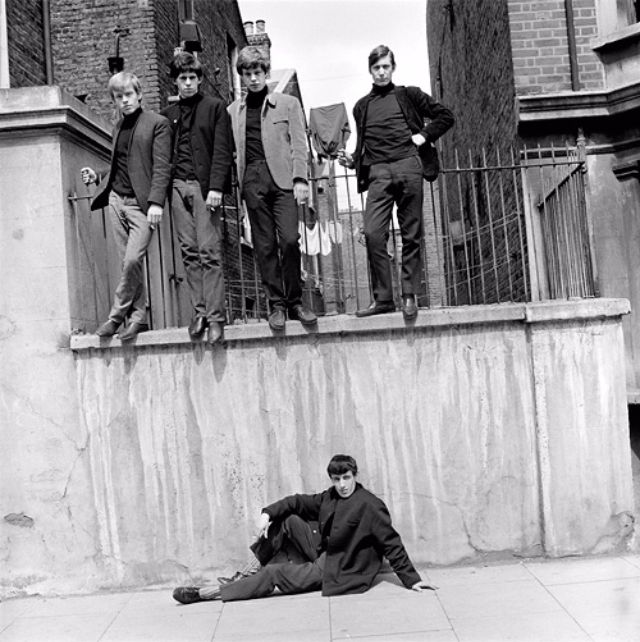
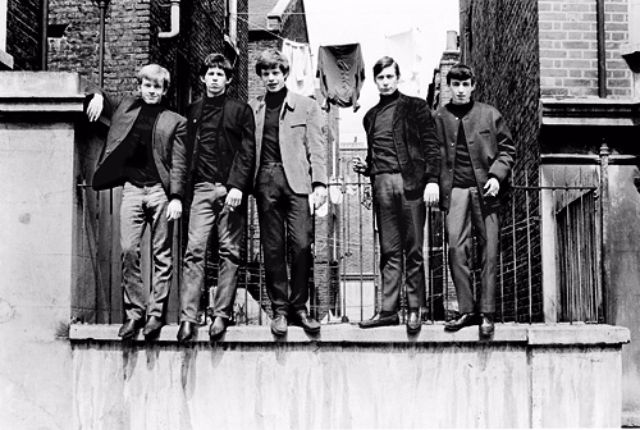
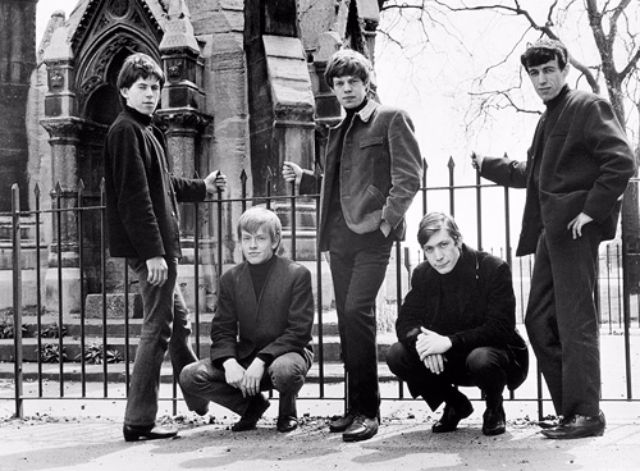
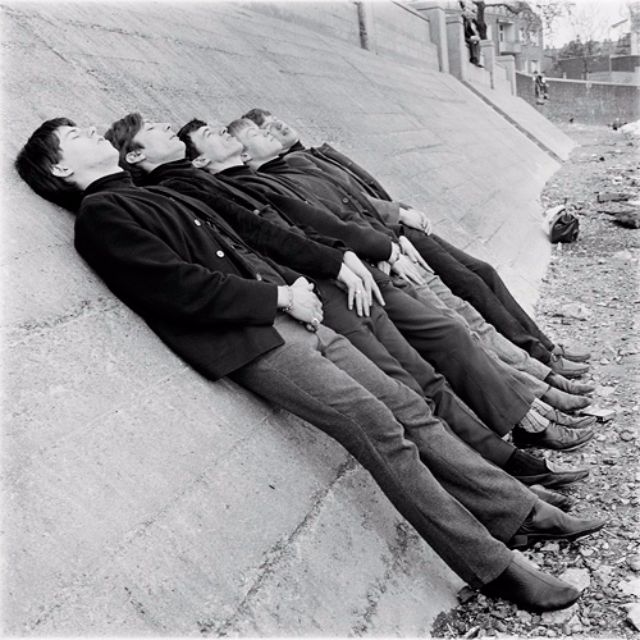
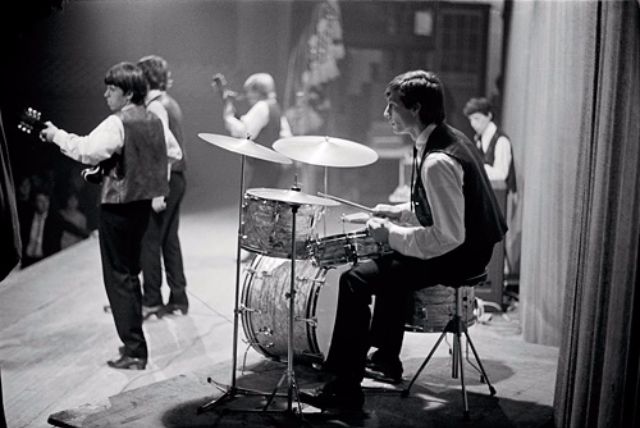
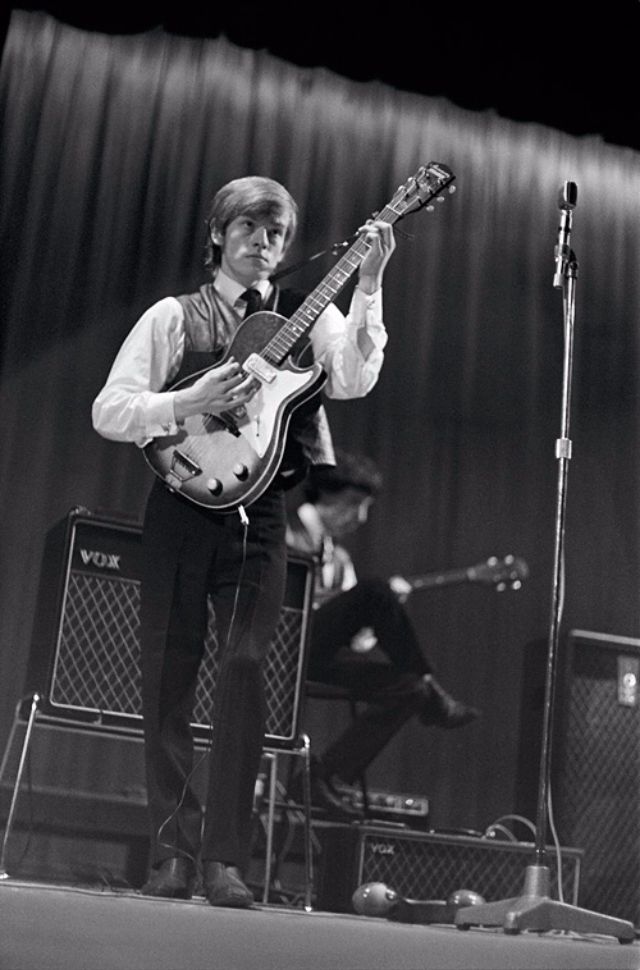
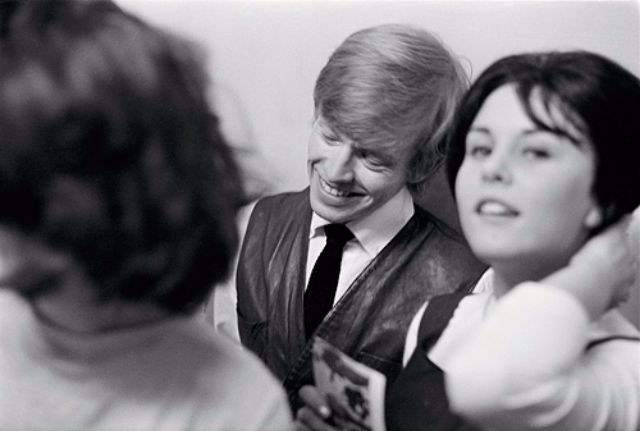
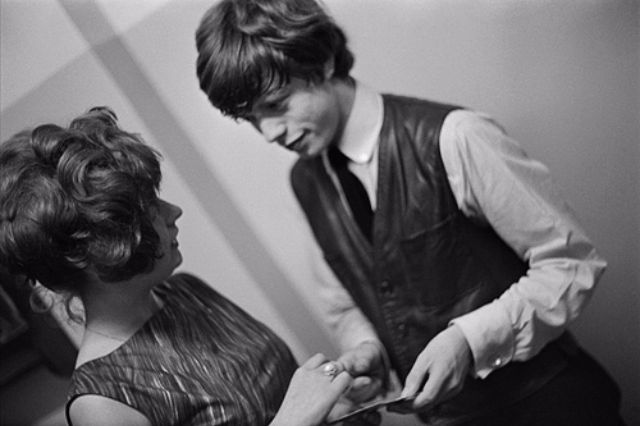
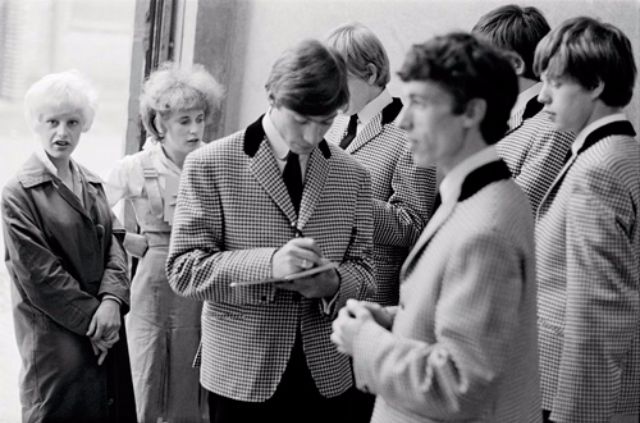
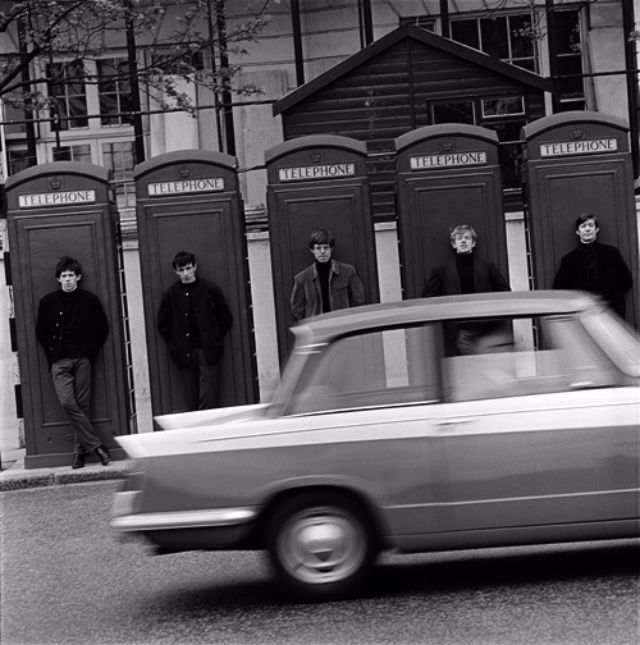
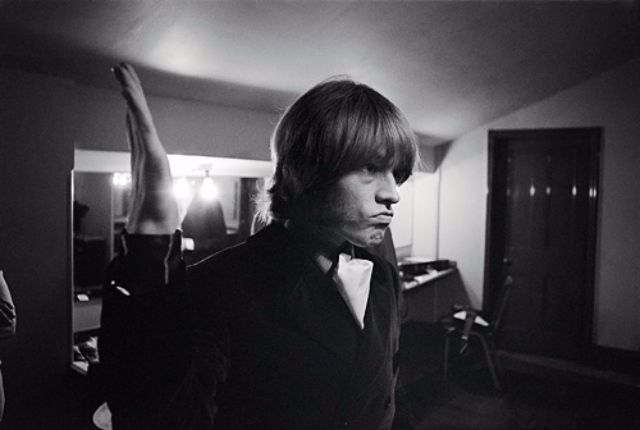
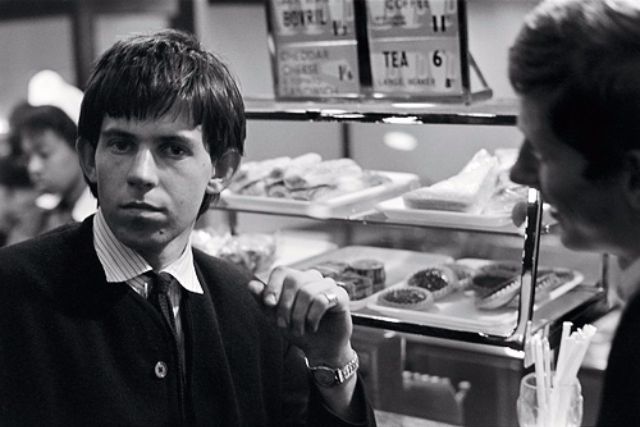
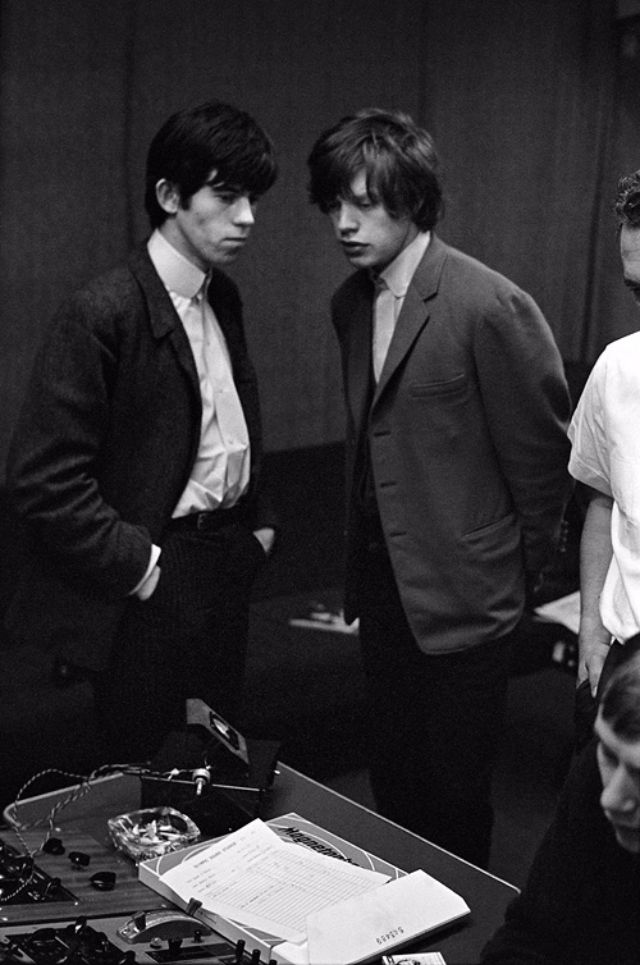
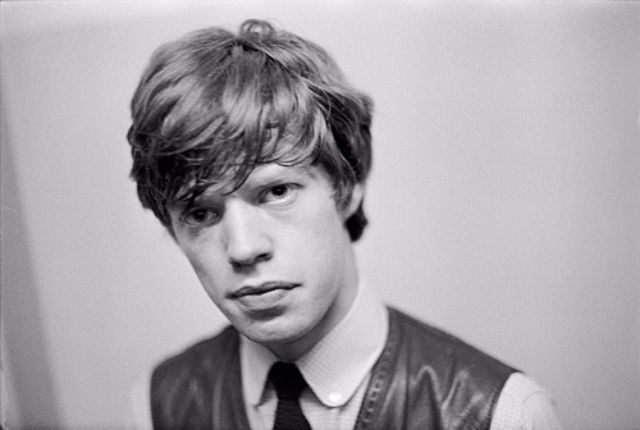
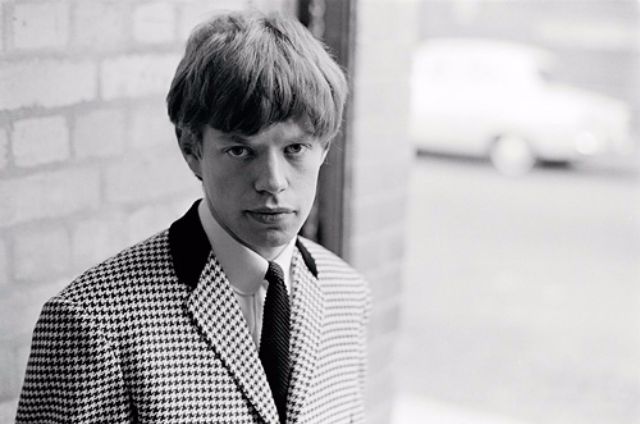
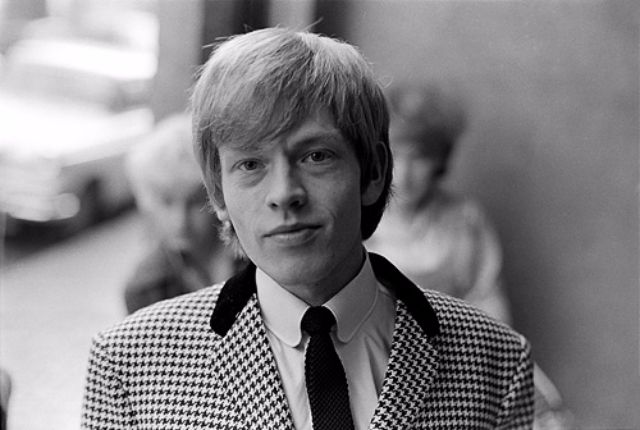
Celebrity photographer Philip Townsend got up close to the excitement of the era, and took many iconic images of the Sixties. He captured the very first picture of the Rolling Stones ever taken, shortly after they formed in 1962, when they were broke, hungry and seeking a record deal. He bought them barbecued chicken, apparently. Townsend recalled: “I stuck them in the middle of Ifield road with a no parking sign. It was the first picture that had ever been taken of them together.”
The snapper then ferried the band around in his Ford Capri Mark I, “which was quite difficult because it was only a four seater”, and photographed them around London.
A chance meeting in Monte Carlo with Andrew Loog Oldham, the band’s first manager, led the photographer to land the first ever snaps of the rockers. Recalling his encounter with the teenage Loog Oldham, Townsend said: “He told me ‘I’m going to back to England, I’m going to find a rock and roll band and I’m going to turn them into the greatest rock and roll band in the world.
“We asked what they were called. He said: ‘I don’t know yet, I haven’t found them. But when I go back to England I’m going to find them – and you can photograph them if you like.’”
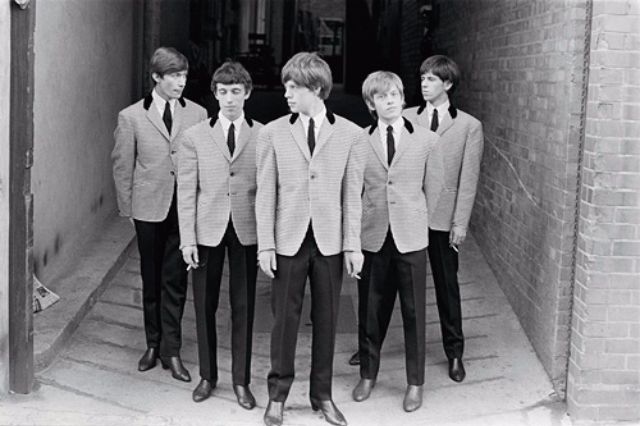
Sure enough, he came up trumps with the Rolling Stones, five fresh faced lads breaking into the music scene.
The Rolling Stones are an English rock band formed in London in 1962. Active for six decades, they are one of the most popular and enduring bands of the rock era. In the early 1960s, the Rolling Stones pioneered the gritty, heavier-driven sound that came to define hard rock. Their first stable line-up consisted of vocalist Mick Jagger, multi-instrumentalist Brian Jones, guitarist Keith Richards, bassist Bill Wyman, and drummer Charlie Watts. During their formative years Jones was the primary leader: he assembled the band, named it, and drove their sound and image. After Andrew Loog Oldham became the group’s manager in 1963, he encouraged them to write their own songs. Jagger and Richards became the primary creative force behind the band, alienating Jones, who had developed a drug addiction that interfered with his ability to contribute meaningfully.
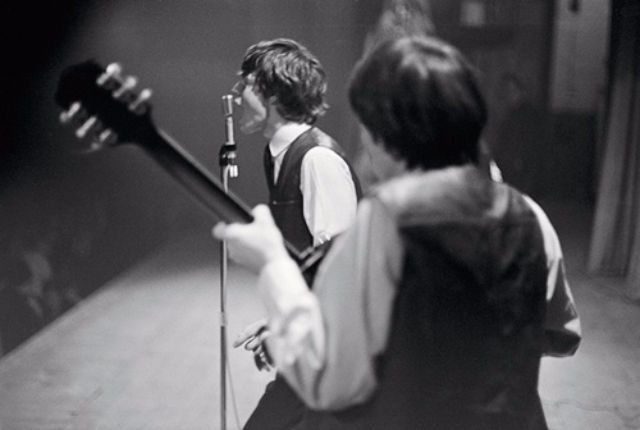
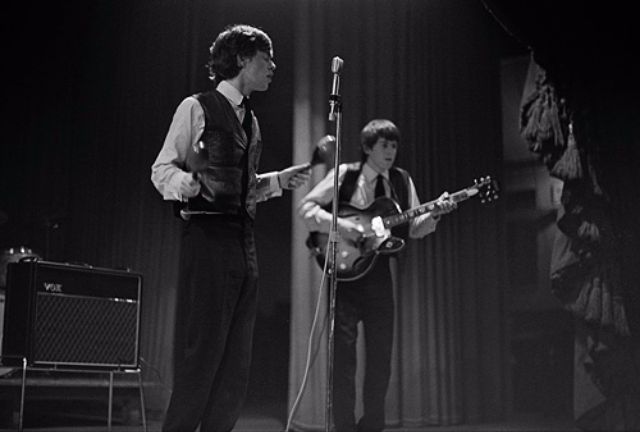
Rooted in blues and early rock and roll, the Rolling Stones started out playing covers and were at the forefront of the British Invasion in 1964, also being identified with the youthful and rebellious counterculture of the 1960s. They then found greater success with their own material as “(I Can’t Get No) Satisfaction” (1965), “Get Off of My Cloud” (1965) and “Paint It Black” (1966) became international No. 1 hits. Aftermath (1966) – their first entirely original album – is considered the most important of their formative records. In 1967, they had the double-sided hit “Ruby Tuesday”/”Let’s Spend the Night Together” and experimented with psychedelic rock on Their Satanic Majesties Request. They returned to their roots with such hits as “Jumpin’ Jack Flash” (1968) and “Honky Tonk Women” (1969), and albums such as Beggars Banquet (1968), featuring “Sympathy for the Devil”, and Let It Bleed (1969), featuring “You Can’t Always Get What You Want” and “Gimme Shelter”. Let It Bleed was the first of five consecutive No. 1 albums in the UK.
Jones left the band shortly before his death in 1969, having been replaced by guitarist Mick Taylor. That year they were first introduced on stage as ‘The Greatest Rock and Roll Band in the World’. Sticky Fingers (1971), which yielded “Brown Sugar” and included the first usage of their tongue and lips logo, was their first of eight consecutive No. 1 studio albums in the US. Exile on Main St. (1972), featuring “Tumbling Dice”, and Goats Head Soup (1973), yielding the hit ballad “Angie”, were also best sellers. Taylor was replaced by Ronnie Wood in 1974. The band continued to release successful albums including their two largest sellers: Some Girls (1978), featuring “Miss You”; and Tattoo You (1981), featuring “Start Me Up”. Steel Wheels (1989) was widely considered a comeback album and was followed by Voodoo Lounge (1994), a worldwide number one album. Both releases were promoted by large stadium and arena tours as the Stones continued to be a huge concert attraction; by 2007 they had four of the top five highest-grossing concert tours of all time. From Wyman’s departure in 1993 to Watts’ death in 2021, the band continued as a four-piece core, with Darryl Jones playing bass on tour and on most studio recordings. Their 2016 album, Blue & Lonesome, became their twelfth UK number-one album.
The Rolling Stones’ estimated record sales of 200 million makes them one of the best-selling music artists of all time. The band has won three Grammy Awards and a Grammy Lifetime Achievement Award. They were inducted into the Rock and Roll Hall of Fame in 1989 and the UK Music Hall of Fame in 2004. In 2019, Billboard magazine ranked the Rolling Stones second on their list of the “Greatest Artists of All Time” based on US chart success. They are ranked fourth on Rolling Stone’s list of the Greatest Artists of All Time. (Wikipedia)
The first photograph ever taken of the Rolling Stones in 1962
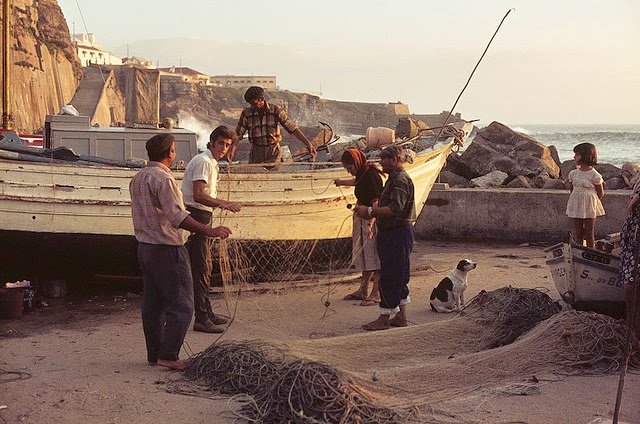
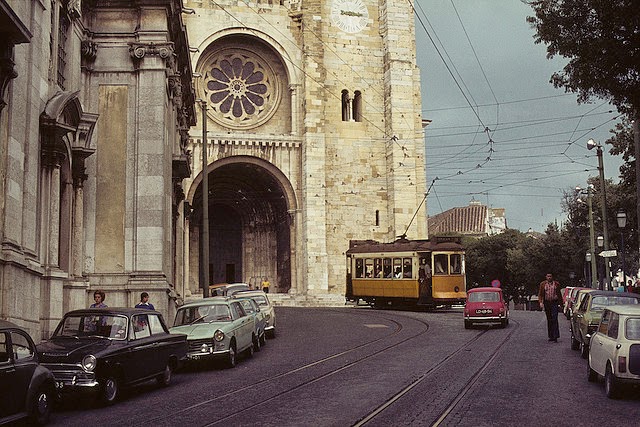
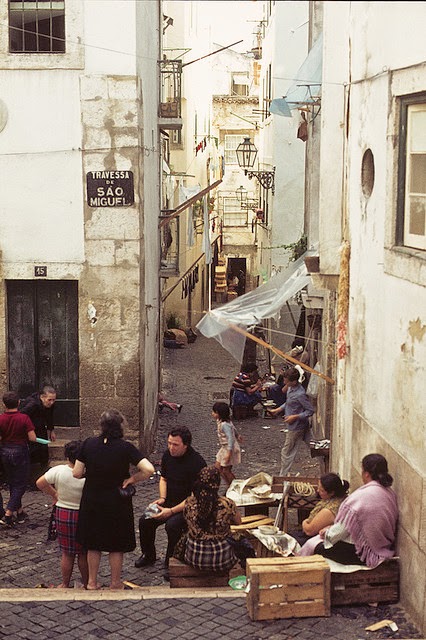
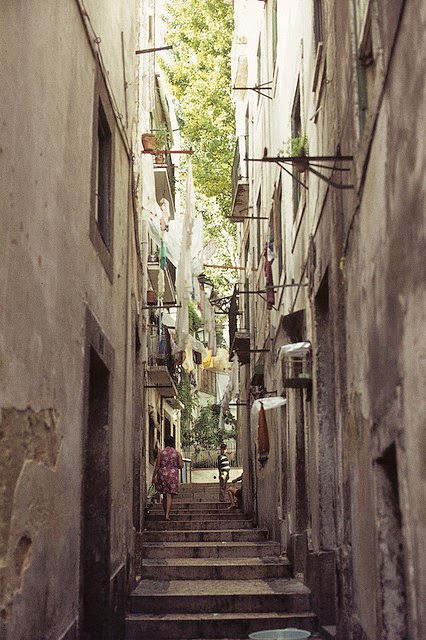
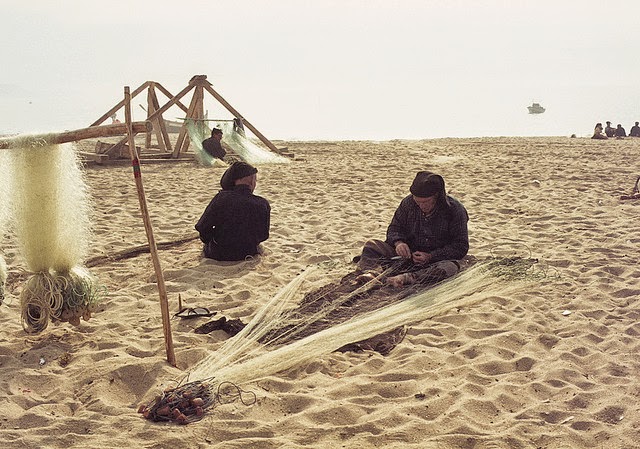
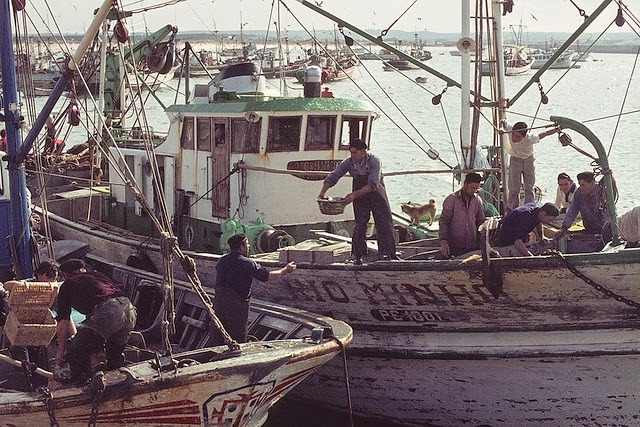
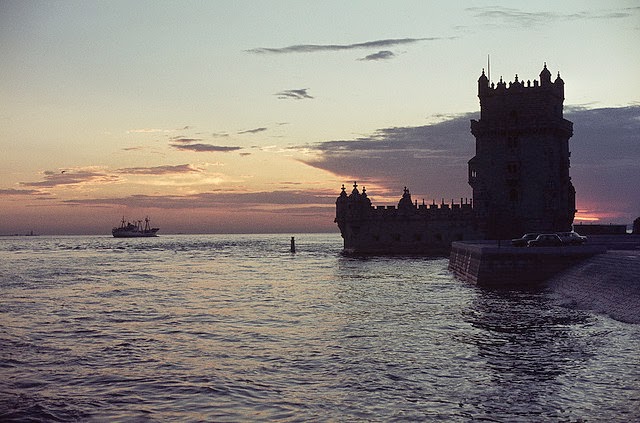
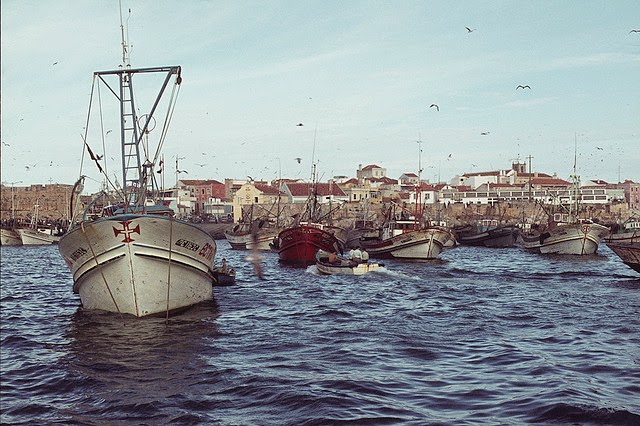
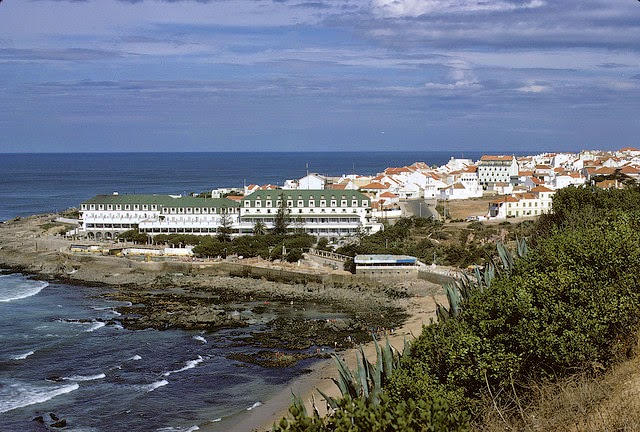
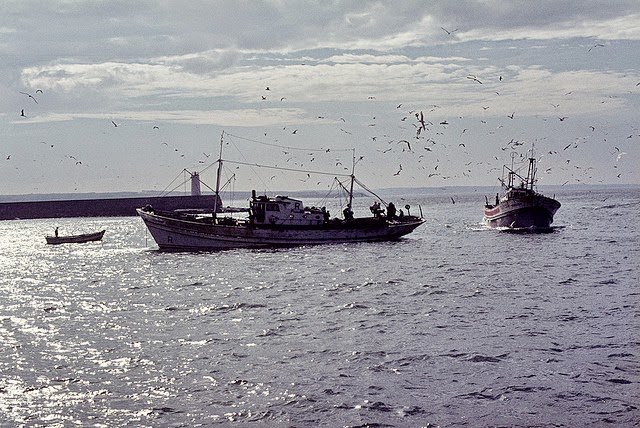
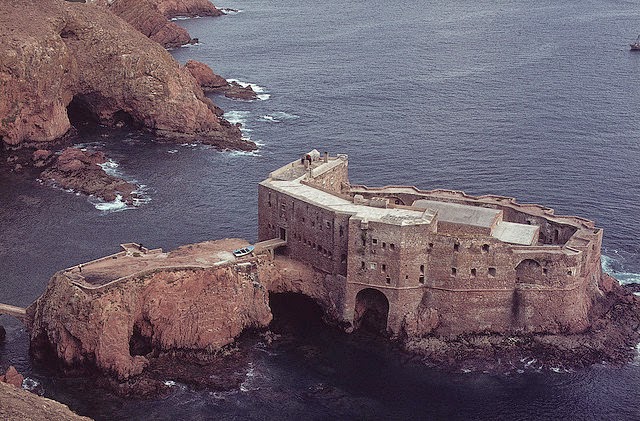
Portugal, officially the Portuguese Republic, is a country whose mainland is located on the Iberian Peninsula of Southwestern Europe, and whose territory also includes the Atlantic archipelagos of the Azores and Madeira. It features the westernmost point in mainland Europe, and its Iberian portion is bordered to the west and south by the Atlantic Ocean and to the north and east by Spain, the sole country to have a land border with Portugal. Its two archipelagos form two autonomous regions with their own regional governments. The official and national language is Portuguese. Lisbon is the capital and largest city.
Portugal is the oldest continuously existing nation state on the Iberian Peninsula and one of the oldest in Europe, its territory having been continuously settled, invaded and fought over since prehistoric times. It was inhabited by pre-Celtic and Celtic peoples, visited by Phoenicians, Carthaginians and Ancient Greek traders, and was ruled by the Romans, who were followed by the invasions of the Suebi and Visigothic Germanic peoples. After the invasion of the Iberian Peninsula by the Moors, most of its territory was part of Al-Andalus. Portugal as a country was established during the early Christian Reconquista. Founded in 868, the County of Portugal gained prominence after the Battle of São Mamede (1128). The Kingdom of Portugal was later proclaimed following the Battle of Ourique (1139), and independence from León was recognized by the Treaty of Zamora (1143).
In the 15th and 16th centuries, Portugal established the first global maritime and commercial empire, becoming one of the world’s major economic, political and military powers. During this period, today referred to as the Age of Discovery, Portuguese explorers pioneered maritime exploration with the discovery of what would become Brazil (1500). During this time Portugal monopolized the spice trade, divided the world into hemispheres of dominion with Castile, and the empire expanded with military campaigns in Asia. By the 18th century however, events such as the 1755 Lisbon earthquake, the country’s occupation during the Napoleonic Wars, and the independence of Brazil (1822), led to a marked decay on Portugal’s prior opulence. This was followed by the civil war between liberal constitutionalists and conservative absolutists over royal succession which lasted from 1828 to 1834.
The 1910 revolution deposed Portugal’s many centuries’ old monarchy, and the democratic but unstable Portuguese First Republic was established, later being superseded by the Estado Novo authoritarian regime. Democracy was restored after the Carnation Revolution (1974), ending the Portuguese Colonial War. Shortly after, independence was granted to almost all its overseas territories. The handover of Macau to China (1999) marked the end of what can be considered one of the longest-lived colonial empires in history.
Portugal has left a profound cultural, architectural and linguistic influence across the globe, with a legacy of around 250 million Portuguese speakers around the world. It is a developed country with an advanced economy and high living standards. Additionally, it ranks highly in peacefulness, democracy,[18] press freedom, stability, social progress, prosperity and English proficiency. A member of the United Nations, the European Union, the Schengen Area and the Council of Europe (CoE), Portugal was also one of the founding members of NATO, the eurozone, the OECD, and the Community of Portuguese Language Countries. (Wikipedia)
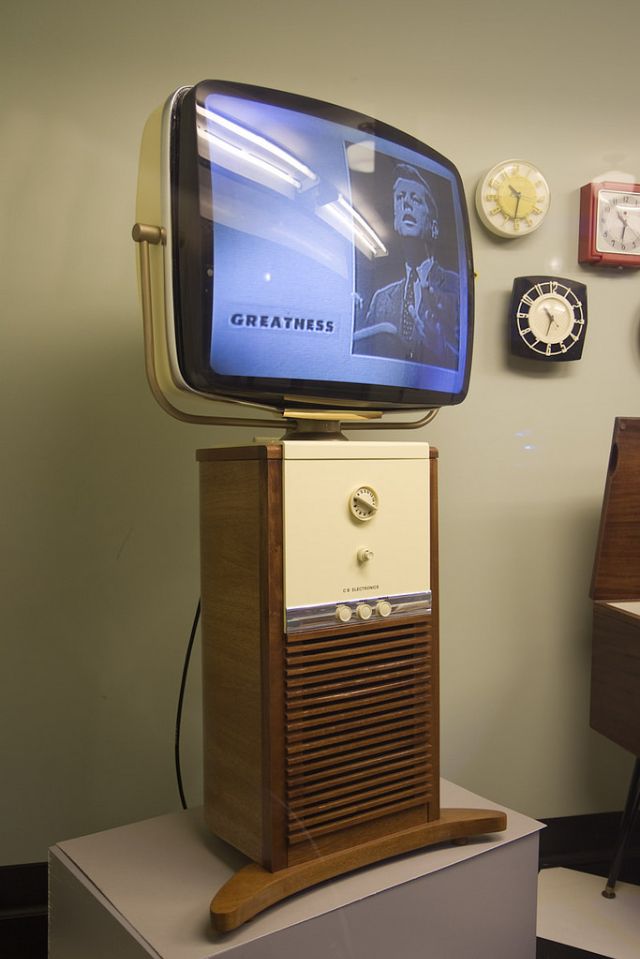
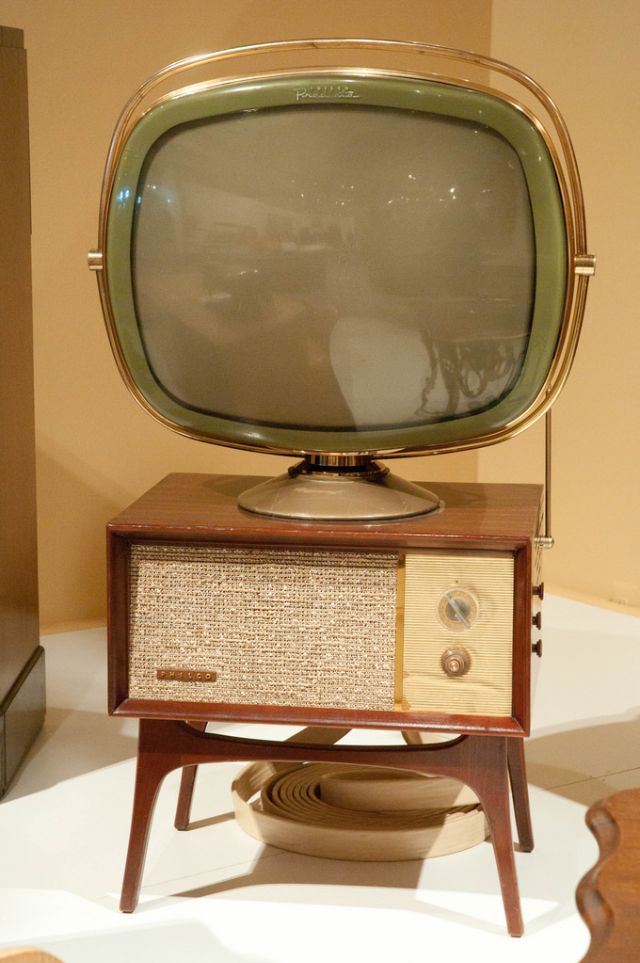
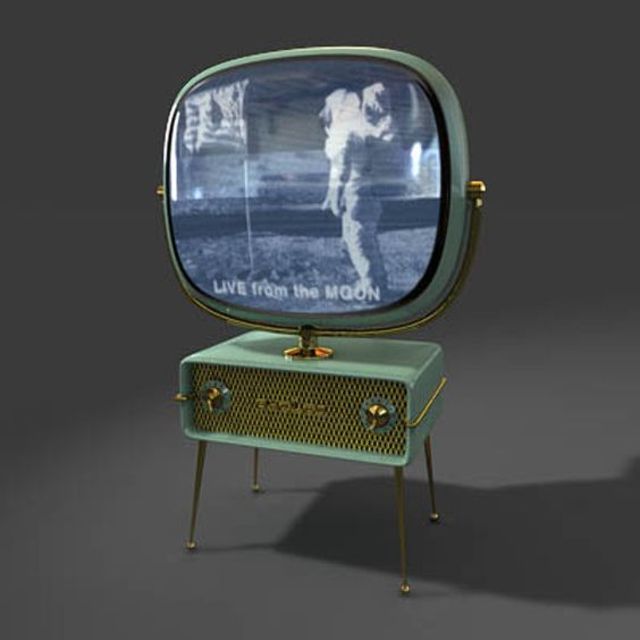
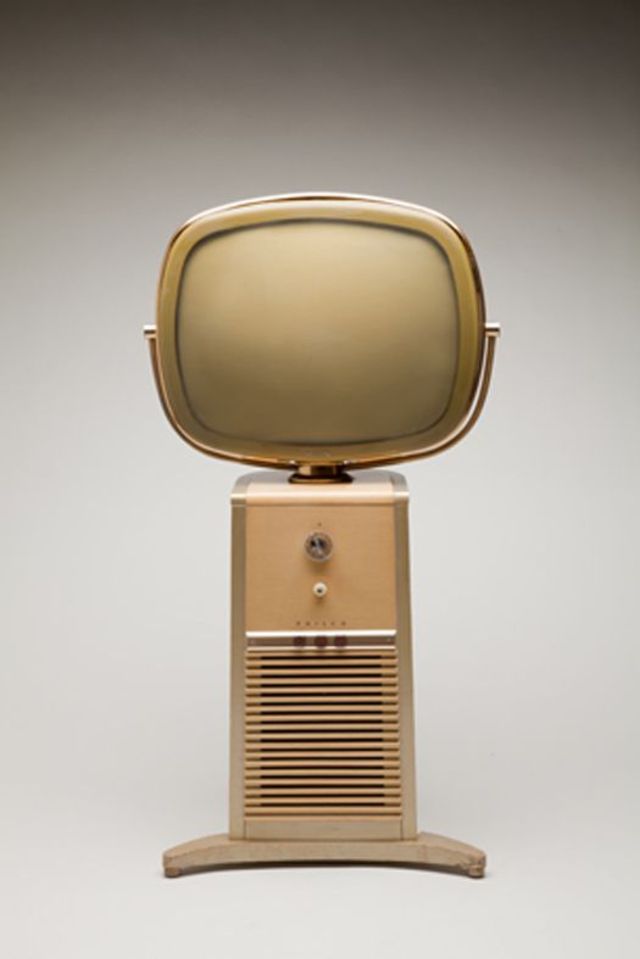
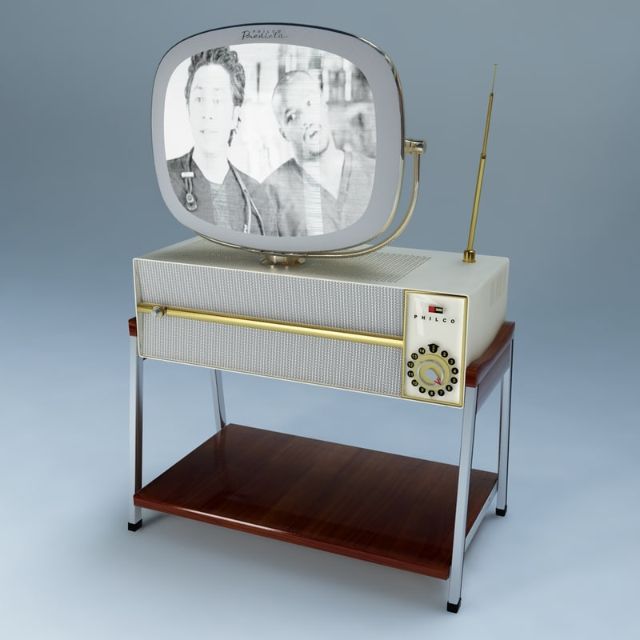
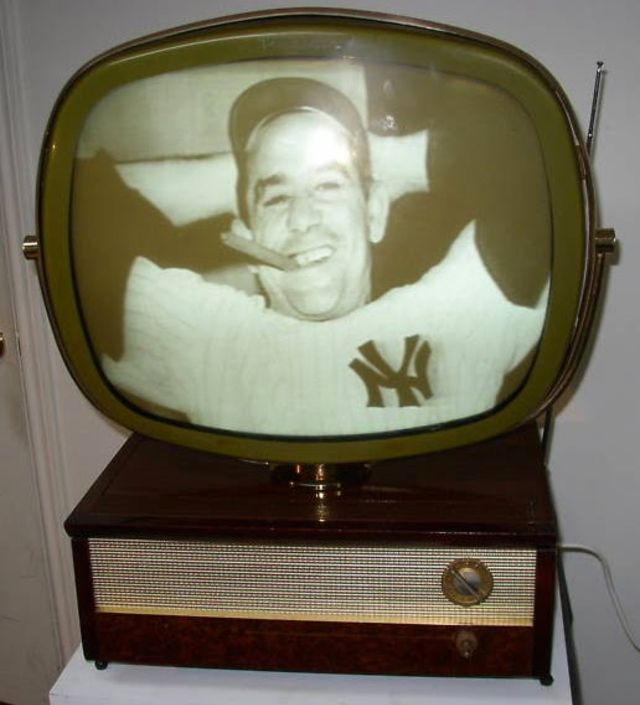
The Philco Predicta is a television made in several cabinet models in a 17” or 21” screen by the American company Philco (Philadelphia Storage Battery Company) from 1958-1960. It was designed by Severin Jonassen and Richard Whipple and the design director was Herbert V. Gosweiler.
The Predicta was marketed as the world’s first swivel screen television. The picture tube was surrounded in Eastman plastics new product called “tenite” which protected the glass and gave it its greenish tint. The Predicta also had a thinner picture tube than many other televisions at the time, which led it to be marketed as a more futuristic television set. The futuristic aesthetic was influenced by an interest in space age technology, prompted by Russia’s Sputnik launch in 1957. Philco’s advertisements for Predicta touted a “TV Today From the World of Tomorrow!”
Predicta television sets were constructed with a variety of cabinet configurations, some detachable, but all separate from the tube itself and connected by wires. Initially introduced in 1958 for the Holiday Inn hotel chain and rolled out for general consumers shortly thereafter, the Predicta was discontinued in the early 1960s.