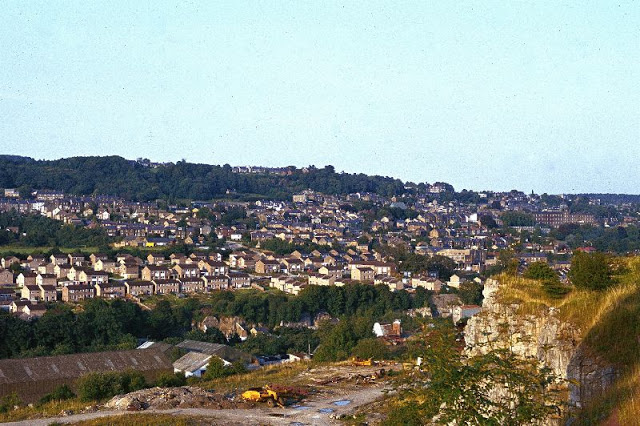
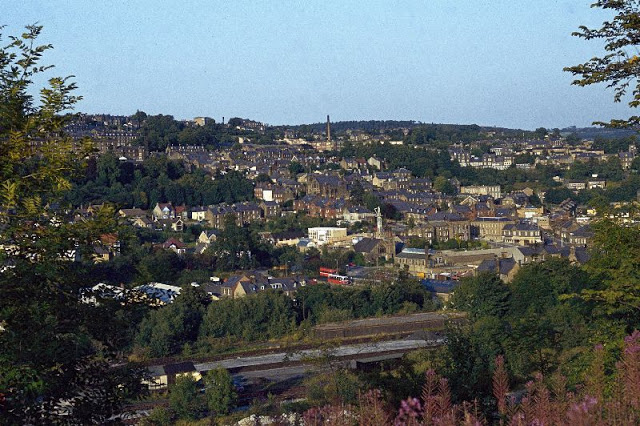
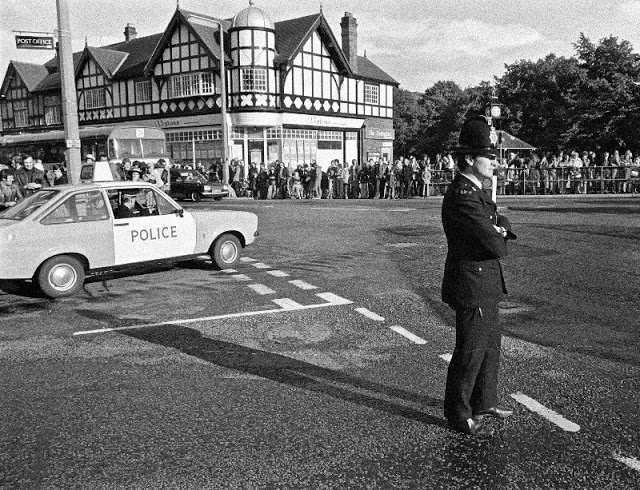
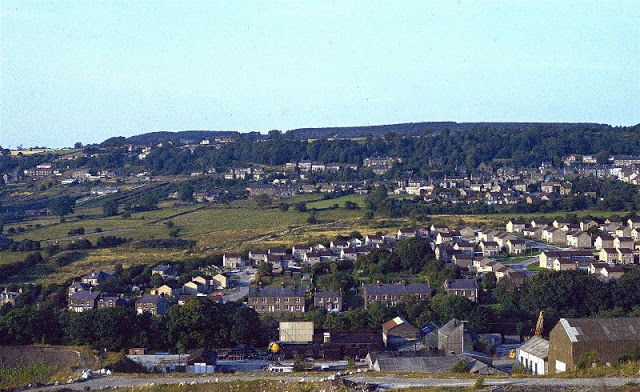
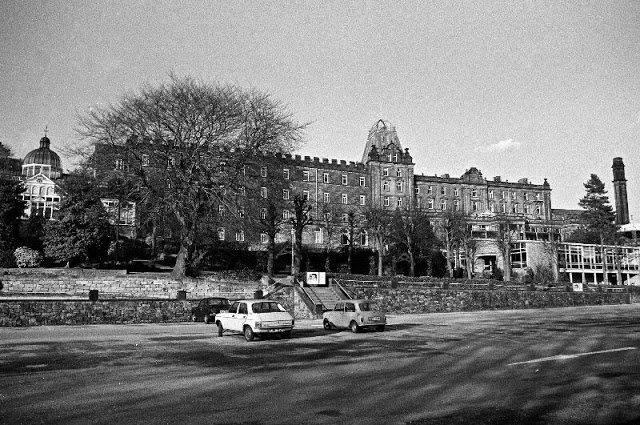
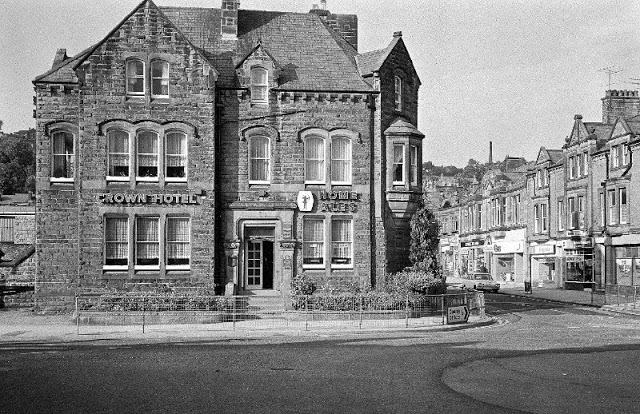
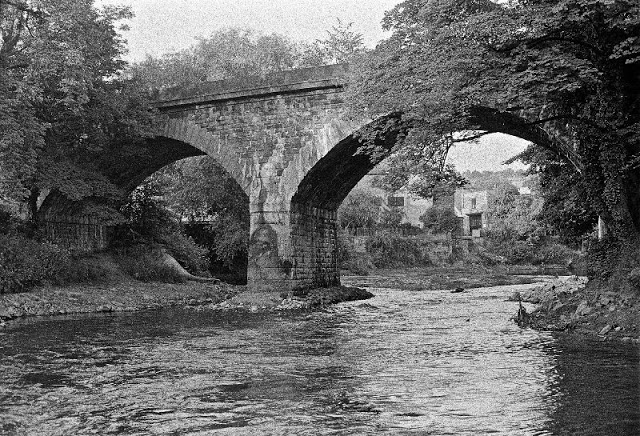
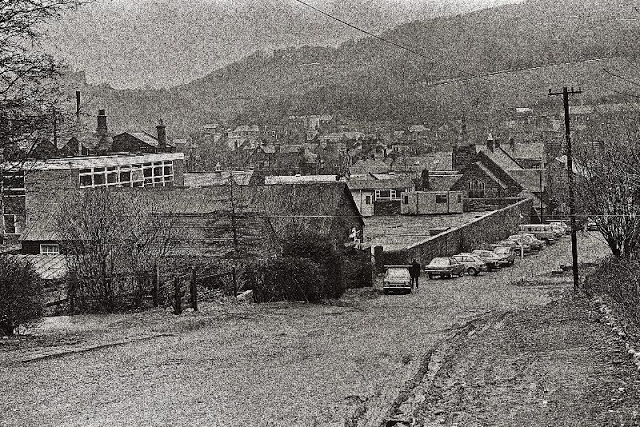
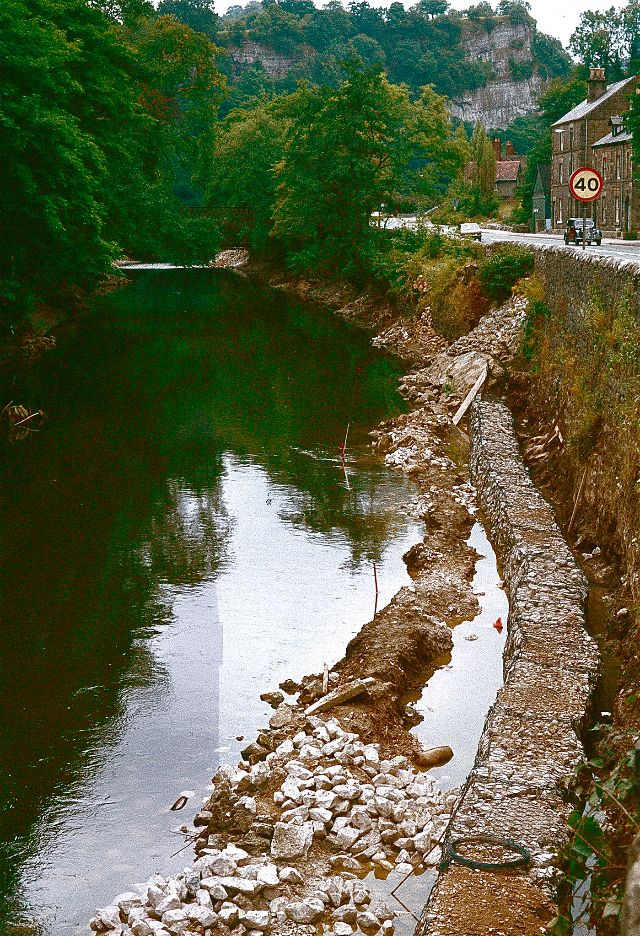
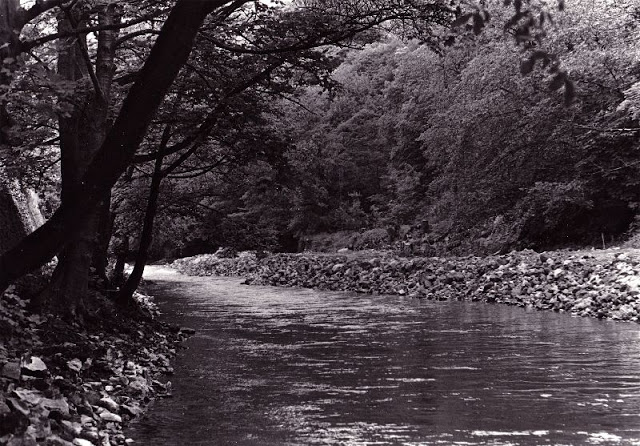
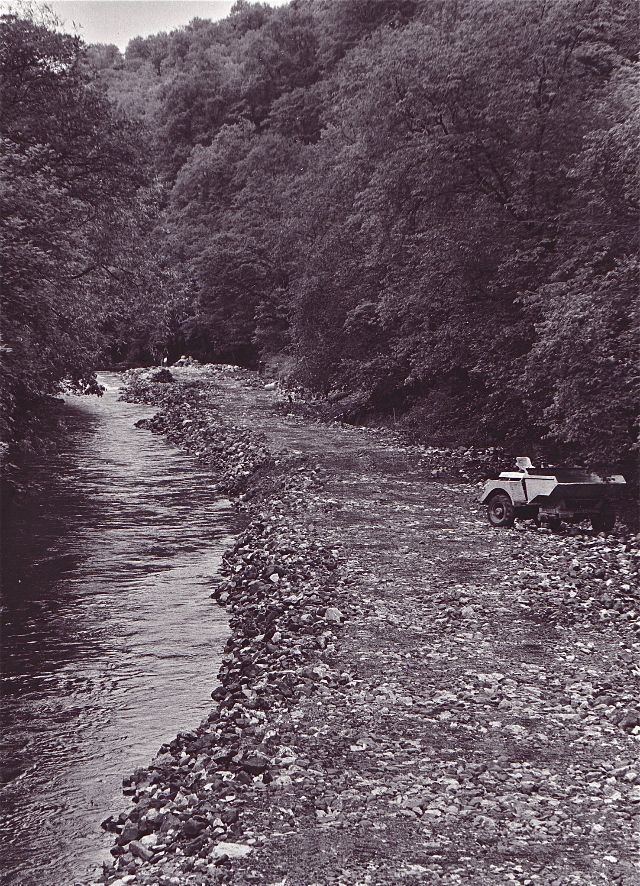
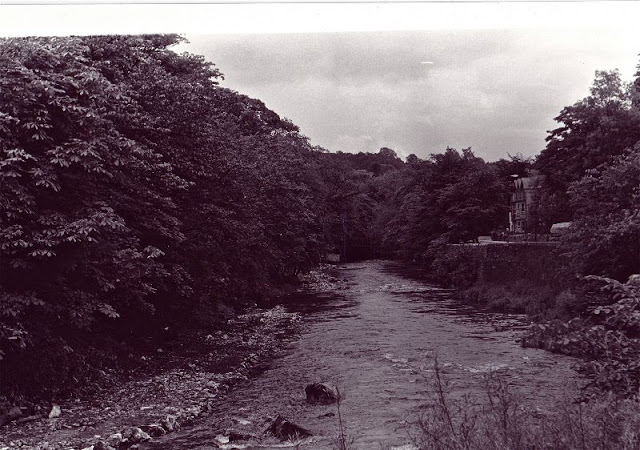
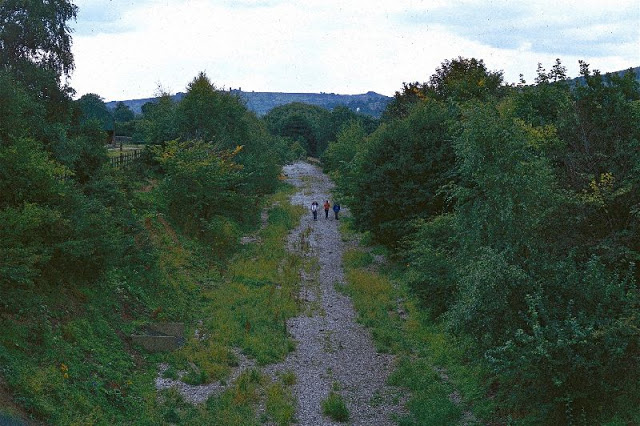
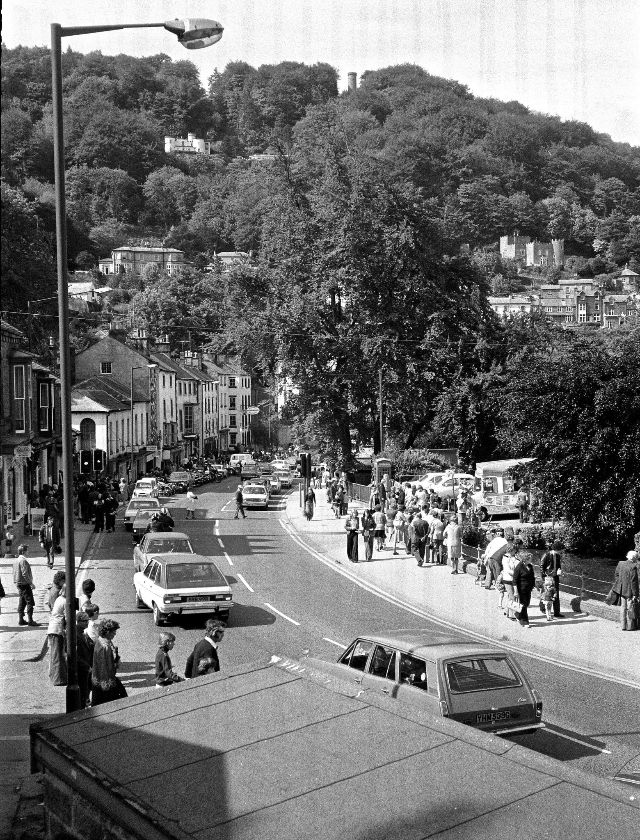
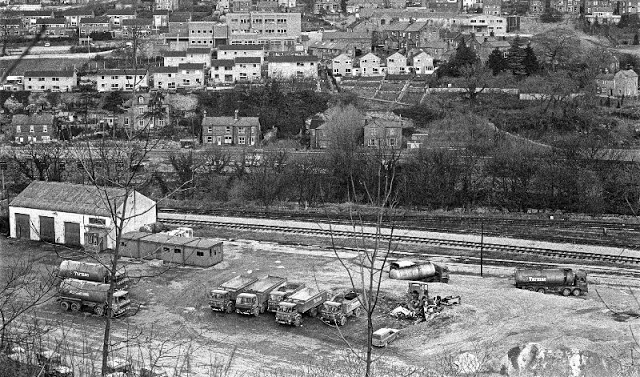
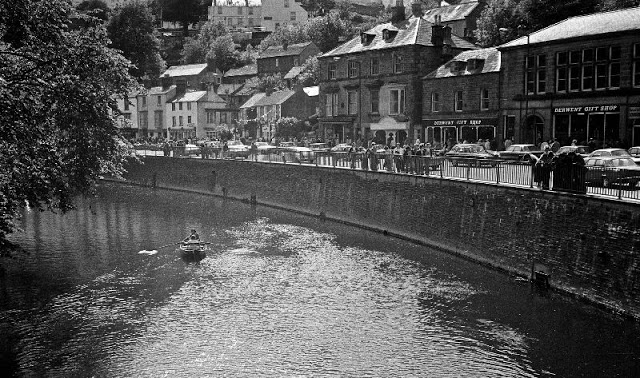
Matlock is the county town of Derbyshire, England. It is situated at the south eastern edge of the Peak District. The town is twinned with the French town Eaubonne. The former spa resort Matlock Bath lies immediately south of the town on the A6. The Matlock area is considered to include Wirksworth, owing to the close proximity of the towns.
Matlock is nine miles (14 km) south-west of Chesterfield, and in easy reach of the cities of Derby (19 miles), Sheffield (20 miles), and Nottingham (29 miles); the Greater Manchester conurbation is 30 miles away. Matlock is within the Derbyshire Dales district, which also includes the towns of Bakewell and Ashbourne, as well as Wirksworth.
The headquarters of Derbyshire County Council are in the town.
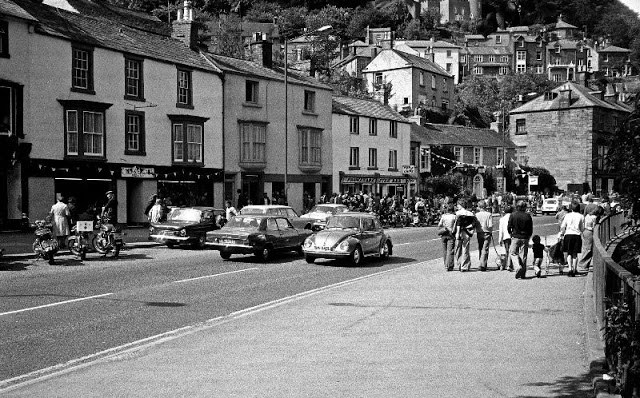
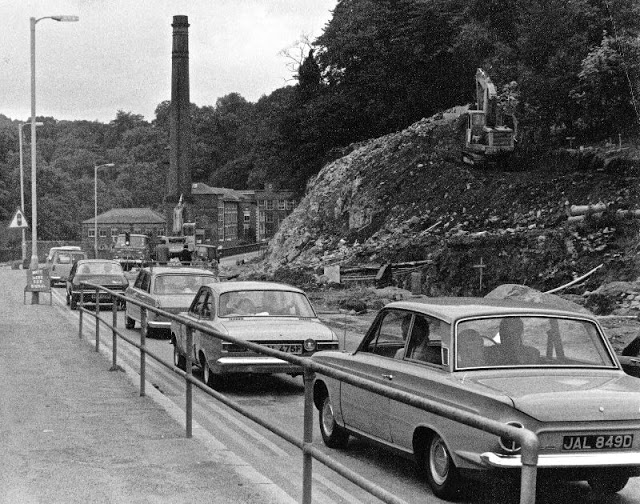
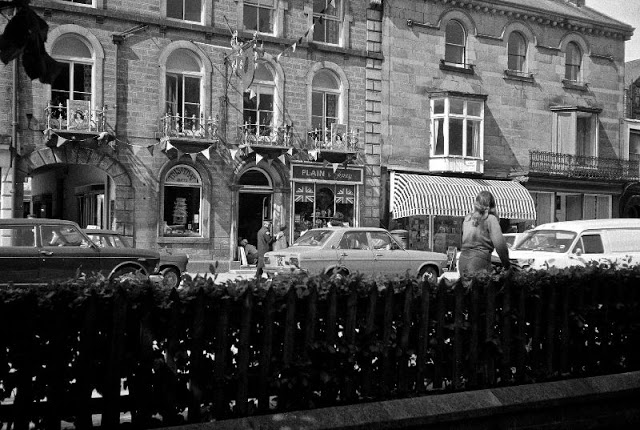
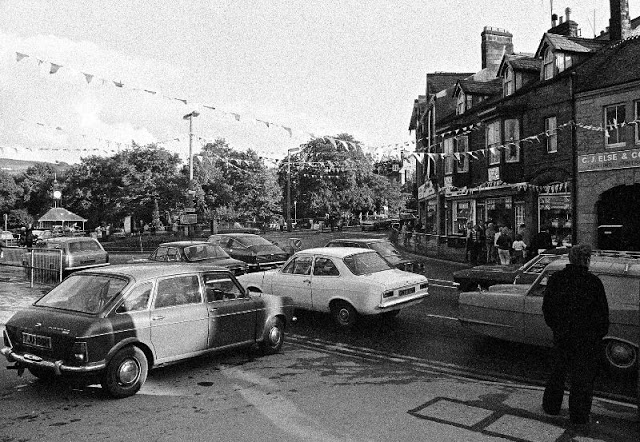
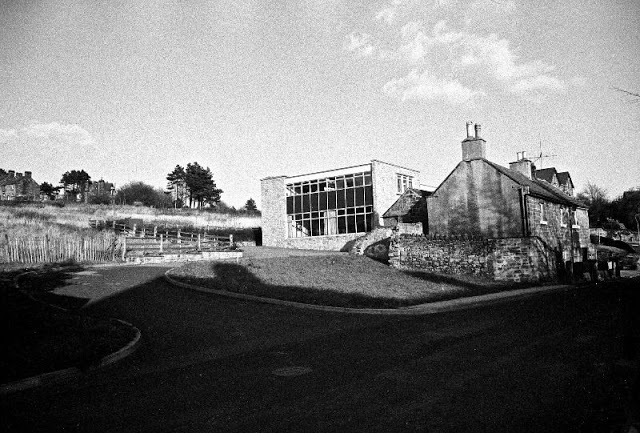
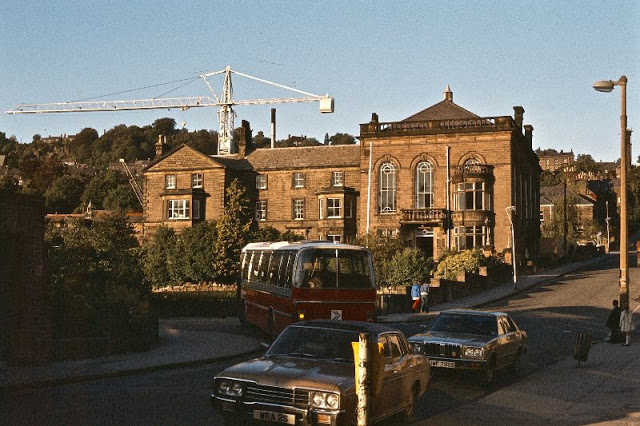
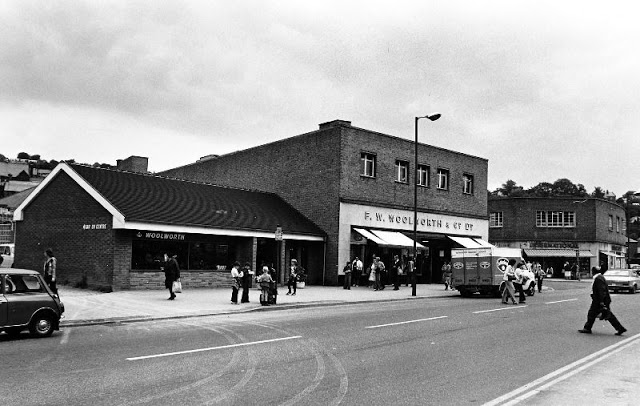
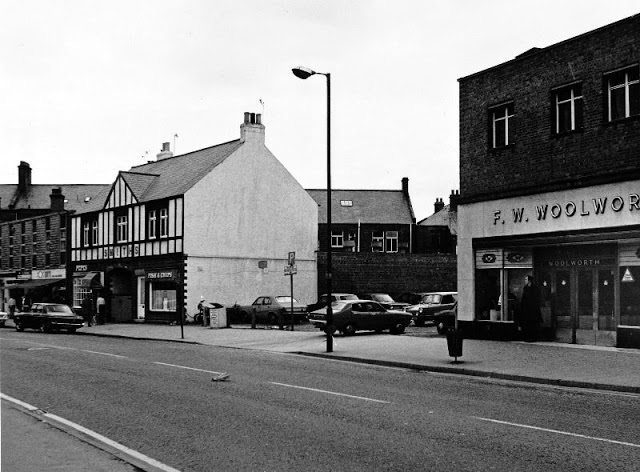
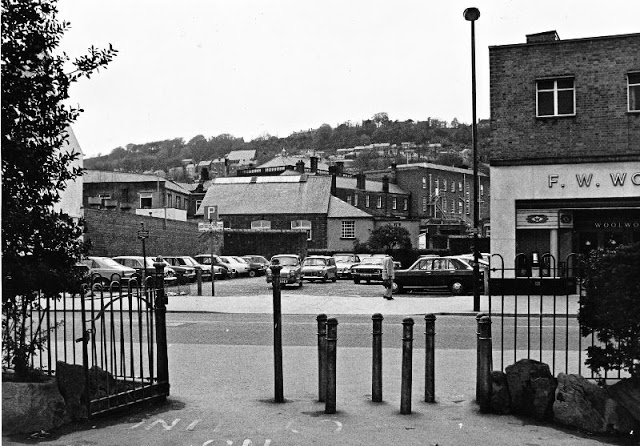
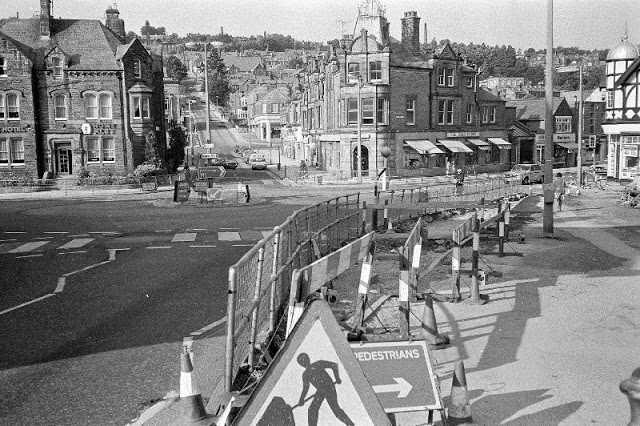
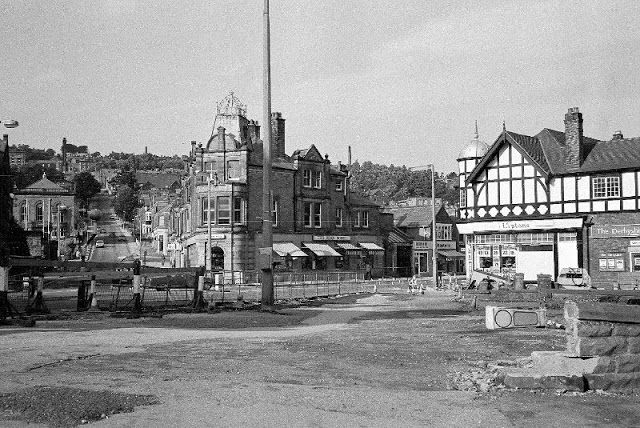
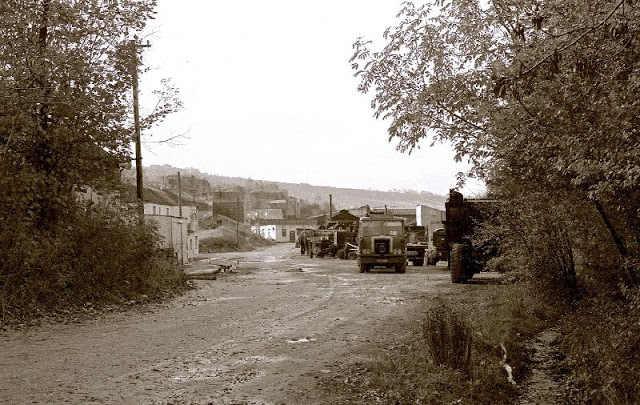
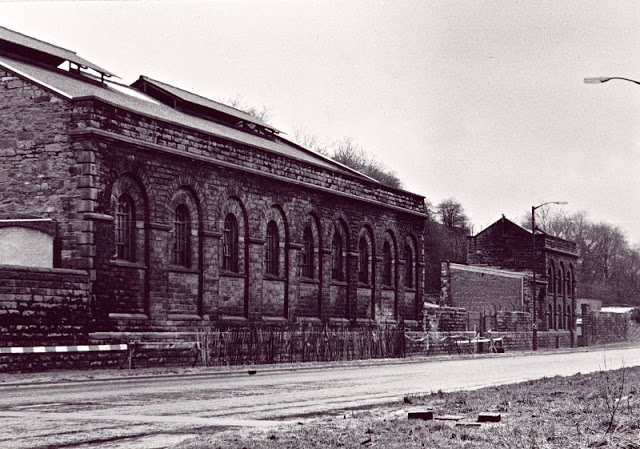
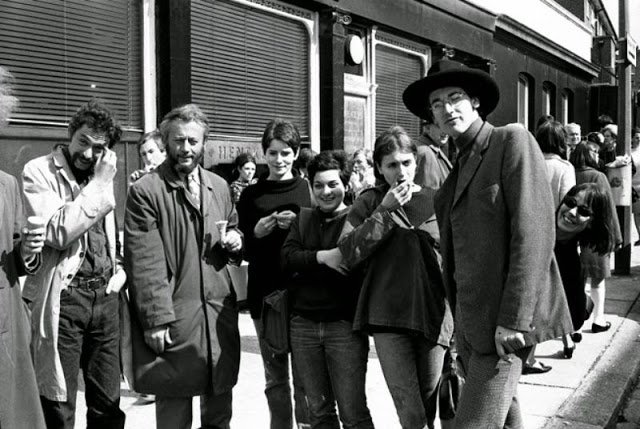
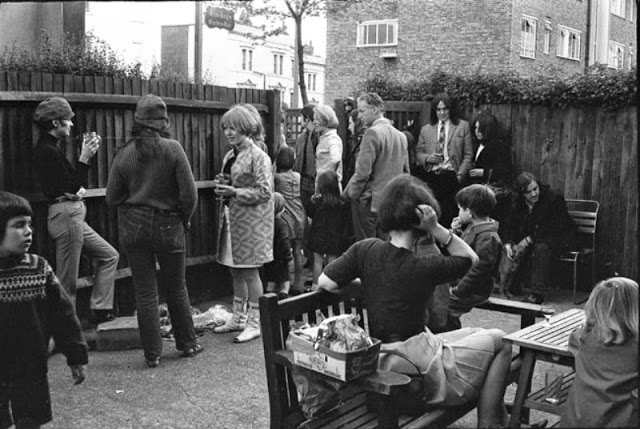
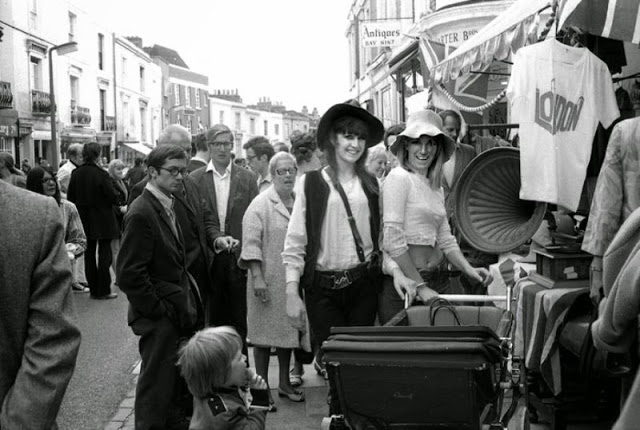
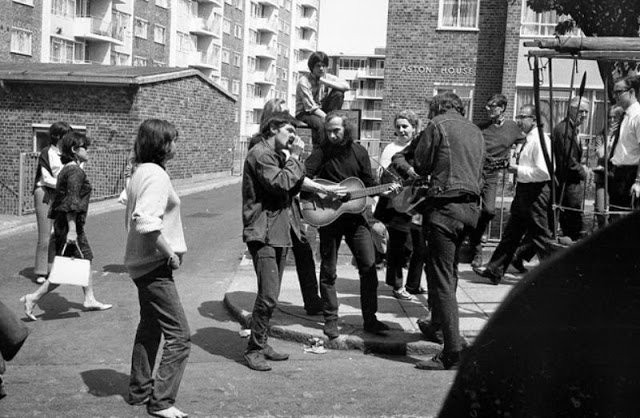
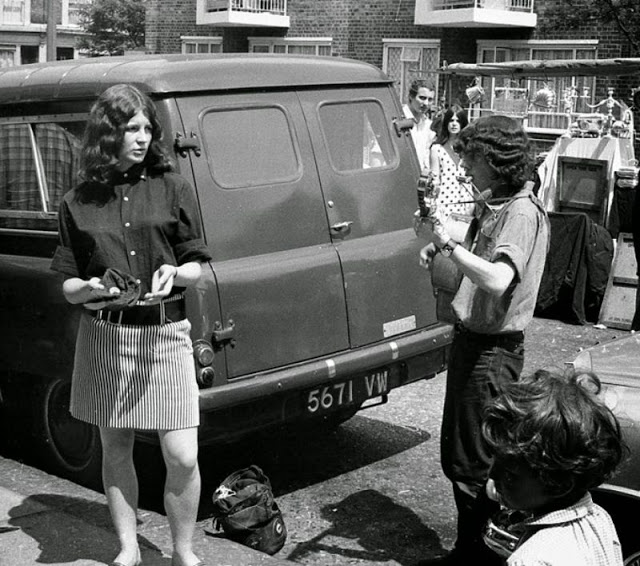
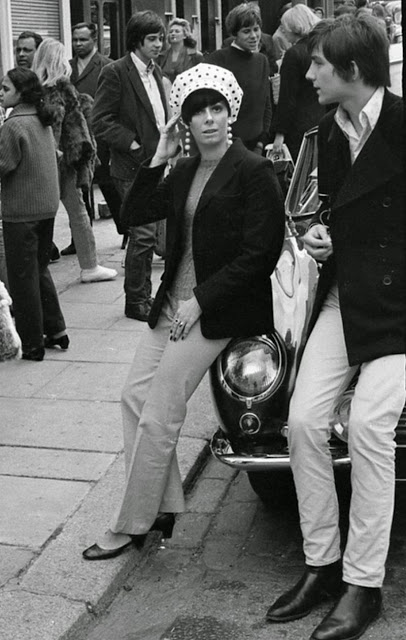
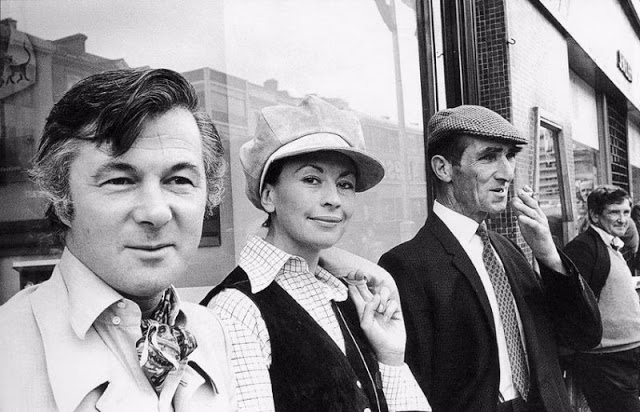
These photos below show street scenes of Matlock in the 1970s.
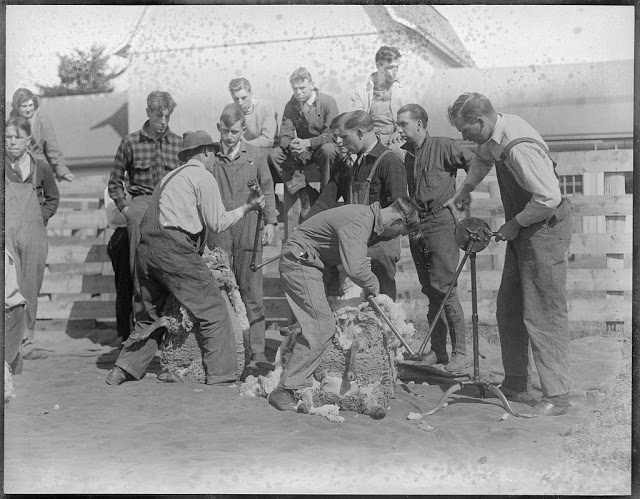
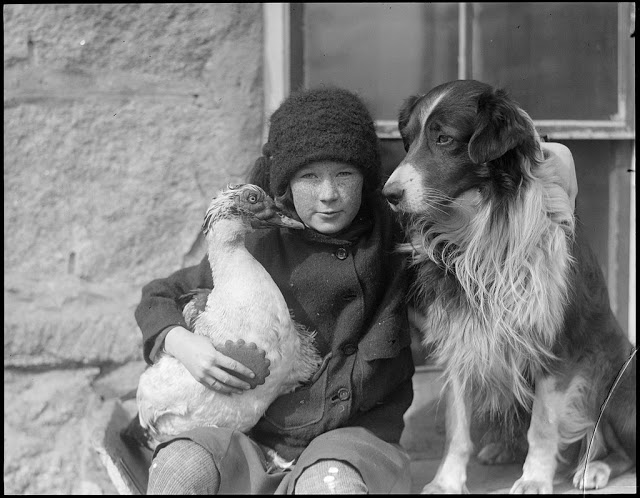
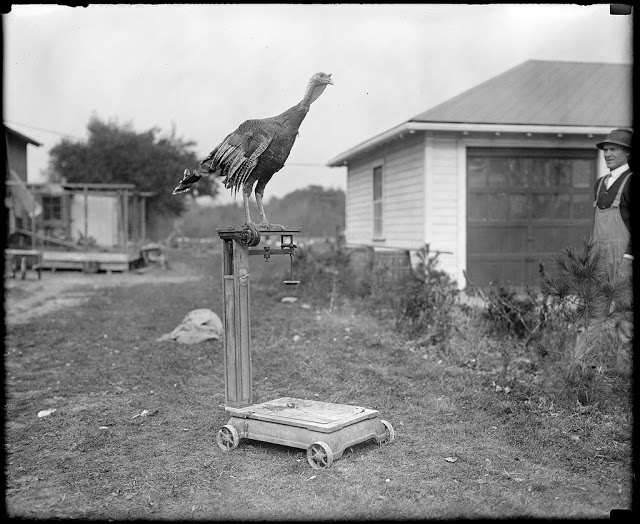
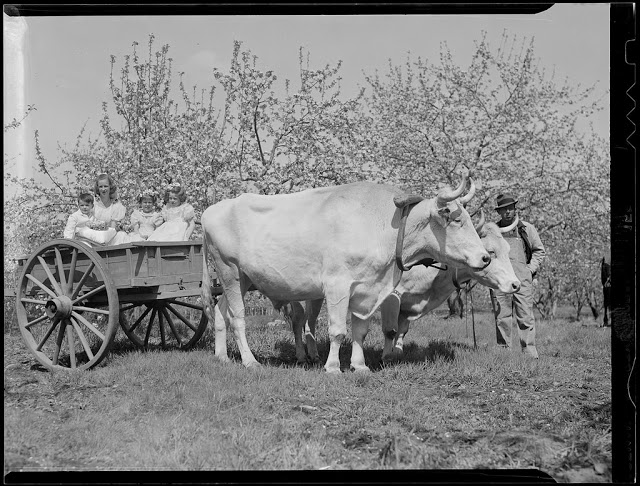
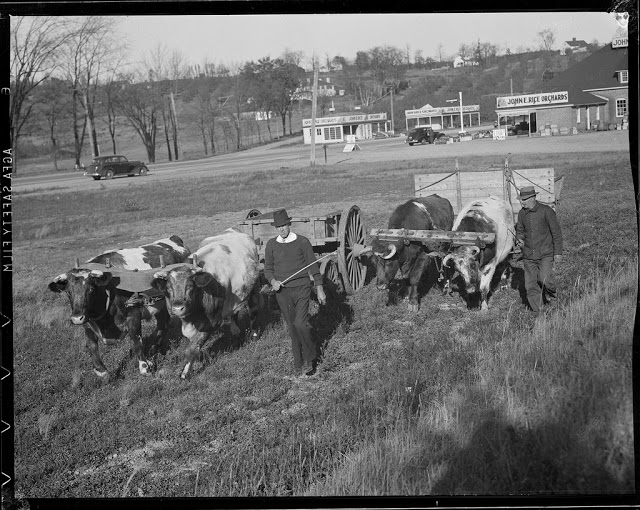
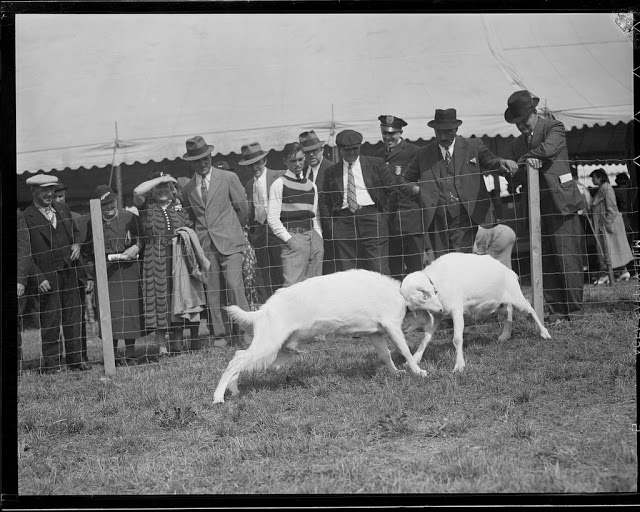
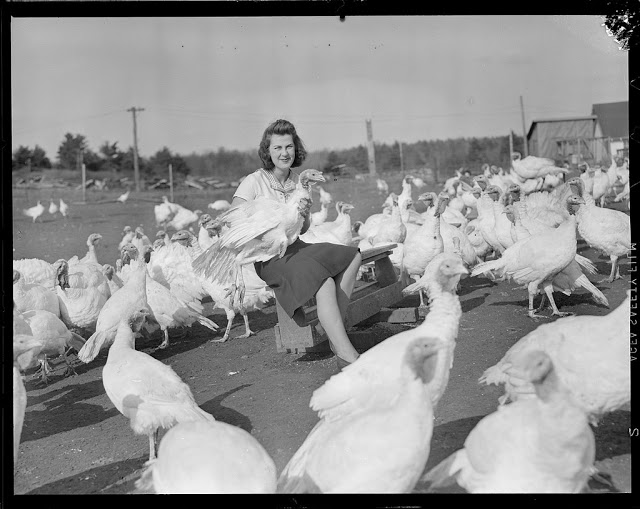
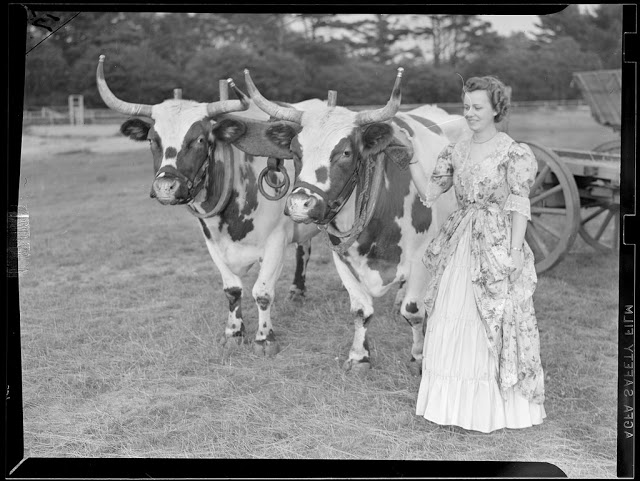
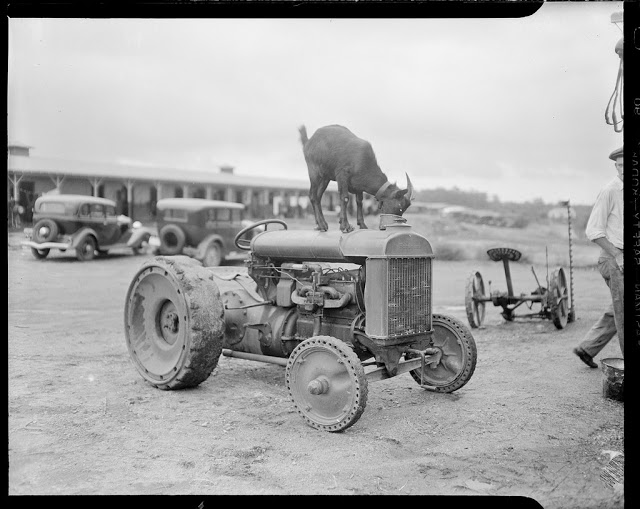
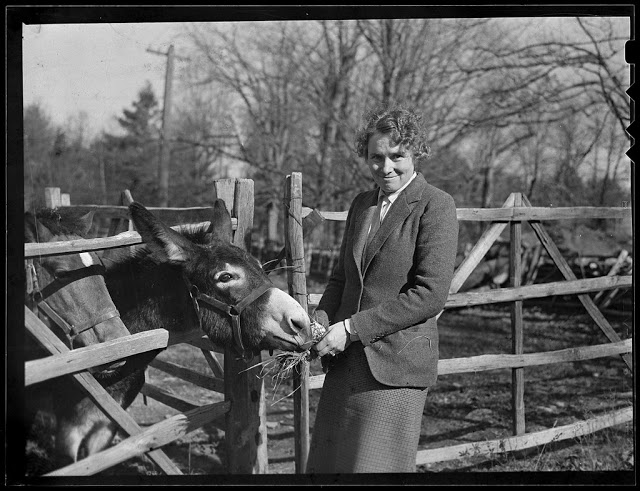
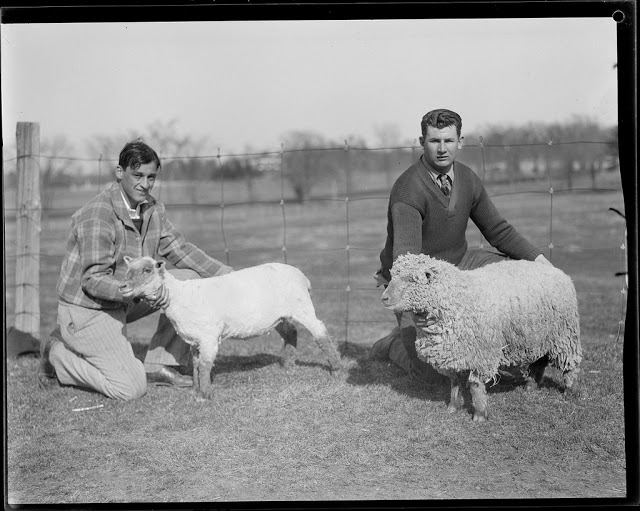
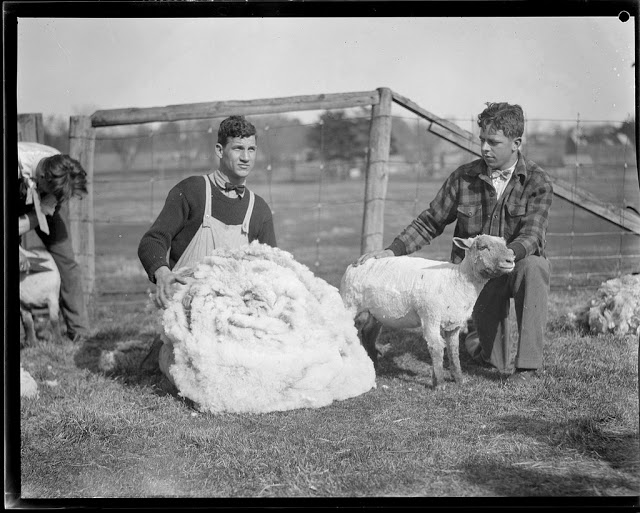
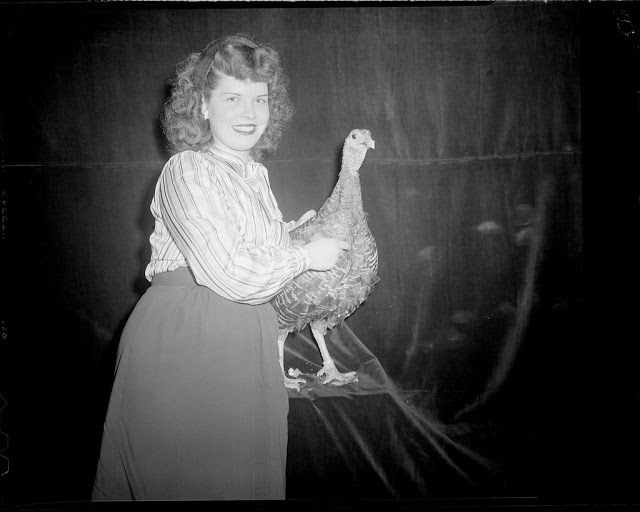
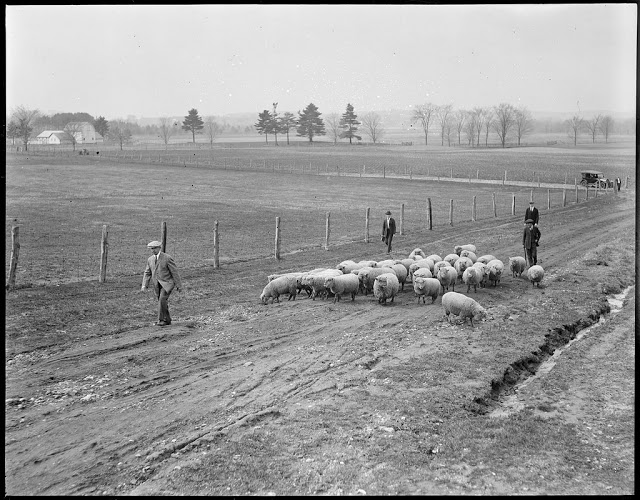
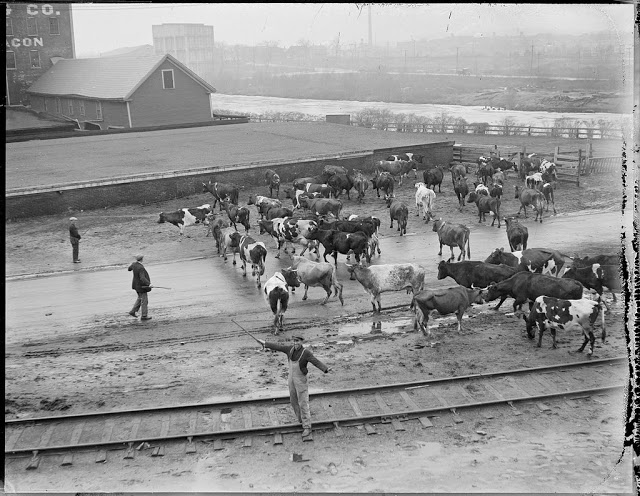
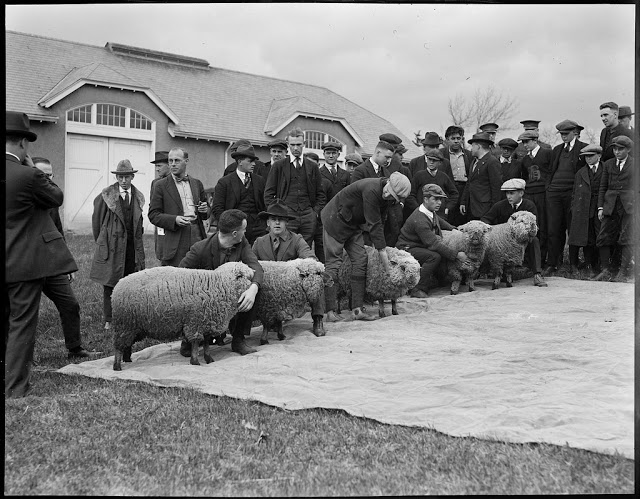
Leslie Ronald Jones (1886 – 1967) was a Boston, Massachusetts photographer. He was educated at the Farm and Trade School on Thompson Island. Jones first worked as a pattern-maker, but had long held an interest in photography. While working in a Boston factory, he continued developing himself as a freelance photographer. It was not until Jones unfortunately lost two of his fingers to the factory machinery, however, which led him to convert this avocation into his profession. He joined the Boston Herald-Traveler staff in 1917 and worked until 1956.
In his 39 years at the newspaper, Jones covered everything from a fox stuck in a tree on the Boston Common, to Charles Lindbergh’s U.S. tour after the aviator crossed the Atlantic. His photographs document both the usual and the unusual in the daily life of Boston and its surrounding regions, especially everyday life and portraits of newsmakers and celebrities in Boston, Massachusetts.
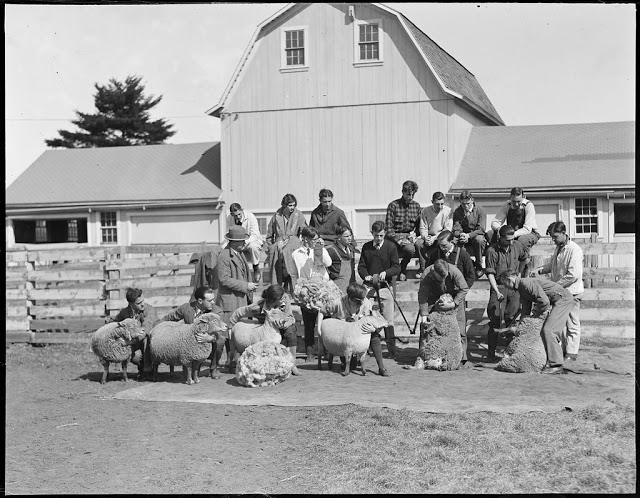
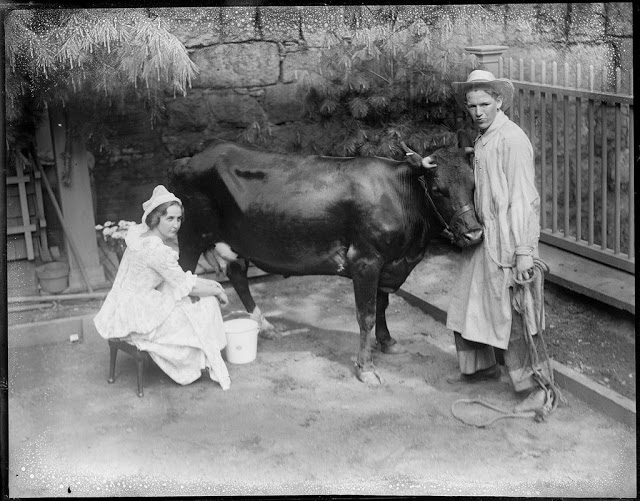
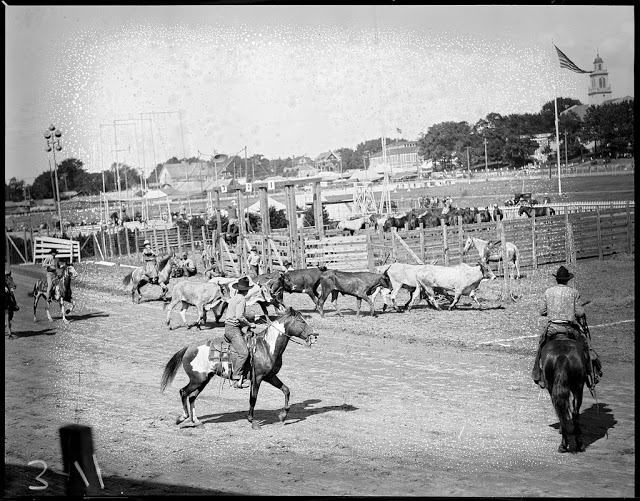
Here is a fantastic photo collection from Boston Public Library that he captured farm’s daily life in Boston, Massachusetts from the 1920s and the 1940s.
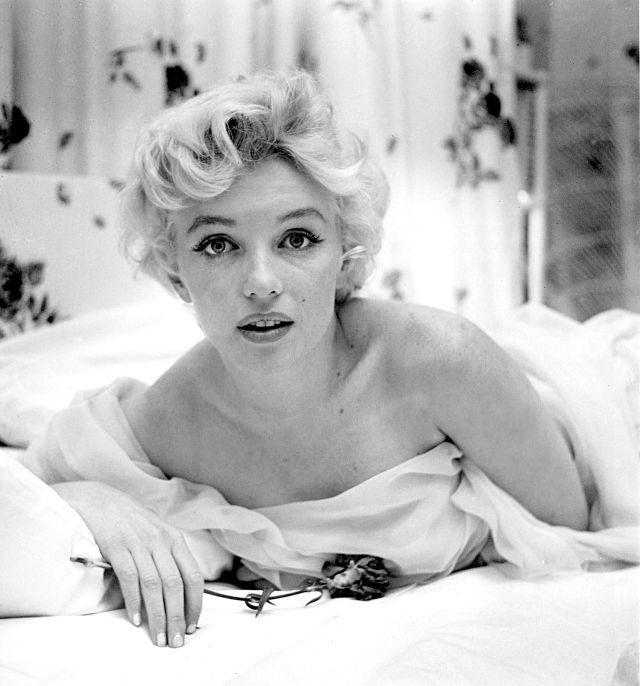
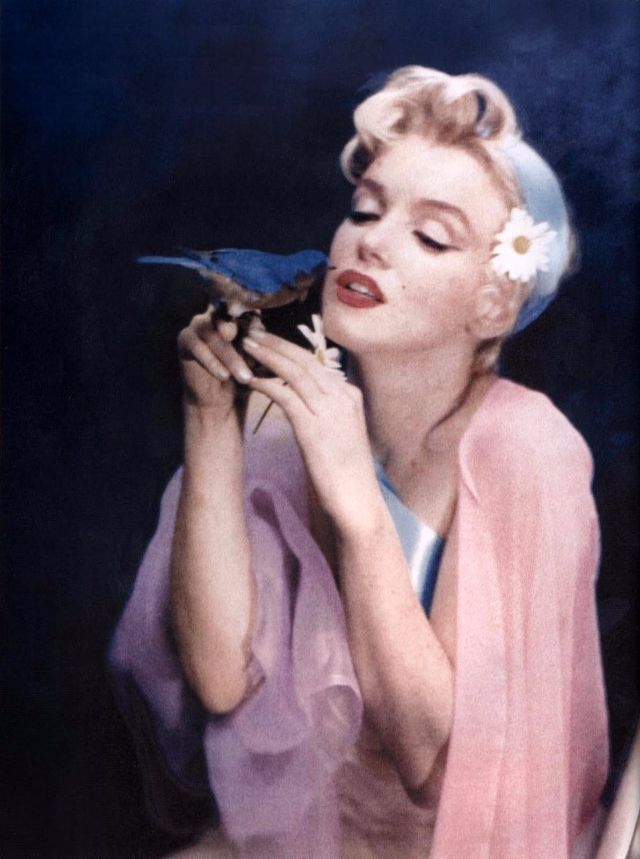
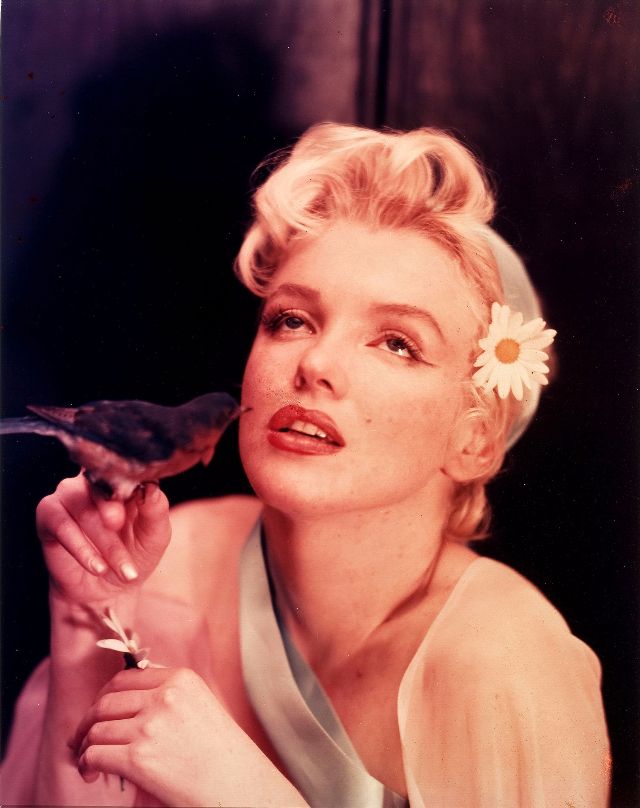
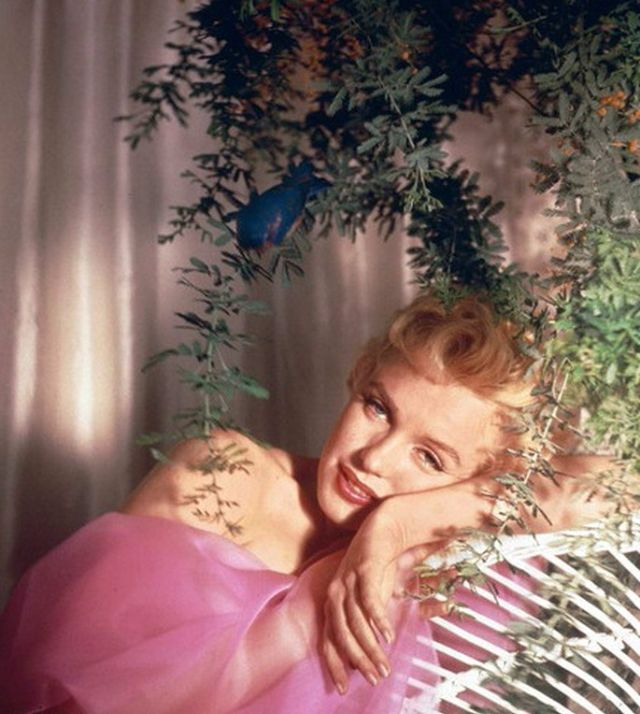
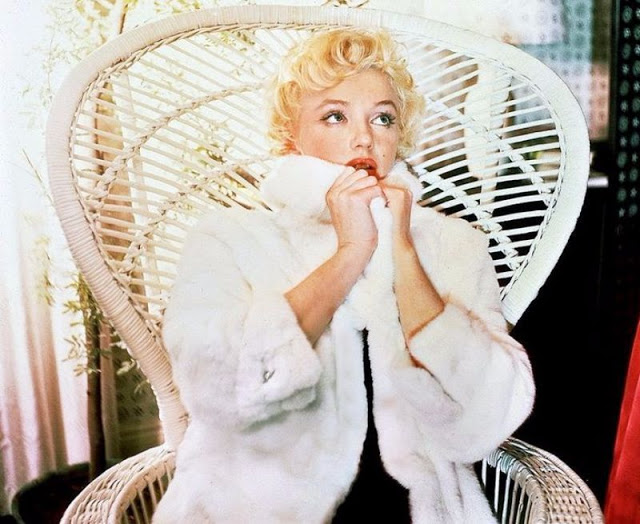
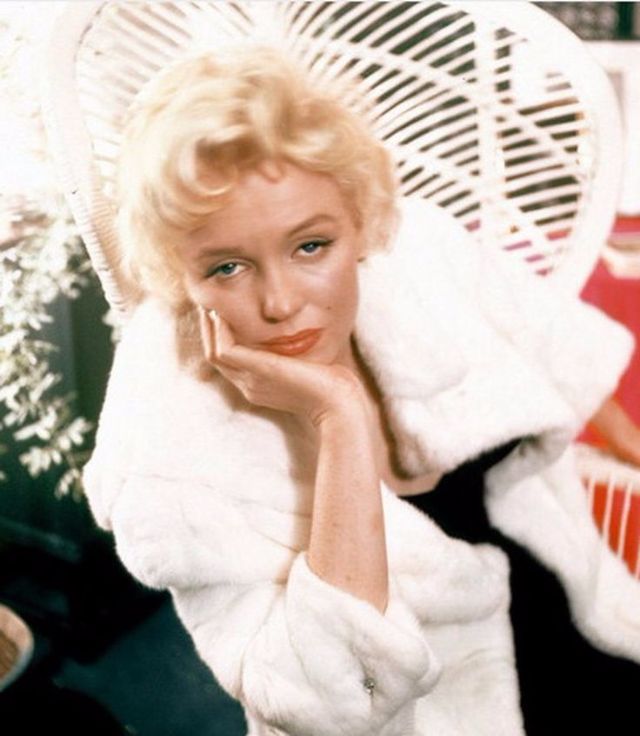
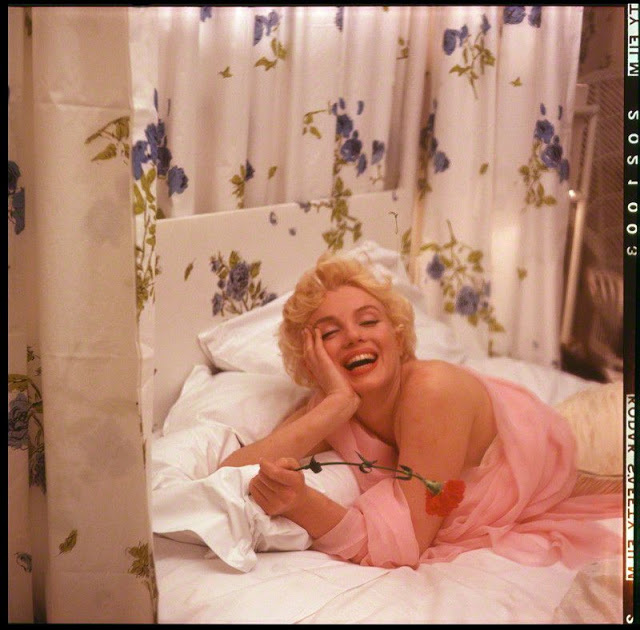
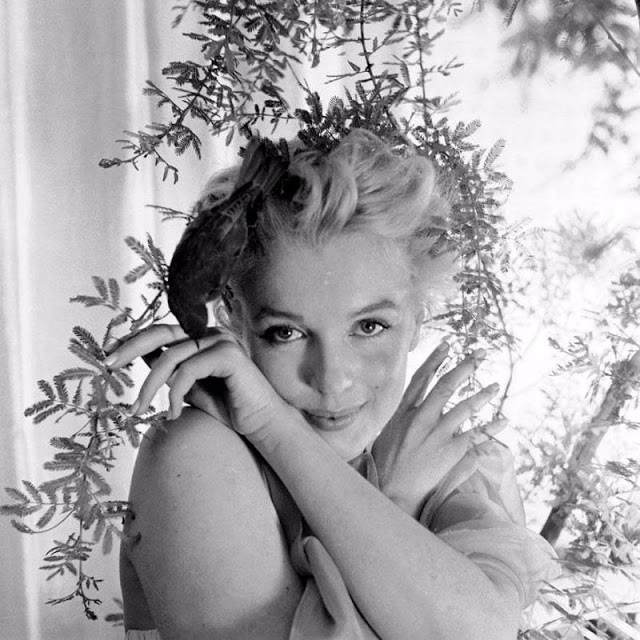
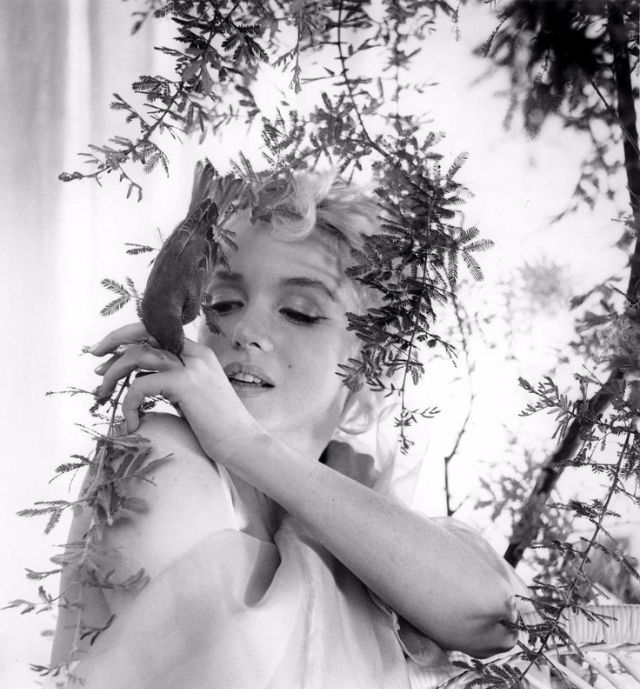
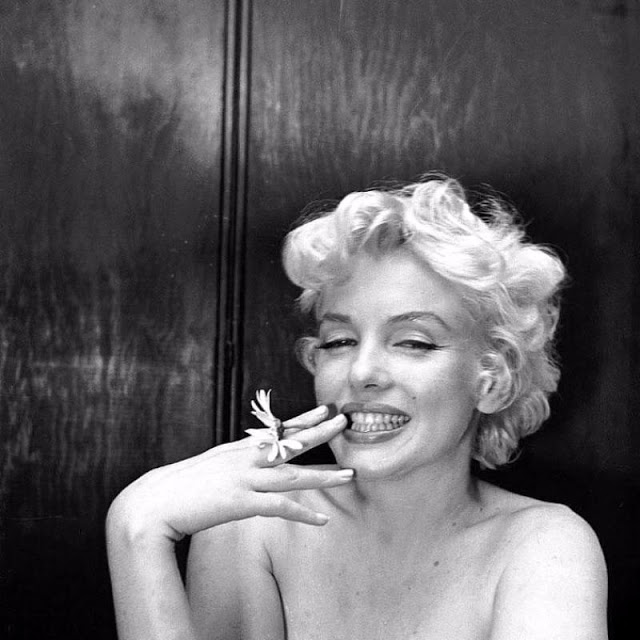
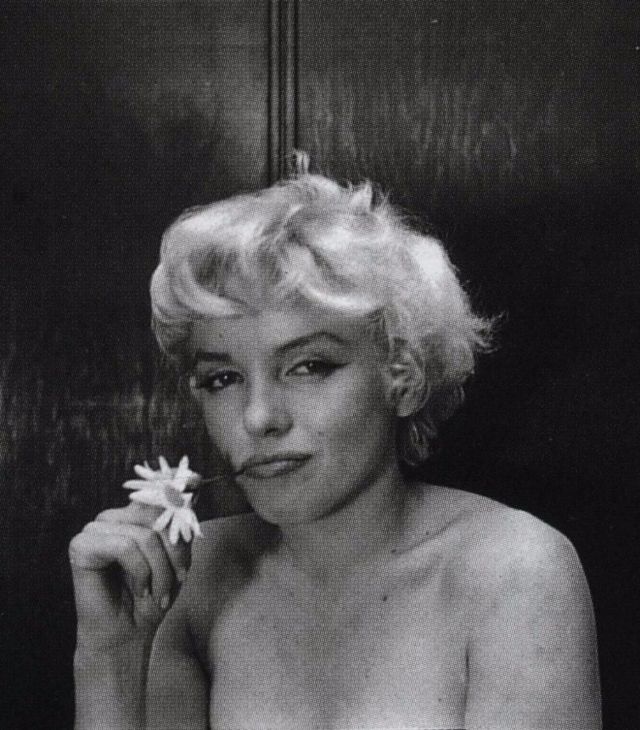
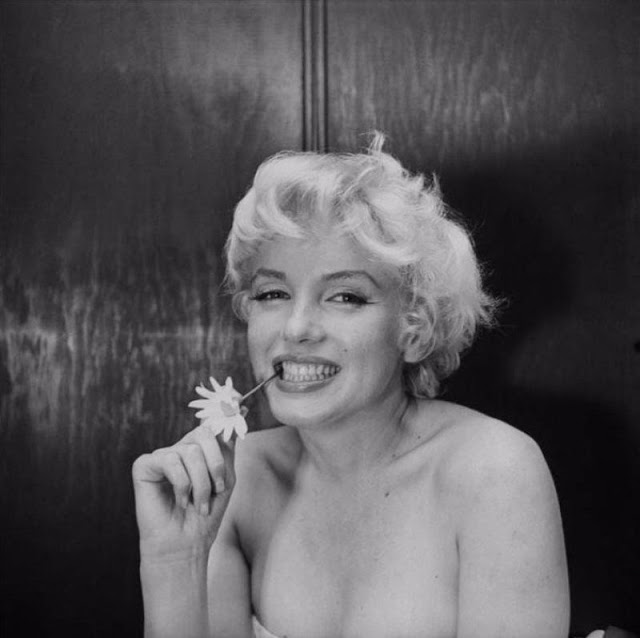
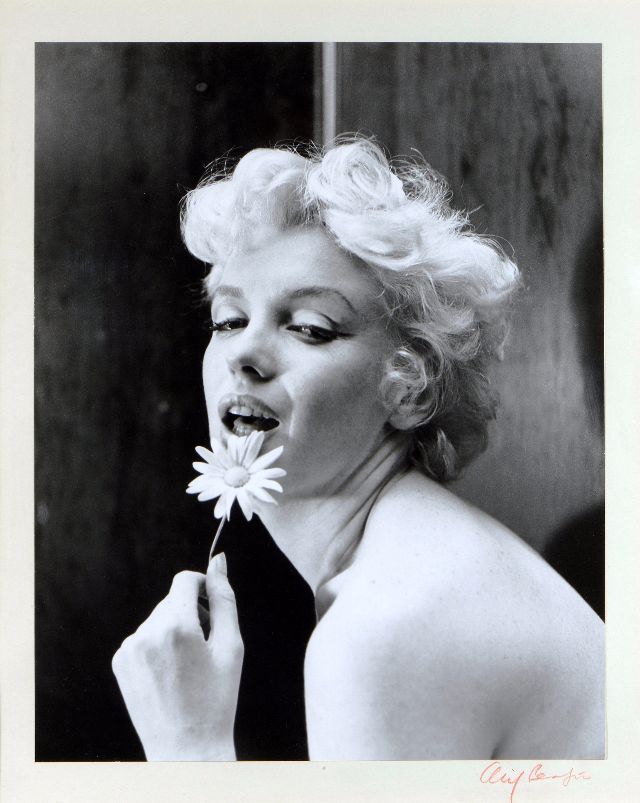
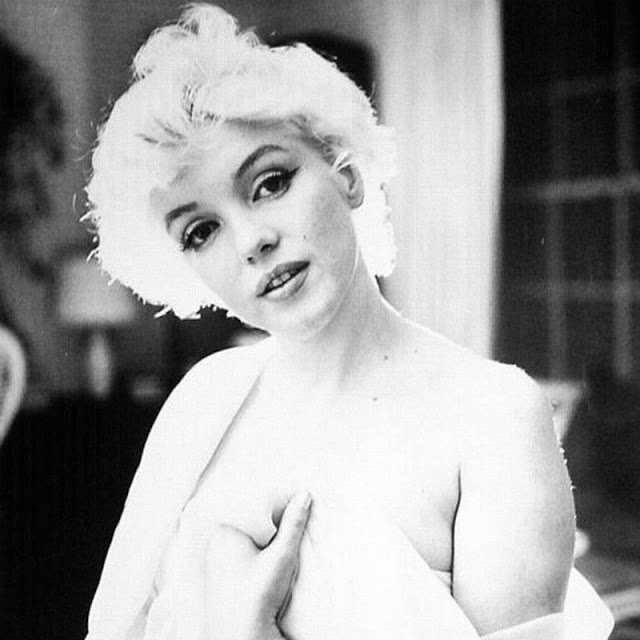
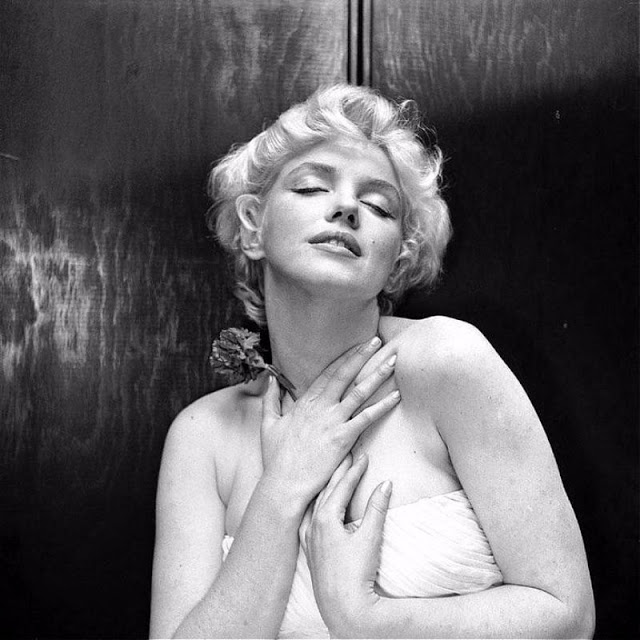
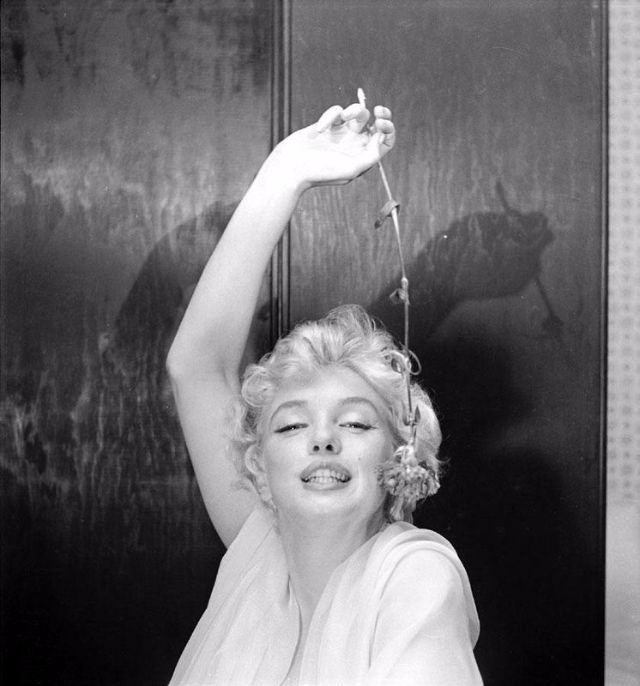
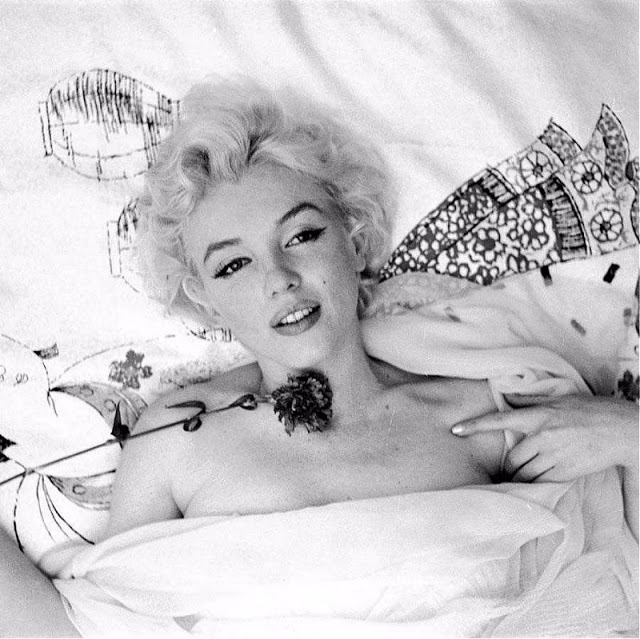
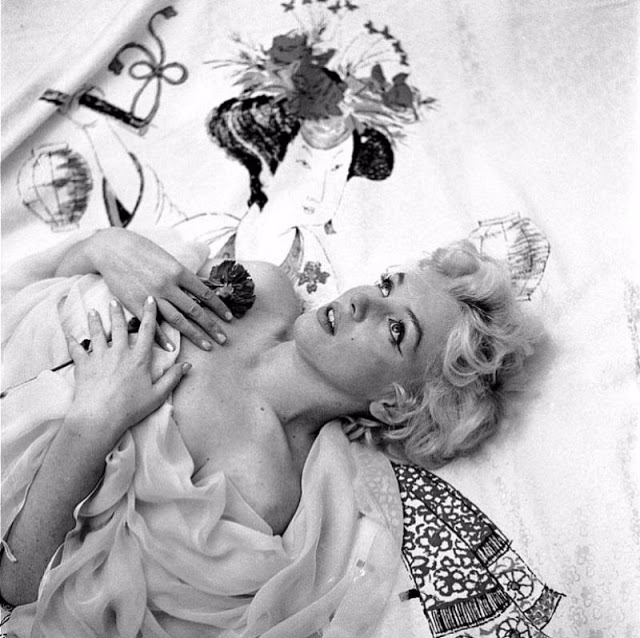
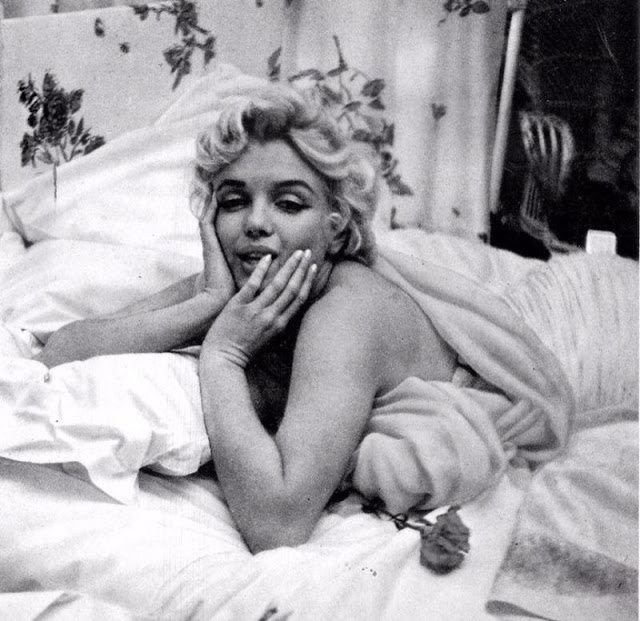
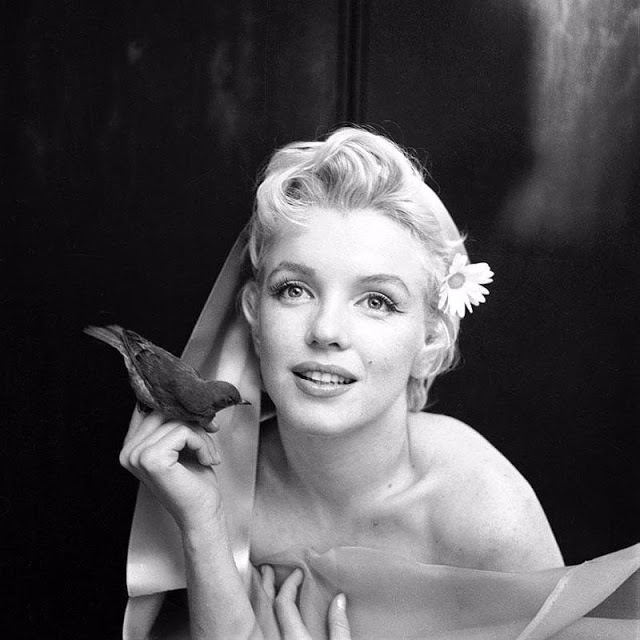
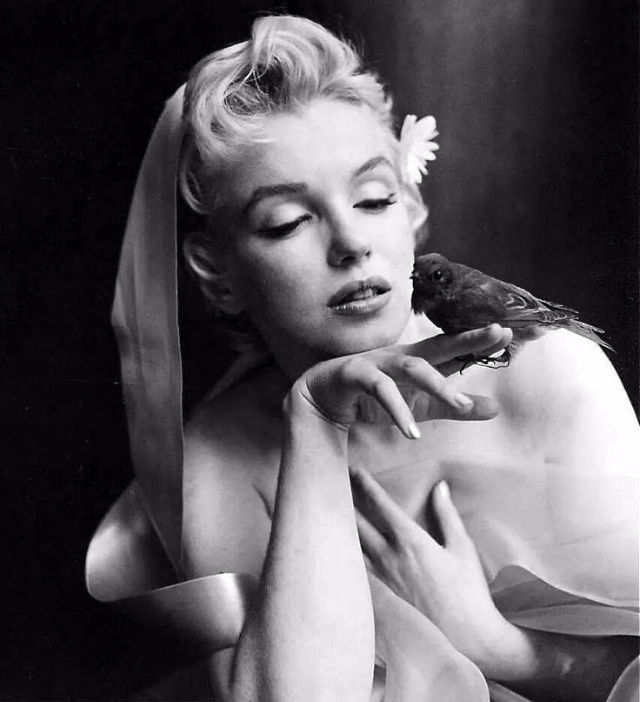
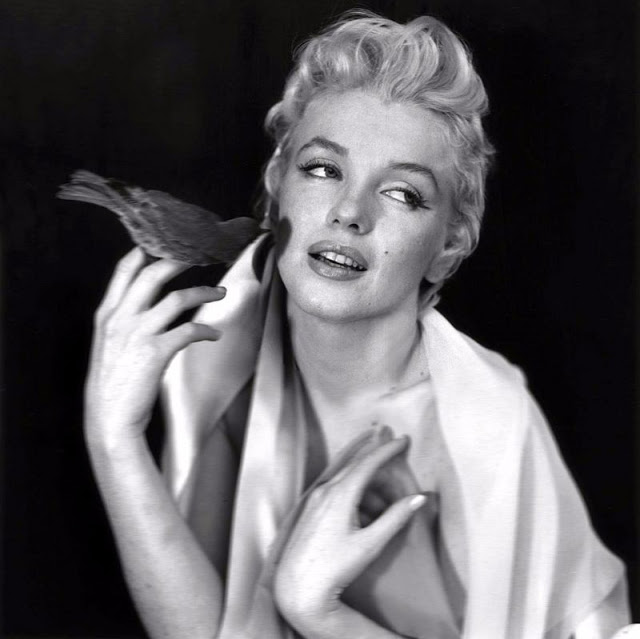
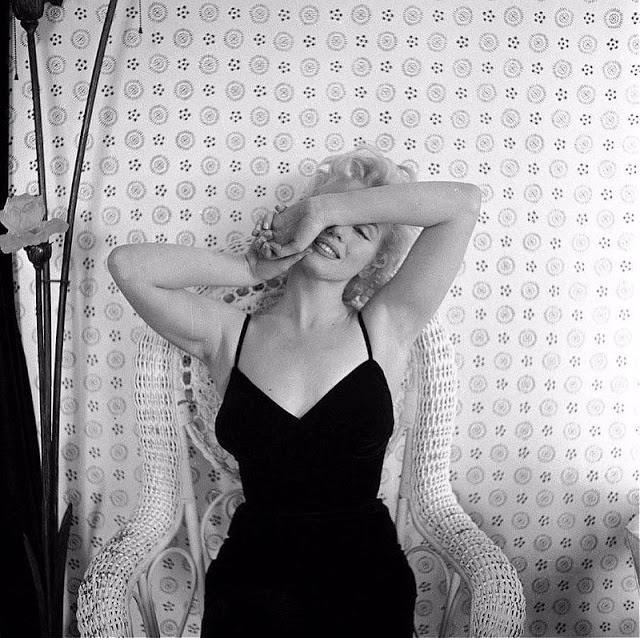
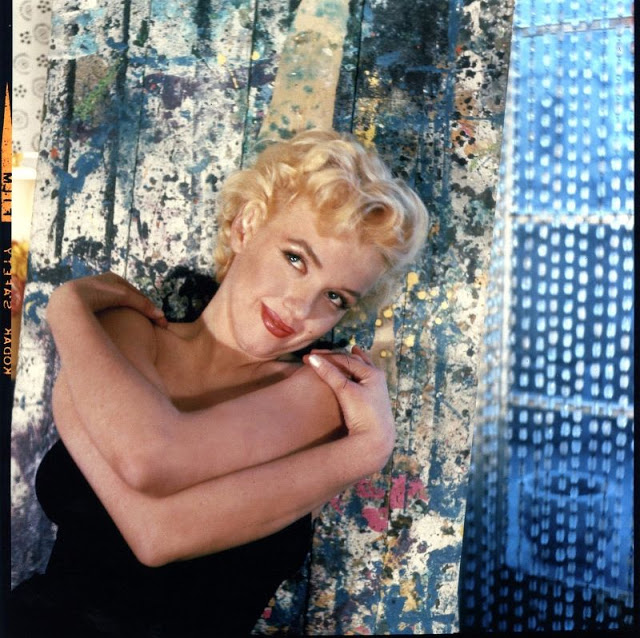
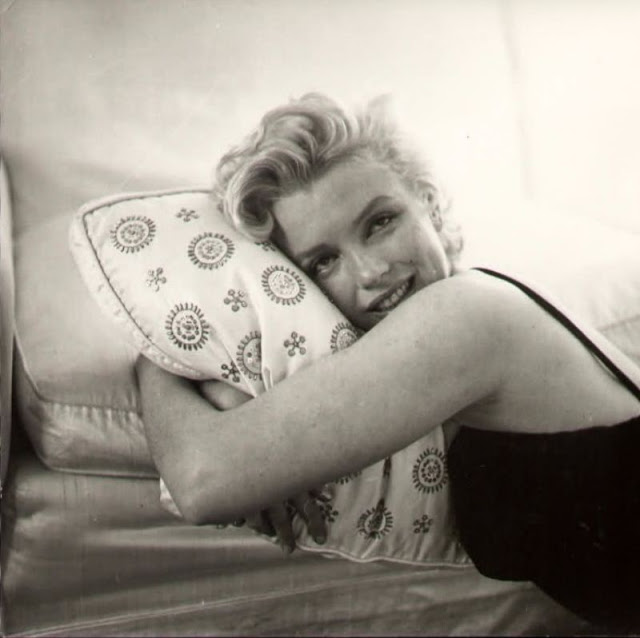
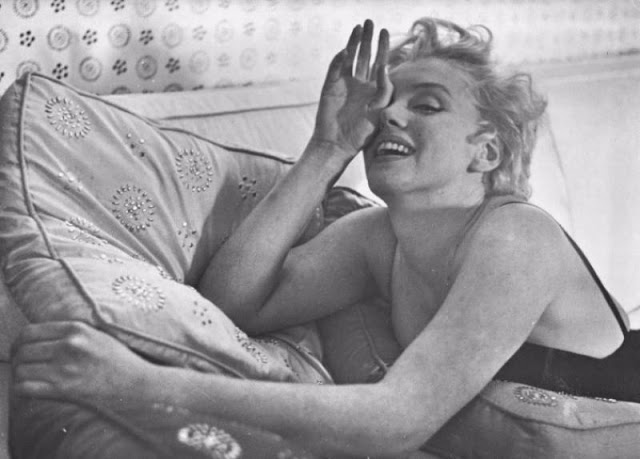
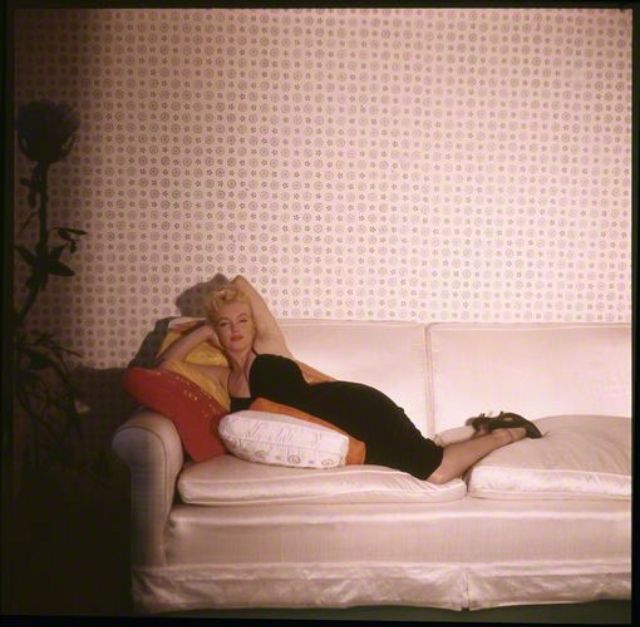
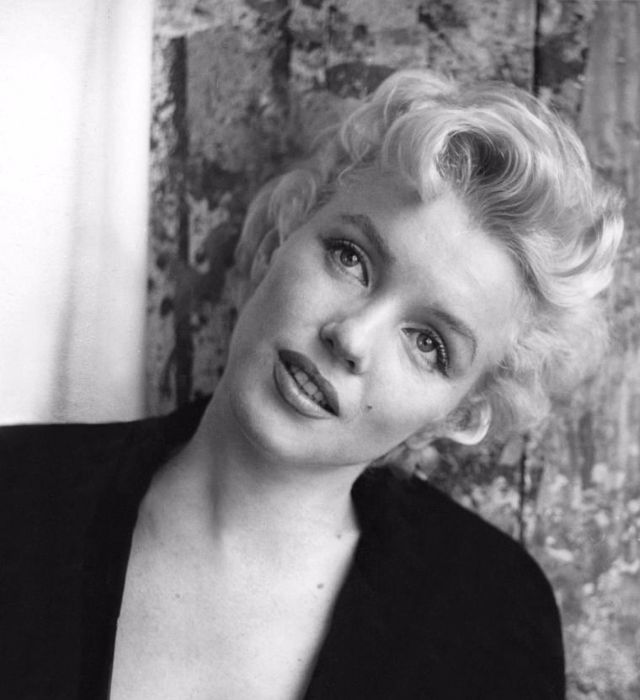
Cecil Walter Hardy Beaton (1904-1980) was an English fashion, portrait and war photographer, diarist, painter, interior designer and an Academy Award–winning stage and costume designer for films and the theatre.
Beaton worked with Marilyn on February 22, 1956 at the Ambassador Hotel in New York. And here is his amazing work.
Marilyn Monroe (born Norma Jeane Mortenson; June 1, 1926 – August 4, 1962) was an American actress and model. Famous for playing comedic “blonde bombshell” characters, she became one of the most popular sex symbols of the 1950s and early 1960s and was emblematic of the era’s sexual revolution. She was a top-billed actress for a decade, and her films grossed $200 million (equivalent to $2 billion in 2021) by the time of her death in 1962.[3] Long after her death, Monroe remains a major icon of pop culture. In 1999, the American Film Institute ranked her sixth on their list of the greatest female screen legends from the Golden Age of Hollywood.
Born and raised in Los Angeles, Monroe spent most of her childhood in foster homes and an orphanage; she married at age sixteen. She was working in a factory during World War II when she met a photographer from the First Motion Picture Unit and began a successful pin-up modeling career, which led to short-lived film contracts with 20th Century Fox and Columbia Pictures. After a series of minor film roles, she signed a new contract with Fox in late 1950. Over the next two years, she became a popular actress with roles in several comedies, including As Young as You Feel and Monkey Business, and in the dramas Clash by Night and Don’t Bother to Knock. She faced a scandal when it was revealed that she had posed for nude photographs prior to becoming a star, but the story did not damage her career and instead resulted in increased interest in her films.
By 1953, Monroe was one of the most marketable Hollywood stars; she had leading roles in the film noir Niagara, which overtly relied on her sex appeal, and the comedies Gentlemen Prefer Blondes and How to Marry a Millionaire, which established her star image as a “dumb blonde”. The same year, her nude images were used as the centerfold and on the cover of the first issue of Playboy. She played a significant role in the creation and management of her public image throughout her career, but she was disappointed when she was typecast and underpaid by the studio. She was briefly suspended in early 1954 for refusing a film project but returned to star in The Seven Year Itch (1955), one of the biggest box office successes of her career.
When the studio was still reluctant to change Monroe’s contract, she founded her own film production company in 1954. She dedicated 1955 to building the company and began studying method acting under Lee Strasberg at the Actors Studio. Later that year, Fox awarded her a new contract, which gave her more control and a larger salary. Her subsequent roles included a critically acclaimed performance in Bus Stop (1956) and her first independent production in The Prince and the Showgirl (1957). She won a Golden Globe for Best Actress for her role in Some Like It Hot (1959), a critical and commercial success. Her last completed film was the drama The Misfits (1961).
Monroe’s troubled private life received much attention. She struggled with addiction and mood disorders. Her marriages to retired baseball star Joe DiMaggio and to playwright Arthur Miller were highly publicized, and both ended in divorce. On August 4, 1962, she died at age 36 from an overdose of barbiturates at her Los Angeles home. Her death was ruled a probable suicide. (Wikipedia)
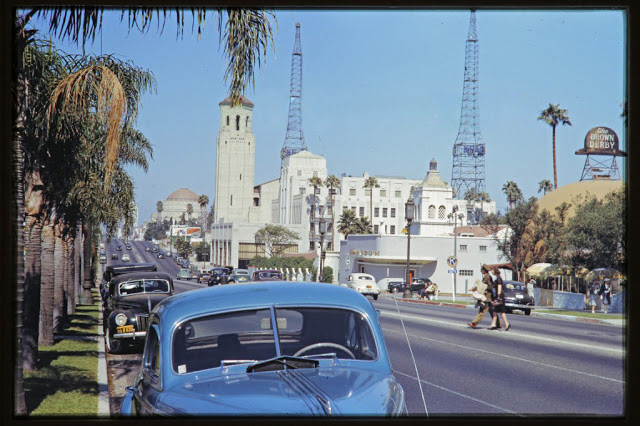
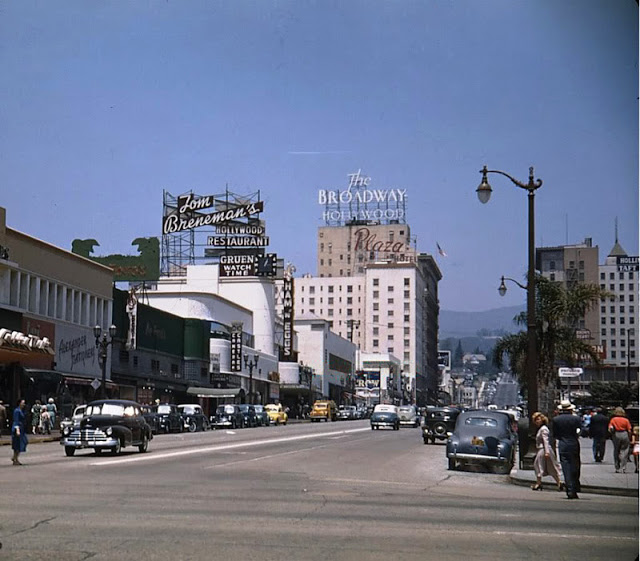
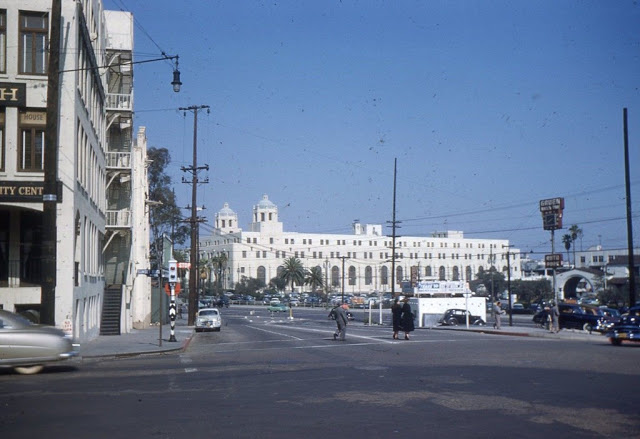
Los Angeles, often referred to by its initials L.A., is the largest city in California. With a 2020 population of 3,898,747 it is the second-largest city in the United States, following New York City. Los Angeles is known for its Mediterranean climate, ethnic and cultural diversity, Hollywood film industry and sprawling metropolitan area.
The City of Los Angeles lies in a basin in Southern California, adjacent to the Pacific Ocean, and extends through the Santa Monica Mountains and into the San Fernando Valley, covering a total of about 469 square miles (1,210 km2). It is the seat of Los Angeles County, which is the most populous county in the United States with just over 10 million residents in 2020.
Home to the Chumash and Tongva indigenous peoples, the area that became Los Angeles was claimed by Juan Rodríguez Cabrillo for Spain in 1542. The city was founded on September 4, 1781, under Spanish governor Felipe de Neve, on the village of Yaanga. It became a part of Mexico in 1821 following the Mexican War of Independence. In 1848, at the end of the Mexican–American War, Los Angeles and the rest of California were purchased as part of the Treaty of Guadalupe Hidalgo, and thus became part of the United States. Los Angeles was incorporated as a municipality on April 4, 1850, five months before California achieved statehood. The discovery of oil in the 1890s brought rapid growth to the city. The city was further expanded with the completion of the Los Angeles Aqueduct in 1913, which delivers water from Eastern California.
Los Angeles has a diverse and robust economy, and hosts businesses in a broad range of professional and cultural fields. It also has the busiest container port in the Americas. In 2018, the Los Angeles metropolitan area had a gross metropolitan product of over $1.0 trillion, making it the city with the third-largest GDP in the world, after Tokyo and New York City. Los Angeles hosted the 1932 and 1984 Summer Olympics and will host the 2028 Summer Olympics. More recently, statewide droughts in California have further strained the city’s water security. (Wikipedia)
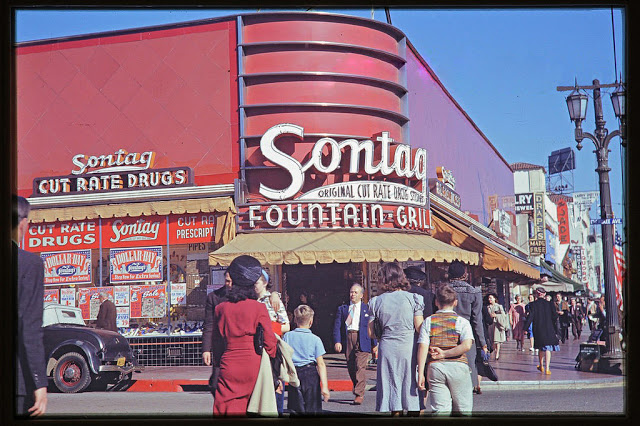
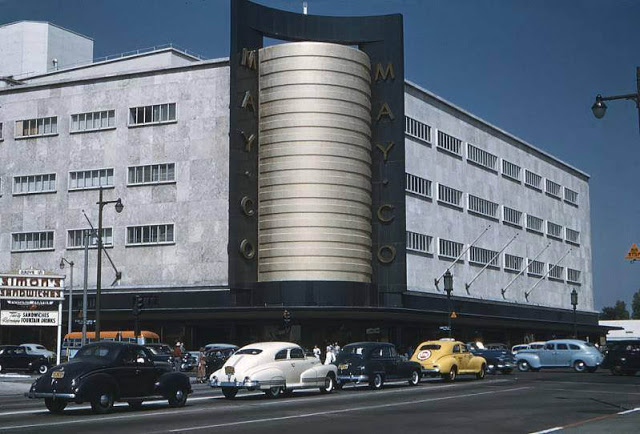
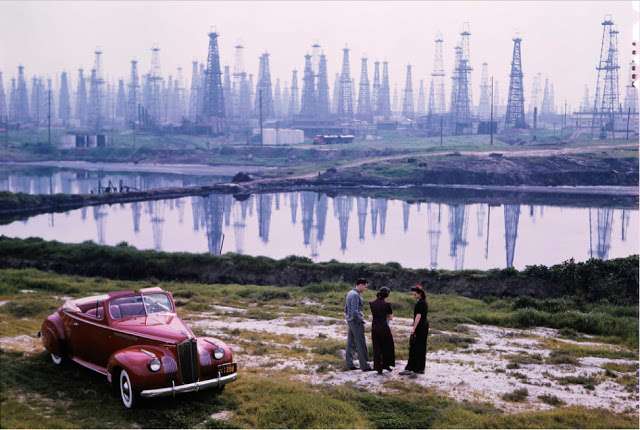
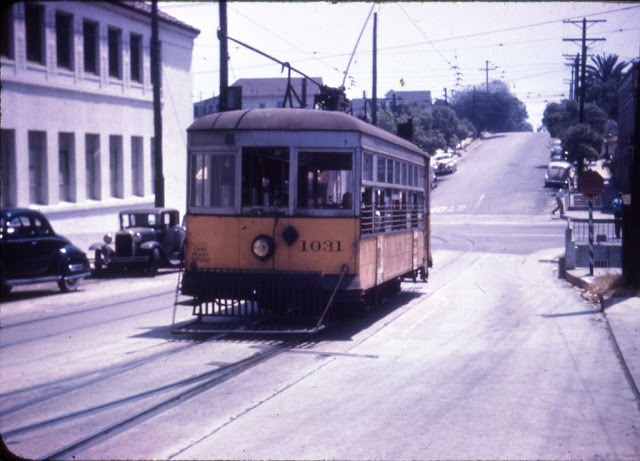
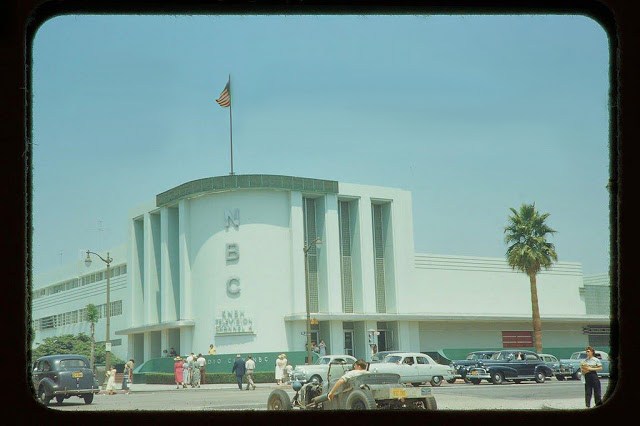
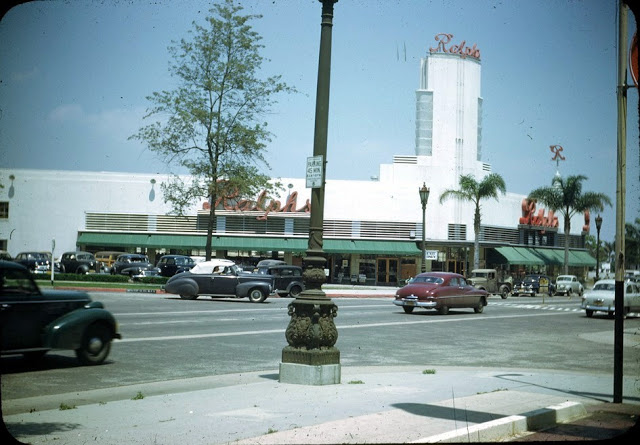
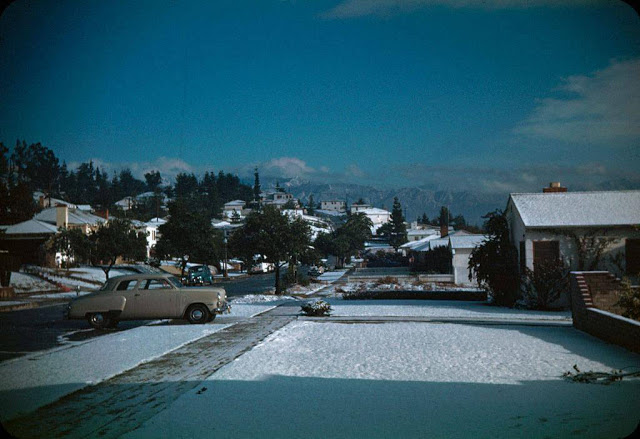
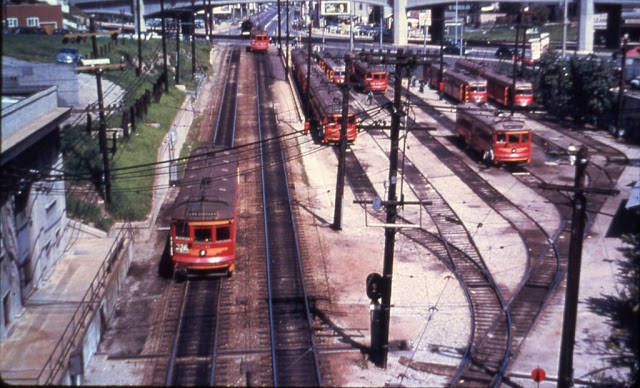
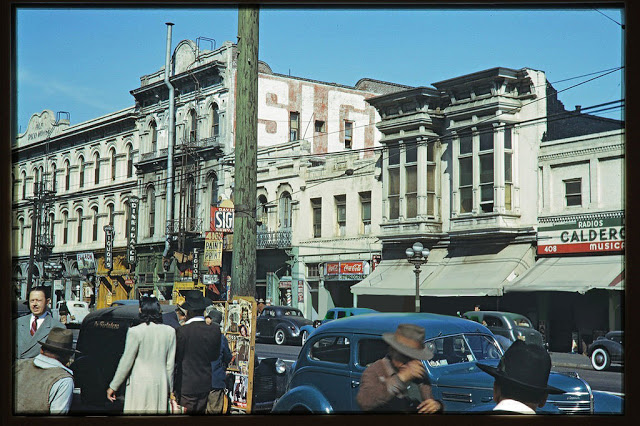
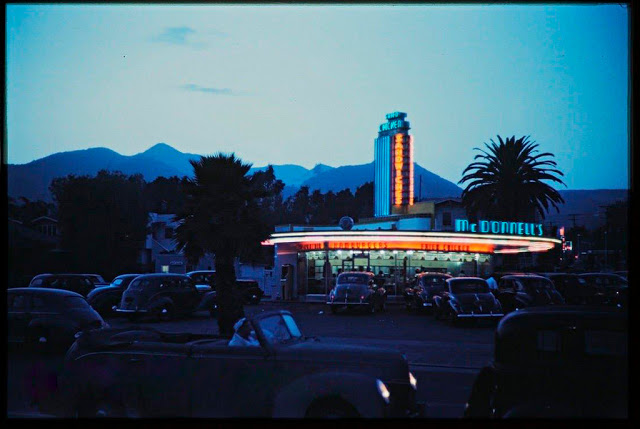
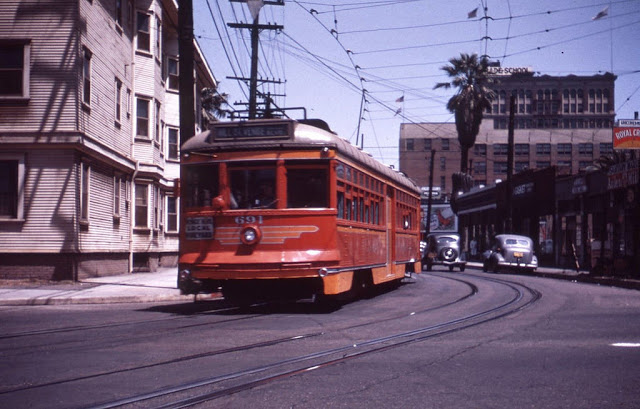
Hawaii Theater, 5941 Hollywood Boulevard, Los Angeles, 1940Looking north on Westwood Boulevard from Wilshire, Los Angeles, 1940Hollywood High School, Los Angeles, 1941Looking east on 5th Street from Figueroa, Los Angeles, 1941Looking east on Wilshire Boulevard from Detroit Street, Los Angeles, 1941Looking north on Westwood Boulevard at Wilshire, Los Angeles, 1941Looking northeast across the intersection of Wilshire Boulevard and Fairfax Avenue, Los Angeles, 1941Looking west on Hollywood Boulevard at N. McCadden Place, Los Angeles, 1941Oil rigs, Signal Hill, Los Angeles, 1941Looking west on Wilshire Boulevard from the Ambassador Hotel, Los Angeles, 1942Greyhound, 6th and Los Angeles streets, 1943Looking east on Hollywood Boulevard from Cahuenga, Los Angeles, 1943Hollywood and Vine, Los Angeles, 1944Wilshire Boulevard lightshow, Los Angeles, 1945Los Angeles Railway Birney no. 1031 rolls through the intersection of Temple and Edgeware, 1946The Players Club, 8225 Sunset Boulevard, Los Angeles, 1946Looking north on Broadway from just north of 10th Street, Los Angeles, 1947NBC Radio City, Sunset Boulevard at Vine Street, Los Angeles, 1947Late construction shot of Park La Brea, Los Angeles, 1948Looking north on Vine Street from NBC Radio City, Los Angeles, 1948Looking north on Vine Street from Sunset Boulevard, Los Angeles, 1948Looking west from Hope Street, Los Angeles, 1948Looking west on Hollywood Boulevard at Vine Street, Los Angeles, 1948Looking west on Hollywood Boulevard from Las Palmas, Los Angeles, 1948Looking northeast at Wilshire Boulevard and La Brea Avenue, Los Angeles, 1949Looking northeast on Los Angeles Street at Sunset Boulevard, 1949NBC Radio City, Sunset and Vine, Los Angeles, 1949Ralphs, Wilshire Boulevard and Crescent Drive, Los Angeles, 1949Snowfall in Los Angeles, 1949Toluca Yard, Los Angeles, 1949Hudson Sales & Service, Los Angeles, ca. 1940sLooking east on Hollywood Boulevard at Cherokee Avenue, Los Angeles, ca. 1940sLooking east on Hollywood Boulevard at Ivar, Los Angeles, ca. 1940sLooking northeast across N. Main Street, Los Angeles, ca. 1940sMcDonnell’s, Los Angeles, ca. 1940sPan Pacific Auditorium in Los Angeles, ca. 1940sVenice Boulevard at Hope Street, Los Angeles, ca. 1940s
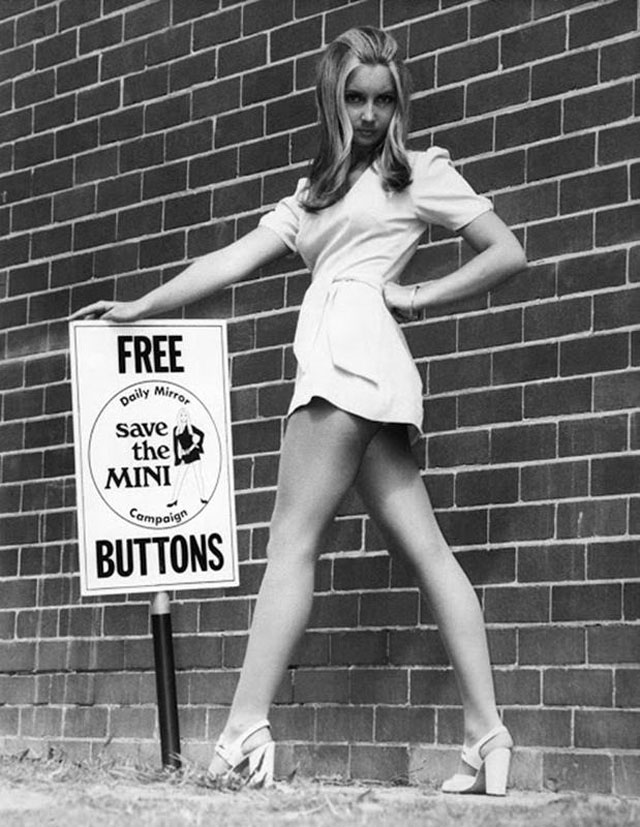
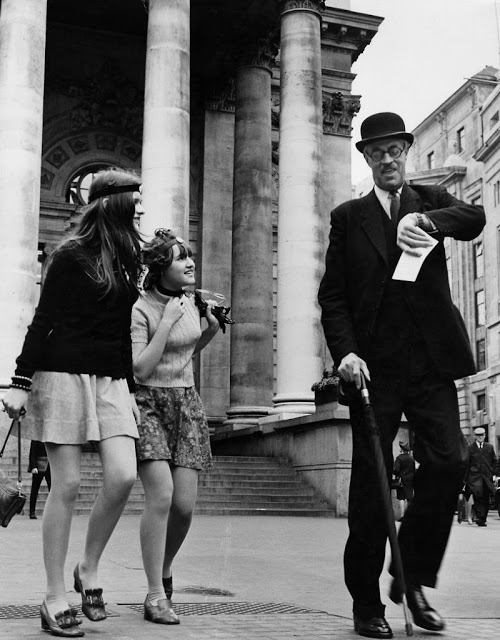
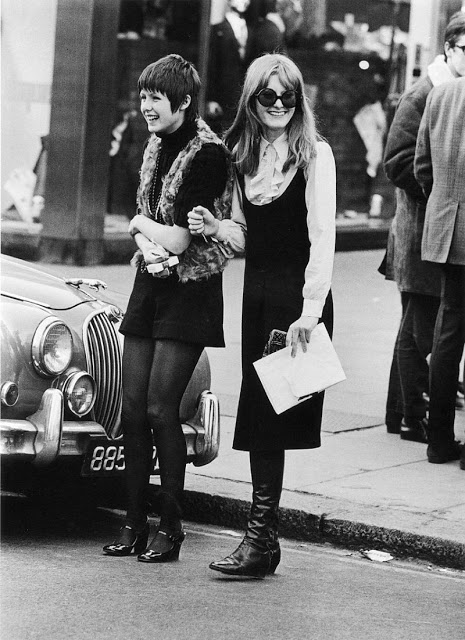
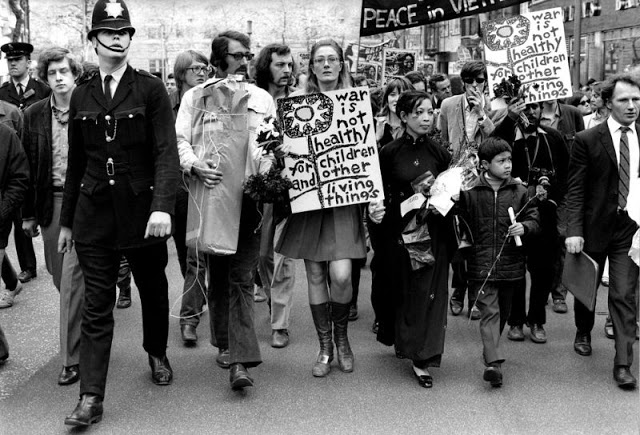
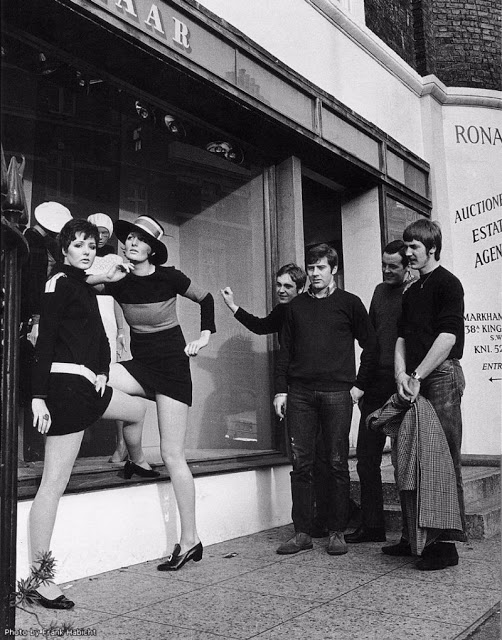
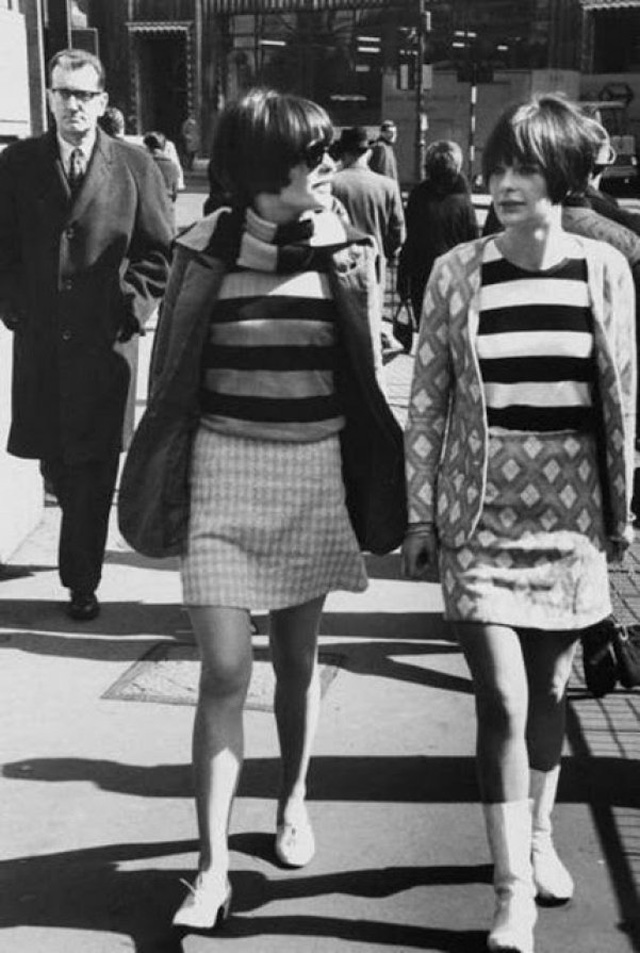
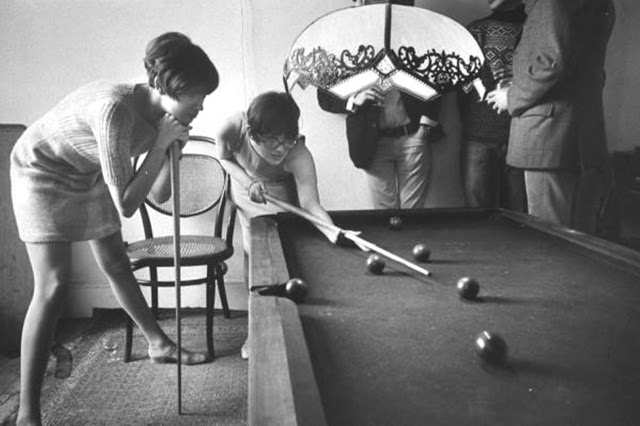
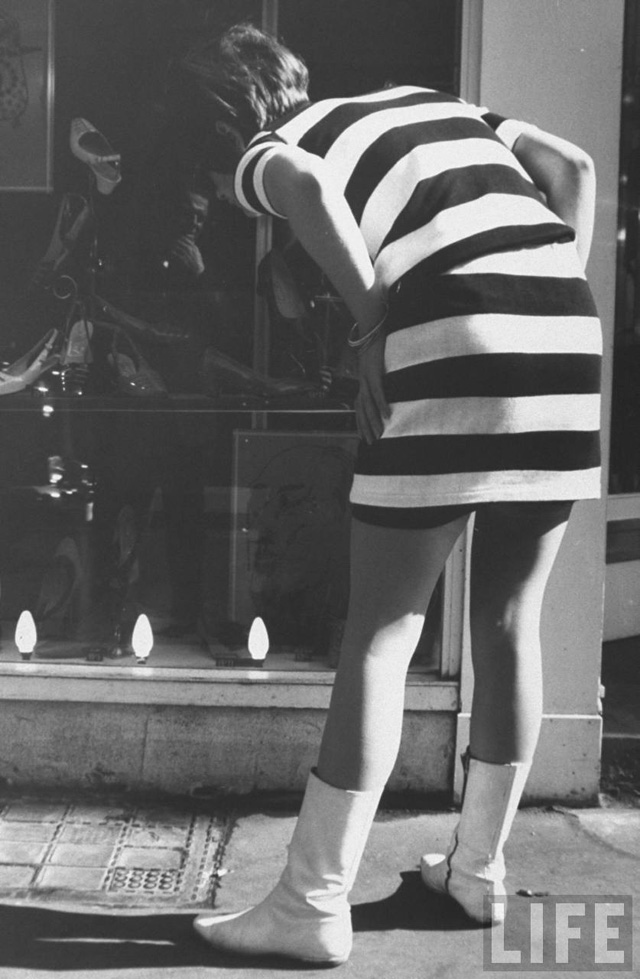
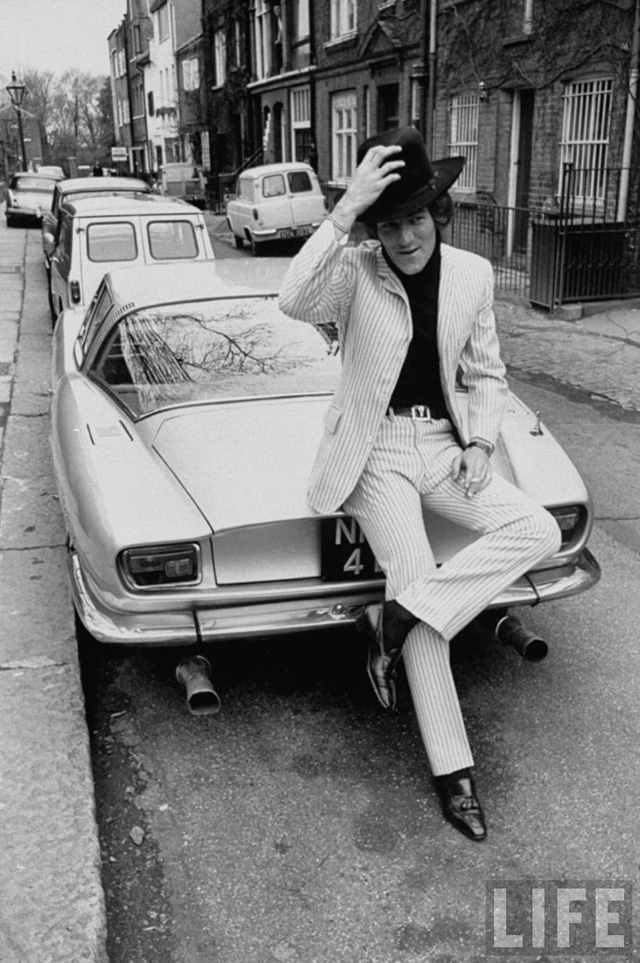
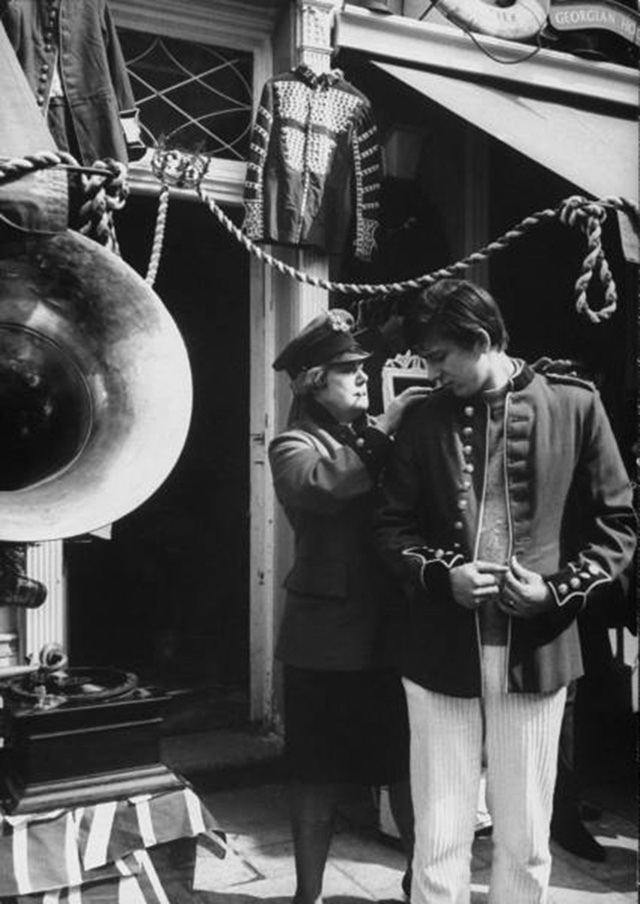
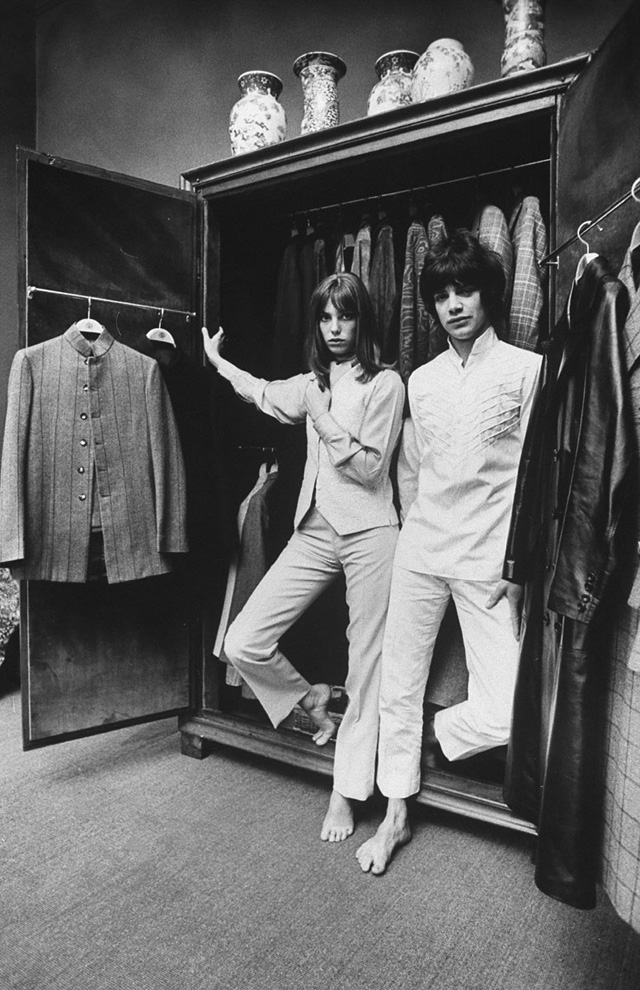
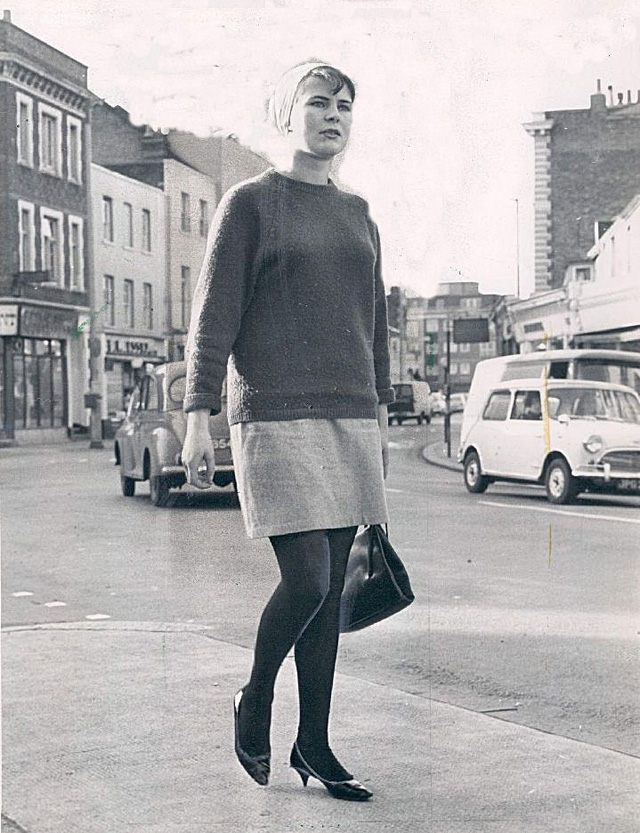
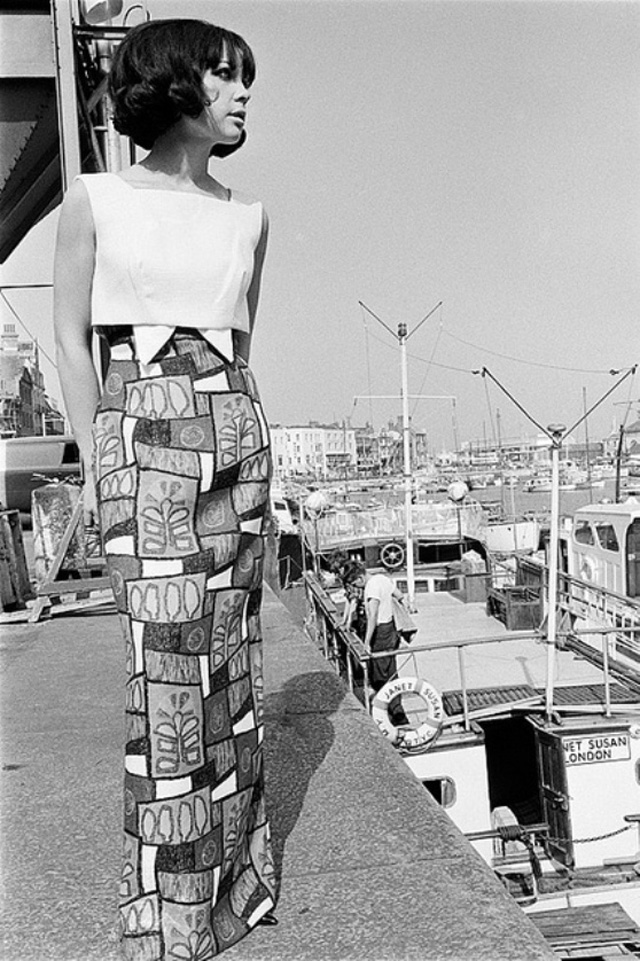
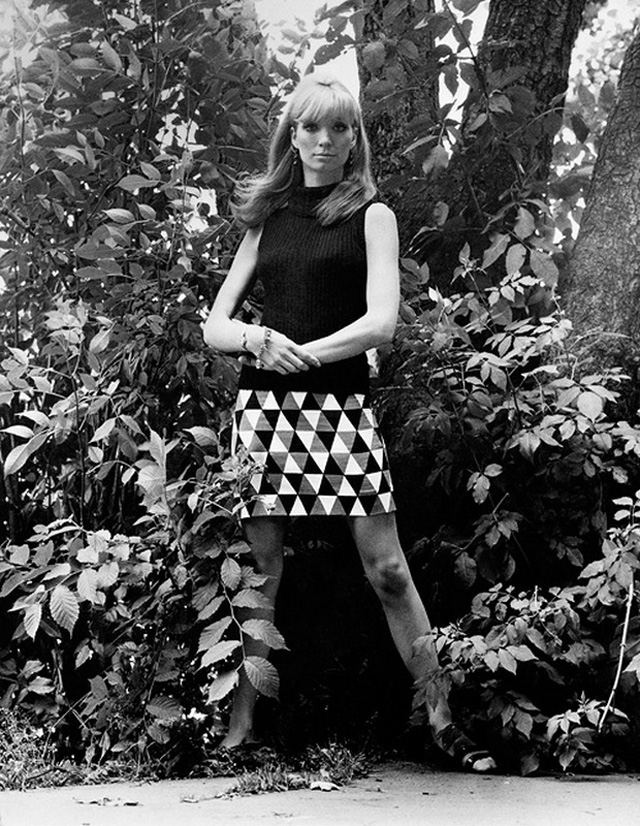
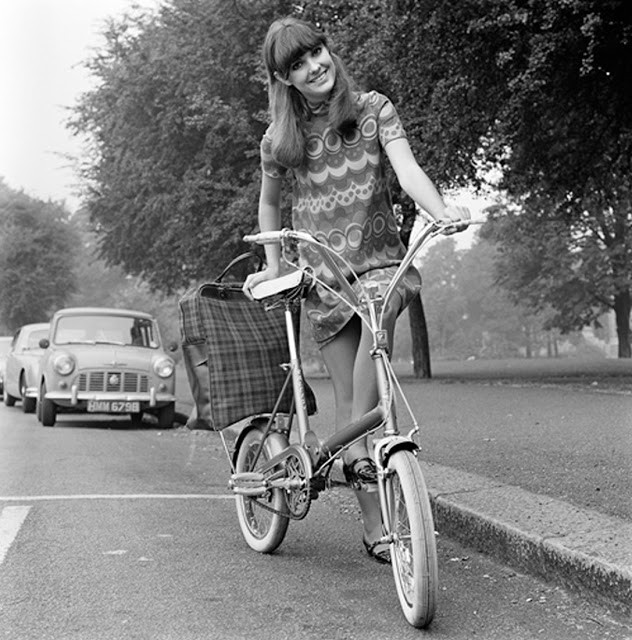
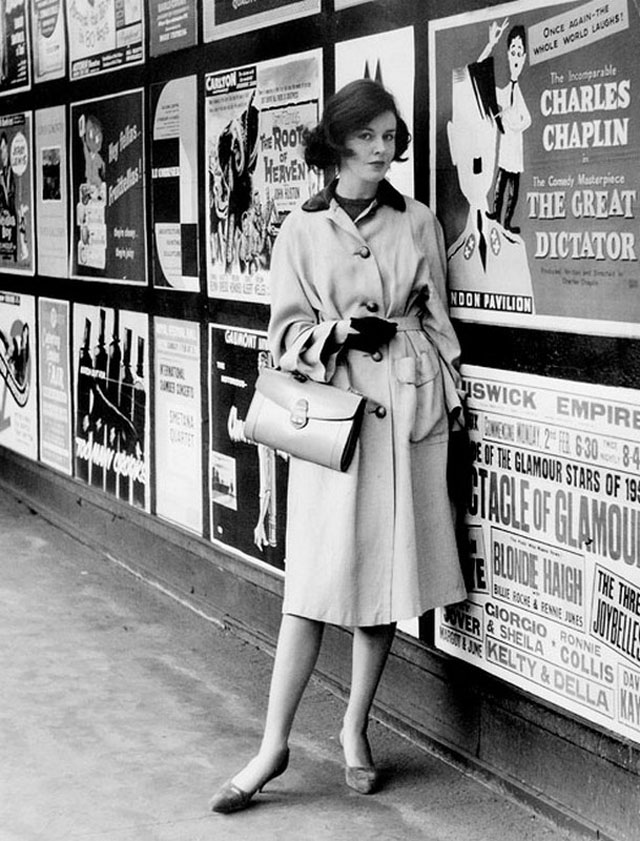
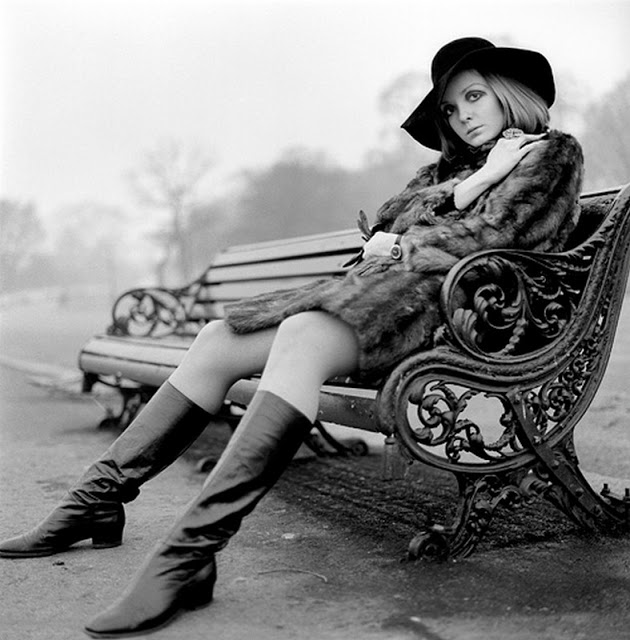
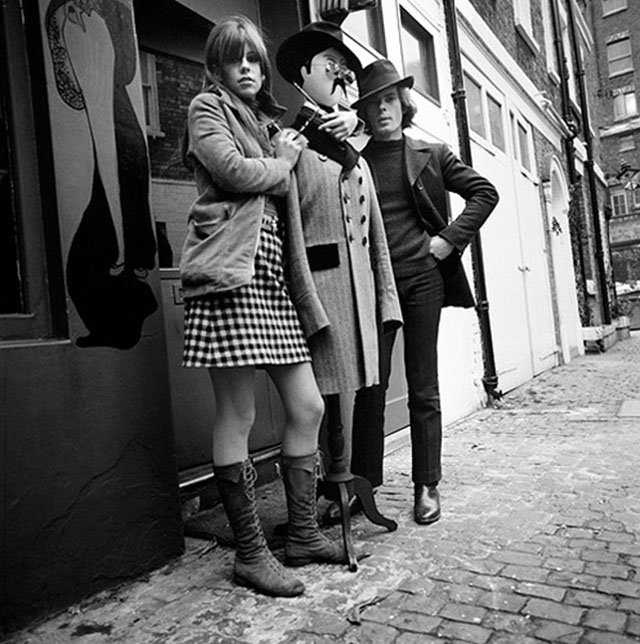
The Swinging Sixties was a youth-driven cultural revolution that took place in the United Kingdom during the mid-to-late 1960s, emphasising modernity and fun-loving hedonism, with Swinging London as its centre. It saw a flourishing in art, music and fashion, and was symbolised by the city’s “pop and fashion exports”. Among its key elements were the Beatles, as leaders of the British Invasion of musical acts; Mary Quant’s miniskirt; popular fashion models such as Twiggy and Jean Shrimpton; the mod subculture; the iconic status of popular shopping areas such as London’s King’s Road, Kensington and Carnaby Street; the political activism of the anti-nuclear movement; and sexual liberation.
Music was a big part of the scene, with “the London sound” including the Who, the Kinks, the Small Faces and the Rolling Stones, bands that were the mainstay of pirate radio stations like Radio Caroline, Wonderful Radio London and Swinging Radio England. Swinging London also reached British cinema, which, according to the British Film Institute, “saw a surge in formal experimentation, freedom of expression, colour, and comedy”. During this period, “creative types of all kinds gravitated to the capital, from artists and writers to magazine publishers, photographers, advertisers, film-makers and product designers”.
During the 1960s, London underwent a “metamorphosis from a gloomy, grimy post-war capital into a bright, shining epicentre of style”. The phenomenon was caused by the large number of young people in the city (due to the baby boom of the 1950s) and the postwar economic boom. Following the abolition of the national service for men in 1960, these young people enjoyed greater freedom and fewer responsibilities than their parents’ generation, and “[fanned] changes to social and sexual politics”.
Shaping the popular consciousness of aspirational Britain in the 1960s, it was a West End-centred phenomenon that happened among young, middle class people, and was considered “simply a diversion” by some of them. The swinging scene also served as a consumerist counterpart to the countercultural British underground of the same period. Simon Rycroft writes: “Whilst it is important to acknowledge the exclusivity and the dissenting voices, it does not lessen the importance of Swinging London as a powerful moment of image making with very real material effect.” “Swinging” remains the adjective most frequently applied to the 1960s as a decade (similar to the “Roaring” Twenties). (Wikipedia)
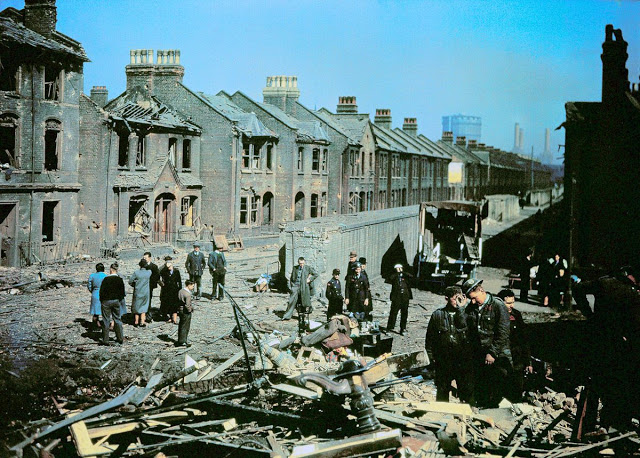
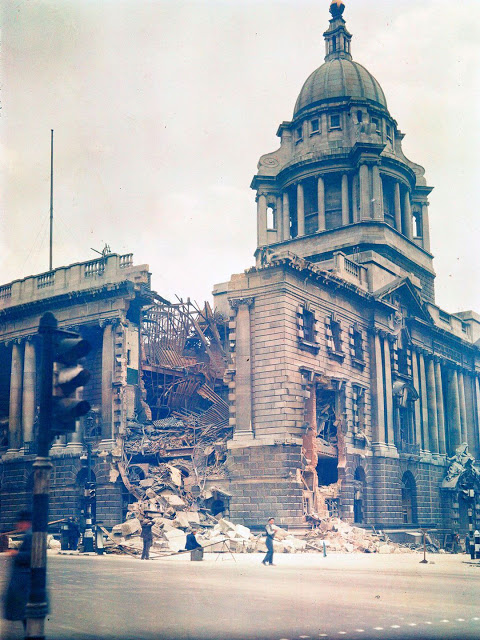
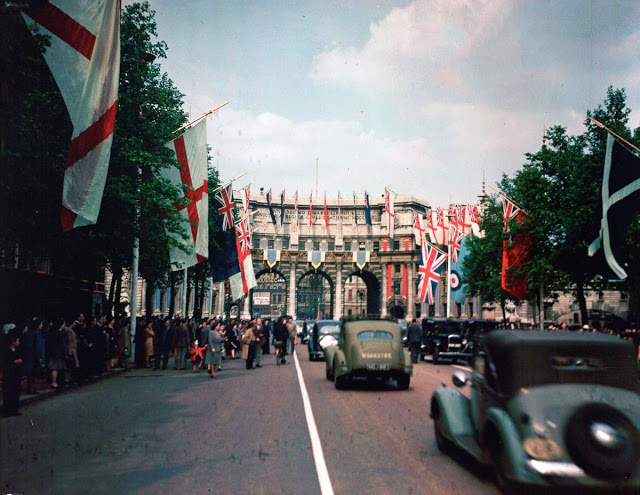
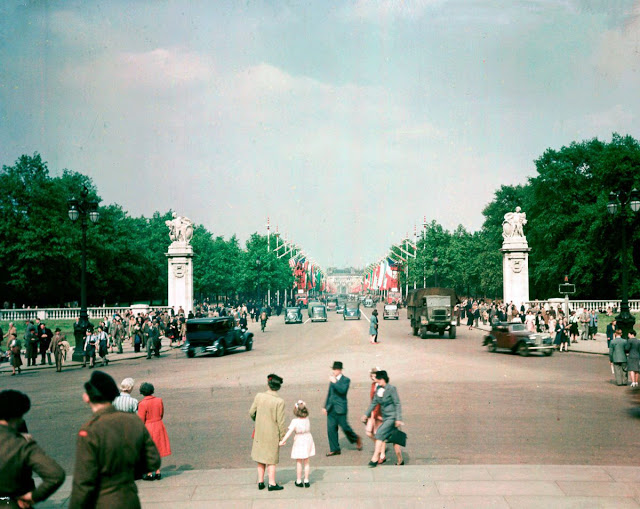
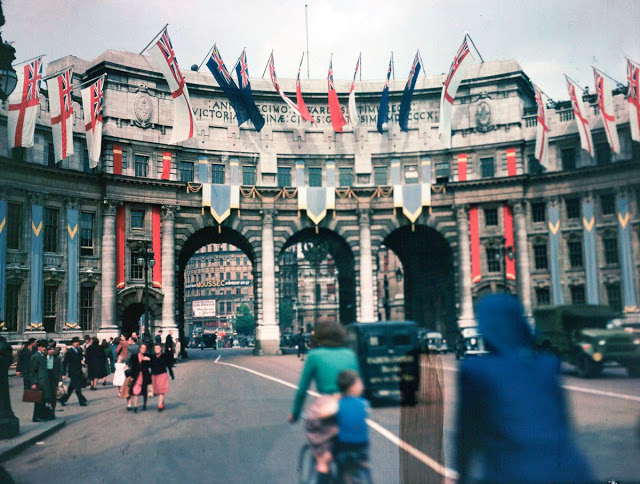
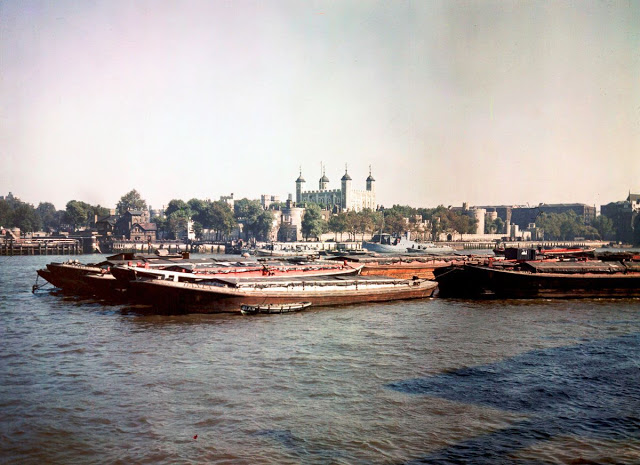
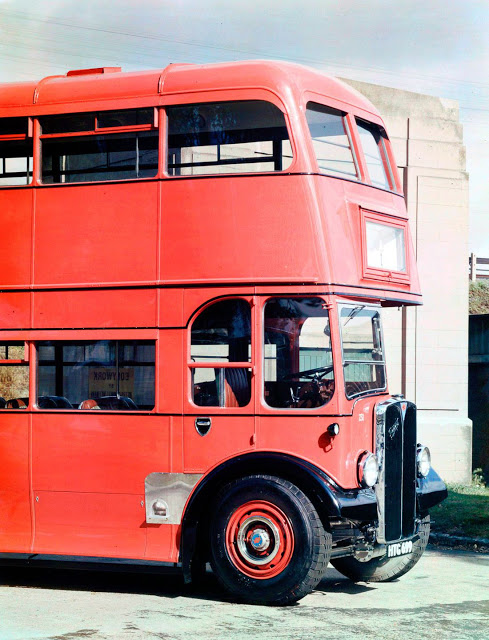
These color photos of London, spanning from the dark days of the Blitz to the triumphant celebrations of VE Day, were taken in Dufaycolor, a little-known photography process. They give another perspective on the period between 1943 and 1945 when Nazi Germany carried out a sustained aerial bombing campaign against Britain.
Introduced as cinematic film in 1932 and roll film in 1935, Dufaycolor was based on a four-color screen process developed by French chemist Louis Dufay. It was one of the last additive color processes to be marketed, consisting of a fine screen of red, green and blue filter lines printed over a film emulsion.
Though it was popular among professional and amateur photographers until the 1950s, Dufaycolor was ultimately surpassed by Kodachrome and other superior color processes.
Bomb damage to a London street. Dec. 16, 1943.St. Paul’s cathedral stands intact amid buildings destroyed by bombing. Dec. 10, 1943.The Old Bailey law courts, damaged by German bombing. Dec. 10, 1941.Houses destroyed by German bombing. 1943Allied flags are displayed in celebration of victory in Europe. Sept. 3, 1945.The Admiralty Arch is decorated with Allied flags in celebration of VE Day. Sept. 3, 1945.Crowds on The Mall, London, 1945.Sept. 3, 1945.The Mall, London, 1945.Admiralty Arch, London, 1945.The Palm House in Kew Gardens. Sept. 3, 1945.Barges on the River Thames in front of the Houses of Parliament. Dec. 10, 1945.Dec. 10, 1945.Nelson’s Column festooned with flags to celebrate VE Day. Sept. 3, 1945.A double-decker bus in London, 1945.
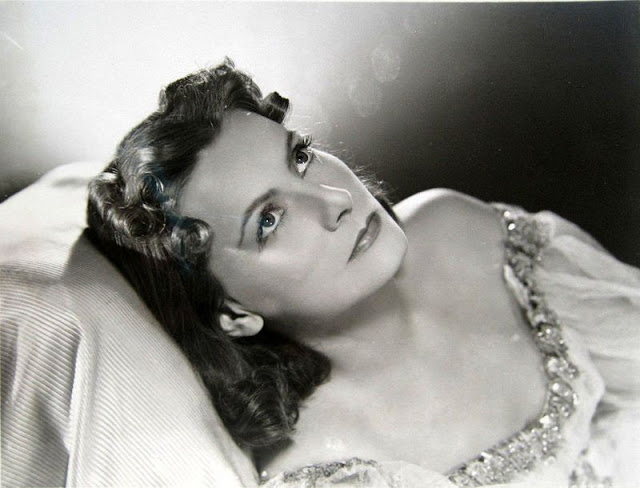
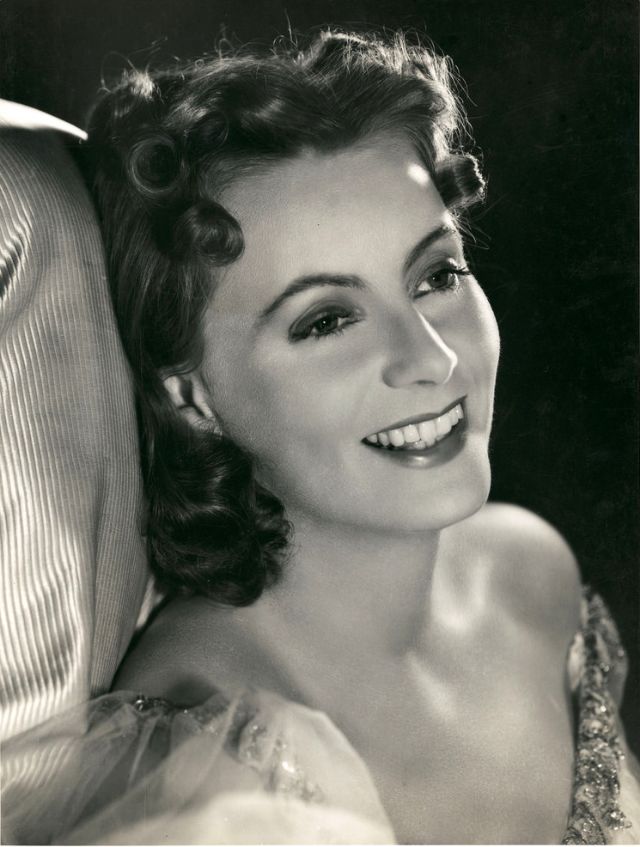
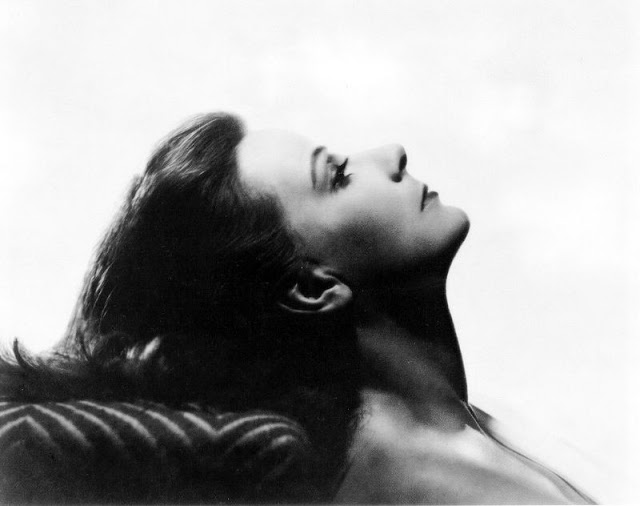
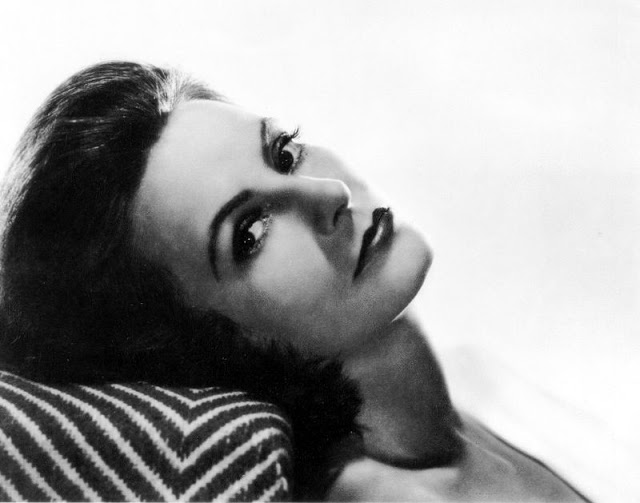
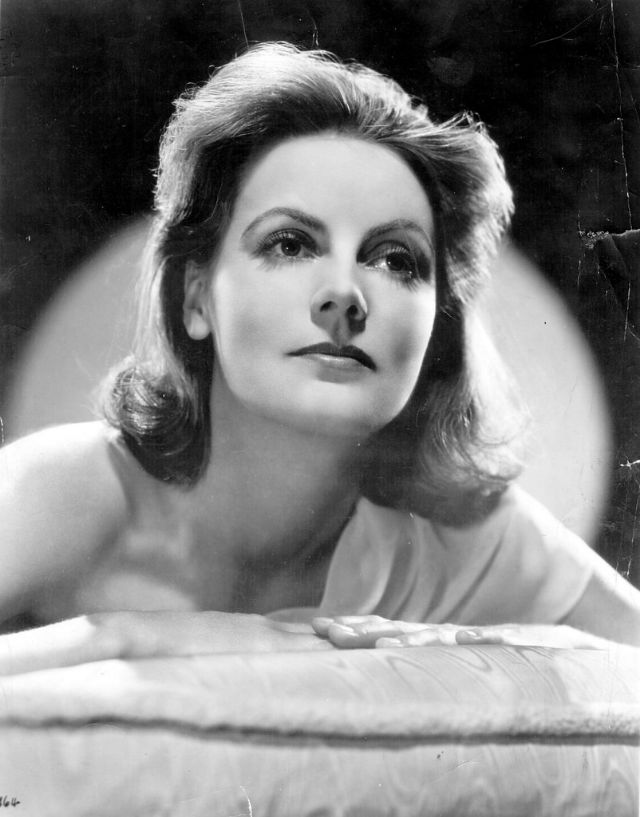
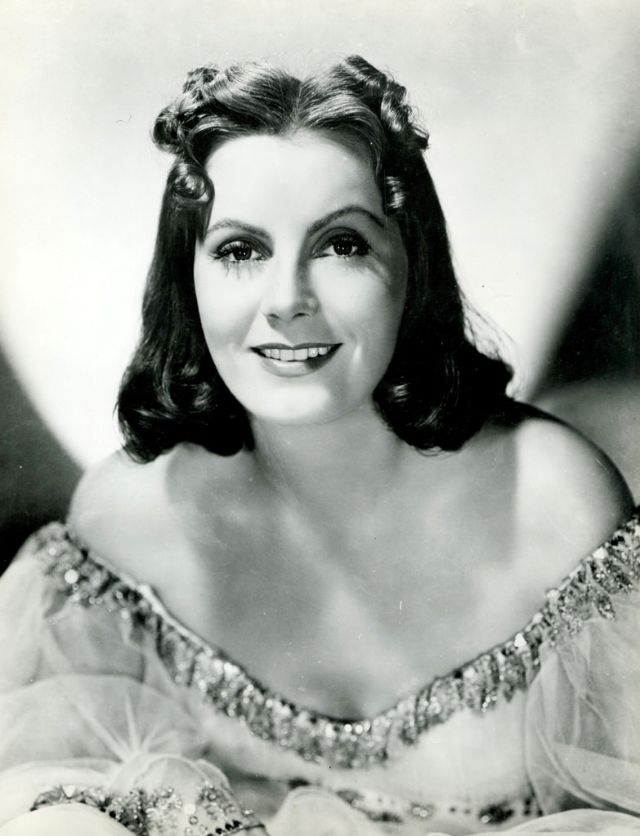
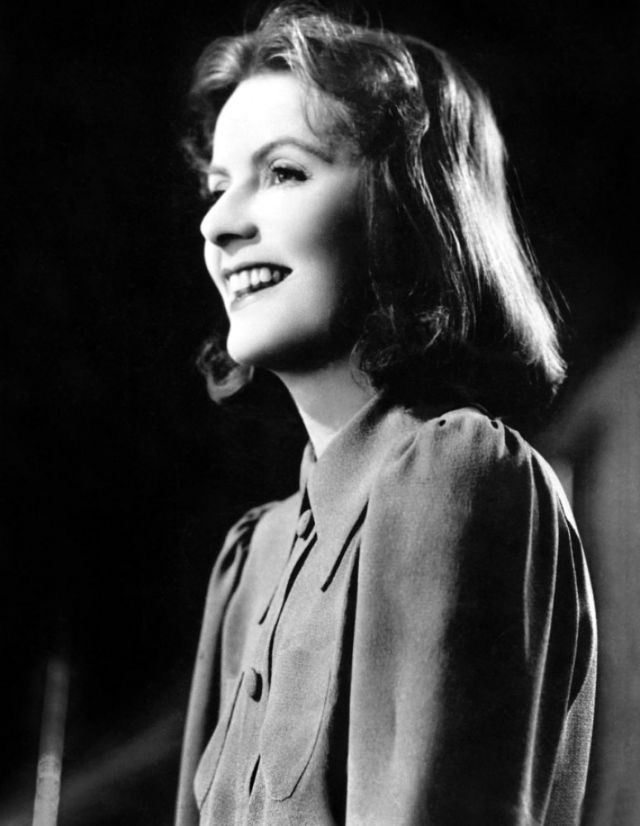
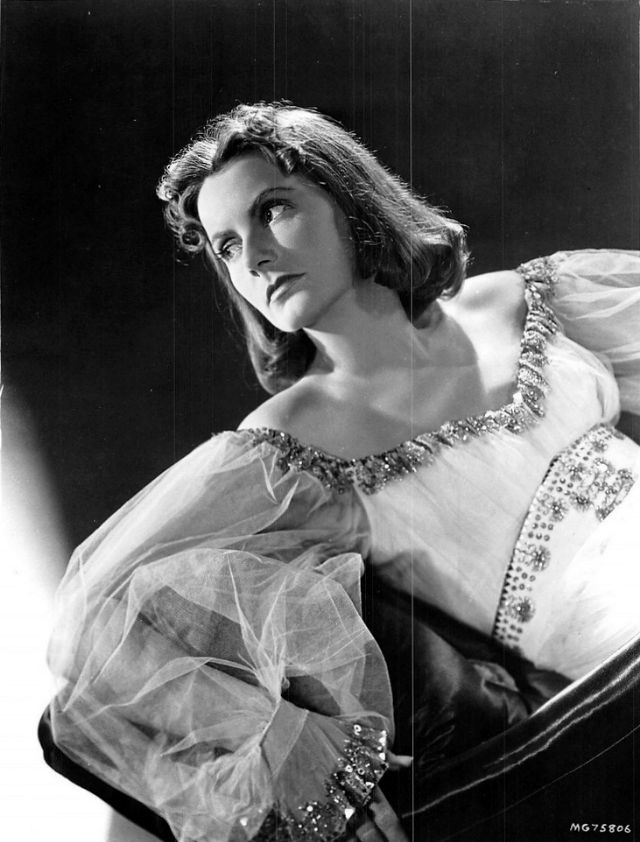
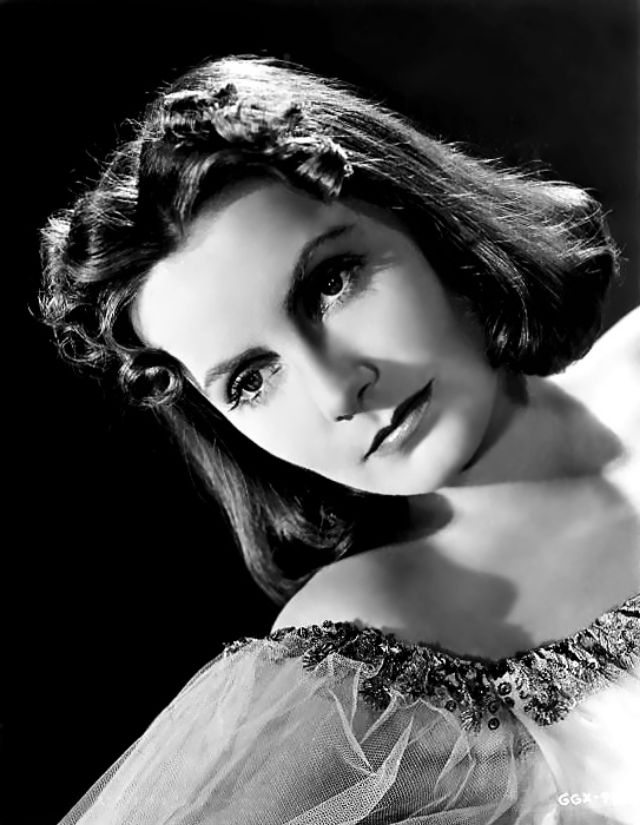
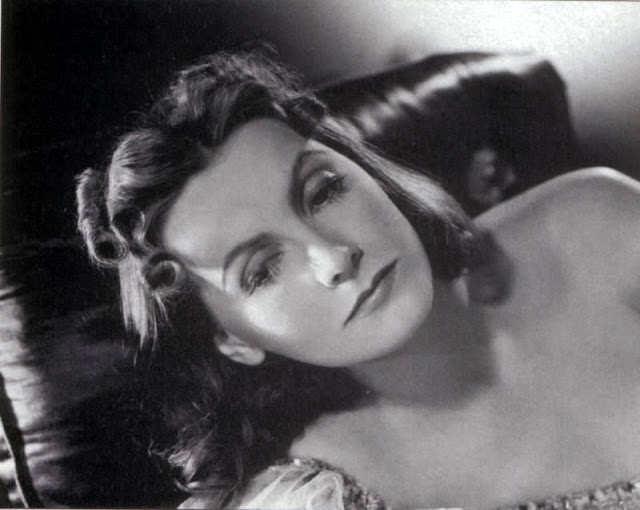
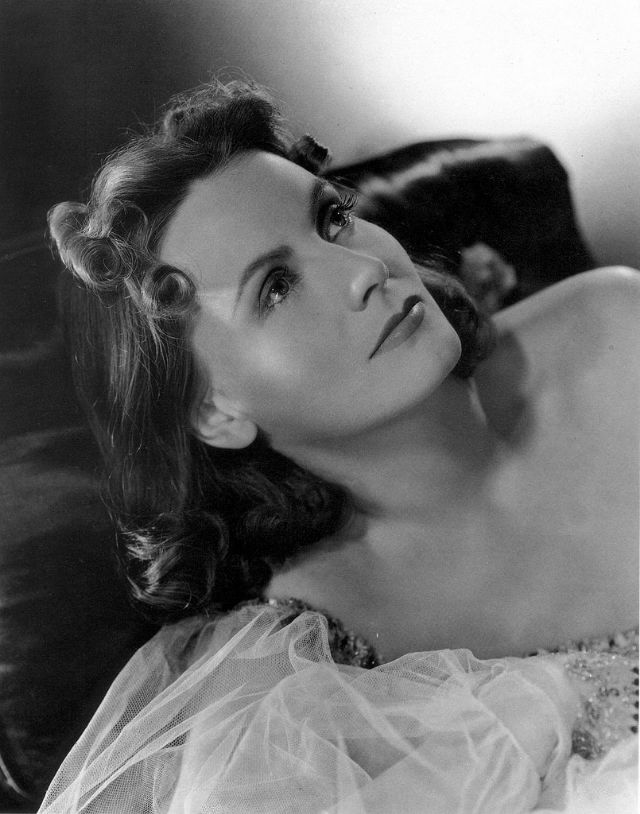
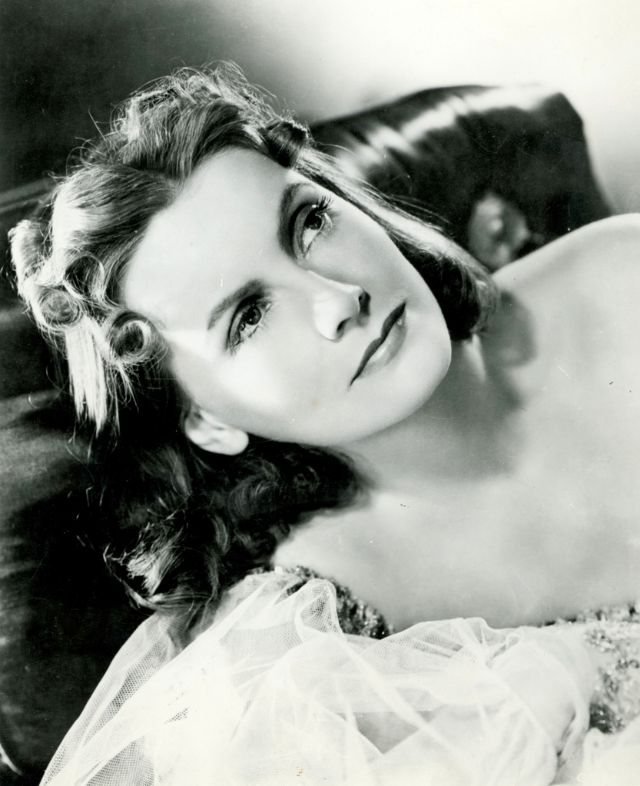
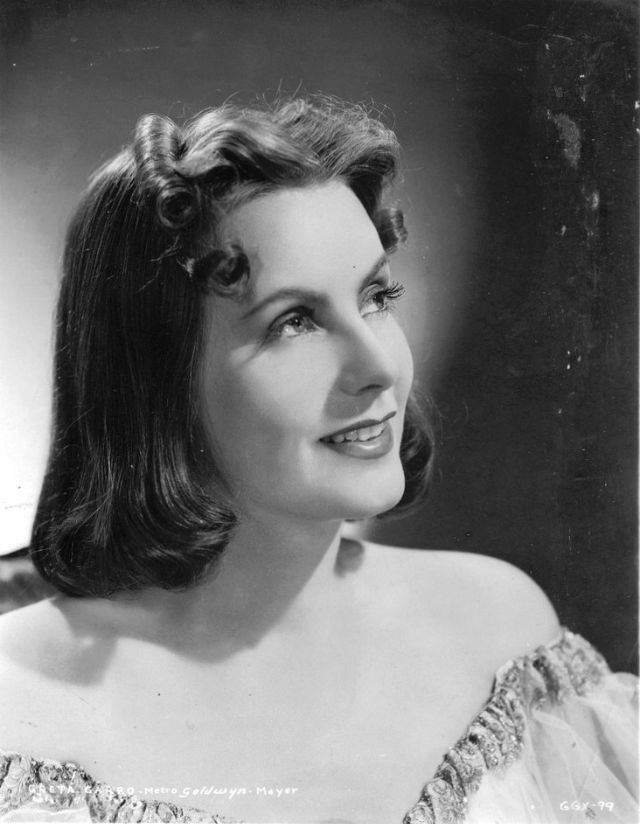
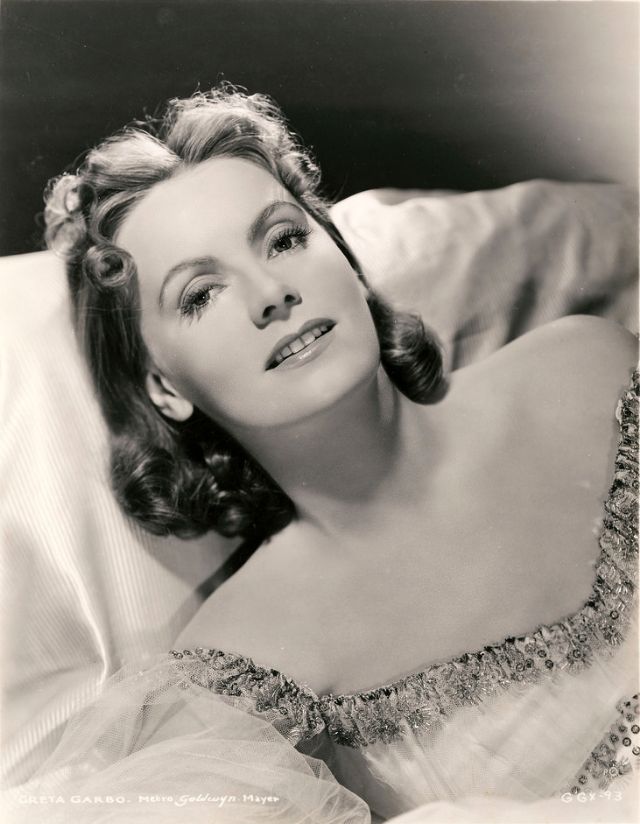
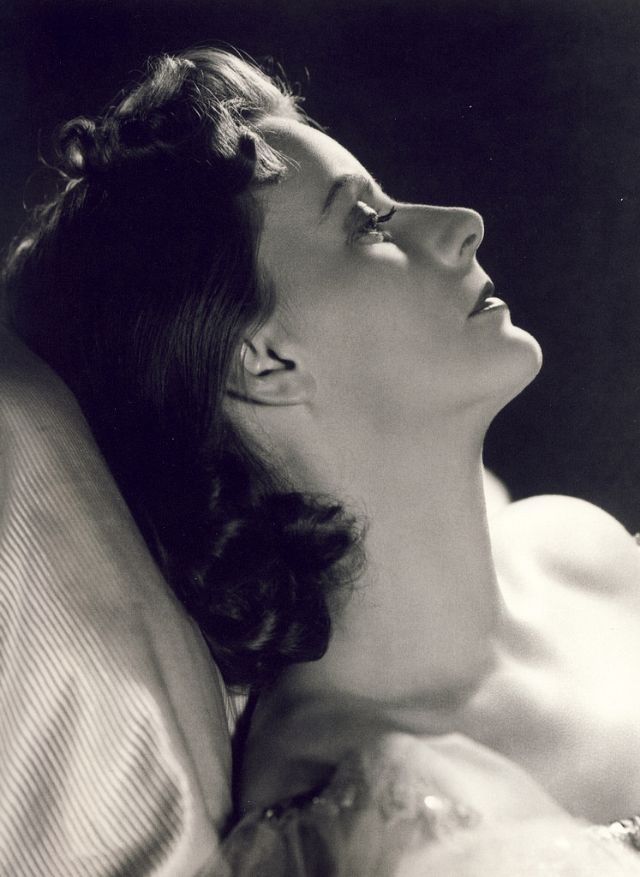
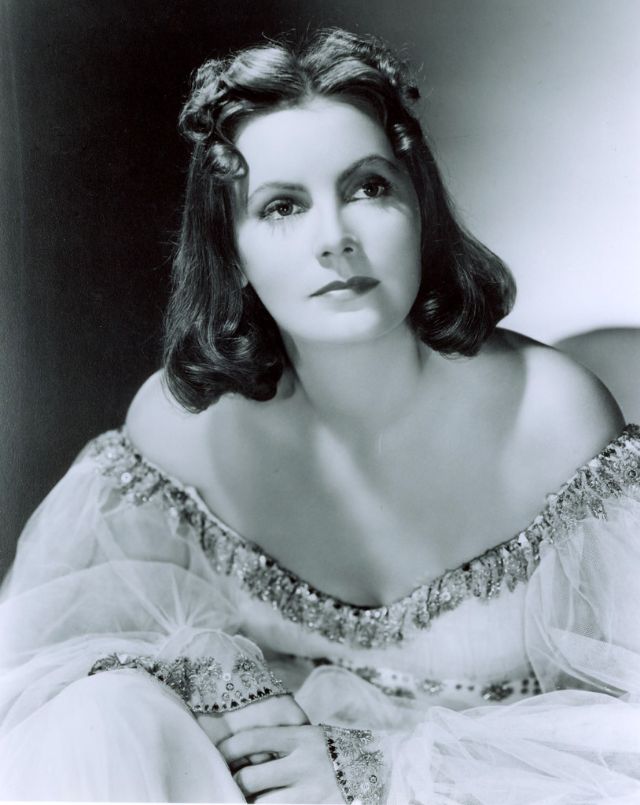
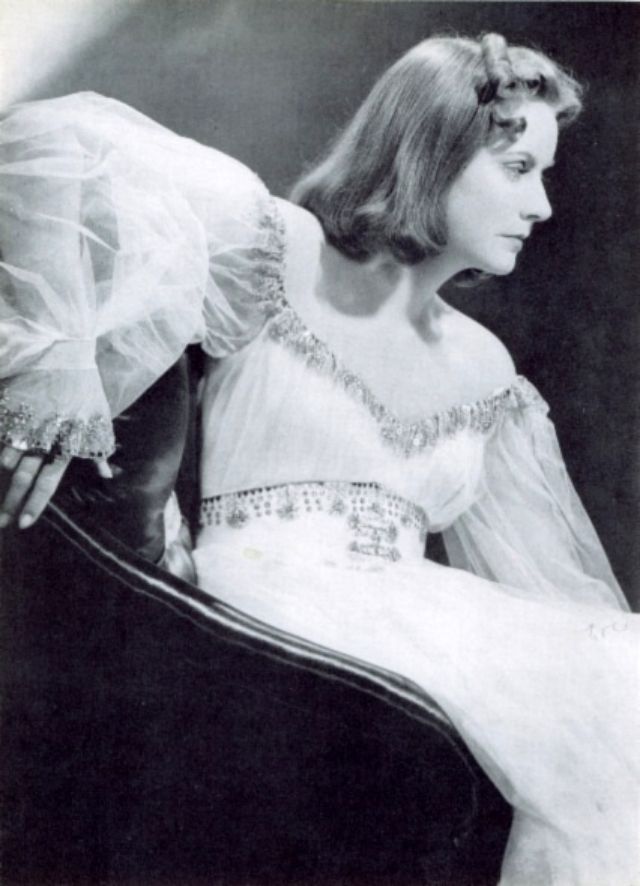
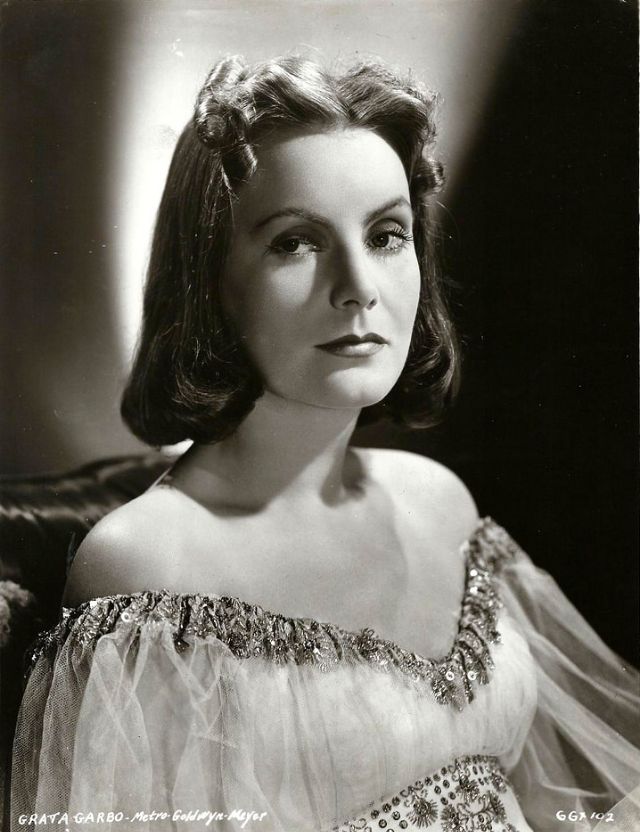
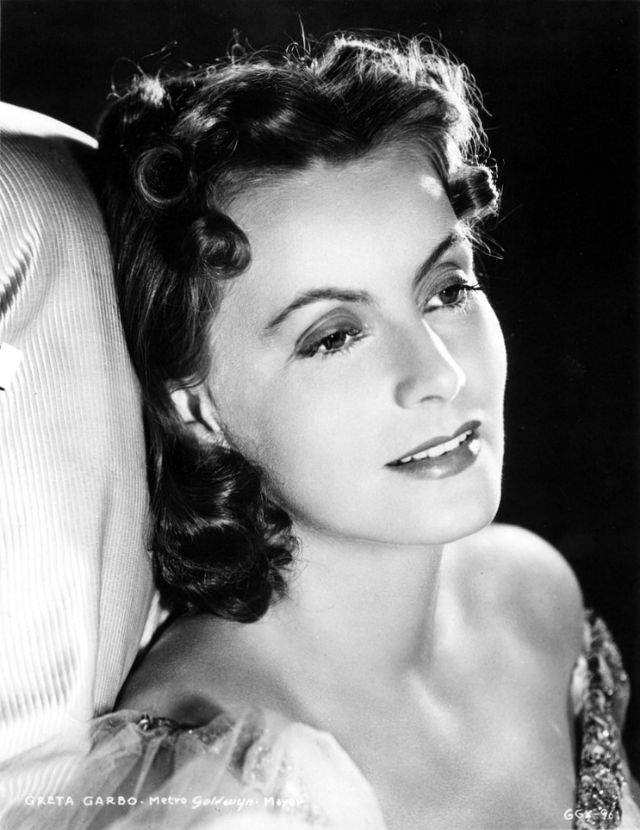
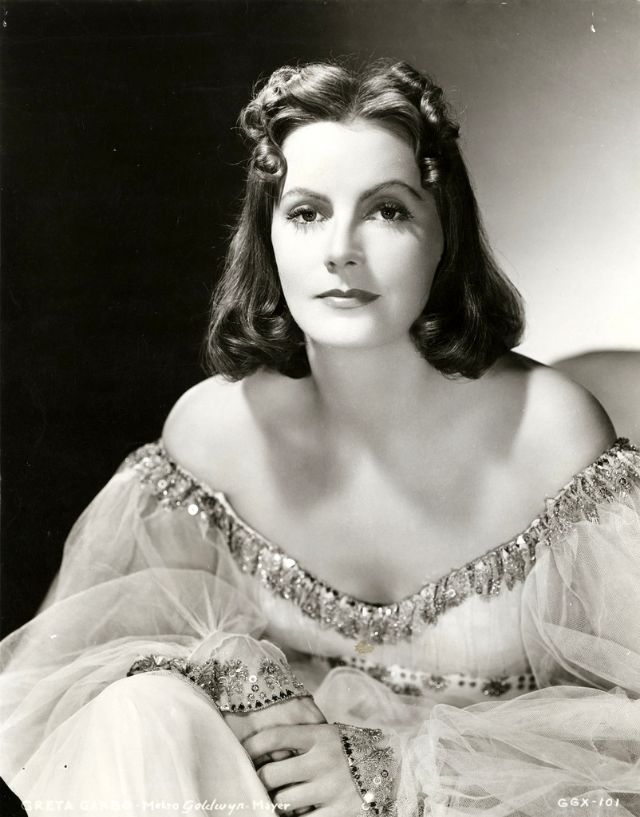
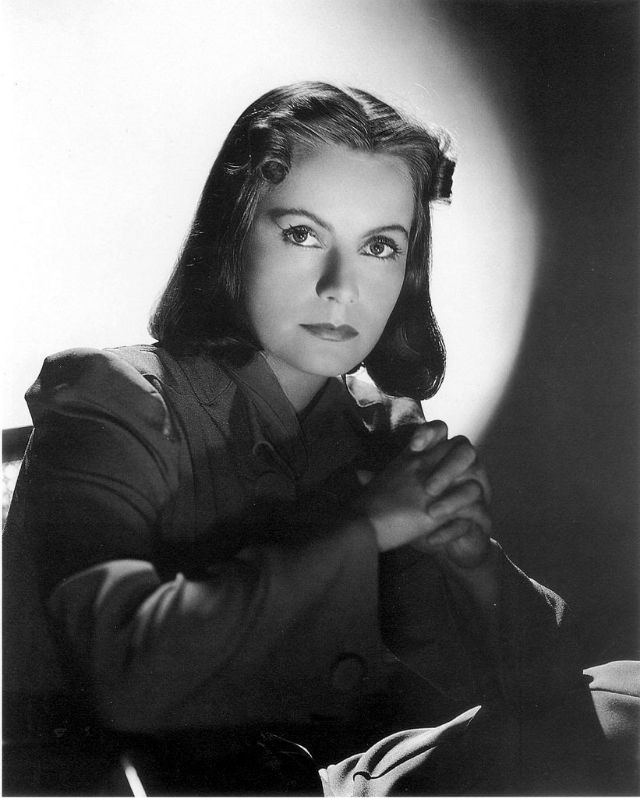
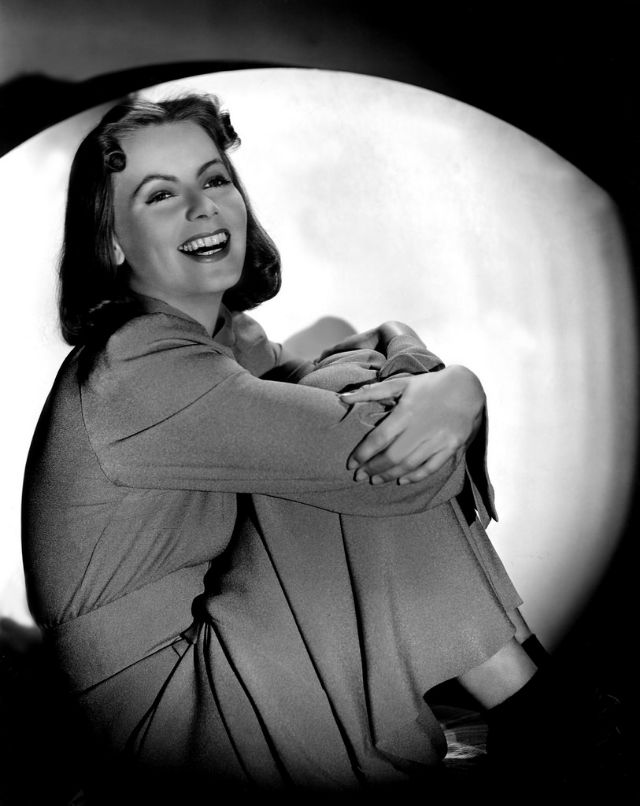
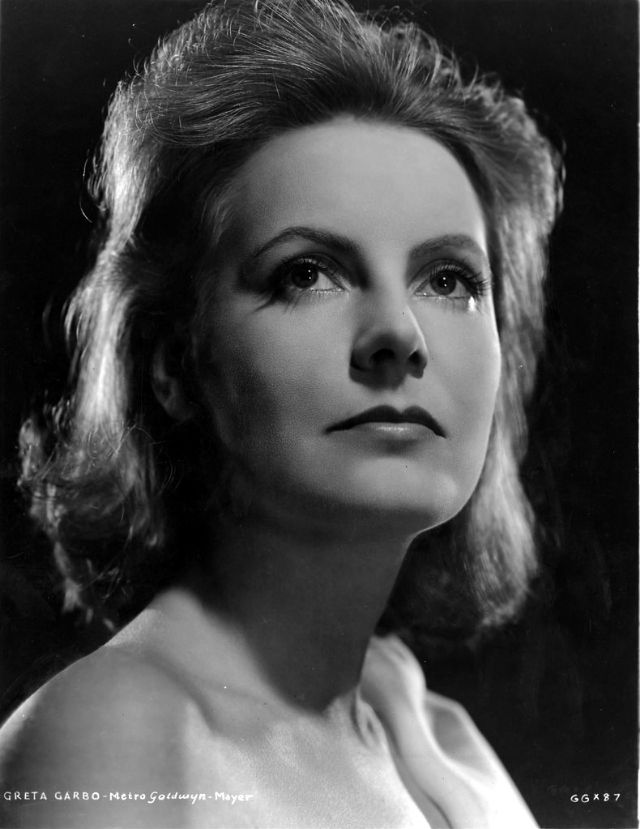
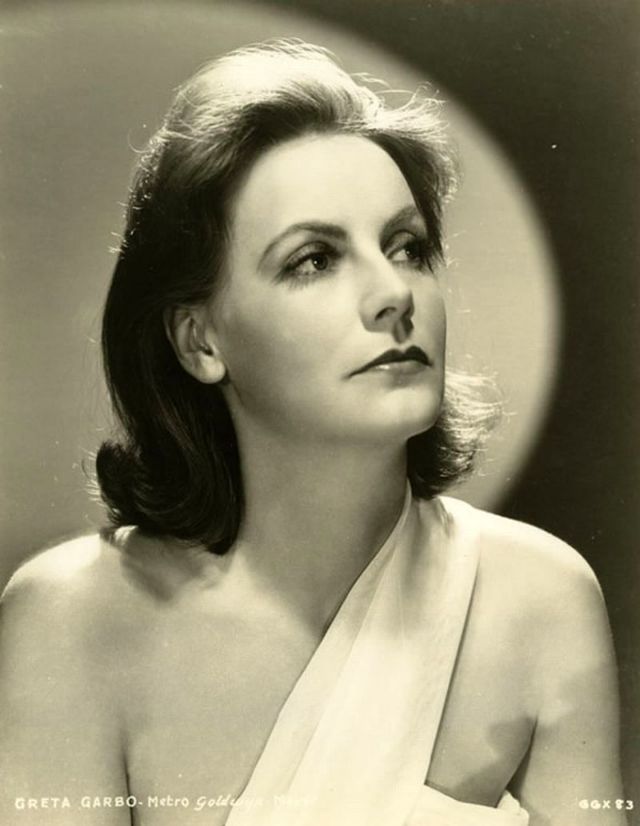
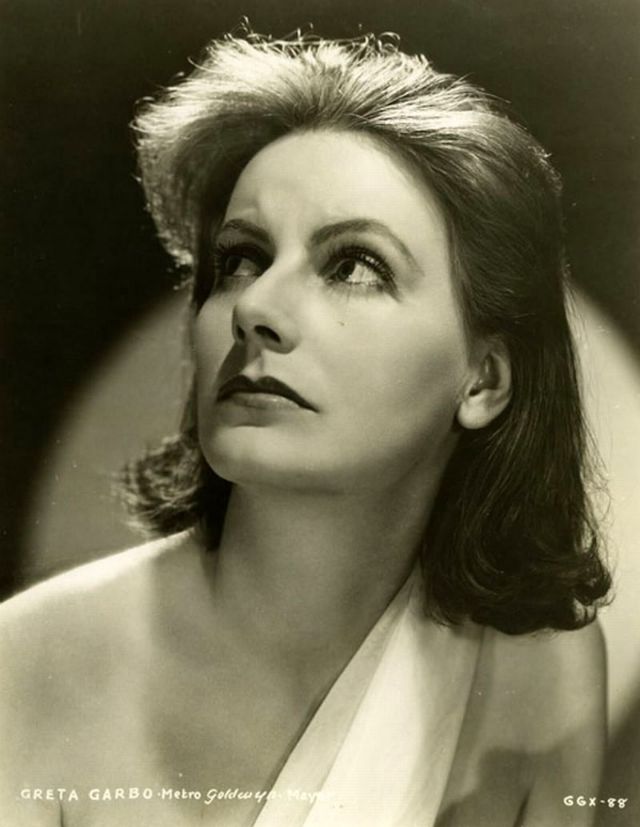
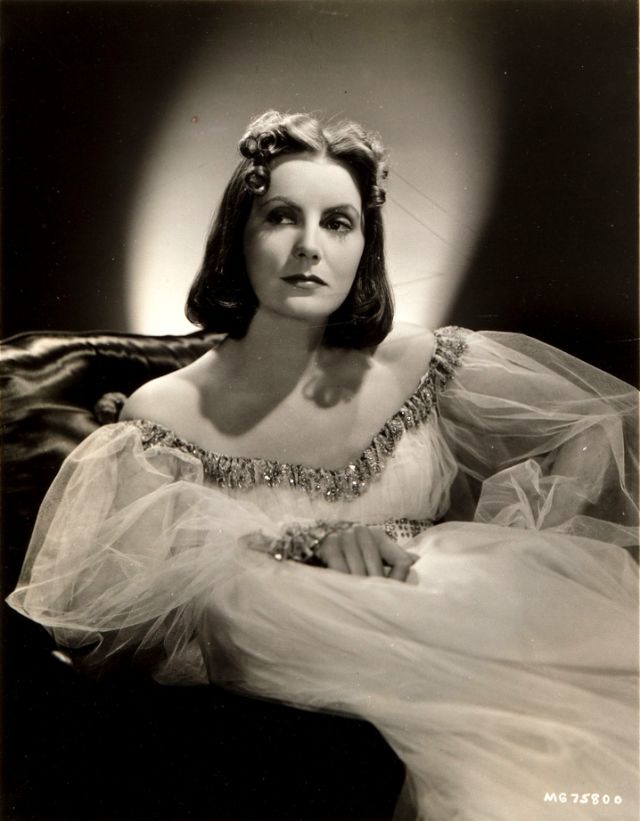
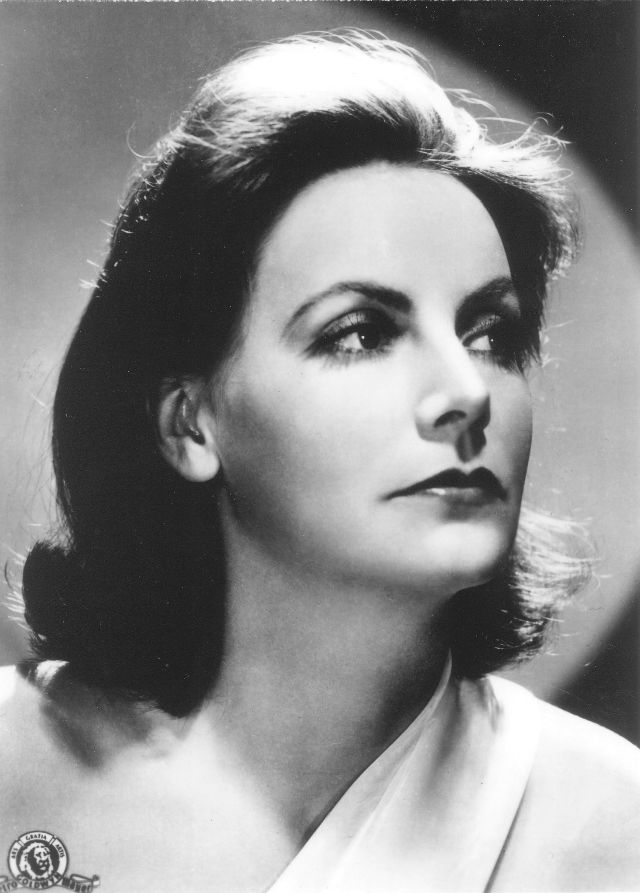
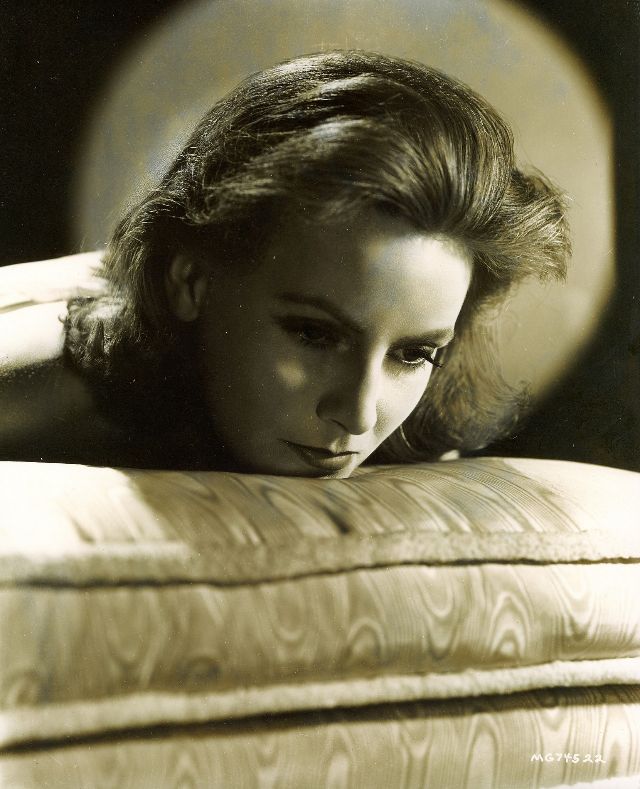
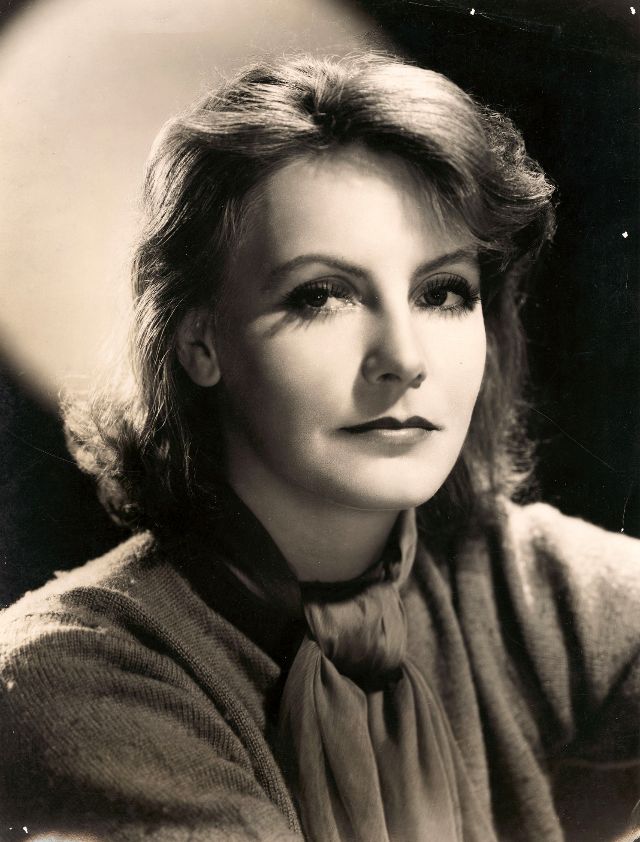
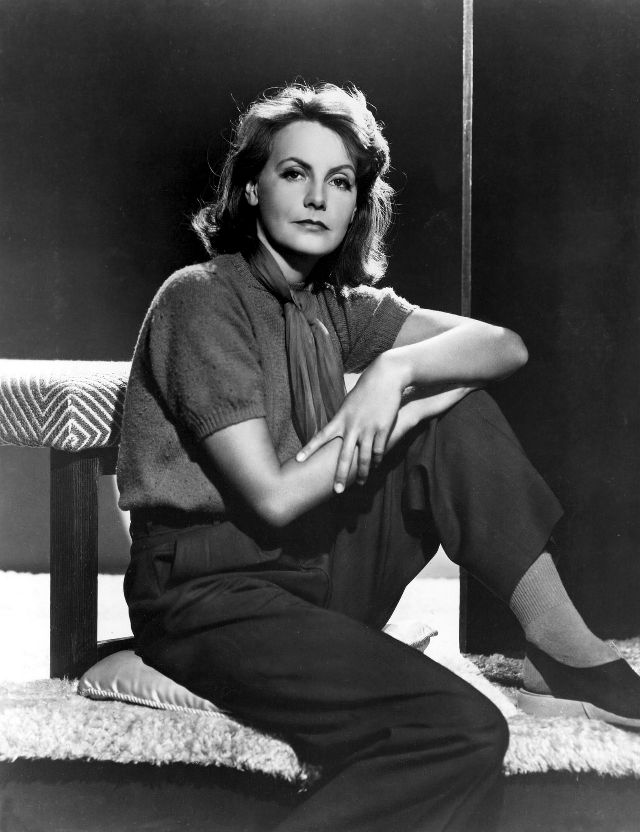
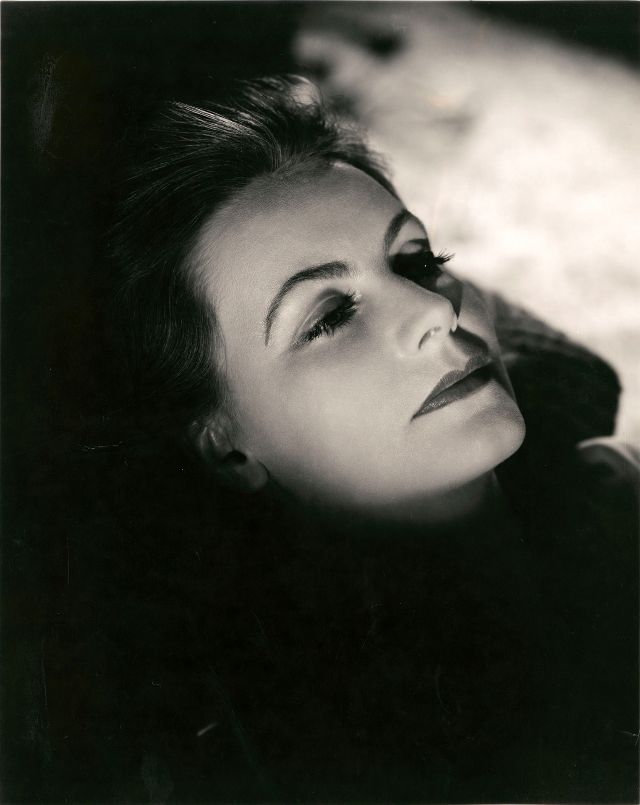
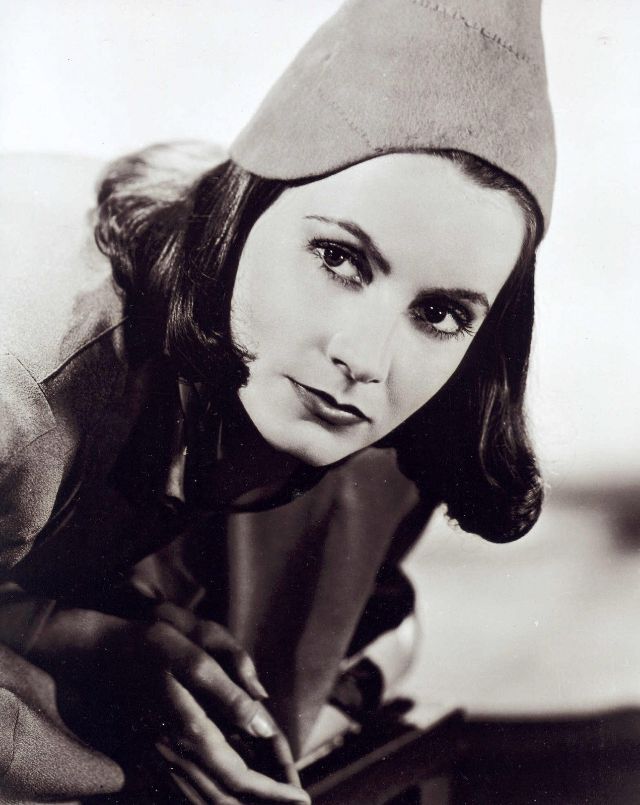
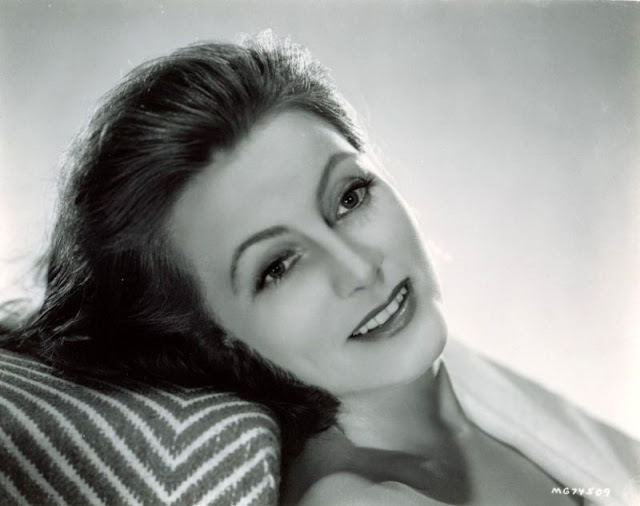
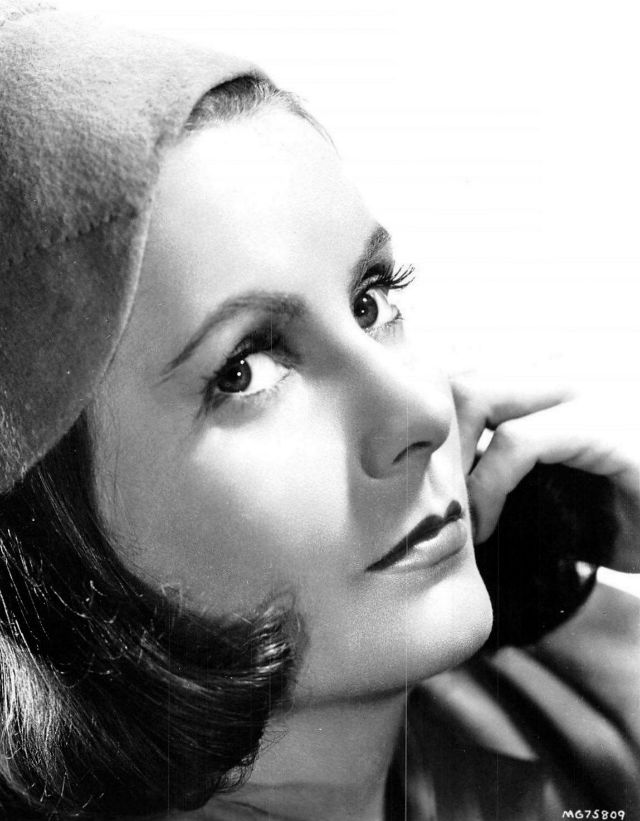
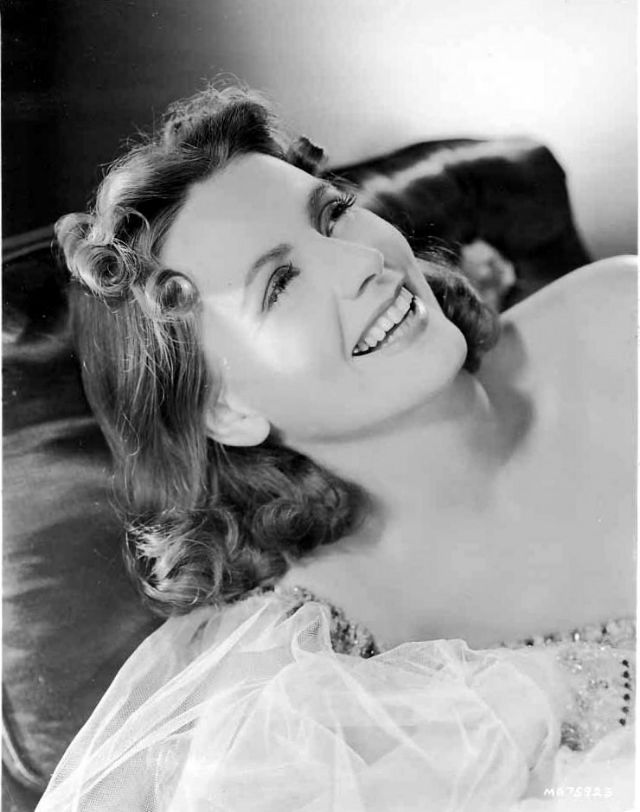
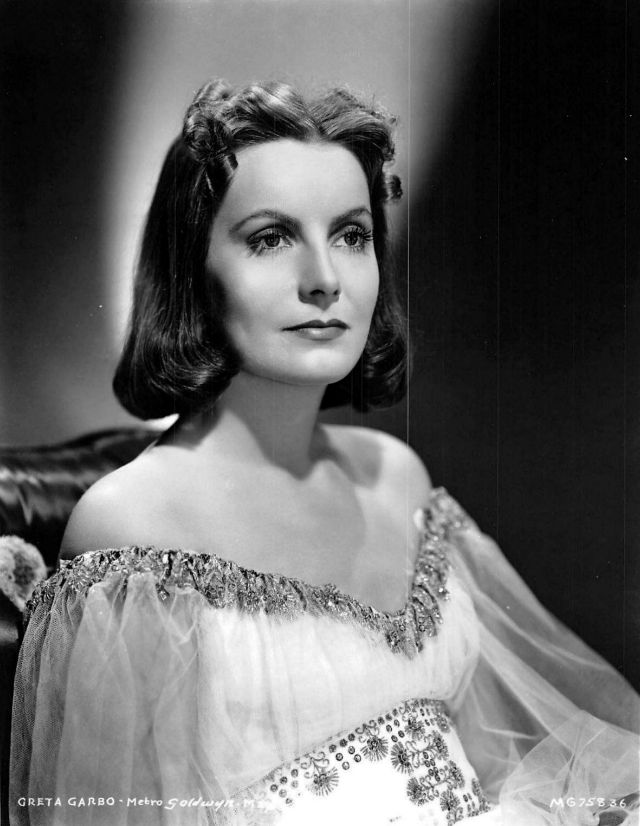
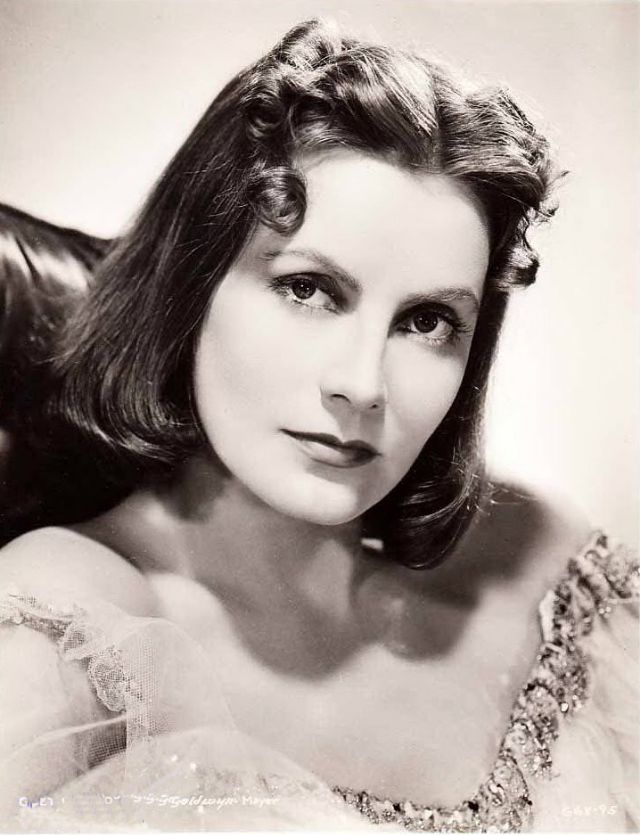
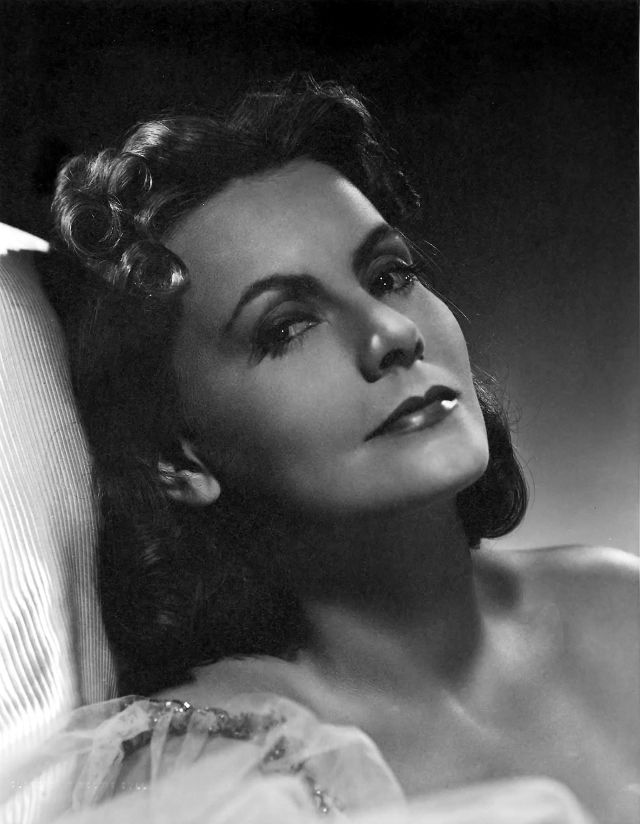
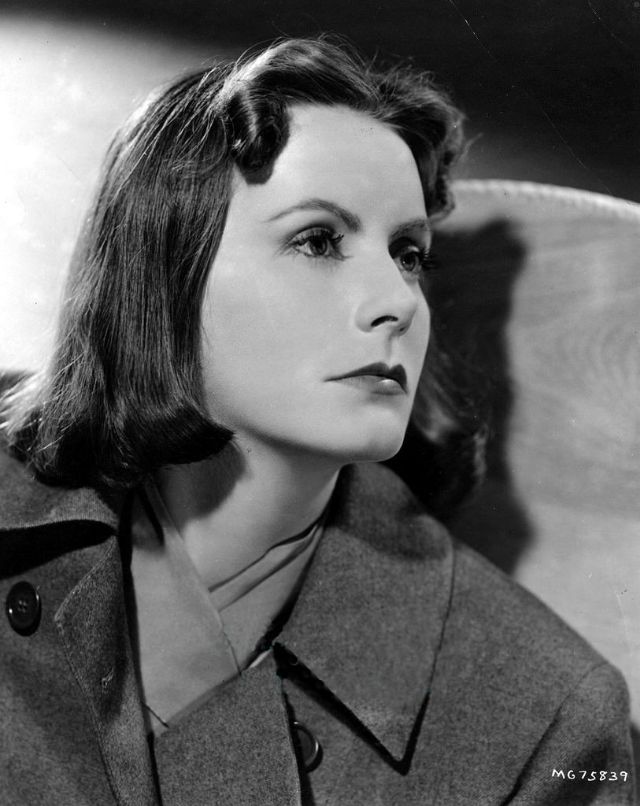
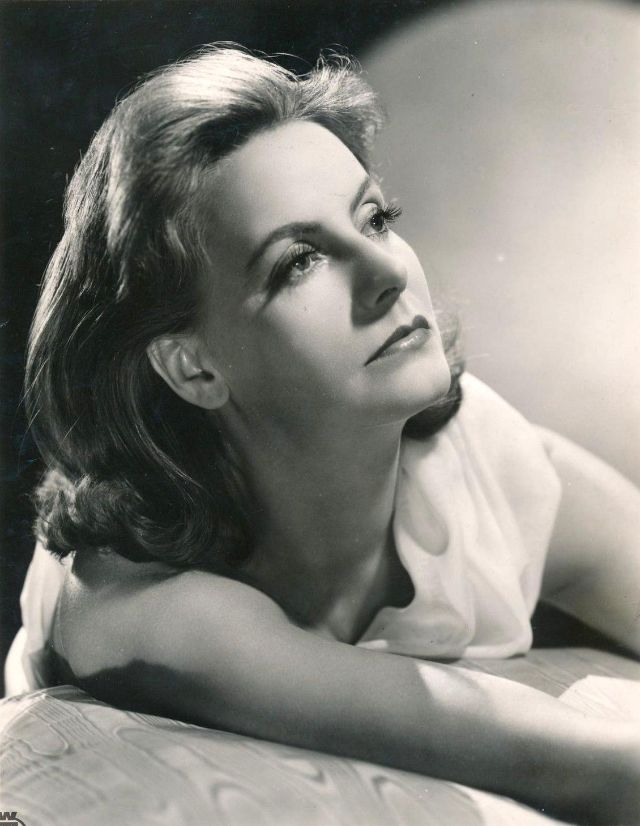
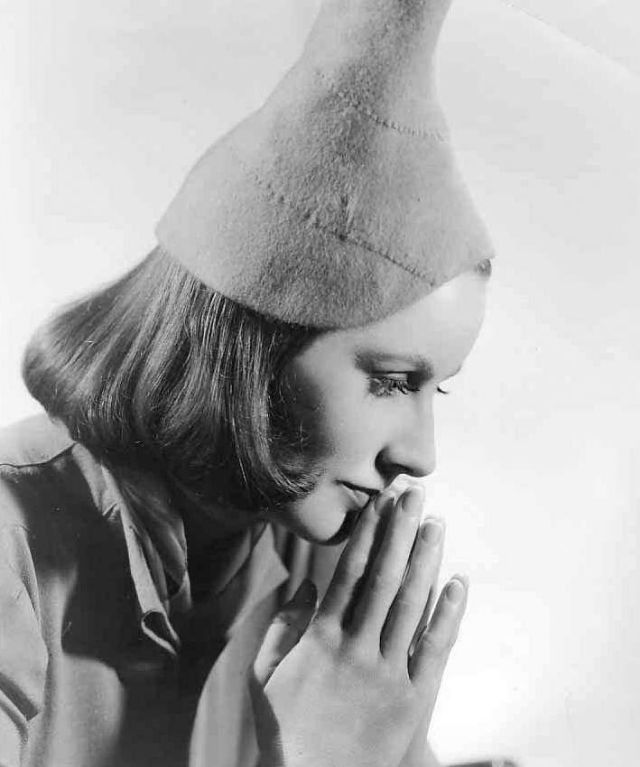
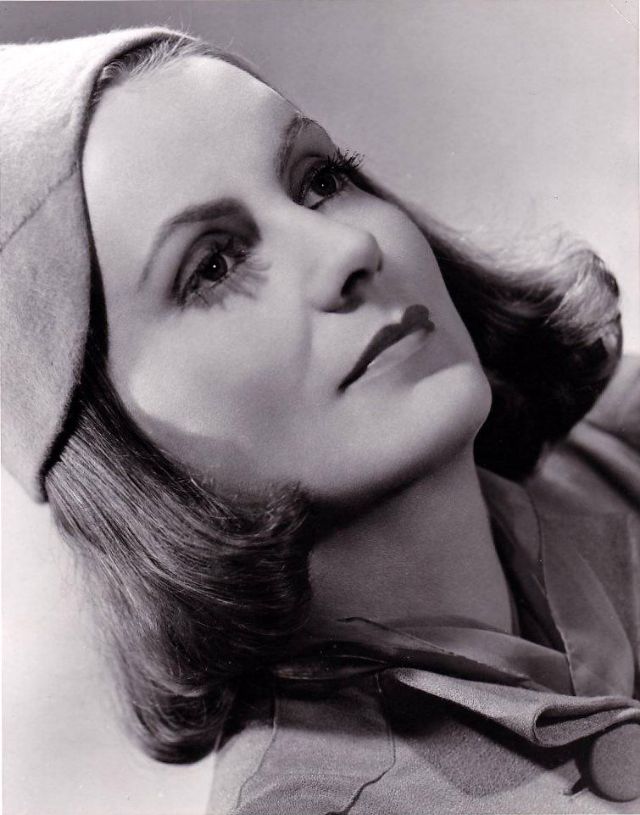
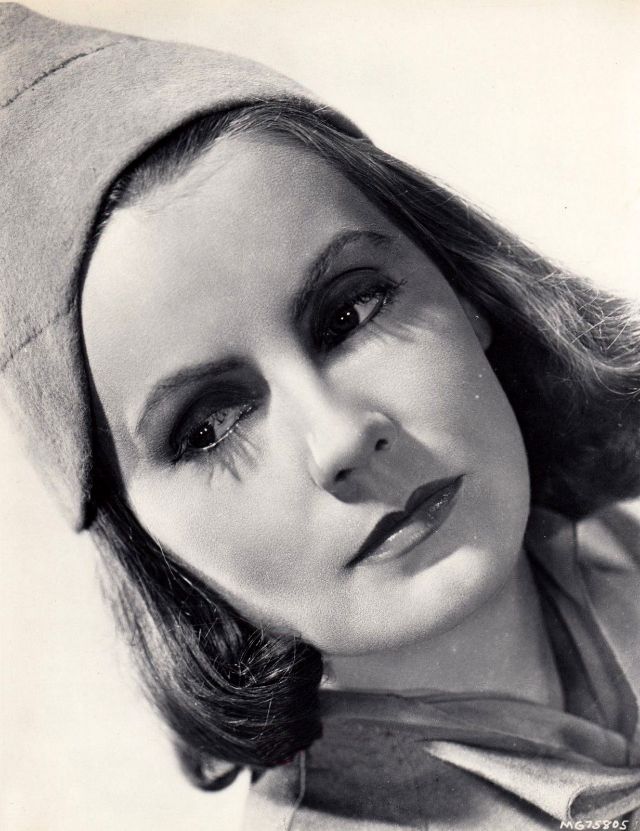
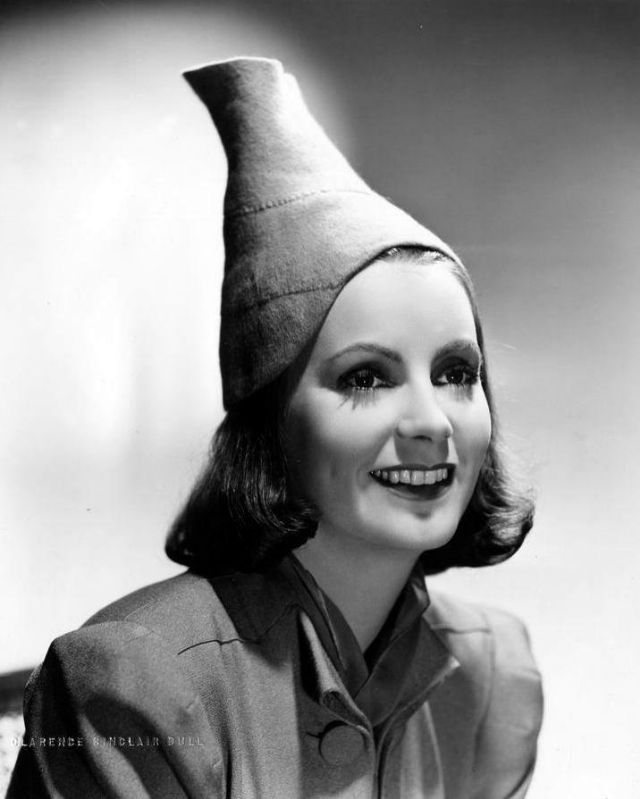
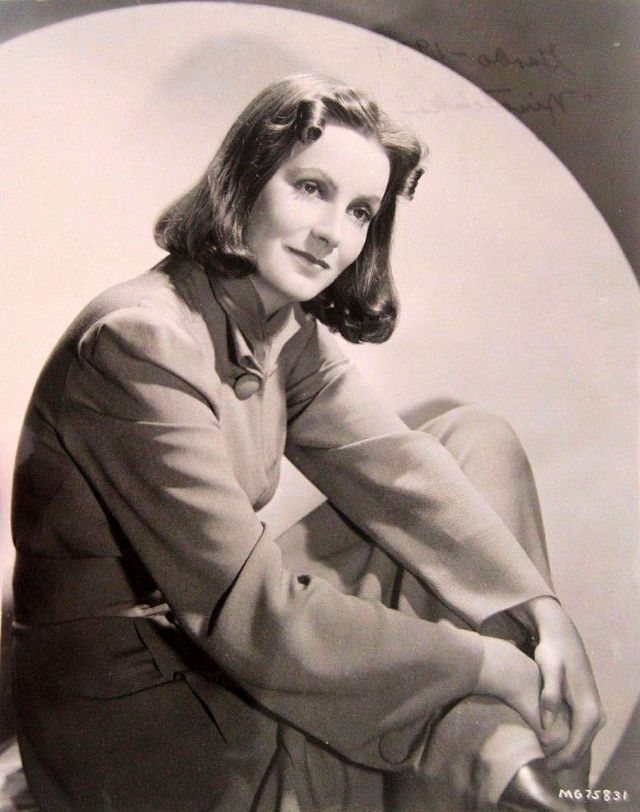
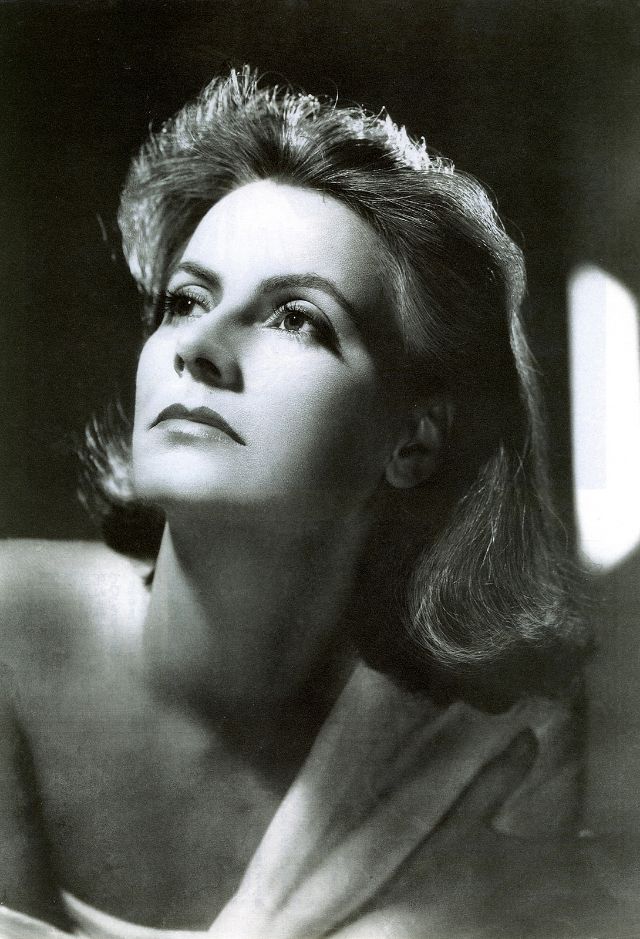
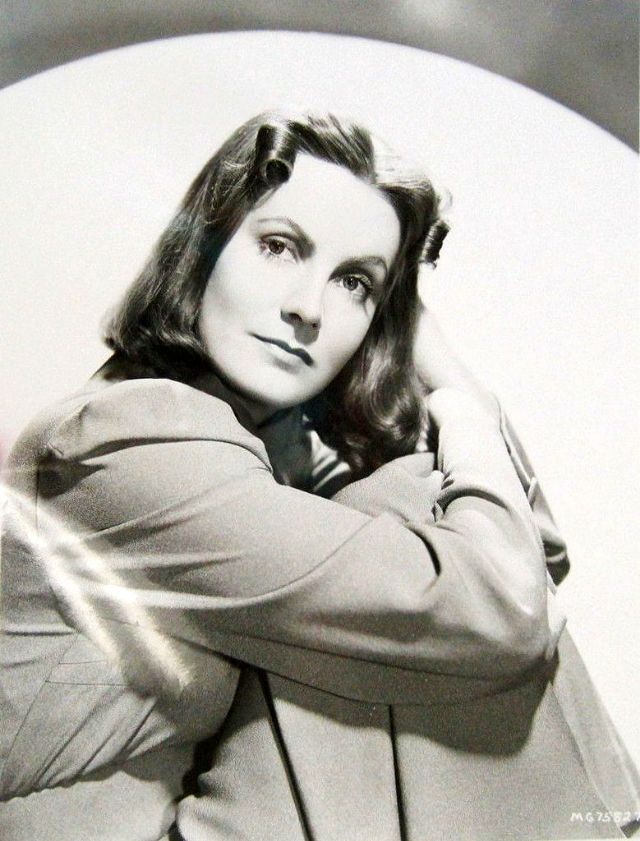
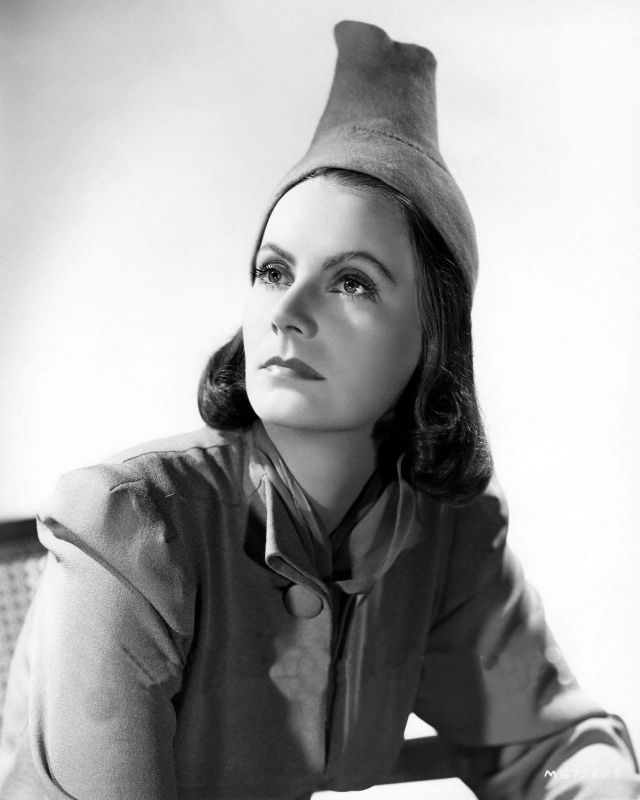
Ninotchka is a 1939 American romantic comedy film made for Metro-Goldwyn-Mayer by producer and director Ernst Lubitsch and starring Greta Garbo and Melvyn Douglas. It was written by Billy Wilder, Charles Brackett, and Walter Reisch, based on a screen story by Melchior Lengyel. Ninotchka is Greta Garbo’s first full comedy, and her penultimate film; she received her third and final Academy Award nomination for Best Actress. It is one of the first American films which, under the cover of a satirical, light romance, depicted the Soviet Union under Joseph Stalin as being rigid and gray, in this instance comparing it with the free and sunny Parisian society of pre-war years.
Three Soviet agents, Iranoff (Sig Ruman), Buljanoff (Felix Bressart), and Kopalski (Alexander Granach), arrive in Paris to sell jewellery confiscated from the aristocracy during the Russian Revolution of 1917.
Count Alexis Rakonin (Gregory Gaye), a White Russian nobleman reduced to employment as a waiter in the hotel where the trio are staying, overhears details of their mission and informs the former Russian Grand Duchess Swana (Ina Claire) that her court jewels are to be sold by the three men. Her debonair paramour, Count Leon d’Algout (Melvyn Douglas) offers to help retrieve her jewellery before it is sold.
In their hotel suite, Iranoff, Buljanoff and Kopalski negotiate with Mercier (Edwin Maxwell) a prominent Parisian jeweller, when Leon interrupts the meeting. He explains that the jewels were seized illegally by the Soviet government and a petition has been filed preventing their sale or removal. Mercier withdraws his offer to purchase the jewellery until the lawsuit is settled.
The amiable, charming and cunning Leon treats the three Russians to an extravagant lunch, gets them drunk and easily wins their confidence and friendship. He sends a telegram to Moscow in their name suggesting a compromise.
Moscow, angered by the telegram, then sends Nina Ivanovna “Ninotchka” Yakushova (Greta Garbo), a special envoy whose goal is to win the lawsuit, complete the jewellery sale and return with the three renegade Russians. Ninotchka is methodical, rigid and stern, chastising Iranoff, Buljanoff and Kopalski for failing to complete their mission.
Ninotchka and Leon first meet outside the hotel, their respective identities unknown to one another. He flirts, but she is uninterested. Intrigued, Leon follows her to the Eiffel Tower and shows her his home through a telescope. Intrigued by his behavior, Ninotchka tells him he might warrant study and suggests they go to his apartment. Ninotchka becomes attracted to Leon and eventually, they kiss, but they are interrupted by a phone call from Buljanoff. Ninotchka and Leon both realize they are each other’s adversaries over the jewellery and she leaves the apartment, despite Leon’s protestations.
While attending to the various legal matters over the lawsuit, Ninotchka gradually becomes seduced by the west and by the persistent Leon, who has fallen in love with her and broken down her resistance. At a dinner date with Leon where she unexpectedly meets Swana face-to-face (her rival for the jewellery and for Leon’s affections), Ninotchka consumes champagne for the first time and quickly becomes intoxicated. The following afternoon, a hungover Ninotchka is awakened by Swana and discovers Rakonin has stolen the jewellery during the night. Swana tells Ninotchka that she will return the jewels and drop the litigation if Ninotchka leaves Paris for Russia immediately so that Swana can have Leon to herself. Ninotchka reluctantly agrees and completes the sale of the jewellery to Mercier. Later that evening, Ninotchka, Iranoff, Buljanoff and Kopalski fly back to Moscow. Meanwhile, Leon visits Swana and confesses his love for Ninotchka. Swana then informs Leon that Ninotchka has already left for Moscow. He attempts to follow her but is denied a Russian visa, because of his nobility.
Sometime later, in Moscow, Ninotchka invites her three comrades to her shared apartment for dinner and they nostalgically recall their time in Paris. Ninotchka finally receives a letter from Leon, but it has been completely censored by the authorities, and she is devastated.
More time passes; Iranoff, Buljanoff and Kopalski once again run afoul of their superiors after they fail at their mission to sell furs in Constantinople. Against her wishes, Ninotchka is sent by Commissar Razinin (Bela Lugosi) to investigate and retrieve the trio.
After Ninotchka arrives in Constantinople, the three Russians inform her that they have opened a restaurant and will not be returning to Moscow. When Ninotchka asks them who was responsible for this idea, they point to a balcony where Leon is standing. He explains that he was barred from entering Russia to win Ninotchka back, so he and the three Russians conspired to get her to leave the country. He asks her to stay with him and she happily agrees.
The final shot in the film is of Kopalski carrying a protest sign complaining that Iranoff and Buljanoff are unfair, because his name does not illuminate on the electric sign in front of their new restaurant. (Wikipedia)
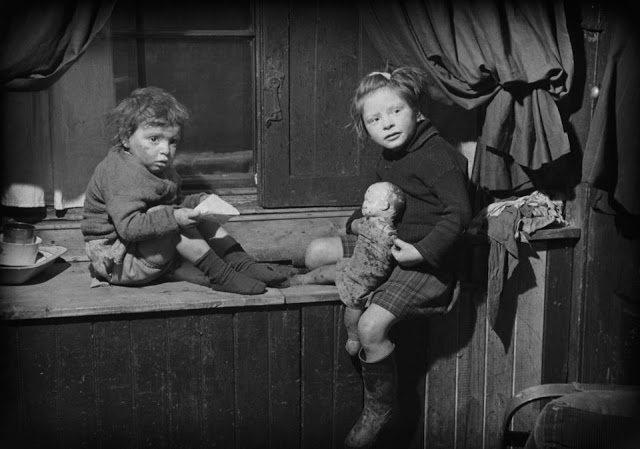
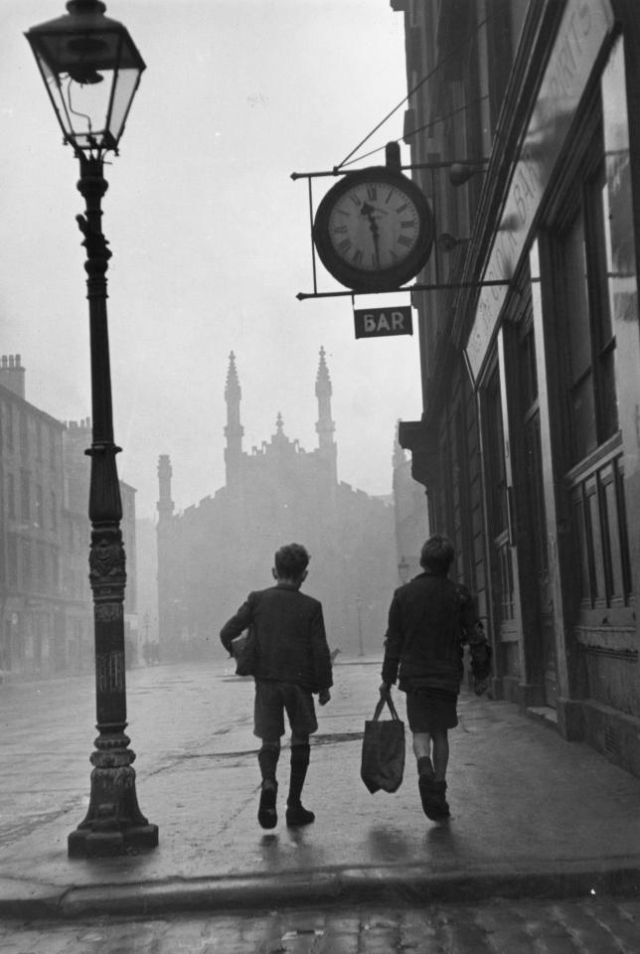
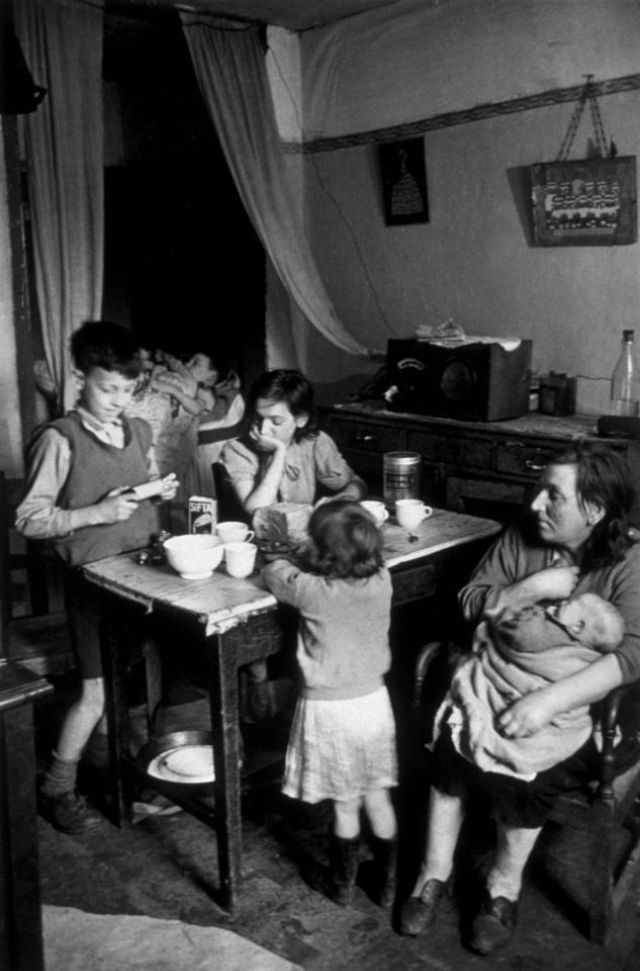
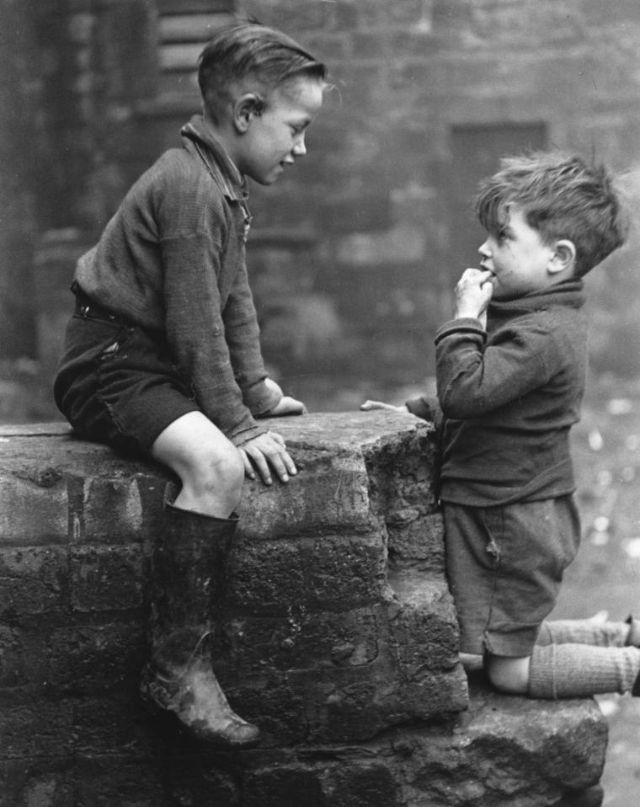
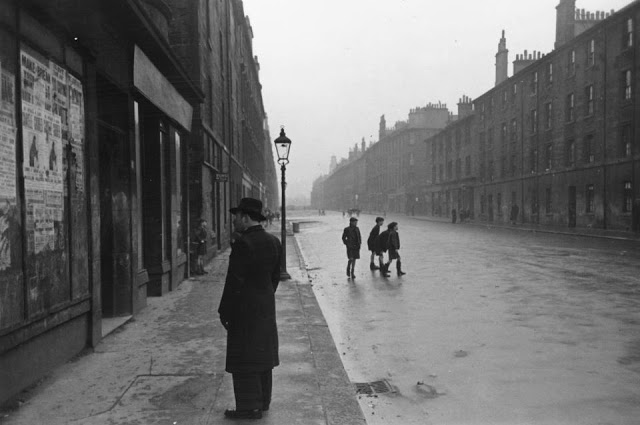
Up to 40,000 people lived in the notorious Glasgow slum of the Gorbals in the late 1940s. They live four, six, eight to a room, often 30 to a lavatory, 40 to a tap.
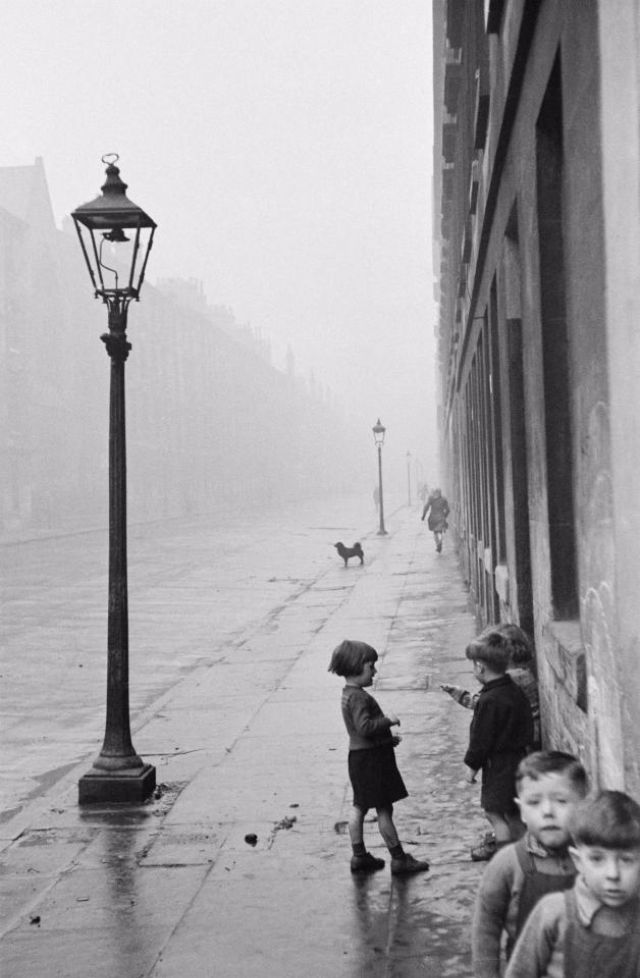
At first sight, of an early morning, the Gorbals looks like any other poor area. Its flat, wide streets are lined with flat-faced tenements. There is a pub on every corner and an undertaker’s (open day and night) in almost every other block.
It is not until you get inside the tenements that you realise the Gorbals is no ordinary poor place. It is, in fact, an area that provides a very special version of the slum problem. The tenement blocks in the Gorbals sprung up in the 1840s as people flocked to Glasgow to work in the city’s factories.
Unable to keep up with the demand for housing, the tenements were built quickly and cheaply and were designed to pack as many people in as possible. But appalling conditions came with it and it was not unusual for houses to have no water facilities and for sewage to run through the streets.
In its beginnings, the problem was one of immigration. A century ago, thousands of poor labourers began to arrive in Glasgow. They came to work on the new-fangled railways and the docks of the Clyde. They came for higher wages, for fuller plates, for what they conceived to be a better way of life than was possible in starving Erin and the wasted Scottish Highlands.
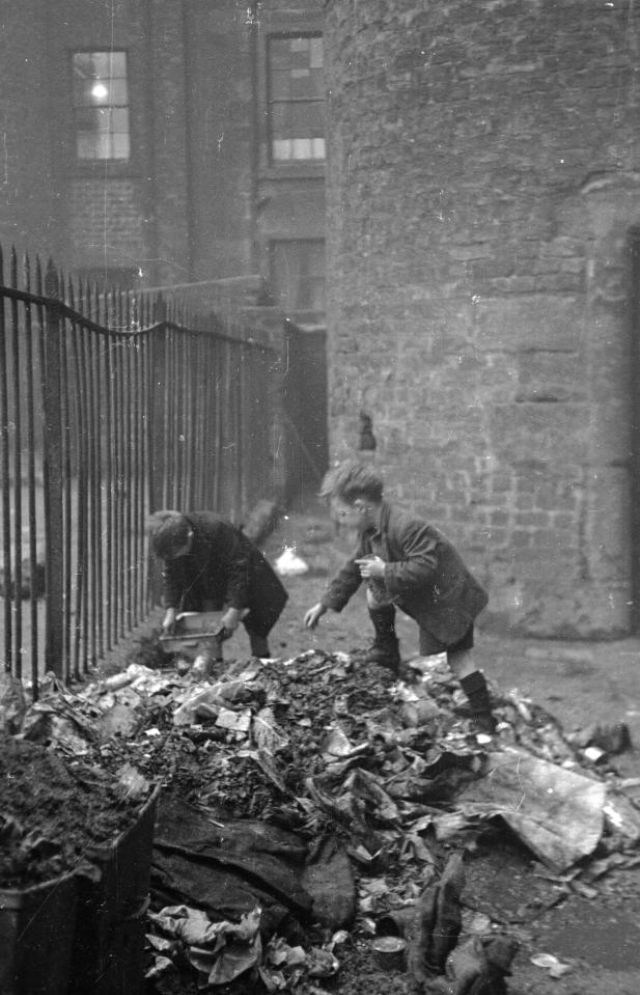
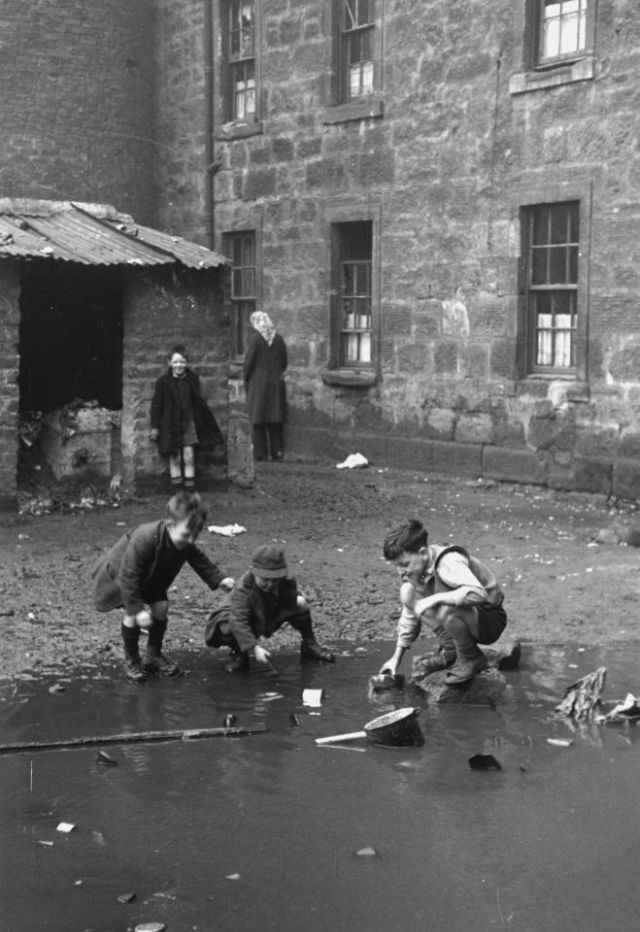
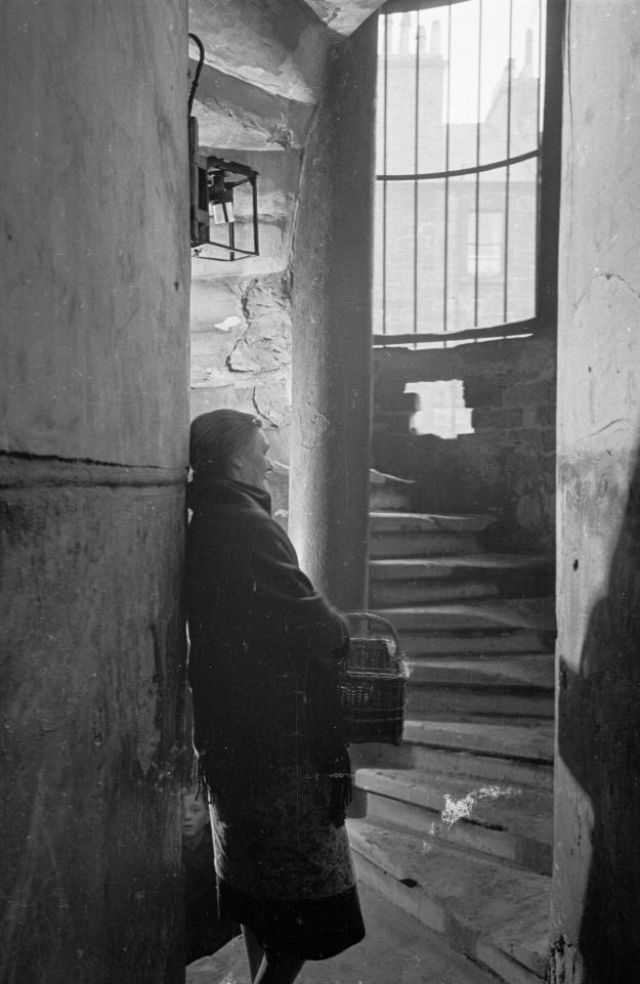
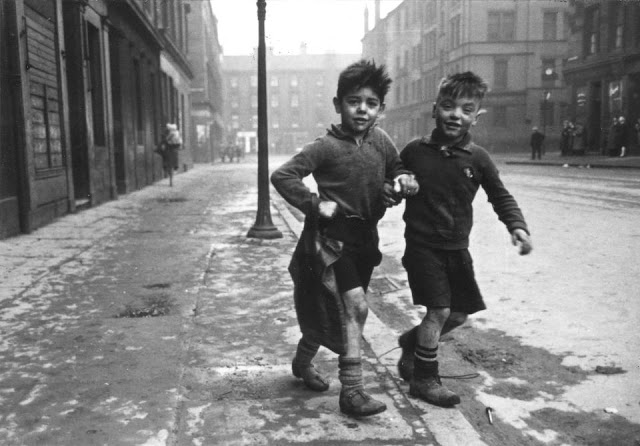
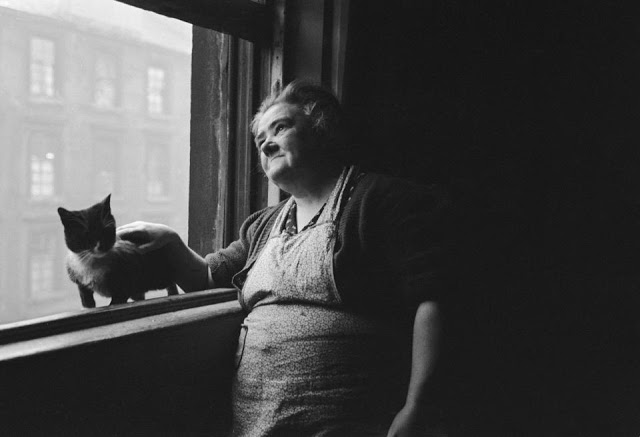
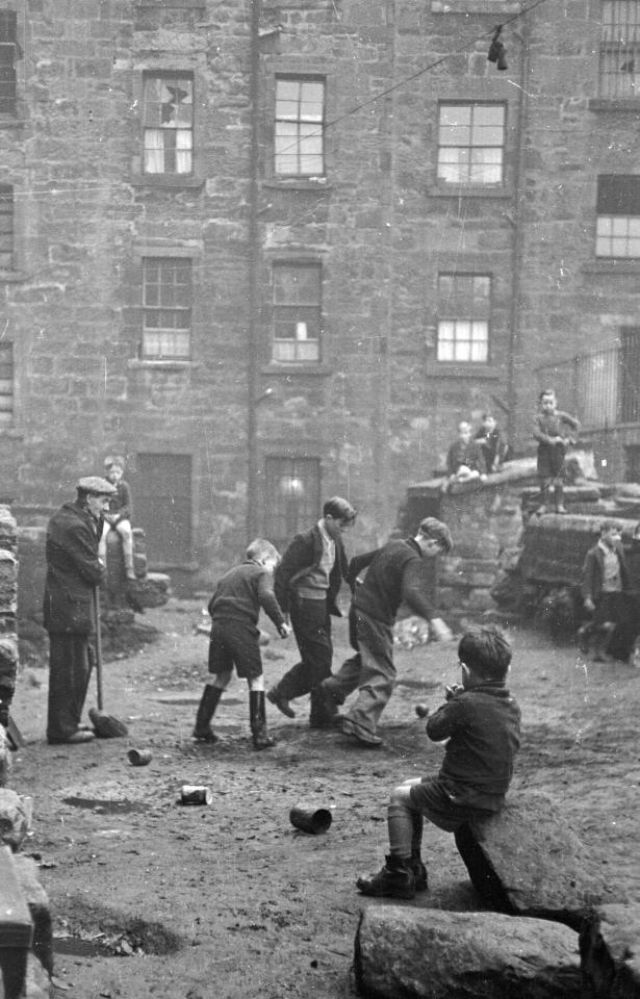
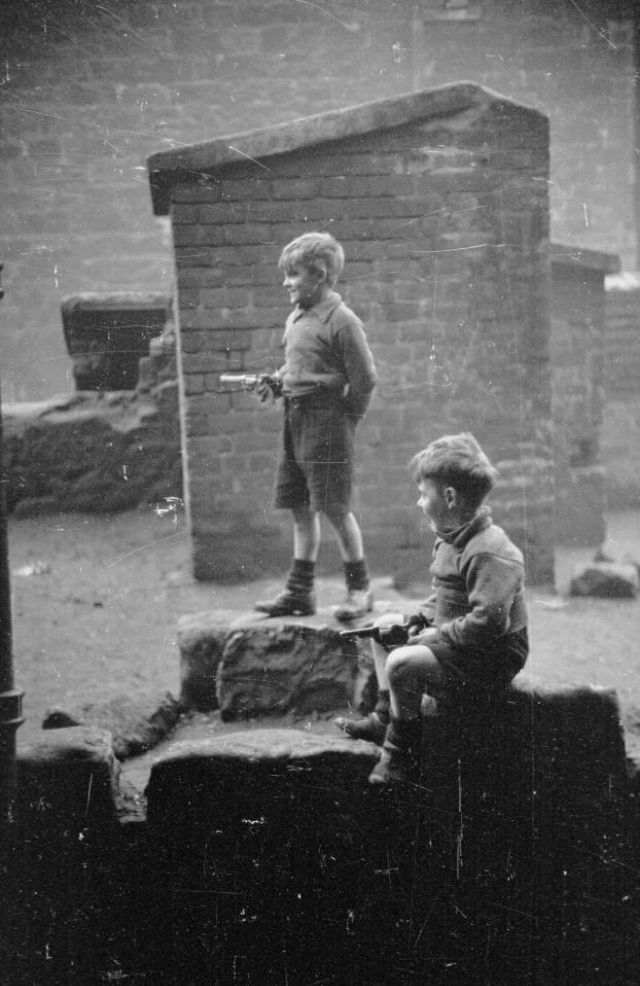
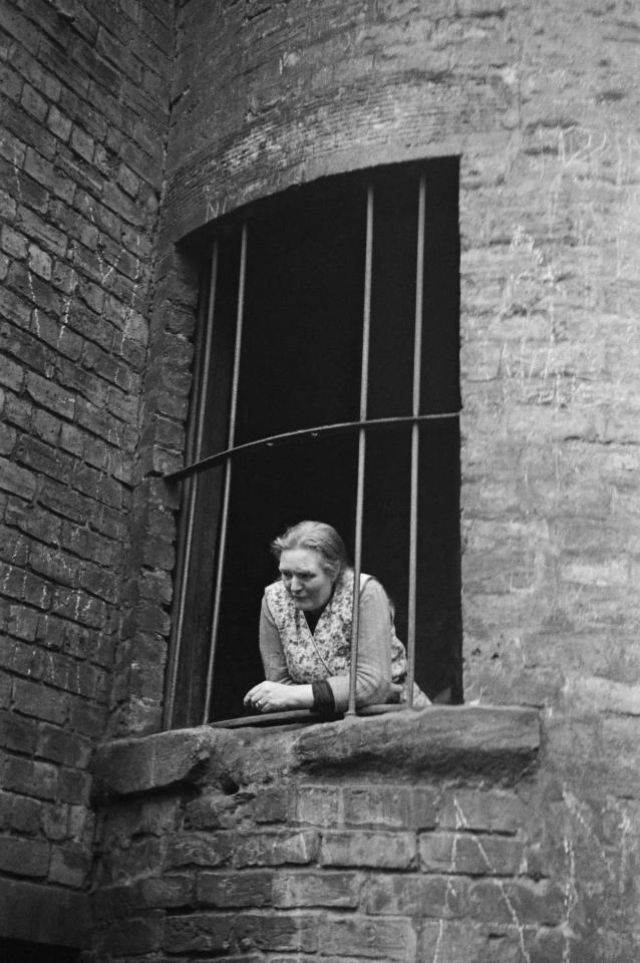
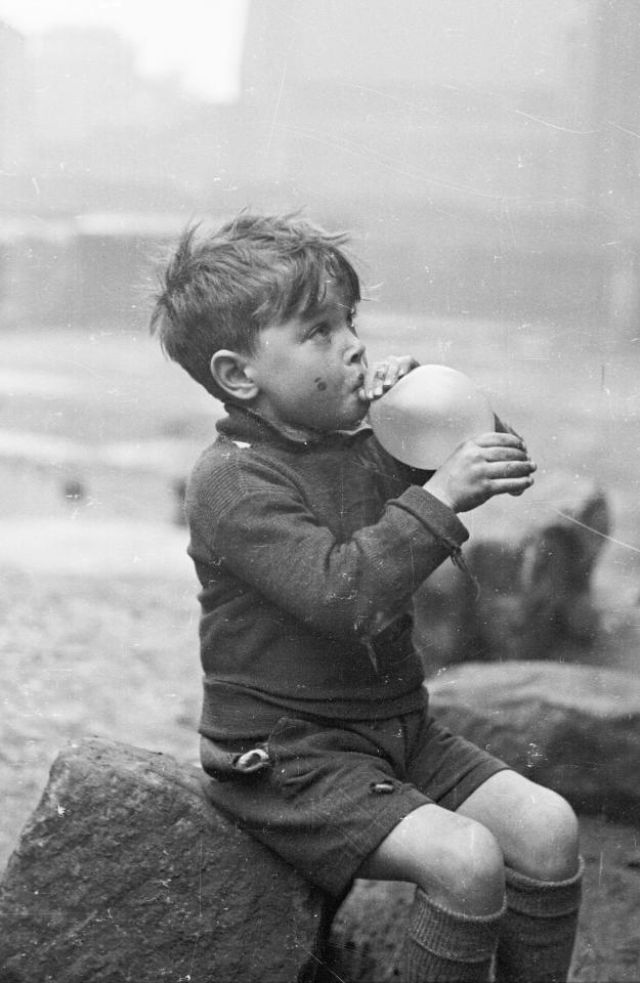
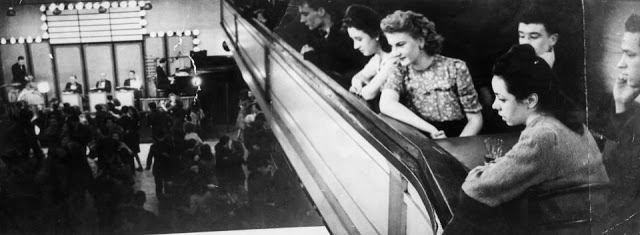
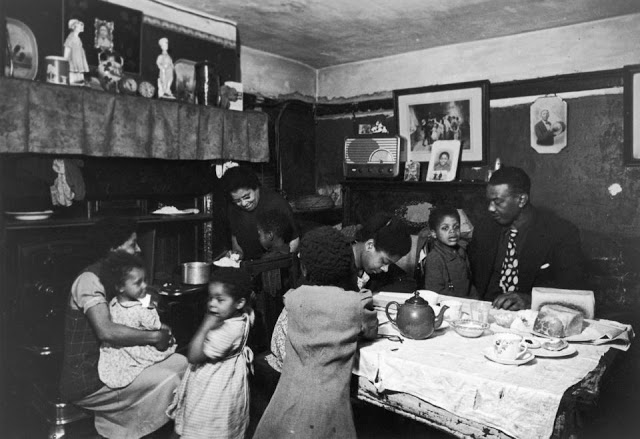
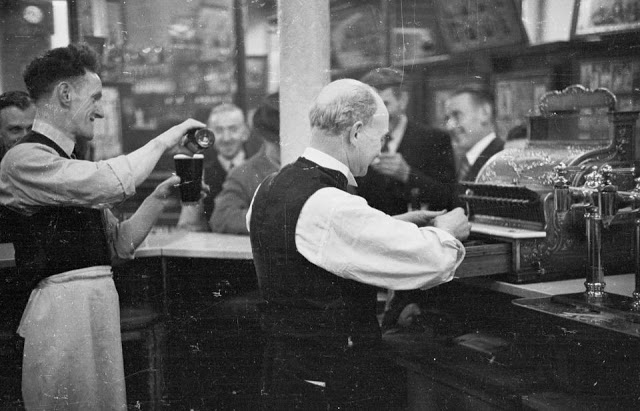
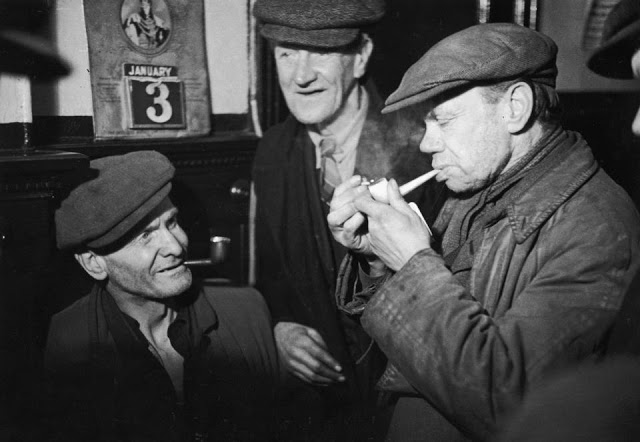
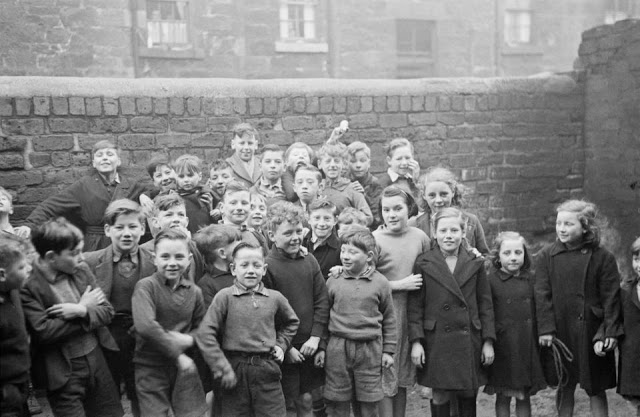
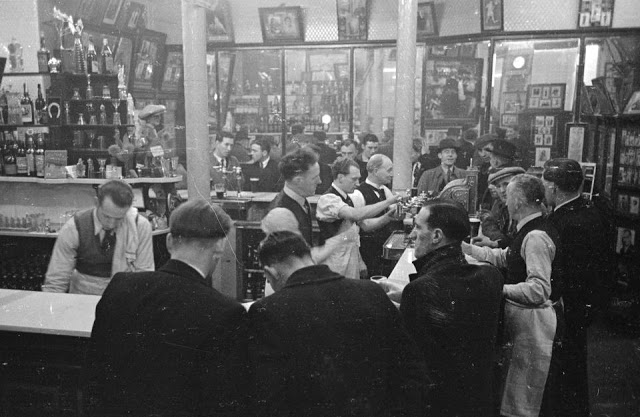
Two children play with their doll as they pose for the cameraTwo boys walking along a street in the run-down GorbalsChild eat their breakfast in one of the overcrowded tenement flats, that would sometimes see up to 30 people have to share one toiletWithout many toys to play with, two young lads decide to play a game on a heap of rubbishChildren entertain themselves by playing in dirty puddle water in the slumsTwo little boys in shorts and long socks play in the streetA woman carrying her shopping basket stands at the bottom of a destroyed flight of stairsTwo young boys link arms as they walk down the street in the GorbalsA group of young children on a street in the Gorbals.A street scene in the run-down GorbalsA Glaswegian woman peers out of the window as she pets her catWithout proper balls, children had to use whatever they could to enjoy a game of footballYoungsters play with toy guns around the streets of the huge neighbourhood of tenementsA woman peers out of the window of her tenementA young boy sits on a stone and attempts to blow up his balloon in the GorbalsOne of the main nightspots in the Gorbals was the Diamond Dancing HallTwo young boys walk their dogs around the streets of the GorbalsA West Indian family pack into their tiny dining room in the GorbalsBarmen serve thirsty customers at one of the 174 pubs surrounding the Gorbals areaMen from the Gorbals meet in the local pub for a friendly smokeThe children of the Gorbals pack together to pose for the cameraBarmen work hard to serve all their customers at one of the 174 pubs near the Gorbals
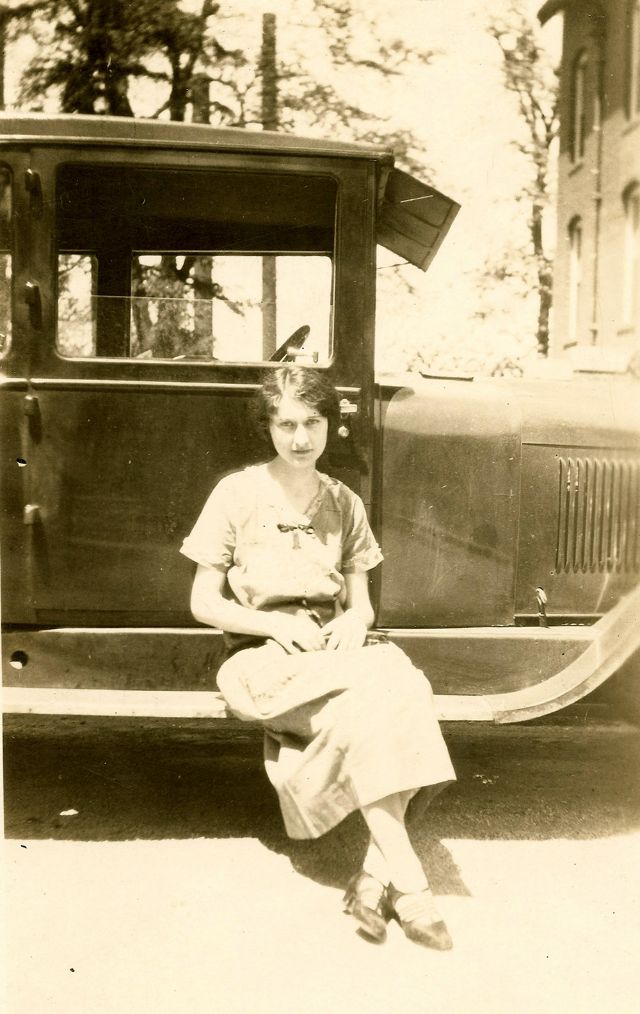
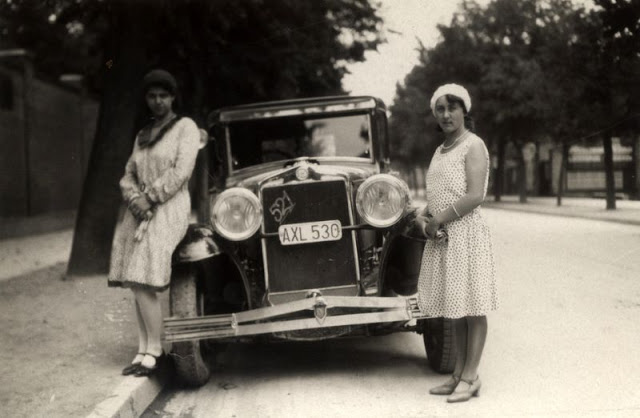
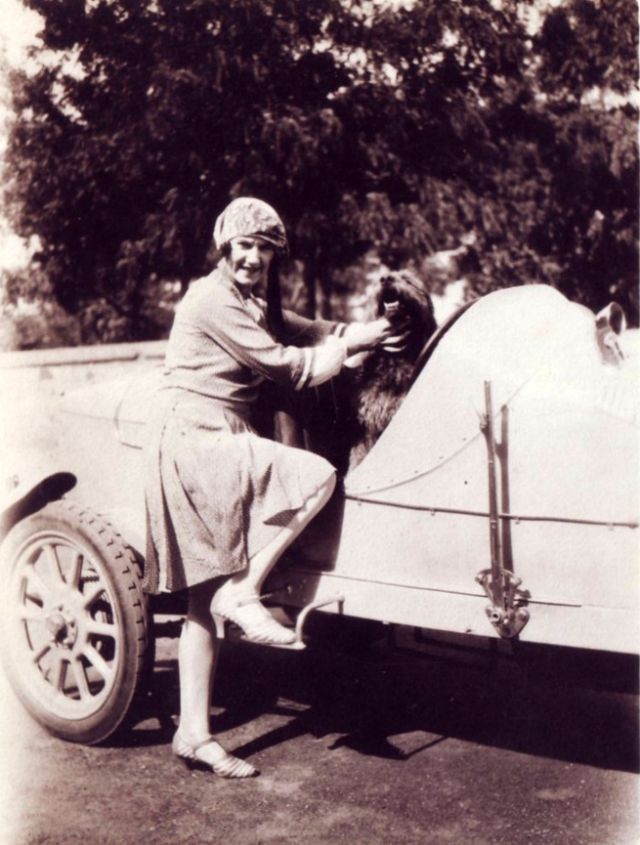
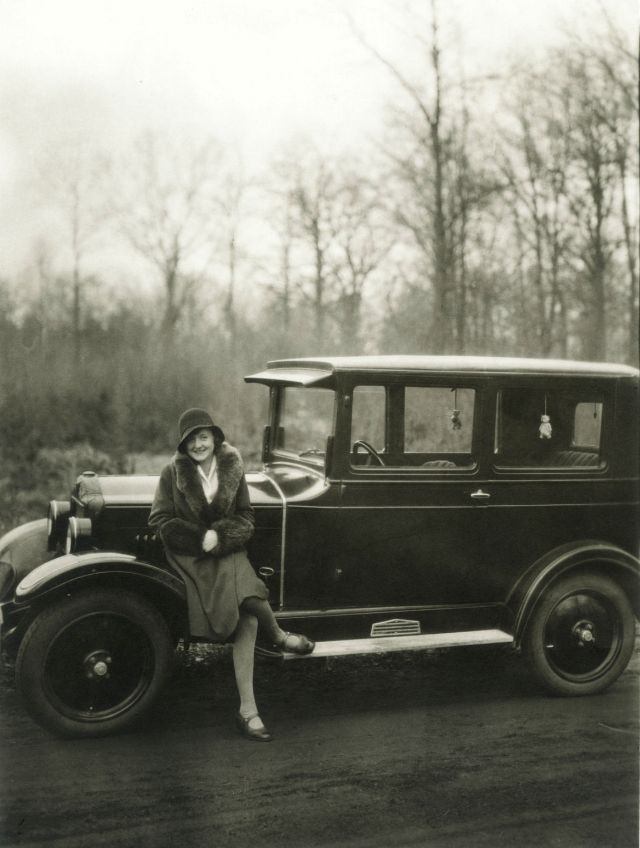
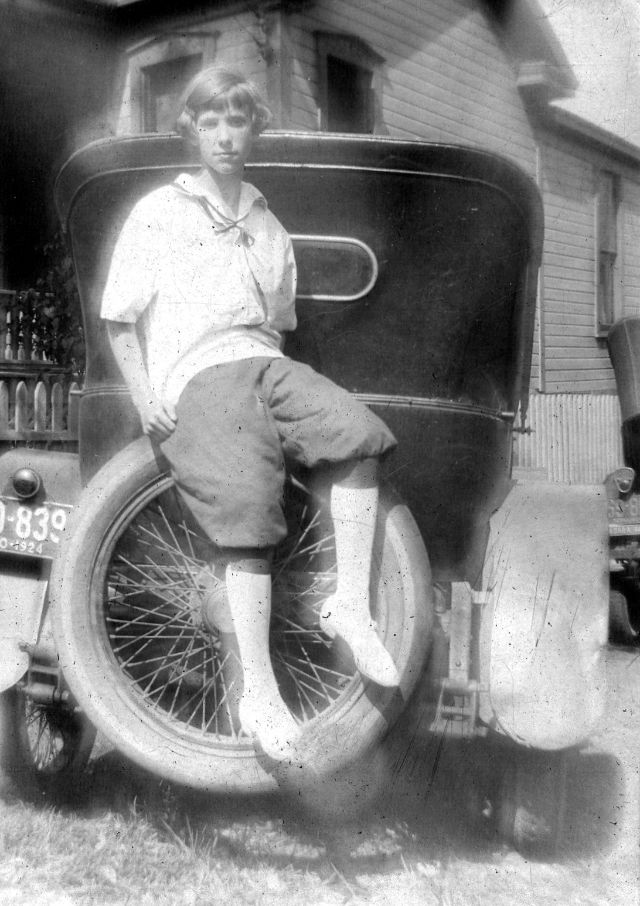
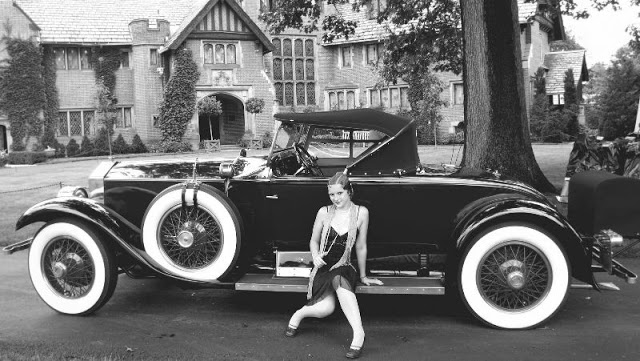
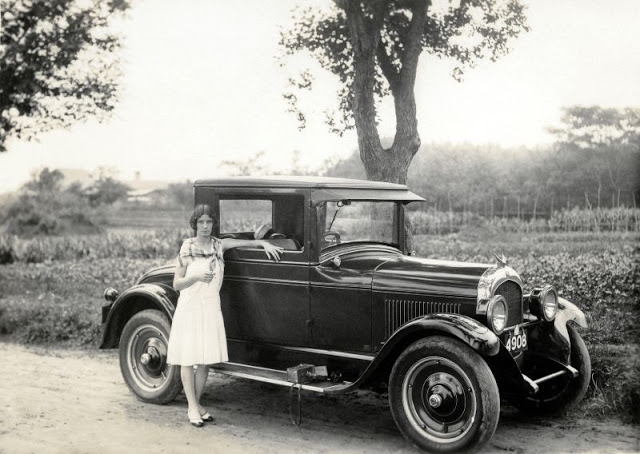
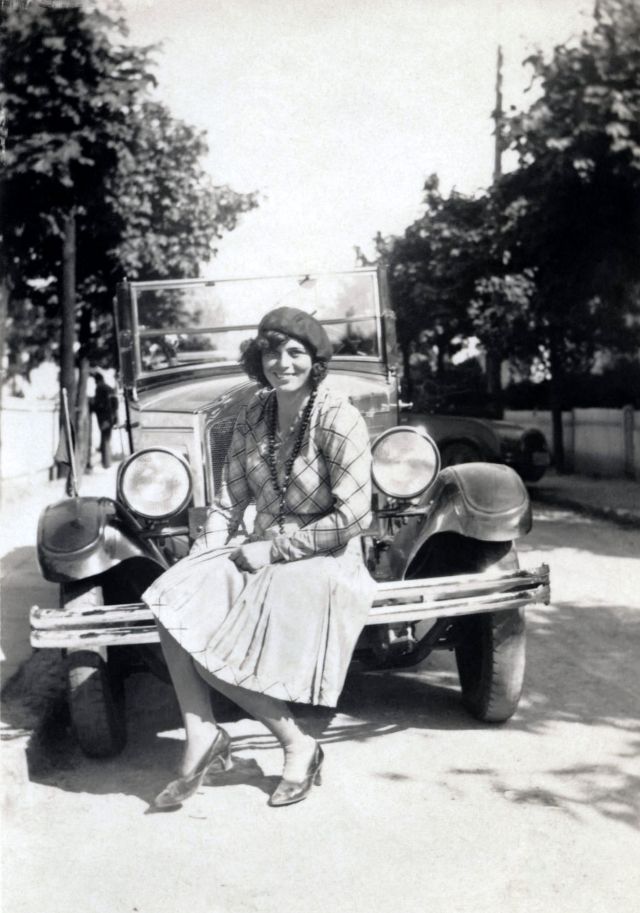
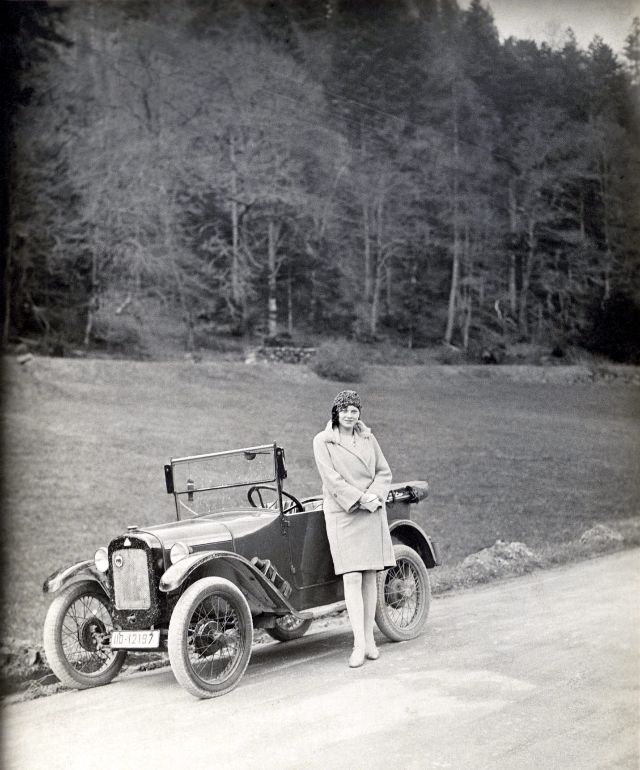
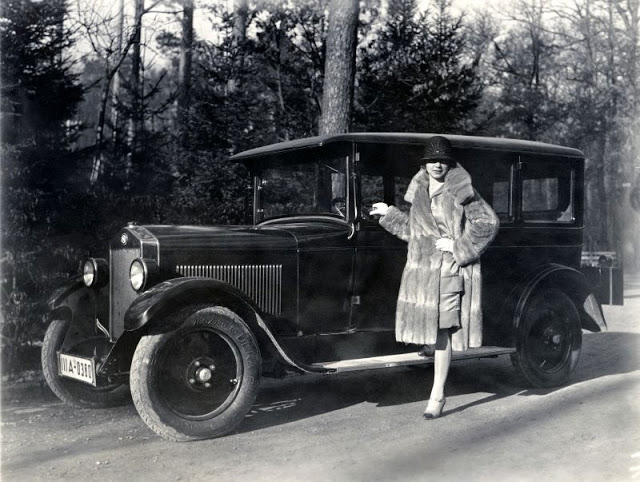
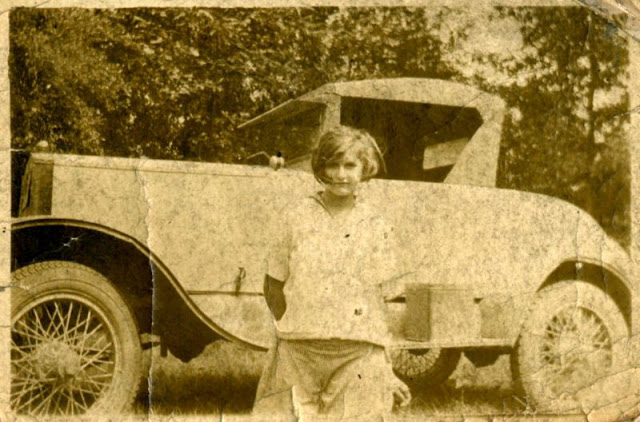
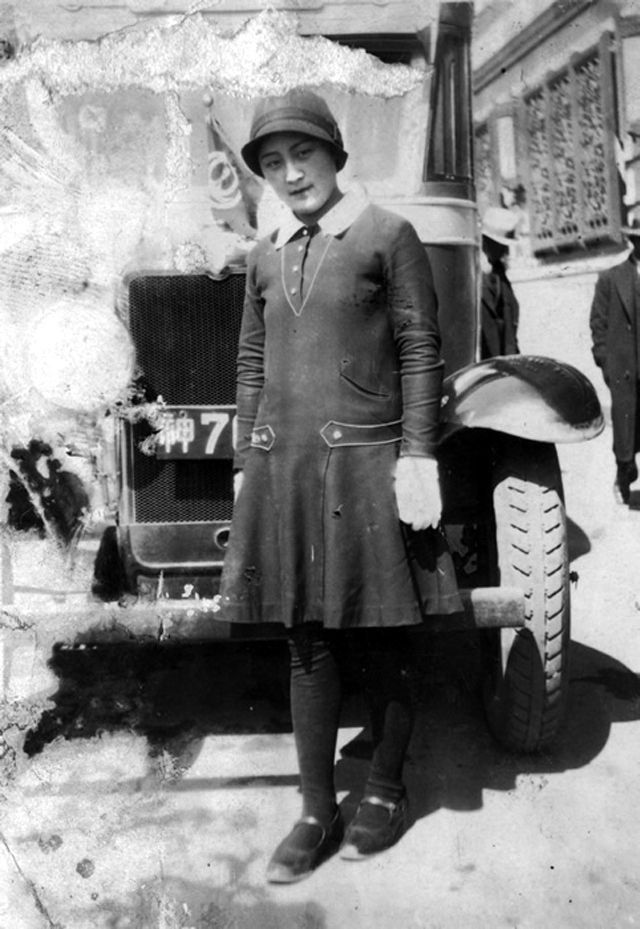
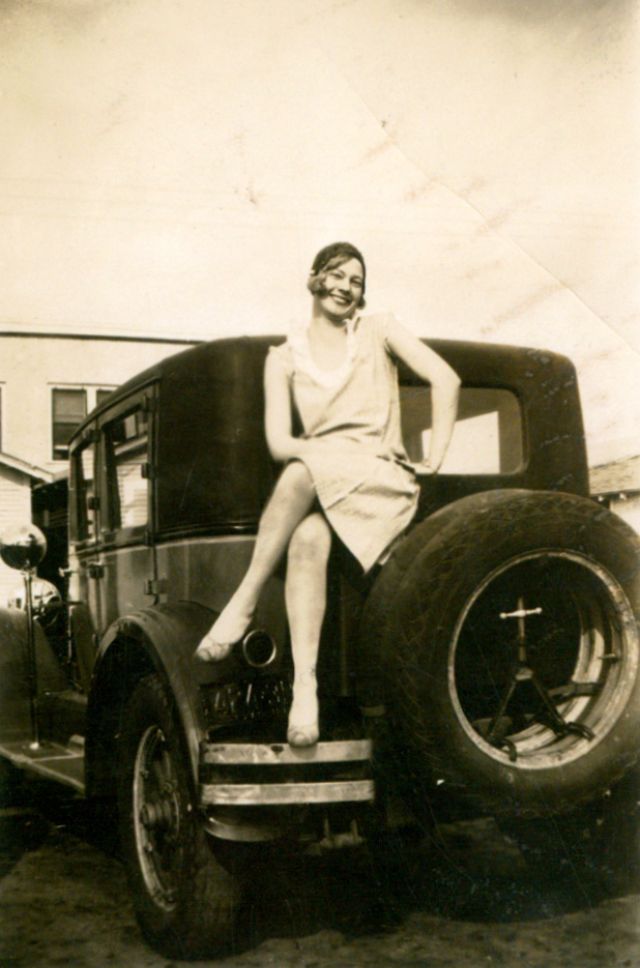
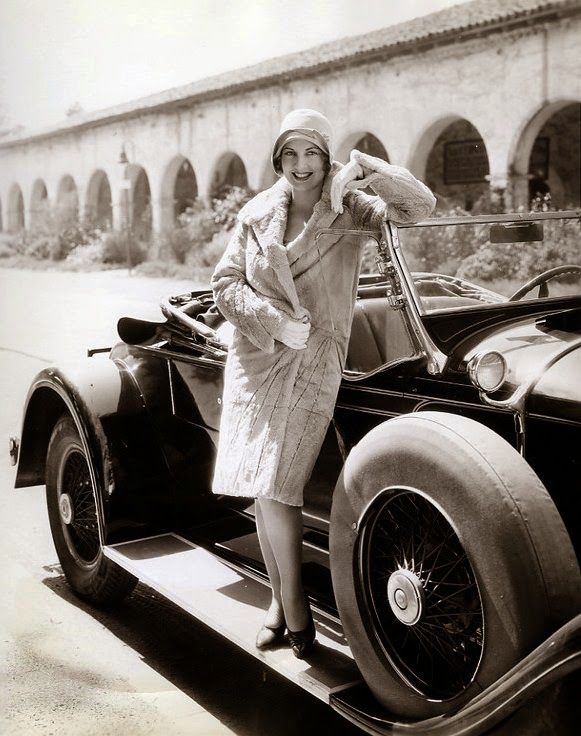
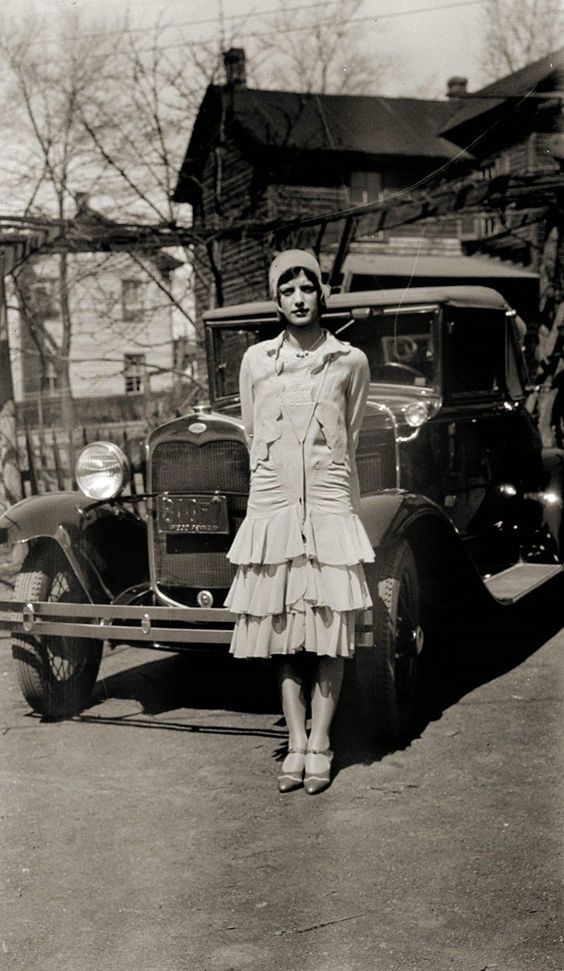
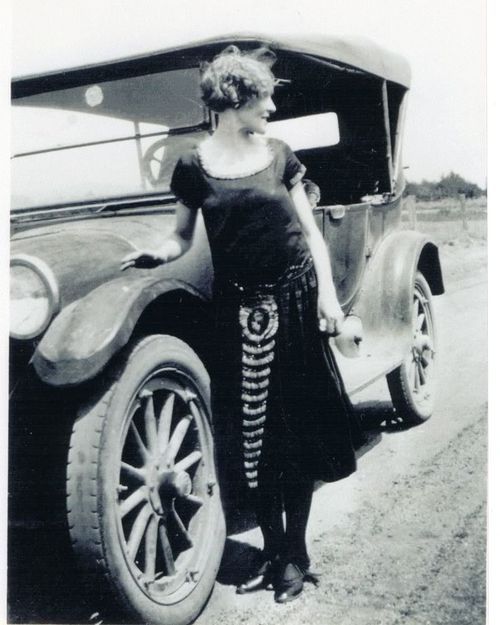
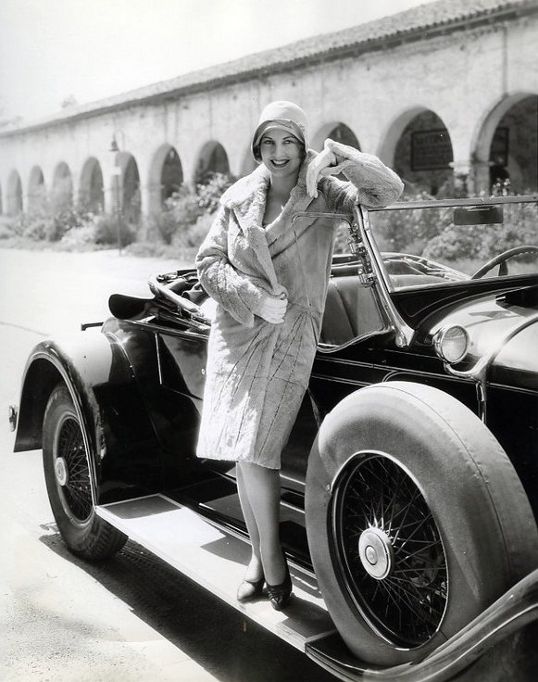
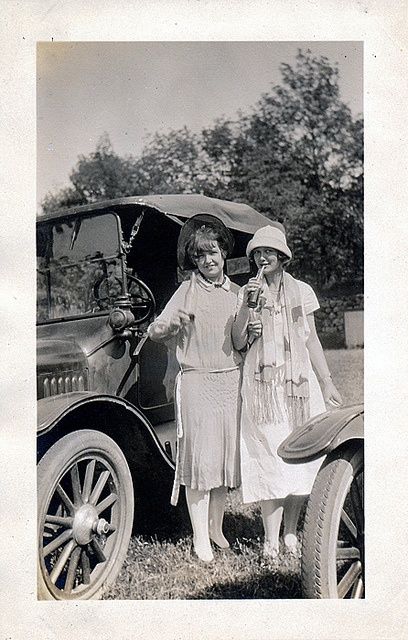
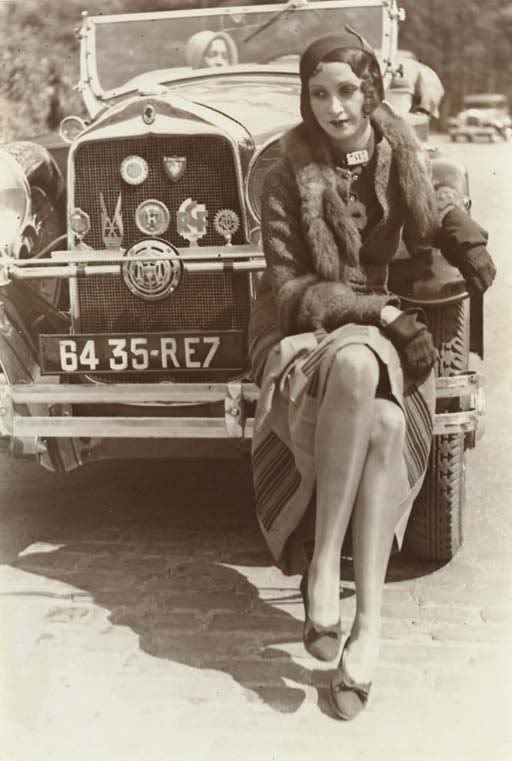
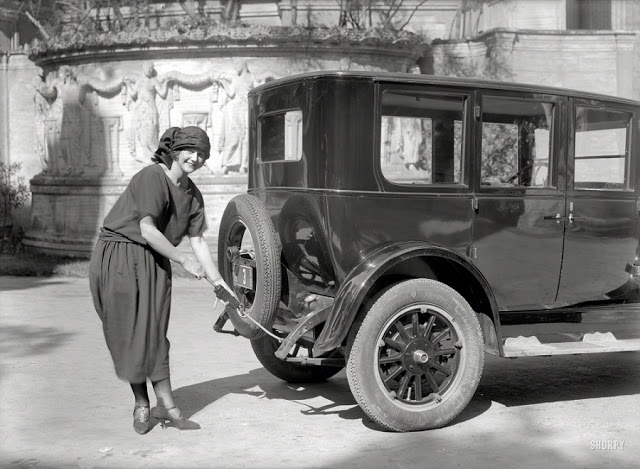
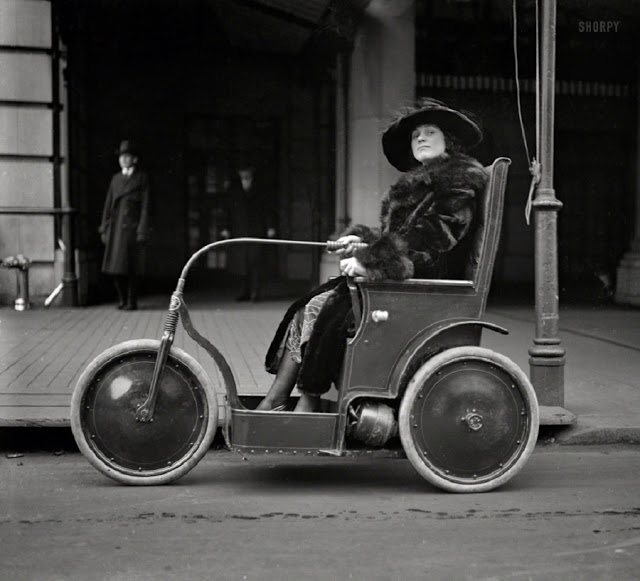
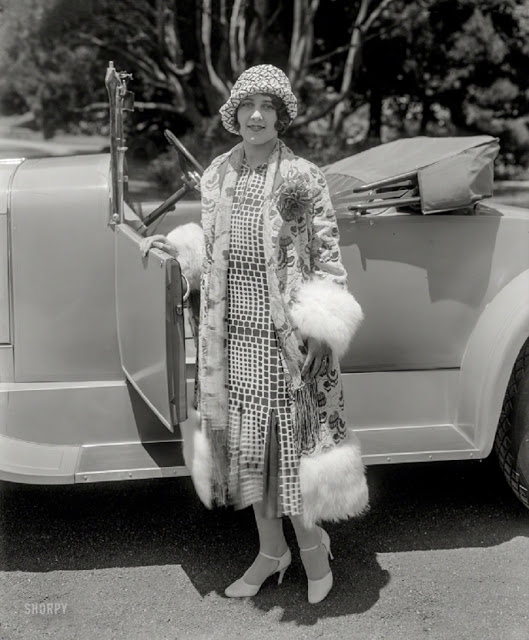
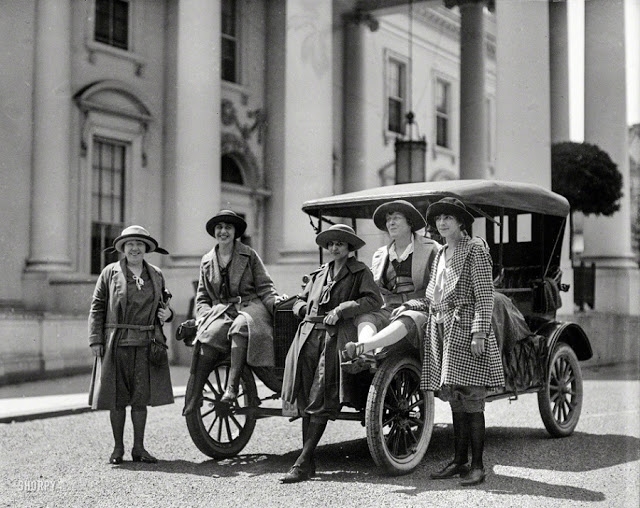
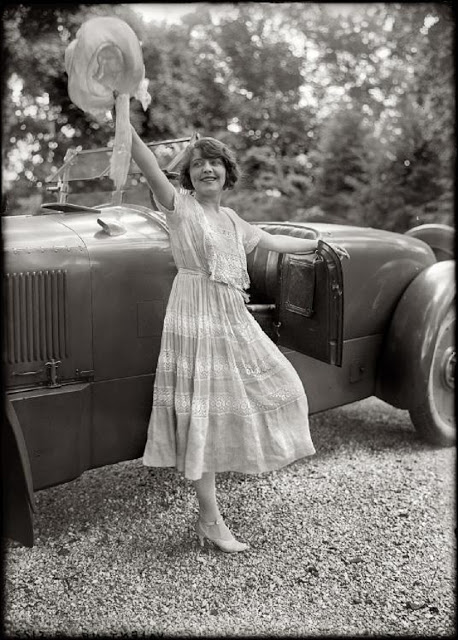
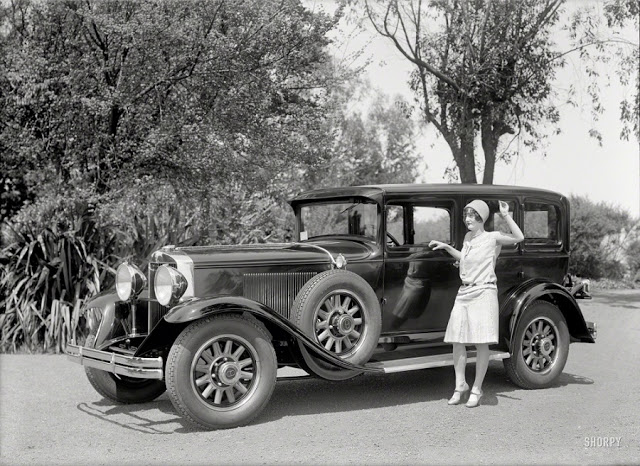
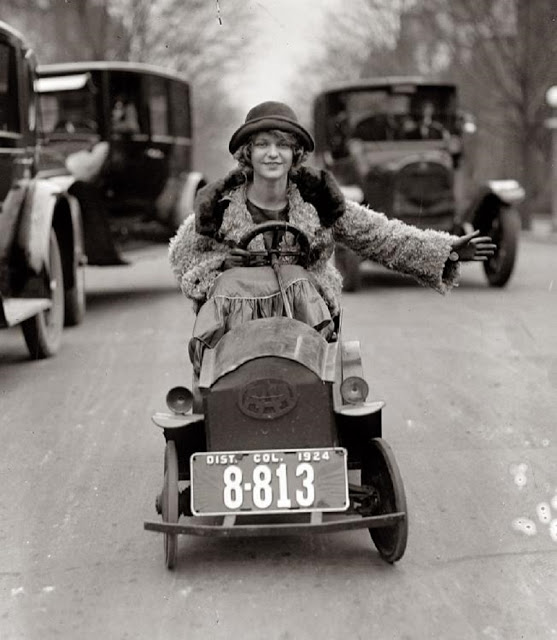
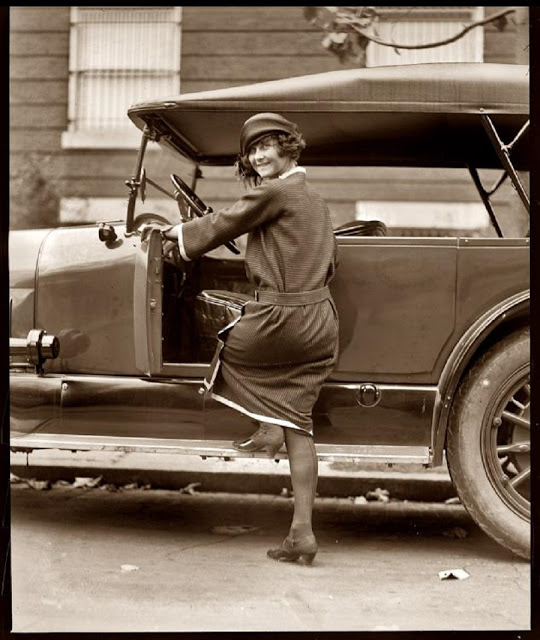
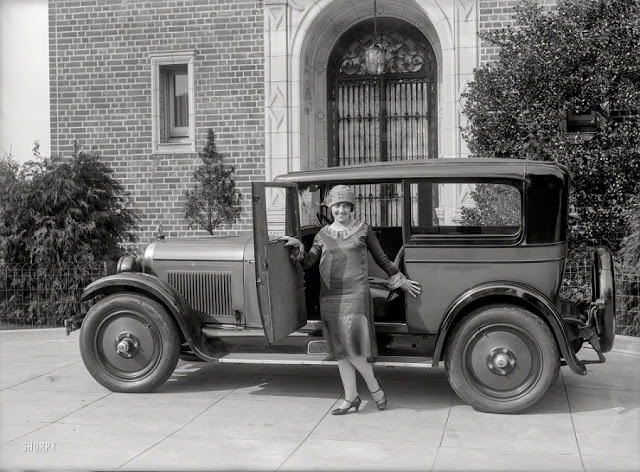
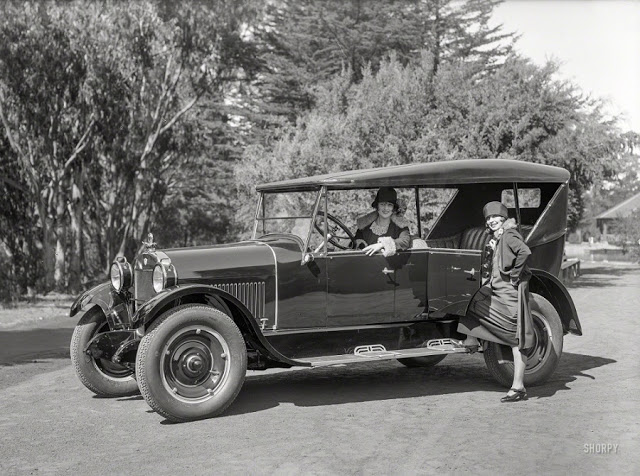
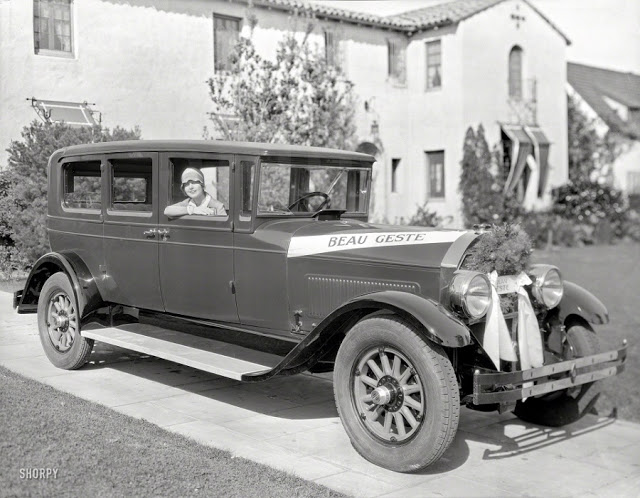
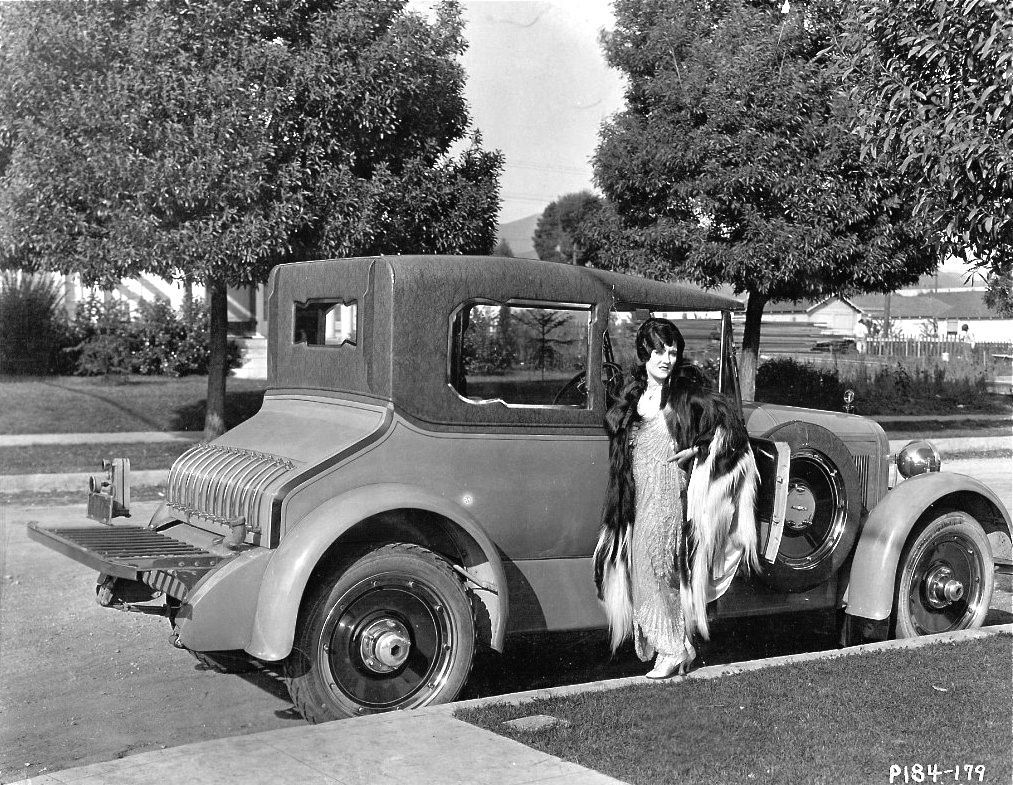
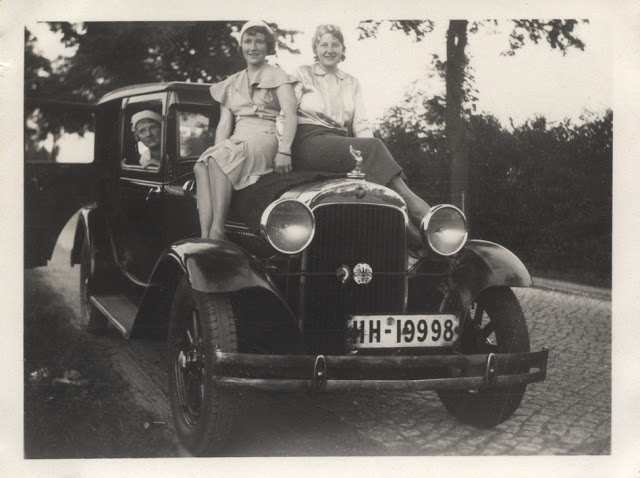
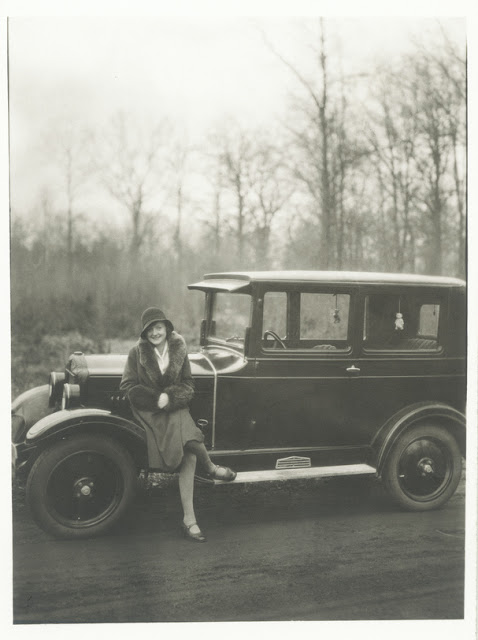
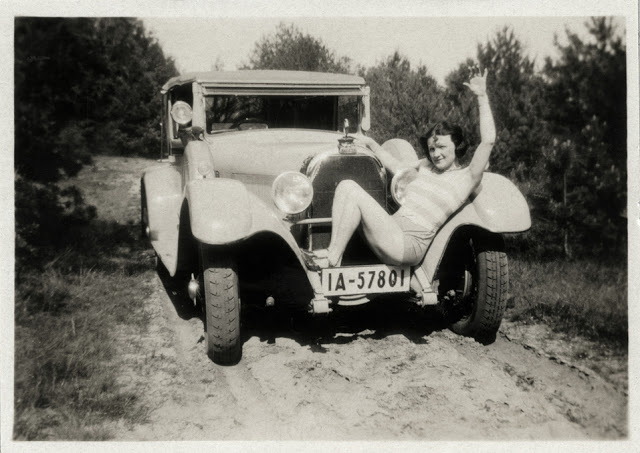
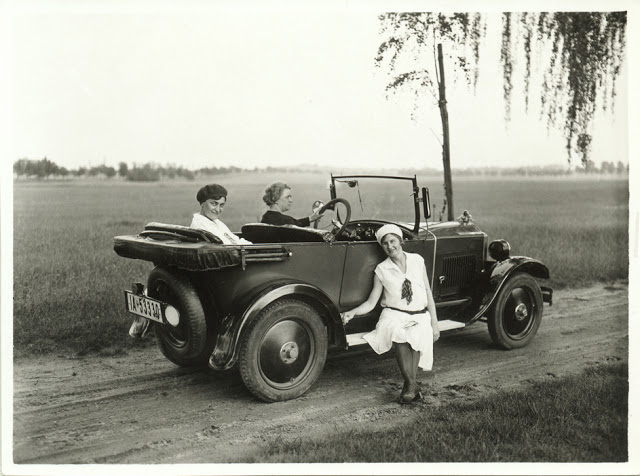
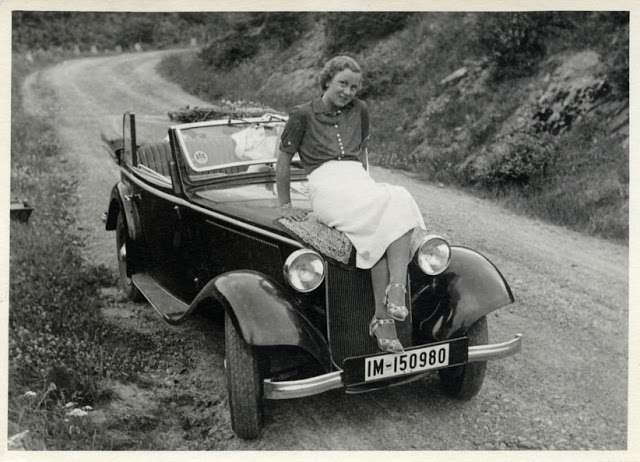
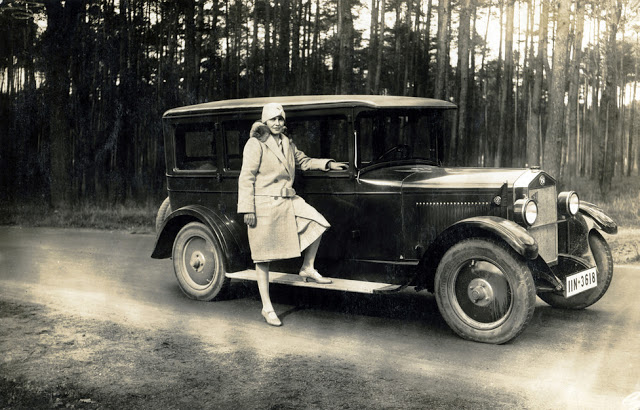
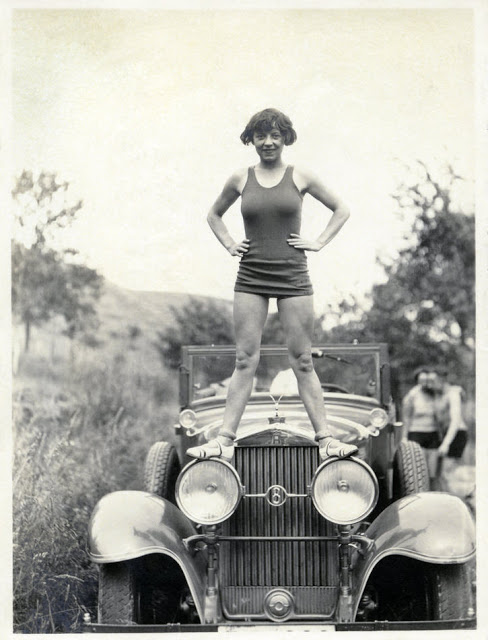
From 1919 to 1929, primarily North America and parts of Europe experienced the rise of the Roaring Twenties. Social and economic circumstances underwent dramatic changes. The economic power and high employment of the United States allowed Americans to spend more extravagantly on entertainment. War veterans returned home seeking relaxation and comfort instead of returning to their factory or agricultural duties. Watching movies and listening to the newly invented radio became increasingly popular during this period, which further encouraged the desires of people for Hollywood style lives of indulgence and ease. This extravagance was ignited by the introduction of Henry Ford’s Model T, a car affectionately known as the “Tin Lizzie.” Cars became a major source of freedom and adventure as well as travel, and cars greatly altered the standard of living, the social patterns of the day, and urban planning; and cars differentiated suburban and urban living purposes. In addition, the rise of cars led to the creation of new leisure activities and businesses. The car became the center of middle and working class life until the start of World War II. (Wikipedia)
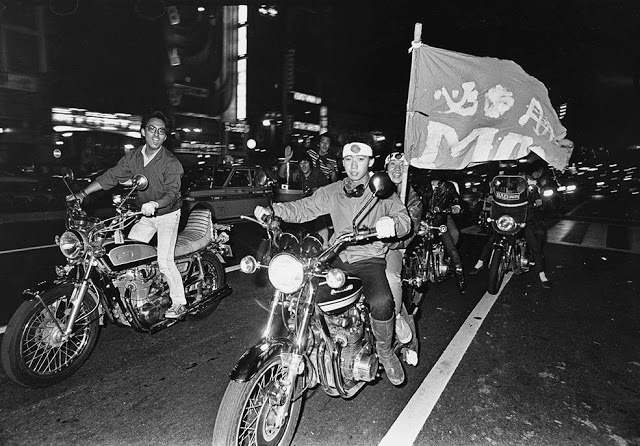
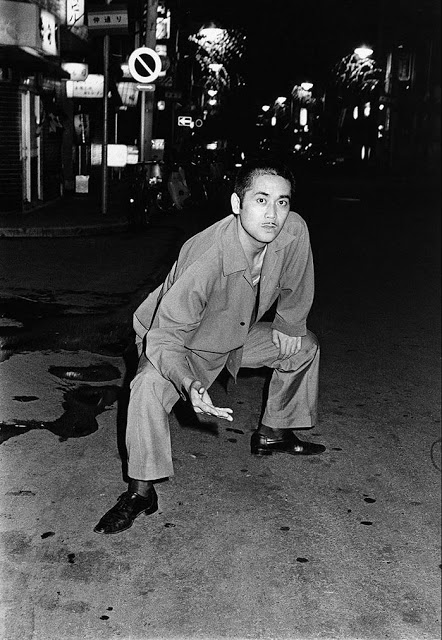
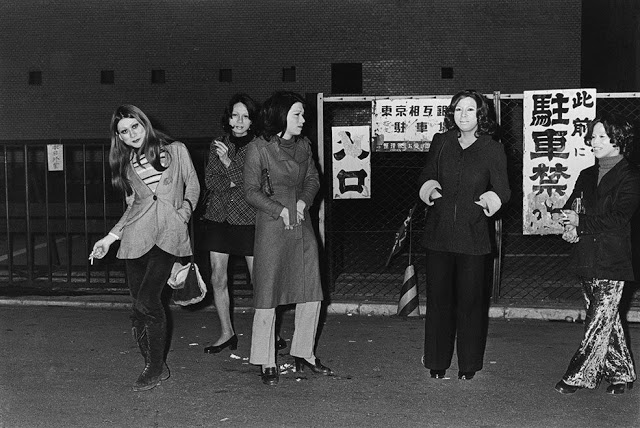
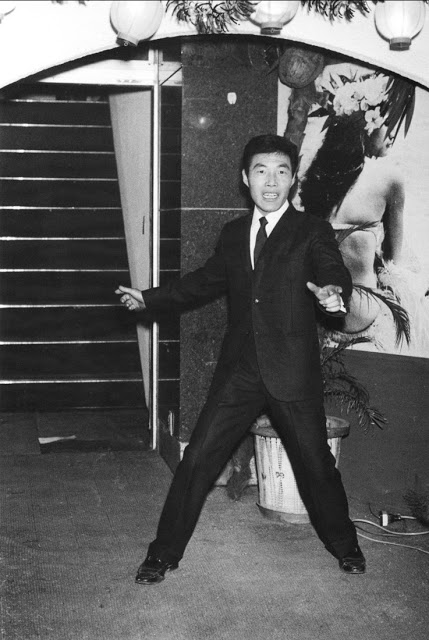
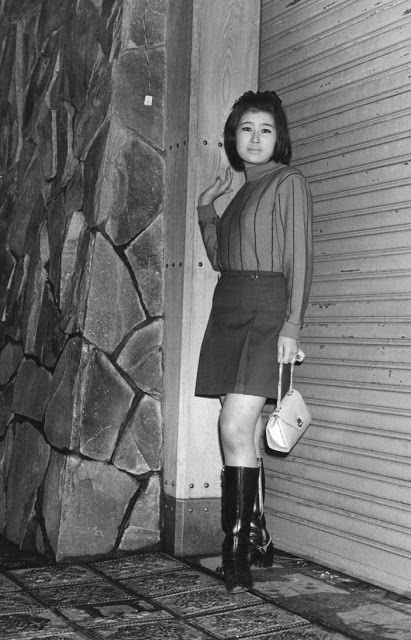
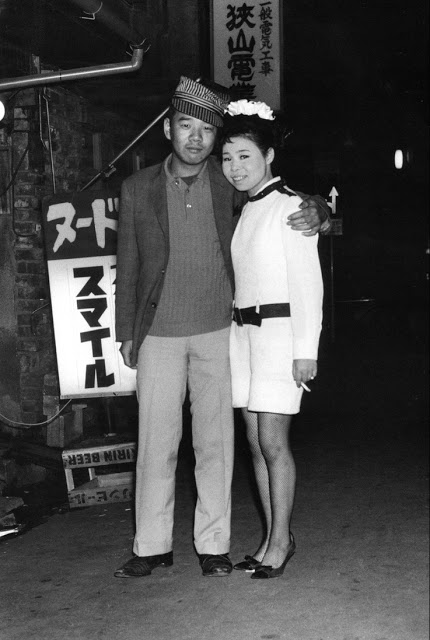
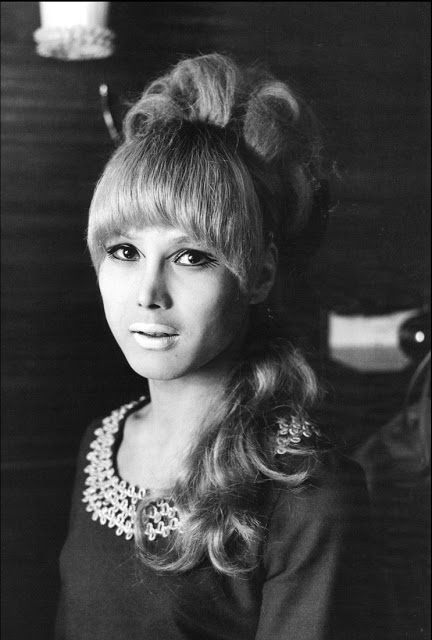
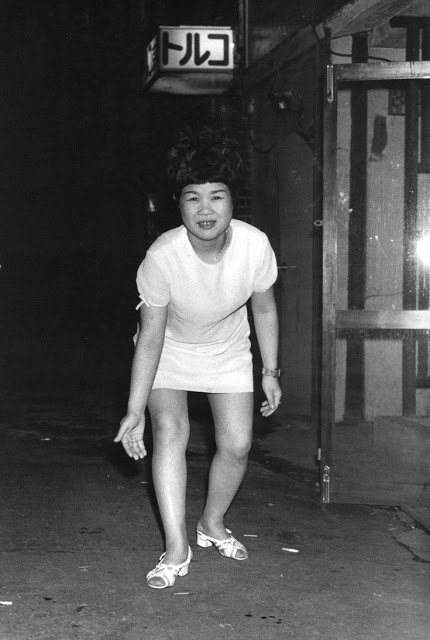
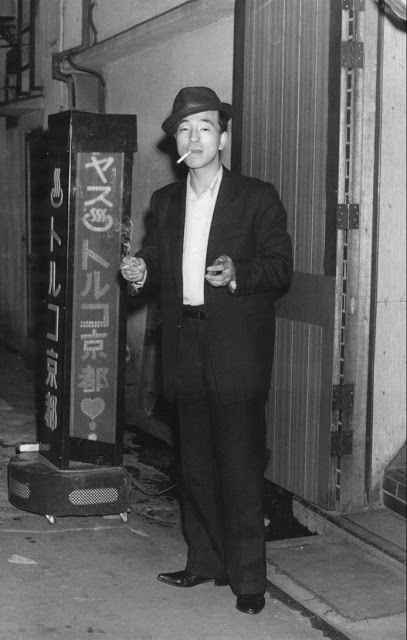
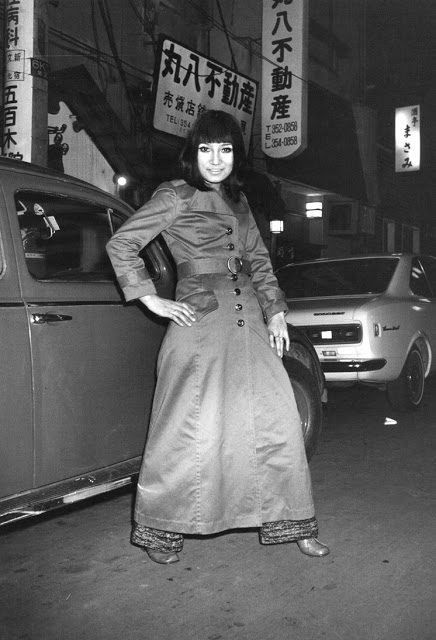
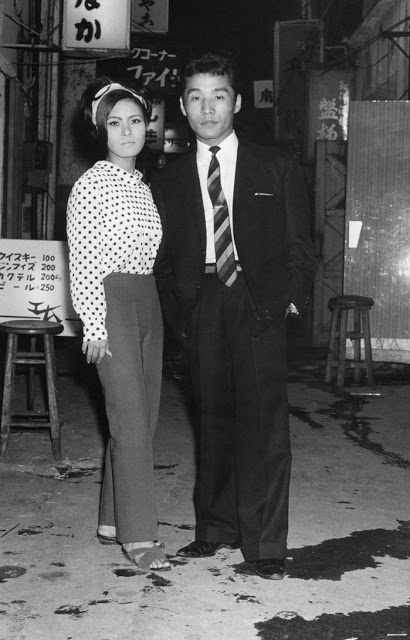
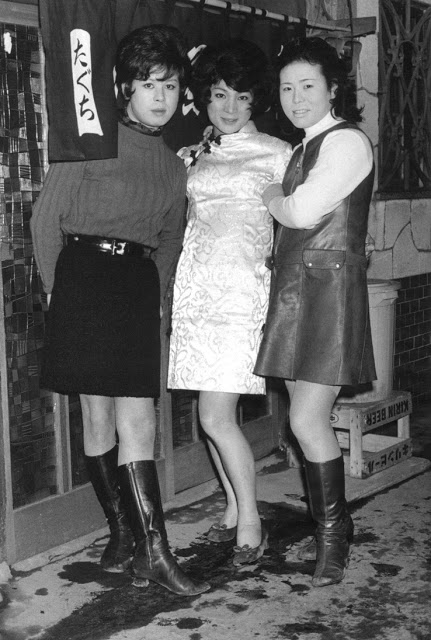
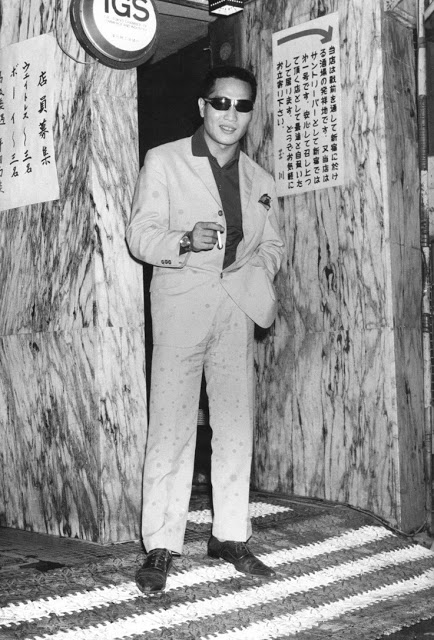
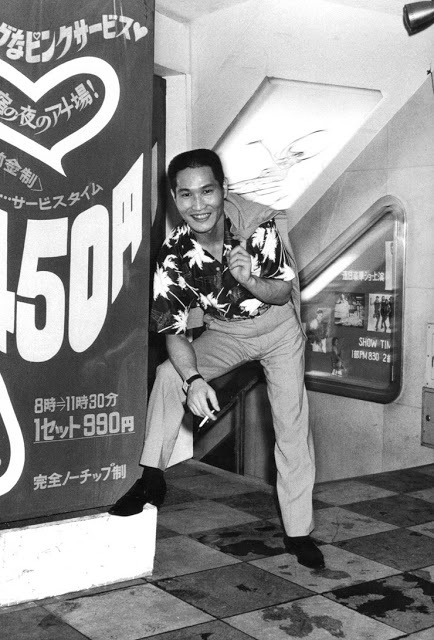
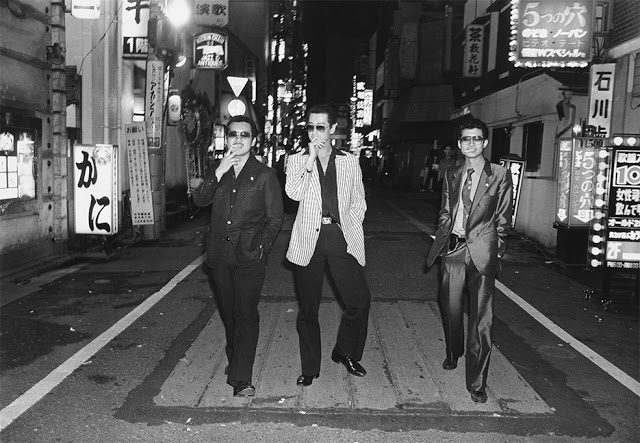
Kabukicho is an entertainment and red-light district situated in the busy Tokyo area of Shinjuku. At night the streets are buzzing with neon lights, as the host and hostess bars and clubs come to life. Meanwhile, in the criminal underworld, around a thousand gangsters (Yakuza) are said to operate in the area, giving this spot the nickname the ‘Sleepless Town’.
During the 1960s and ’70s, one curious photographer named Watanabe Katsumi prowled the streets while taking pictures of Yakuza, the pimps and the prostitutes who called Kabukicho their home.
Watanabe made his living by selling these photographs to his subjects, offering three prints for 200 yen—roughly around a dollar back then. A modest gentleman, Watanabe had a keen sensitivity to the natural posturing of his subjects, which allowed them to uninhibitedly reveal their identities. He saw Kabukicho as a stage, and his photographs document the performers. Here is a collection of images from his volume titled The Gangs of Kabukicho.